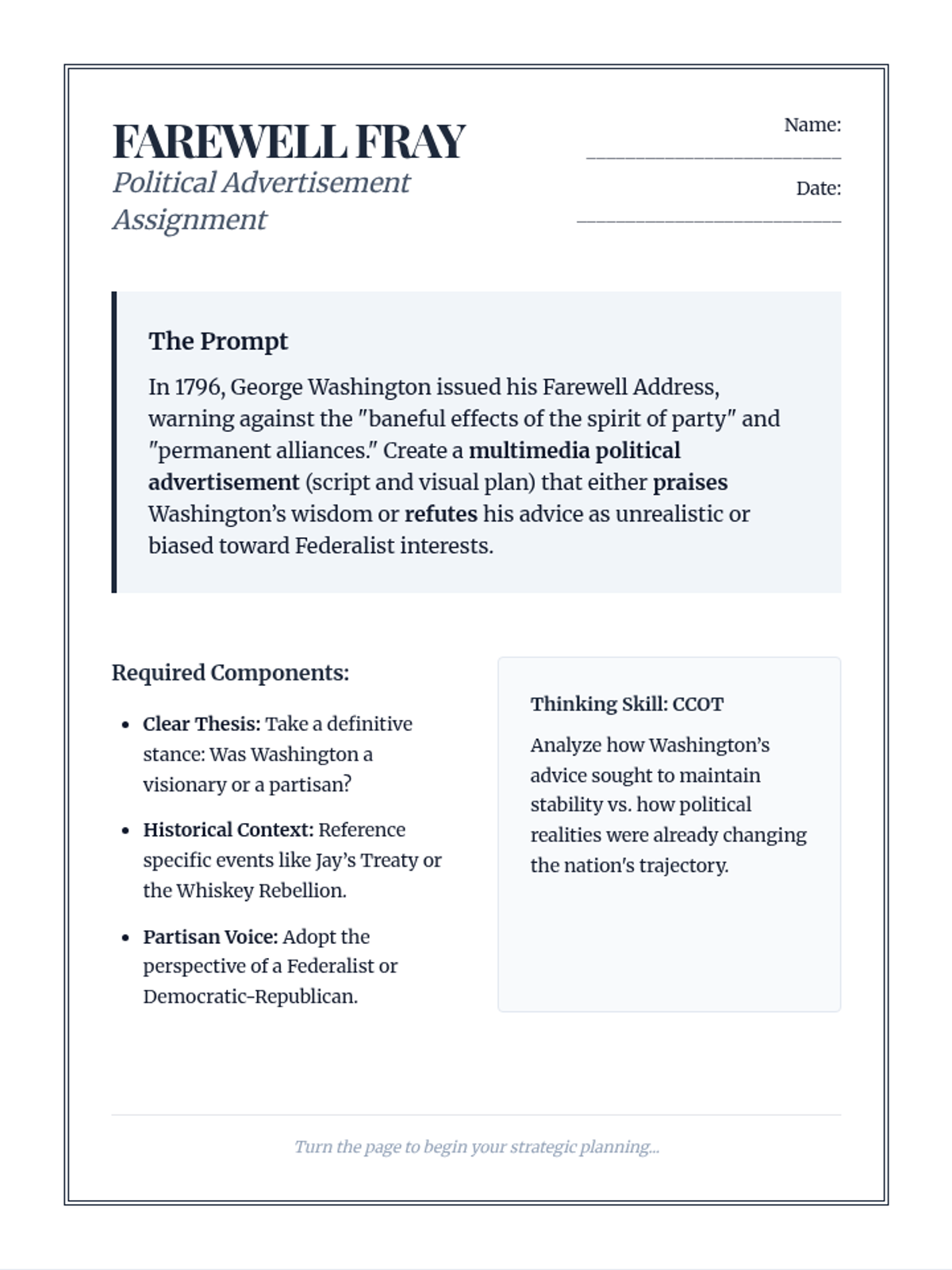
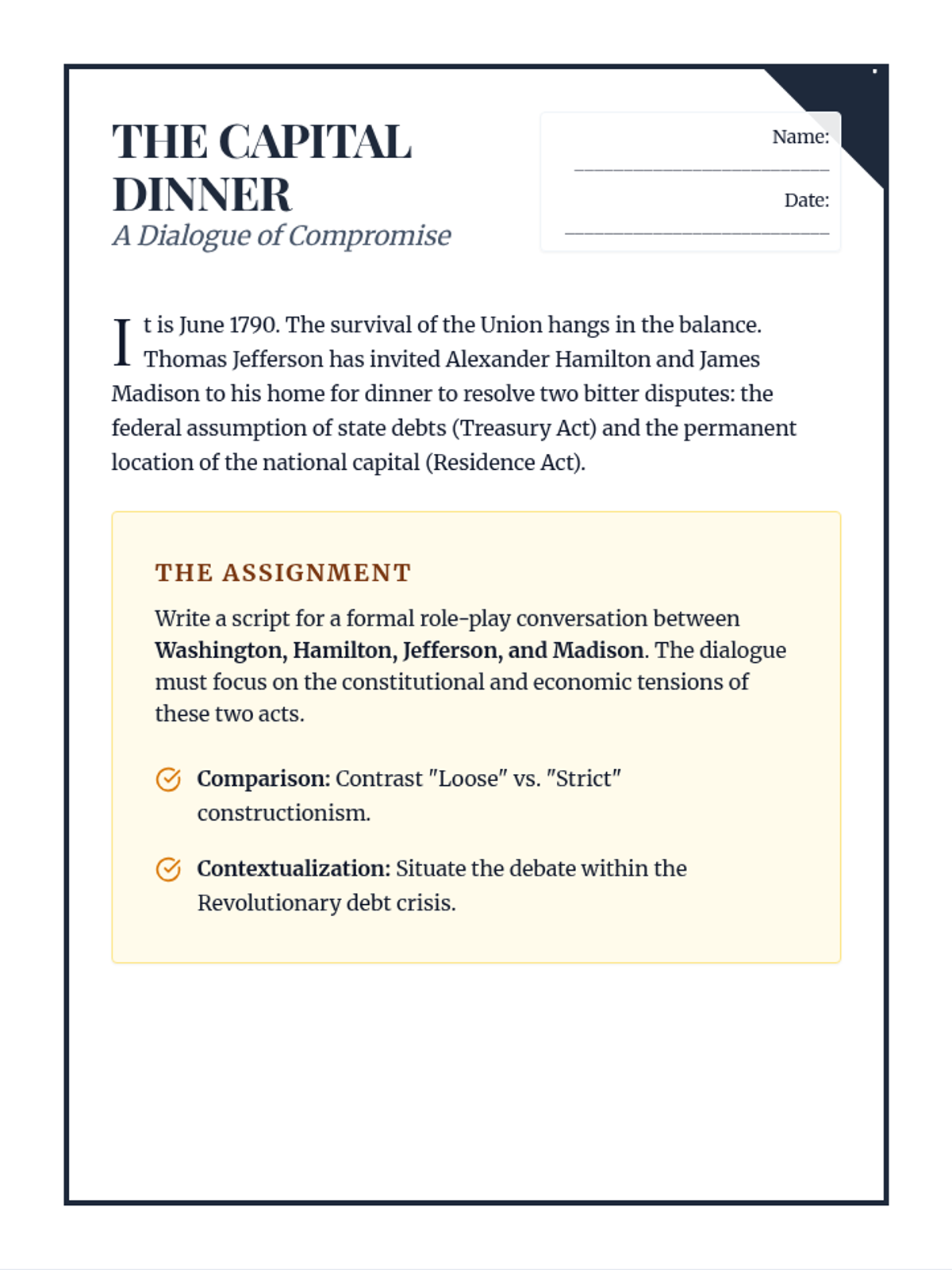
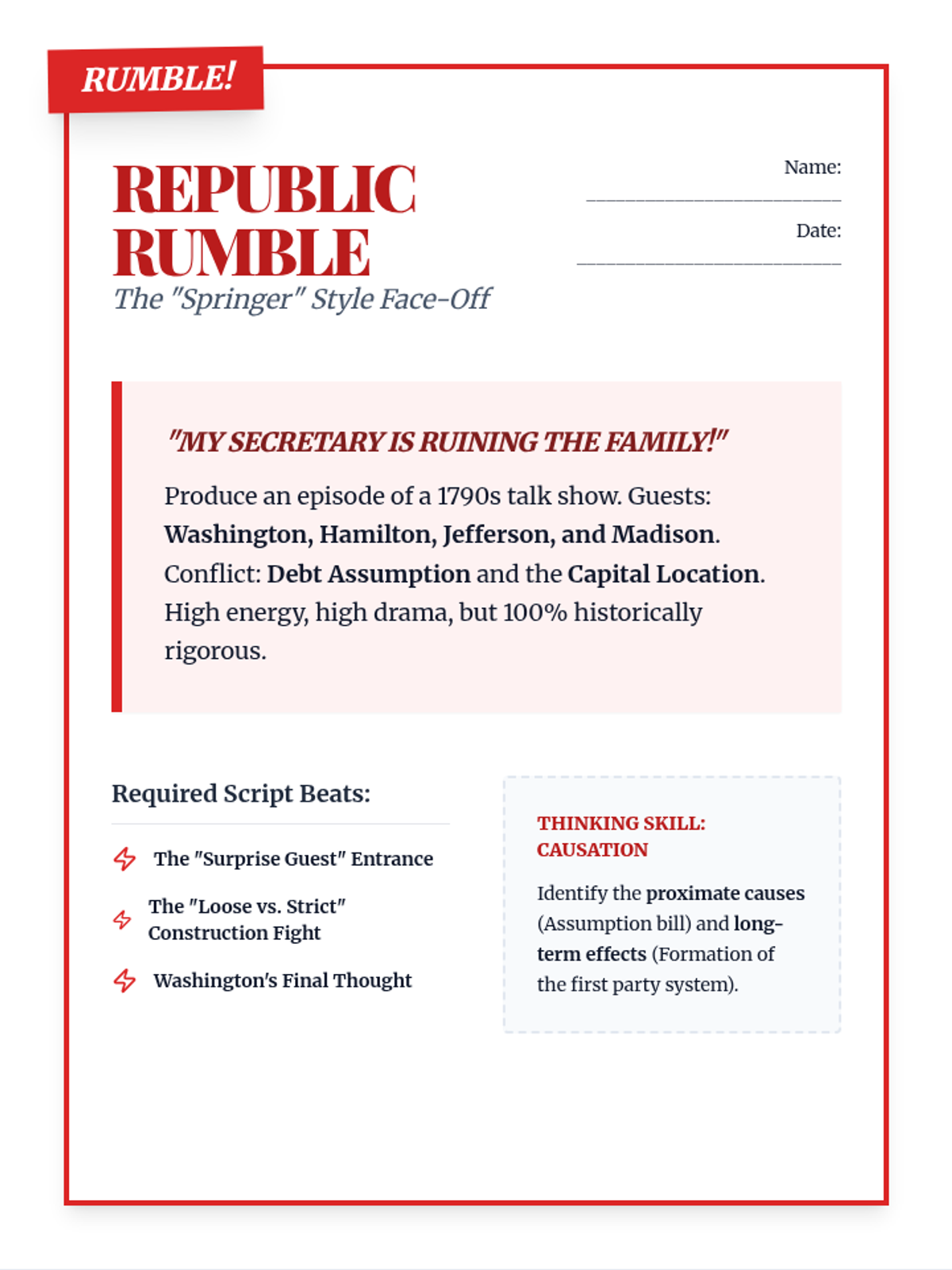
A primary source analysis lesson focusing on the early American Republic through the lens of foundational documents, using the HIPP framework to analyze political and social tensions.
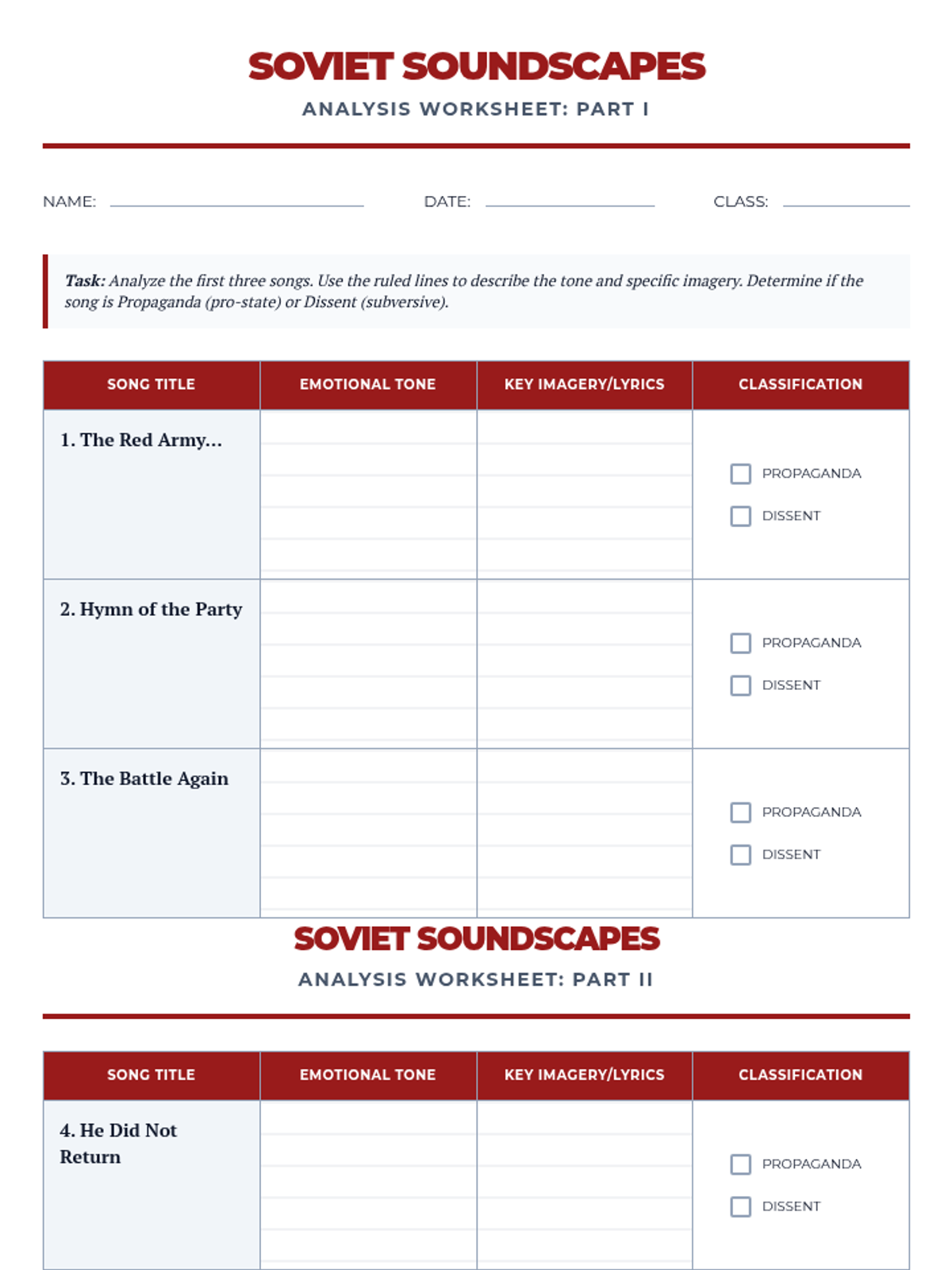
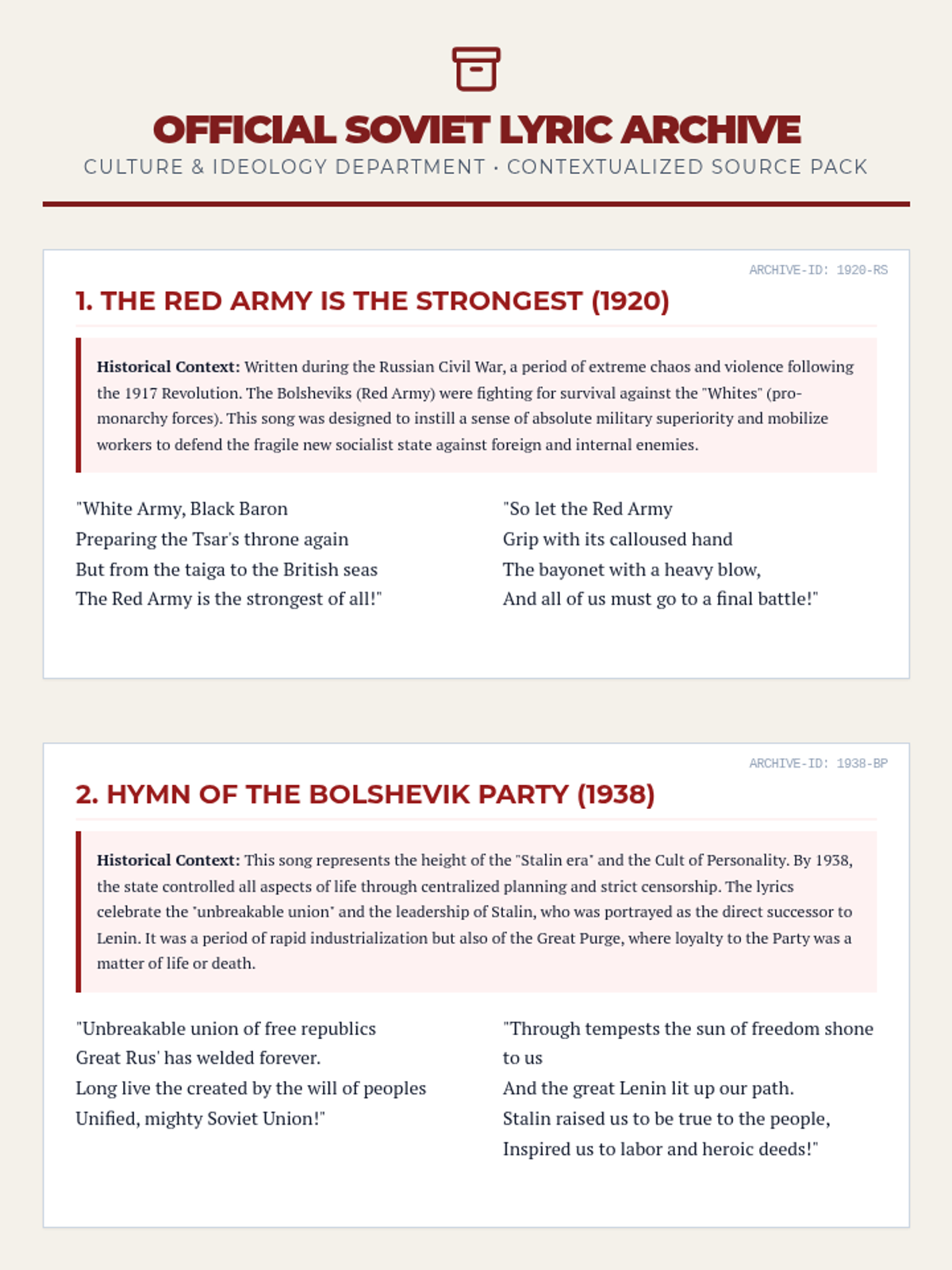
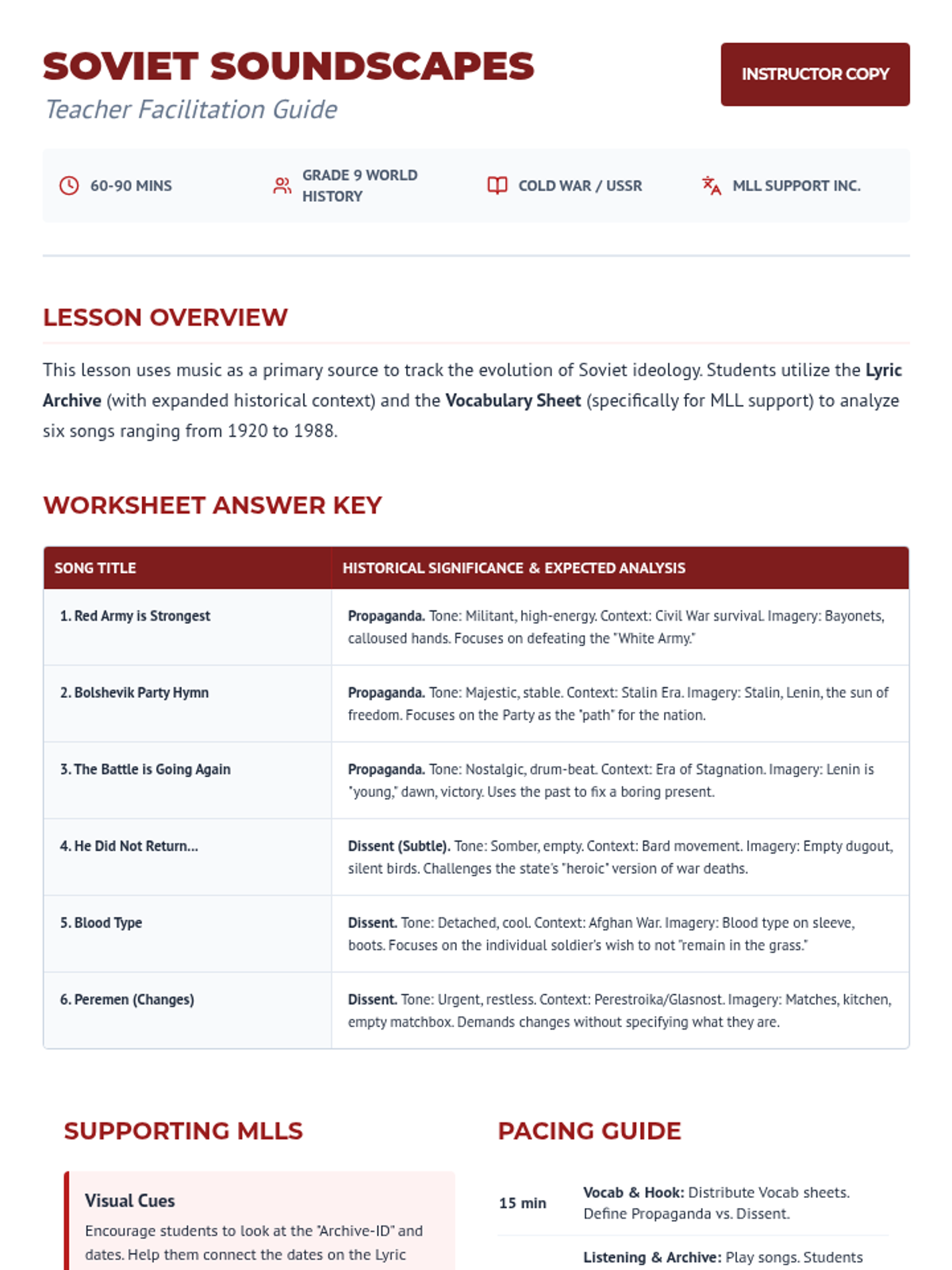
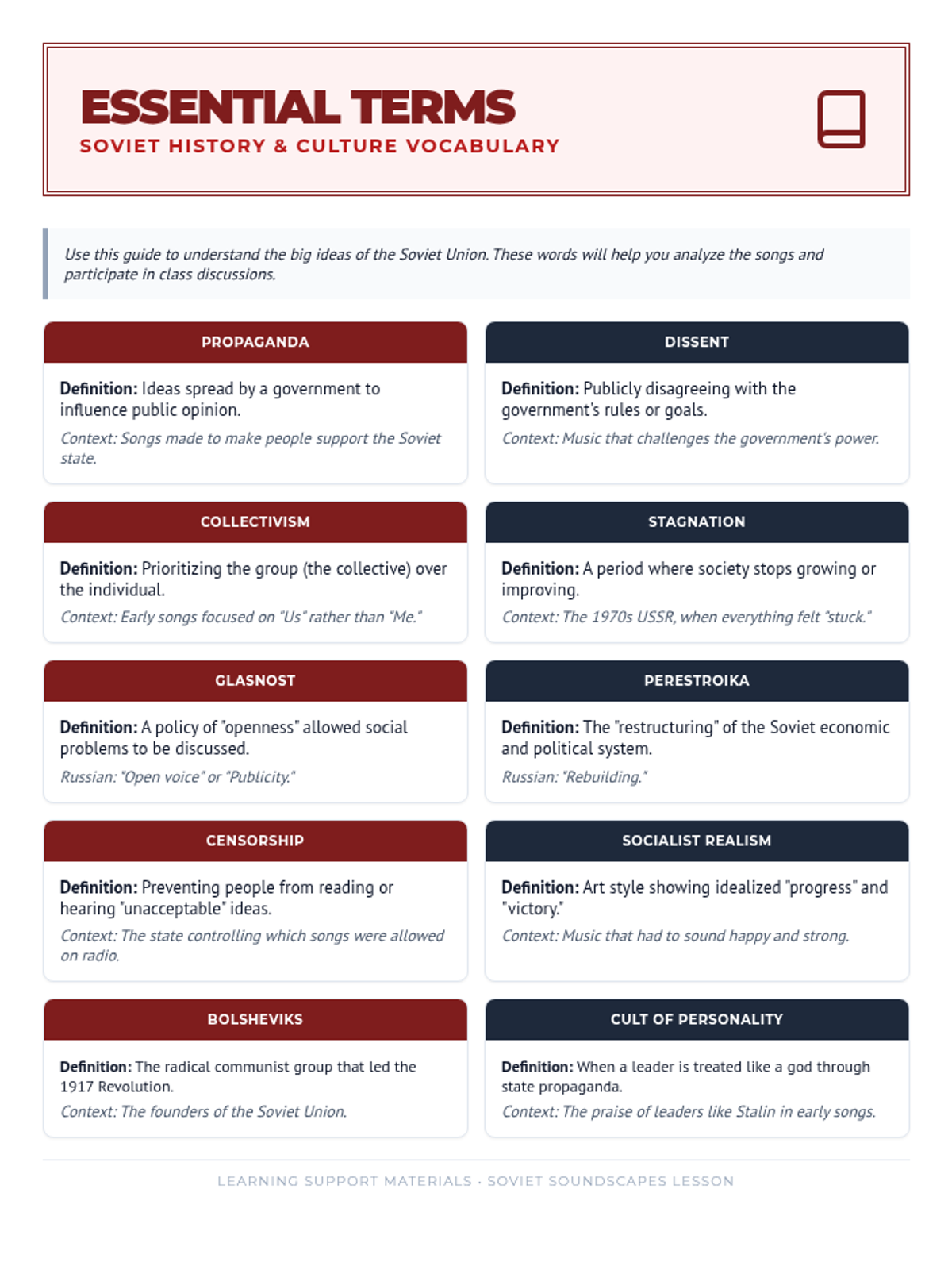
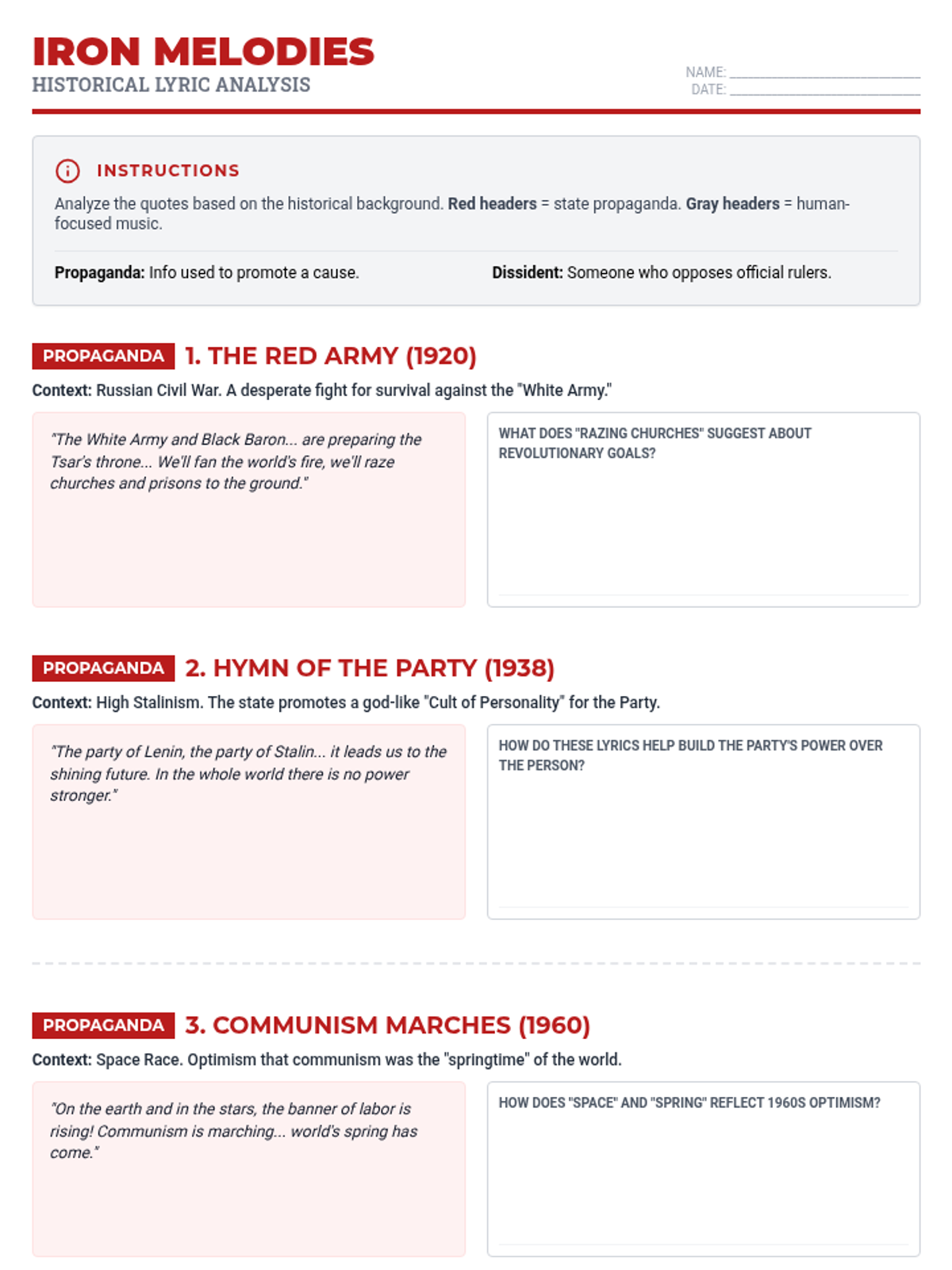
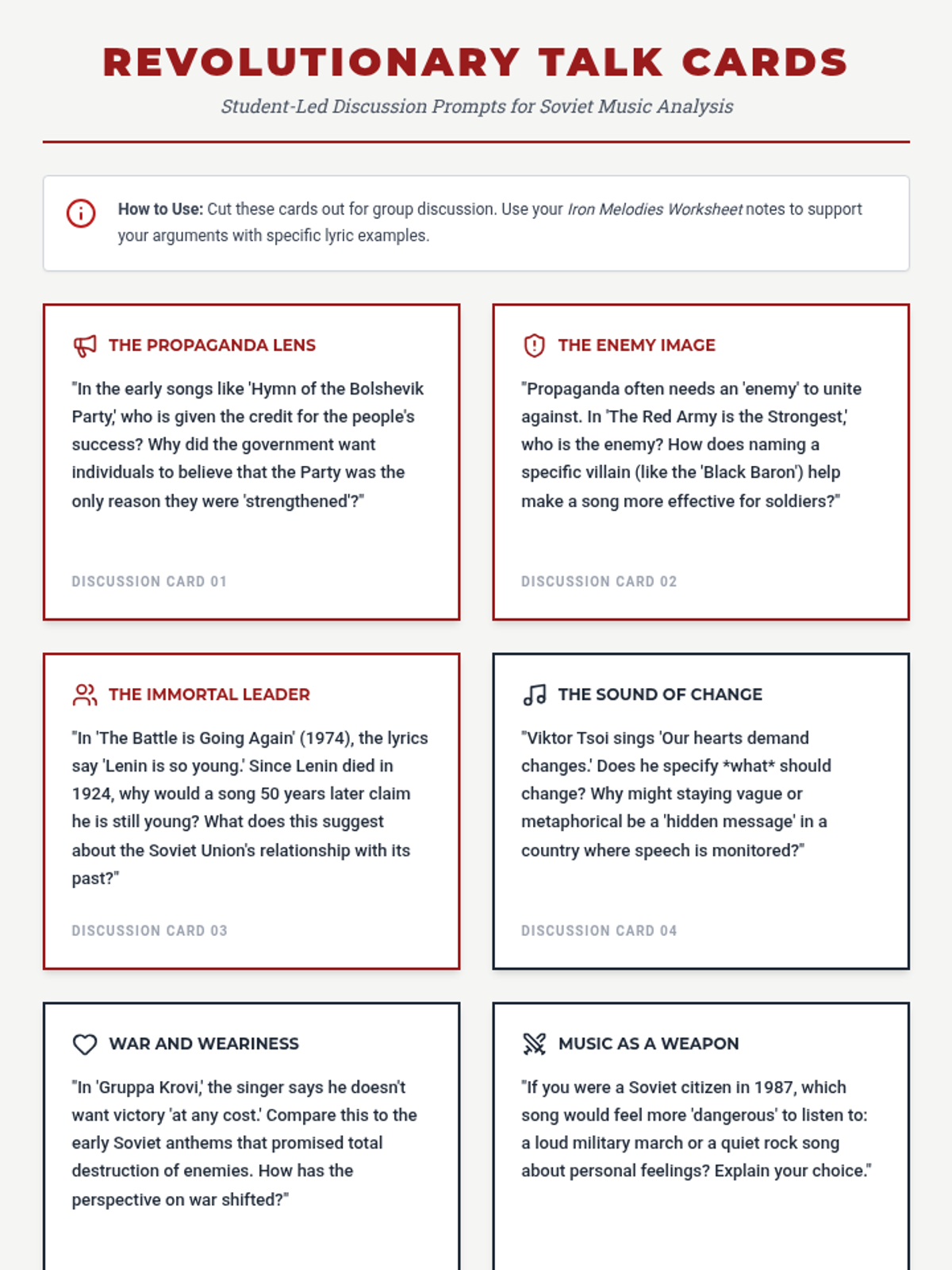
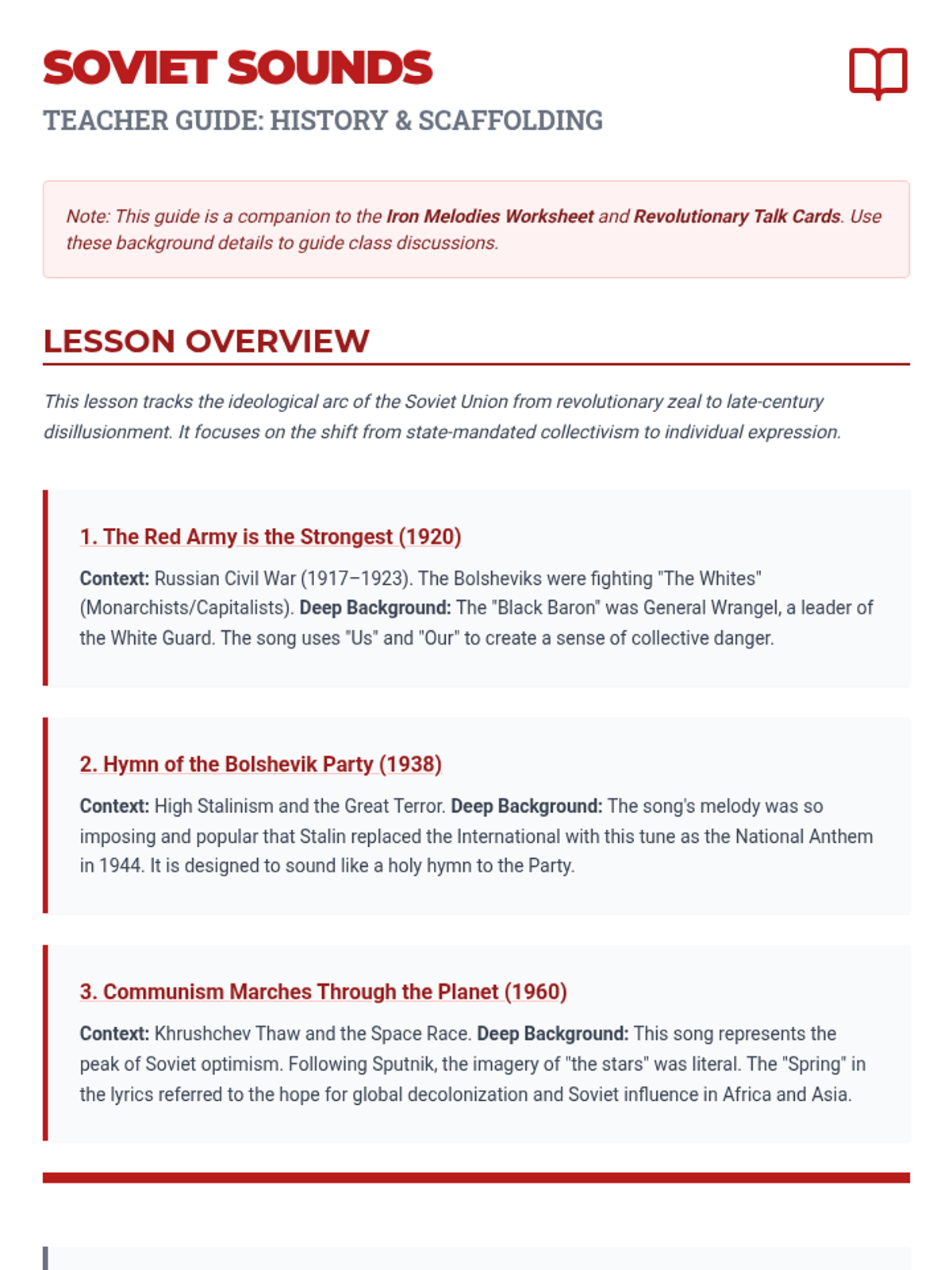
A history lesson exploring the dual roles of music in the Soviet Union, from state-sponsored propaganda to the subversive voices of dissent during the late Soviet period.
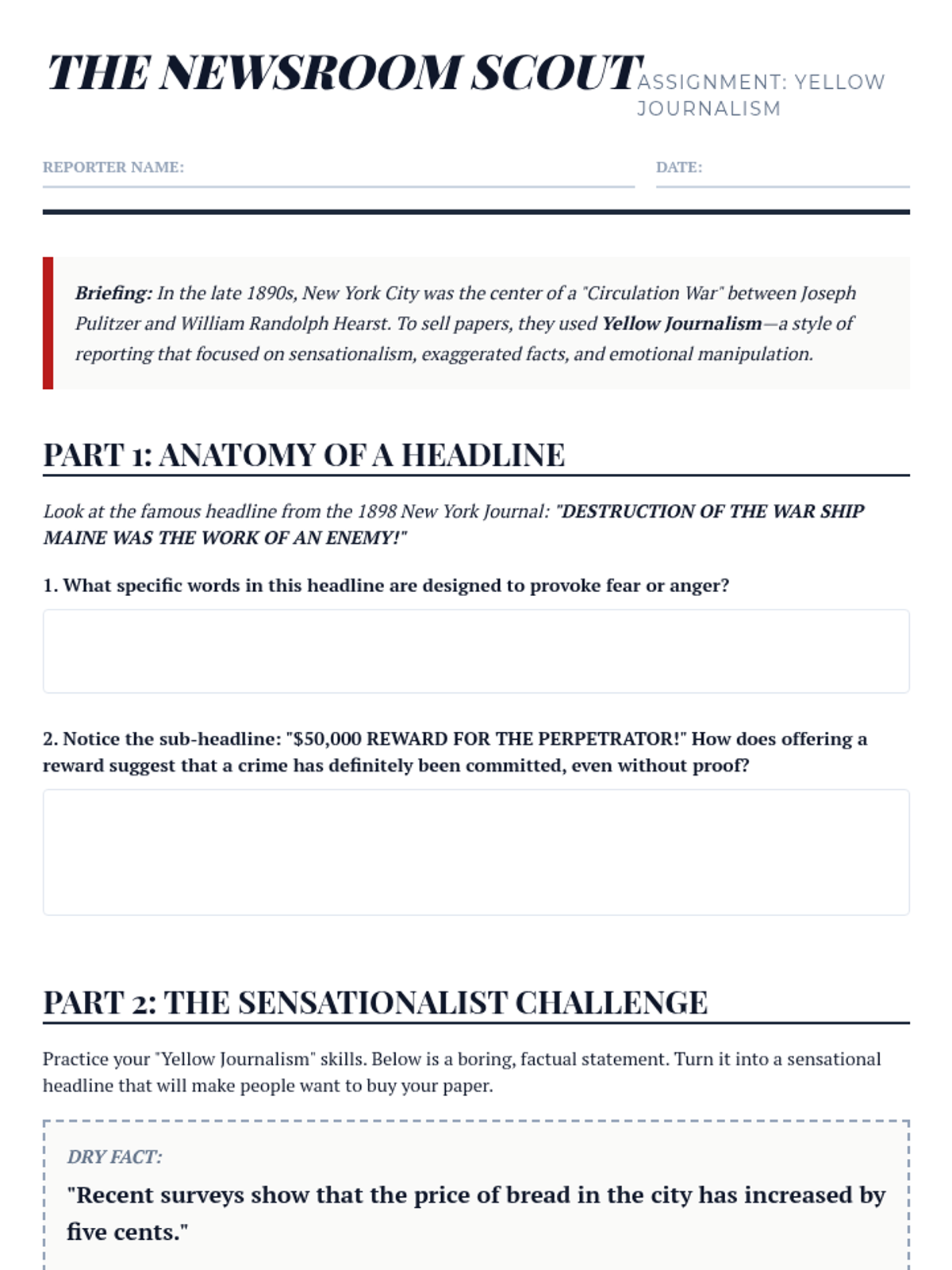
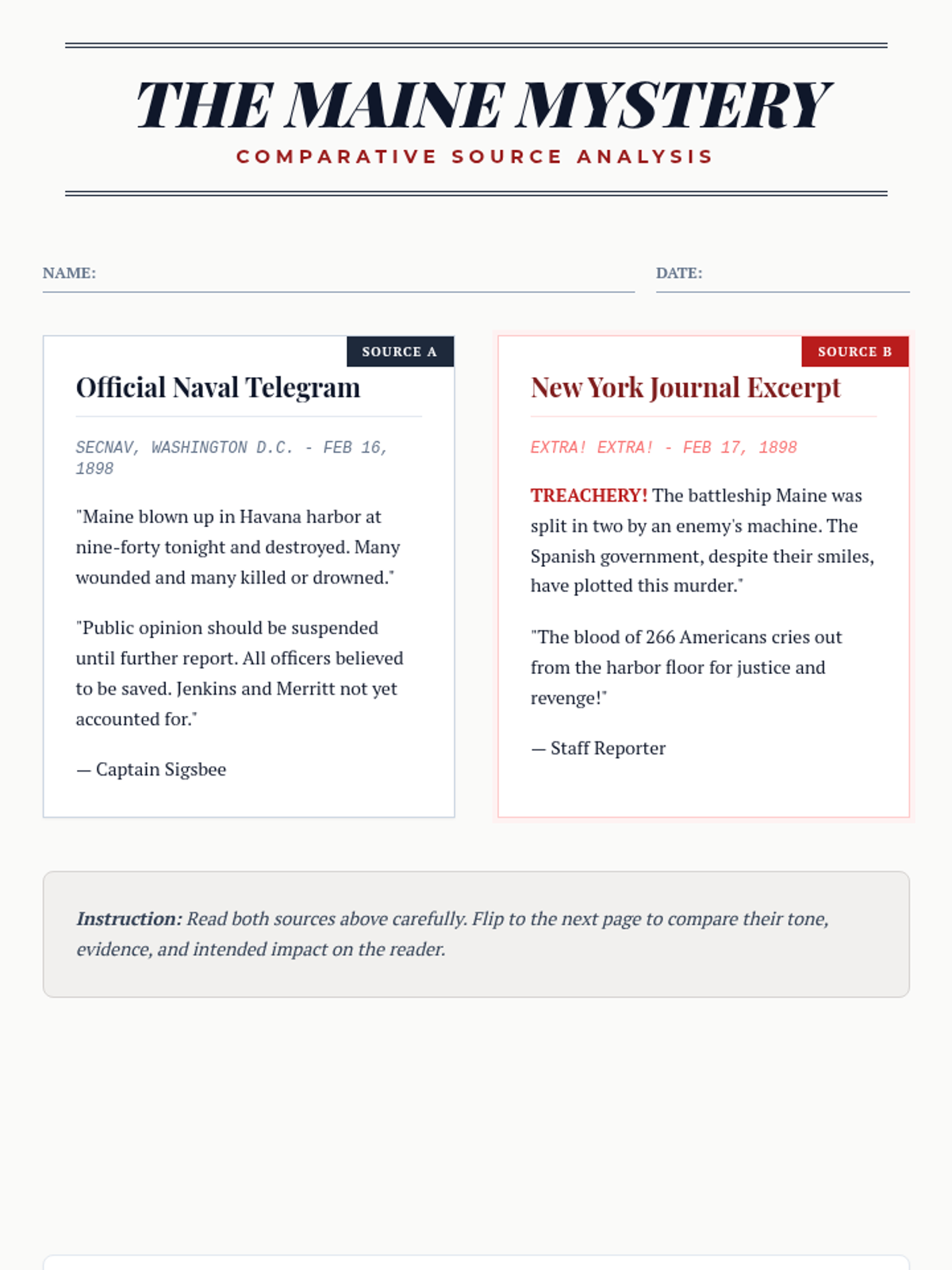
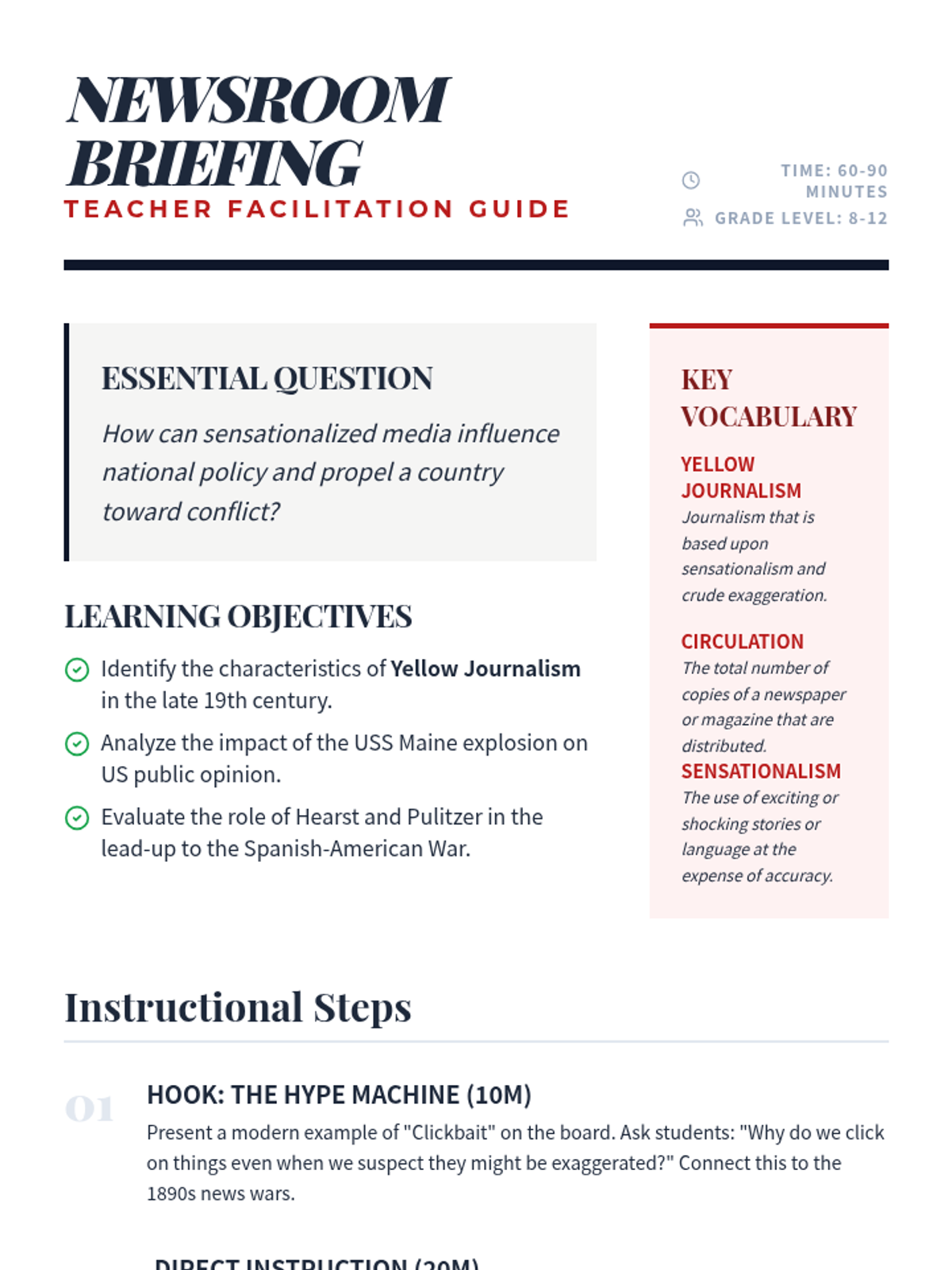
A deep dive into the sensational world of yellow journalism and its pivotal role in propelling the United States into the Spanish-American War. Students analyze historical headlines and the impact of the USS Maine's sinking on public opinion.
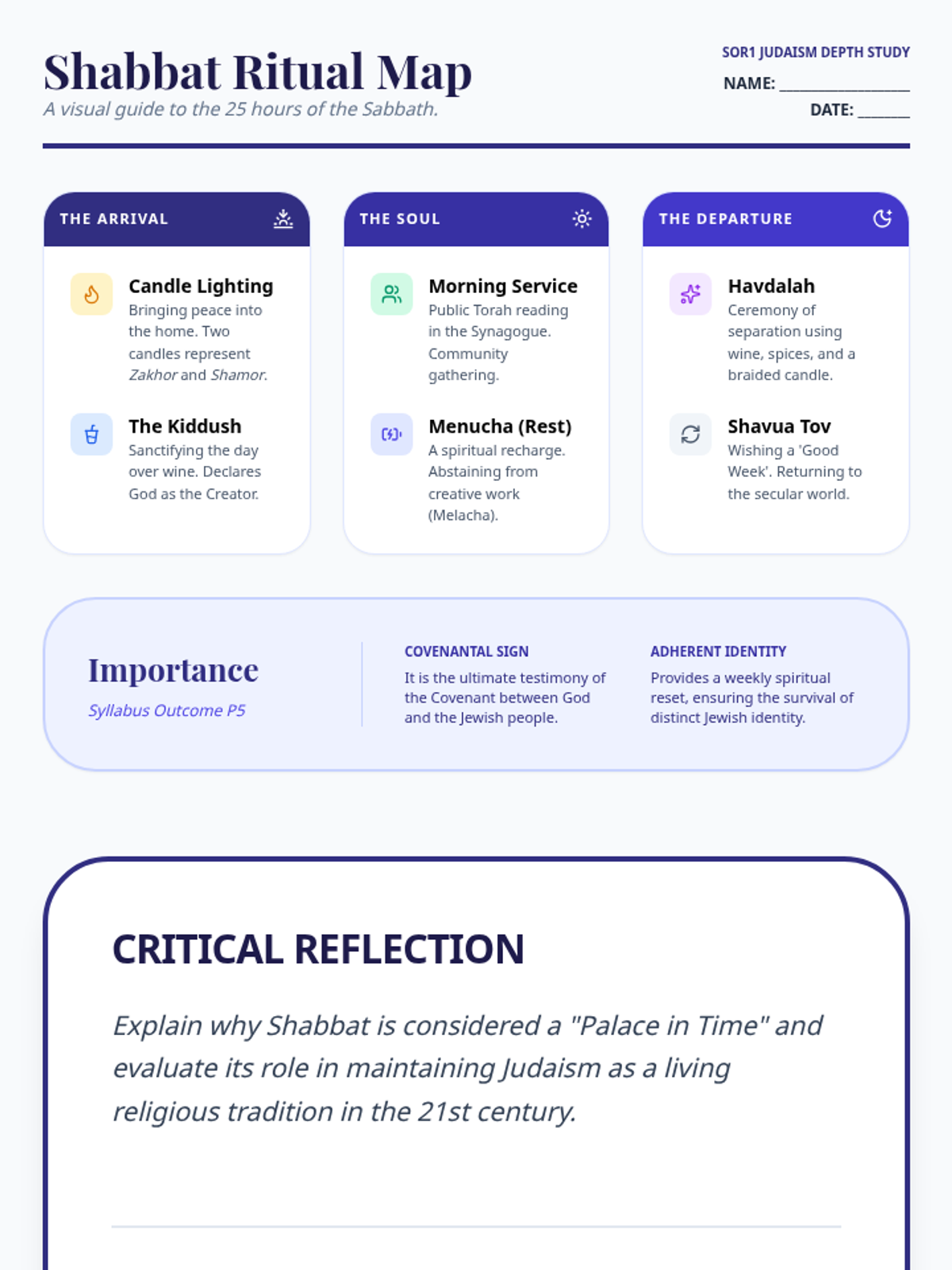
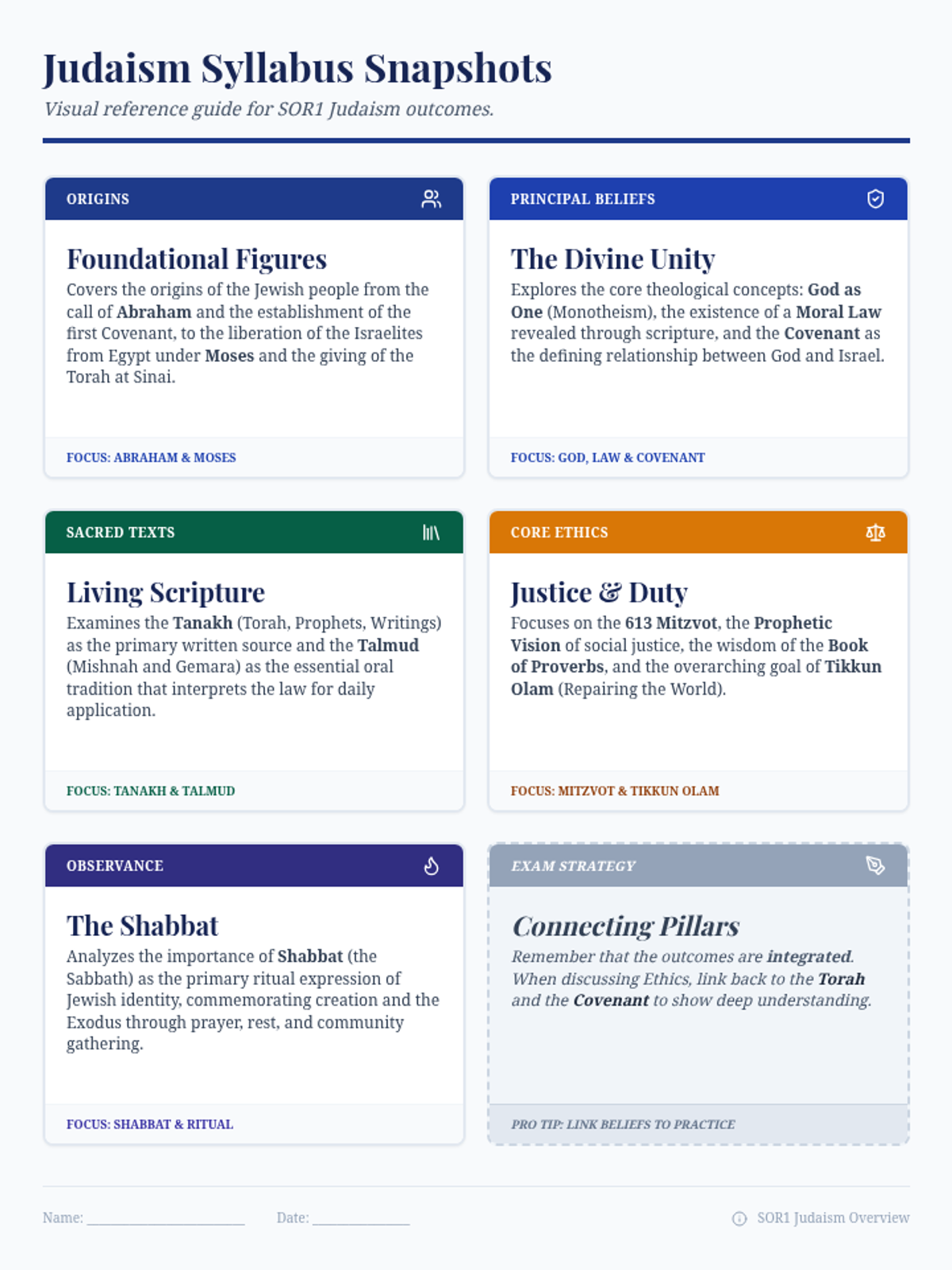
An investigation into the significance of Shabbat as the primary ritual expression of Jewish life and identity.
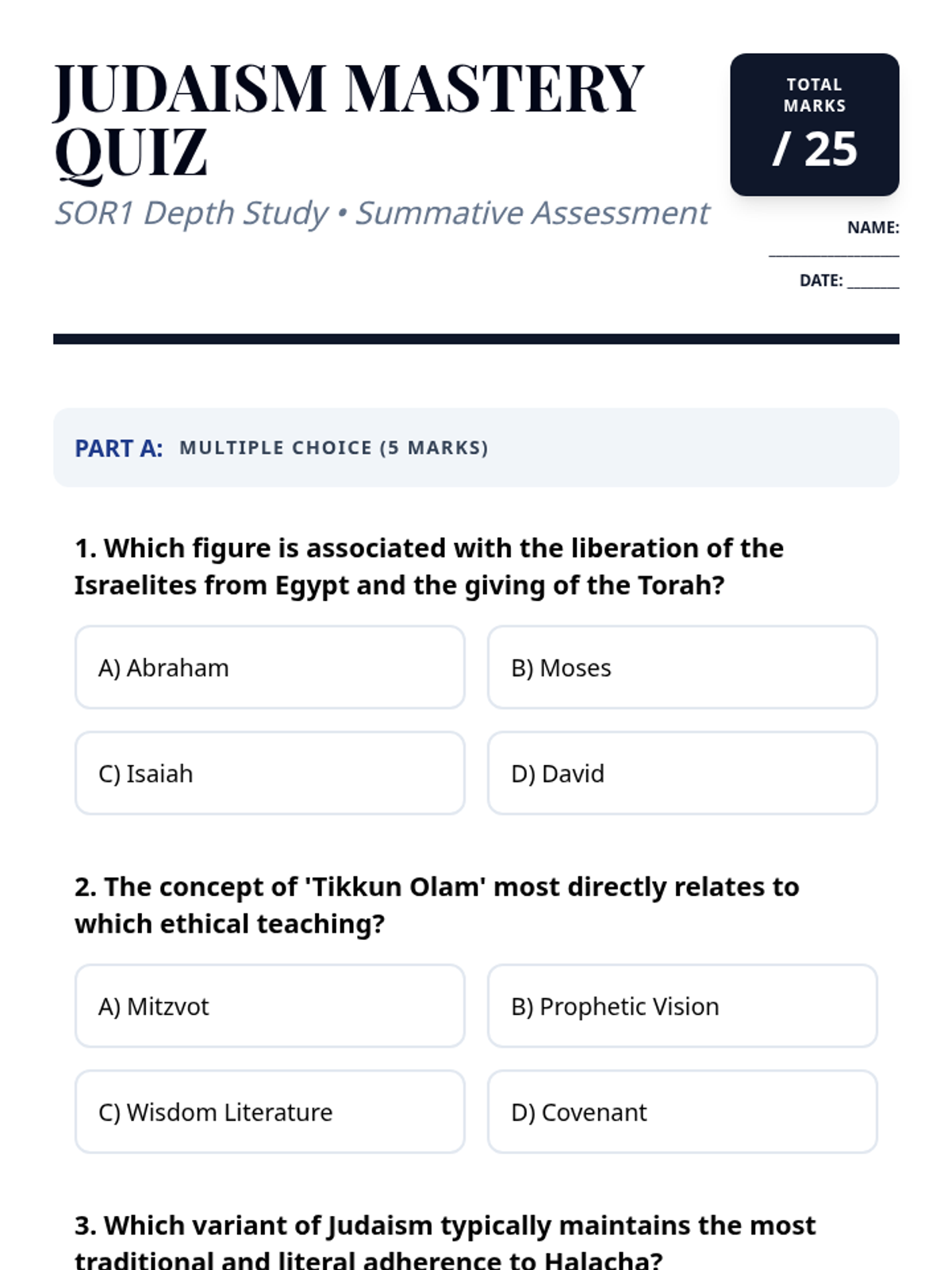
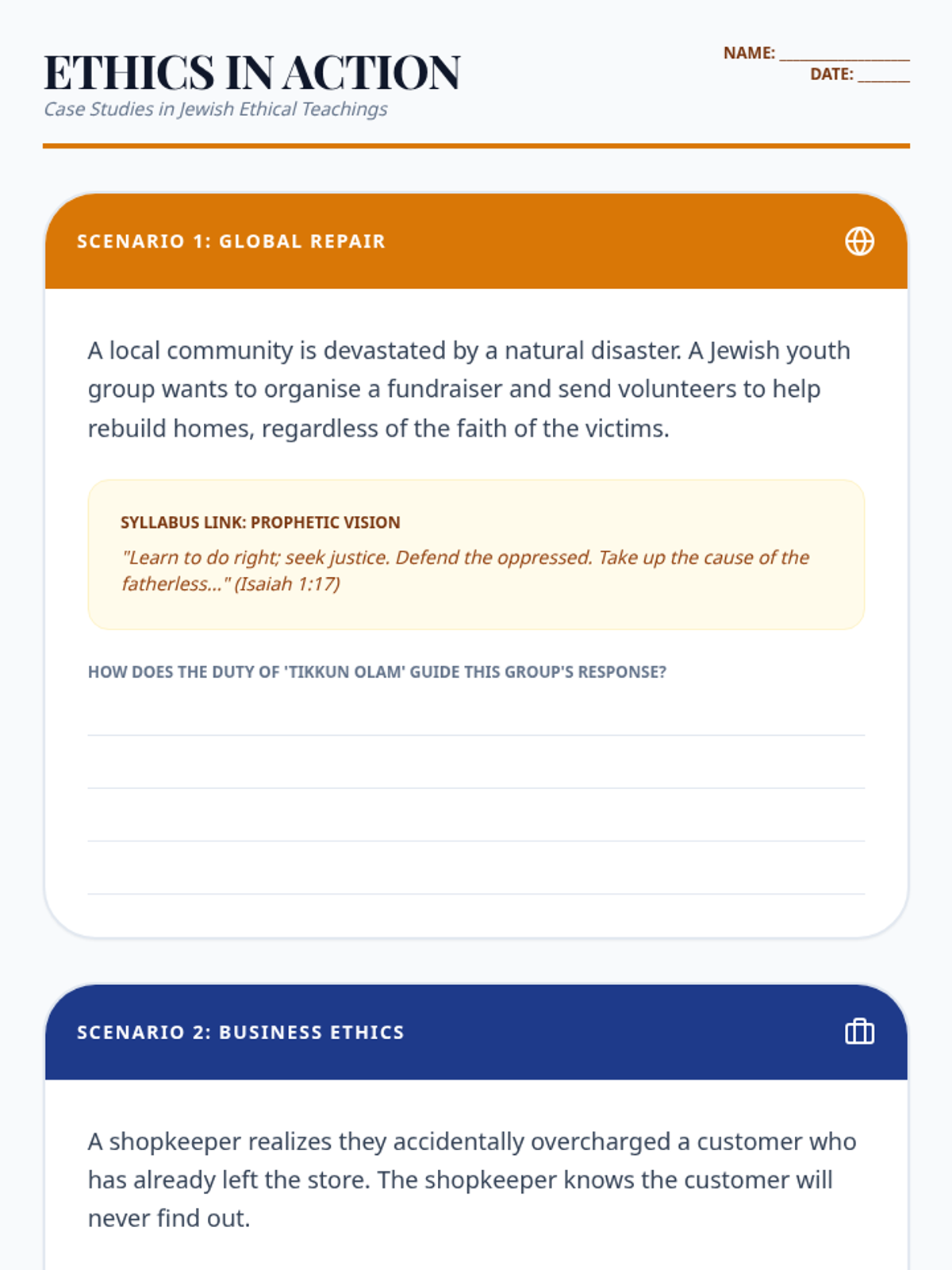
A study of the core ethical teachings of Judaism, focusing on the 613 Mitzvot, the Prophetic Vision of social justice, and the wisdom literature of Proverbs.
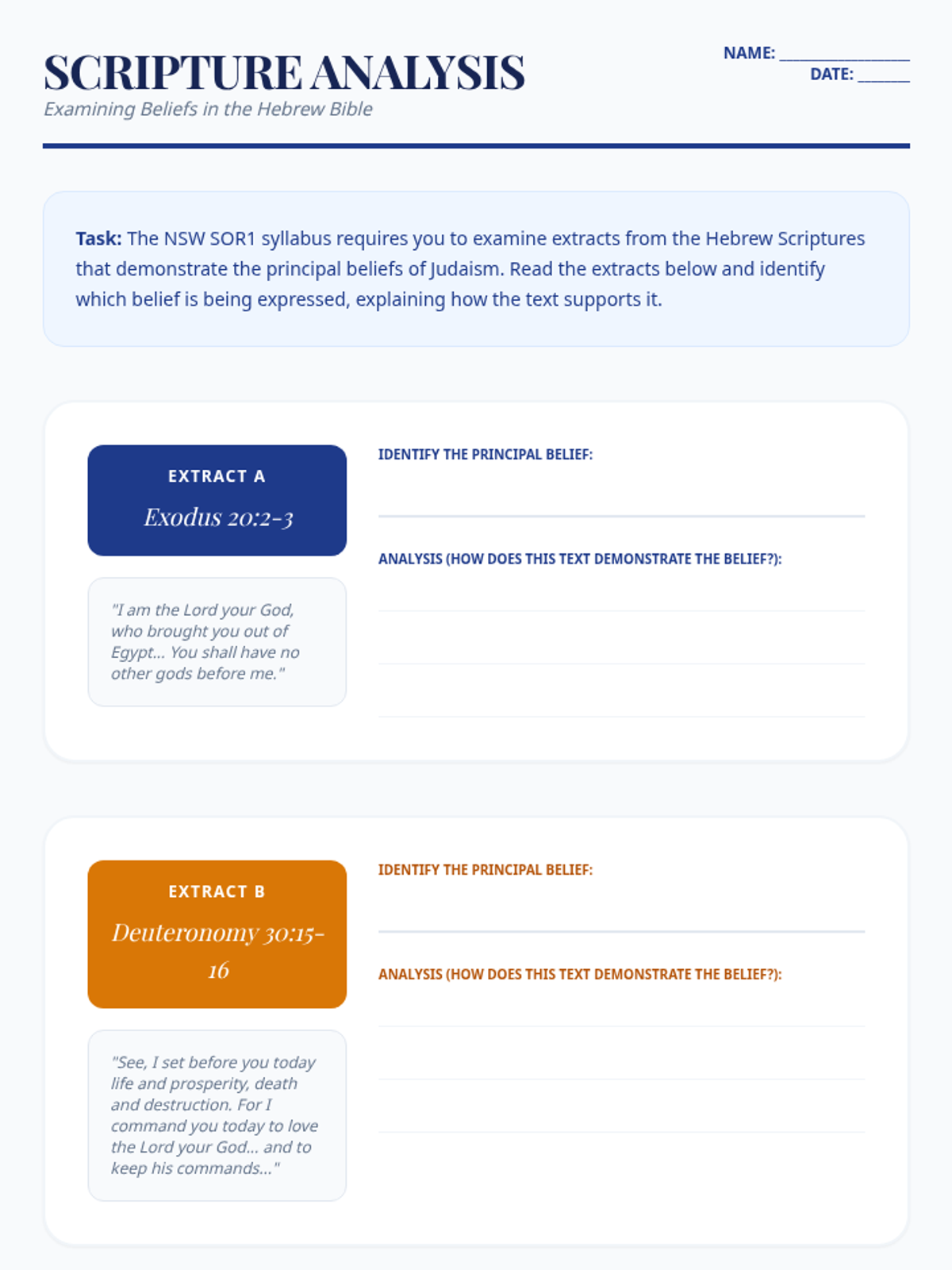
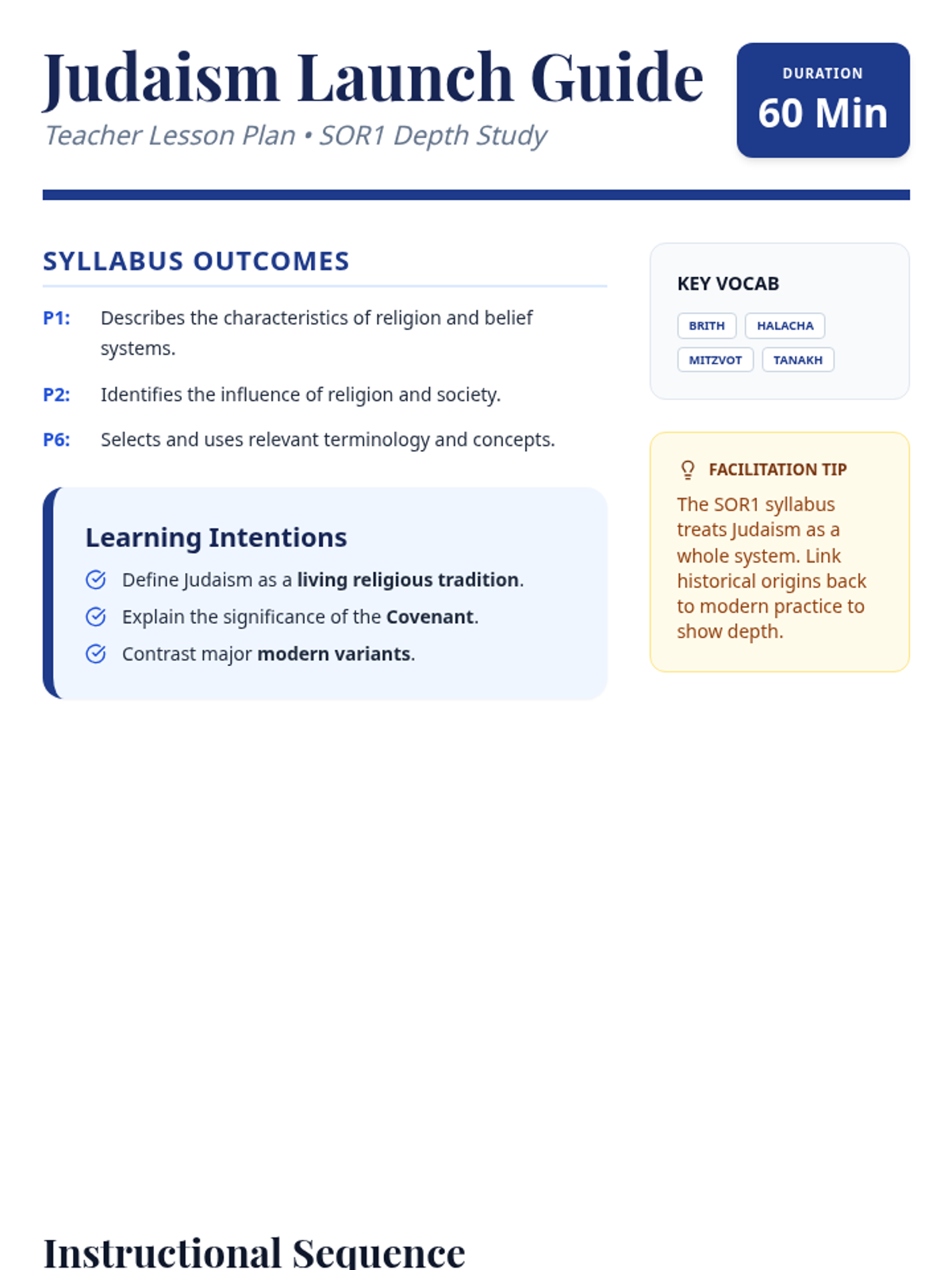
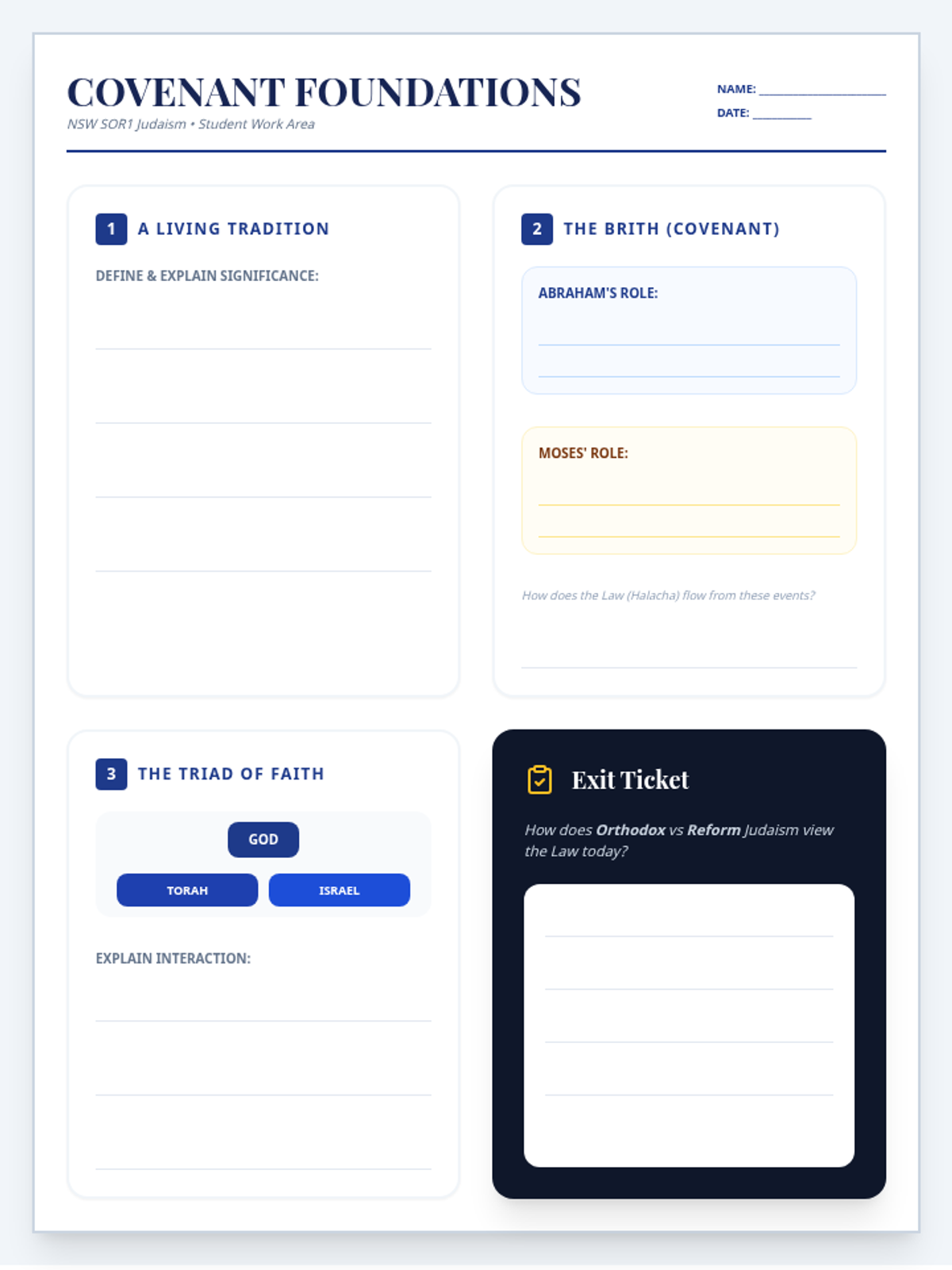
An exploration of the principal beliefs of Judaism, including Monotheism, Moral Law, and the Covenant, as revealed through the Tanakh and Talmud.
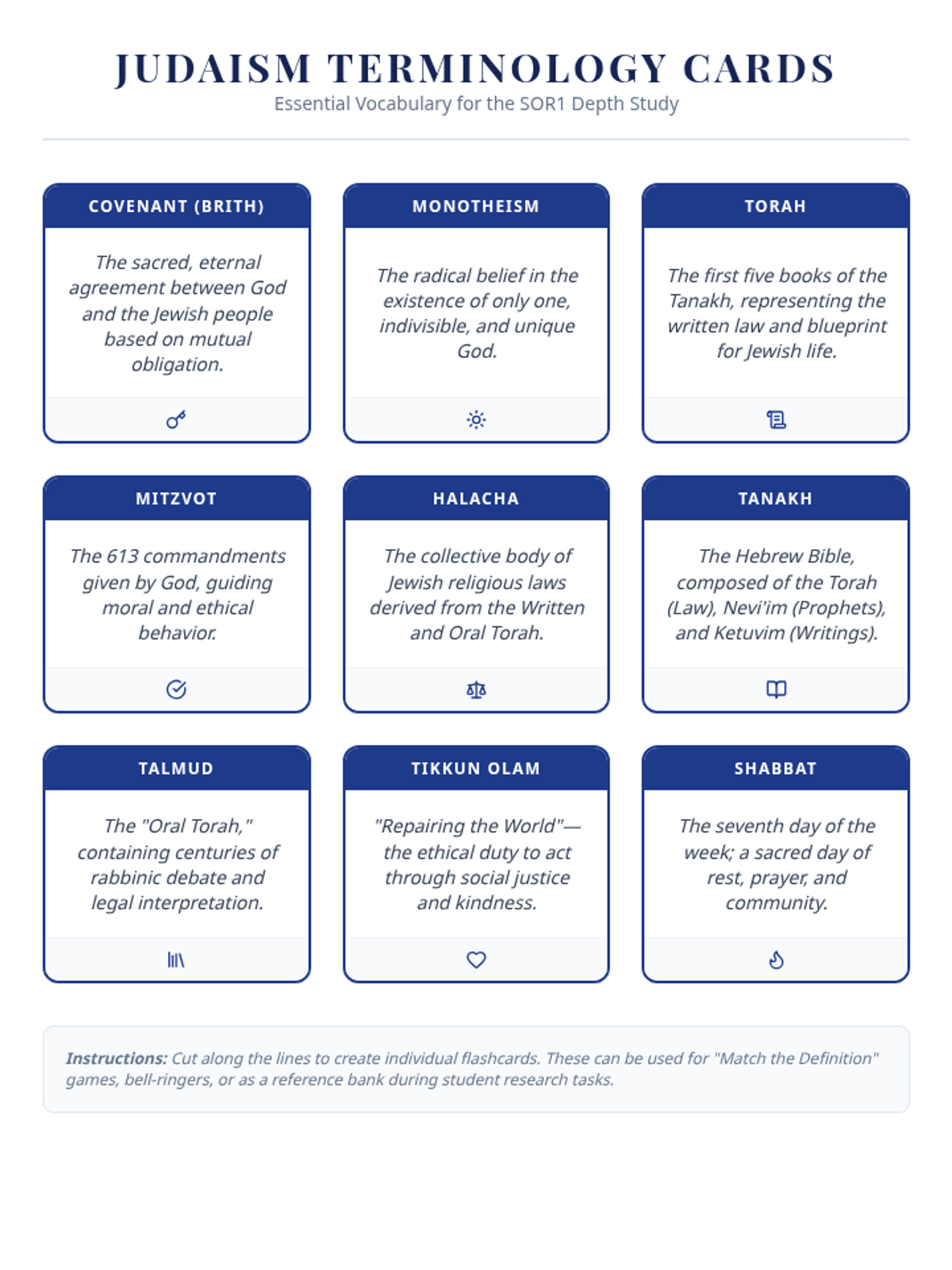
A visual overview of the core pillars of Judaism as outlined in the Studies of Religion 1 syllabus, featuring concise summaries and symbolic illustrations.
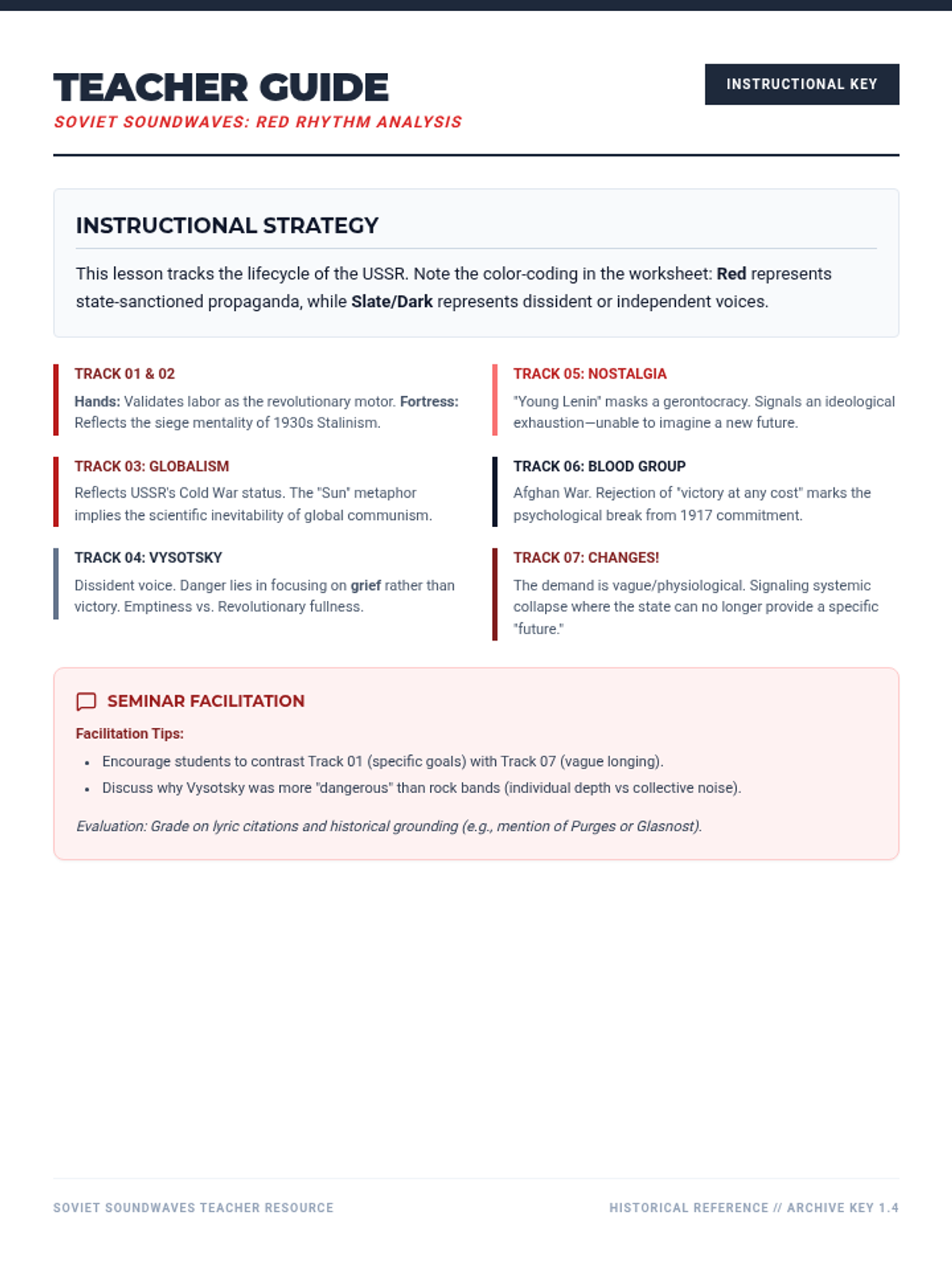
A lesson examining the evolution of Soviet history through its music, comparing state-sponsored propaganda with dissident and personal expressions.
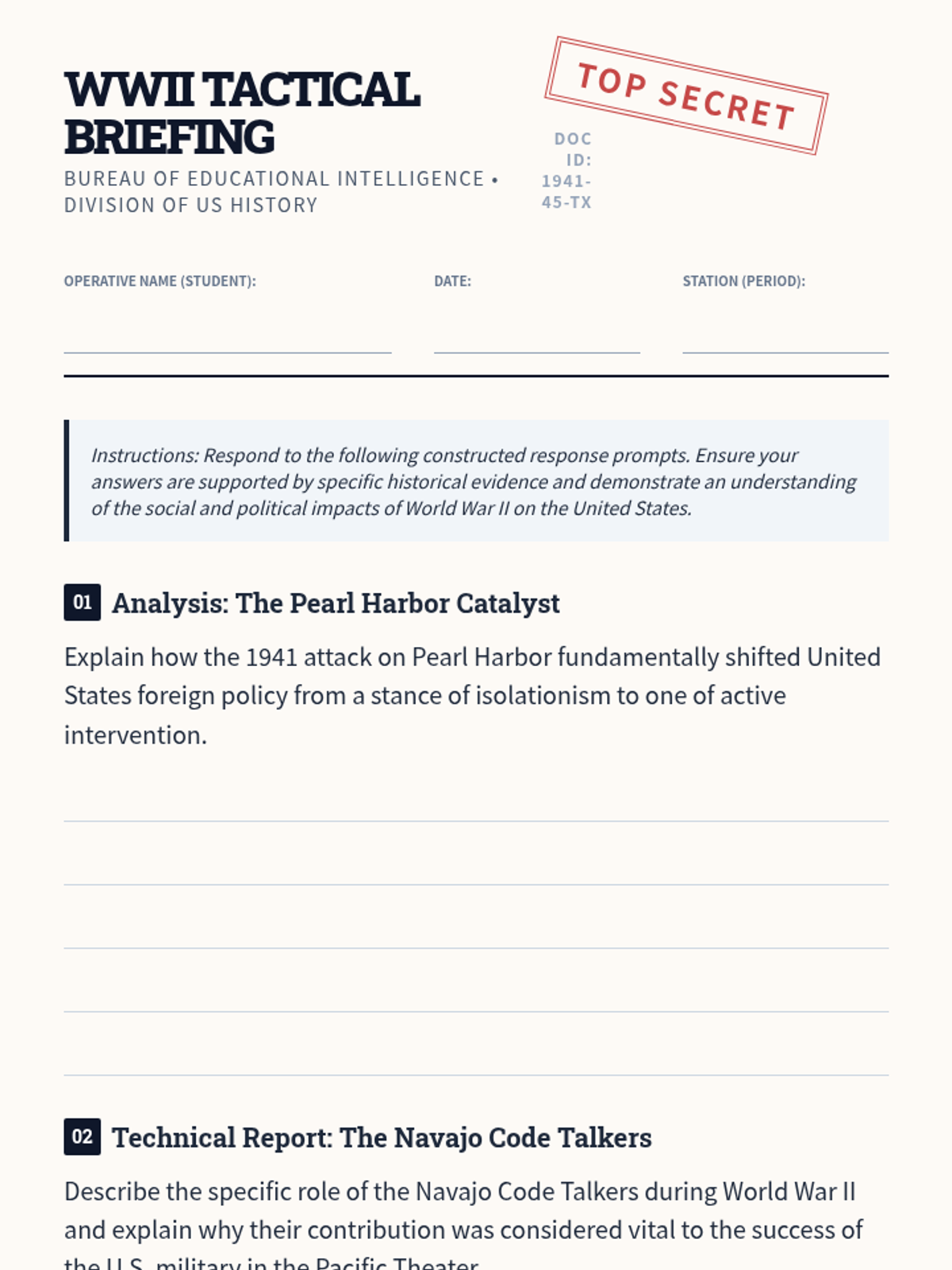
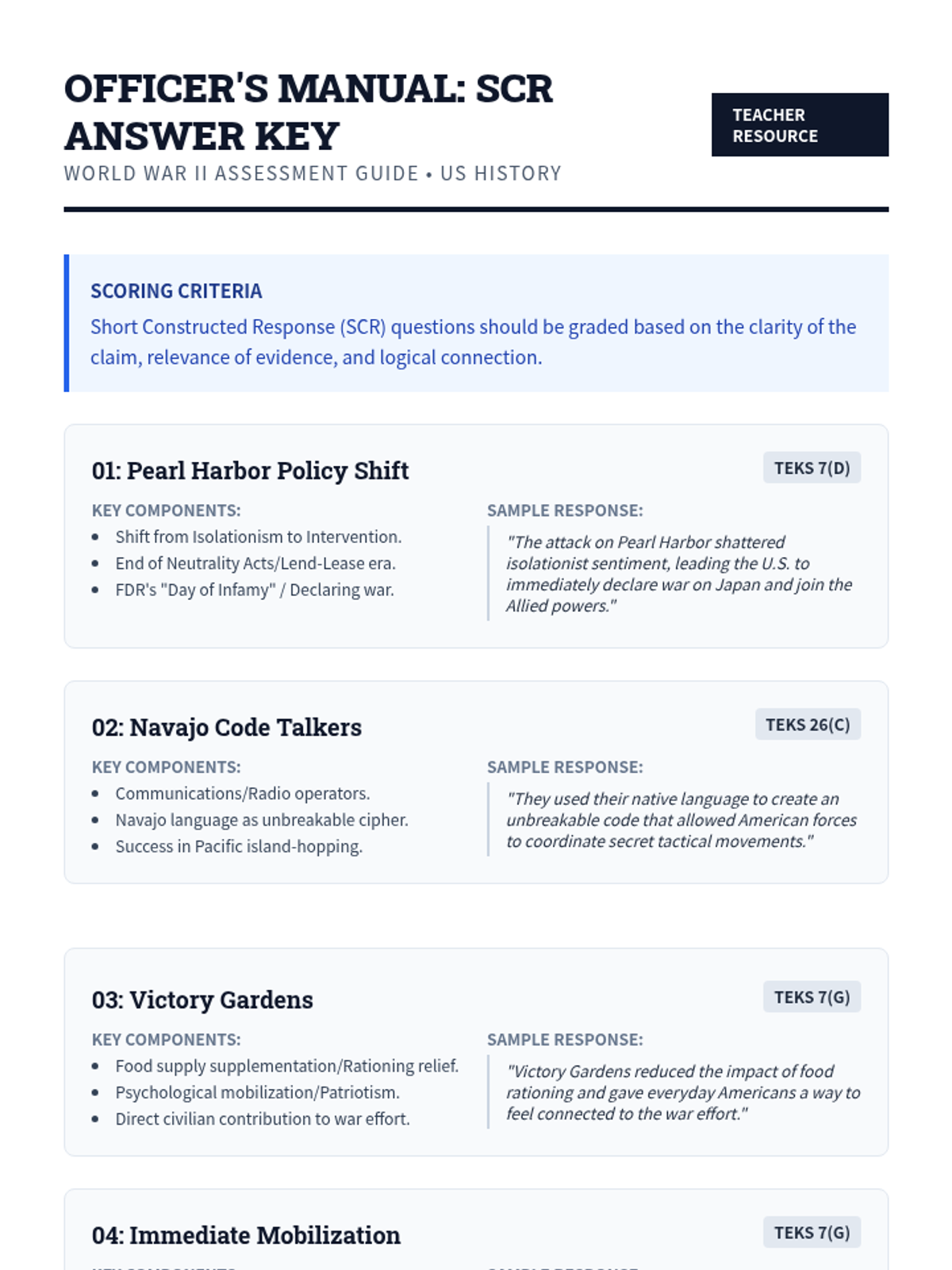
A lesson exploring the domestic and military impacts of WWII, specifically focusing on the attack at Pearl Harbor, the contribution of the Navajo Code Talkers, and the home front mobilization of Victory Gardens.
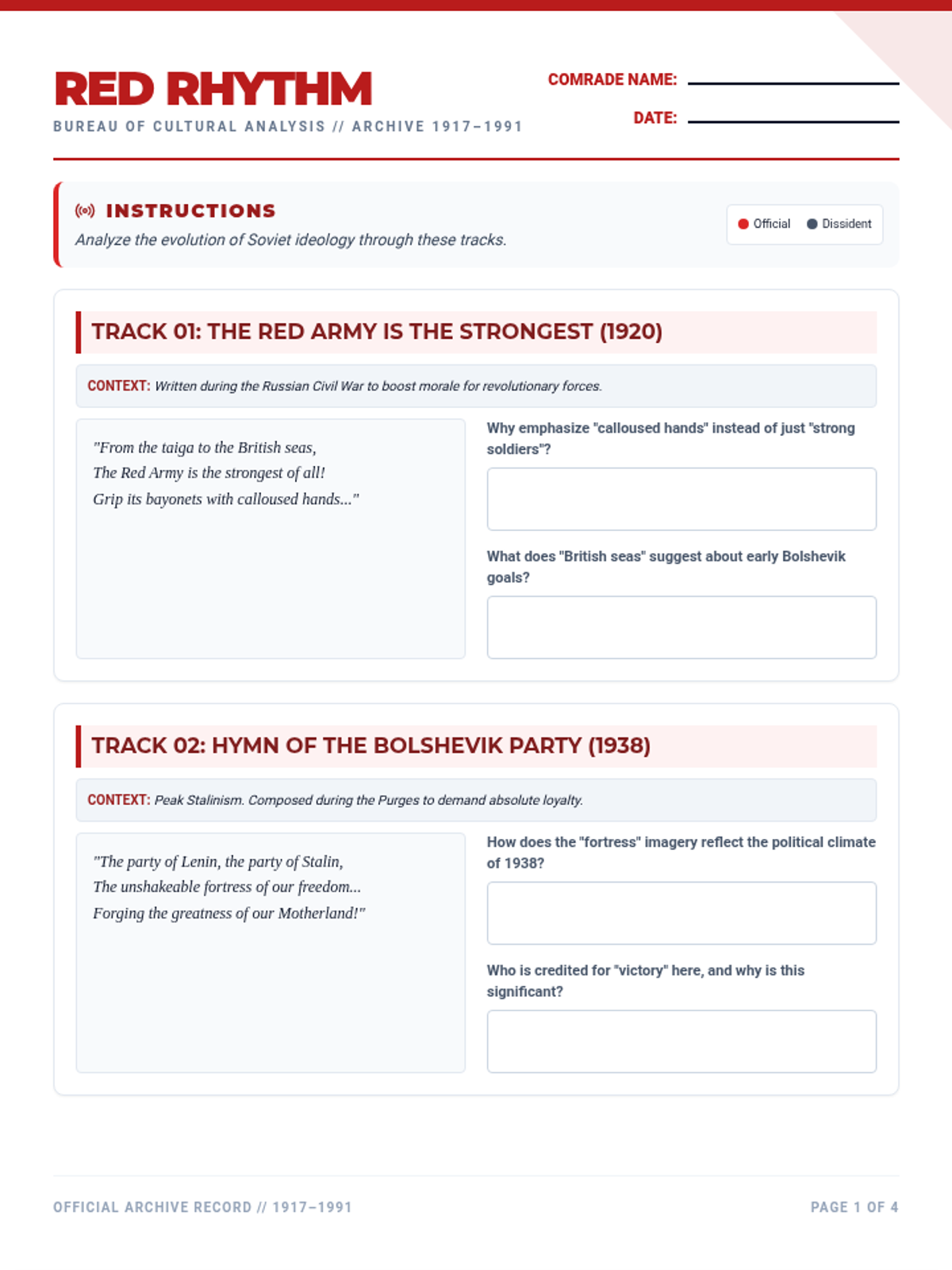
A deep dive into Soviet history through the lens of music, comparing early revolutionary propaganda with the dissident rock of the late 20th century. Students analyze lyrics to uncover state-sanctioned messages and the calls for change that eventually echoed through the USSR.
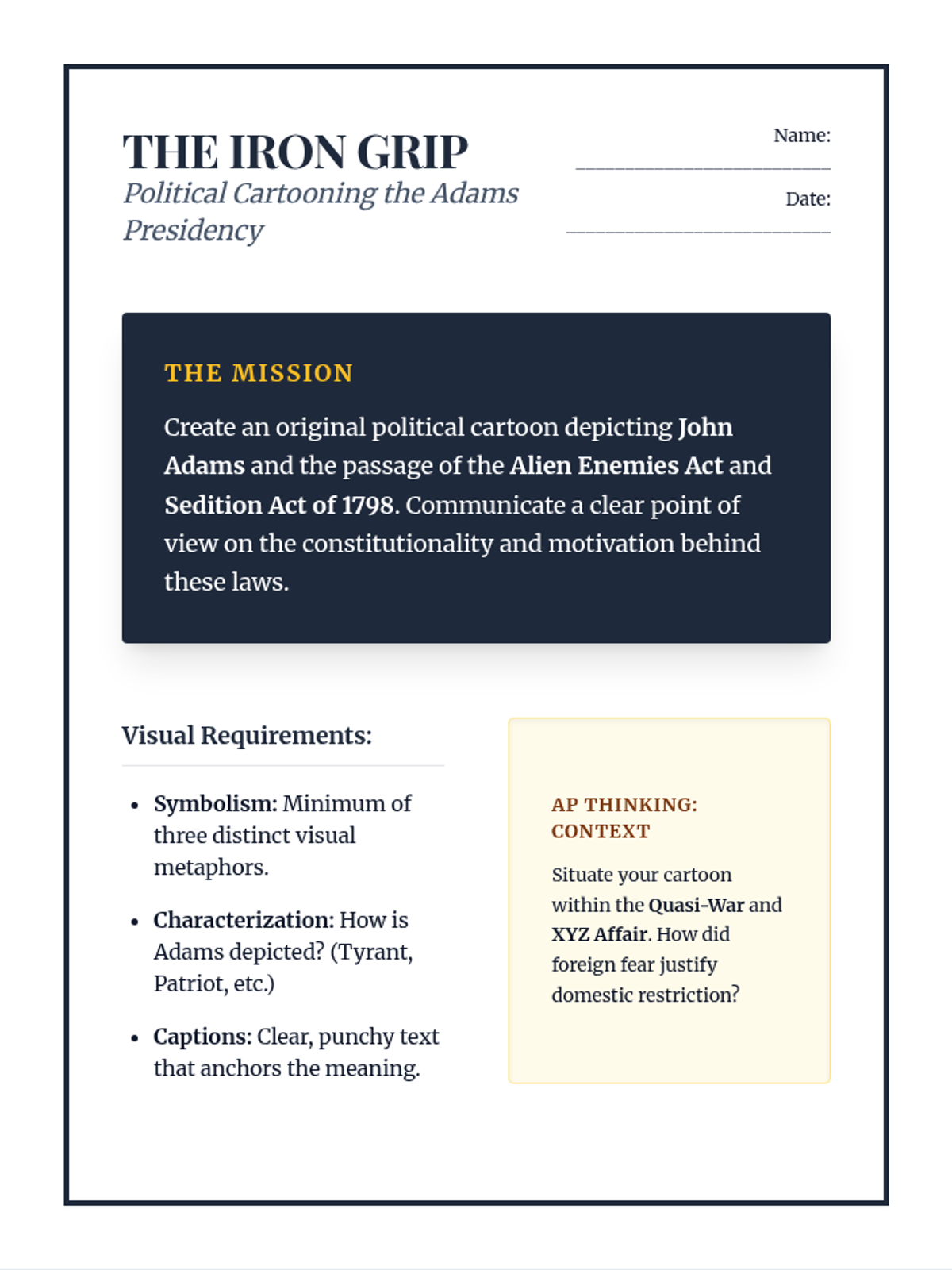
A comprehensive set of project-based learning assignments for AP U.S. History focusing on the political conflicts of the Early Republic (1789-1800), including the emergence of the first party system and the presidency of John Adams.