A comprehensive lesson for 5th graders on personal hygiene, covering dental care, body odor management, and overall self-care routines during the transition to puberty.
A 30-minute lesson empowering students to understand body autonomy, practice consent, and identify trusted adults using the "Boundary Boss" framework. Aligned with Ontario Health & Physical Education curriculum.
Students follow a visual recipe to create no-bake energy bites, focusing on sequencing, measuring, and independent living skills.
Students learn the essential rules of kitchen safety and identify common measuring tools and kitchen equipment.
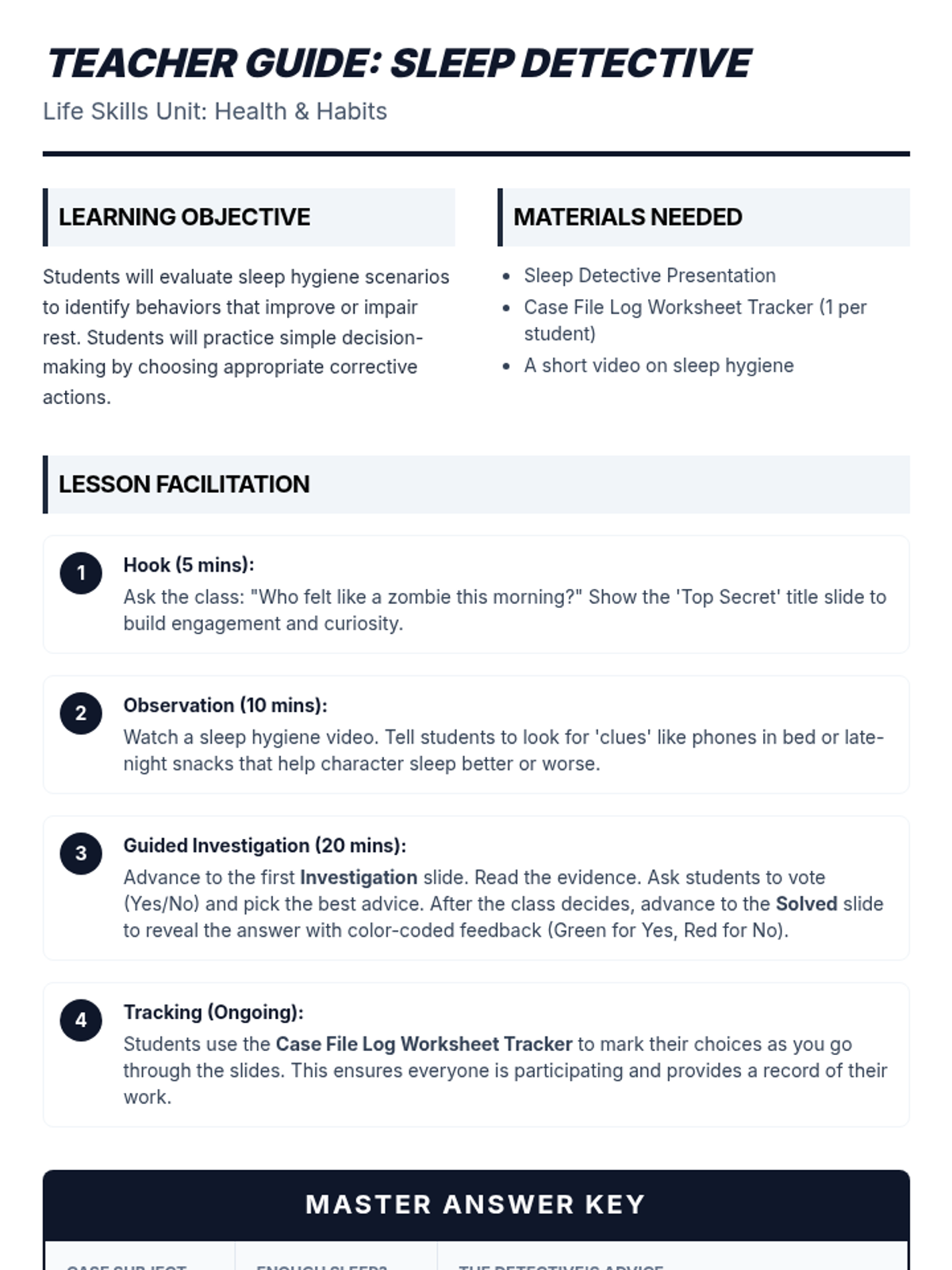
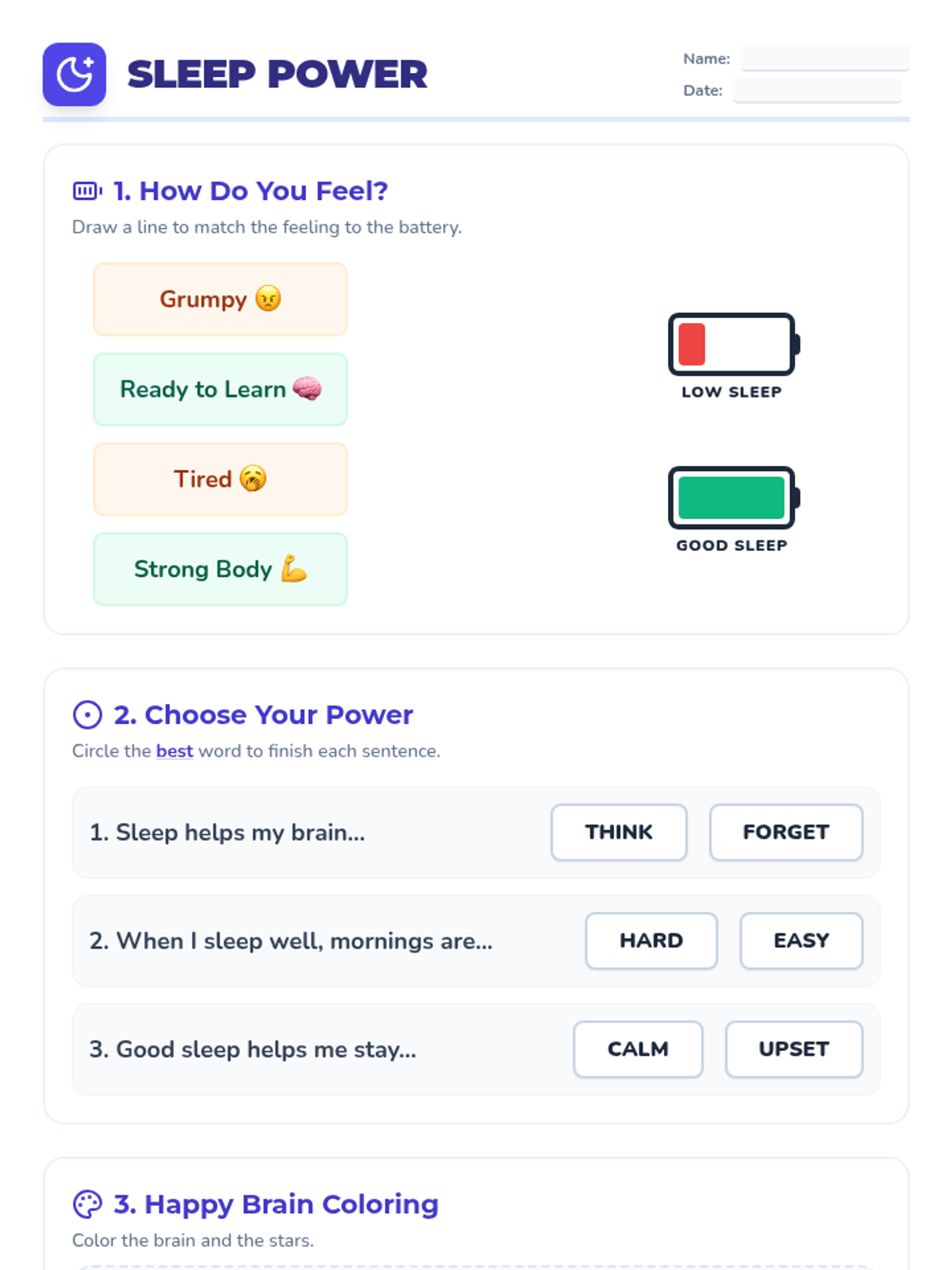
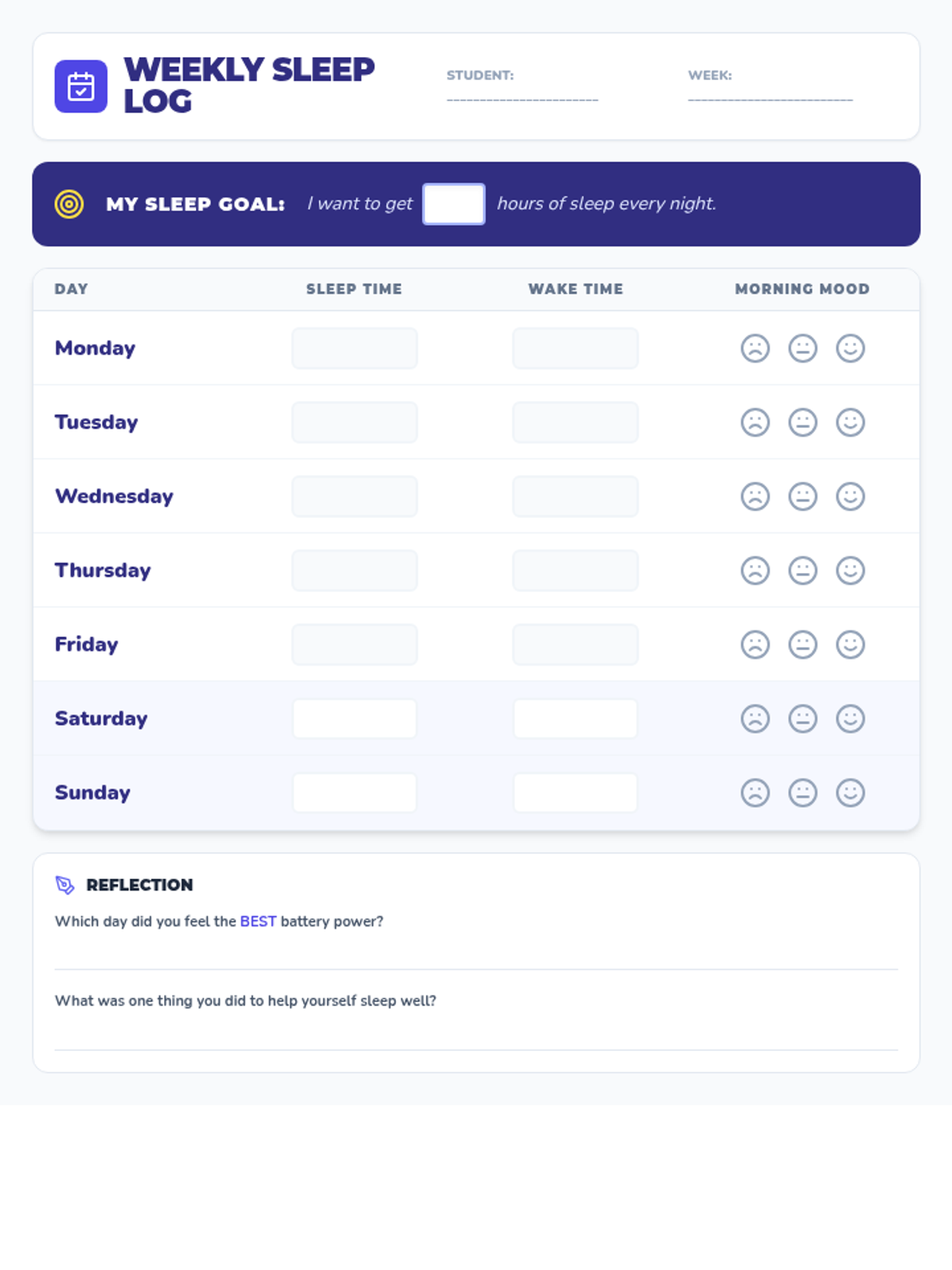
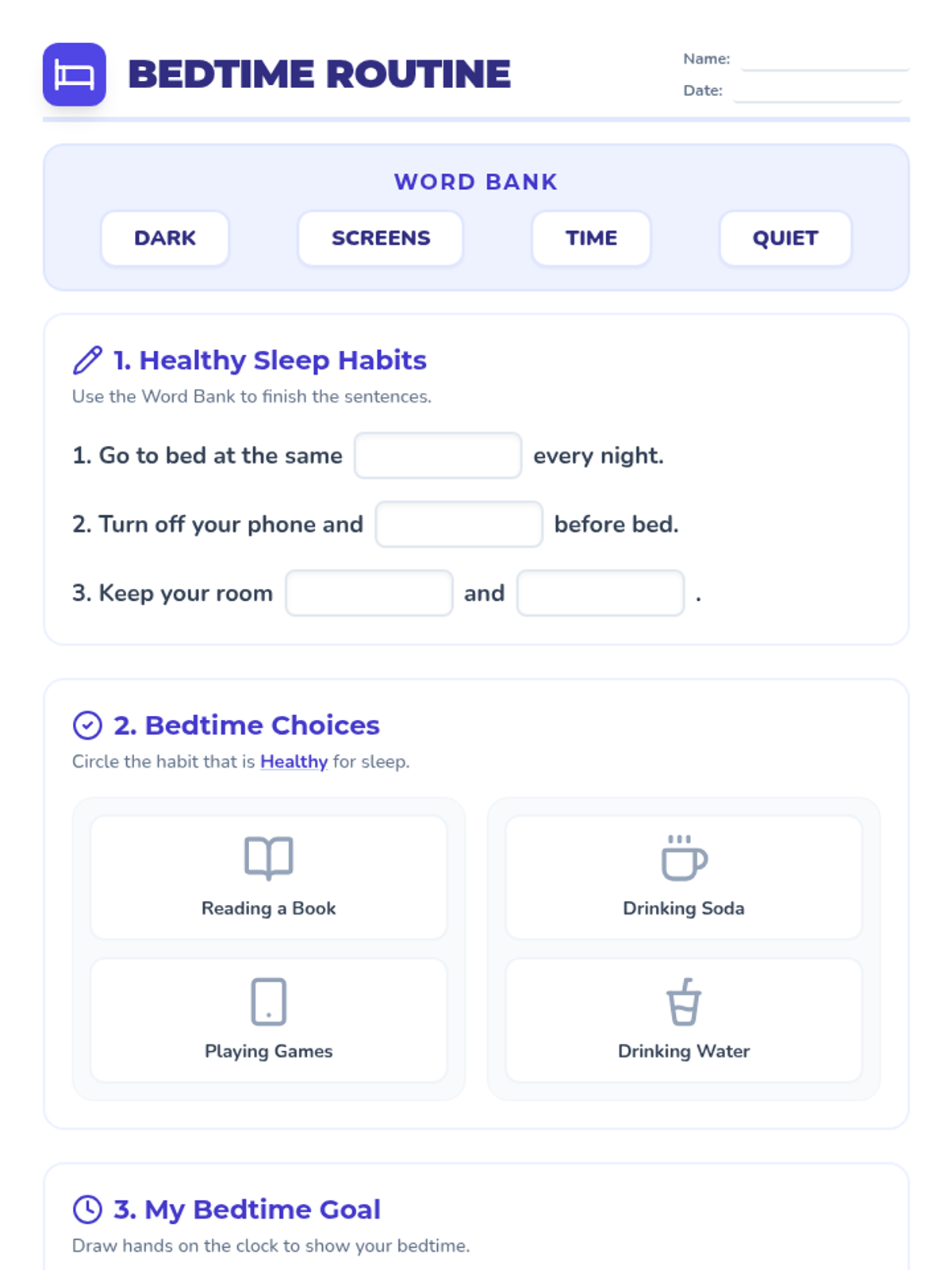
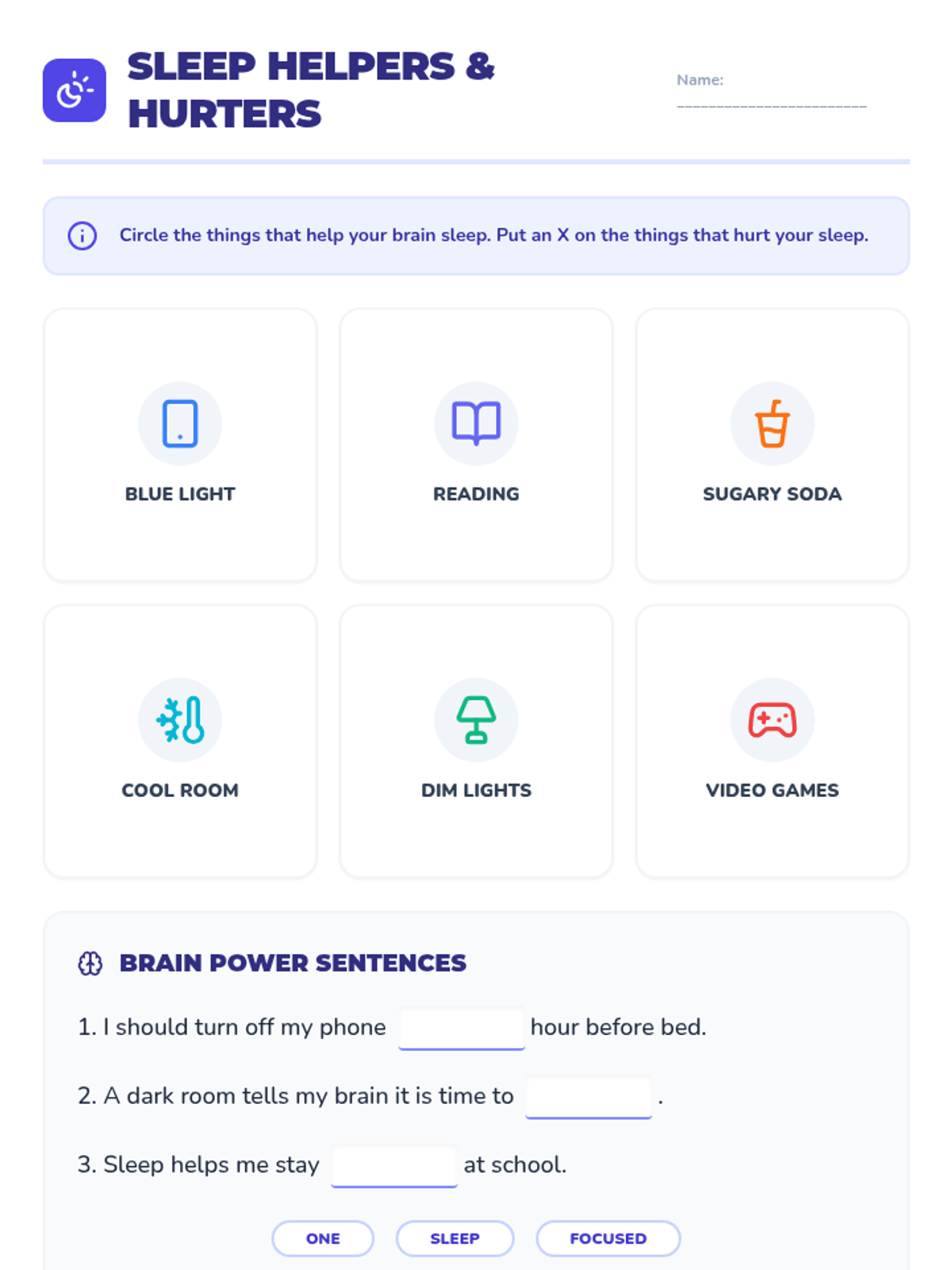
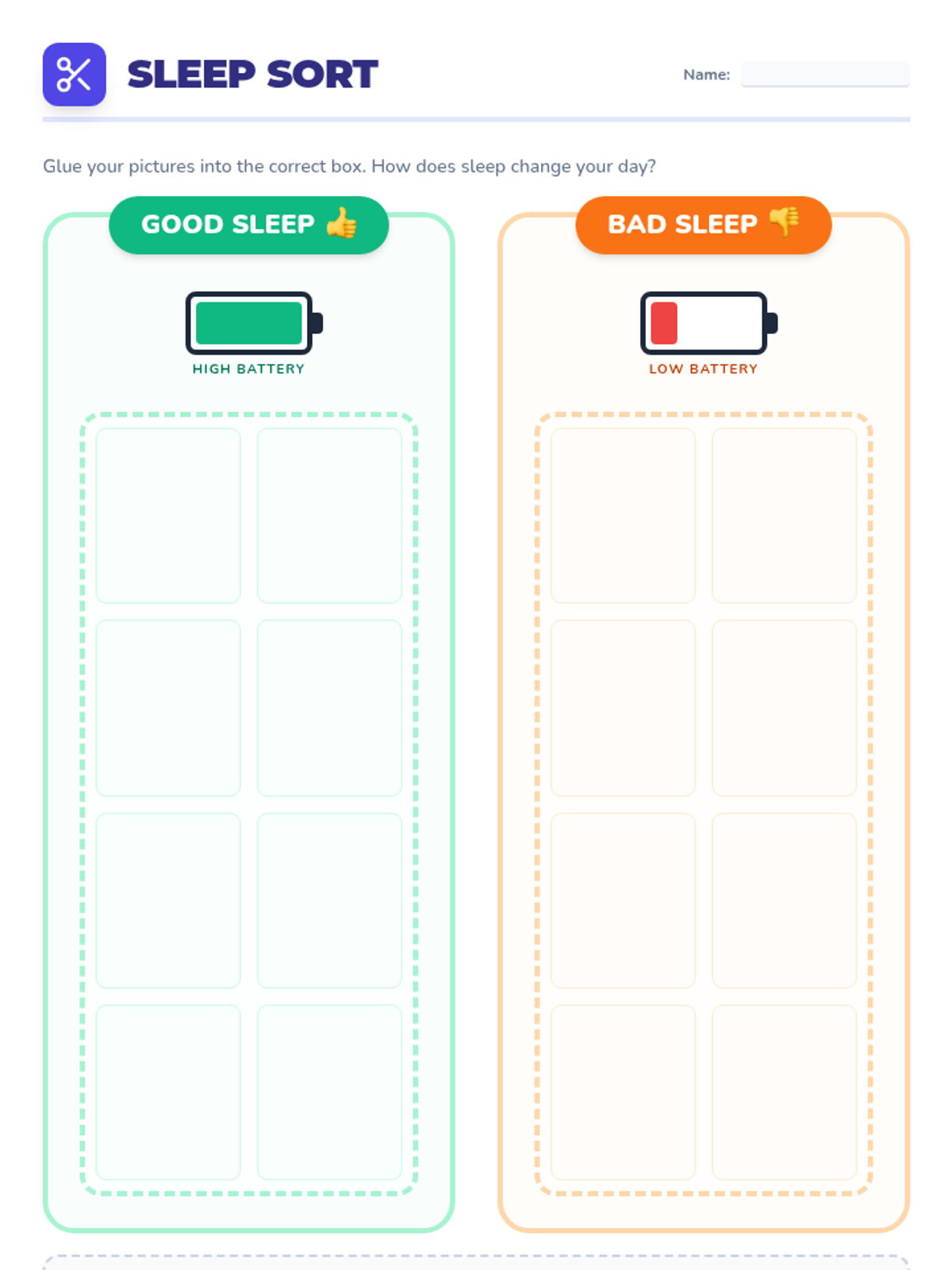
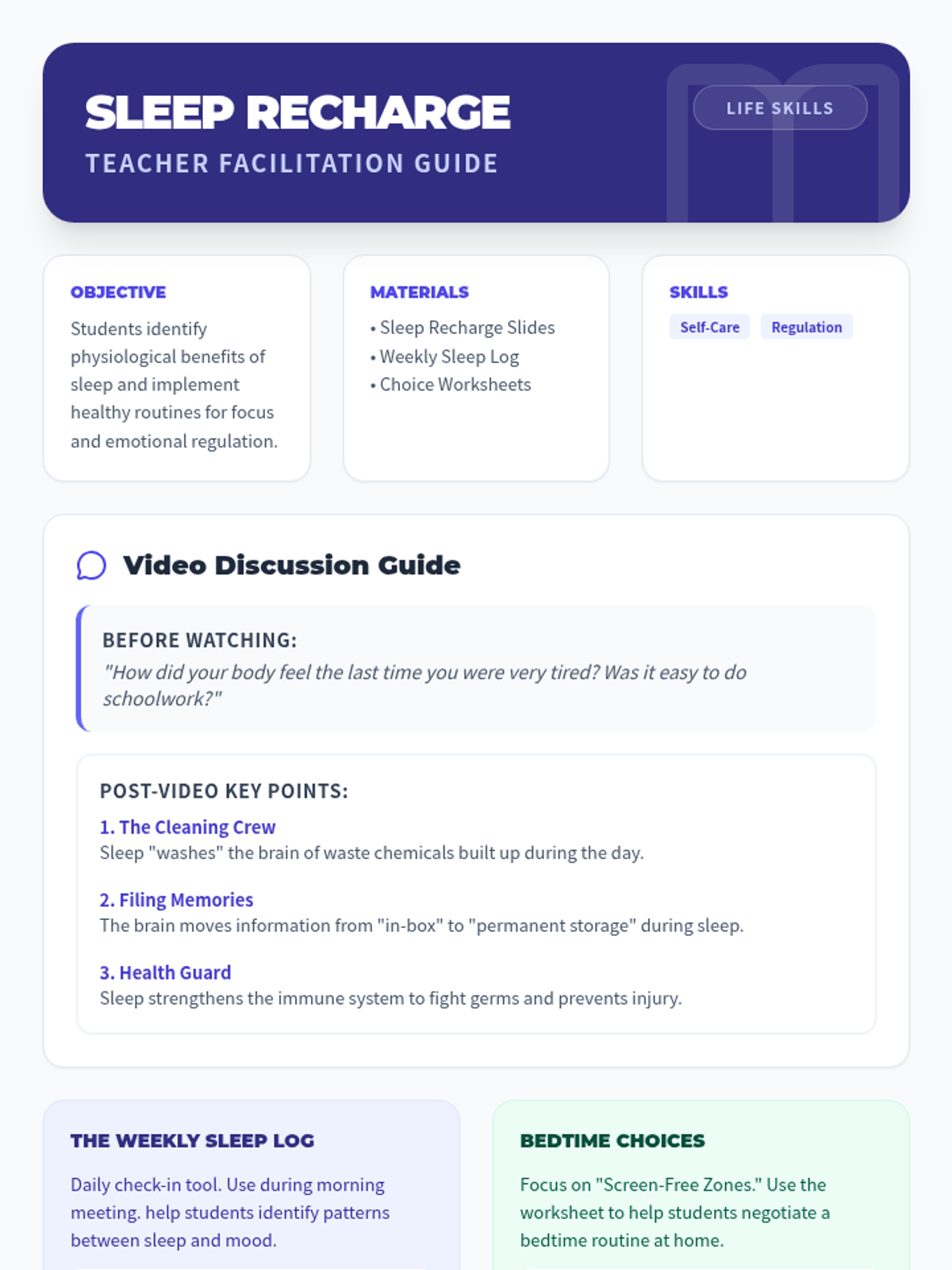
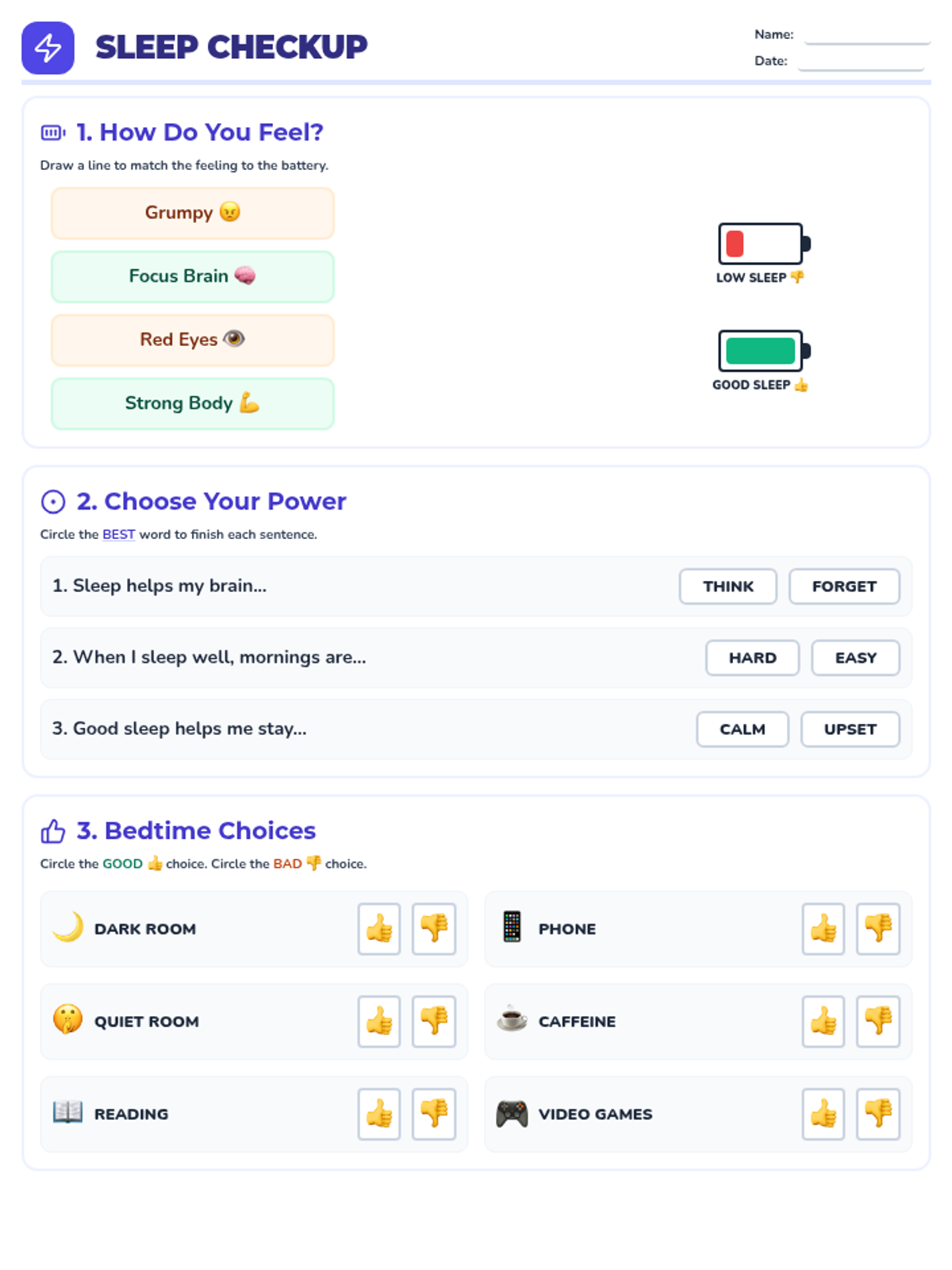
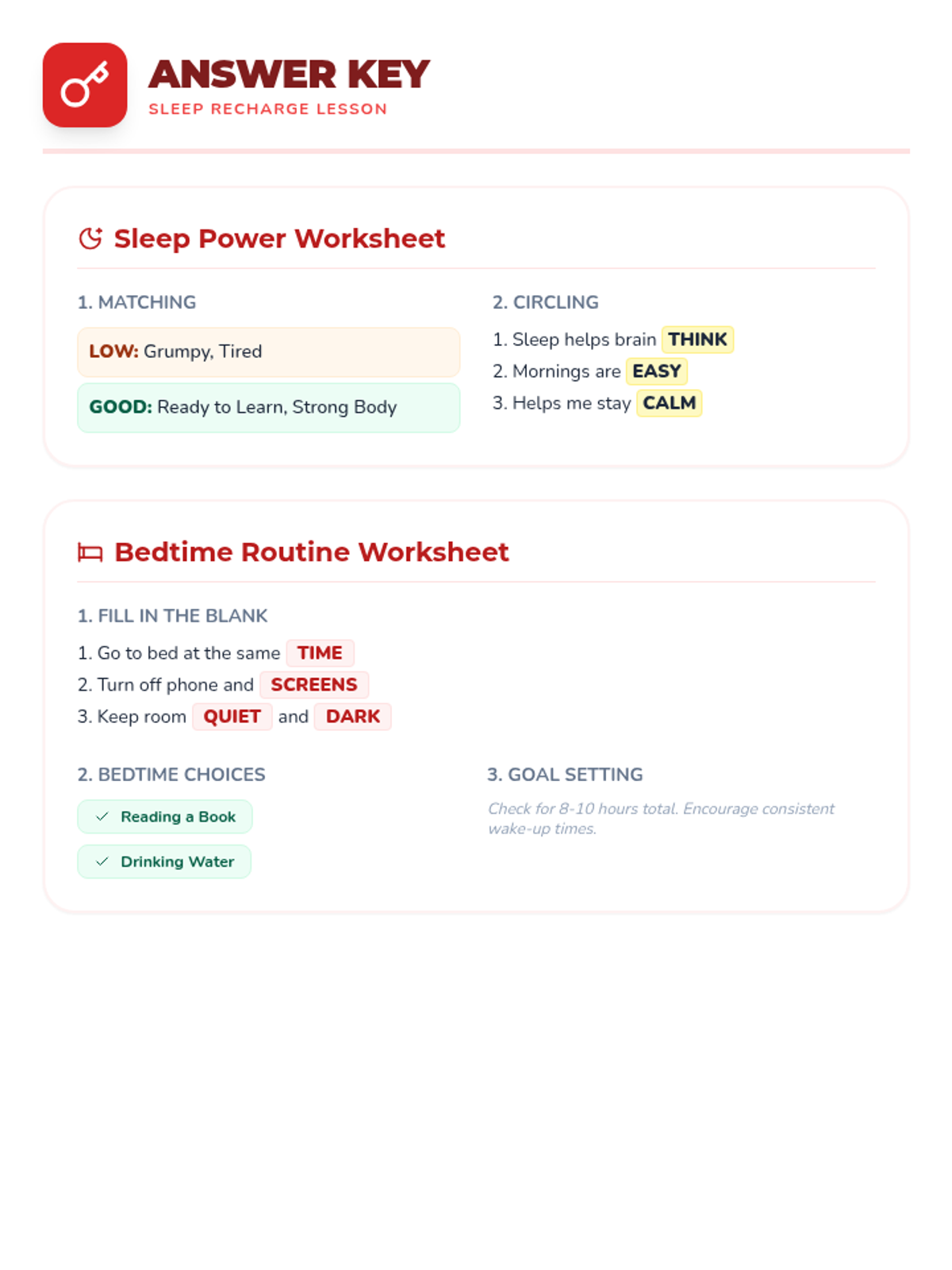
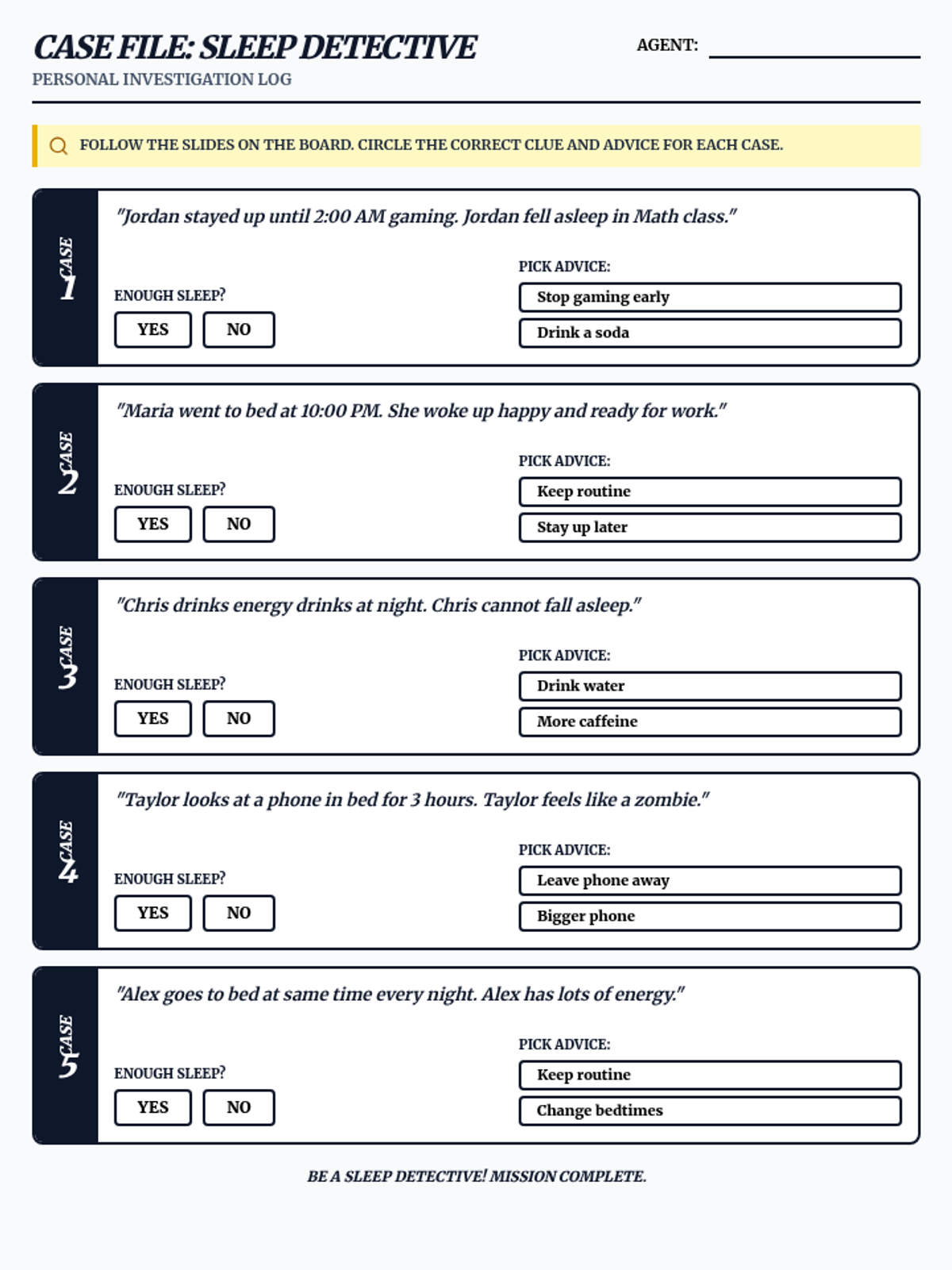
This lesson explores the biological necessity of sleep, the stages of the sleep cycle, and how rest impacts cognitive function and emotional regulation. Students will analyze their own sleep hygiene and develop a 'bedtime blueprint' to improve their quality of rest.
This lesson transforms students into Sleep Scientists to explore the biological necessity of rest. Students will learn about the four stages of sleep, the brain's "cleaning" process during the night, and the direct link between sleep hygiene and emotional/cognitive performance. The lesson culminates in students designing a personalized 'Bedtime Blueprint' to optimize their own recovery.
A collection of resources to celebrate and thank swim coaches at a winter banquet, including a heartfelt speech, a visual presentation of season highlights, and personalized thank-you cards for athletes to sign.
Teacher-facing resources including answer keys and instructional guides for all three measurement levels.
Challenges students with complex conversions, weight vs. volume concepts, and fractional recipe scaling. Designed for advanced learners mastering culinary math.
Focuses on standard kitchen conversions (teaspoons to tablespoons, cups to pints) and simple recipe doubling. Ideal for students with basic measurement knowledge.
Introduces basic kitchen tools and the difference between dry and liquid measurements for beginners. Focuses on identification and standard units (teaspoon, tablespoon, cup).
A practical, data-driven lesson for grades 3-8 exploring how sleep, nutrition, physical activity, and screen time directly impact brain function and academic success. Students analyze real-world performance metrics and create their own 'Brain Fuel Blueprint' for personal wellness.
A comprehensive health education lesson focused on body boundaries, personal safety, and the 'No-Go-Tell' rule, specifically designed for students with developmental disabilities ages 10-16.
A beginner-friendly cooking lesson focused on following sequential instructions and identifying fresh ingredients while making a simple salsa.
A comprehensive anti-bullying and upstander skills lesson designed for K-12 students. It focuses on identifying bullying, developing empathy, and providing concrete reporting strategies aligned with Massachusetts state frameworks.
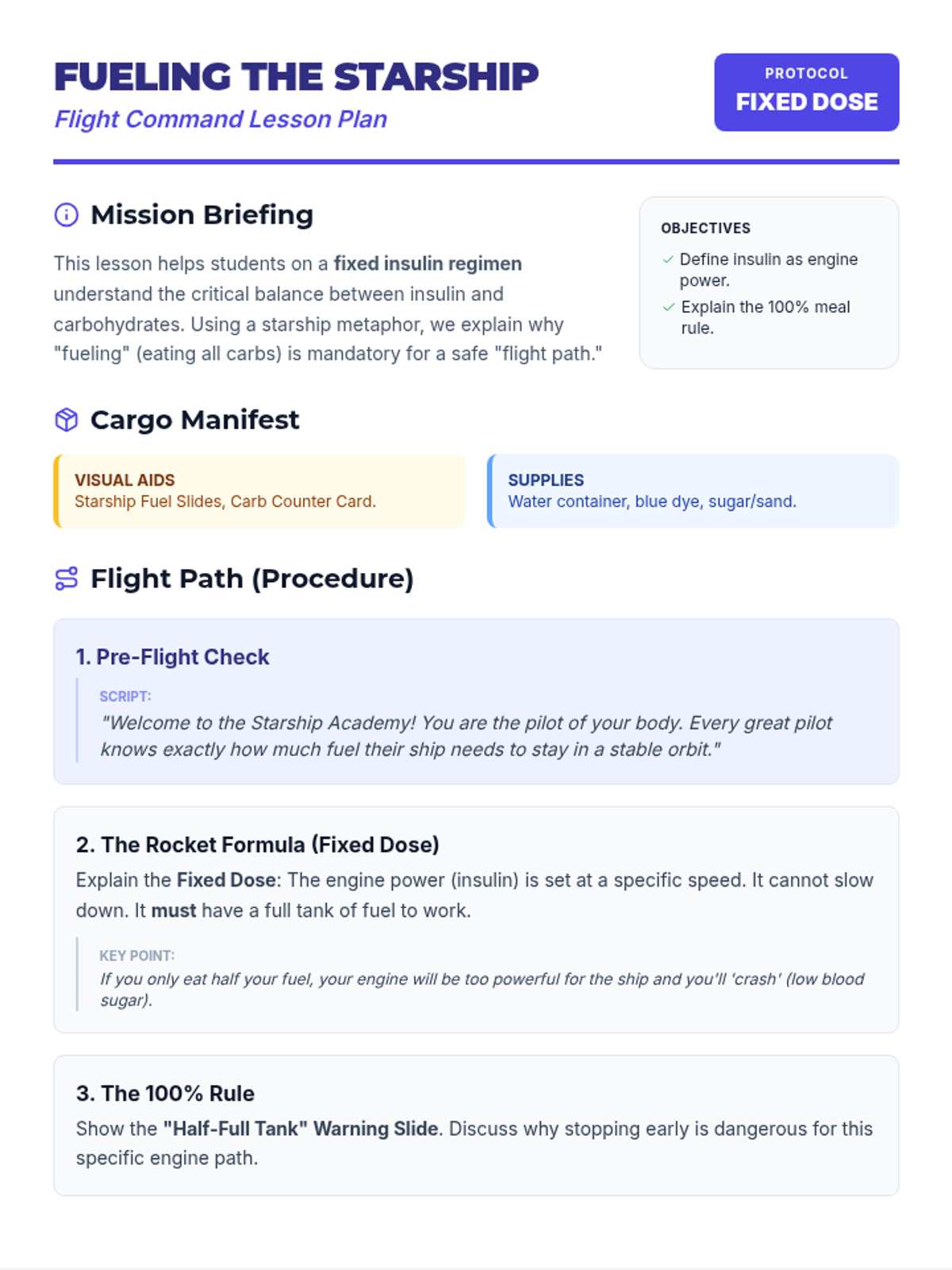
A comprehensive toolkit for tracking and managing Type 1 Diabetes daily routines, designed for students, parents, and school health staff.
A fun and engaging assessment focused on how physical activity strengthens the body, improves mental health, and supports heart and bone health.
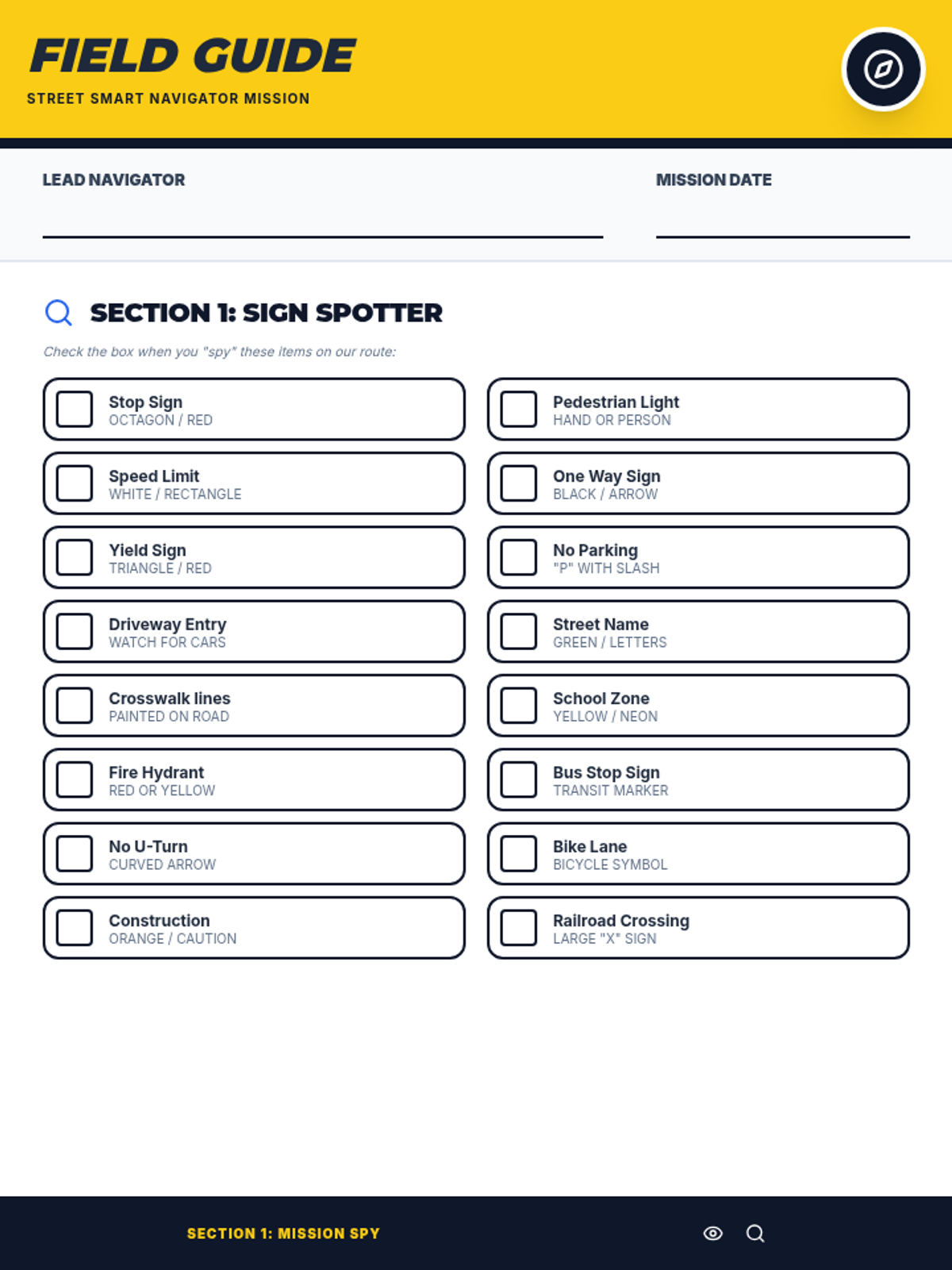
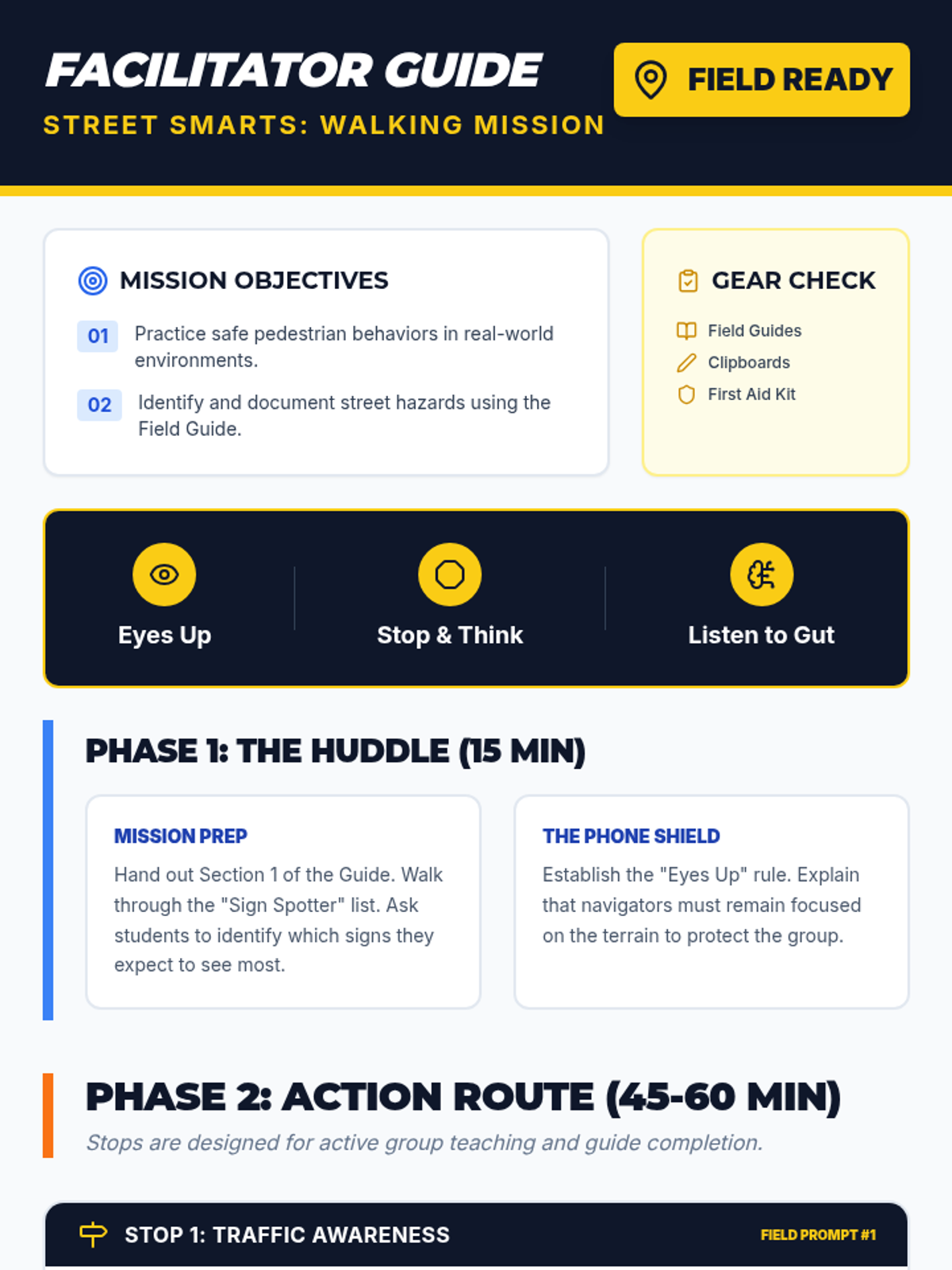
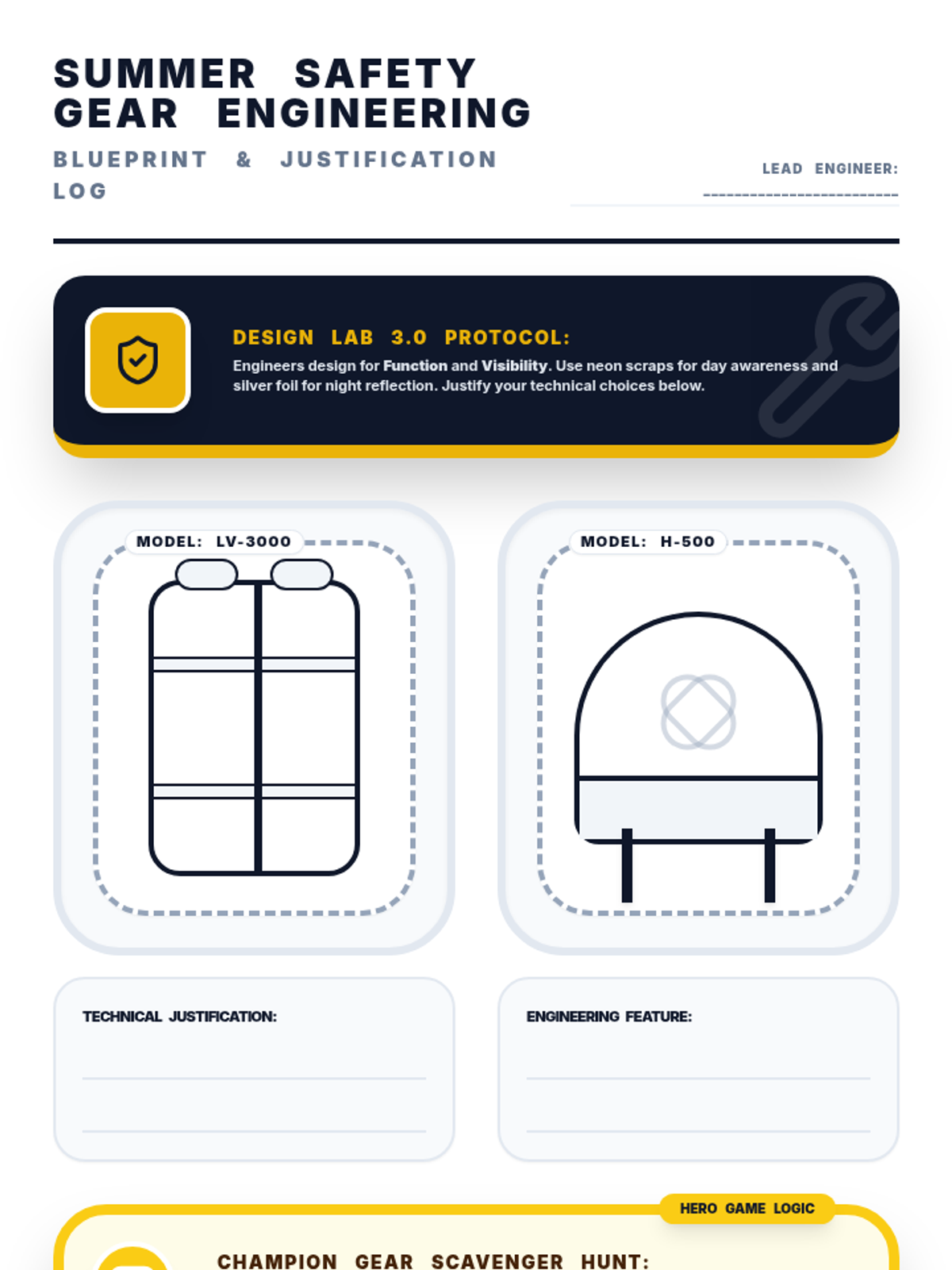
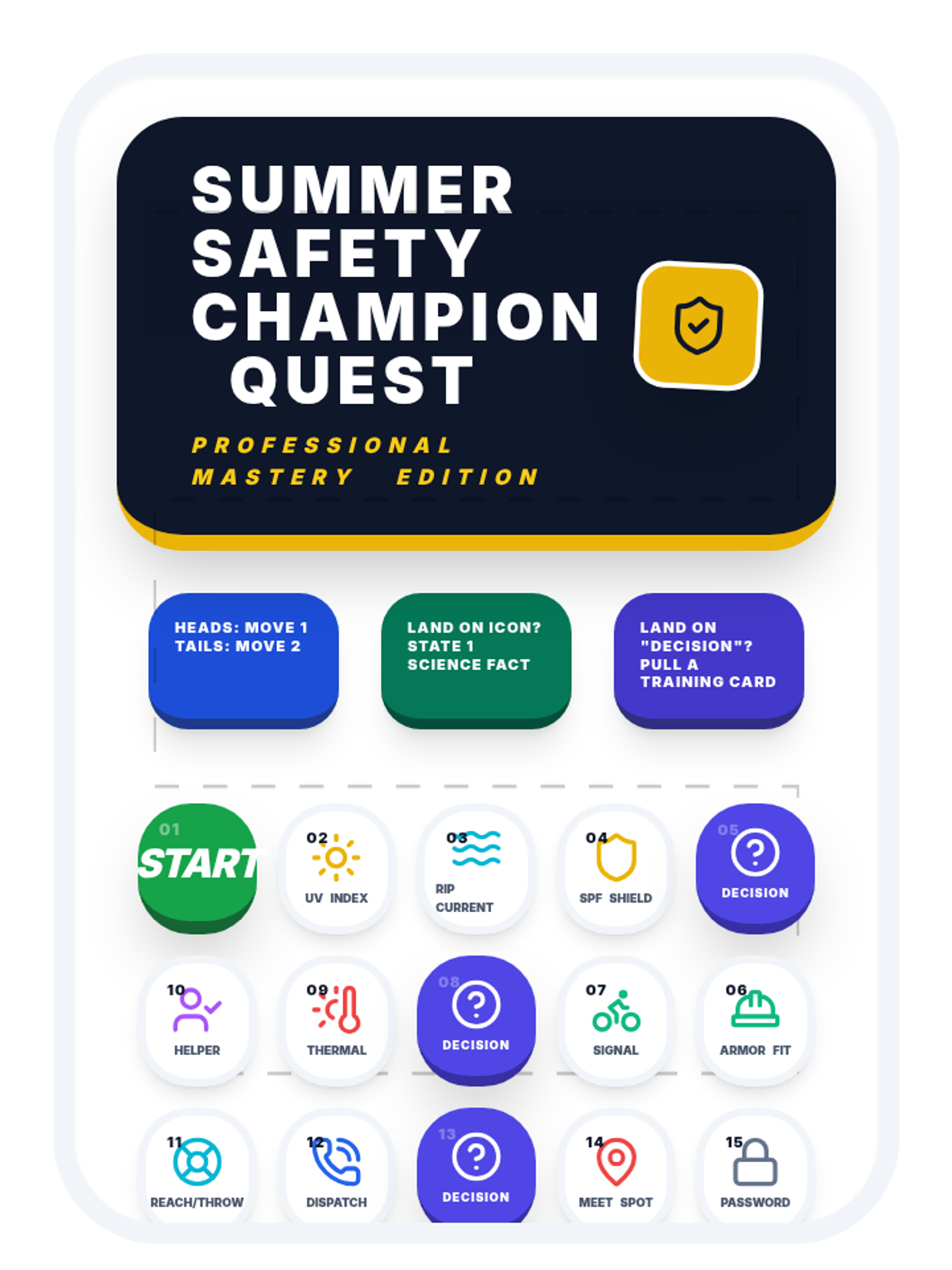
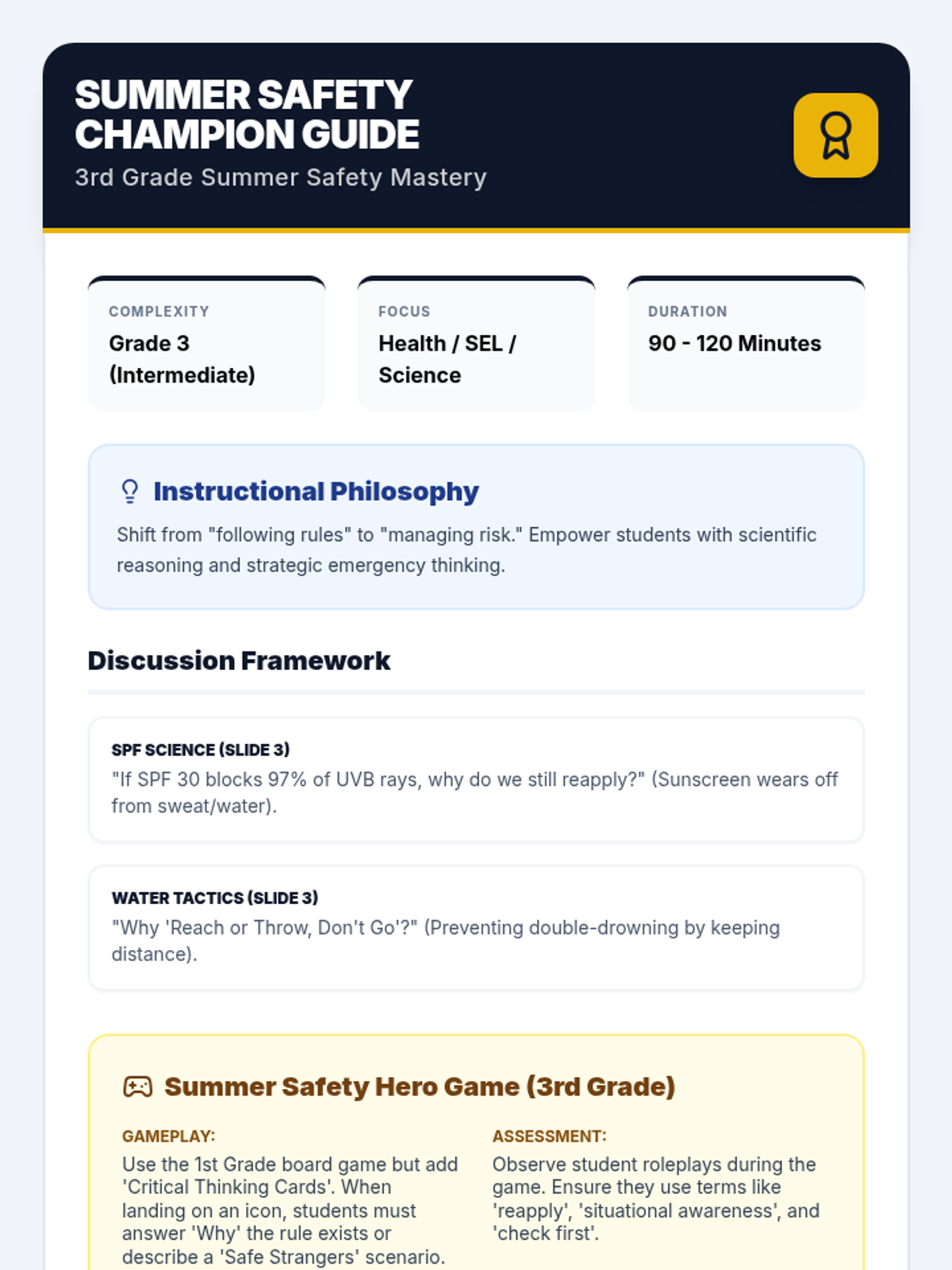
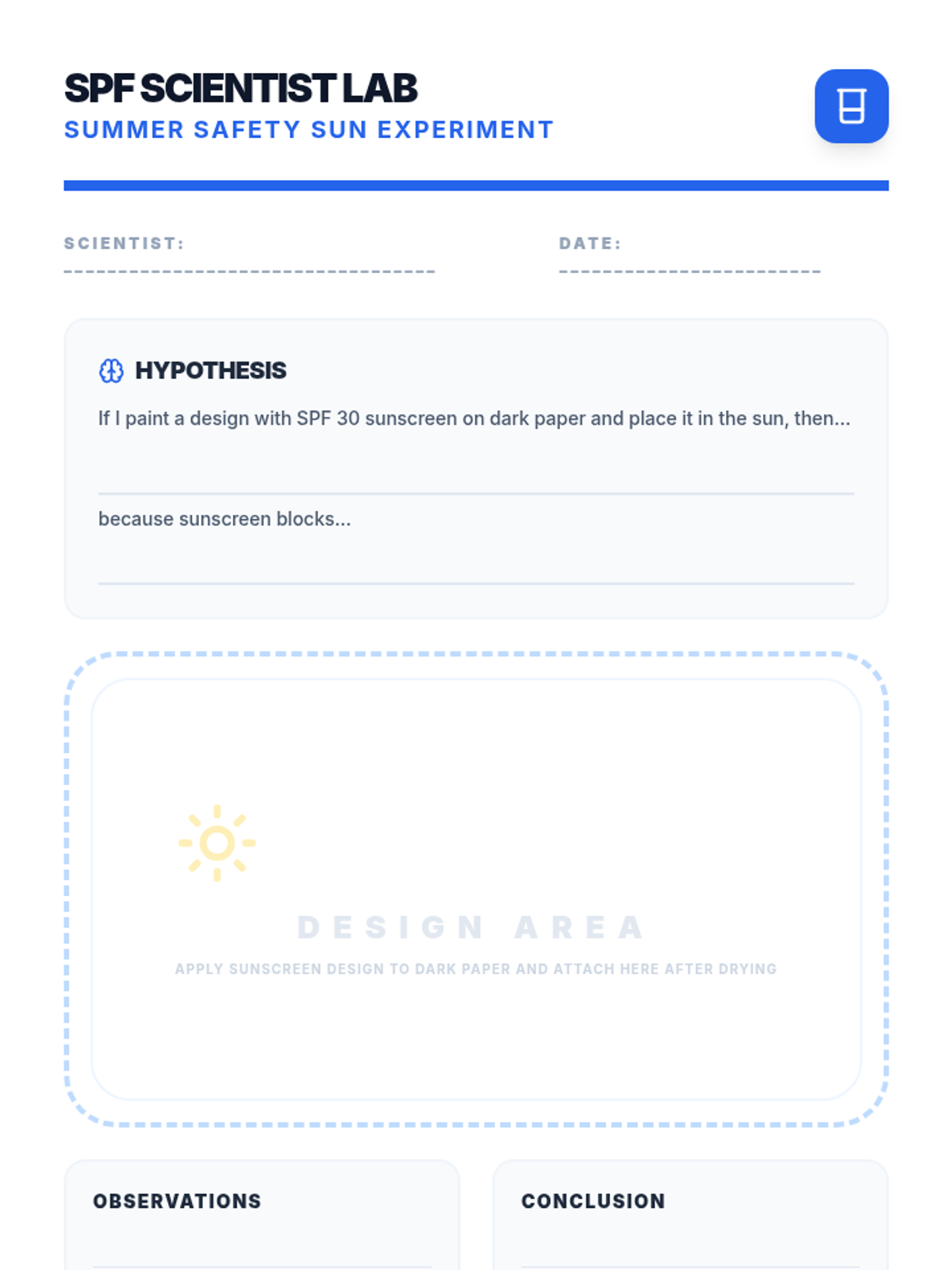
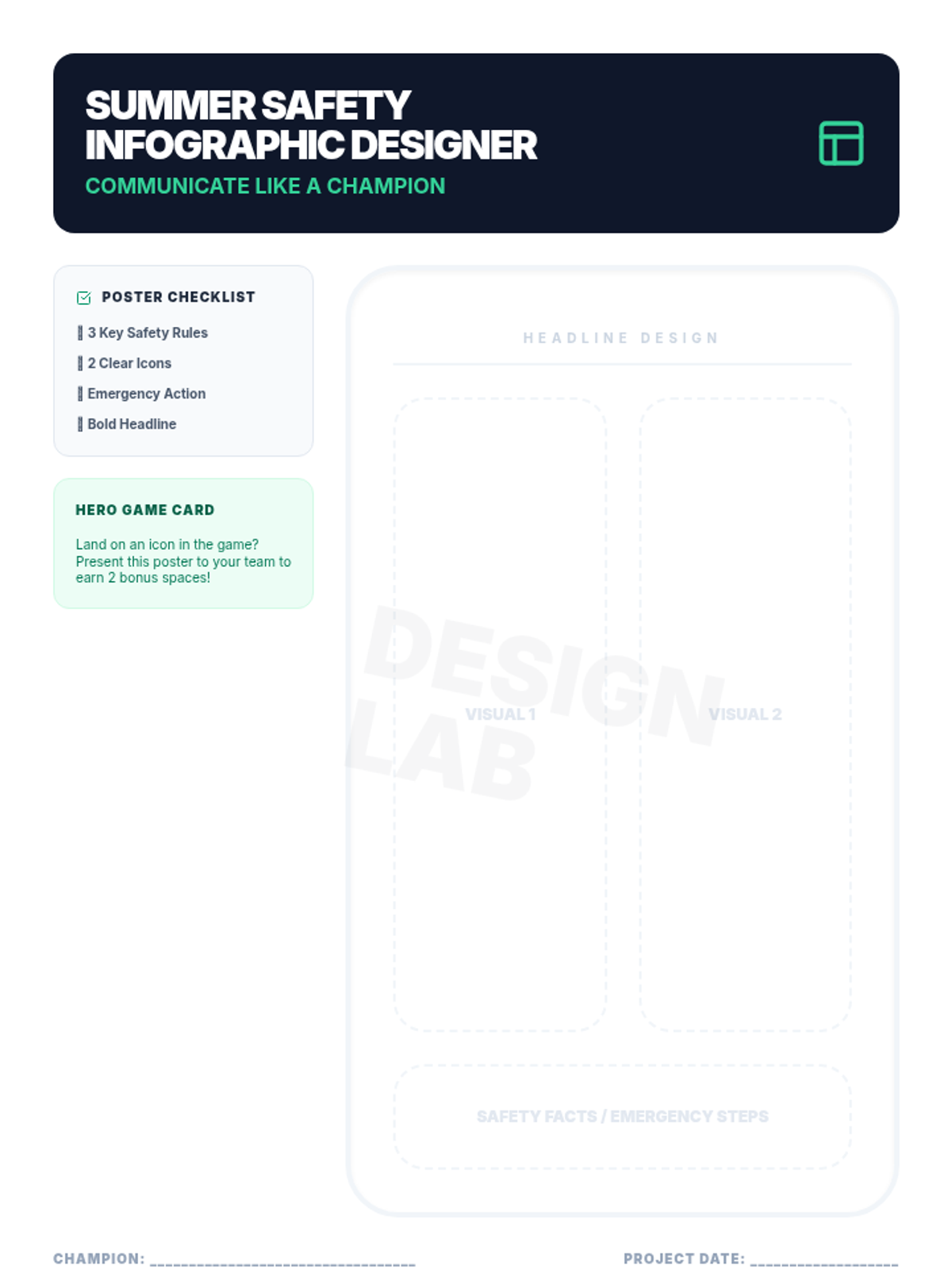
Advanced traffic safety for grades 3-5, covering traffic signs, bike safety protocols, and responsible car safety habits.
An introduction to basic pedestrian safety and safe play for students in grades K-2, emphasizing sidewalk rules and supervised walking.
Students learn how to find their pulse and track their heart rate before, during, and after a physical activity challenge.
A series of interactive materials teaching elementary students about how their brain works, how to keep it healthy through nutrition and sleep, and how to protect it during physical activities.