A 30-minute lesson designed for 3rd-5th graders to understand the impact of excessive screen time on physical health, specifically focusing on eye strain, and introducing the 20-20-20 rule.
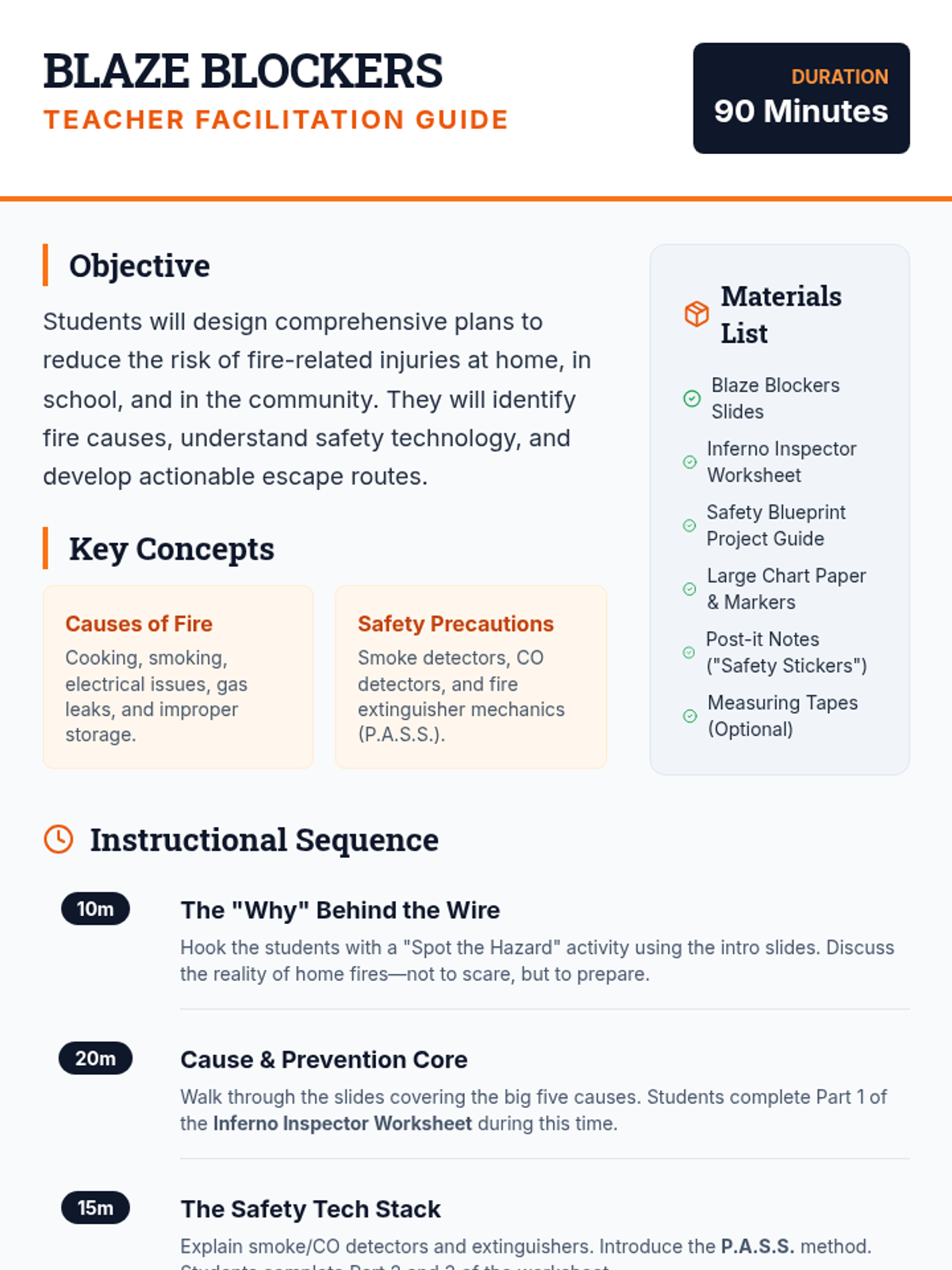
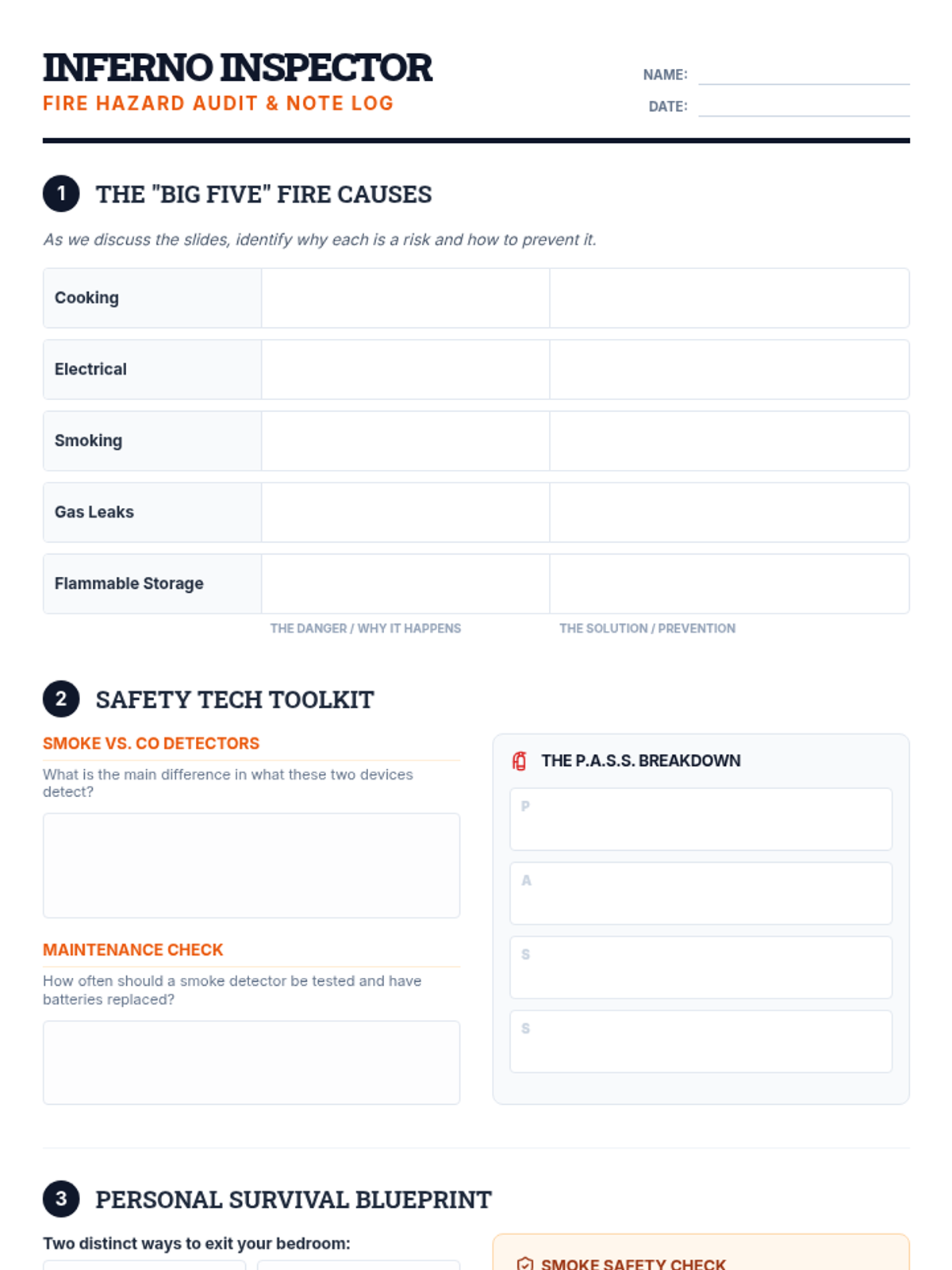
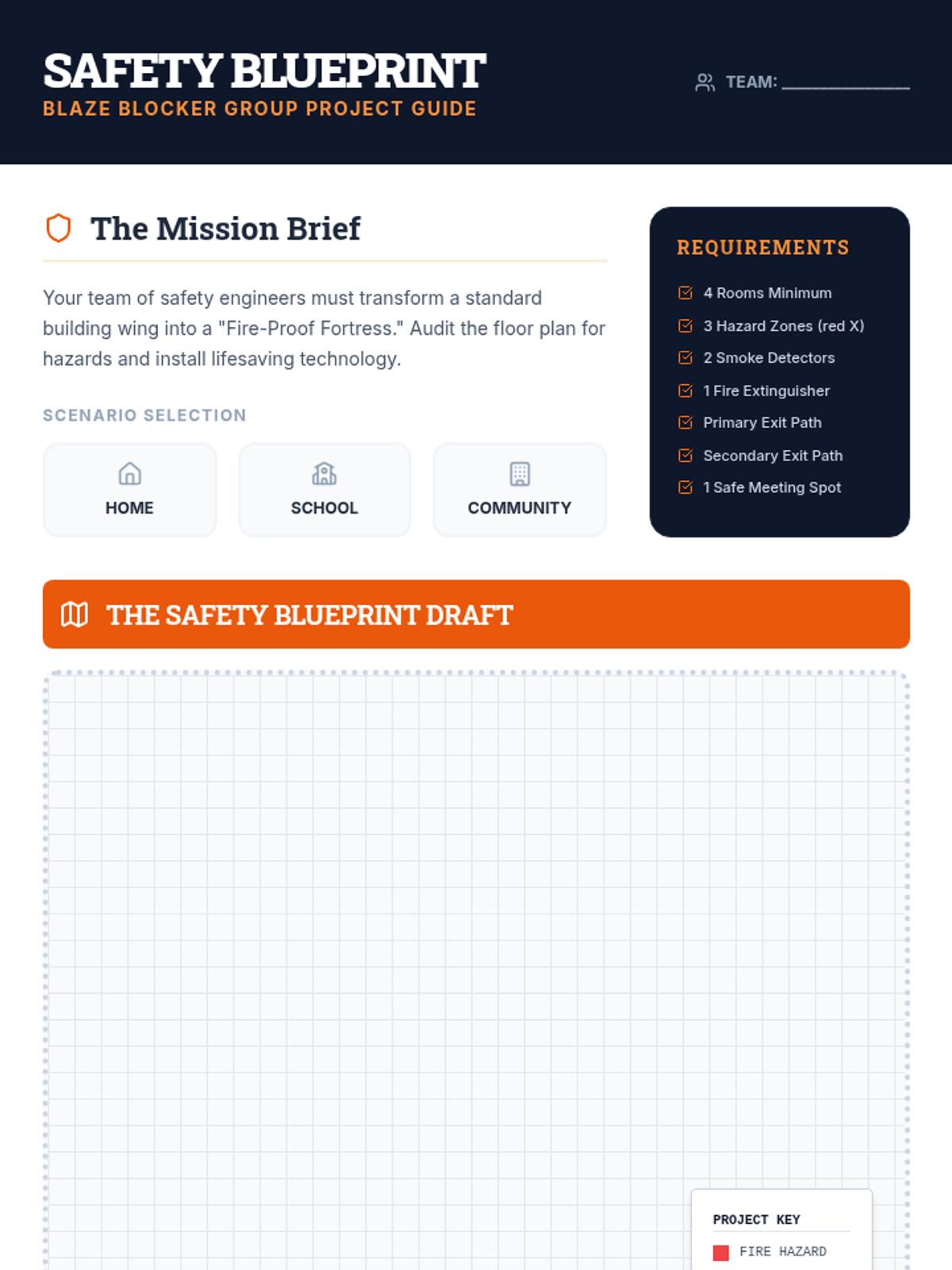
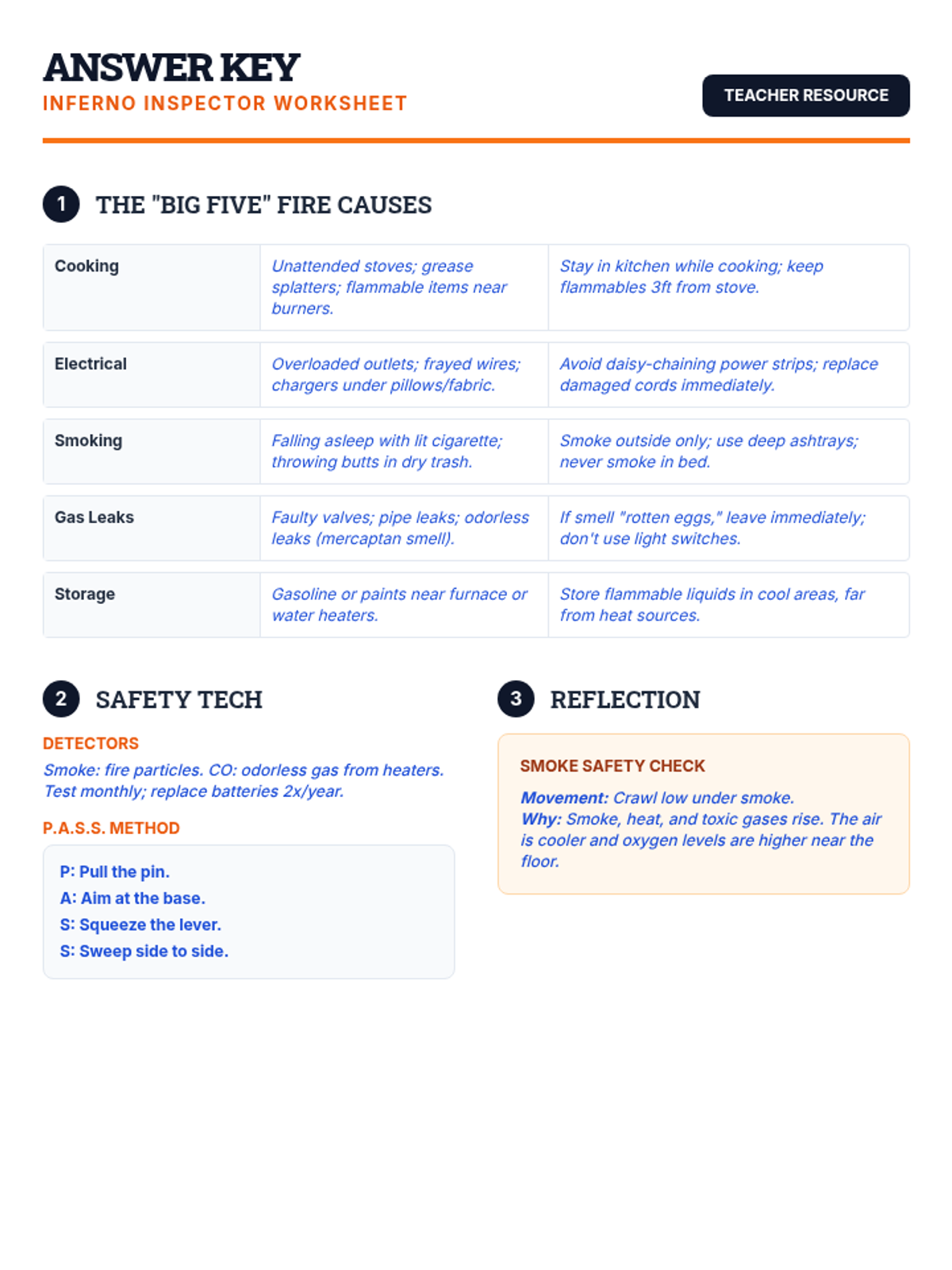
A comprehensive 90-minute lesson where students analyze fire causes, learn safety precautions, and design detailed fire safety plans for home, school, and the community.
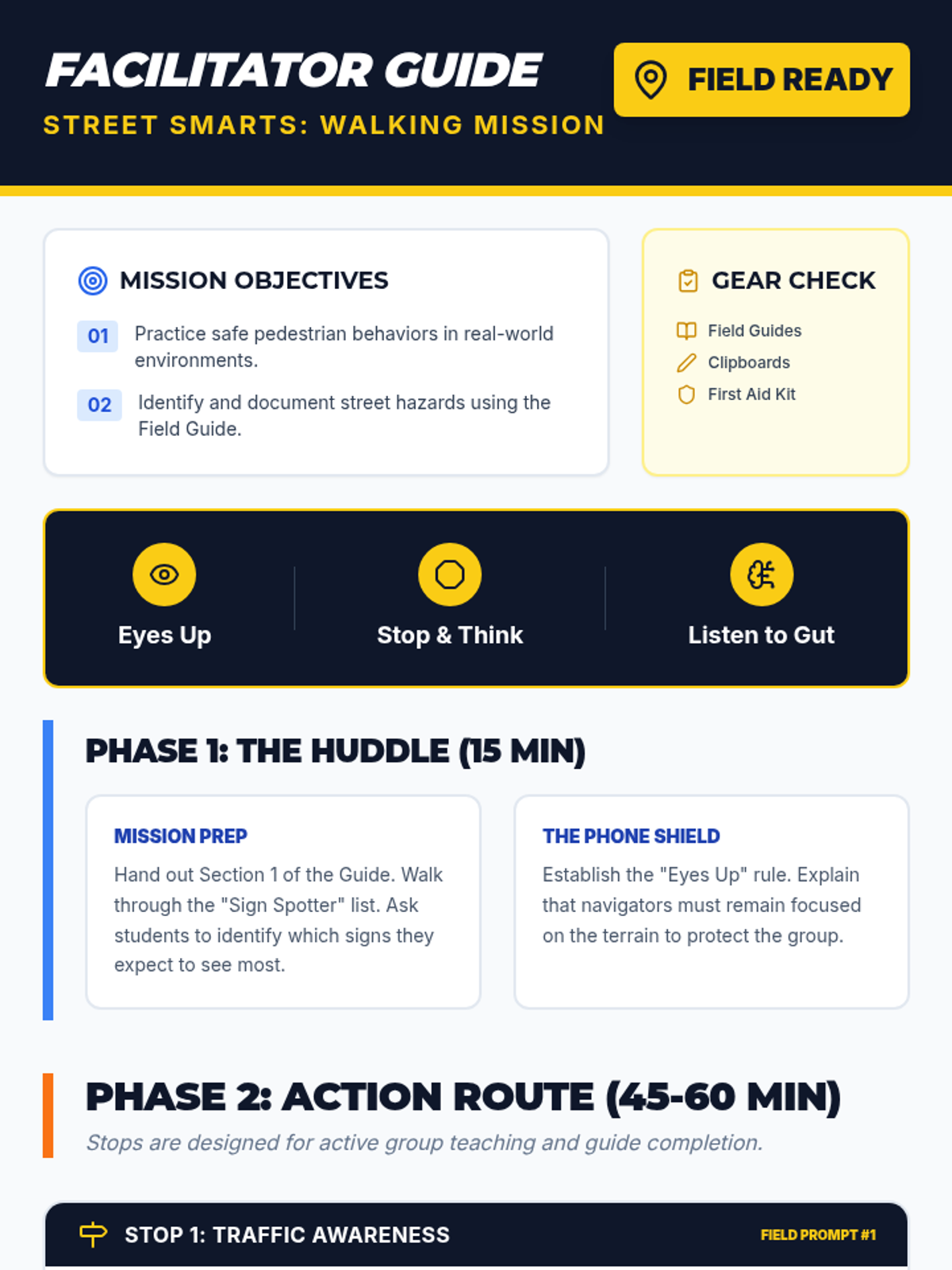
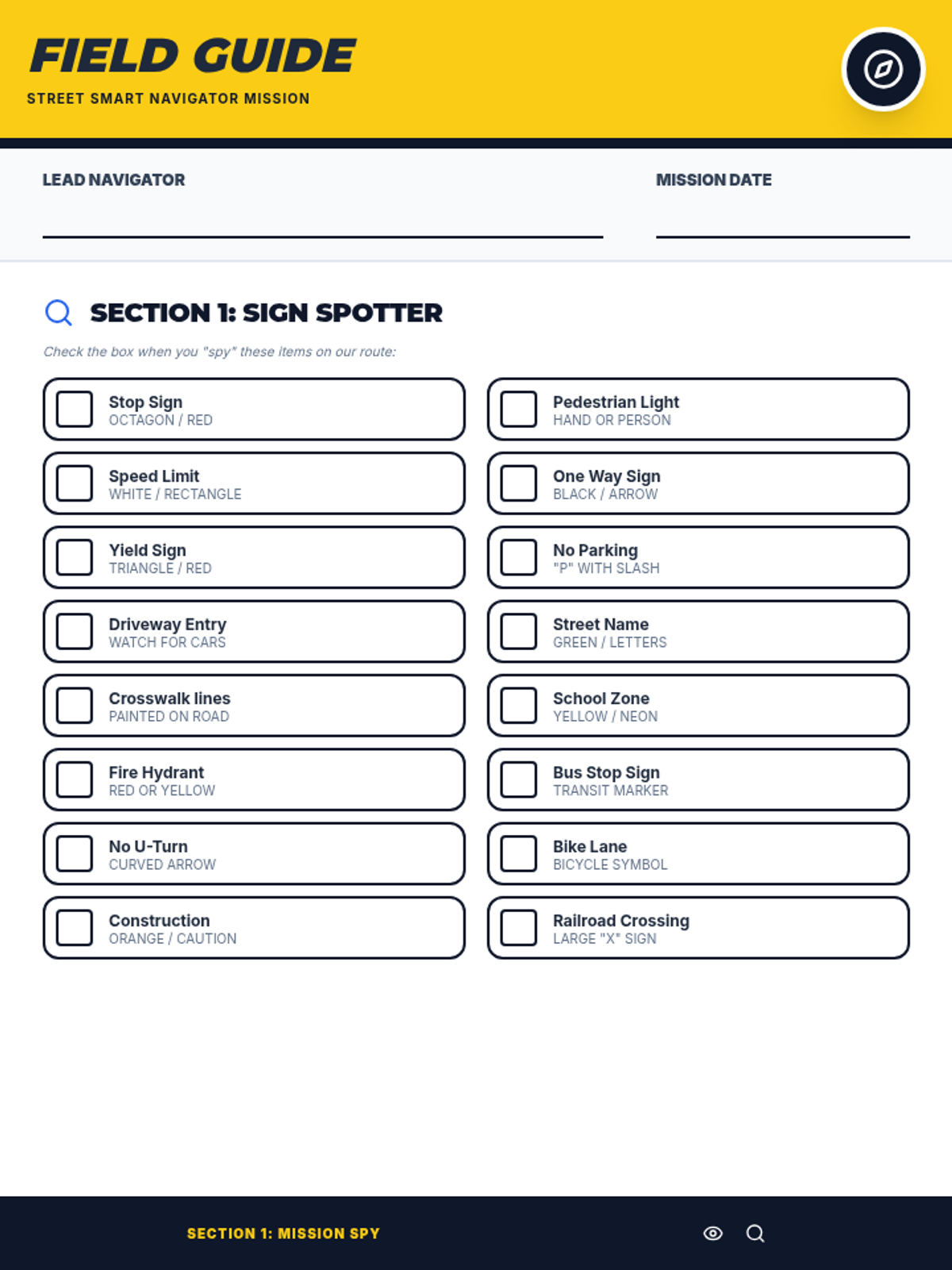
A comprehensive community-based instruction lesson focused on developing pedestrian safety, situational awareness, and real-world decision-making skills during a guided walking tour.
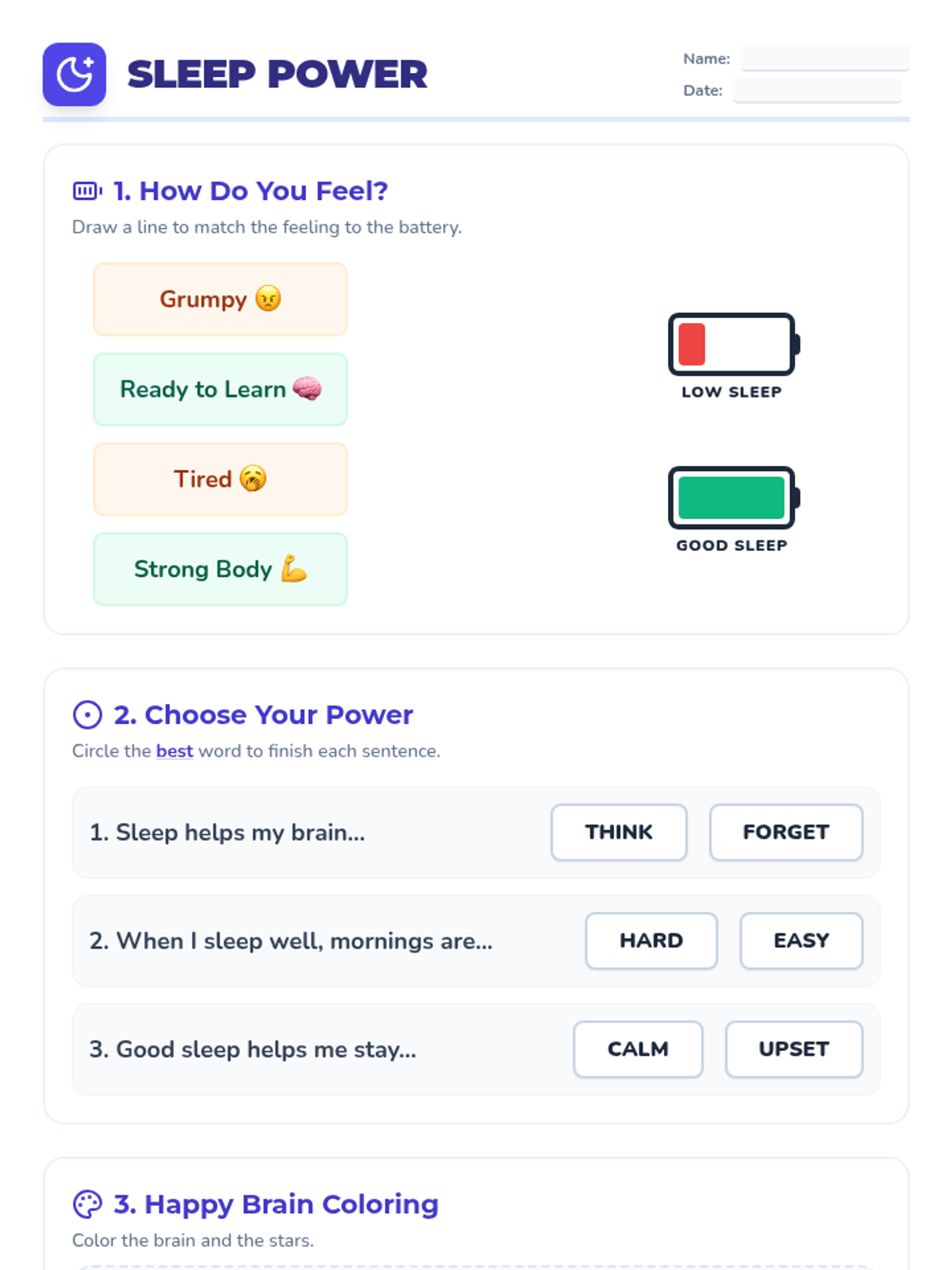
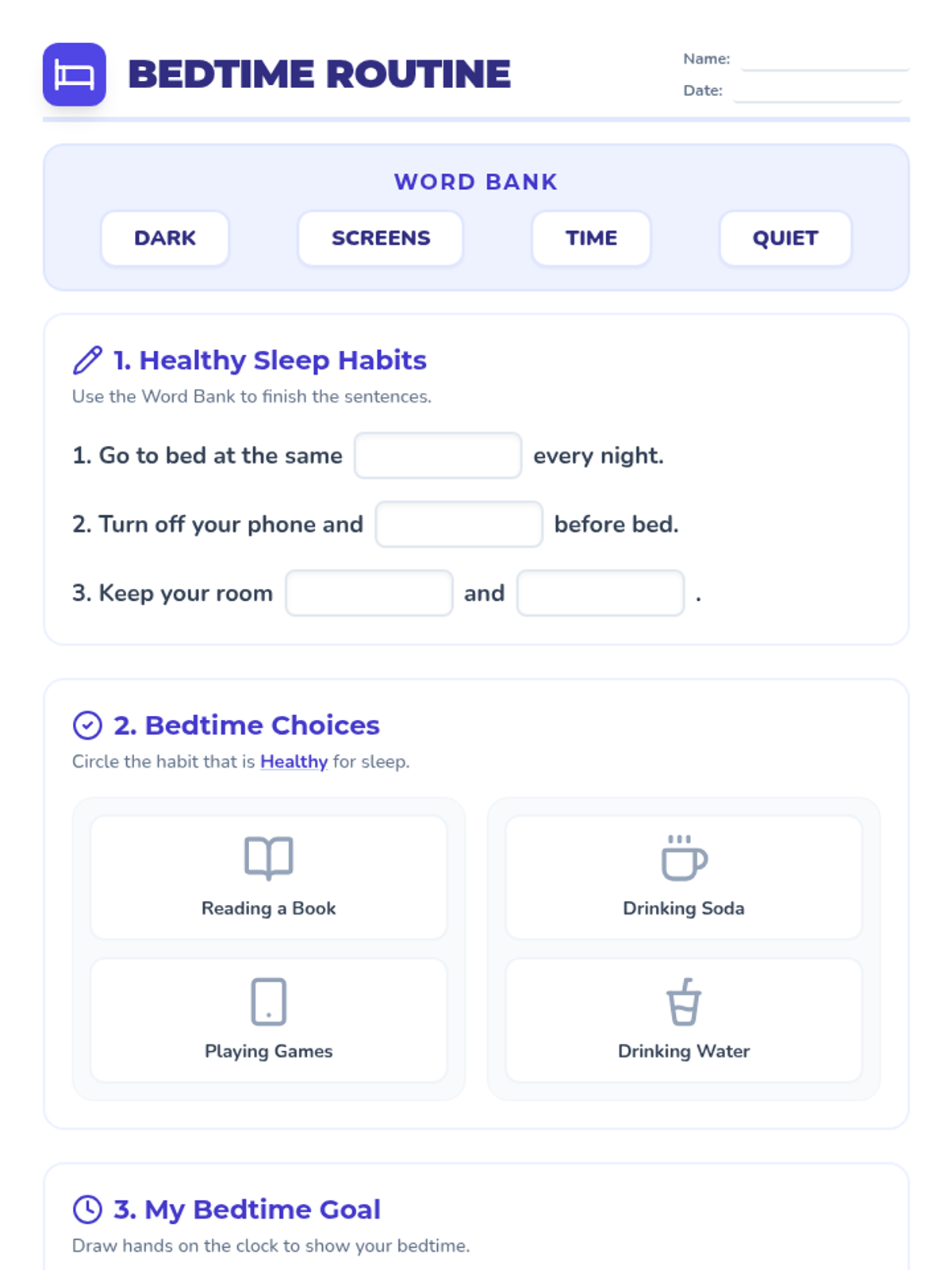
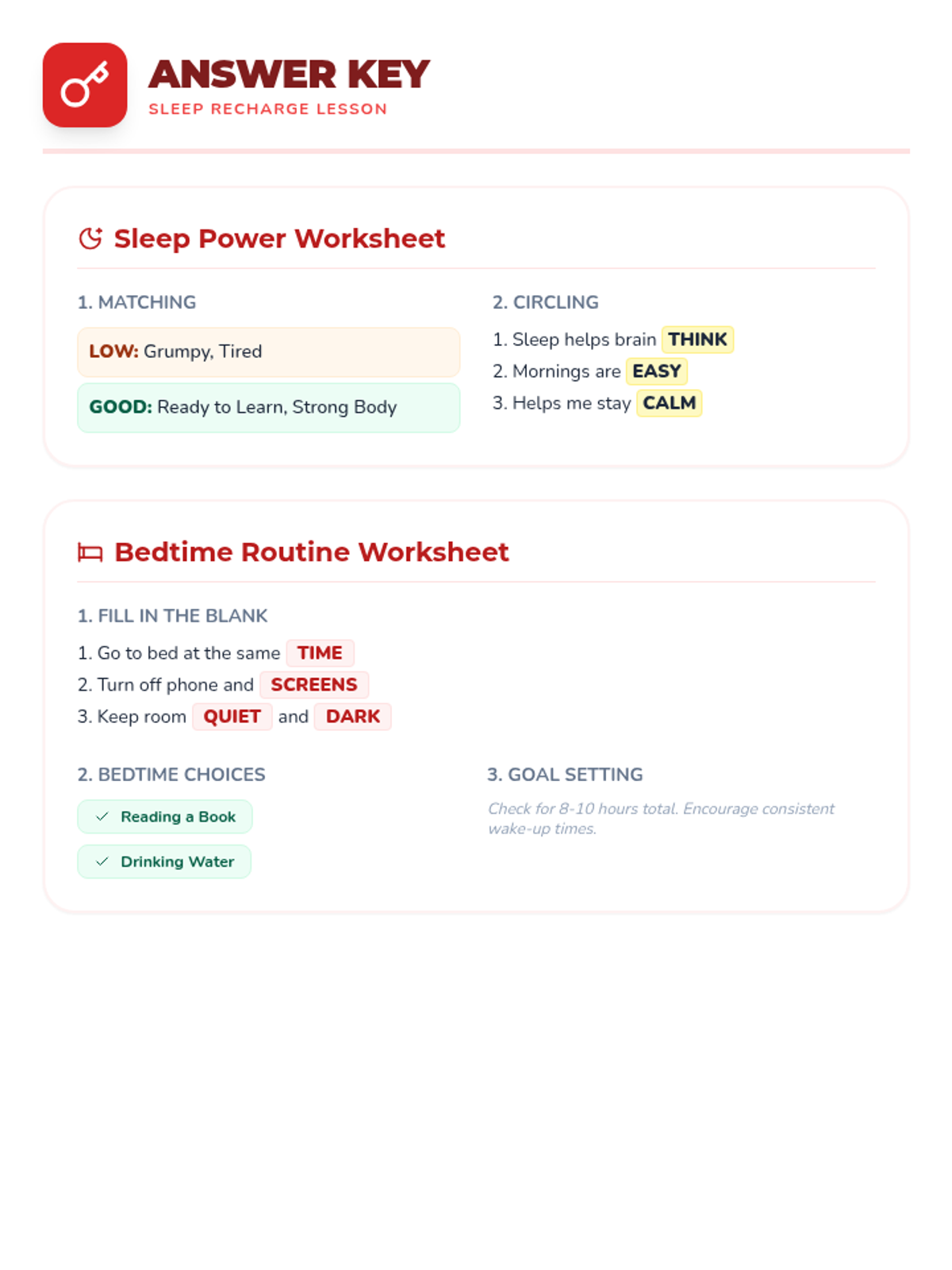
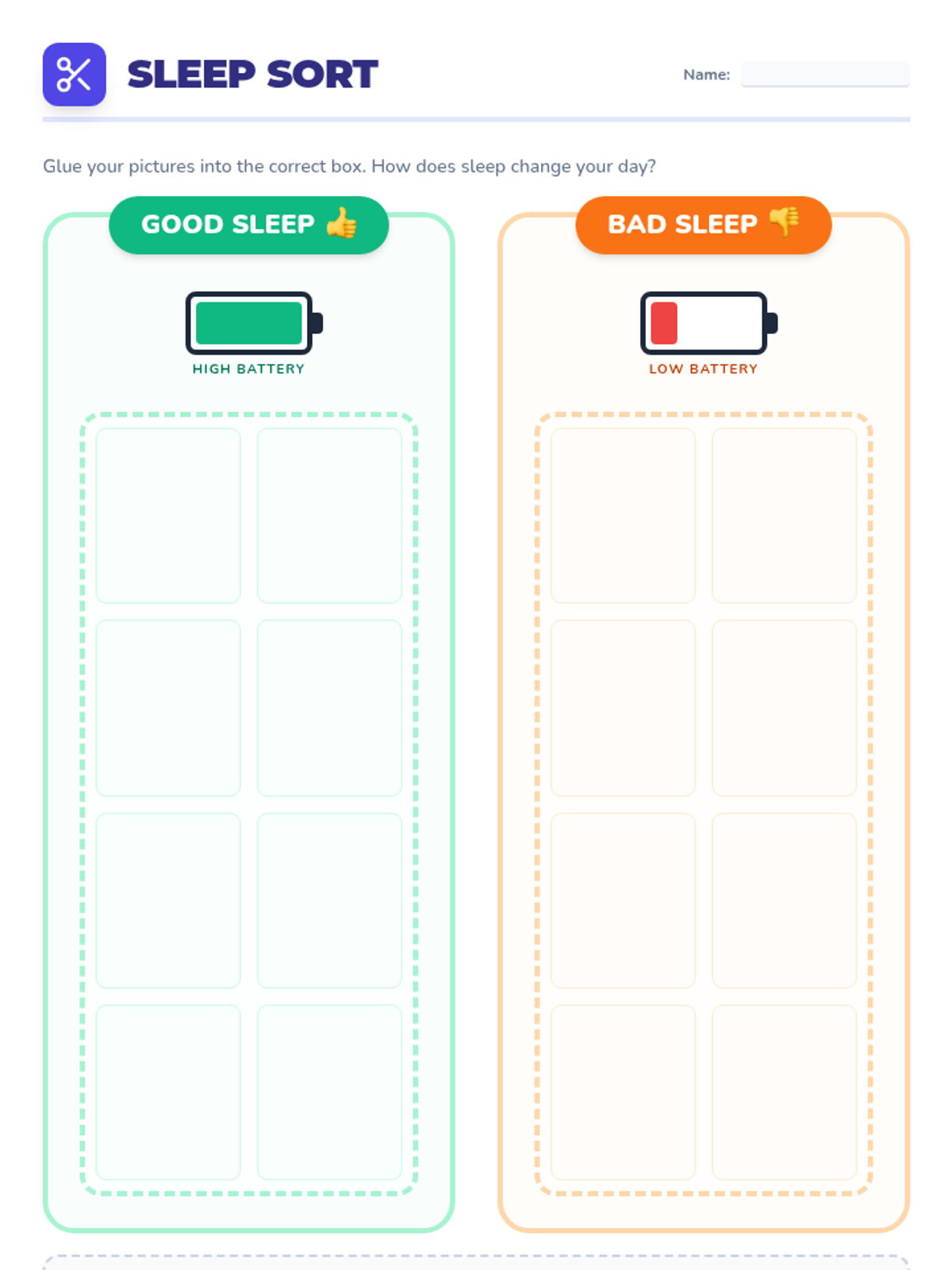
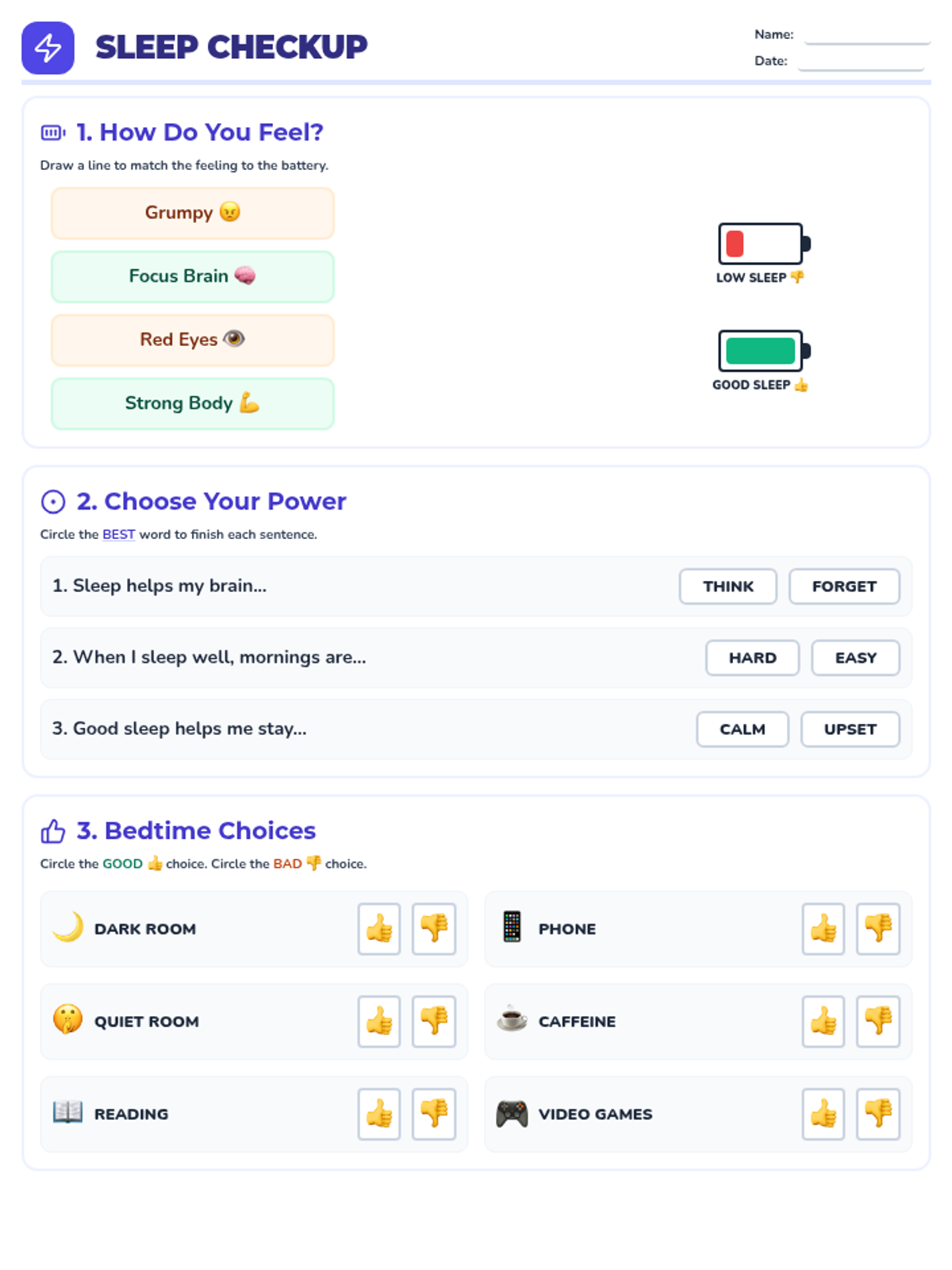
A collection of interactive worksheets focused on the importance of sleep, healthy bedtime routines, and the physical and emotional benefits of rest for life skills students.
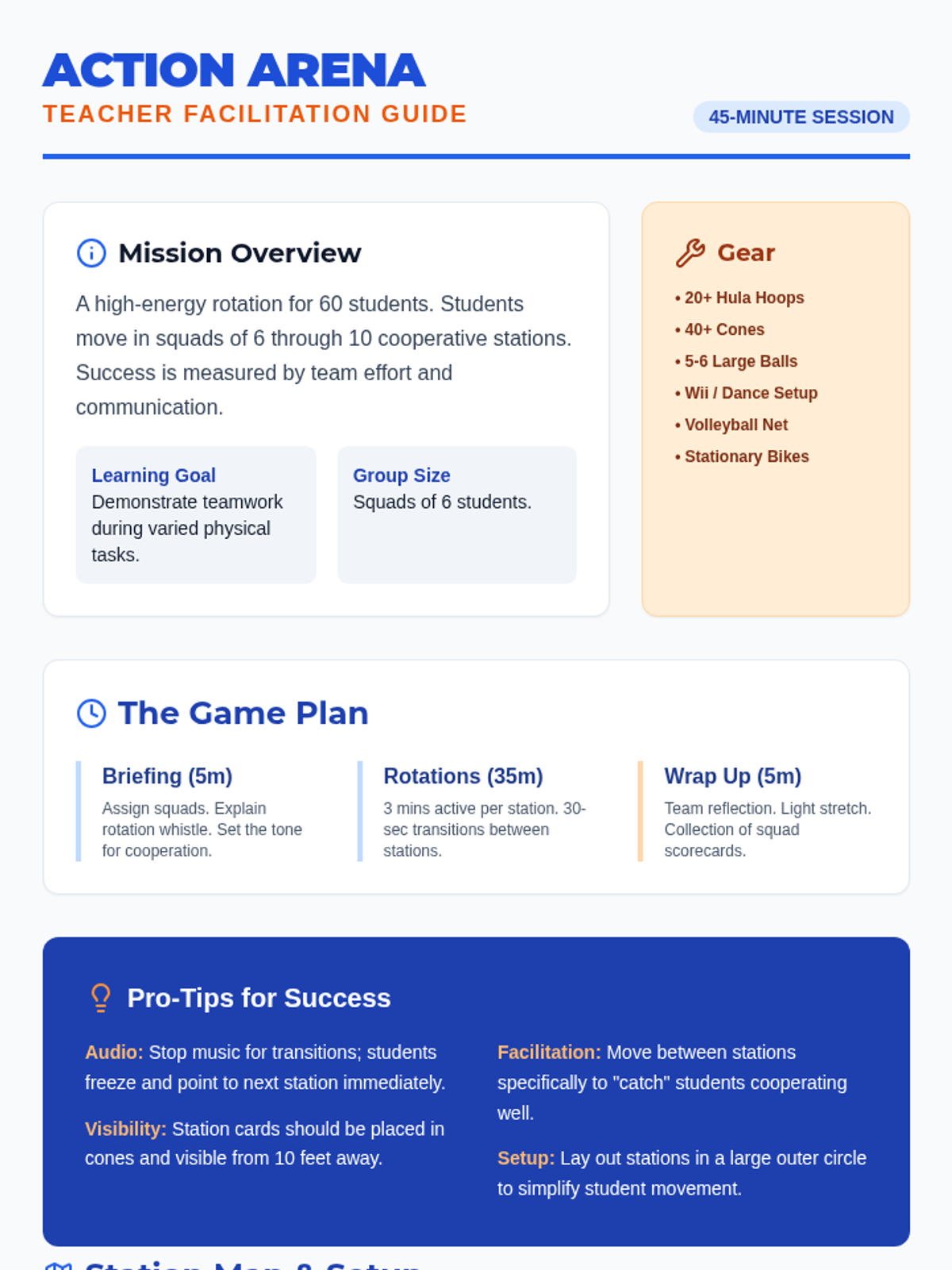
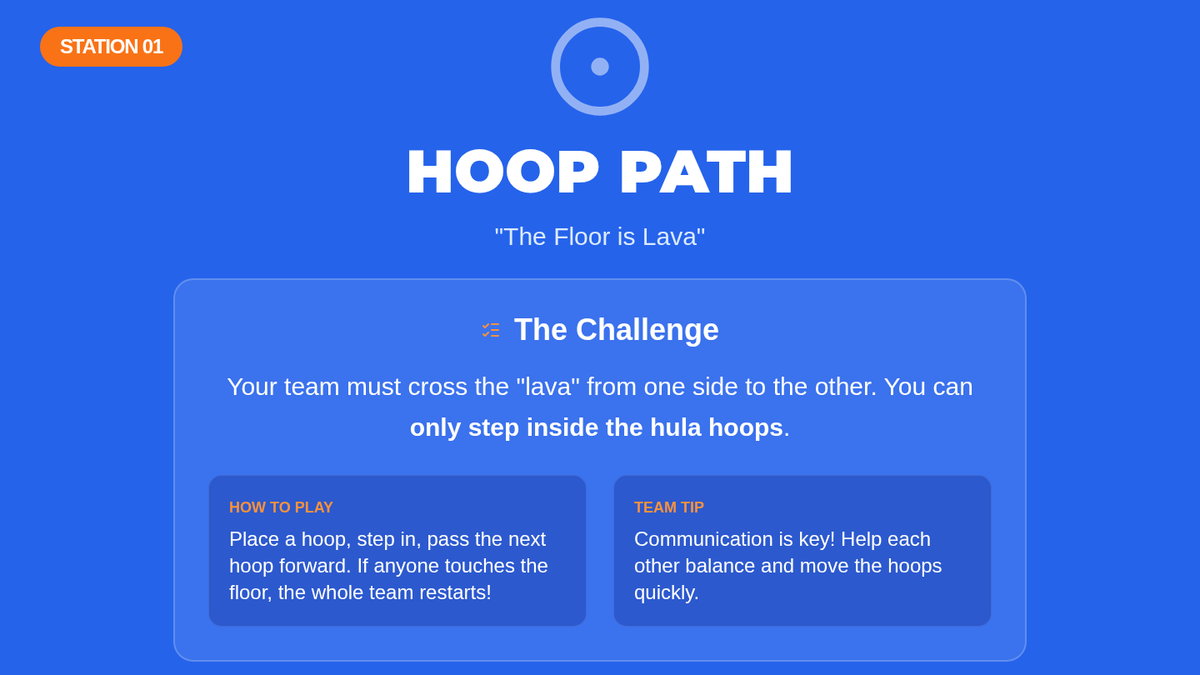
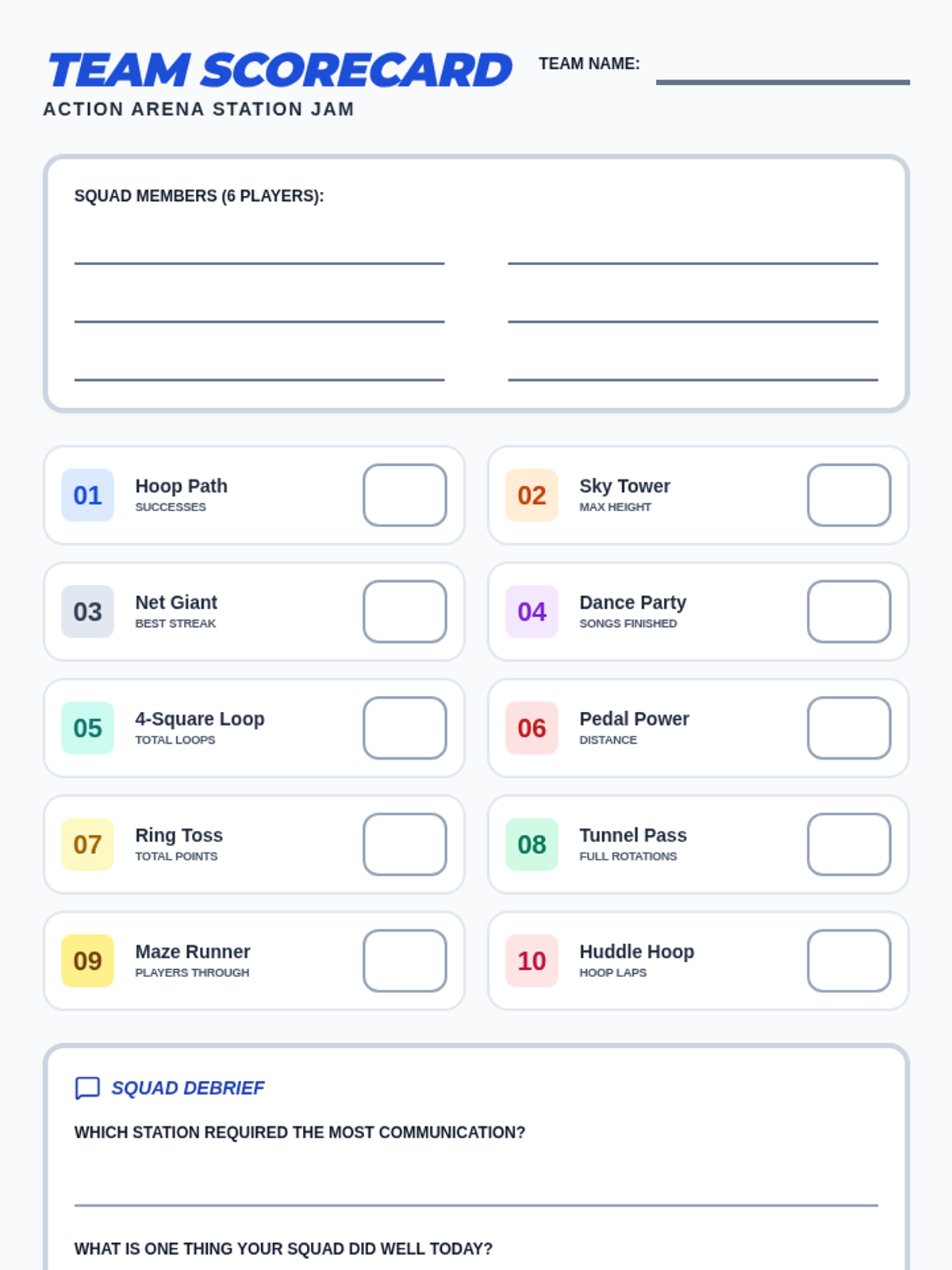
A high-energy, 45-minute PE lesson featuring 10 active stations designed for large groups. Students rotate through teamwork-based challenges using hoops, balls, cones, and technology to build cooperation and fitness.
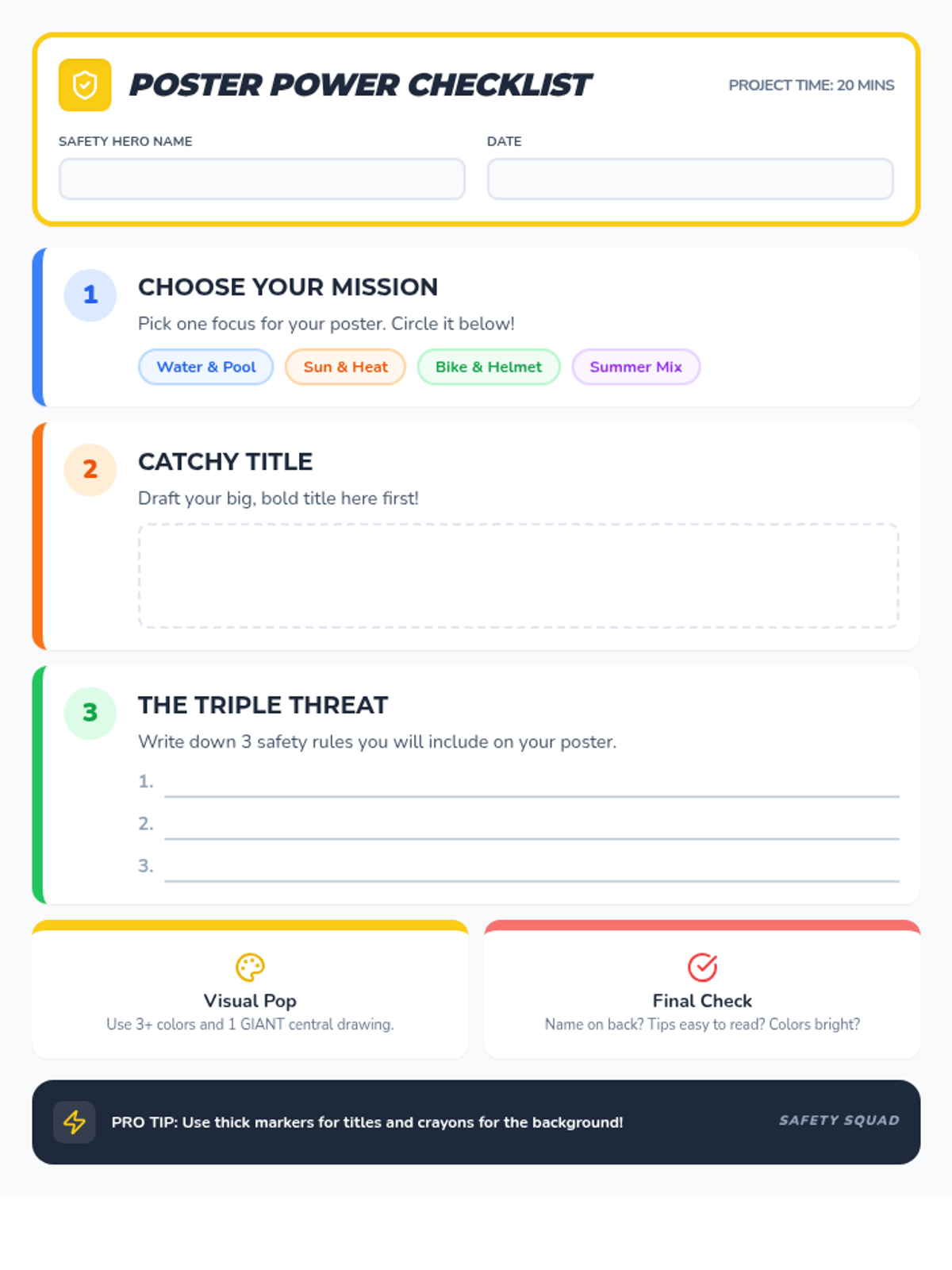
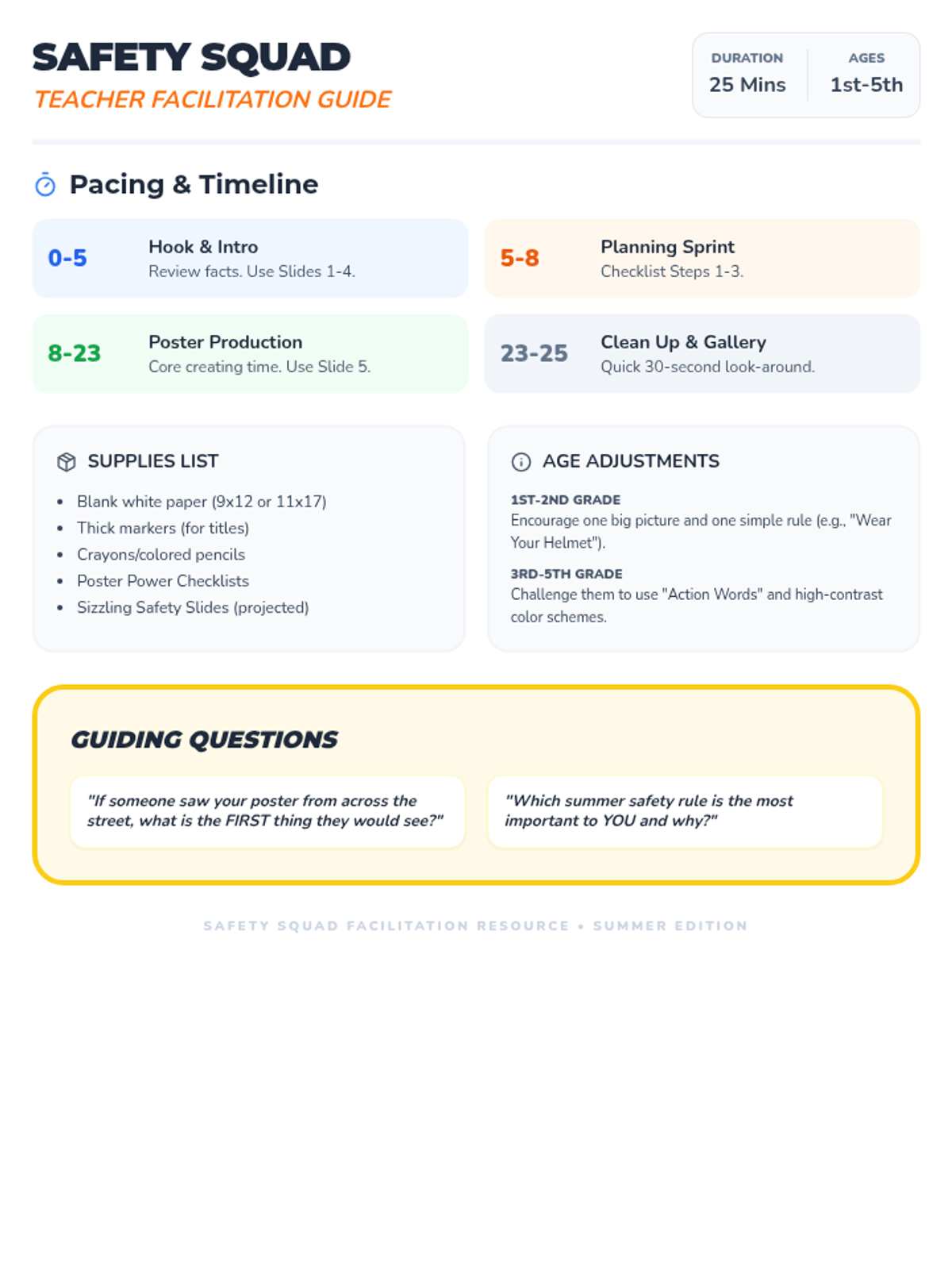
A fast-paced, creative project where students design safety posters covering water, sun, bike, and general summer safety tips in a 25-minute sprint.
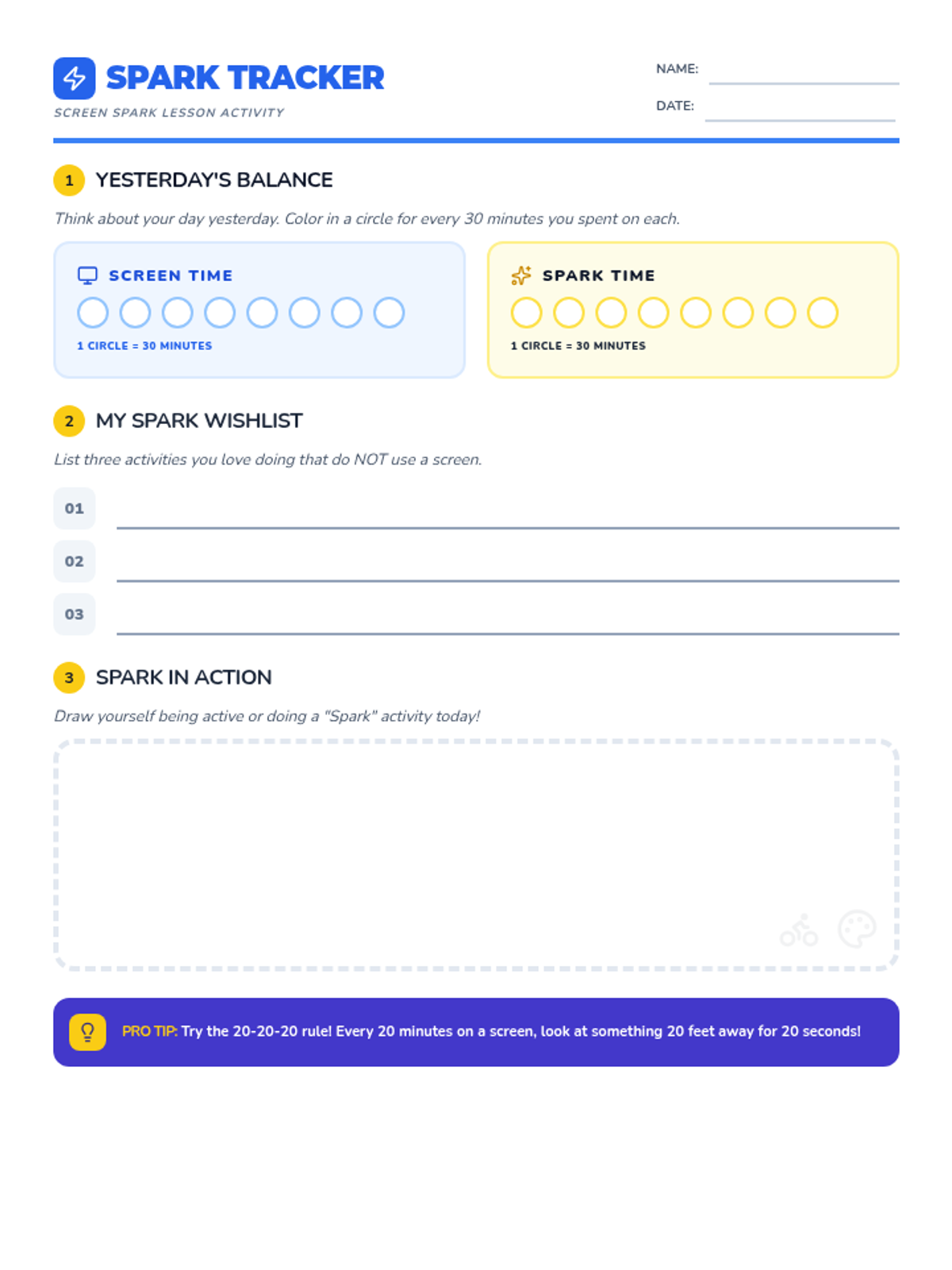
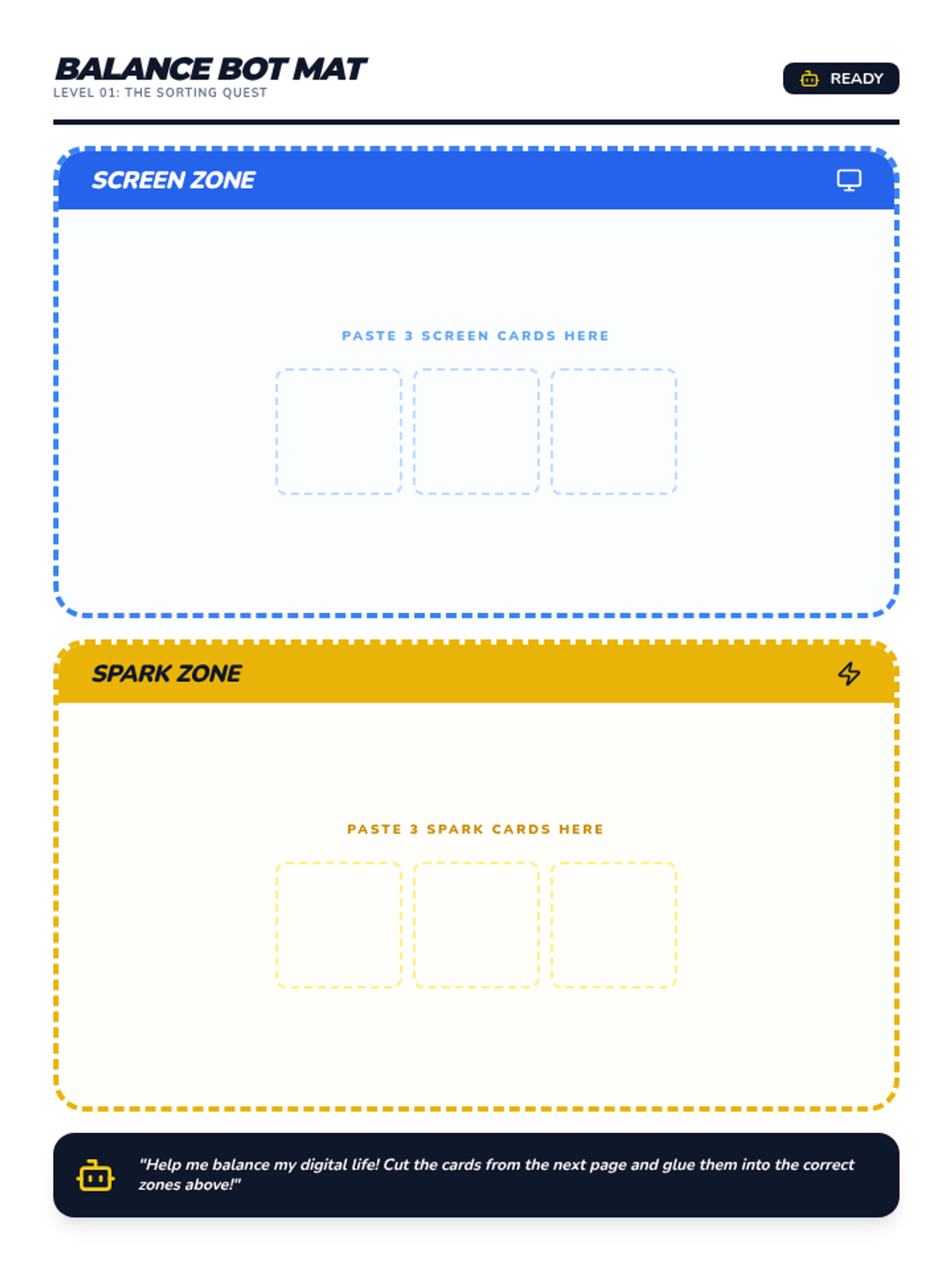
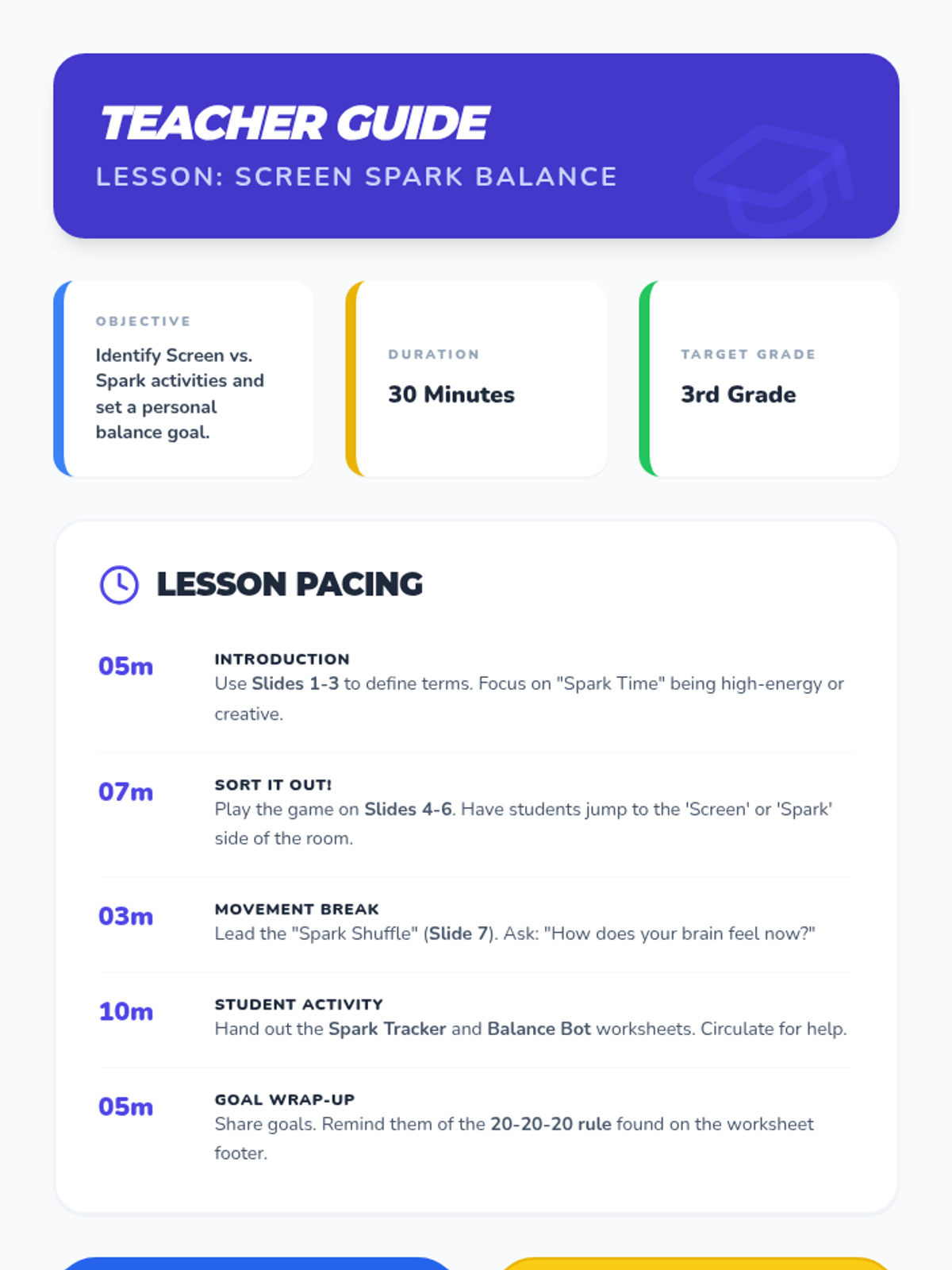
A 30-minute lesson for 3rd graders on balancing digital device use with physical activity, featuring a 'Screen Spark' theme to encourage healthy habits.
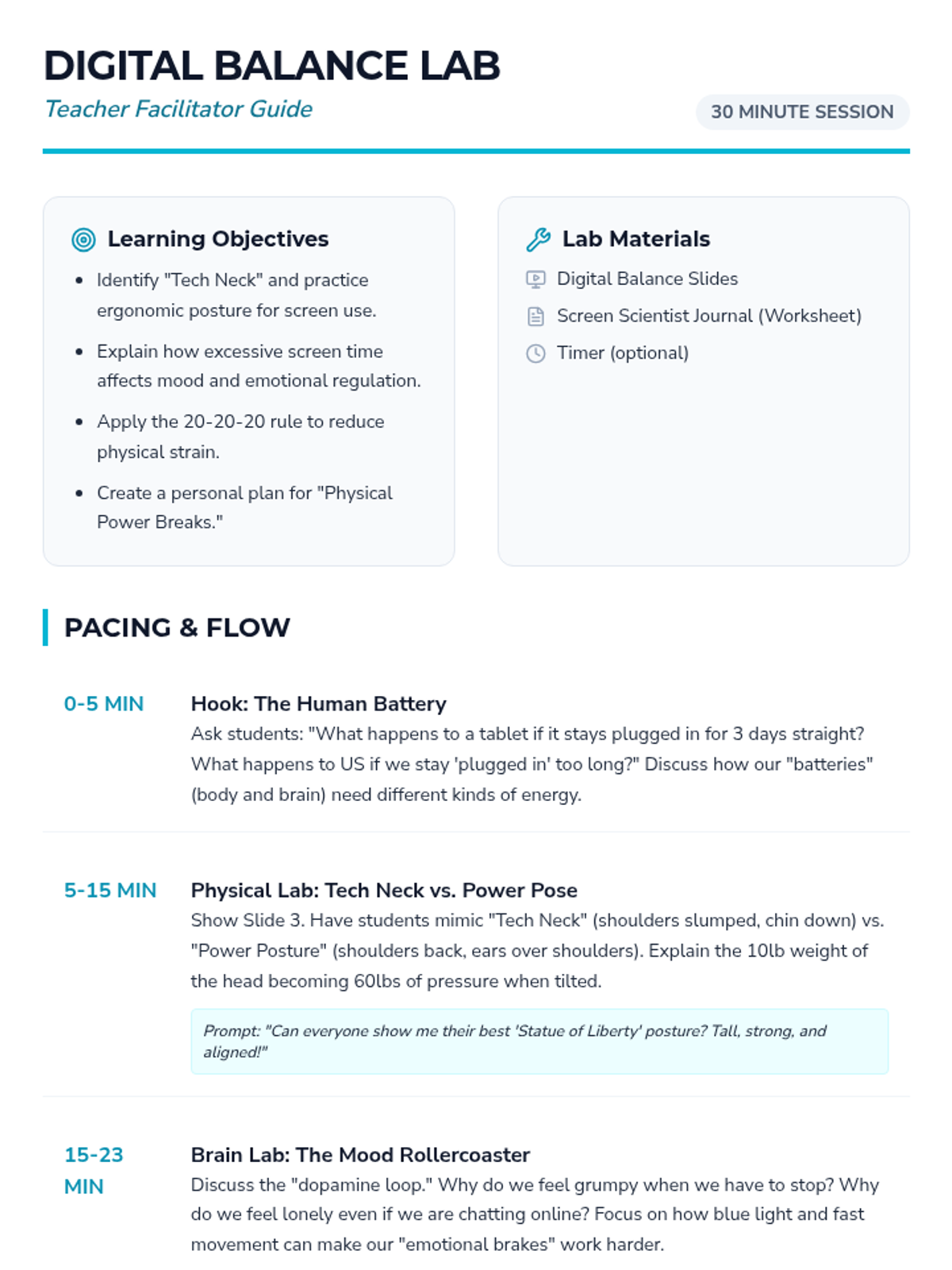
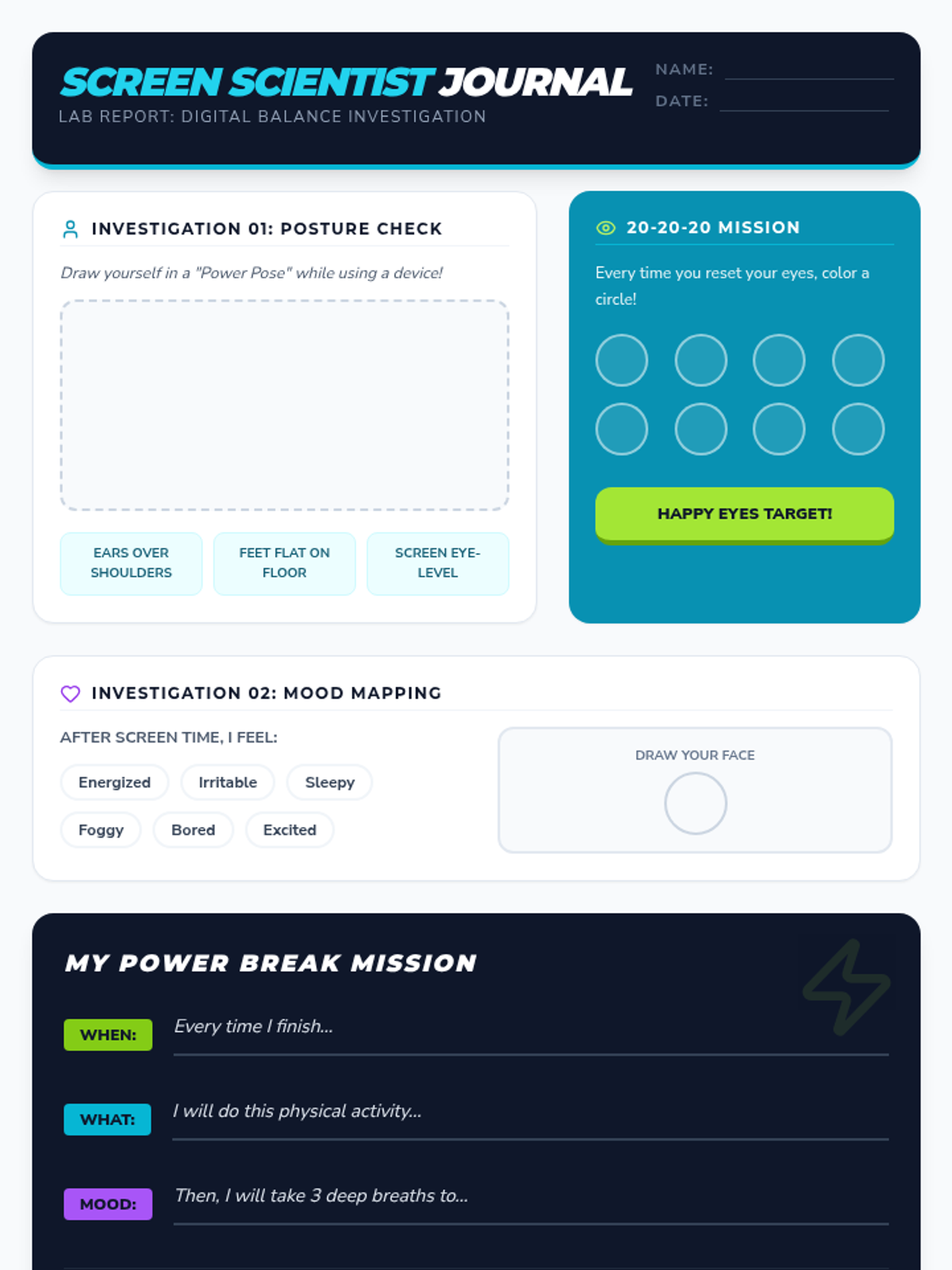
A 30-minute lesson for 3rd-5th graders focusing on the physical and emotional impacts of screen time, featuring posture tips and mood regulation strategies.
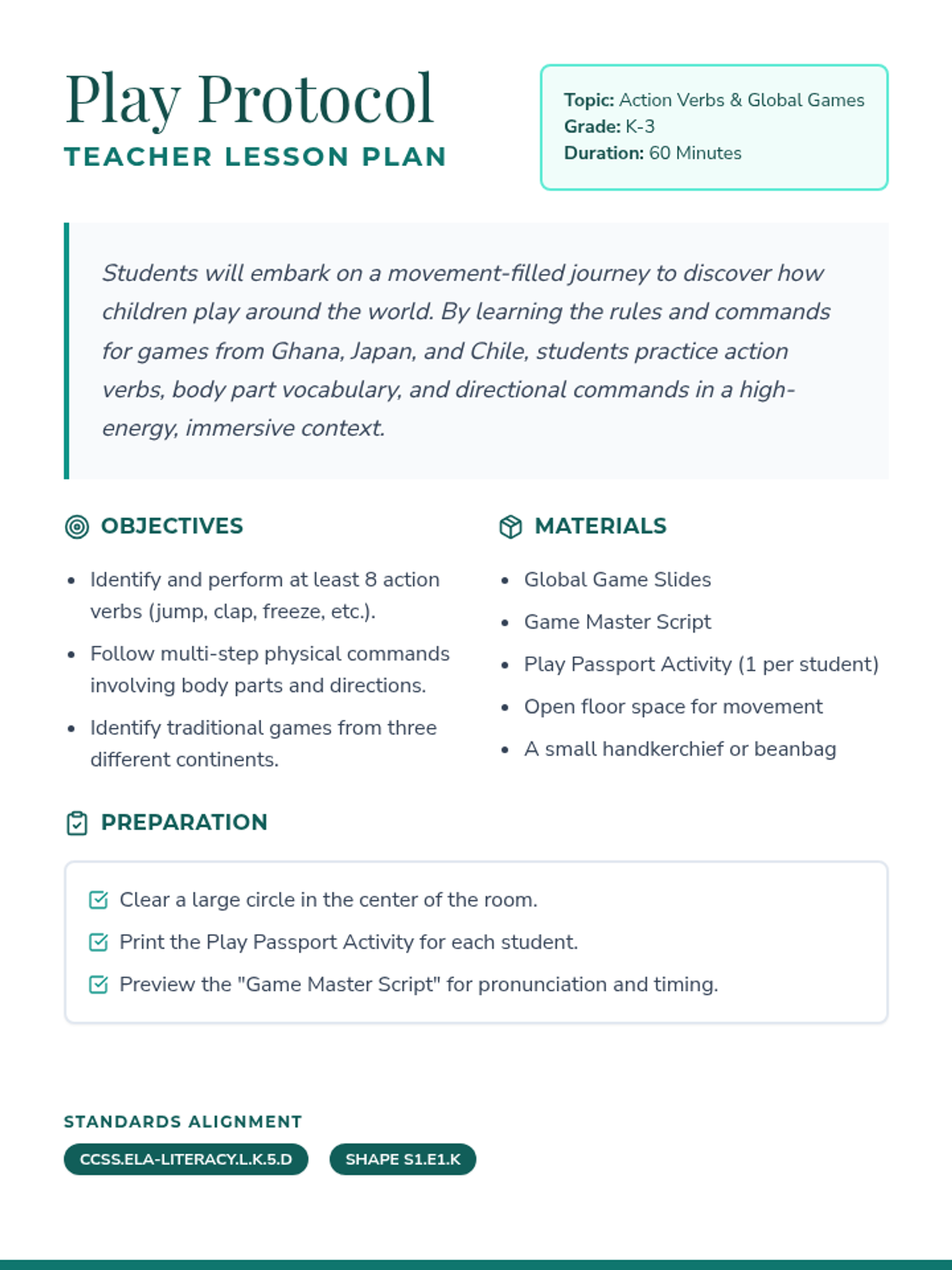
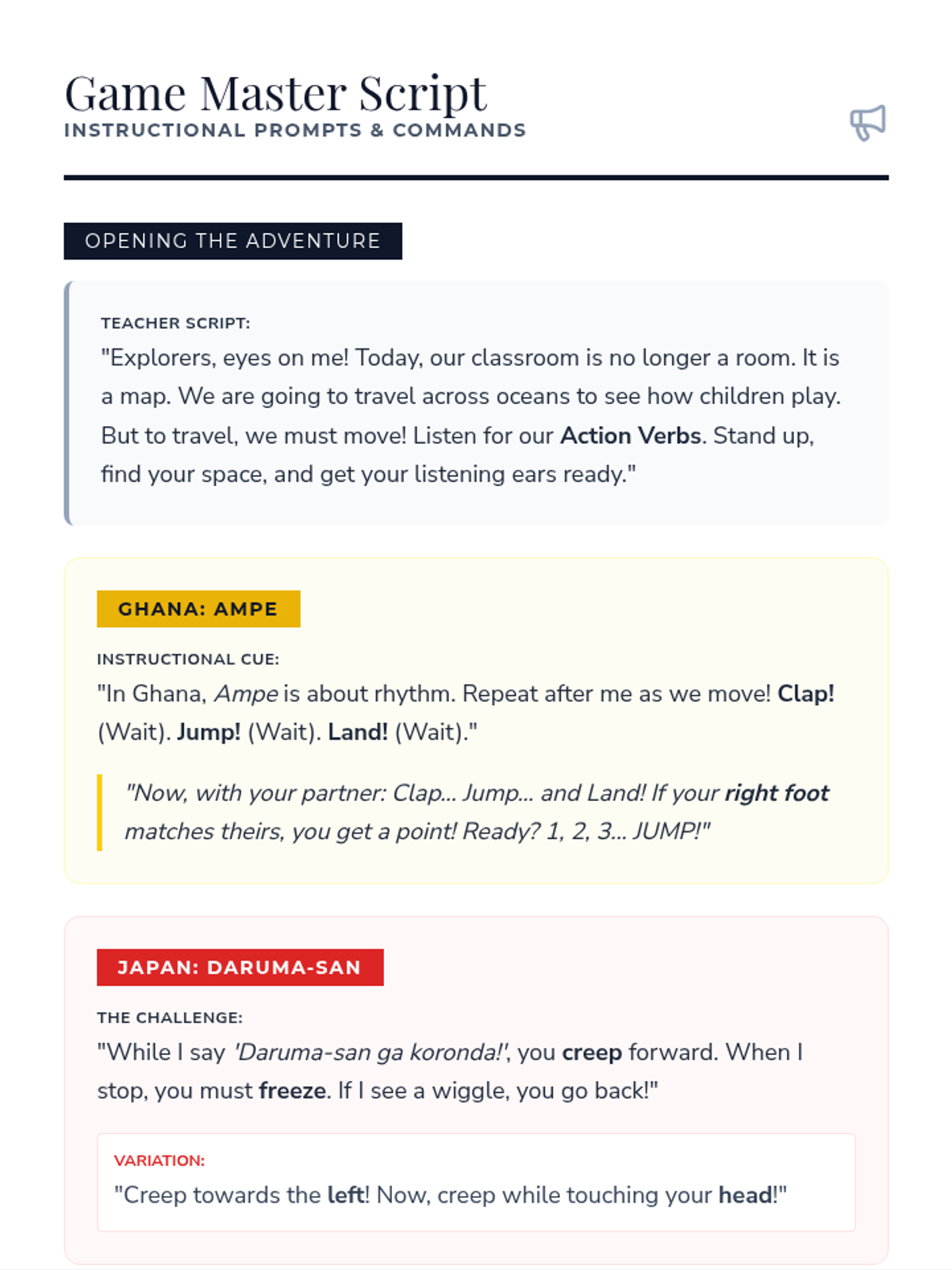
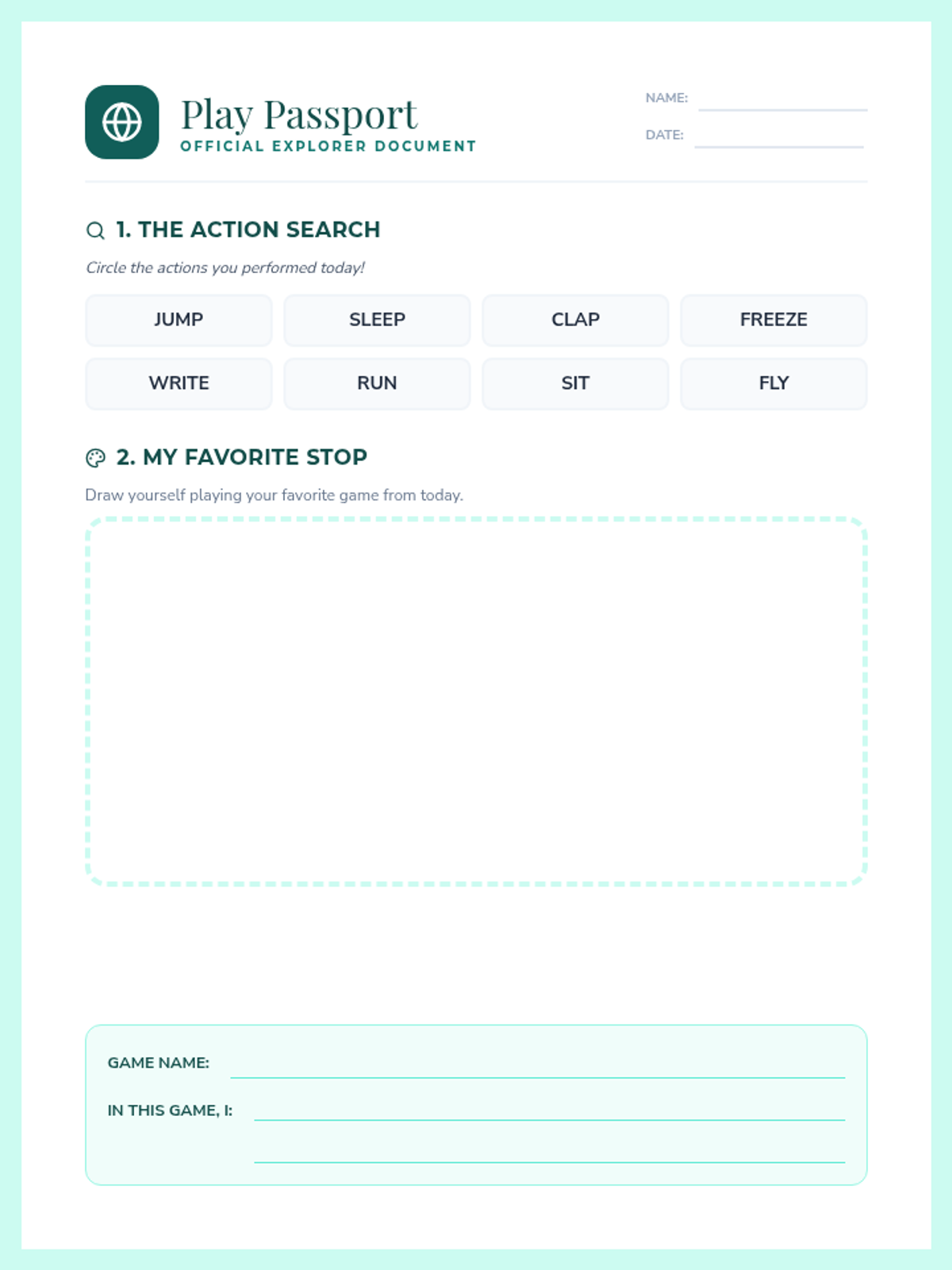
A movement-based language lesson where students learn action verbs and physical commands through traditional games from Ghana, Japan, and Chile. Learners develop vocabulary for body parts and directions while celebrating global cultural traditions.
A Star Wars themed Physical Education lesson deck featuring training protocols, expectations, and galactic activities for May the 4th.
A set of high-energy station signs for a soccer skills circuit, focusing on dribbling, passing, accuracy, distance, and ball control.
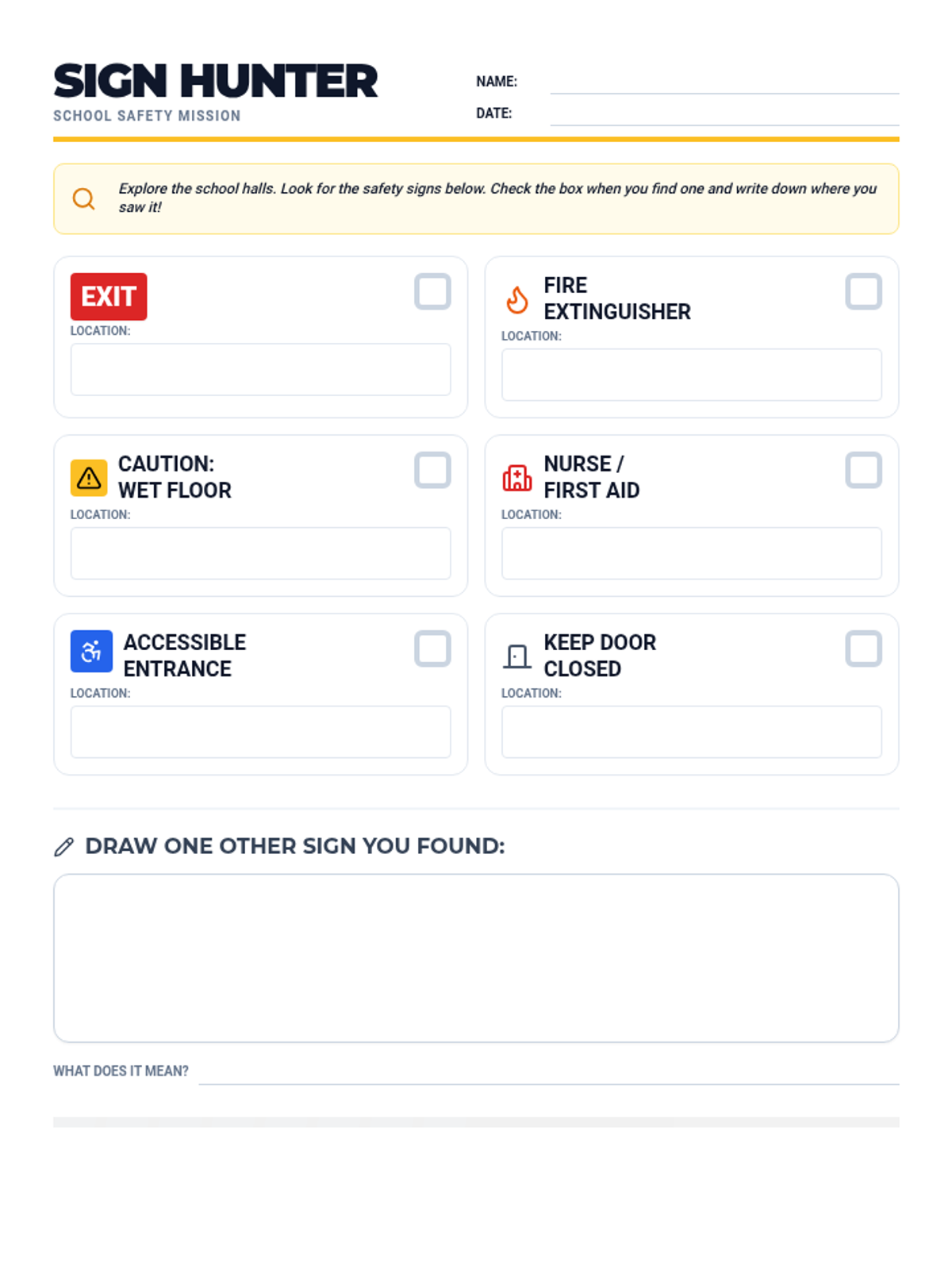
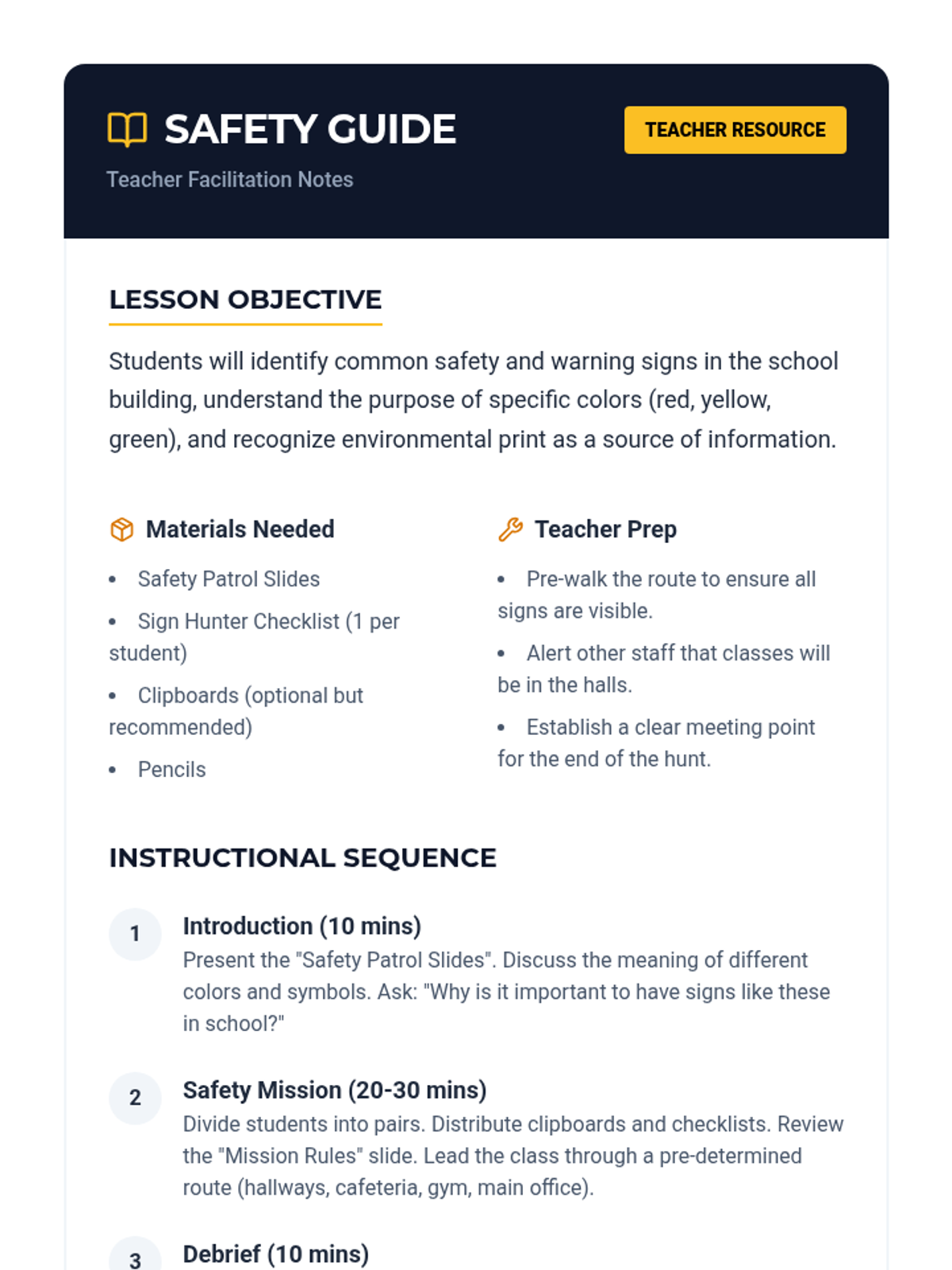
A lesson focused on identifying and understanding safety and warning signs found within the school building through a hands-on scavenger hunt.
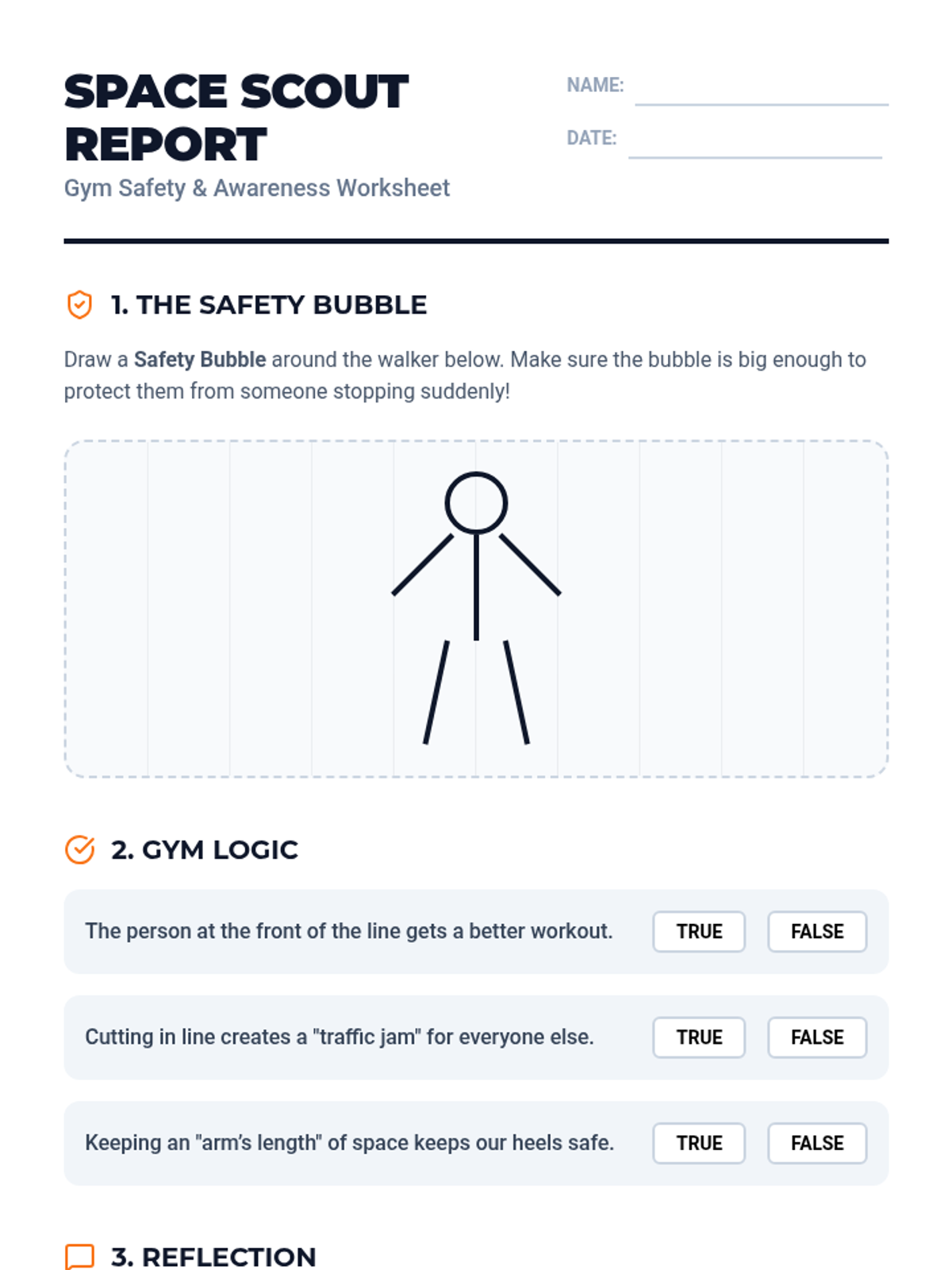
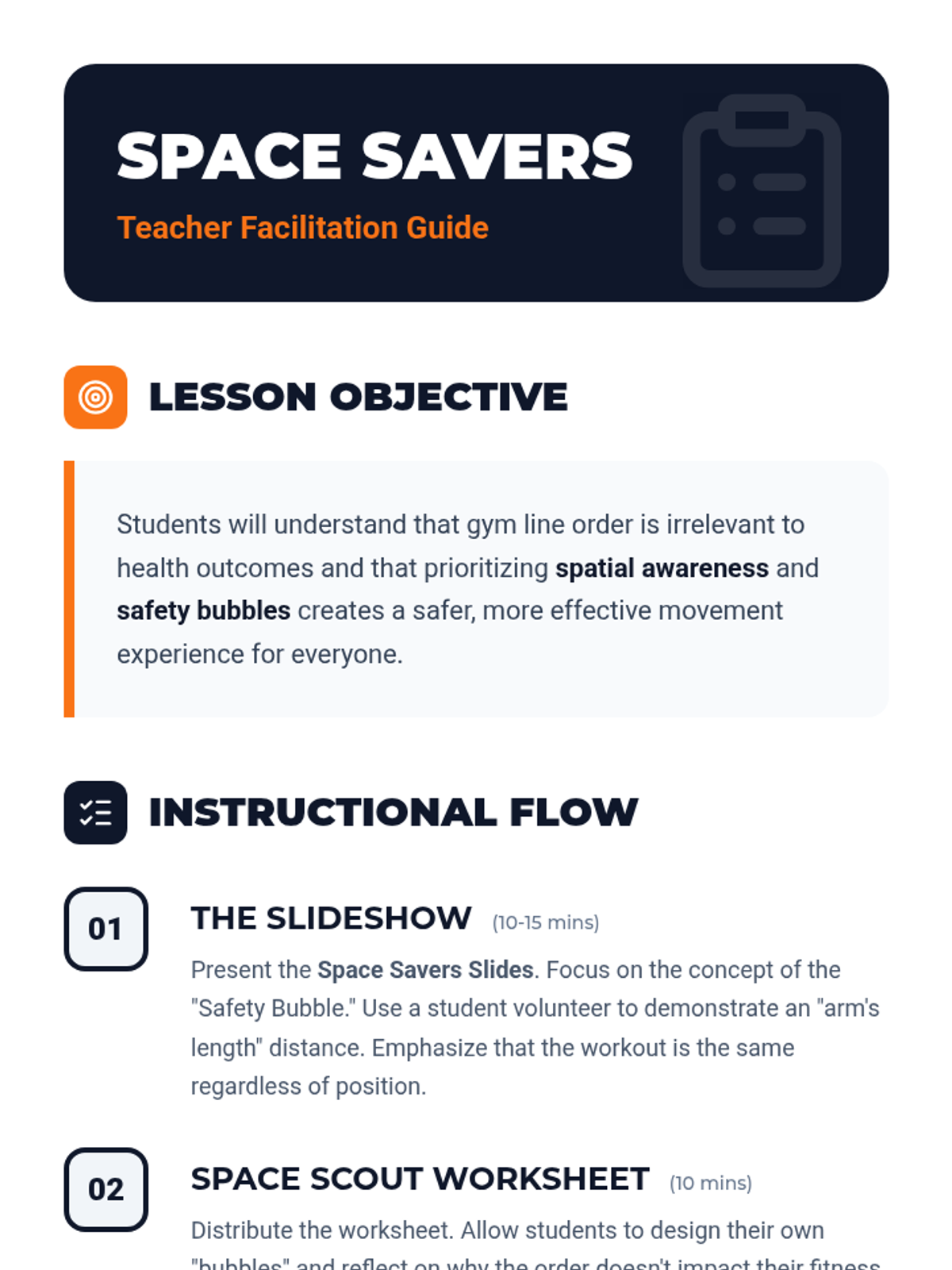
A lesson focused on gym safety and spatial awareness during daily walks, emphasizing that movement quality and safety bubbles are more important than line order.
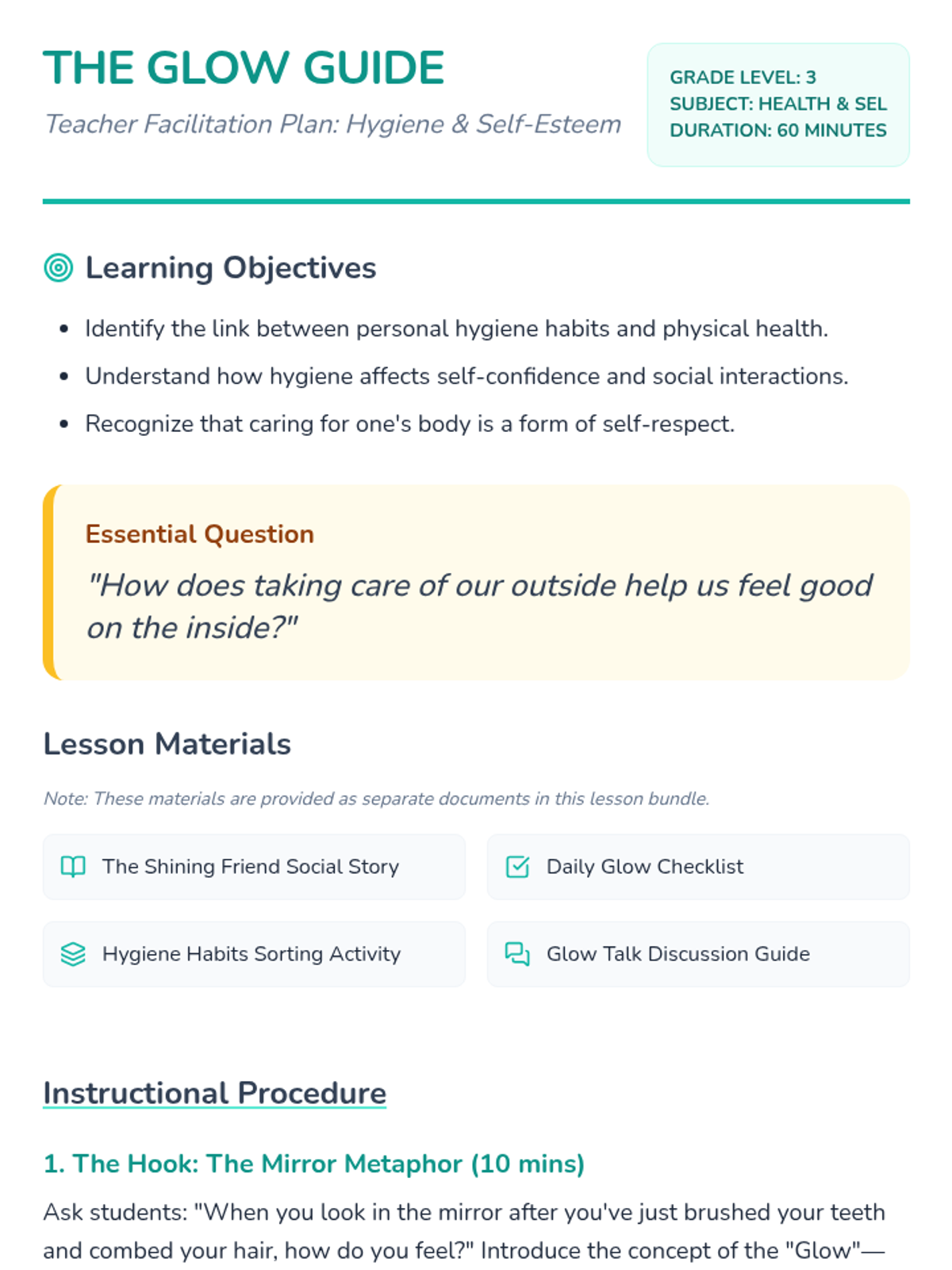
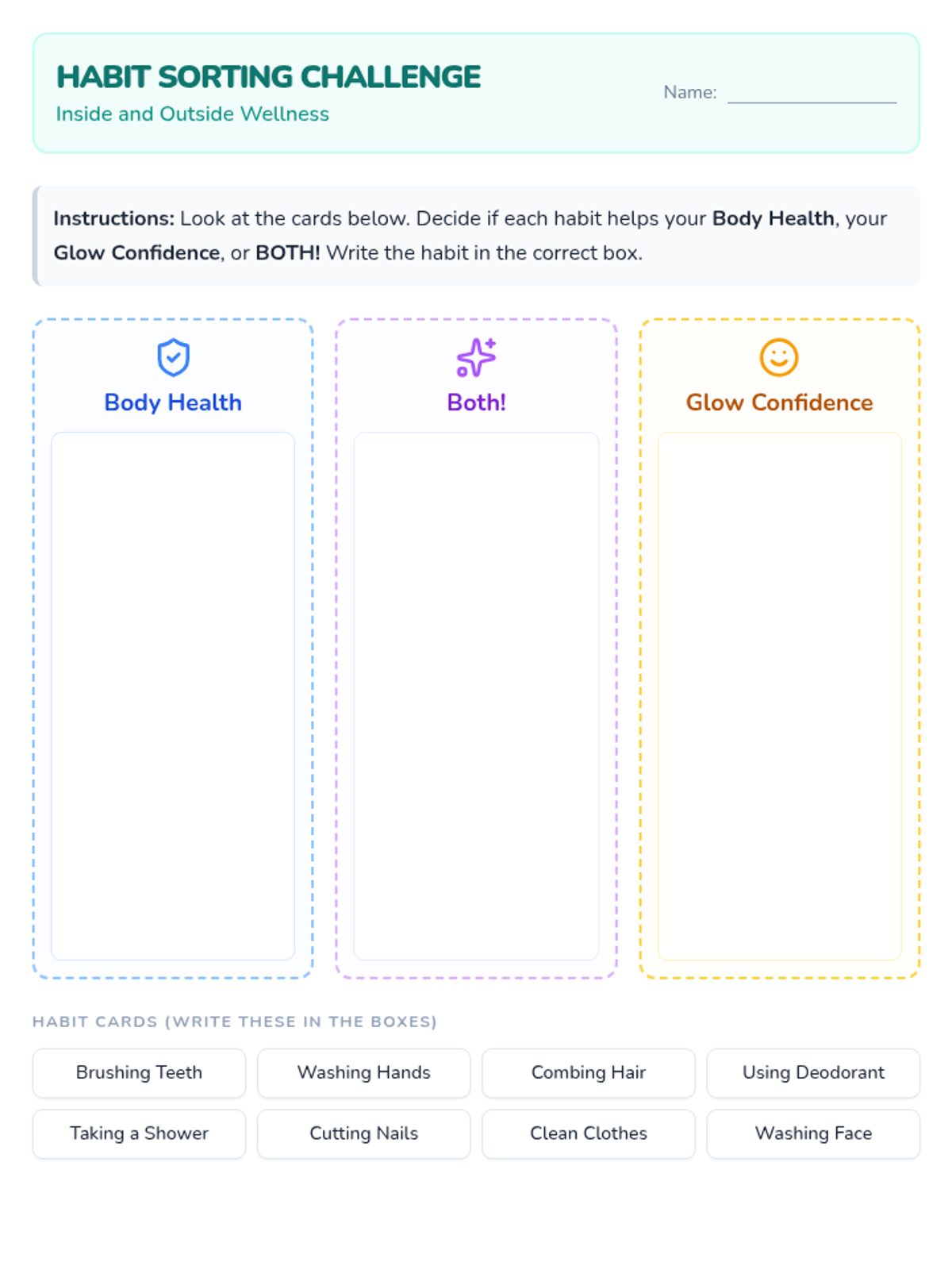
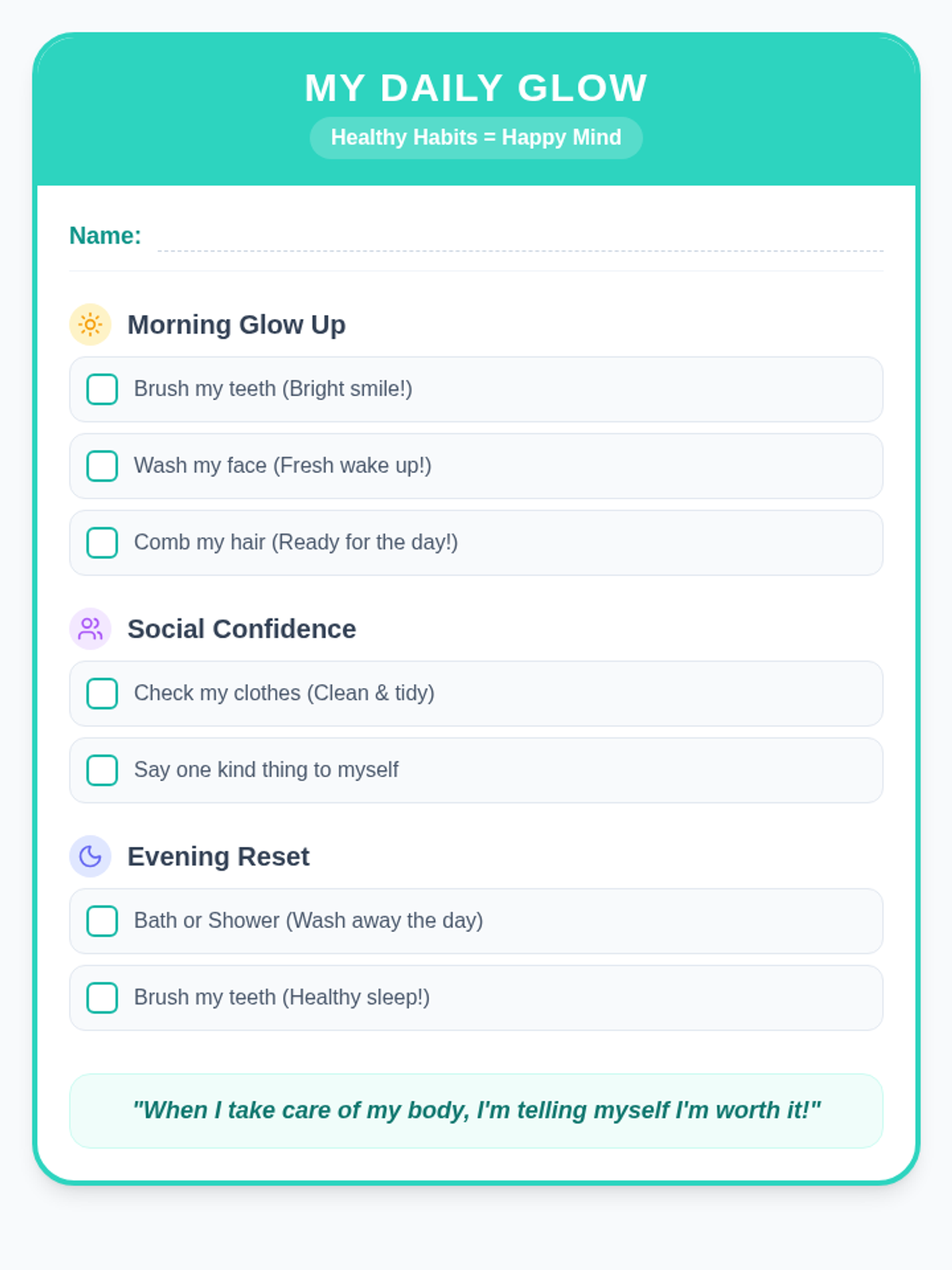
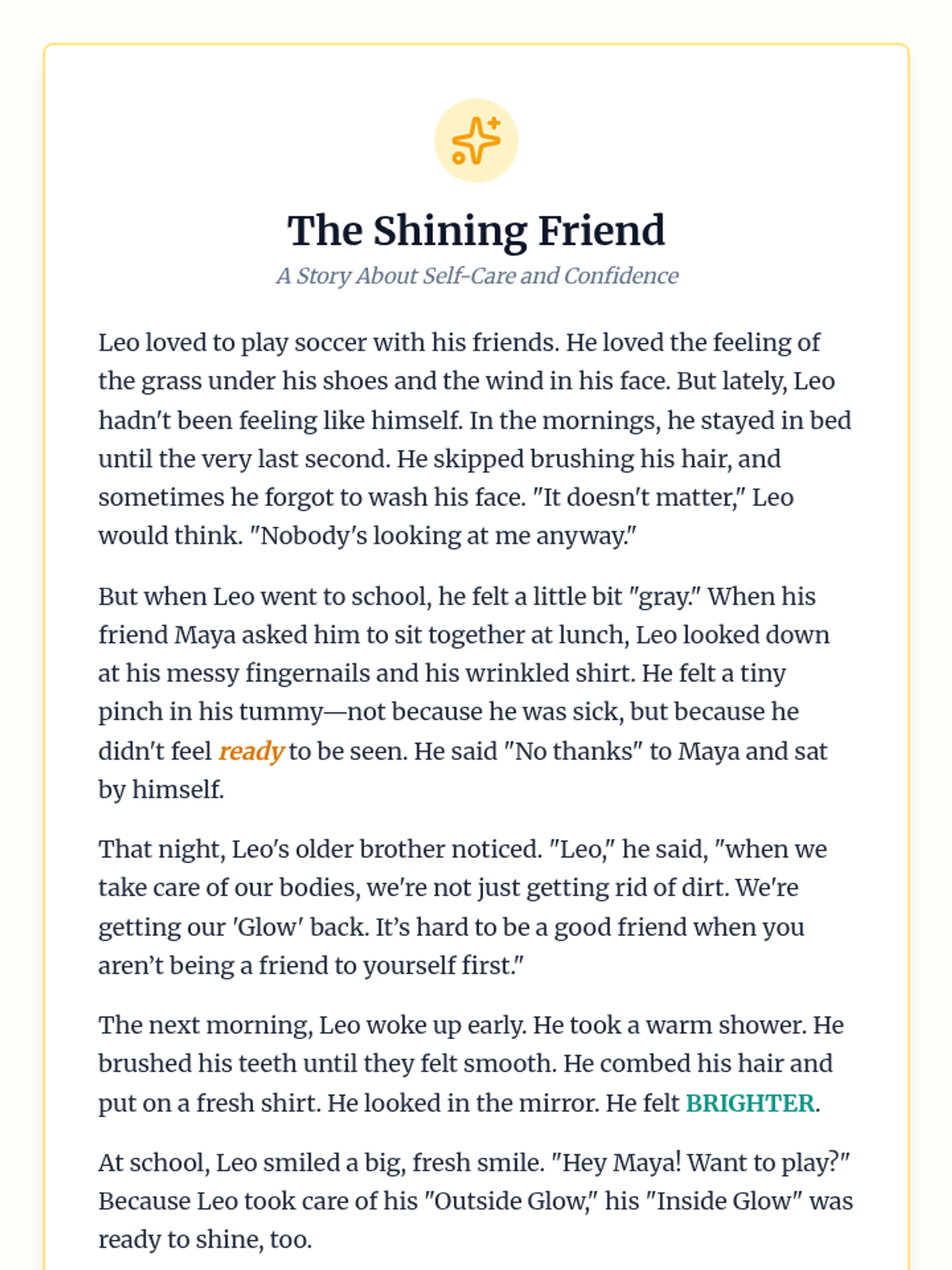
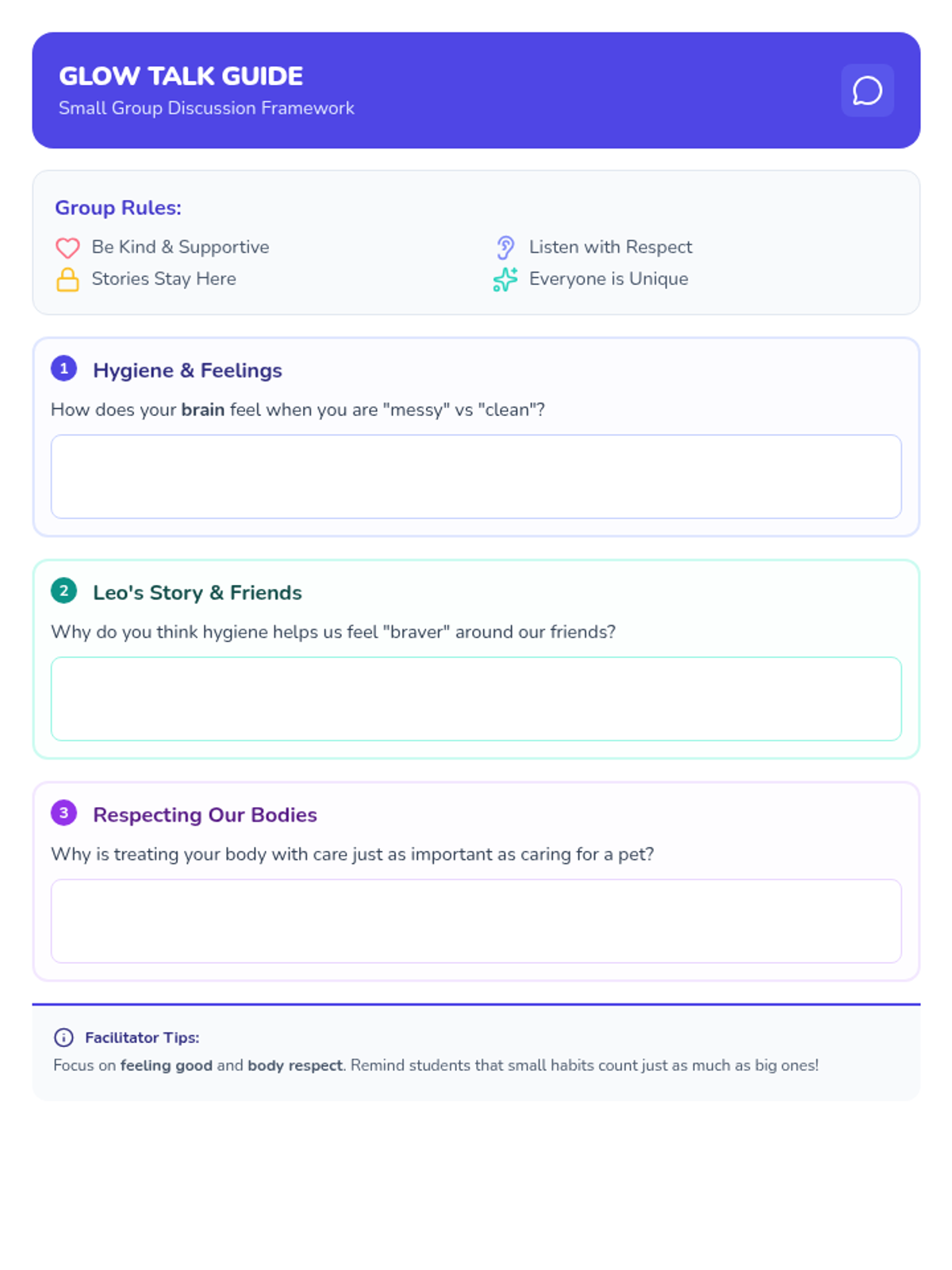
A holistic health lesson for 3rd graders exploring the connection between personal hygiene habits and their social-emotional well-being, focusing on friendship and self-esteem.
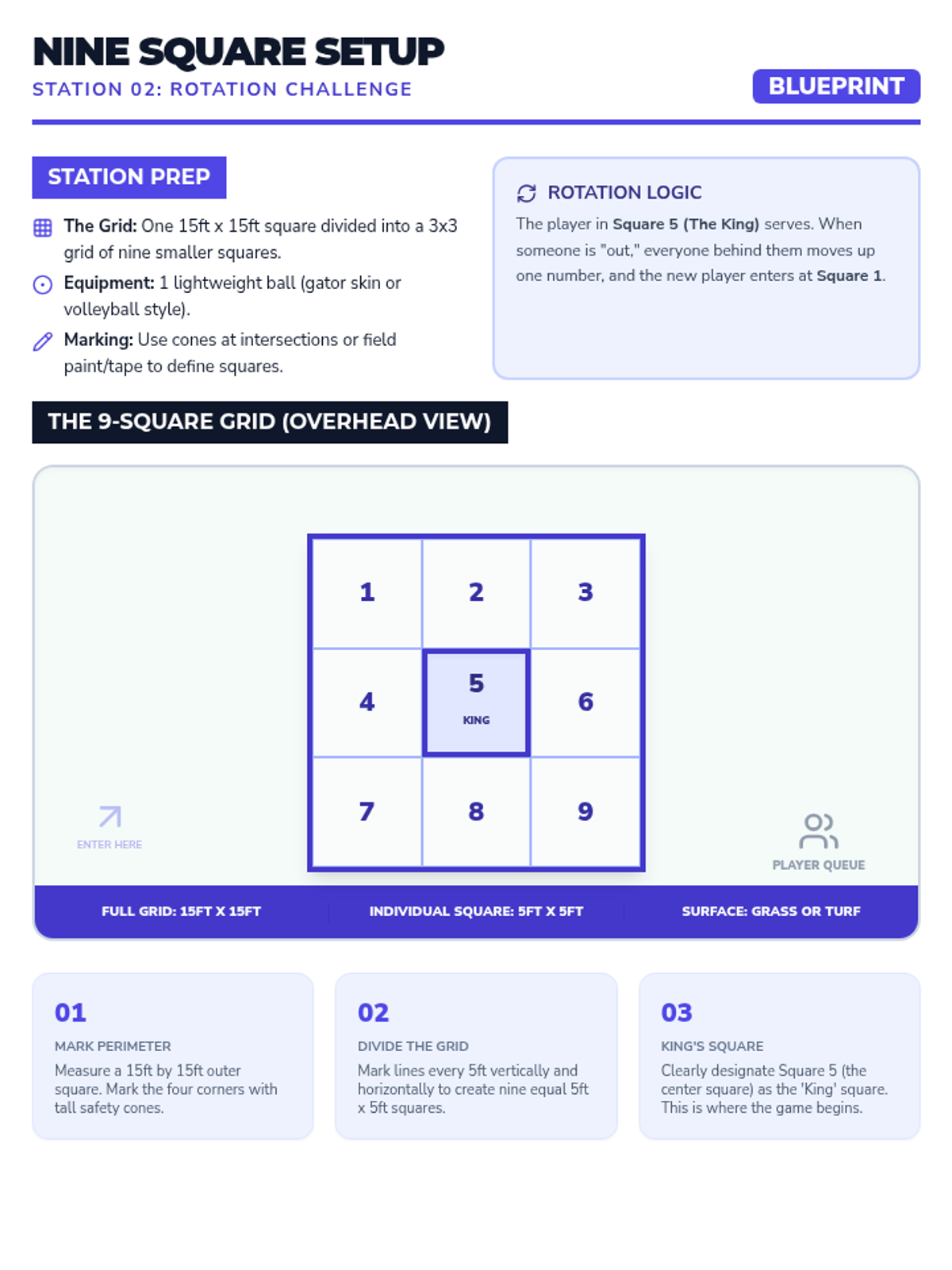
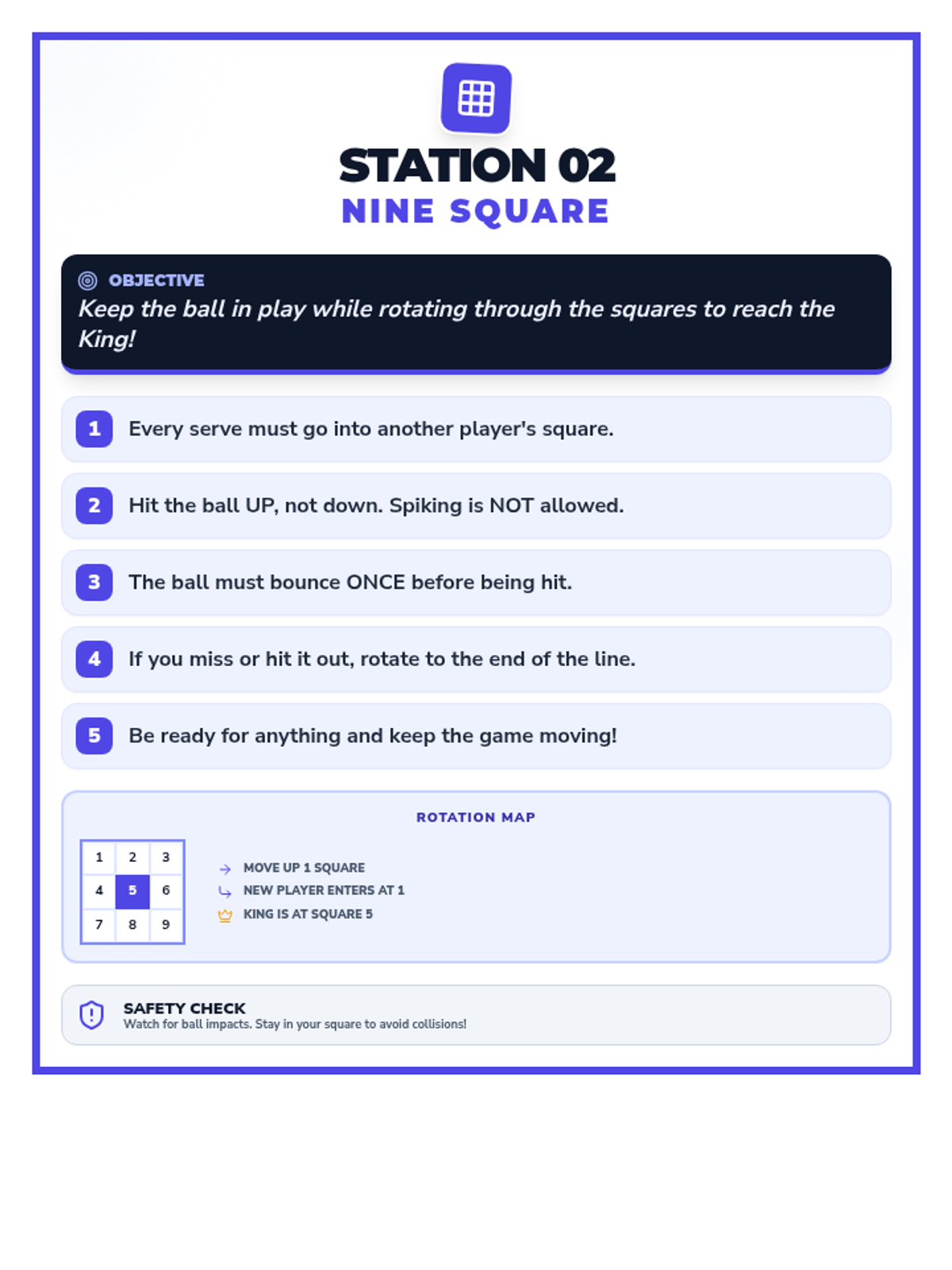
A fast-paced rotation game involving a 3x3 grid, focusing on hand-eye coordination and reaction time as players compete to reach the King square.
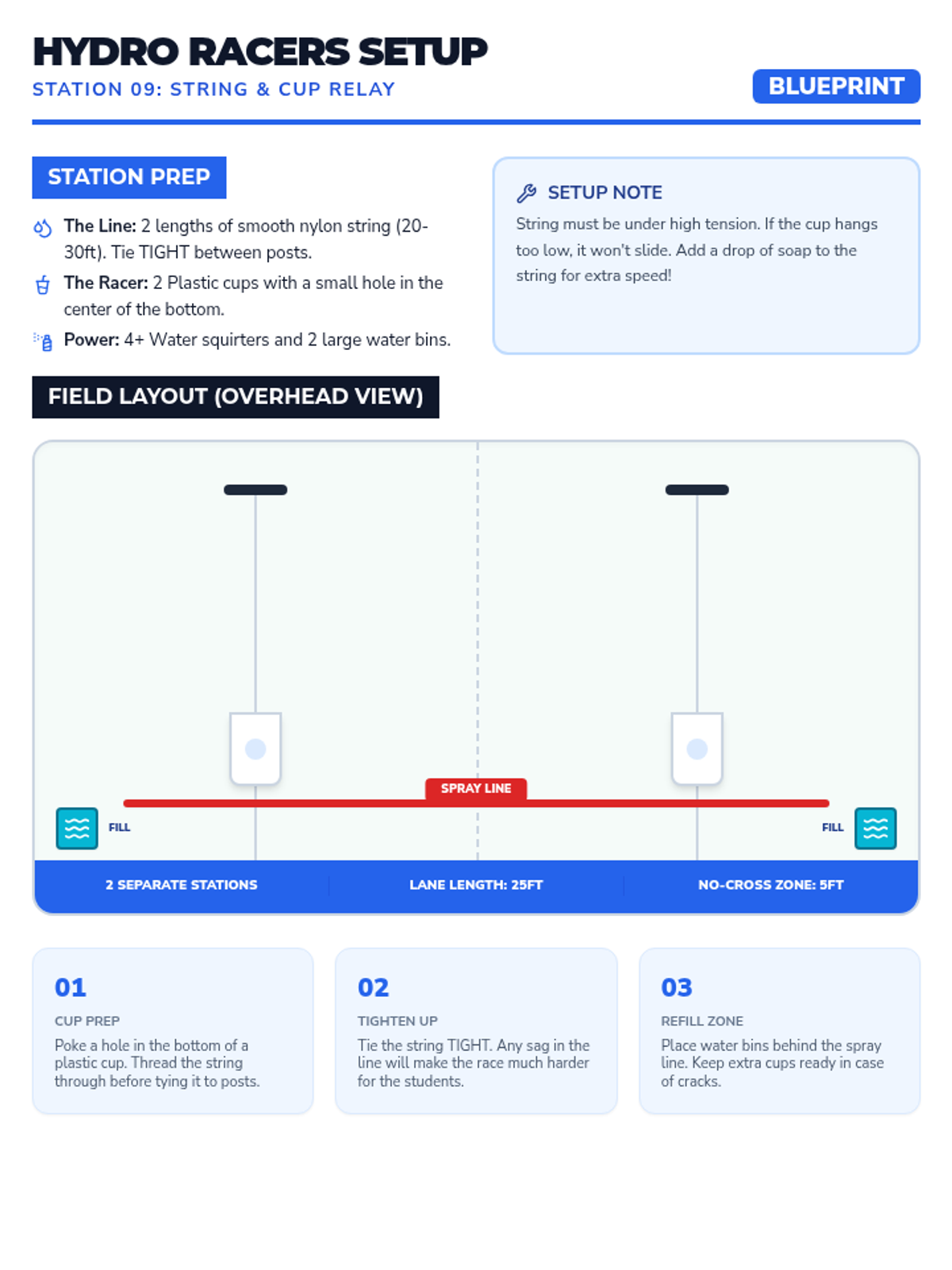
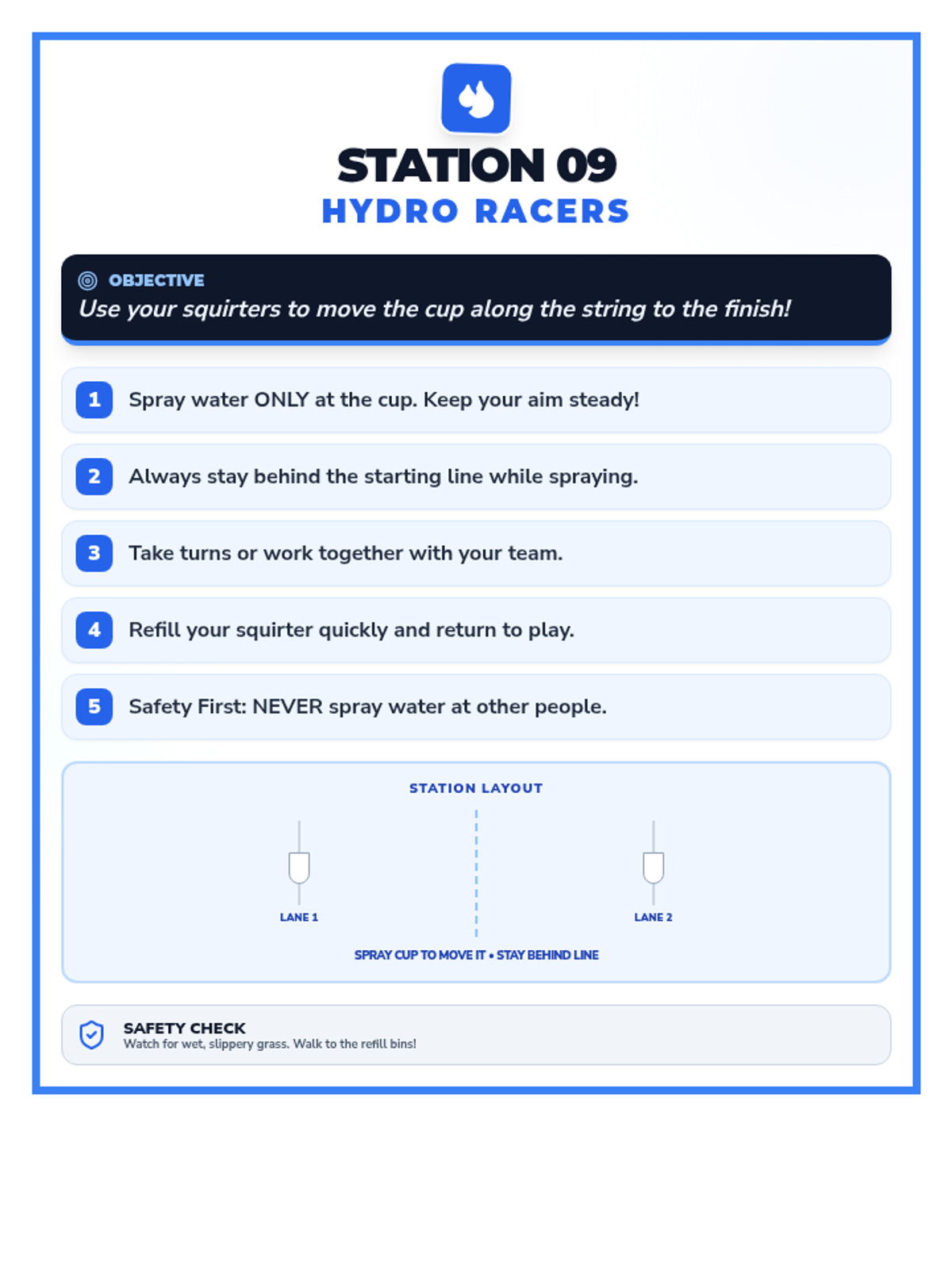
A high-energy water station guide for Hydro Racers, featuring string-and-cup relay setup, water gun mechanics, and safety protocols for aquatic racing.
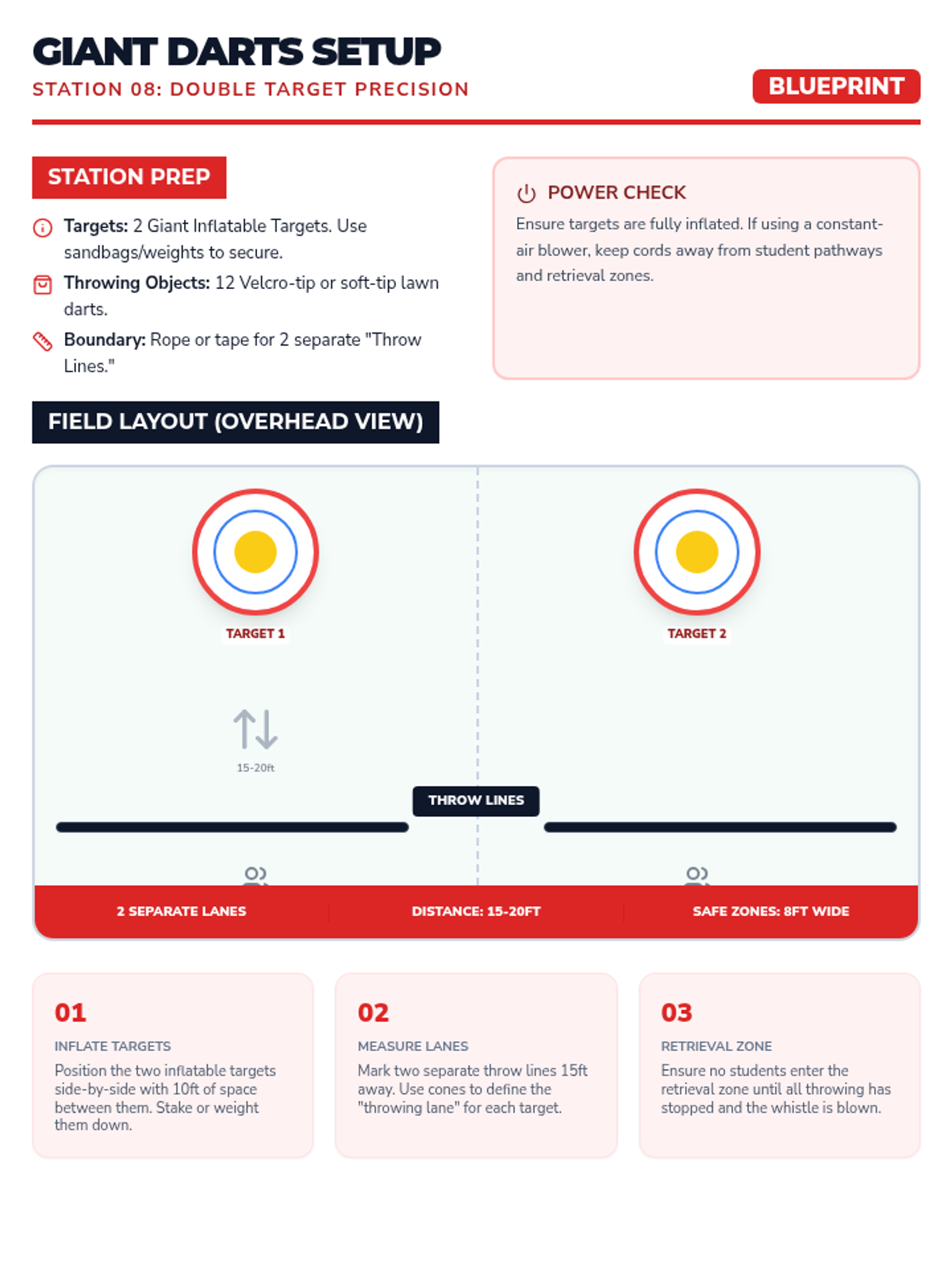
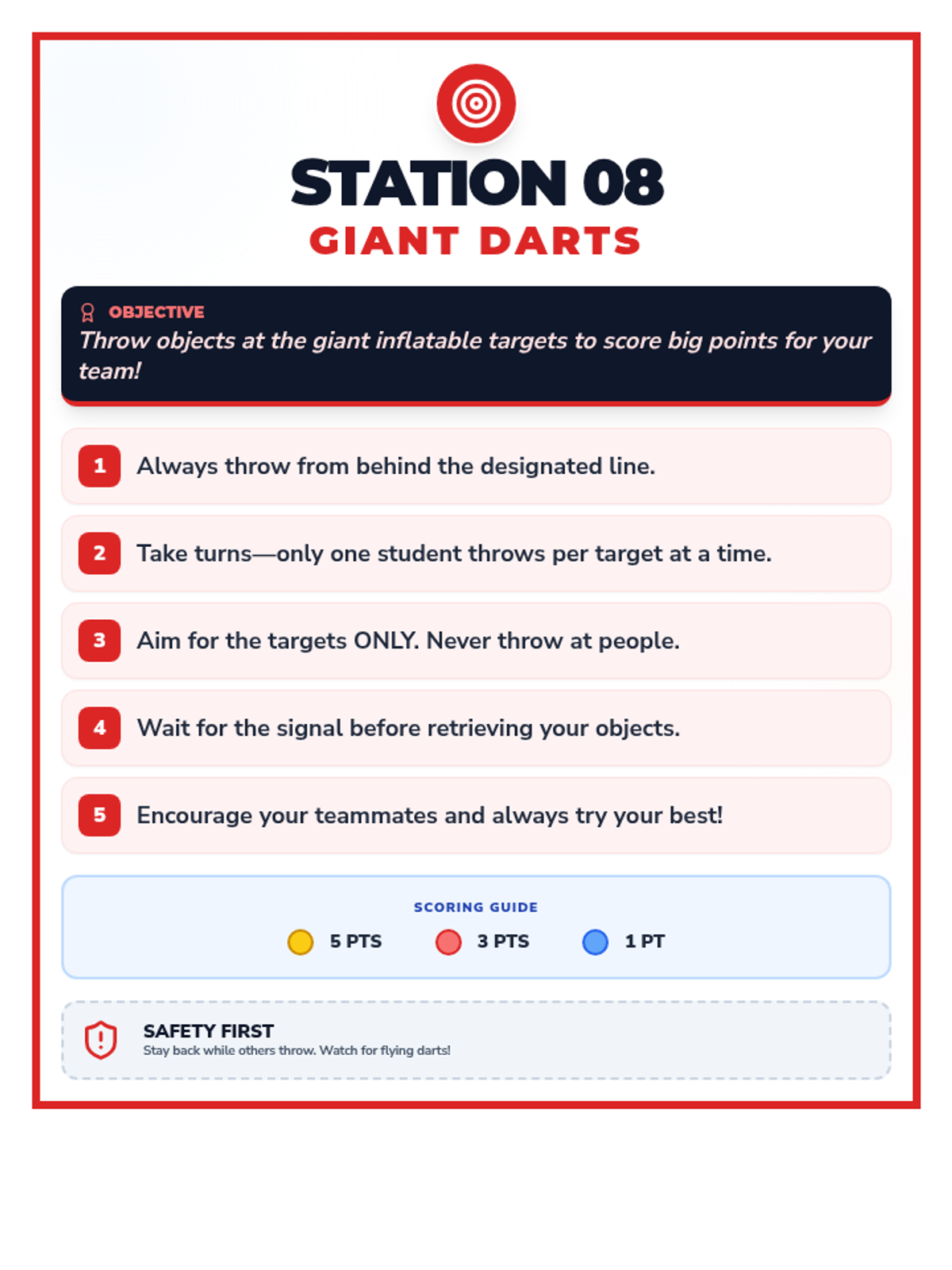
A target-based game guide for Giant Darts, featuring field setup for hula hoop targets, scoring systems, and safety protocols for throwing accuracy.
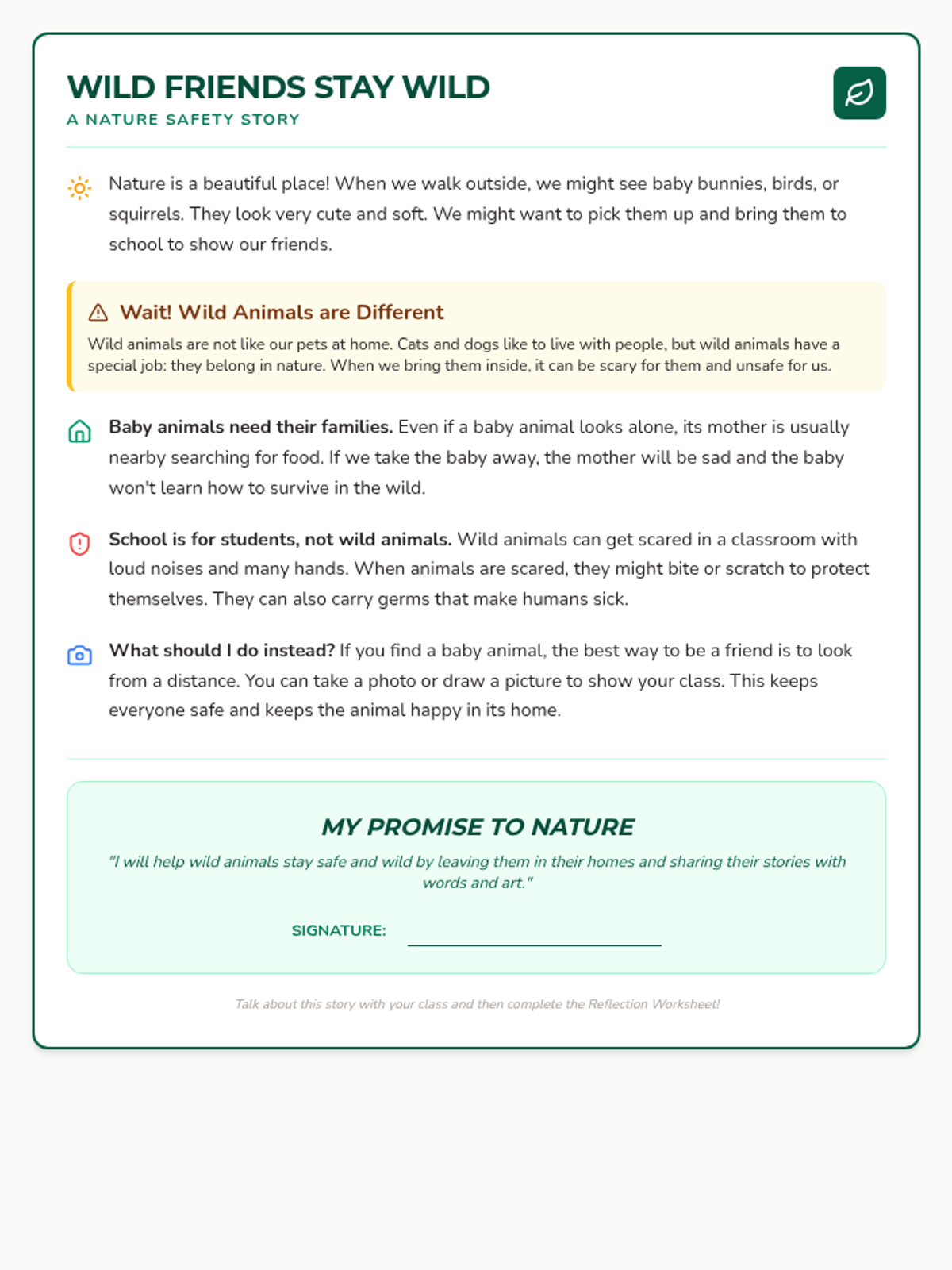
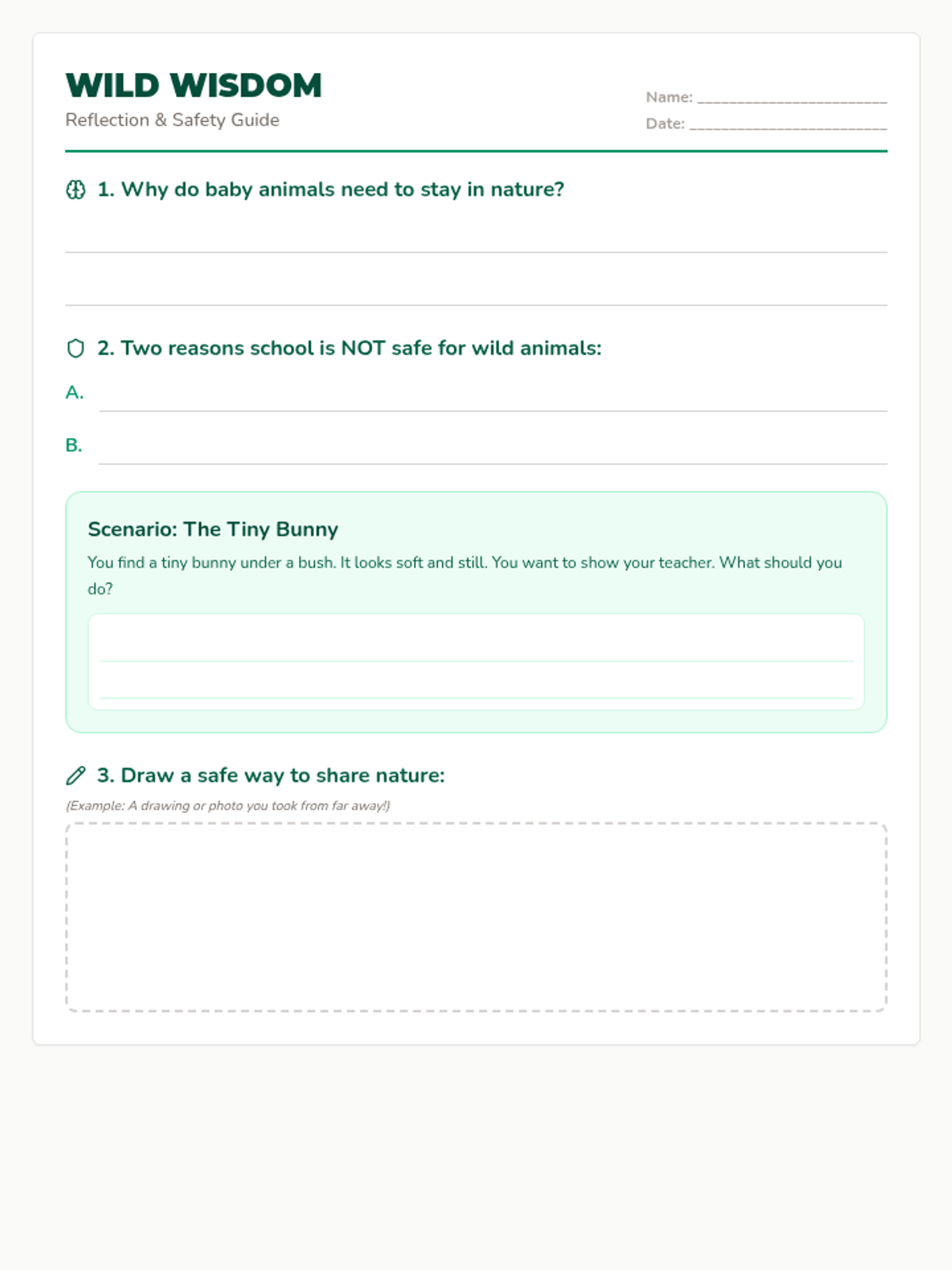
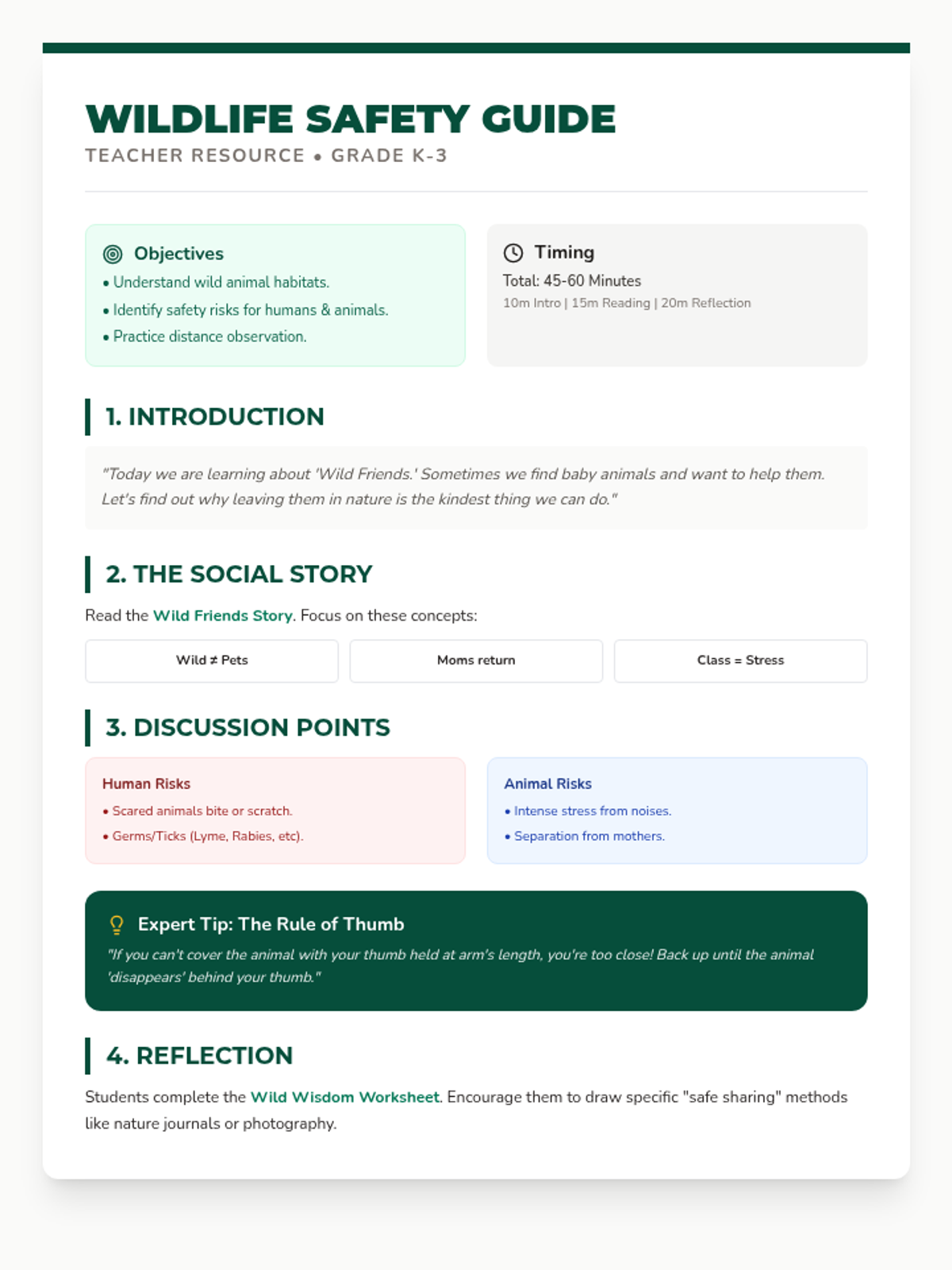
This lesson teaches students why wild animals, especially babies, should remain in their natural habitats rather than being brought to school, focusing on the safety of the animal and the classroom community.
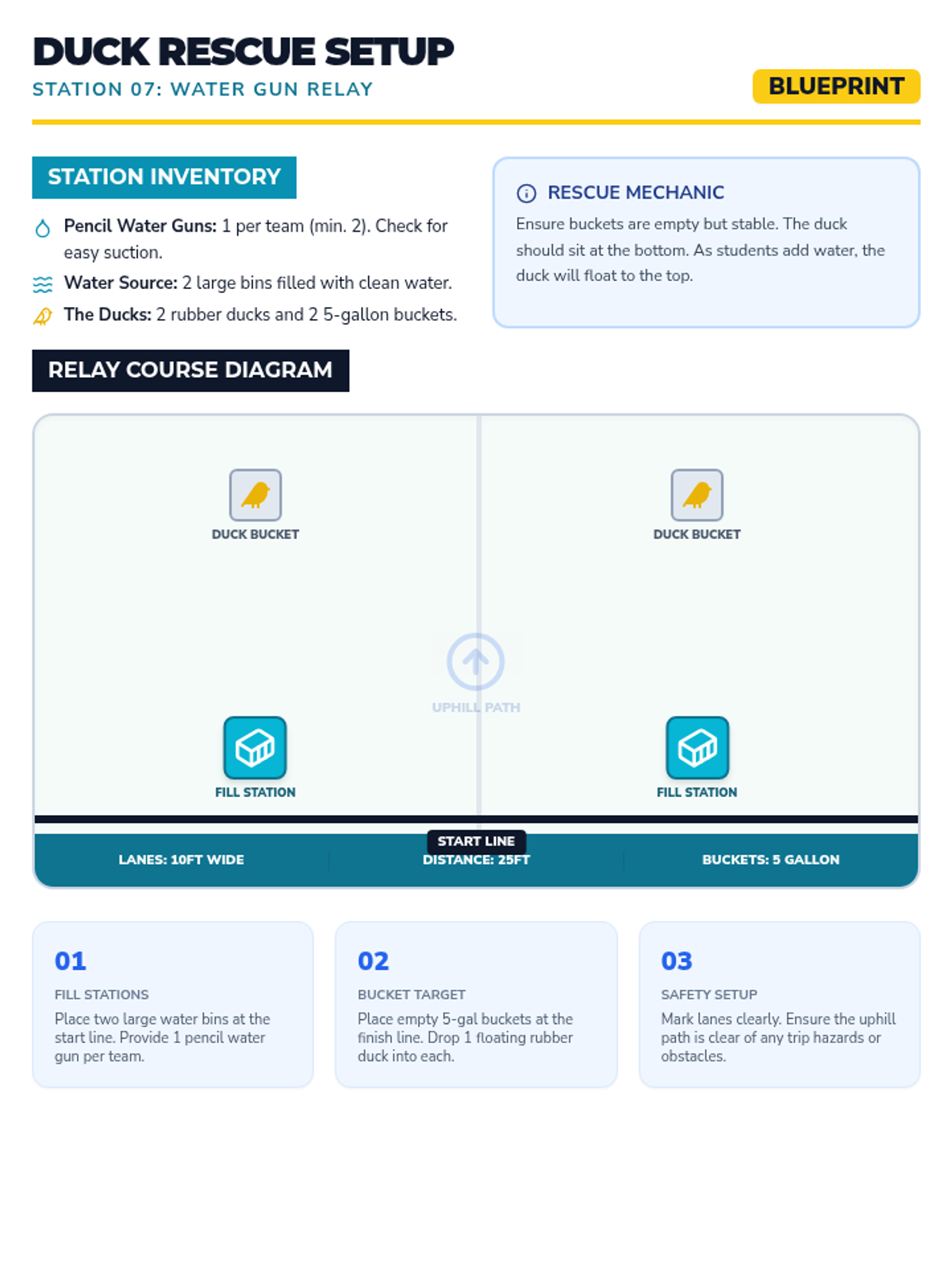
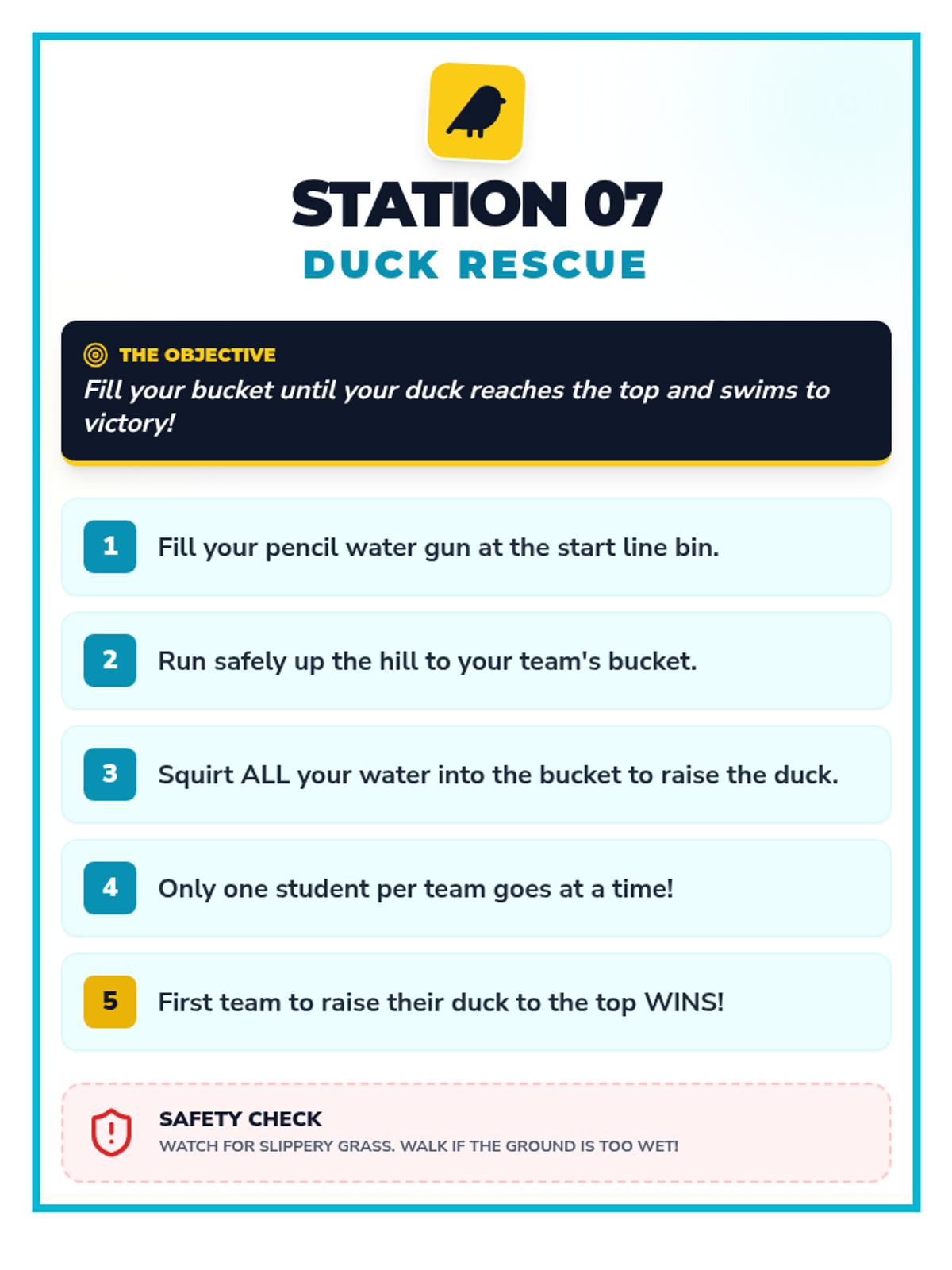
A high-energy water station guide for Duck Rescue, featuring field setup for water gun relays, duck-raising mechanics, and safety protocols for slippery fun.
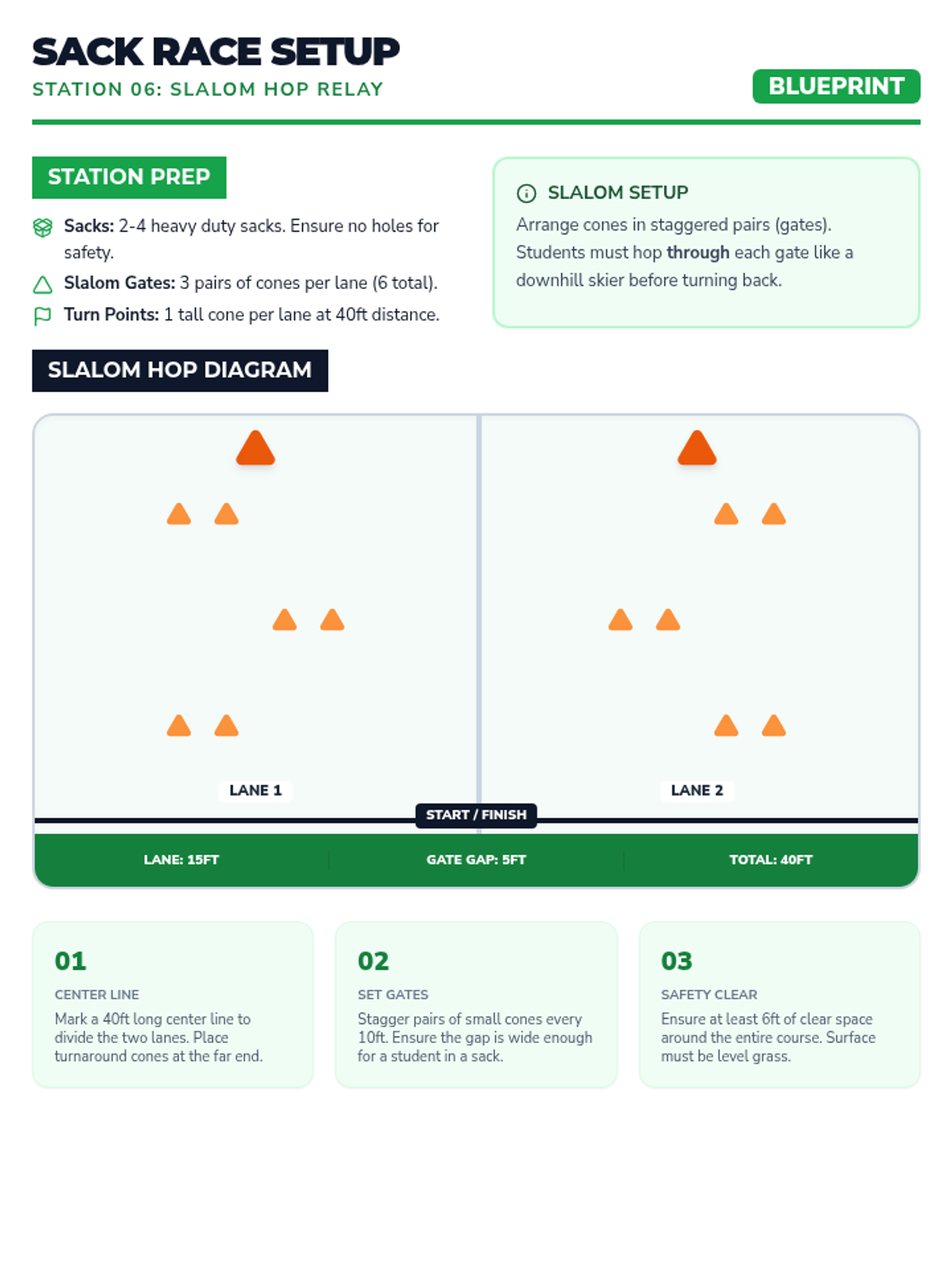
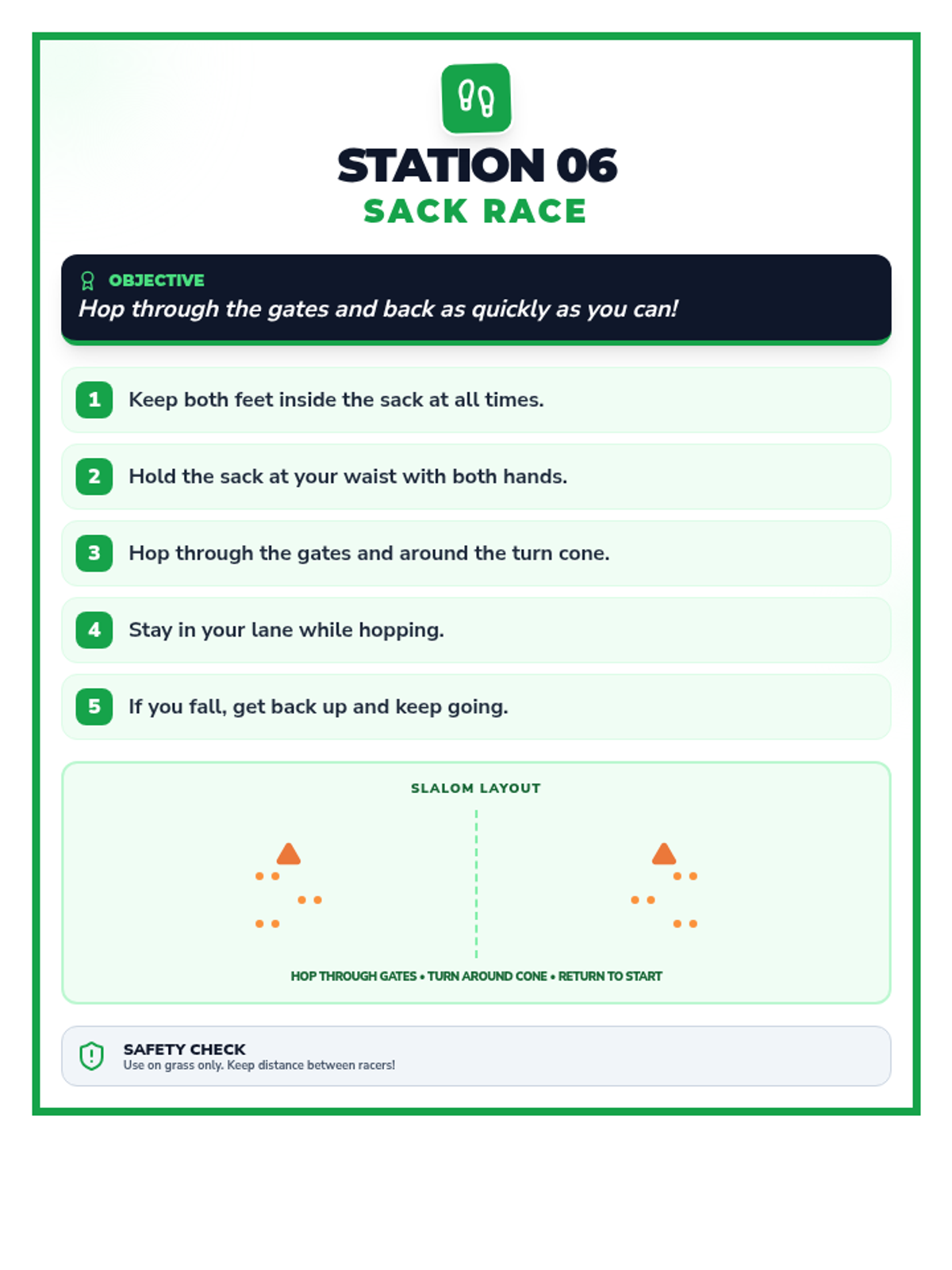
A high-energy station guide for the classic Sack Race, including lane setup diagrams, jumping technique tips, and safety protocols for a fun-filled race.
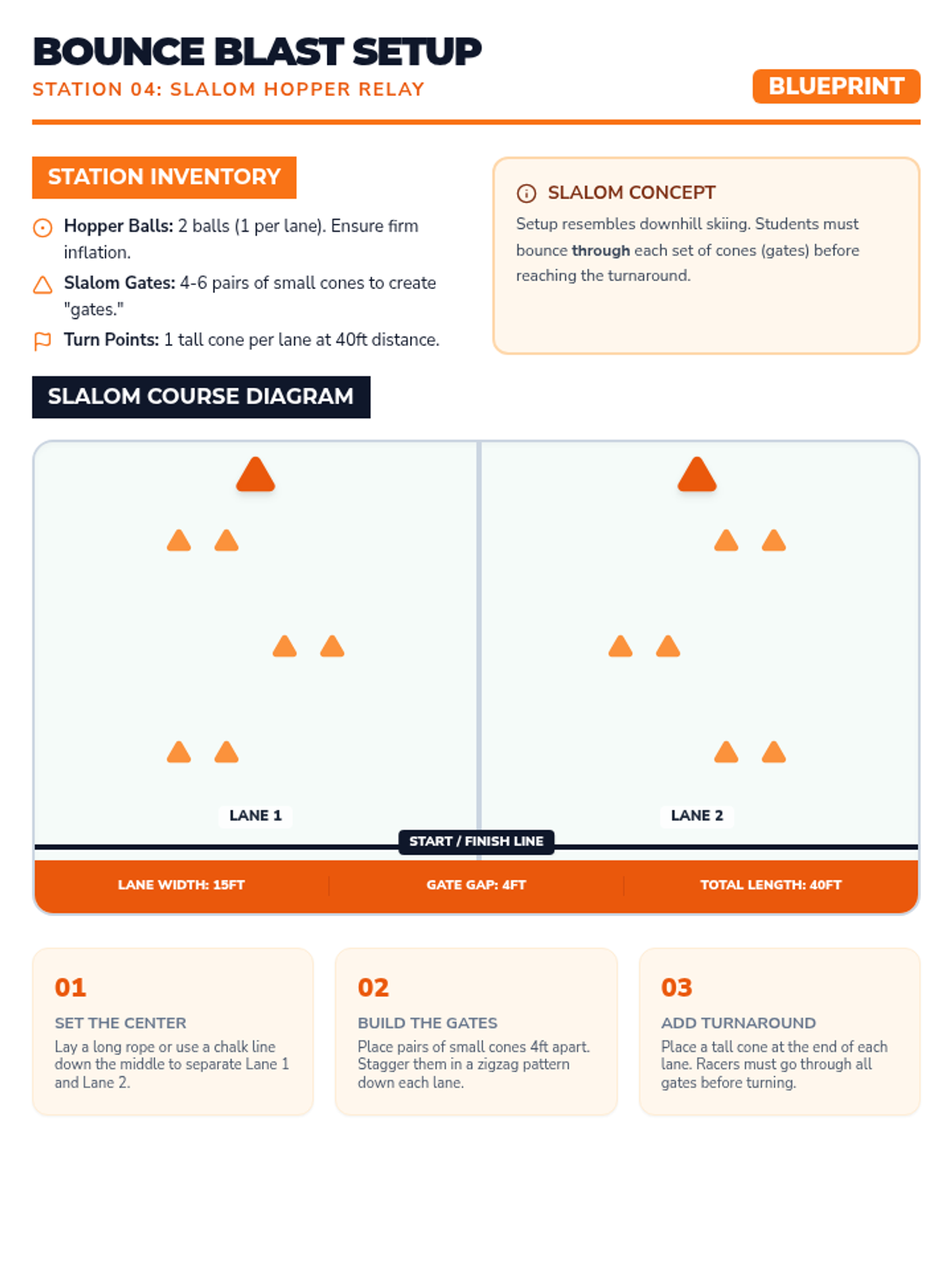
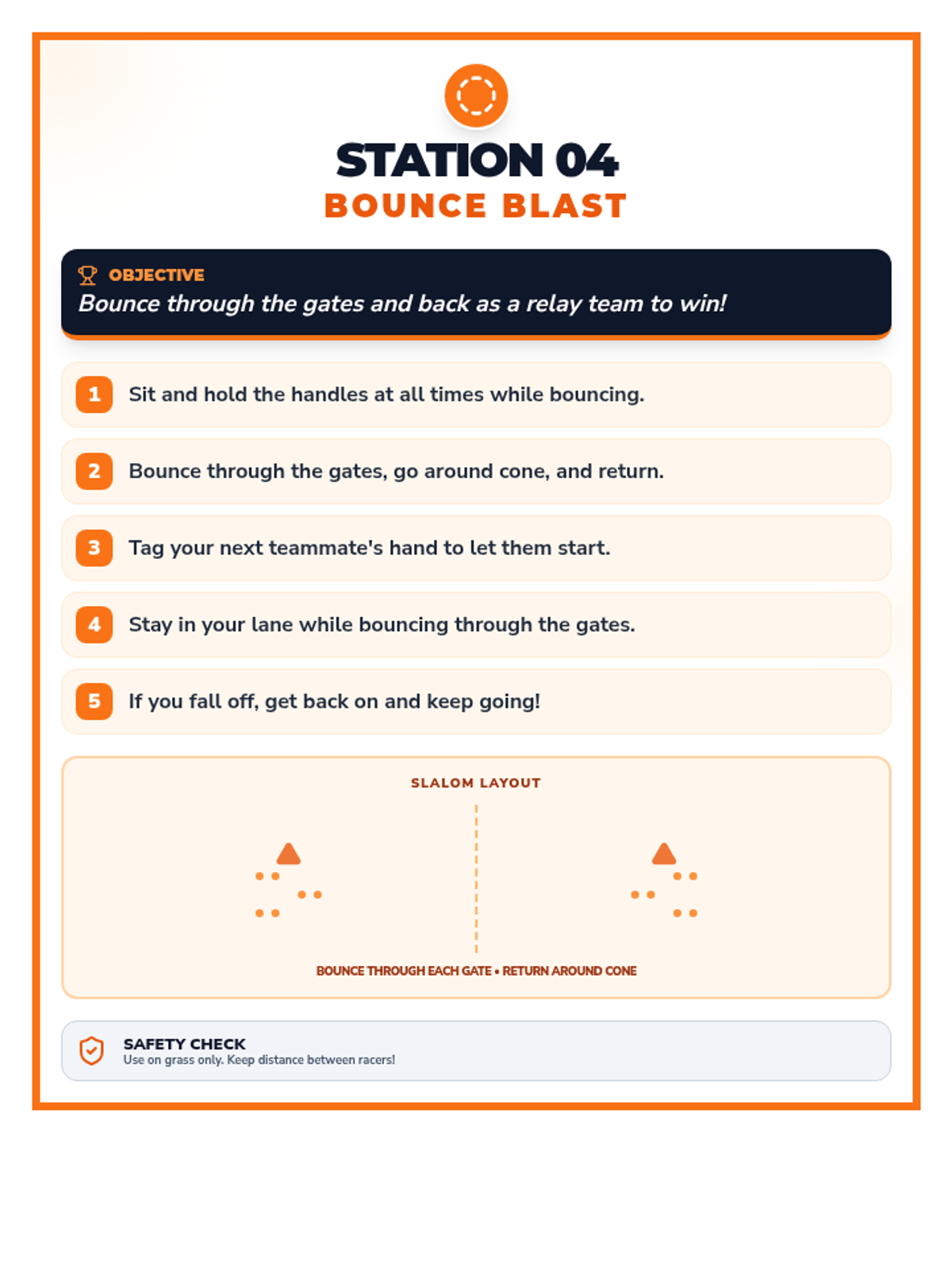
A high-energy relay station guide for the Bounce Blast hopper ball race, including lane setup diagrams, safety protocols, and relay hand-off instructions.
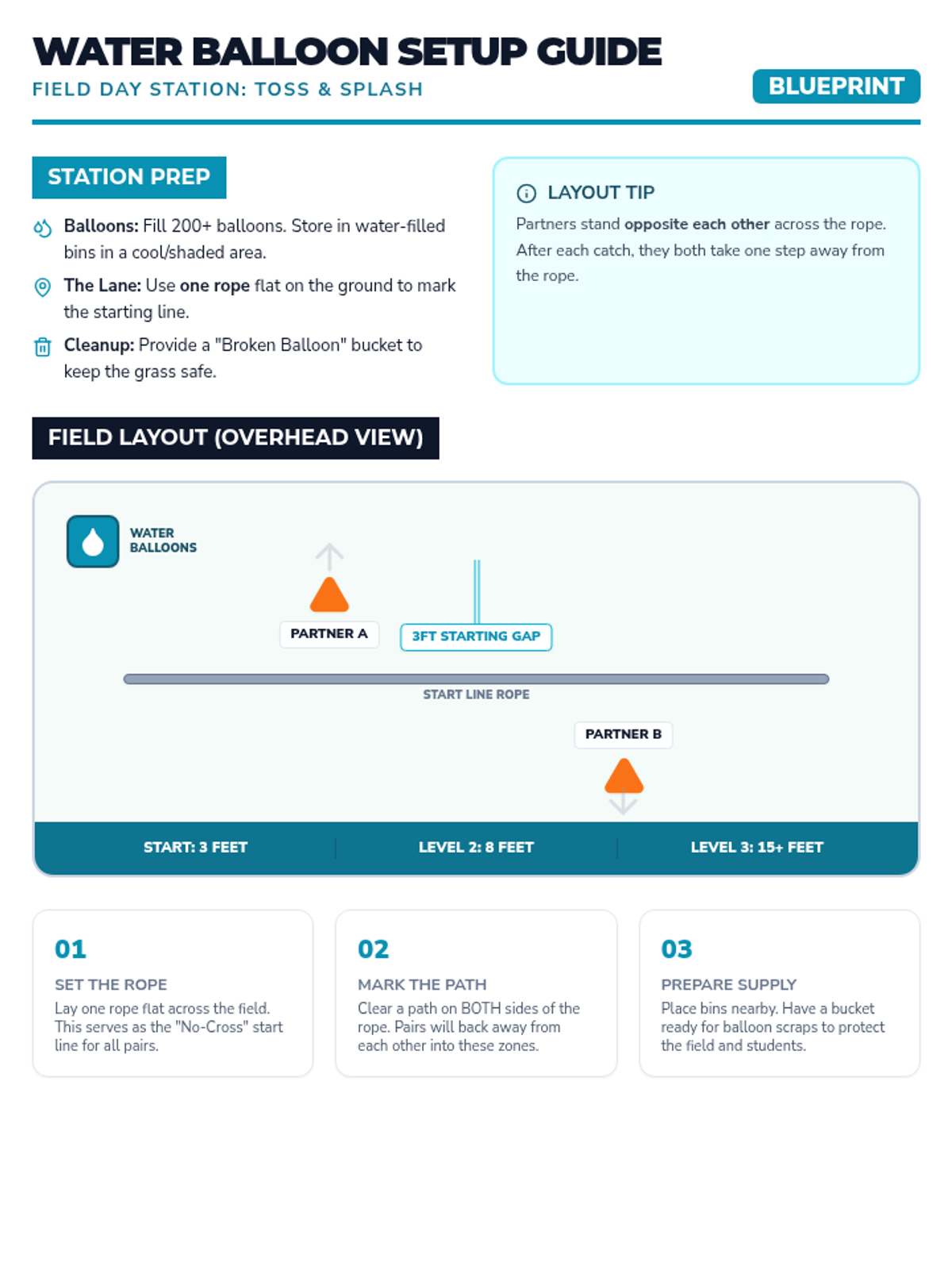
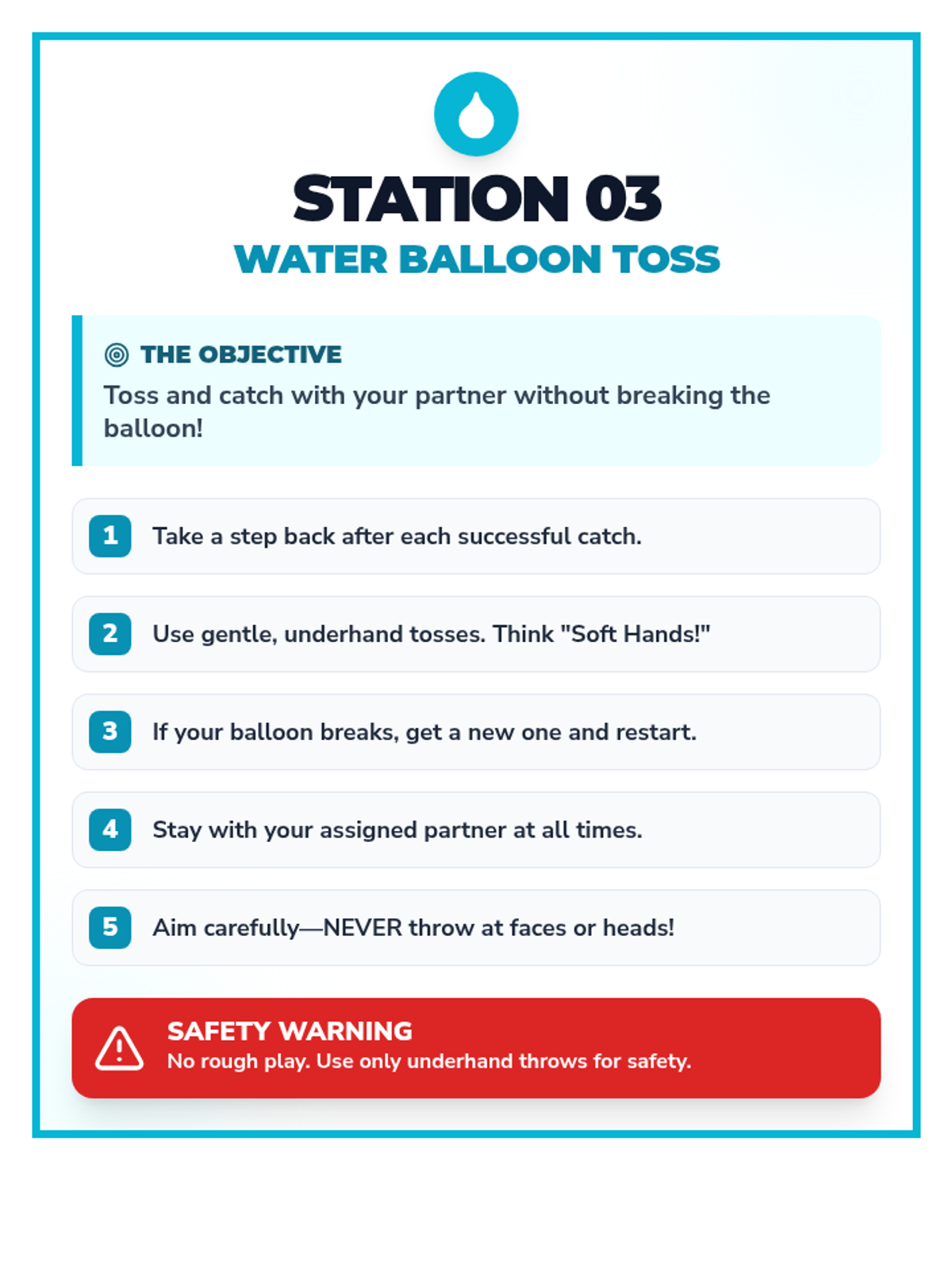
A comprehensive station guide for the Water Balloon Toss, including field setup diagrams, technique tips for catching, and safety protocols for aquatic fun.
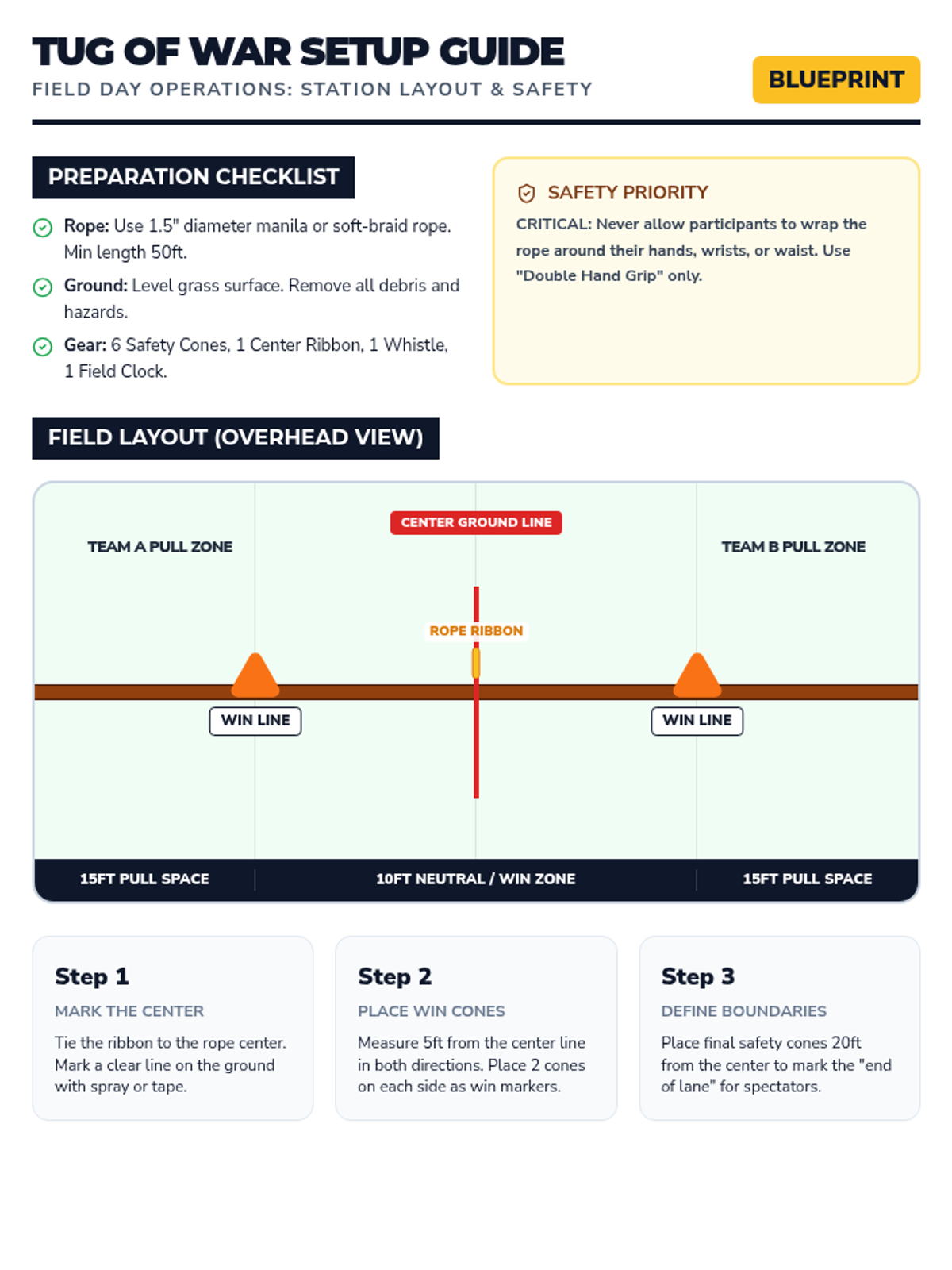
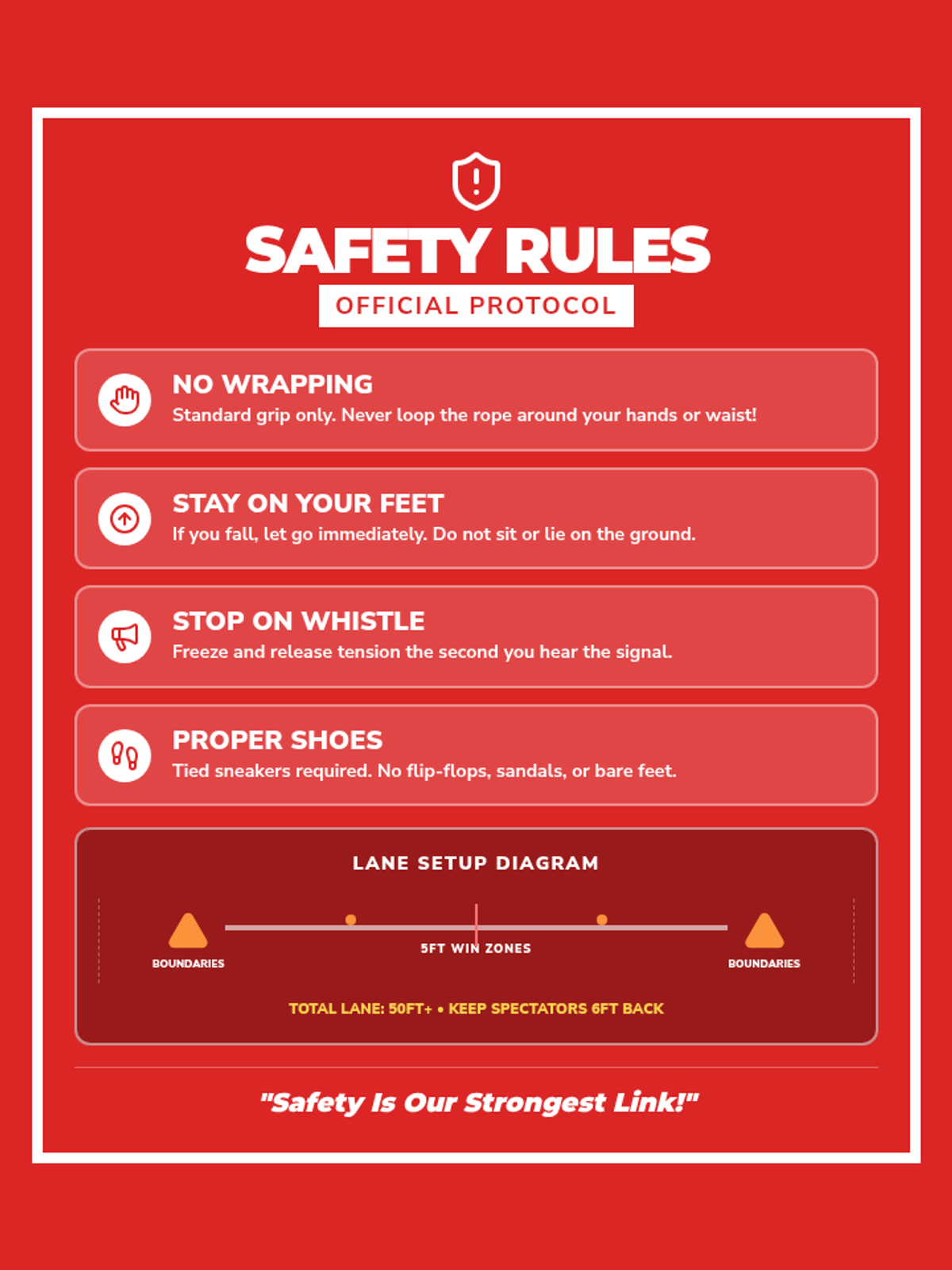
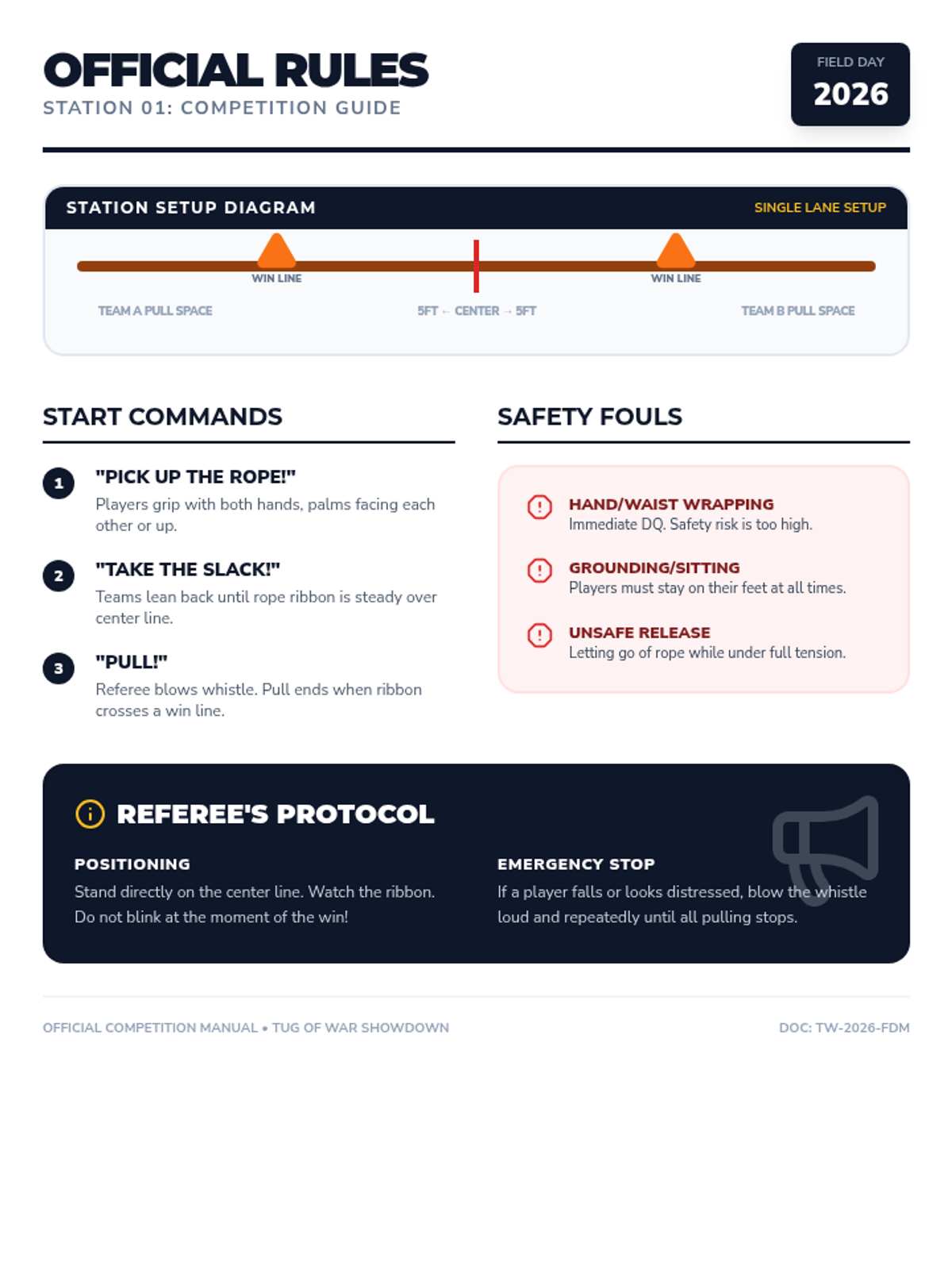
A complete guide for organizing a safe and fun tug of war event, including visual setup diagrams, safety protocols, and official competition rules.
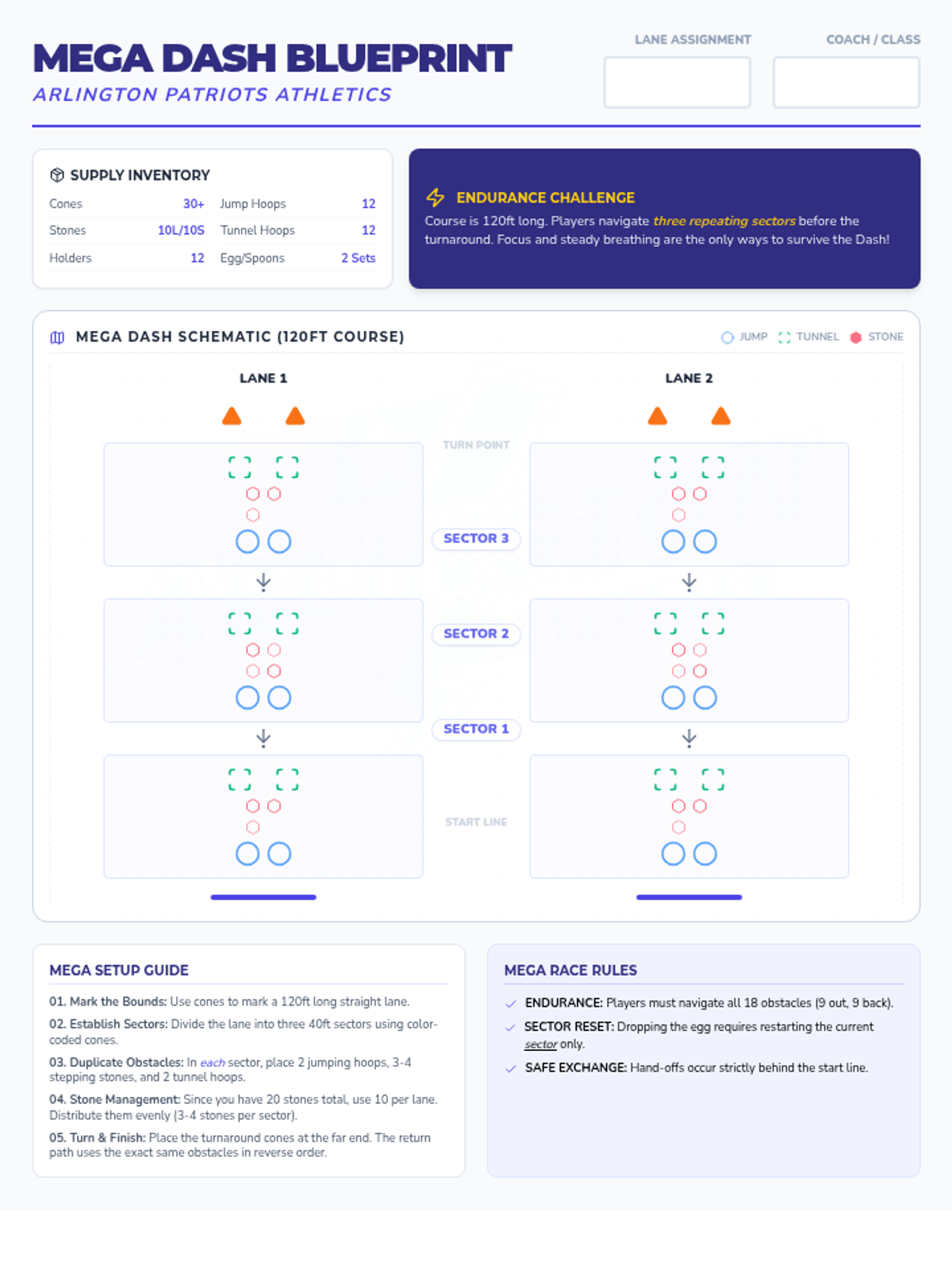
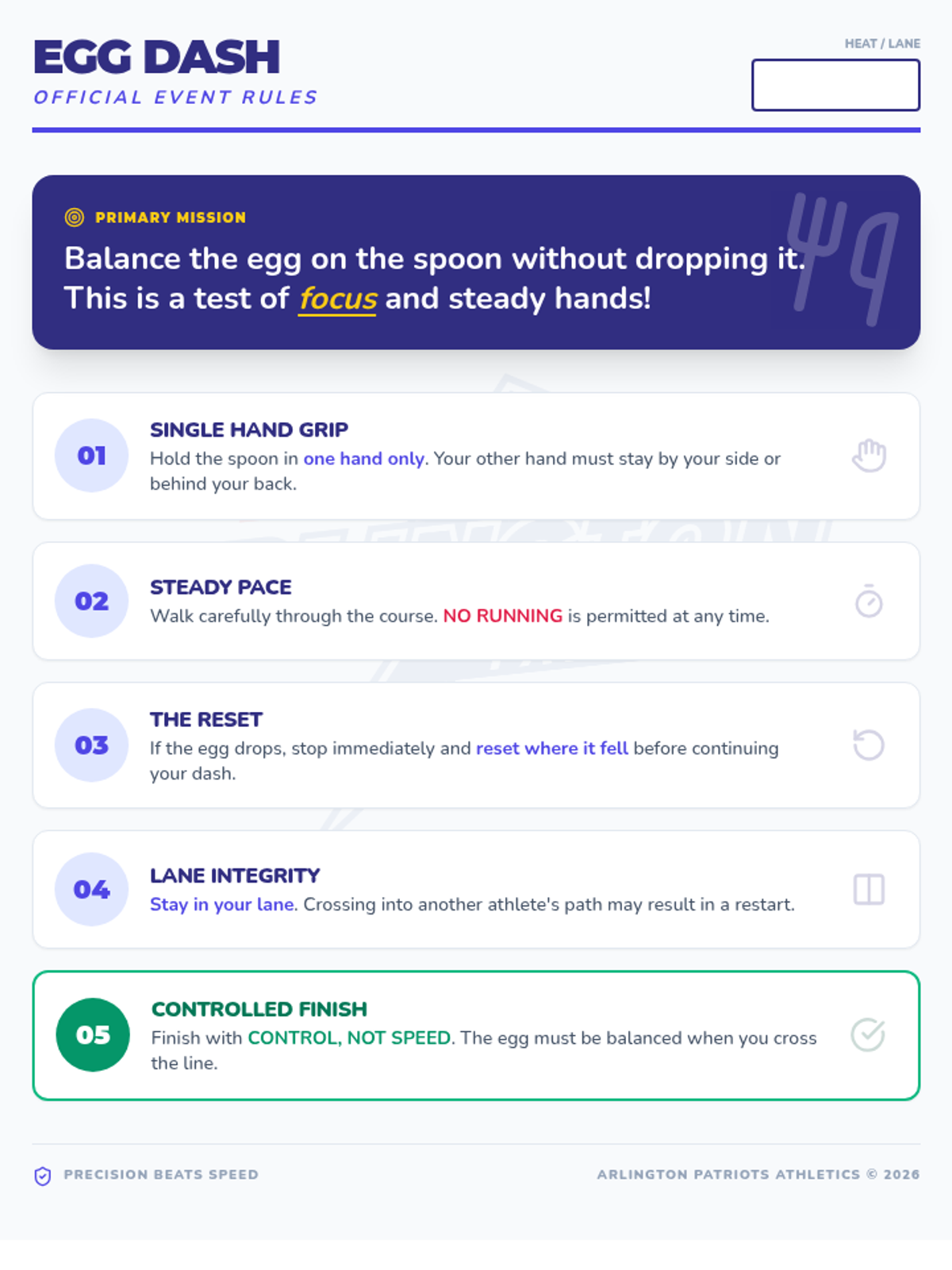
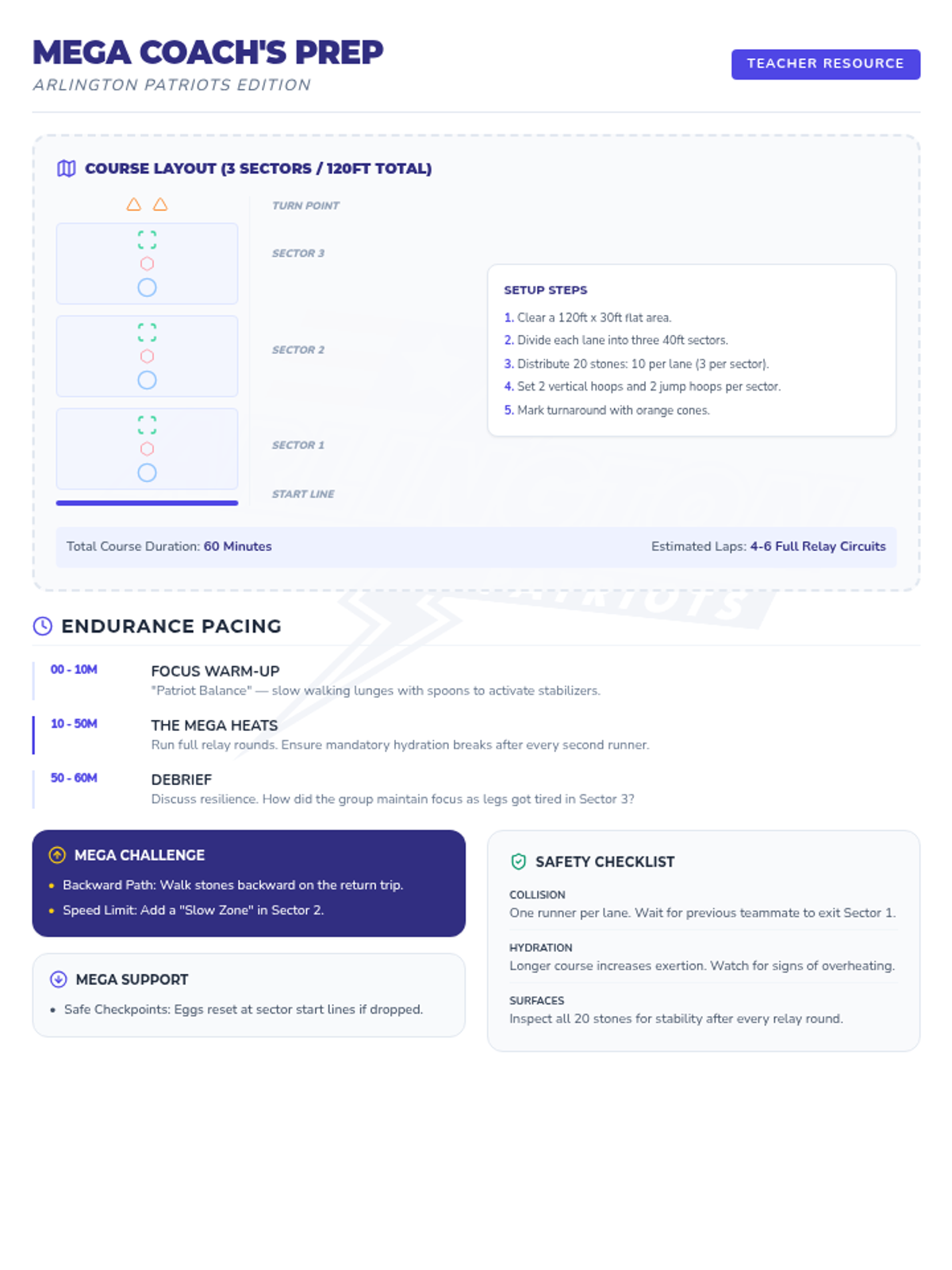
A high-energy relay race lesson where students navigate an expanded 120ft obstacle course while balancing a giant egg. Focuses on motor skills, endurance, and coordination for the Arlington Patriots.
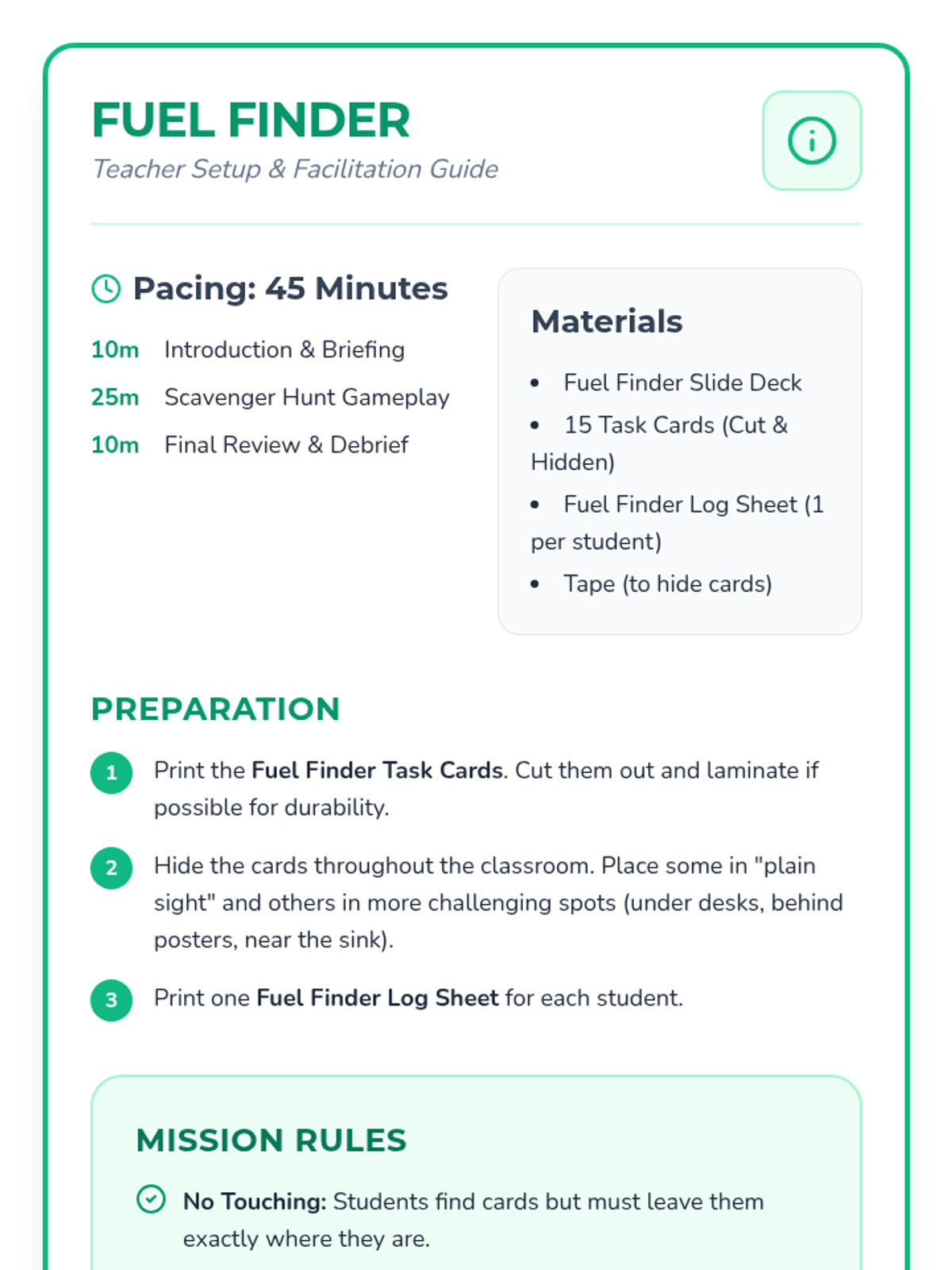
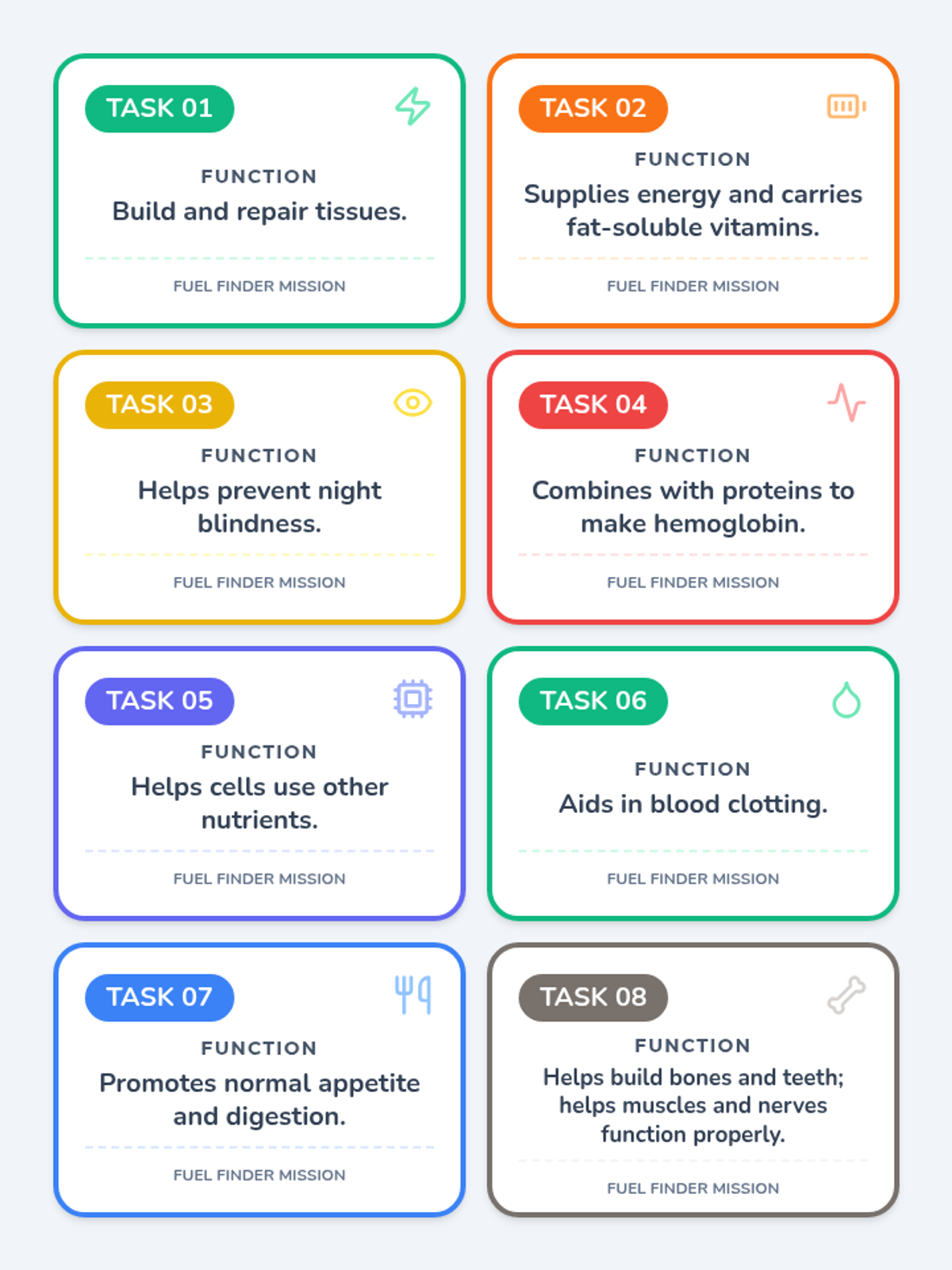
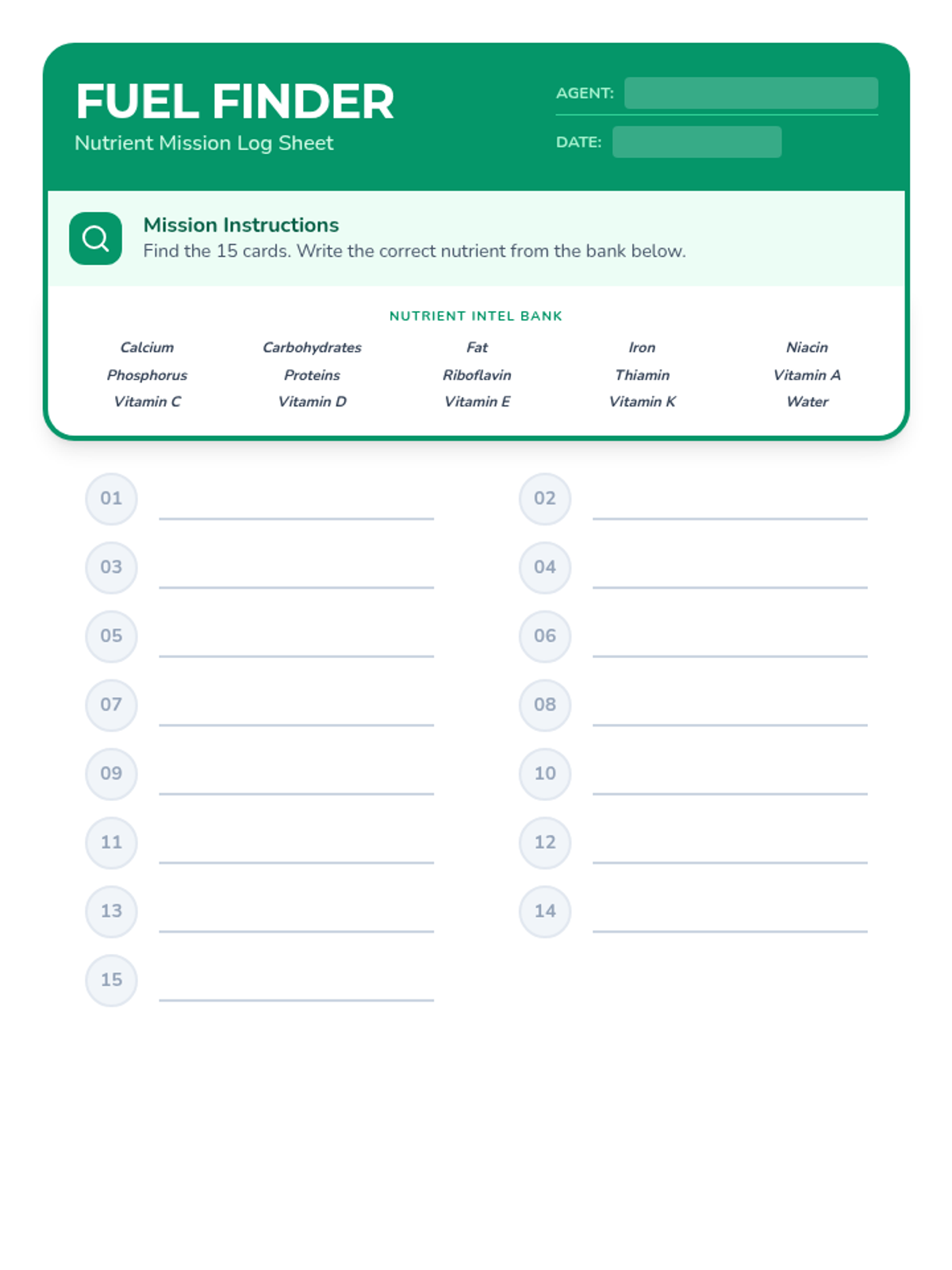
An energetic classroom scavenger hunt where students find hidden task cards to identify nutrients based on their functions, followed by a collaborative review.