A hands-on field simulation where students apply leadership theories, real-time navigation, and adaptive decision-making while managing group dynamics and 'inject' scenarios.
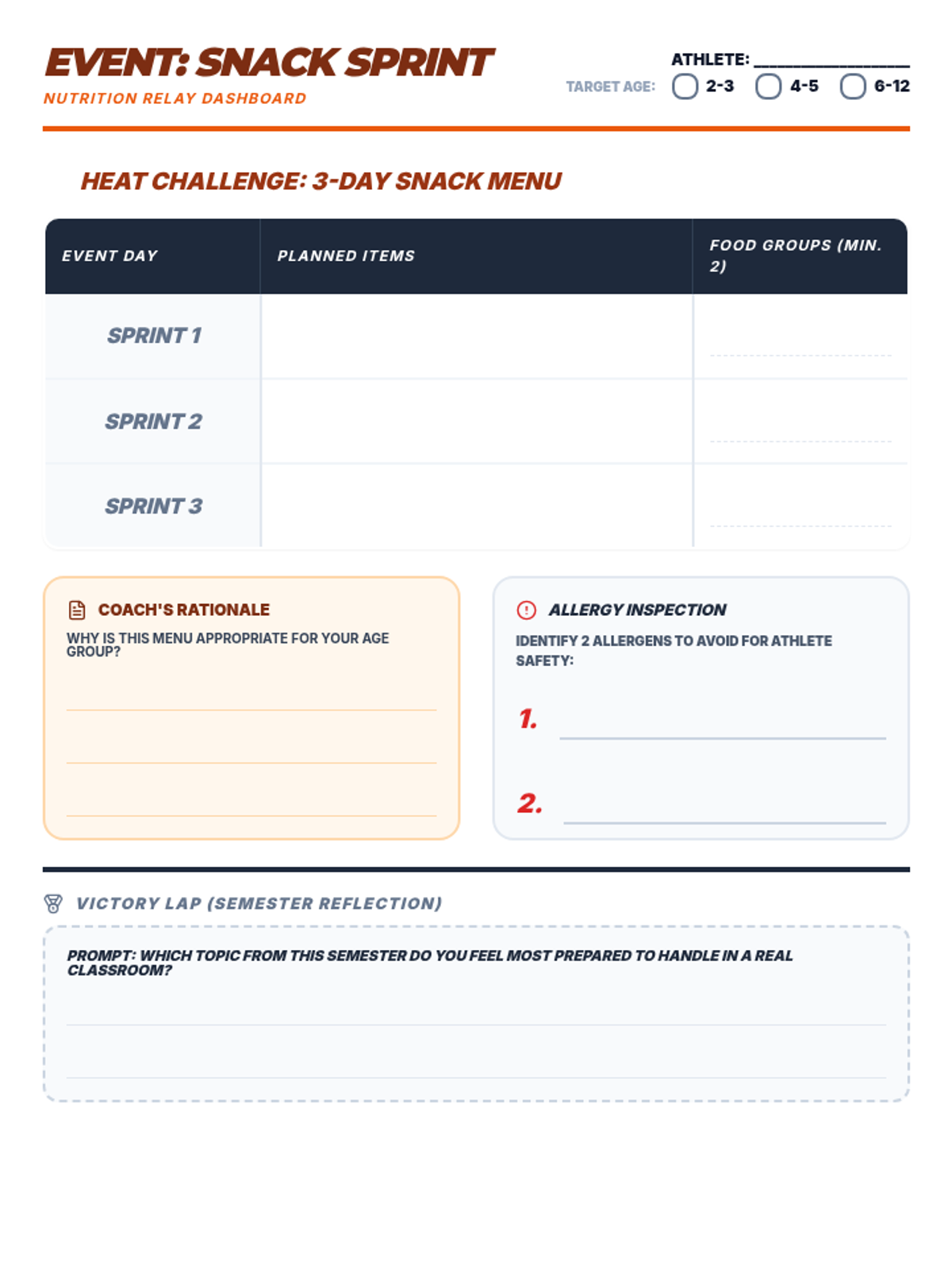
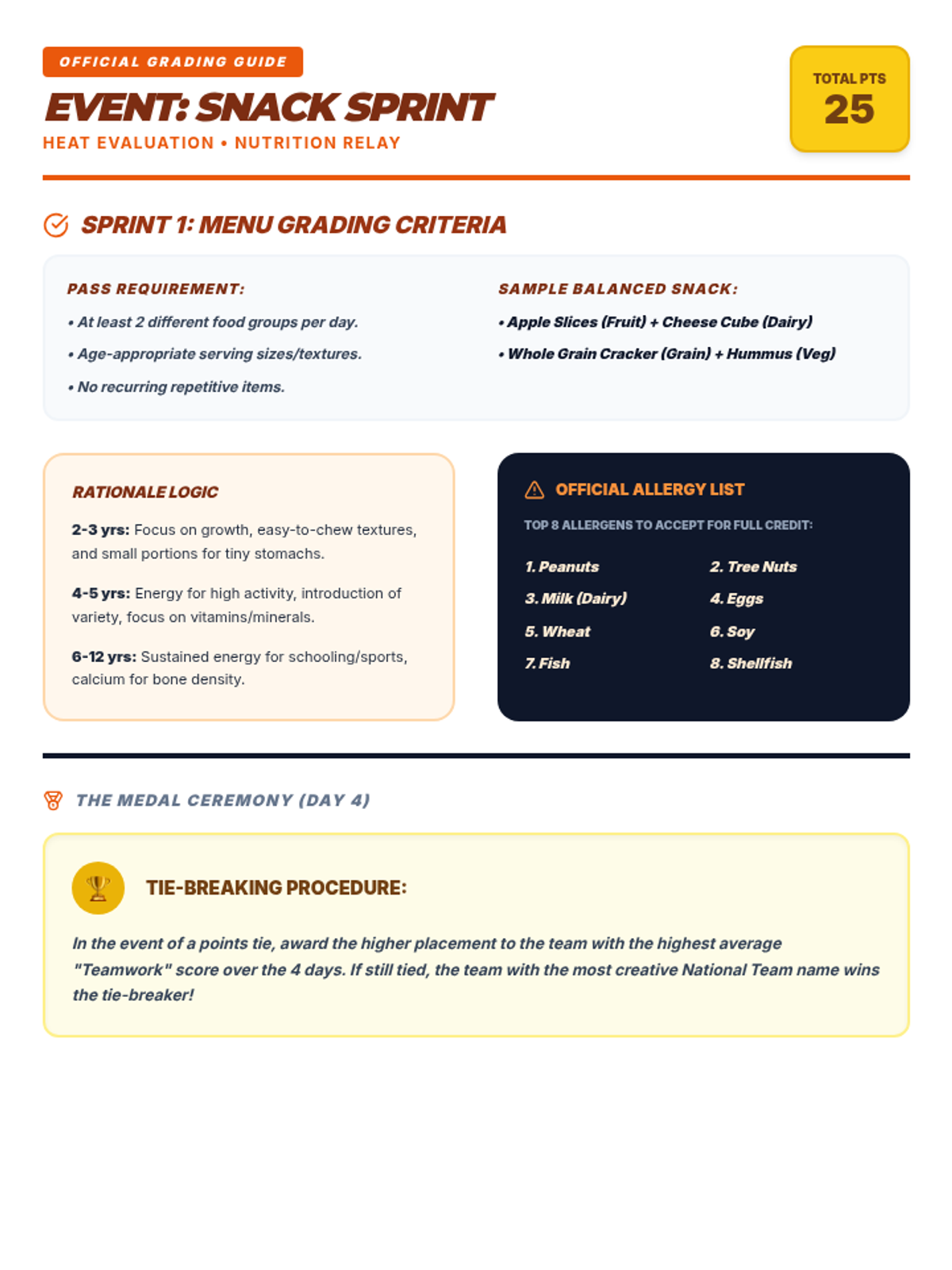
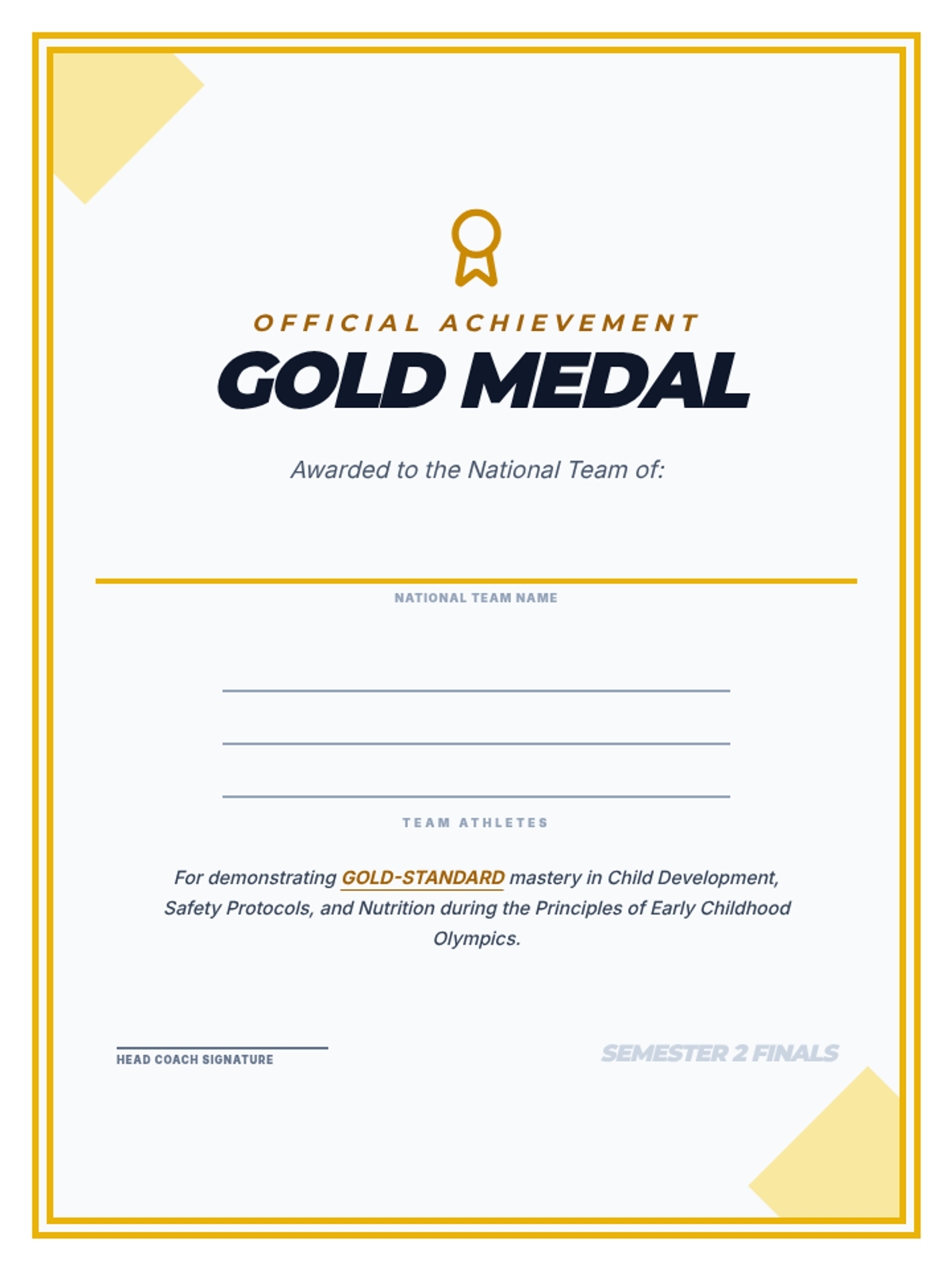
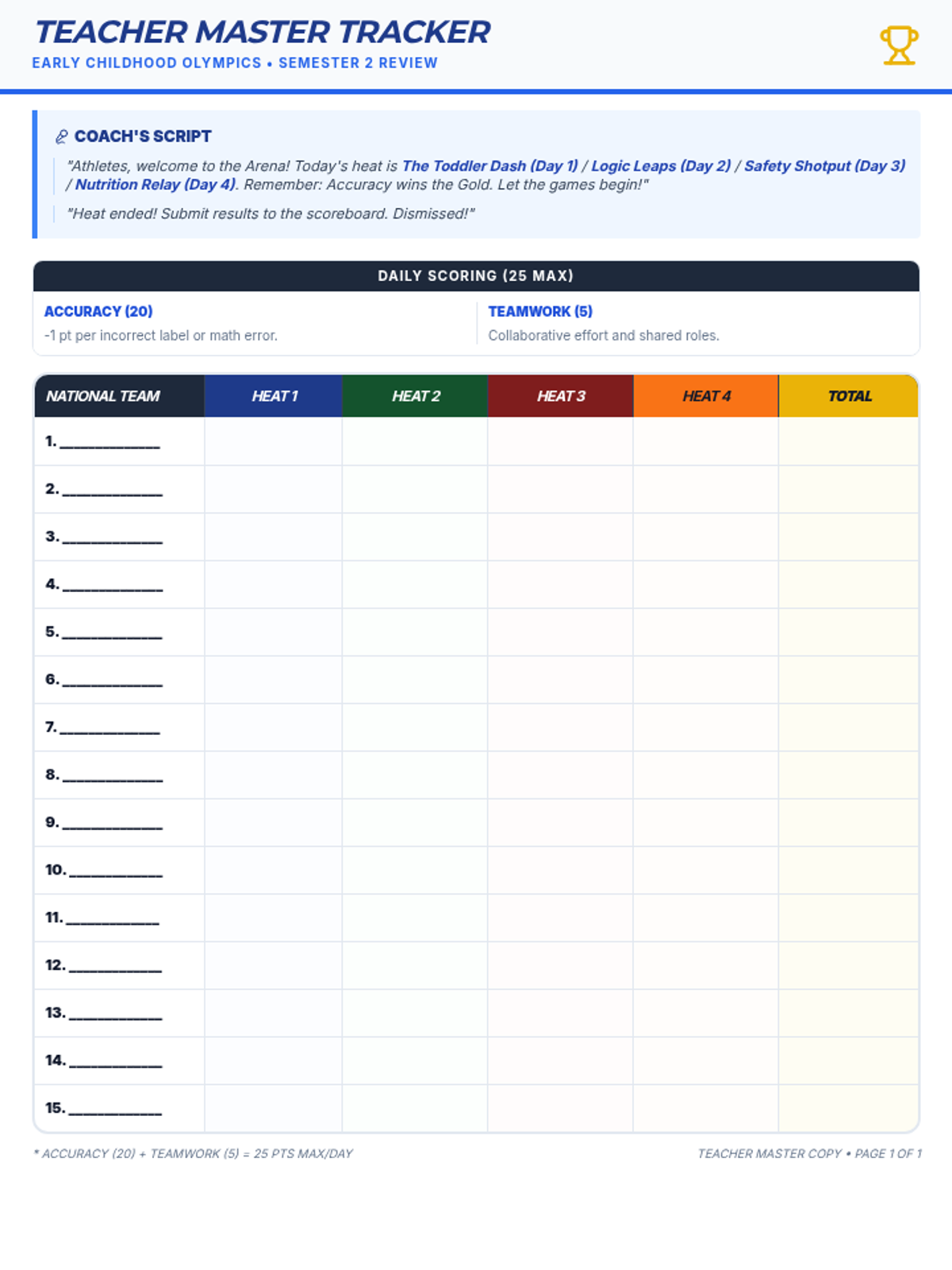
The final day covers nutrition and meal planning, followed by the grand tallying of points and the medal ceremony to conclude the semester.
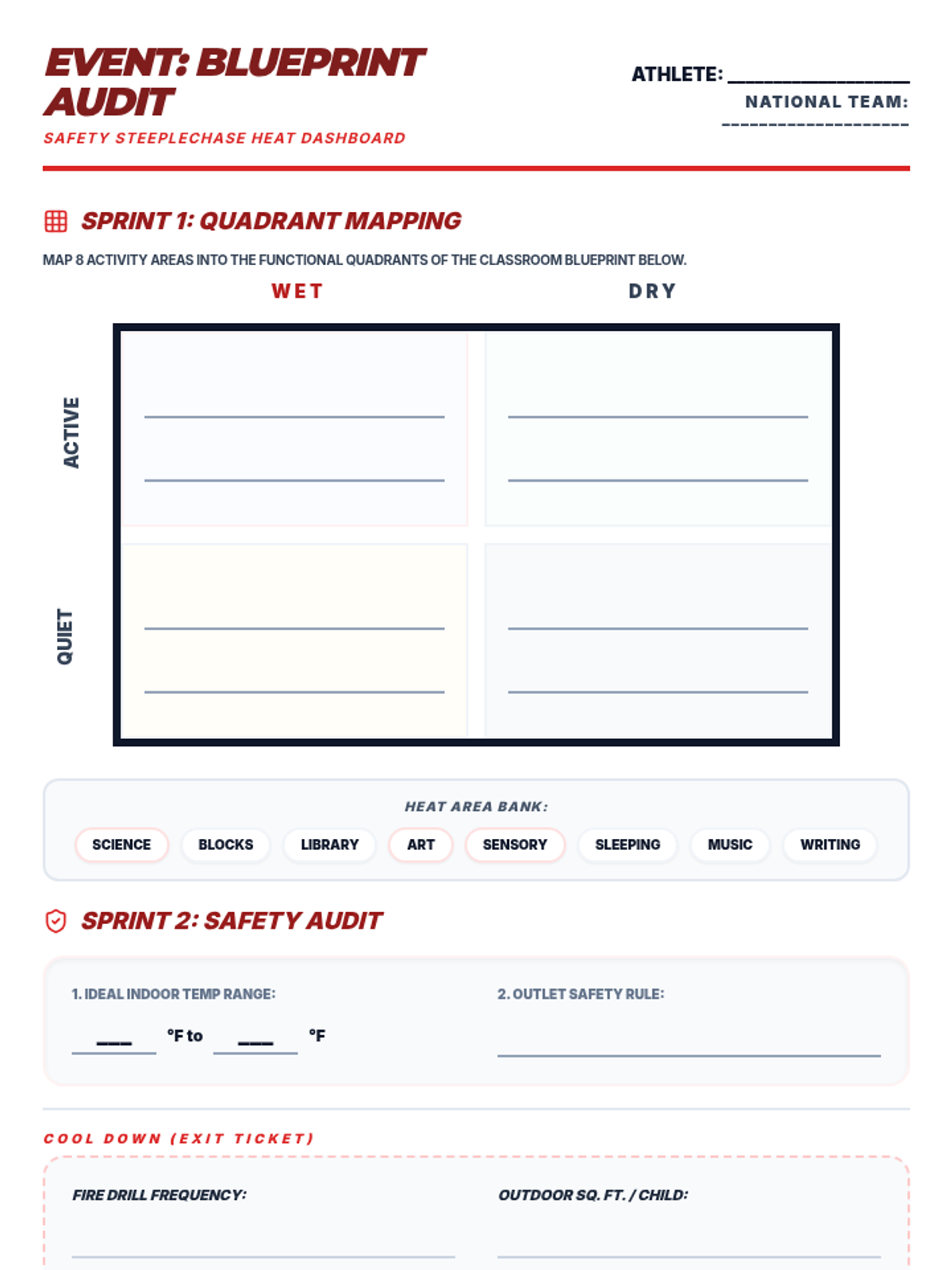
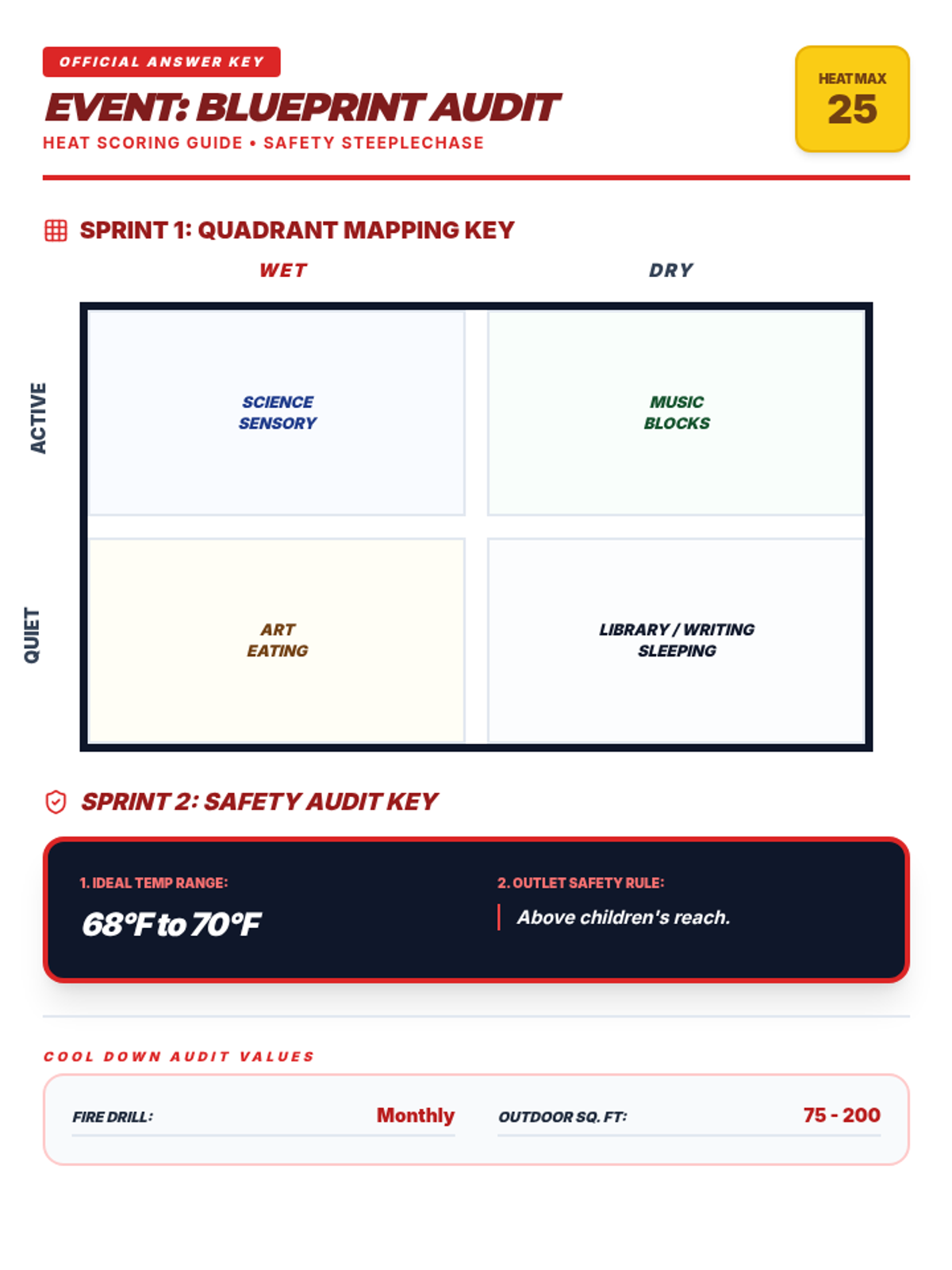
Day 3 focuses on environmental preparation and safety promotion, requiring students to apply knowledge of classroom layout and safety regulations to score points.
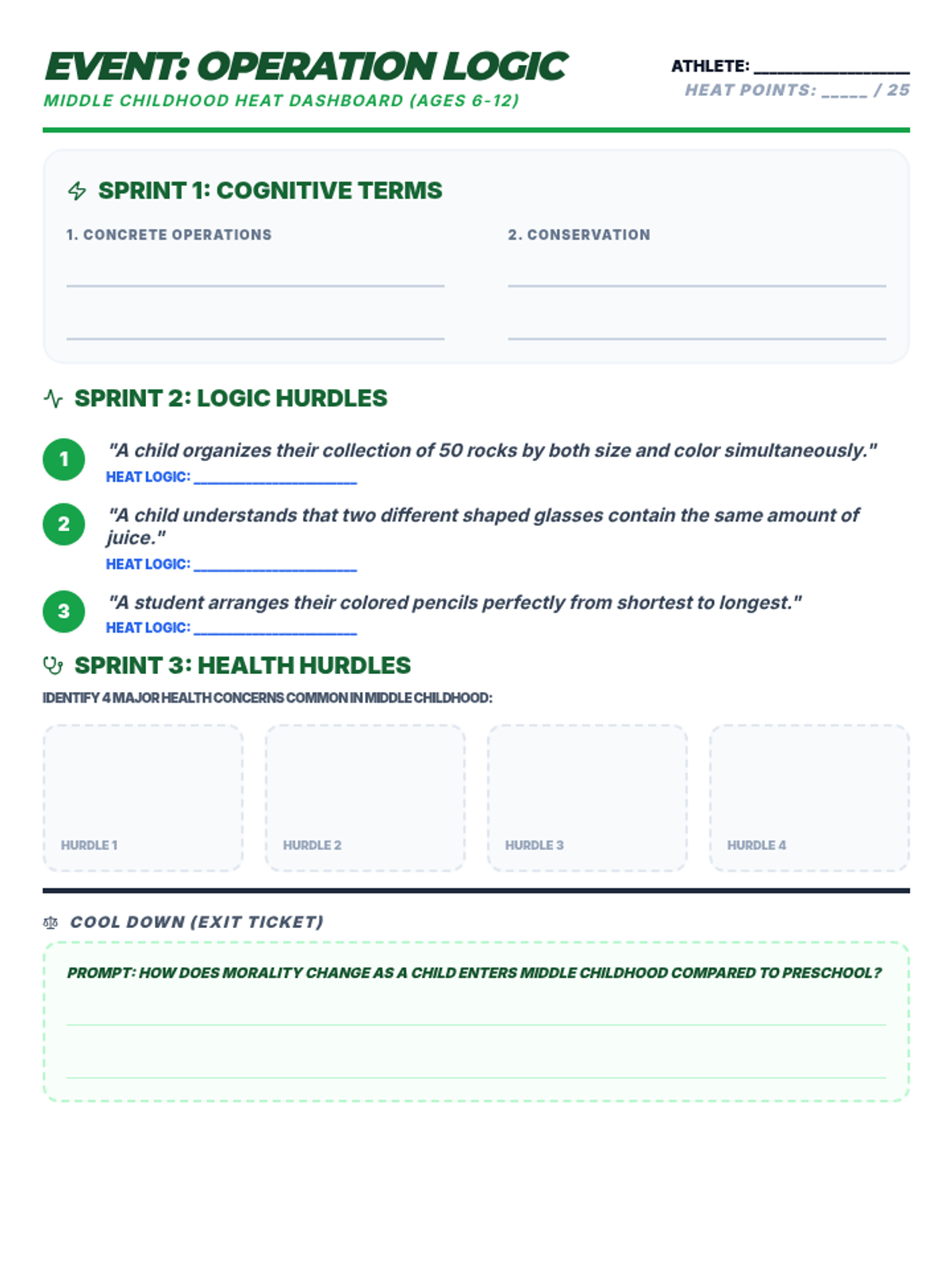
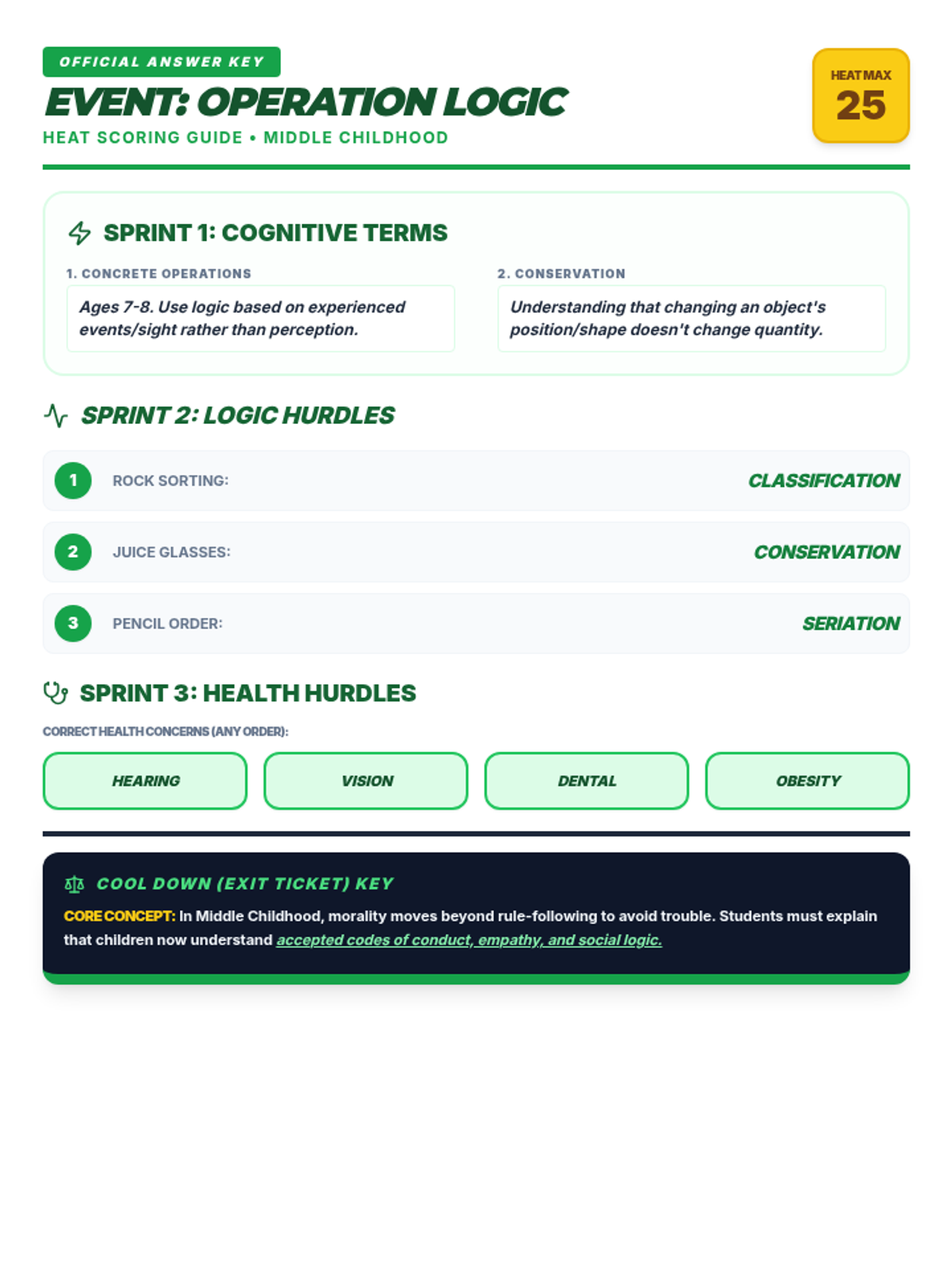
Day 2 explores middle childhood (ages 6-12), focusing on logical thinking, moral development, and the complexities of school-age social relationships.
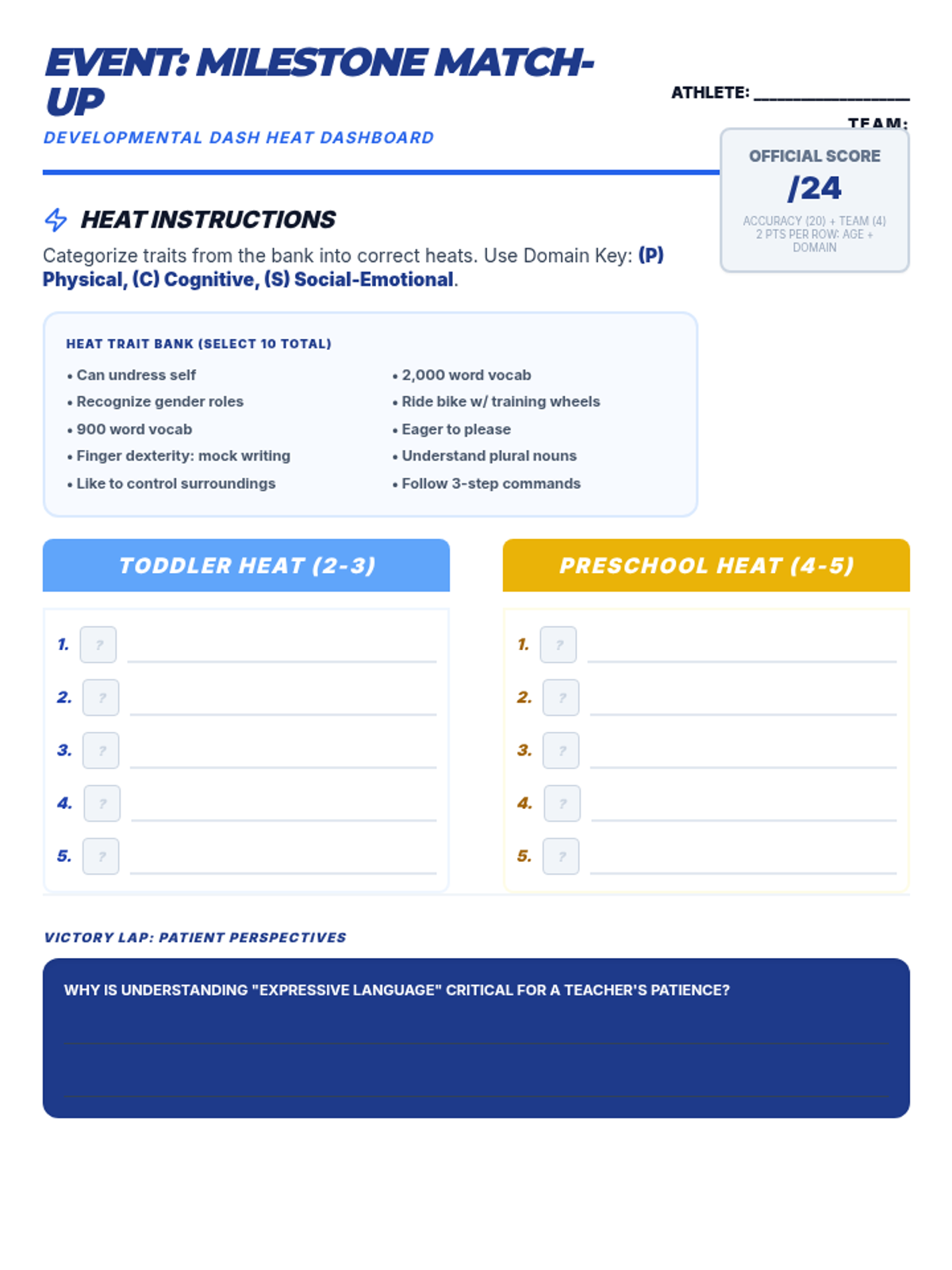
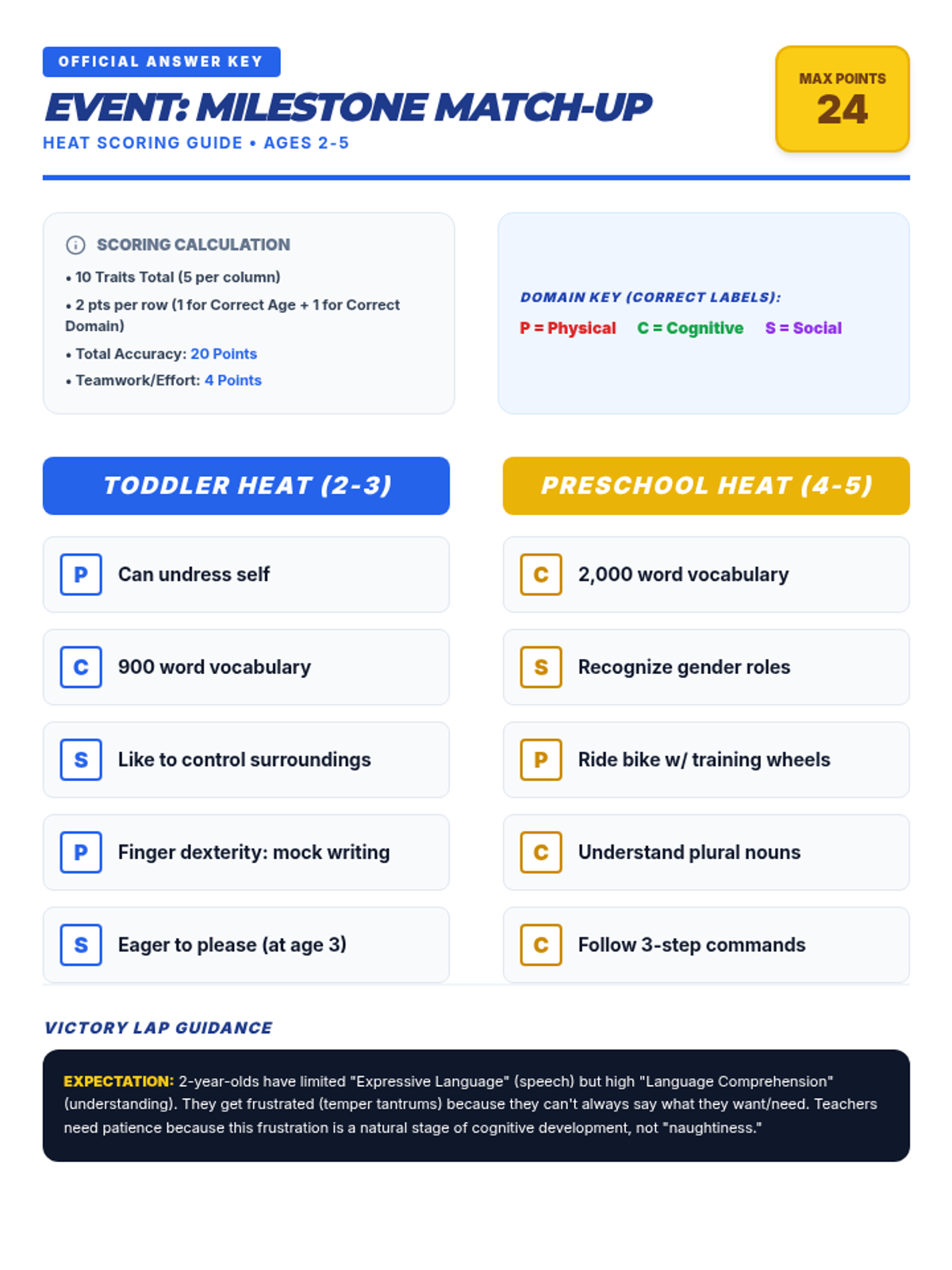
Day 1 of the Olympics focuses on the rapid development of children aged two through five, challenging students to accurately categorize physical, cognitive, and social milestones.
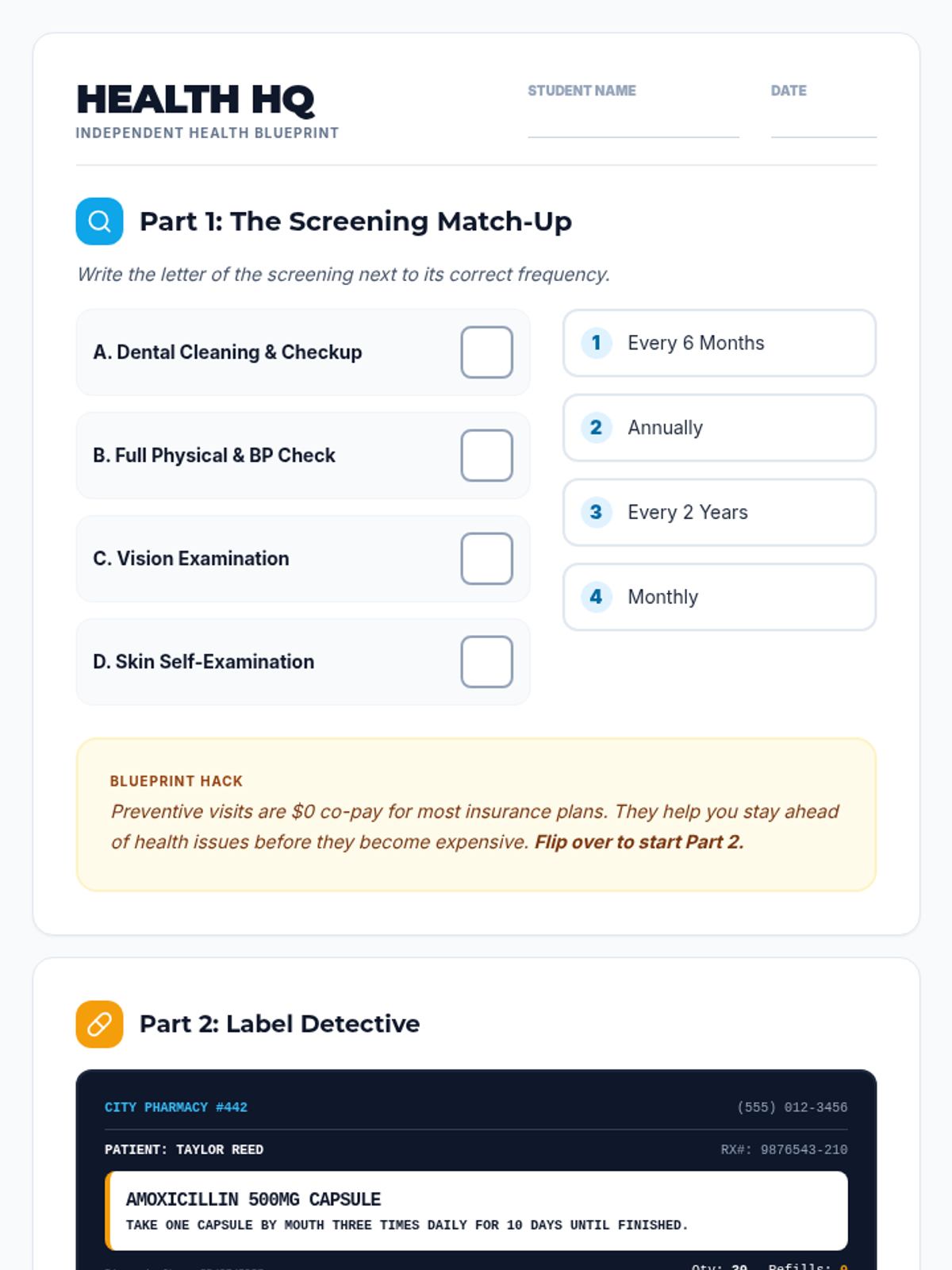
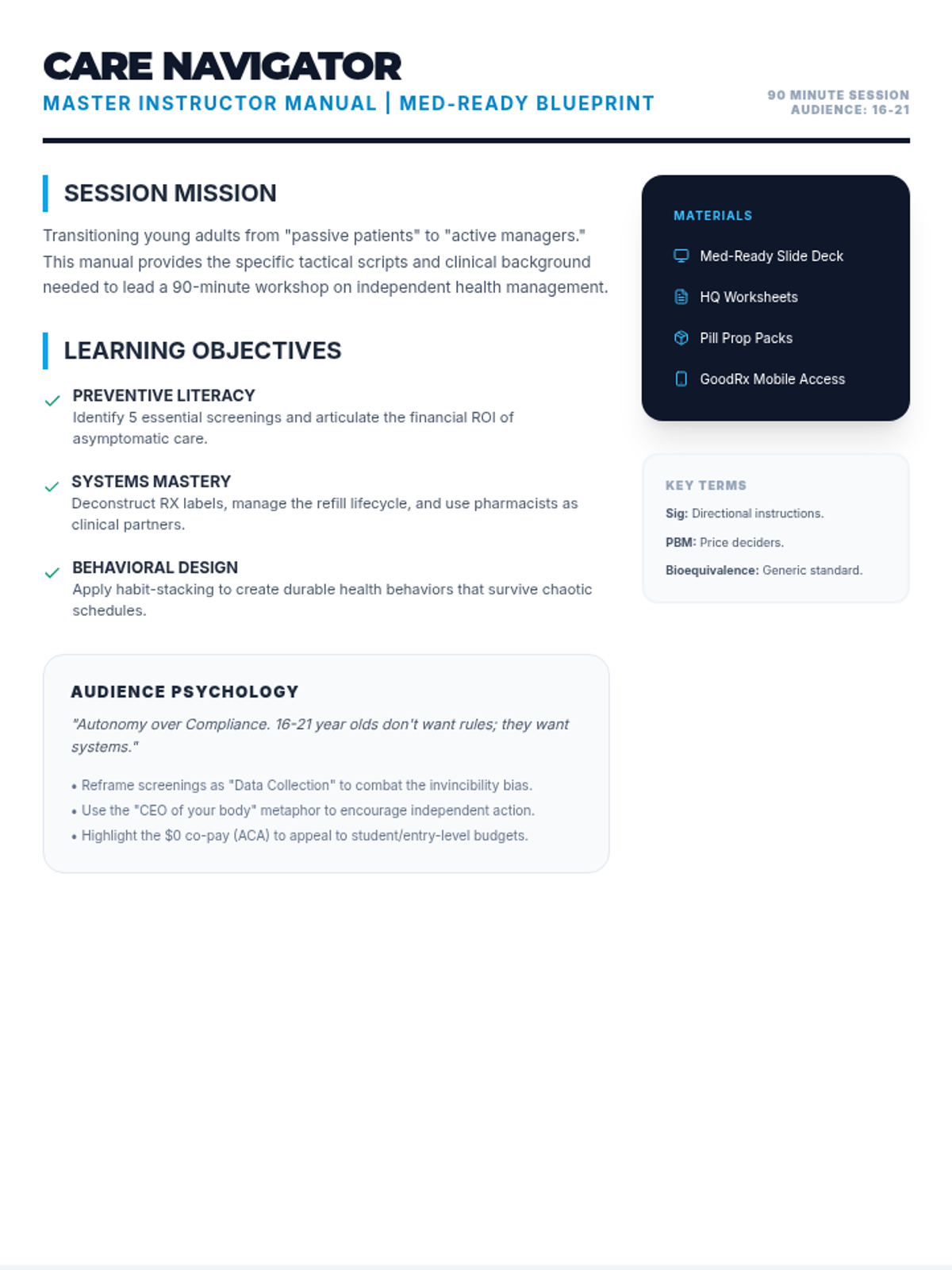
A comprehensive 90-minute session designed for young adults transitioning to independent health management, covering preventive screenings, vaccinations, pharmacy navigation, and medication adherence.
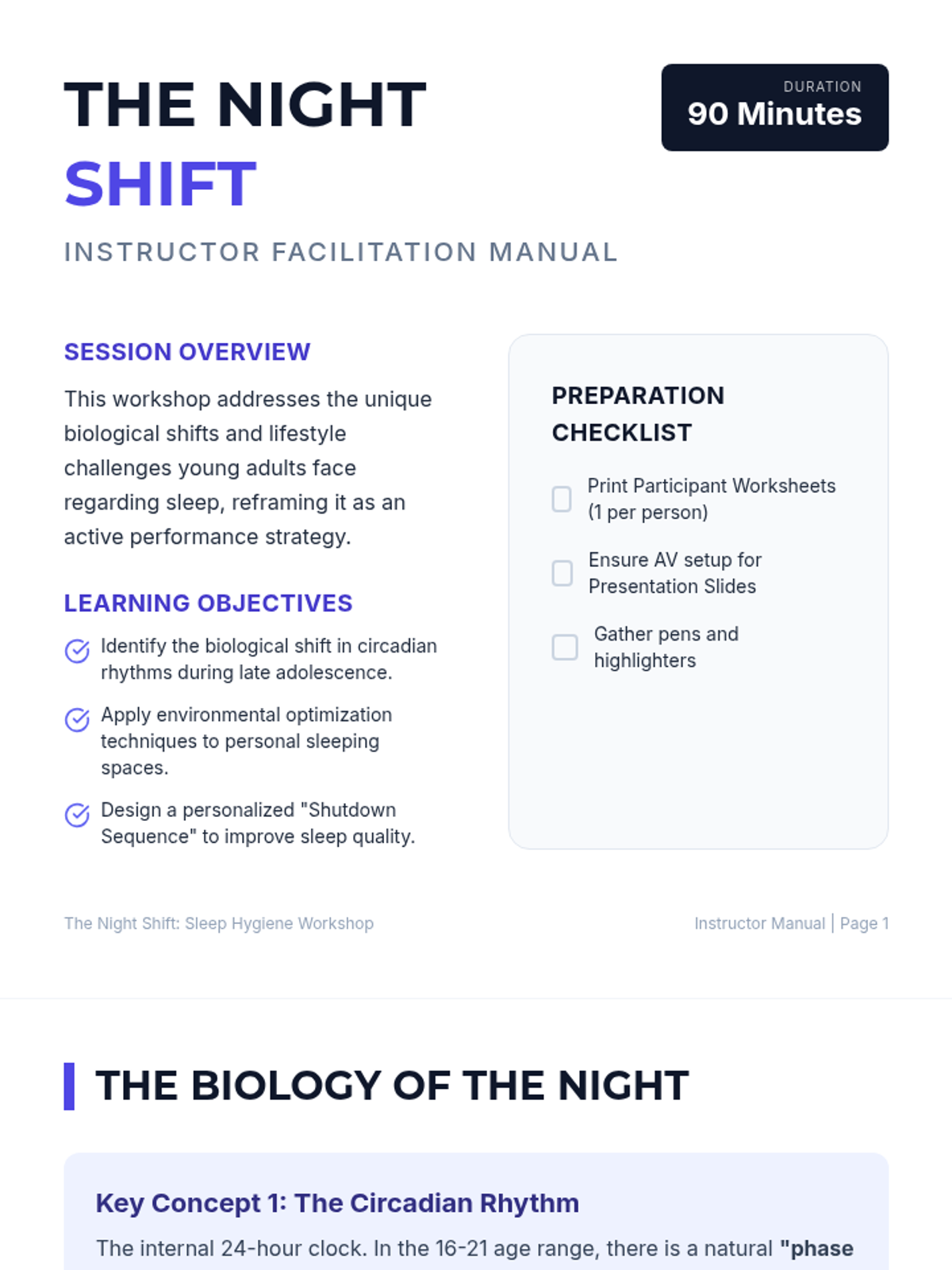
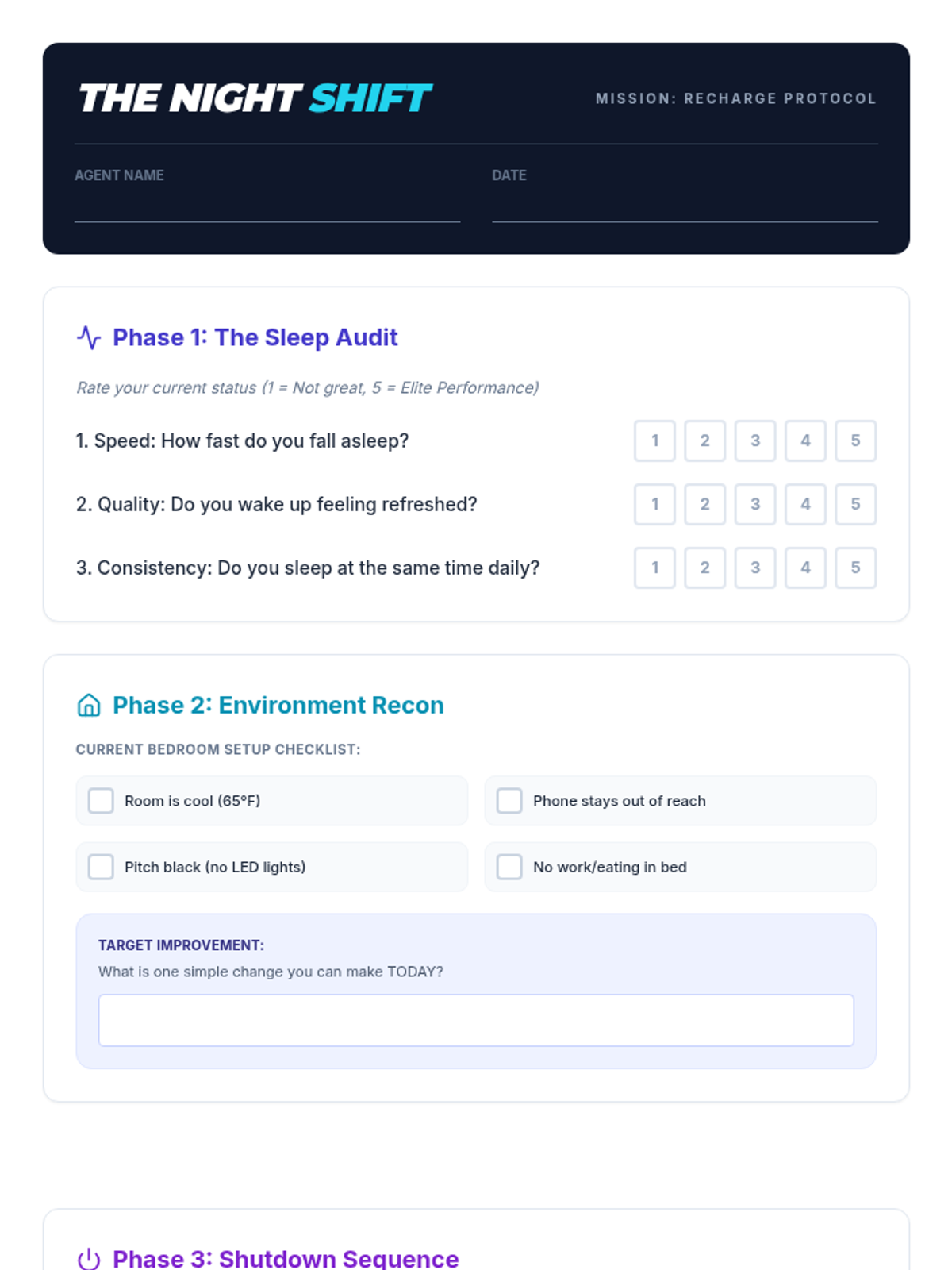
A comprehensive 90-minute workshop for young adults aged 16-21, focusing on the biological and behavioral aspects of sleep hygiene, environmental optimization, and mental relaxation strategies.
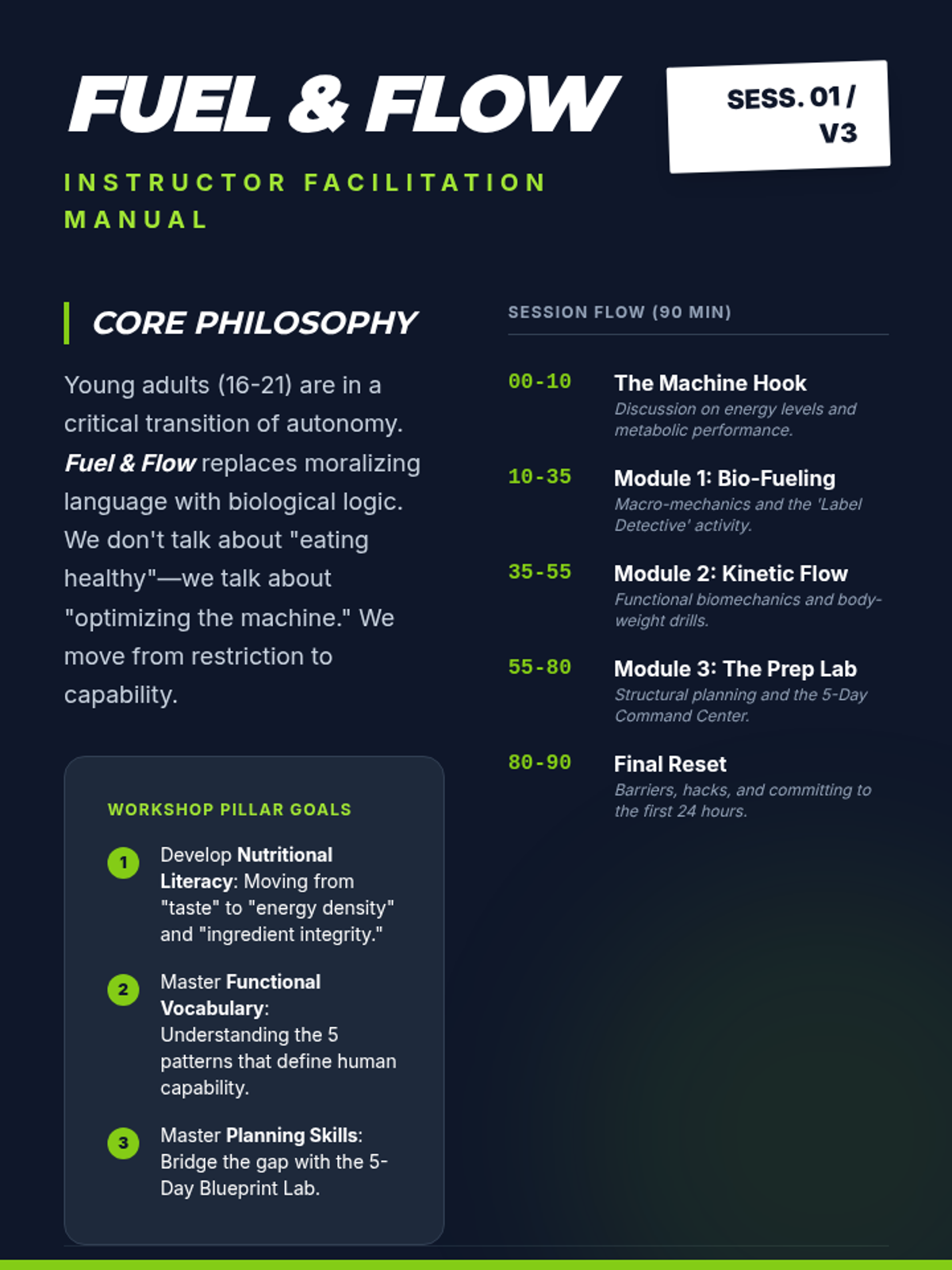
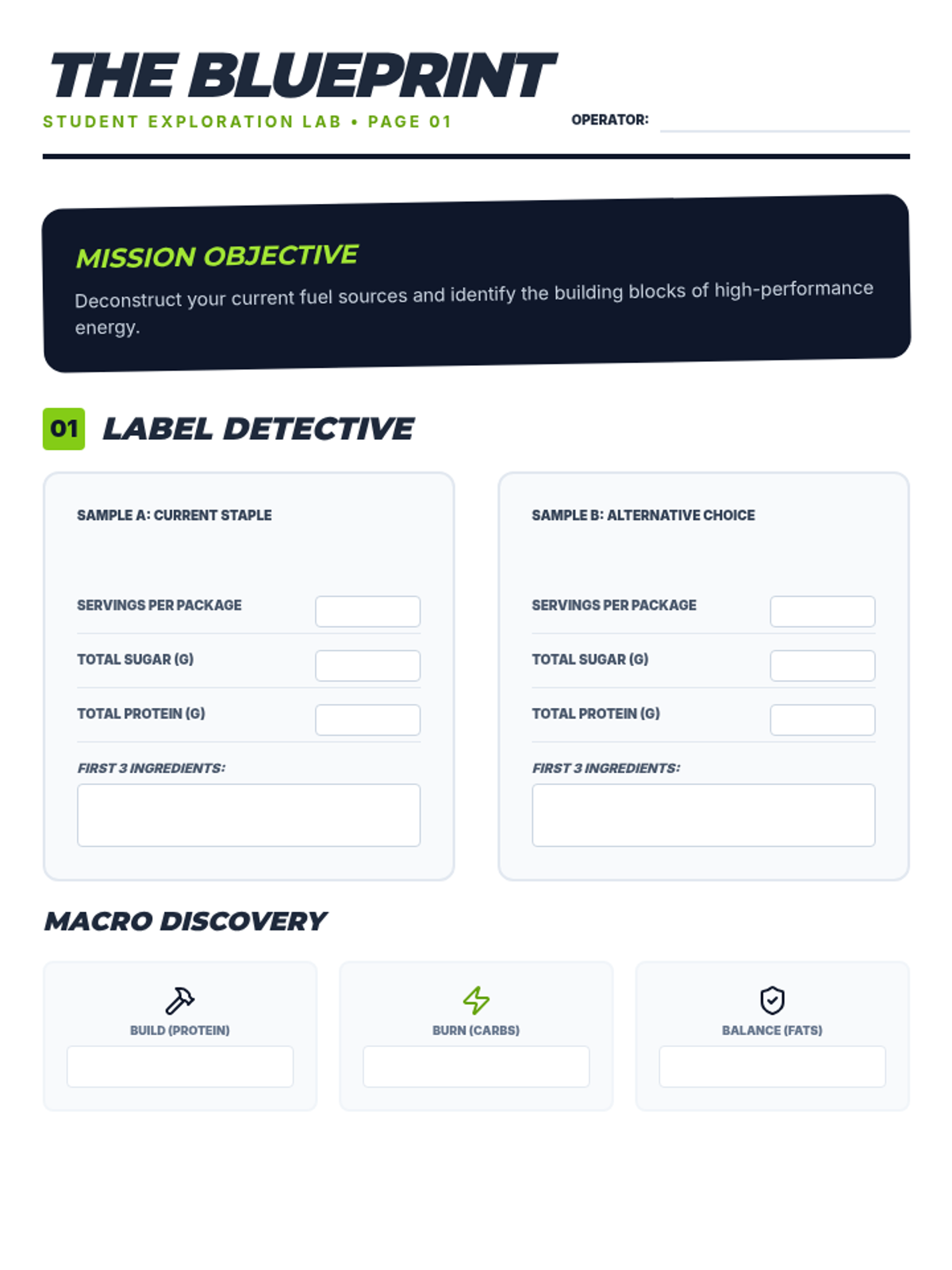
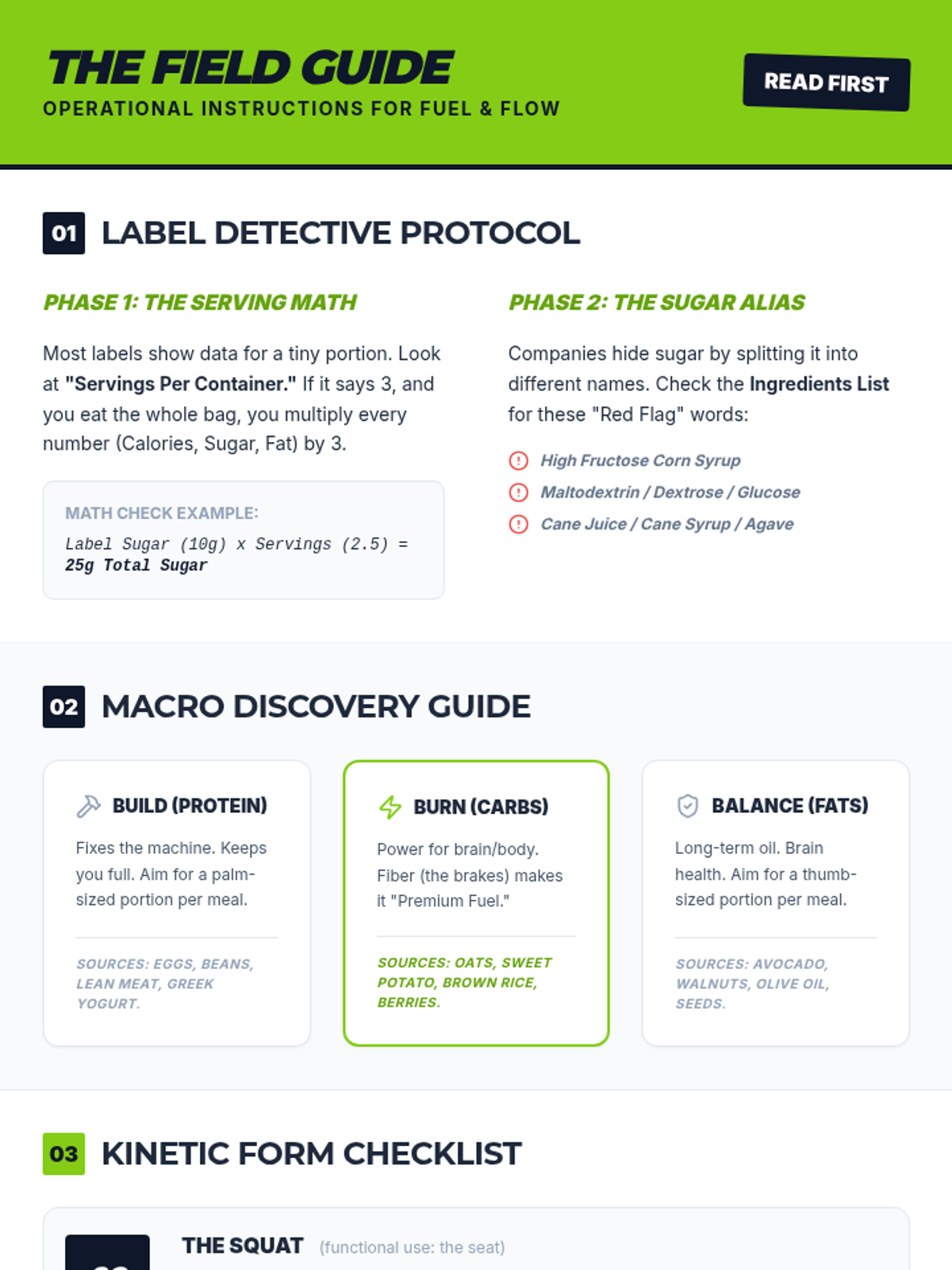
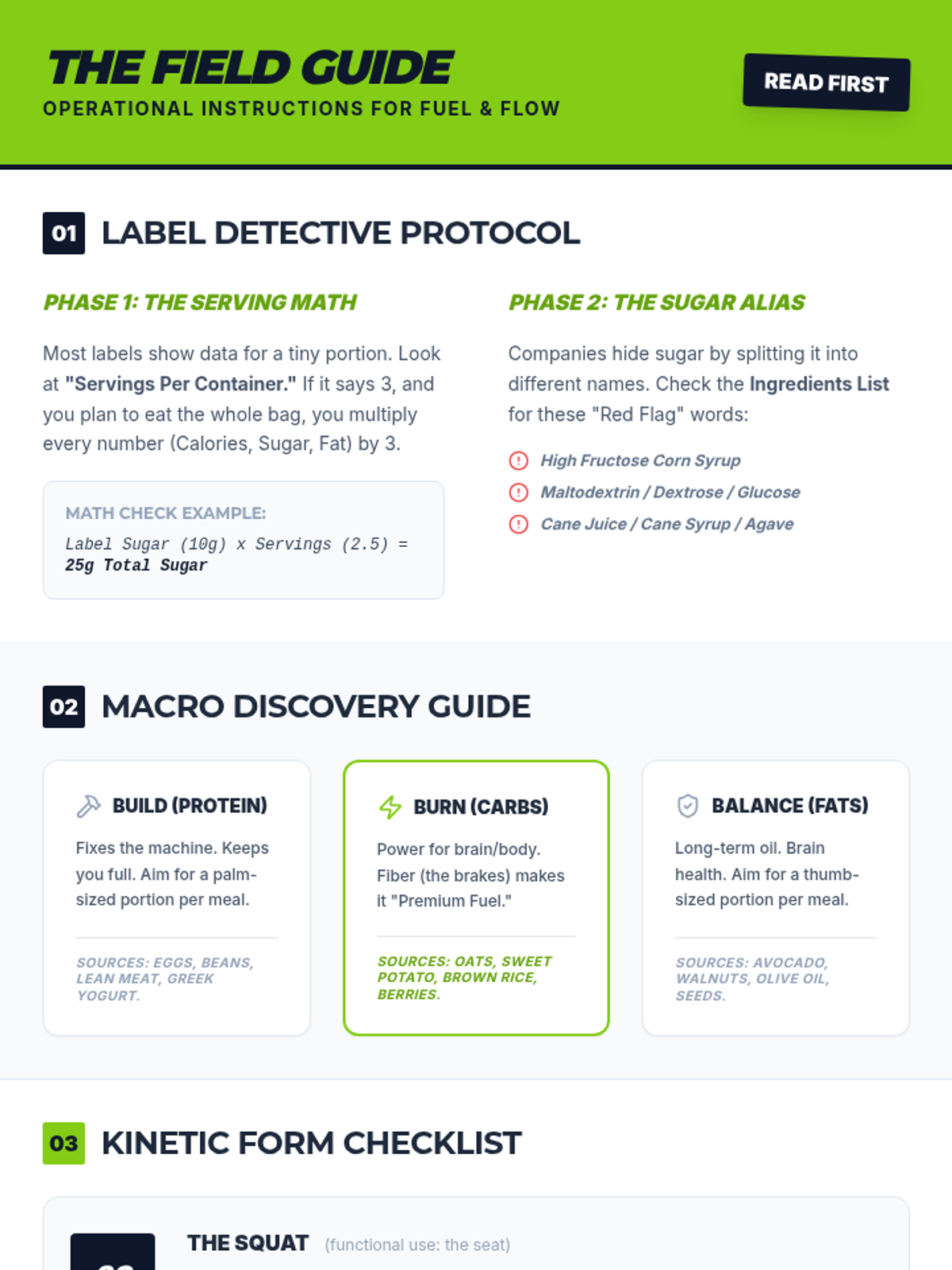
A 90-minute intensive session for young adults (16-21) focused on the intersection of nutrition and functional movement. Students learn to read labels, plan balanced meals, and understand the foundational movement patterns needed for a healthy, active life.
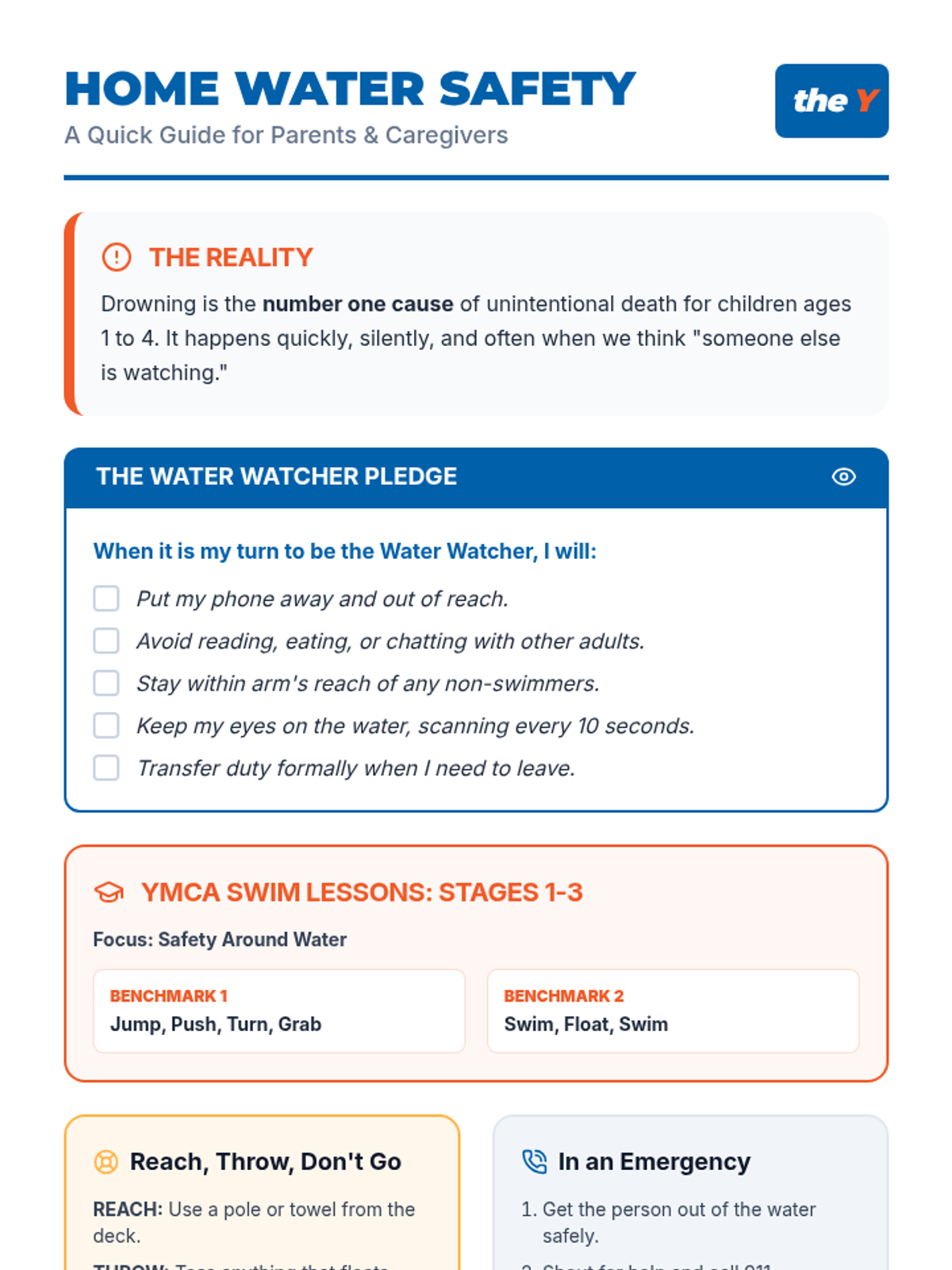
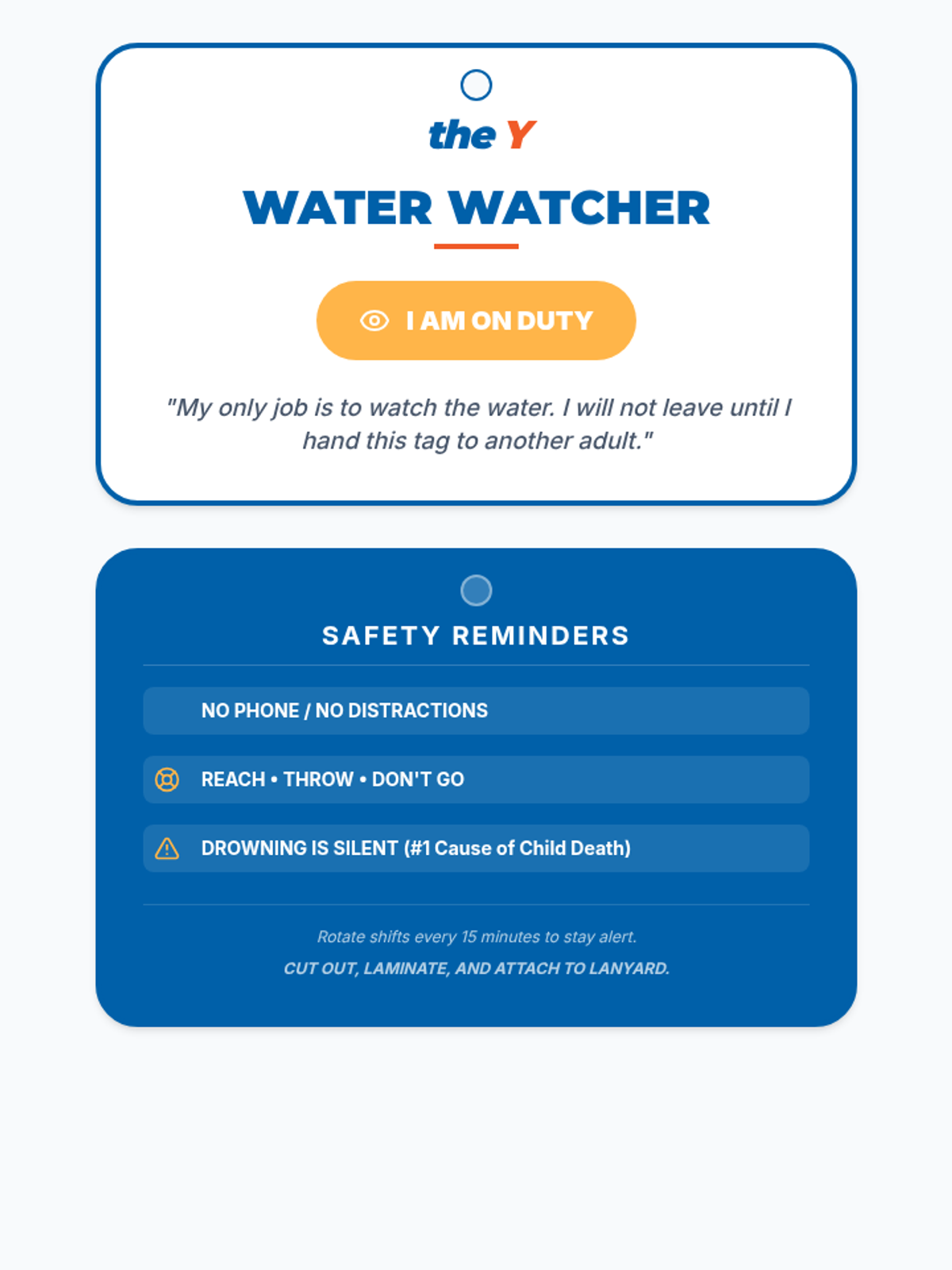
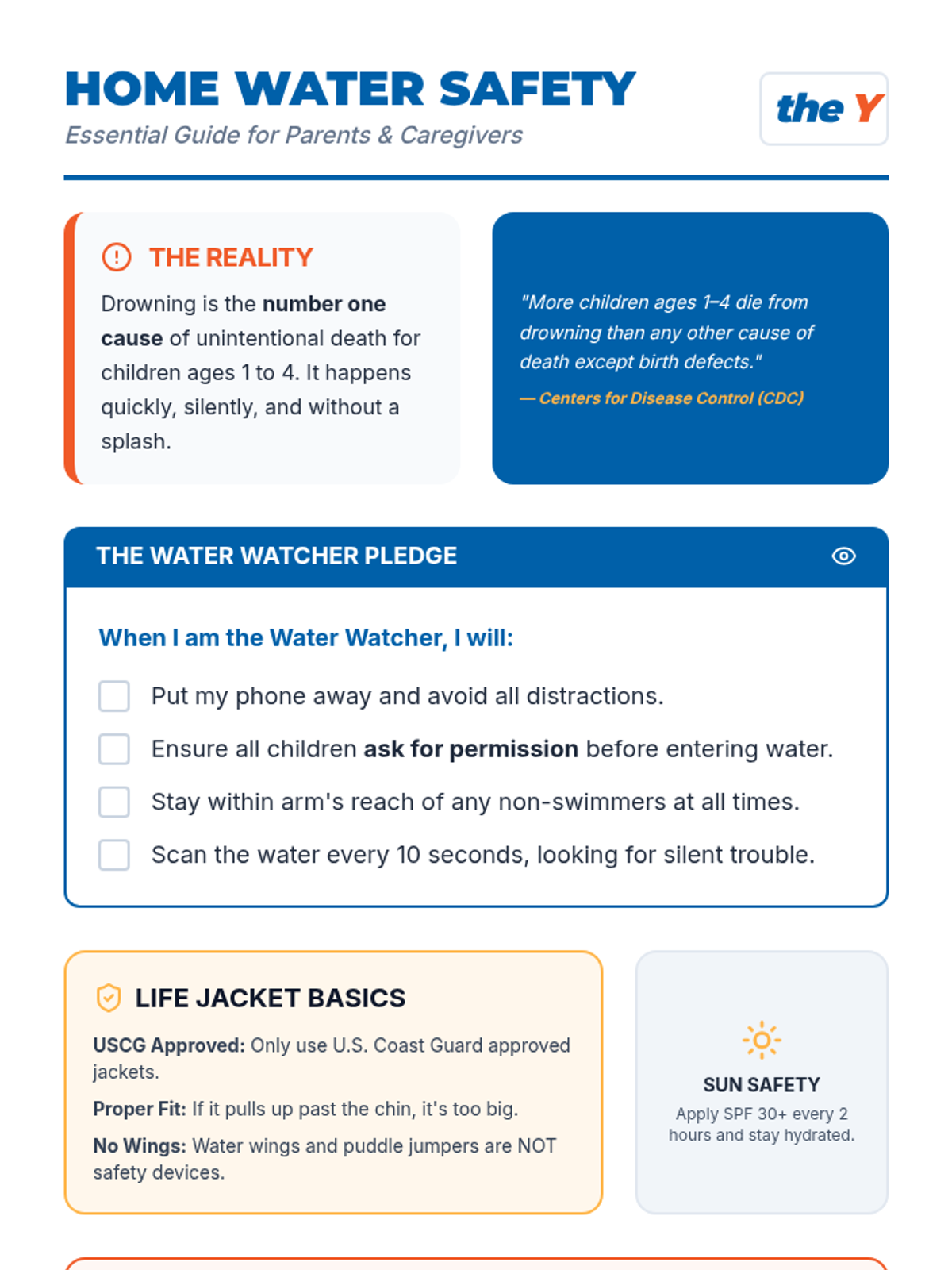
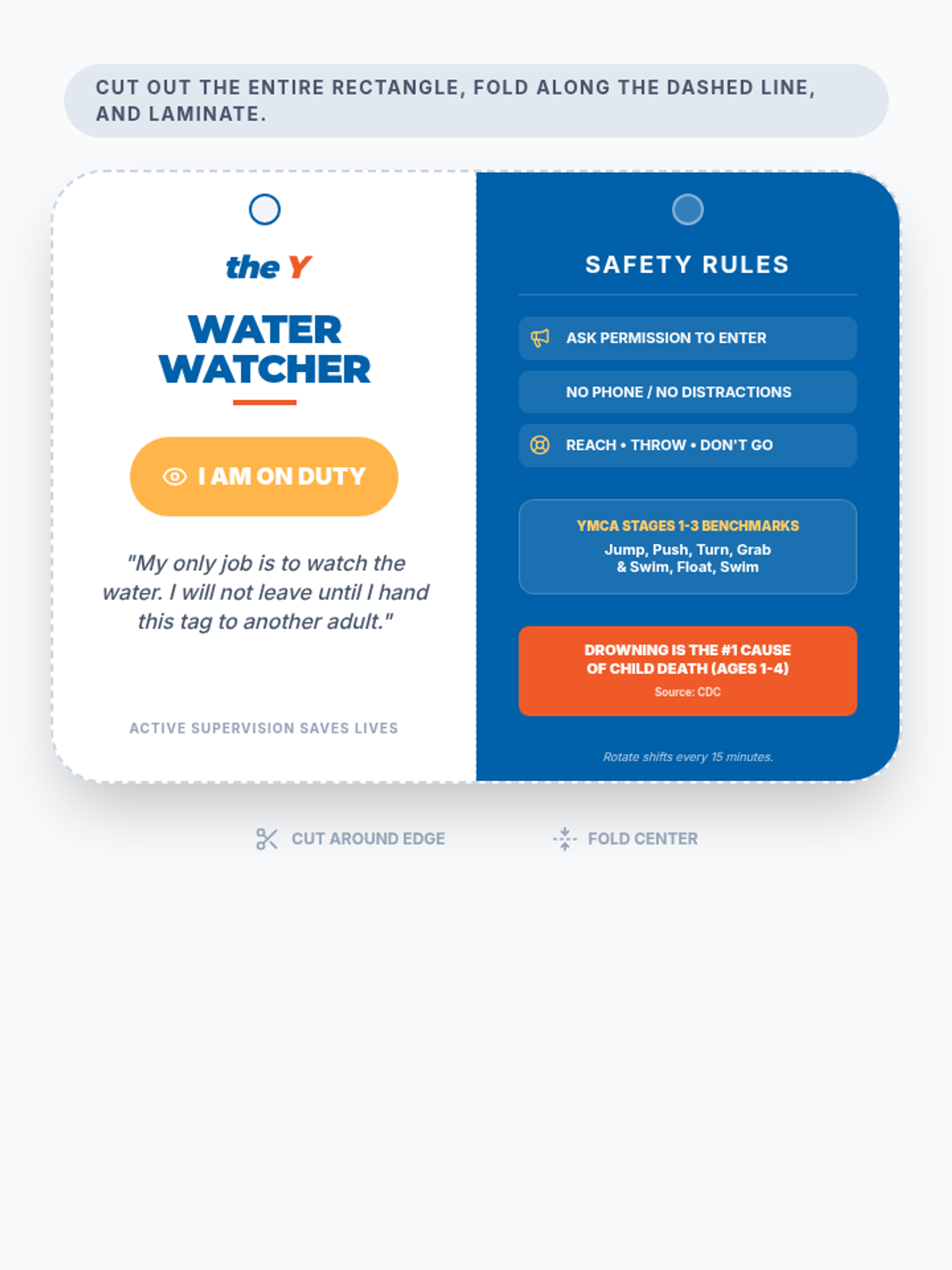
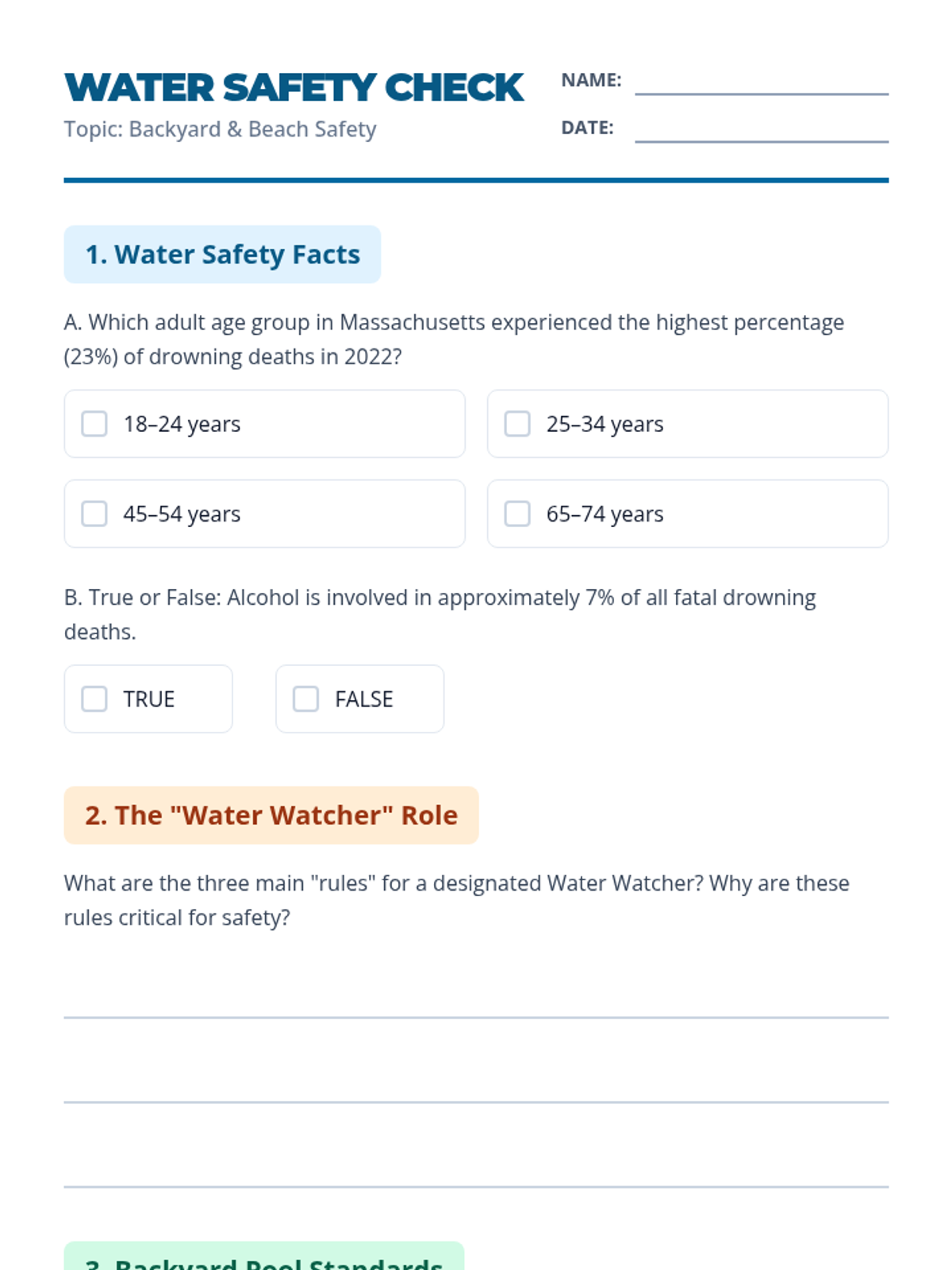
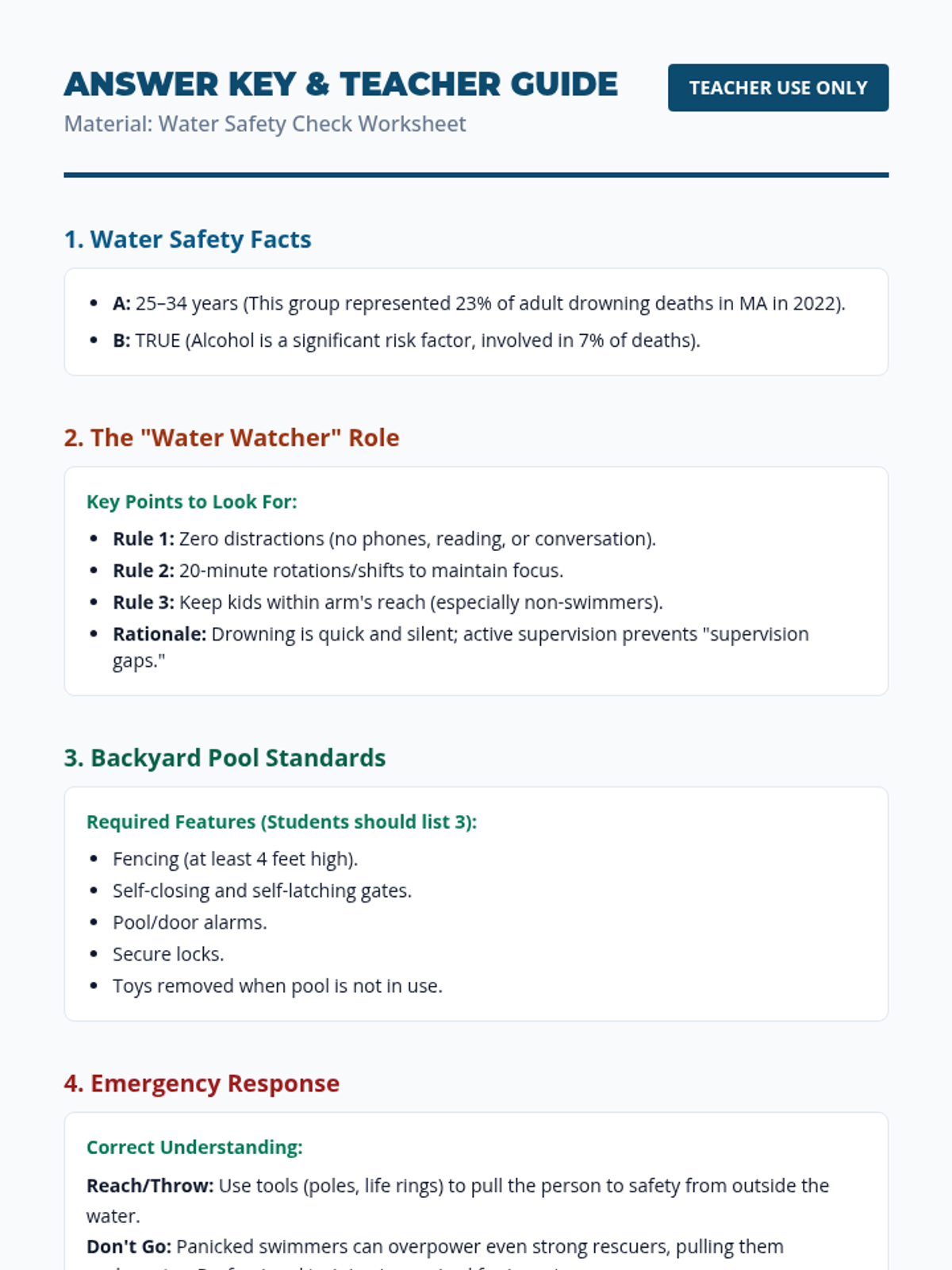
An essential water safety training for parents, covering drowning prevention statistics, active supervision strategies, and emergency response basics using YMCA safety standards.
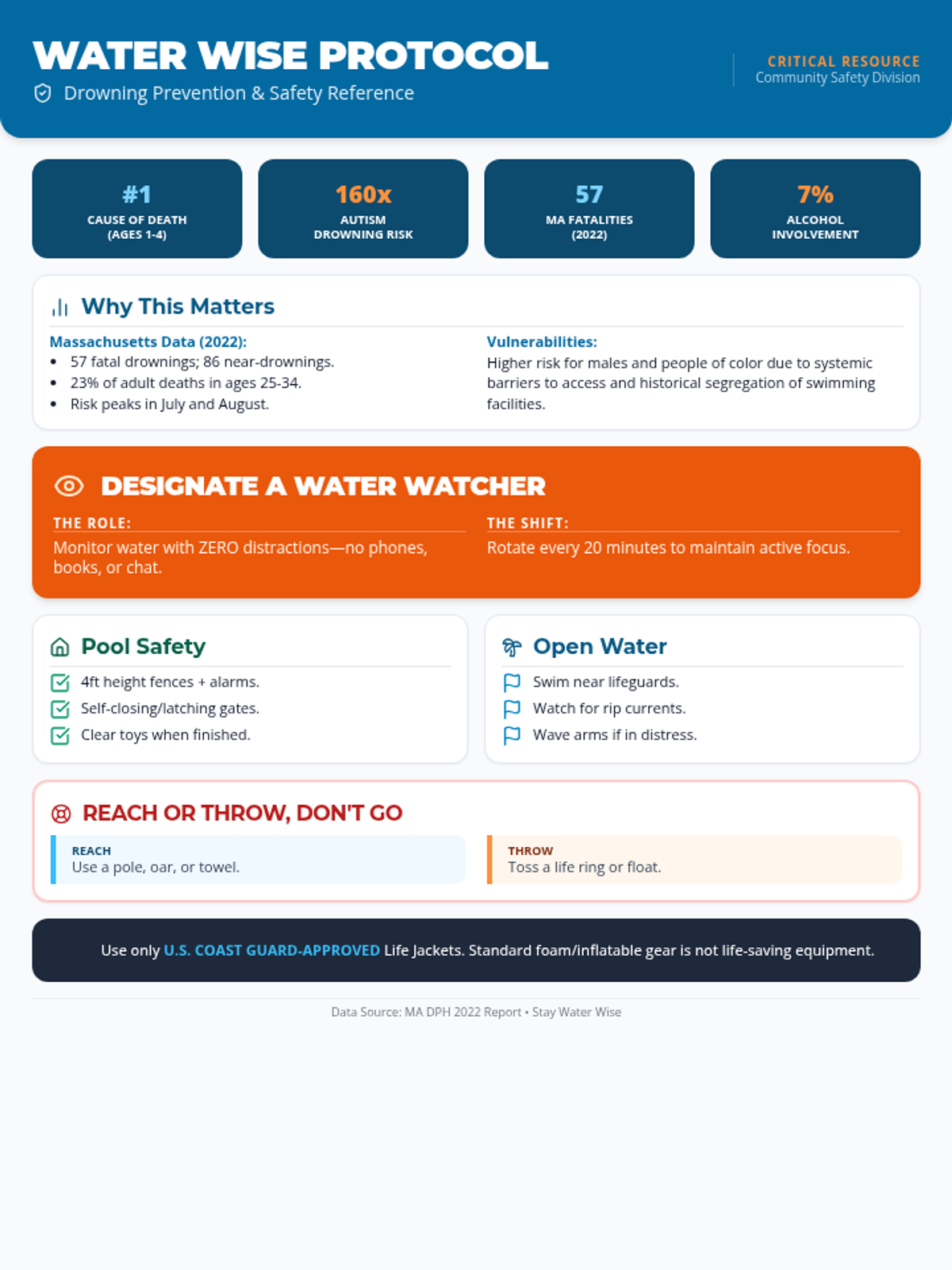
An informational lesson focused on drowning prevention and water safety protocols for backyard pools and open water environments.
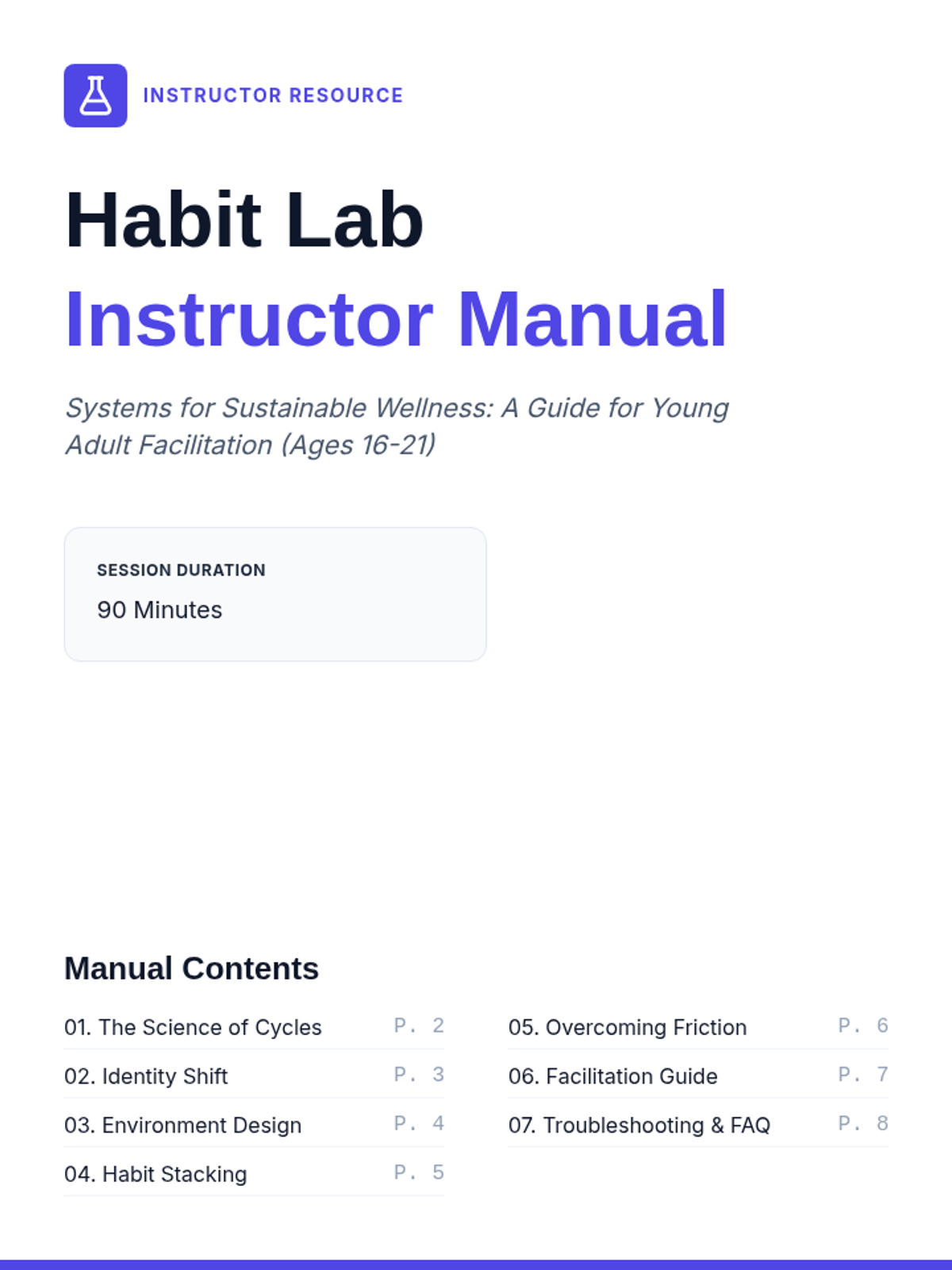
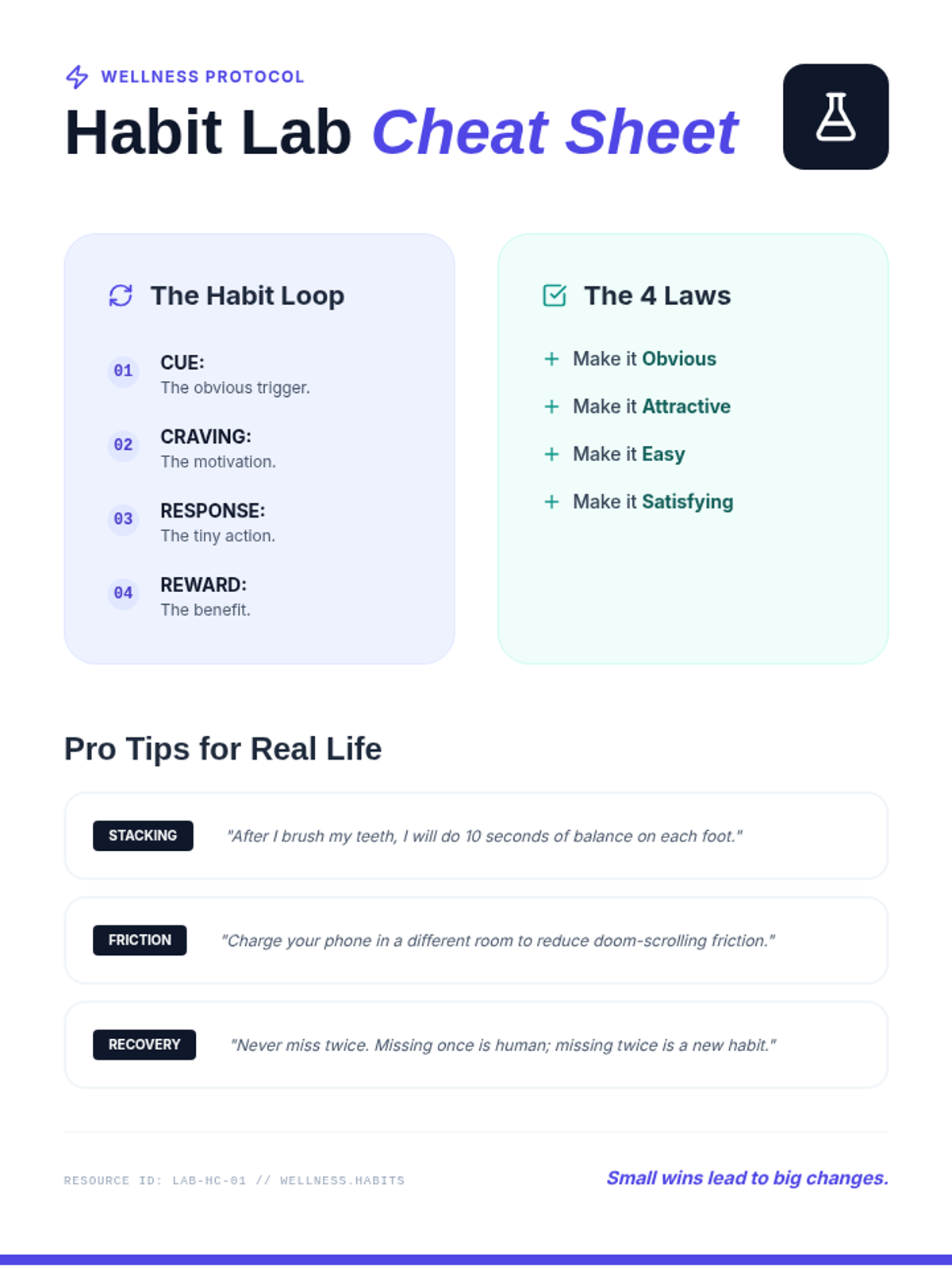
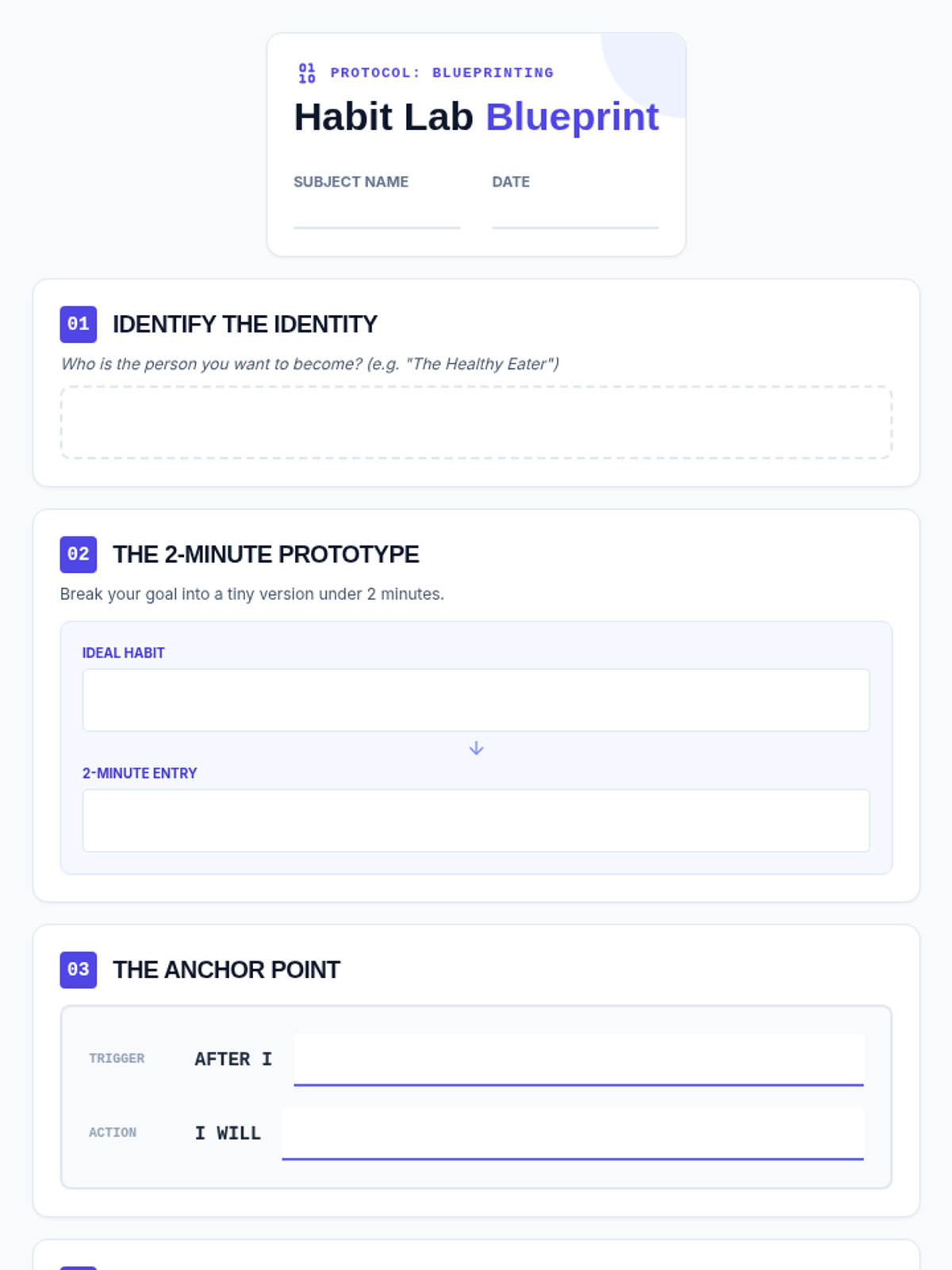
A comprehensive session for young adults on the science and practice of habit formation for long-term wellness. This lesson equips participants with practical tools to design systems that support their health, mental clarity, and productivity.
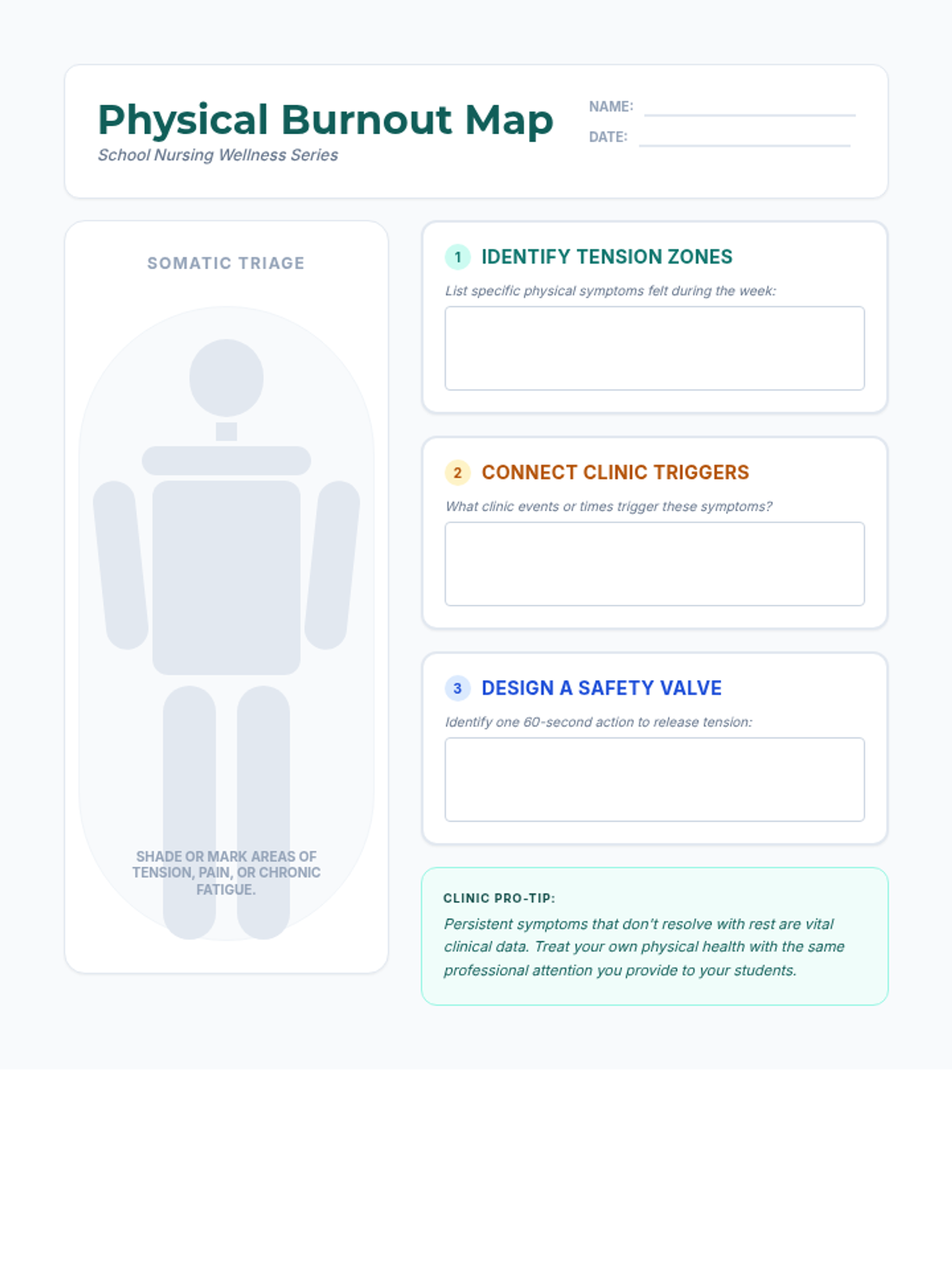
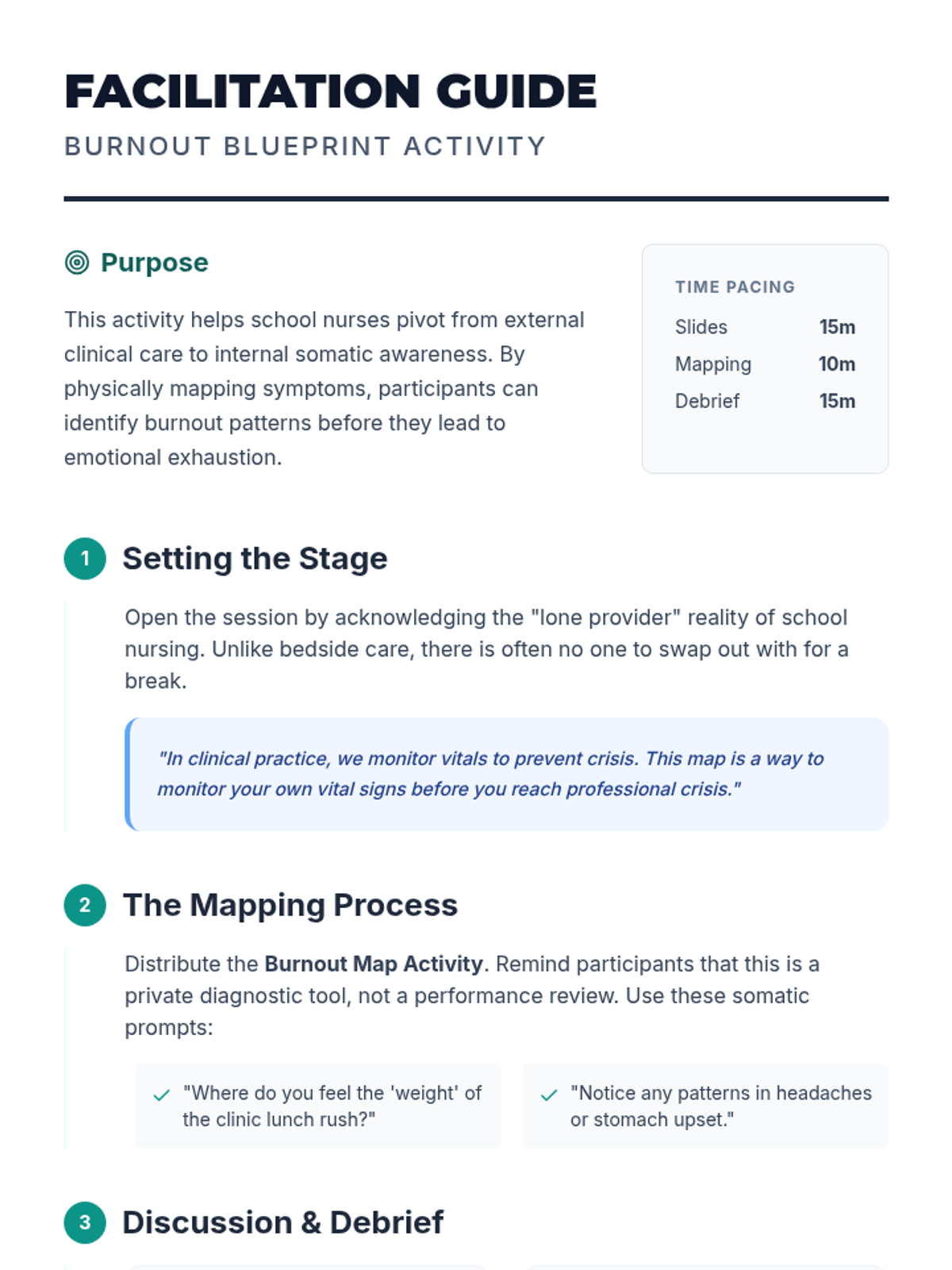
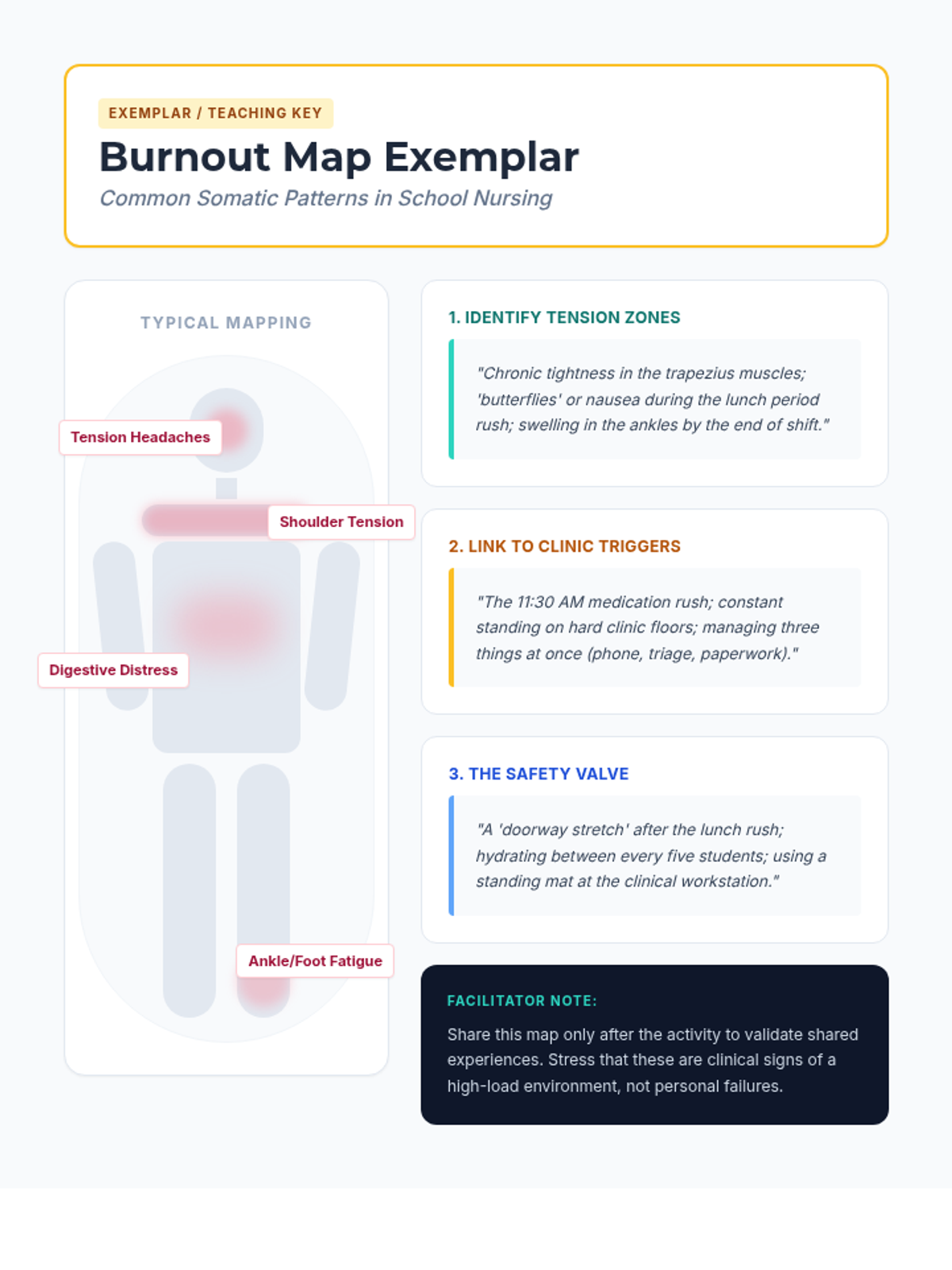
A focused lesson for school nursing staff or students to identify, map, and address the physical manifestations of burnout within the unique environment of a school clinic.