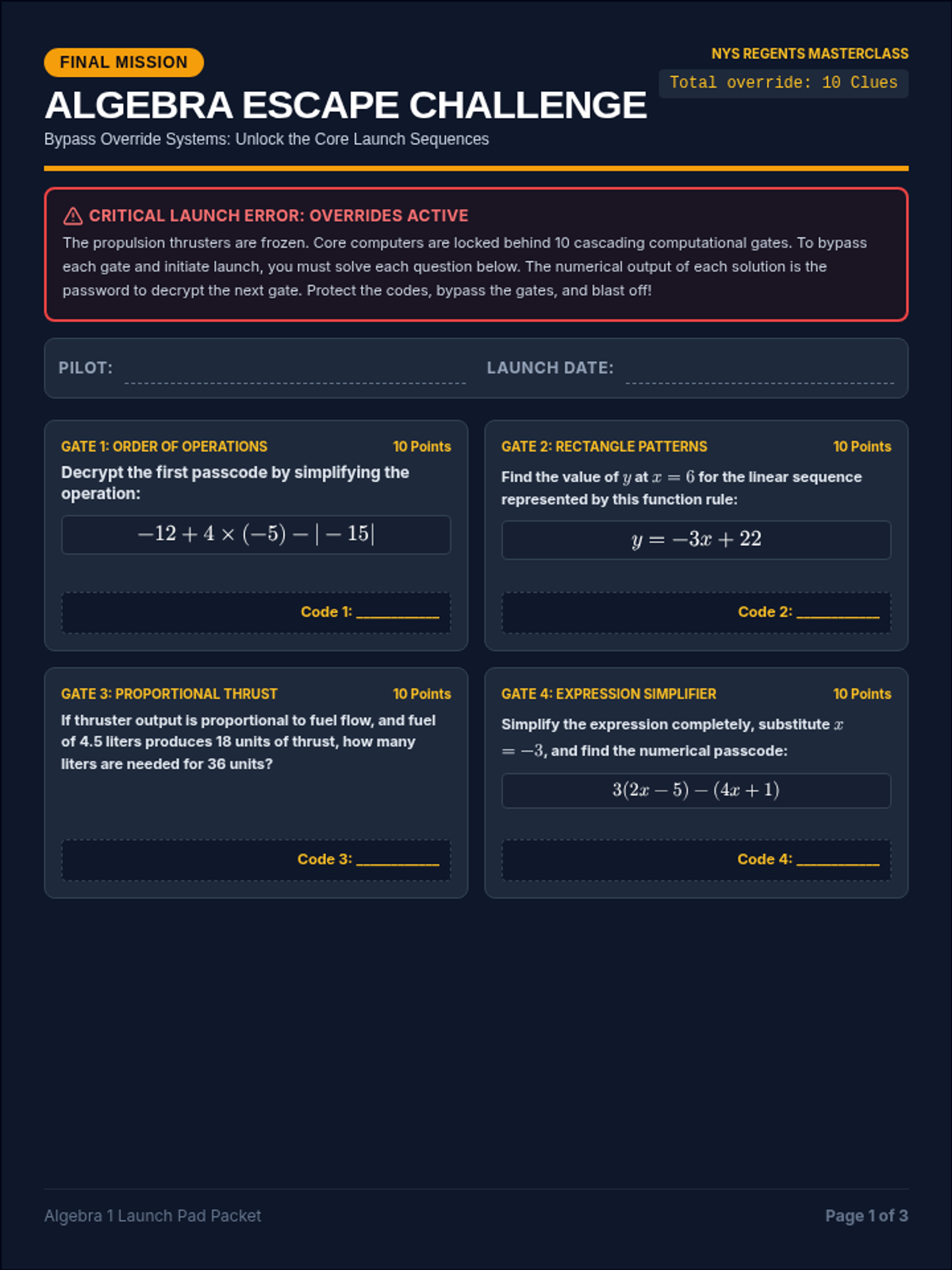
An engaging logic puzzle set in an escape room scenario, designed for 9th-grade students. It fosters deductive reasoning, close reading, and critical thinking through a structured grid-based challenge.
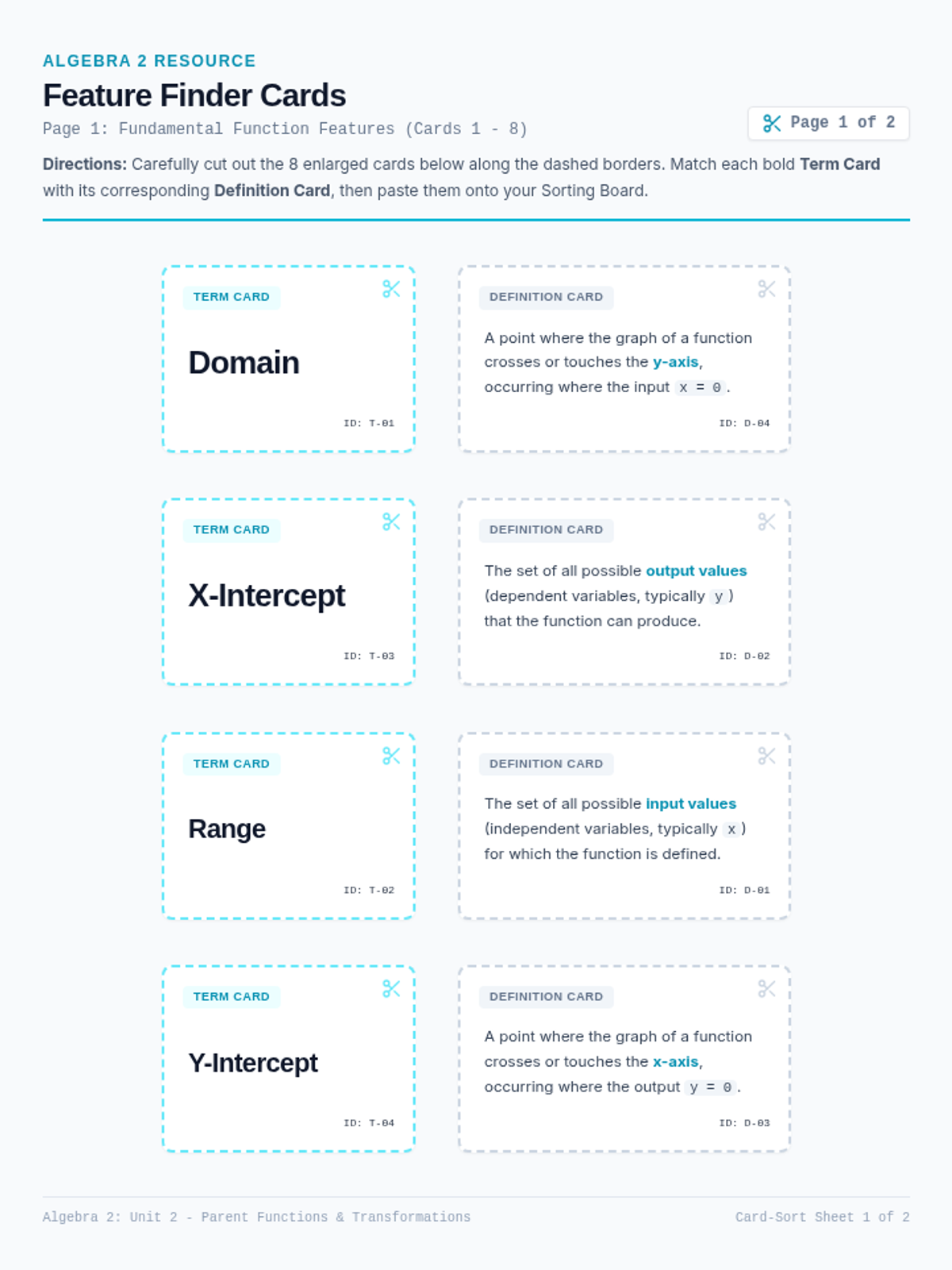
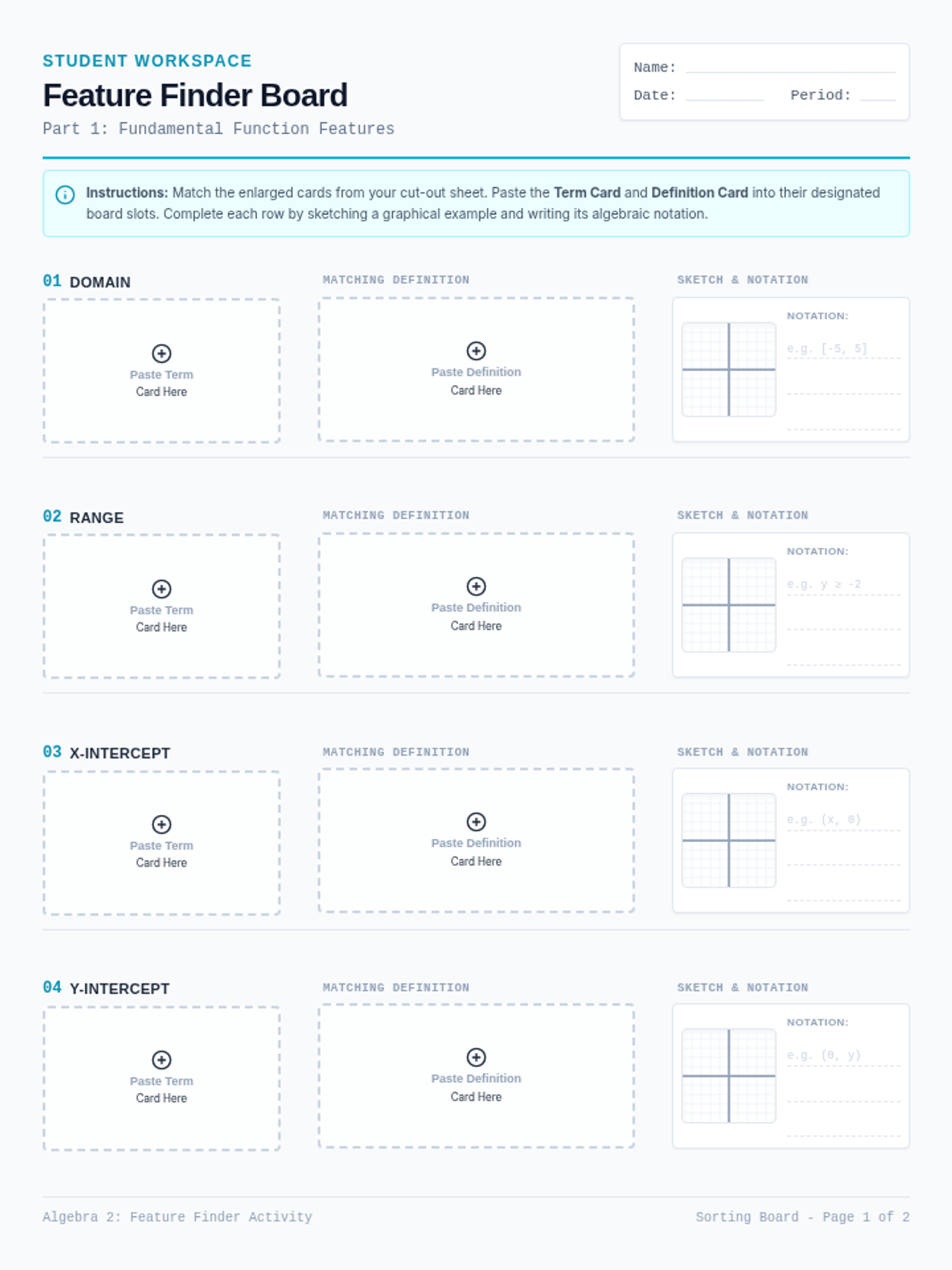
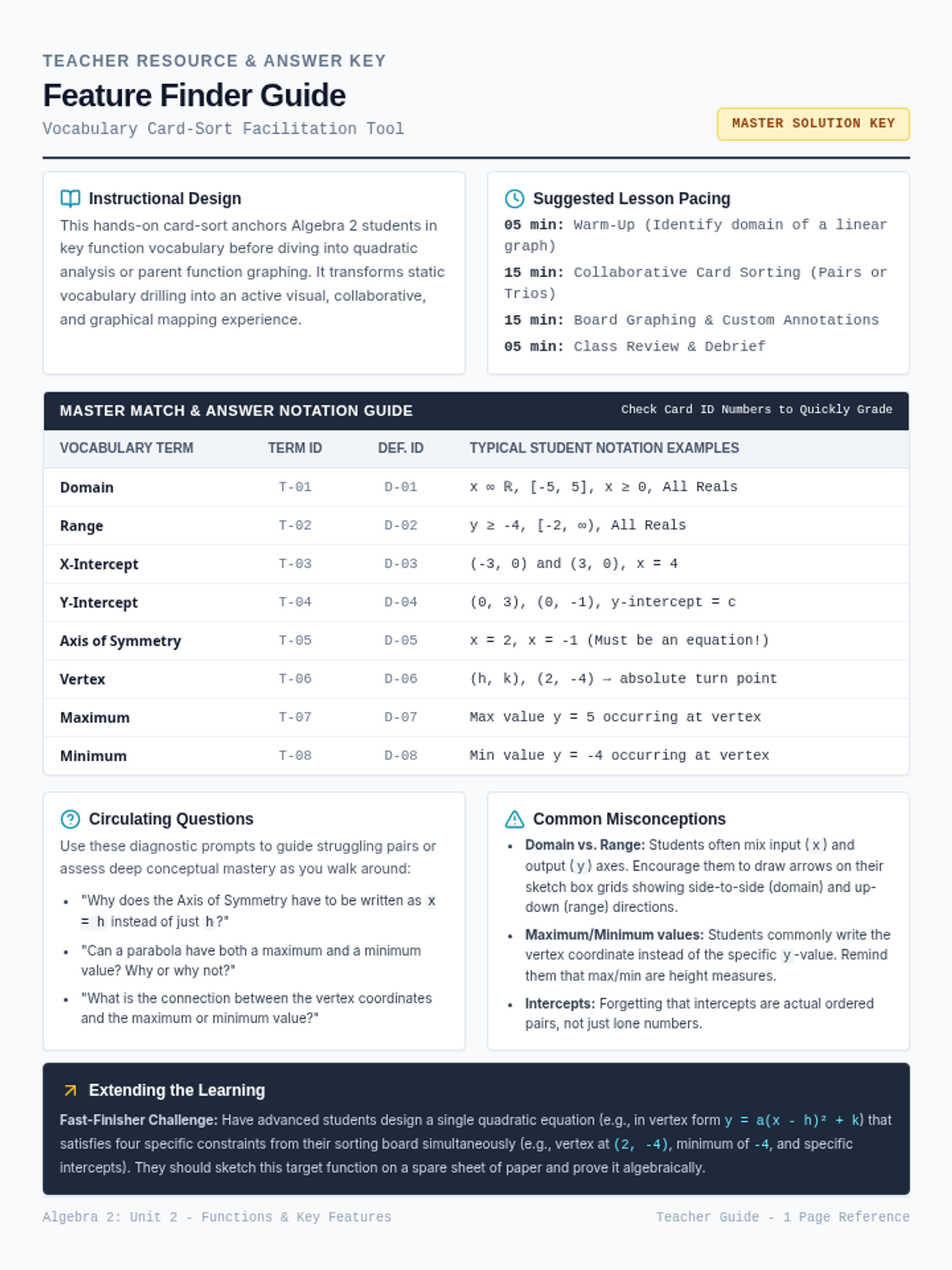
A high school Algebra 2 vocabulary card-sort activity focusing on the essential graphical and algebraic features of functions. Students match 8 key terms with their definitions, paste them onto a structured sorting board, and sketch or write custom examples for each feature.
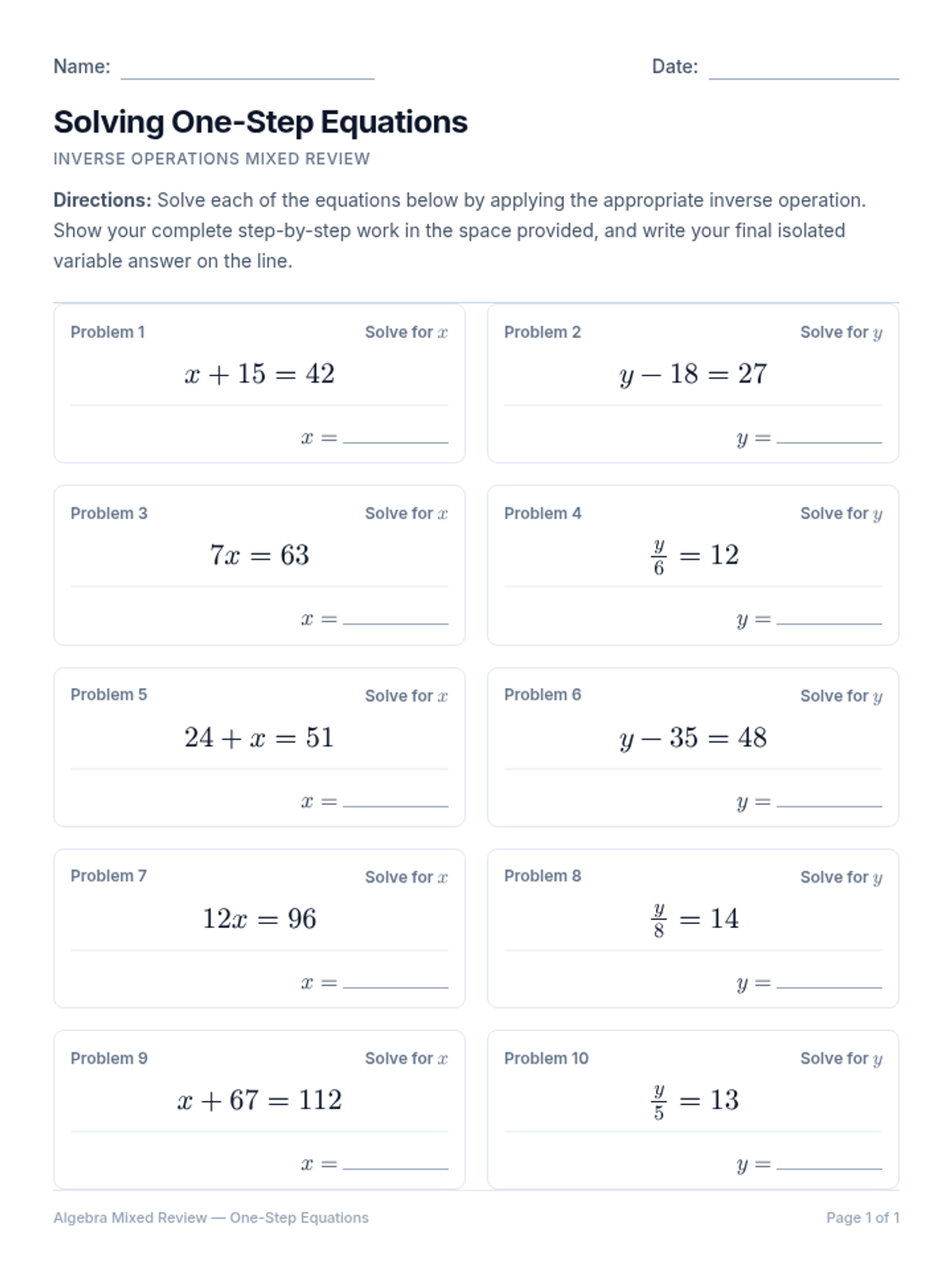
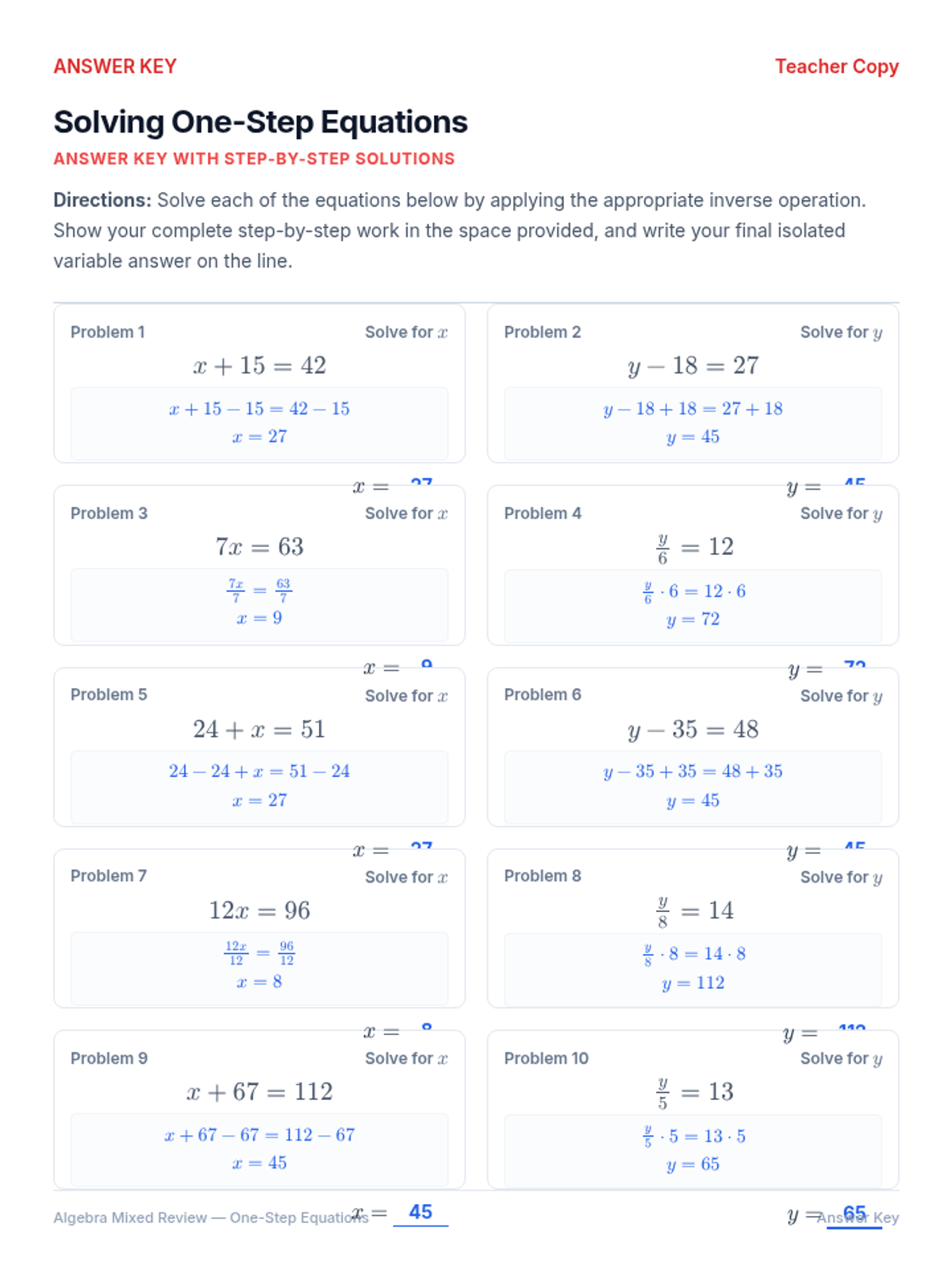
A lesson focused on mastering inverse operations to solve single-step variable equations. Students learn to 'undo' addition, subtraction, multiplication, and division to isolate the variable and solve for the unknown.
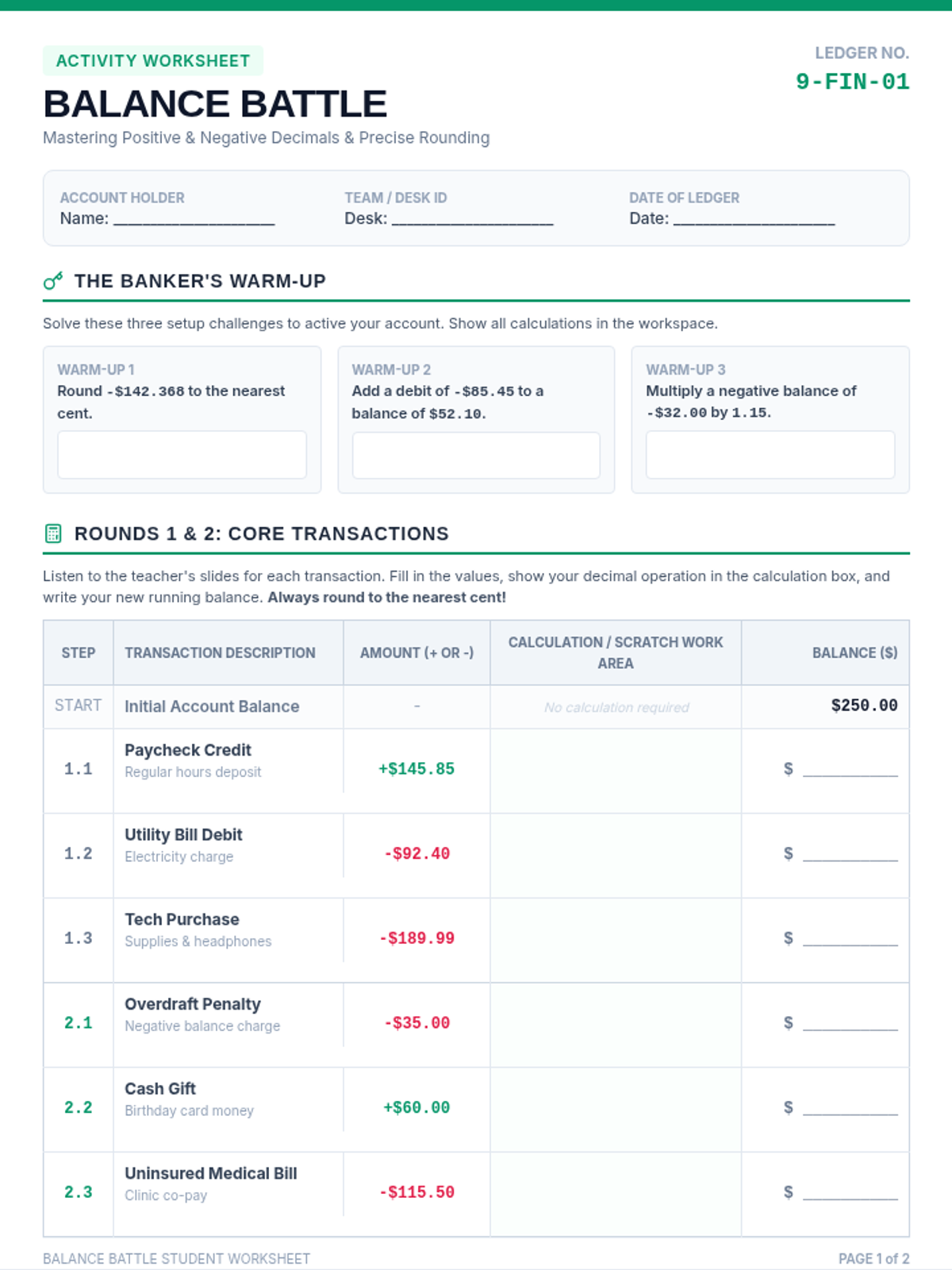
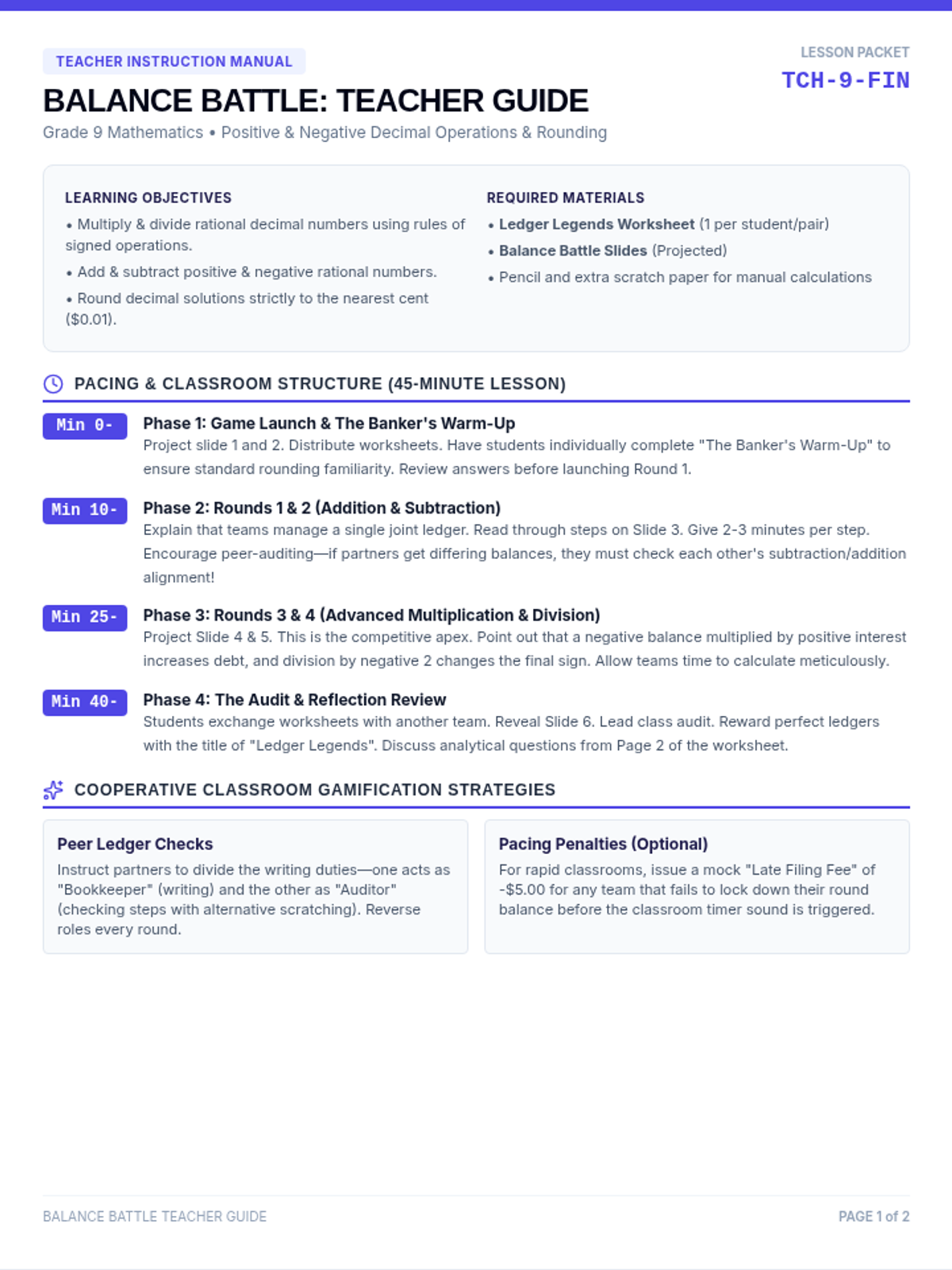
An immersive, competitive personal finance game where 9th-grade students master positive and negative decimal operations and rounding to the nearest cent. Students manage mock bank accounts through high-stakes financial rounds, tracking debits, credits, and interest rates.
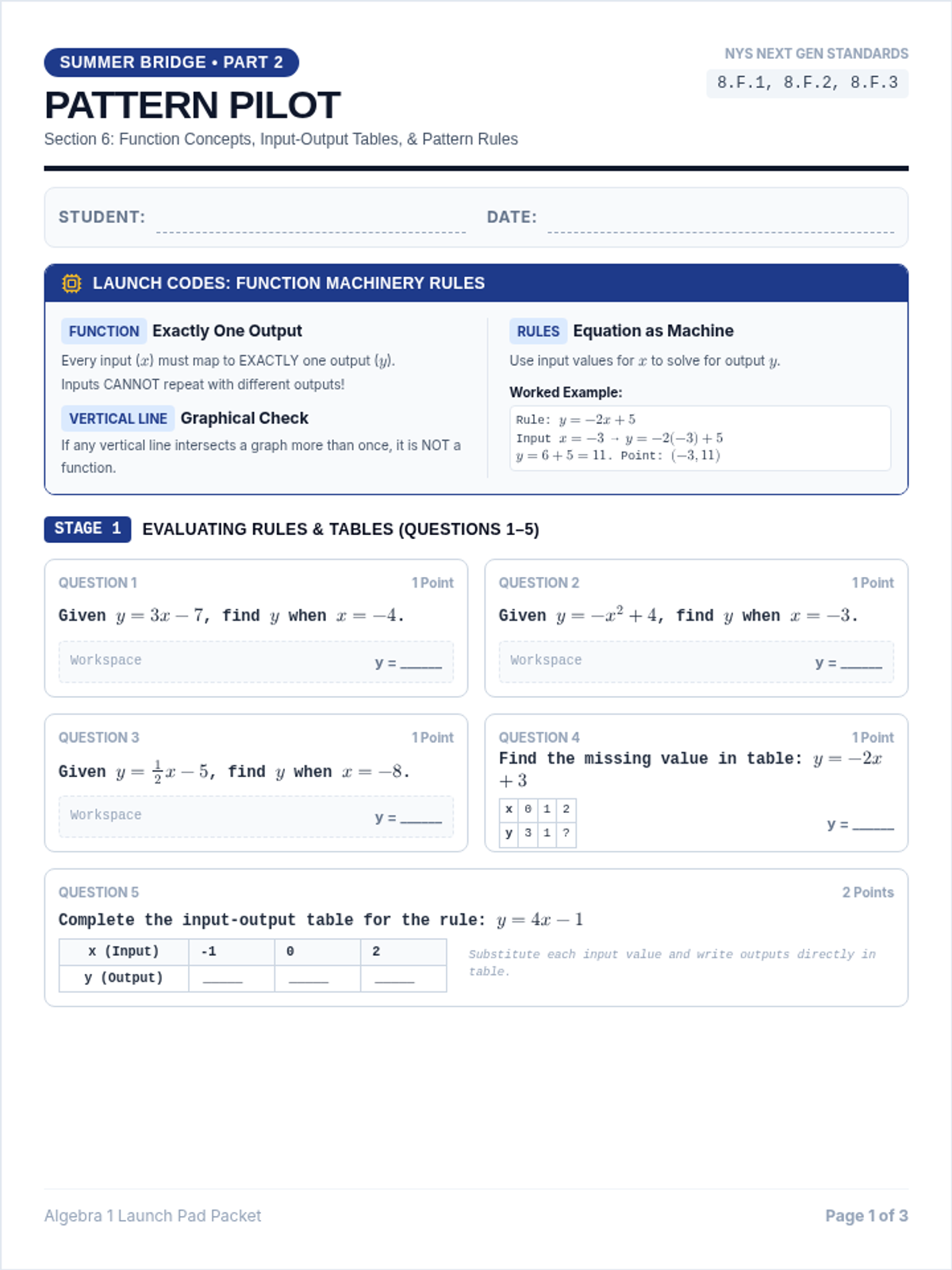
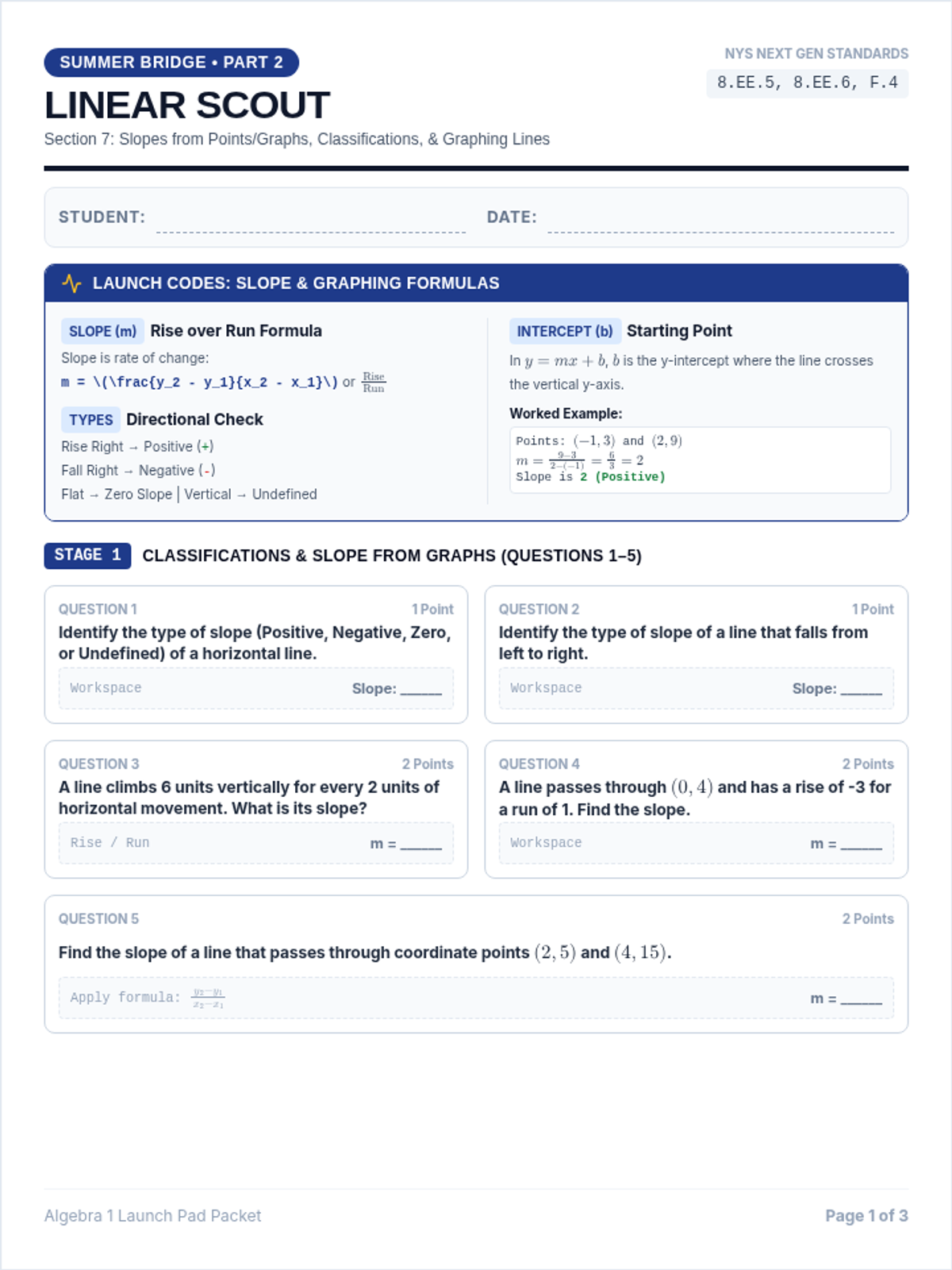
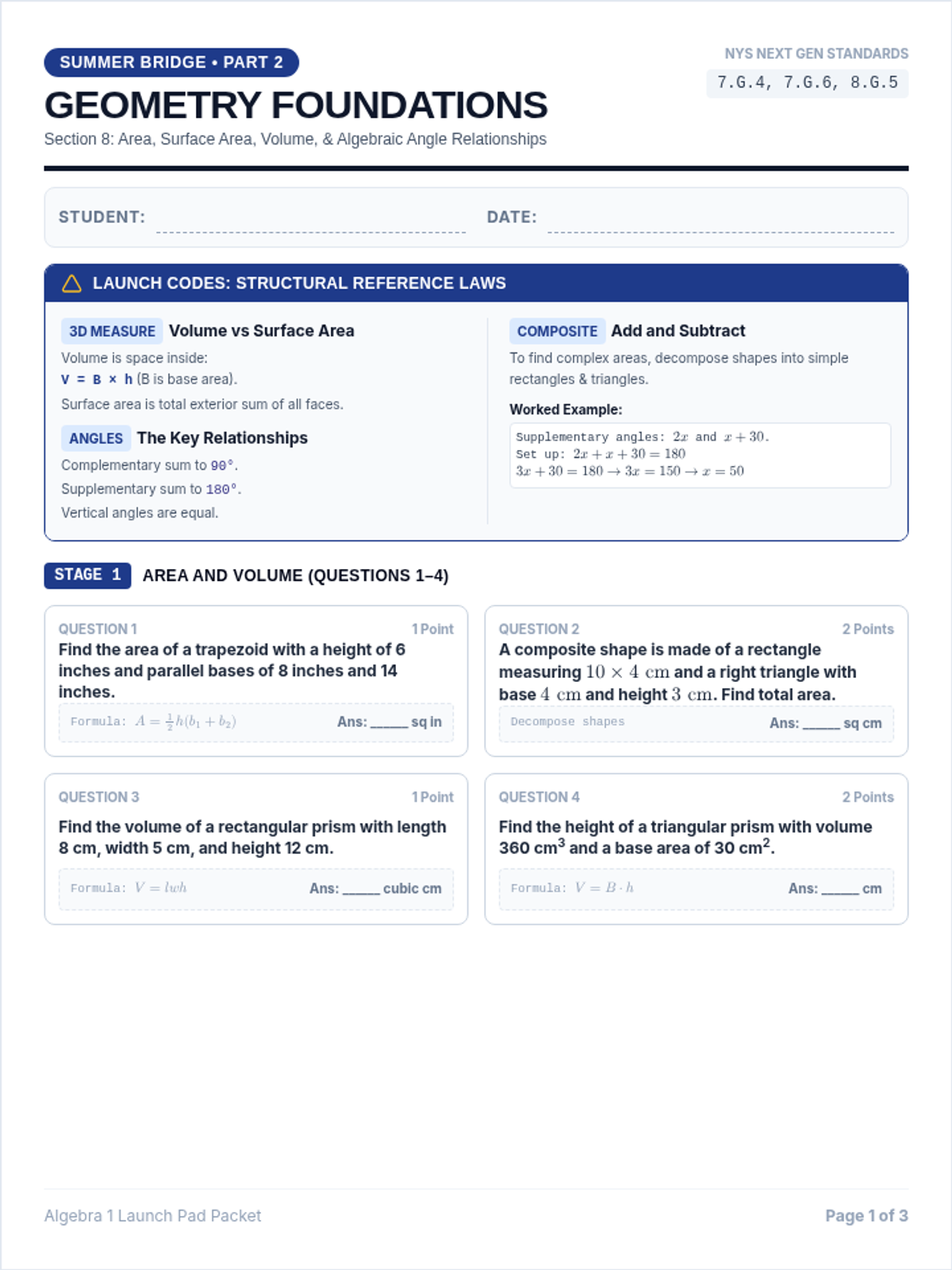
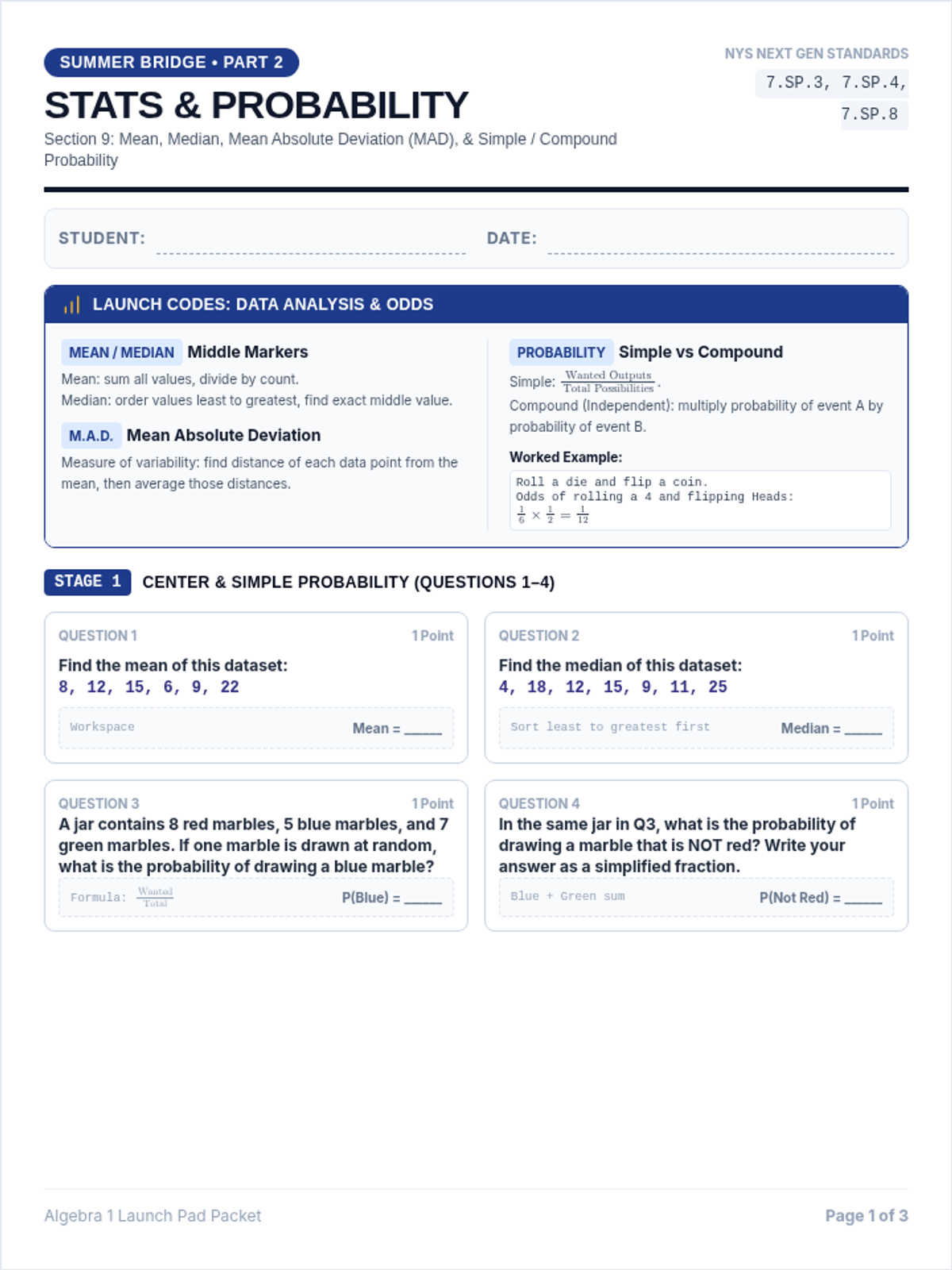
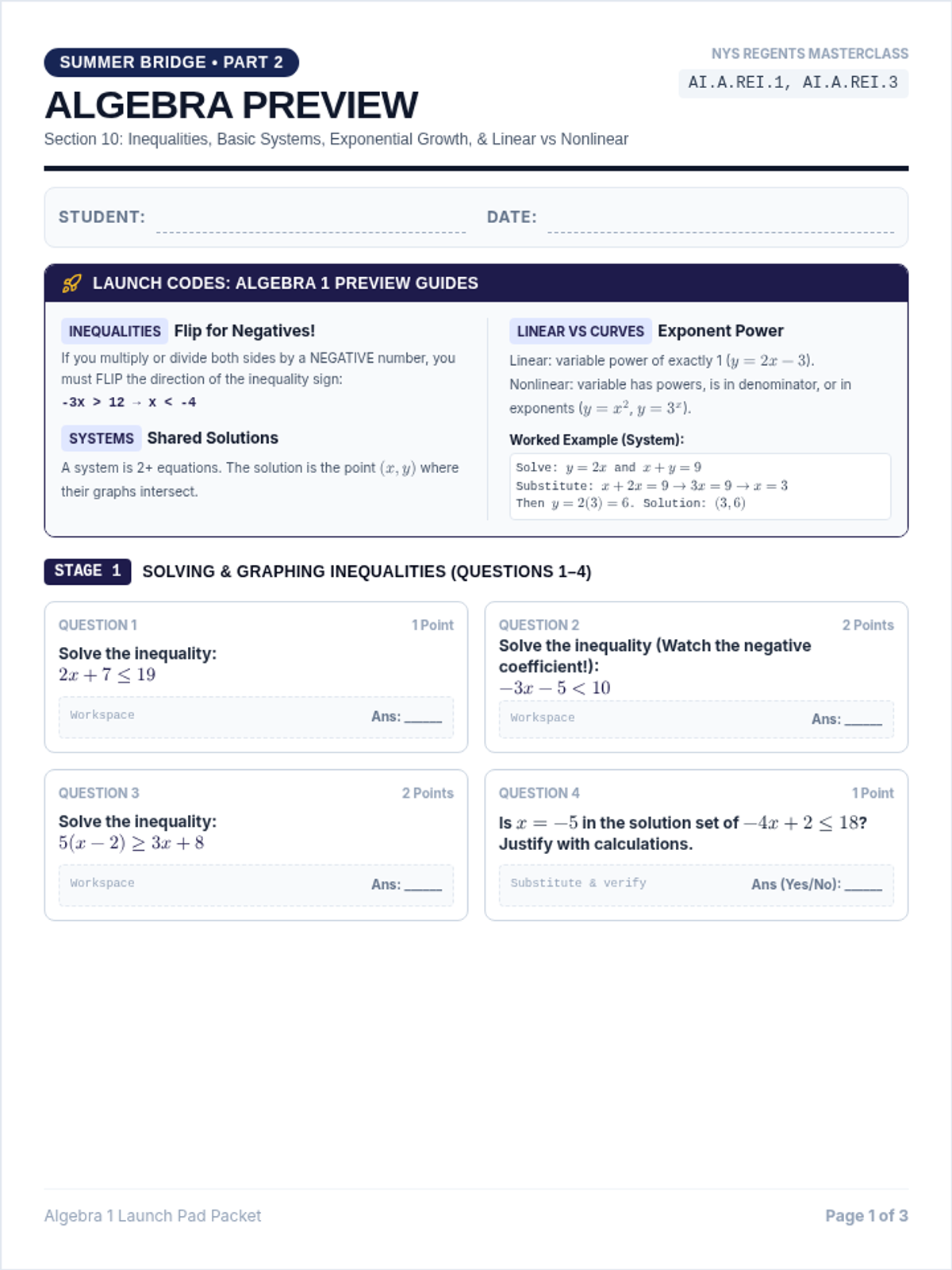
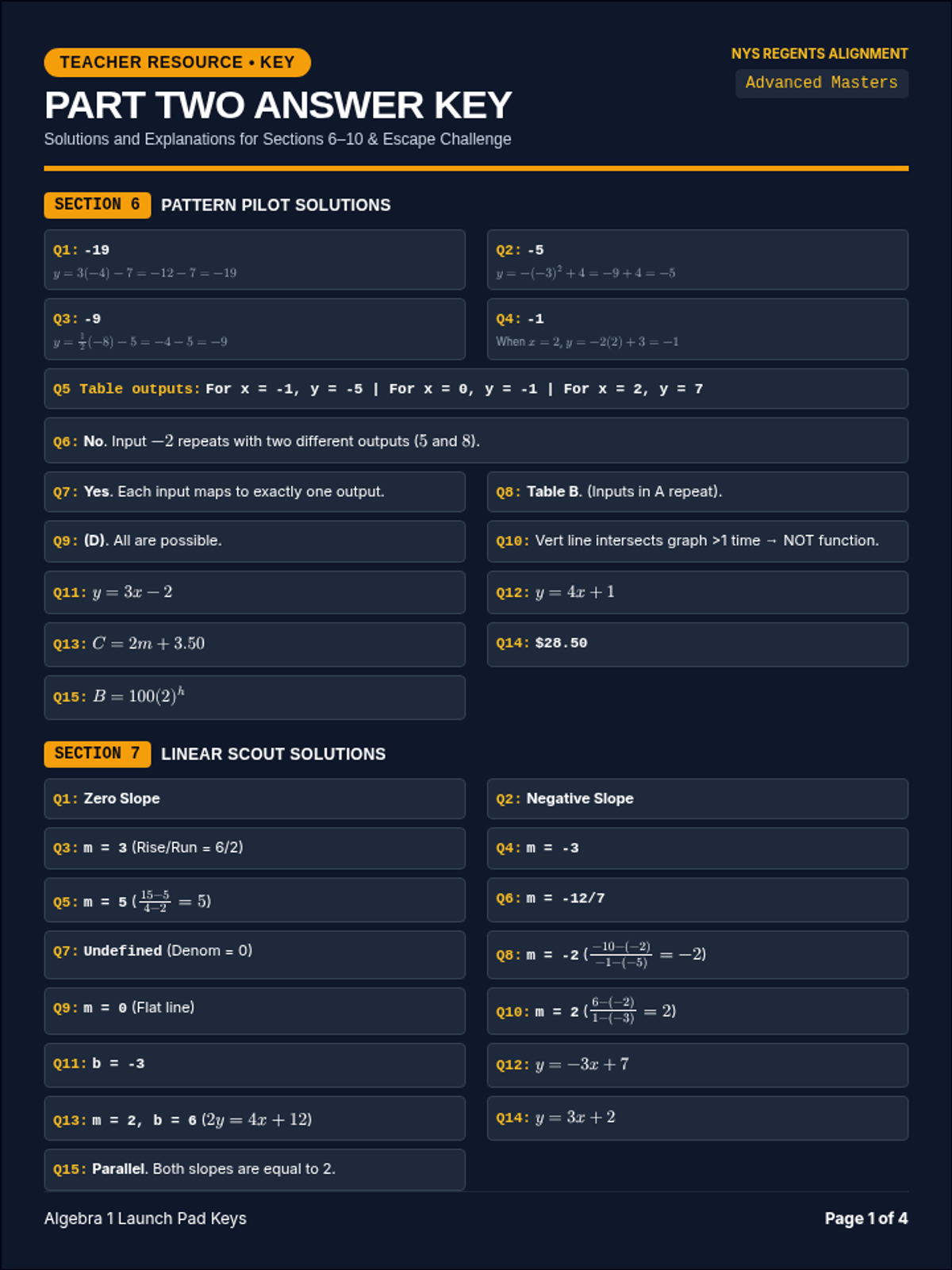
The second part of the Algebra 1 Summer Bridge Packet. It covers functions & patterns, linear relationships, geometric foundations, statistics & probability, and an advanced Algebra 1 preview.
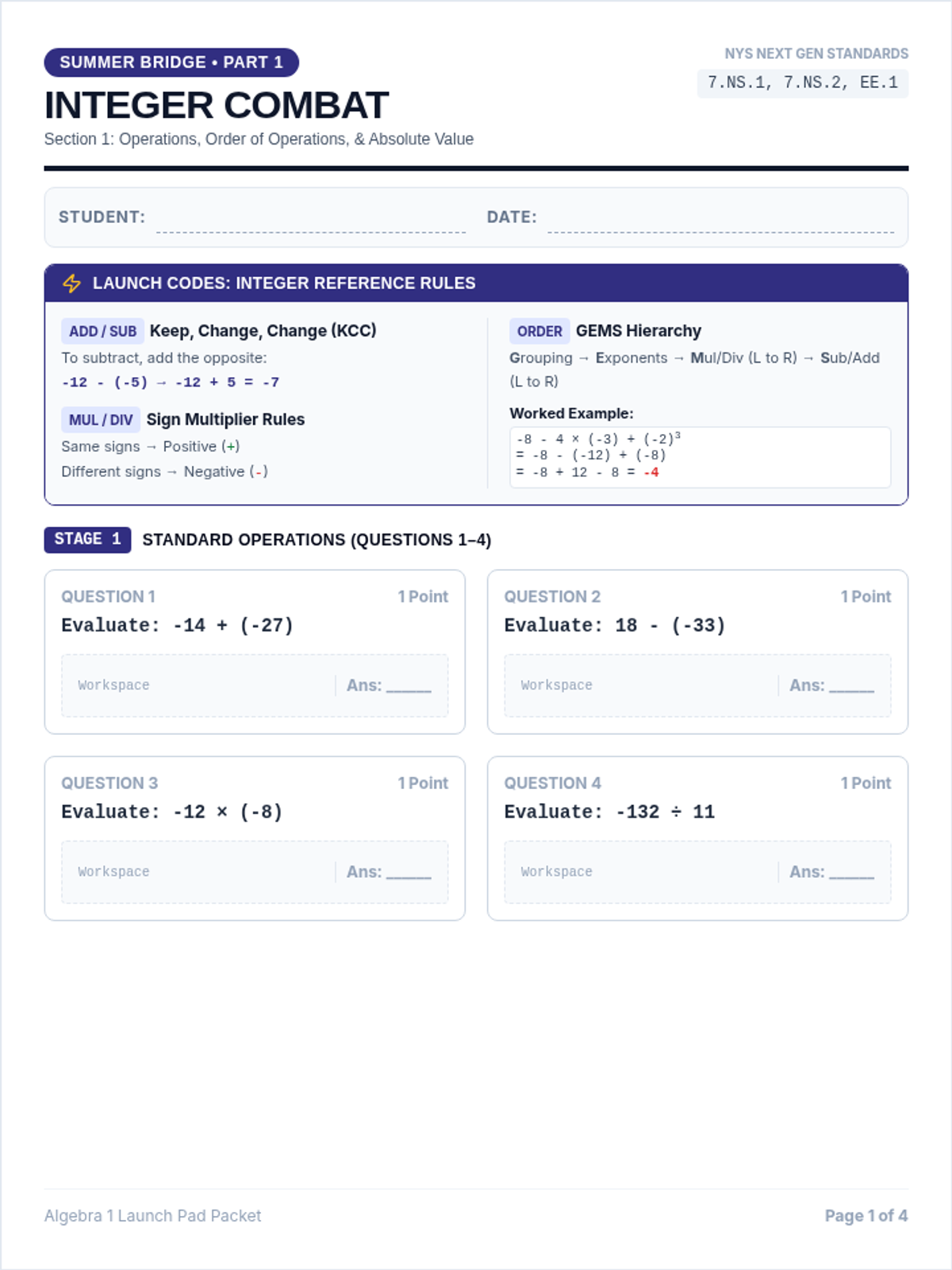
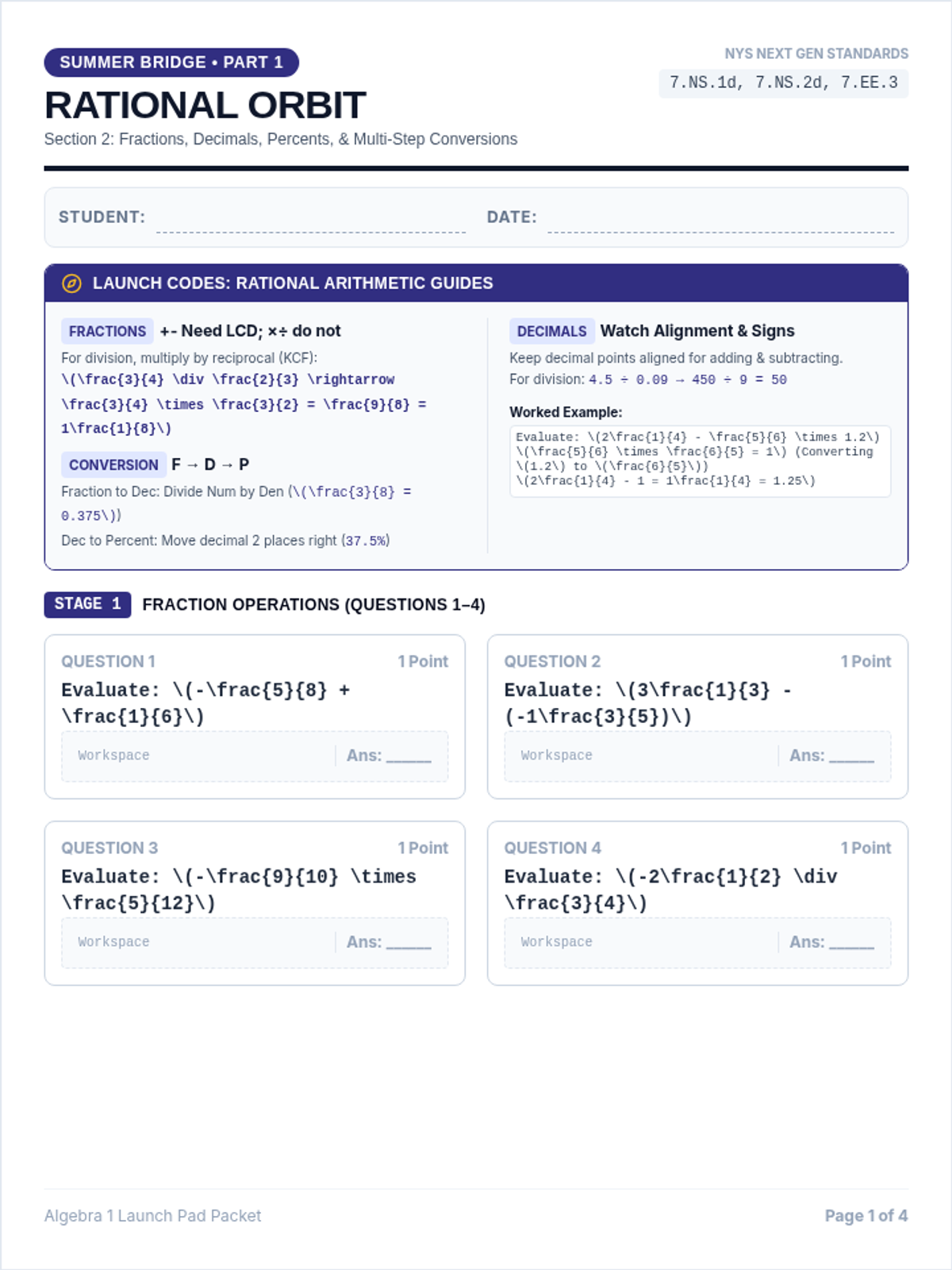
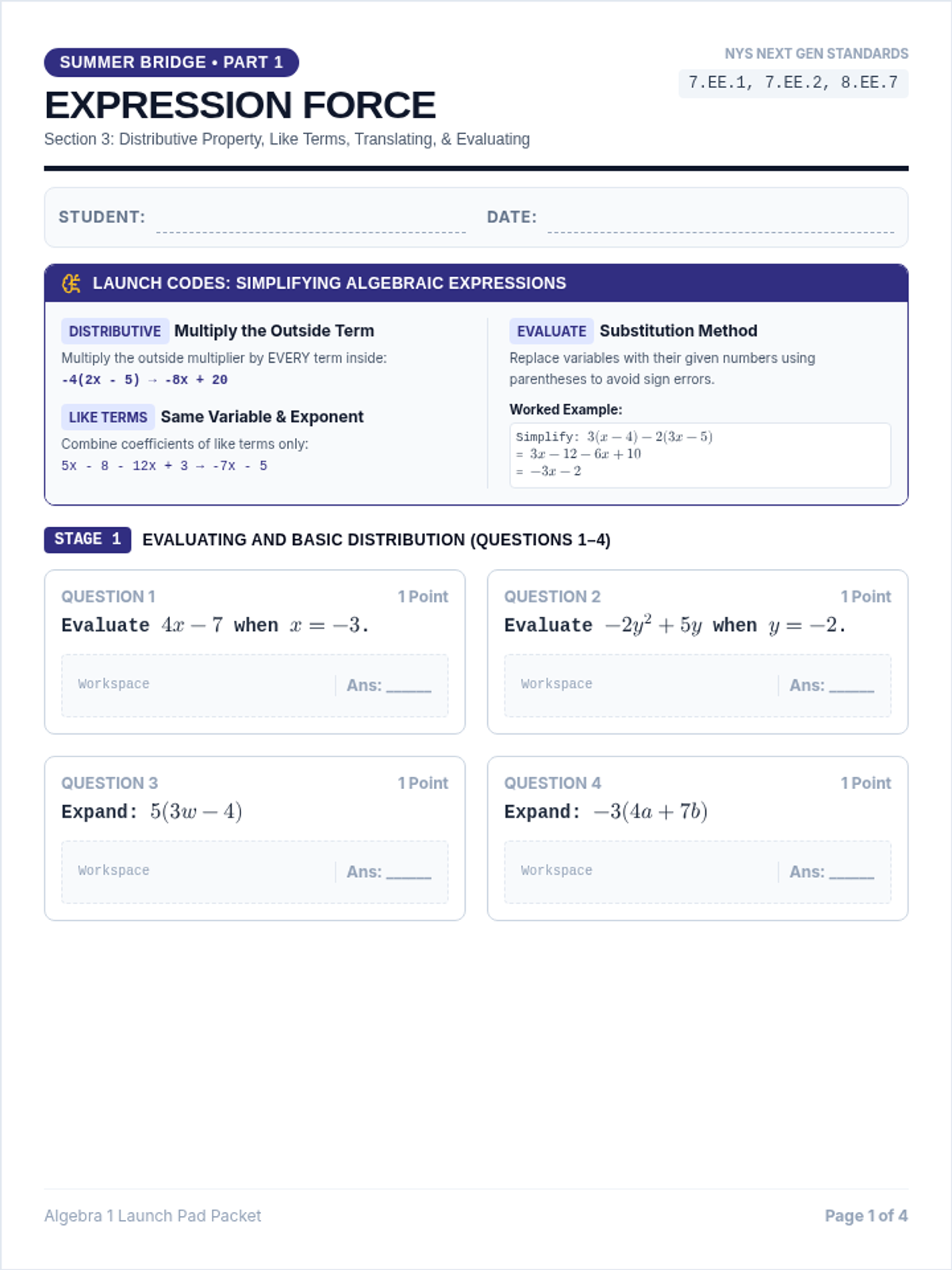
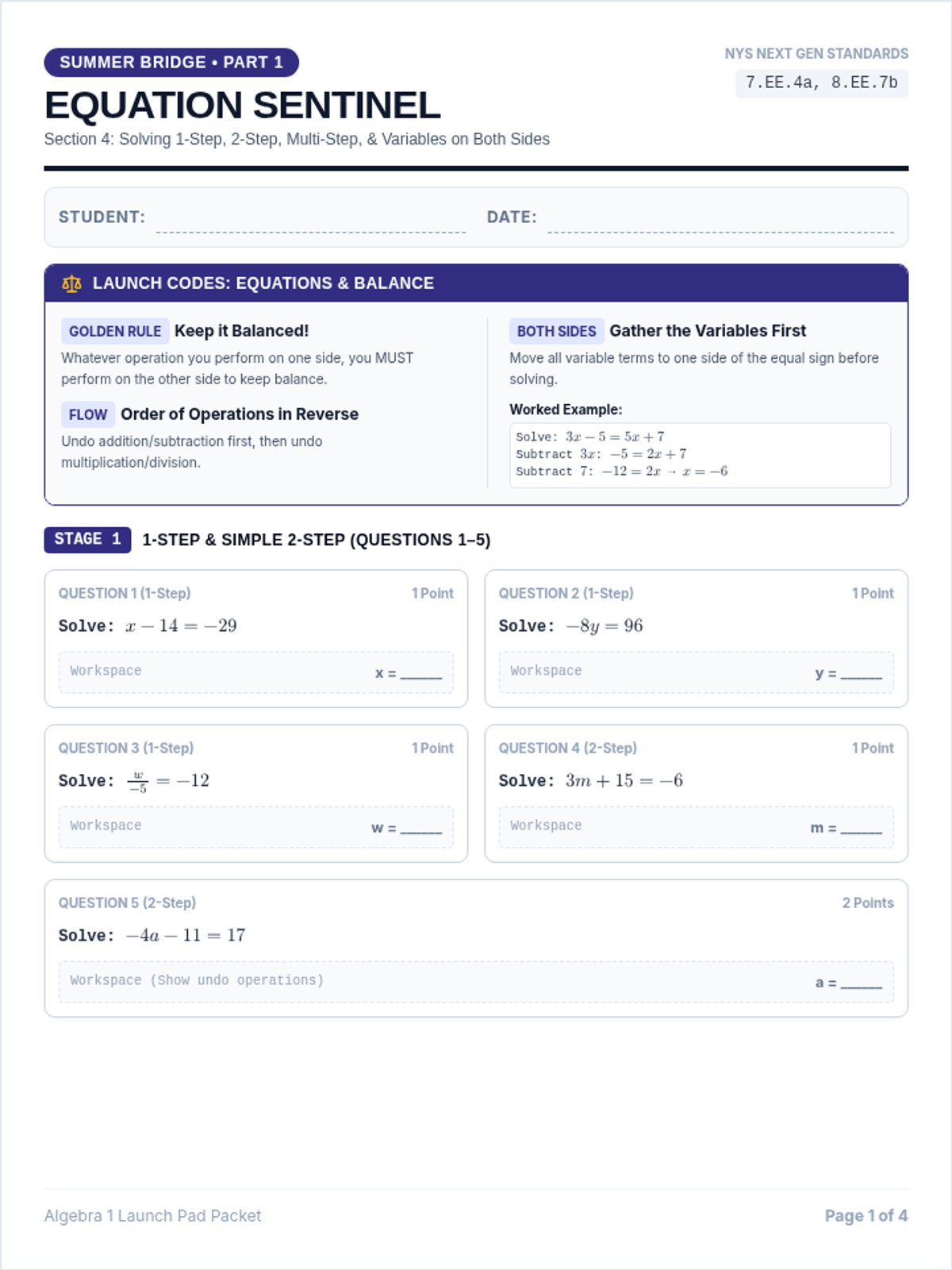
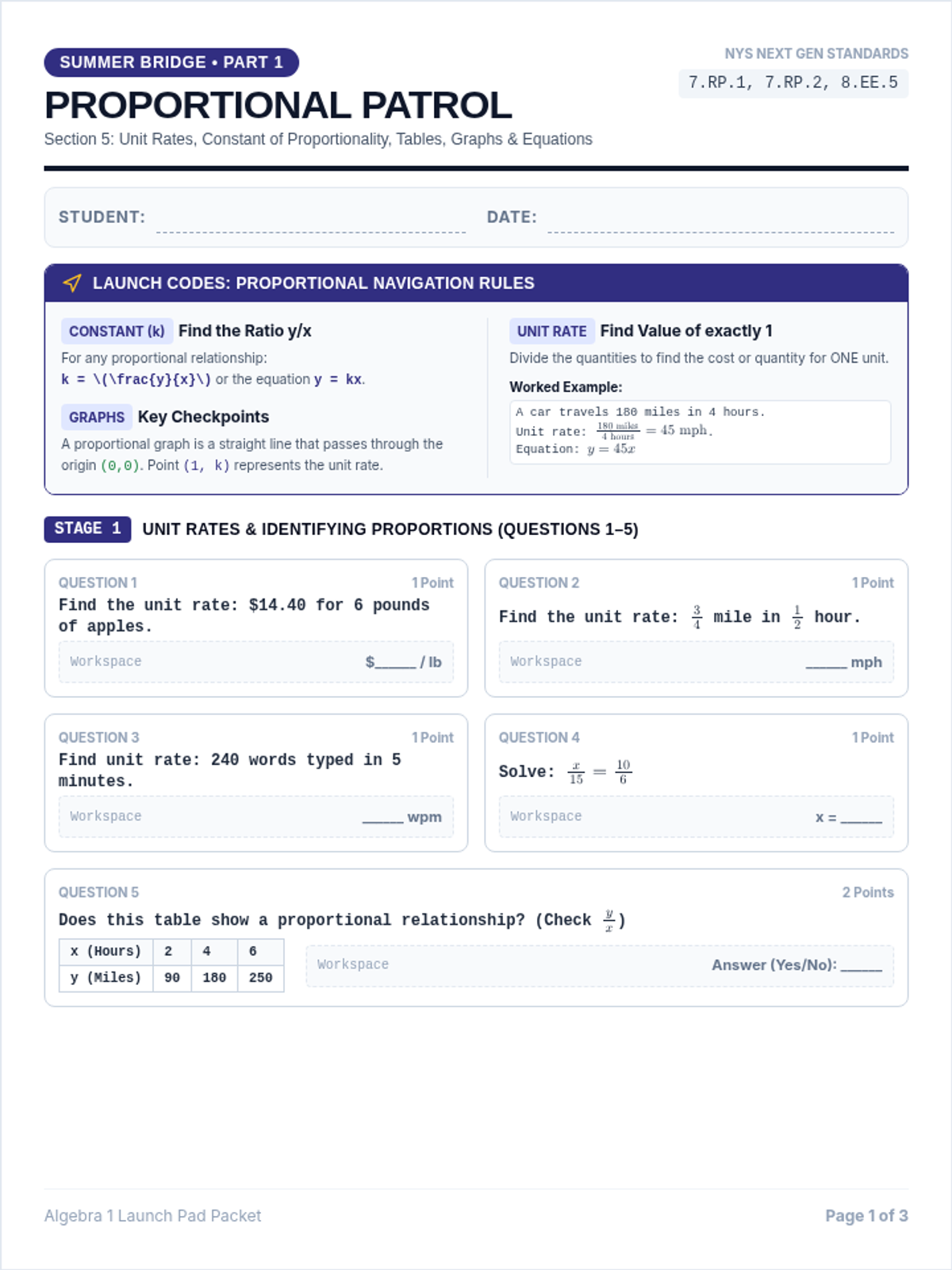
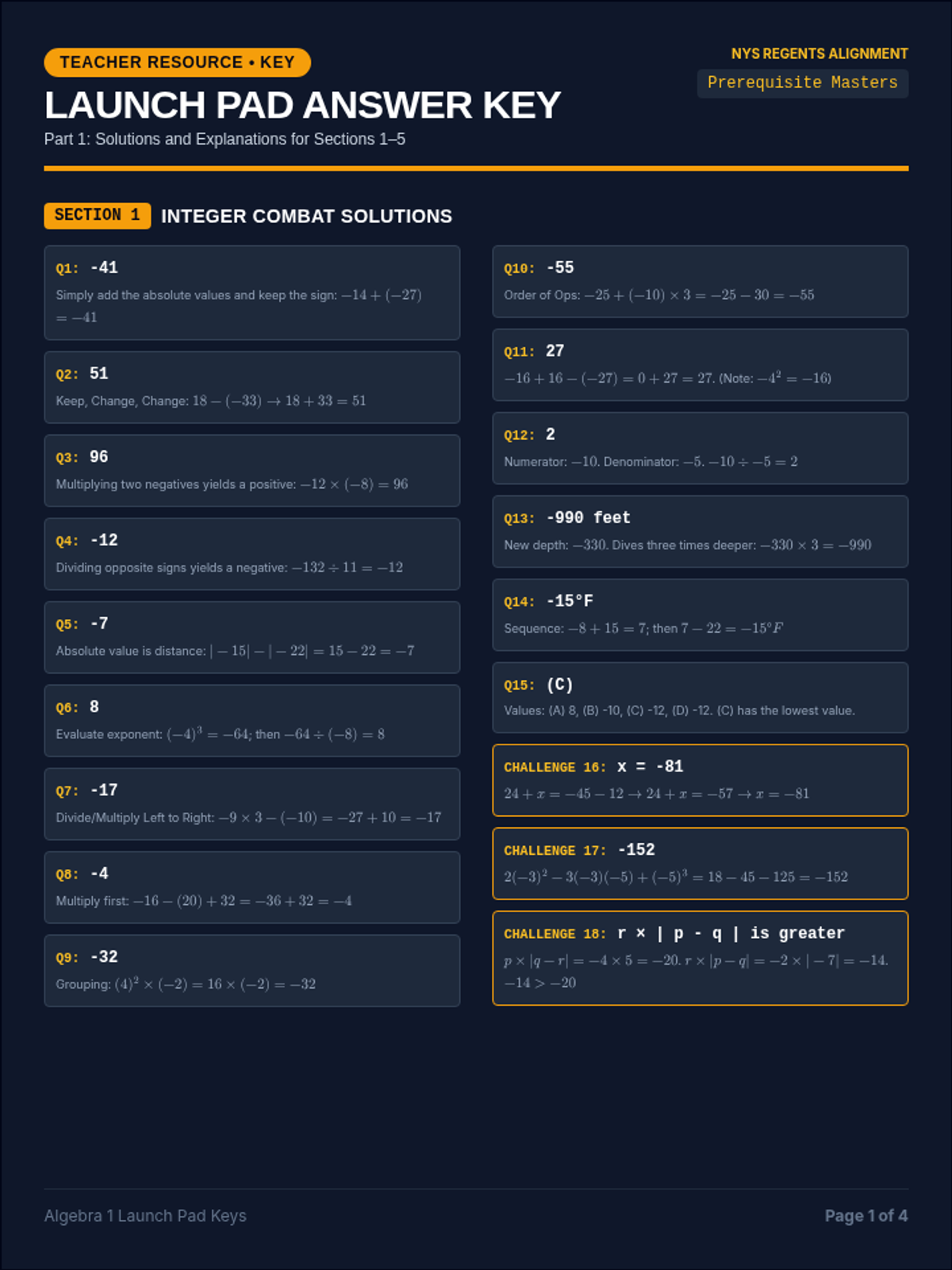
The first part of the Algebra 1 Summer Bridge Packet for rising 8th graders. It covers integer operations, rational numbers, expressions, solving equations, and proportional relationships with worked examples and workspaces.
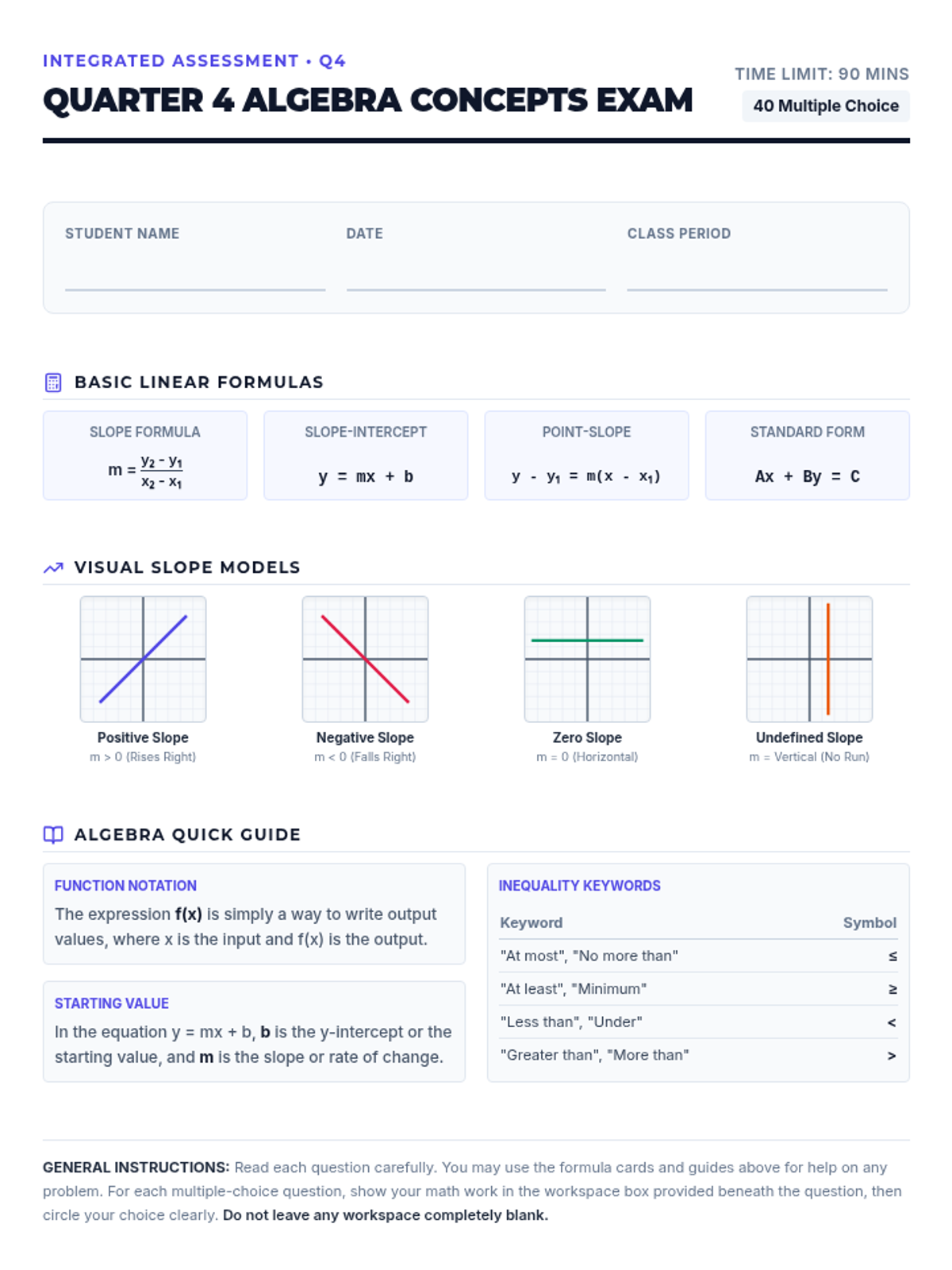
A comprehensive 40-question algebra cumulative exam assessing standard-form modeling, linear functions, slope, graphing, systems of equations, inequalities, and functions. Includes a student booklet with reference sheet and a separate comprehensive answer key with detailed solutions.
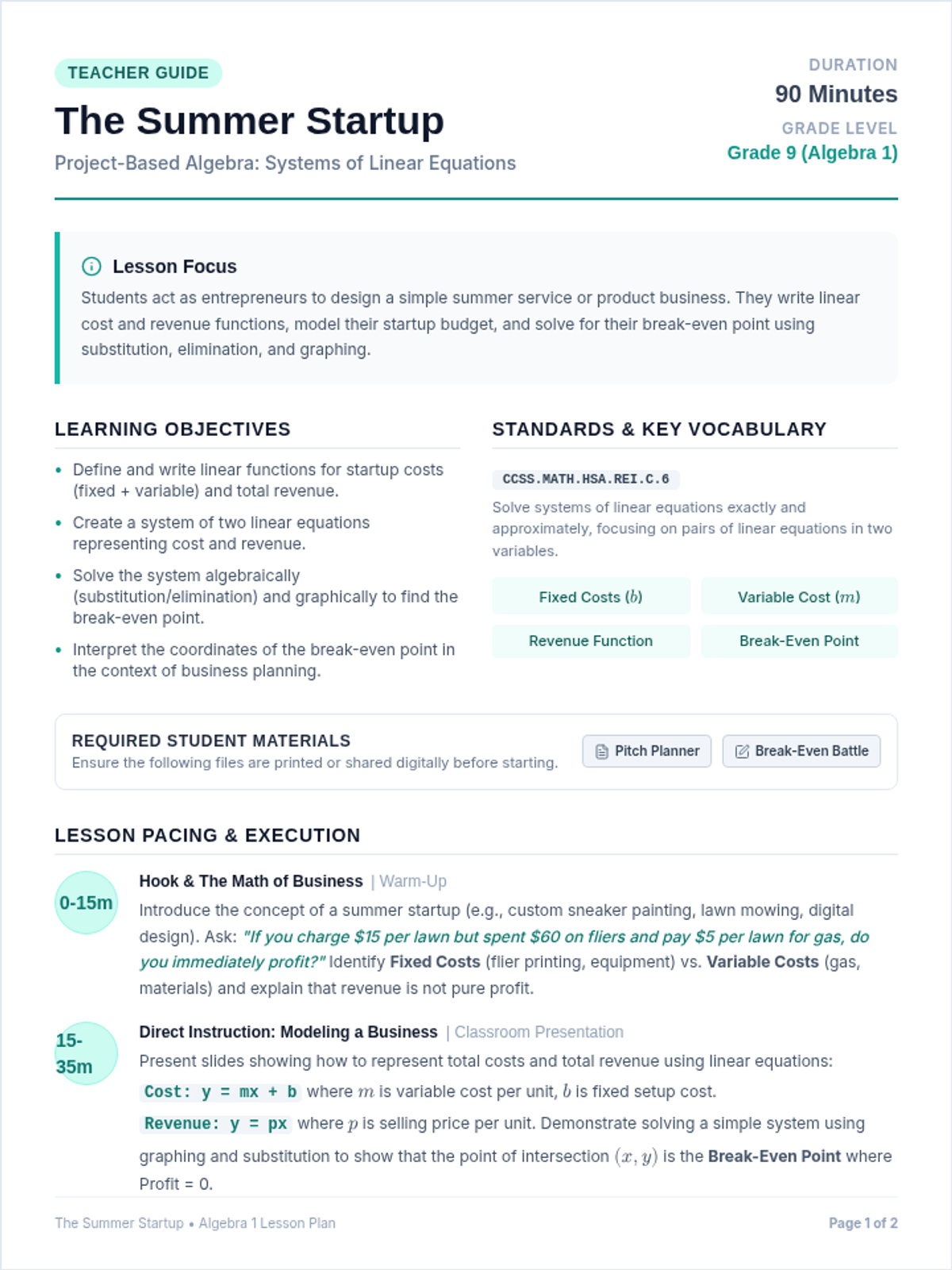
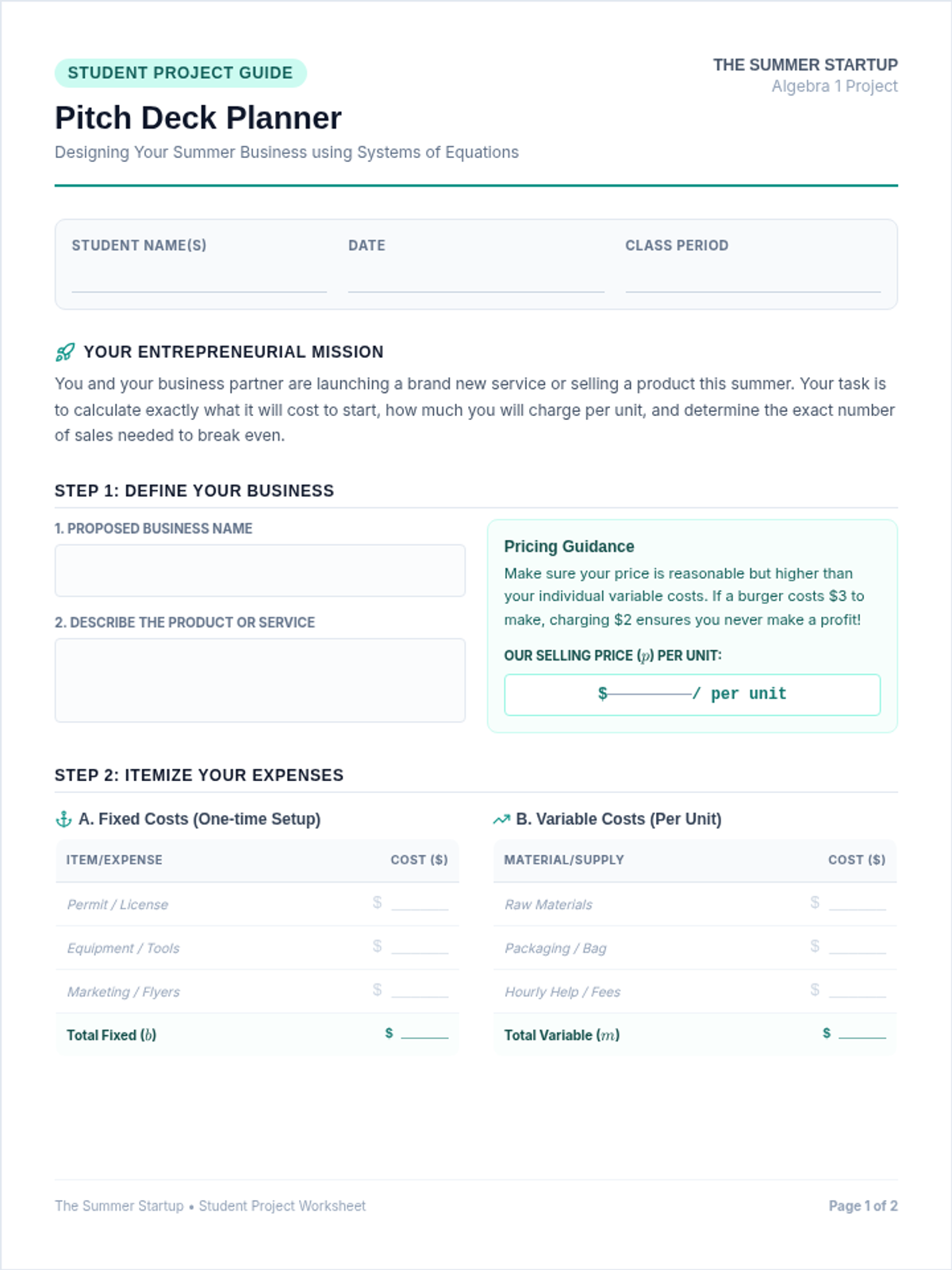
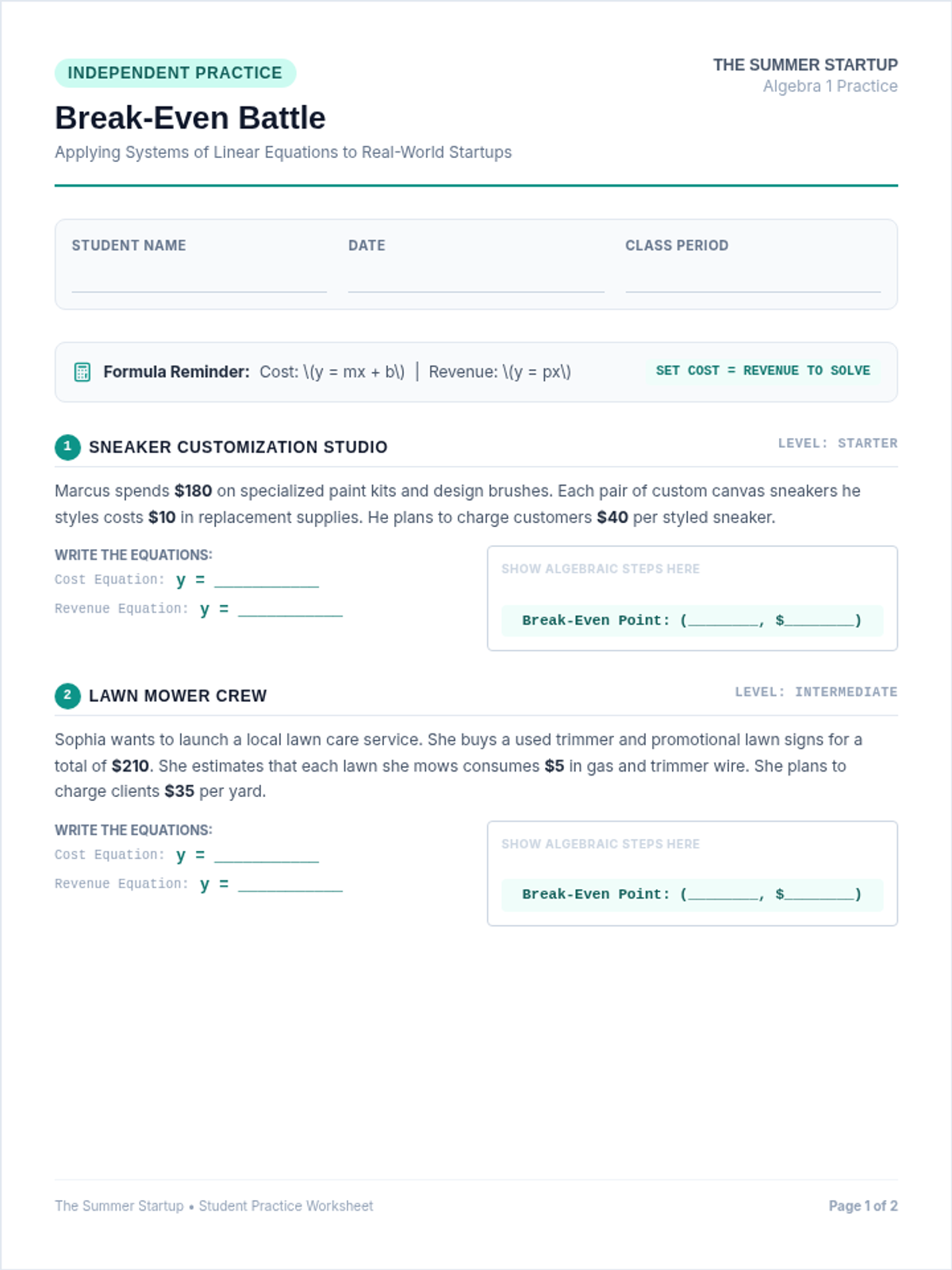
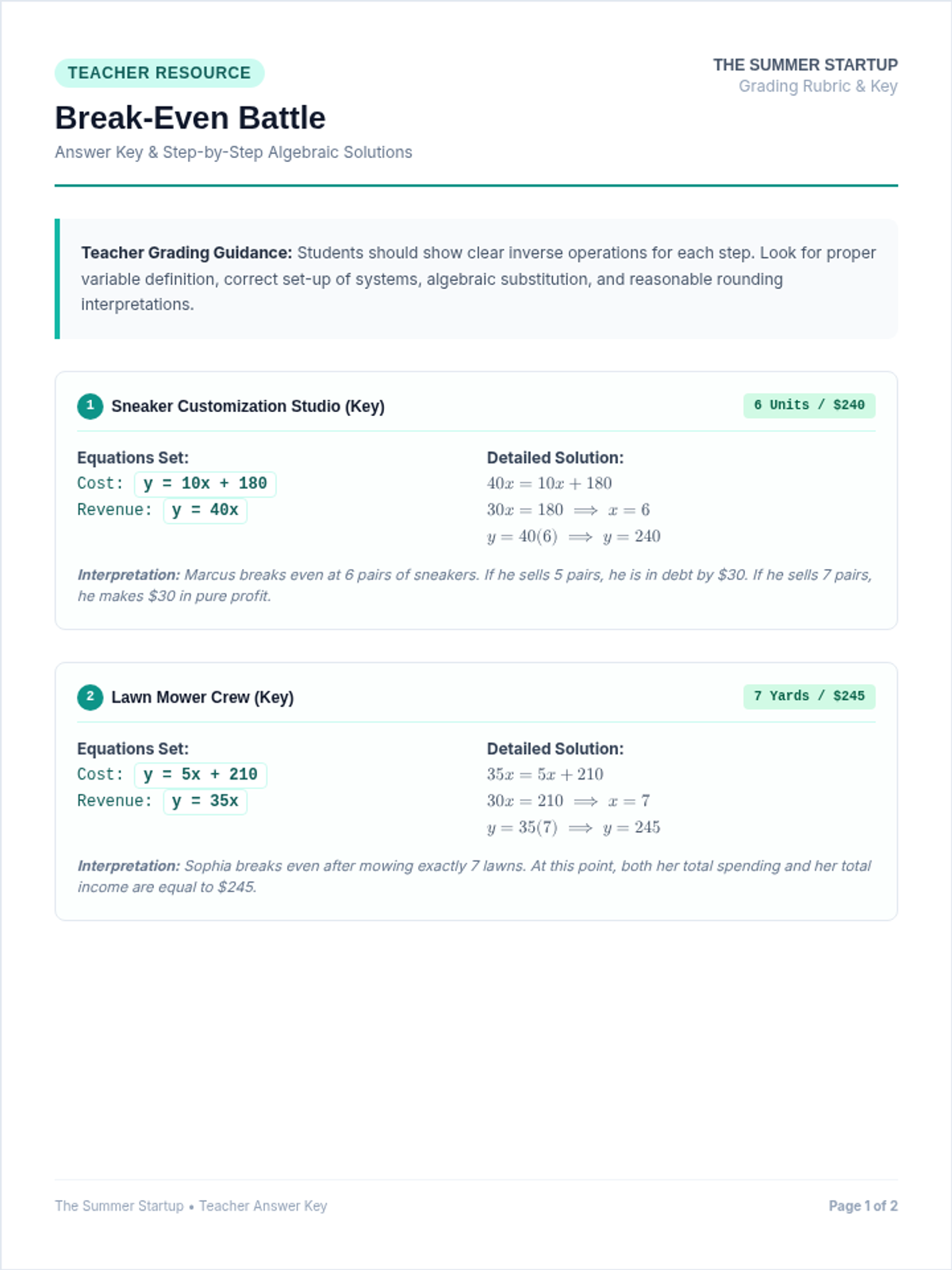
A project-based algebra lesson where students design a hypothetical summer business to explore systems of linear equations. They calculate fixed and variable costs, define revenue, and solve for their break-even point using multiple algebraic methods.
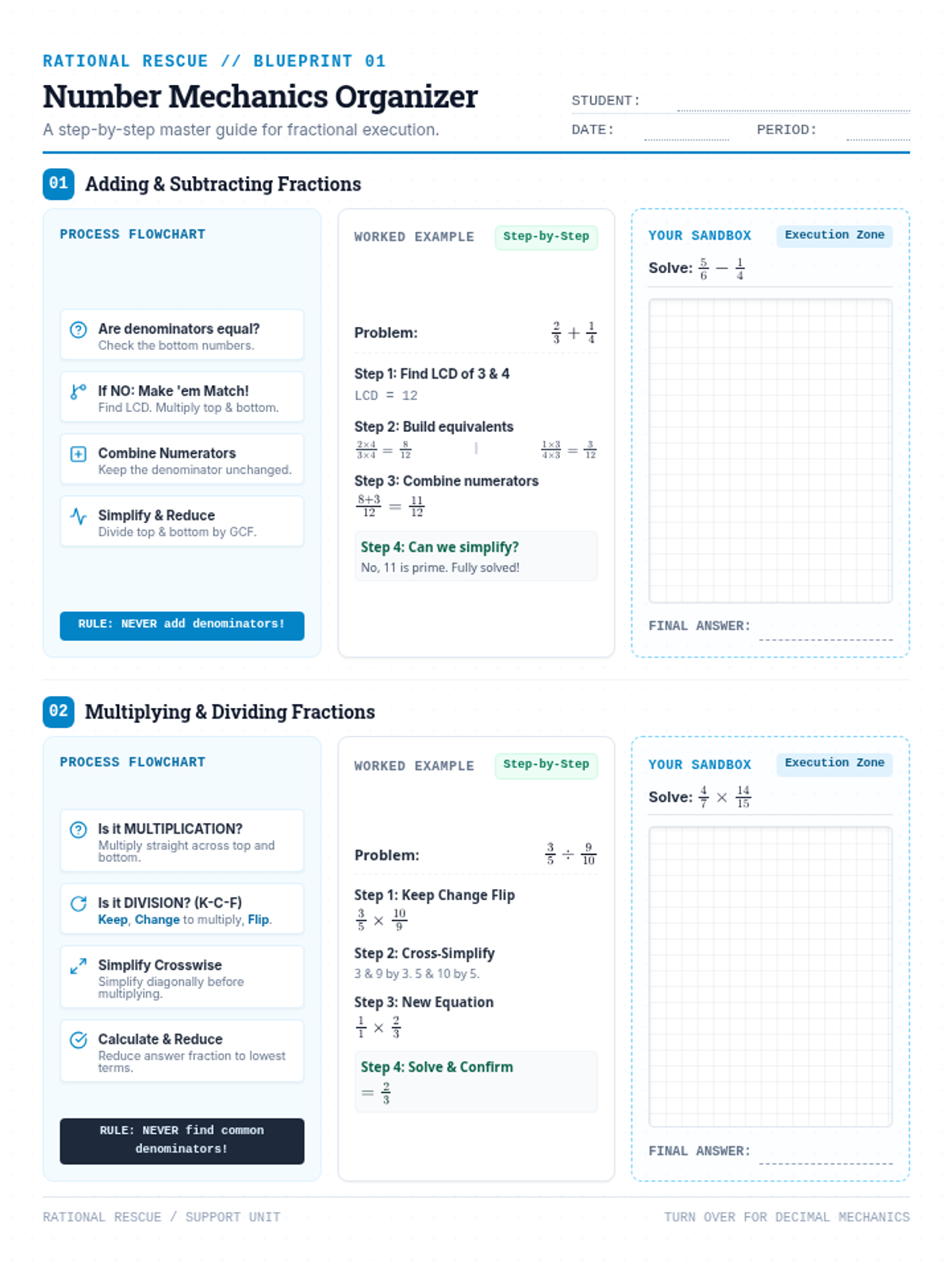
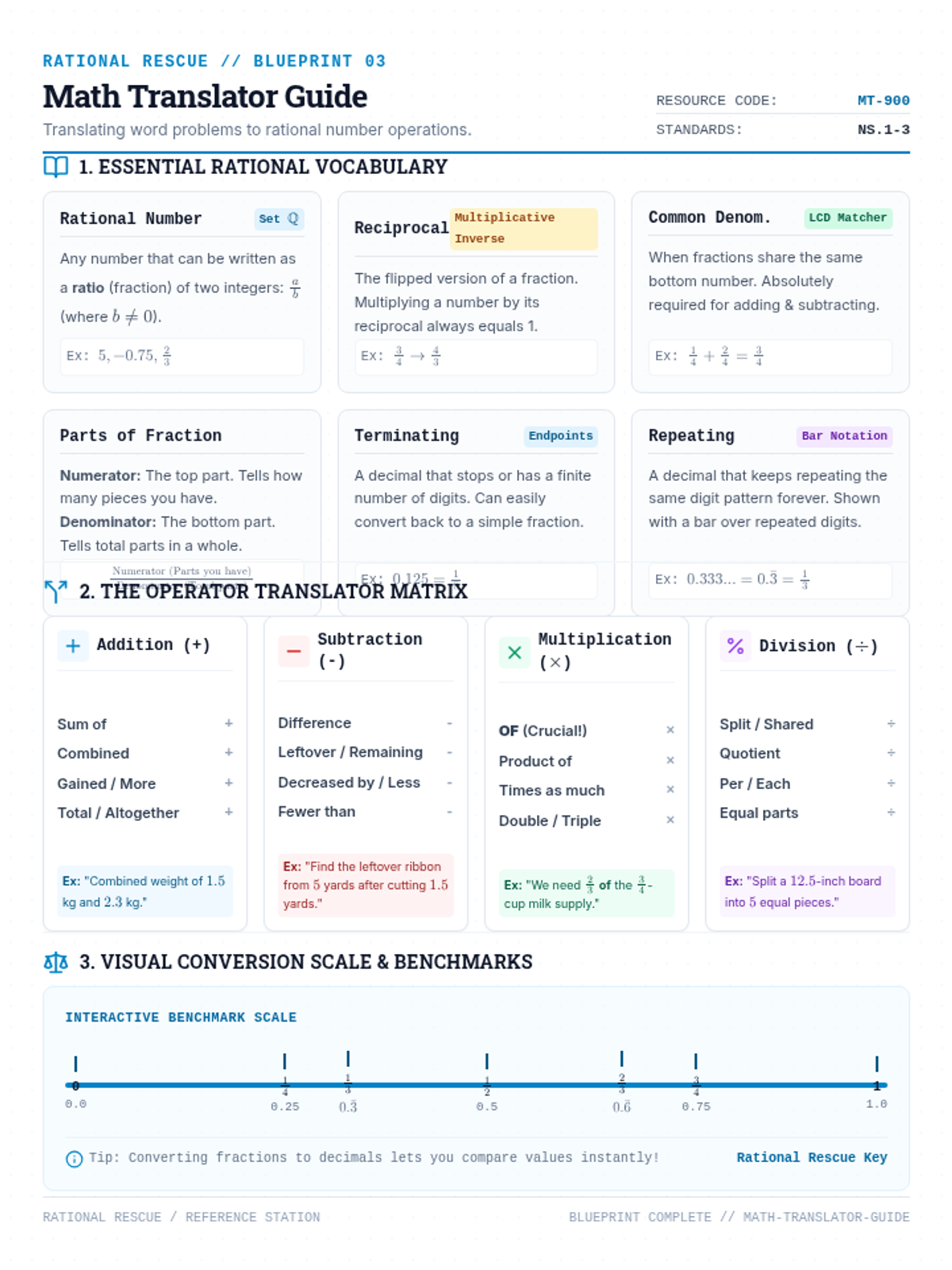
A foundational high school math support lesson focused on master operating with fractions and decimals. Includes a step-by-step graphic organizer for execution and an in-depth vocabulary guide translating word problems to mathematical operations.
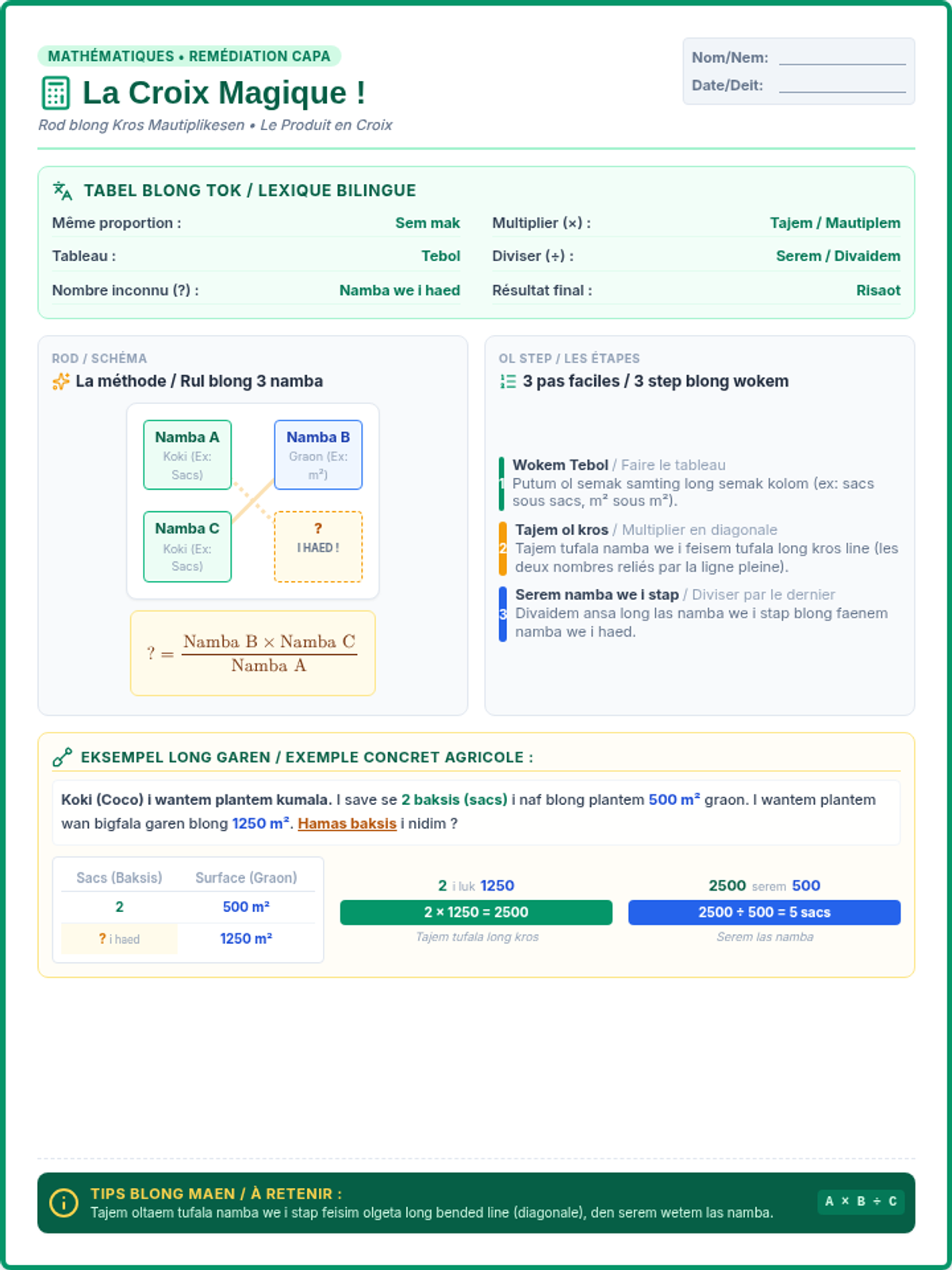
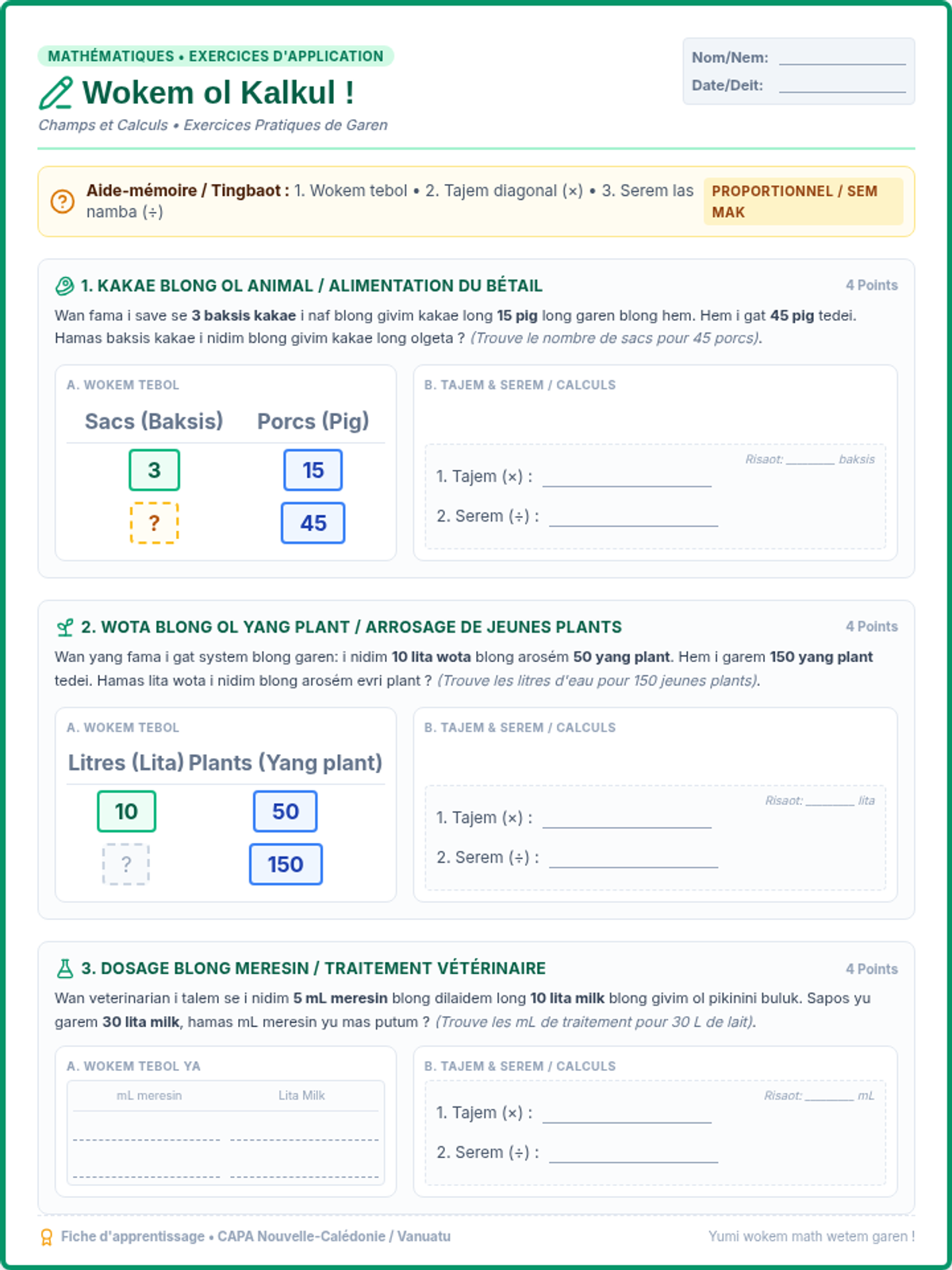
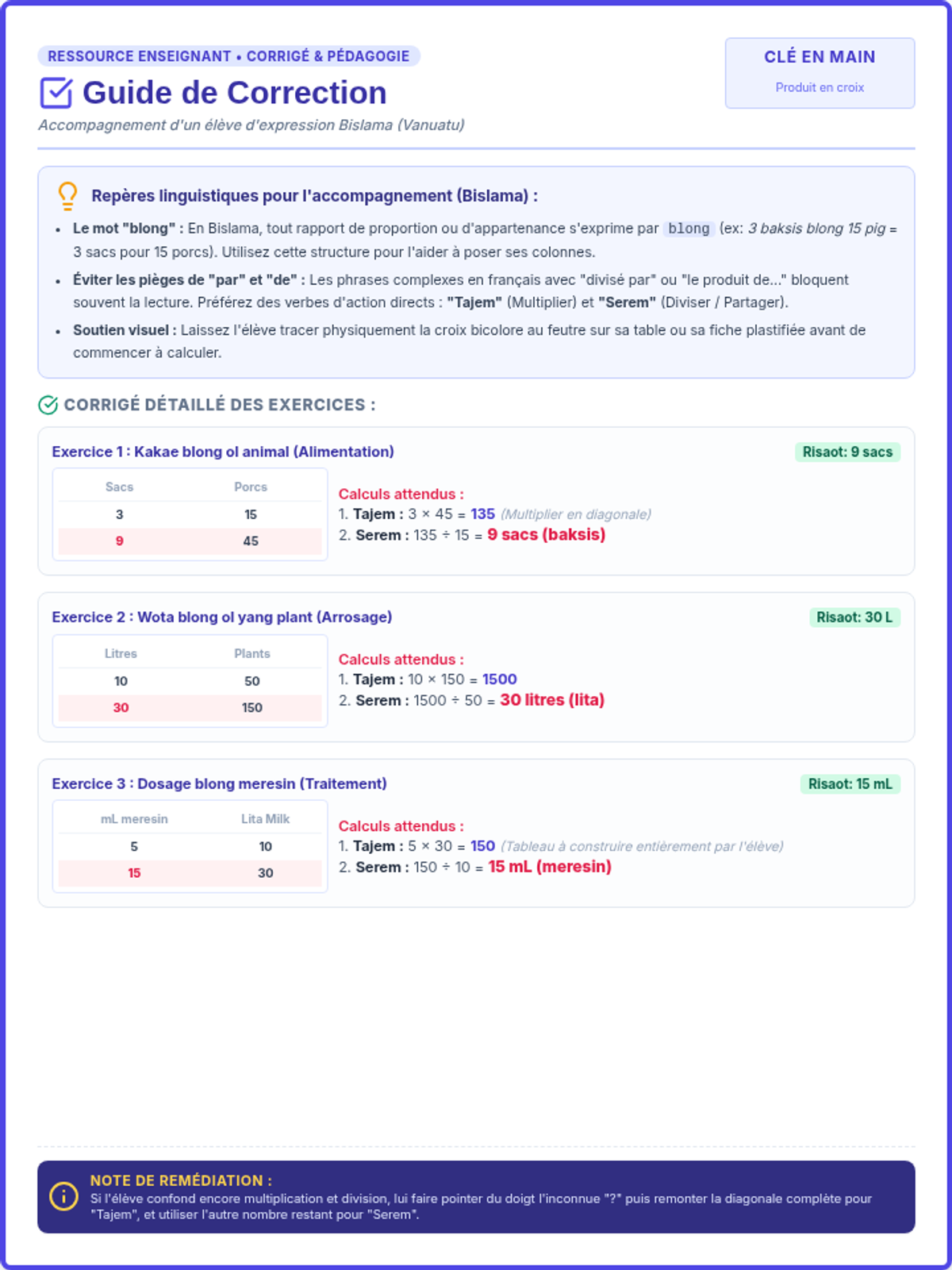
Une leçon de remédiation en mathématiques sur le produit en croix pour les élèves de CAP Agricole, bilingue Français/Bislama, intégrant des situations concrètes de l'agriculture calédonienne et du Vanuatu (calcul d'aliments pour bétail, dosage de traitements, densité de semis).
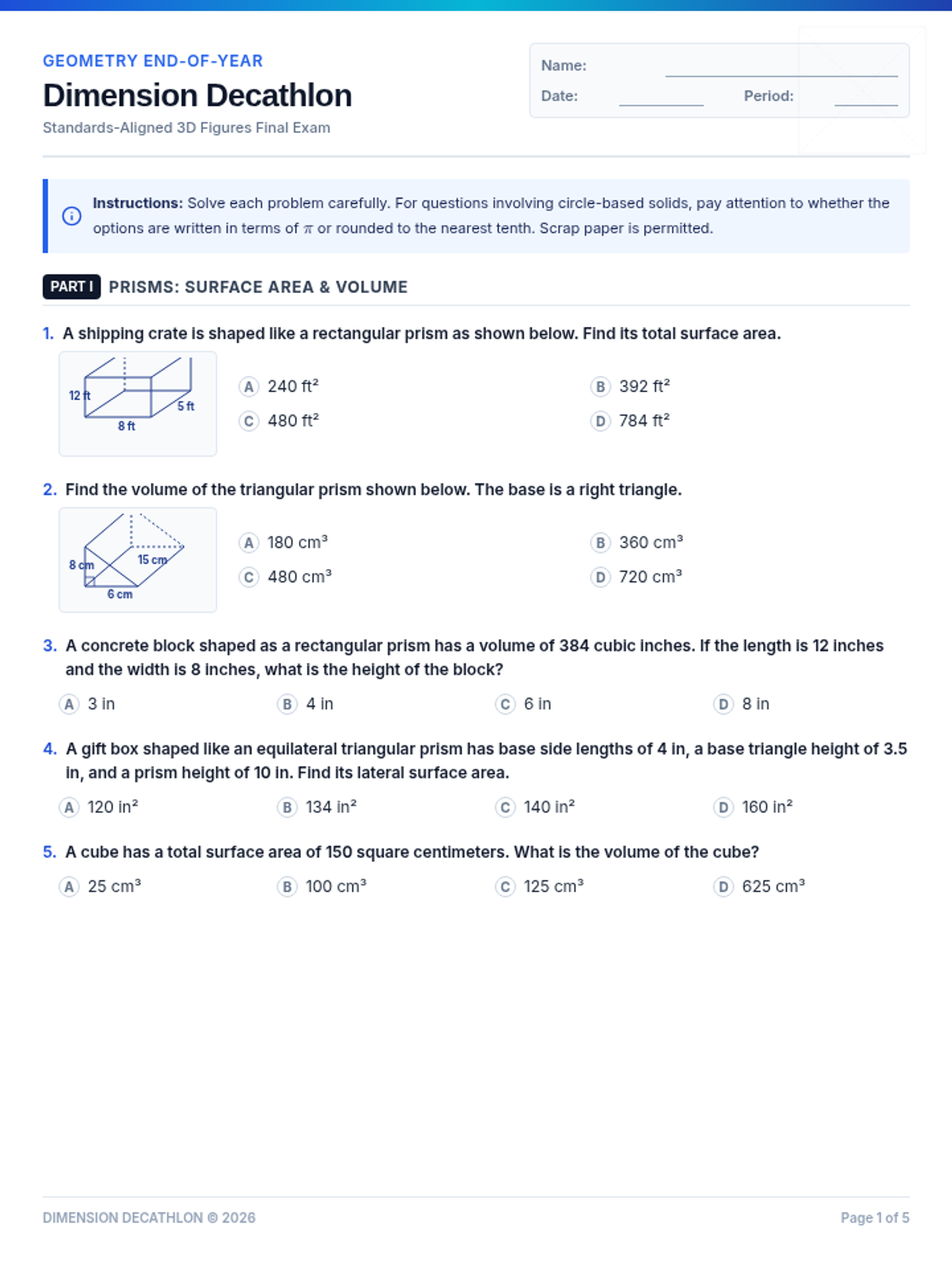
A comprehensive end-of-year final exam package evaluating 3D geometry skills, focusing on surface area and volume of prisms, cylinders, pyramids, and cones. Includes a clean, printable 25-question student exam and a matching step-by-step teacher key.
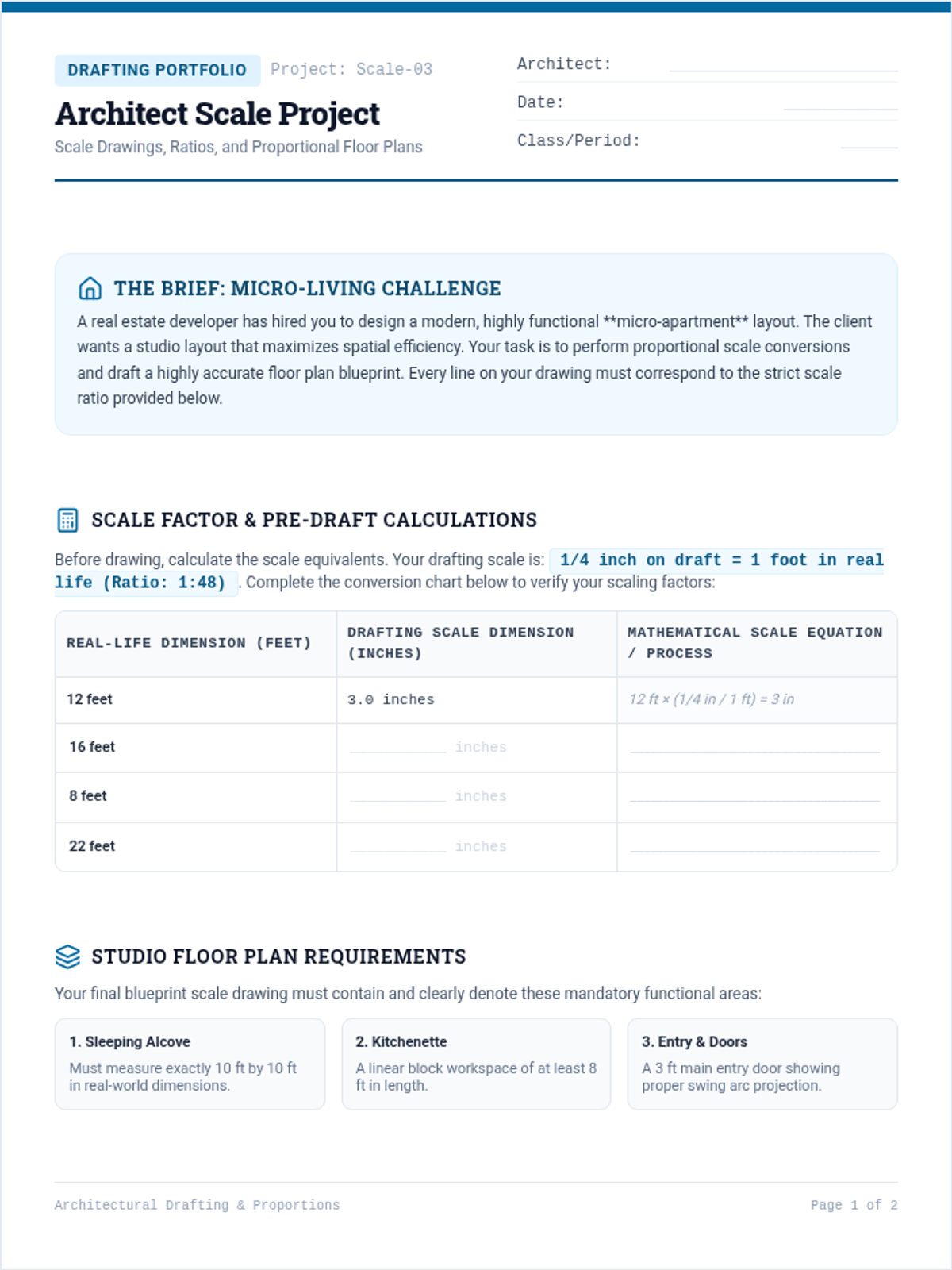
A scale drawing and architectural design project where students draft floor plans to a precise scale ratio and compute real-world dimensions.
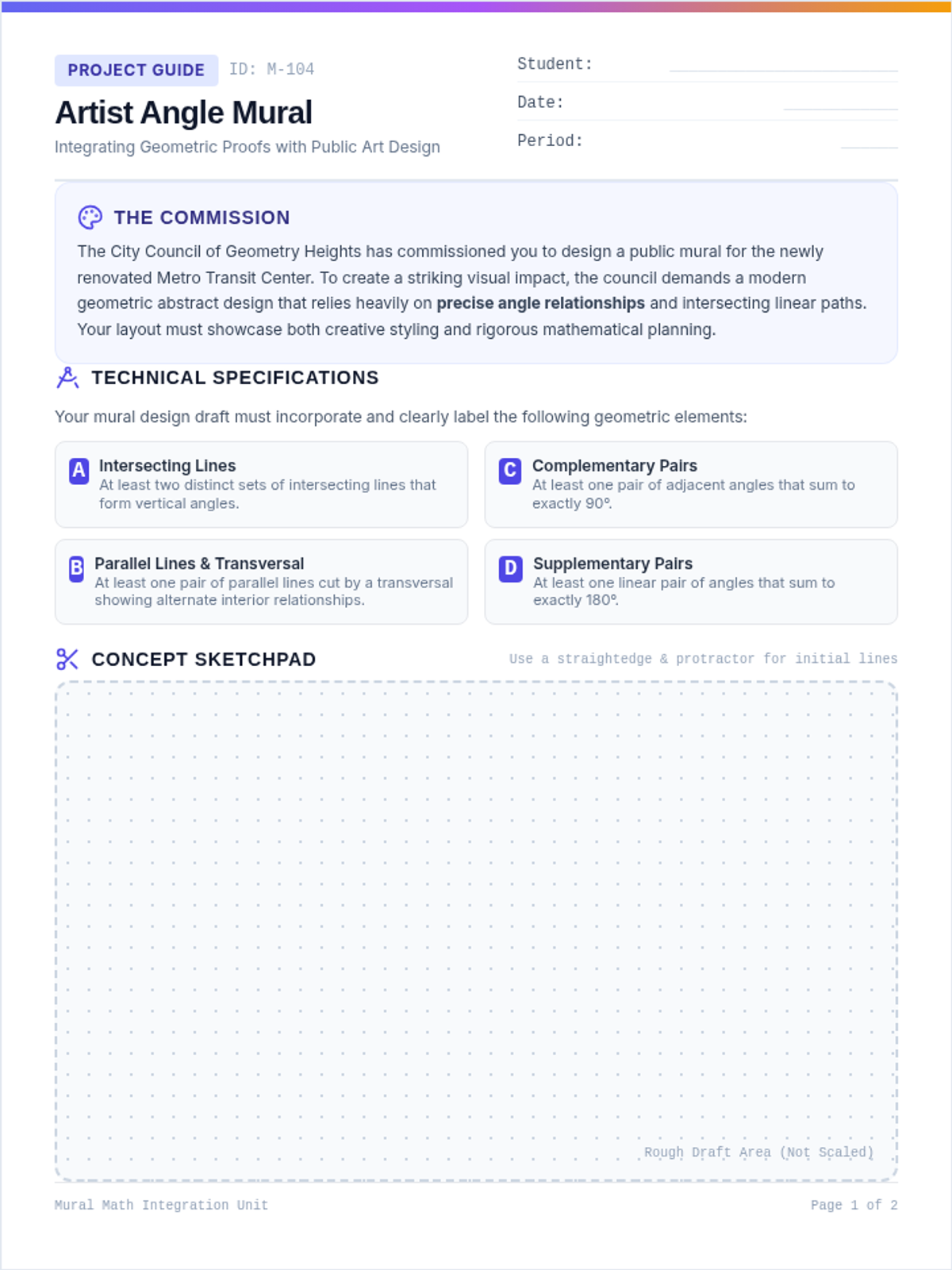
A creative math and art integration project where students design a geometric mural using precise angle relationships and calculate missing measurements.
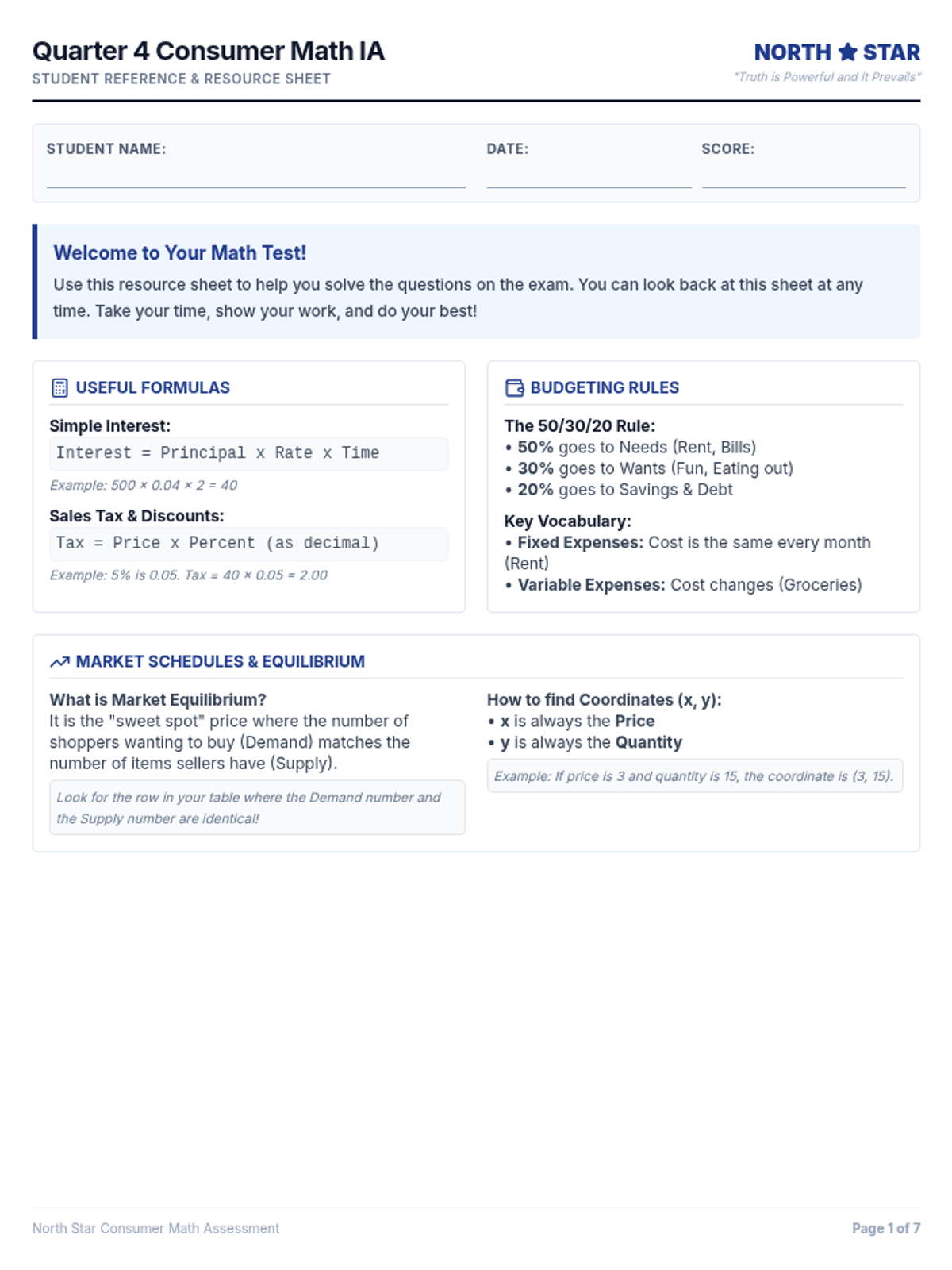
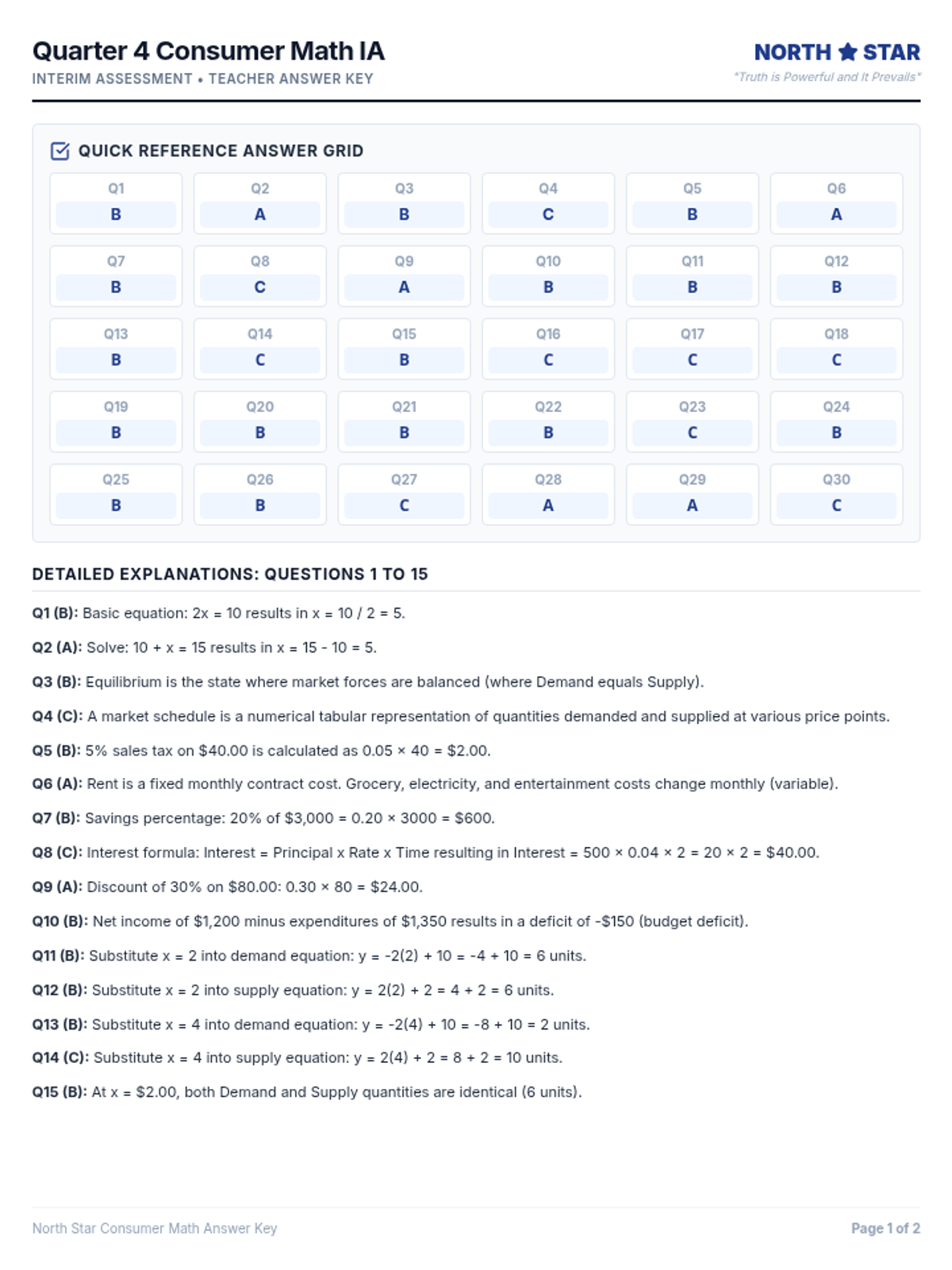
Quarter 4 Consumer Math Interim Assessment lesson containing the student exam and teacher answer key.
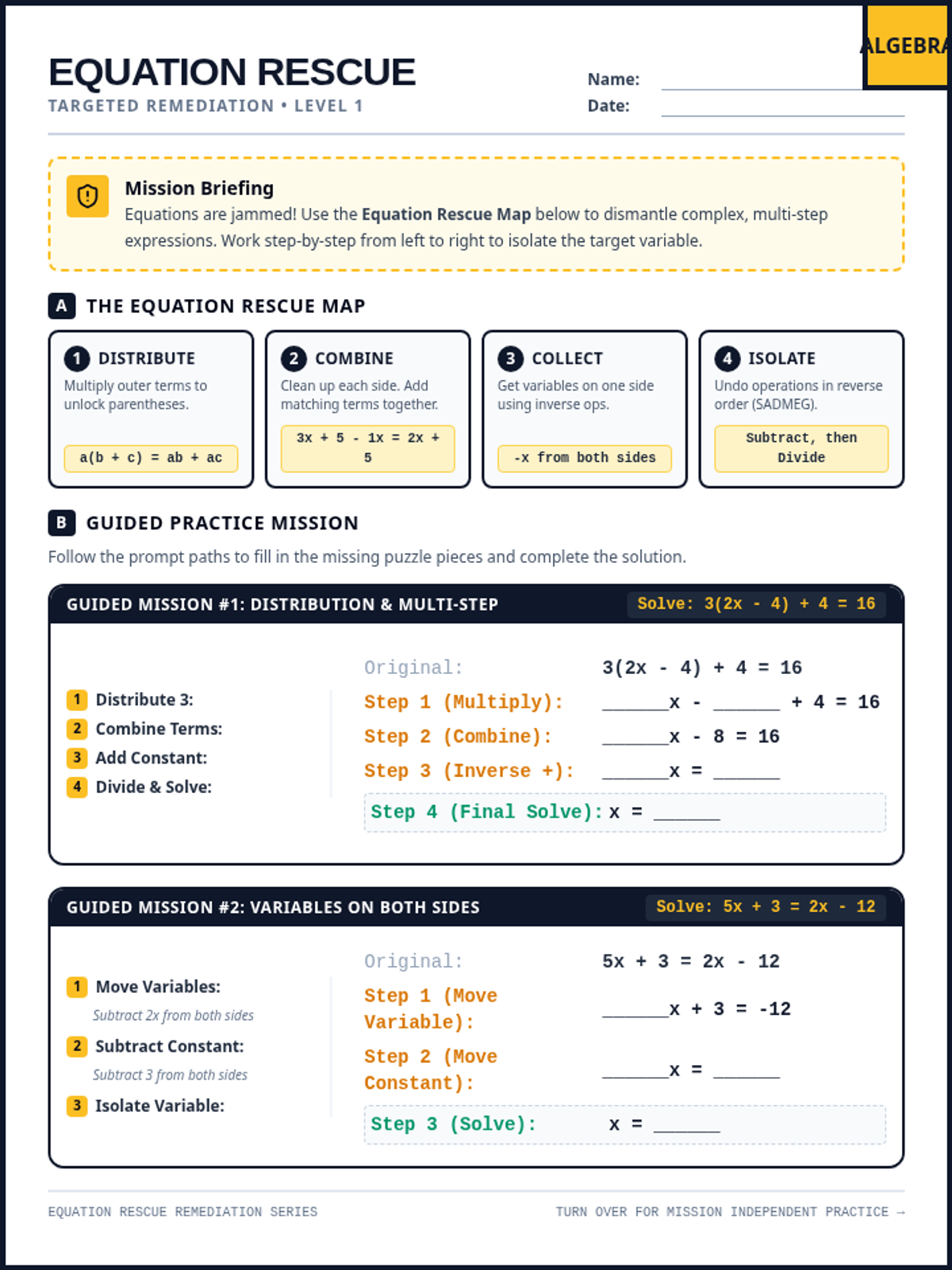
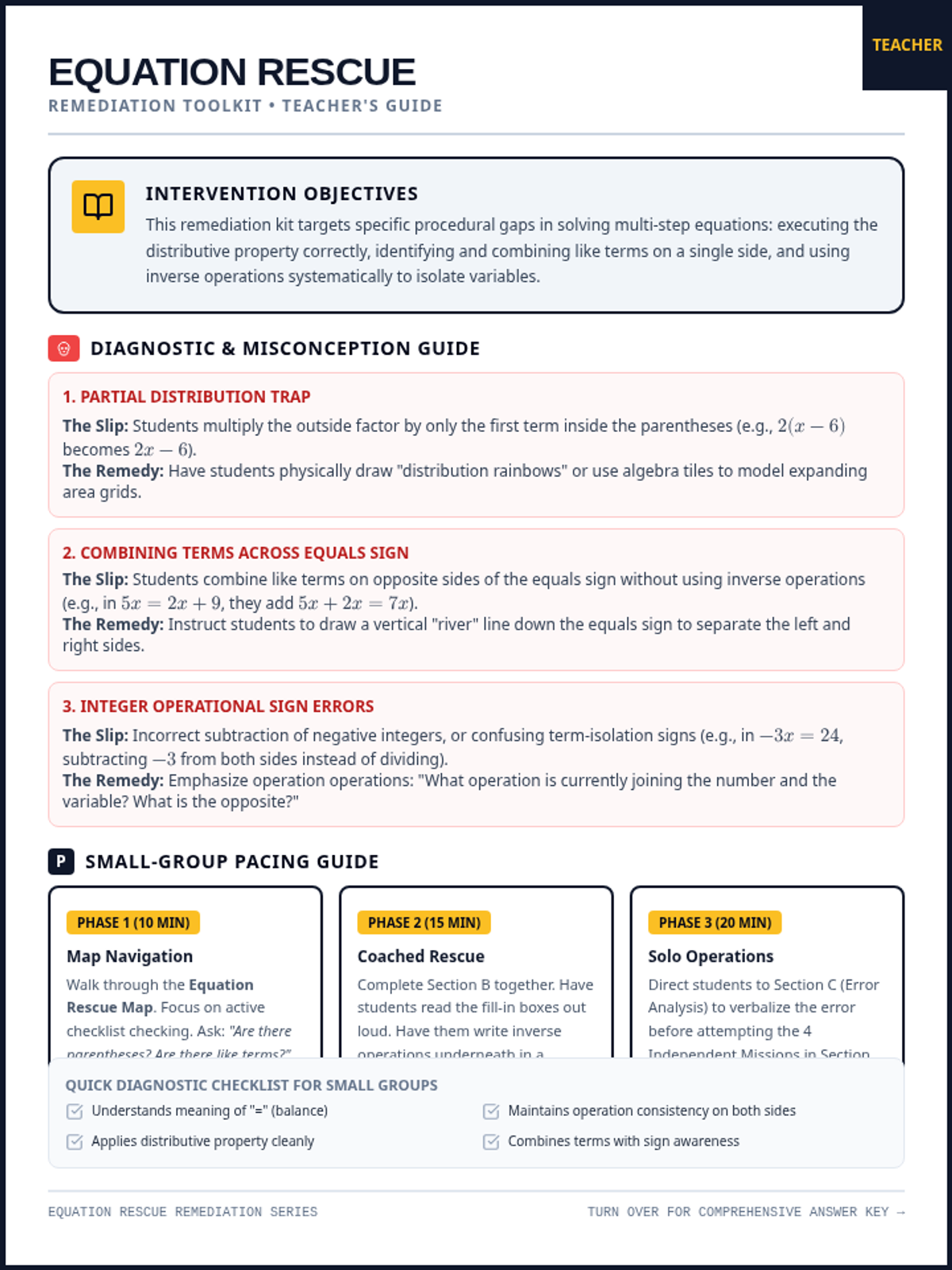
A targeted remediation lesson designed to help high school algebra students master multi-step linear equations involving distribution, combining like terms, and variables on both sides. Features a visual flowchart, scaffolded guided practice, error analysis, and targeted practice problems.
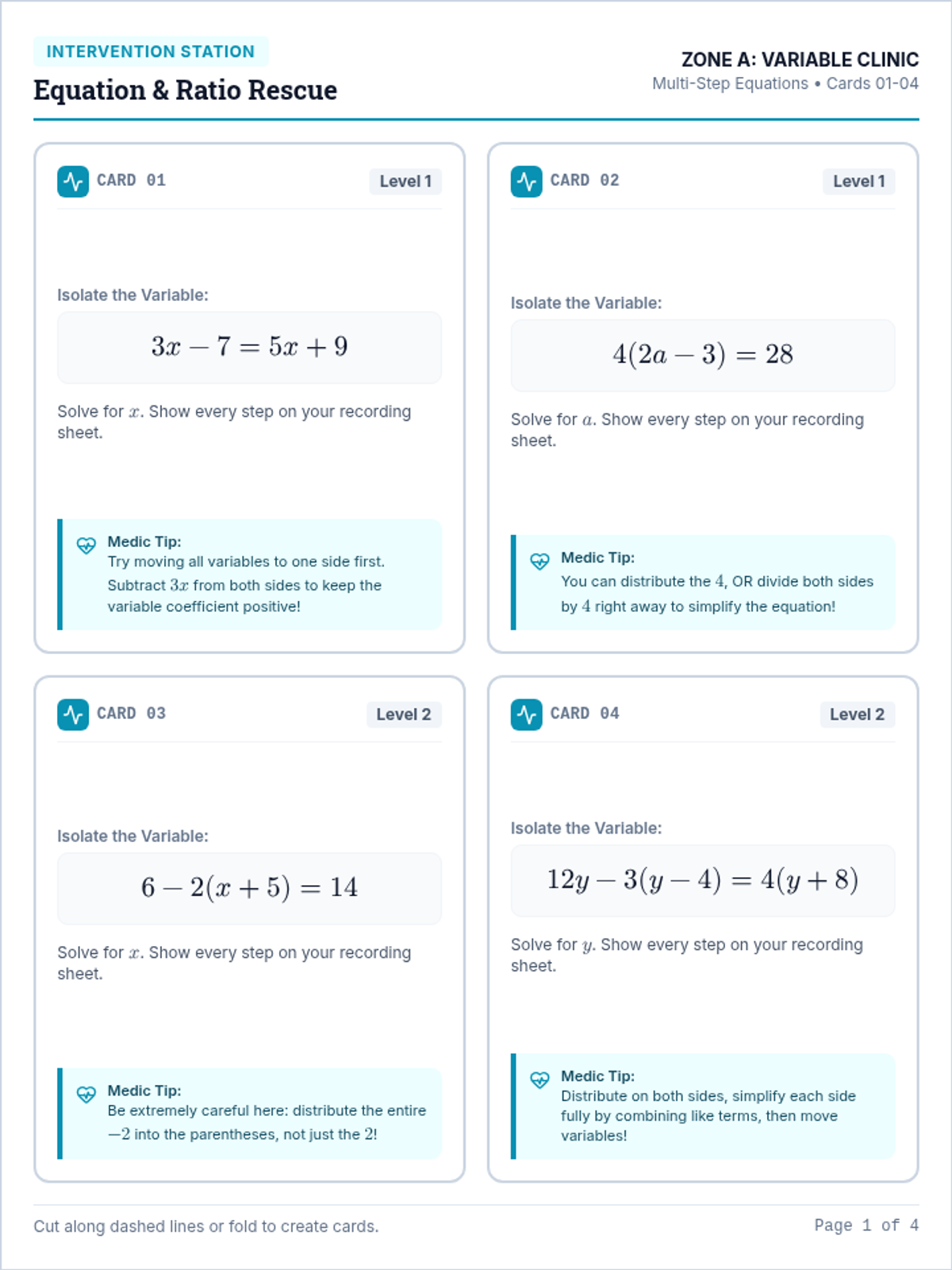
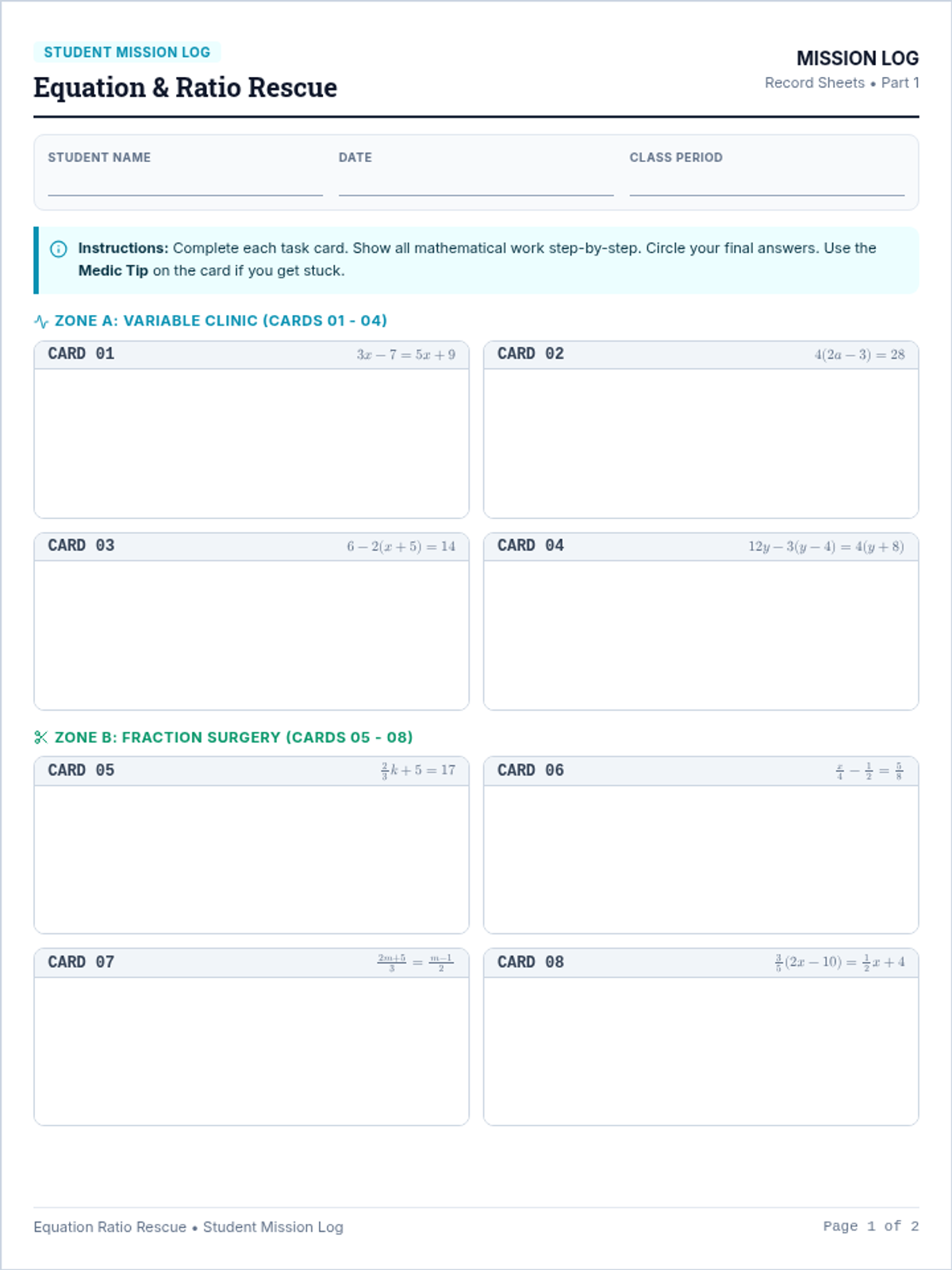
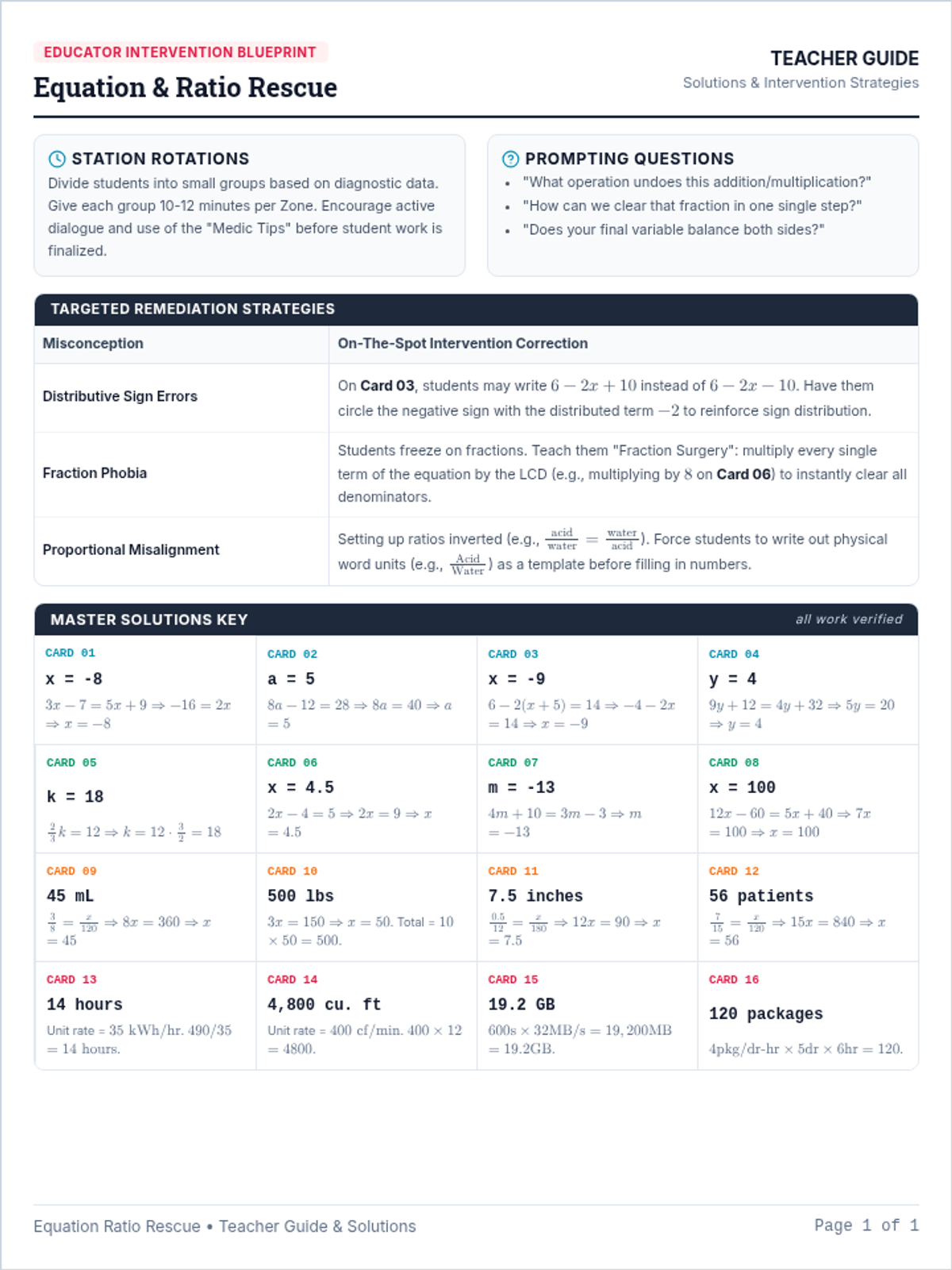
A high school math skills intervention lesson focusing on multi-step linear equations, variable isolation, and proportional reasoning. Includes 16 targeted task cards, a student recording sheet, and a teacher intervention guide.
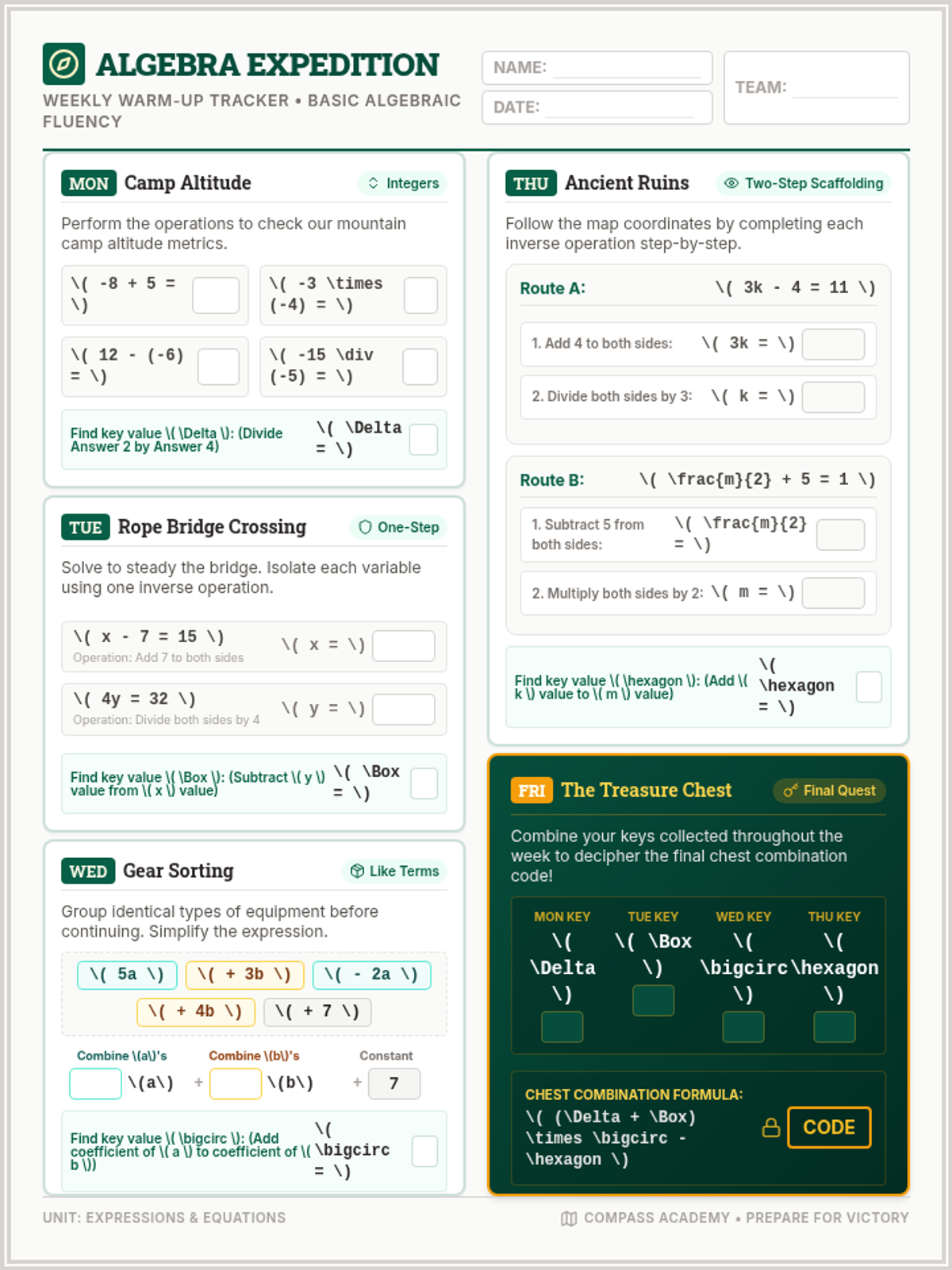
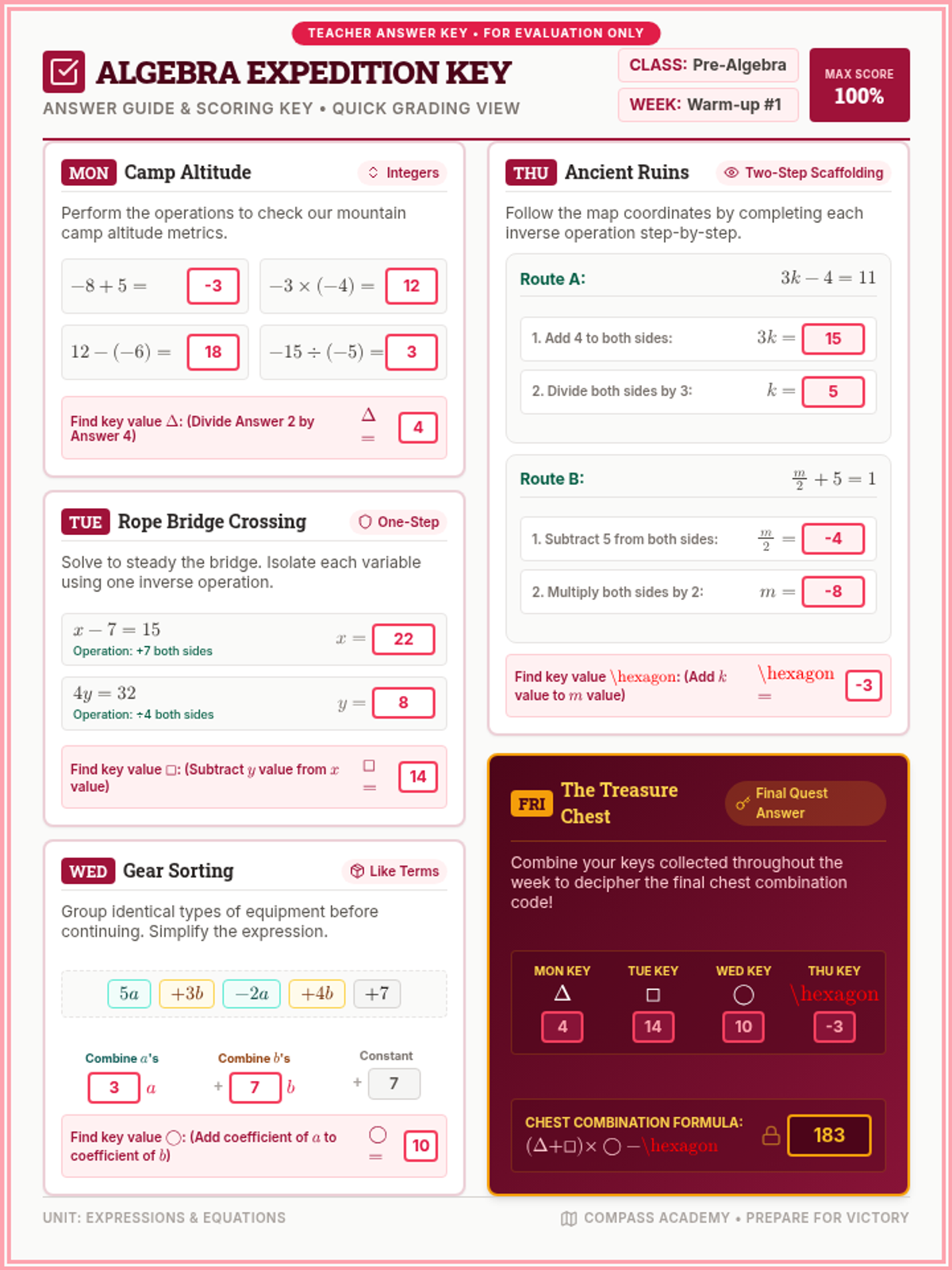
A collection of daily warm-up activities designed to build algebraic fluency. Over five days, students tackle integer operations, one-step equations, combining like terms, and scaffolded two-step equations to prepare for algebraic mastery.
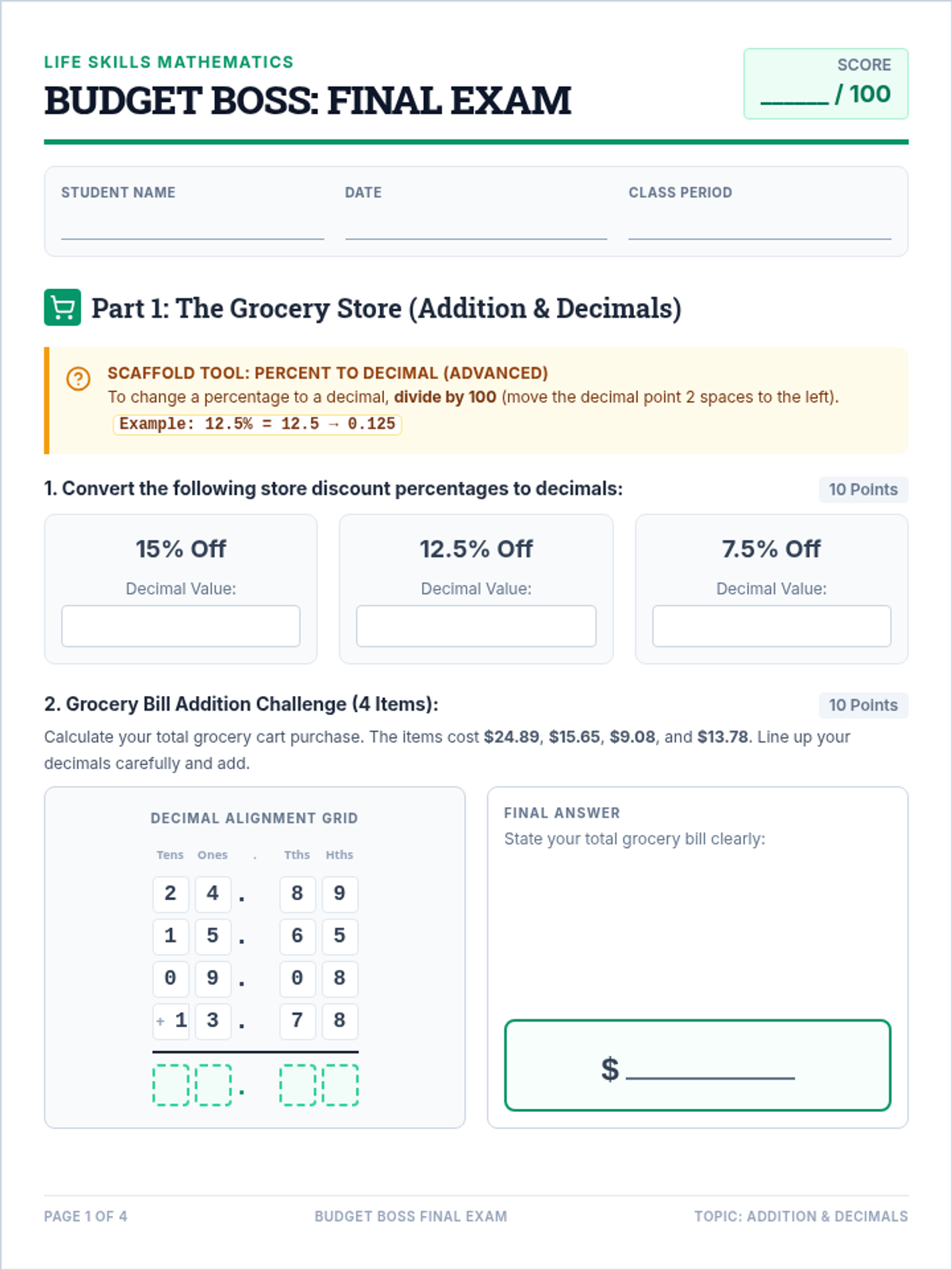
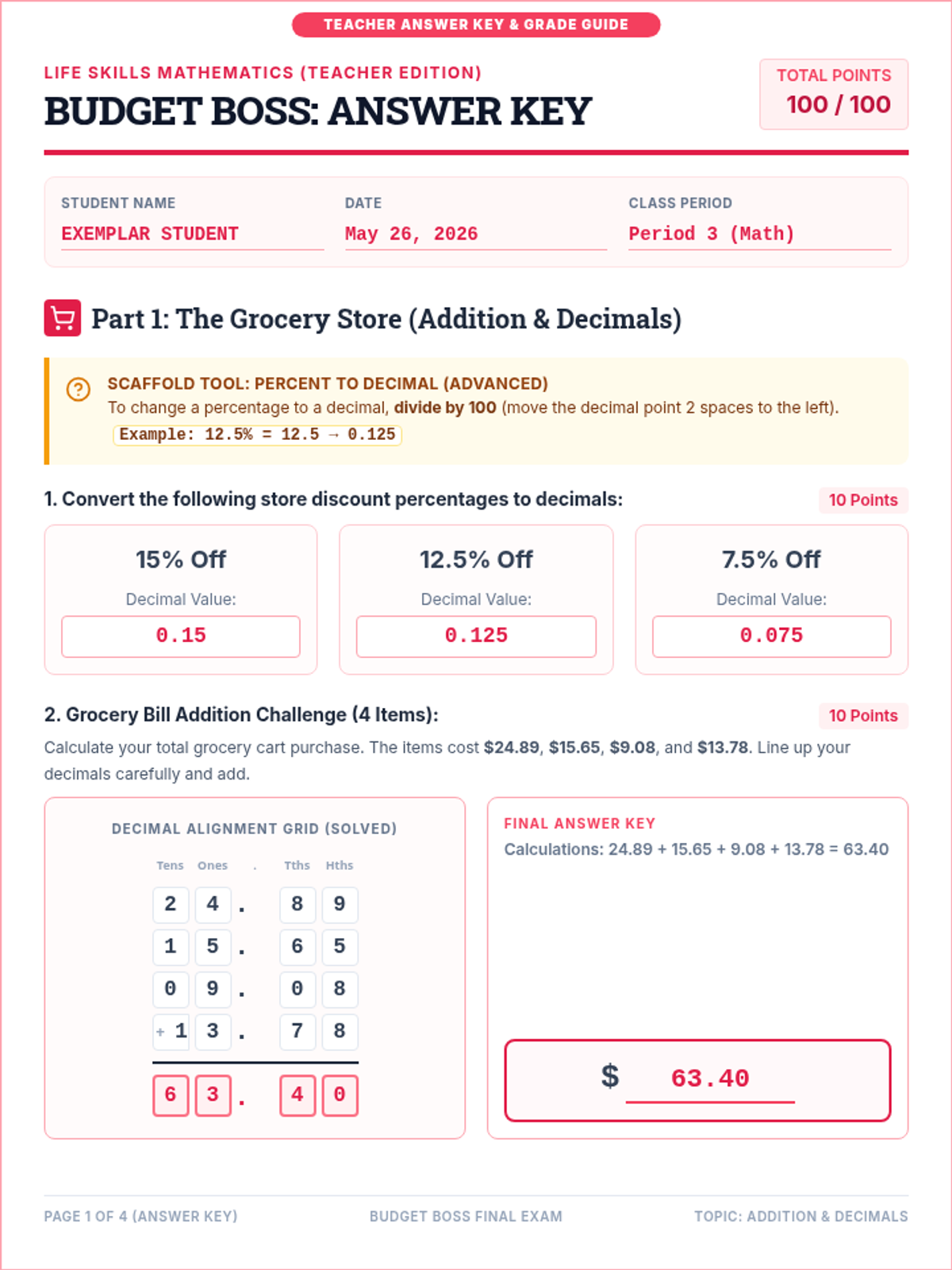
A comprehensive, real-world math exam and answer key assessing student mastery of addition, division, percentage-to-decimal conversions, and multi-step word problems through grocery shopping, vocational wages, and budgeting scenarios.
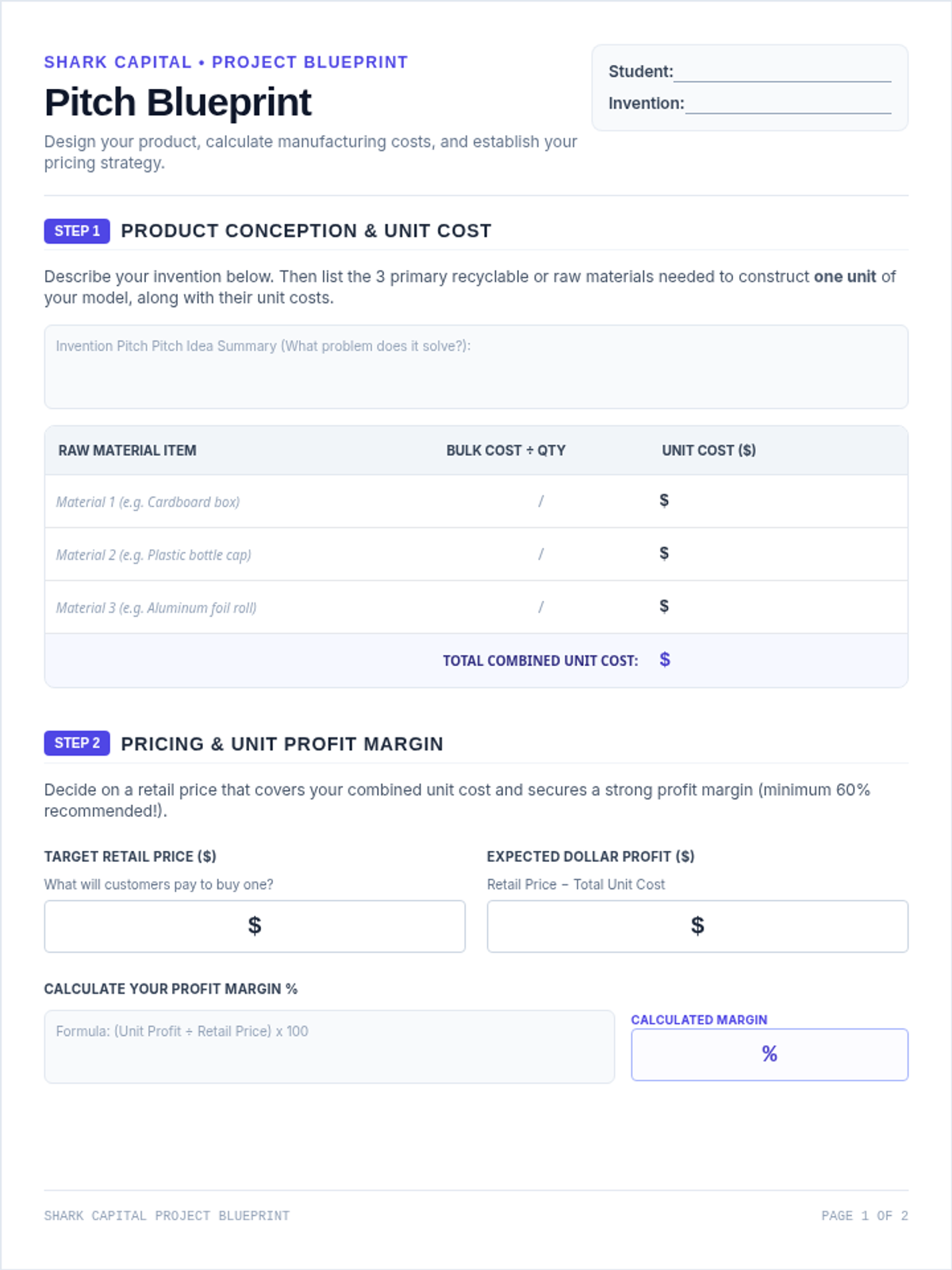
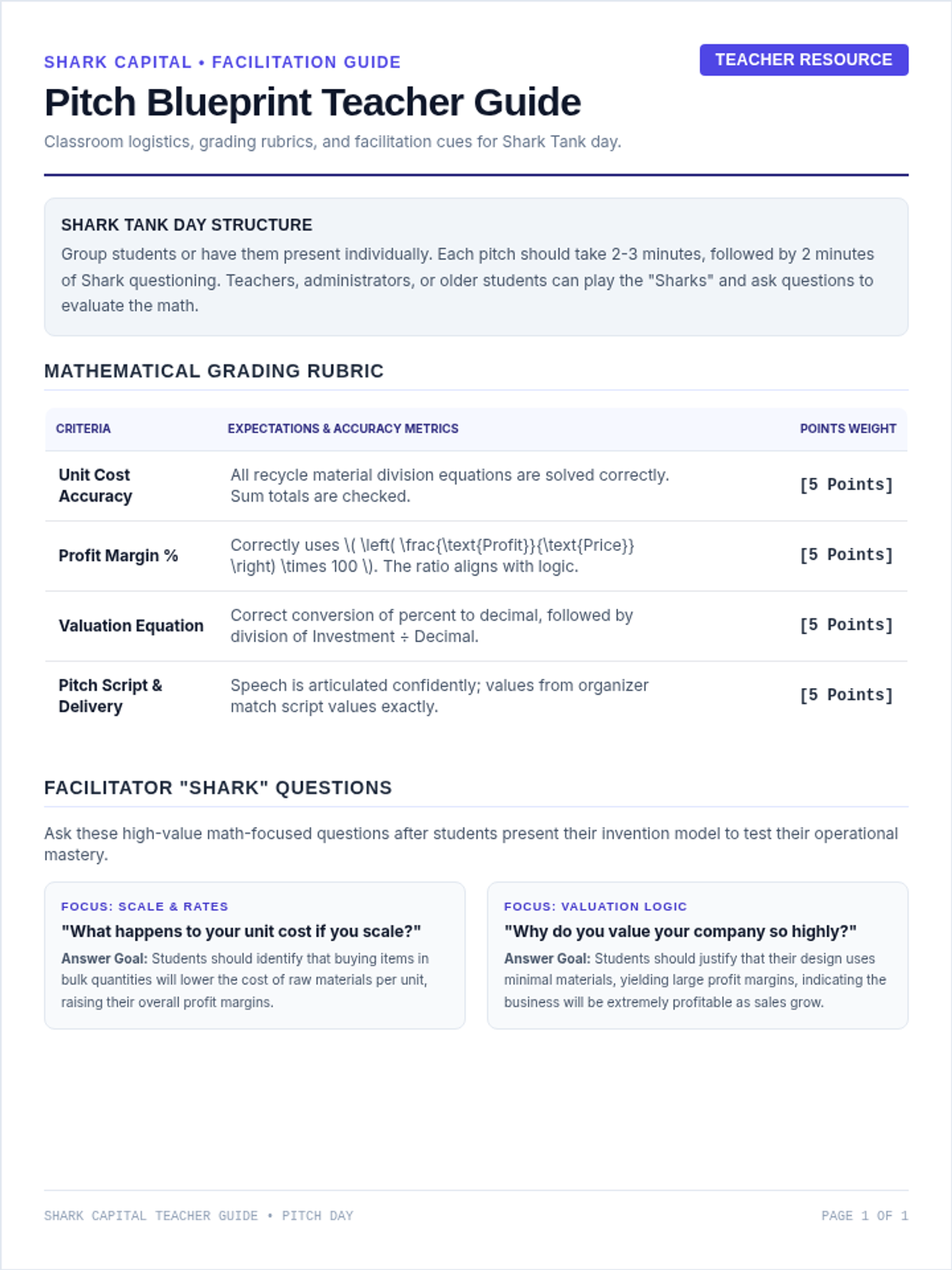
Students apply their mathematical knowledge to their own inventions. They calculate their product costs, set their retail price, determine their company valuation, and write the math portion of their pitch speech.
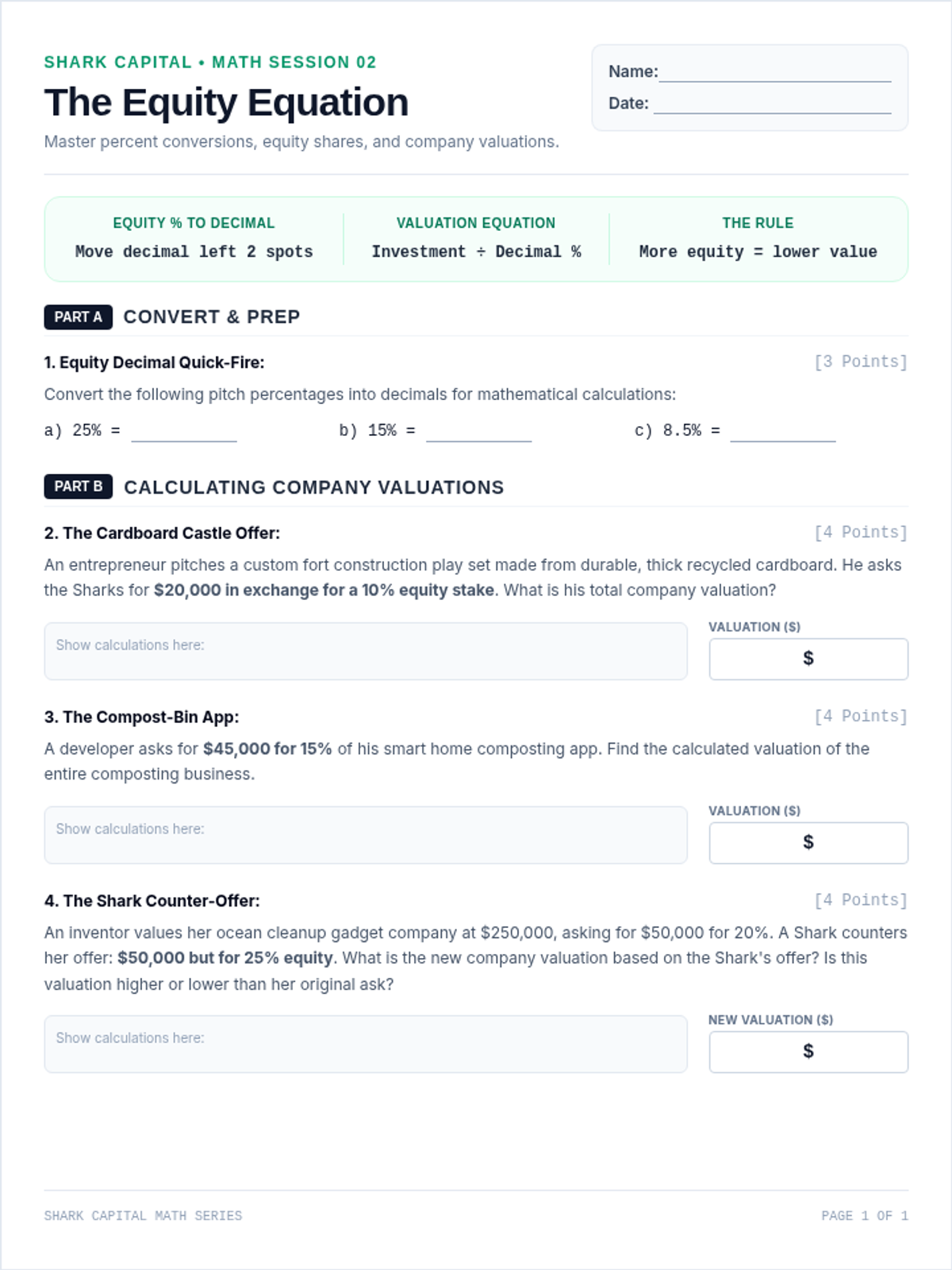
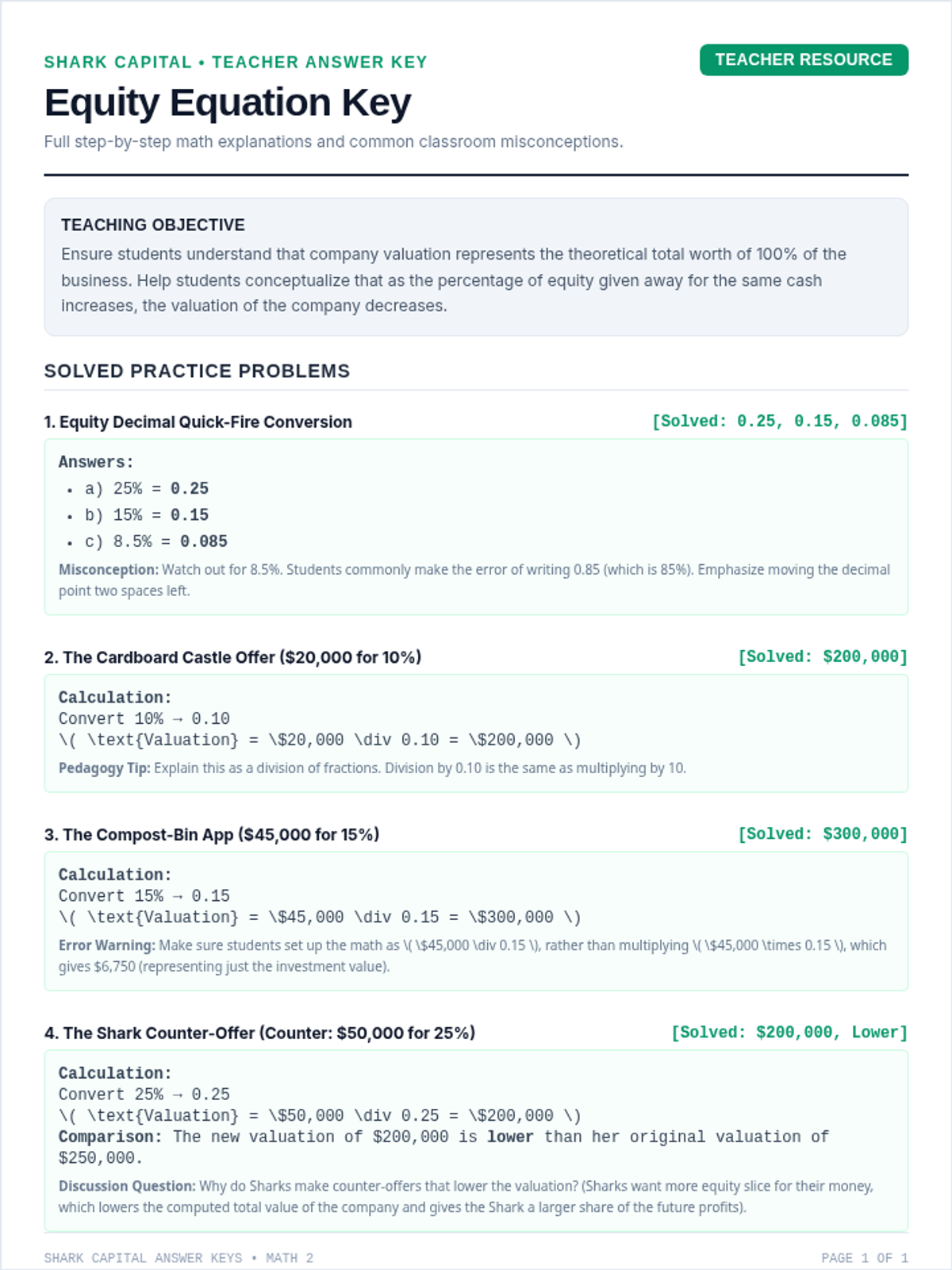
Students tackle company valuations, percentage offers, and equity calculations. They learn the math behind asking for investment and determining what percentage of their company to sell.
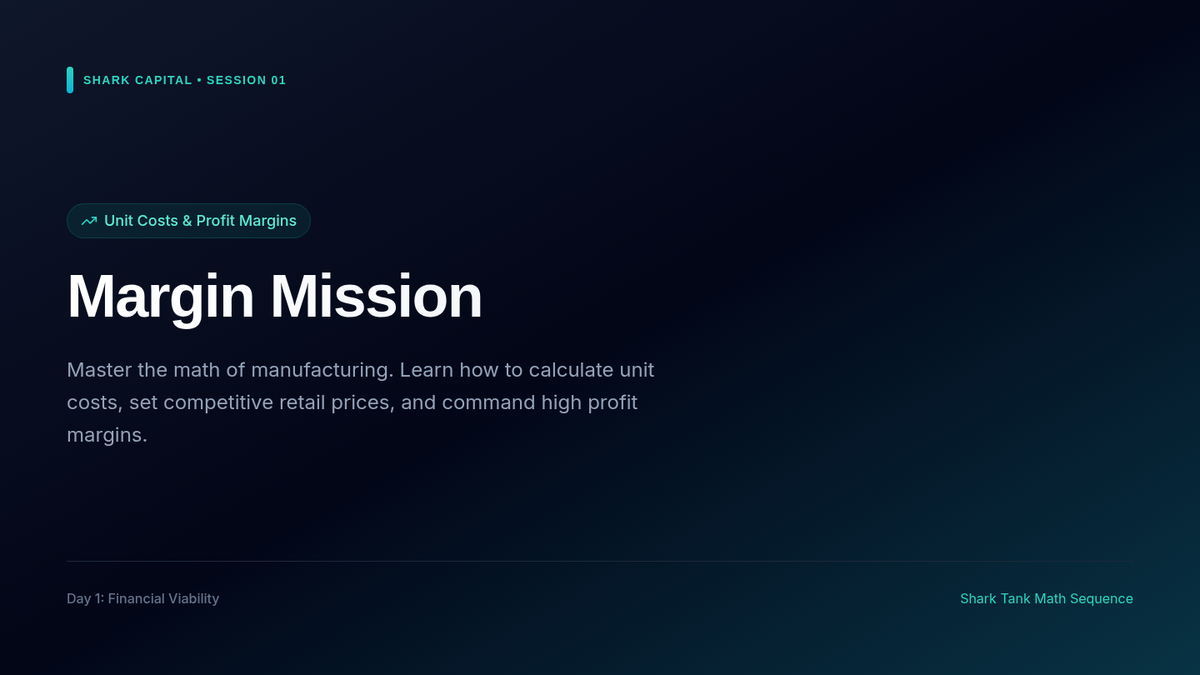
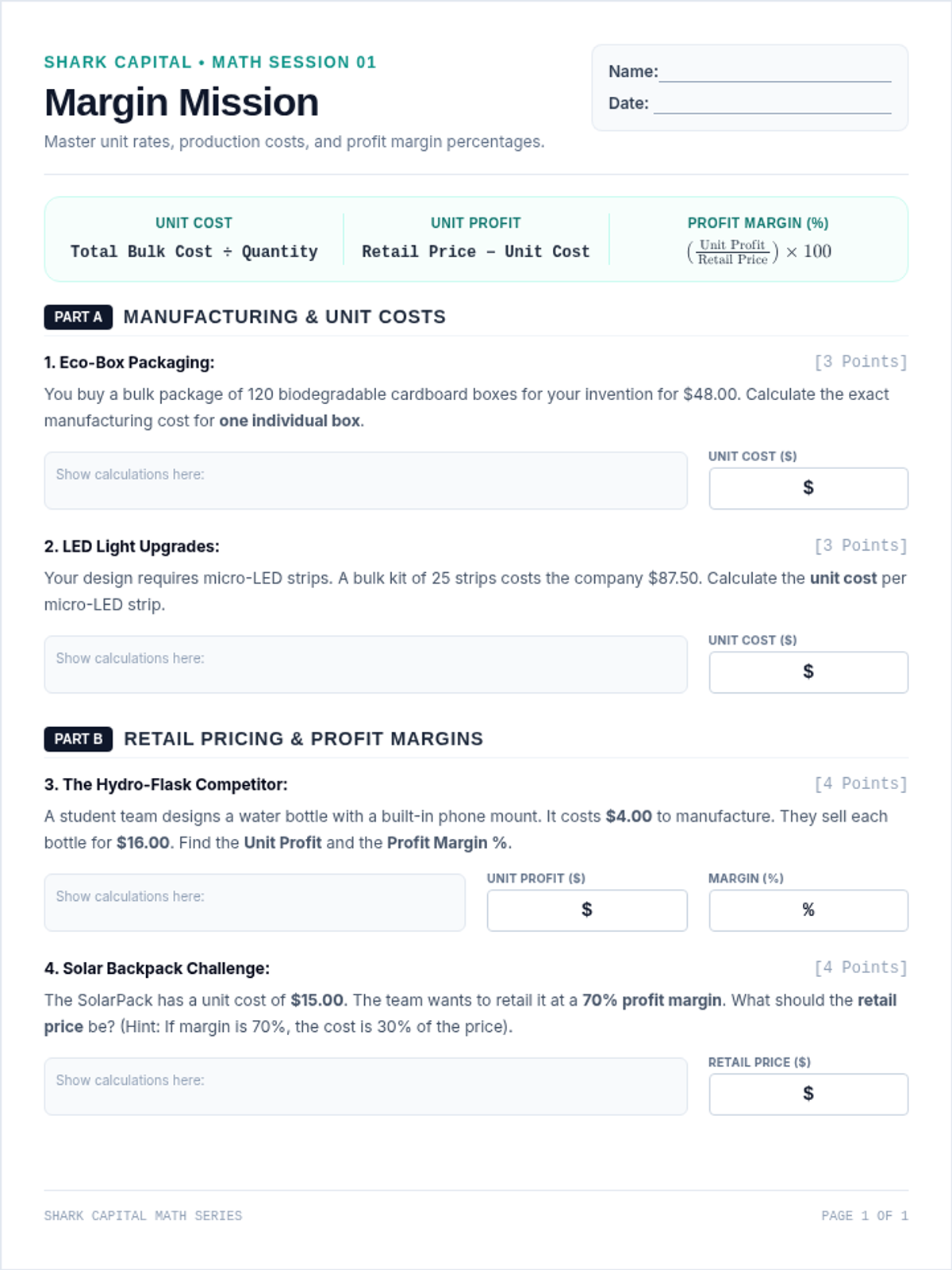
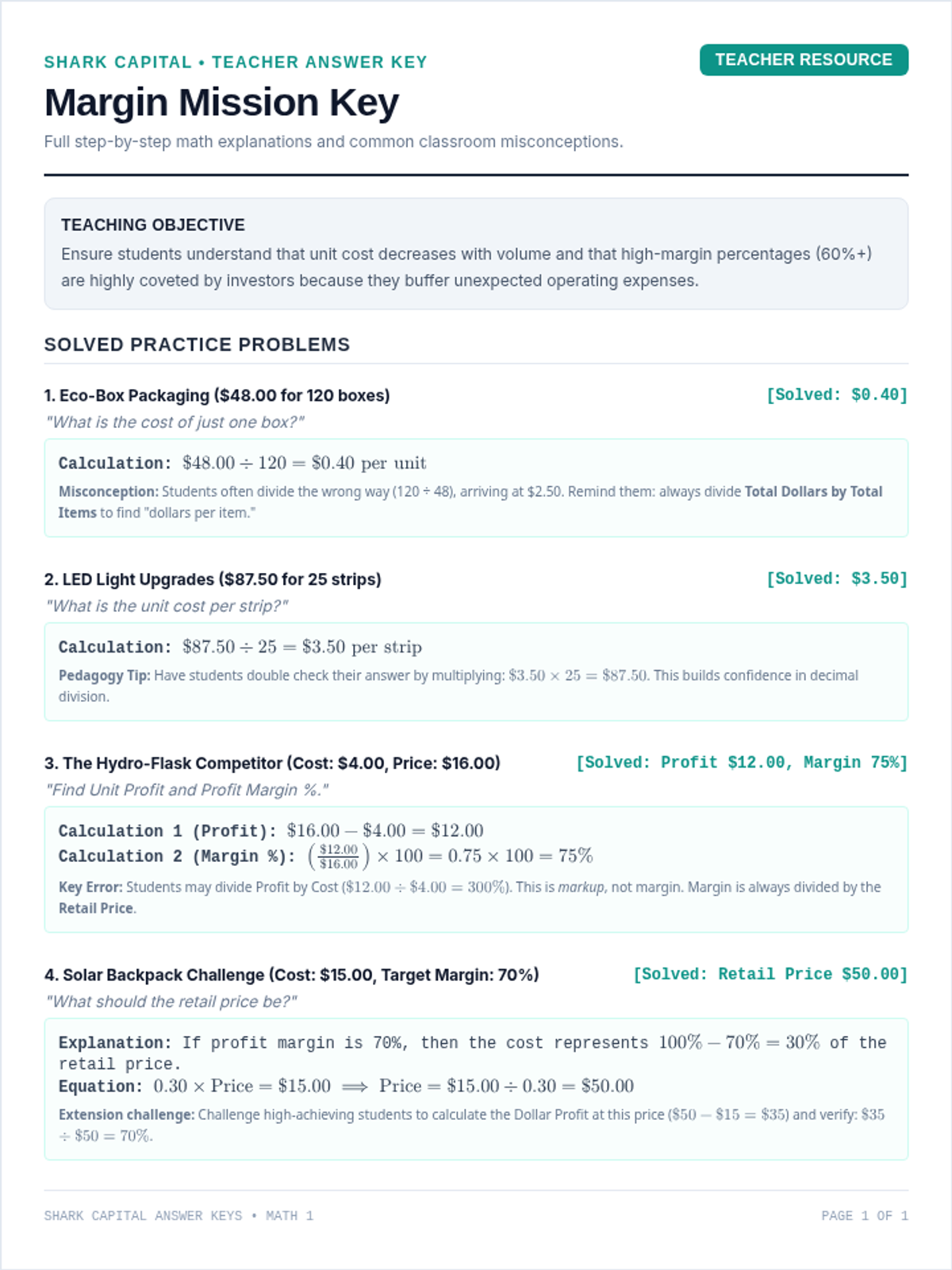
Students master unit rates, production costs, retail pricing, and profit margin percentages. They learn how to analyze whether an invention is financially viable on a unit level.
An Algebra 1 lesson introducing projectile motion through the lens of launching rockets. Students learn to identify key features of quadratic graphs—specifically the vertex as maximum height and x-intercepts as landing times—and evaluate quadratic functions to find heights at specific seconds.
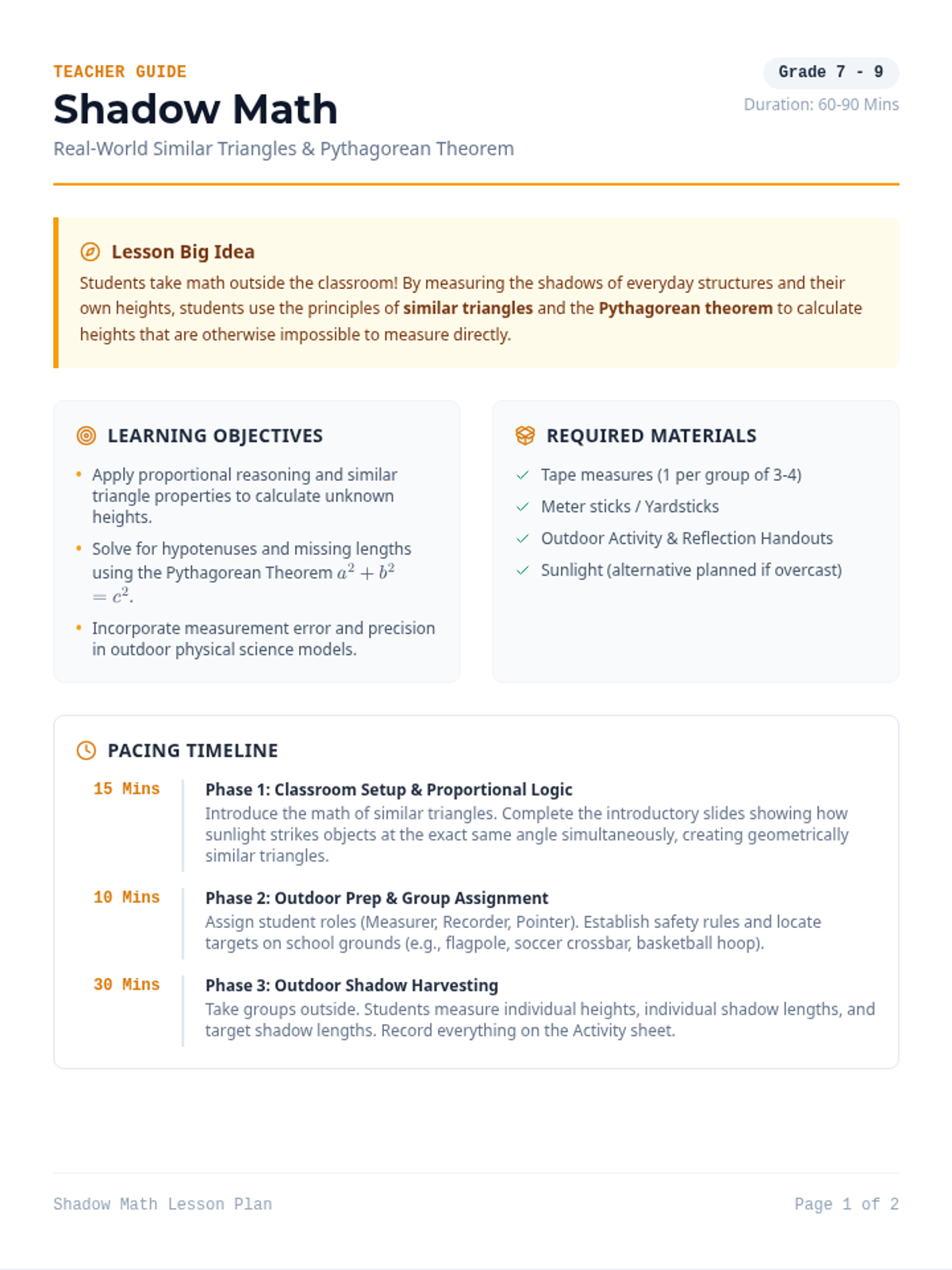
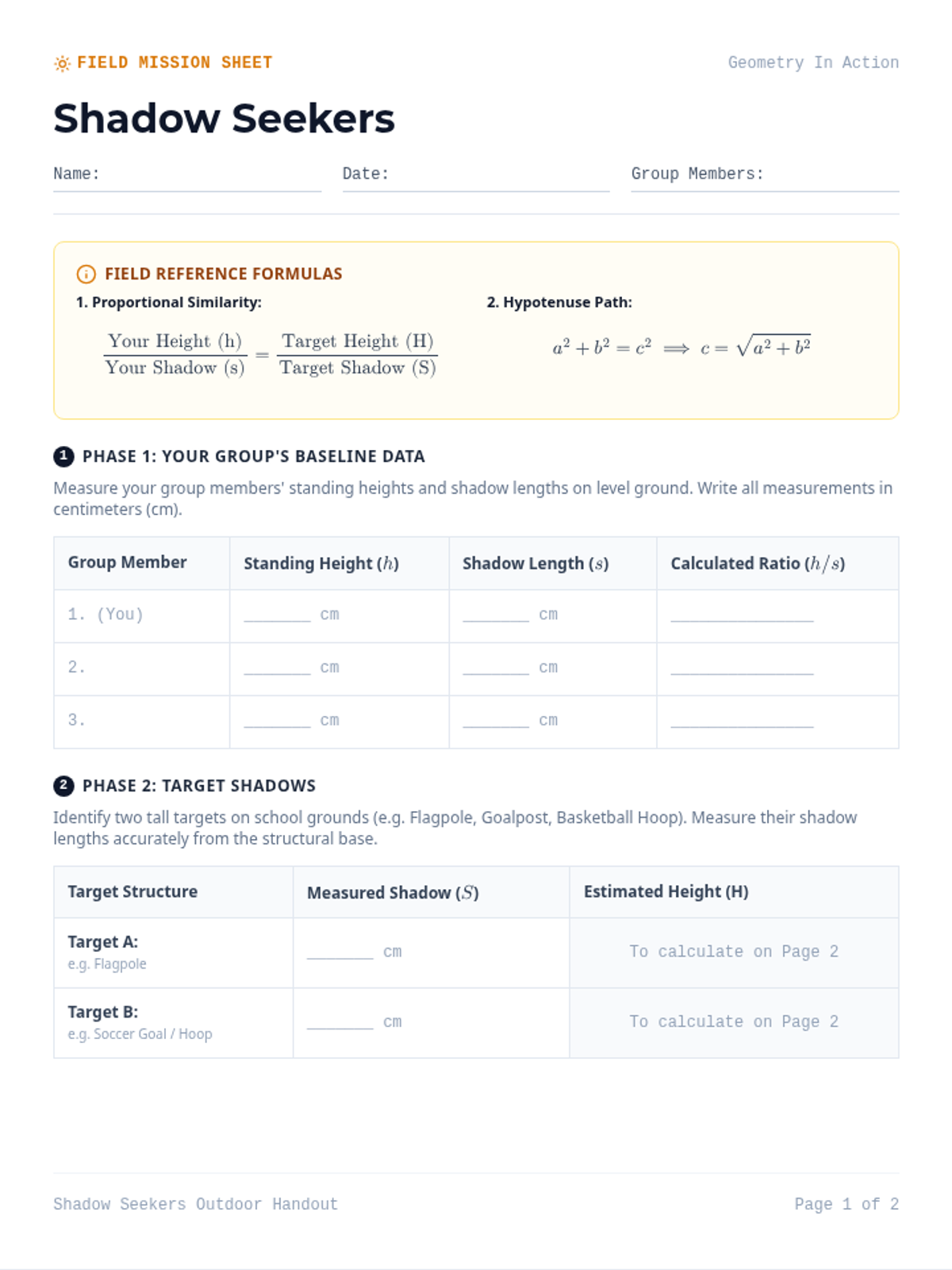
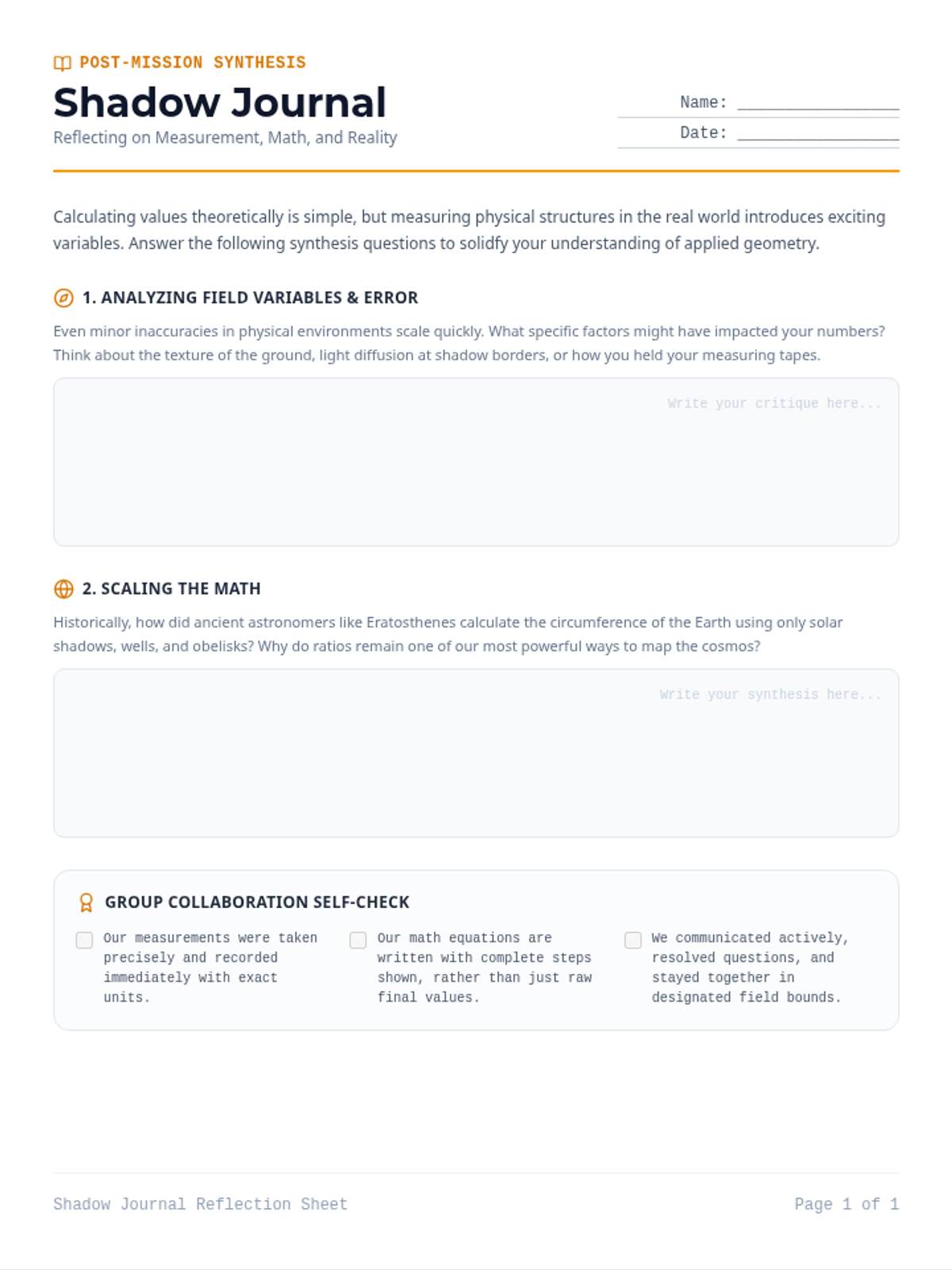
A hands-on geometry lesson where students head outdoors to measure shadows and use the Pythagorean theorem and geometric ratios to calculate the height of school structures. Includes a lesson plan, slide deck, outdoor activity guide, and reflection journal.
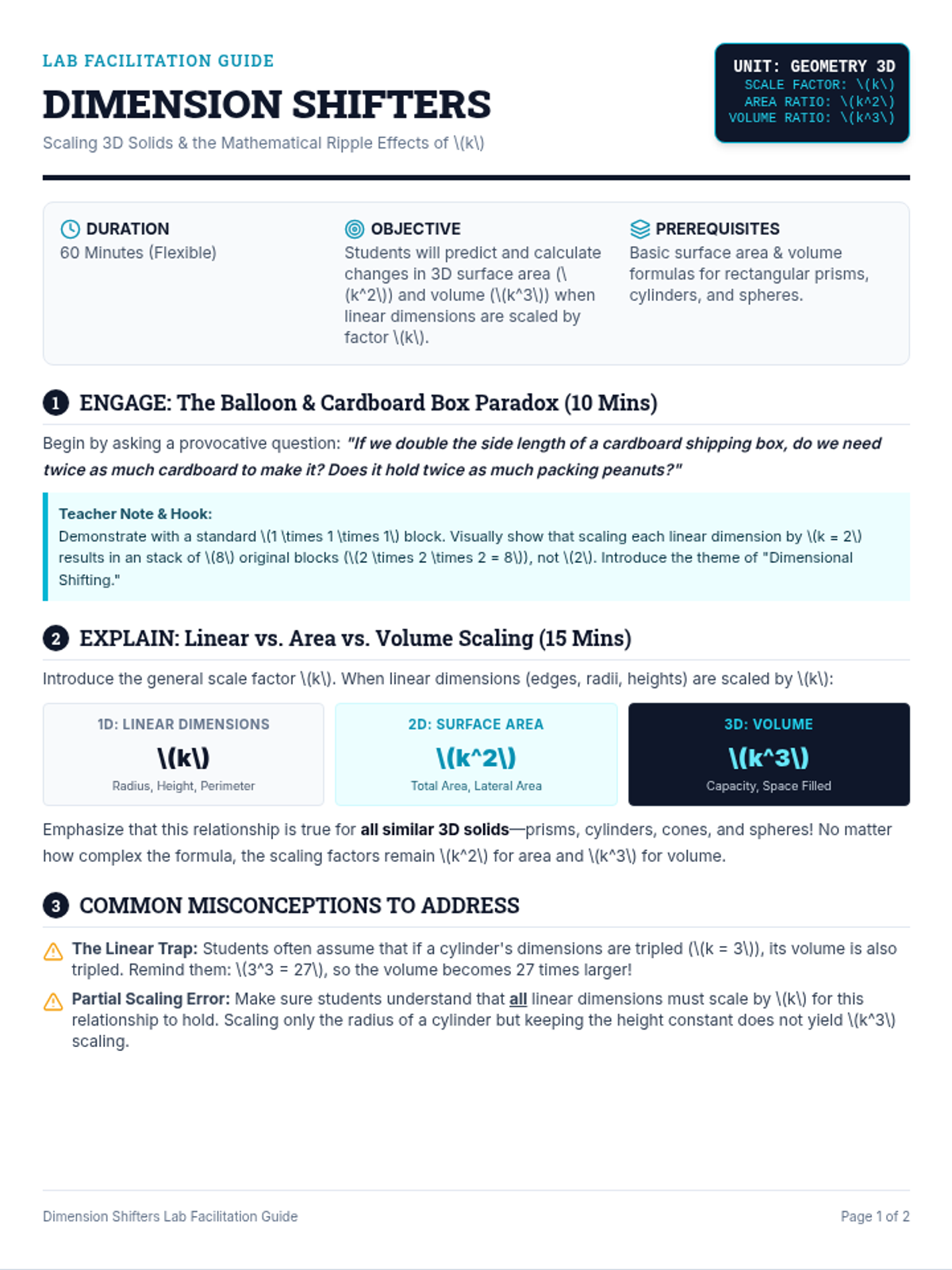
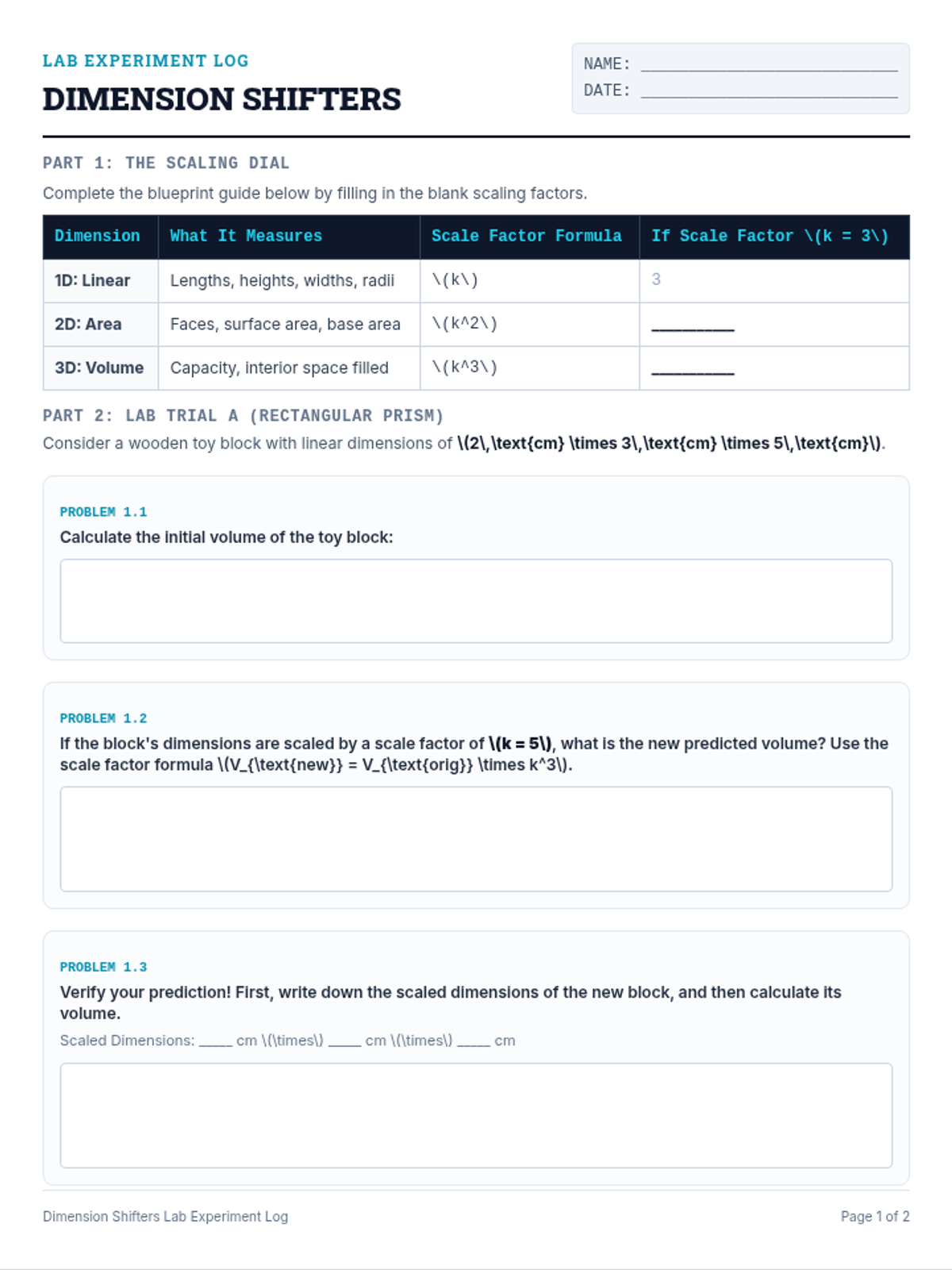
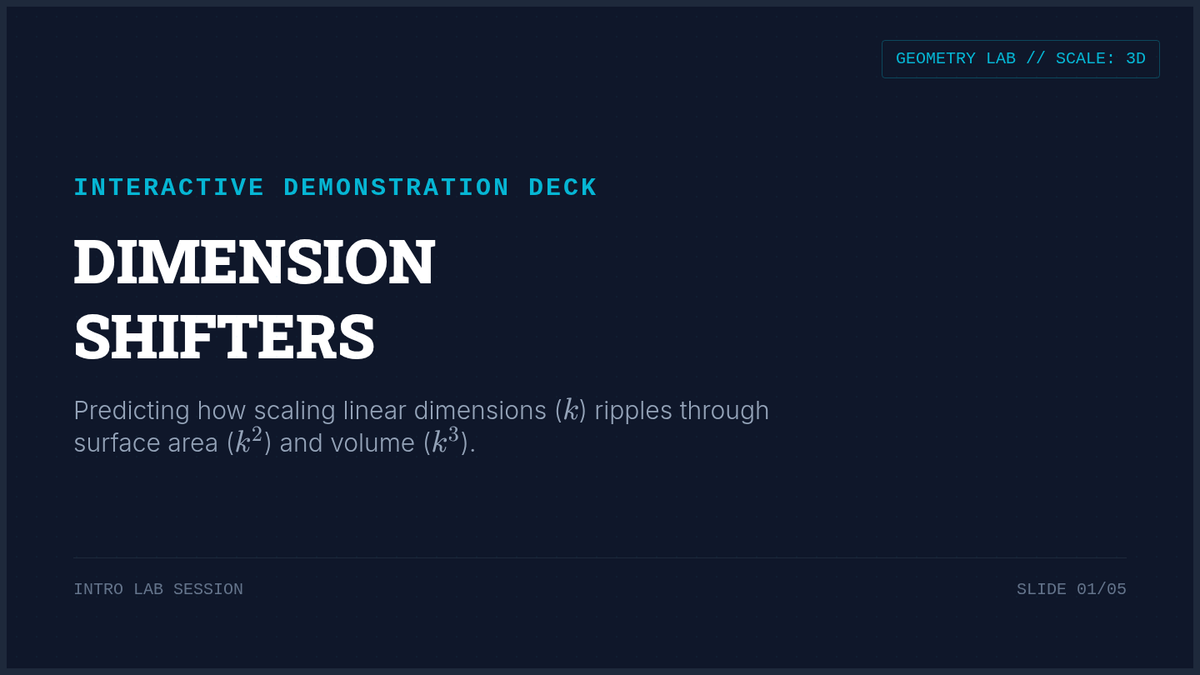
A hands-on geometry lesson exploring how scaling the linear dimensions of 3D solids by a scale factor k impacts their total surface area (by k²) and volume (by k³). Features interactive model-scaling examples, a vocabulary challenge, and guided practice.
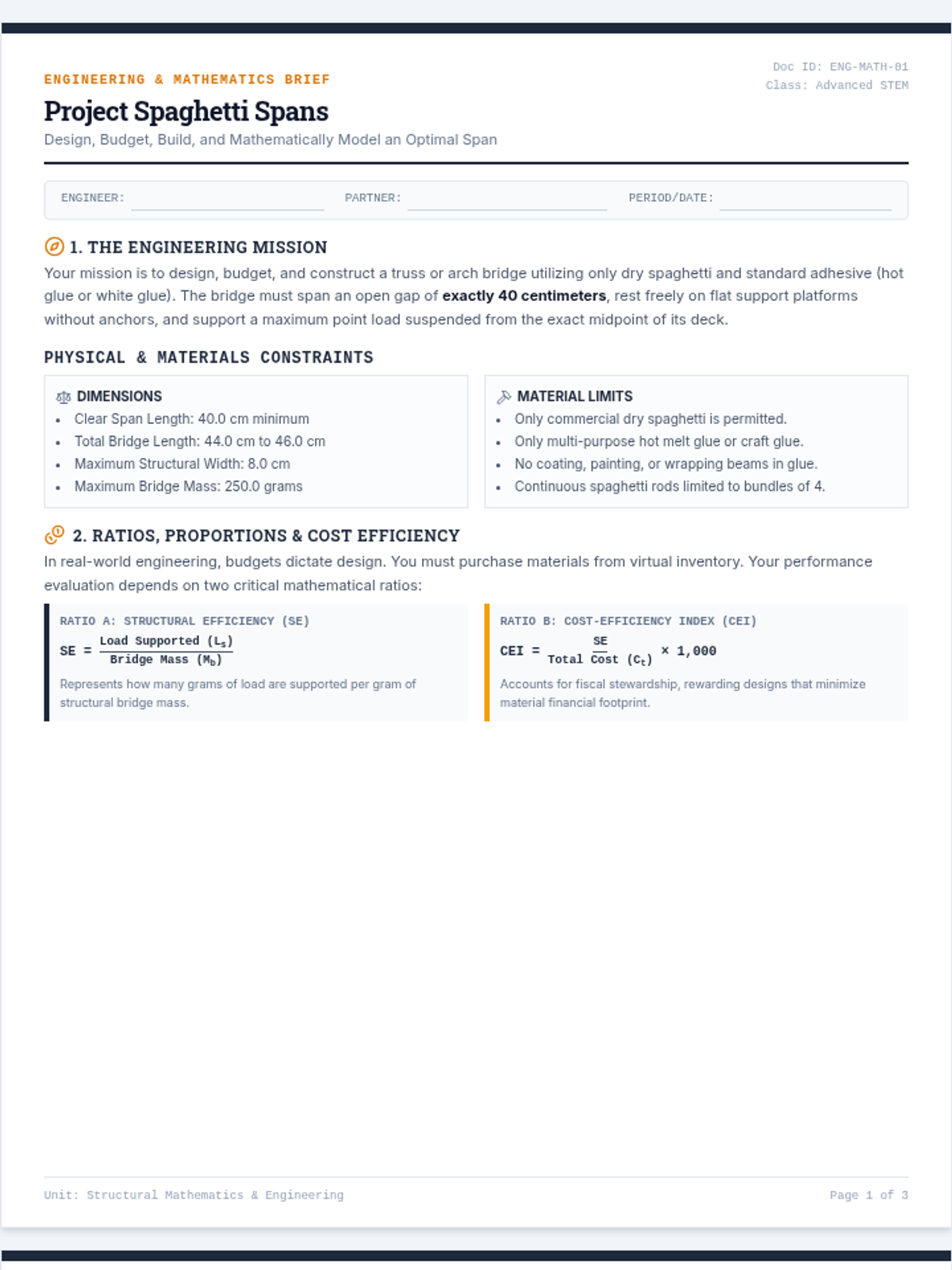
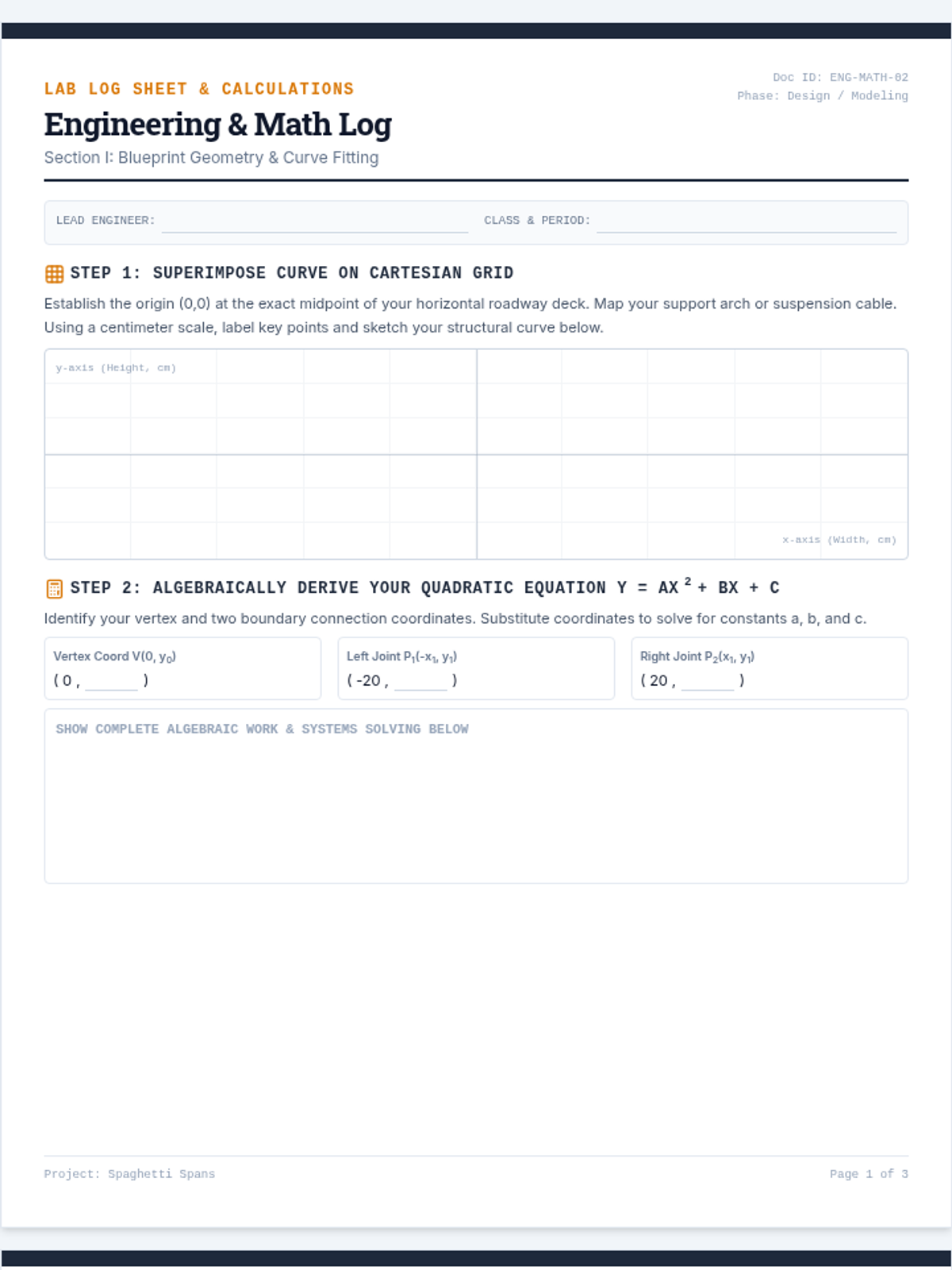
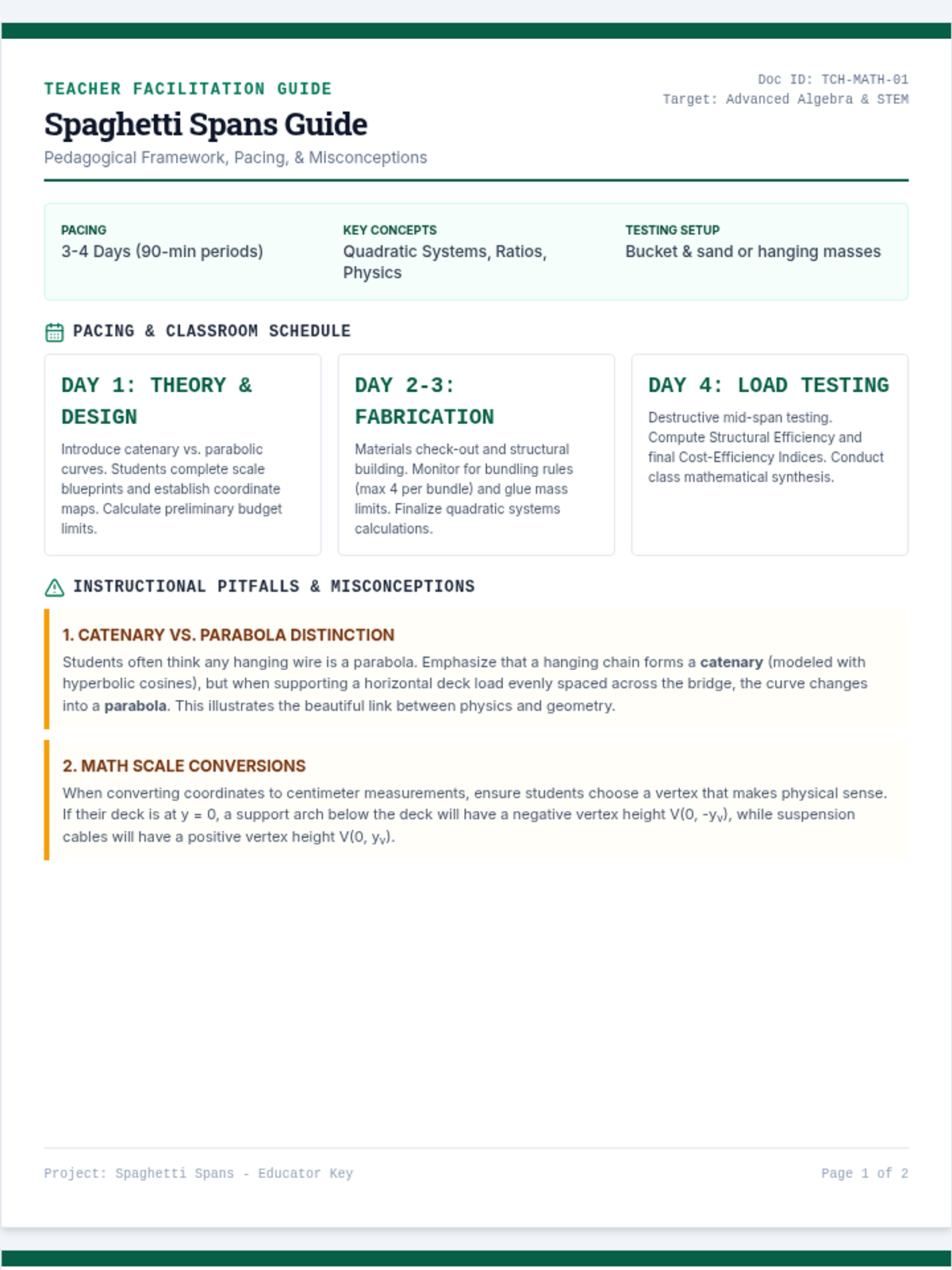
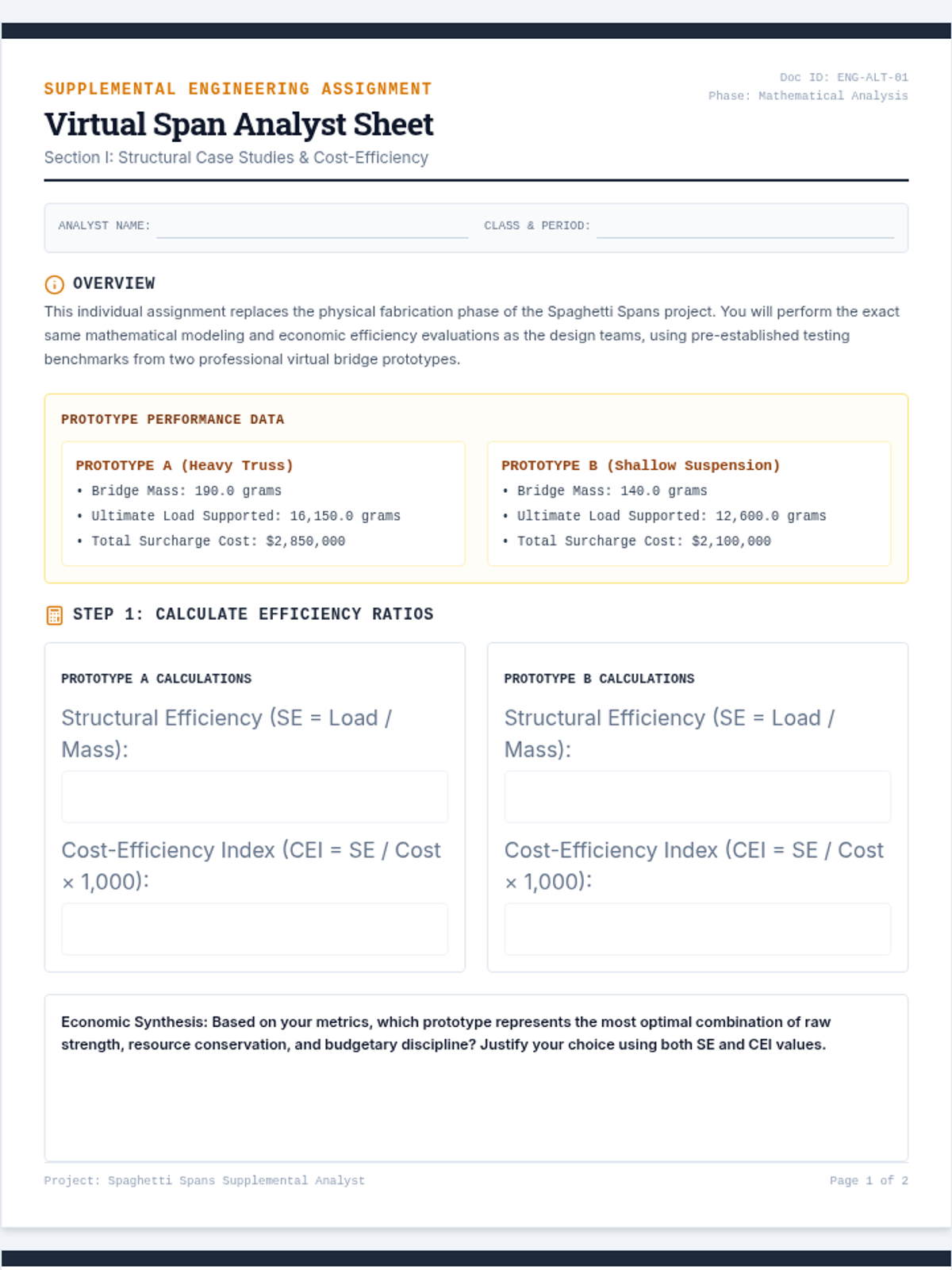
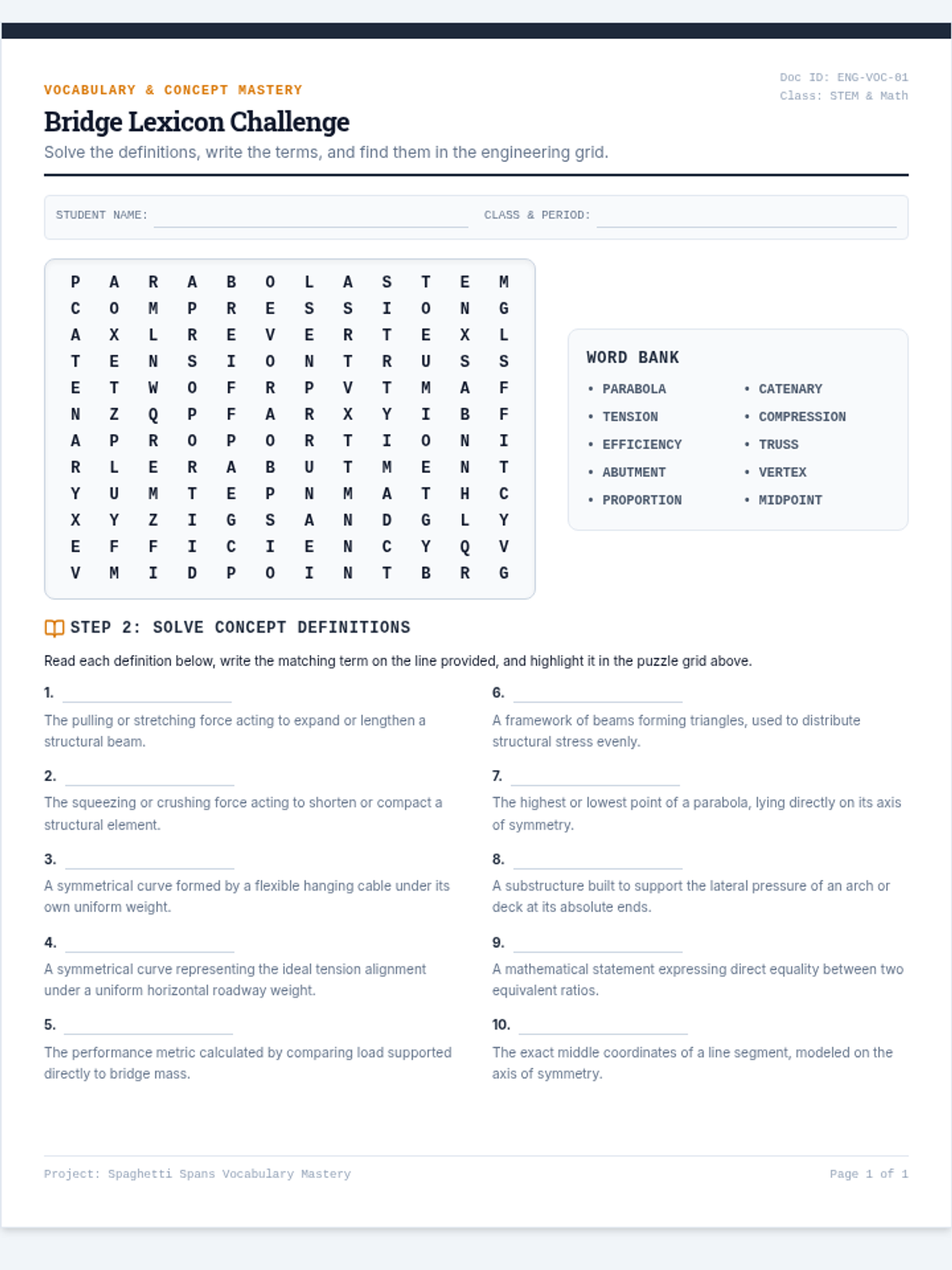
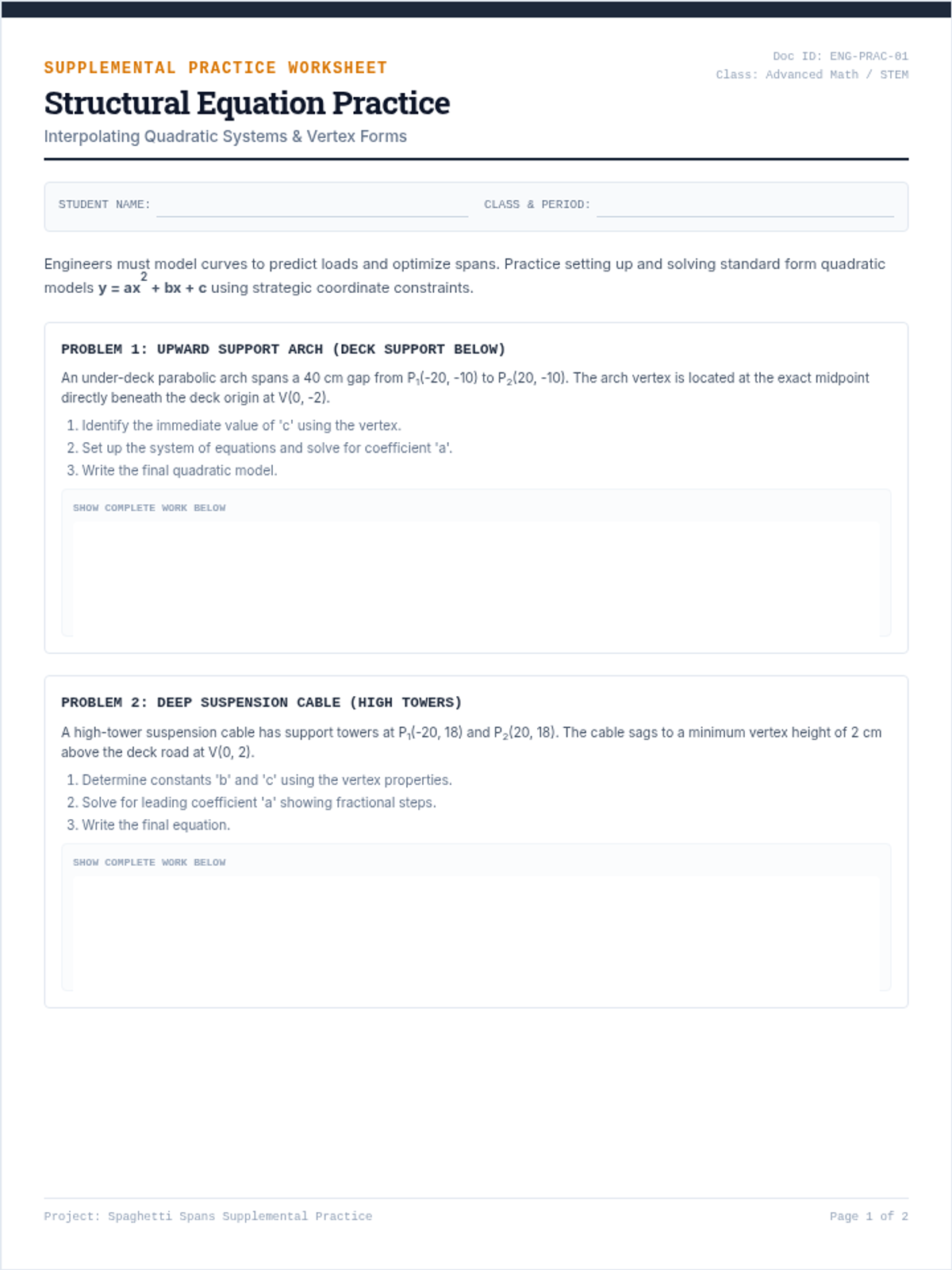
A rigorous STEM project combining structural engineering with advanced mathematics. Students design, budget, build, and test spaghetti bridges using ratios, proportions, cost-efficiency metrics, quadratic modeling, and catenary curves.
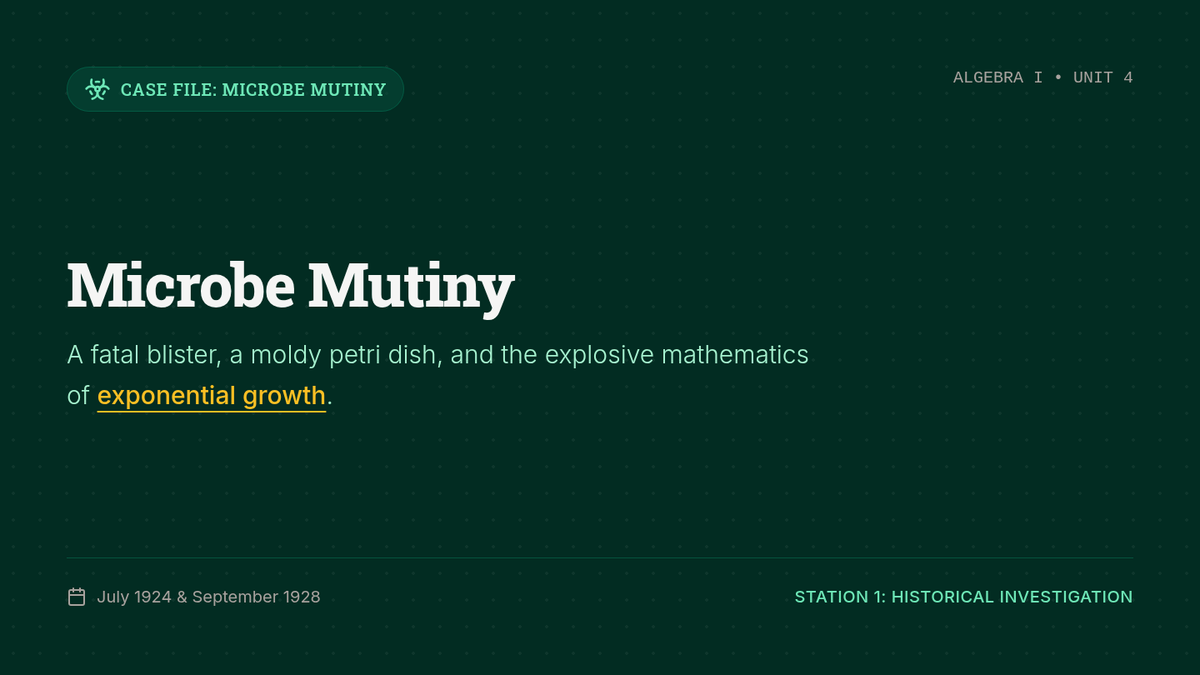
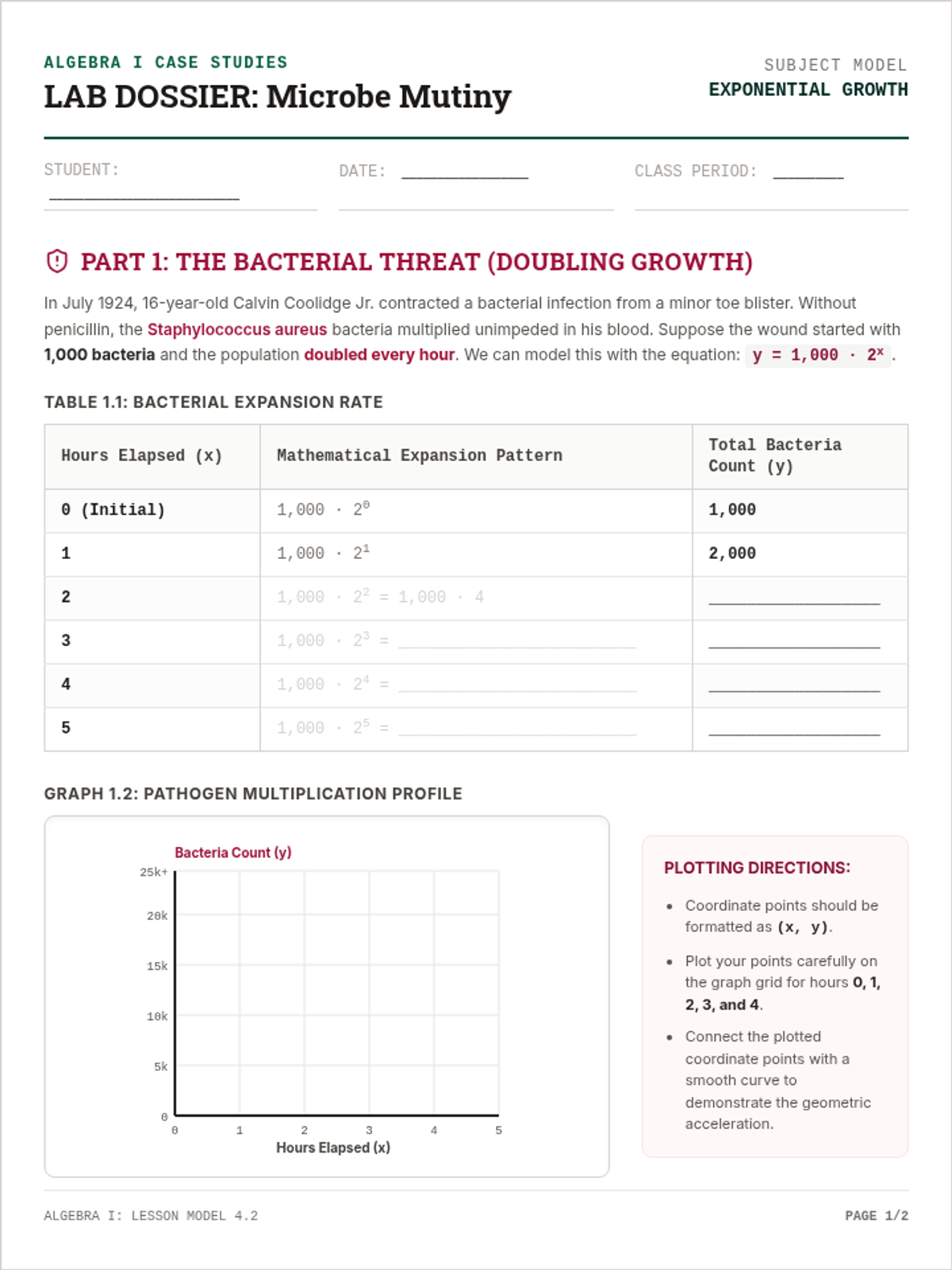
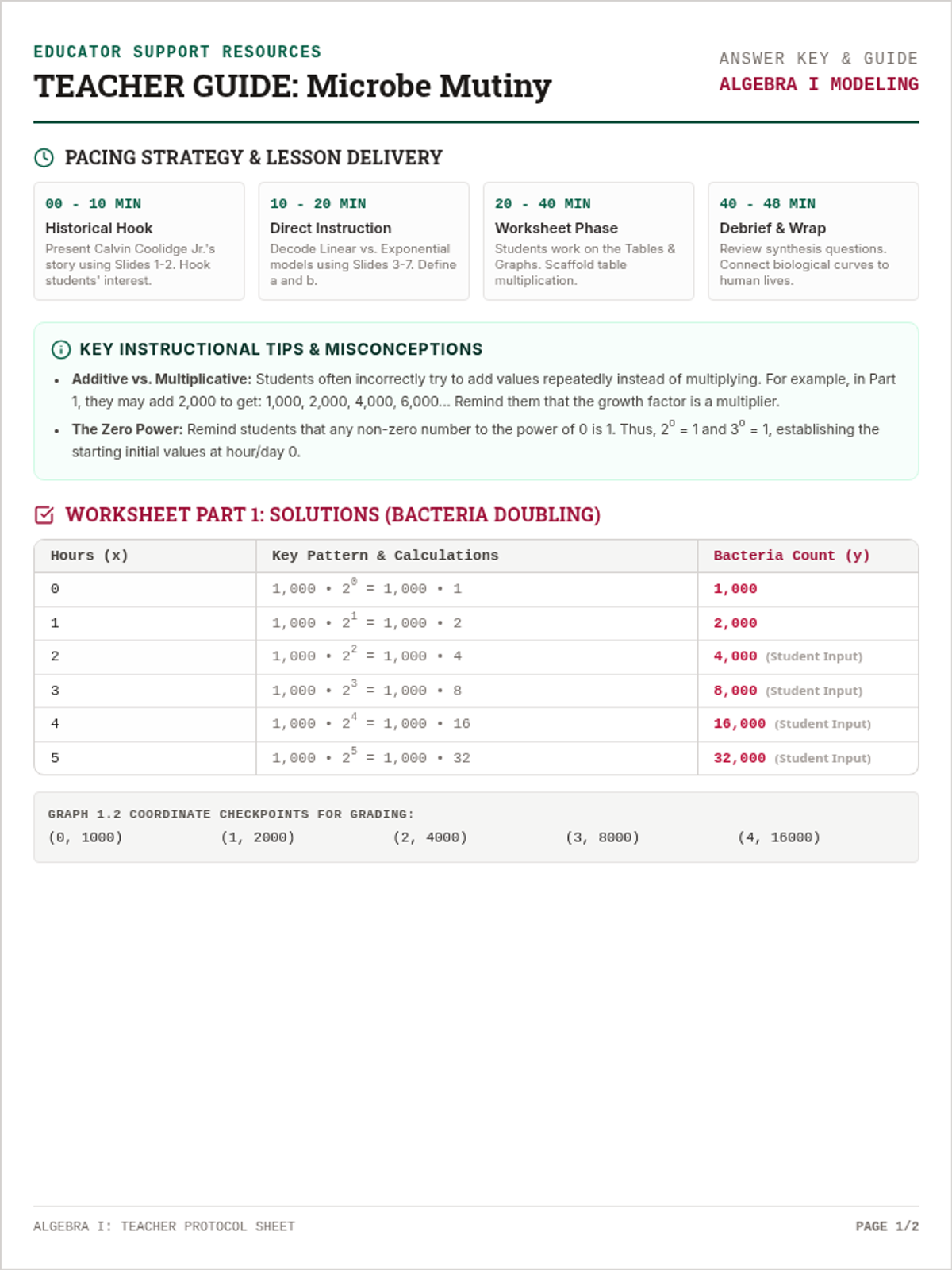
An 8th-grade Algebra lesson introducing exponential growth. Students investigate linear vs. exponential growth models by examining the tragic 1924 history of Calvin Coolidge Jr.'s fatal bacterial infection and how the exponential growth of Penicillium mold led to the discovery of life-saving penicillin.
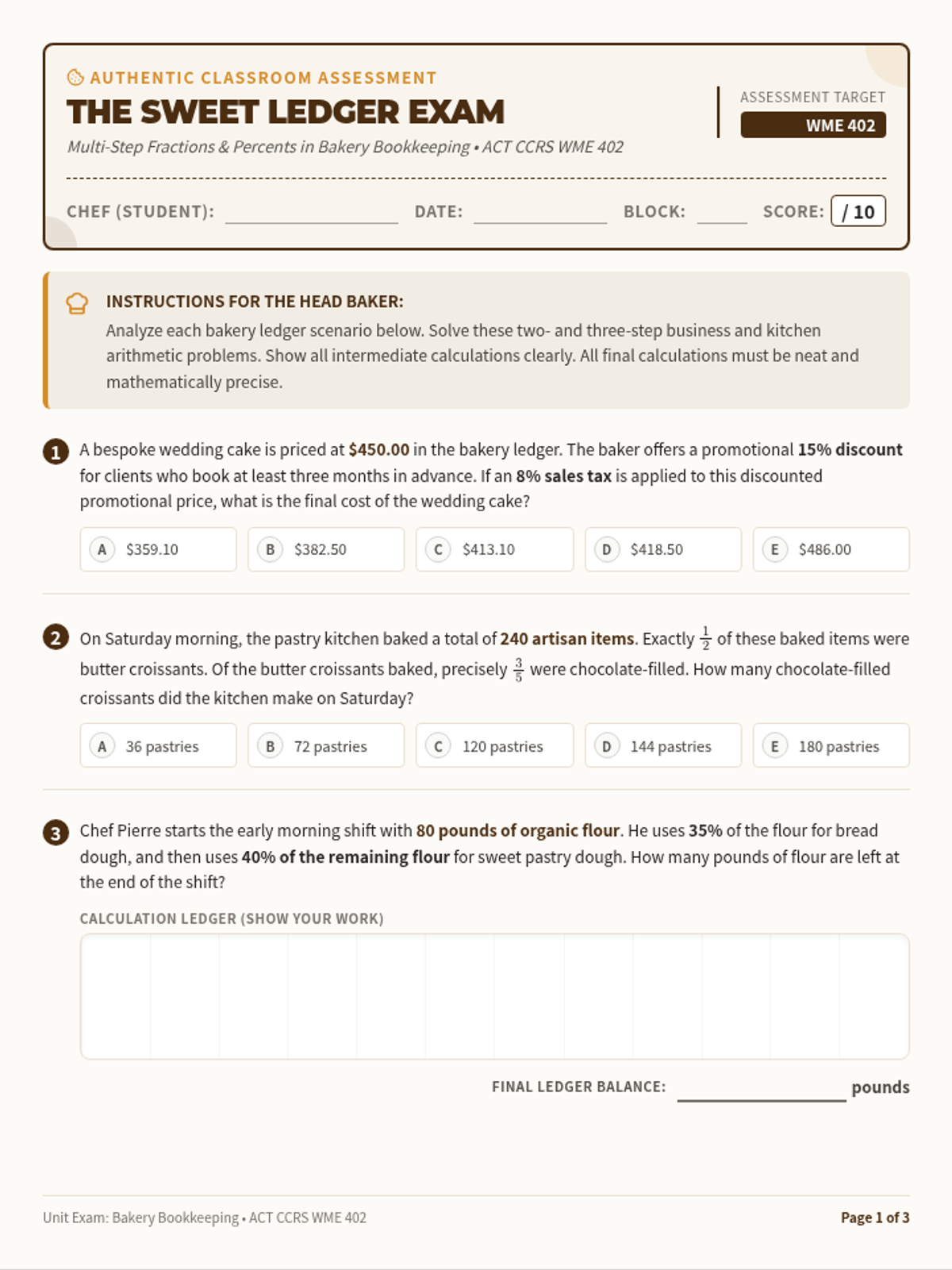
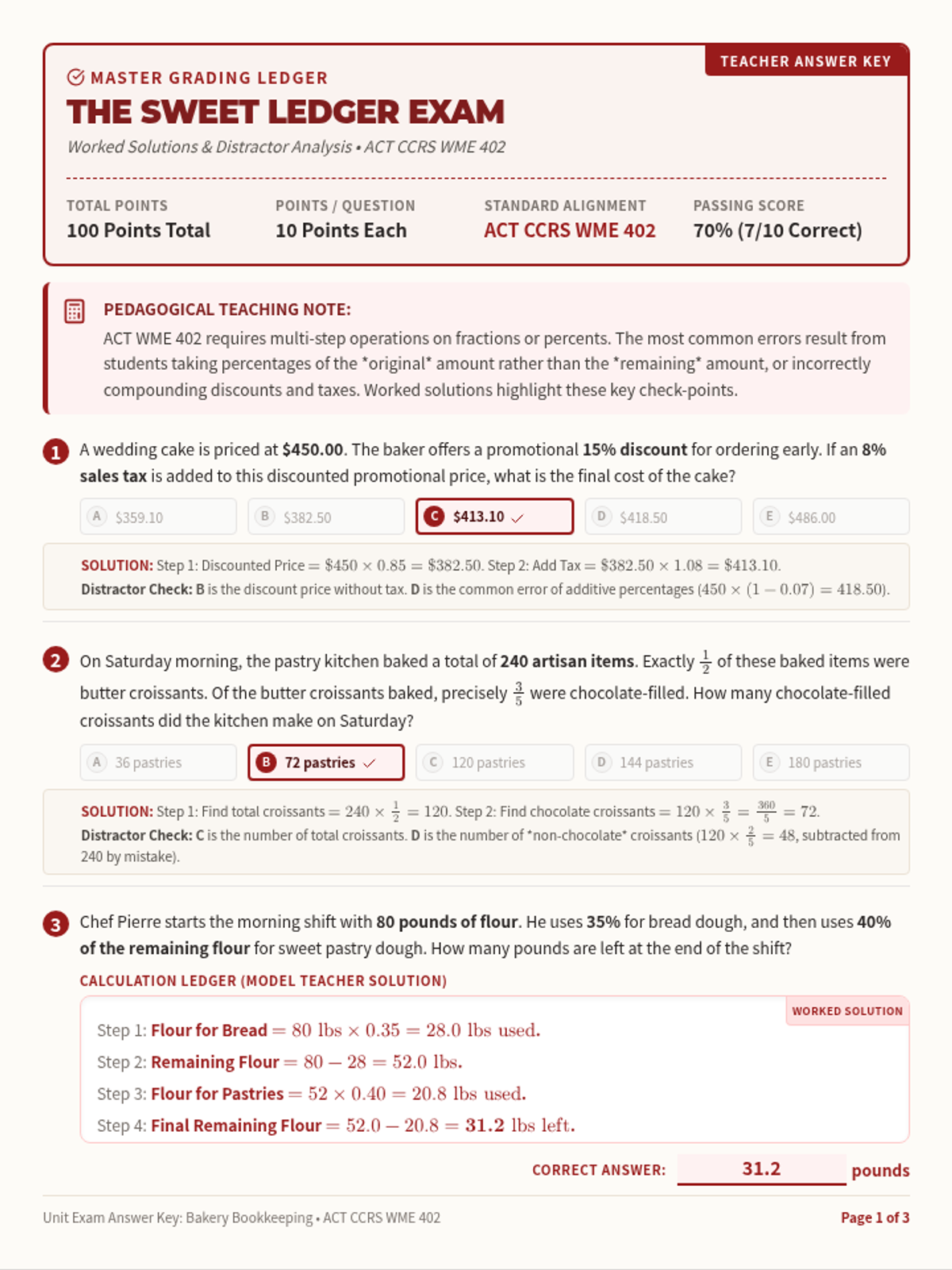
An assessment aligned with ACT CCRS WME 402 focusing on two-step and three-step word problems involving fractions and percents. Students solve practical business and kitchen problems for a boutique bakery.
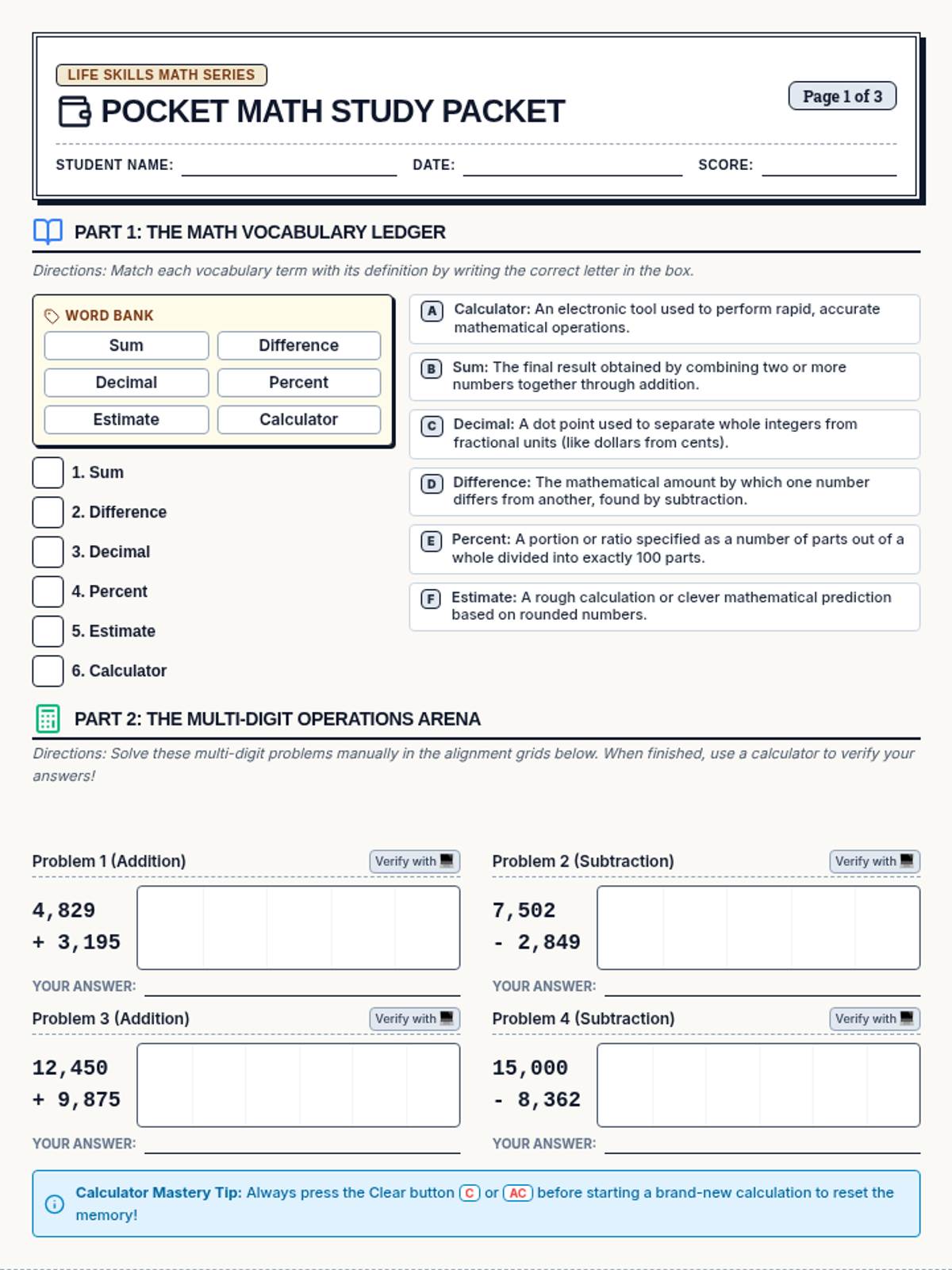
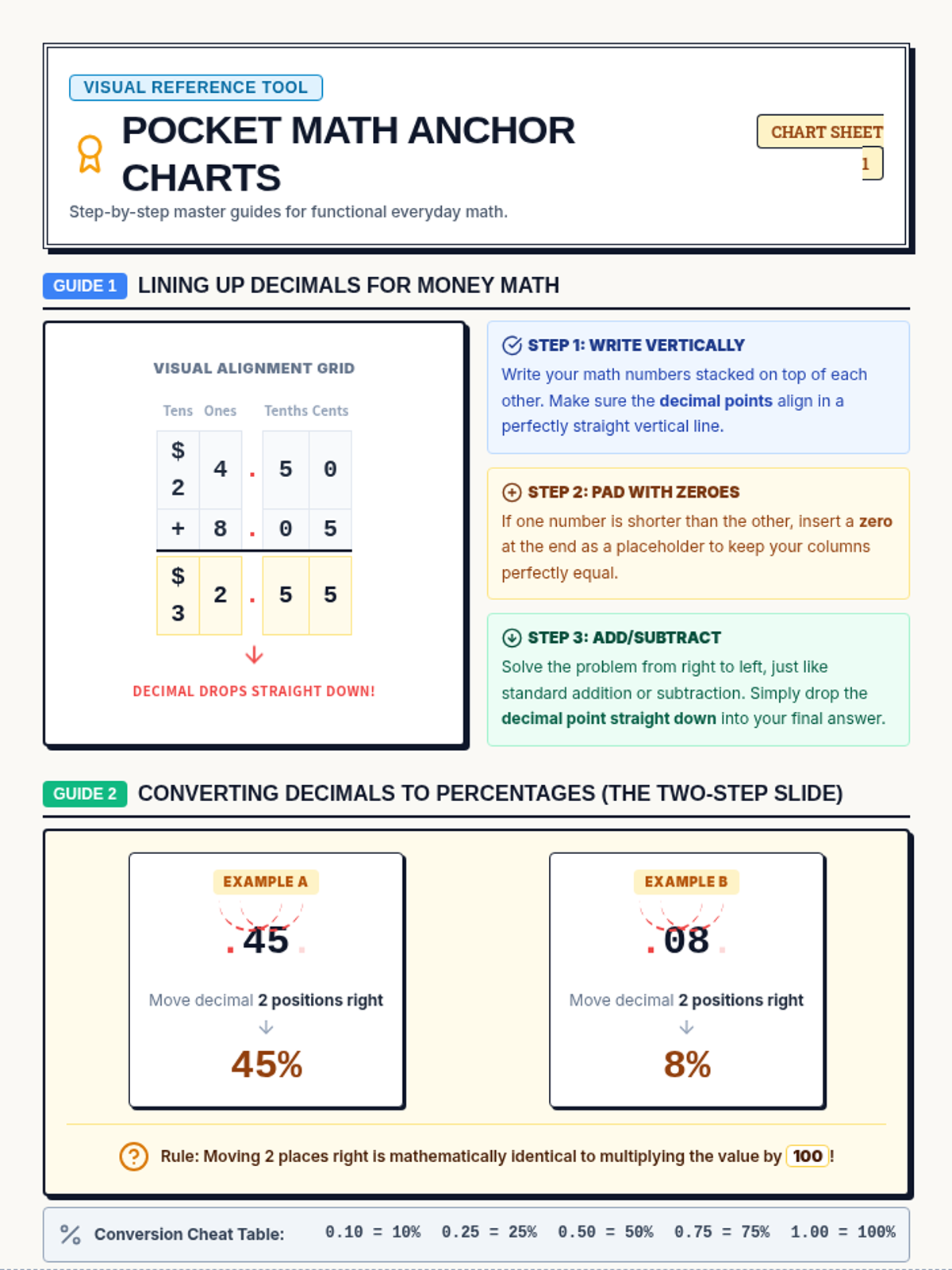
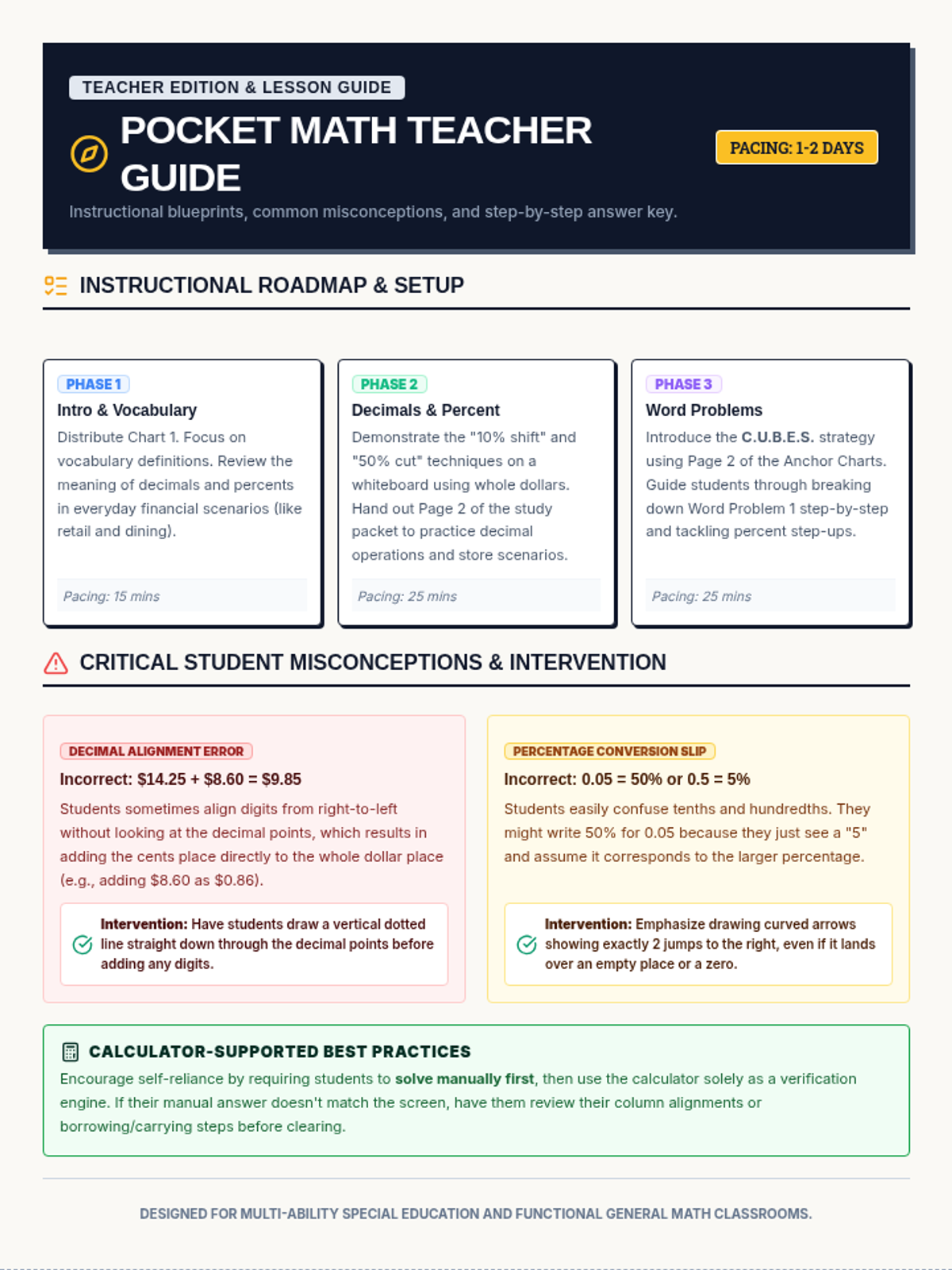
A structured math lesson focused on functional real-world math skills, covering decimals, money, multi-digit operations, percentages (10% and 50%), and word problem solving. Includes a 3-page study packet, a visual anchor chart reference sheet, and a complete teacher guide.
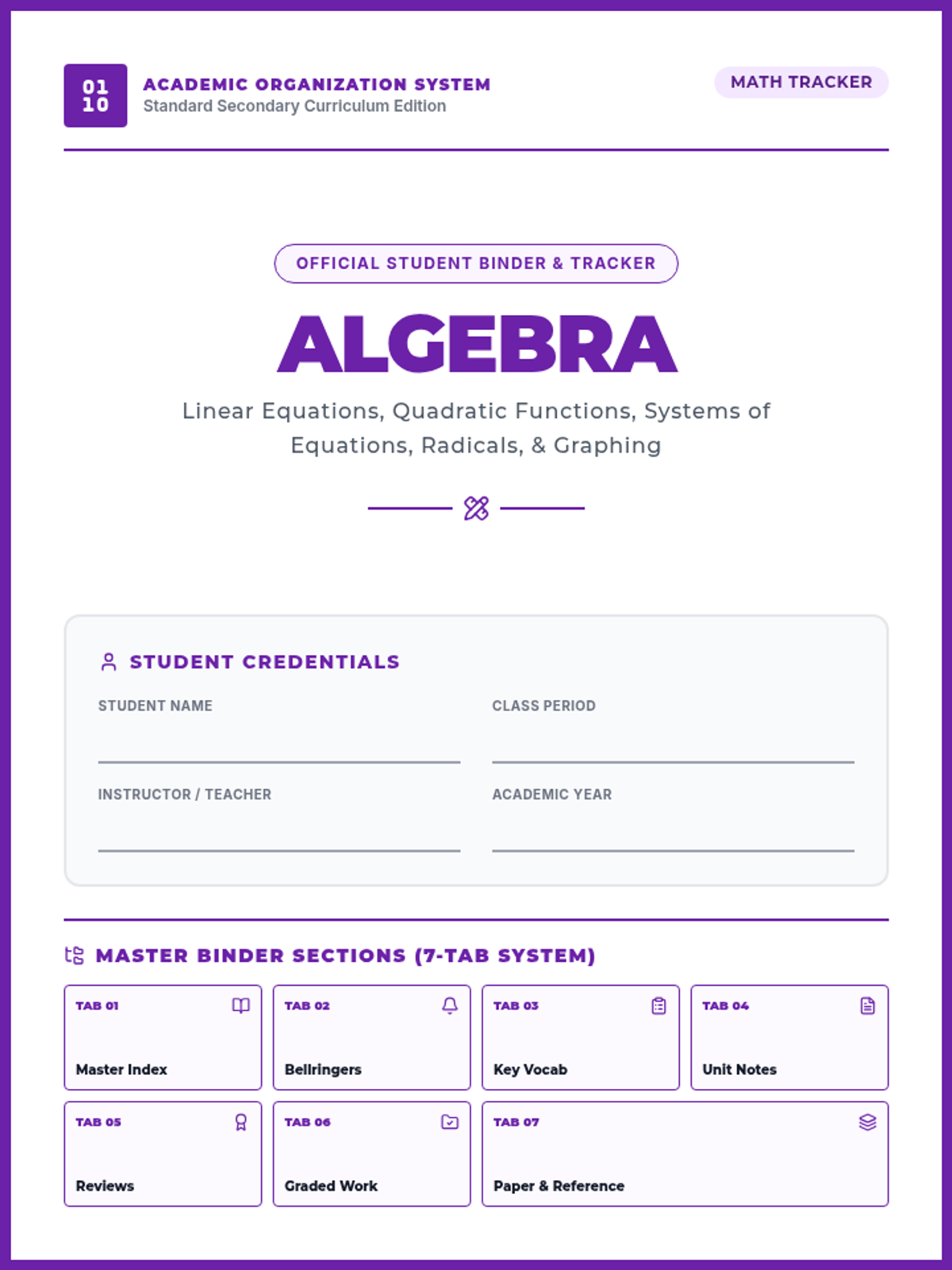
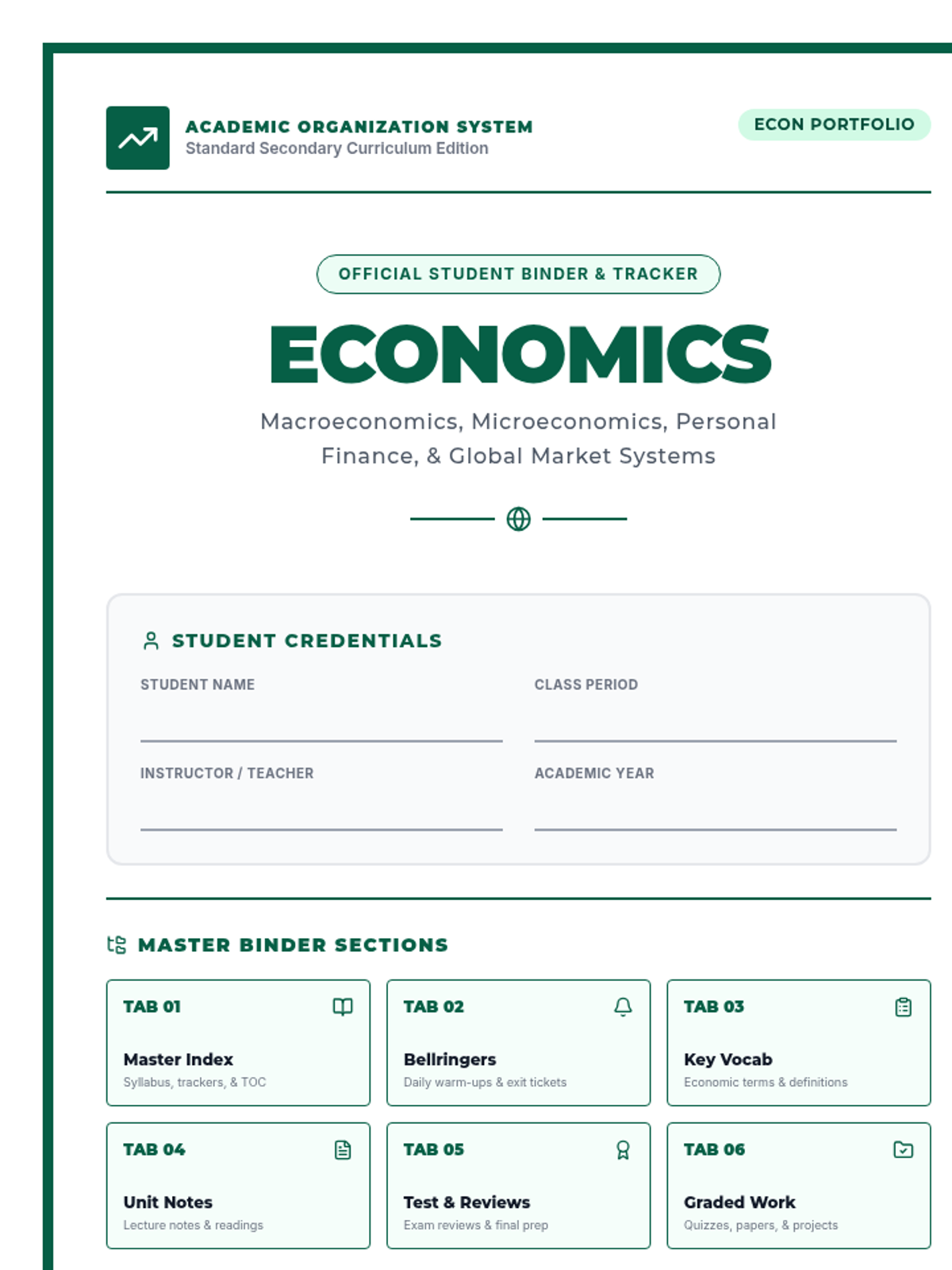
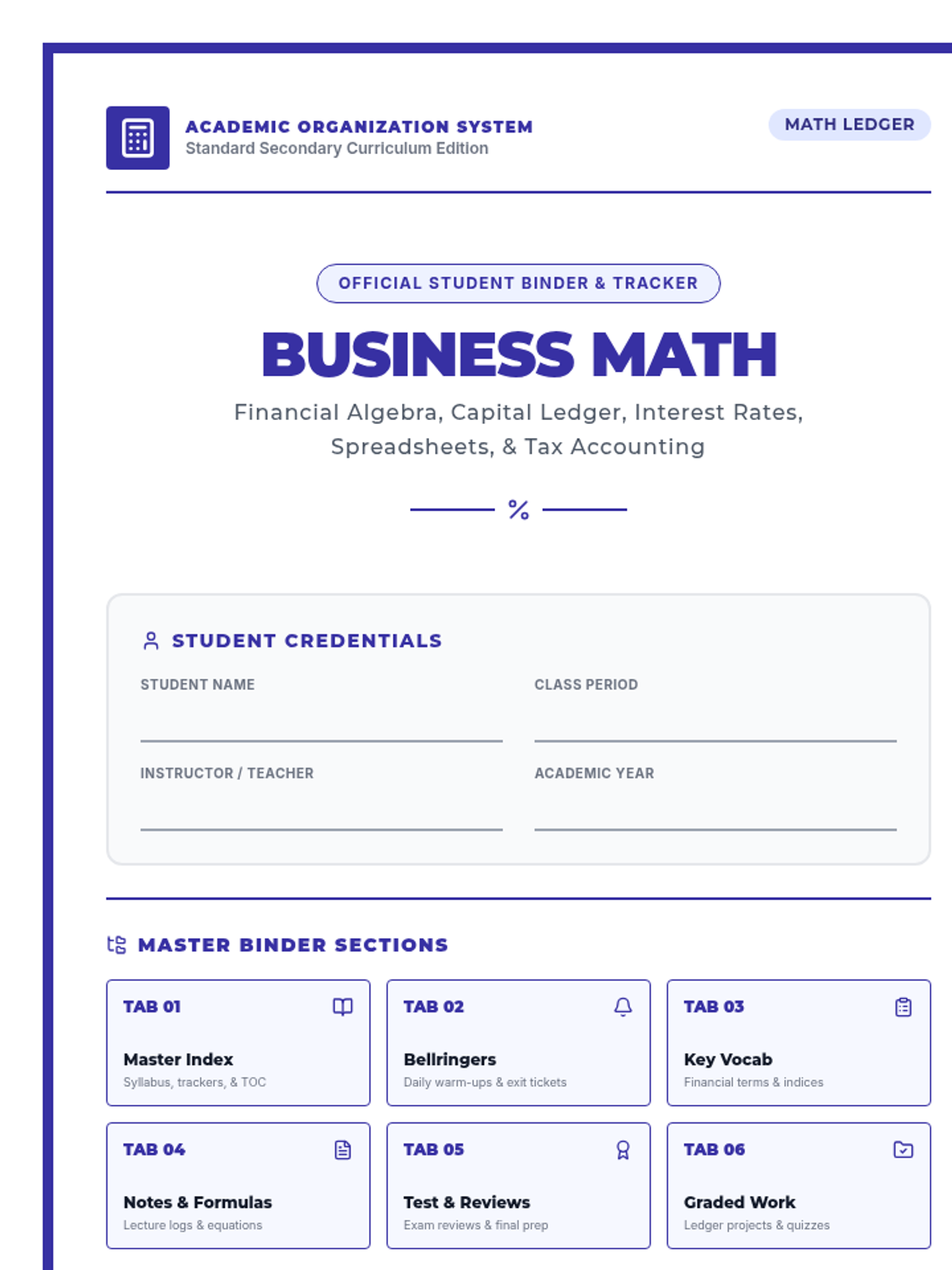
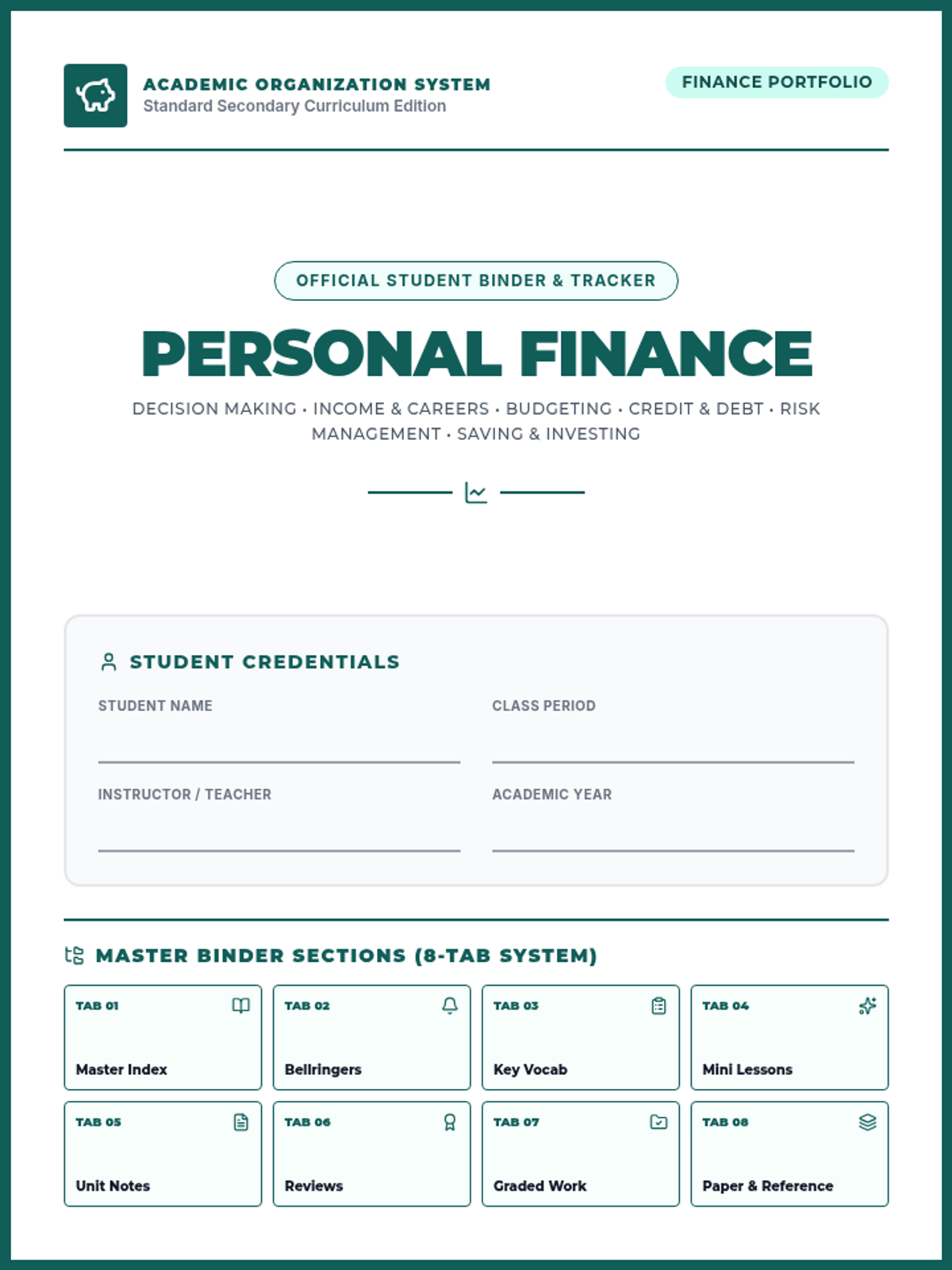
A complete set of high-contrast, professional binder organization kits for Economics, Business Mathematics, Algebra, and Personal Finance. Each kit contains a master index cover page, table of contents, customizable assignment logs, and printable color-coded divider tabs with matching spine inserts.
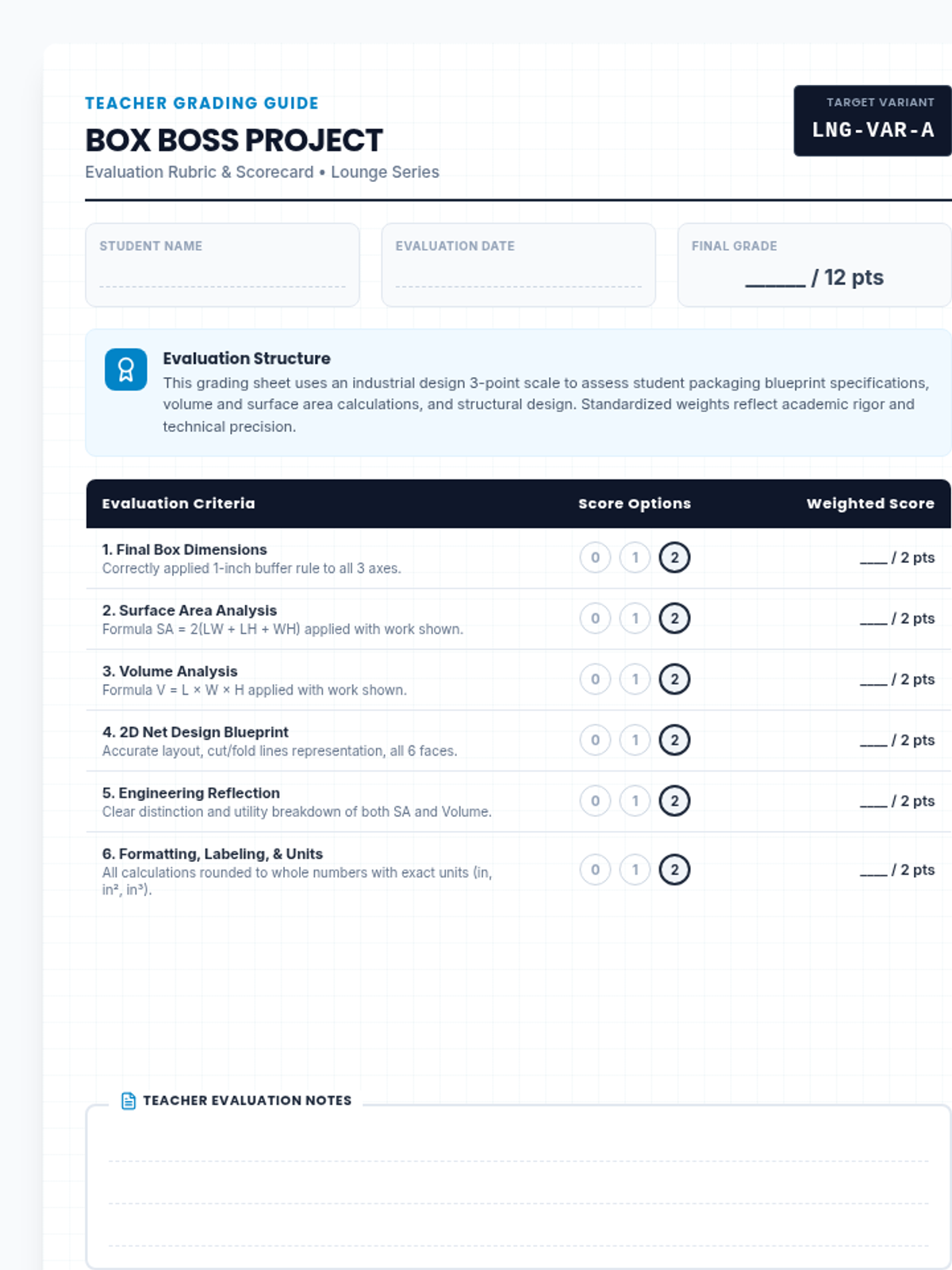
An applied geometry and packaging design project where students calculate surface area, volume, and sketch blueprints for product packaging.
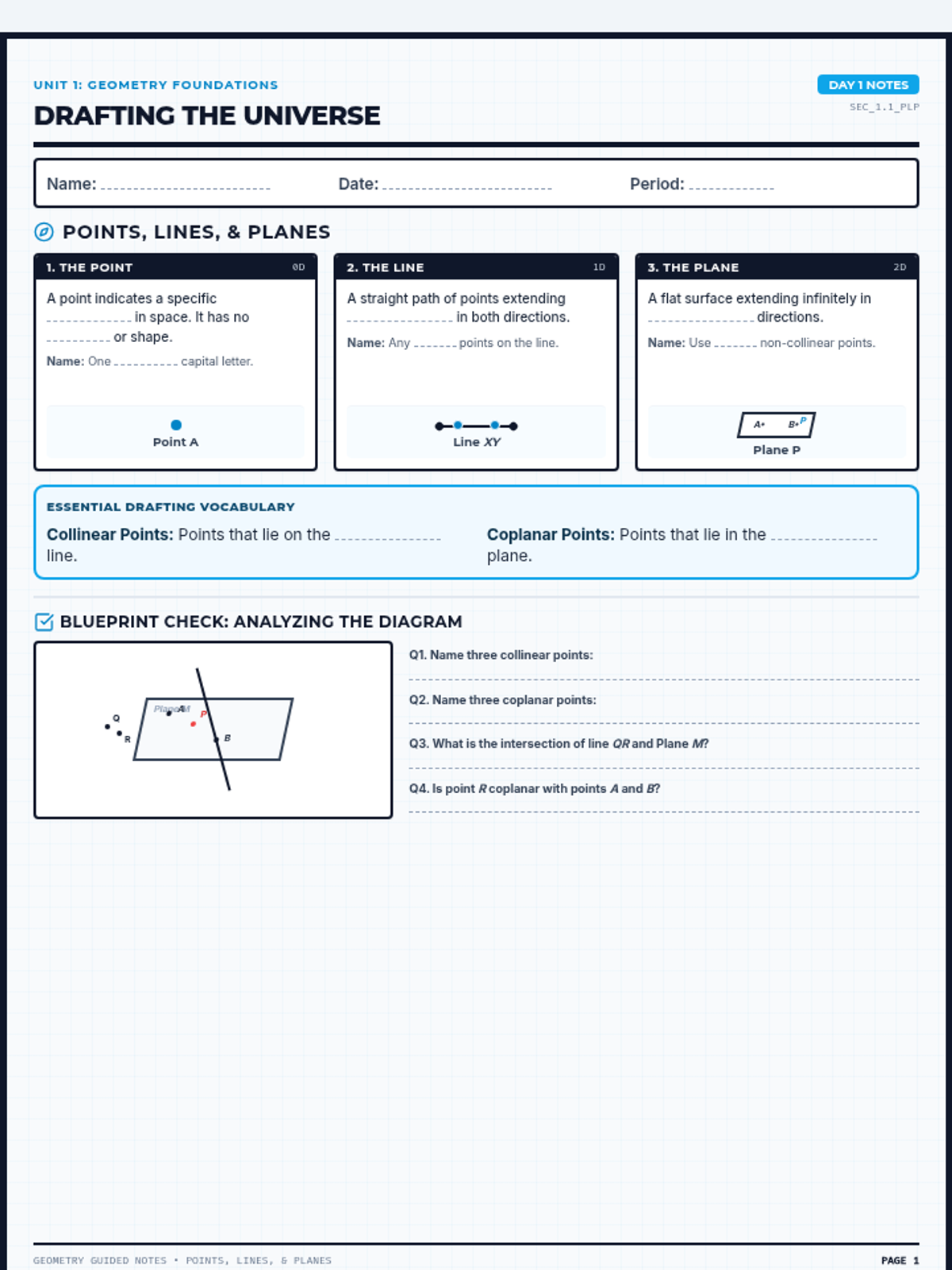
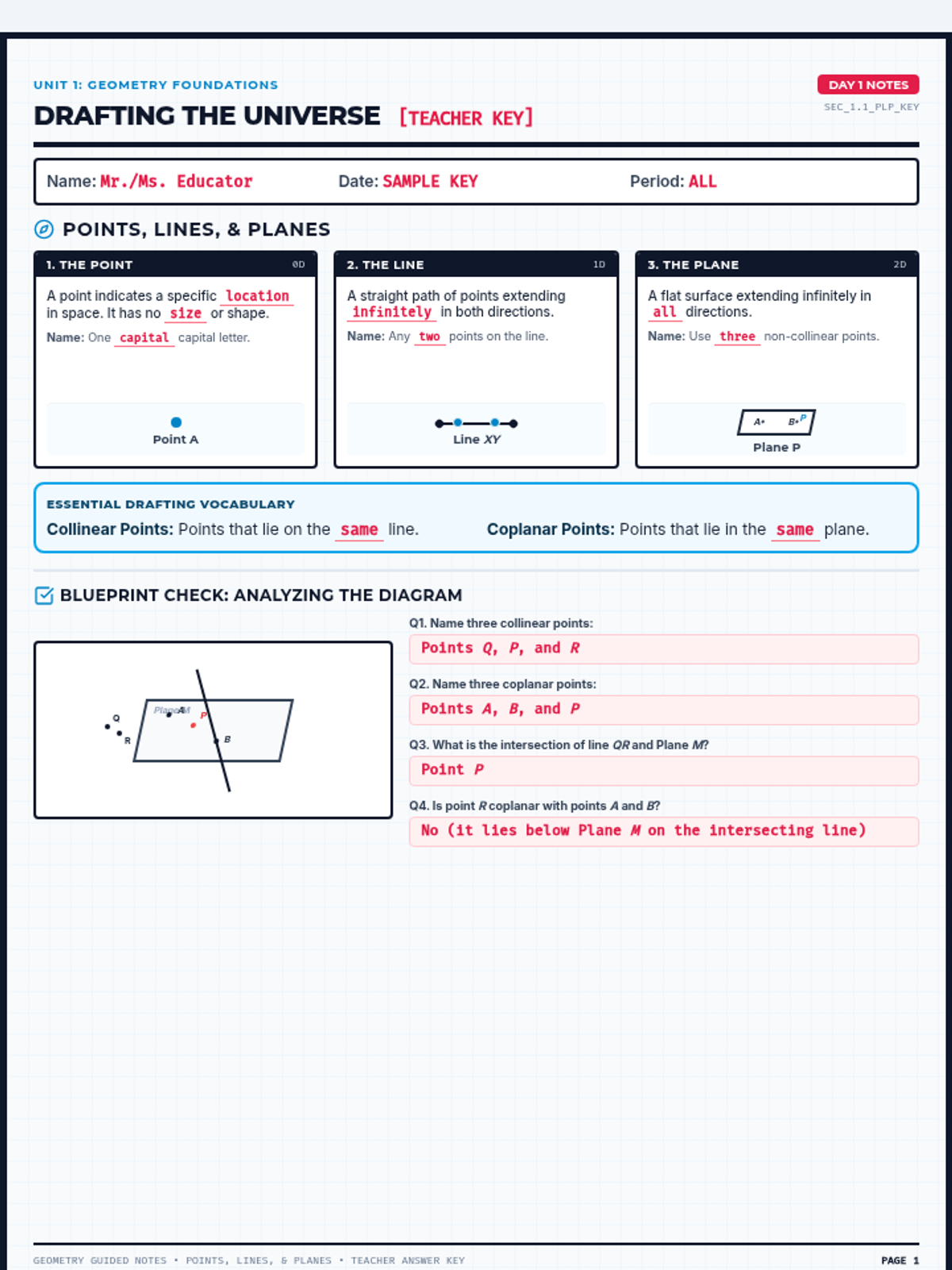
A comprehensive unit introducing the fundamental building blocks of geometry: points, lines, planes, segment addition, distance/midpoint formulas, angle addition, and basic angle relationships. Includes multi-day guided notes and teacher resources.
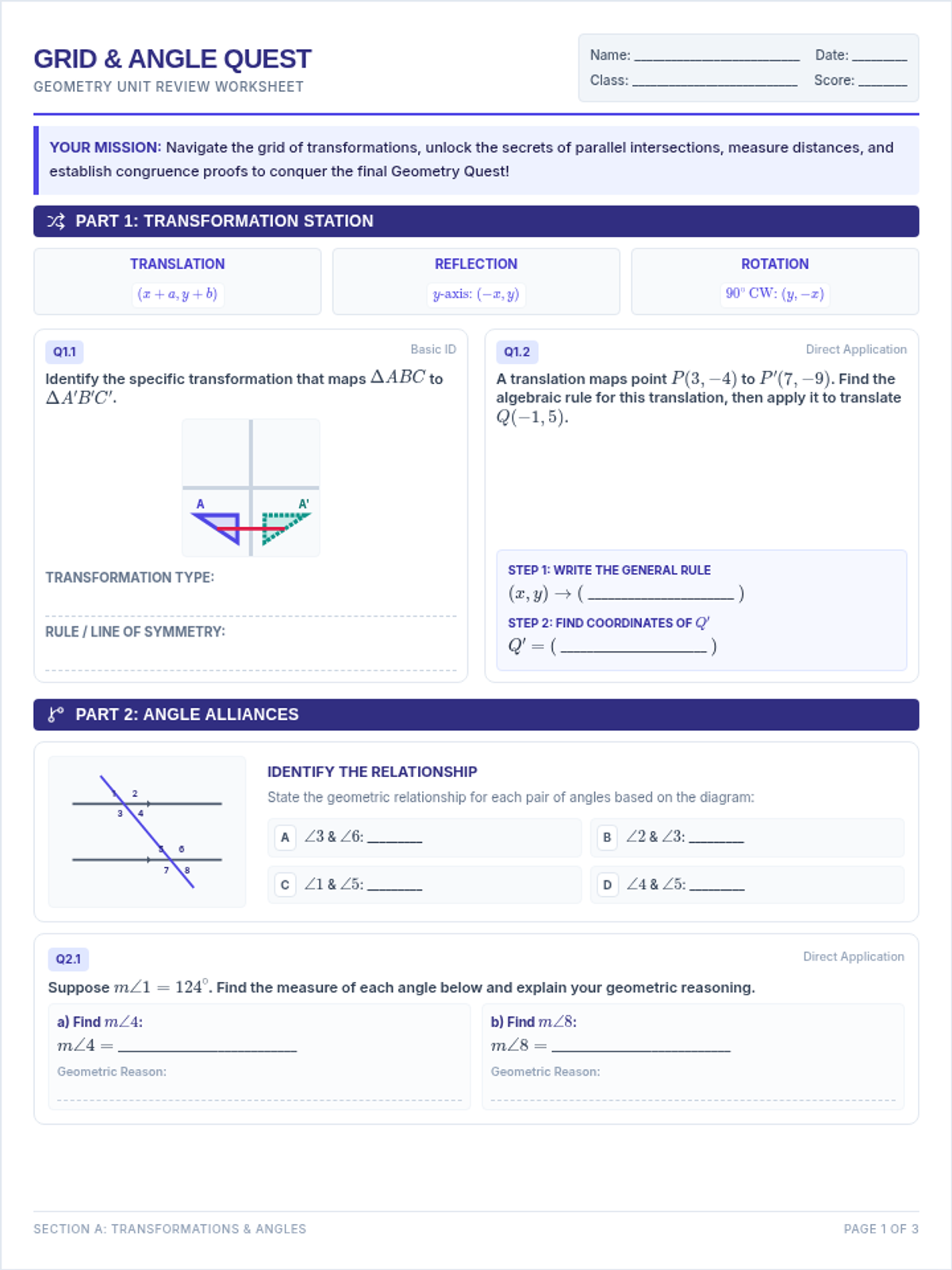
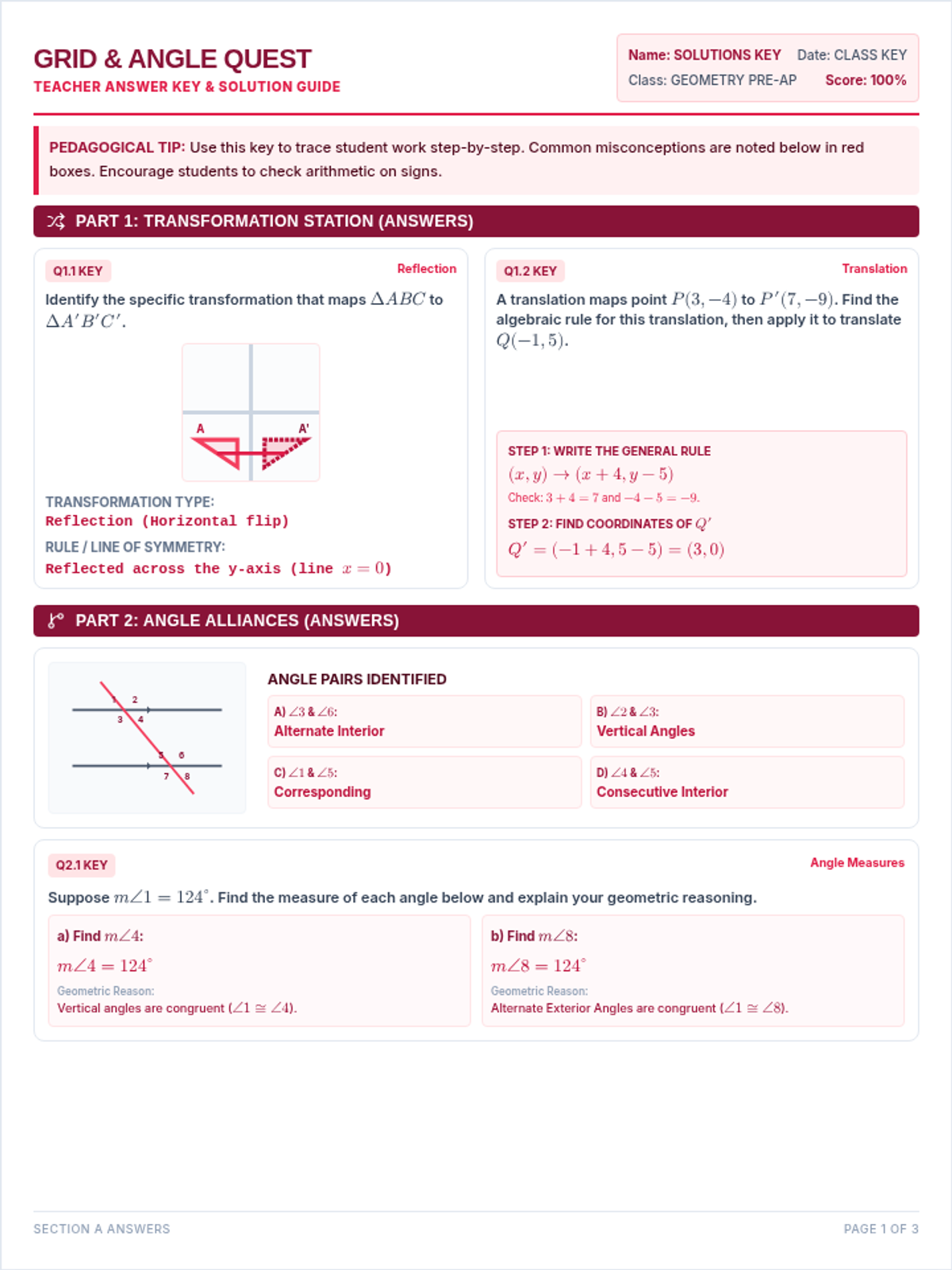
A comprehensive geometry unit review lesson covering transformations, angle relationships, the distance formula, and triangle congruence criteria. This lesson provides students with structured practice and self-contained explanations to solidify basic identification and direct application of these core geometric principles.
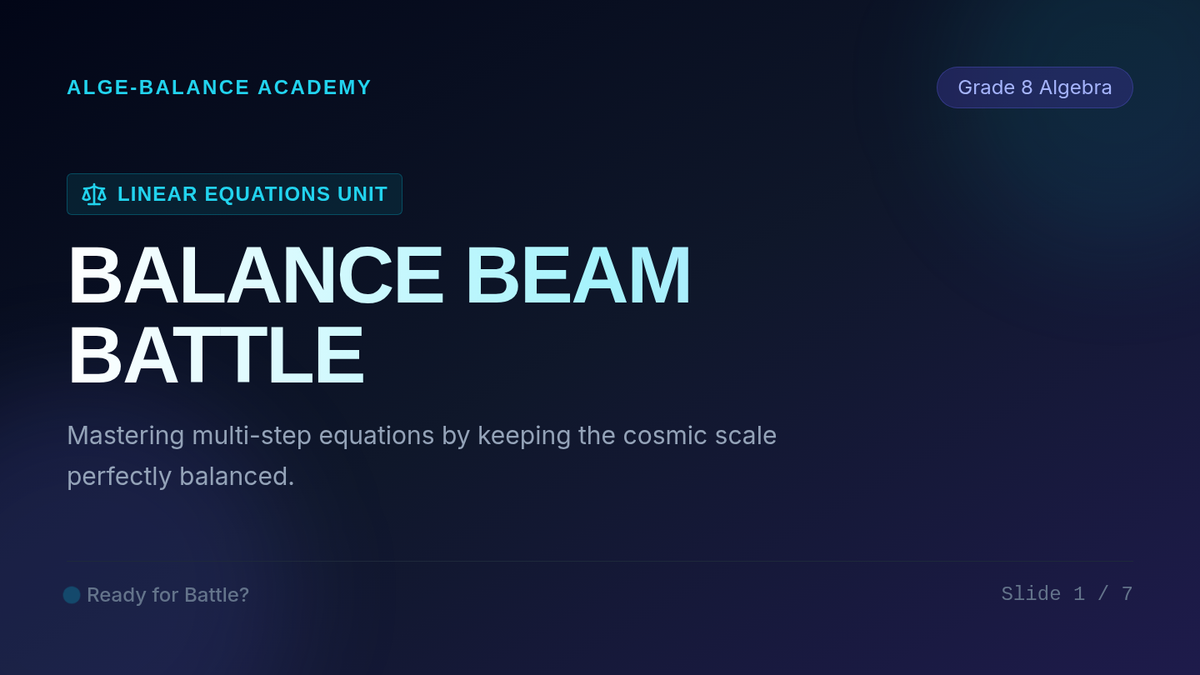
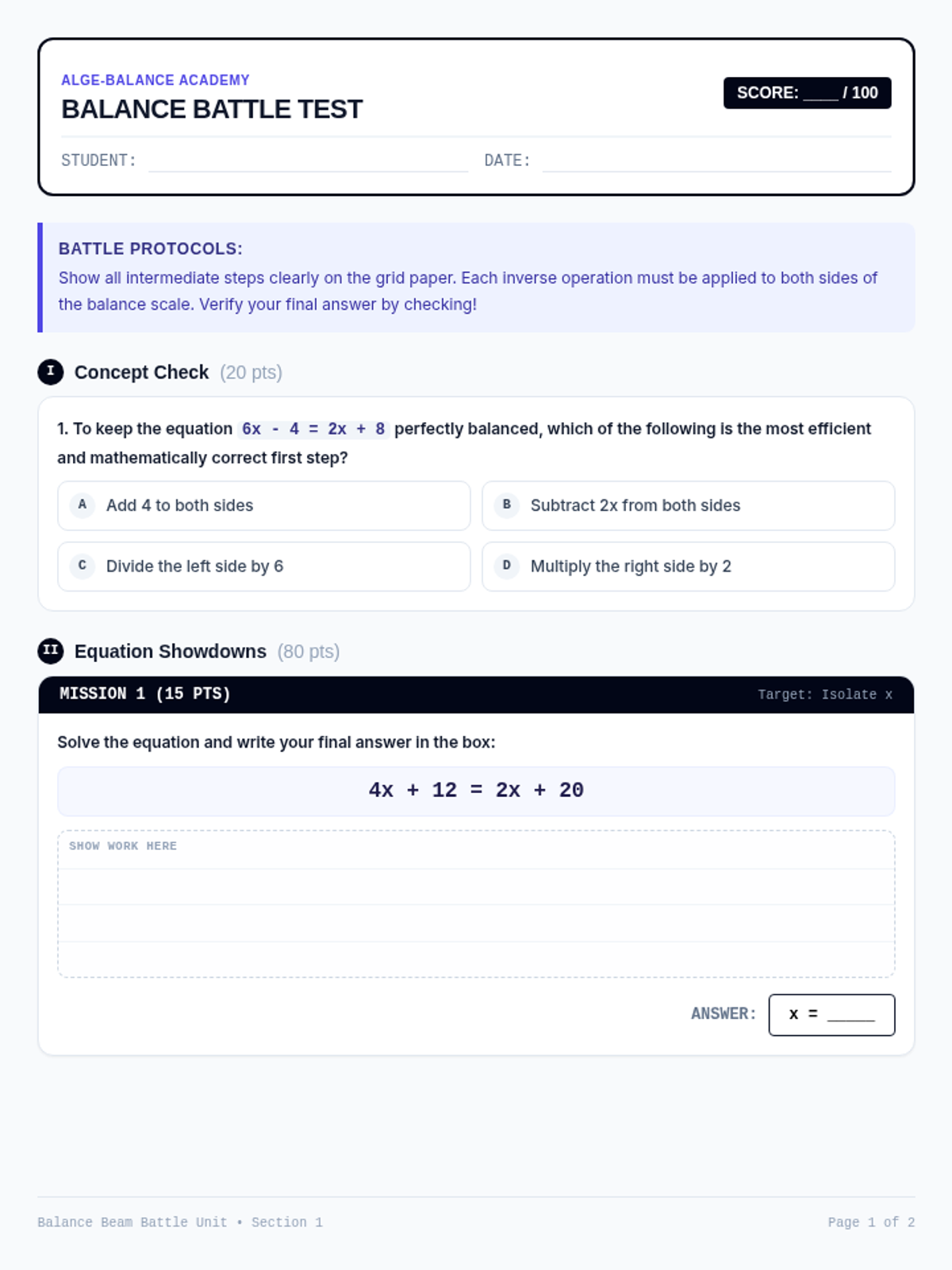
An introductory algebra lesson on solving multi-step equations with variables on both sides. Students use the visual metaphor of a cosmic balance scale to perform operations simultaneously on both sides, working toward isolating the unknown variable.
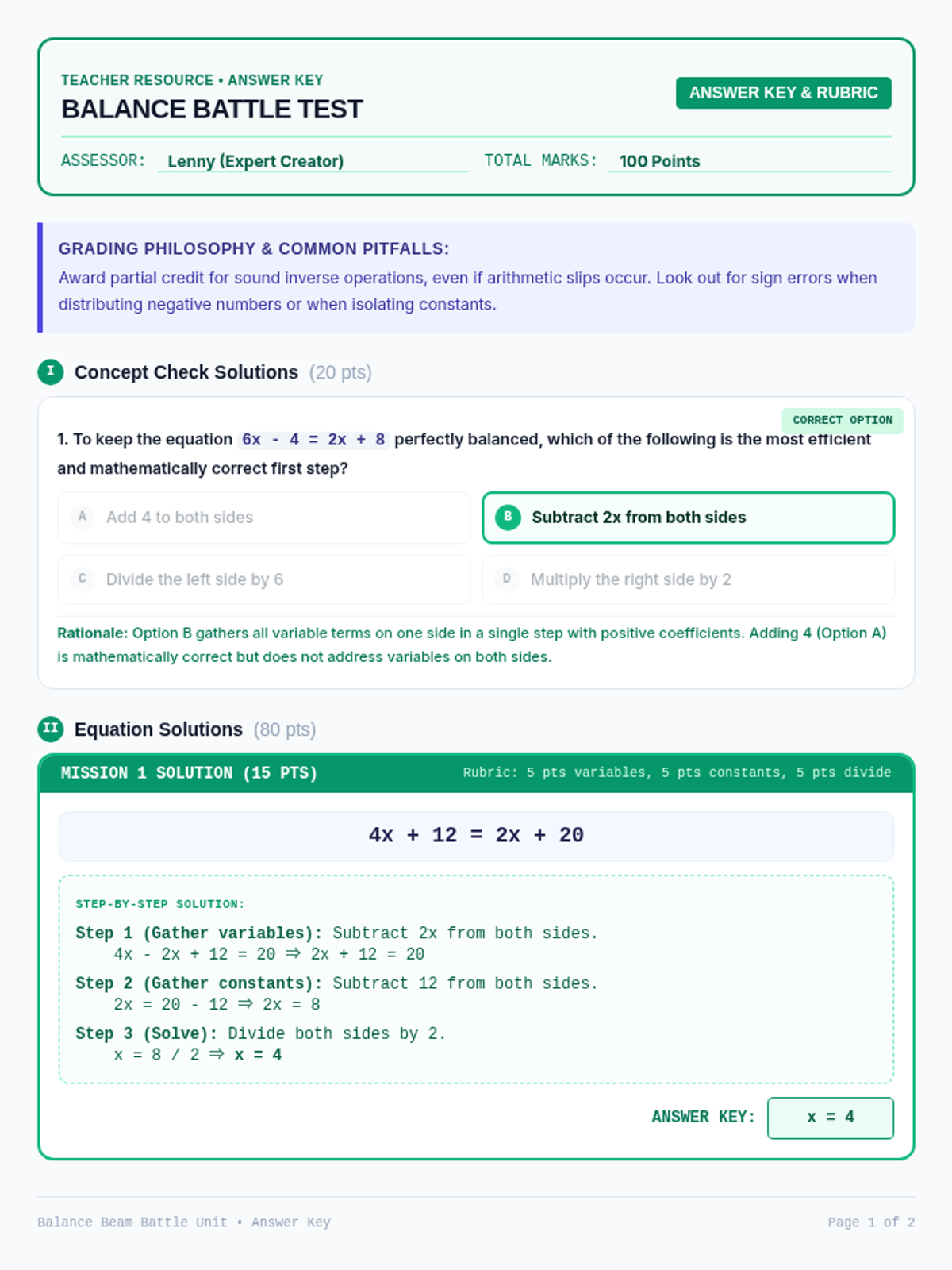
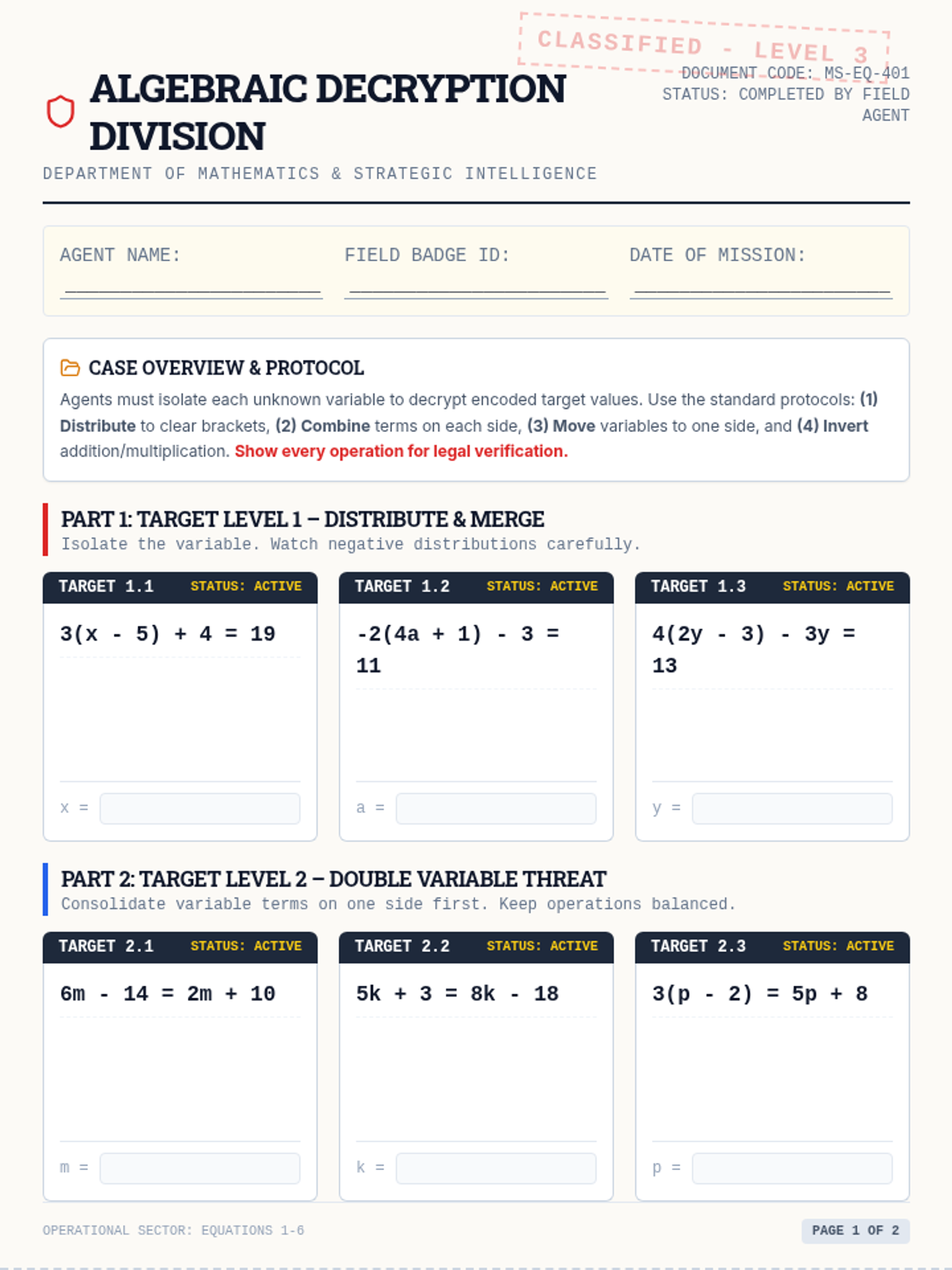
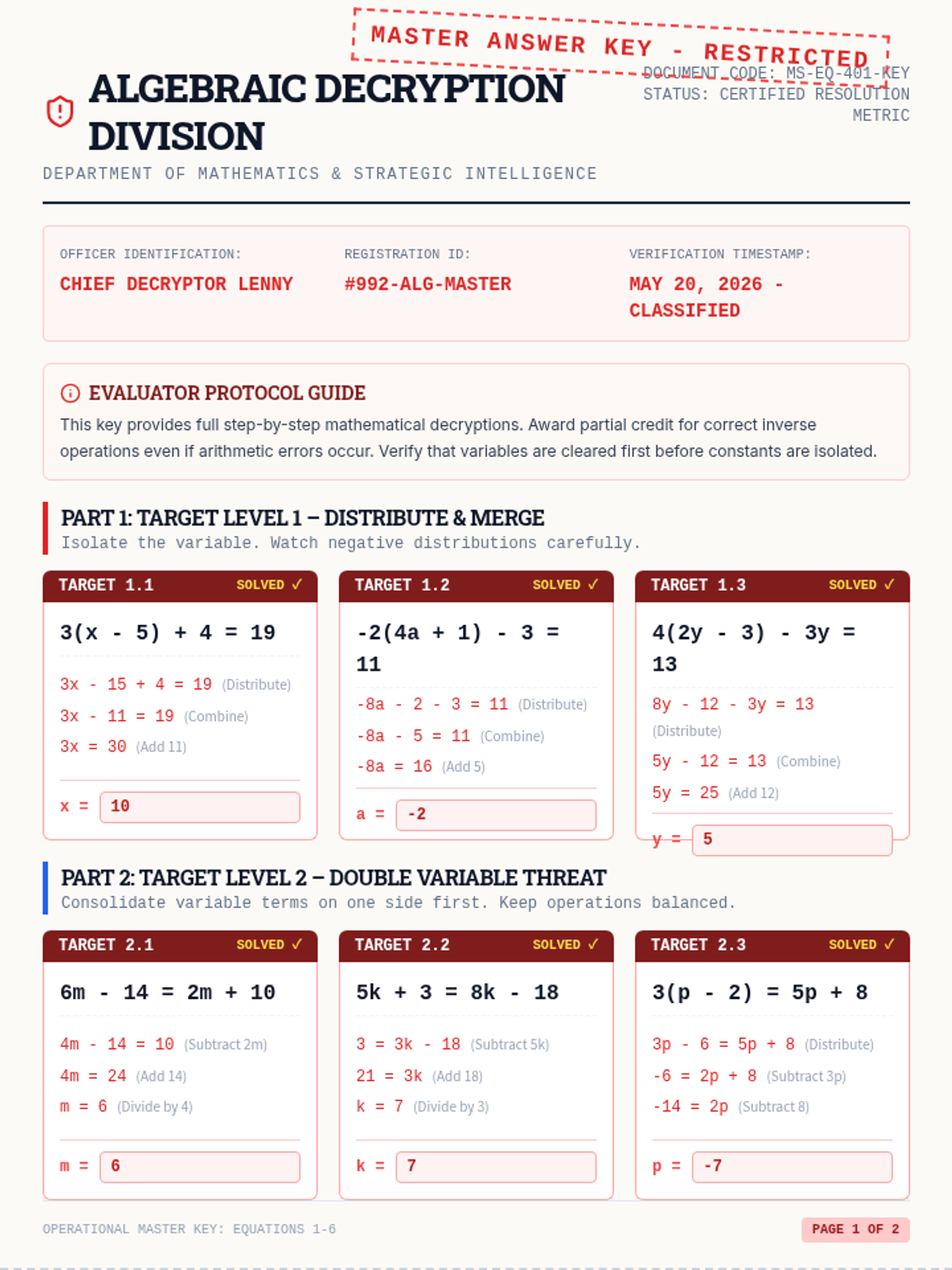
A complete instructional lesson on solving multi-step equations in Algebra 1, utilizing a 'Top-Secret Case File' theme. It includes briefing slides, a structured student case-file worksheet, and a detailed answer key.
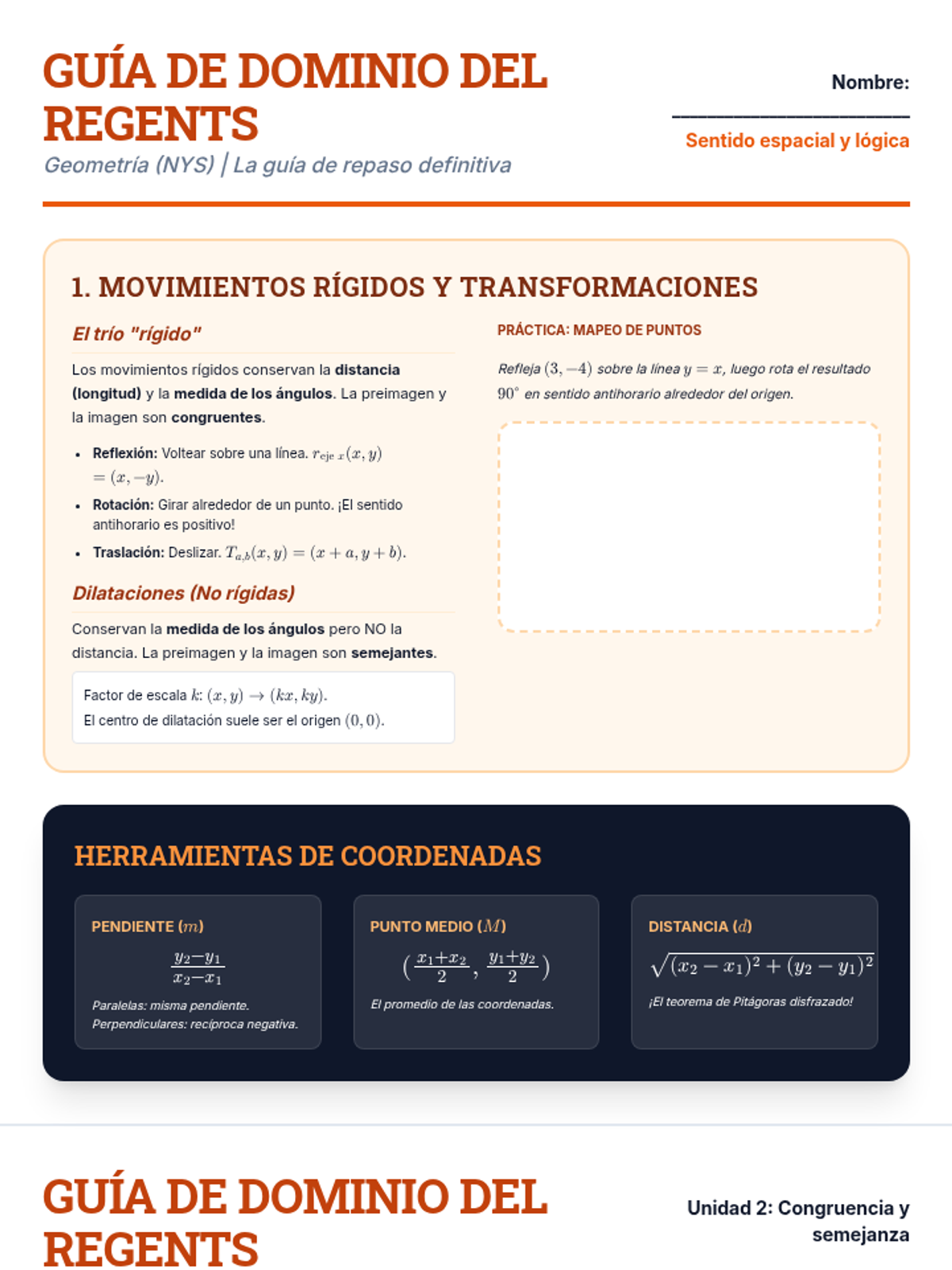
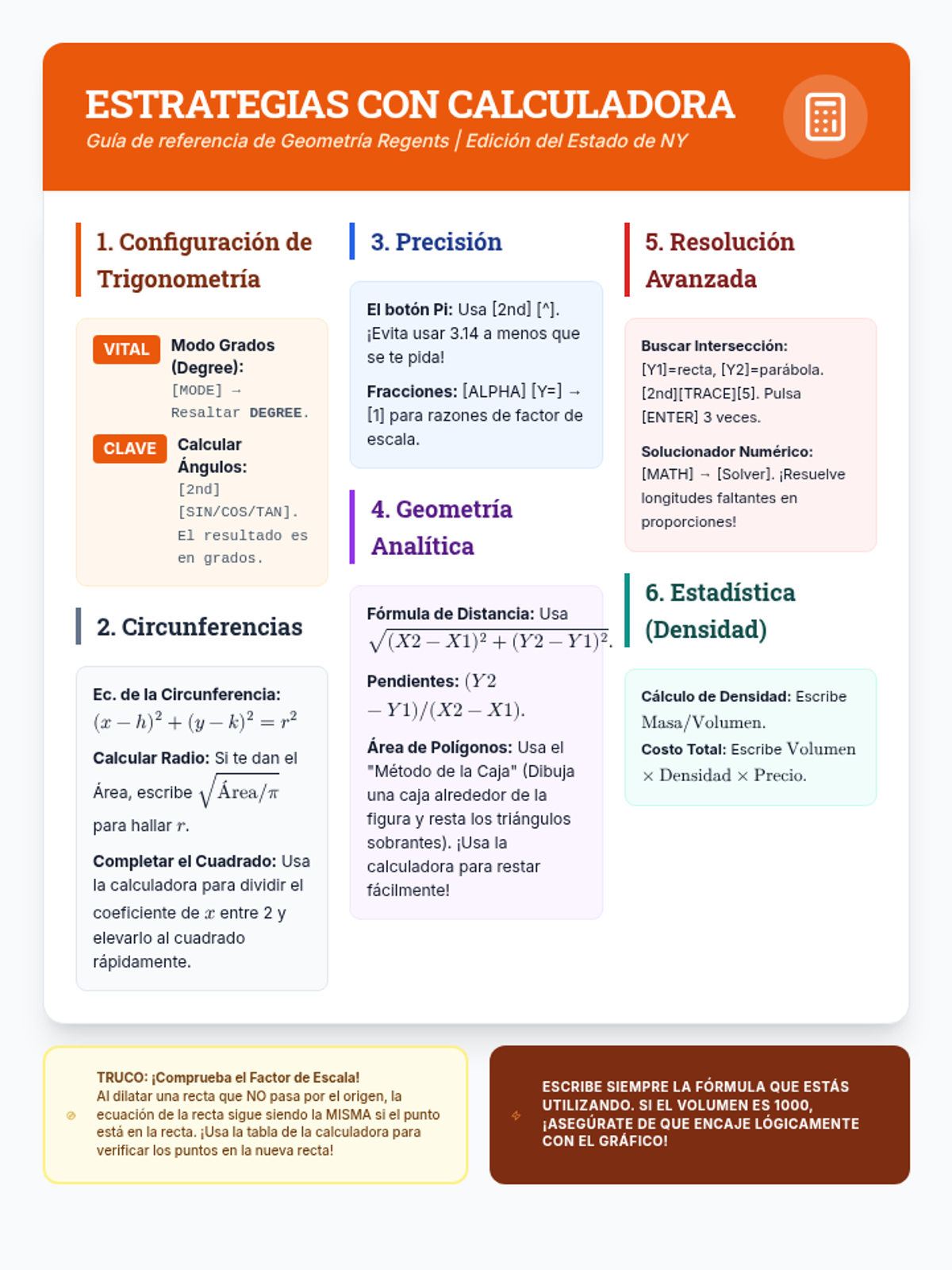
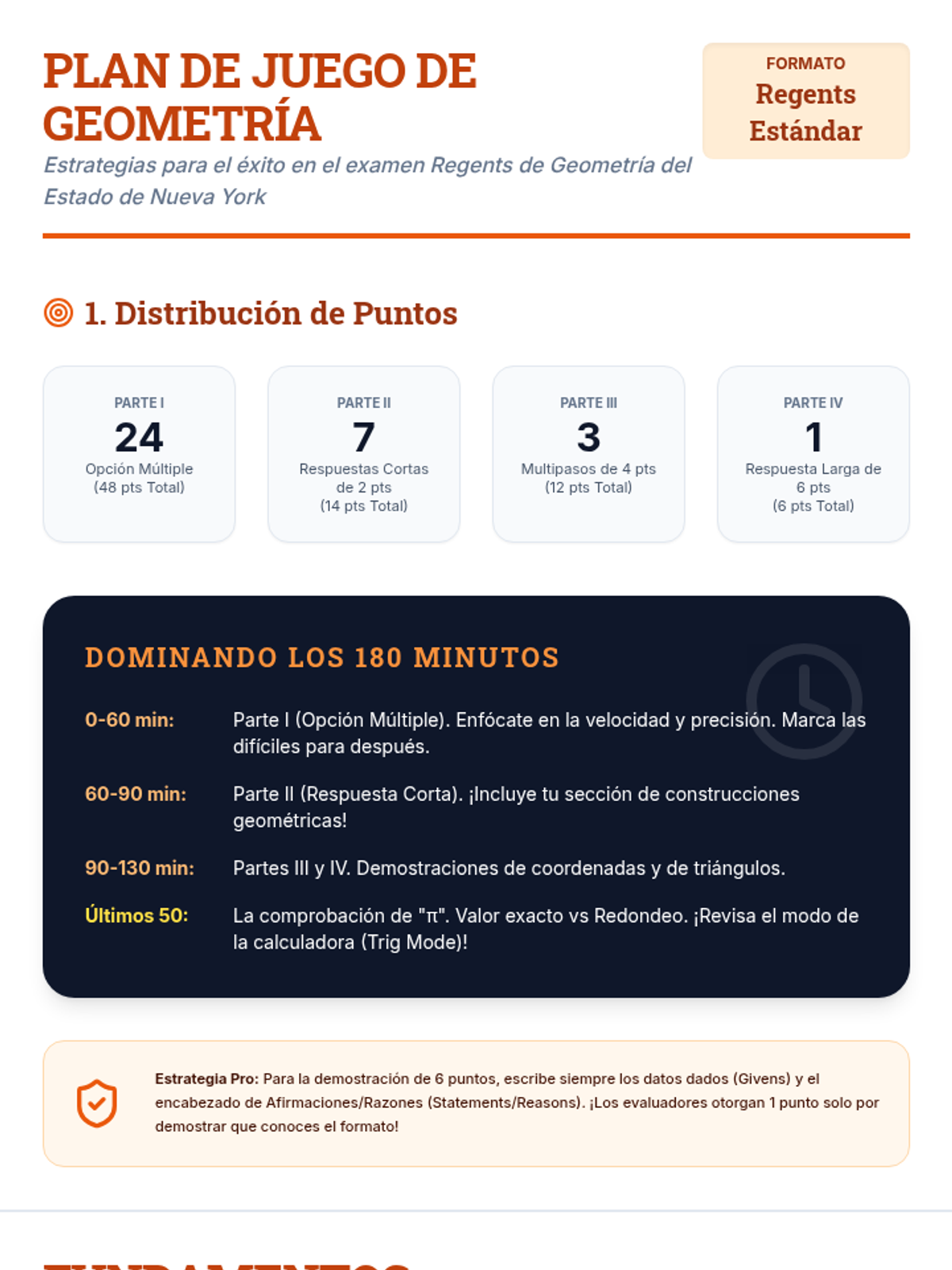
A comprehensive review of the Geometry New York State Regents curriculum, focusing on proofs, transformations, similarity, trigonometry, and coordinate geometry.
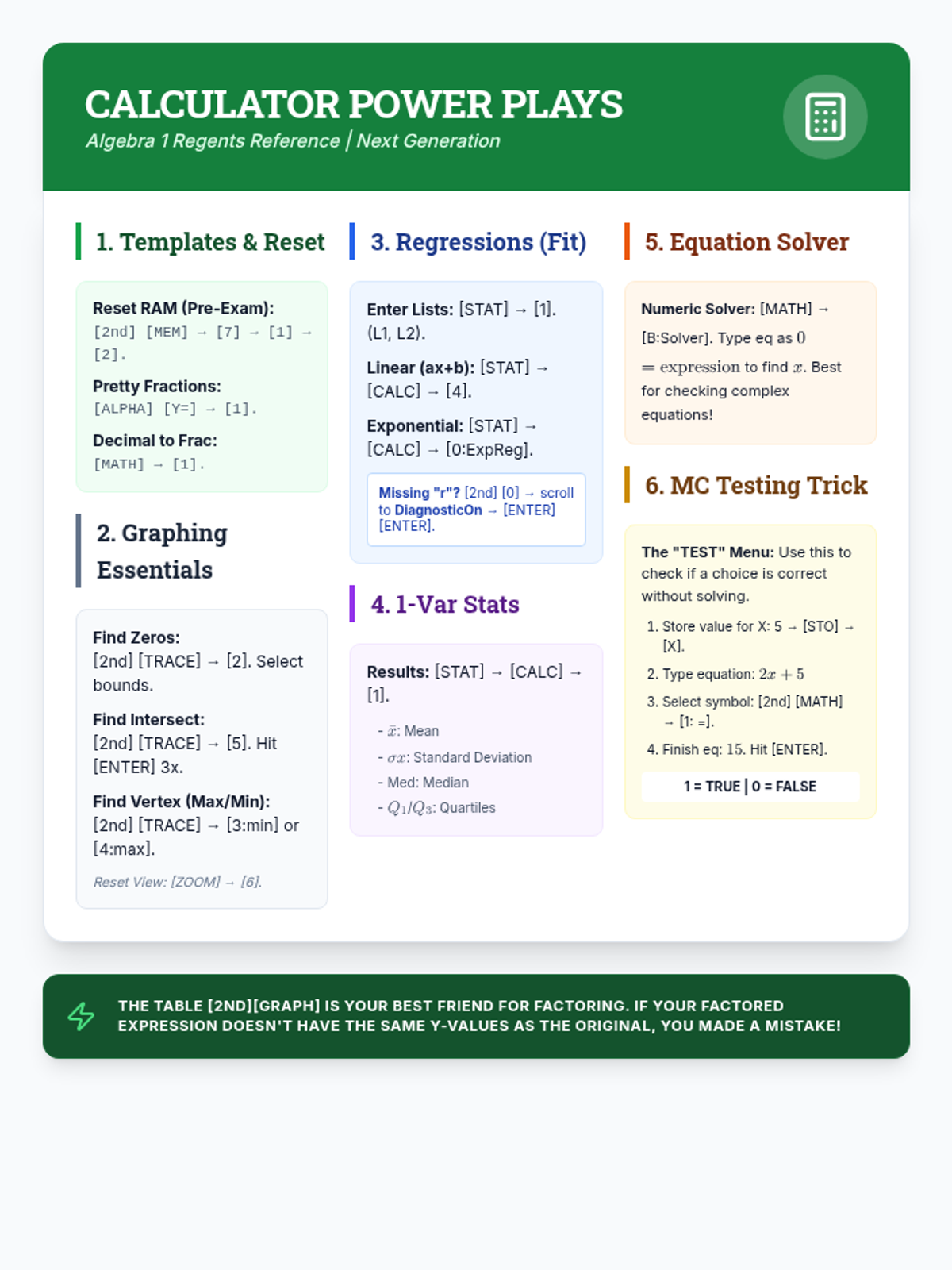
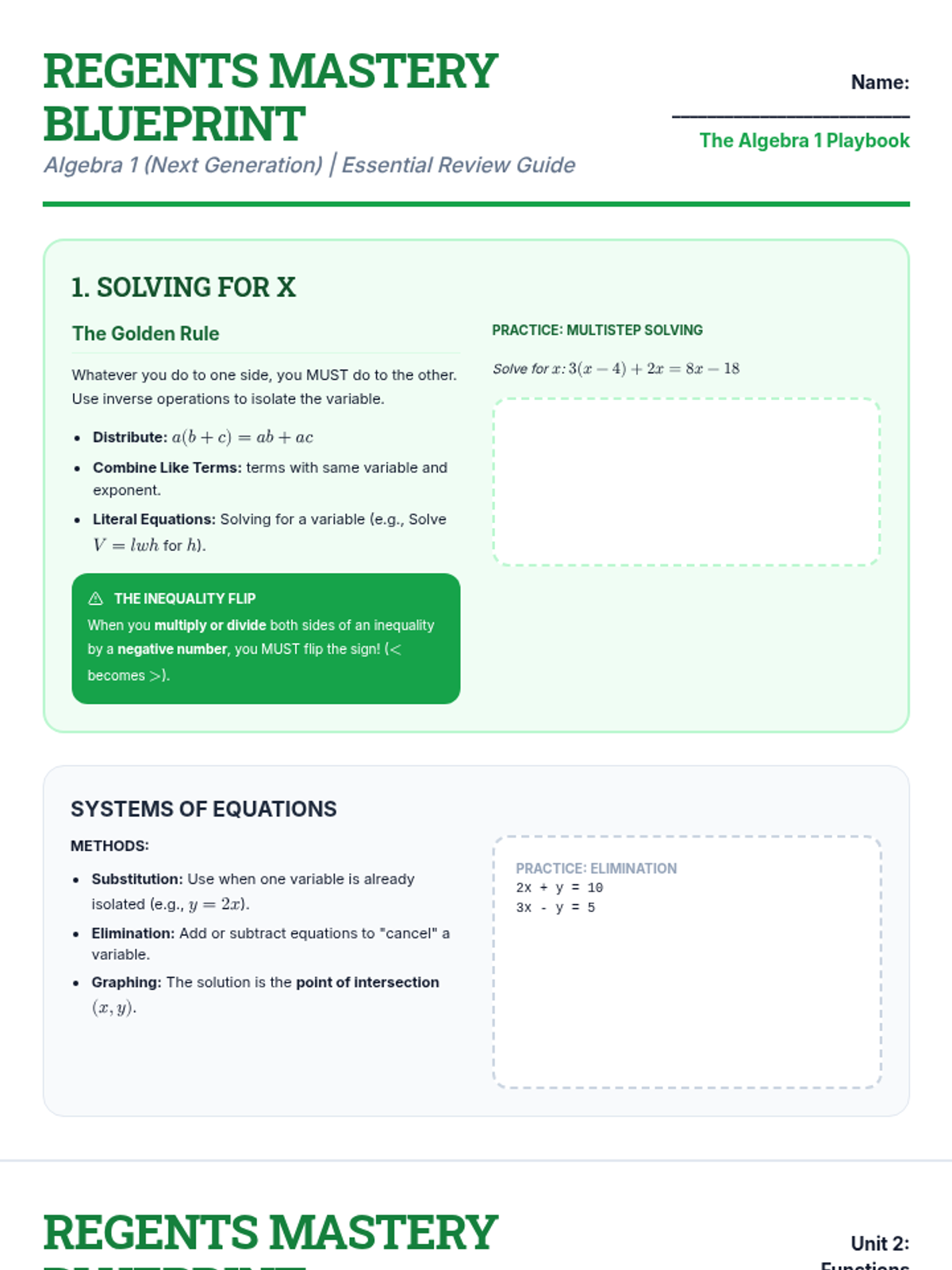
A comprehensive review of the Algebra 1 New York State Next Generation Regents curriculum, focusing on linear, exponential, and quadratic functions, statistics, and algebraic procedures.
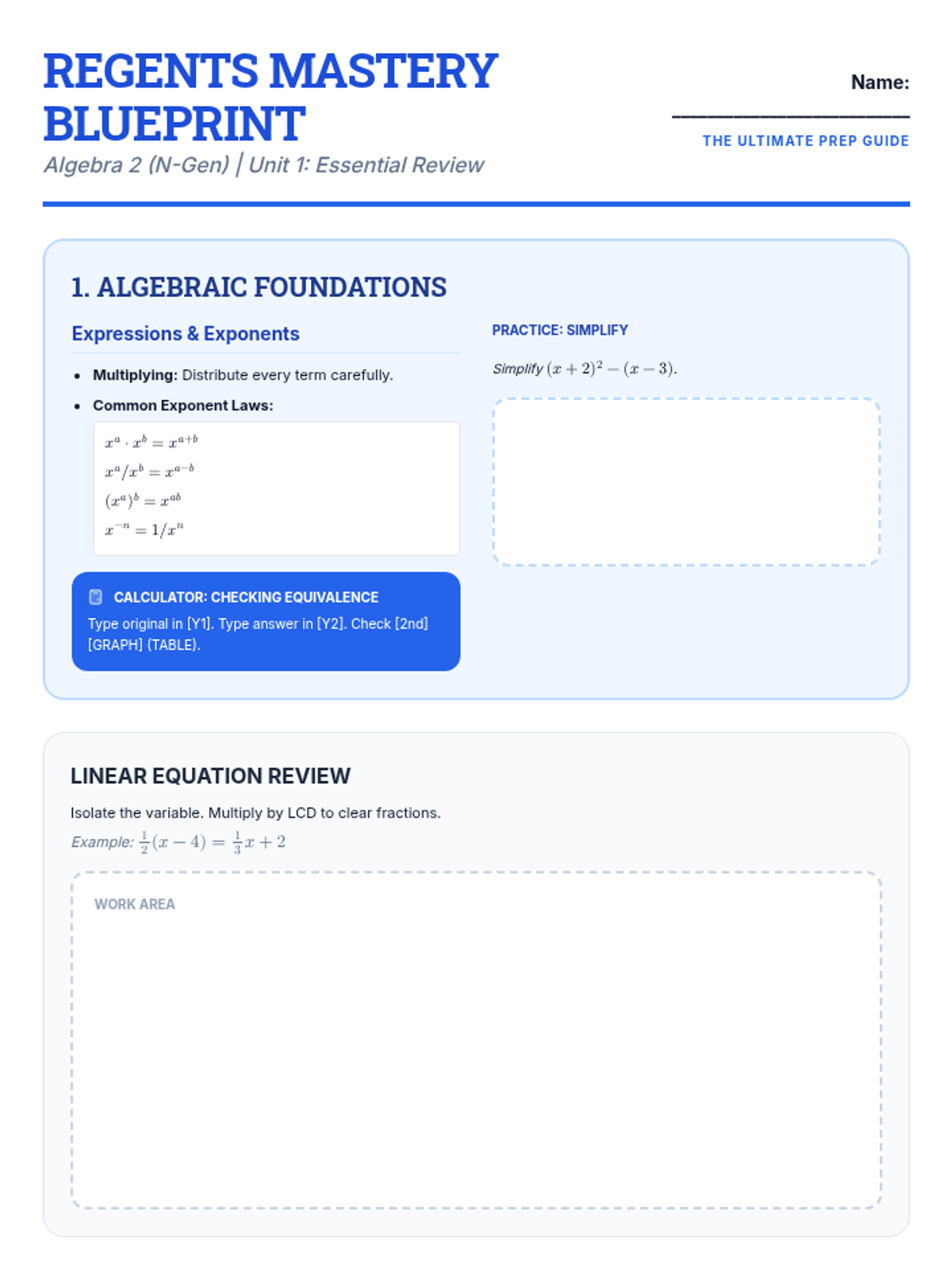
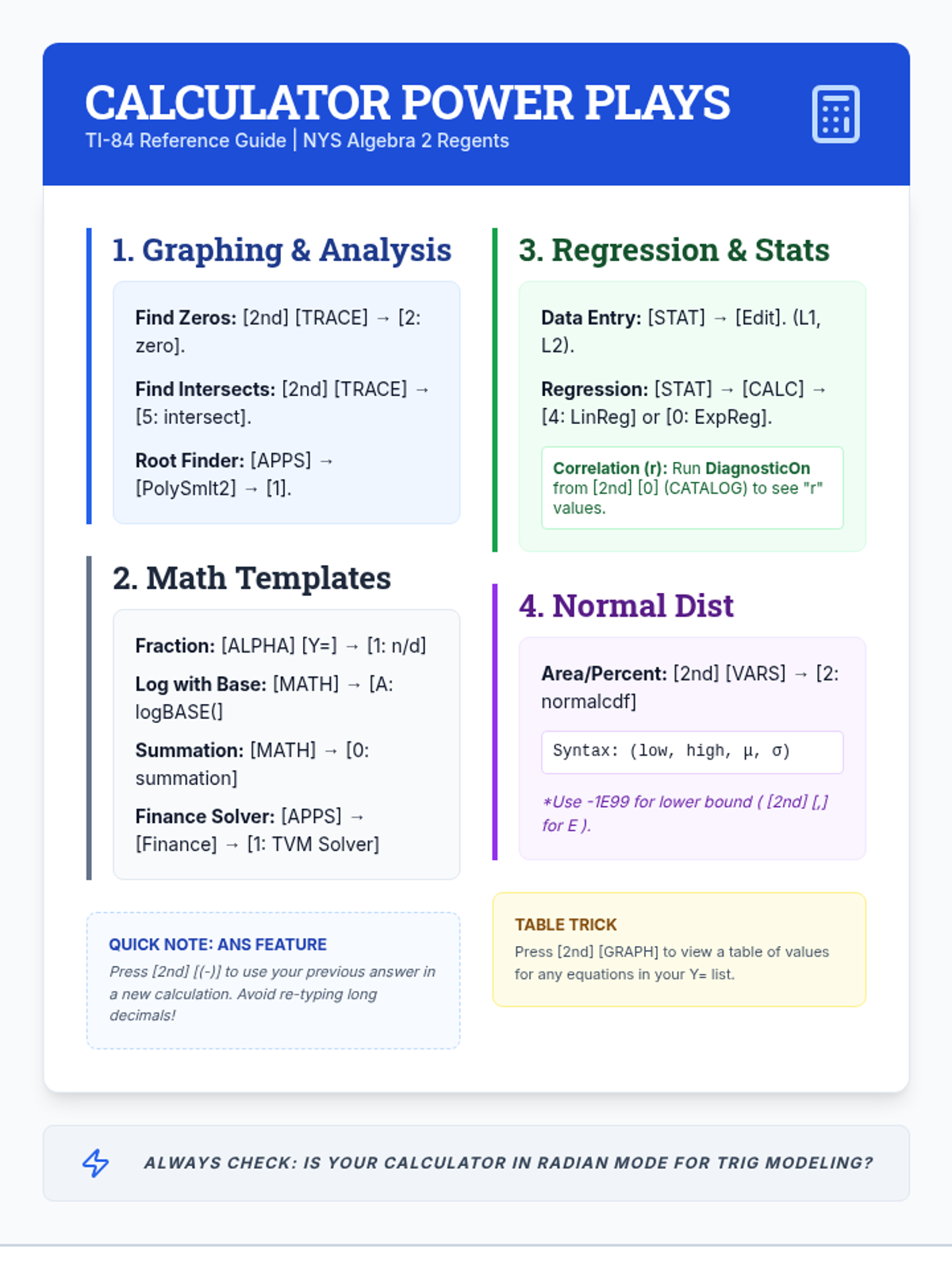
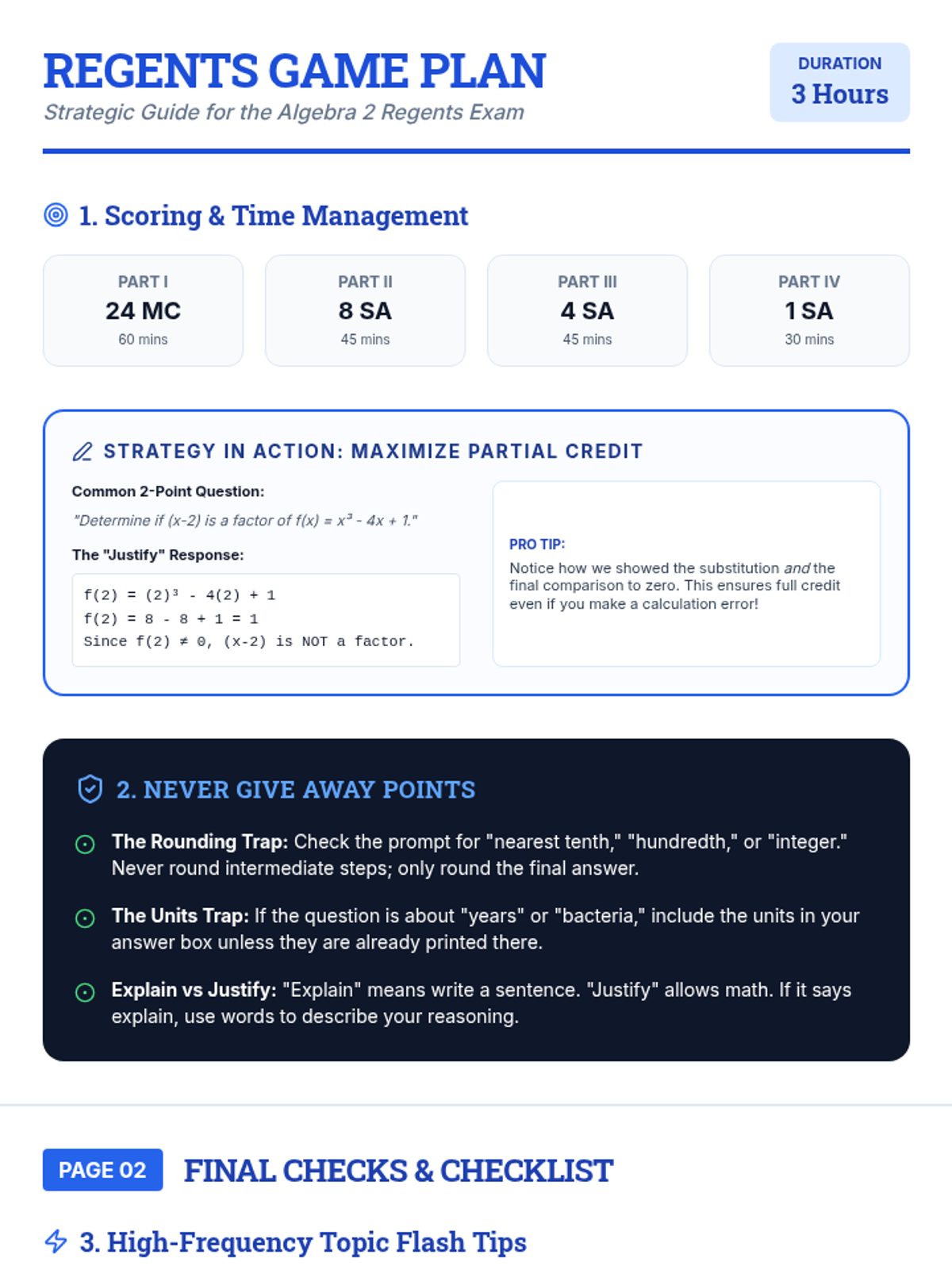
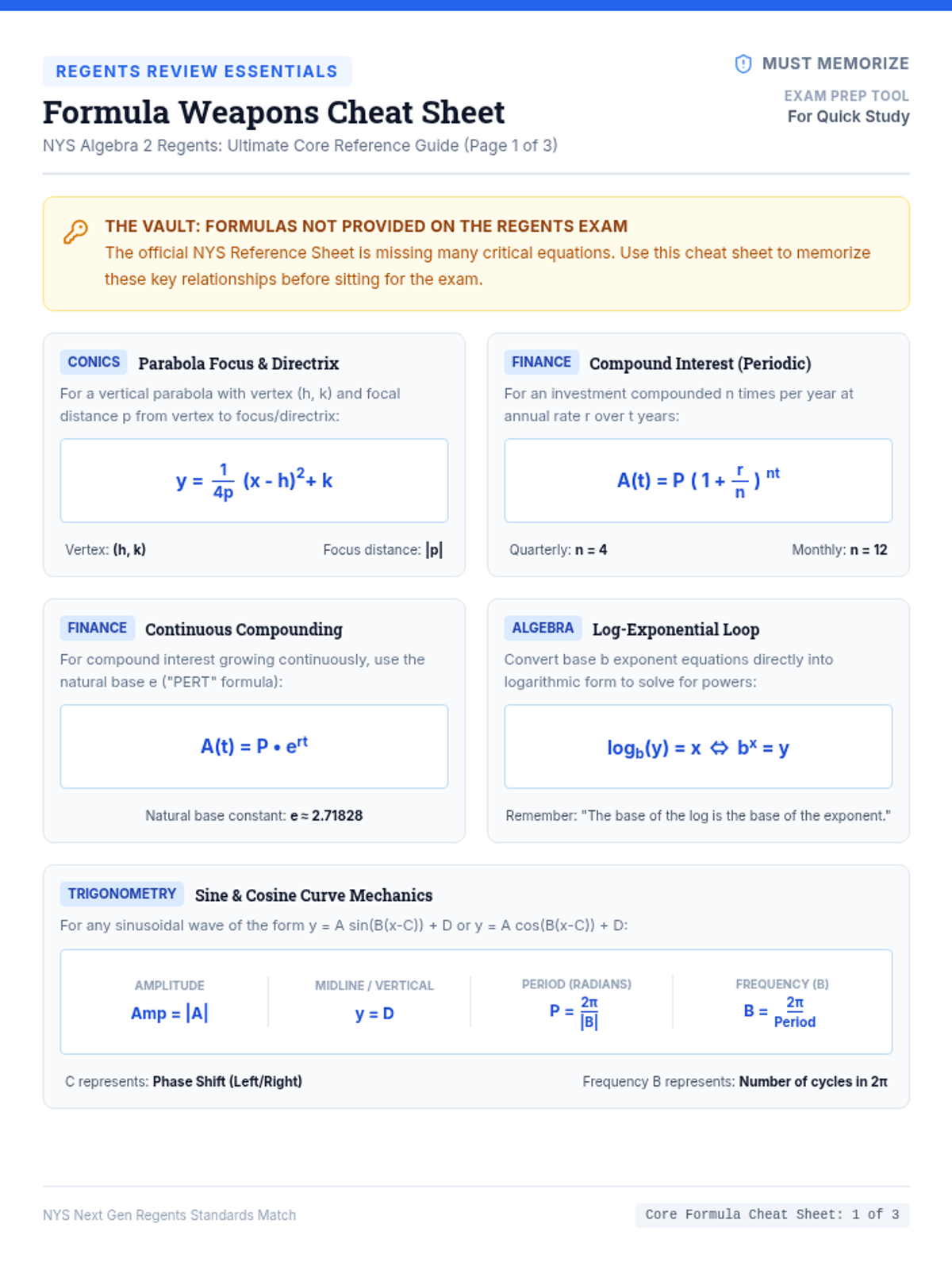
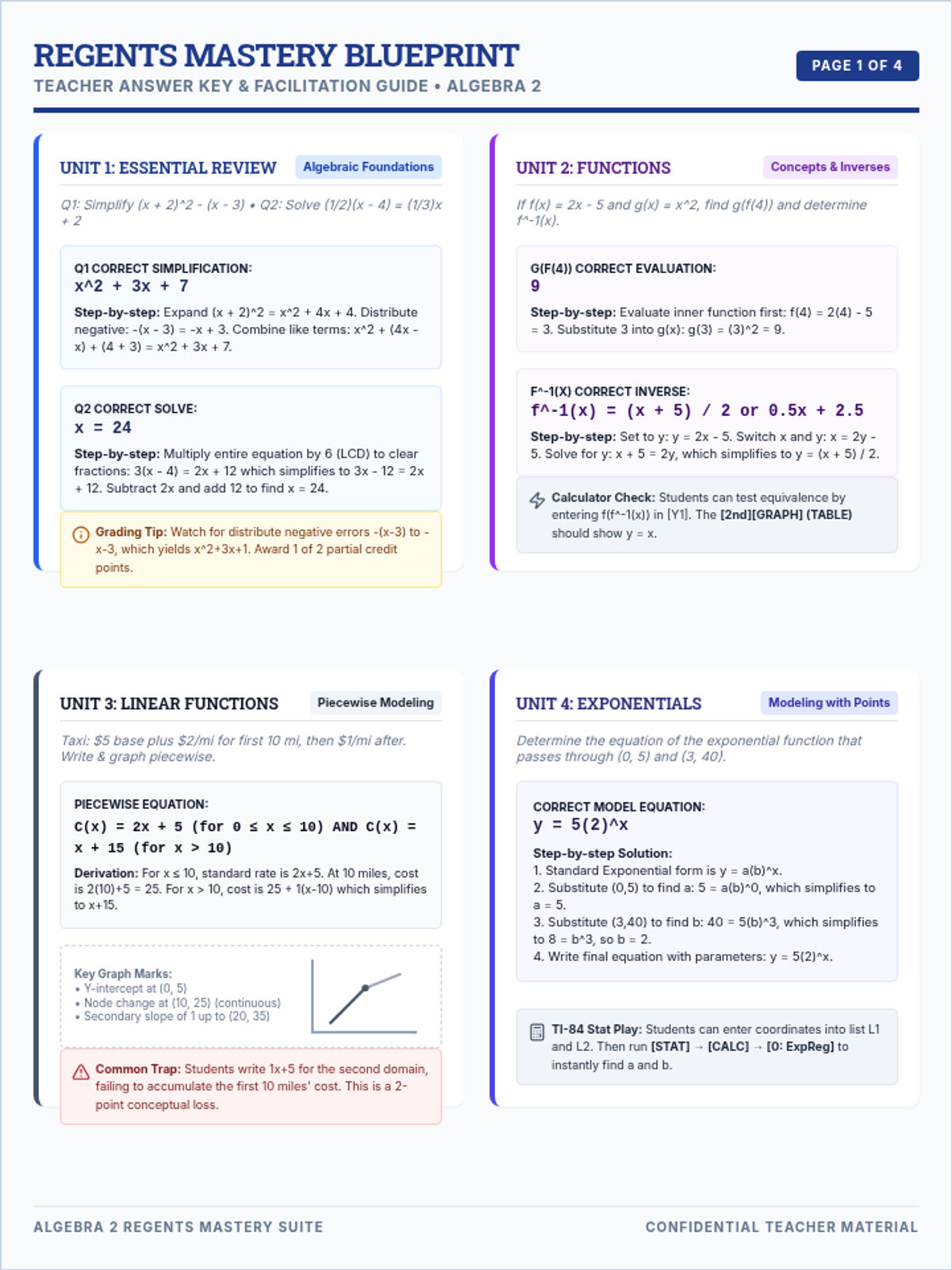
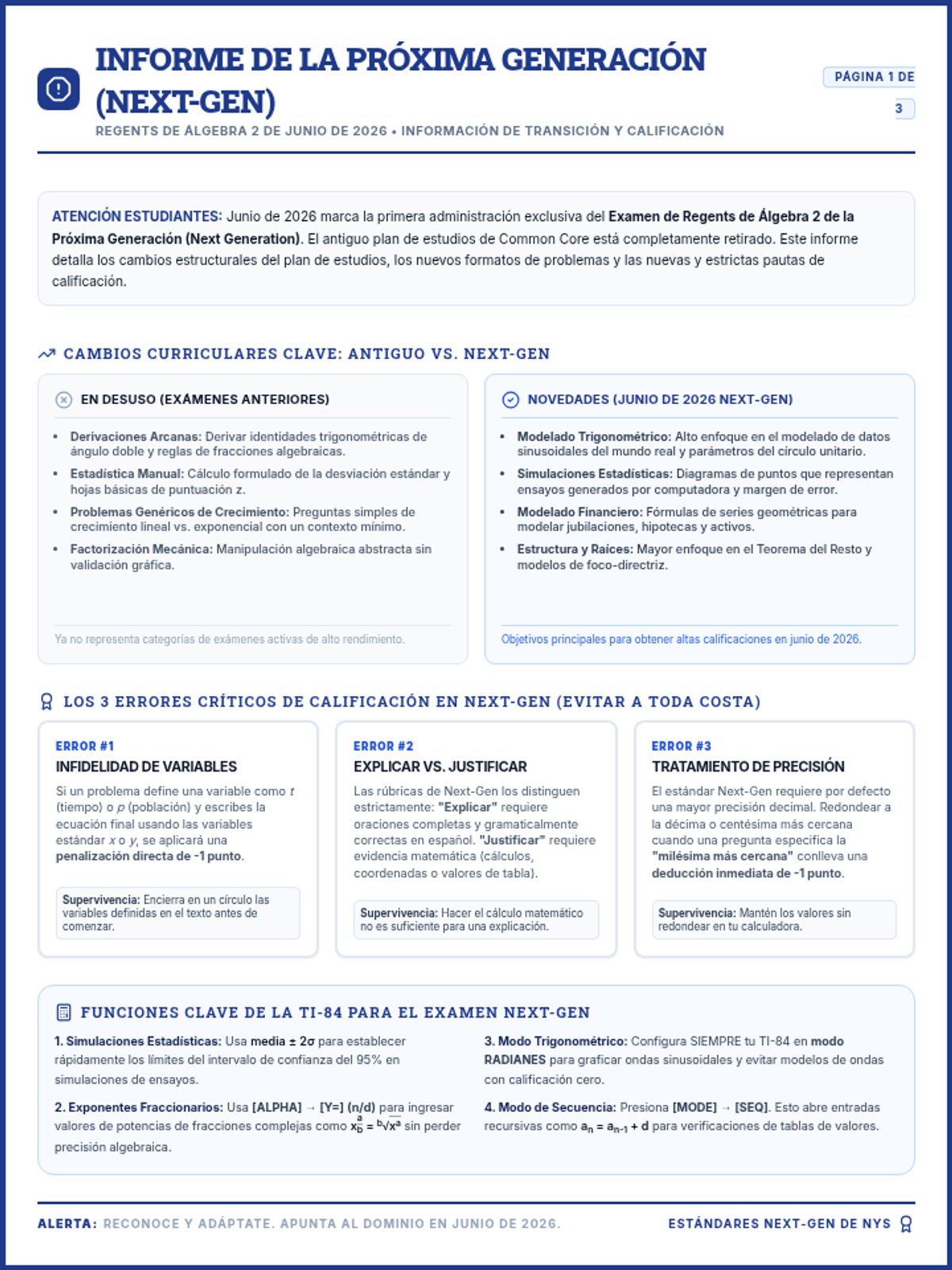
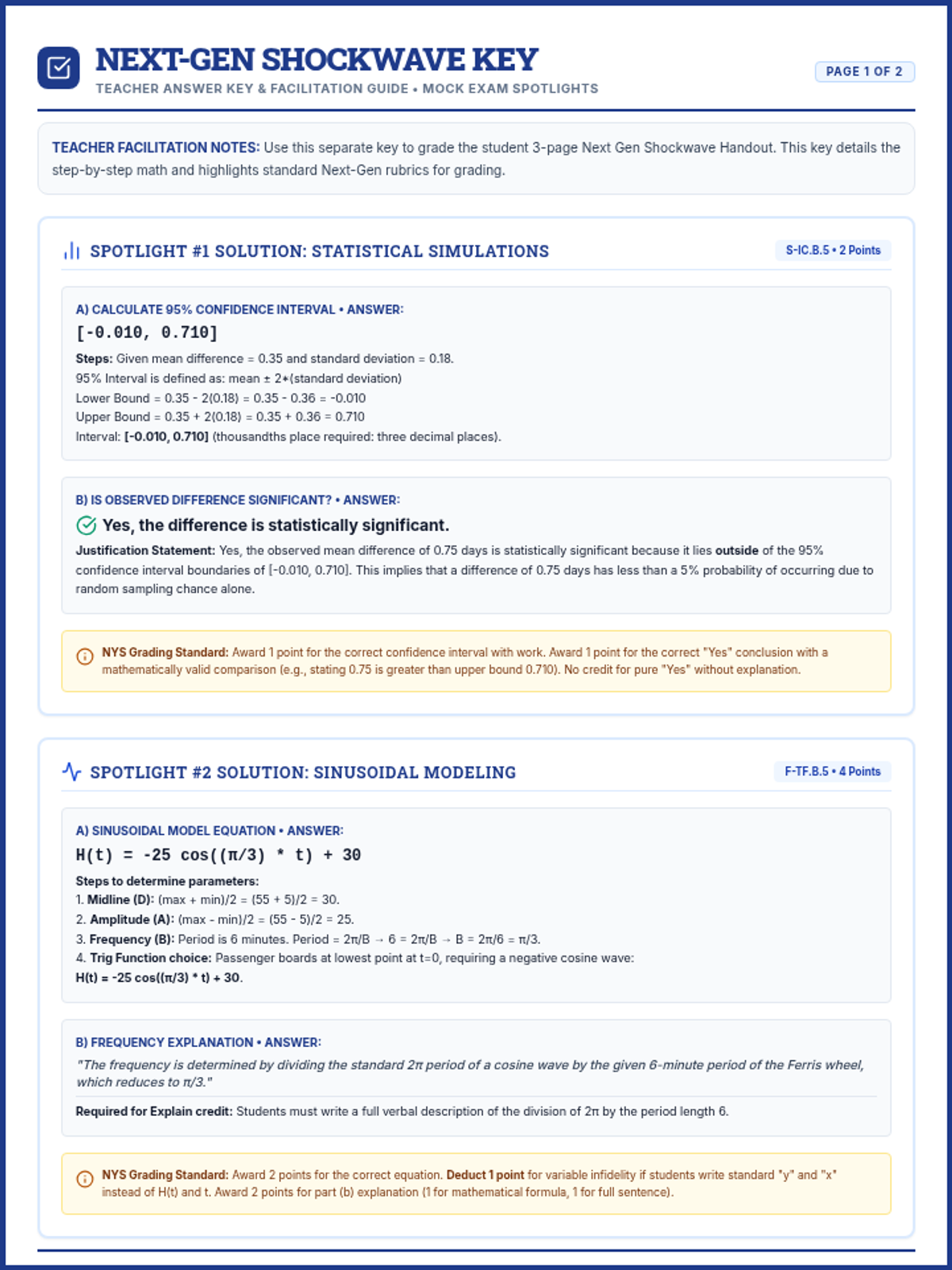
A comprehensive review of the Algebra 2 New York State Regents curriculum, focusing on key formulas, concepts, and calculator strategies.
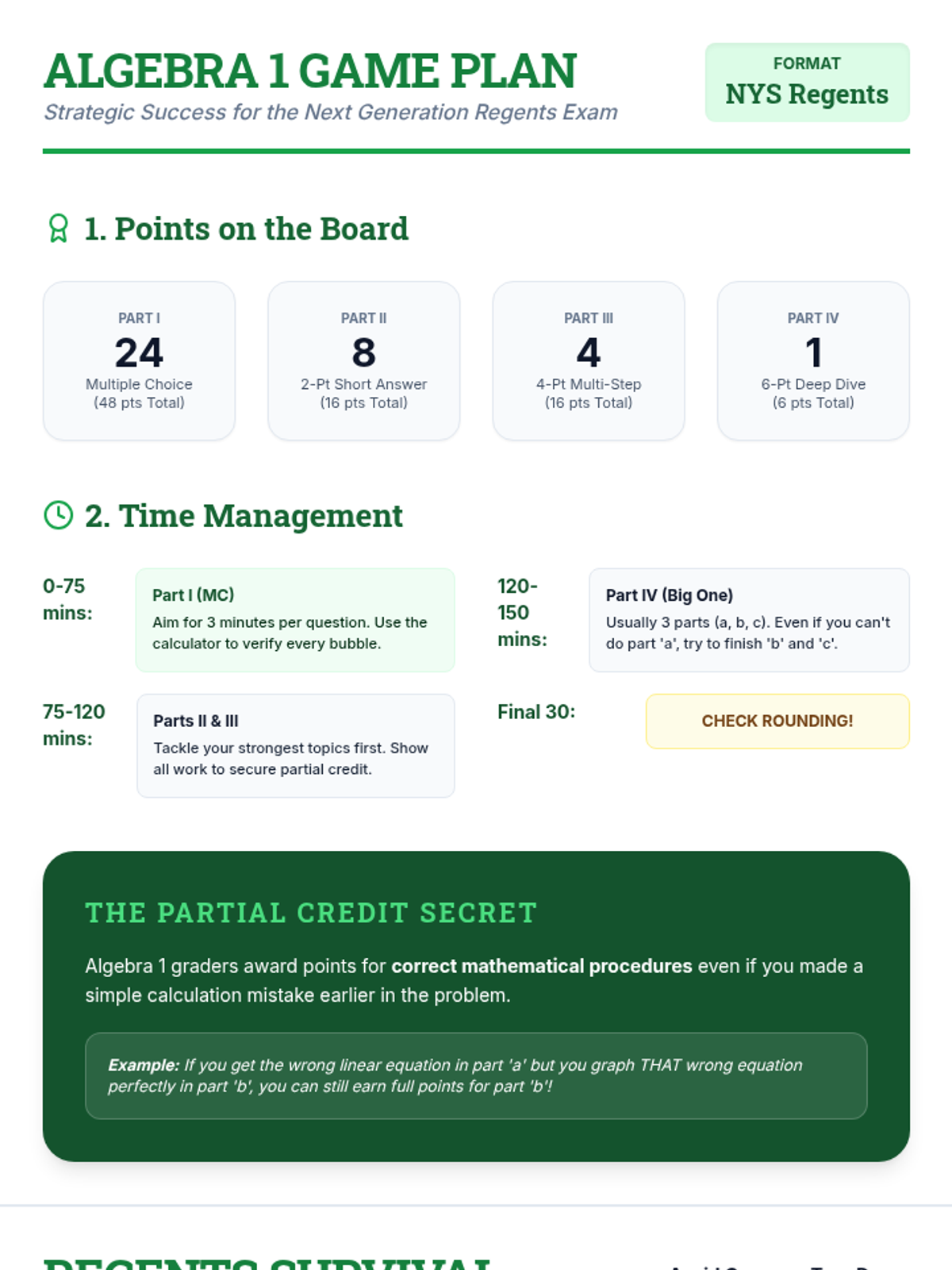
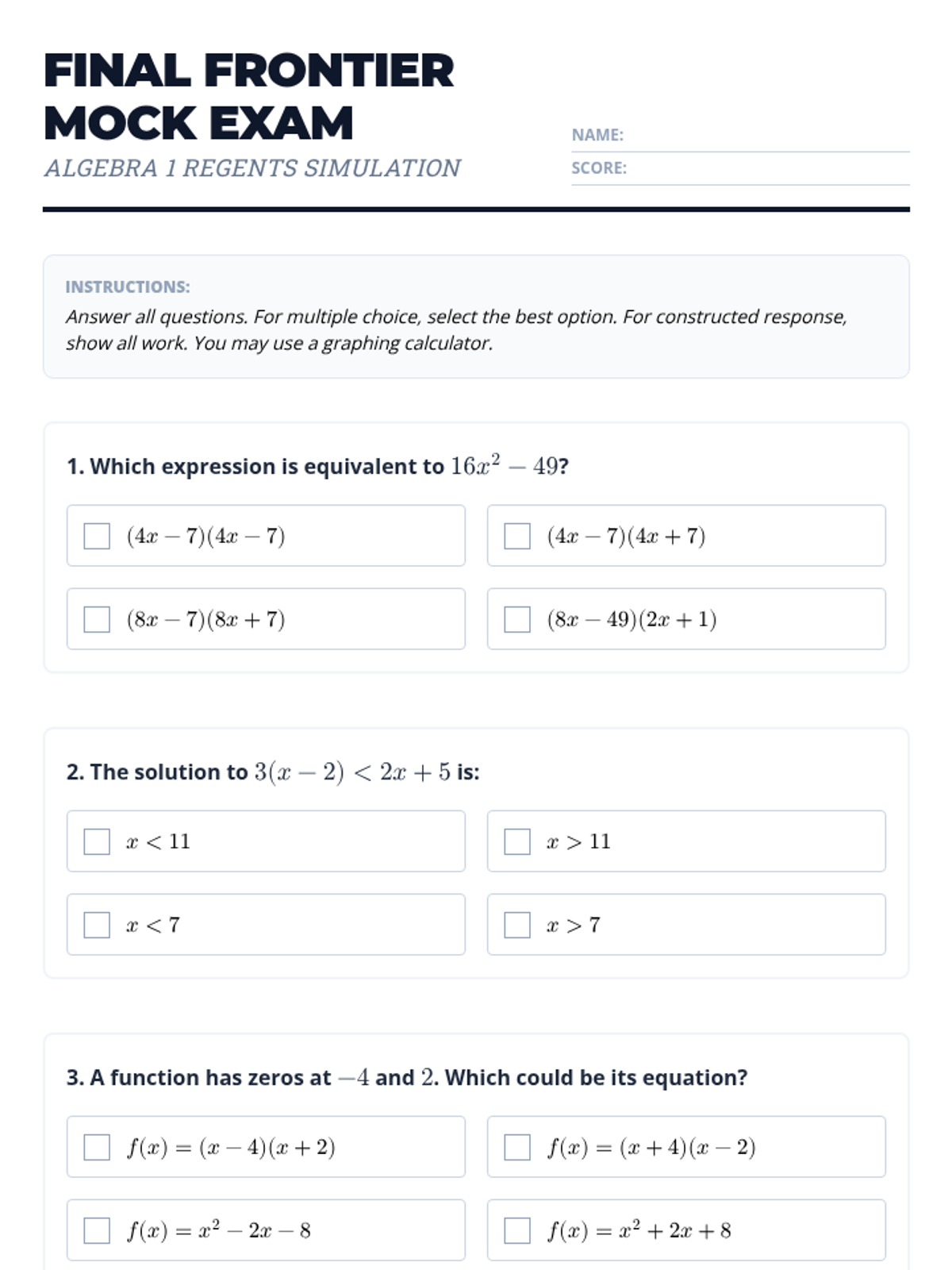
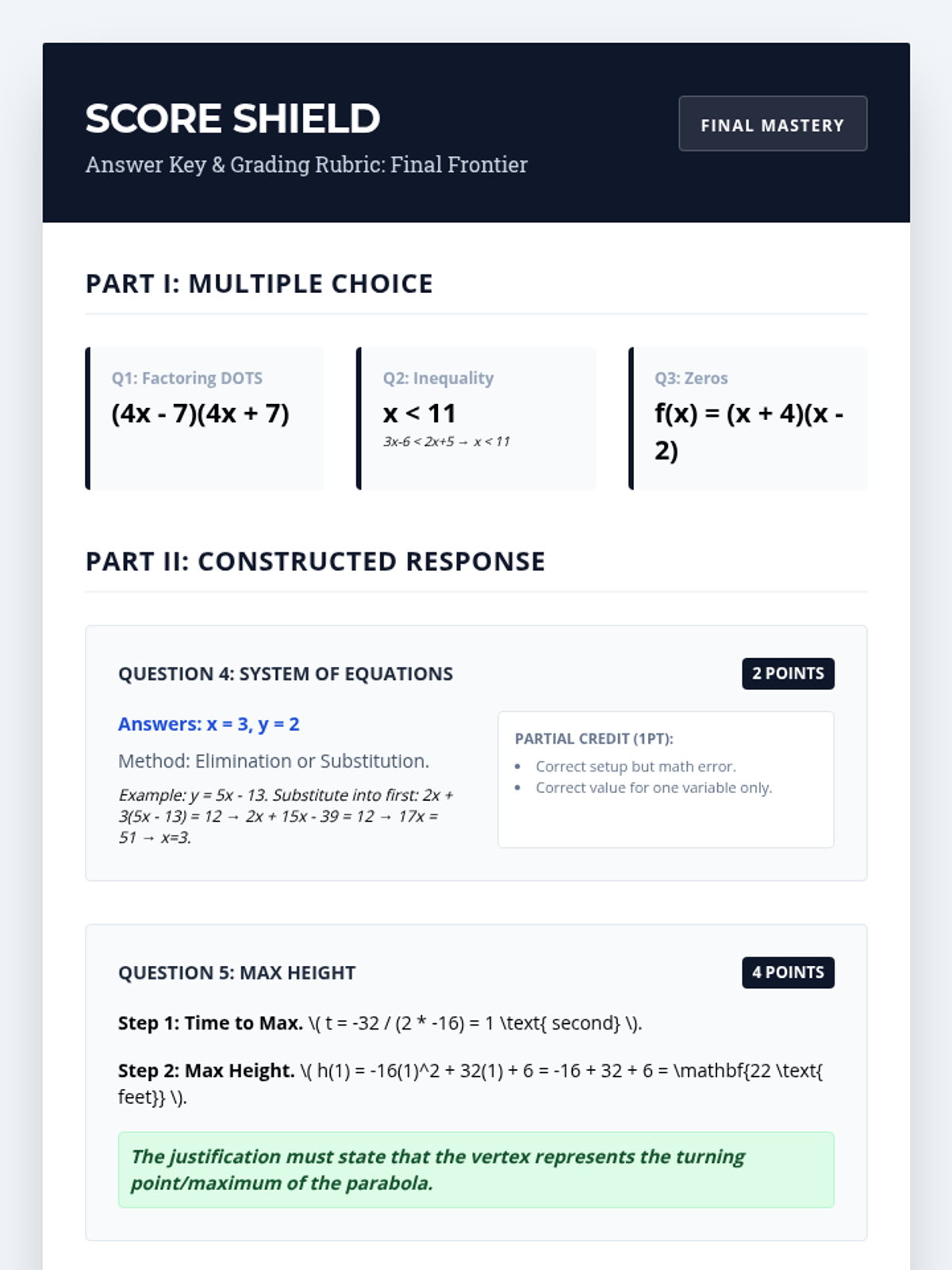
A full-length mock exam and final review of test-taking strategies for the Algebra 1 Regents.
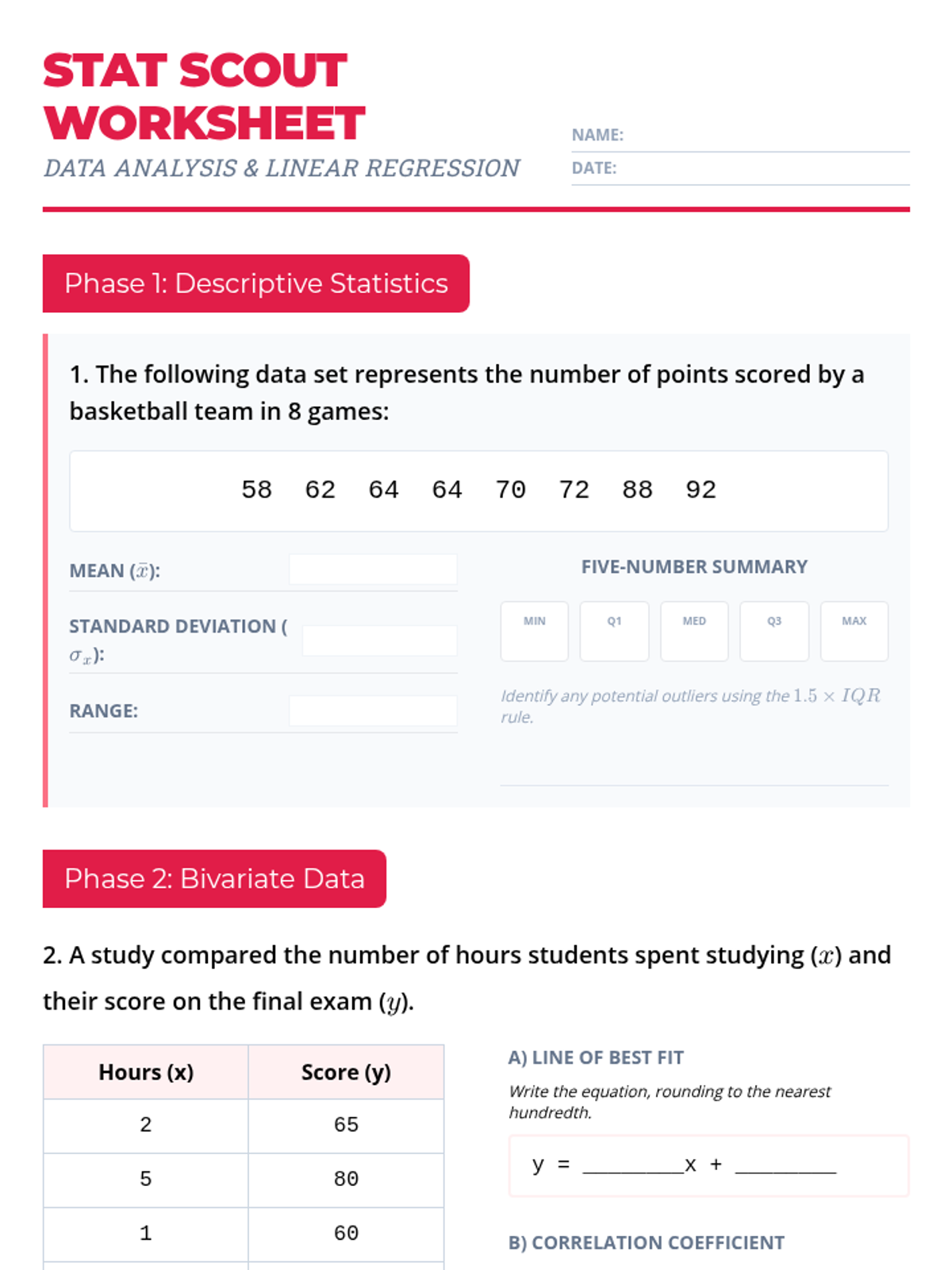
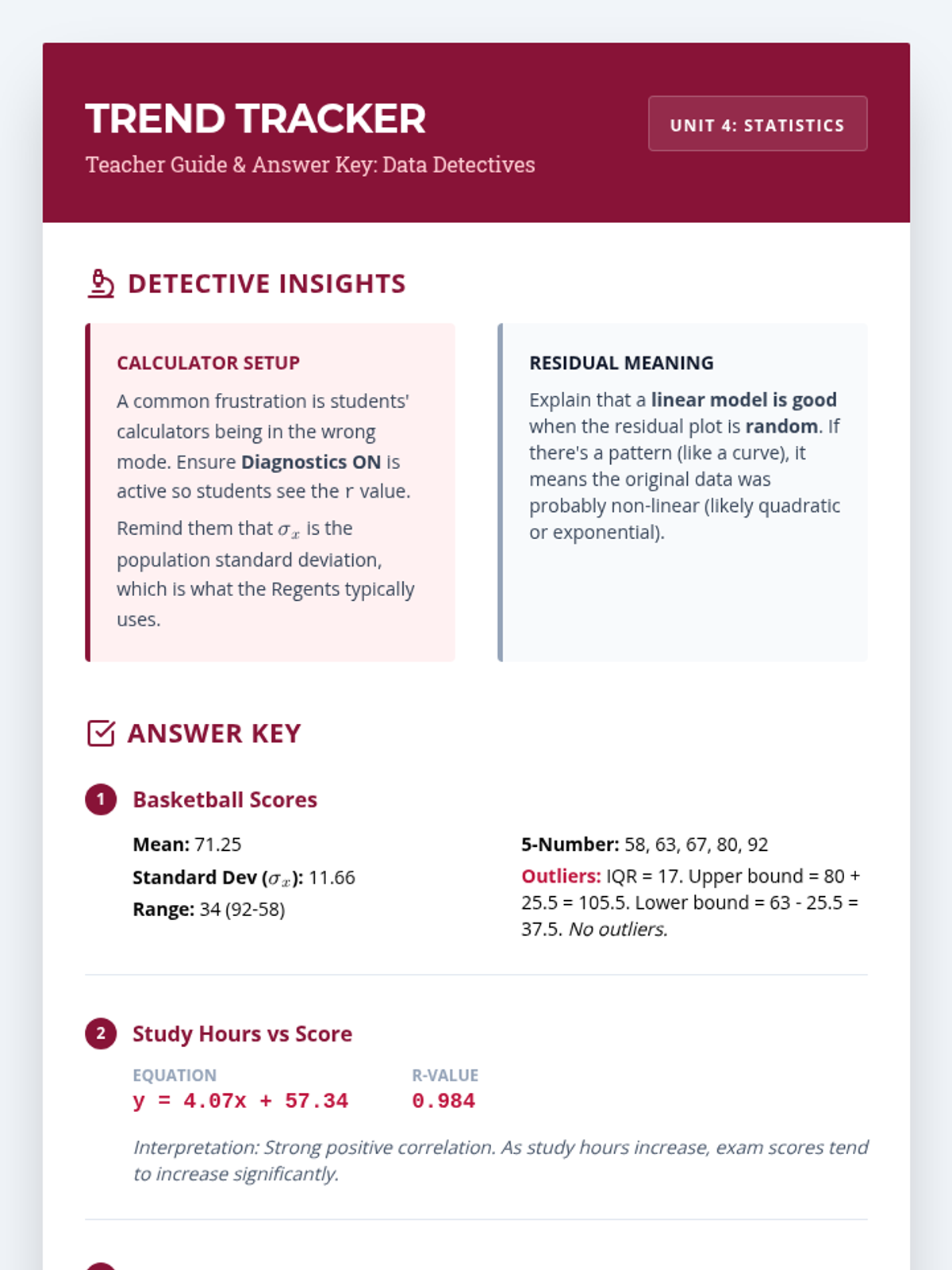
Interpreting data through box plots, histograms, and scatter plots, including correlation and causation analysis.
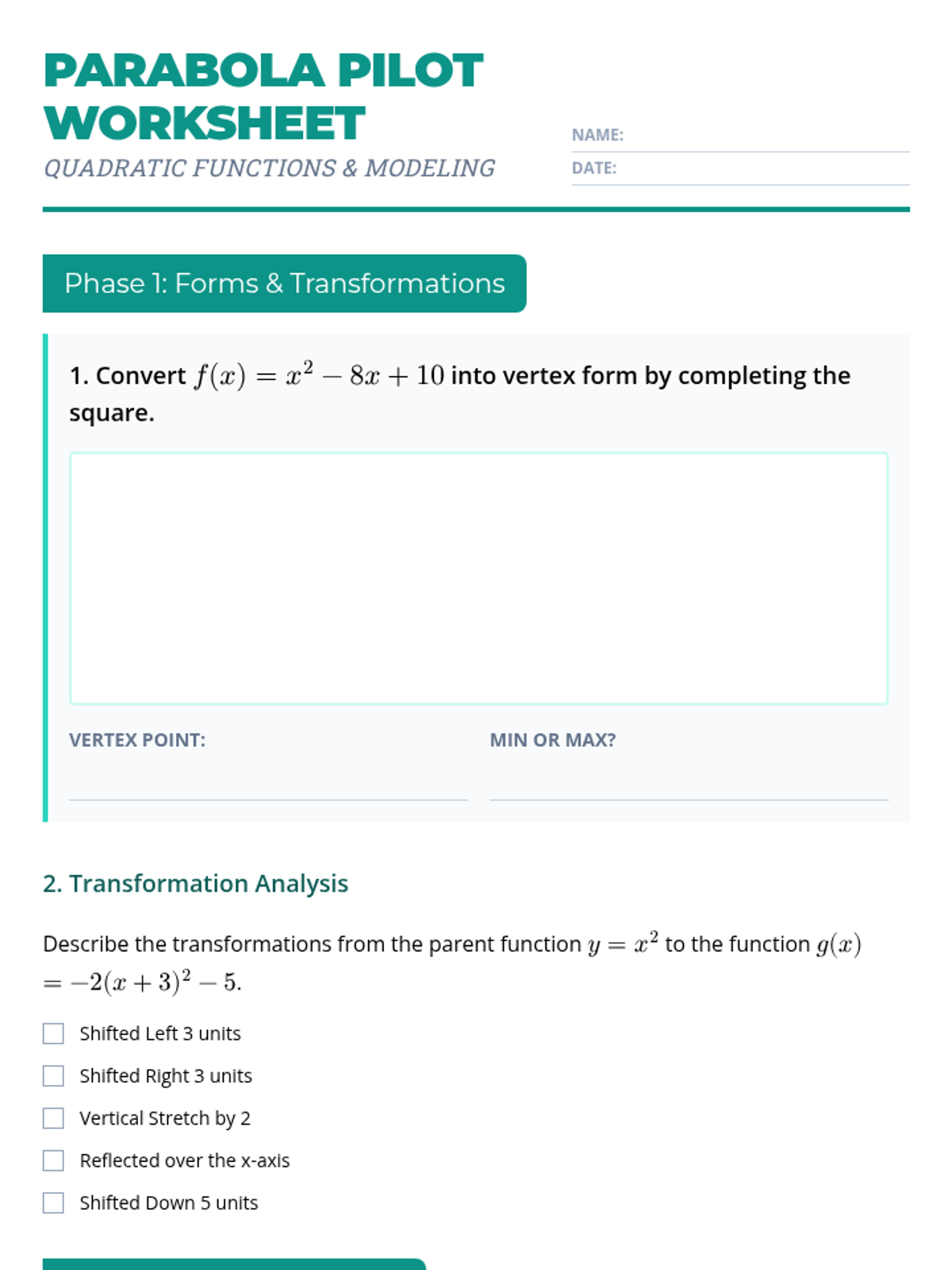
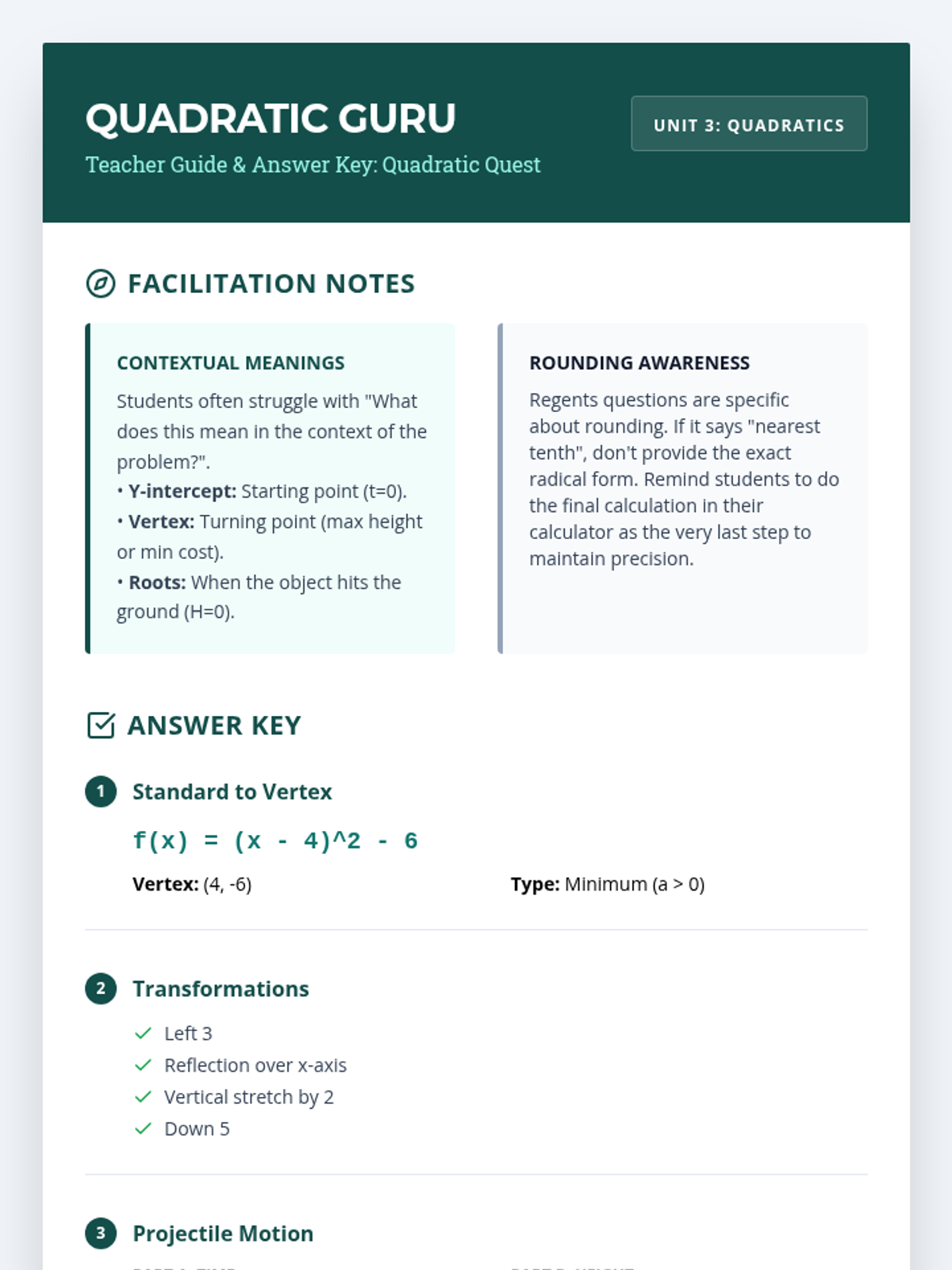
Analyzing quadratic functions, solving equations via multiple methods, and modeling real-world projectile motion.
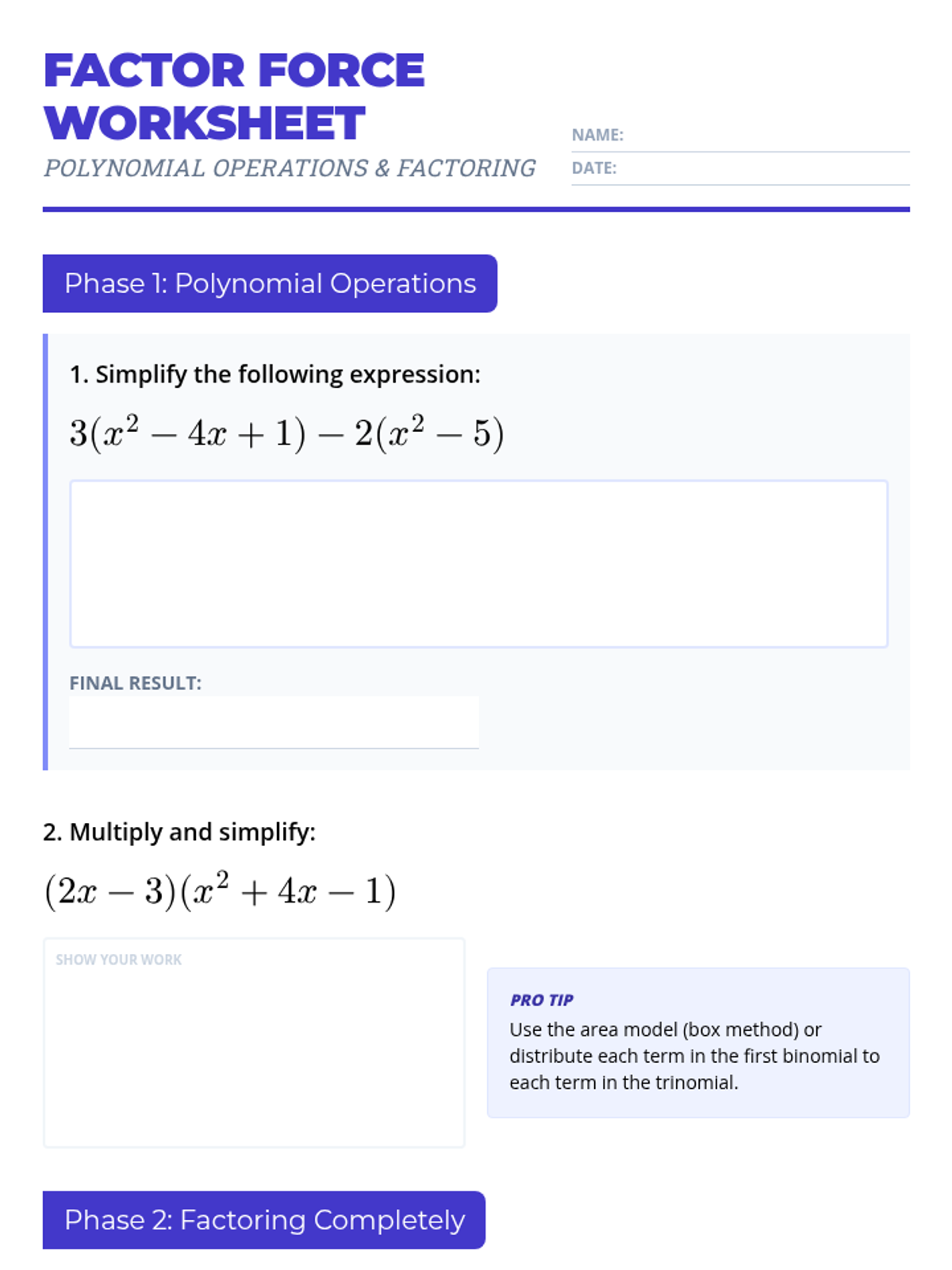
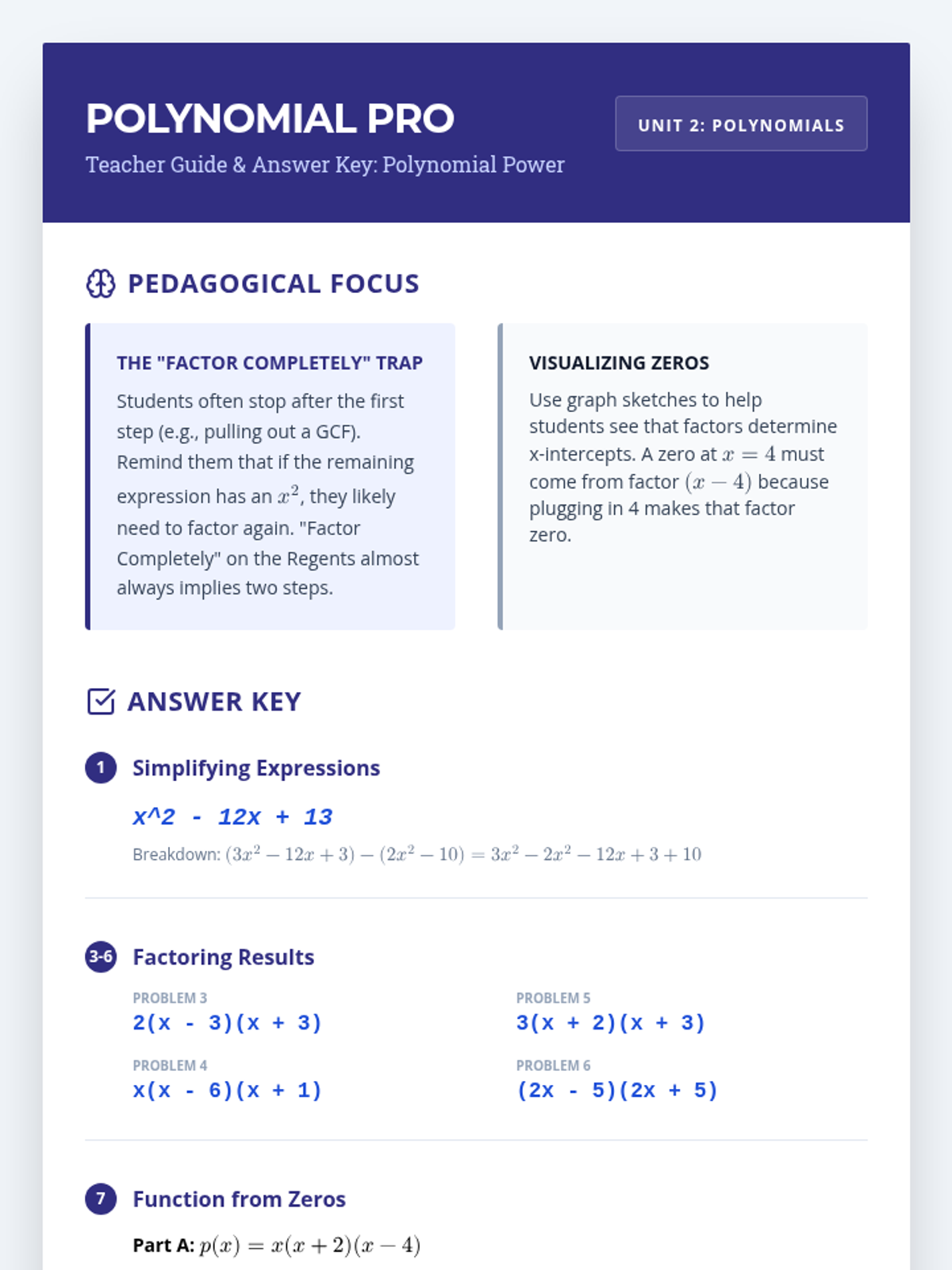
Exploring polynomial operations, factoring techniques, and identifying zeros of functions.
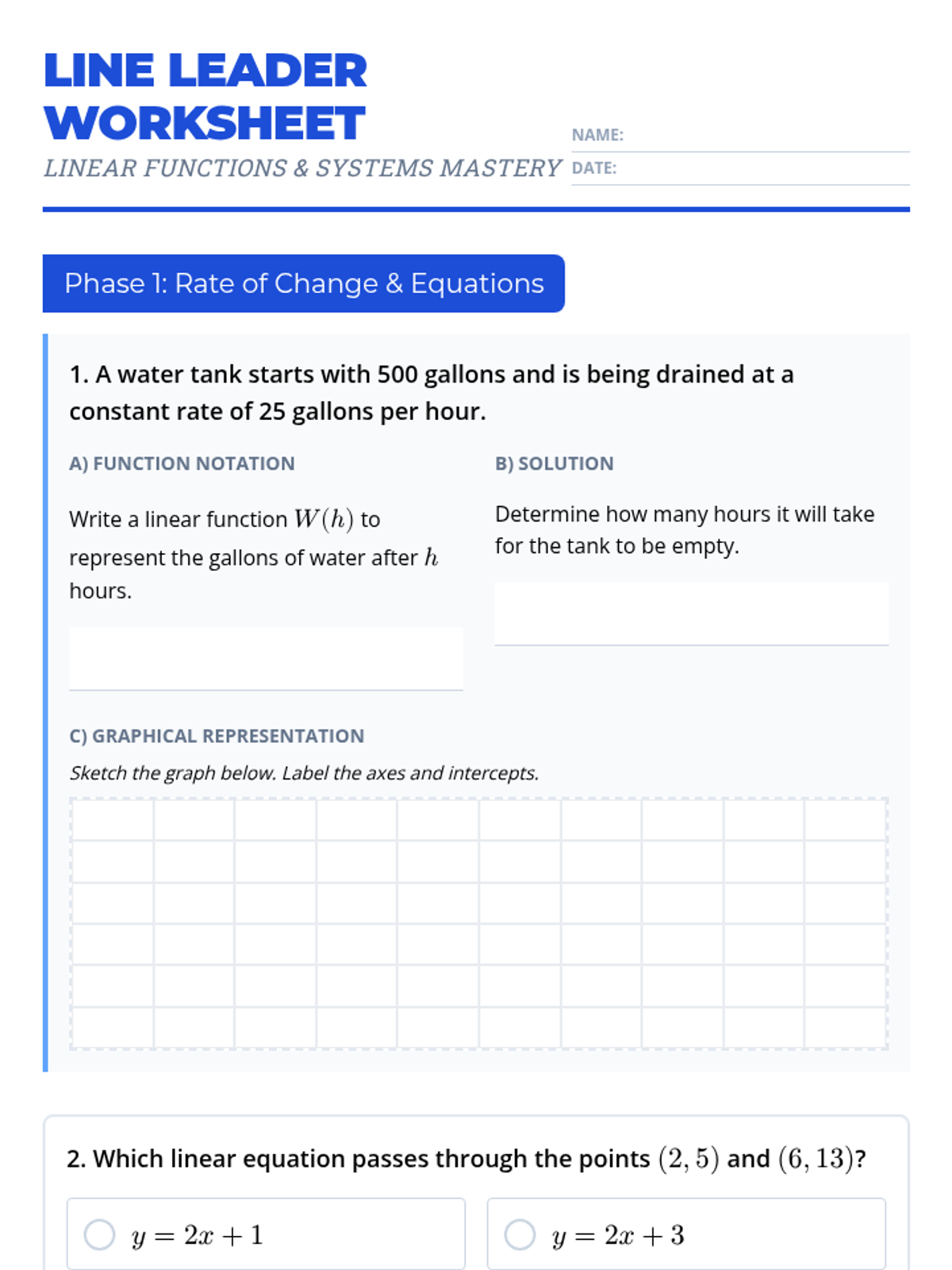
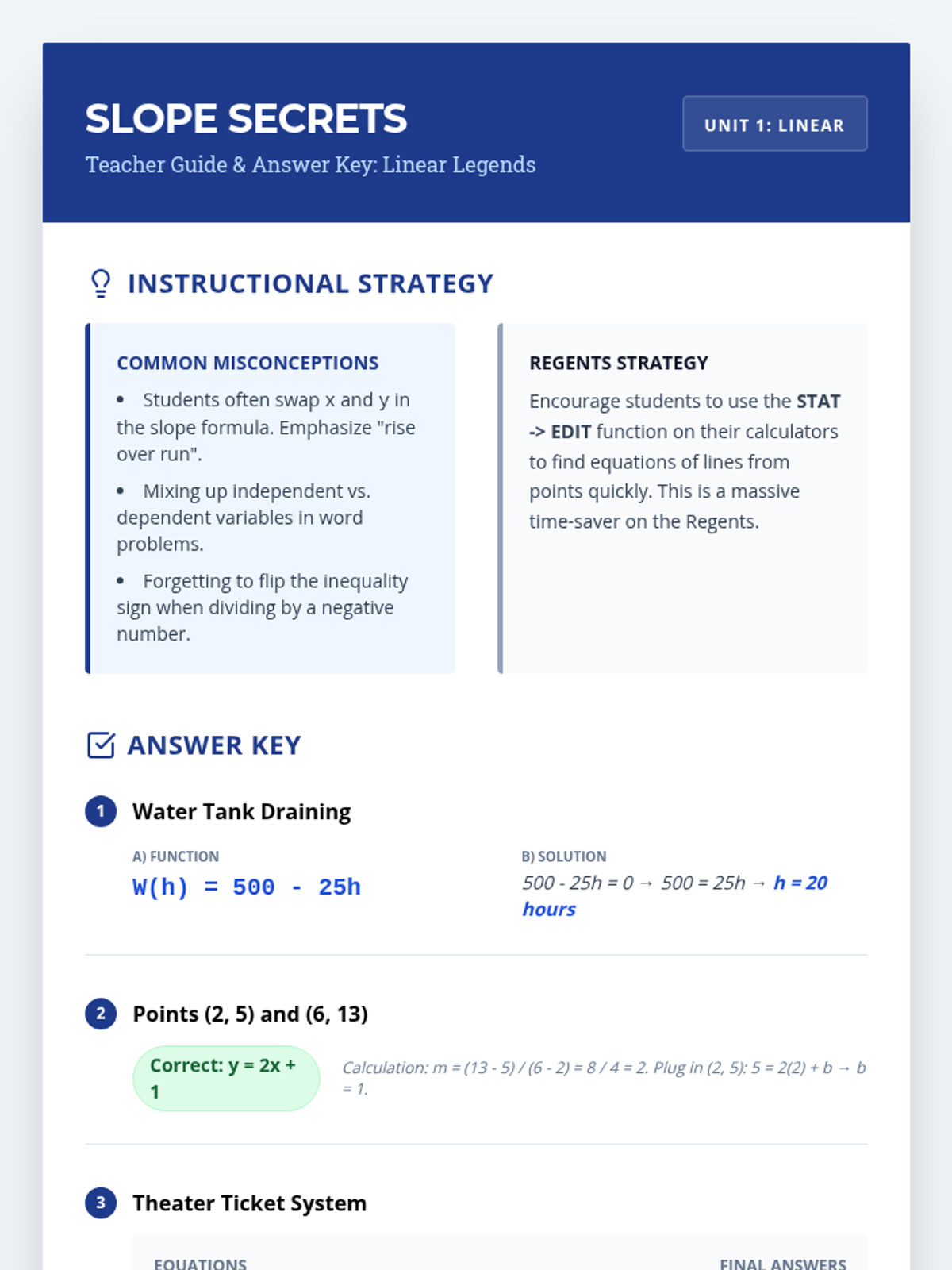
Mastering linear equations, inequalities, systems, and their graphical representations with a focus on Regents-style word problems.
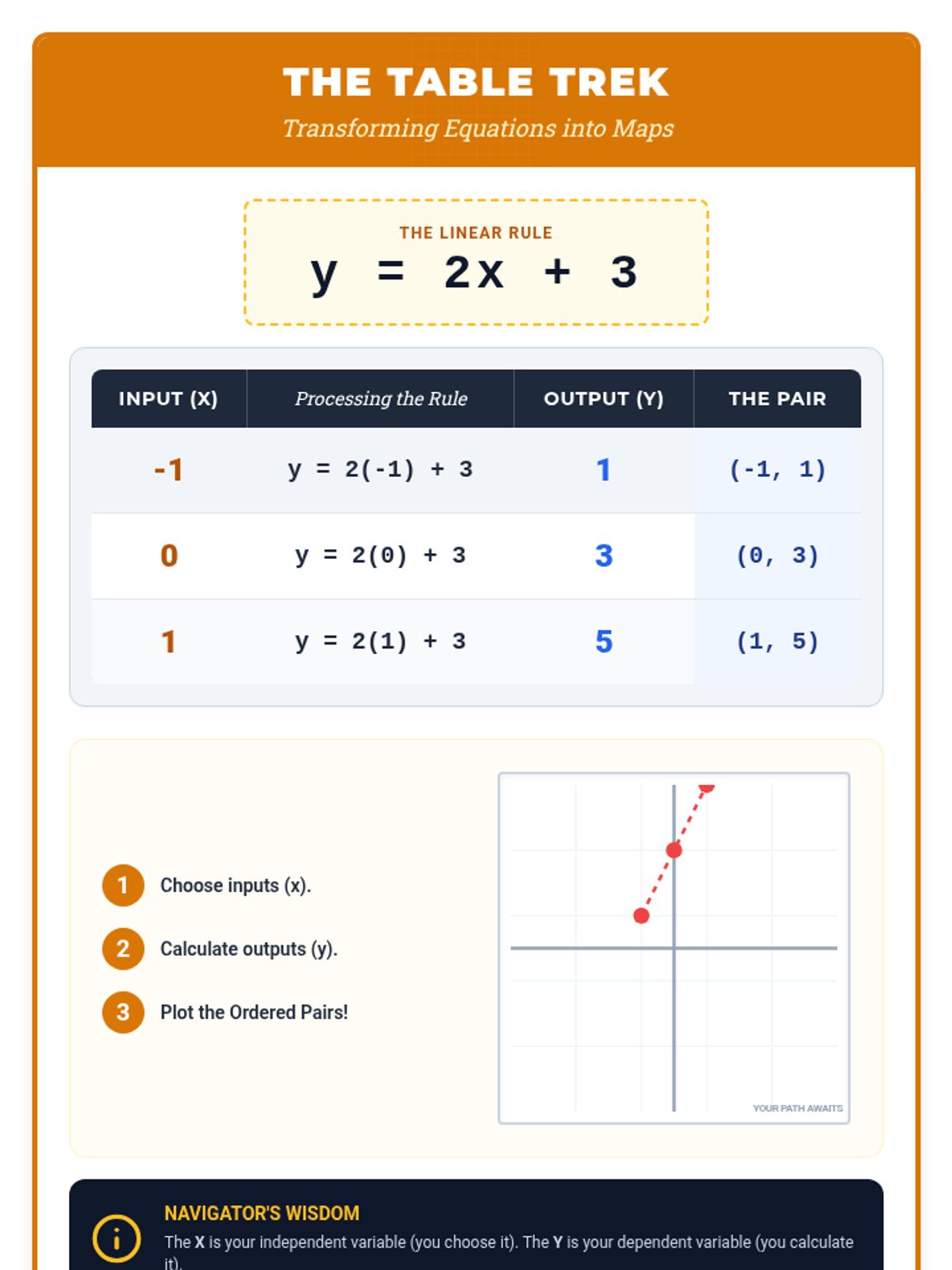
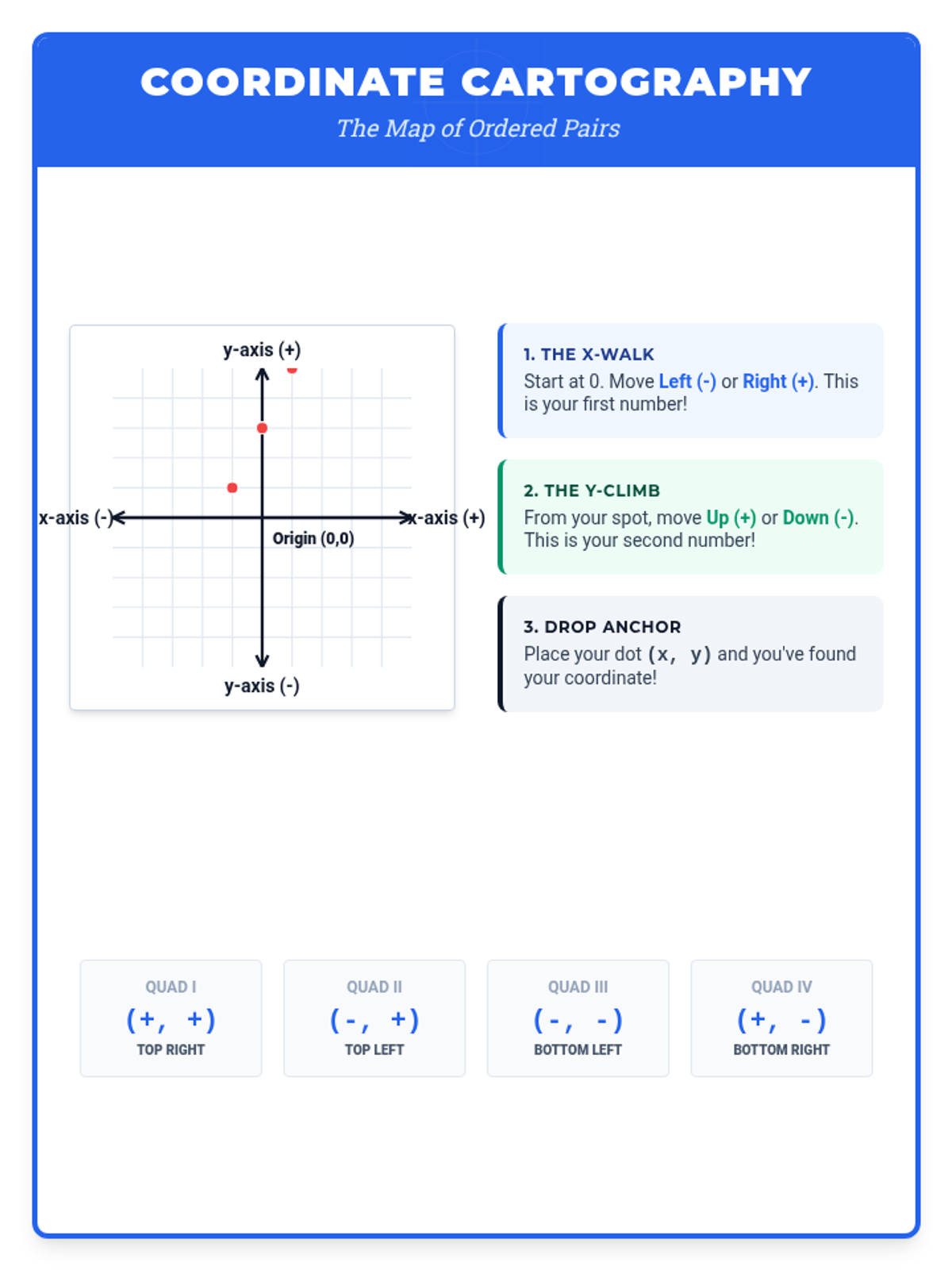
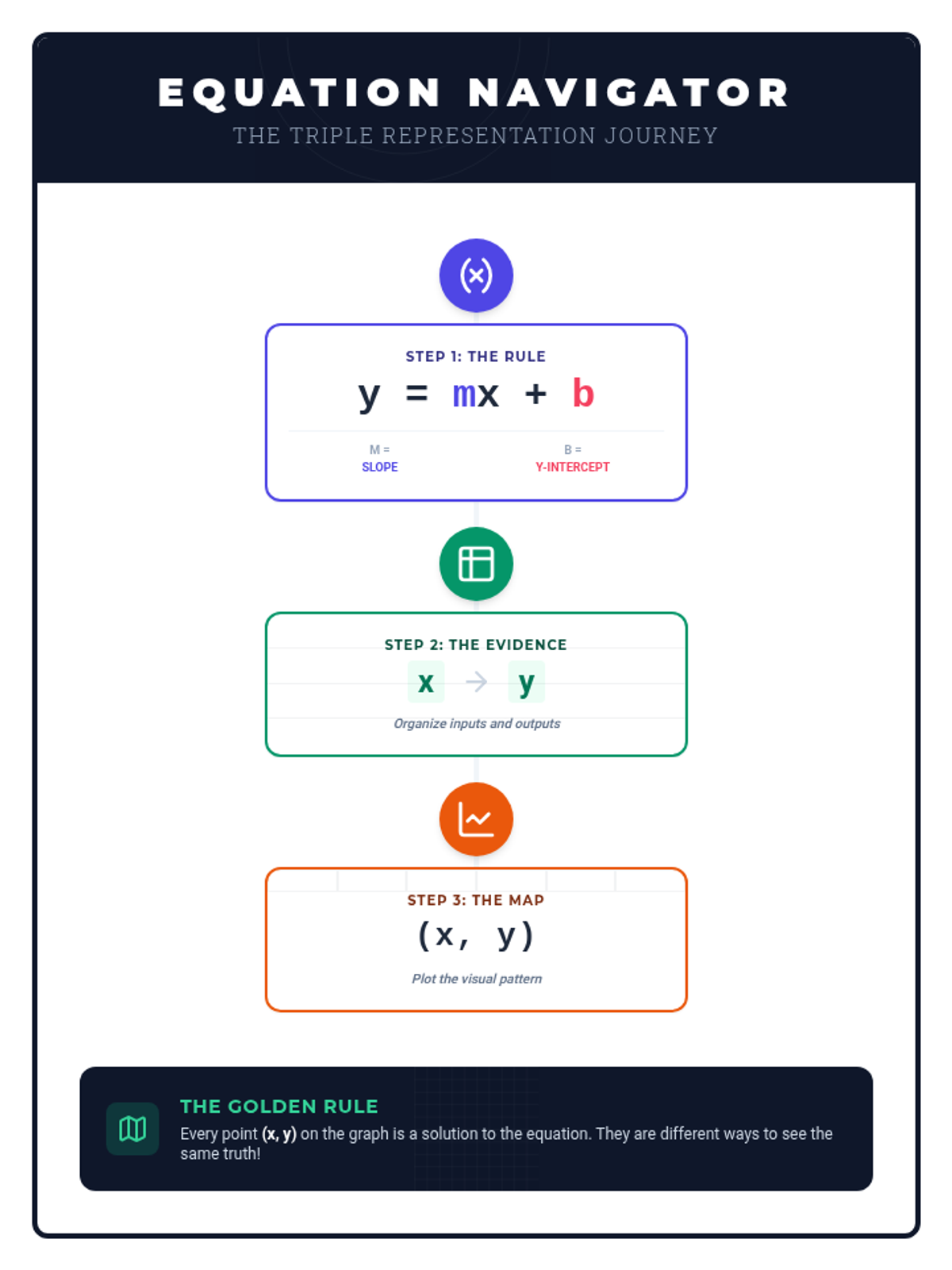
A visual exploration of linear equations, teaching students how to transform equations into input/output tables and plot them as ordered pairs on a coordinate plane.
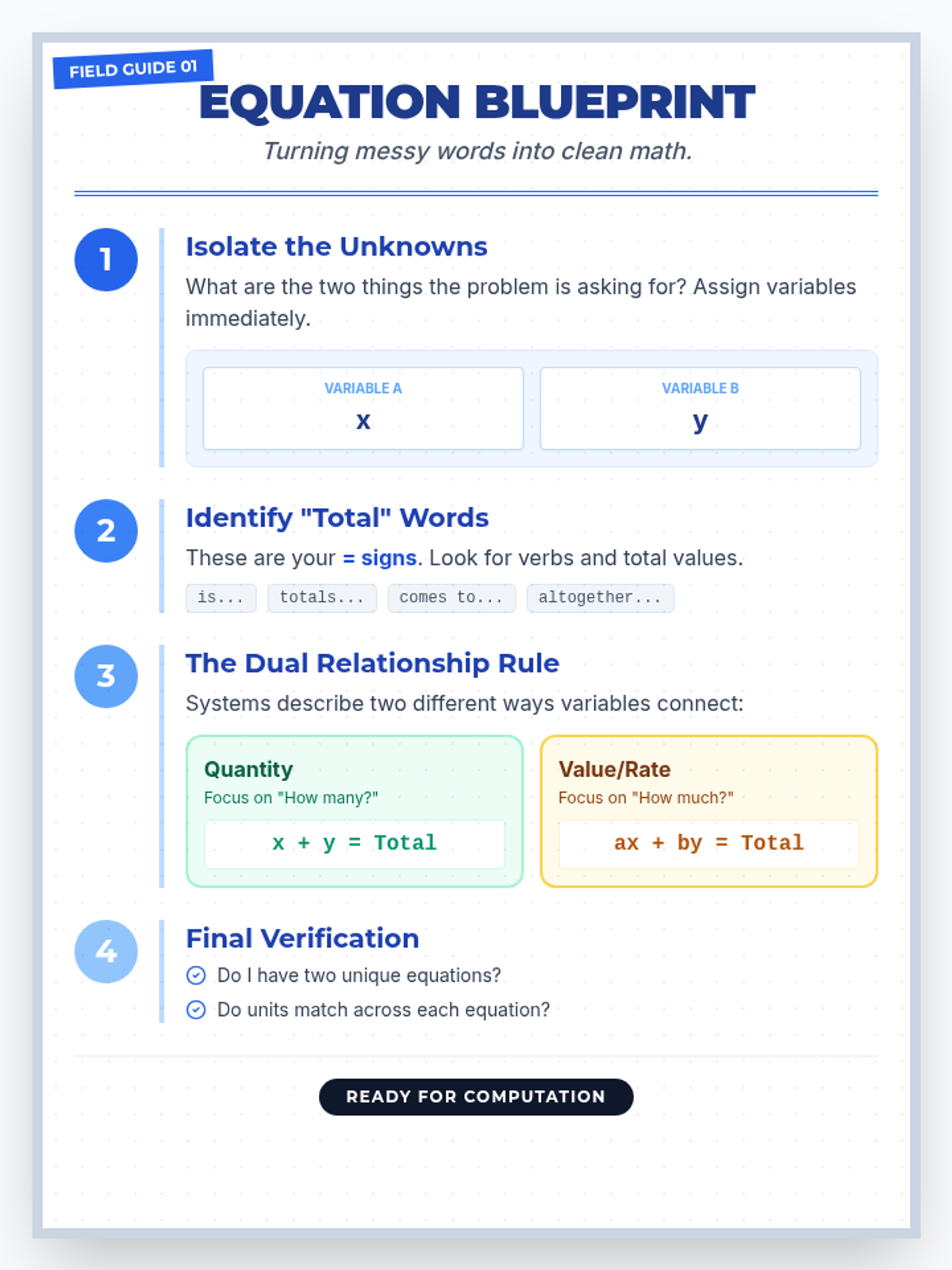
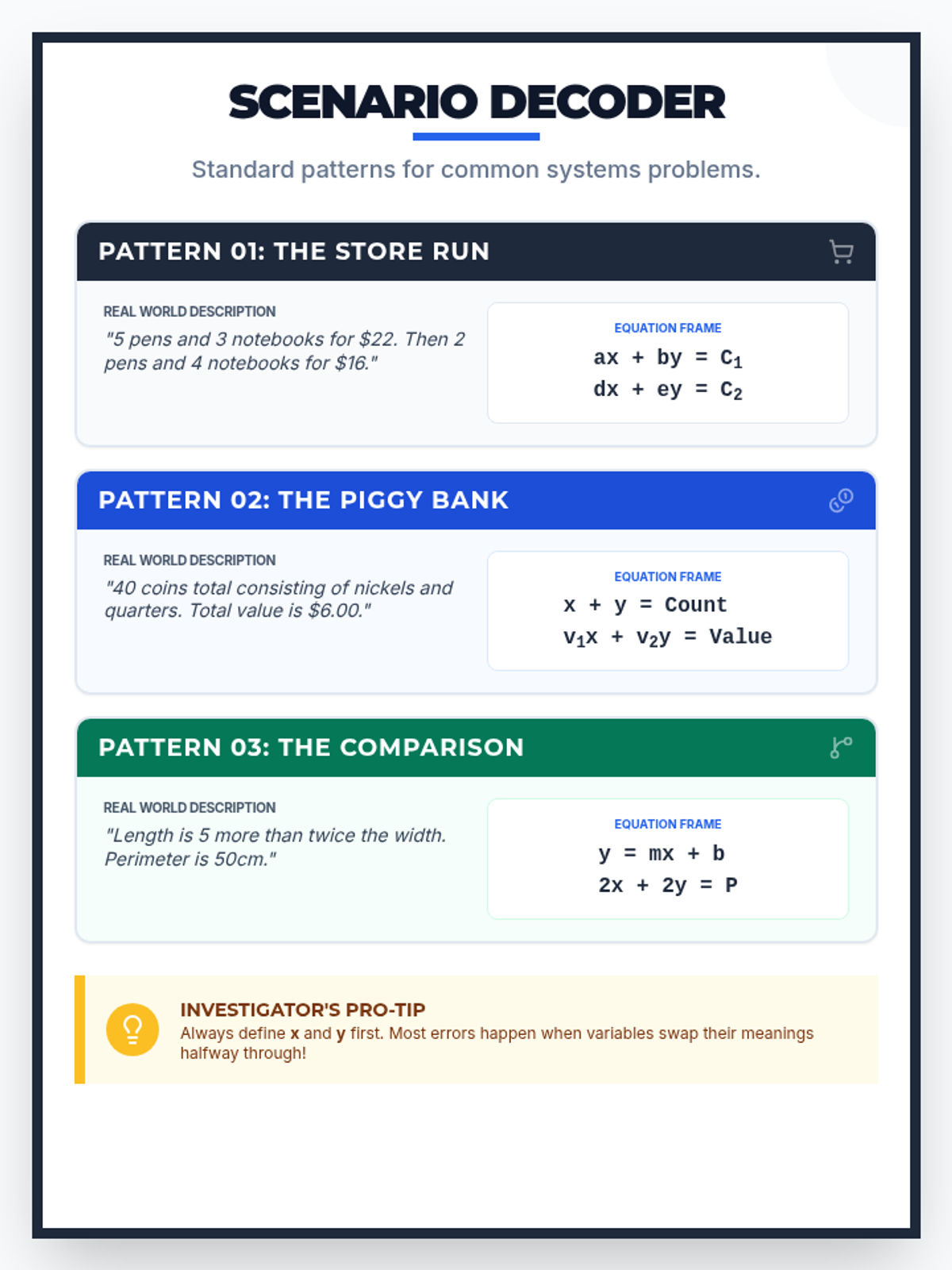
A lesson focused on breaking down complex word problems into systems of linear equations using visual organizers and structural patterns.
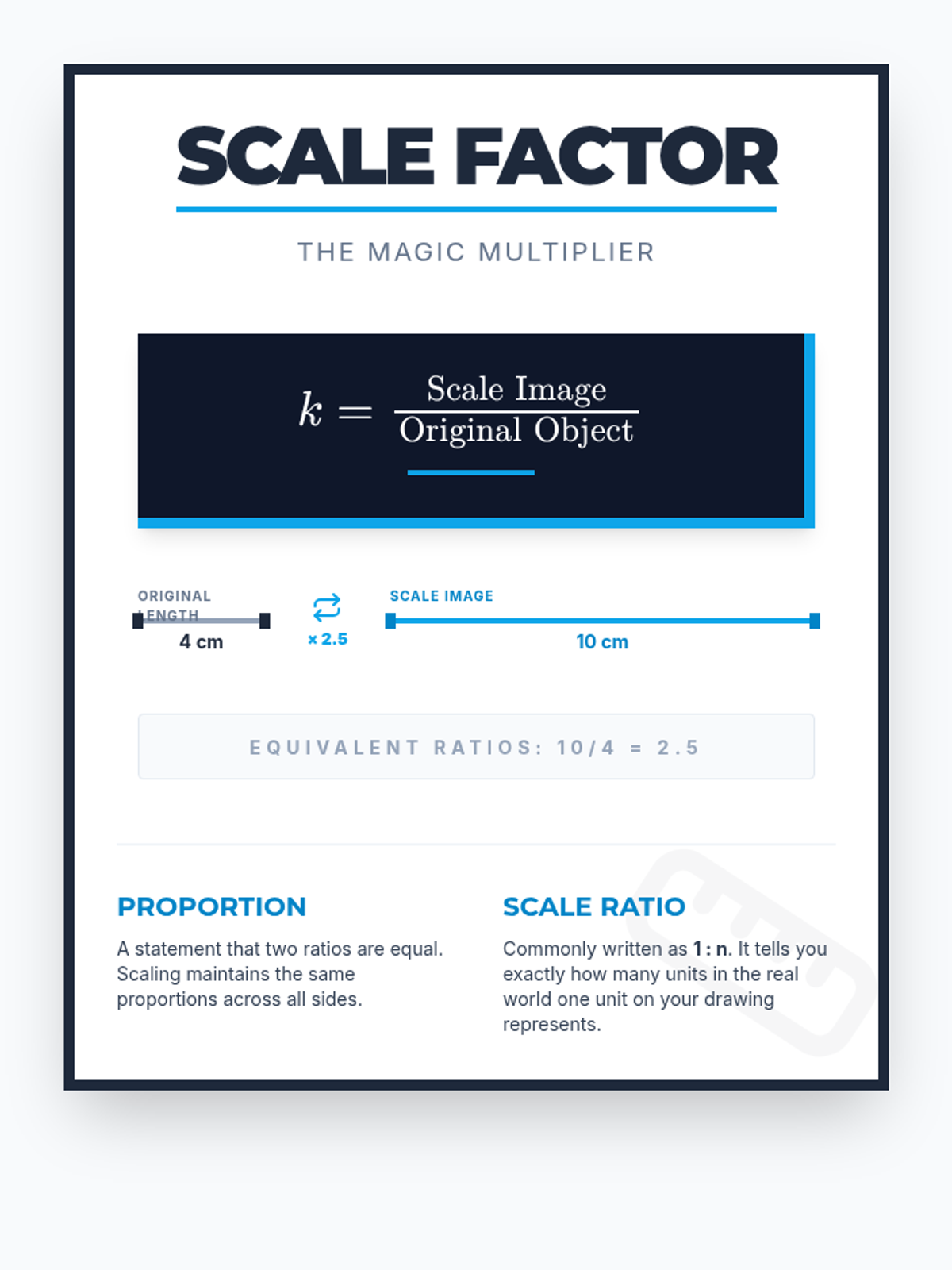
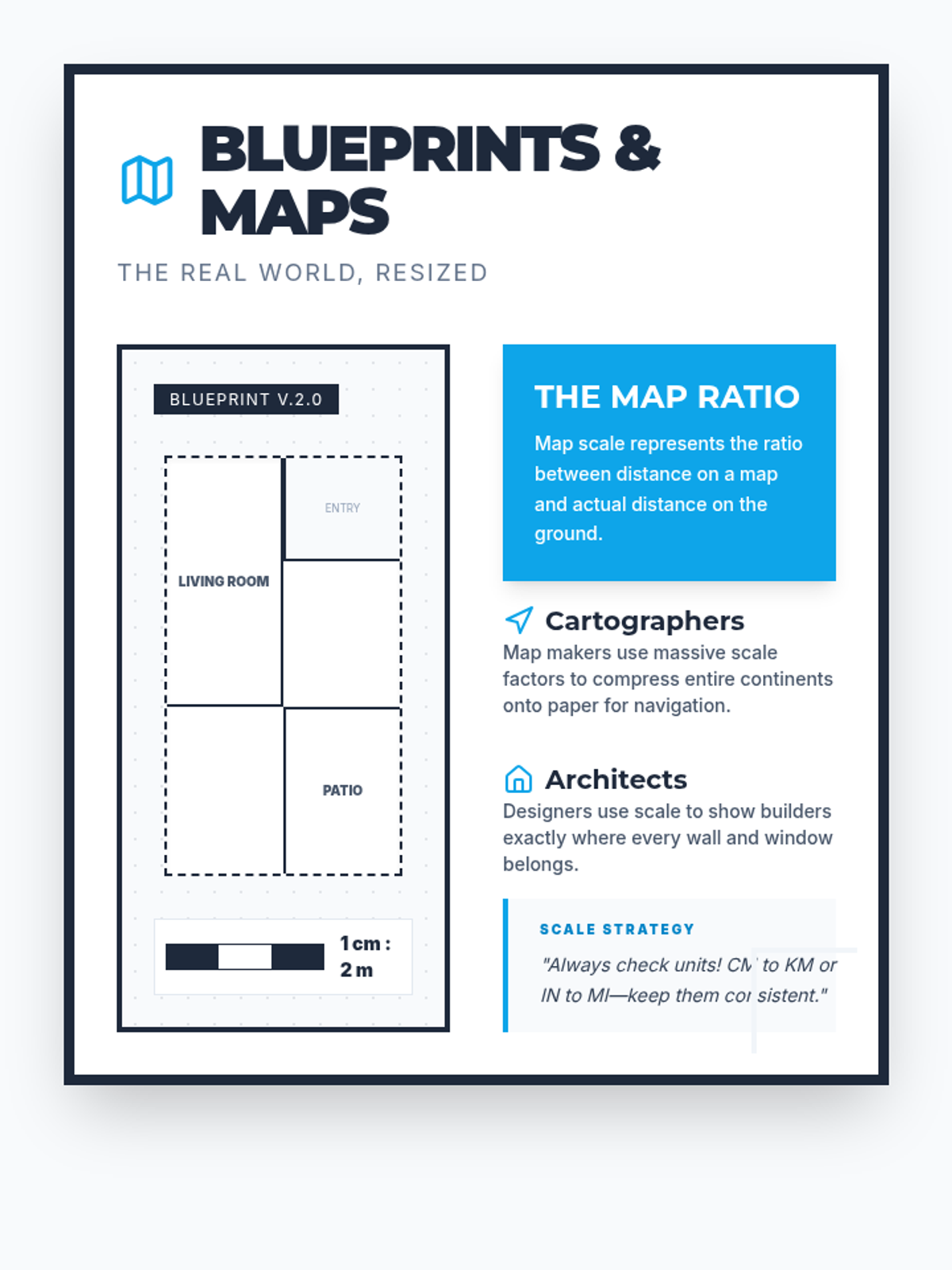
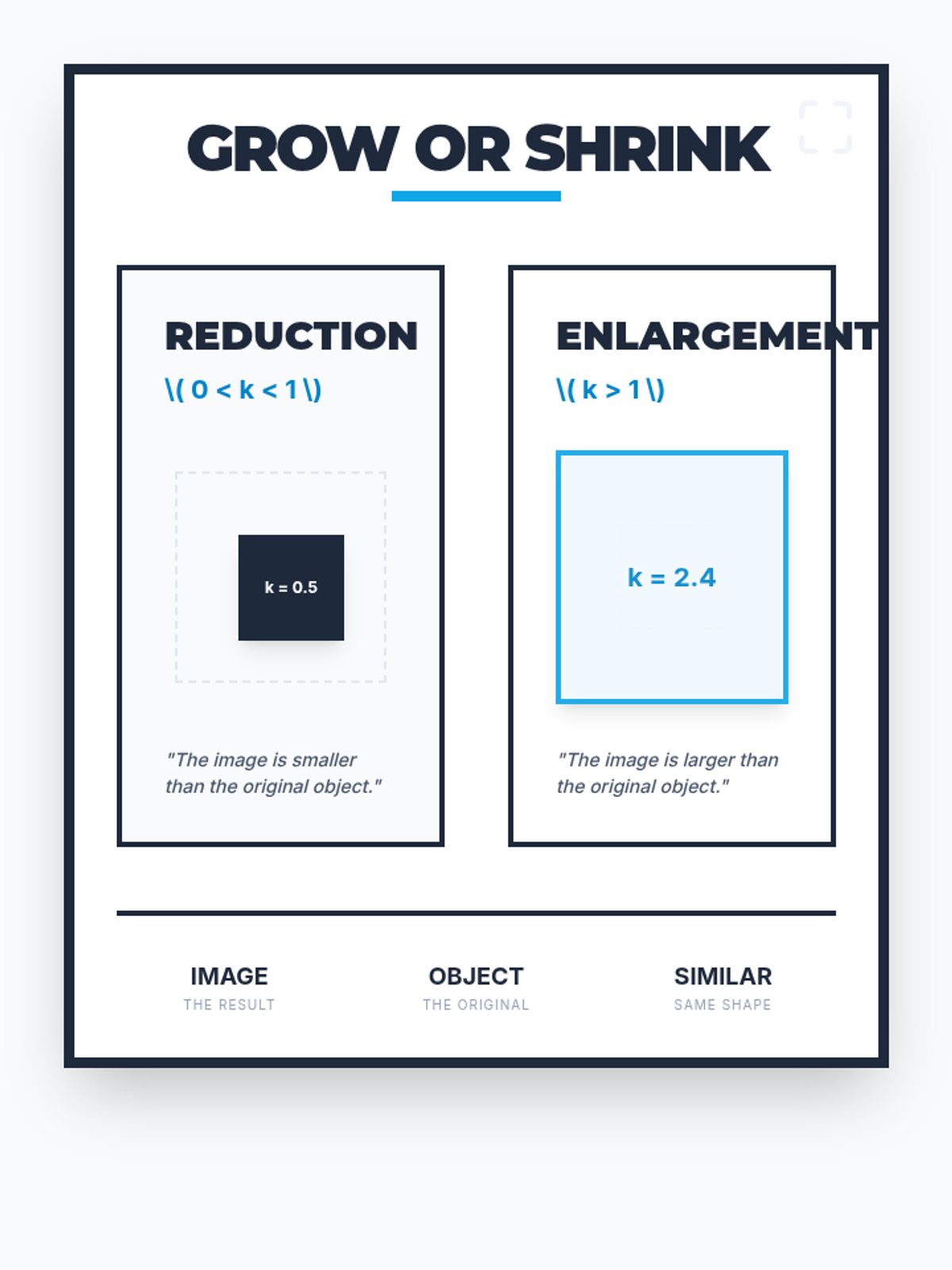
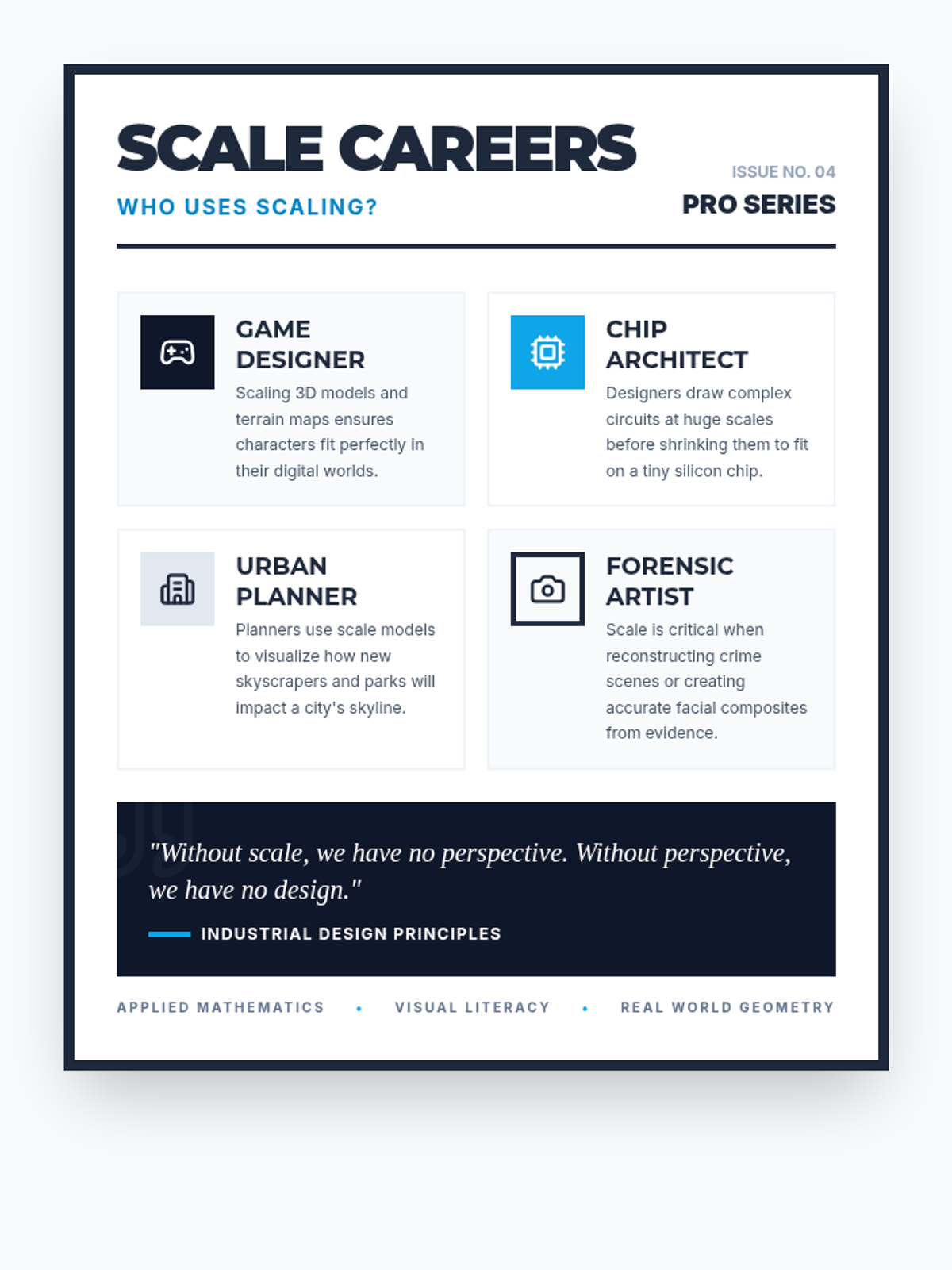
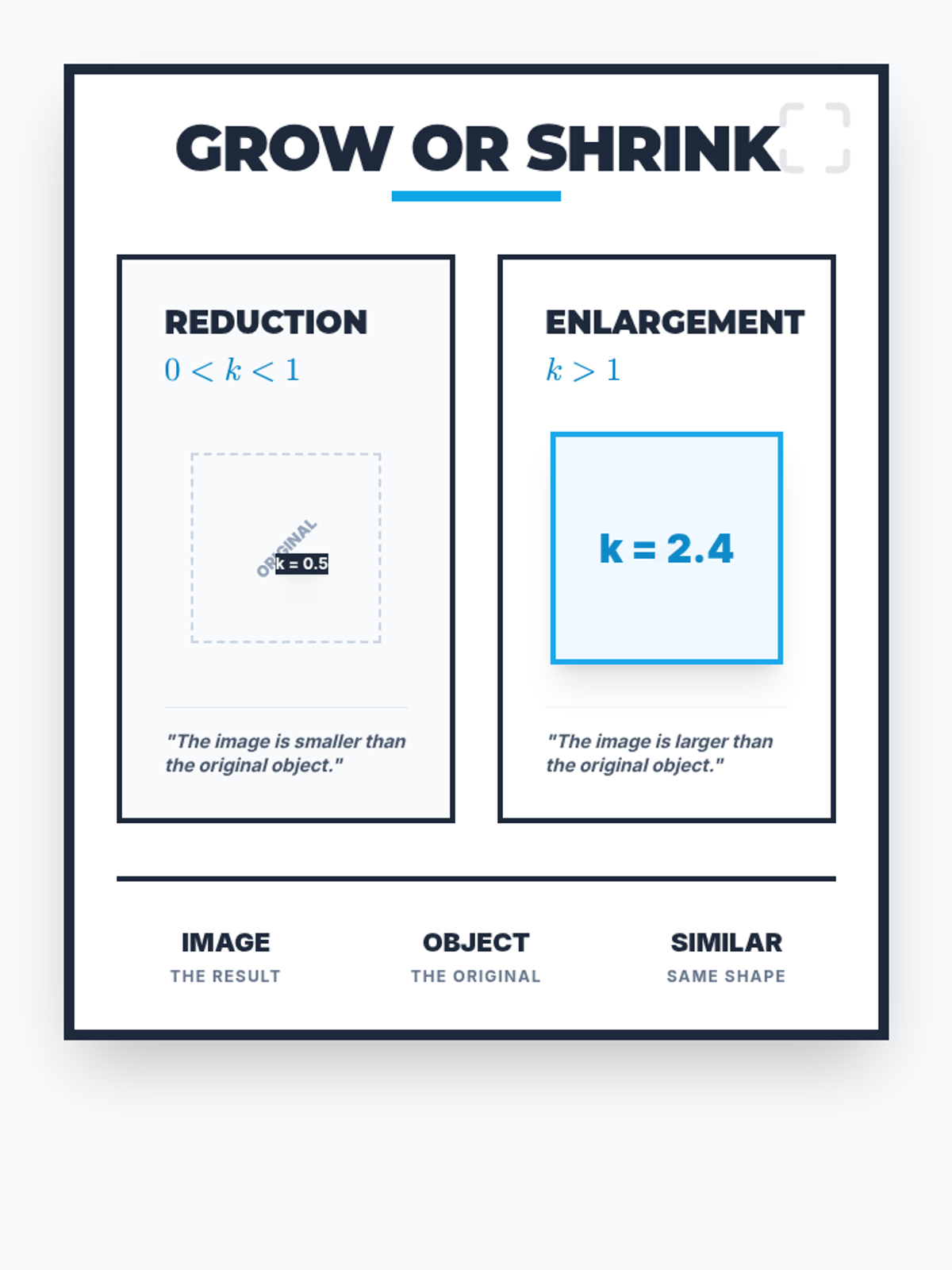
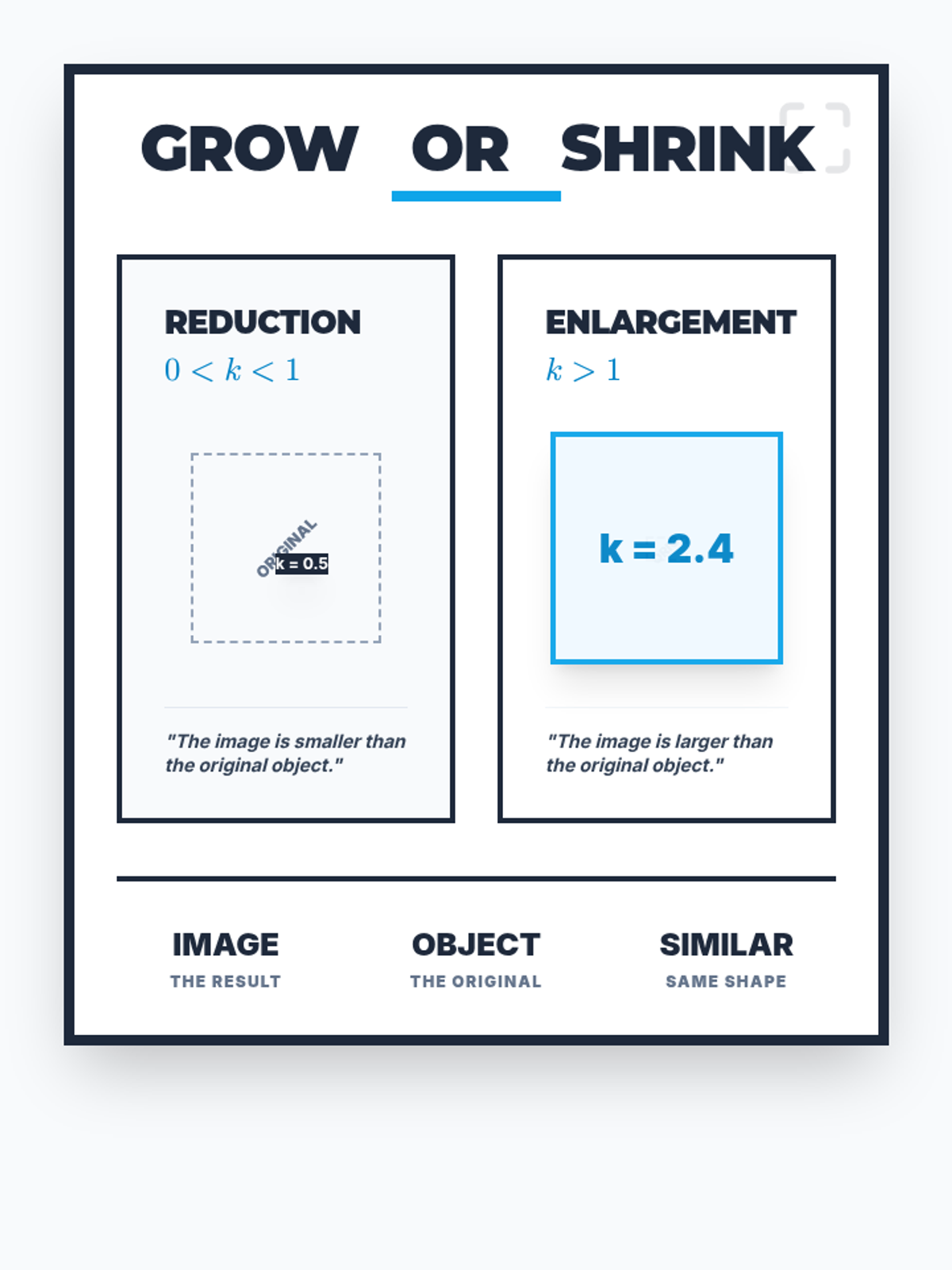
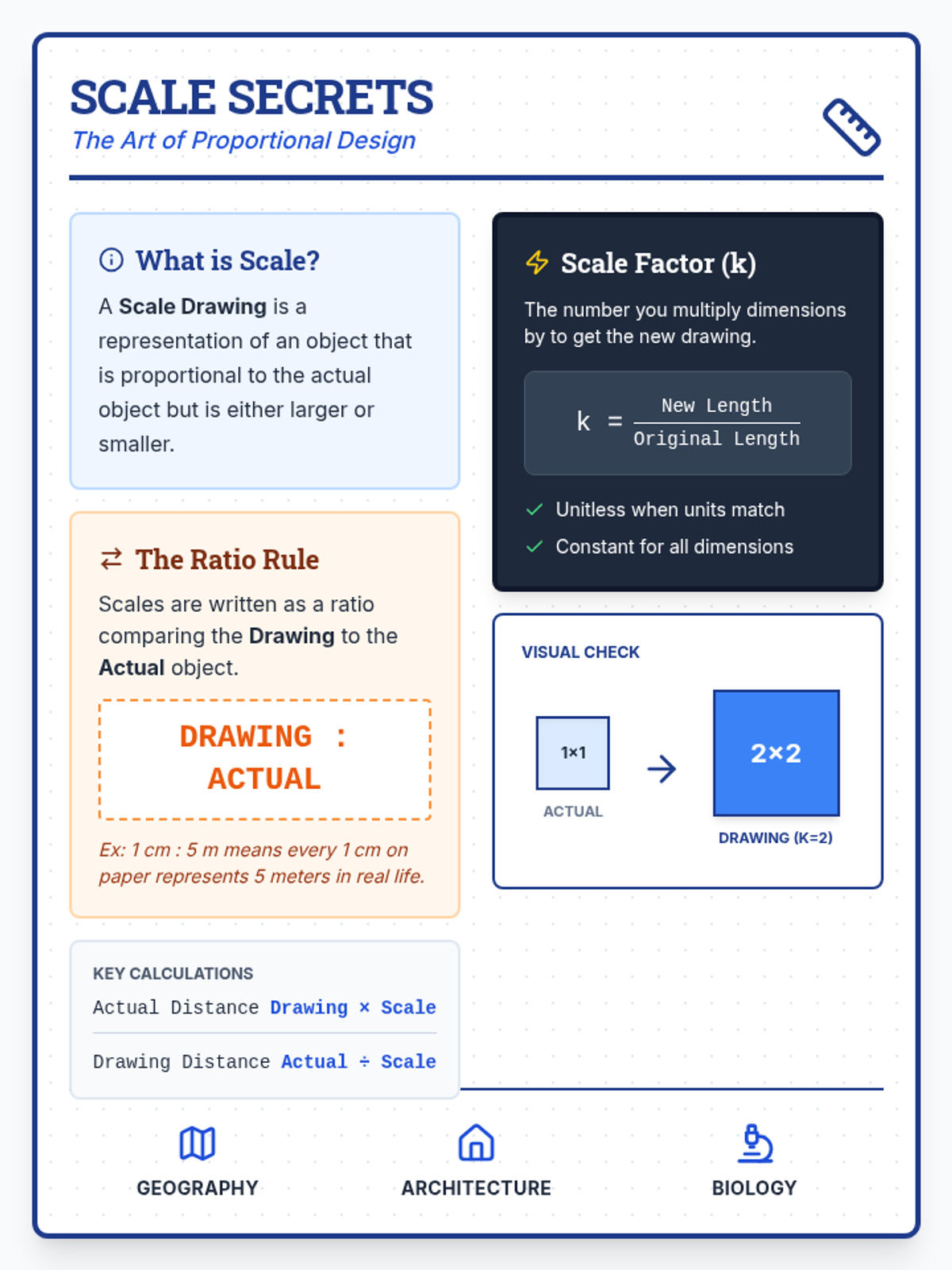
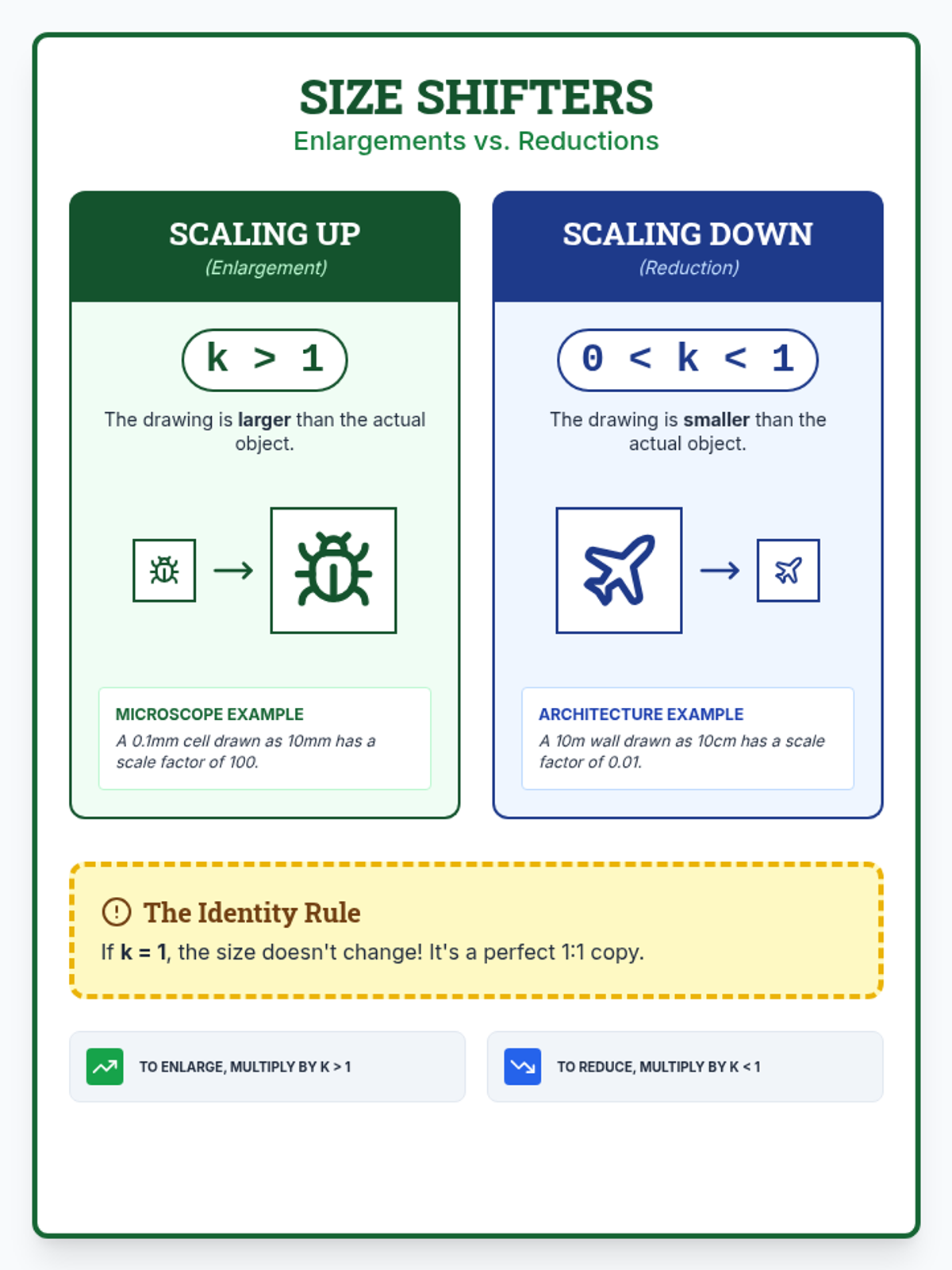
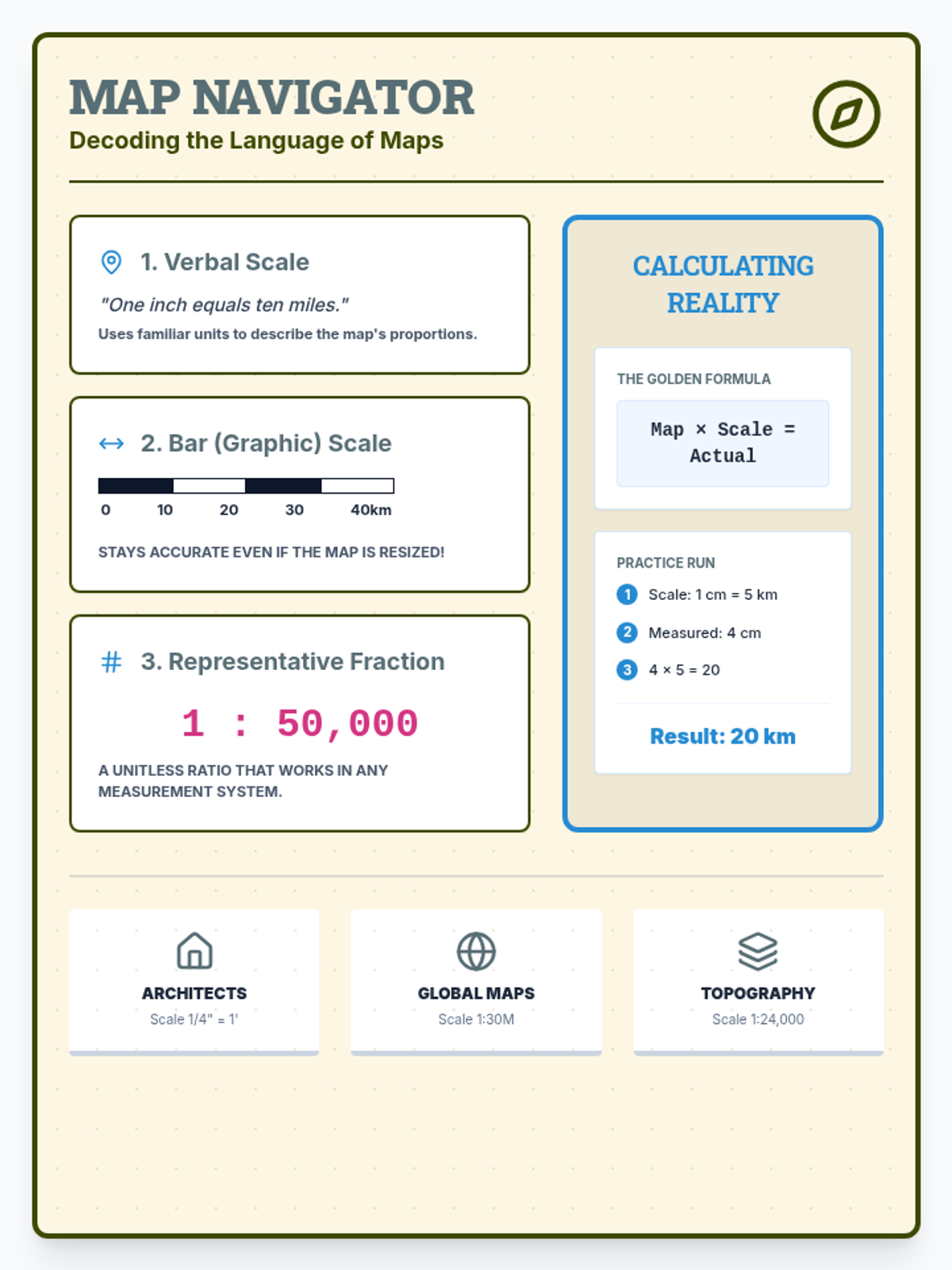
A collection of minimalist, modern math art posters for a classroom word wall, focusing on scale factor, proportions, real-world applications, and career connections.
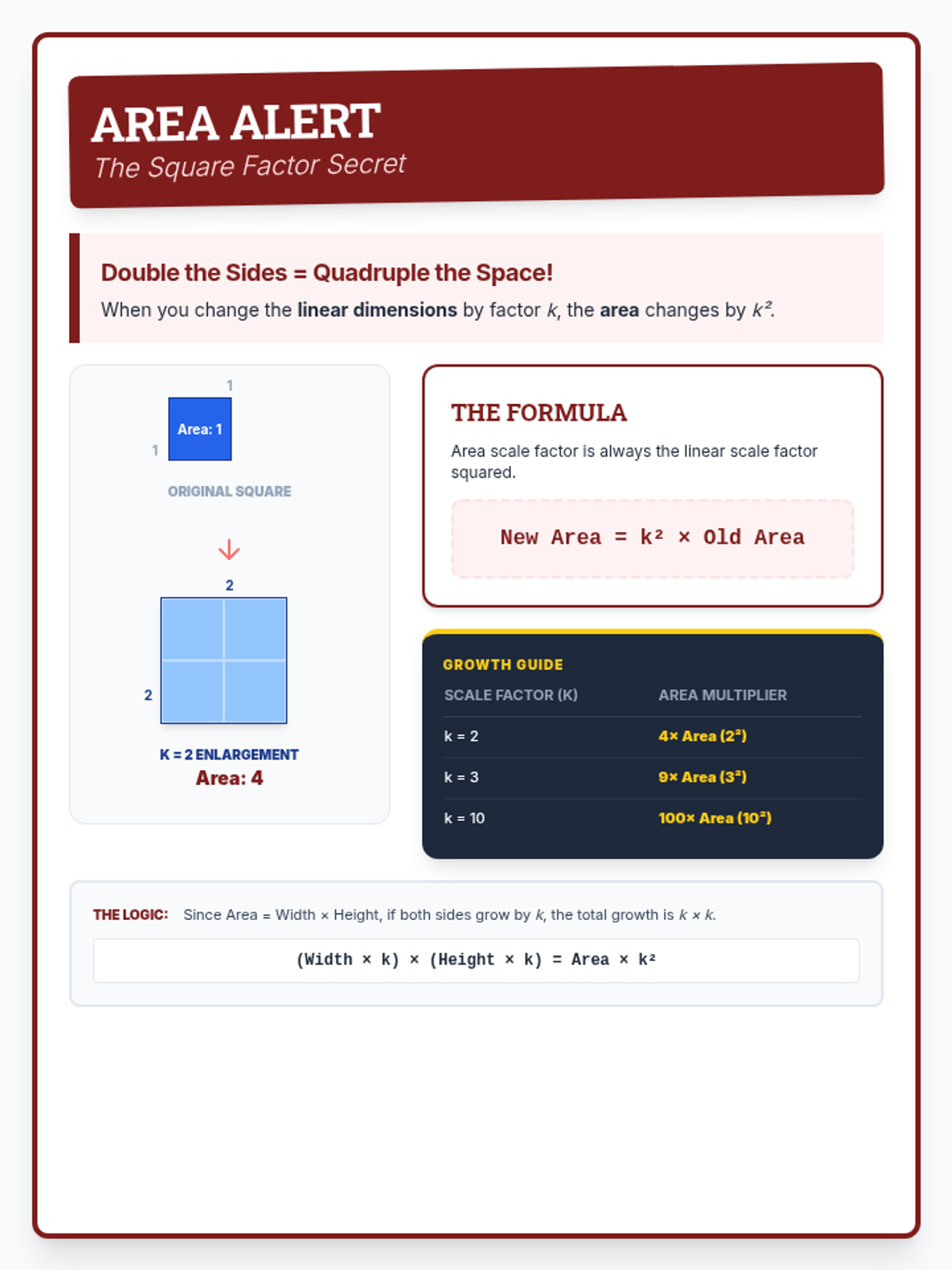
A collection of visual posters and anchor charts designed to teach the fundamental concepts of scale drawings, including scale factors, map reading, and the relationship between scale and area.
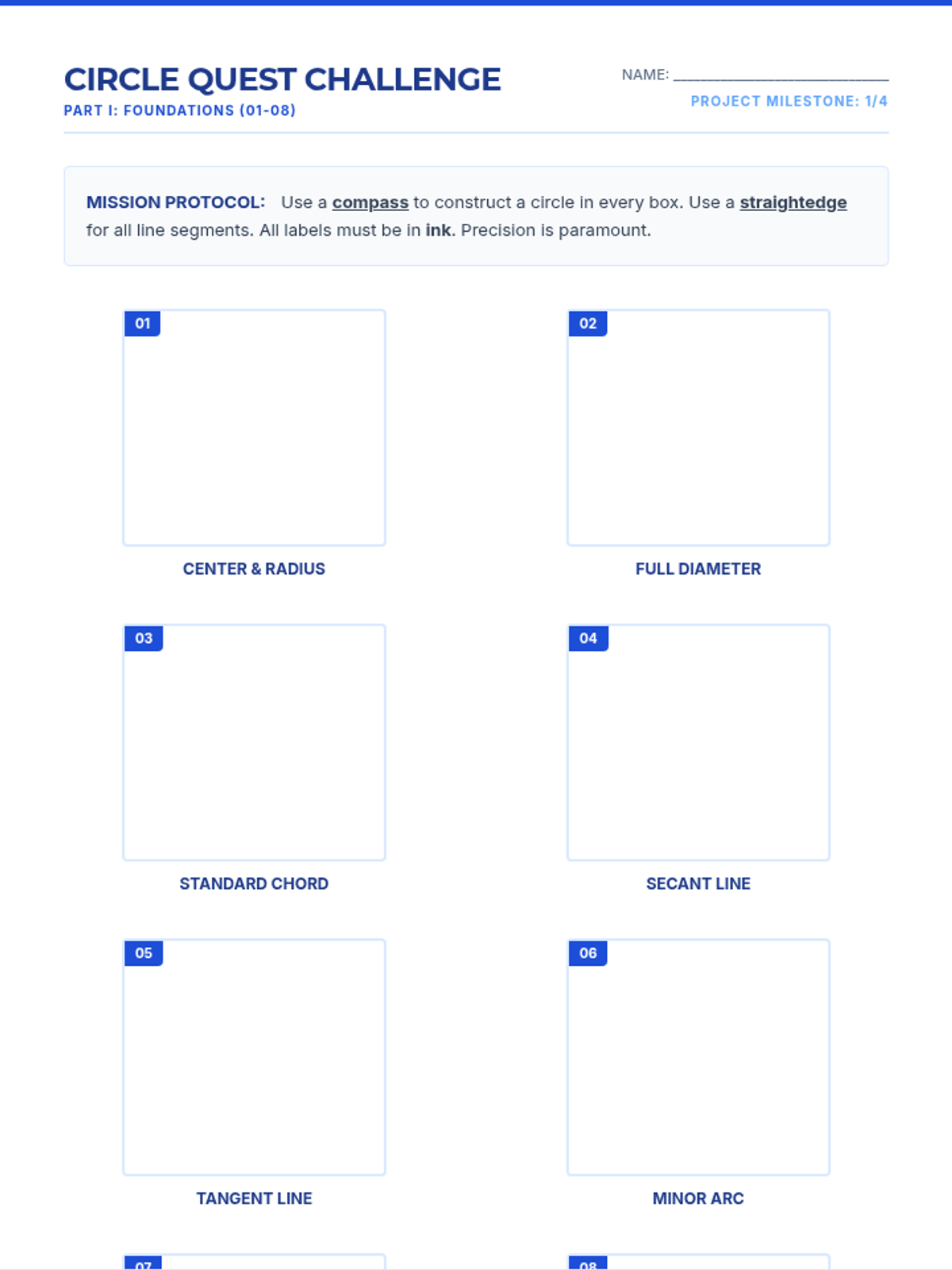
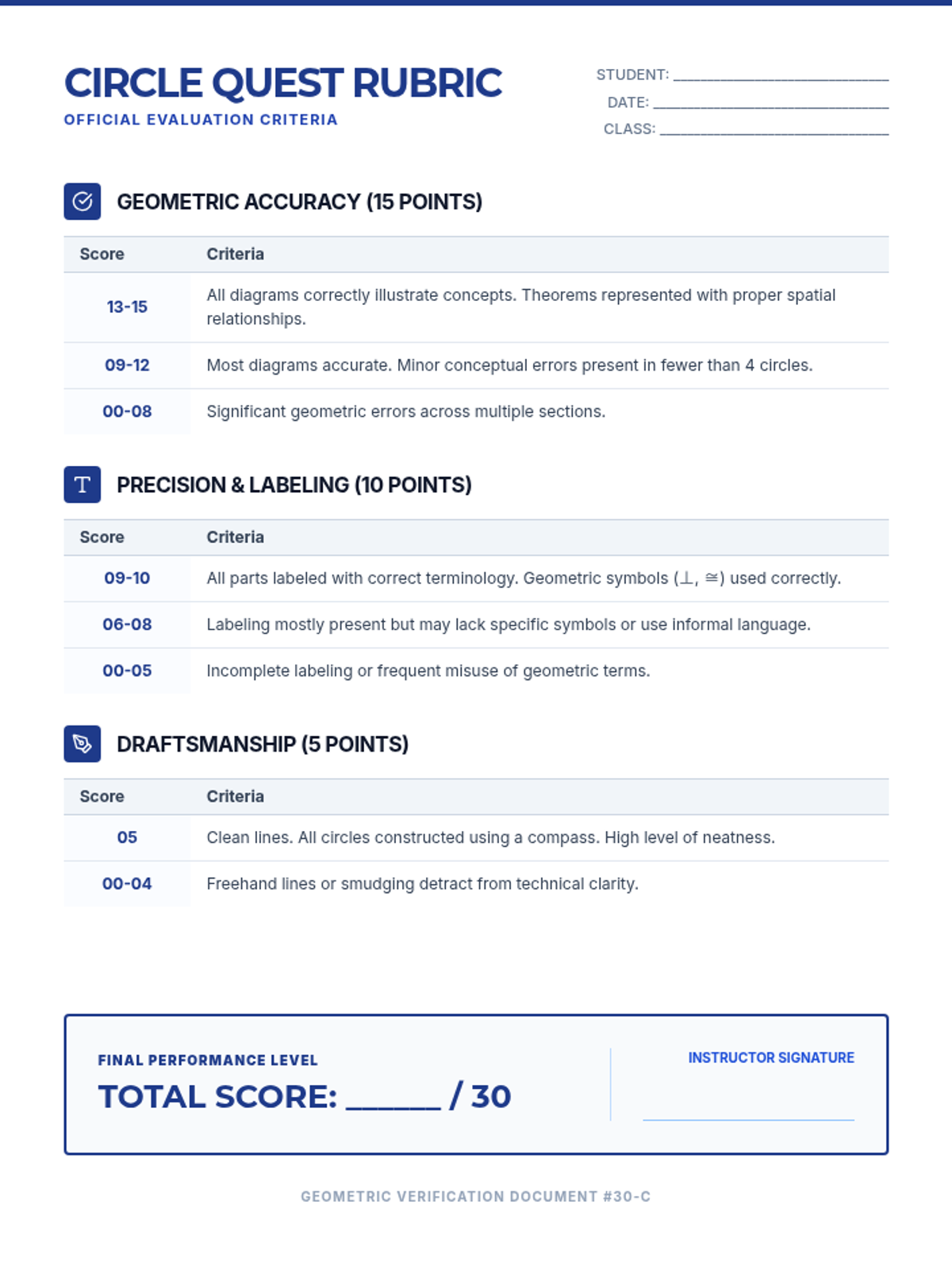
A creative geometry project where students demonstrate their mastery of circle parts and theorems by illustrating 30 distinct geometric concepts within a set of circles.
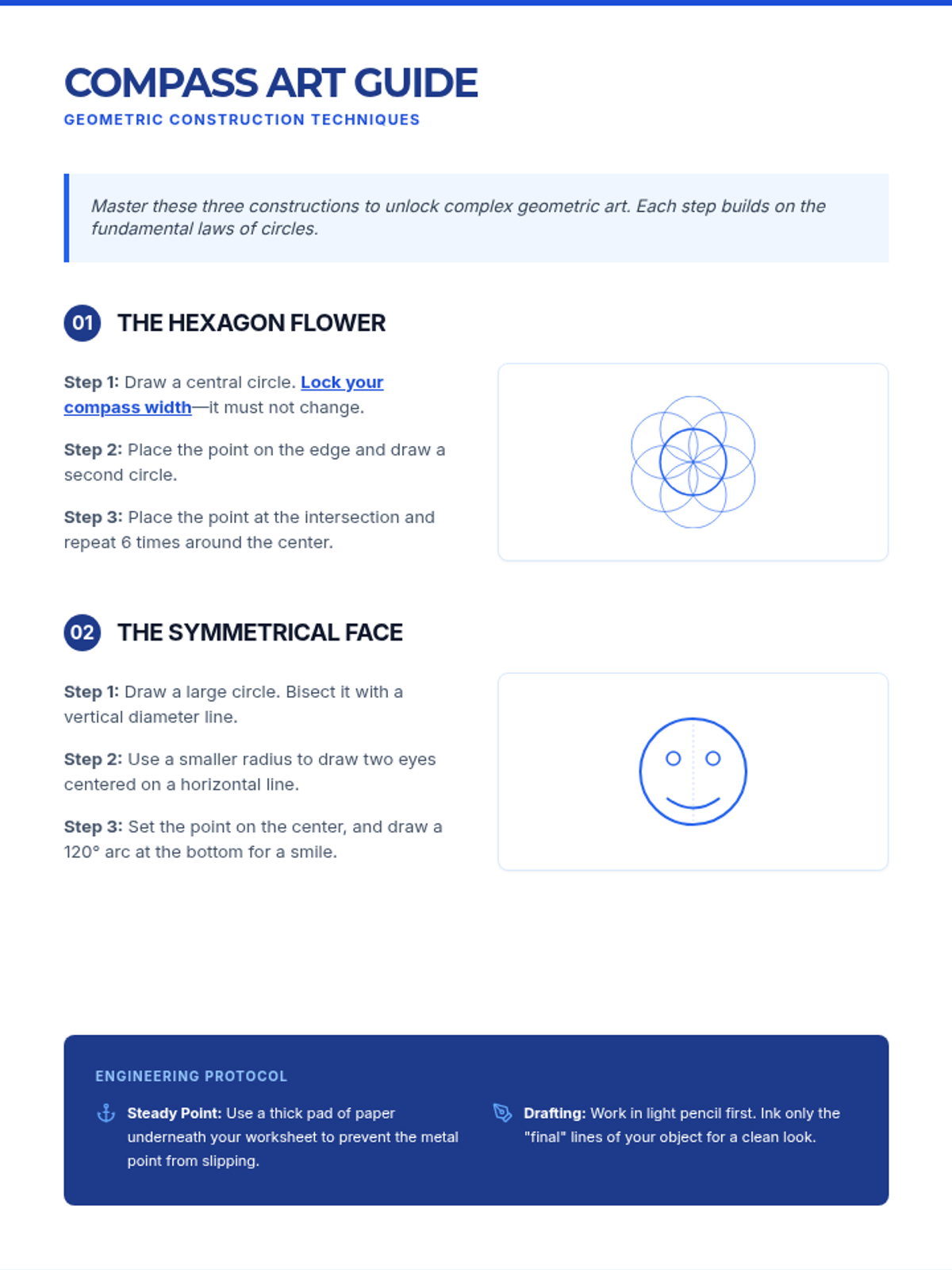
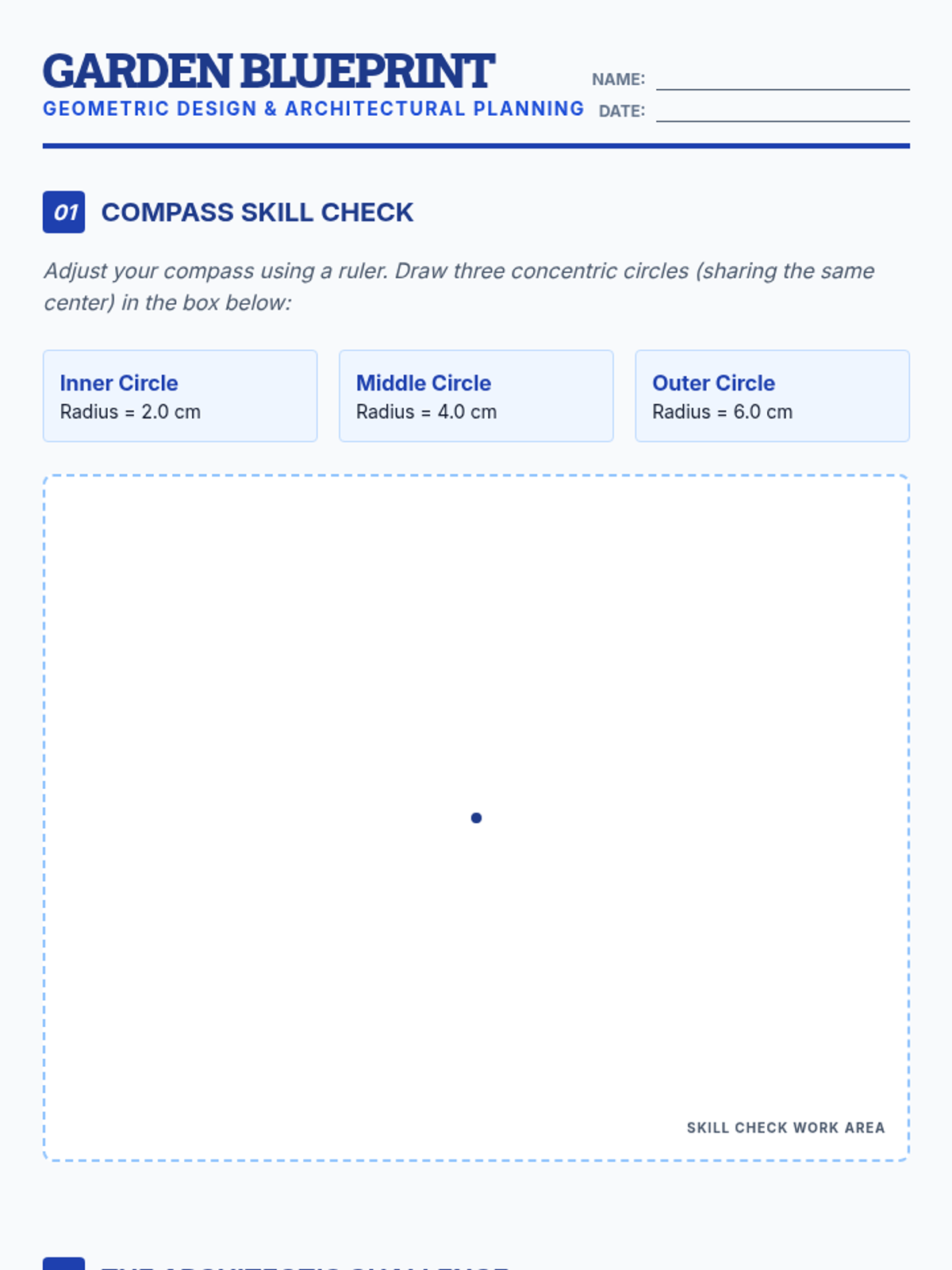
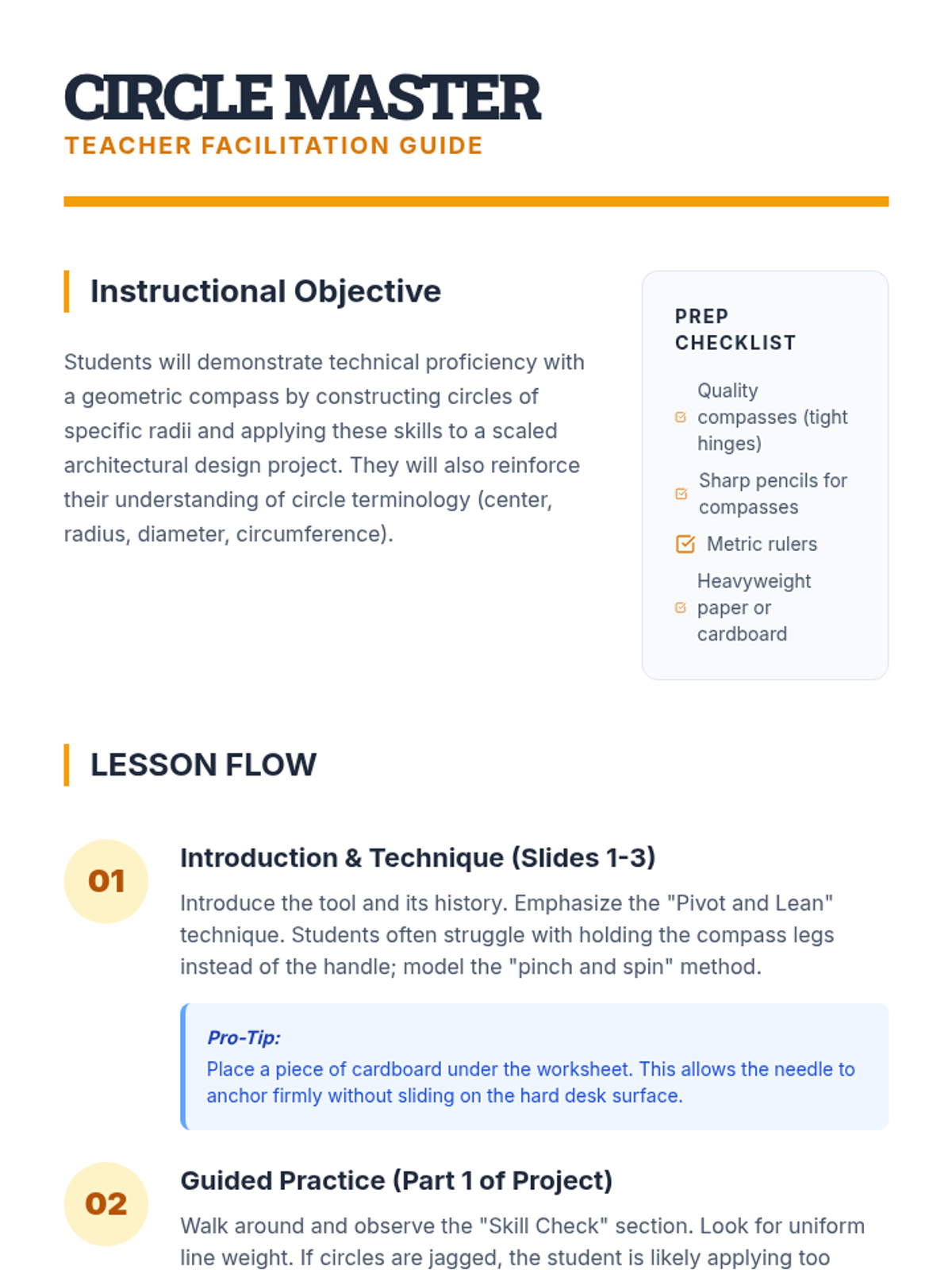
A hands-on lesson teaching students how to use a geometric compass to create precise circles and apply those skills to design a functional garden layout. Students move from basic technique to architectural application.
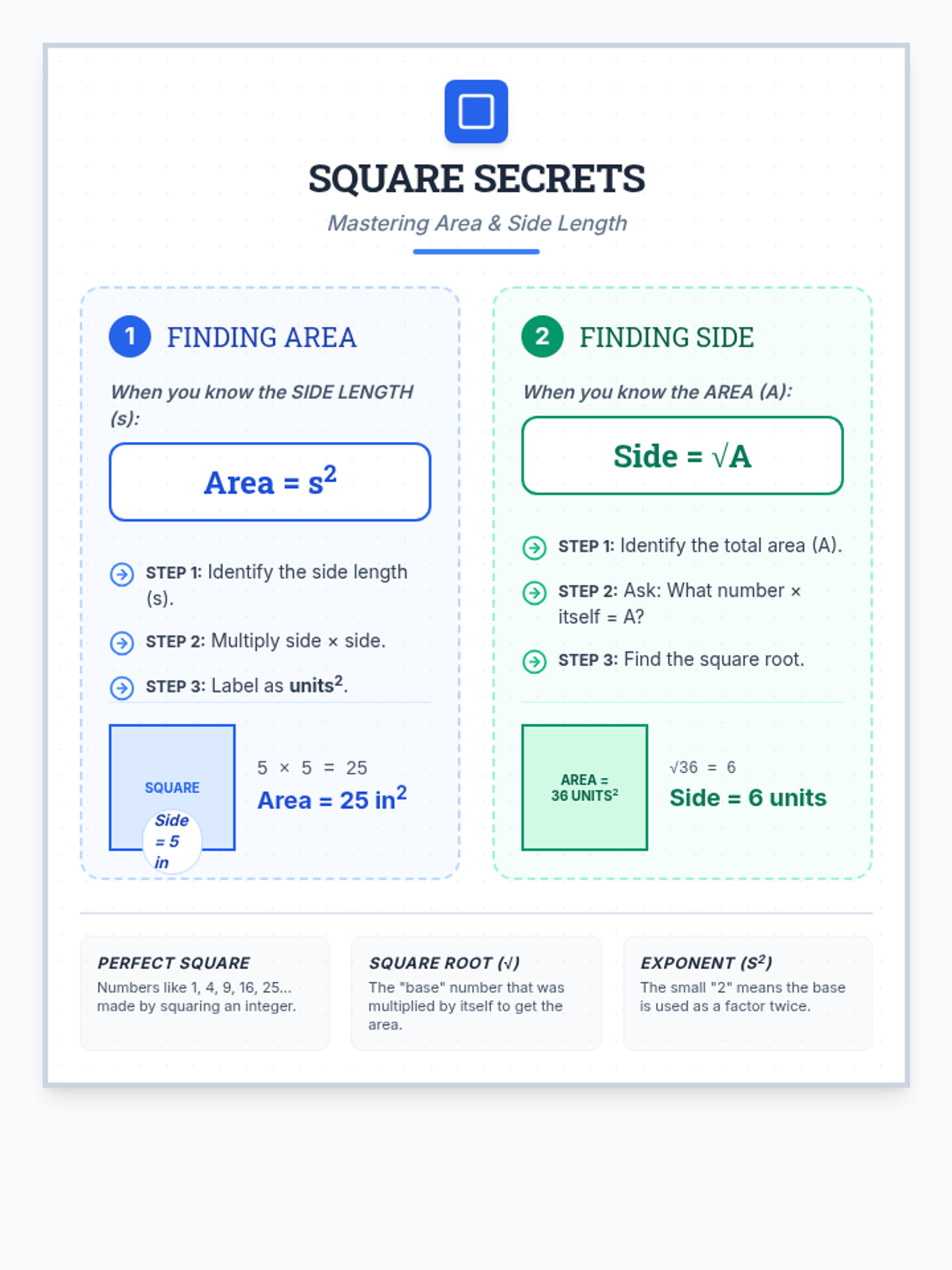
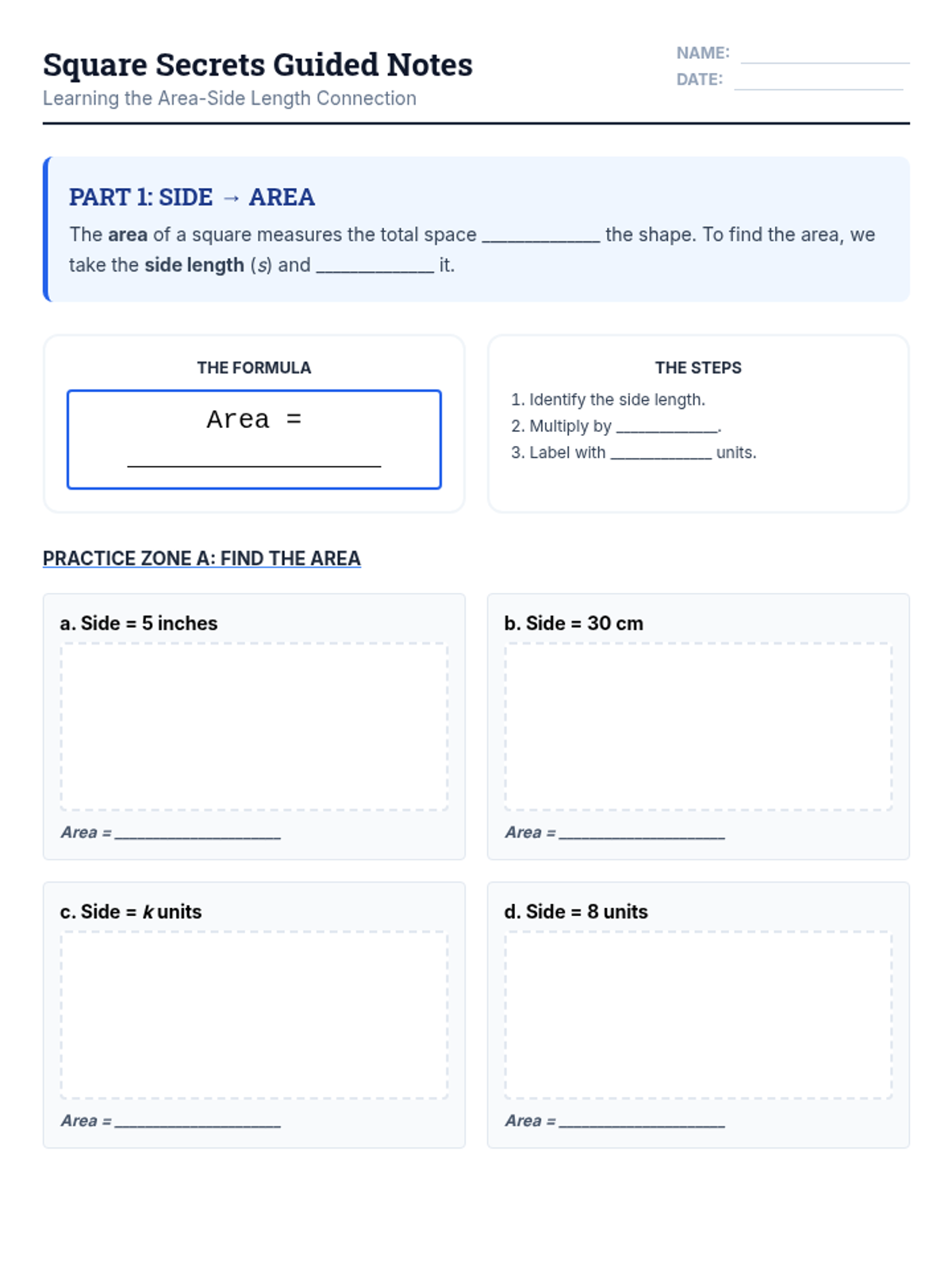
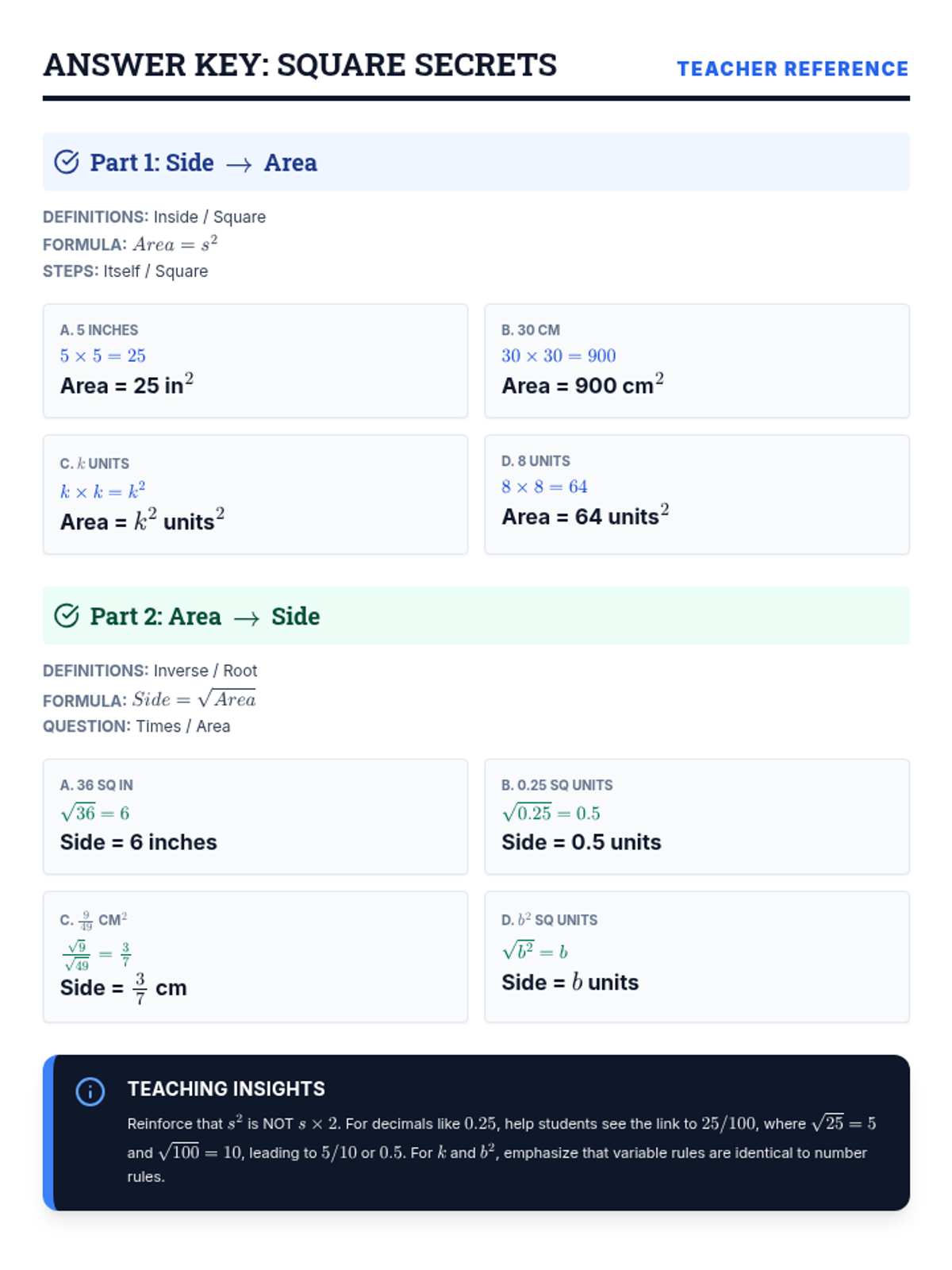
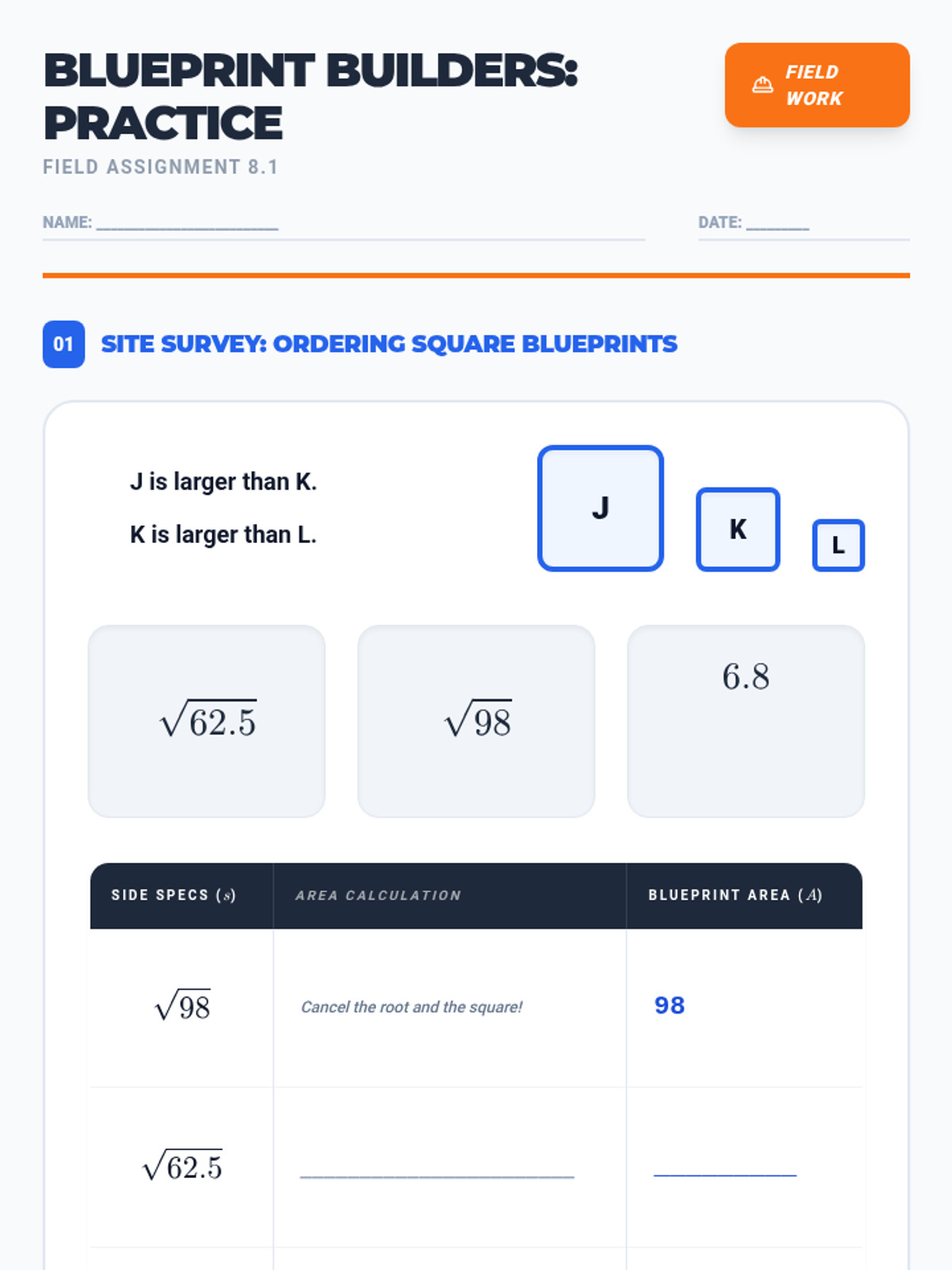
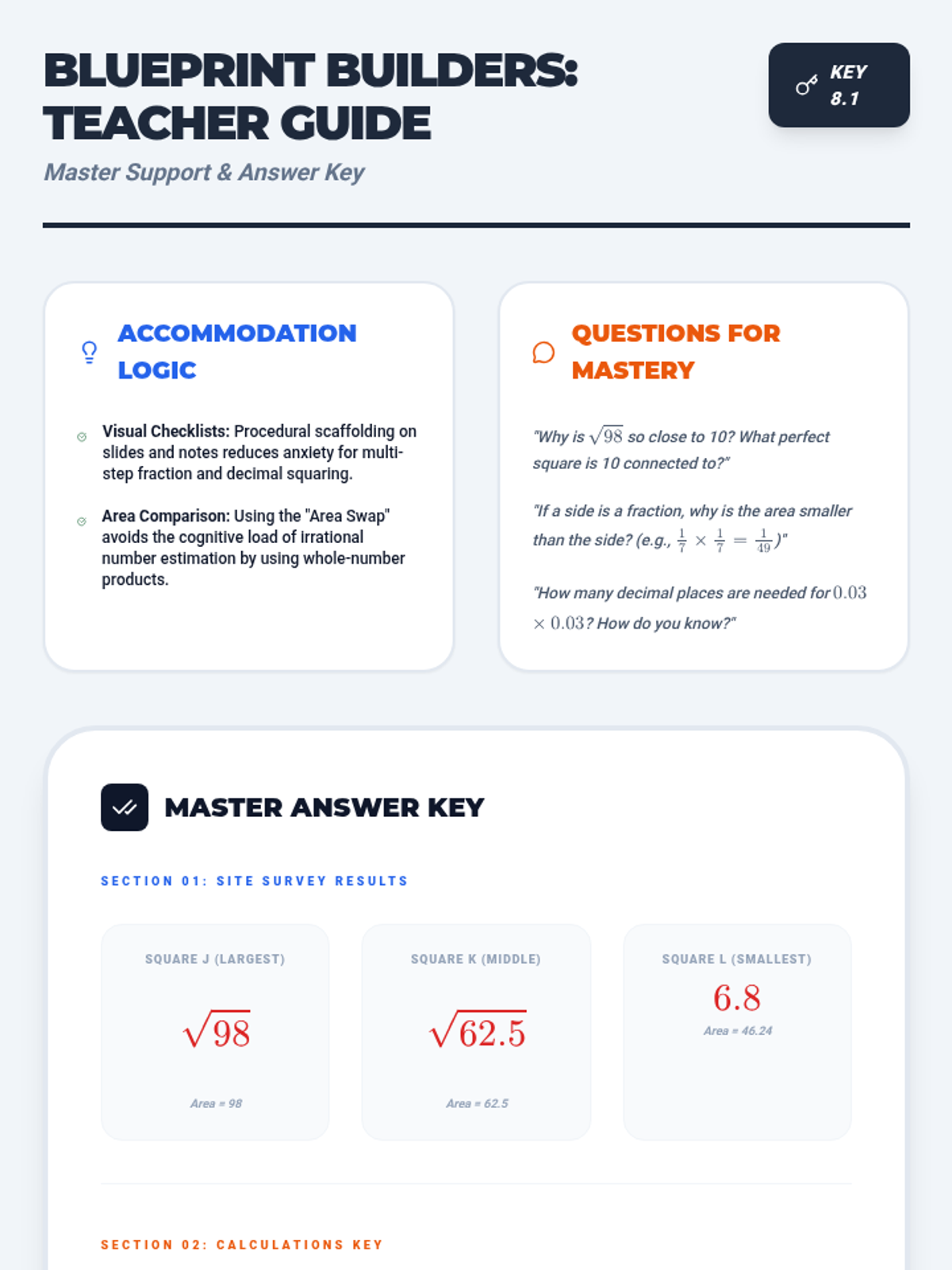
A lesson teaching the relationship between a square's side length and its area, focusing on squaring and square roots.
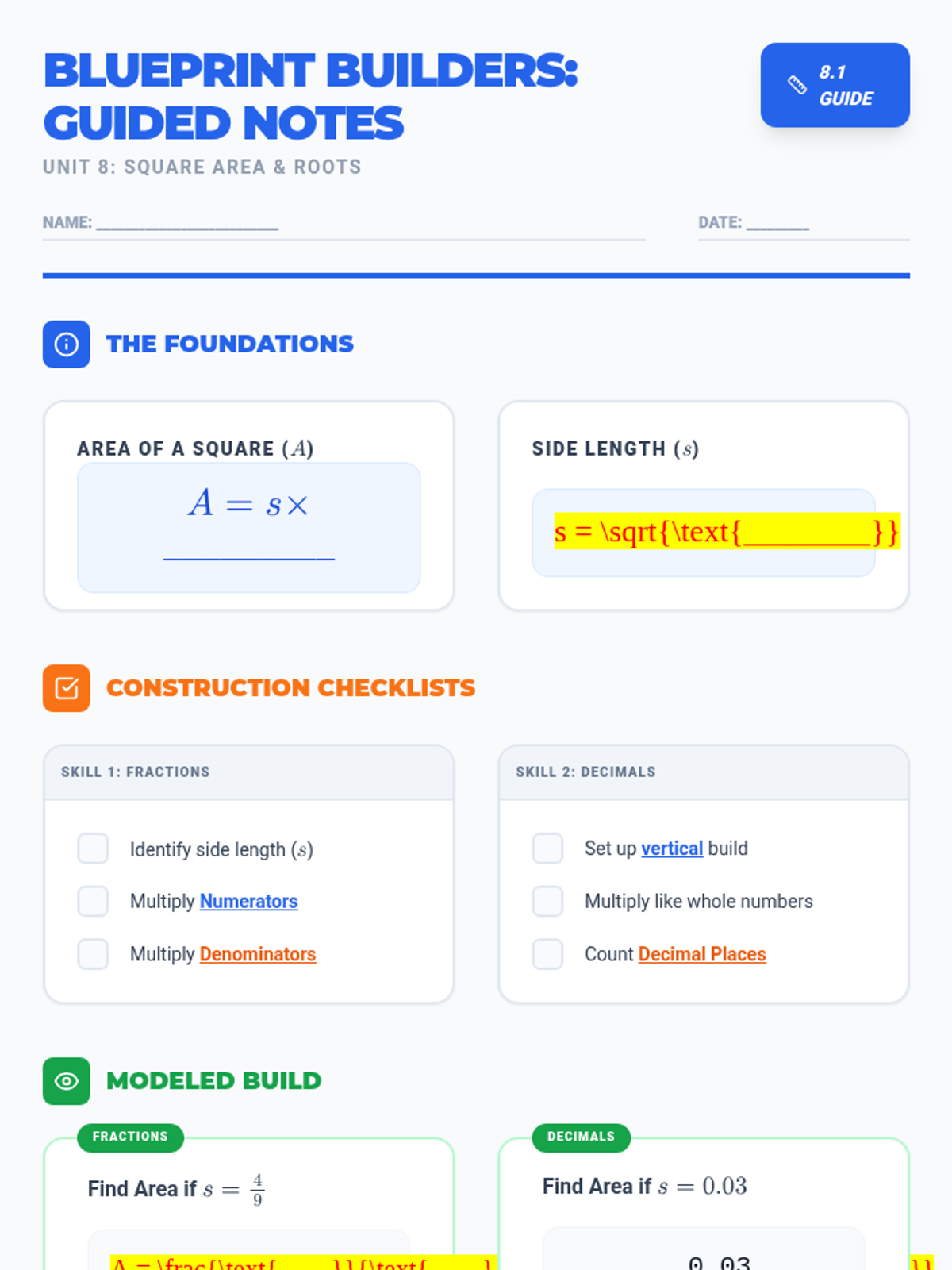
A scaffolded lesson on calculating square areas and estimating square roots using color-coded visual aids and guided graphic organizers.
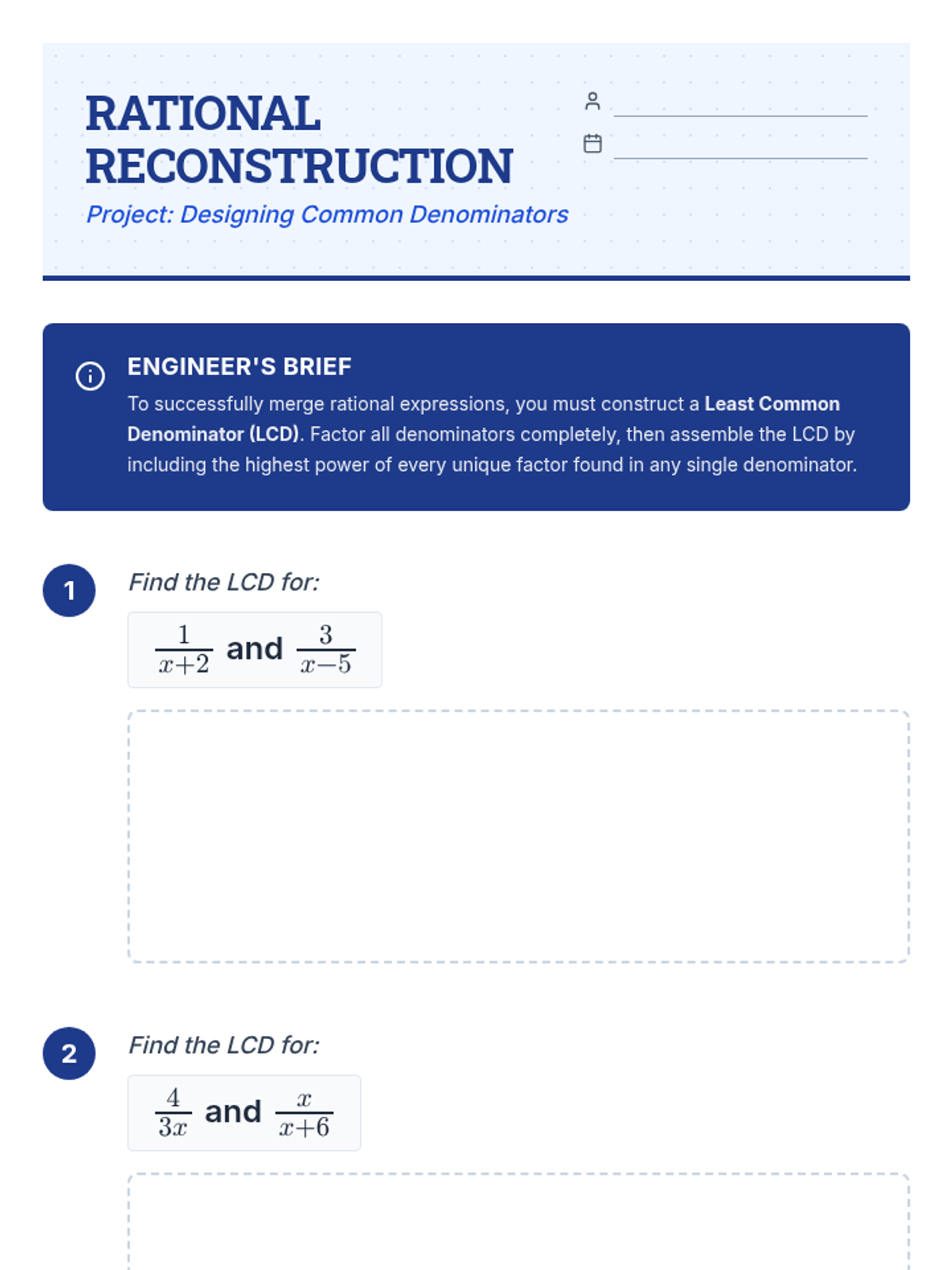
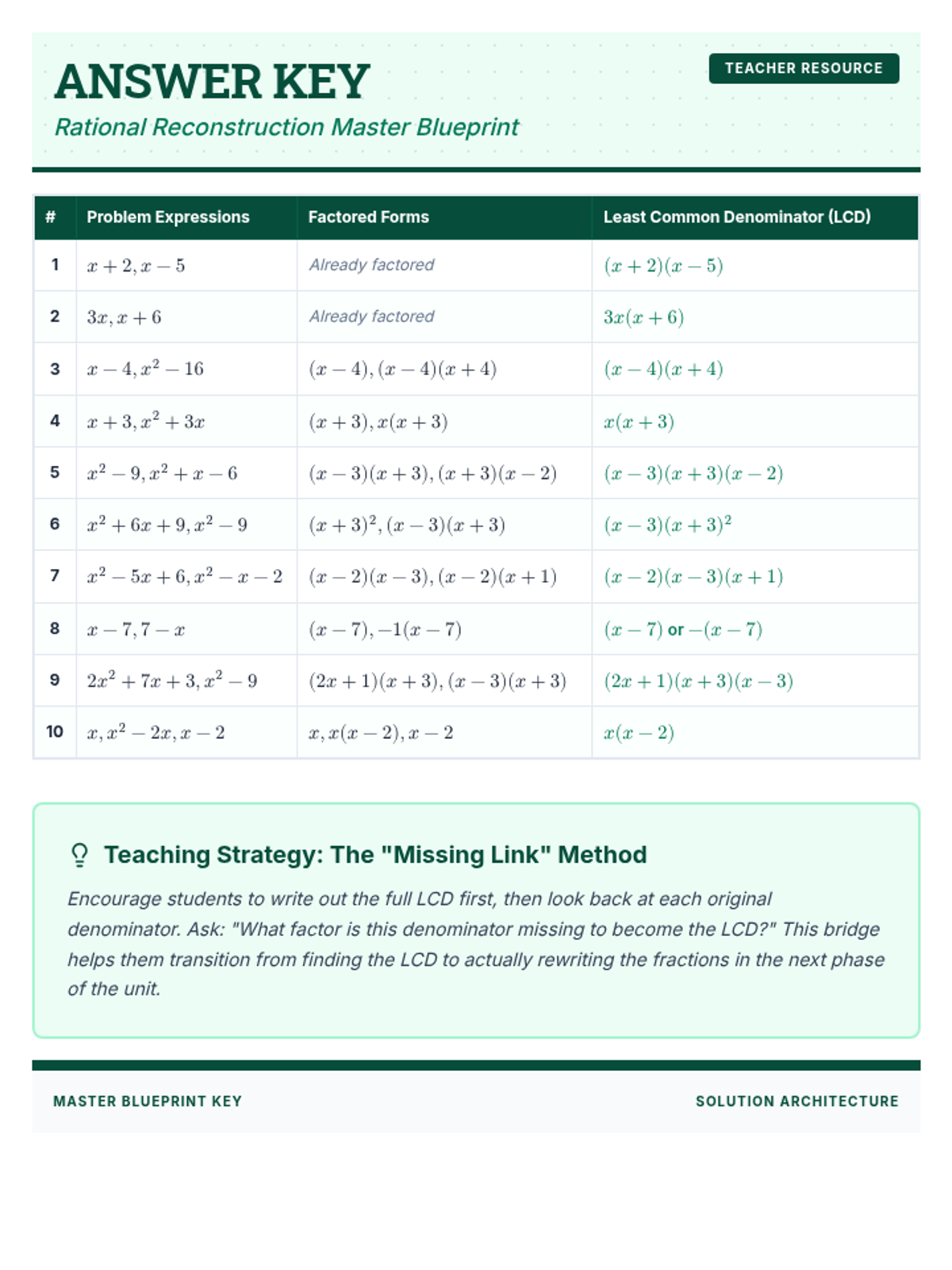
A focused lesson on finding the Least Common Denominator (LCD) for rational expressions involving binomials and trinomials, emphasizing factoring techniques.