A high school math skills intervention lesson focusing on multi-step linear equations, variable isolation, and proportional reasoning. Includes 16 targeted task cards, a student recording sheet, and a teacher intervention guide.
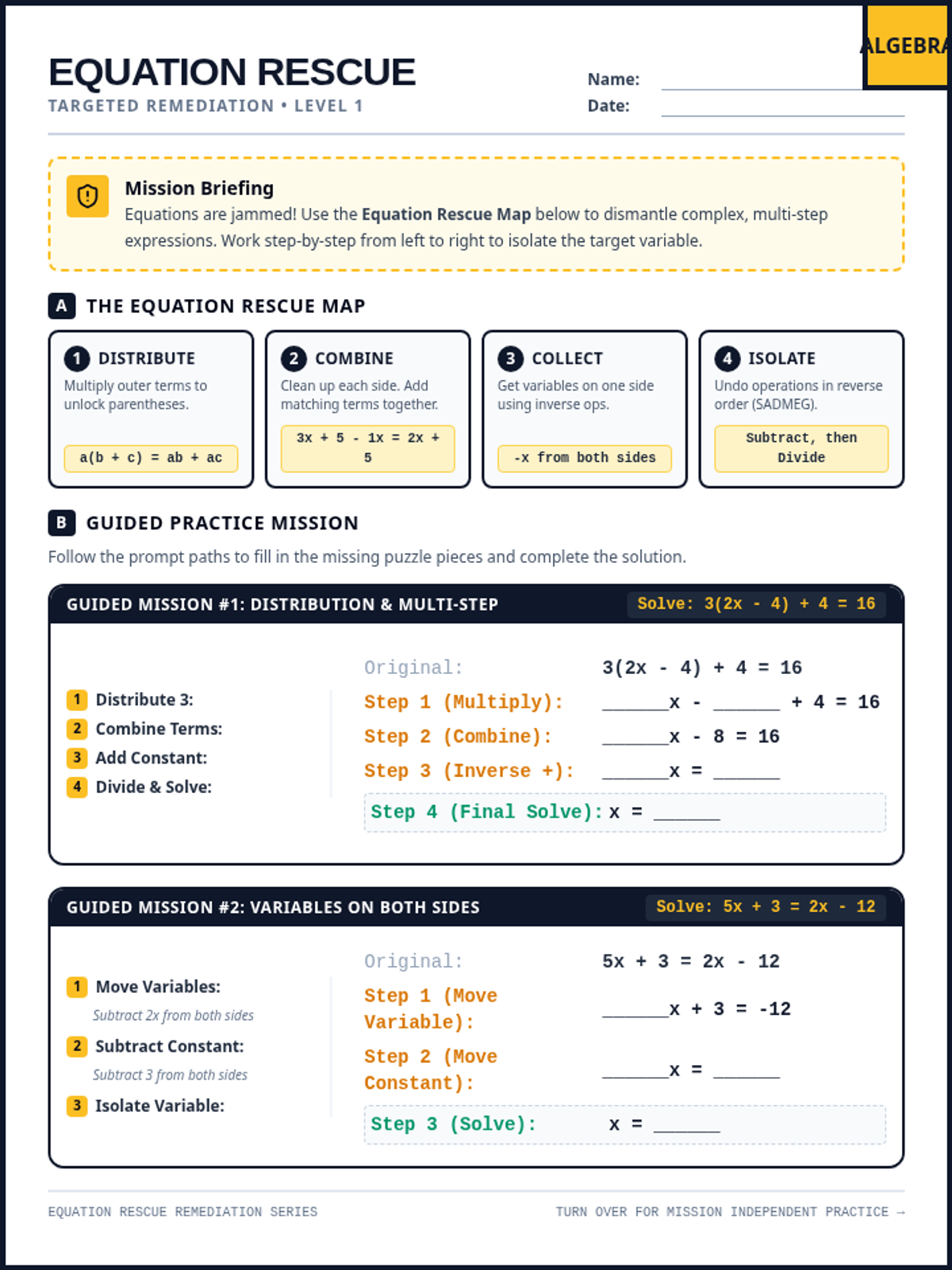
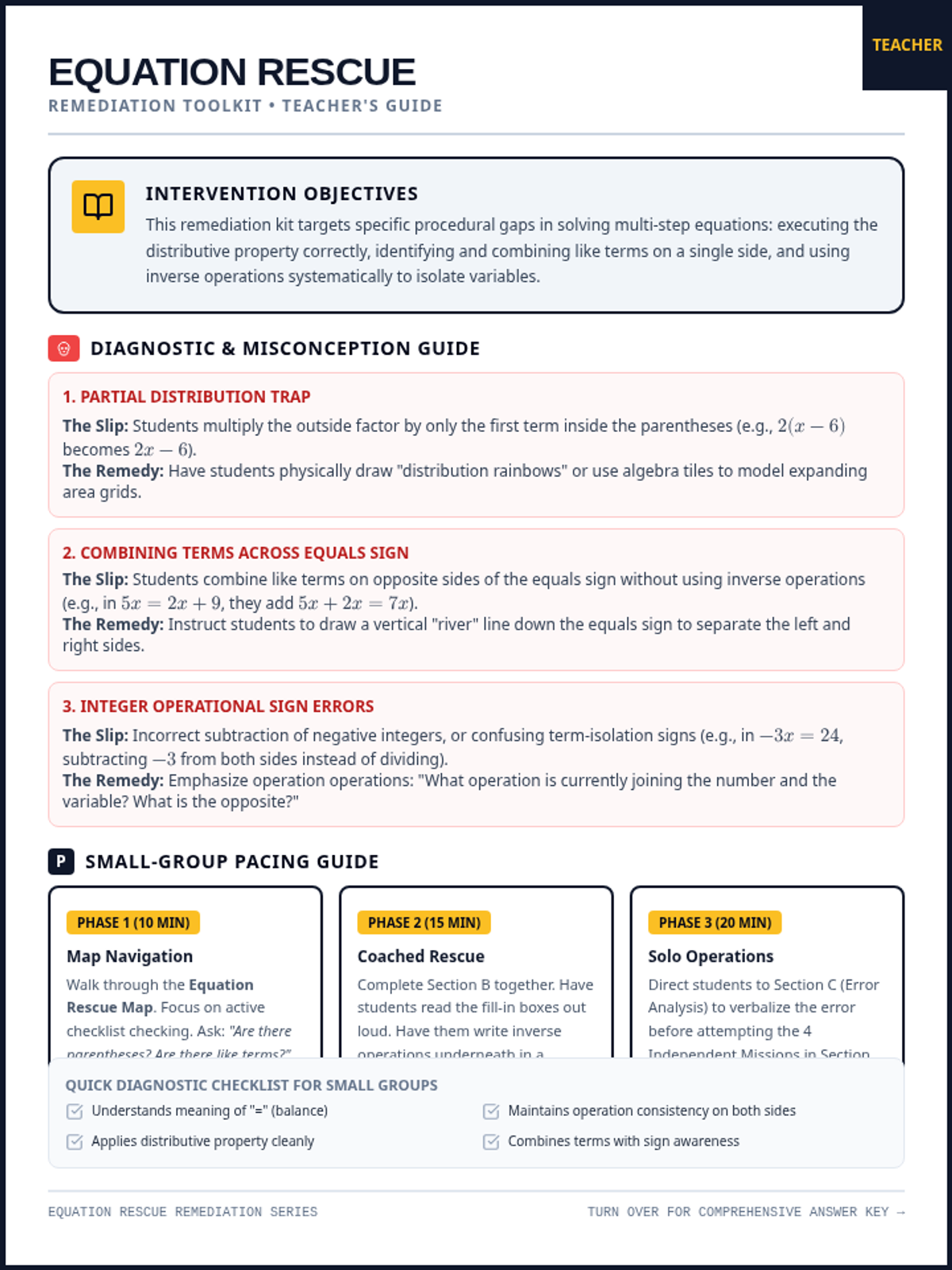
A targeted remediation lesson designed to help high school algebra students master multi-step linear equations involving distribution, combining like terms, and variables on both sides. Features a visual flowchart, scaffolded guided practice, error analysis, and targeted practice problems.
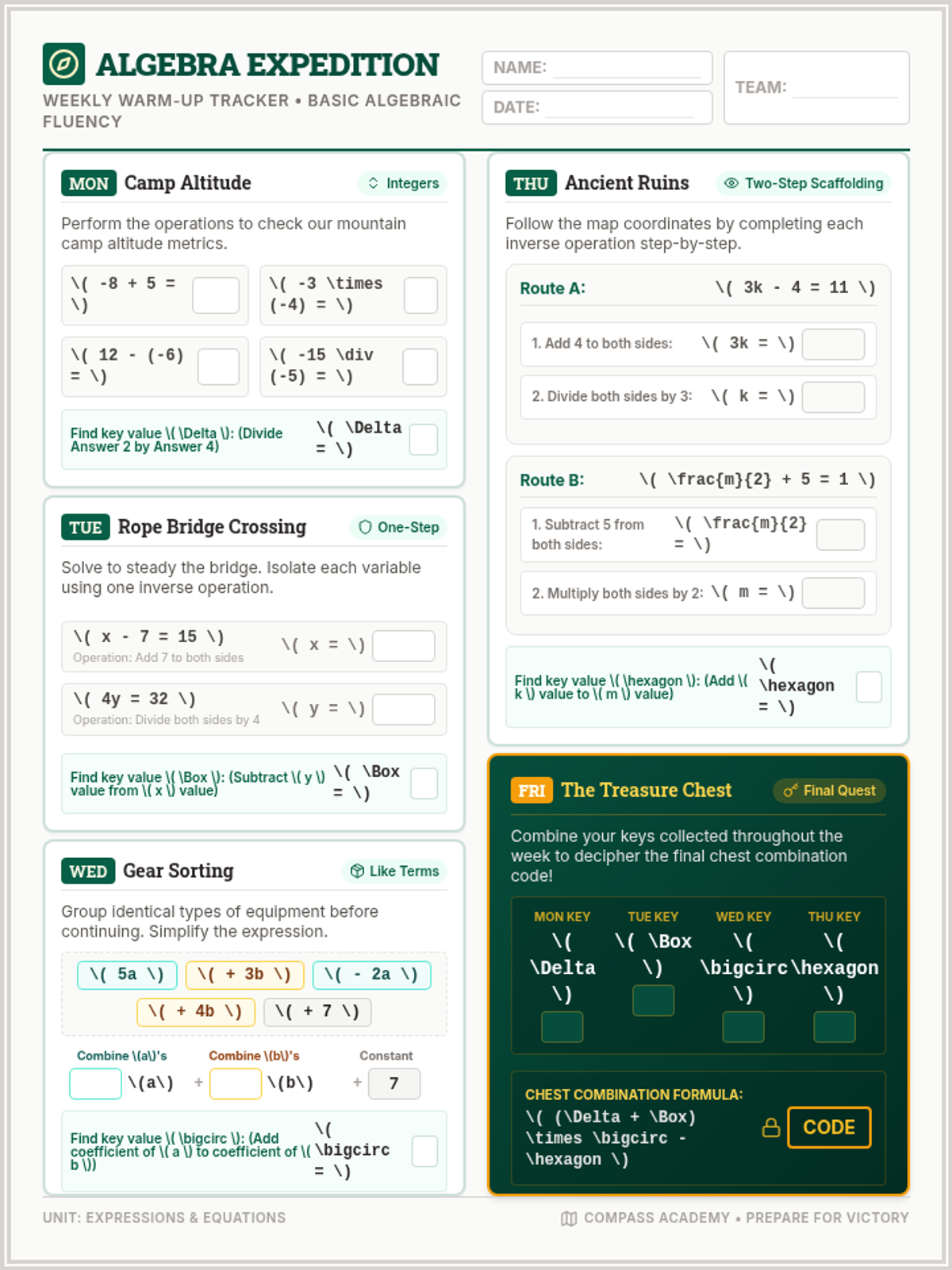
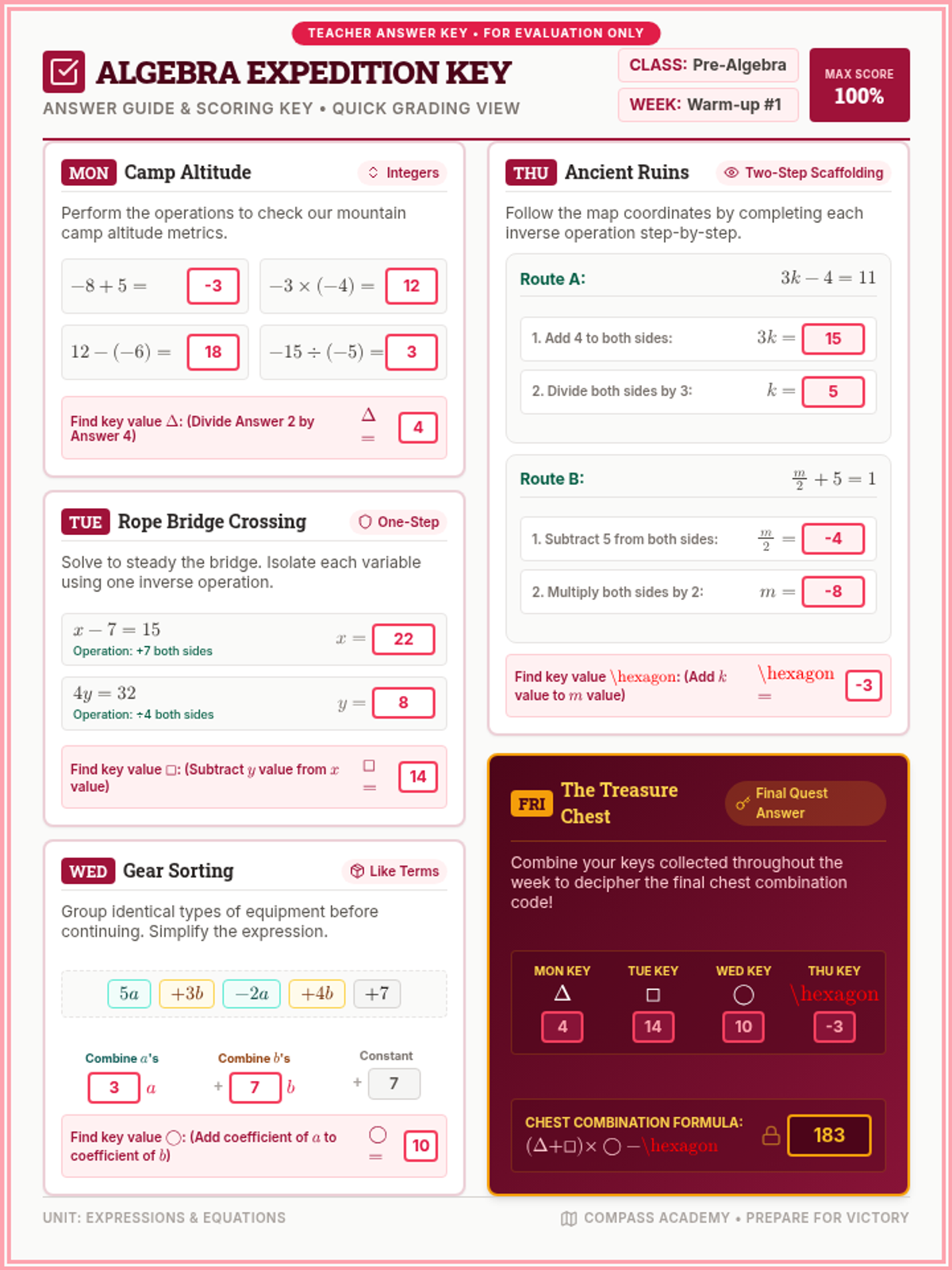
A collection of daily warm-up activities designed to build algebraic fluency. Over five days, students tackle integer operations, one-step equations, combining like terms, and scaffolded two-step equations to prepare for algebraic mastery.
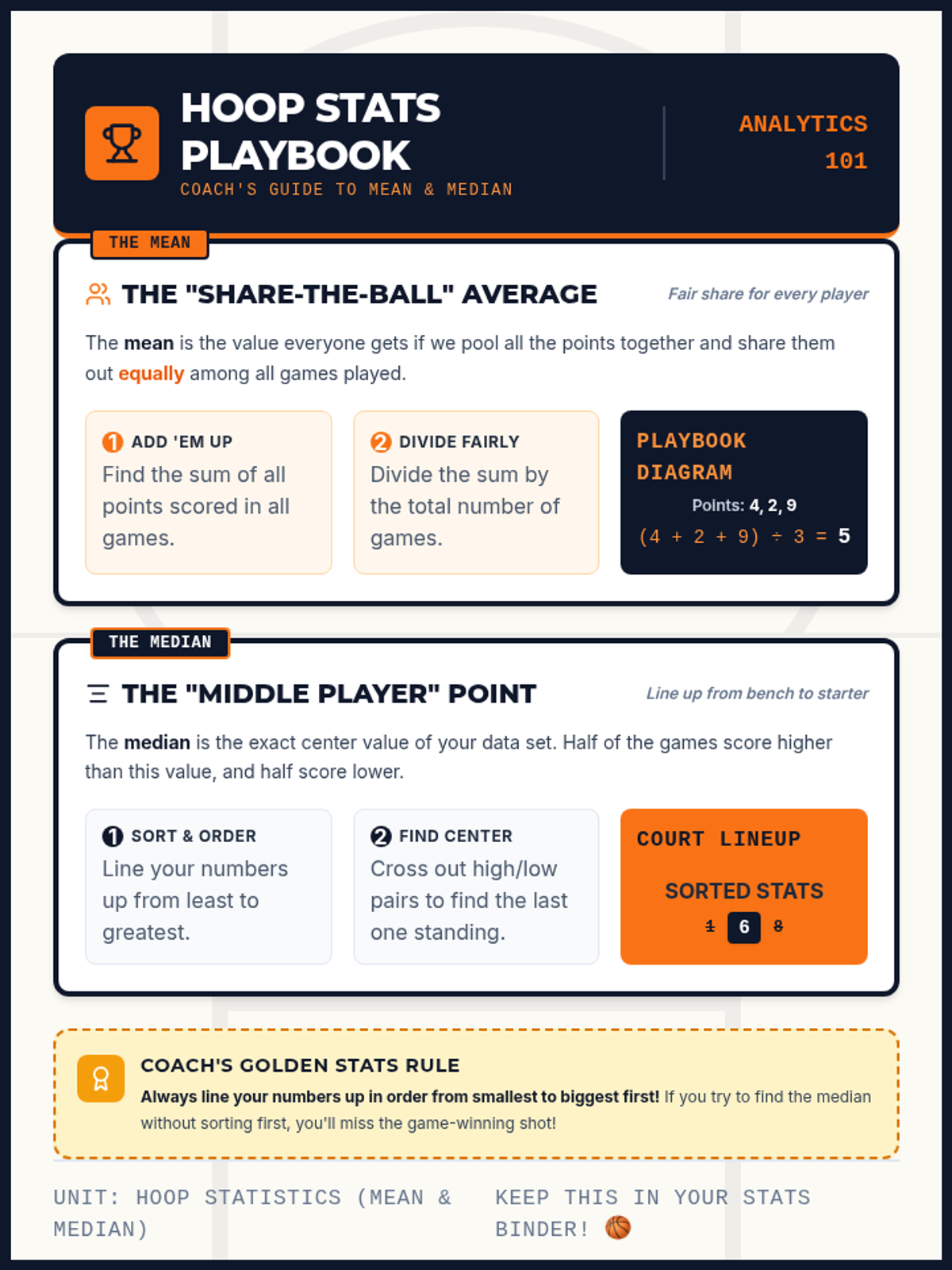
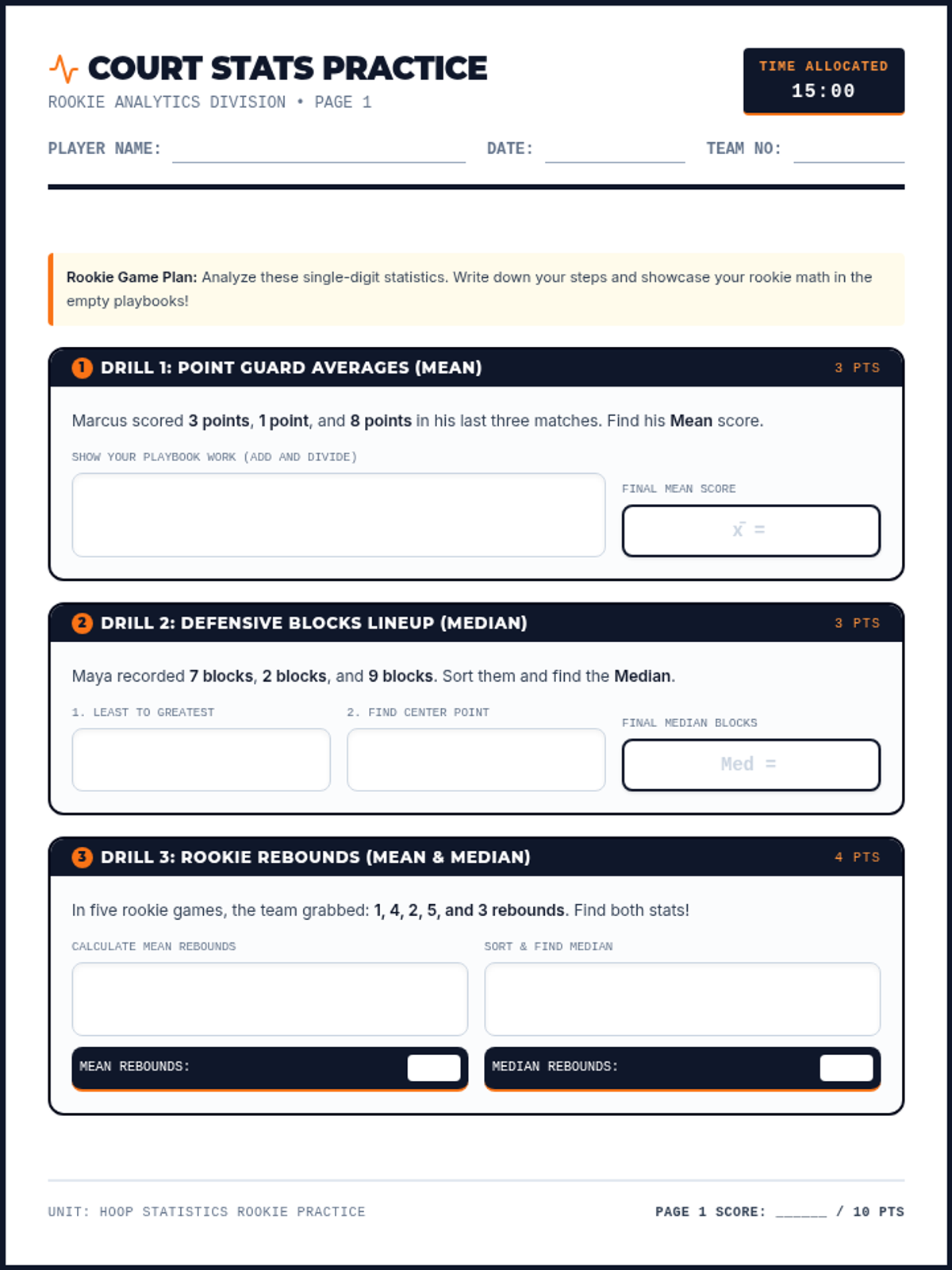
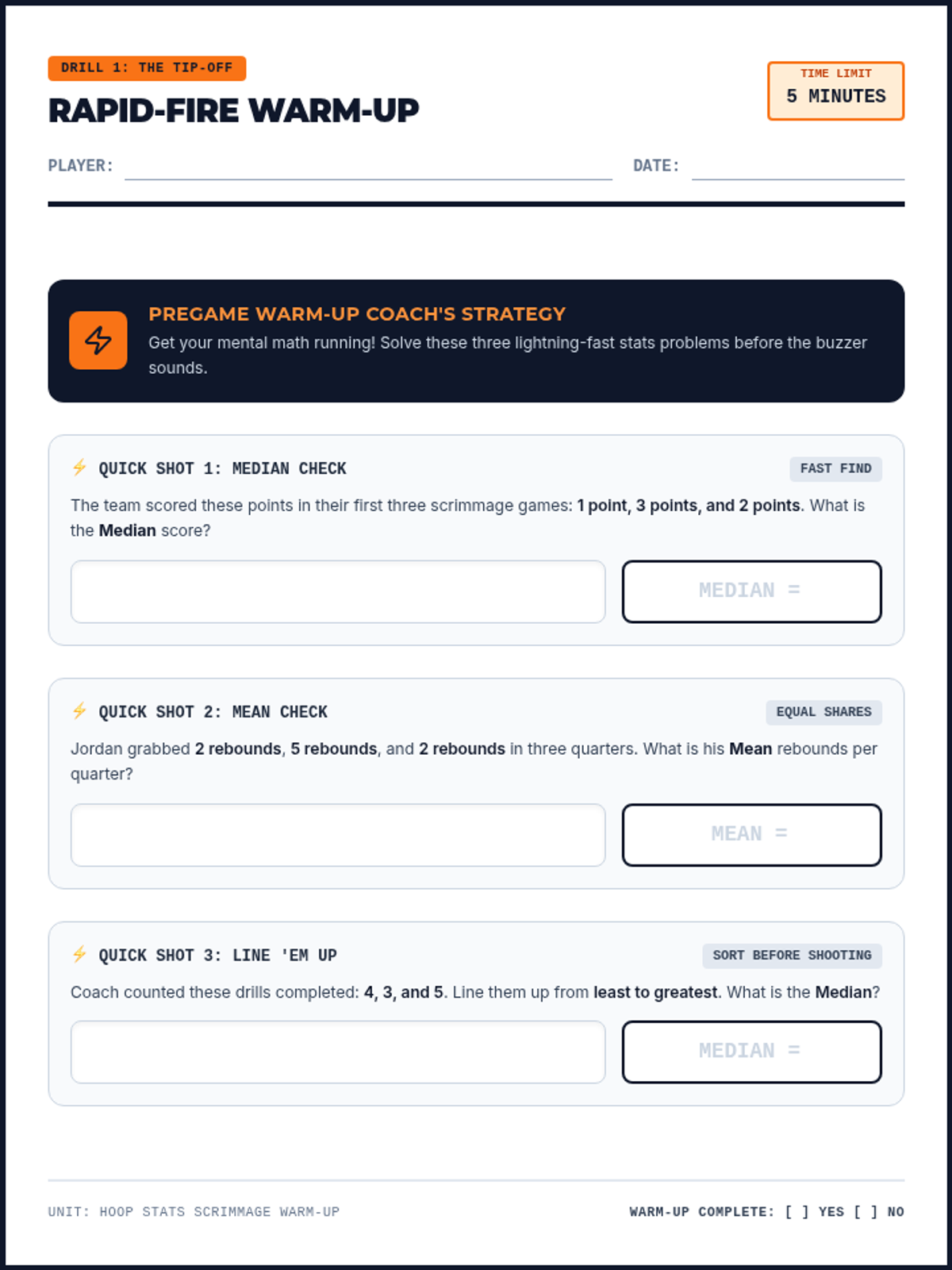
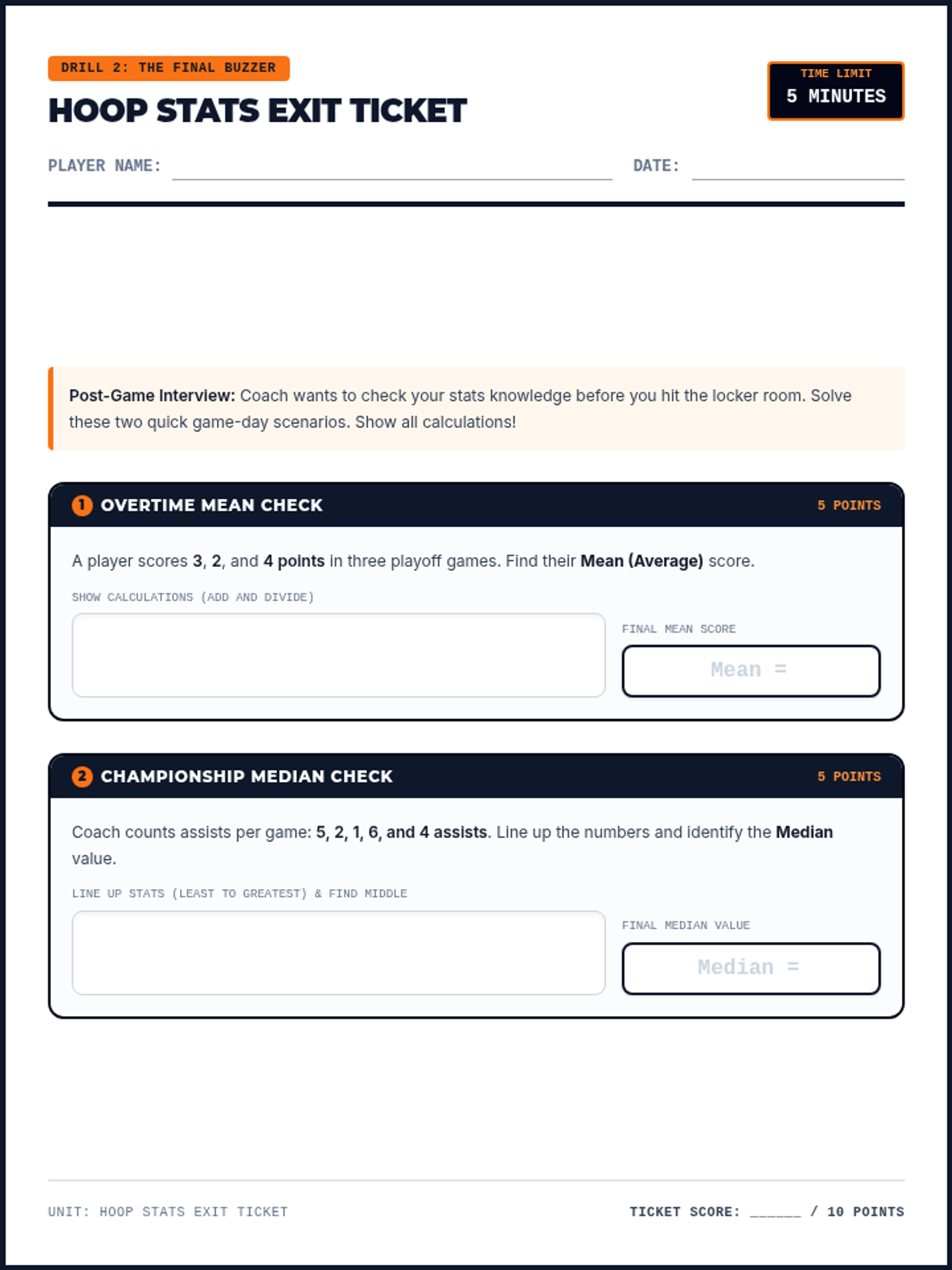
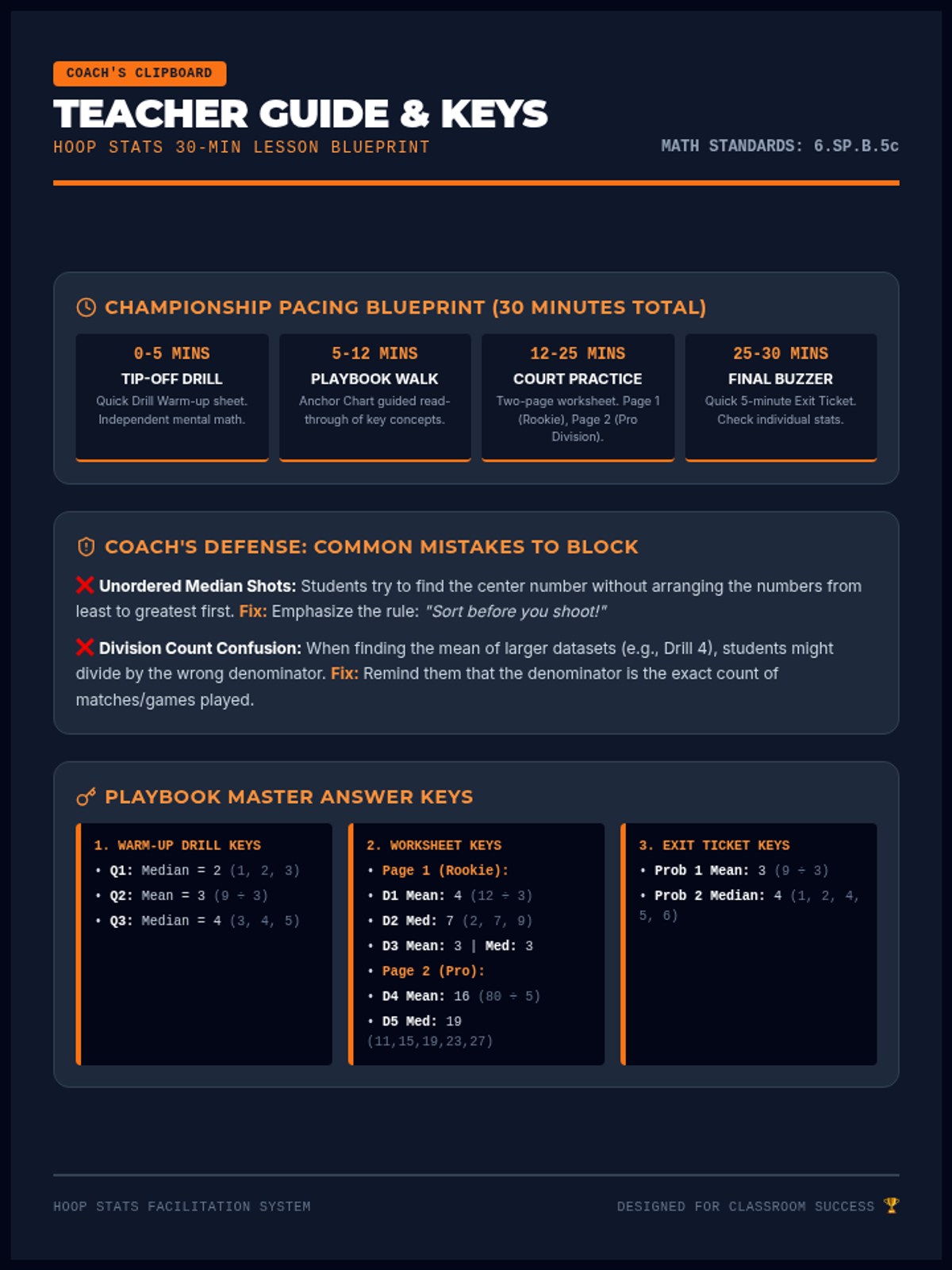
A 30-minute basketball-themed lesson focusing on Mean and Median with simplified data sets for accessible, friendly calculations. Includes an anchor chart, practice worksheet, rapid-fire warm-up drill, exit ticket, and a comprehensive teacher guide.
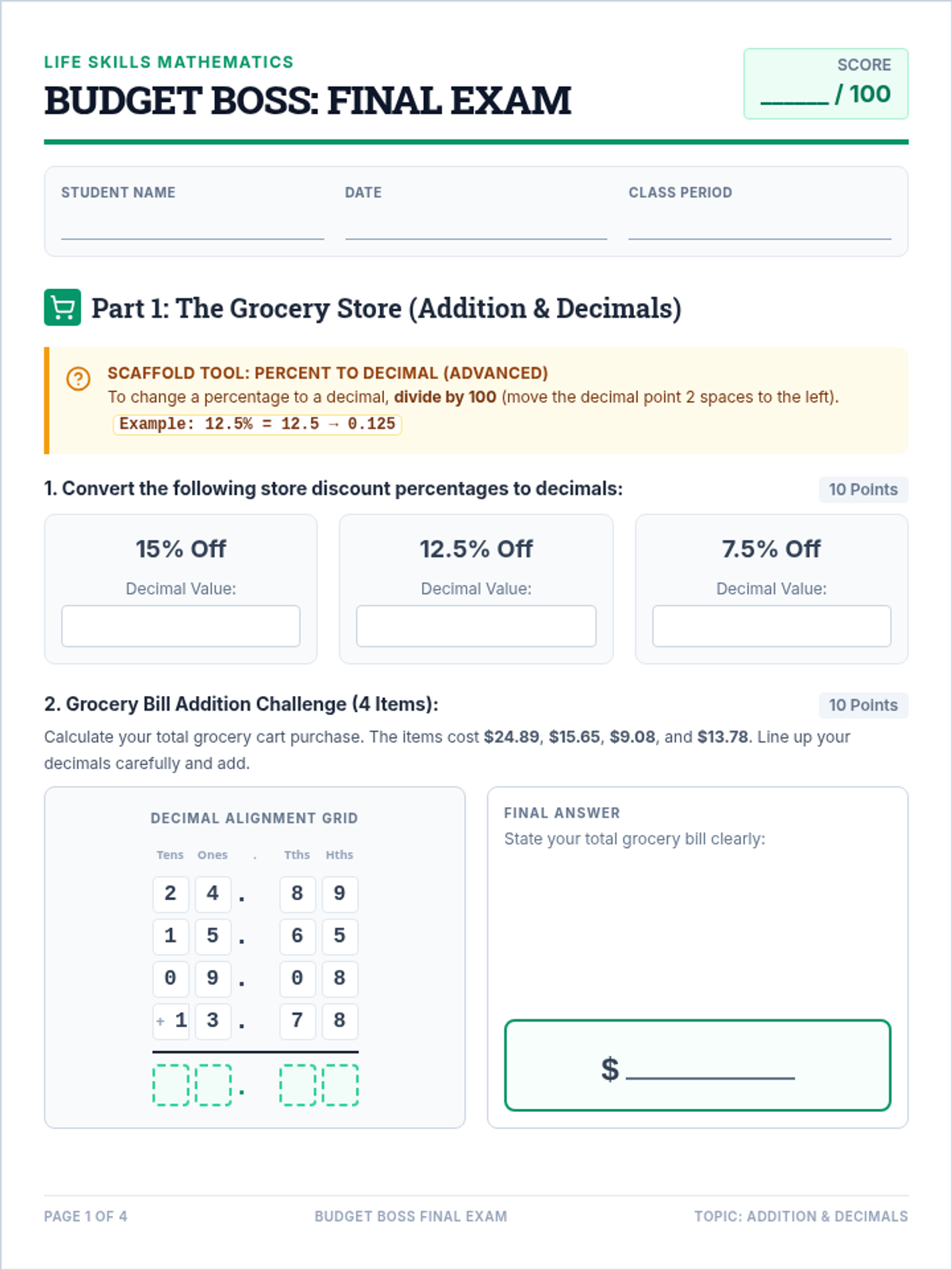
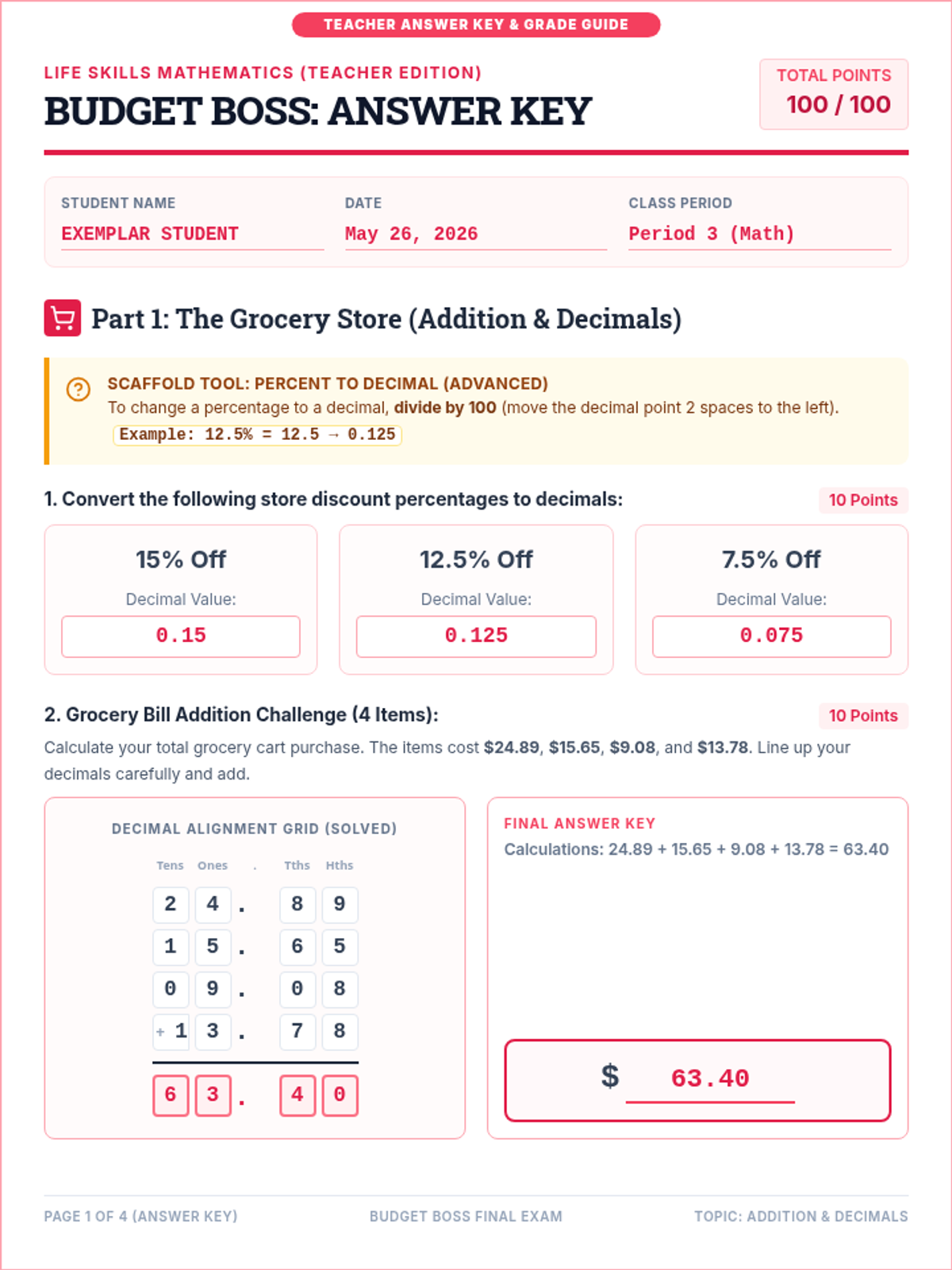
A comprehensive, real-world math exam and answer key assessing student mastery of addition, division, percentage-to-decimal conversions, and multi-step word problems through grocery shopping, vocational wages, and budgeting scenarios.
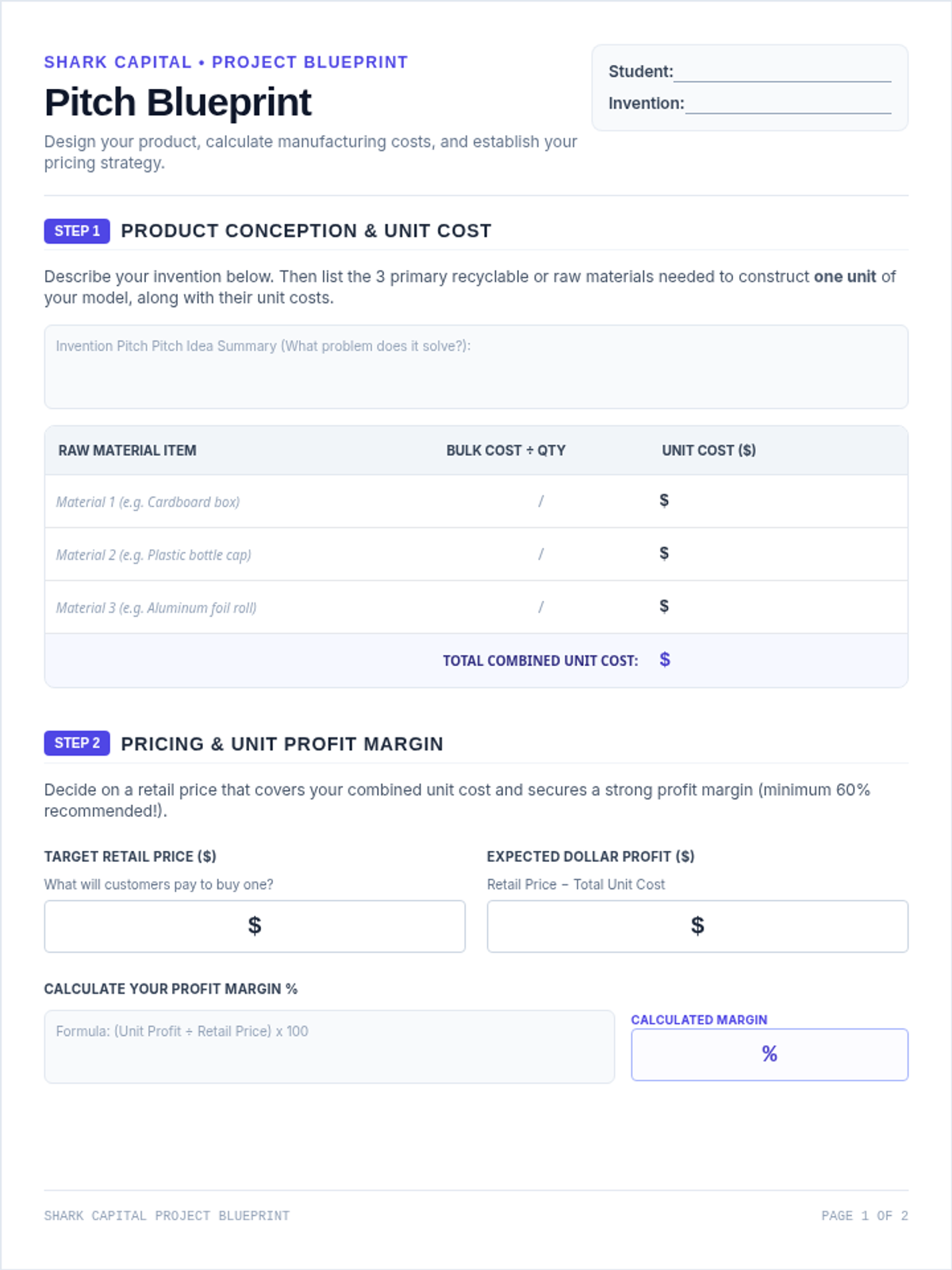
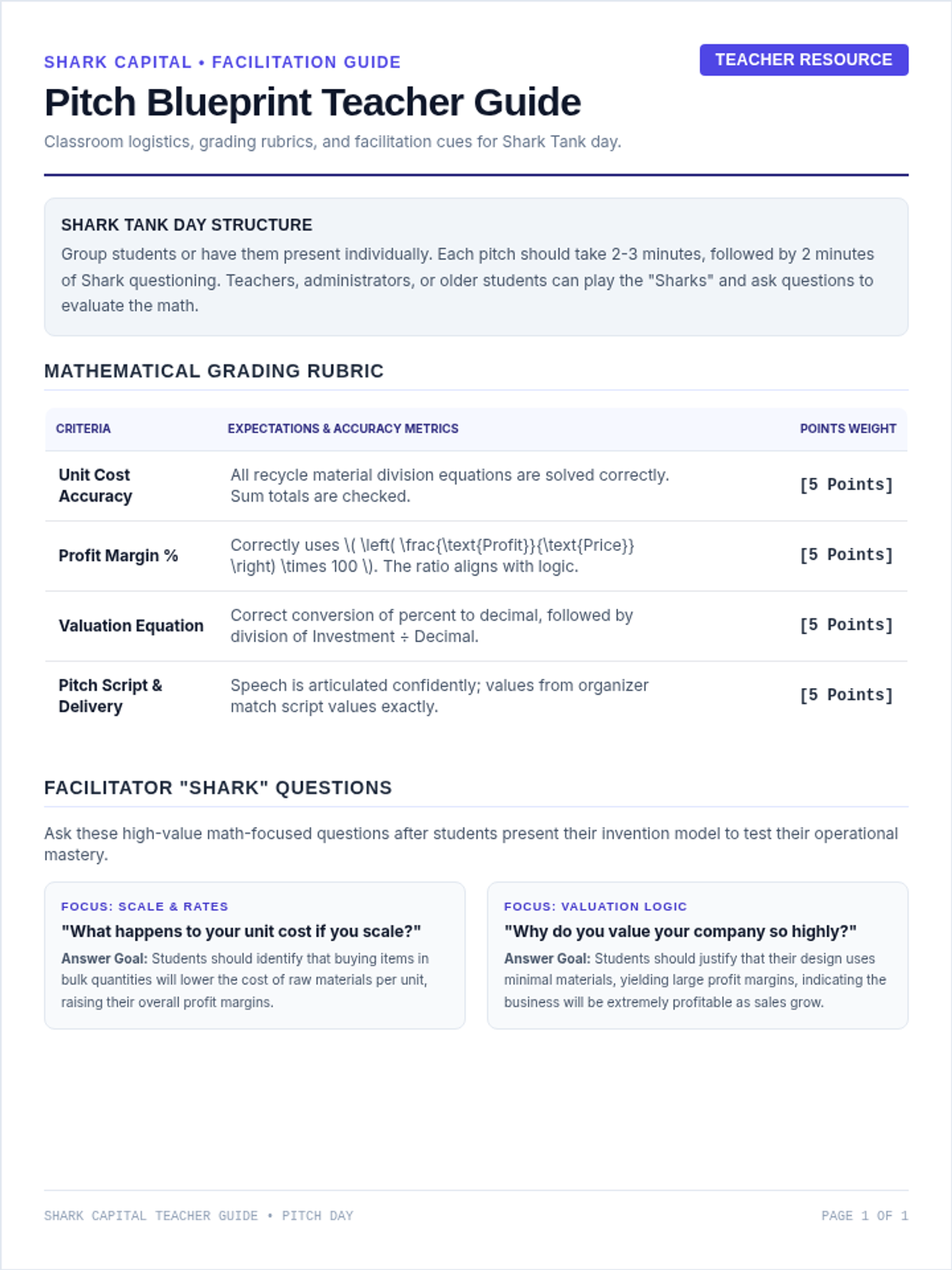
Students apply their mathematical knowledge to their own inventions. They calculate their product costs, set their retail price, determine their company valuation, and write the math portion of their pitch speech.
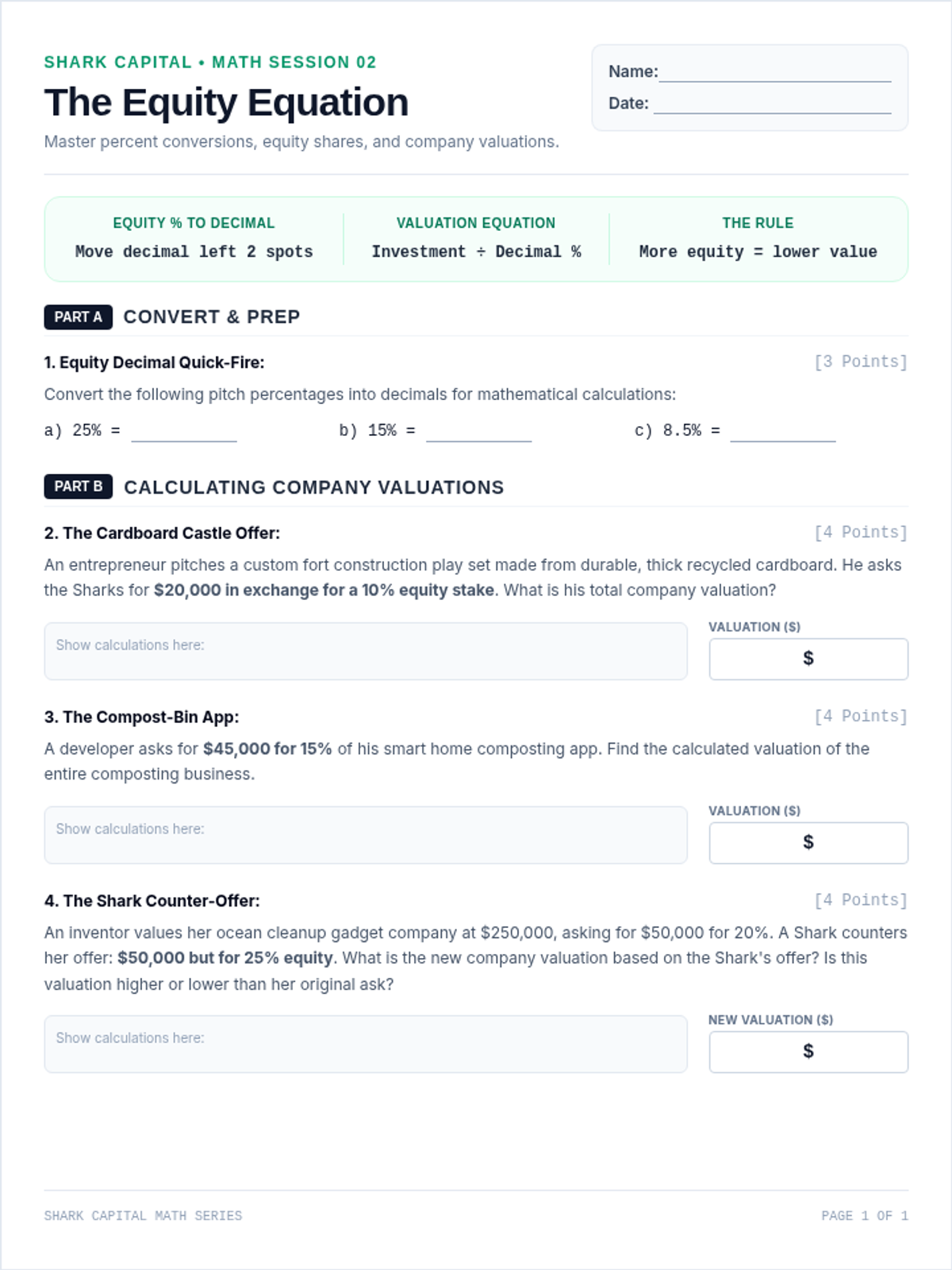
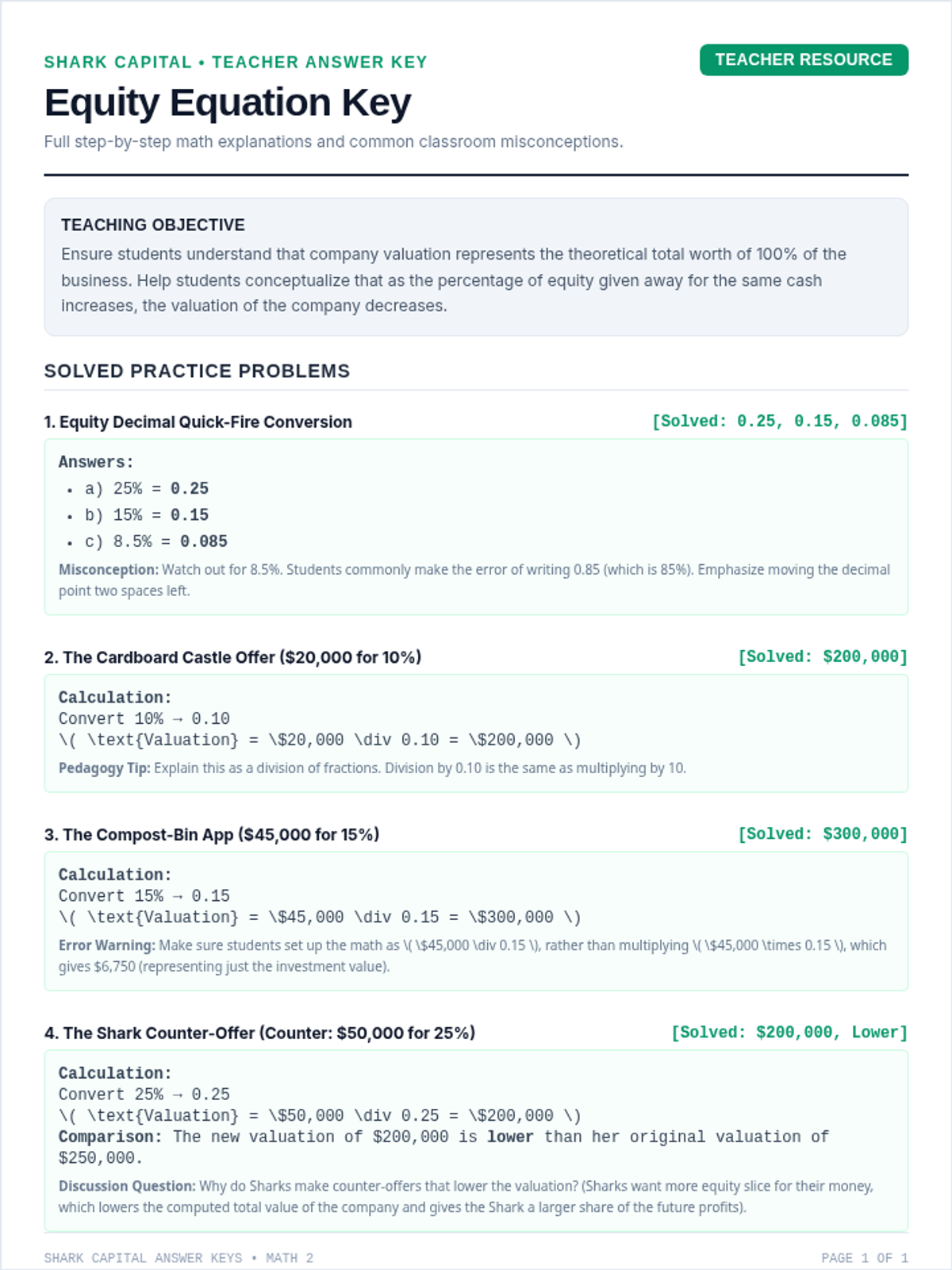
Students tackle company valuations, percentage offers, and equity calculations. They learn the math behind asking for investment and determining what percentage of their company to sell.
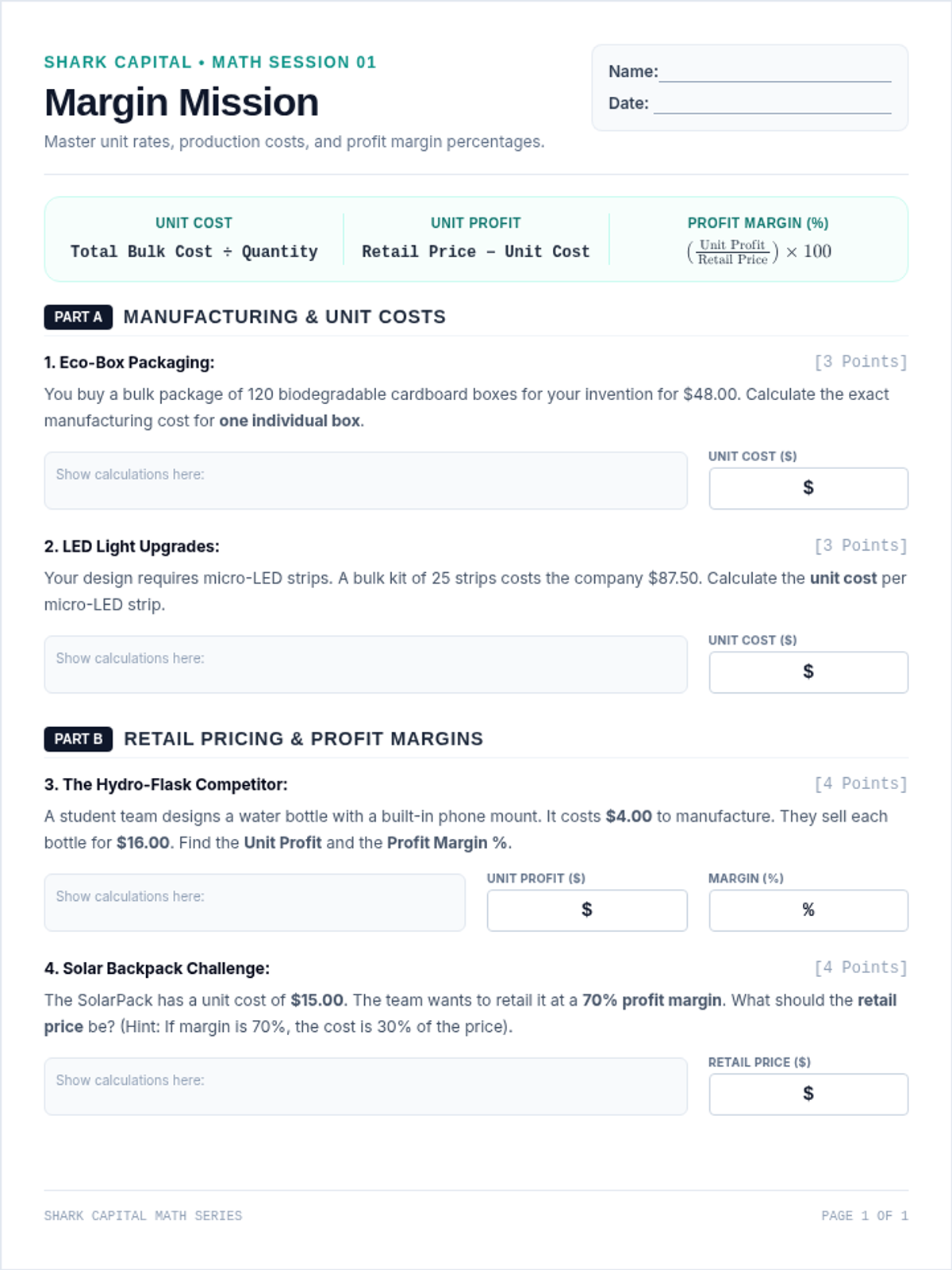
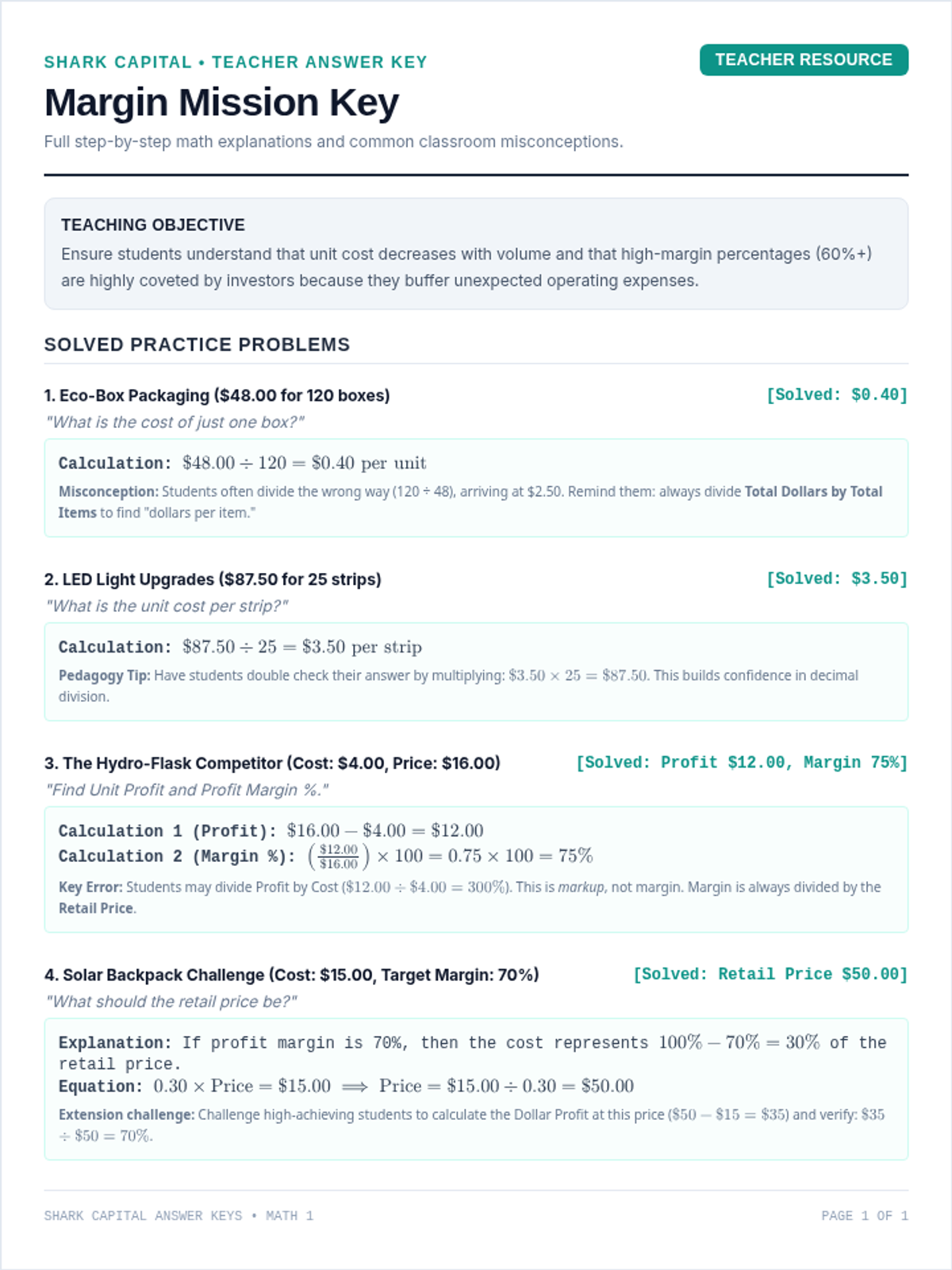
Students master unit rates, production costs, retail pricing, and profit margin percentages. They learn how to analyze whether an invention is financially viable on a unit level.
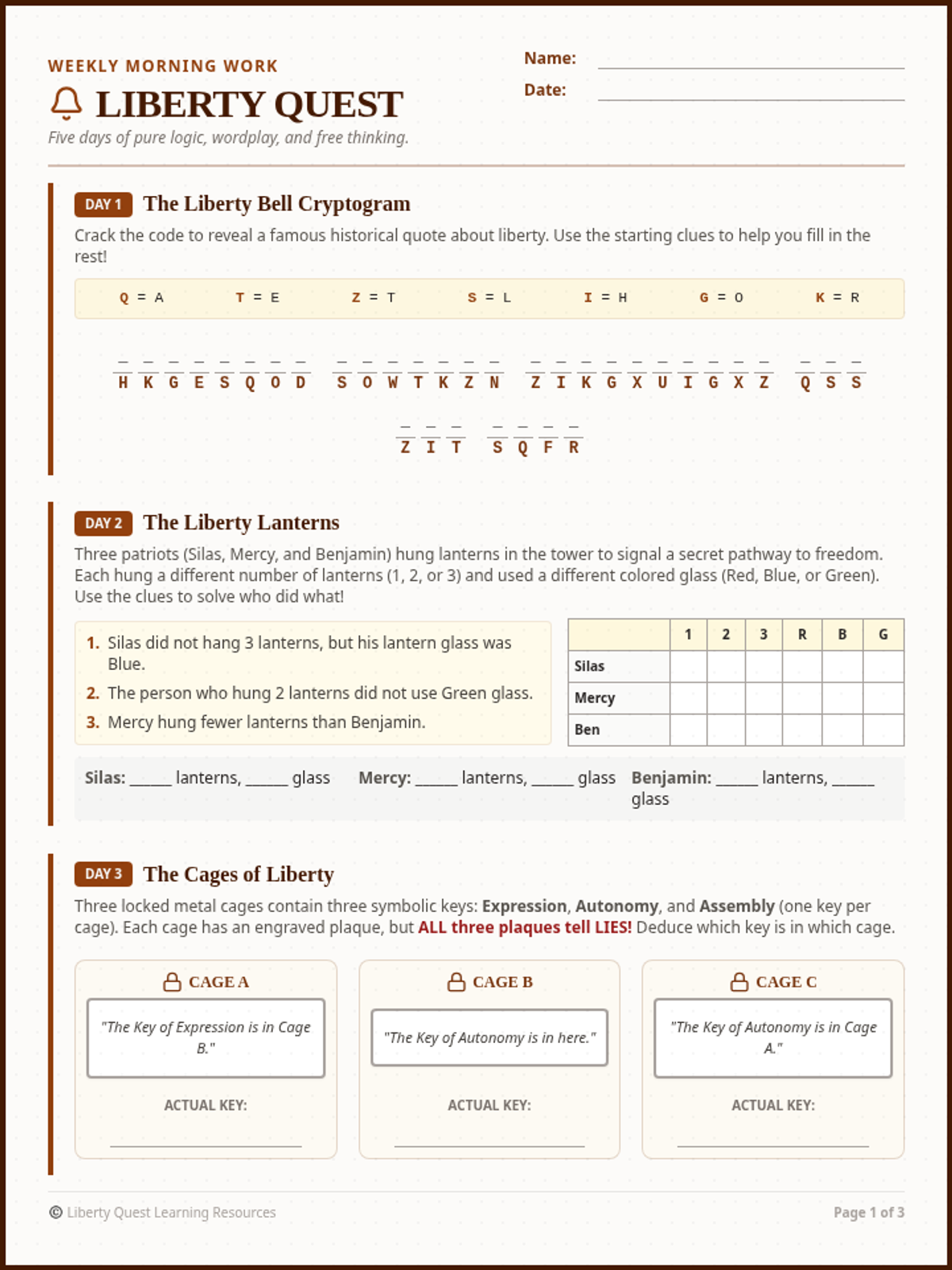
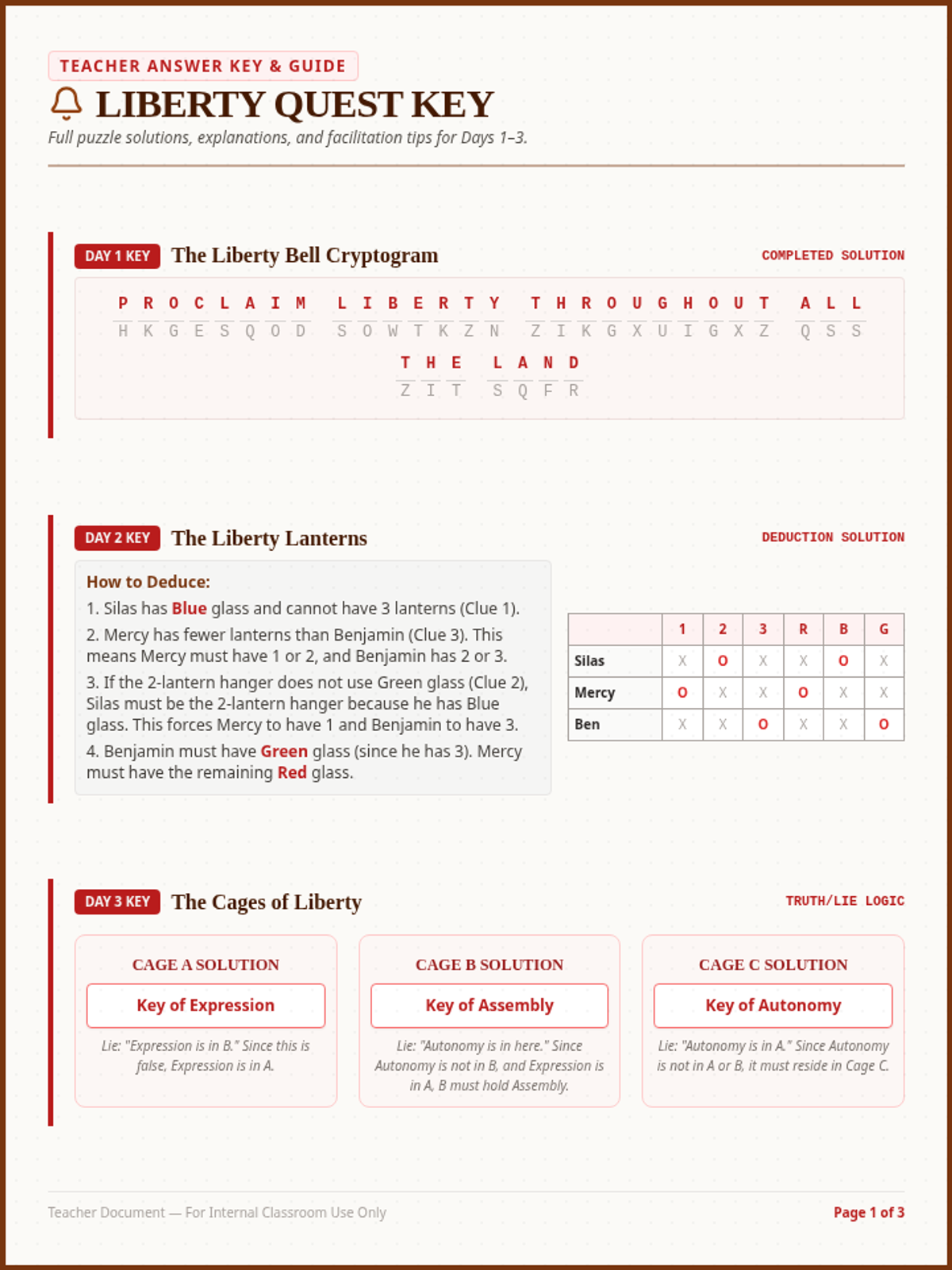
A 5-day daily warm-up packet based on logic puzzles and wordplay themed around liberty and freedom. Focuses on critical thinking and non-numerical deduction.
An Algebra 1 lesson introducing projectile motion through the lens of launching rockets. Students learn to identify key features of quadratic graphs—specifically the vertex as maximum height and x-intercepts as landing times—and evaluate quadratic functions to find heights at specific seconds.
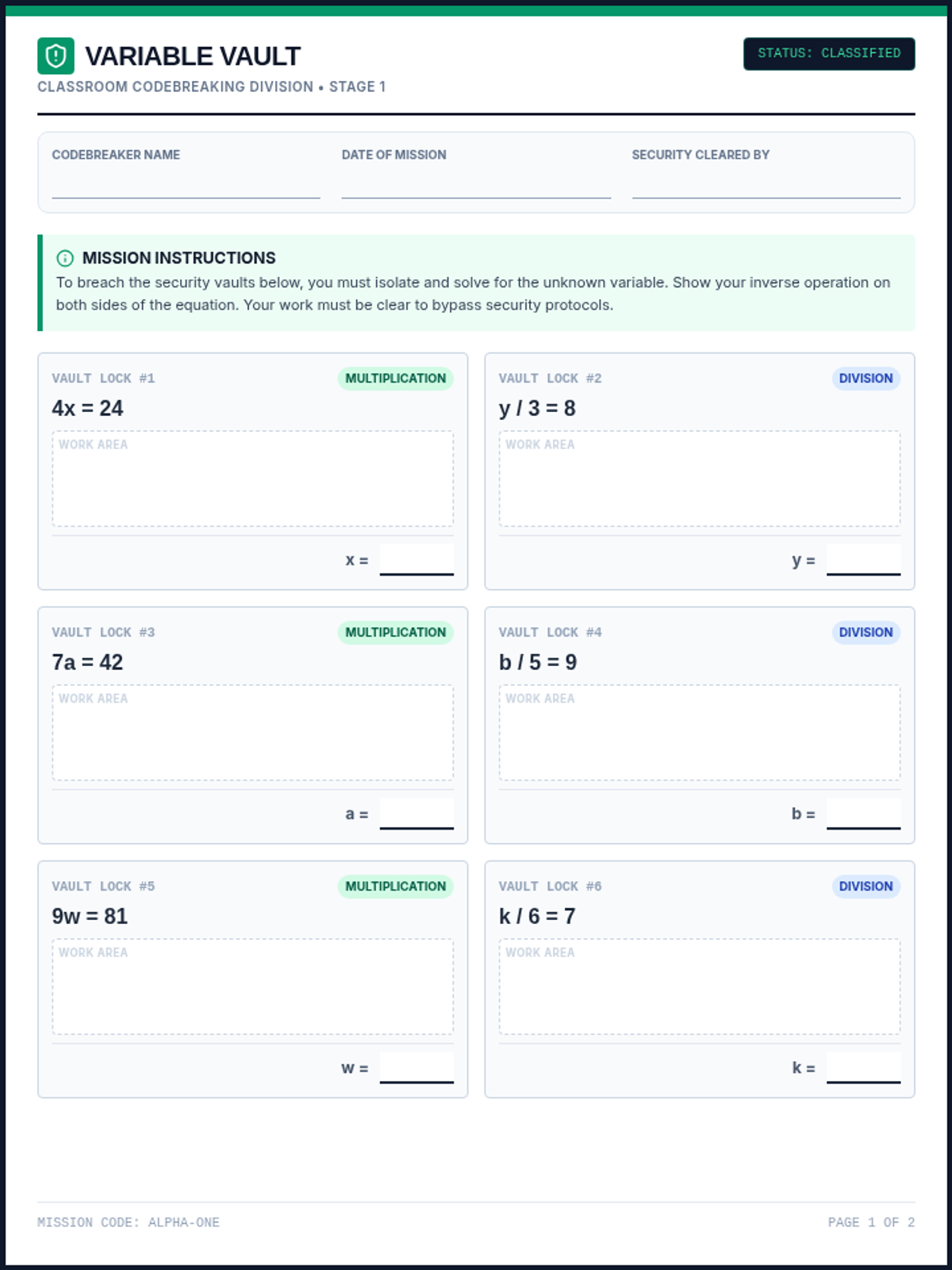
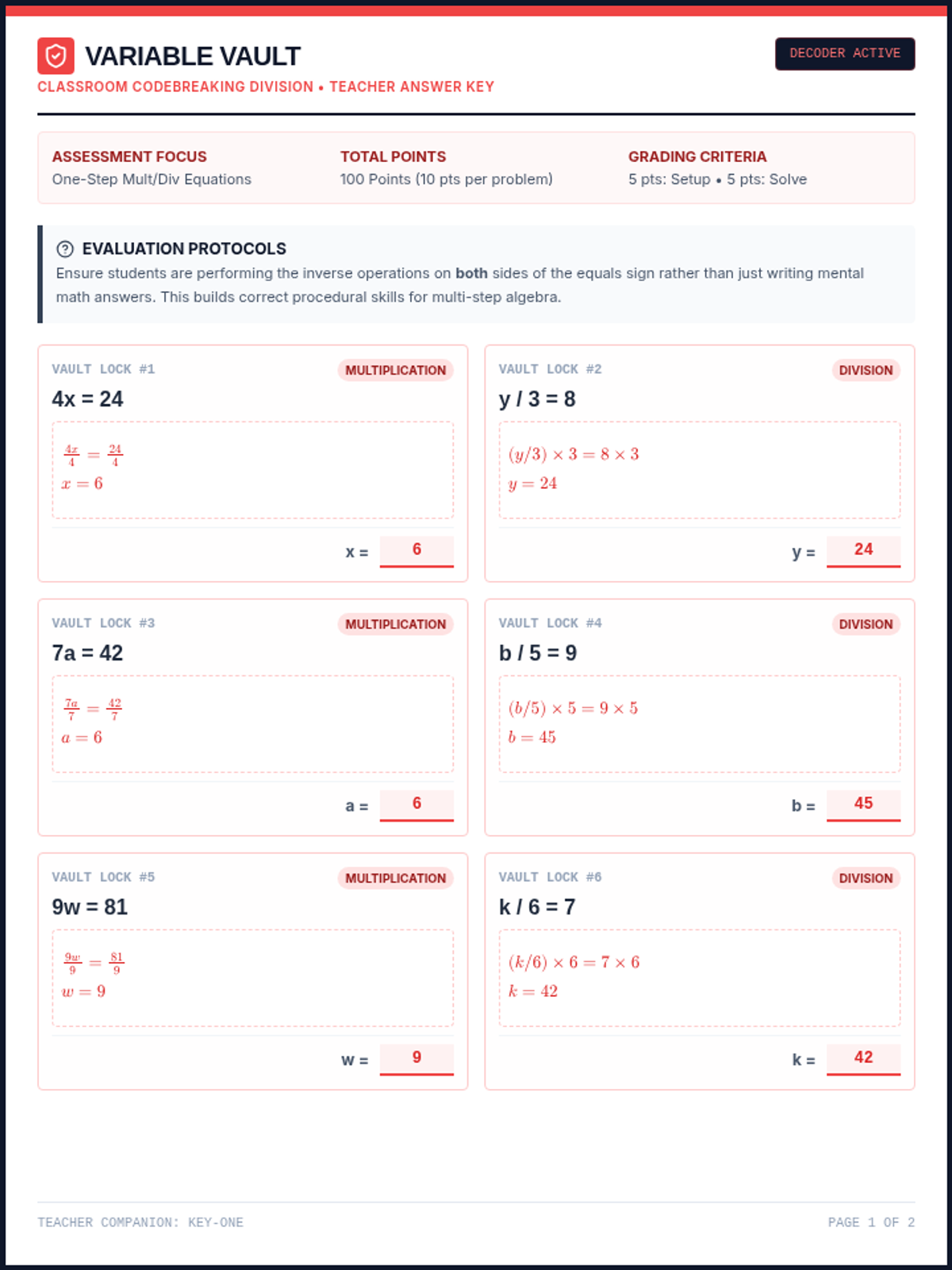
An assessment package for solving one-step equations involving whole number multiplication and division. Includes a student assessment worksheet and a teacher answer key with detailed step-by-step solutions.
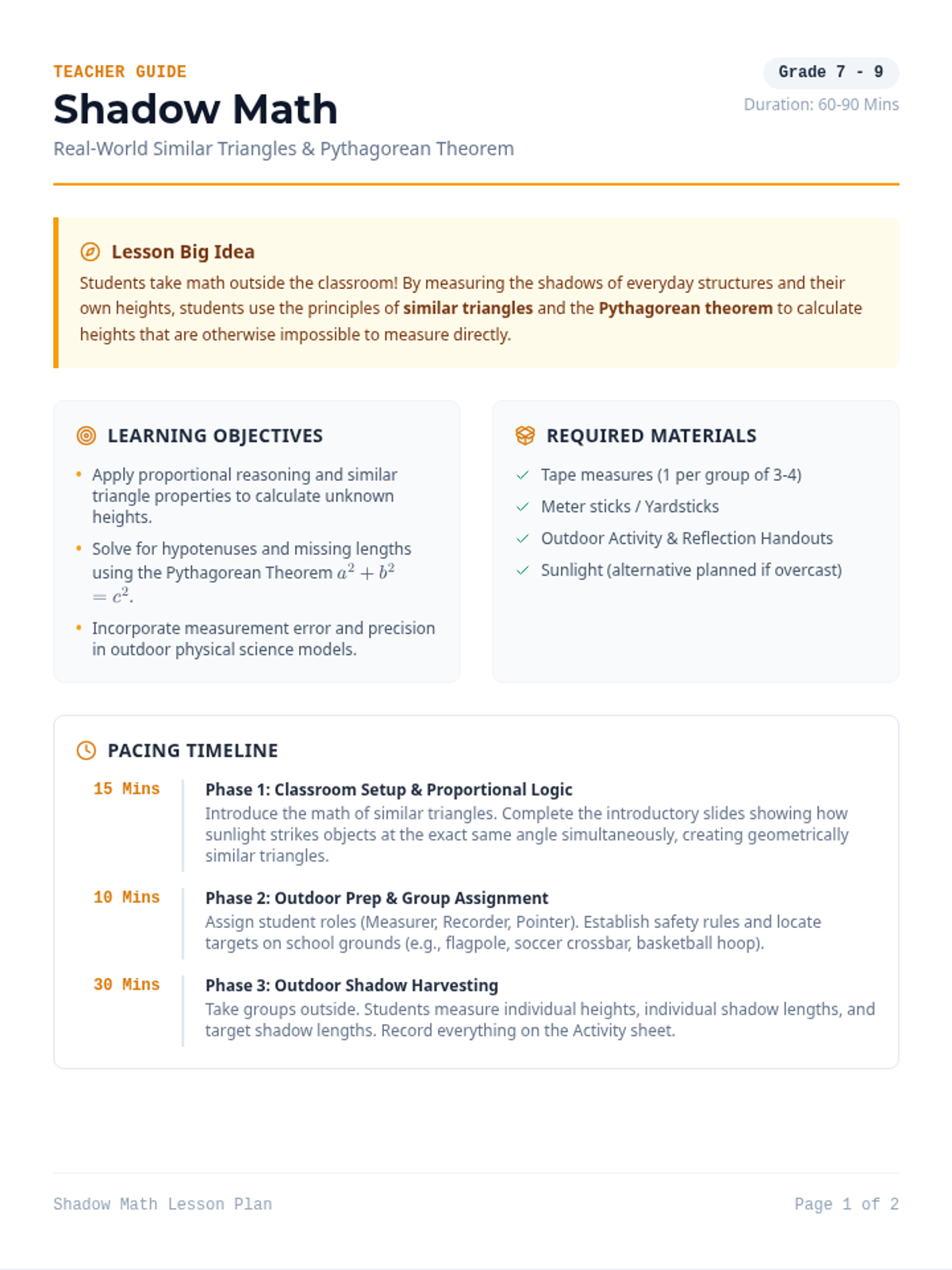
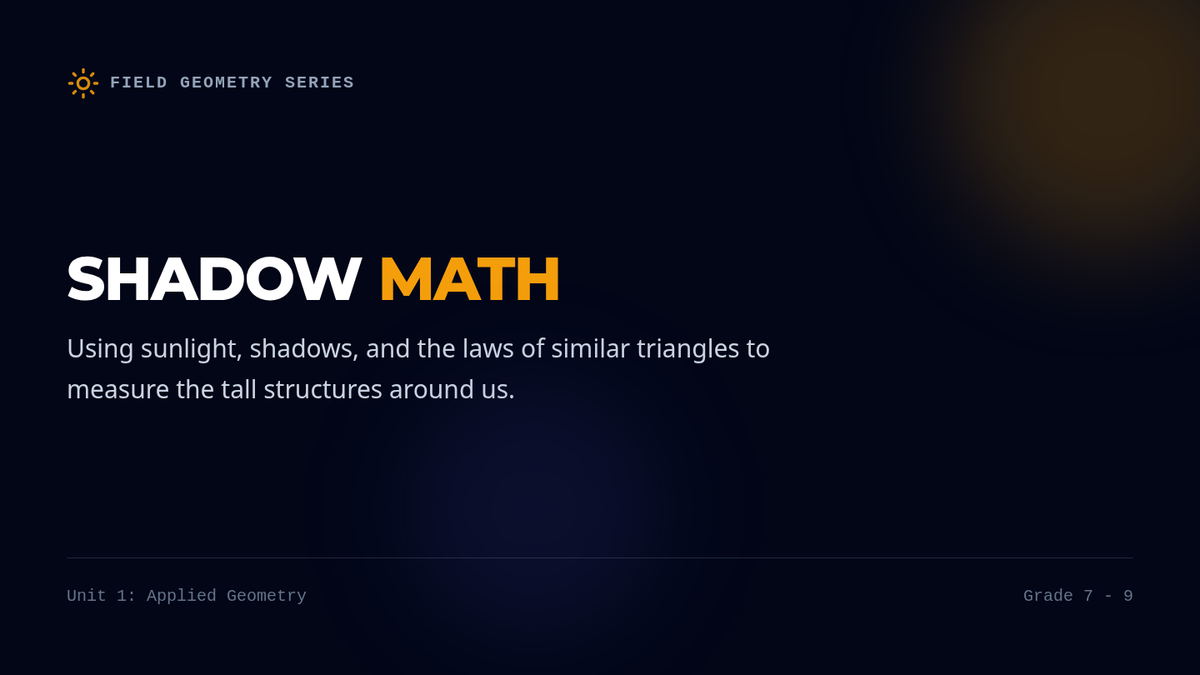
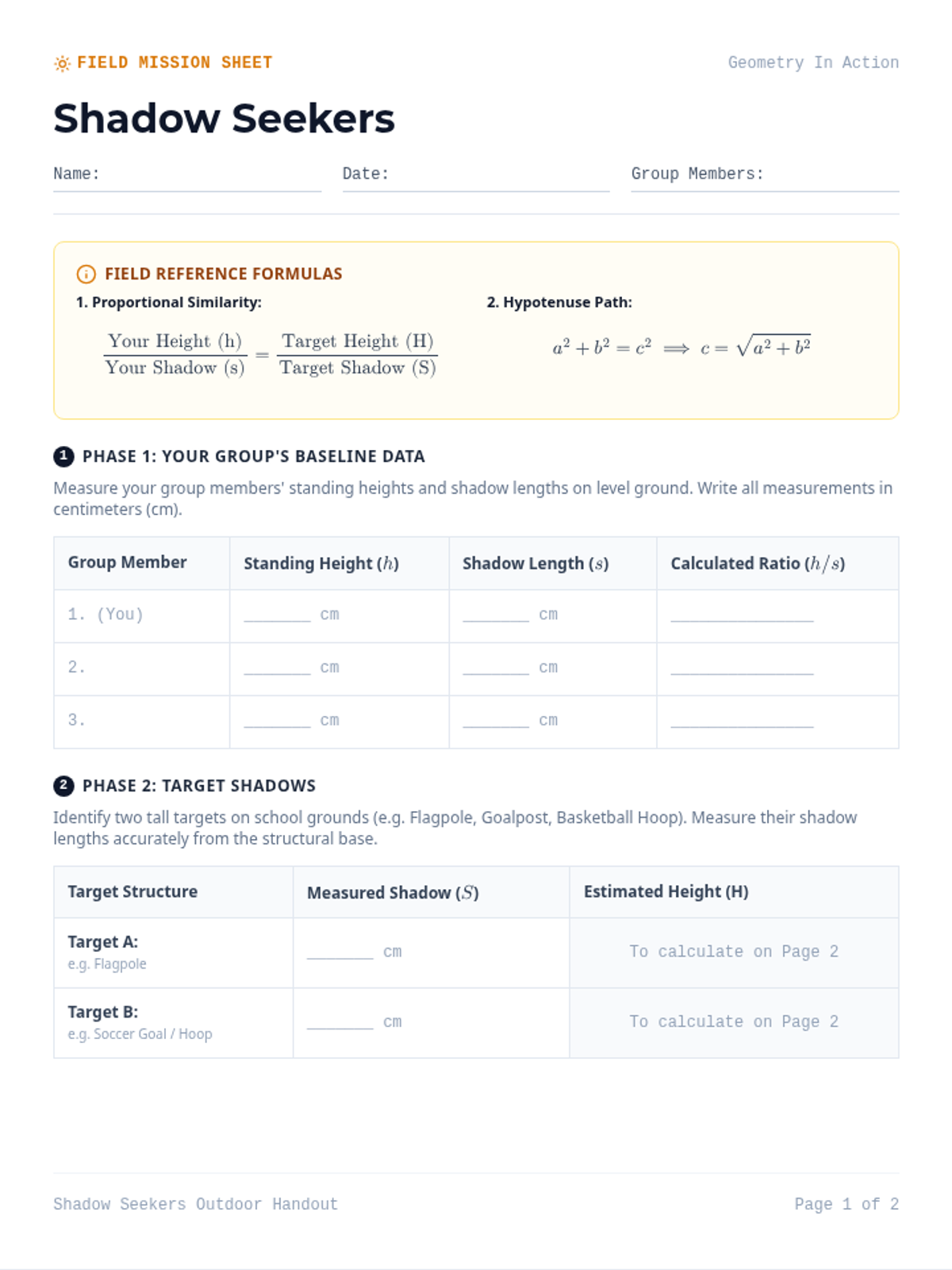
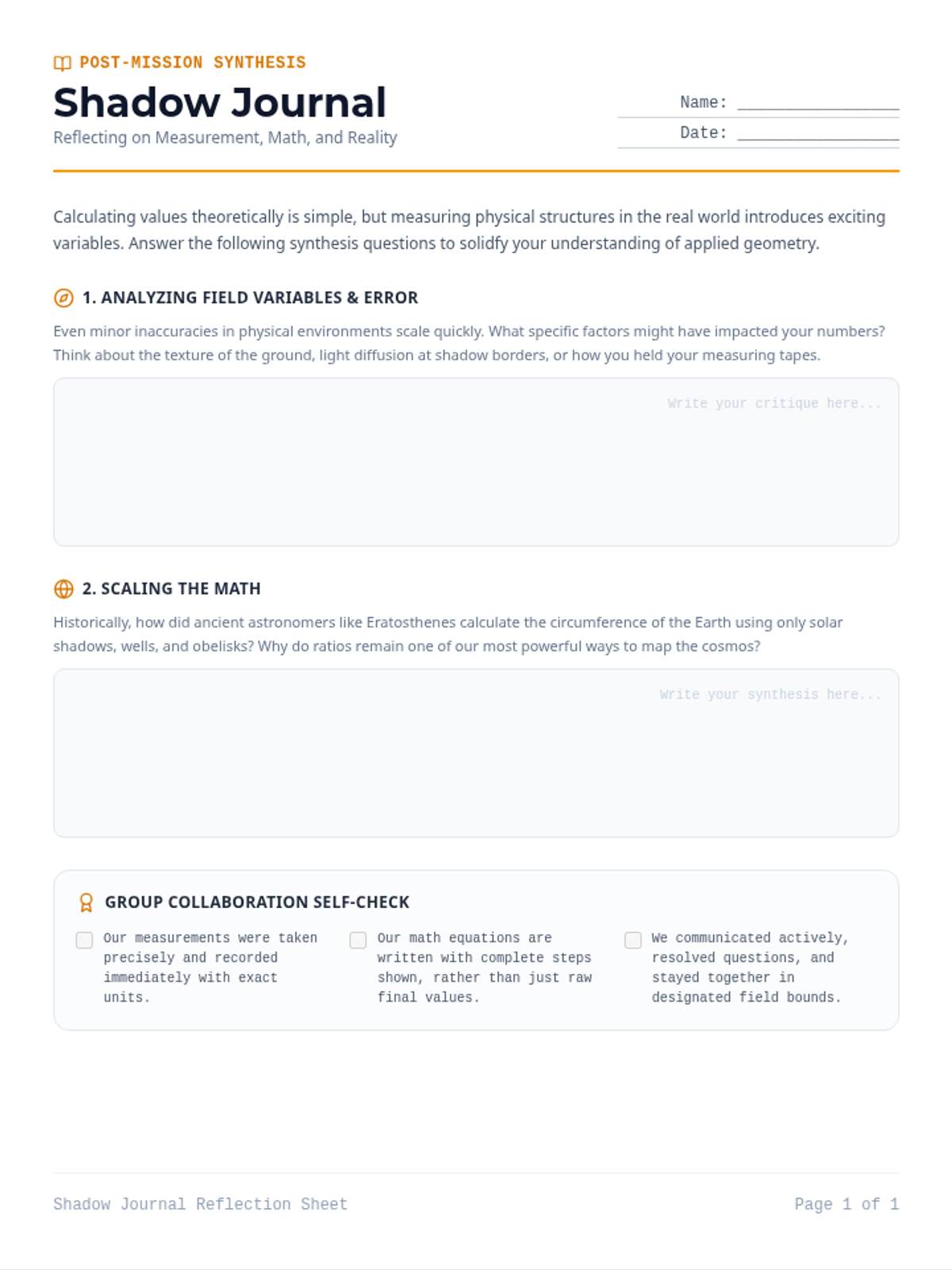
A hands-on geometry lesson where students head outdoors to measure shadows and use the Pythagorean theorem and geometric ratios to calculate the height of school structures. Includes a lesson plan, slide deck, outdoor activity guide, and reflection journal.
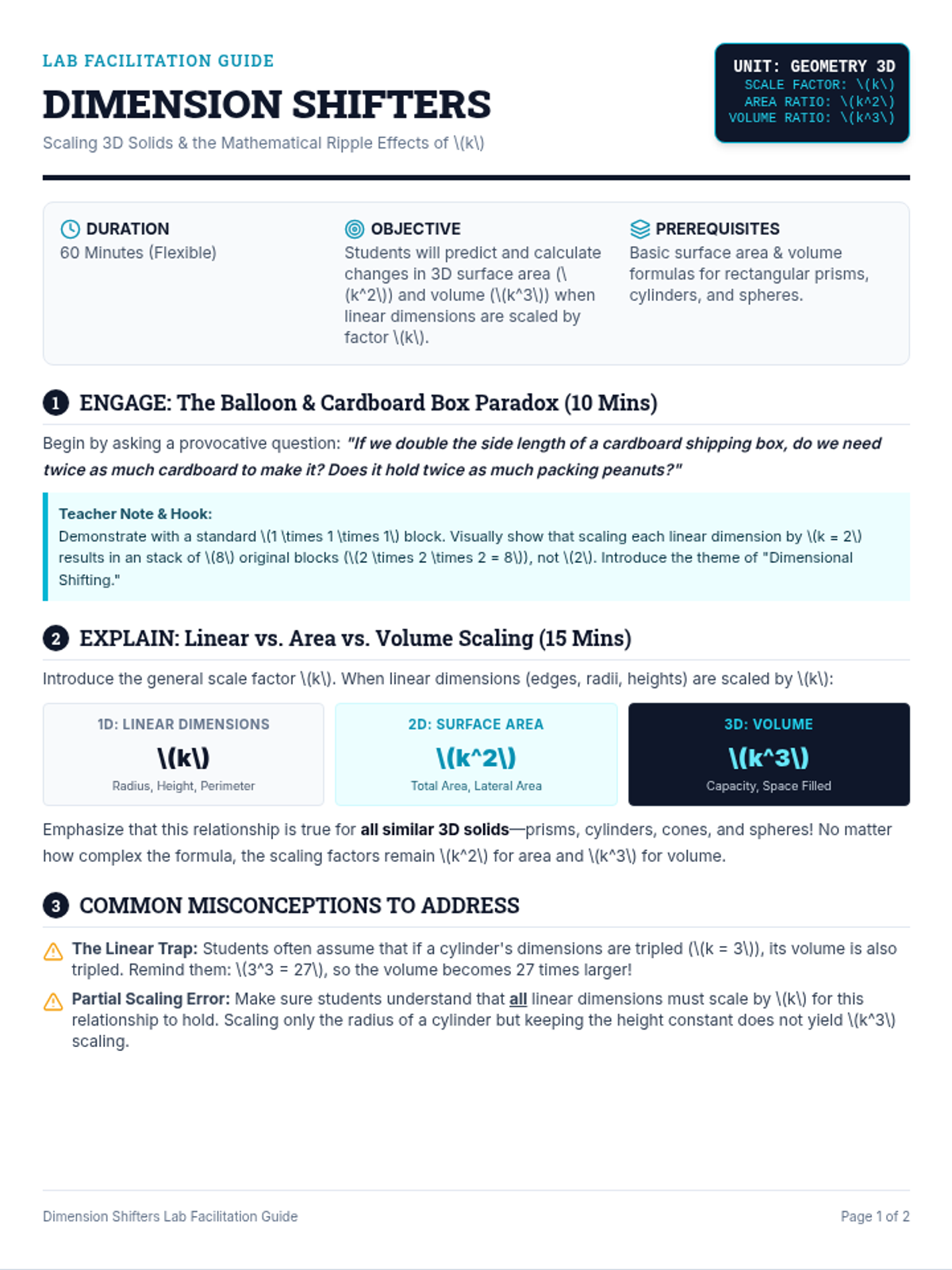
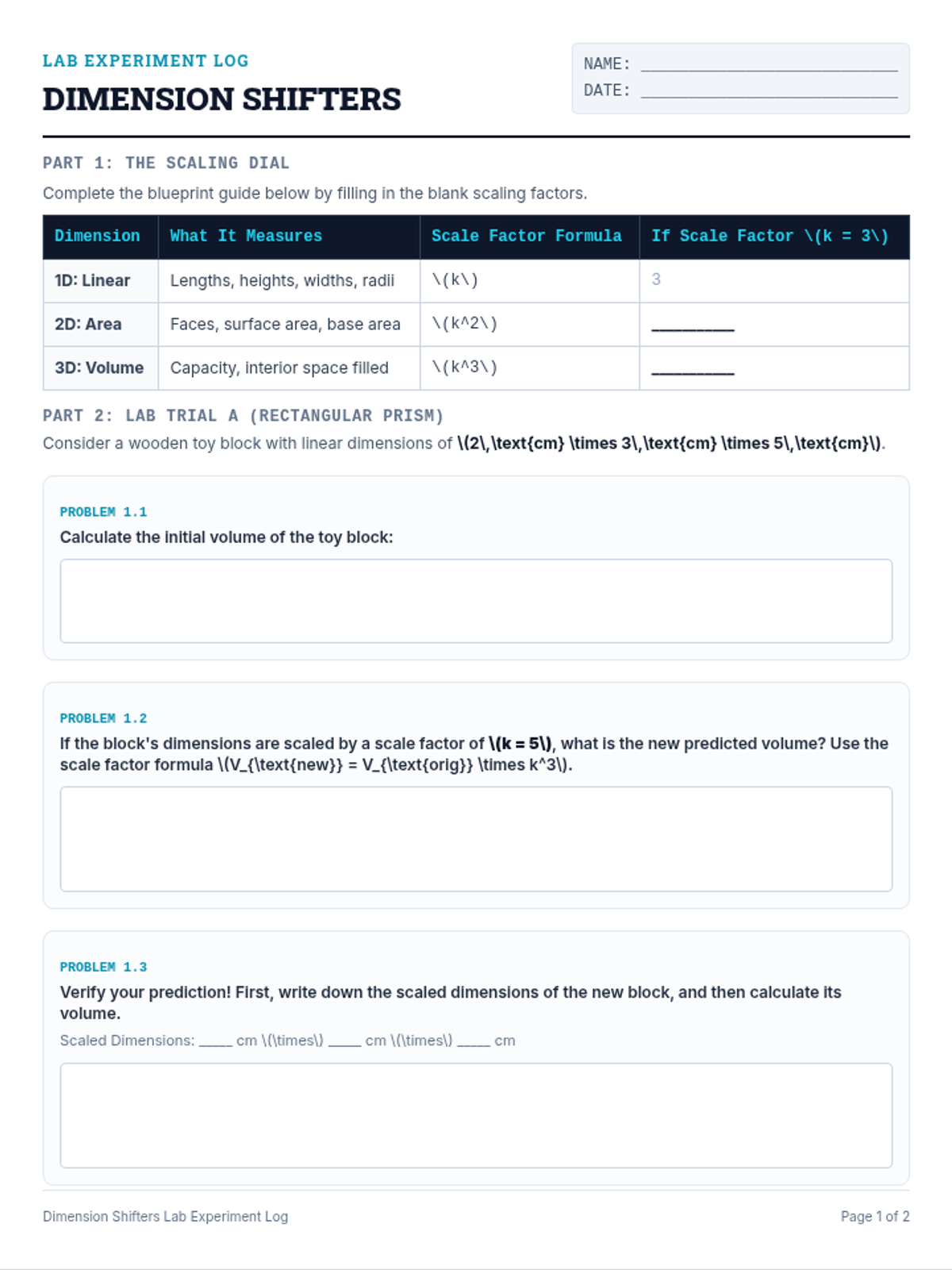
A hands-on geometry lesson exploring how scaling the linear dimensions of 3D solids by a scale factor k impacts their total surface area (by k²) and volume (by k³). Features interactive model-scaling examples, a vocabulary challenge, and guided practice.
A collection of high-interest, independent math challenges for early finishers, covering Algebraic Expressions, Probability & Statistics, and Ratios & Proportions. Features creative projects, real-world applications, logic puzzles, and peer-teaching activities.
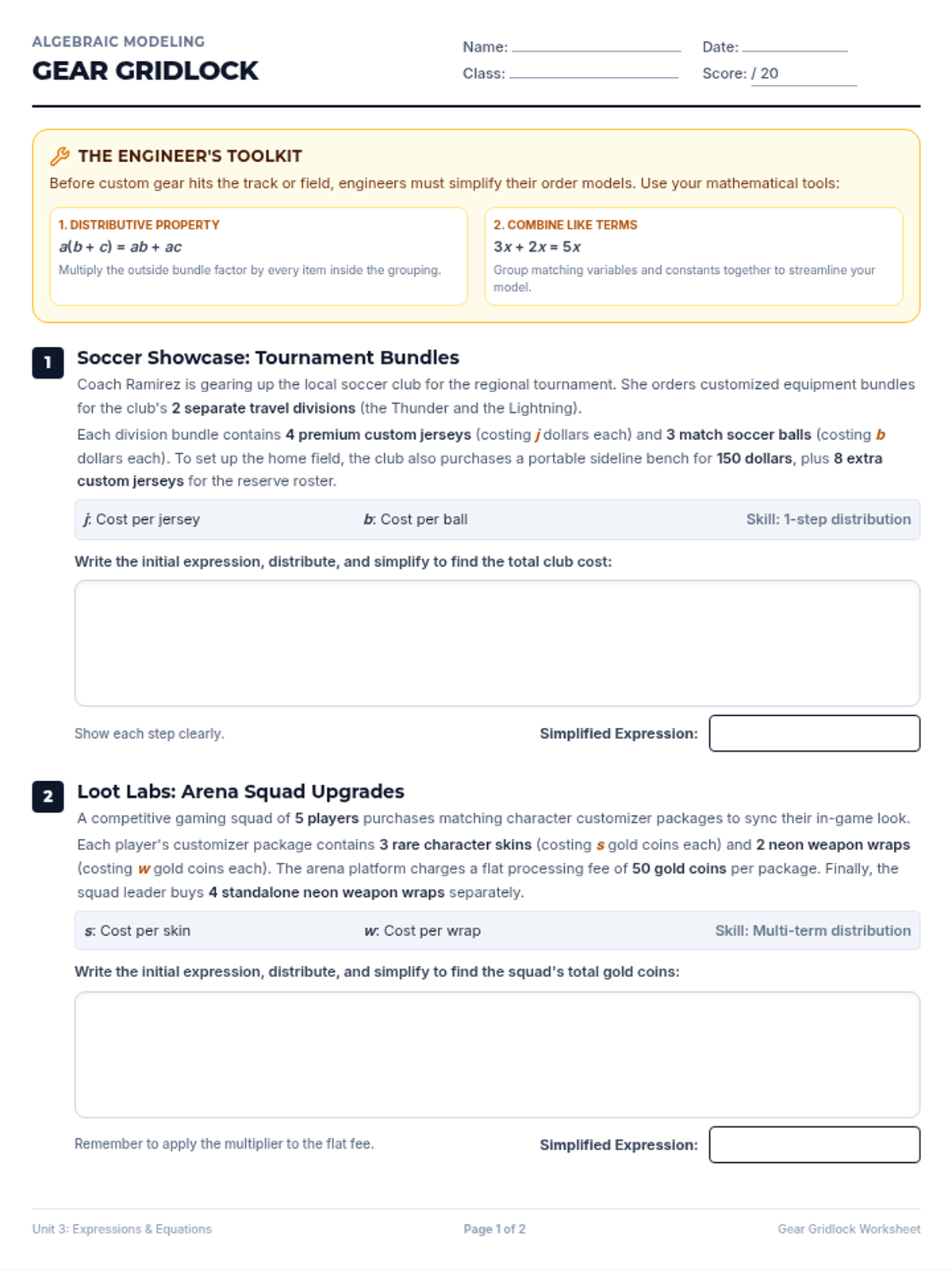
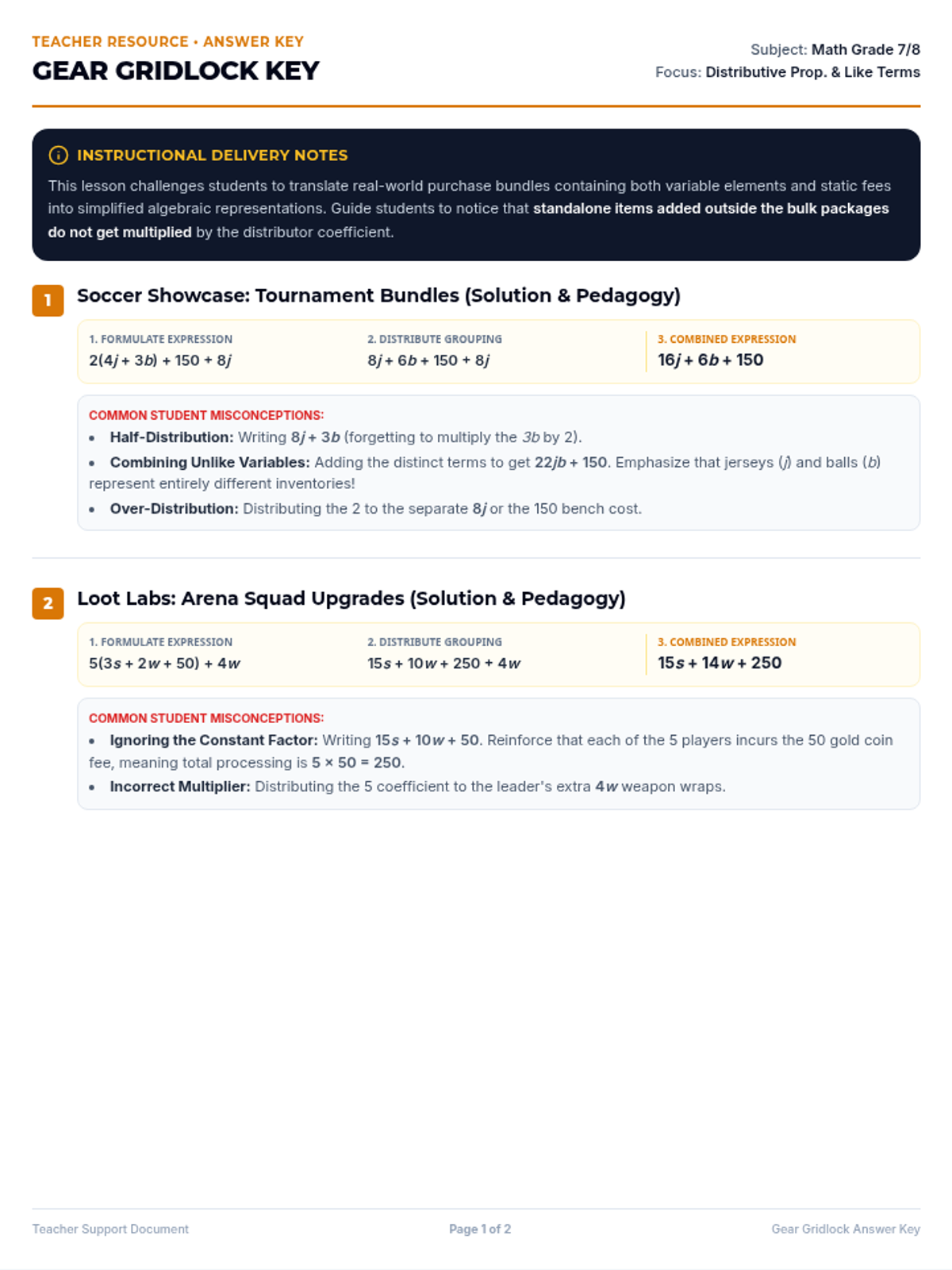
A middle school algebraic modeling lesson. Students use the distributive property and combine like terms to simplify expressions inspired by real-world gears, soccer bundles, customized sneakers, gaming loot packages, and dirt bike maintenance packs.
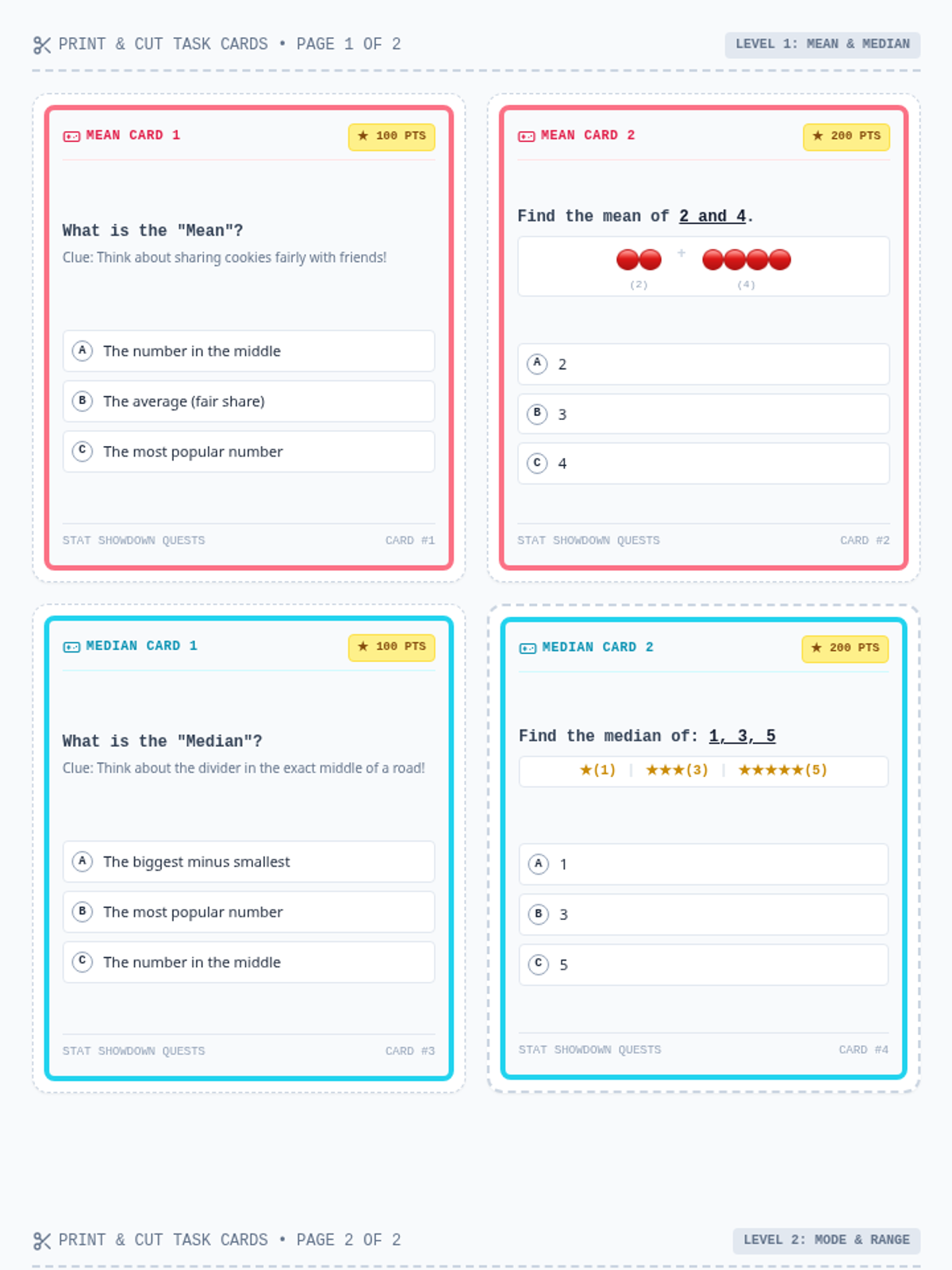
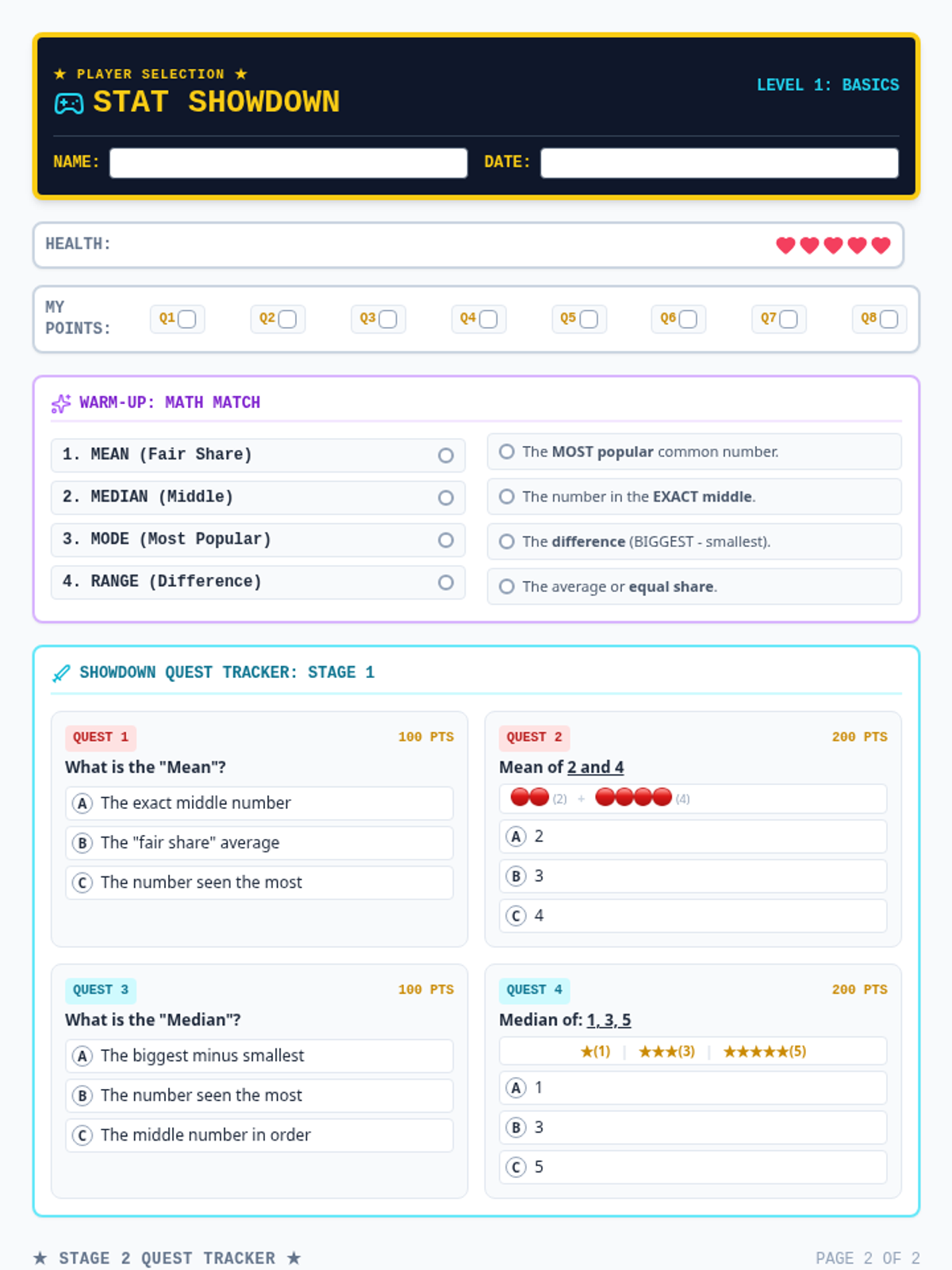
A retro-arcade themed lesson on mean, median, mode, and range modified for IEP students. Features simplified definition-focused questions, single-digit numbers with visual counters, and multiple-choice options.
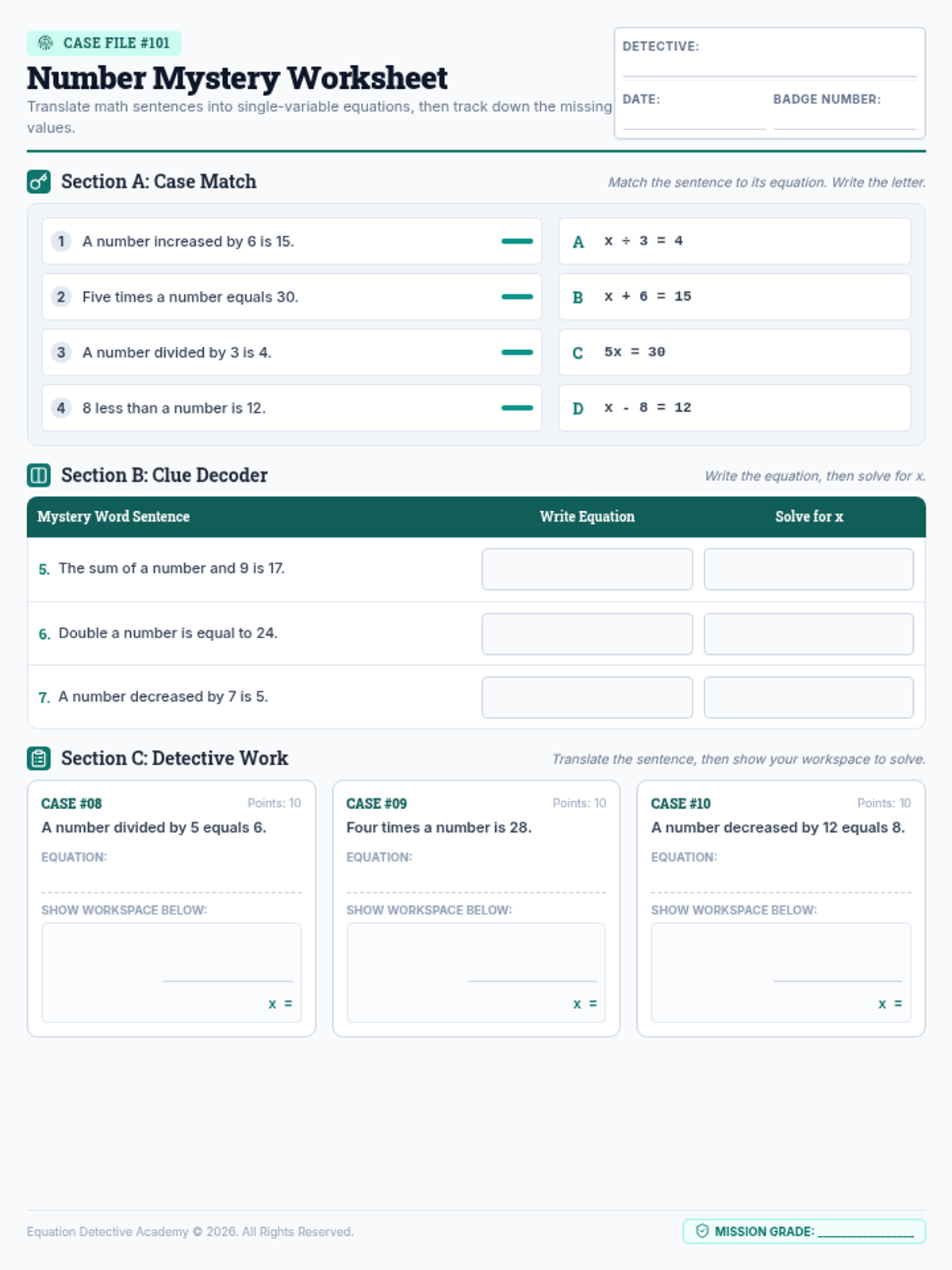
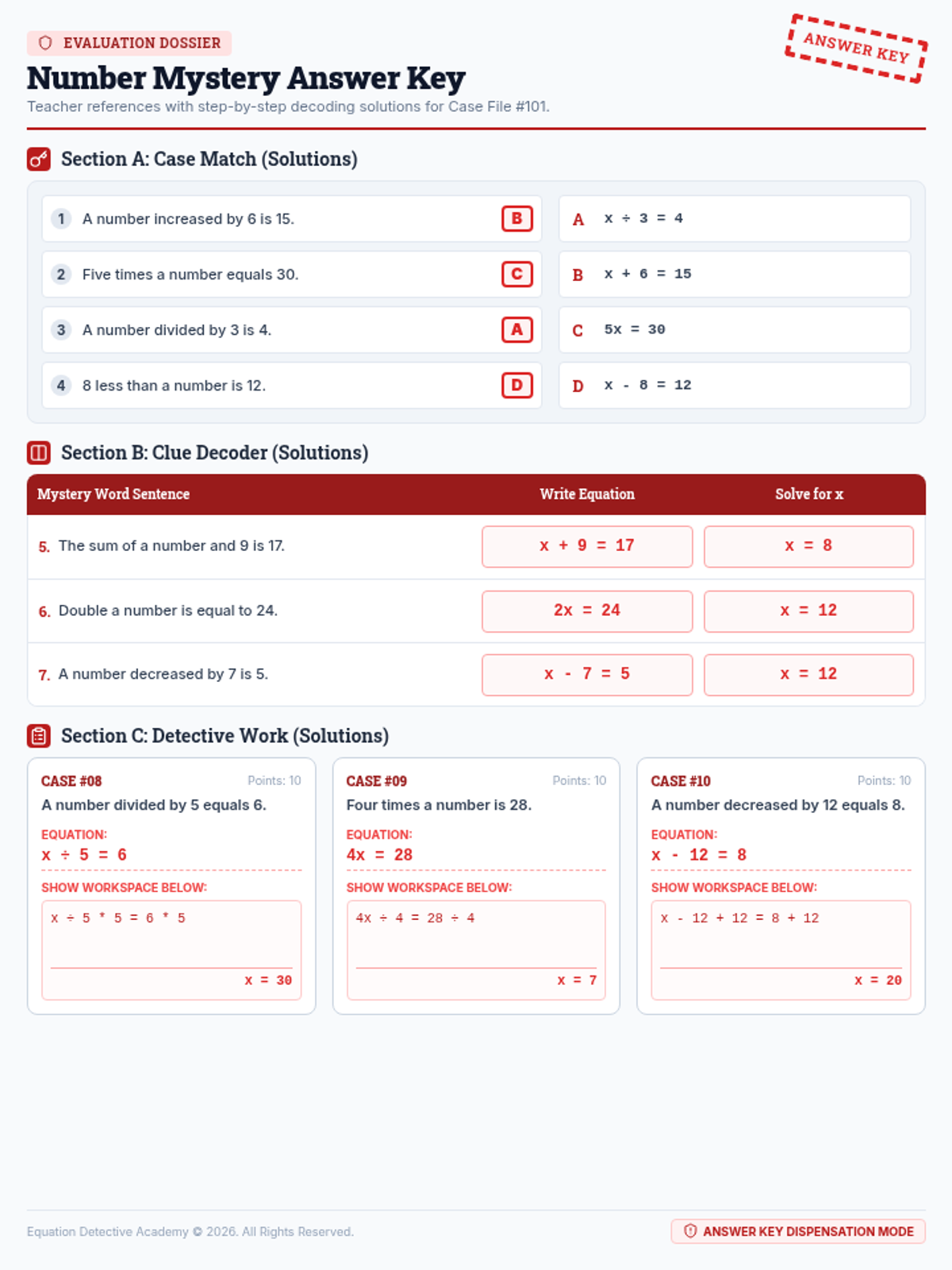
A beginner-friendly algebra lesson focused on translating word sentences into single-variable equations and solving them. Students learn to decode mathematical language and apply inverse operations using only positive whole numbers.
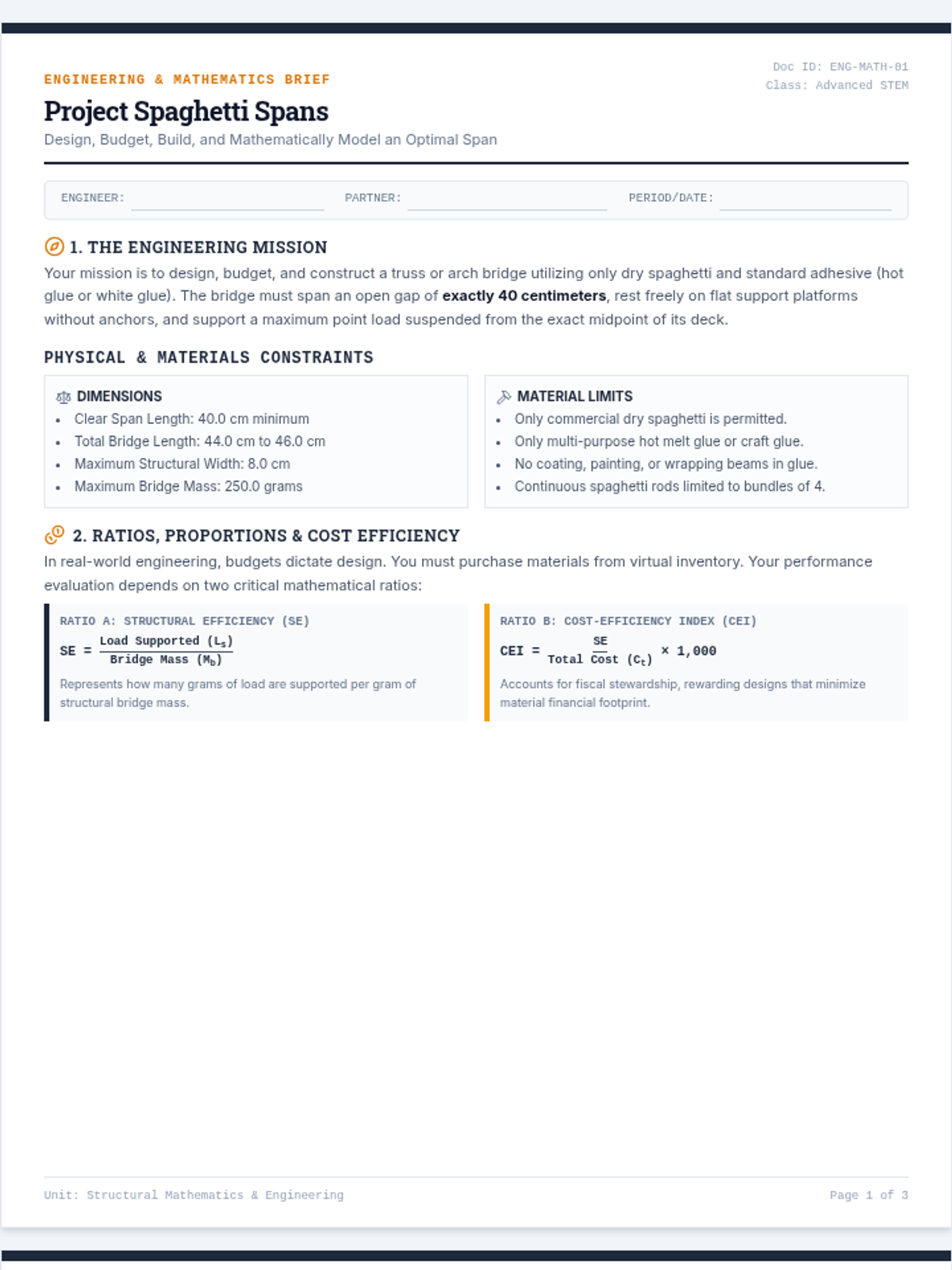
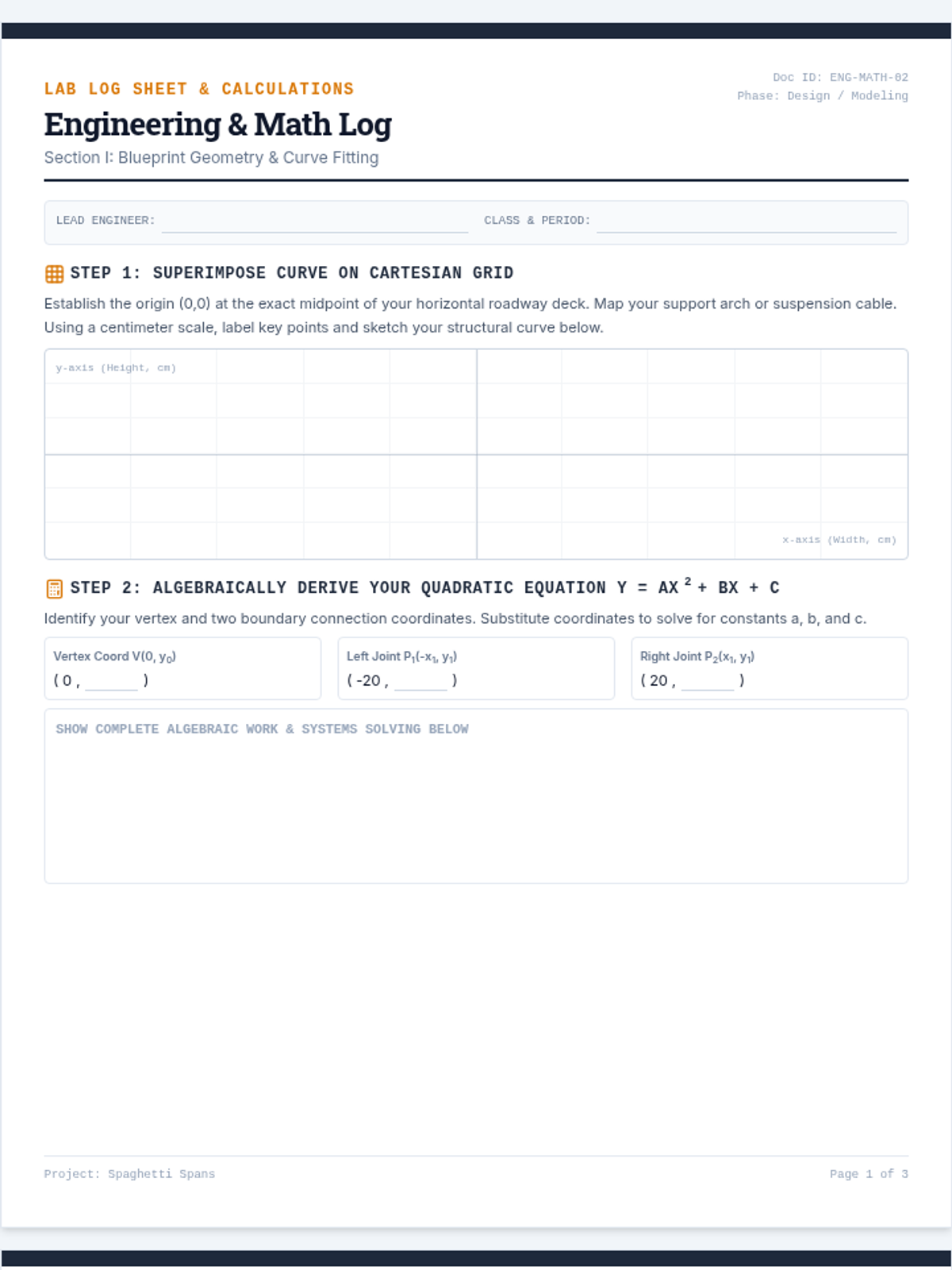
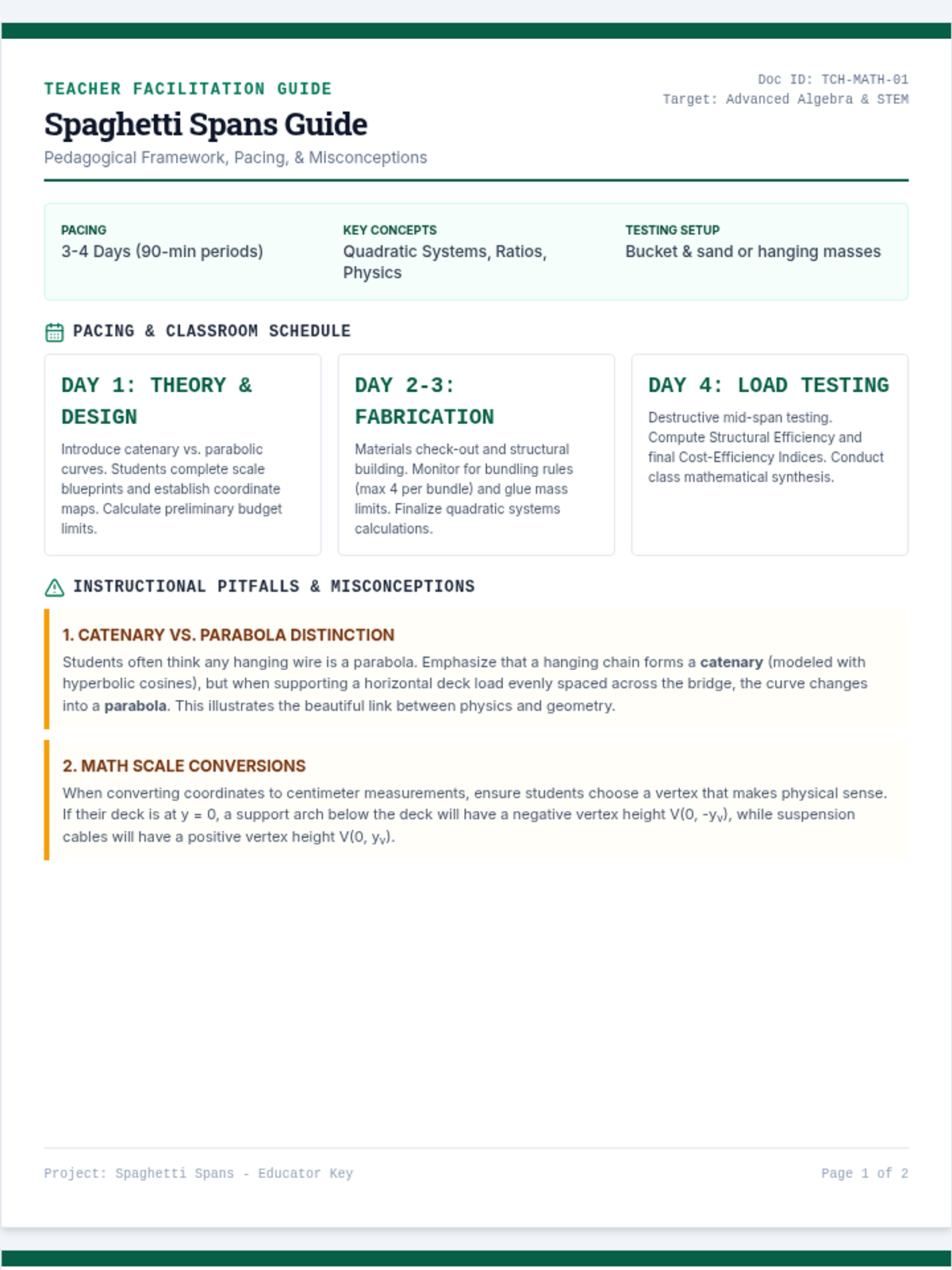
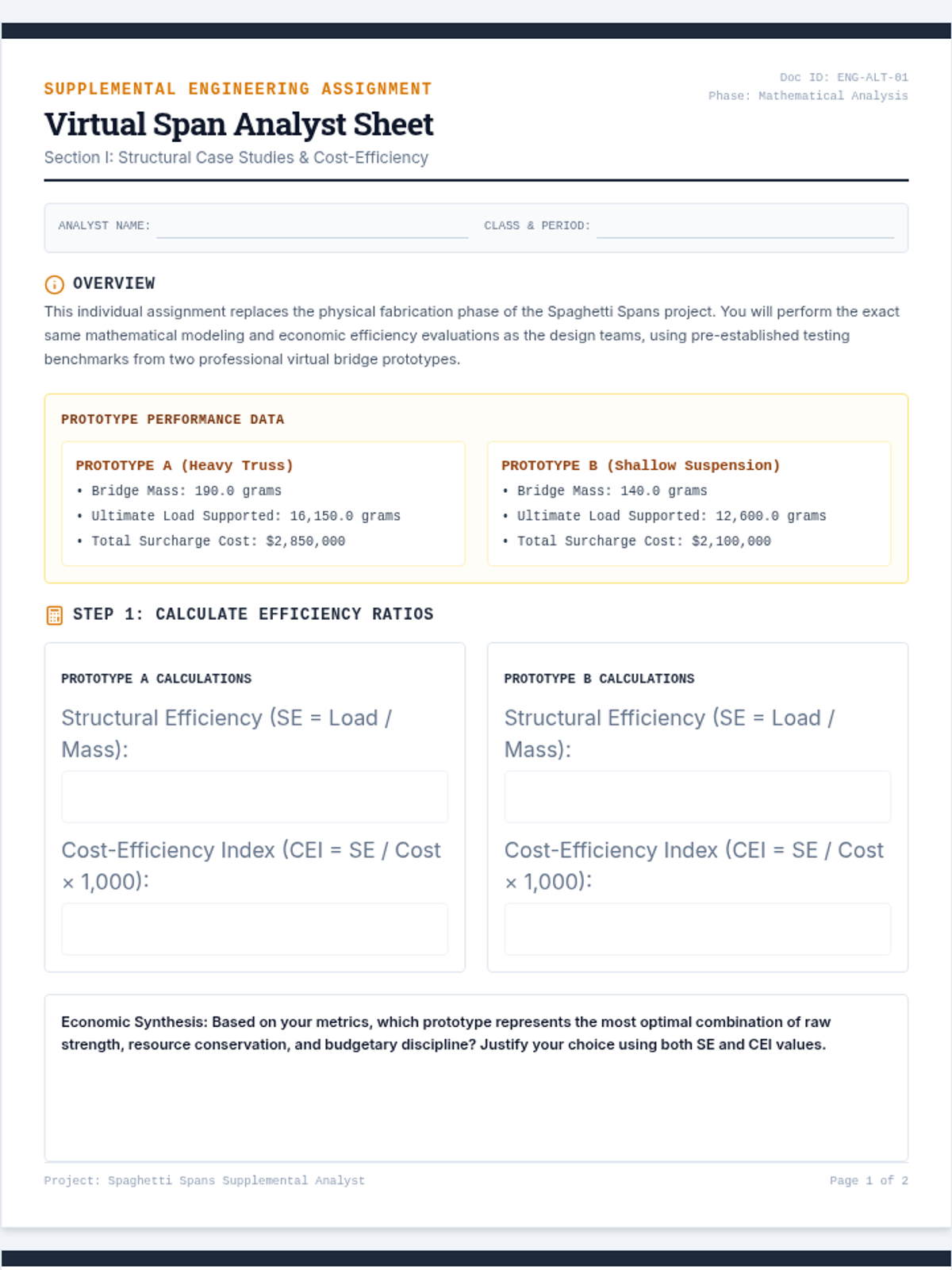
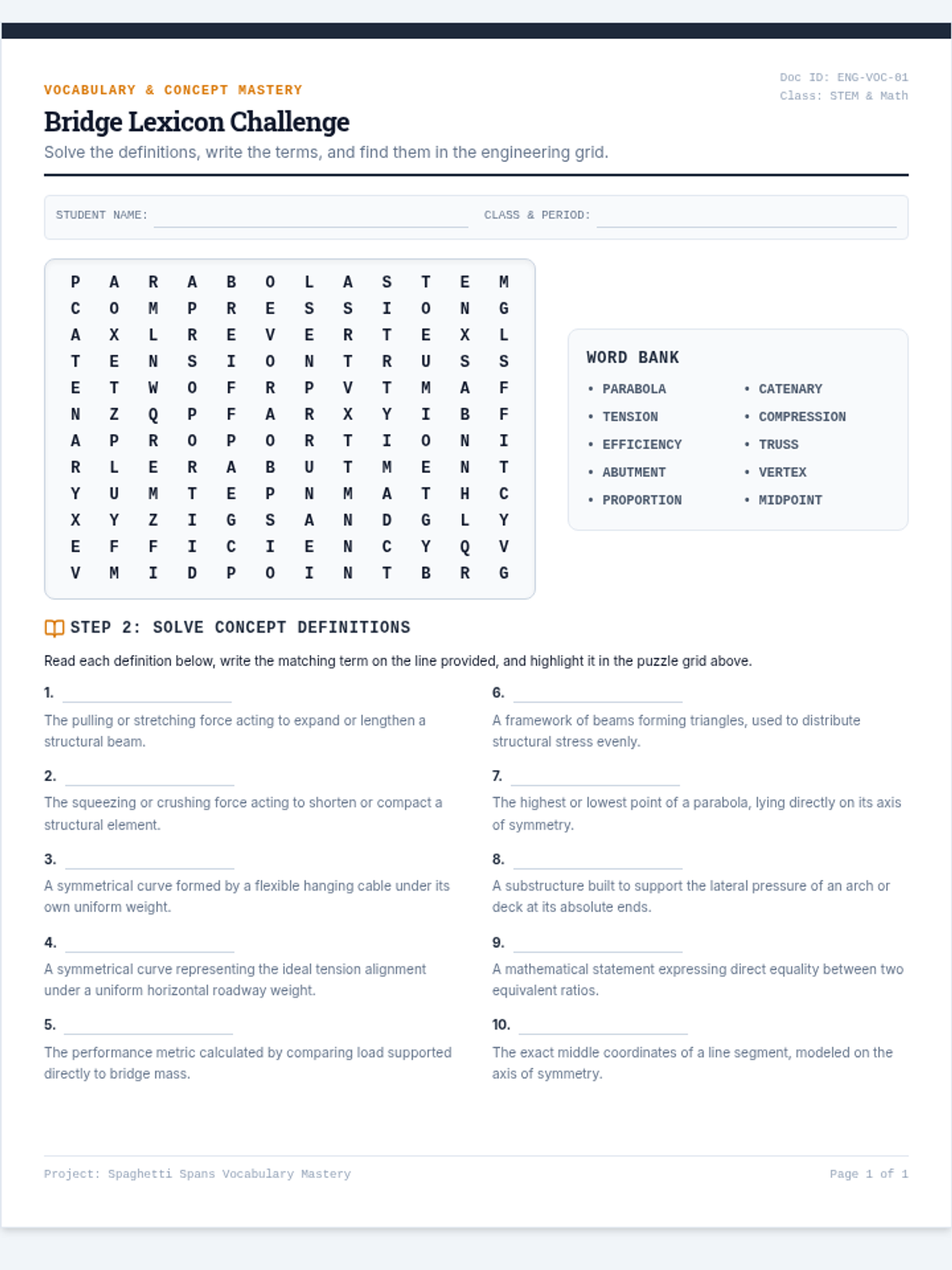
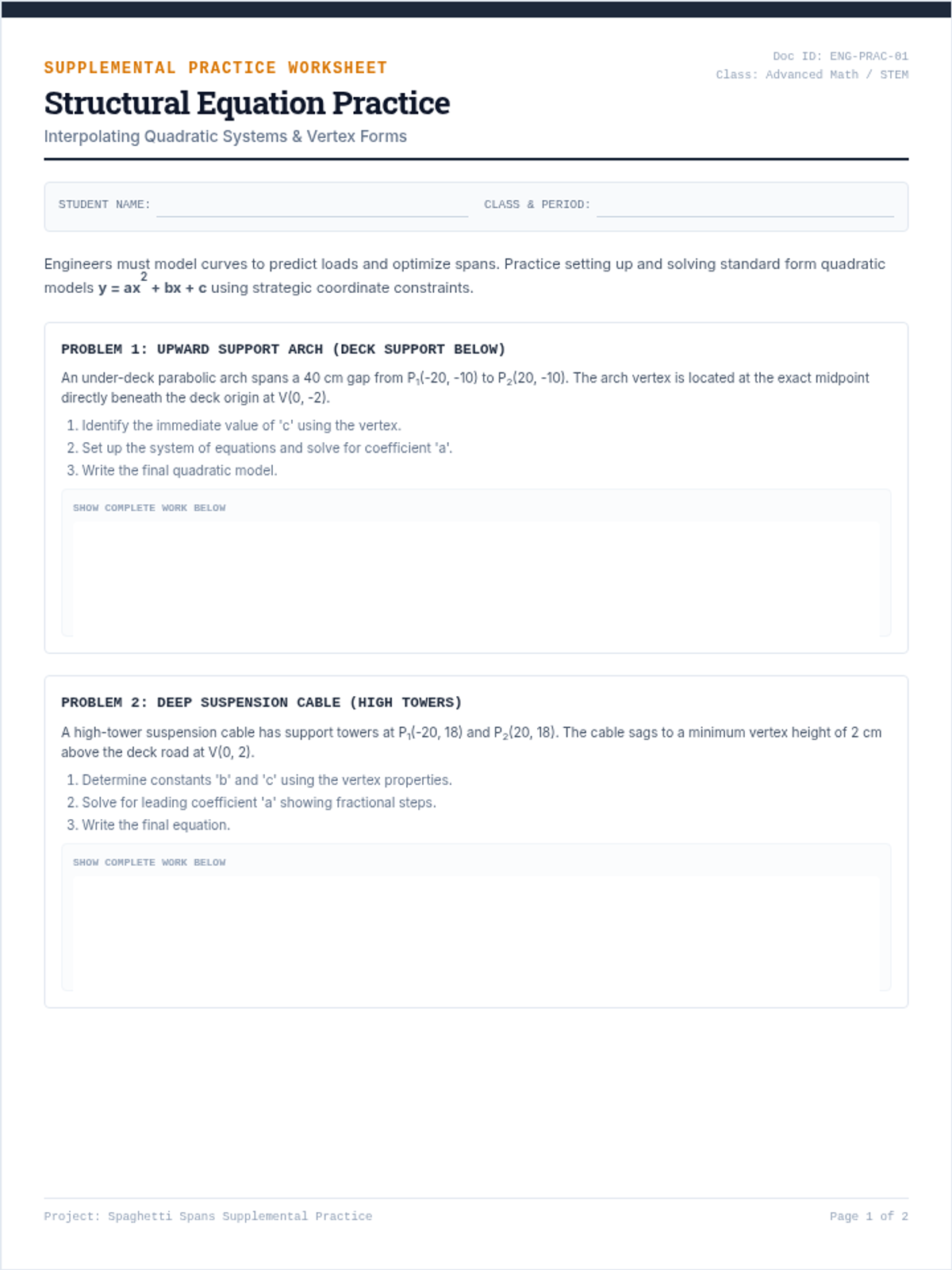
A rigorous STEM project combining structural engineering with advanced mathematics. Students design, budget, build, and test spaghetti bridges using ratios, proportions, cost-efficiency metrics, quadratic modeling, and catenary curves.