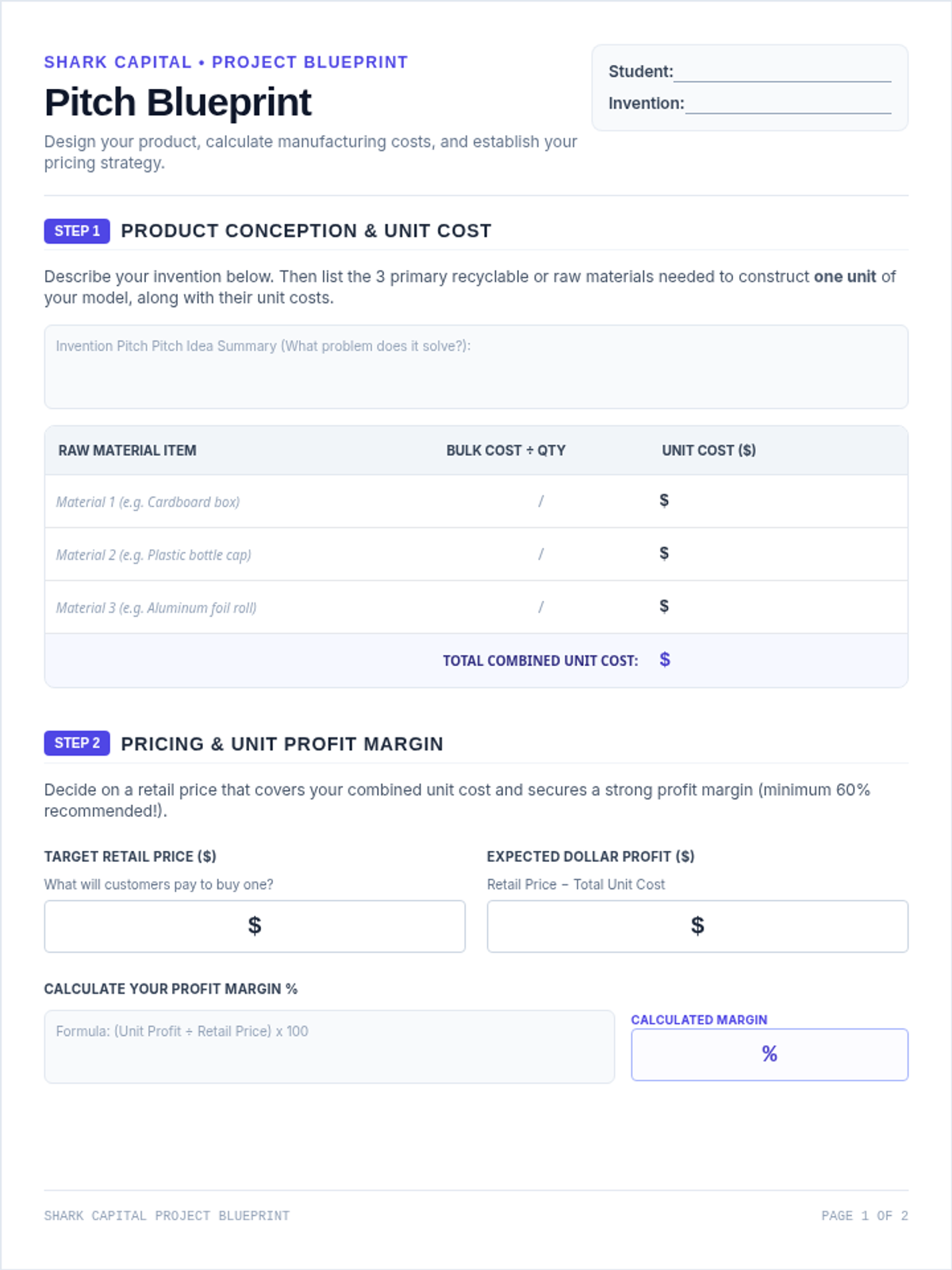
Students master unit rates, production costs, retail pricing, and profit margin percentages. They learn how to analyze whether an invention is financially viable on a unit level.
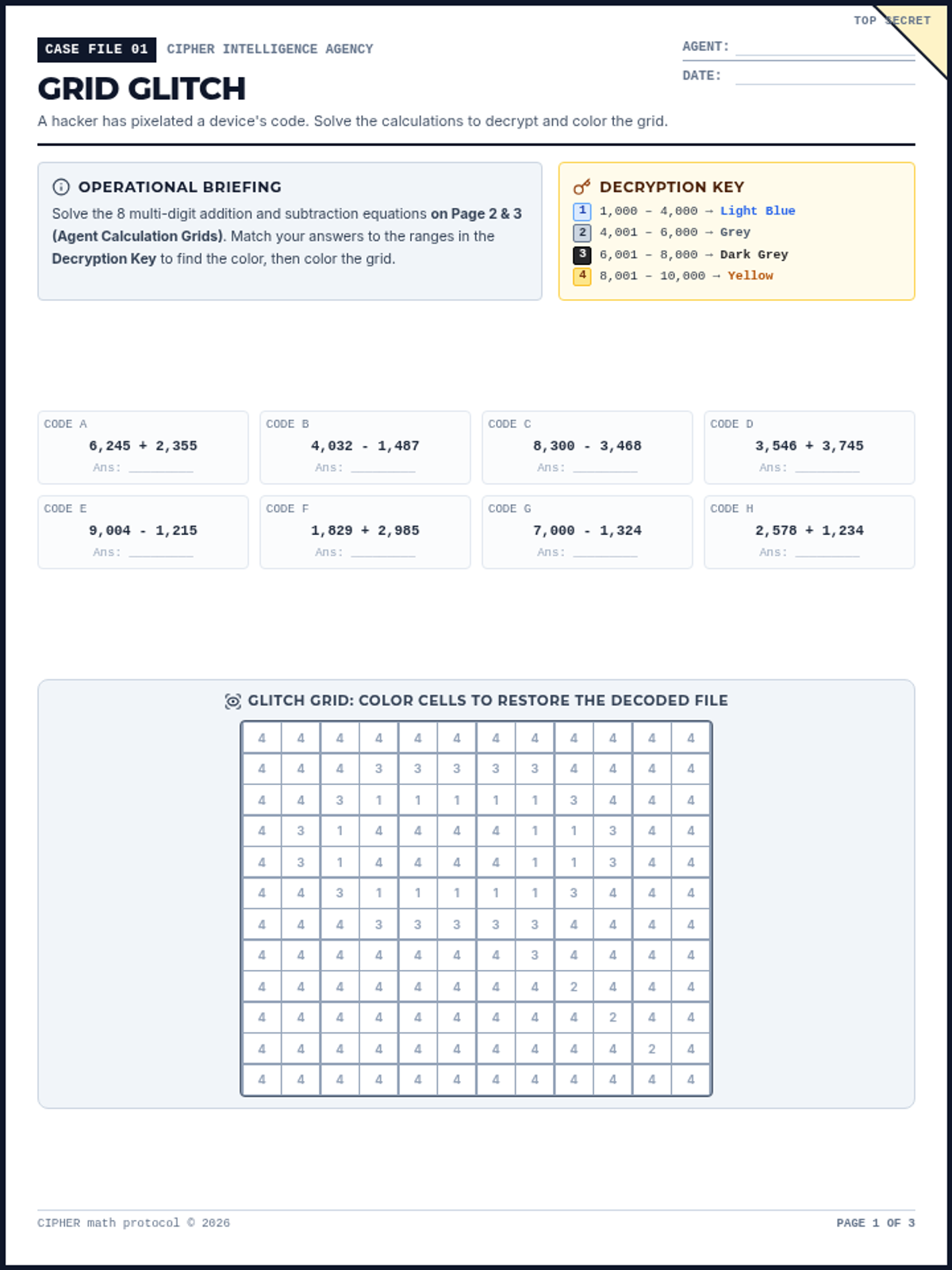
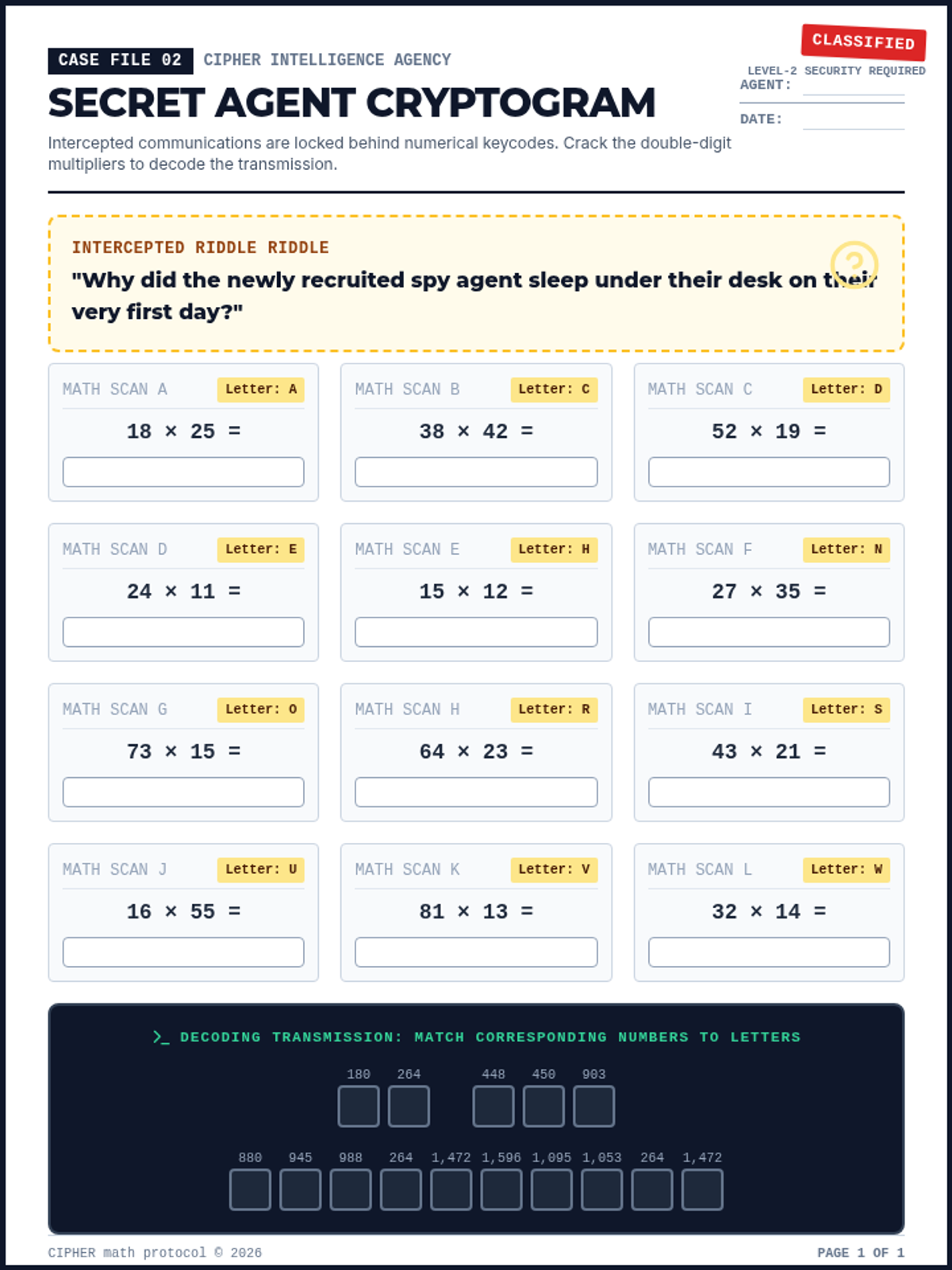
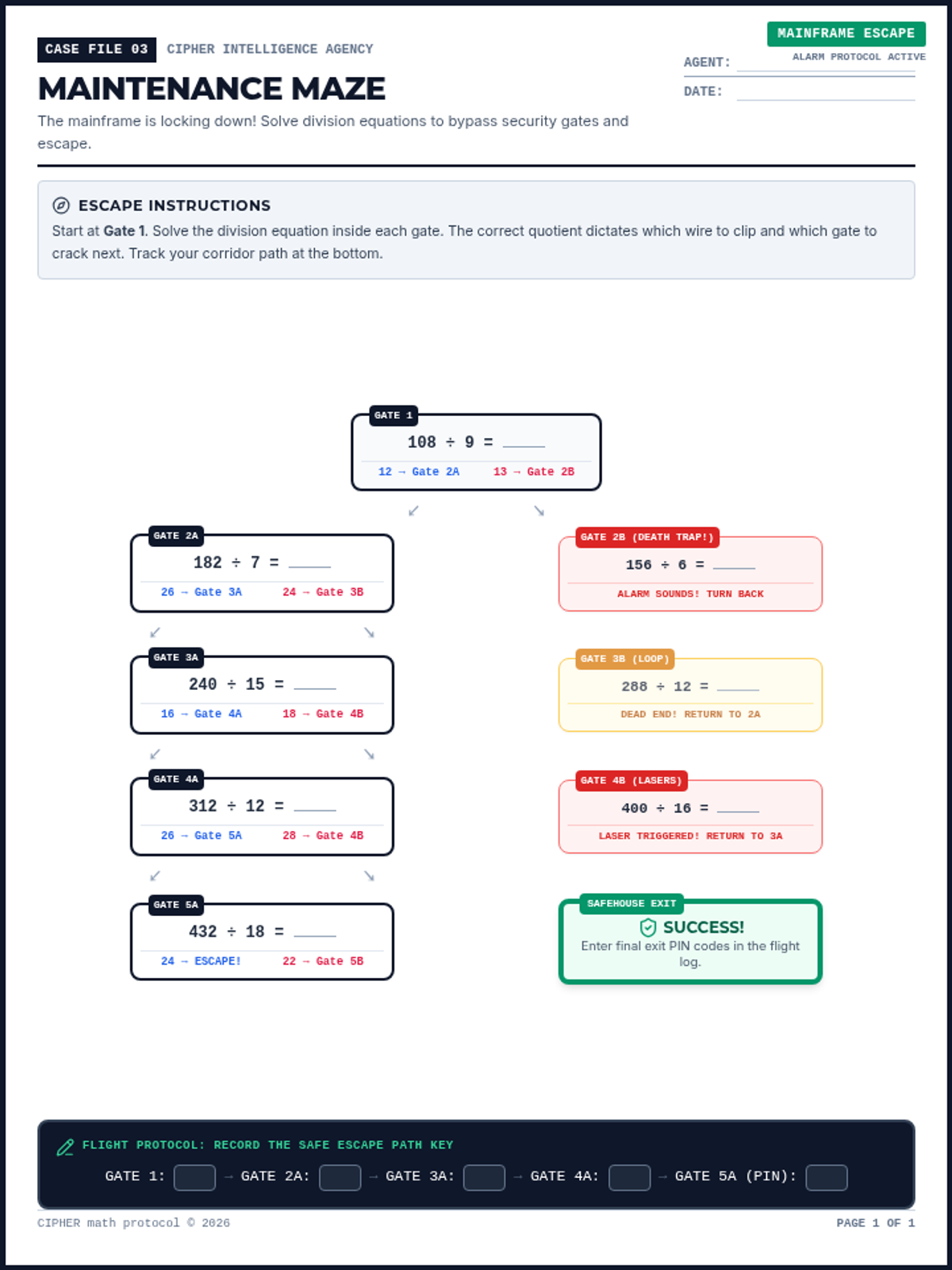
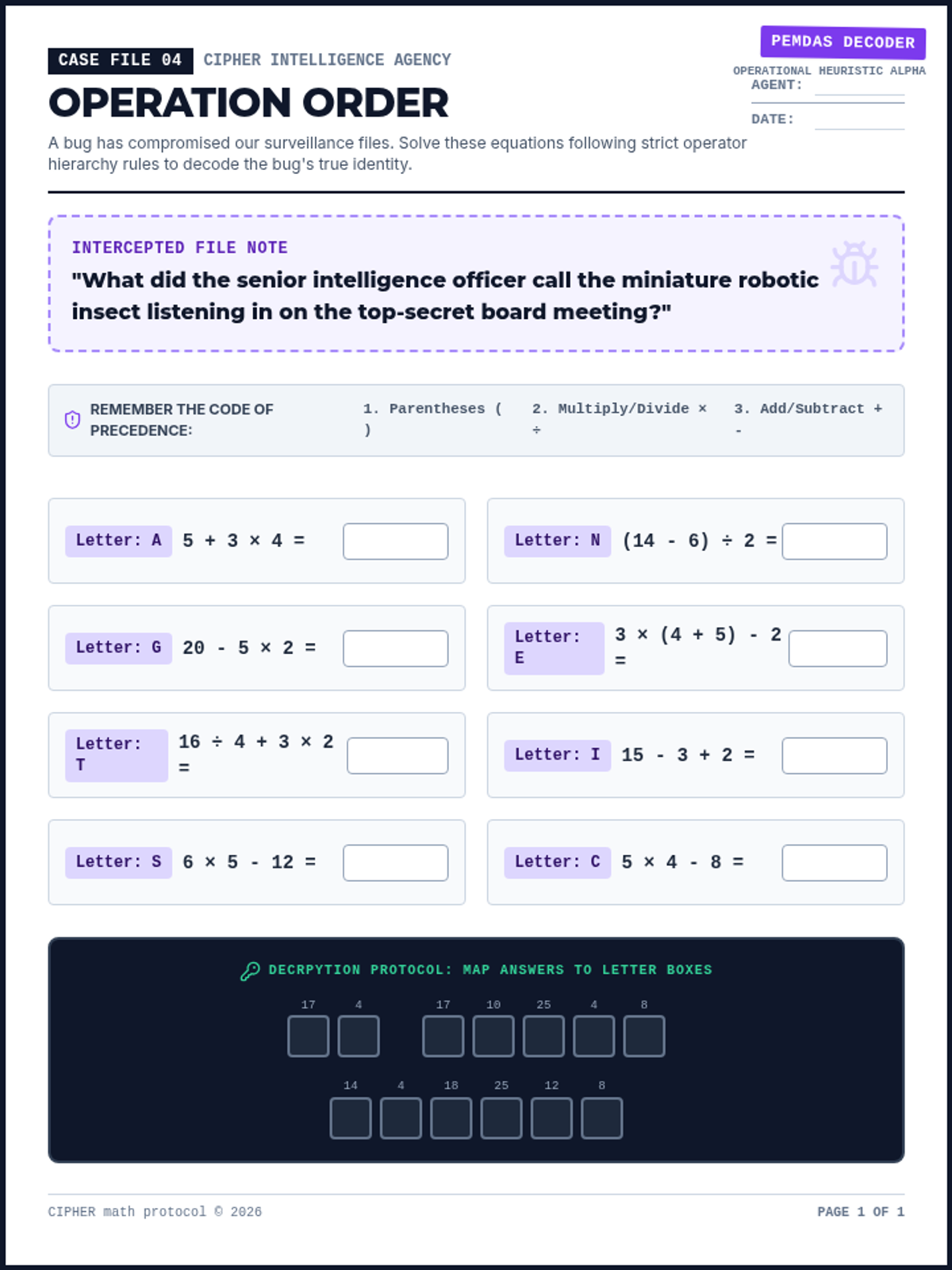
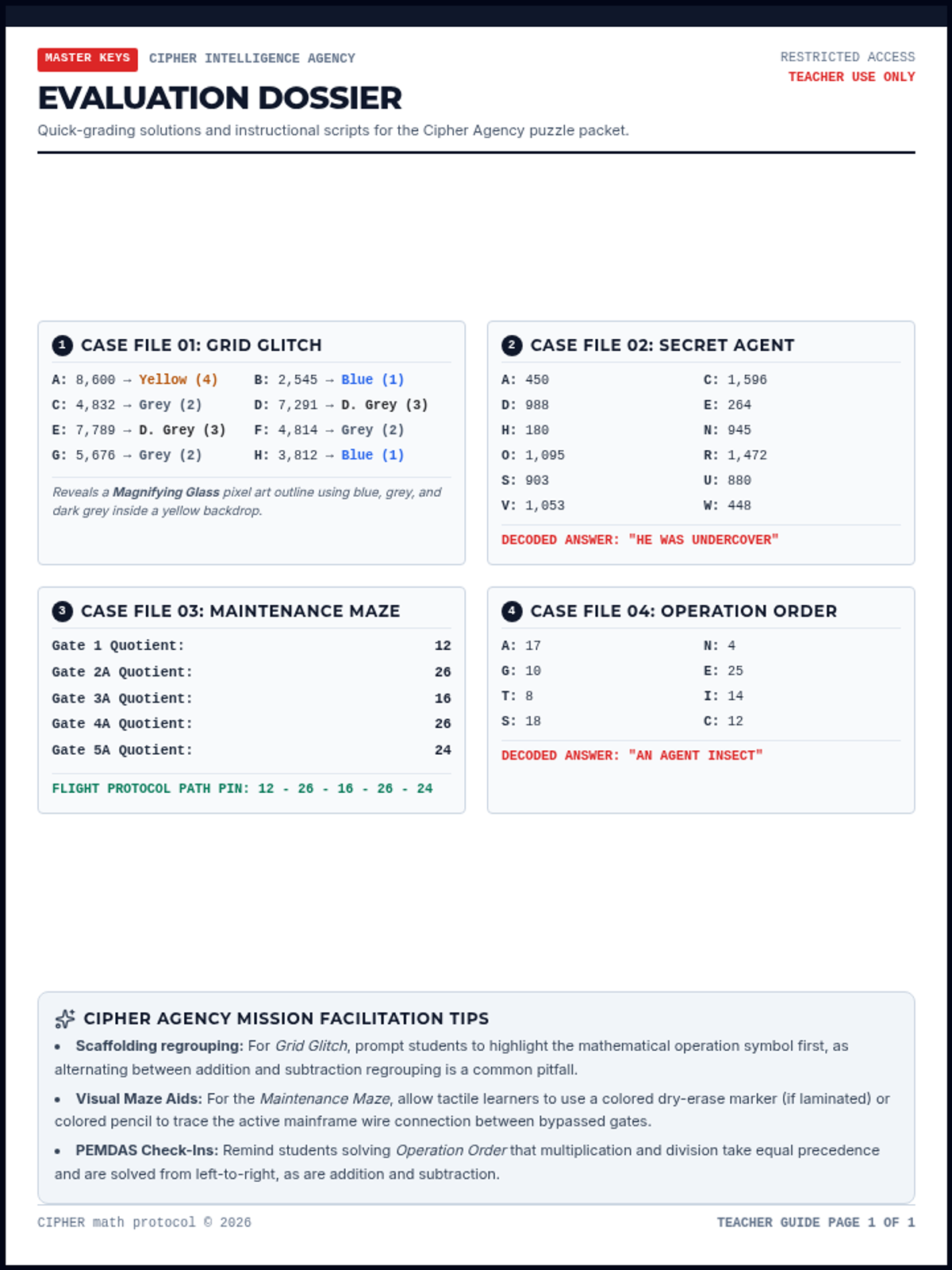
A collection of ready-to-print math puzzle worksheets and a teacher answer key designed to reinforce elementary arithmetic through engaging spy-themed cryptograms and pixel art.
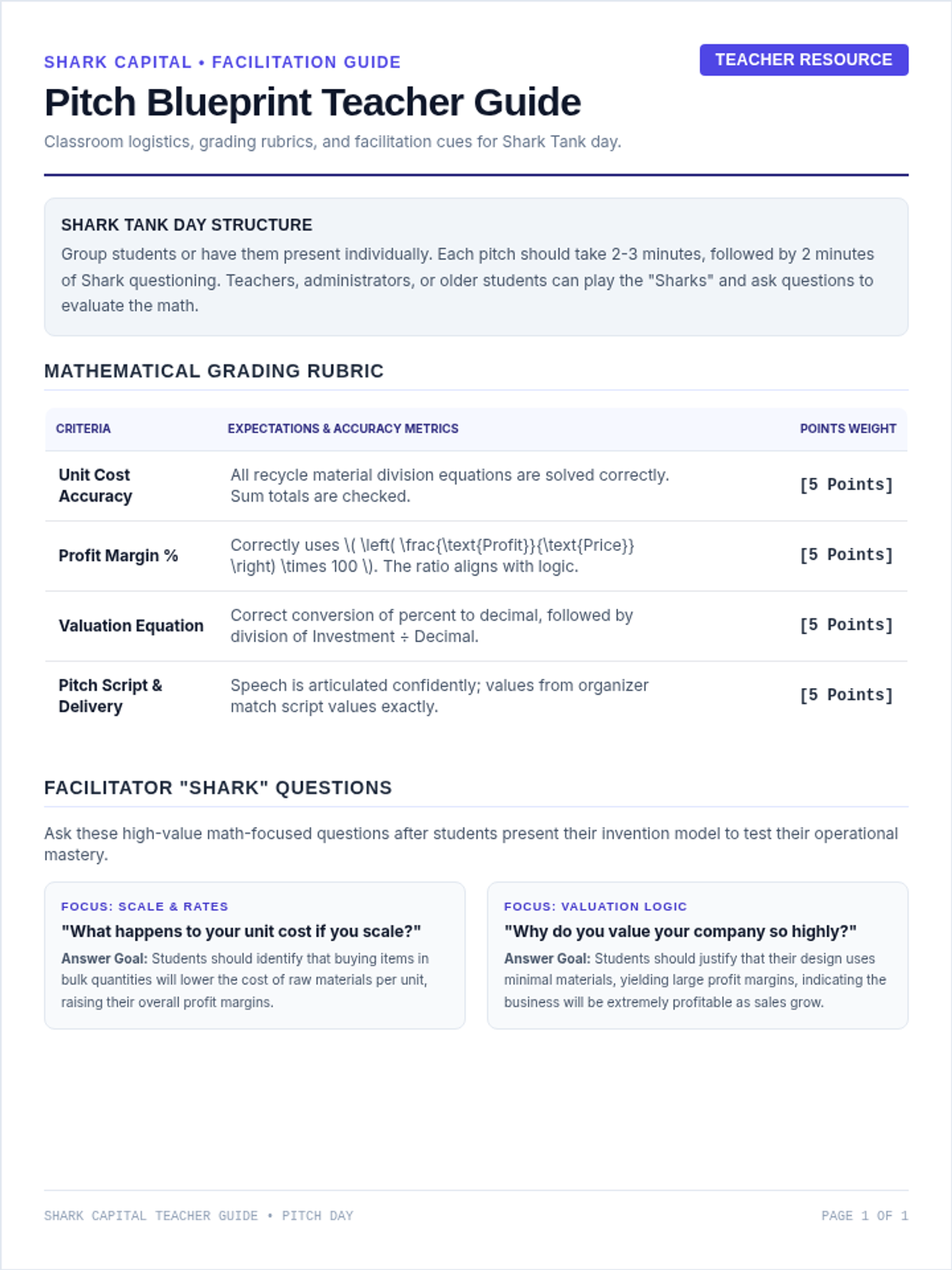
Students apply their mathematical knowledge to their own inventions. They calculate their product costs, set their retail price, determine their company valuation, and write the math portion of their pitch speech.
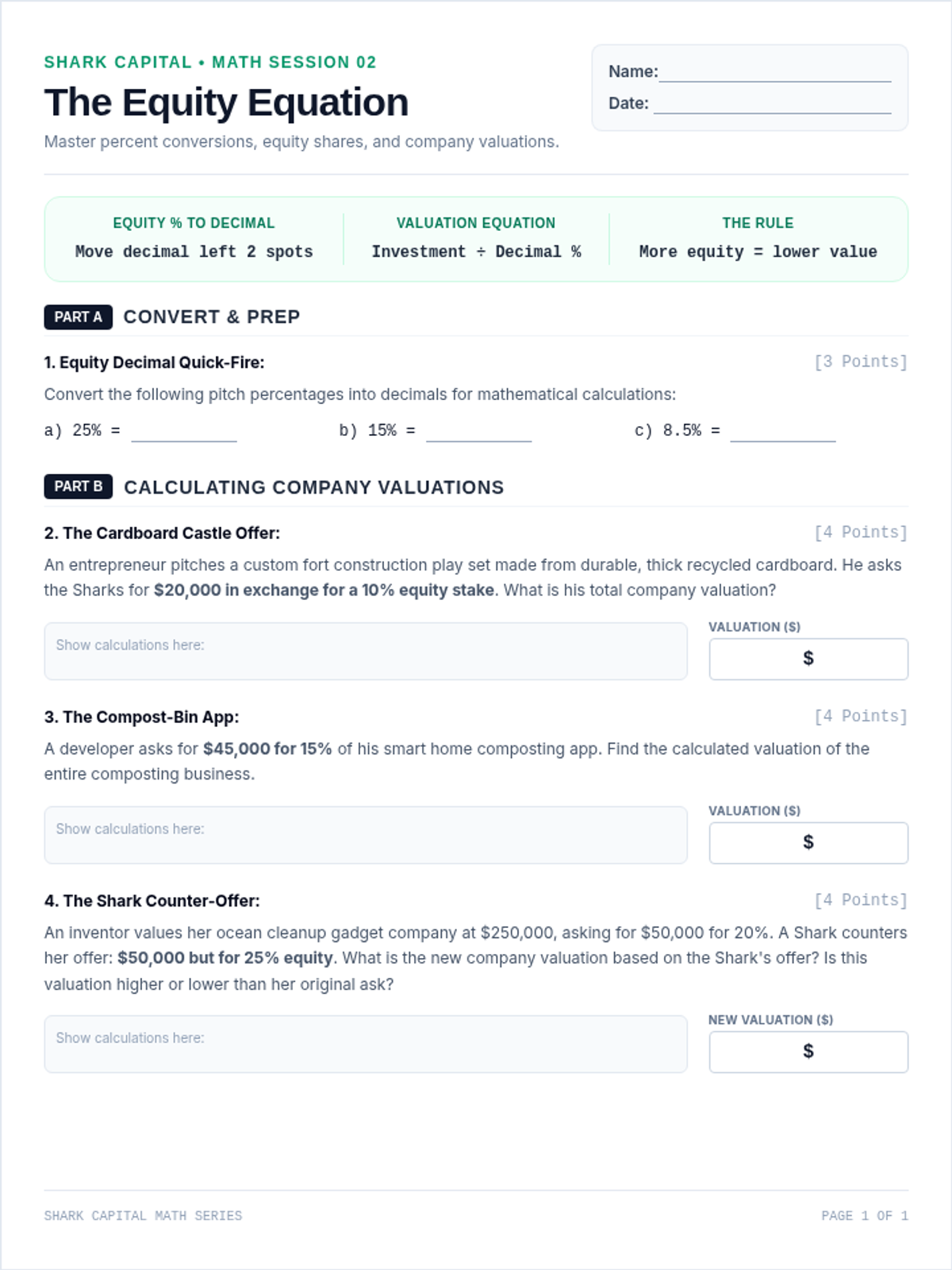
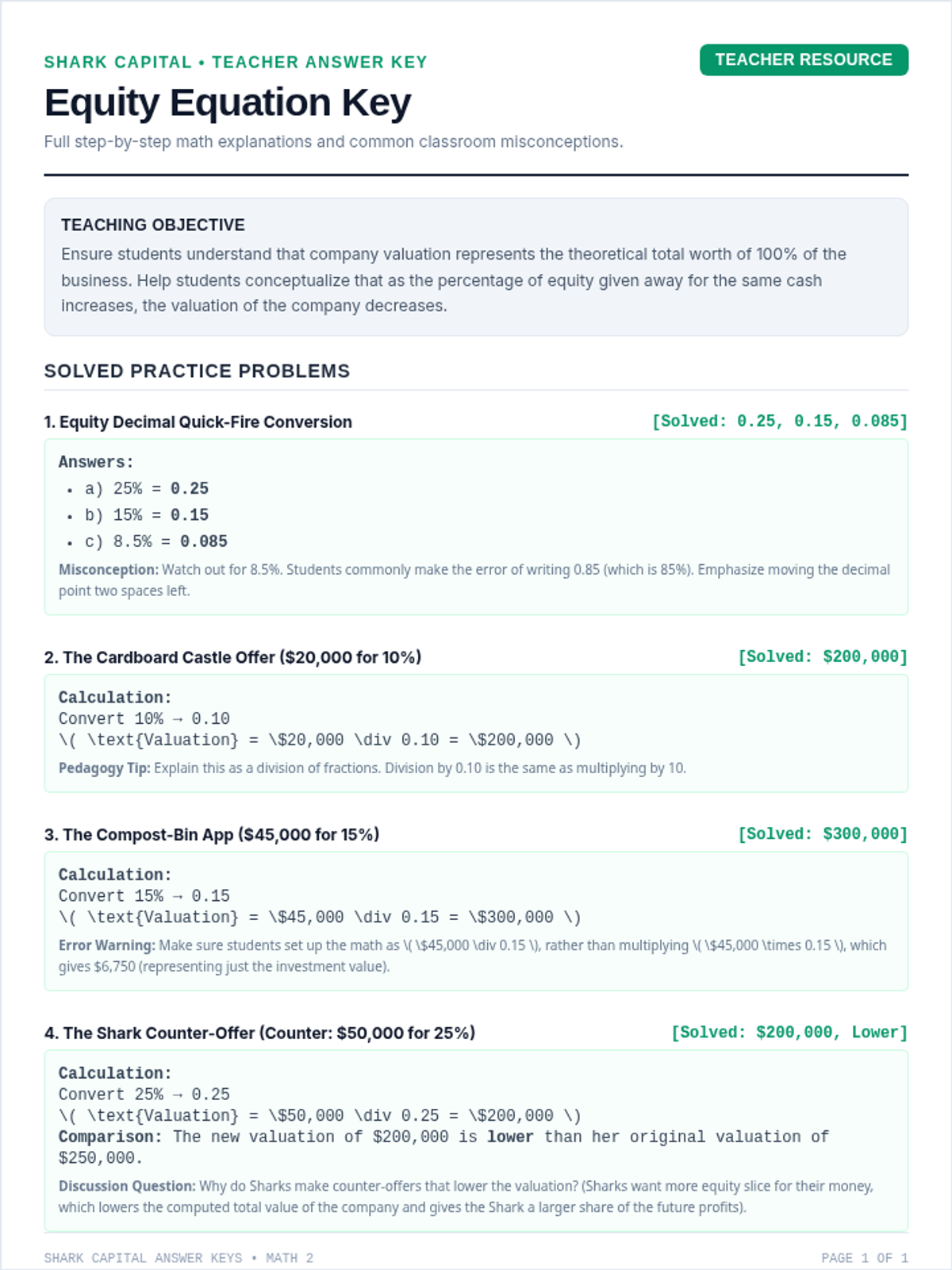
Students tackle company valuations, percentage offers, and equity calculations. They learn the math behind asking for investment and determining what percentage of their company to sell.
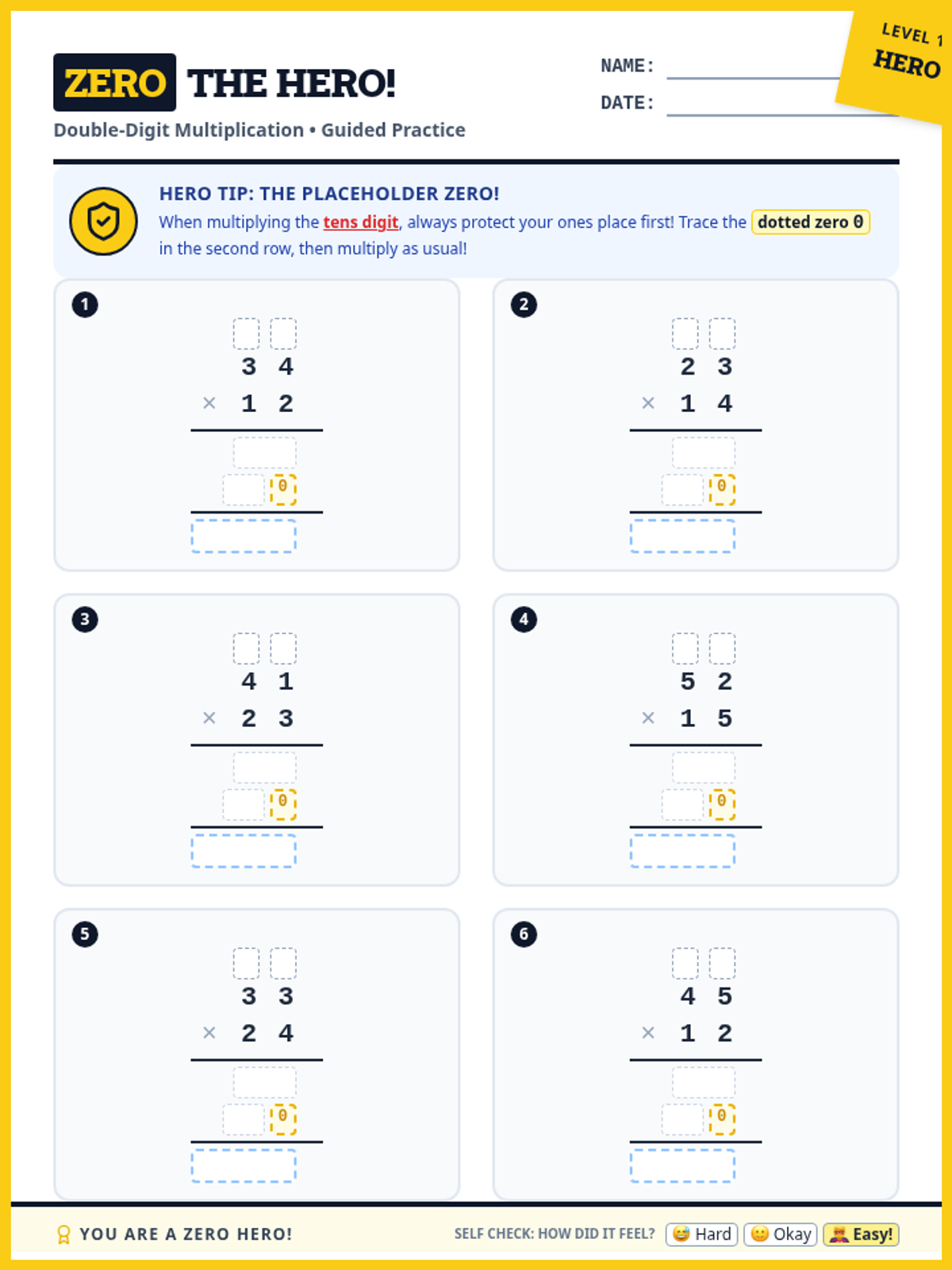
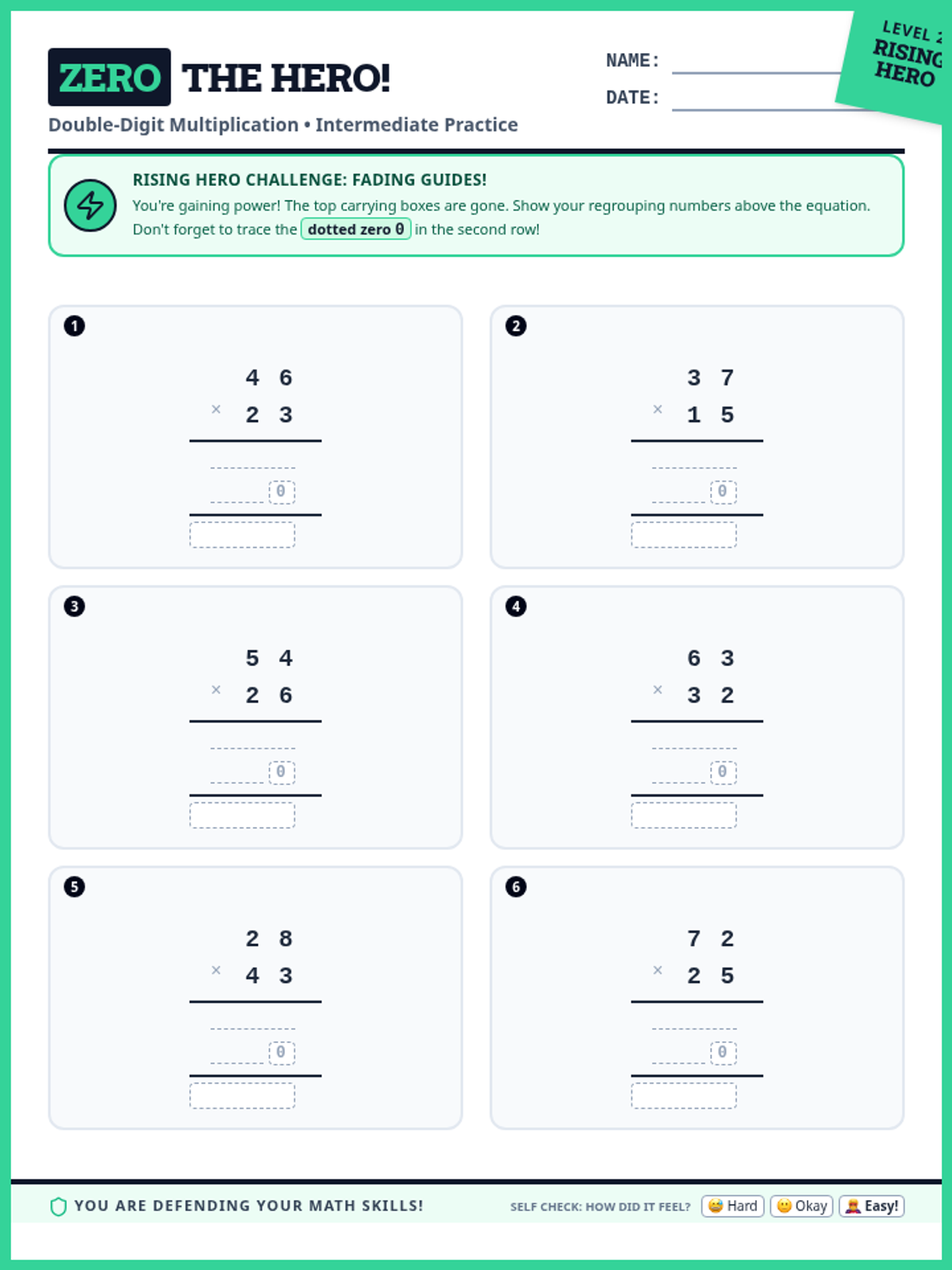
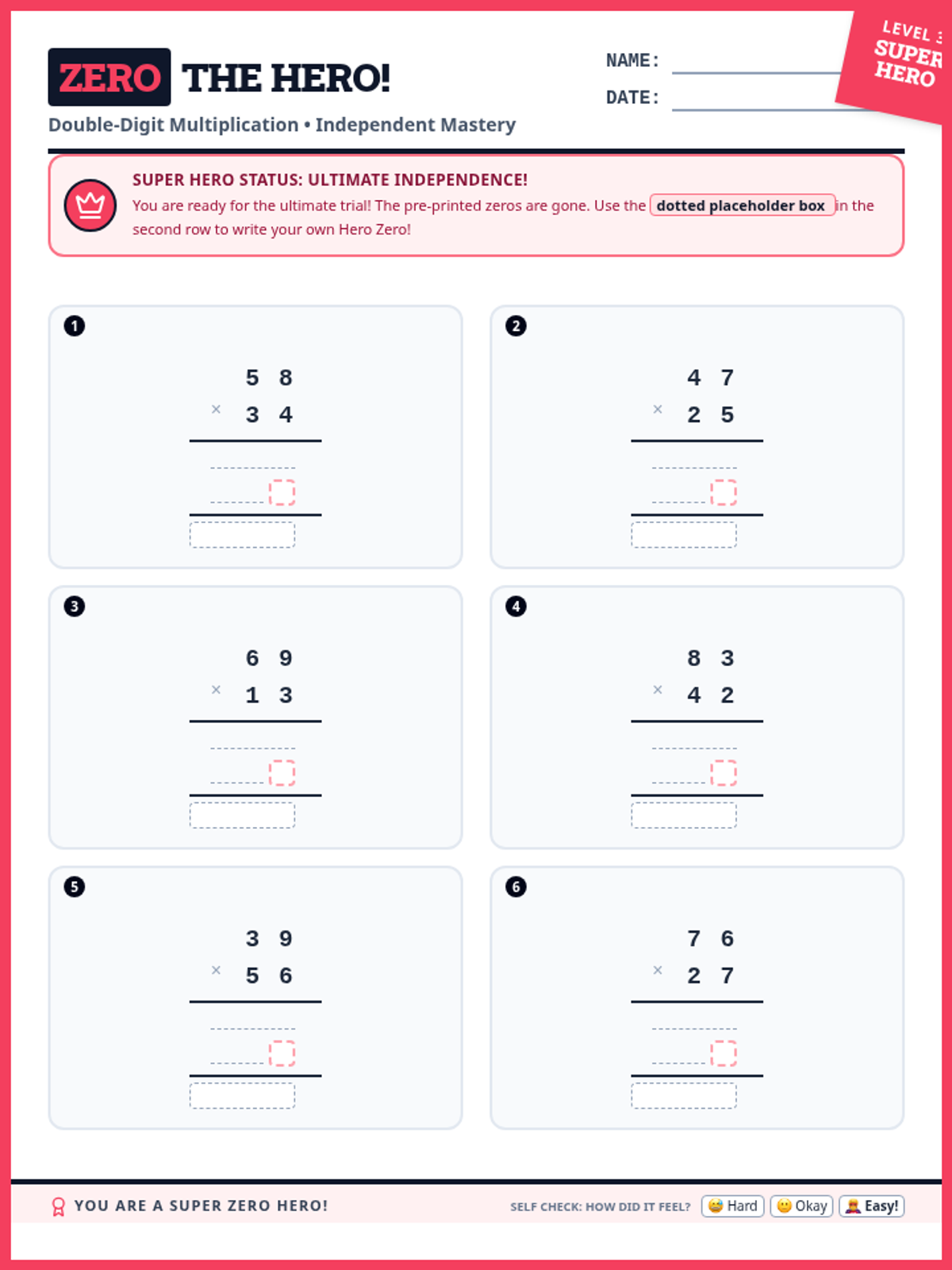
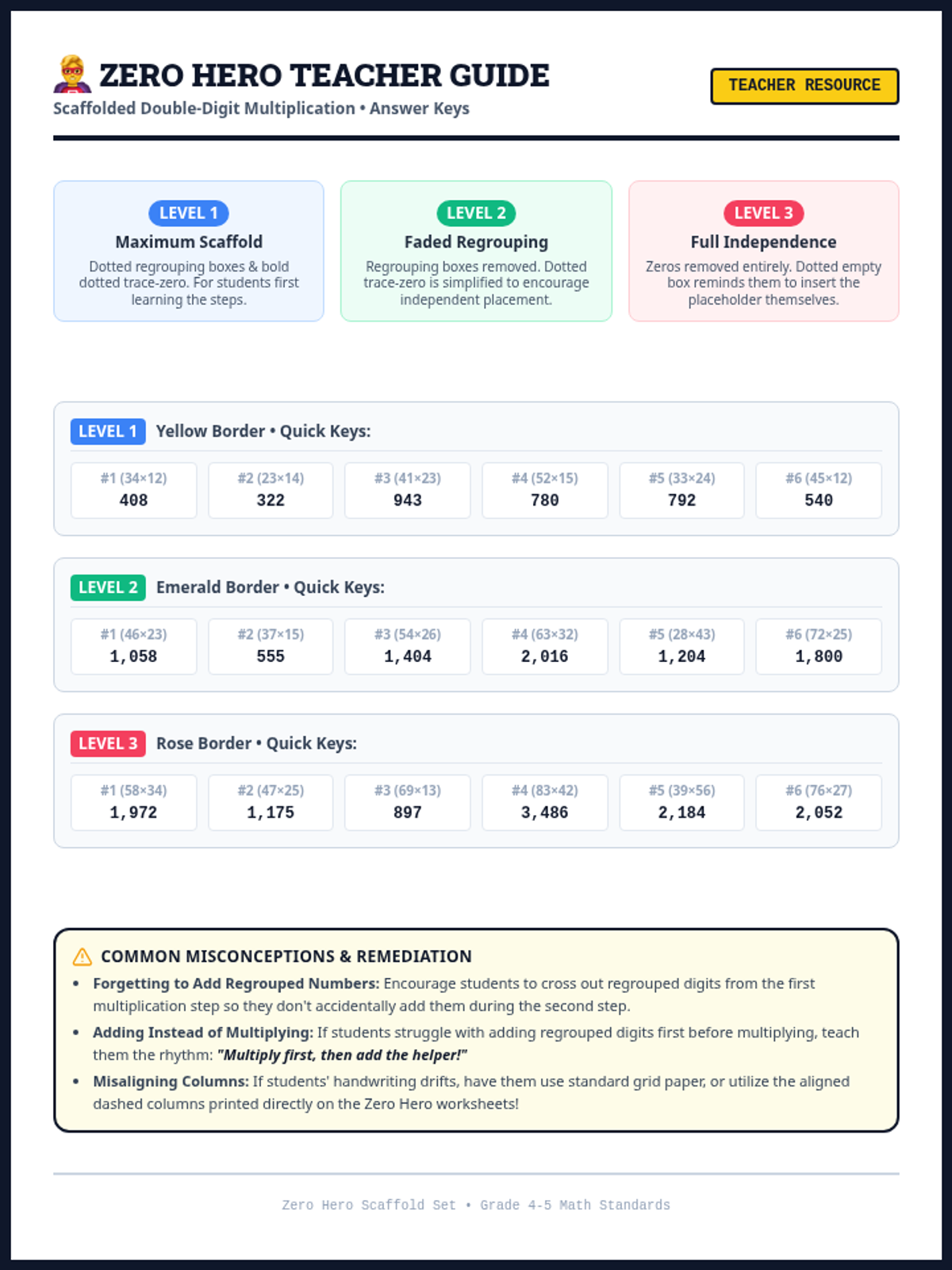
A three-level differentiated worksheet set teaching double-digit multiplication. Each worksheet utilizes a 'dotted placeholder zero' method with progressive prompt fading to support students as they master the multi-step algorithm.
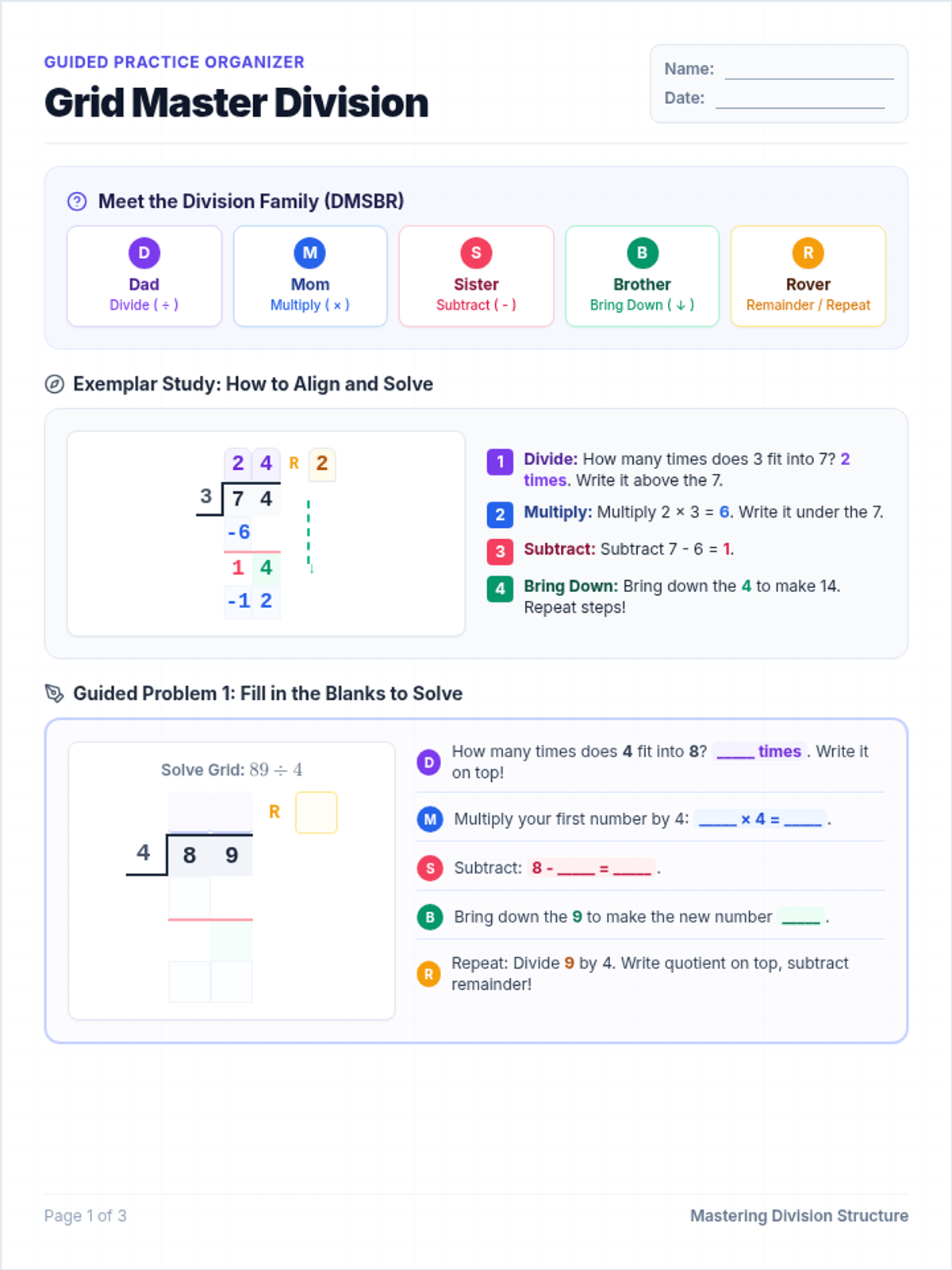
A guided math lesson focused on long division with remainders, employing strict alignment grids and color-coded step-by-step visual scaffolds to support learners with spatial organization.
A step-by-step guided lesson pack for practicing long division with remainders. It utilizes grid lines, large fonts, and color-coded graphic organizers to help students keep their calculations vertically aligned.
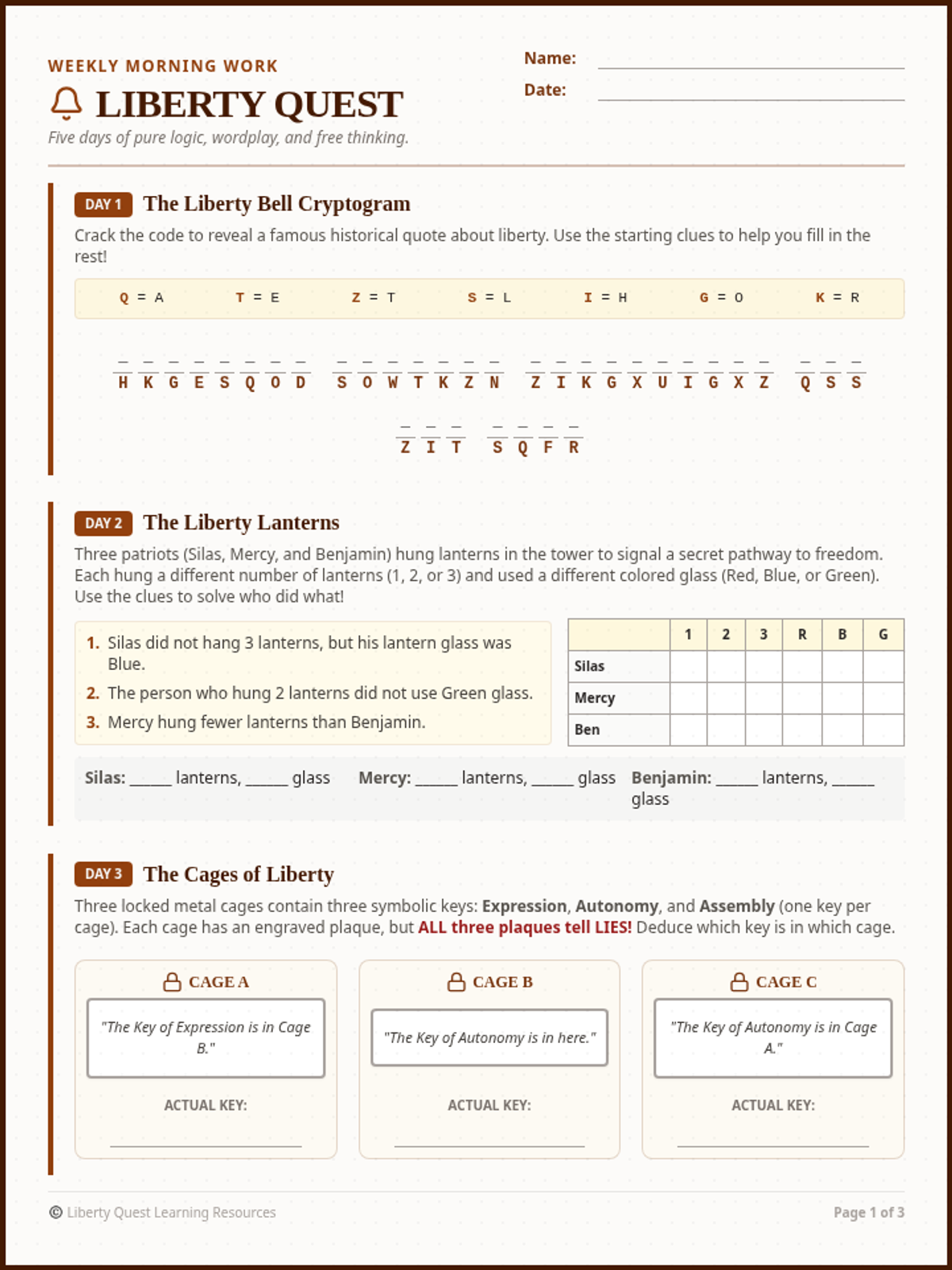
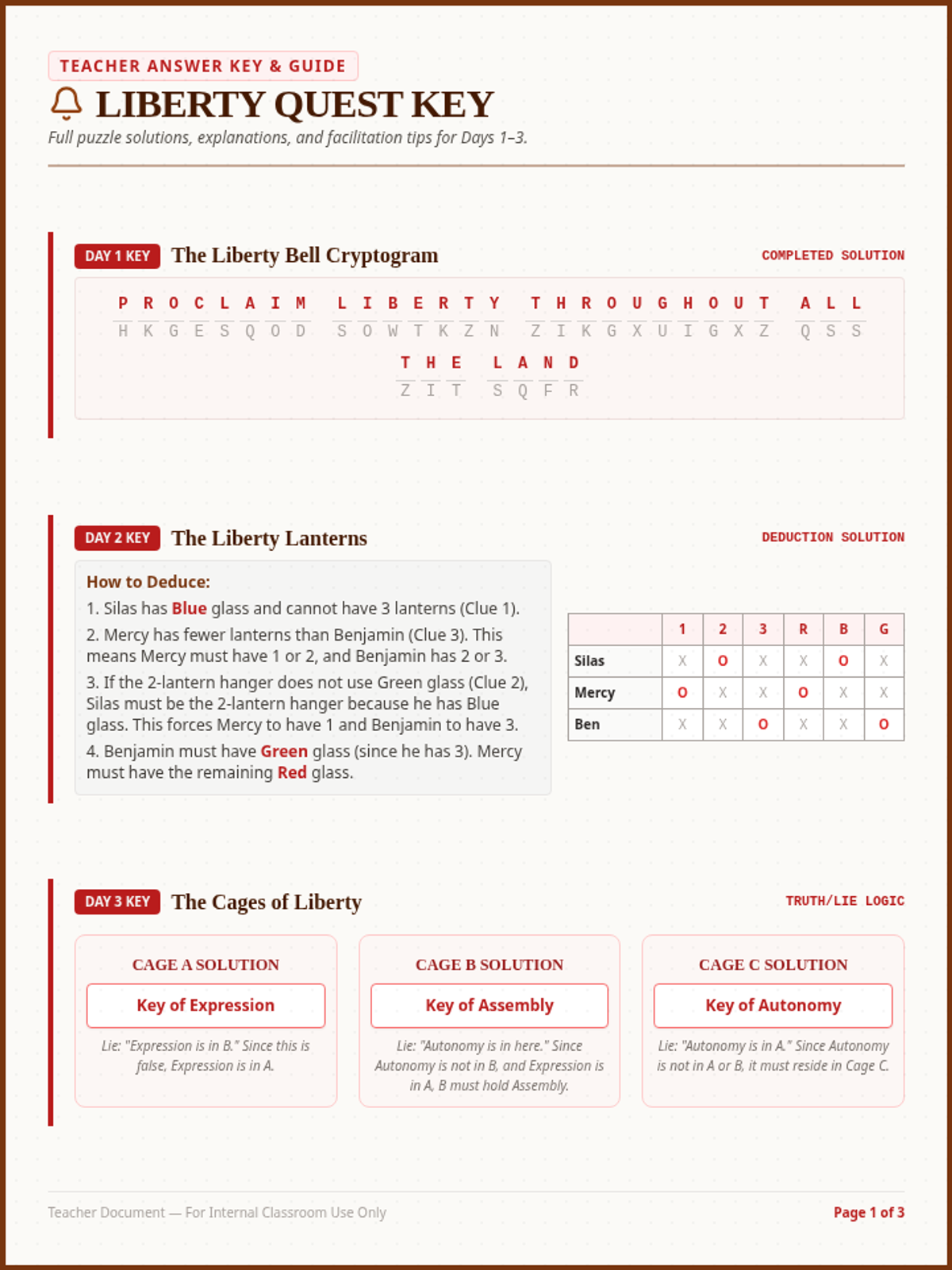
A 5-day daily warm-up packet based on logic puzzles and wordplay themed around liberty and freedom. Focuses on critical thinking and non-numerical deduction.
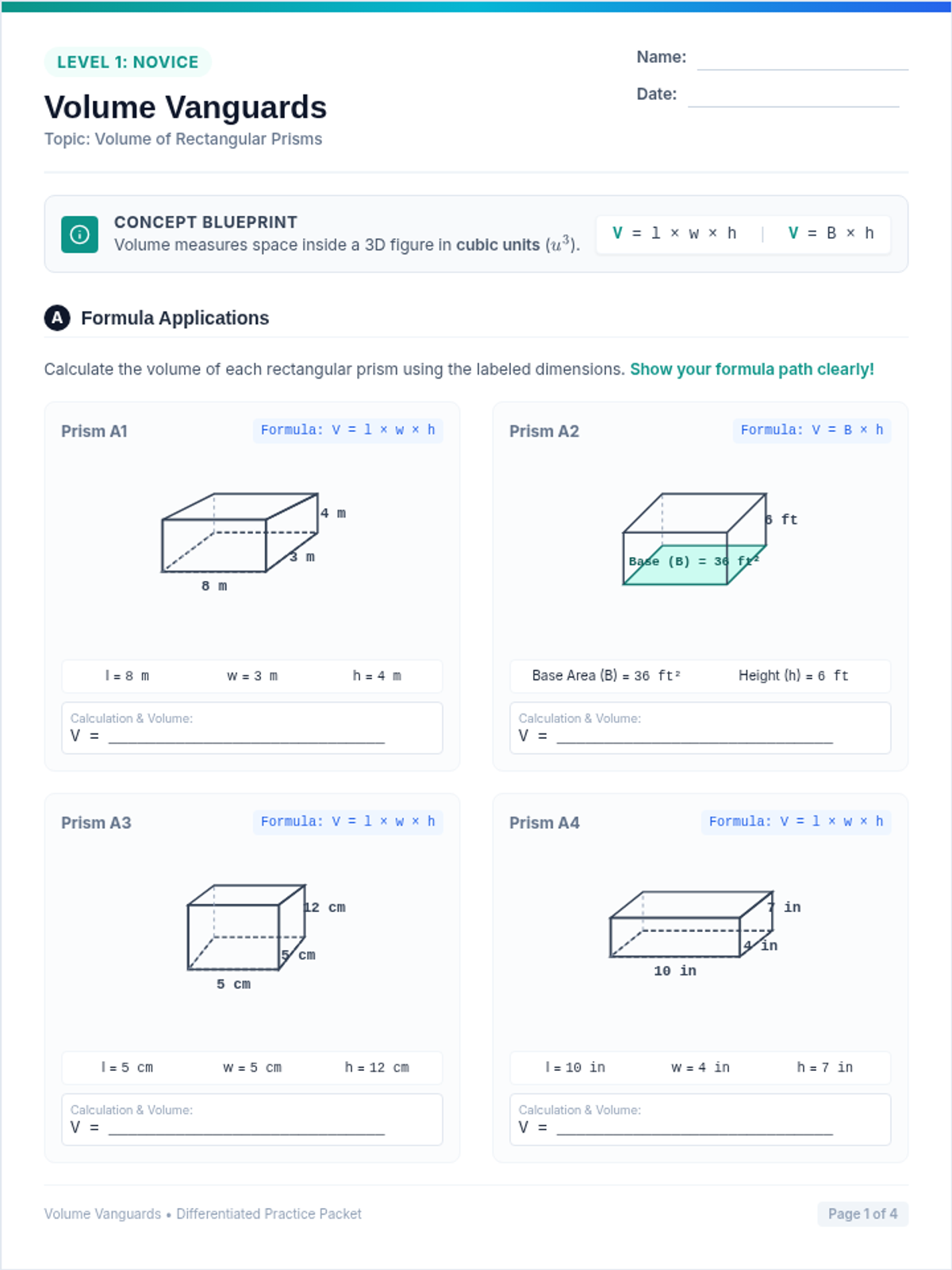
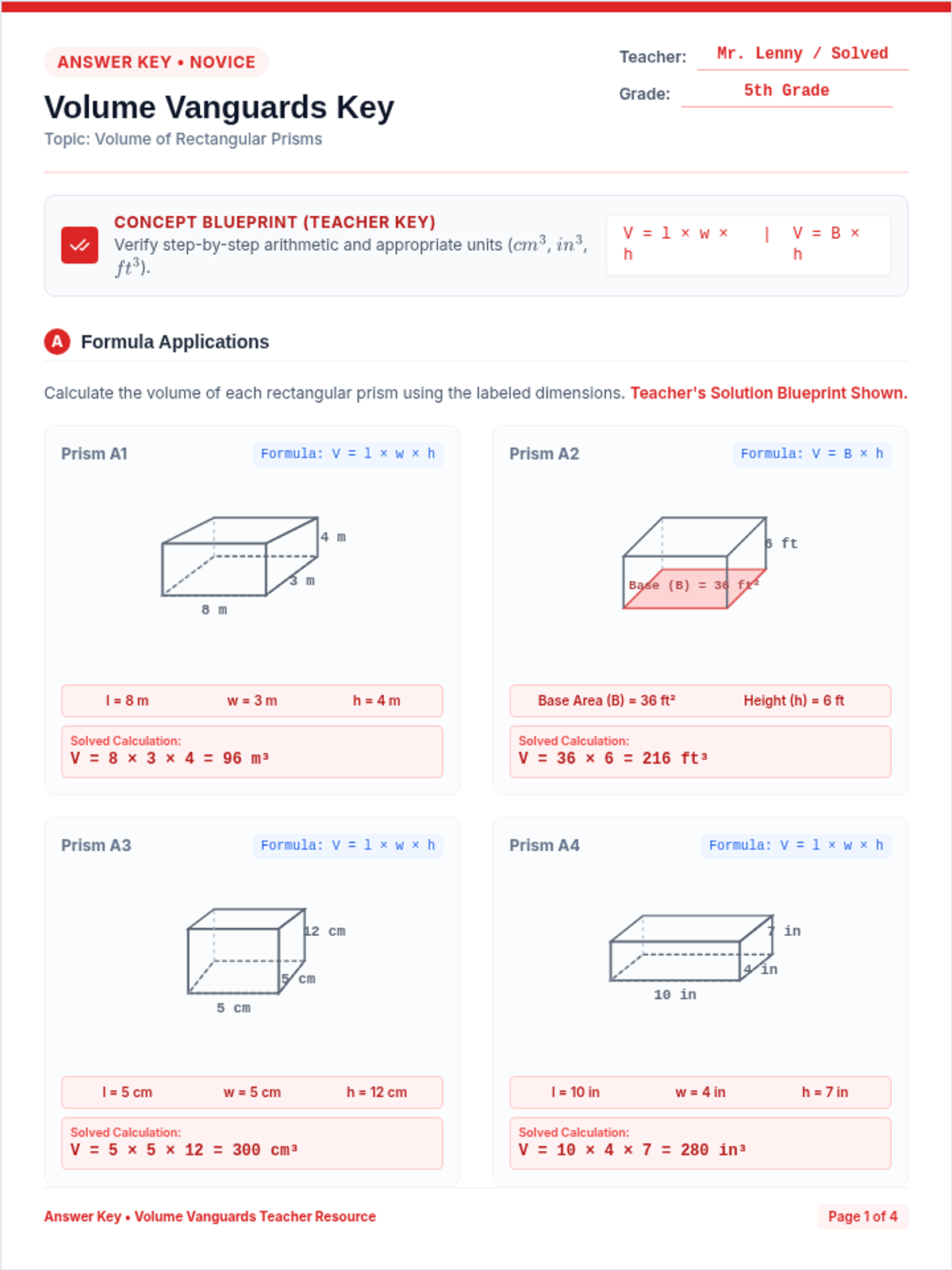
A comprehensive 5th-grade lesson on calculating the volume of rectangular prisms and composite/irregular 3D shapes. Students progress from counting unit cubes to applying formulas and decomposing irregular figures to find additive volume.
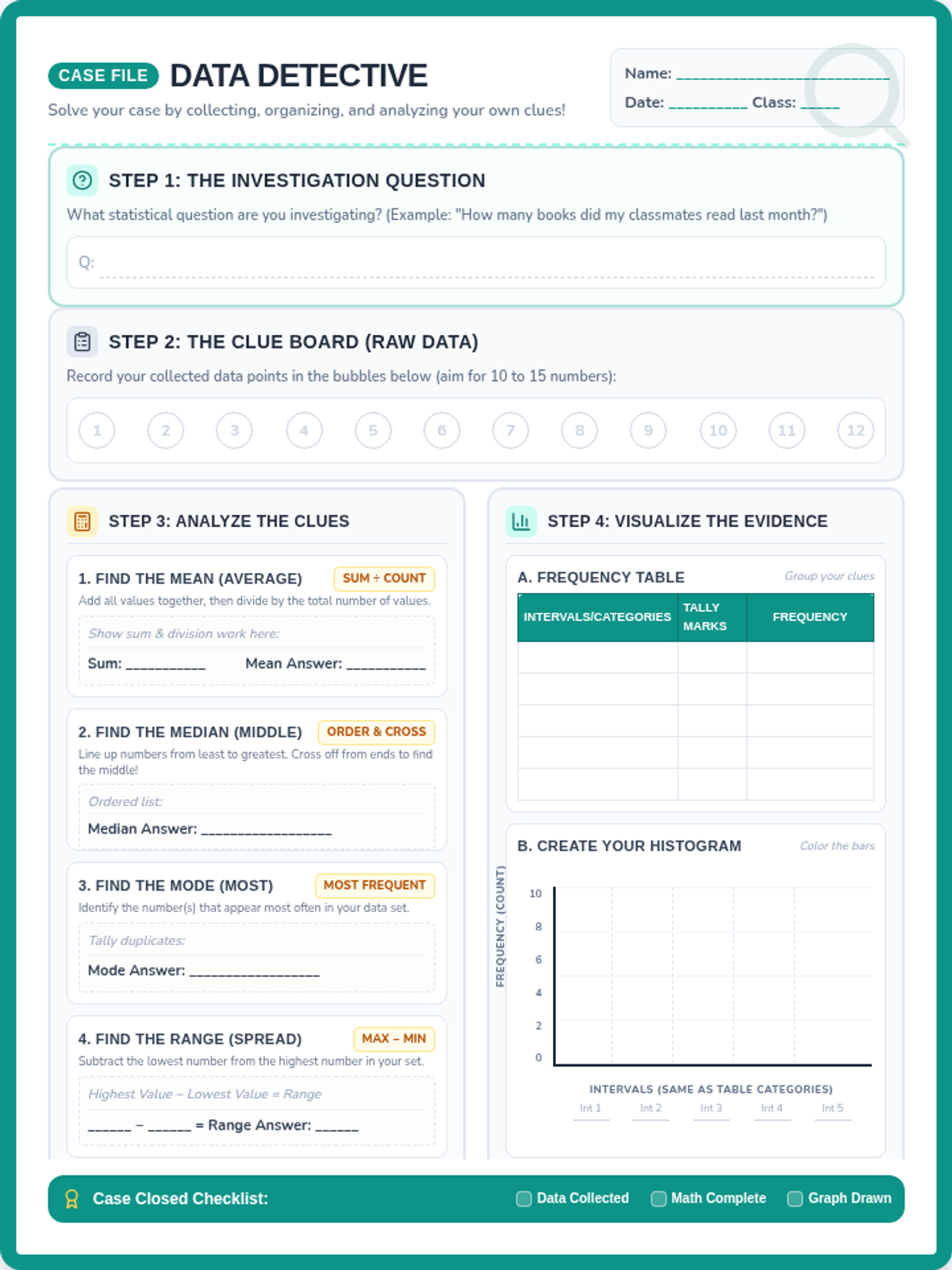
A lesson where students act as data detectives, collecting their own survey data, organizing it in a frequency table and histogram, and analyzing it using central tendency measures (mean, median, mode, and range).
A hands-on, collaborative math project where students work in teams to design and budget for an ultimate classroom picnic, practicing multi-digit addition, subtraction, and critical decision-making.