Una guía completa y visual para estudiantes de 9no grado sobre cómo diseñar presentaciones de alto impacto, dominar el lenguaje corporal y conectar con la audiencia.
No materials in this lesson yet.
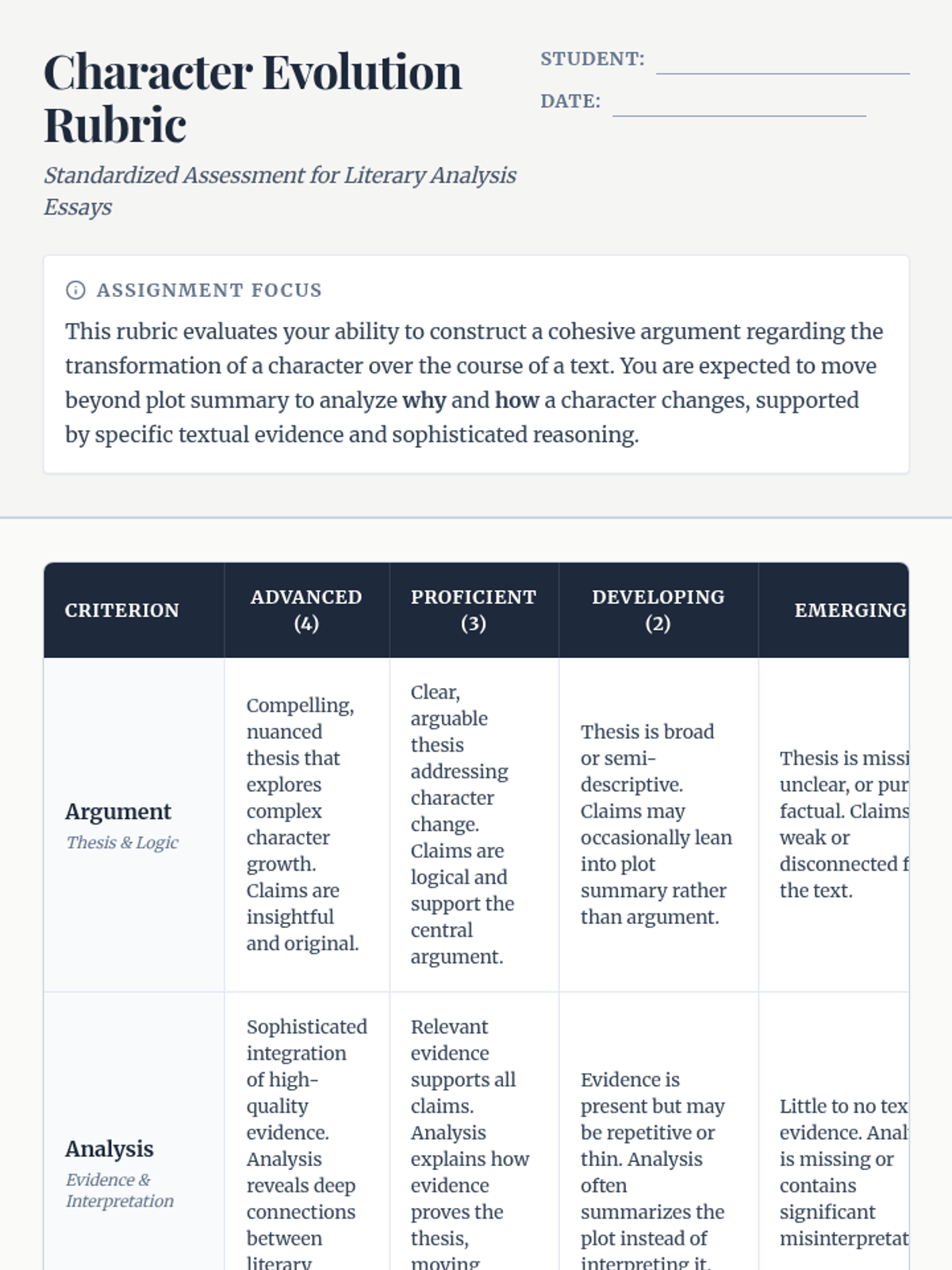
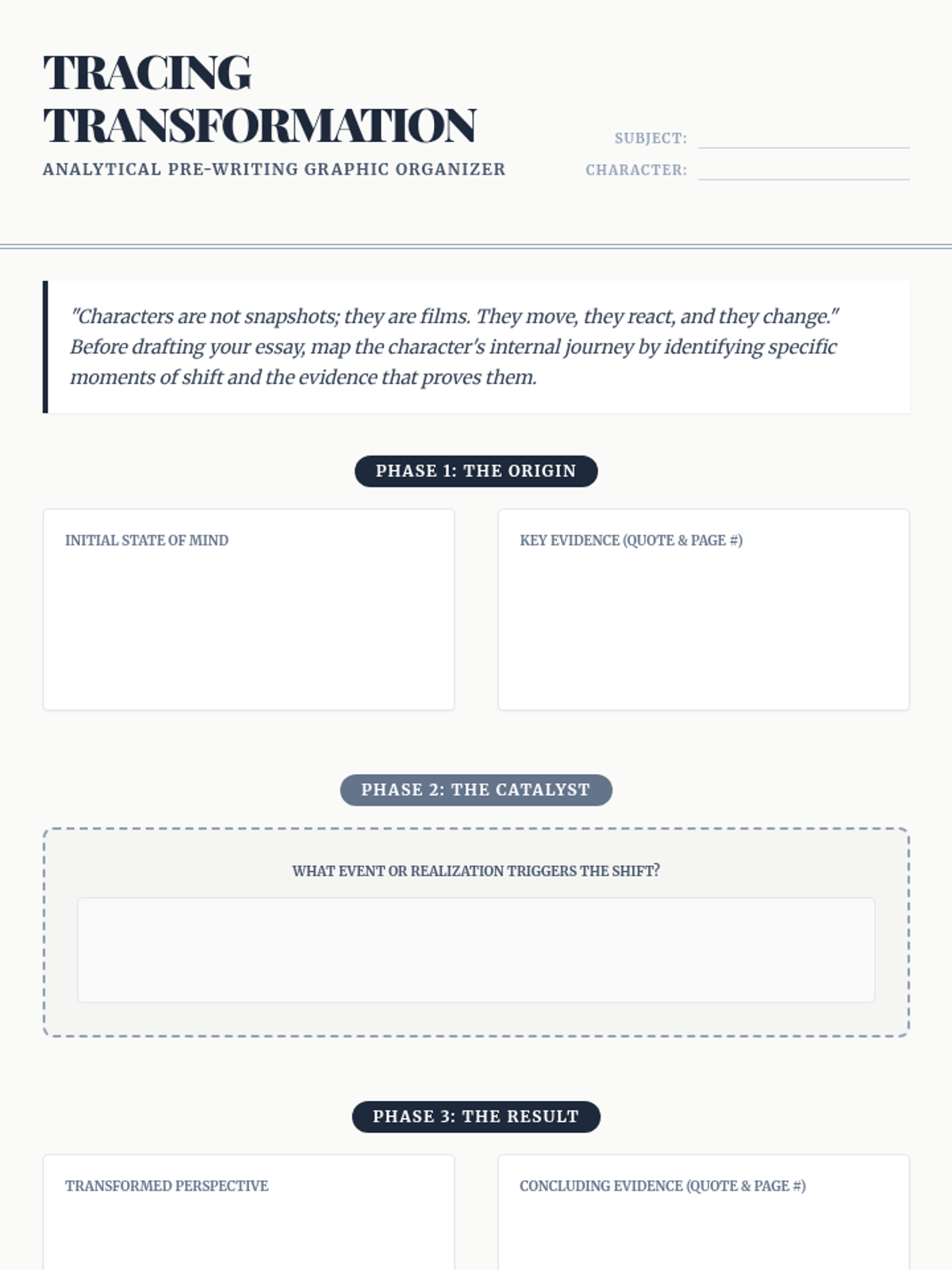
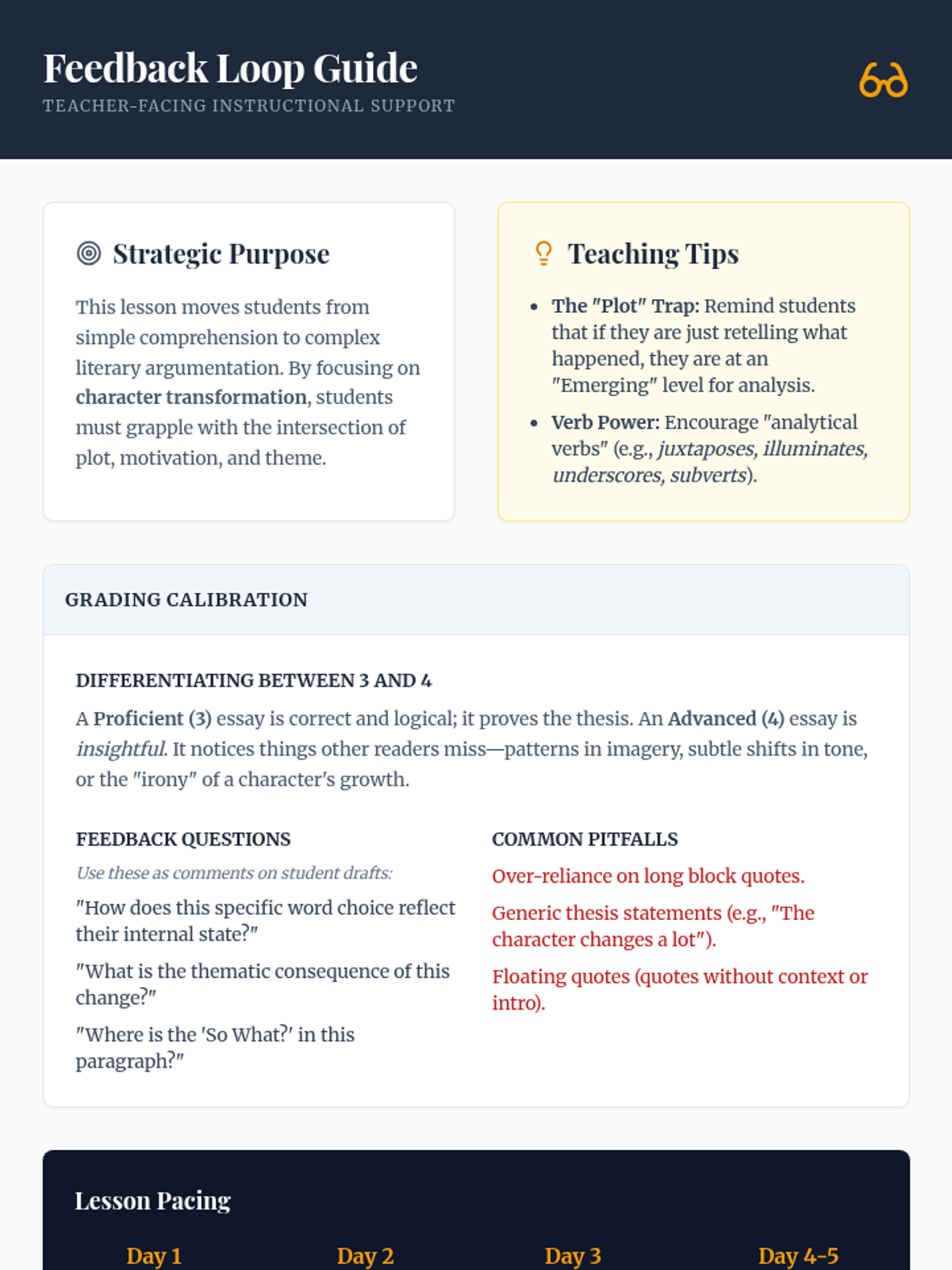
A lesson focused on analyzing how characters evolve throughout a literary text, culminating in a formal literary analysis essay. Students will explore the relationship between plot events and internal character shifts.
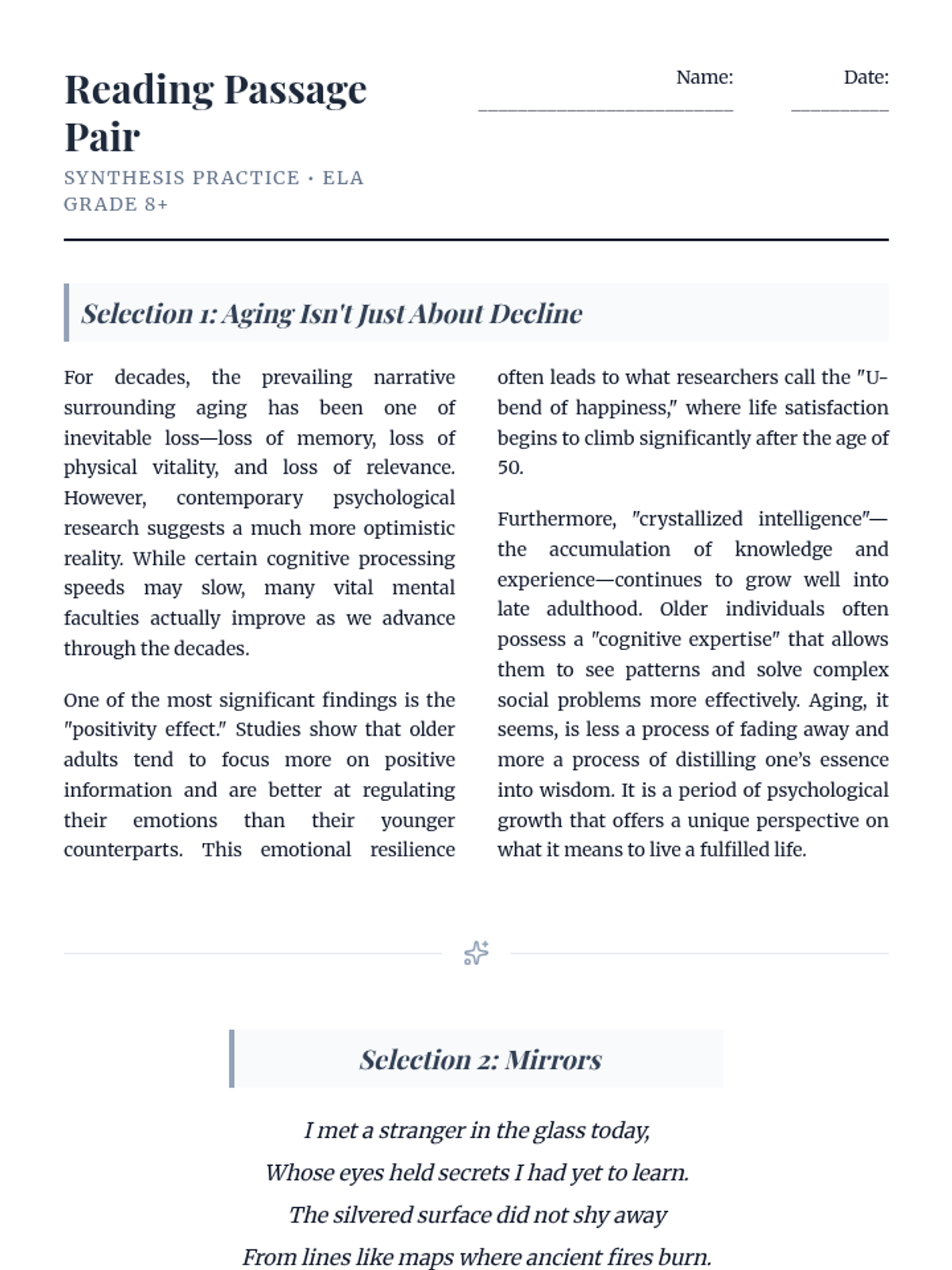
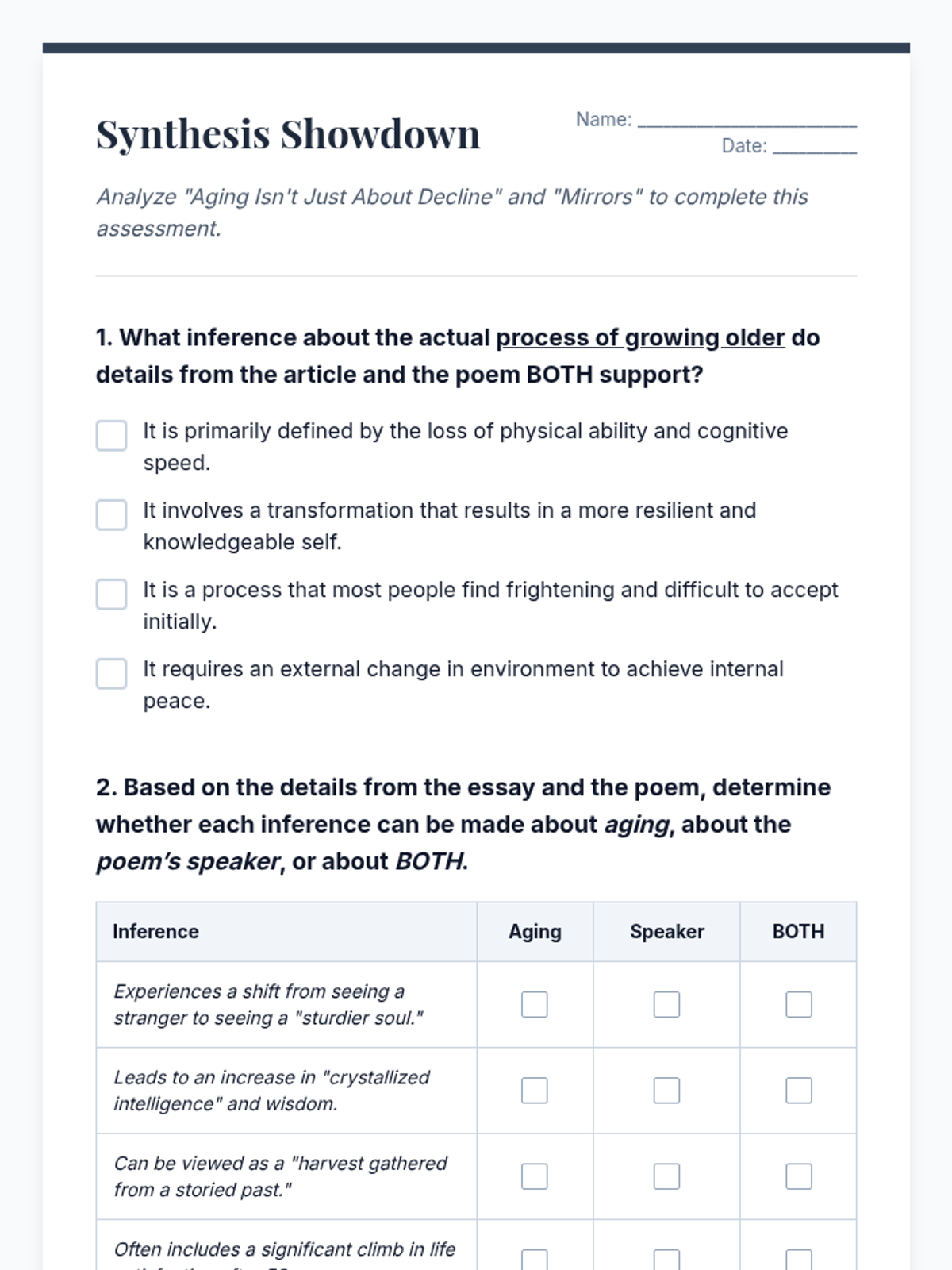
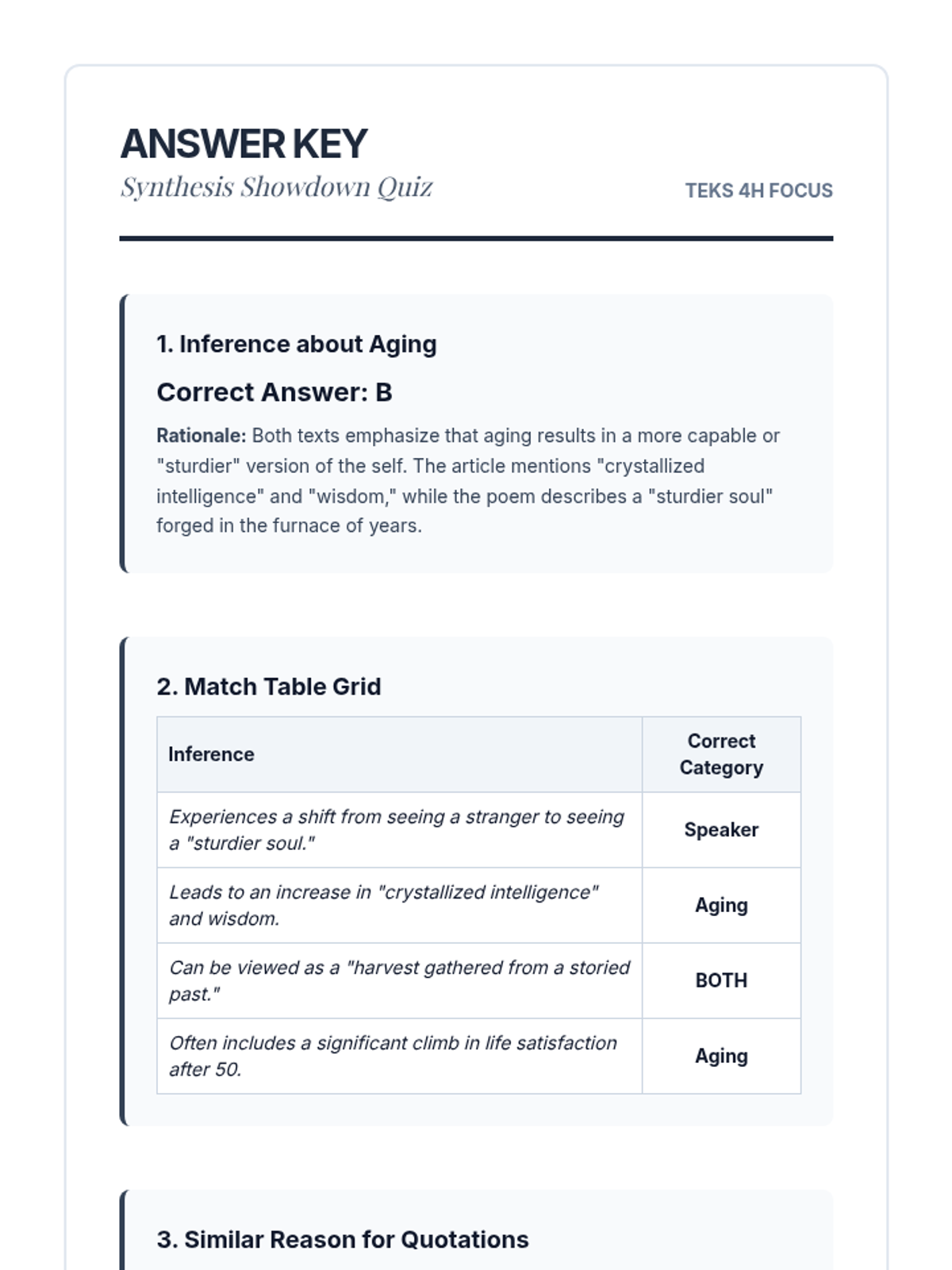
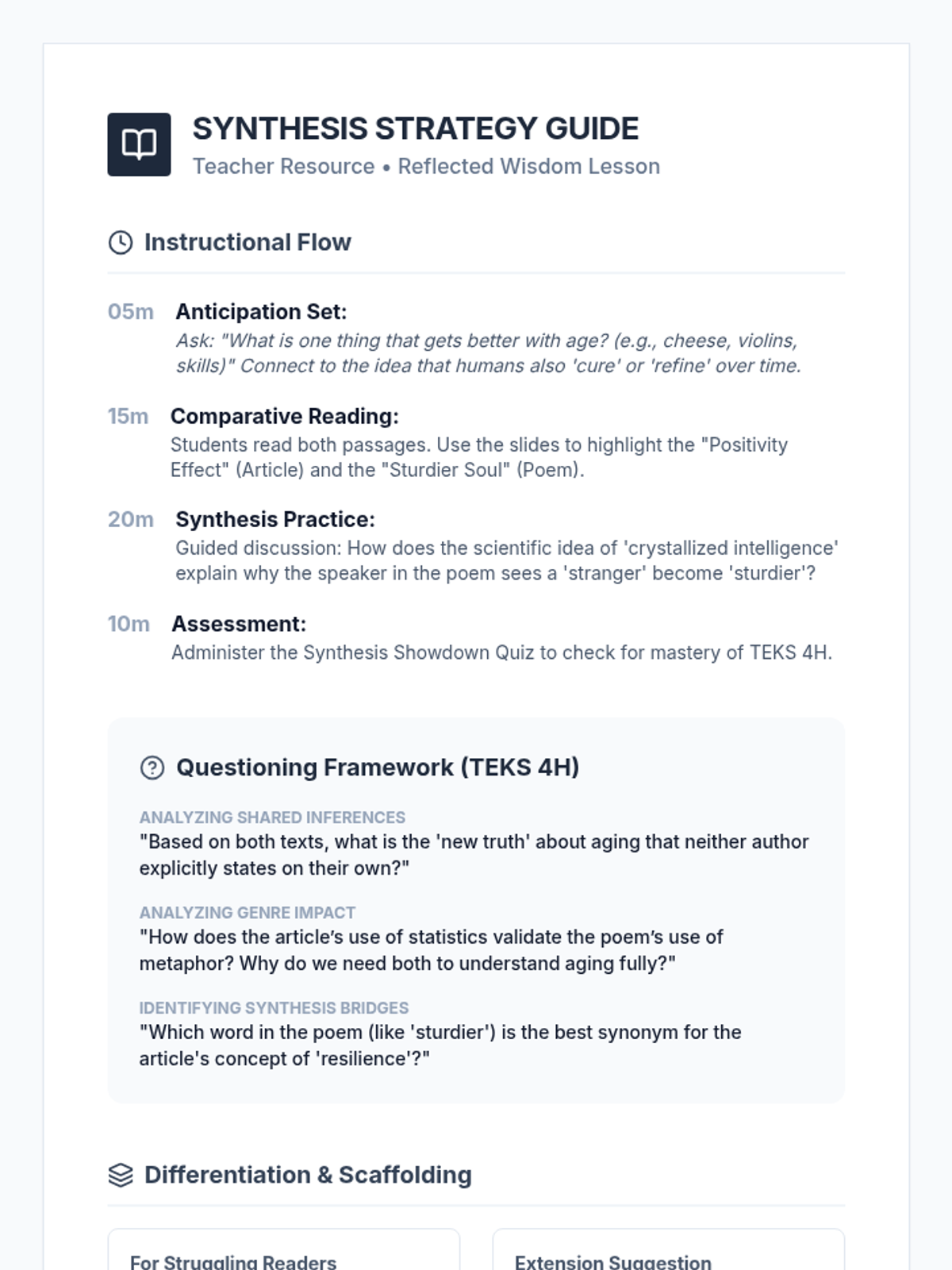
In this lesson, students will practice synthesizing information from an informational text and a poem. They will learn to identify shared themes and contrasting perspectives to develop a comprehensive understanding of the aging process.
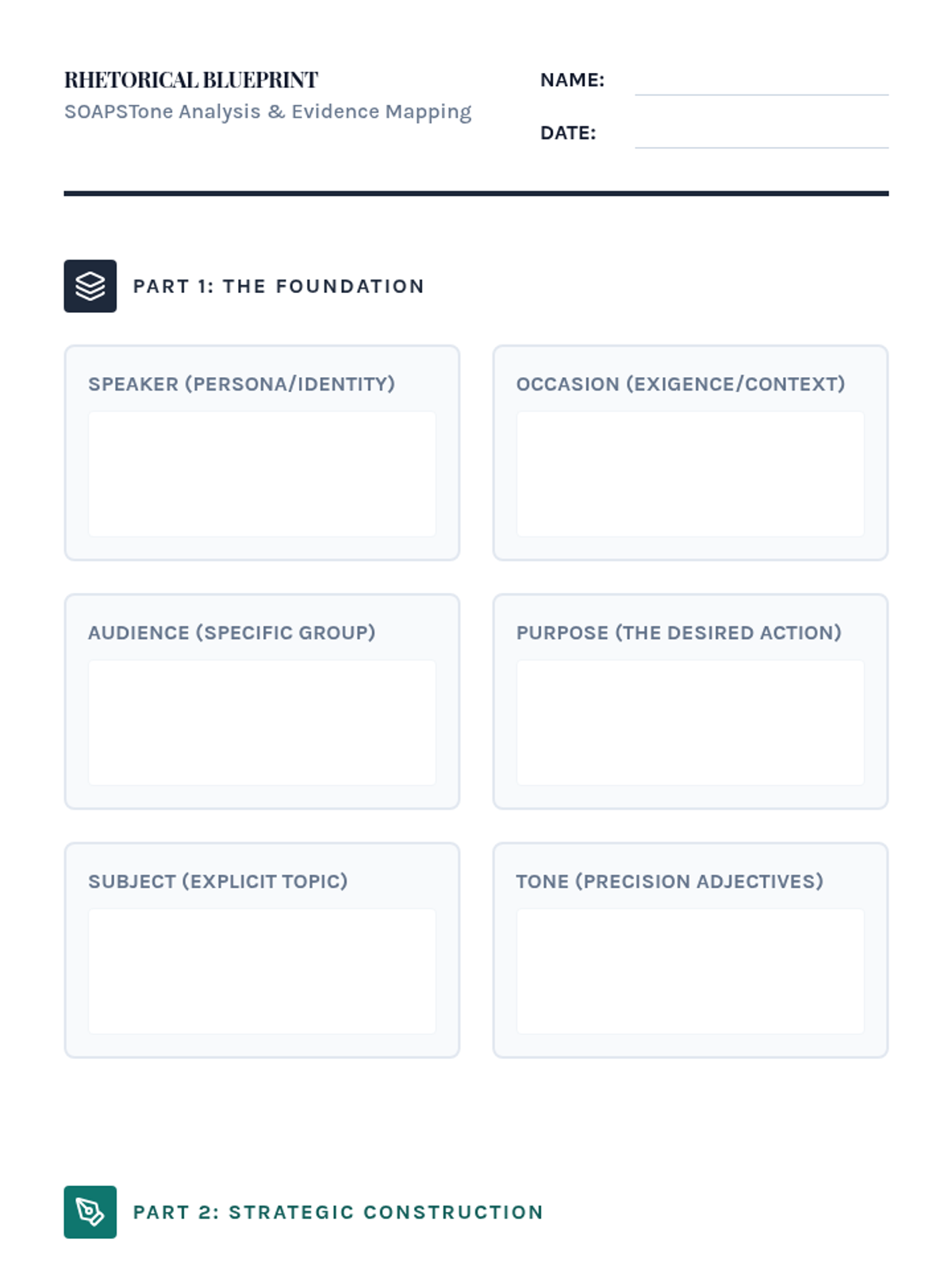
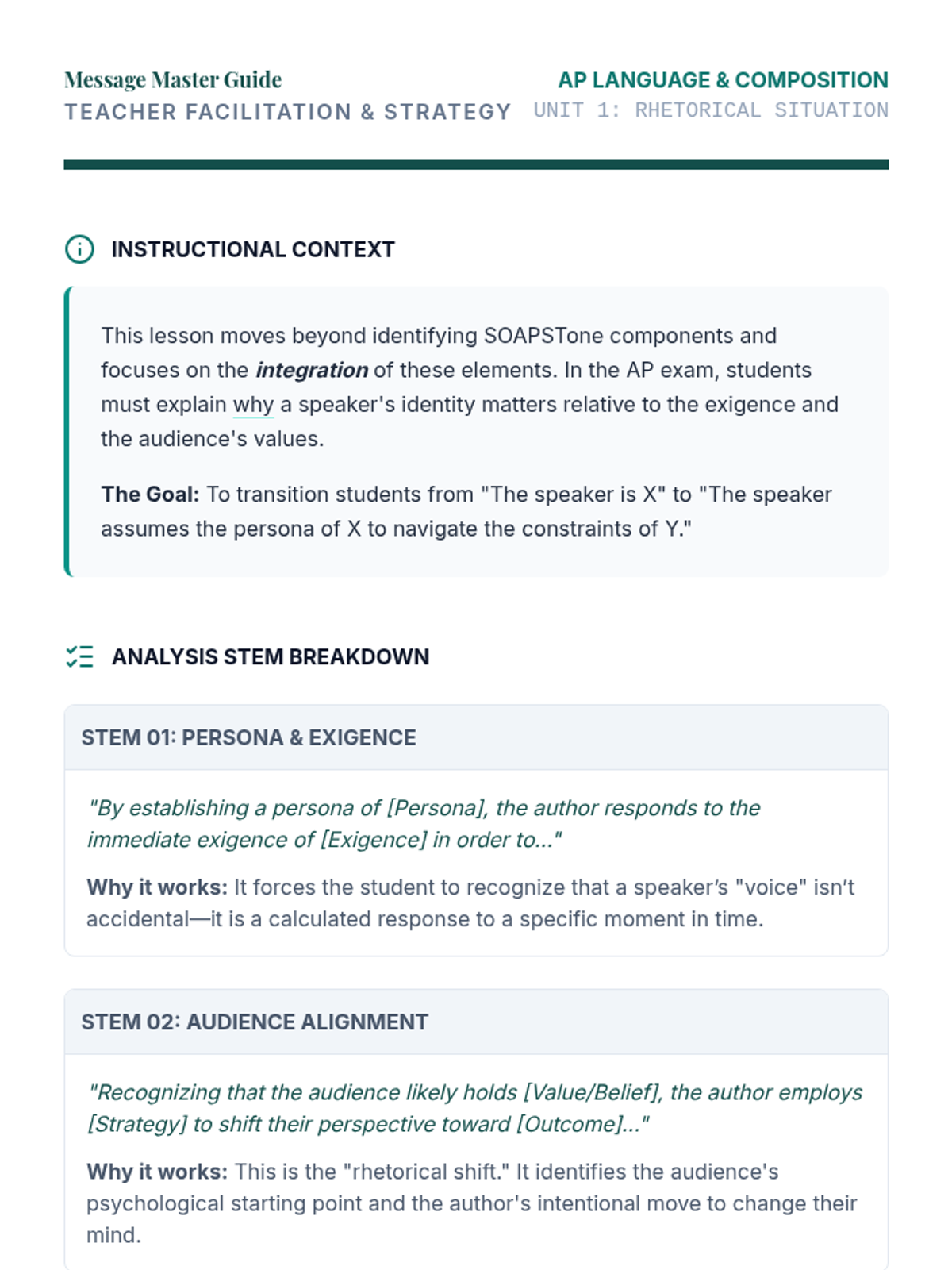
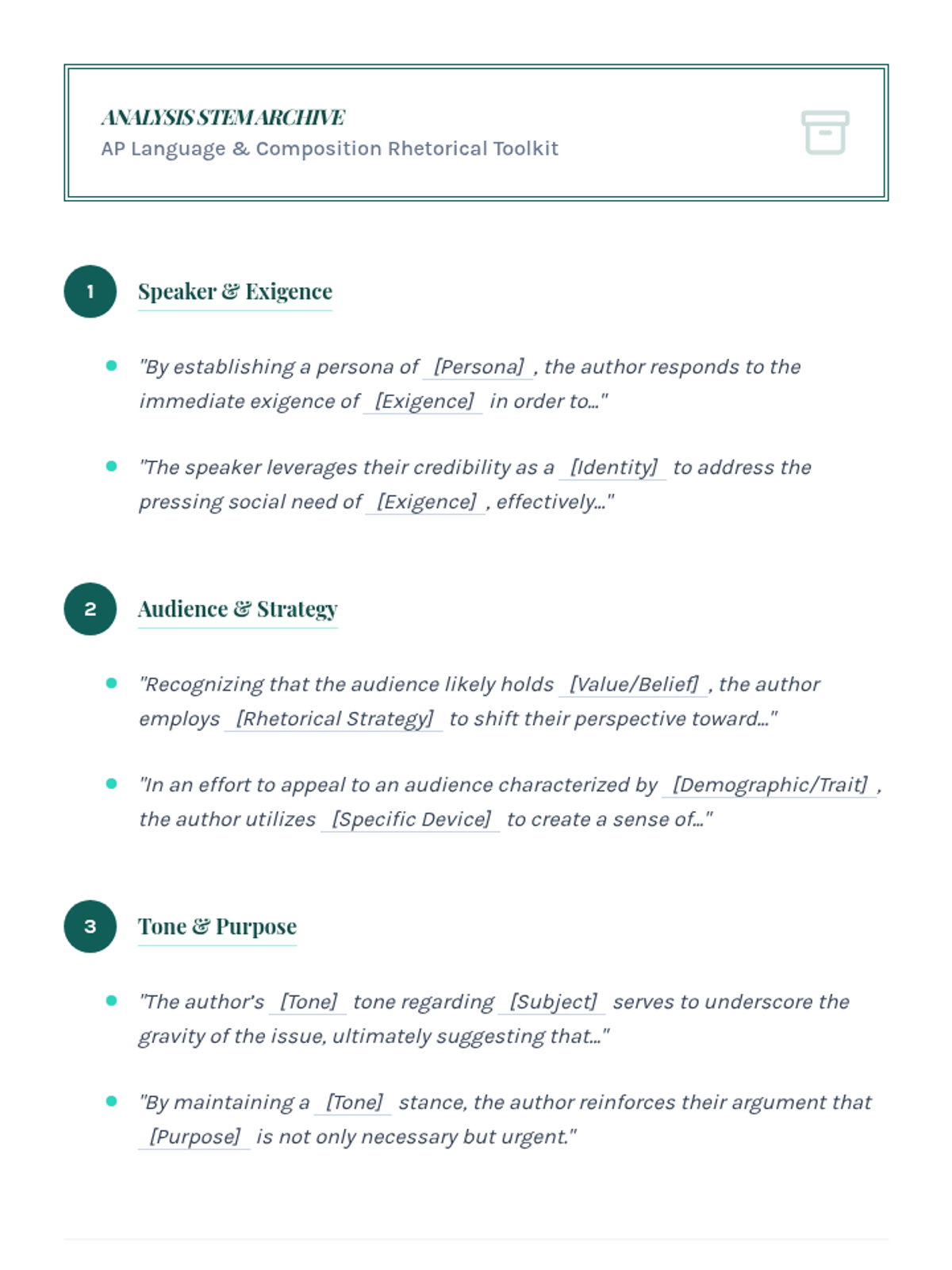
An advanced rhetorical analysis lesson for AP Language students focusing on the SOAPSTone method to deconstruct non-fiction texts and identify the speaker's line of reasoning.
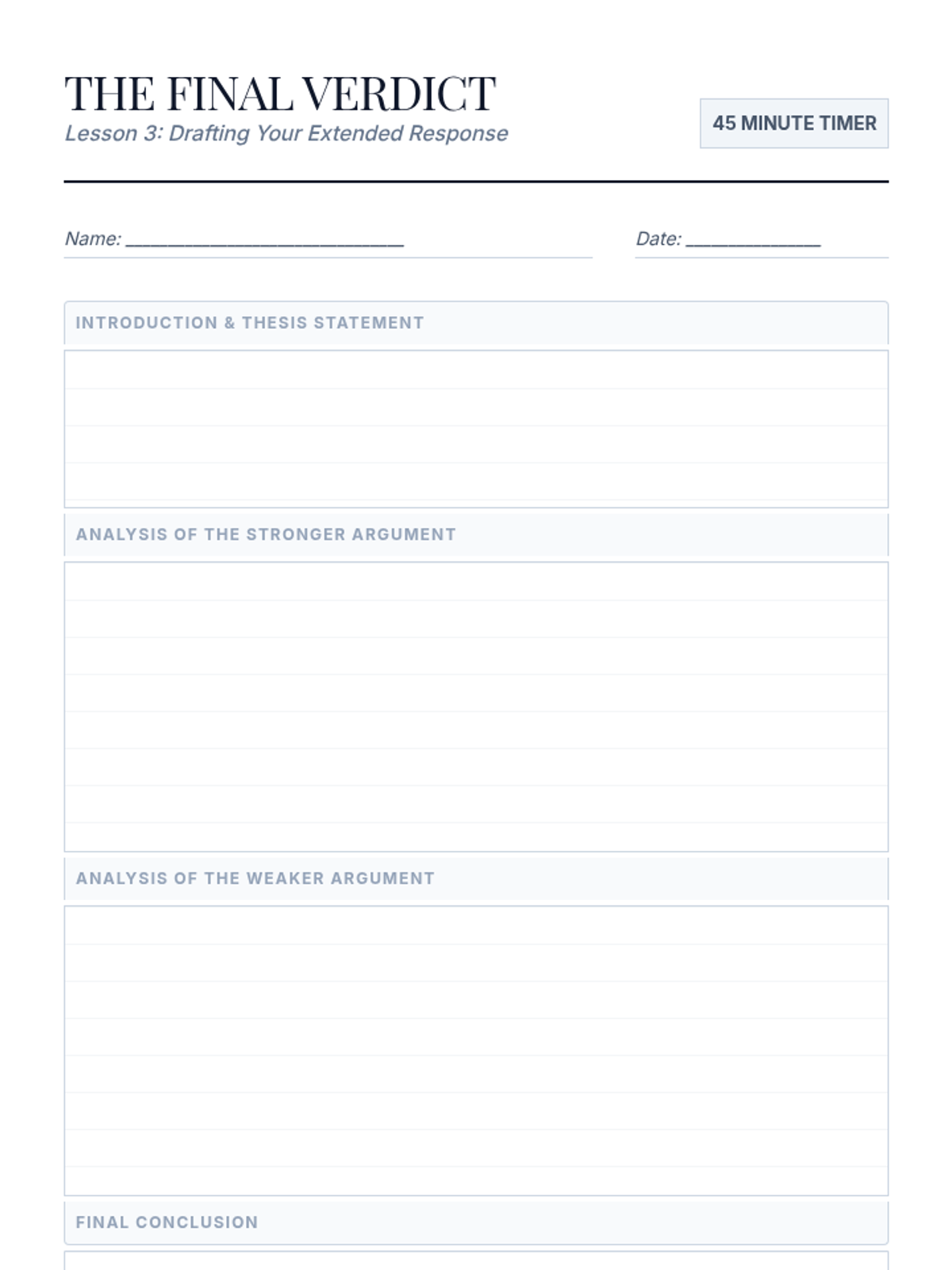
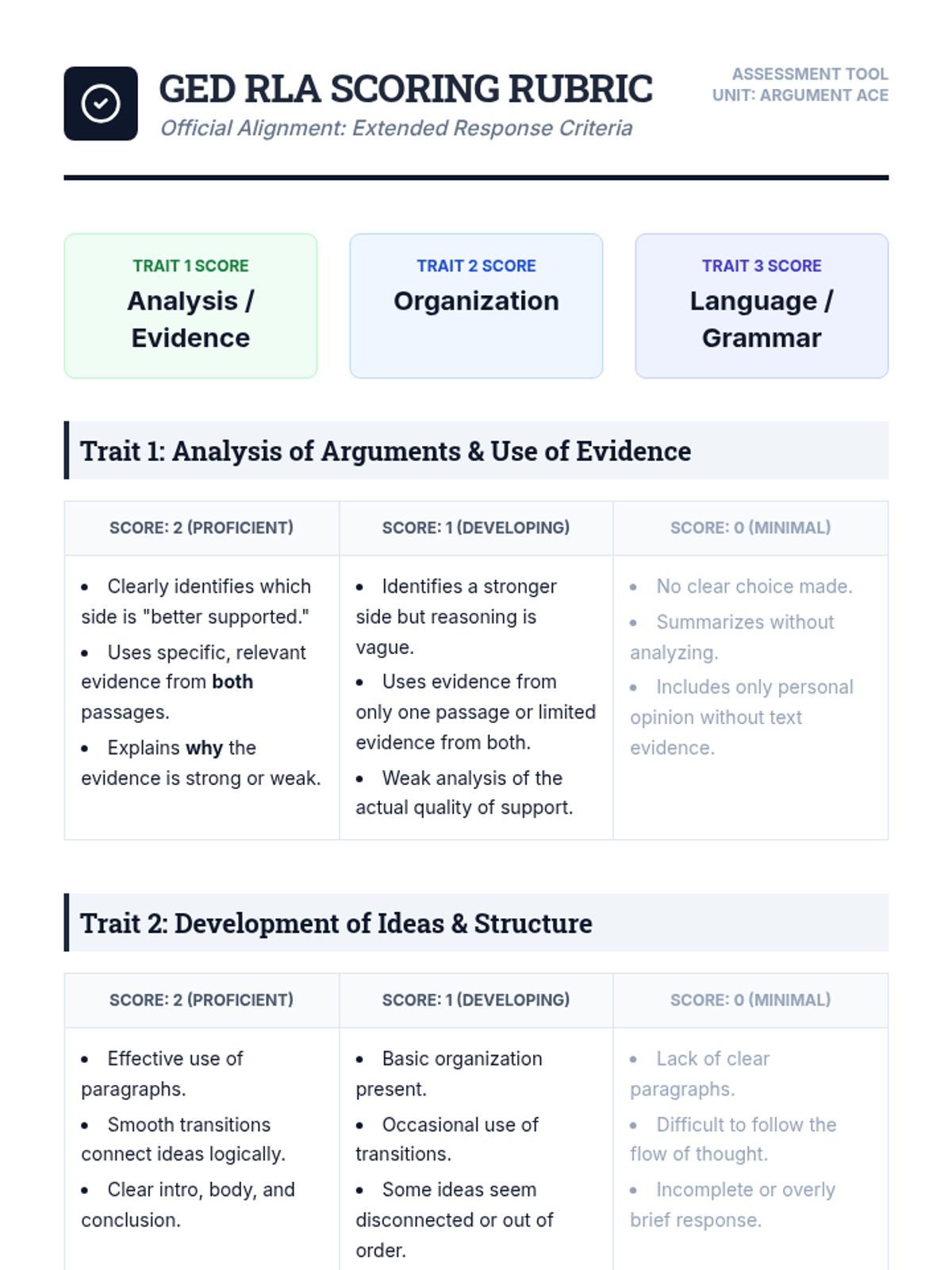
Students draft their argumentative essay using a guided framework and review their work against the GED rubric.
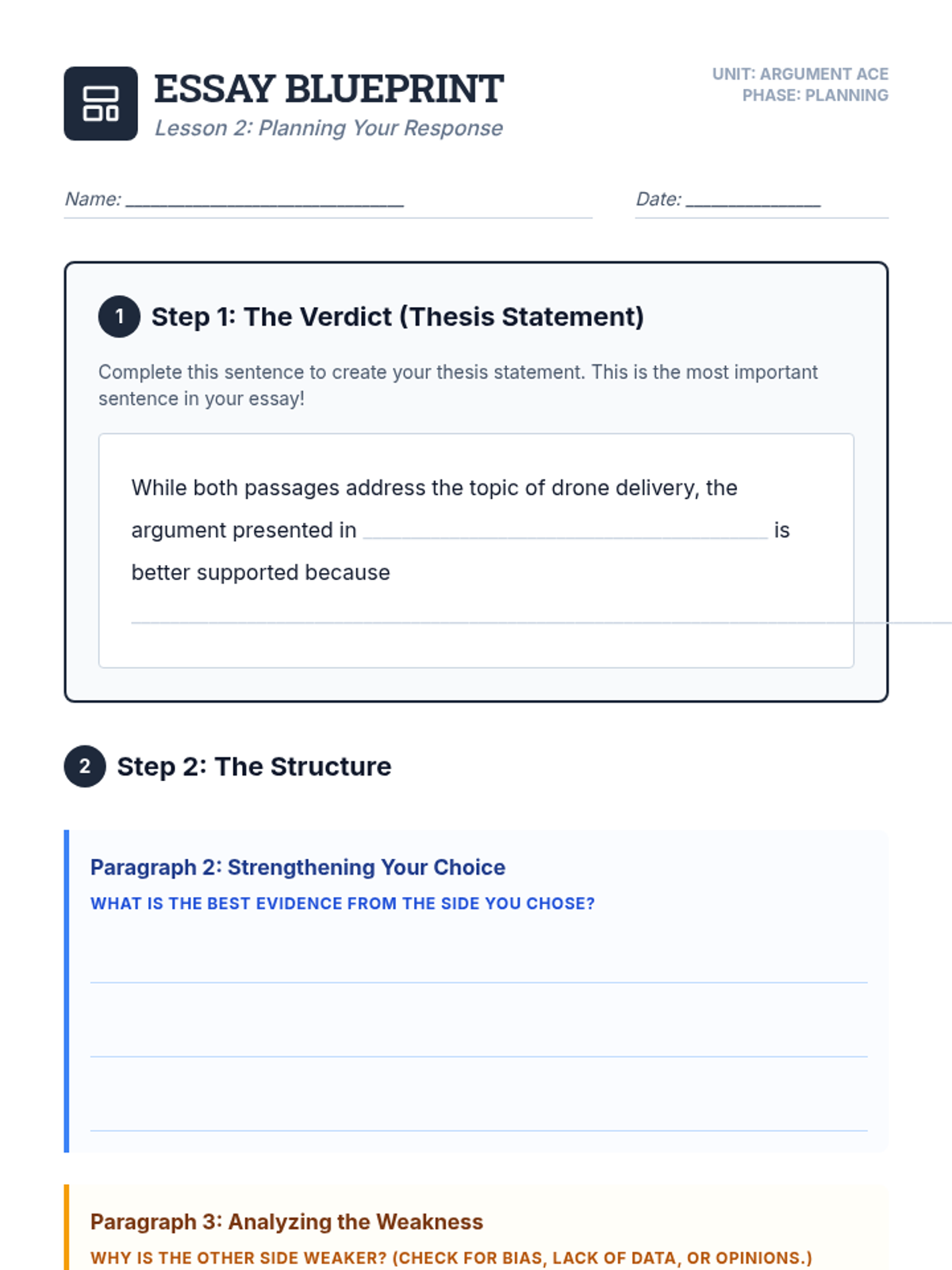
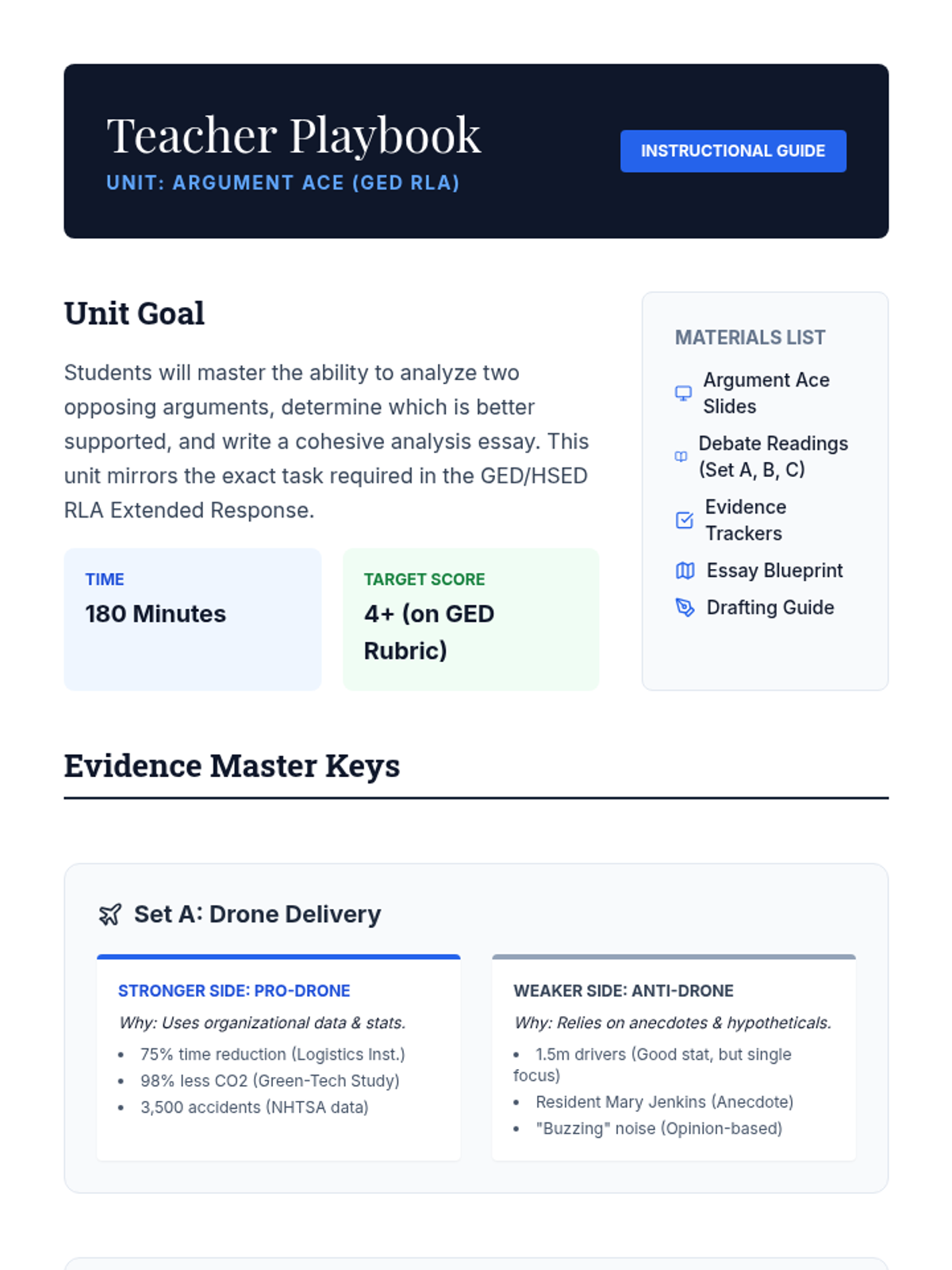
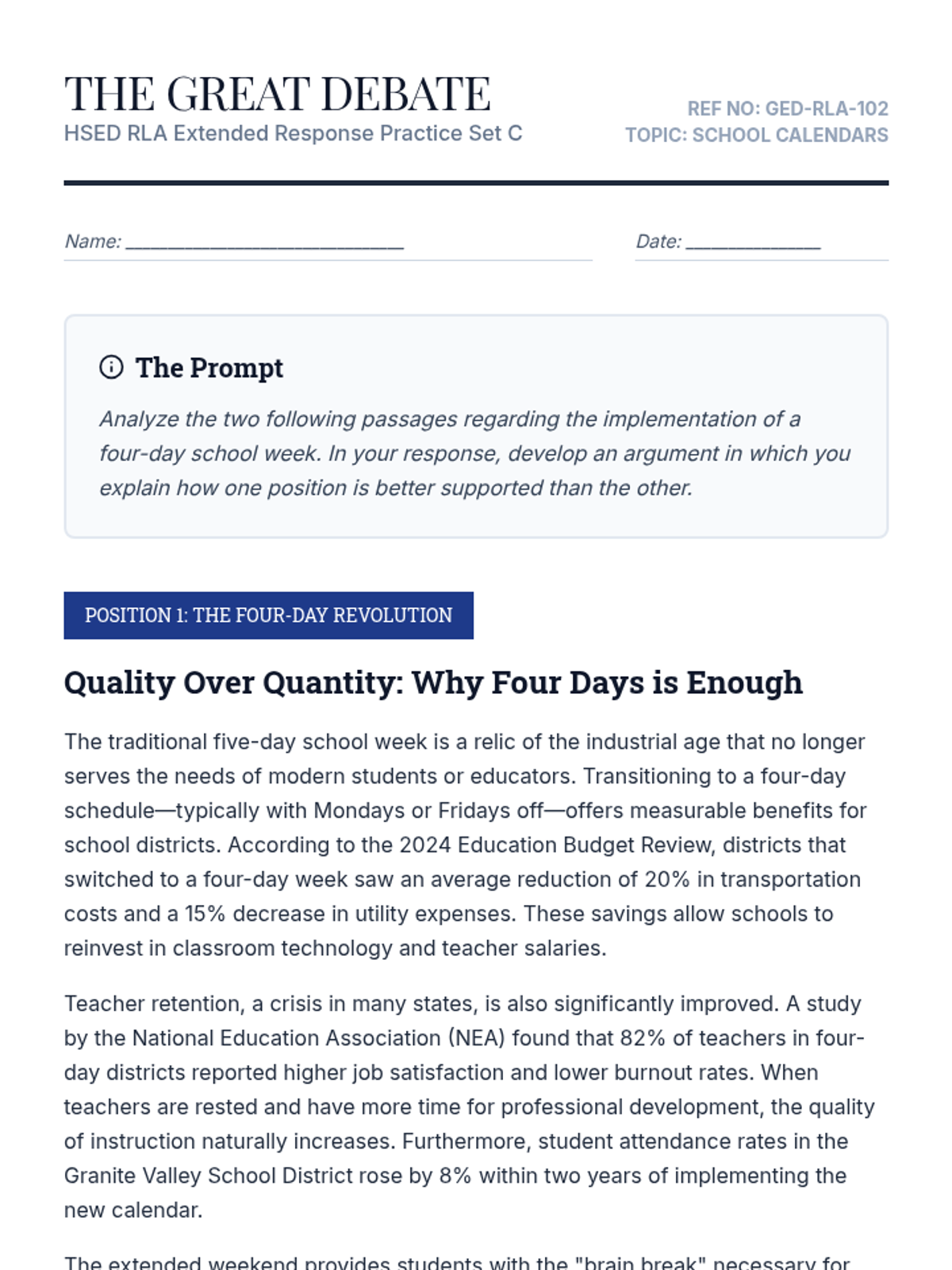
Students evaluate which argument is "better supported" and create a structured outline for their extended response.
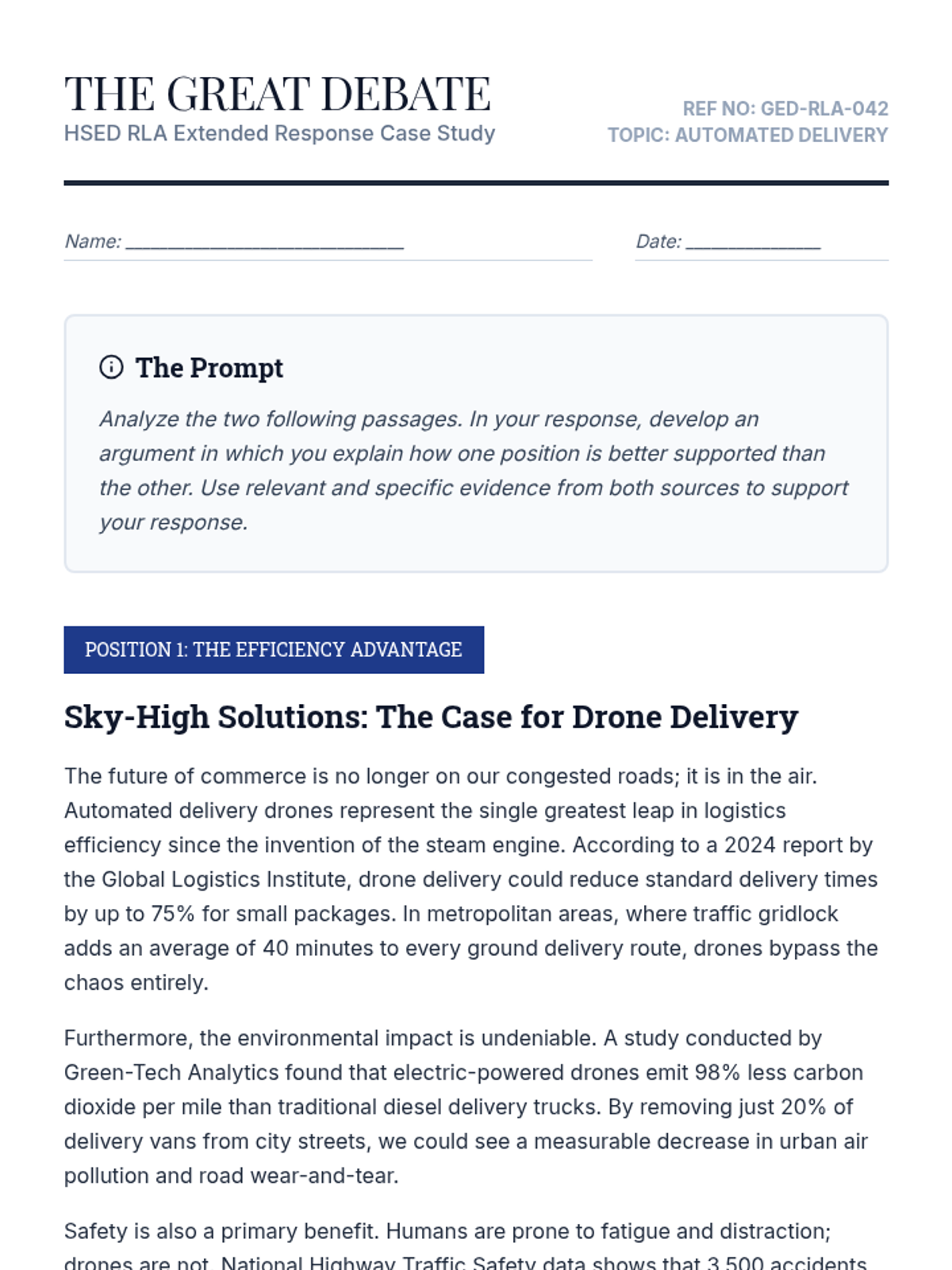
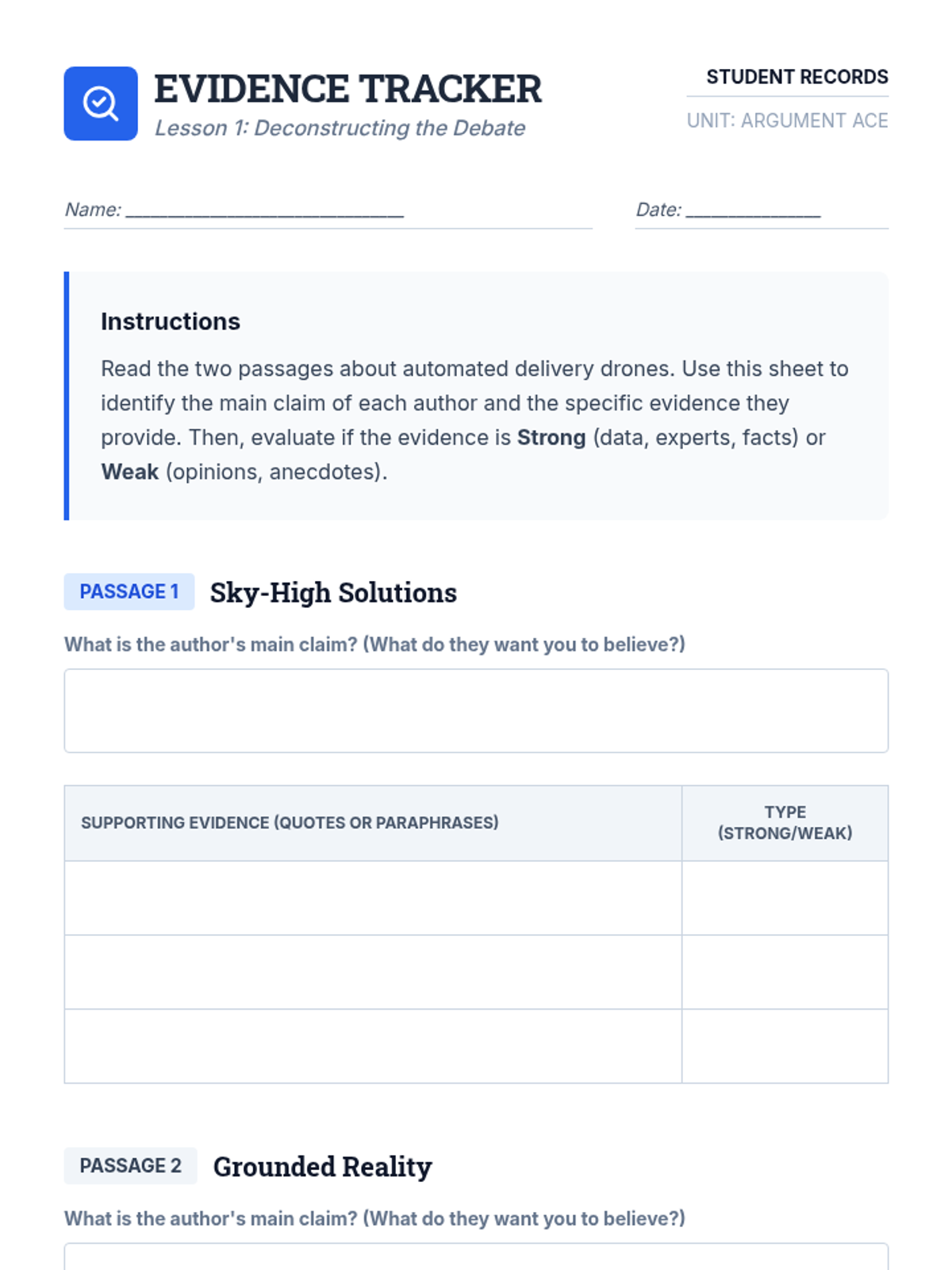
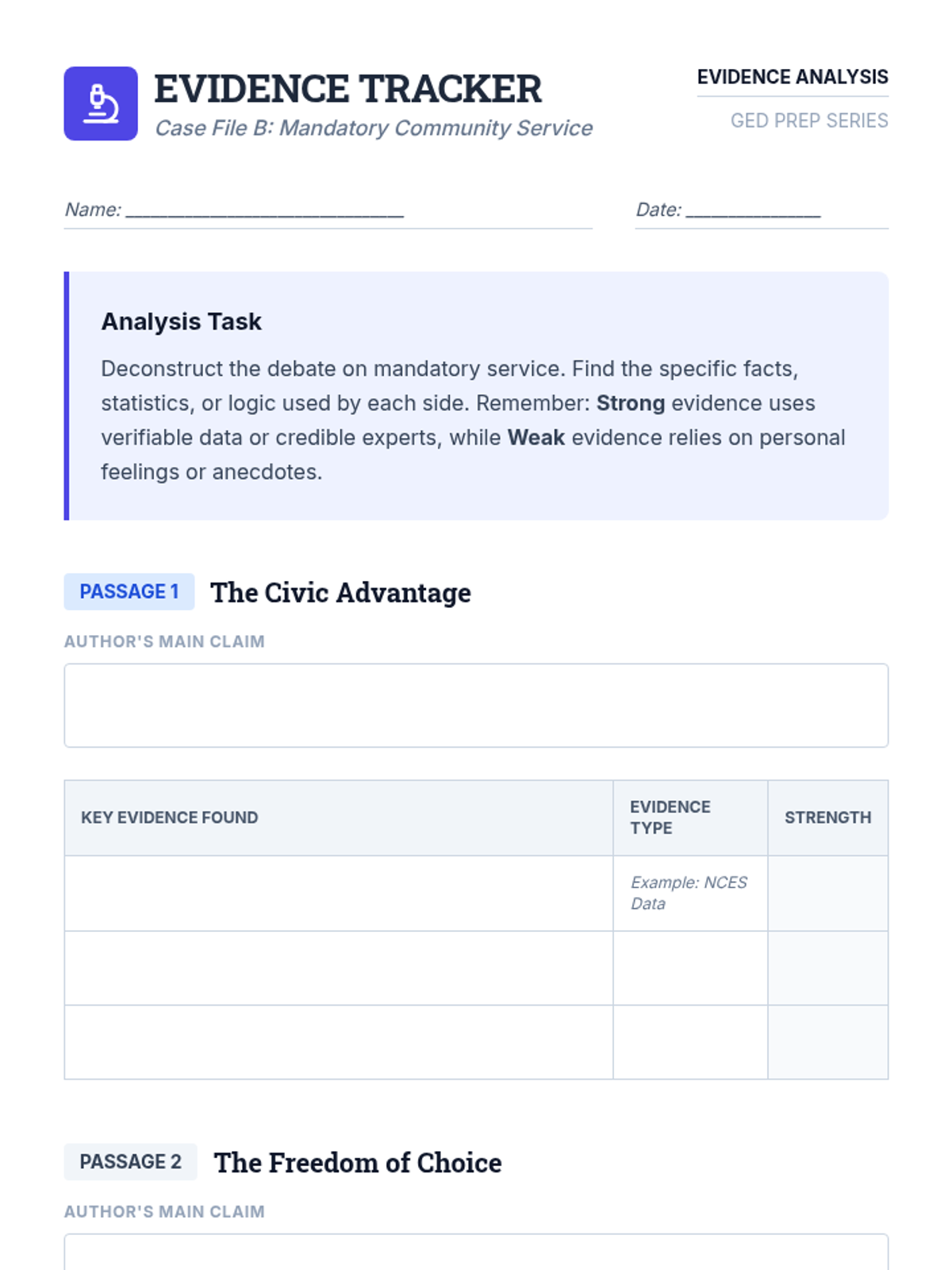
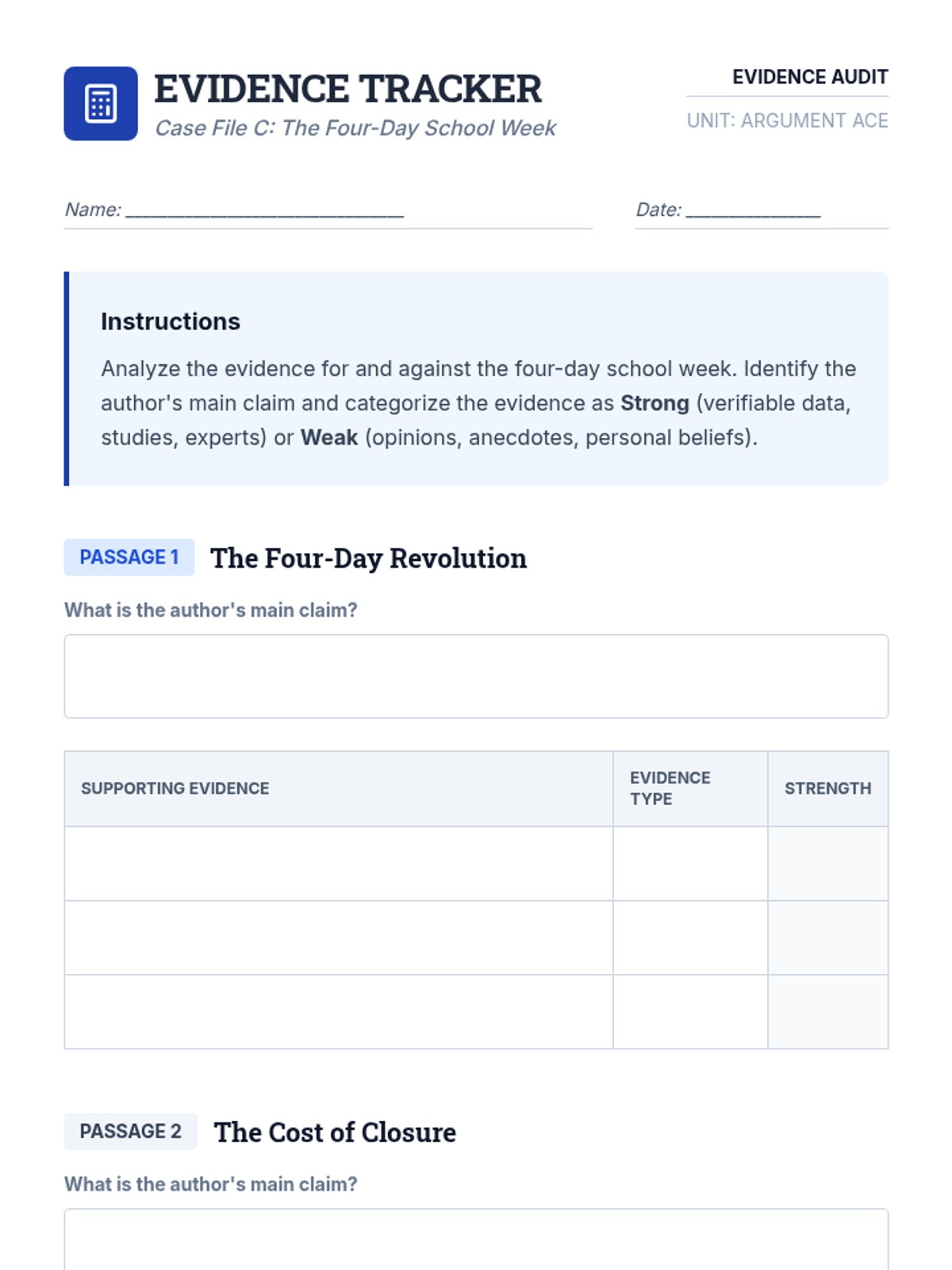
Students learn to deconstruct the GED RLA prompt and use an Evidence Tracker to identify claims and support in two opposing viewpoints.
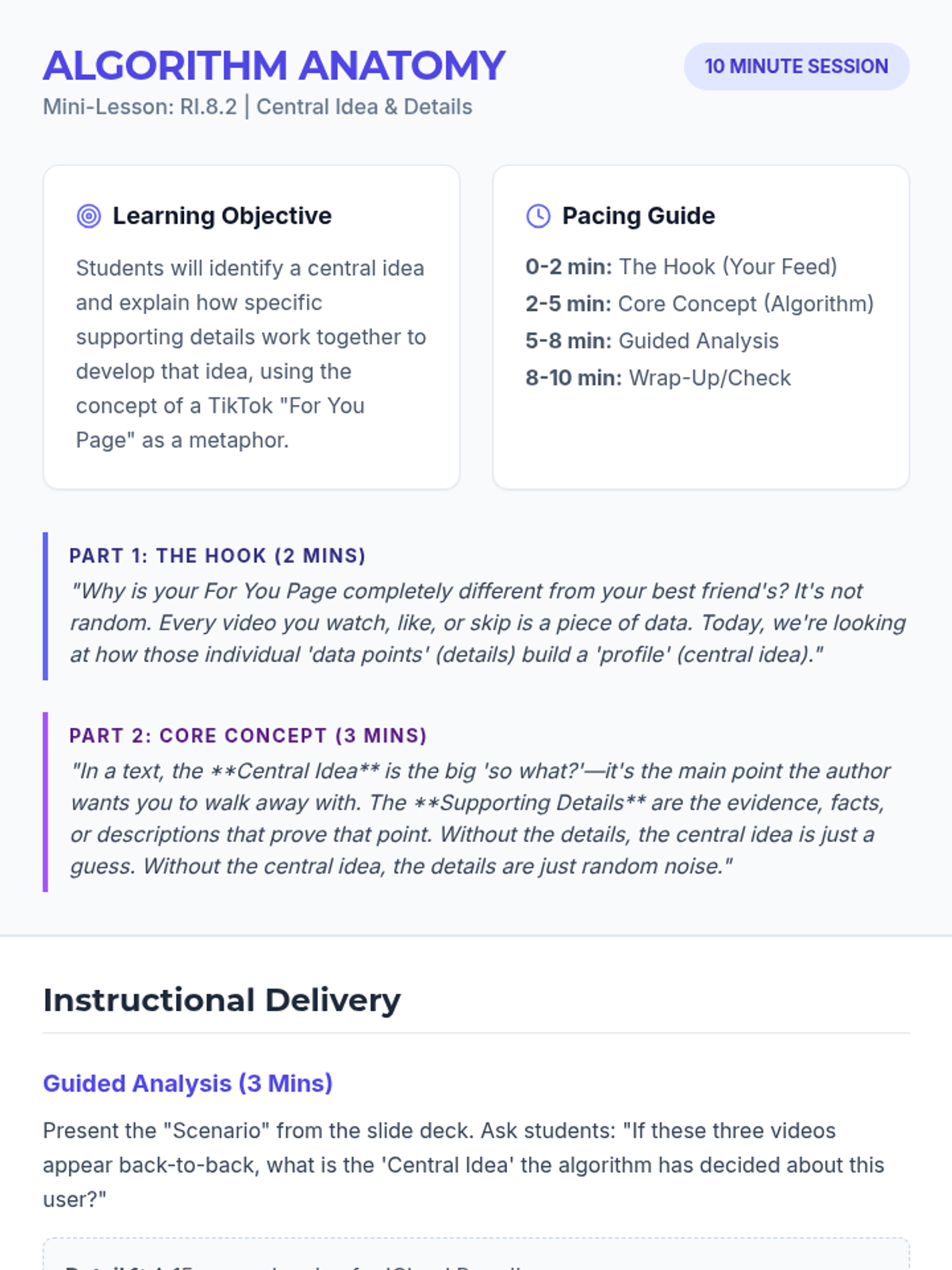
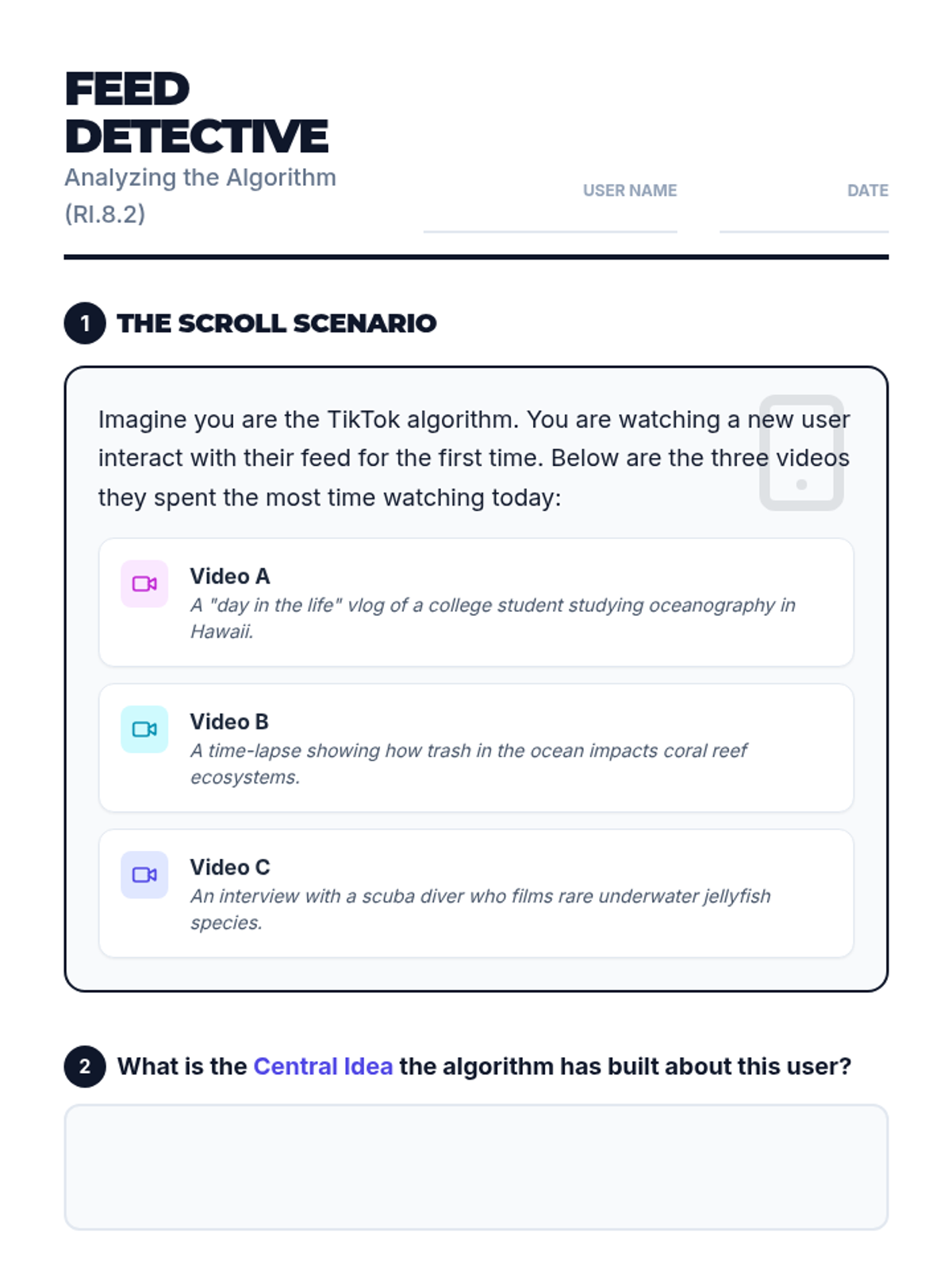
A 10-minute mini-lesson exploring the relationship between central ideas and supporting details using the relatable context of TikTok algorithms and social media feeds.
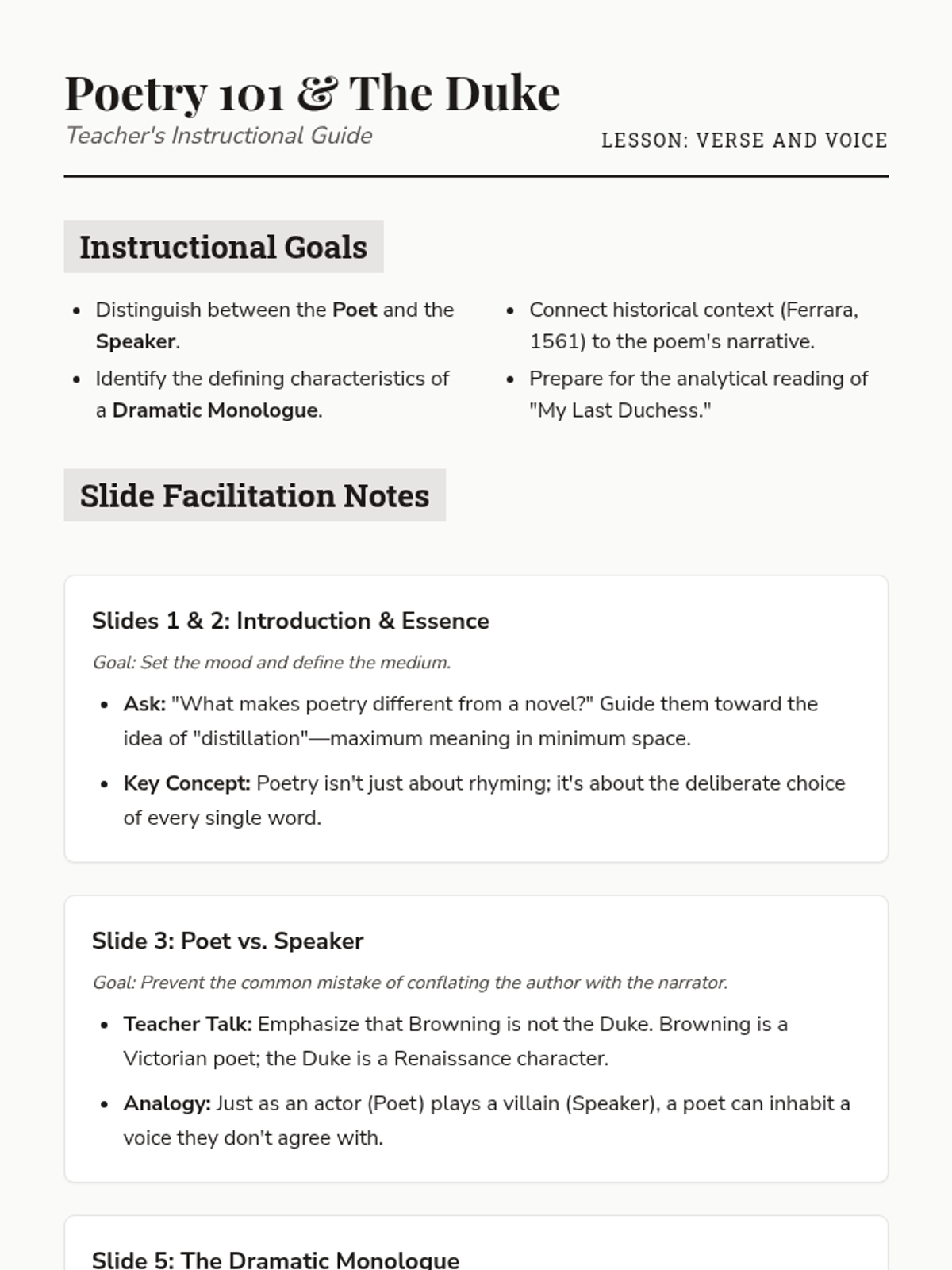
A foundational introduction to the building blocks of poetry, focusing on structural elements and themes, specifically designed to bridge into the study of Robert Browning's "My Last Duchess".
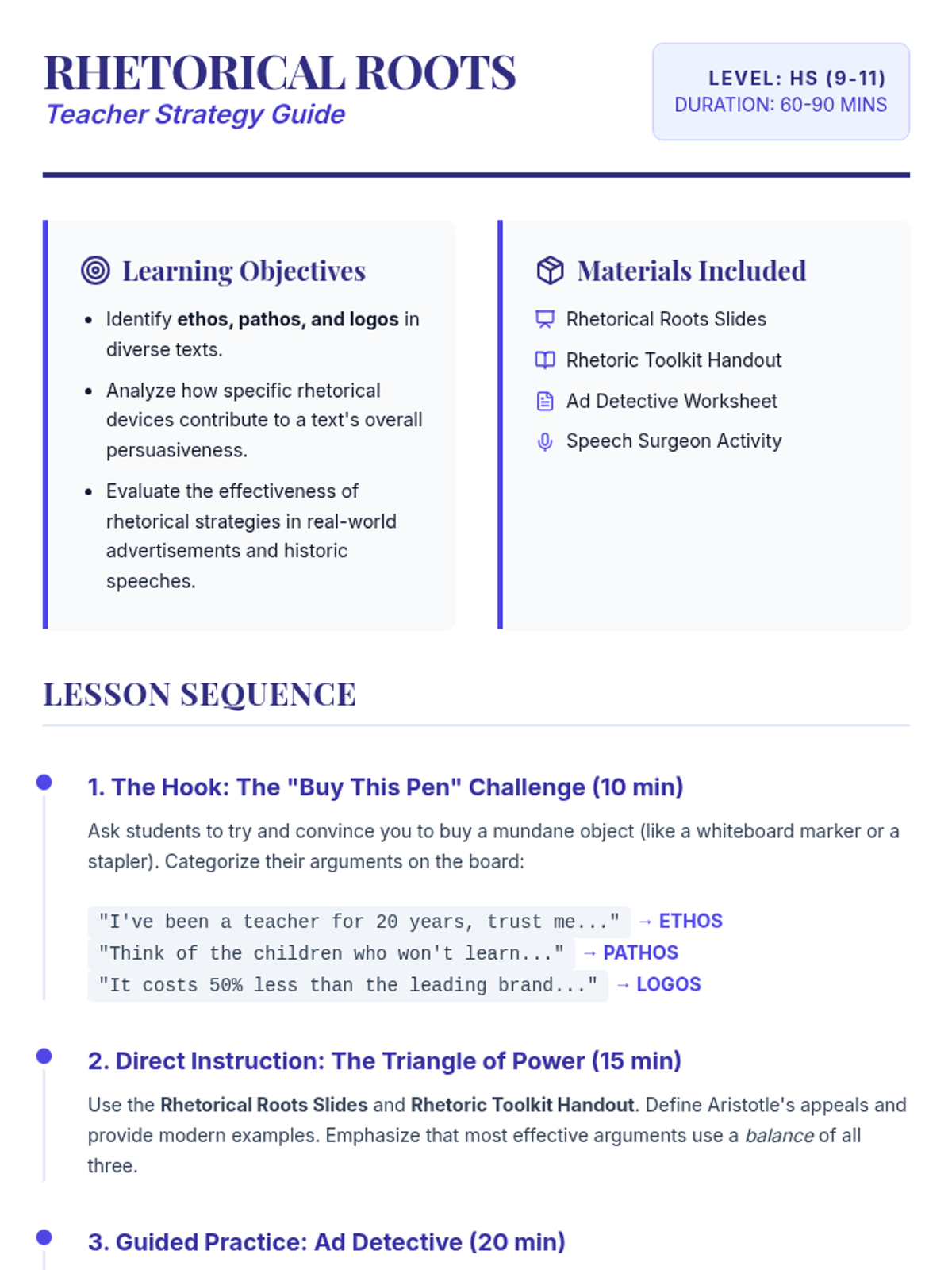
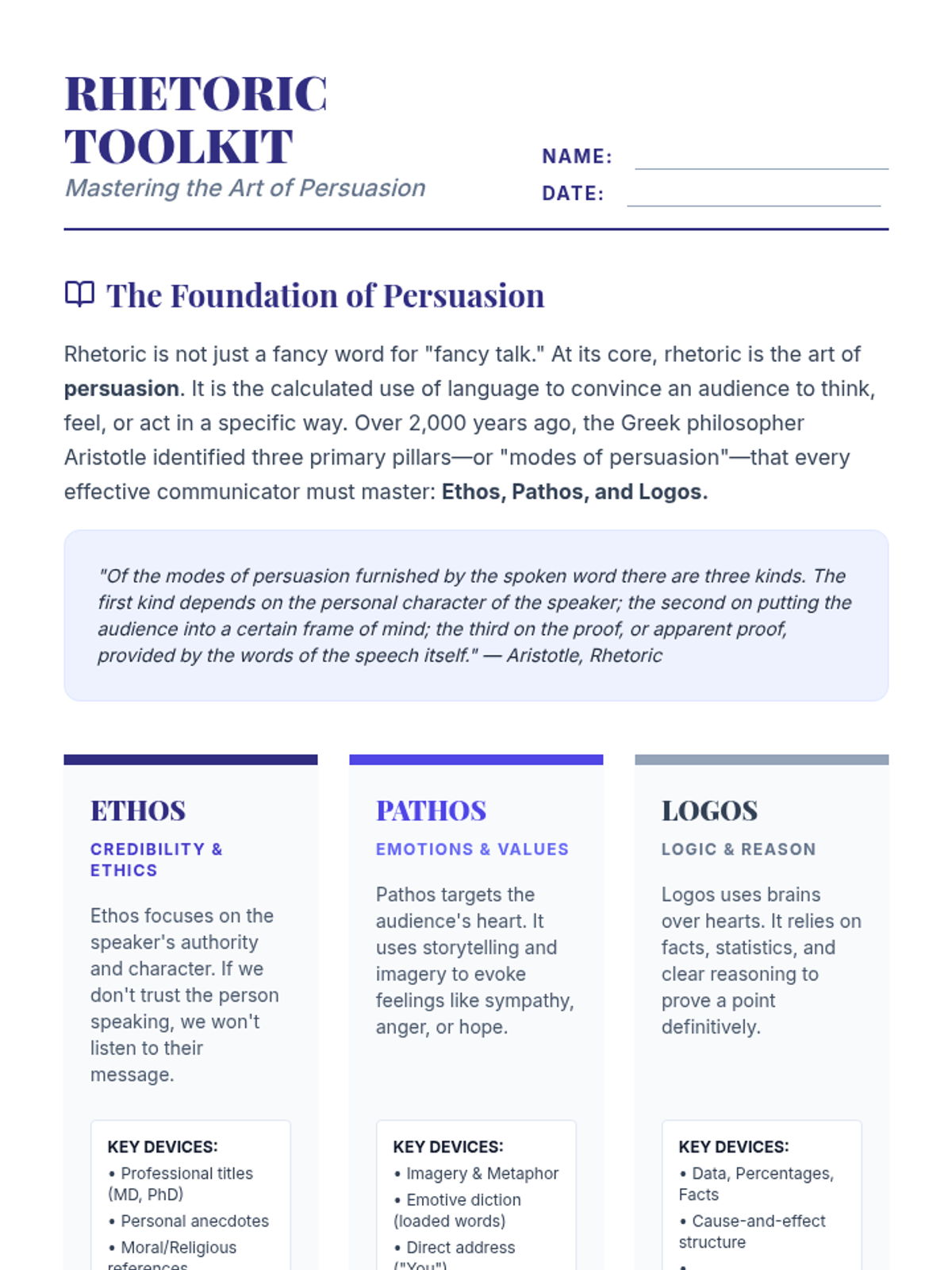
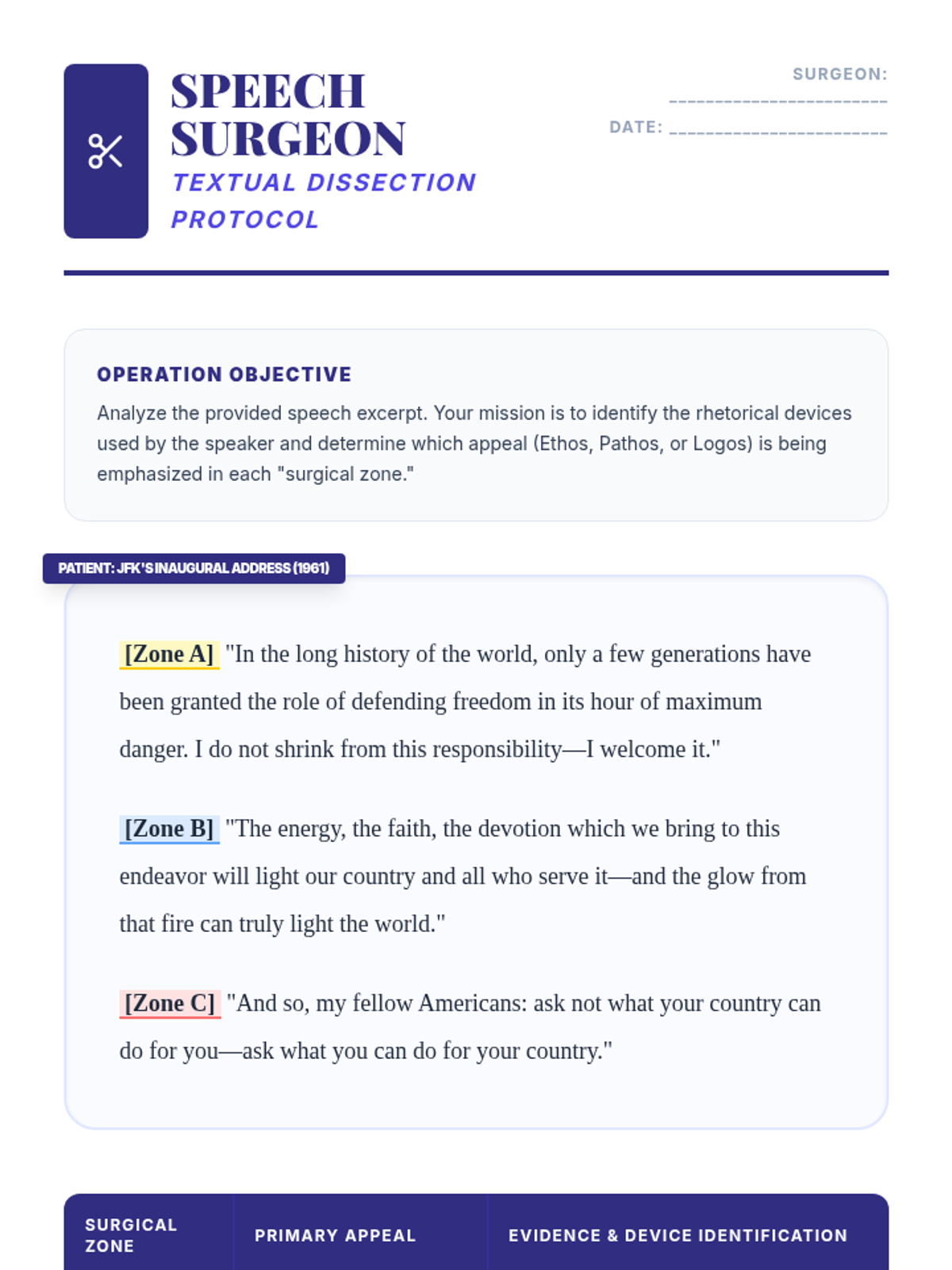
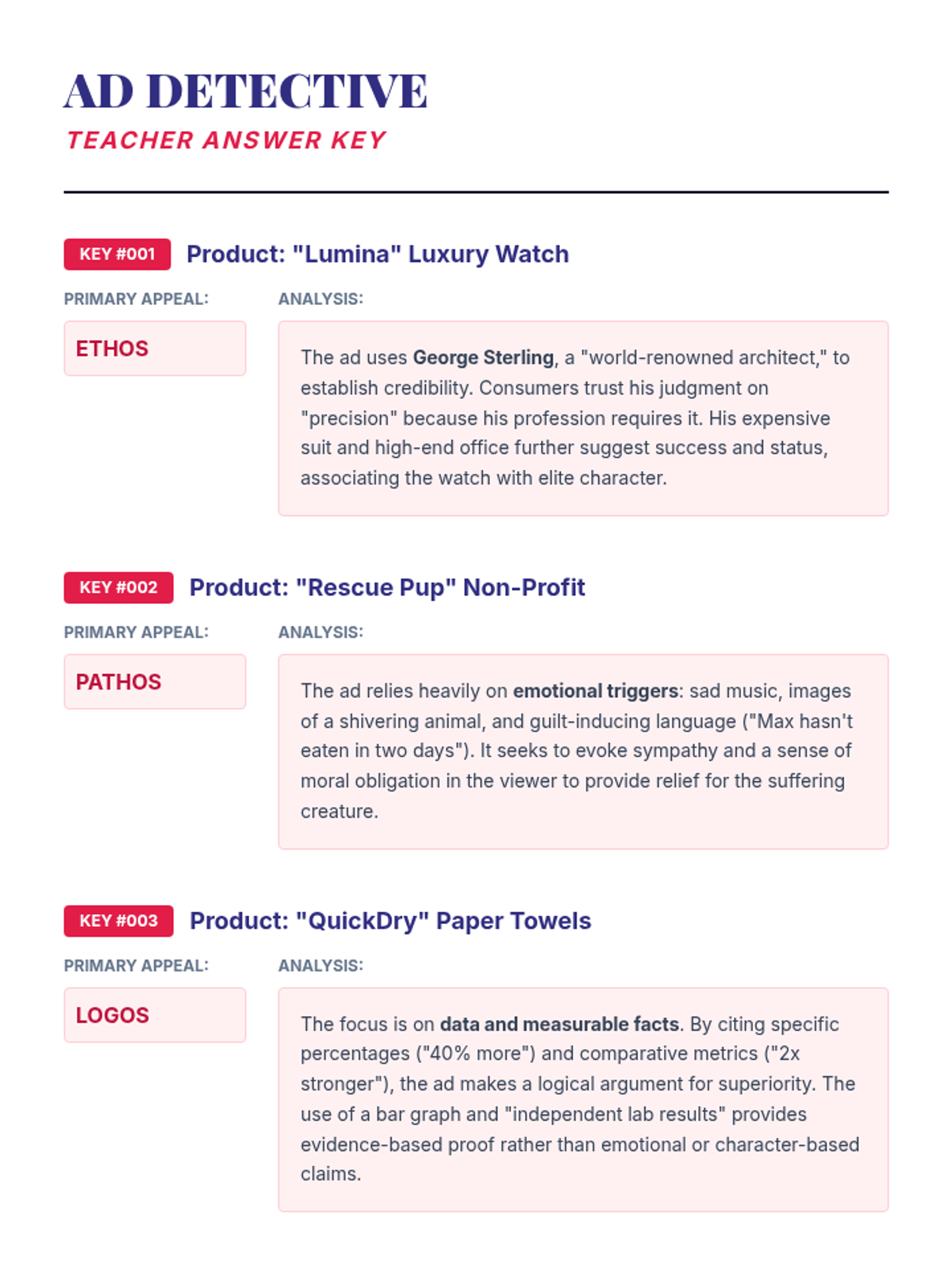
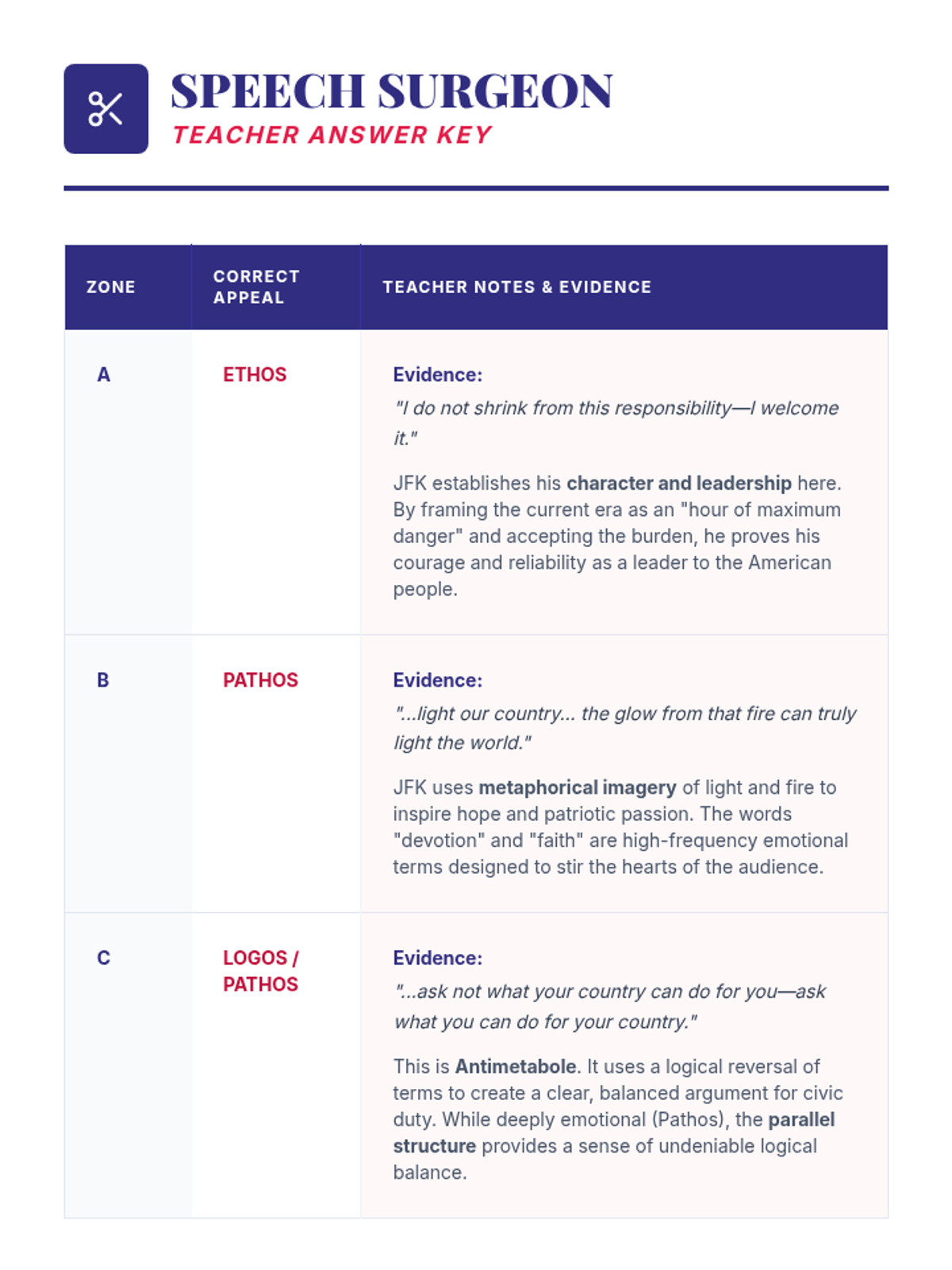
A deep dive into the 'Rhetorical Roots' of persuasion, teaching students to identify and analyze ethos, pathos, and logos in speeches and advertisements.
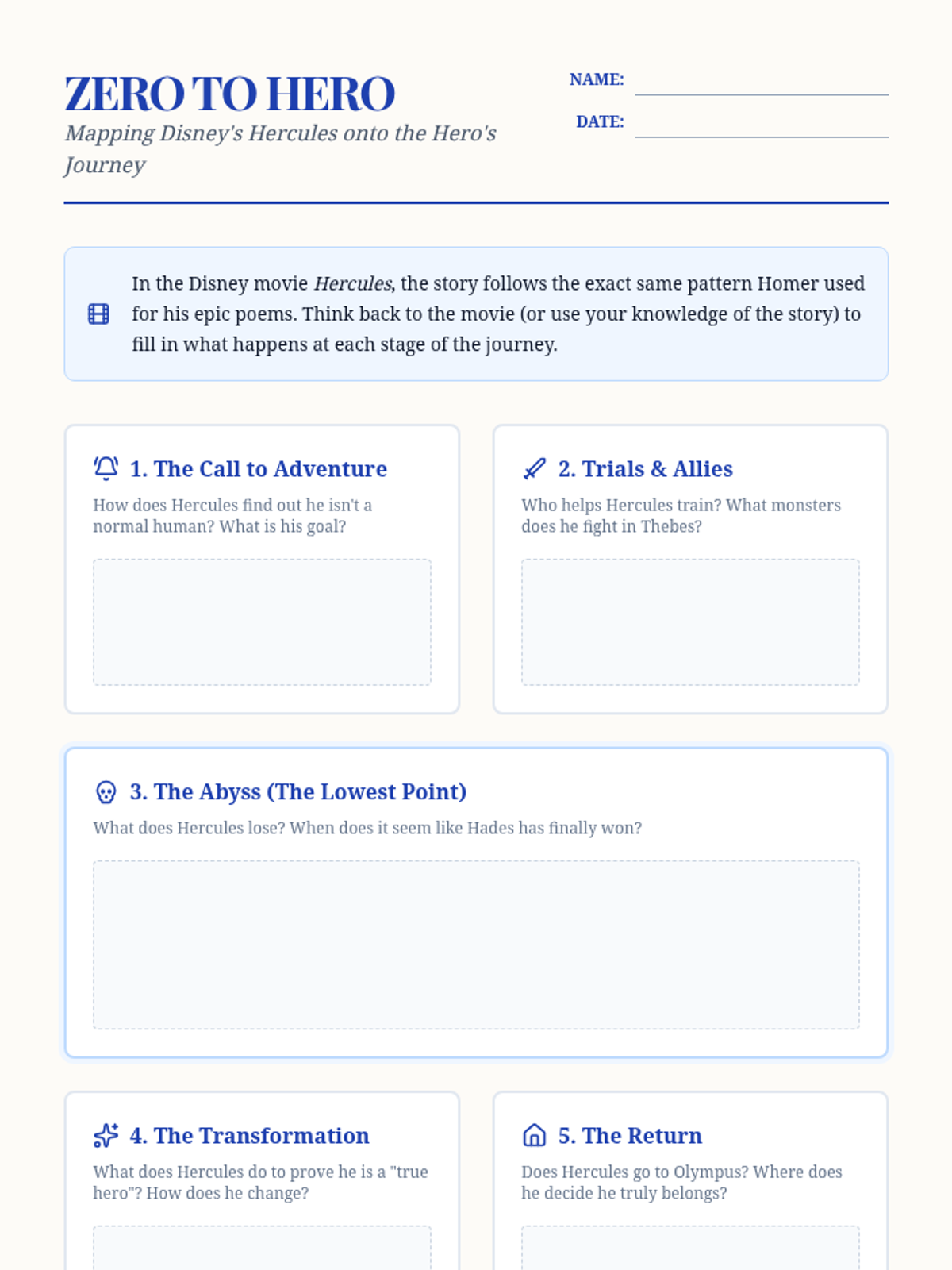
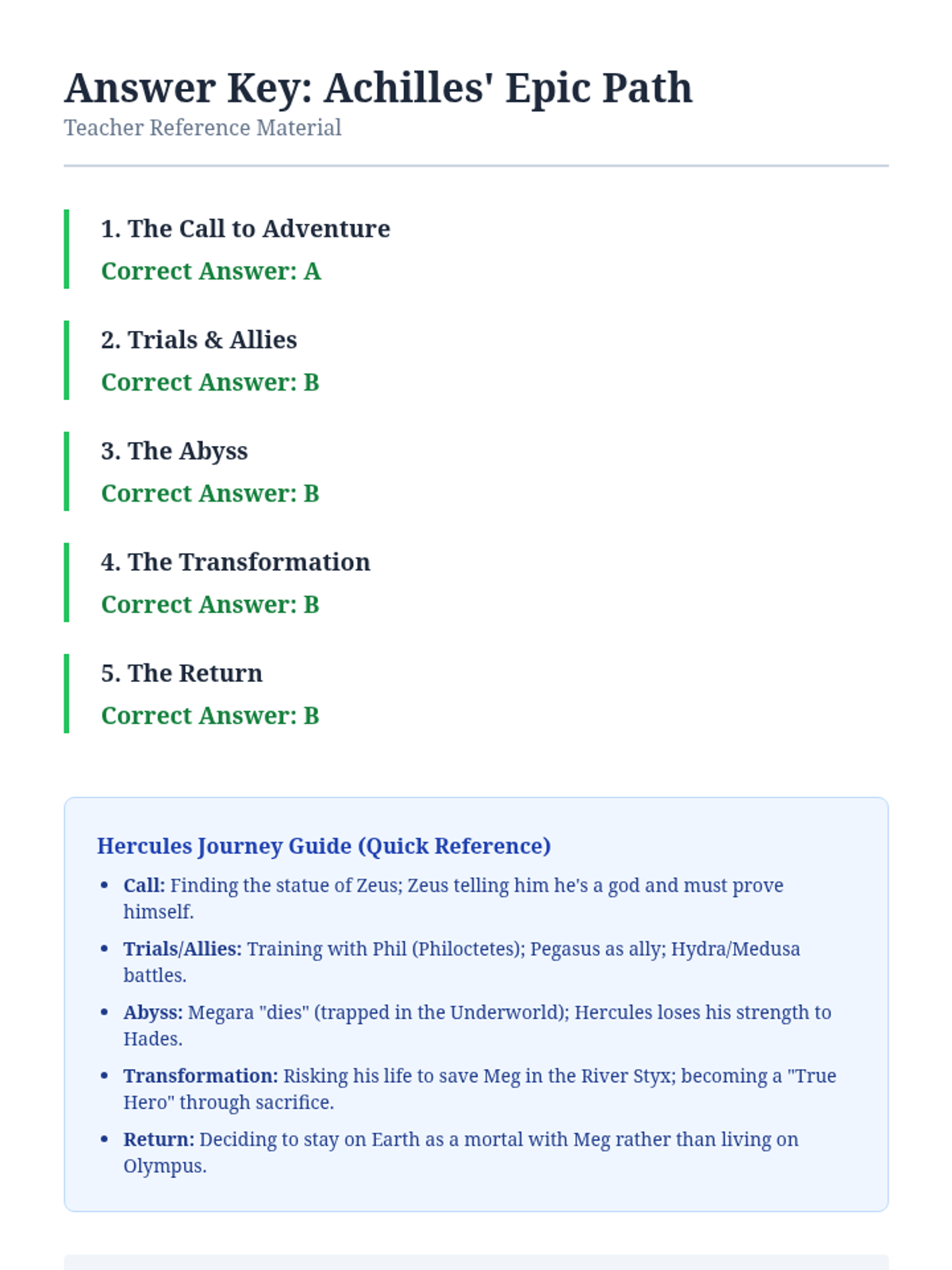
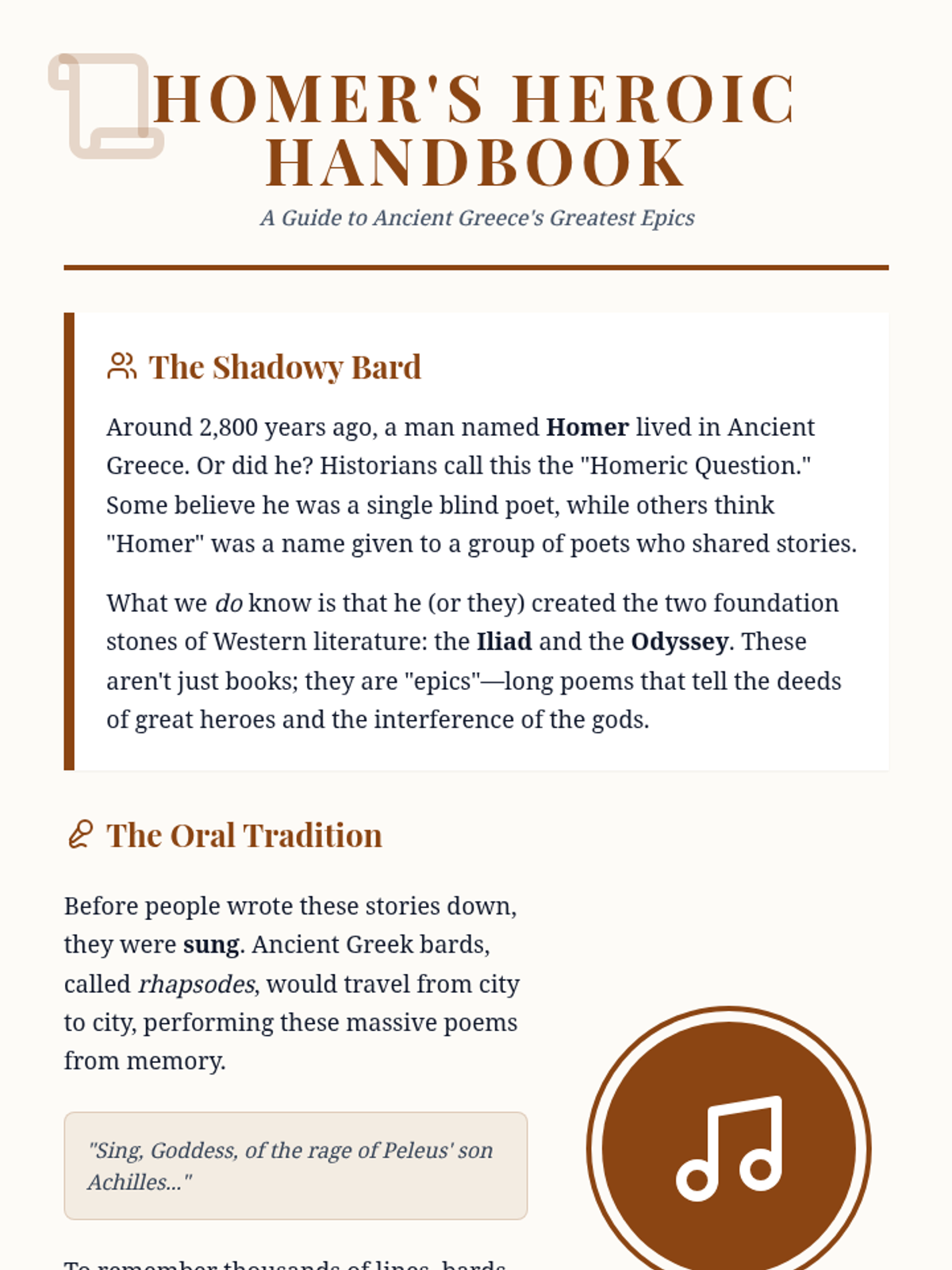
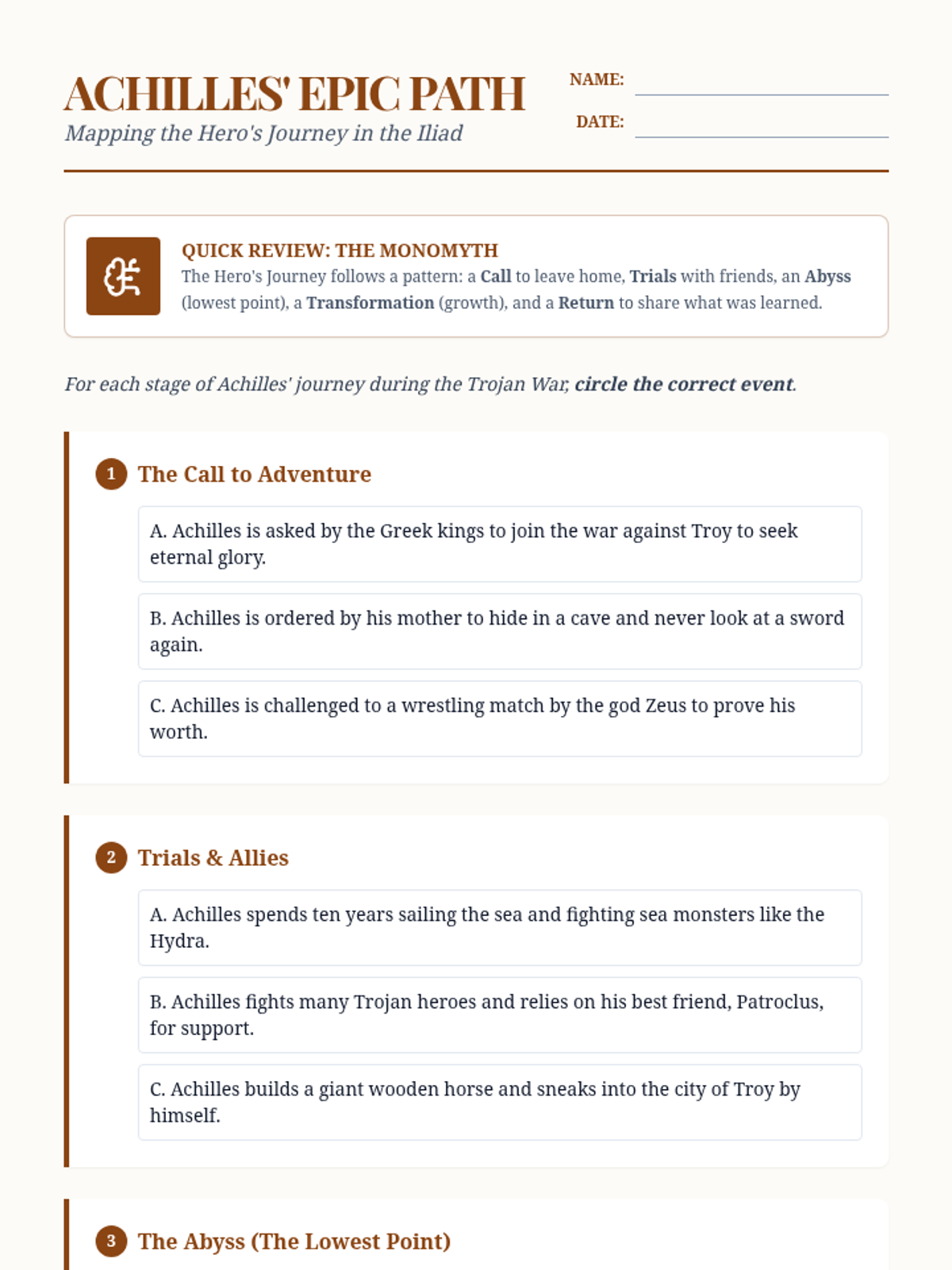
A 30-minute exploration of Homer's epic poems, the oral tradition of Ancient Greece, and the universal structure of the Hero's Journey as seen through Achilles, Odysseus, and modern storytelling.
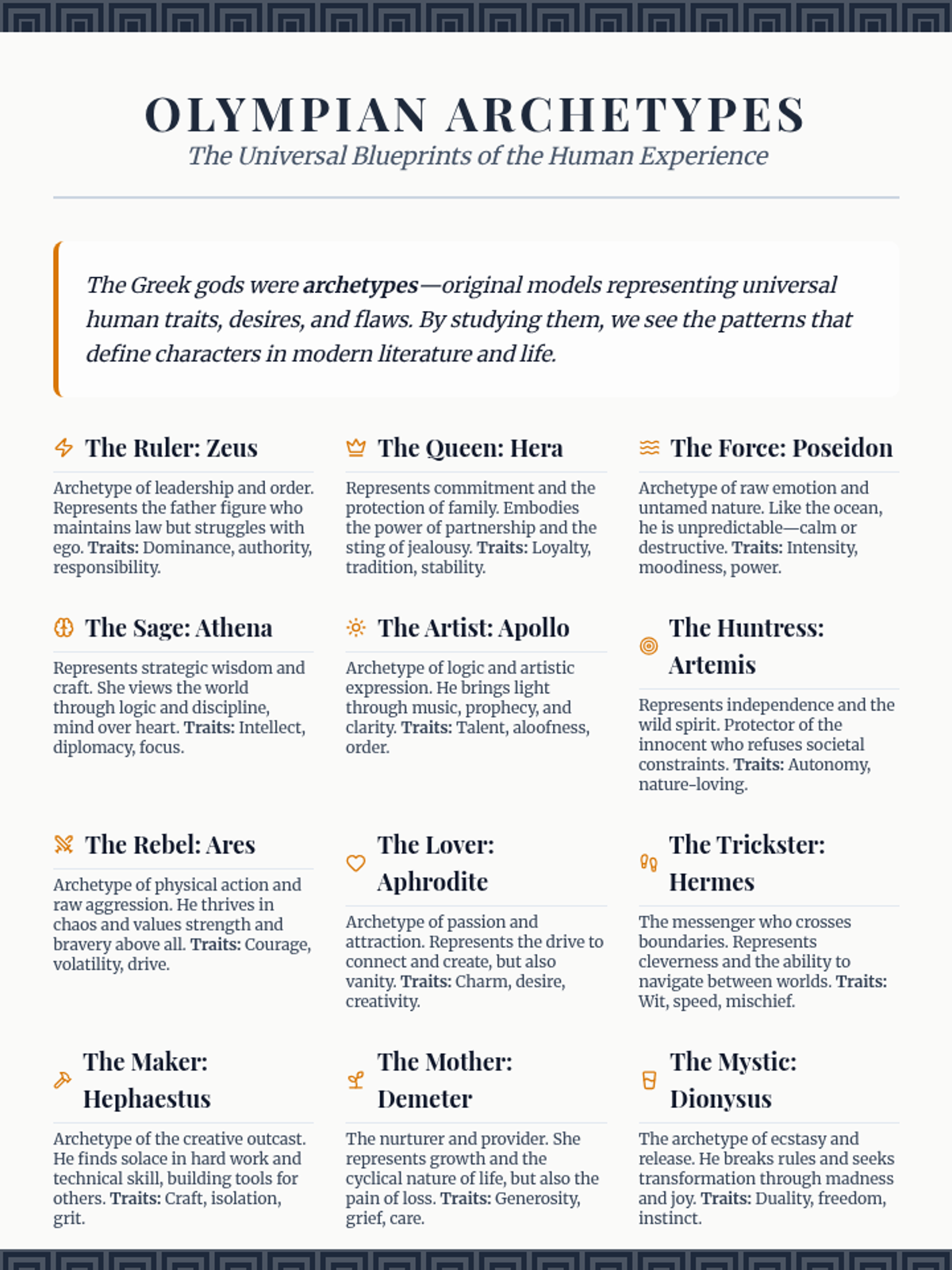
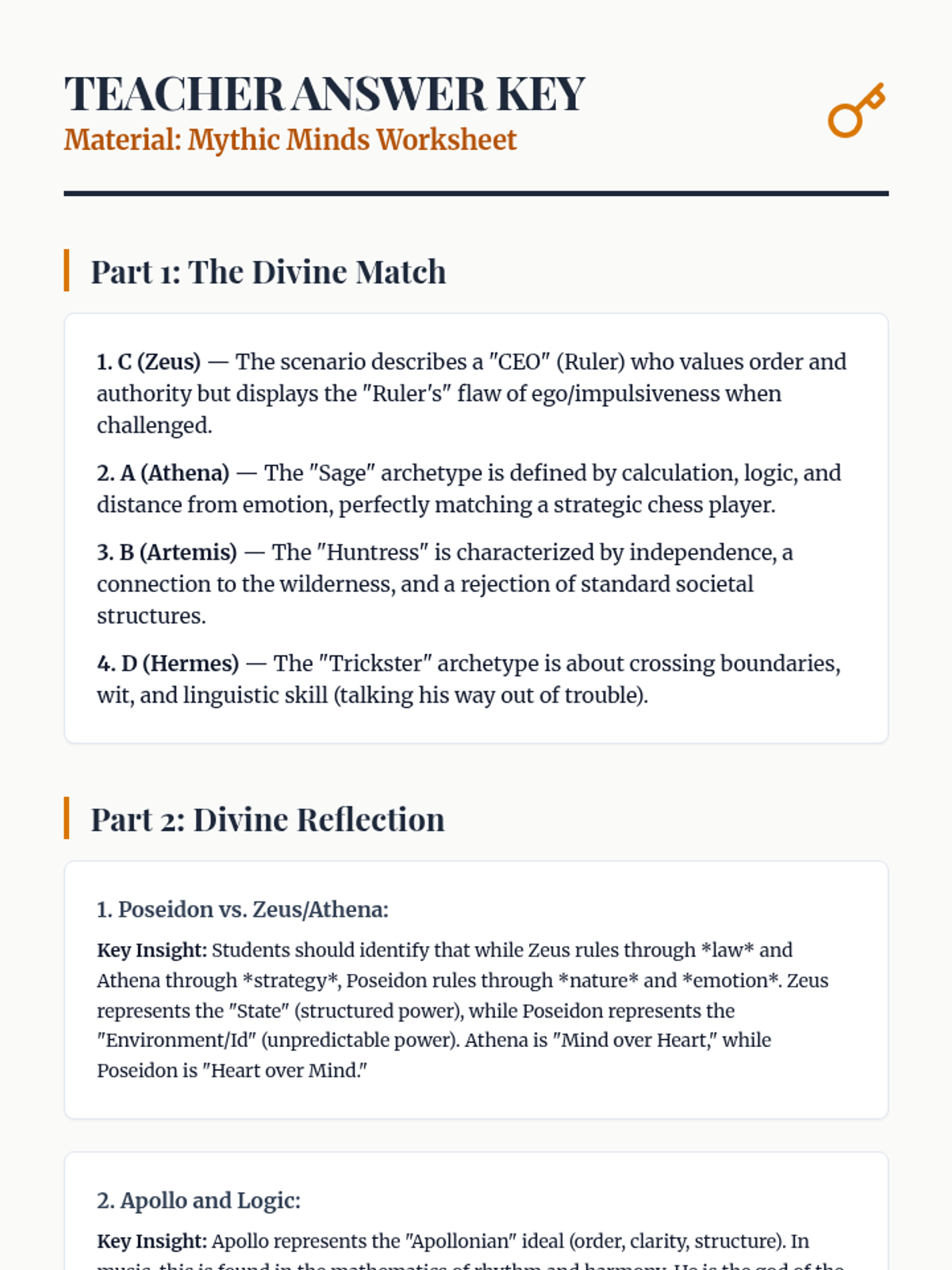
A comprehensive exploration of the twelve Olympian gods through the lens of character archetypes, helping students understand how these ancient figures represent universal human traits.
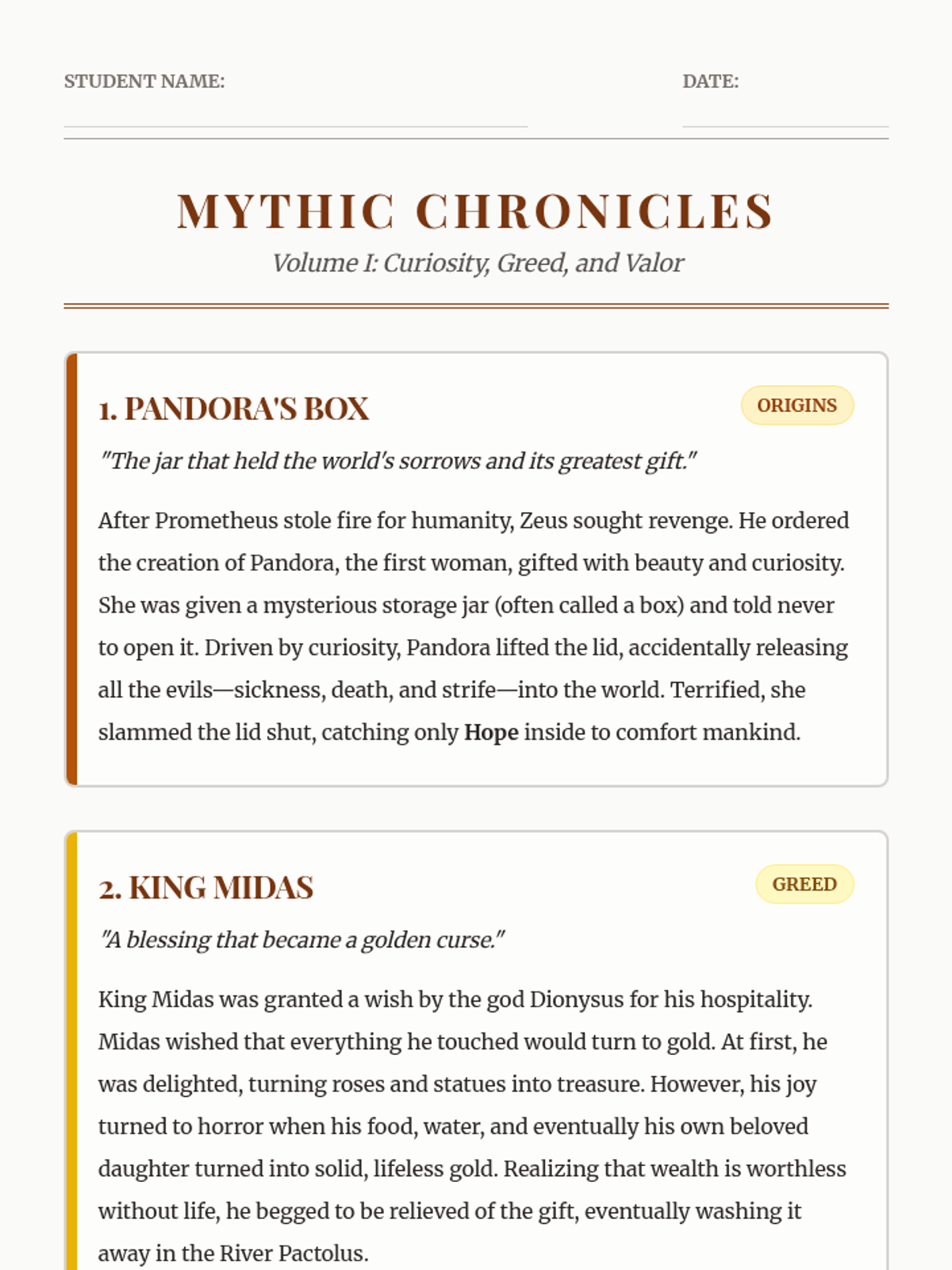
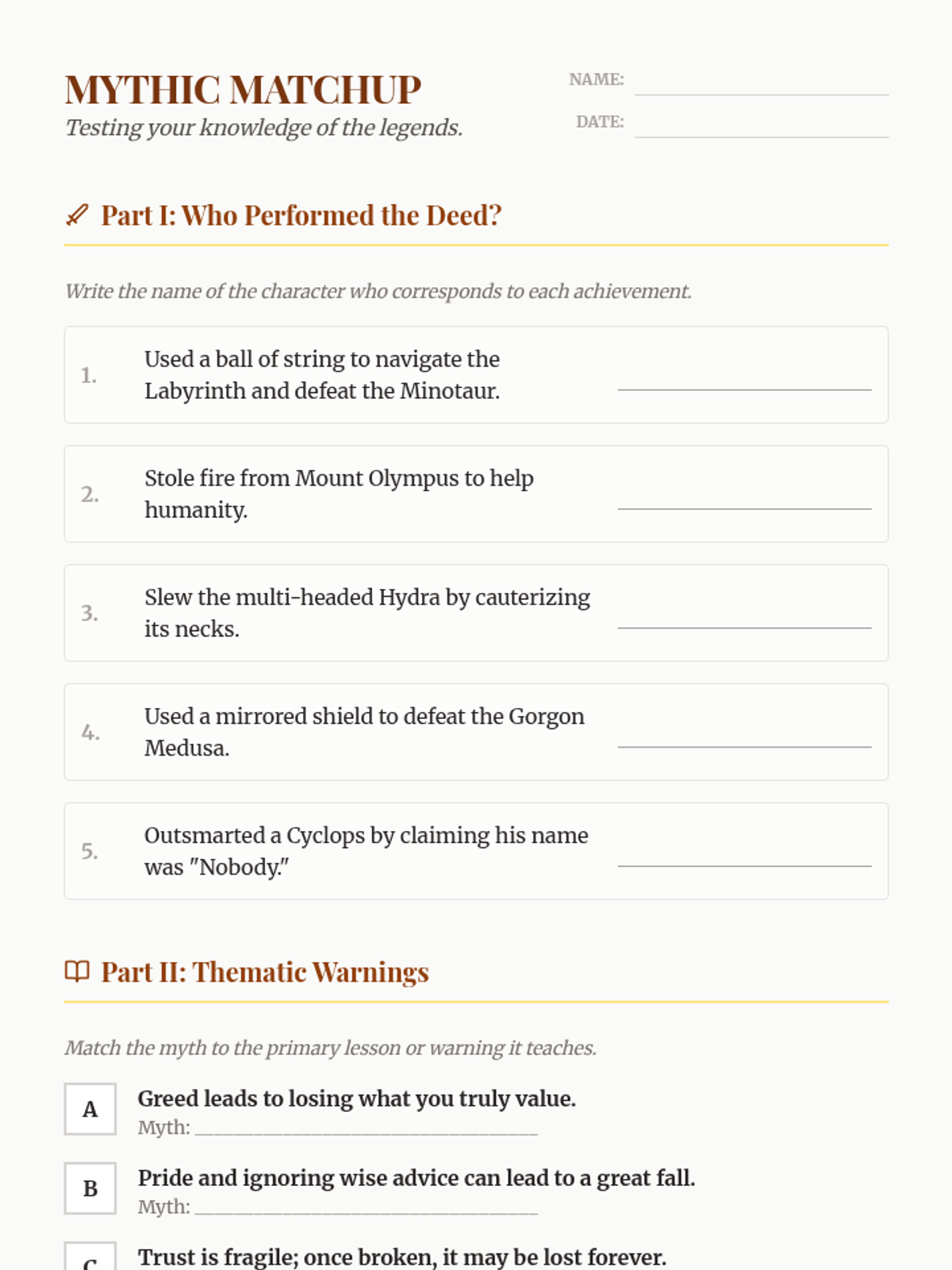
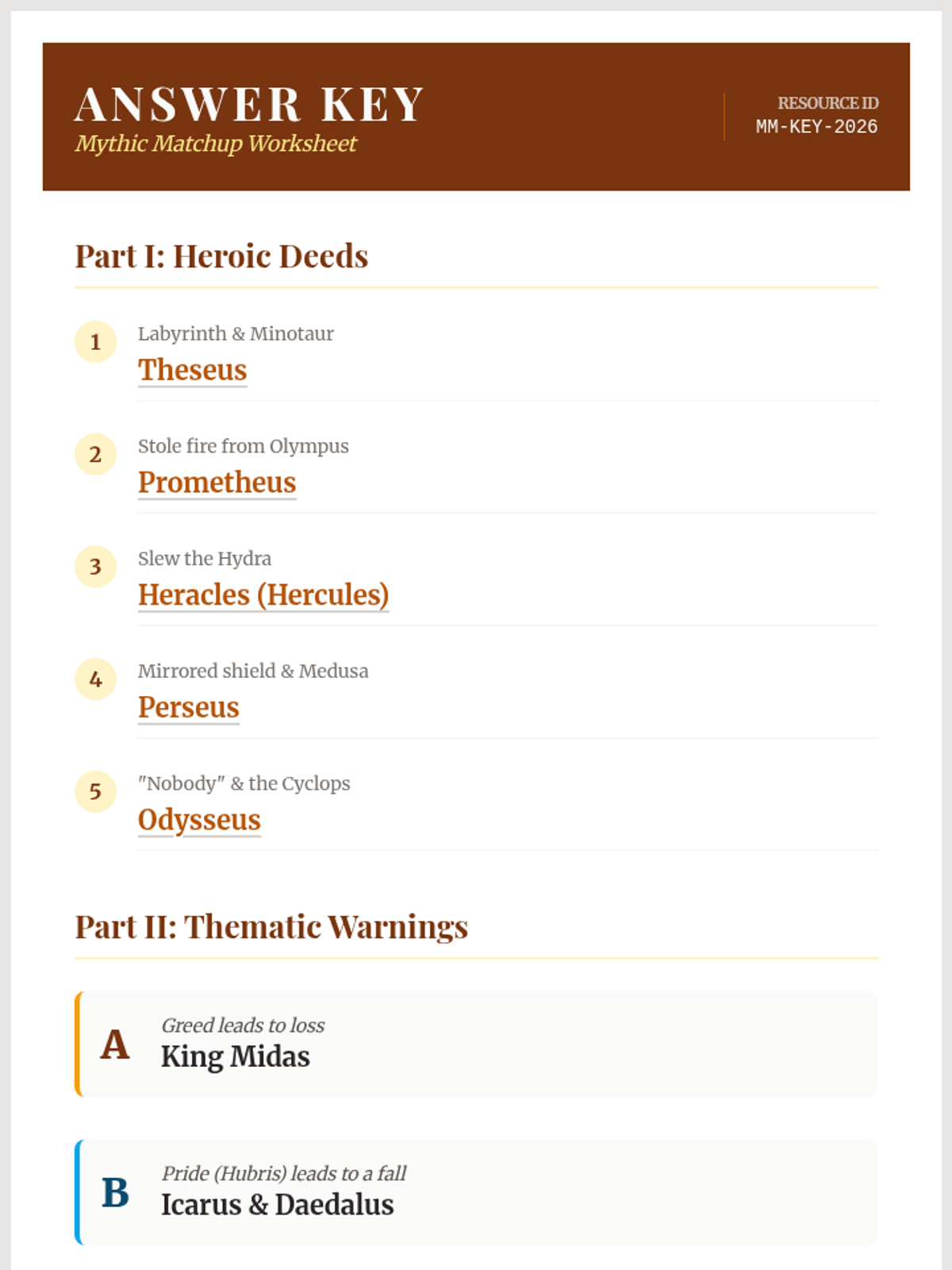
This lesson introduces nine essential Greek myths through detailed summaries and visual storytelling, helping students identify key themes and narrative structures in classical mythology.
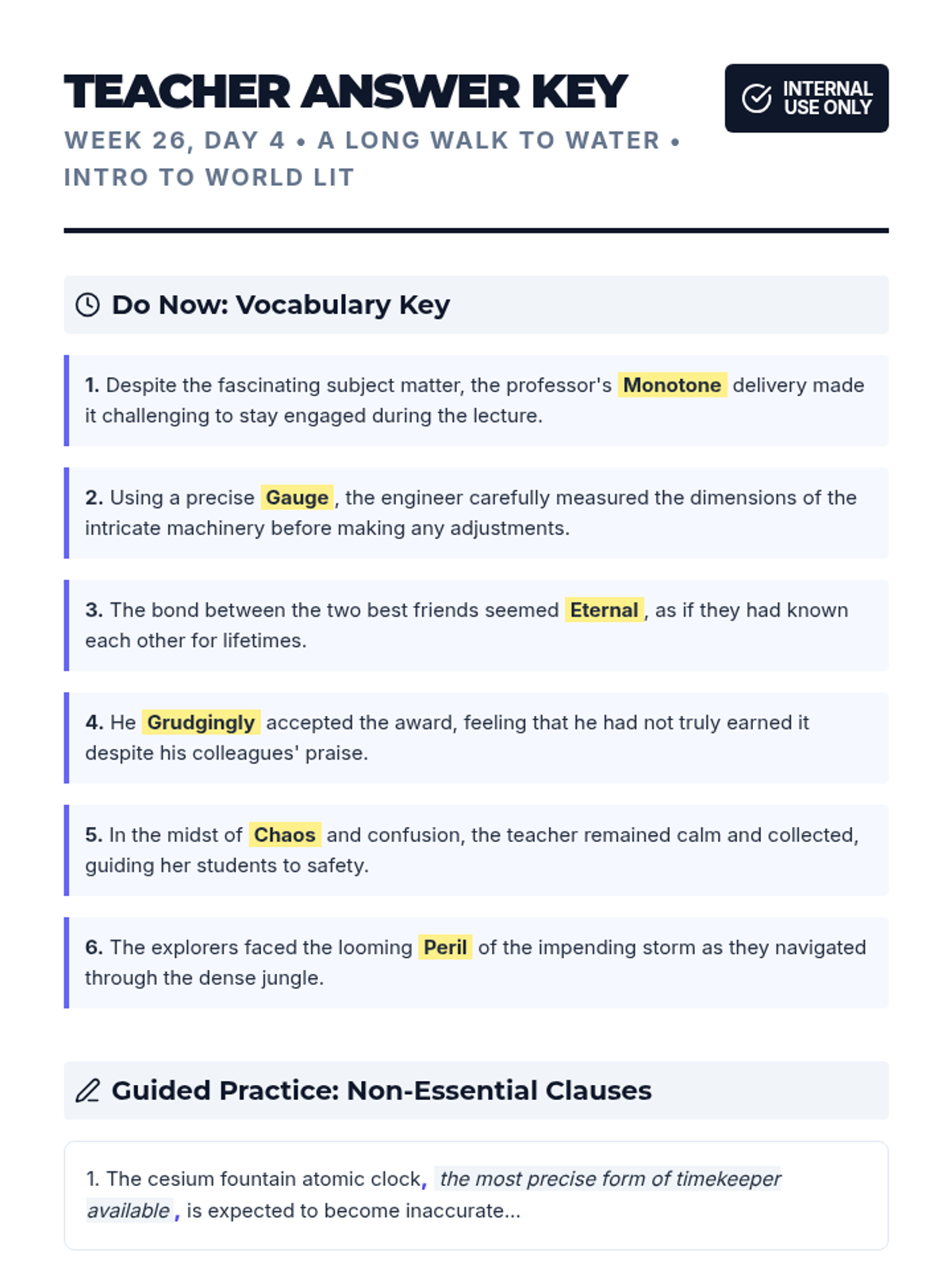
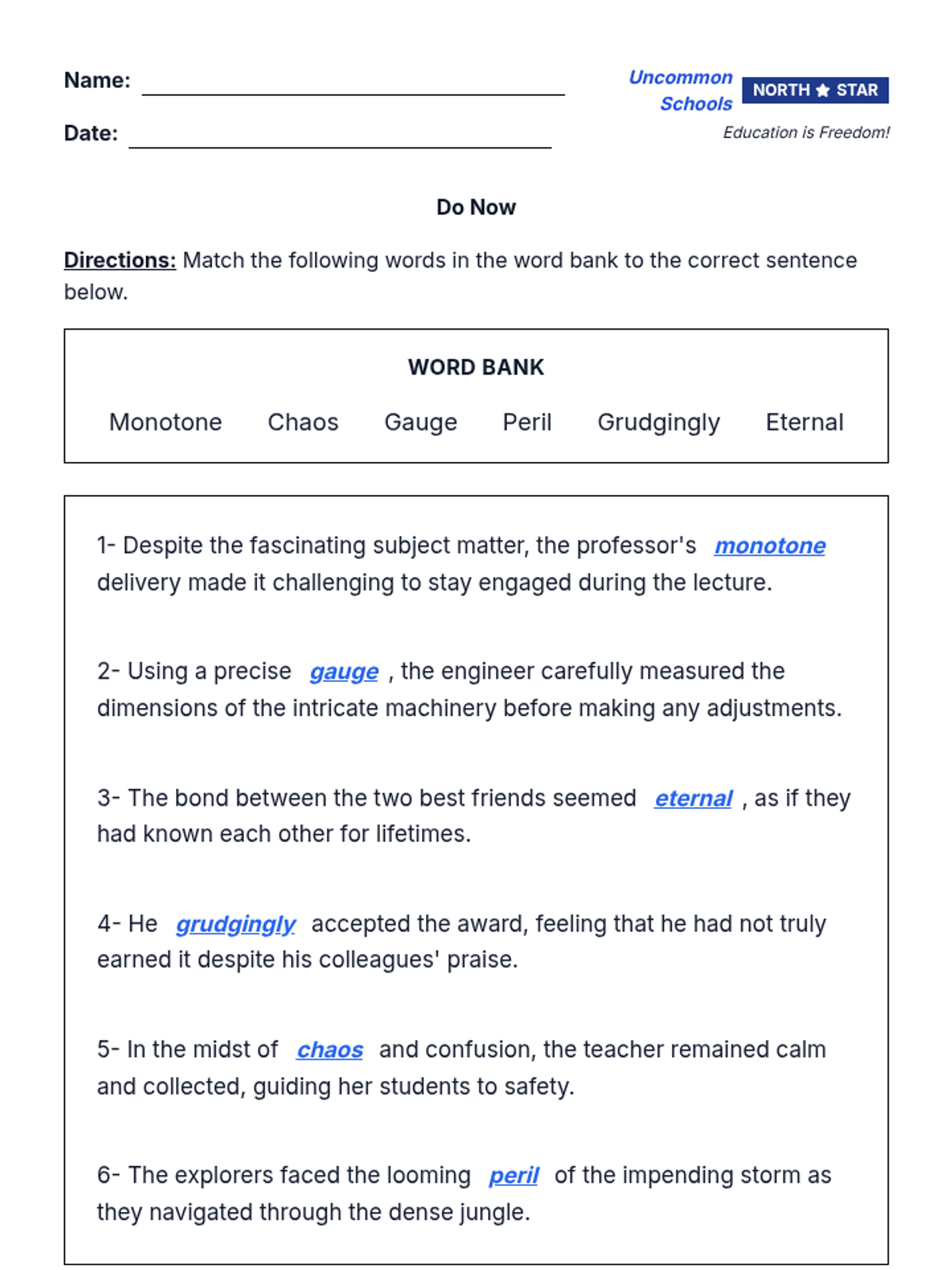
A lesson focusing on vocabulary building and mastering the use of commas with non-essential clauses, using examples related to global literature and science.
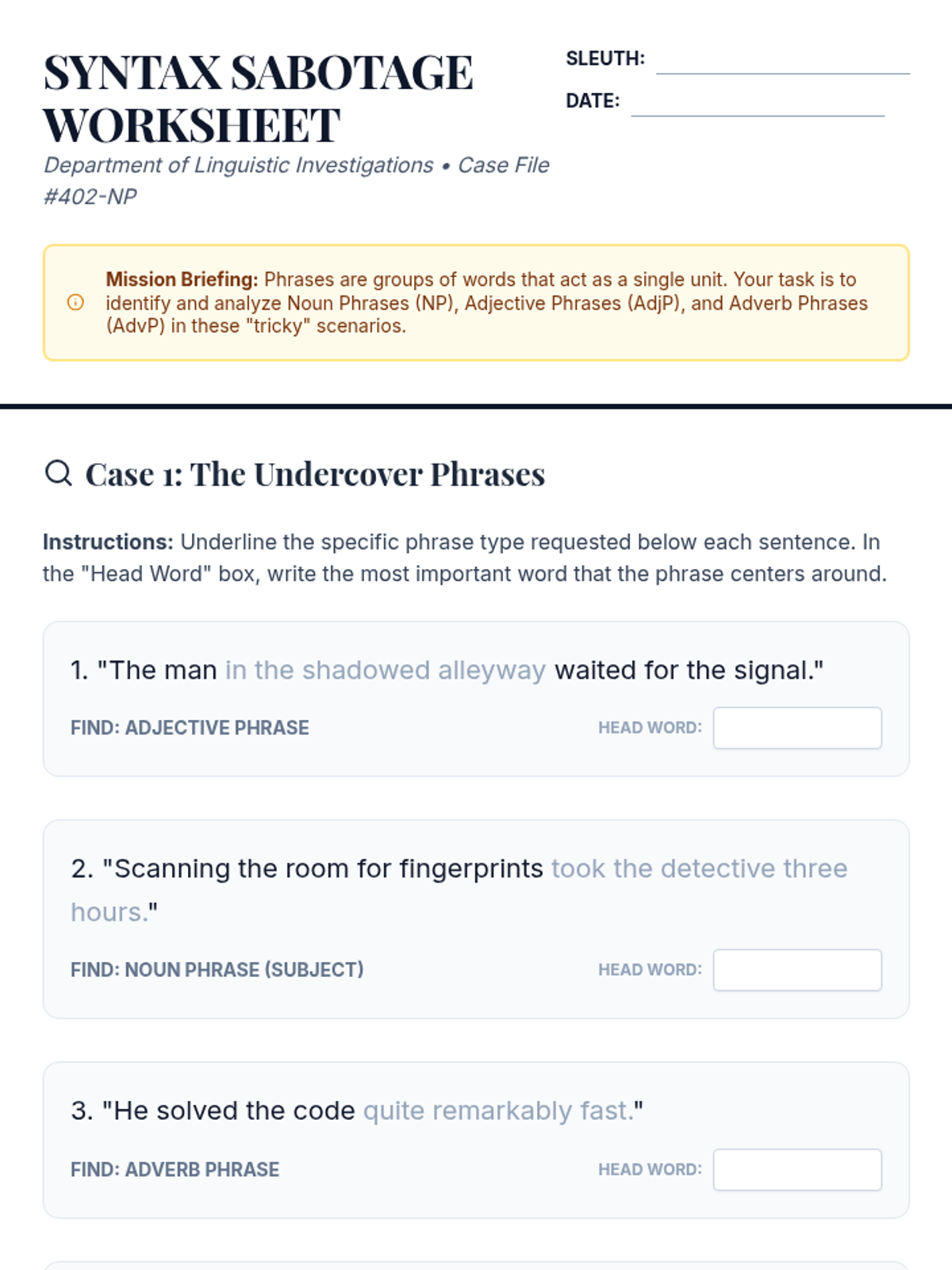
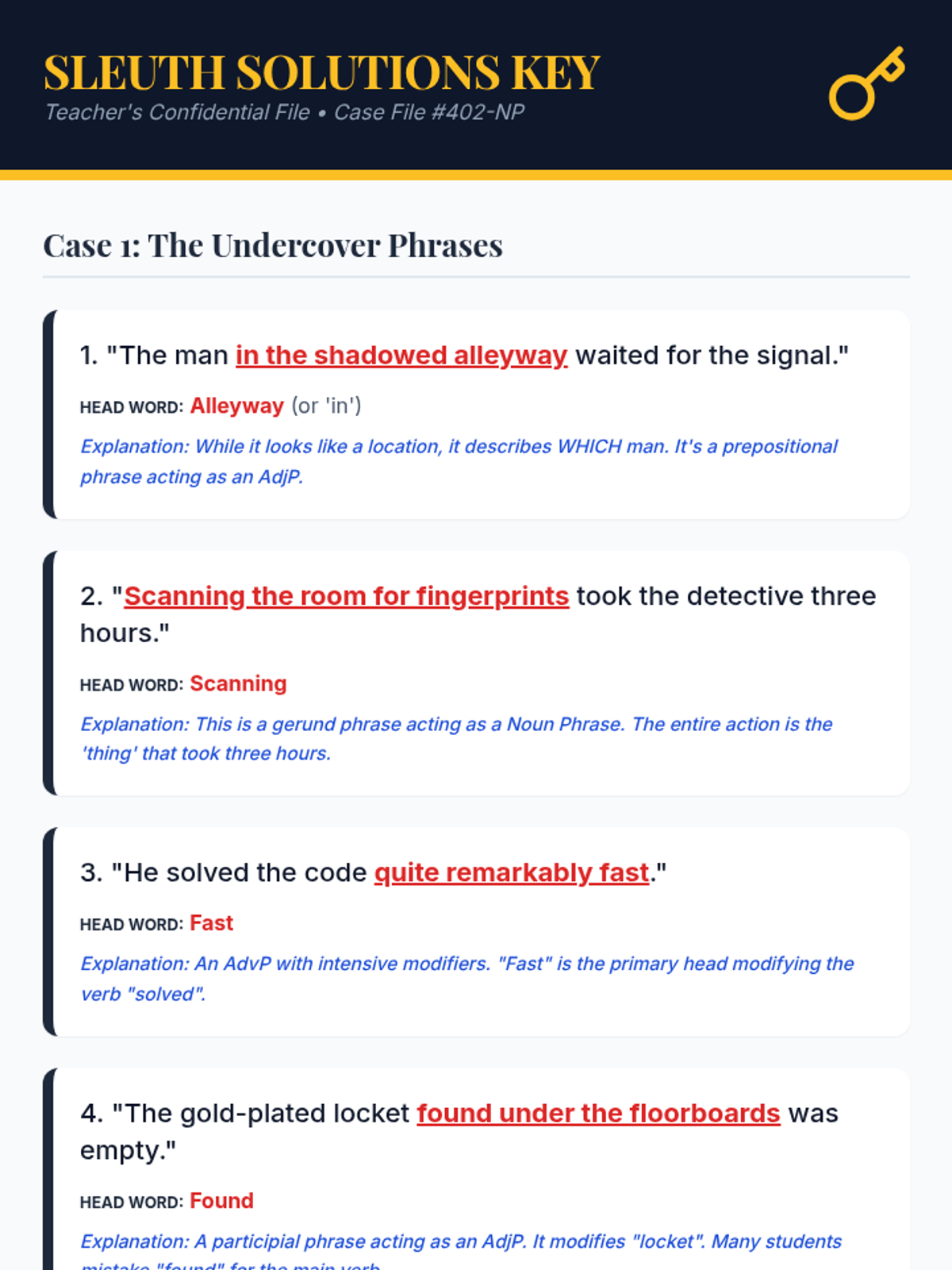
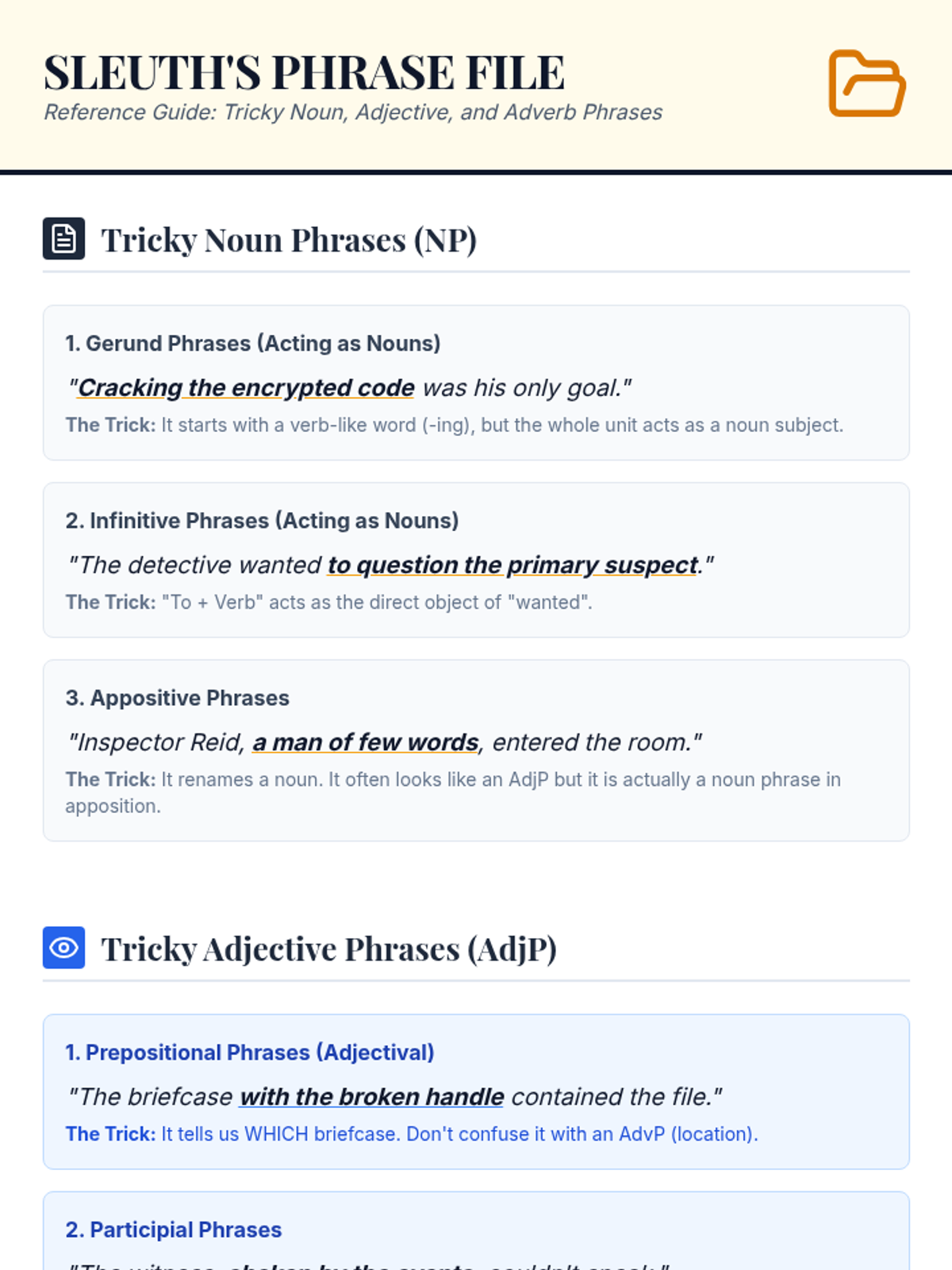
A grammar lesson focused on identifying and using noun, adjective, and adverb phrases in complex and 'tricky' contexts. Students act as 'Syntax Sleuths' to solve linguistic puzzles.
A comprehensive lesson for high school students on identifying and utilizing noun, adjective, and adverb phrases to enhance sentence variety and precision.
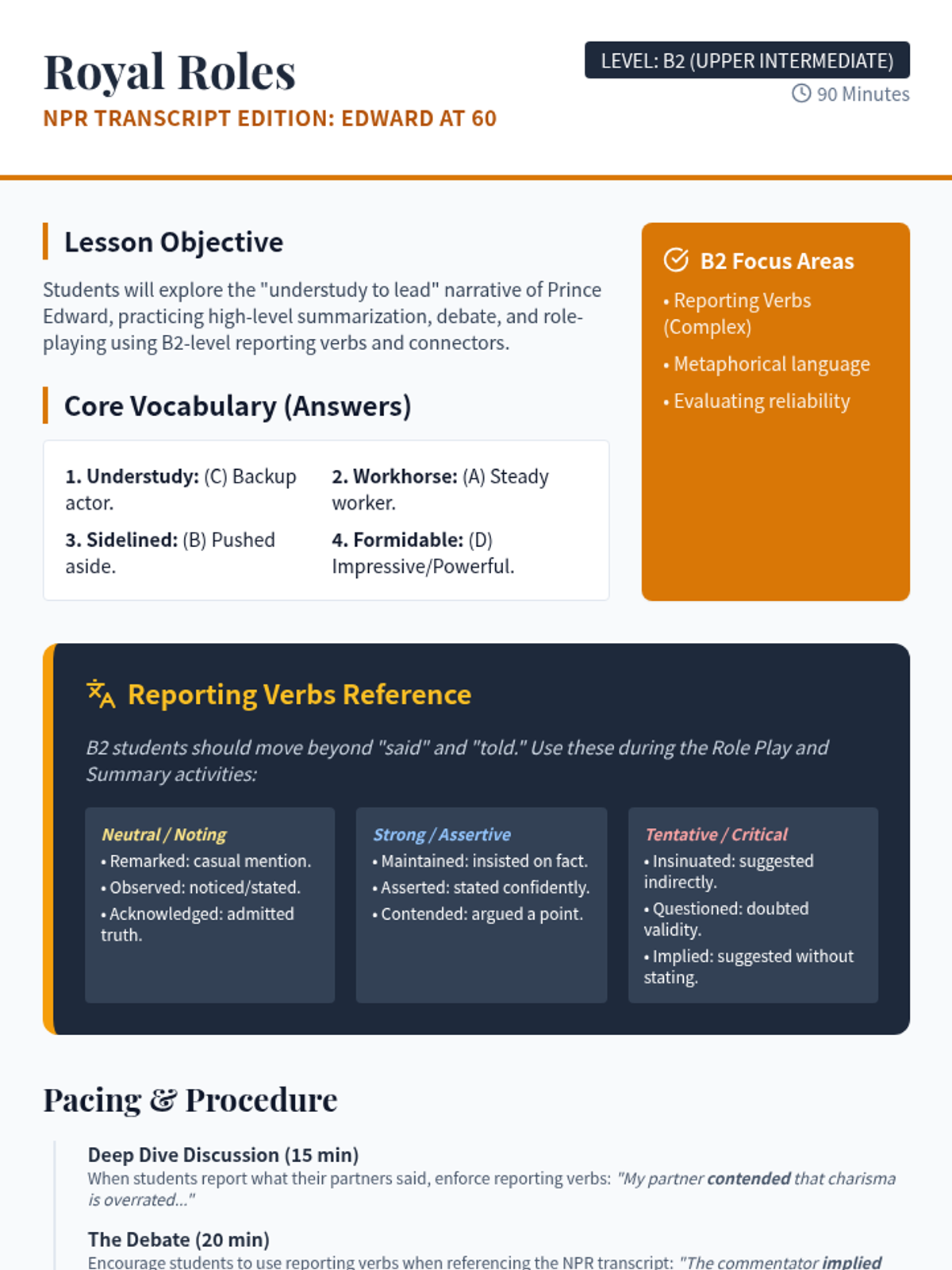
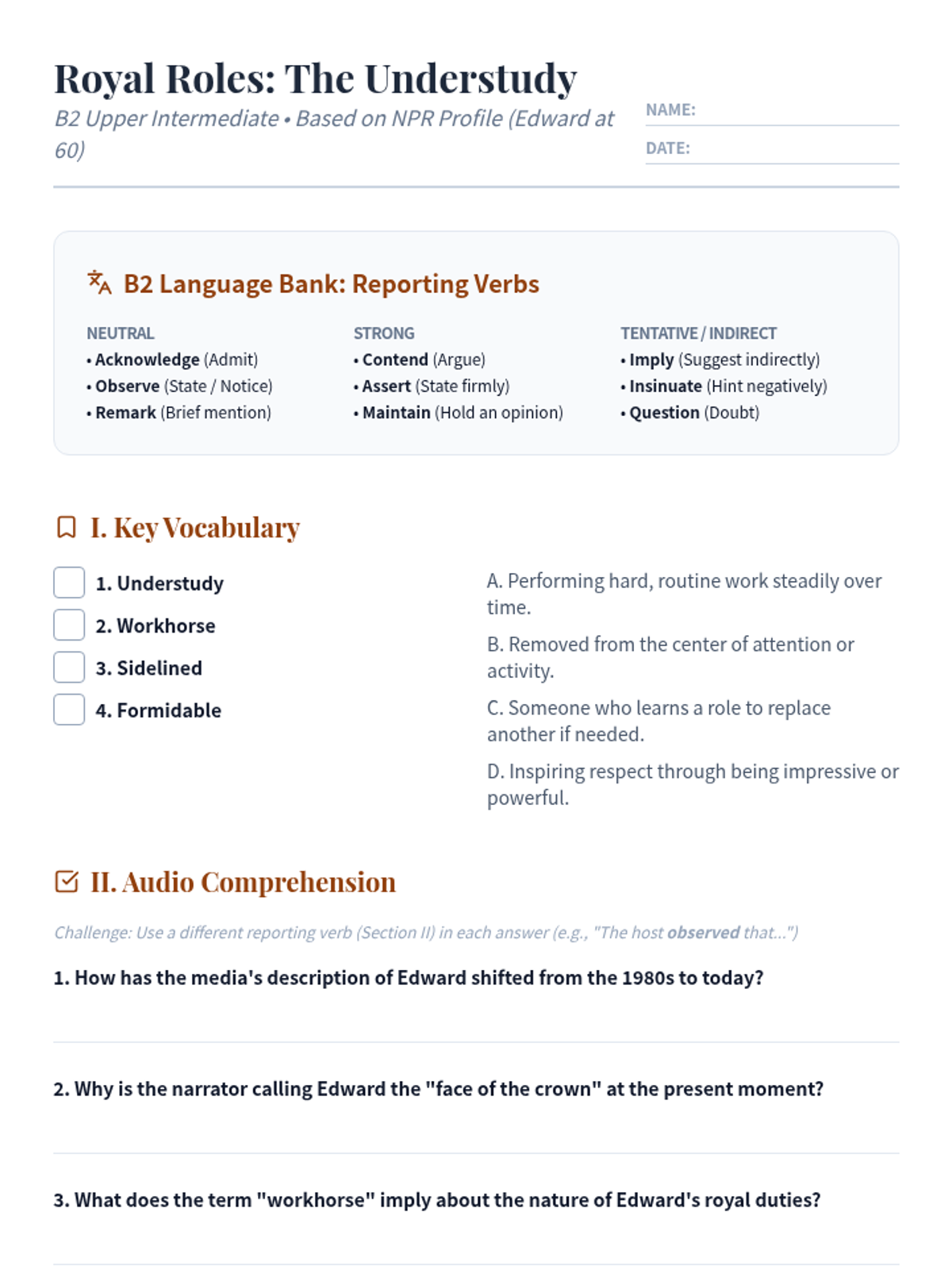
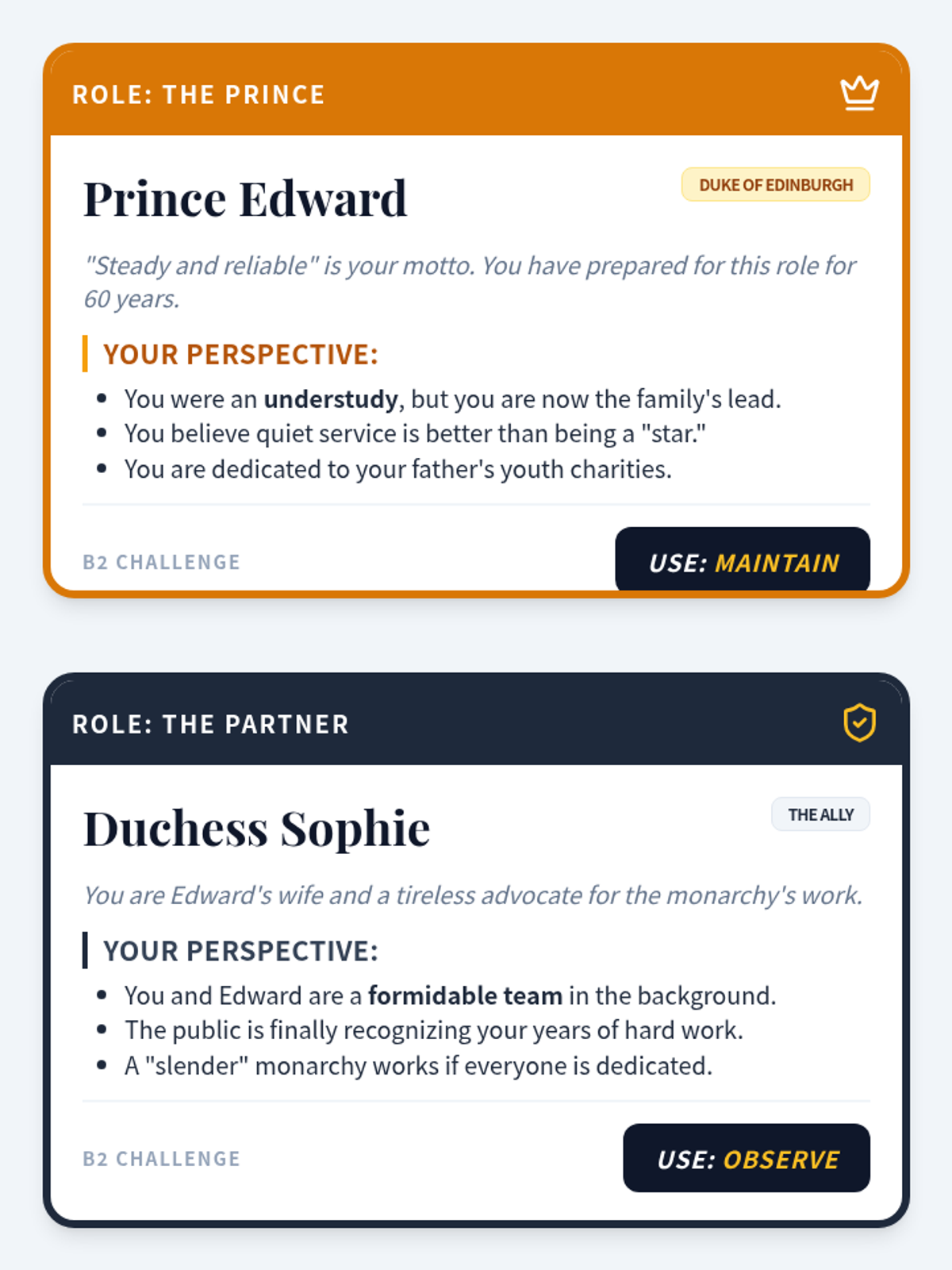
A 90-minute B2-level English lesson focused on the life and public role of Prince Edward, Duke of Edinburgh, featuring listening comprehension and intensive speaking activities.
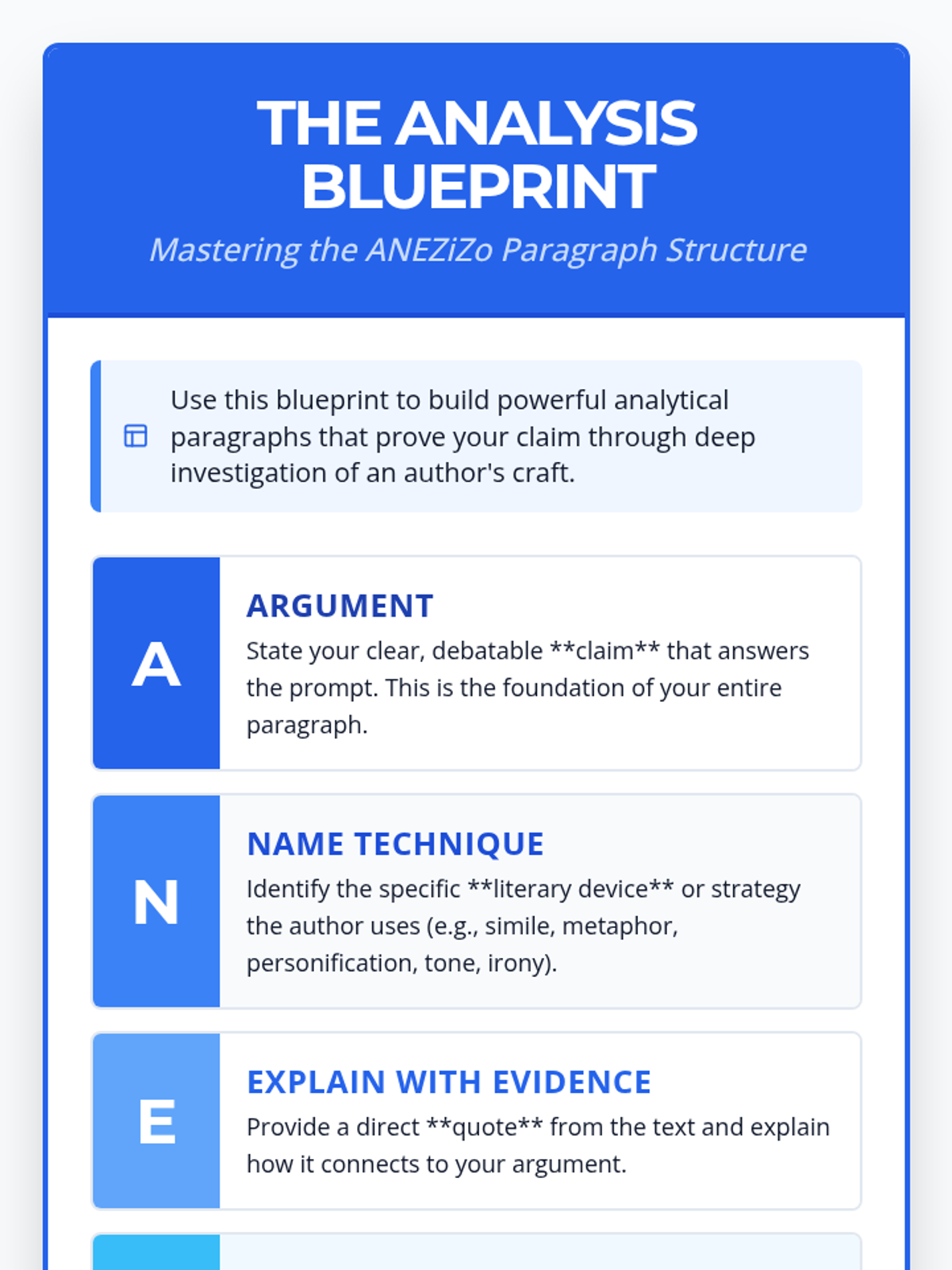
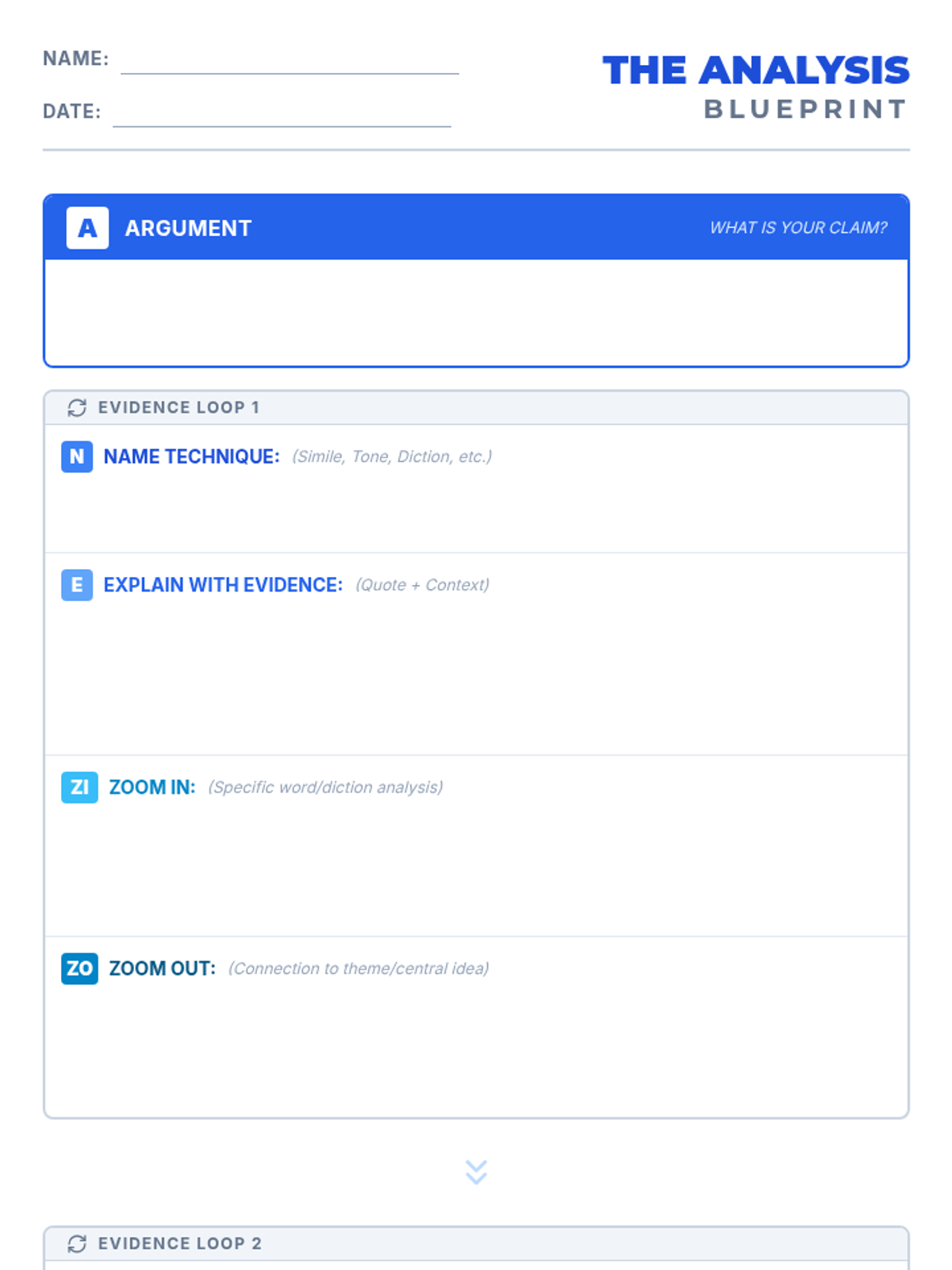
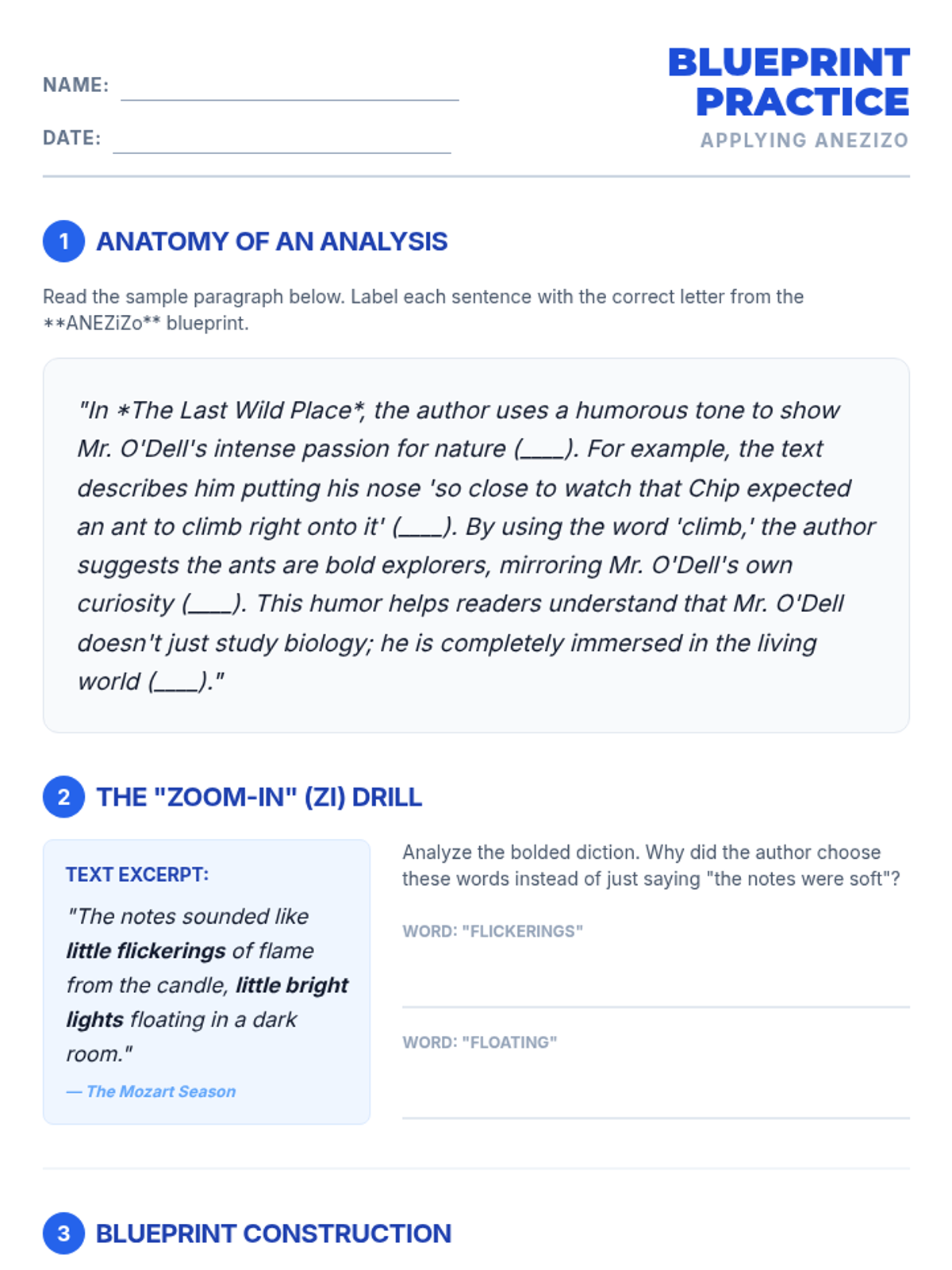
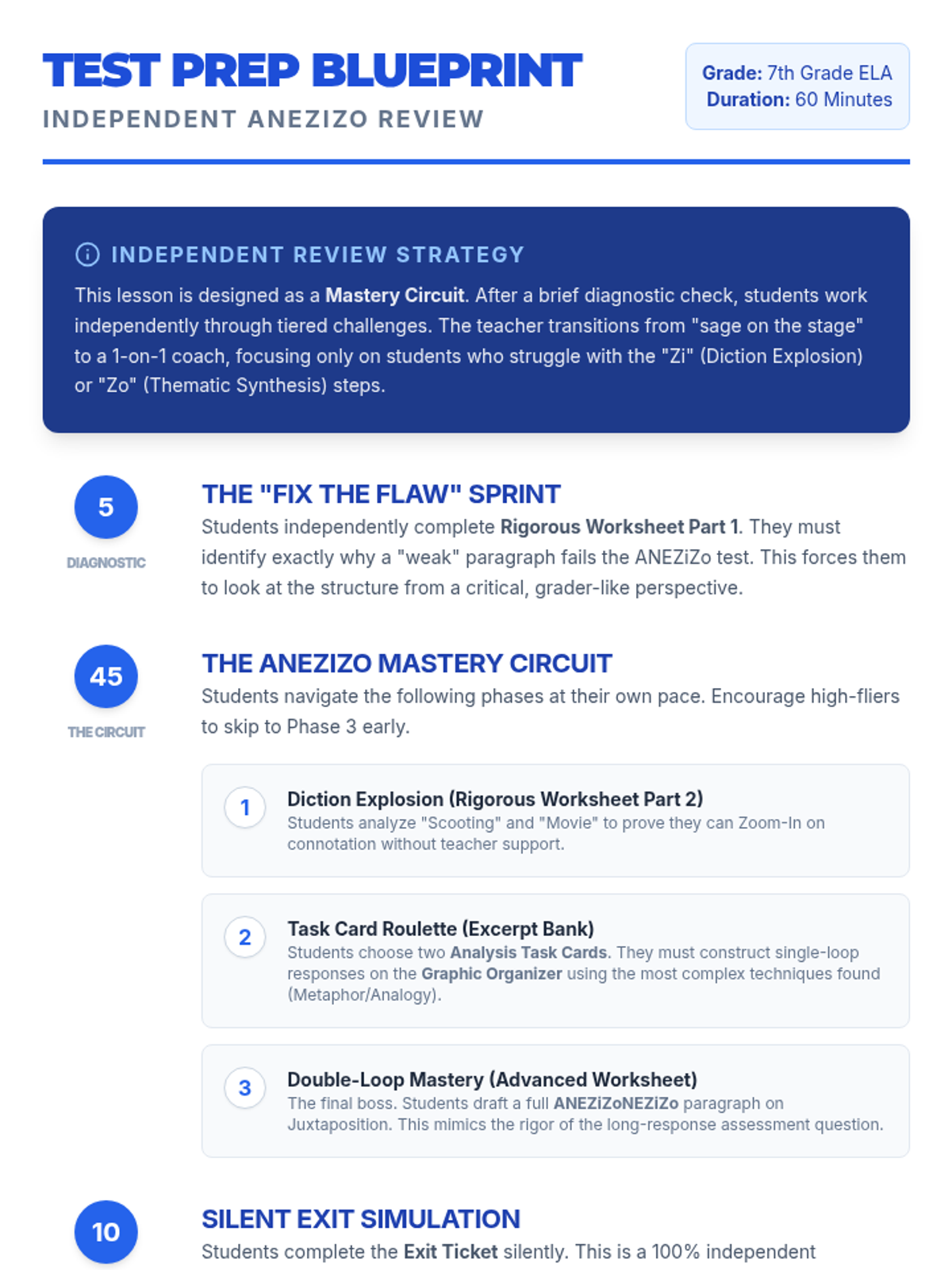
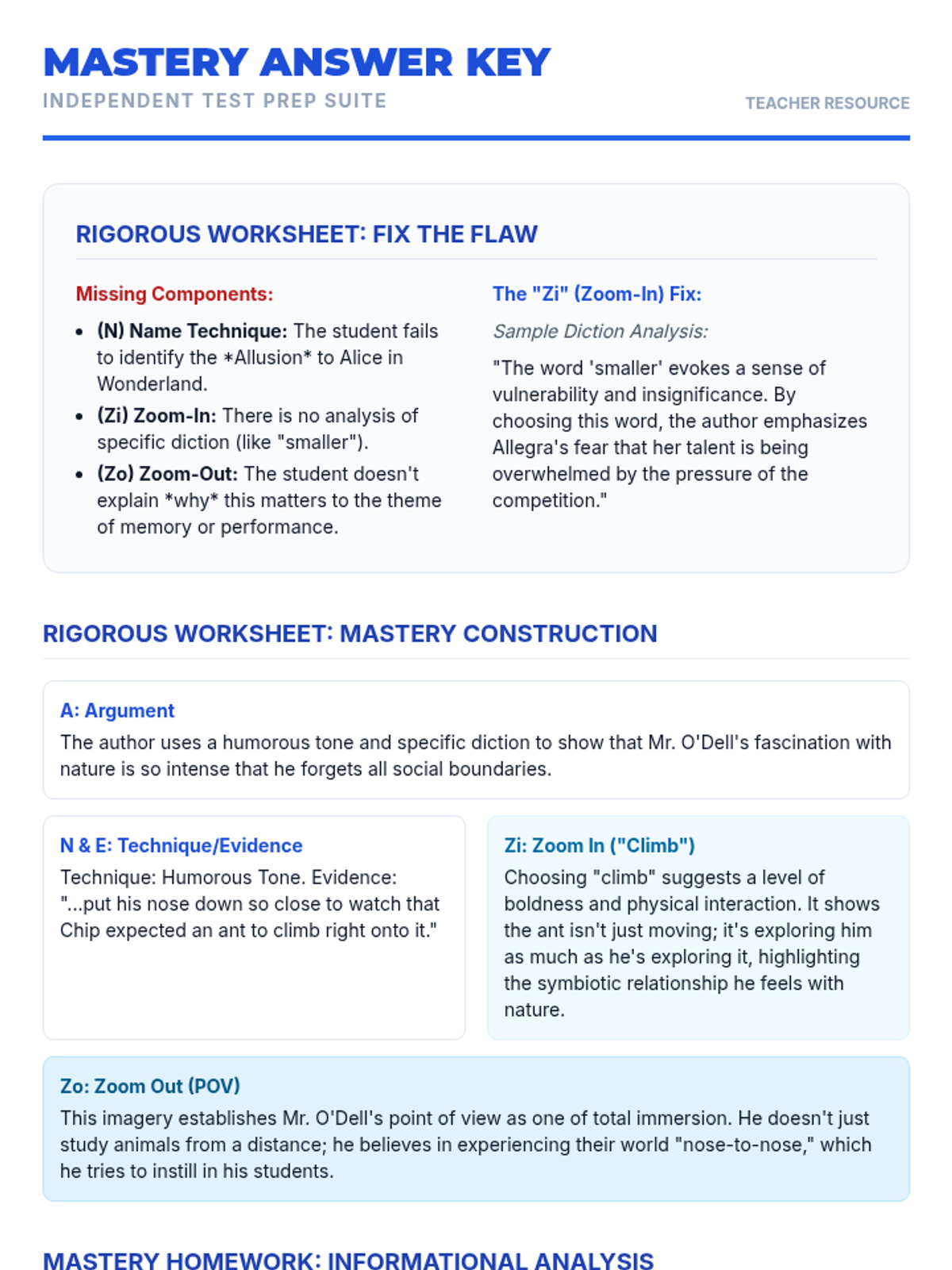
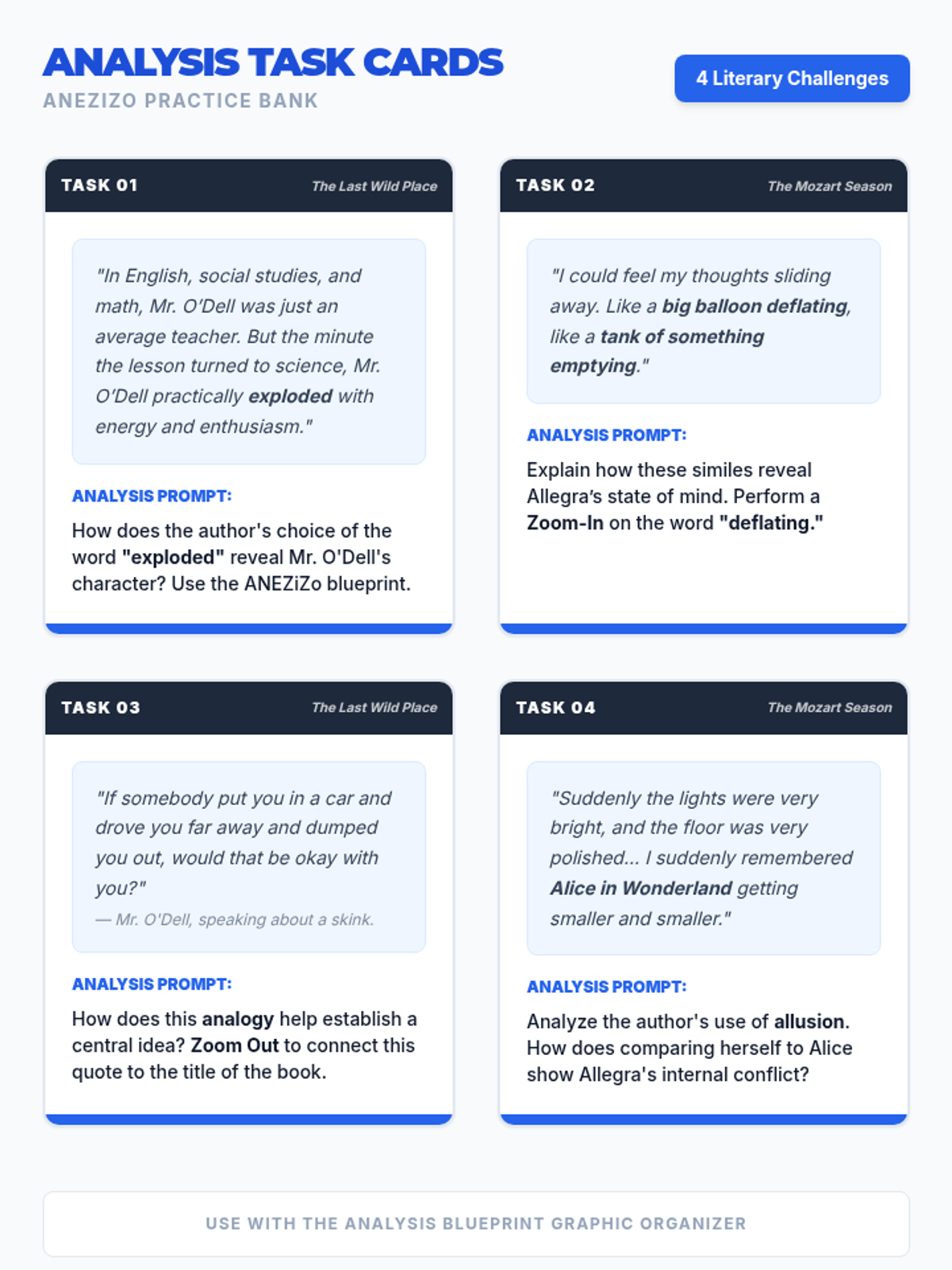
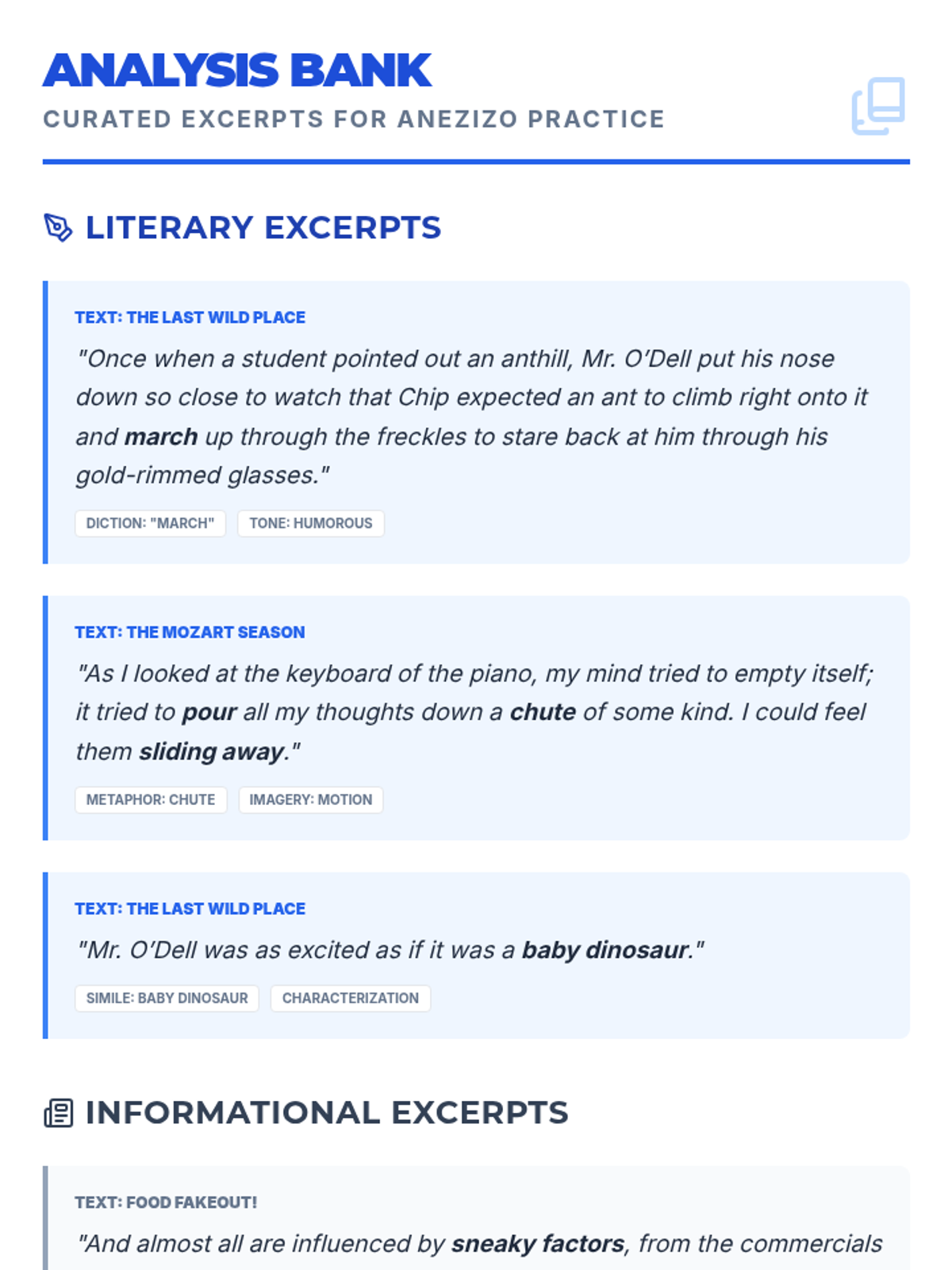
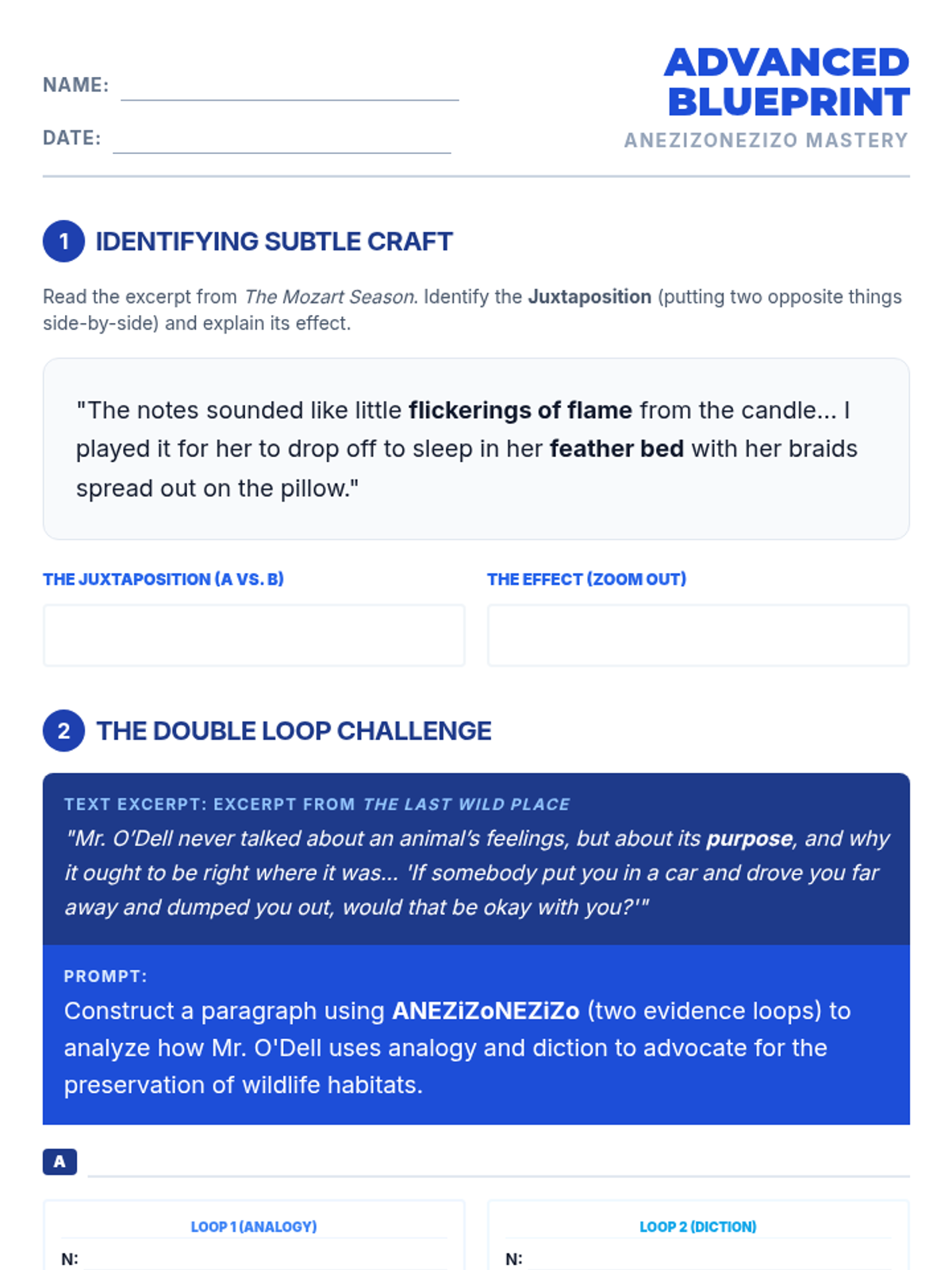
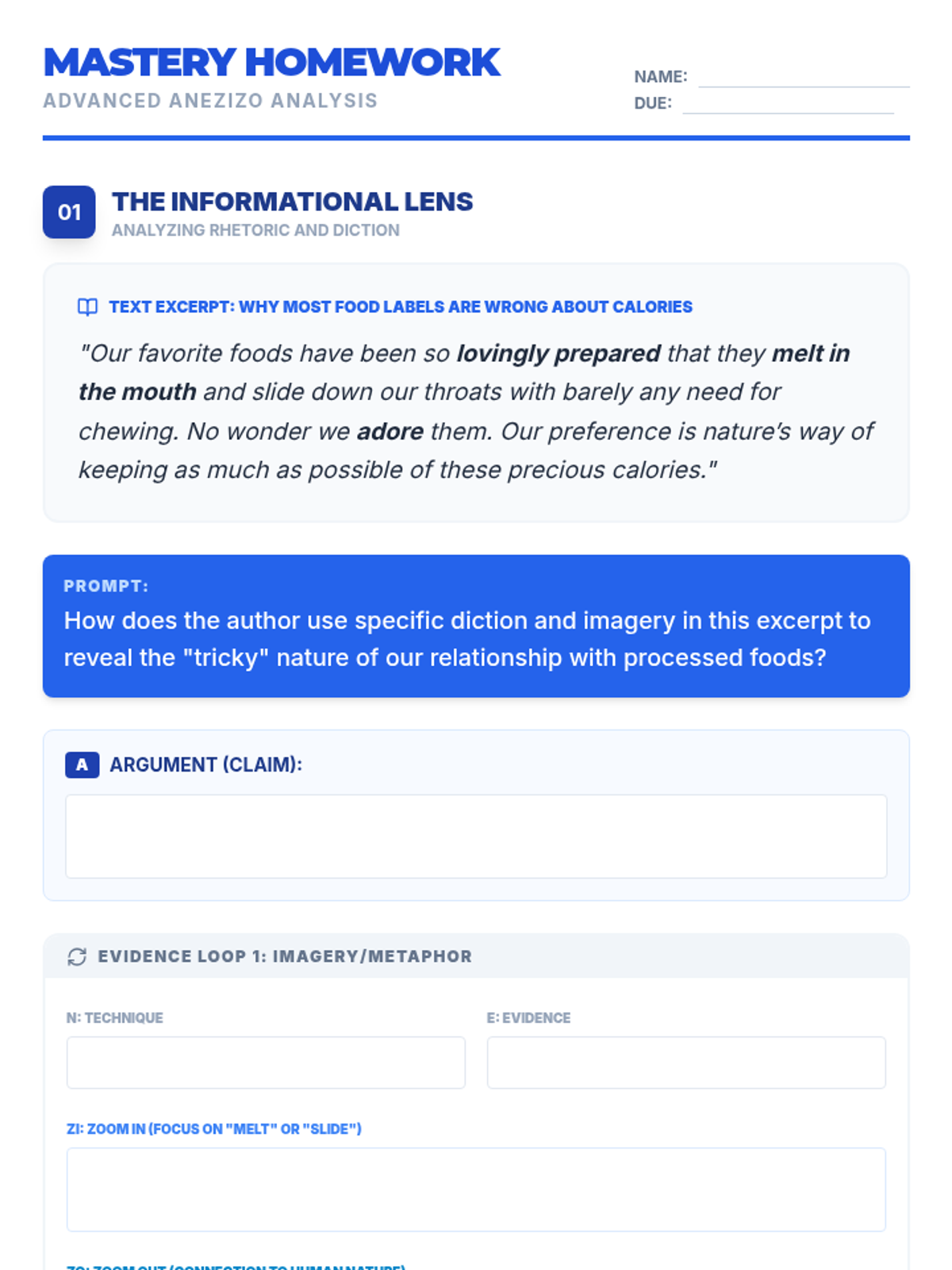
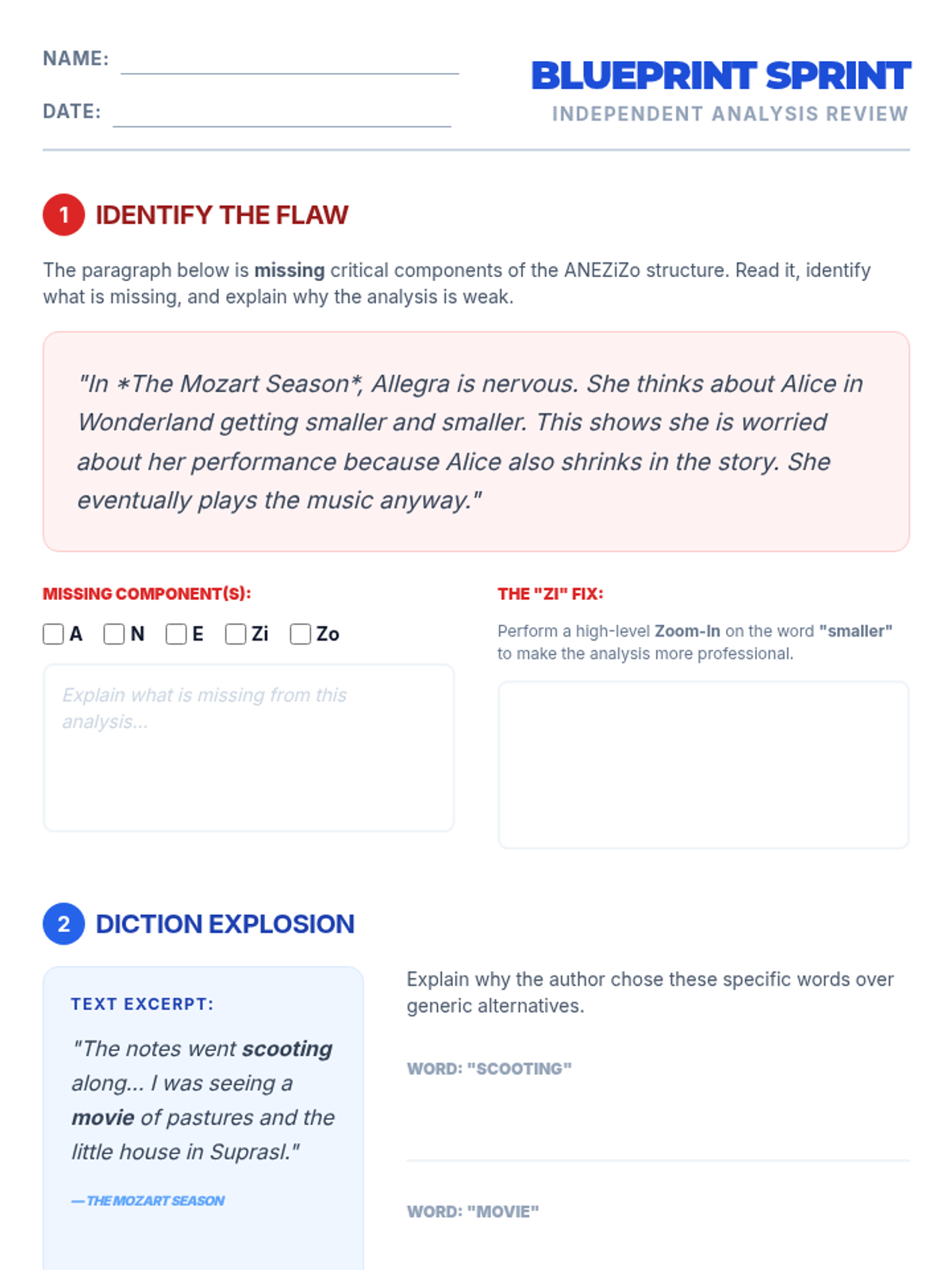
A comprehensive lesson focused on mastering the ANEZiZoNEZiZo paragraph structure for literary analysis. Students will learn to construct strong arguments, identify techniques, provide evidence, and perform deep analysis through zooming in on diction and zooming out to thematic significance.
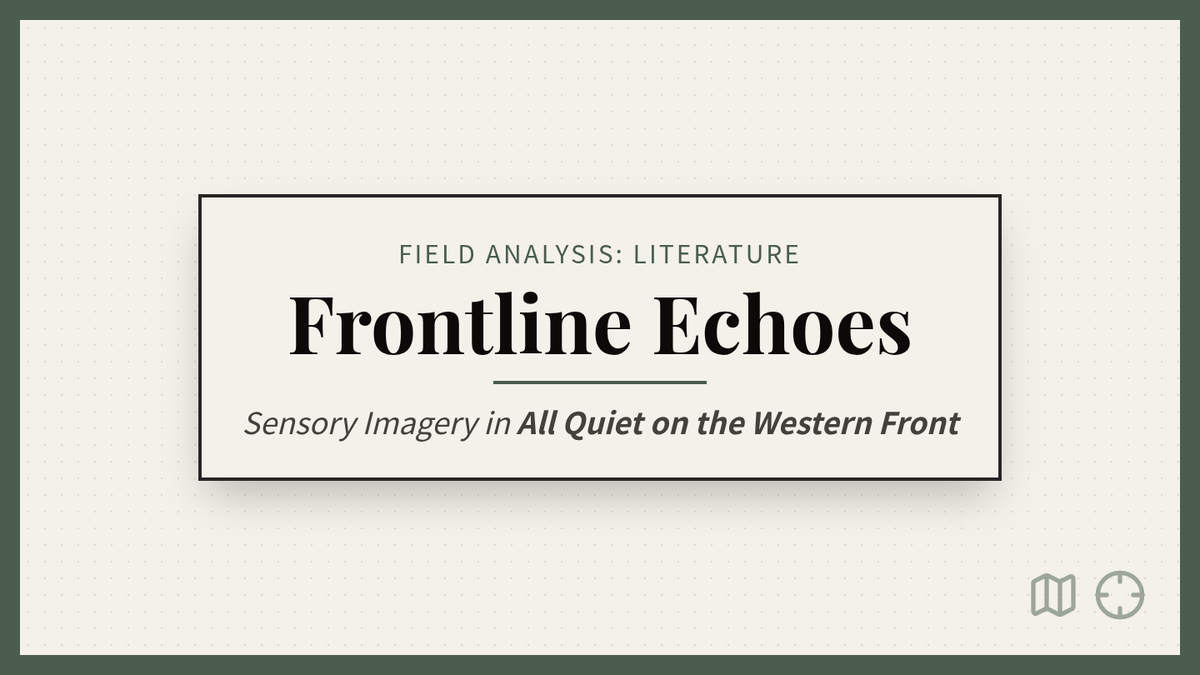
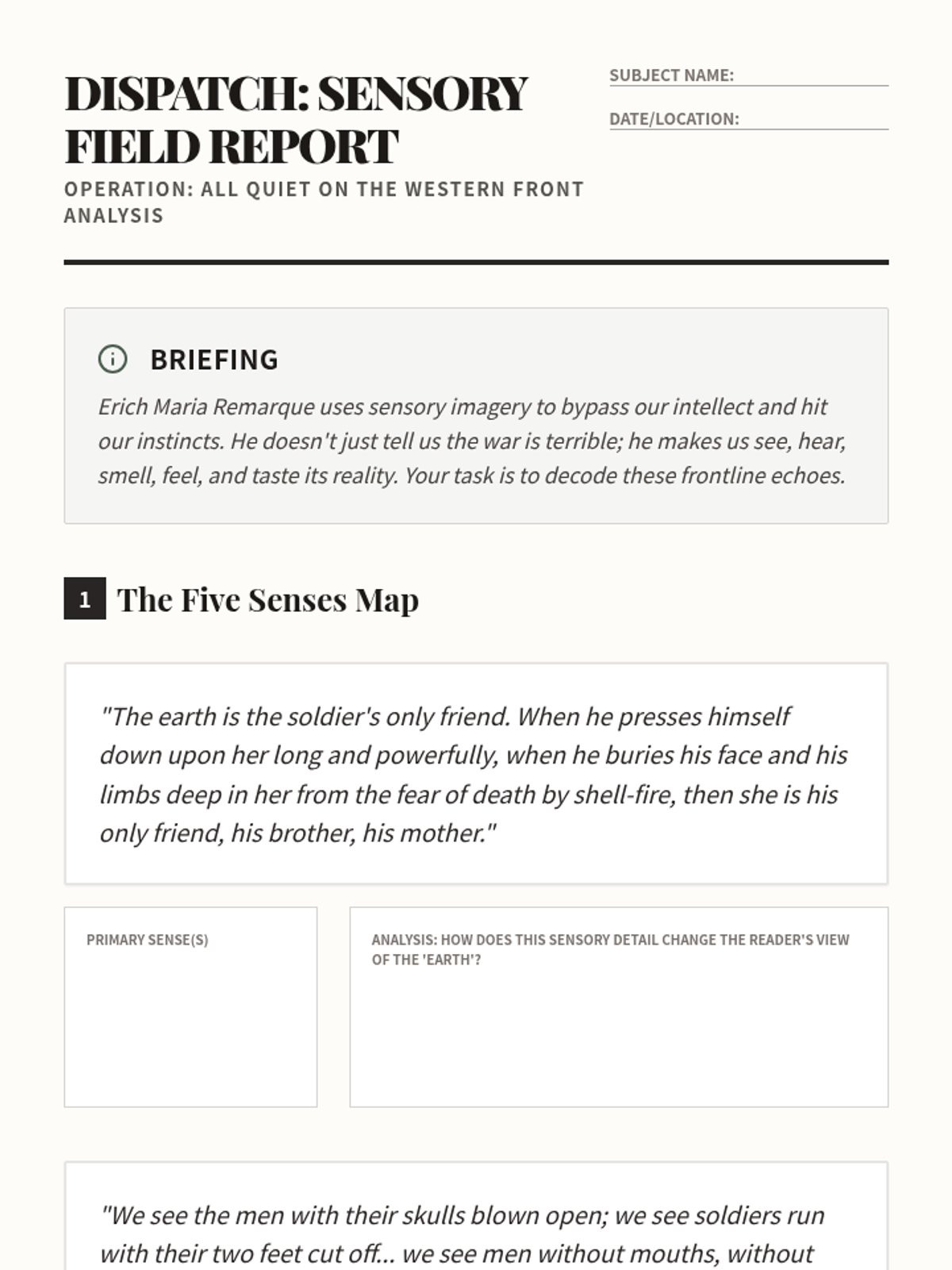
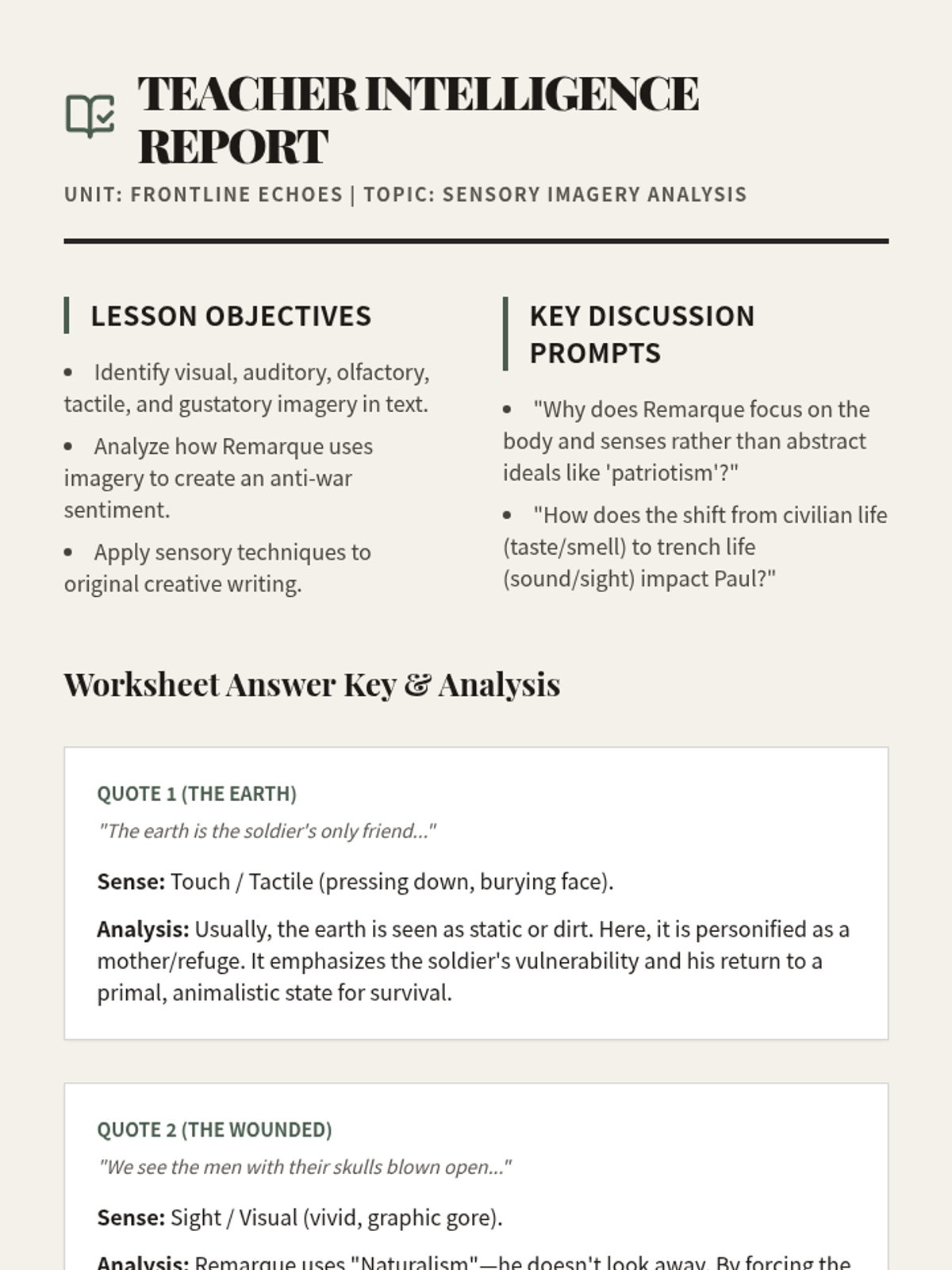
A deep dive into sensory imagery within 'All Quiet on the Western Front', exploring how Erich Maria Remarque uses sight, sound, smell, touch, and taste to immerse readers in the harrowing reality of the Great War.
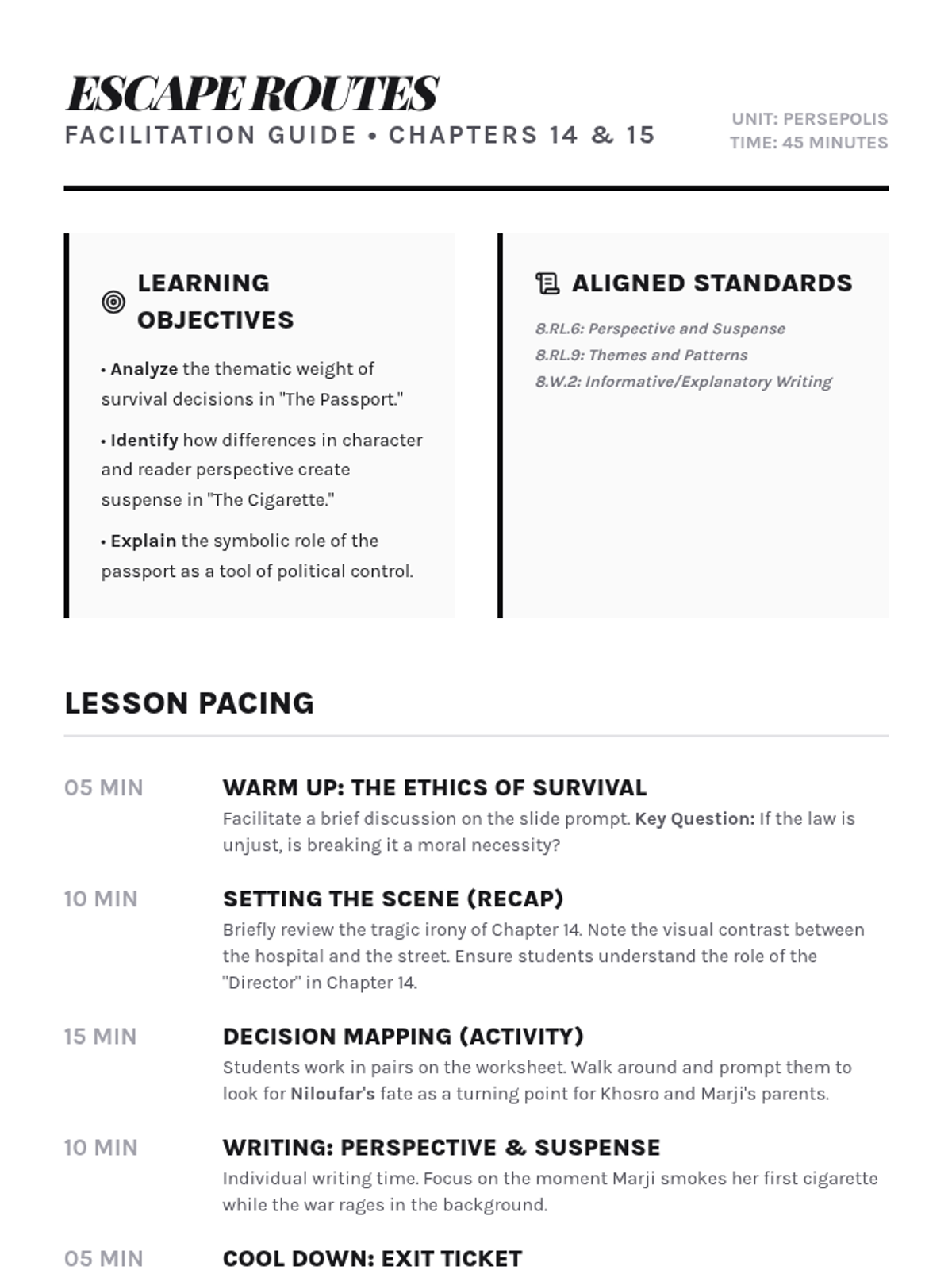
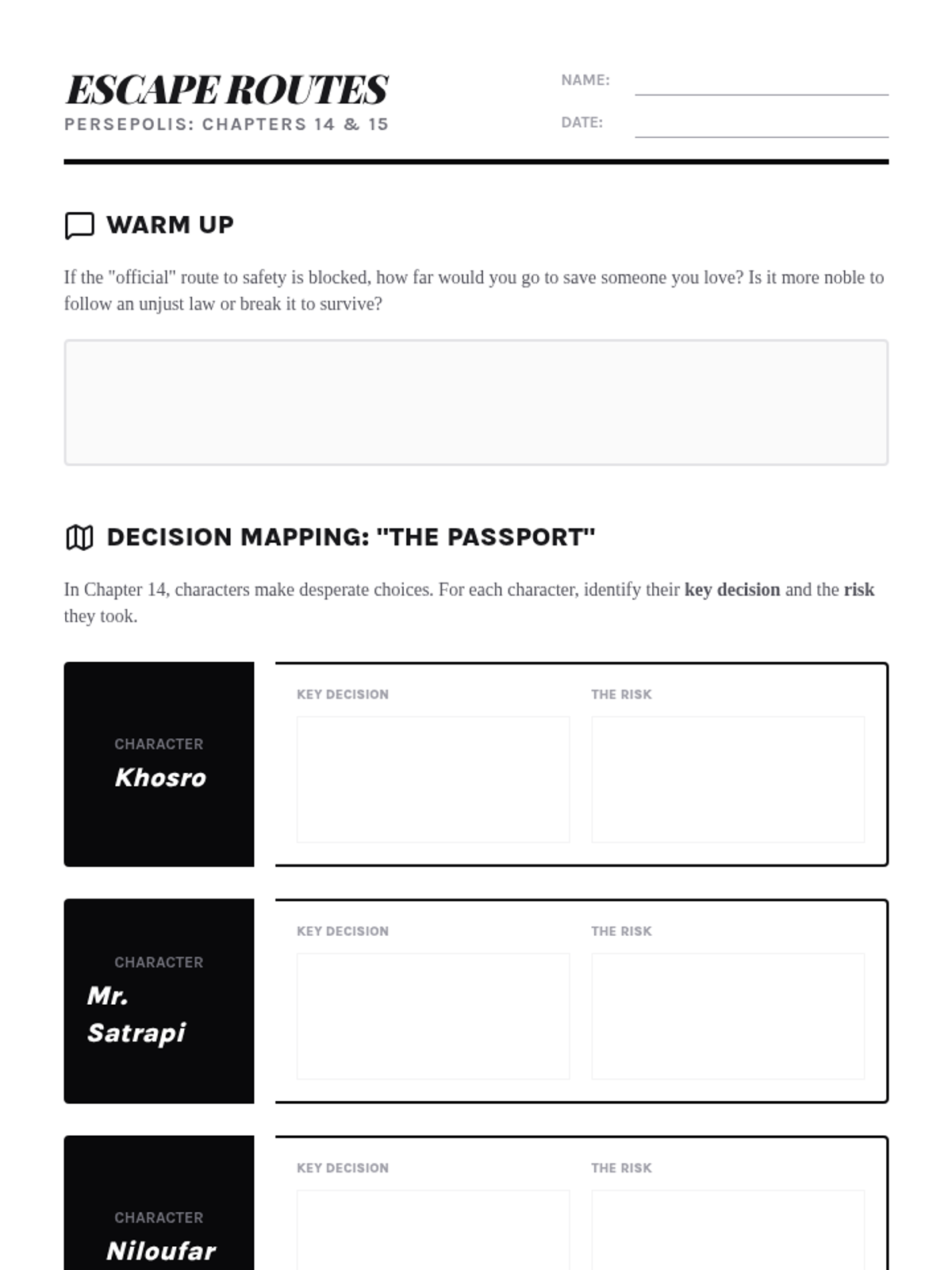
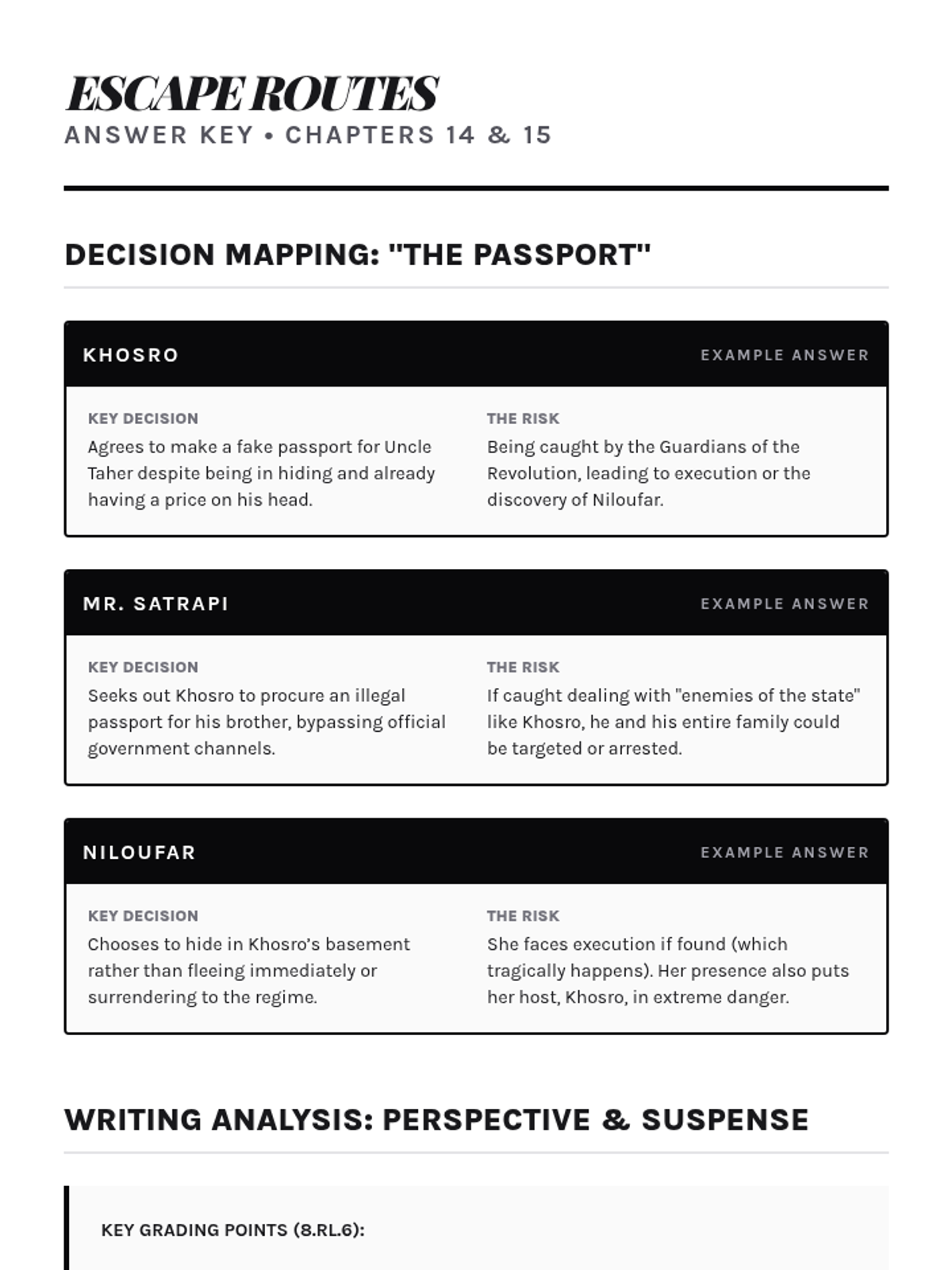
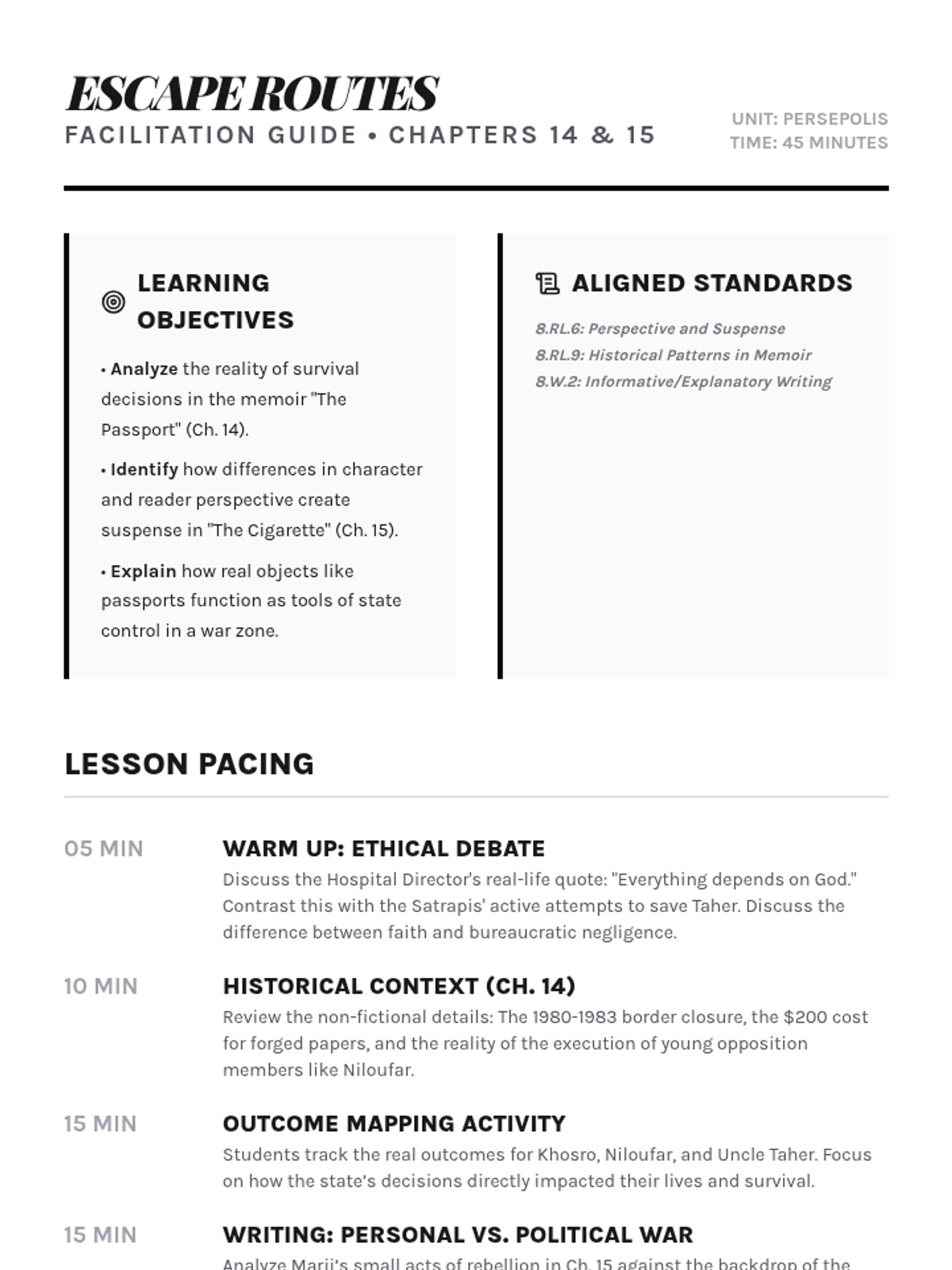
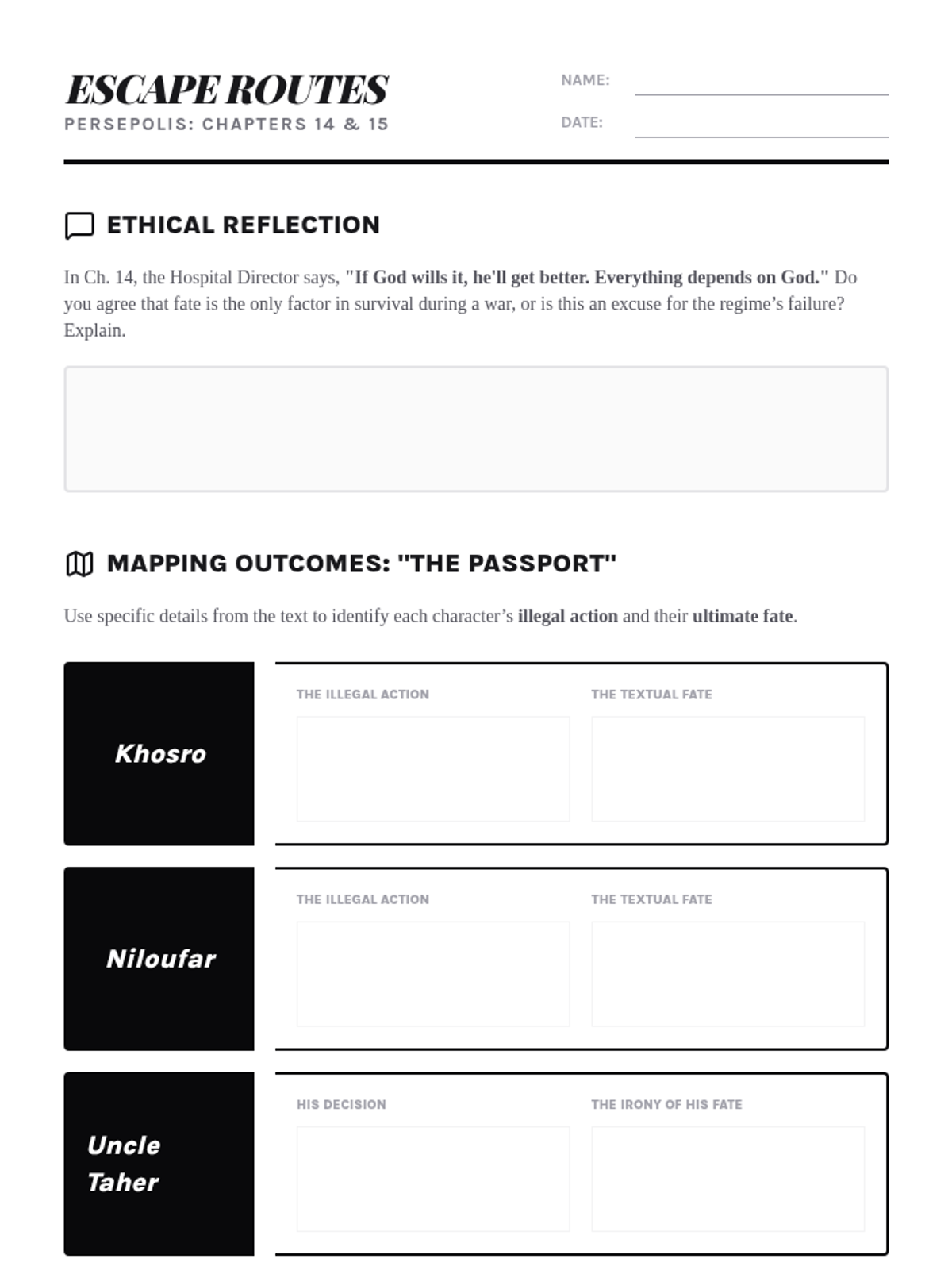
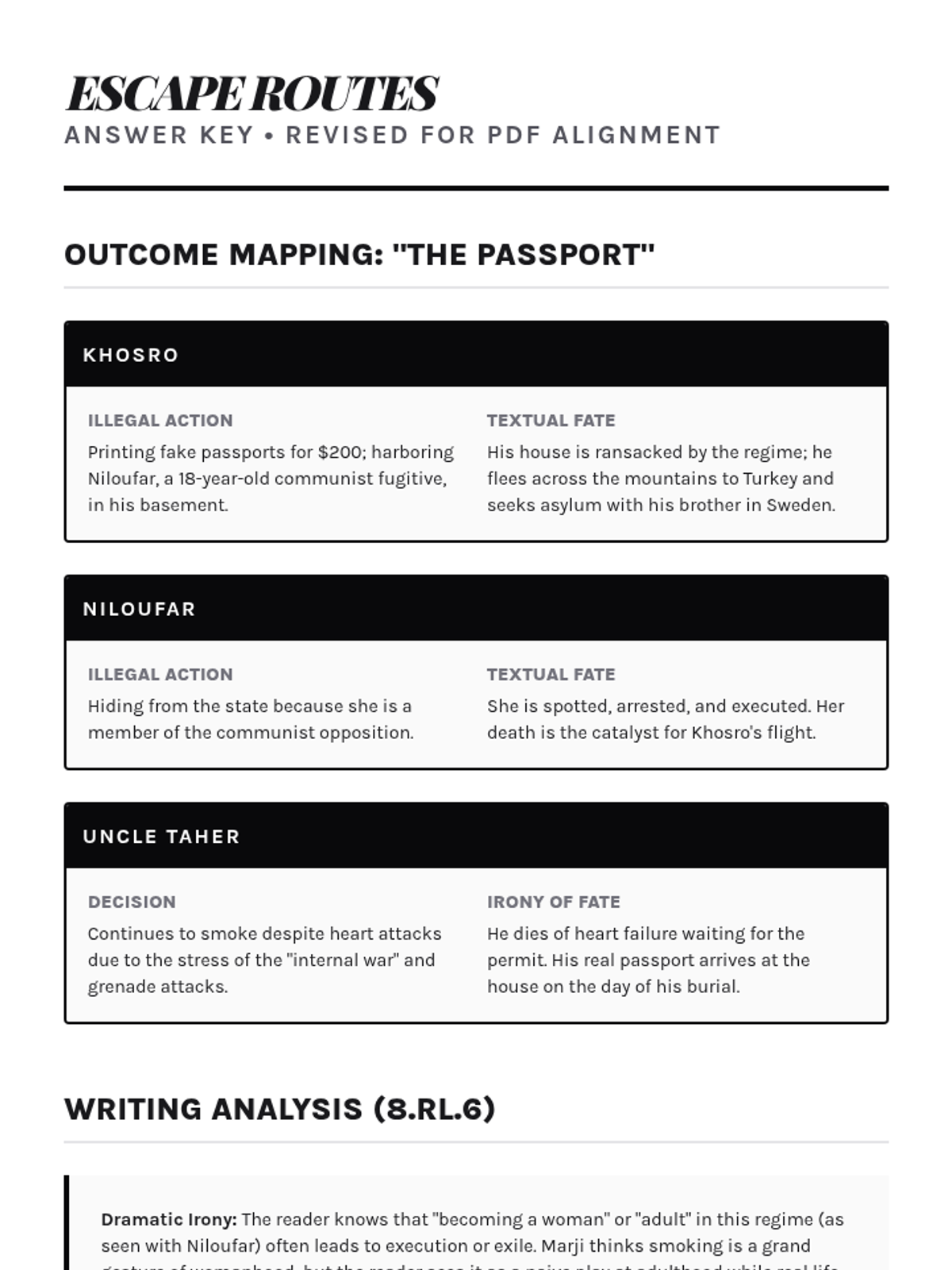
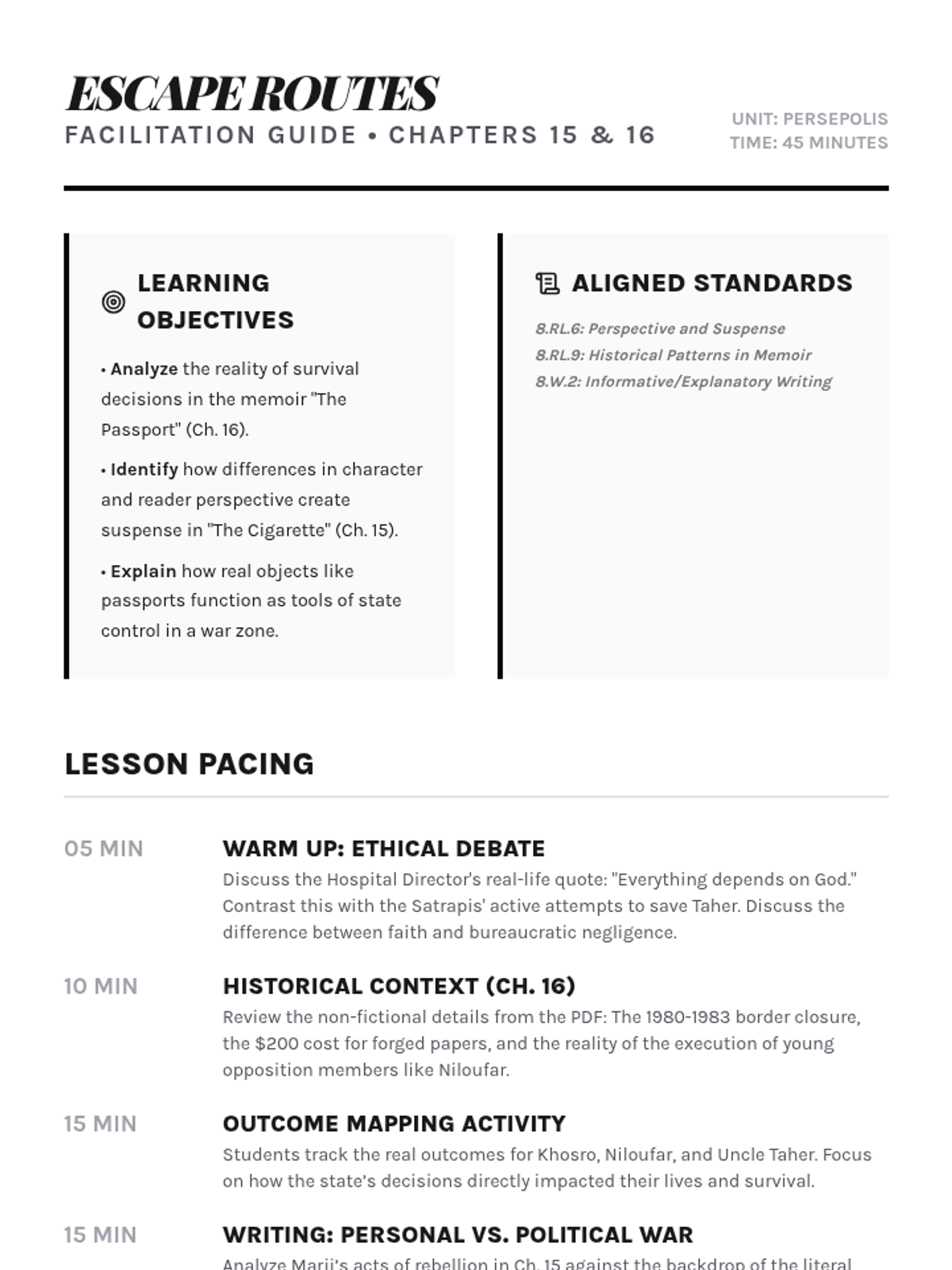
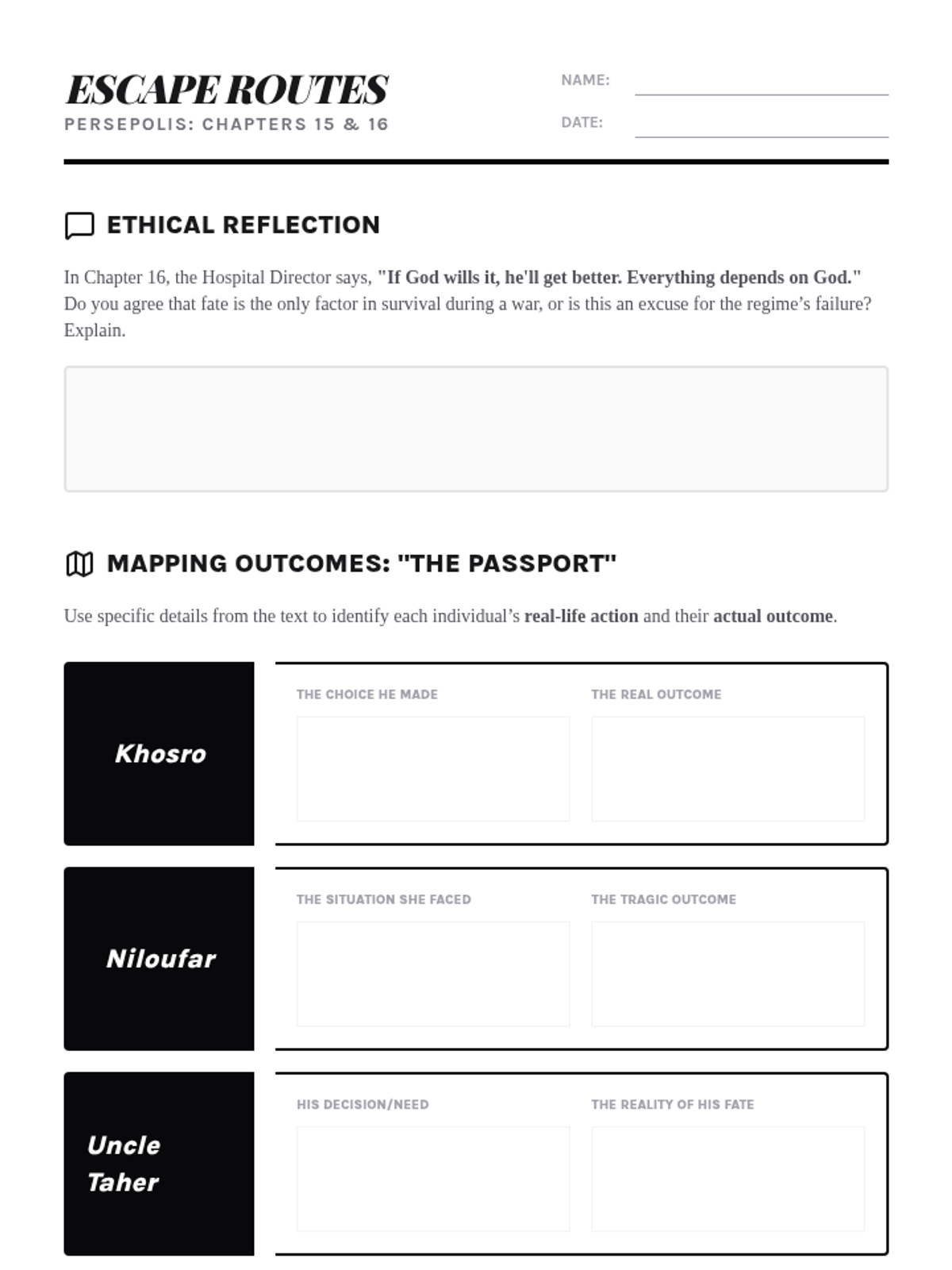
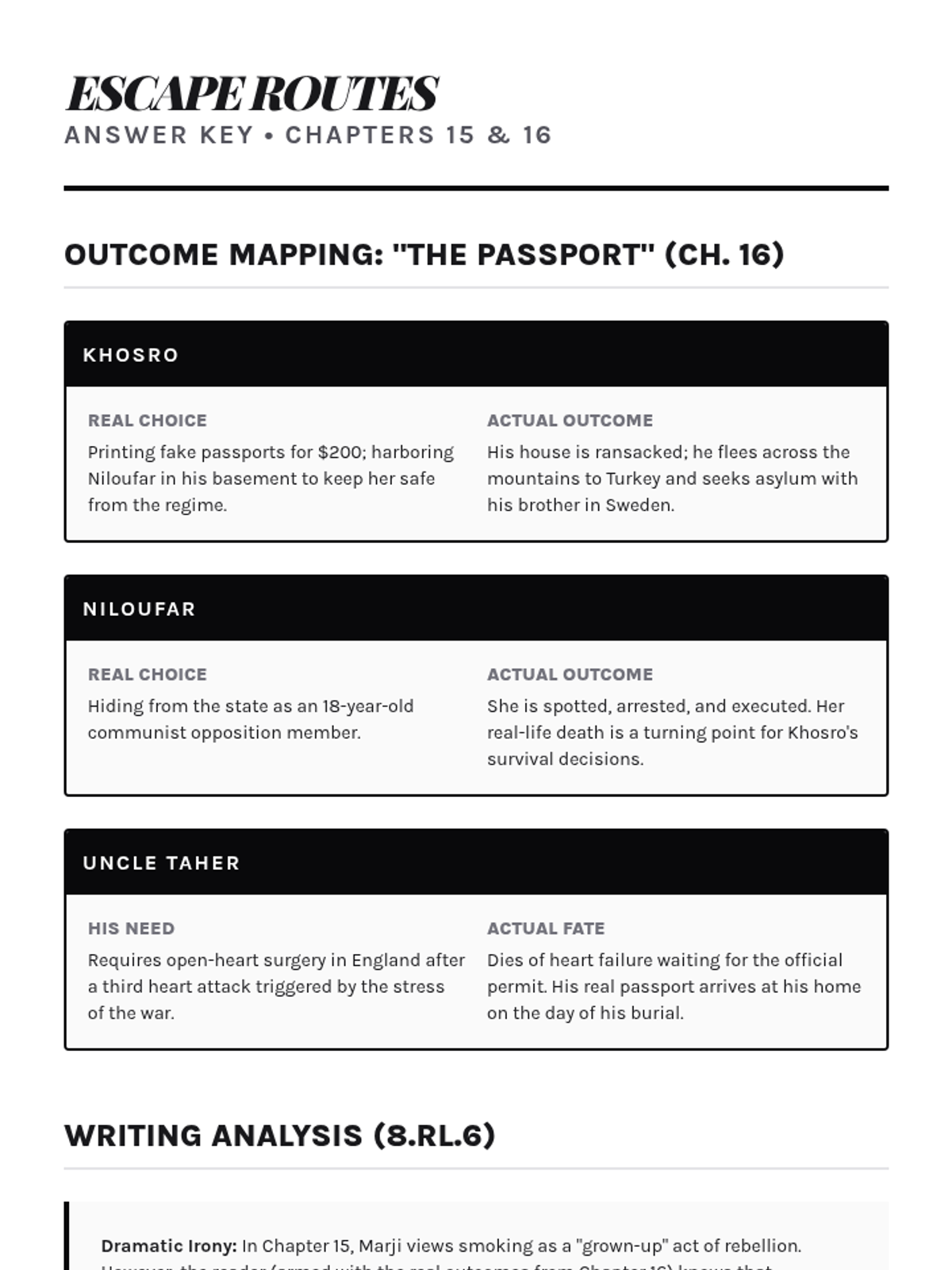
An exploration of Chapters 14 and 15 of Persepolis, focusing on the themes of escape, survival, and the transition from childhood innocence to teenage rebellion during the Iranian Revolution. Students analyze character decisions and the impact of differing perspectives in a graphic novel format.
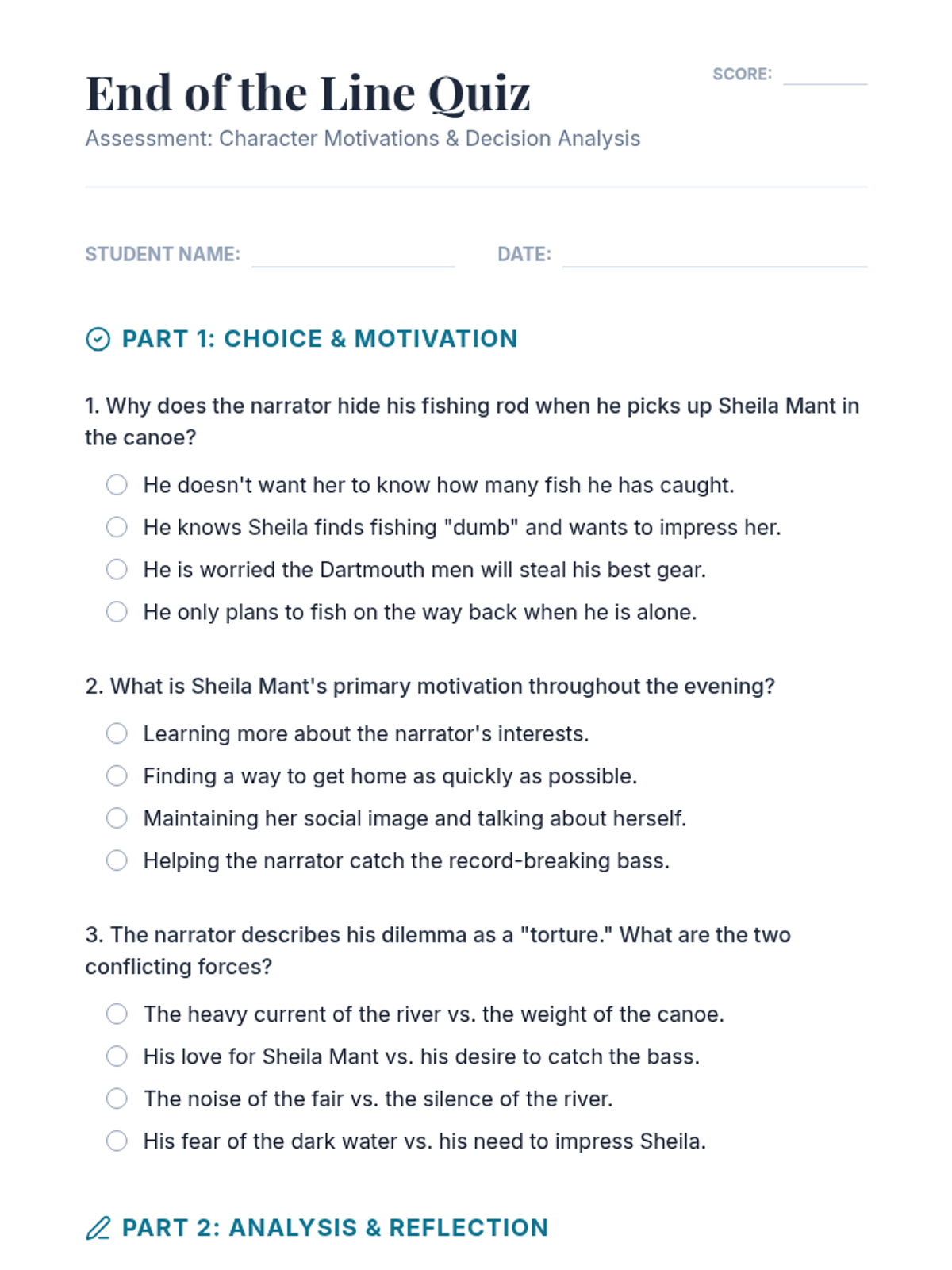
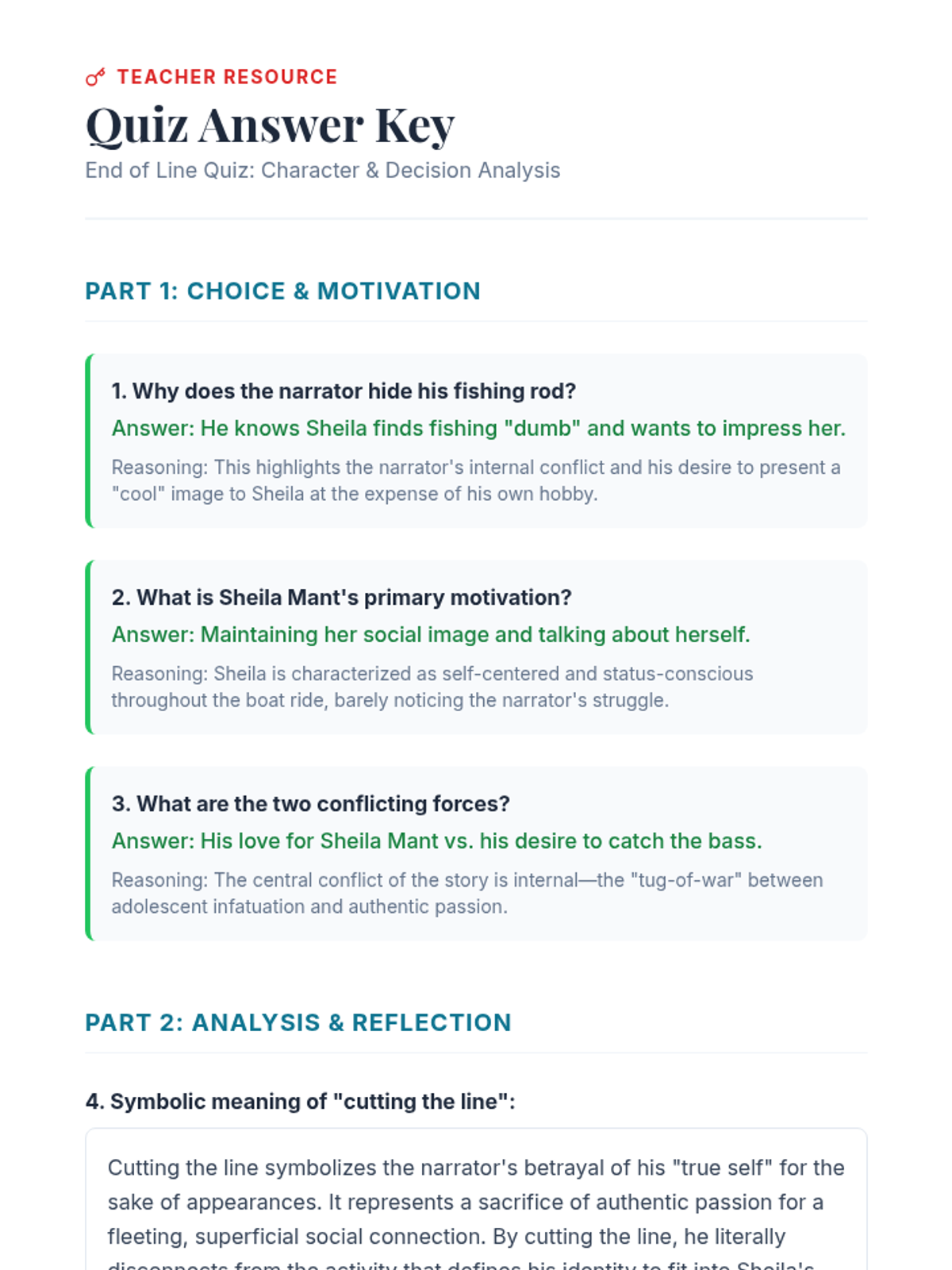
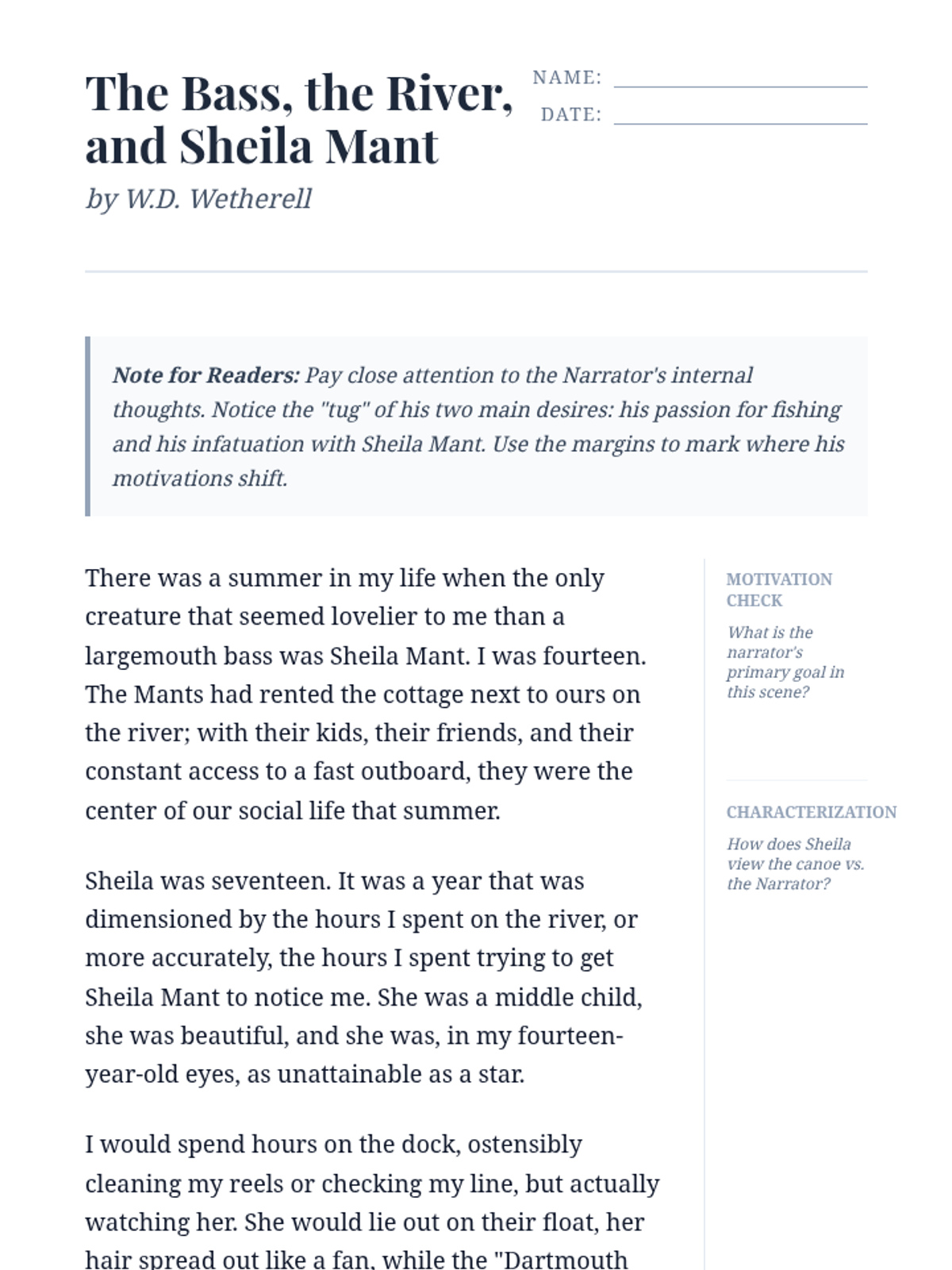
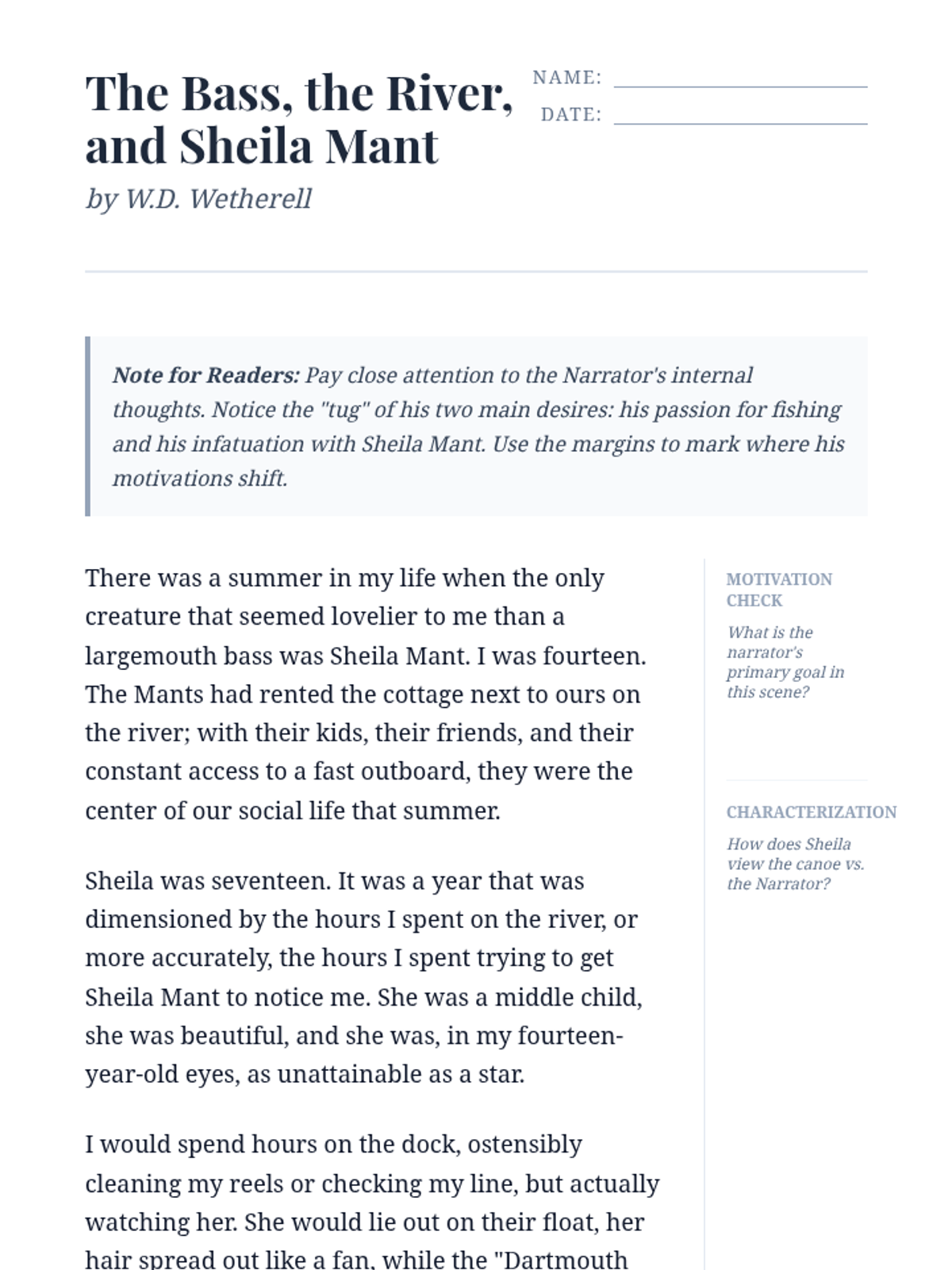
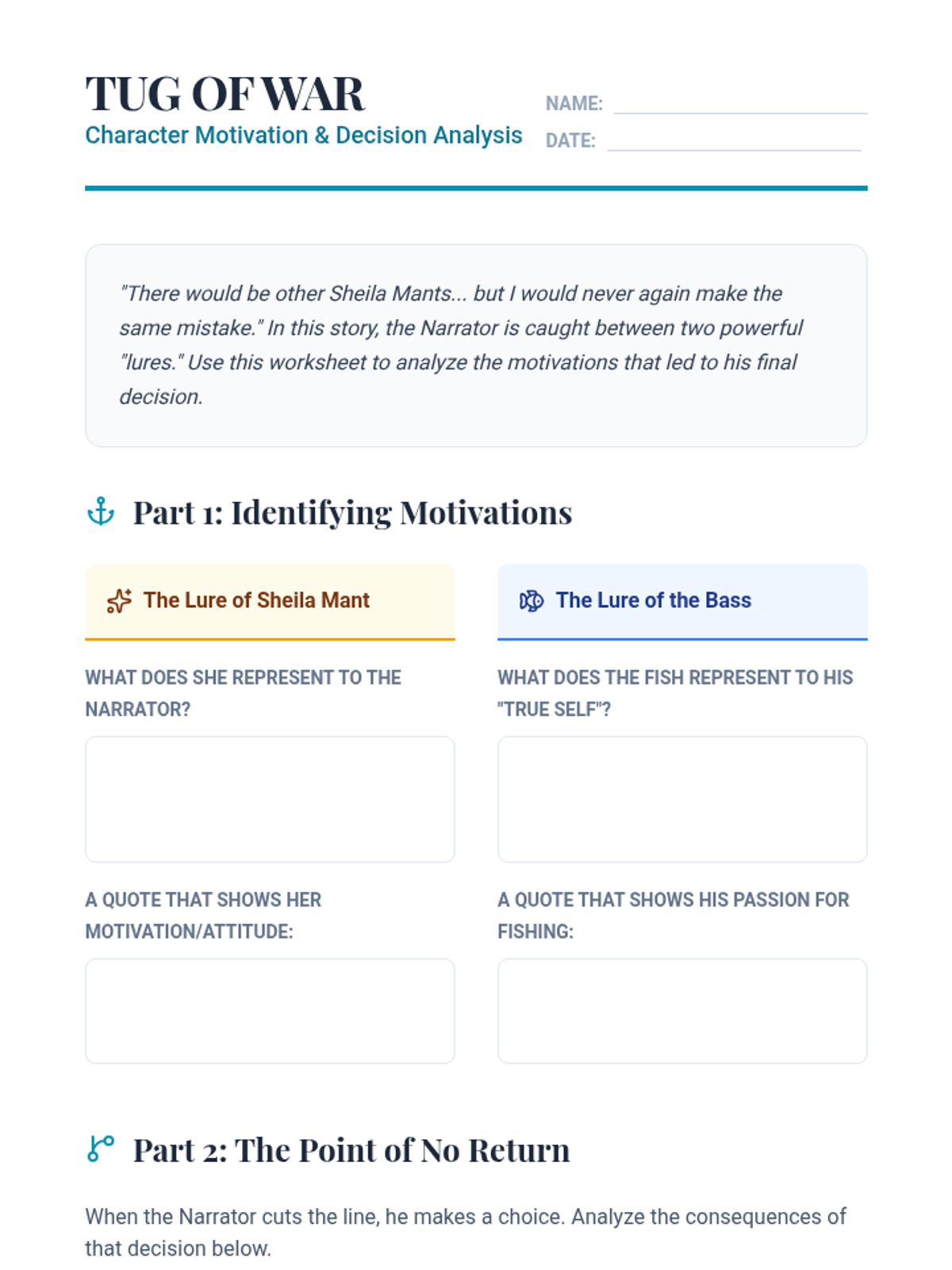
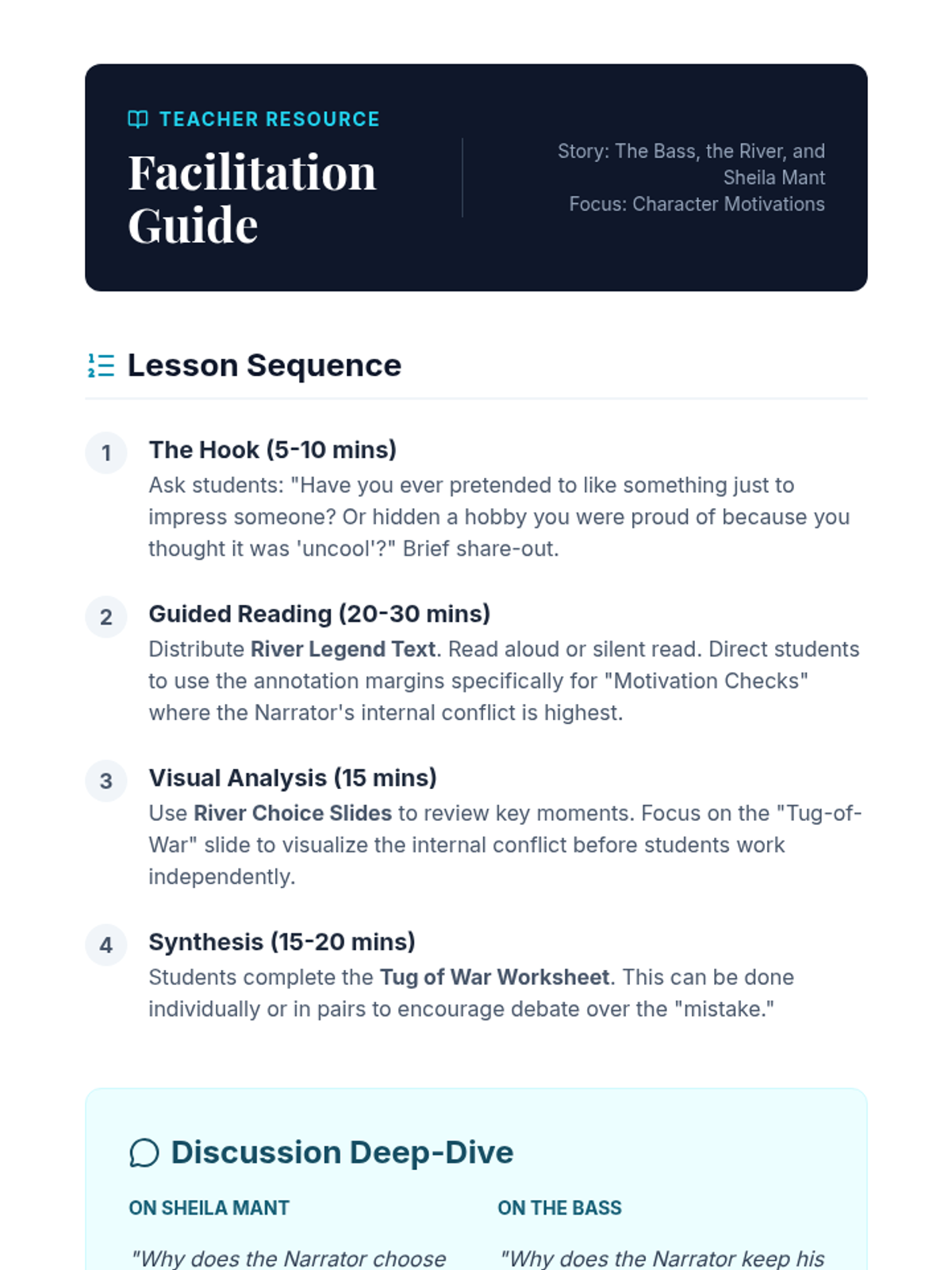
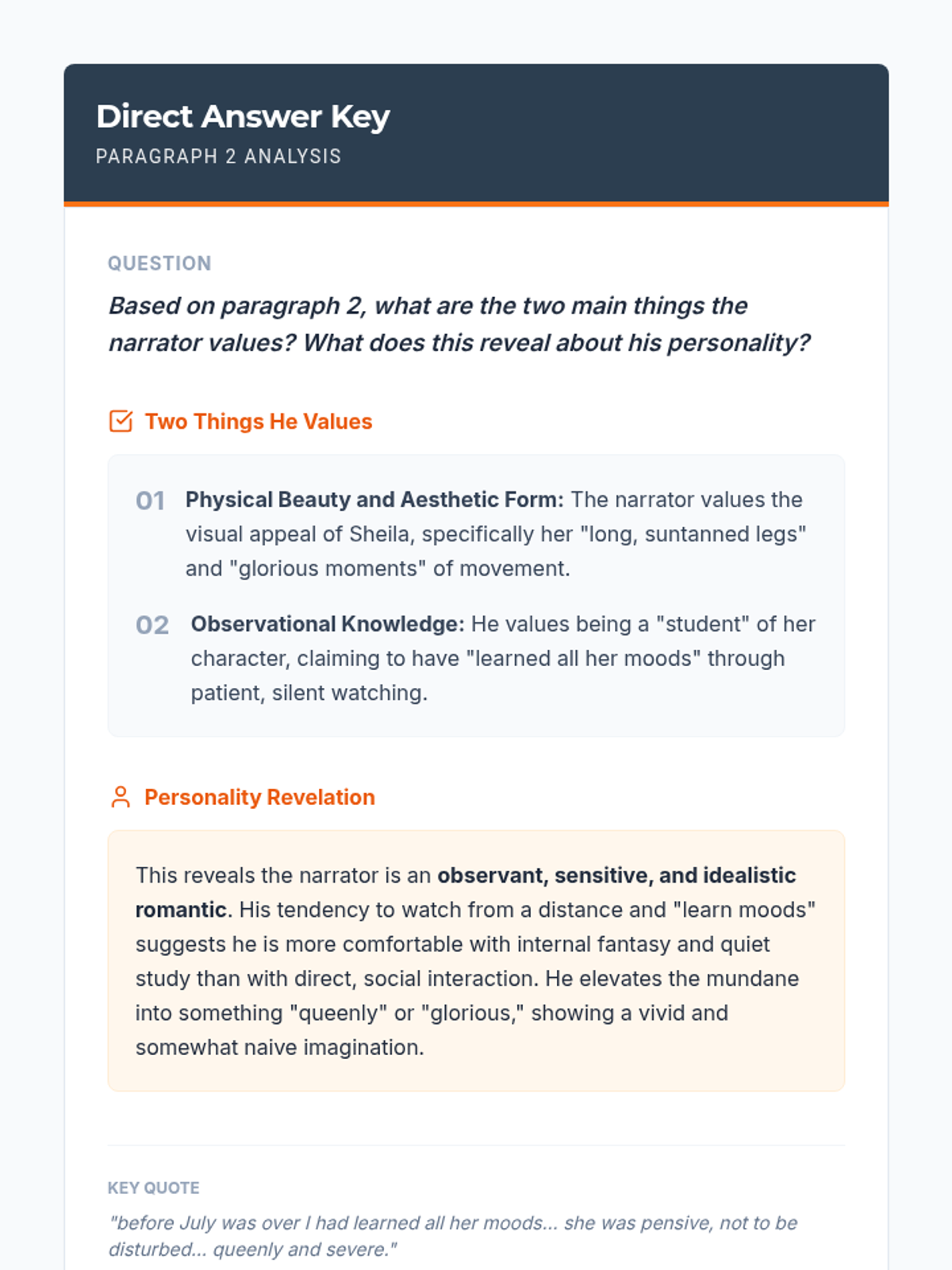
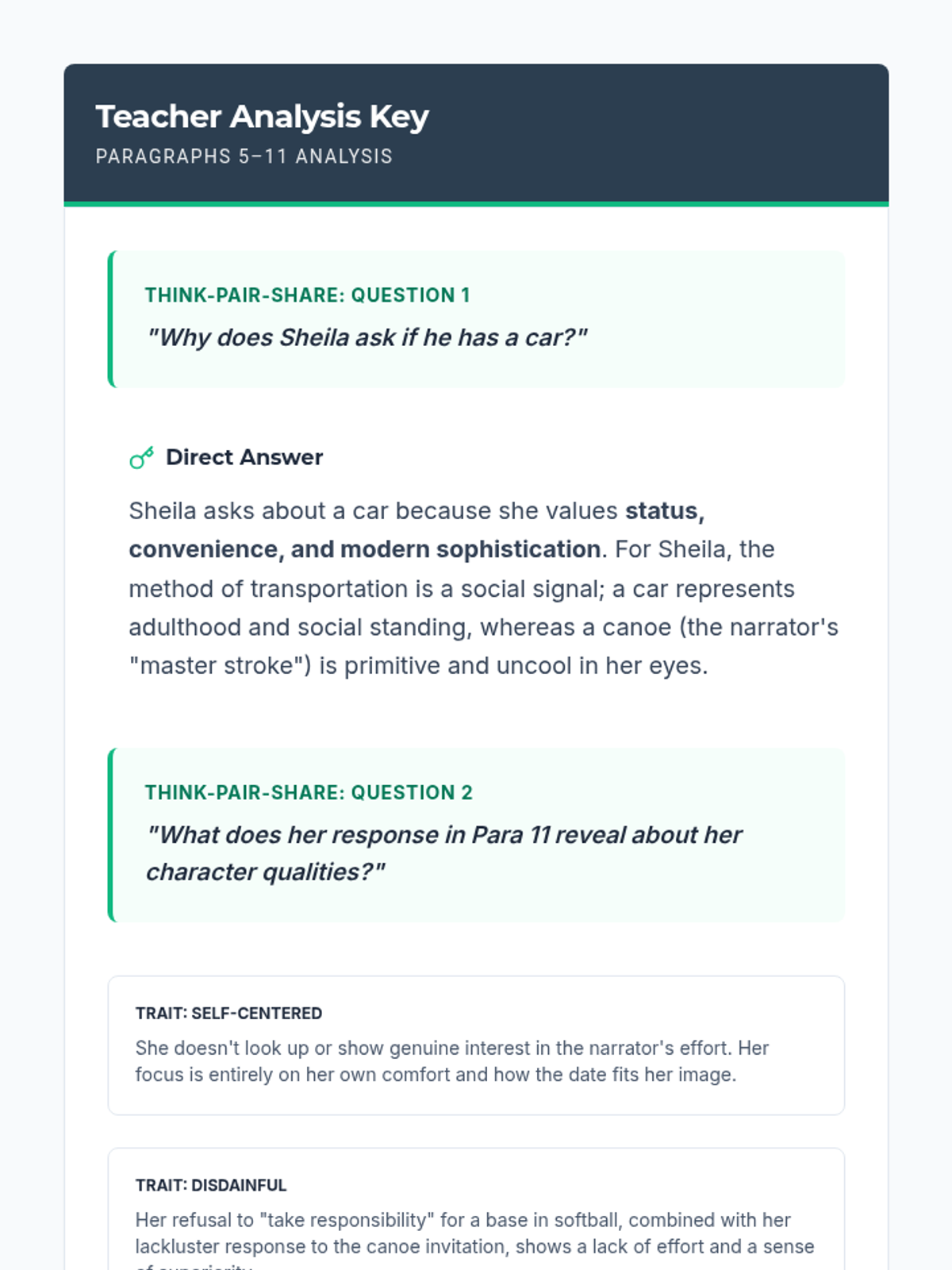
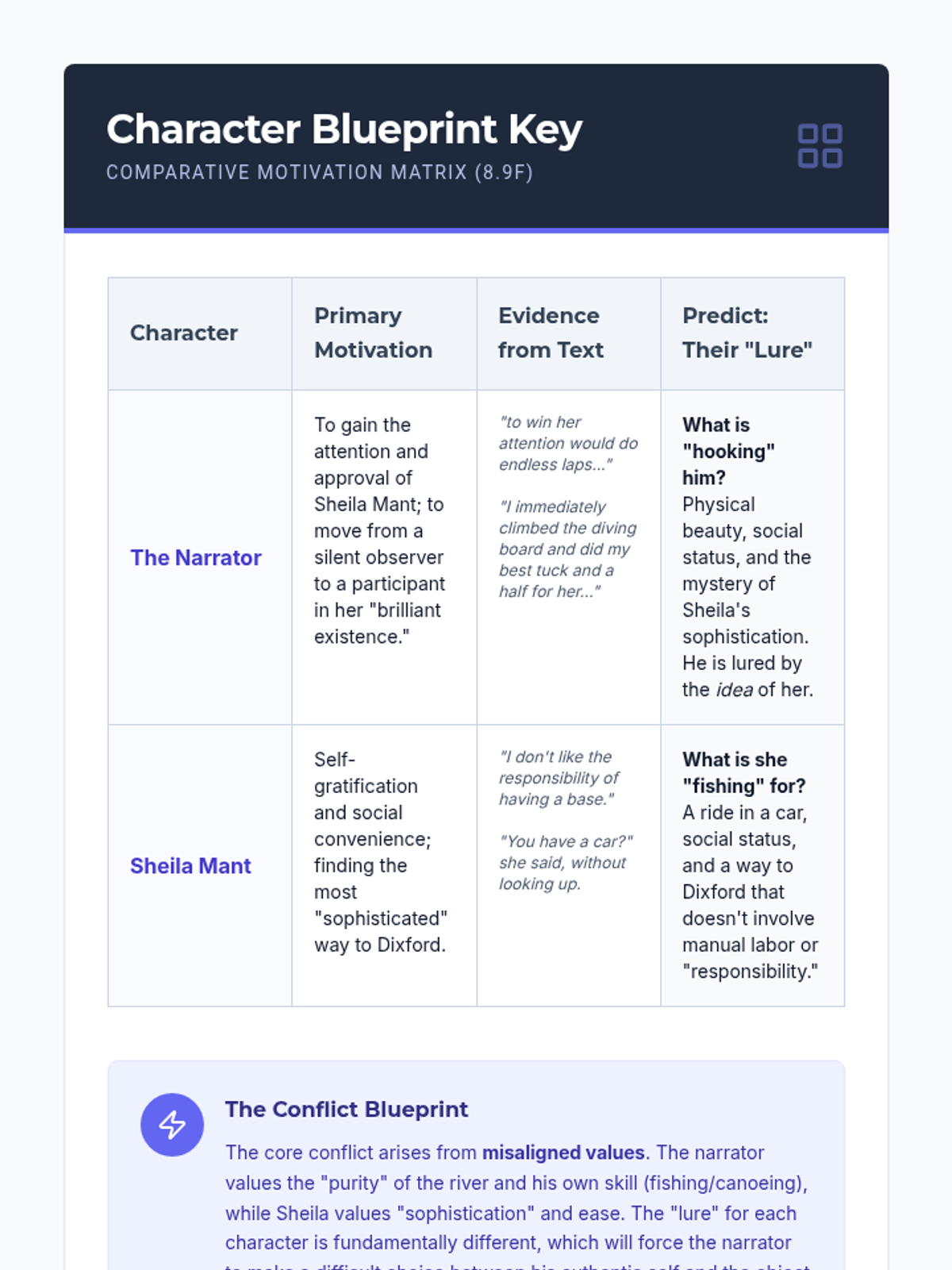
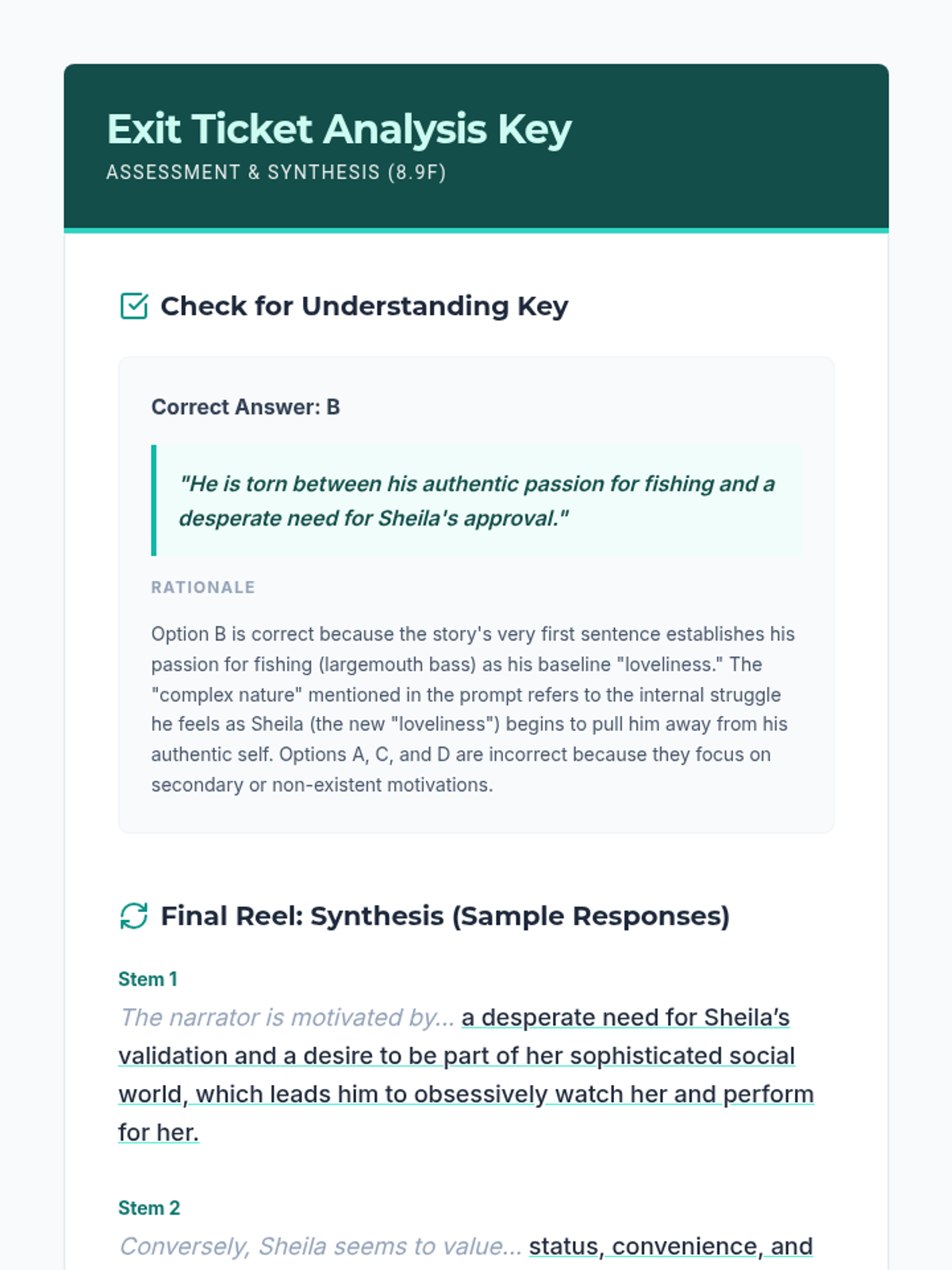
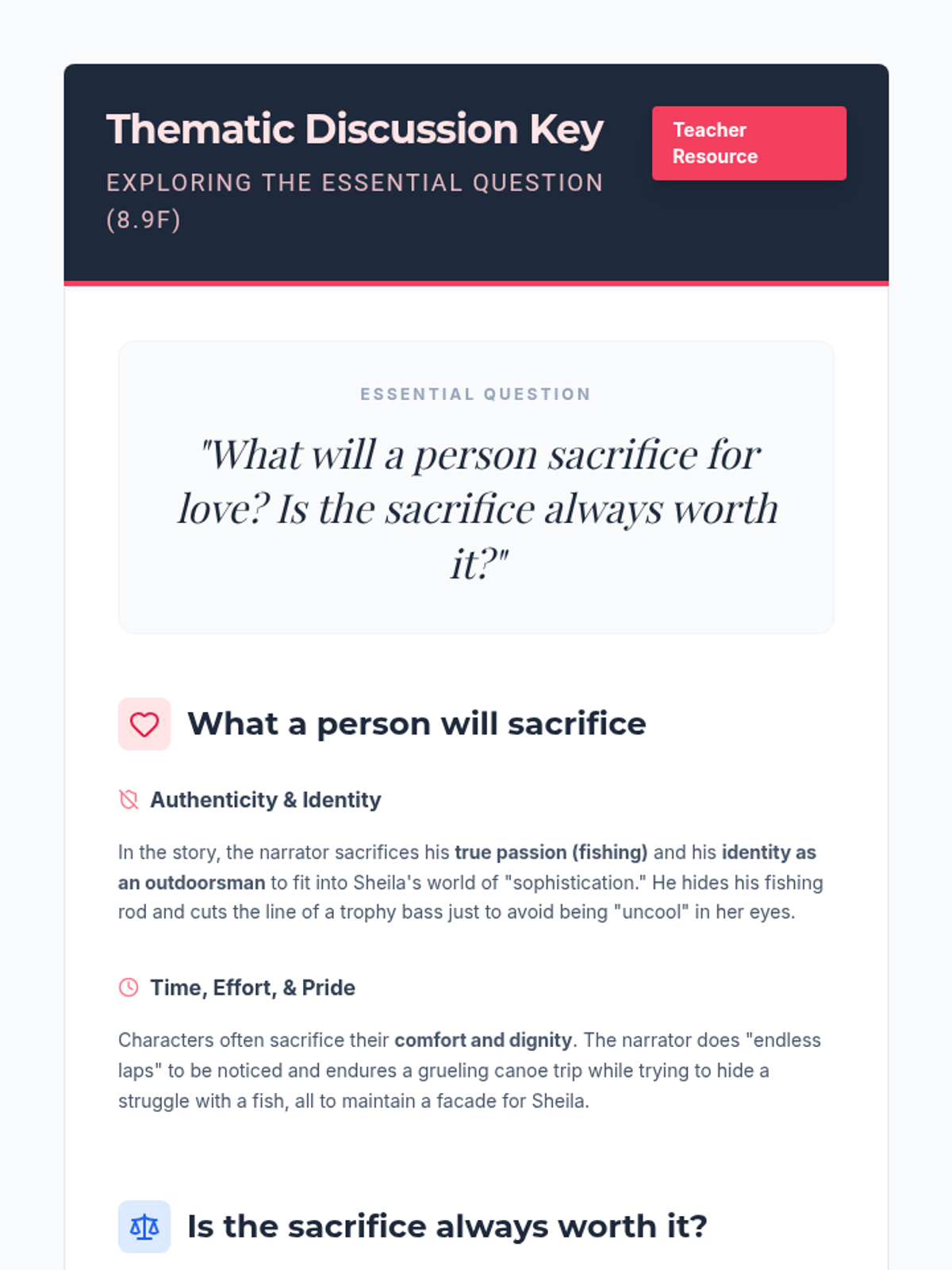
A deep dive into W.D. Wetherell's classic short story, focusing on the Narrator's internal conflict between his passion for fishing and his infatuation with Sheila Mant. students will analyze character motivations and the weight of adolescent decisions.
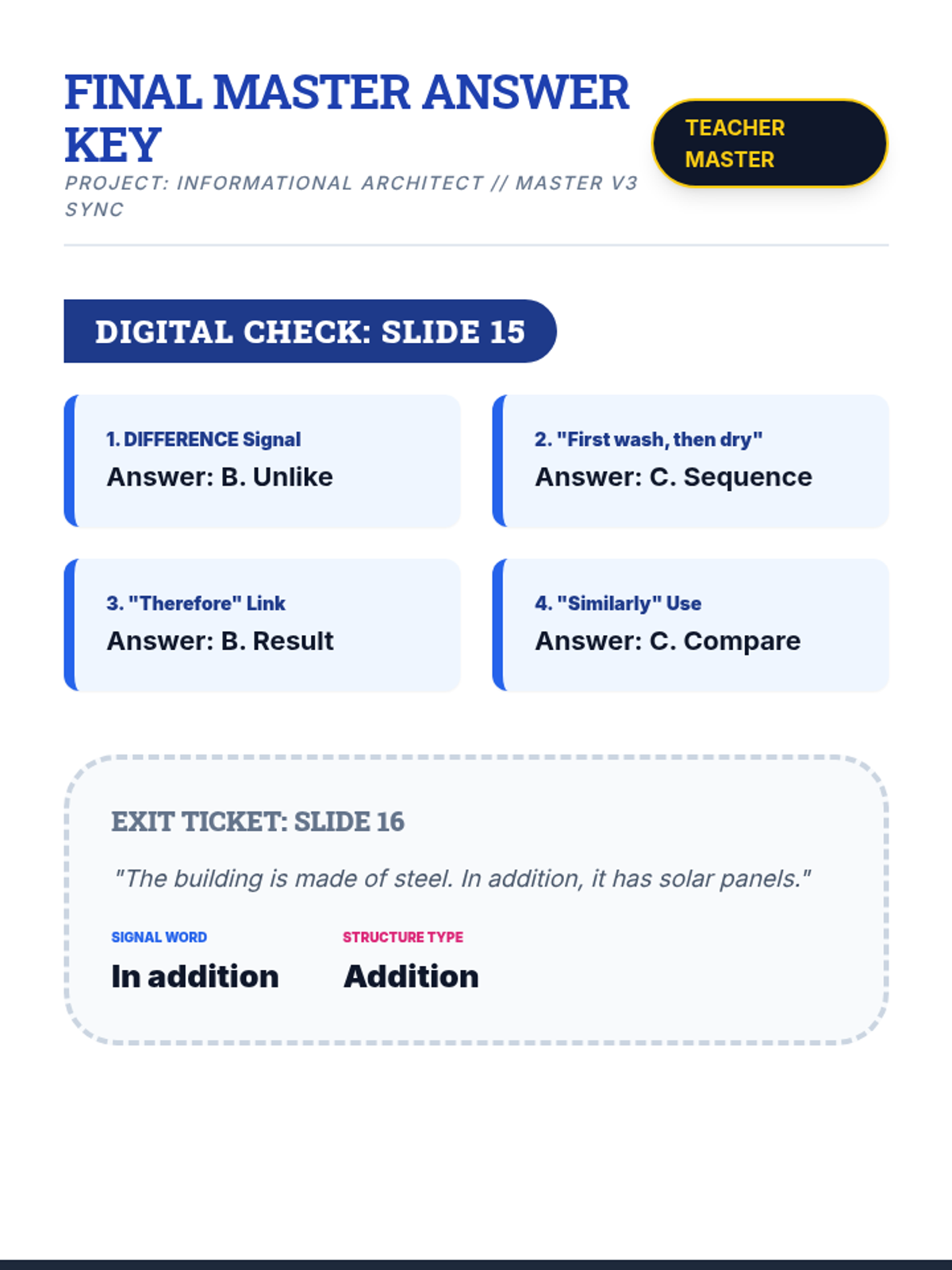
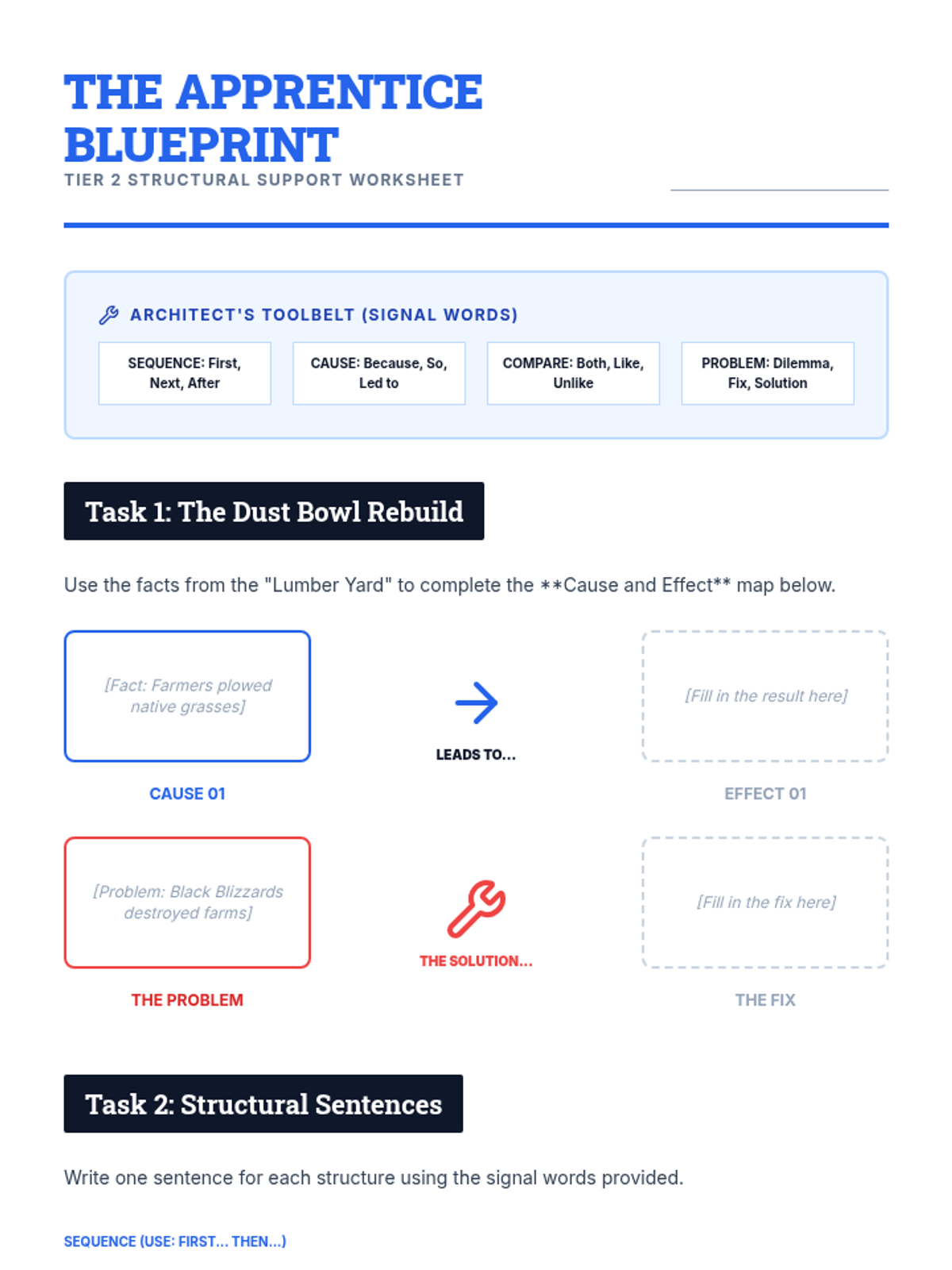
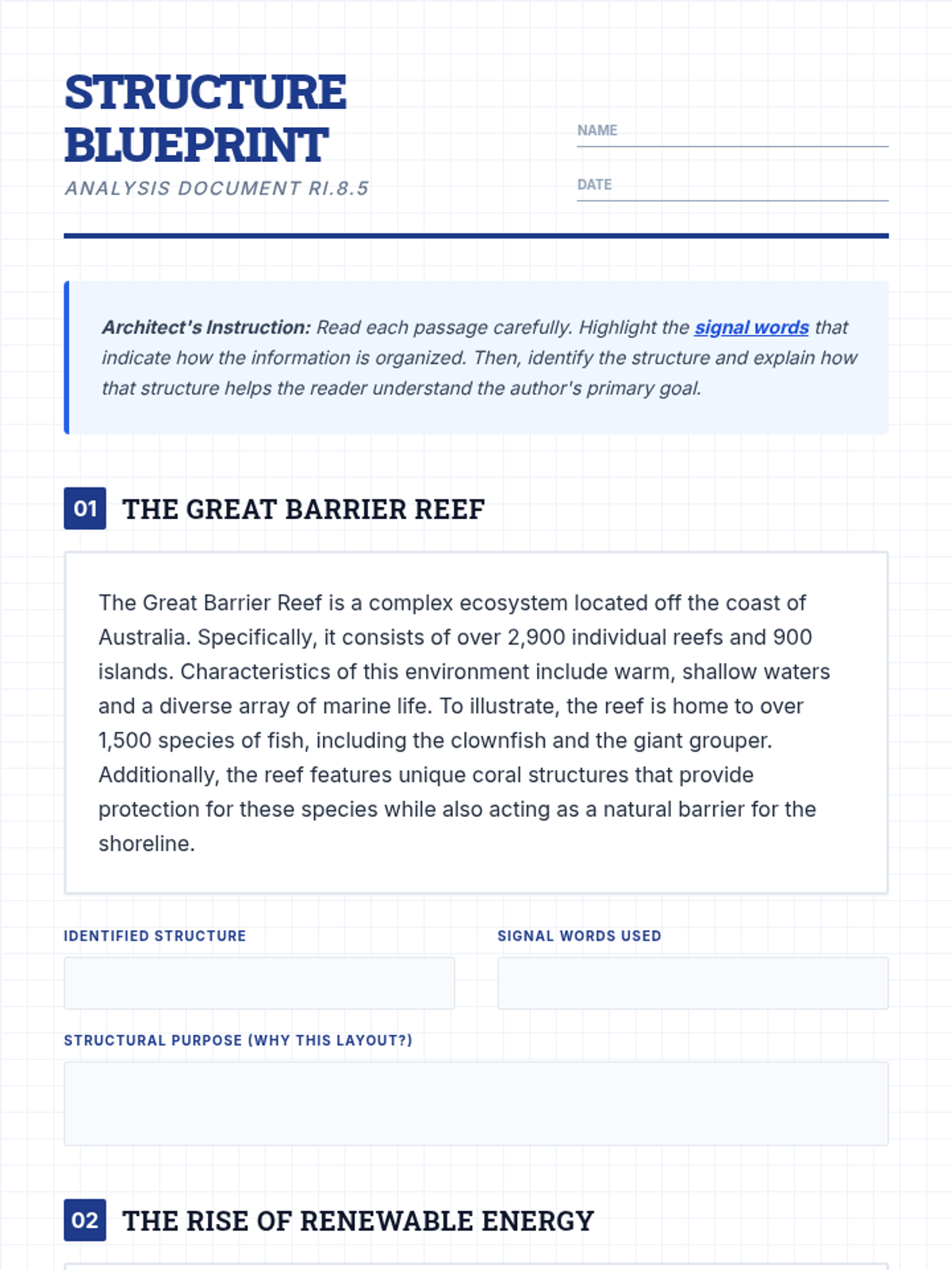
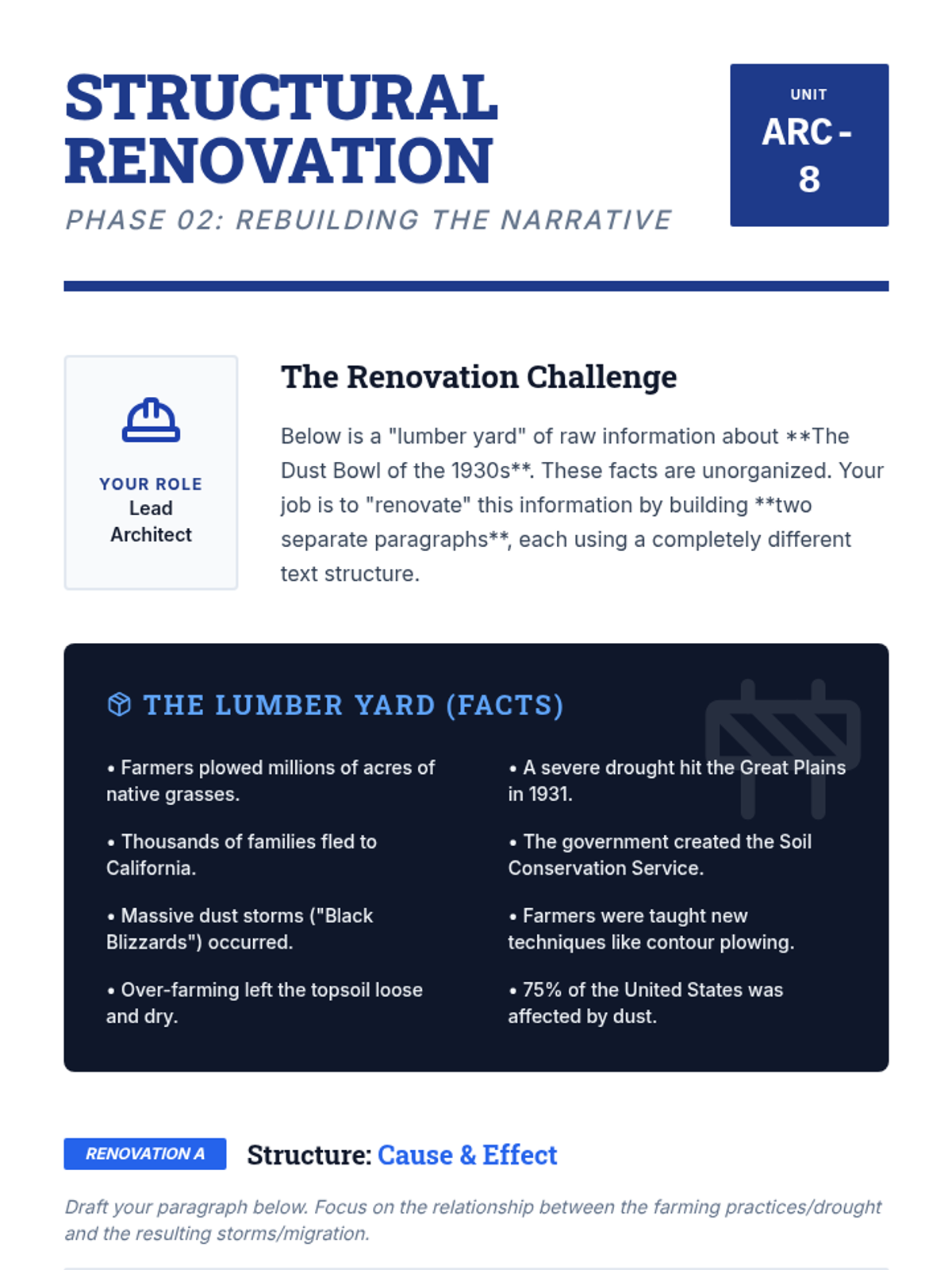
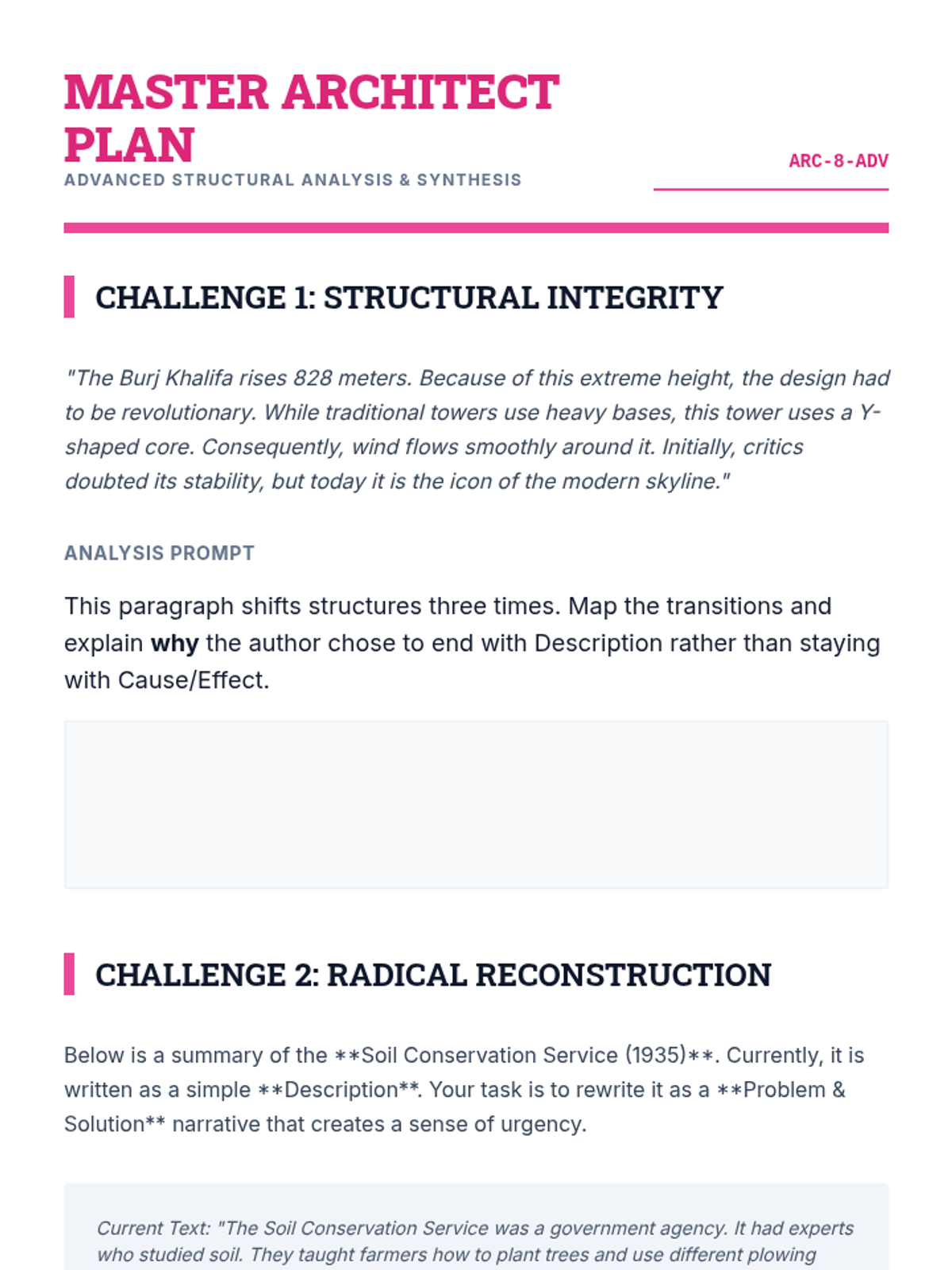
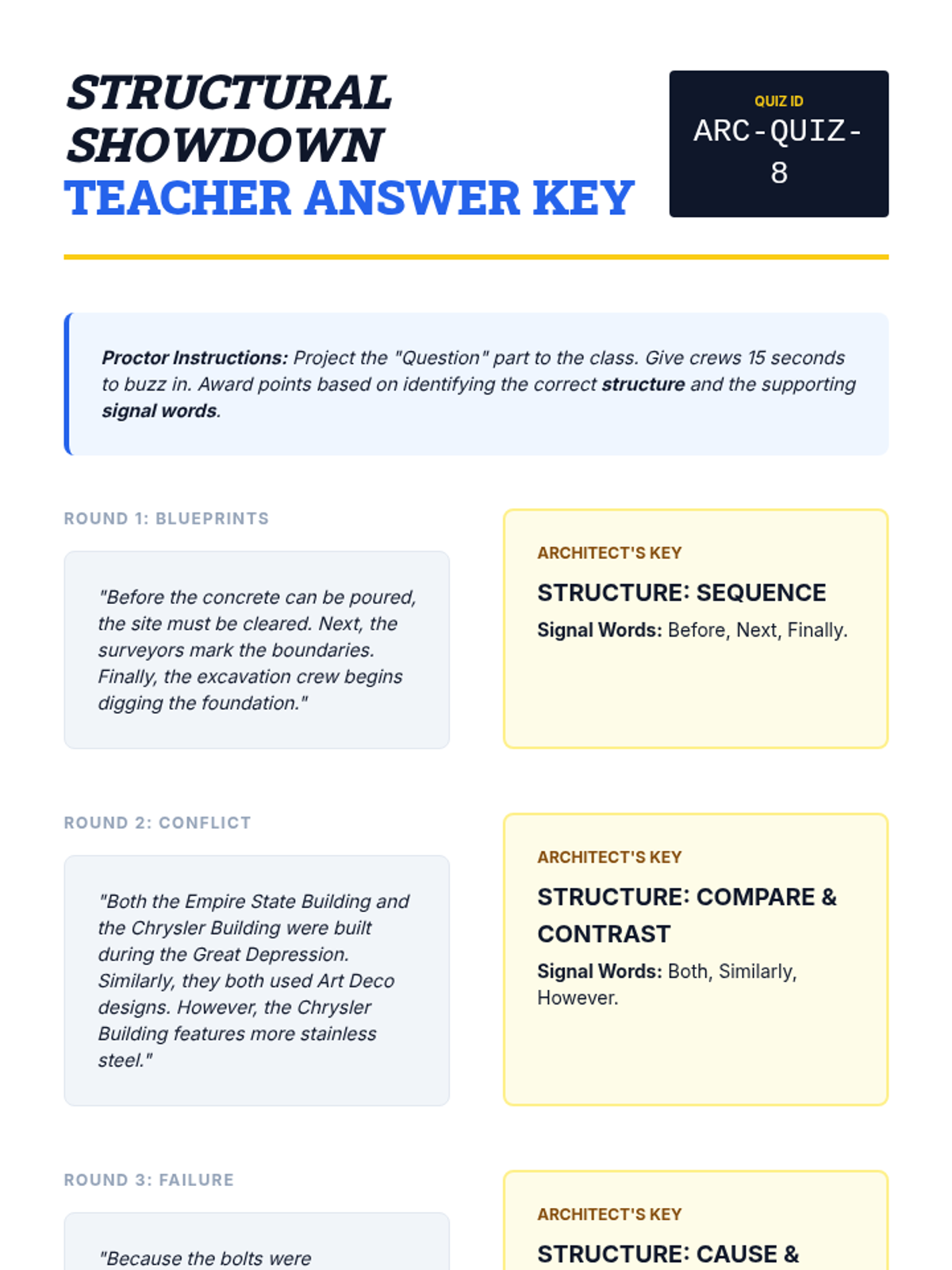
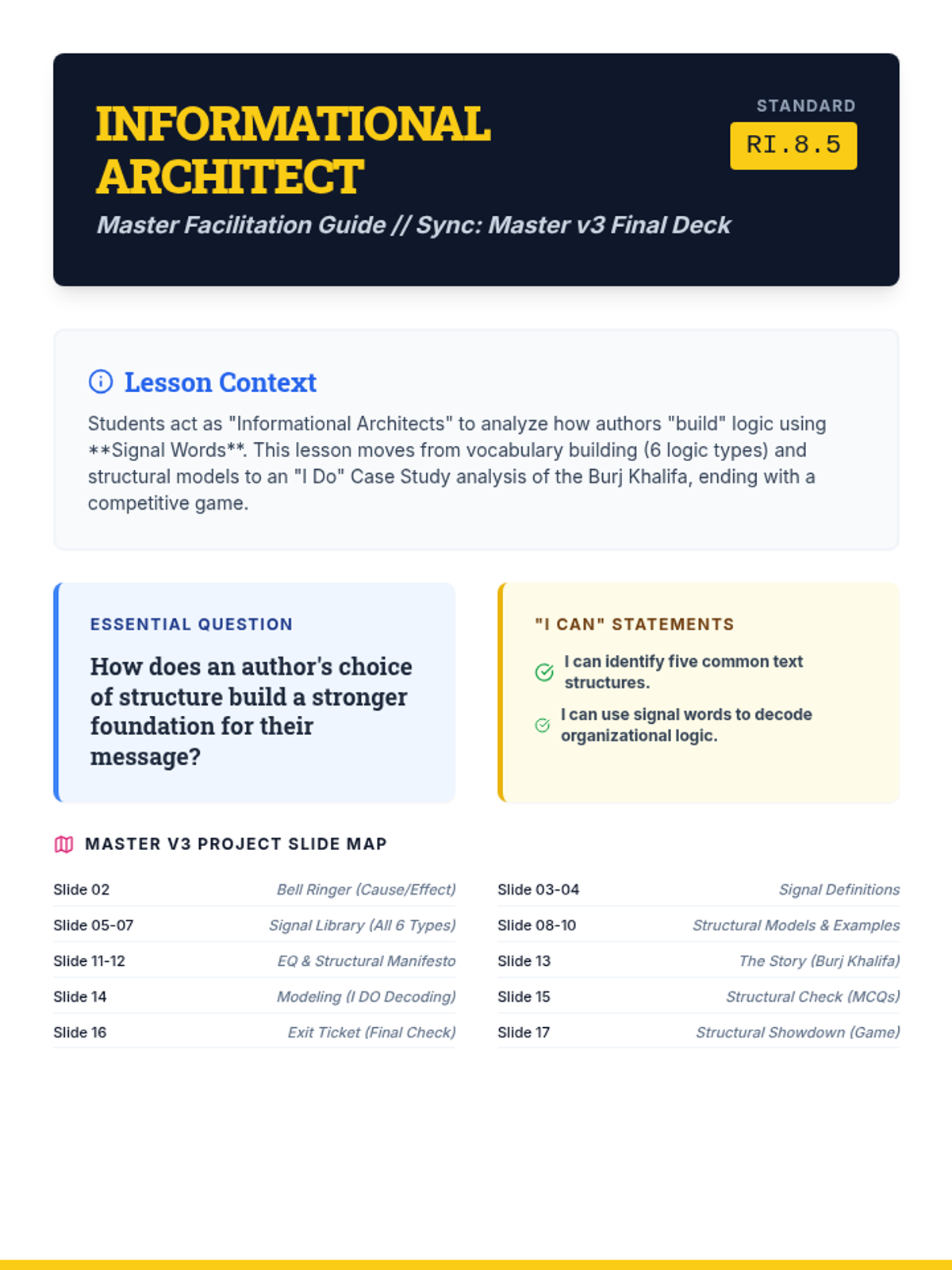
A comprehensive lesson on identifying and analyzing nonfiction text structures, featuring a blueprint-themed instructional guide and hands-on structural analysis.
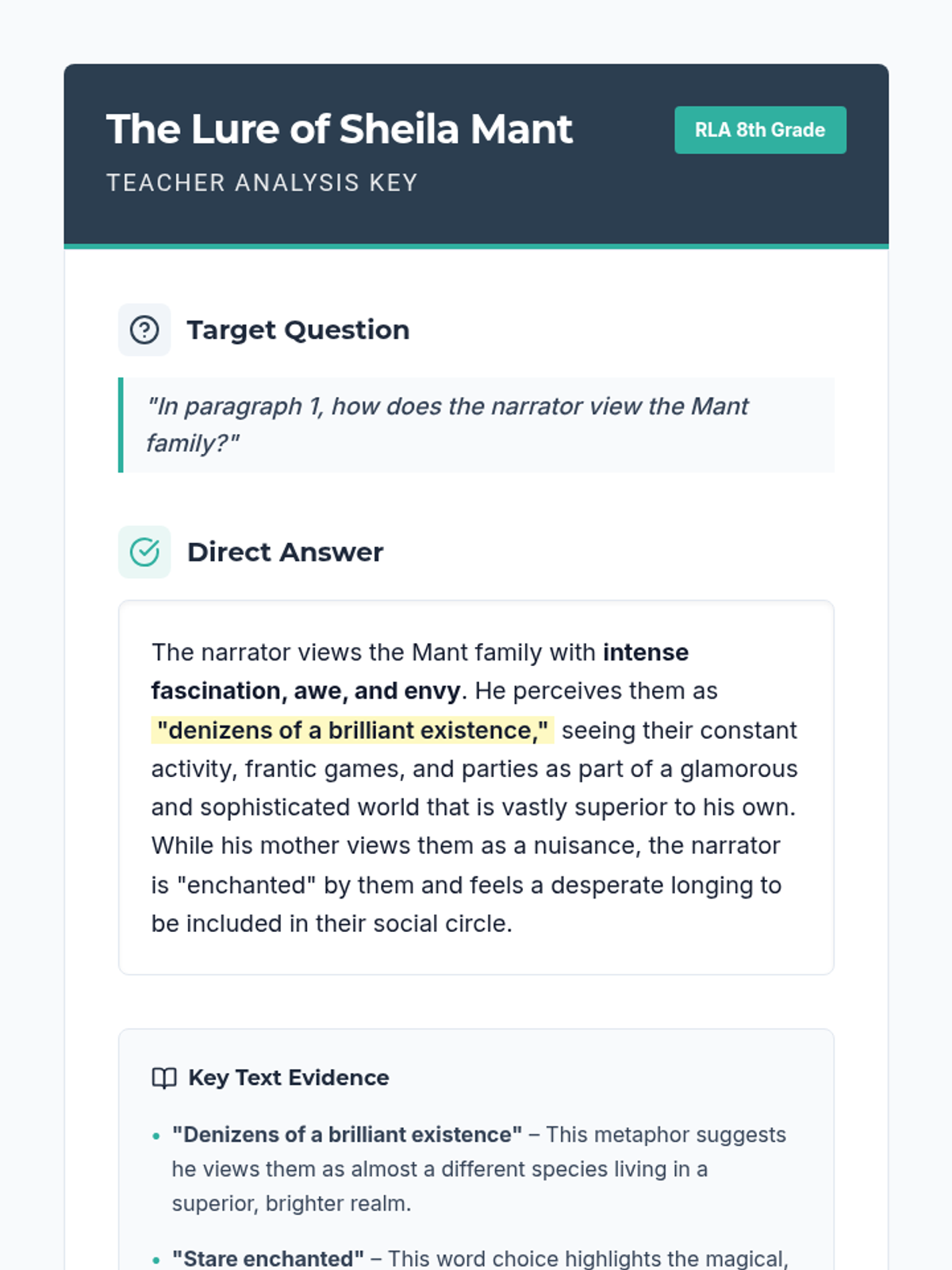
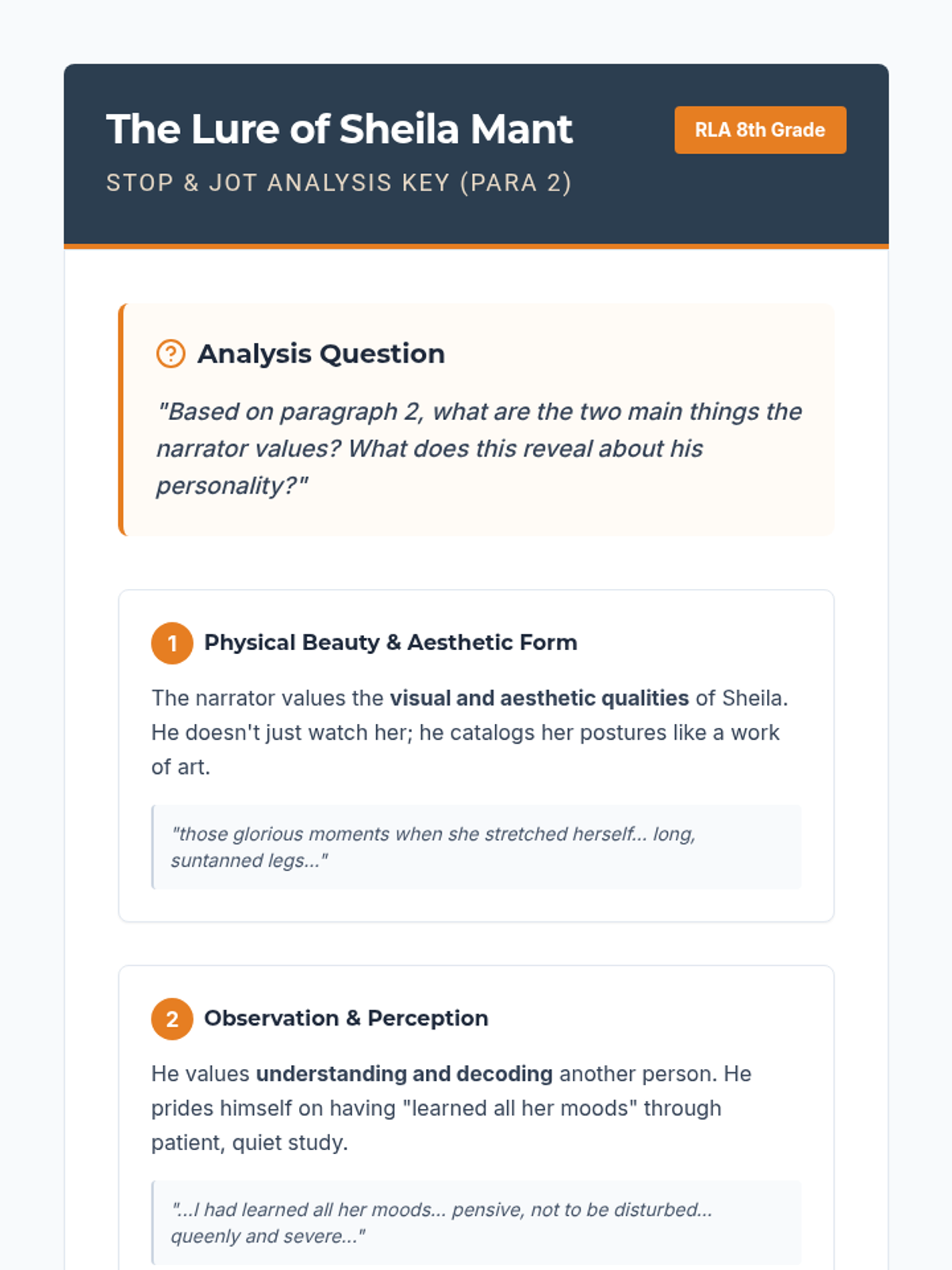
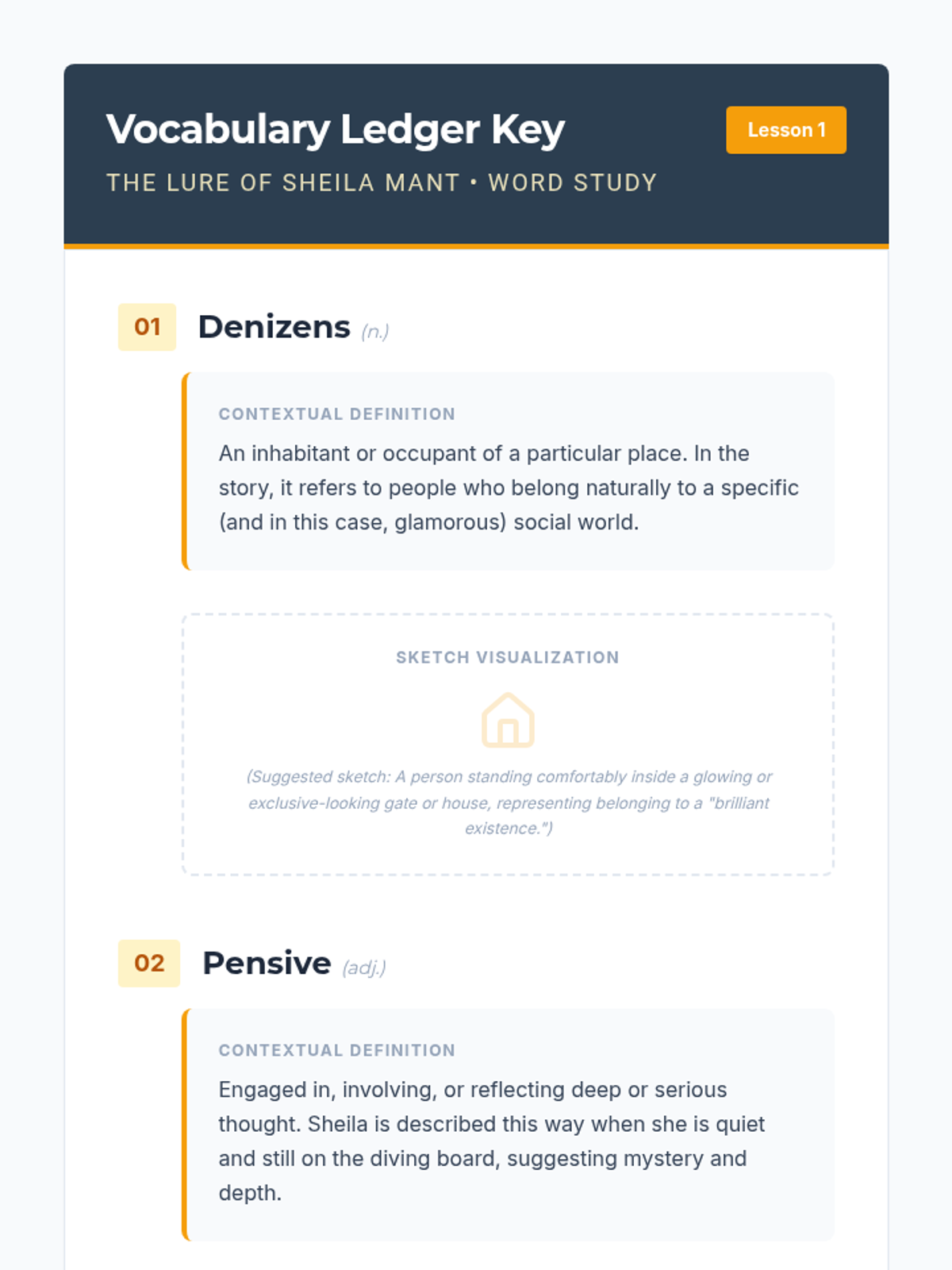
A lesson focused on analyzing character motivations and perceptions in the short story 'The Lure of Sheila Mant' by W.D. Wetherell. Students will explore how the narrator views the Mant family and Sheila herself through close reading and textual evidence.
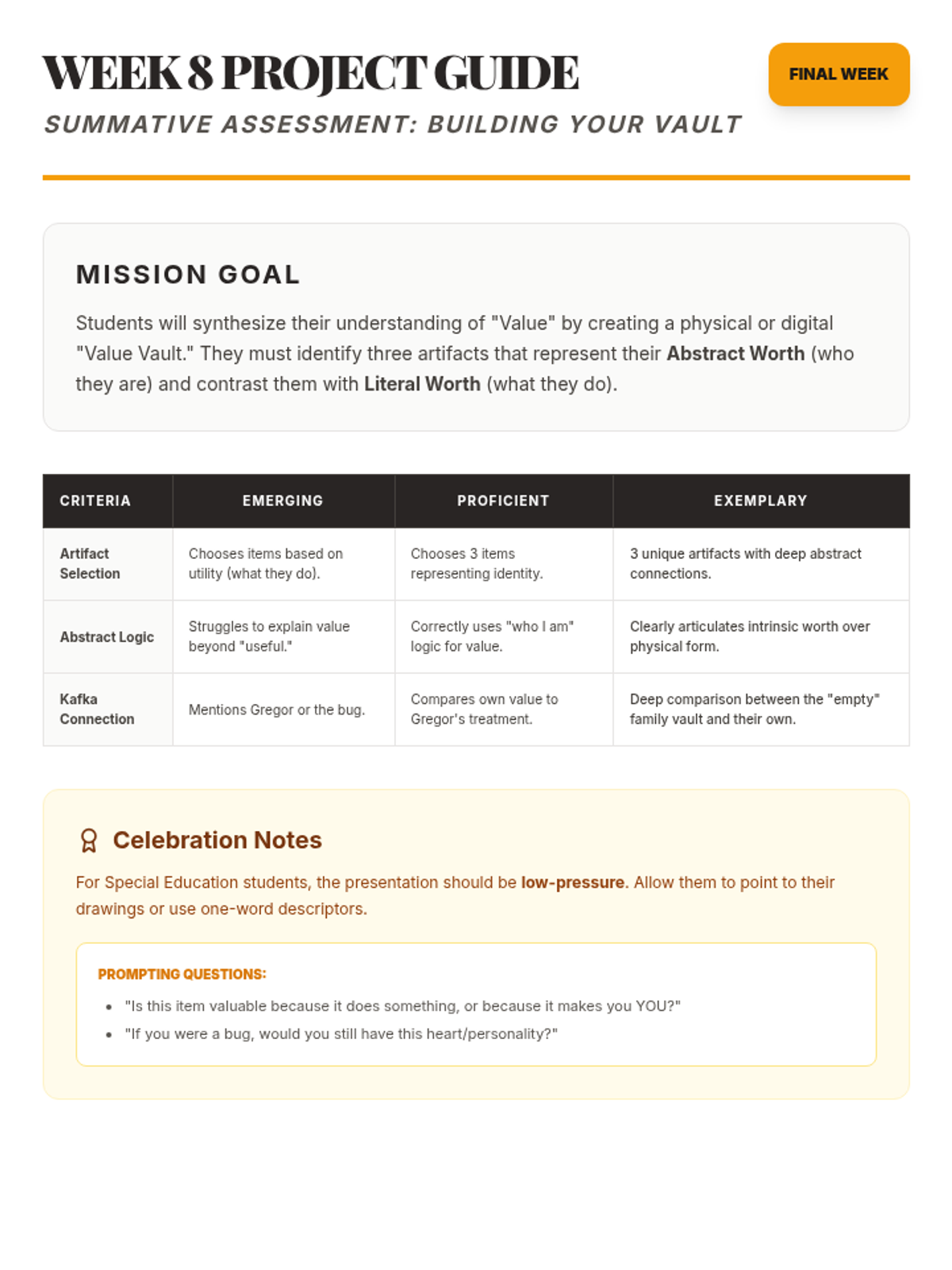
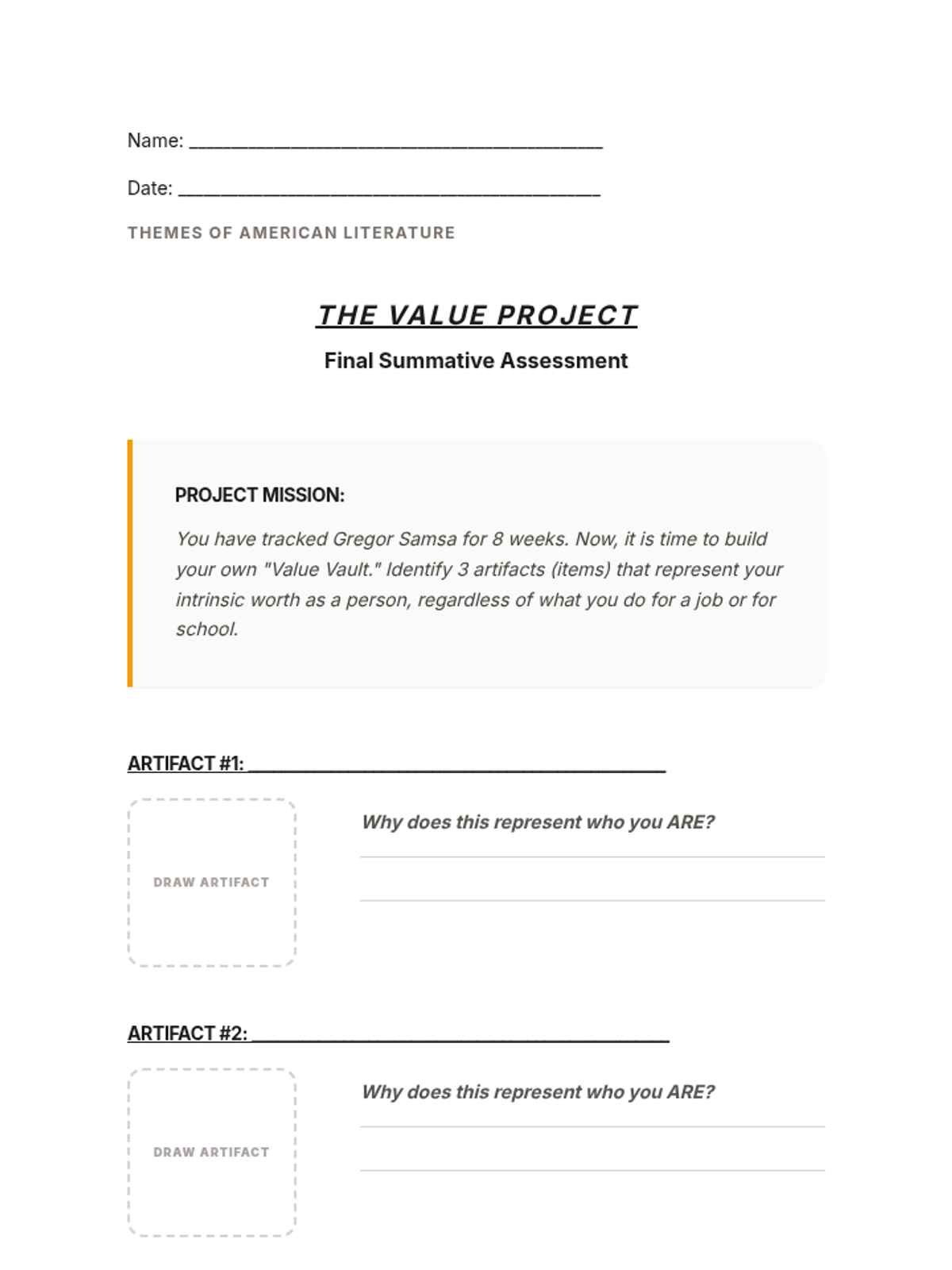
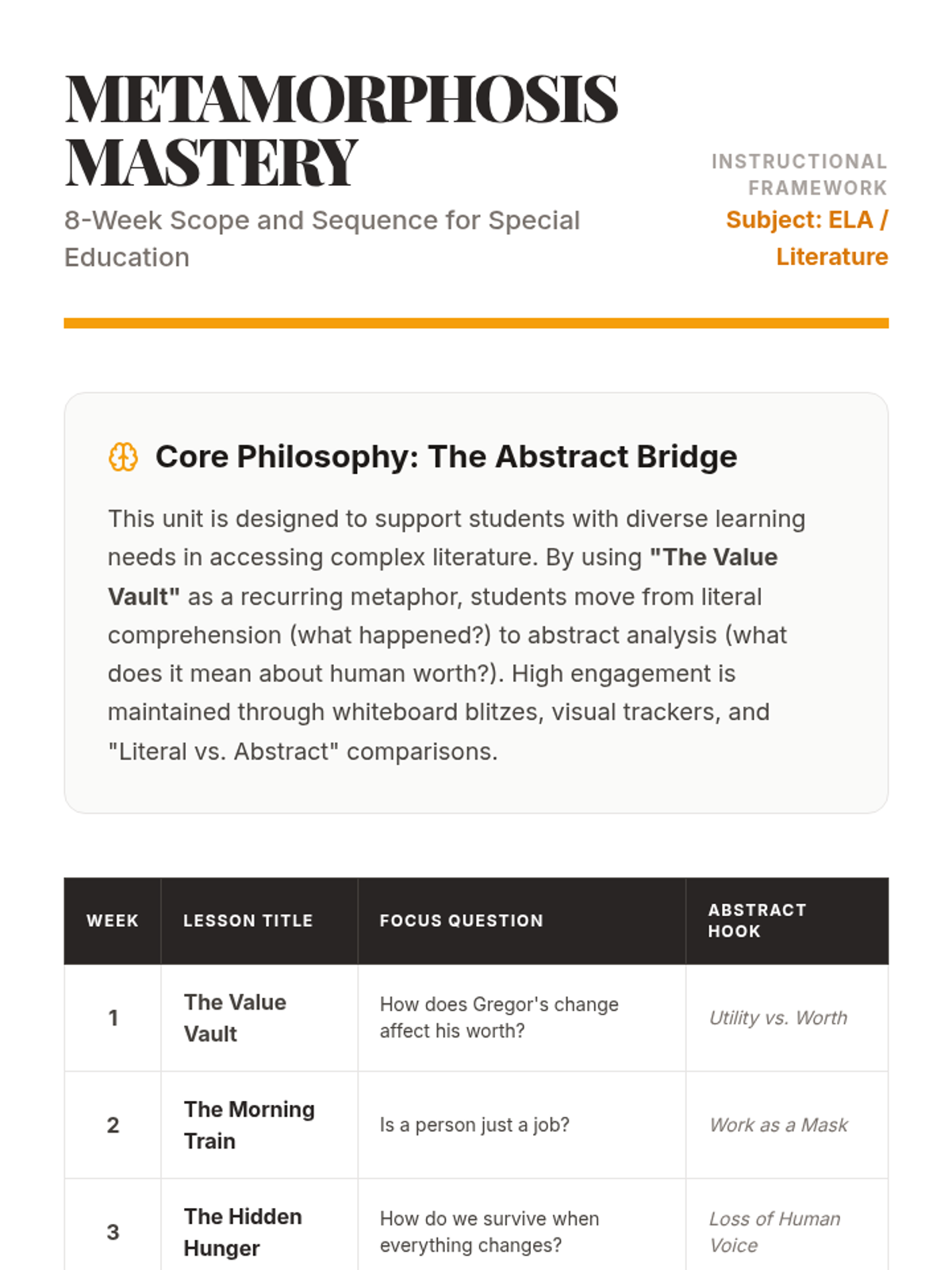
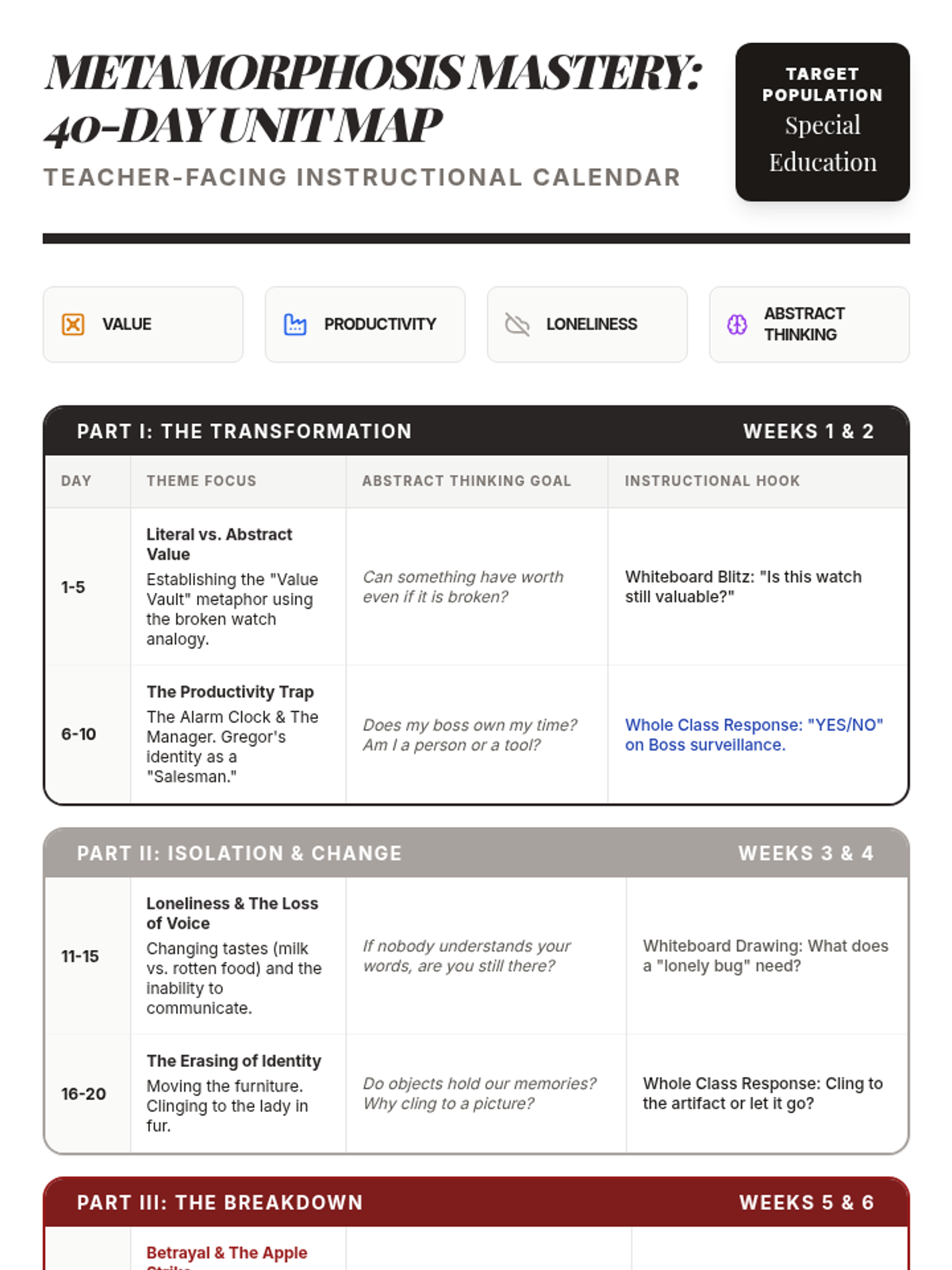
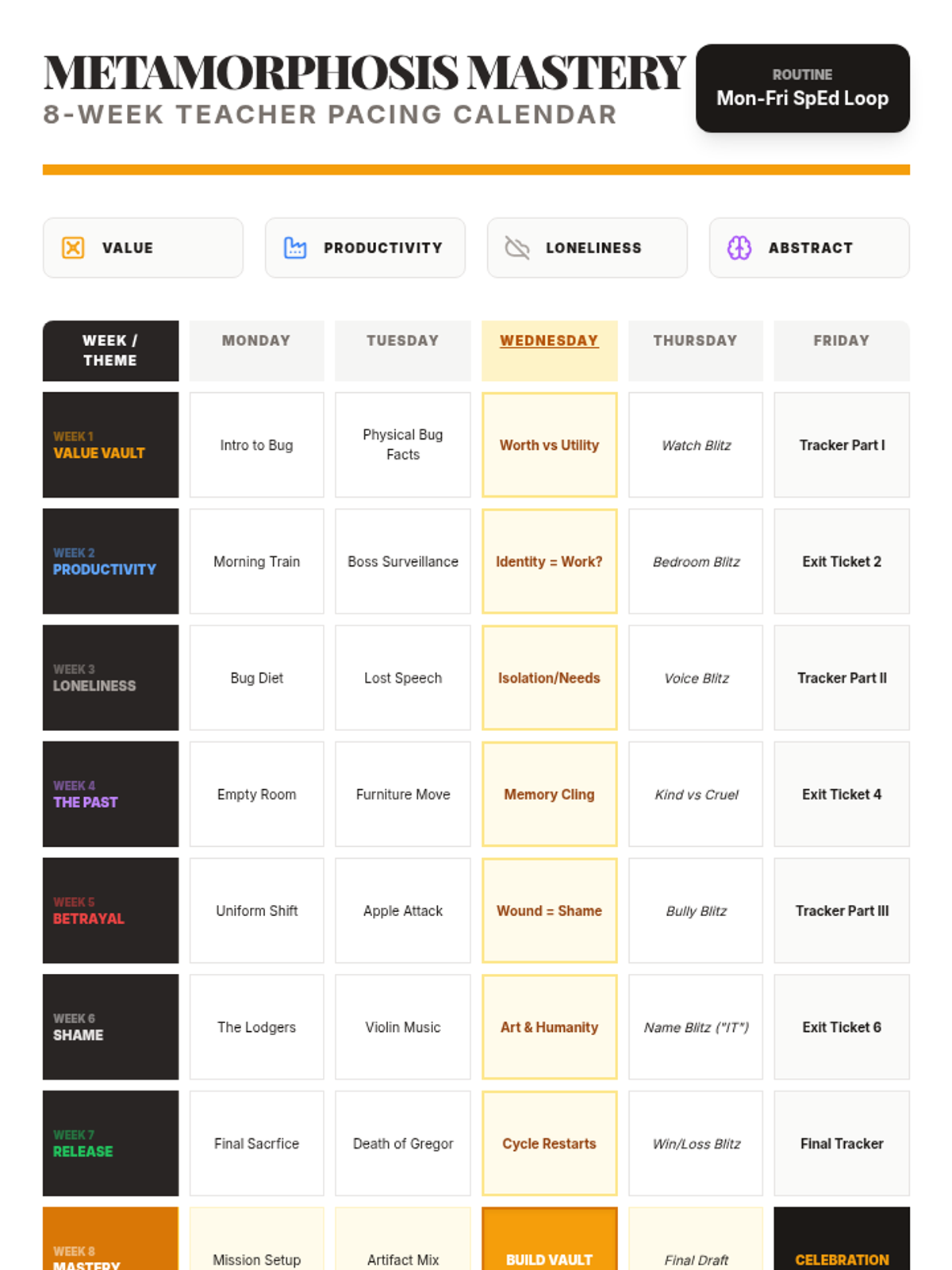
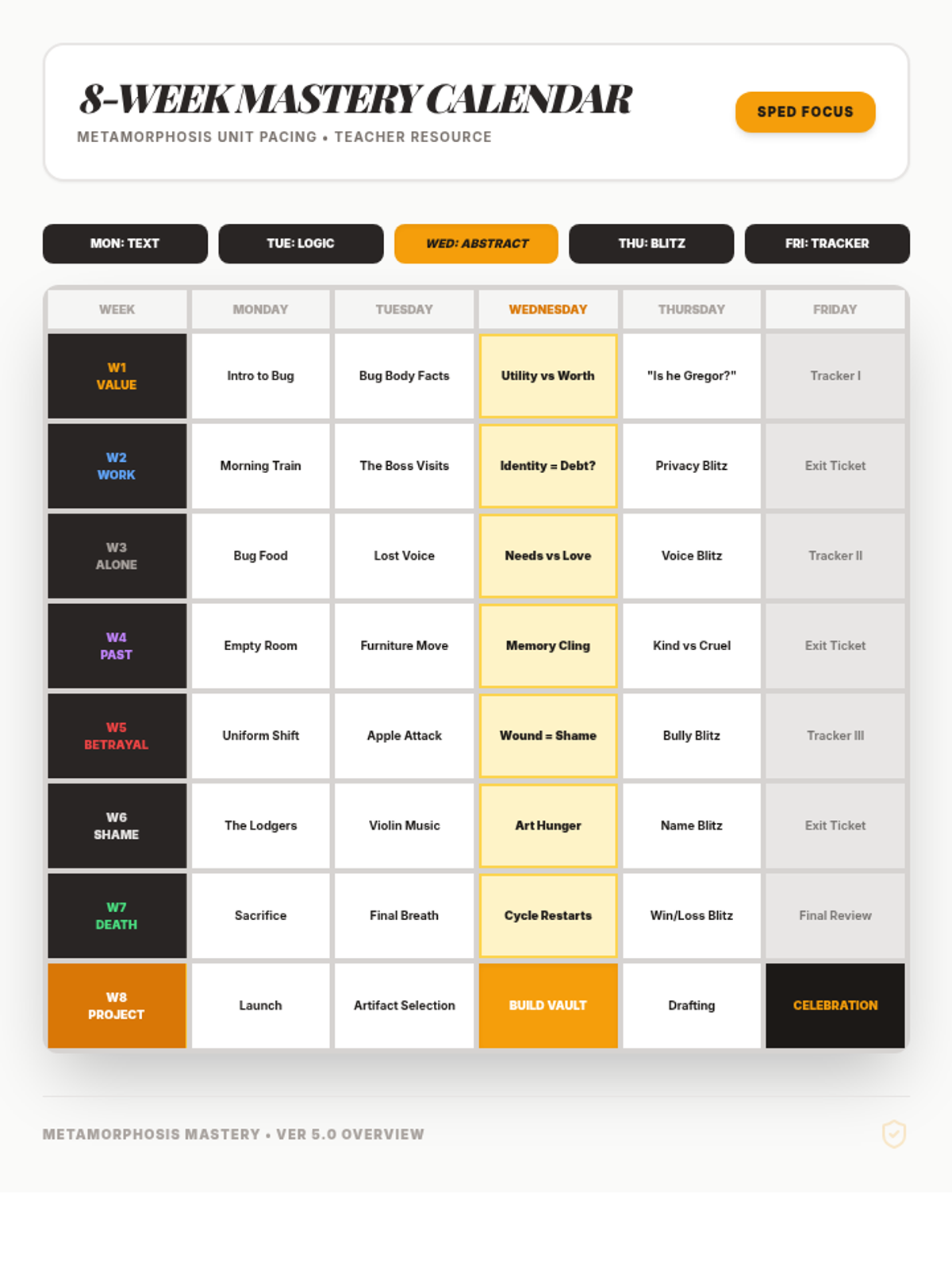
A culminating project where students reflect on the 8-week journey and create a 'Value Vault' for themselves or Gregor.
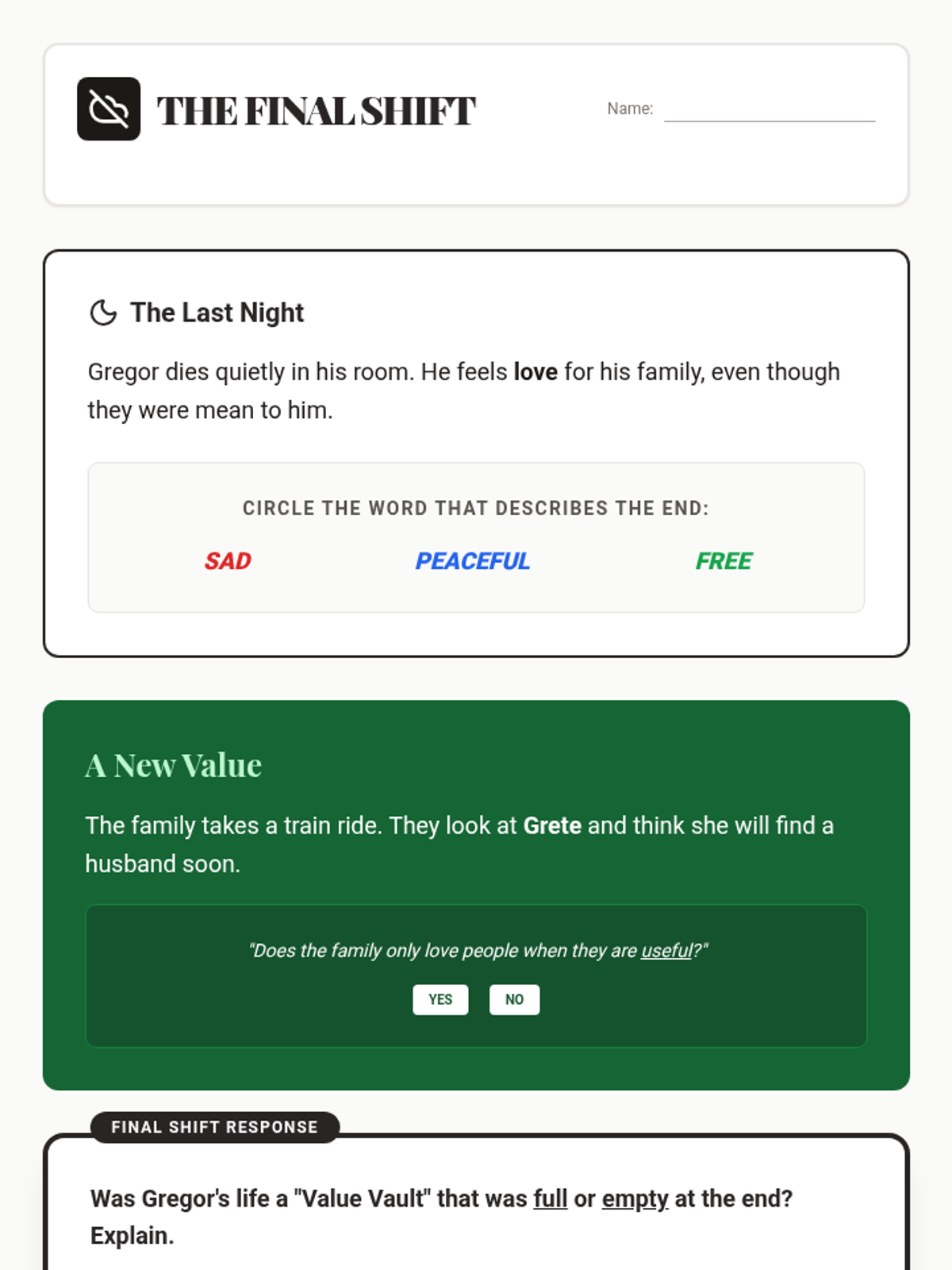
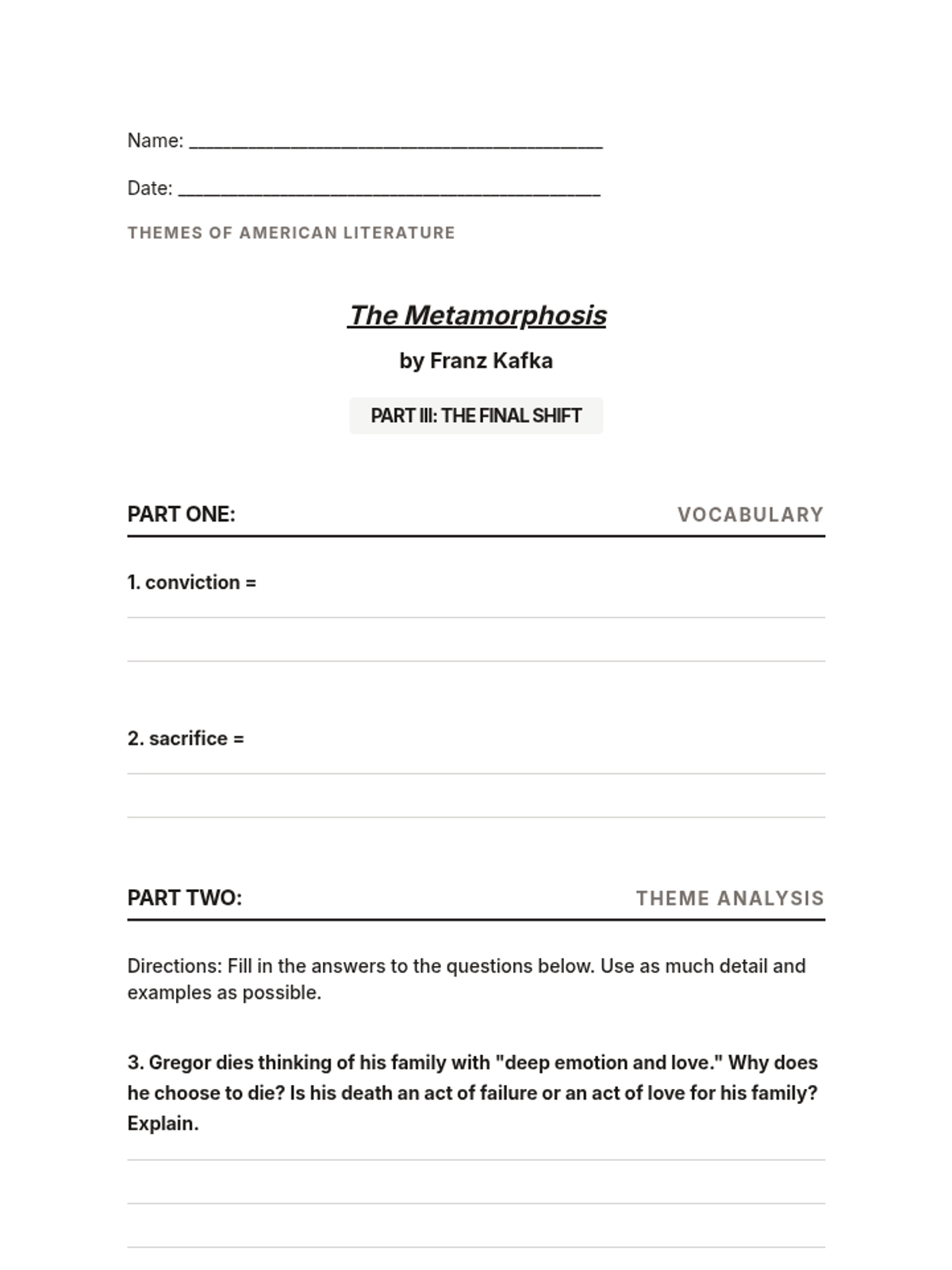
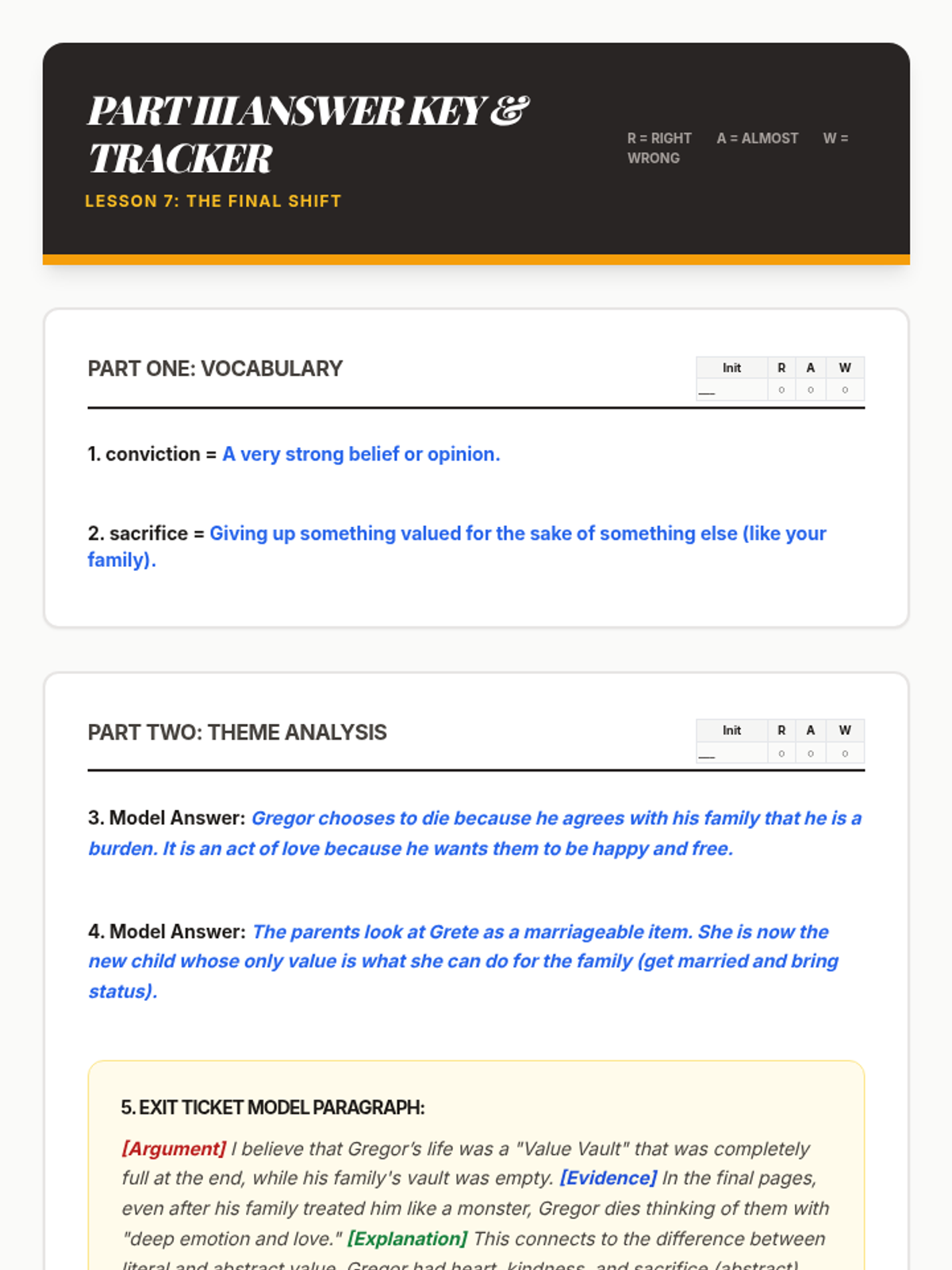
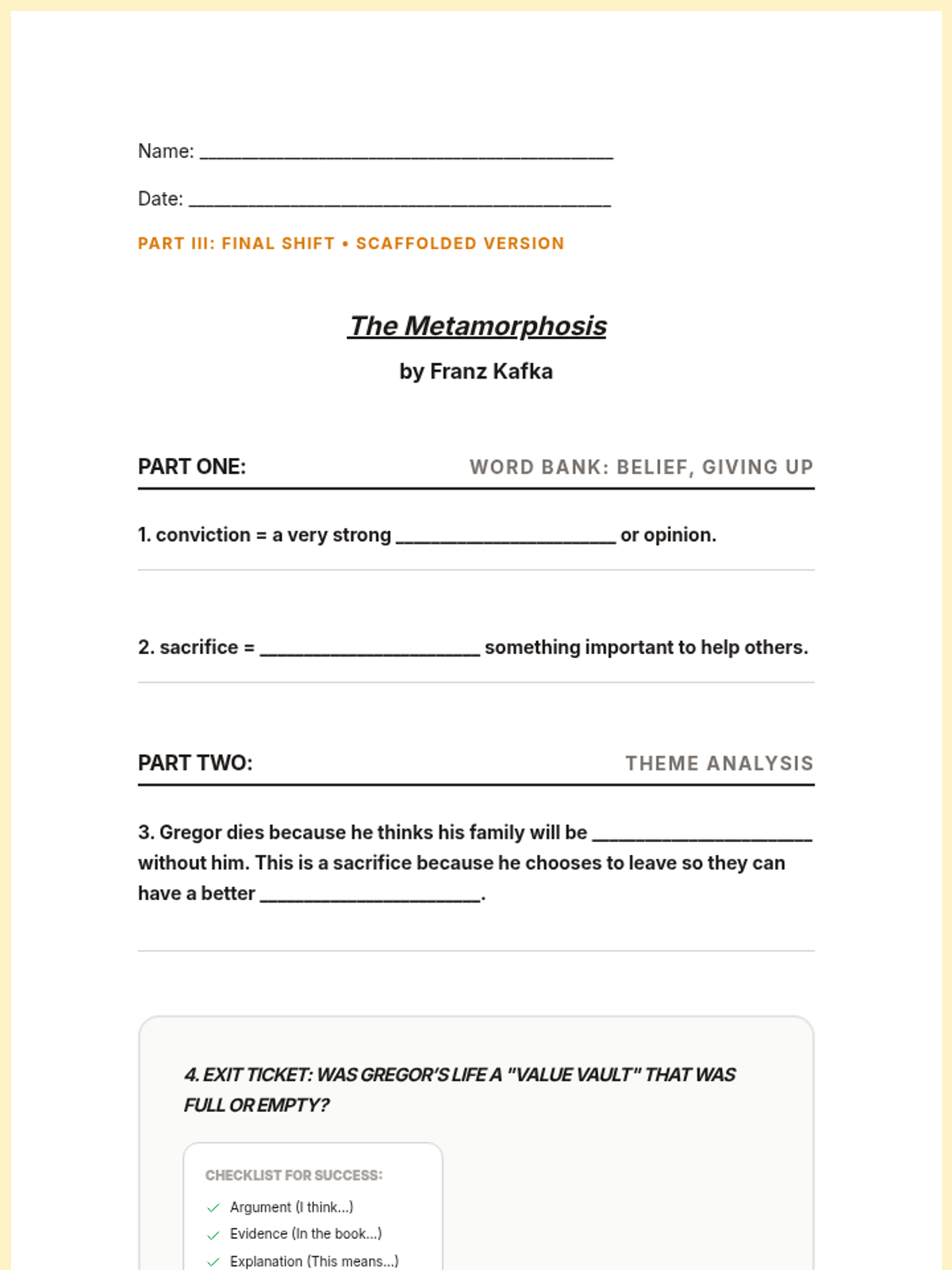
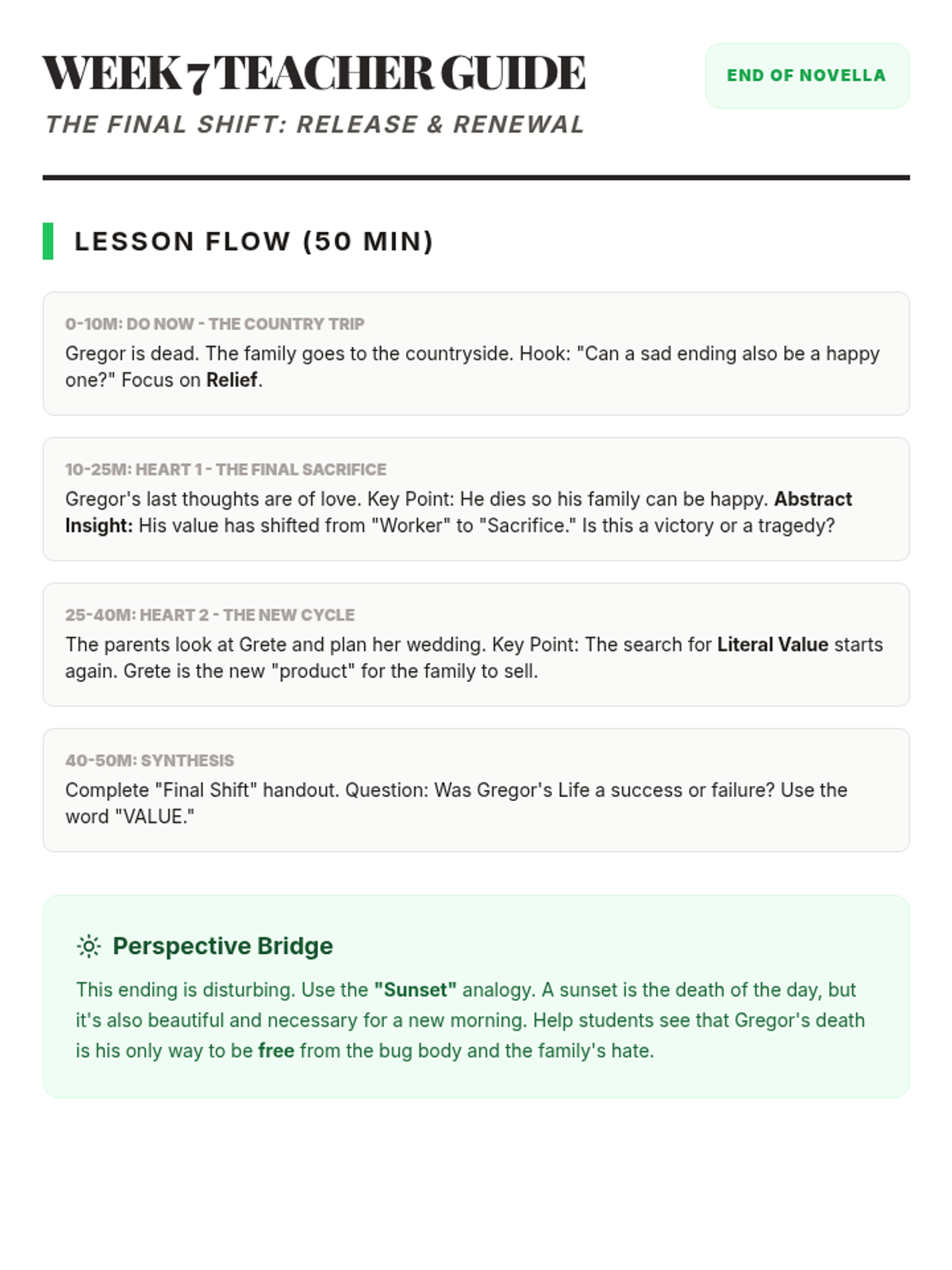
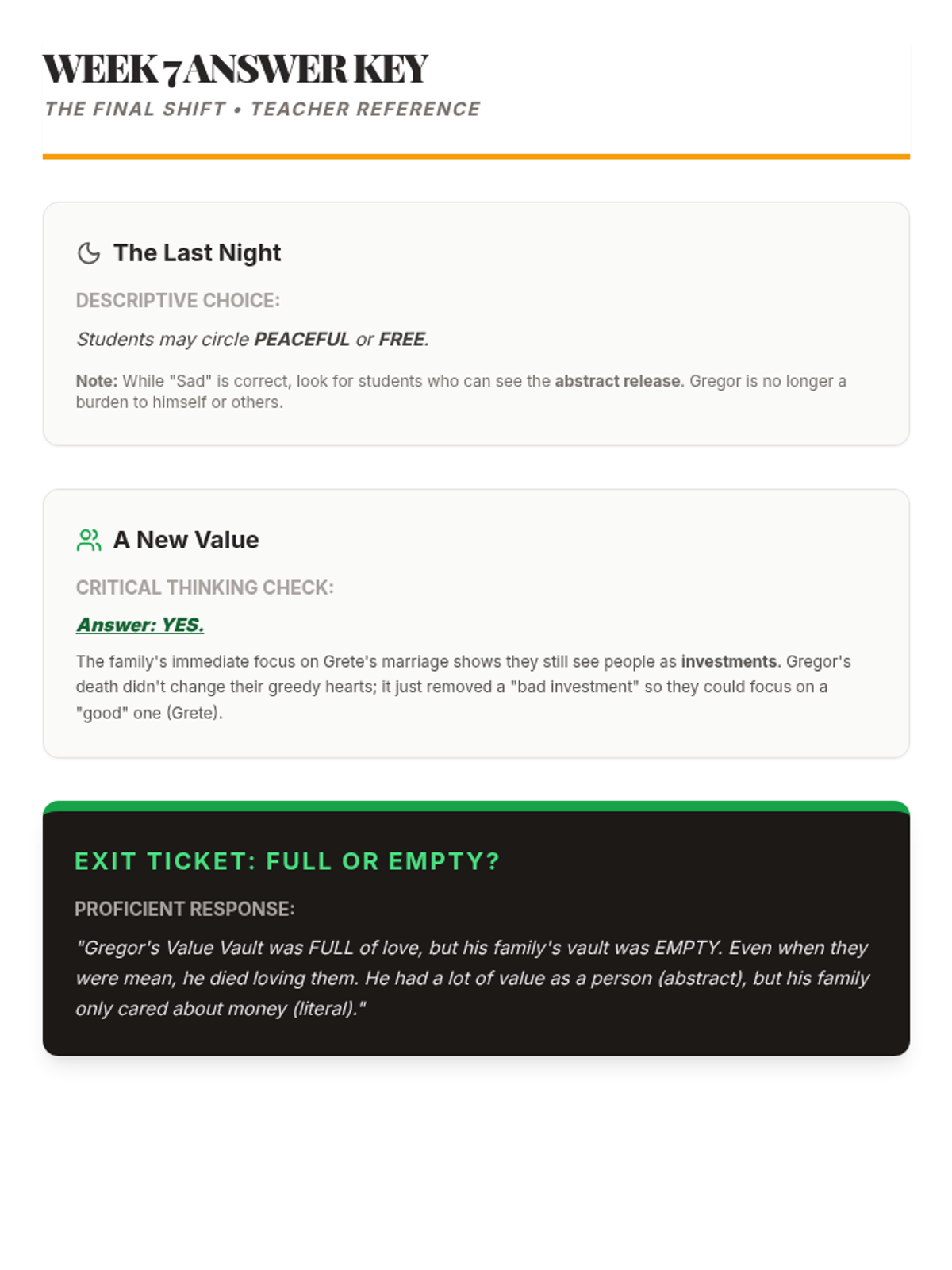
Analyzes the end of the novella, Gregor's death, and the family's disturbing relief and new-found 'value'.
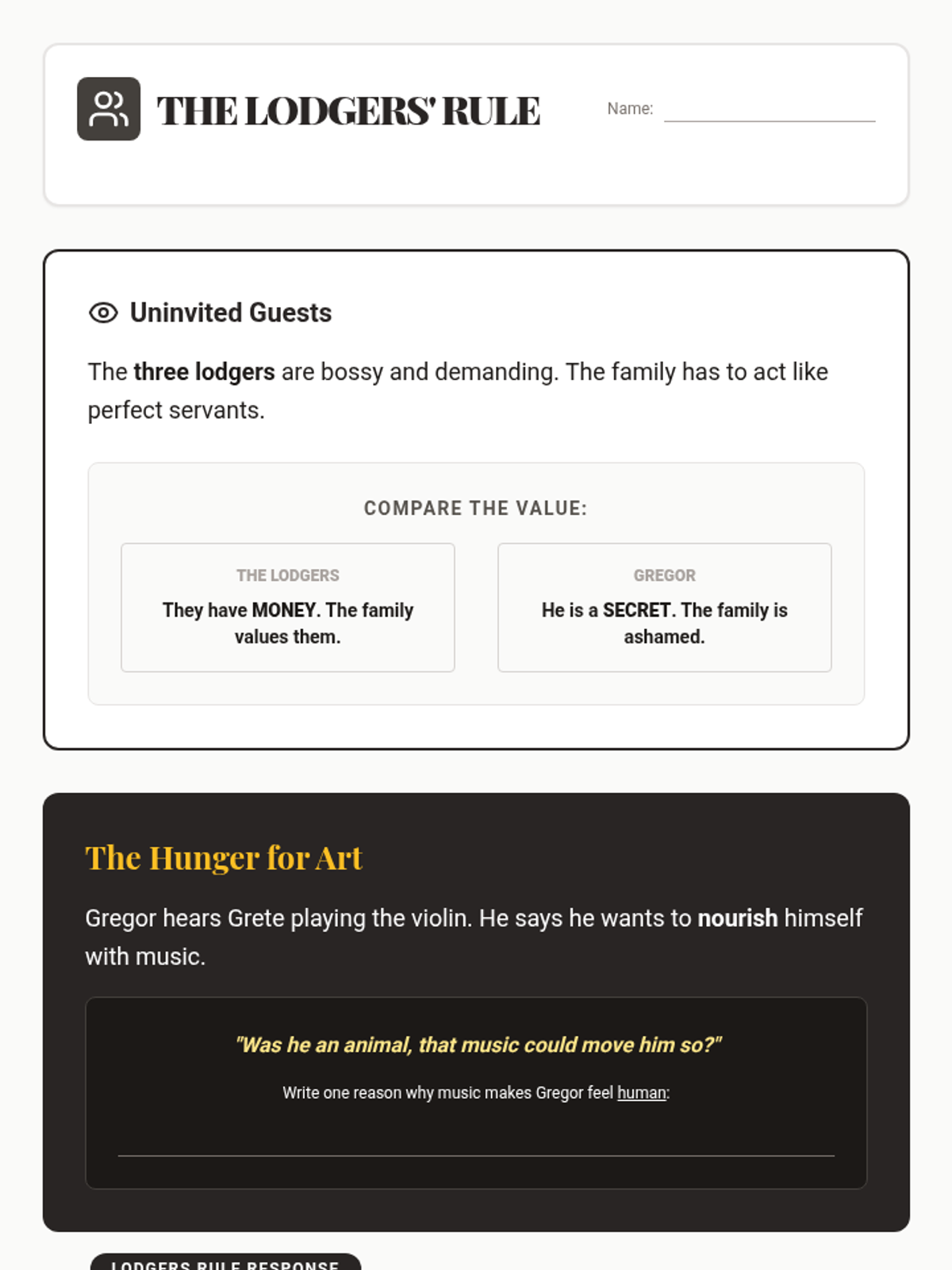
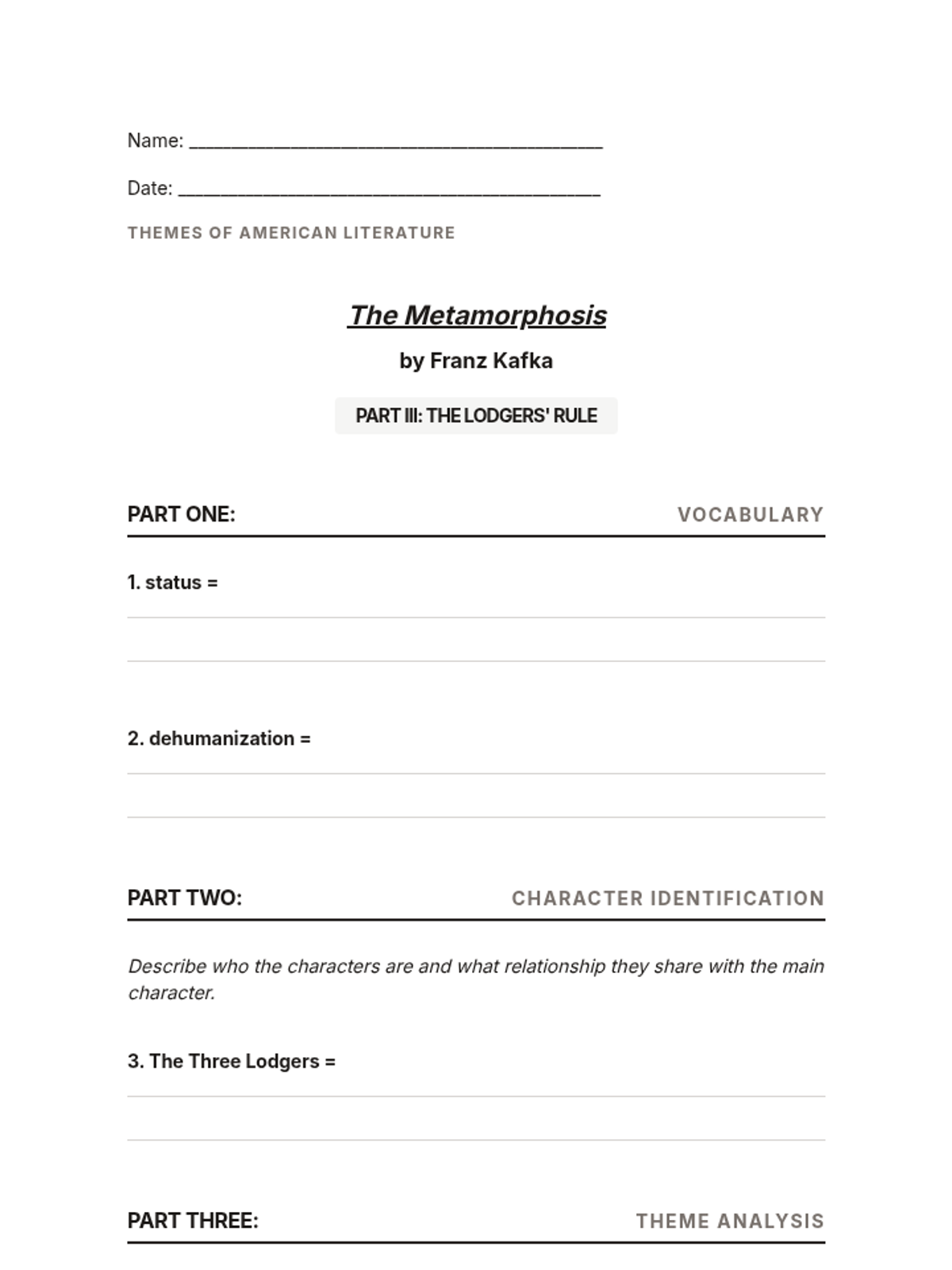
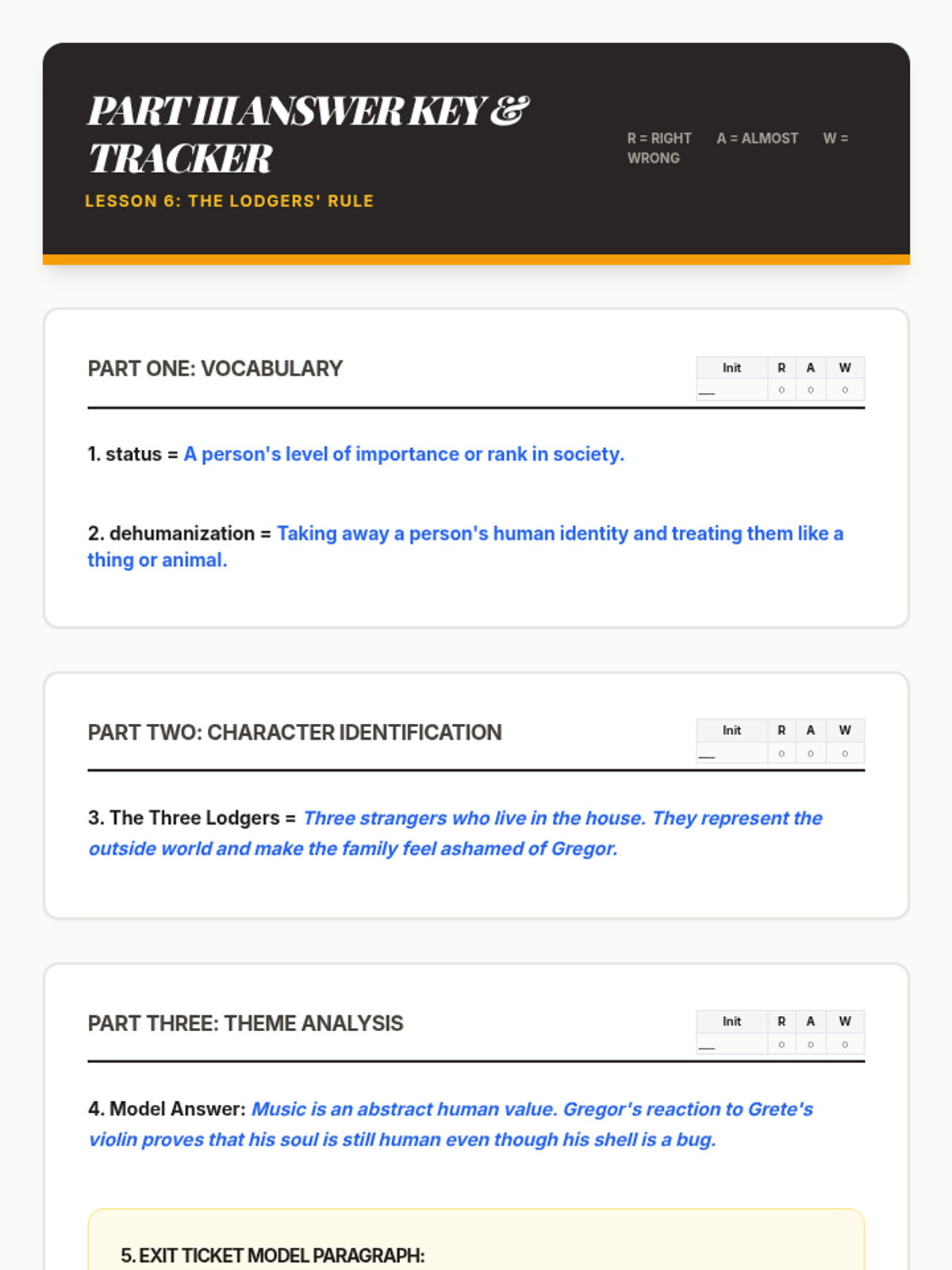
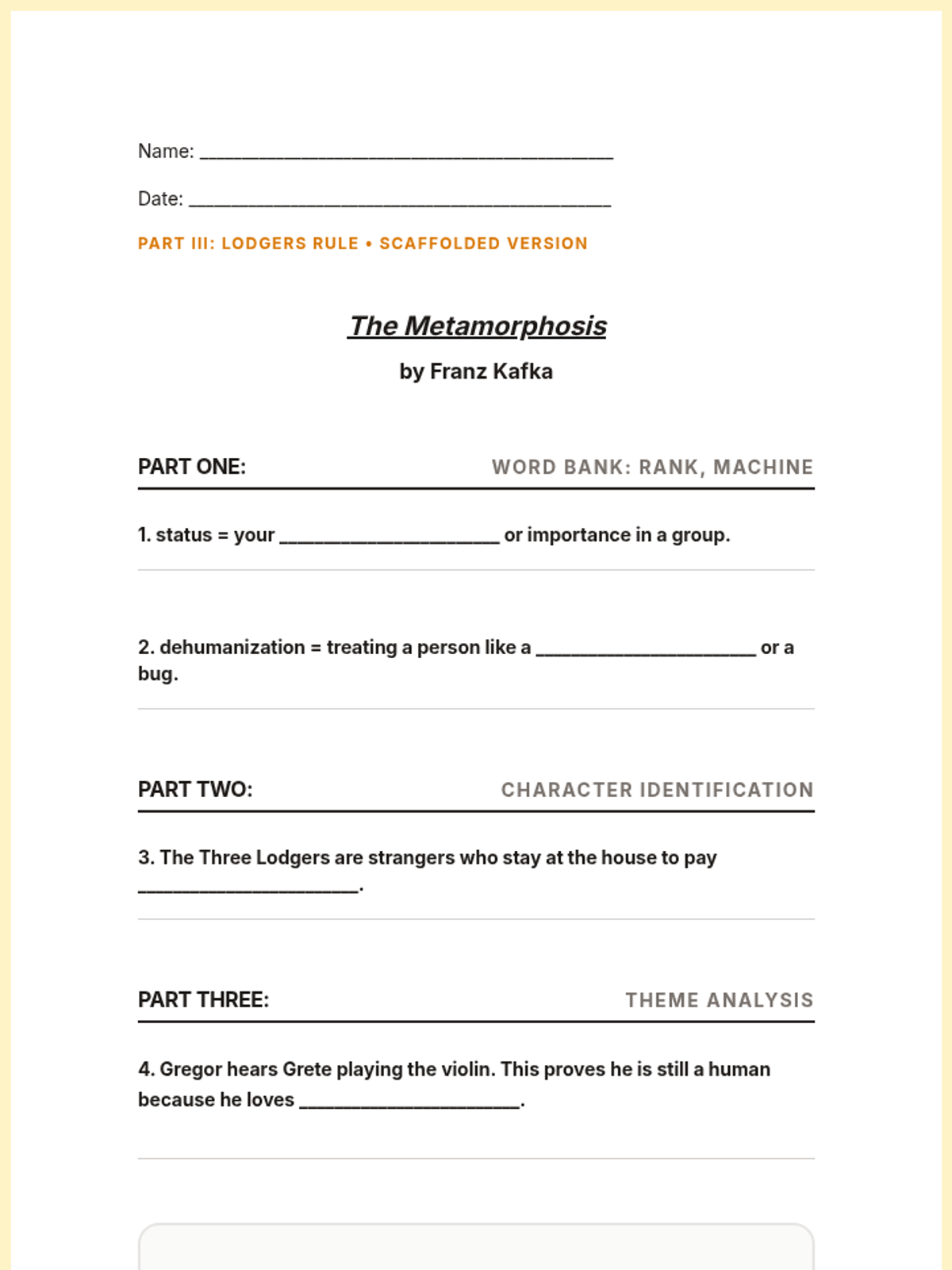
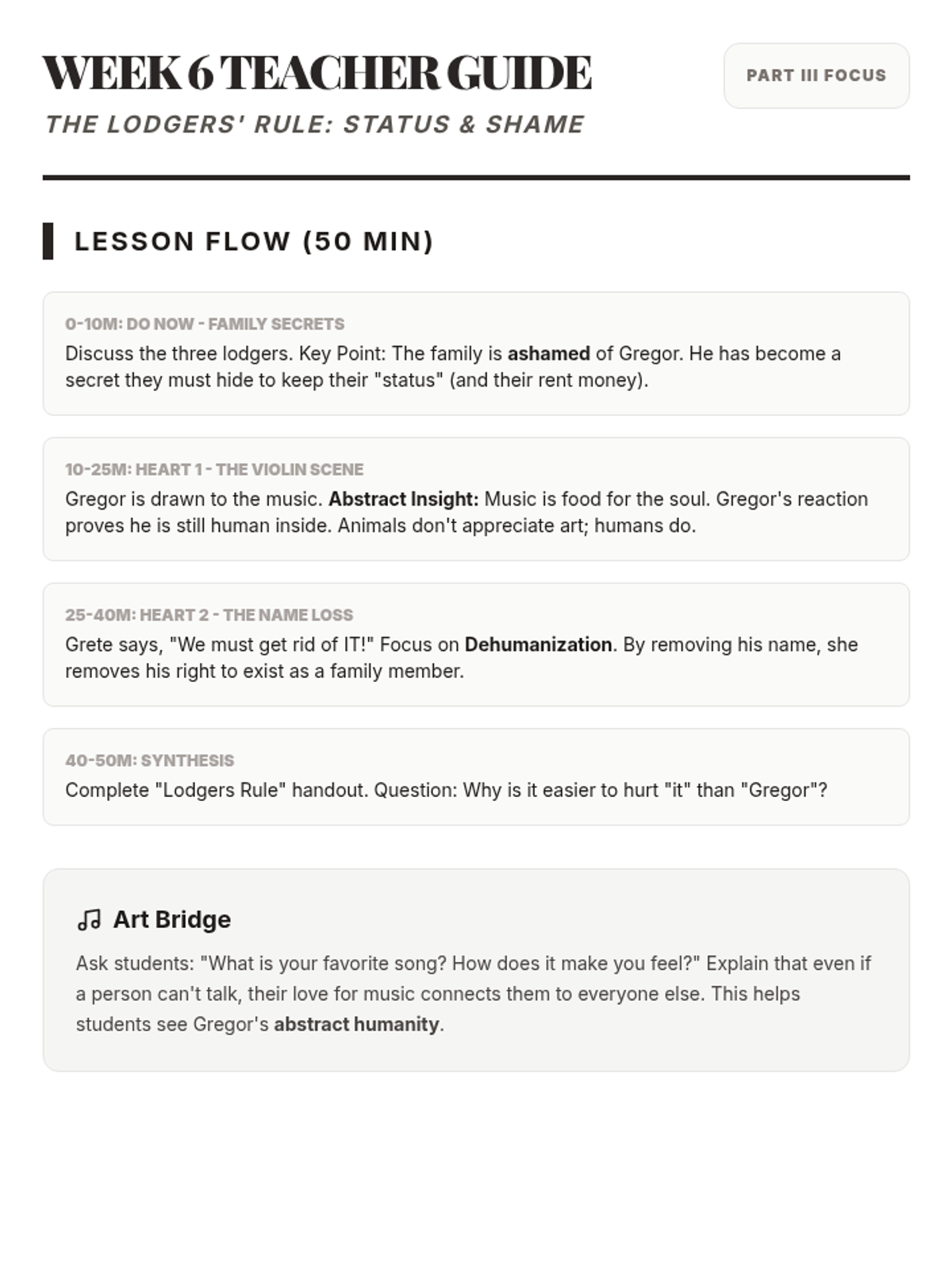
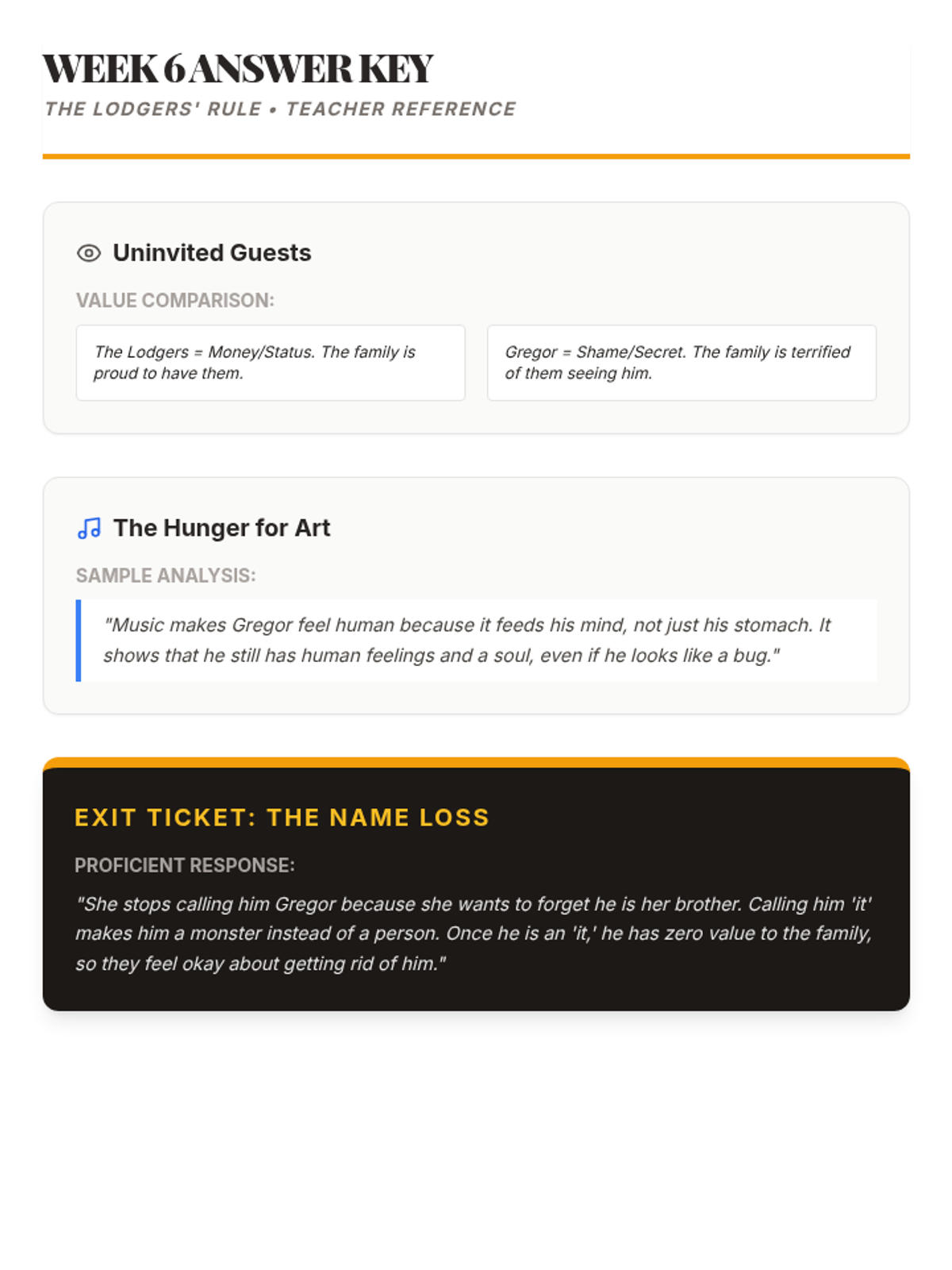
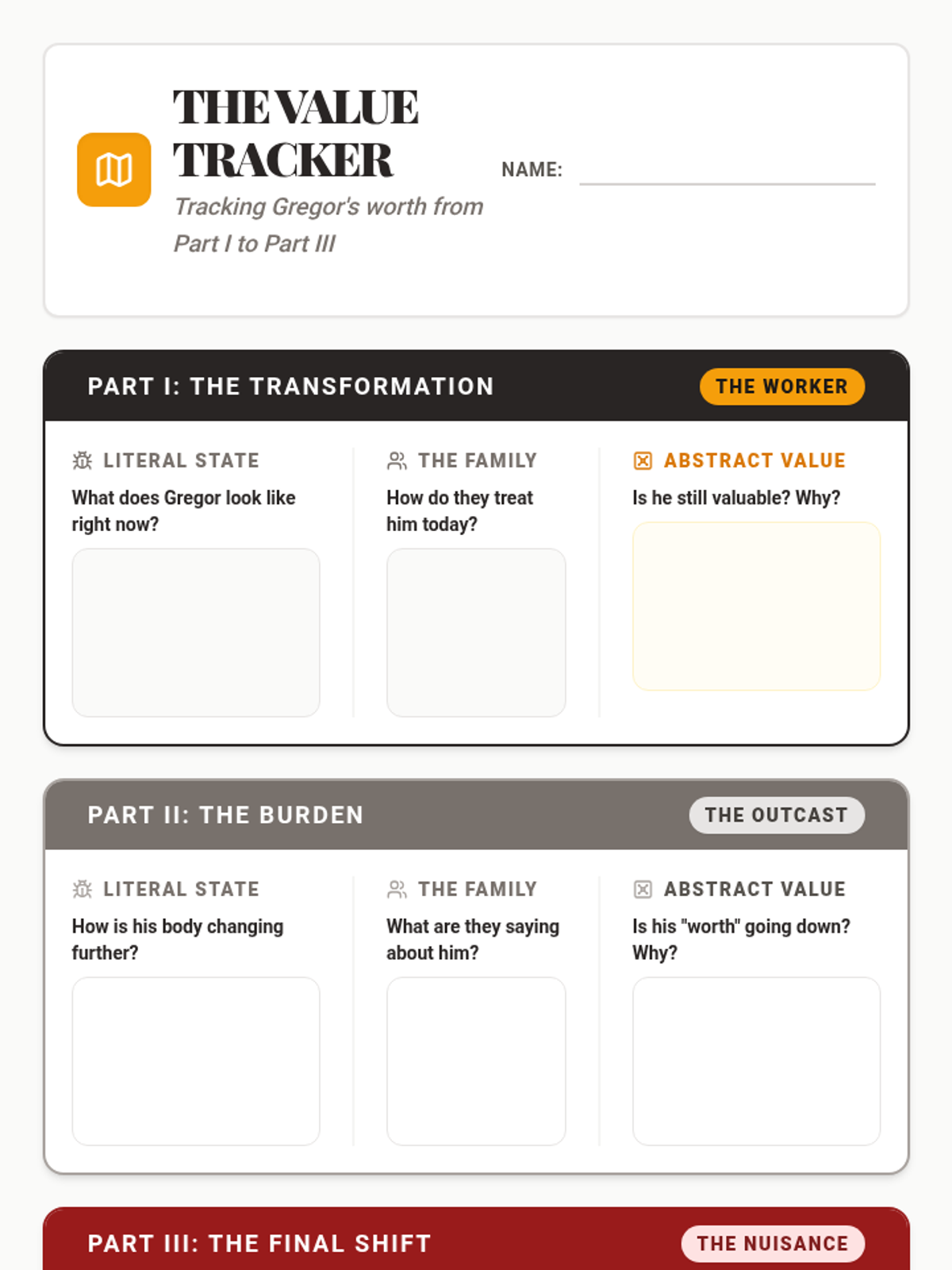
Focuses on Part III, the arrival of the boarders, and Gregor becoming a 'nuisance' in his own home.
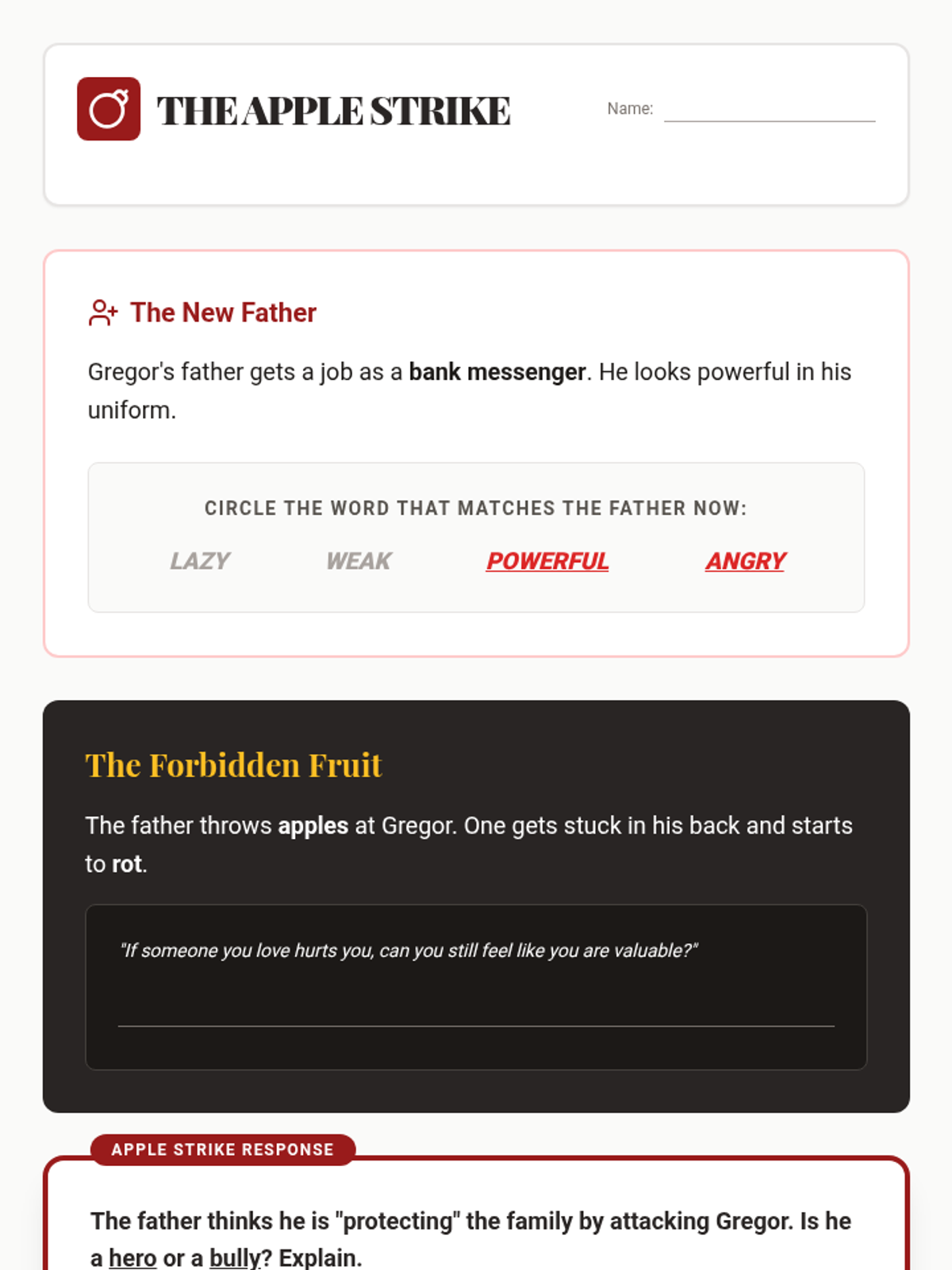
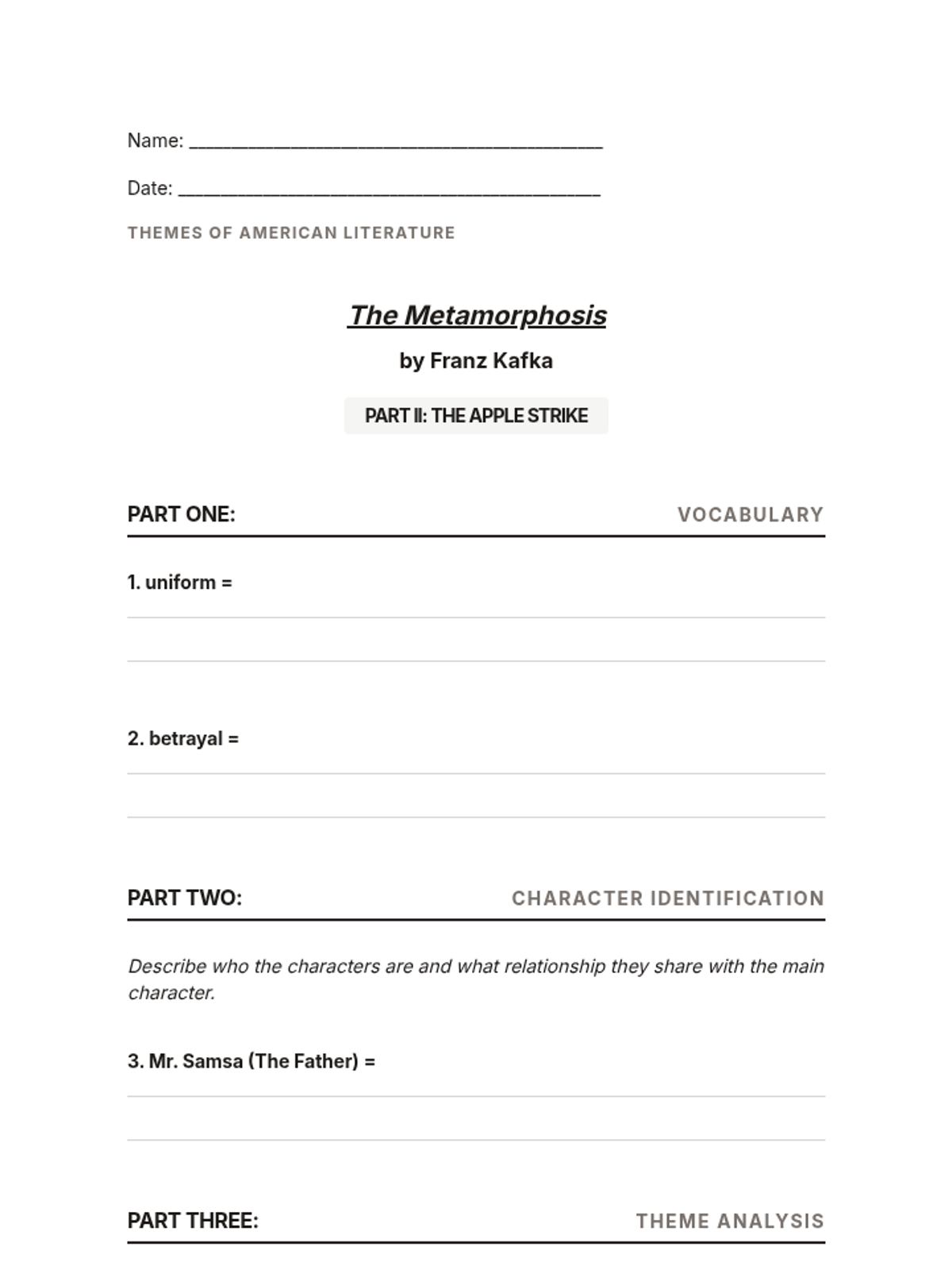
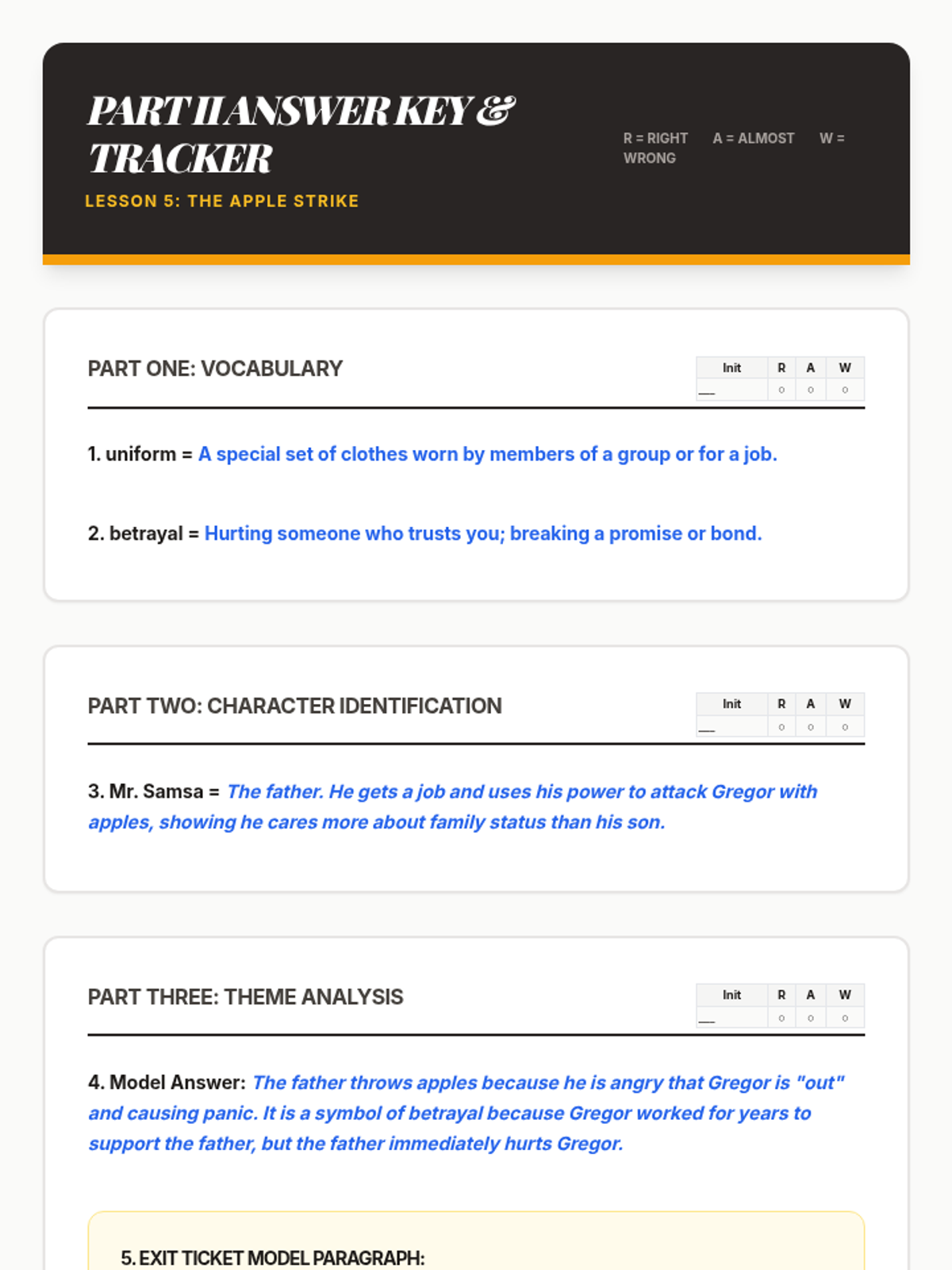
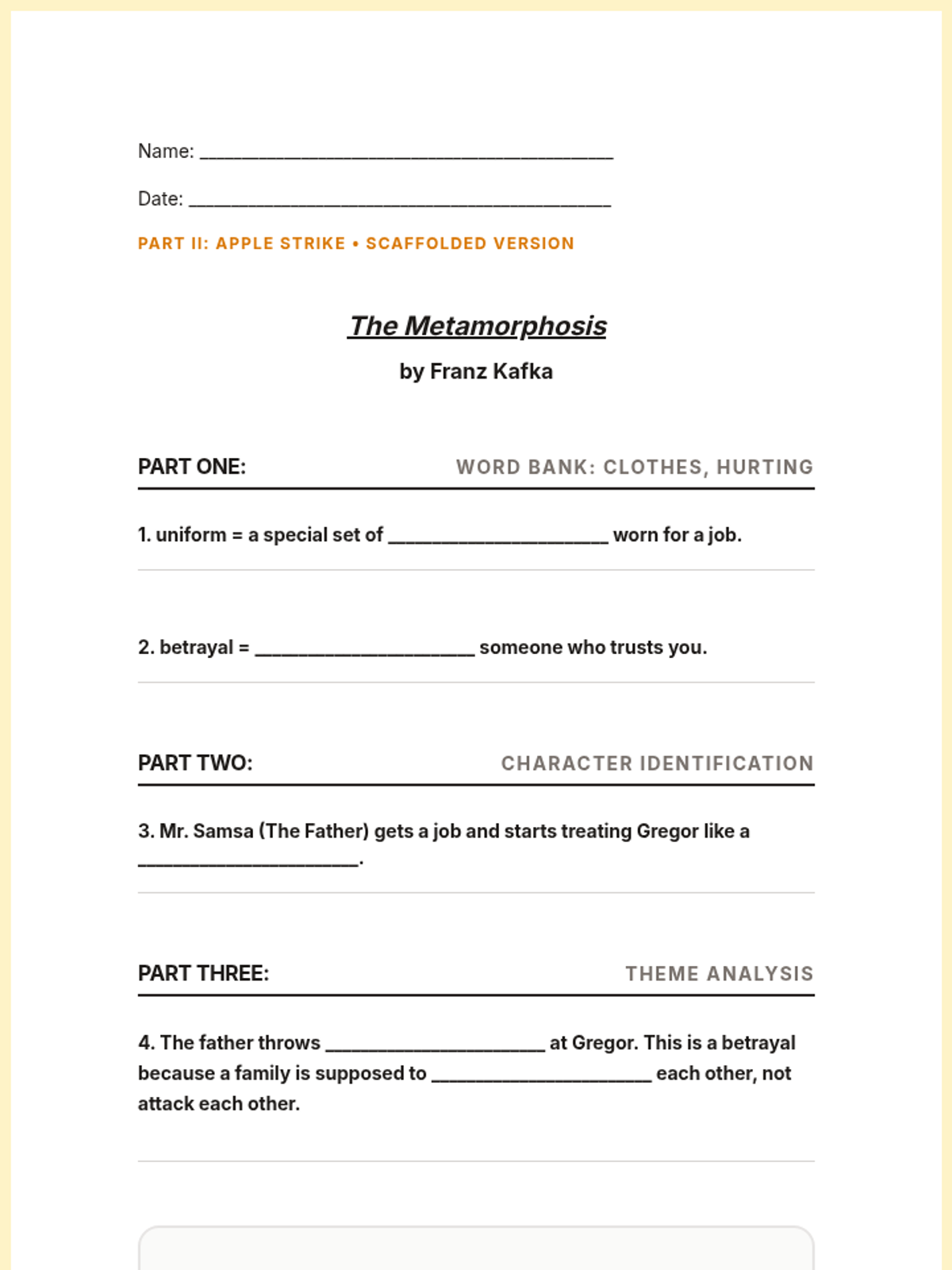
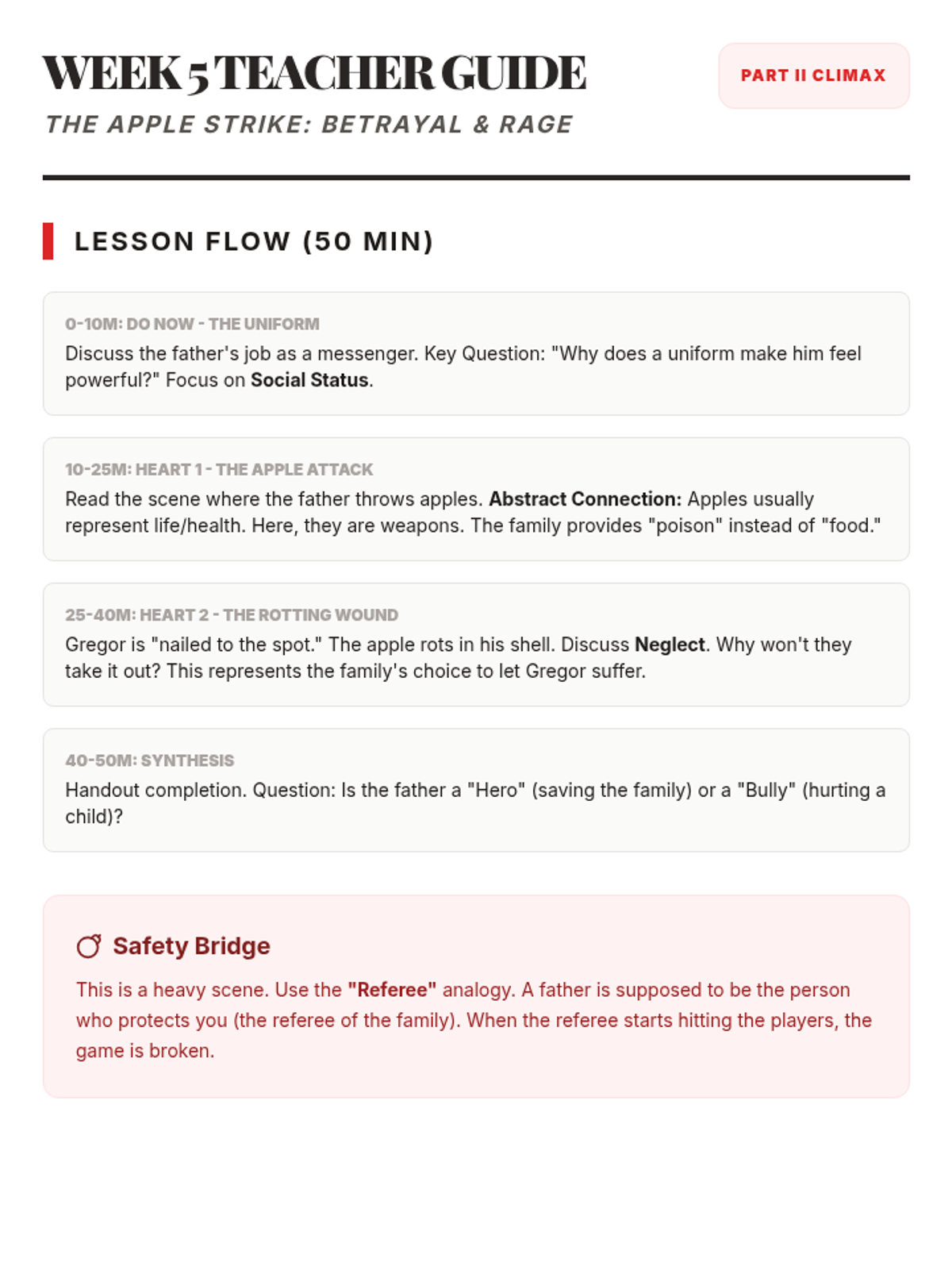
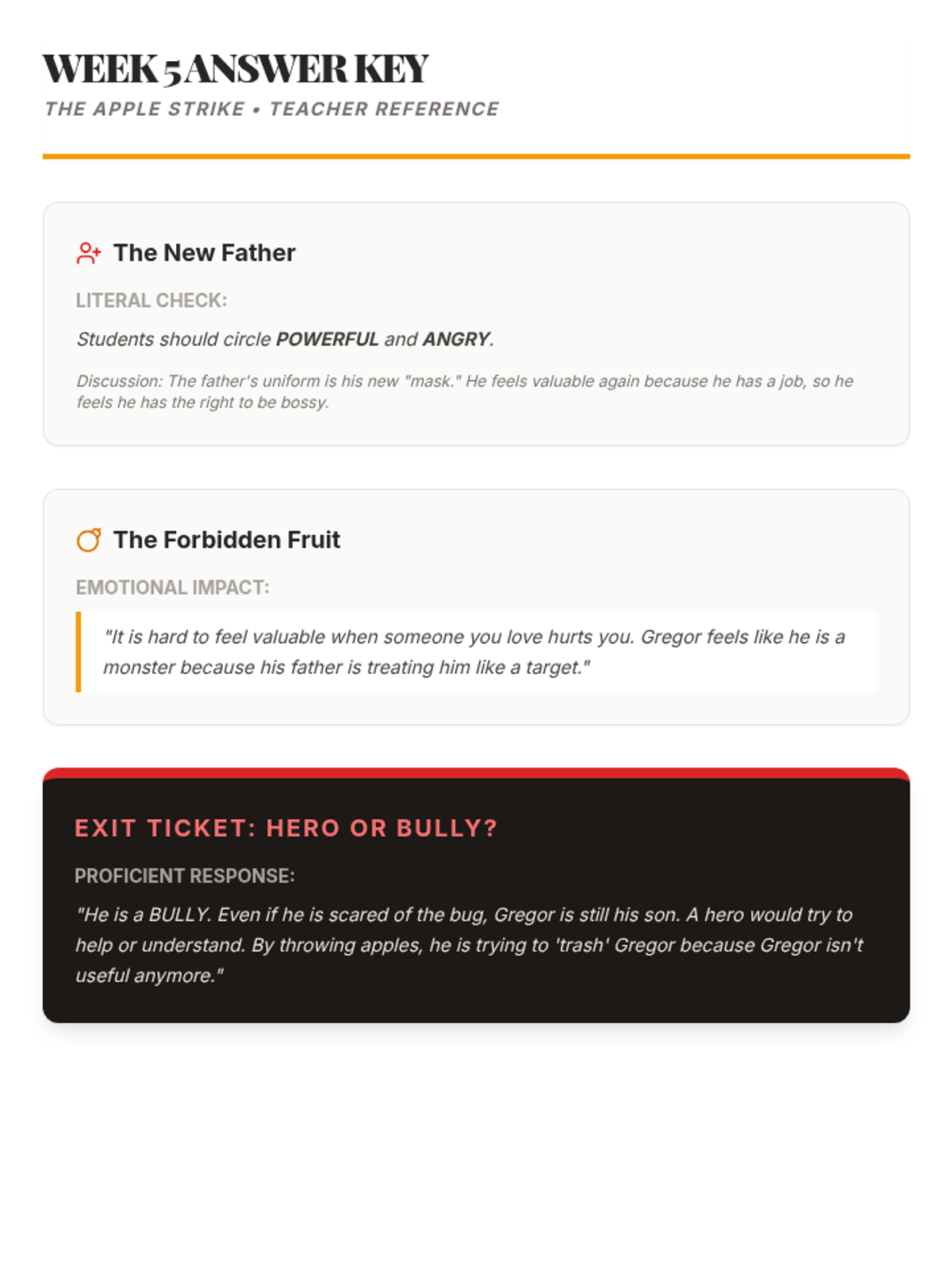
Analyzes the climax of Part II, the father's return to work, and the symbolic 'apple' attack on Gregor.
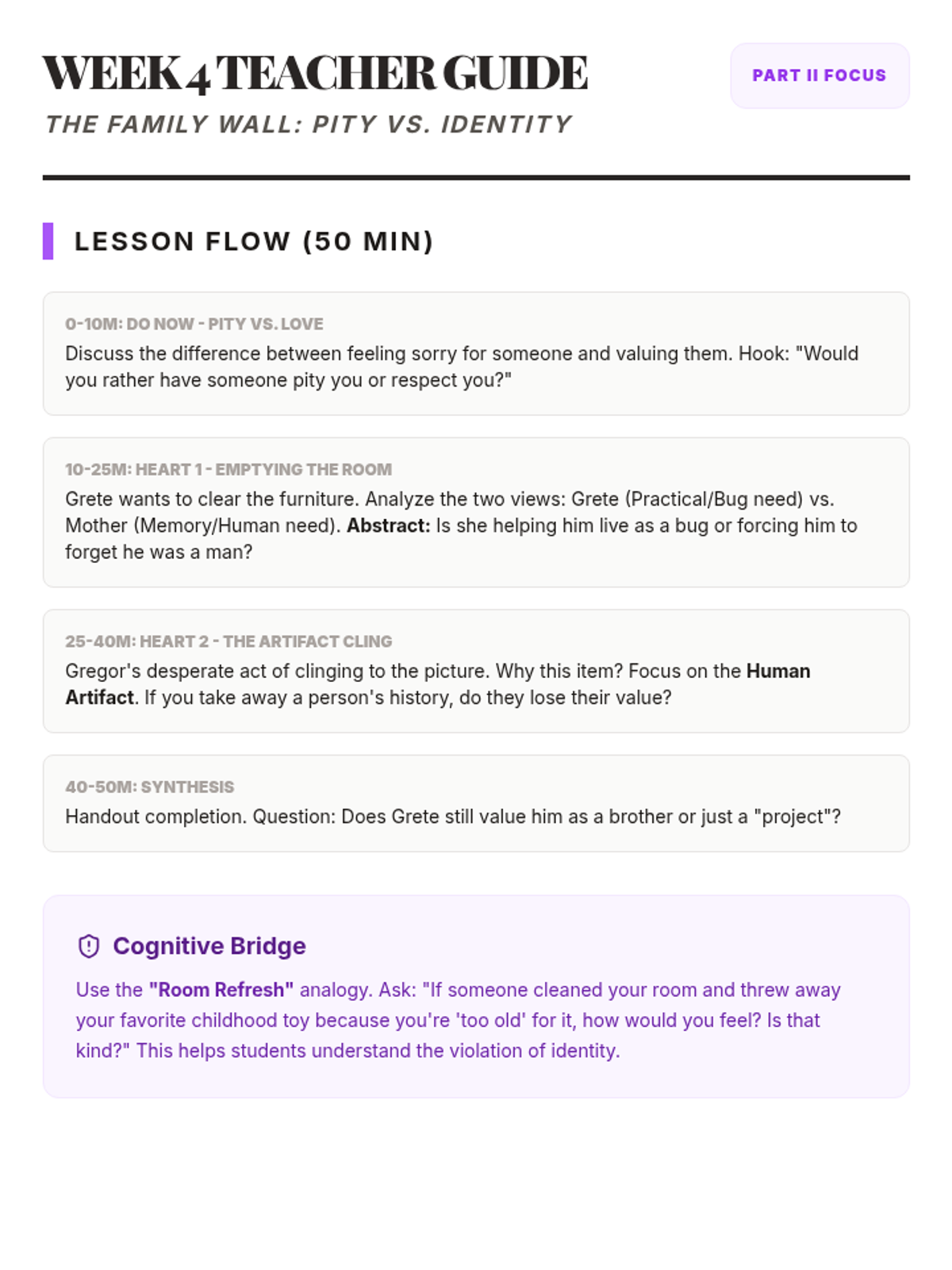
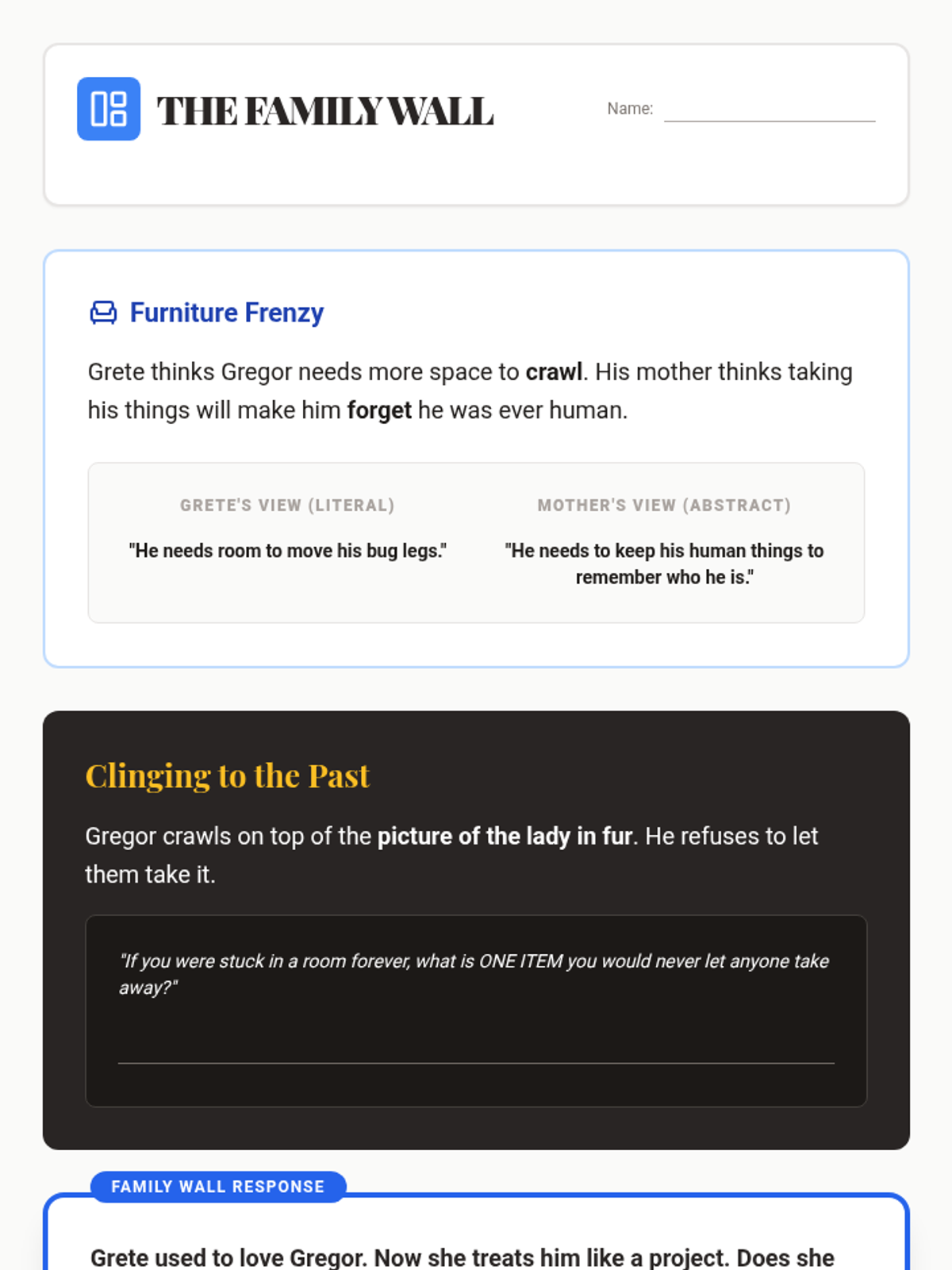
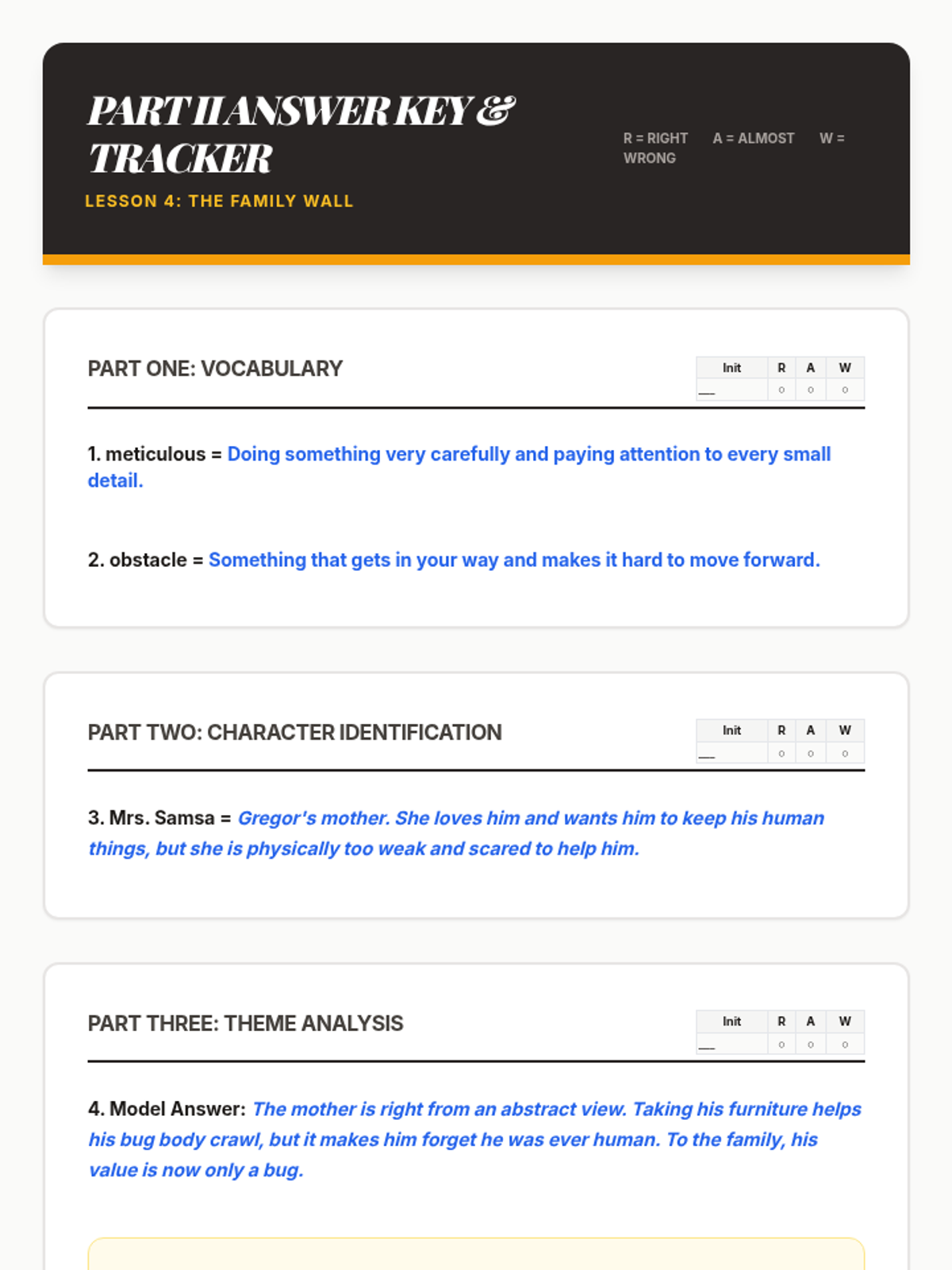
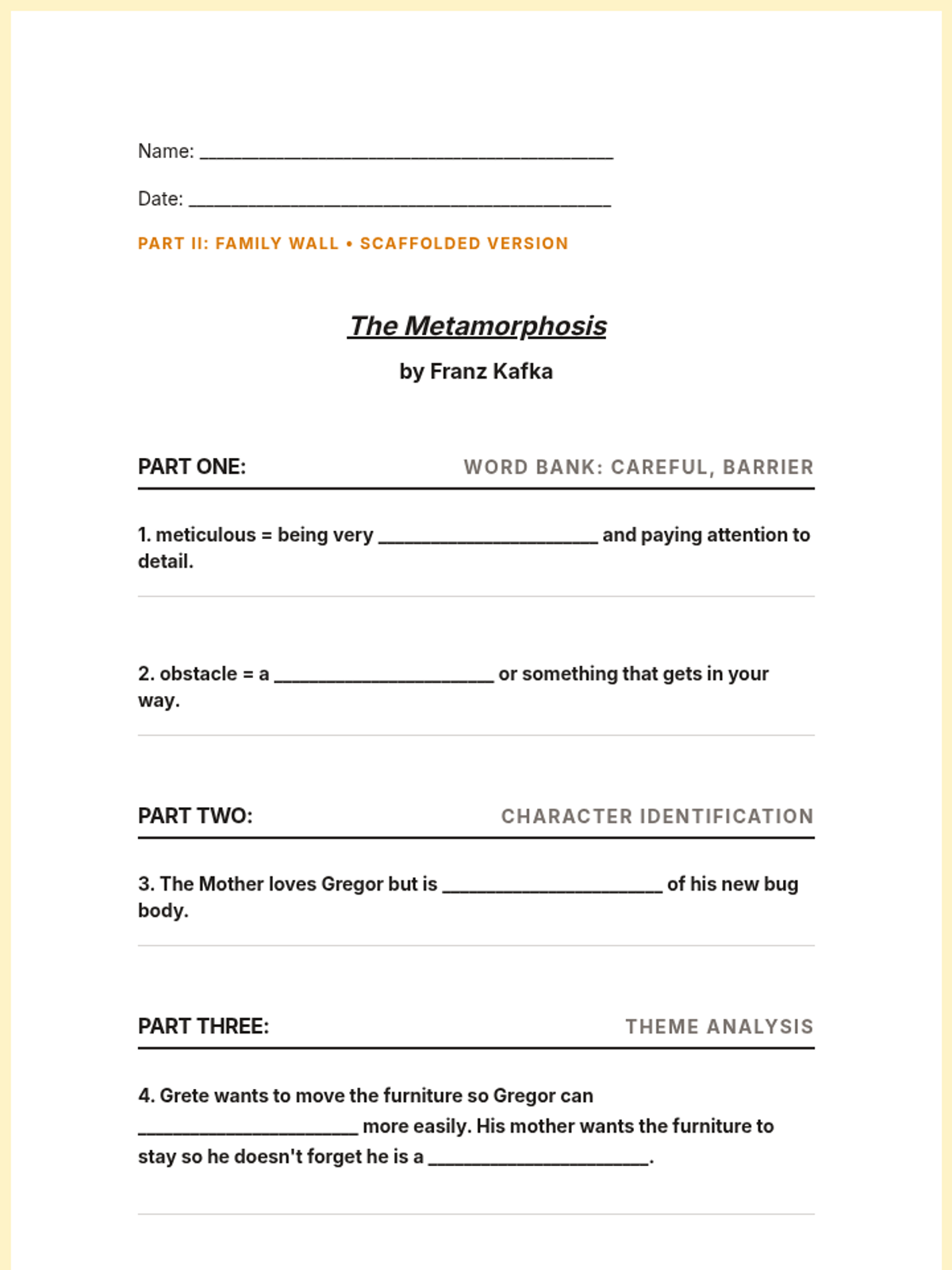
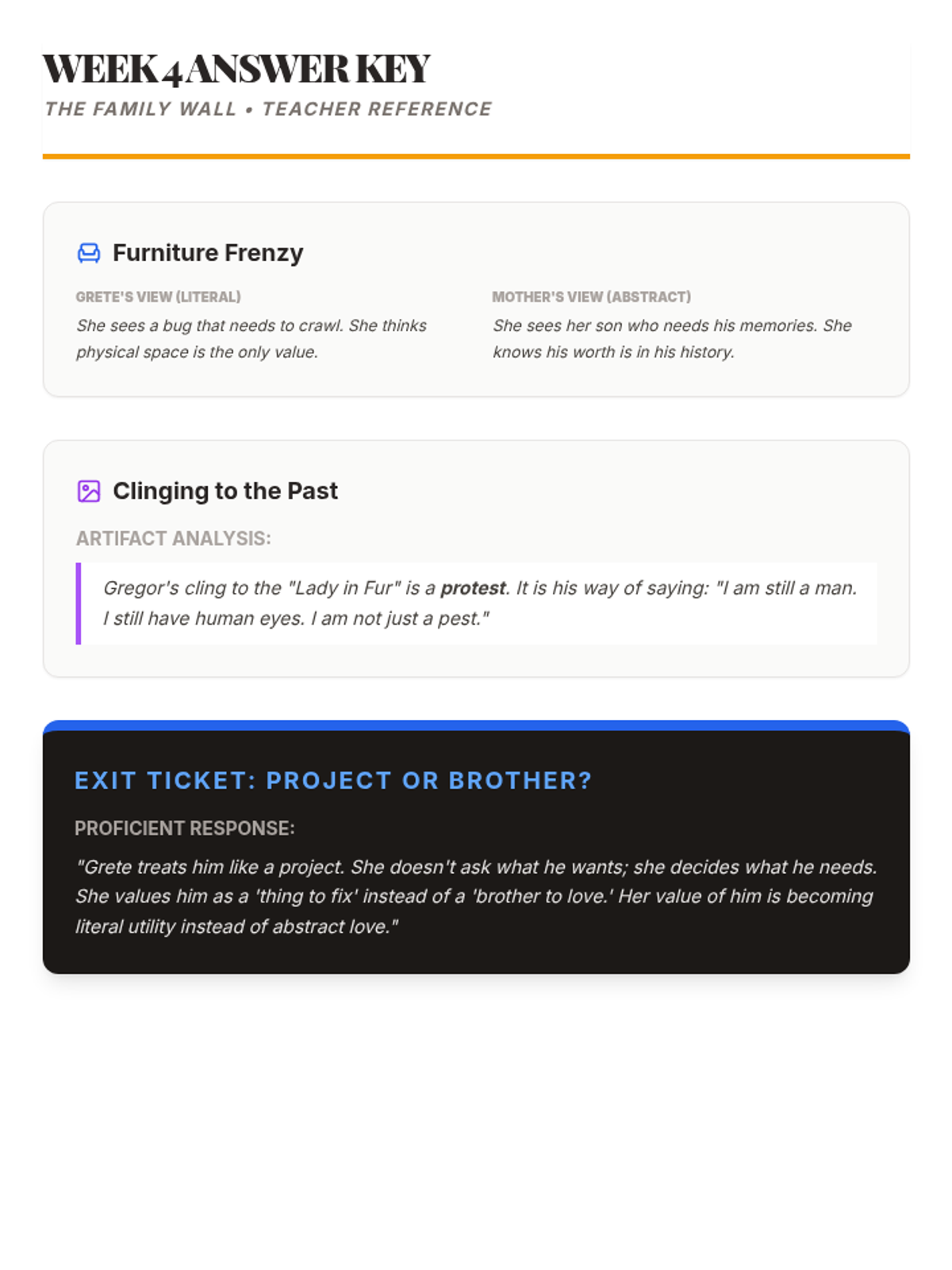
Explores the changing relationship between Gregor and Grete, the moving of the furniture, and the concept of 'pity' vs 'value'.
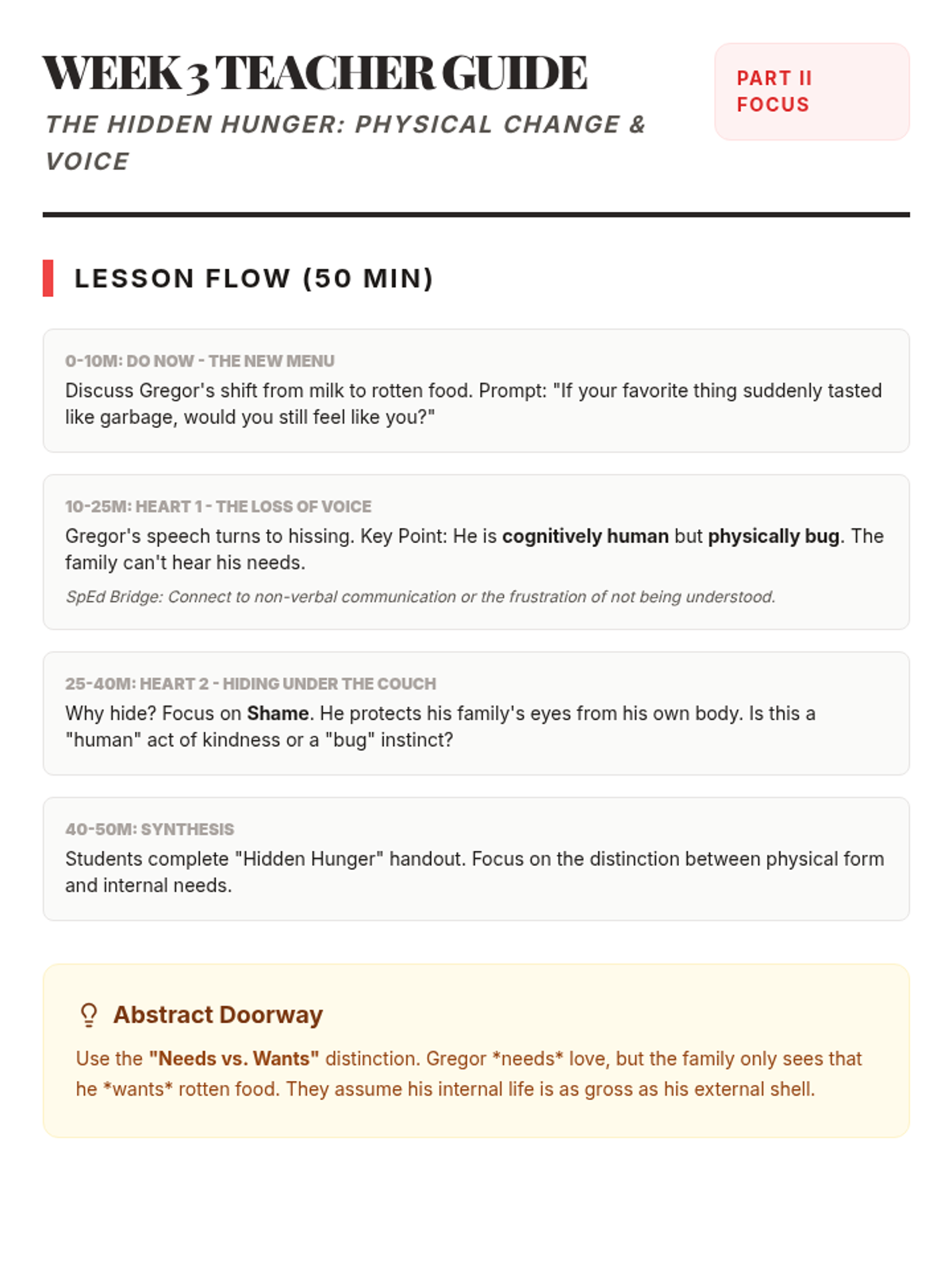
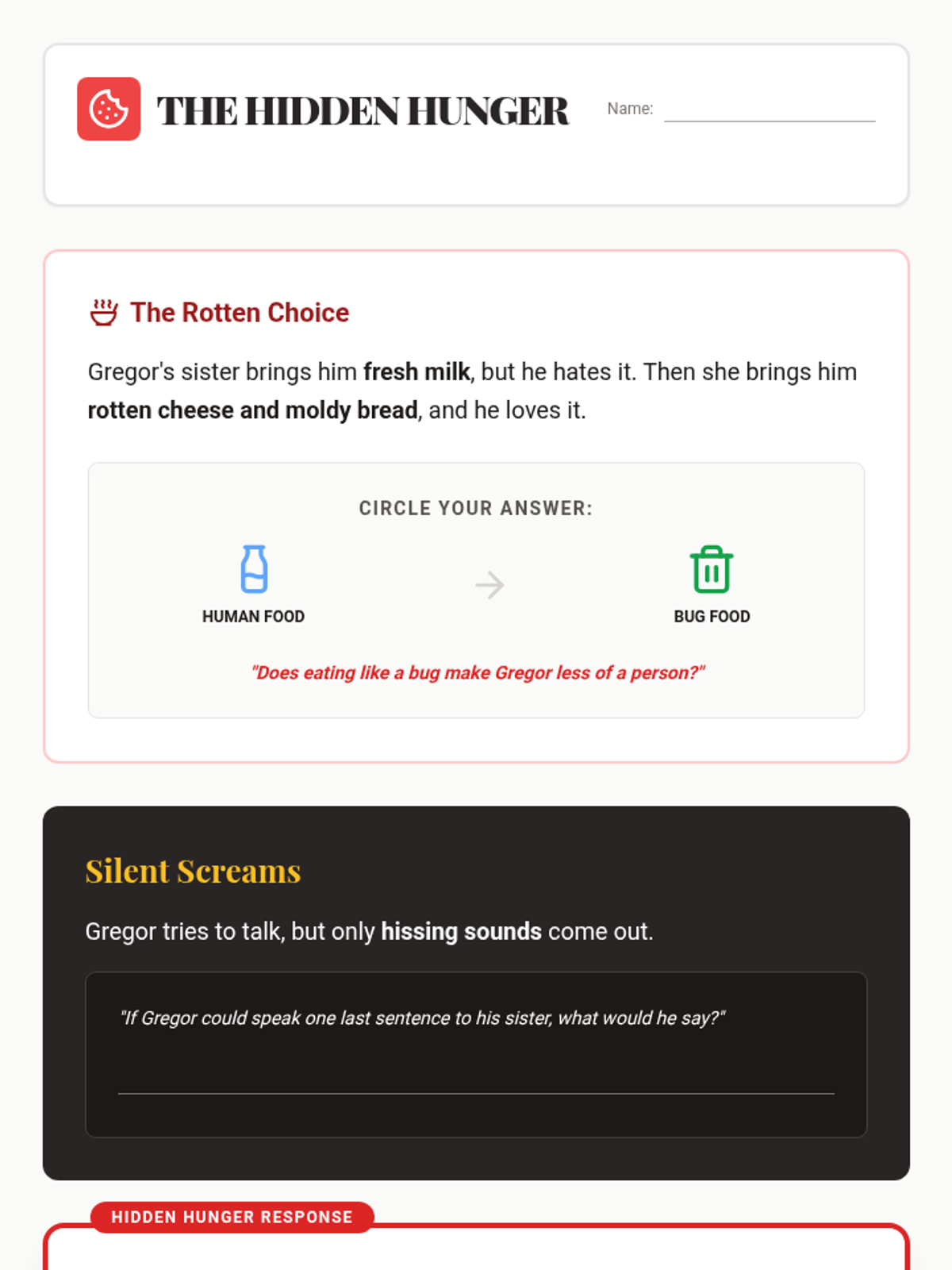
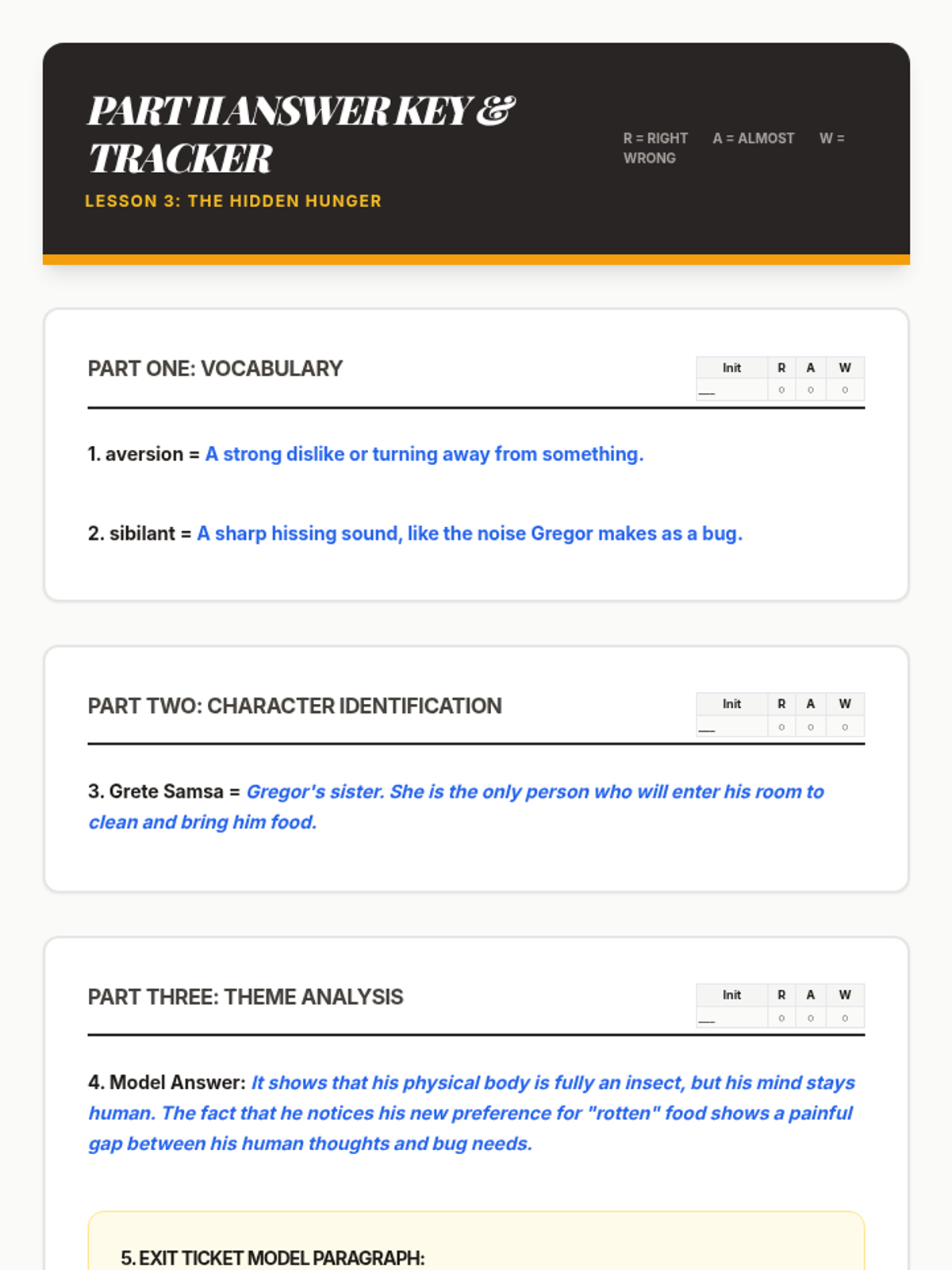
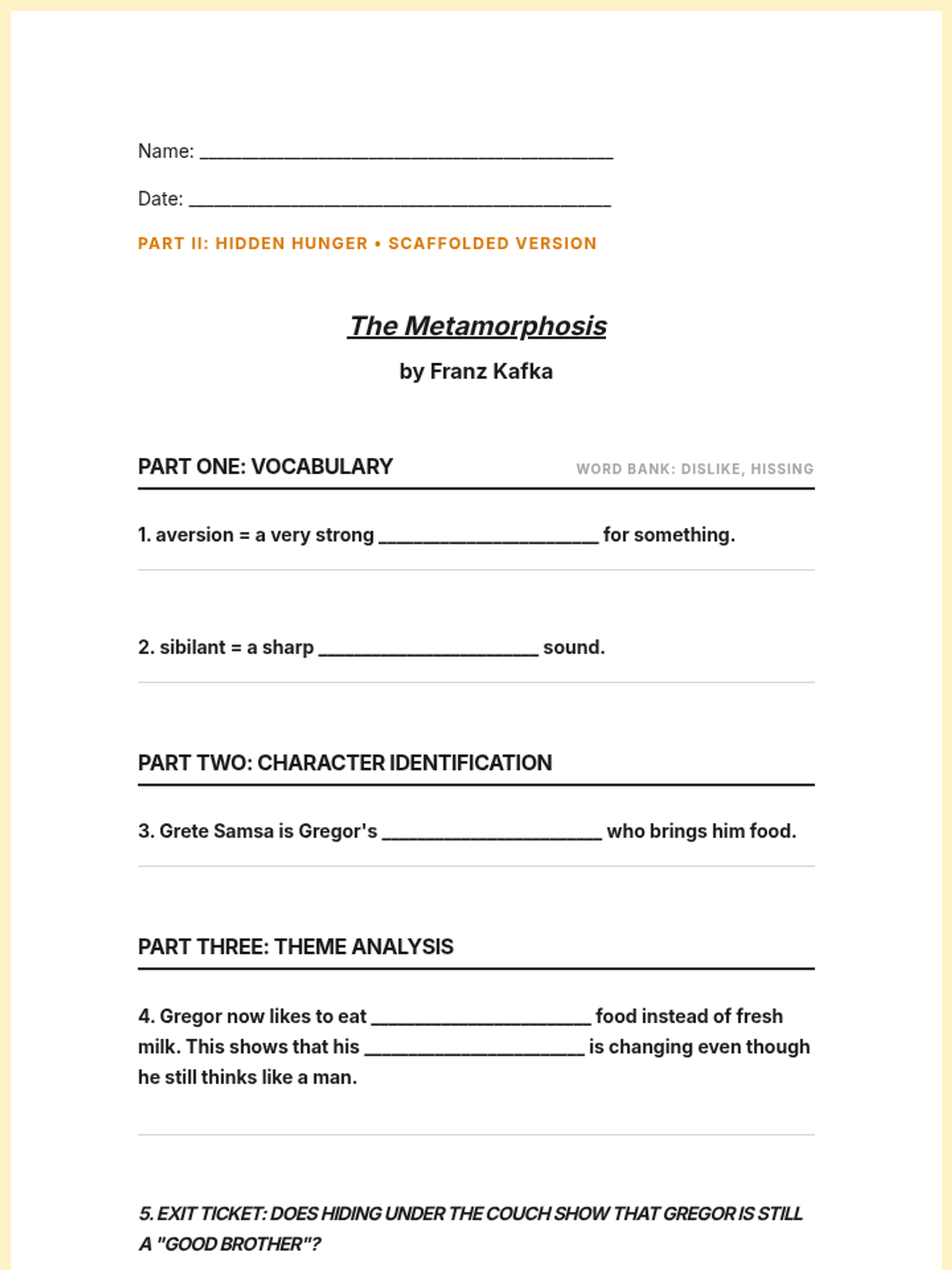
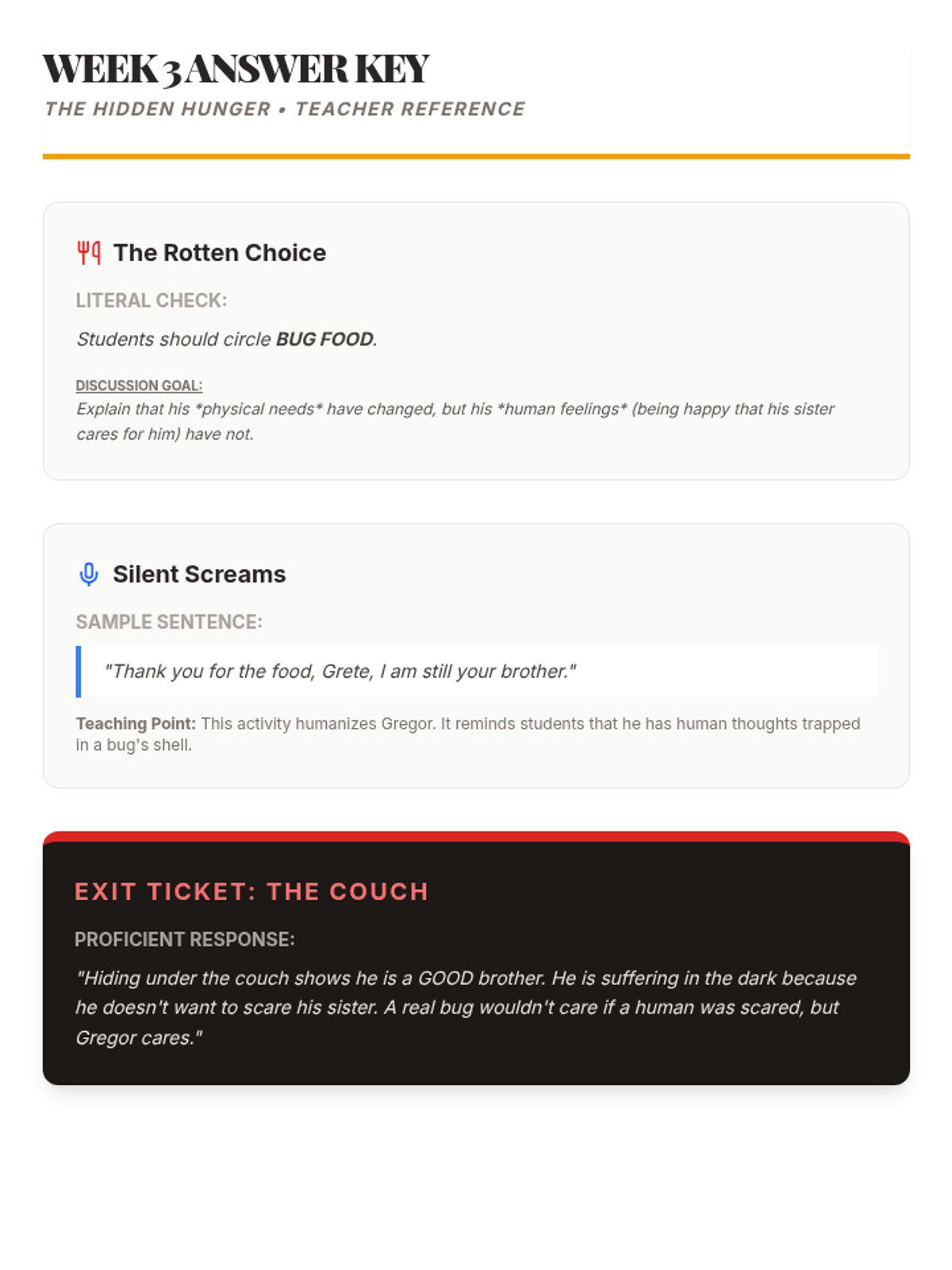
Covers the transition to Part II, focusing on Gregor's physical changes, his new diet, and the loss of his human voice.
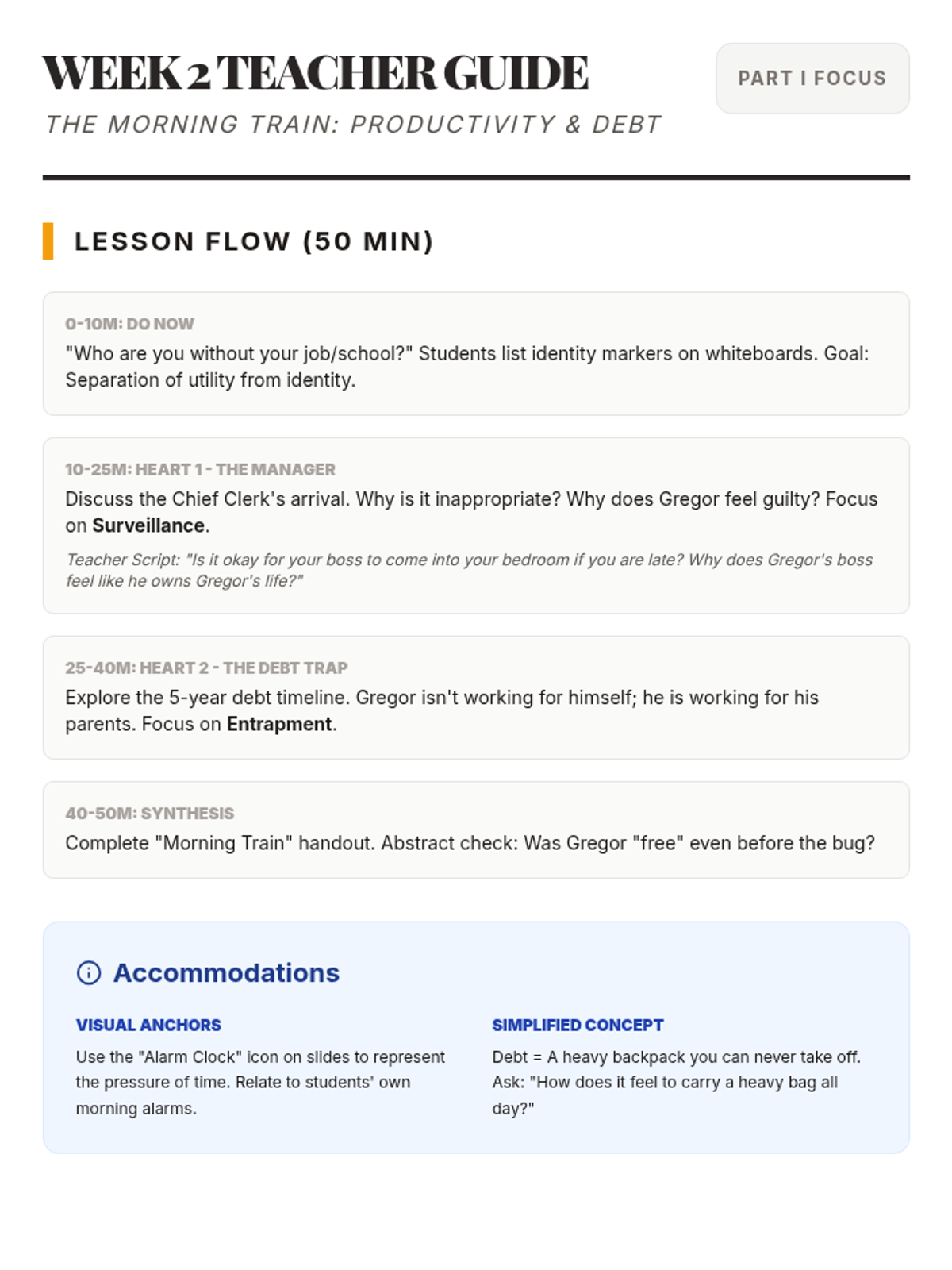
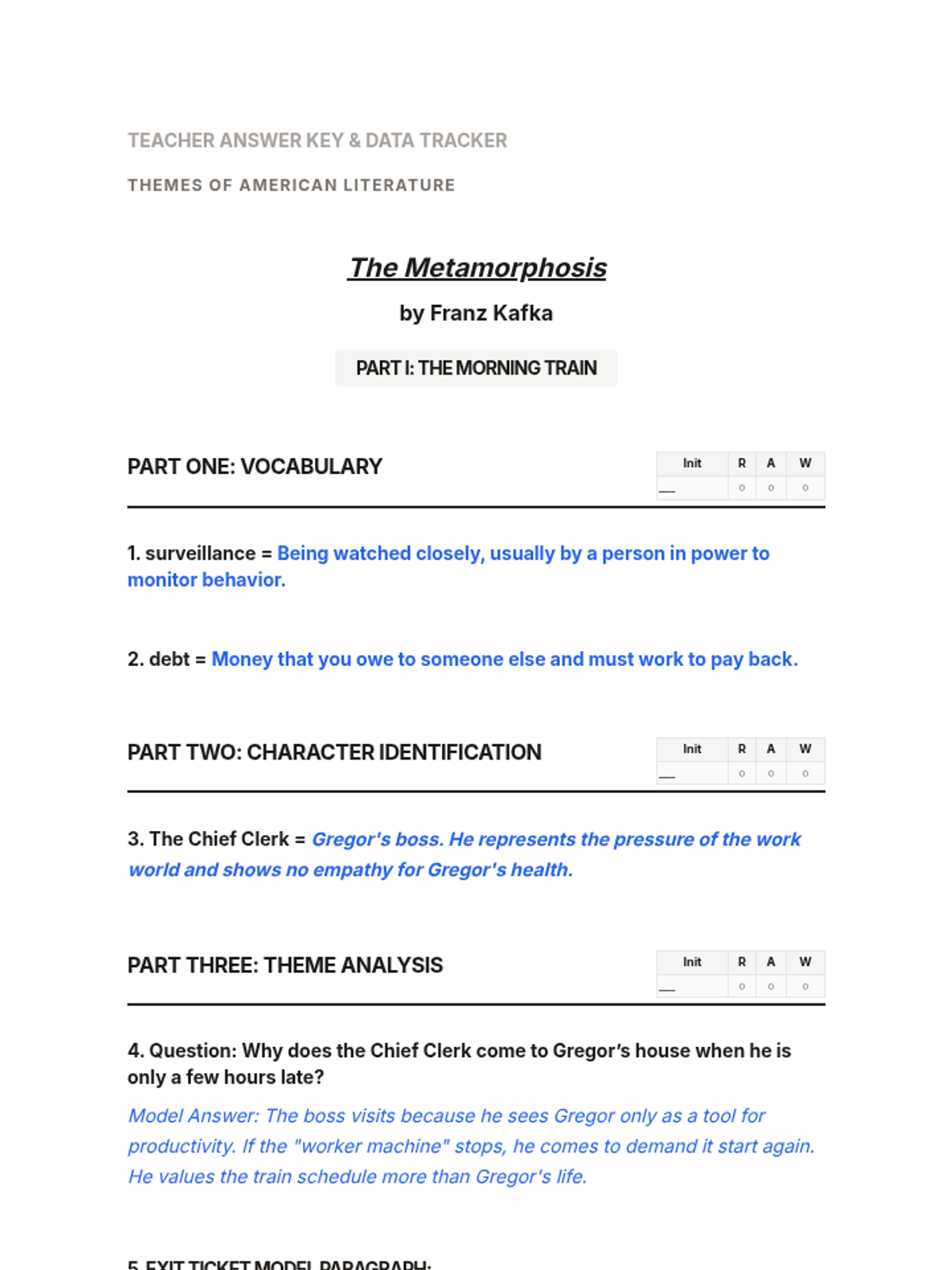
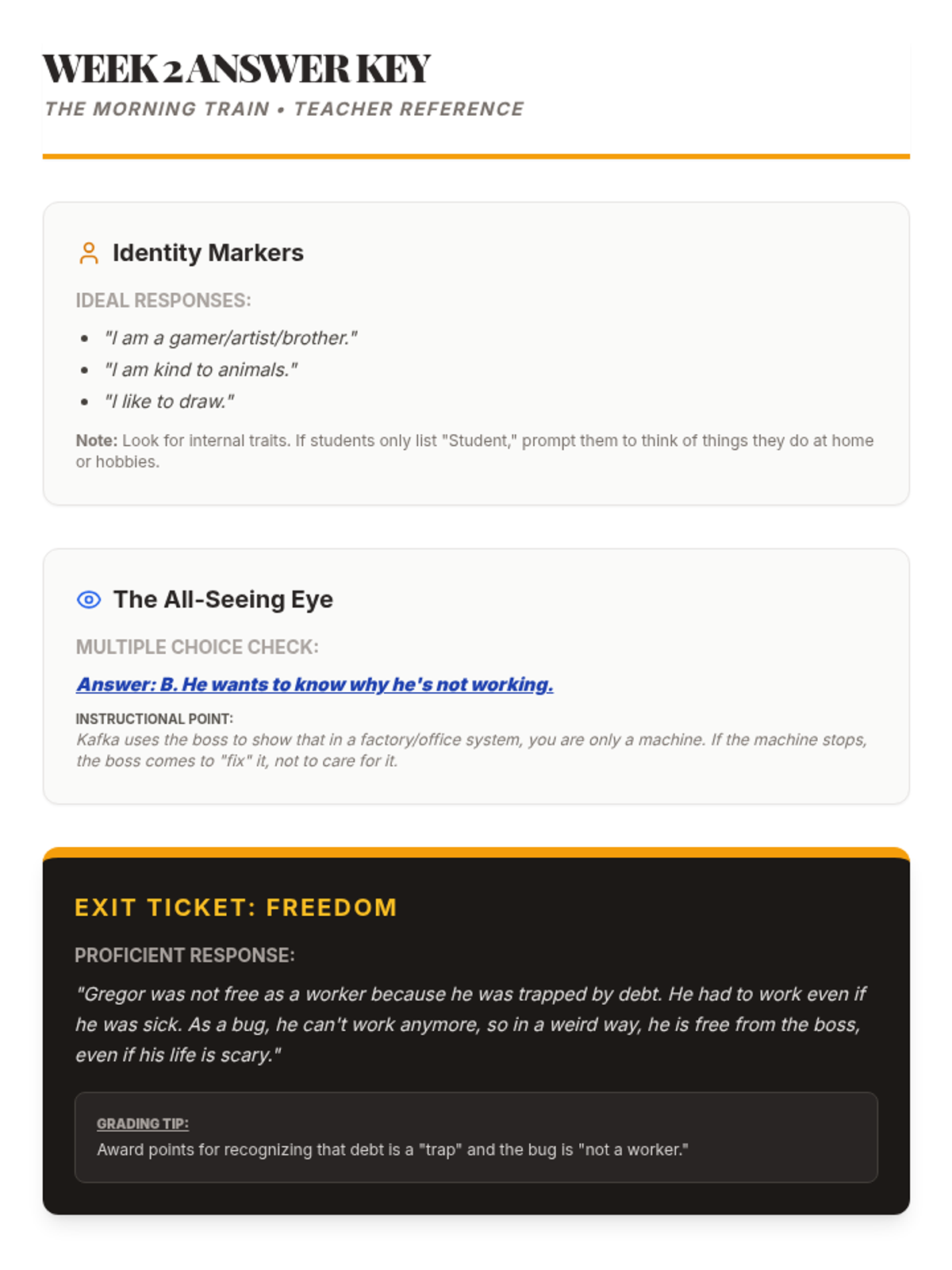
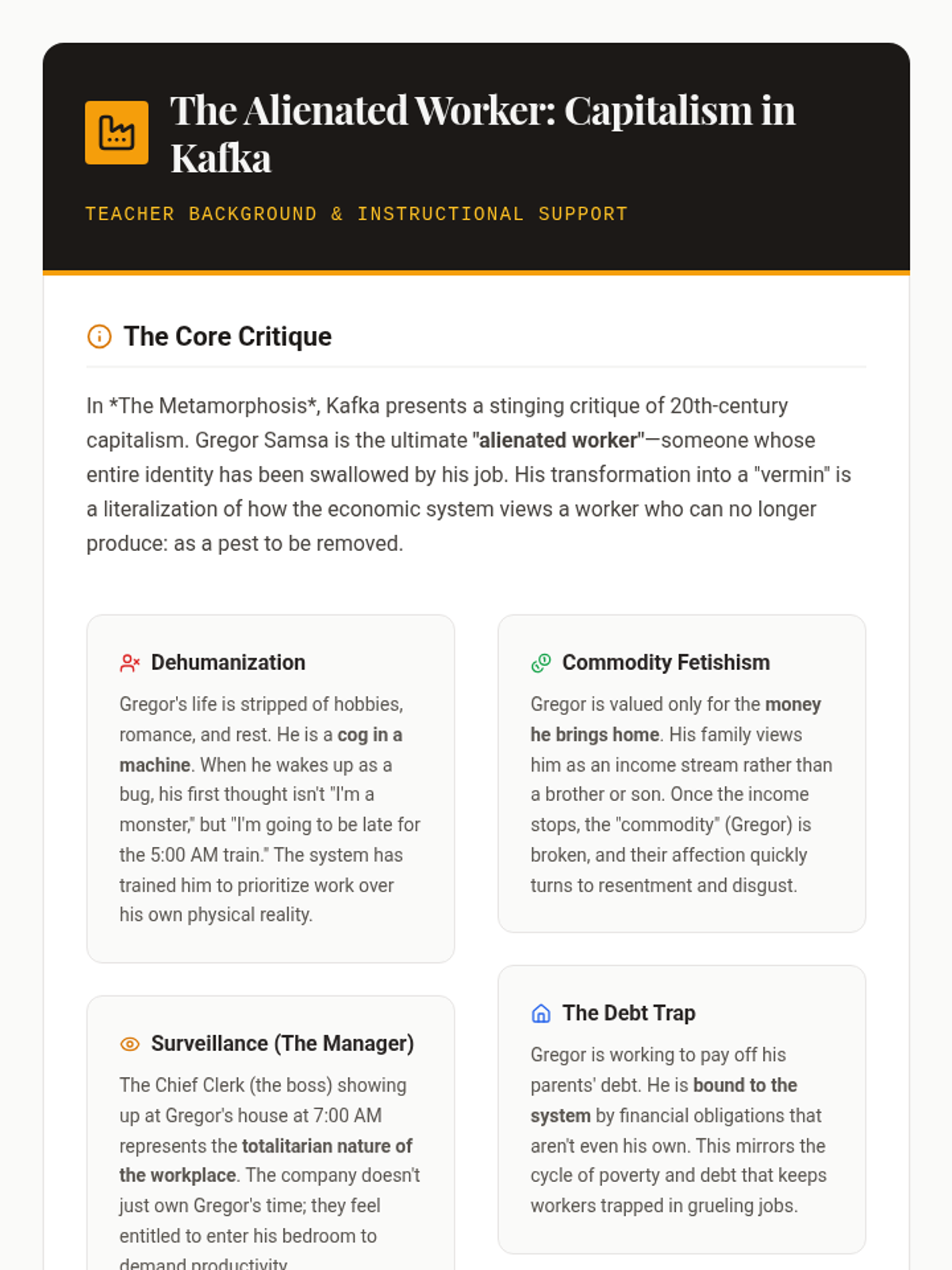
A focus on Part I of the novella, exploring the theme of work as identity and the manager's visit as a symbol of surveillance.
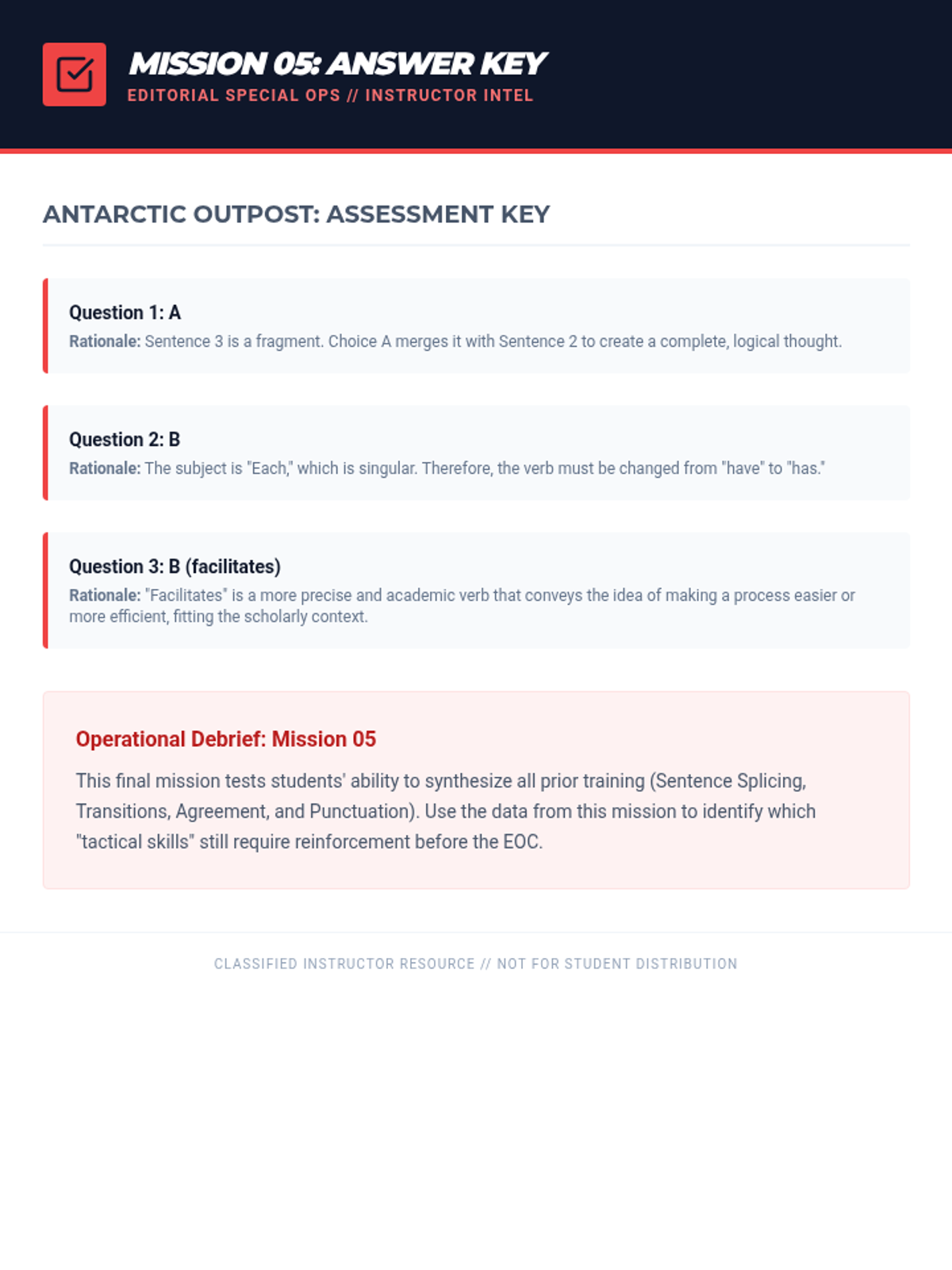
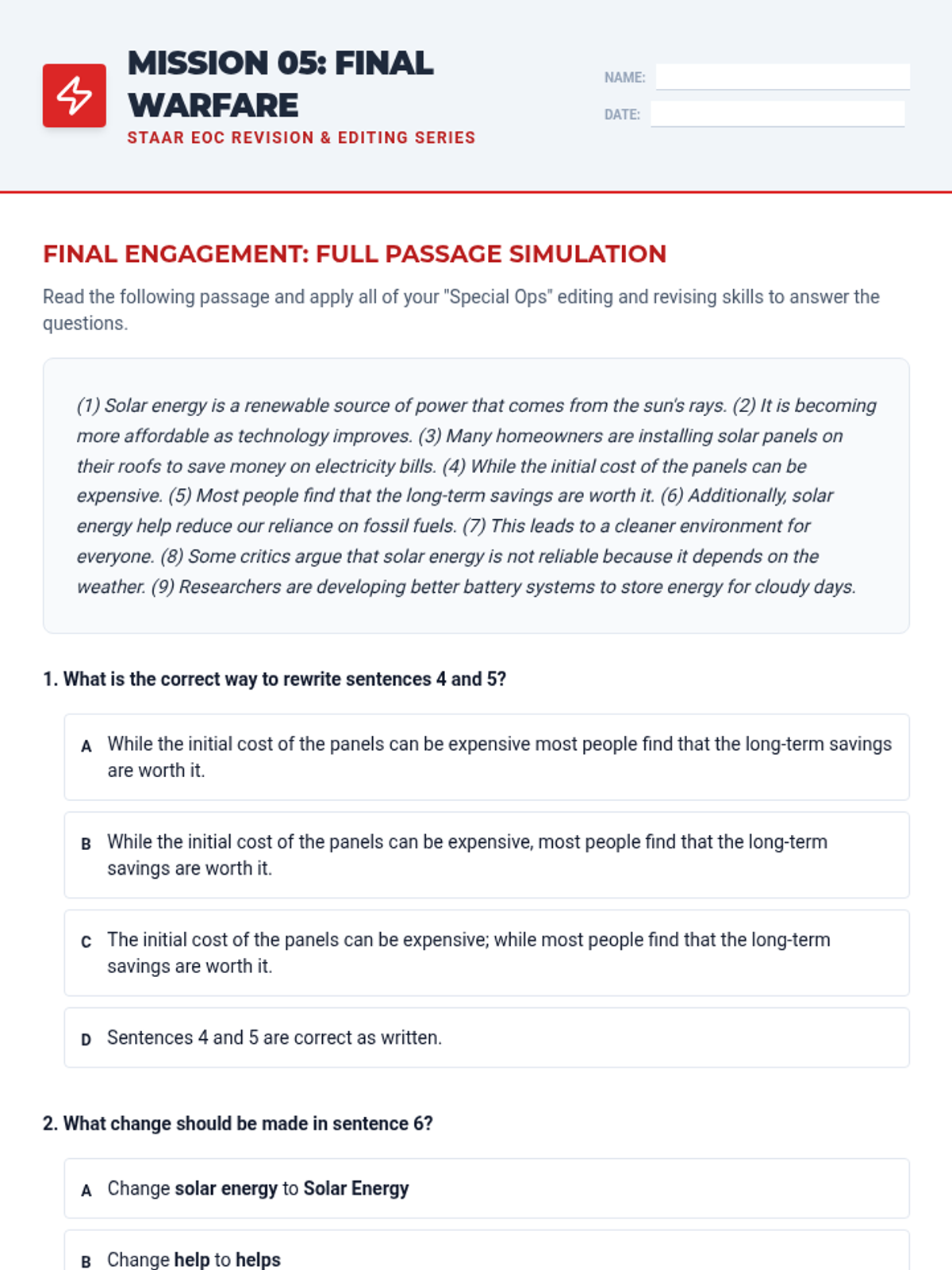
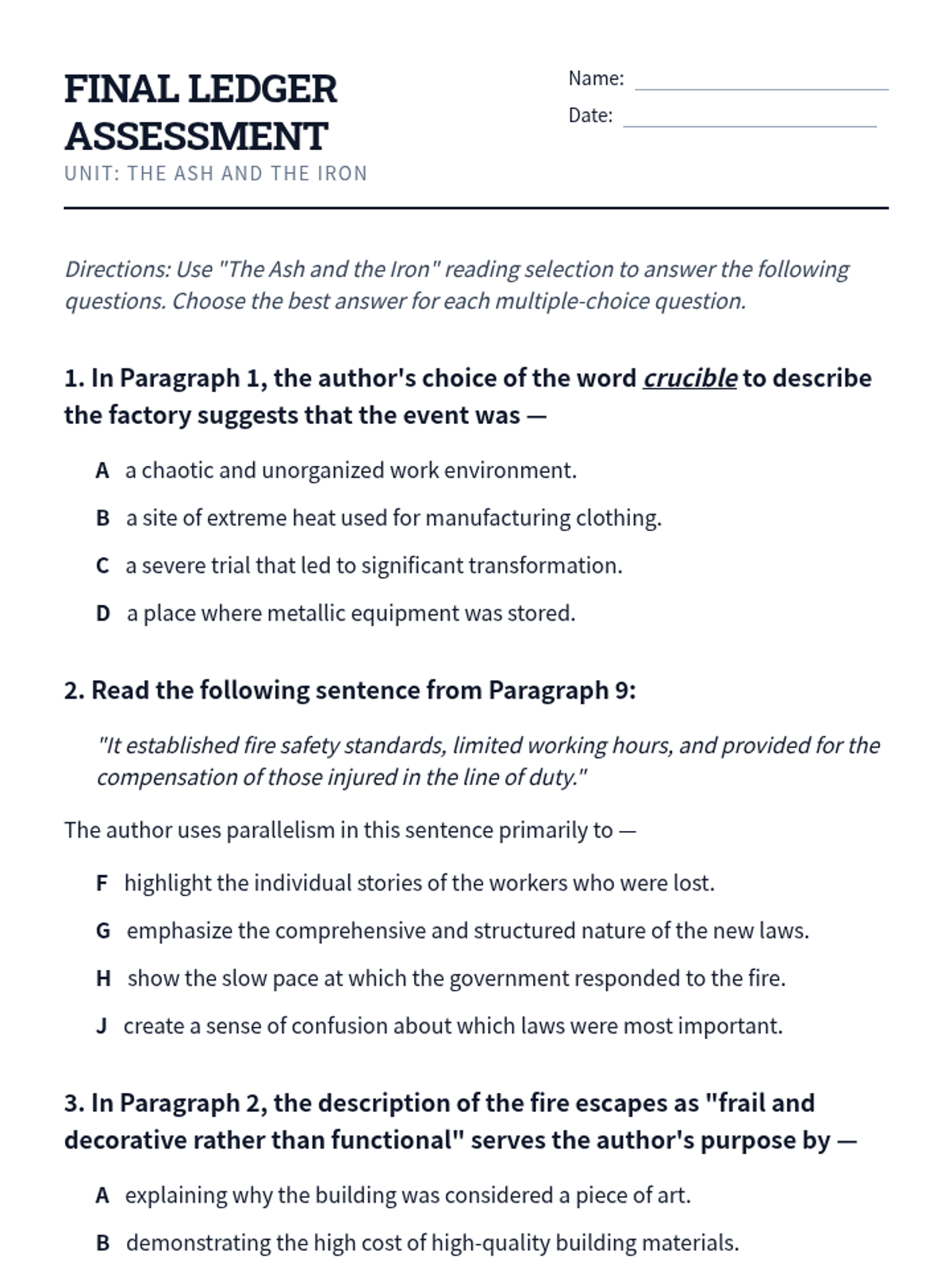
A mixed-practice mission focusing on word choice, sentence clarity, and overall passage coherence to simulate the full STAAR Revising and Editing experience.
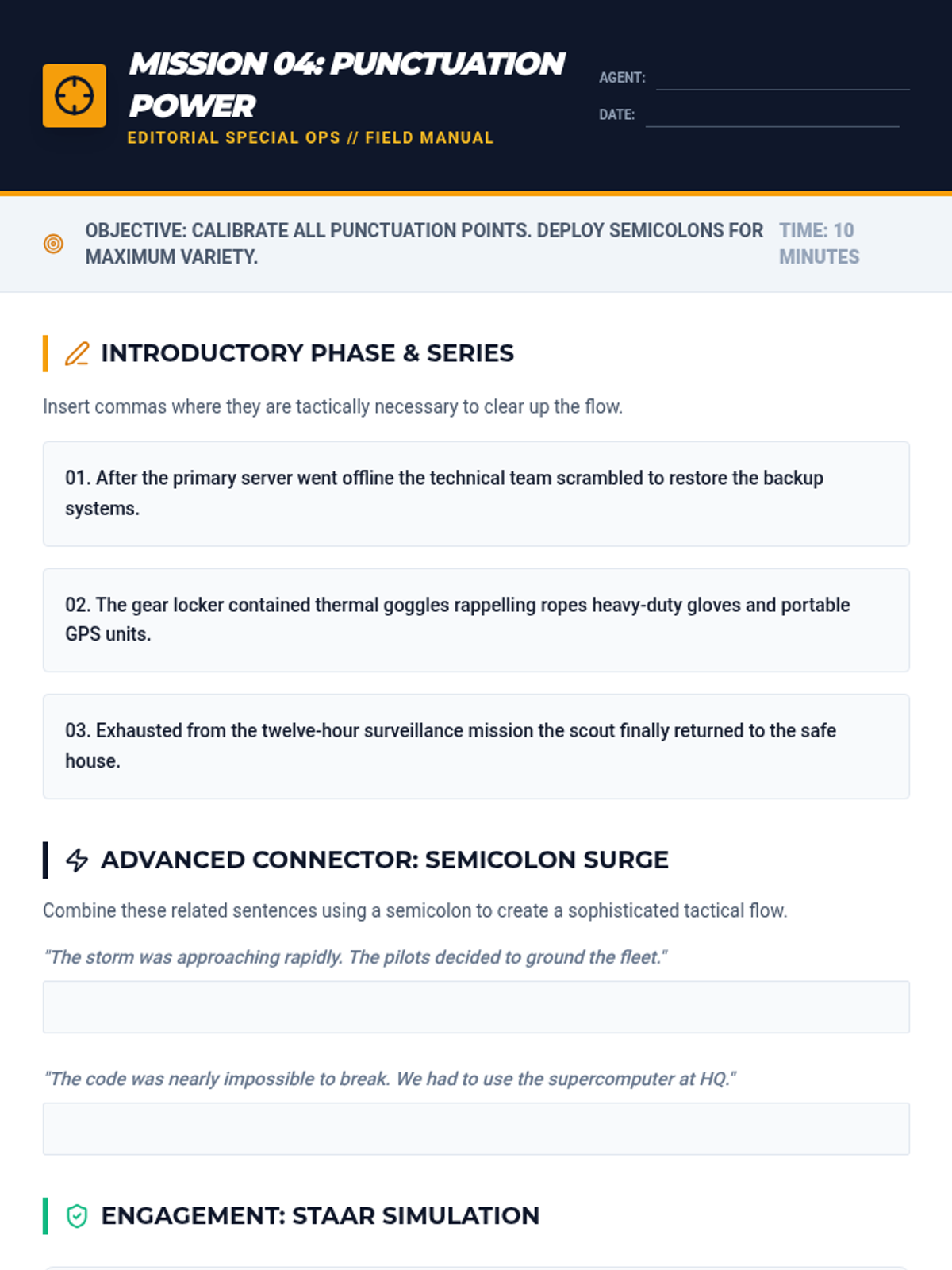
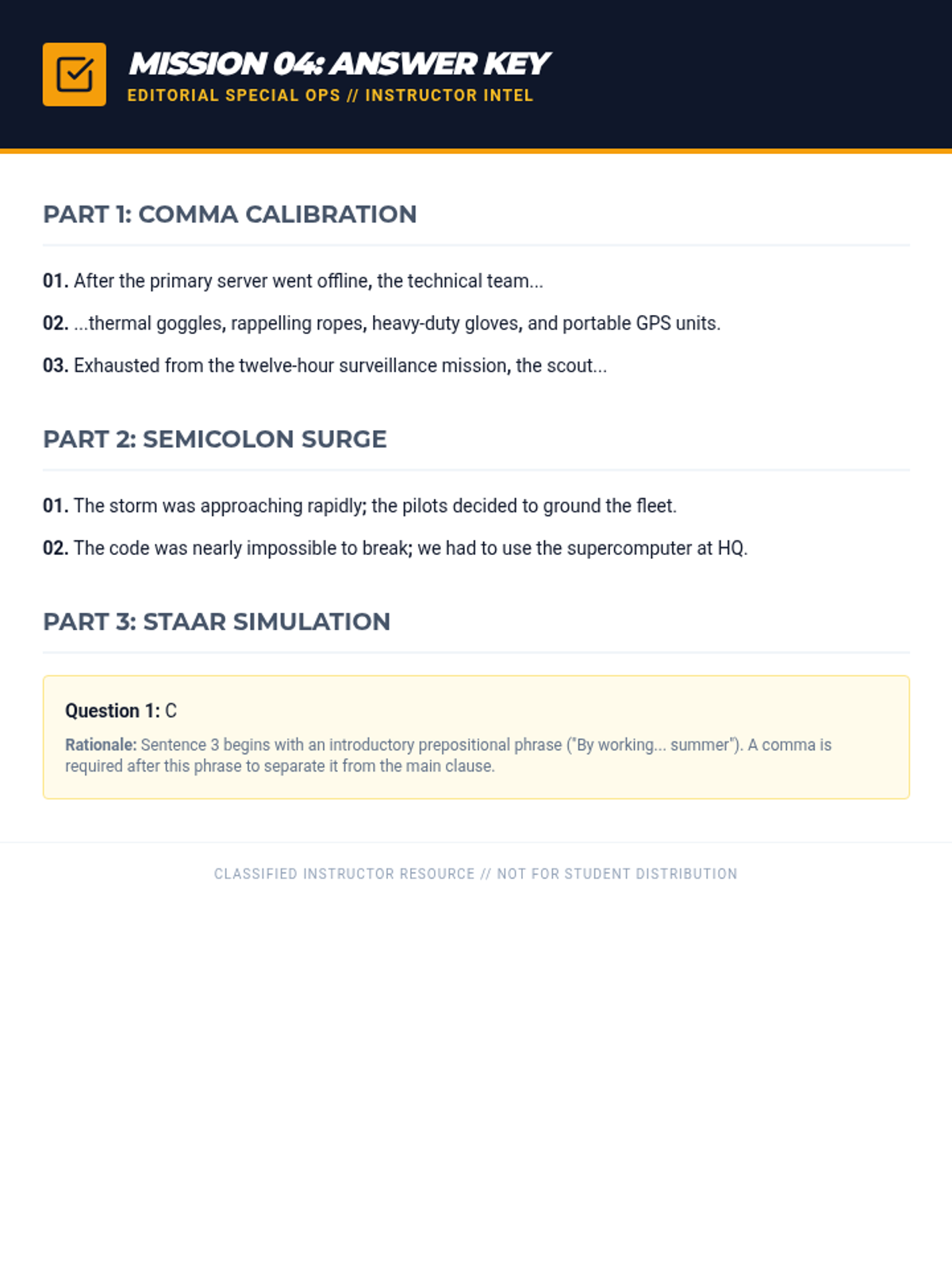
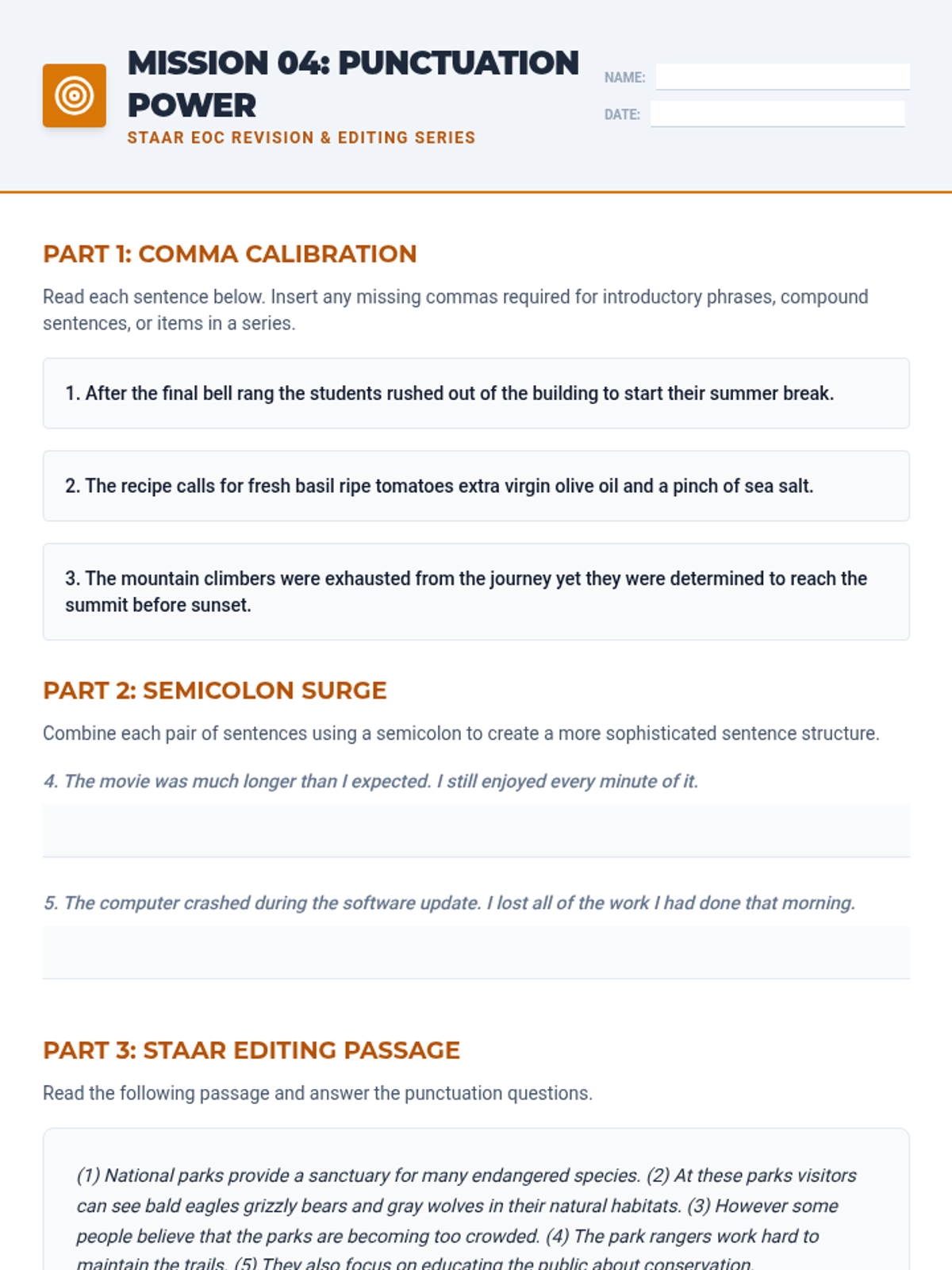
Drills punctuation rules including commas in series, introductory phrases, and compound sentences, as well as semicolon usage for sentence variety.
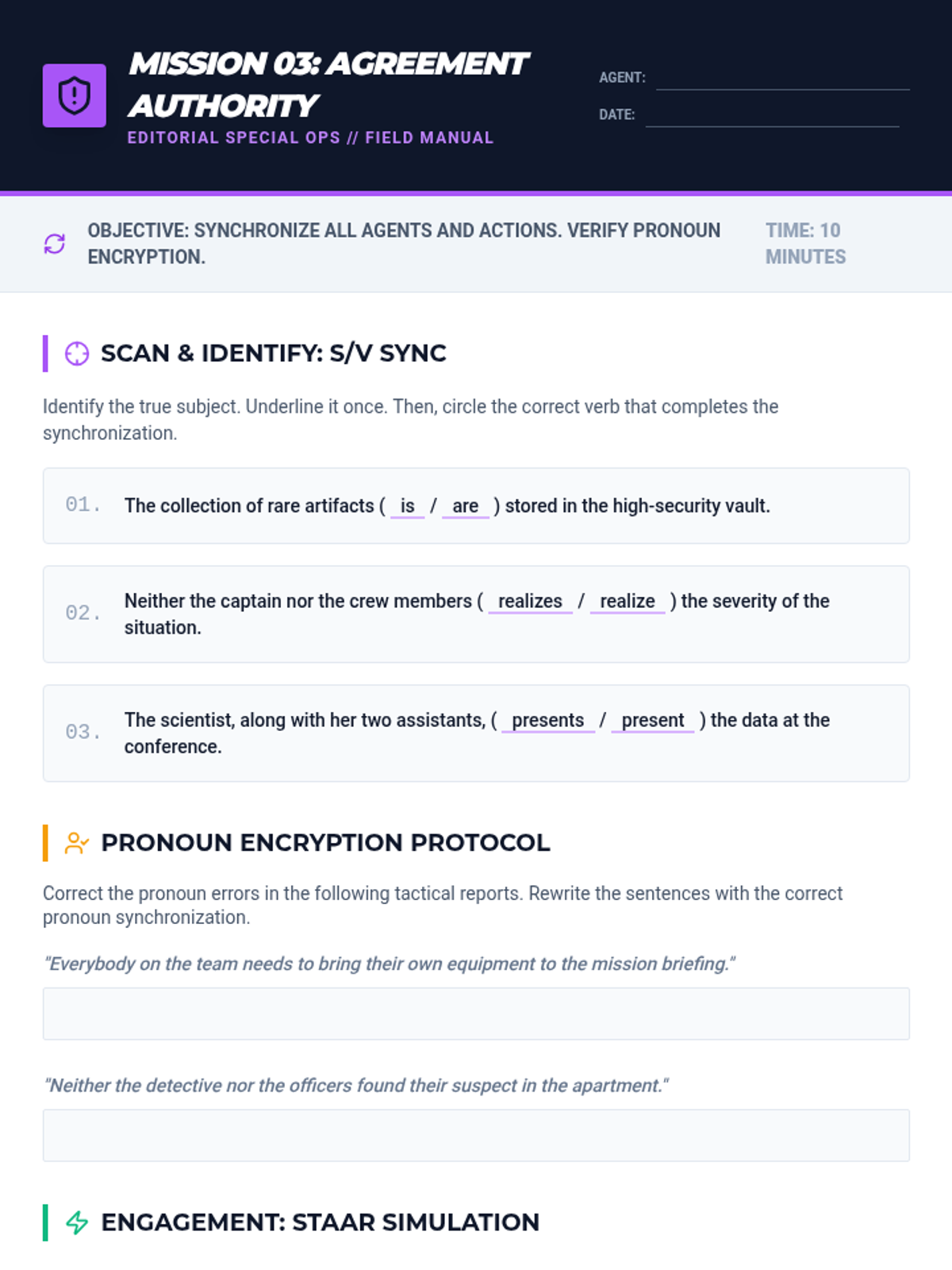
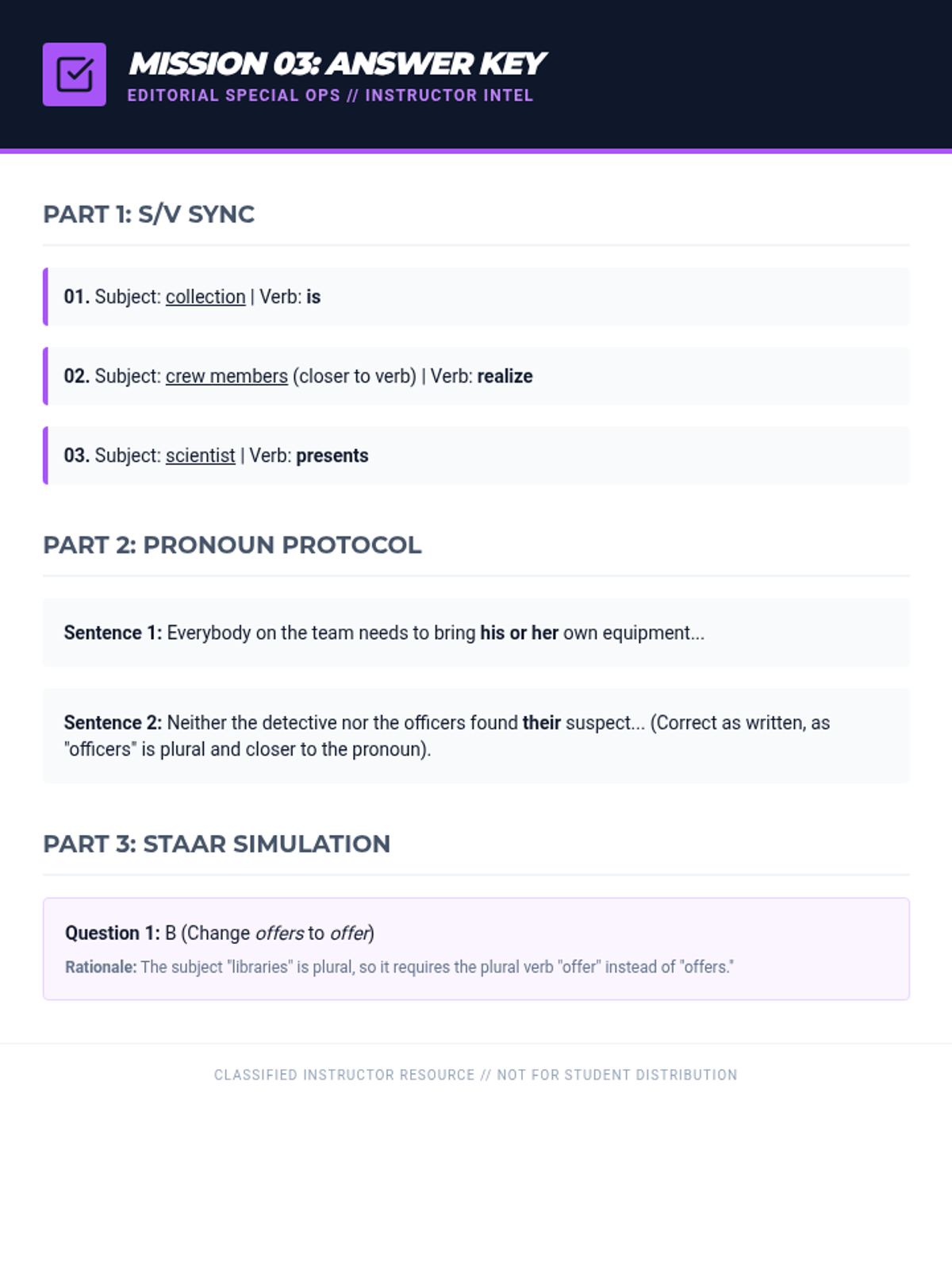
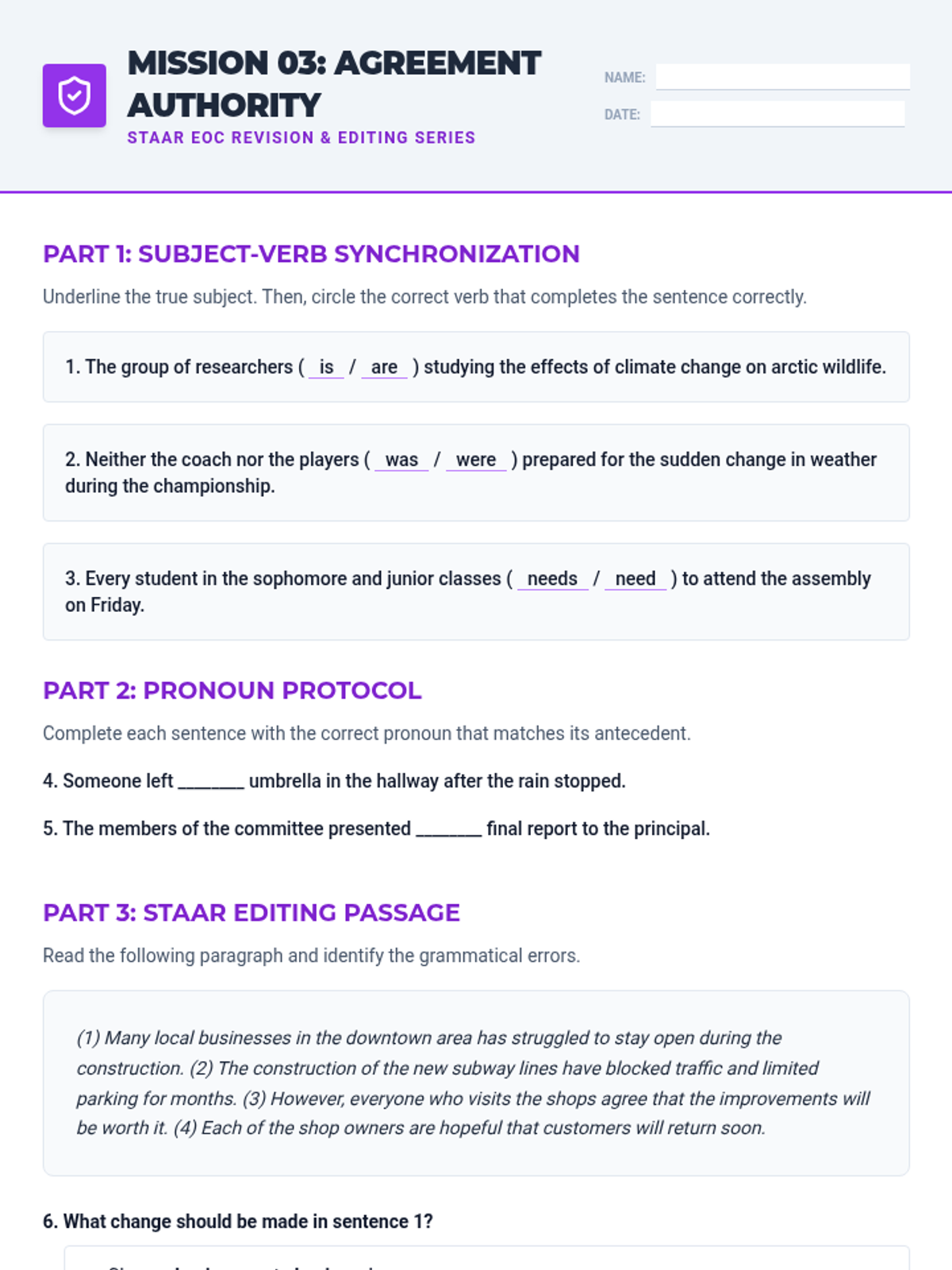
Concentrates on subject-verb agreement and pronoun-antecedent agreement, ensuring students can spot subtle grammatical errors in complex sentences.
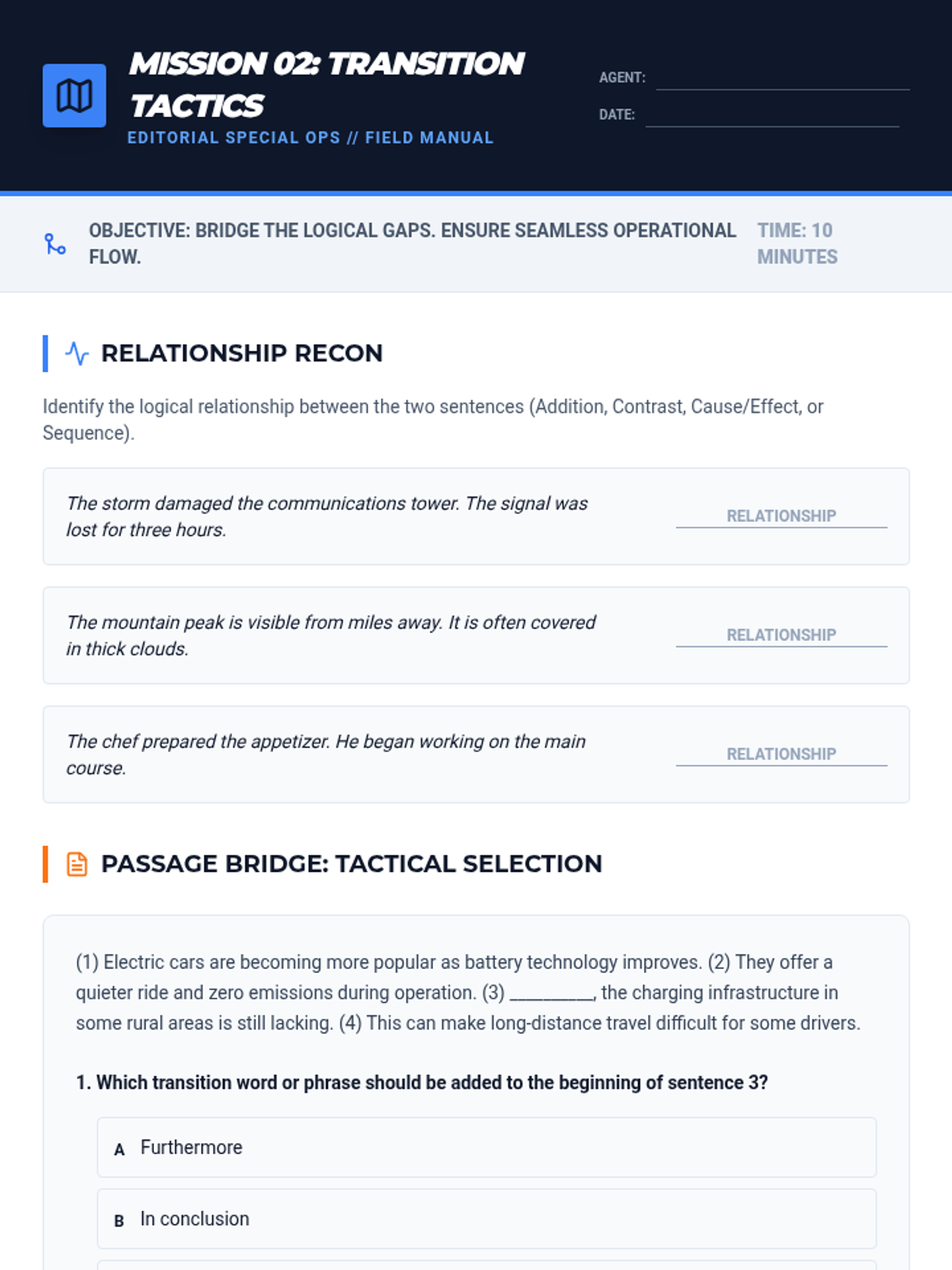
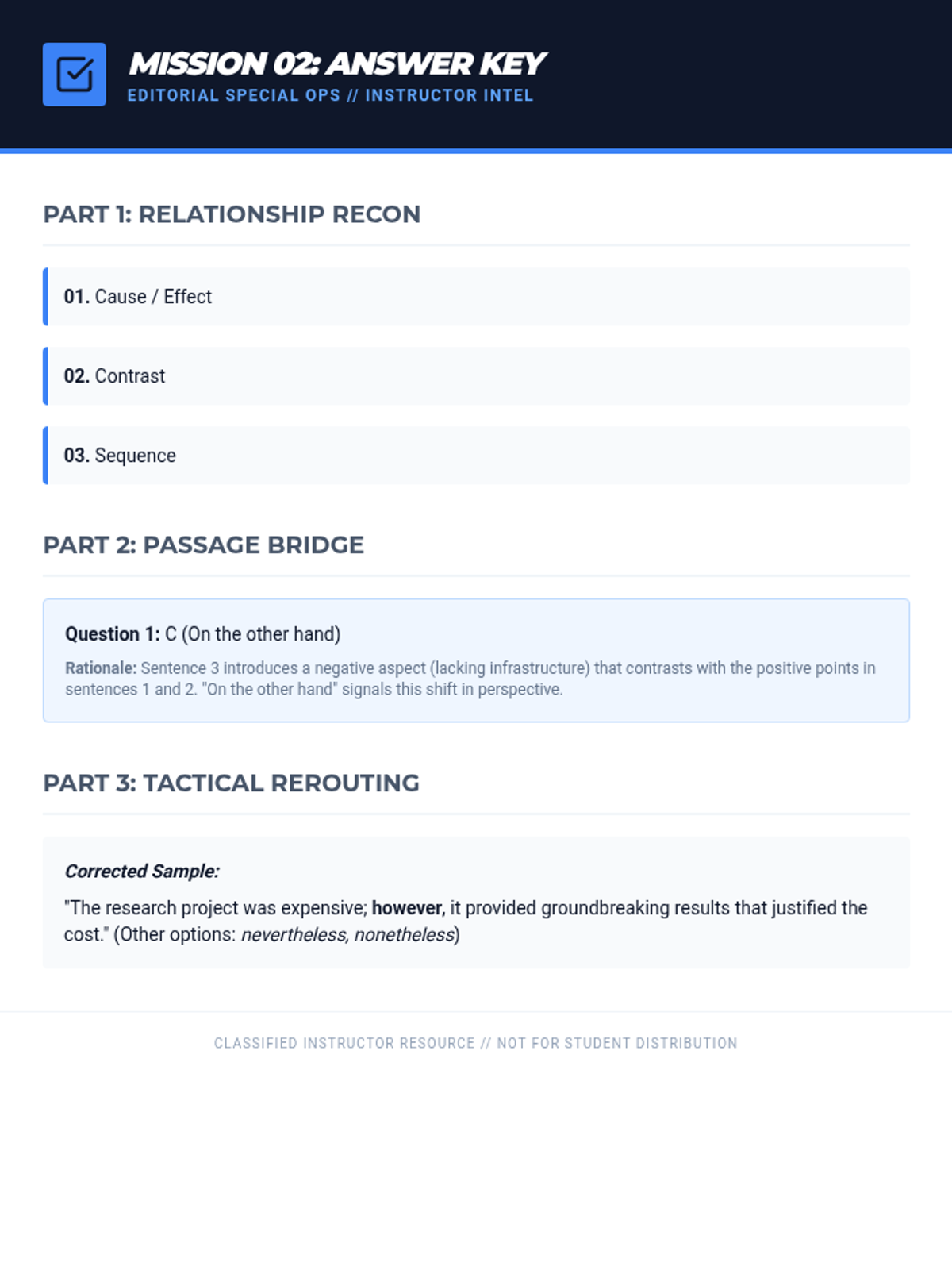
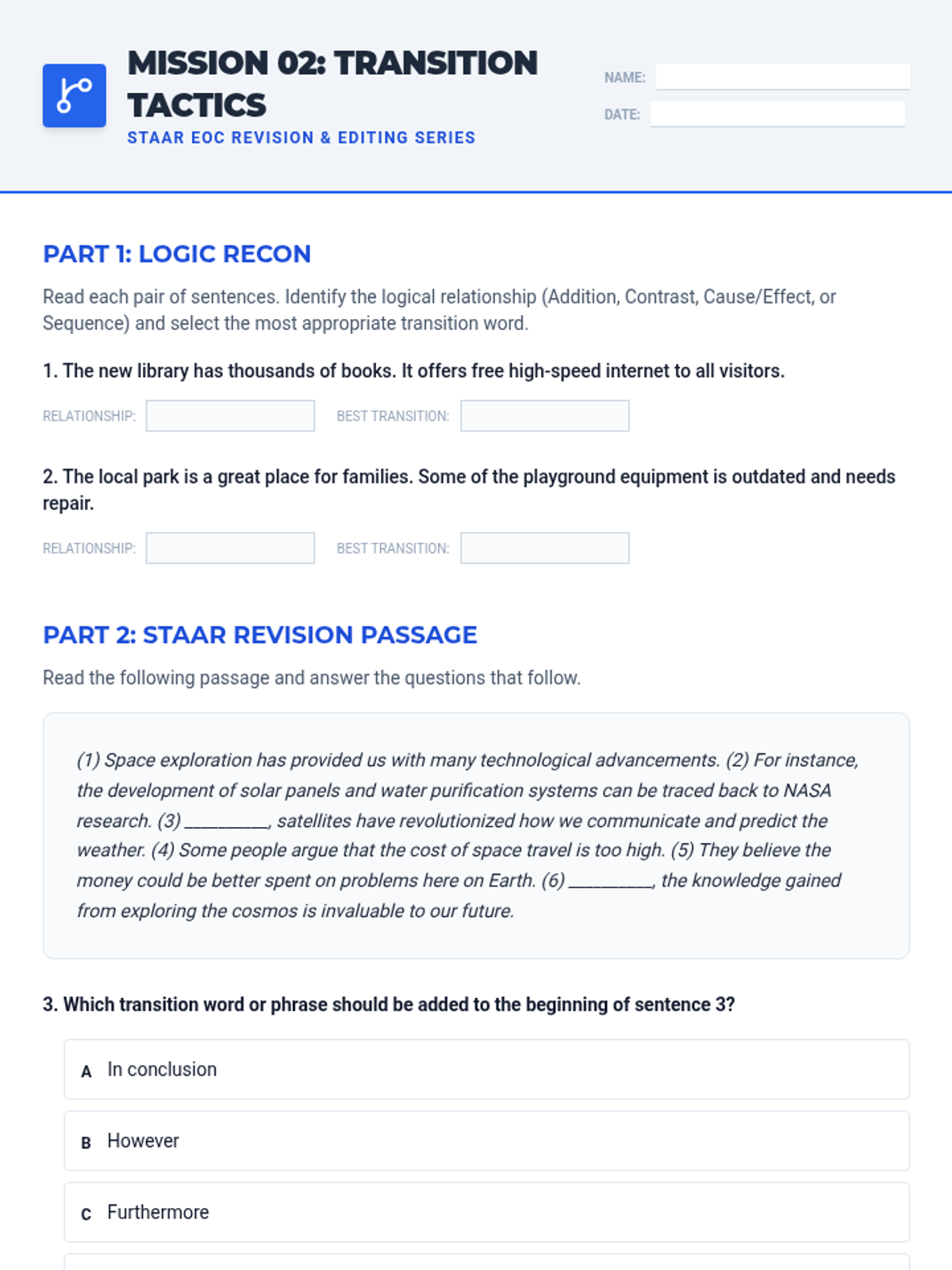
Targets logical organization and transitions between ideas, helping students select the most effective words or phrases to connect sentences and paragraphs.
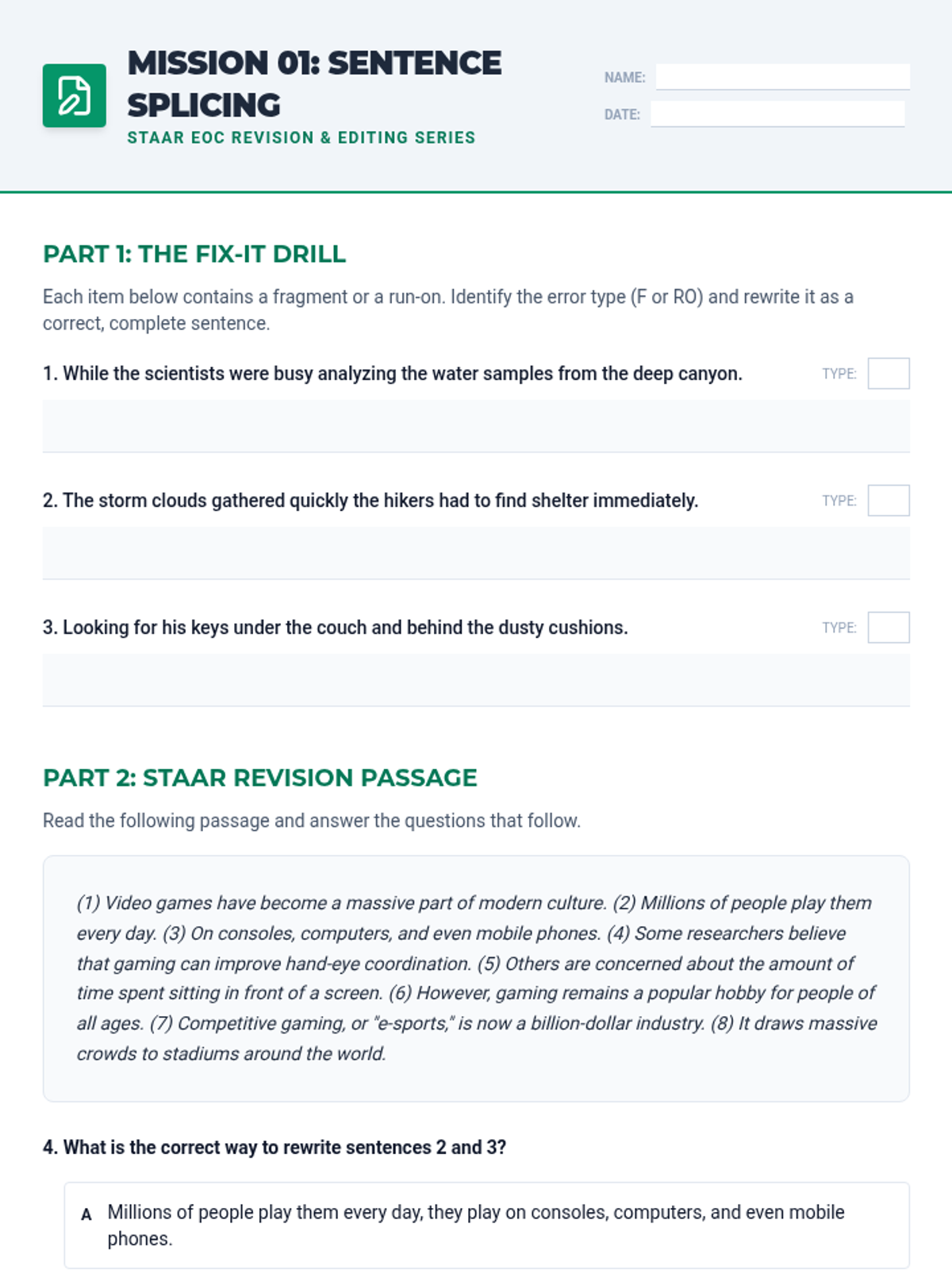
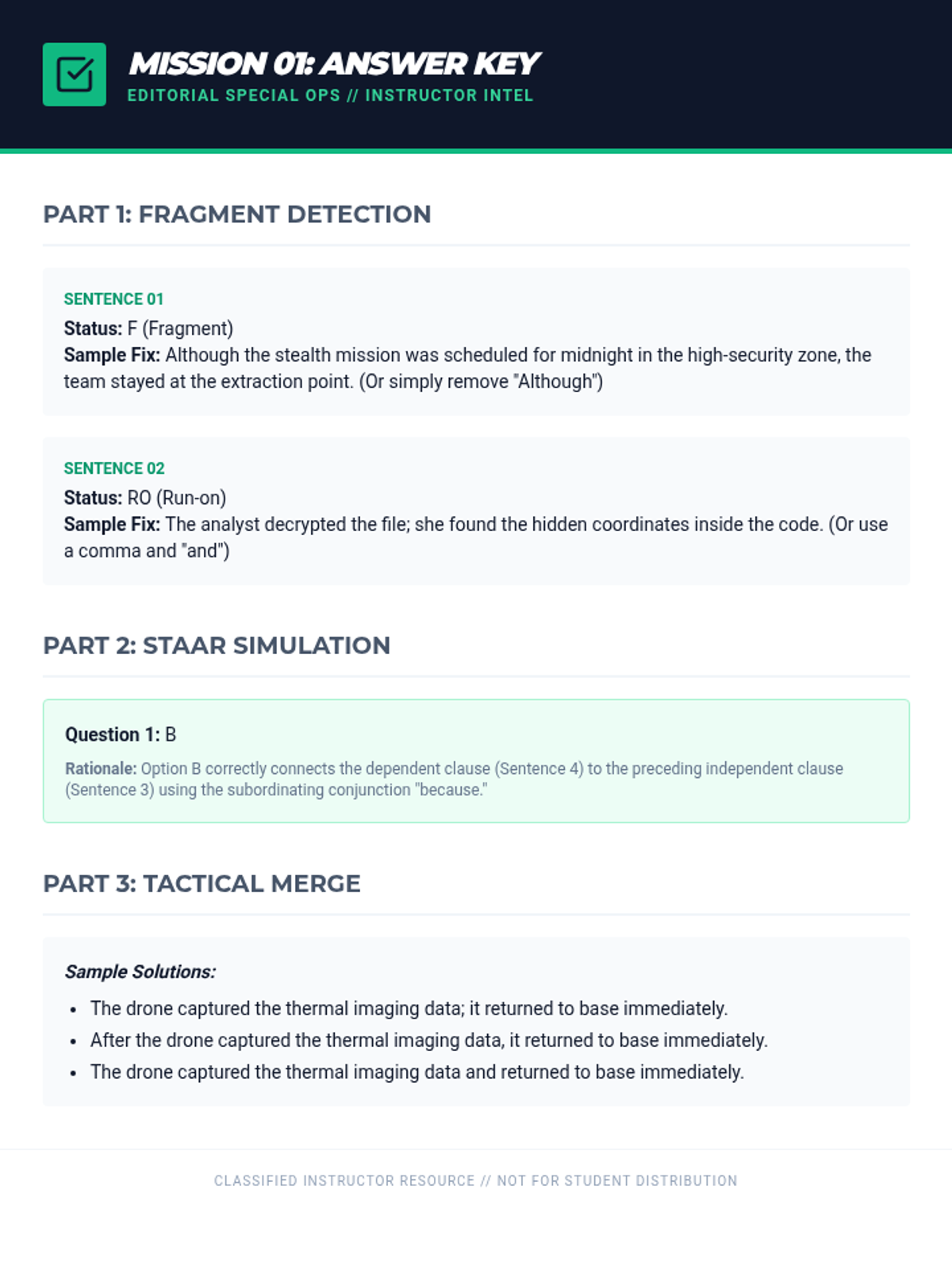
Focuses on identifying and correcting fragments and run-on sentences while practicing effective sentence combining techniques common on the STAAR EOC.
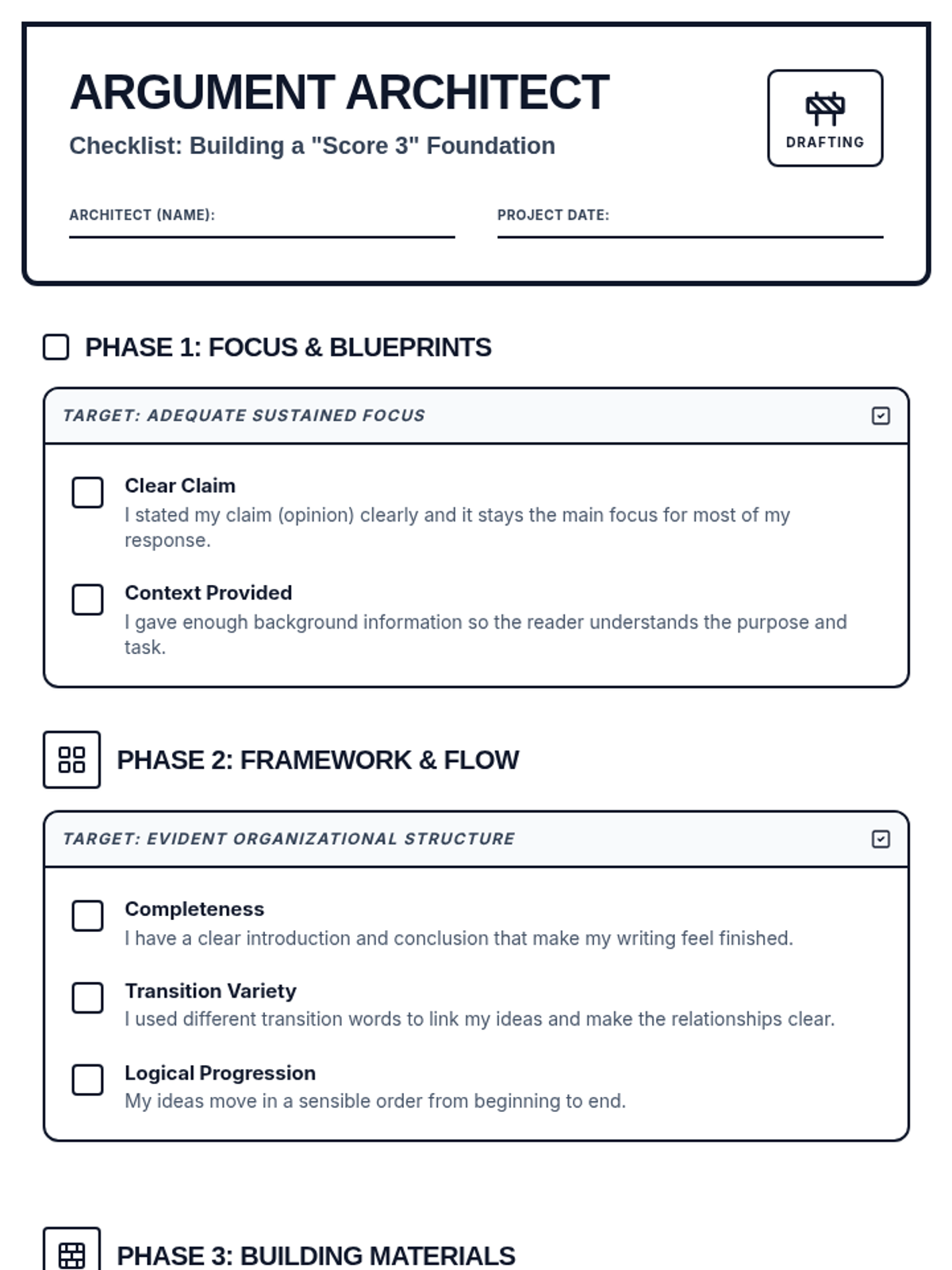
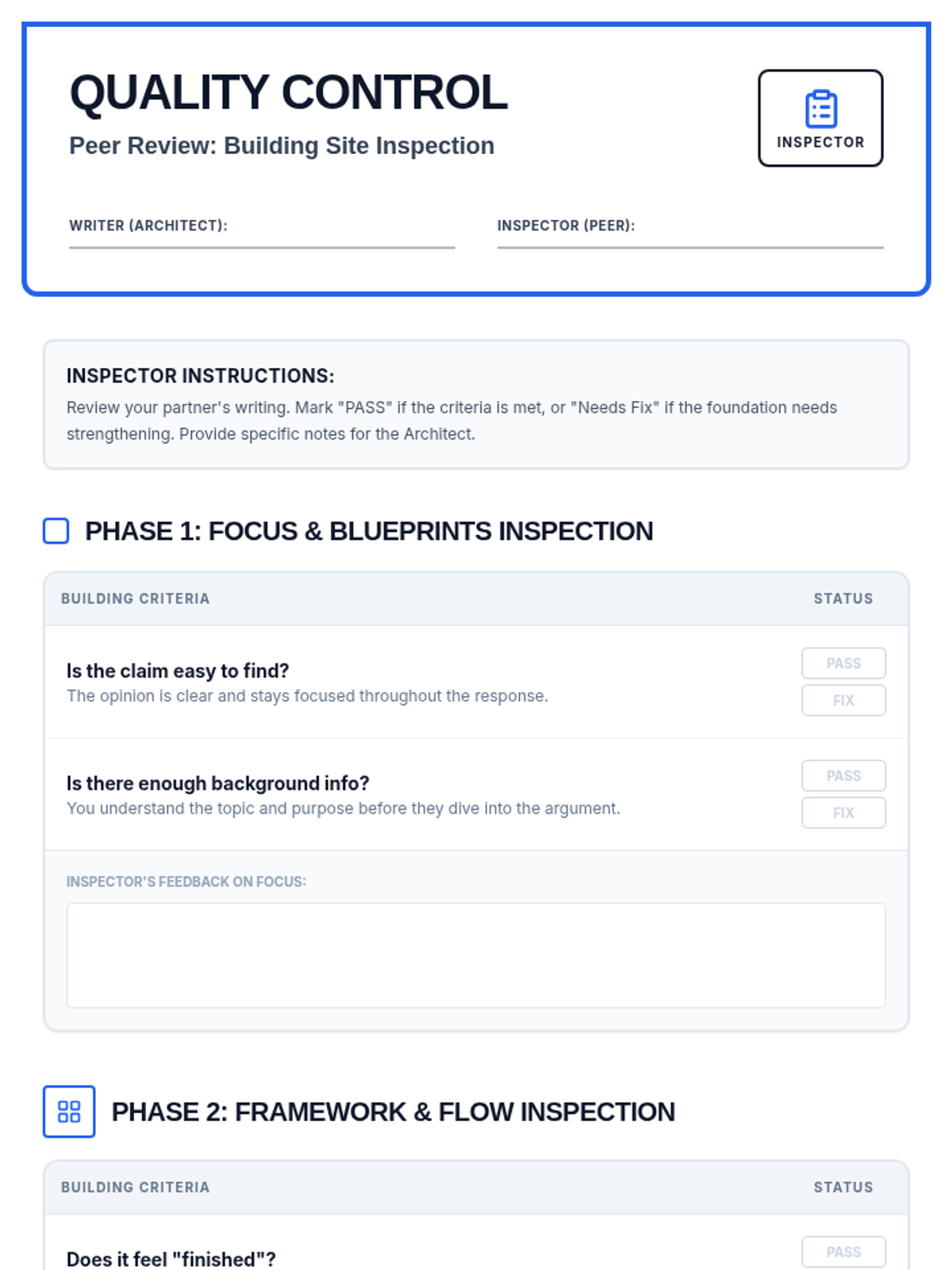
A lesson focused on helping students master the criteria for successful argumentative writing using a student-friendly checklist based on state-aligned rubrics.
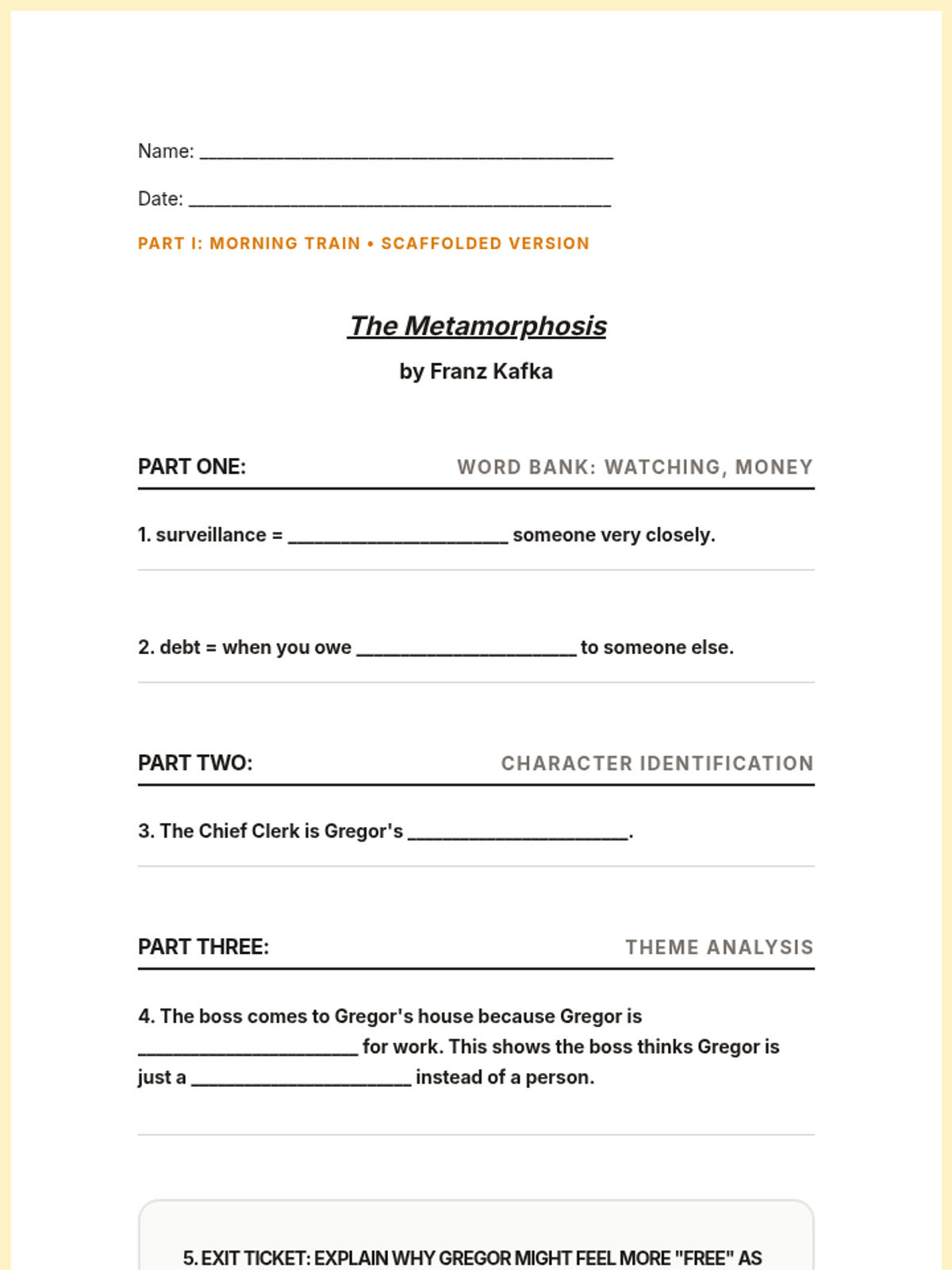
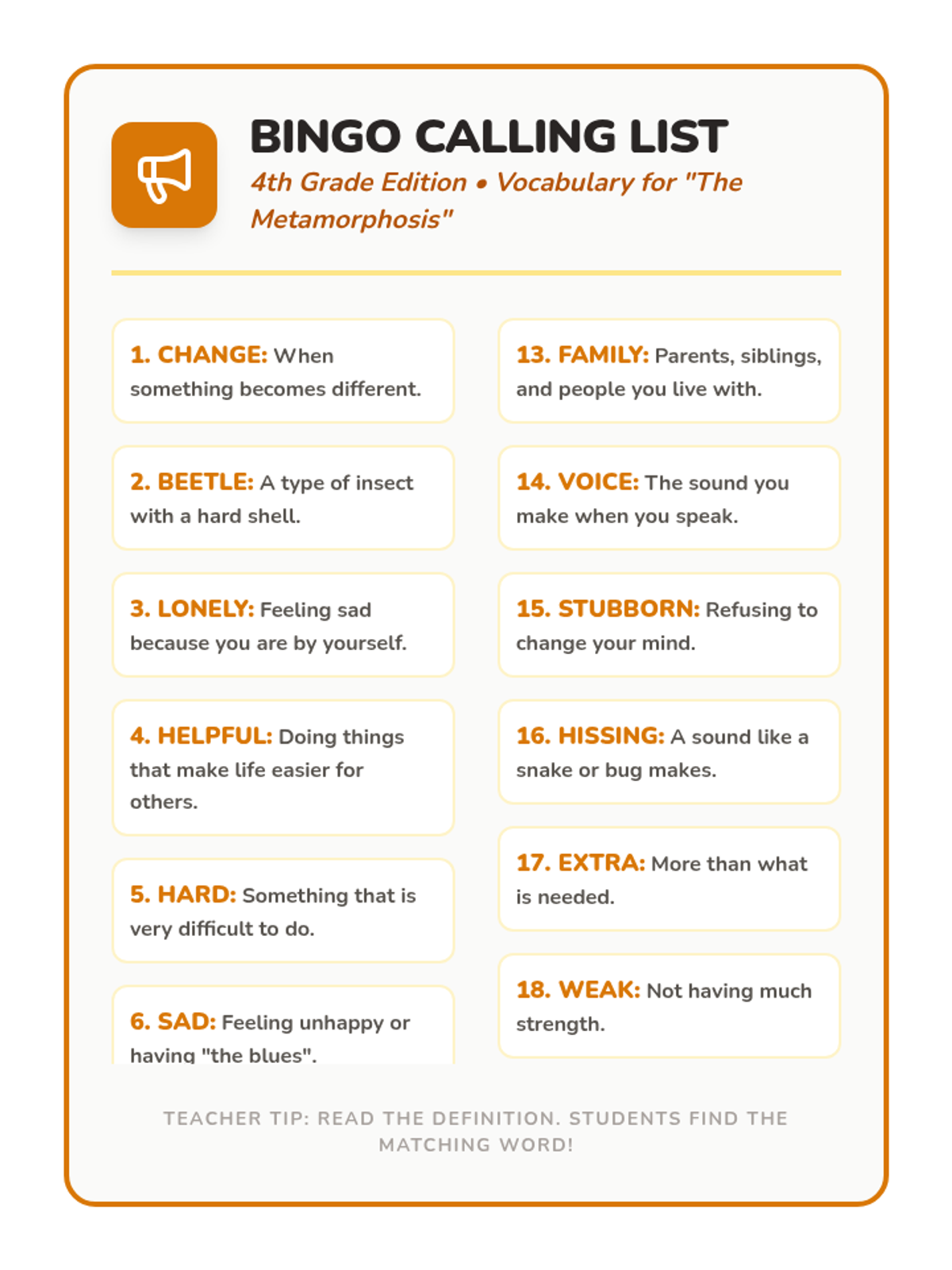
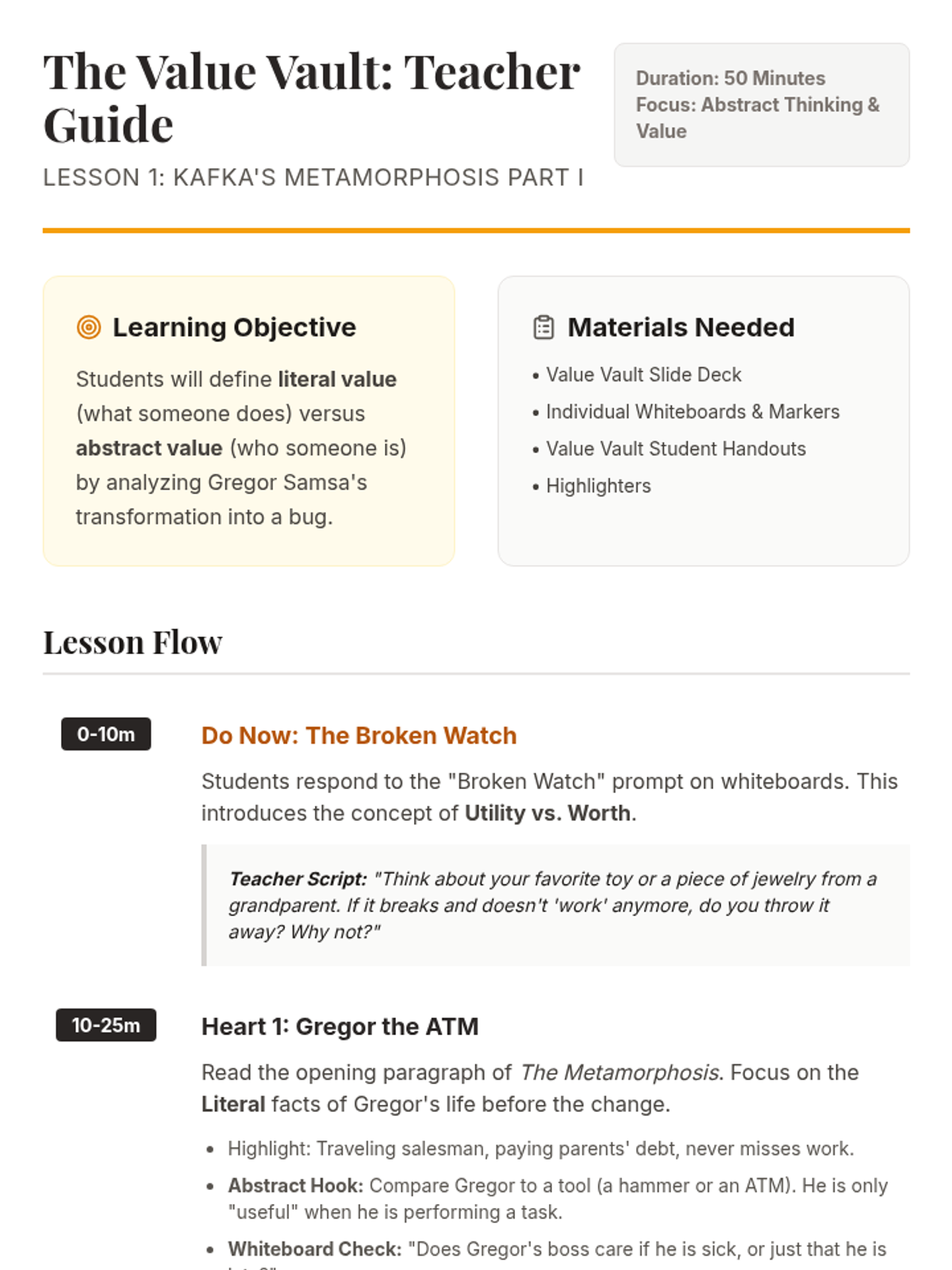
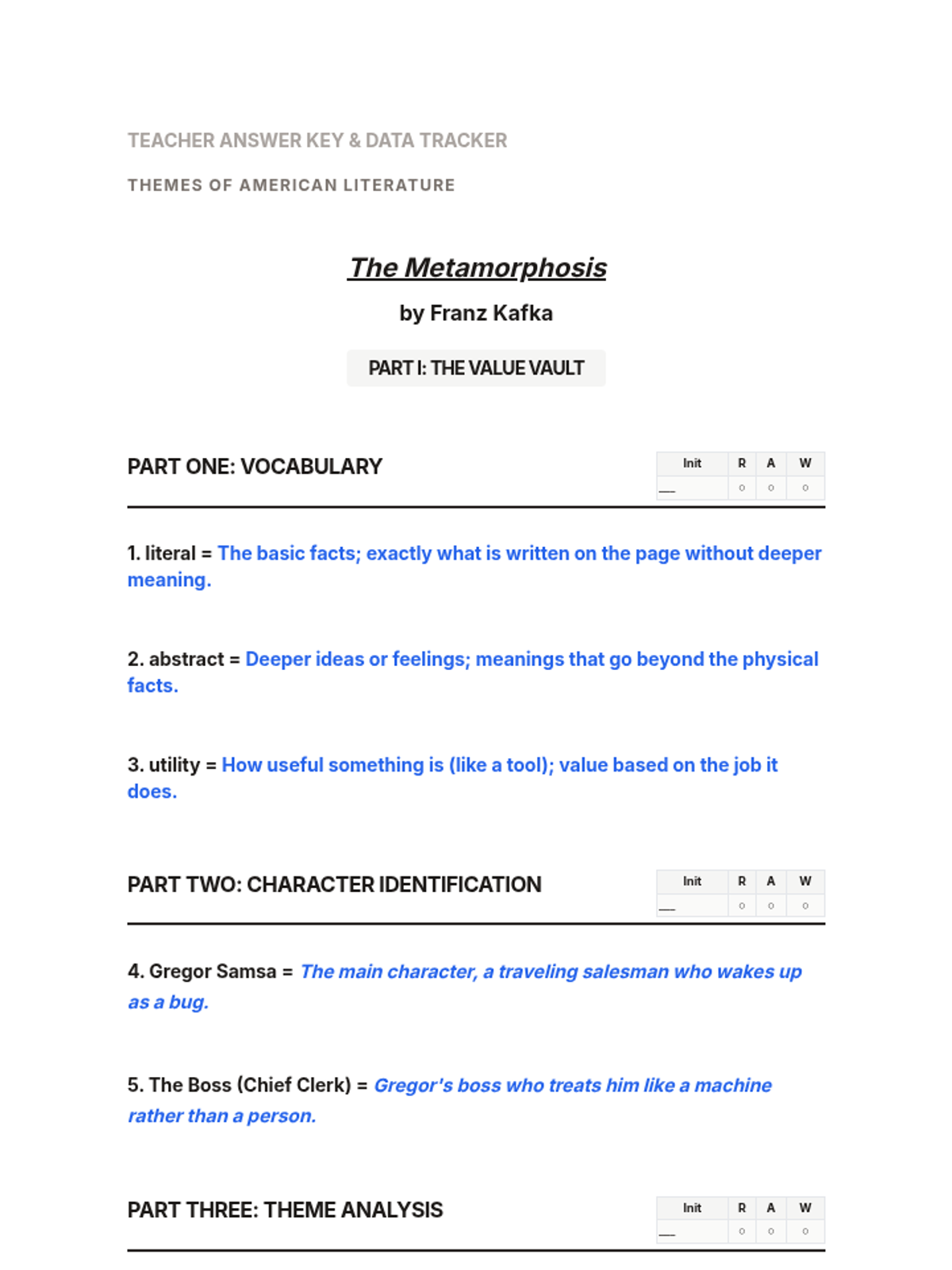
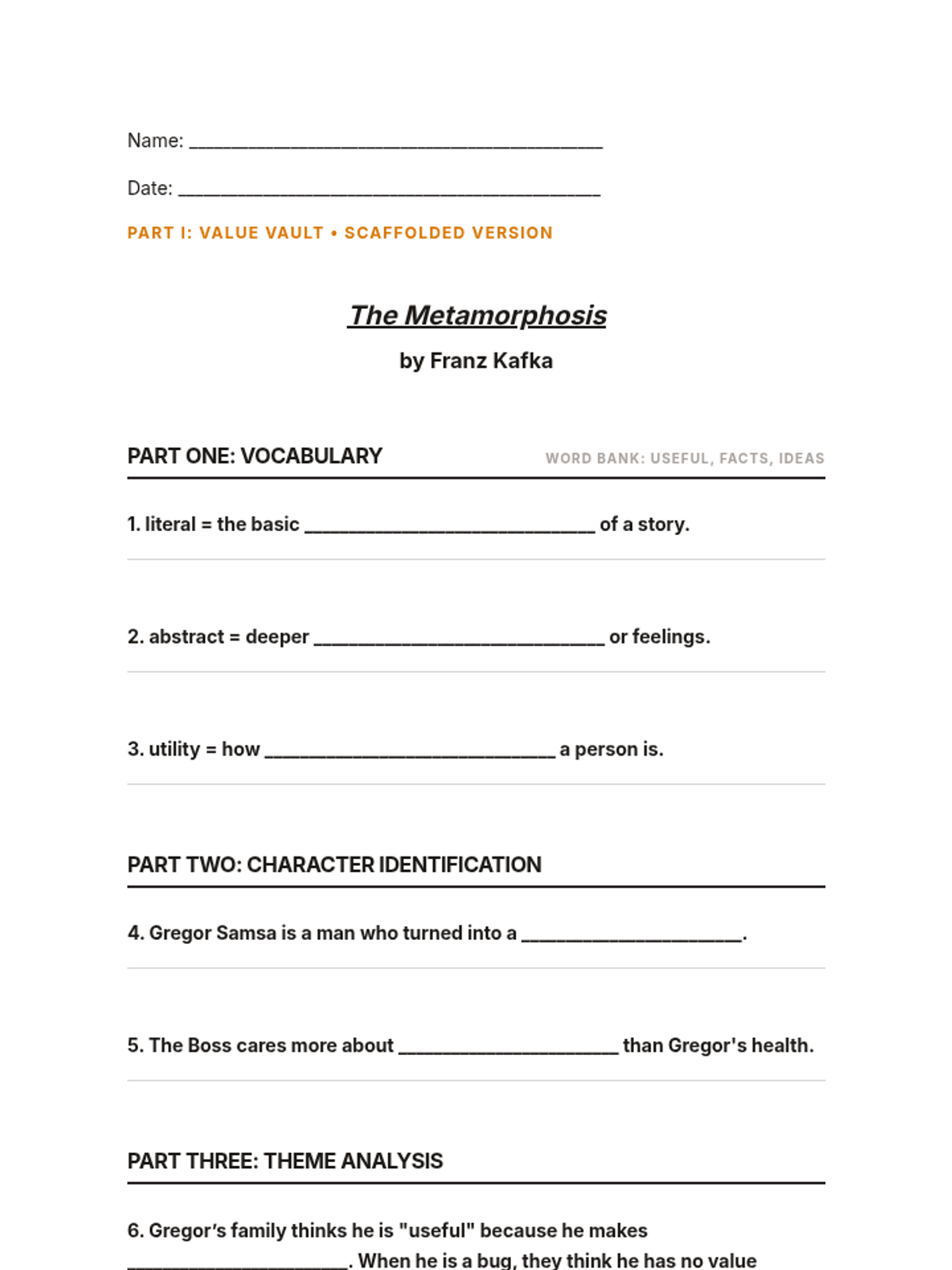
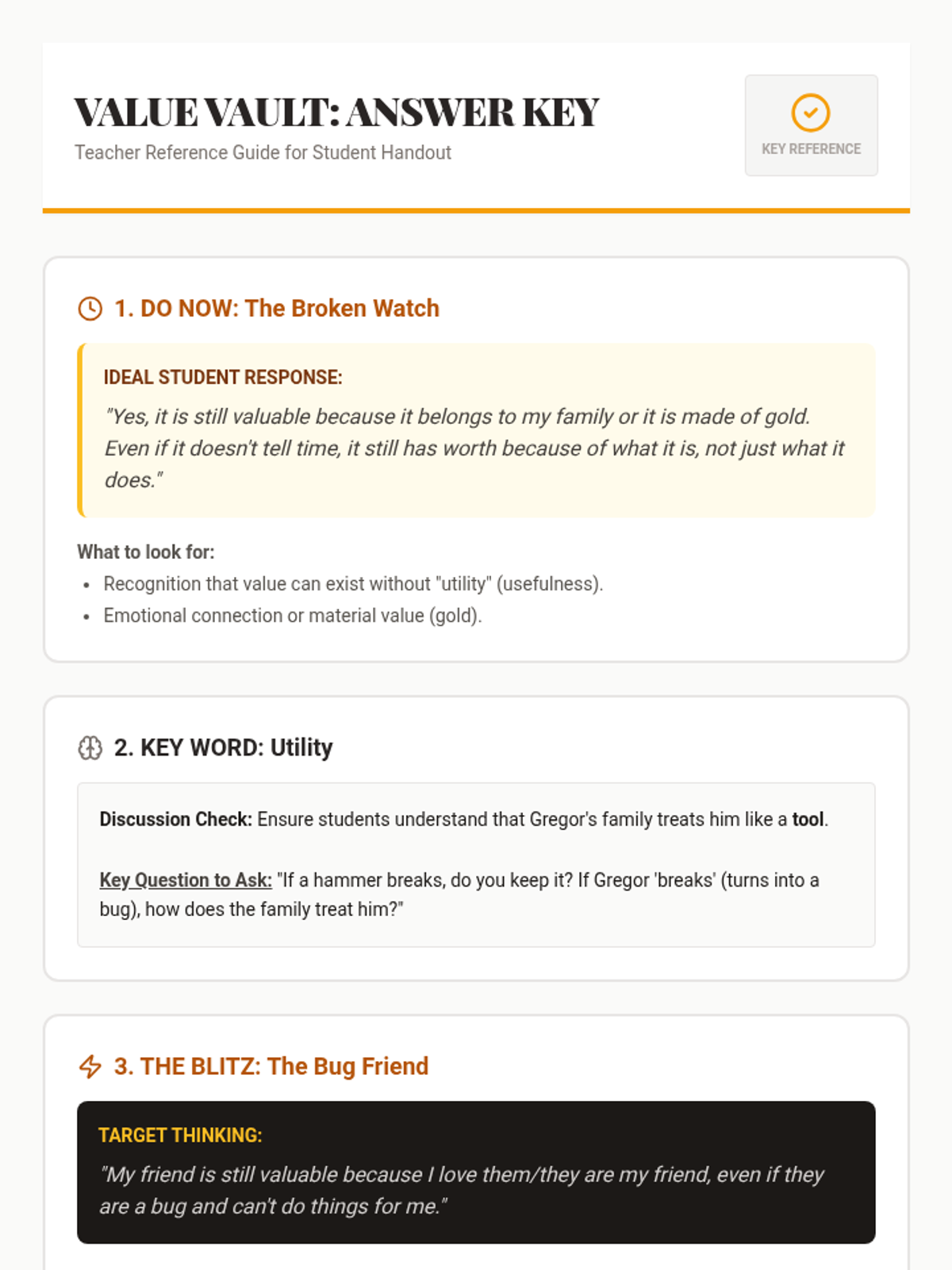
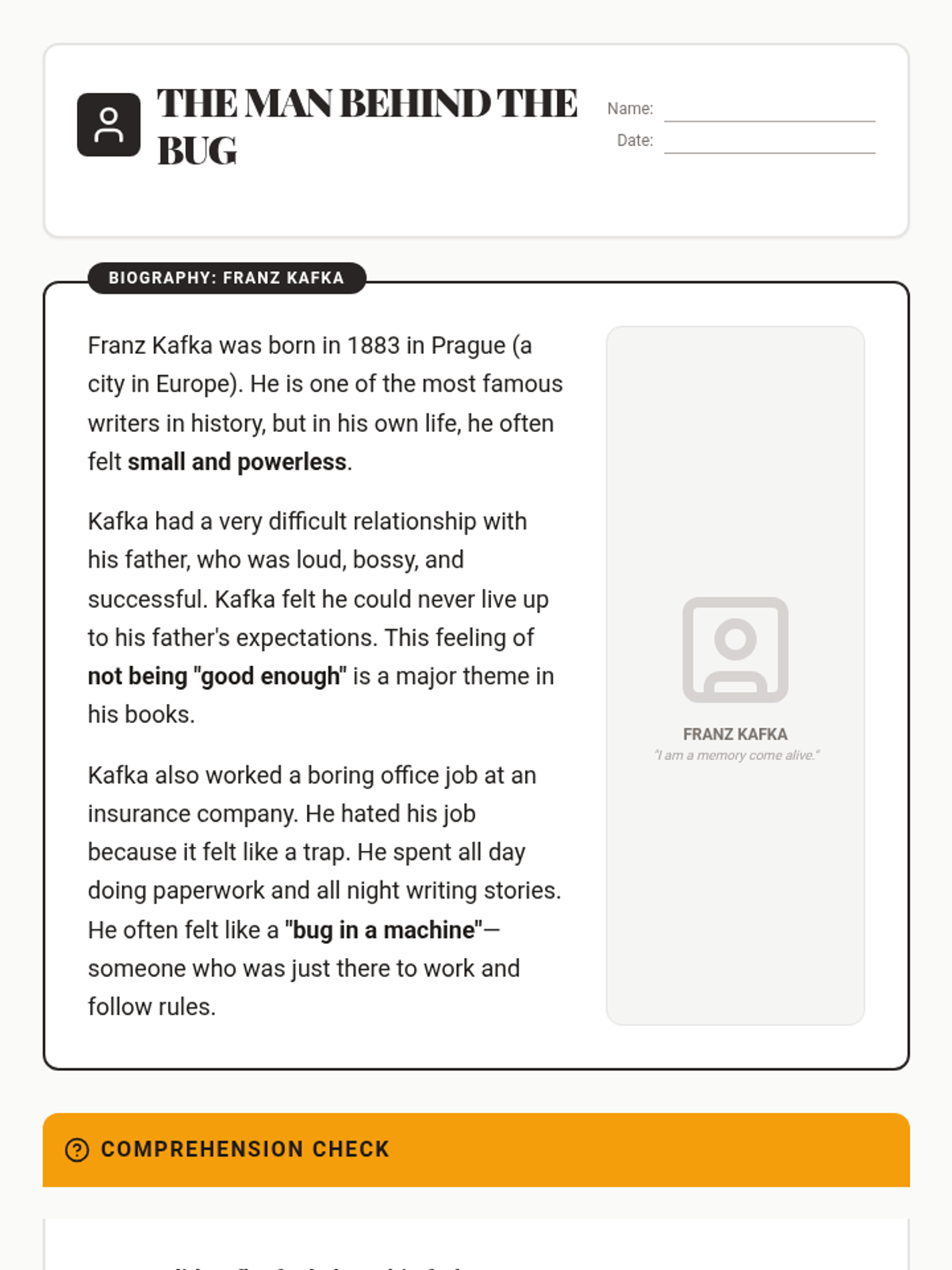
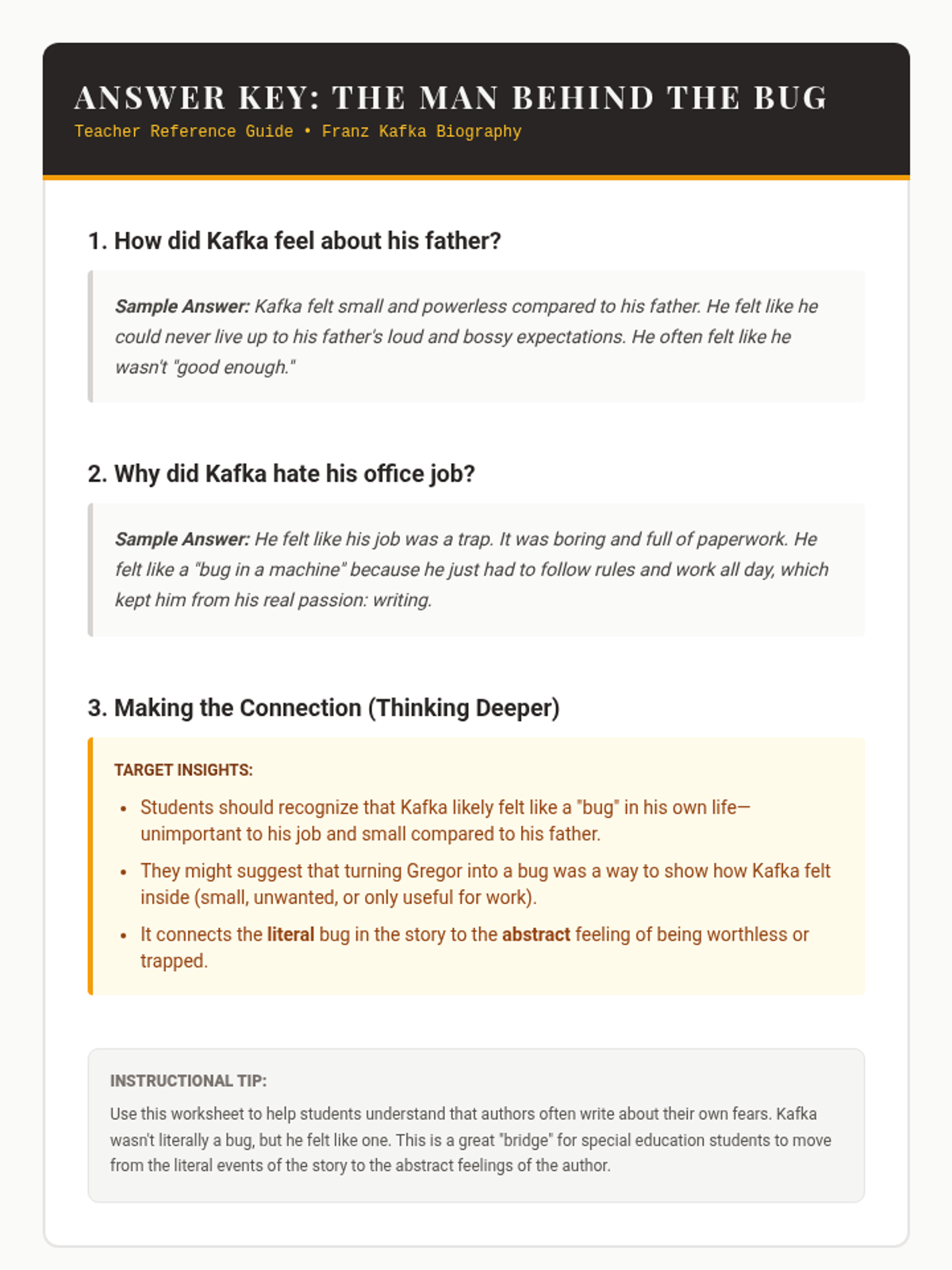
A 50-minute introductory lesson on Kafka's Metamorphosis, focusing on the shift from literal to abstract value through the lens of Gregor's transformation. Designed for special education students with high-engagement whiteboard activities.
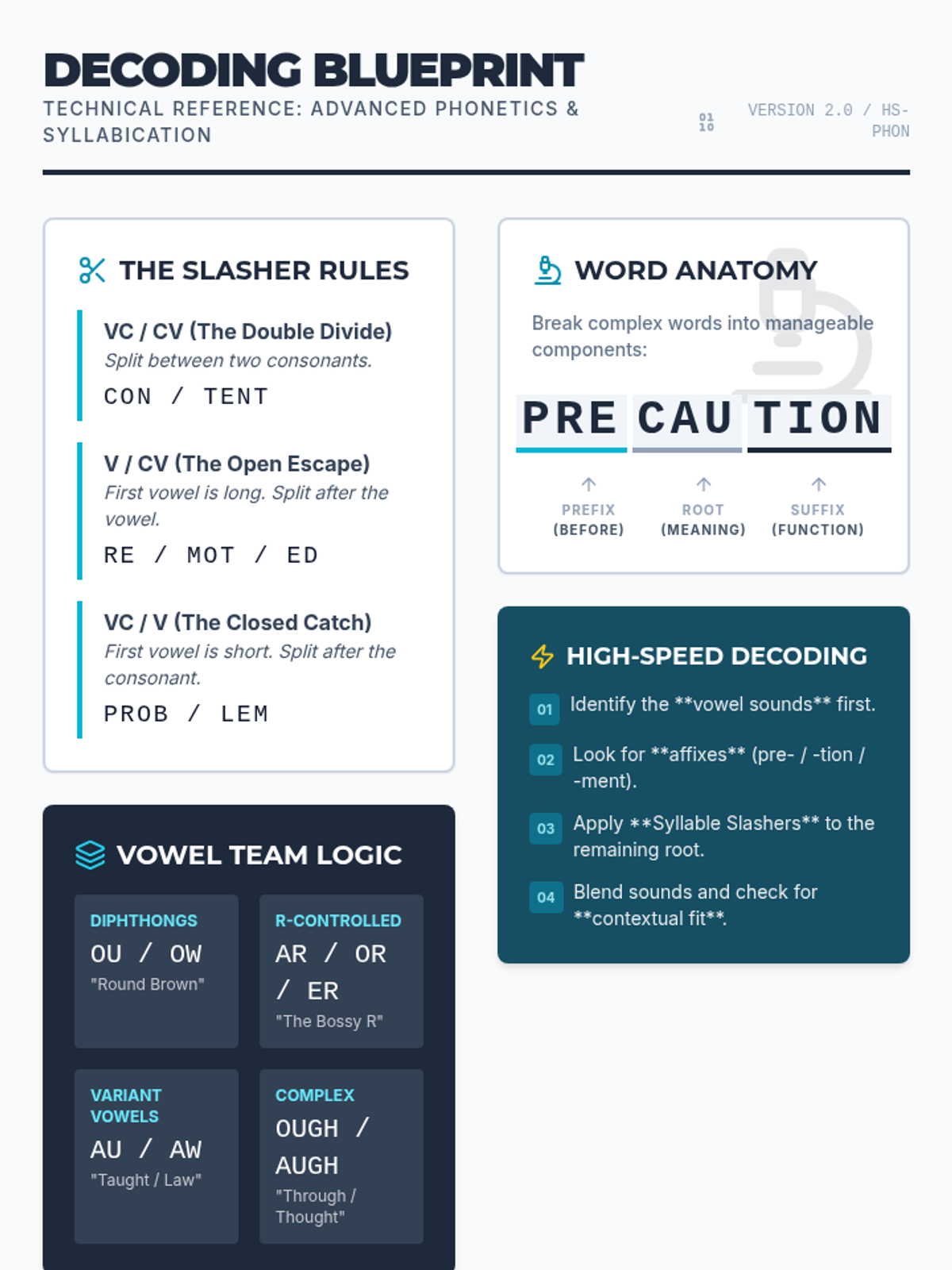
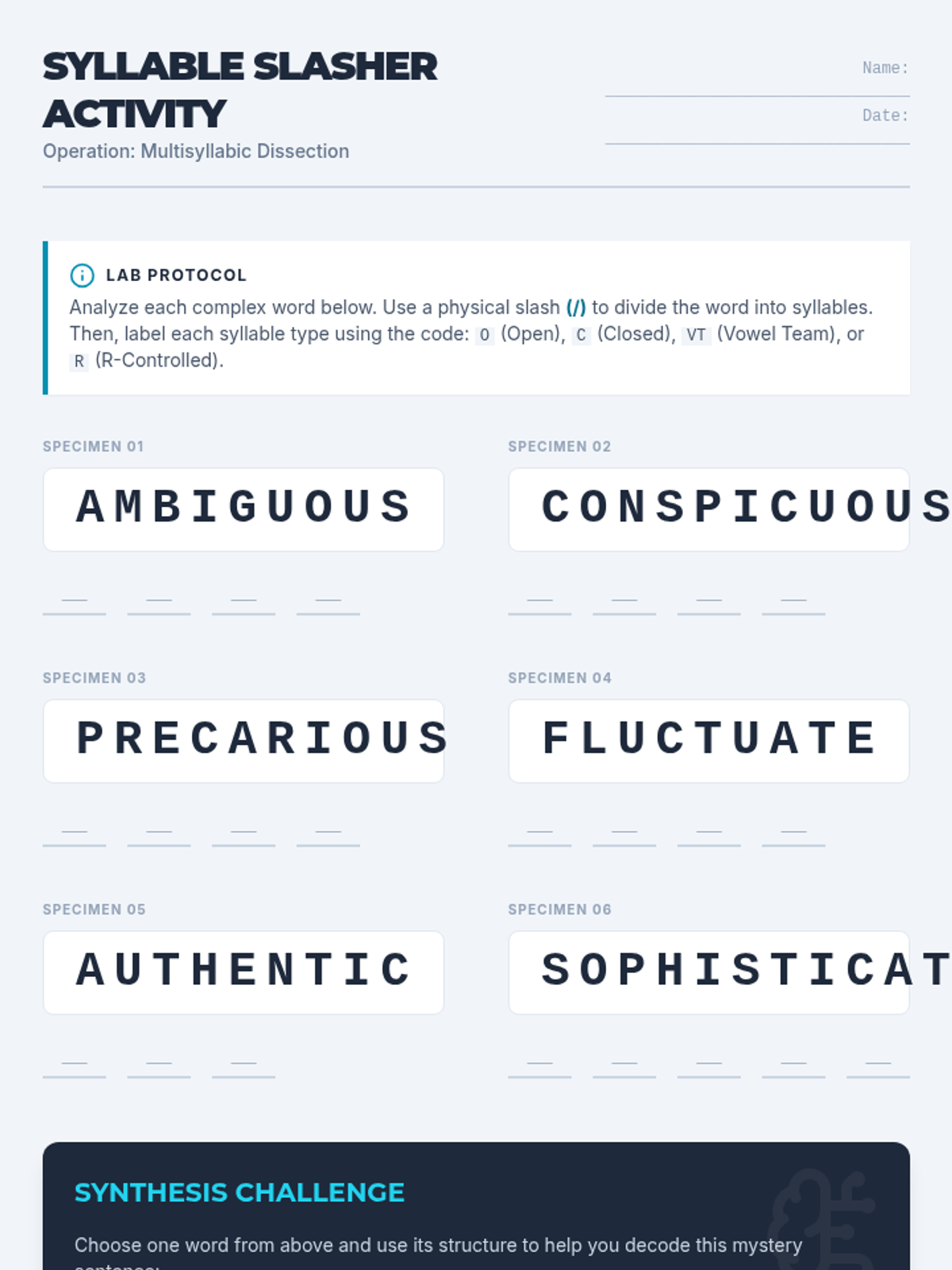
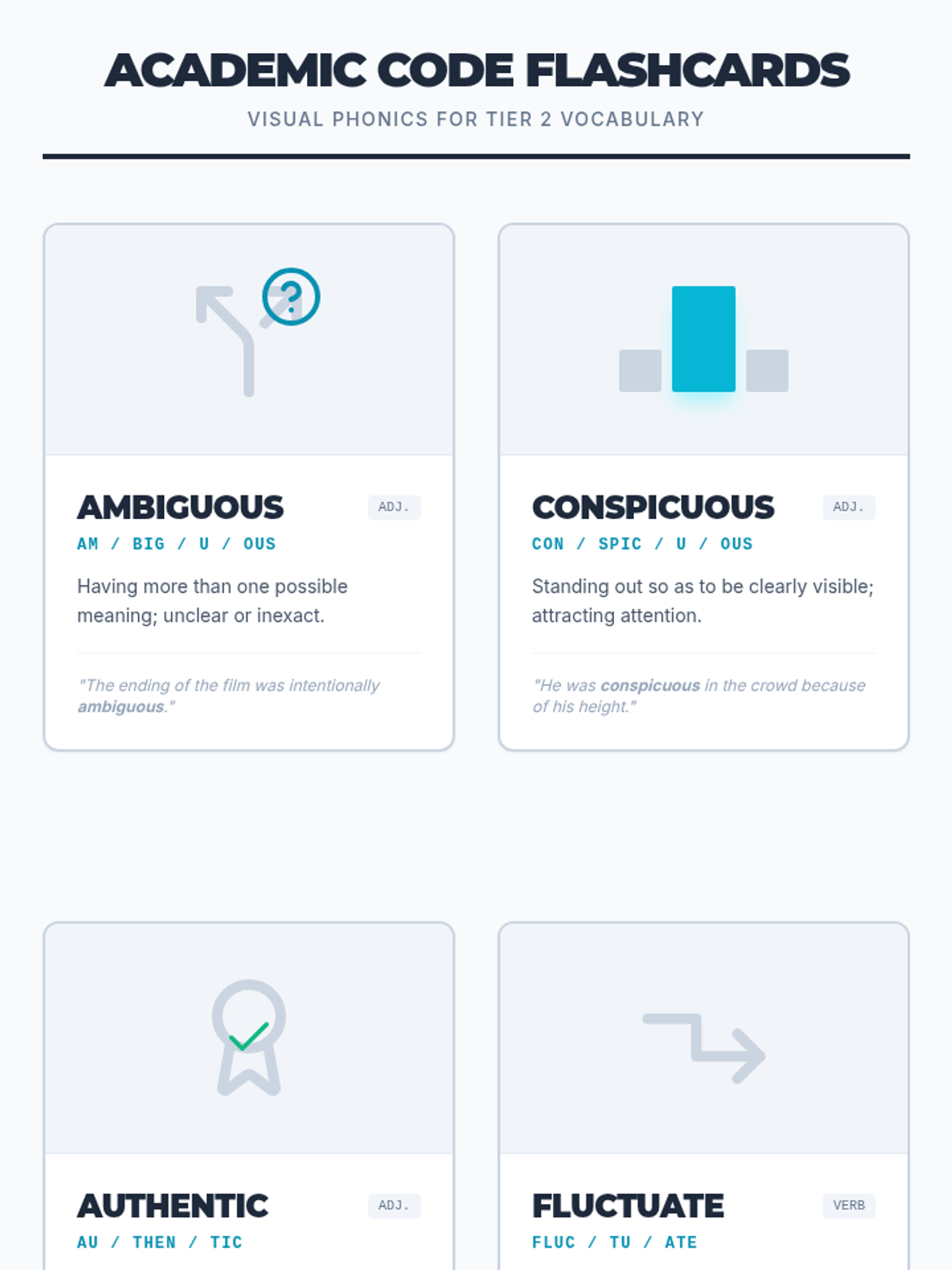
A sophisticated phonics lesson designed for high schoolers, focusing on multisyllabic decoding, advanced vowel teams, and academic morphology using a 'Linguistic Lab' theme.
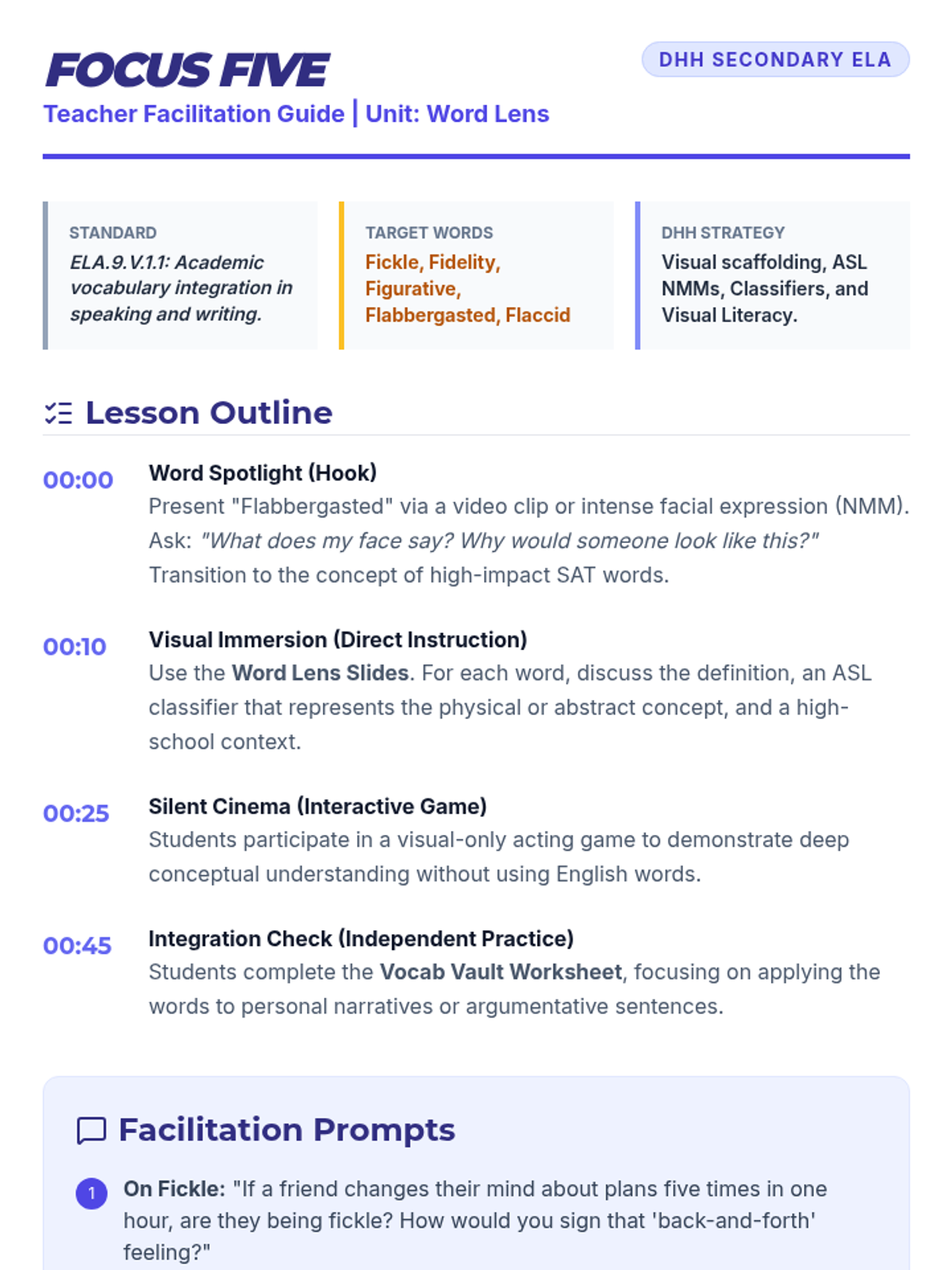
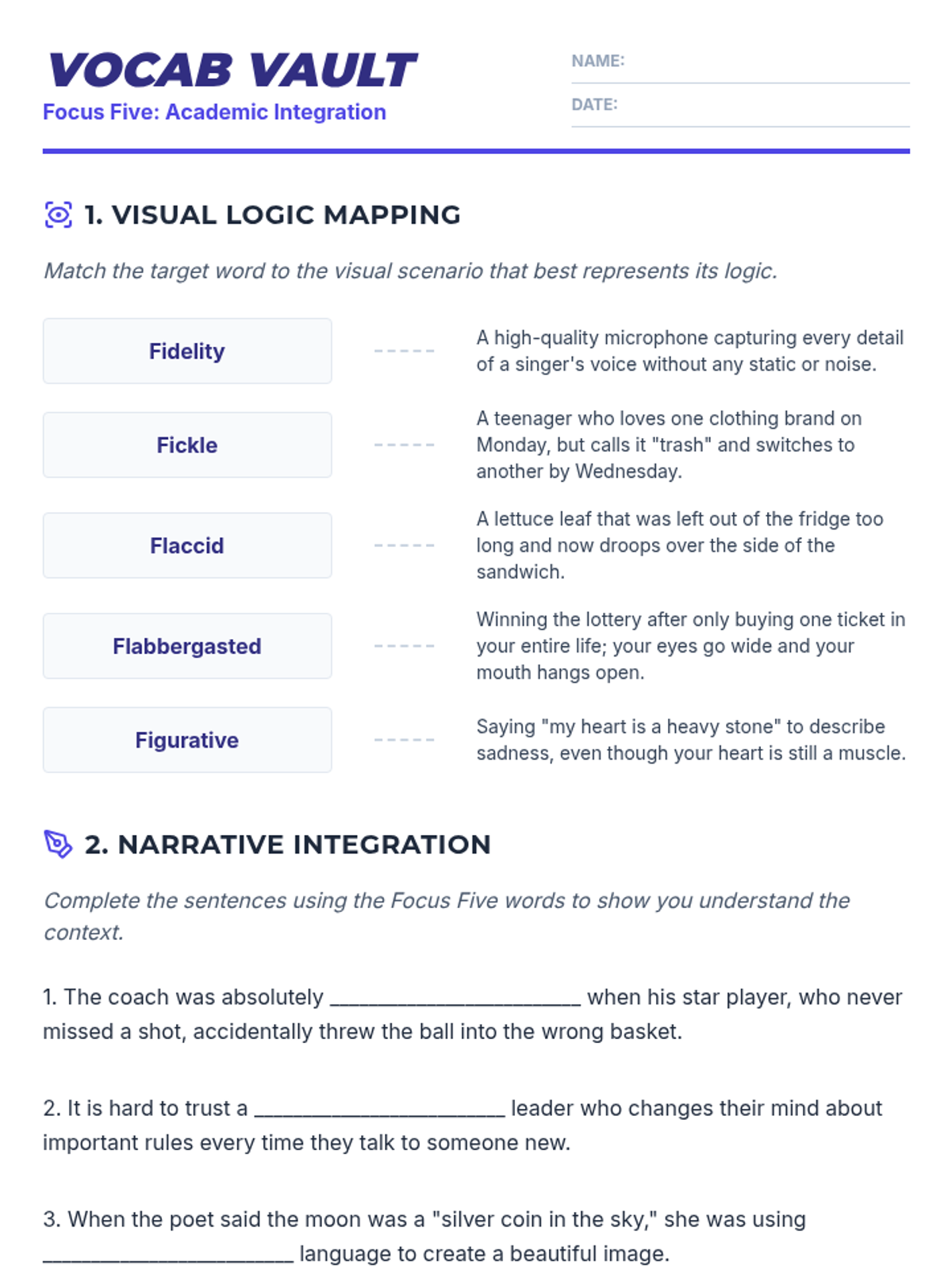
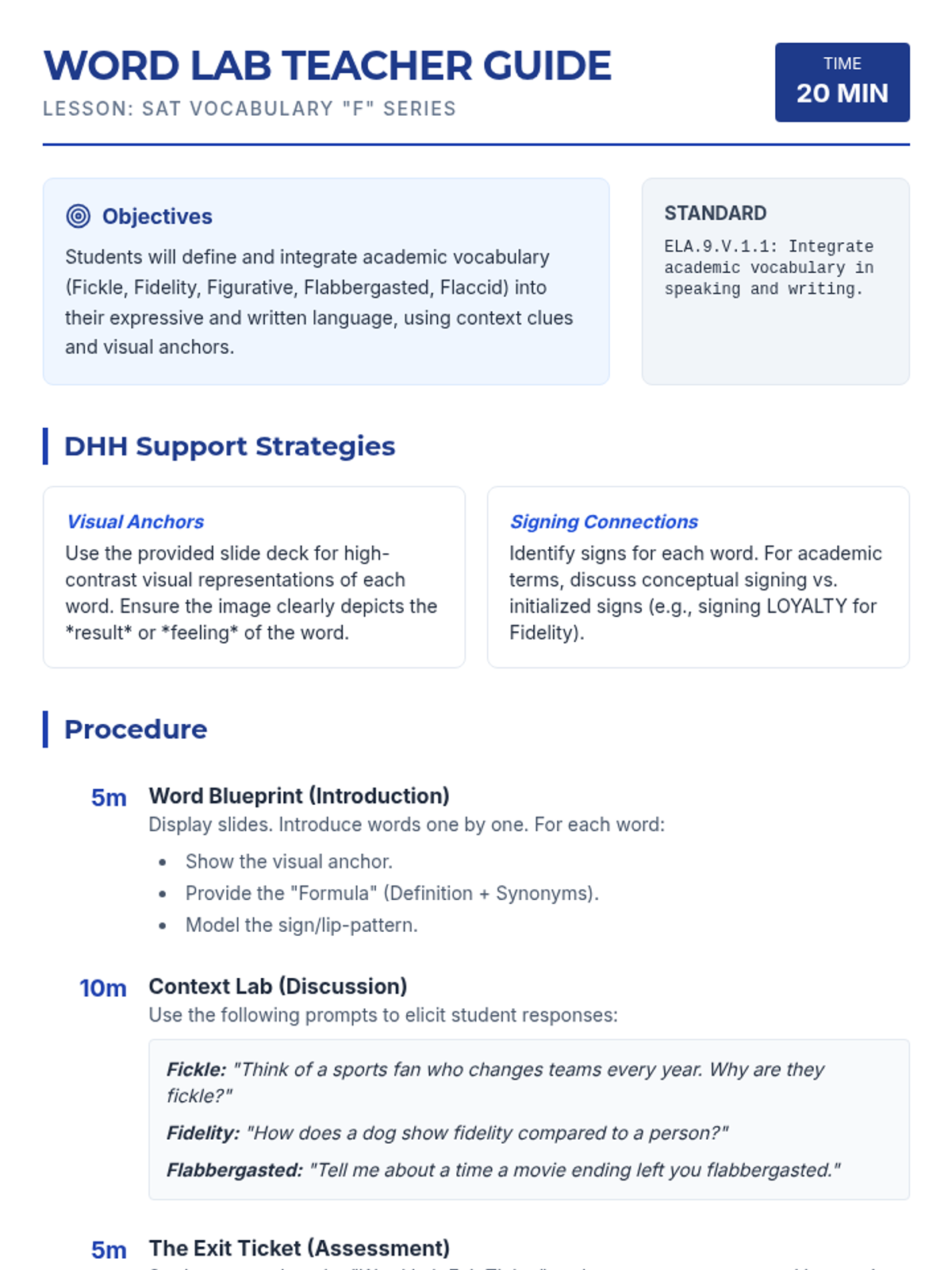
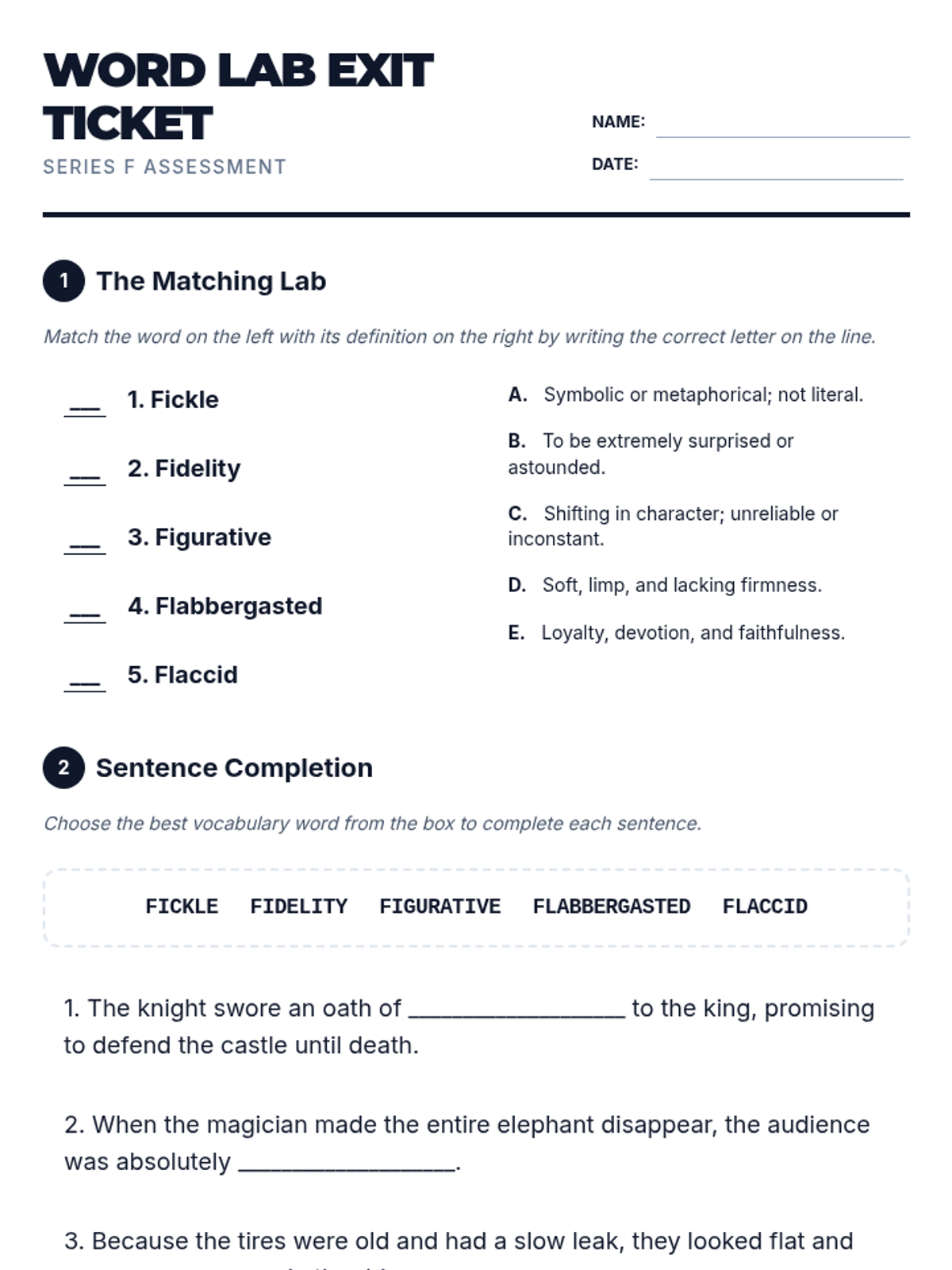
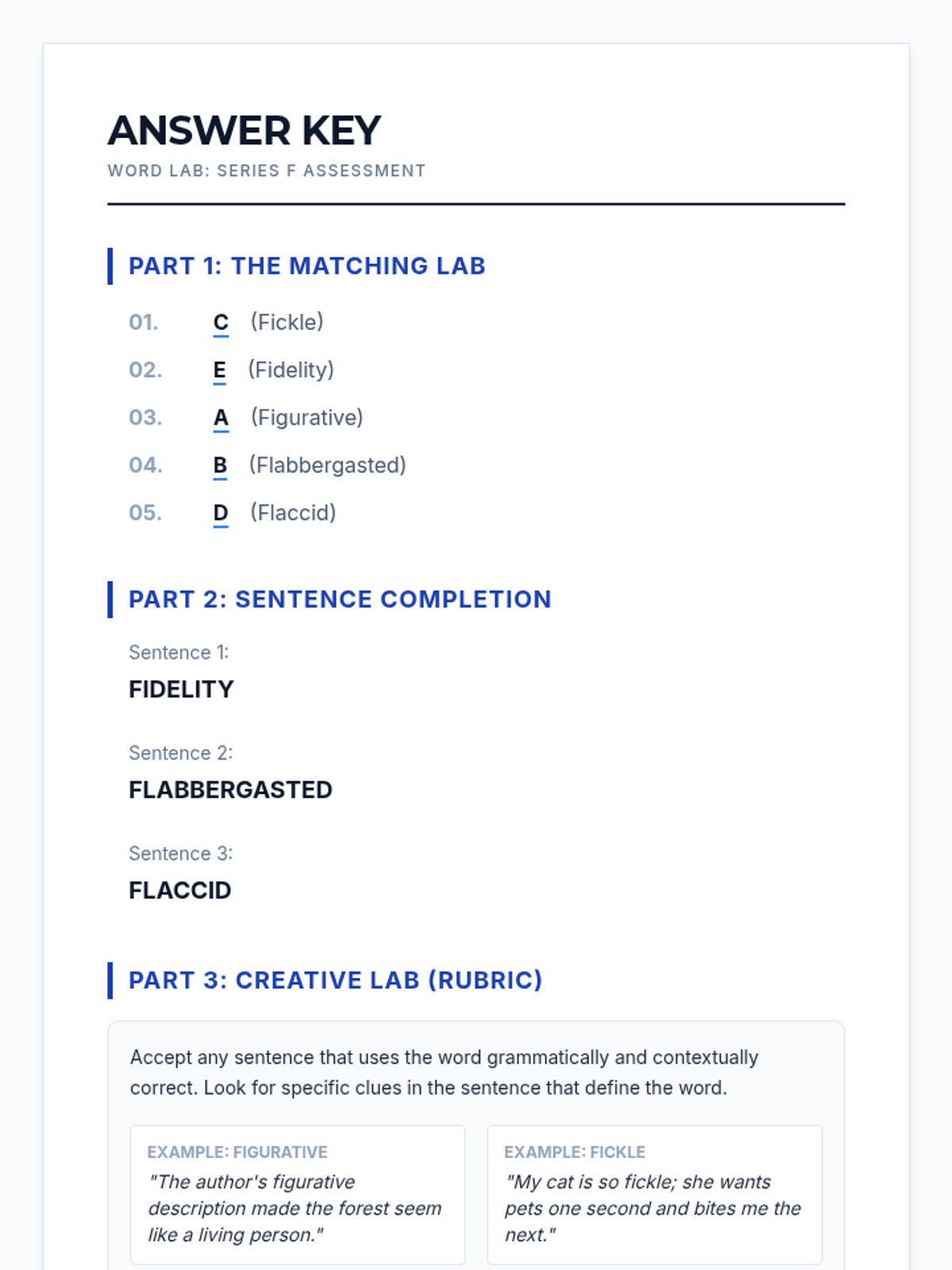
A targeted vocabulary lesson focusing on five 'F' words (Fickle, Fidelity, Fidelity, Figurative, Flabbergasted, Flaccid) specifically designed for Deaf and Hard of Hearing high schoolers using visual learning strategies and a 'Silent Cinema' game.
A focused 20-minute SAT vocabulary lesson for DHH students focusing on five 'F' words: Fickle, Fidelity, Figurative, Flabbergasted, and Flaccid. Includes visual instruction, context-based discussion, and a writing-focused assessment.
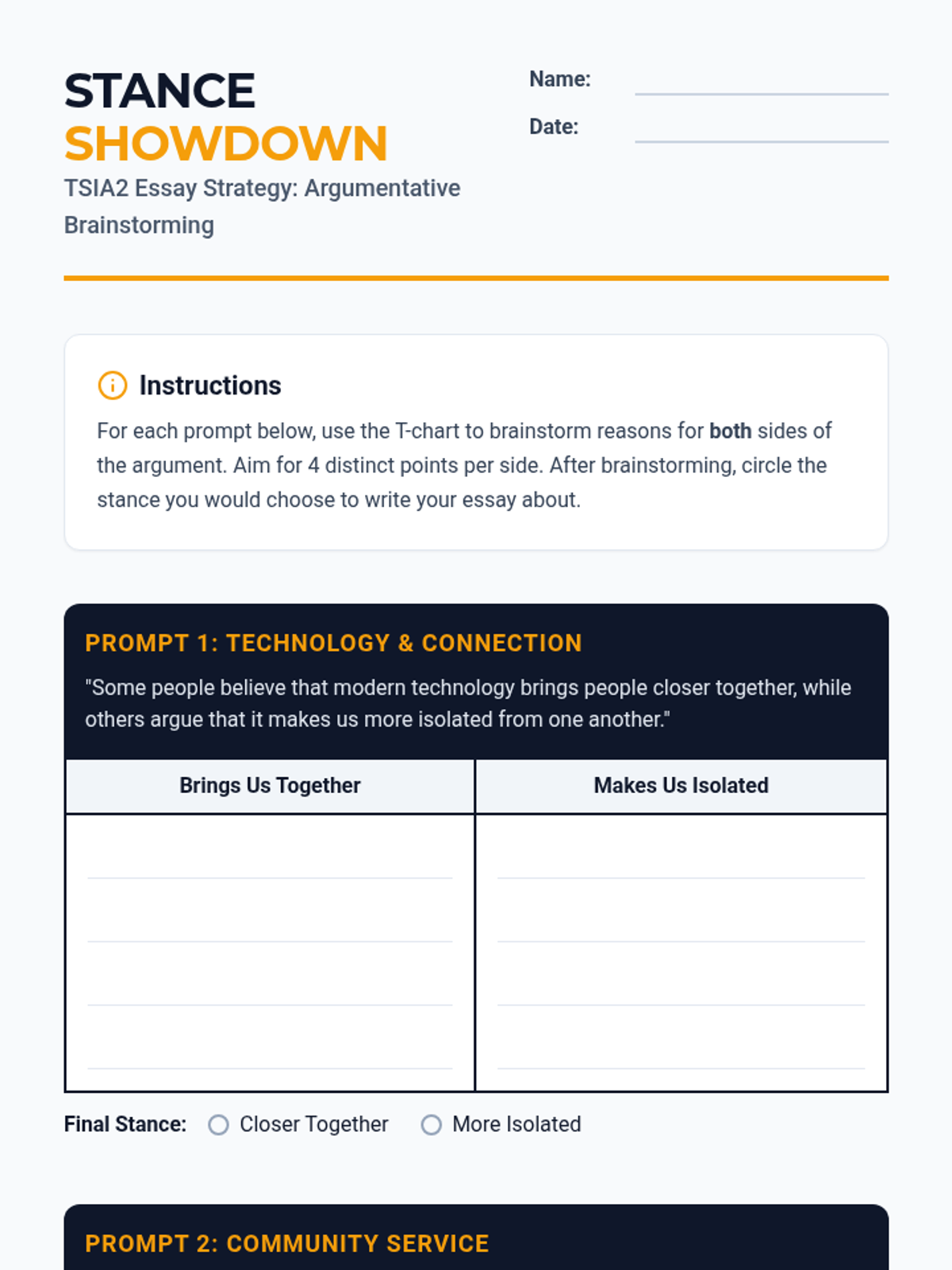
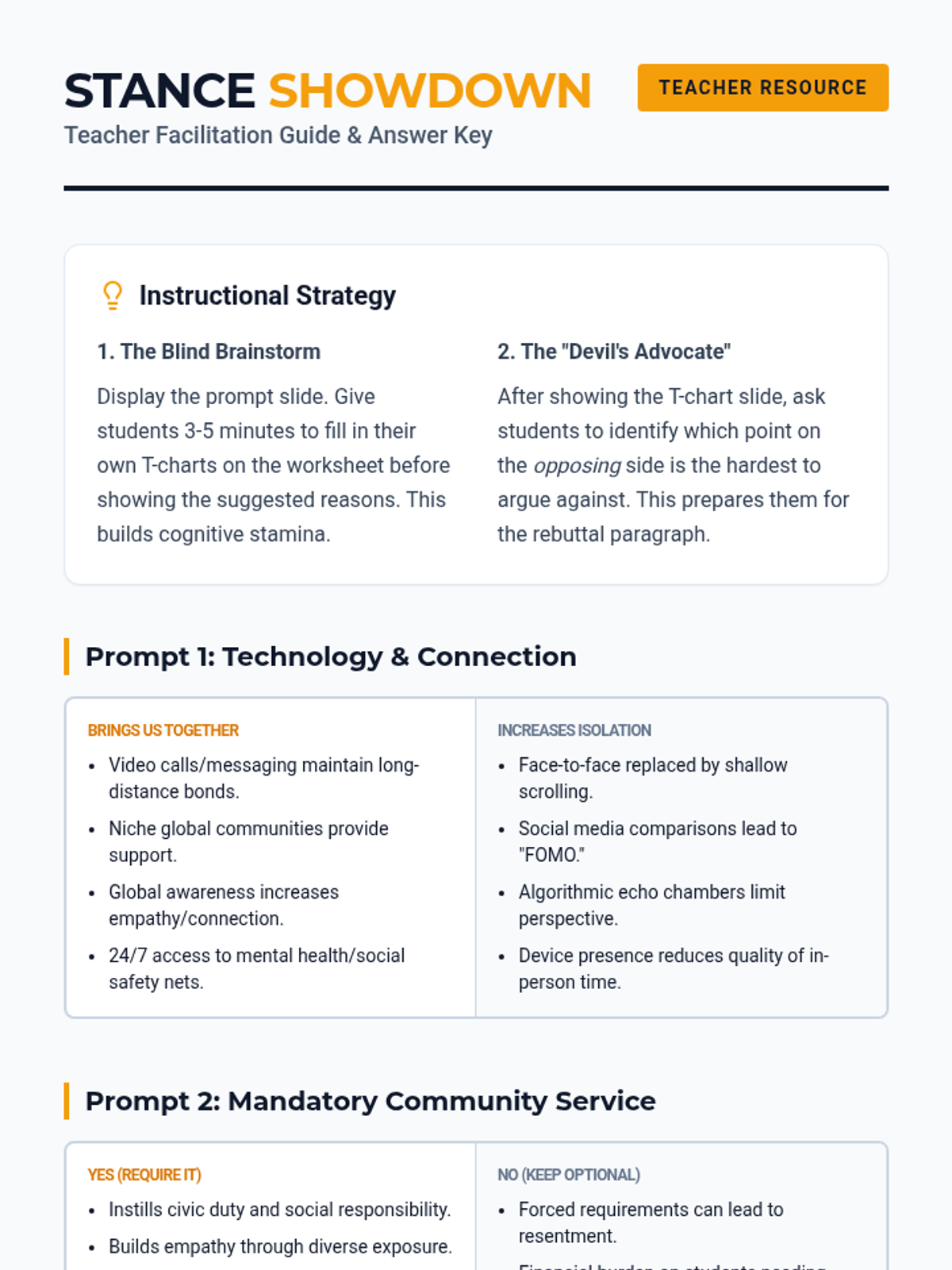
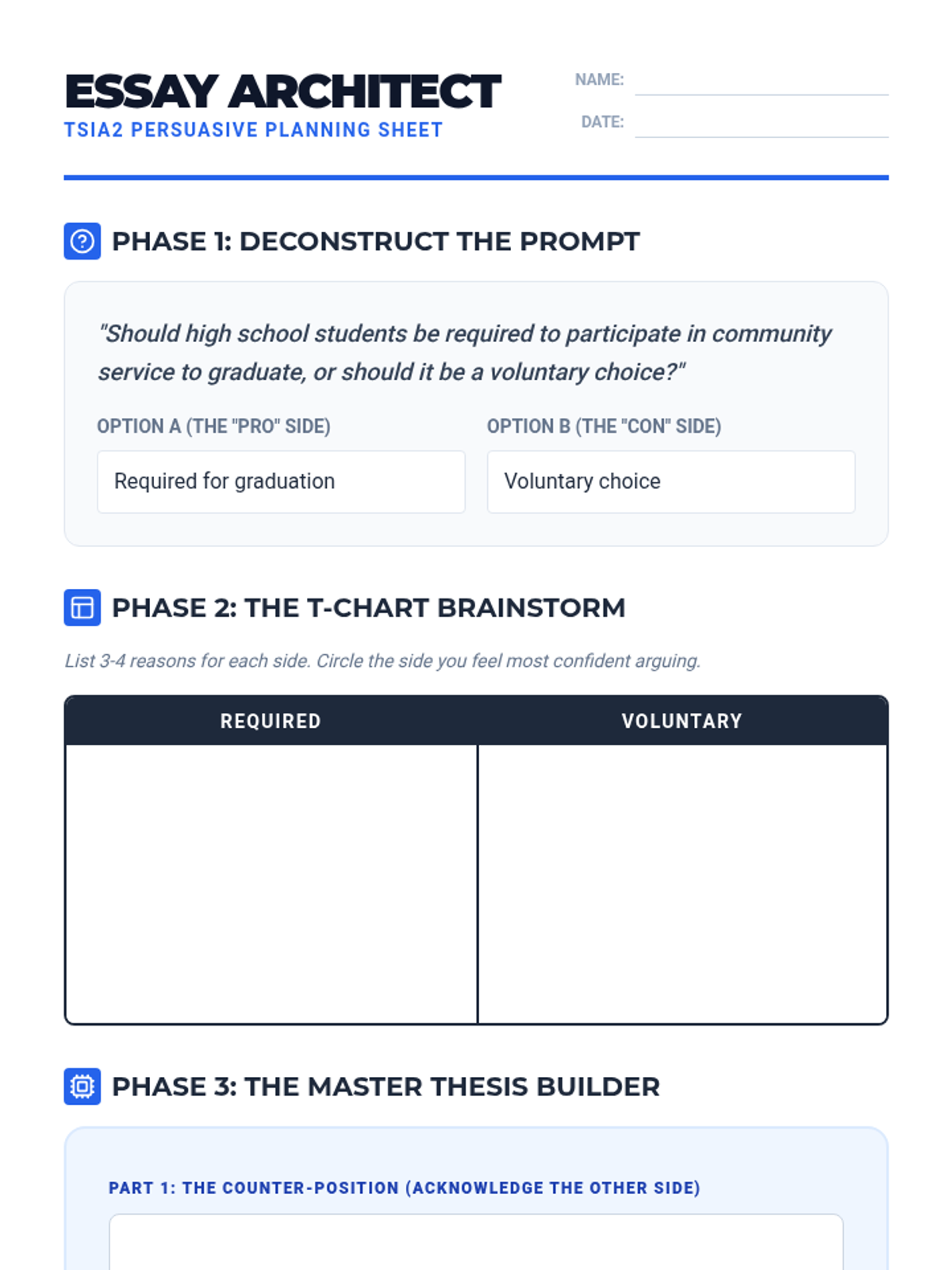
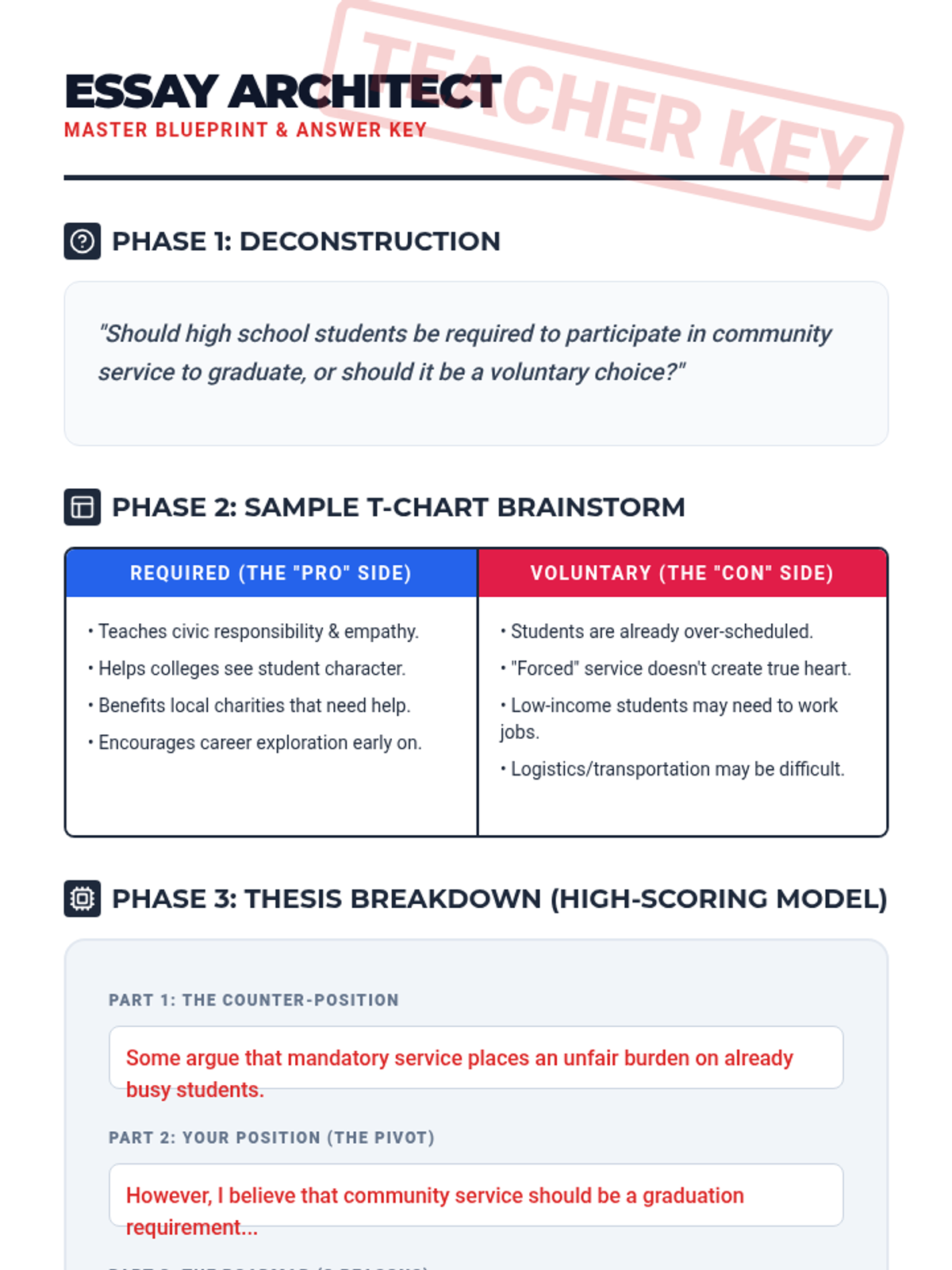
A focused practice session for the TSIA2 English essay, teaching students how to brainstorm and organize opposing viewpoints using T-charts for high-scoring argumentative writing.
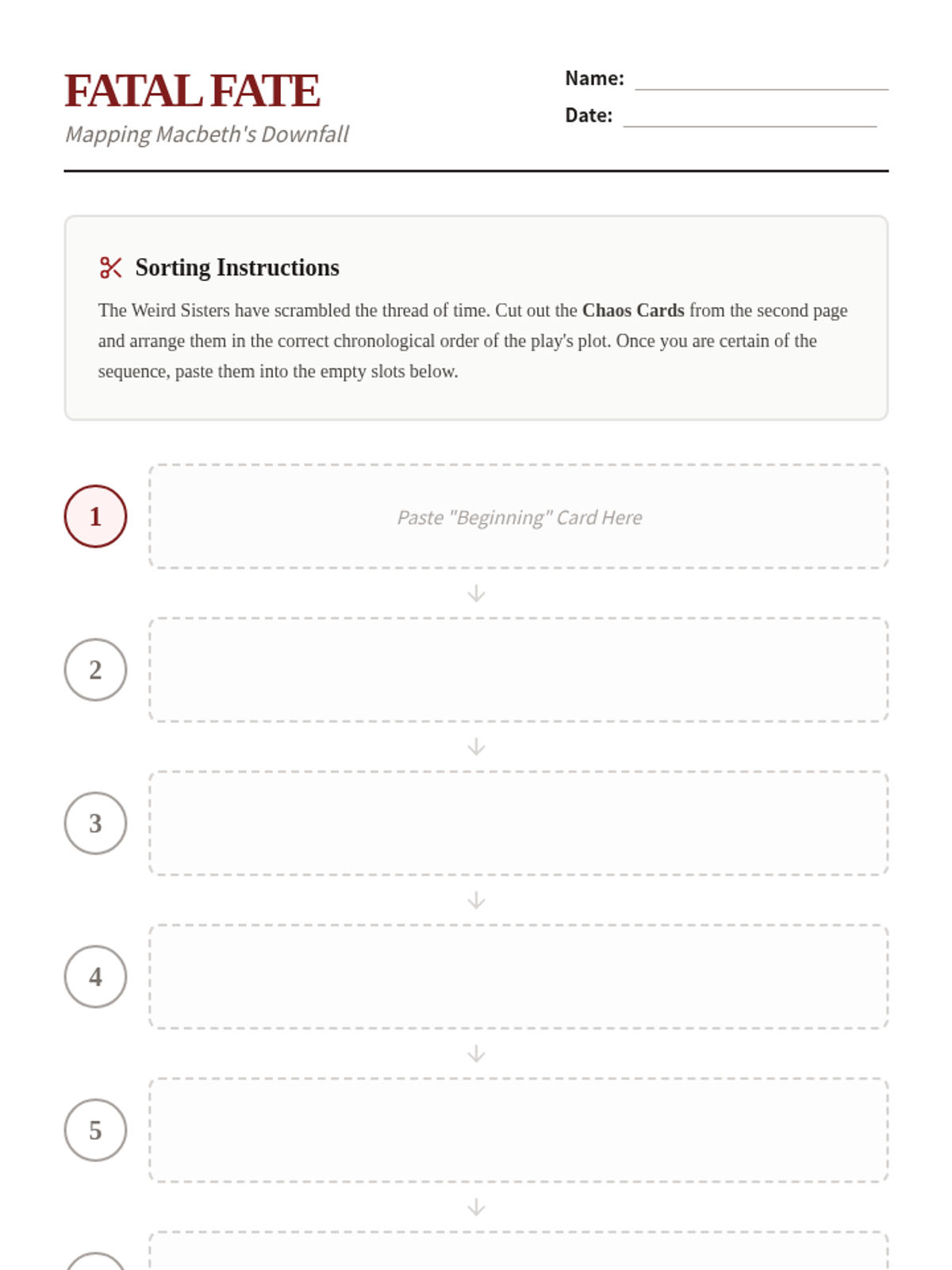
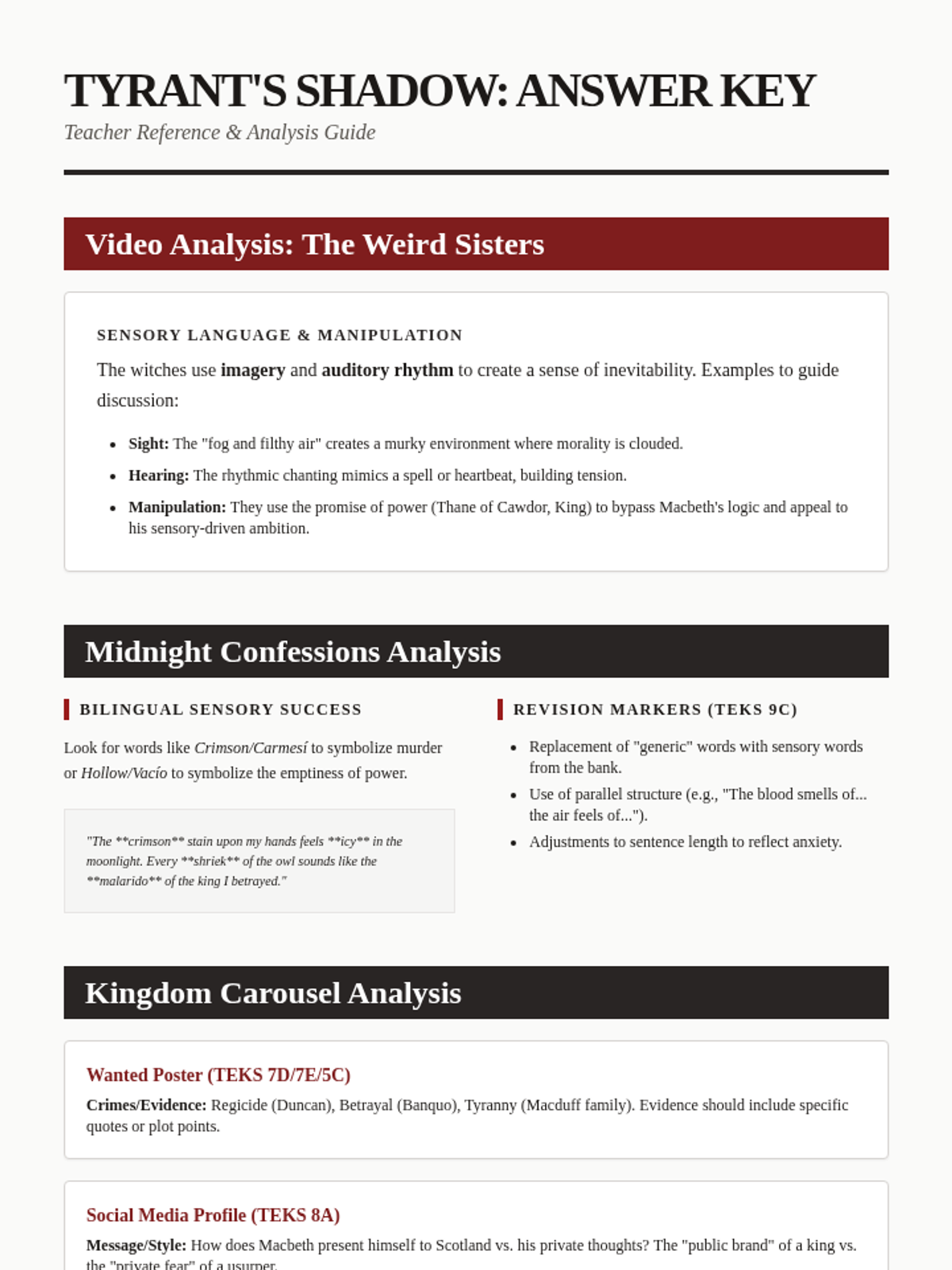
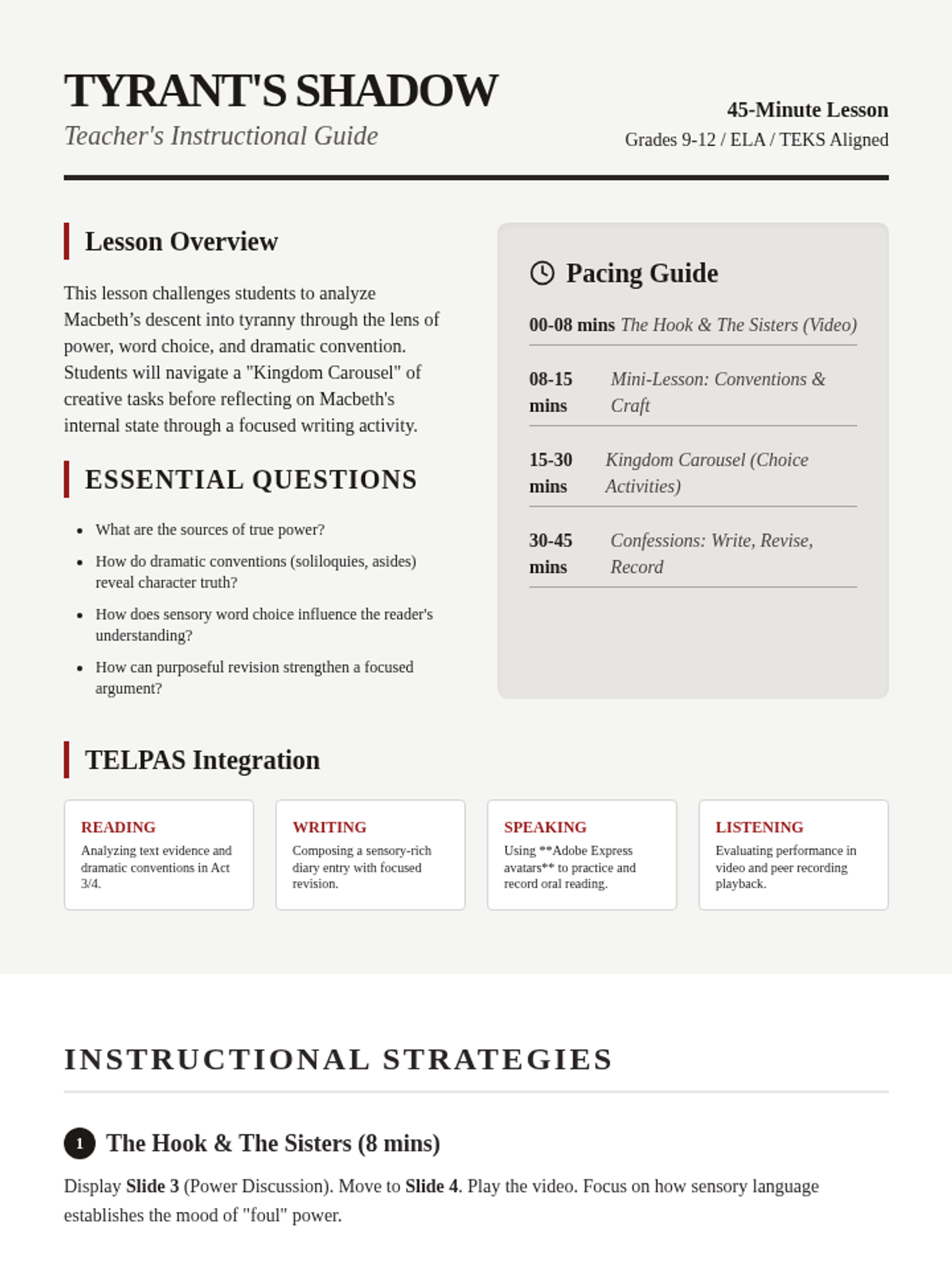
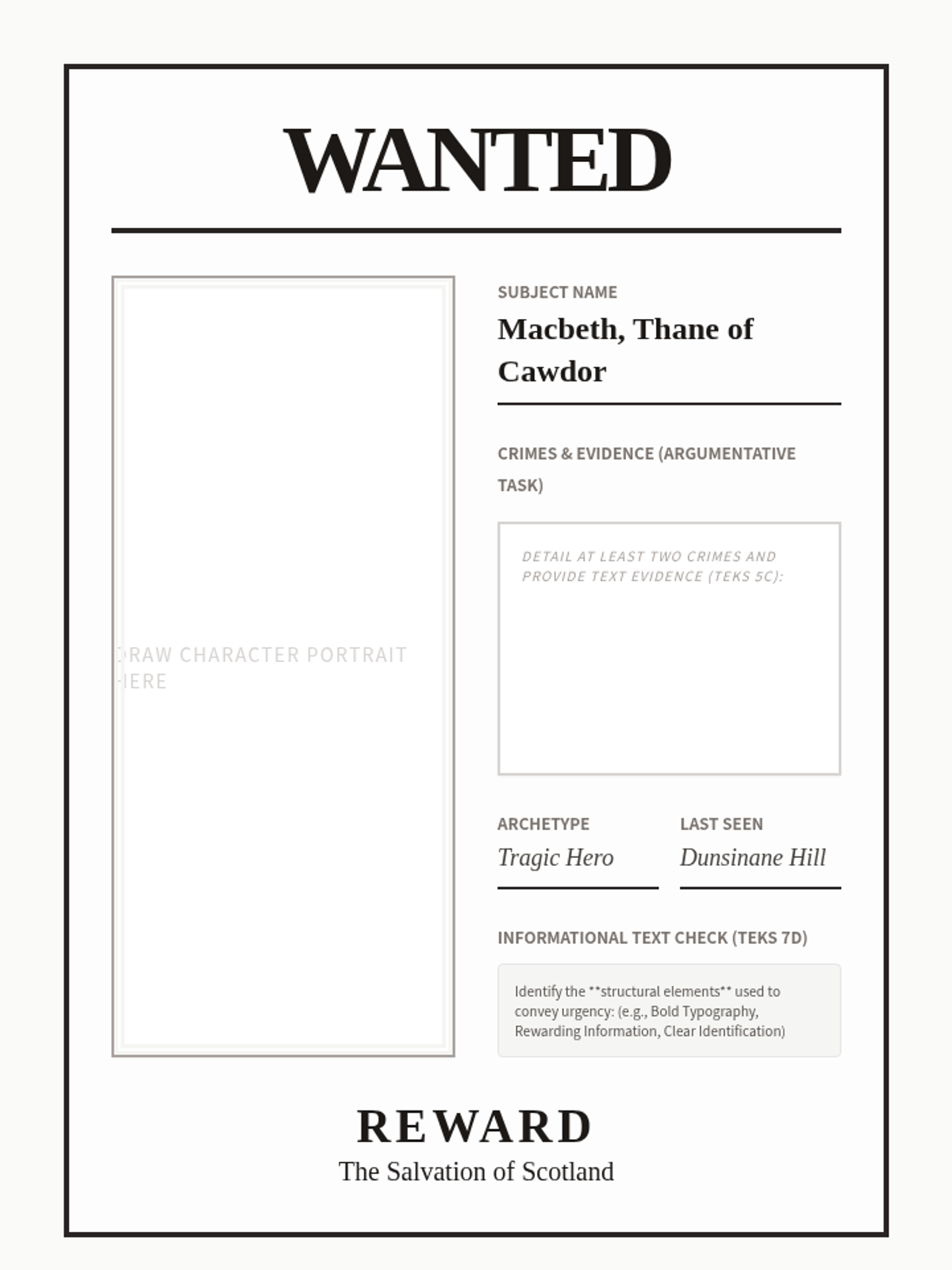
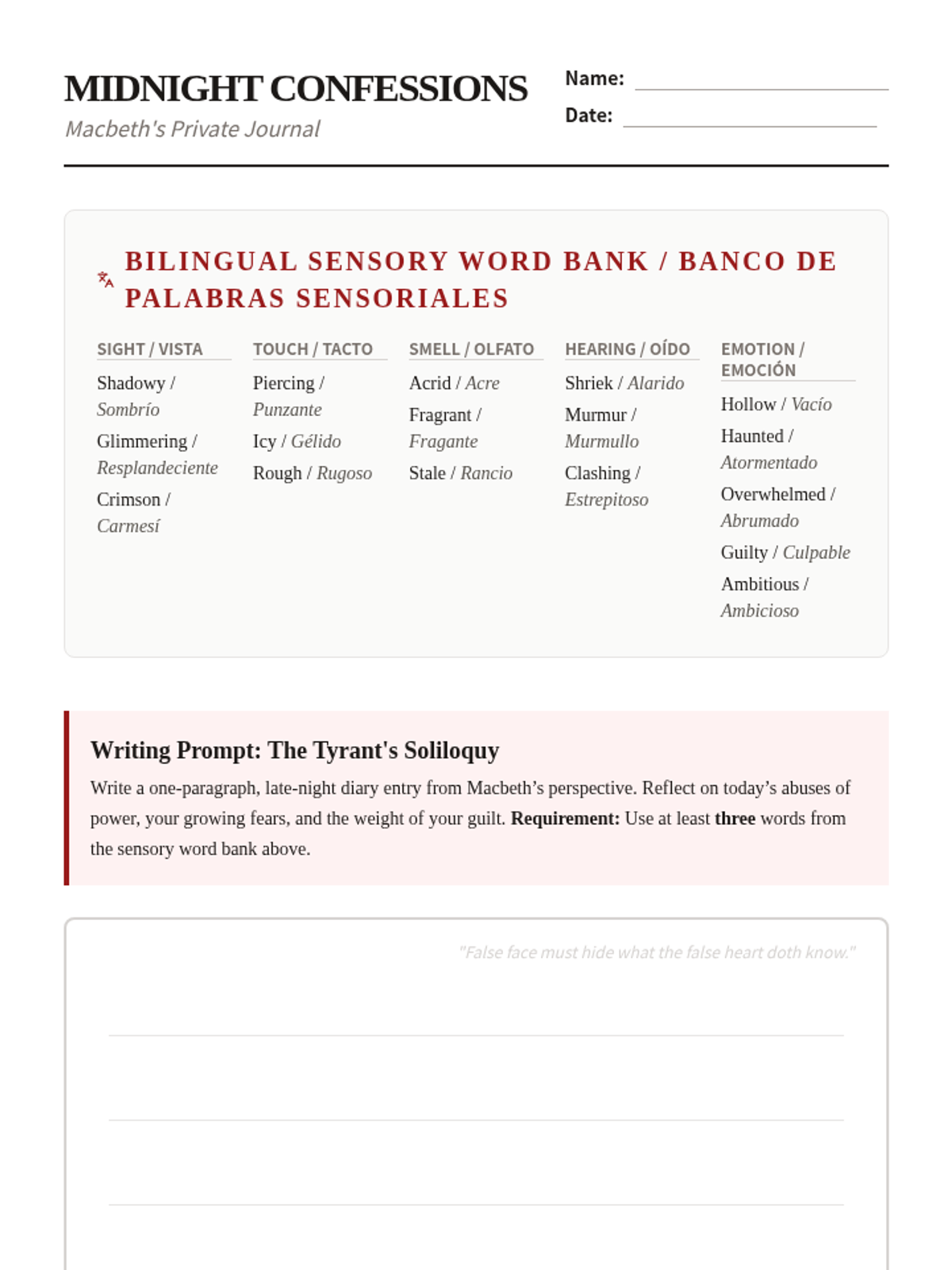
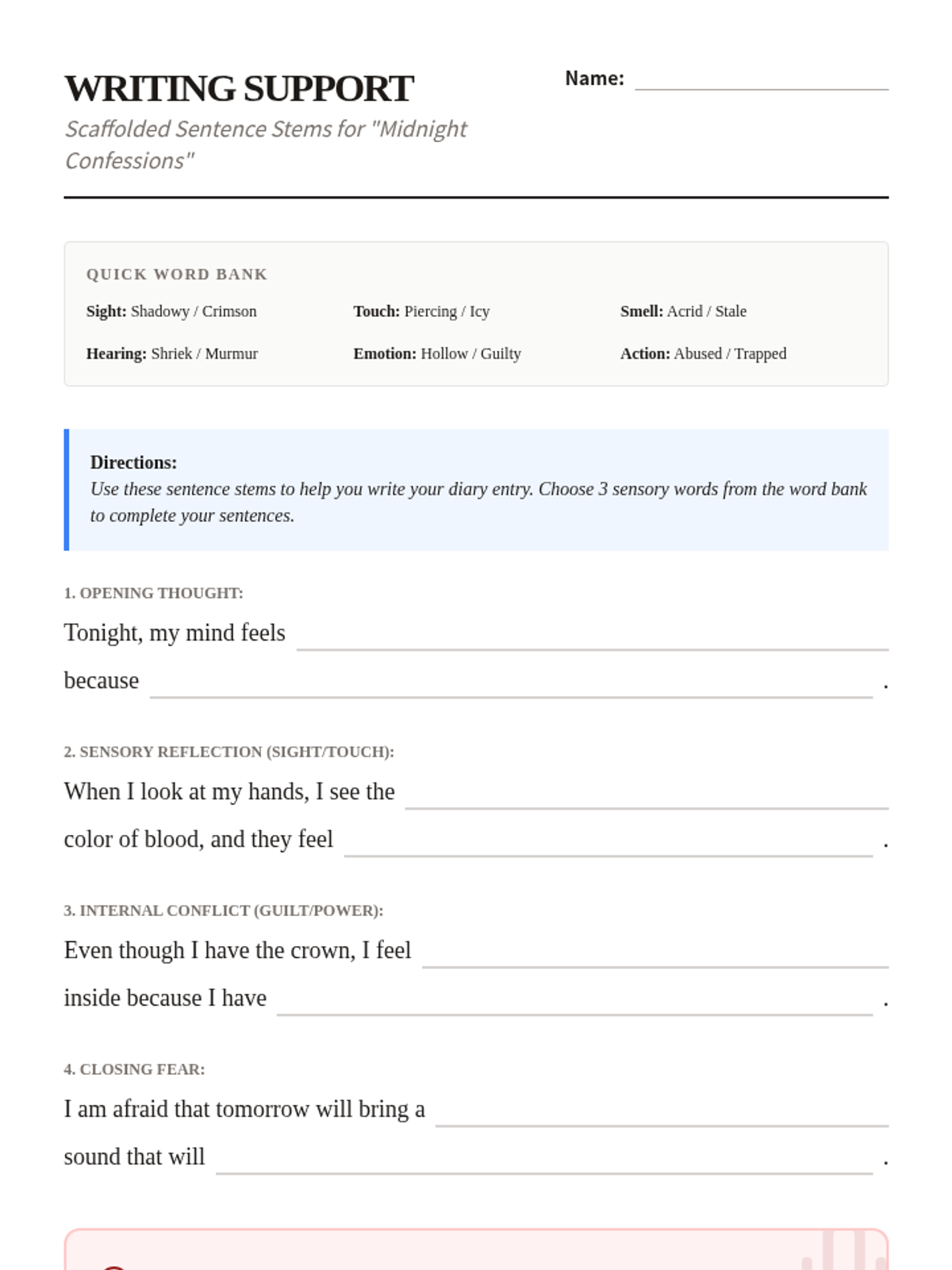
A 45-minute deep dive into Shakespeare's Macbeth, focusing on the corruption of power, dramatic conventions, and the sensory impact of language. Students explore character archetypes through creative projects like wanted posters and social media profiles while honing their descriptive writing skills.
A comprehensive guide to mastering the TSIA2 English essay, focusing on pre-writing strategies like T-charts and crafting a complex thesis statement with a counter-position.
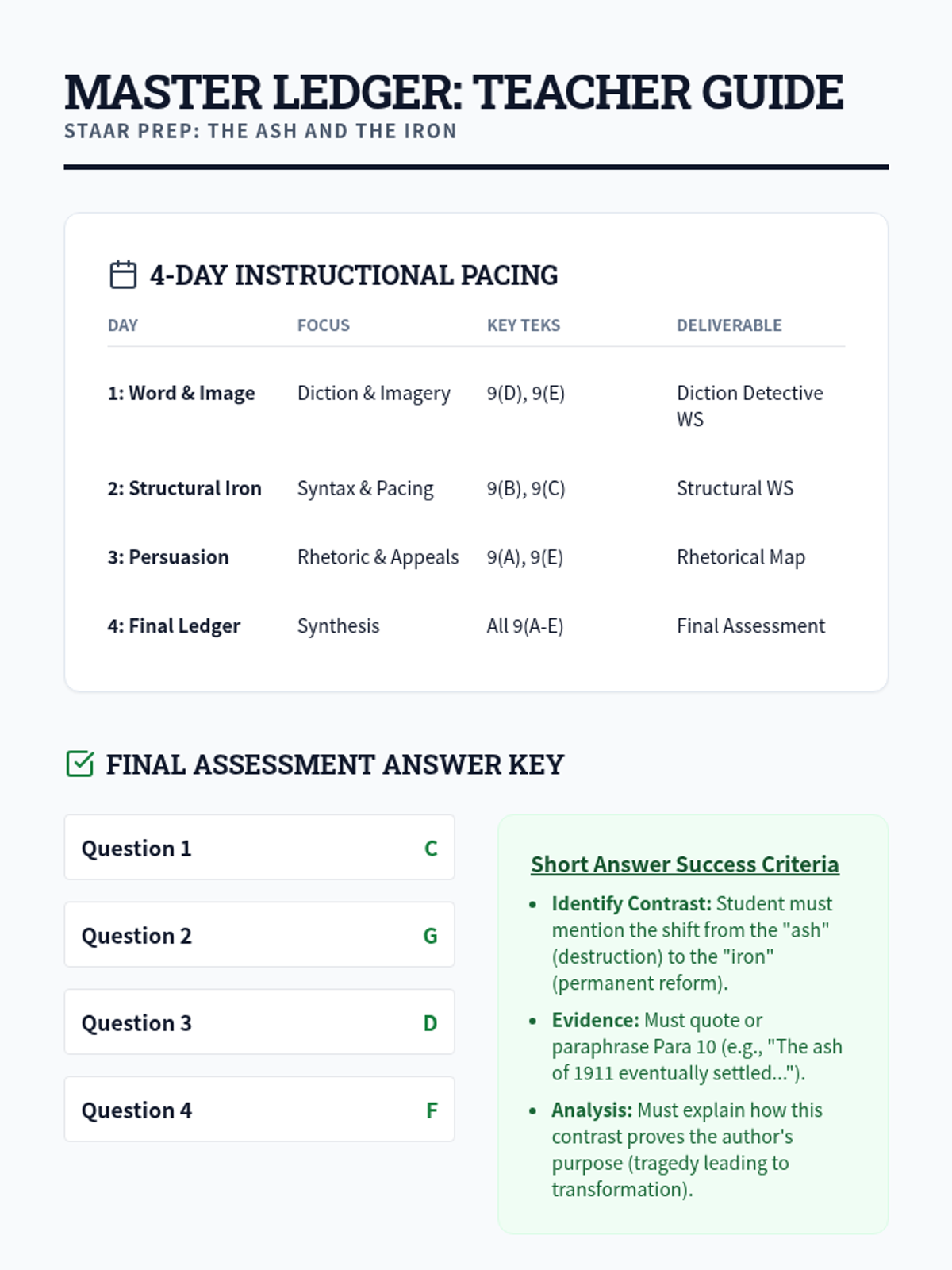
A cumulative assessment and synthesis lesson where students apply all previous skills to STAAR-aligned multiple-choice questions.