A comprehensive exploration of the twelve Olympian gods through the lens of character archetypes, helping students understand how these ancient figures represent universal human traits.
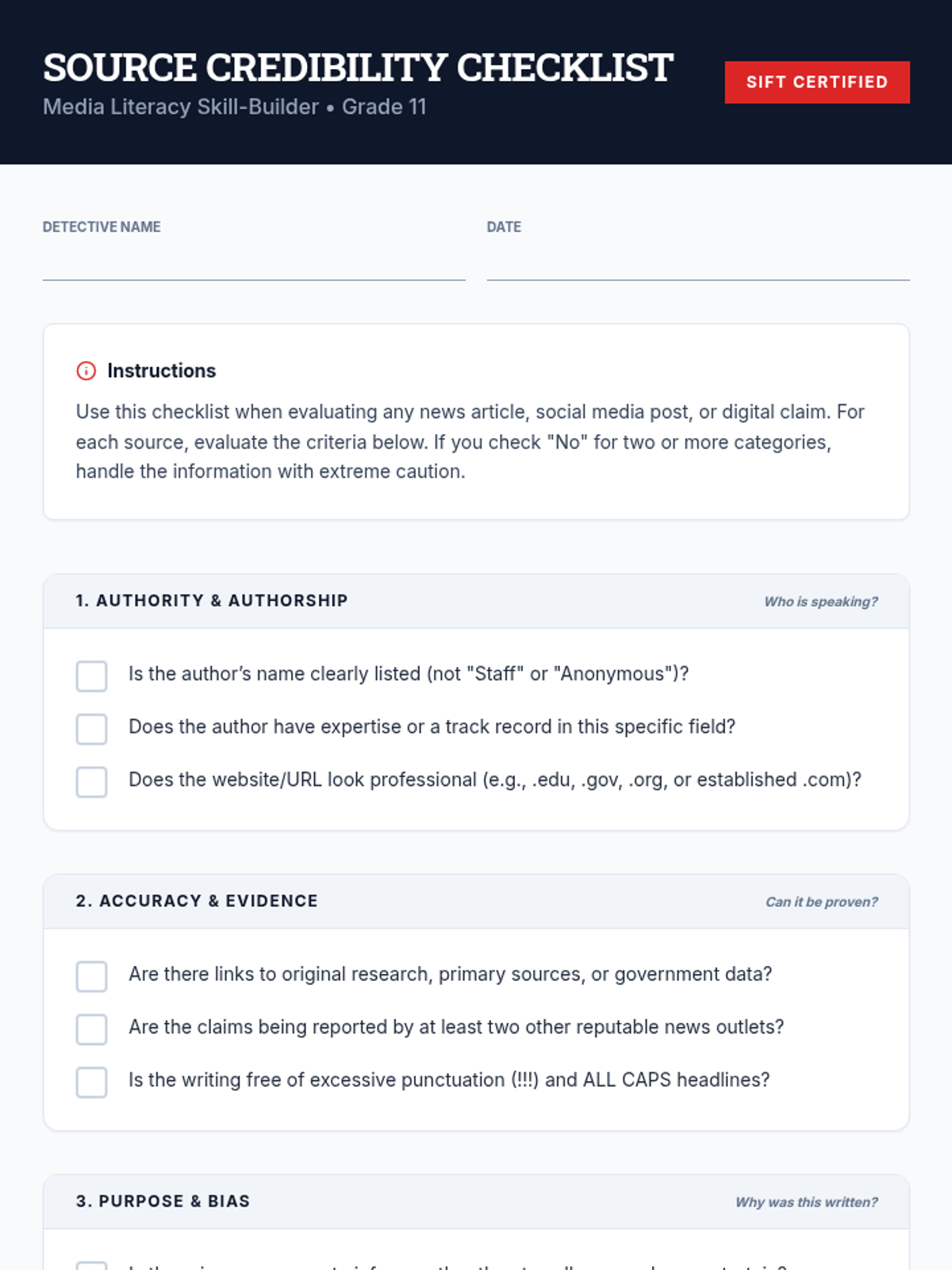
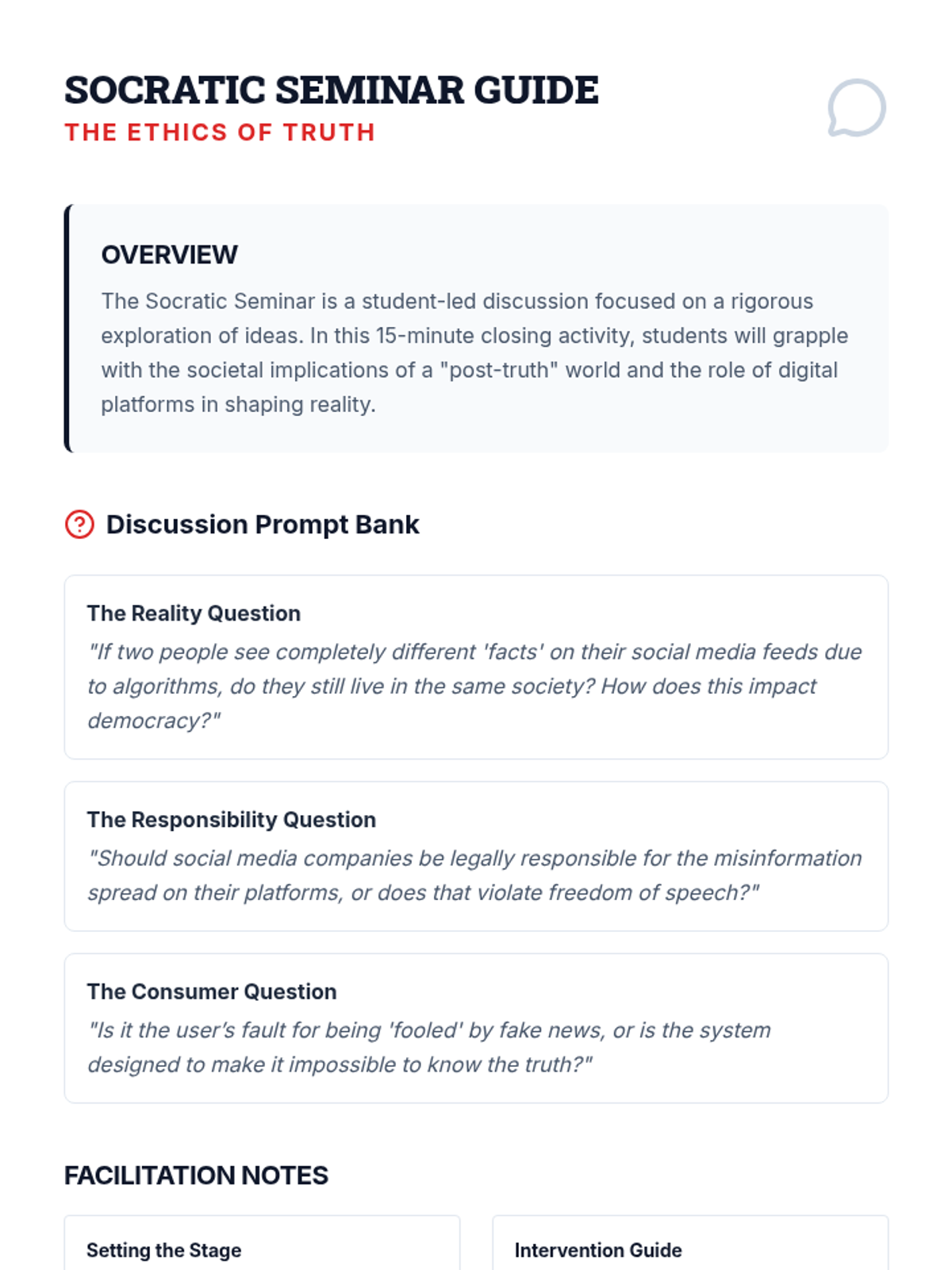
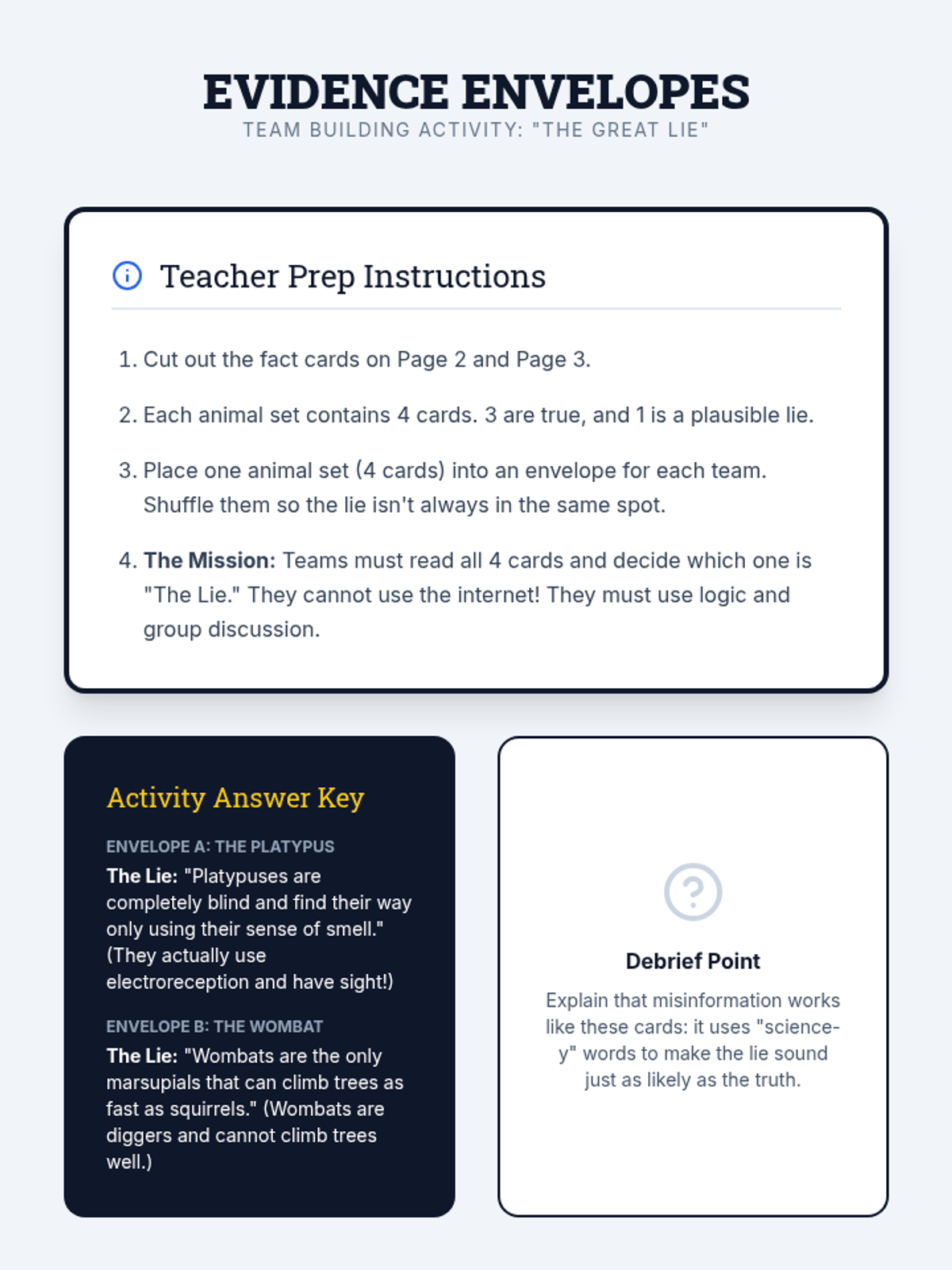
A 45-minute media literacy lesson for 11th grade focusing on source evaluation, identifying bias, and distinguishing between facts and misinformation. Students will learn the SIFT method and engage in a Socratic seminar about the impact of media on society.
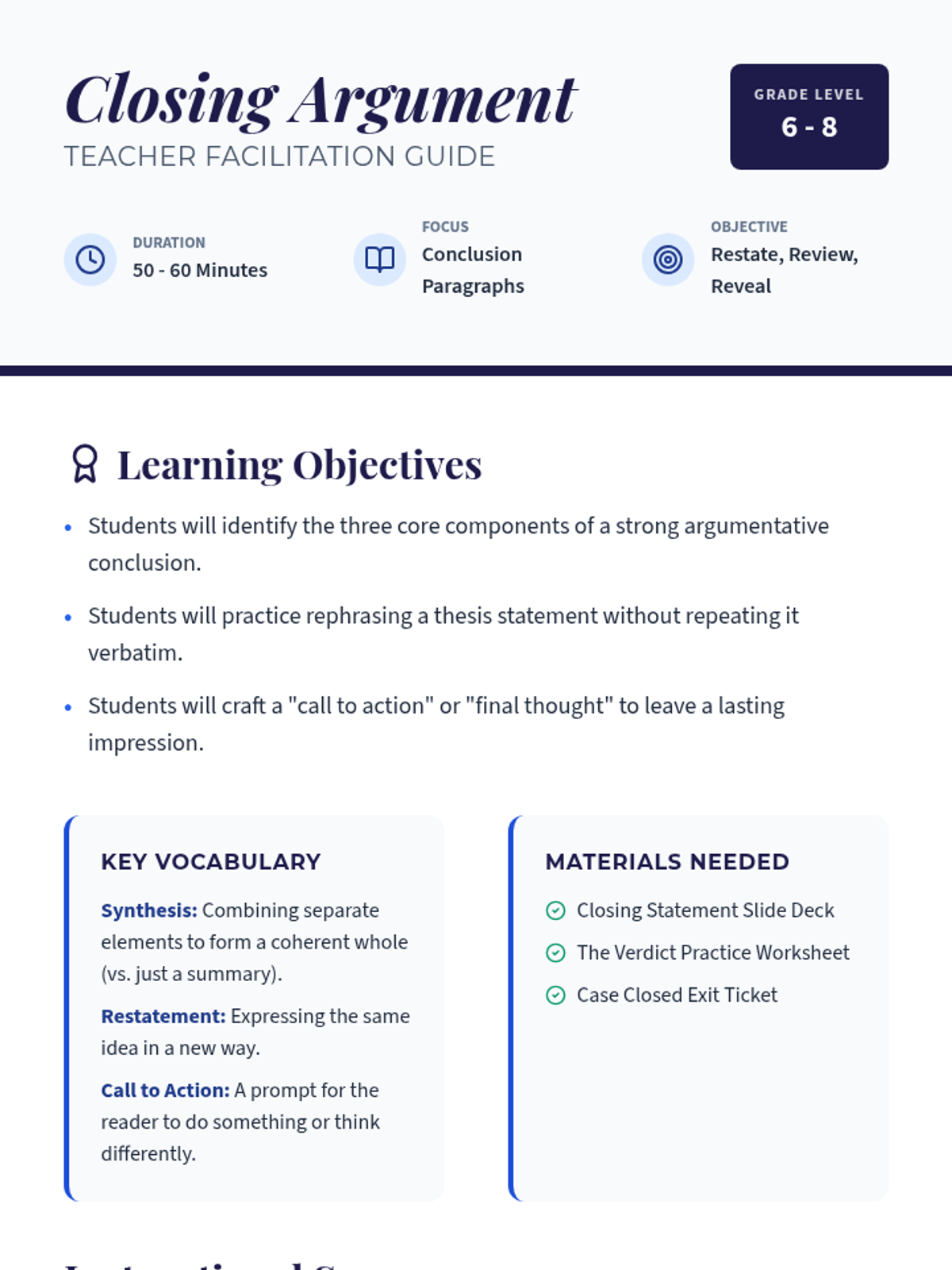
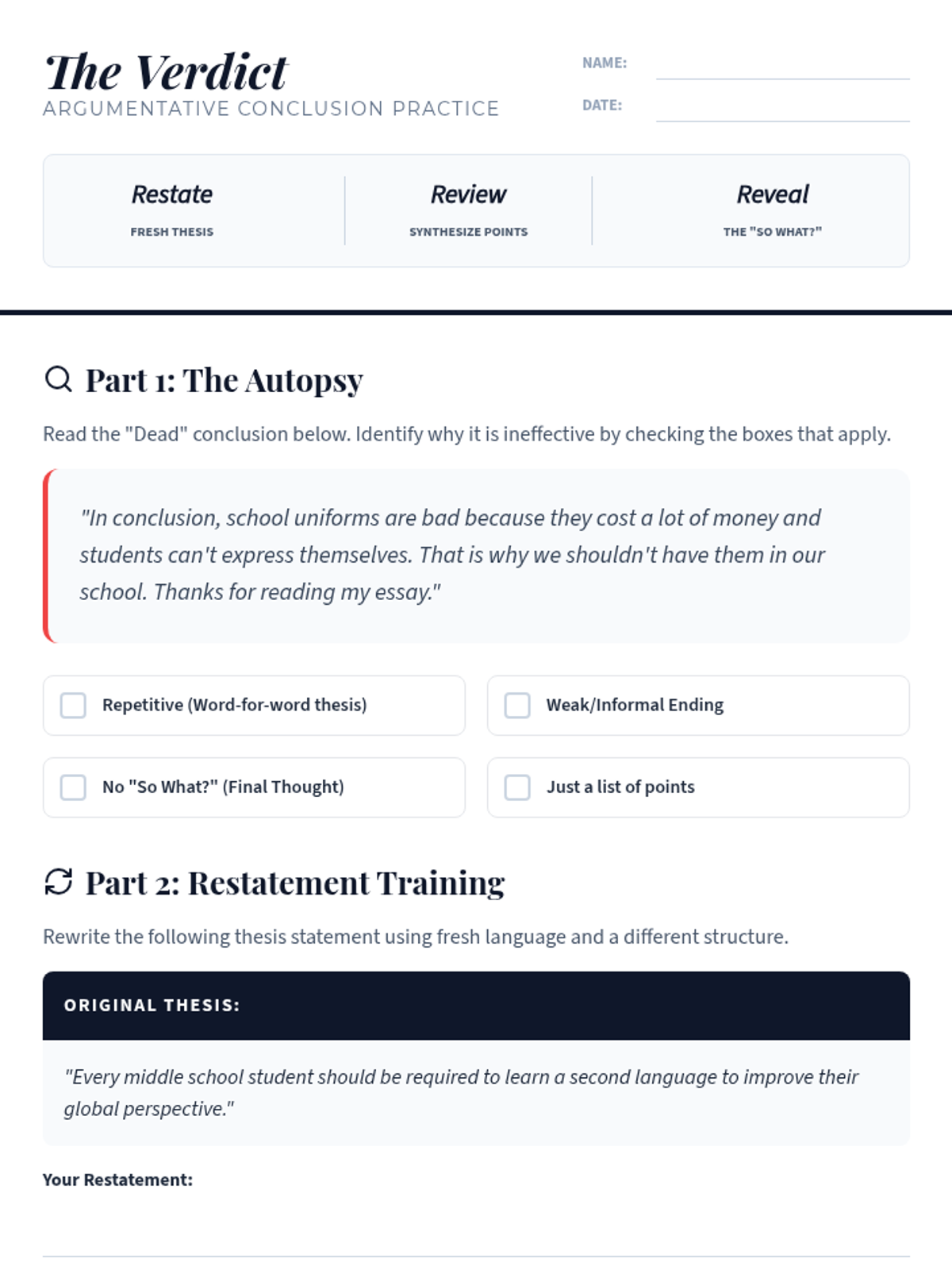
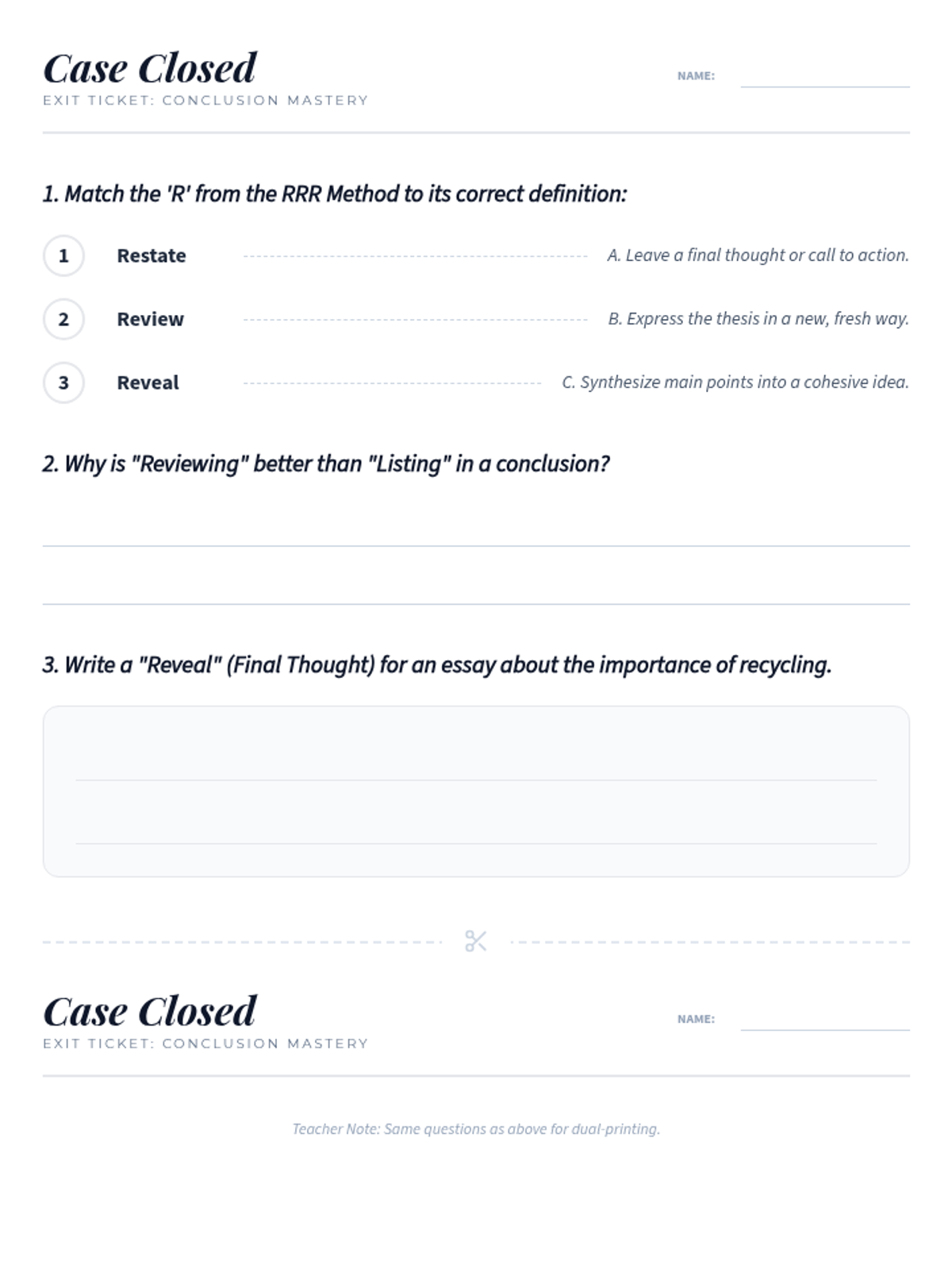
A comprehensive lesson for middle school students on crafting powerful conclusion paragraphs for argumentative essays using the 'Restate, Review, Reveal' method.
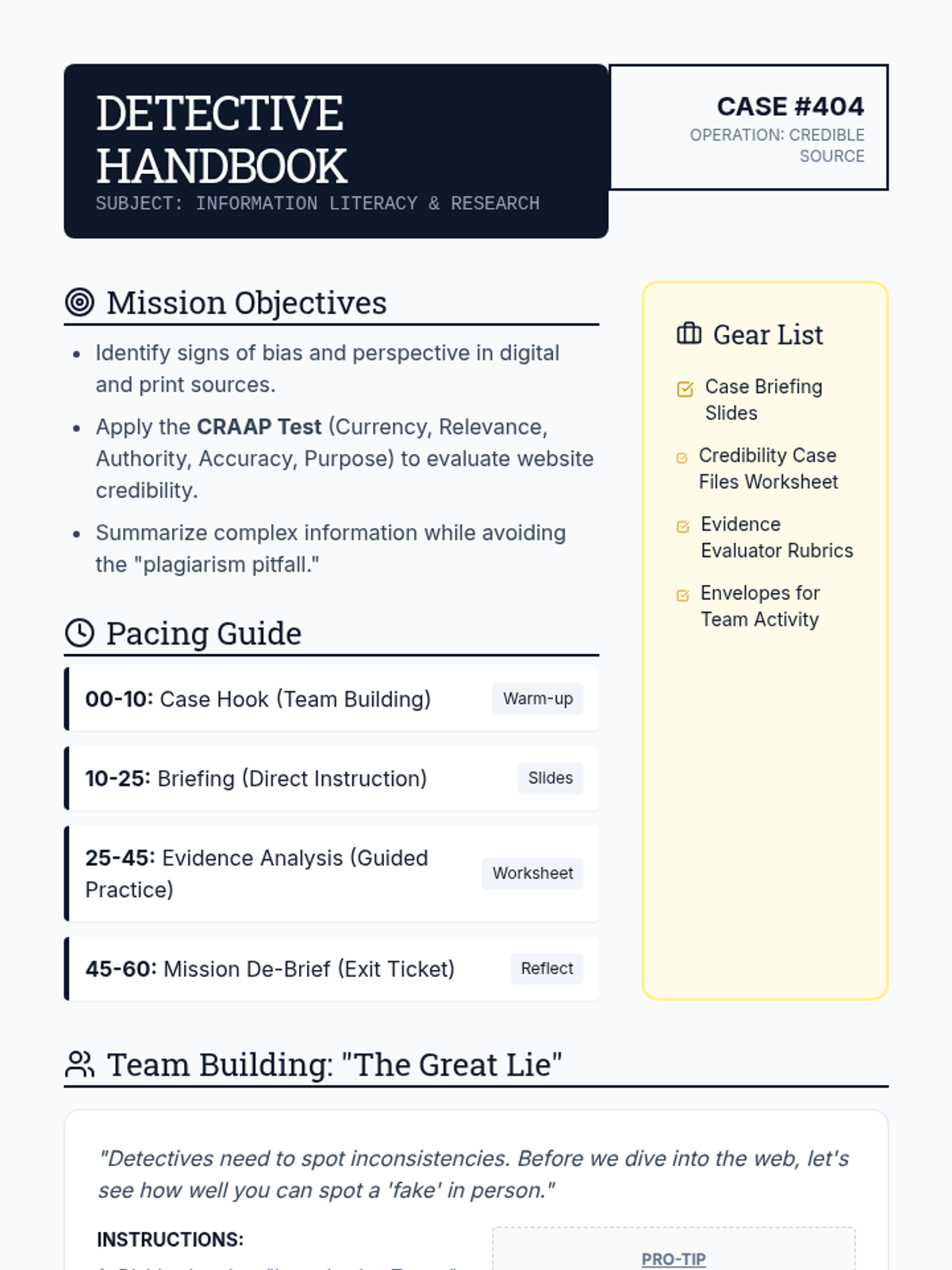
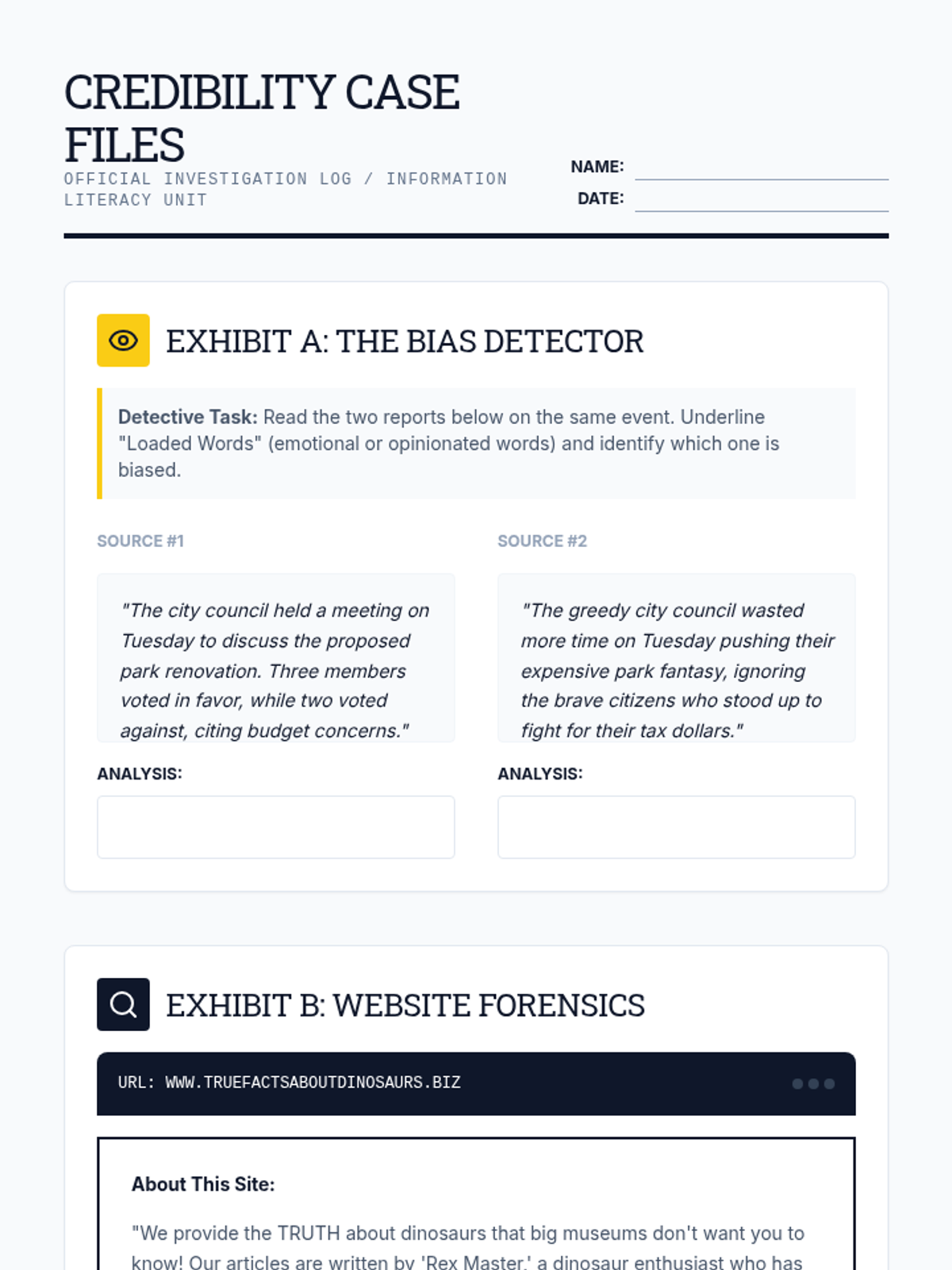
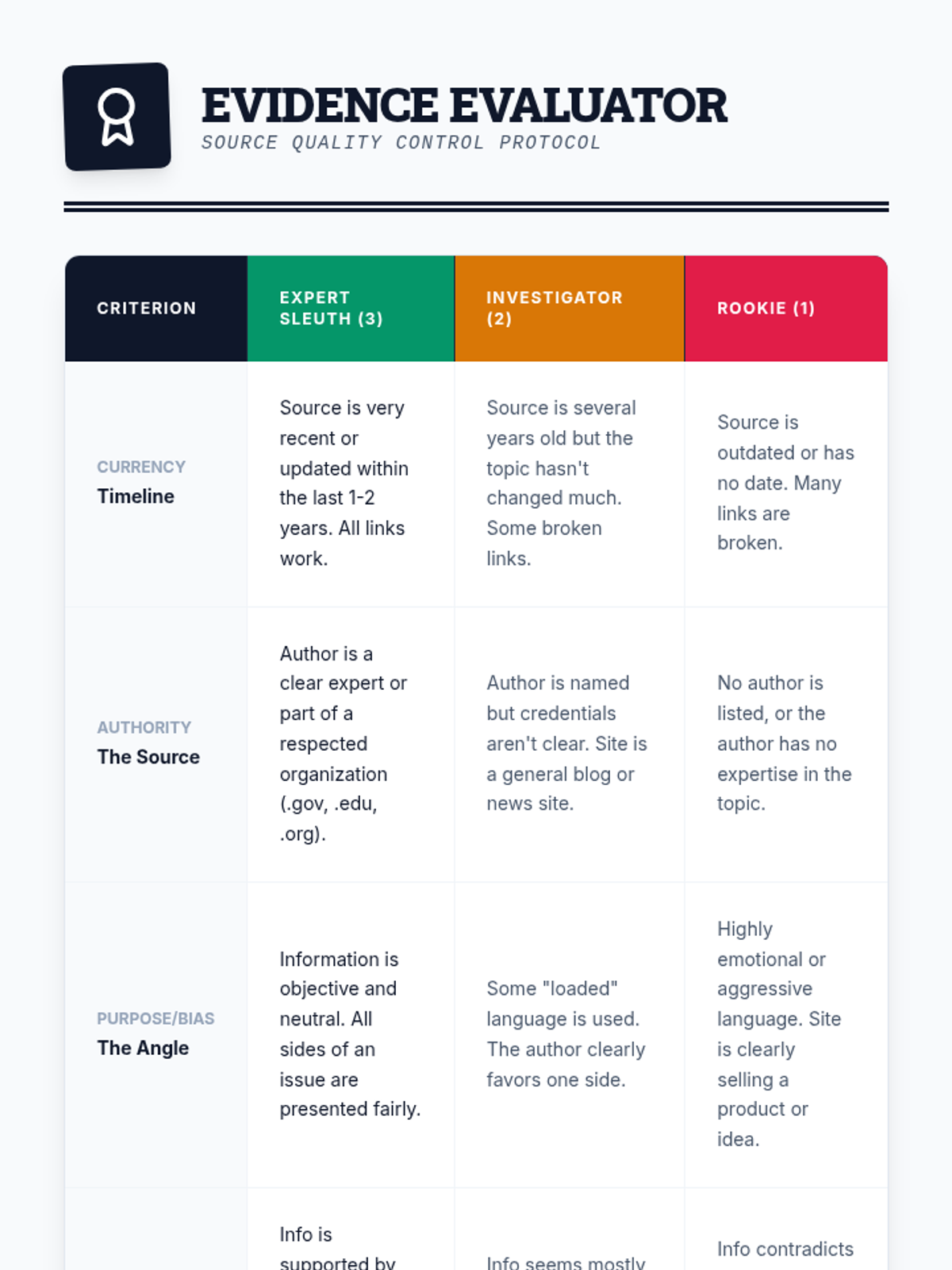
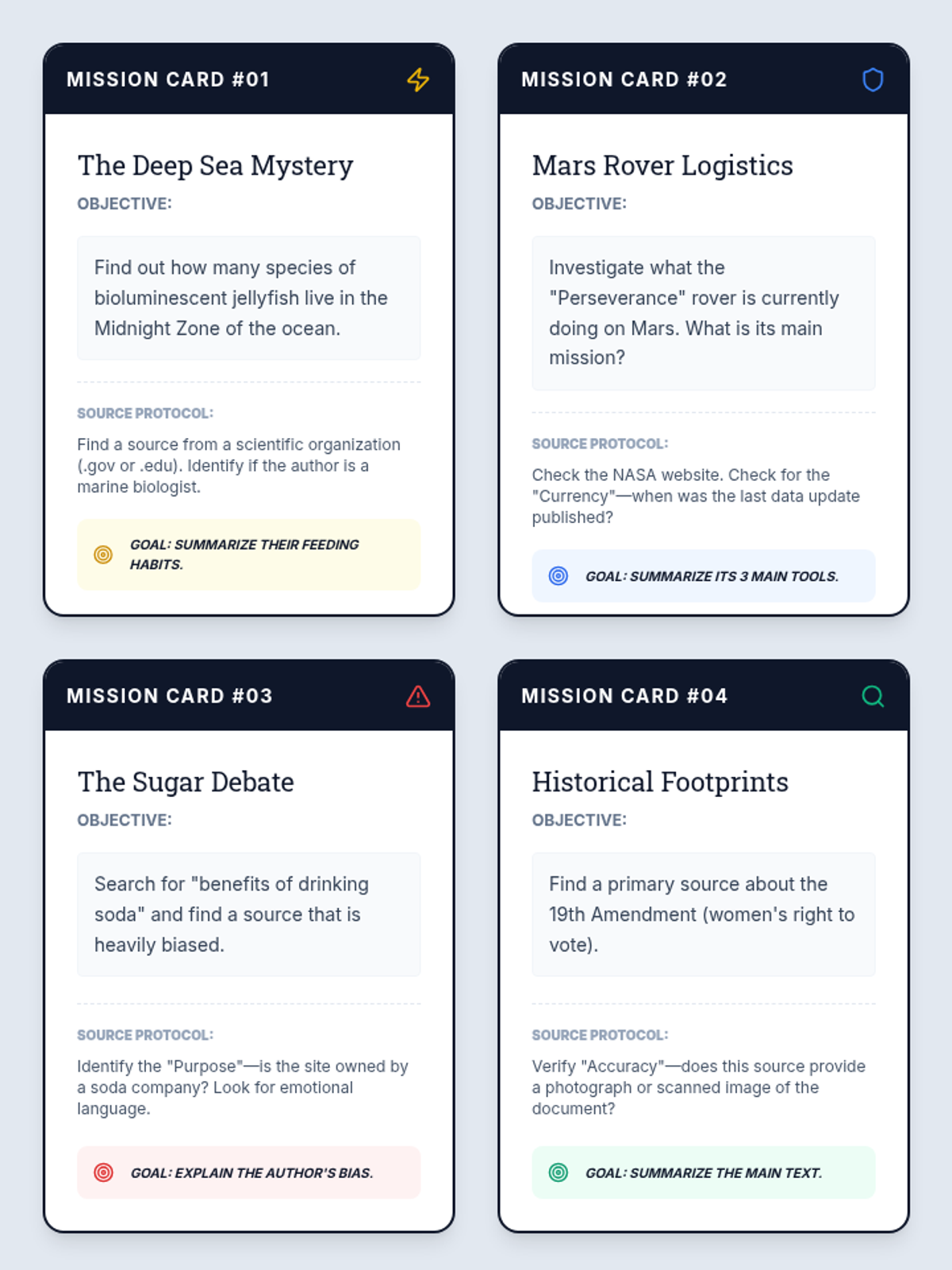
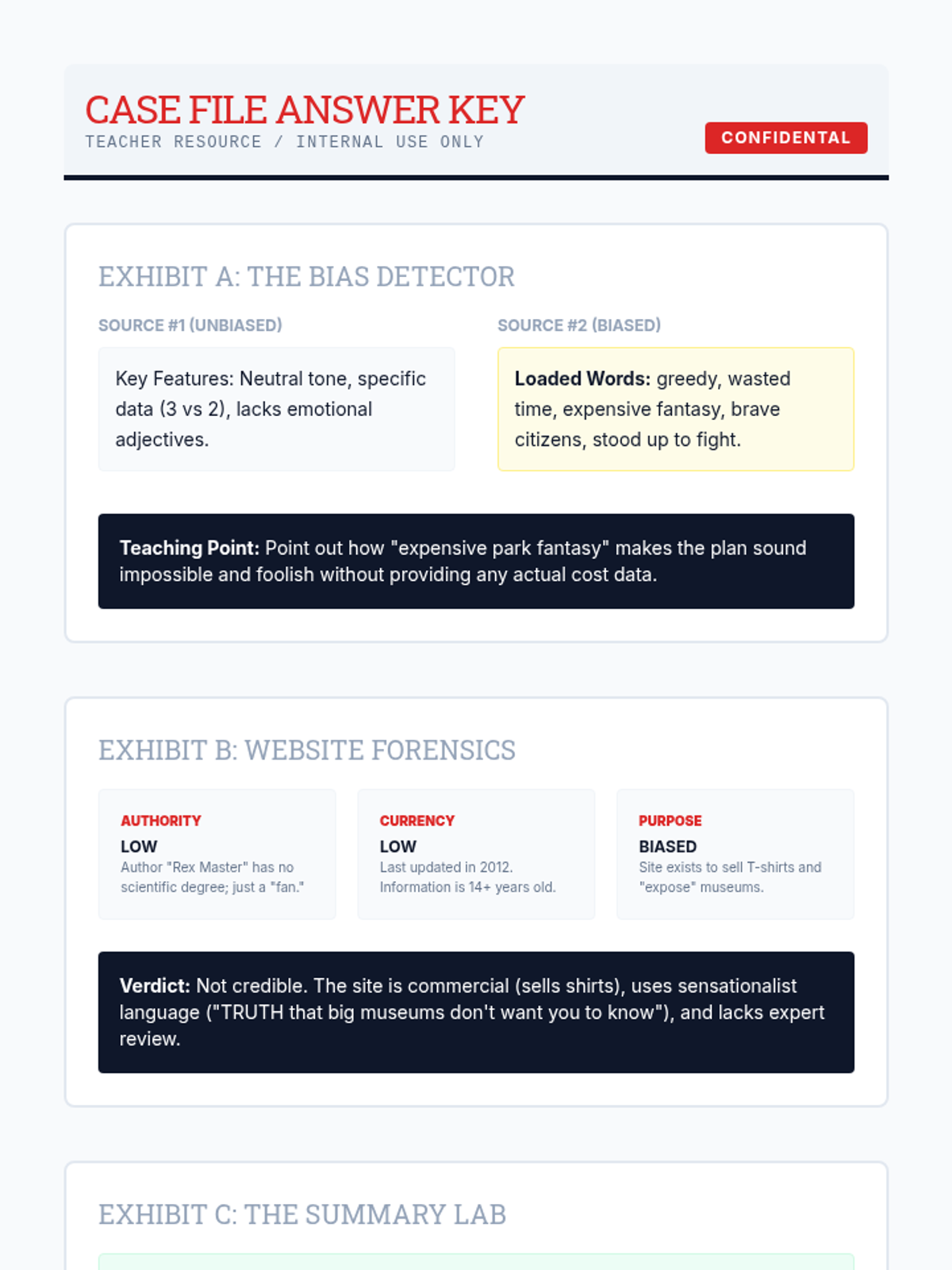
A comprehensive middle school lesson focused on digital literacy, teaching students to identify bias, evaluate website credibility, and summarize information ethically through a detective-themed investigation.
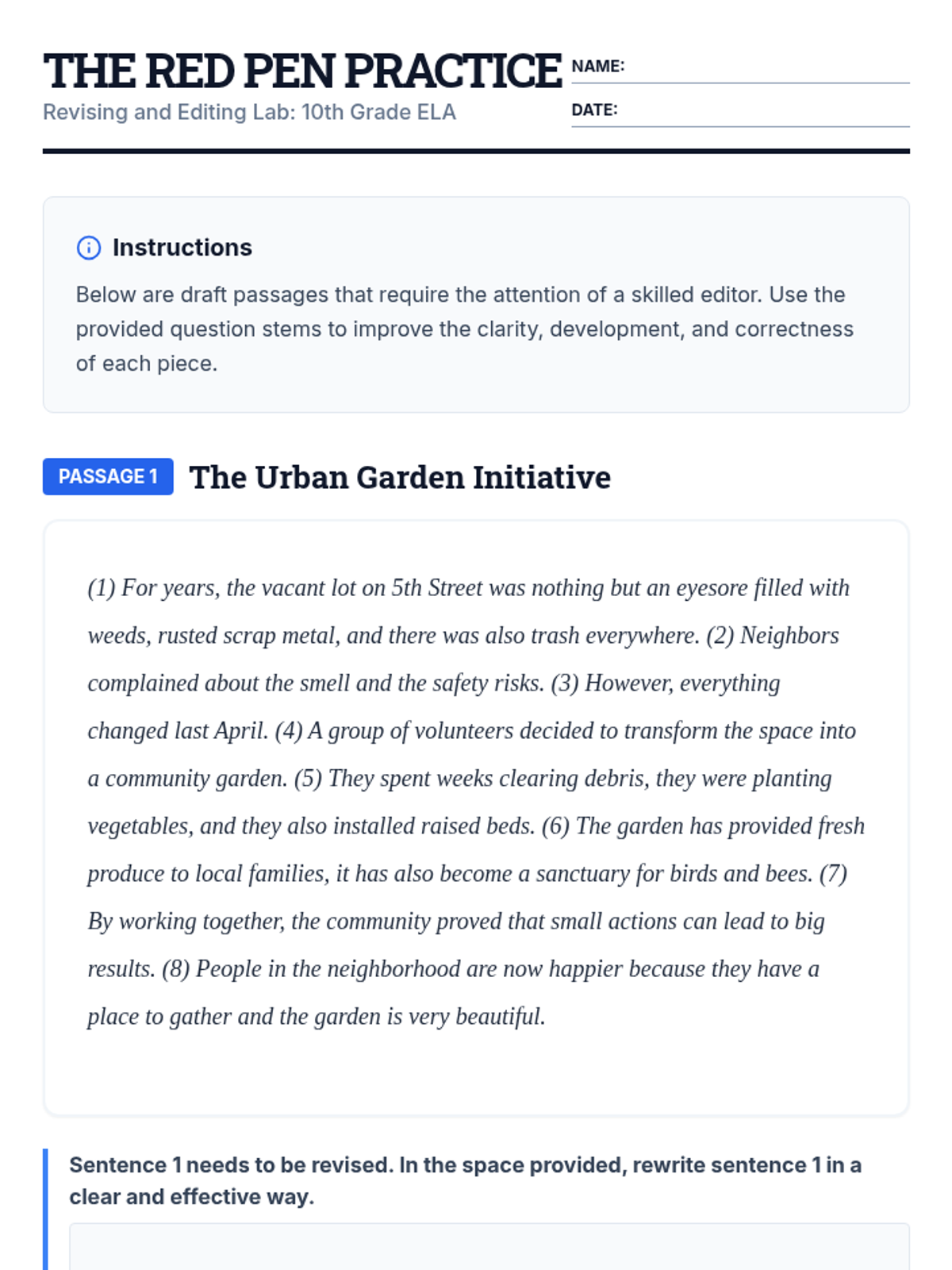
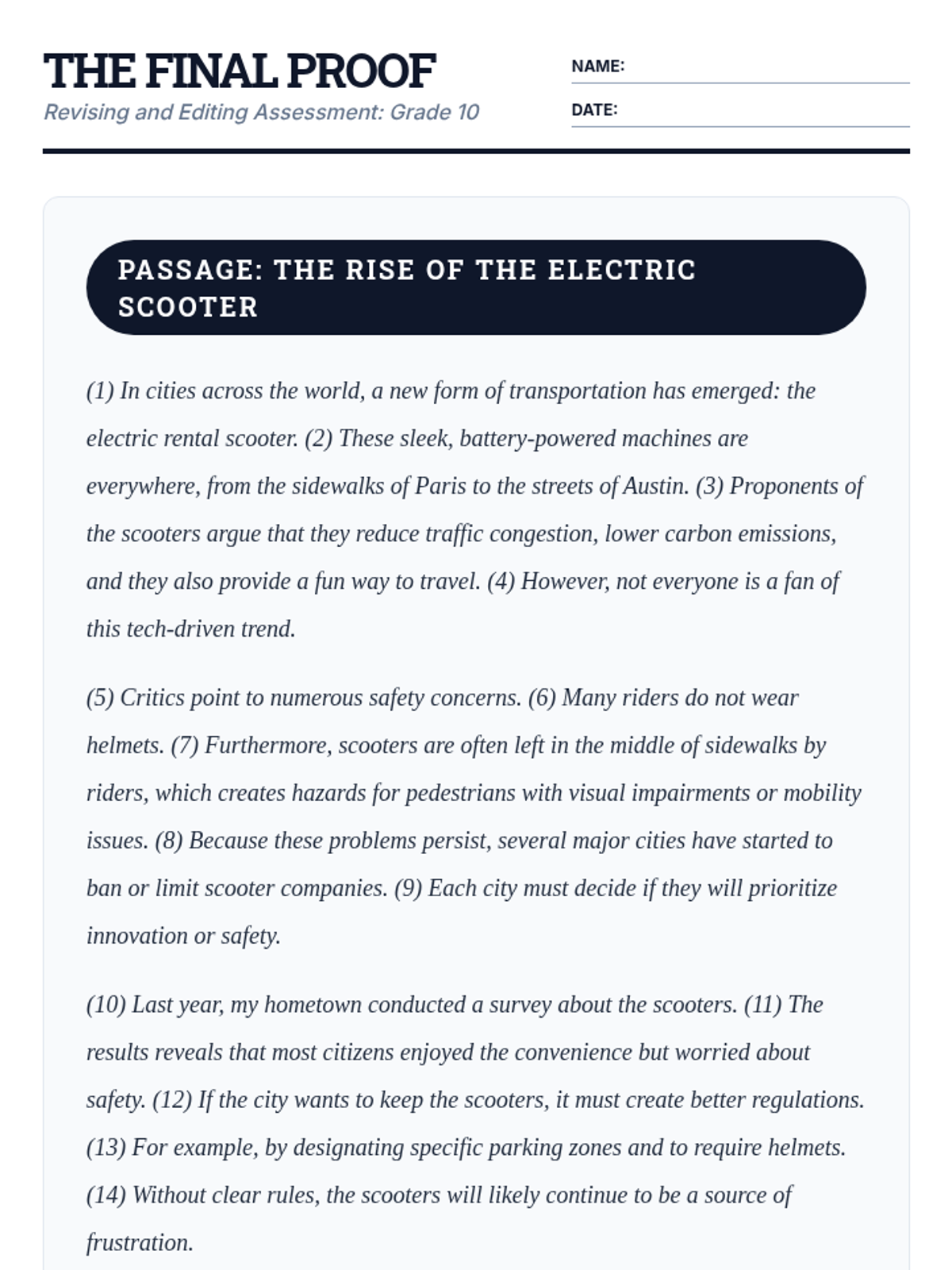
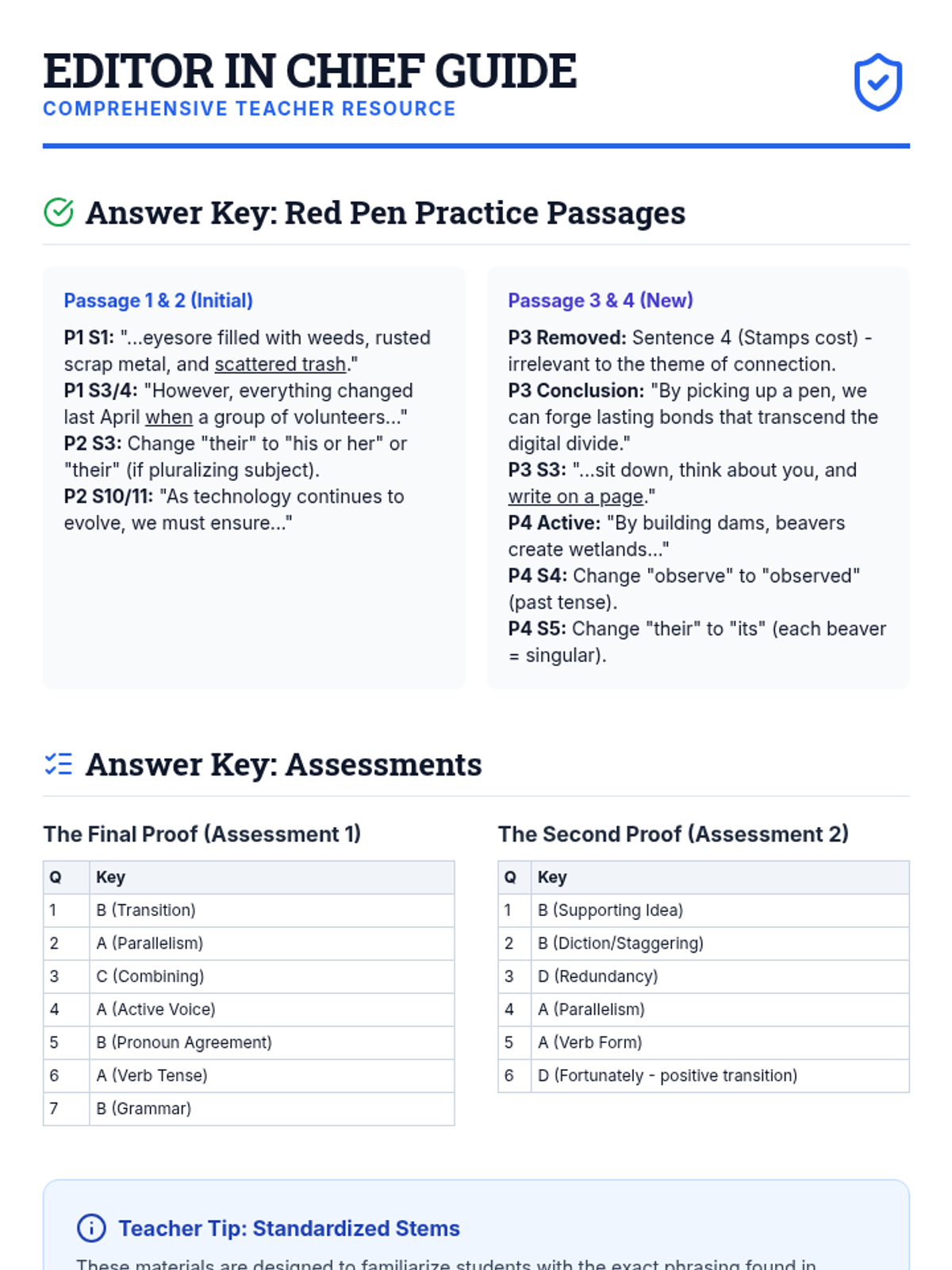
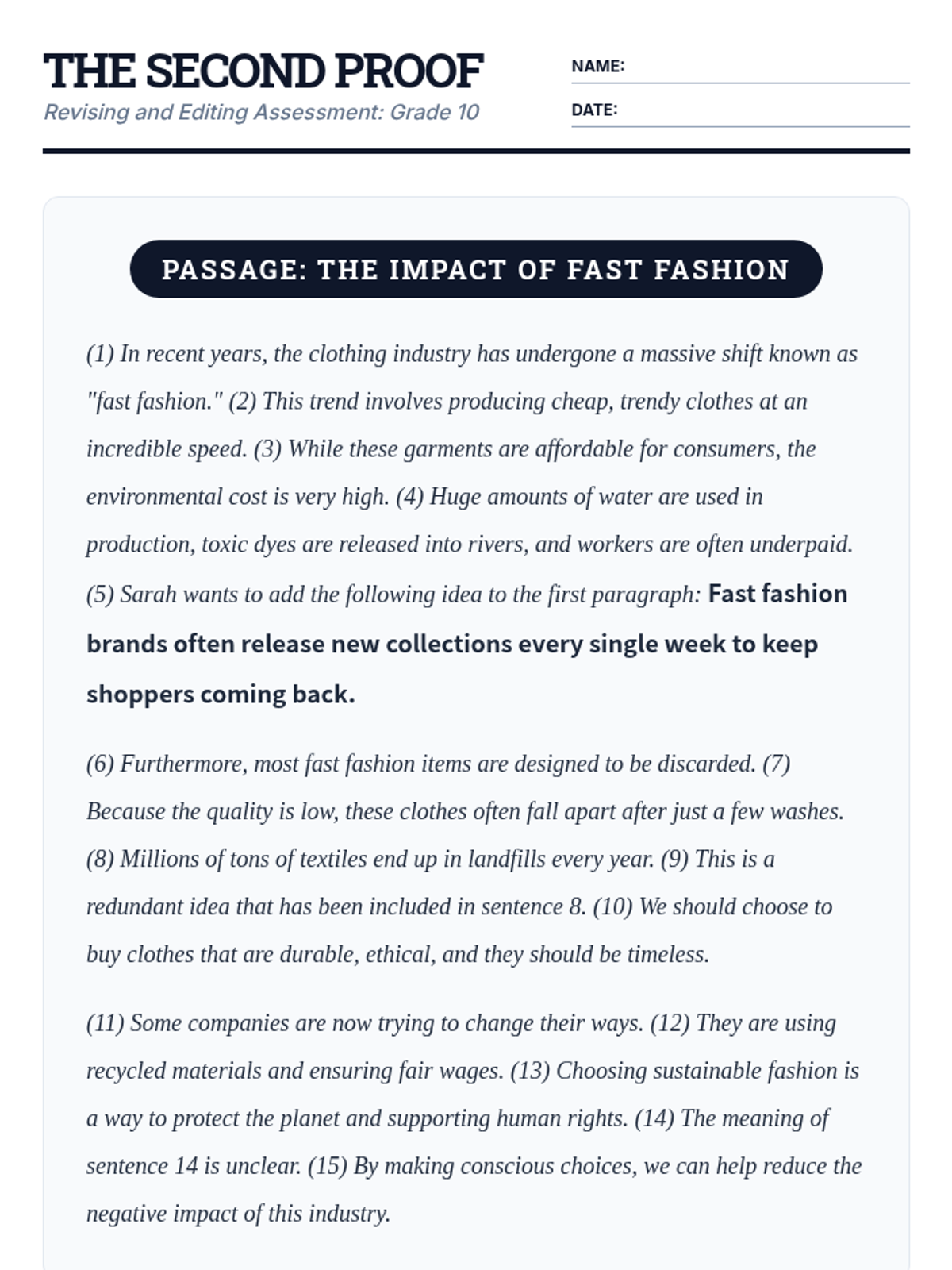
A comprehensive lesson on advanced revising and editing for 10th grade, focusing on organizational structure, parallel construction, sentence effectiveness, and grammatical precision. Students will learn to transform drafts into polished, professional pieces of writing.
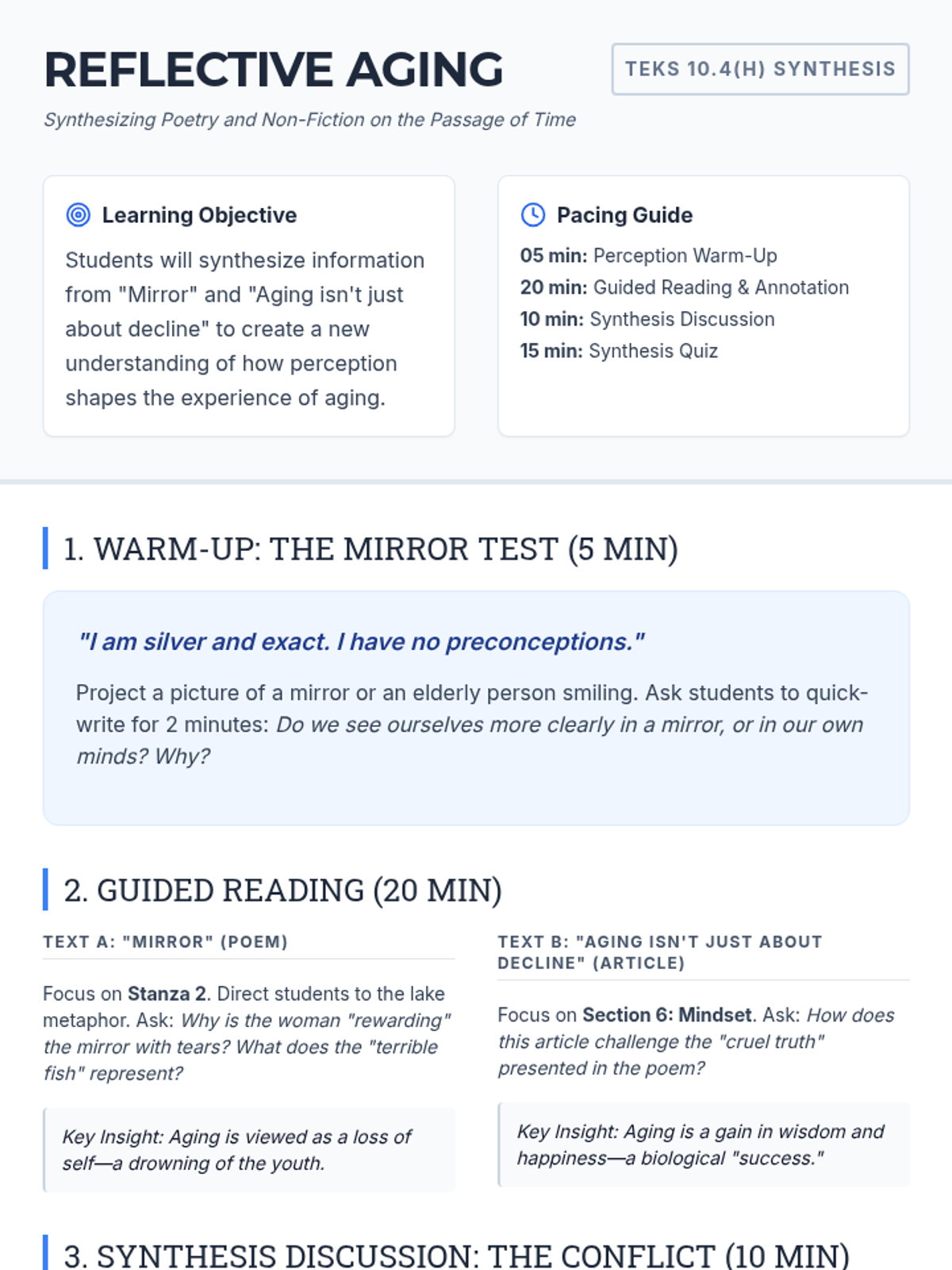
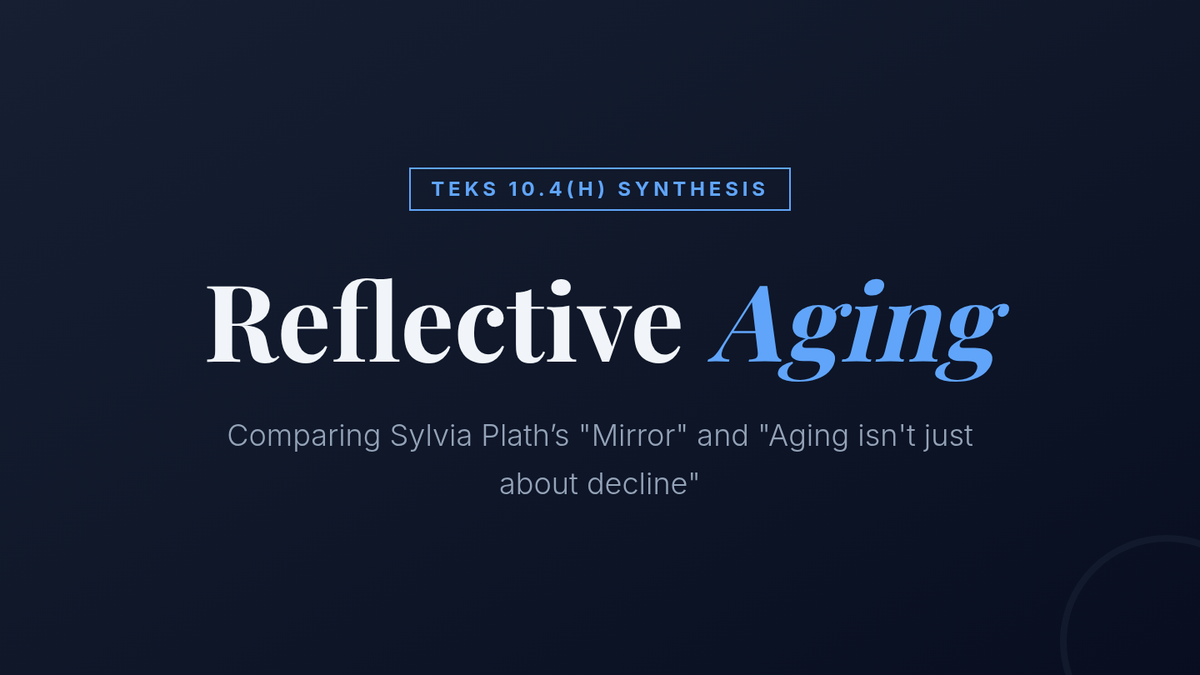
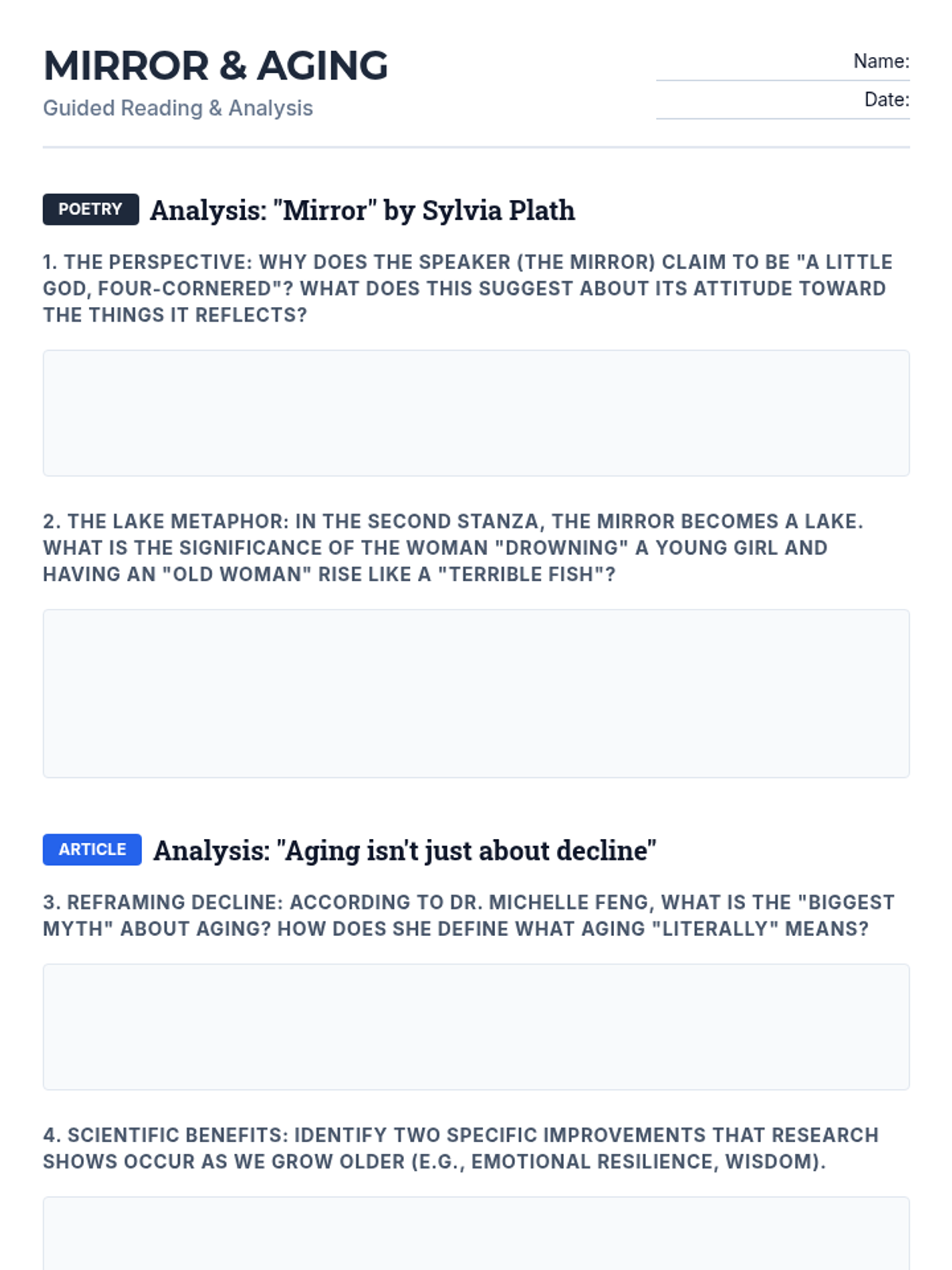
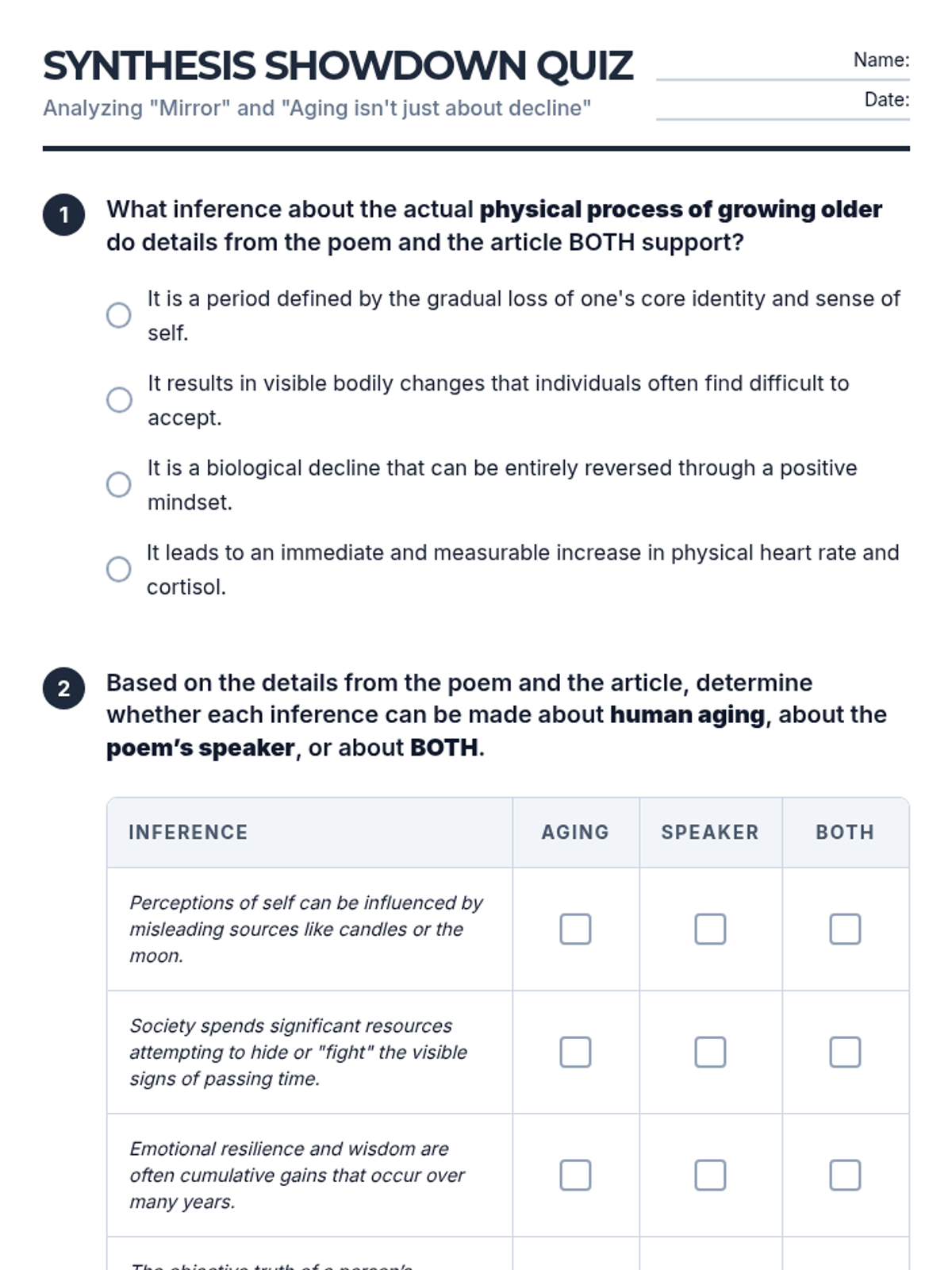
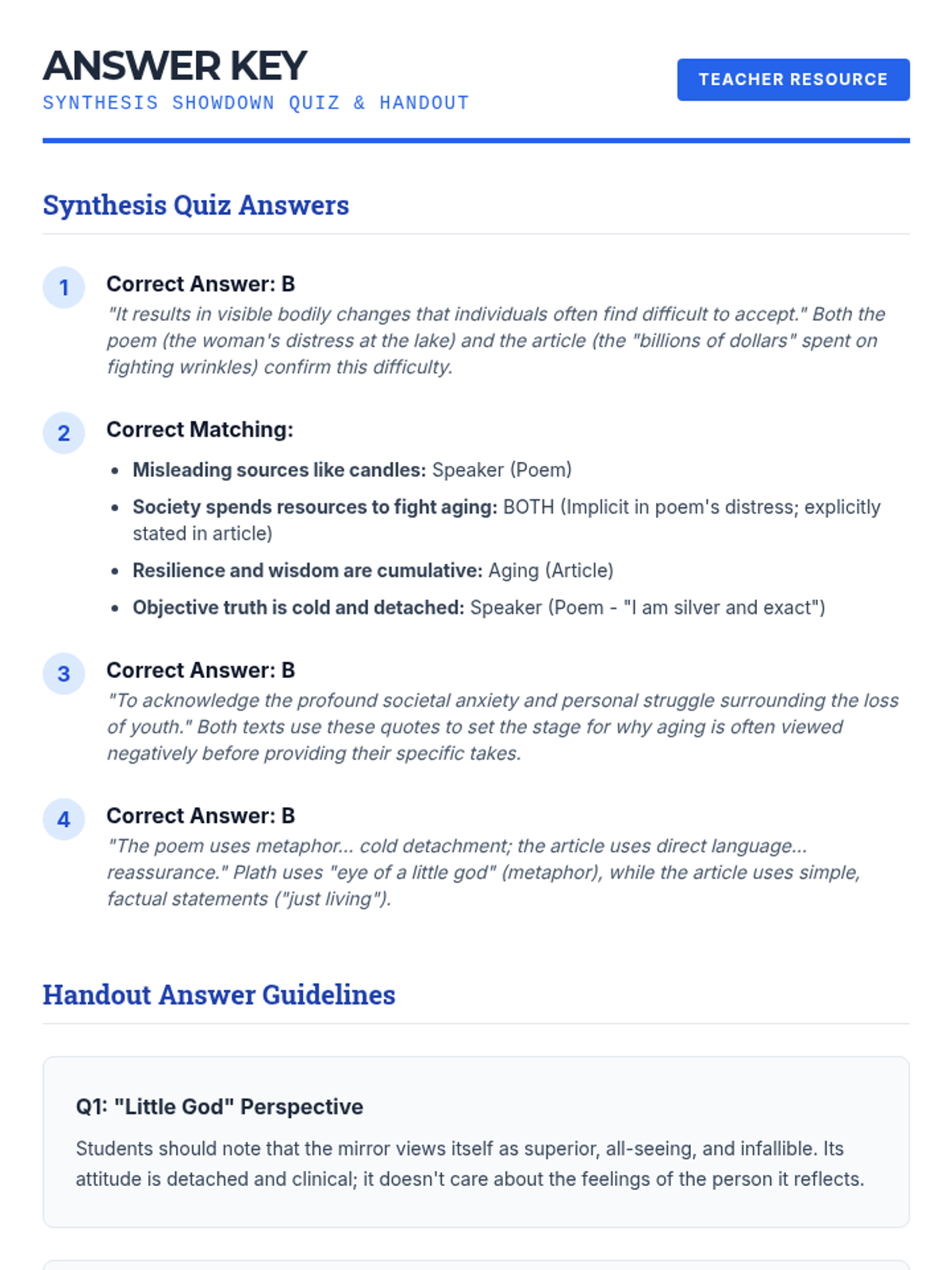
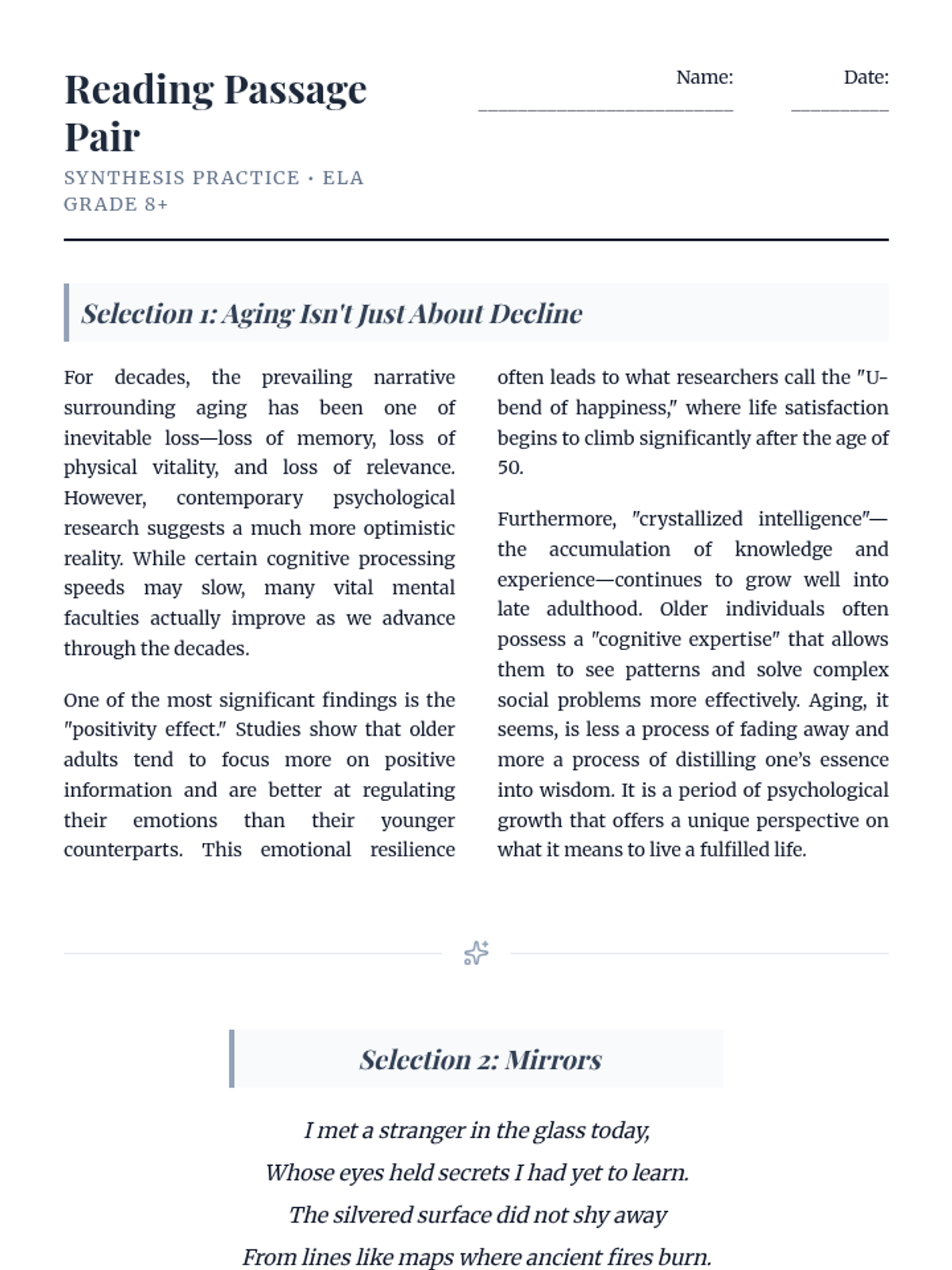
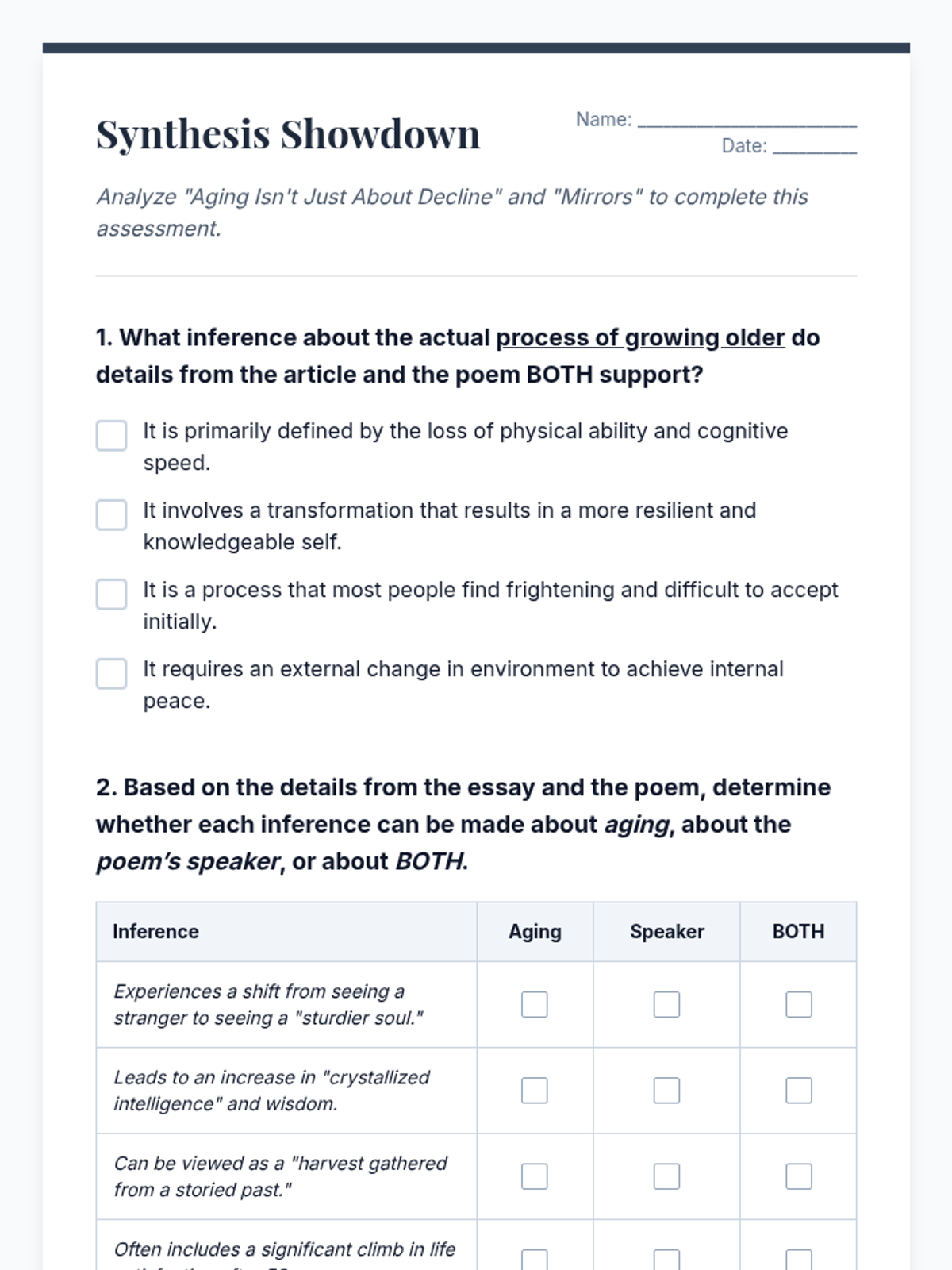
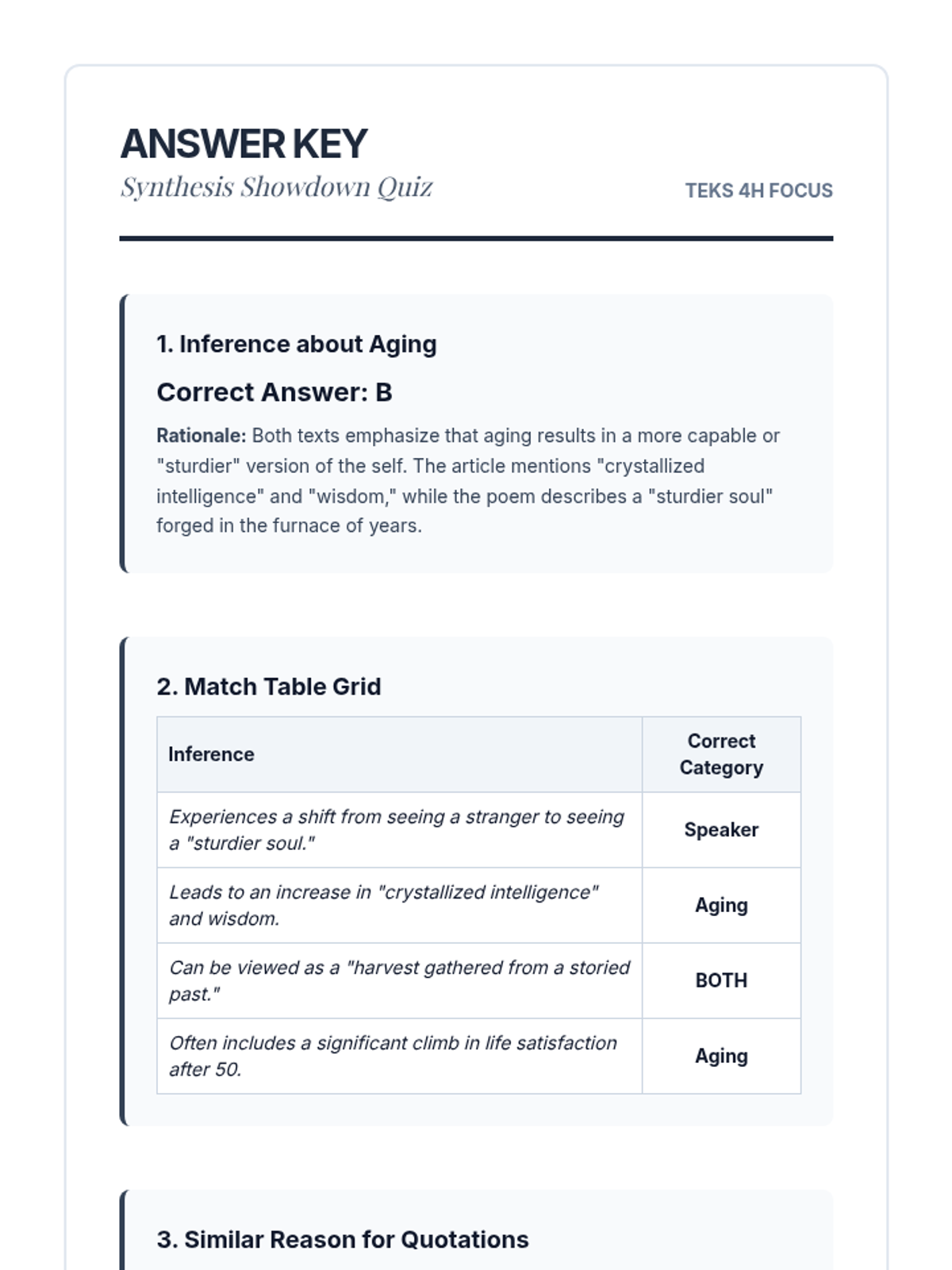
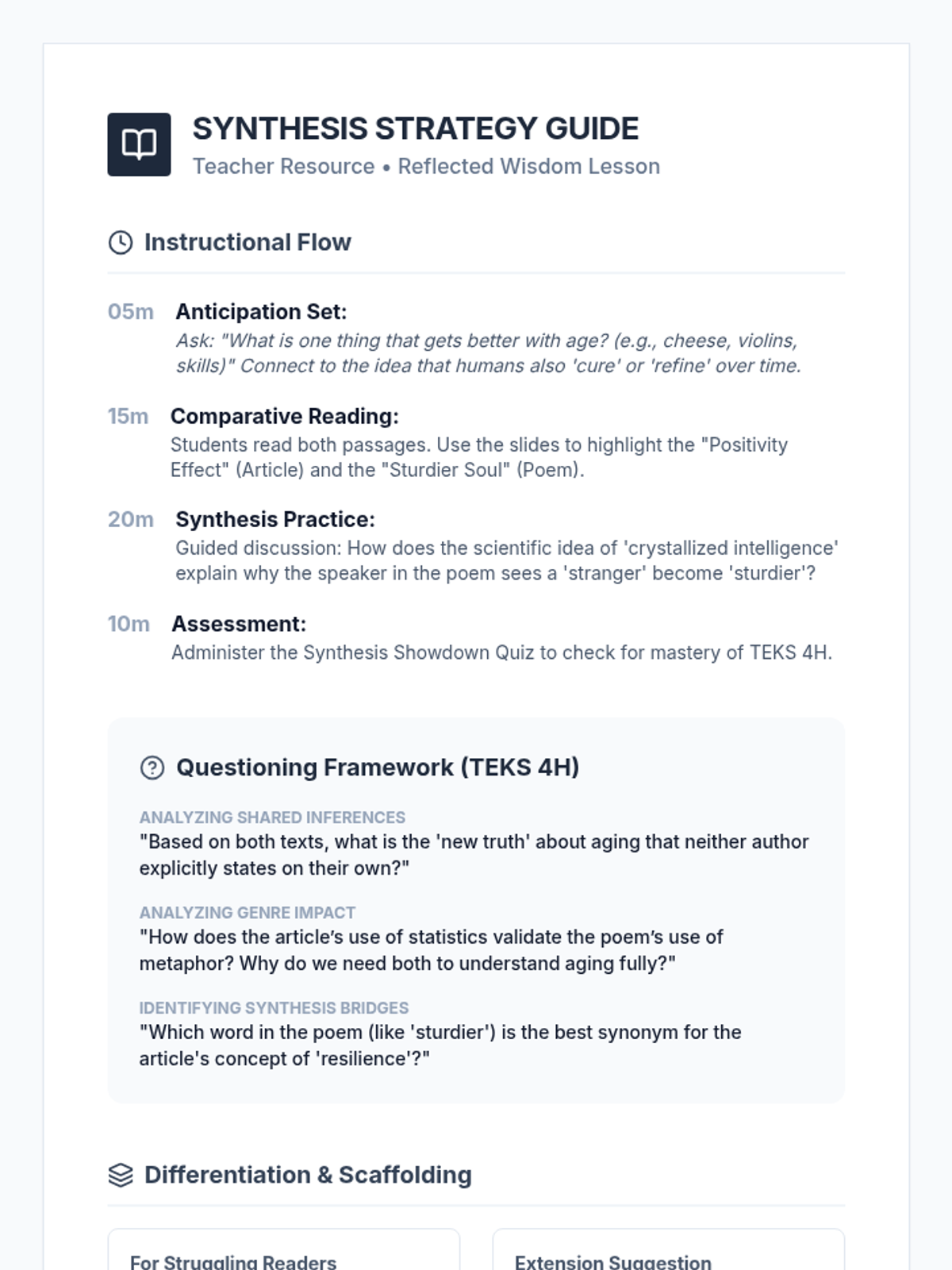
A 50-minute lesson focused on synthesizing Sylvia Plath's poem 'Mirror' with a modern article on the benefits of aging, emphasizing the contrast between subjective perception and objective reality.
In this lesson, students will practice synthesizing information from an informational text and a poem. They will learn to identify shared themes and contrasting perspectives to develop a comprehensive understanding of the aging process.
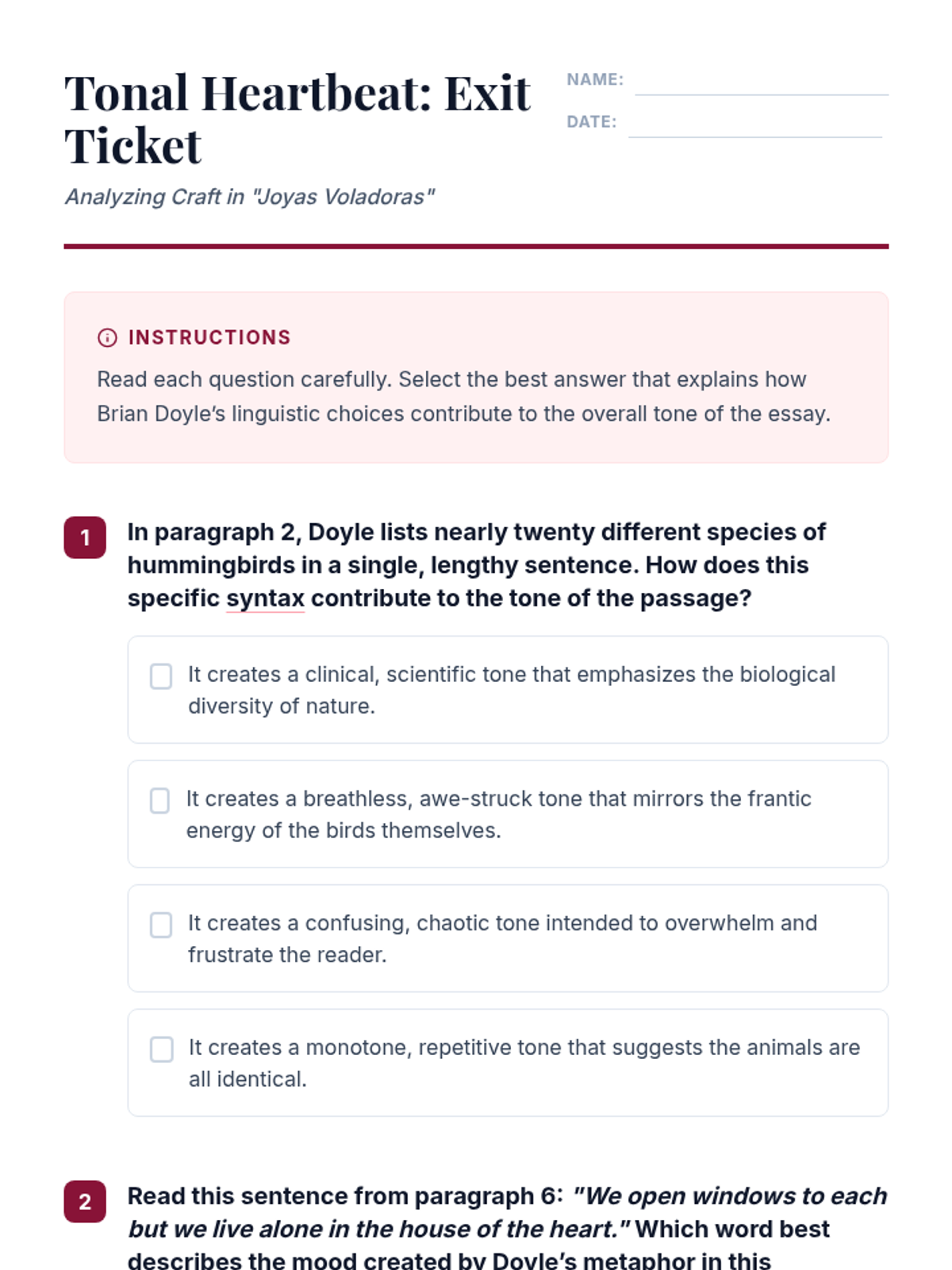
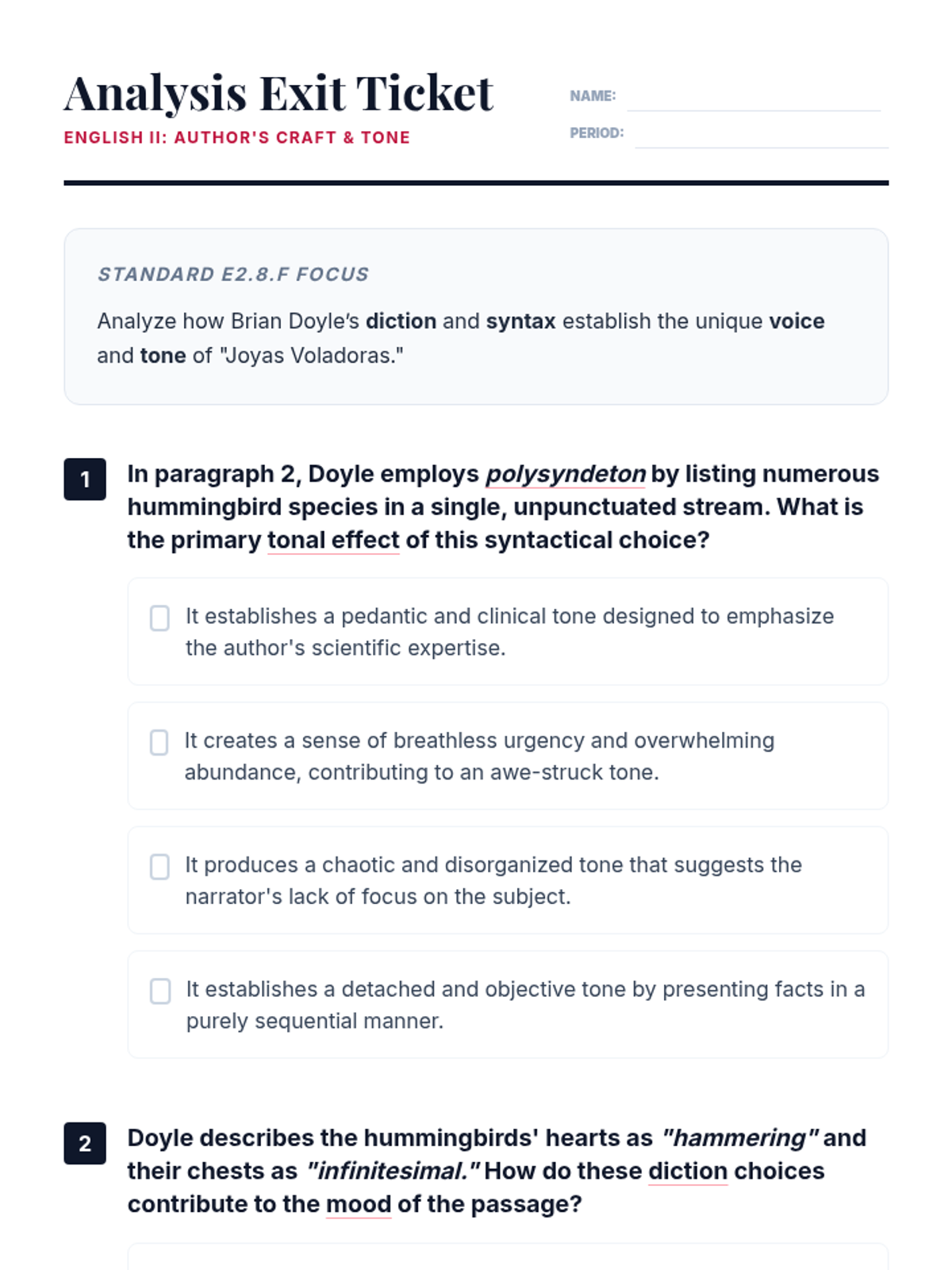
This lesson explores how Brian Doyle uses specific diction and complex syntax in 'Joyas Voladoras' to establish a tone of profound wonder and bittersweet vulnerability. Students will analyze textual evidence to connect linguistic choices to the overall mood and voice.
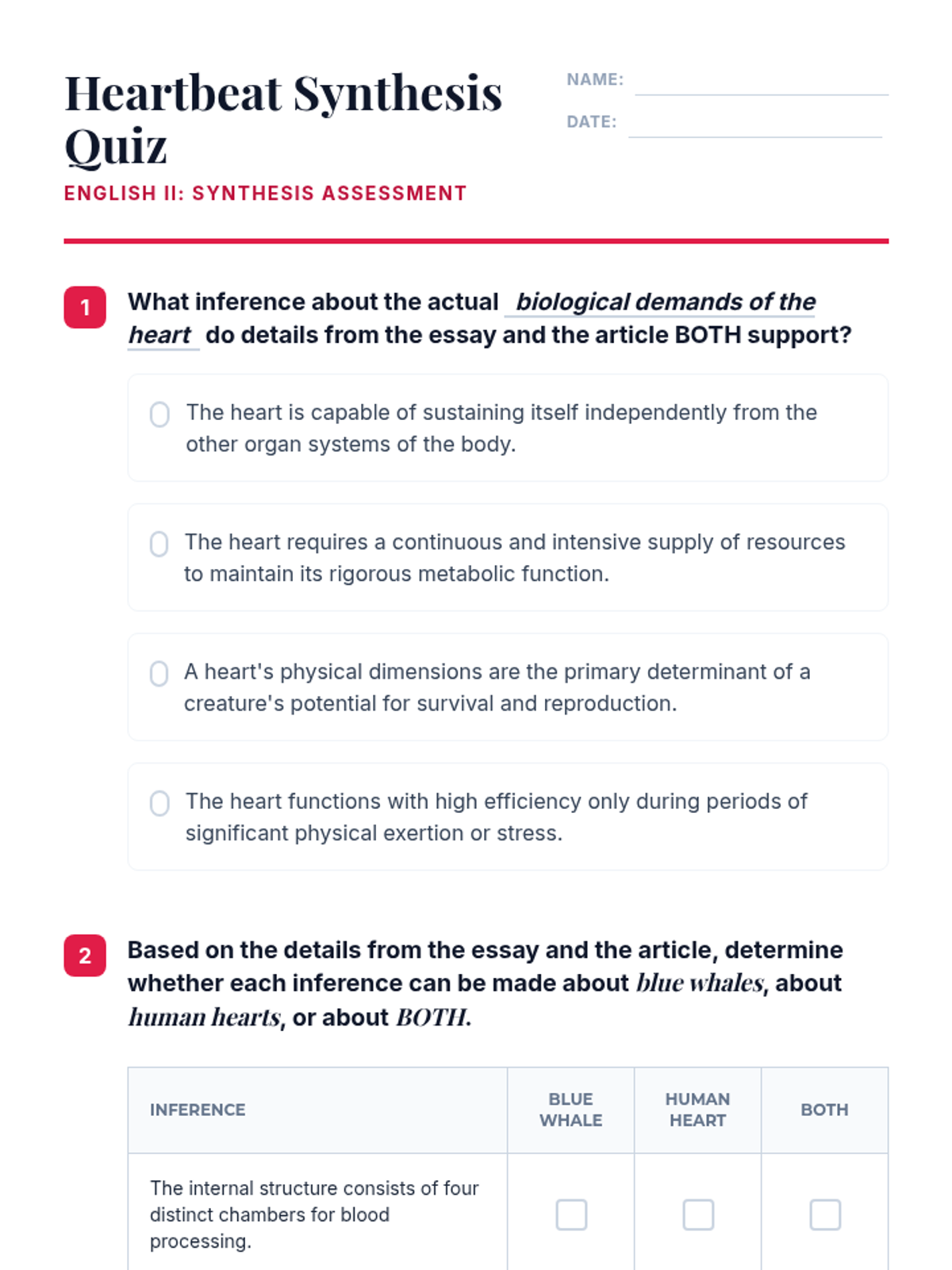
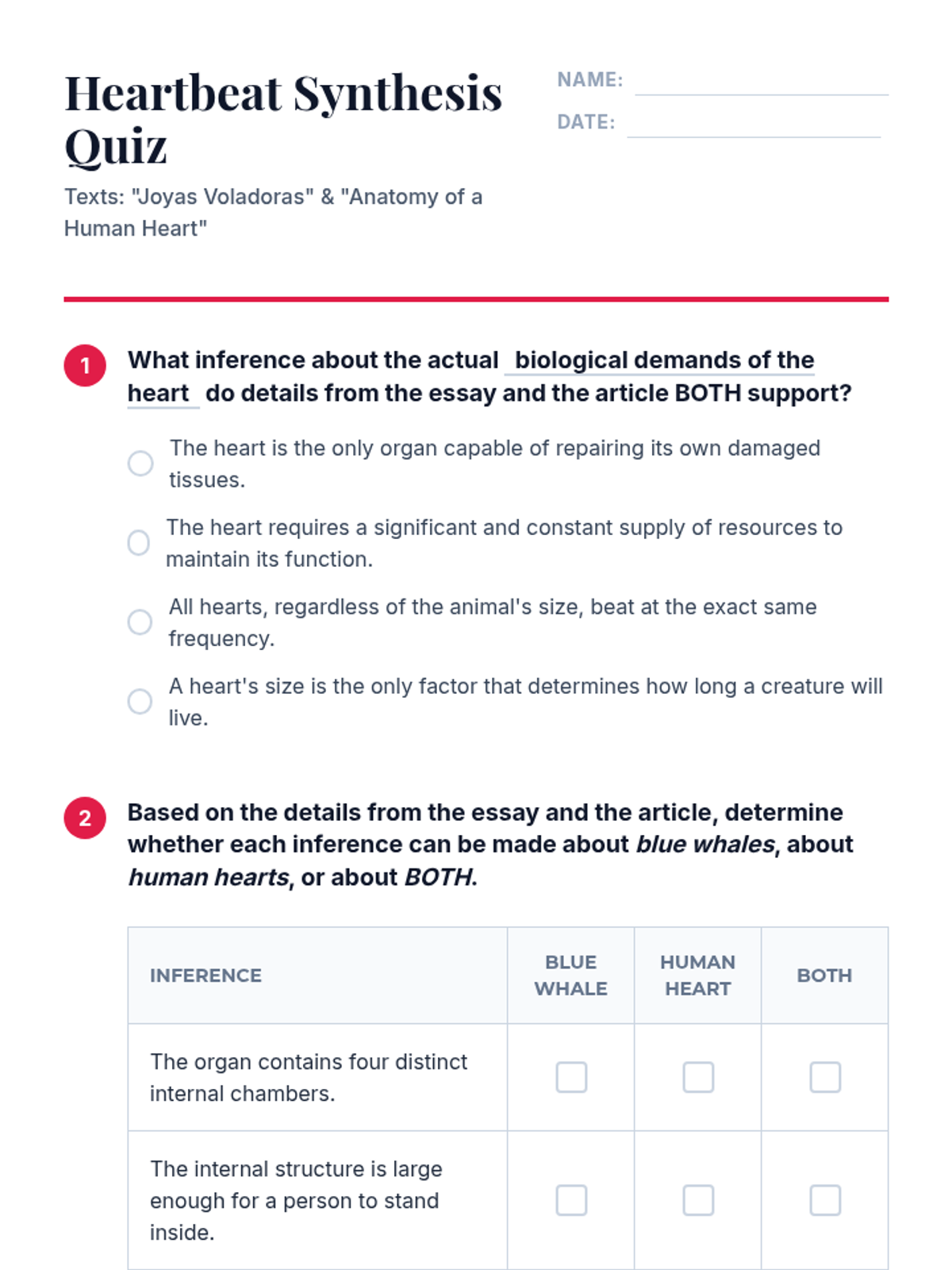
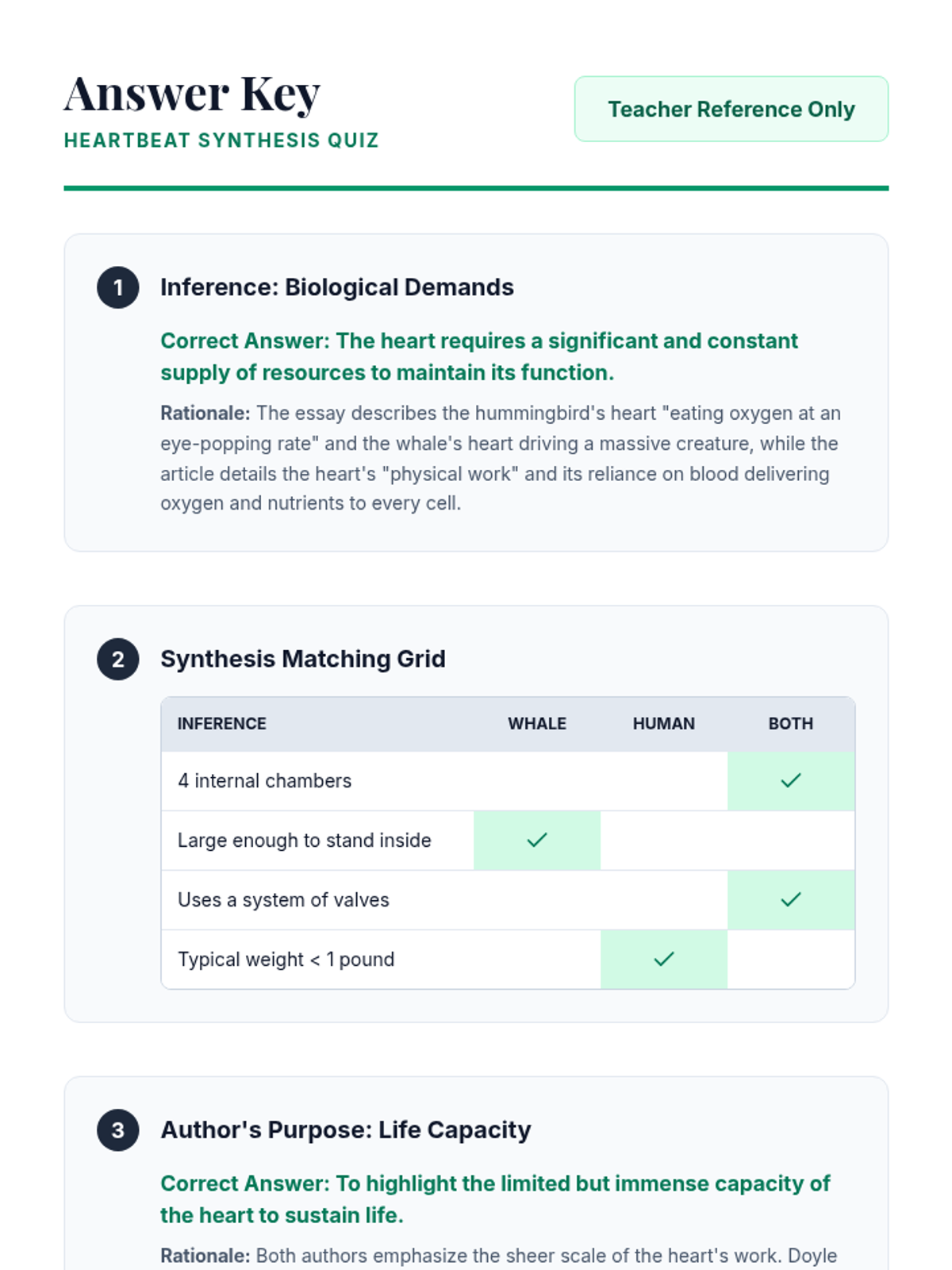
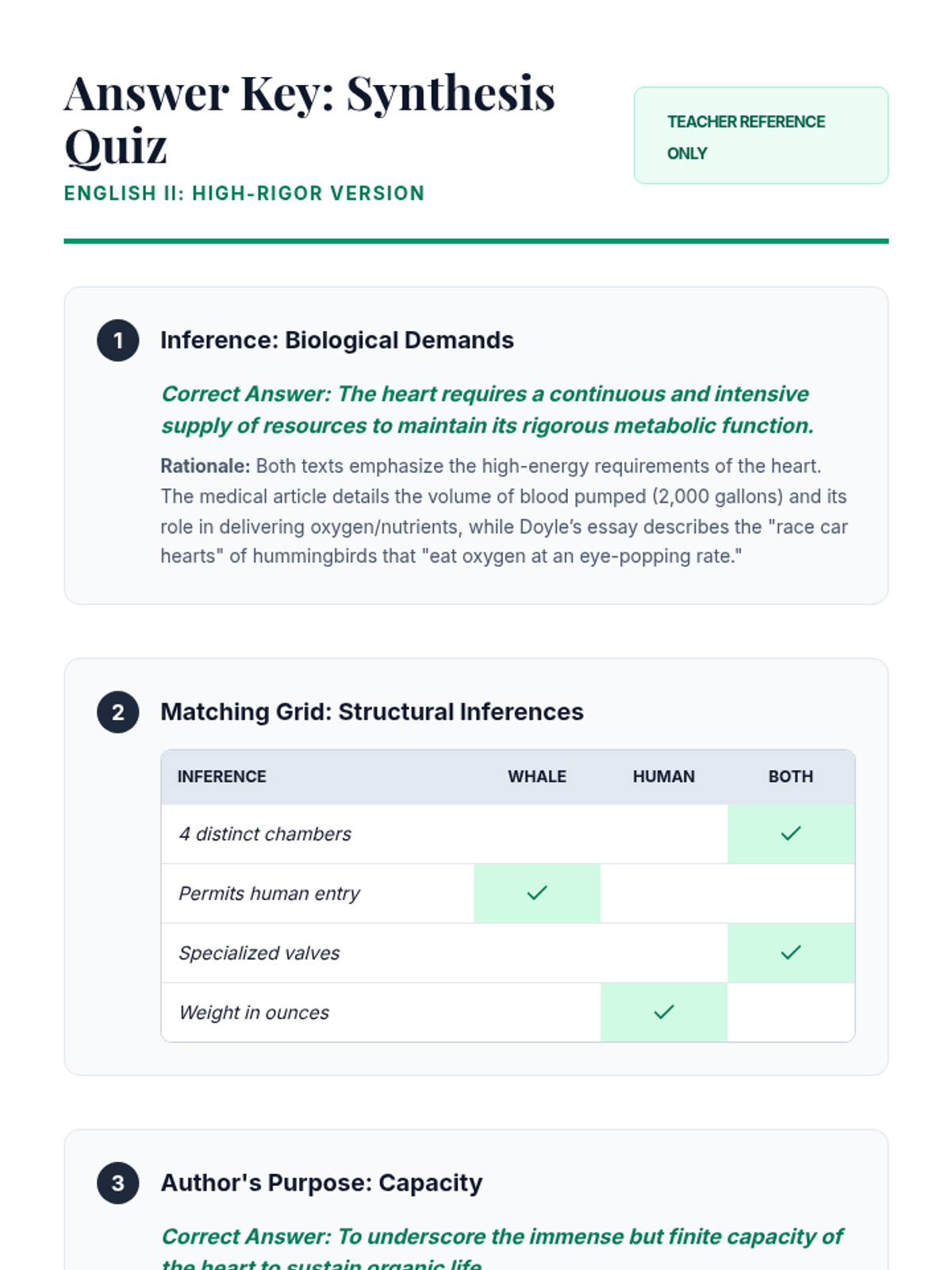
A synthesis lesson comparing the biological heart in 'Anatomy of a Human Heart' with the emotional and comparative heart in Brian Doyle's 'Joyas Voladoras.' Students will analyze how scientific facts and literary metaphors work together to create a deeper understanding of the heart.
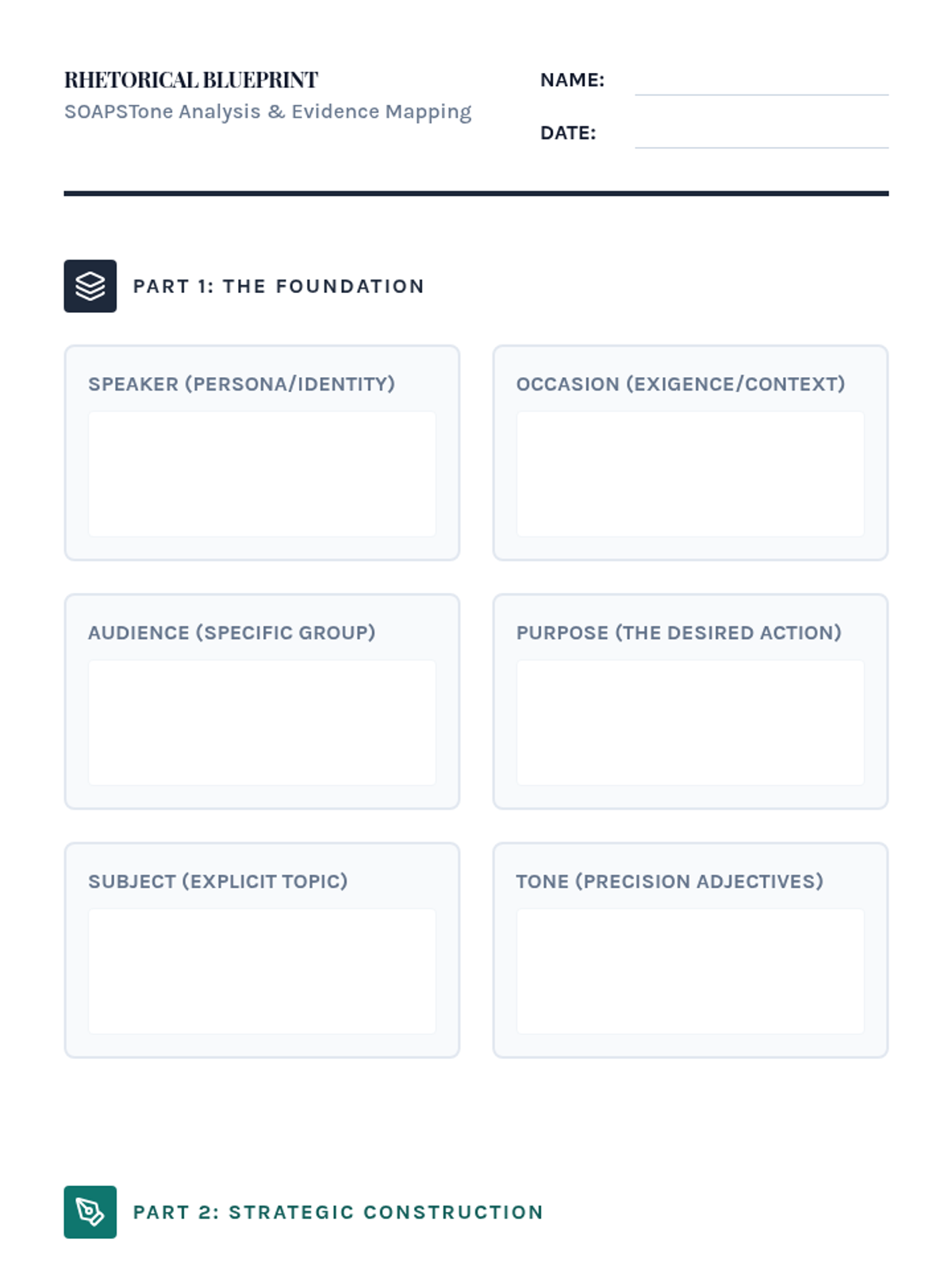
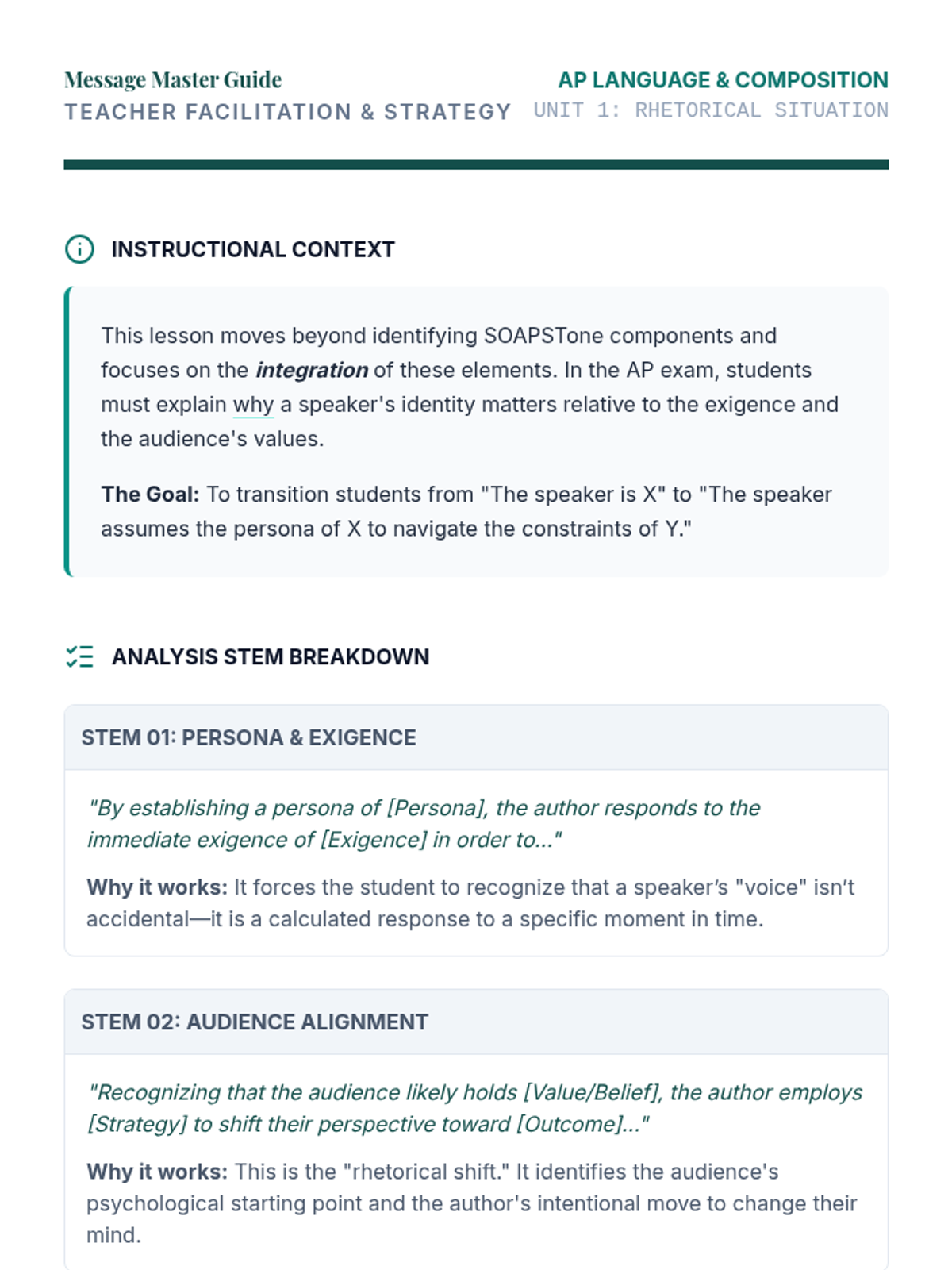
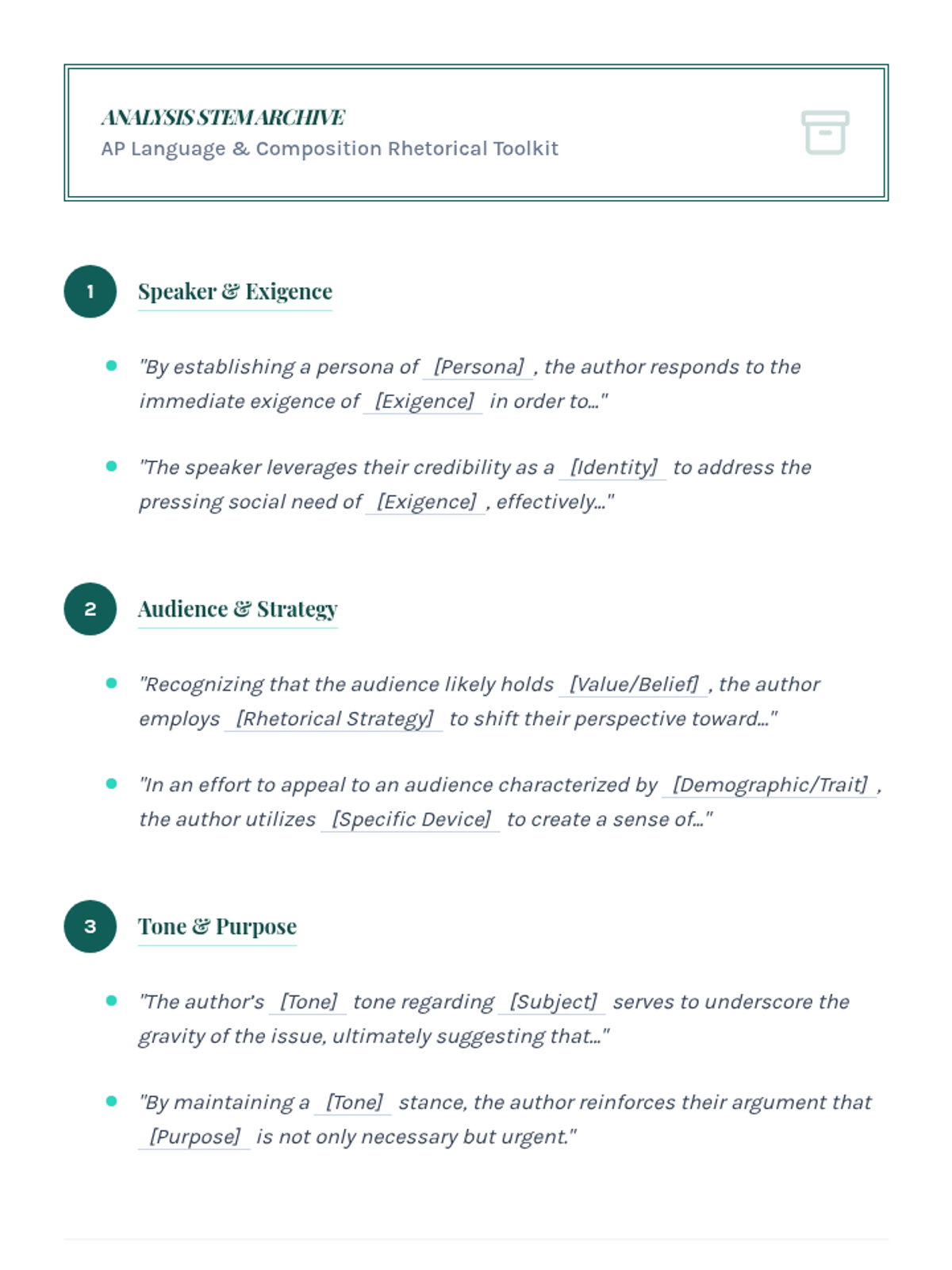
An advanced rhetorical analysis lesson for AP Language students focusing on the SOAPSTone method to deconstruct non-fiction texts and identify the speaker's line of reasoning.
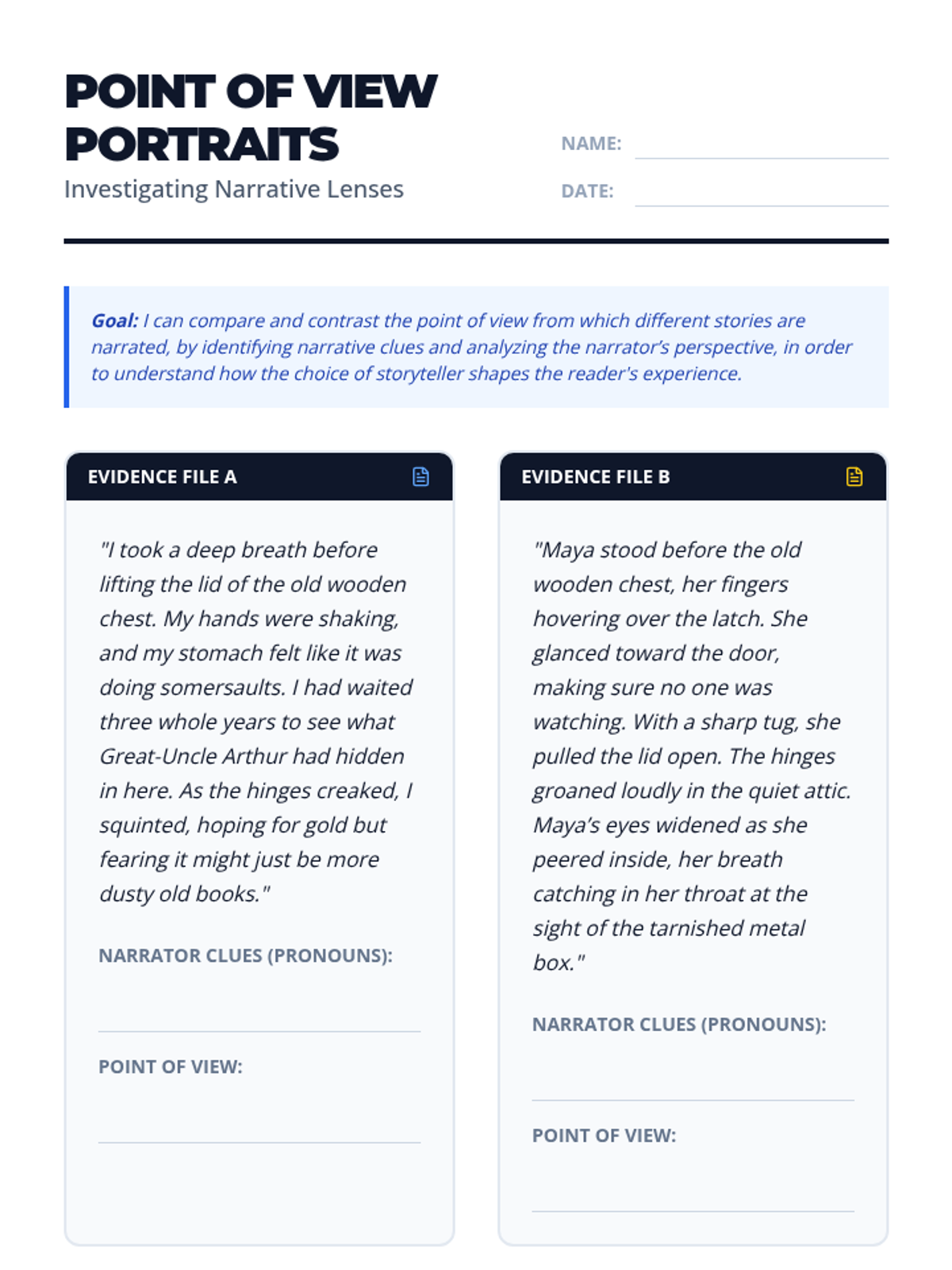
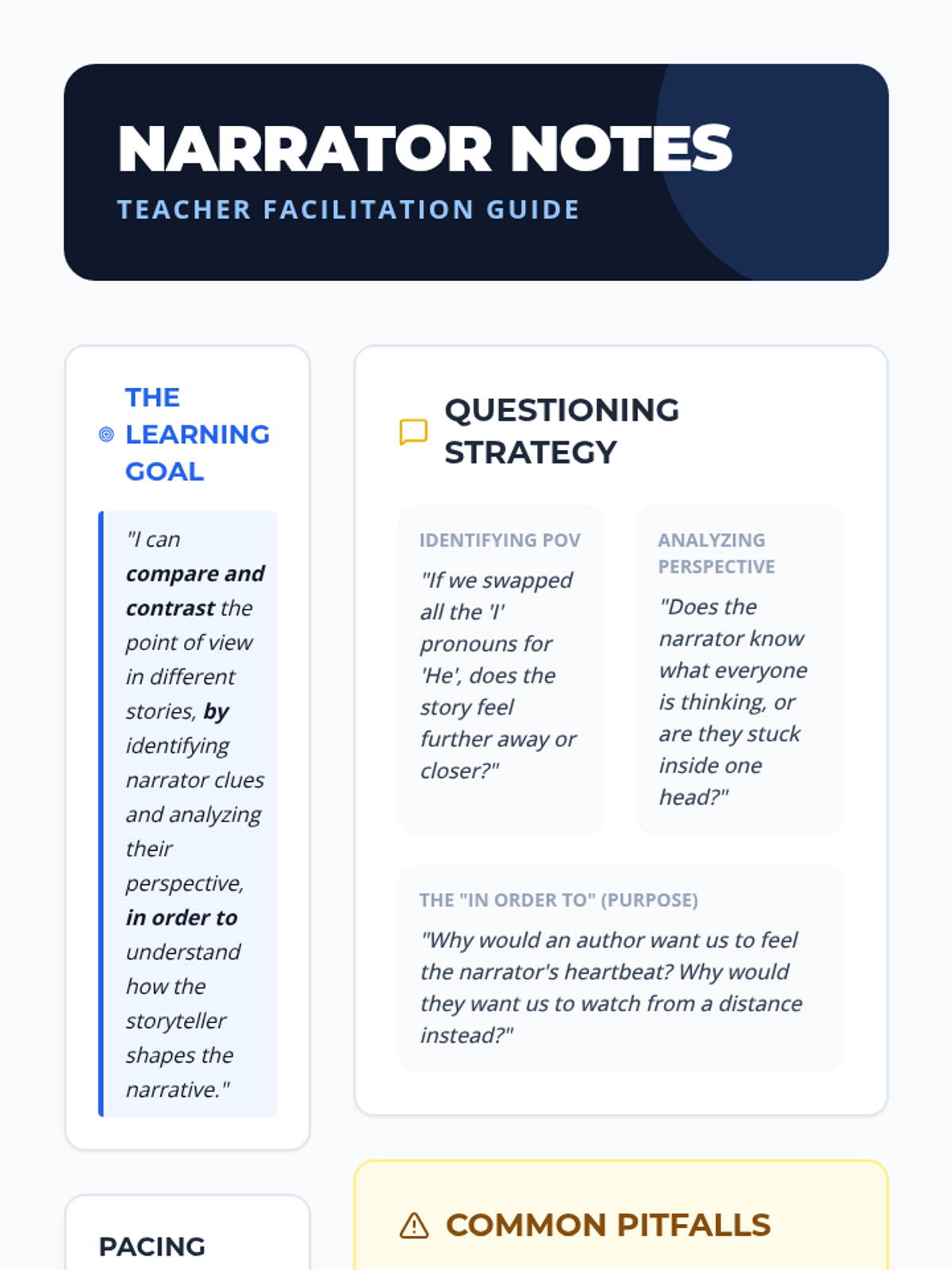
A lesson focused on identifying, comparing, and contrasting first- and third-person points of view in literature. Students will analyze how the narrator's perspective influences the reader's experience.
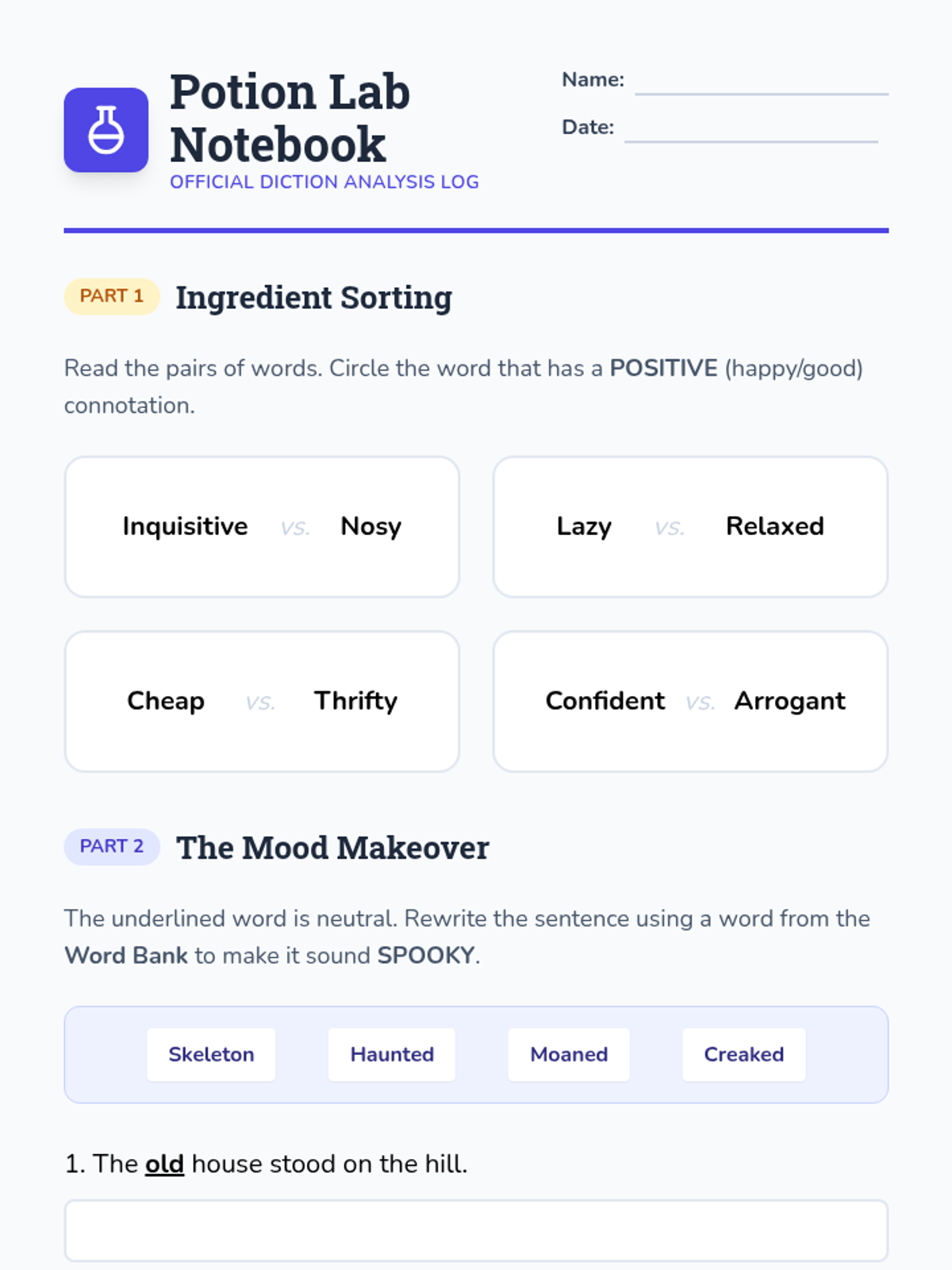
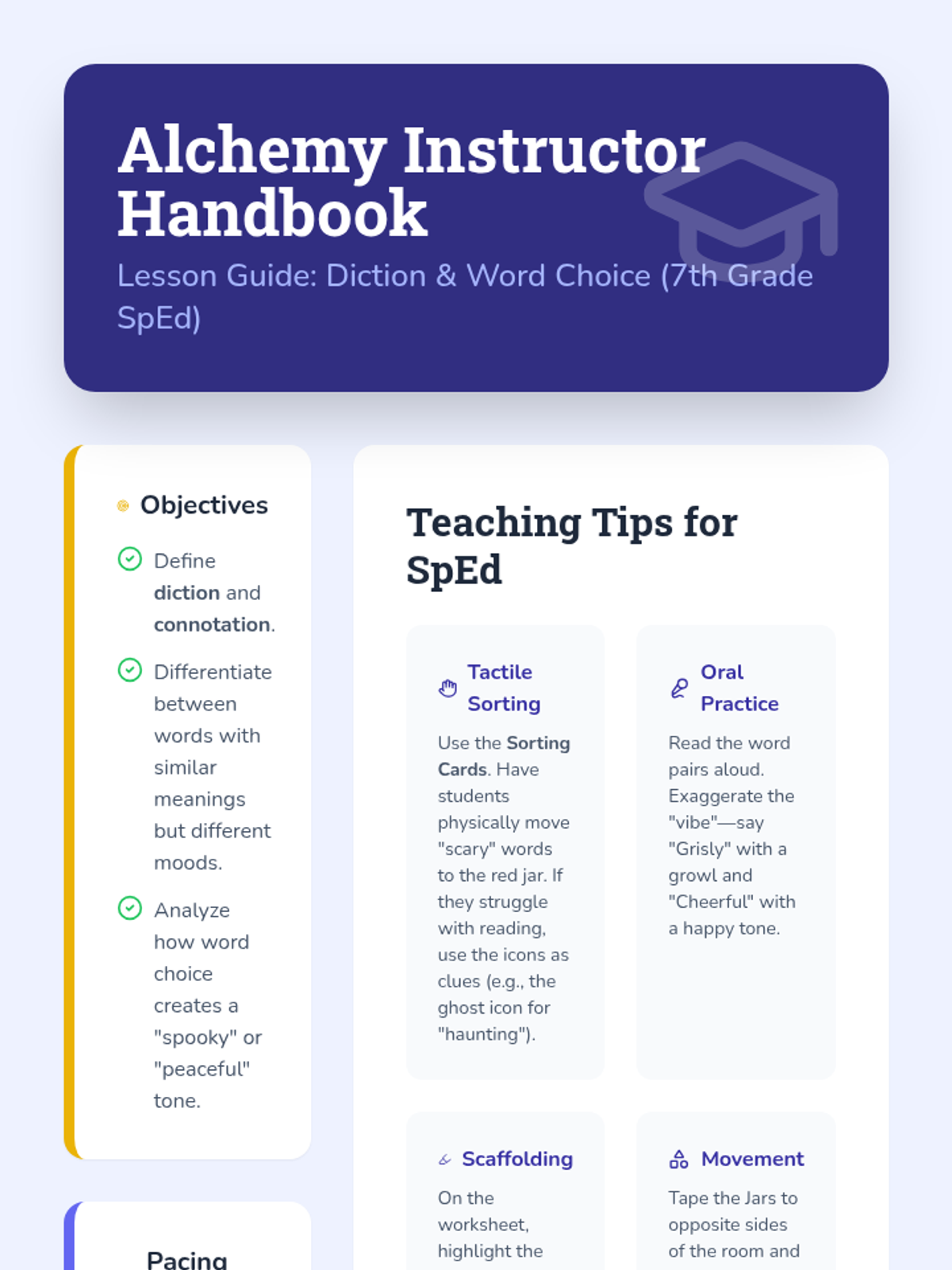
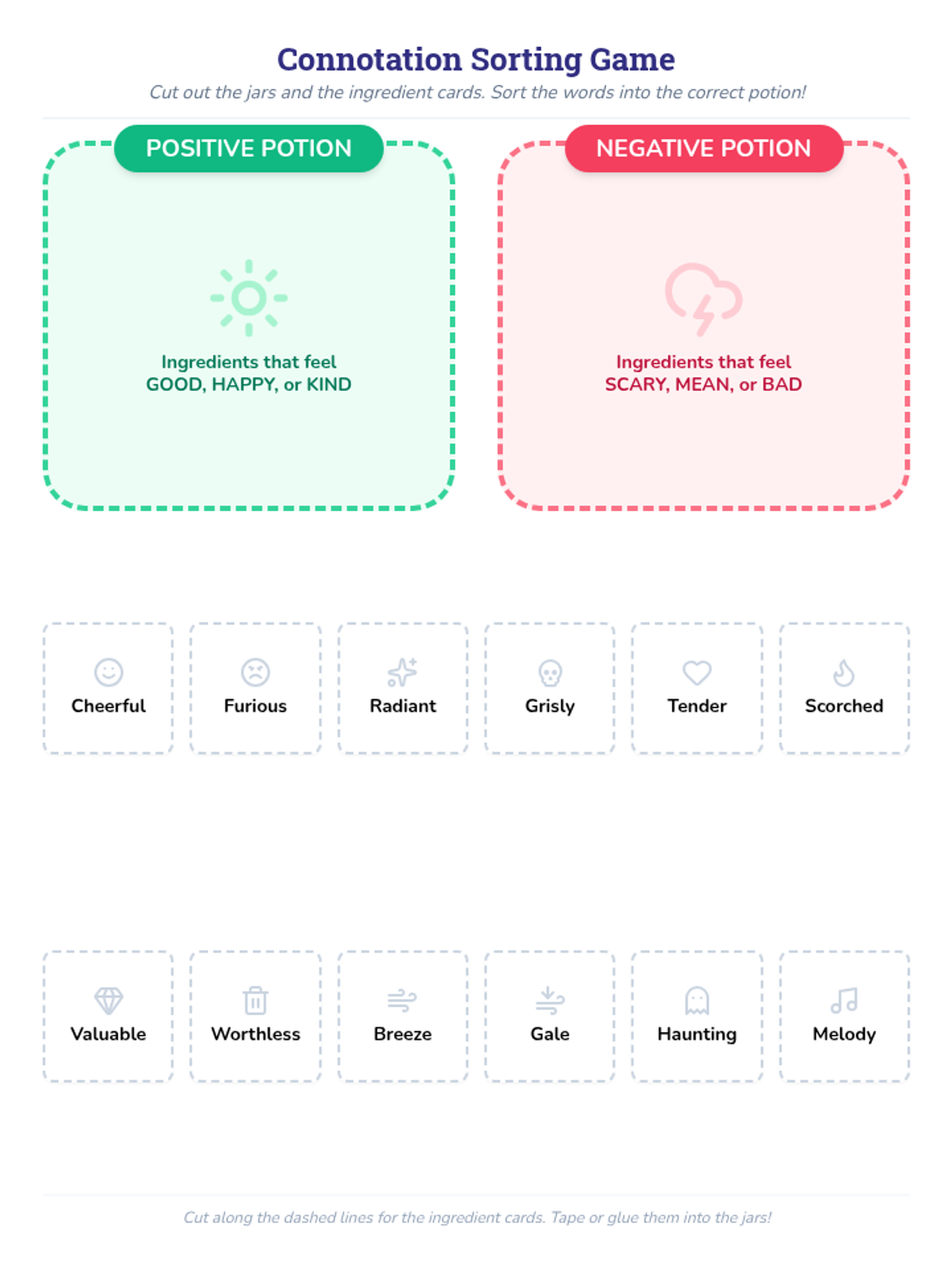
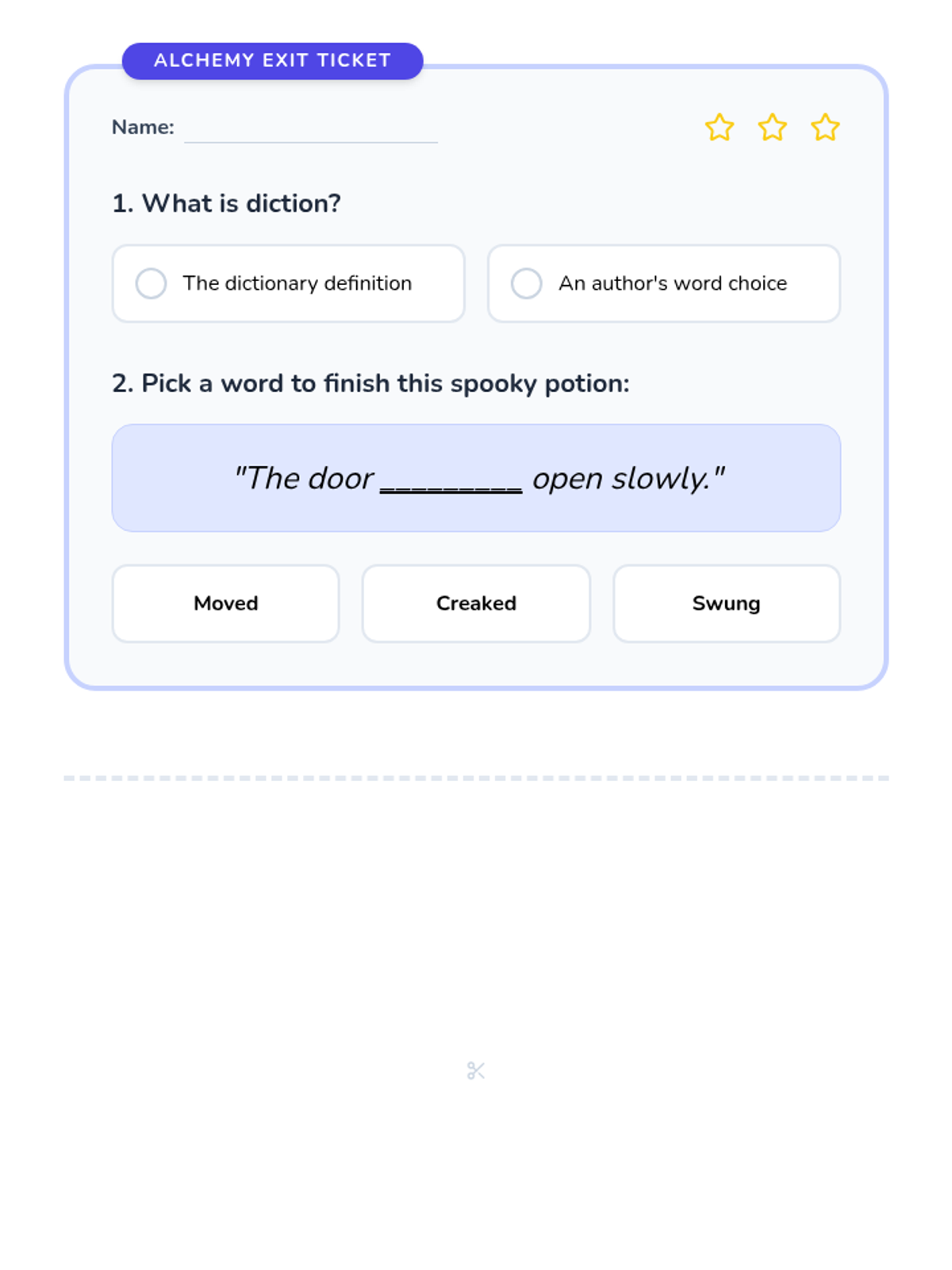
An engaging 40-minute lesson on diction analysis for 7th grade students, focusing on how word choice creates tone and mood using a 'Word Alchemy' theme.
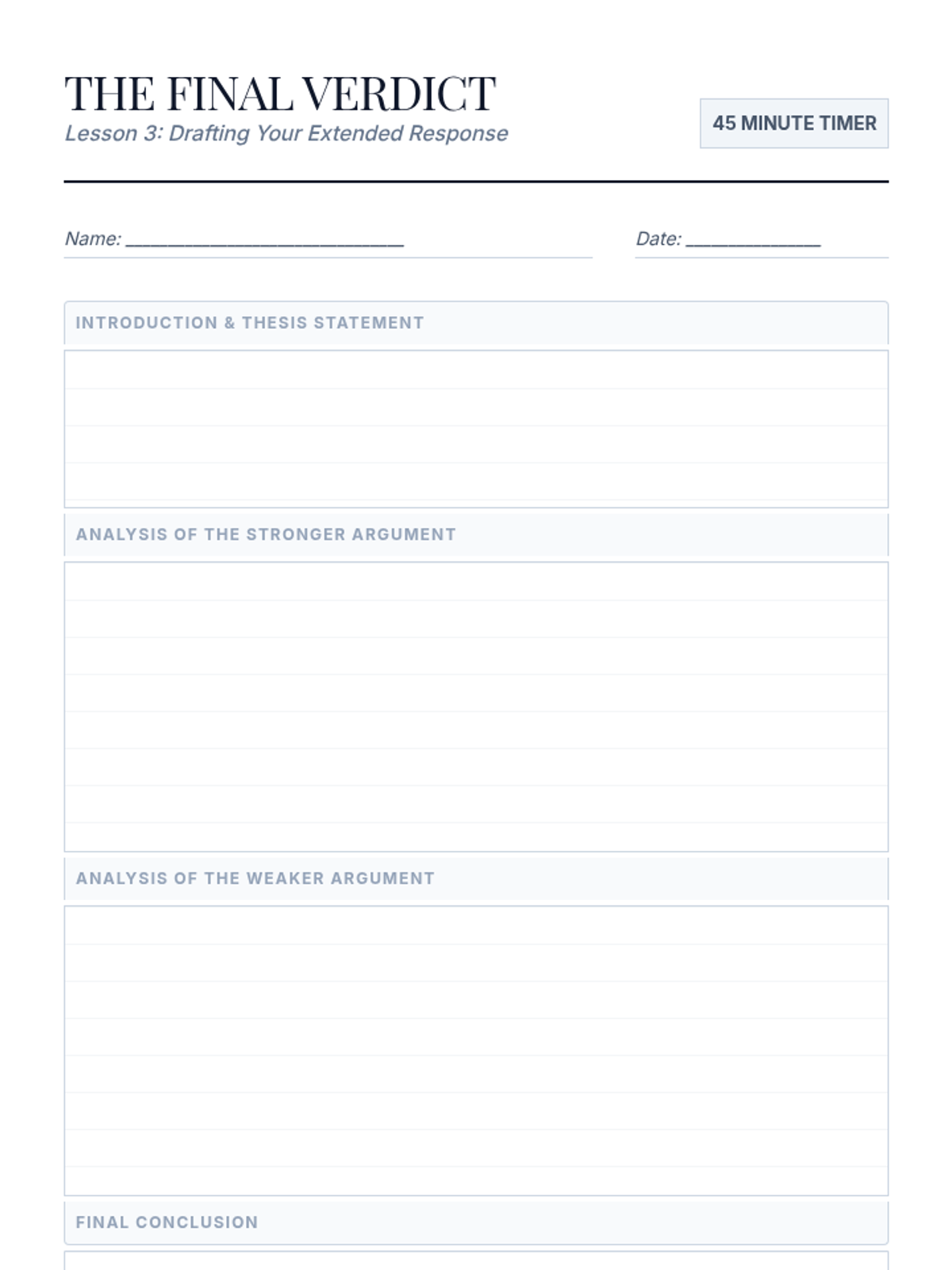
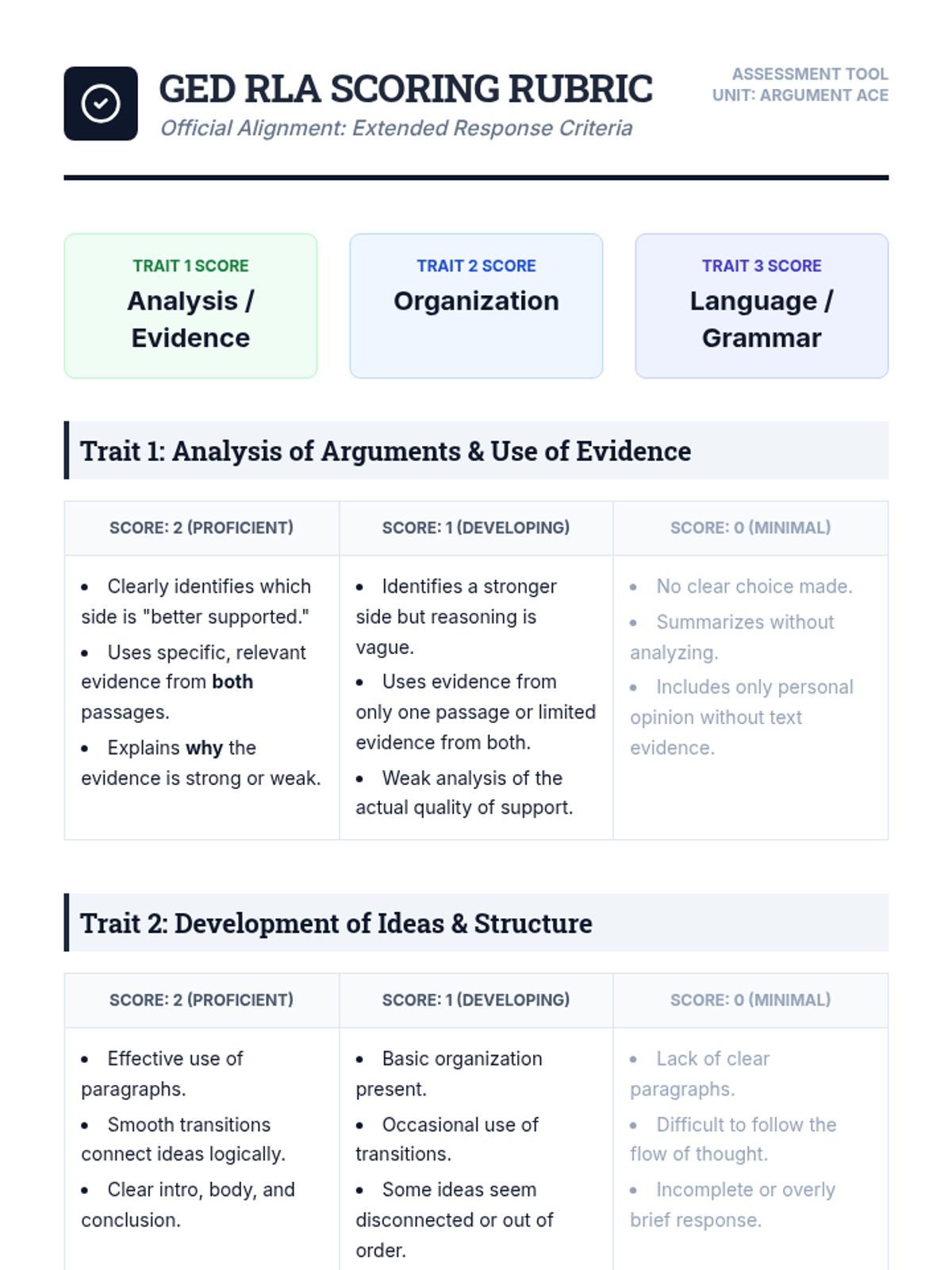
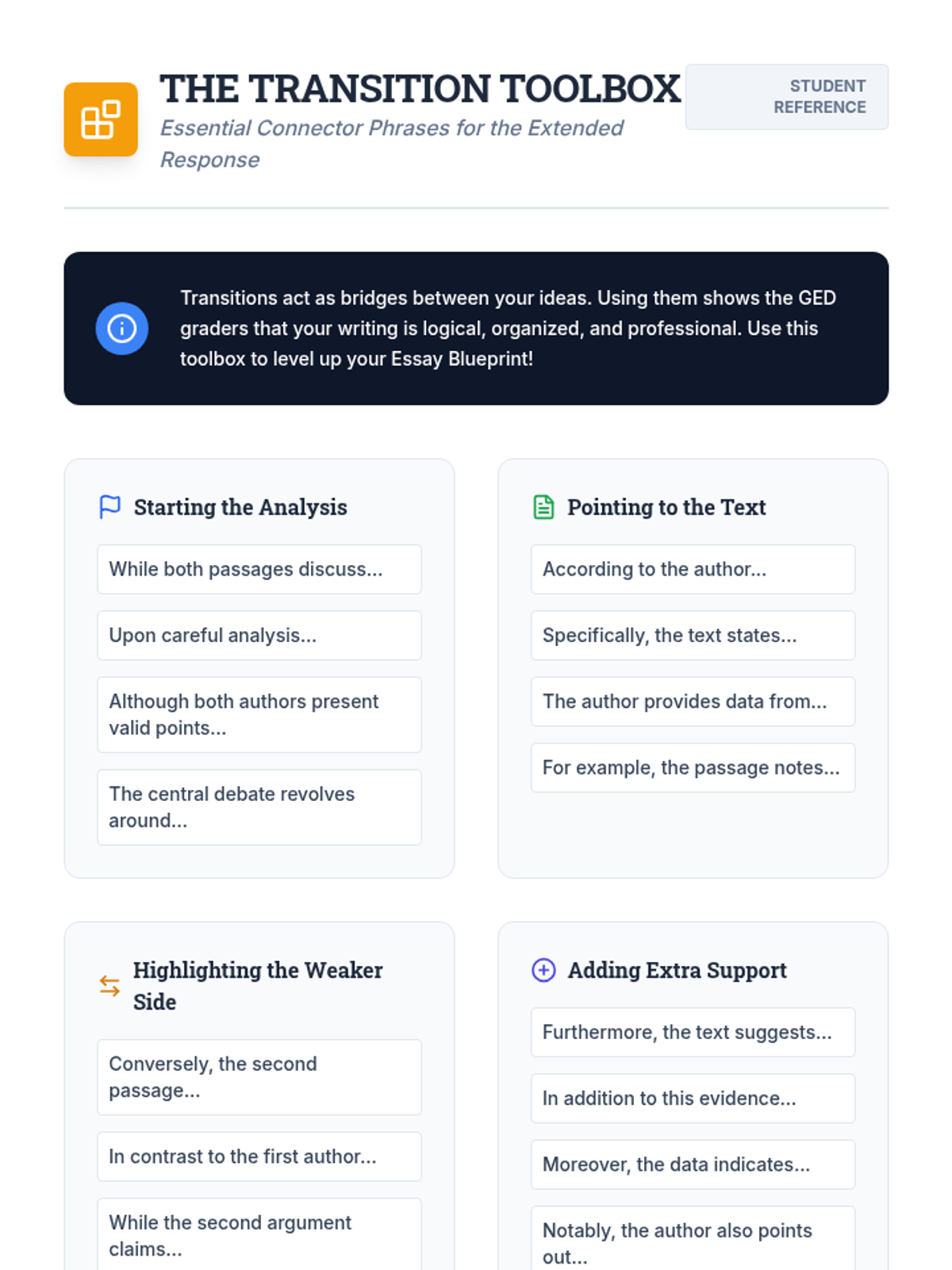
Students draft their argumentative essay using a guided framework and review their work against the GED rubric.
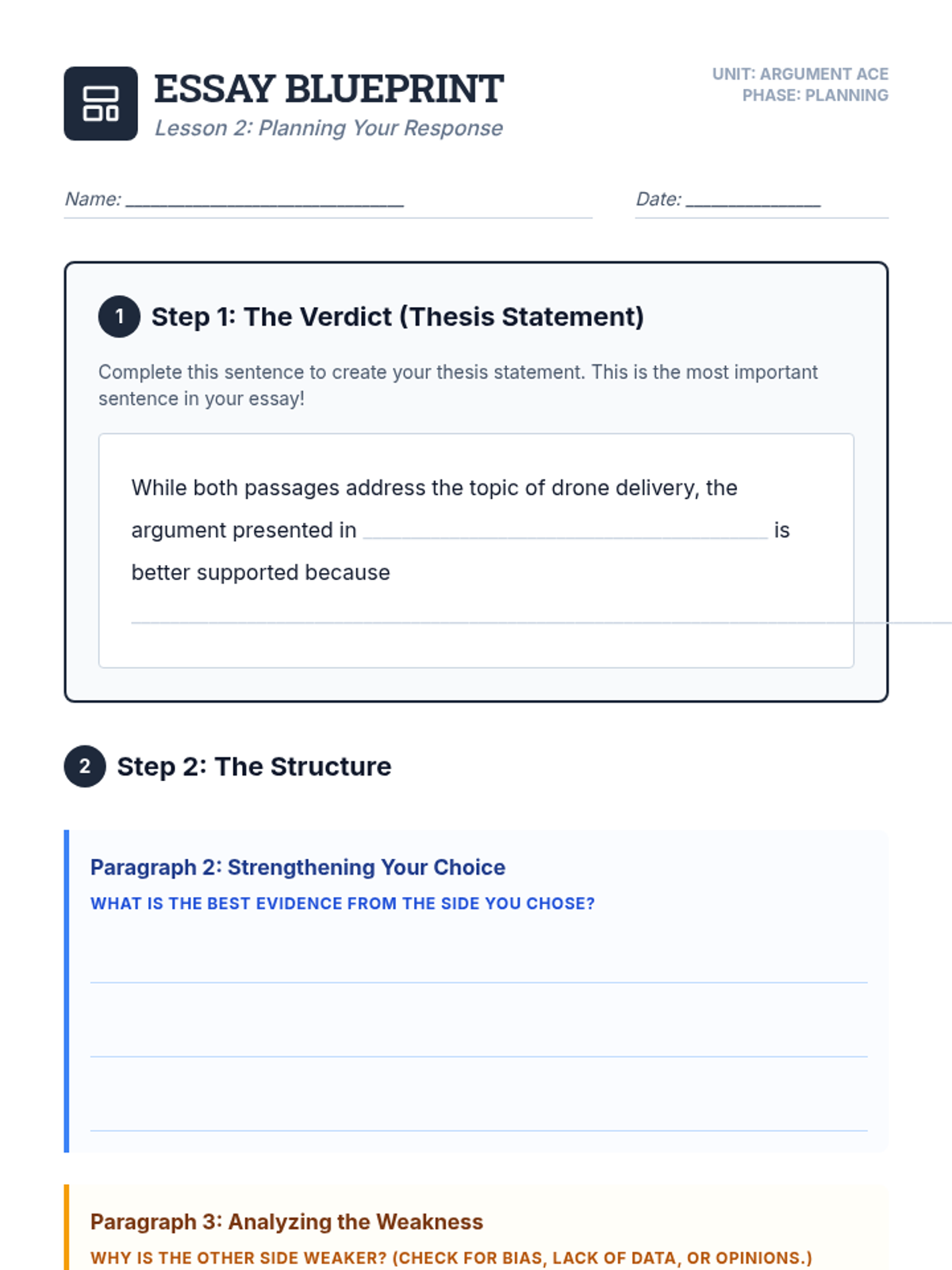
Students evaluate which argument is "better supported" and create a structured outline for their extended response.