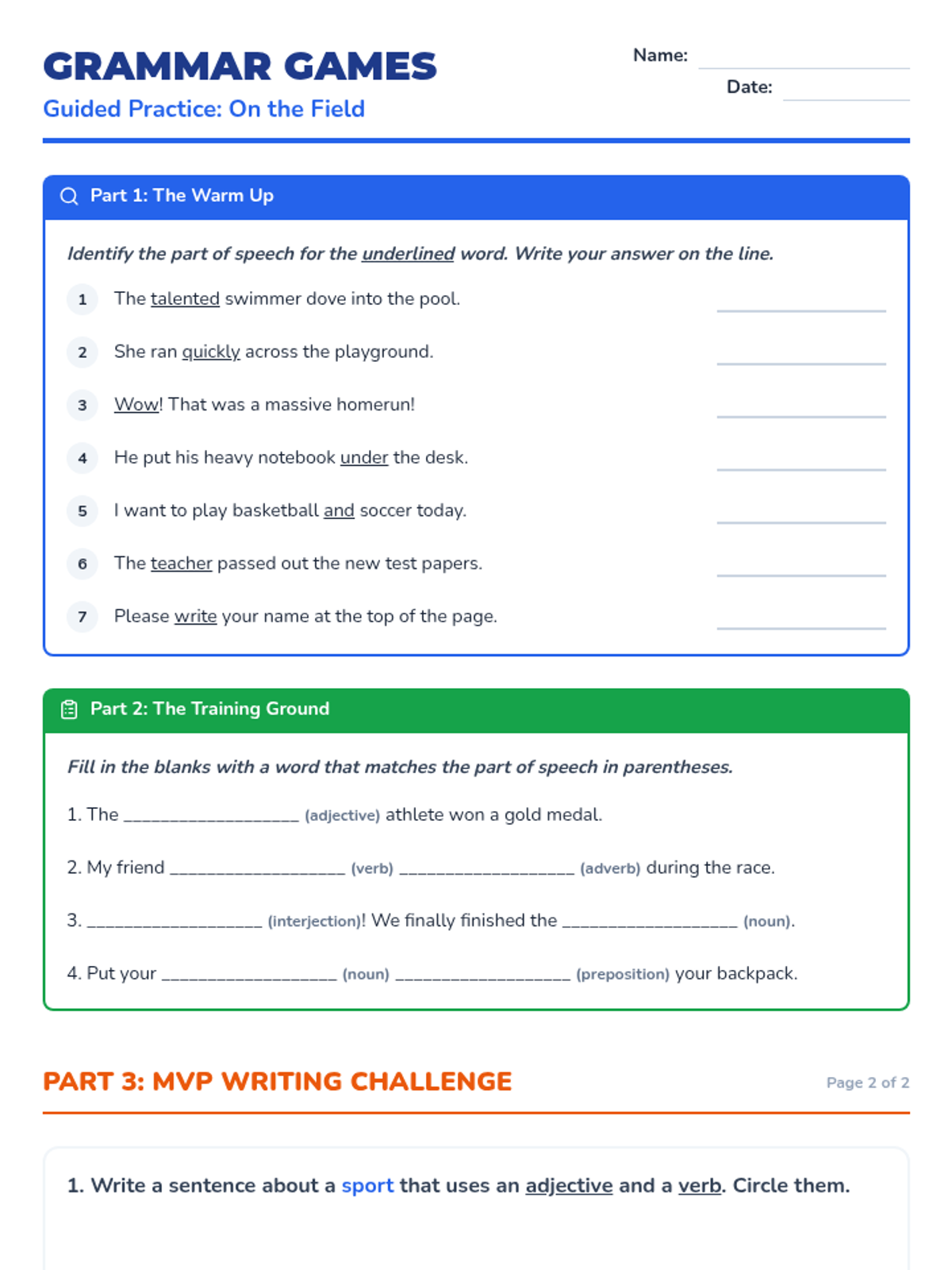
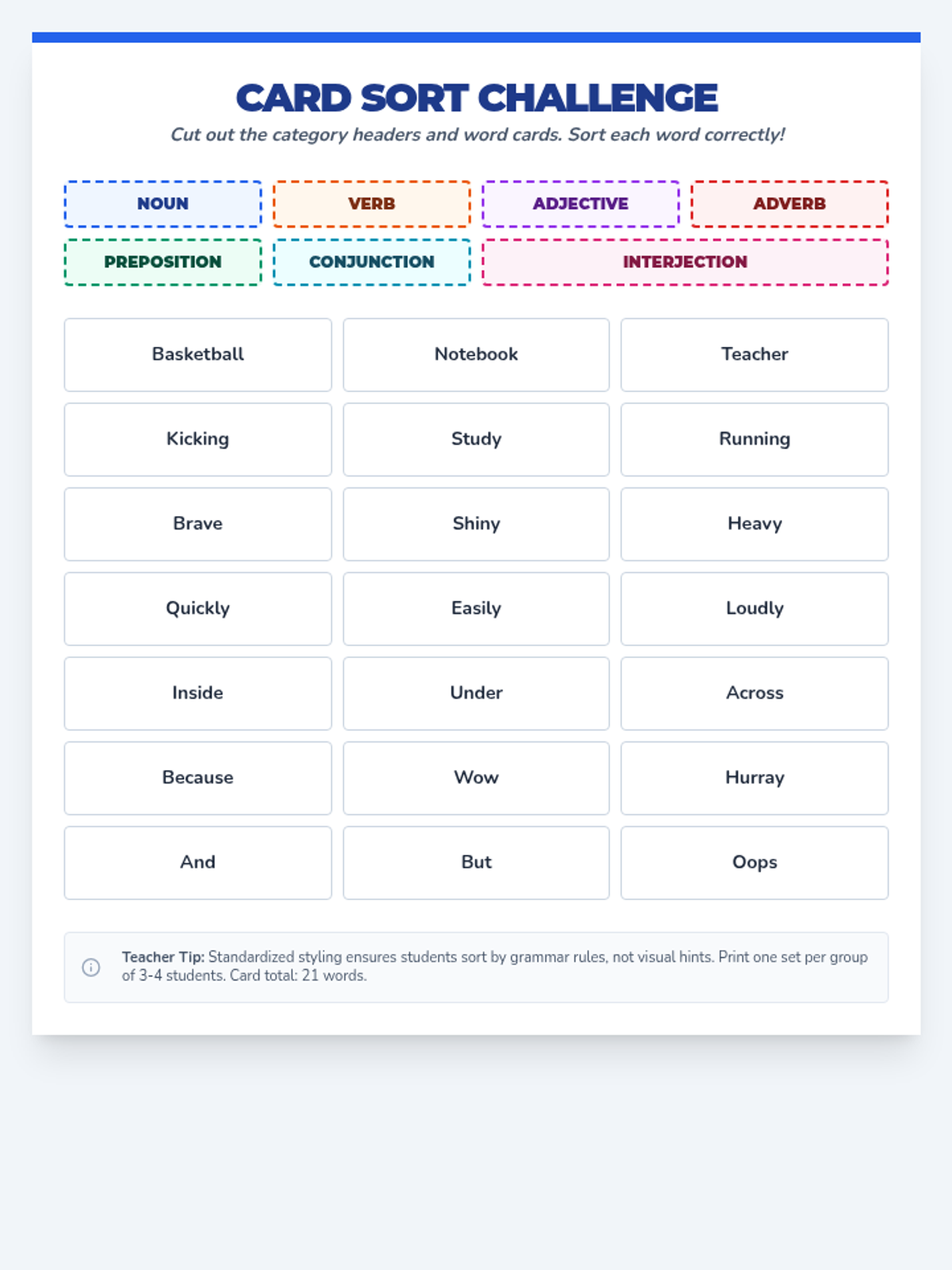
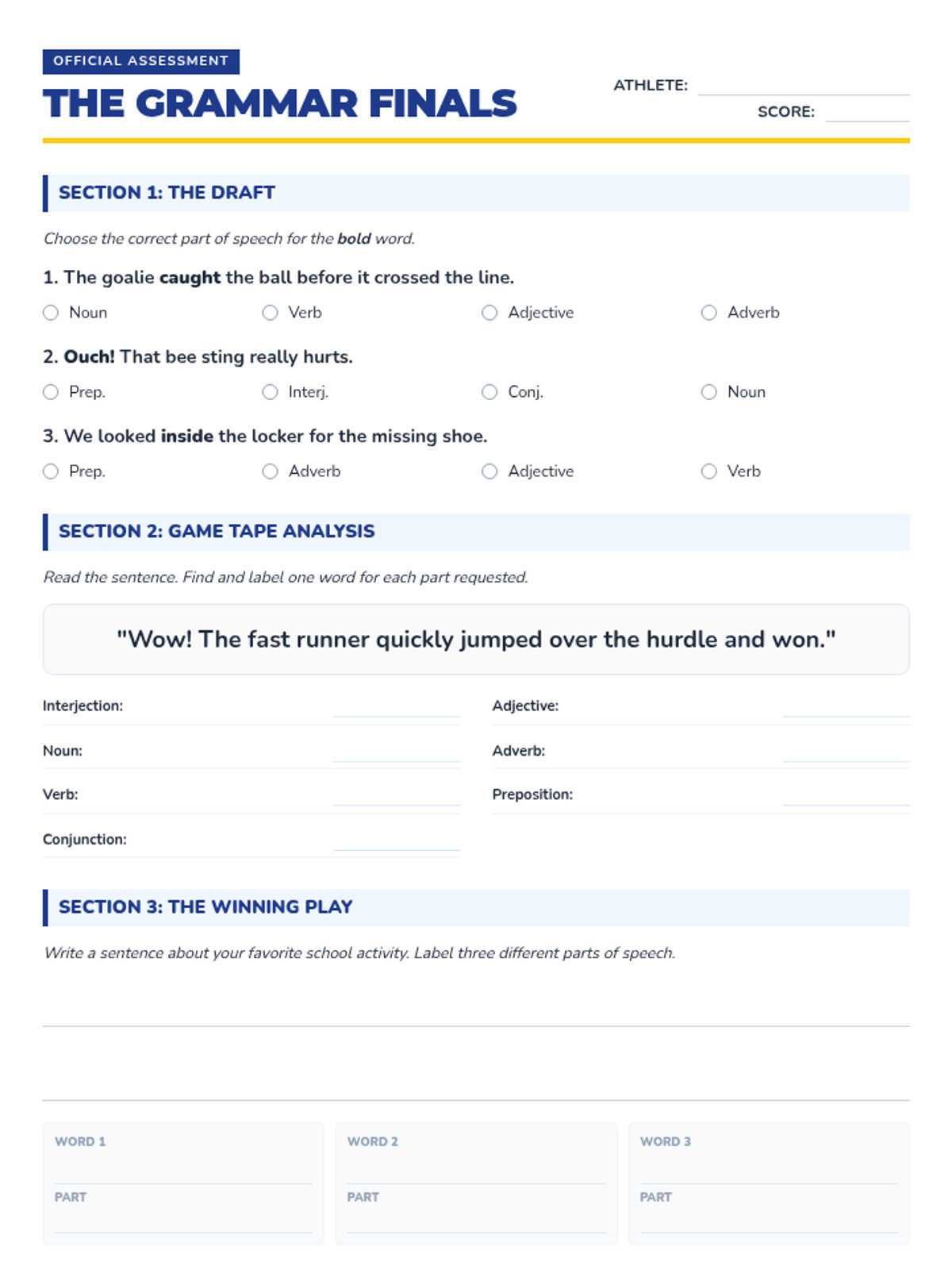
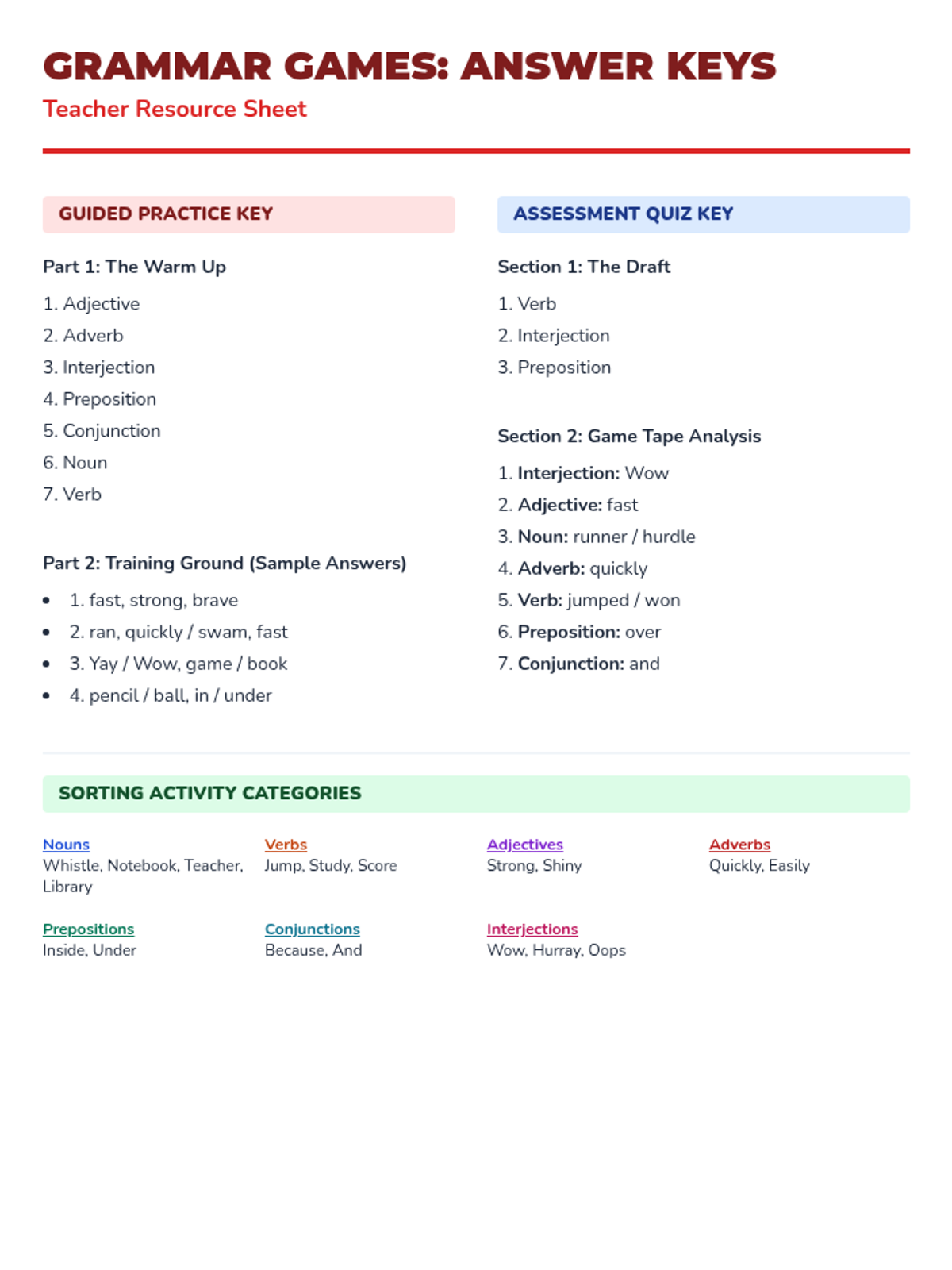
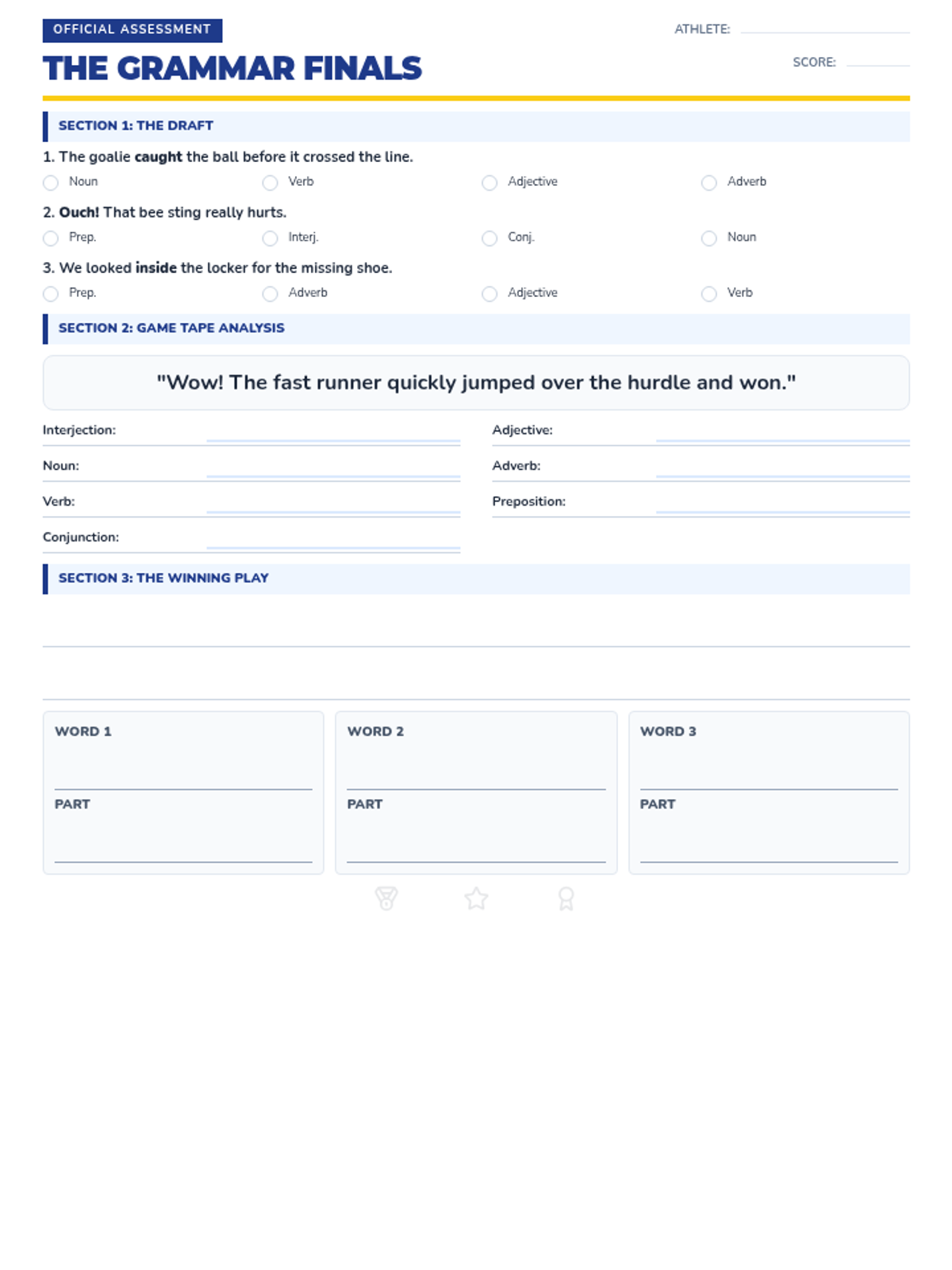
A grammar lesson focused on identifying and using noun, adjective, and adverb phrases in complex and 'tricky' contexts. Students act as 'Syntax Sleuths' to solve linguistic puzzles.
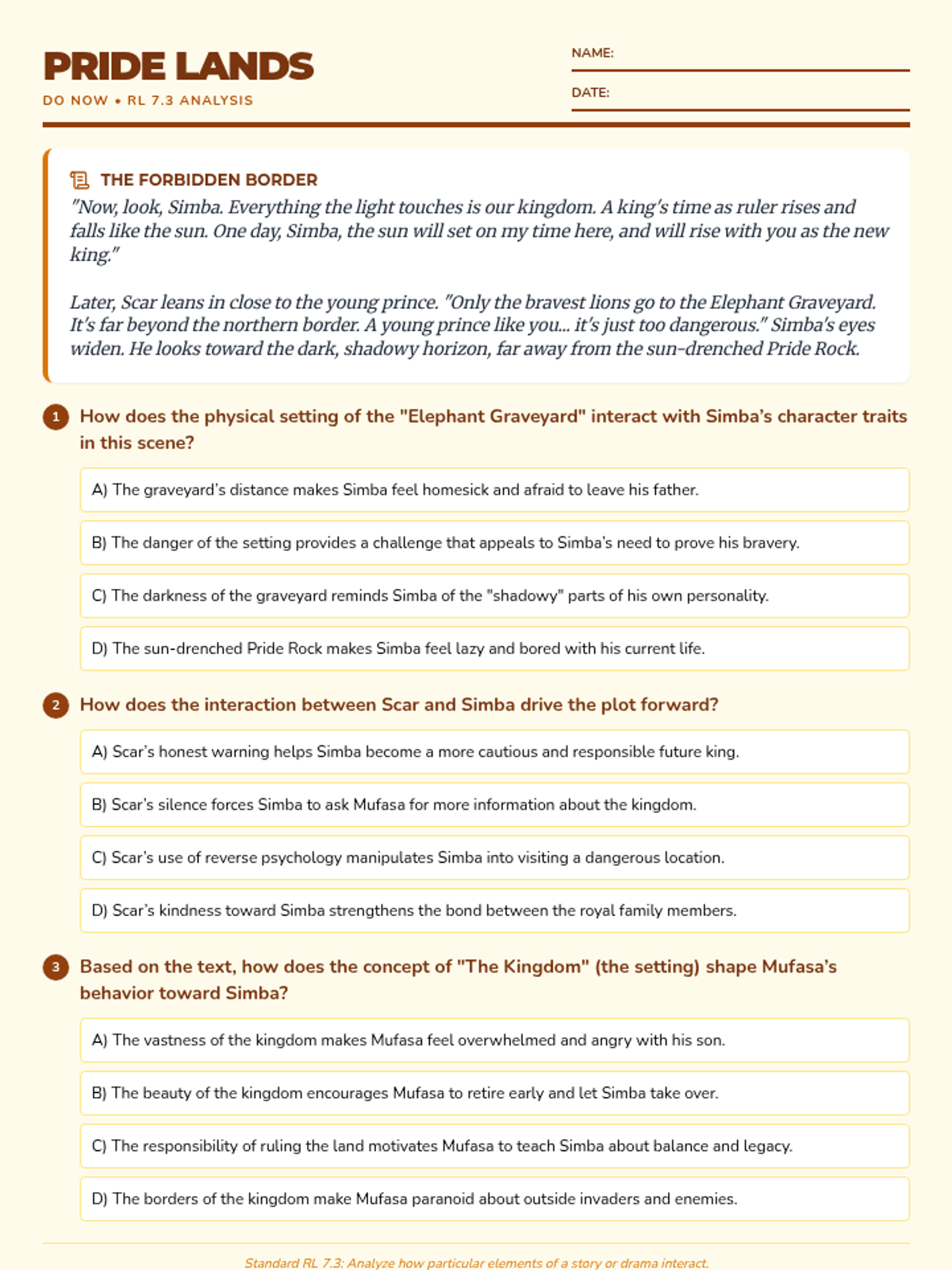
A 45-minute media literacy lesson for 11th grade focusing on source evaluation, identifying bias, and distinguishing between facts and misinformation. Students will learn the SIFT method and engage in a Socratic seminar about the impact of media on society.
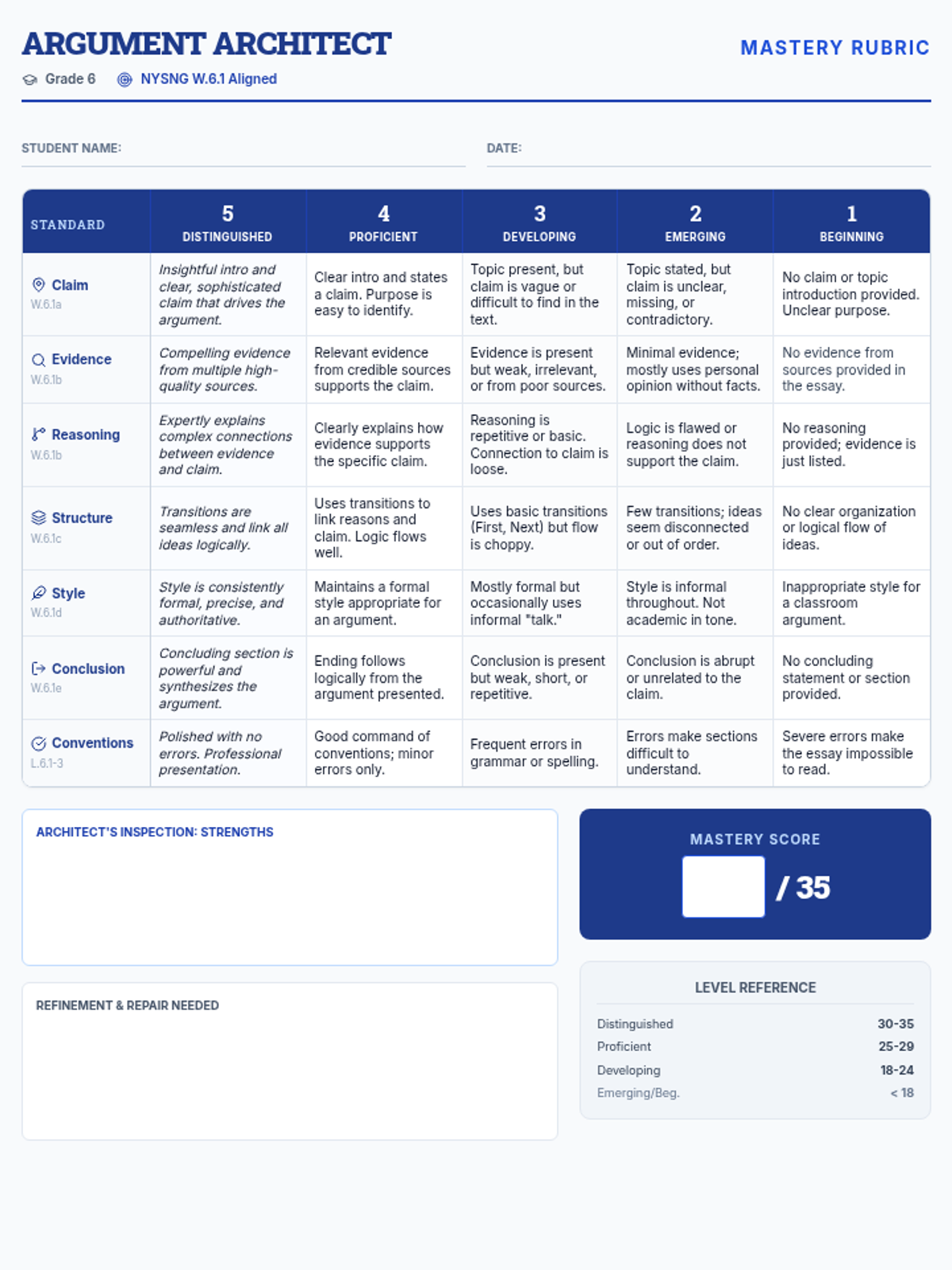
A comprehensive lesson for middle school students on crafting powerful conclusion paragraphs for argumentative essays using the 'Restate, Review, Reveal' method.
A comprehensive middle school lesson focused on digital literacy, teaching students to identify bias, evaluate website credibility, and summarize information ethically through a detective-themed investigation.
A comprehensive lesson on advanced revising and editing for 10th grade, focusing on organizational structure, parallel construction, sentence effectiveness, and grammatical precision. Students will learn to transform drafts into polished, professional pieces of writing.
A 50-minute lesson focused on synthesizing Sylvia Plath's poem 'Mirror' with a modern article on the benefits of aging, emphasizing the contrast between subjective perception and objective reality.
In this lesson, students will practice synthesizing information from an informational text and a poem. They will learn to identify shared themes and contrasting perspectives to develop a comprehensive understanding of the aging process.
This lesson explores how Brian Doyle uses specific diction and complex syntax in 'Joyas Voladoras' to establish a tone of profound wonder and bittersweet vulnerability. Students will analyze textual evidence to connect linguistic choices to the overall mood and voice.
A synthesis lesson comparing the biological heart in 'Anatomy of a Human Heart' with the emotional and comparative heart in Brian Doyle's 'Joyas Voladoras.' Students will analyze how scientific facts and literary metaphors work together to create a deeper understanding of the heart.
An advanced rhetorical analysis lesson for AP Language students focusing on the SOAPSTone method to deconstruct non-fiction texts and identify the speaker's line of reasoning.
A lesson focused on identifying, comparing, and contrasting first- and third-person points of view in literature. Students will analyze how the narrator's perspective influences the reader's experience.
An engaging 40-minute lesson on diction analysis for 7th grade students, focusing on how word choice creates tone and mood using a 'Word Alchemy' theme.
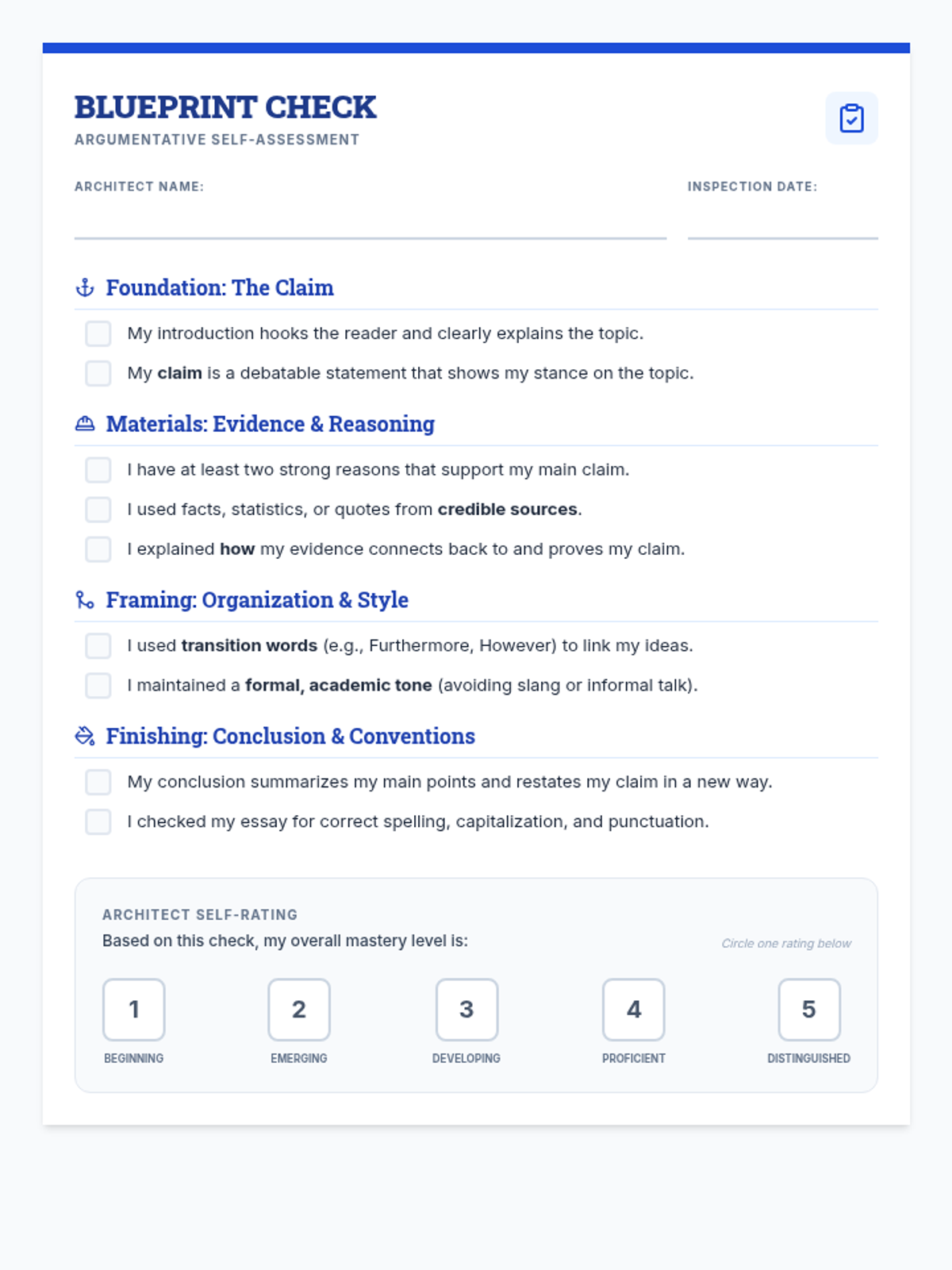
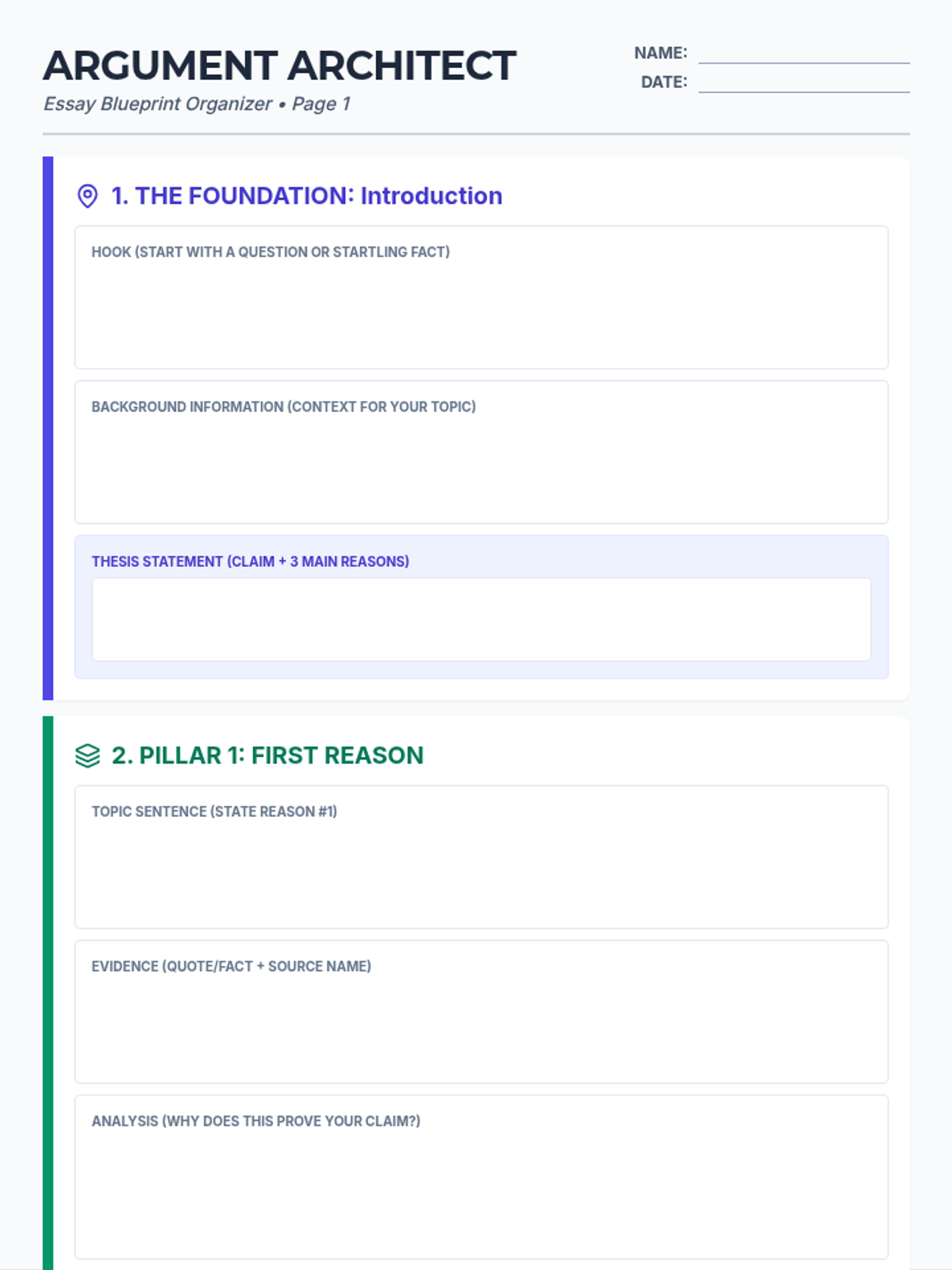
Students draft their argumentative essay using a guided framework and review their work against the GED rubric.
Students evaluate which argument is "better supported" and create a structured outline for their extended response.
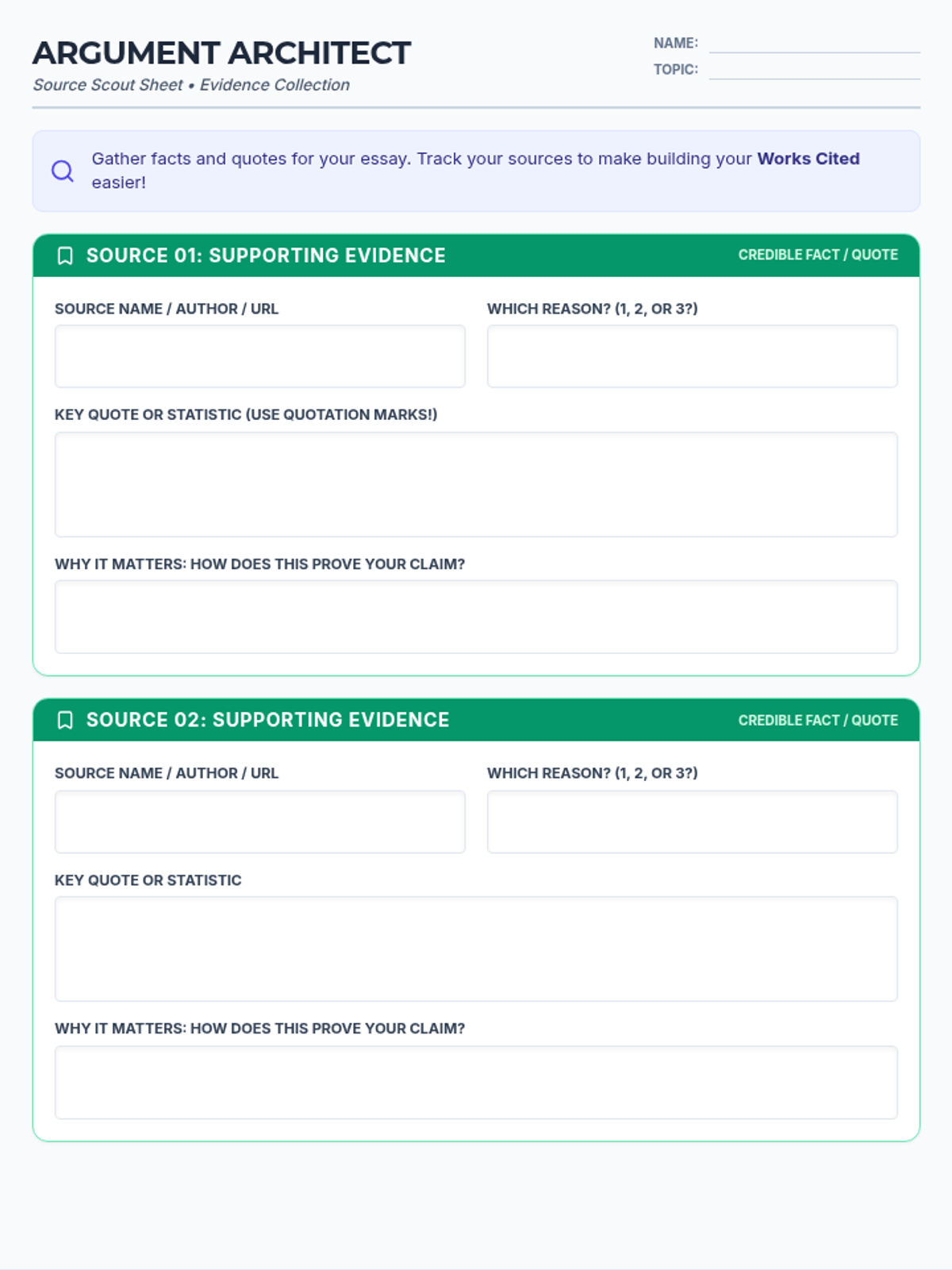
Students learn to deconstruct the GED RLA prompt and use an Evidence Tracker to identify claims and support in two opposing viewpoints.
A 10-minute mini-lesson exploring the relationship between central ideas and supporting details using the relatable context of TikTok algorithms and social media feeds.
A foundational introduction to the building blocks of poetry, focusing on structural elements and themes, specifically designed to bridge into the study of Robert Browning's "My Last Duchess".
A comprehensive lesson for high school students to master the rhetorical appeals of ethos, pathos, and logos. Through analysis of mentor texts and creative writing practice, students learn to navigate the art of persuasion and build their own 'road maps' for compelling arguments.
A scientific approach to character and theme analysis for 5th and 6th graders, where students act as lead researchers in a high-tech literary lab.
A deep dive into the 'Rhetorical Roots' of persuasion, teaching students to identify and analyze ethos, pathos, and logos in speeches and advertisements.
An 8th-grade ELA lesson on personal narratives, focusing on sensory details, reflection, and chronological order through mentor texts and guided drafting. Students will learn to turn personal memories into impactful stories.
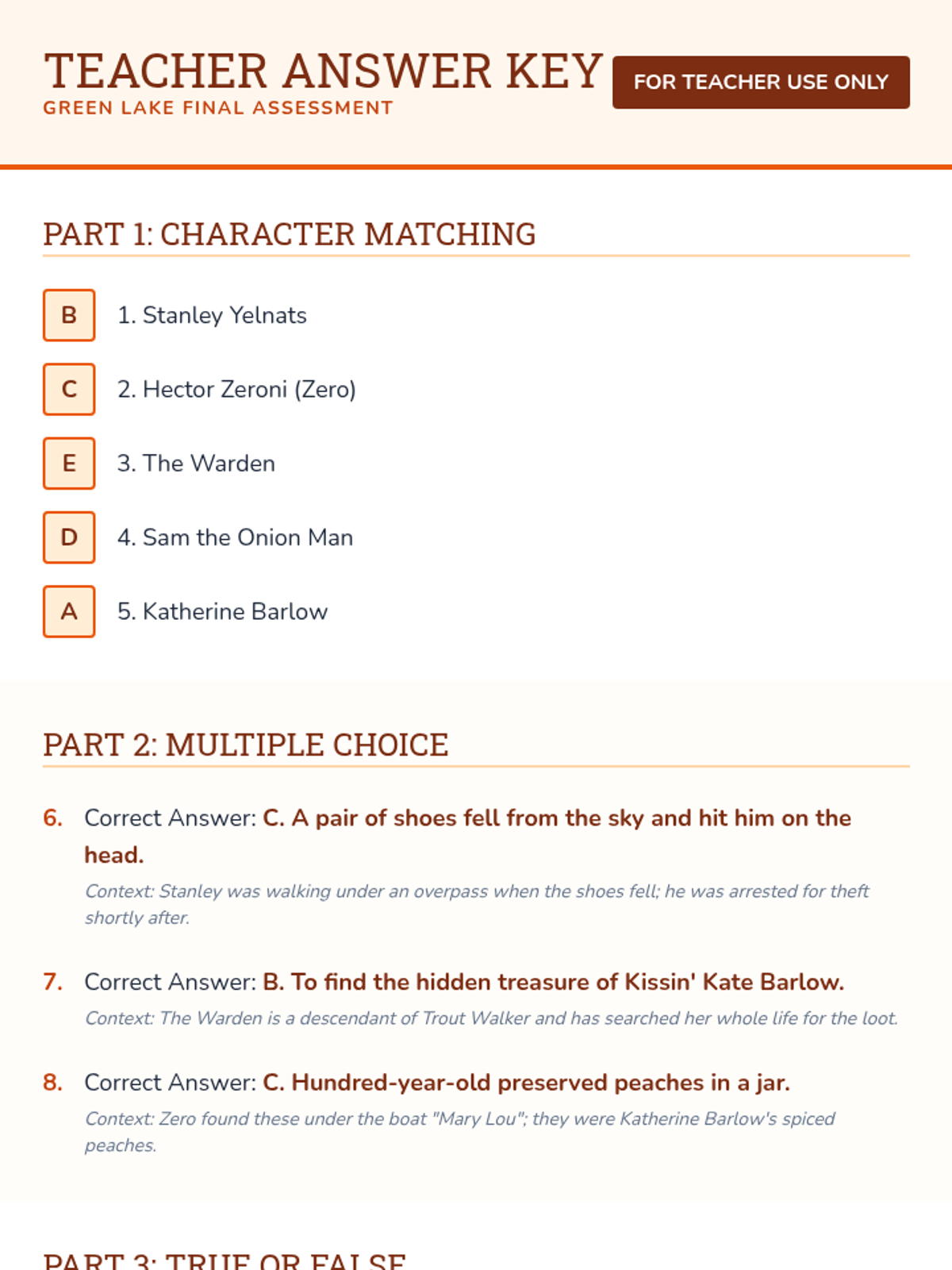
A focused practice session on identifying relevant textual evidence and correctly formatting direct quotes using lead-ins and punctuation within an opinion essay context.
A lesson focused on mastering the art of the introductory paragraph in opinion writing, specifically focusing on hooks, topic introduction, and thesis statements.
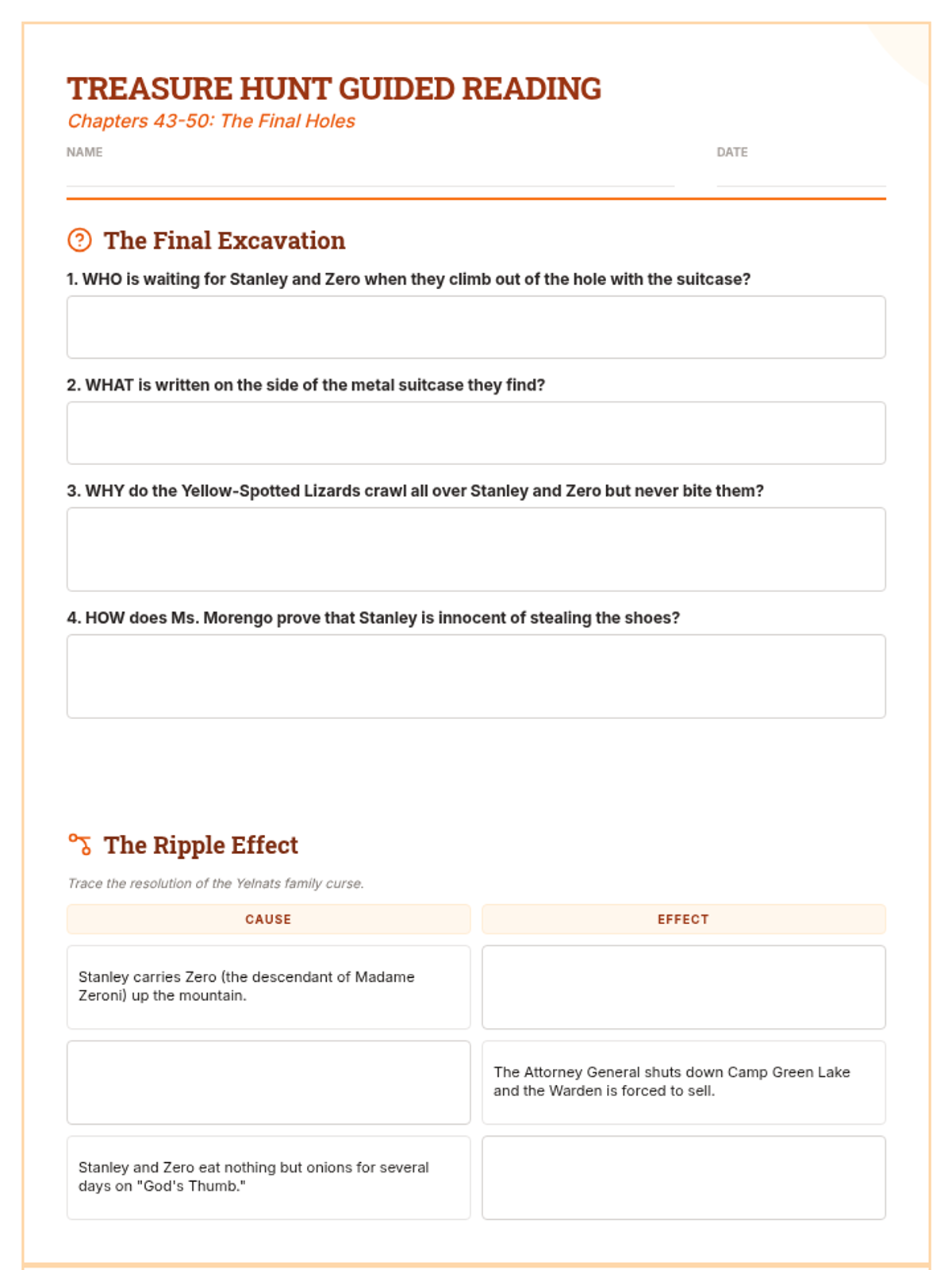
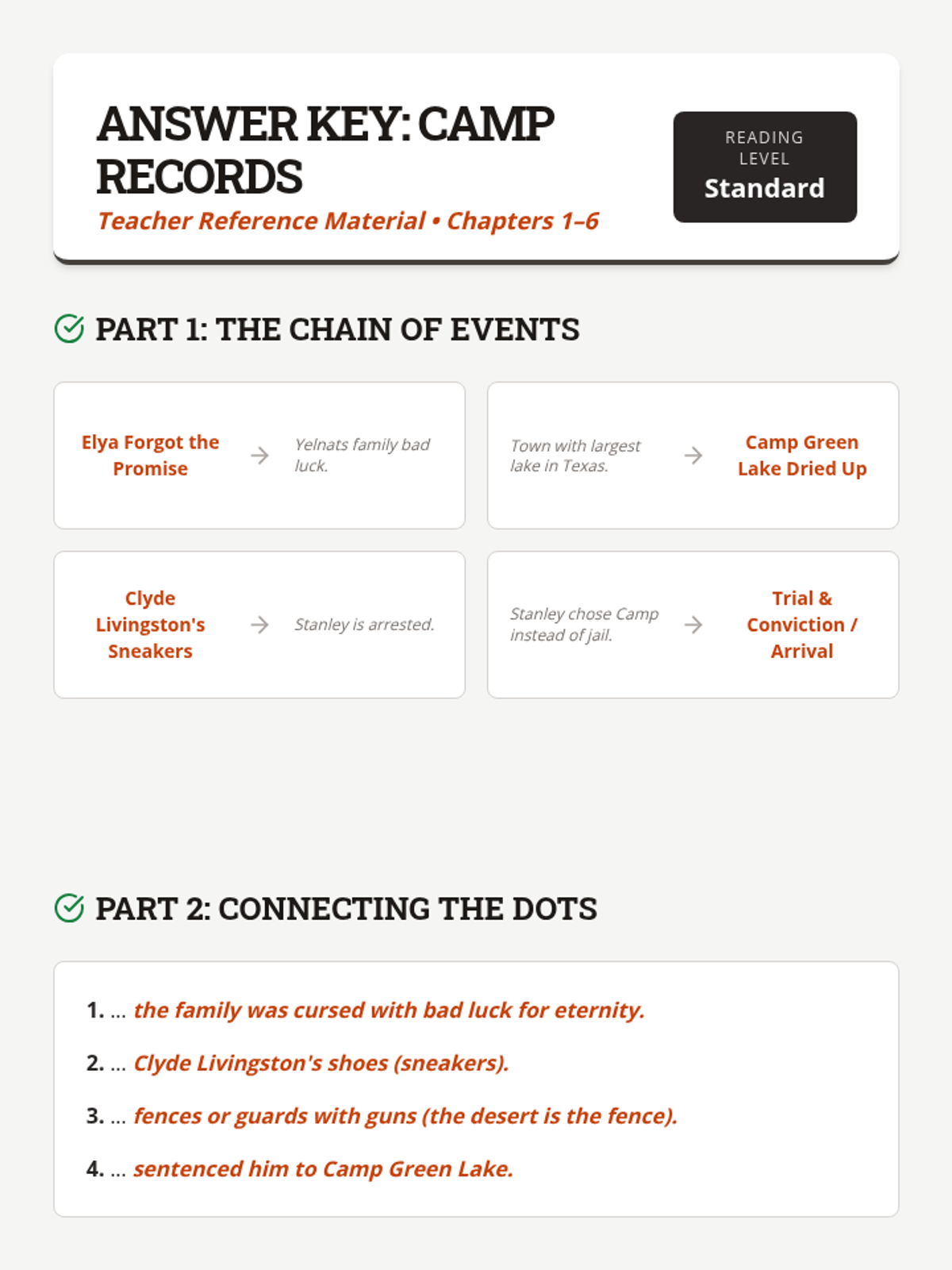
A focused reading comprehension lesson on Chapter 7 of 'The Last Kids on Earth and the Nightmare King', covering the team's mission to Big Al's Junk Palace and June's character development.
A deep dive into Chapters 5 and 6 of The Last Kids on Earth and the Nightmare King, focusing on Jack's mysterious dreams, the arrival of the King Wretch, and the shifting atmosphere in Wakefield.
A reading comprehension set for Chapters 5 and 6 of 'The Last Kids on Earth and the Nightmare King' (Book 3), featuring short answer and multiple choice questions.
A reading comprehension lesson focused on Chapter 5 of "The Last Kids on Earth and the Nightmare King", using simplified language and visual aids to support diverse learners.
A three-day memoir writing project for 11th and 12th-grade students in a self-contained ELA setting. Students use previous brainstorming to draft a 500-word essay about a life experience and the lesson they learned from it, culminating in a digital submission.
This lesson explores how poets use words with multiple meanings (polysemy) to create depth, irony, and ambiguity in their writing. Students will act as 'poetry sleuths' to uncover hidden layers in various verses.
A comprehensive ELA lesson for 8th graders focusing on the craft of personal narrative. Students explore mentor texts, develop sensory writing skills, and draft reflective stories through a vintage explorer-themed 'Journal Journey.'
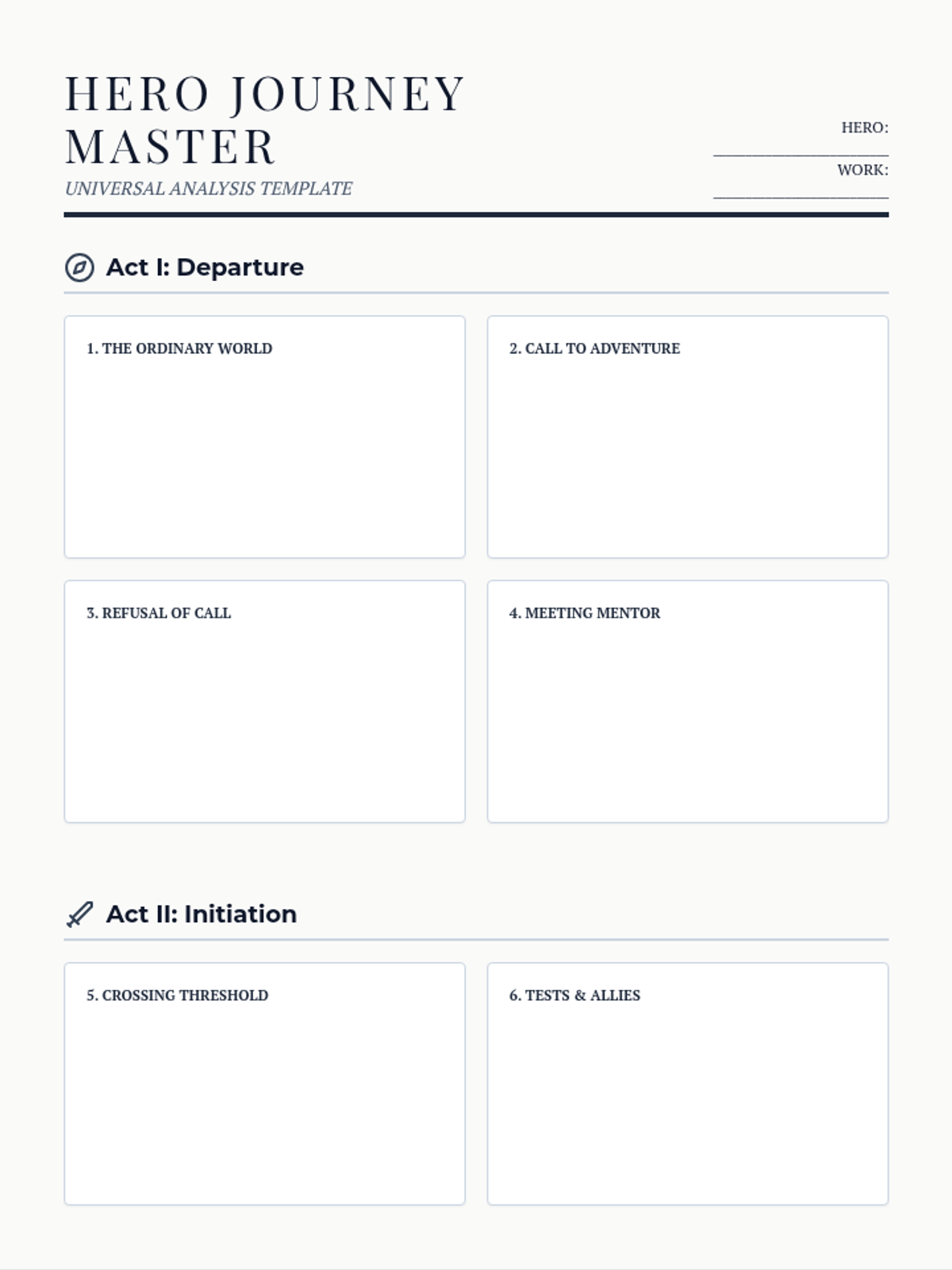
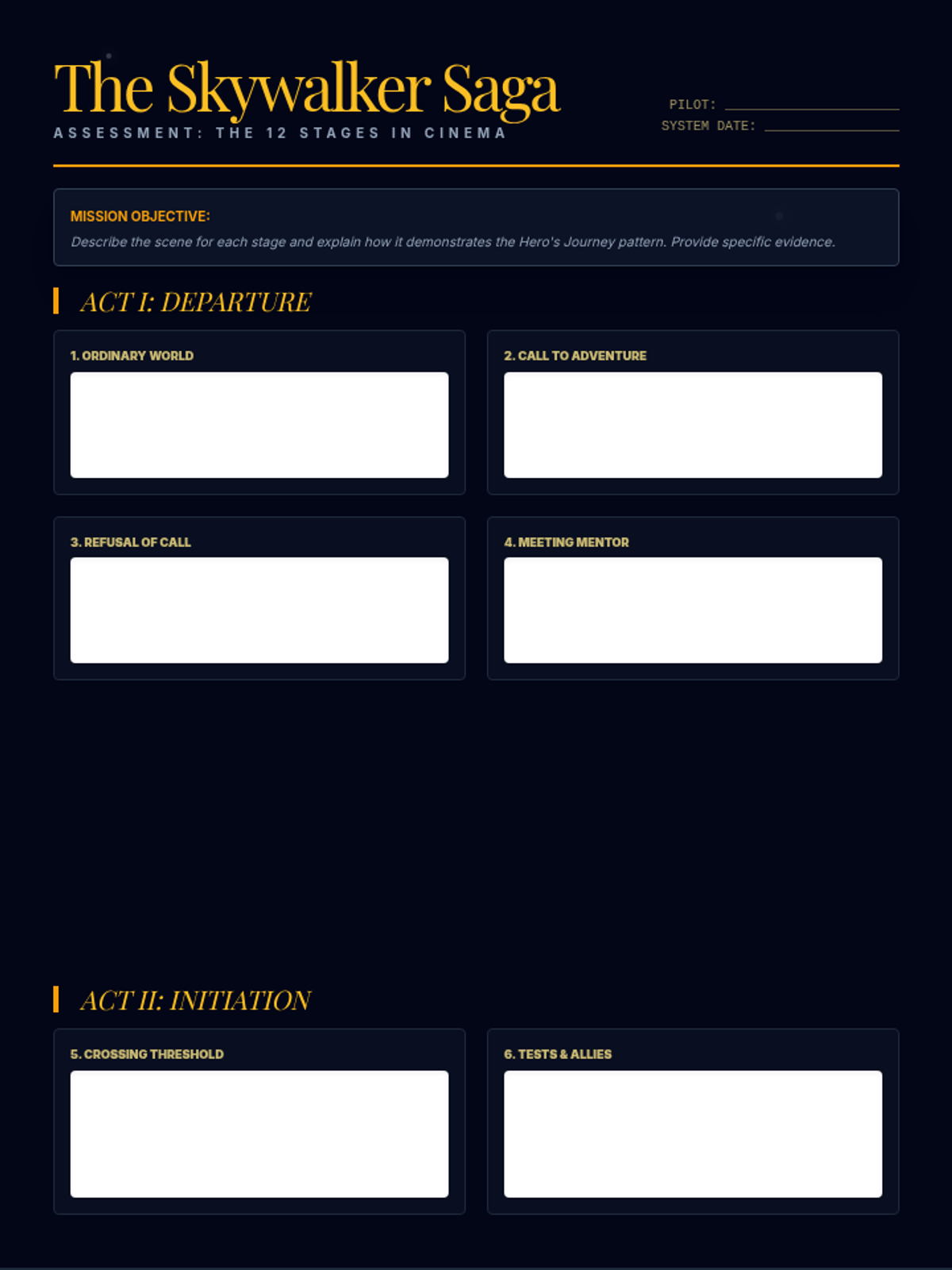
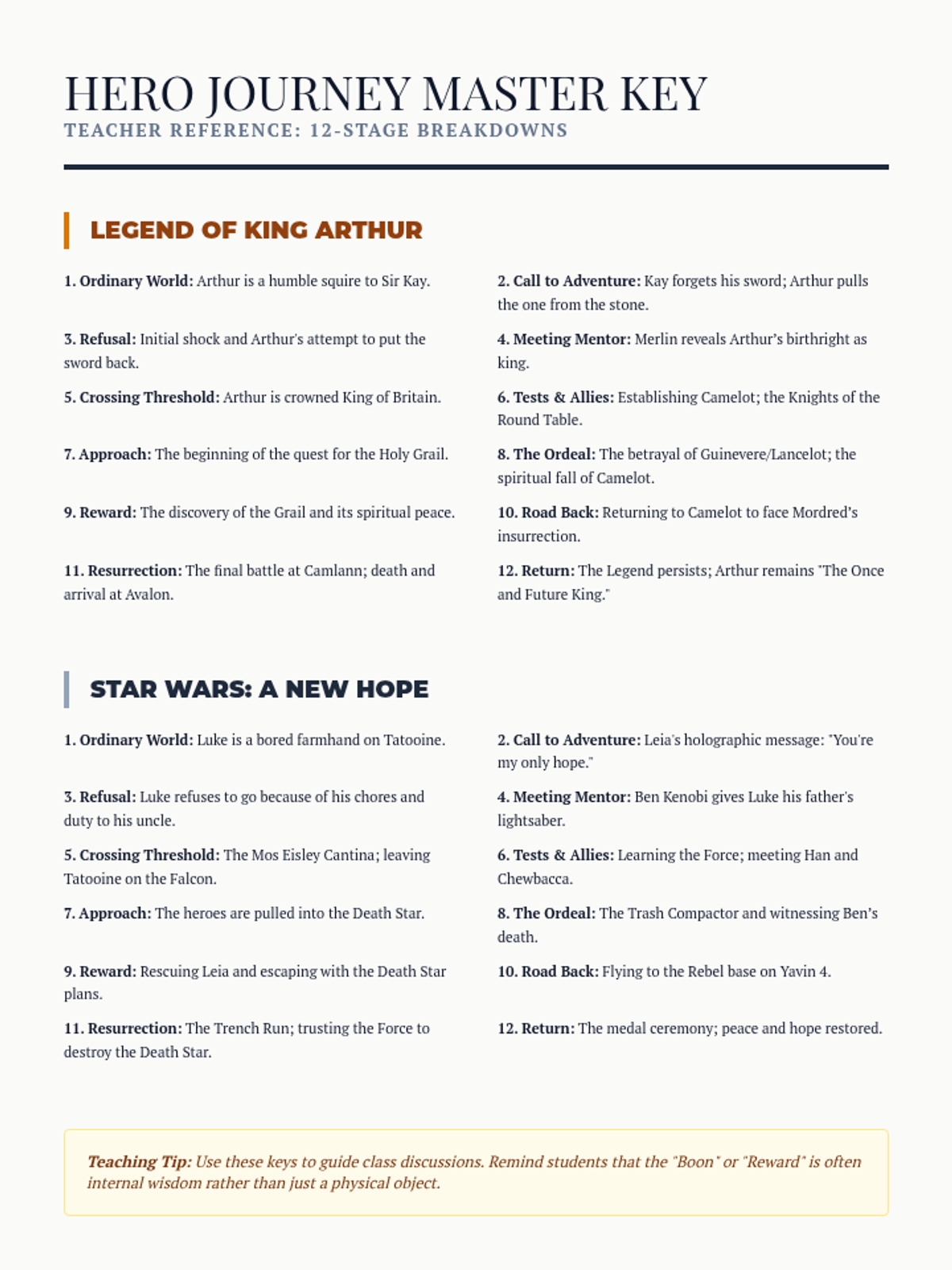
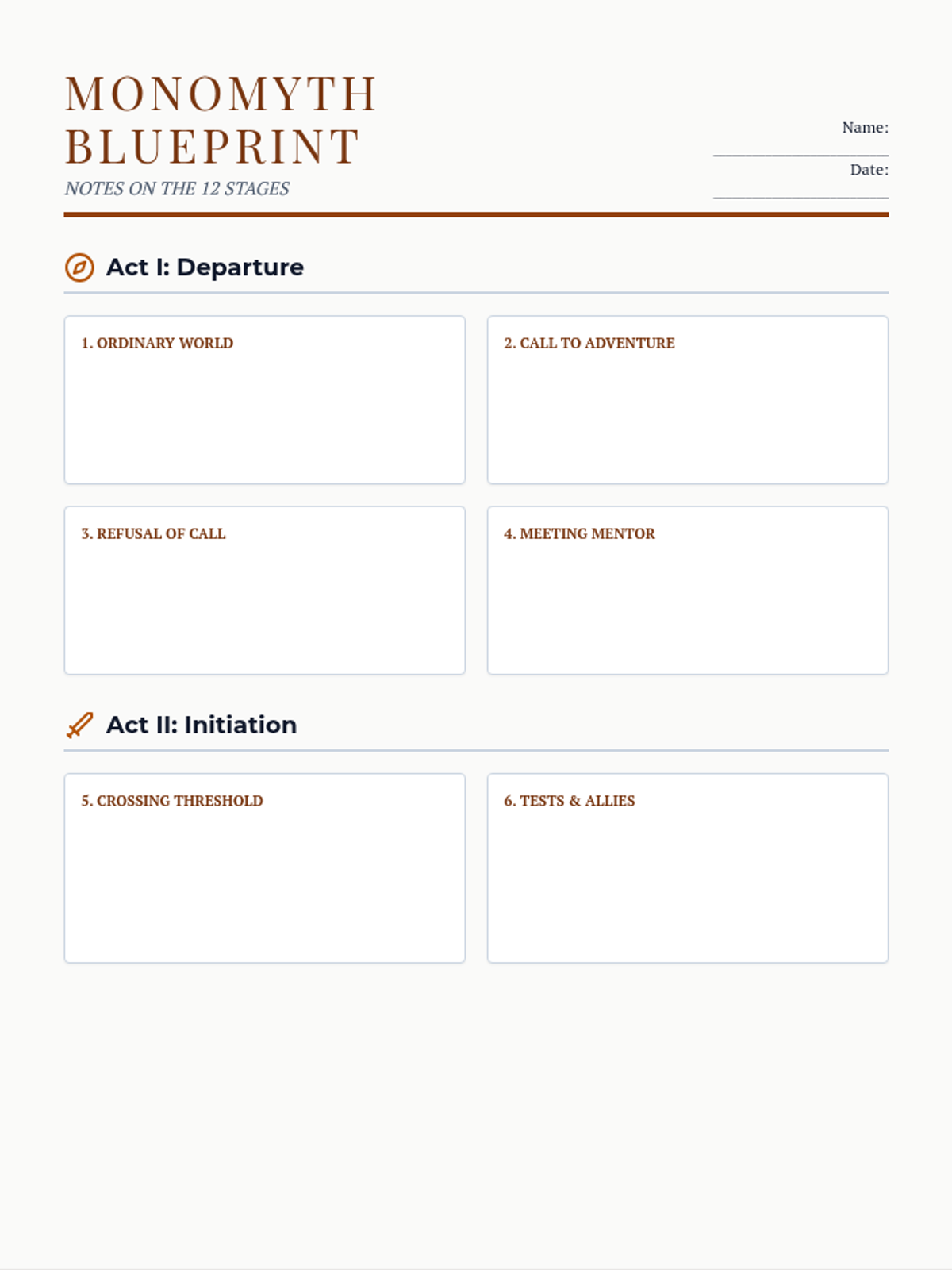
A 30-minute exploration of Homer's epic poems, the oral tradition of Ancient Greece, and the universal structure of the Hero's Journey as seen through Achilles, Odysseus, and modern storytelling.
A comprehensive exploration of the twelve Olympian gods through the lens of character archetypes, helping students understand how these ancient figures represent universal human traits.
This lesson introduces nine essential Greek myths through detailed summaries and visual storytelling, helping students identify key themes and narrative structures in classical mythology.
A lesson focusing on vocabulary building and mastering the use of commas with non-essential clauses, using examples related to global literature and science.
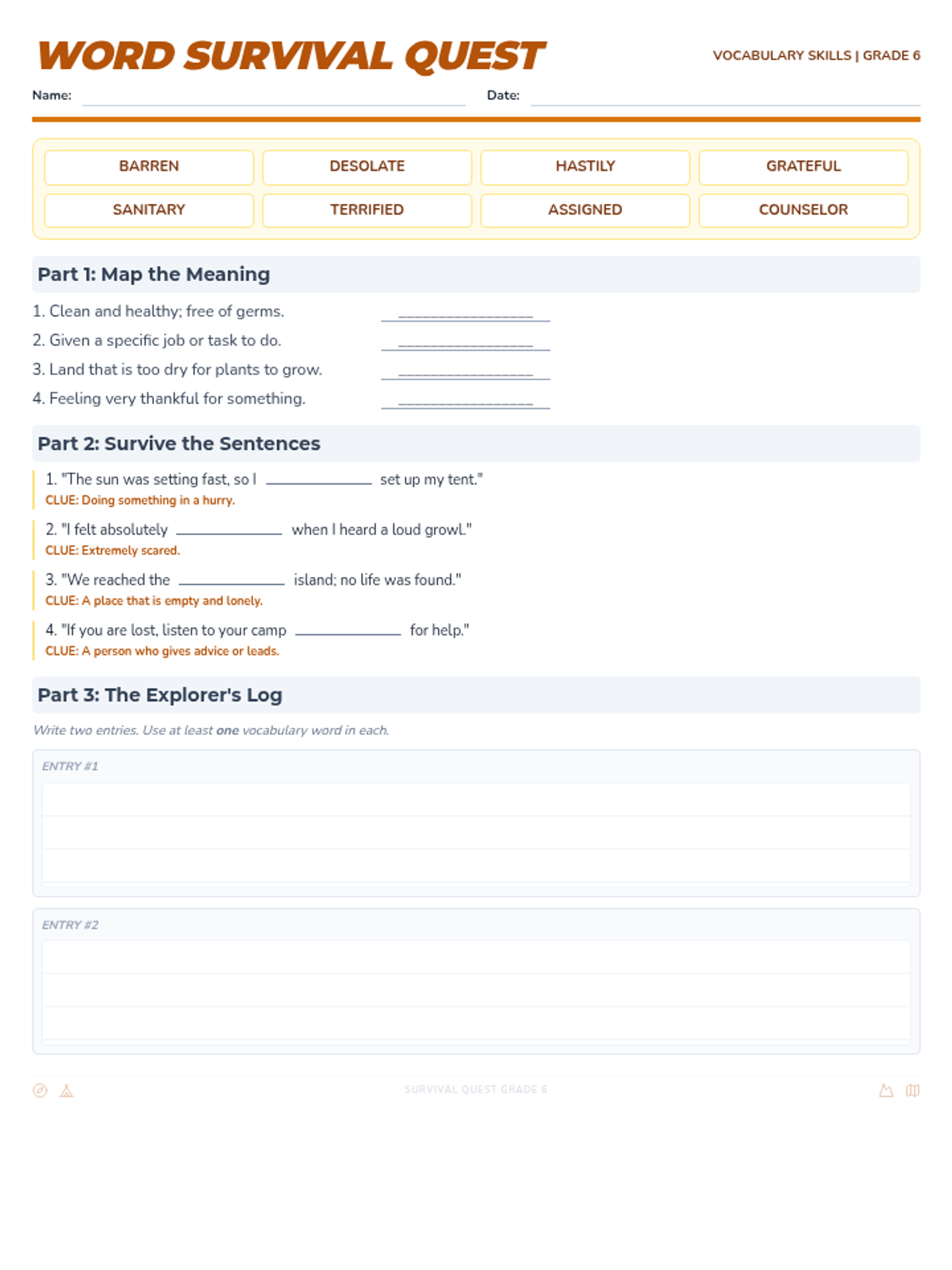
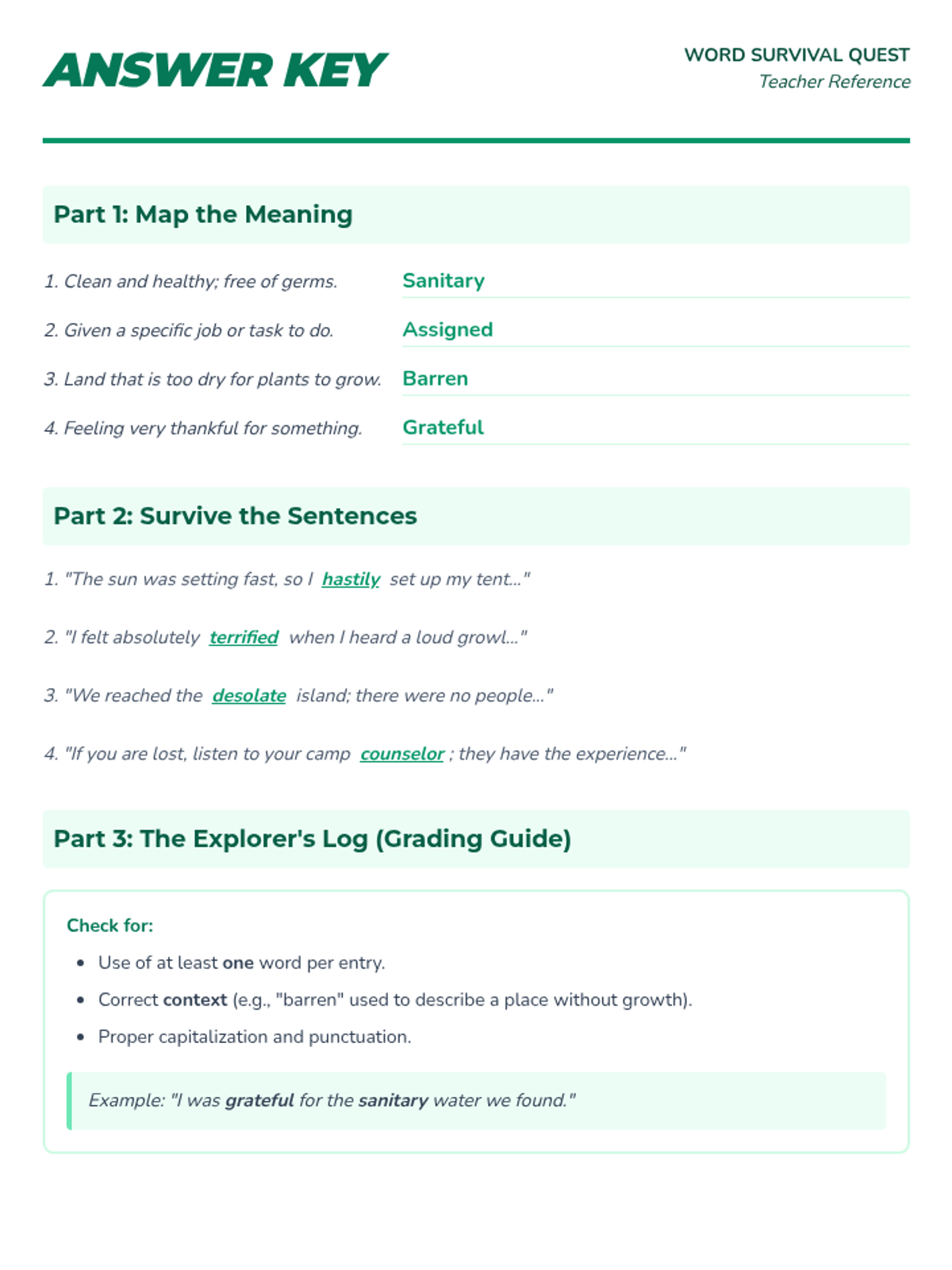
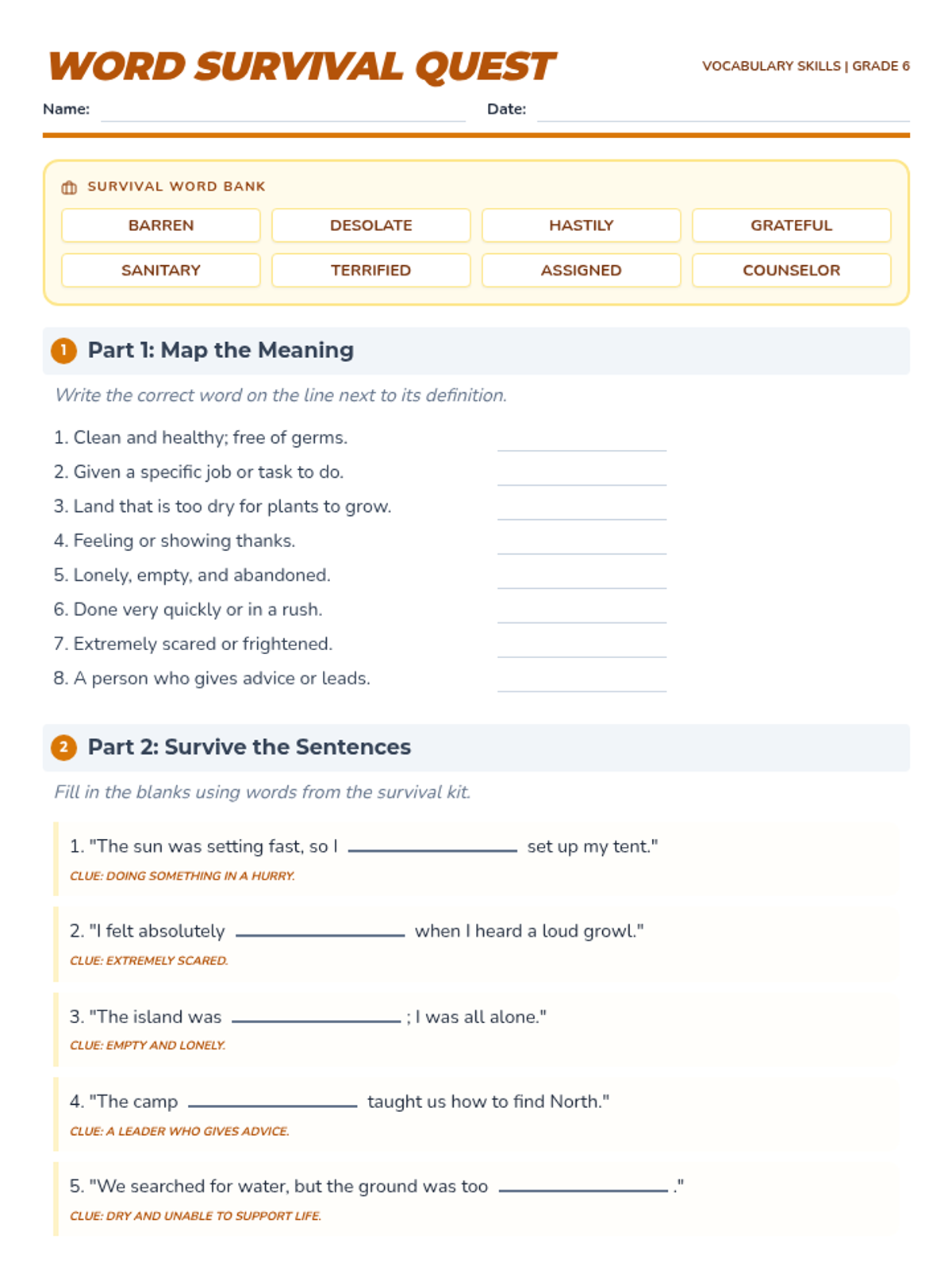
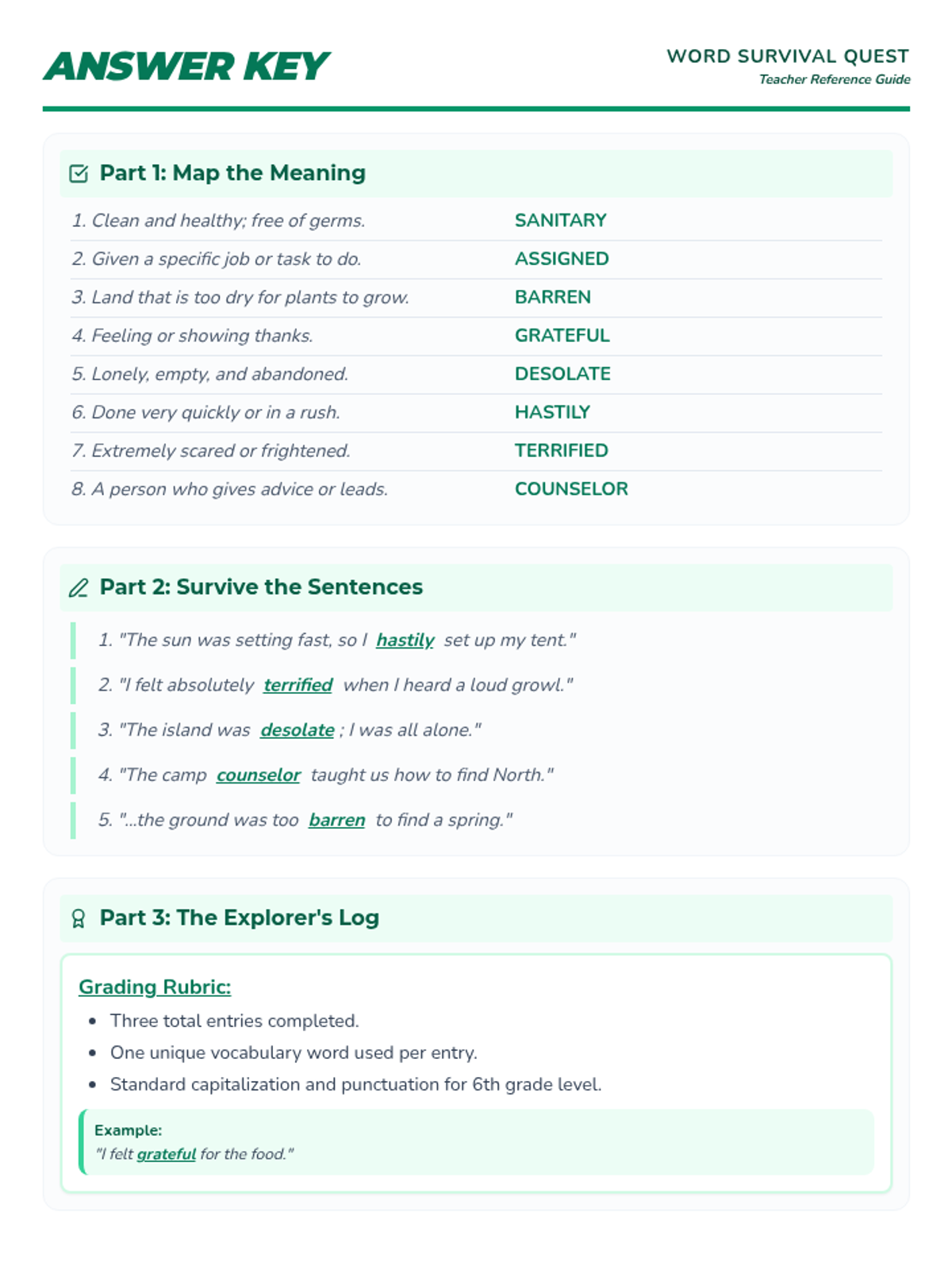
A collection of resources designed for 6th-grade readers who love high-stakes adventure and survival stories. This lesson focuses on curated book recommendations and the specific vocabulary needed to describe the challenges of the wild.
An advanced 8th-grade ELA lesson exploring the intersection of Filipino and American identities through personal narrative. Students analyze the immigrant experience, master advanced vocabulary via a 'Quiz Bee,' and draft narratives that bridge their cultural heritage with their current journey.
A comprehensive lesson for high school students on identifying and utilizing noun, adjective, and adverb phrases to enhance sentence variety and precision.
A multi-day lesson series using a comprehensive slideshow to guide students through the reading of 'The Fog Test,' including vocabulary acquisition, literary analysis, and thematic reflection.
Una guía completa y visual para estudiantes de 9no grado sobre cómo diseñar presentaciones de alto impacto, dominar el lenguaje corporal y conectar con la audiencia.