A delightful Pre-K lesson exploring the world of birds through interactive sounds, visual aids, and creative activities designed to spark curiosity about nature.
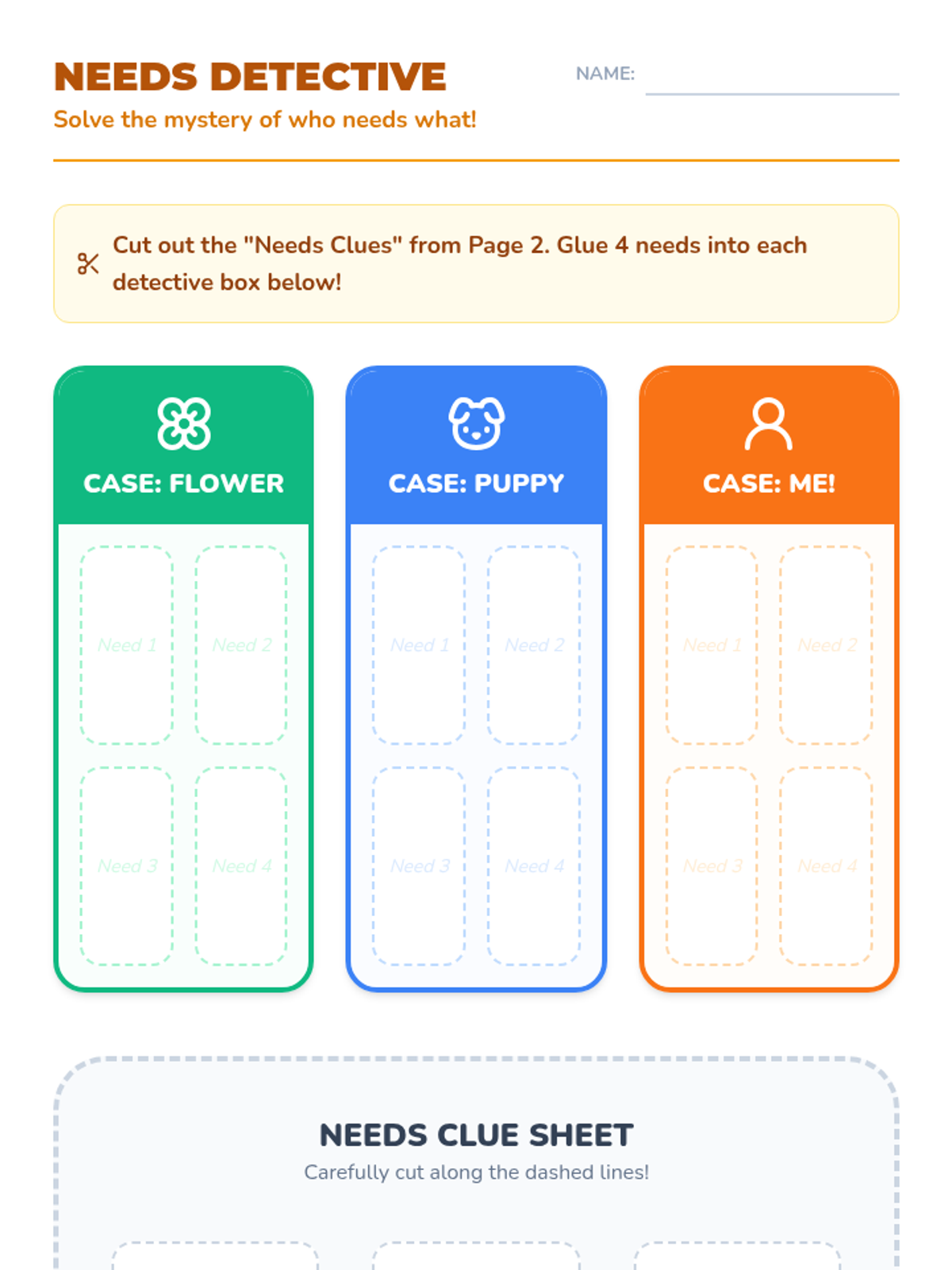
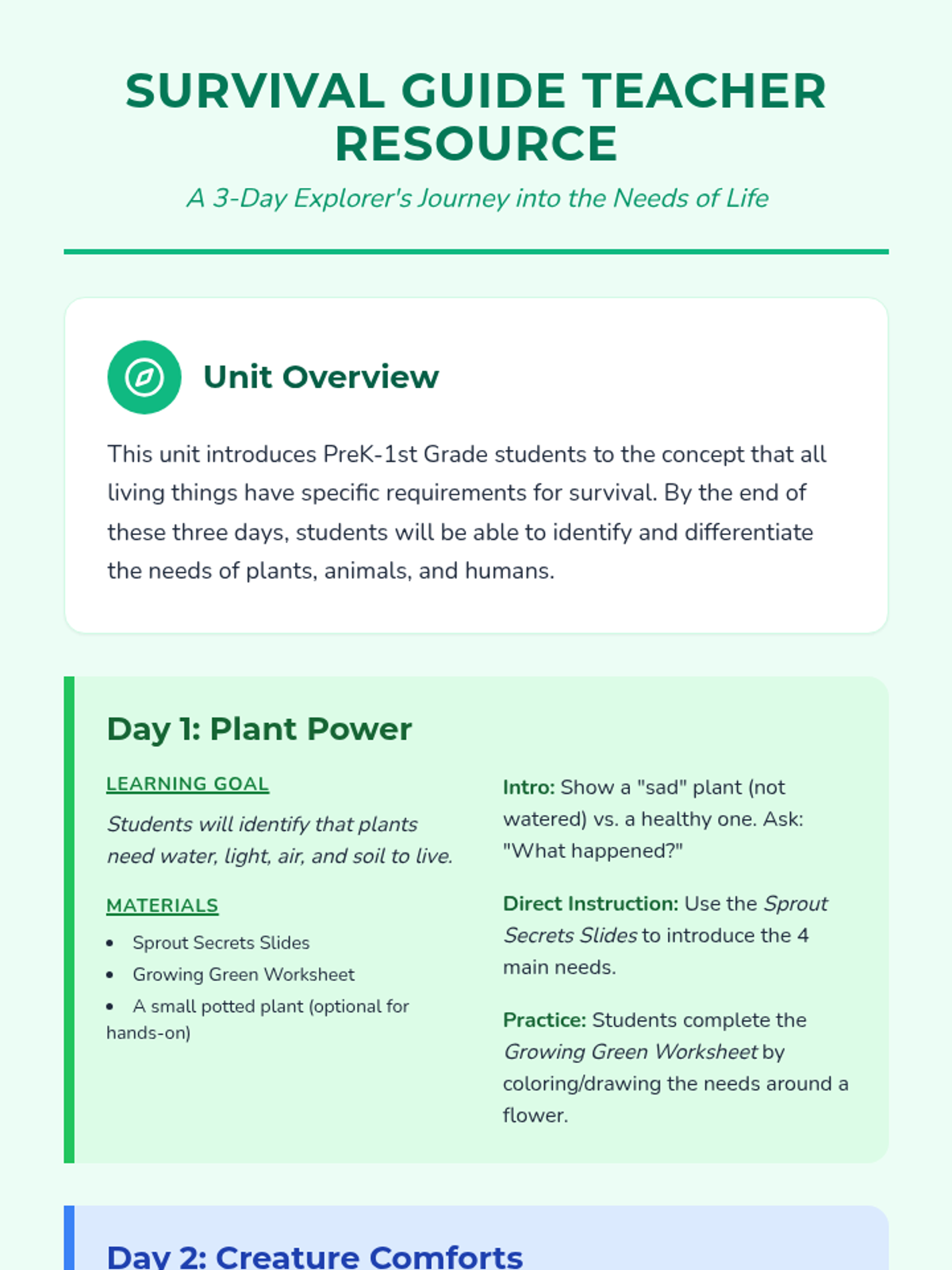
A synthesis lesson where students compare and sort the needs of all living things to identify patterns.
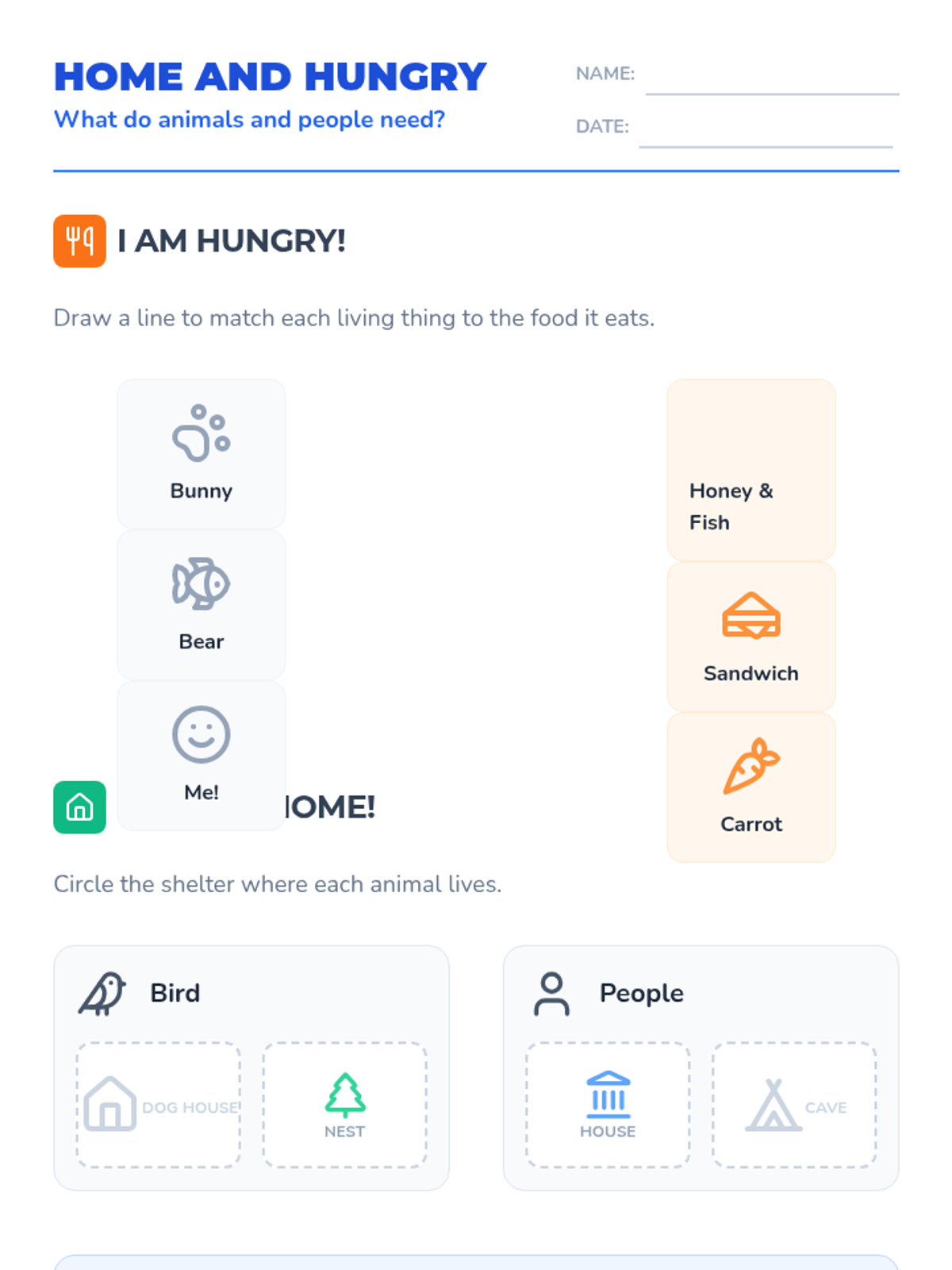
Explores the survival requirements of animals and humans, highlighting food, water, air, and shelter.
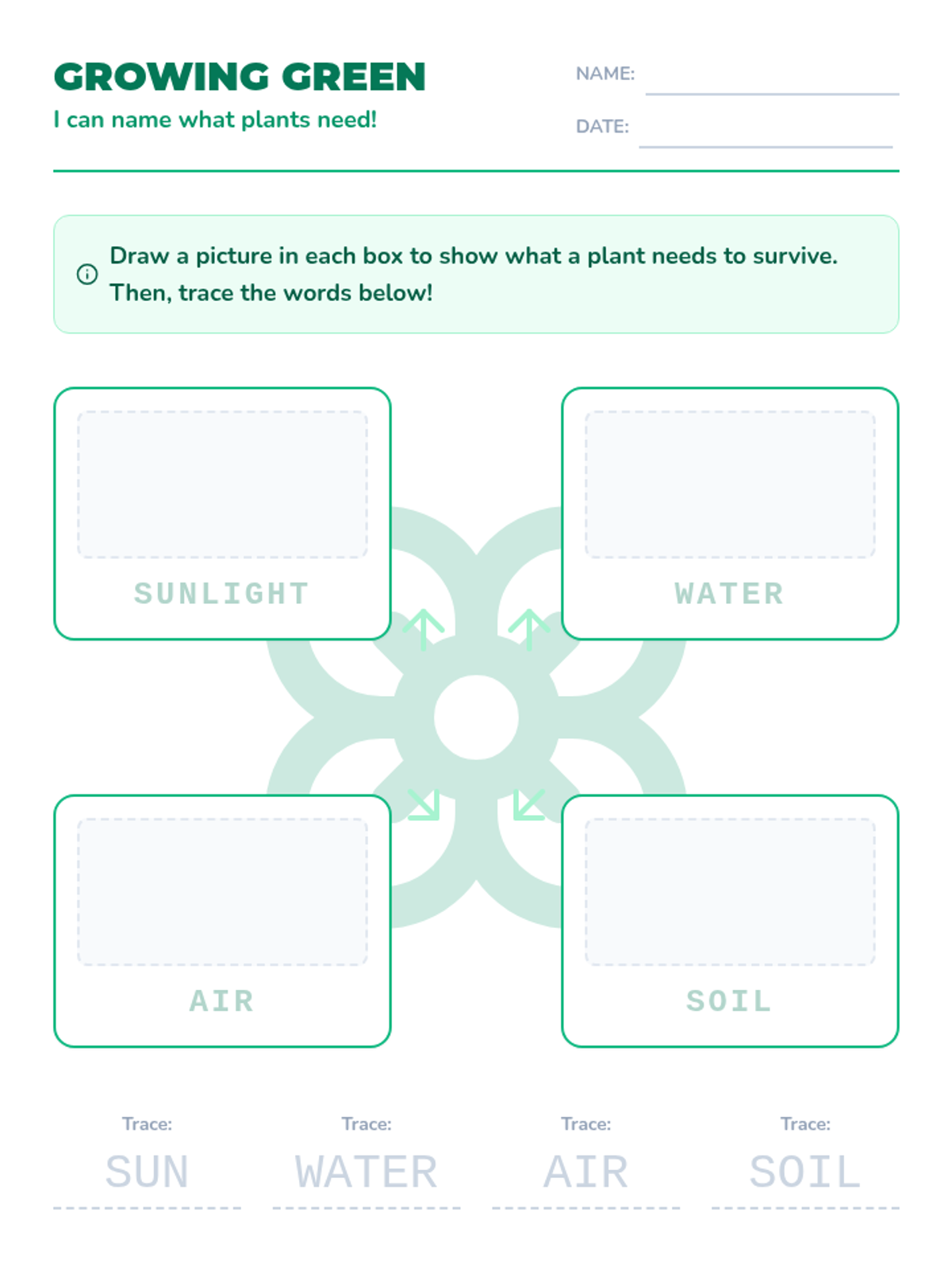
Focuses on what plants need to grow and thrive, including sunlight, water, air, and soil.
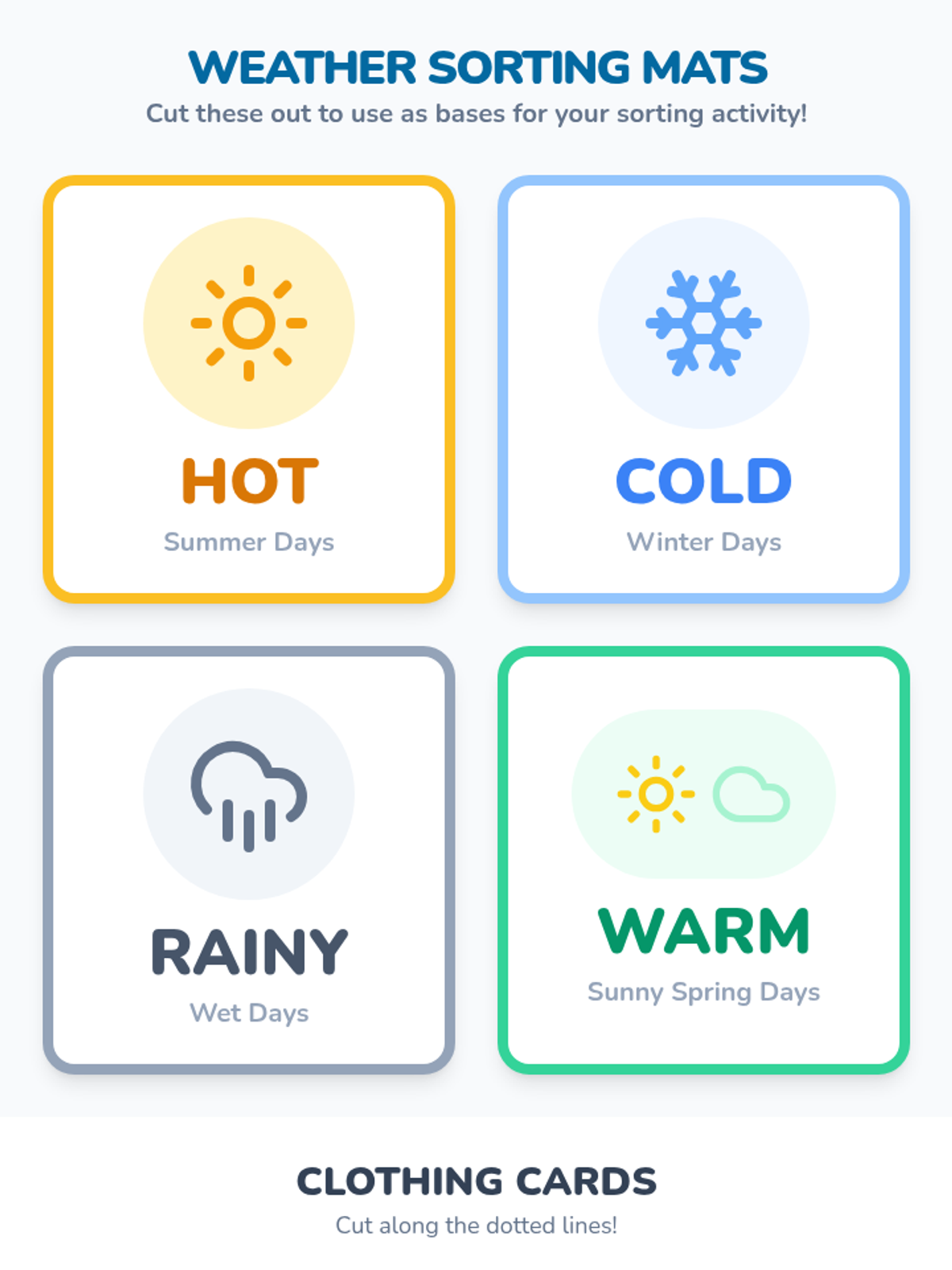
A cumulative review where students demonstrate their understanding by sorting various clothing items into the correct weather categories.
An exploration of rainy weather, focusing on the gear needed to stay dry and the fun of puddle jumping.
Focusing on pleasant, warm weather, students explore outdoor activities and comfortable clothing for sunny days.
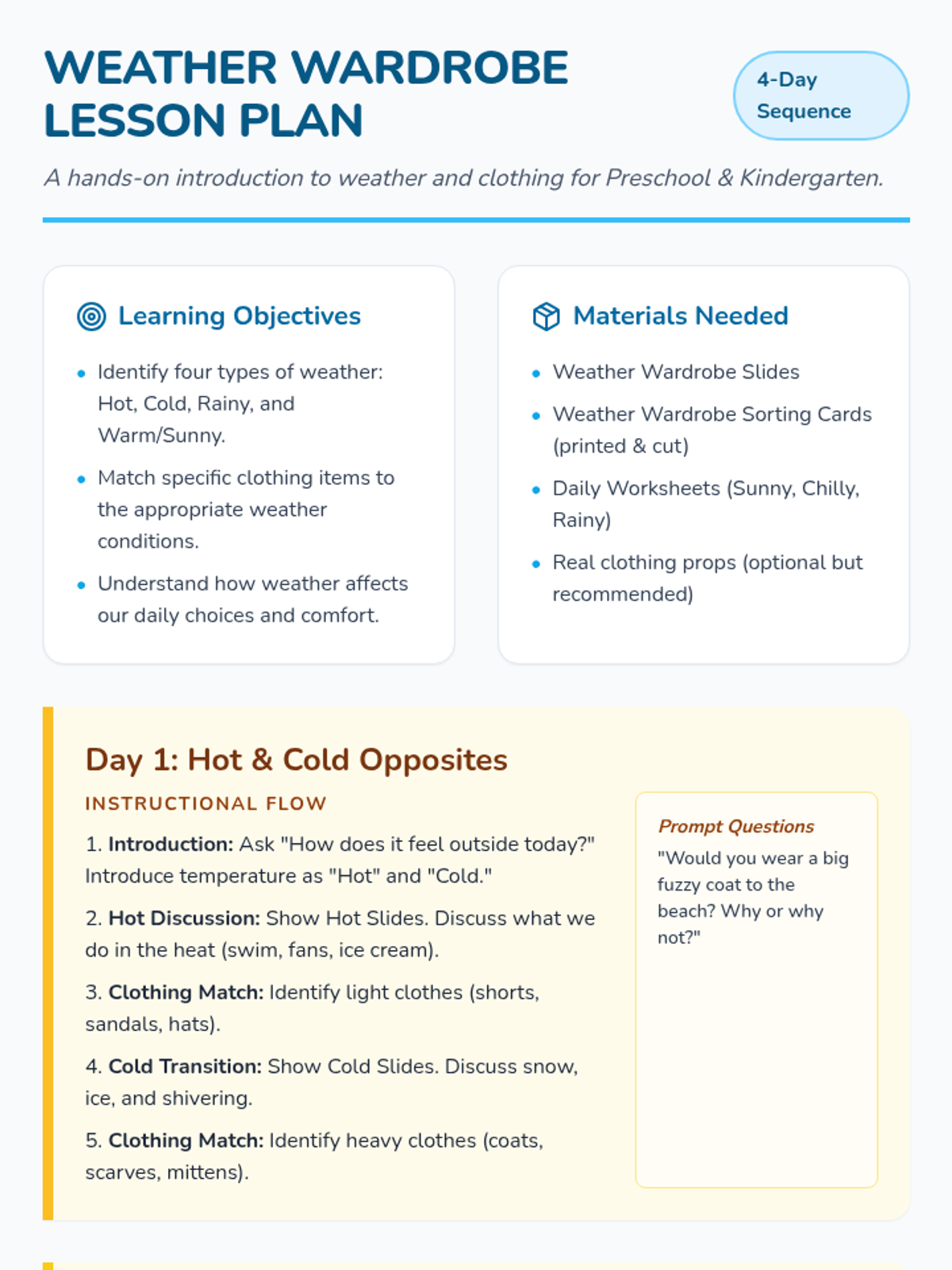
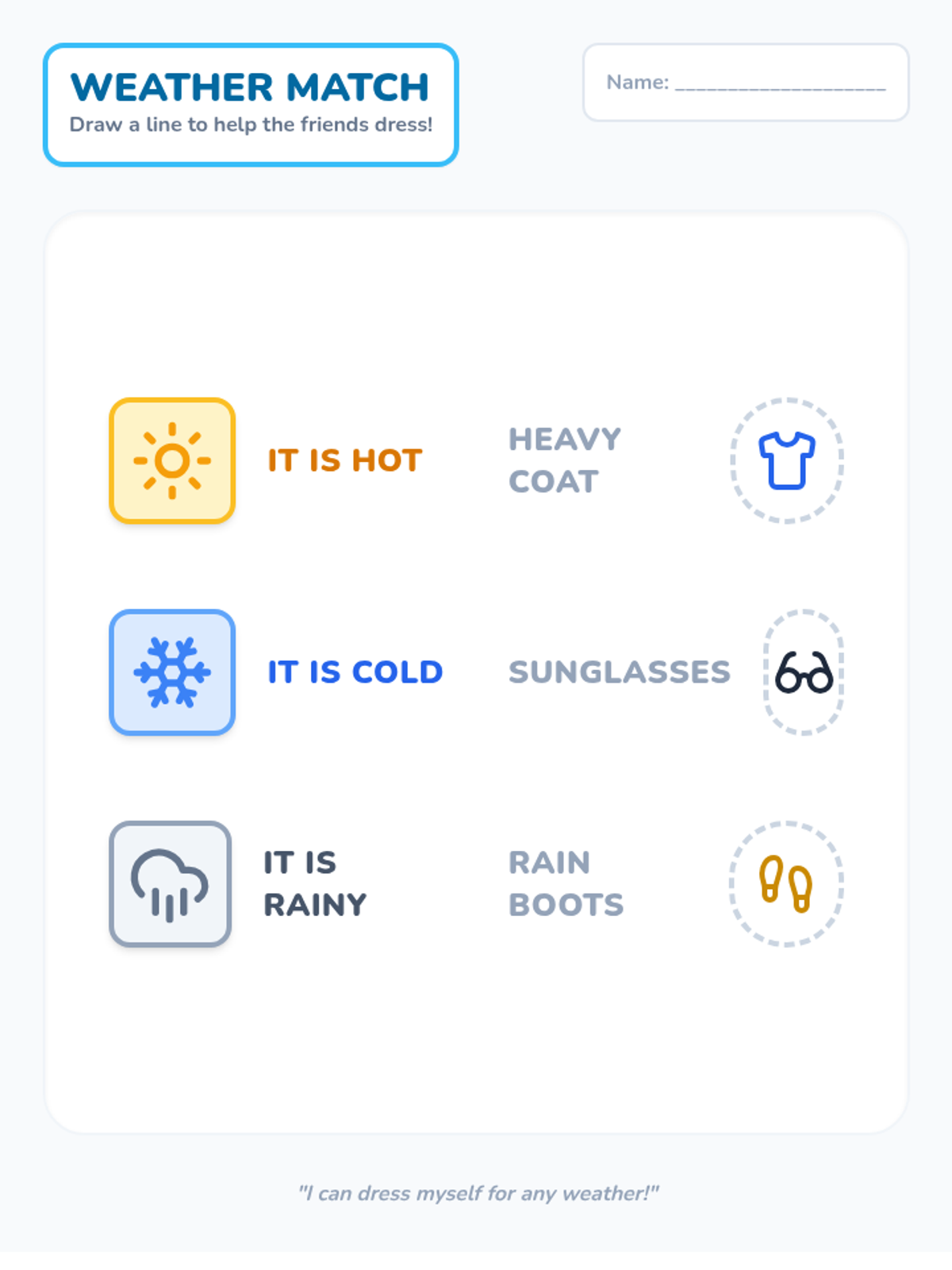
Students identify characteristics of hot and cold weather and learn about the specific clothing needed for extreme temperatures.
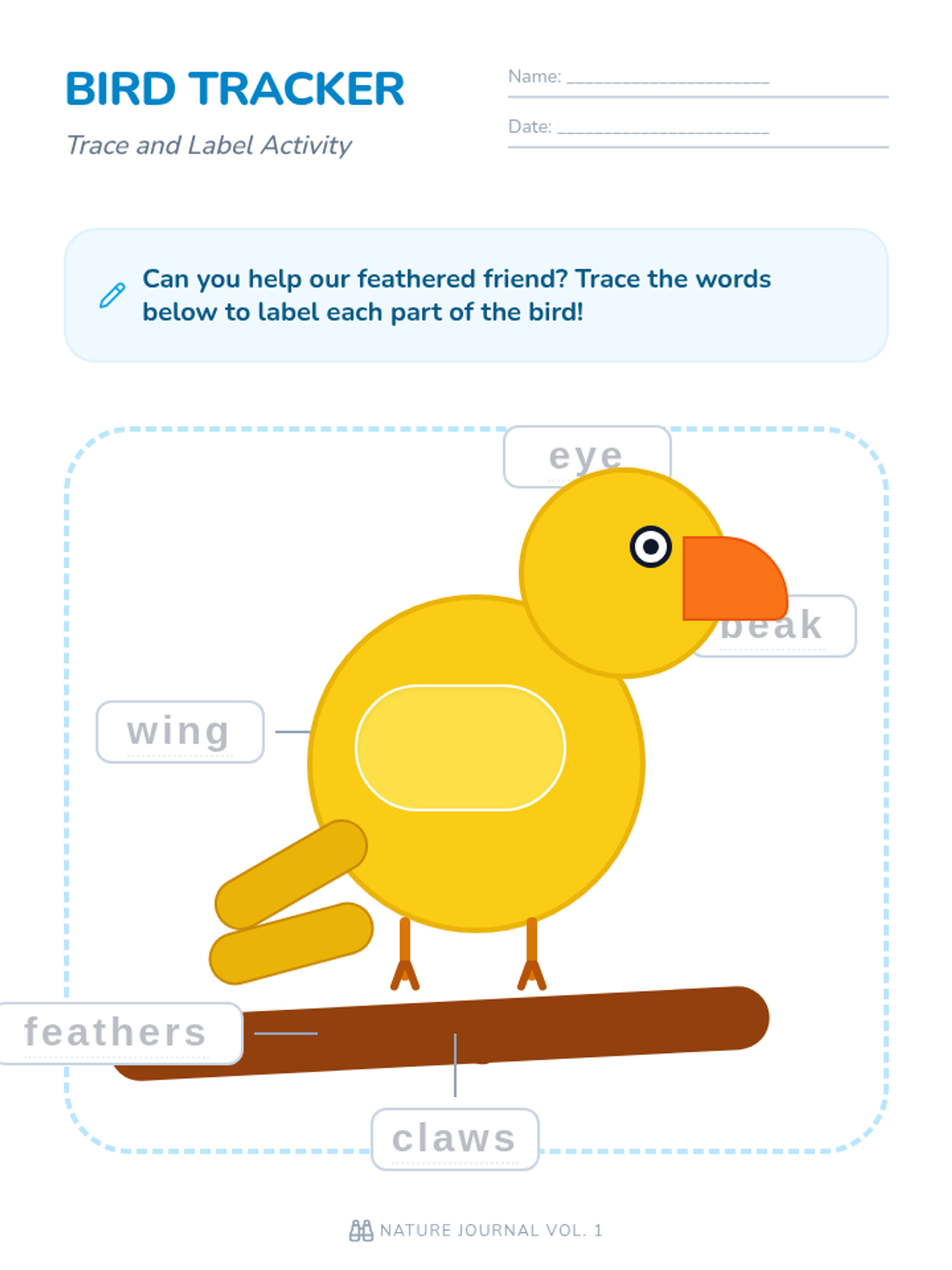
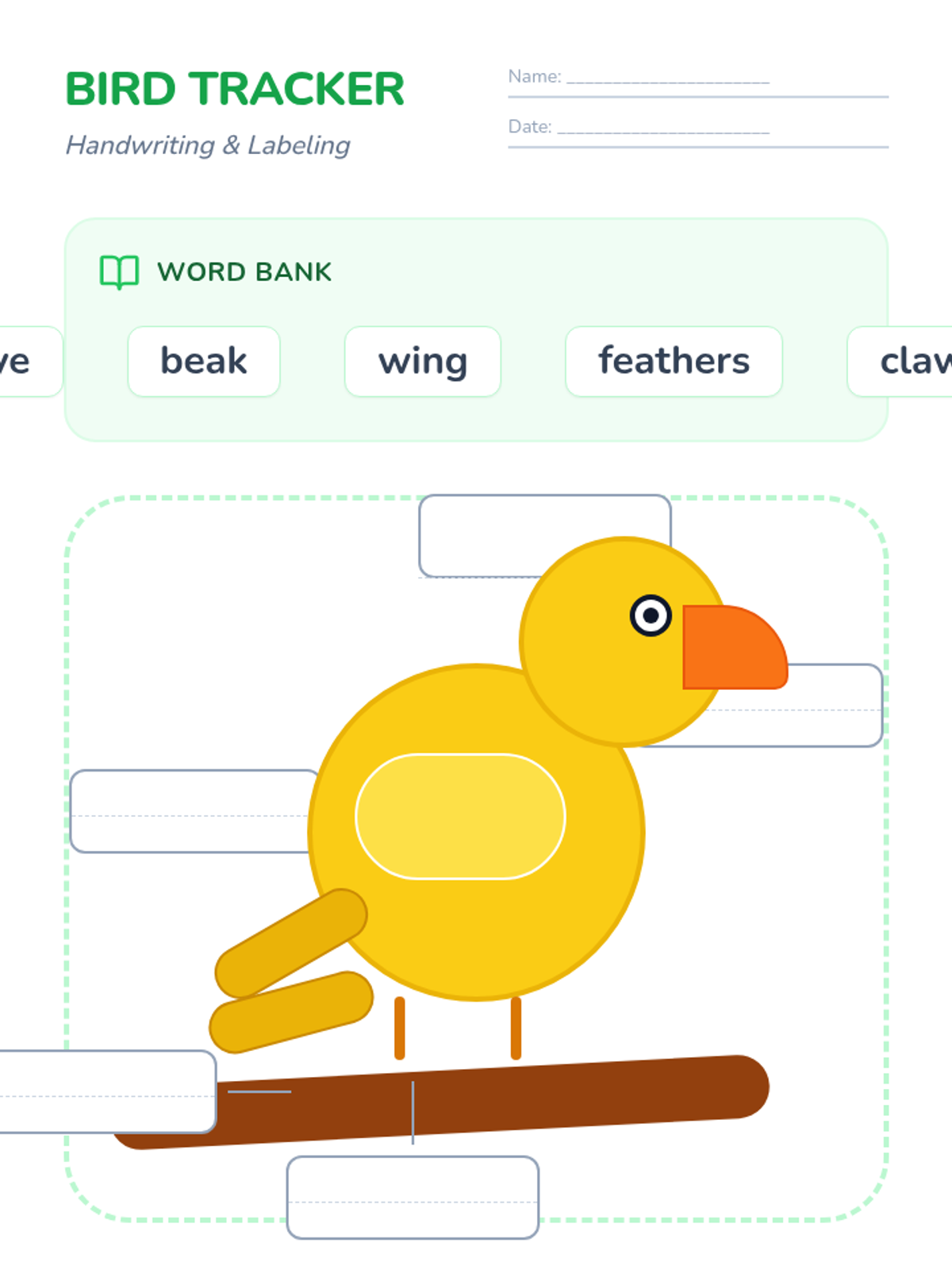
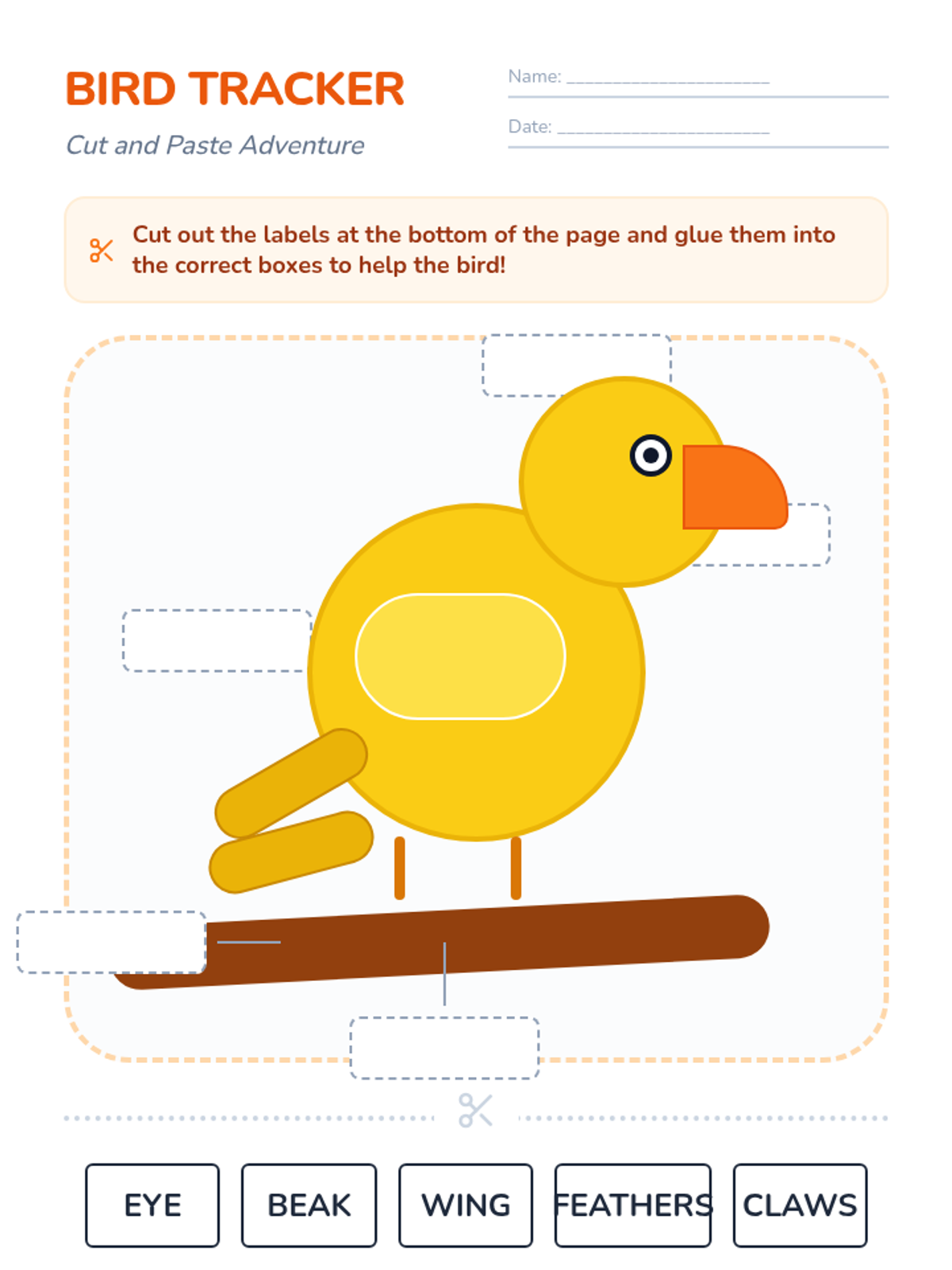
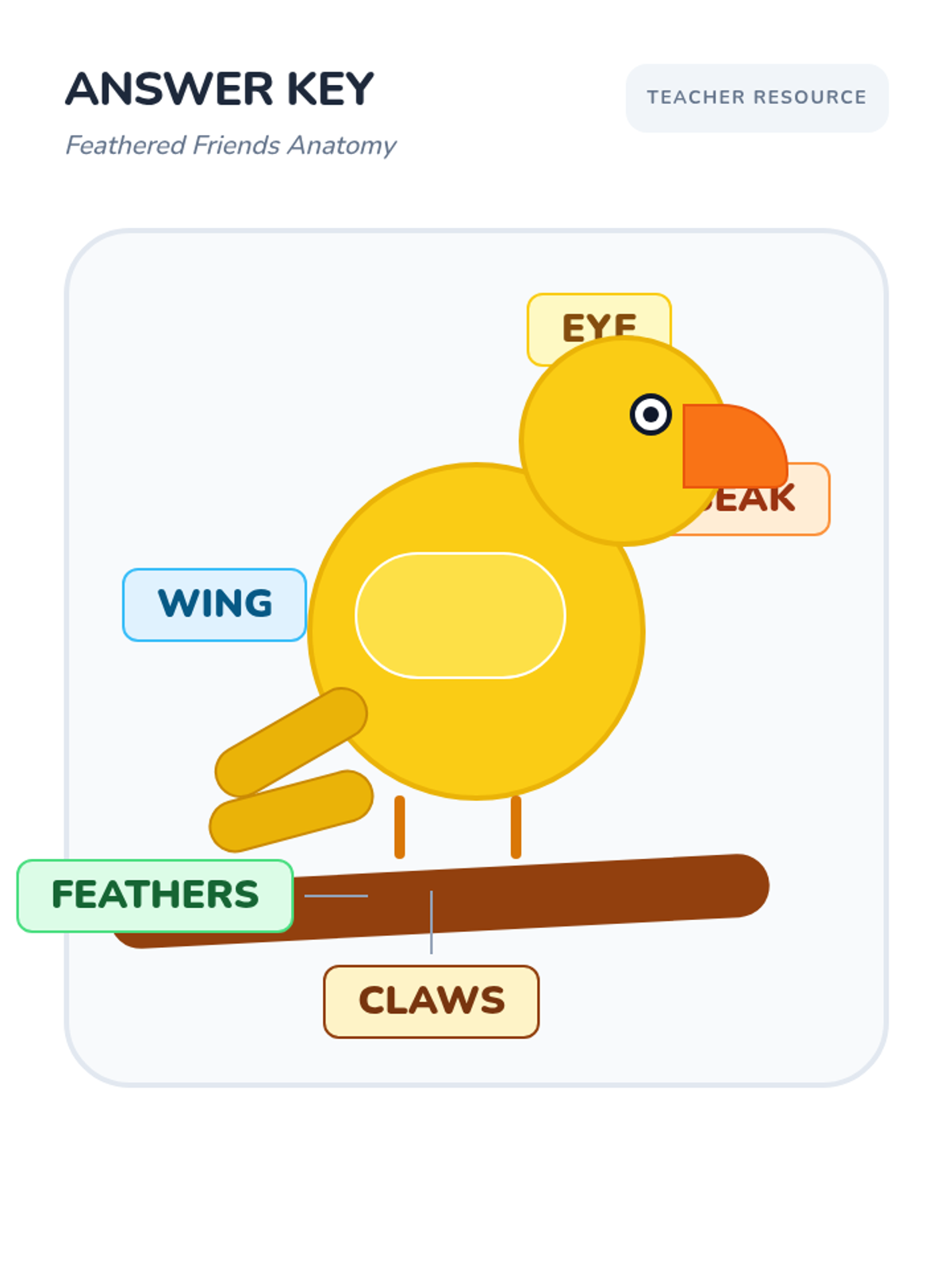
An introductory lesson on bird anatomy where students learn to identify and label five key body parts: eye, beak, wing, feathers, and claws.
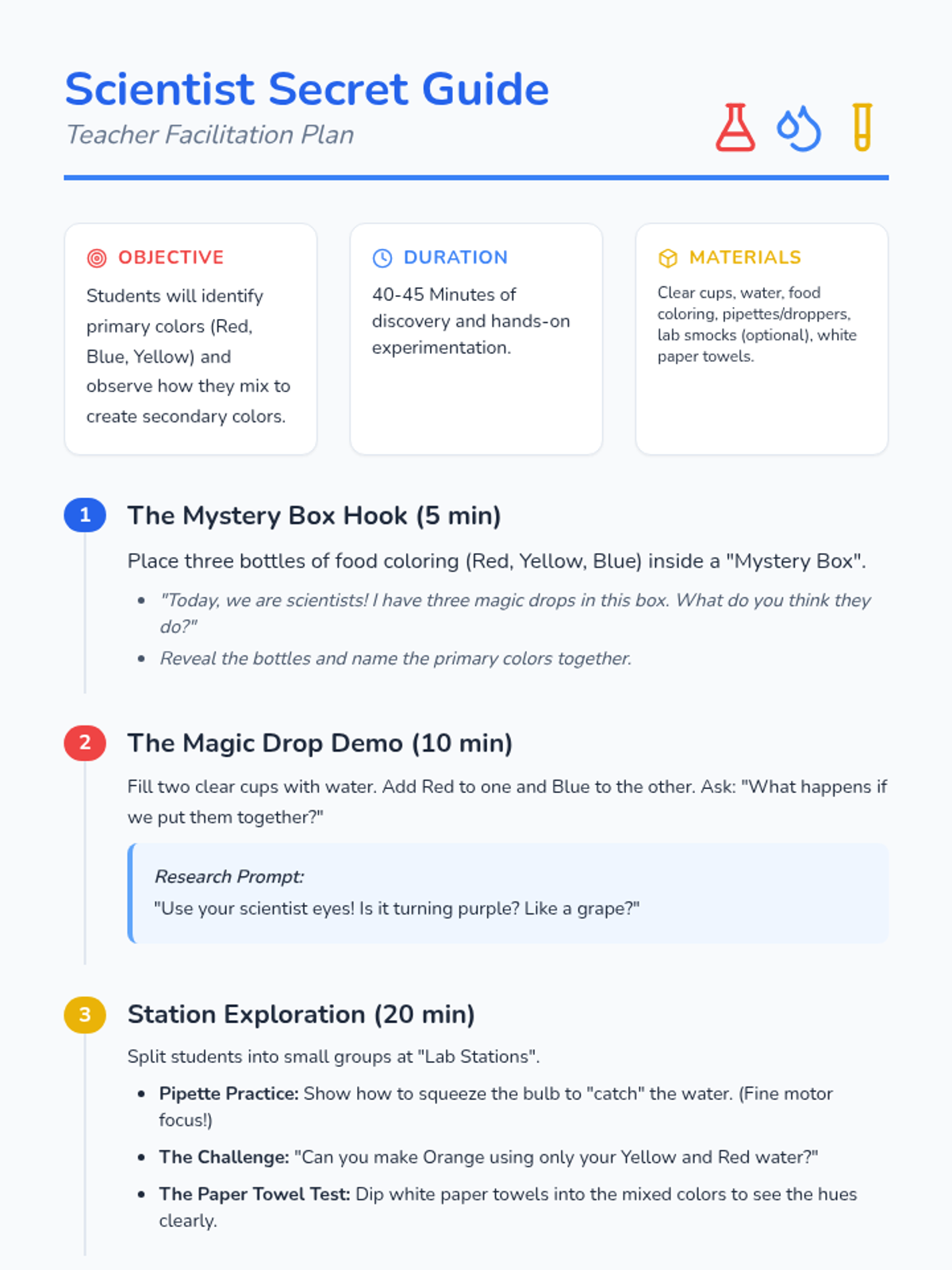
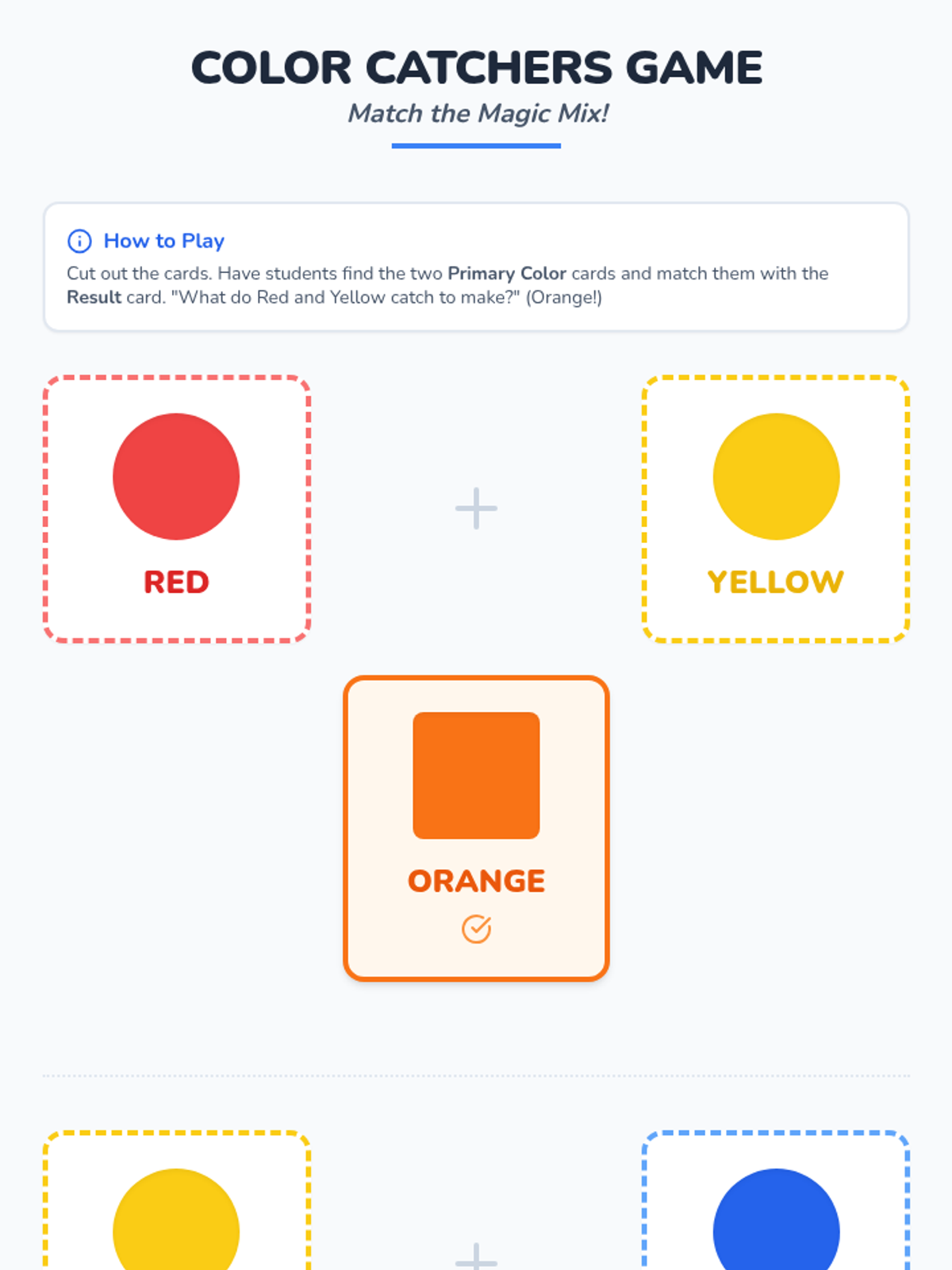
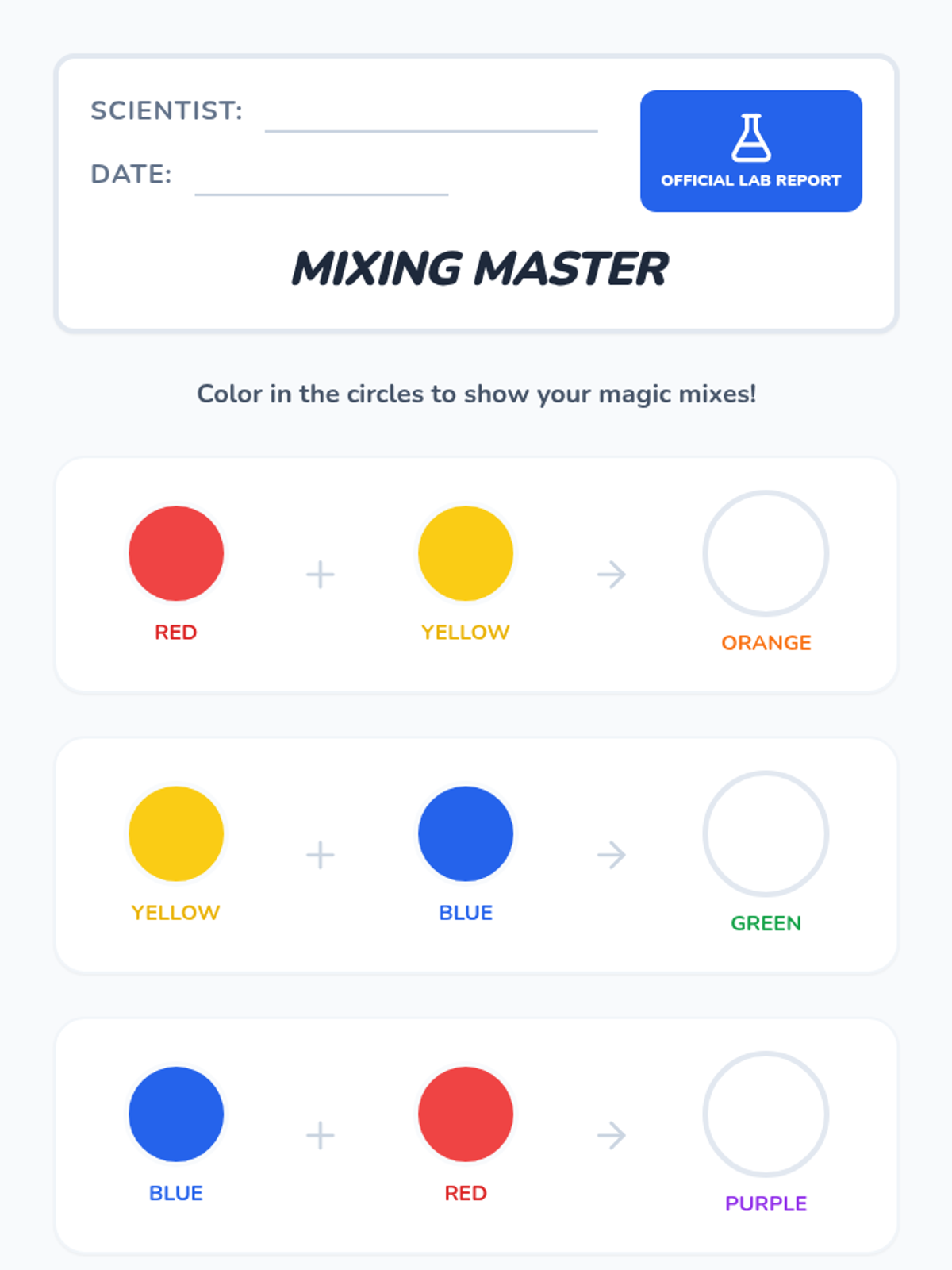
Pre-K students become little scientists to explore primary colors and the magic of mixing them using water and food coloring. This lesson builds fine motor skills and introduces the concept of cause and effect through hands-on play.
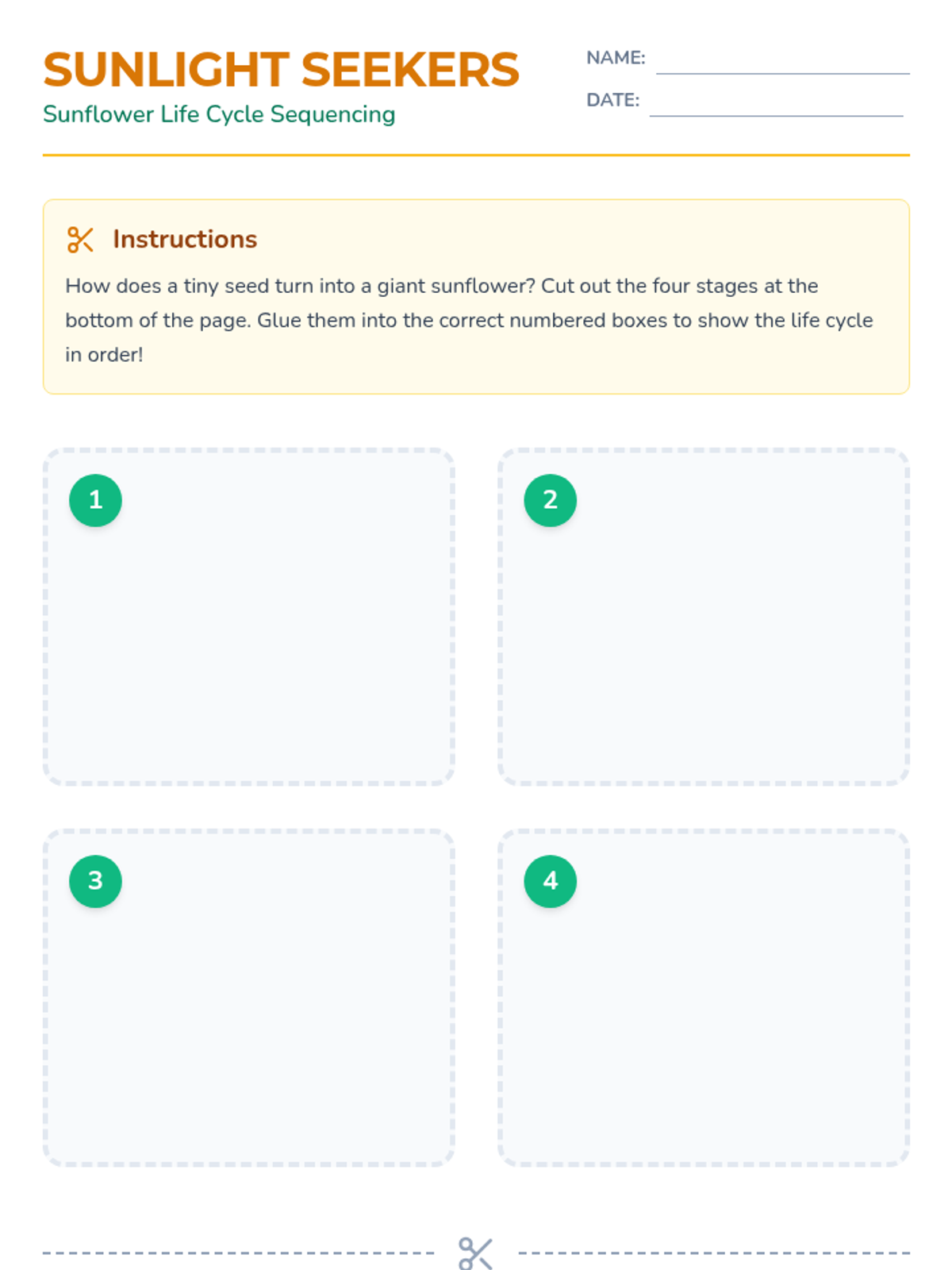
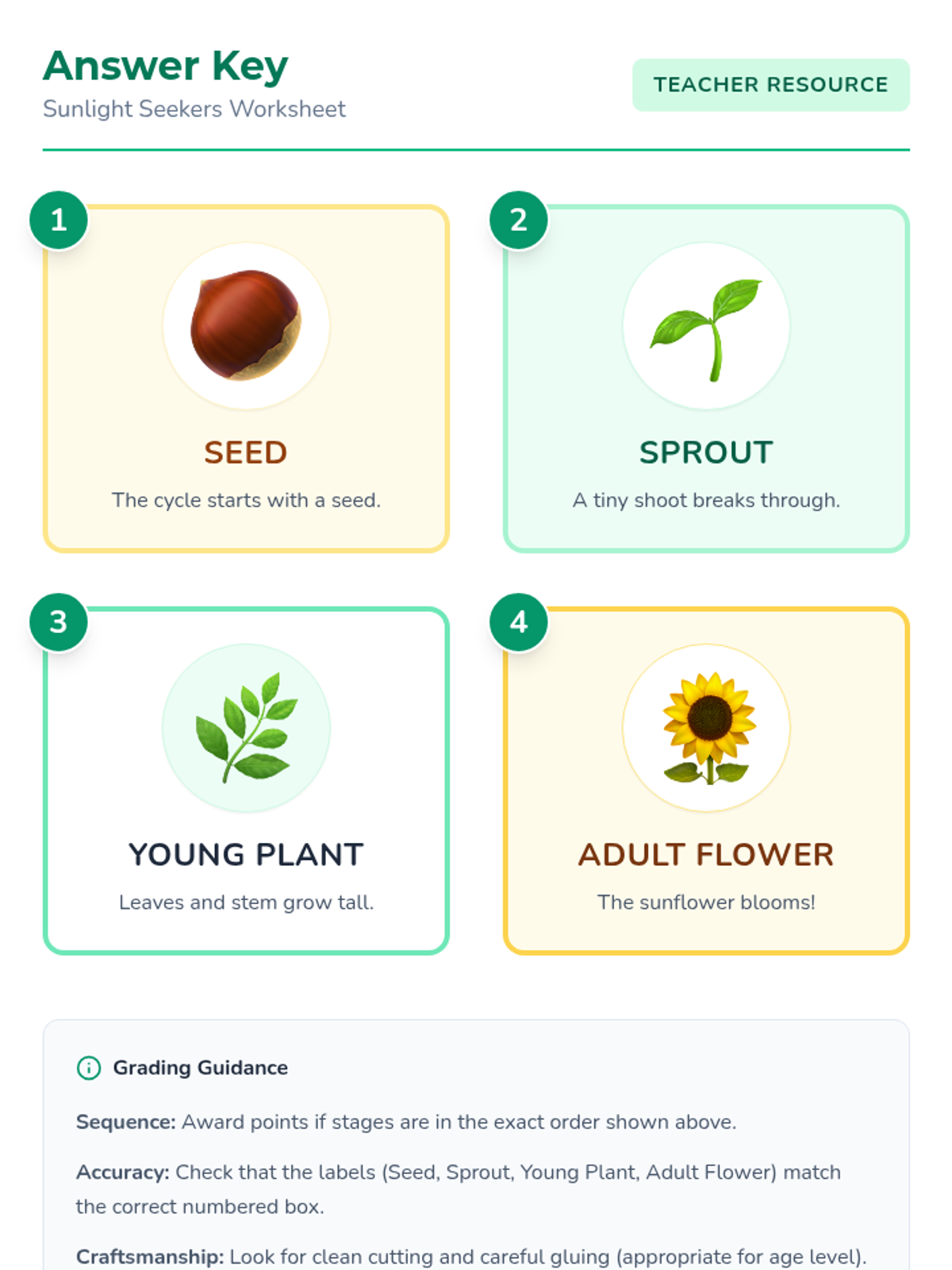
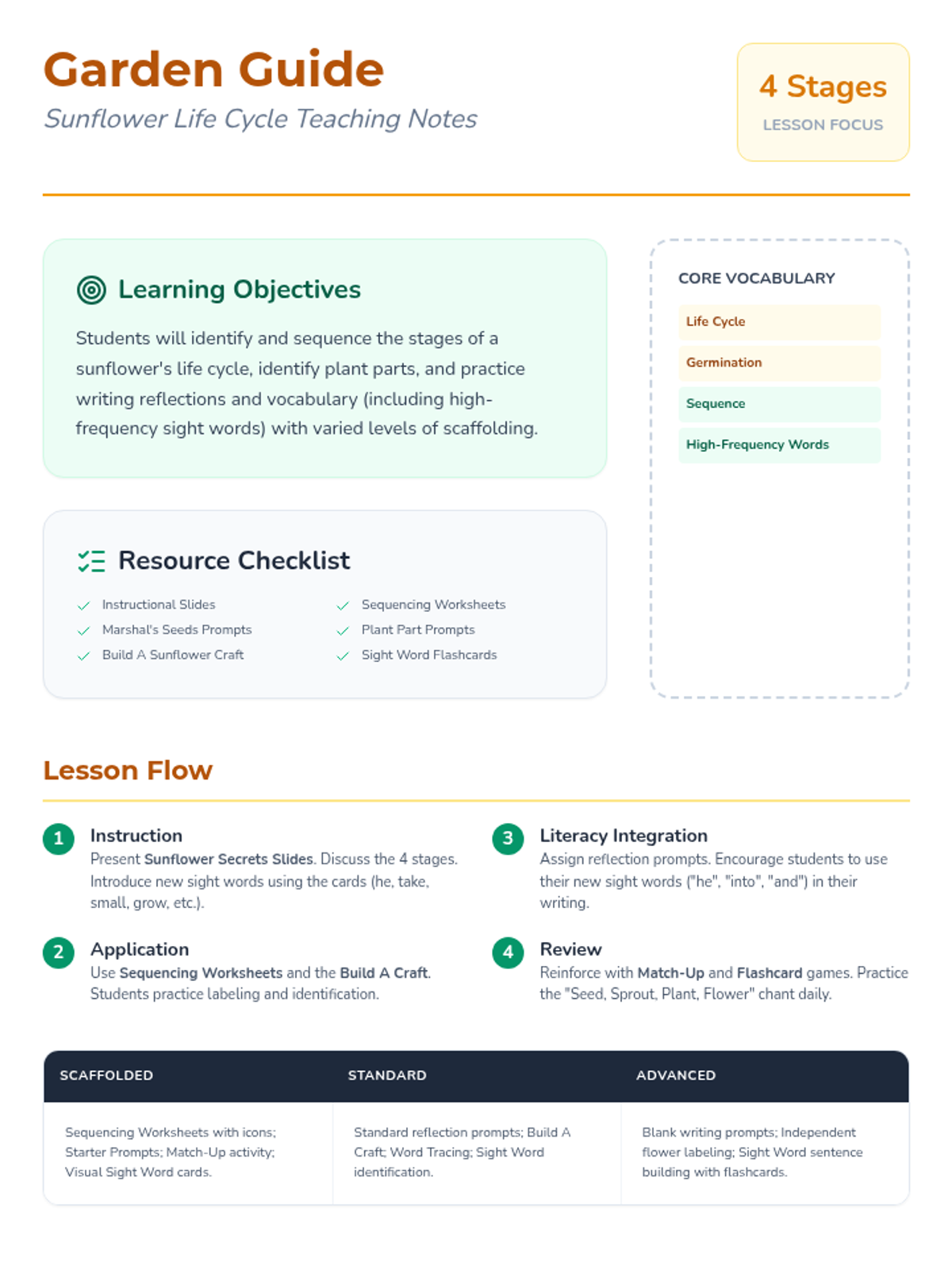
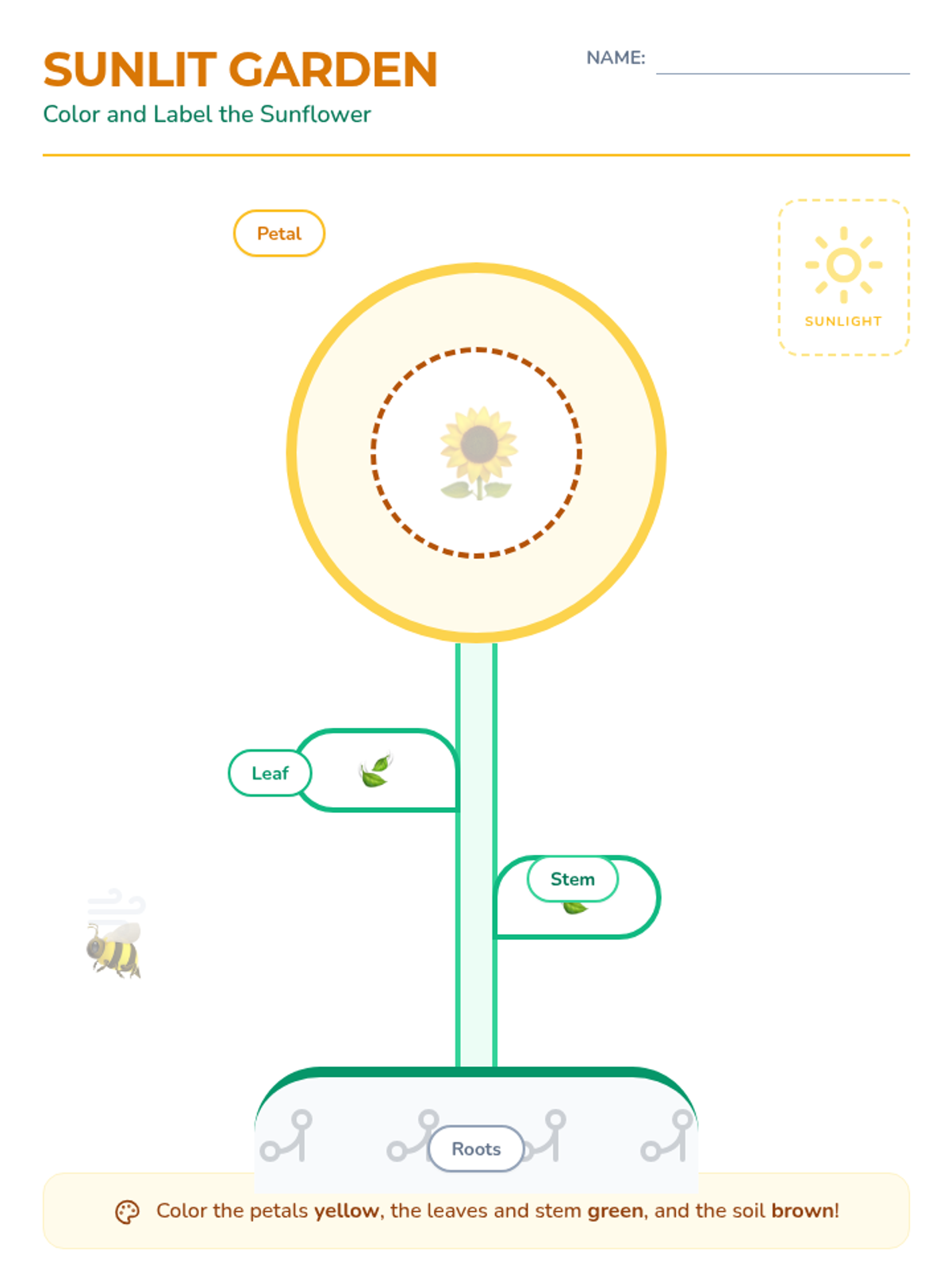
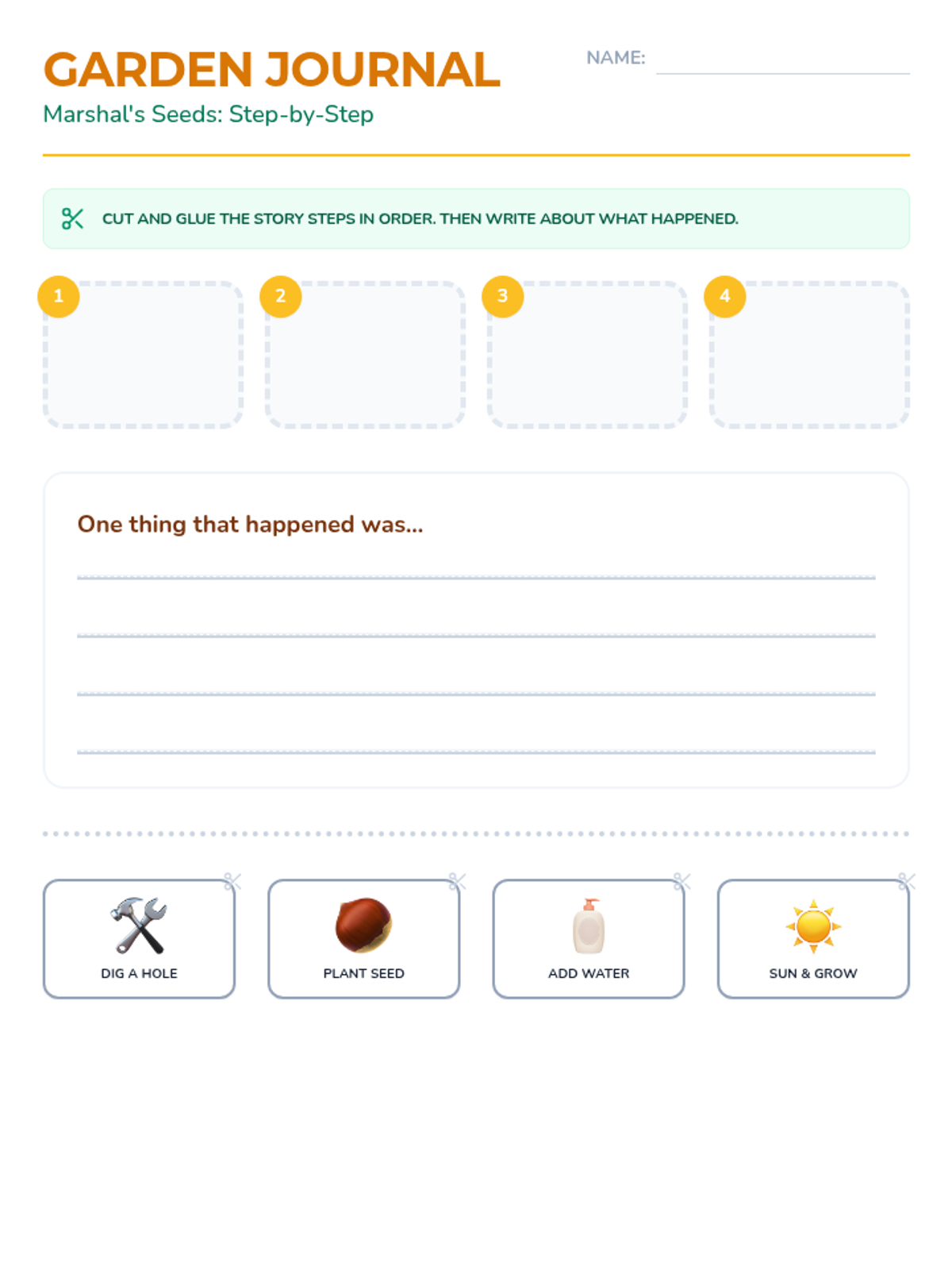
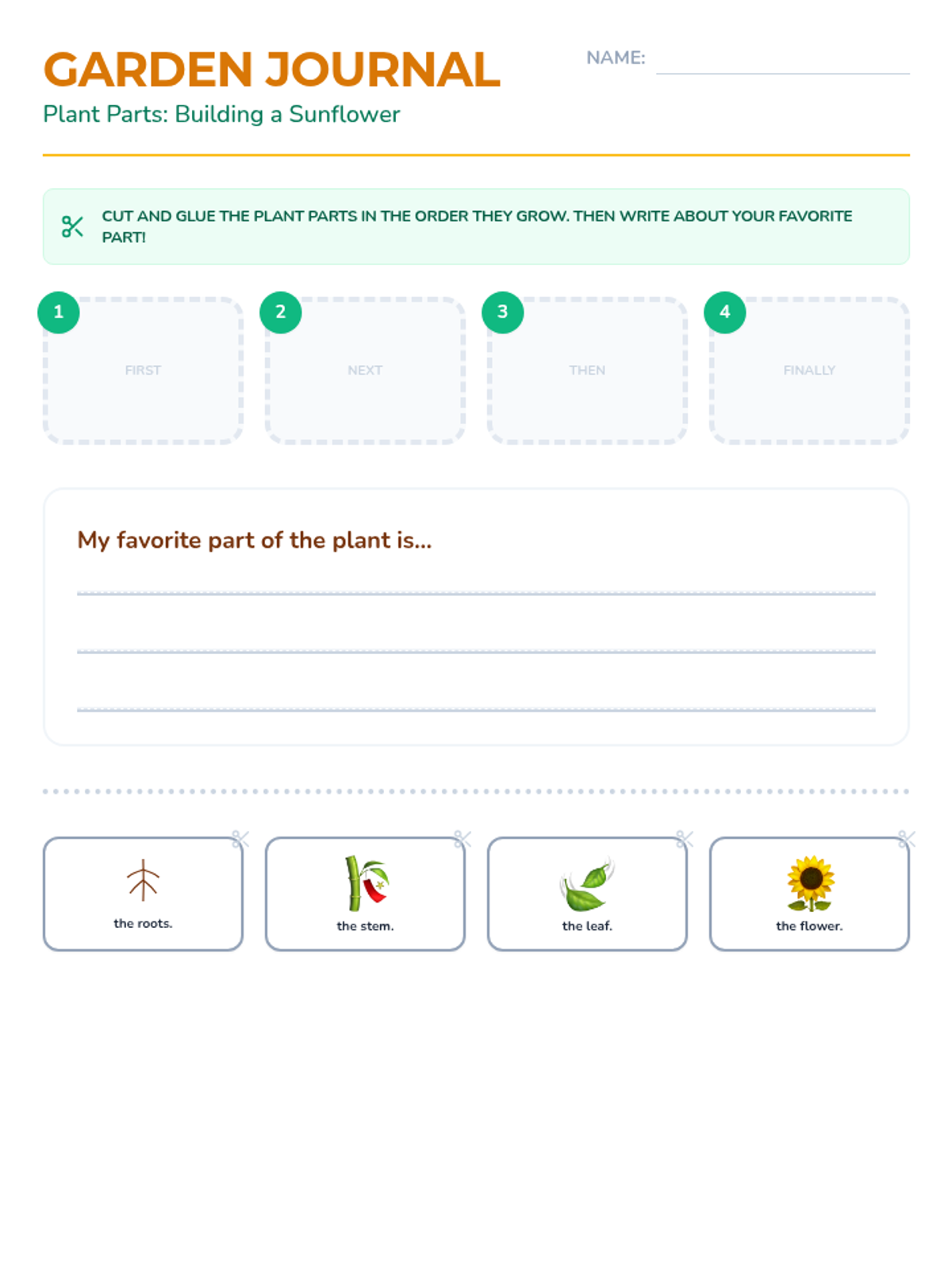
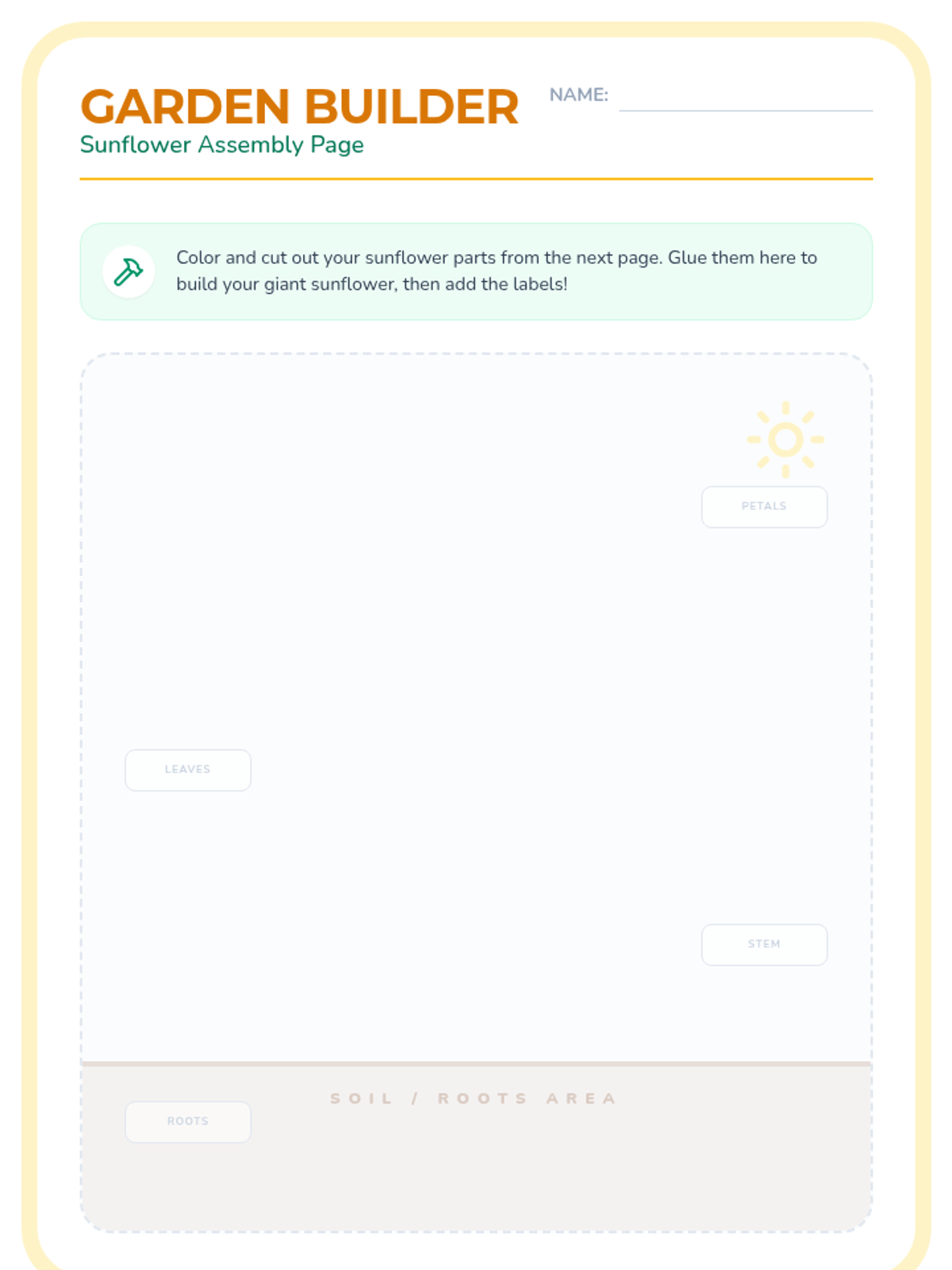
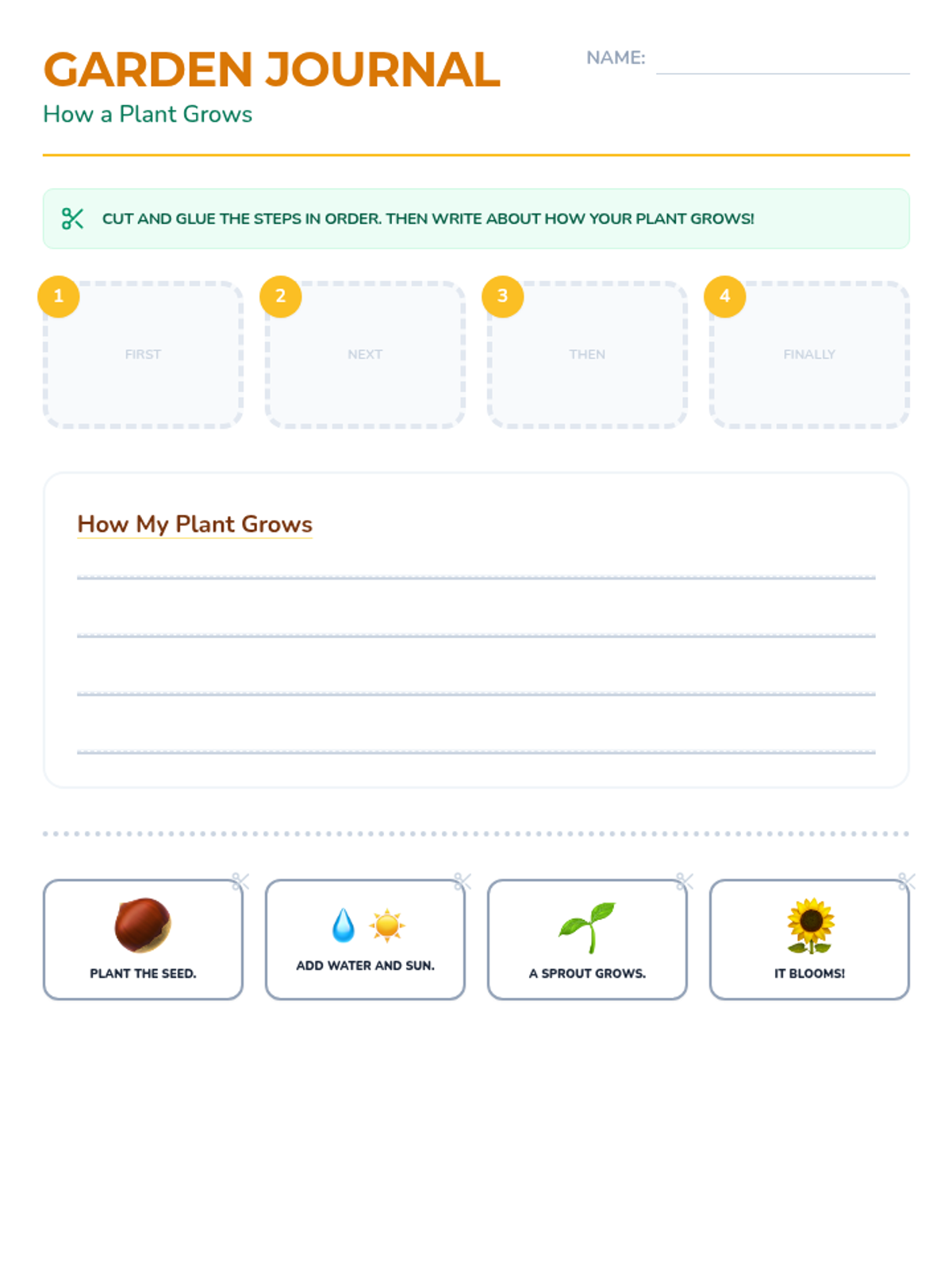
A hands-on lesson exploring the four primary stages of a sunflower's life cycle through visual instruction and a cut-and-paste sequencing activity.
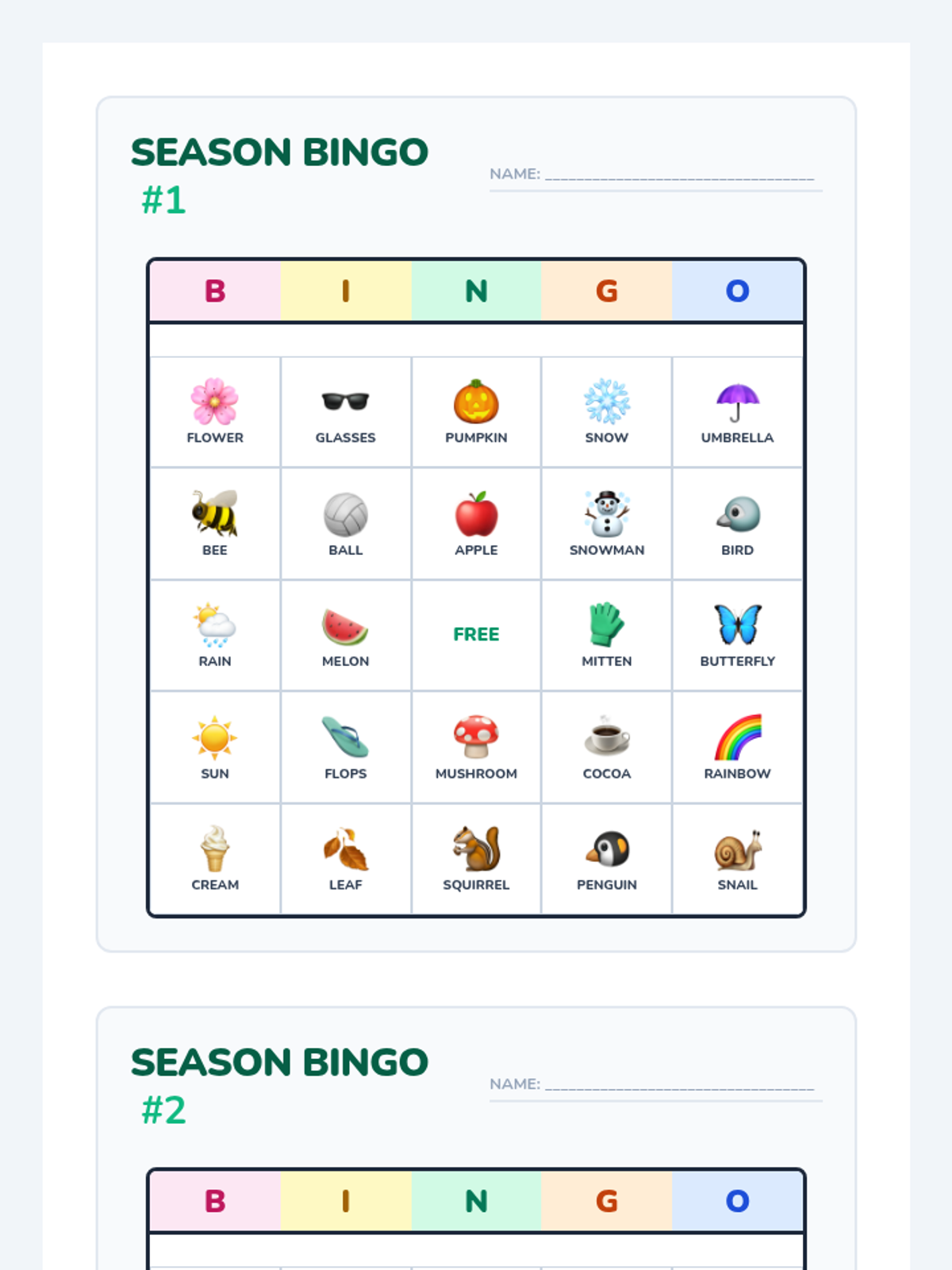
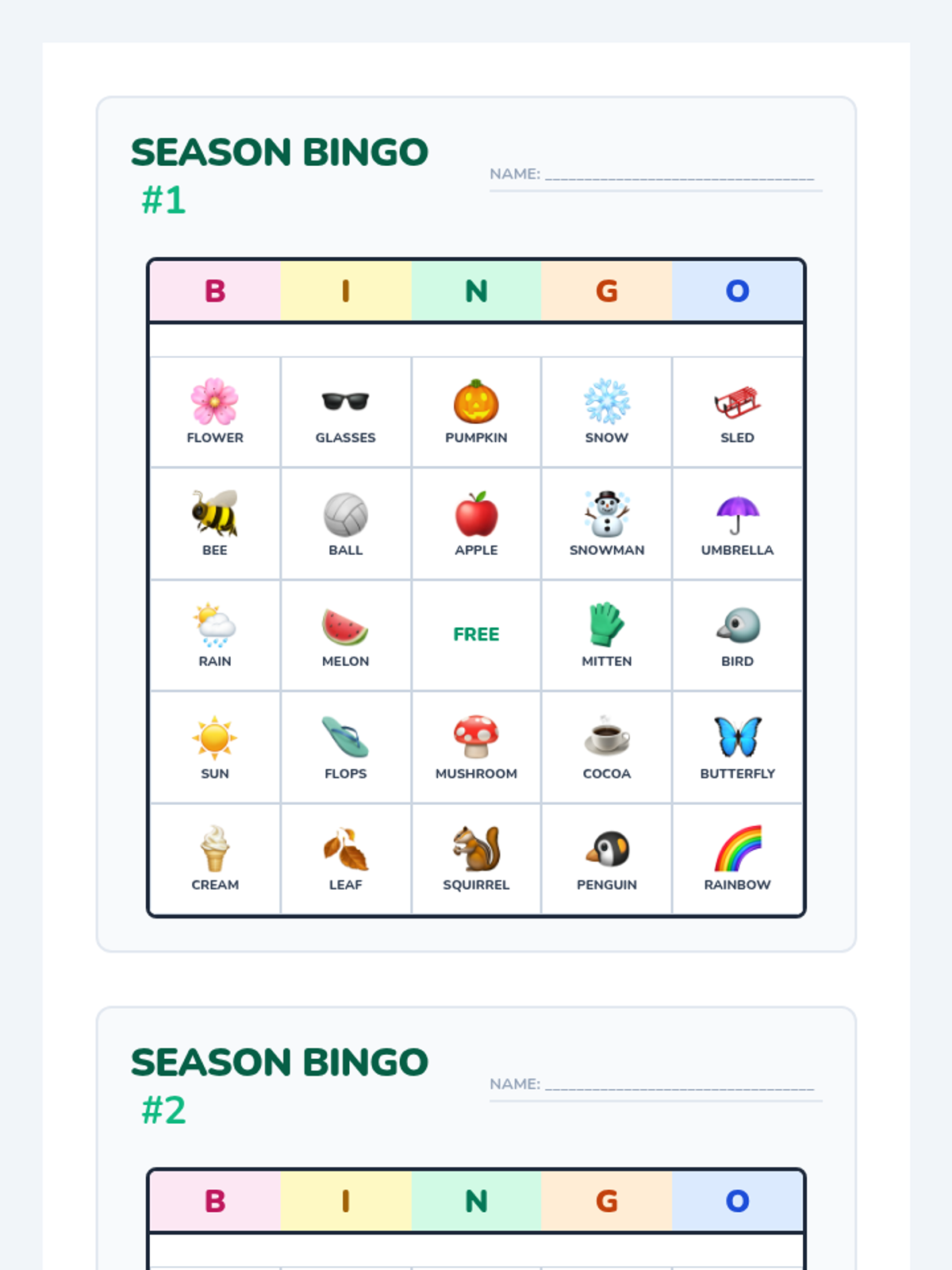
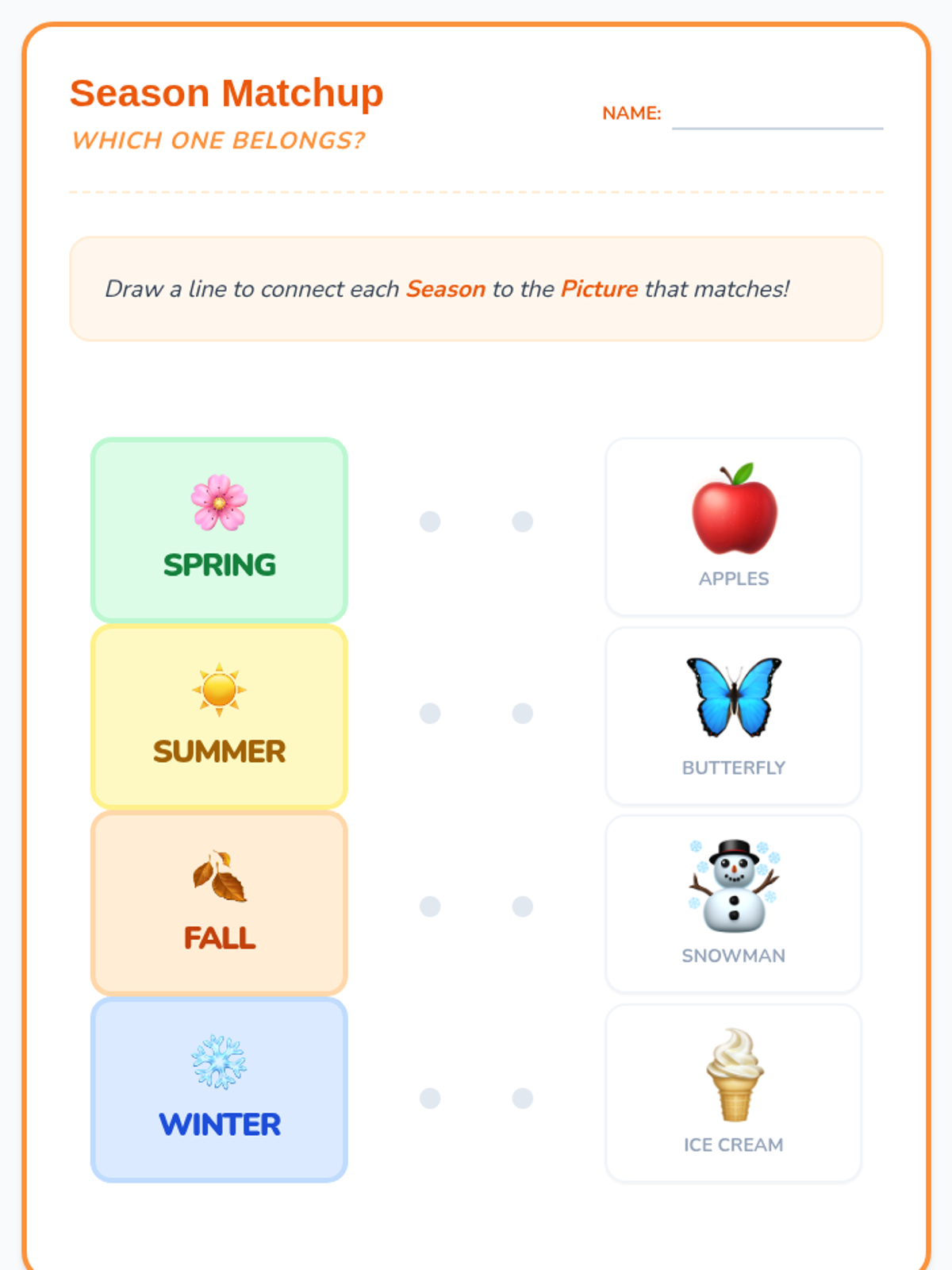
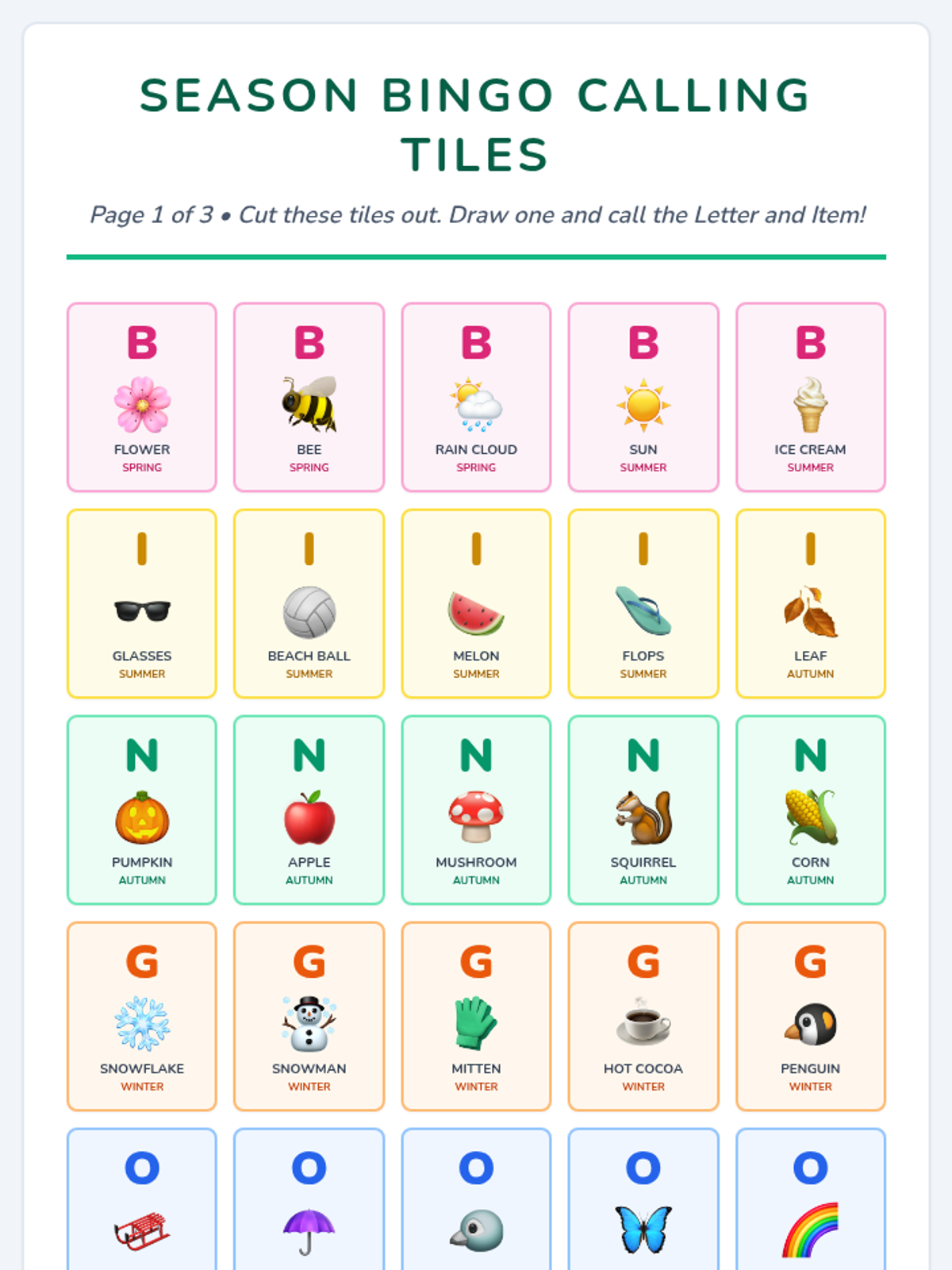
A fun, interactive lesson introducing elementary students to the four seasons through observation and play. Students will identify key characteristics of spring, summer, autumn, and winter using visual cues and interactive bingo.
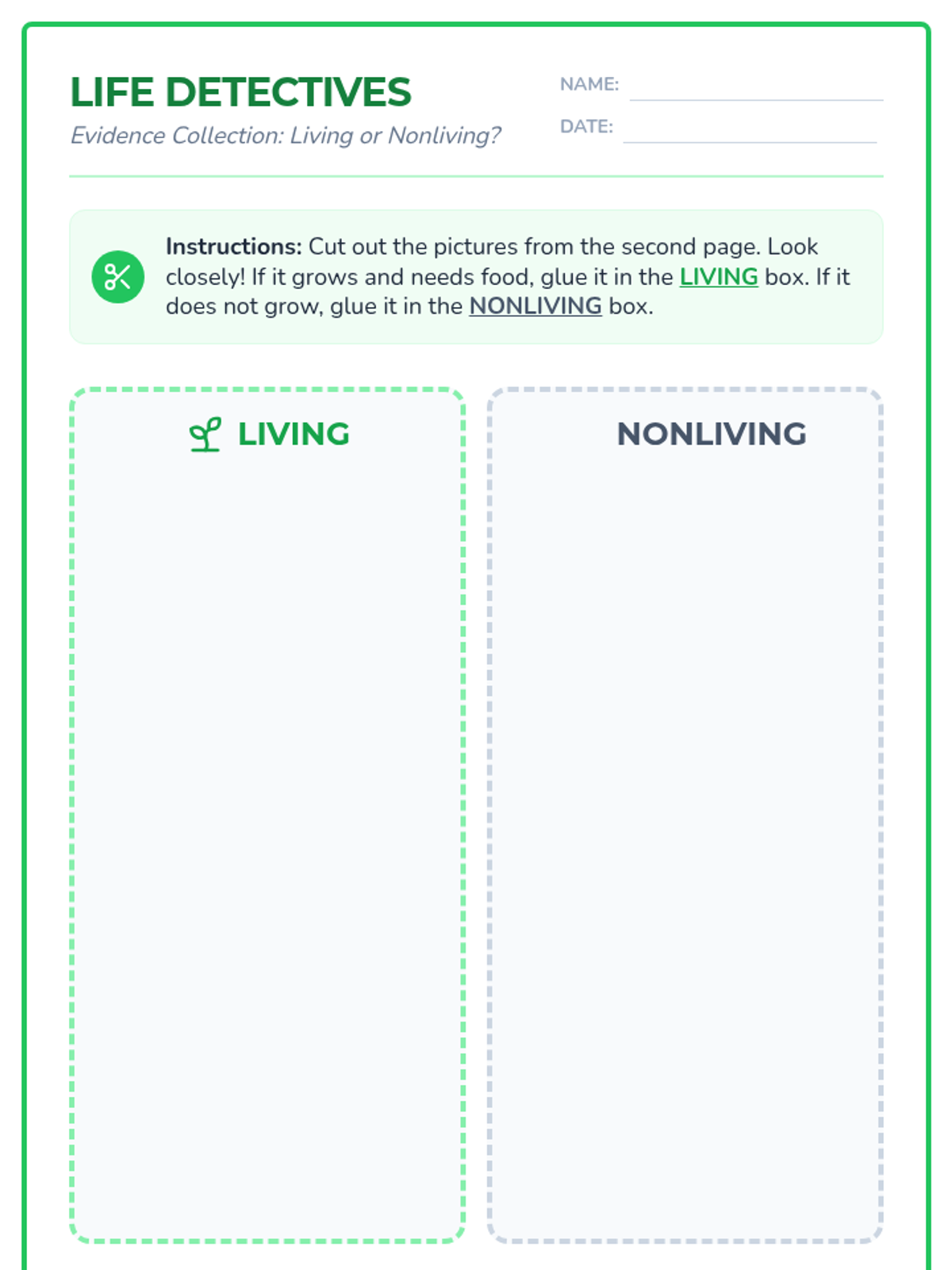
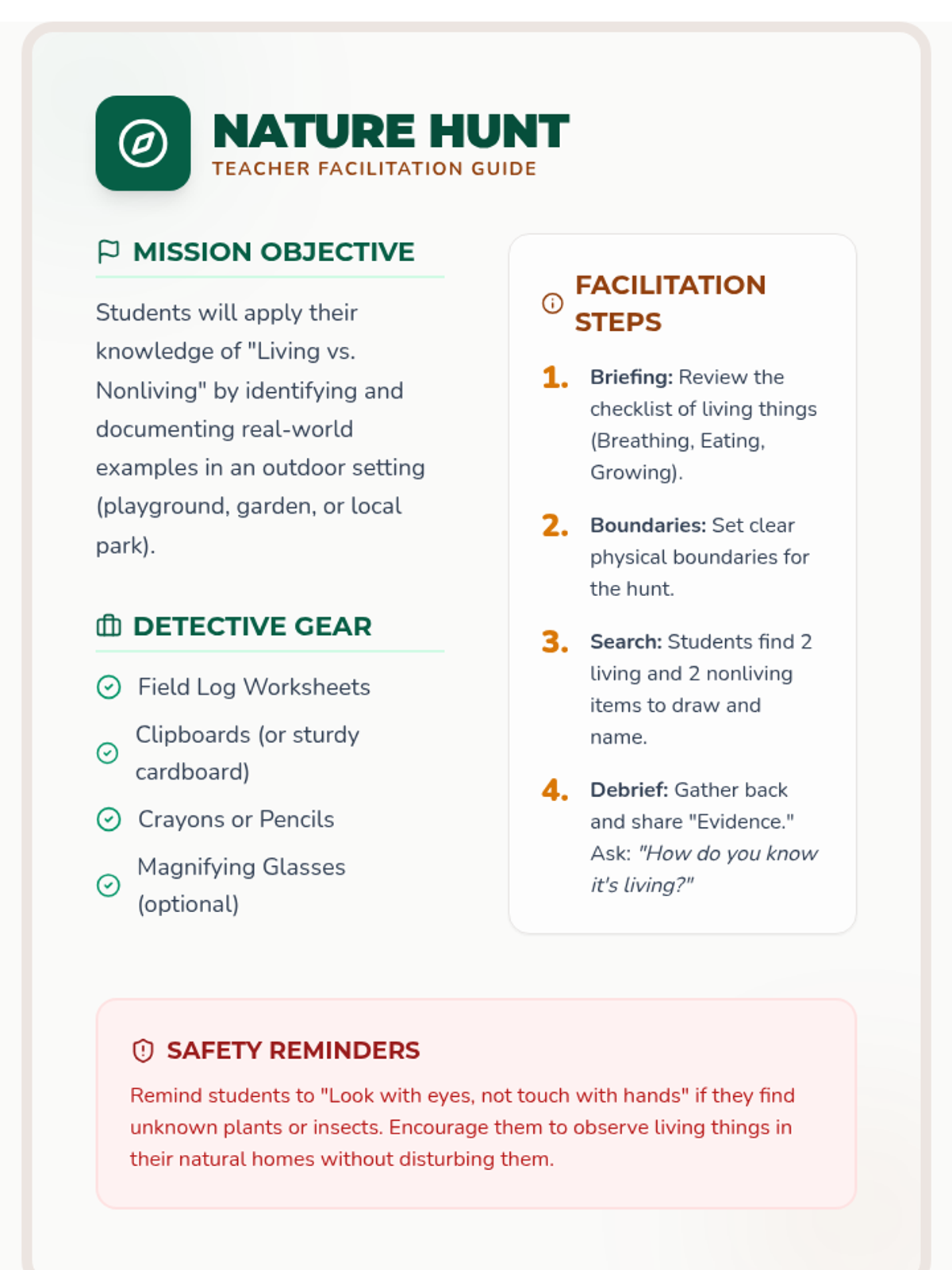
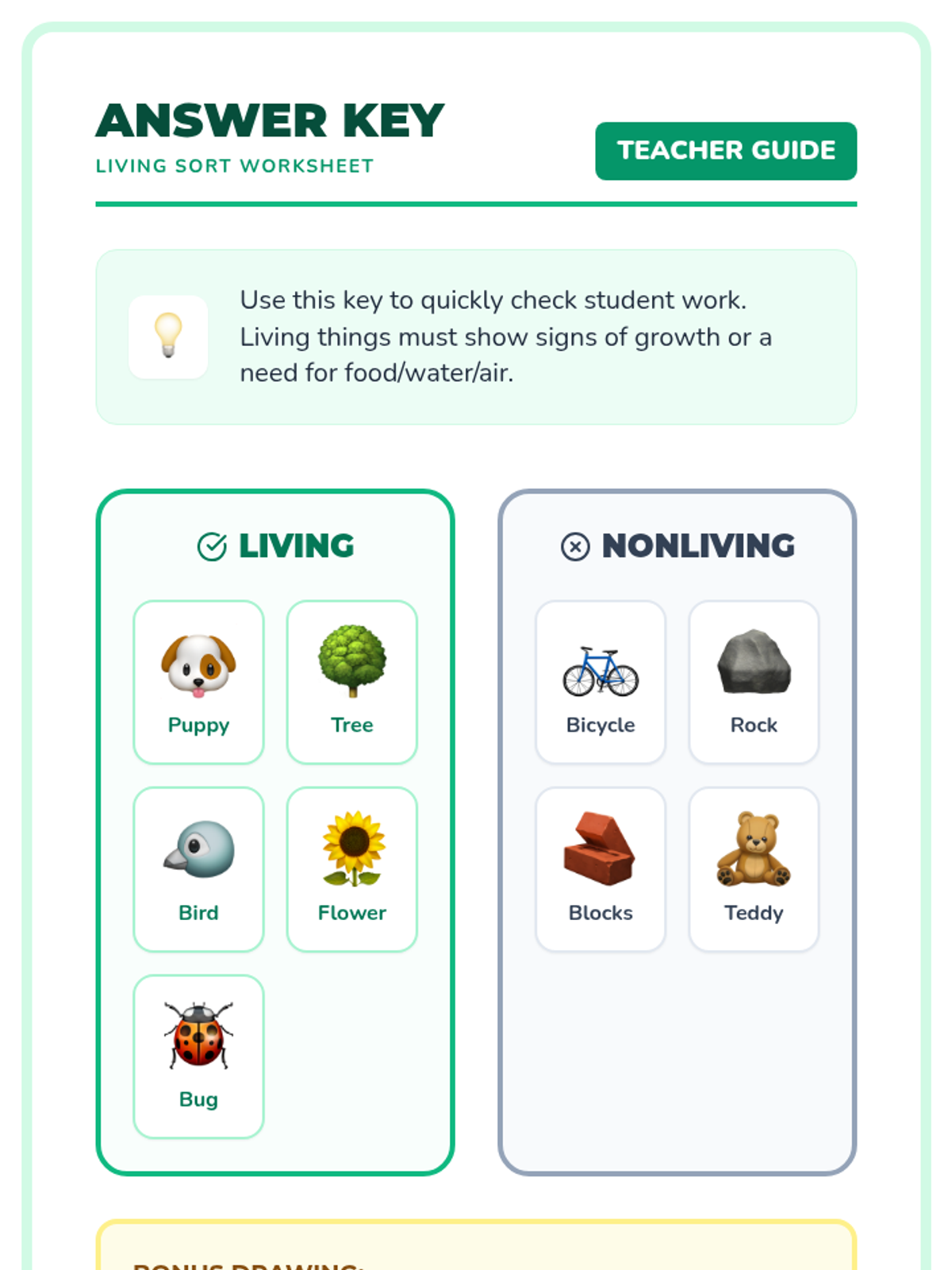
Students will learn to distinguish between living and nonliving things by identifying key characteristics like growth and basic needs. The lesson includes a visual presentation, a hands-on sorting worksheet, and an outdoor exploration guide.
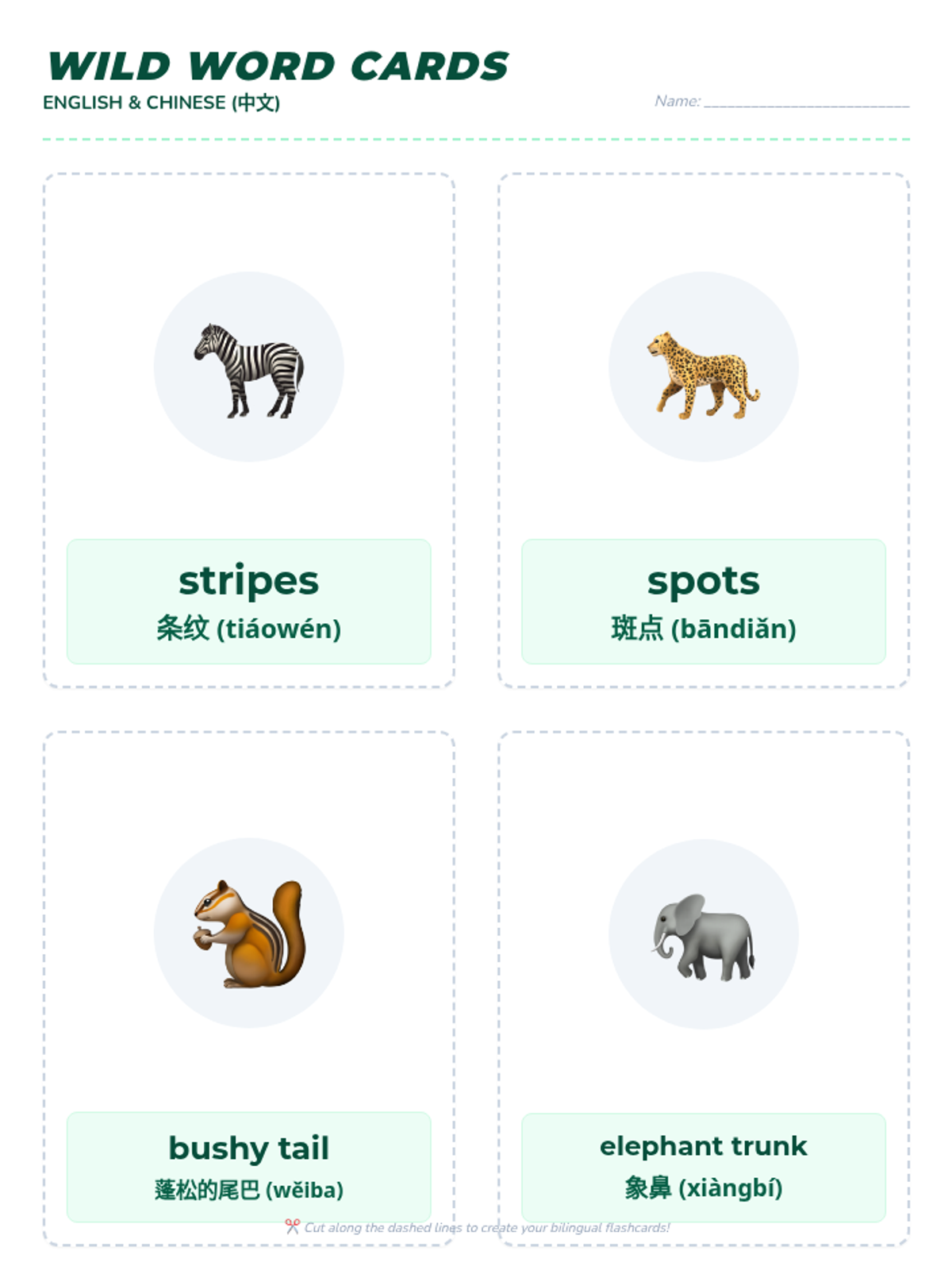
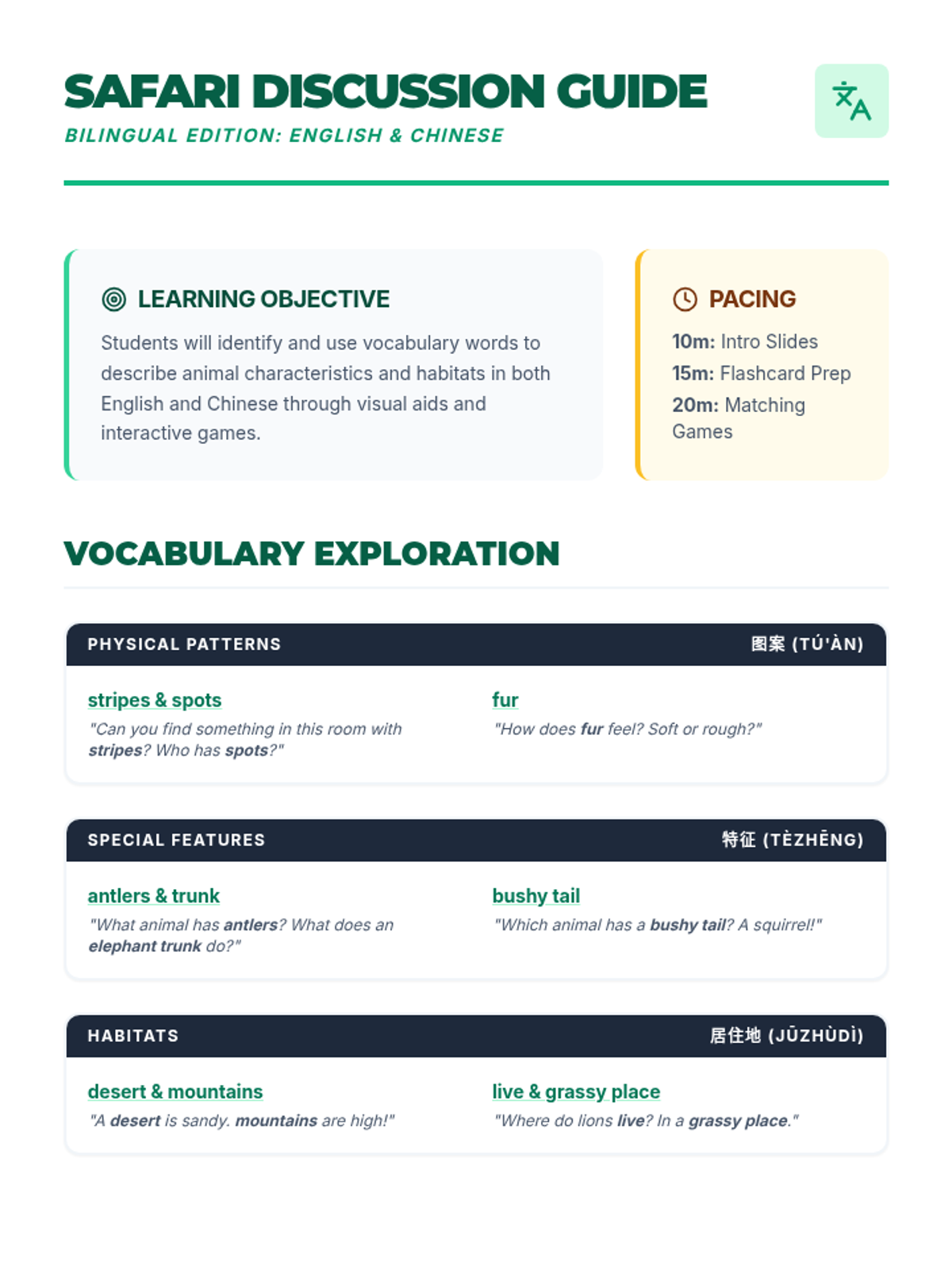
A lesson focused on animal characteristics and habitats, helping students build descriptive vocabulary.
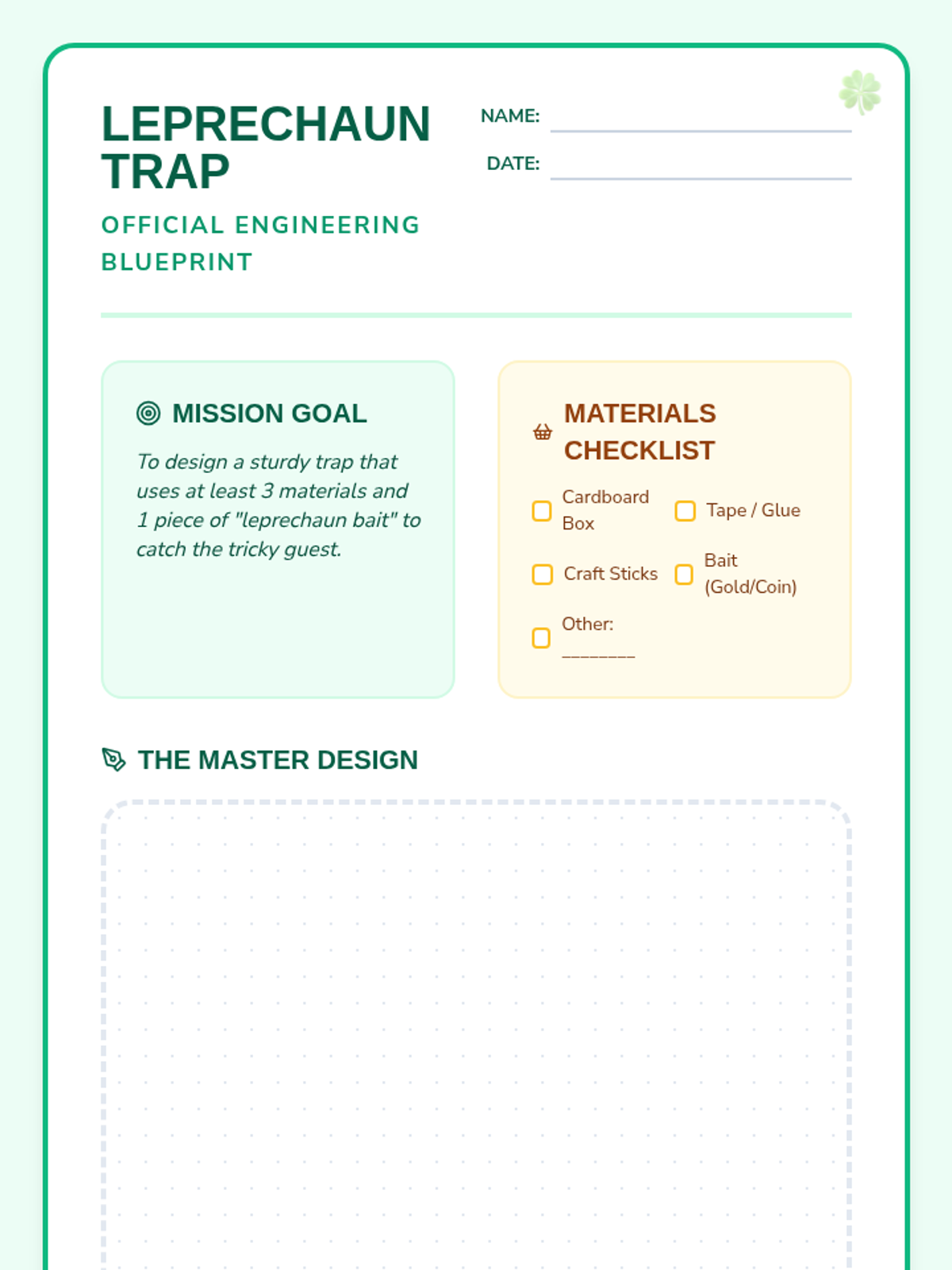
Students design and build a STEM leprechaun trap inspired by 'How to Catch a Leprechaun', focusing on multi-step directions and problem-solving through the engineering design process.
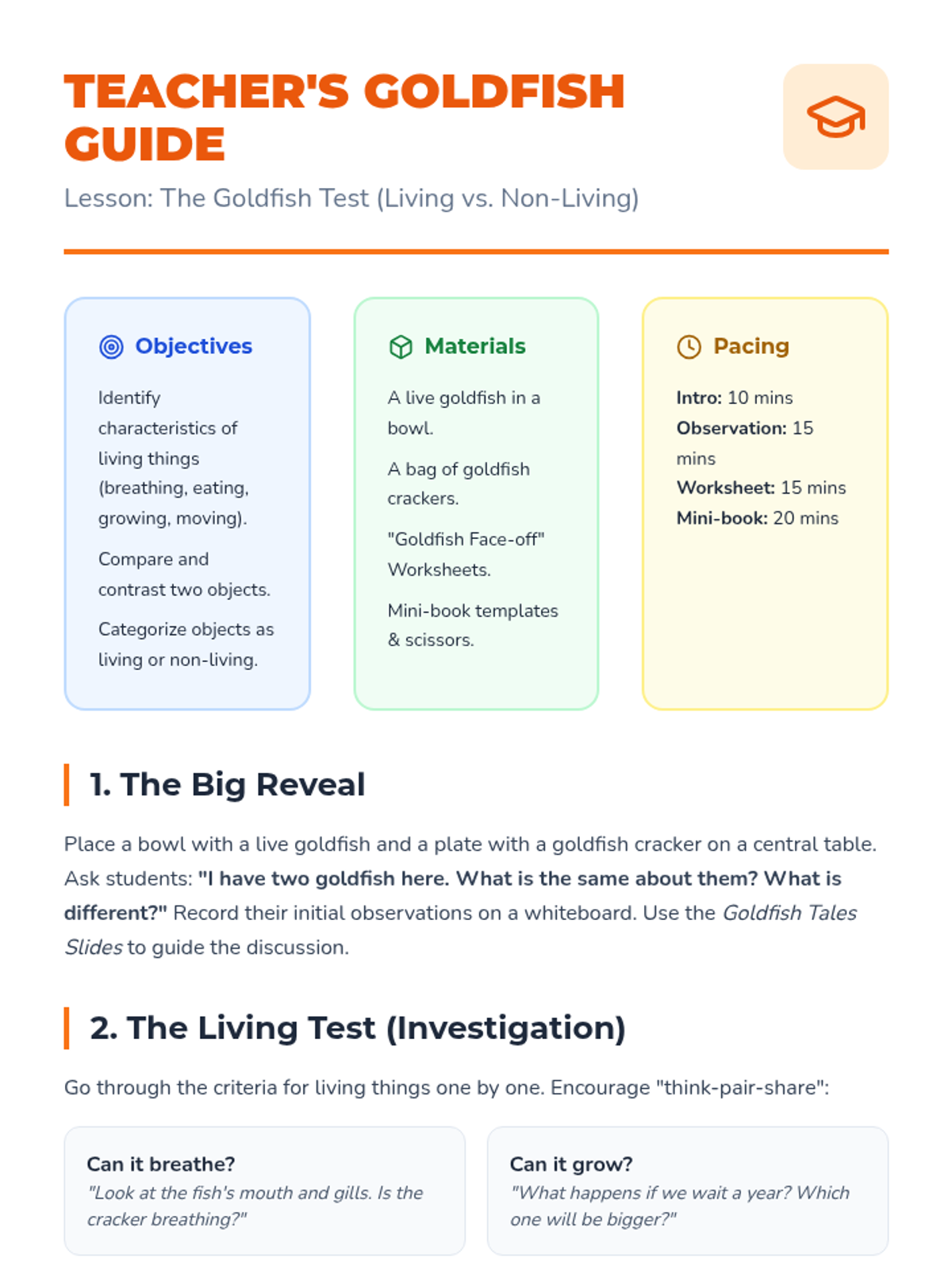
An introductory science lesson comparing a live goldfish to a goldfish cracker to help students identify the characteristics of living and non-living things.
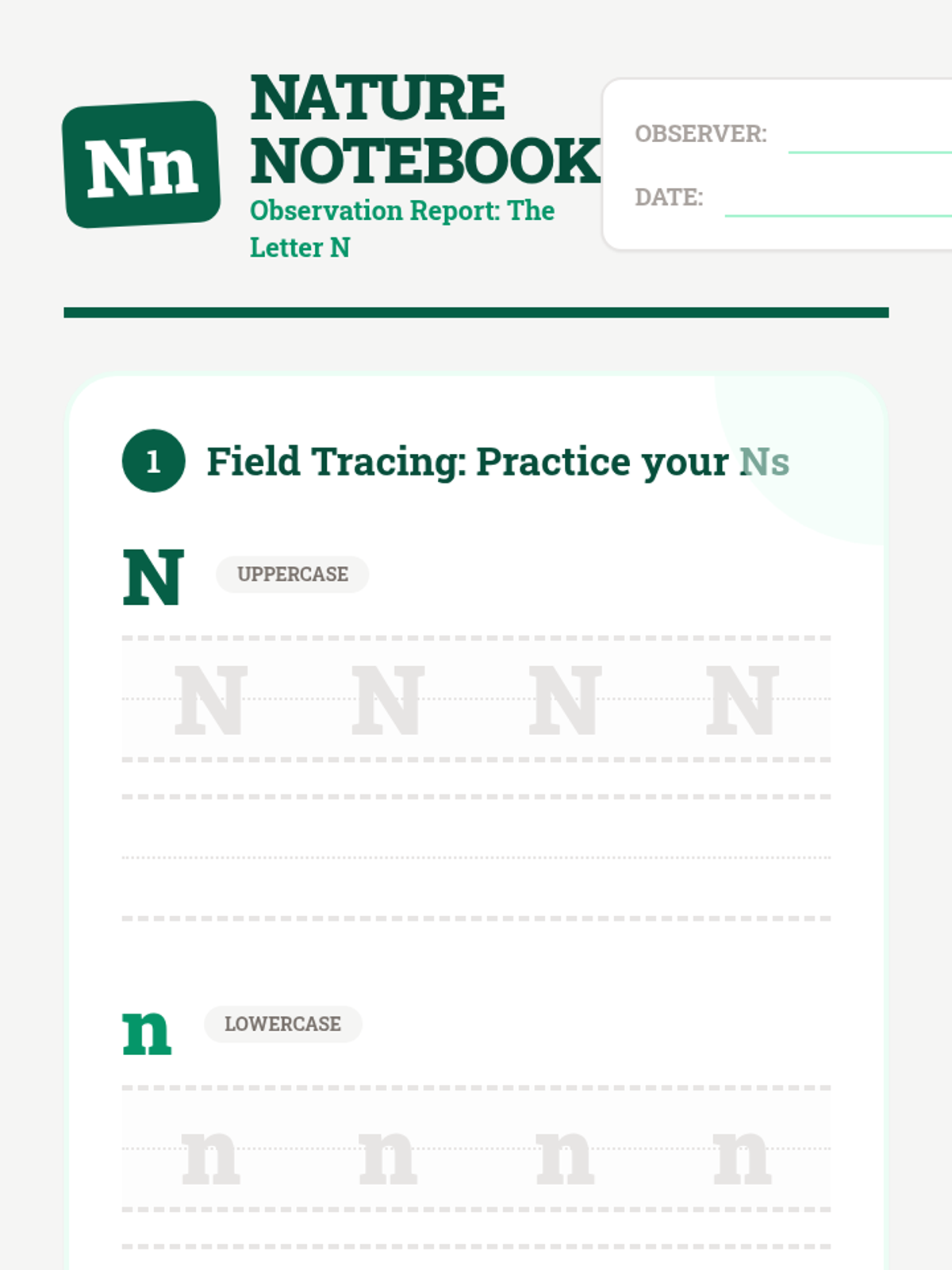
A nature-themed exploration of the letter N, focusing on lowercase and uppercase identification, the /n/ sound, and nature-based vocabulary like nests, nuts, and newts.
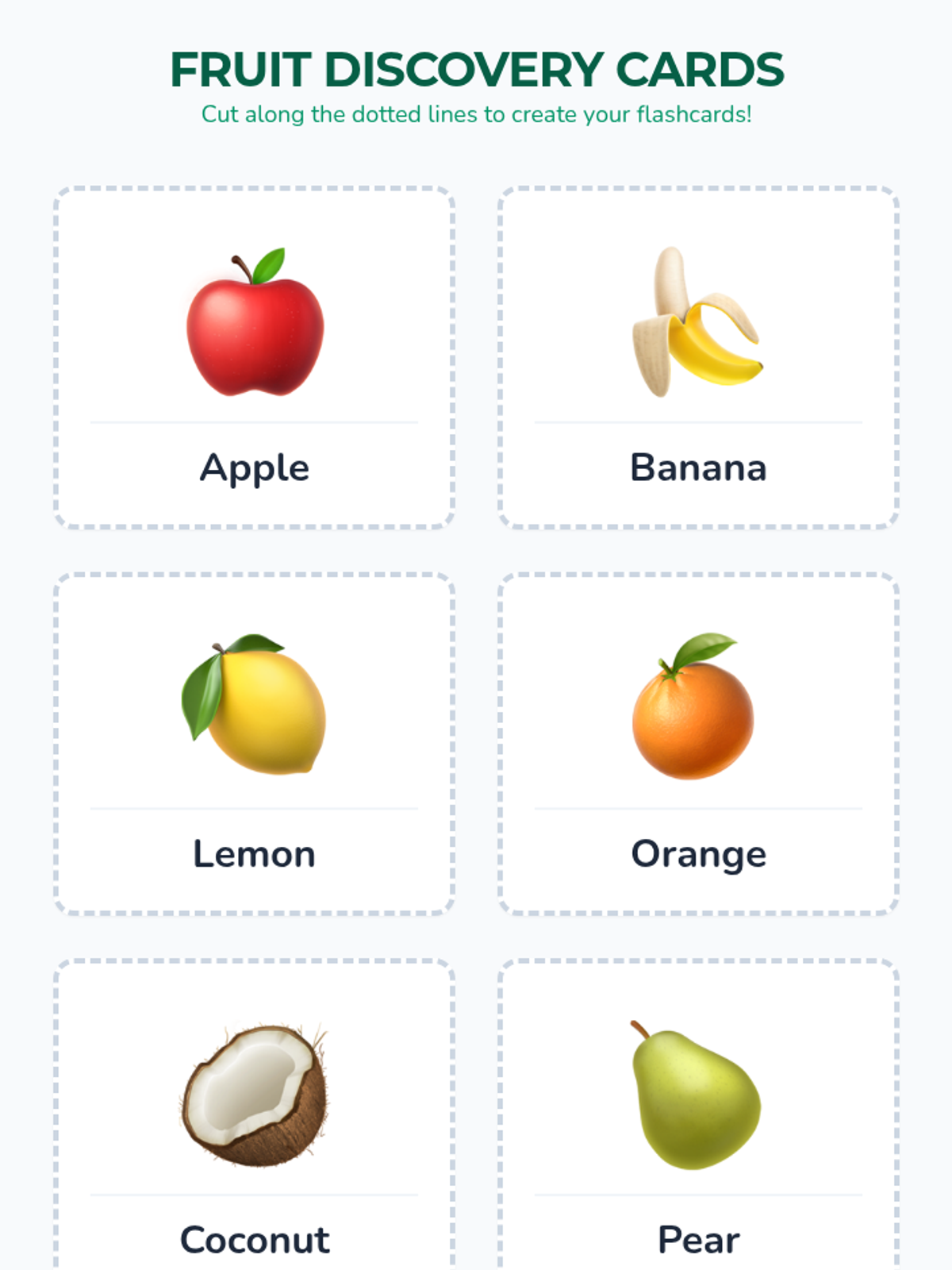
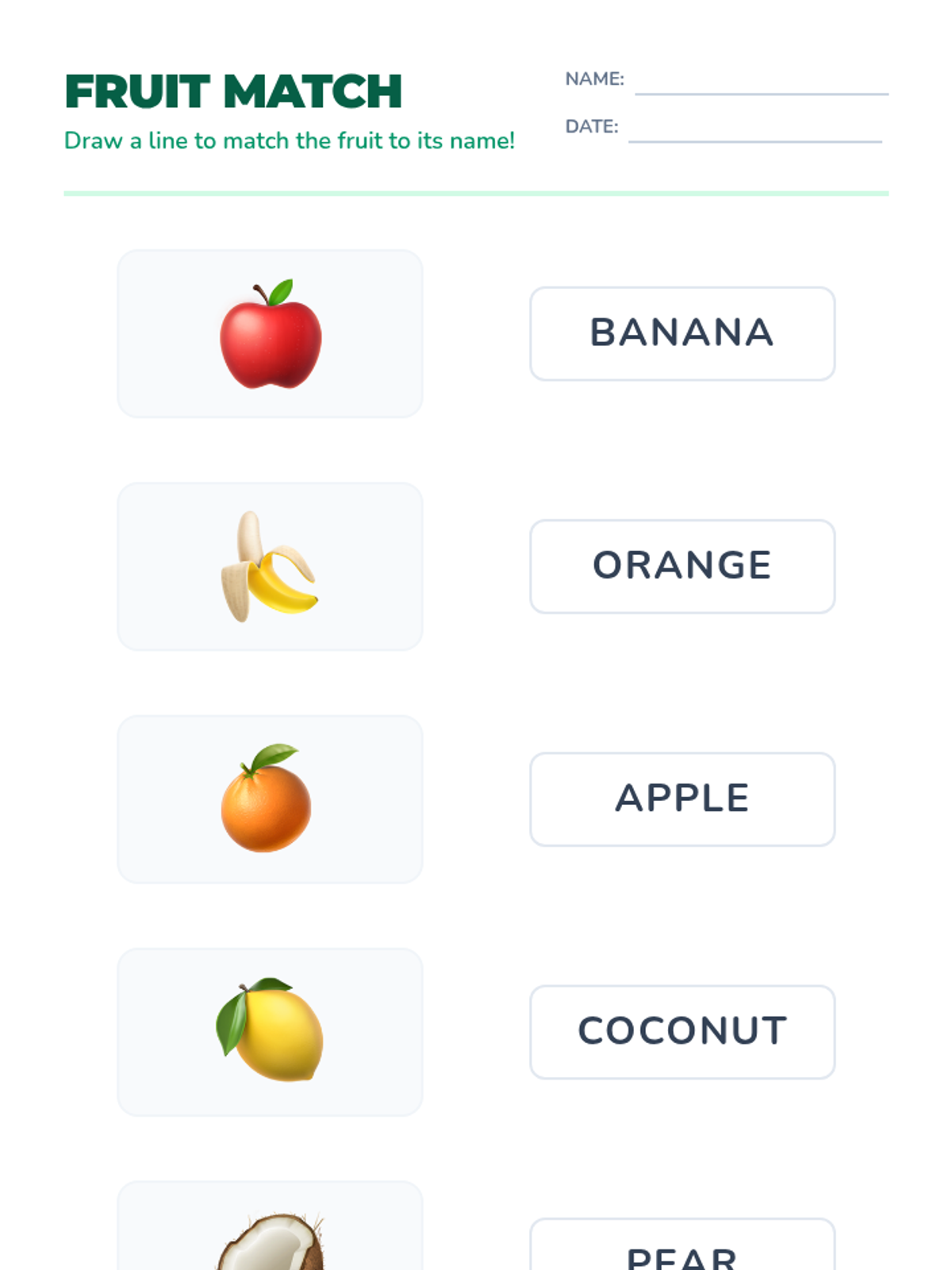
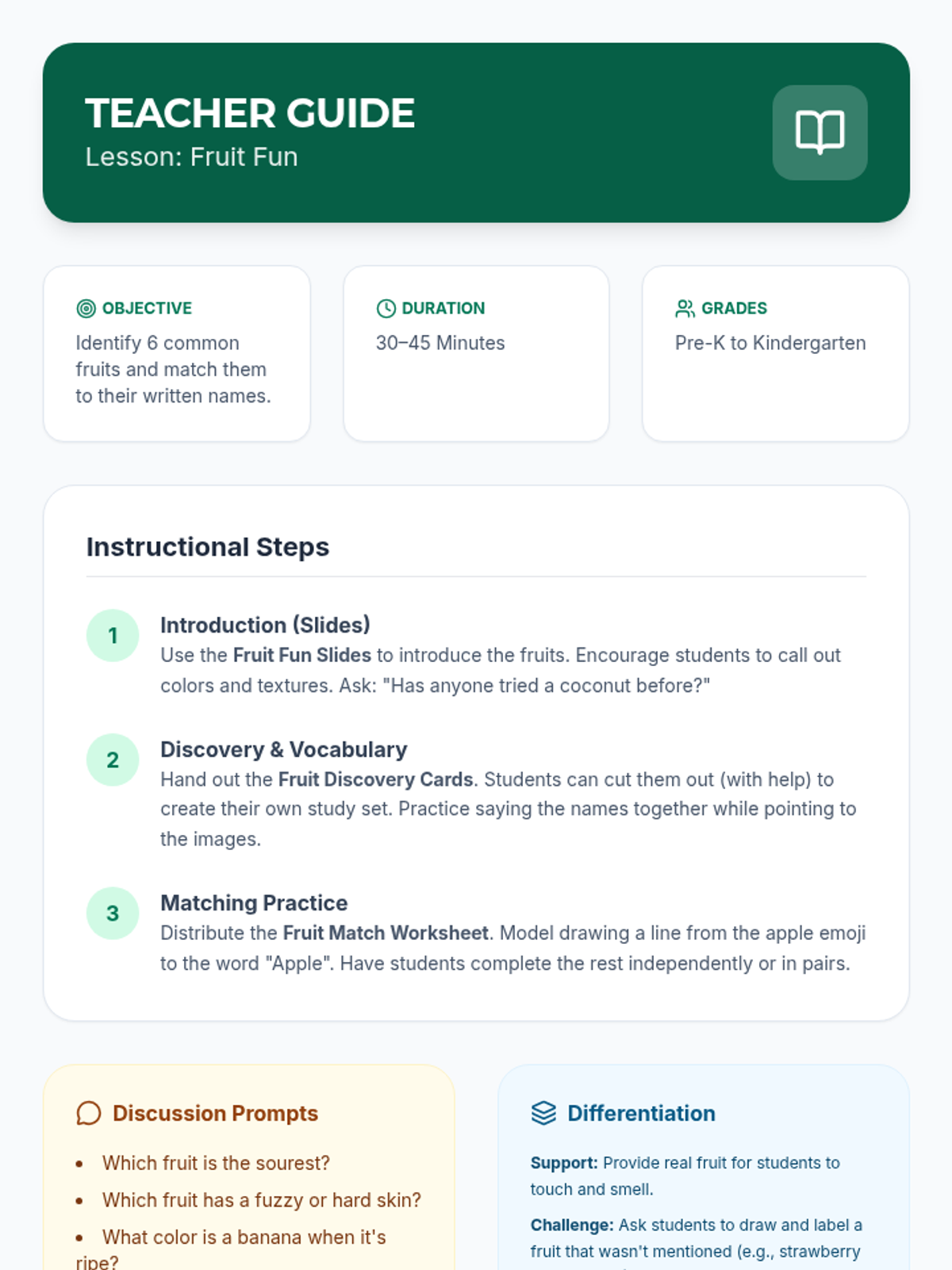
A foundational lesson for early learners to identify and name common fruits using visual aids and matching activities.
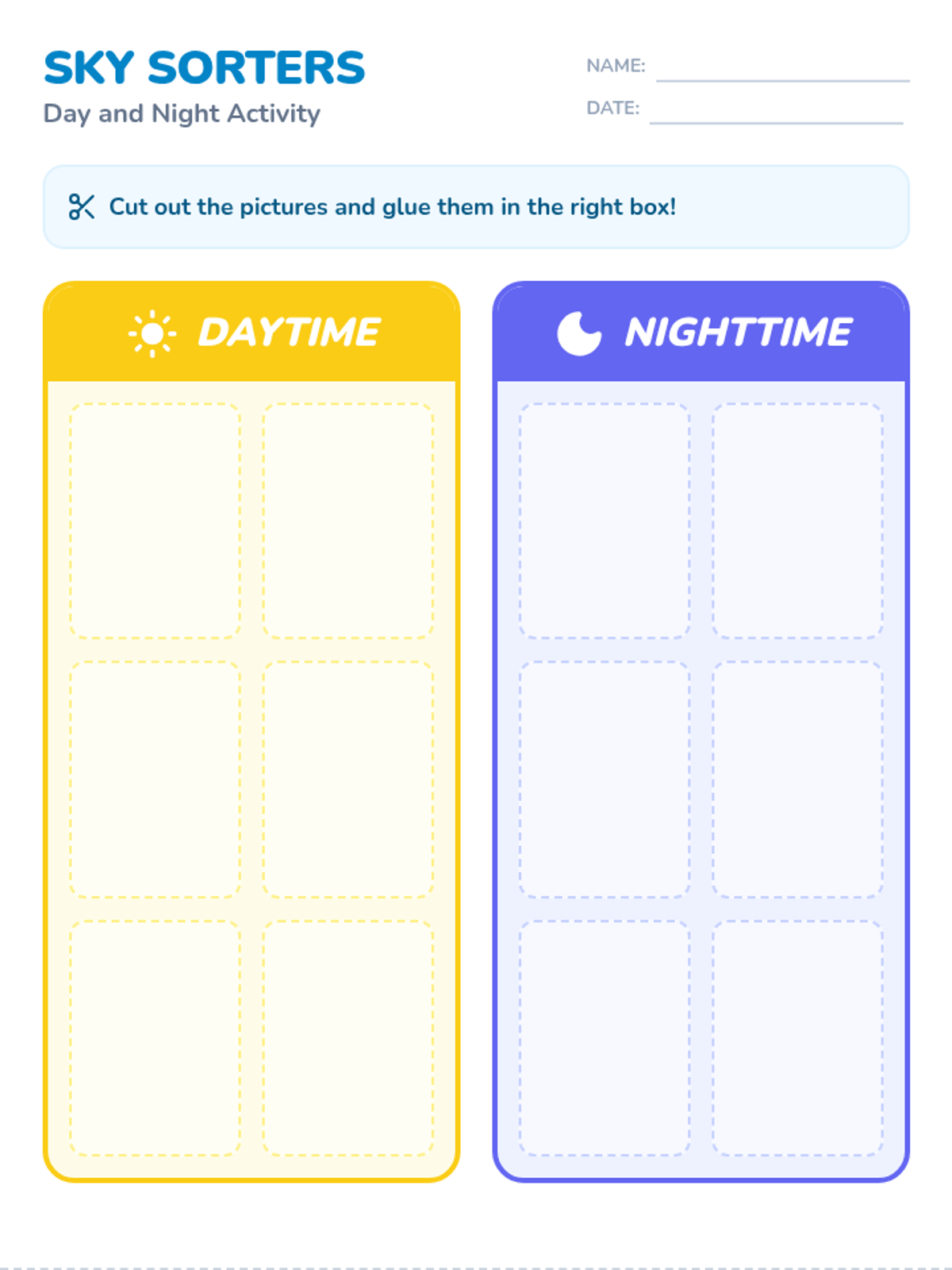
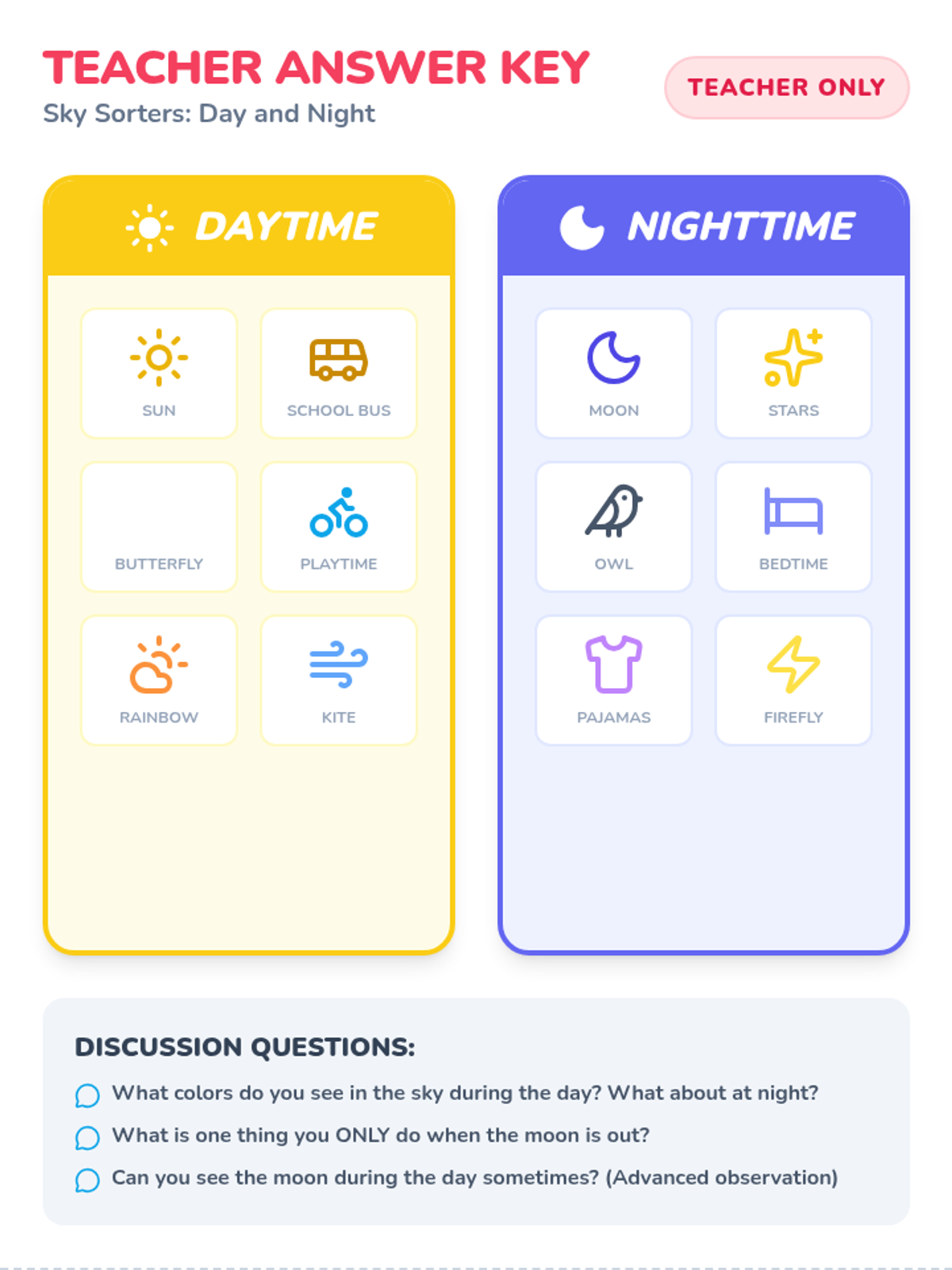
A Pre-K lesson focused on identifying and categorizing objects and activities associated with daytime and nighttime. Students will develop fine motor skills through cutting and pasting while building early science and observation skills.
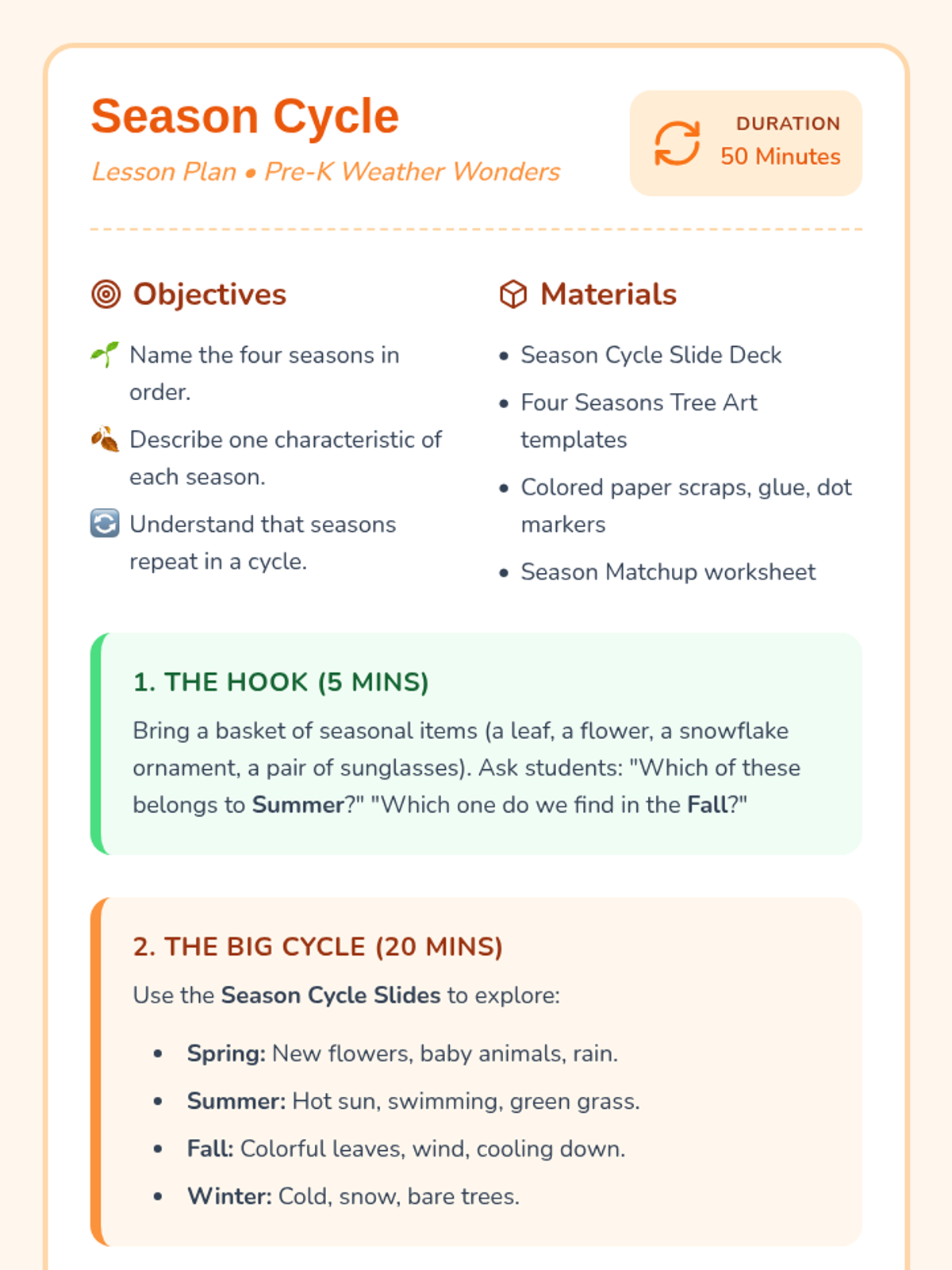
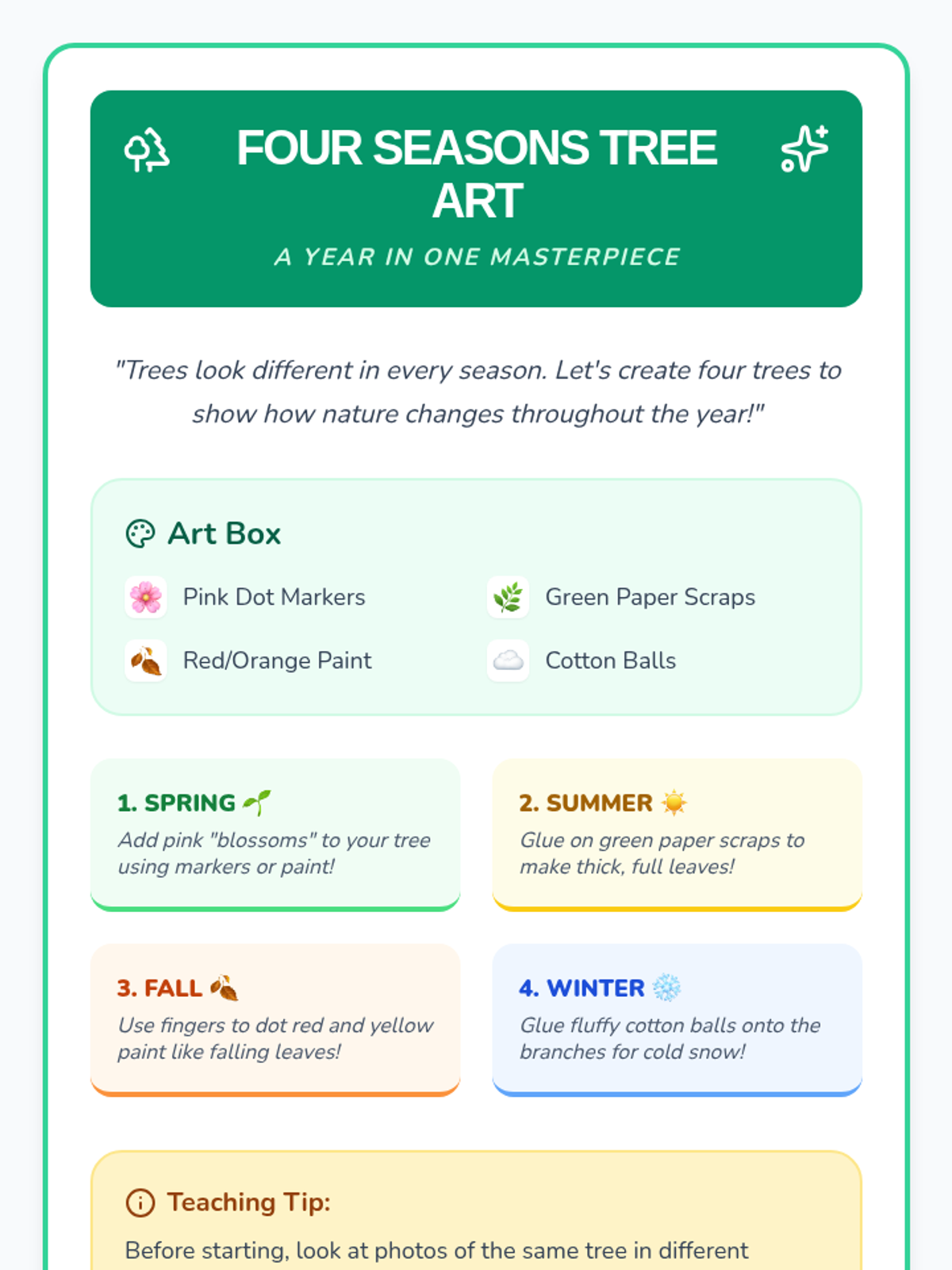
Synthesizes weather patterns into the cycle of the four seasons. Students will learn to distinguish Summer, Fall, Winter, and Spring through visual changes in nature and a sorting activity.