A foundational lesson for early learners to identify and name common fruits using visual aids and matching activities.
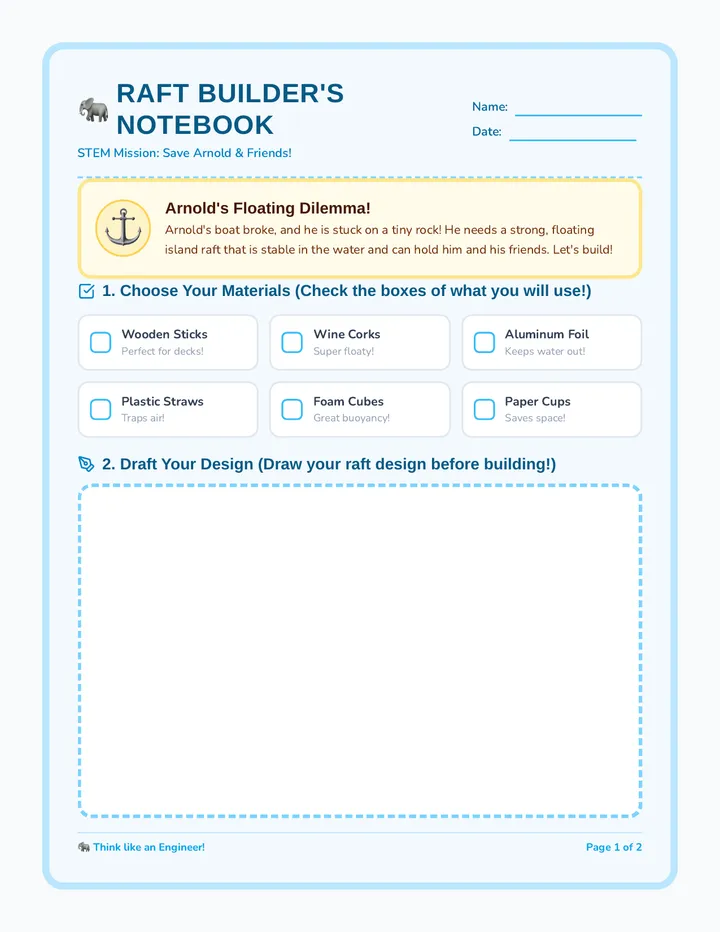
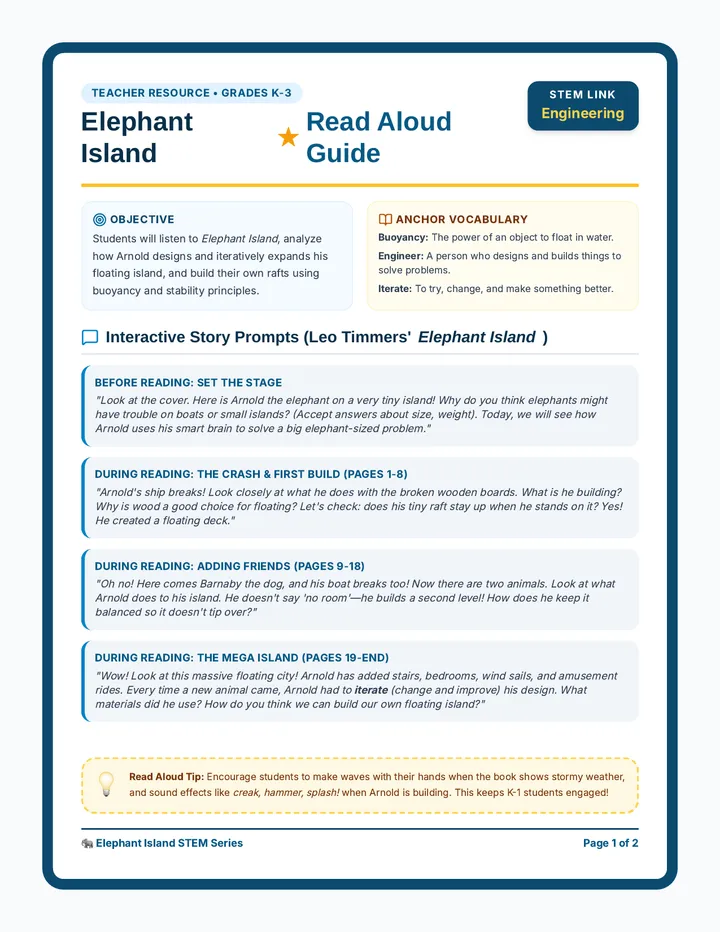
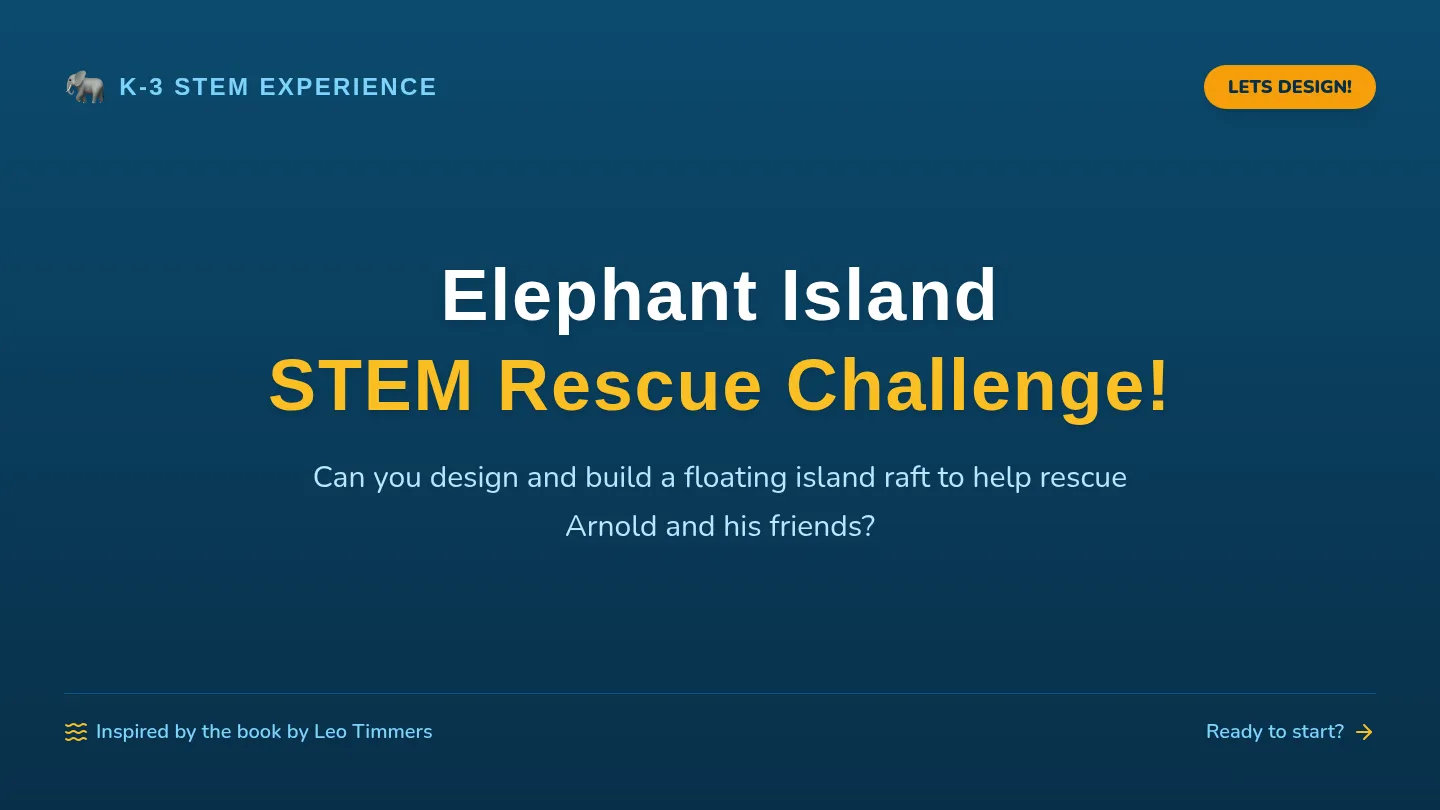
An interactive STEM challenge and read-aloud experience based on Leo Timmers' 'Elephant Island'. Students design and build floating island rafts to rescue Arnold and his friends.
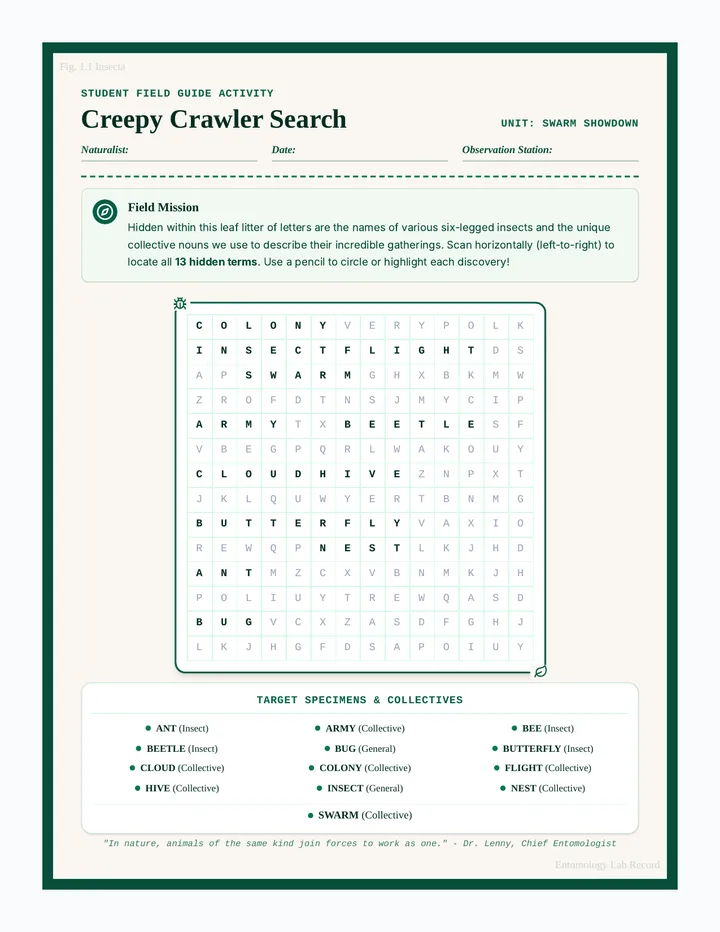
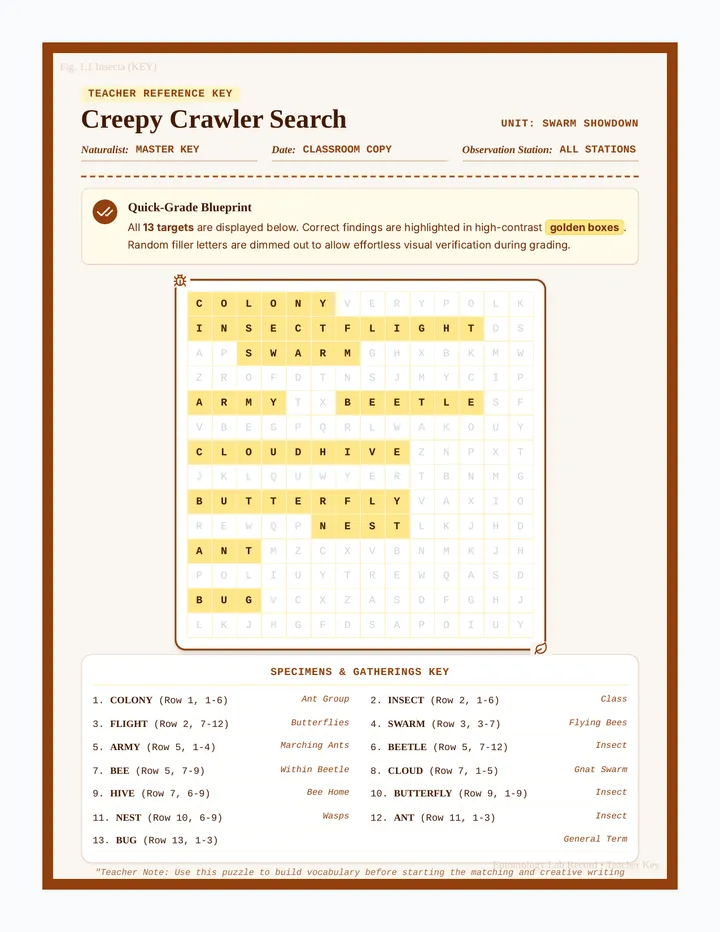
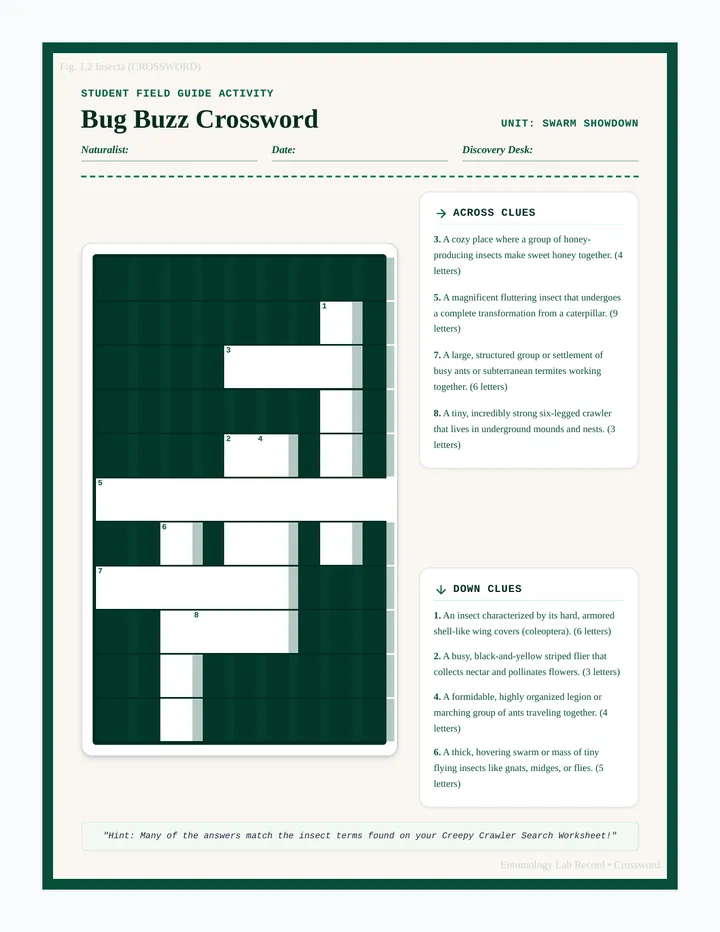
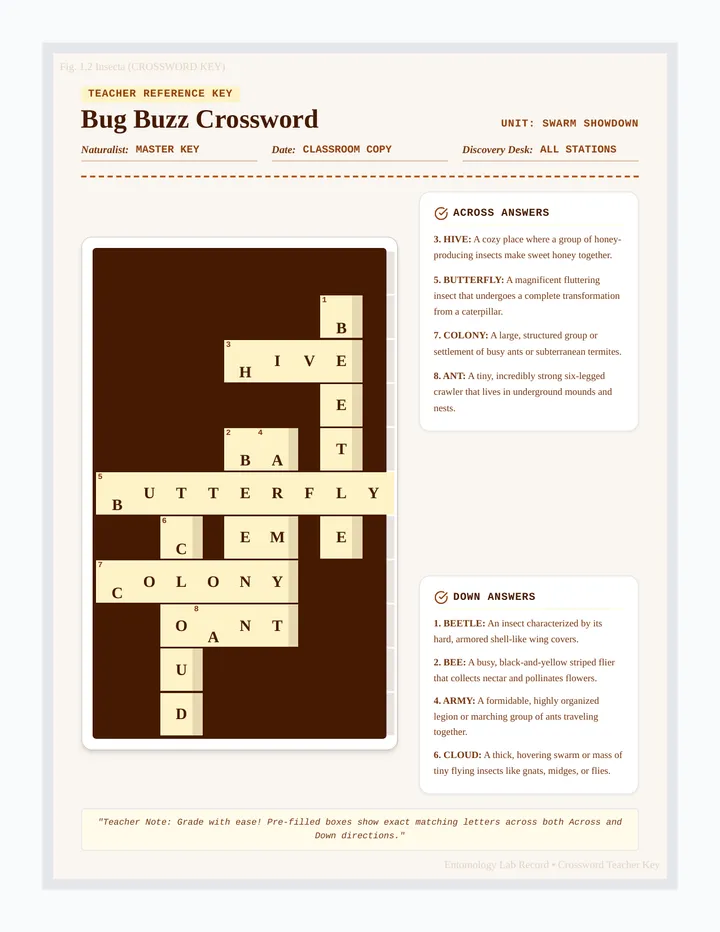
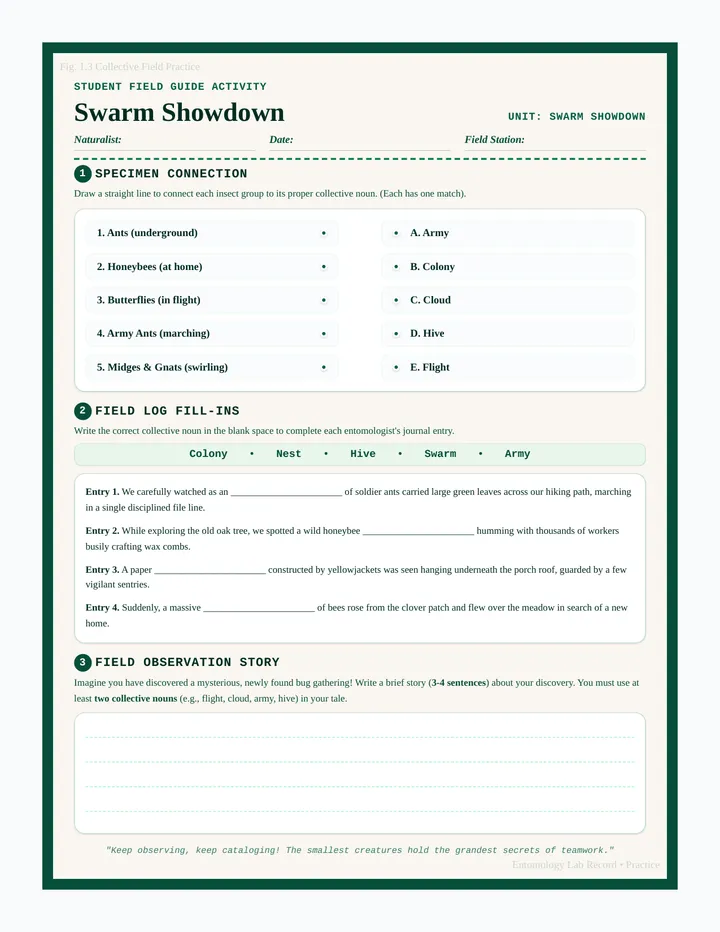
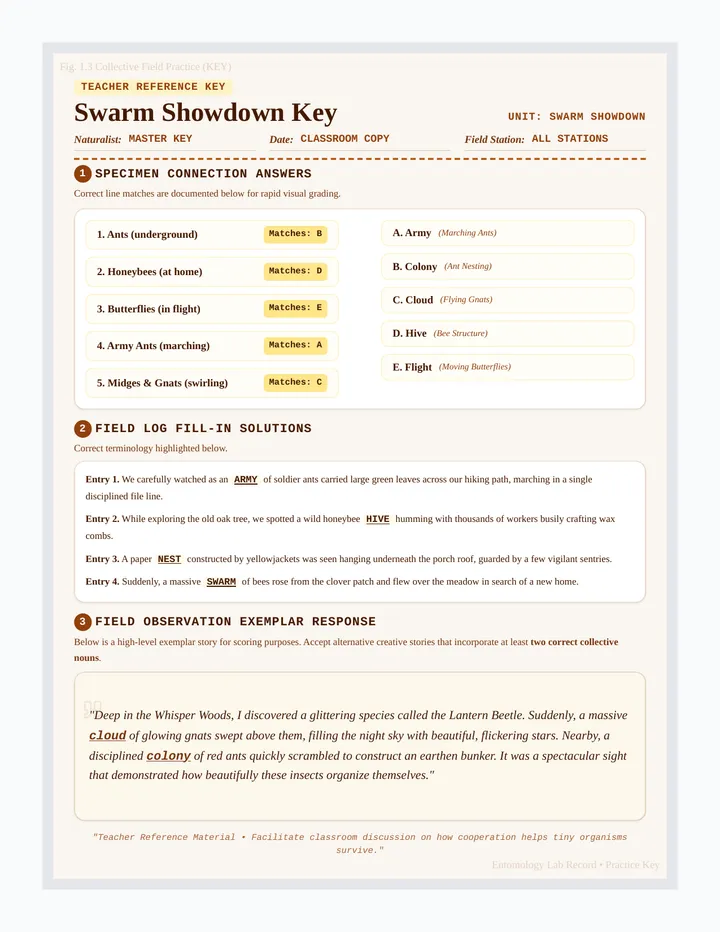
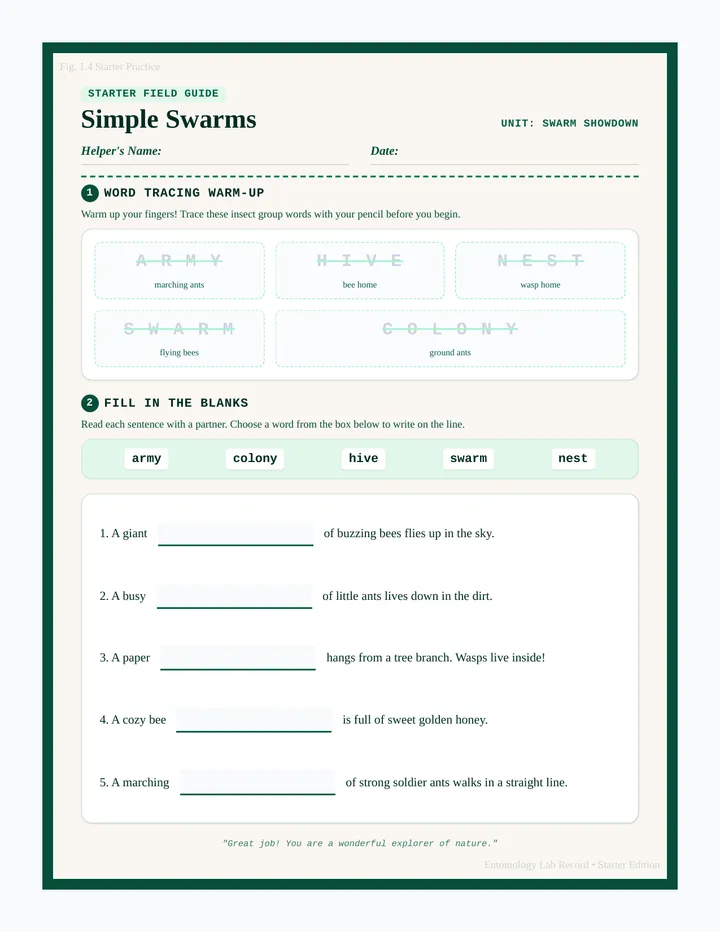
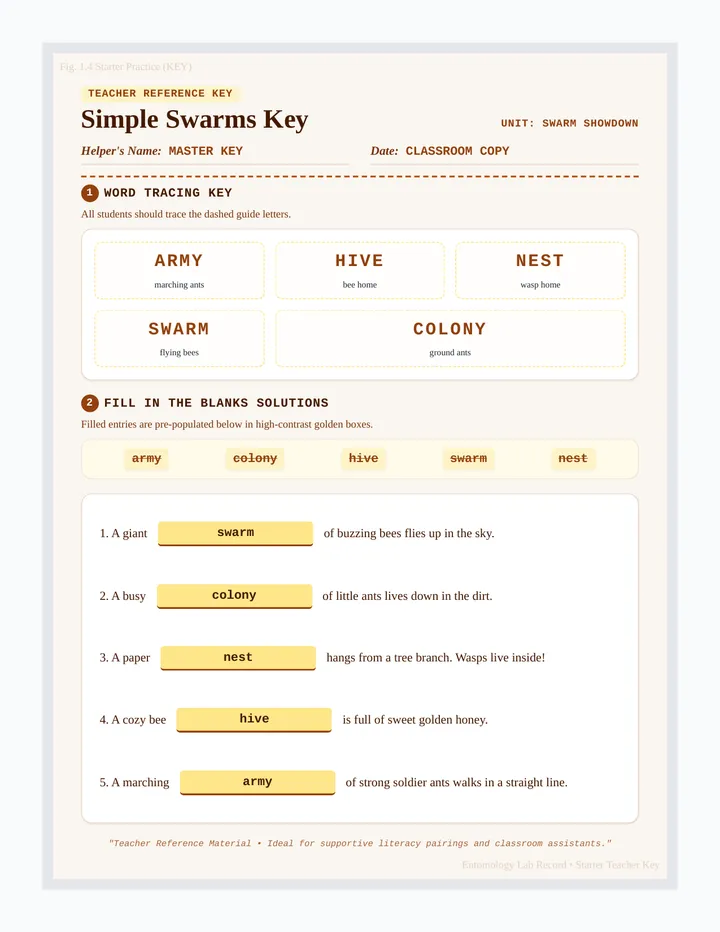
An engaging lesson on insect collective nouns and terminology, featuring a word search, crossword, and hands-on matching and writing activities exploring how bugs gather in groups.
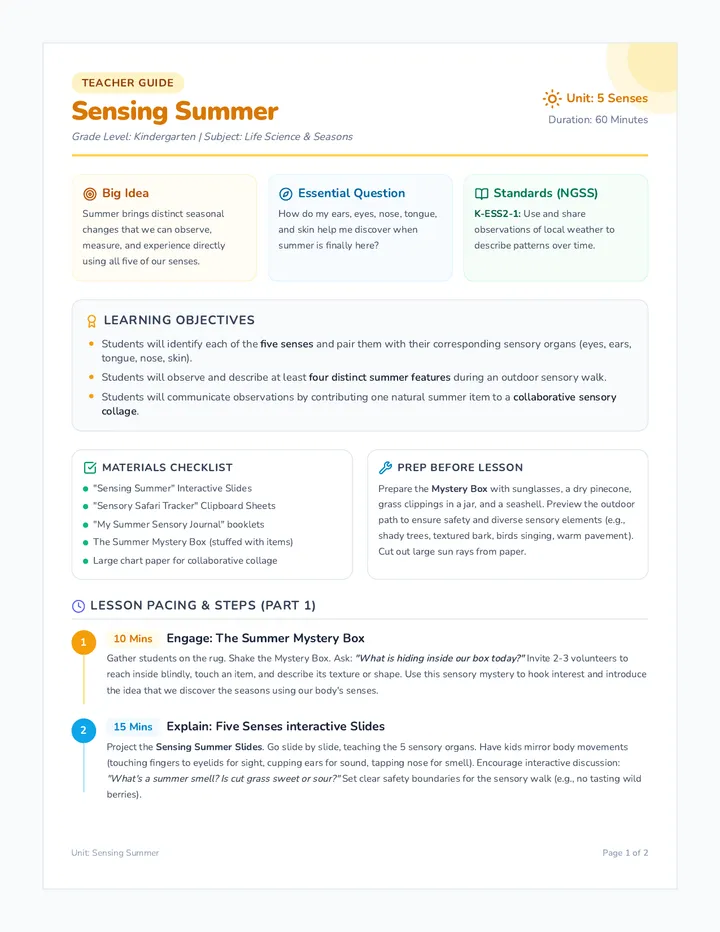
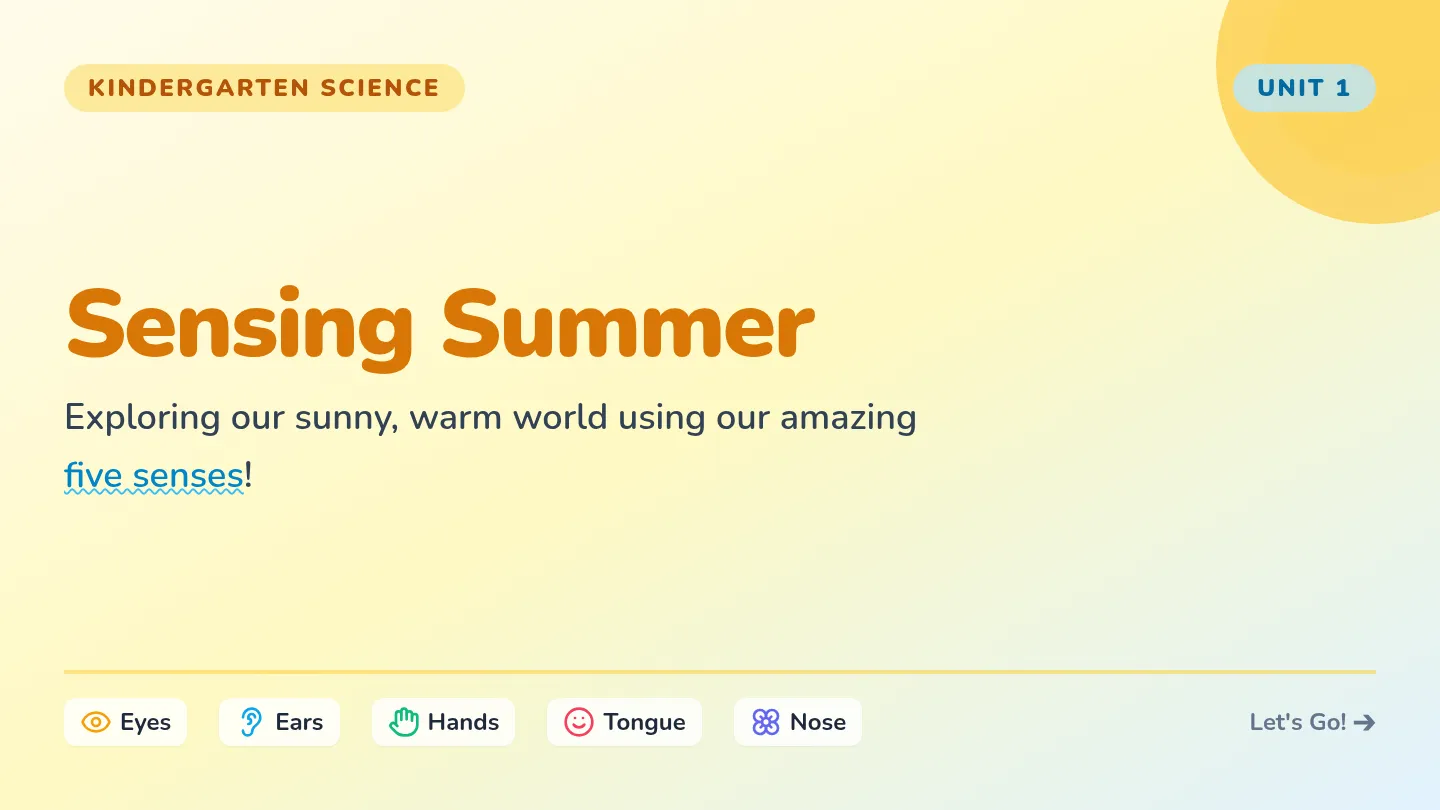
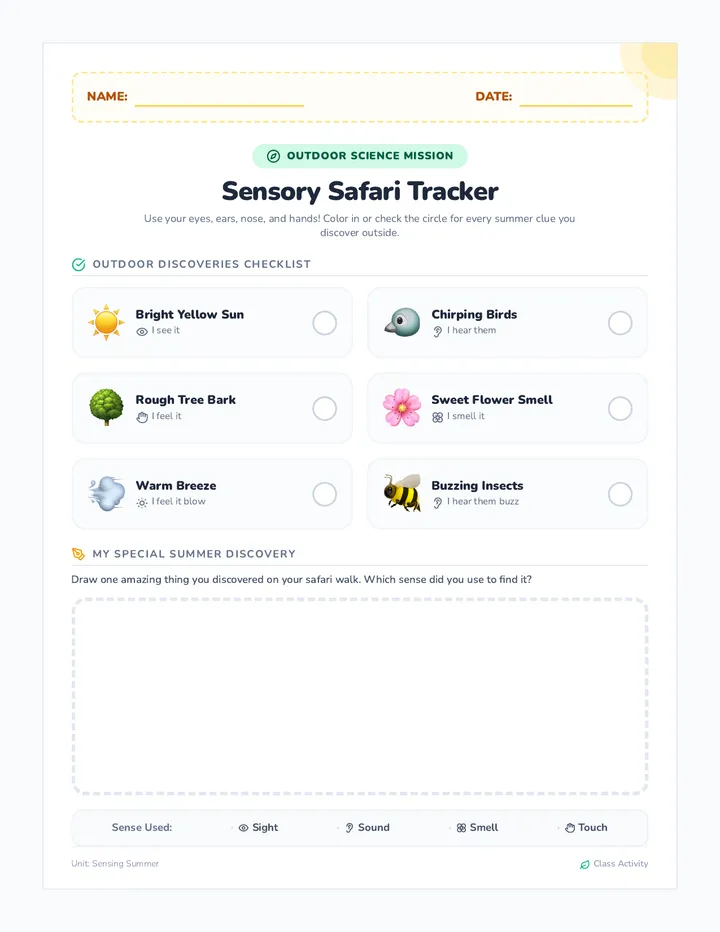
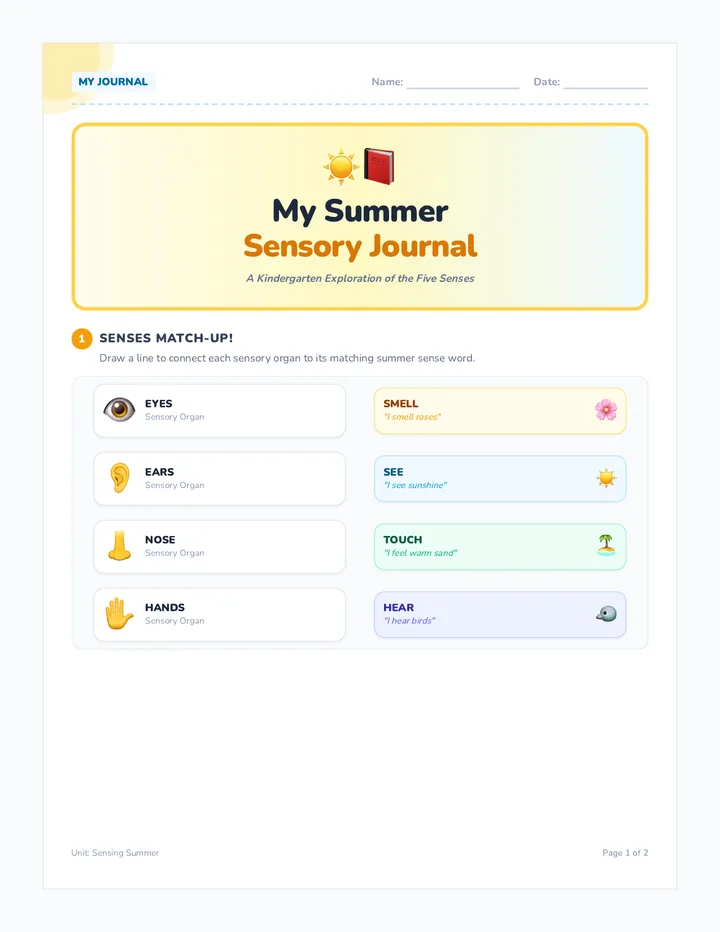
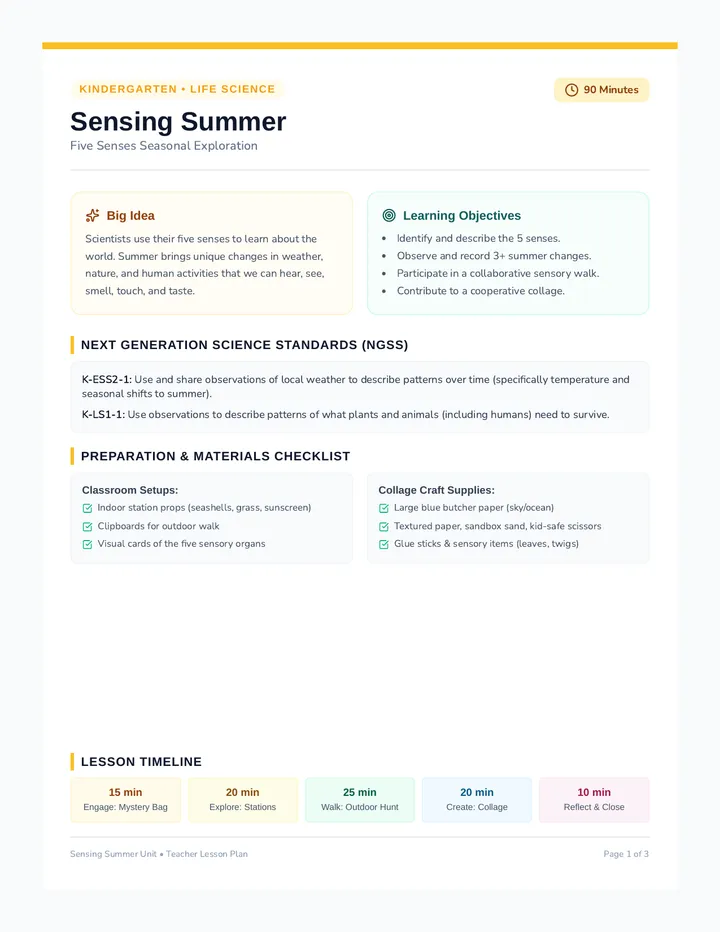
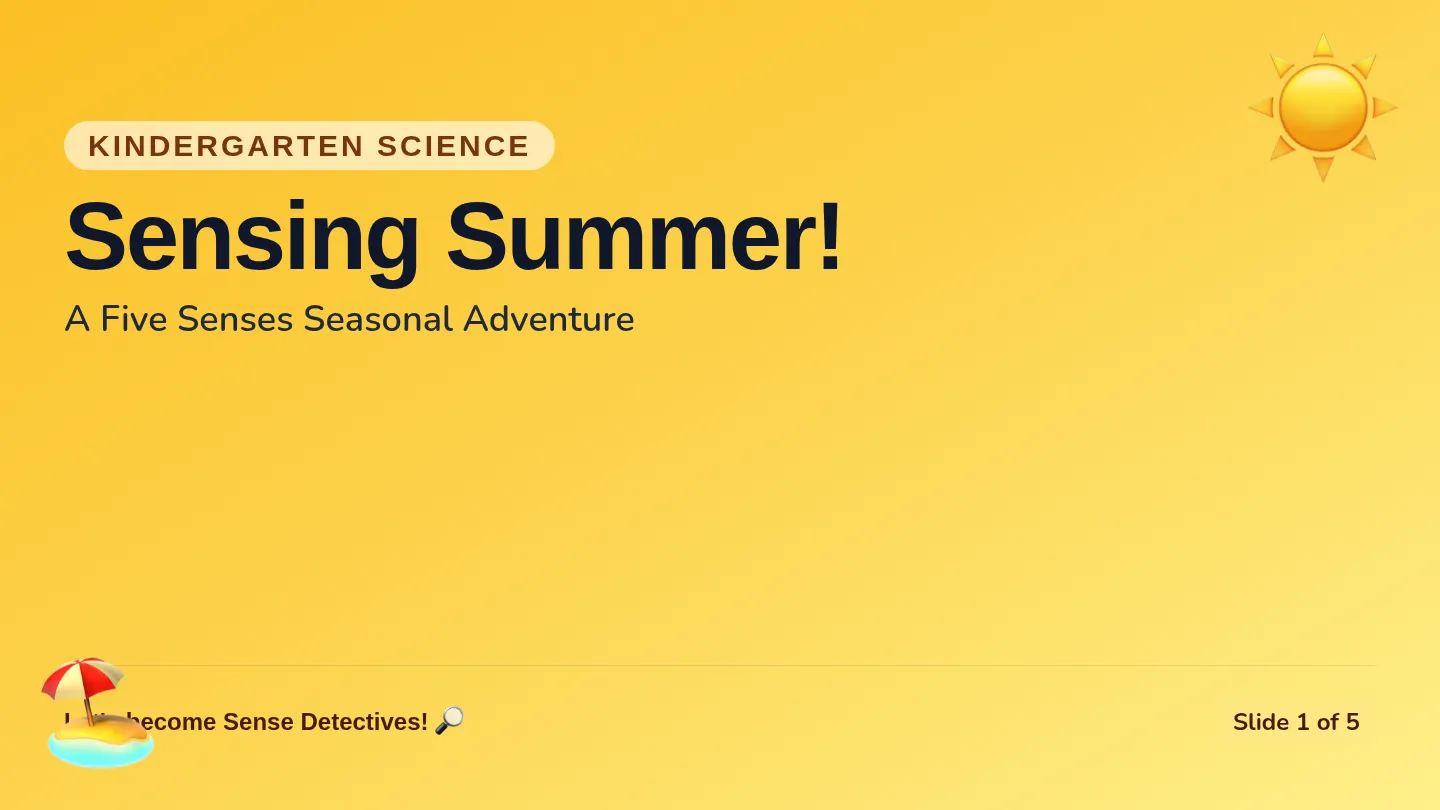
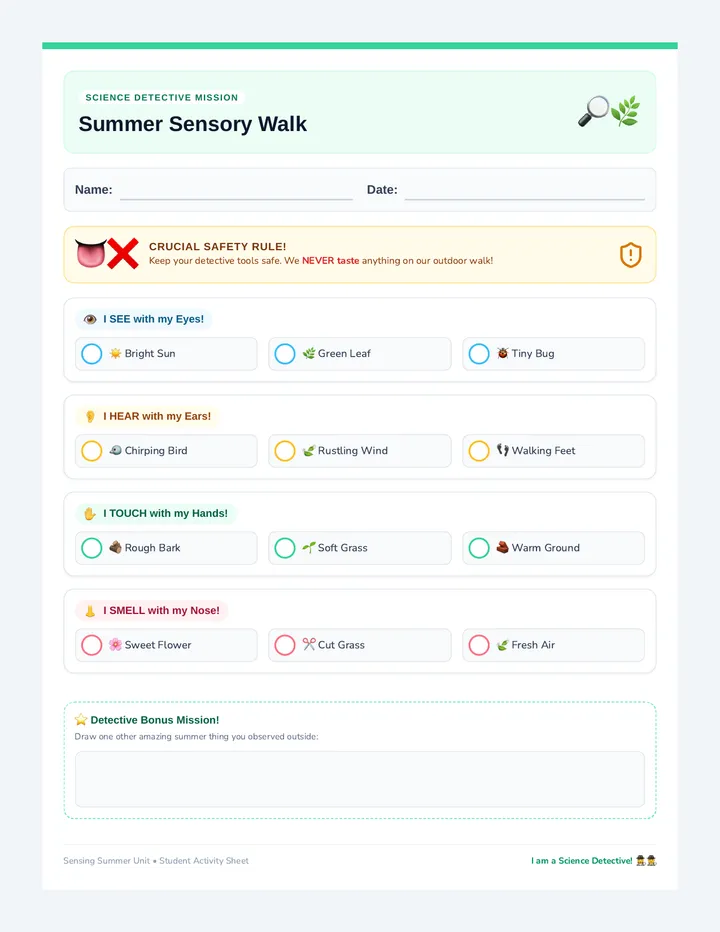
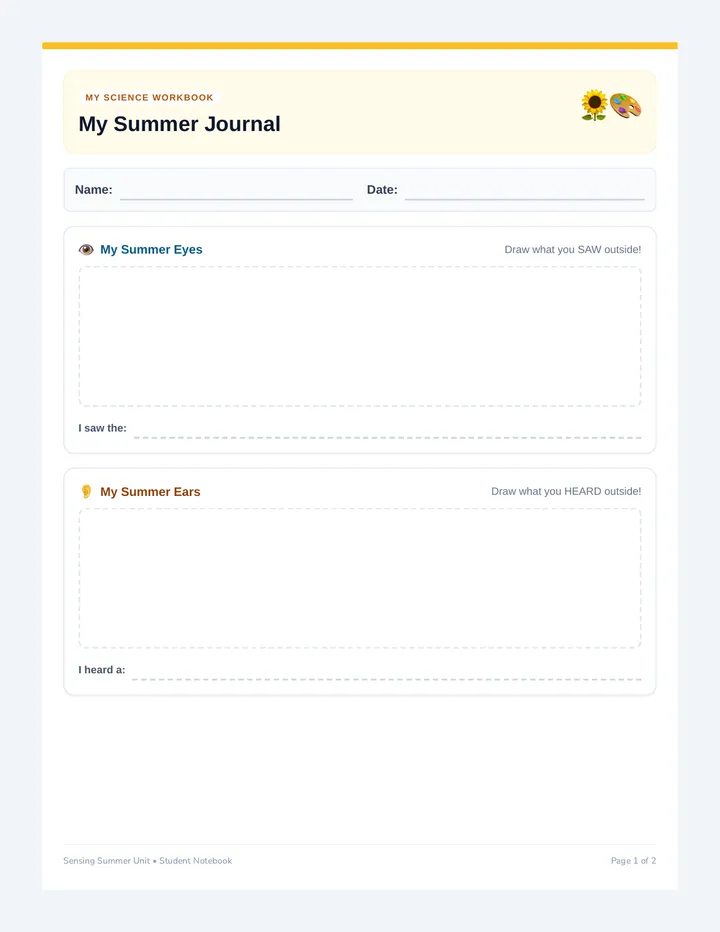
A comprehensive kindergarten science lesson where students explore summer using their five senses. The lesson includes a teacher guide, interactive slides, an outdoor sensory walk checklist, and a reflective sensory journal.
An interactive sensory science lesson where kindergarteners explore the seasonal changes of summer using their five senses through classroom discovery, an outdoor sensory walk, and journal reflections.
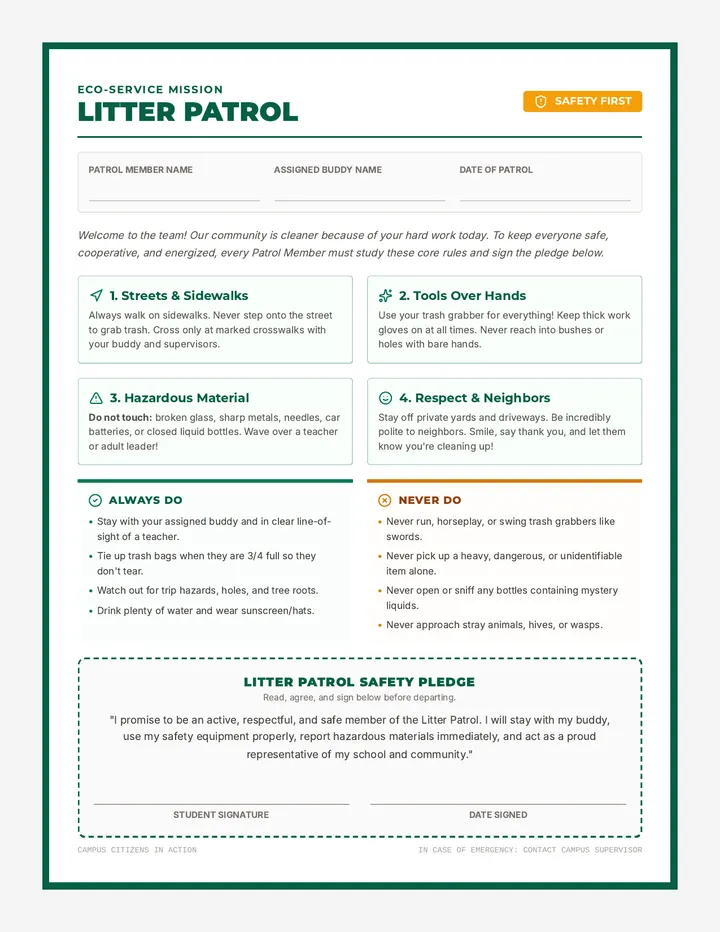
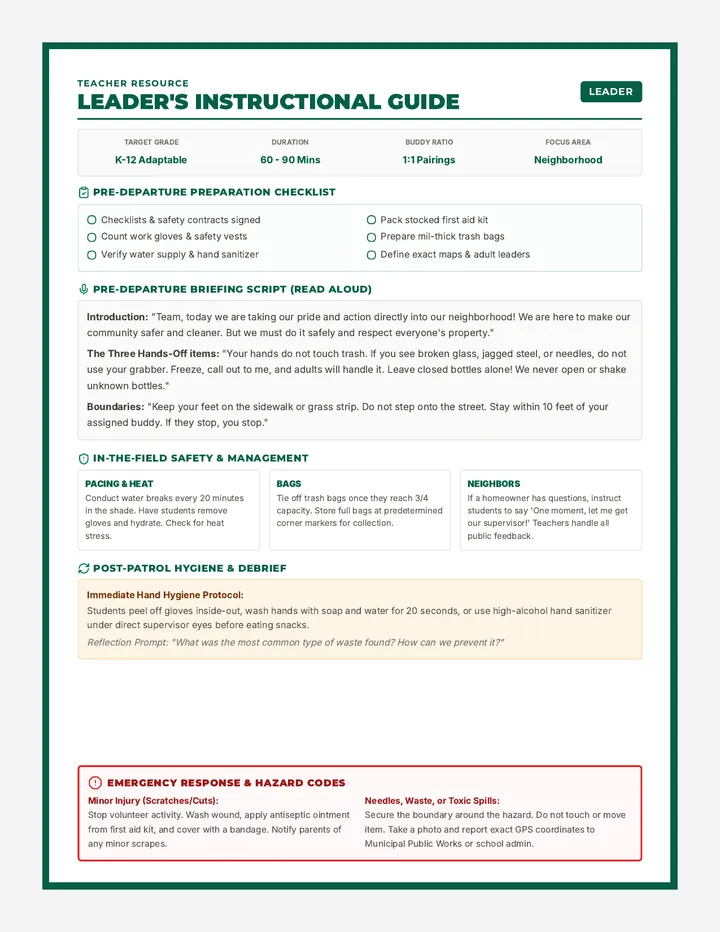
A comprehensive safety and preparation kit for students and teachers participating in a neighborhood trash pick-up community service project. It includes safety slides, a student contract and checklist, and a detailed teacher instruction guide.
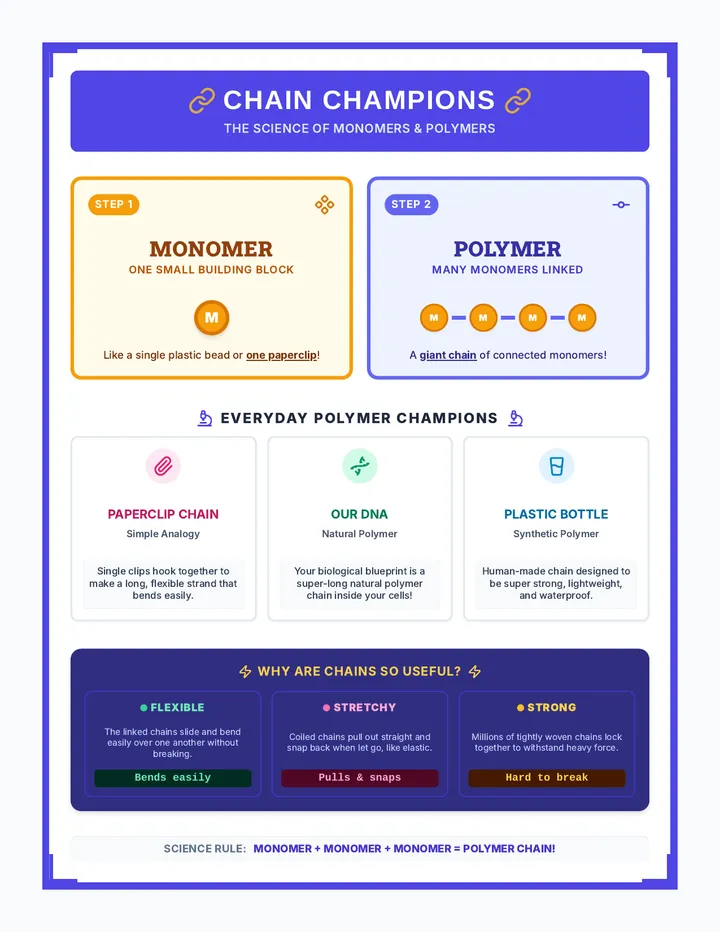
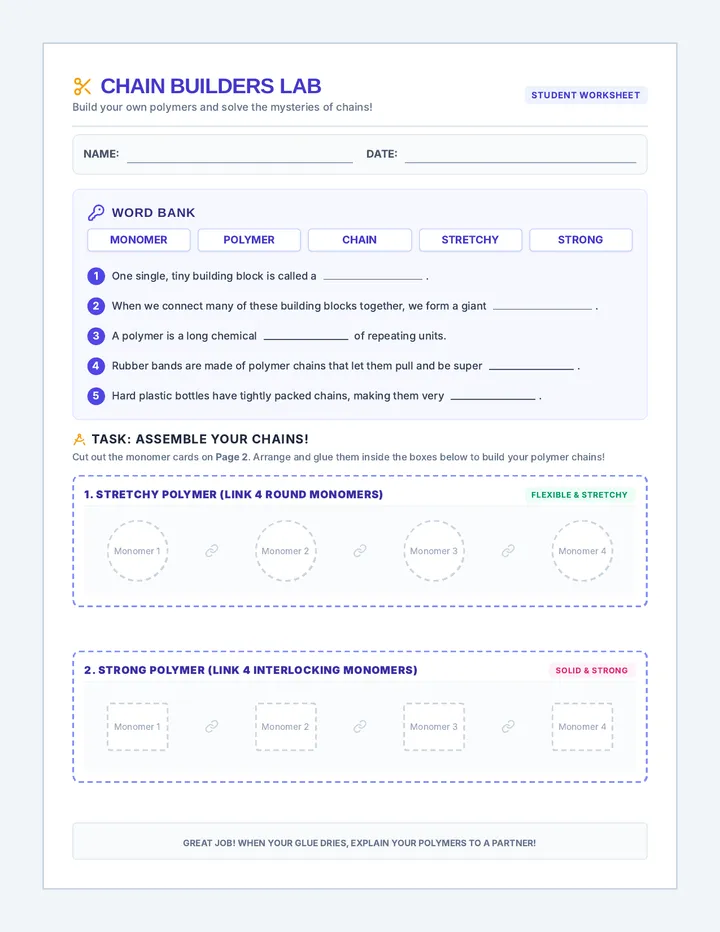
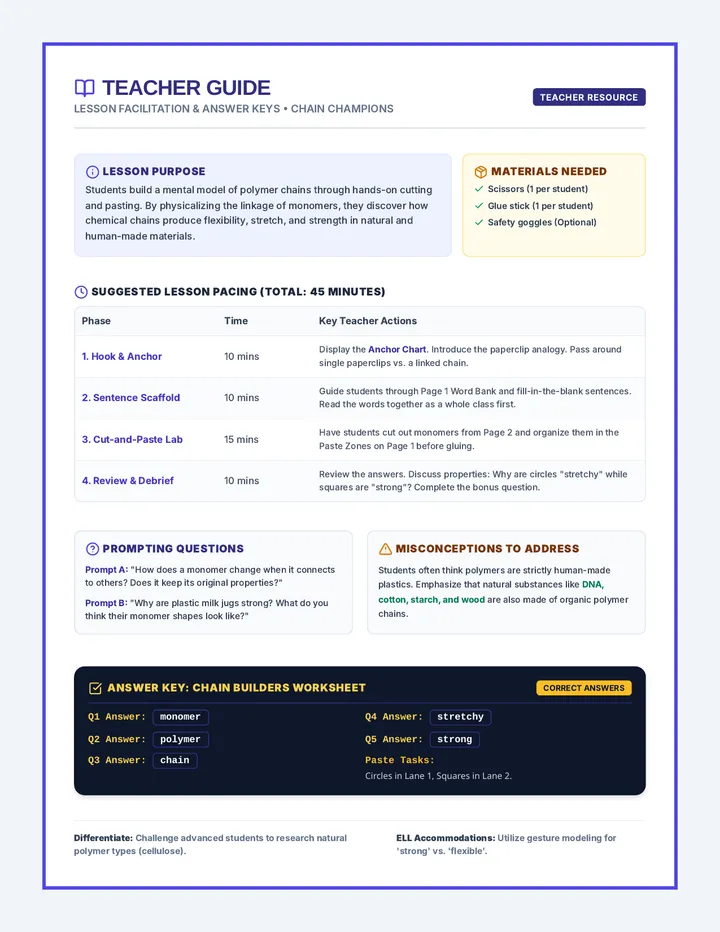
A highly visual and tactile introduction to polymer chains, monomers, and everyday applications. Students explore how small repeating units form strong, flexible, and stretchy properties through hands-on modeling and scaffolded writing.
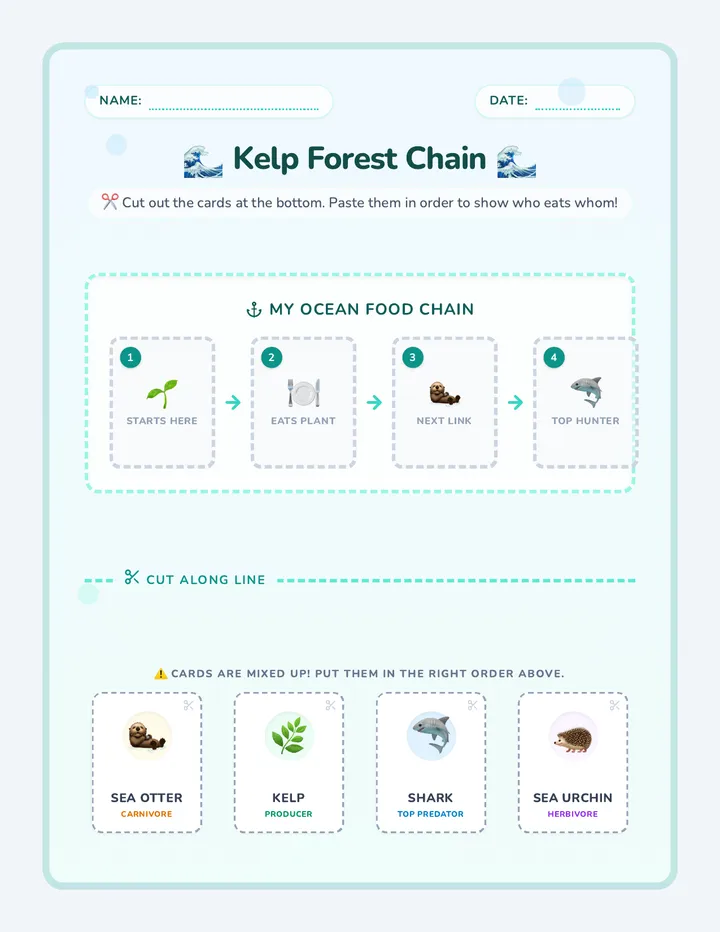
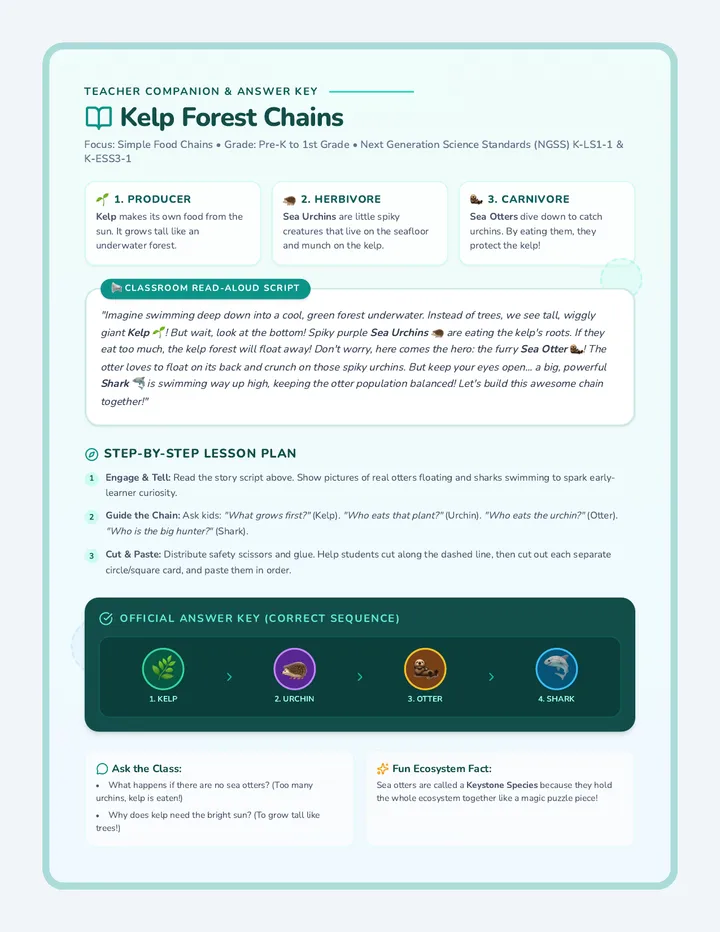
A hand-on science lesson for early learners (Pre-K to 1st grade) to understand simple ocean food chains using the kelp forest ecosystem. Students explore how energy moves from kelp to urchins, otters, and sharks through a tactile cut-and-paste activity.
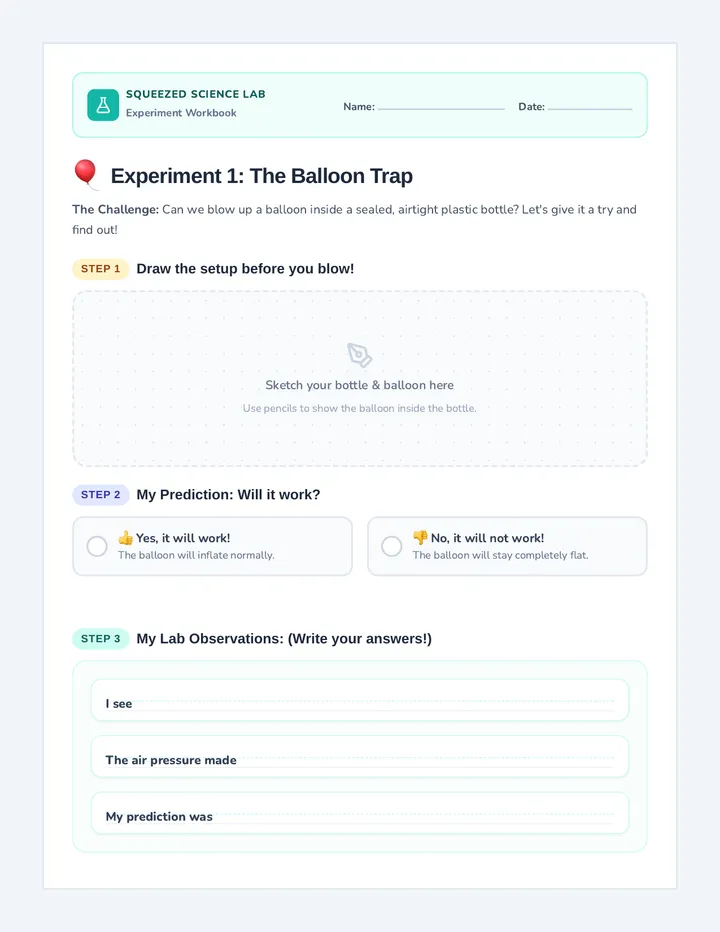
An early elementary science lesson about air pressure featuring three hands-on experiments: Balloon in a Bottle, Egg in a Bottle, and the Water Glass Trick. Students make predictions and record observations using a highly visual cut-and-paste workbook.
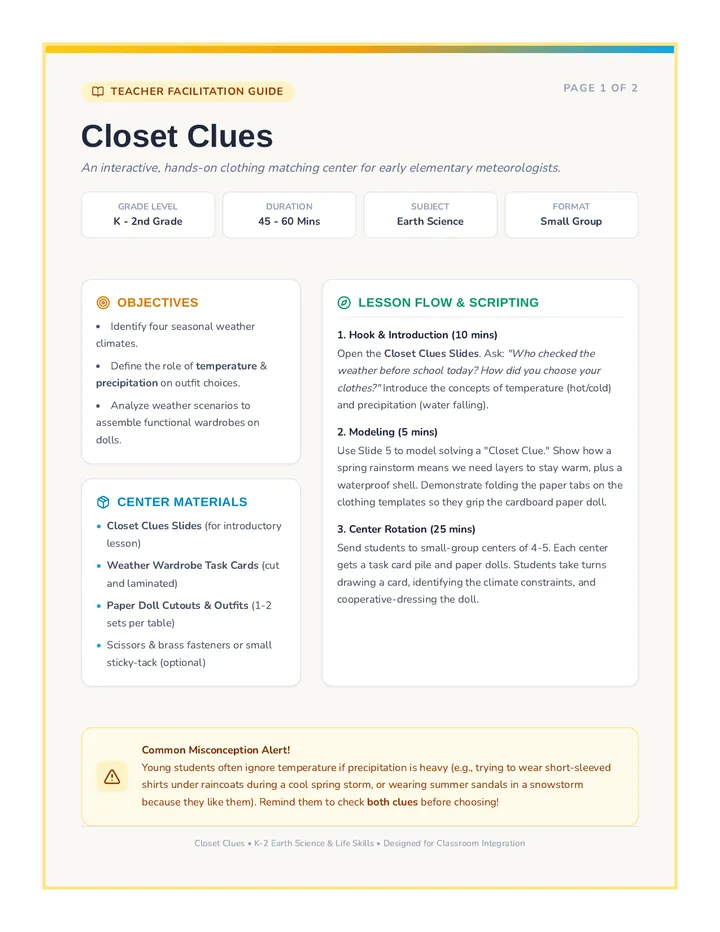
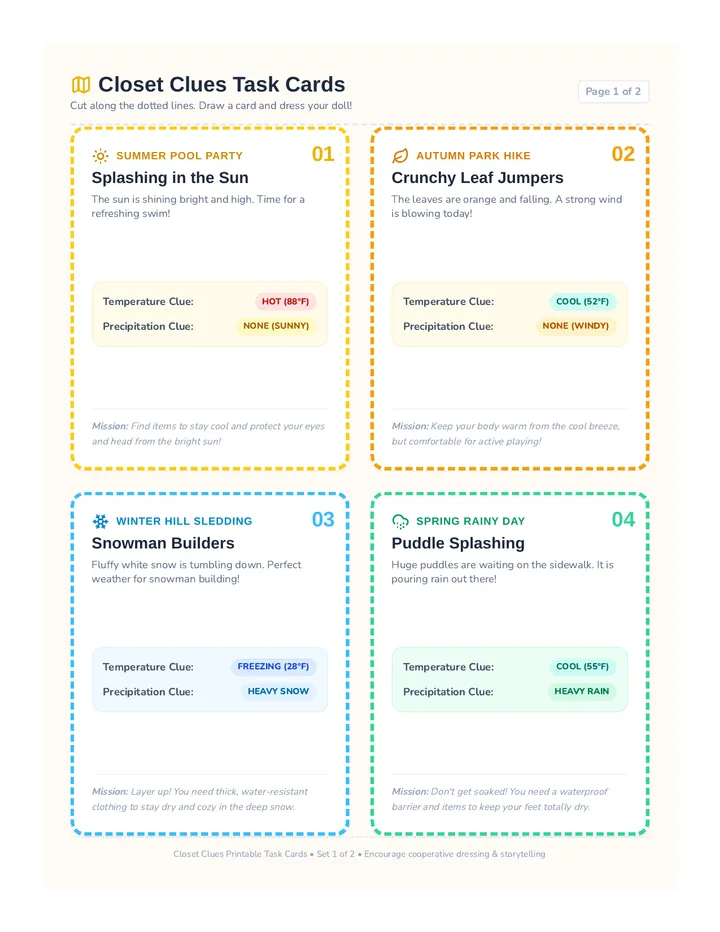
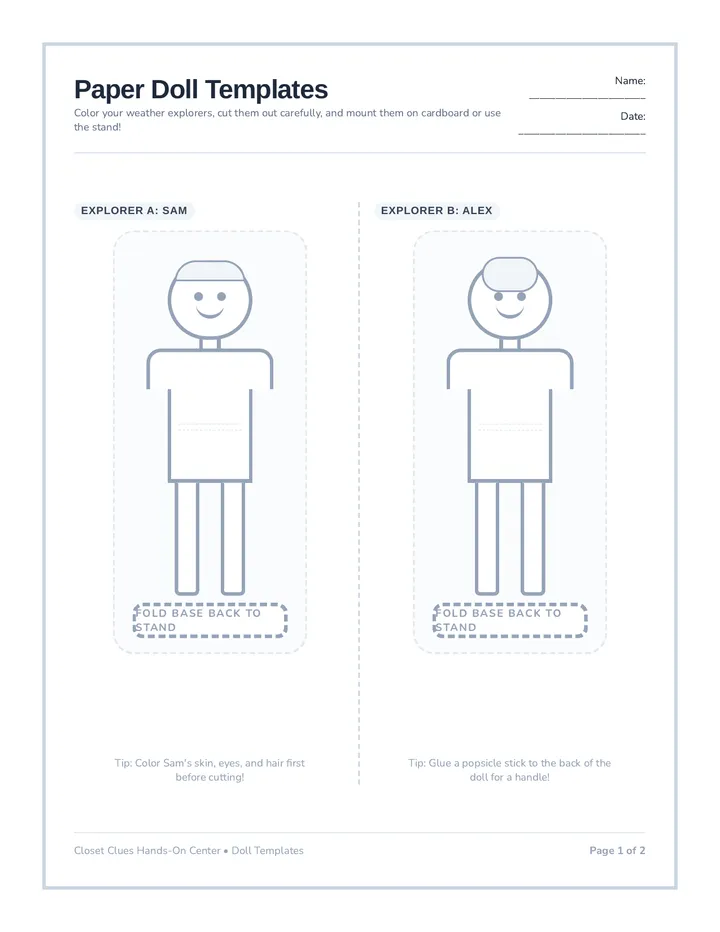
A hands-on, interactive lesson where students explore how to select appropriate clothing based on seasonal weather conditions, temperature, and precipitation. Using task cards and paper-doll cutouts, students practice matching wardrobes to real-world weather scenarios.
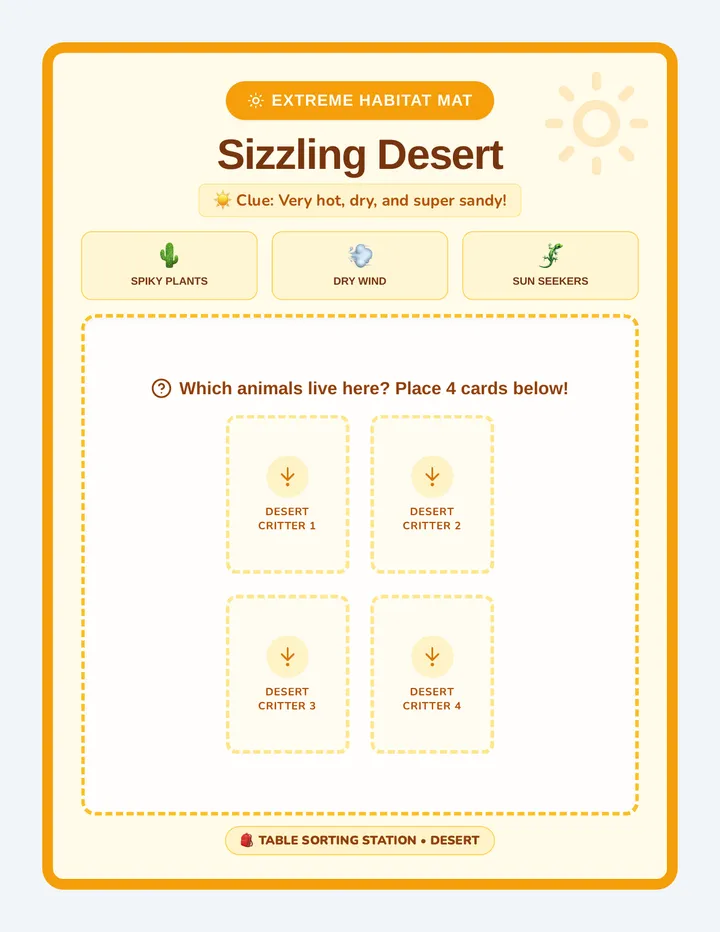
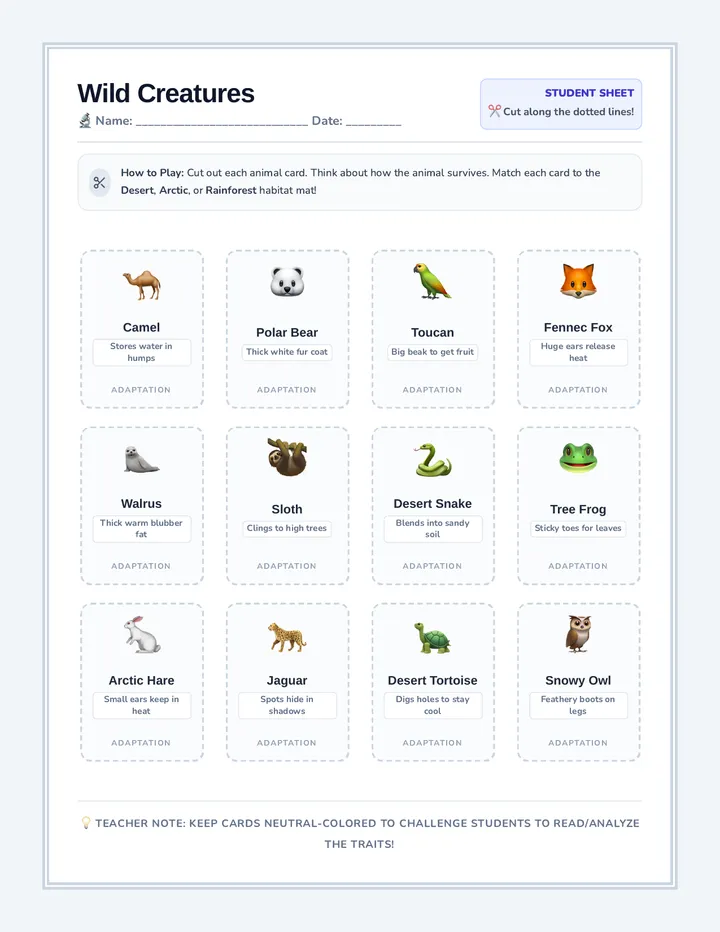
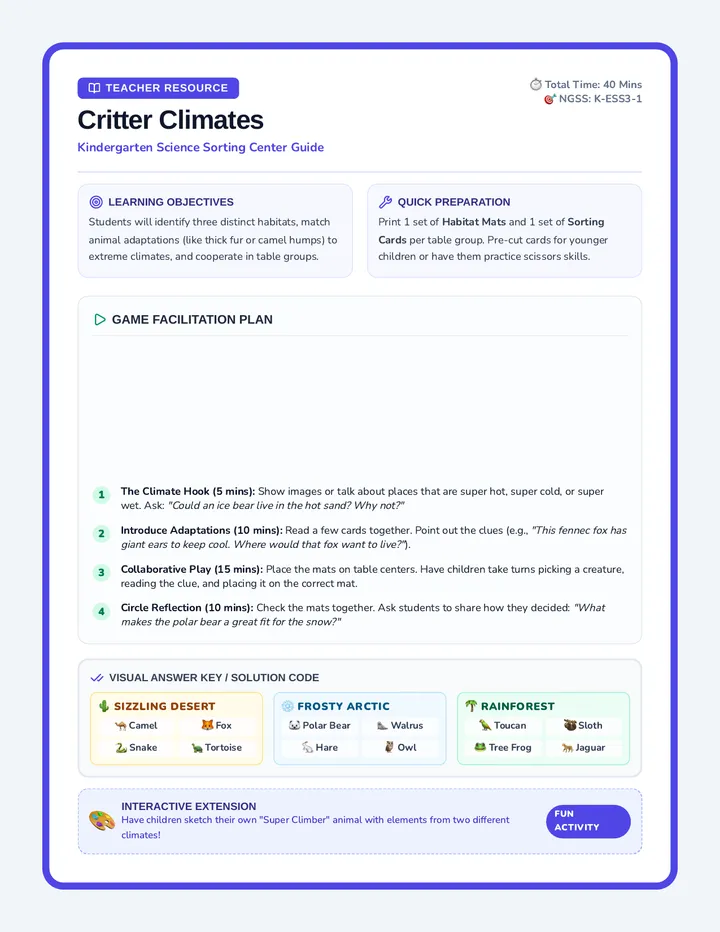
A hands-on kindergarten science game where students sort animals into three extreme habitats: Desert, Arctic, and Rainforest, learning about adaptations along the way.
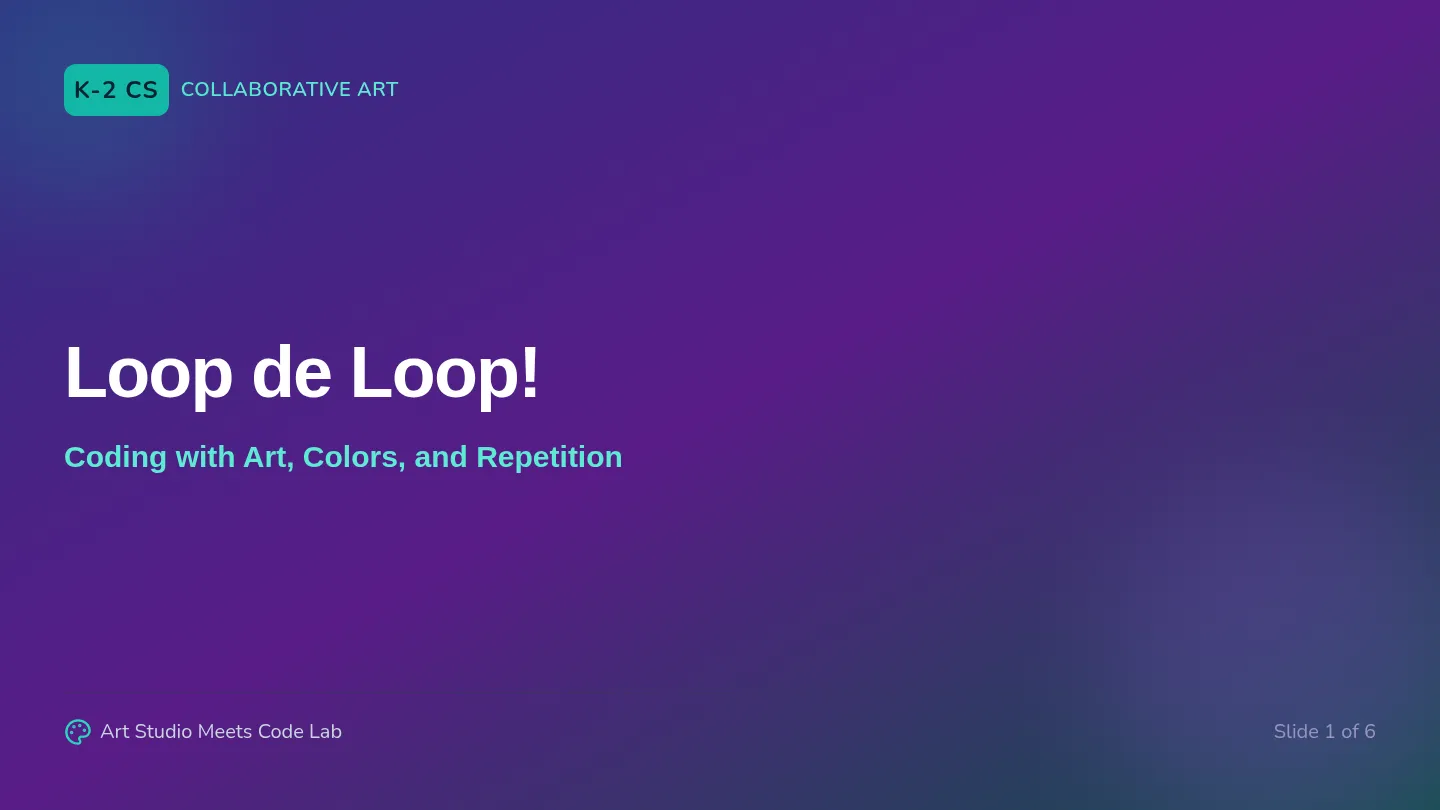
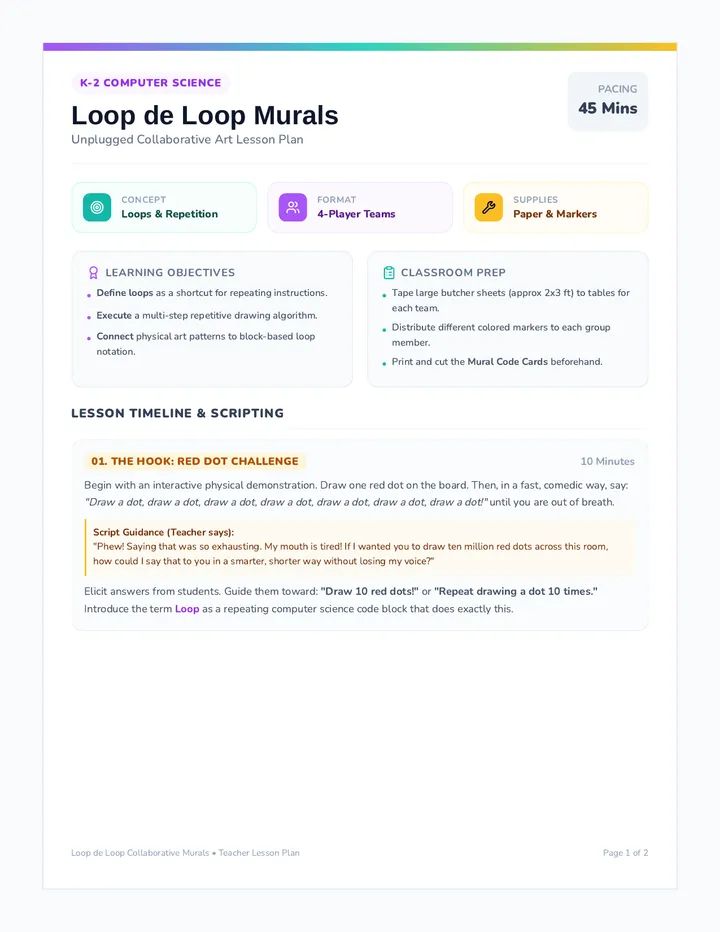
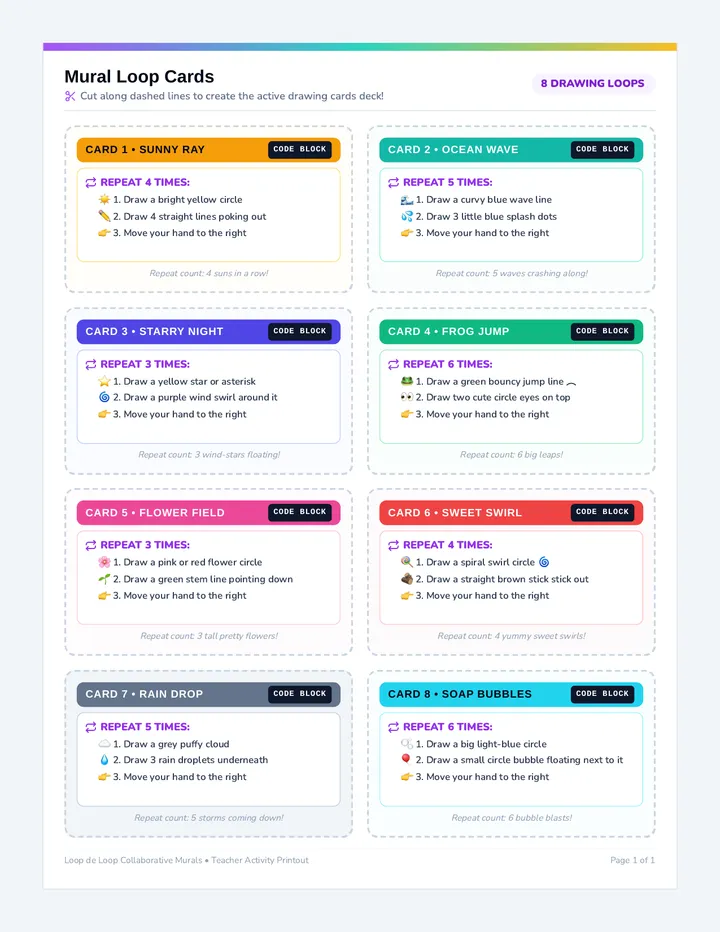
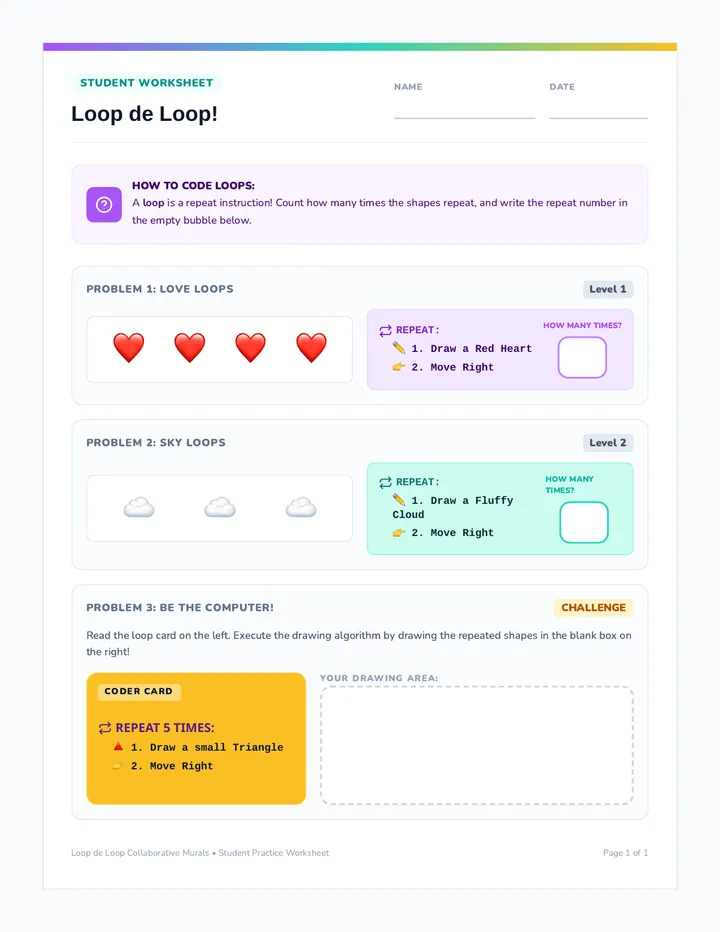
An active, hands-on unplugged computer science lesson for K-2 students. Students learn the concept of loops (repetition) by creating collaborative art masterpieces using simple drawing algorithms.
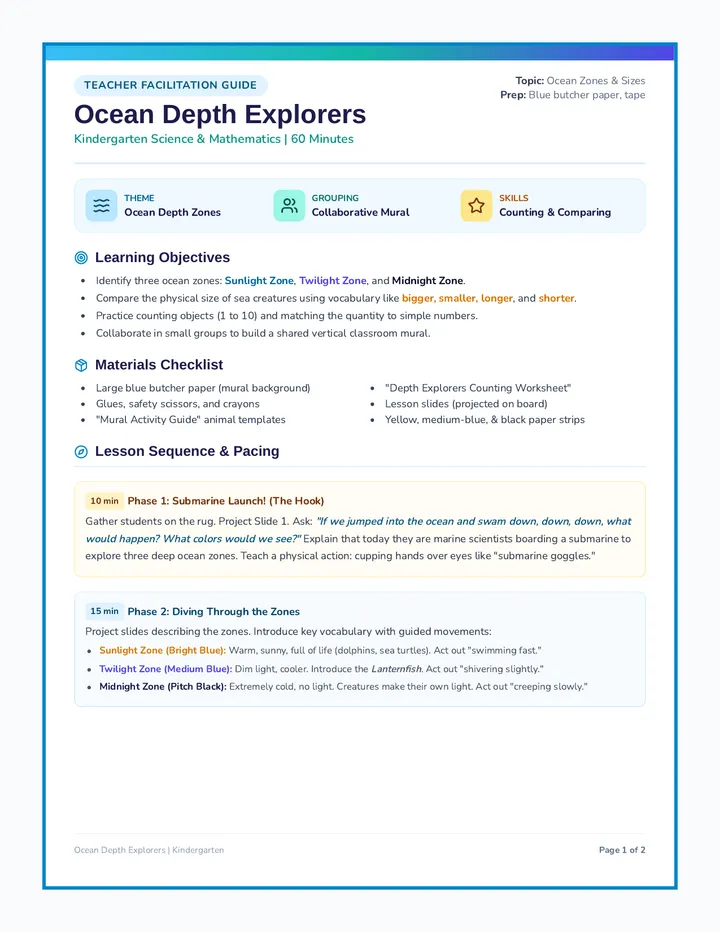
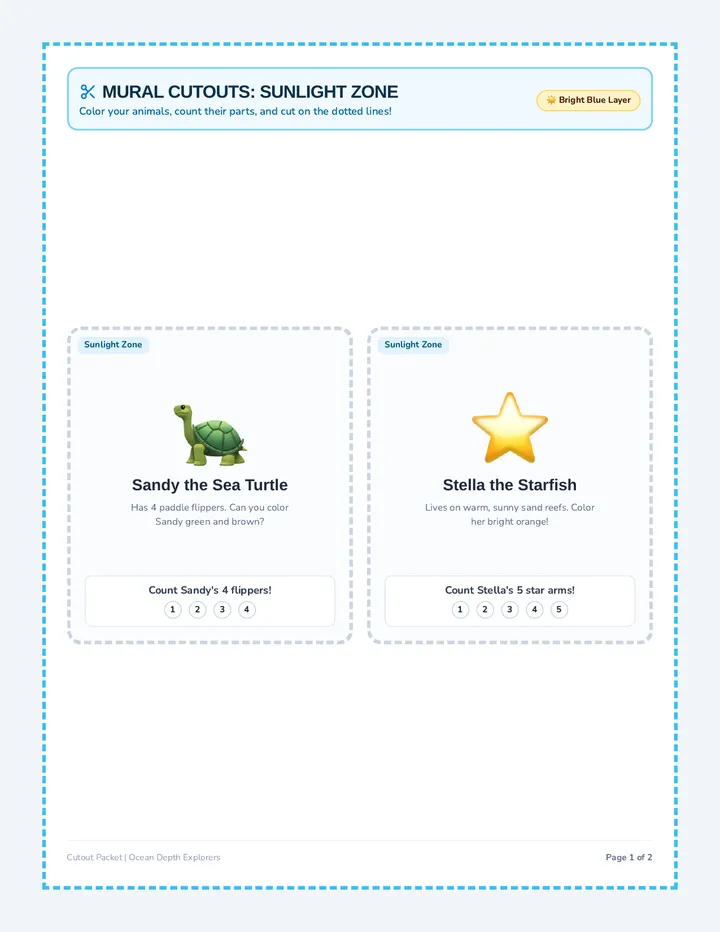
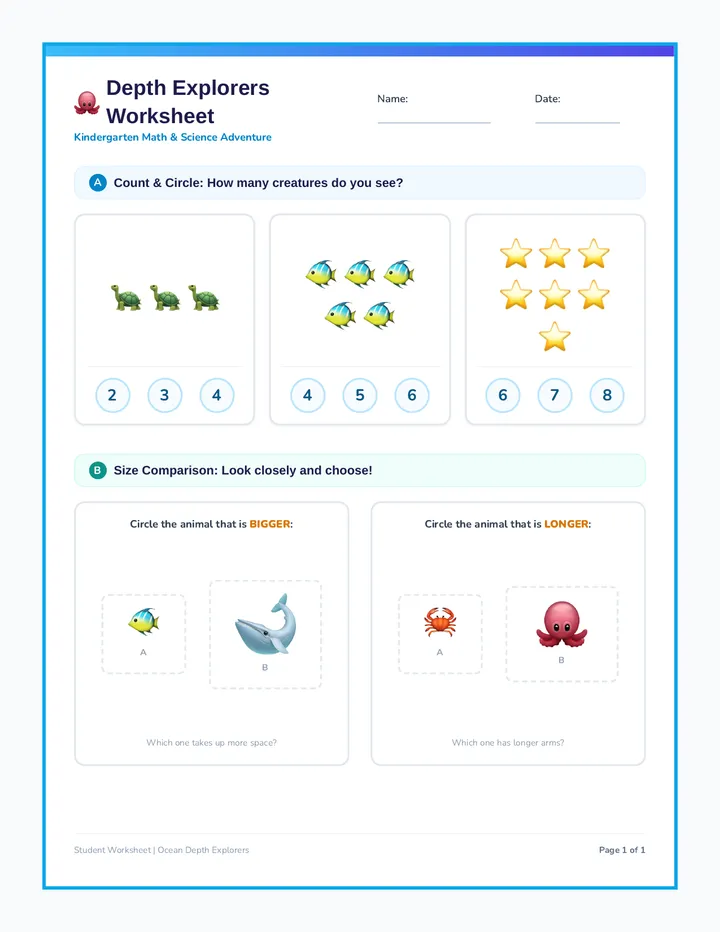
An interactive Kindergarten lesson where students explore ocean zones, compare marine animal sizes, and collaborate on a classroom ocean depth mural while practicing foundational counting and size comparison skills.
A lesson on oceanography covering shorelines, coastal features, and the deep seafloor, adapted with a friendly My Little Pony decorative theme and chunked, accessible text for Standard Modified Special Education students.
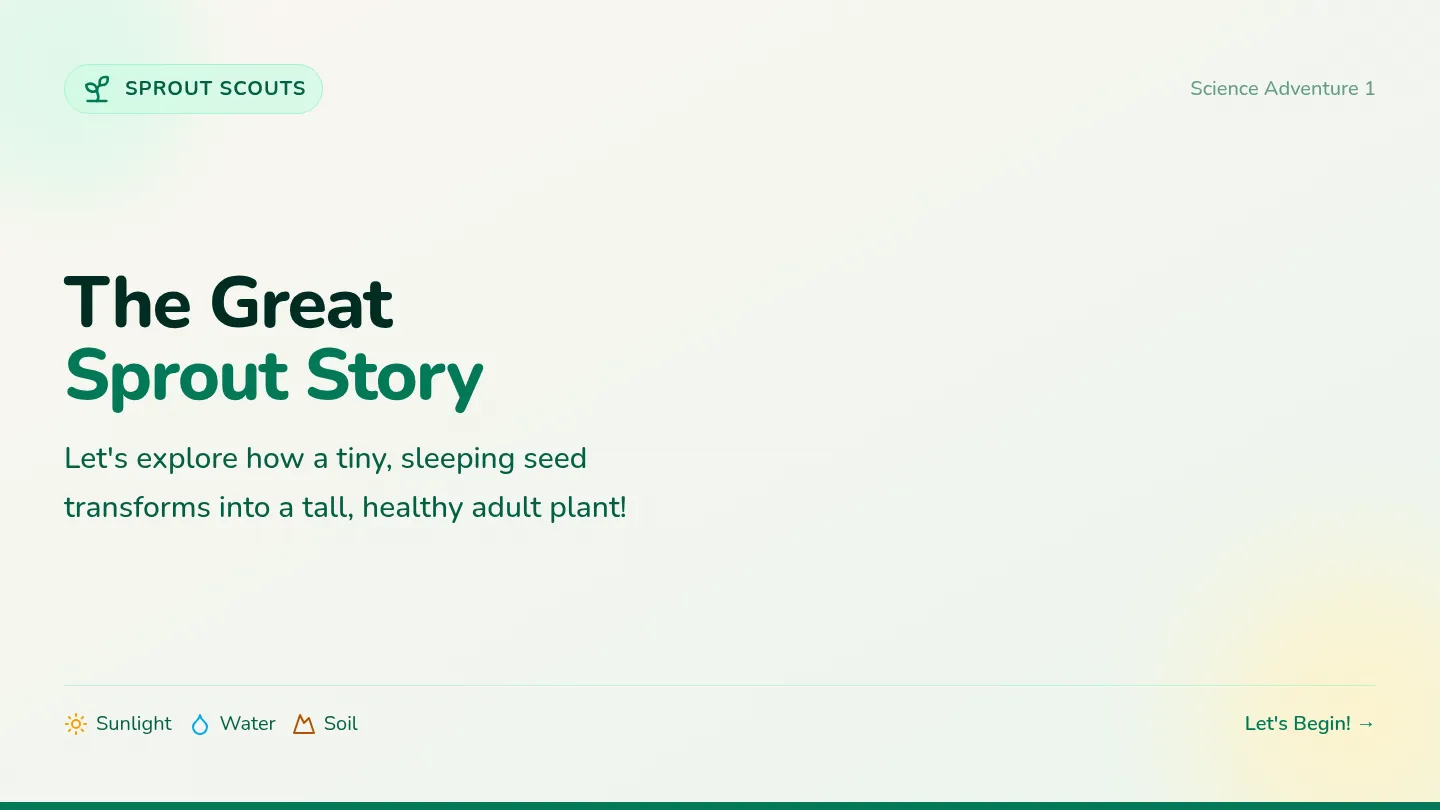
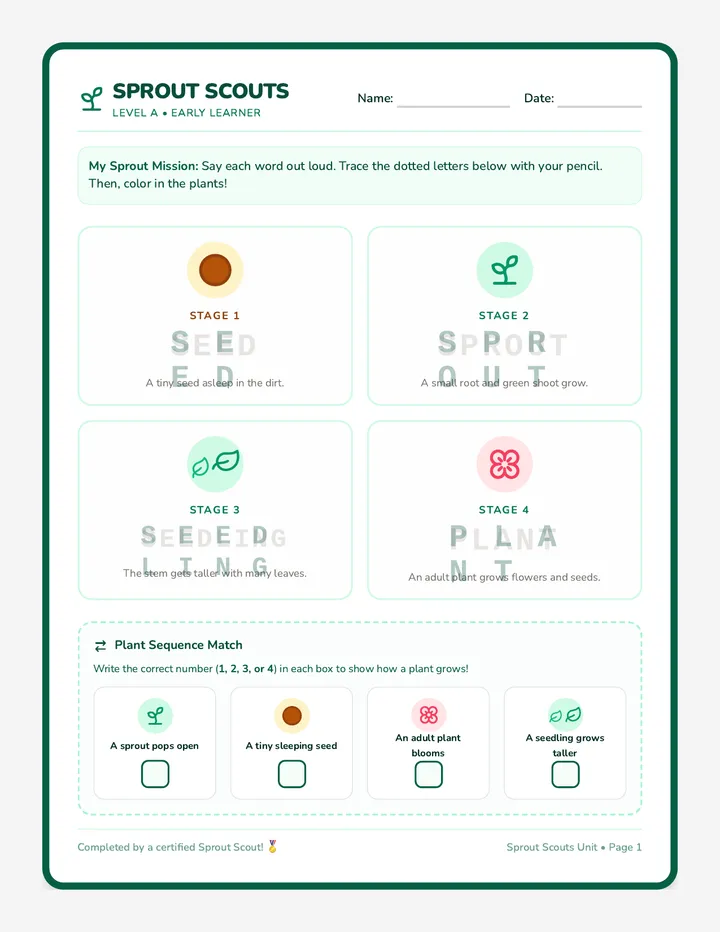
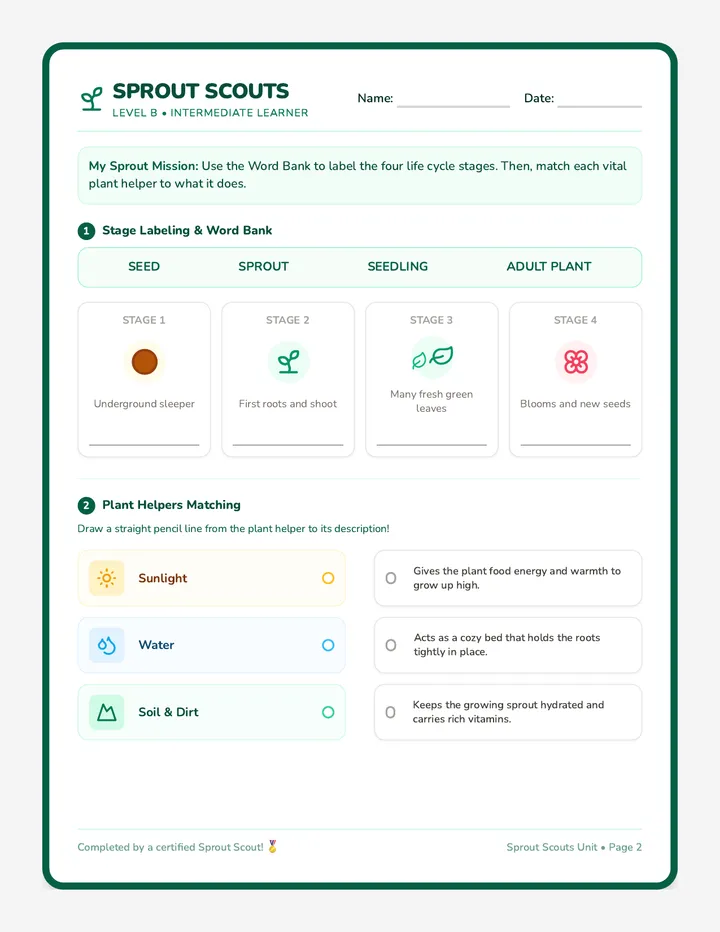
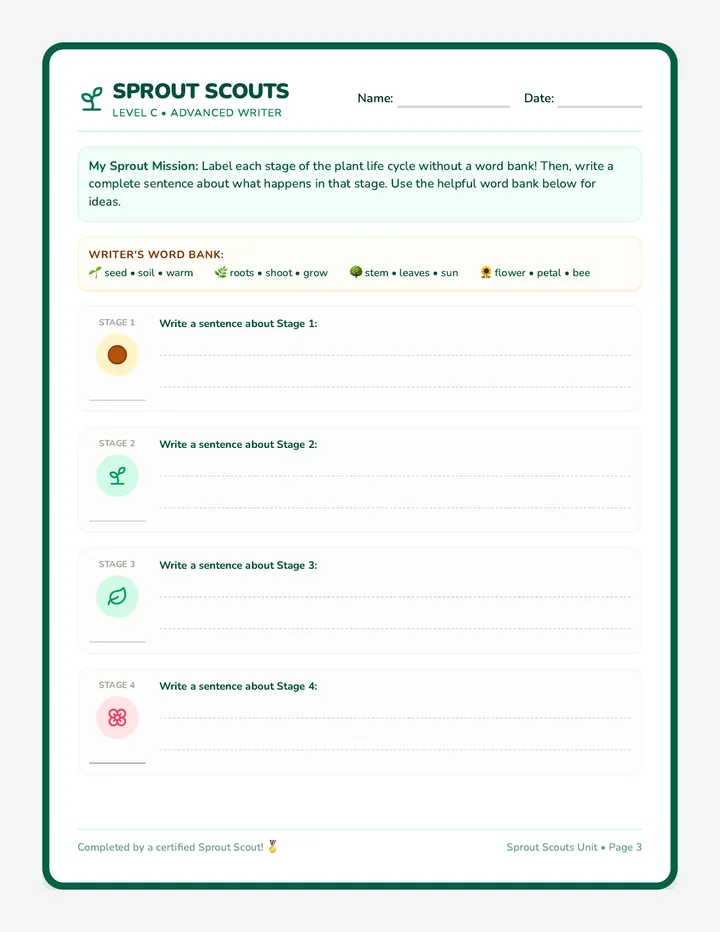
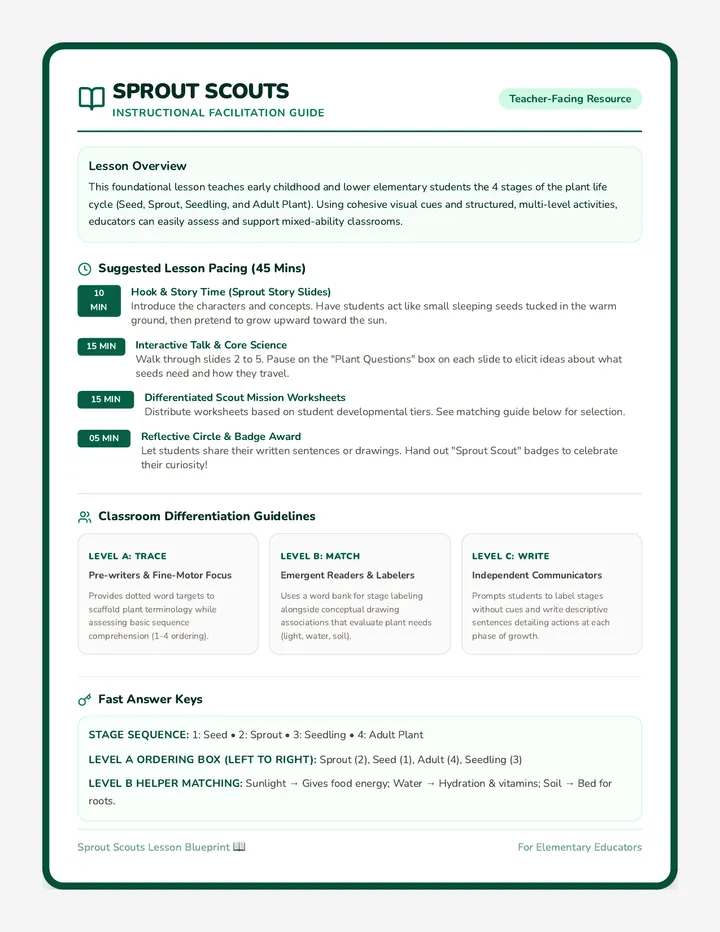
A foundational biology lesson exploring the simple life cycle of a plant from seed to sprout to adult. Includes interactive slides, a comprehensive teacher guide, and three tiers of differentiated worksheets to support early writers, matchers, and independent sentence-builders.
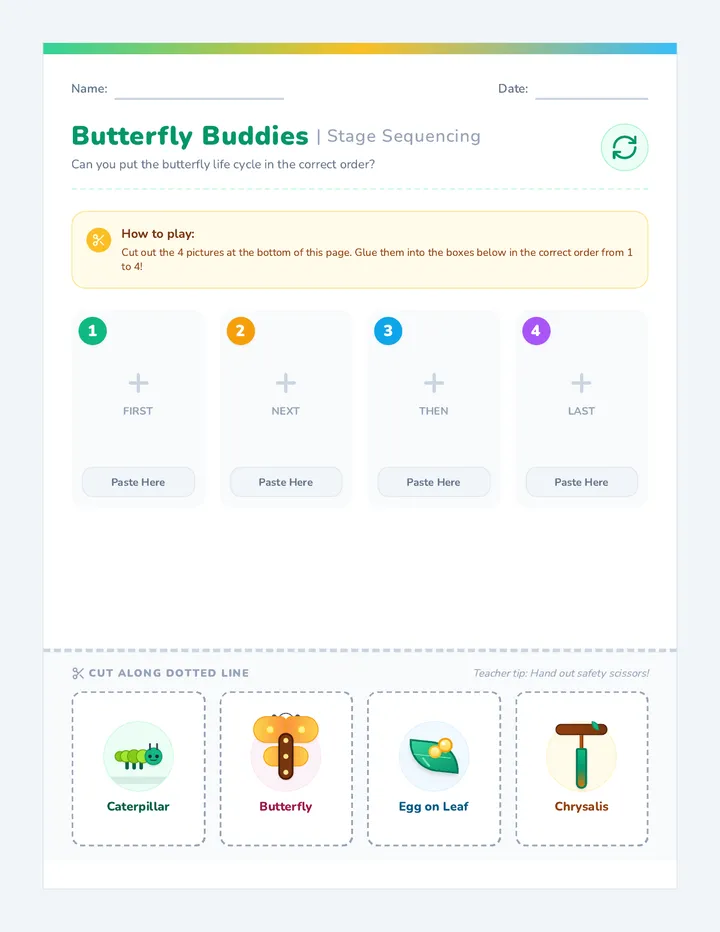
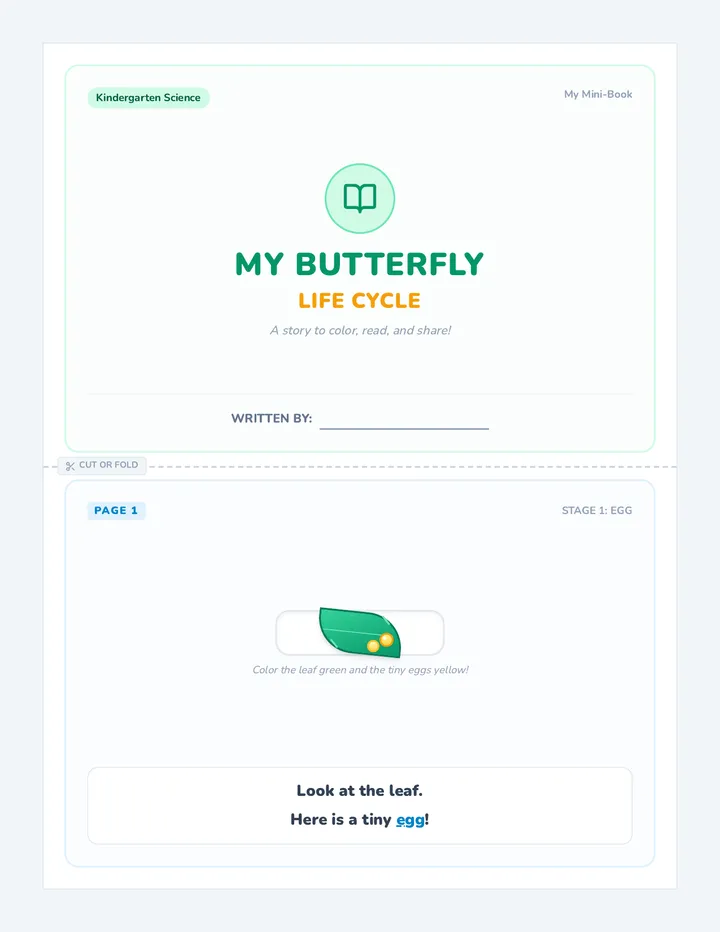
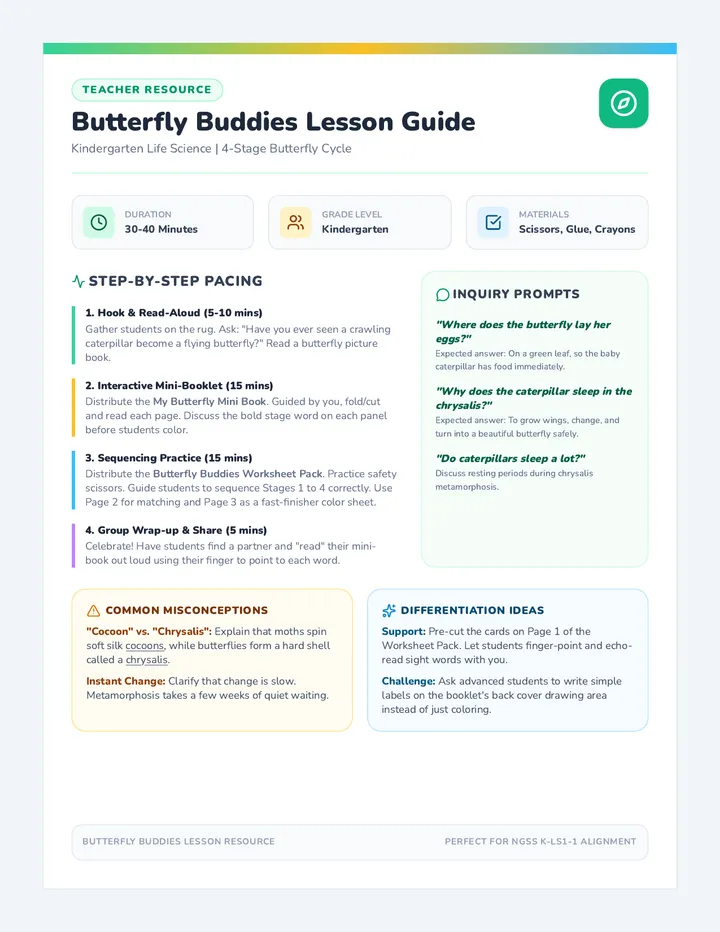
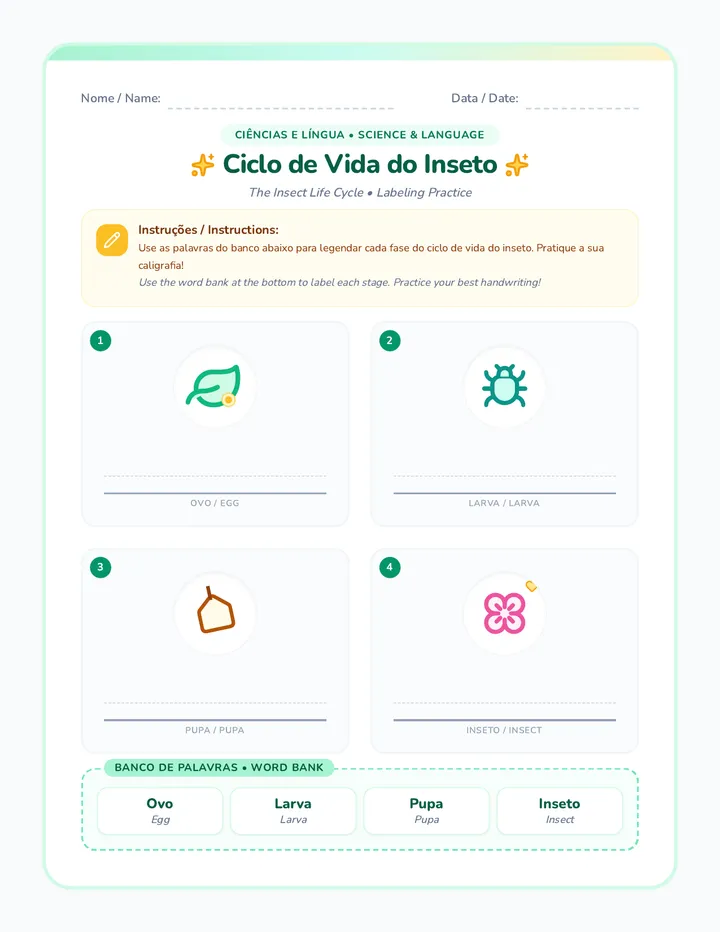
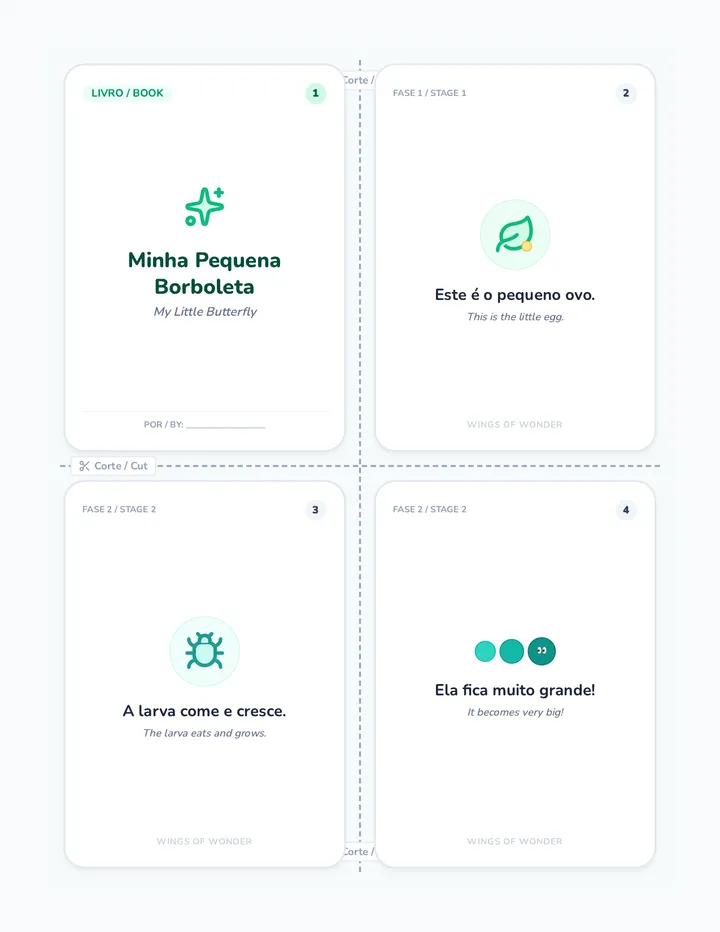
A friendly, hands-on kindergarten lesson exploring the four stages of a butterfly's life cycle: egg, caterpillar, chrysalis, and butterfly. Students learn through sequencing, labeling, coloring, and reading a foldable mini-booklet.
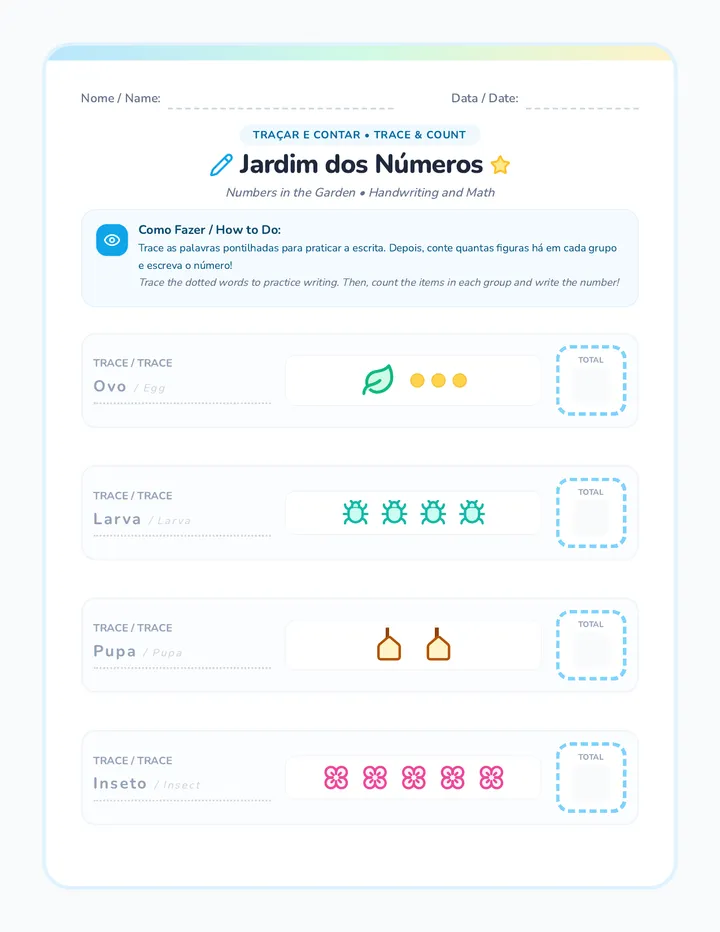
A bilingual kindergarten lesson exploring the magical life cycle of butterflies. Students practice sequencing, labeling, and reading simple bilingual English/Portuguese sentences.
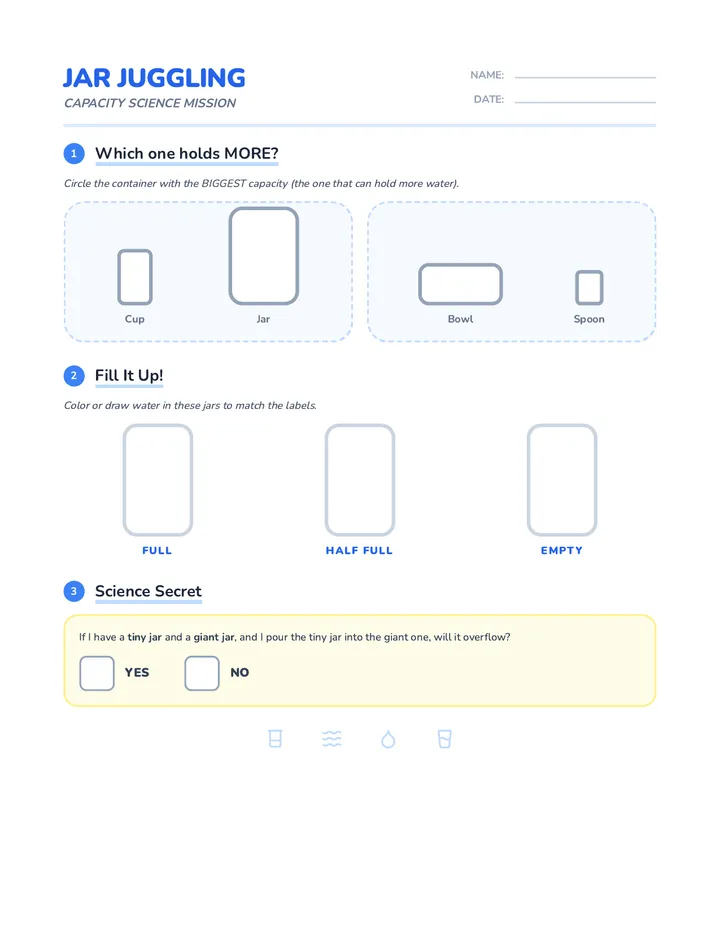
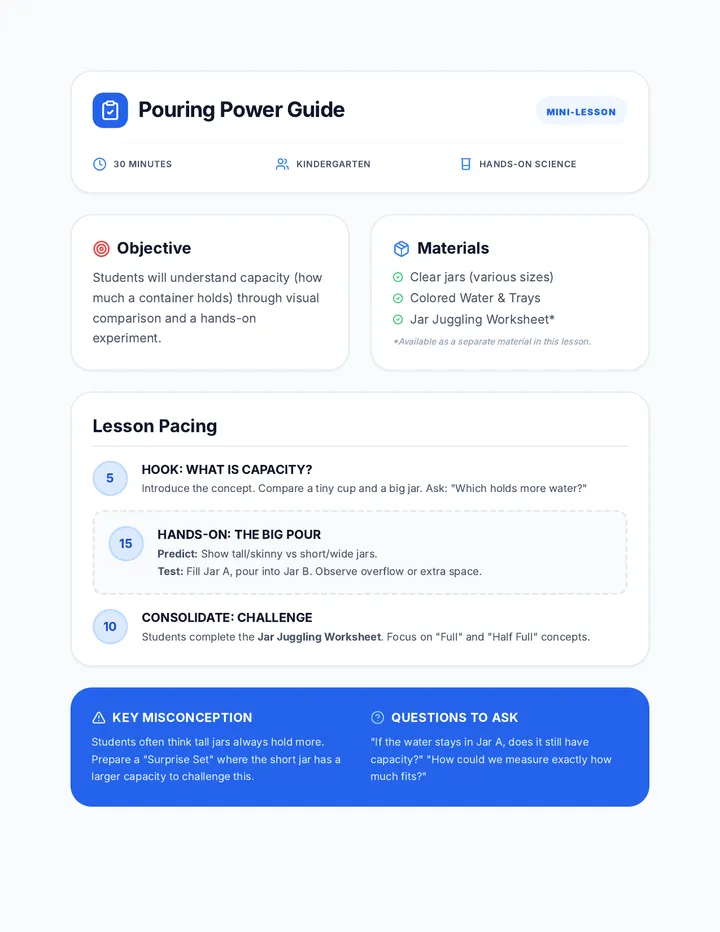
A 30-minute introductory lesson on container capacity for Kindergarten students, using hands-on exploration with water and jars to understand 'more', 'less', and 'full'.
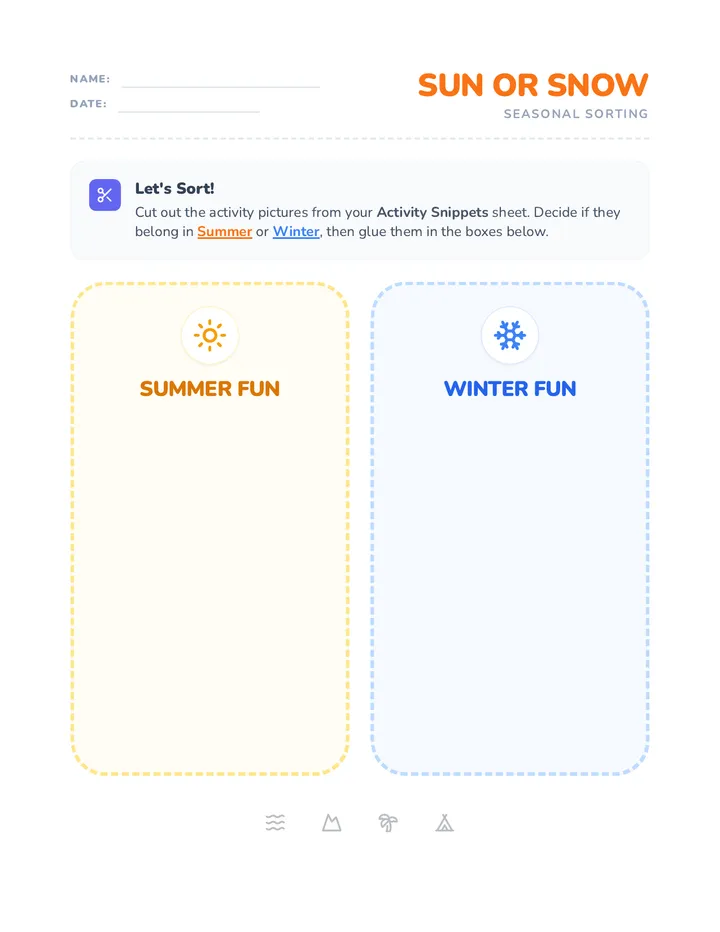
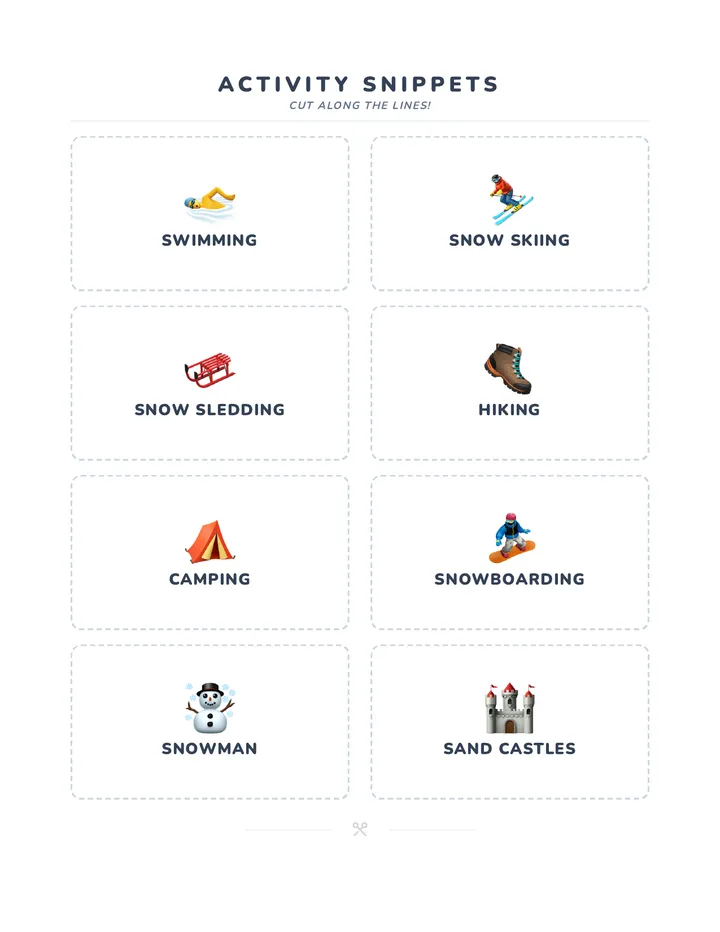
A hands-on categorization activity for kindergarteners to distinguish between summer and winter activities using cut-and-paste techniques.
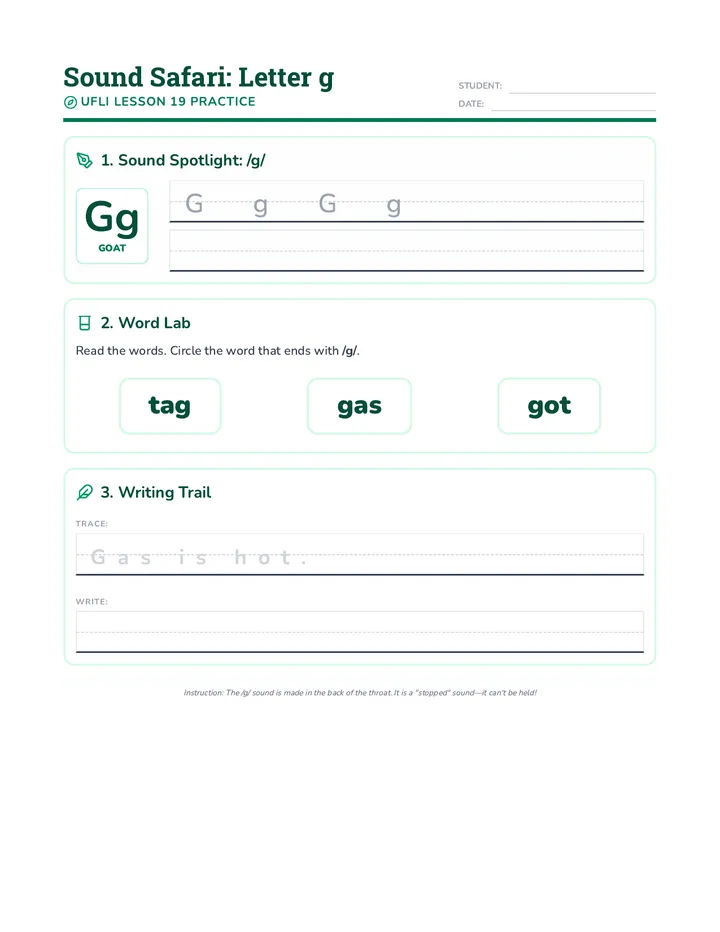
Introducing the letter 'g' and the /g/ sound. Students practice words like 'gas', 'gap', and 'tag'.
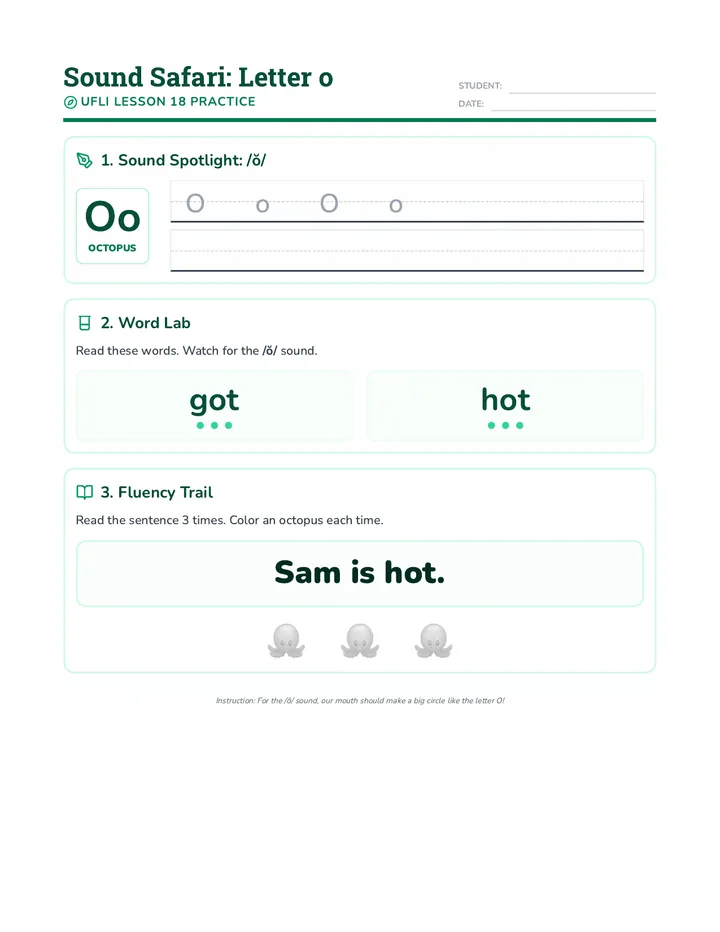
Introducing the letter 'o' and the short /o/ sound. Blending practice with 'got', 'hot', and 'mom'.
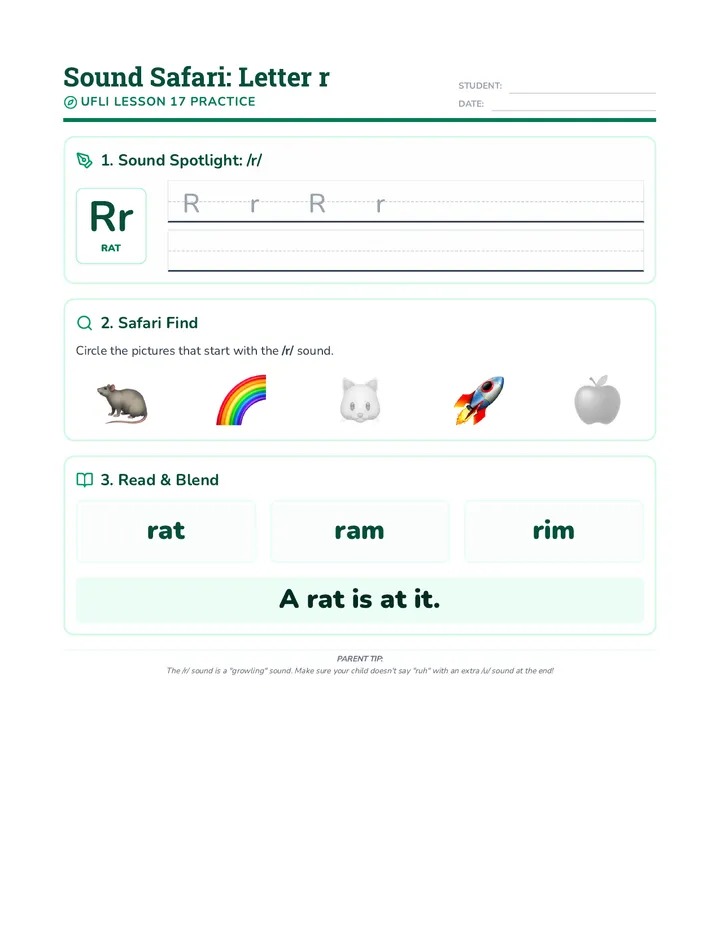
Introducing the letter 'r' and the /r/ sound. Students read and write words like 'rat', 'ram', and 'rid'.
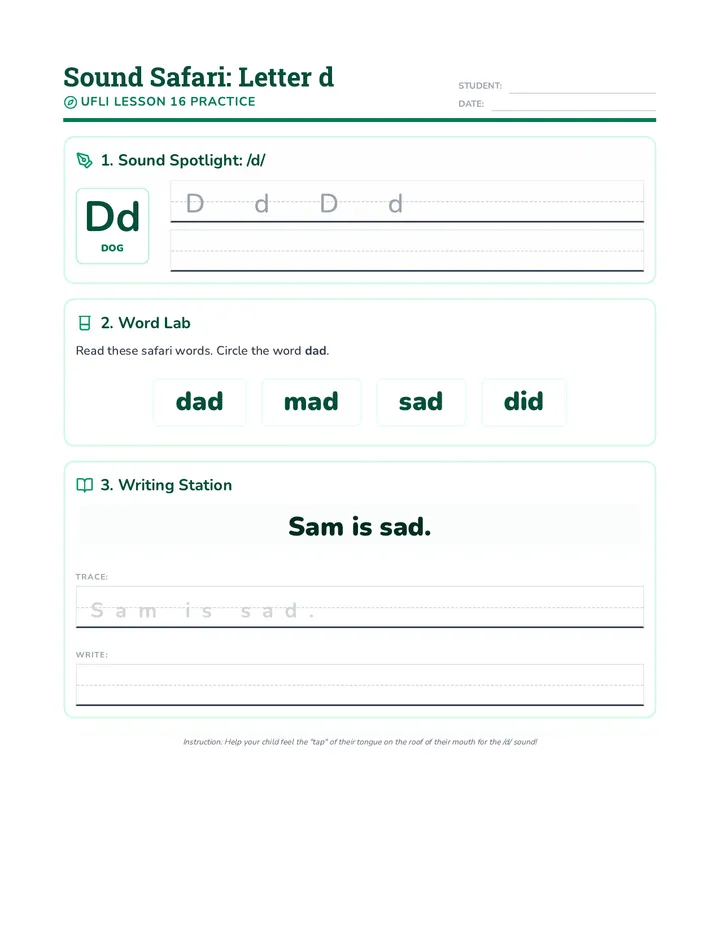
Introducing the letter 'd' and the /d/ sound. Practice includes 'dad', 'mad', and 'sad'.
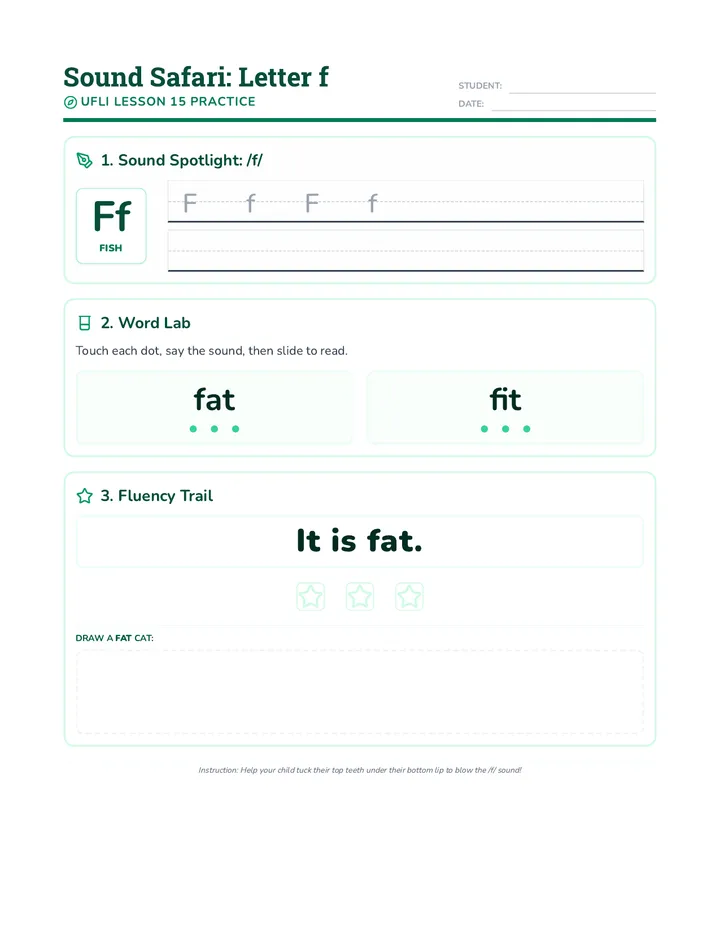
Introducing the letter 'f' and the /f/ sound. Students practice blending 'fat', 'fit', and 'if'.
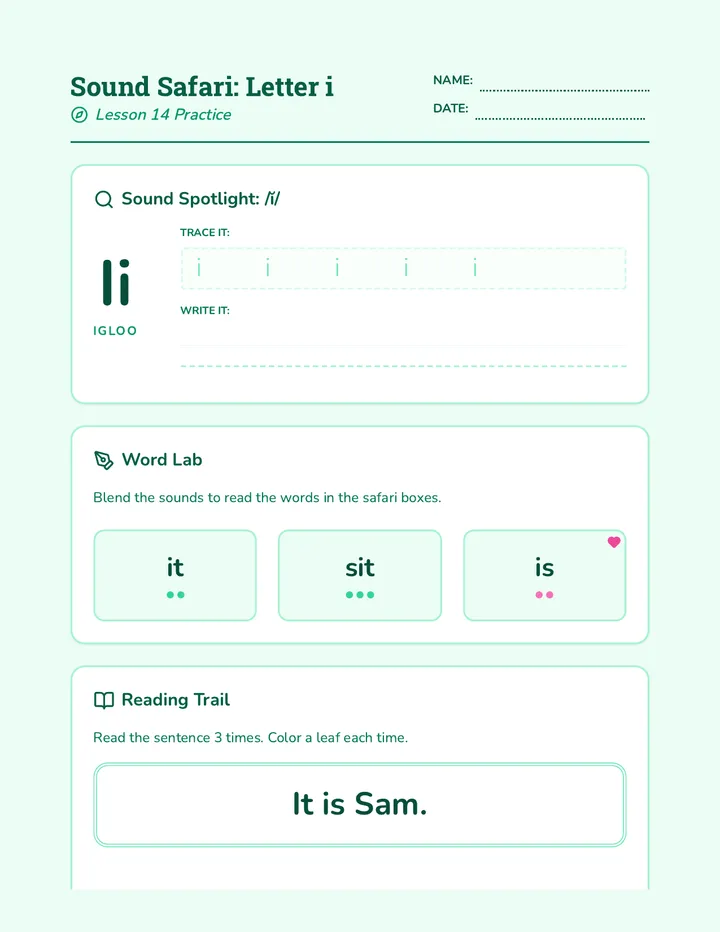
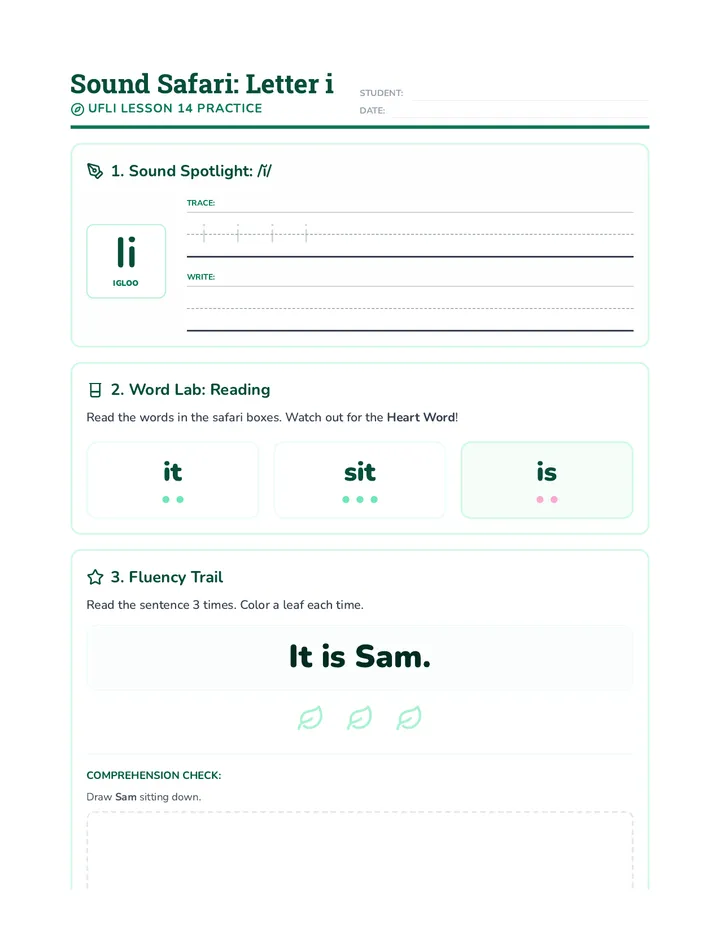
Introducing the letter 'i' and the short /i/ sound. Students read and write words like 'it', 'sit', and 'is'.
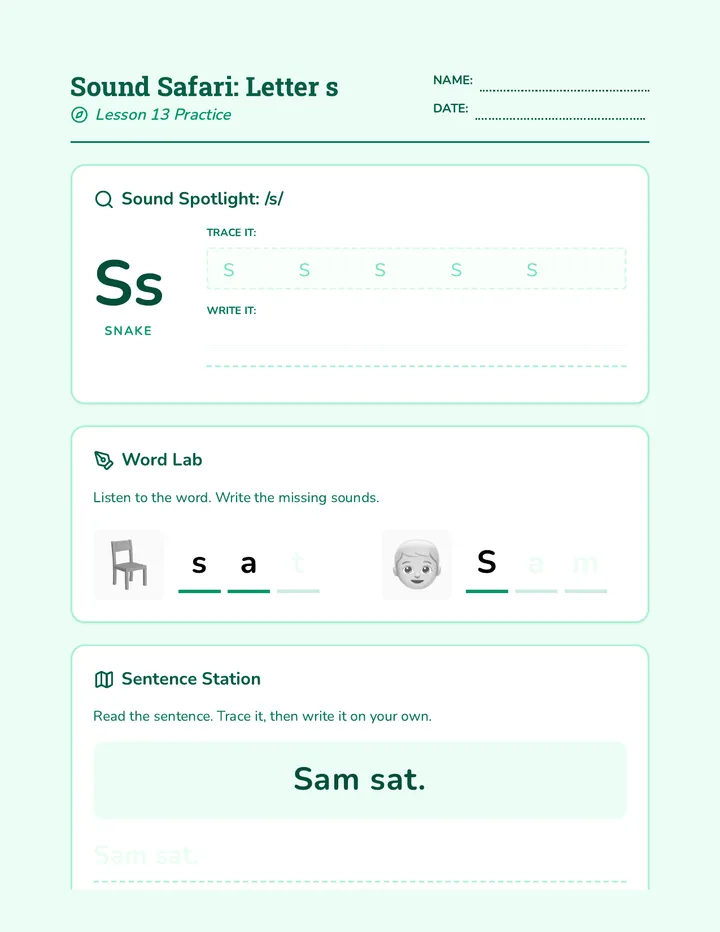
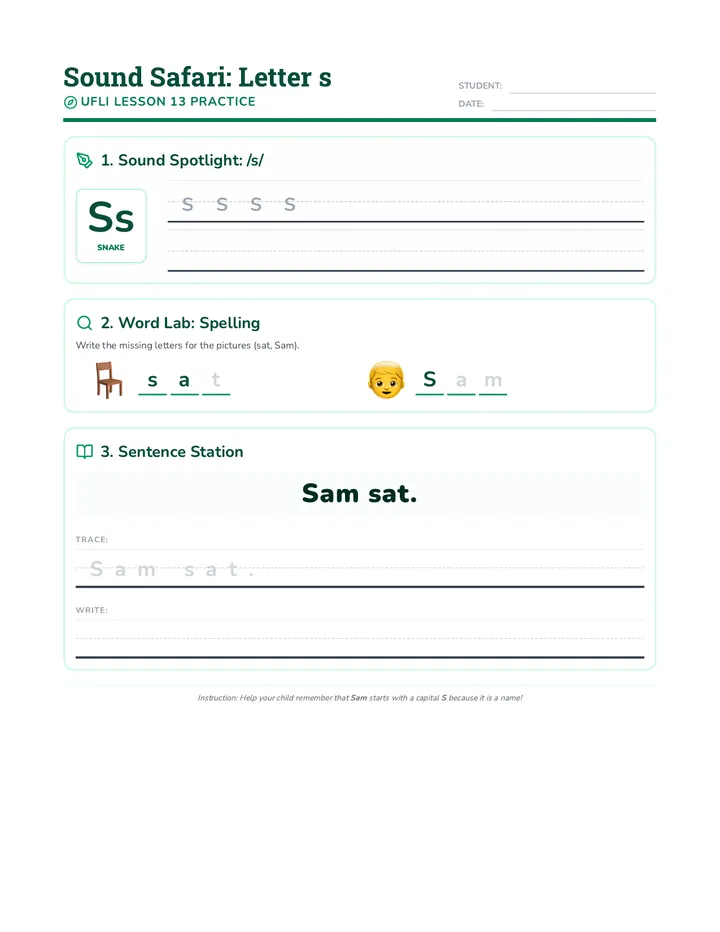
Introducing the letter 's' and the /s/ sound. Practice includes blending 'sat', 'mat', and 'Sam'.
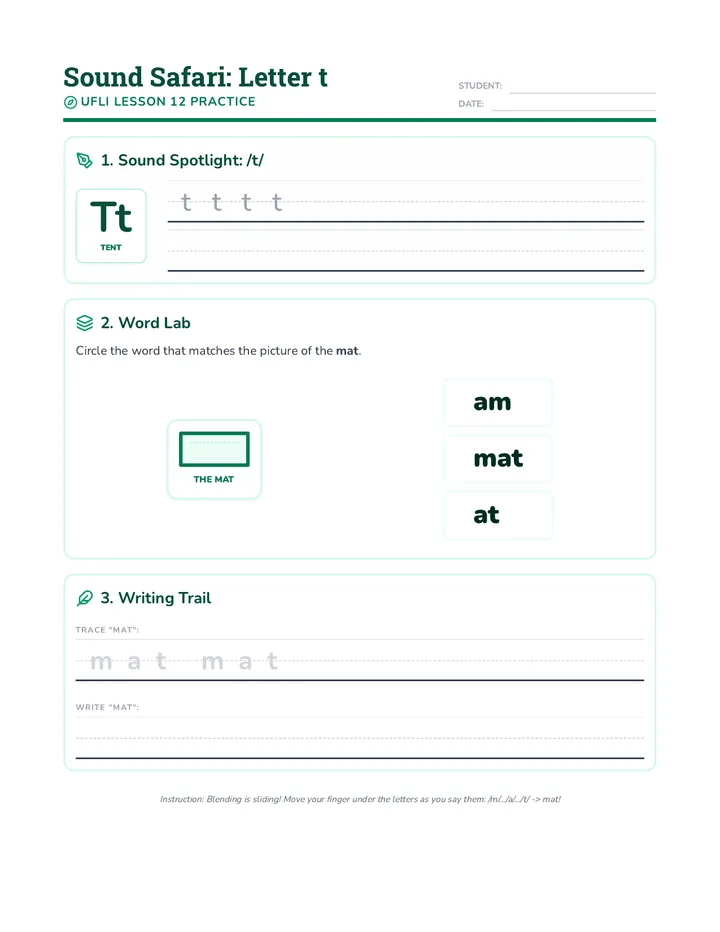
Introducing the letter 't' and the /t/ sound. Students practice blending CVC words like 'mat' and 'at'.
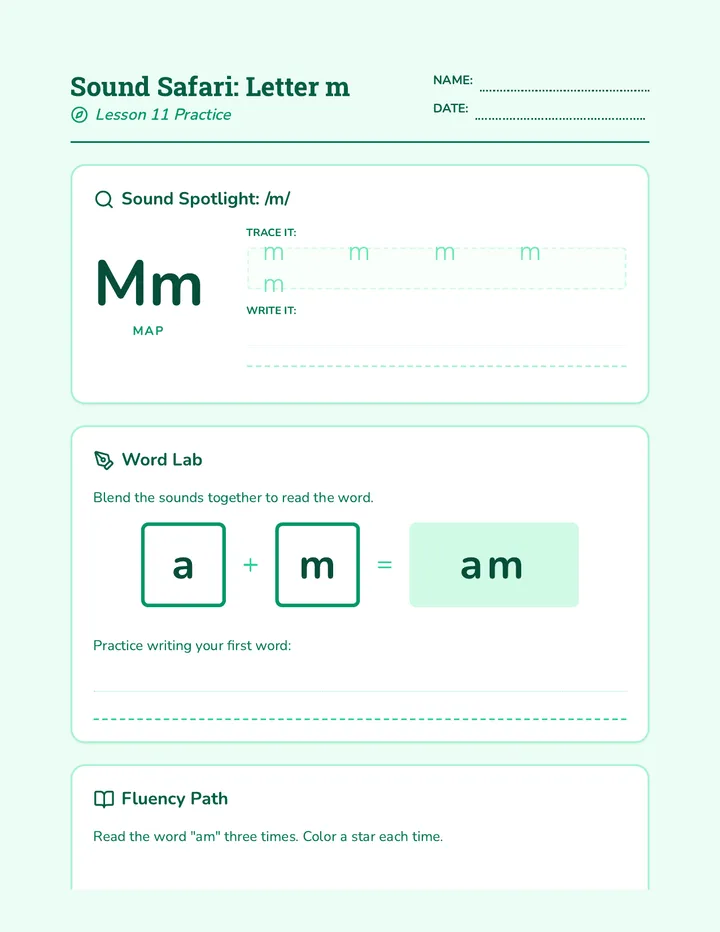
Introducing the letter 'm' and the /m/ sound. Students begin to blend 'a' and 'm' to read the word 'am'.
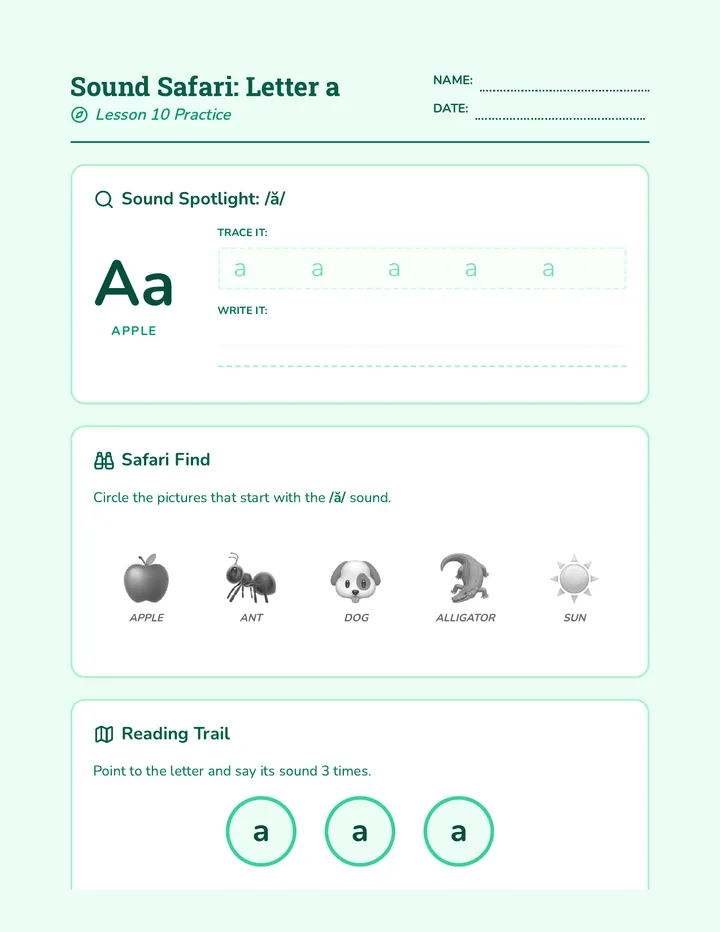
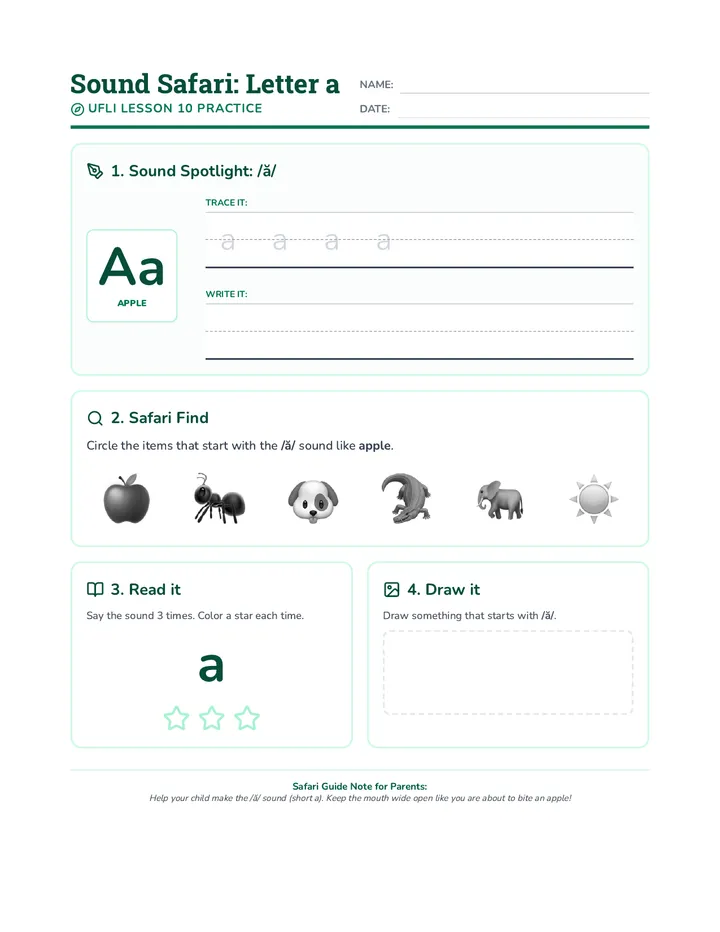
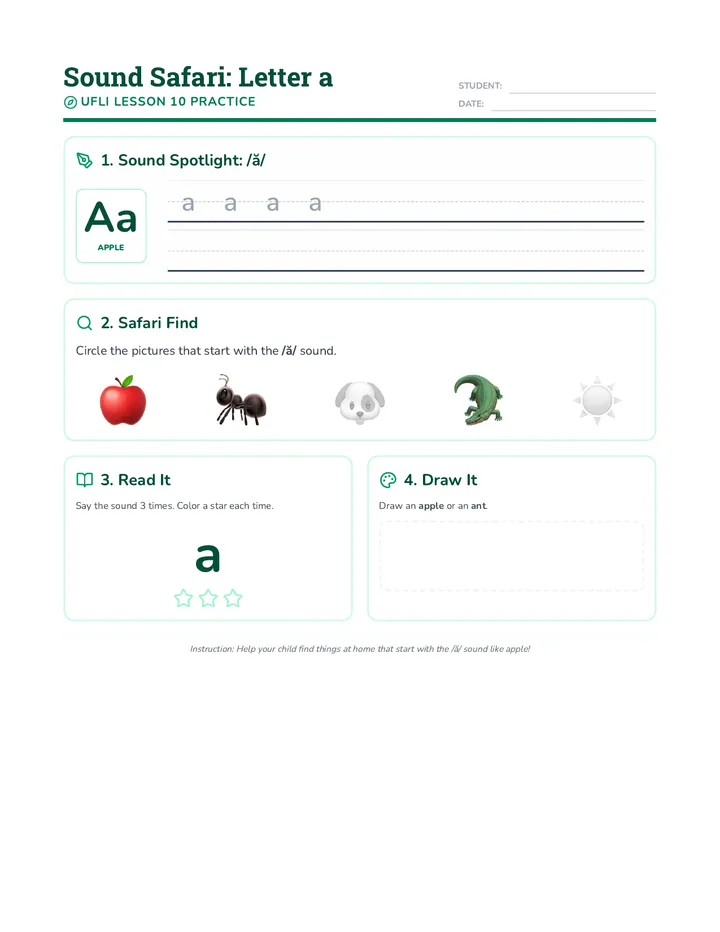
Introducing the letter 'a' and the short /a/ sound. Students practice letter formation and identifying the /a/ sound at the beginning of words.
Challenges toddlers to use their problem-solving skills to 'rescue' bricks from different materials like tape or playdough, enhancing finger strength.
Uses bricks as unconventional tools for artistic expression. Toddlers learn about shapes and patterns through stamping and paint exploration.
A dry sensory experience where toddlers search for bricks hidden among soft materials. Focuses on tactile exploration and object permanence.
Introduces basic color identification using primary colored bricks. Toddlers explore grouping and matching in a low-pressure, playful environment.