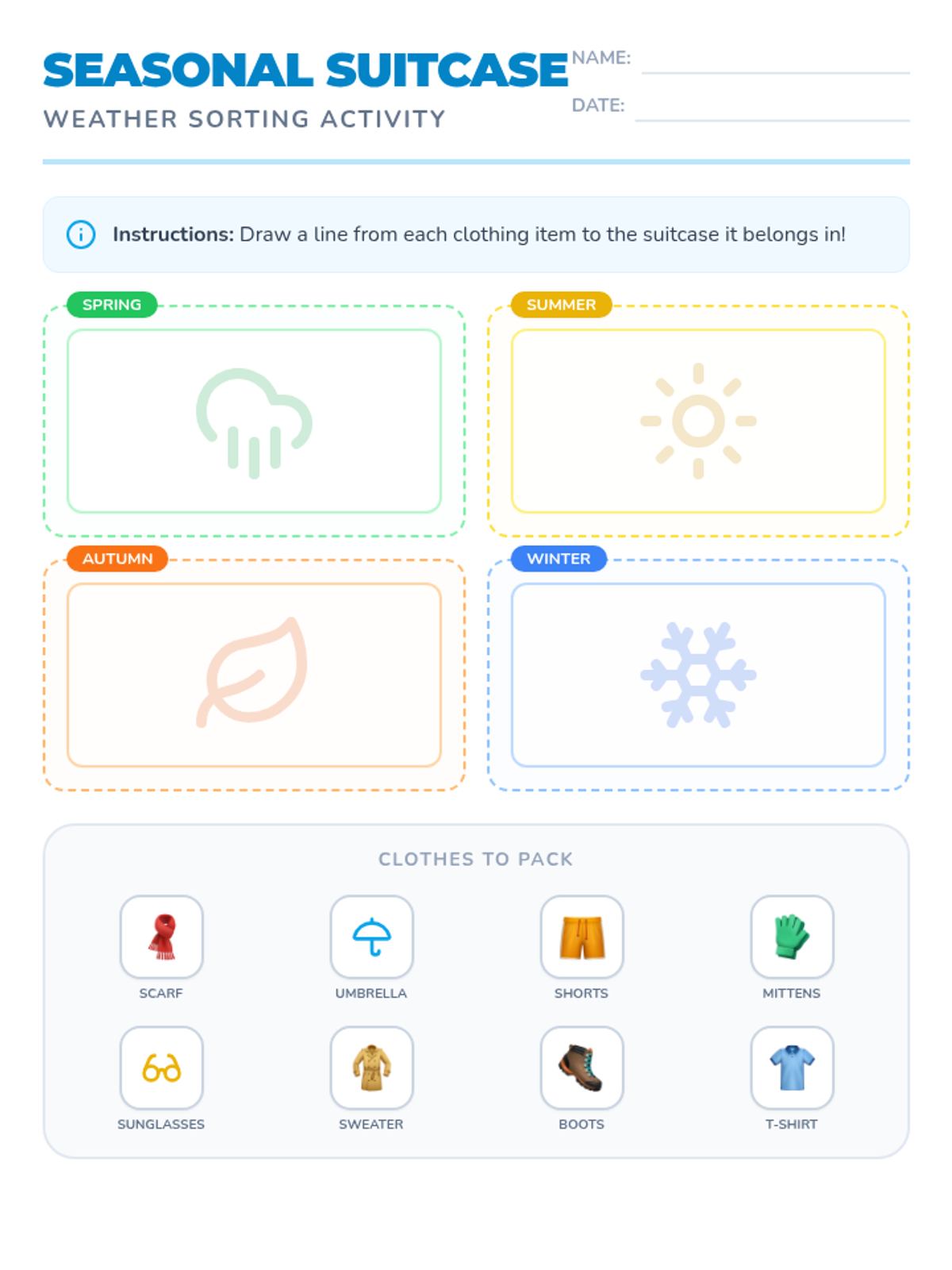
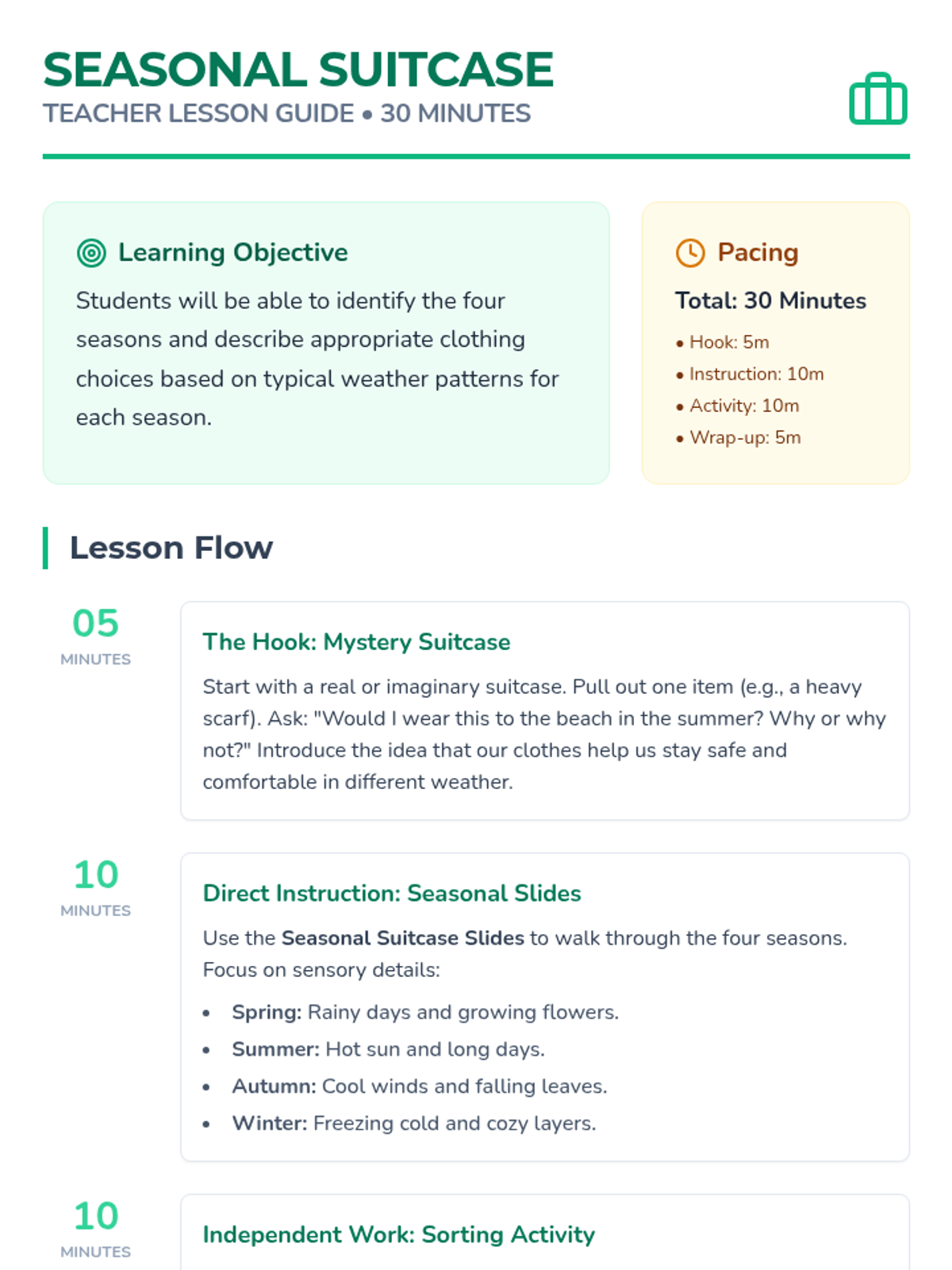
A fun, interactive lesson introducing elementary students to the four seasons through observation and play. Students will identify key characteristics of spring, summer, autumn, and winter using visual cues and interactive bingo.
A comprehensive lesson exploring Earth's internal structure and the dynamic movements of tectonic plates at different boundaries. Students will learn to identify Earth's layers and explain the geological features created by plate interactions.
A comprehensive final assessment for the Ocean Architects unit, evaluating student understanding of marine anatomy, specialized biological adaptations, and the comparative differences between major oceanic groups.
An introductory lesson on honeybees featuring differentiated reading passages and activities tailored for 1st-6th grade reading levels.
A comprehensive 50-minute science lesson where students model the process of photosynthesis using common classroom materials to understand how plants transform light, water, and air into food.
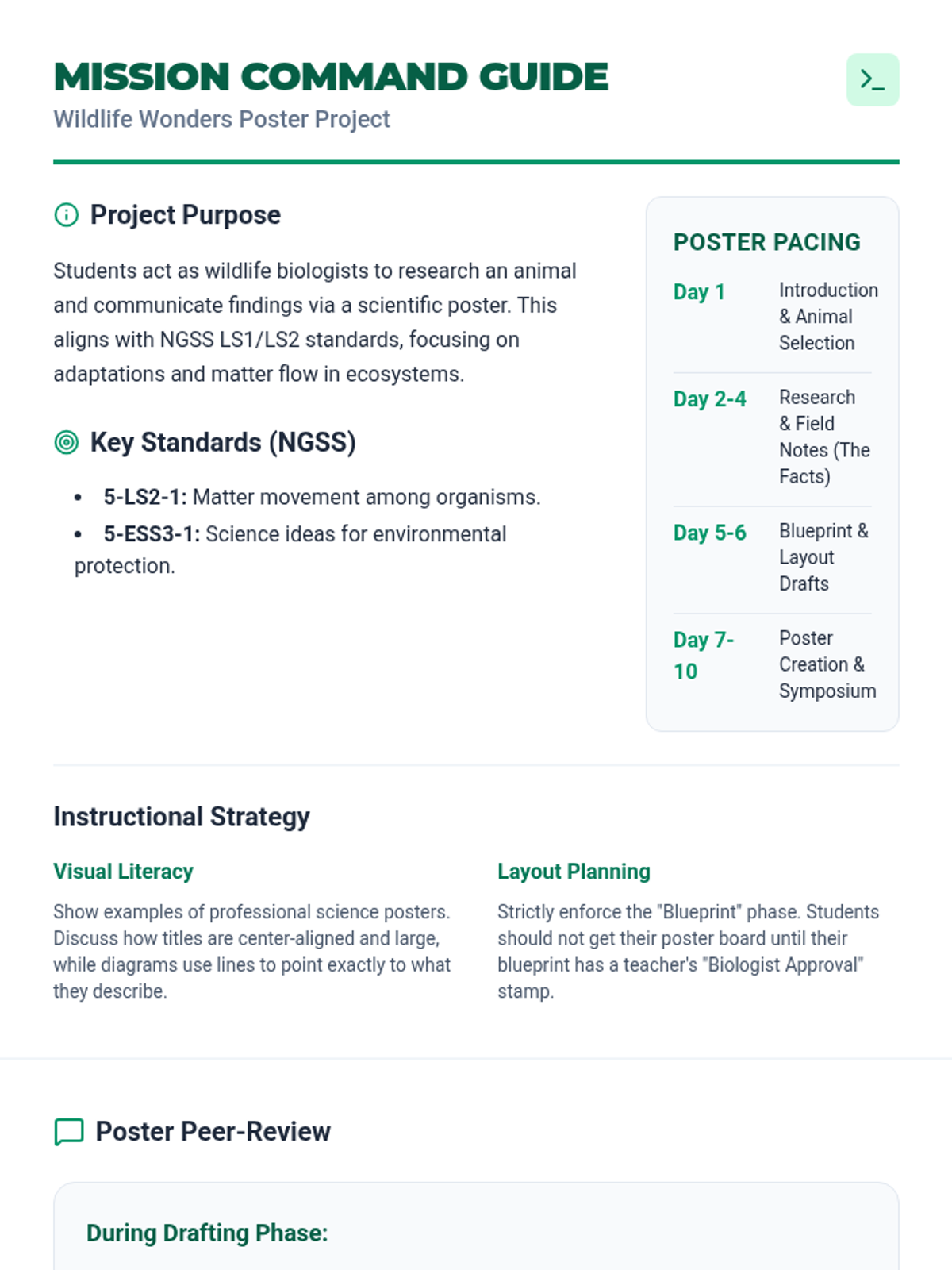
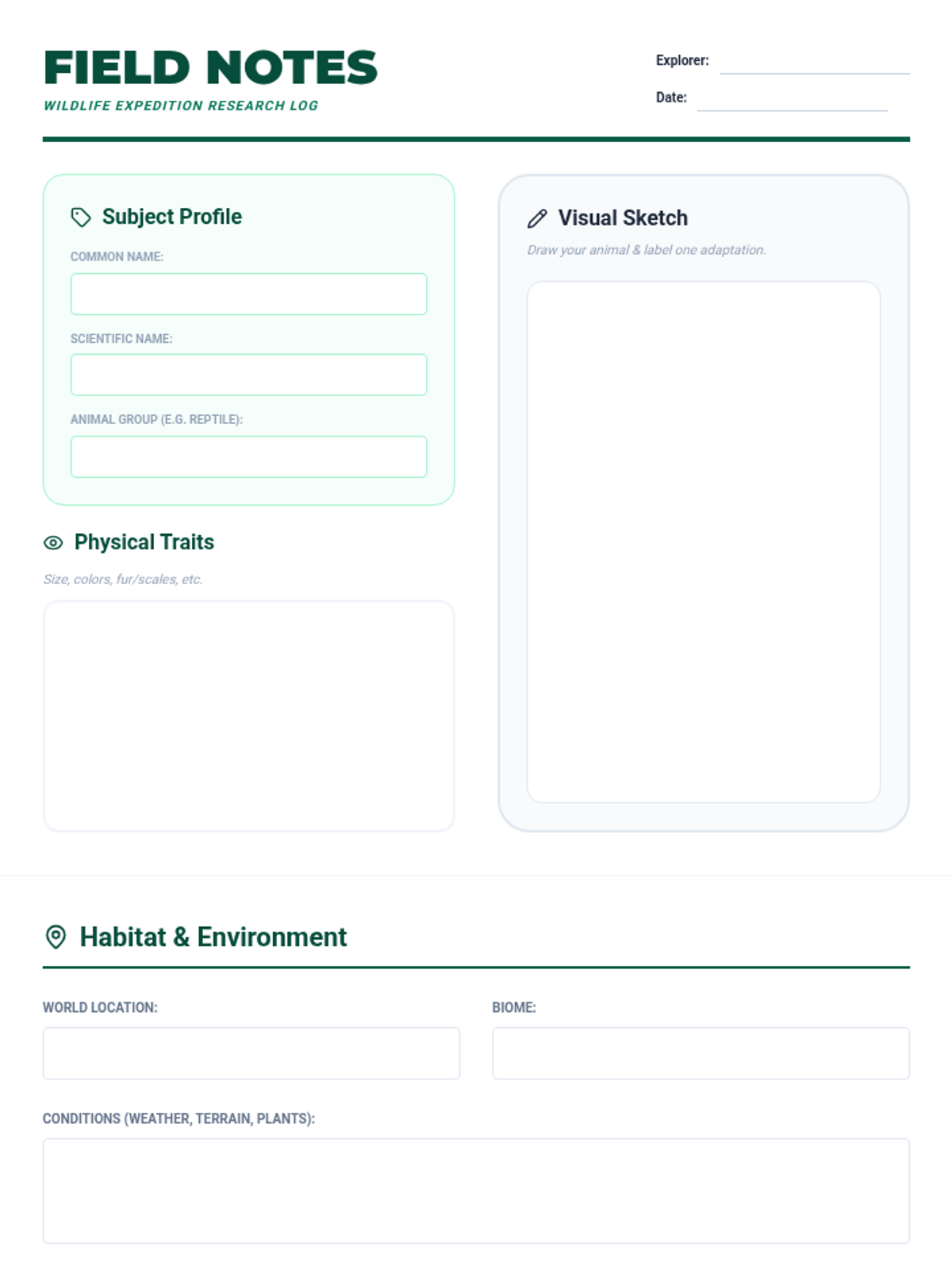
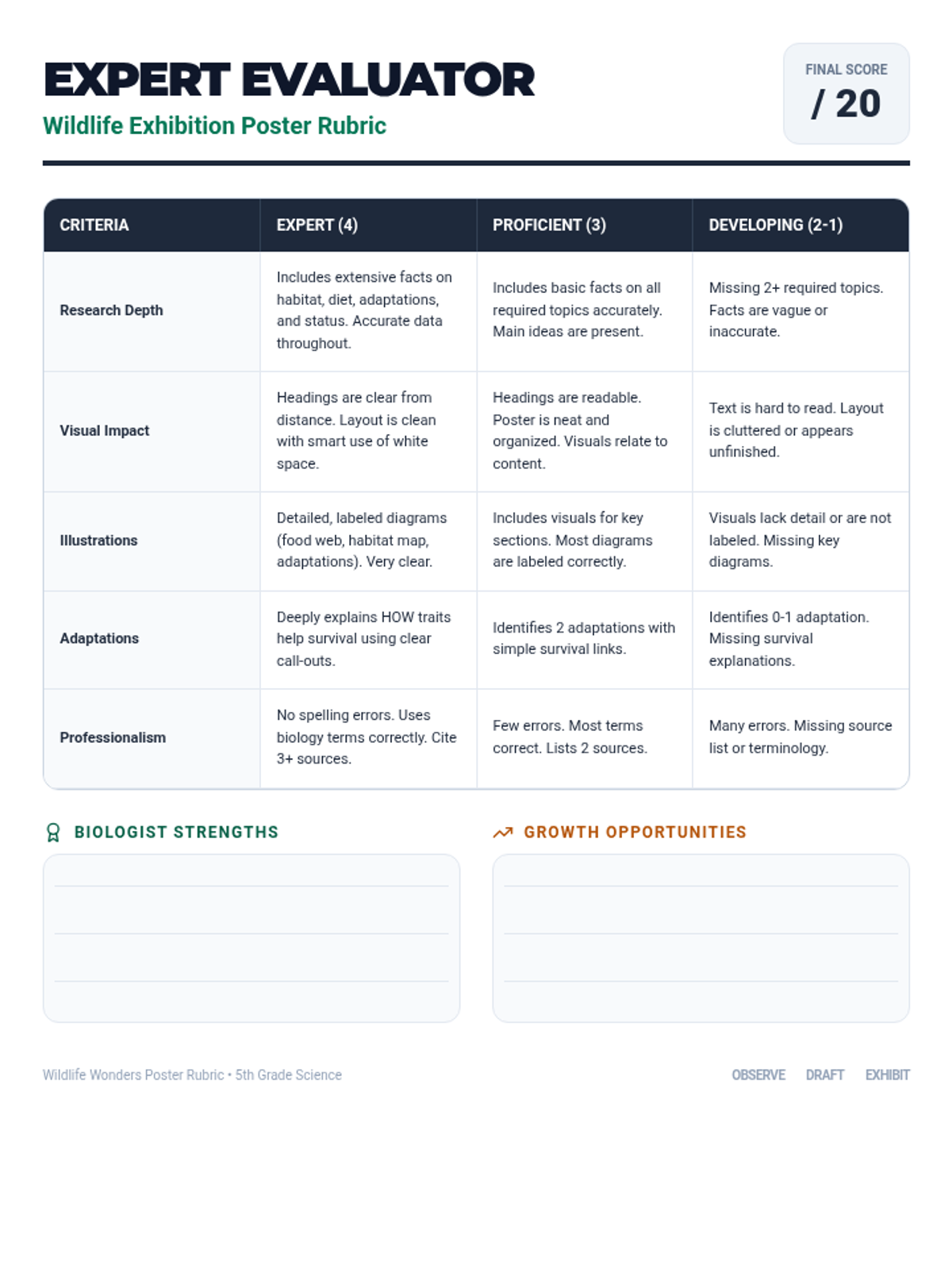
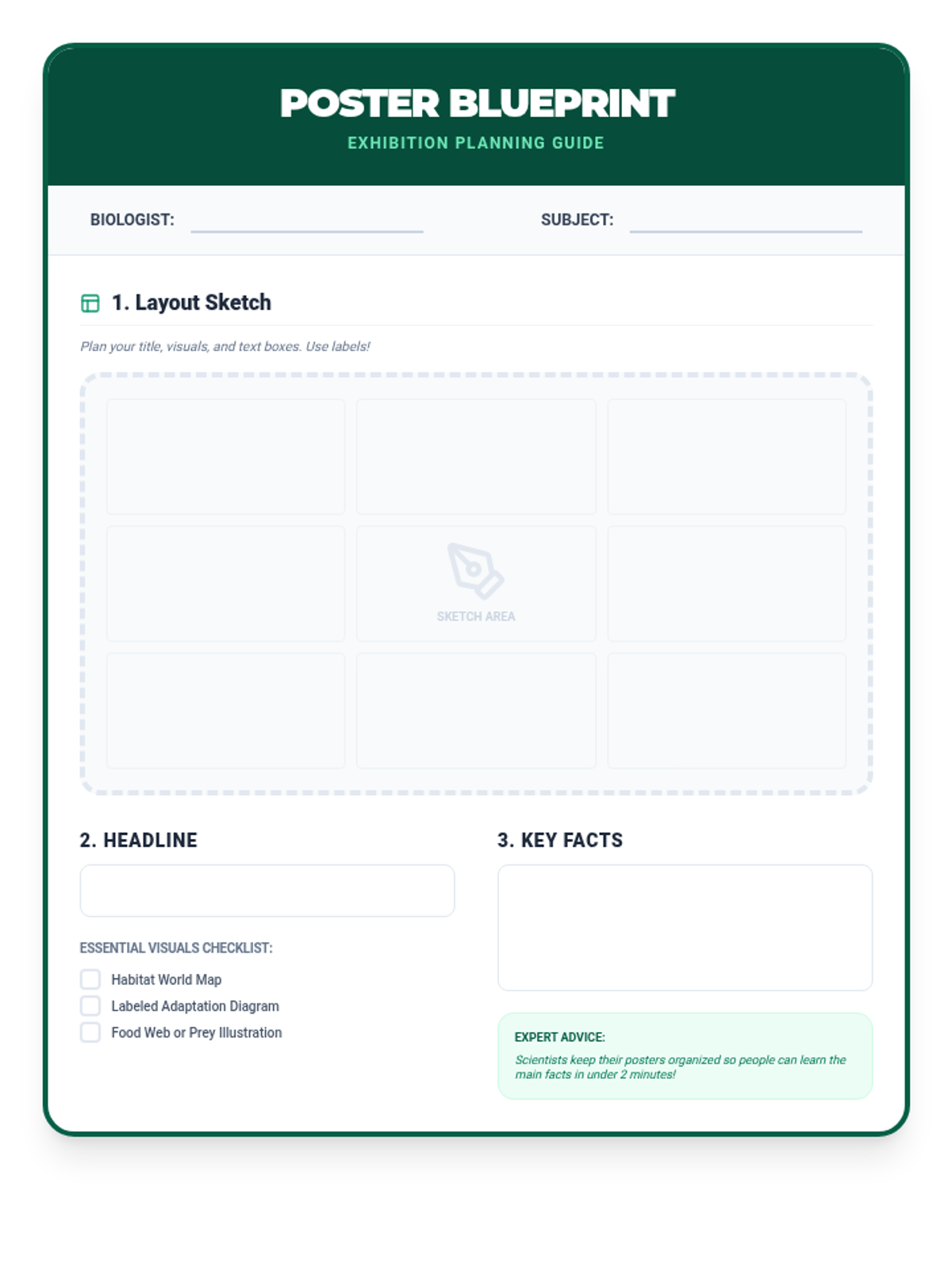
A comprehensive guide for middle school students to navigate their final year science project, from initial brainstorming to the final exhibition. includes a roadmap, a detailed workbook, progress trackers, and a parent interview guide to spark inspiration.
A magical introduction to soil classification using the soil texture triangle, featuring the ponies of Equestria to guide students through percentages and classification.
Students will explore the impact of boating on manatees in the Everglades, focusing on conservation efforts and the importance of following waterway safety signs. This lesson integrates science with social skills by emphasizing rule-following for the safety of ourselves and wildlife.
Students explore variables and loops through dance game scoring systems, combo streaks, and repeating choreography patterns.
Students learn the basics of computational thinking, focusing on algorithms and sequencing by designing dance routines and step sequences.
A 3rd-grade science lesson exploring how plants inherit traits from their parents and how the environment can influence their growth, based on a real-world forestry scenario.
A lesson exploring how natural resources like water, soil, and forests support the needs and economy of a community. Students will learn to distinguish between claims about resource importance and the evidence that supports them.
This lesson uses the familiar concept of Pokémon evolution to teach special education students about biological adaptations and natural selection. Students will explore how traits help organisms survive in different environments and design their own adapted creatures.
A comprehensive lesson for 4th graders to explore the fundamental building blocks of life: plant and animal cells. Students will identify key organelles, compare cell types, and understand how cells contribute to the growth and function of living things.
Explore the magic of soil texture with Applejack! This lesson teaches students how to identify sand, silt, and clay, and how to master the soil texture triangle to classify different types of earth.
A hands-on exploration of force using air rockets, where kindergarteners learn about pushes and how the strength of a push changes an object's motion.
An introductory lesson for kindergarteners to understand that all living things are made of tiny "building blocks" called cells. Students will learn the basic differences between plant and animal cells through stories, sorting, and coloring.
Students will learn to distinguish between living and nonliving things by identifying key characteristics like growth and basic needs. The lesson includes a visual presentation, a hands-on sorting worksheet, and an outdoor exploration guide.