A 90-minute middle school lesson exploring how visual elements like composition, color, and symbolism are used by artists to convey complex narratives and emotions in famous artworks.
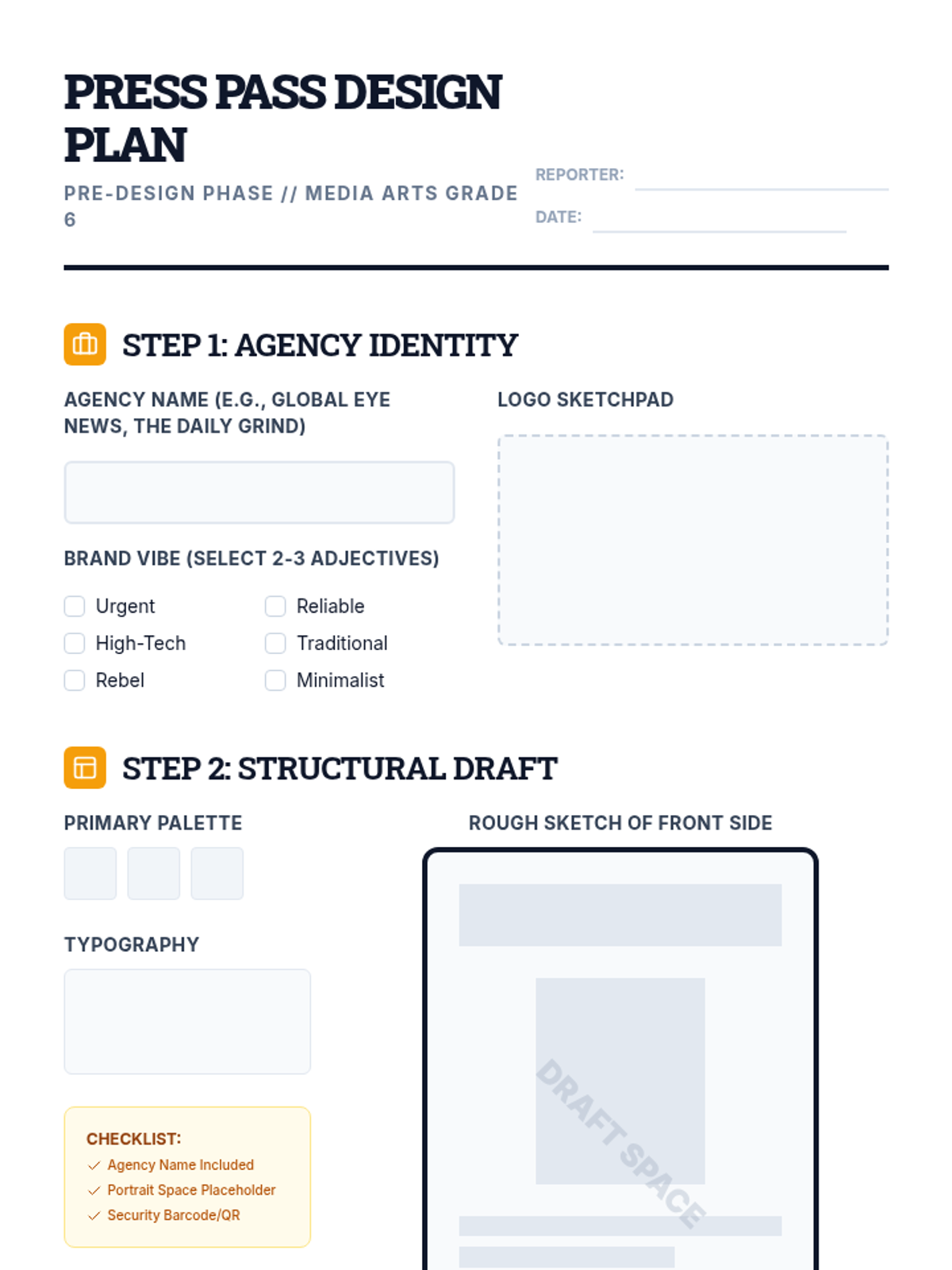
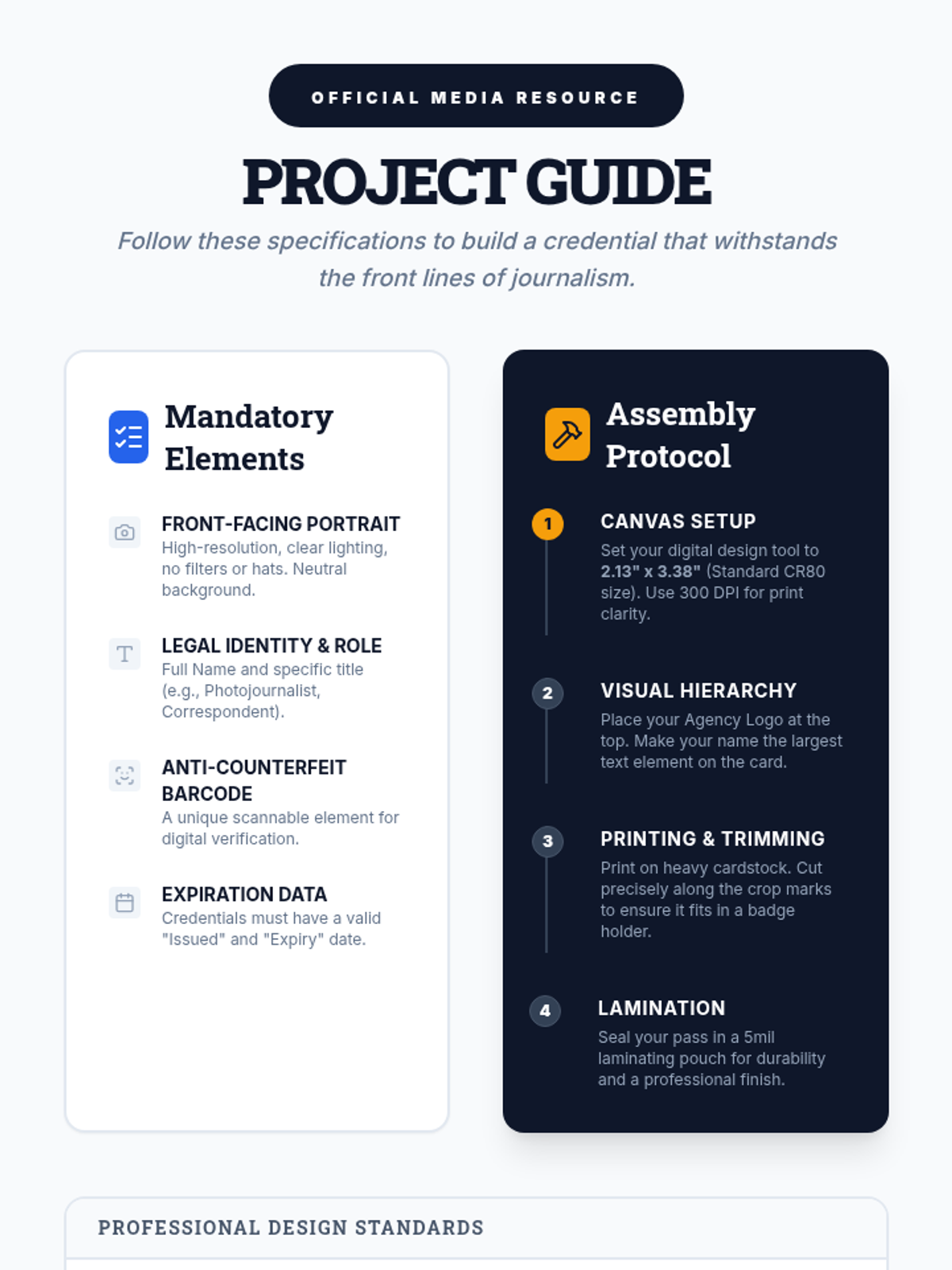
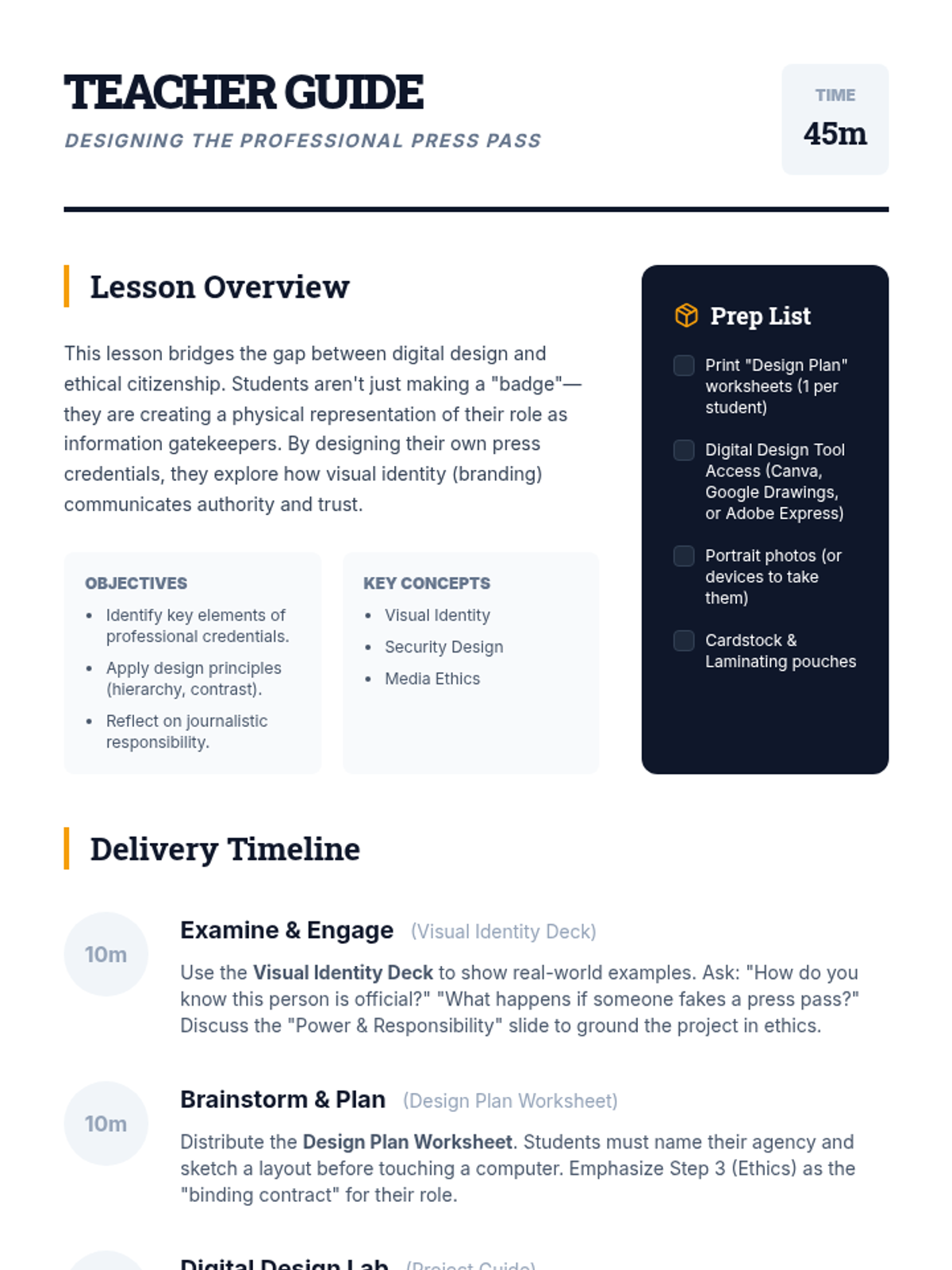
A 45-minute lesson where 6th-grade students explore the responsibility of journalism while designing their own professional press credentials, focusing on branding and identity design.
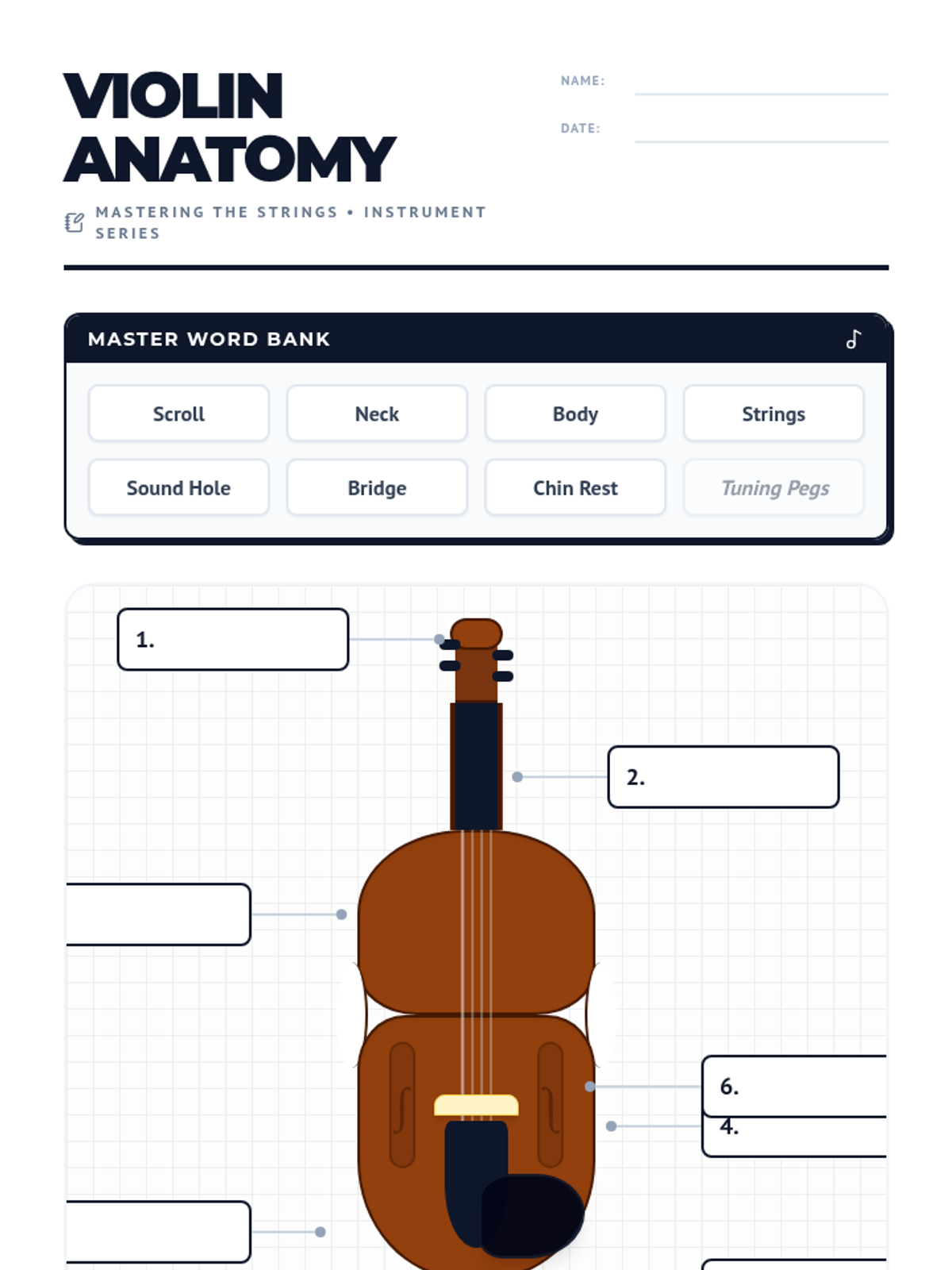
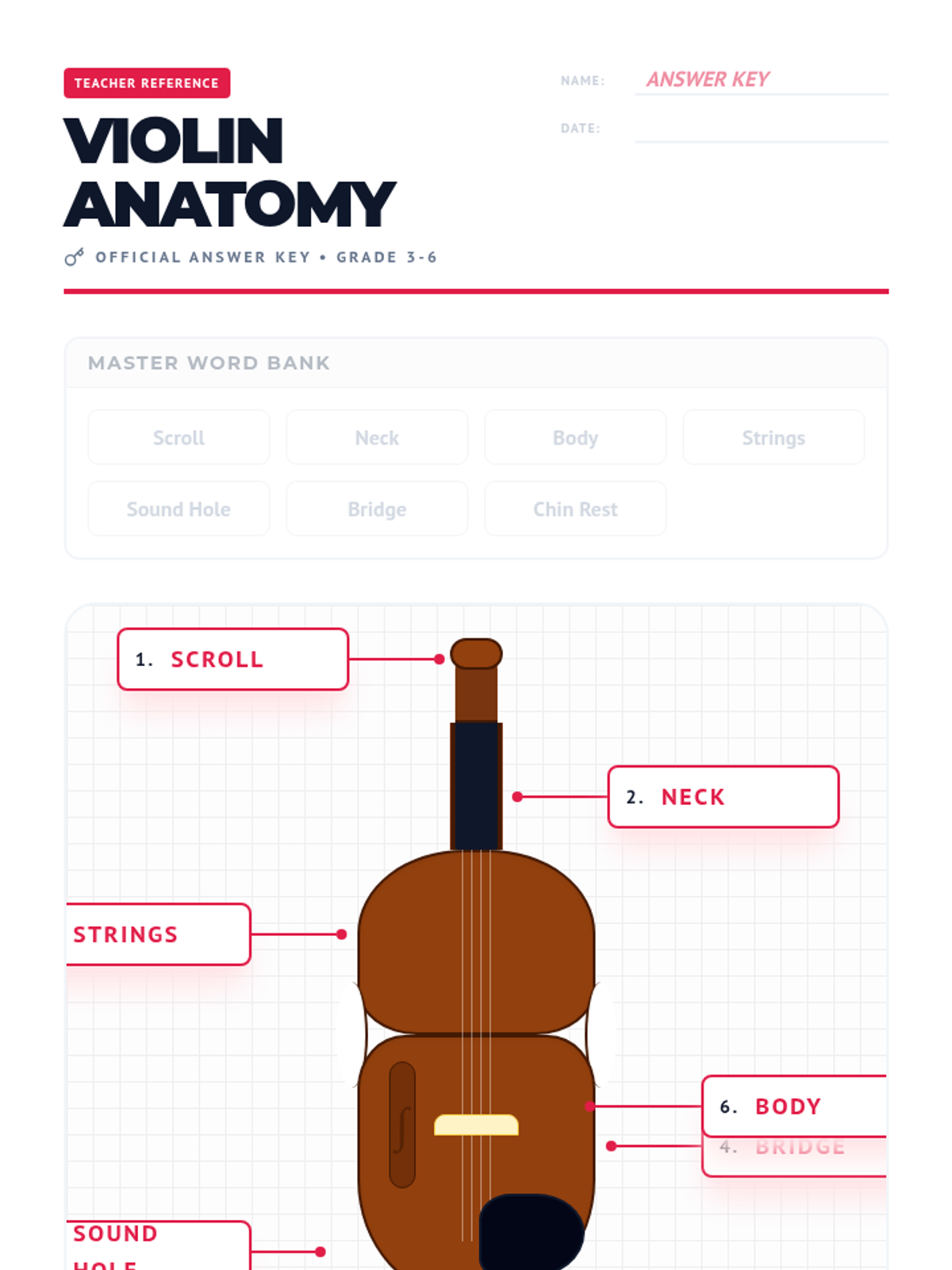
An introductory lesson on the anatomy and mechanics of the violin, including labeling parts and understanding their functions.
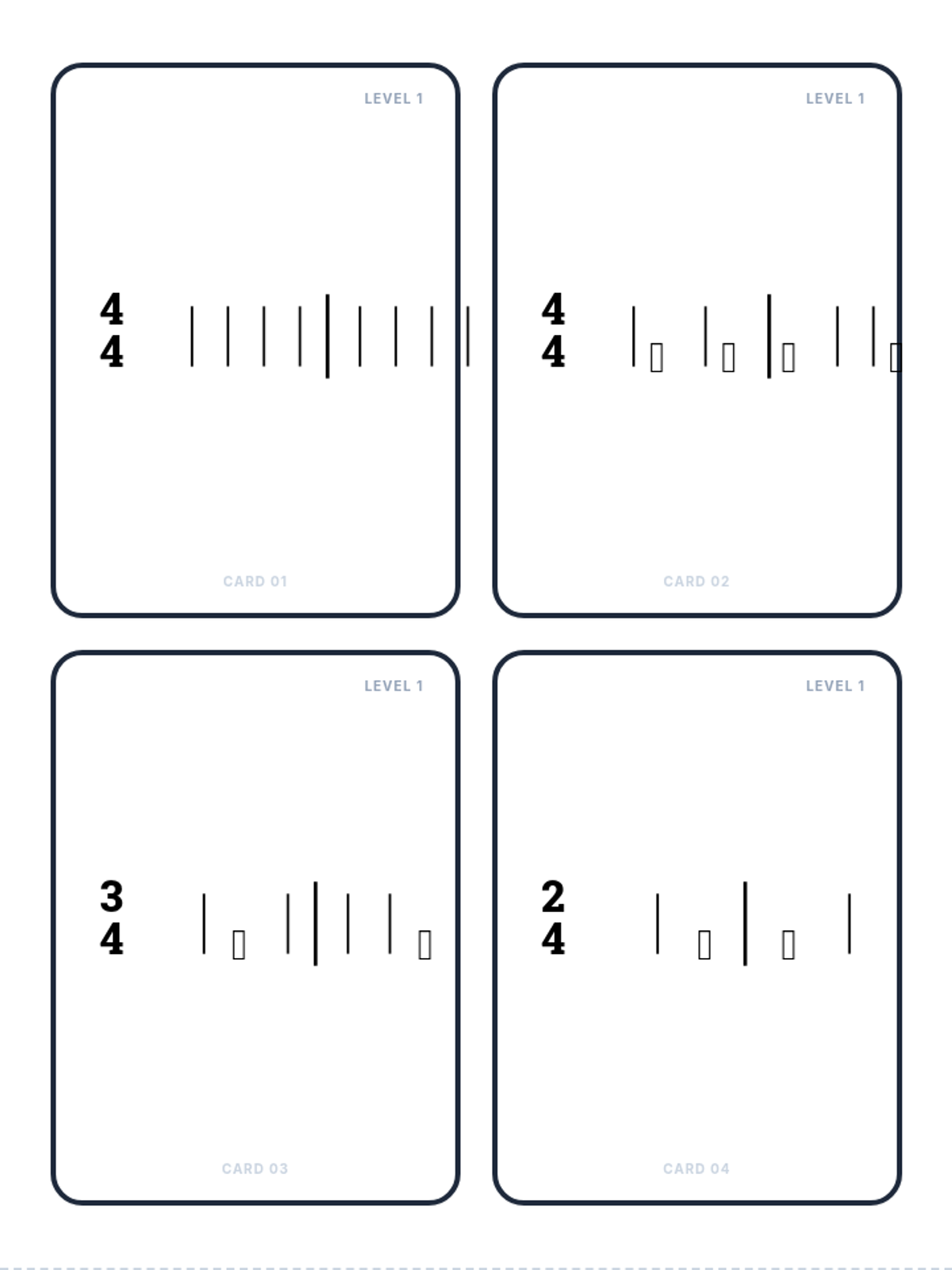
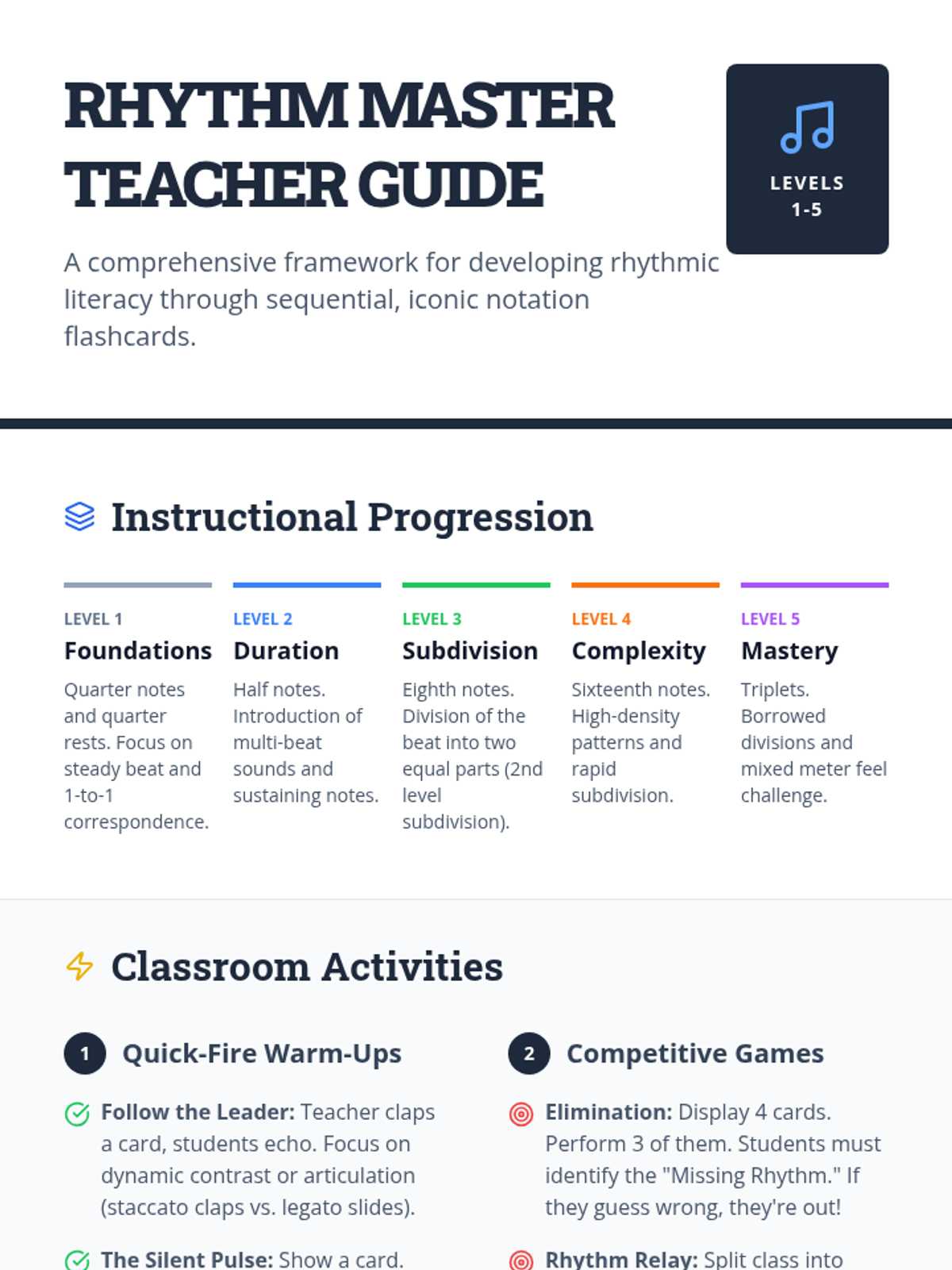
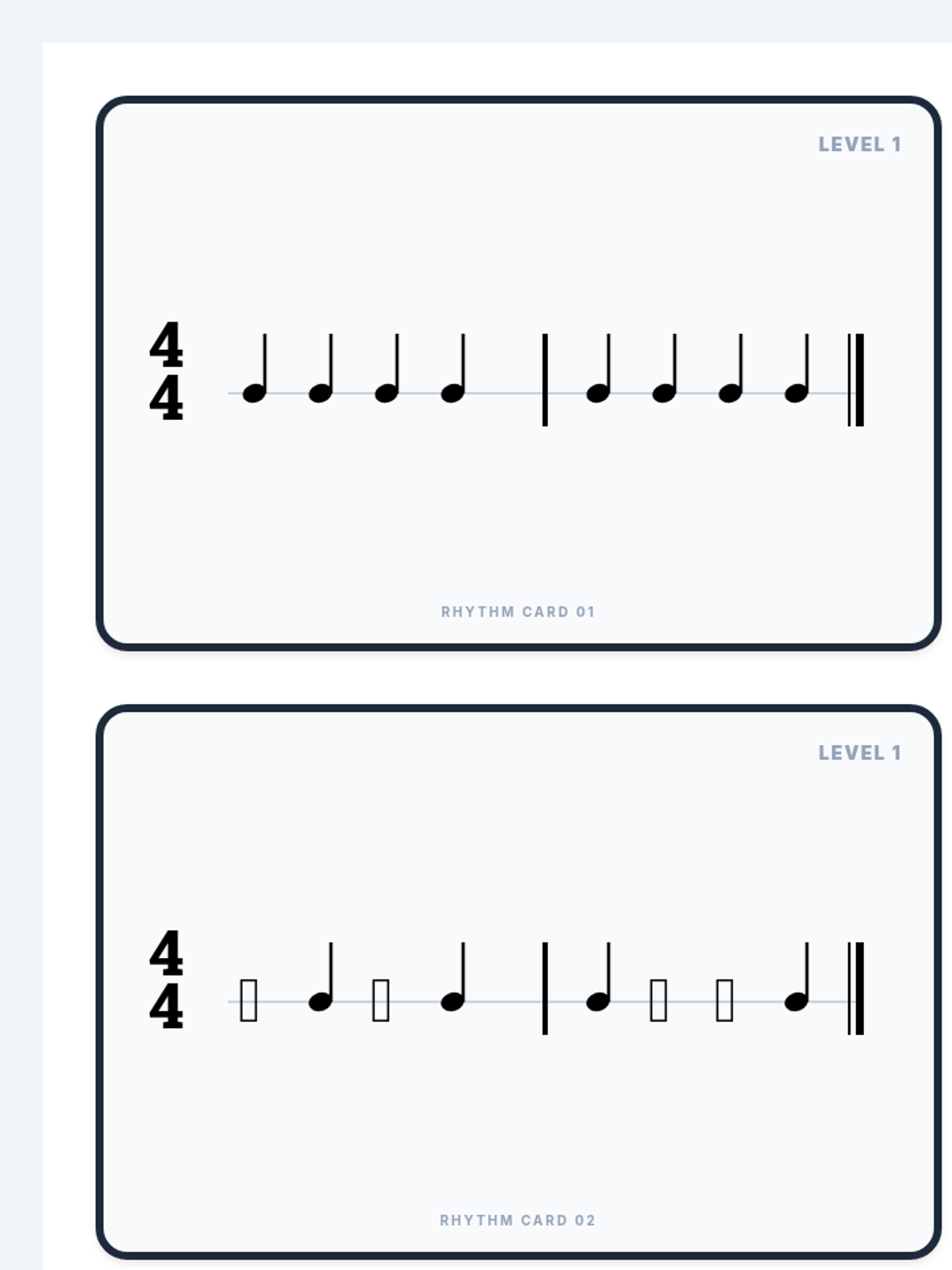
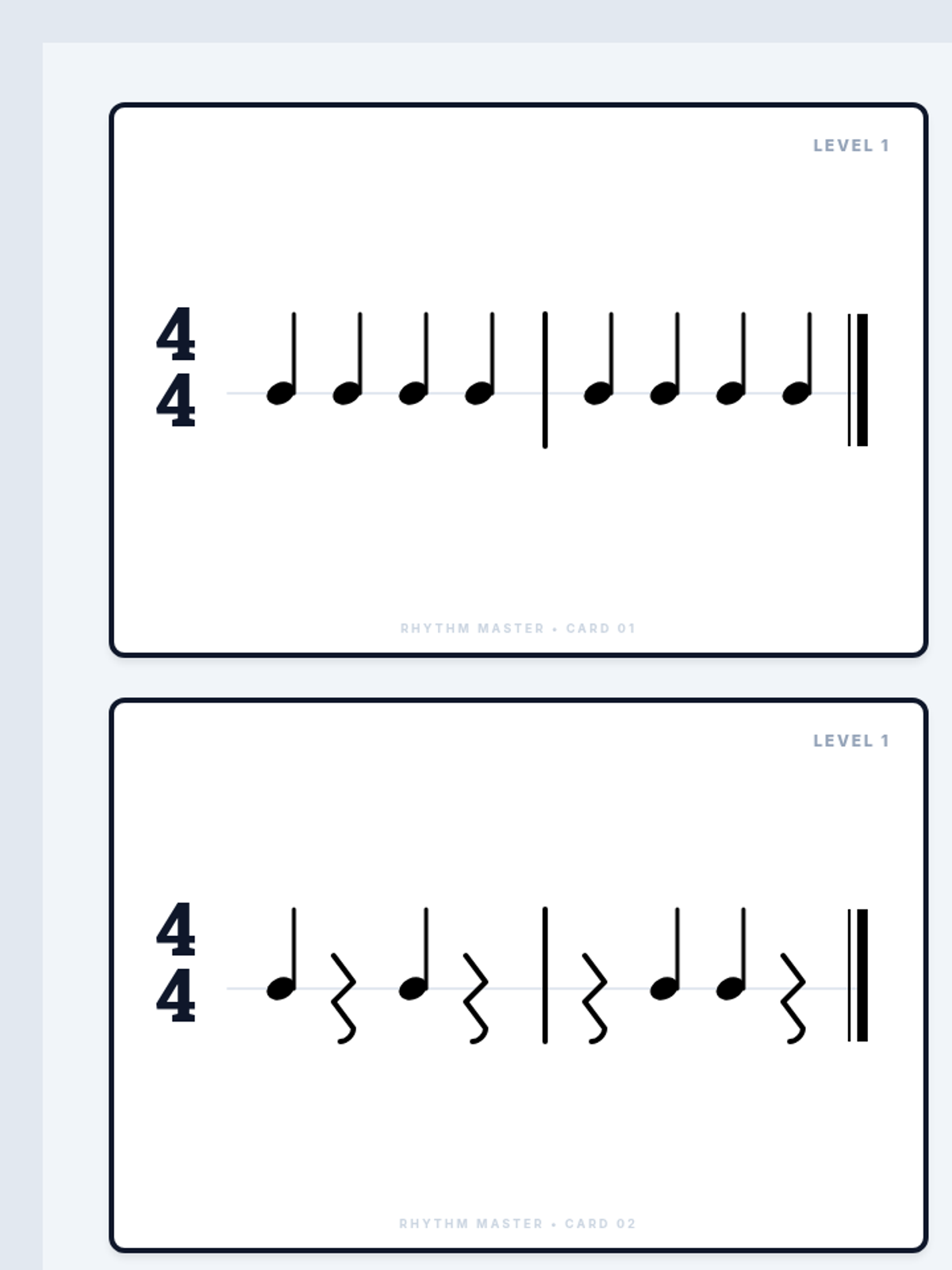
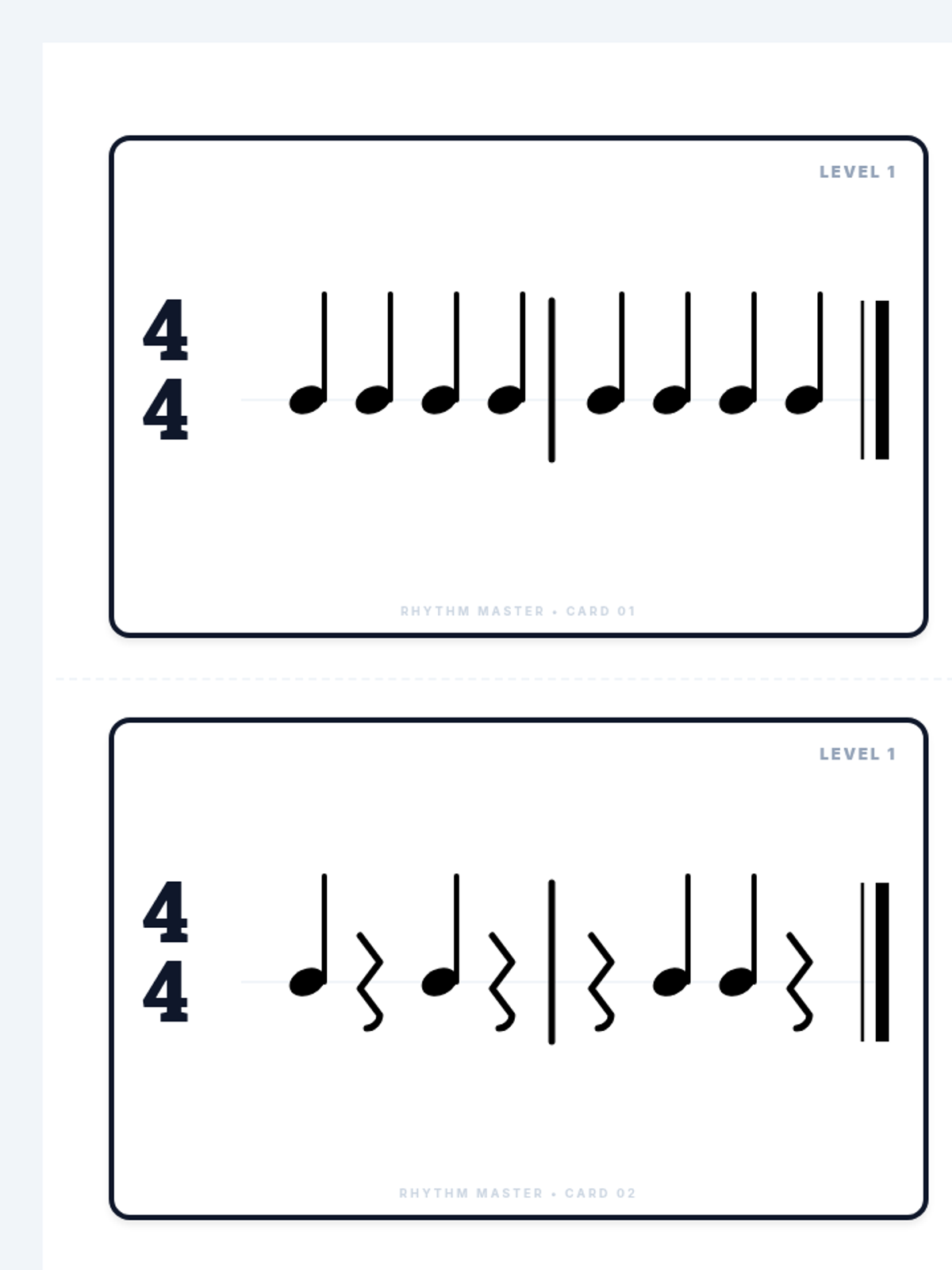
A series of rhythm reading flashcards and a teacher's guide covering basic to advanced rhythmic patterns. Activities progress from quarter notes and rests to complex sixteenth notes and triplets across multiple time signatures.
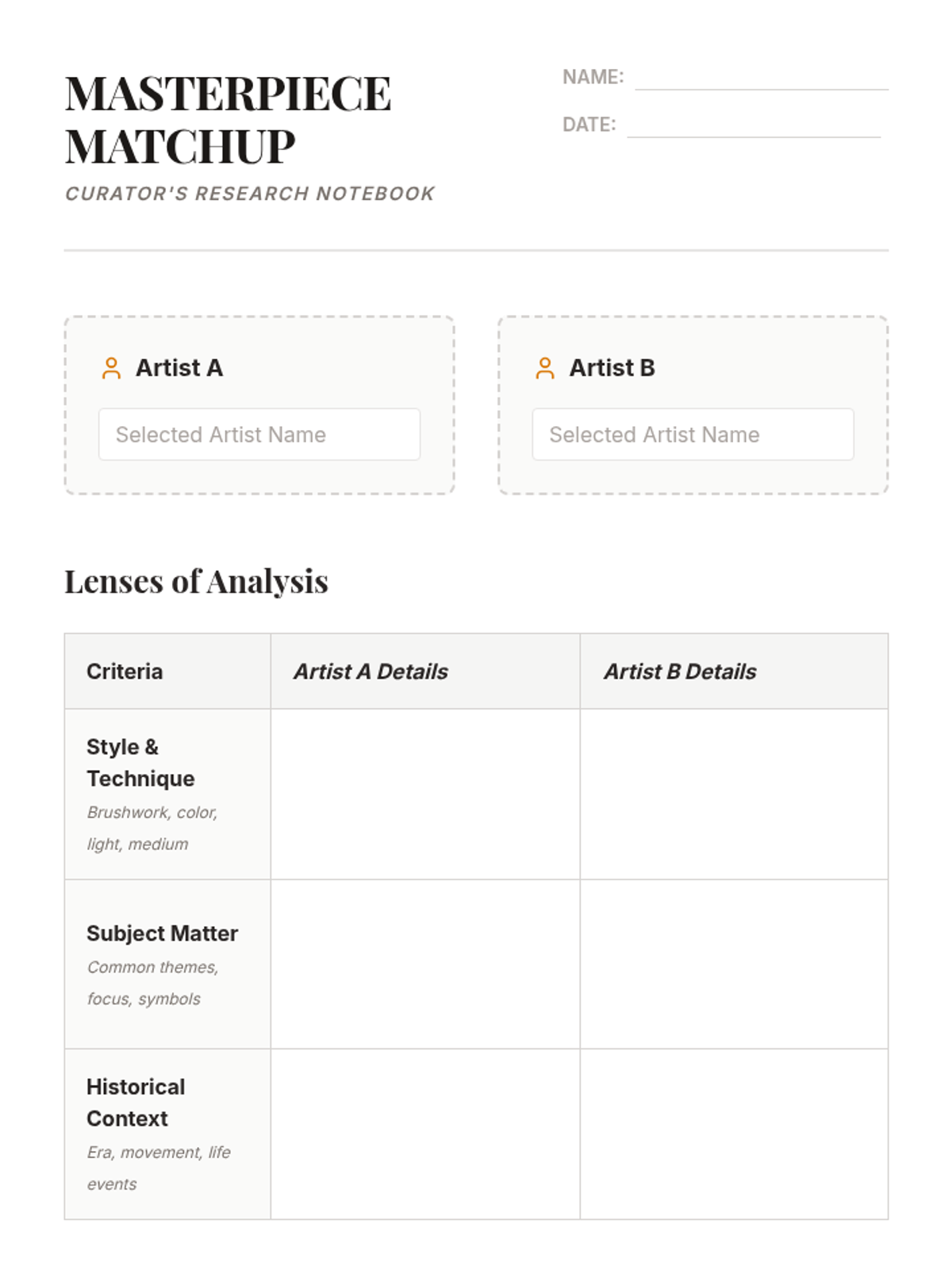
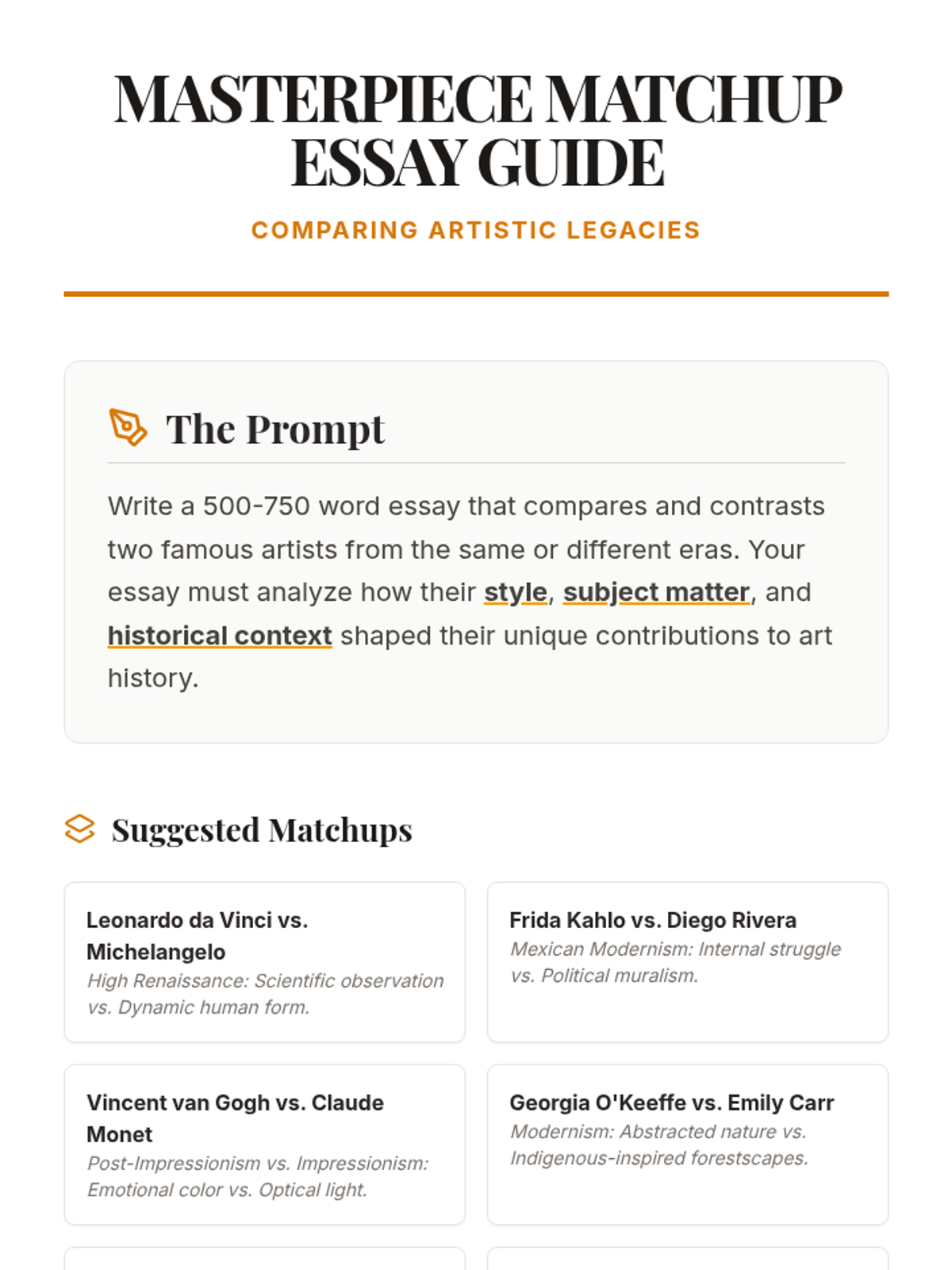
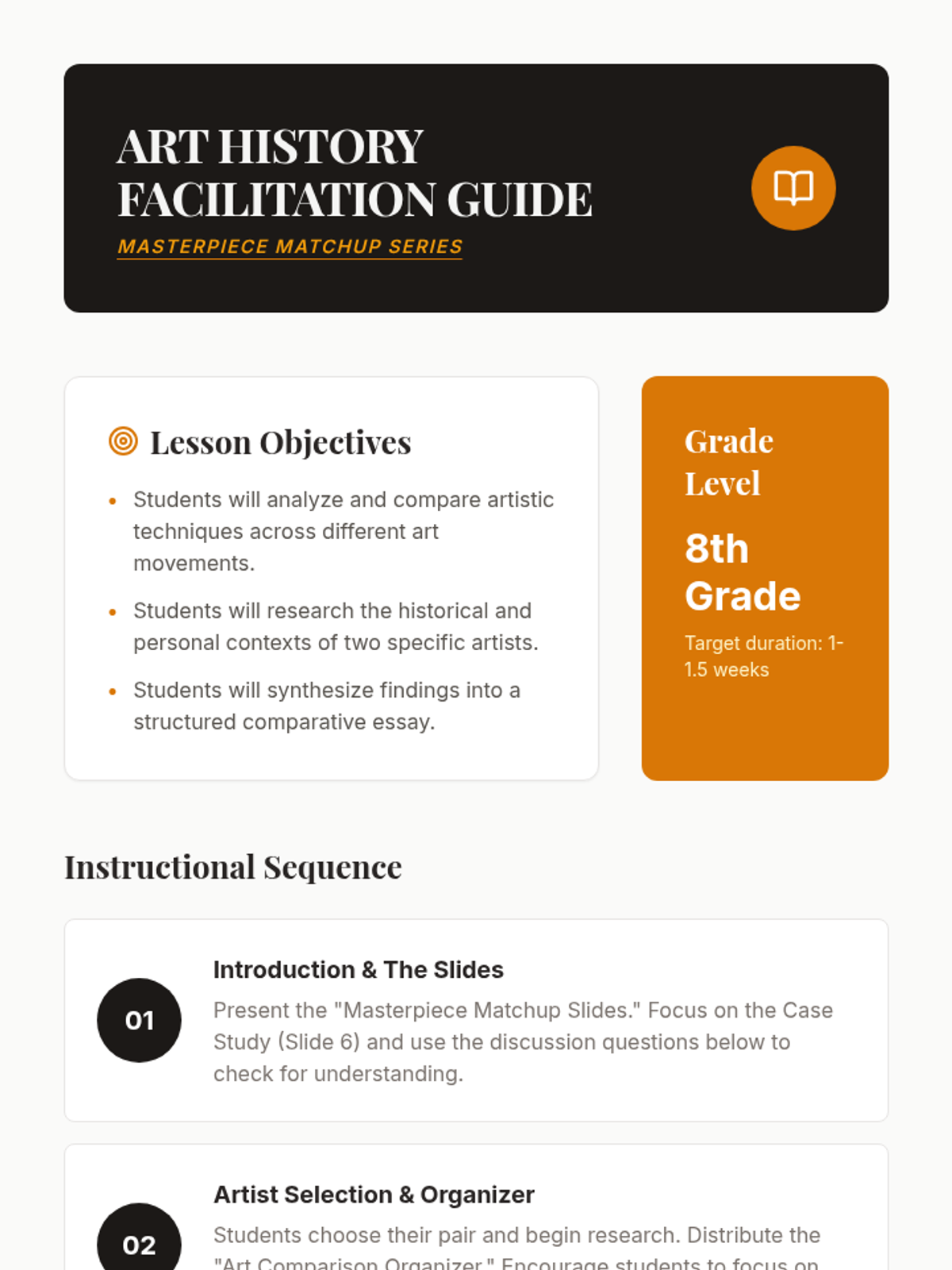
A lesson focused on teaching 8th-grade students how to analyze and compare famous artists through their techniques, subjects, and historical contexts, culminating in a comparative essay.
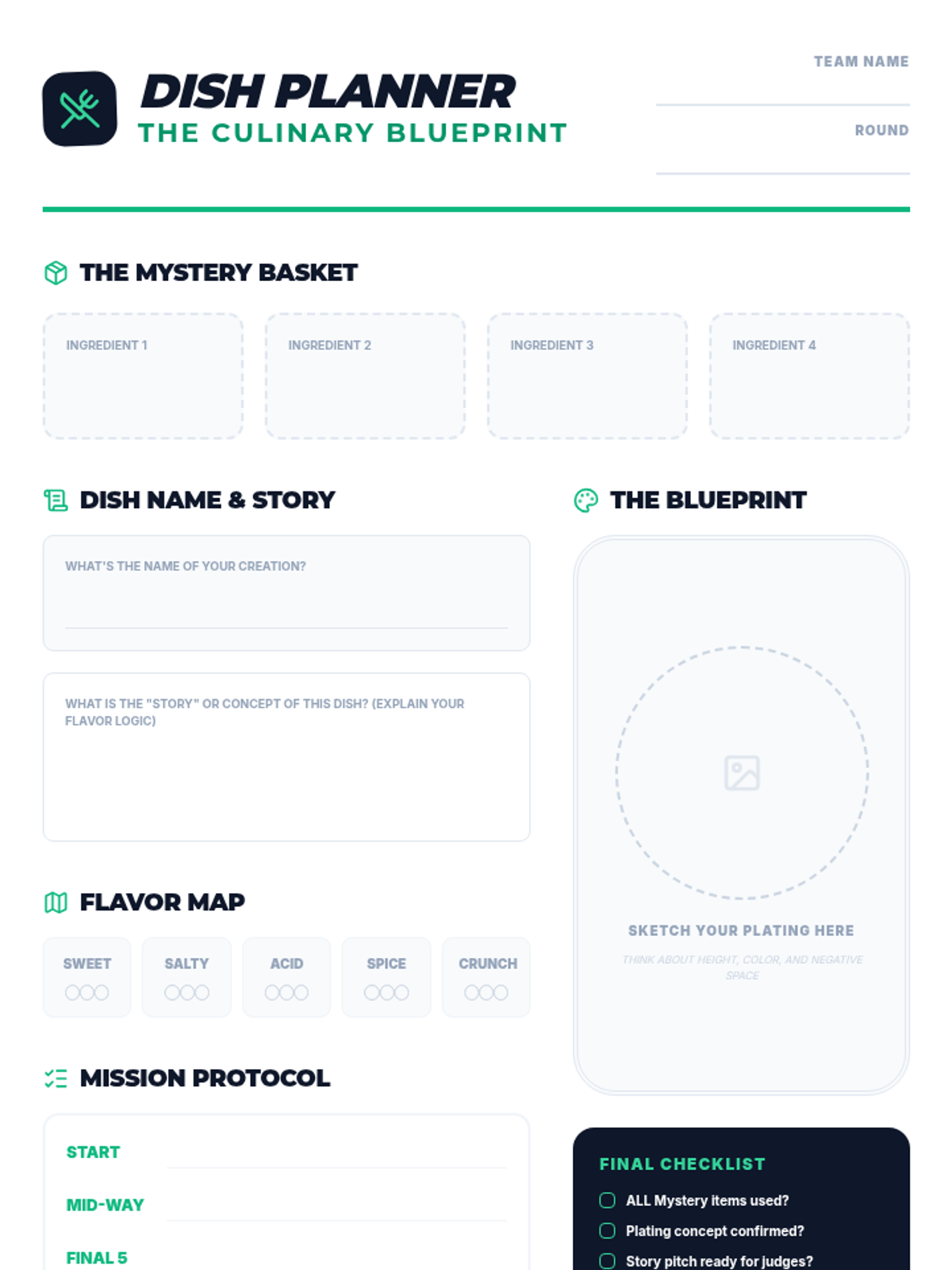
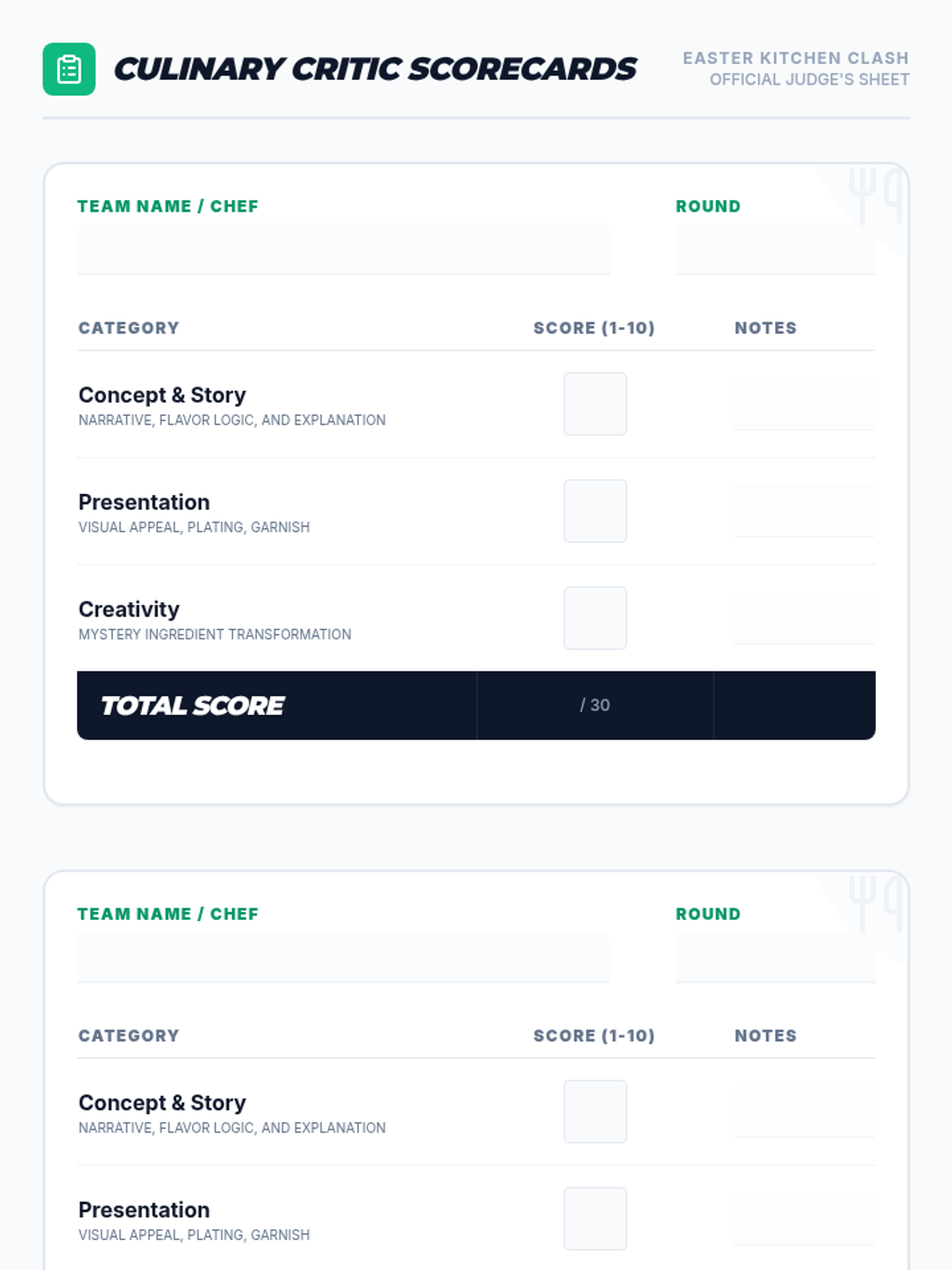
A high-energy culinary challenge where students use mystery Easter-themed ingredients to create unique dishes, focusing on creativity, flavor, and presentation.
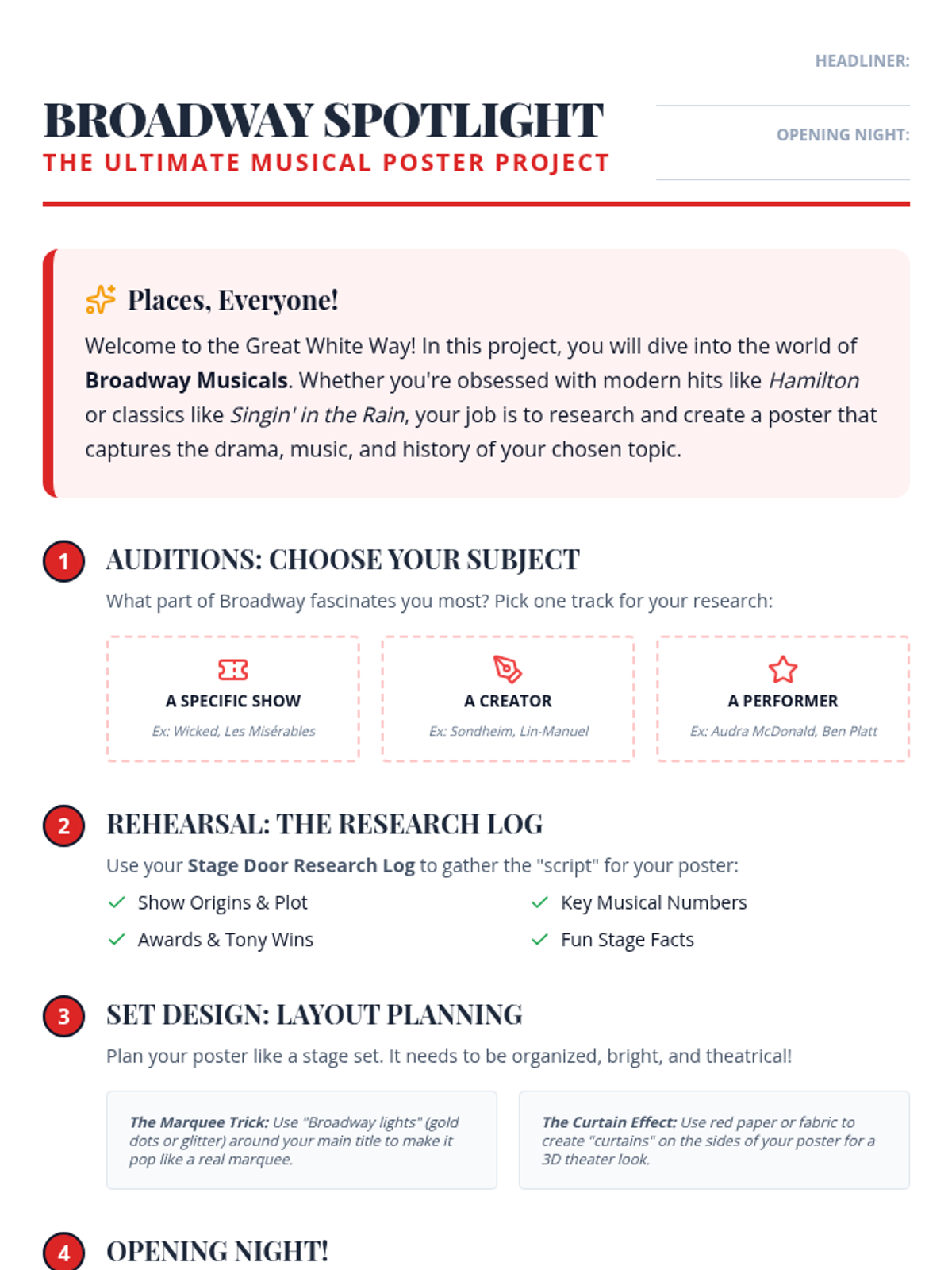
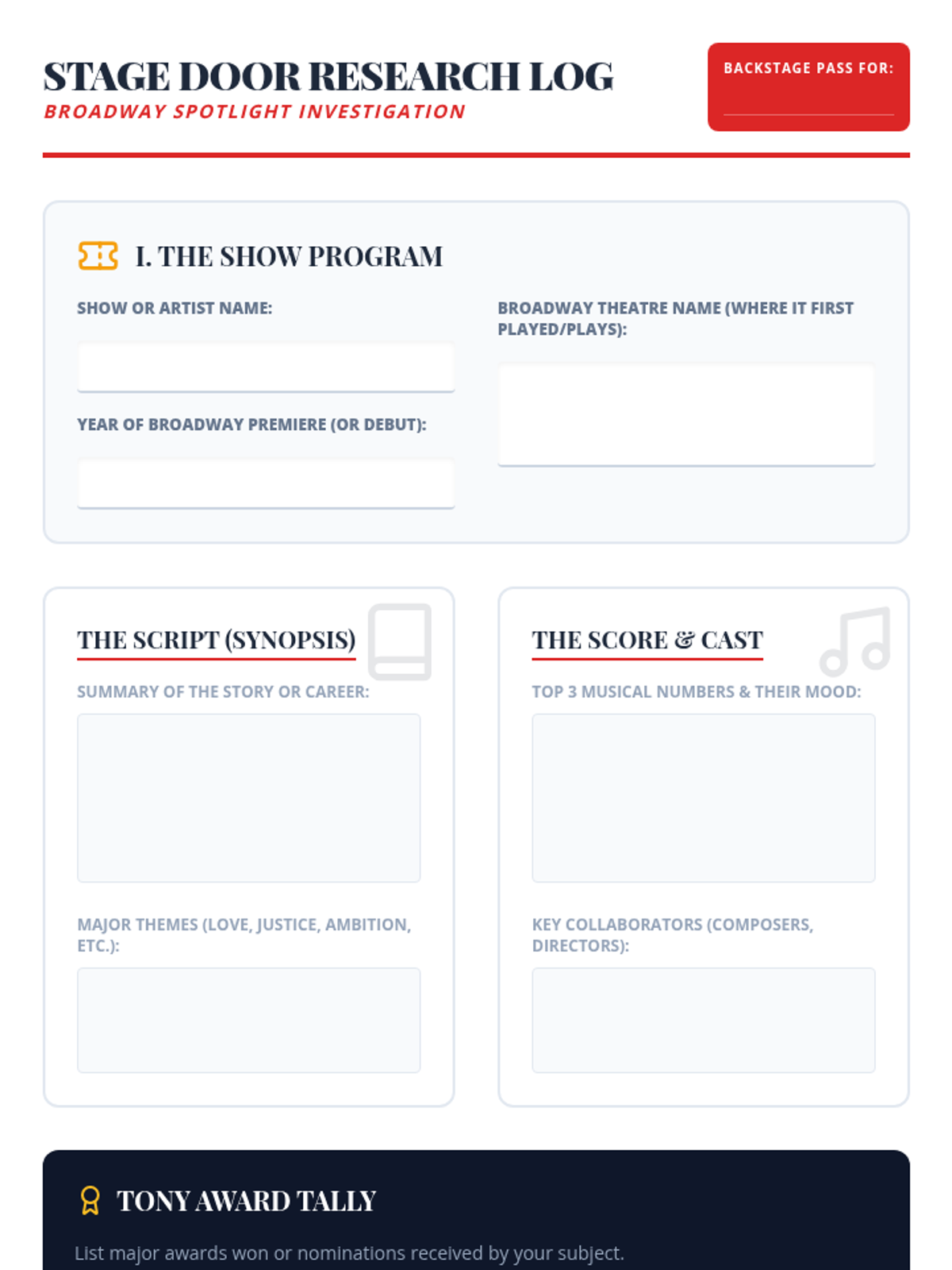
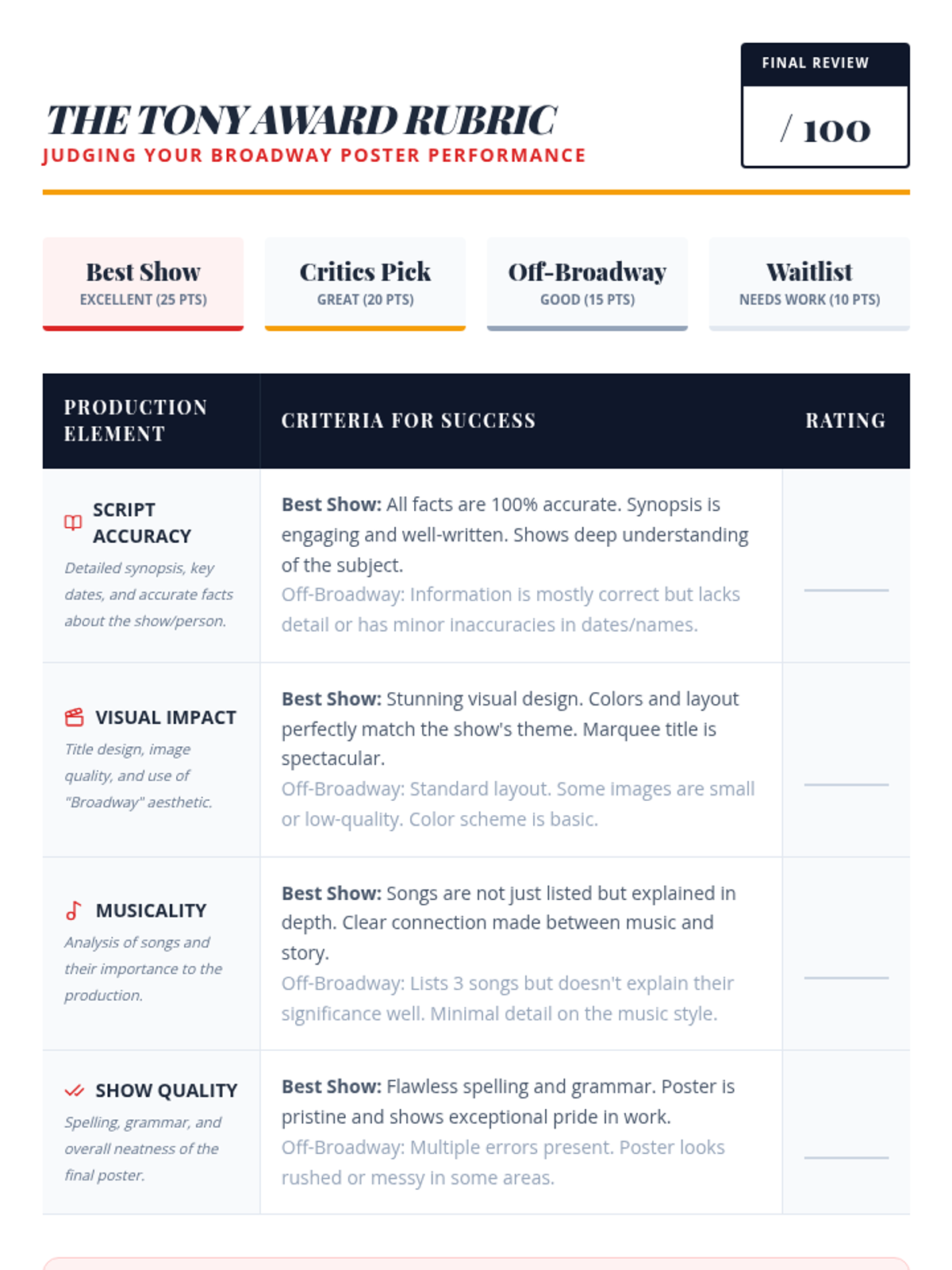
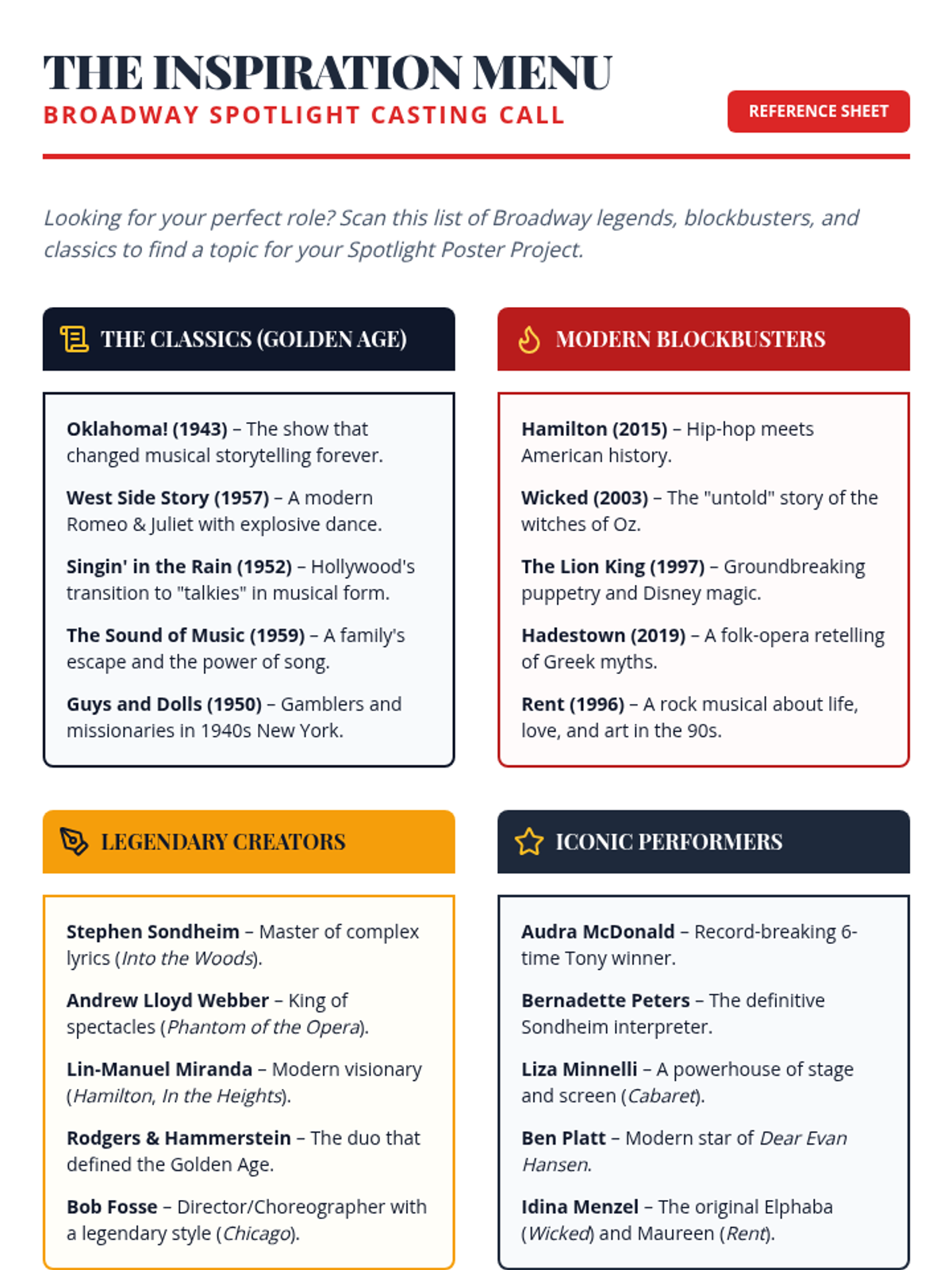
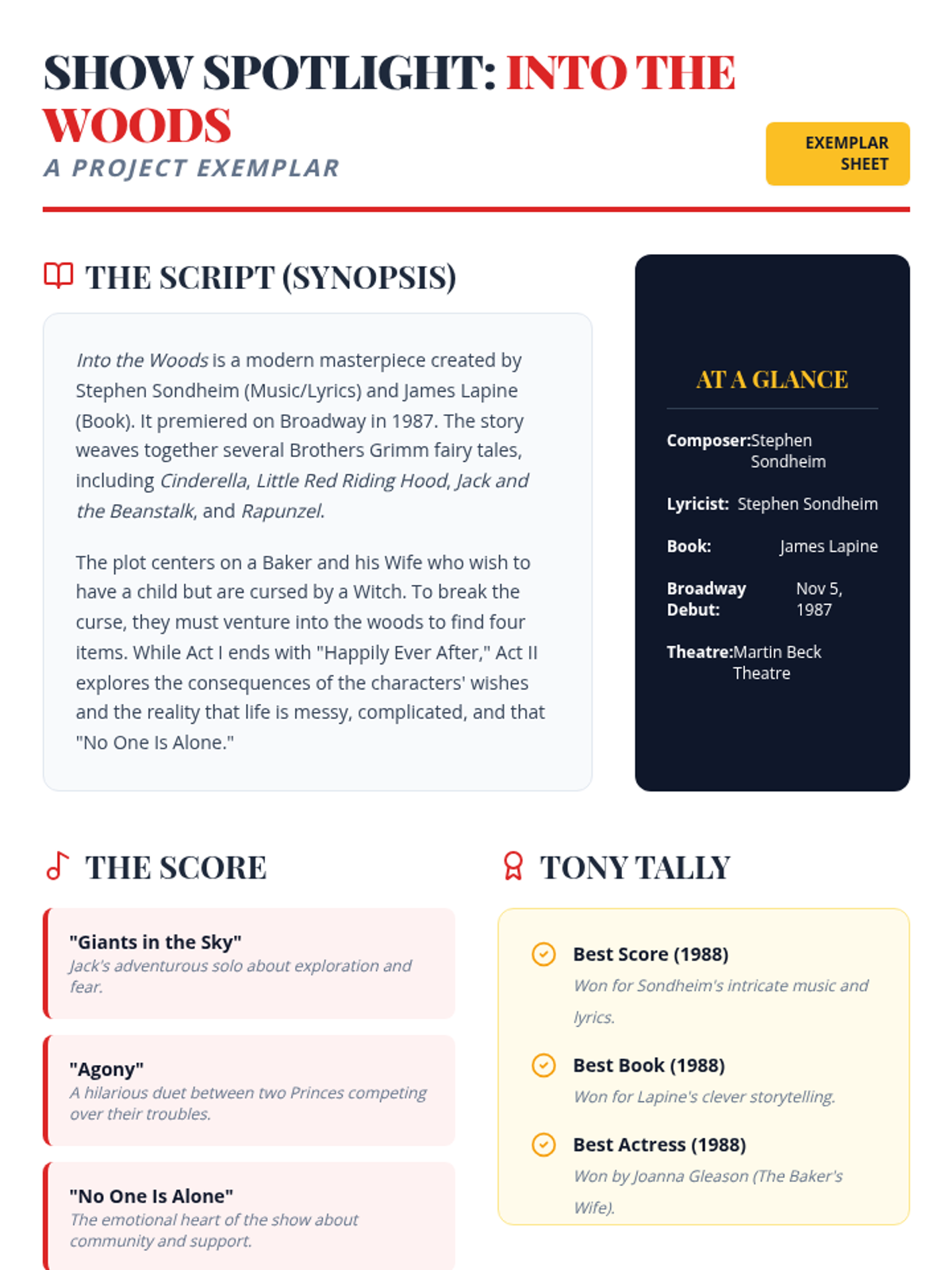
A creative project where students research and present the magic of Broadway. Students can choose a specific musical, a legendary composer, or a famous performer to showcase on an informational poster.
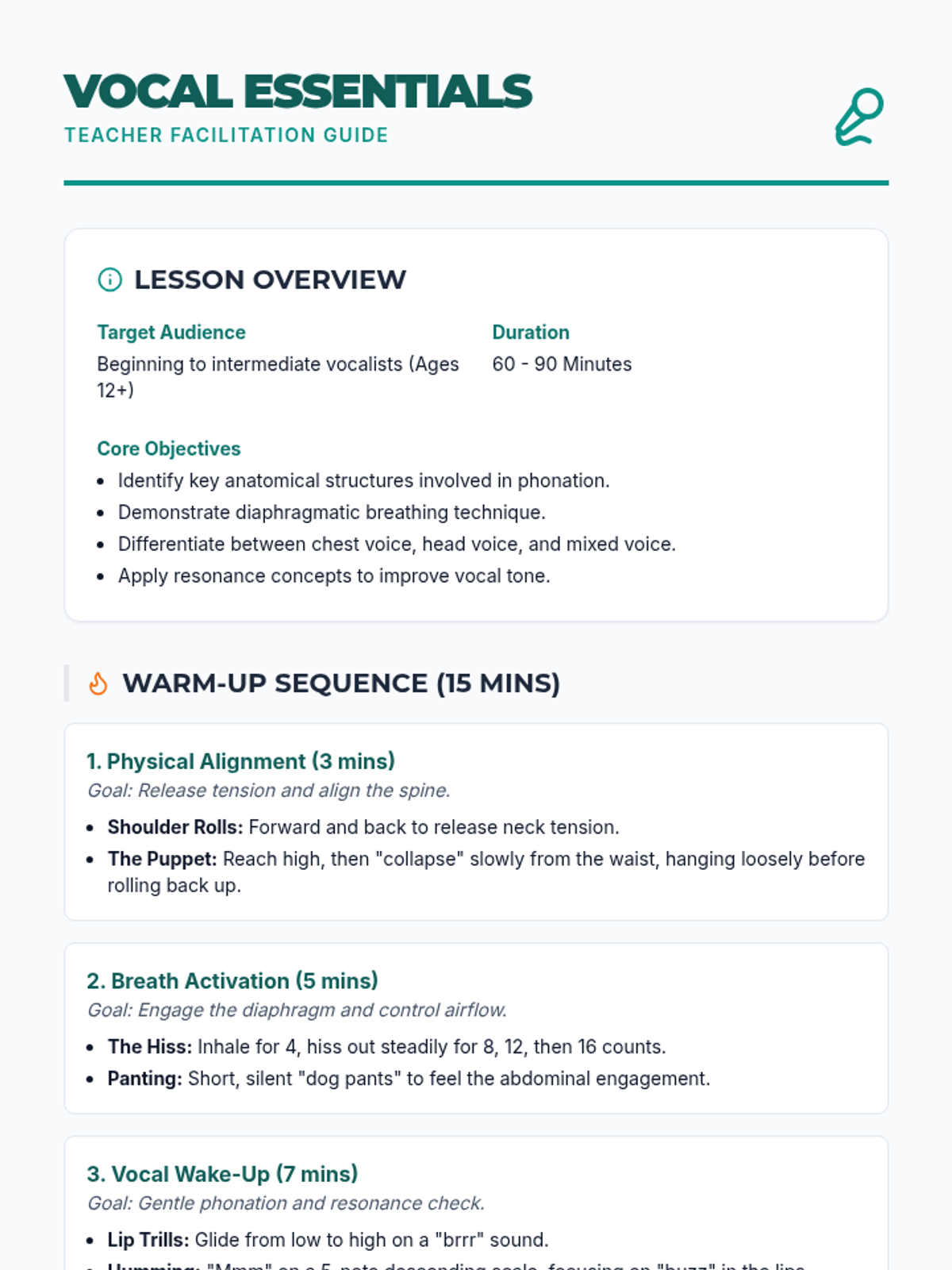
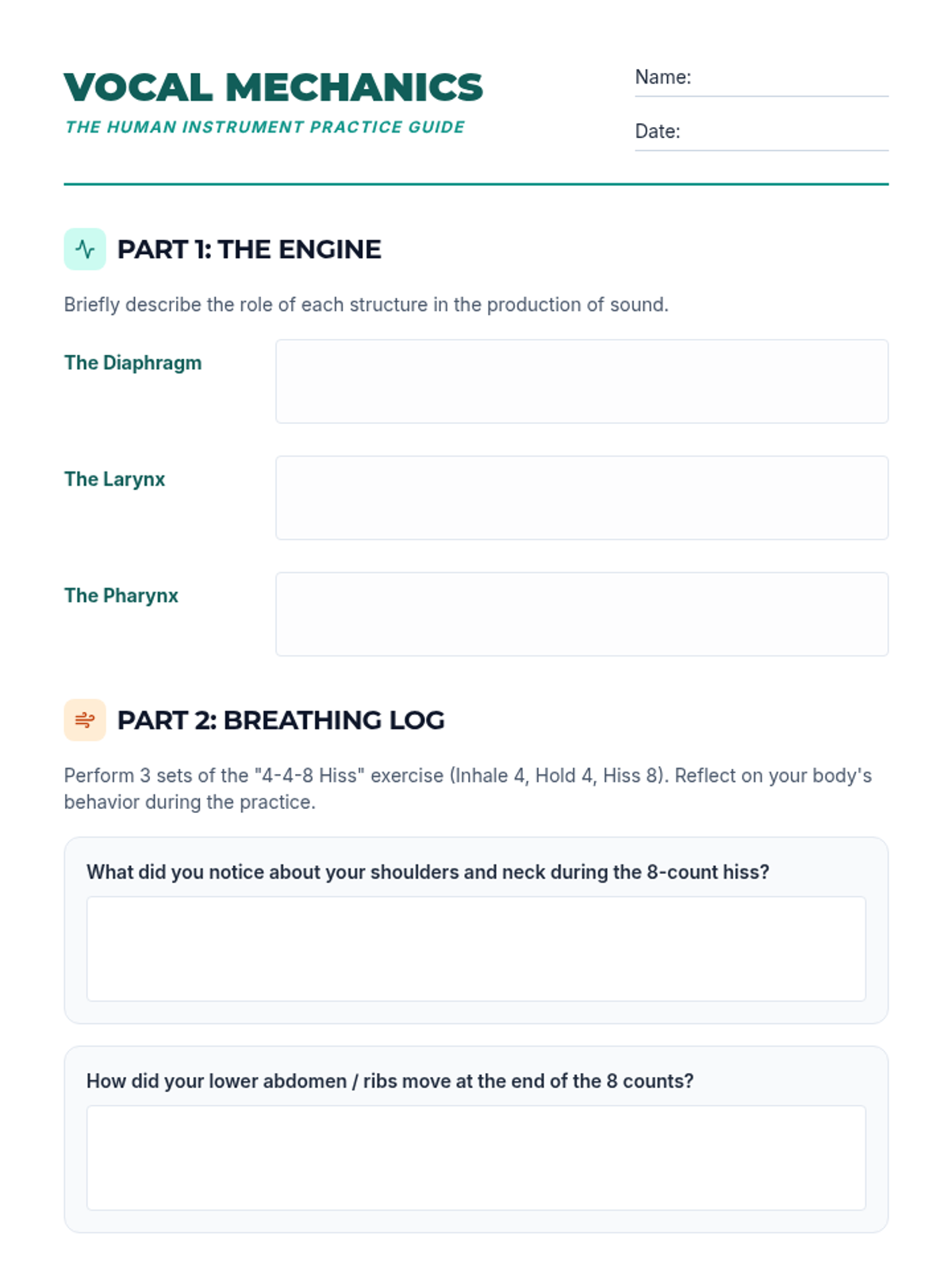
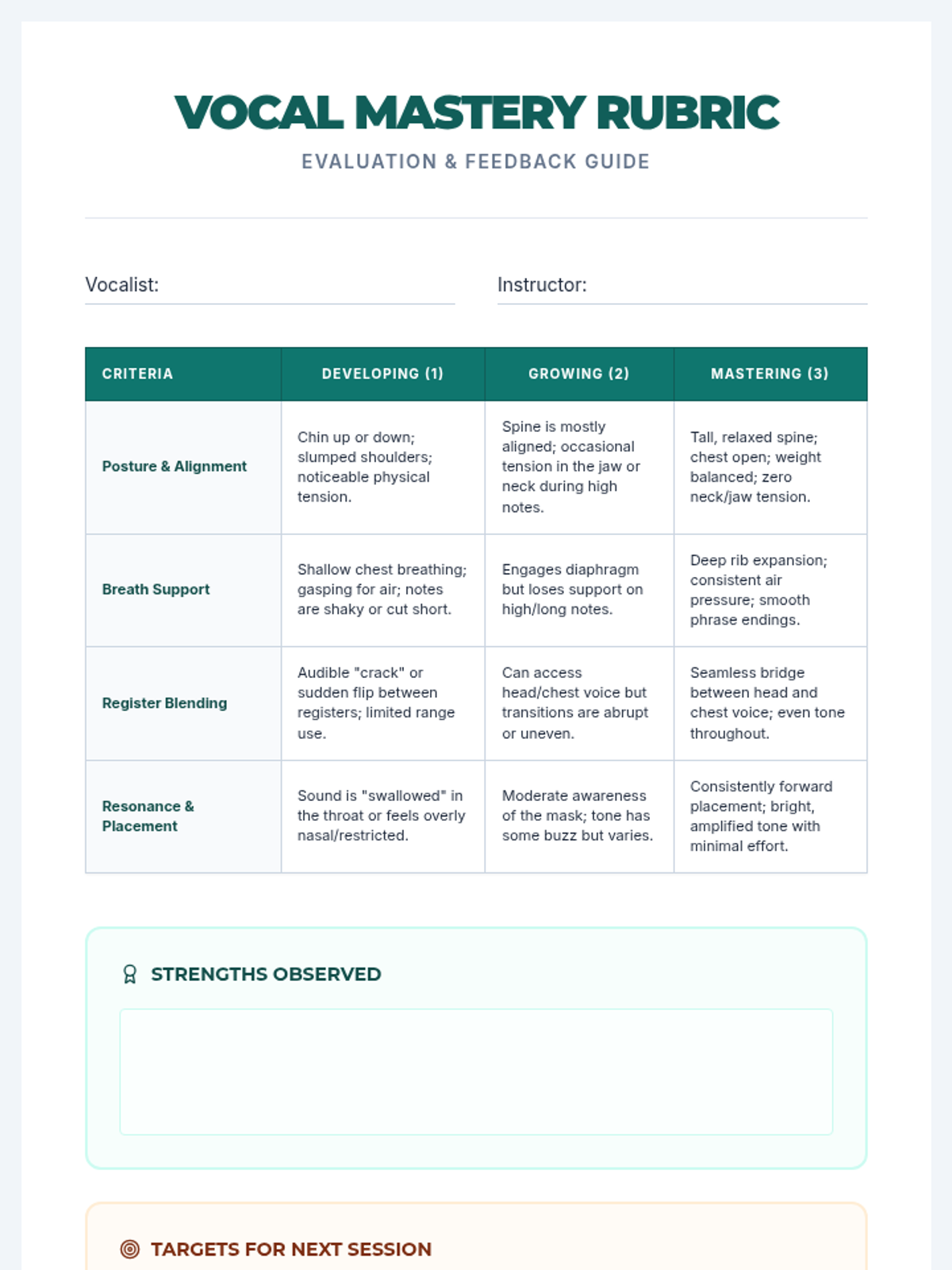
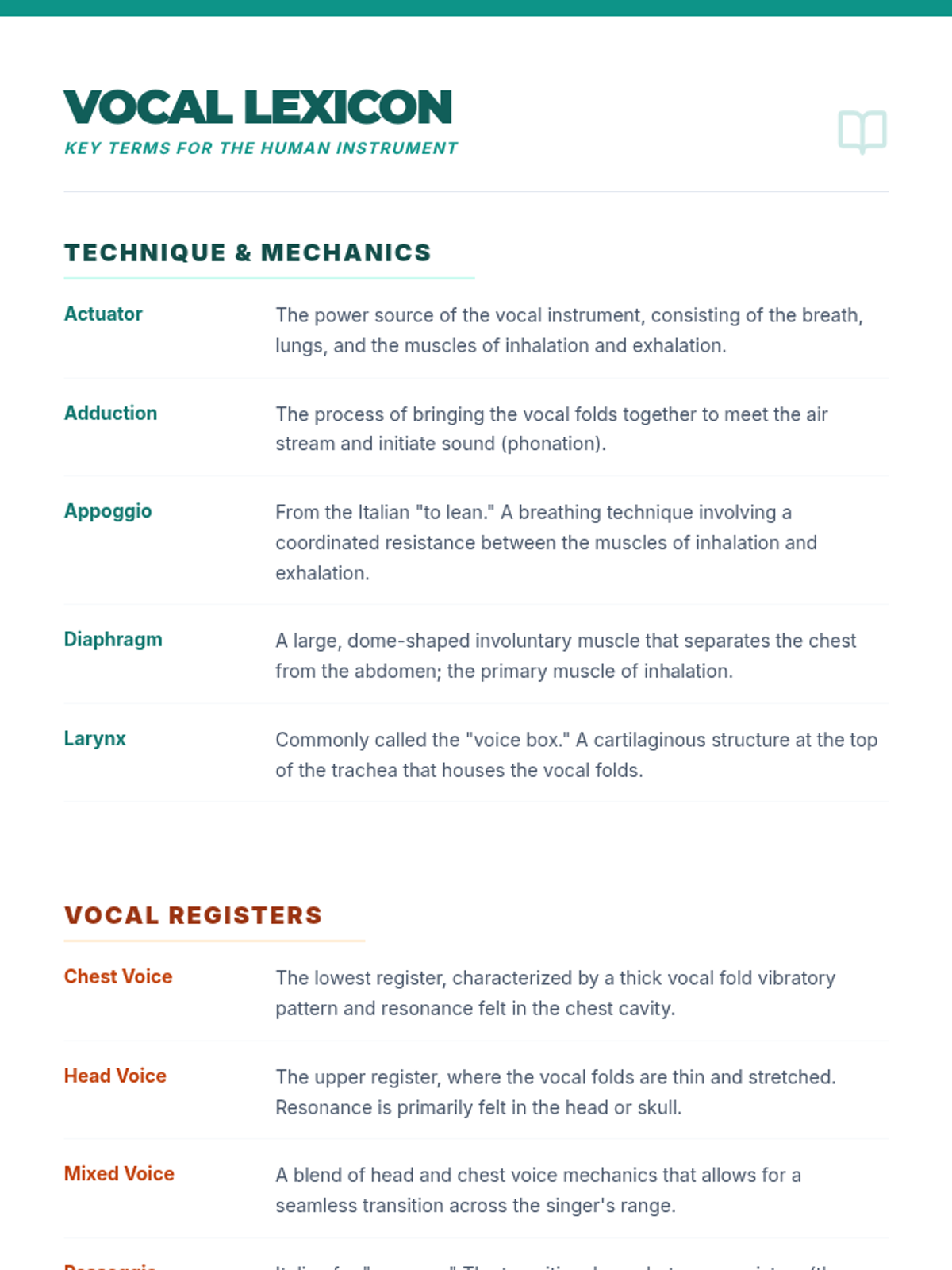
A comprehensive introduction to the physiological and technical aspects of singing, covering vocal anatomy, breath support, vocal registers, and resonance.
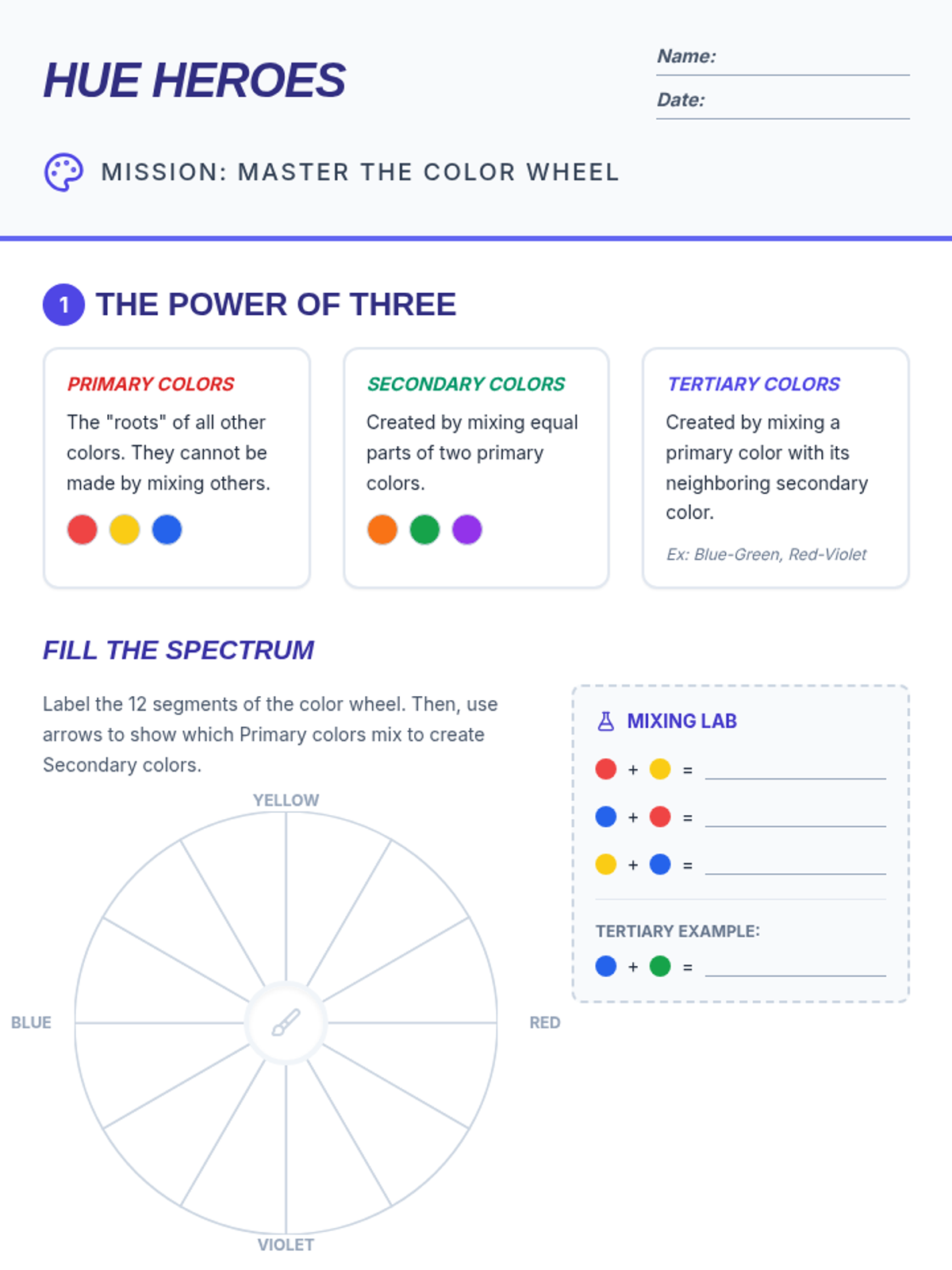
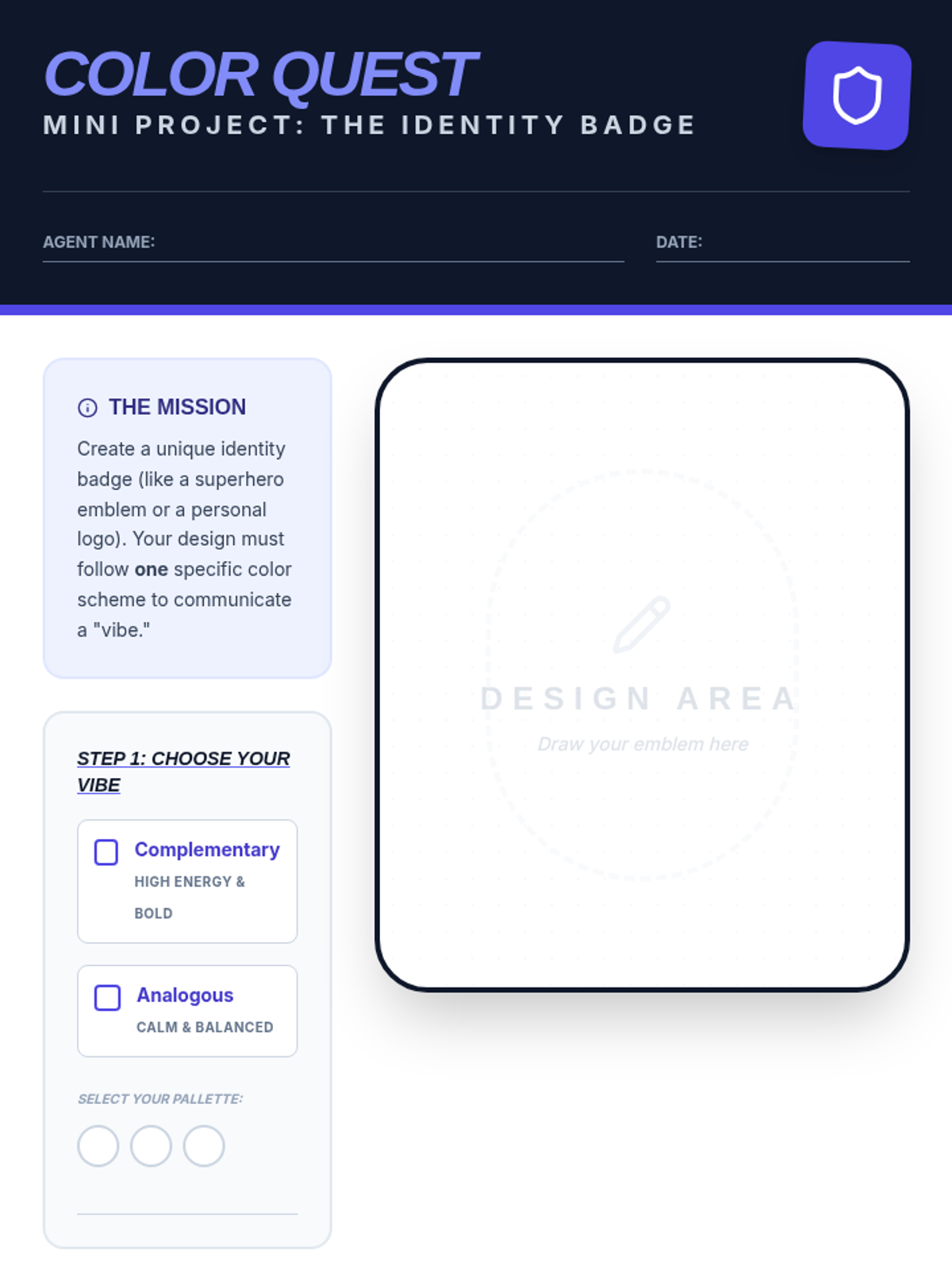
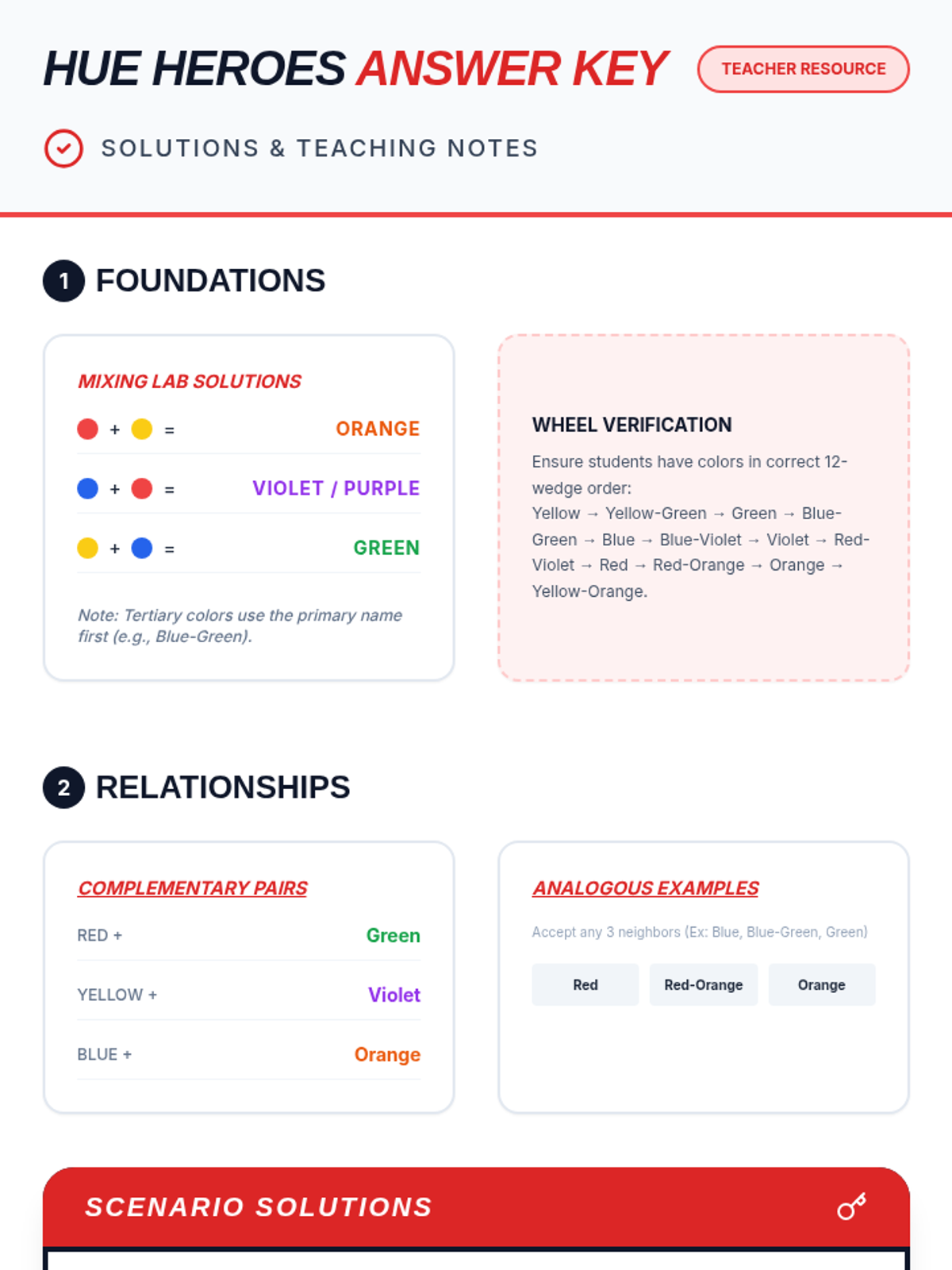
A foundational exploration of color theory for middle schoolers, covering the color wheel, color relationships, and practical application through a creative design project.
The final mission: applying all previous skills to brand-new musical scores. Students learn the "STARS" sight-reading method to analyze and play a piece perfectly on the first try.
Tackling tied notes, dotted rhythms, and basic syncopation. Students learn how to maintain a steady beat while reading complex rhythmic variations.
Learning to read music by the distance between notes (steps vs. leaps) rather than just note names. This lesson builds speed and accuracy for fluent reading.
Navigating the score with repeats, 1st and 2nd endings, and navigation markings like D.C. al Fine and D.S. al Coda. Students build a "roadmap" of the music before playing.
Focusing on the symbols that change the "how" of playing, including dynamics (p, f, mf) and articulations (staccato, accent, tenuto). Students learn to read the character of the music, not just the notes.
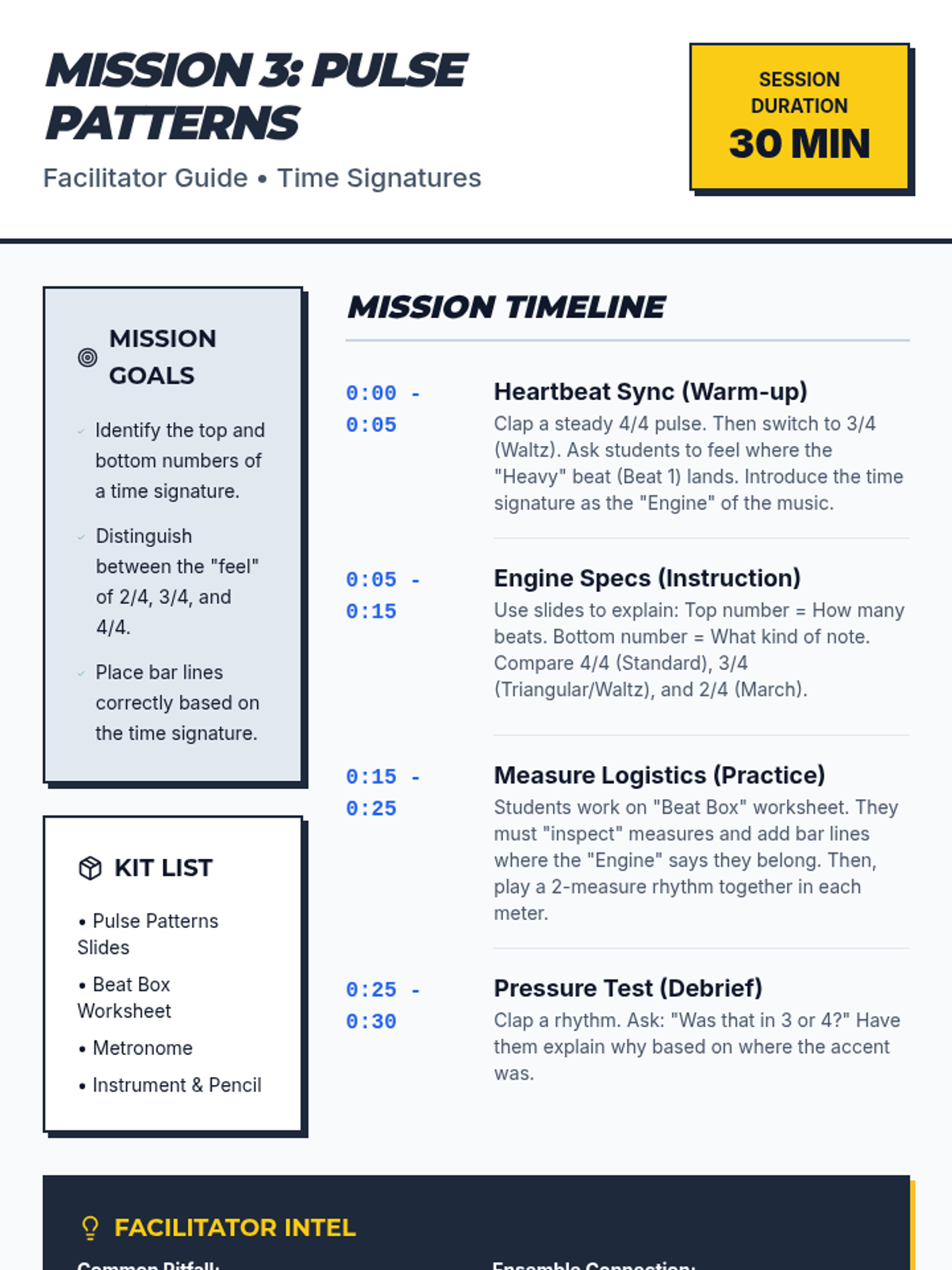
Exploring the difference between 4/4, 3/4, and 2/4 time signatures. Students will practice feeling the strong beats and identifying how measures are divided in different meters.
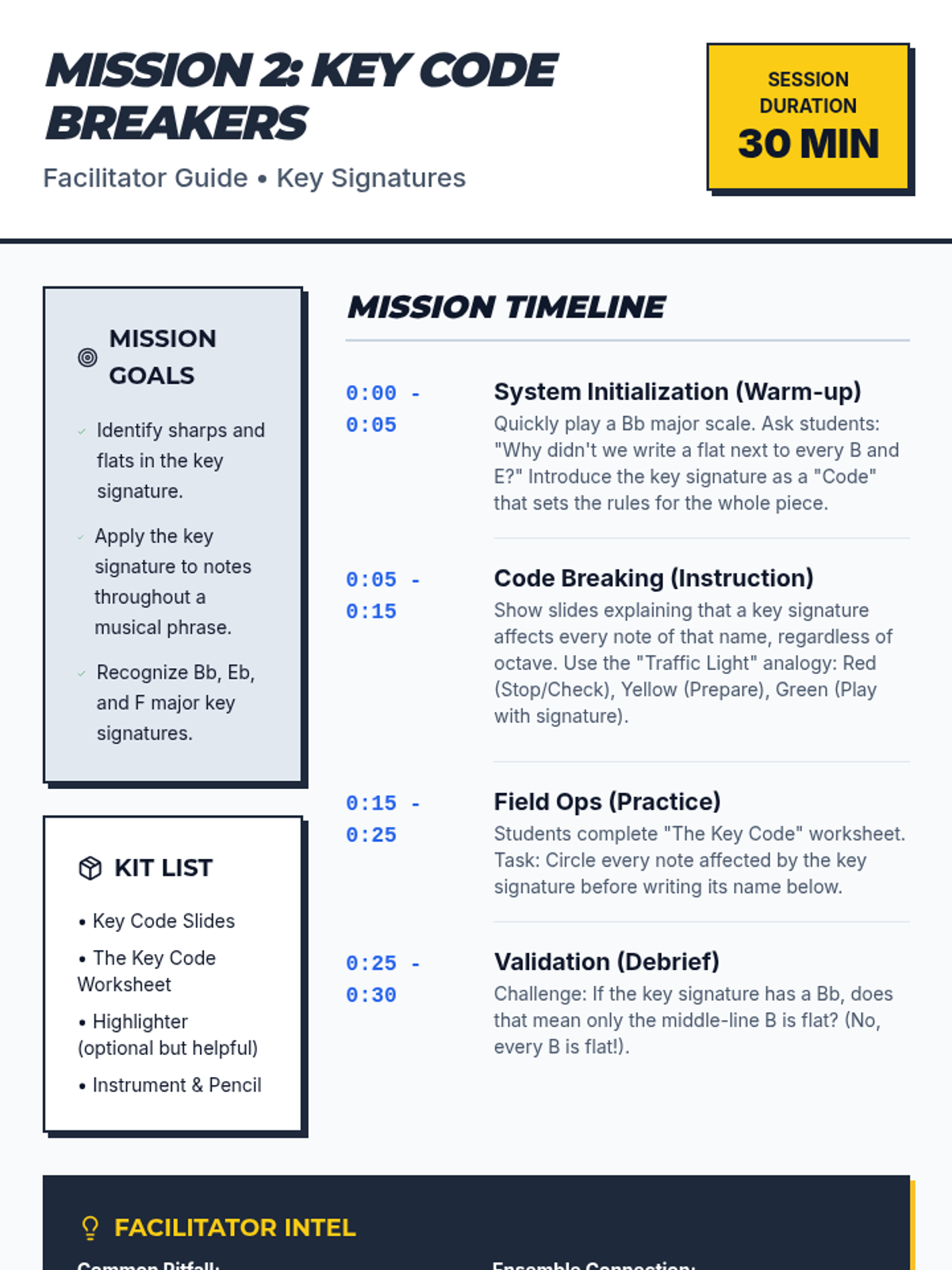
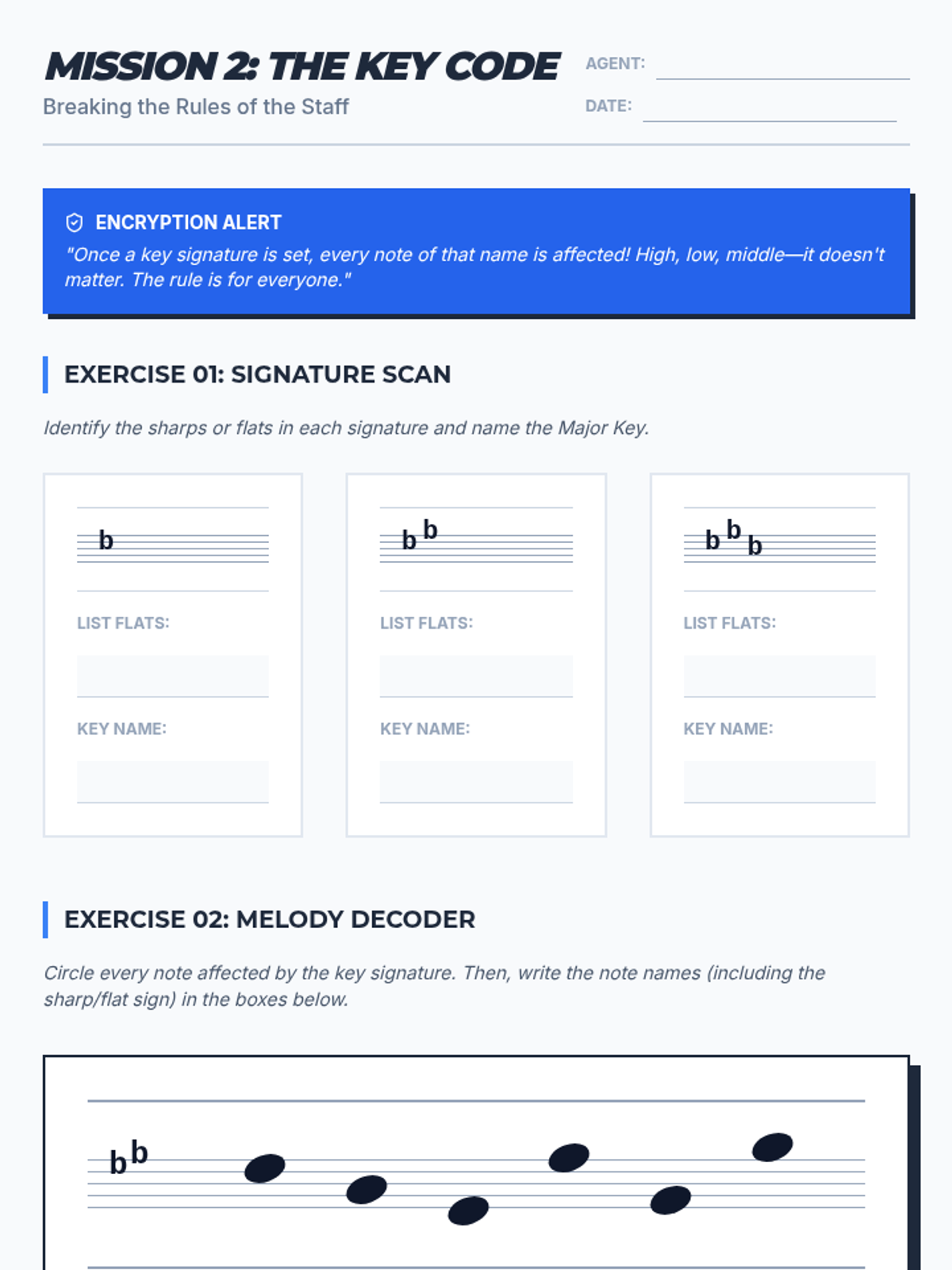
Mastering the "code" of sharps and flats at the beginning of the staff. Students learn to apply key signatures to every note in a phrase and recognize common band keys like Bb and Eb.
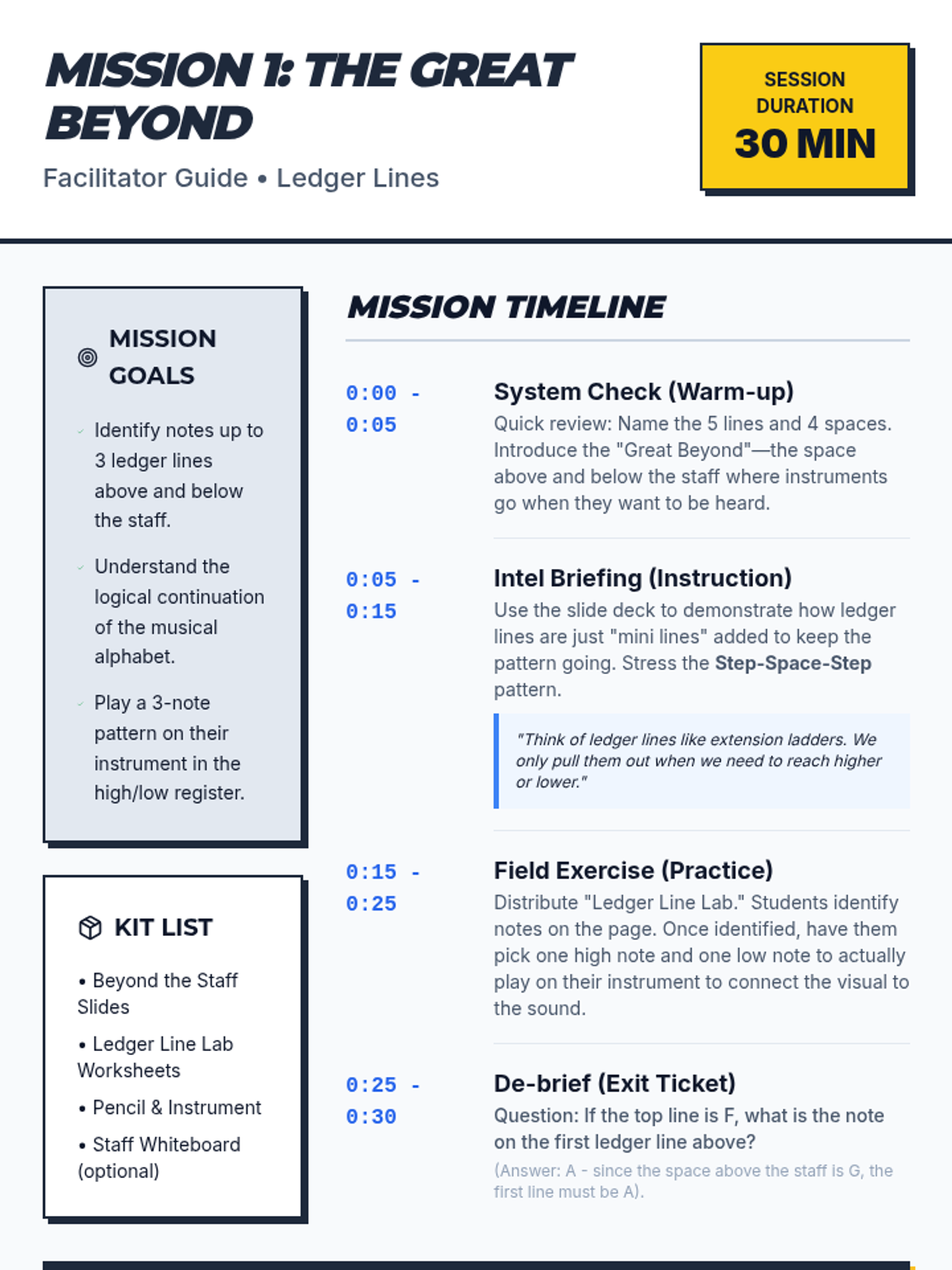
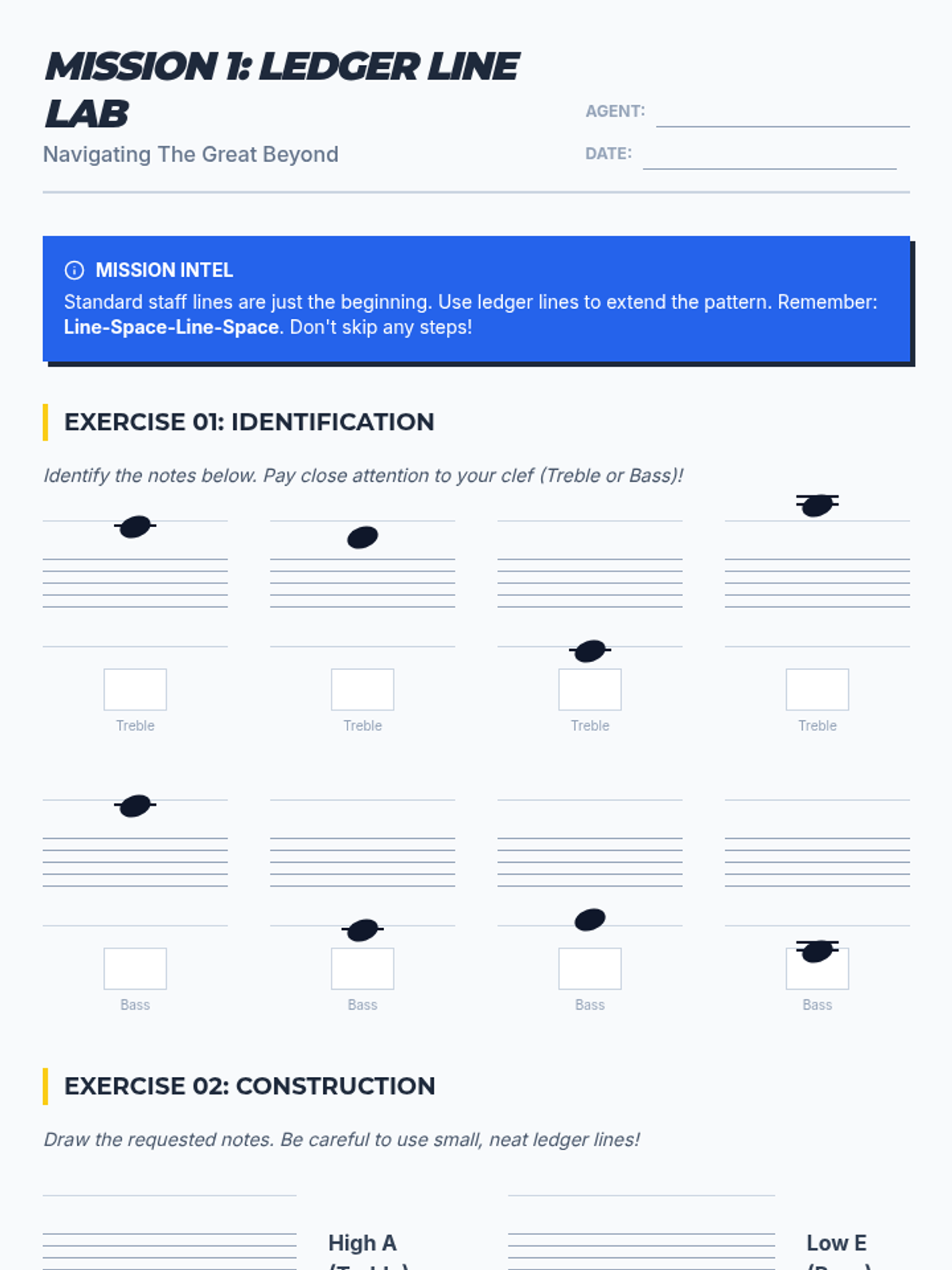
Students will learn to identify and play notes that extend above and below the standard five-line staff using ledger lines. The session focuses on the logical extension of the musical alphabet into "The Great Beyond."
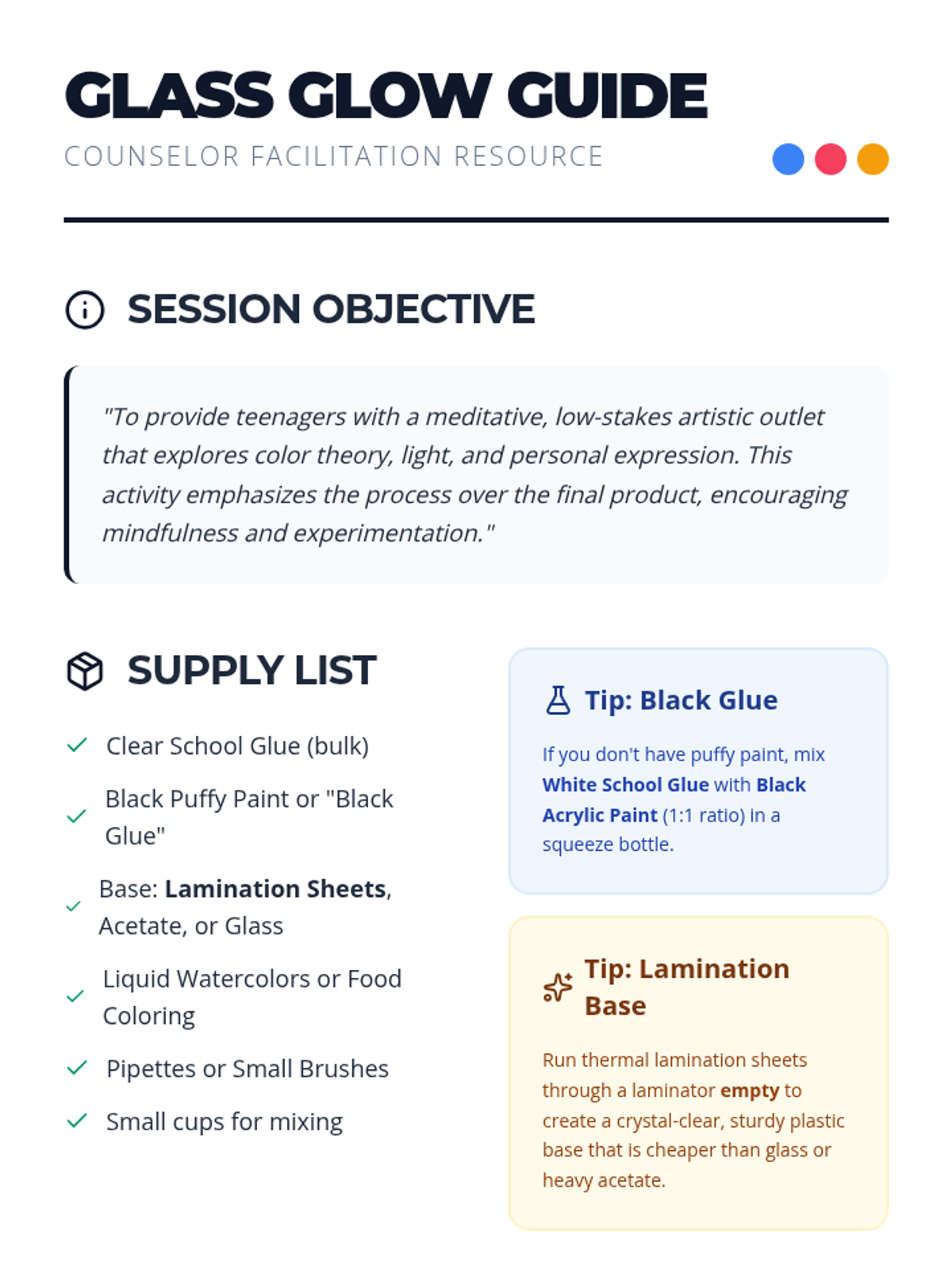
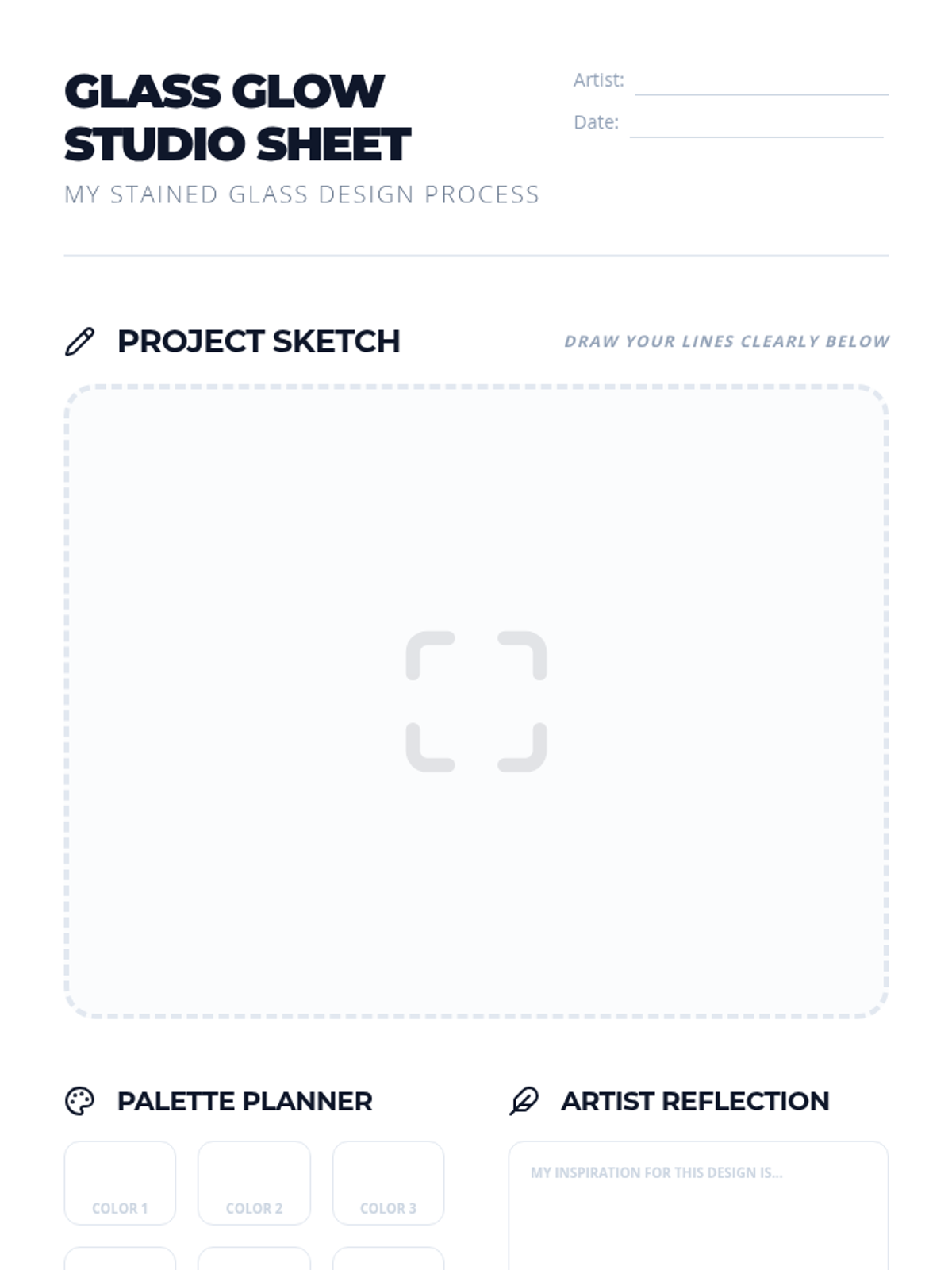
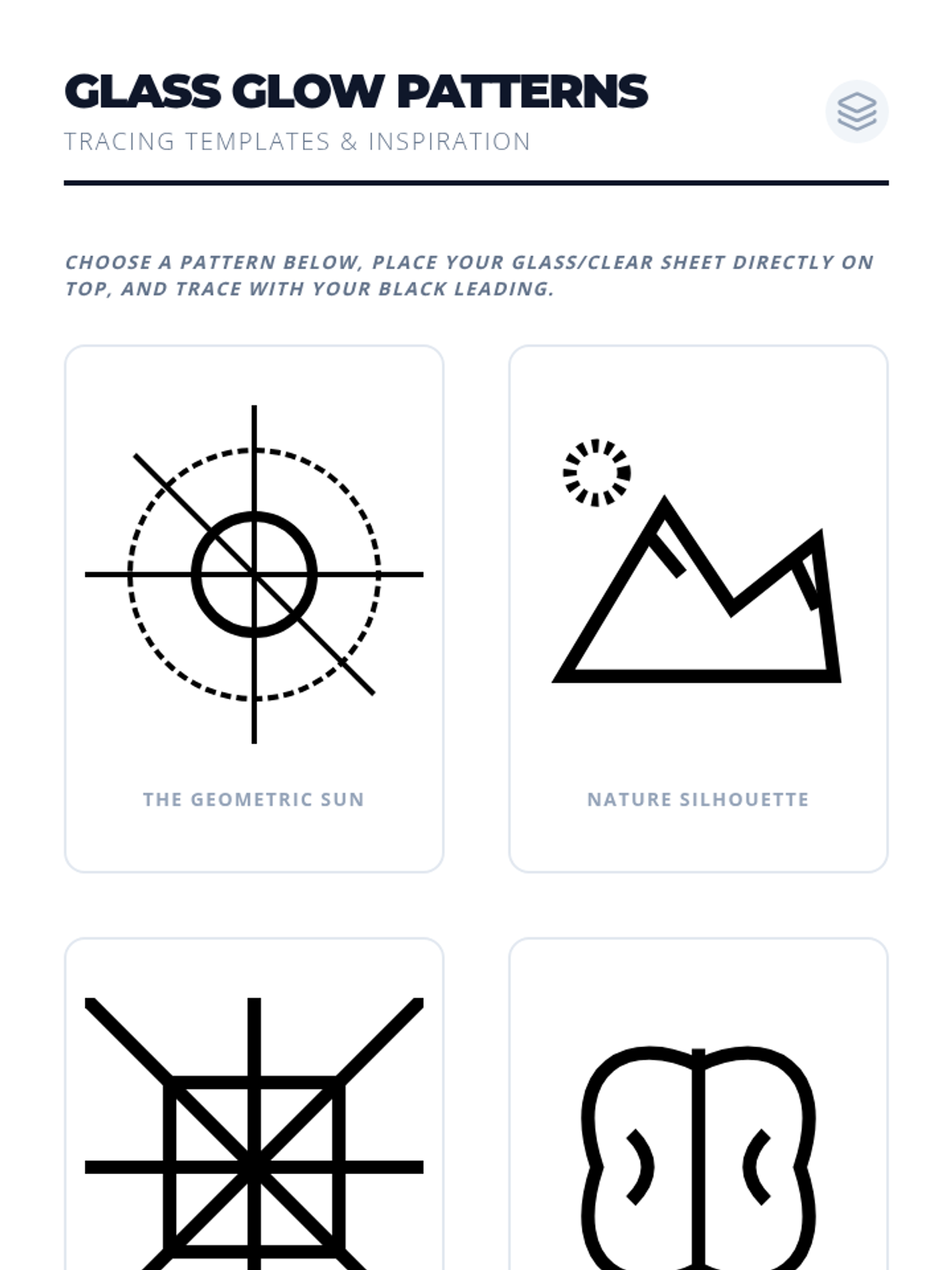
A counselor-led artistic expression session where teenagers create faux stained glass using simple materials. The activity focuses on mindfulness, color theory, and personal expression through light and color.
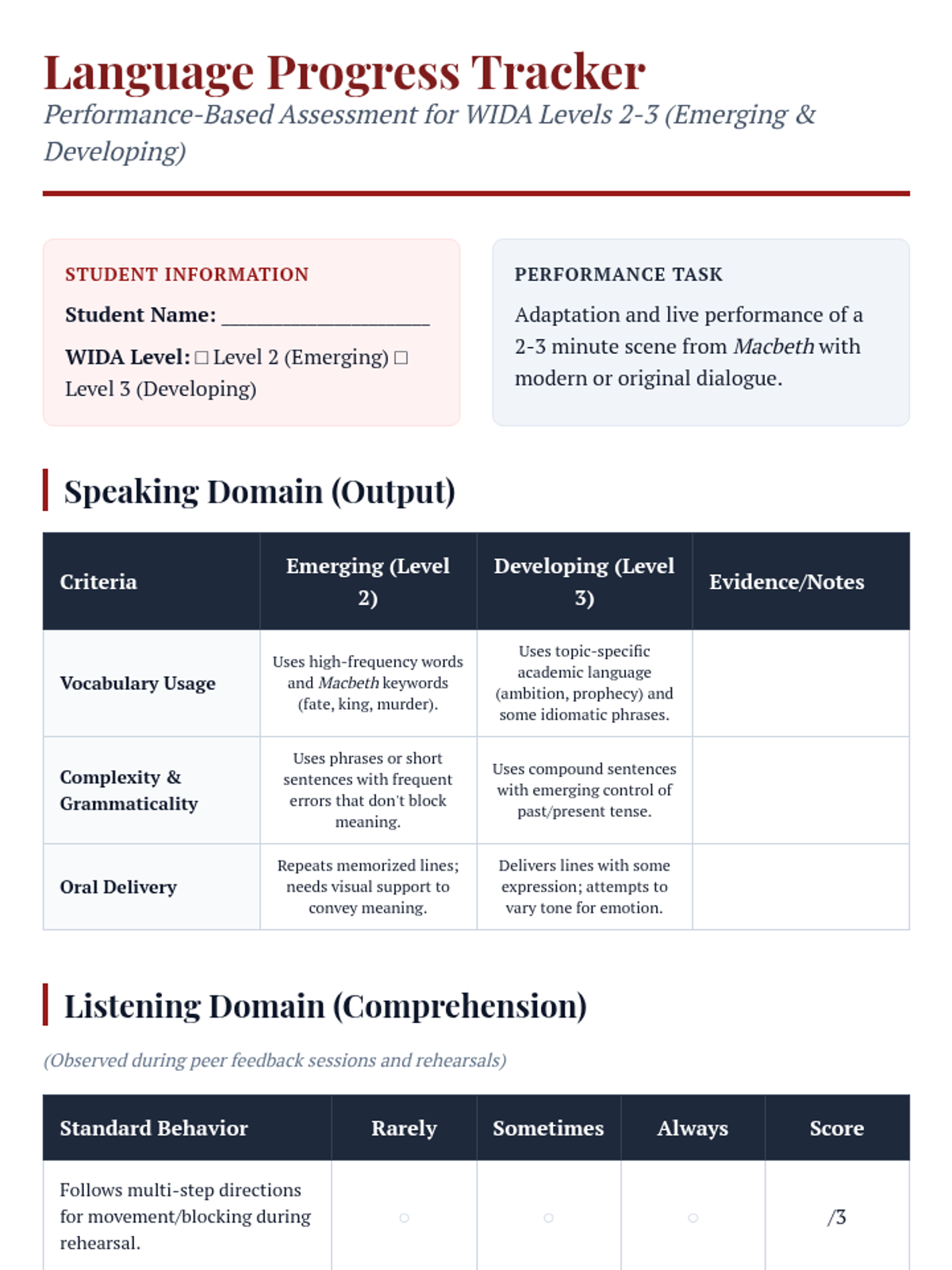
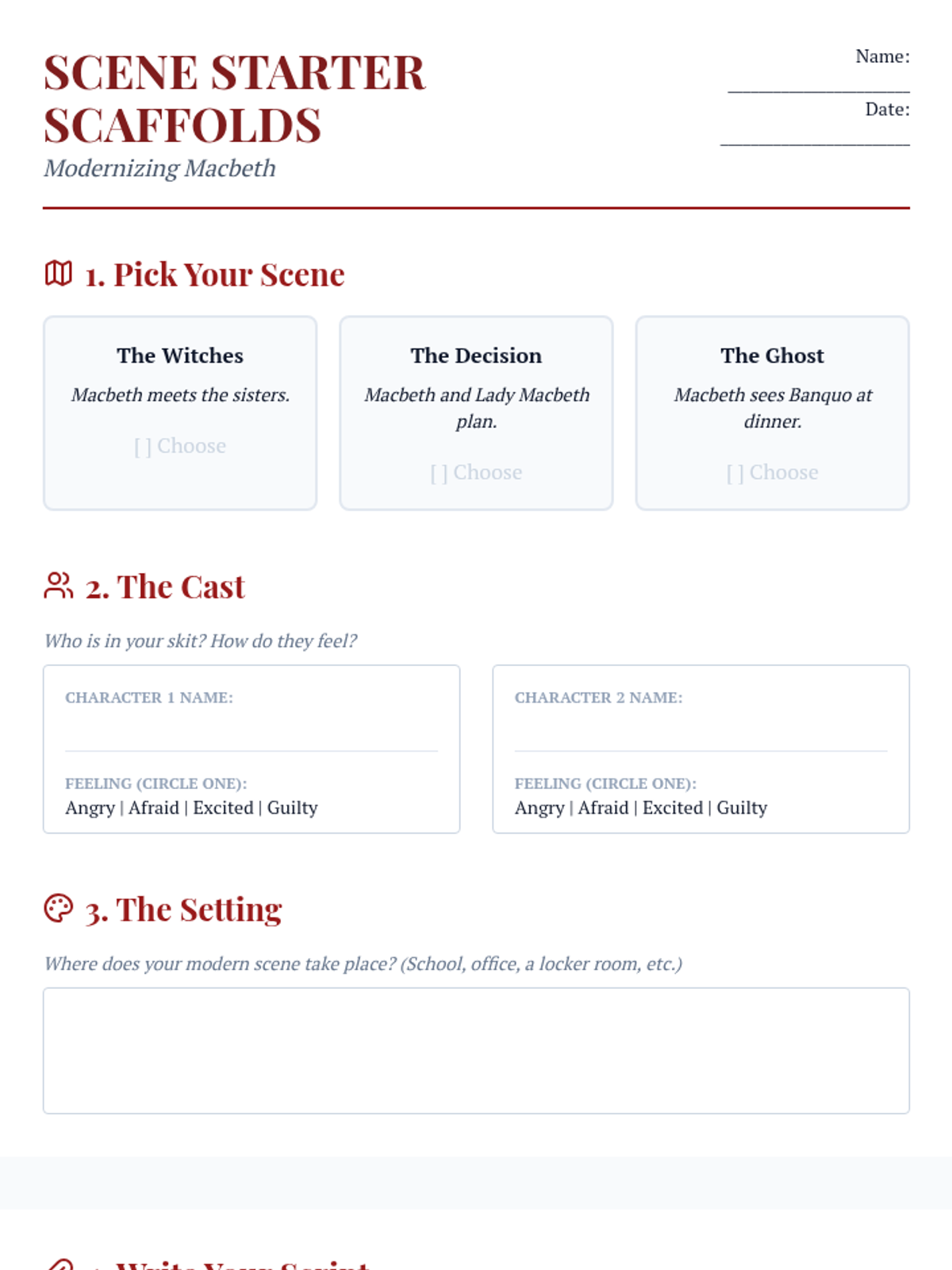
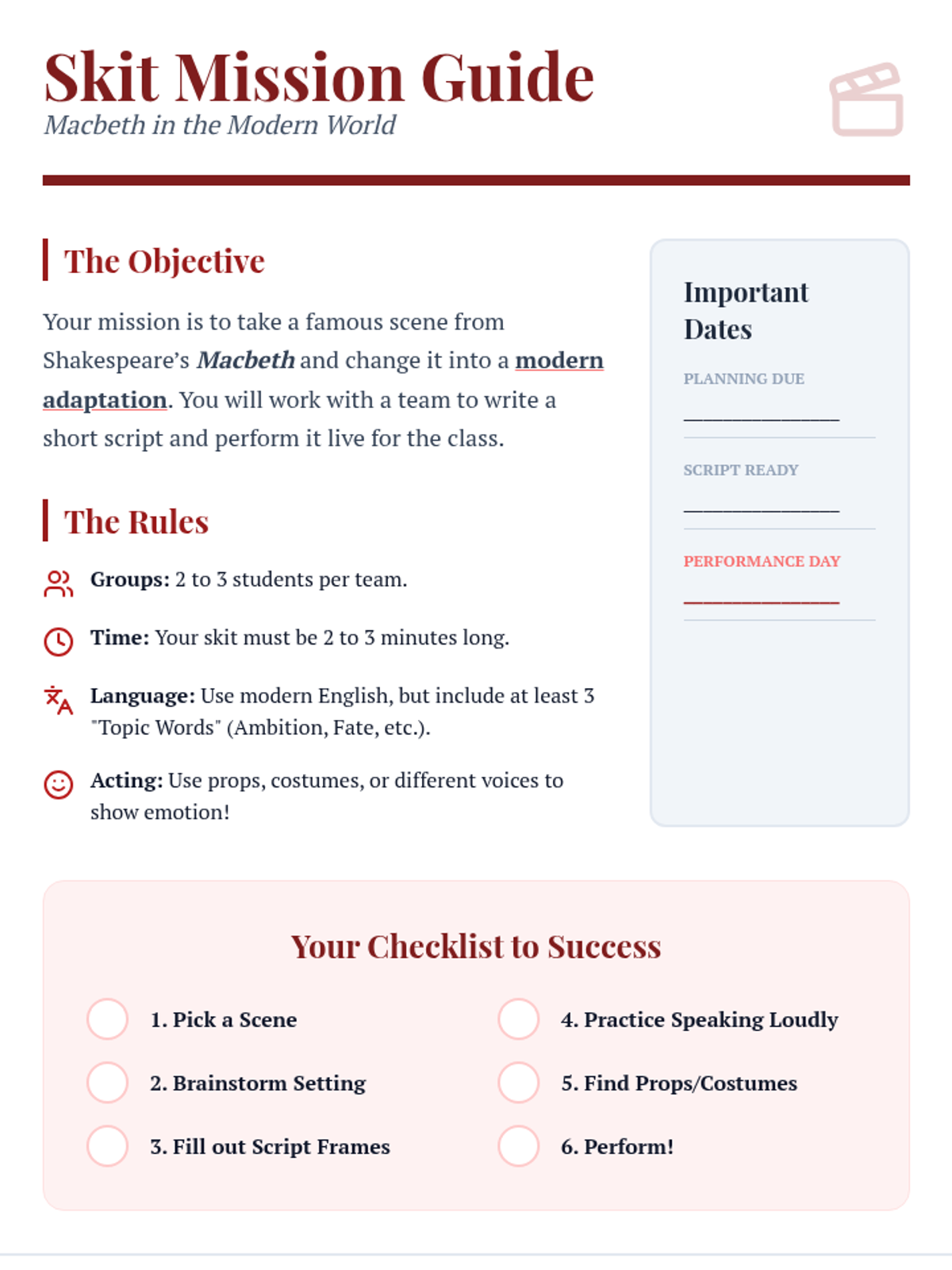
A performance-based task where students adapt and perform scenes from Macbeth. It includes specific scaffolds and assessment tools designed for WIDA Level 2-3 ELLs to demonstrate growth in speaking and listening.
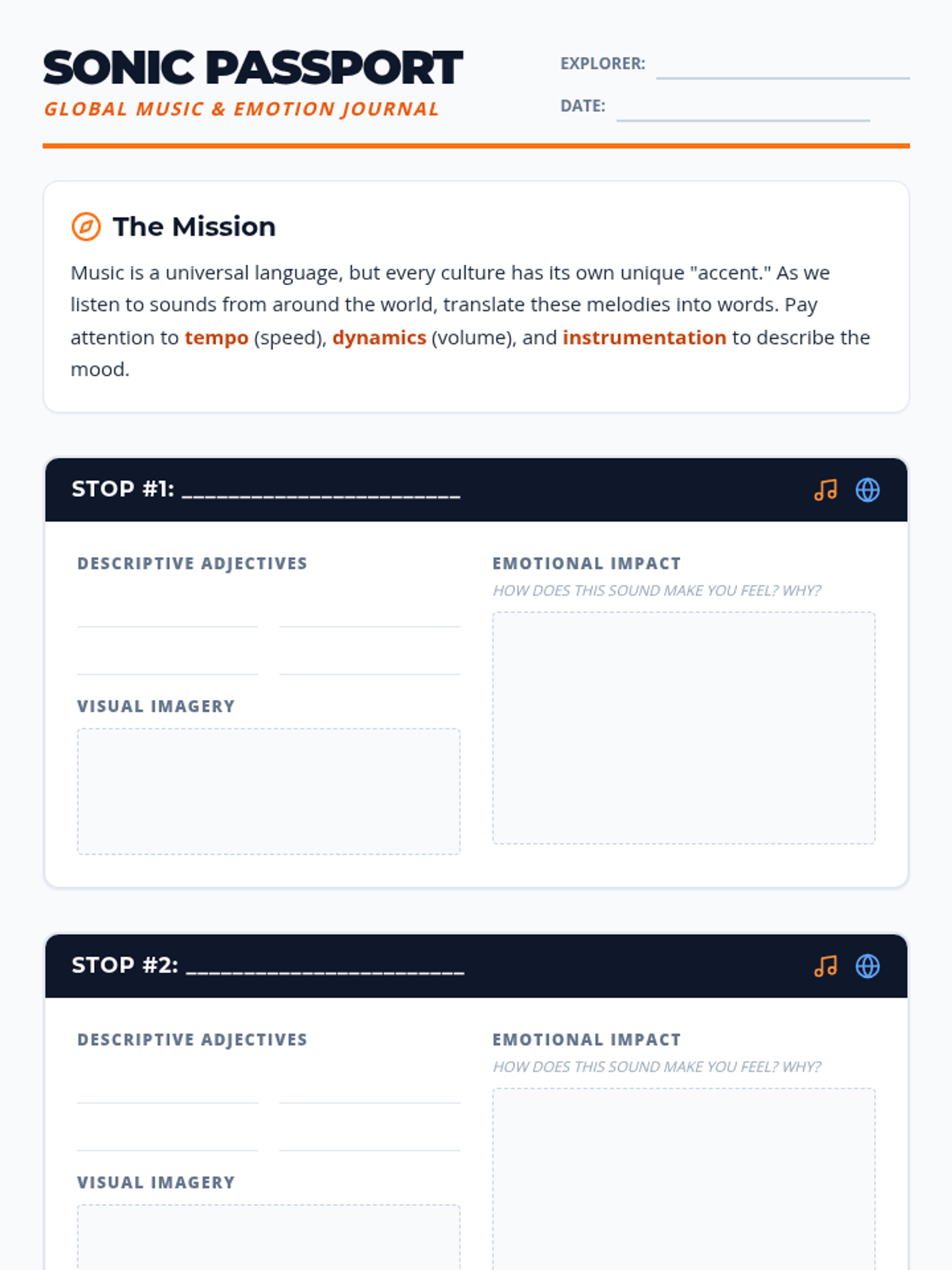
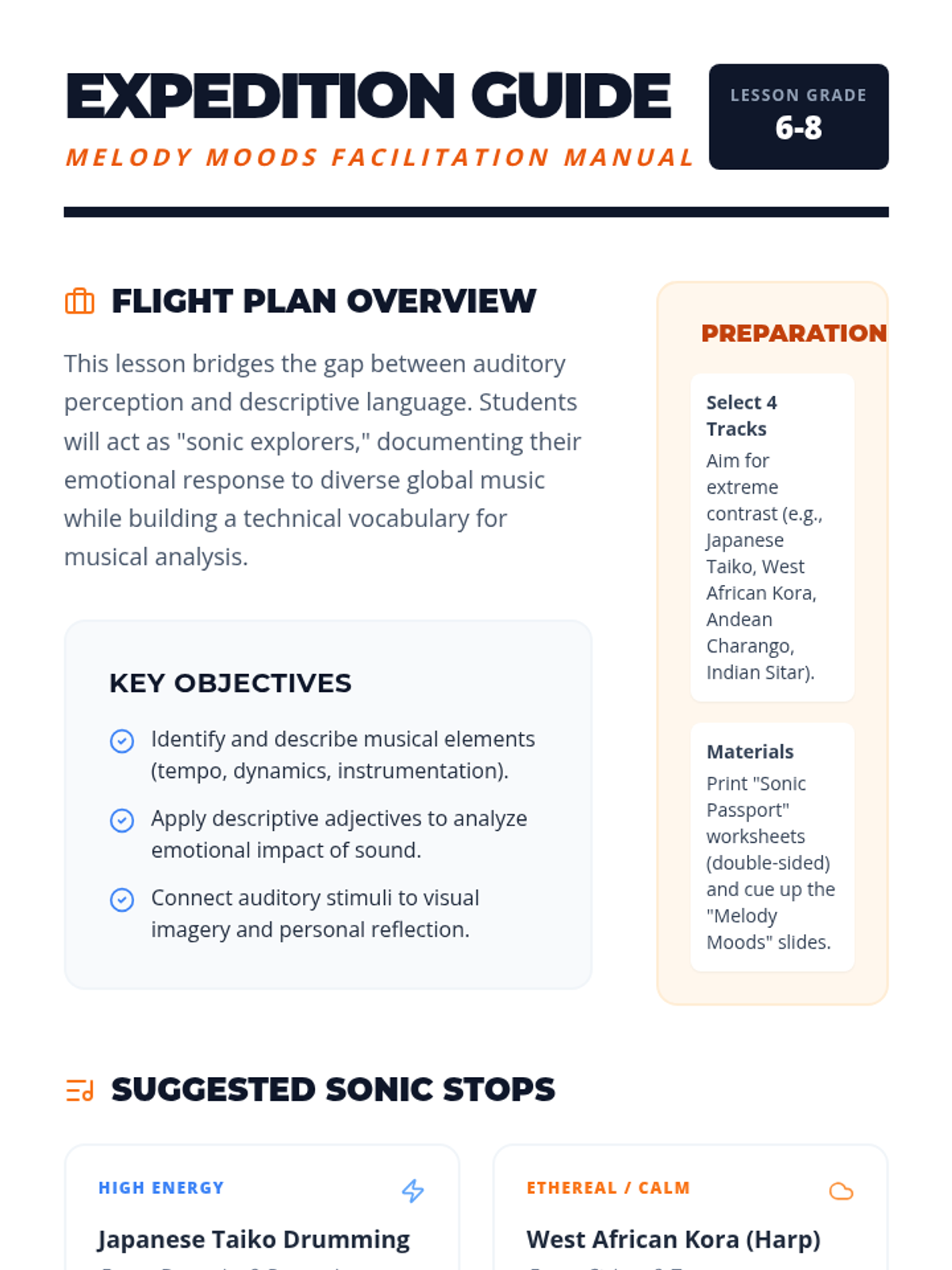
A lesson exploring the intersection of global music and emotional expression through descriptive writing and active listening. Students will journey through various musical landscapes, analyzing how different cultures use sound to convey mood.
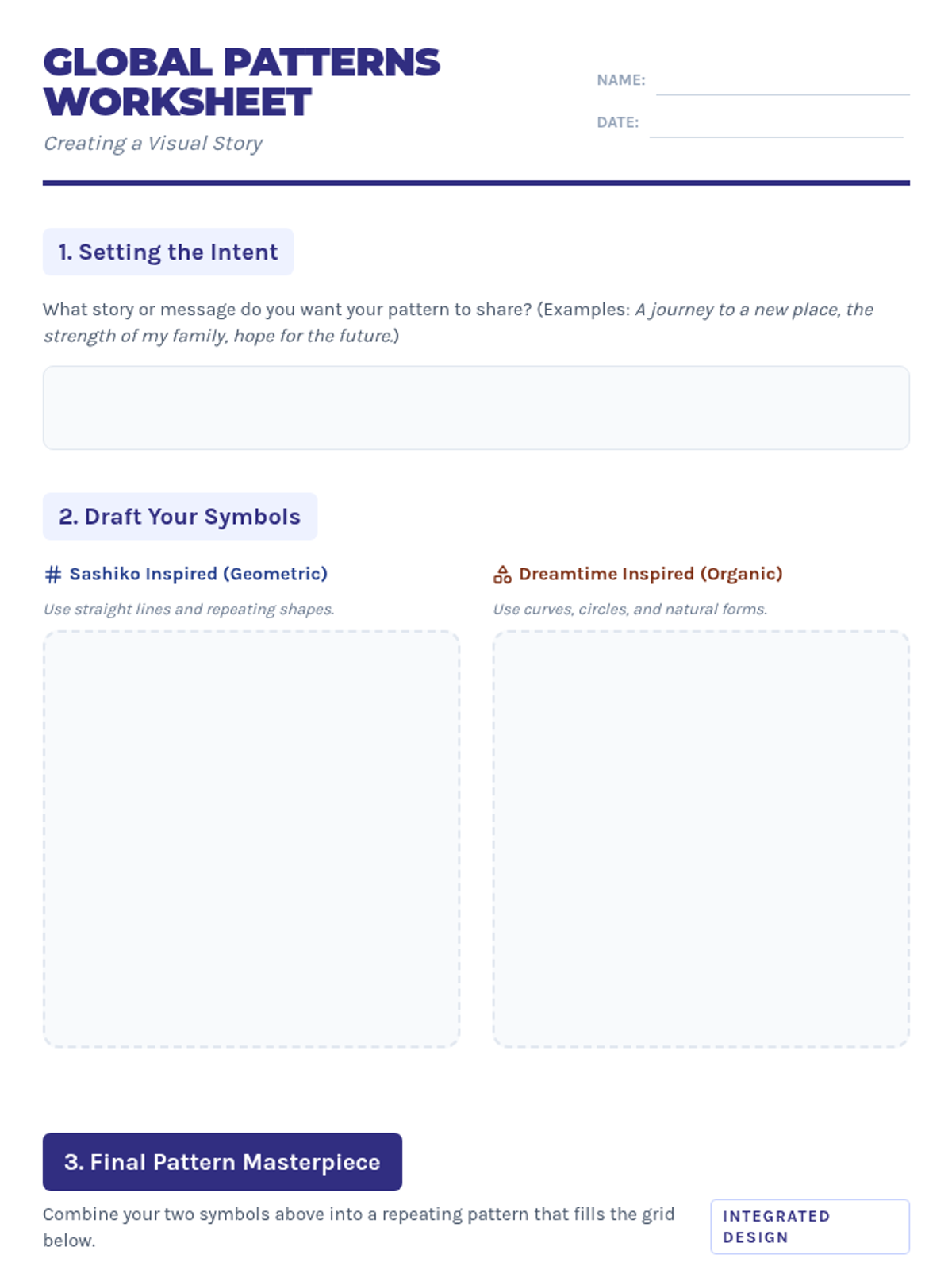
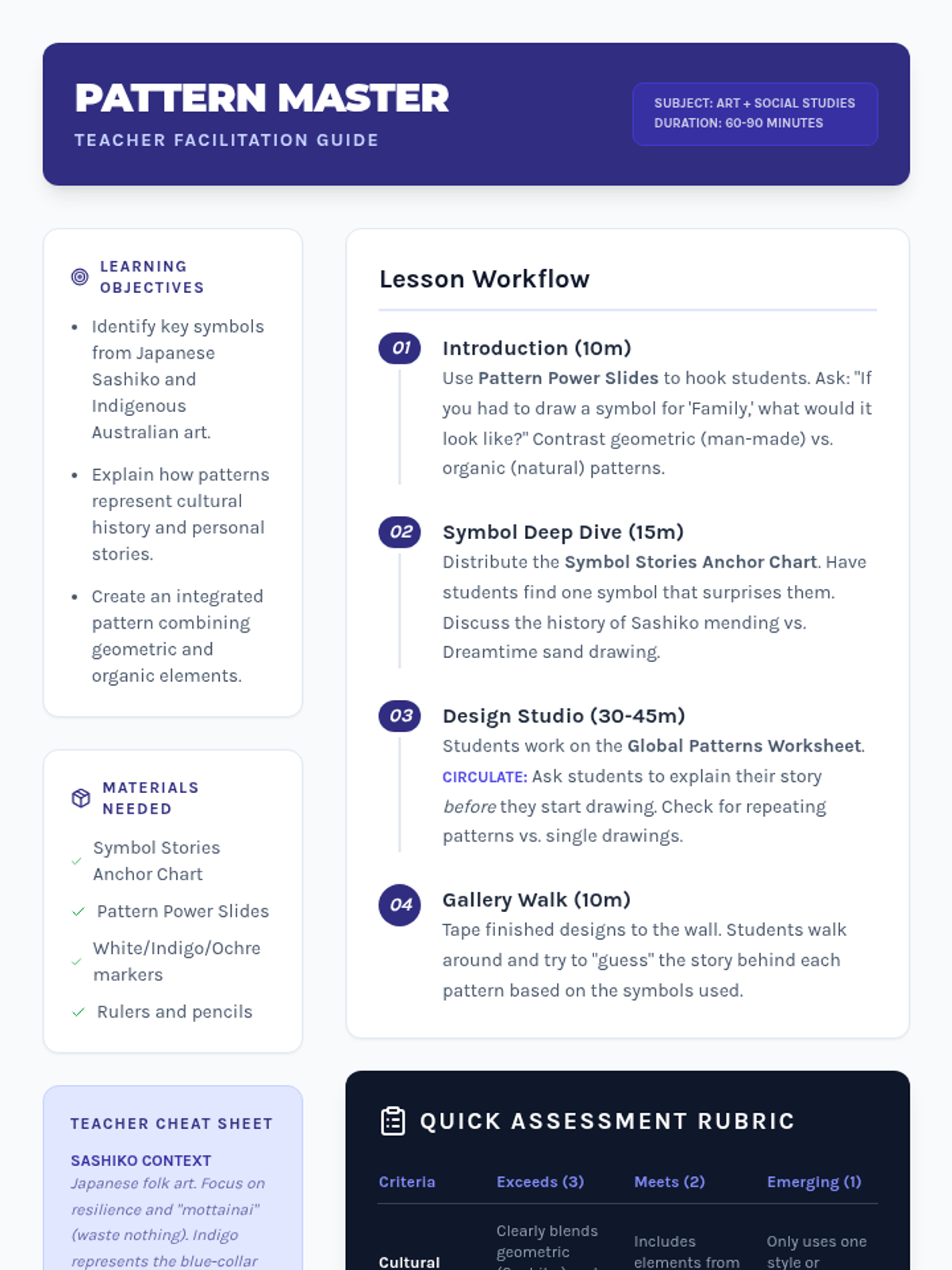
A cross-curricular art and social studies lesson where students explore the history and symbolism of Japanese Sashiko and Indigenous Australian Dreamtime art to create their own meaningful patterns.
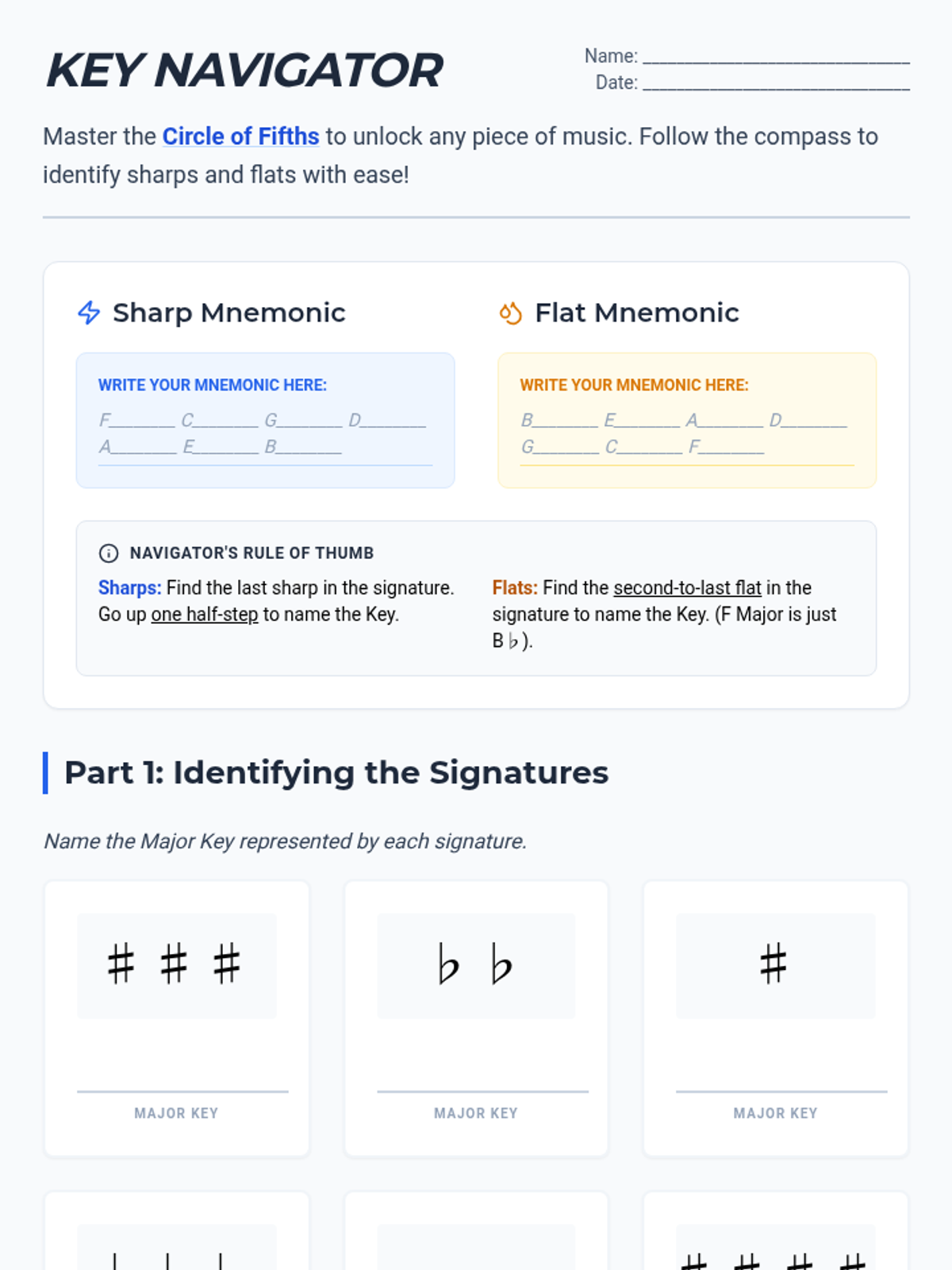
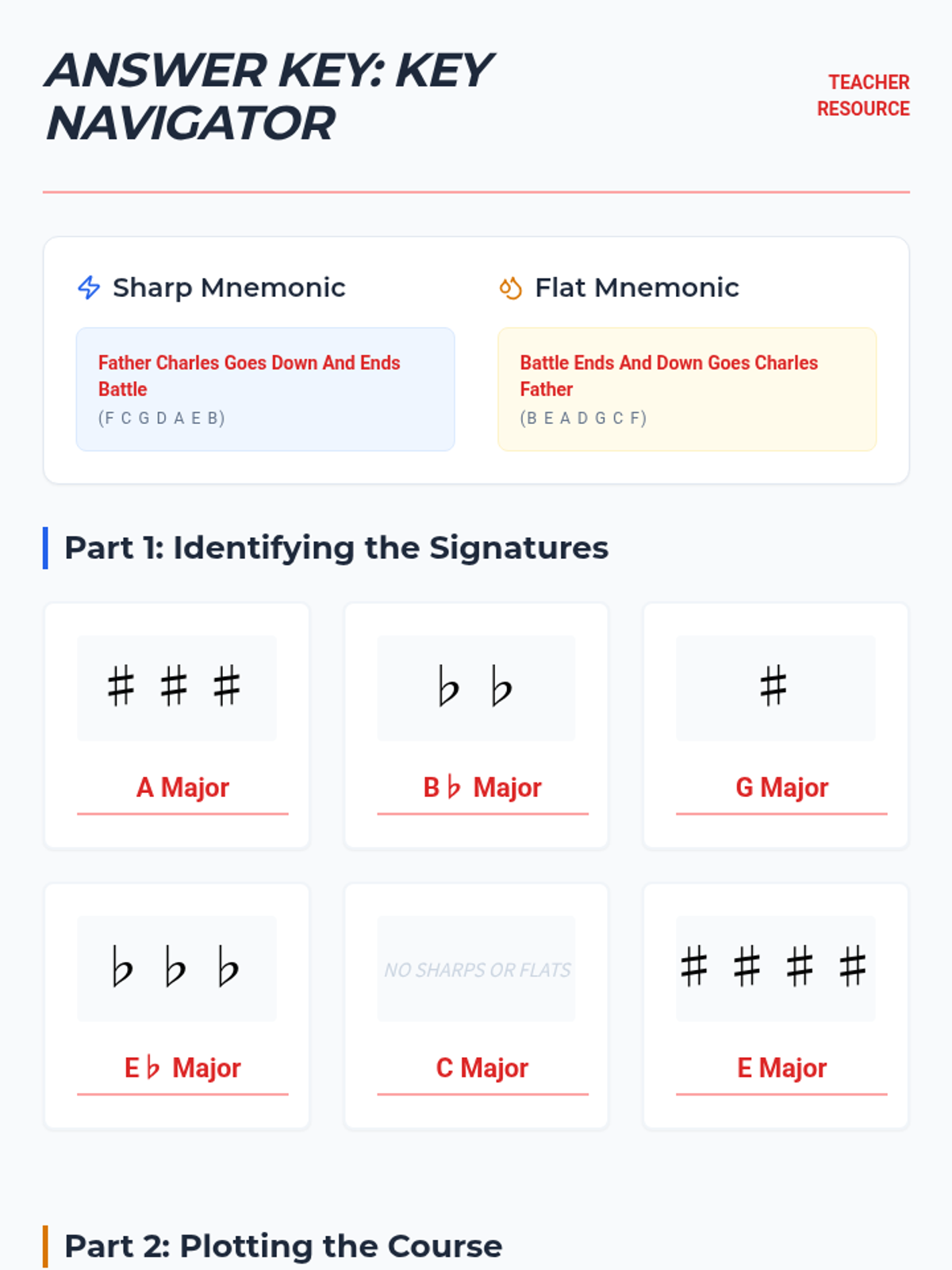
A foundational lesson on understanding the Circle of Fifths and identifying major key signatures for 7th-grade music students.
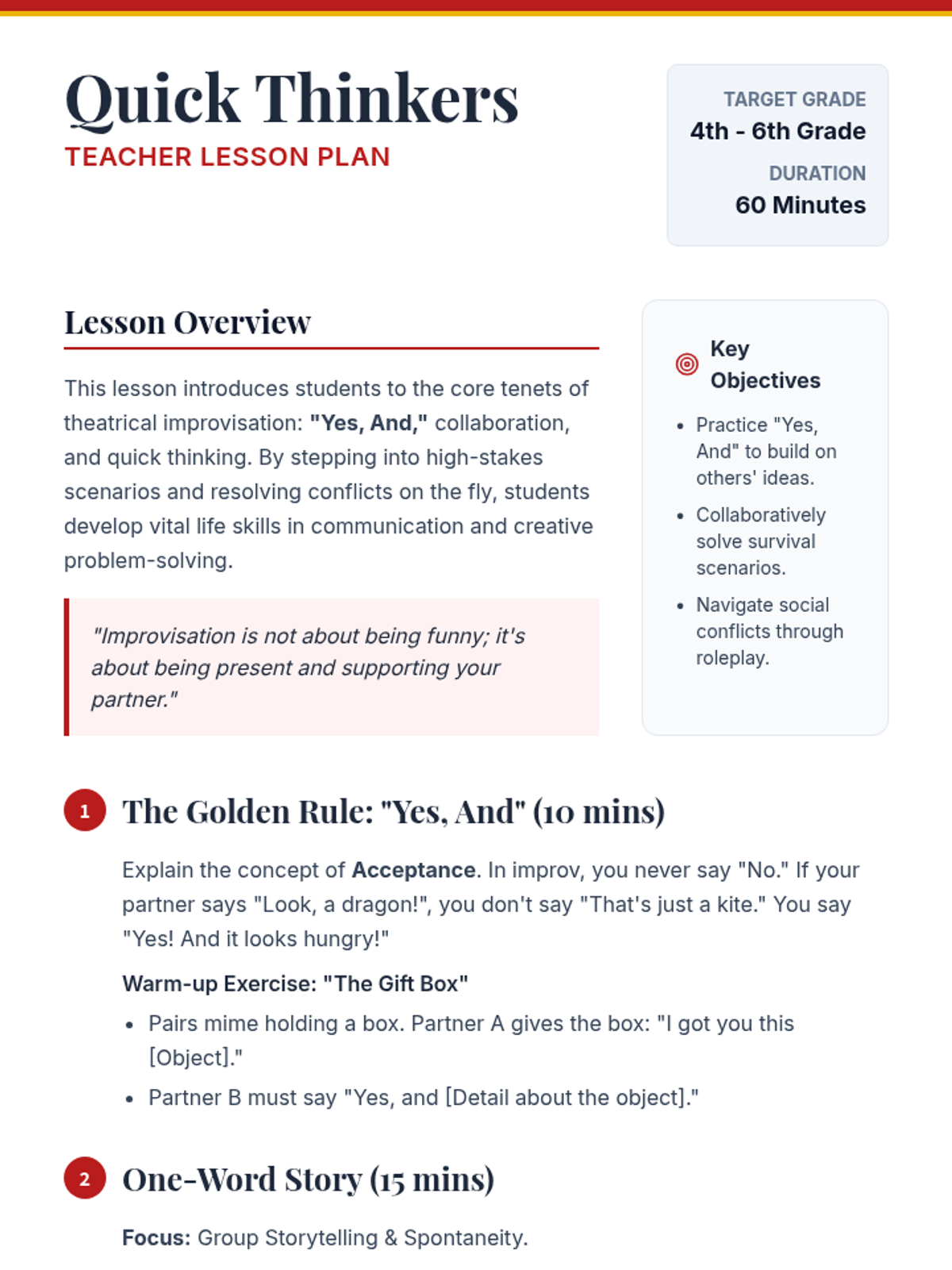
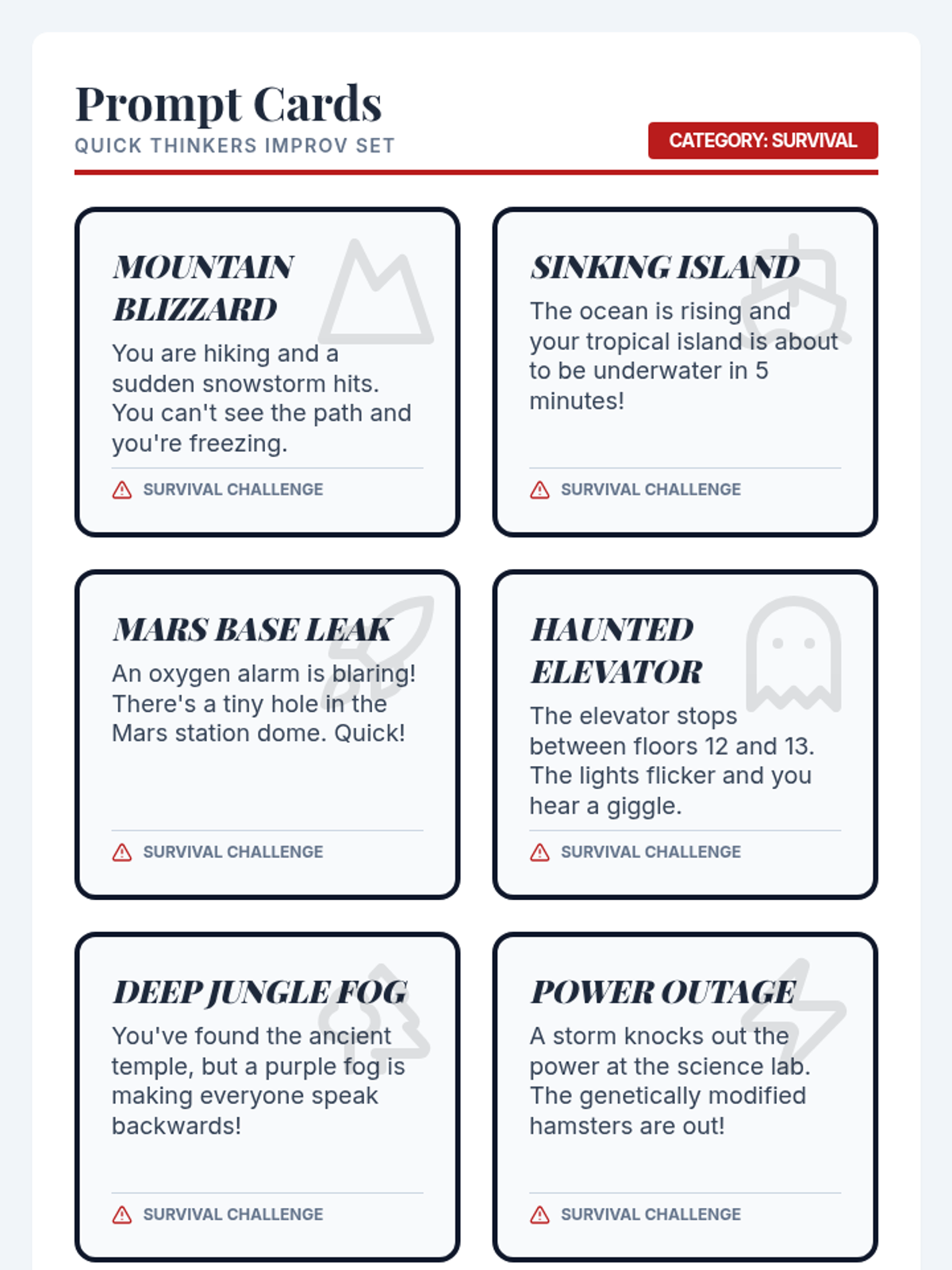
A high-energy theatre lesson for grades 4-6 that uses improvisation games to build spontaneity, teamwork, and creative problem-solving skills through storytelling and survival scenarios.
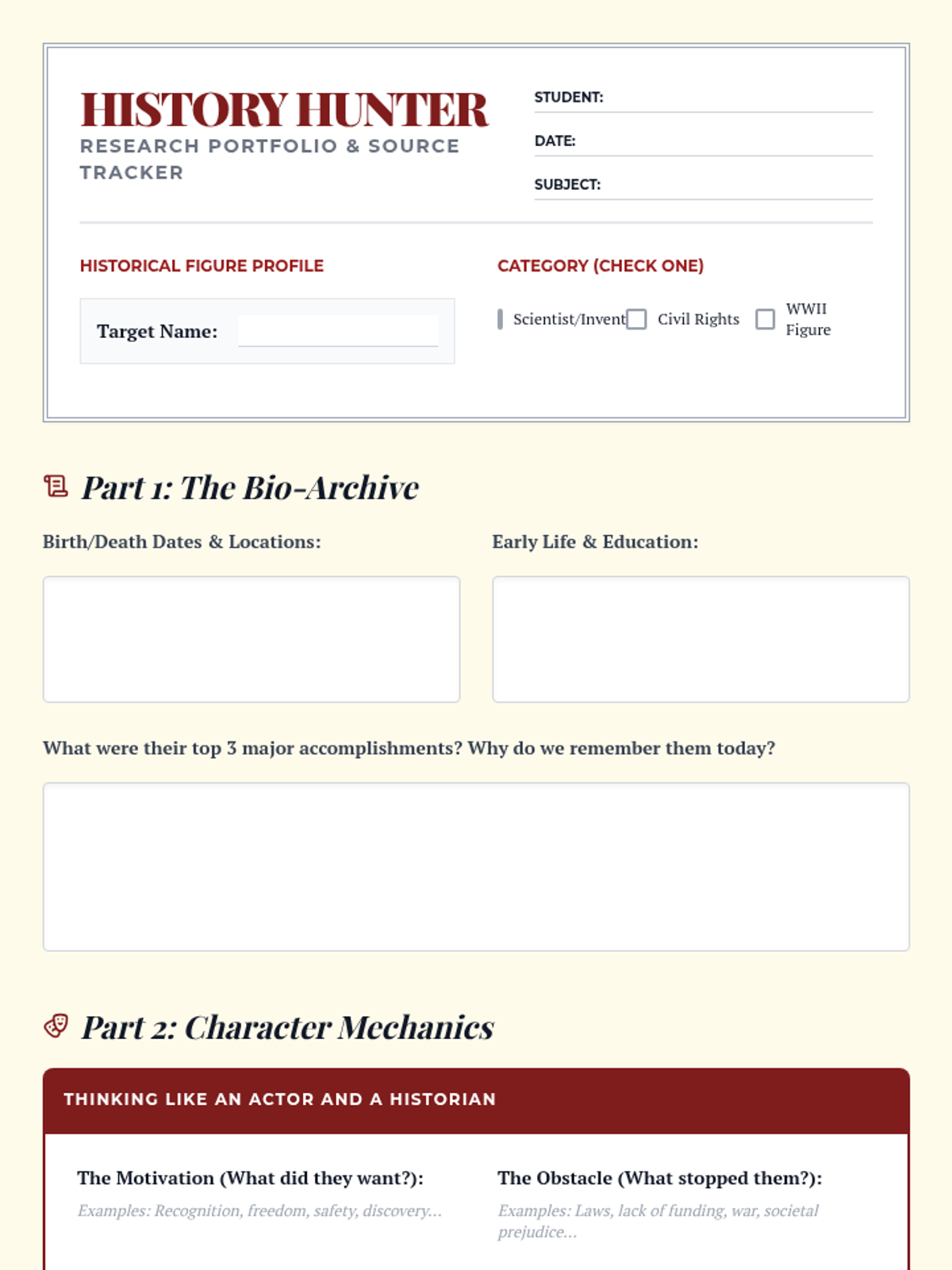
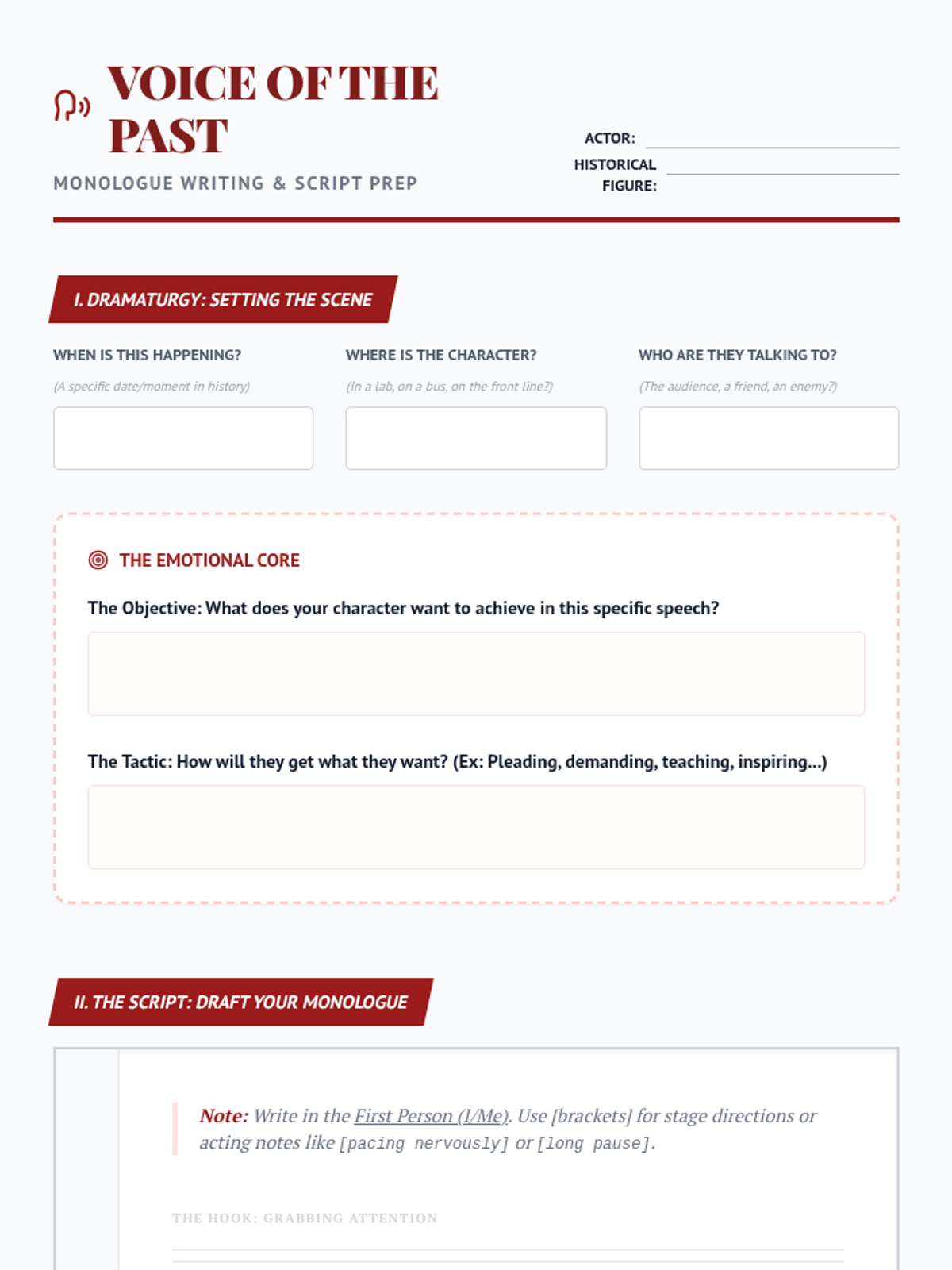
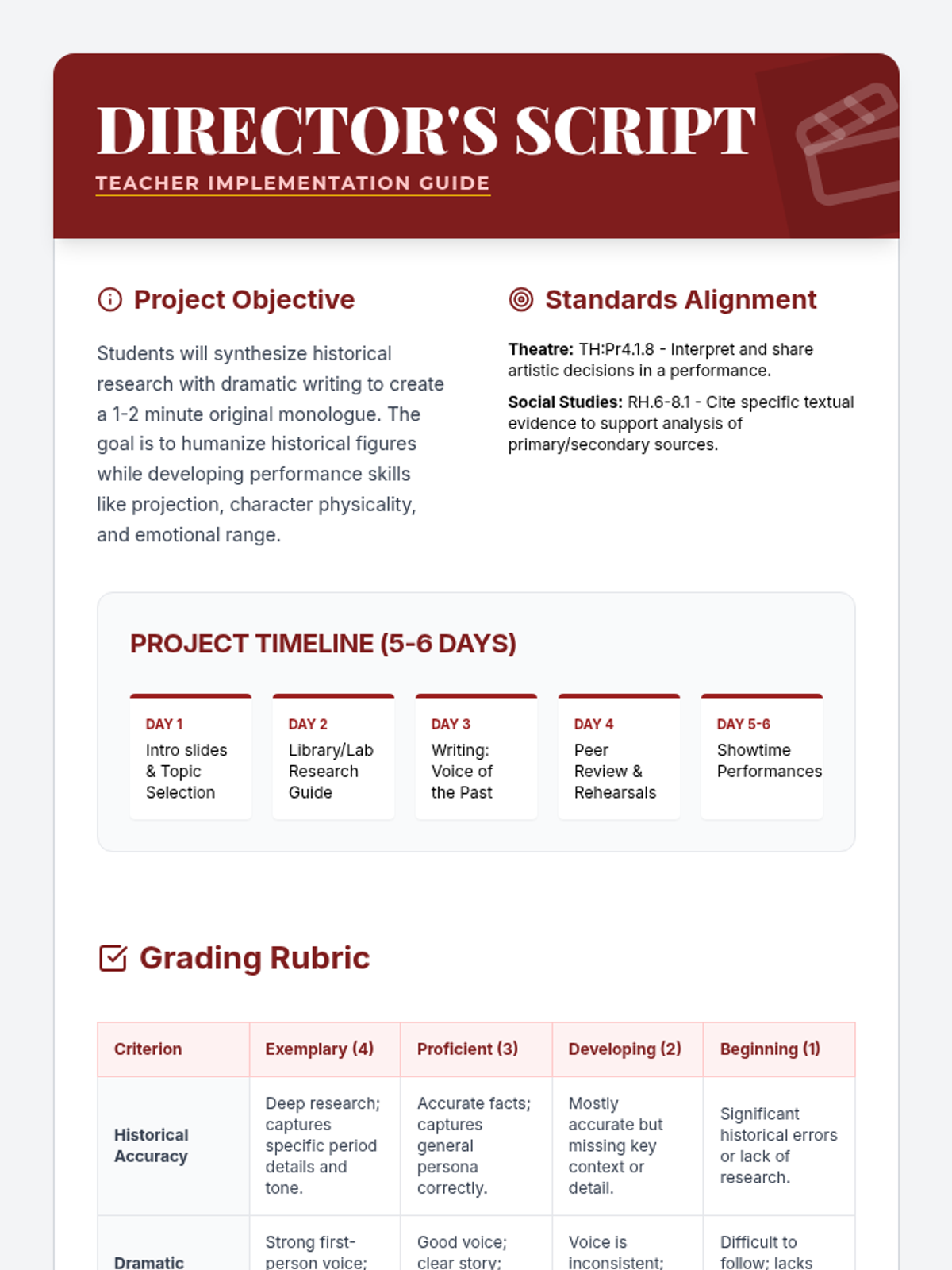
A cross-curricular project where students research a significant historical figure from the fields of science, civil rights, or WWII and transform their findings into a compelling 1-2 minute theatrical monologue. Students develop both historical inquiry skills and dramatic performance techniques.
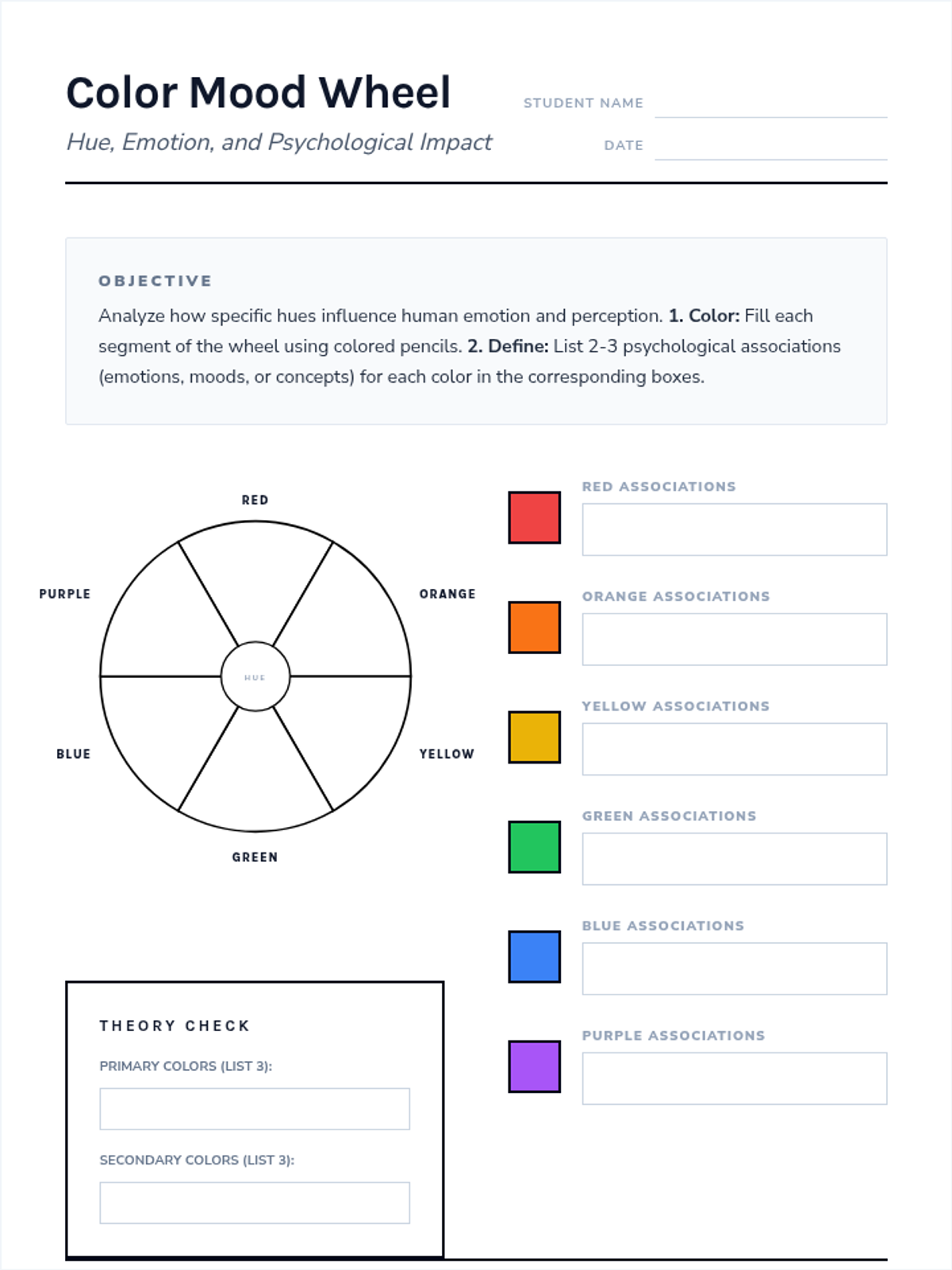
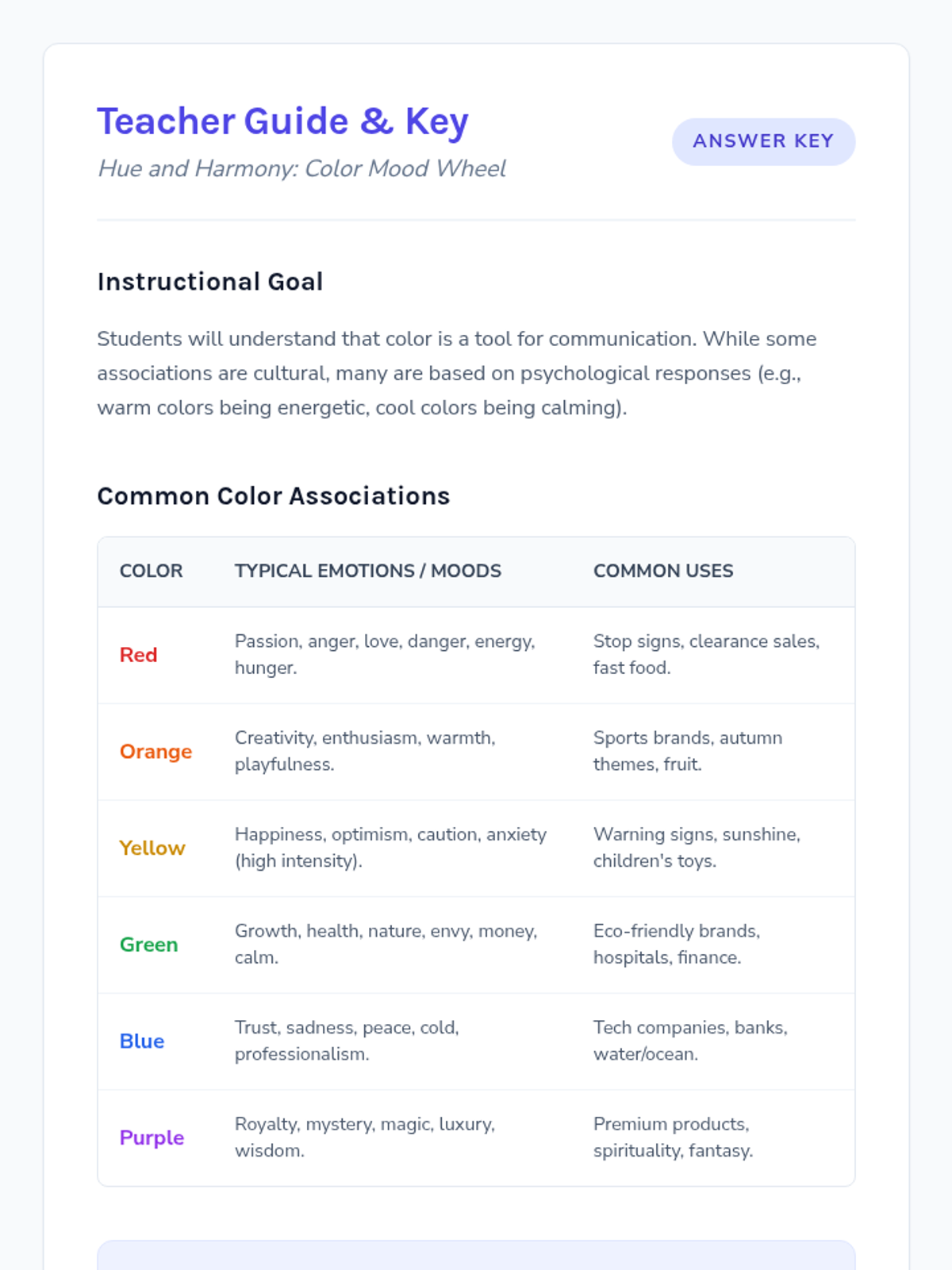
This lesson explores the psychological impact of colors and how they influence human emotion and perception in art and design.
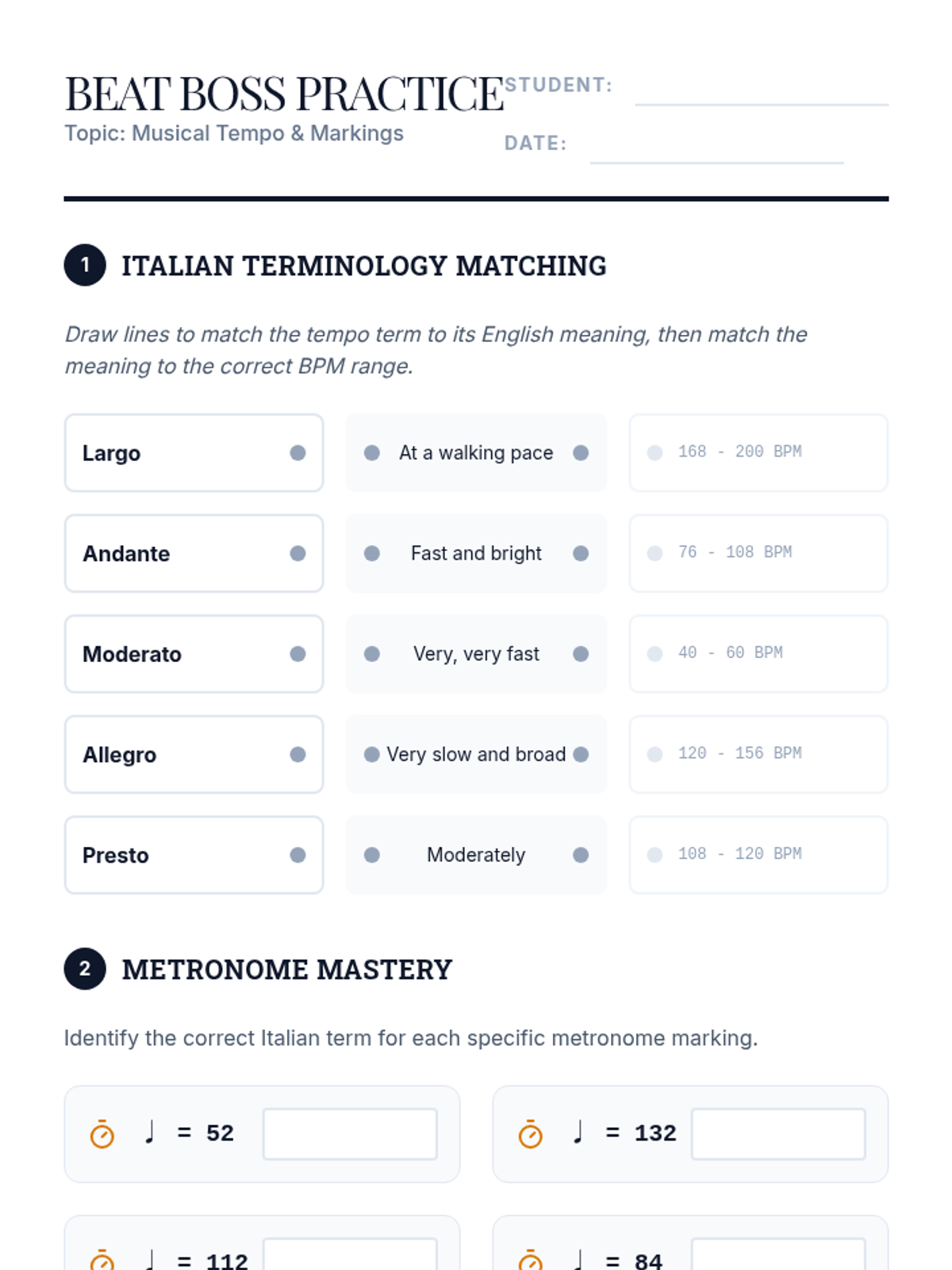
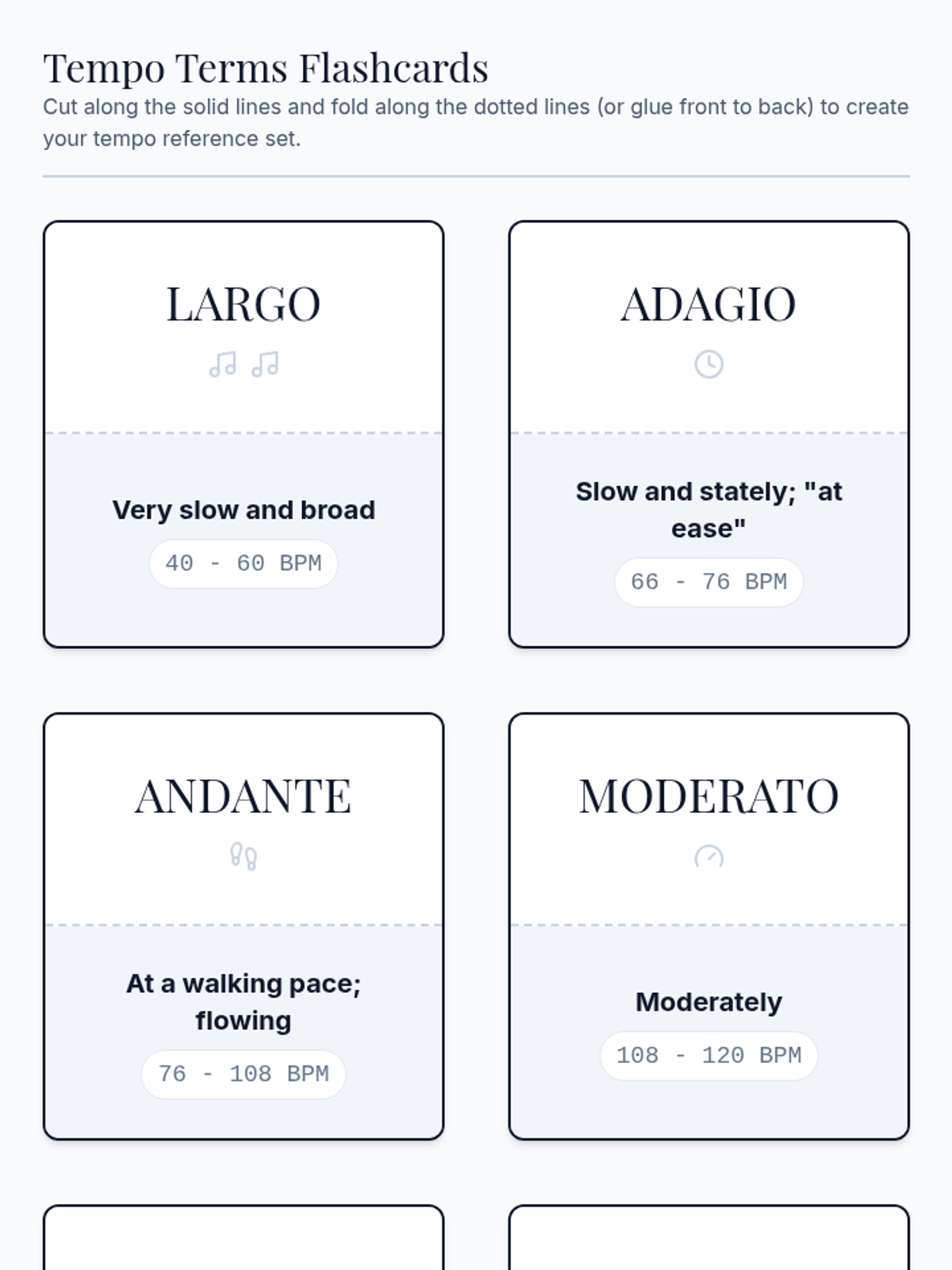
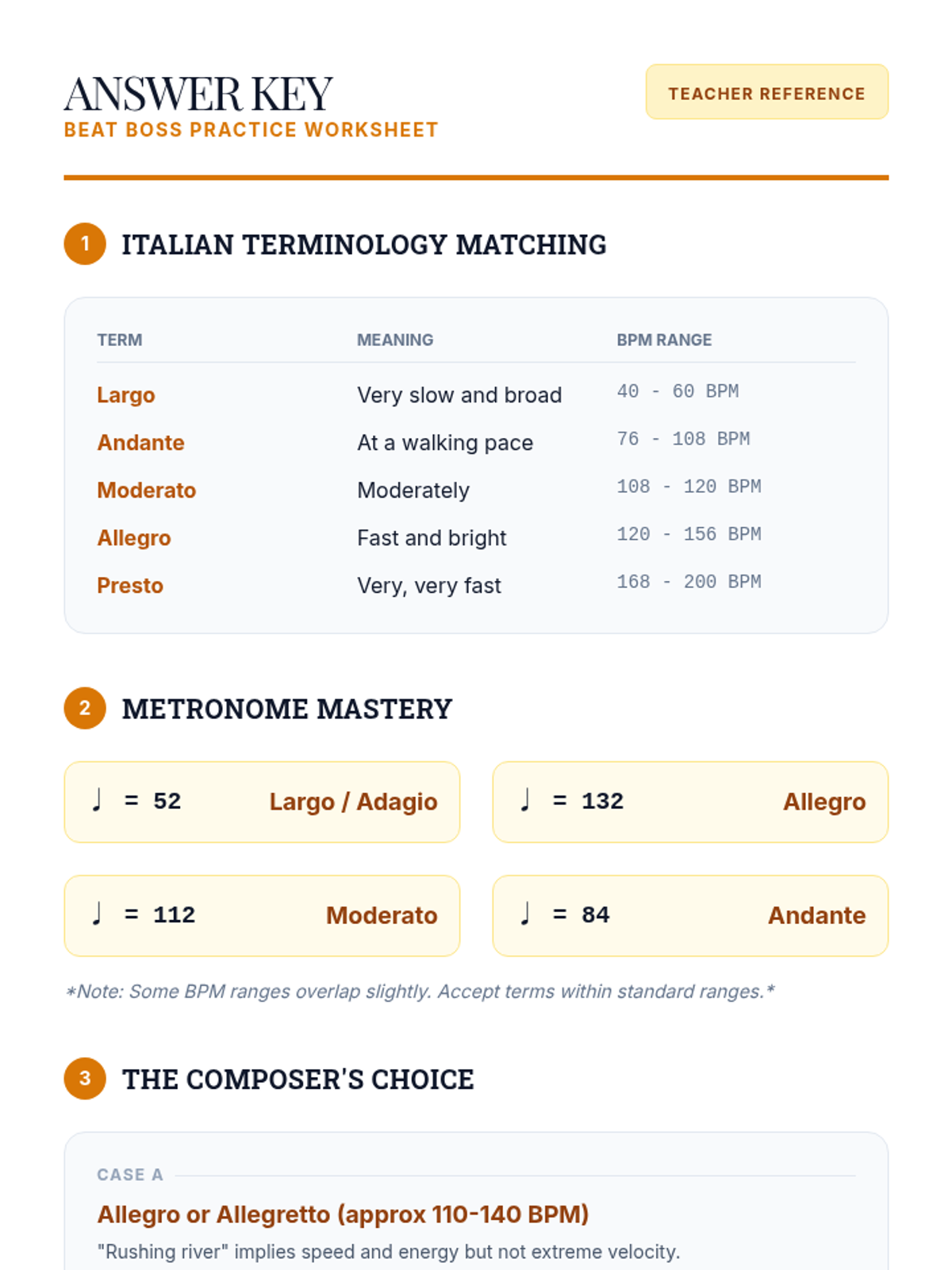
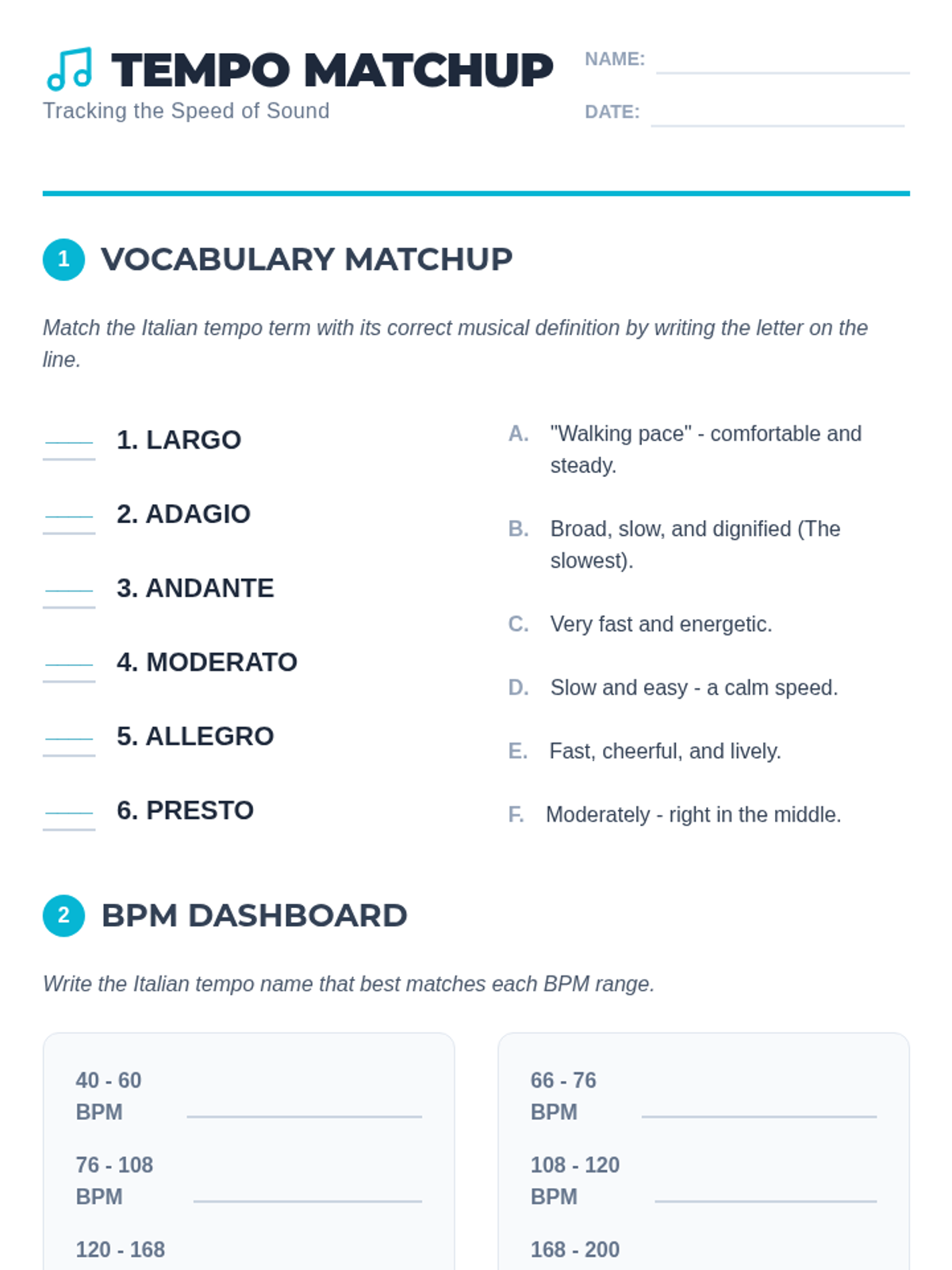
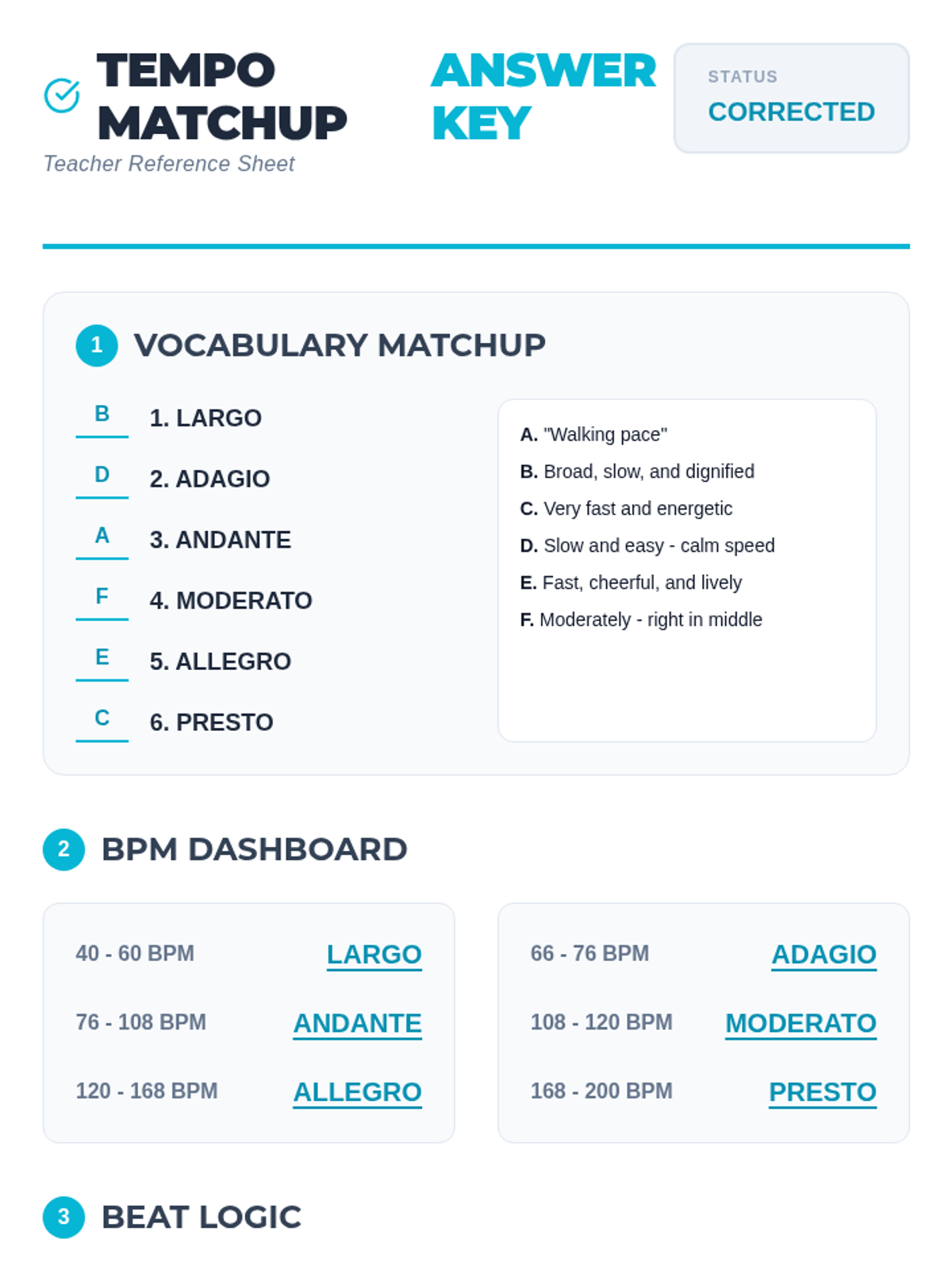
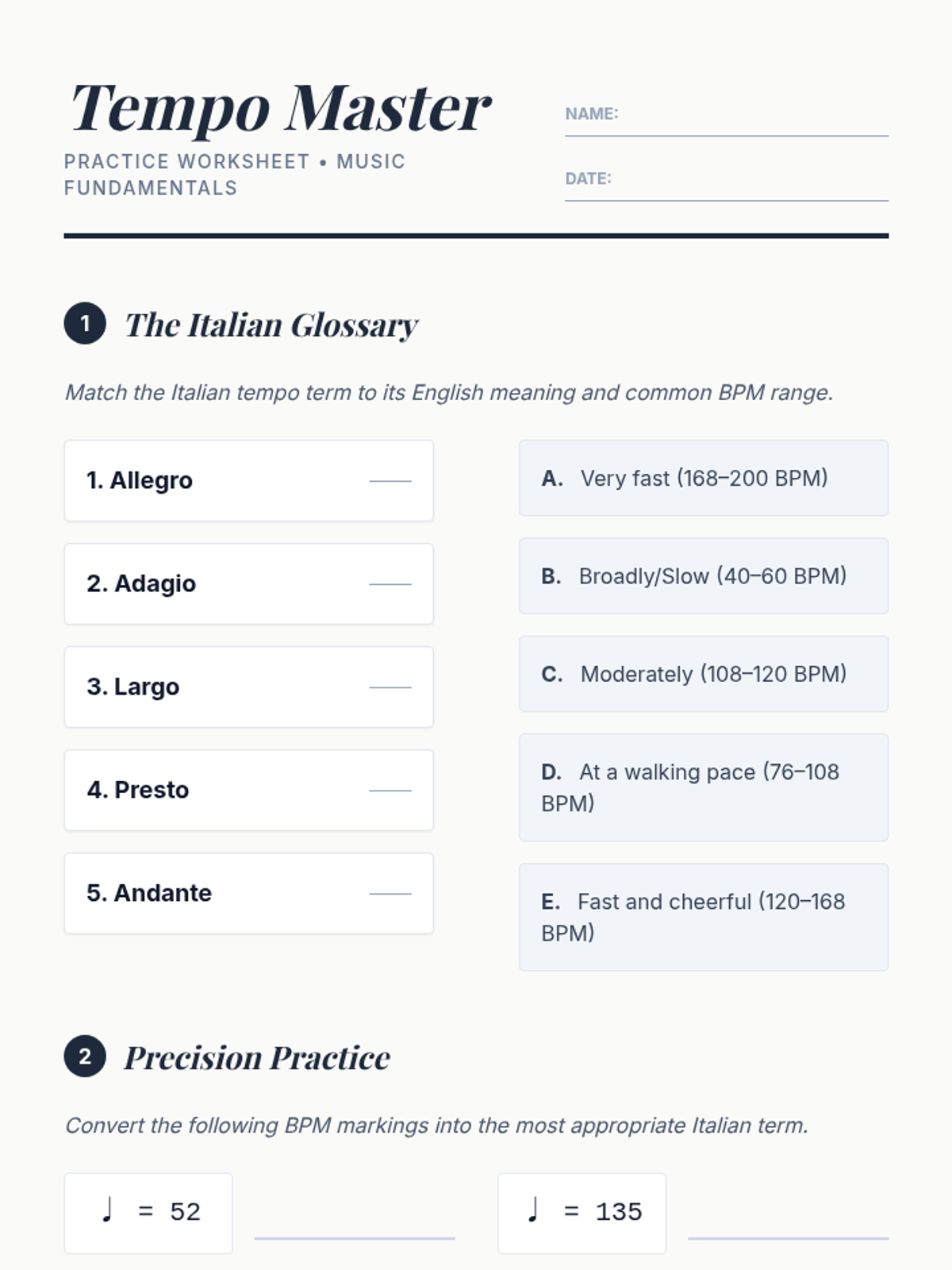
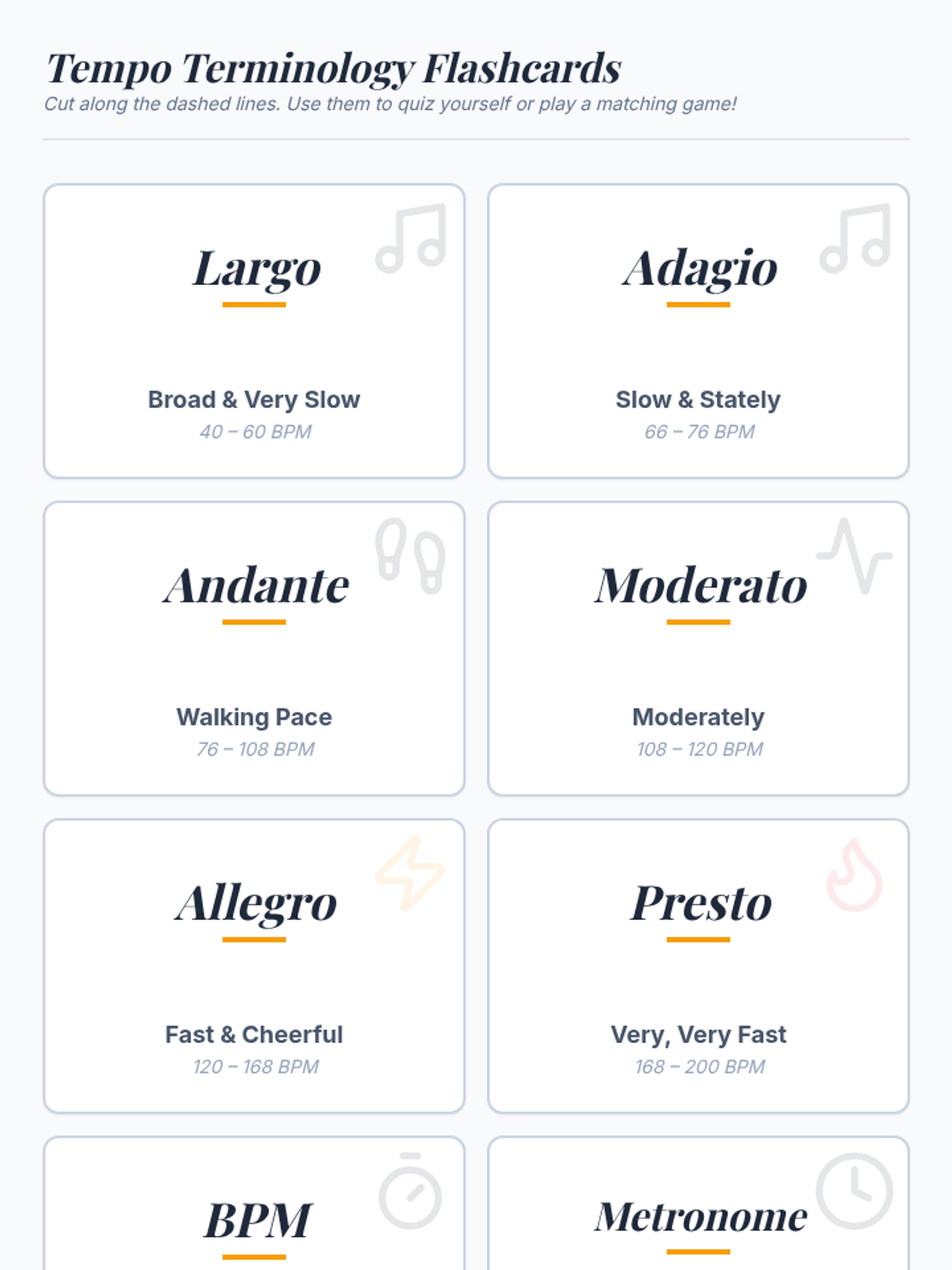
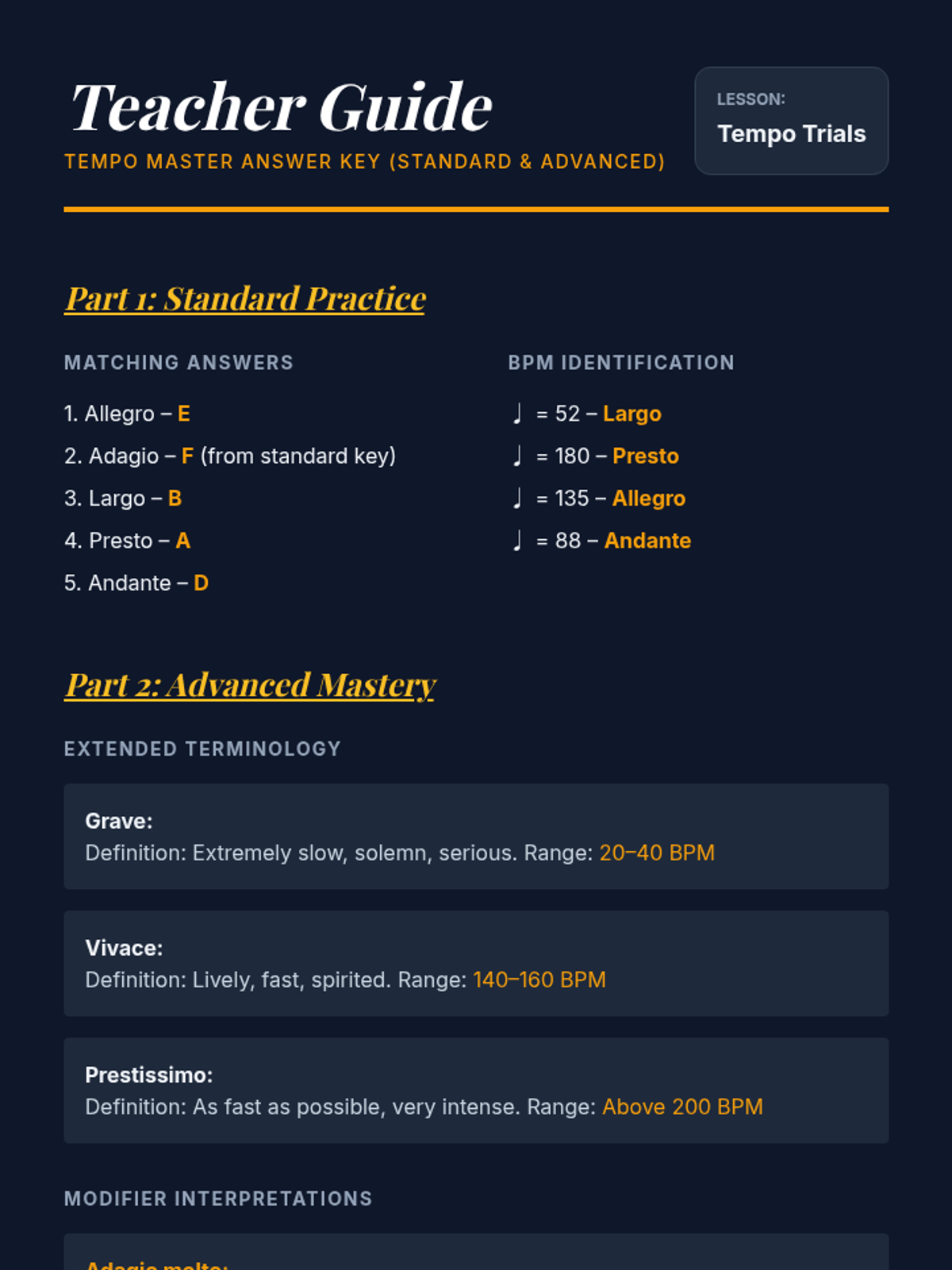
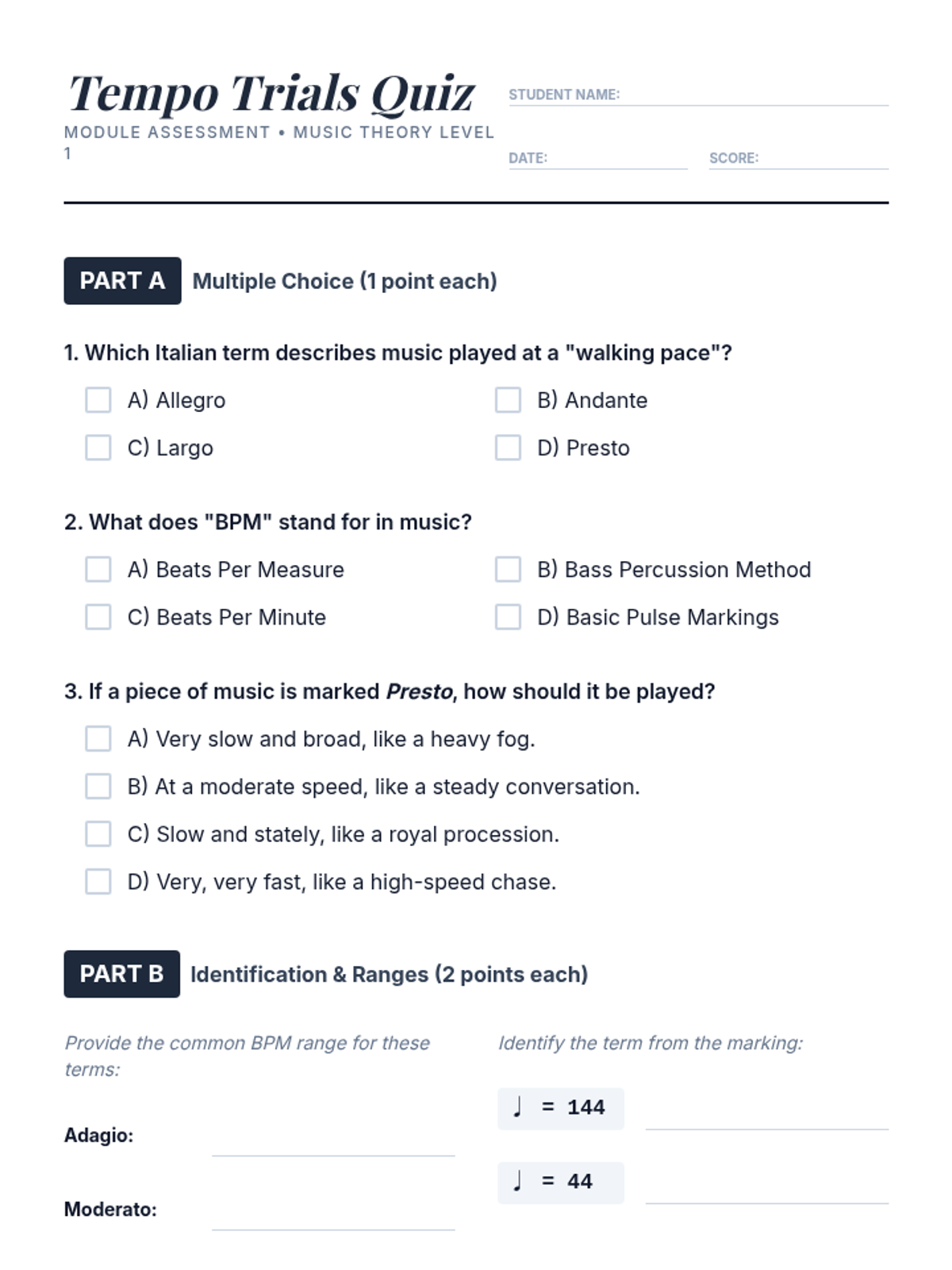
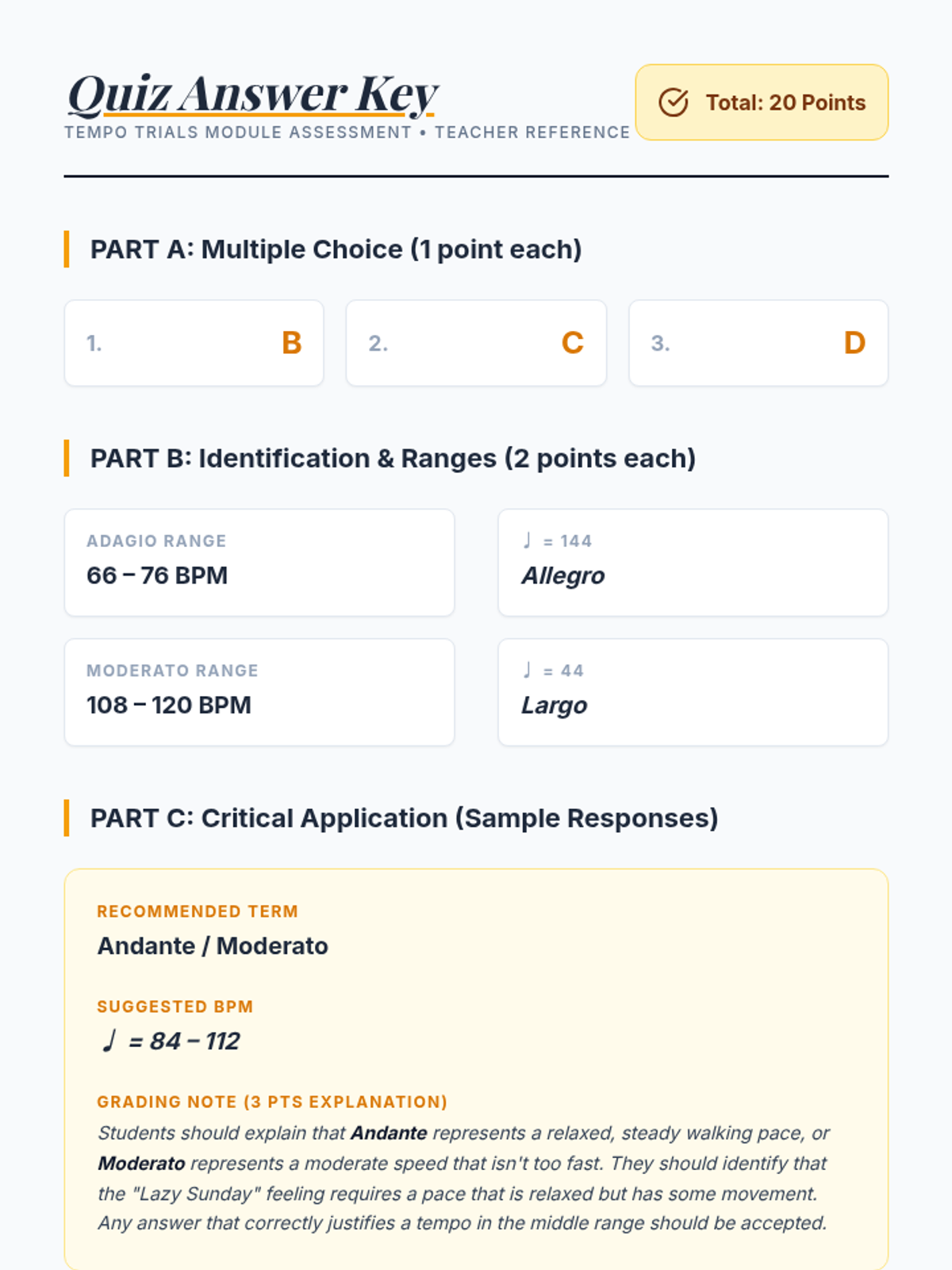
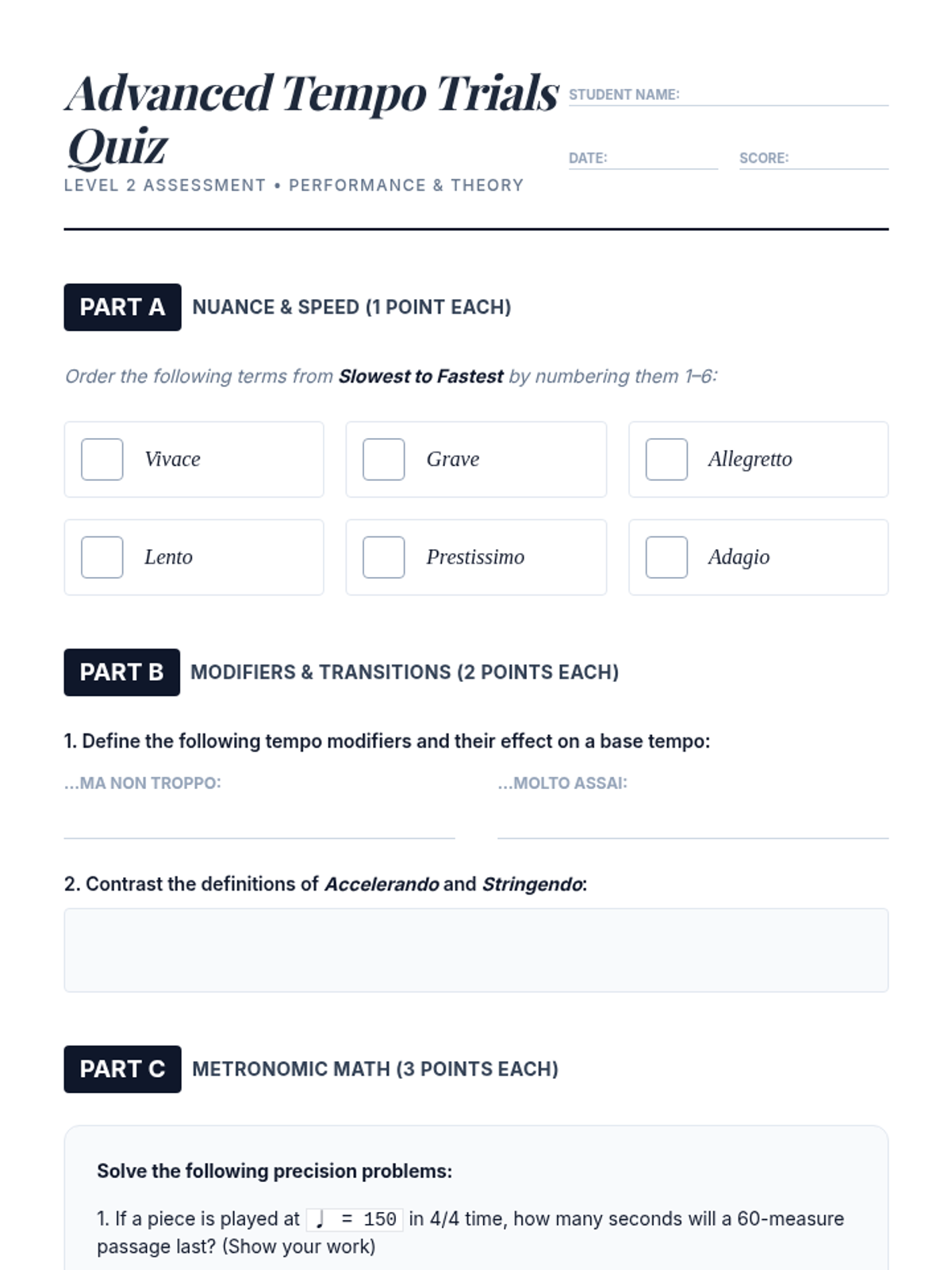
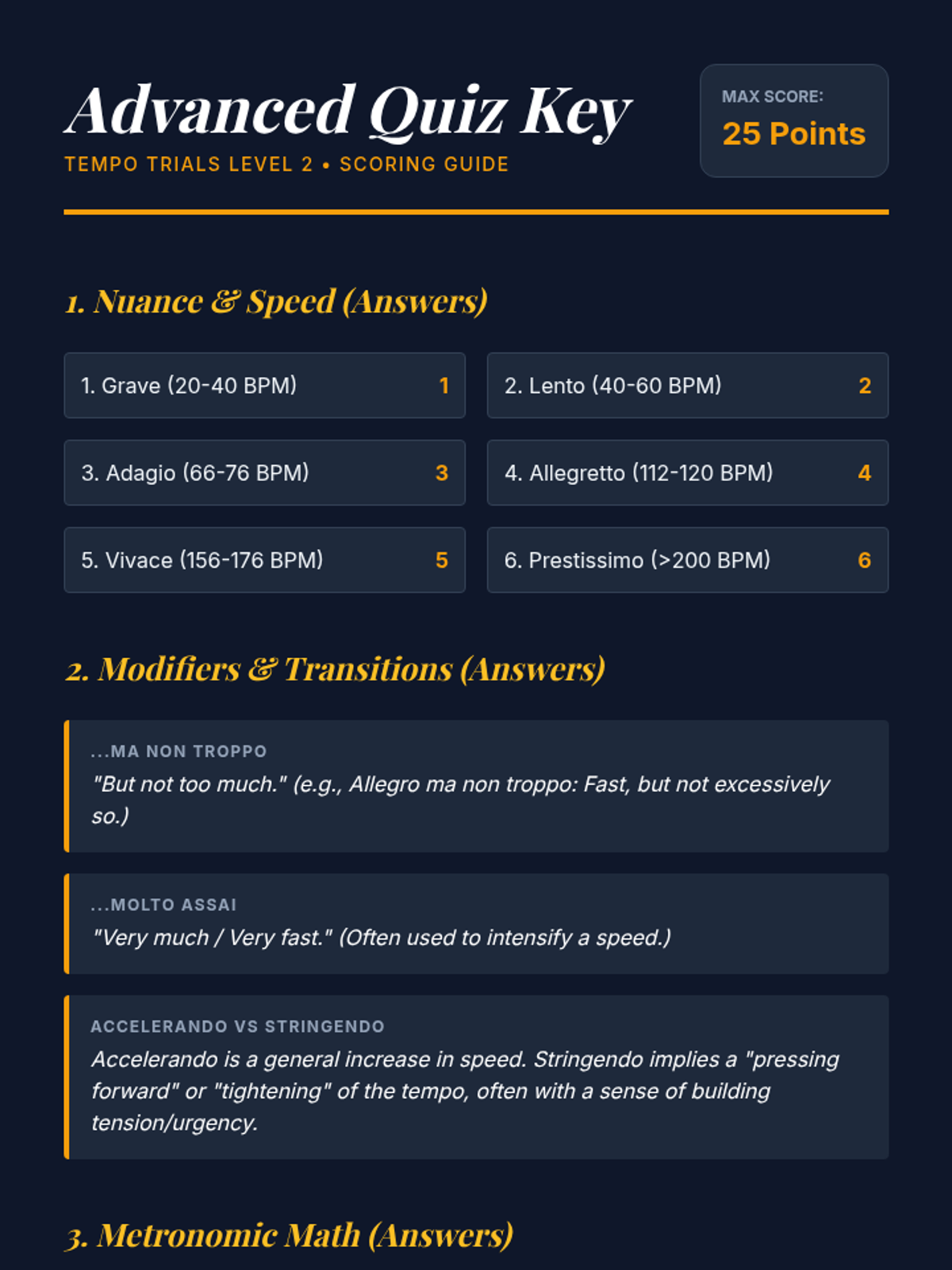
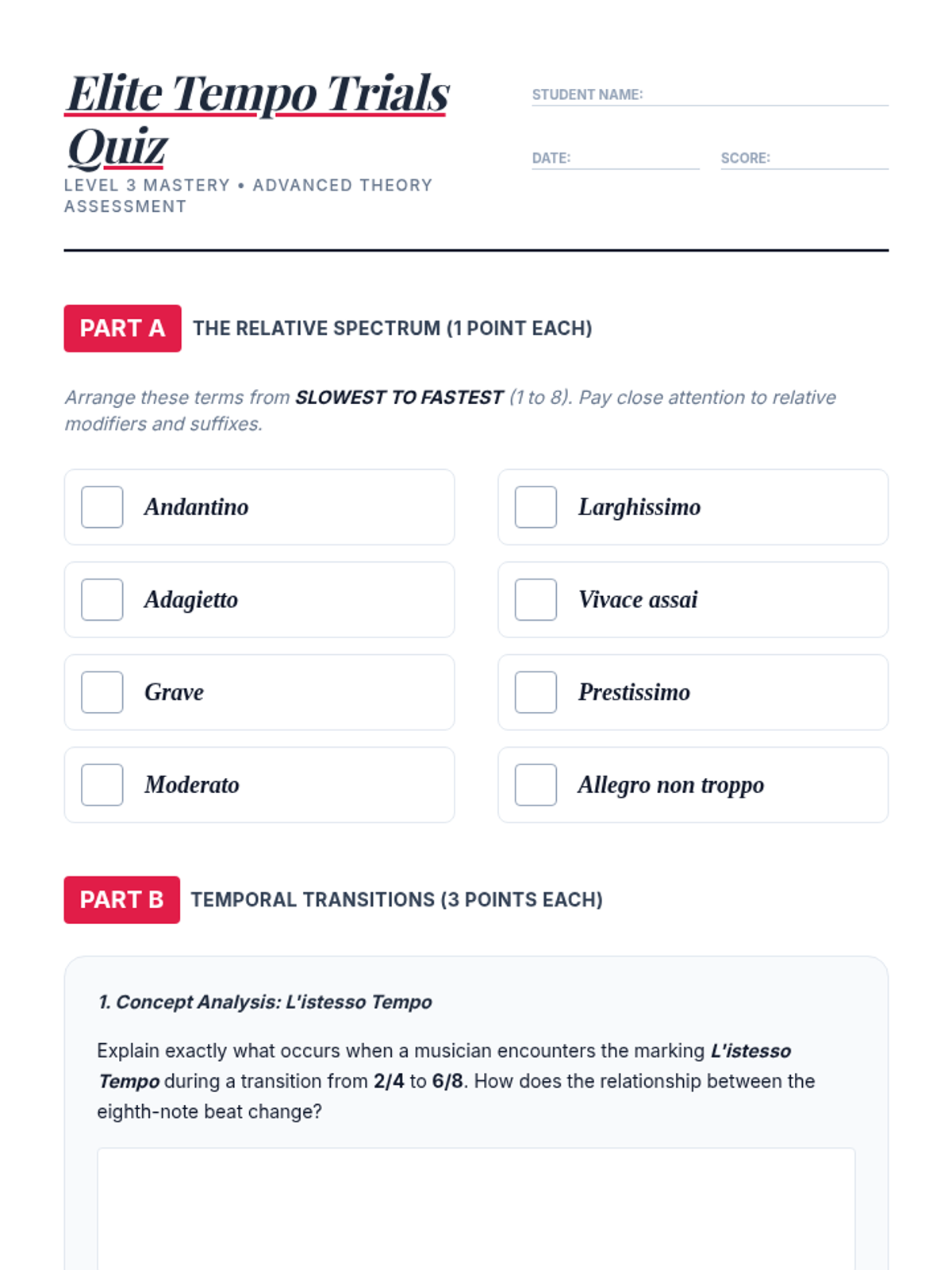
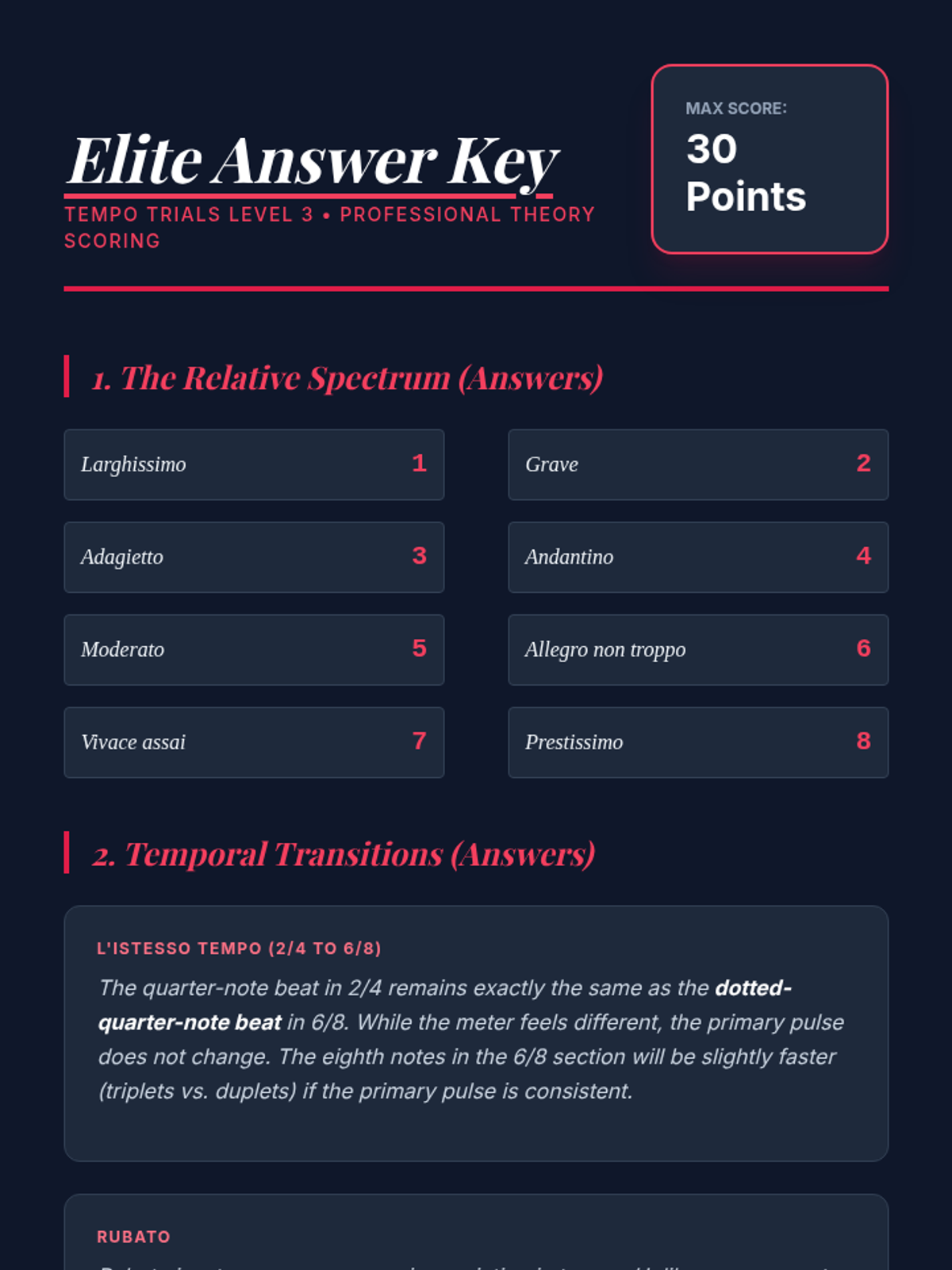
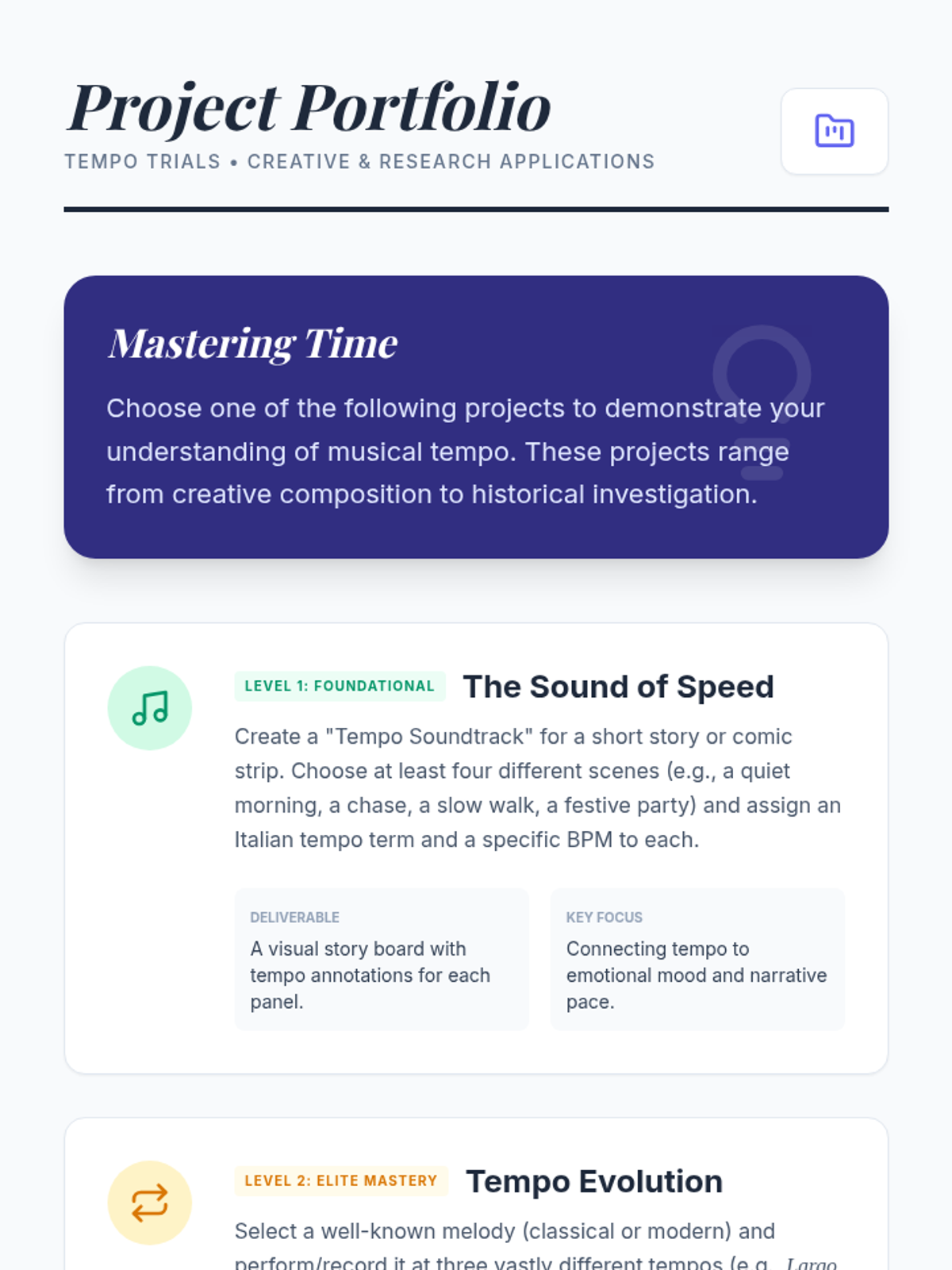
A comprehensive lesson on music tempo covering Italian terminology, metronome markings, and practical application to musical scores. Students will learn to identify and apply various speeds to music.
A lesson exploring the speed of music through Italian tempo markings, the use of metronomes, and understanding Beats Per Minute (BPM).
A comprehensive guide to understanding and applying musical tempo, covering Italian terminology, BPM, and metronome markings.
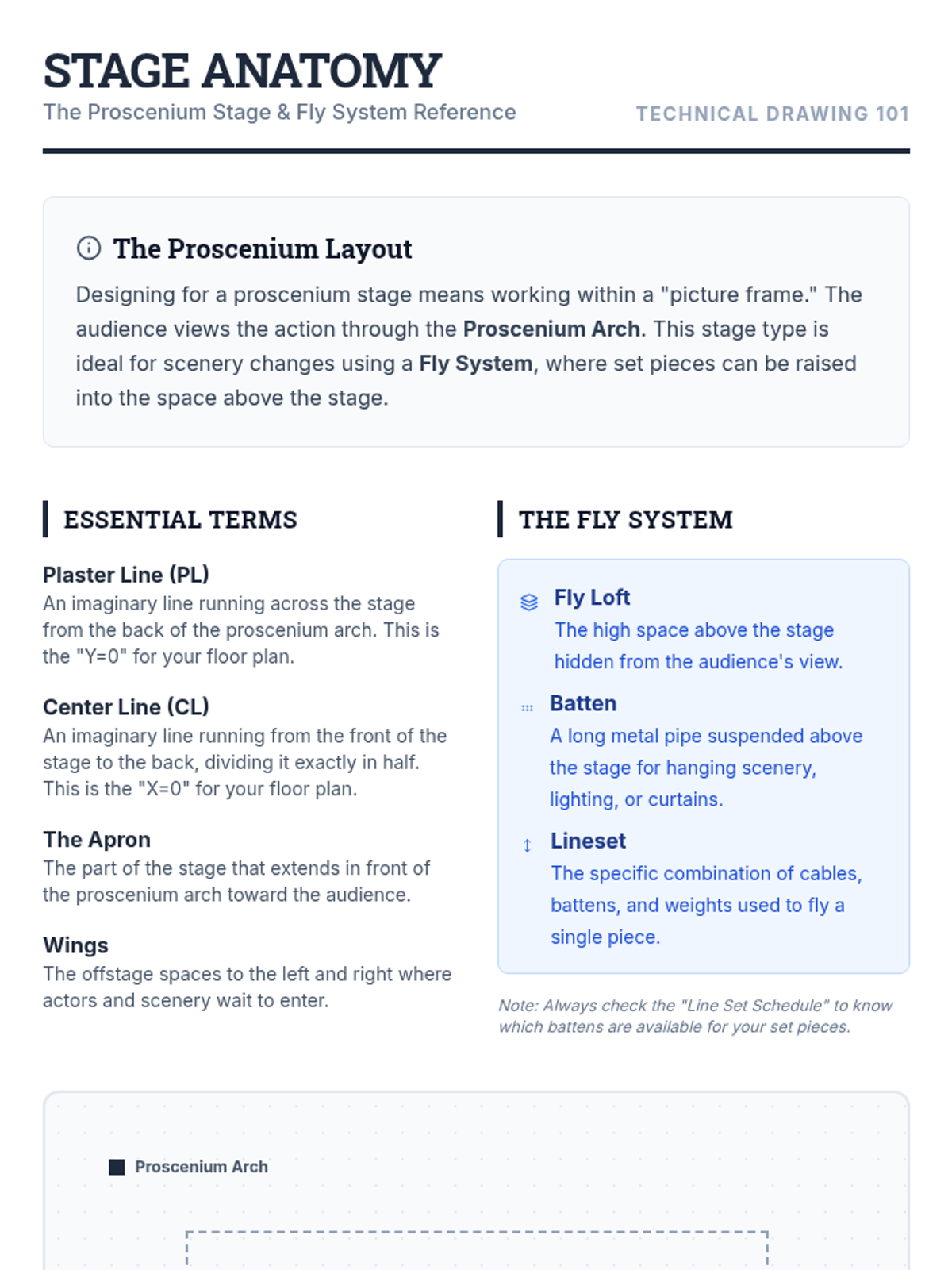
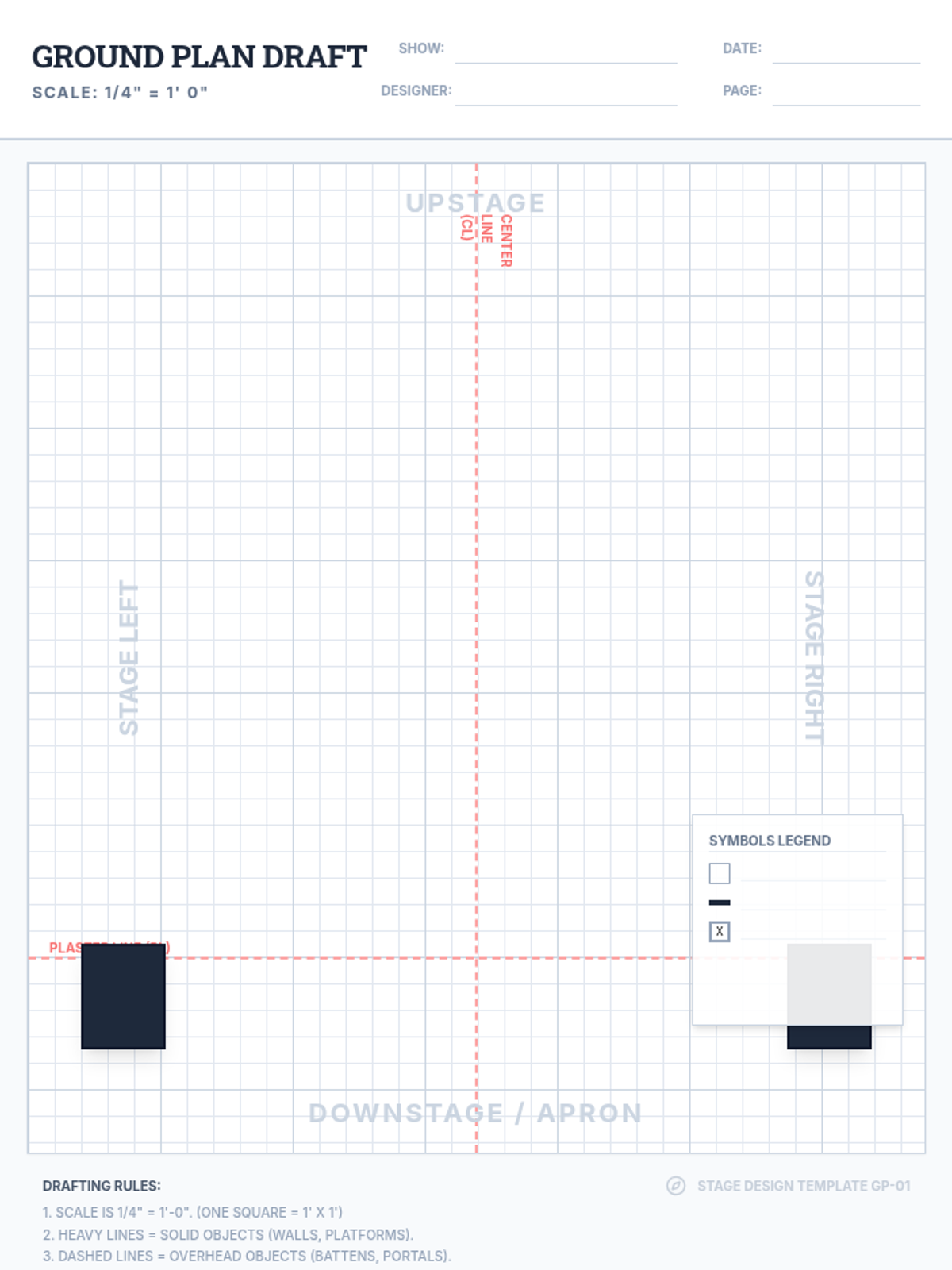
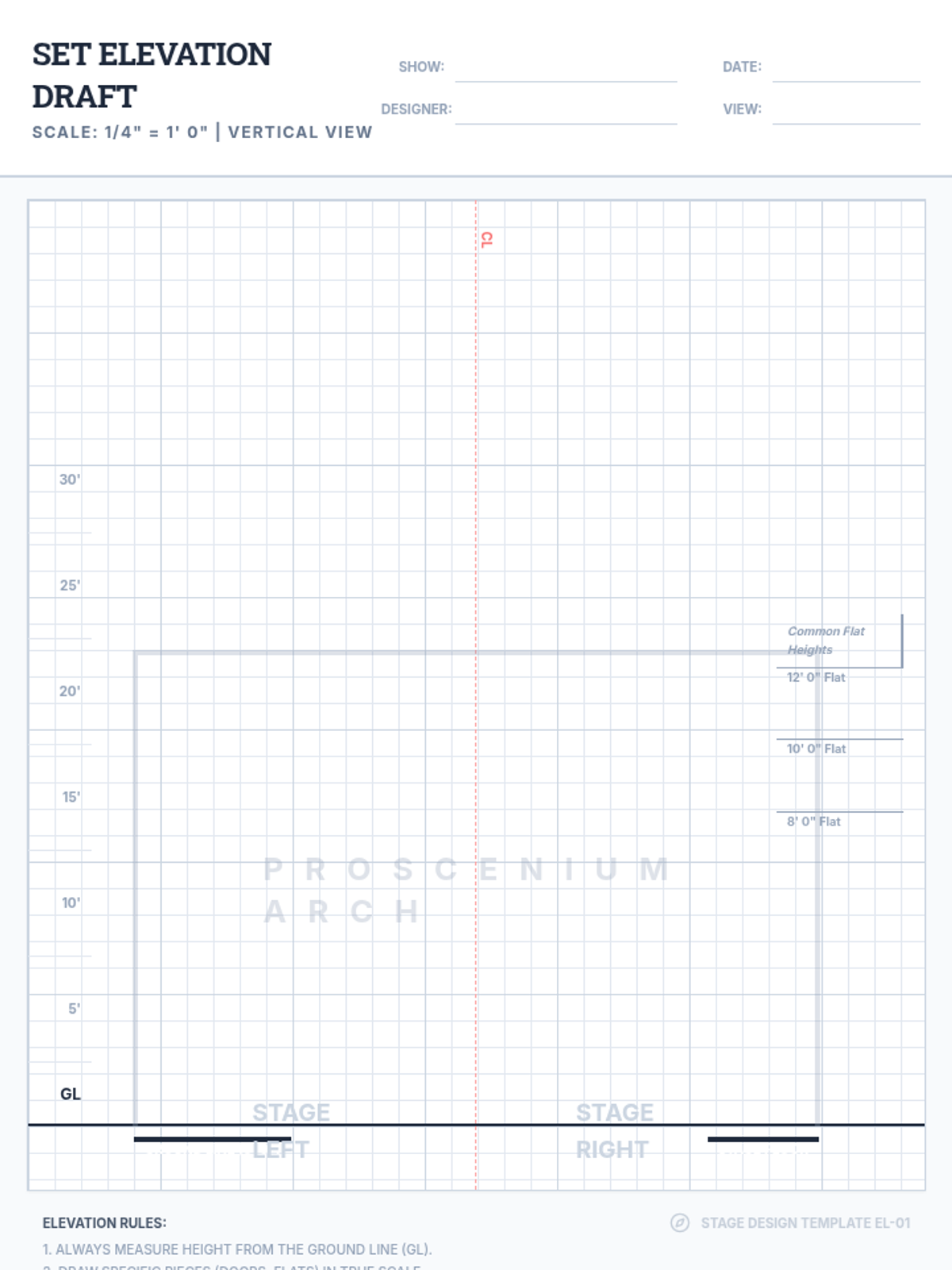
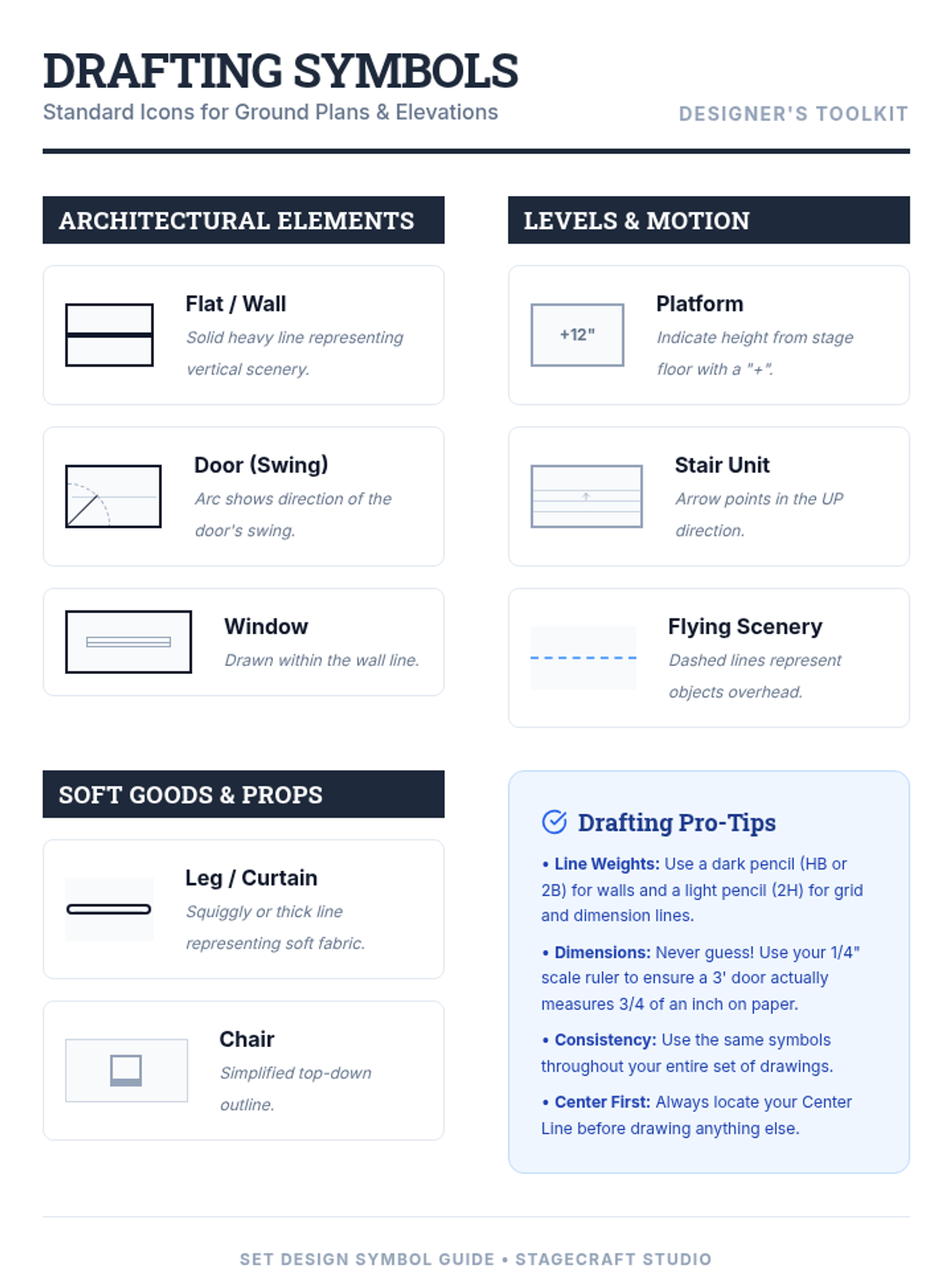
A comprehensive set of technical drawing templates and reference guides for theatrical set design. This lesson focuses on the proscenium stage and fly system, providing students with the professional tools needed to create ground plans and elevations.
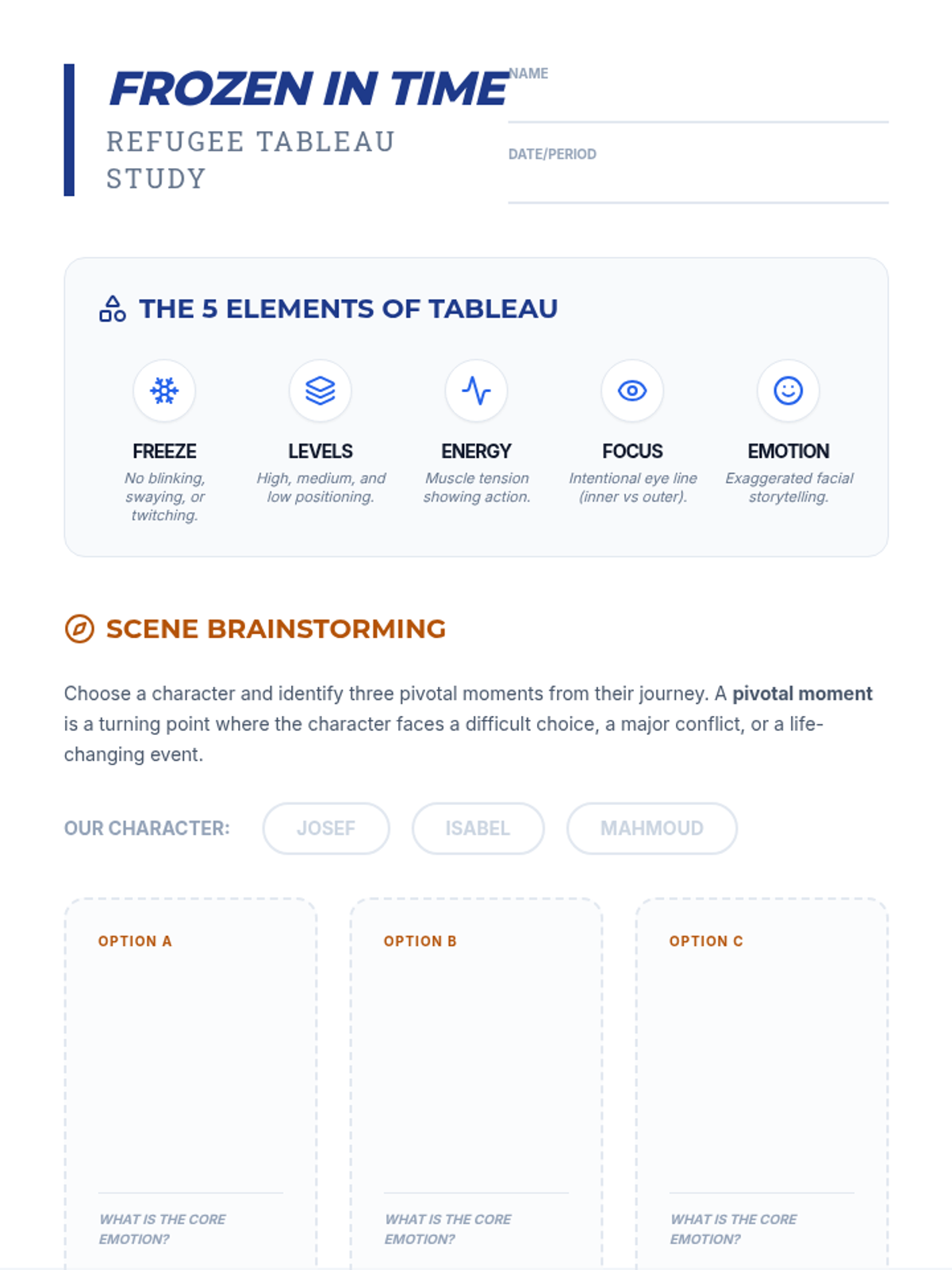
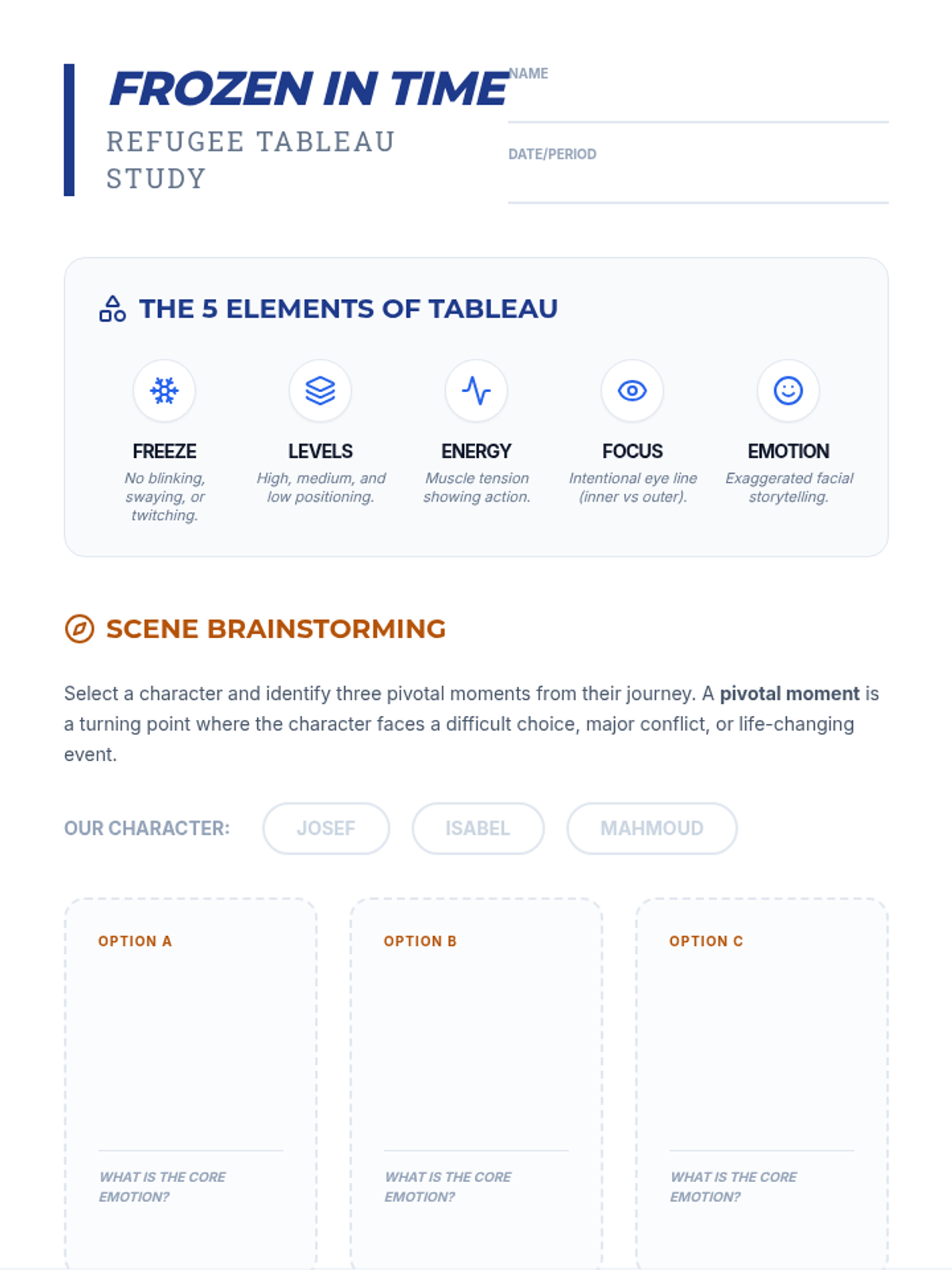
A lesson focused on using the dramatic technique of tableau to explore pivotal moments and emotional themes in Alan Gratz's 'Refugee'. Students will learn the five elements of tableau and work in groups to create living pictures of the three main characters' journeys.
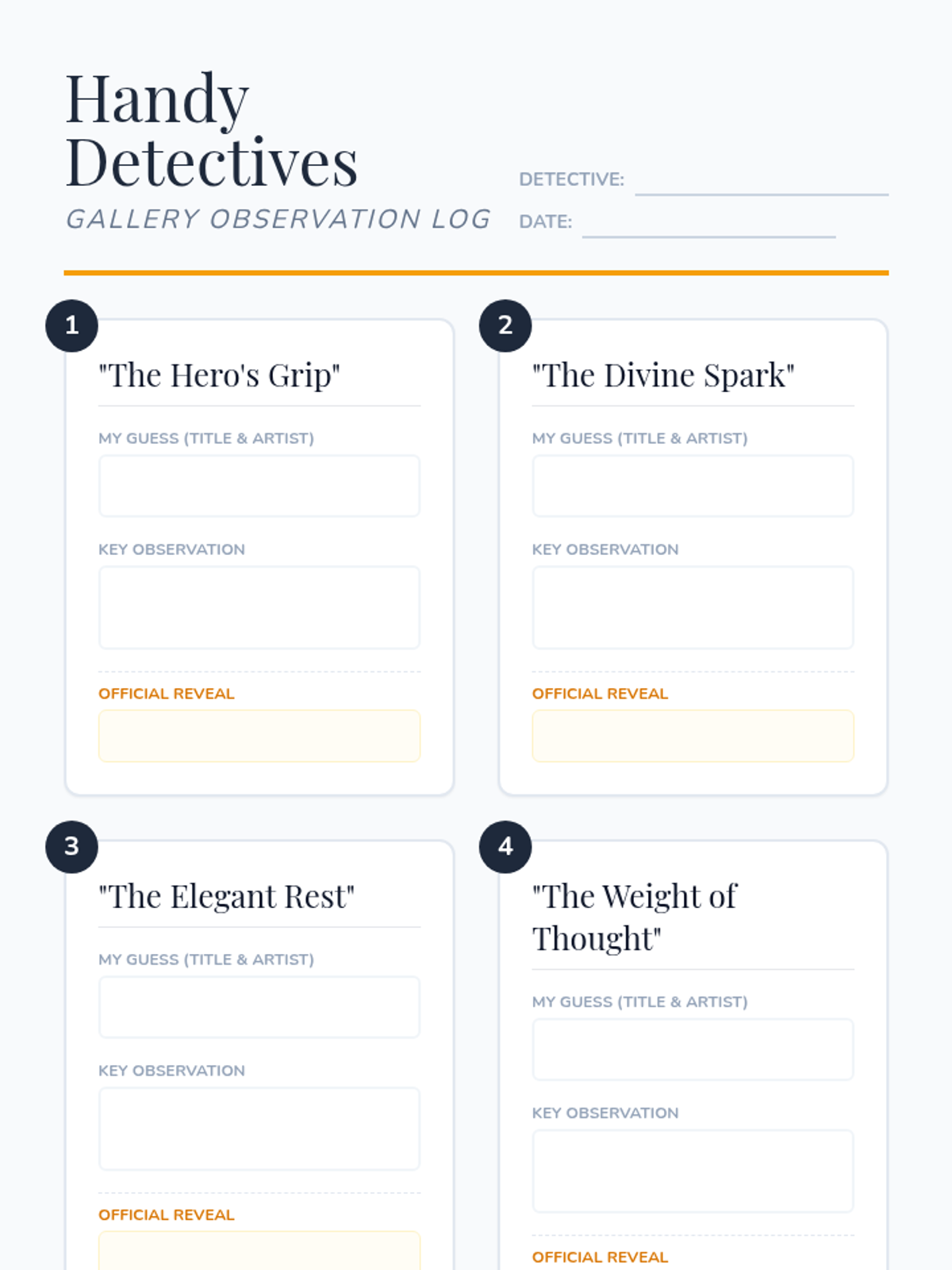
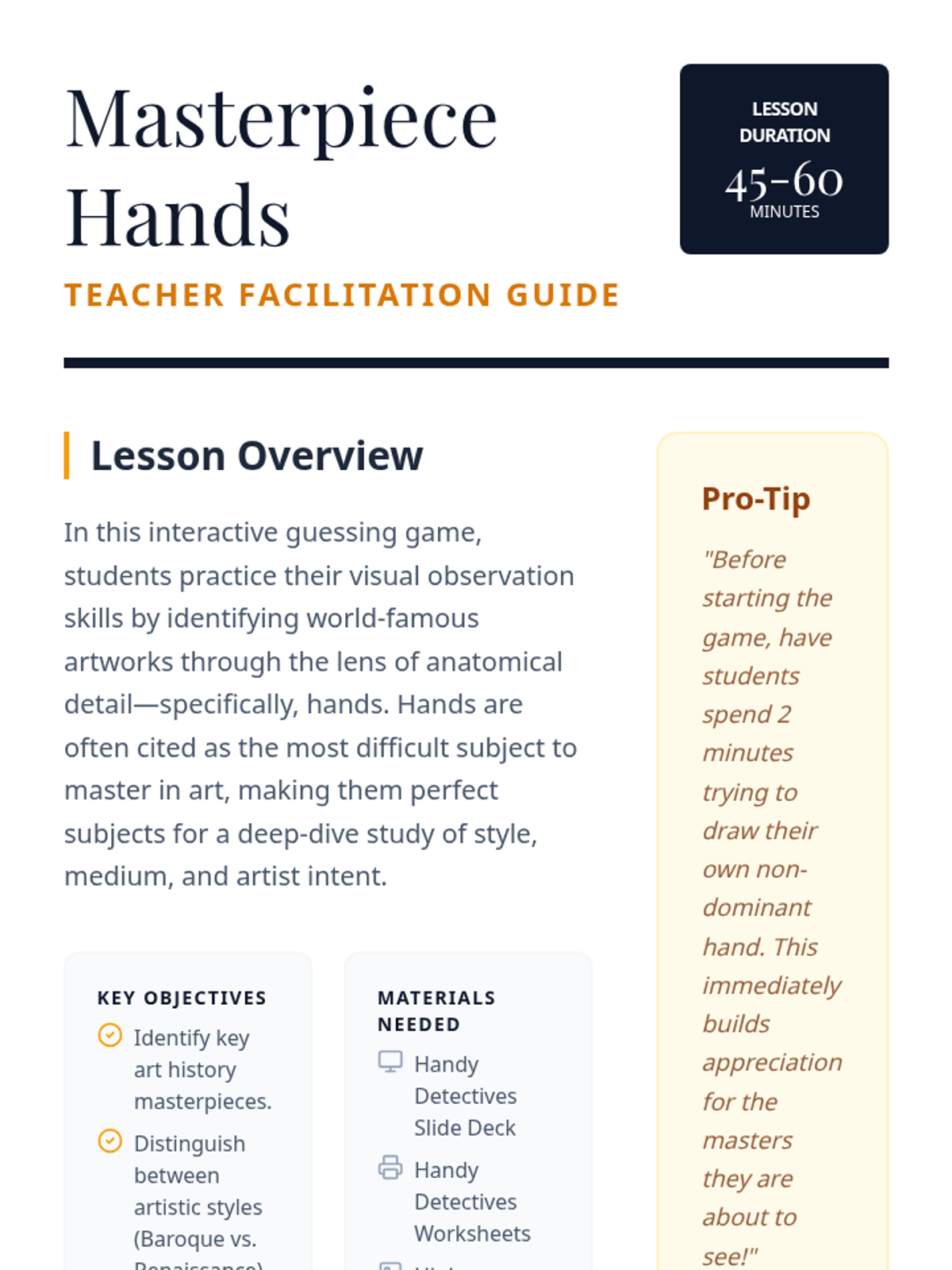
A visual-guessing game lesson where students identify famous artworks based on close-up details of hands. This lesson focuses on observation skills and art history recognition.
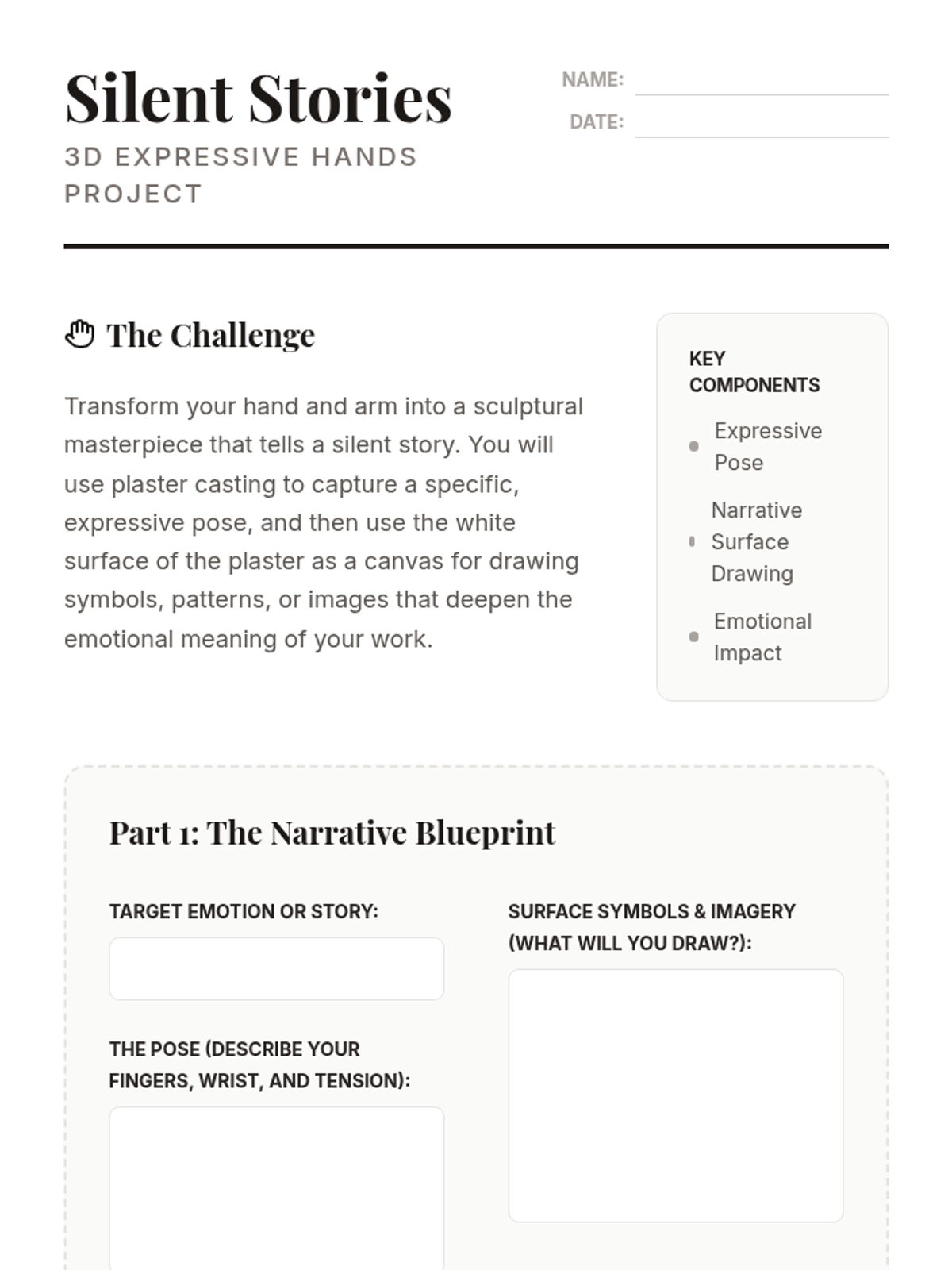
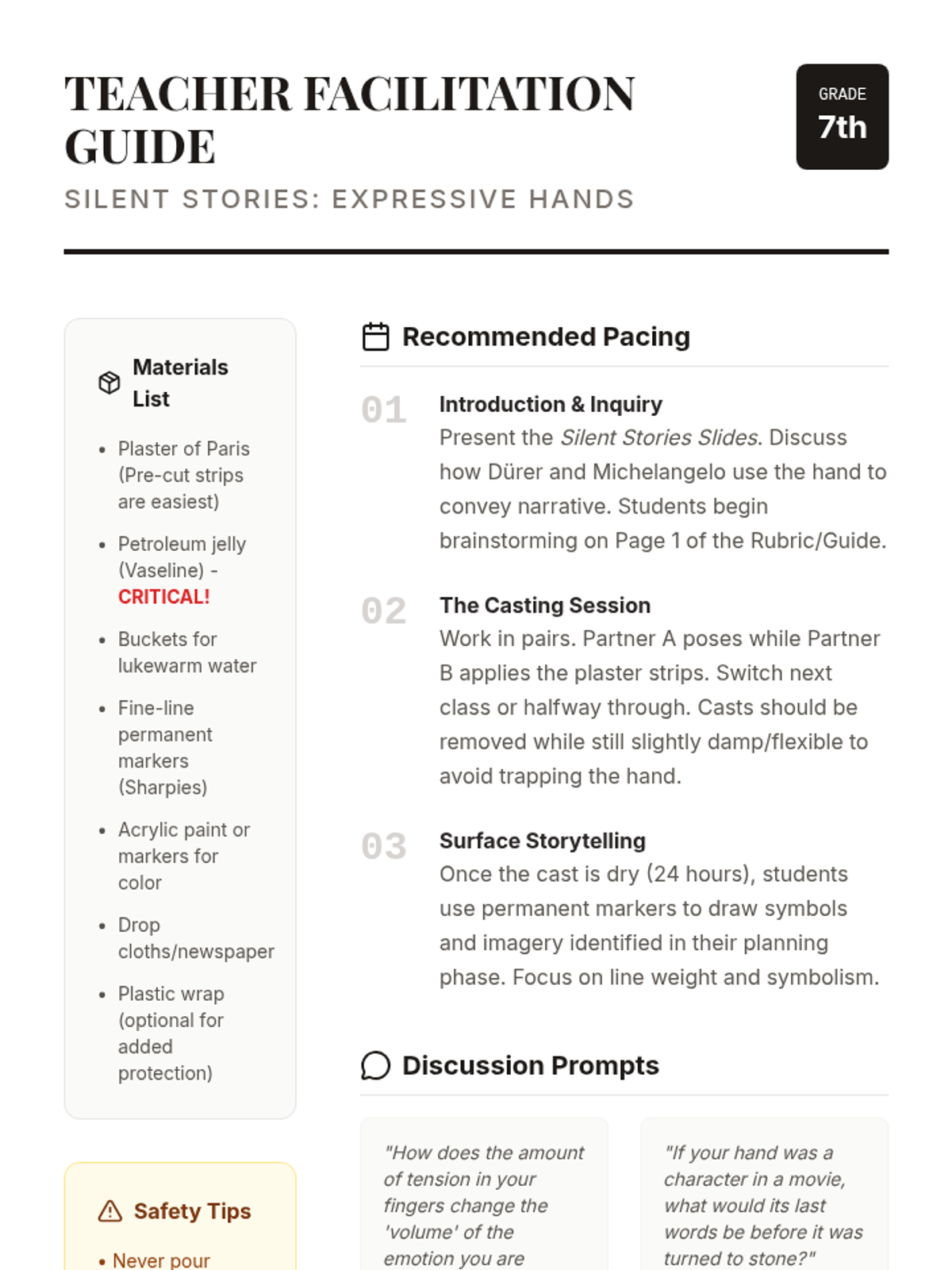
Students explore the power of hands as tools for emotional storytelling in art history, then create their own expressive 3D plaster hands that communicate a specific narrative or emotion through form and surface drawing.
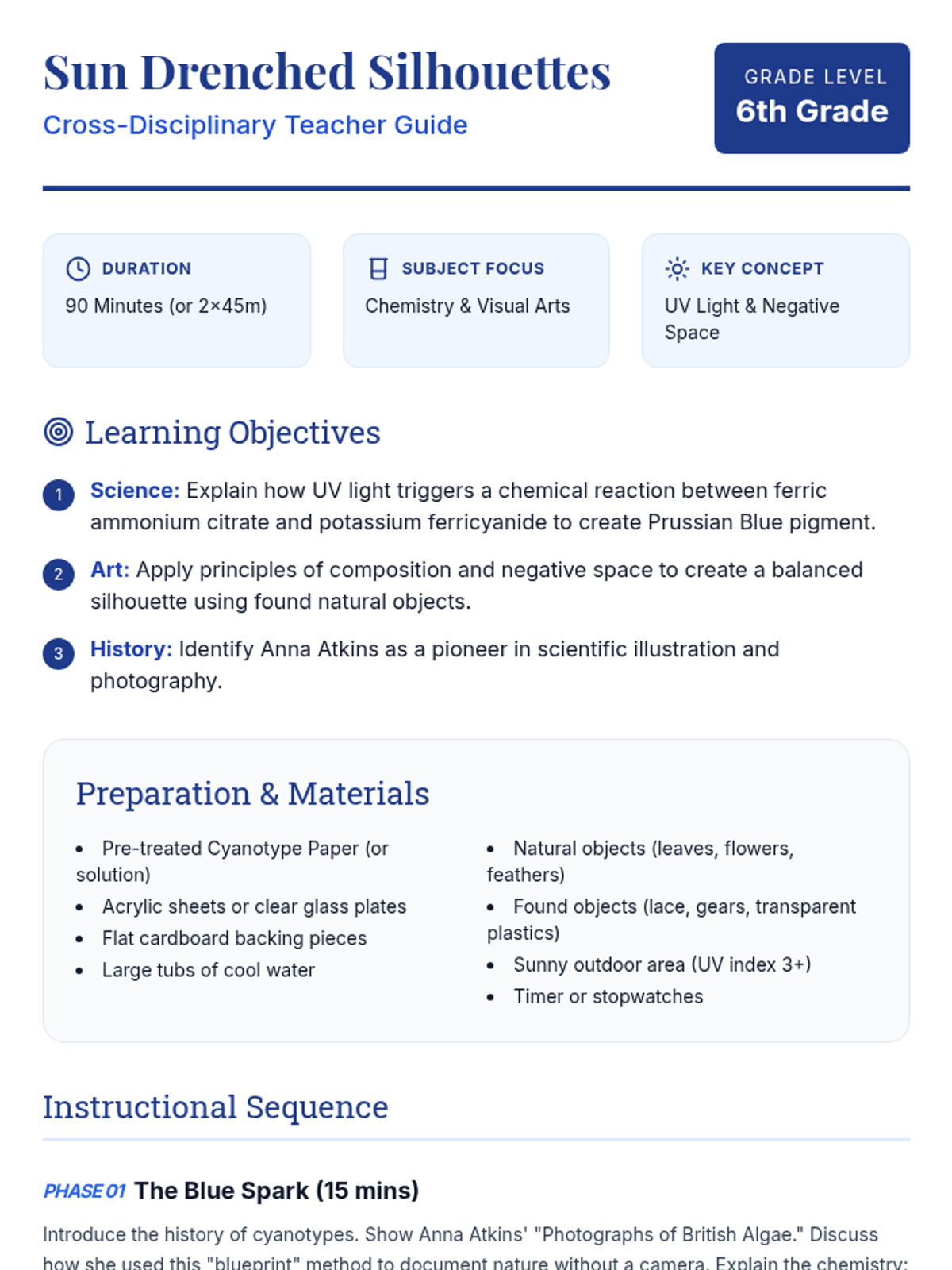
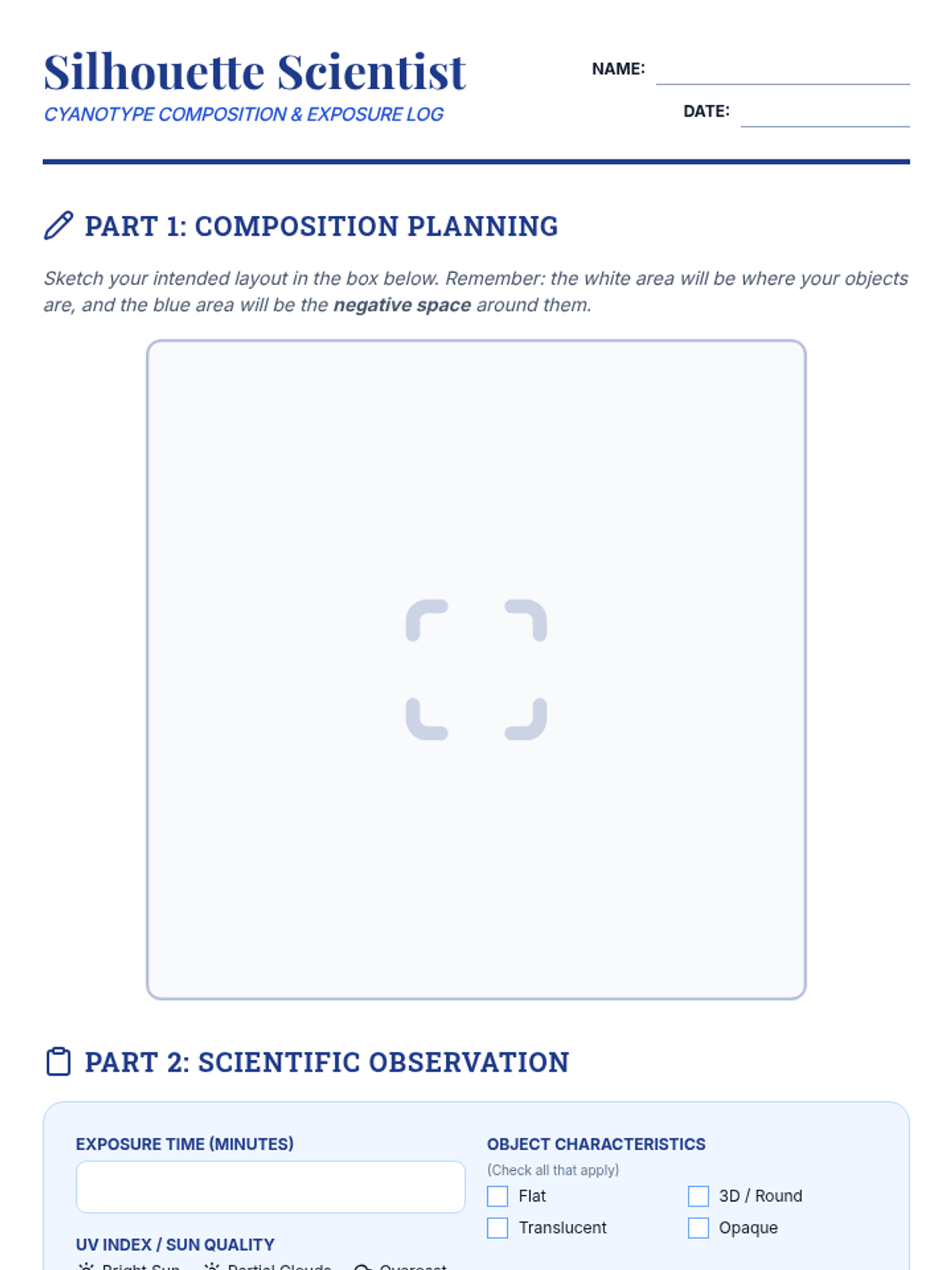
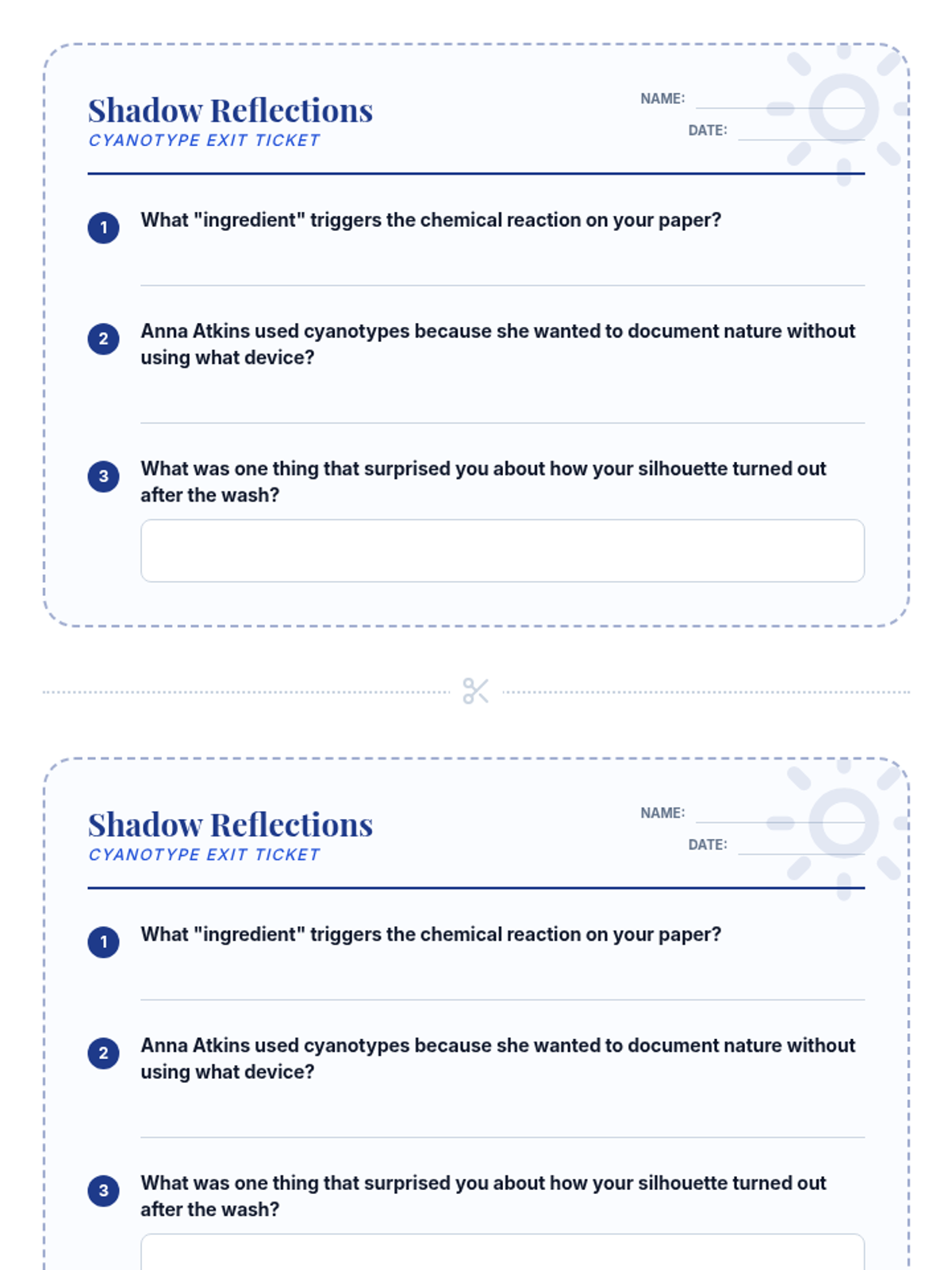
A cross-disciplinary exploration of cyanotypes, merging the chemistry of UV light with the artistic principles of composition and negative space. Students create photographic blueprints using natural objects and sunlight.
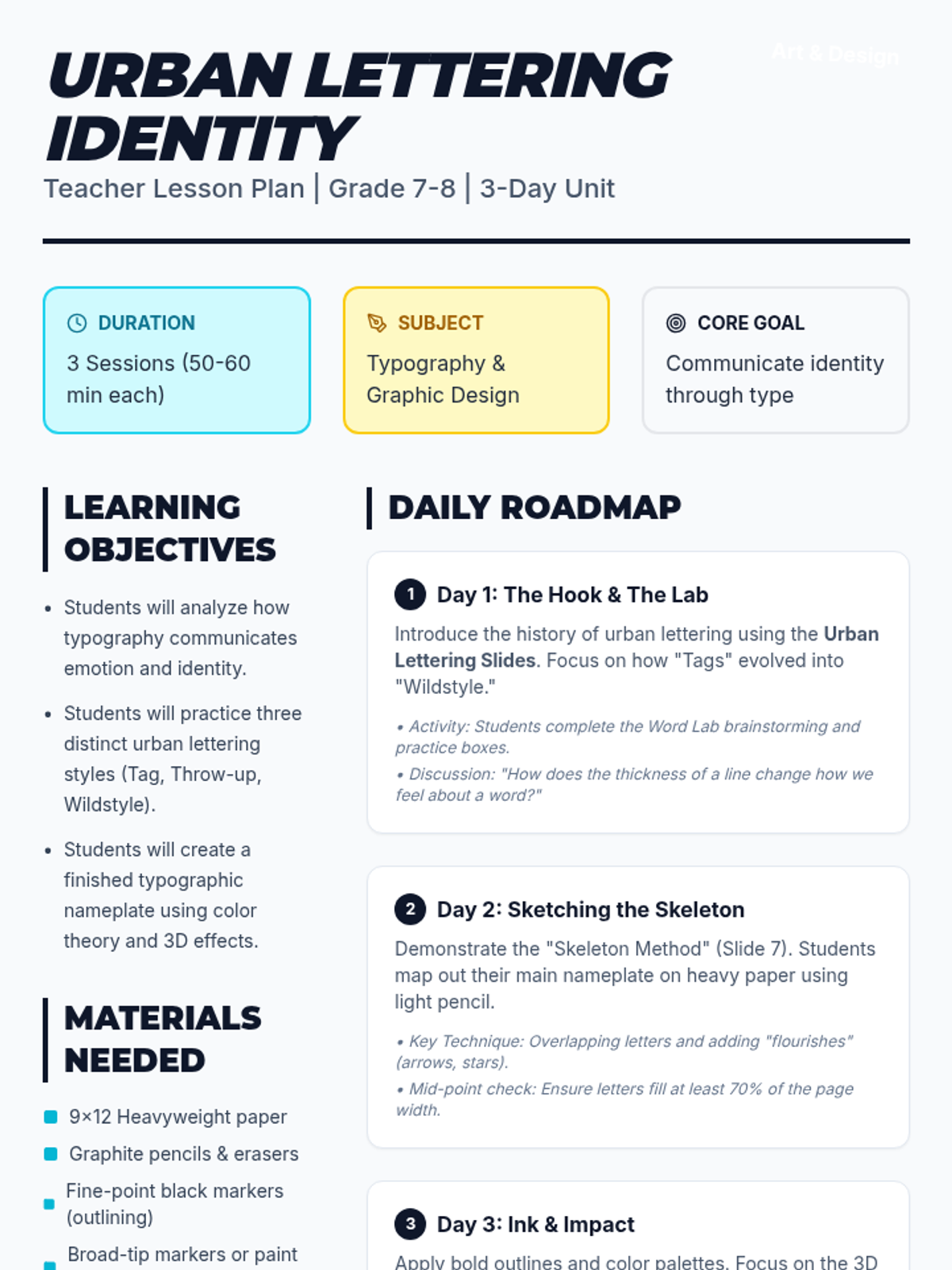
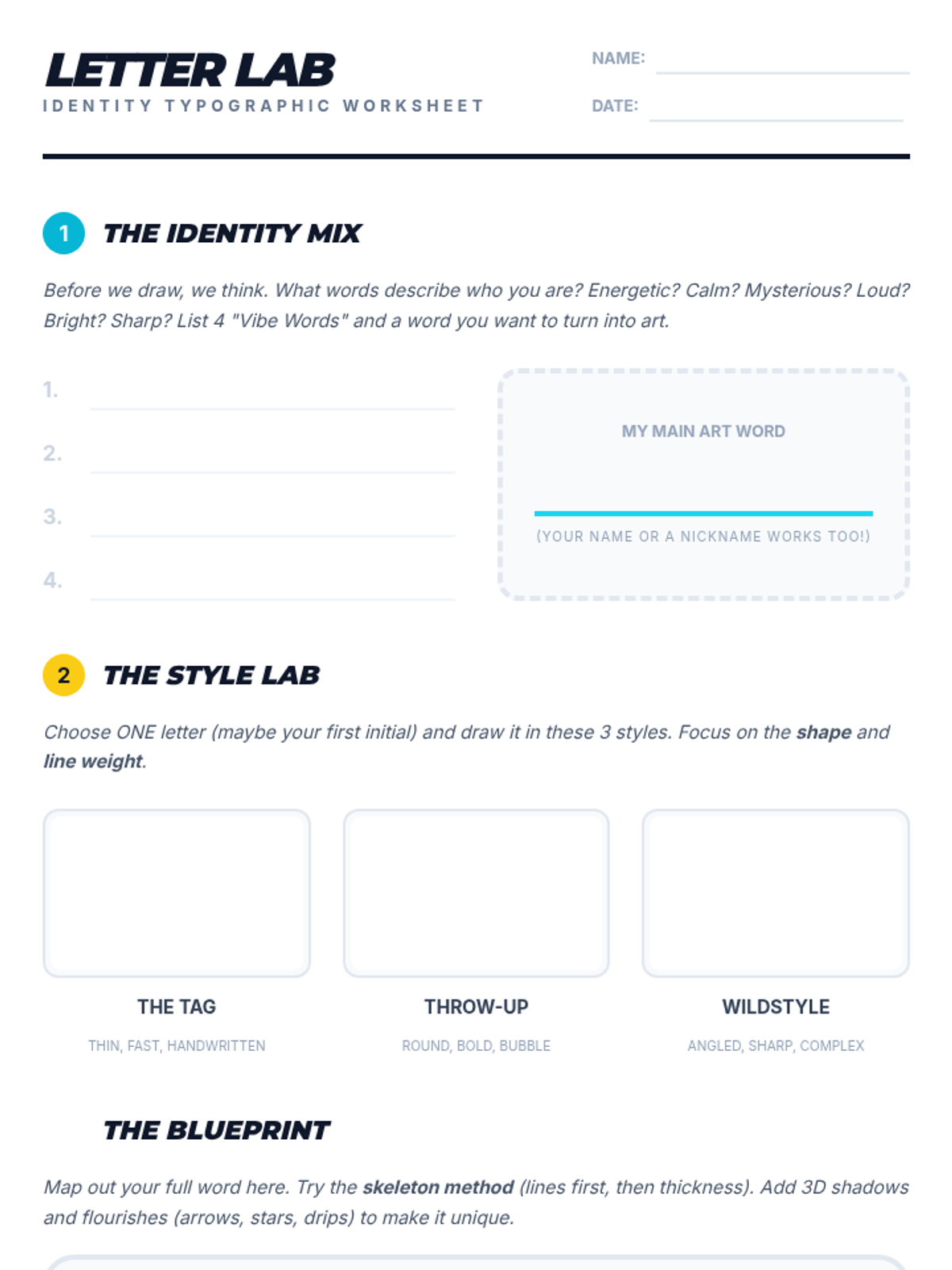
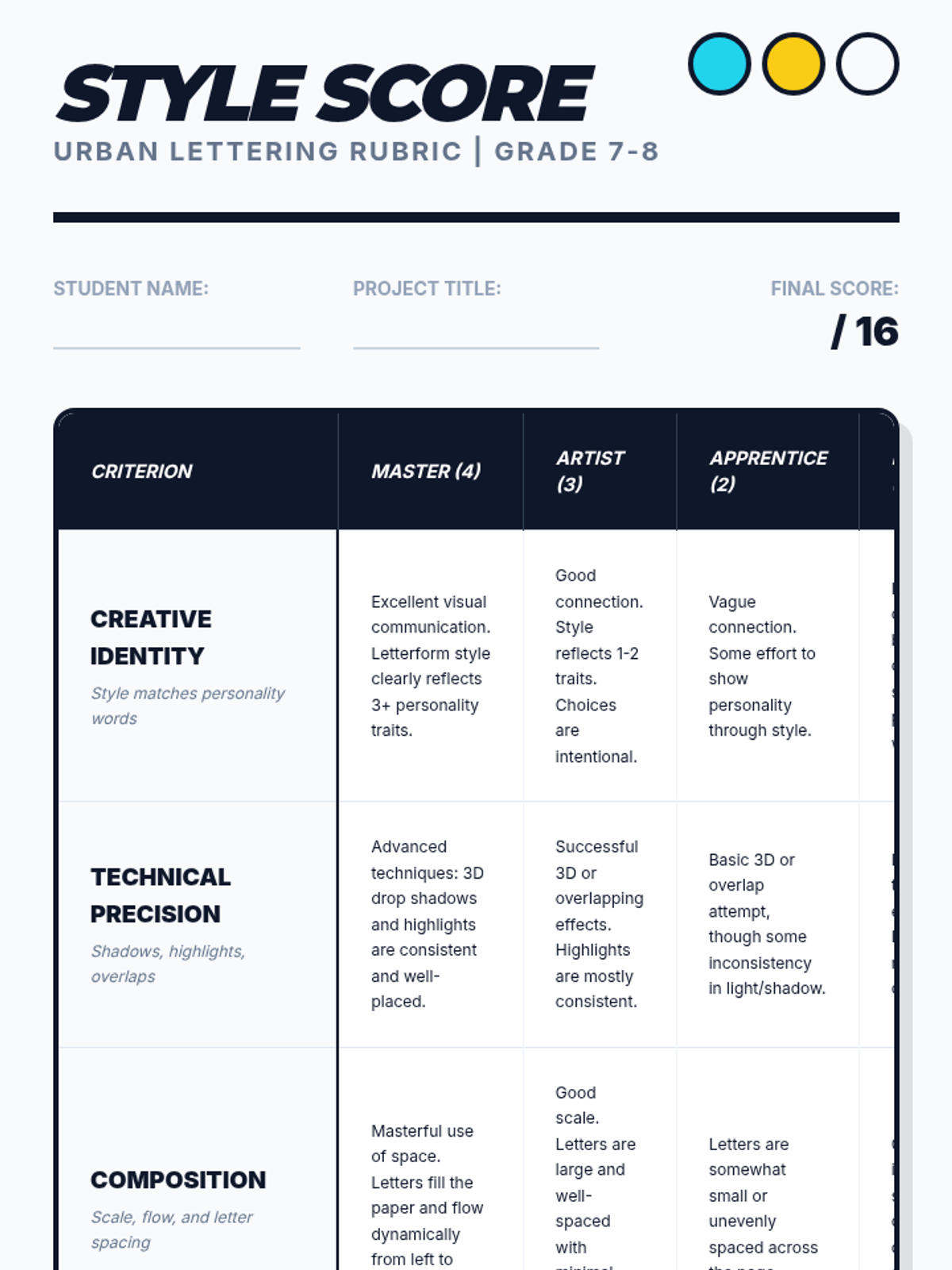
A middle school art lesson exploring the intersection of typography, street art, and personal identity. Students learn the history of urban lettering and create stylized name art that communicates their unique personality.
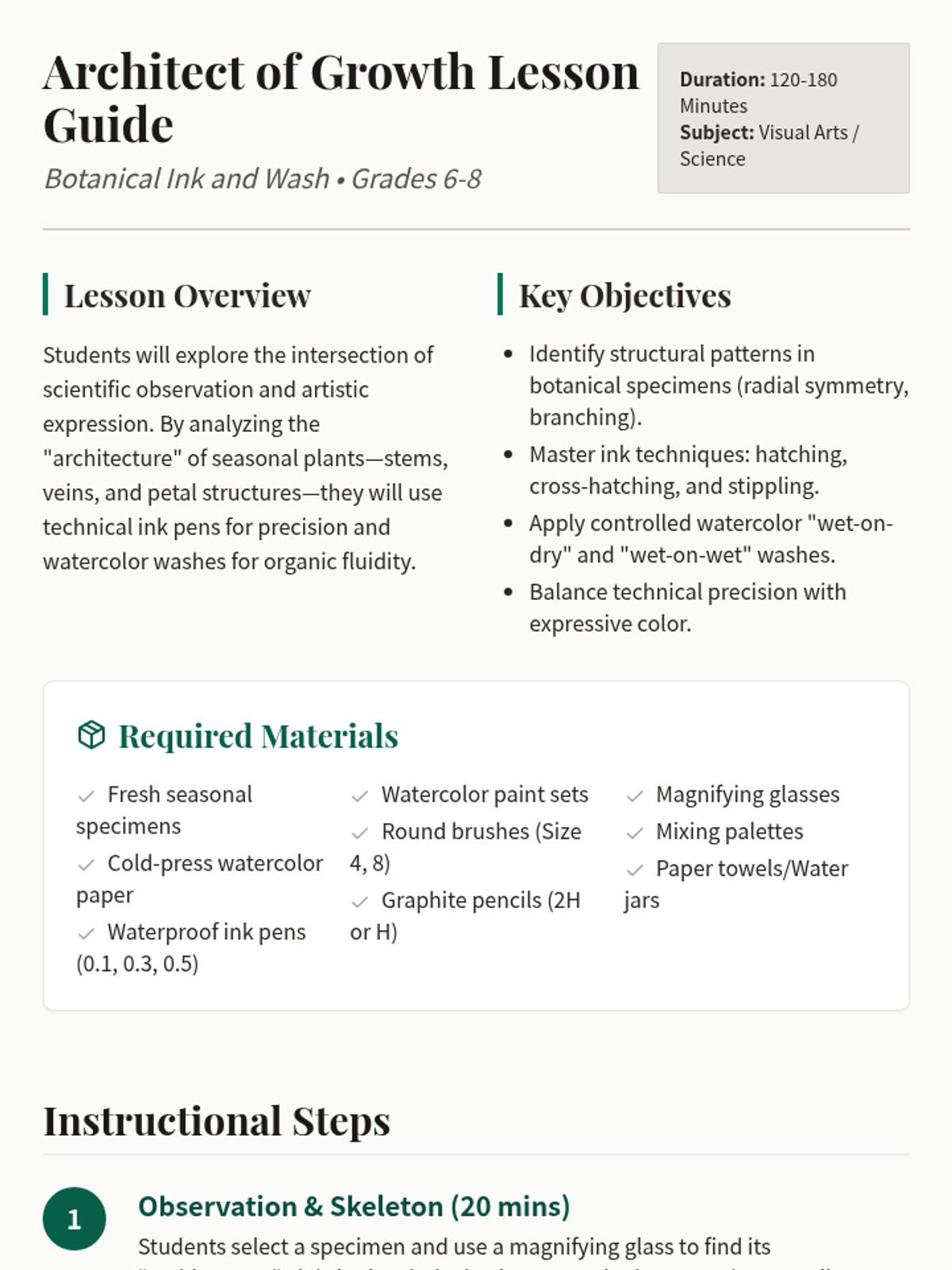
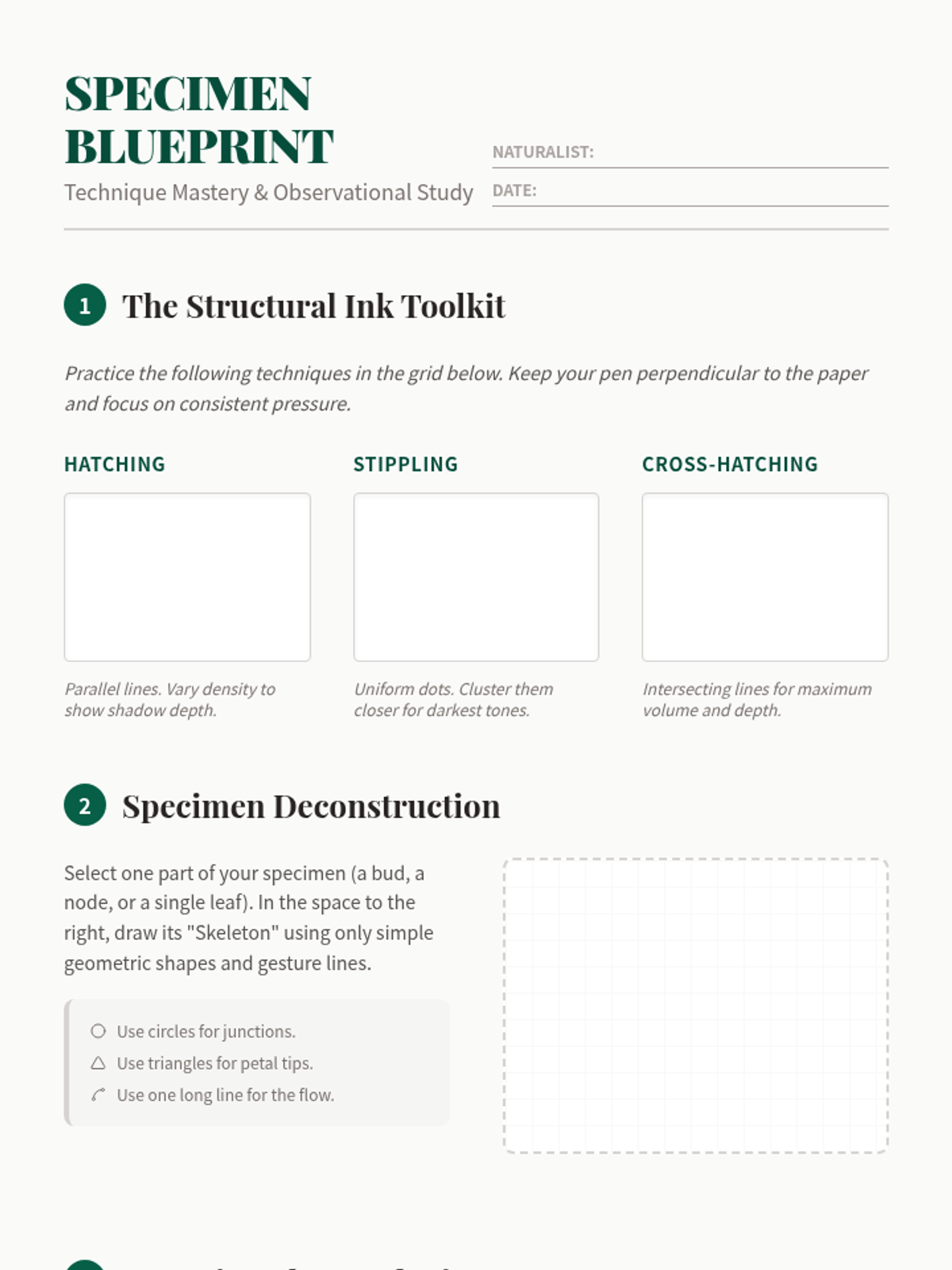
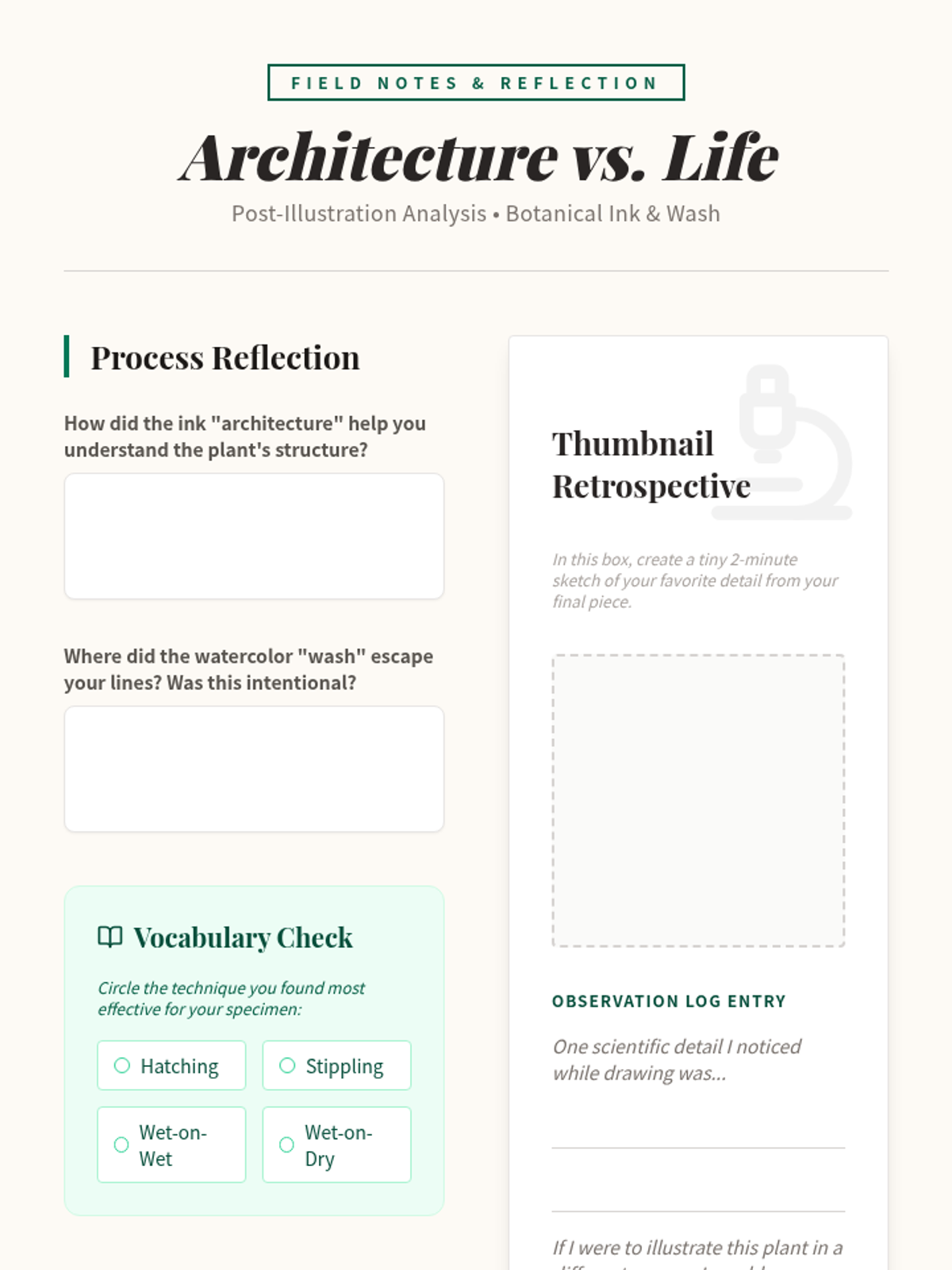
A middle school art lesson exploring botanical illustration through the lens of structural ink drawing and organic watercolor washes. Students observe seasonal specimens to capture the tension between geometric growth patterns and fluid biological forms.
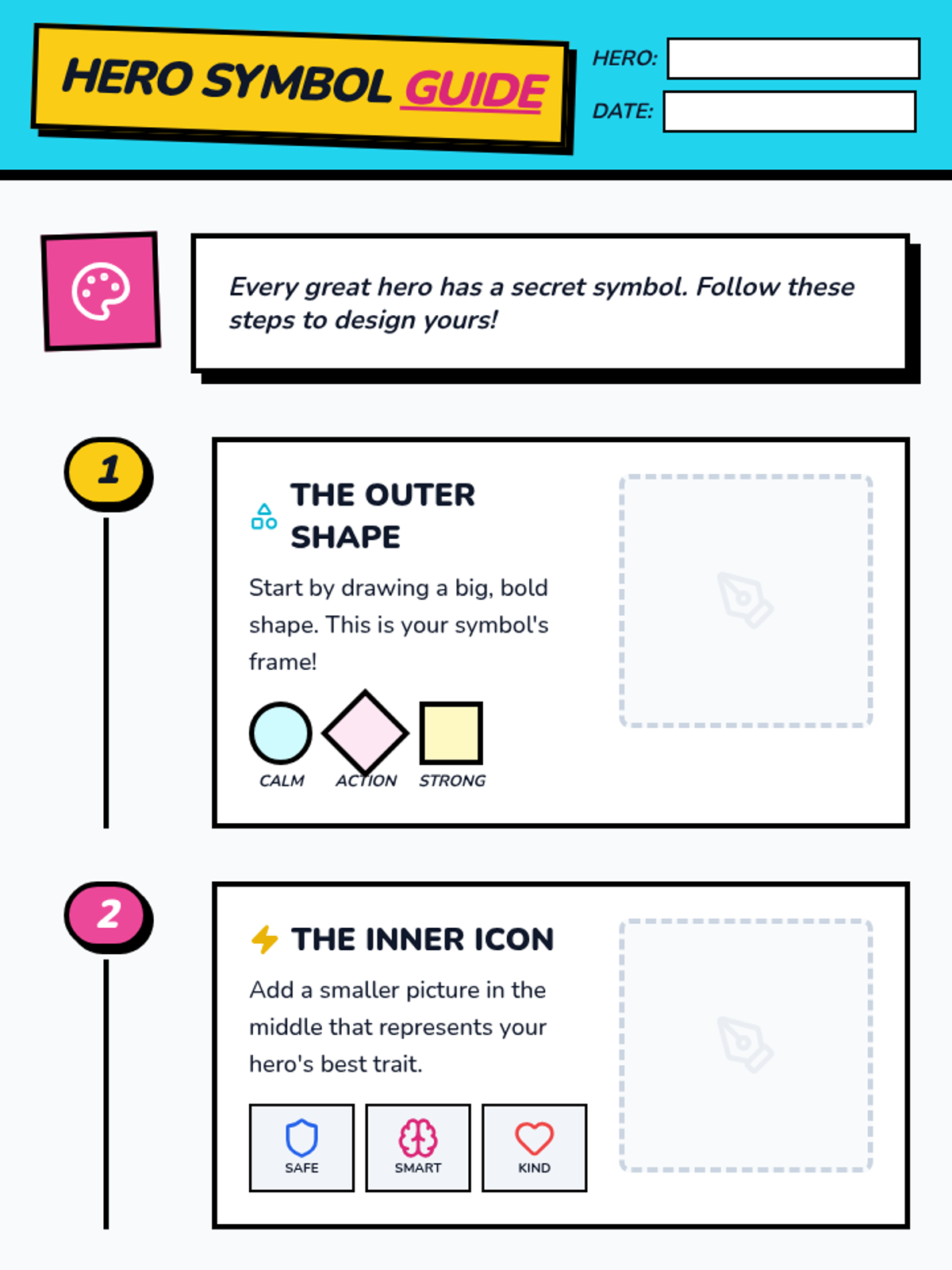
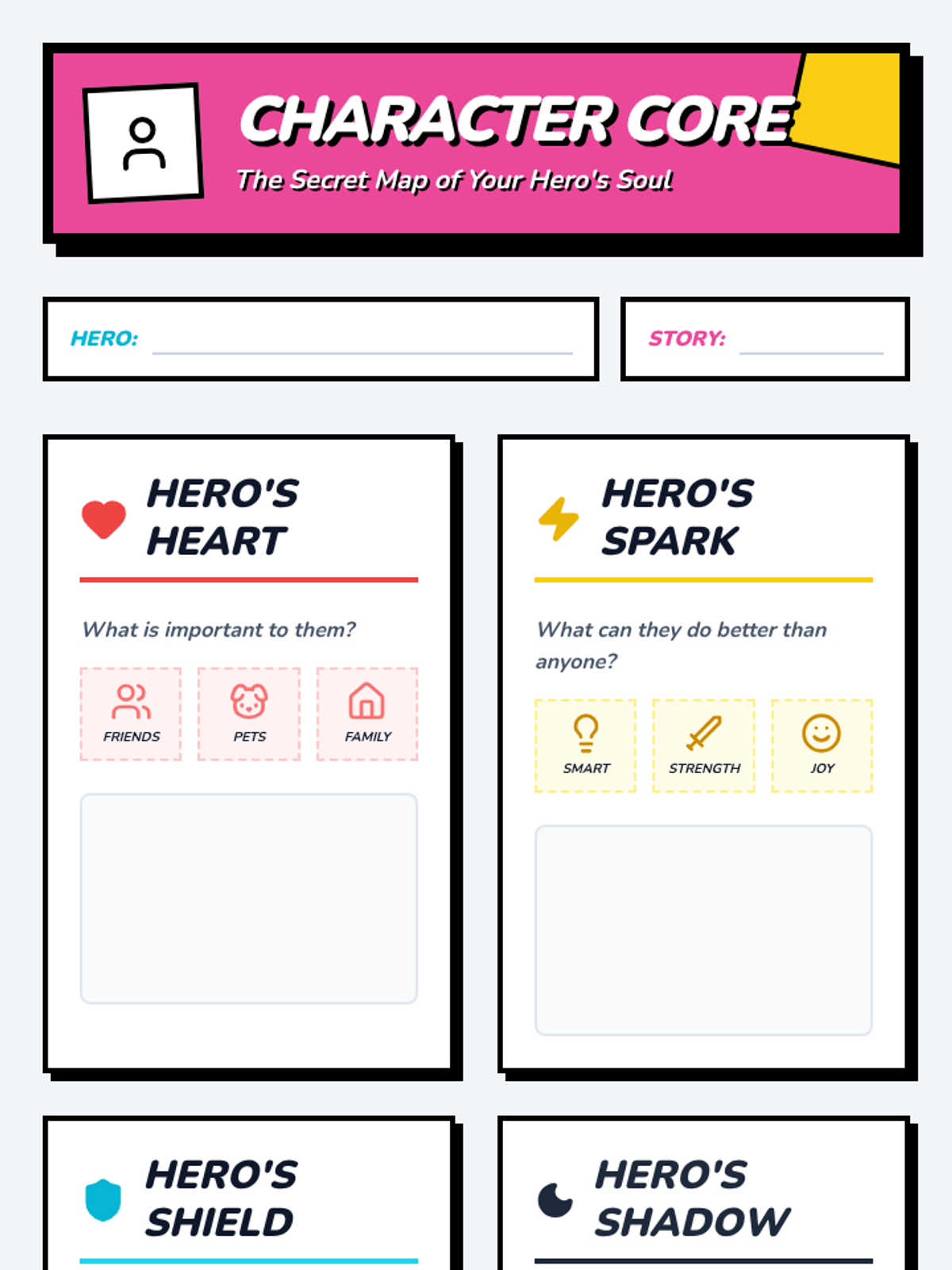
Students explore character traits and motivations by designing a unique visual symbol that represents their graphic novel protagonist.
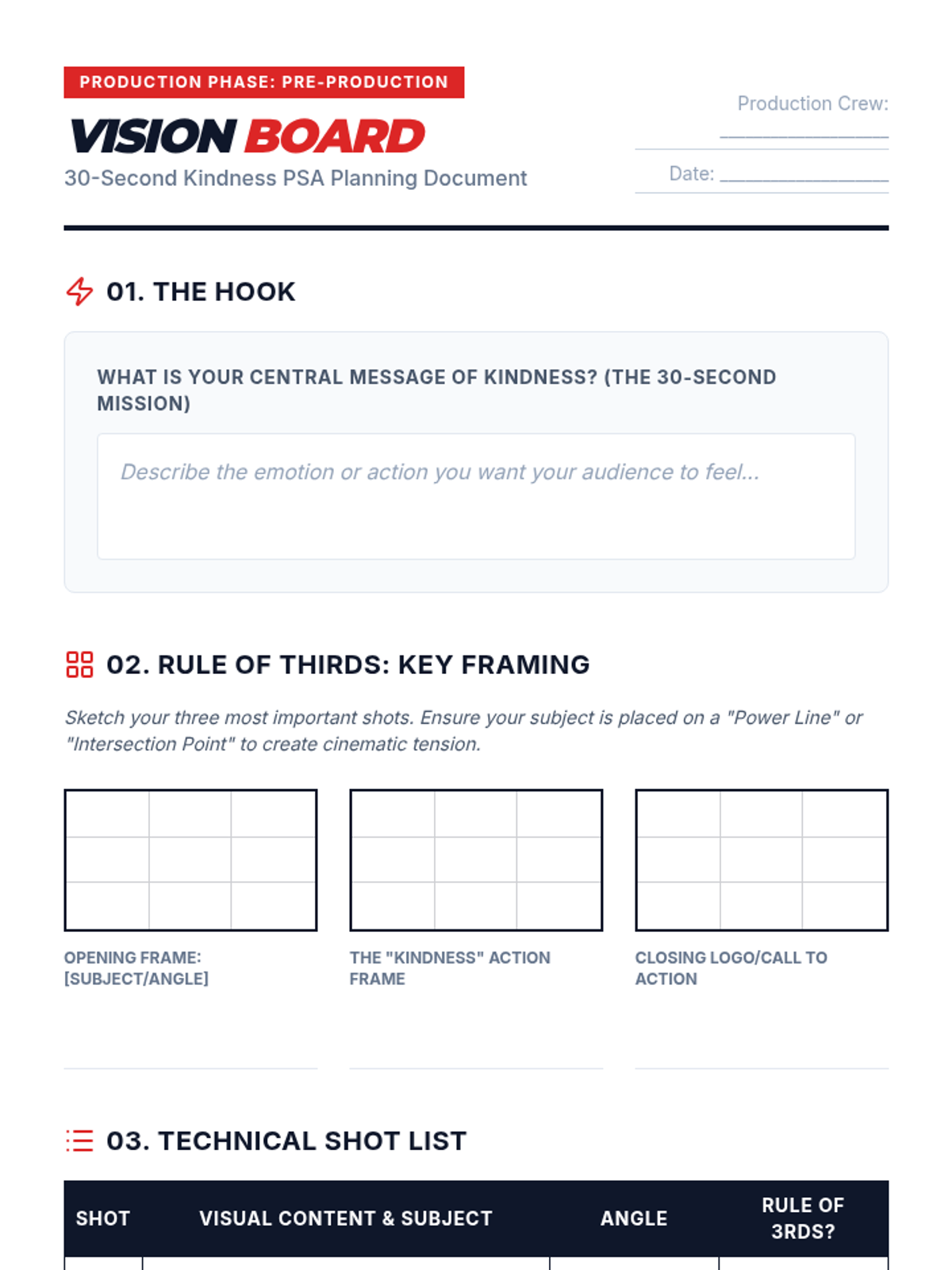
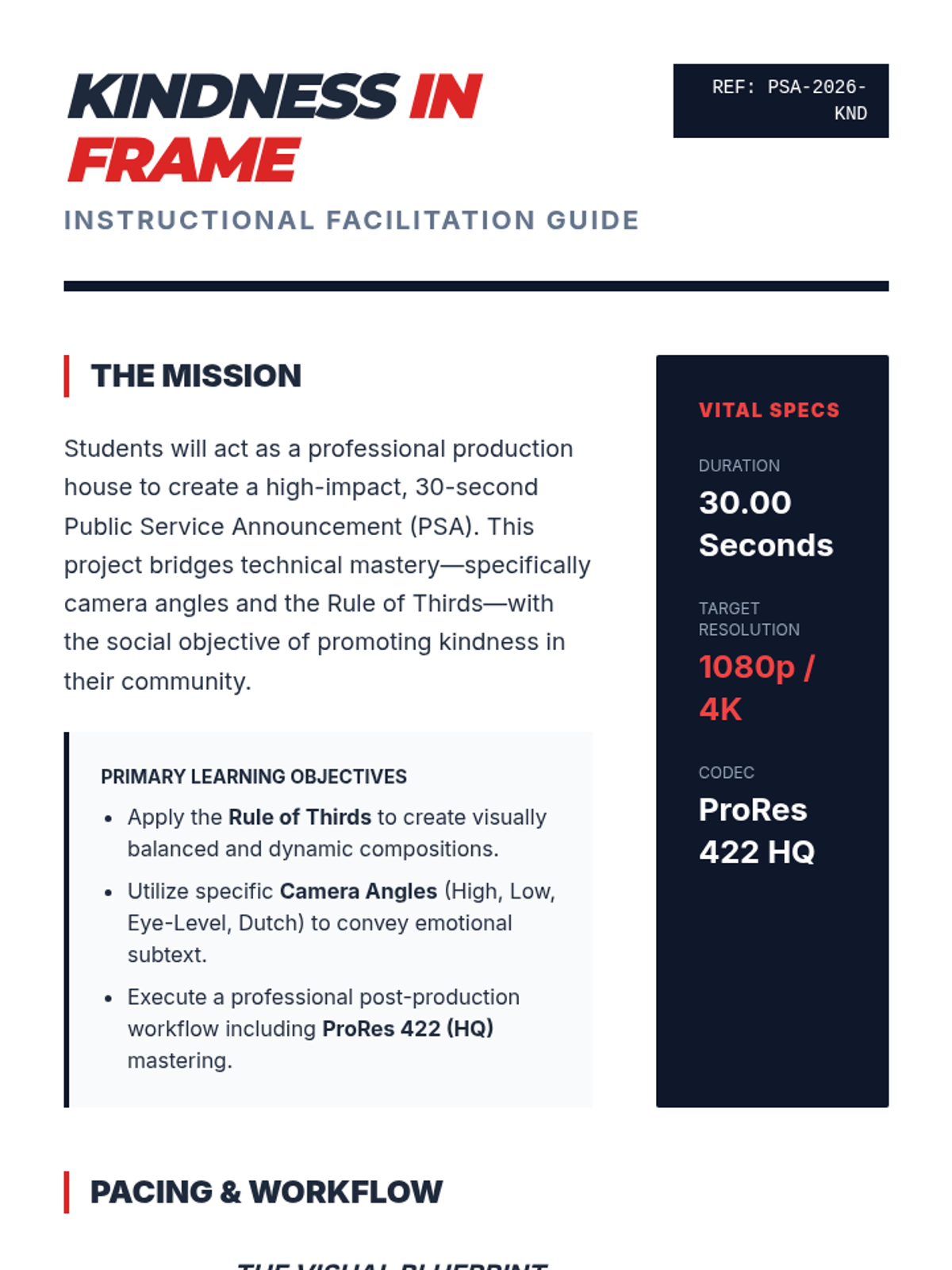
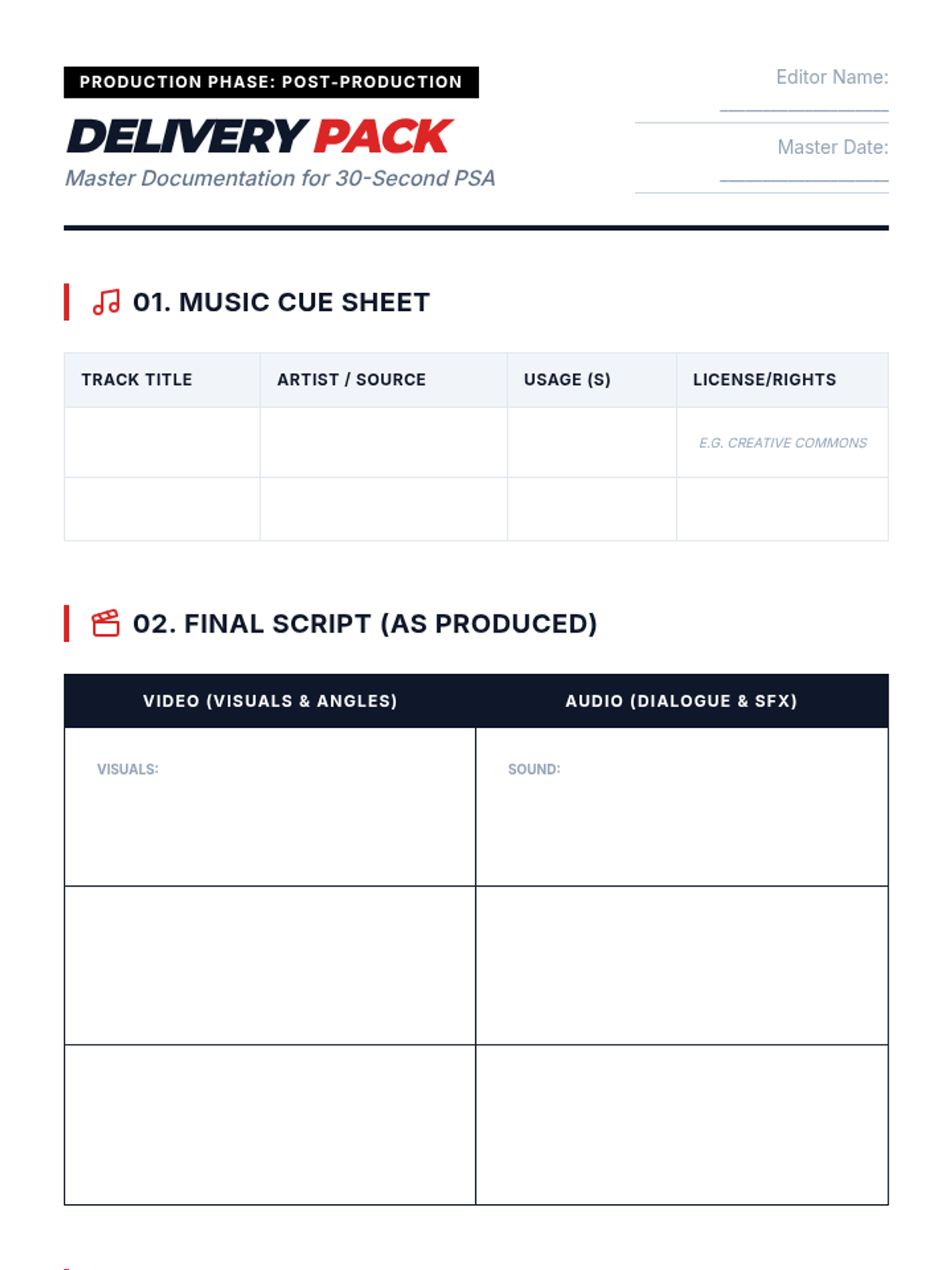
A project-based lesson where students create a 30-second kindness PSA, focusing on the technical mastery of camera angles, the rule of thirds, and professional delivery standards.
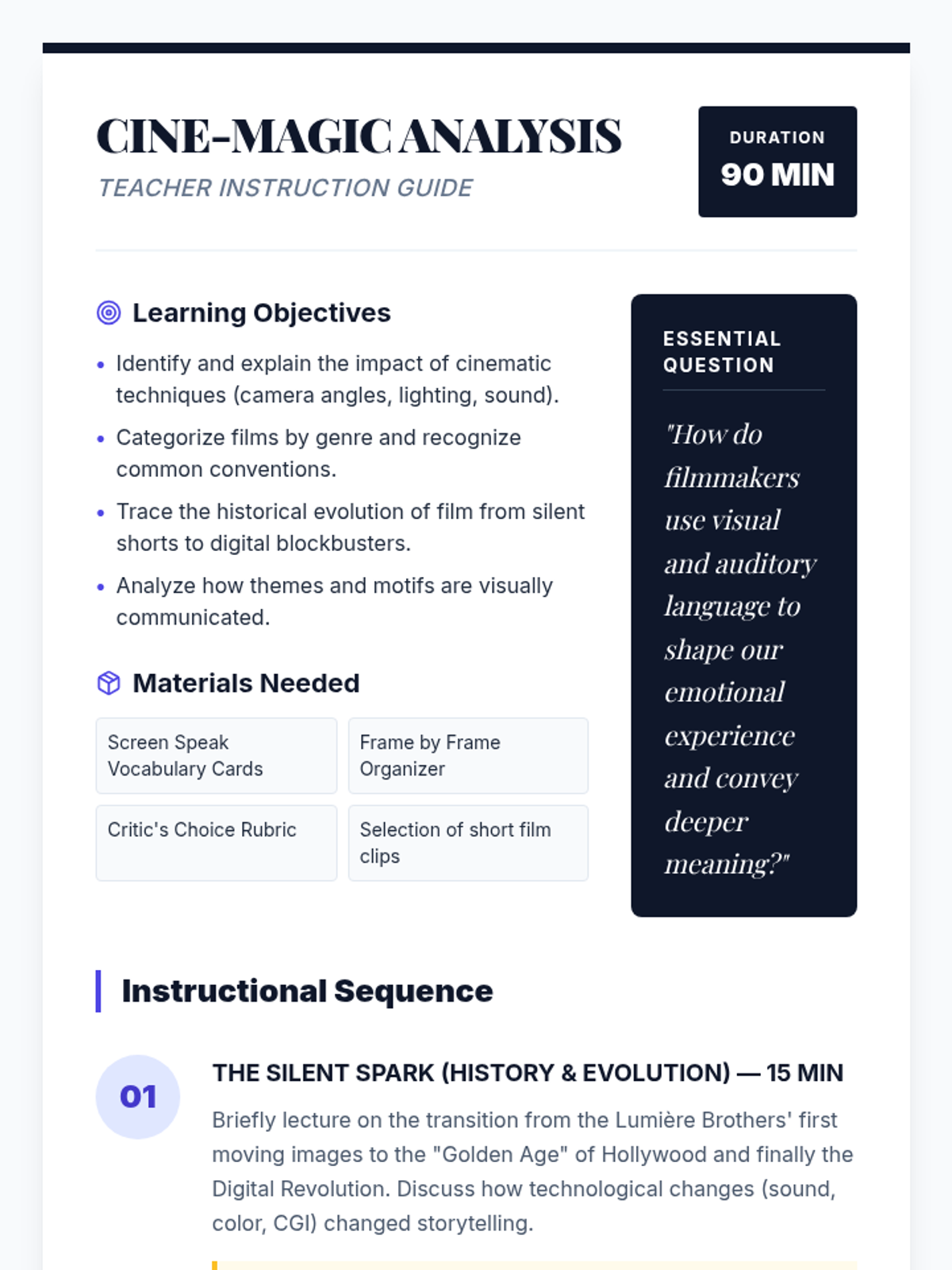
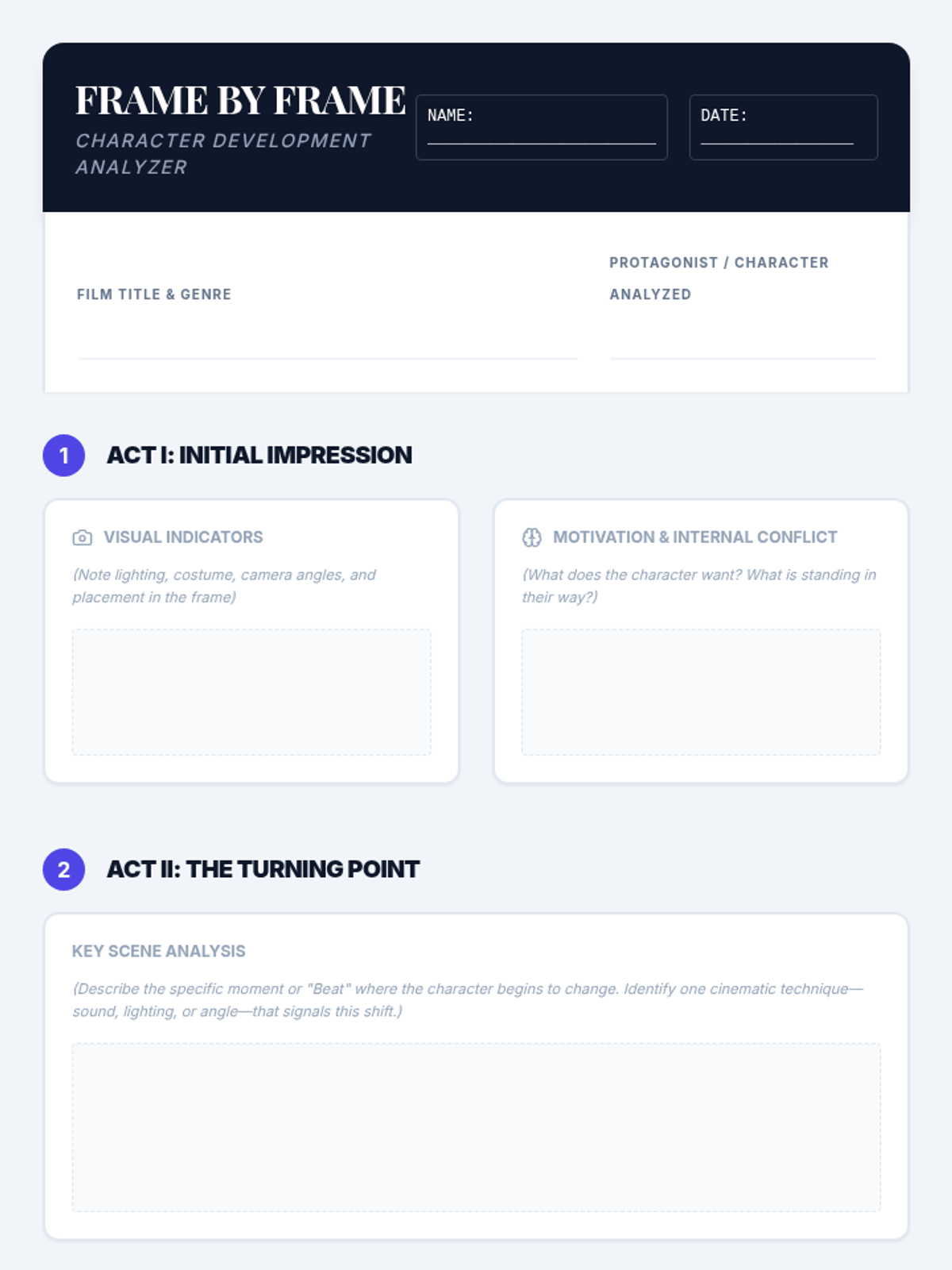
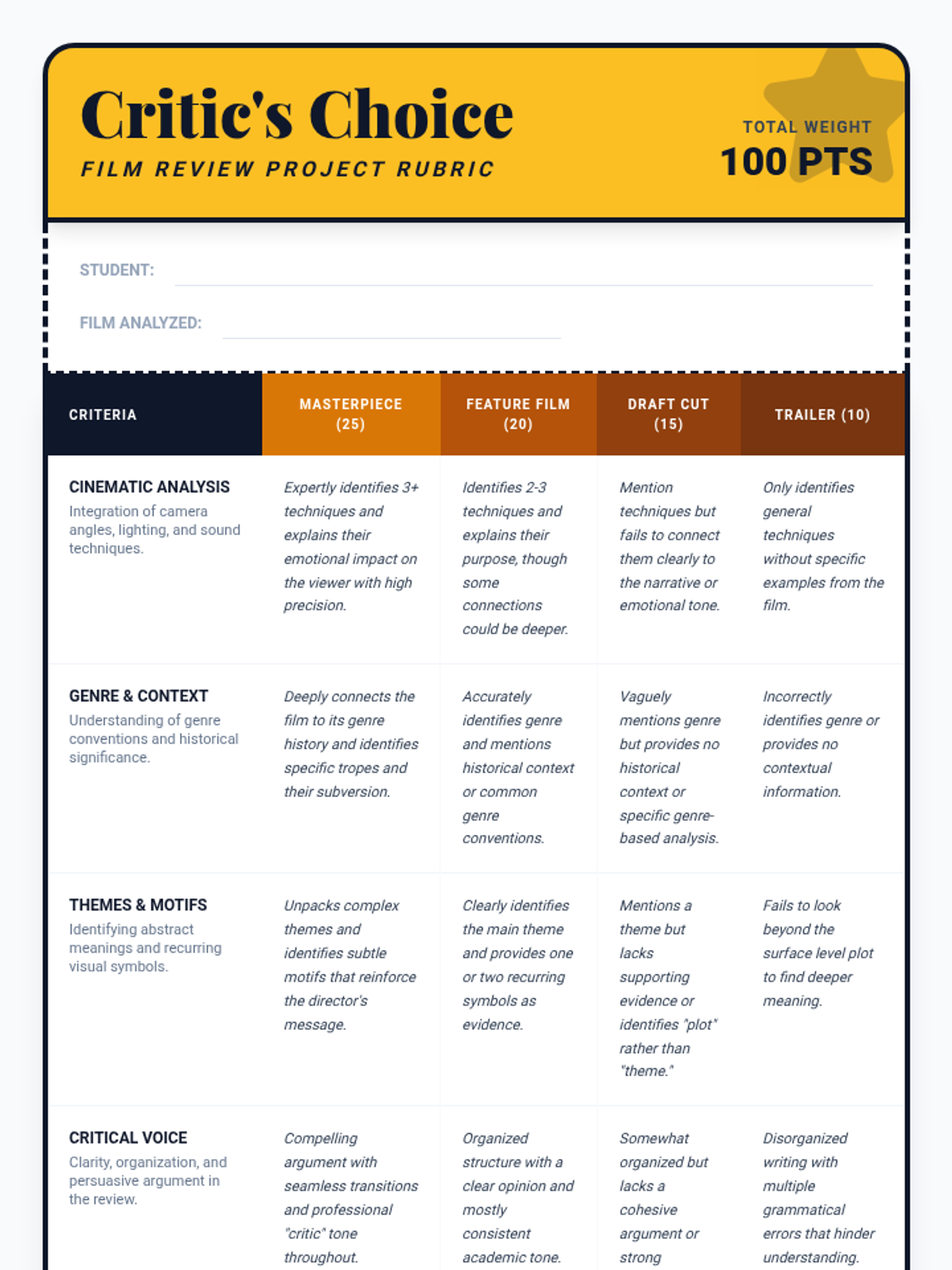
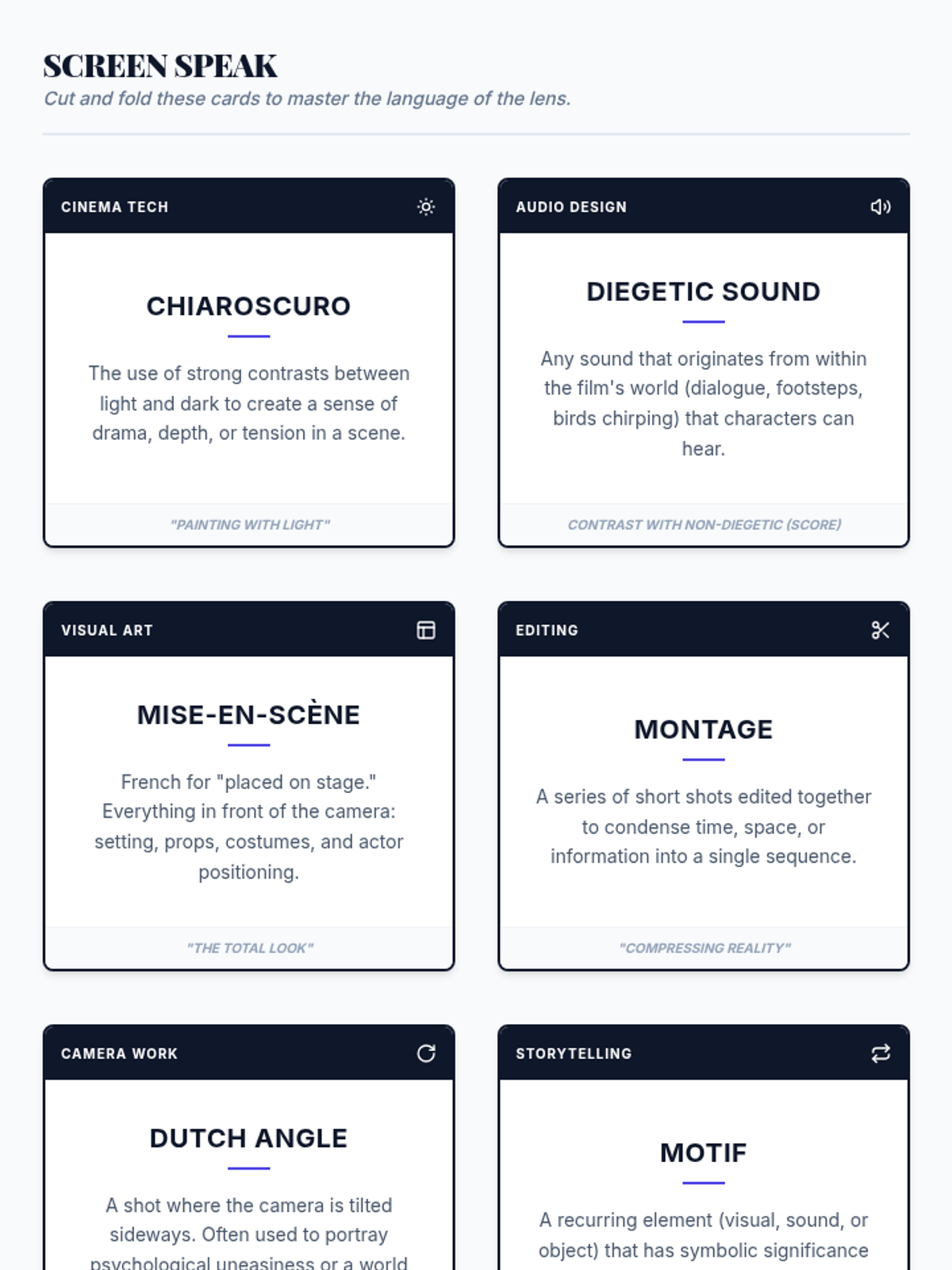
A comprehensive introduction to film analysis, covering cinematic techniques, genre studies, and historical evolution to help students decode the language of cinema.
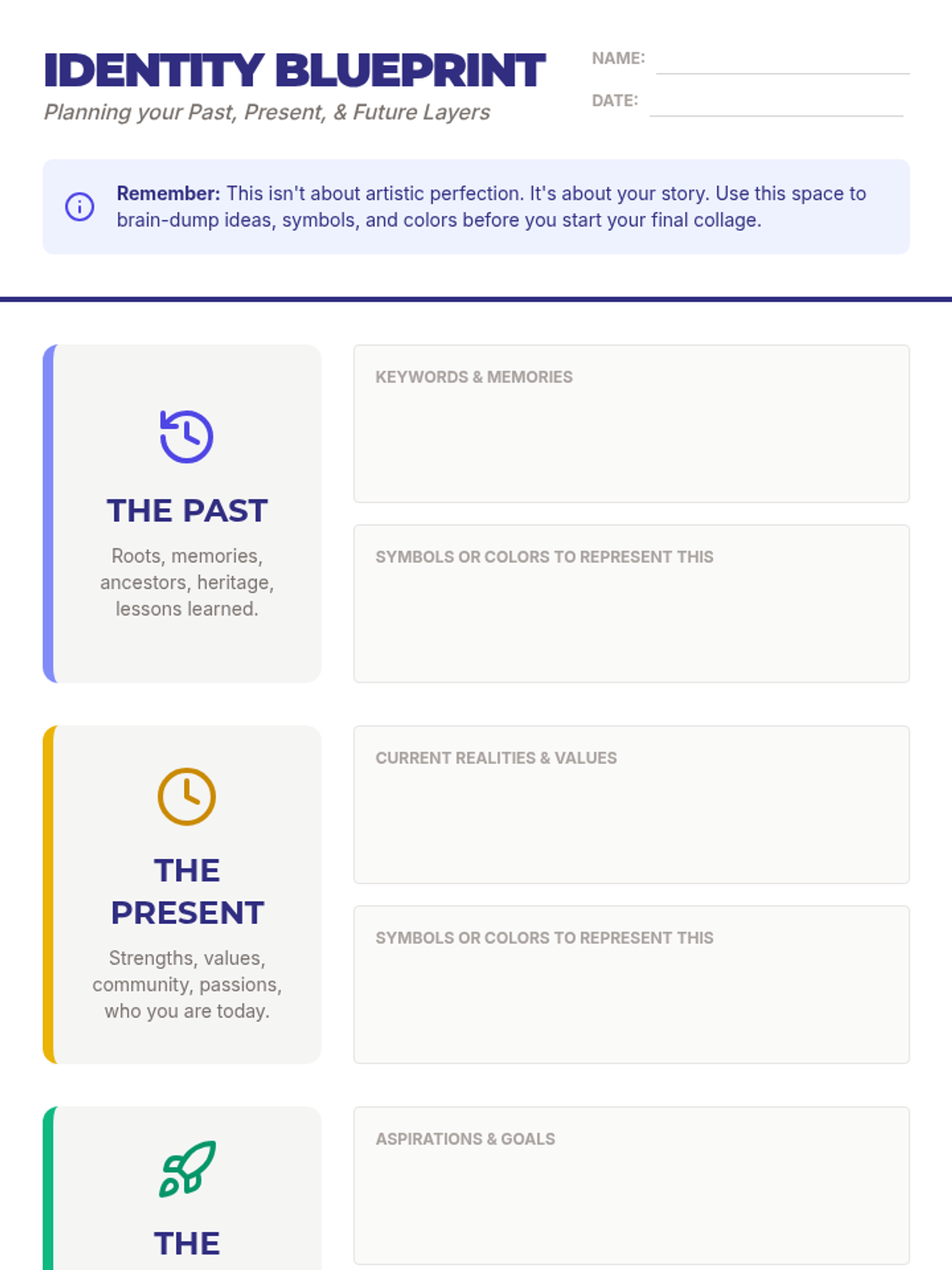
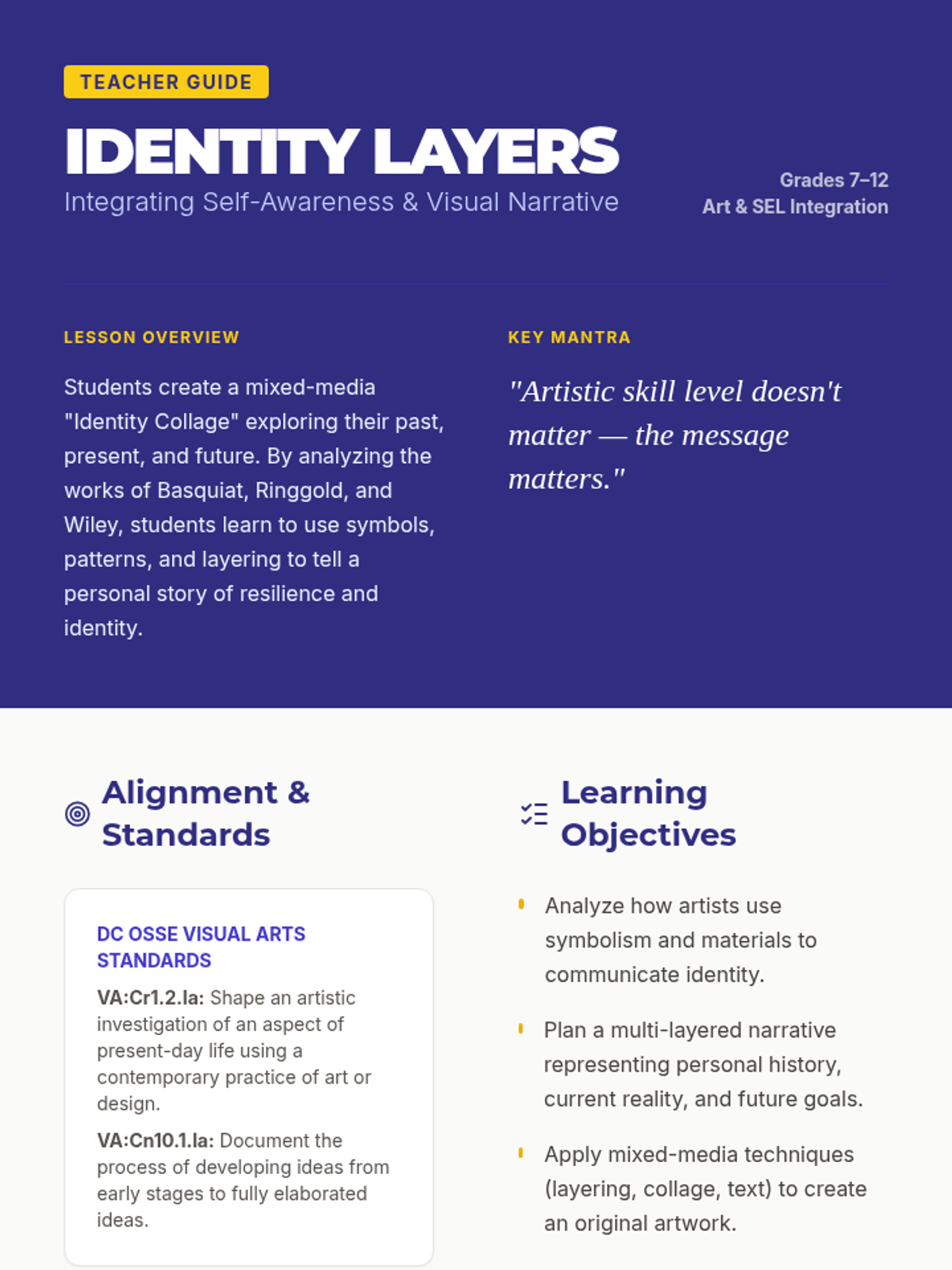
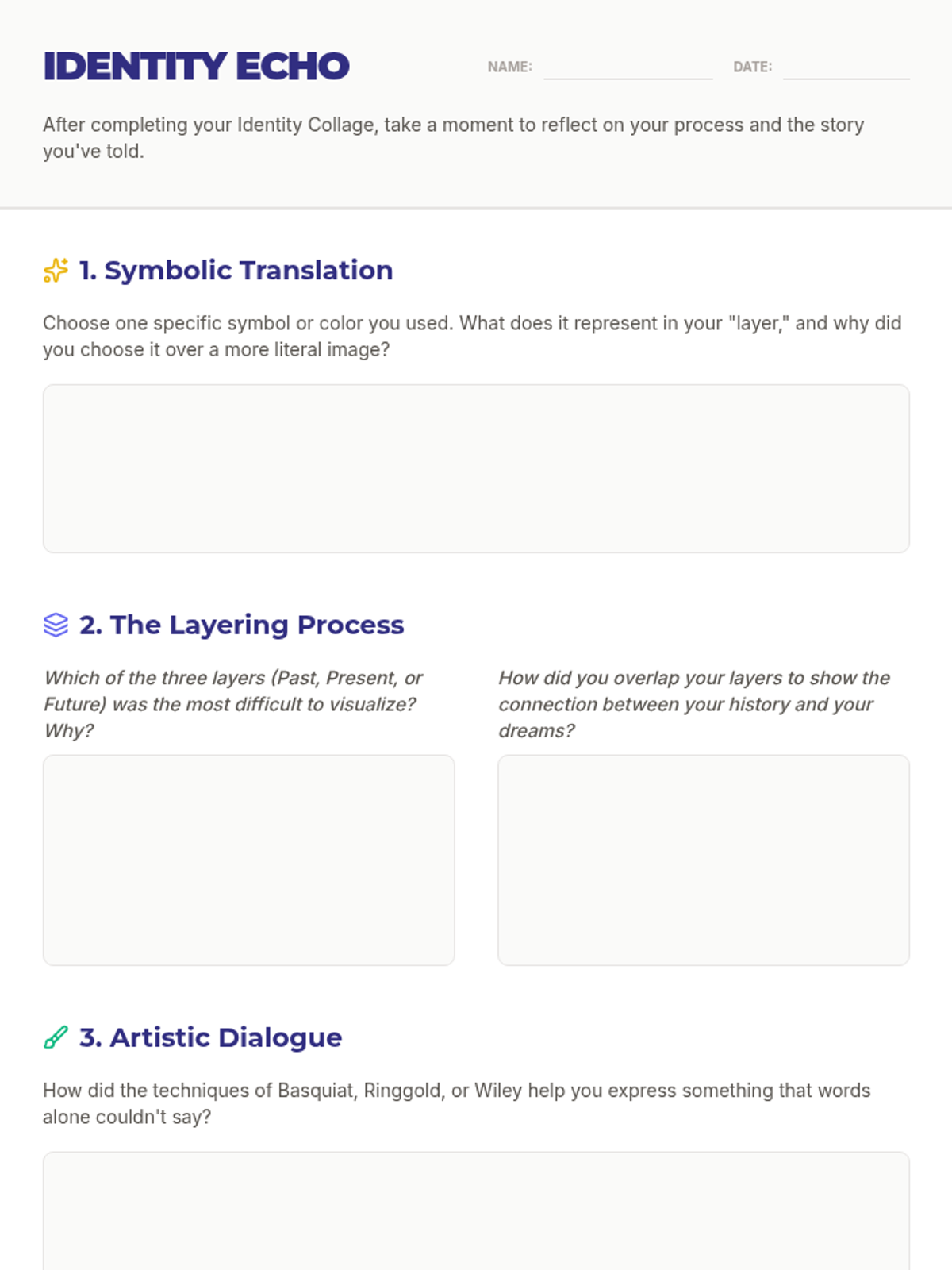
A hands-on art and reflection lesson where students explore their personal history, current reality, and future aspirations through mixed-media collage. Inspired by Basquiat, Ringgold, and Wiley, students focus on symbolic storytelling and self-awareness rather than technical perfection.
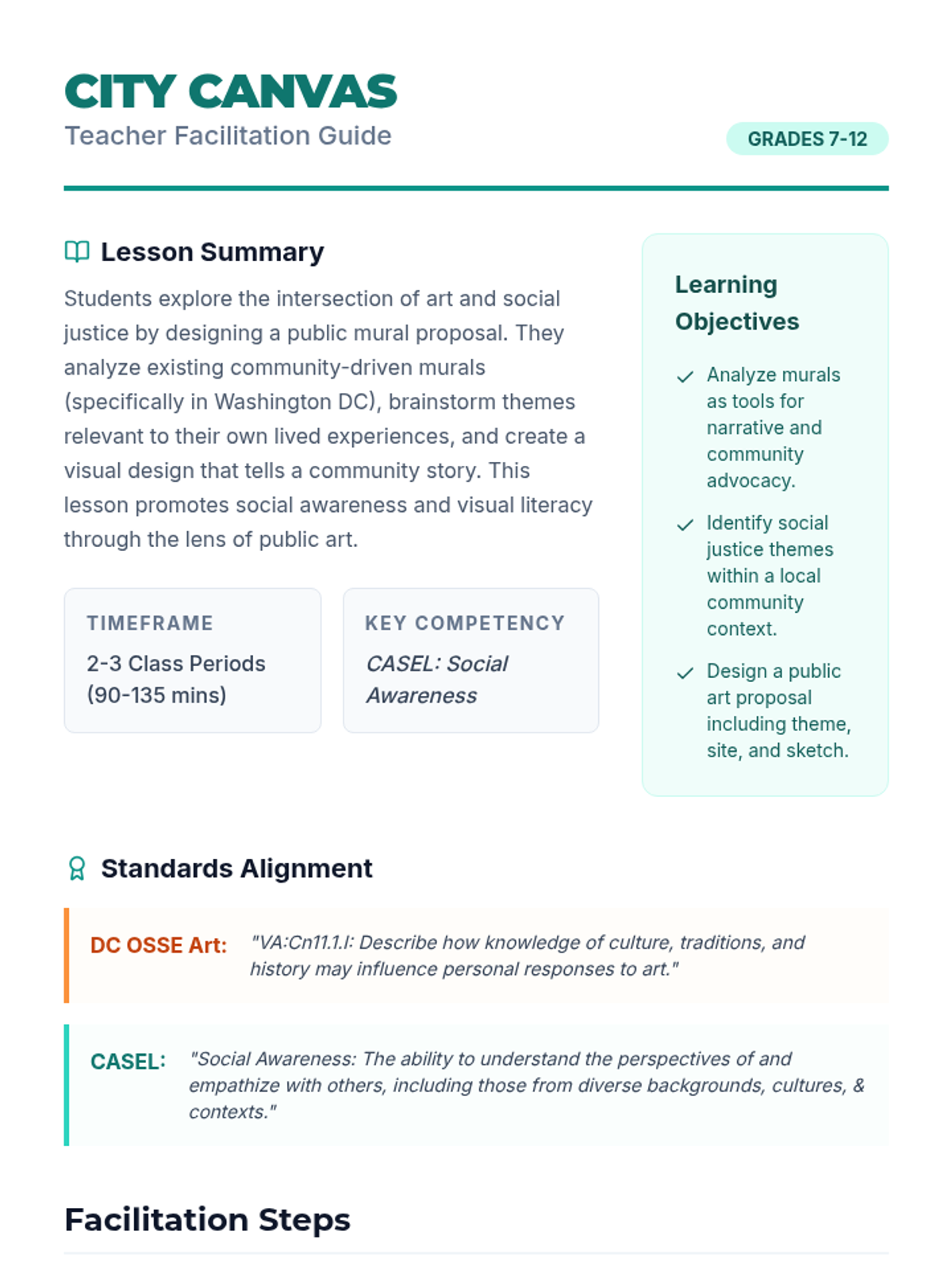
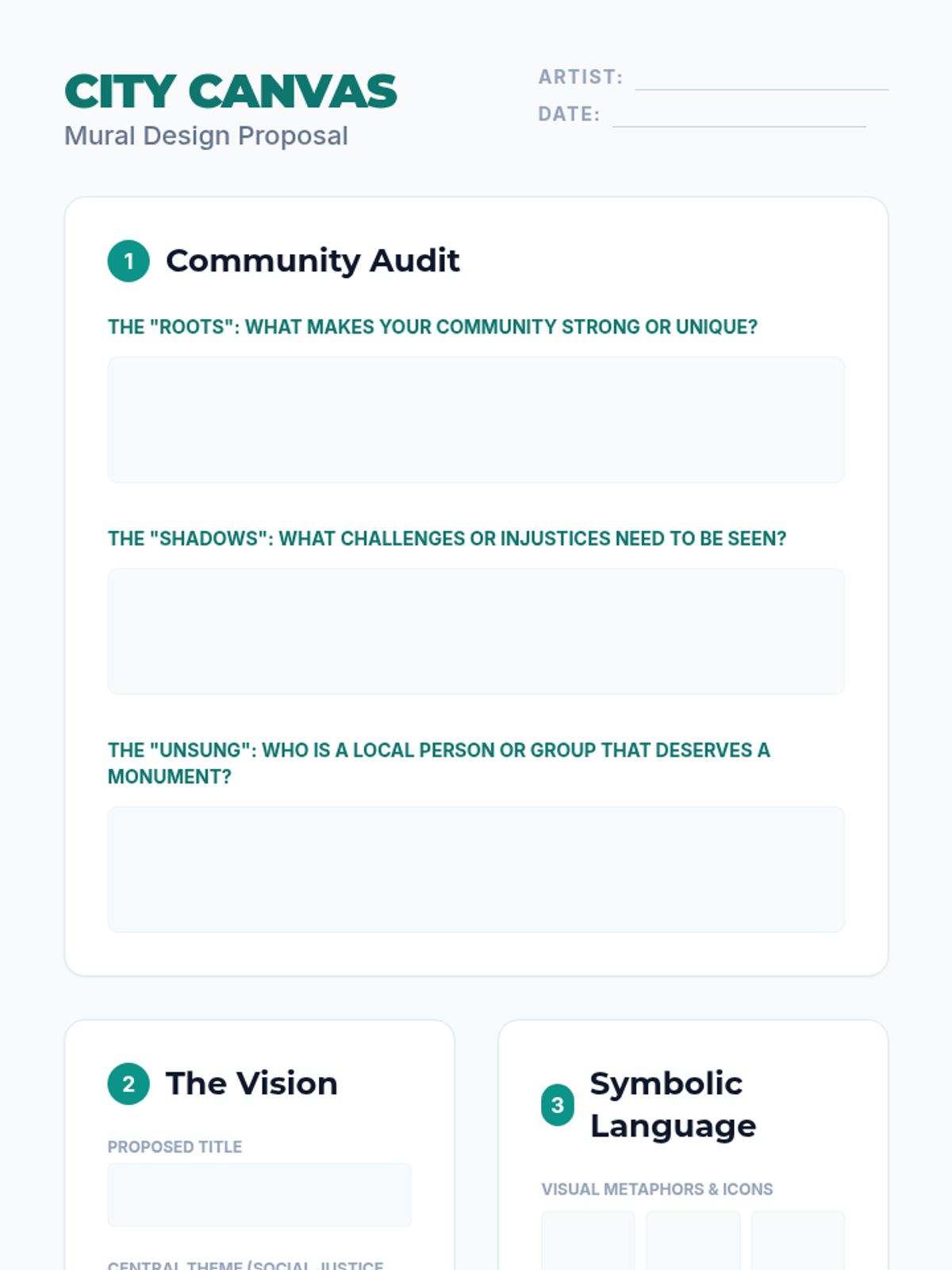
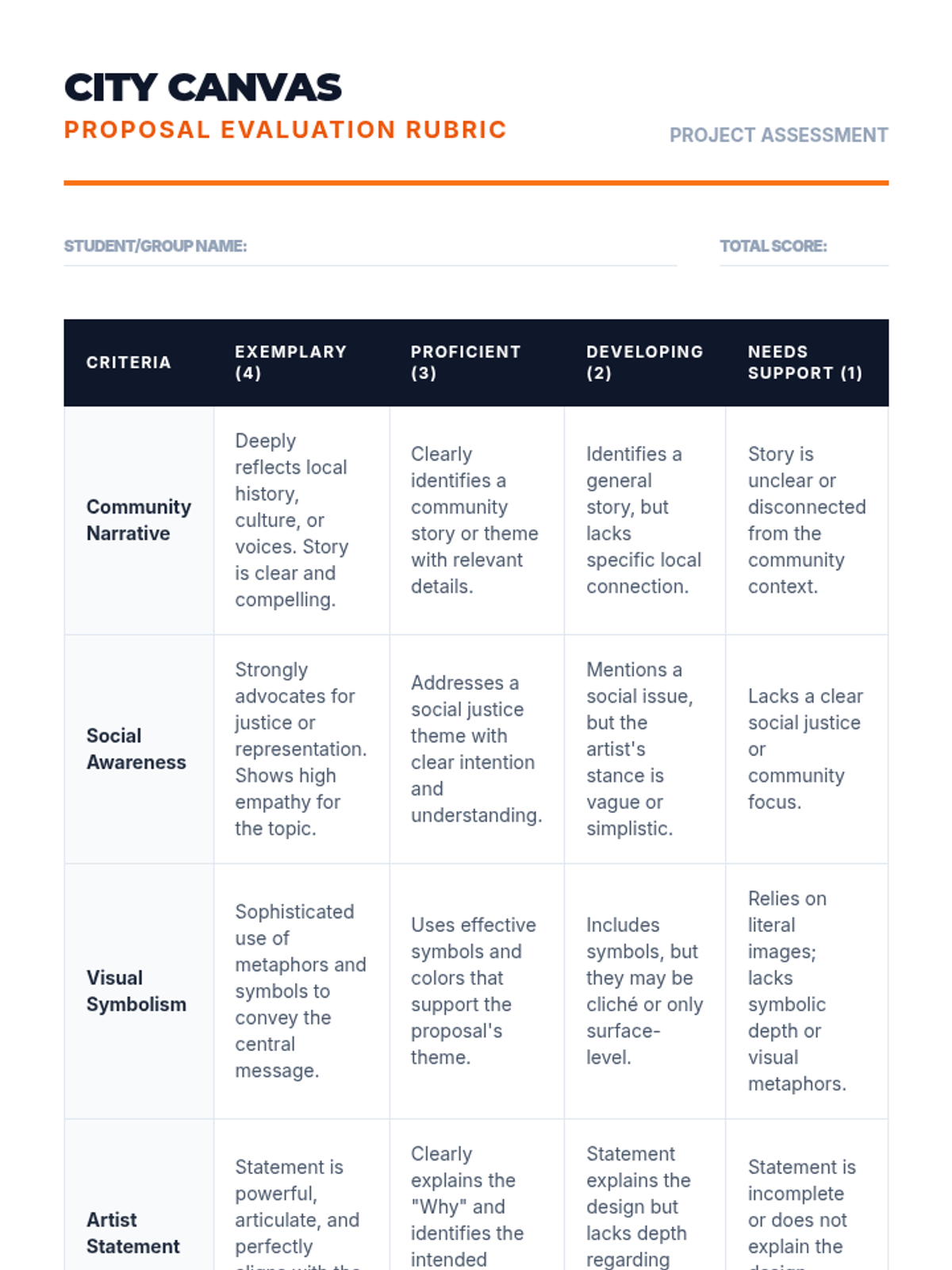
A high school art and social studies lesson where students design public art proposals that reflect community stories and social justice themes. Students analyze existing murals in DC and elsewhere to understand the impact of visual storytelling in public spaces.
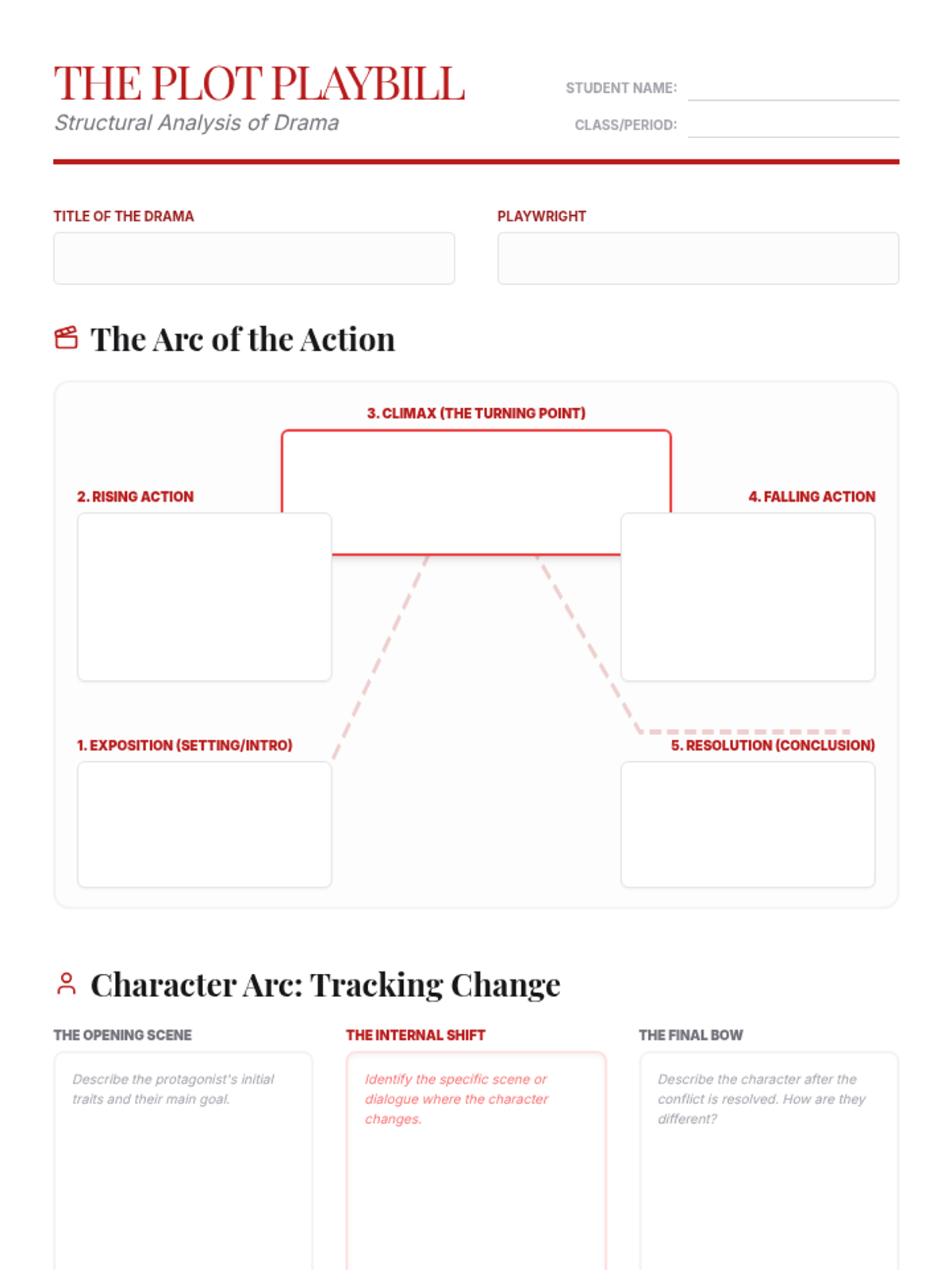
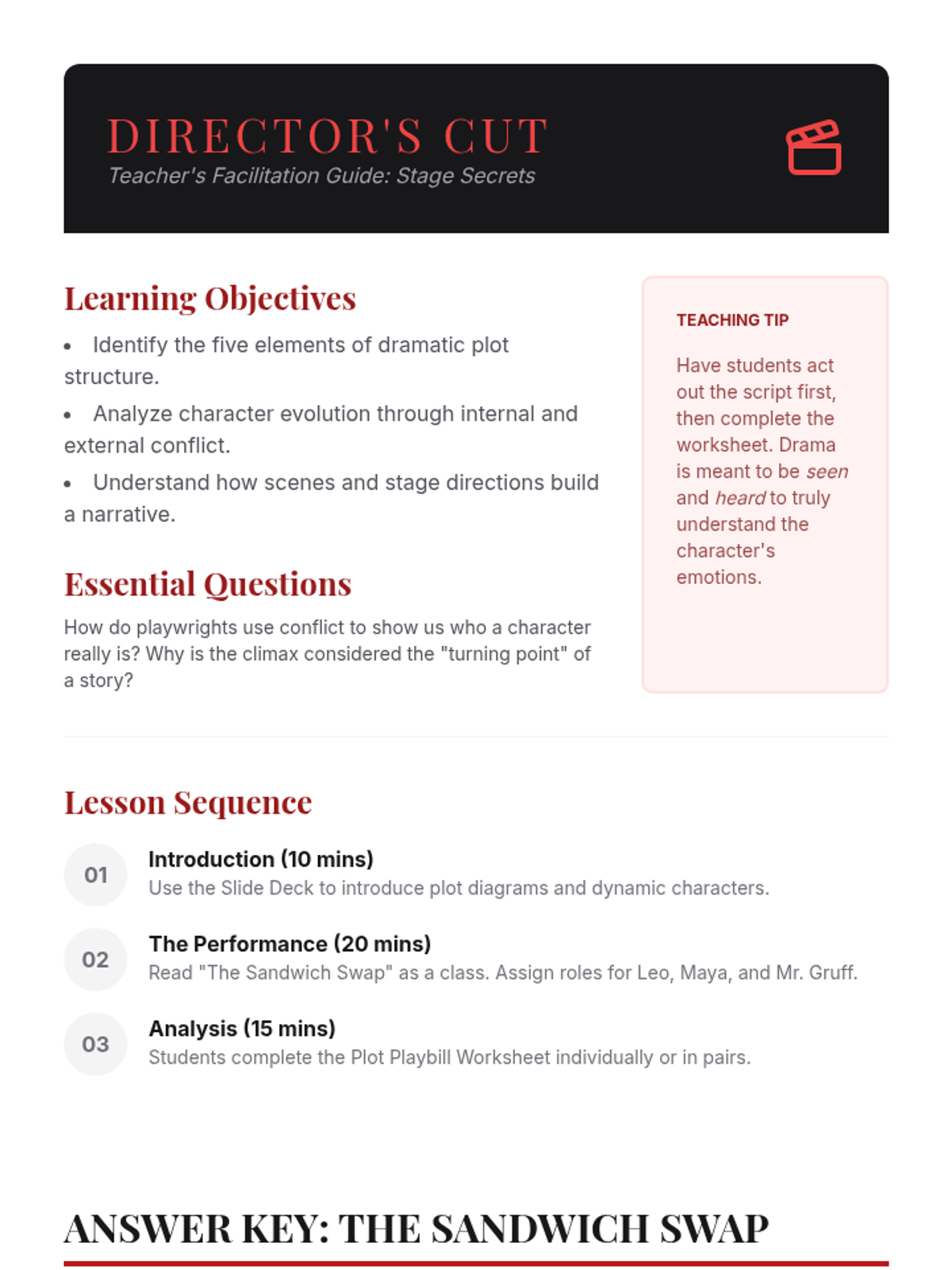
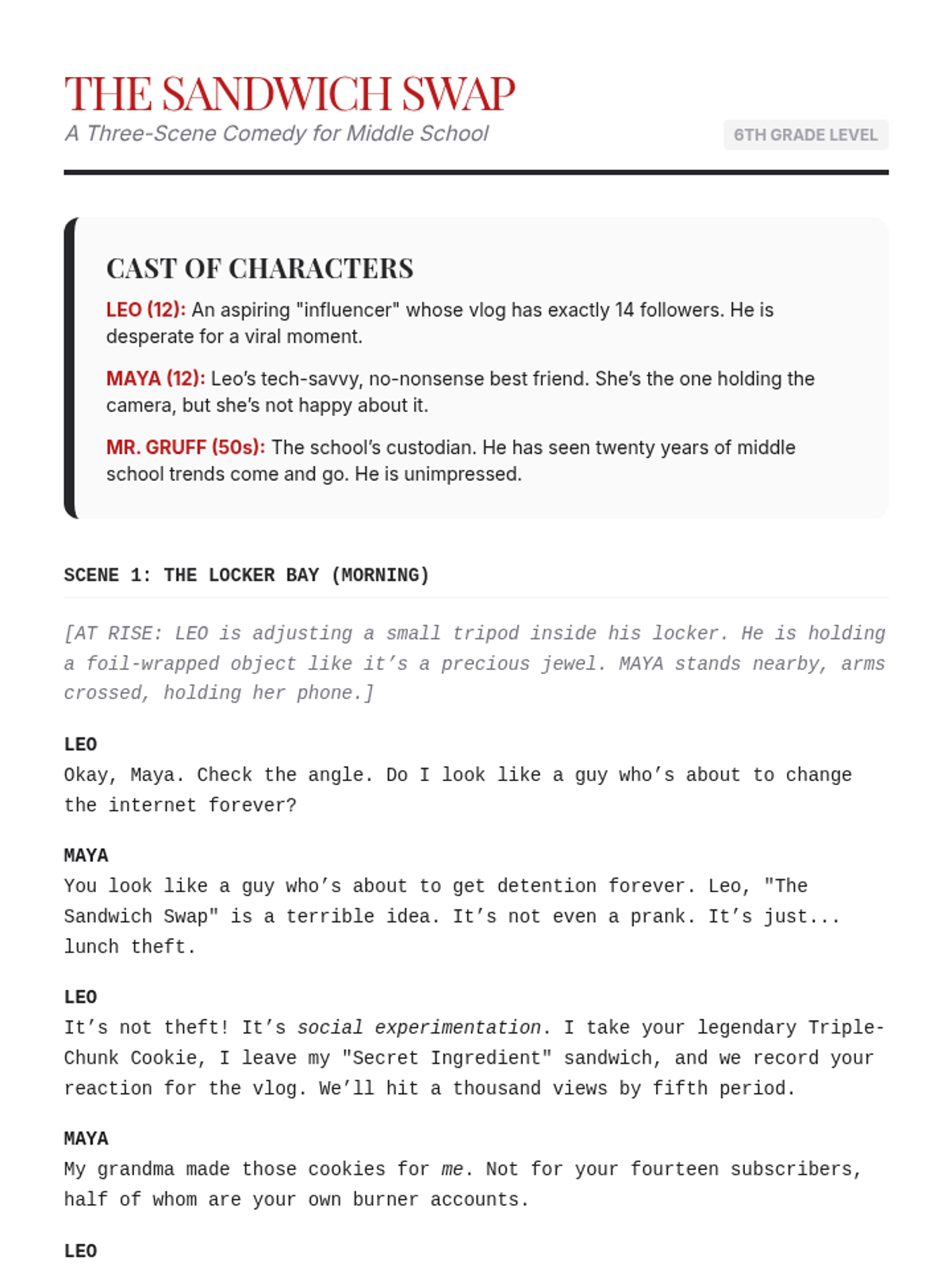
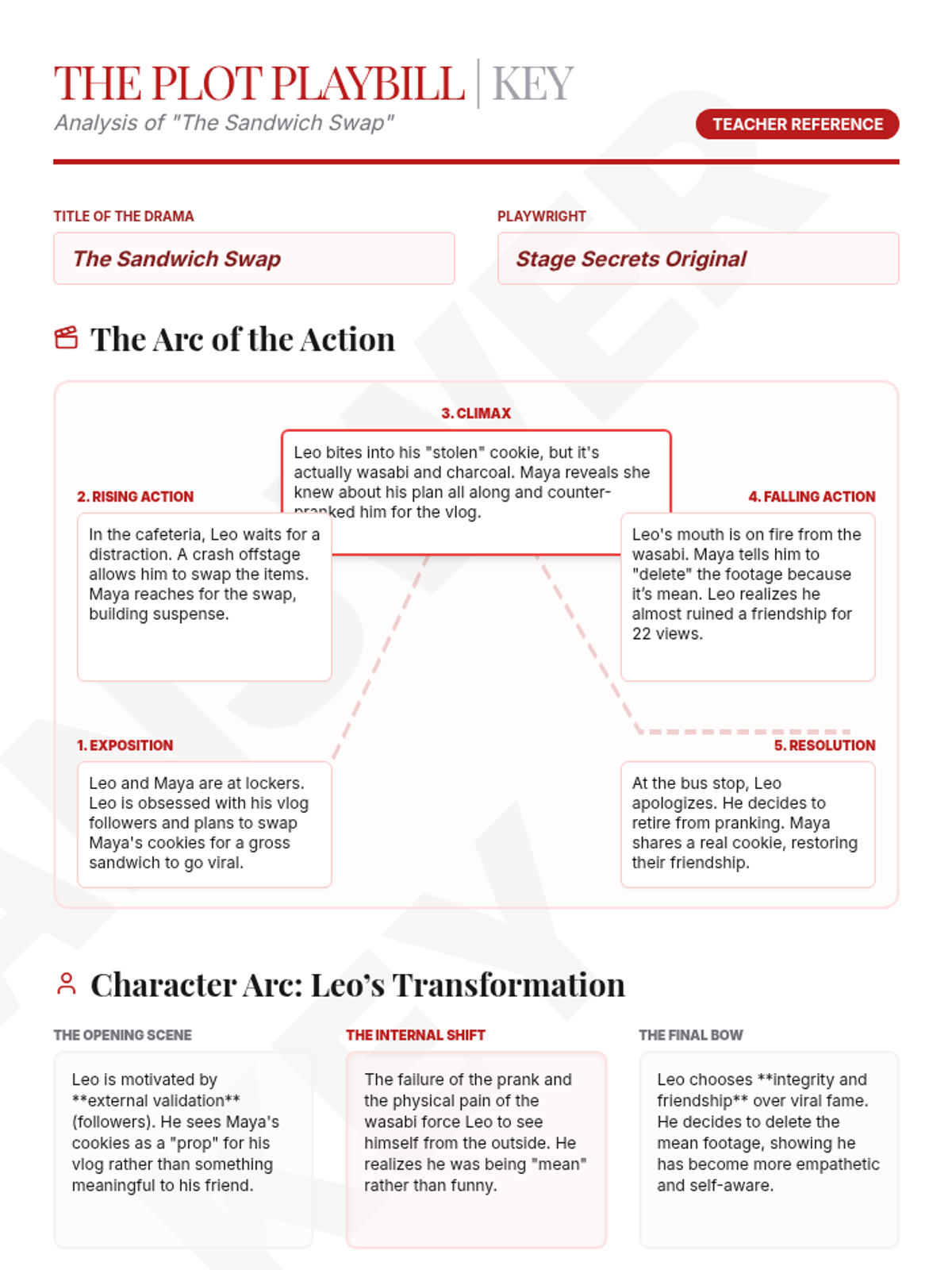
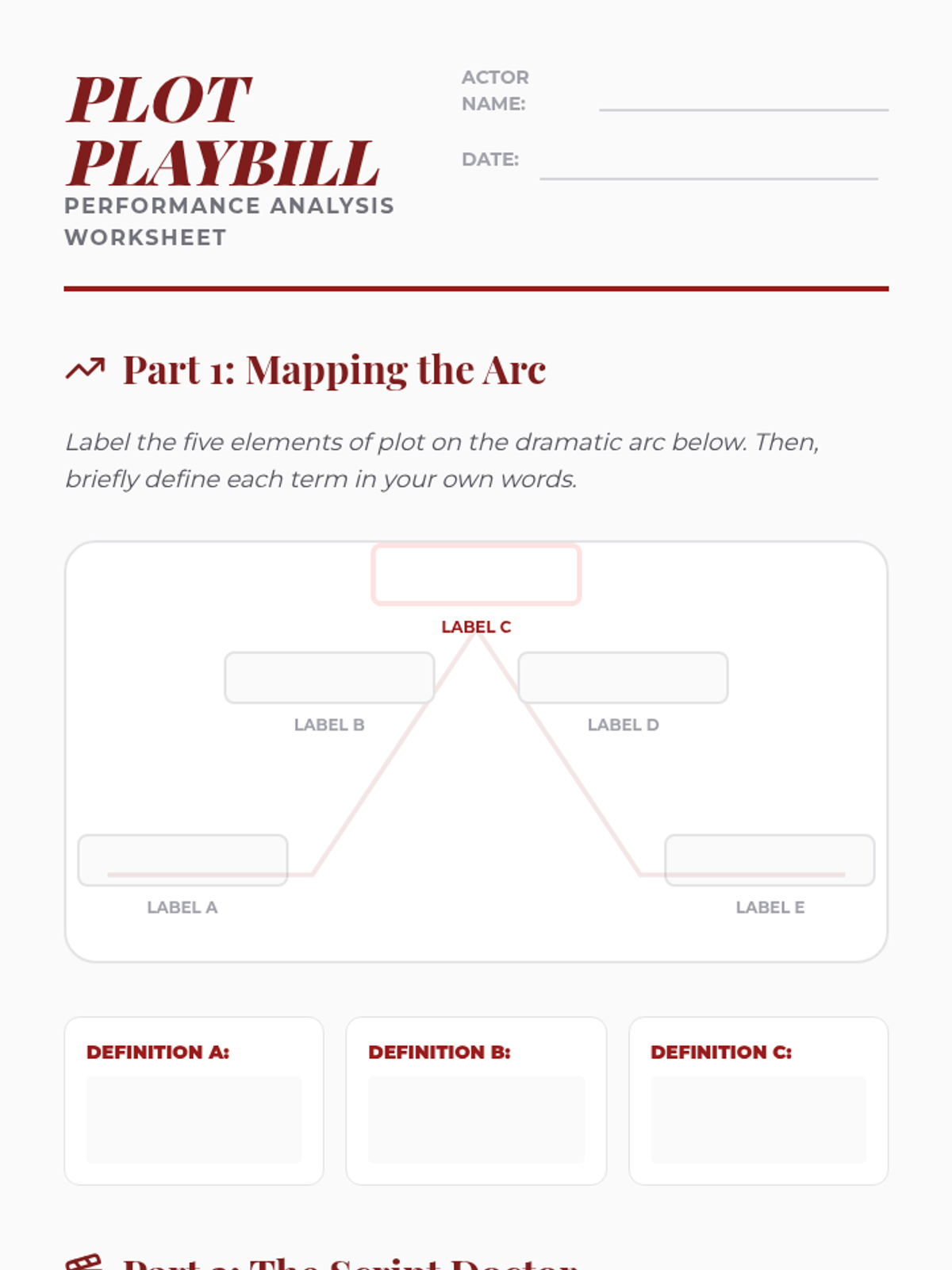
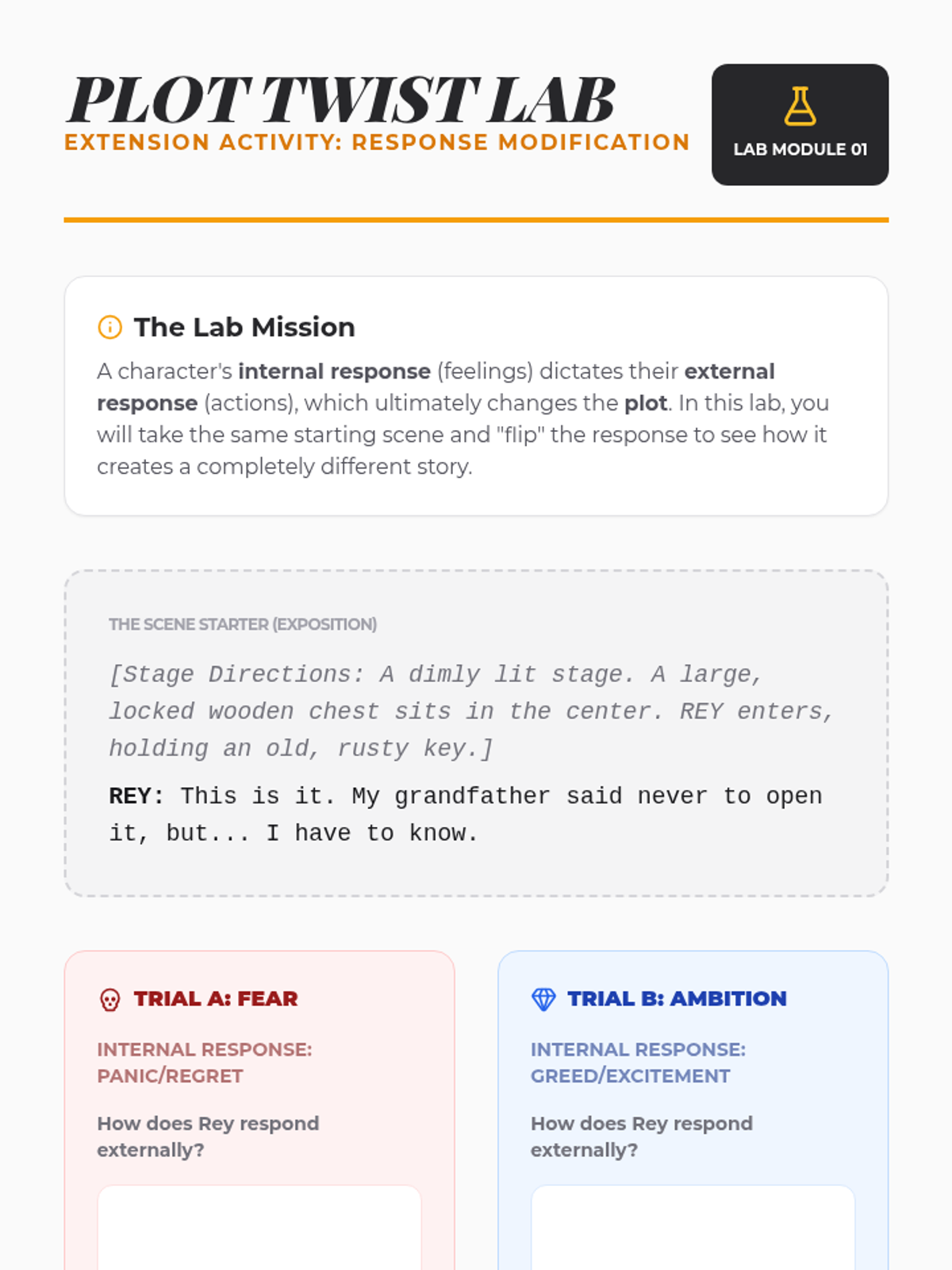
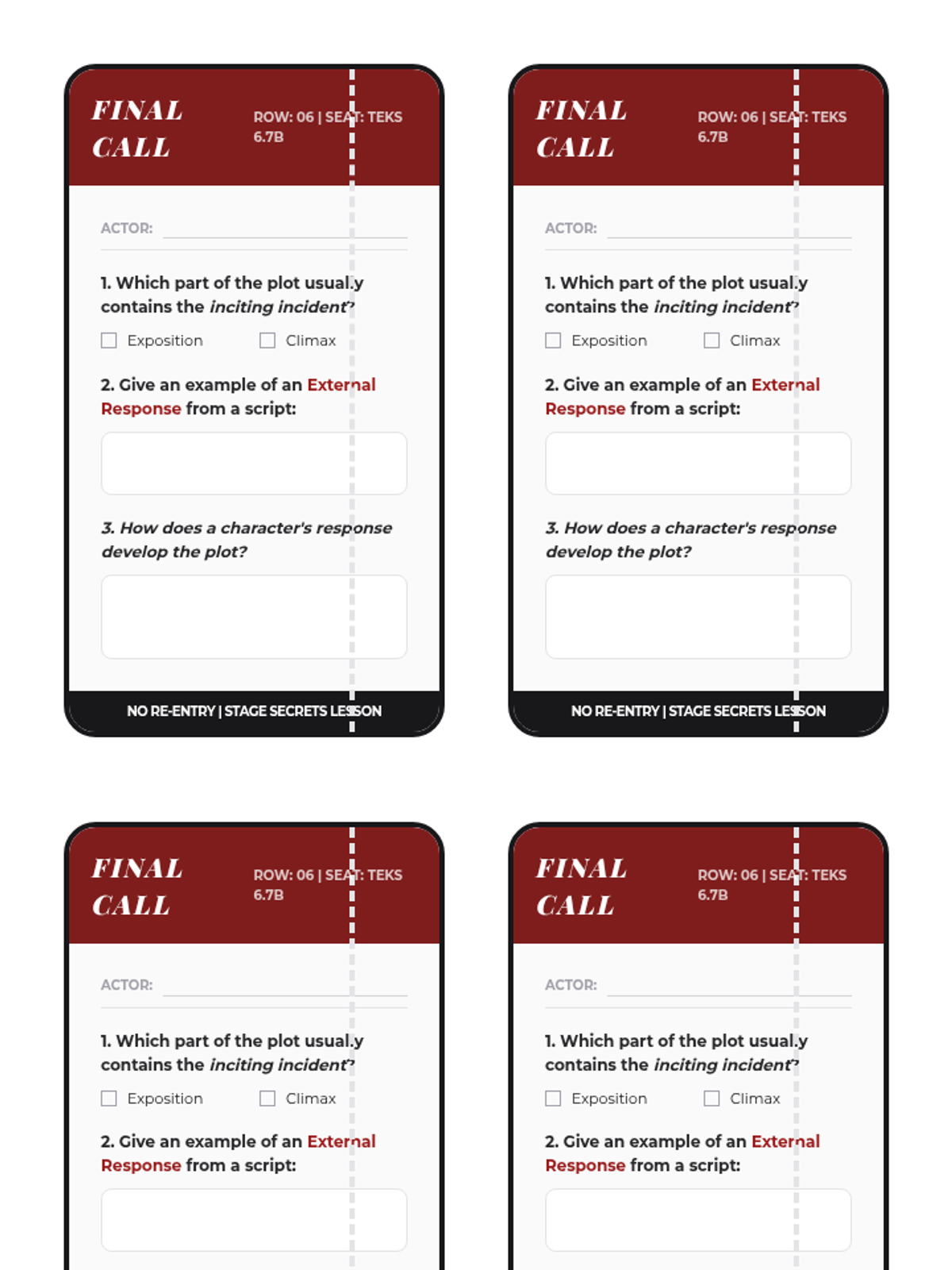
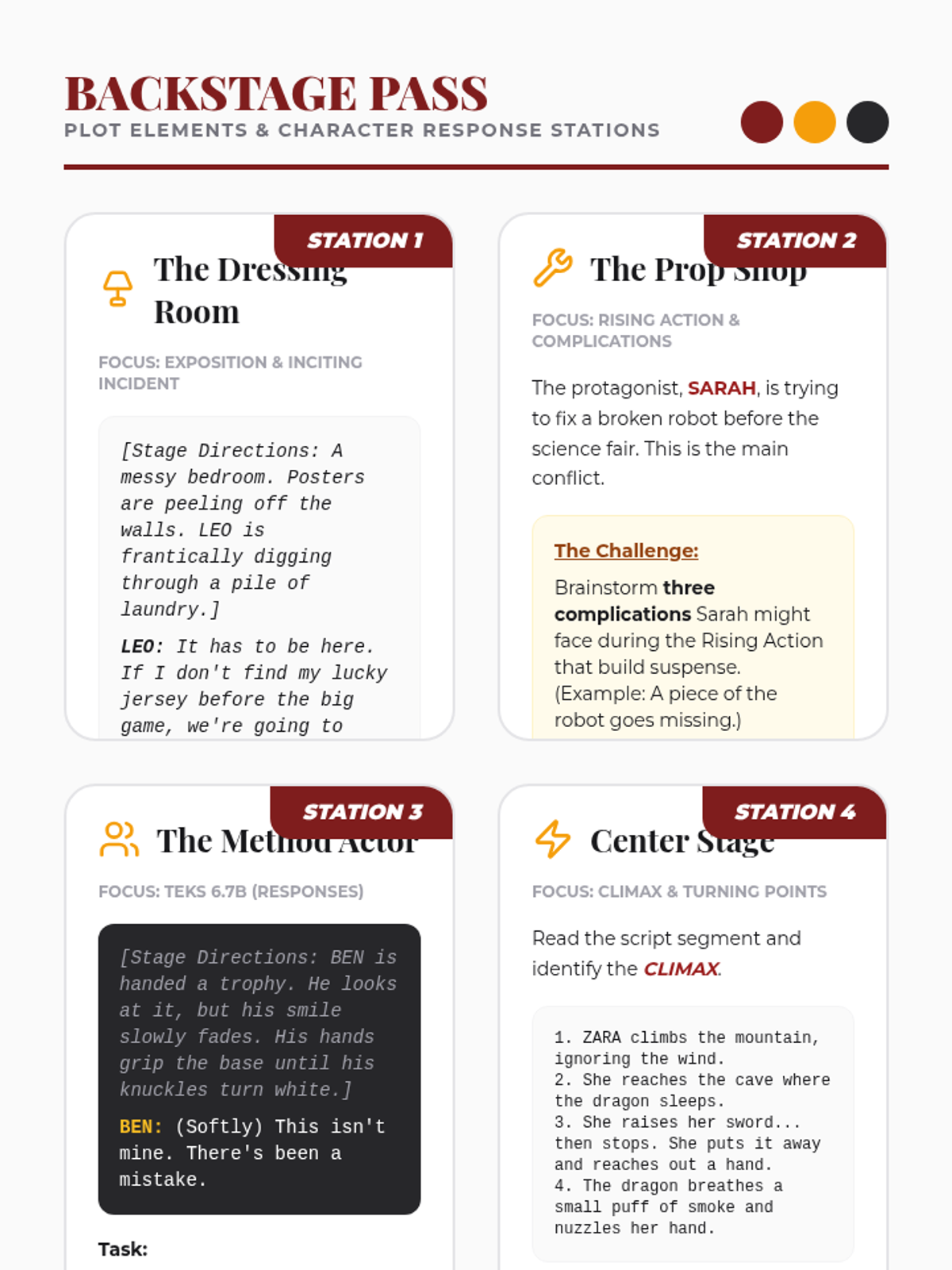
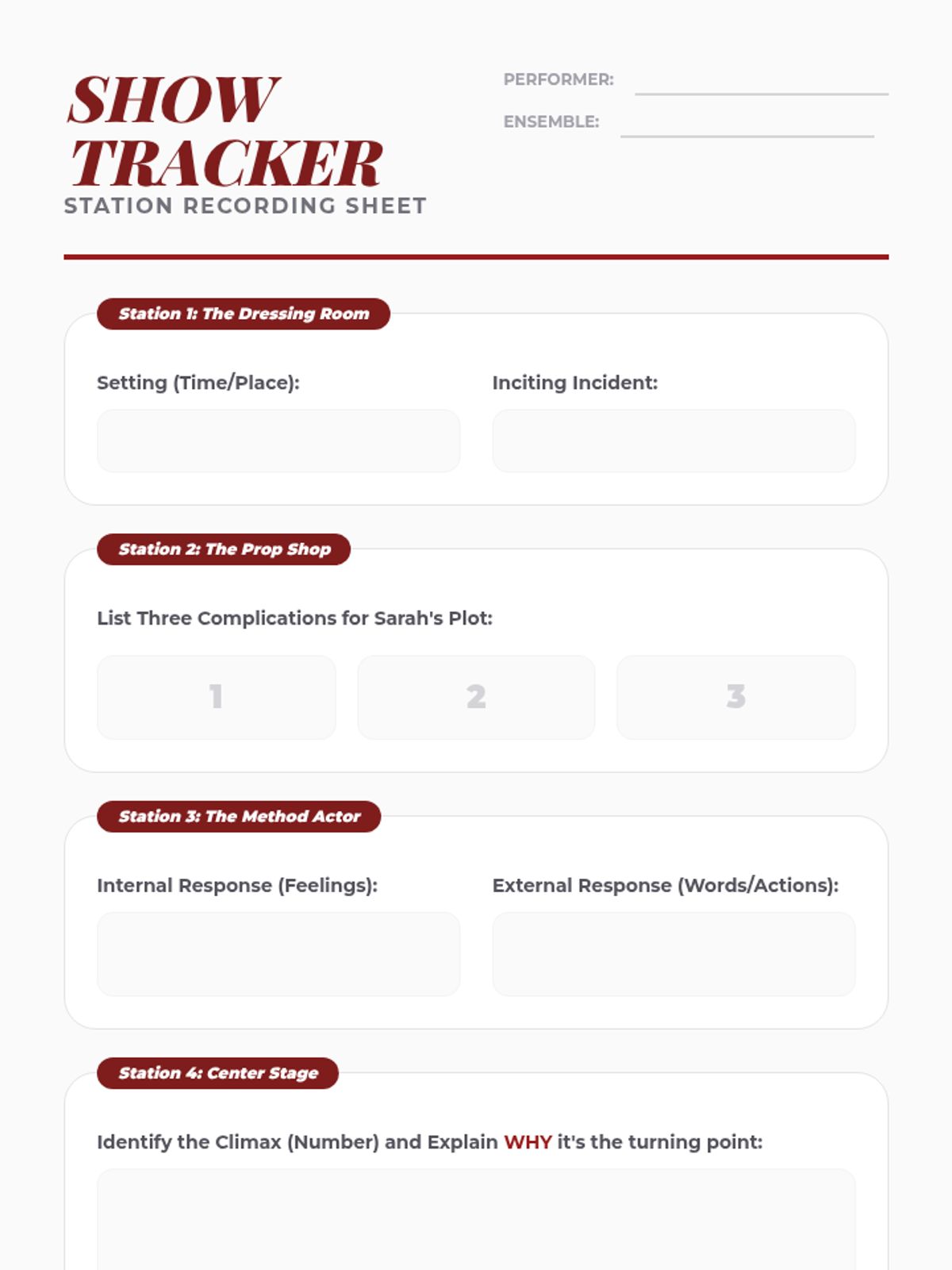
Students explore the structural components of drama by mapping plot elements onto a diagram and analyzing how characters evolve through theatrical conflict.
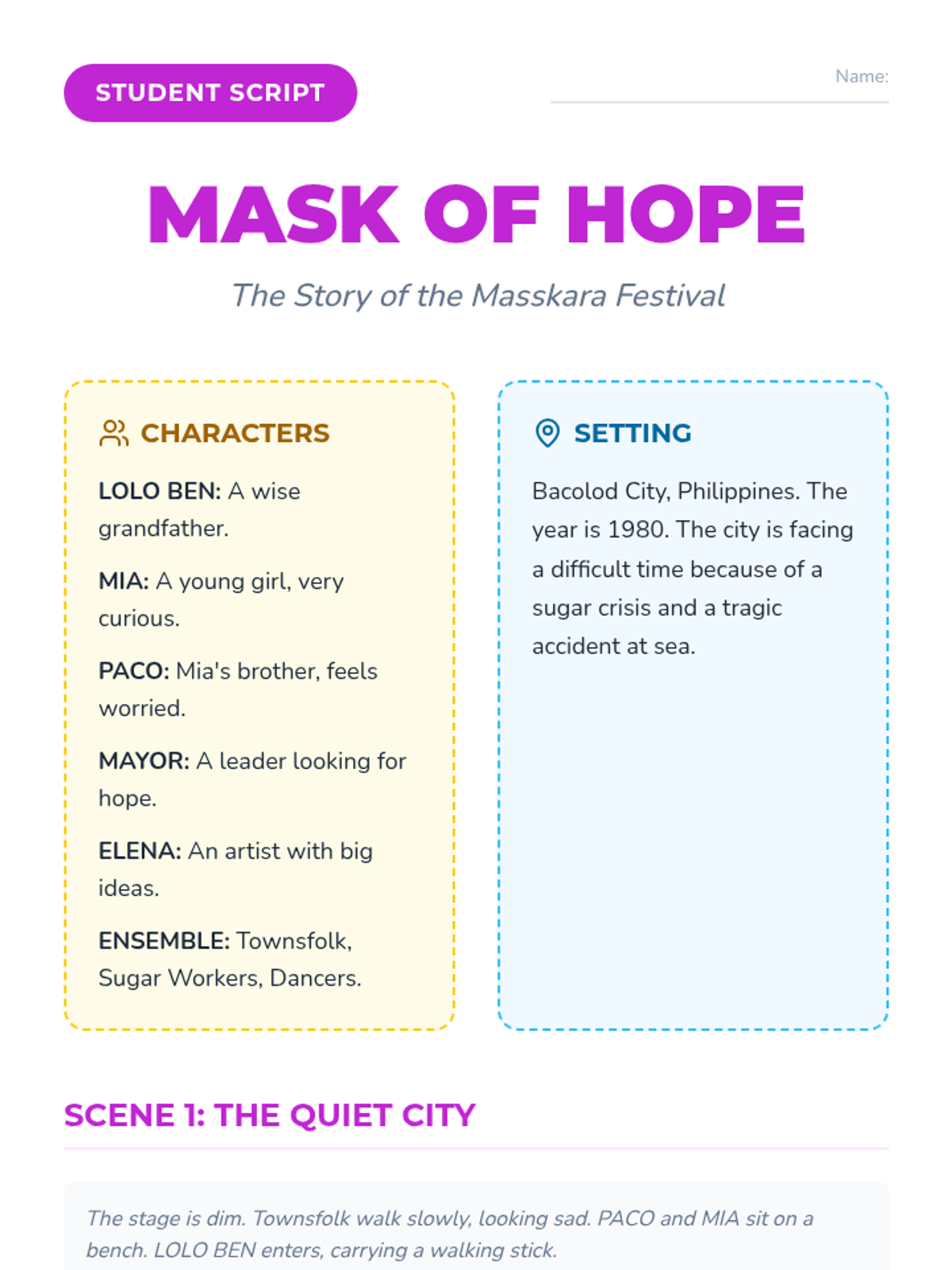
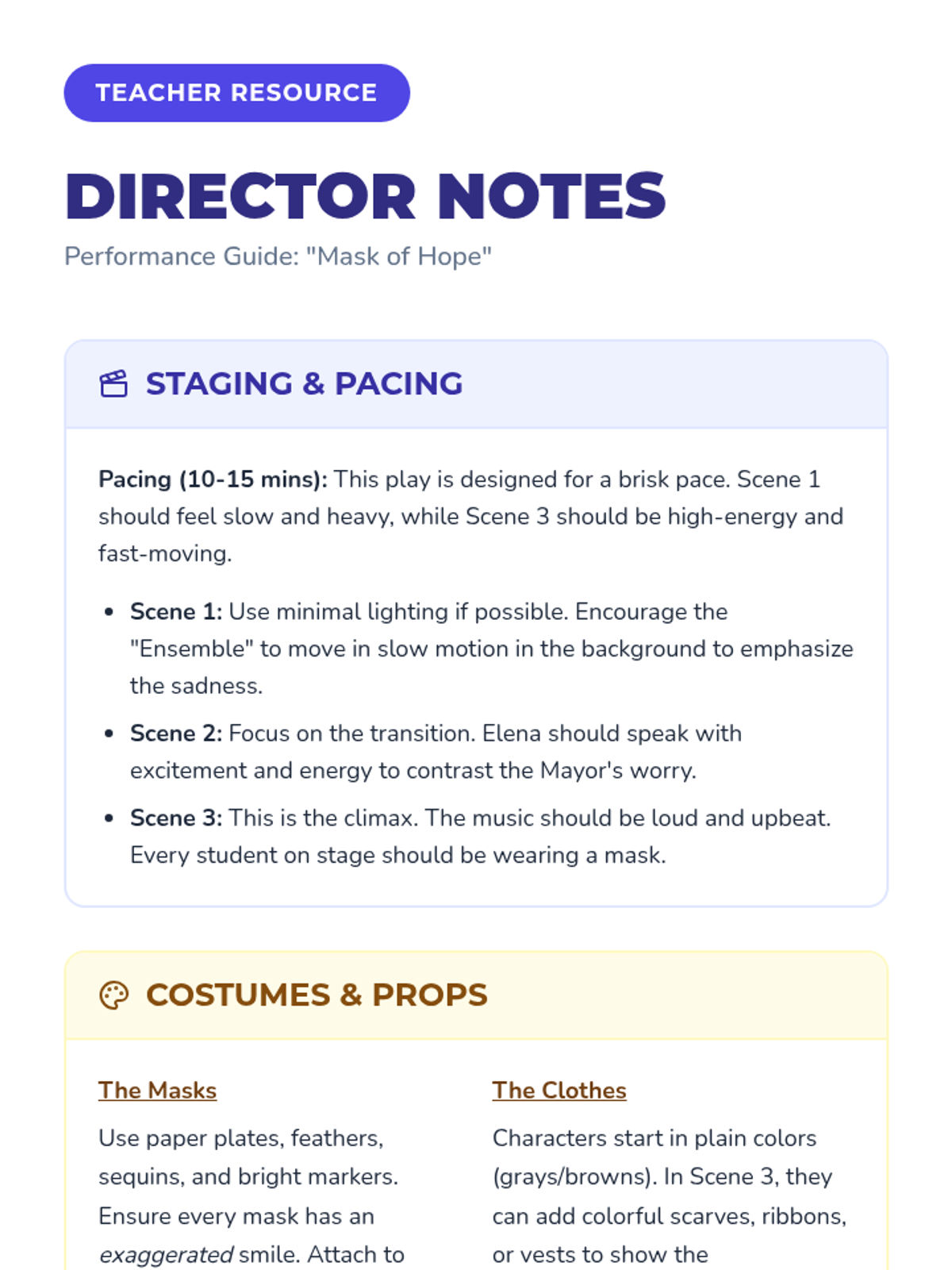
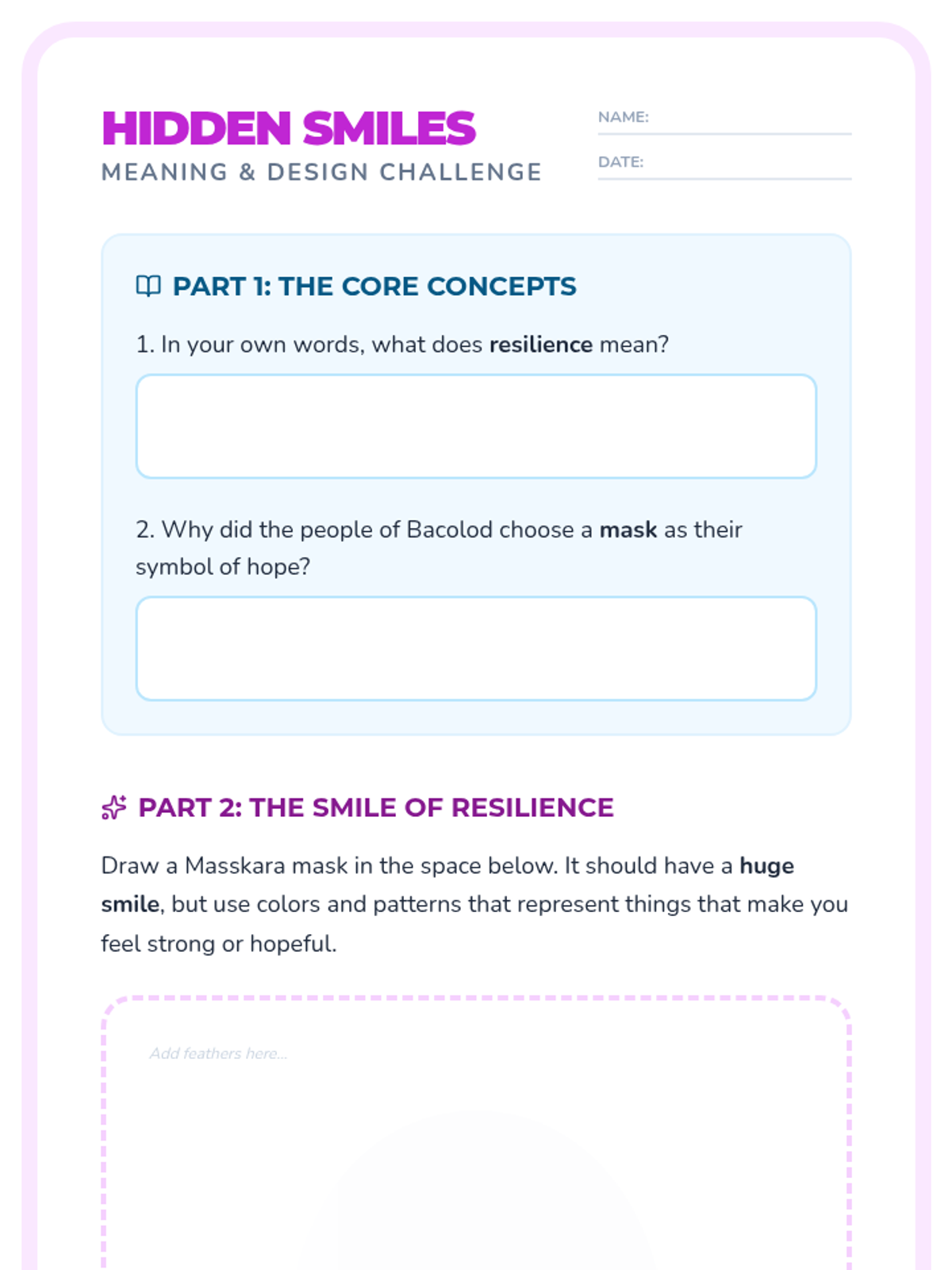
This lesson introduces students to the Masskara Festival of Bacolod City, focusing on its origins as a festival of resilience and hope. Students will perform a 10-15 minute play that dramatizes the historical context and the 'City of Smiles' spirit.
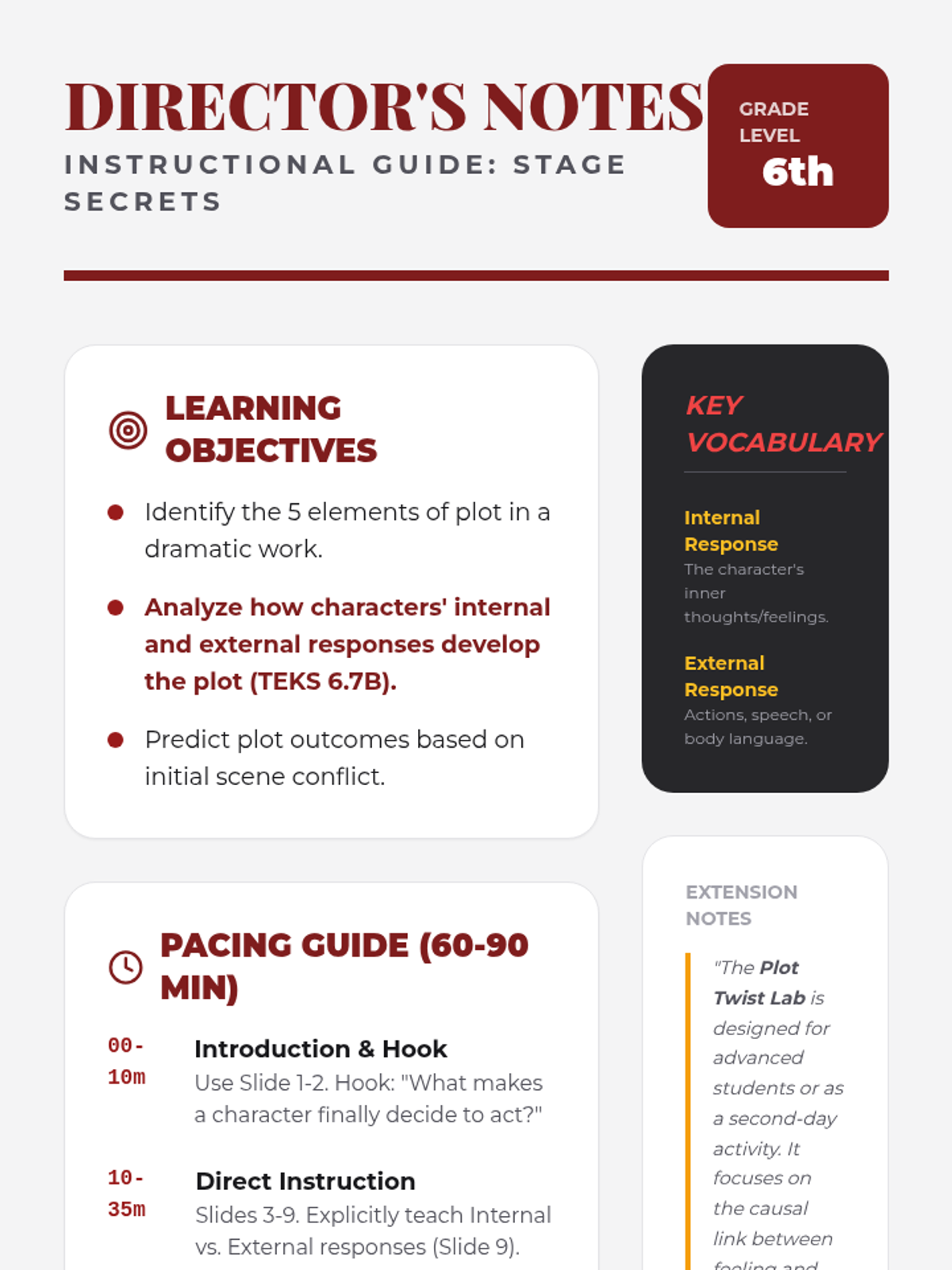
Students will explore the five elements of plot specifically within the context of dramatic scripts, learning how playwrights build tension and resolve conflict on stage.
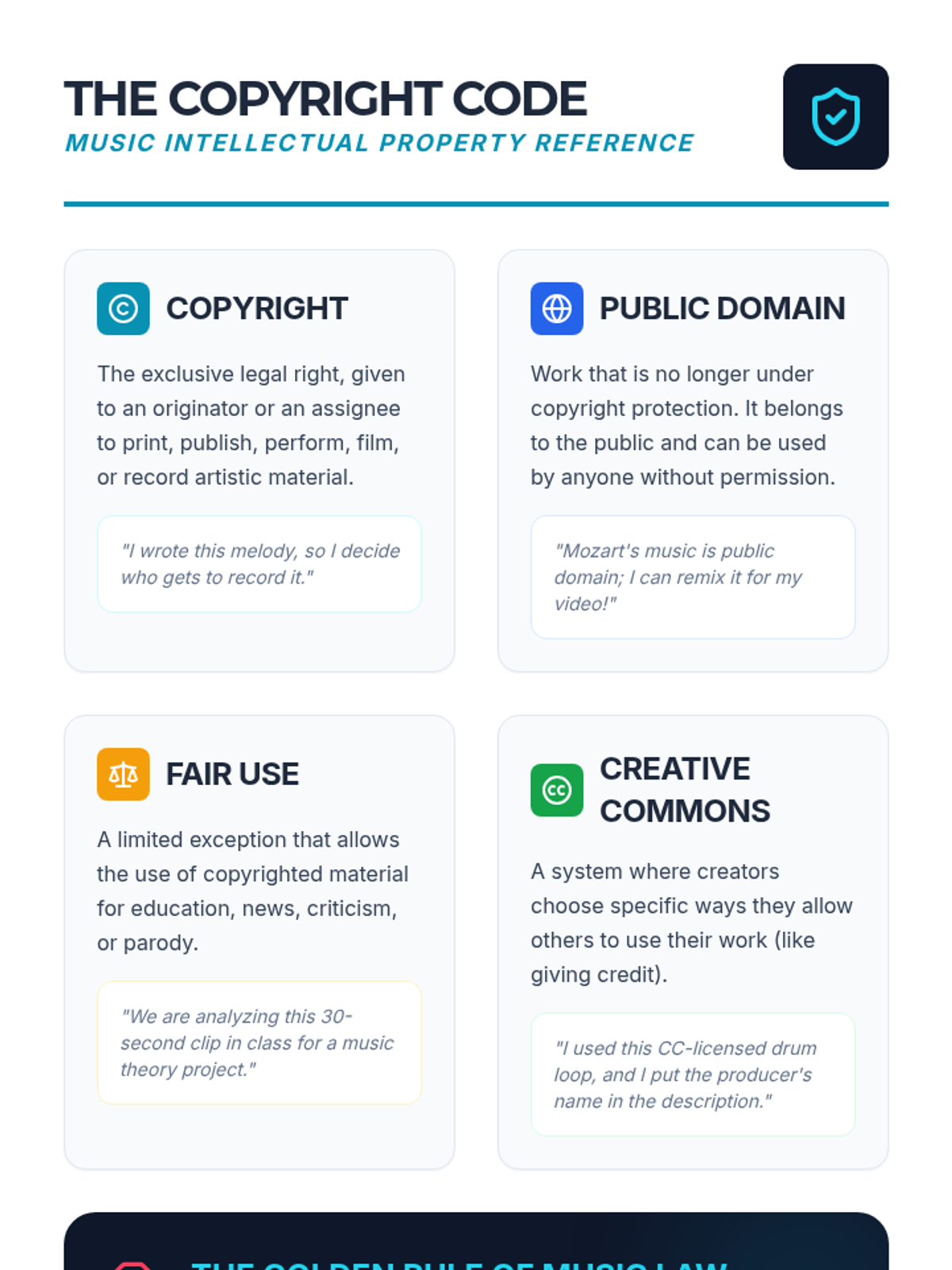
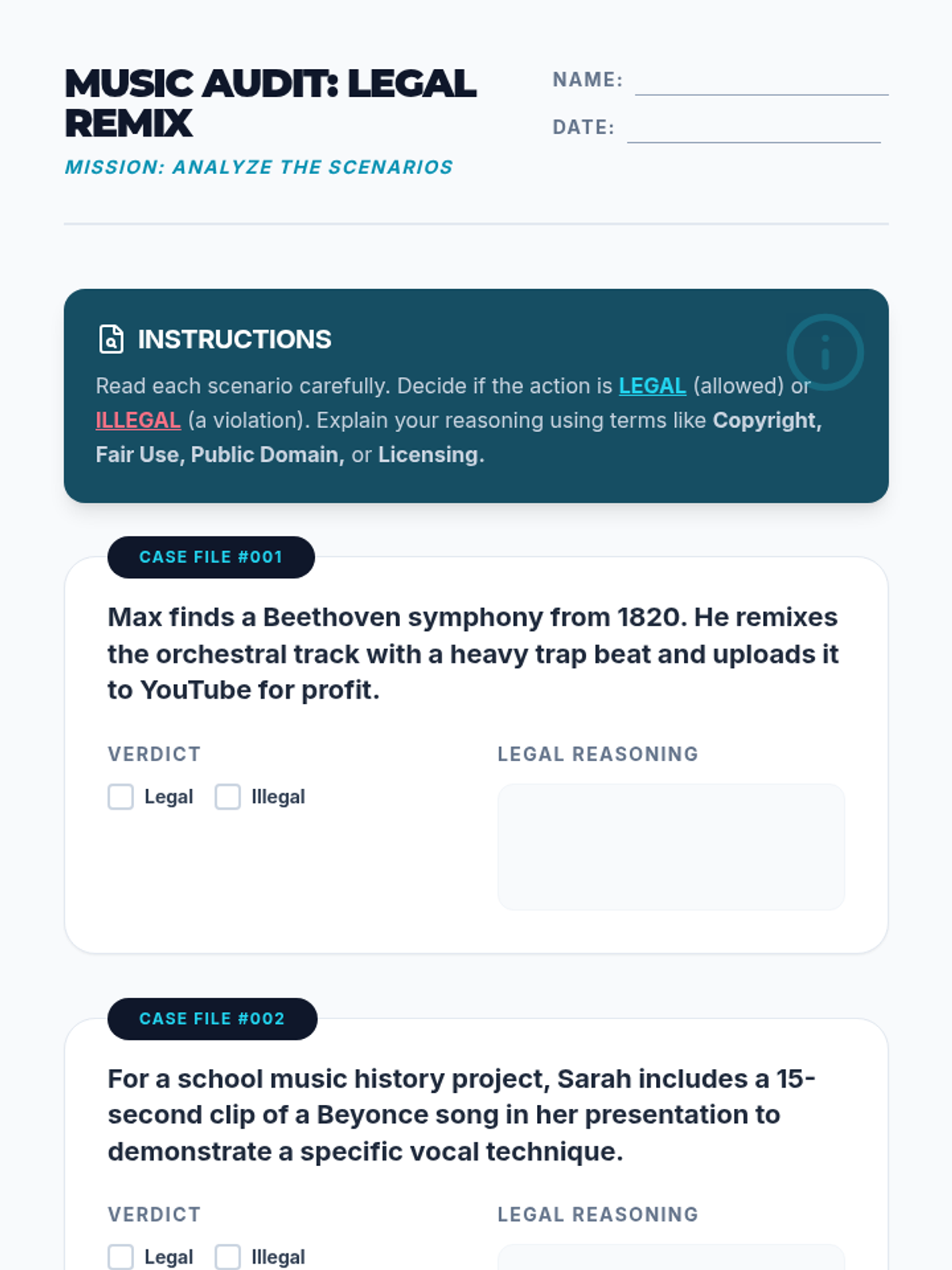
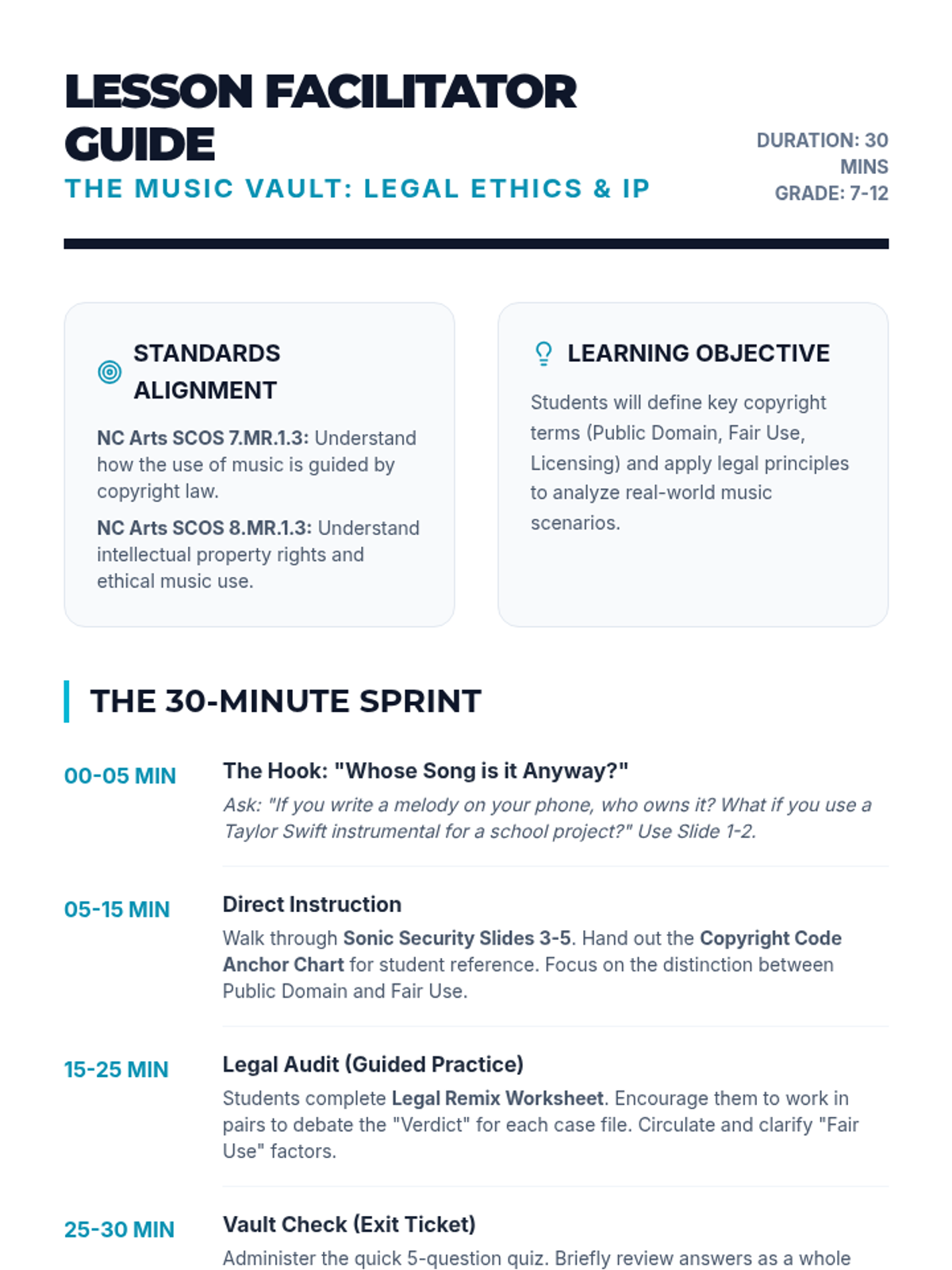
An introductory lesson on music copyright laws, fair use, and legal practices for using and creating music, aligned with NC Arts SCOS.
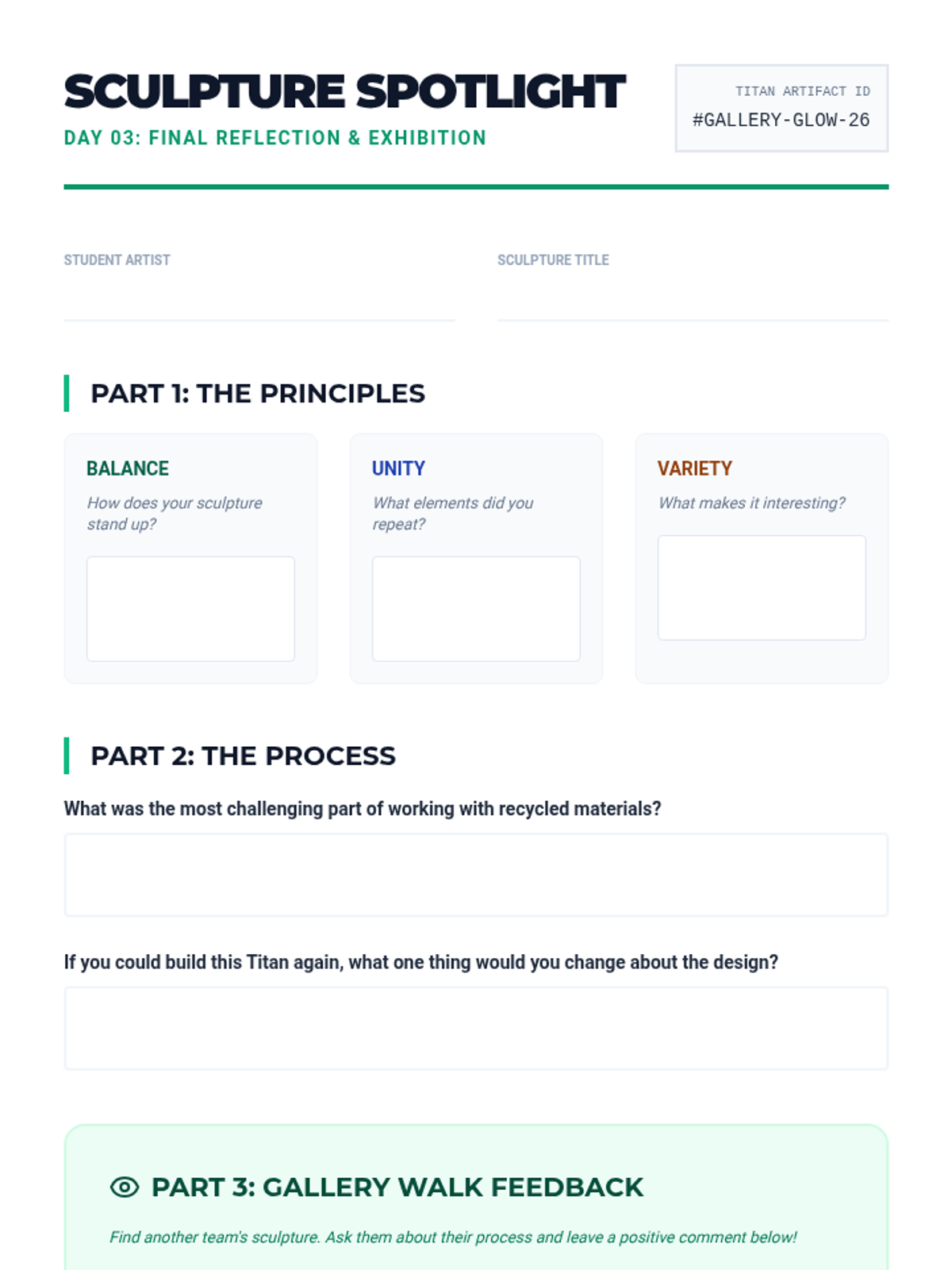
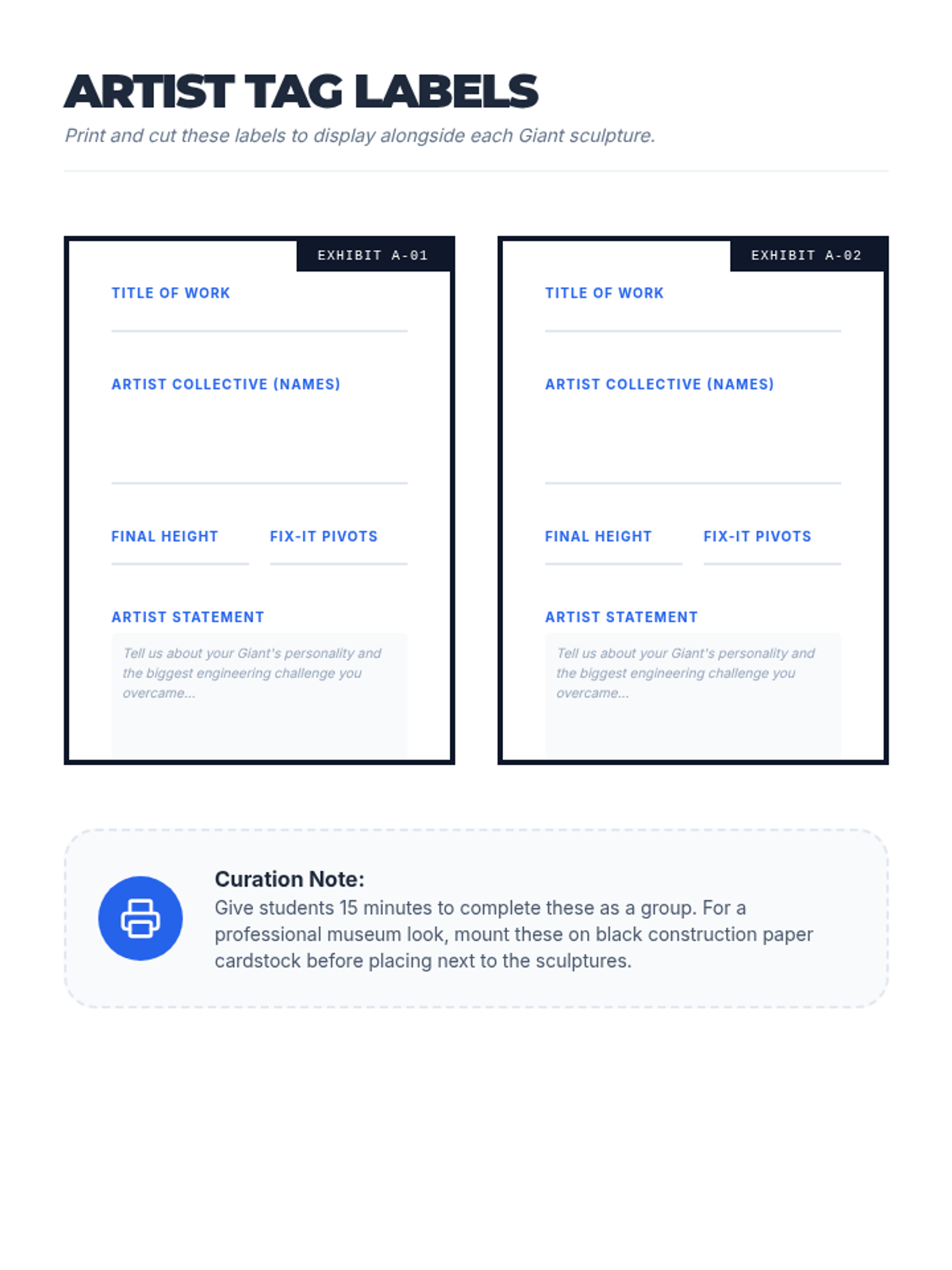
Finalizing sculptures with a focus on unity and variety, followed by a gallery walk and self-reflection.
The construction phase where teams focus on structural balance and collaborative assembly of their recycled sculptures.
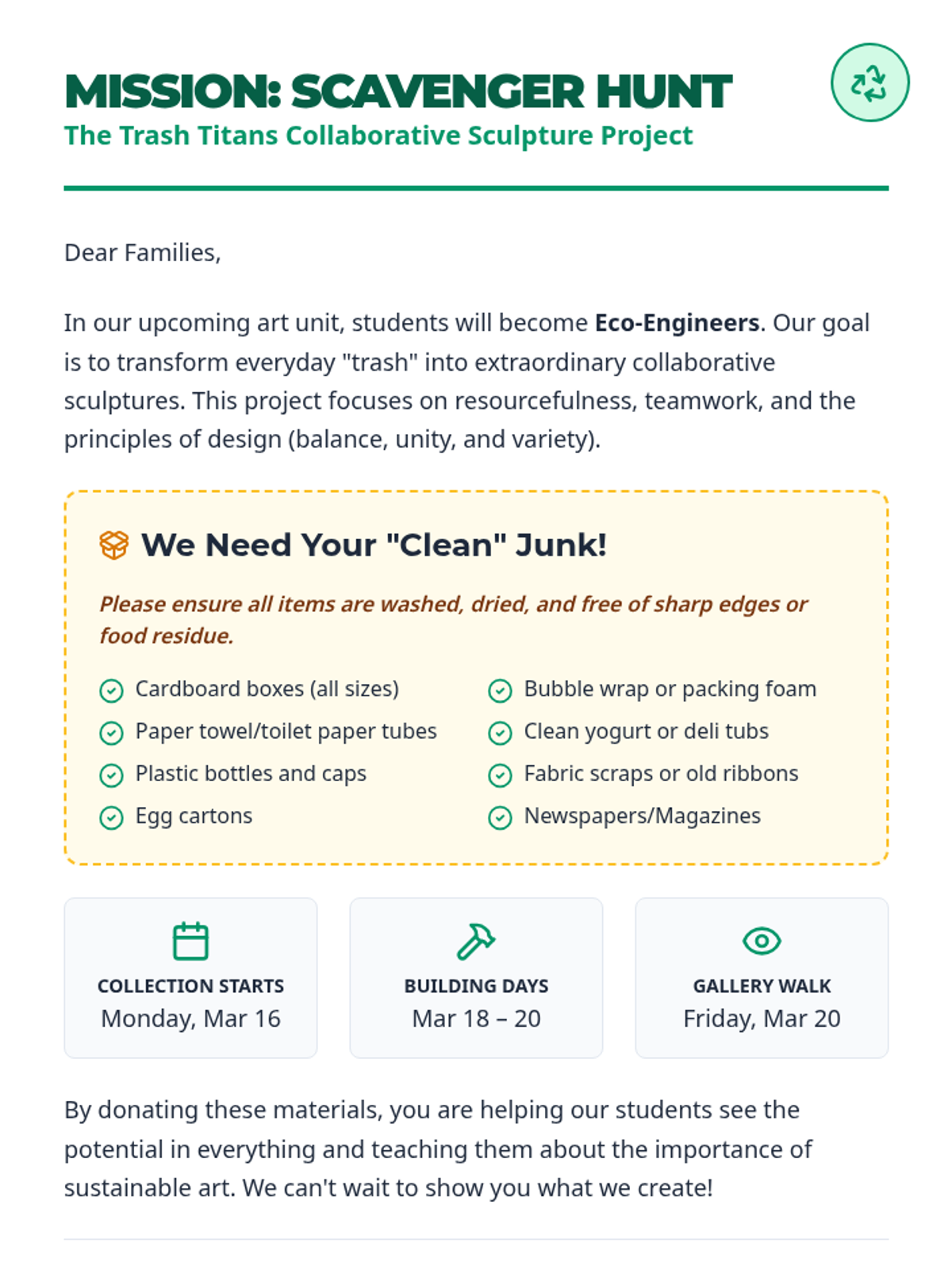
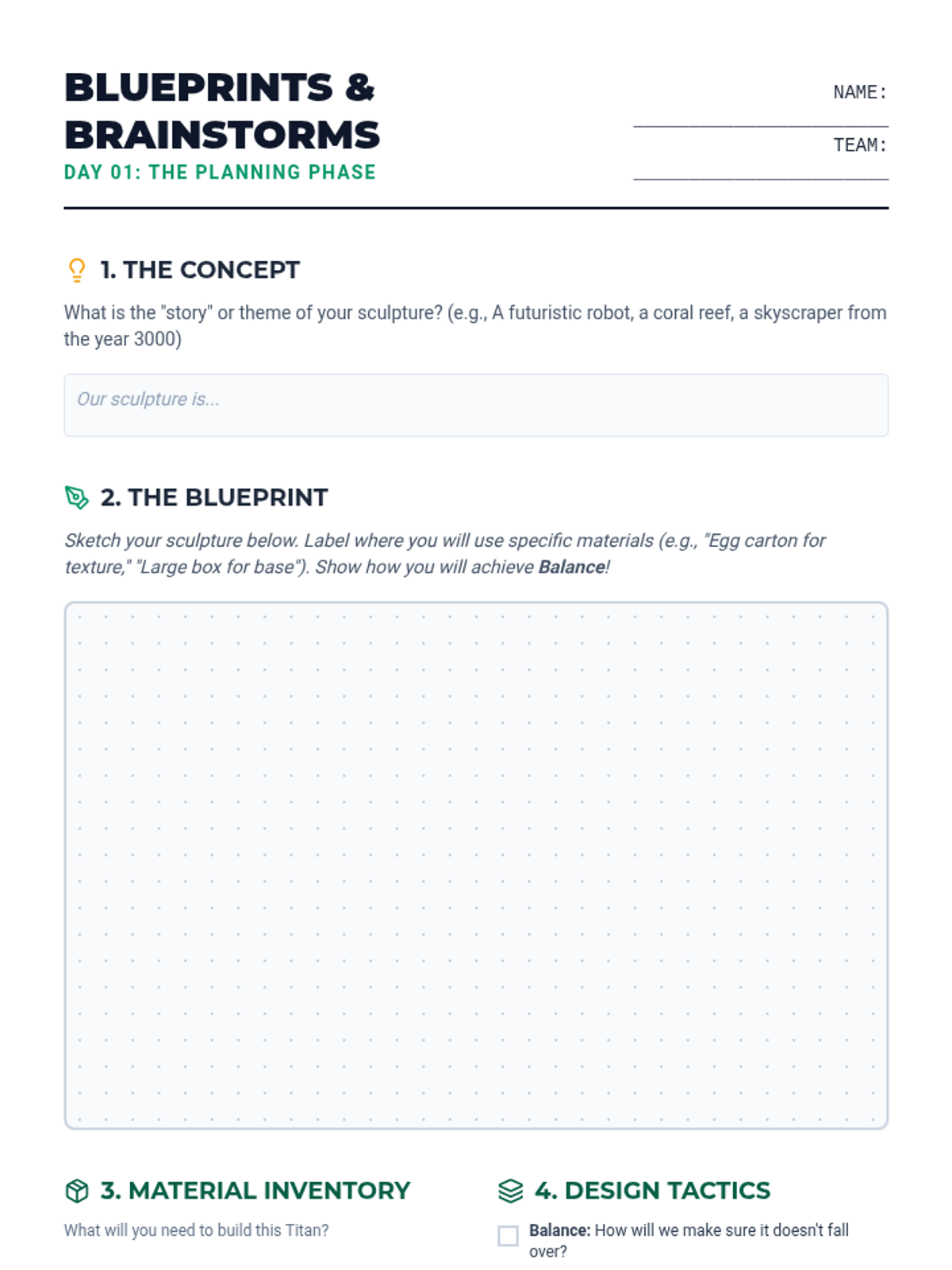
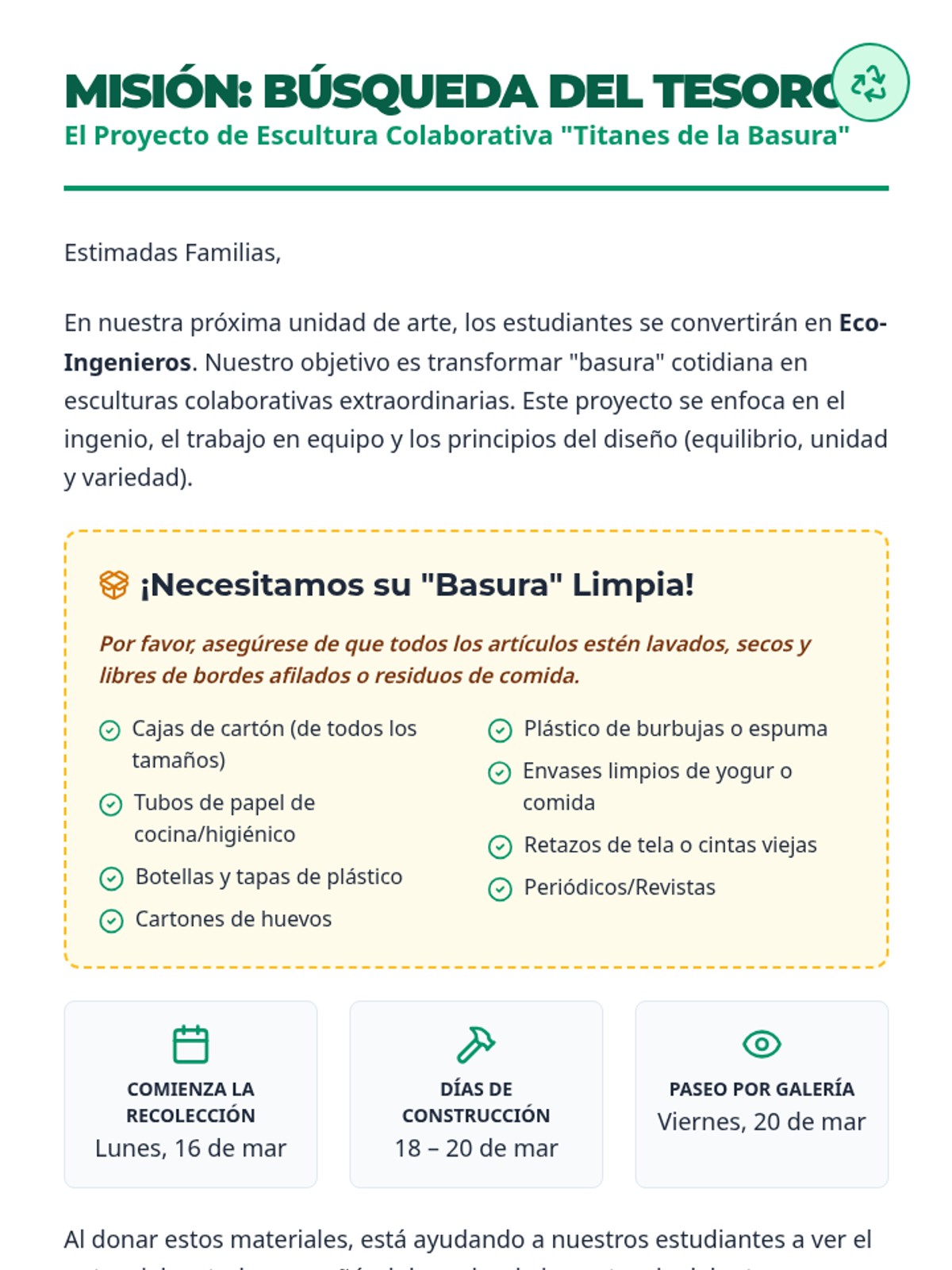
Introduction to the project, material collection via the letter home, and initial collaborative brainstorming and blueprinting.
Final touches, naming, and a gallery walk to reflect on the creative process and problem-solving journey.
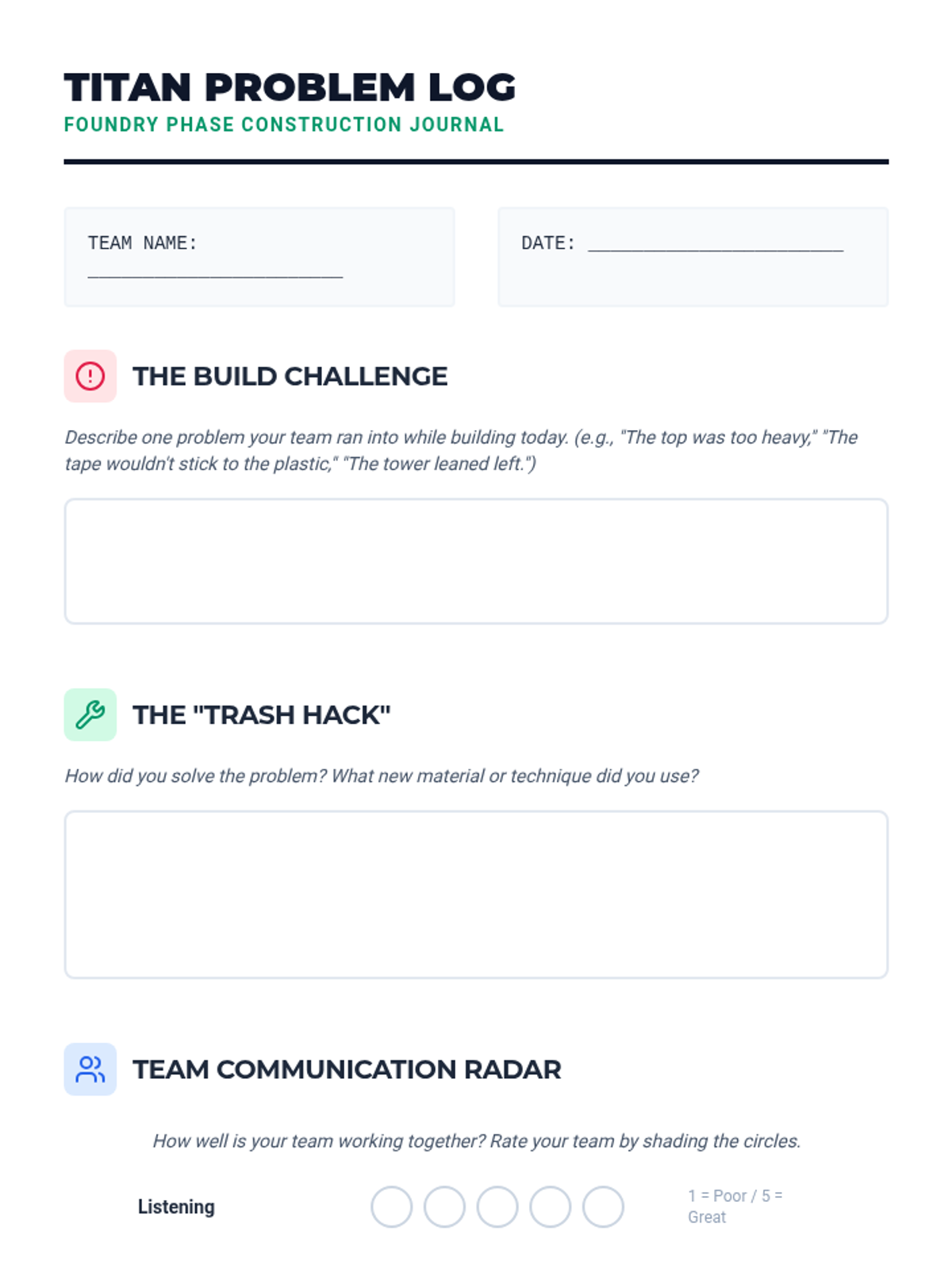
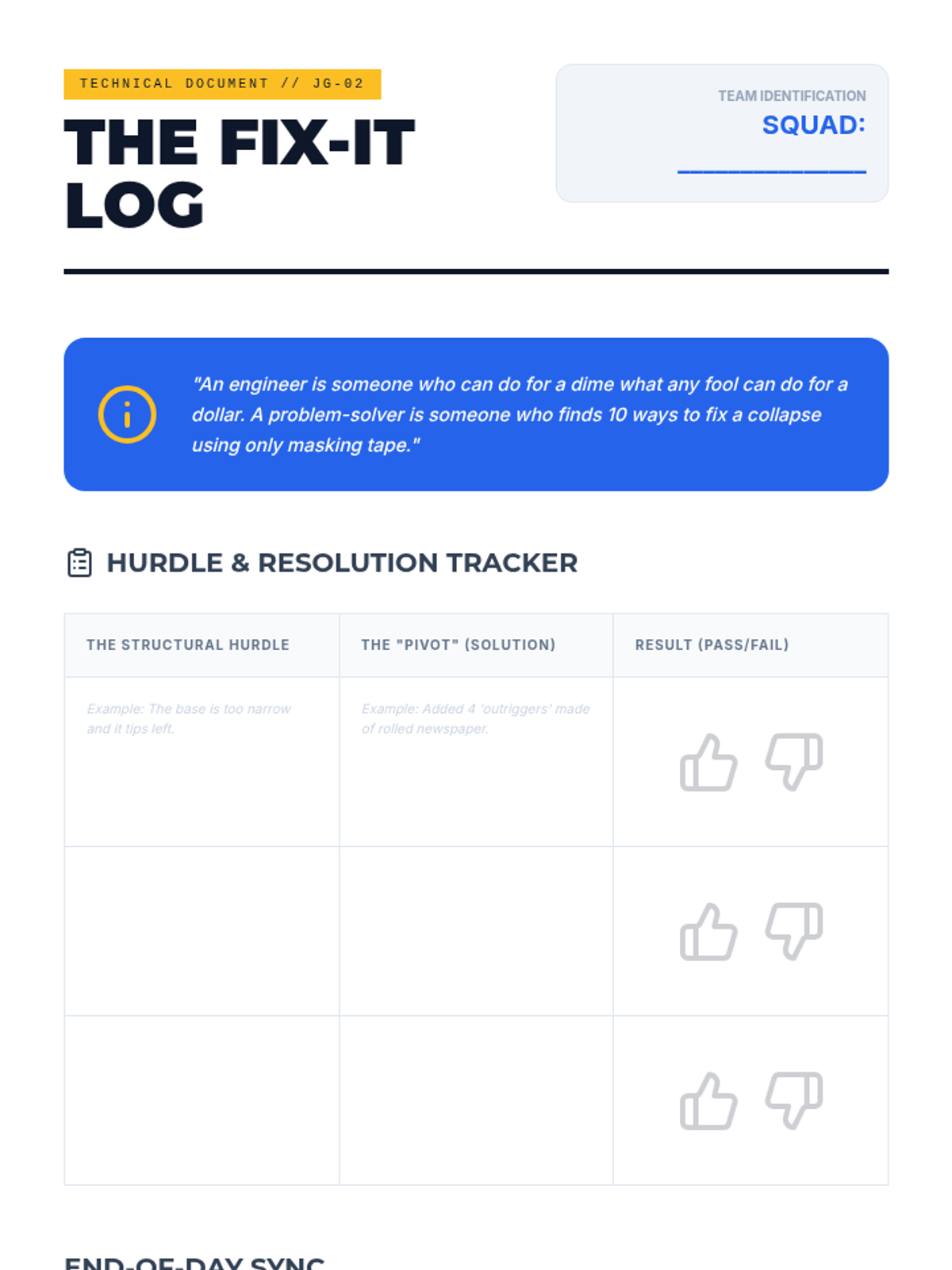
The core construction phase where students face structural failures and collaborate on creative solutions.
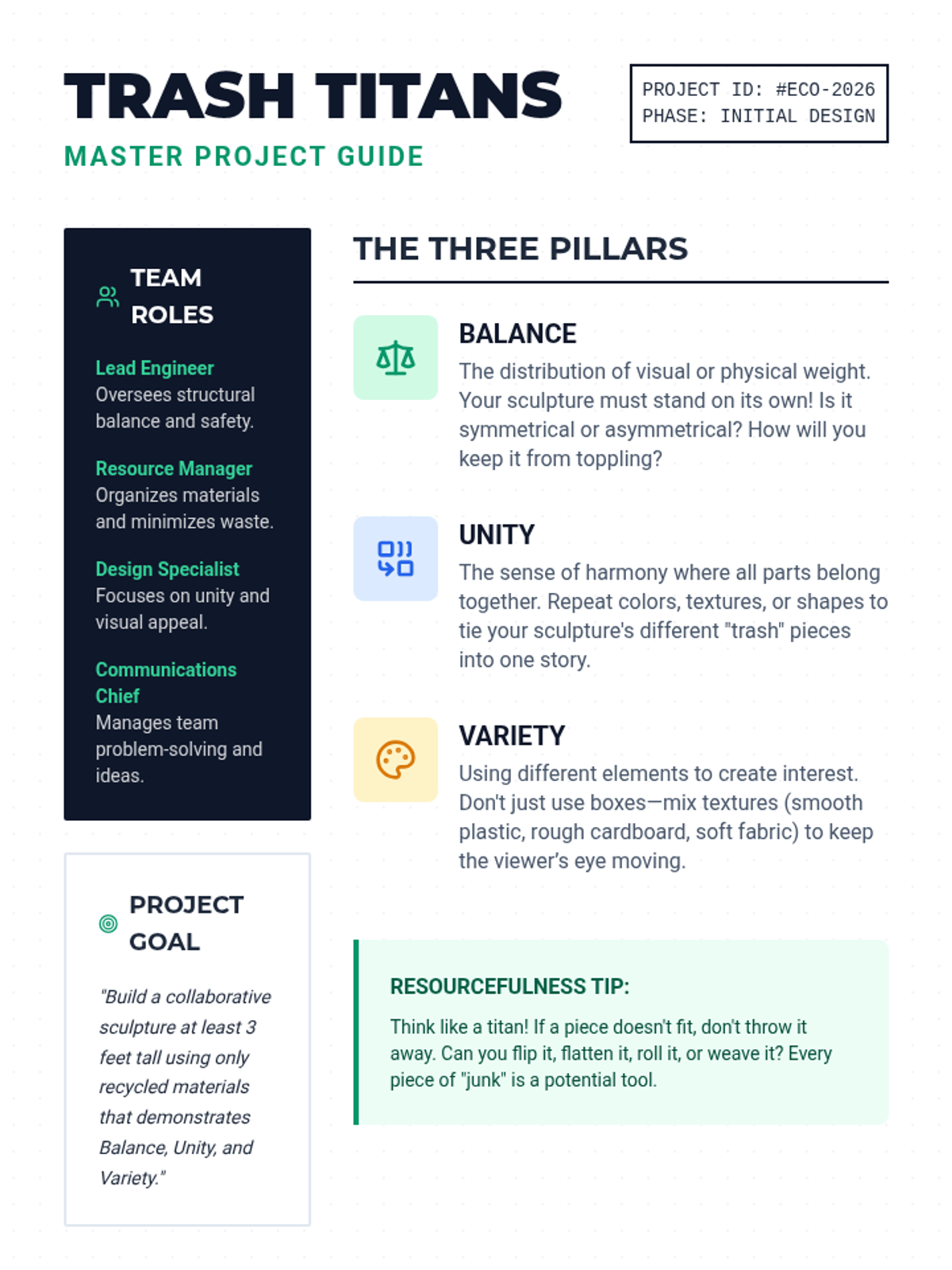
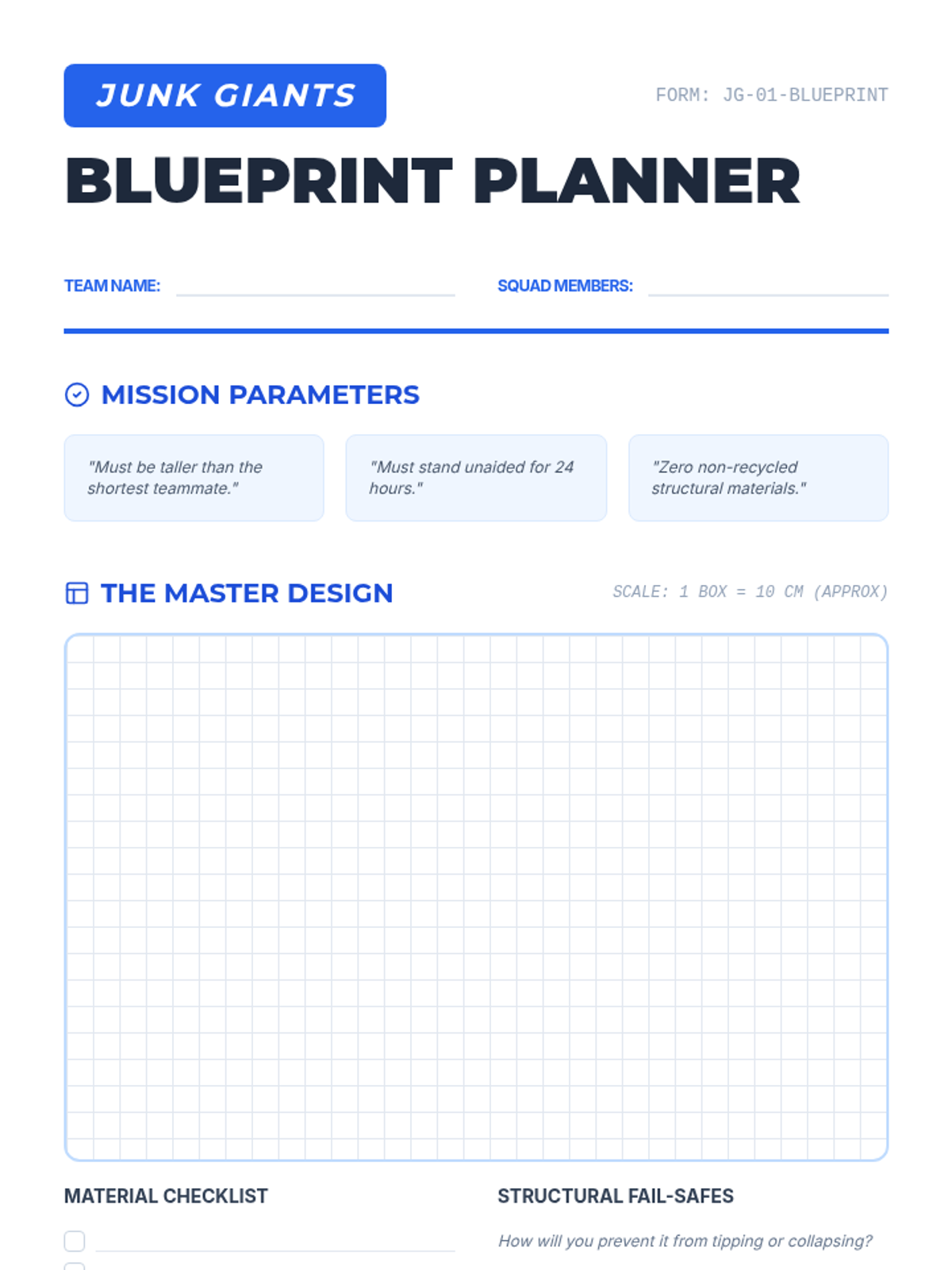
Teams form, explore materials, and create structural blueprints for their recycled sculptures.