In a culminating challenge, teams design, test, and debug a complex algorithm to solve a multi-step Mars Rover mission involving object retrieval and delivery.
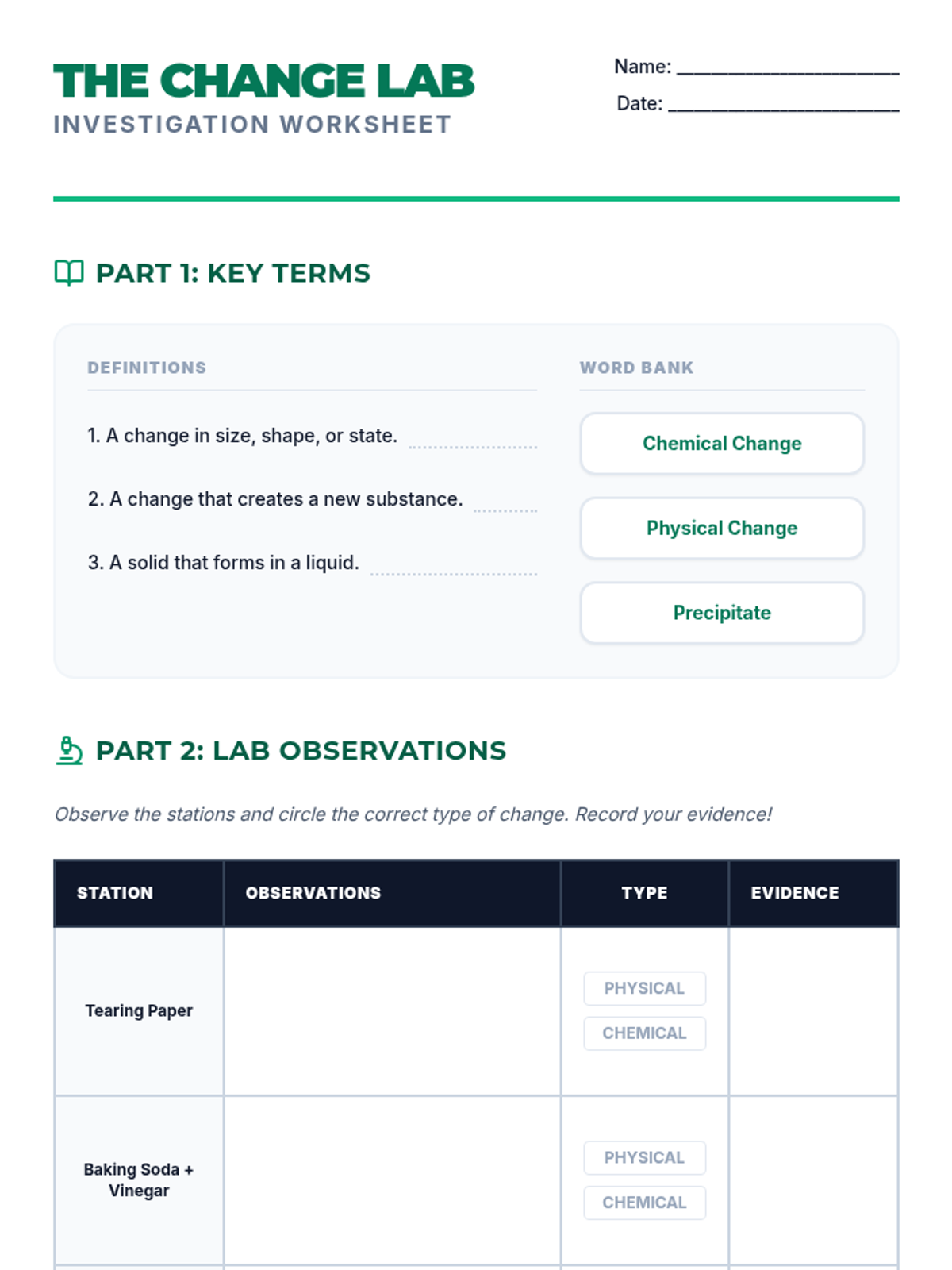
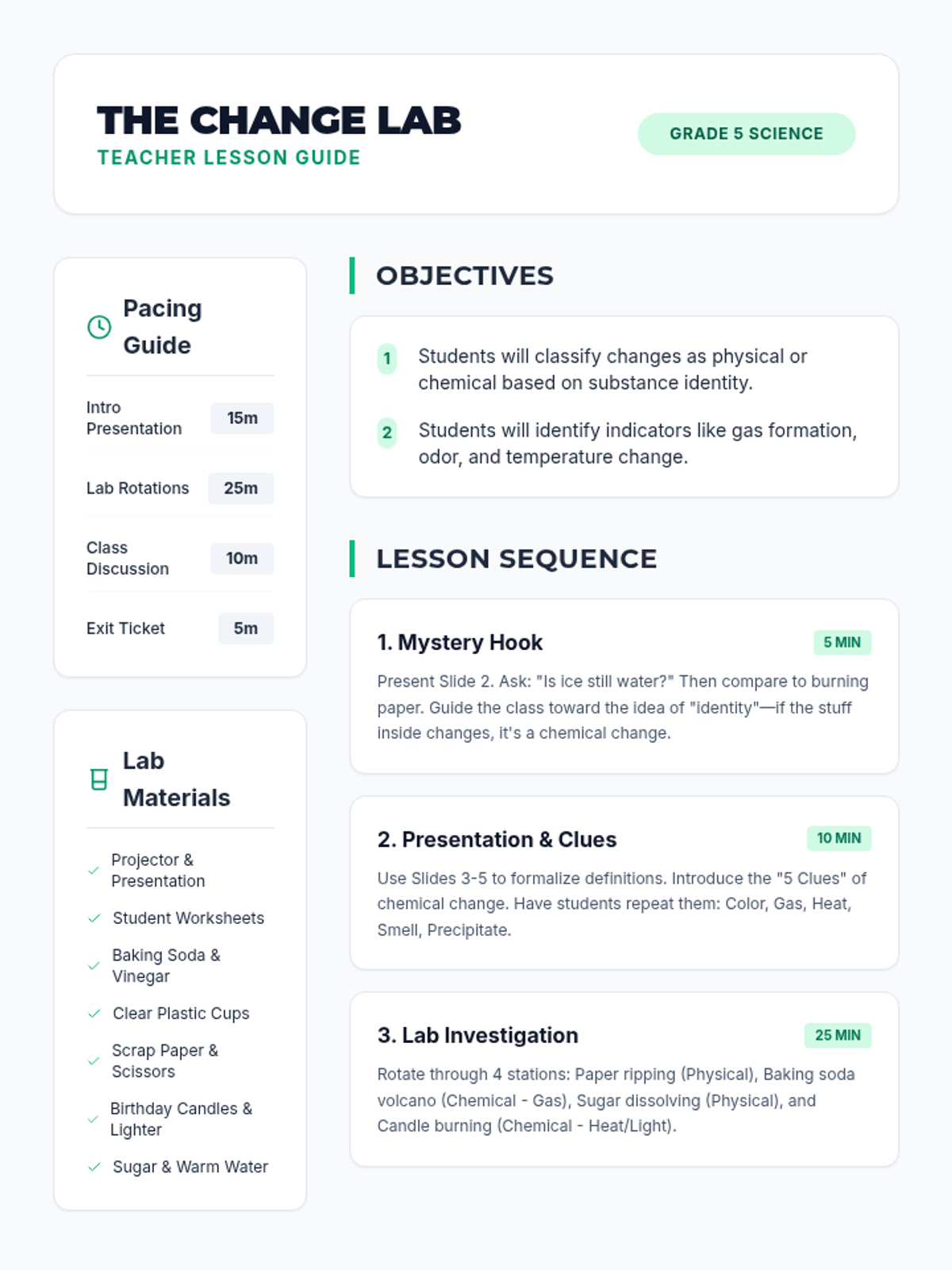
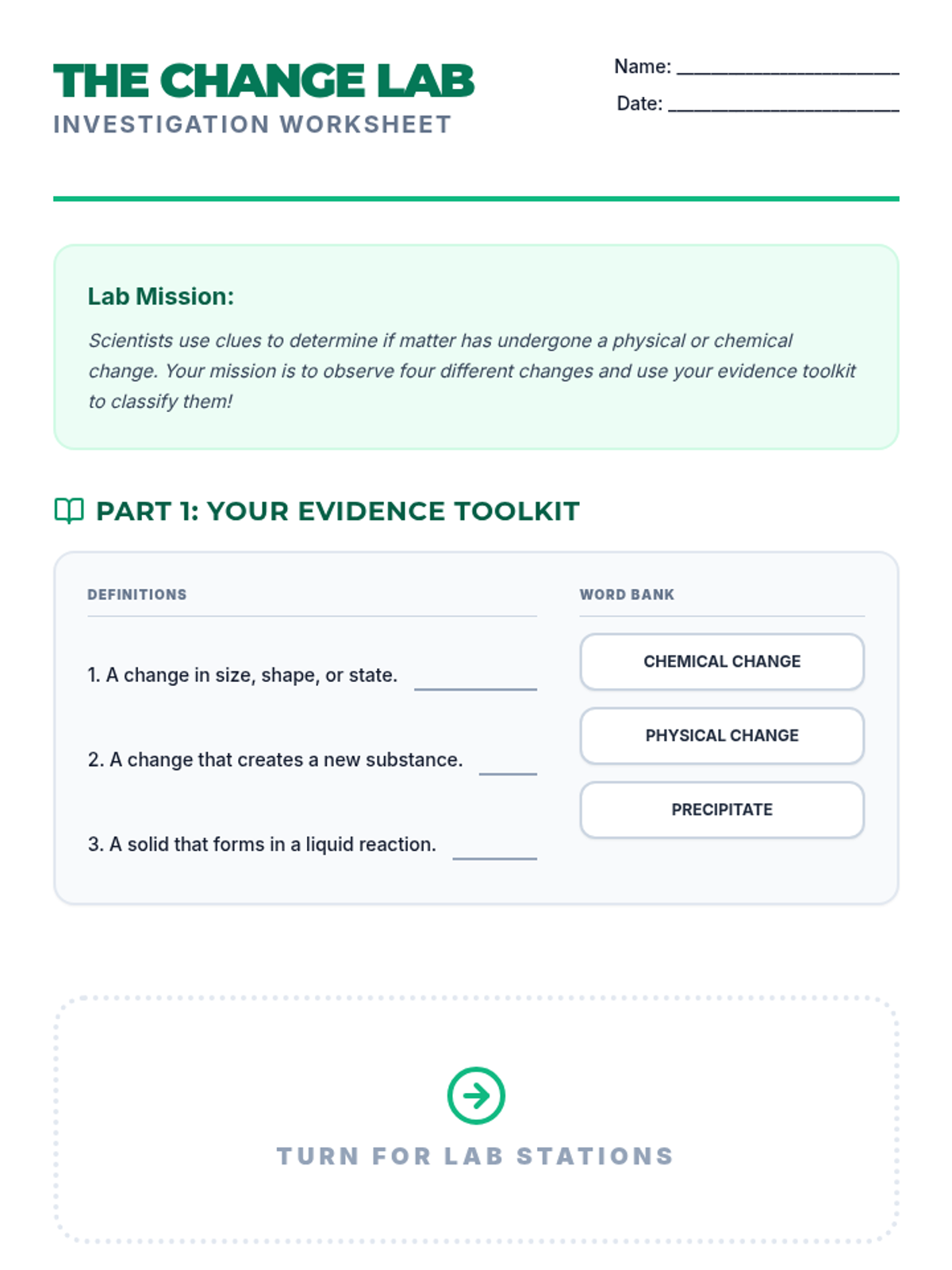
An introductory lesson exploring the differences between physical and chemical changes through visual examples, interactive discussion, and a guided lab investigation.
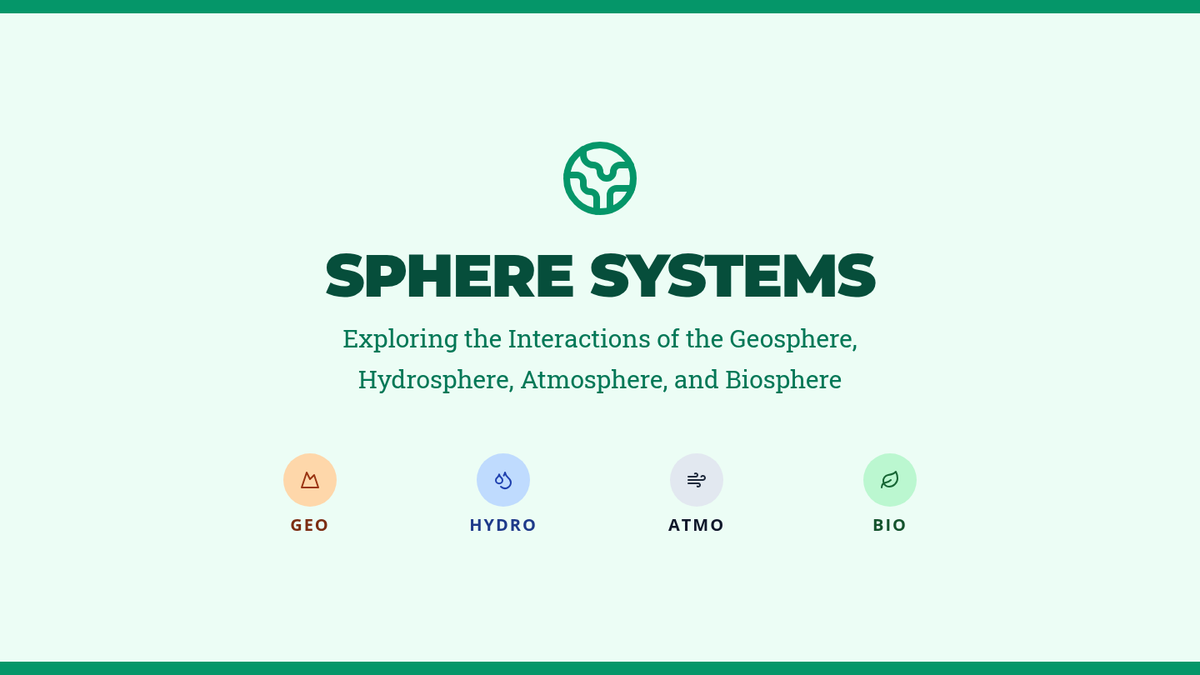
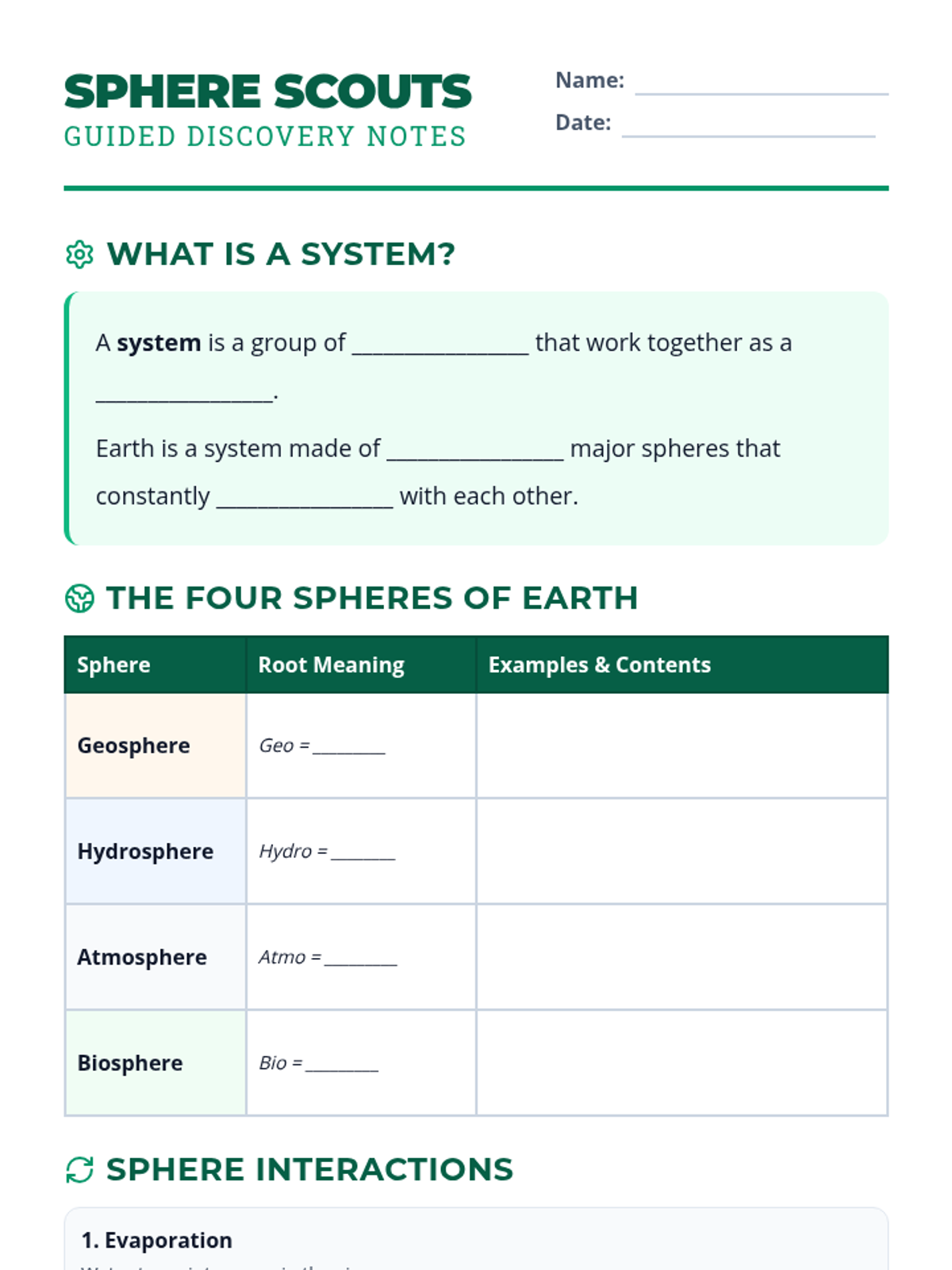
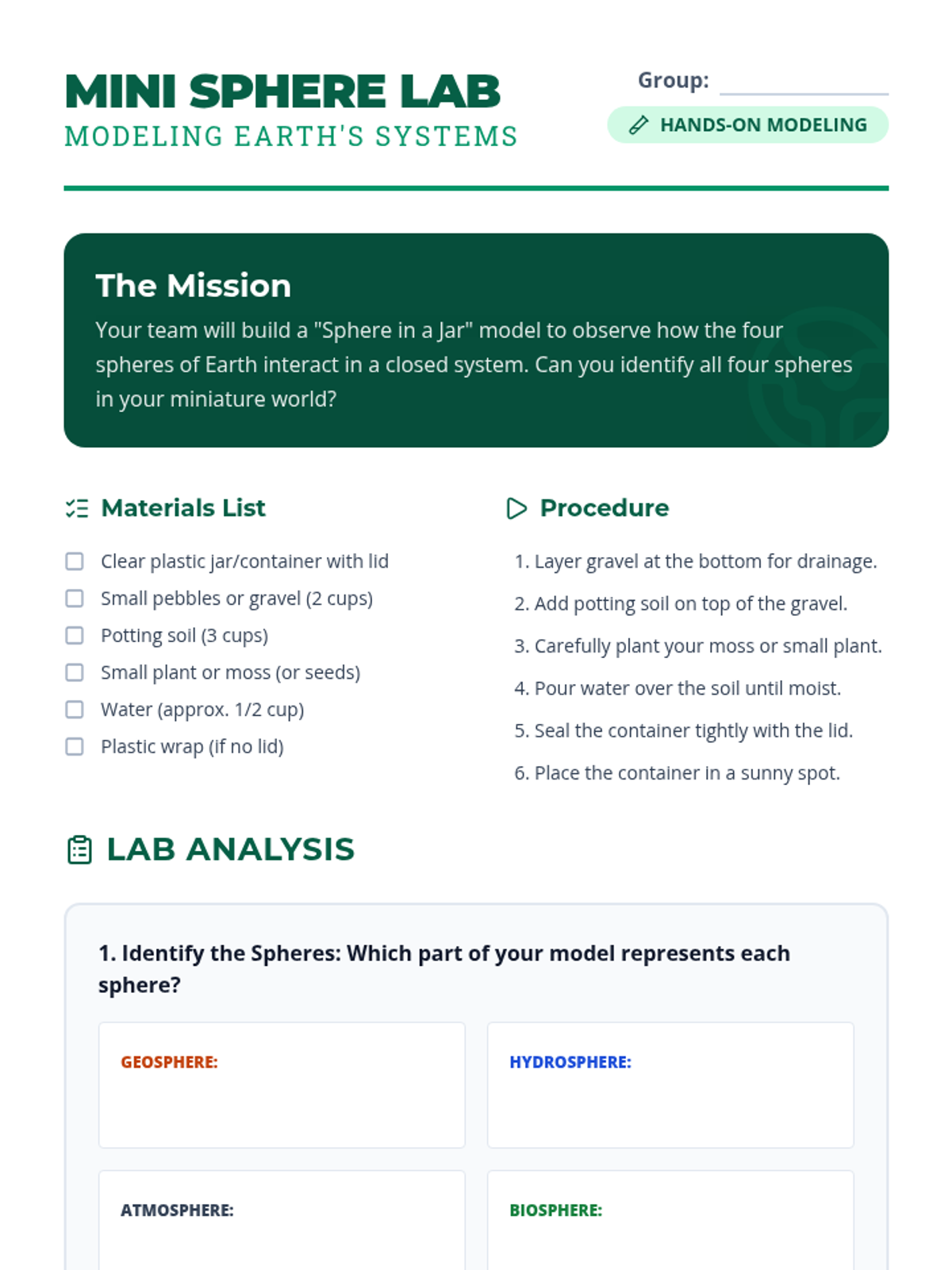
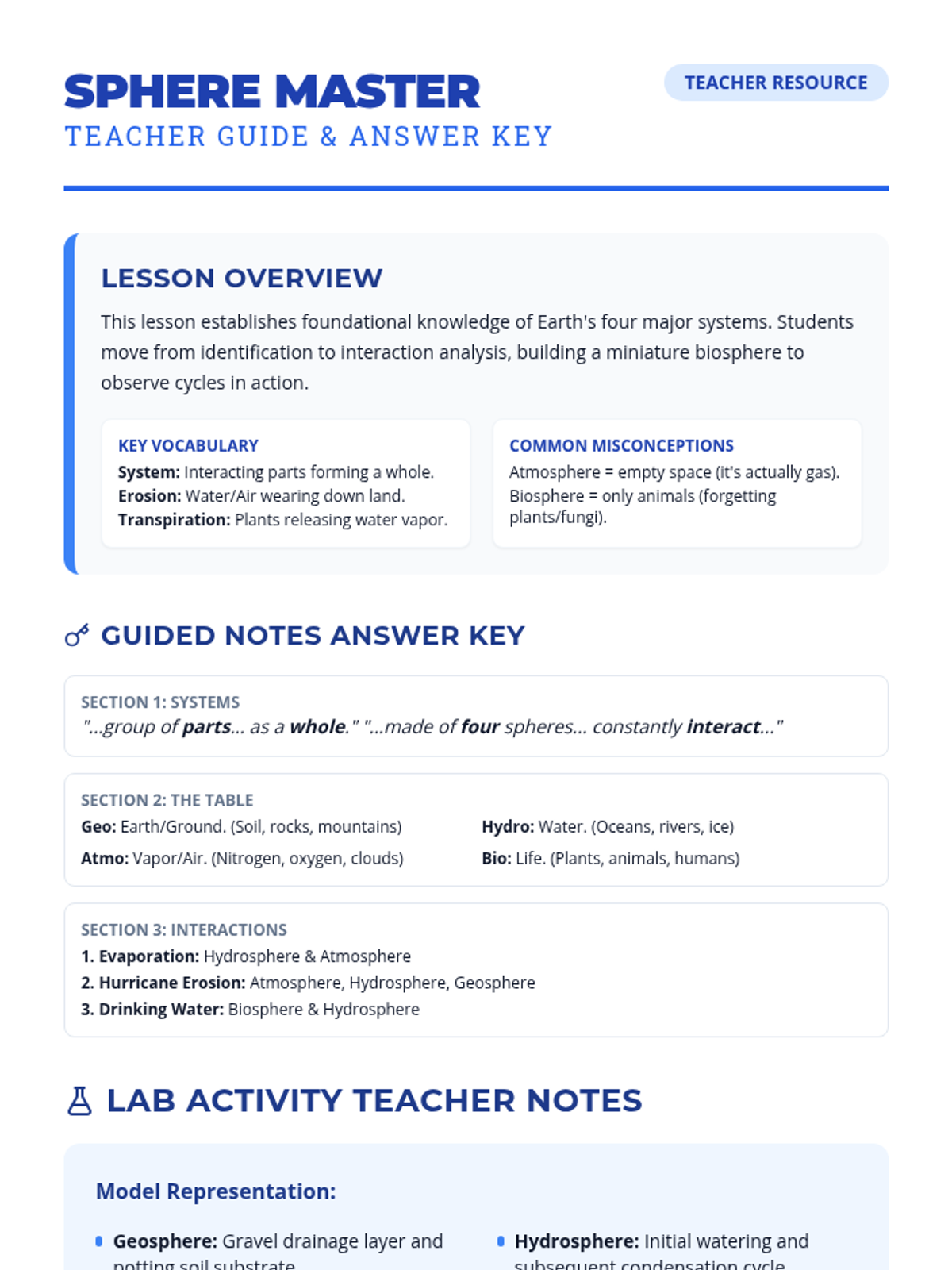
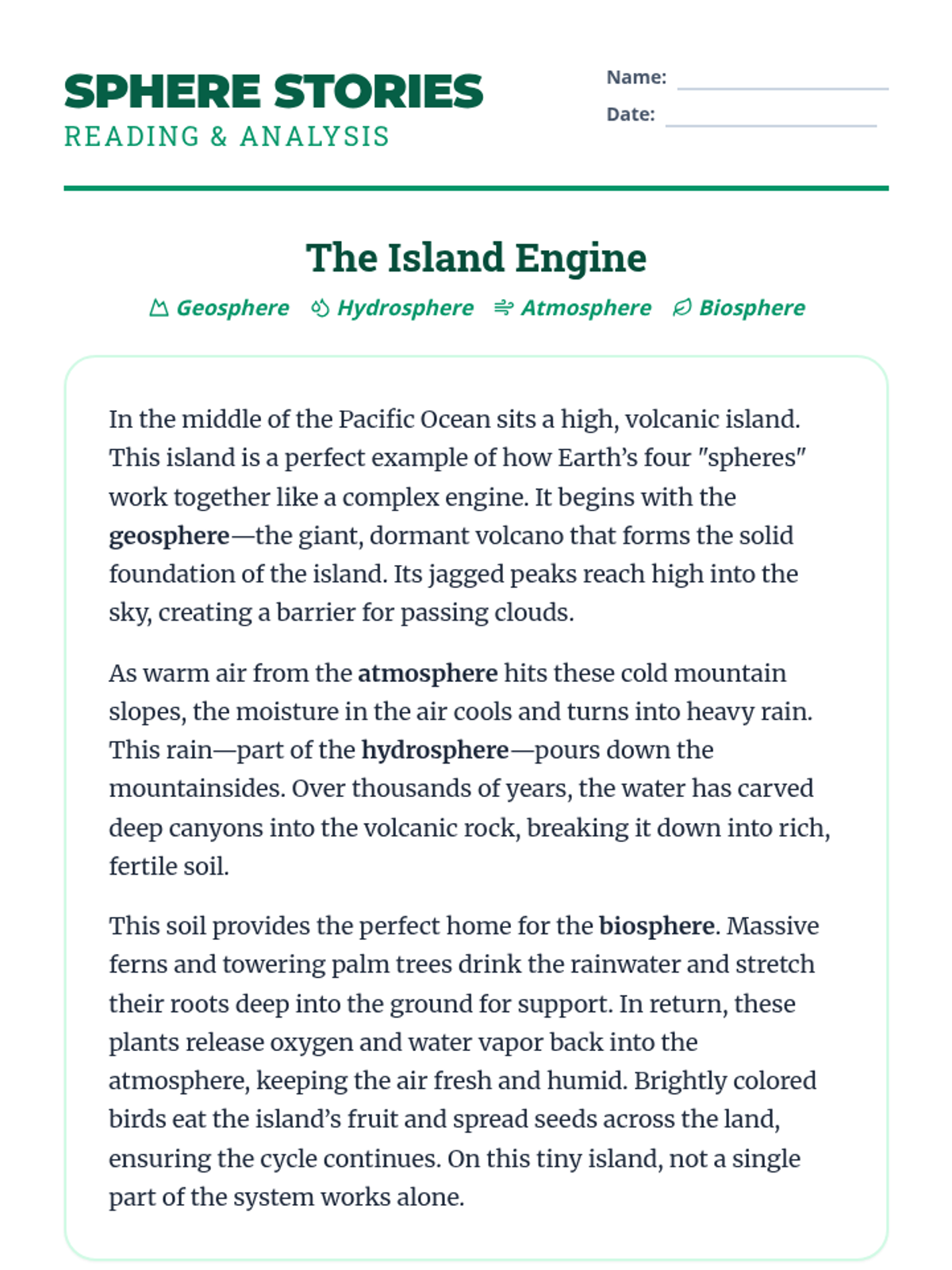
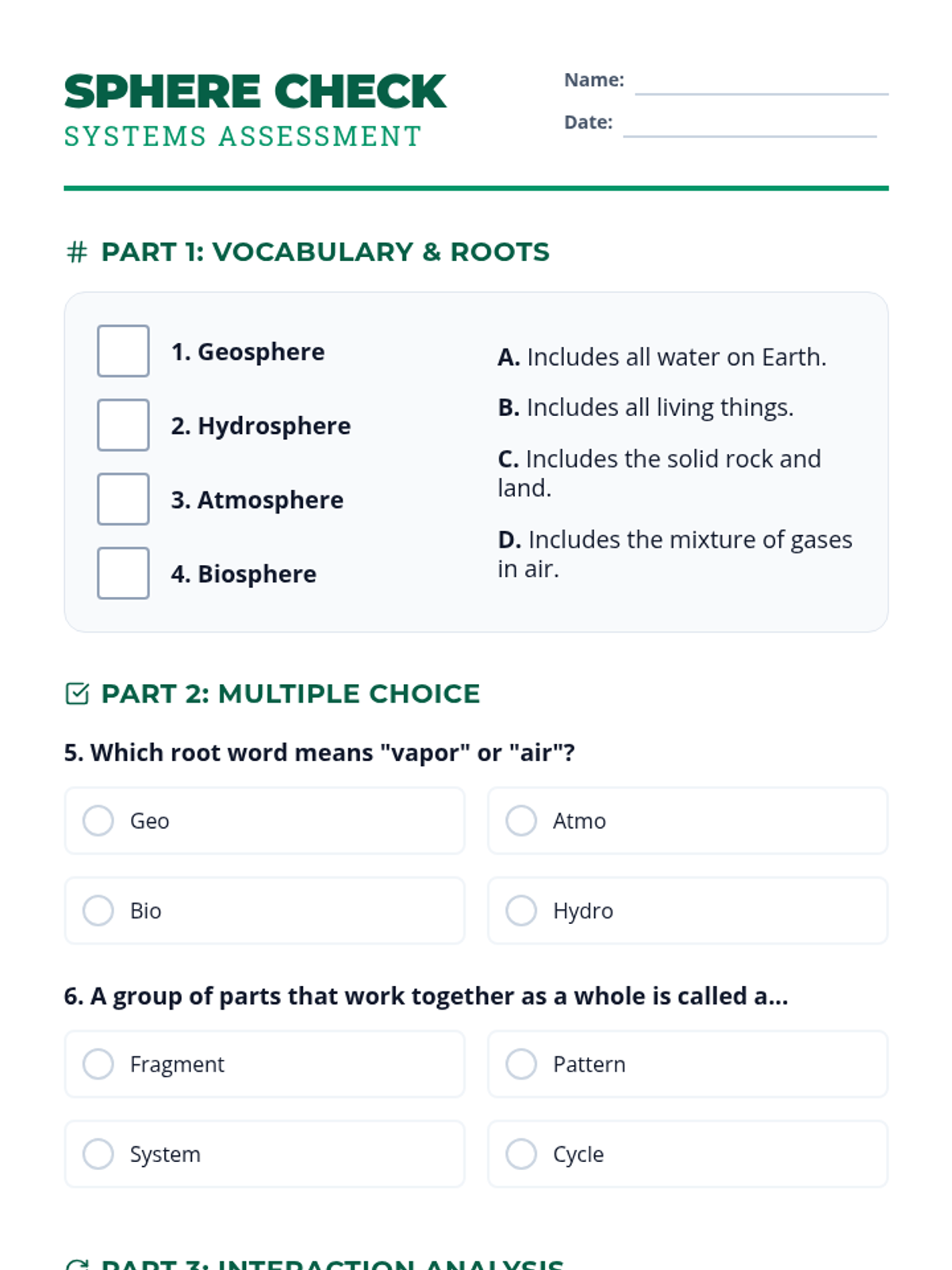
A comprehensive lesson exploring Earth's four major systems: the geosphere, hydrosphere, atmosphere, and biosphere. Students will learn to identify each sphere and describe the complex ways they interact to sustain life and shape the planet.
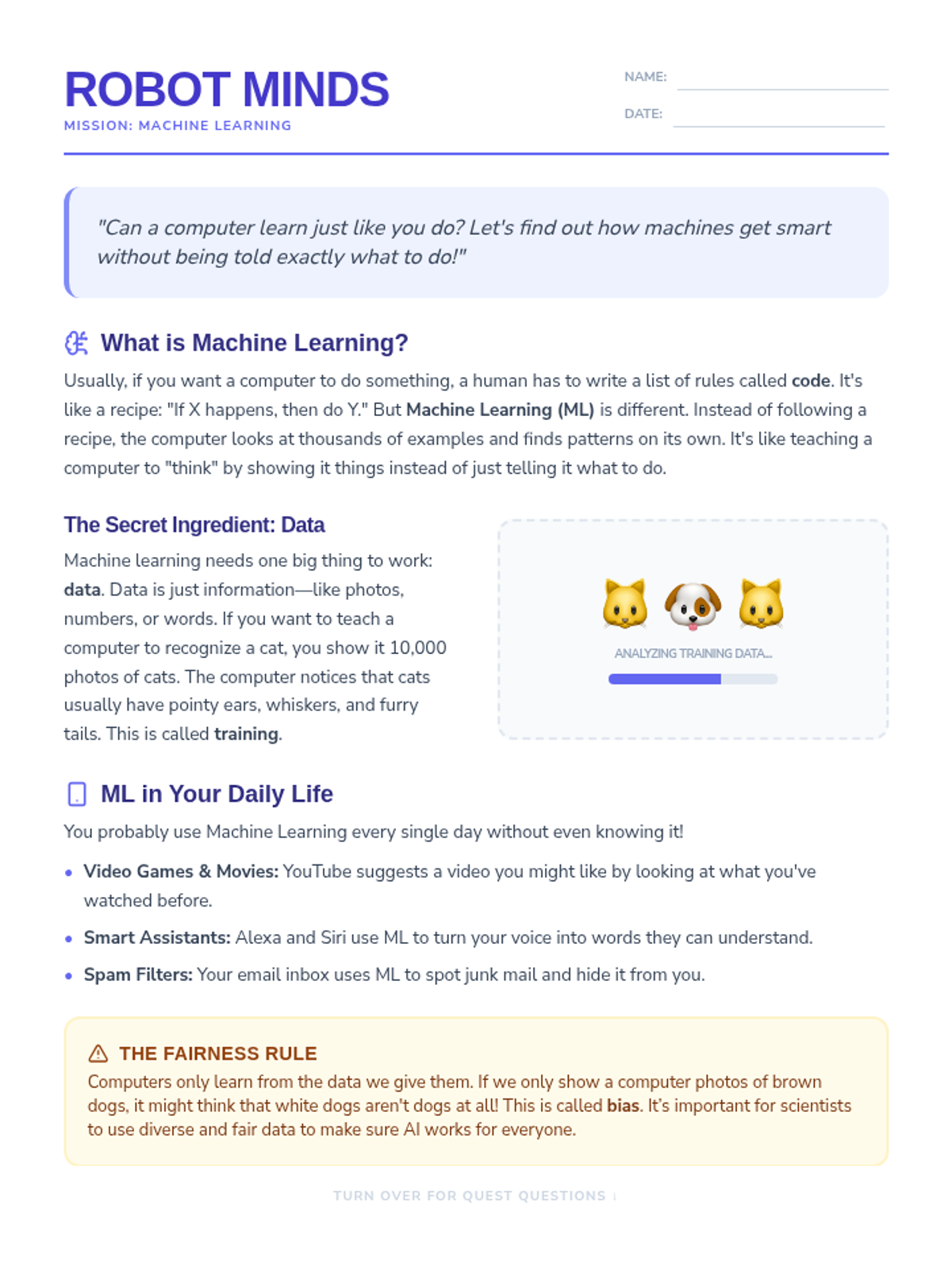
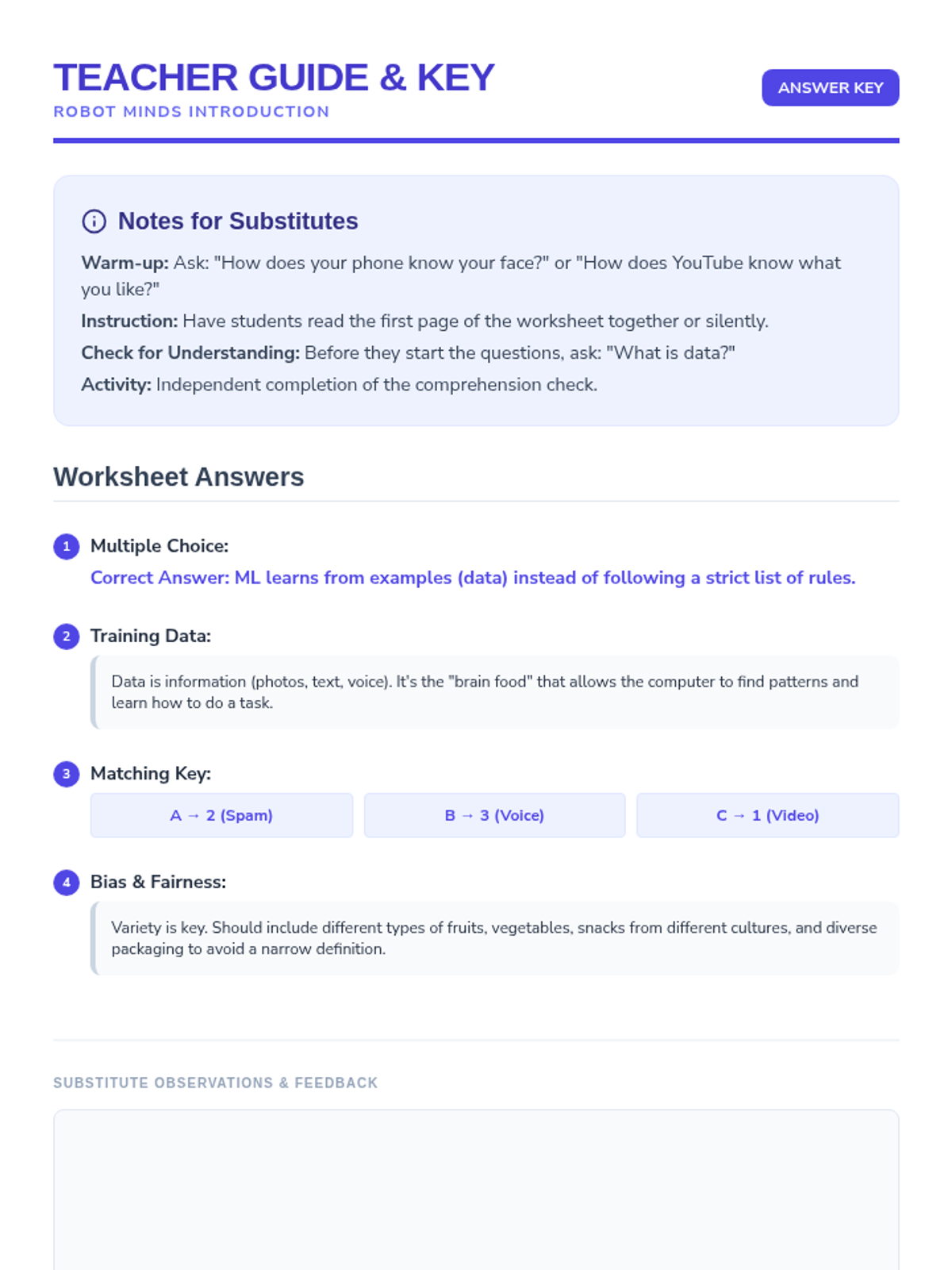
A self-contained lesson introducing 4th and 5th graders to the basics of Machine Learning, focusing on how computers learn from patterns and data.
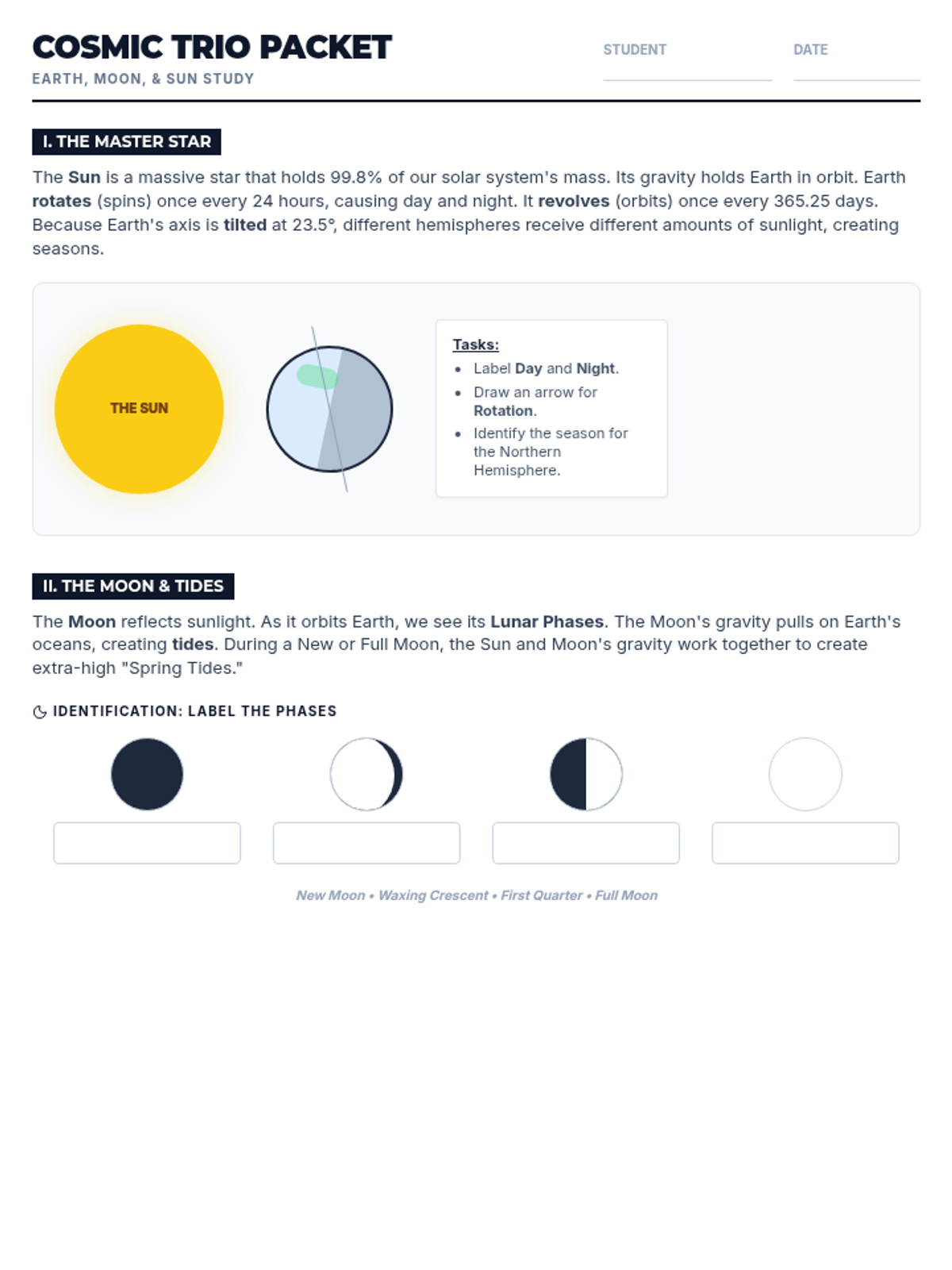
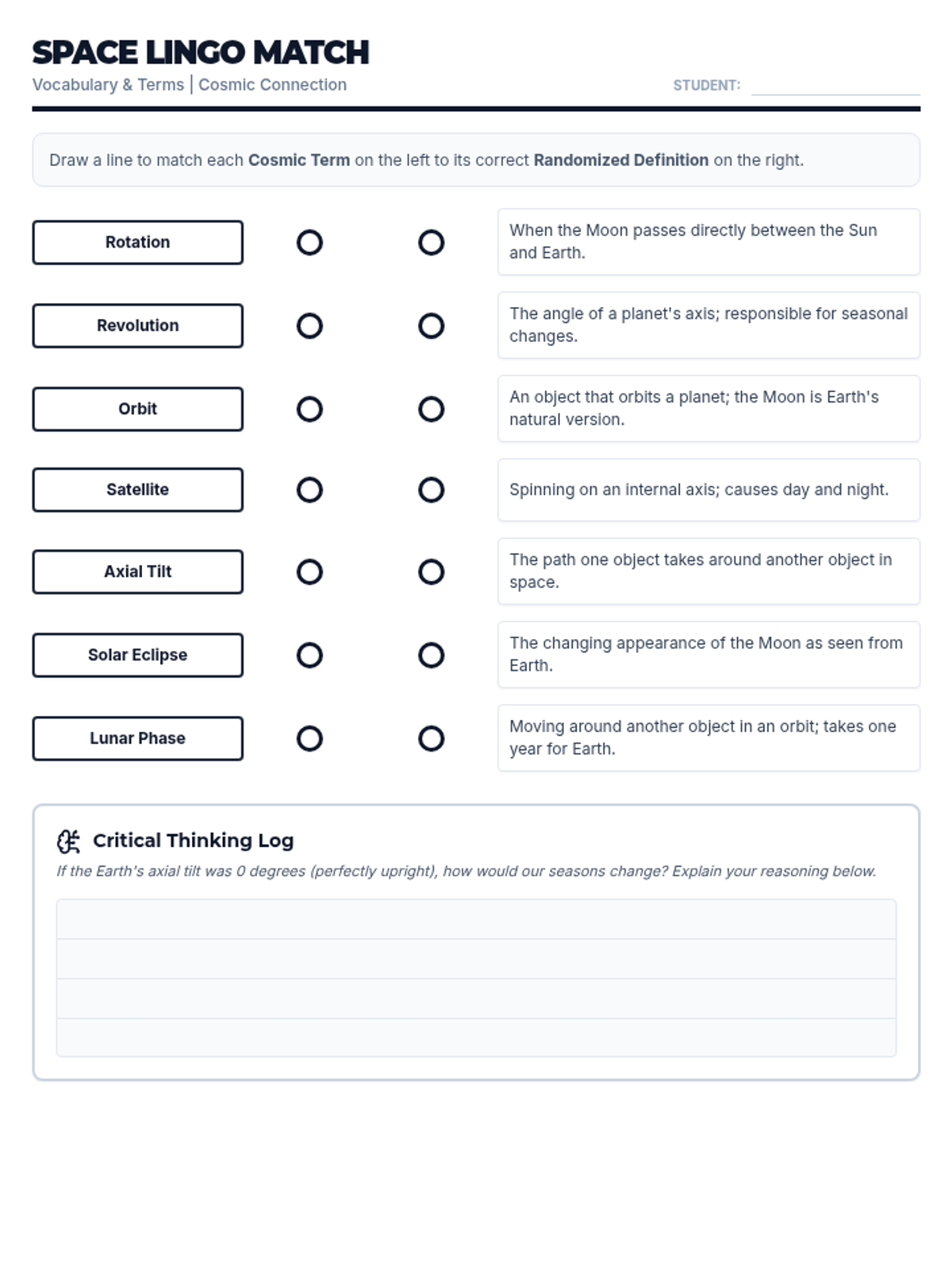
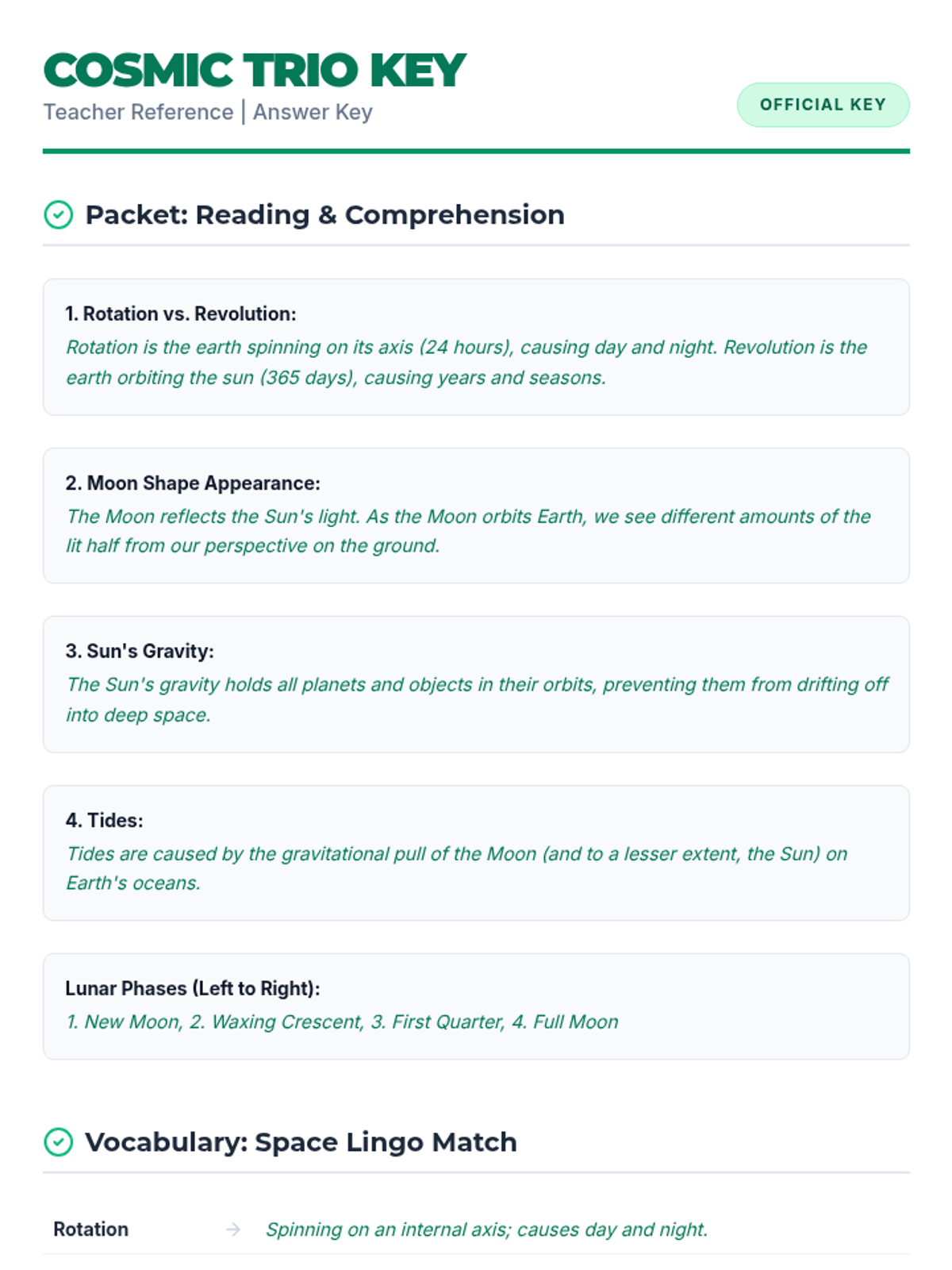
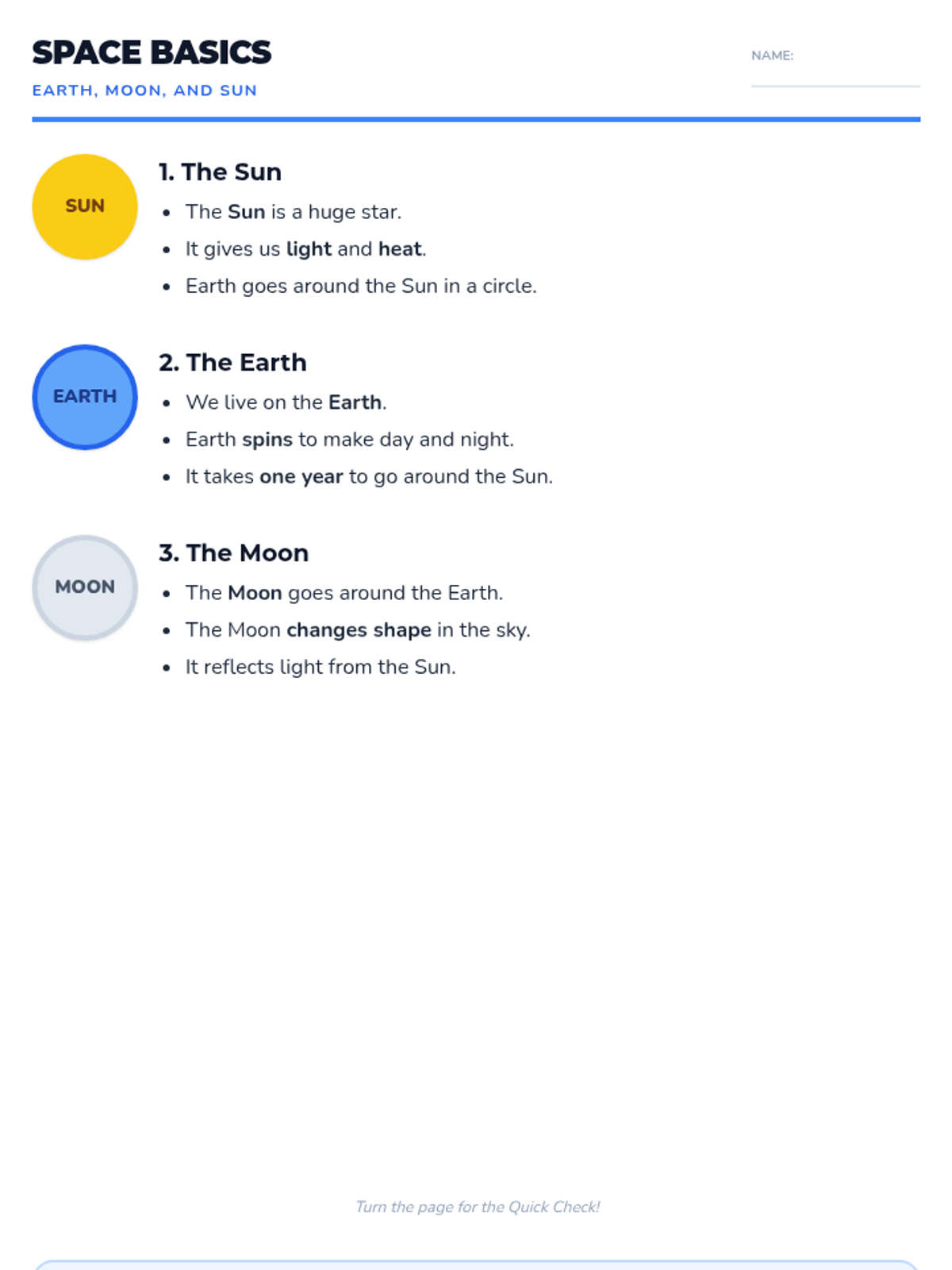
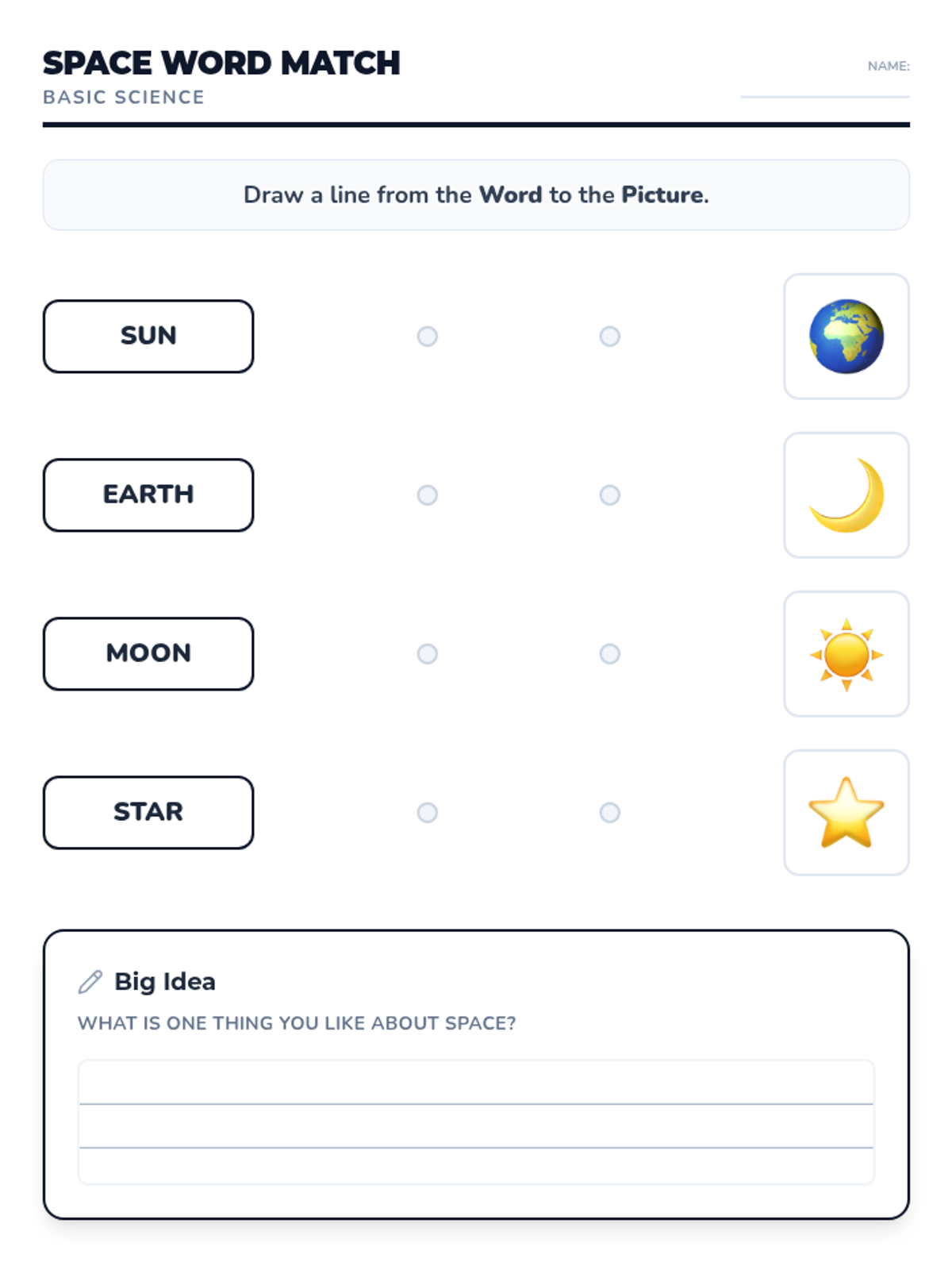
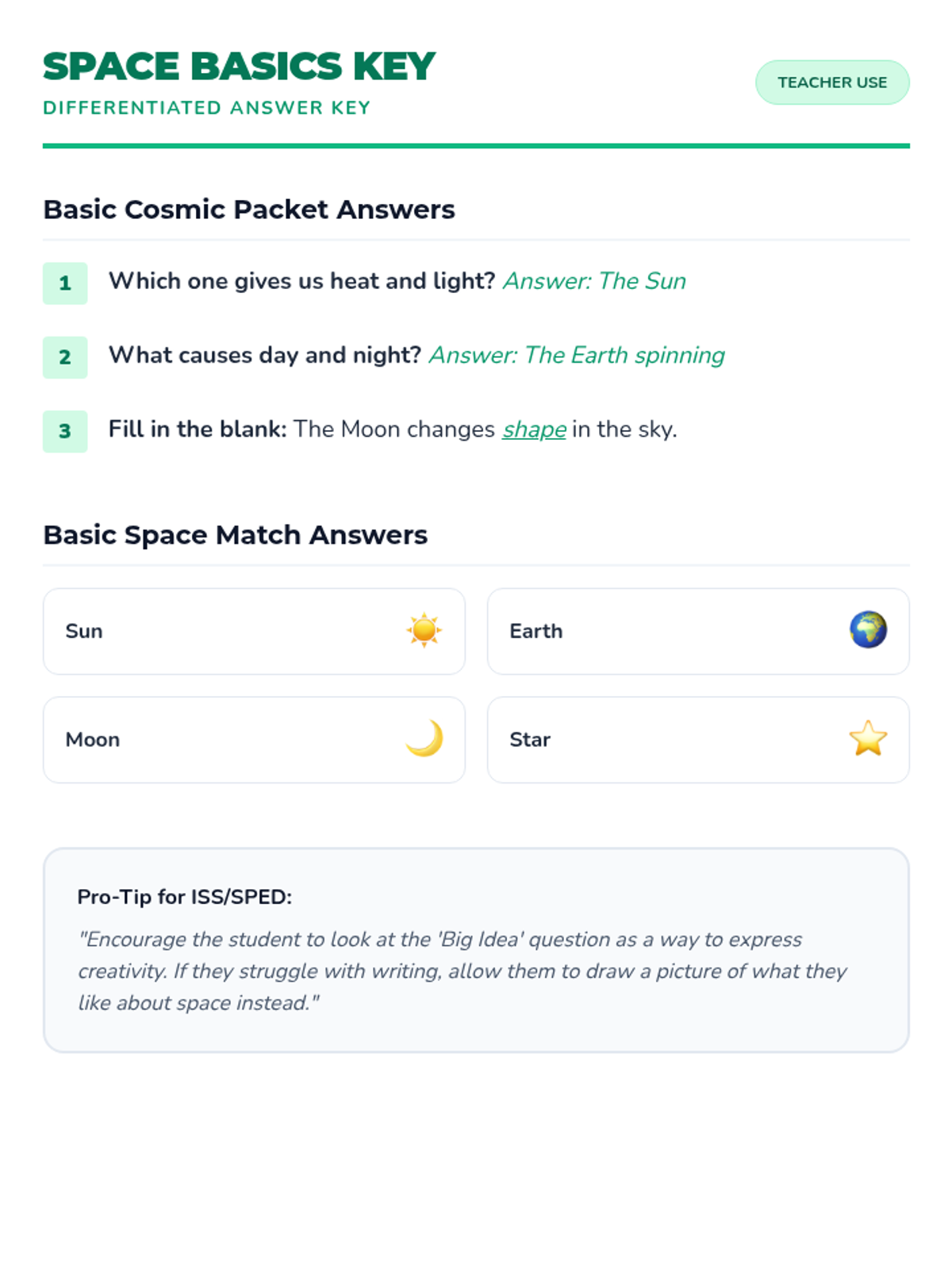
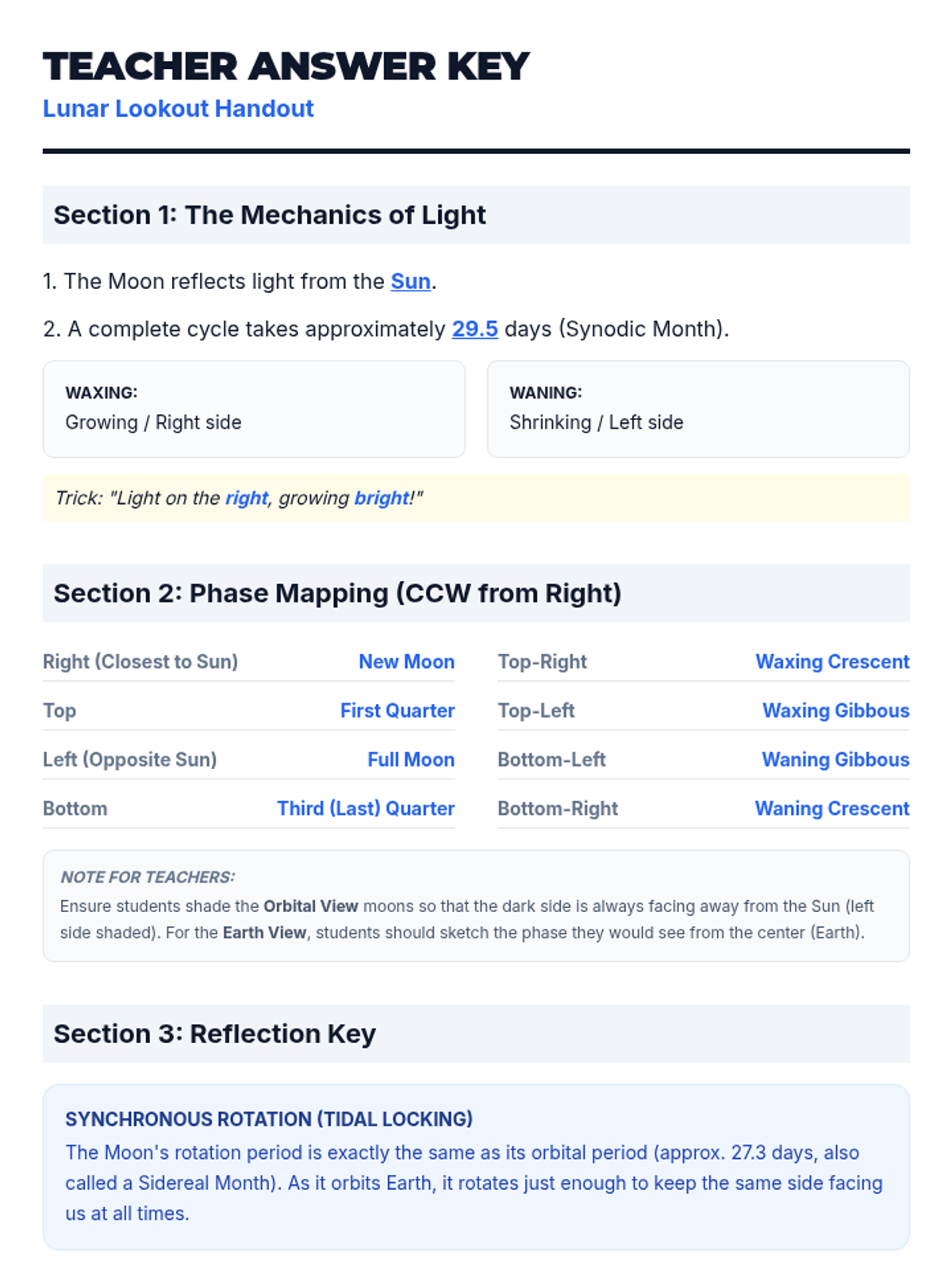
An independent study unit exploring the relationships between the Earth, Moon, and Sun, covering rotation, revolution, moon phases, and gravity.
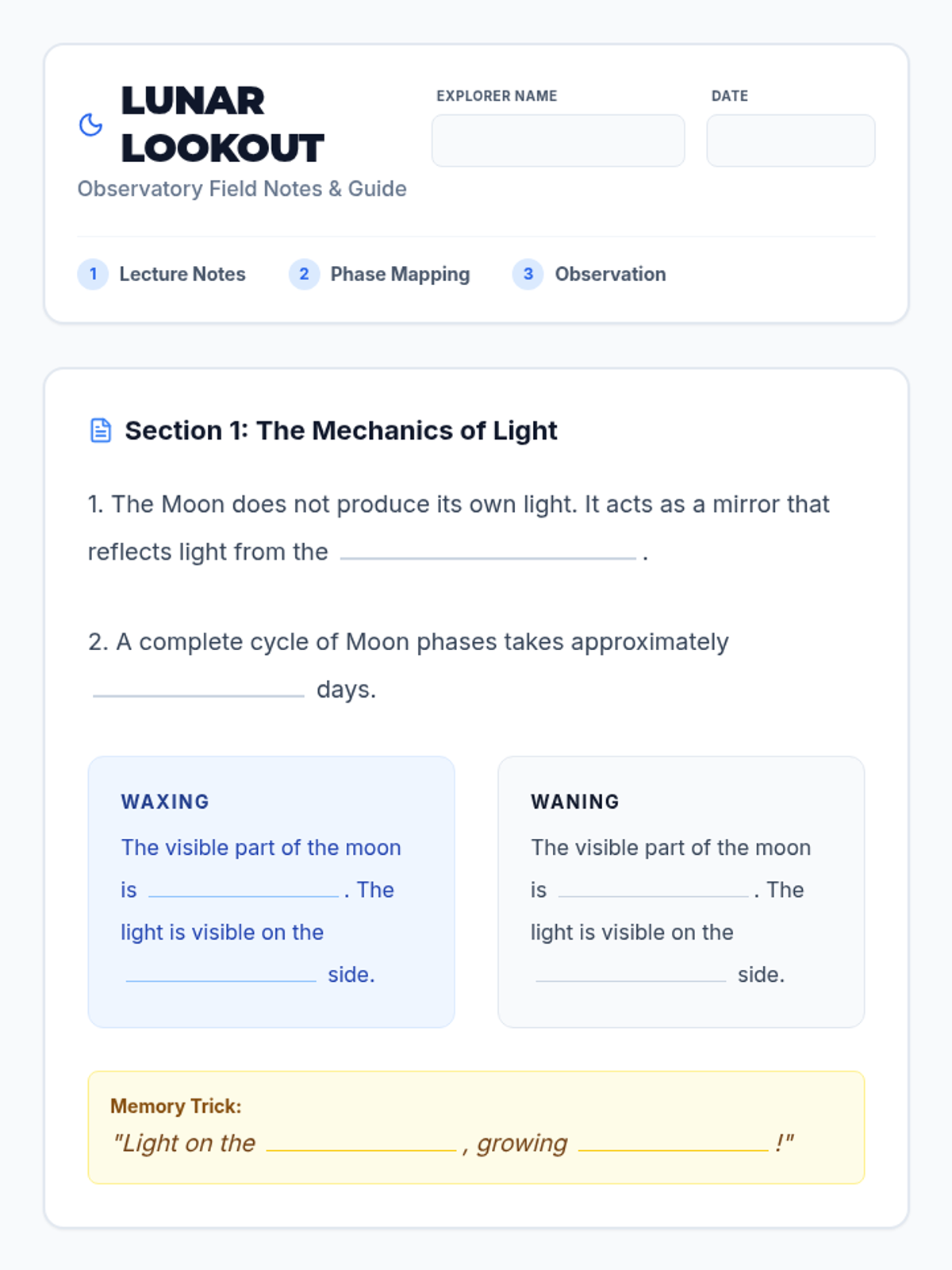
A complete introductory lesson on the lunar cycle, covering the eight phases of the moon, the concepts of waxing and waning, and the orbital relationship between the Earth, Moon, and Sun.
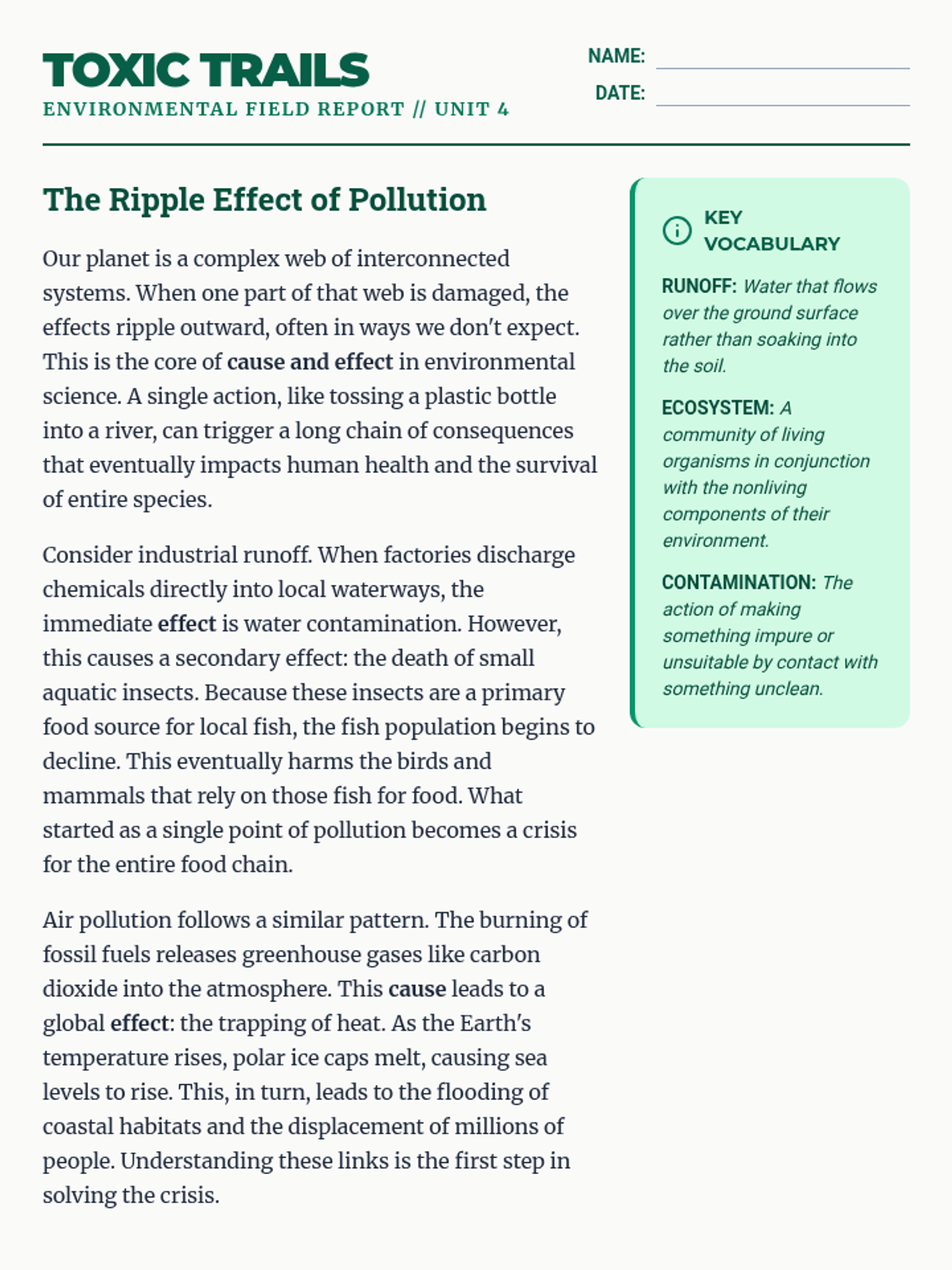
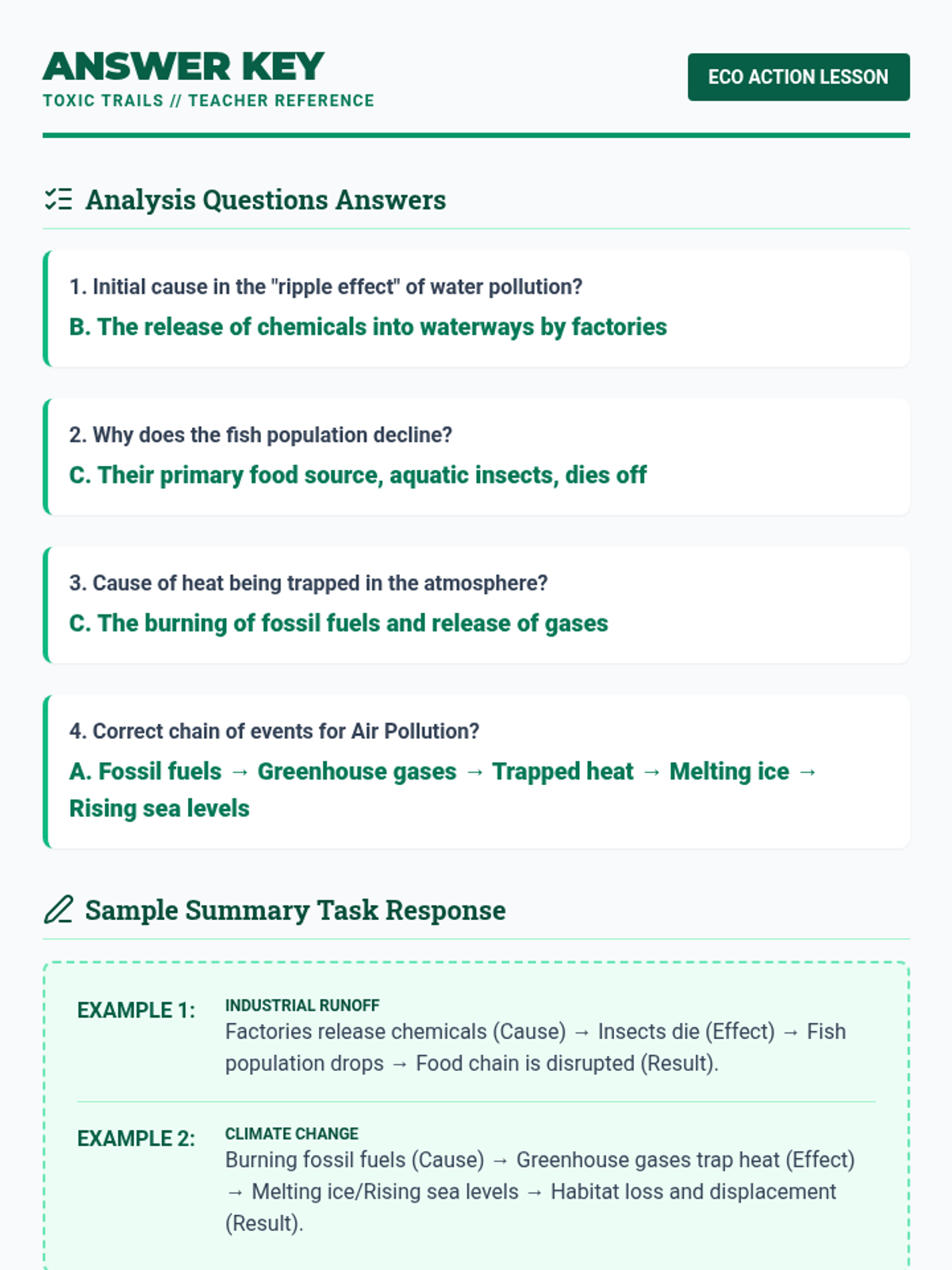
An investigative look into the cause-and-effect relationships of environmental pollution, focusing on how human activities impact Earth's ecosystems.
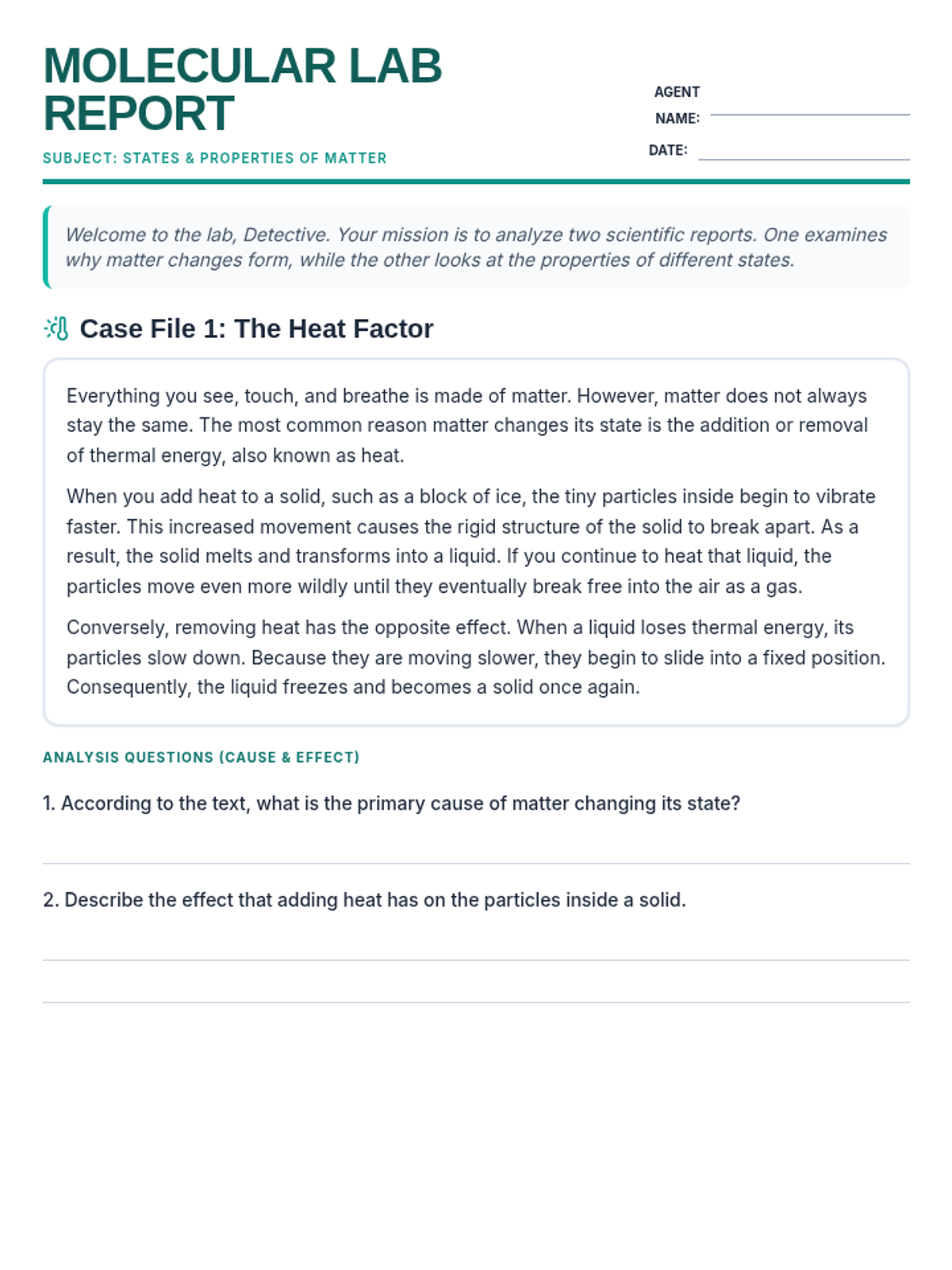
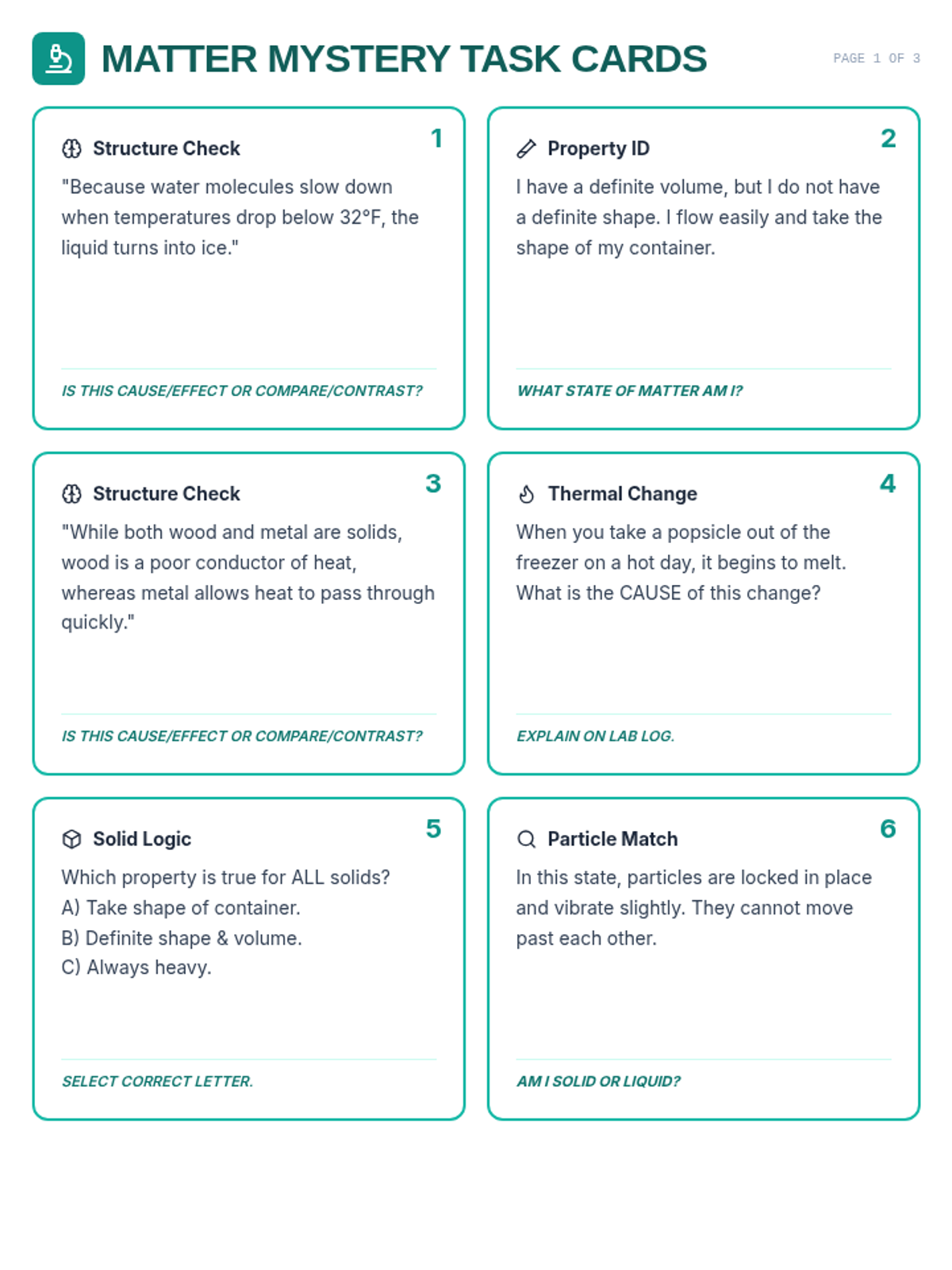
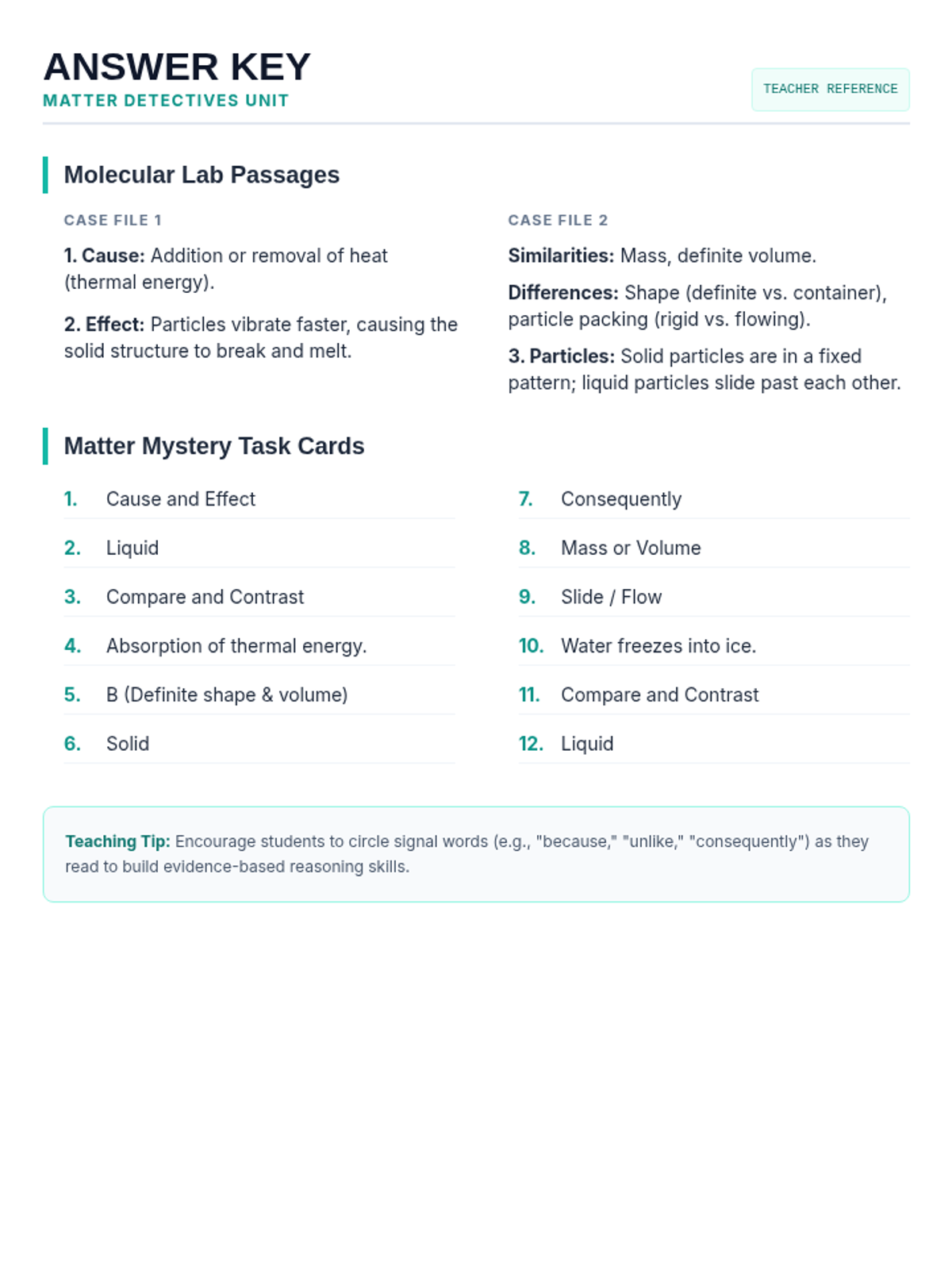
A focused lesson on matter's properties and states, using cause-and-effect and compare-and-contrast text structures to build literacy skills.
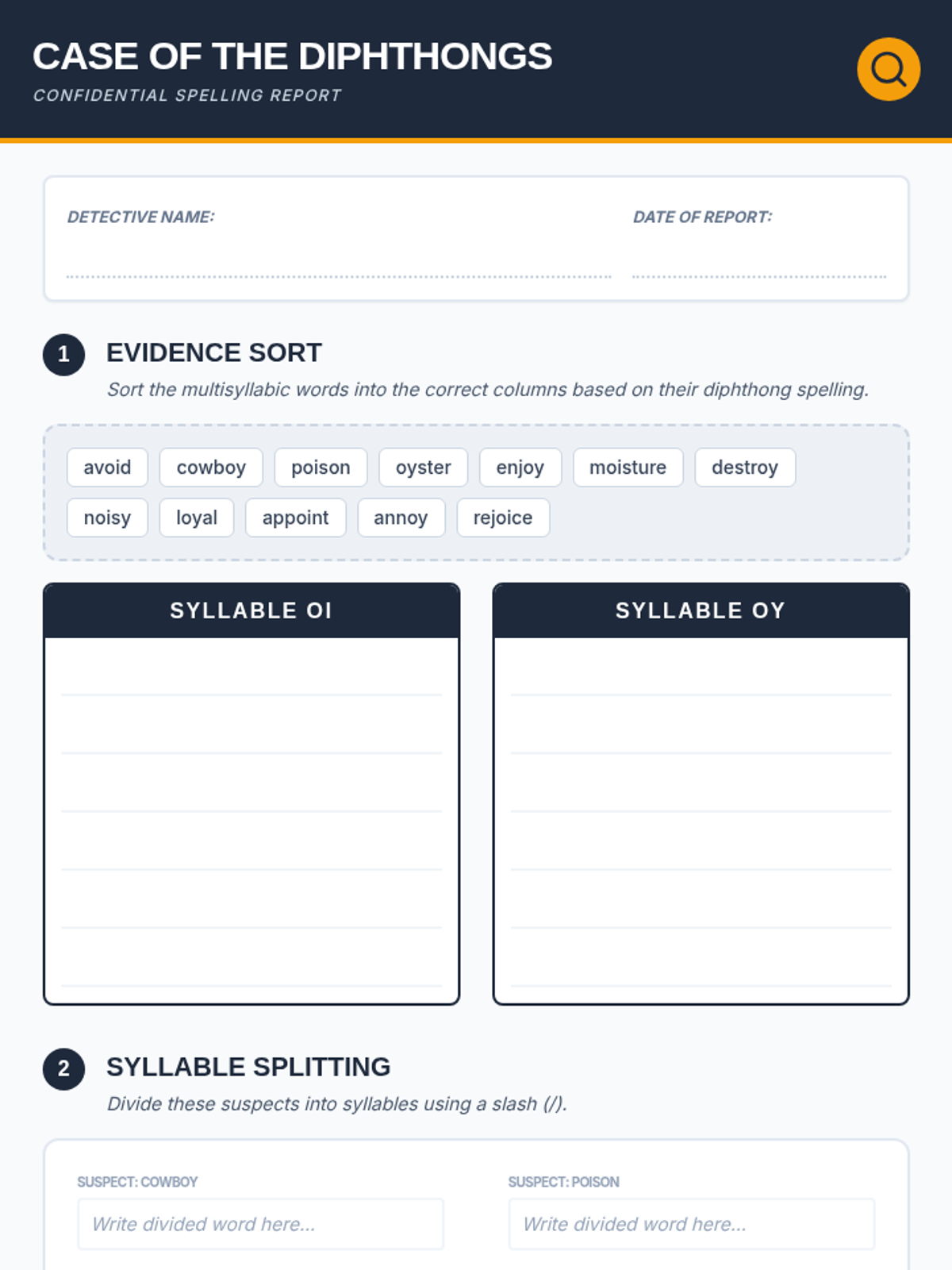
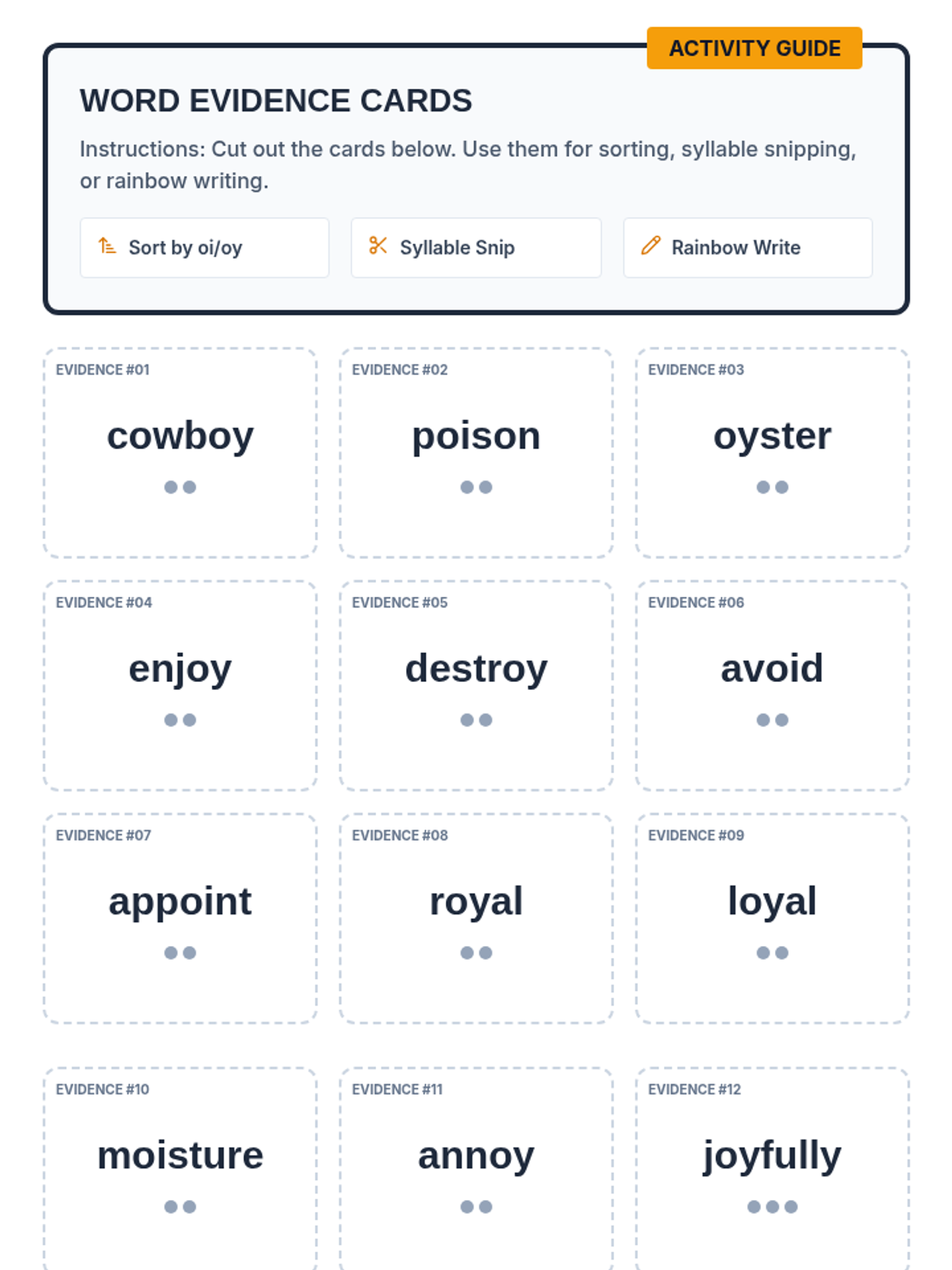
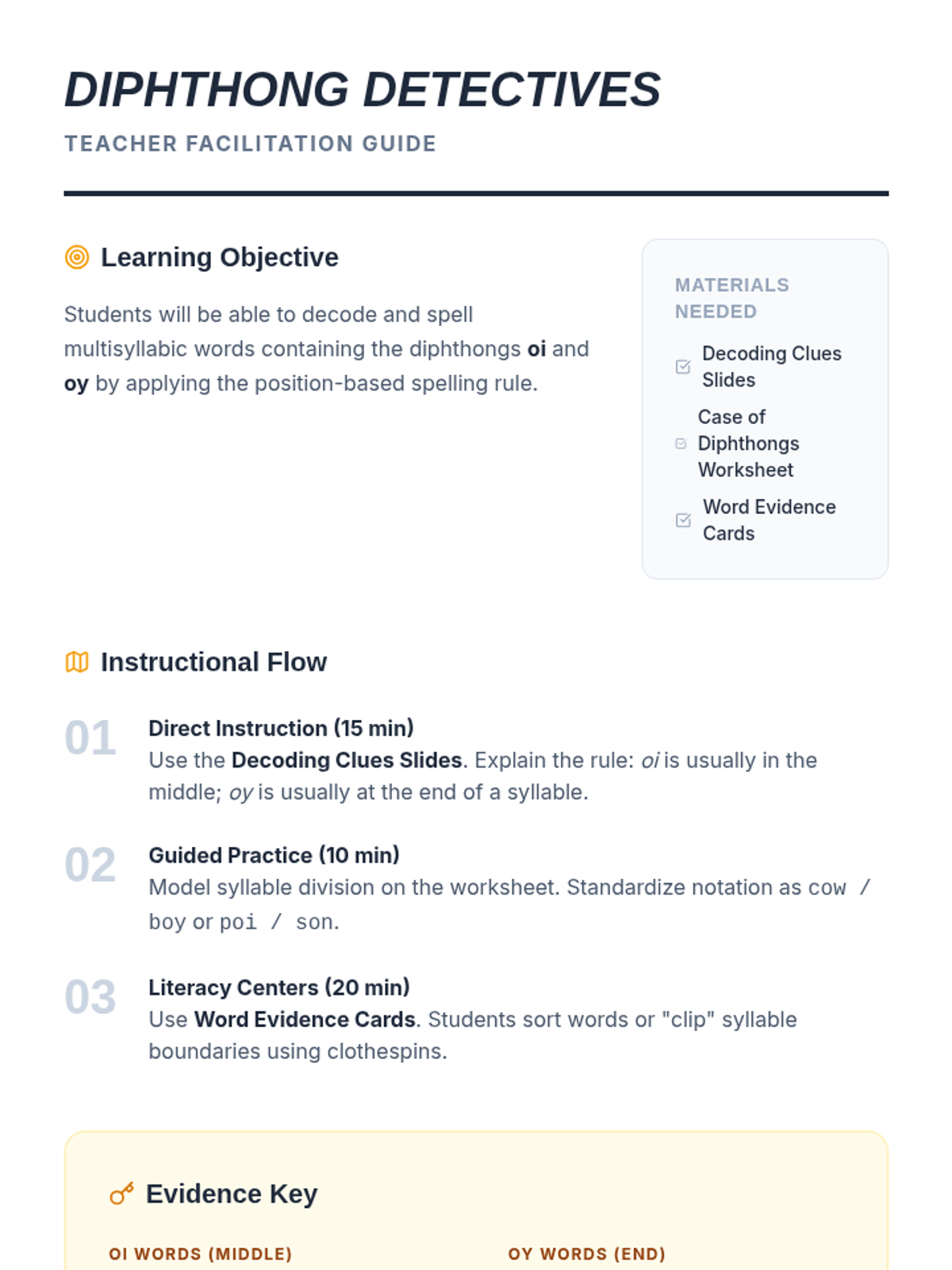
A detective-themed lesson focusing on decoding and spelling multisyllabic words with the 'oi' and 'oy' diphthongs. Students learn the placement rules for these spellings and apply them through sorting and syllable division activities.
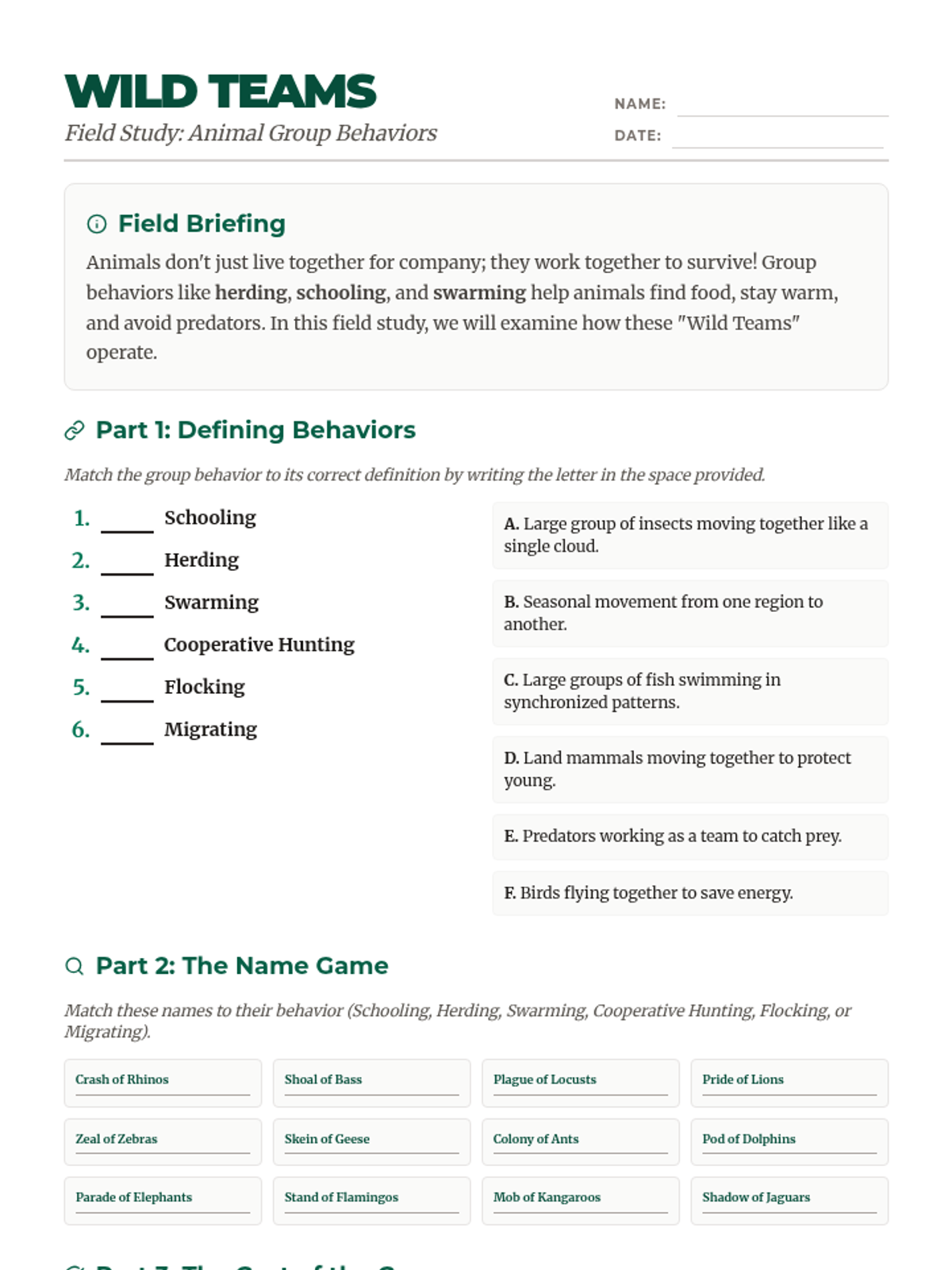
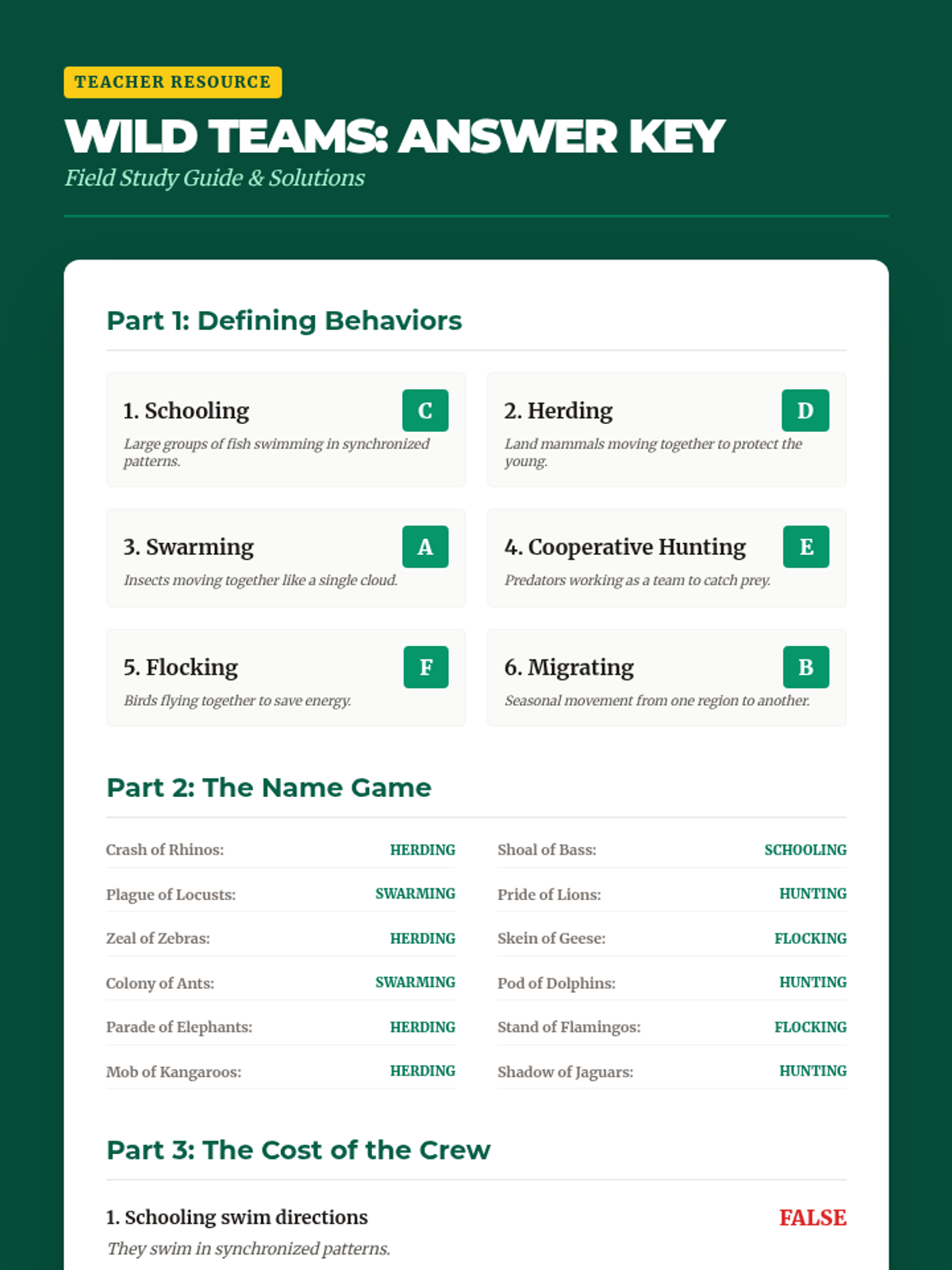
This lesson explores the various ways animals interact and survive in groups, focusing on specific behaviors like schooling, herding, and cooperative hunting, while introducing students to the creative collective nouns used to describe these groups.
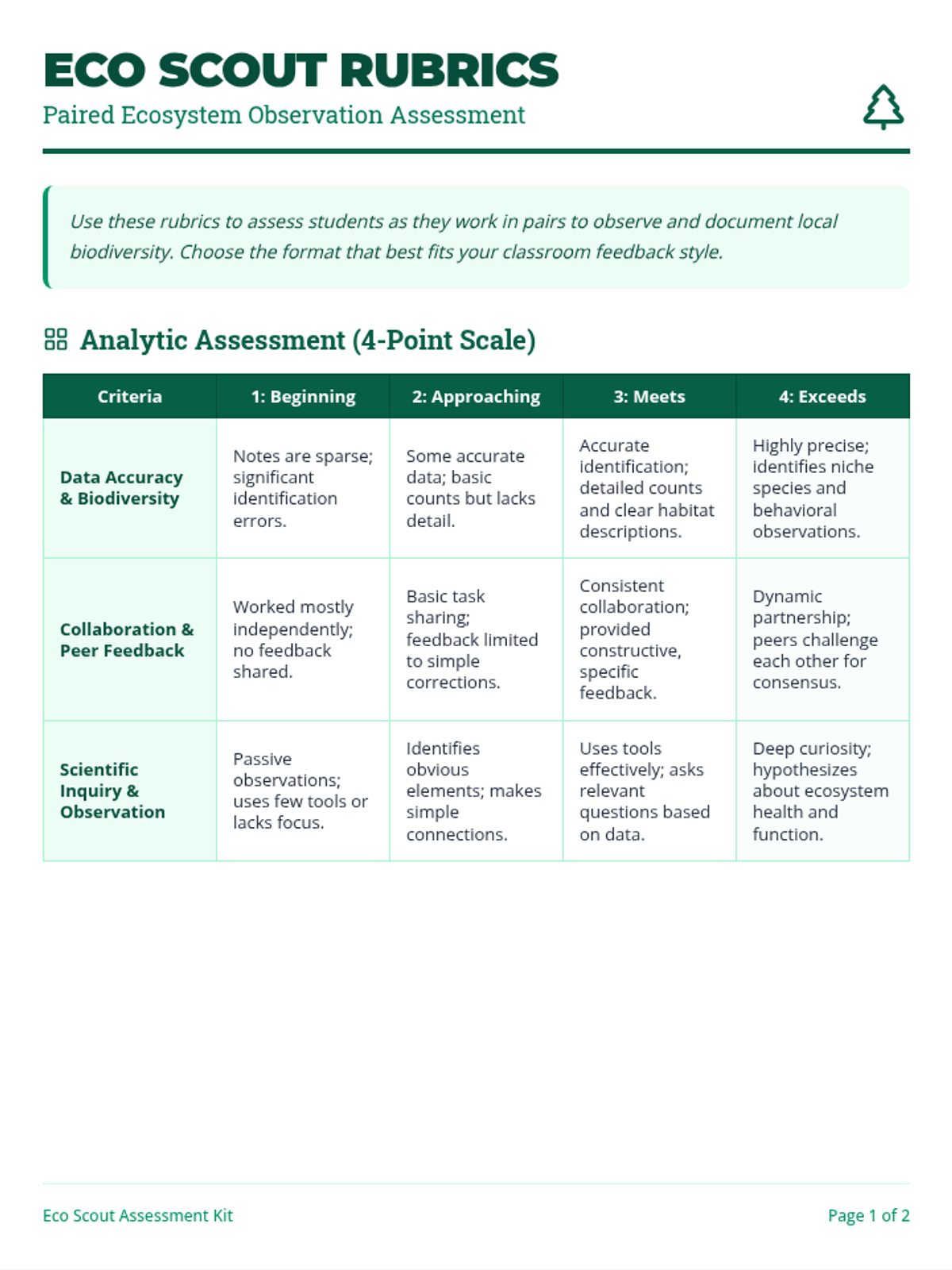
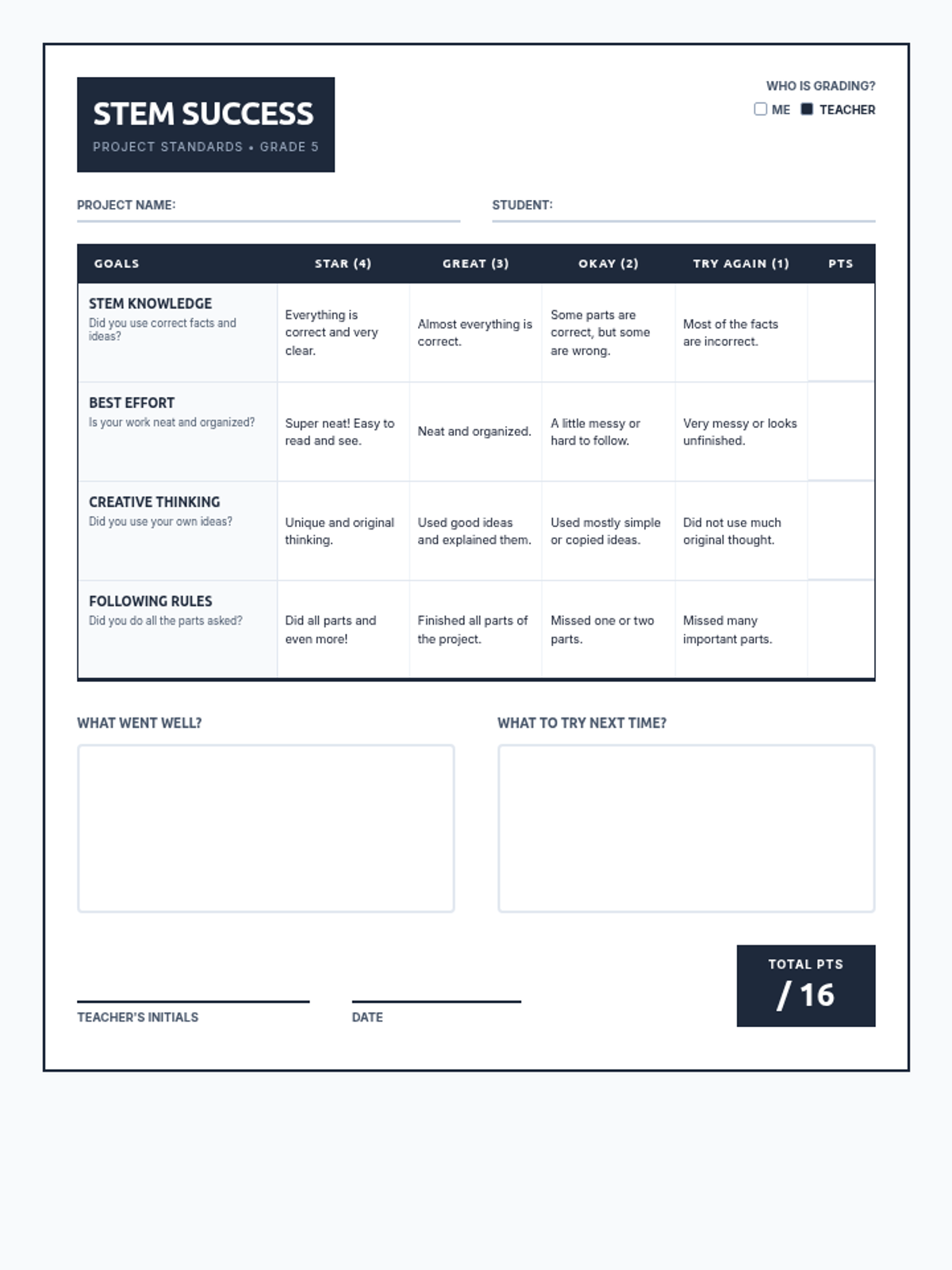
A comprehensive set of rubrics designed for evaluating paired ecosystem observation activities, focusing on scientific accuracy, inquiry, and collaboration.
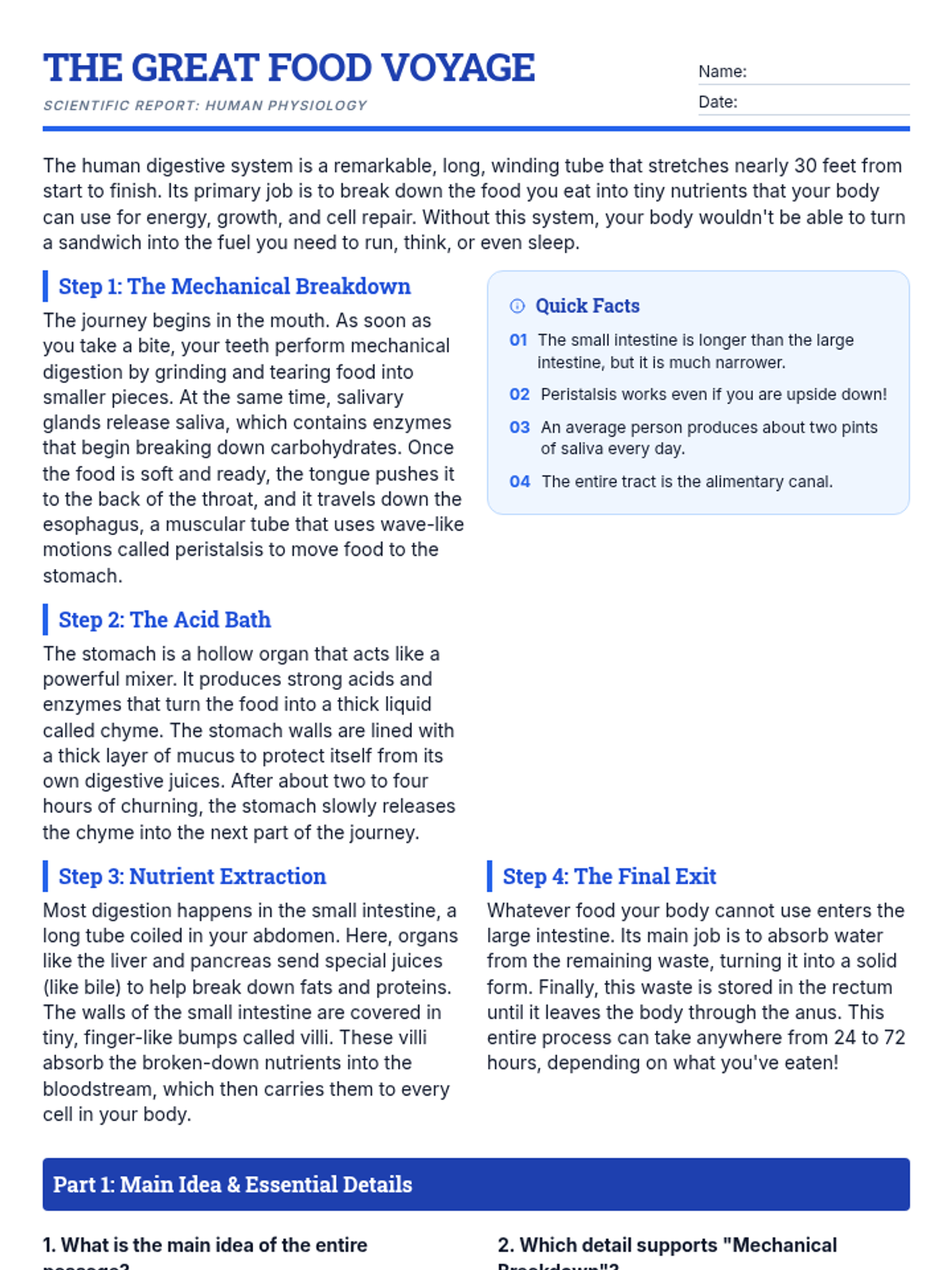
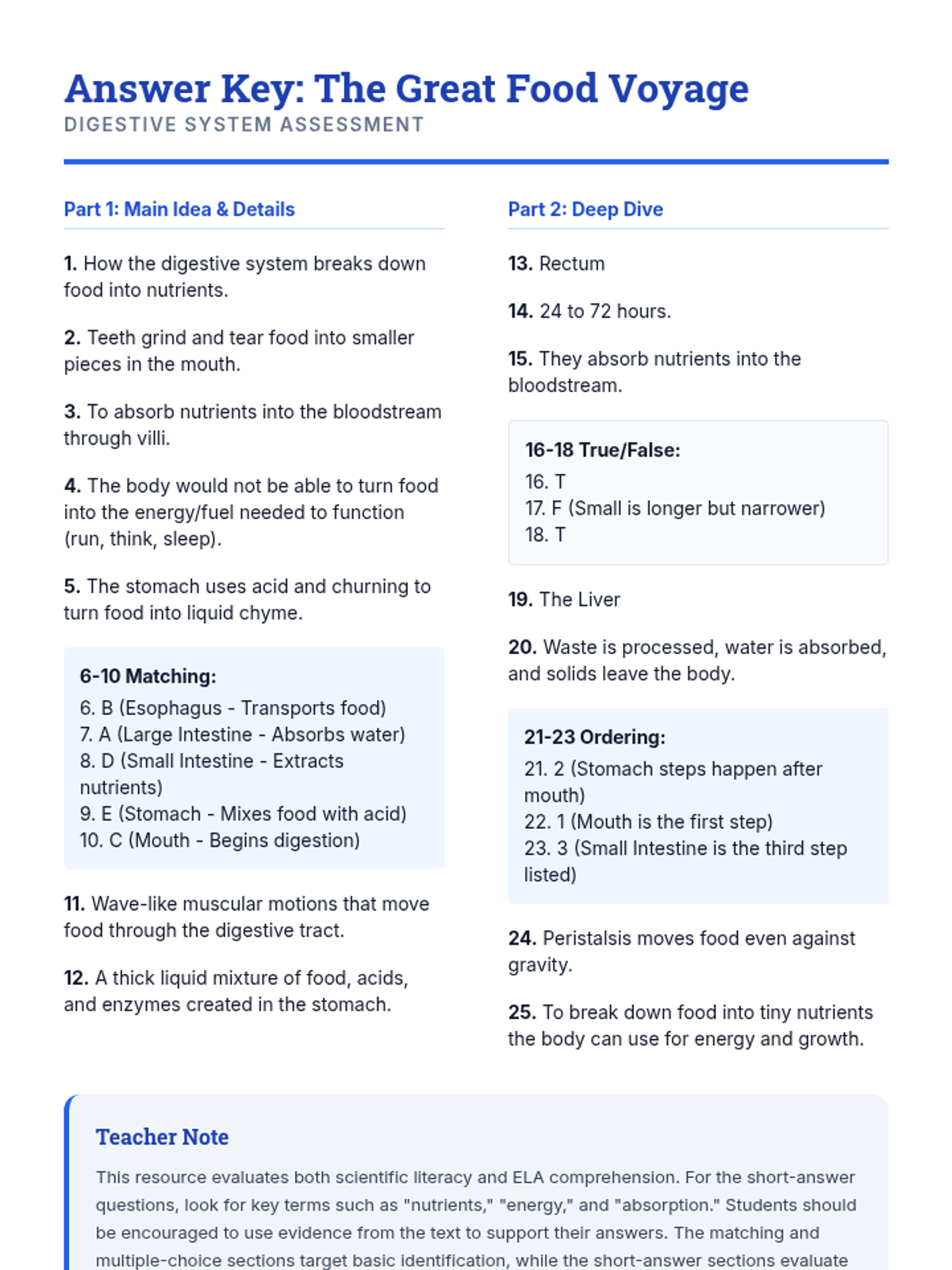
A comprehensive exploration of the human digestive system, focusing on the journey of food and the specific functions of each organ while building ELA skills in identifying main ideas and supporting details.
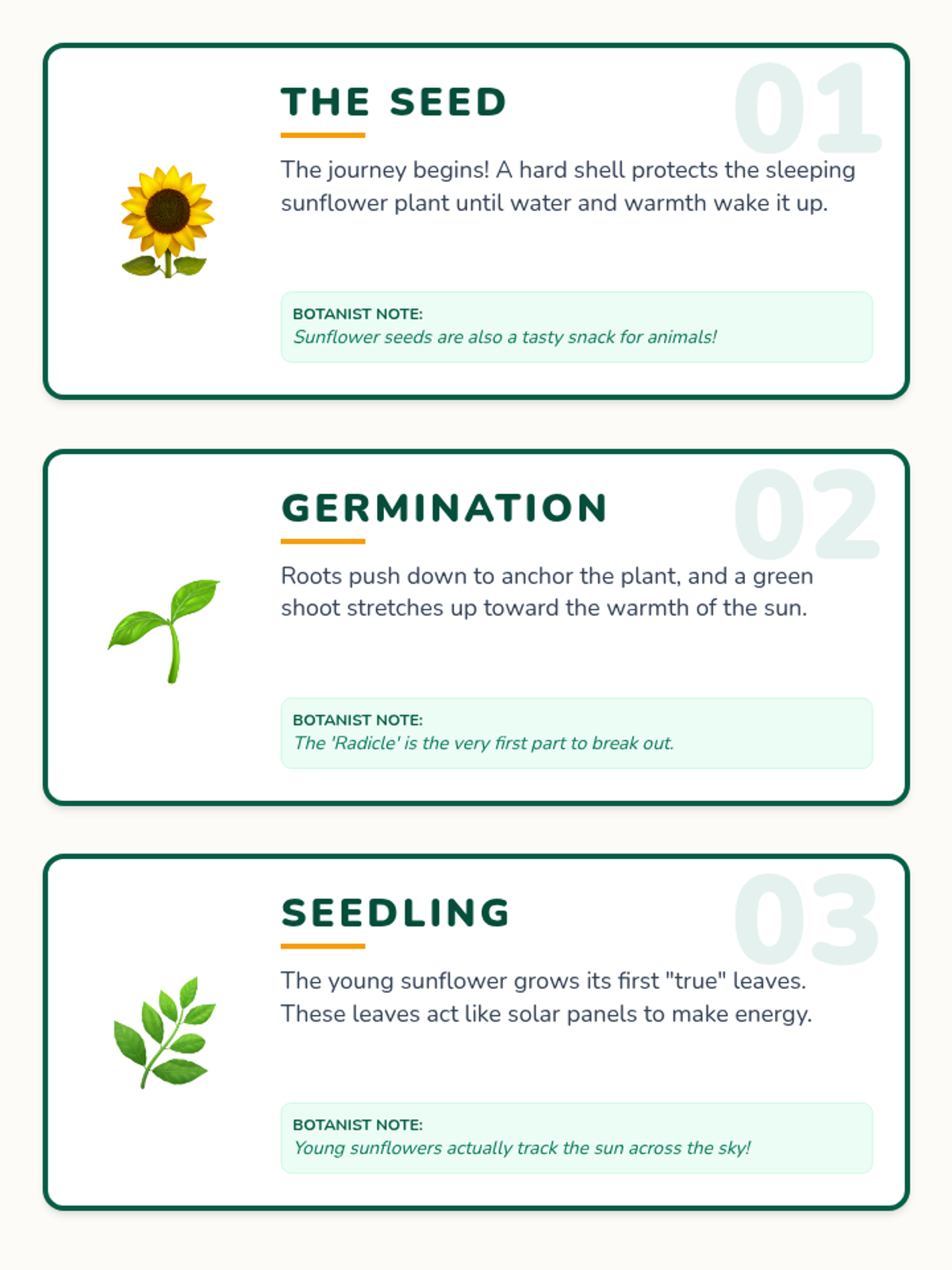
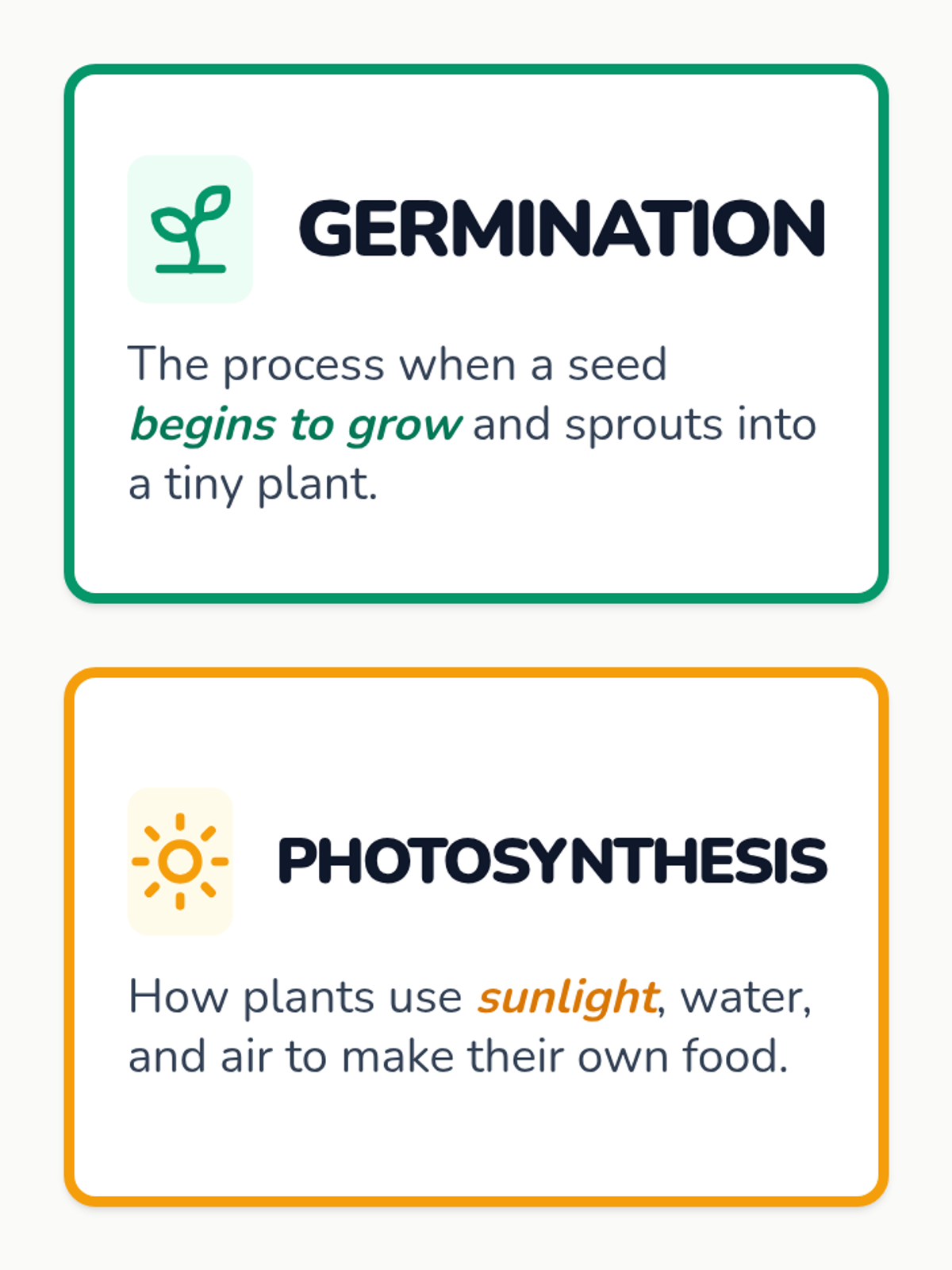
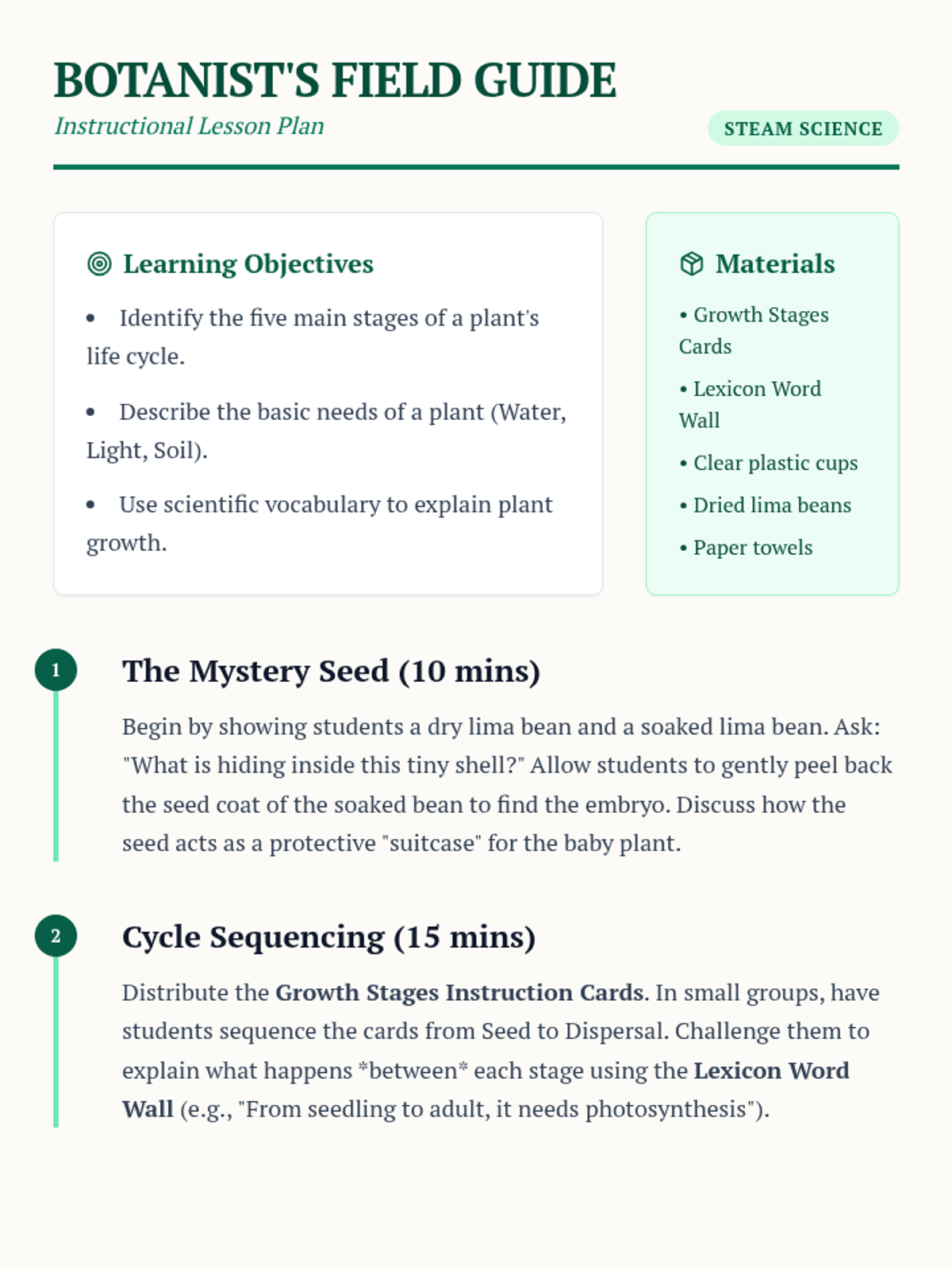
A hands-on STEAM lesson where students explore the stages of a plant's life cycle through visual aids, vocabulary building, and a planting activity.
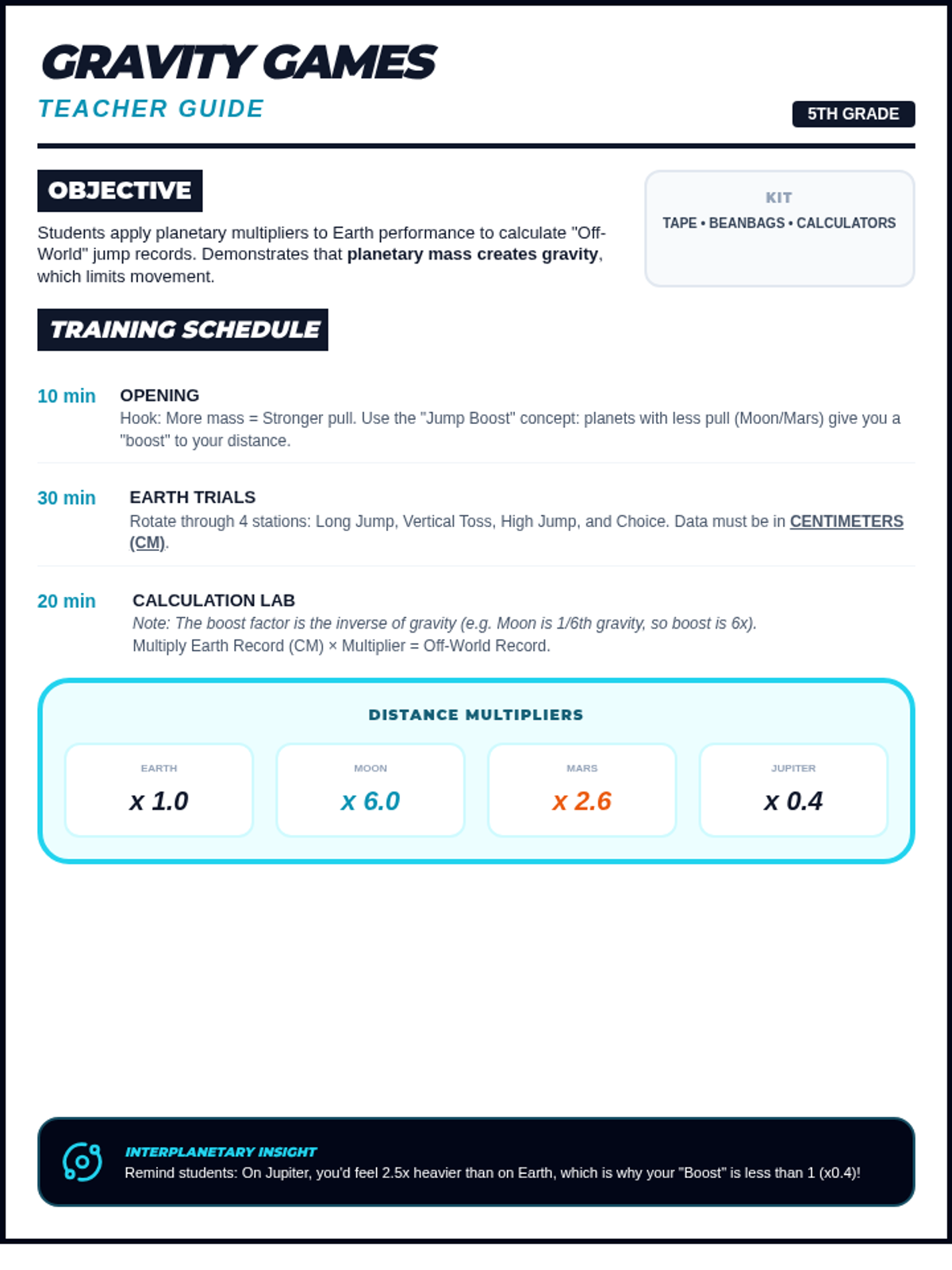
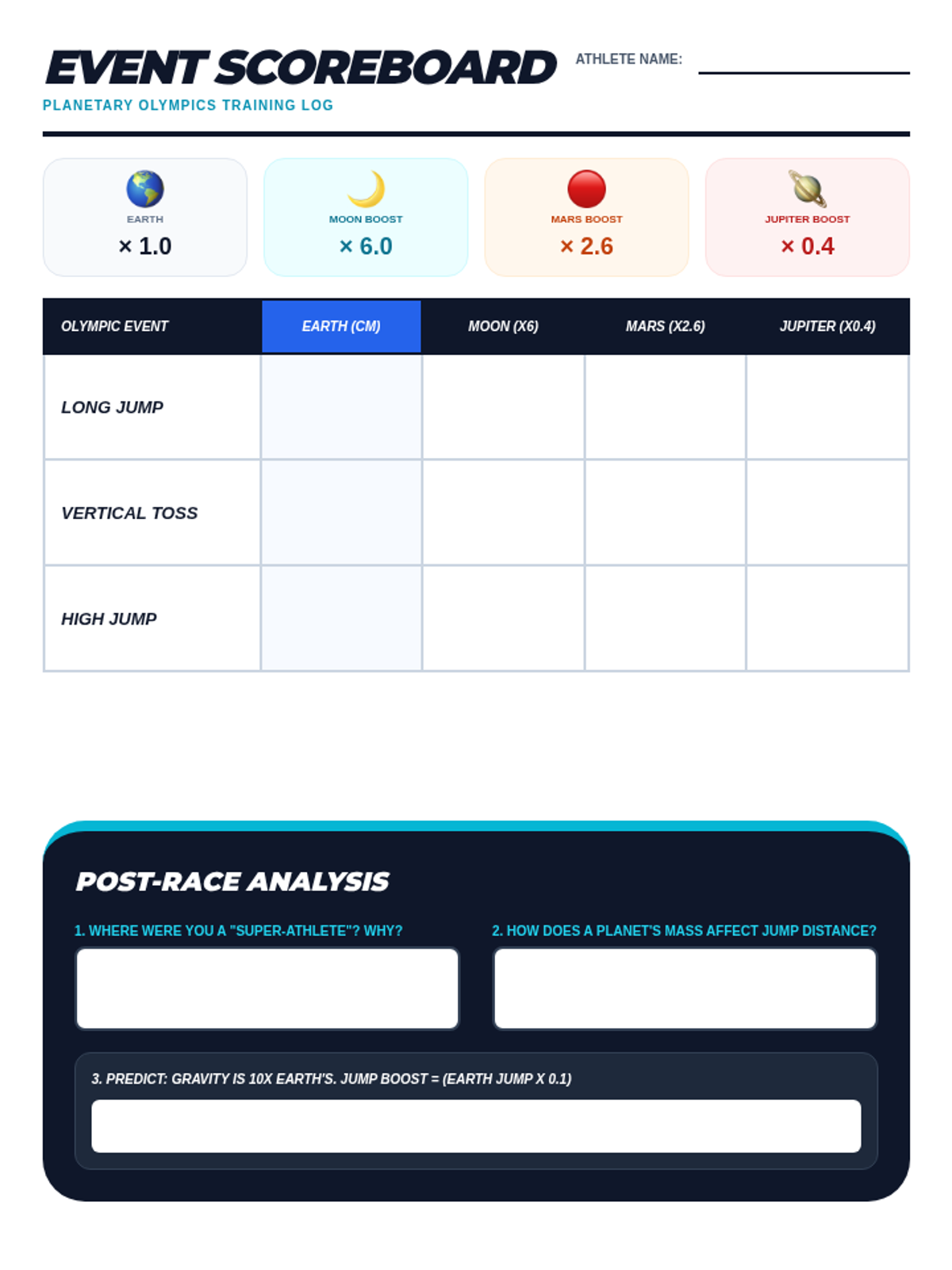
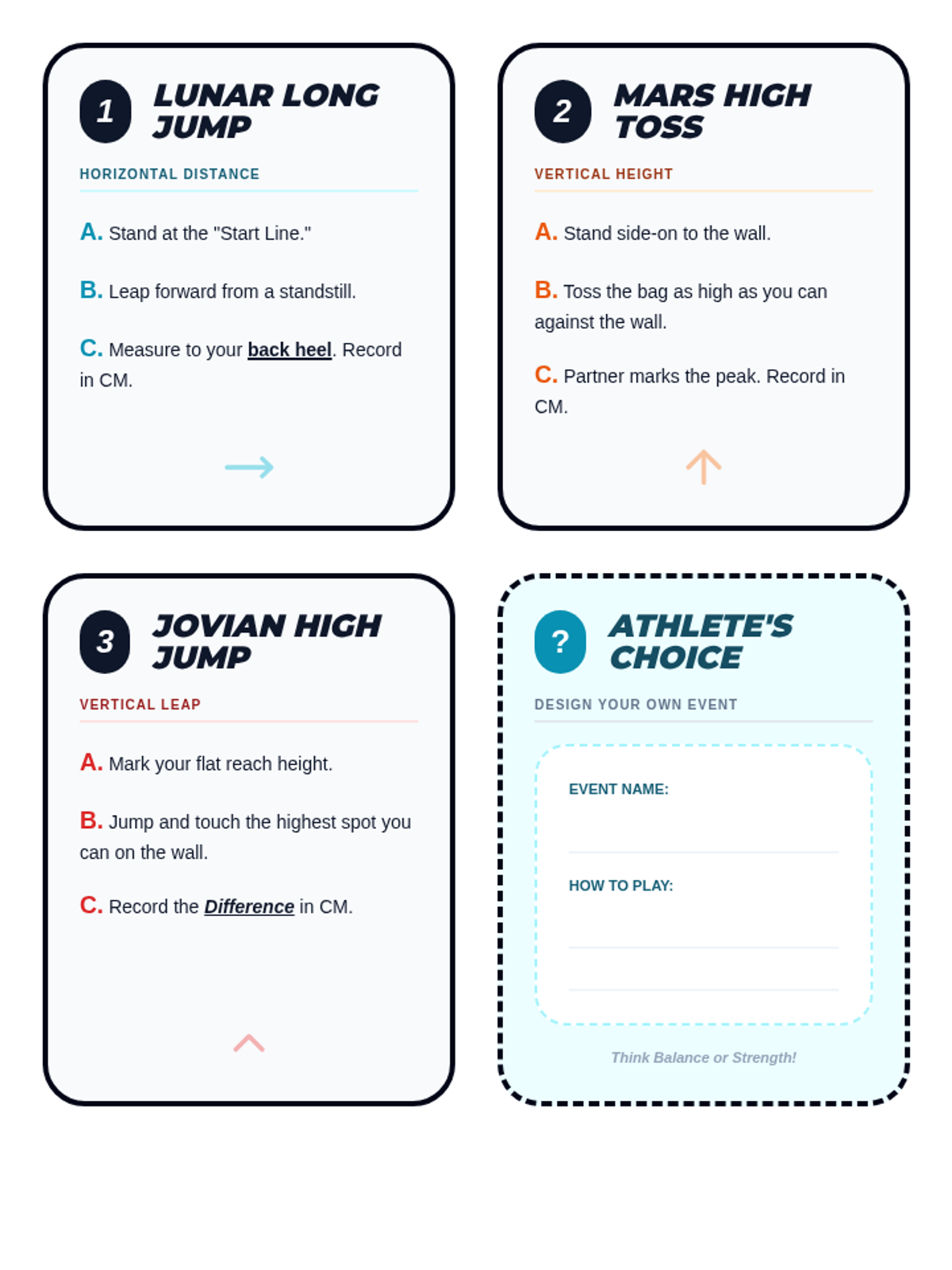
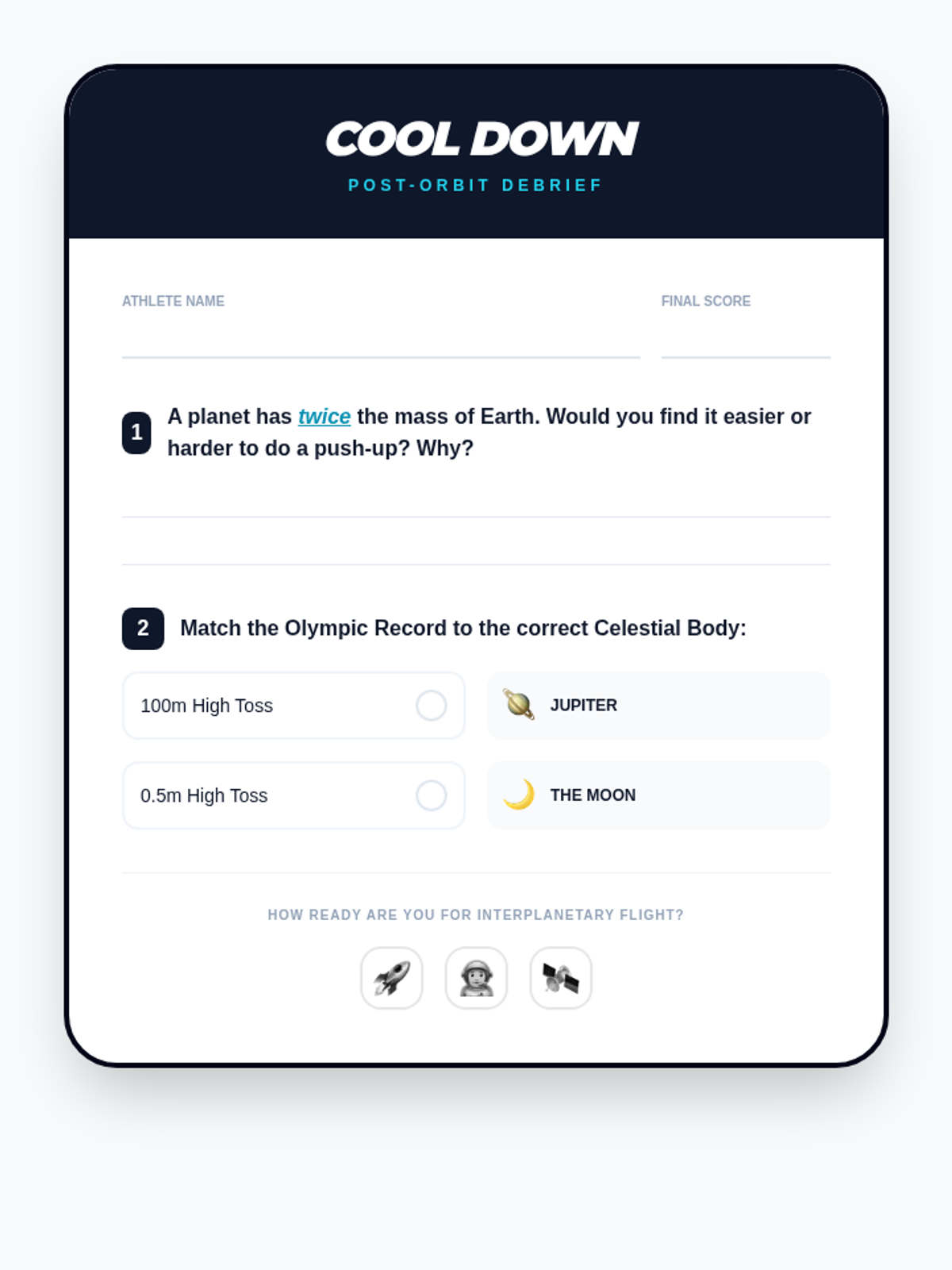
An interactive science lesson where 5th-grade students apply gravitational multipliers to athletic events, comparing their performance on Earth, the Moon, Mars, and Jupiter.
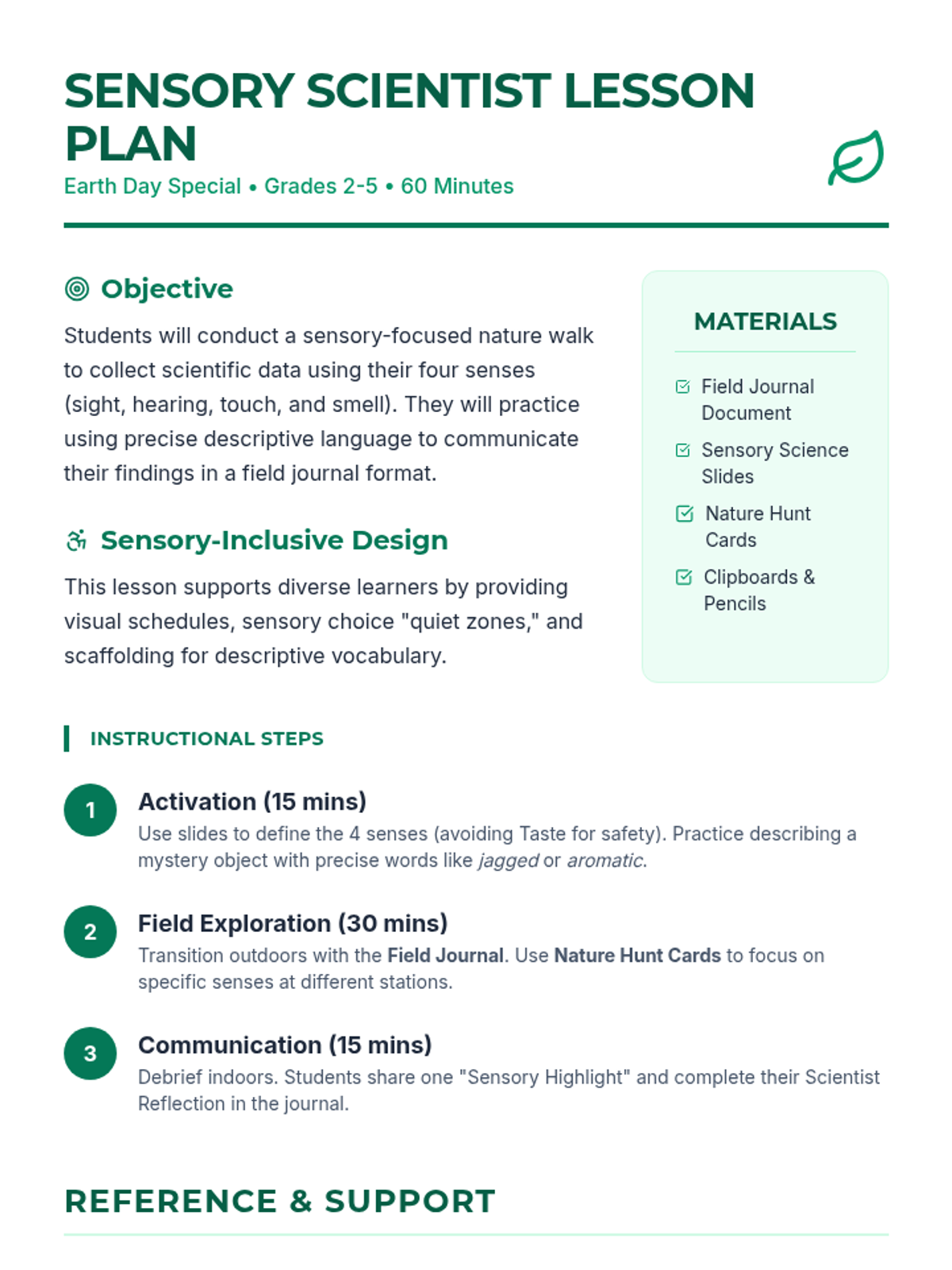
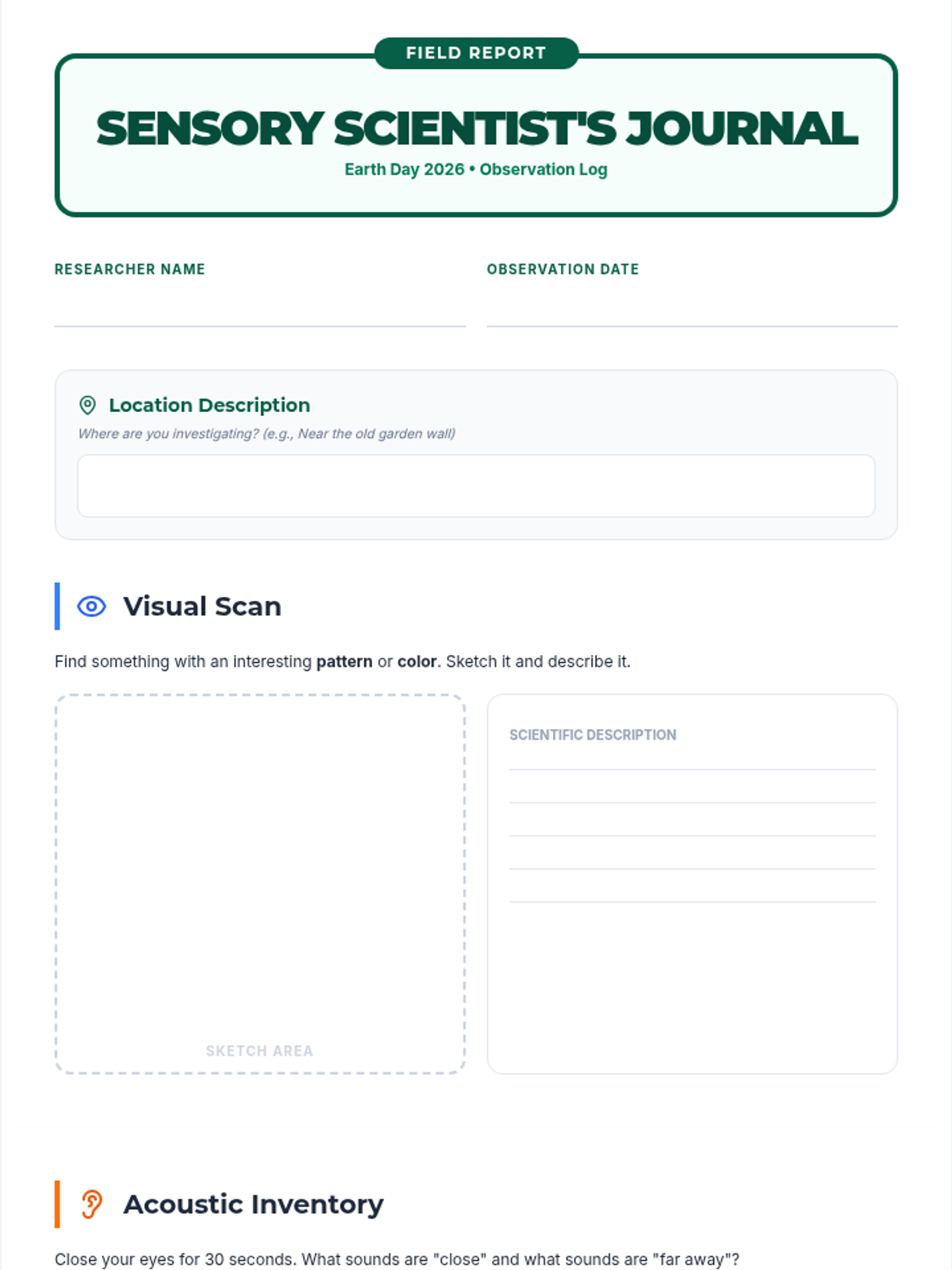
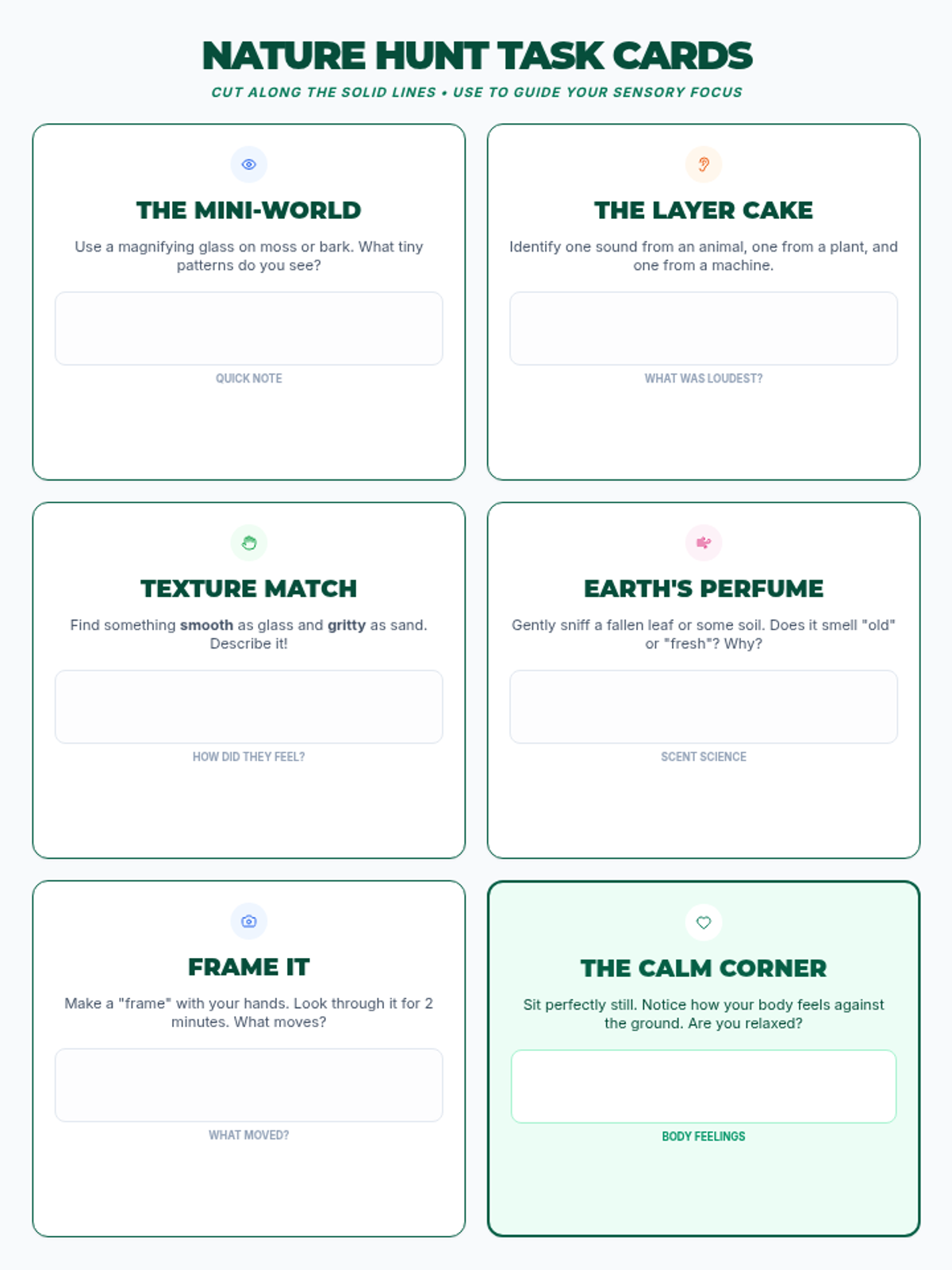
An outdoor sensory exploration lesson designed for Earth Day, helping students with diverse sensory needs build descriptive language and observation skills through nature-based science communication.
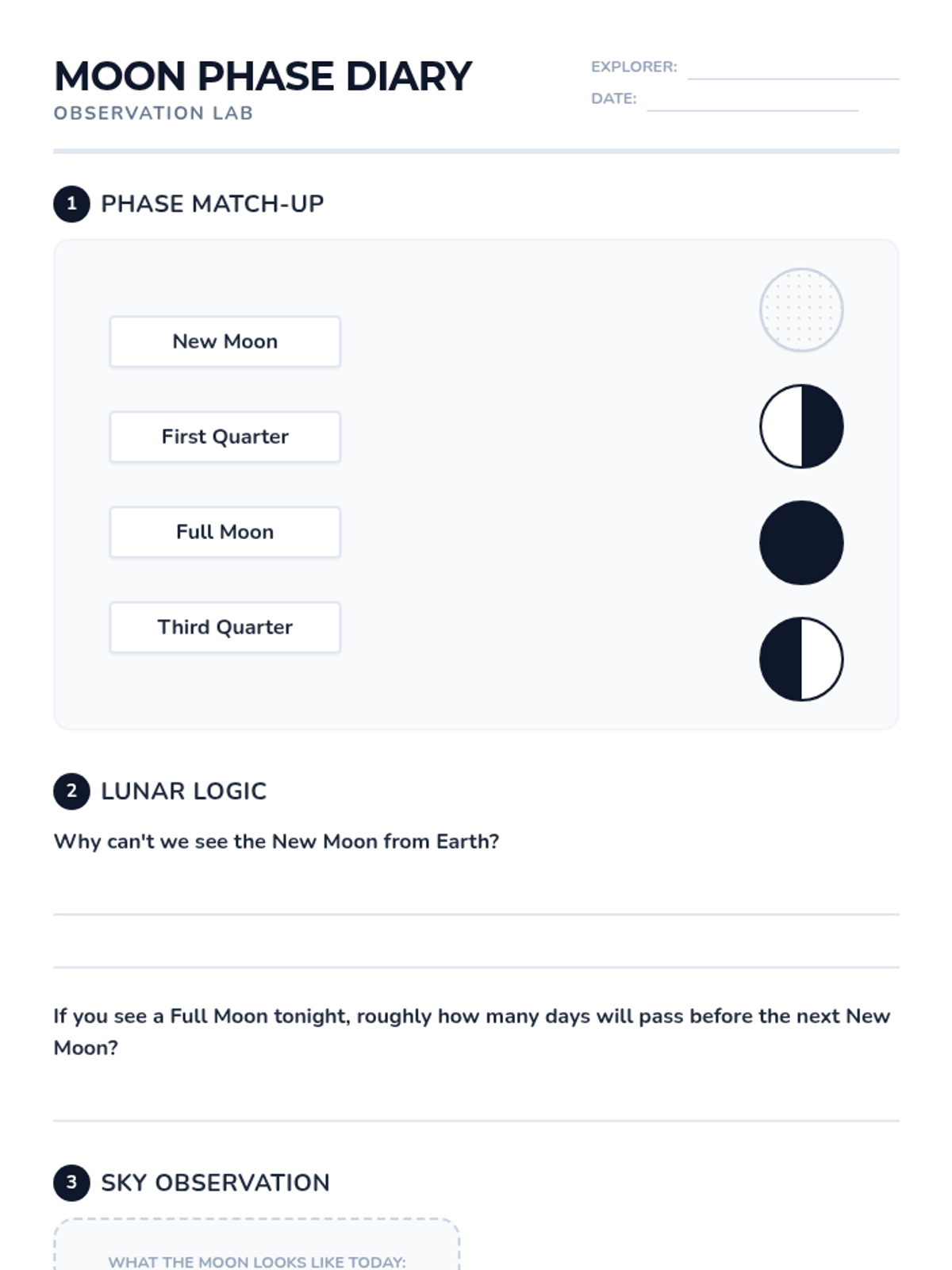
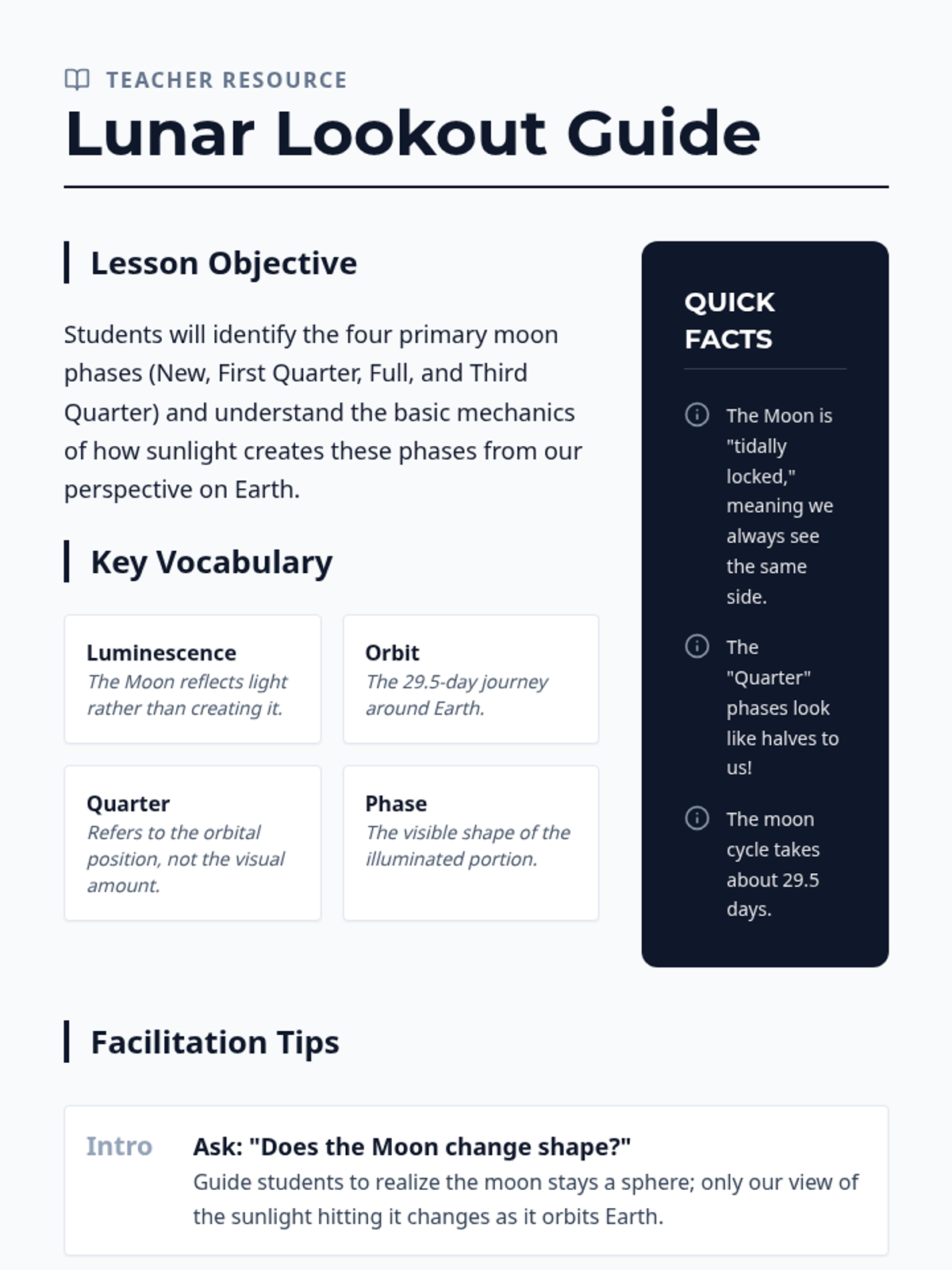
An introductory exploration of the four primary moon phases, helping students identify and understand the lunar cycle through visual observation.
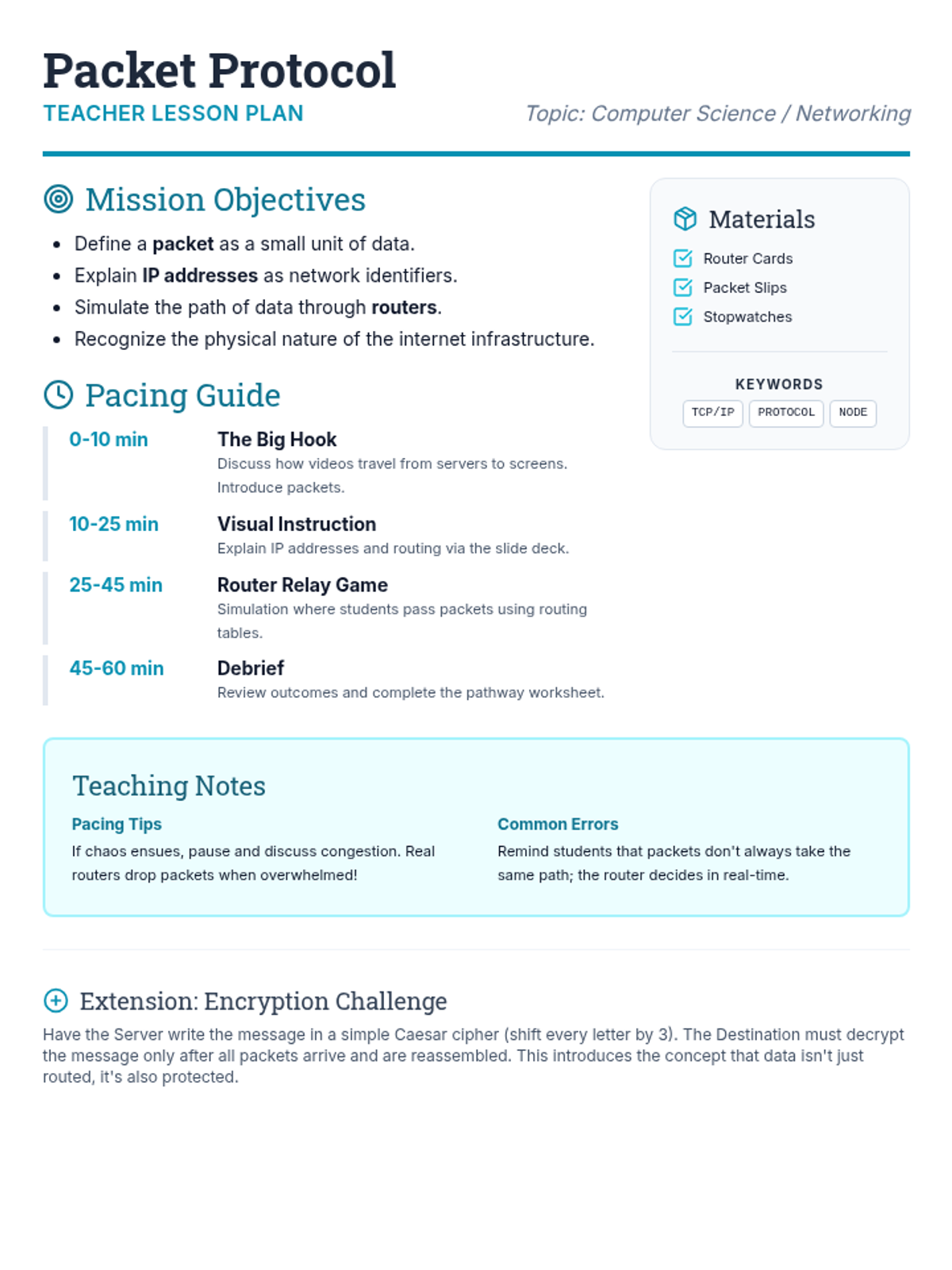
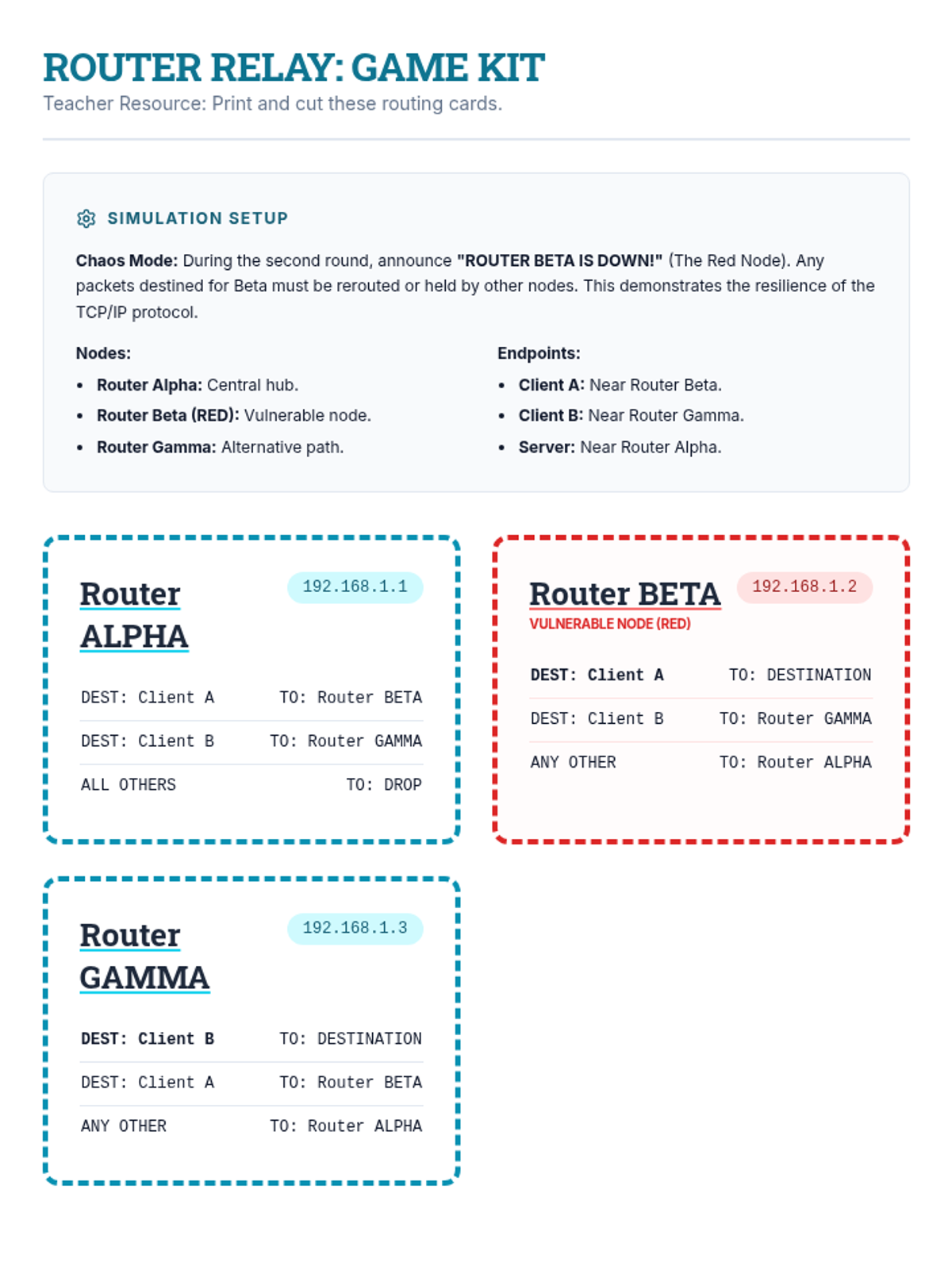
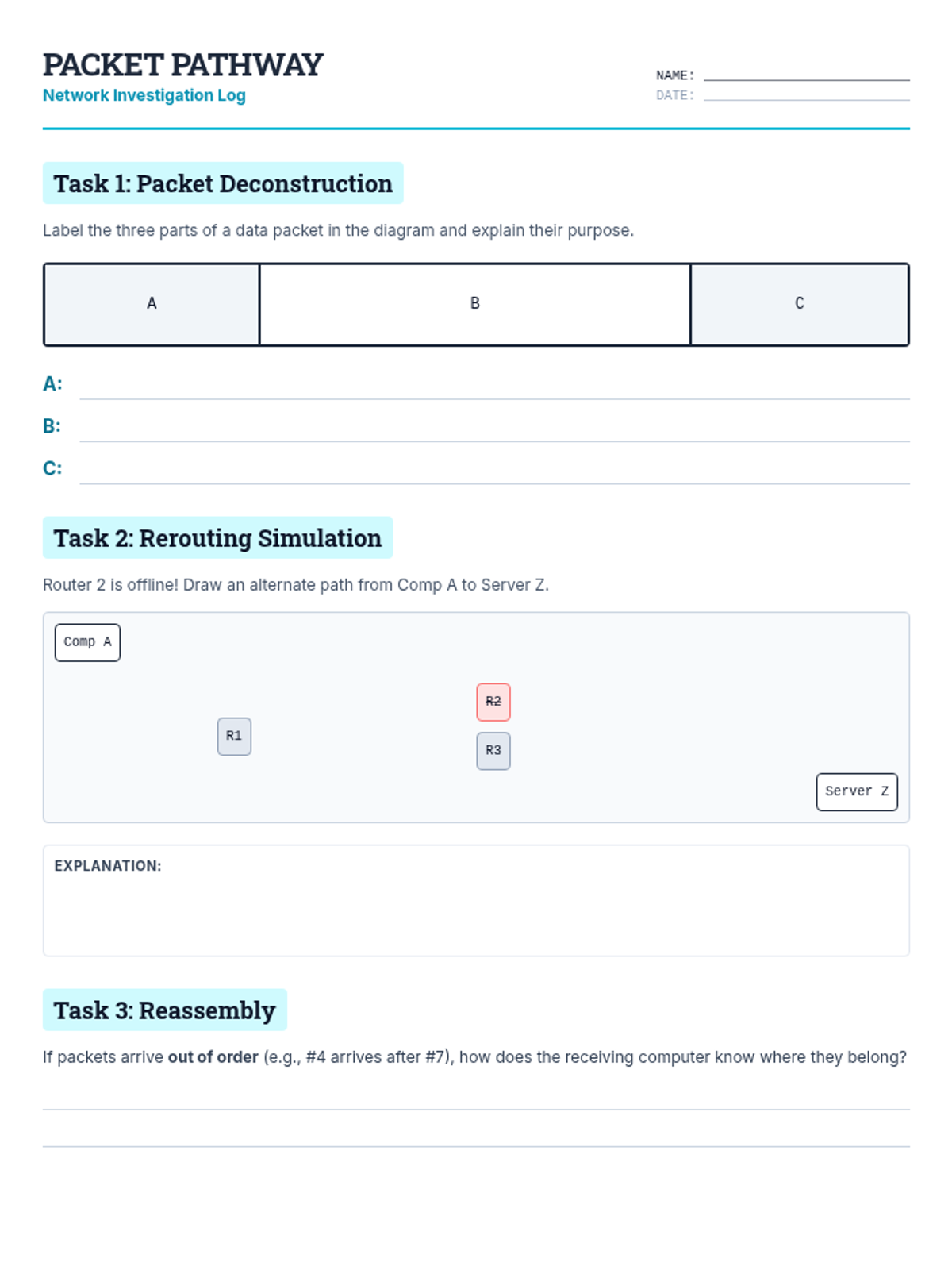
A hands-on simulation lesson where students act as routers and servers to understand how data packets travel across the internet using IP addresses and physical infrastructure.
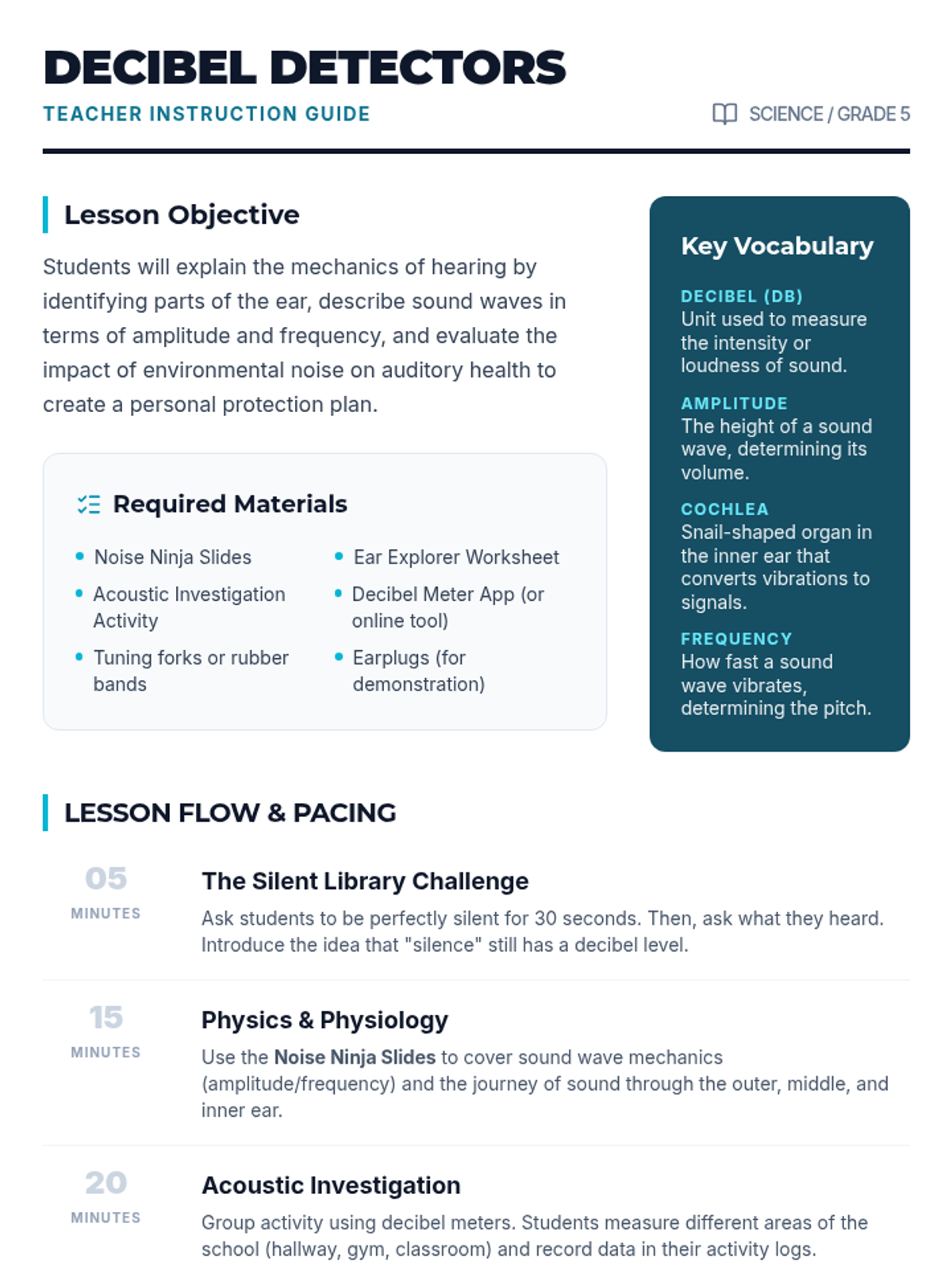
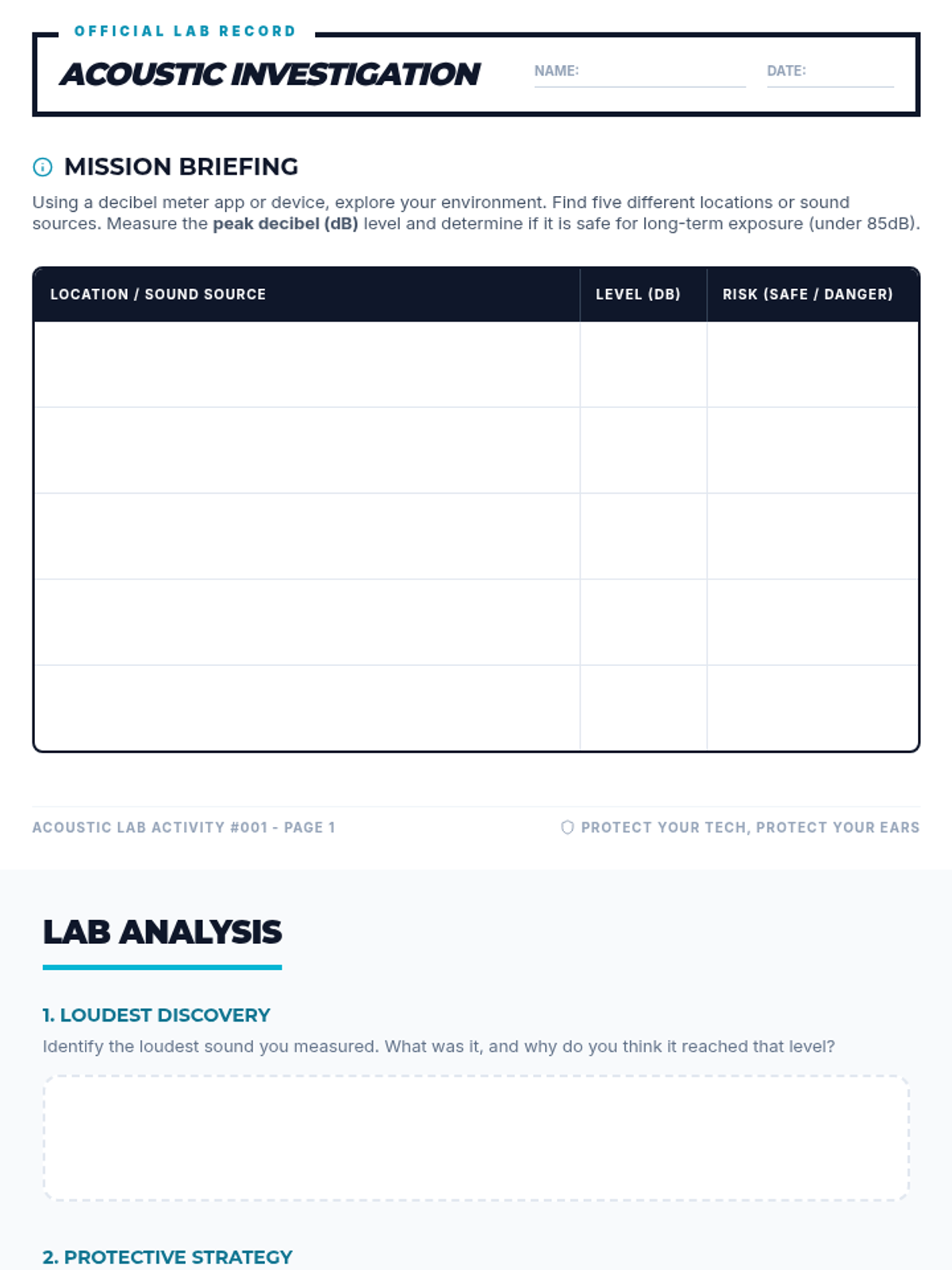
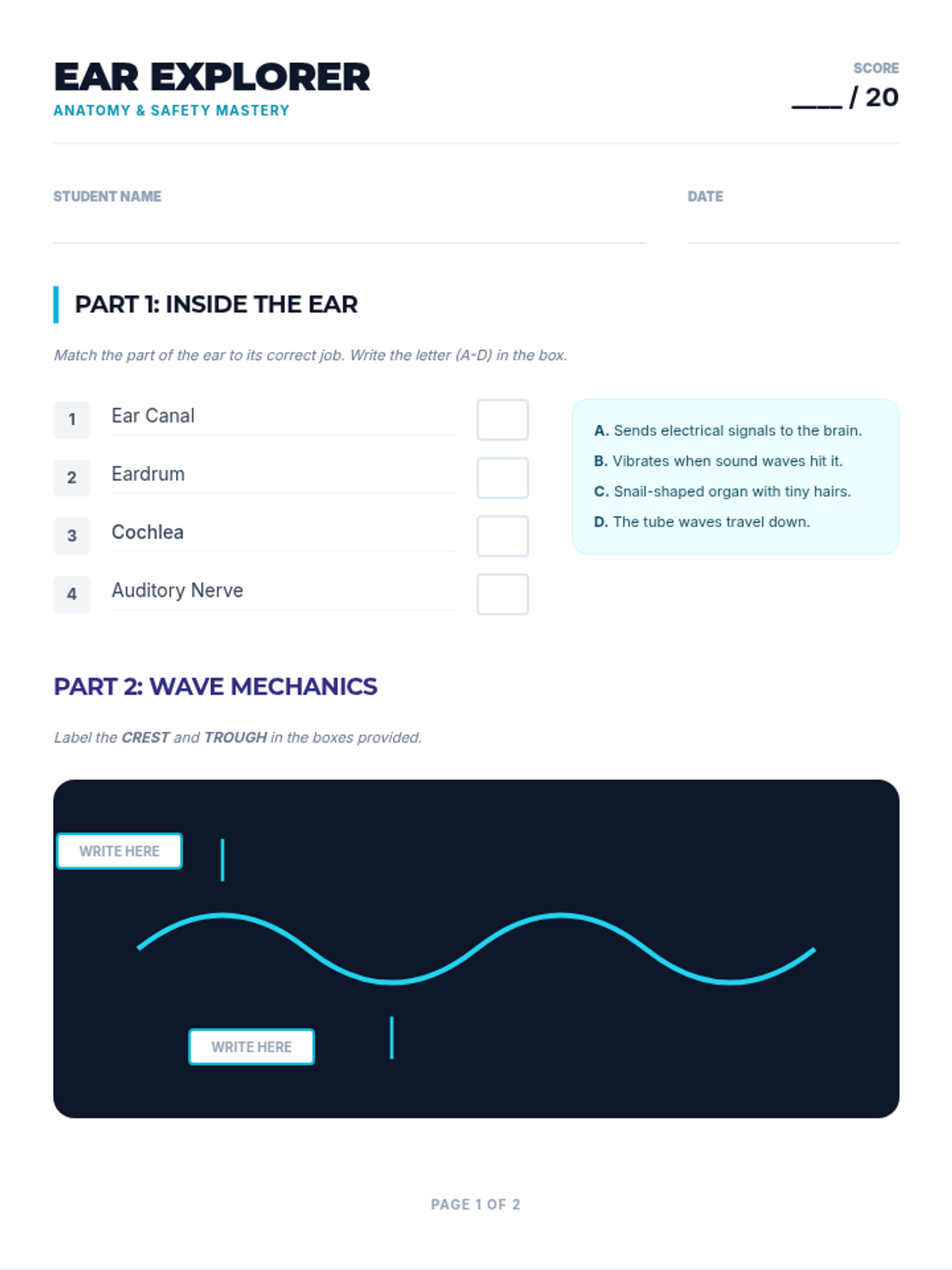
Students explore the anatomy of the ear and the physics of sound waves to understand how noise impacts their health and focus. The lesson includes hands-on noise monitoring and the development of protective strategies for auditory well-being.
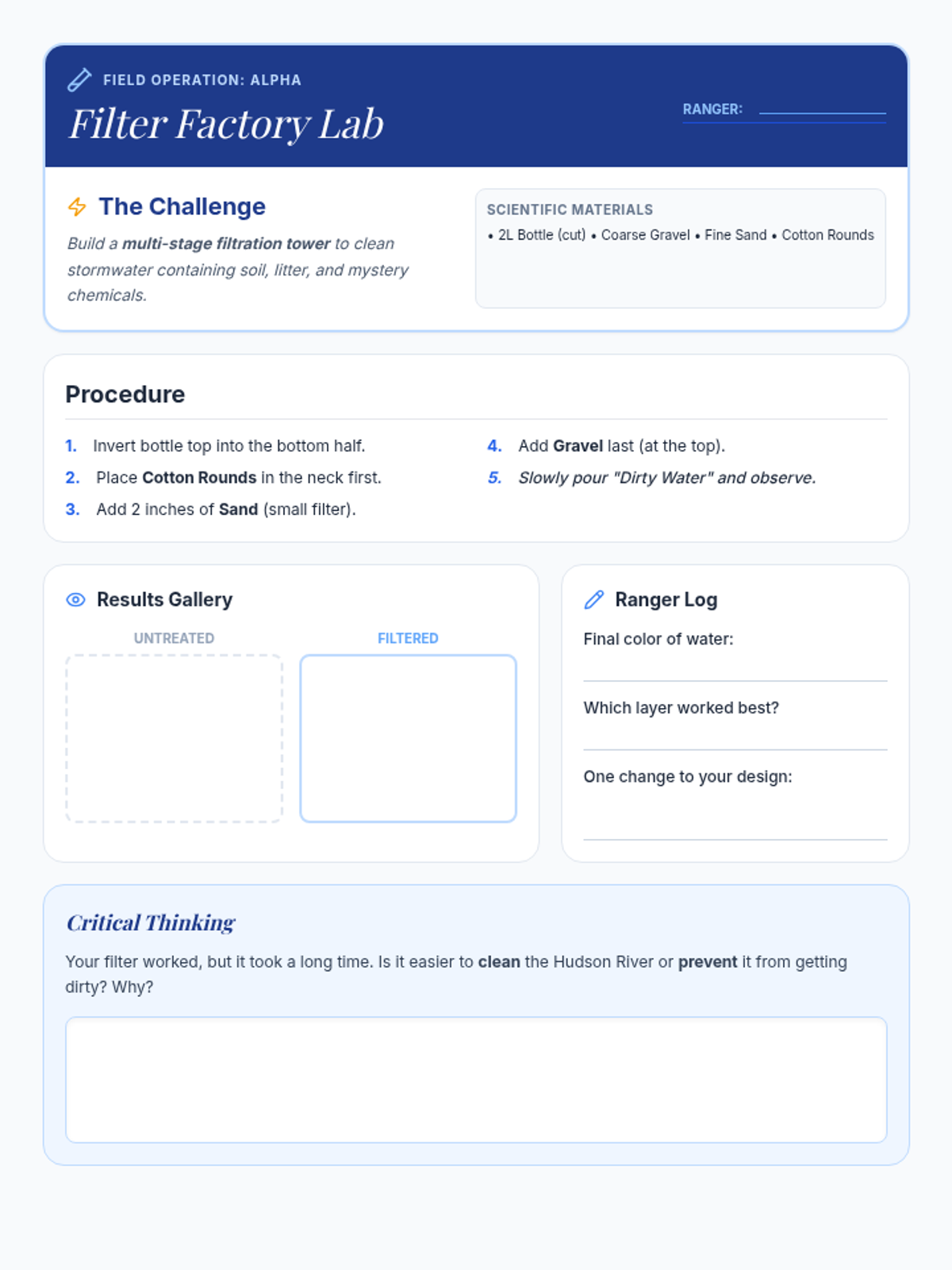
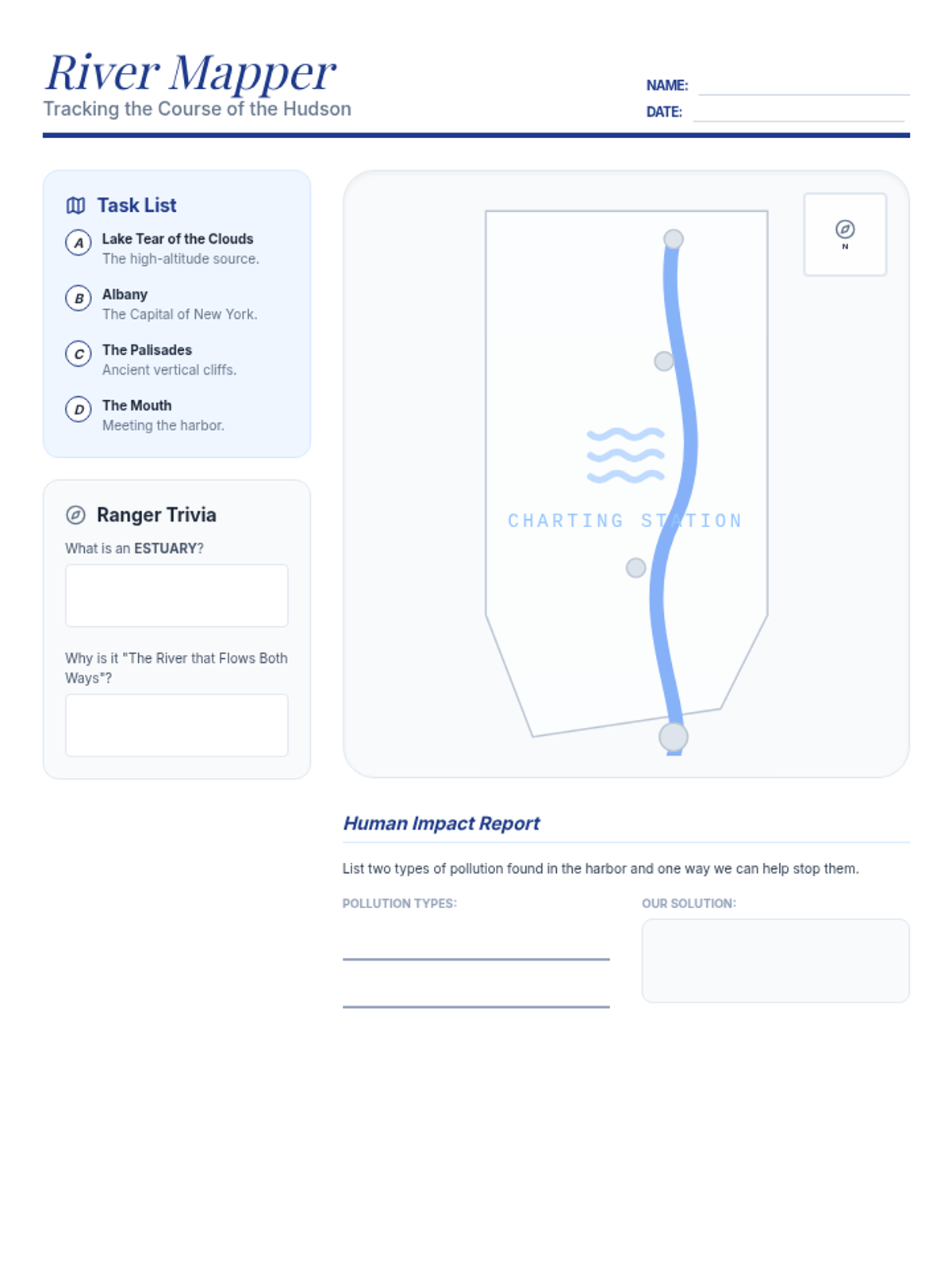
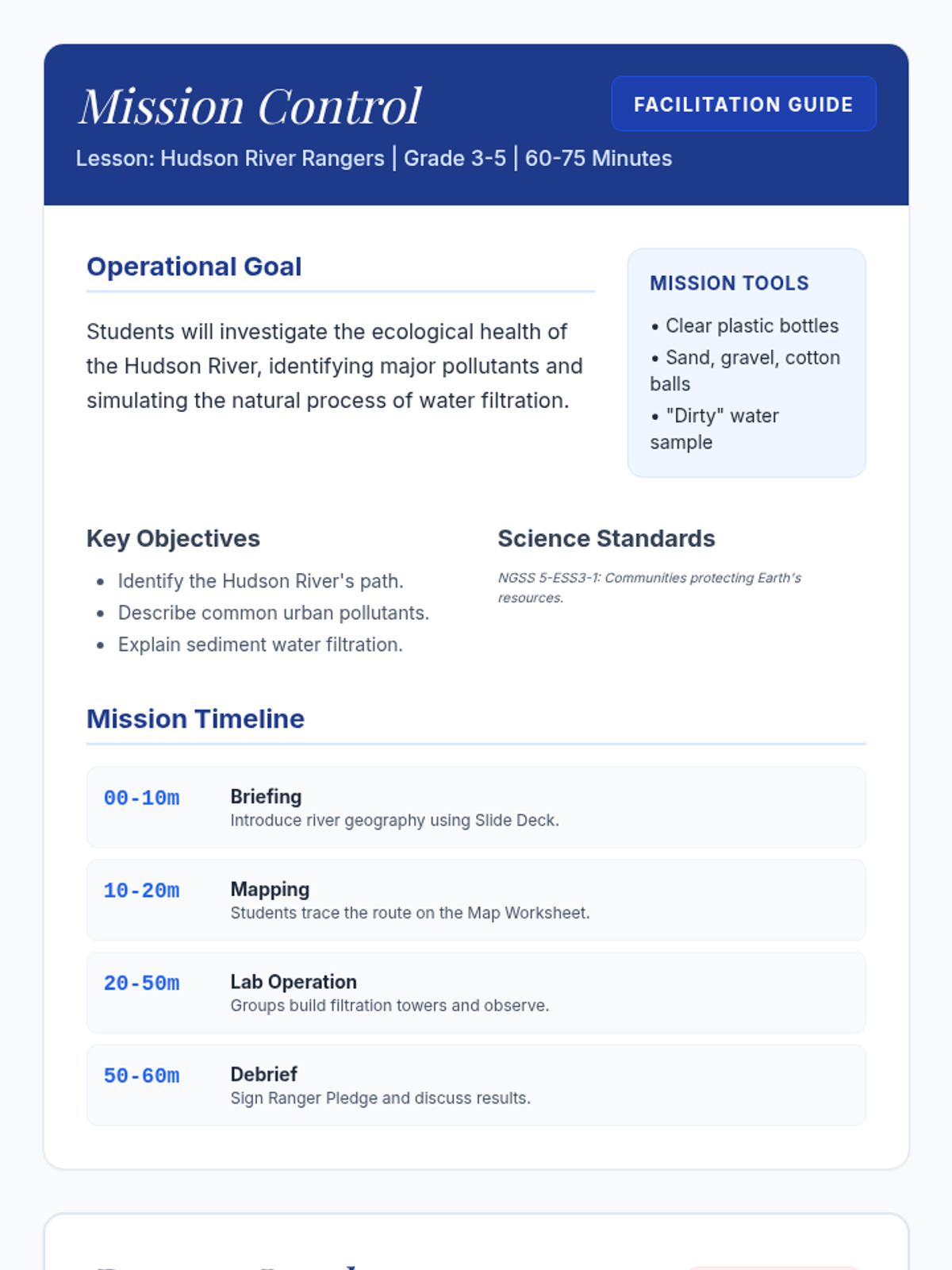
An immersive science lesson where students become 'River Rangers' to investigate the Hudson River's health through filtration experiments and mapping exercises.
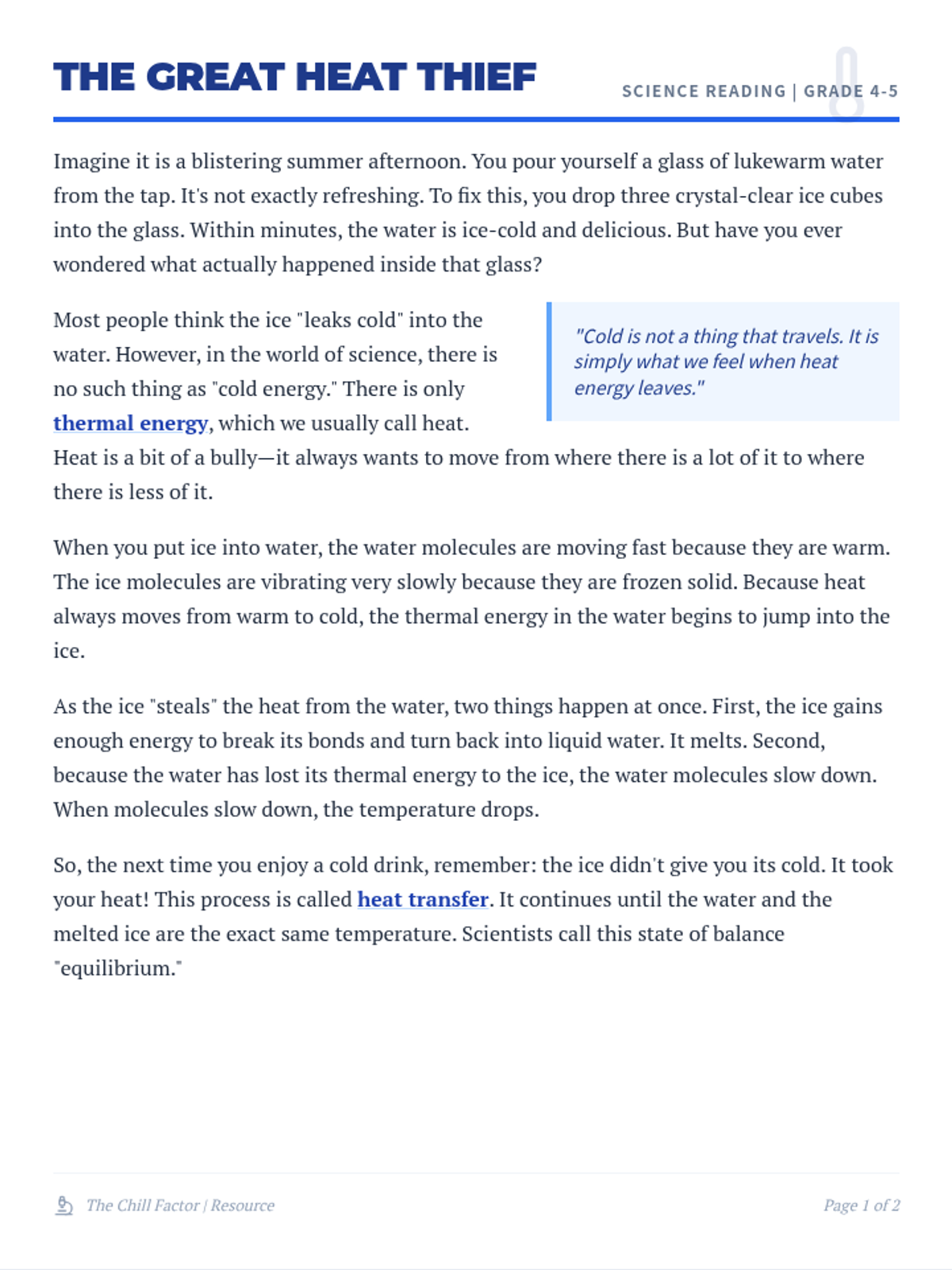
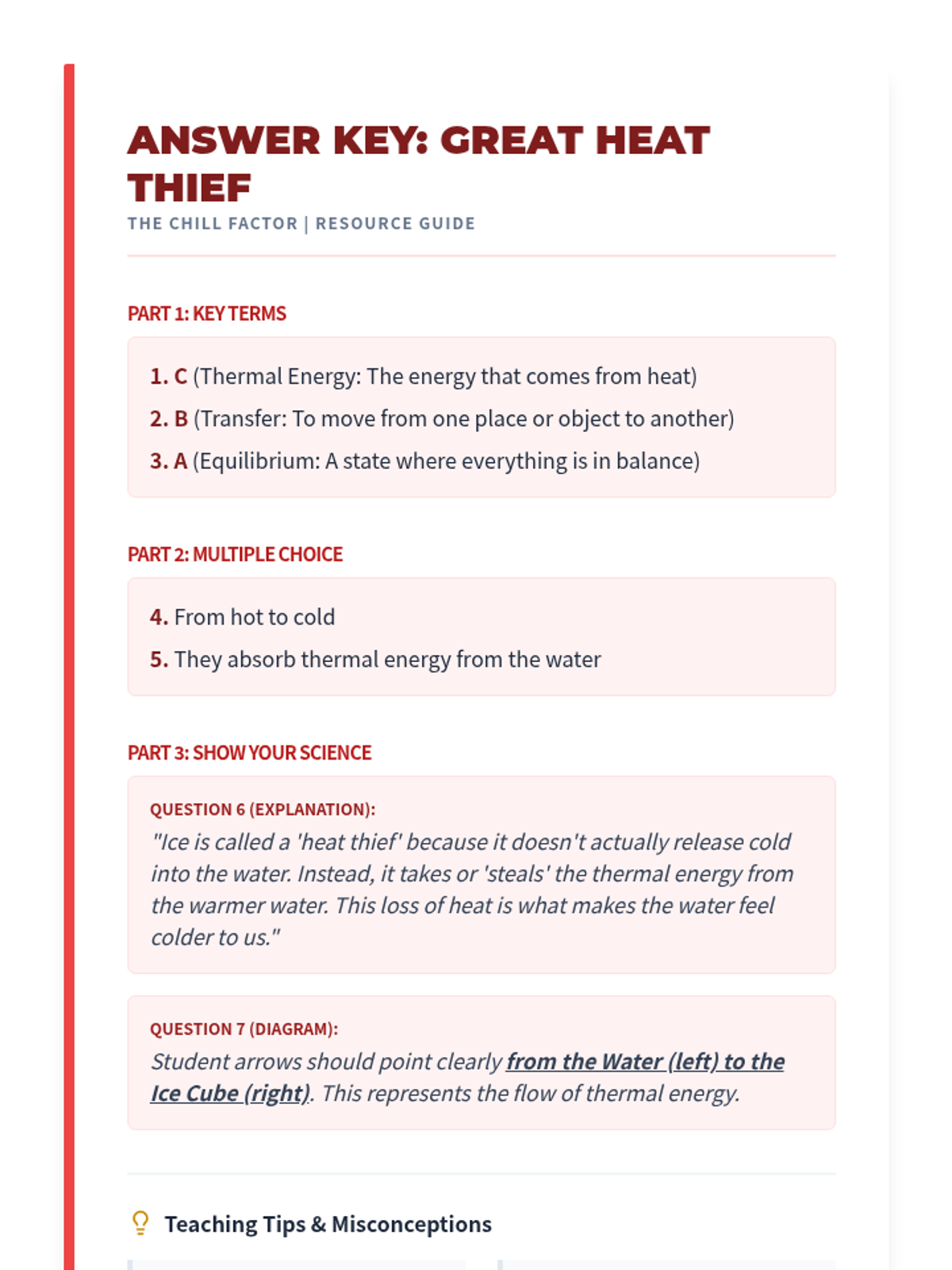
A lesson exploring the science of how ice cools water through the transfer of thermal energy. Students will learn that heat moves from warm to cold, dispelling the common myth that 'cold' moves into the water.
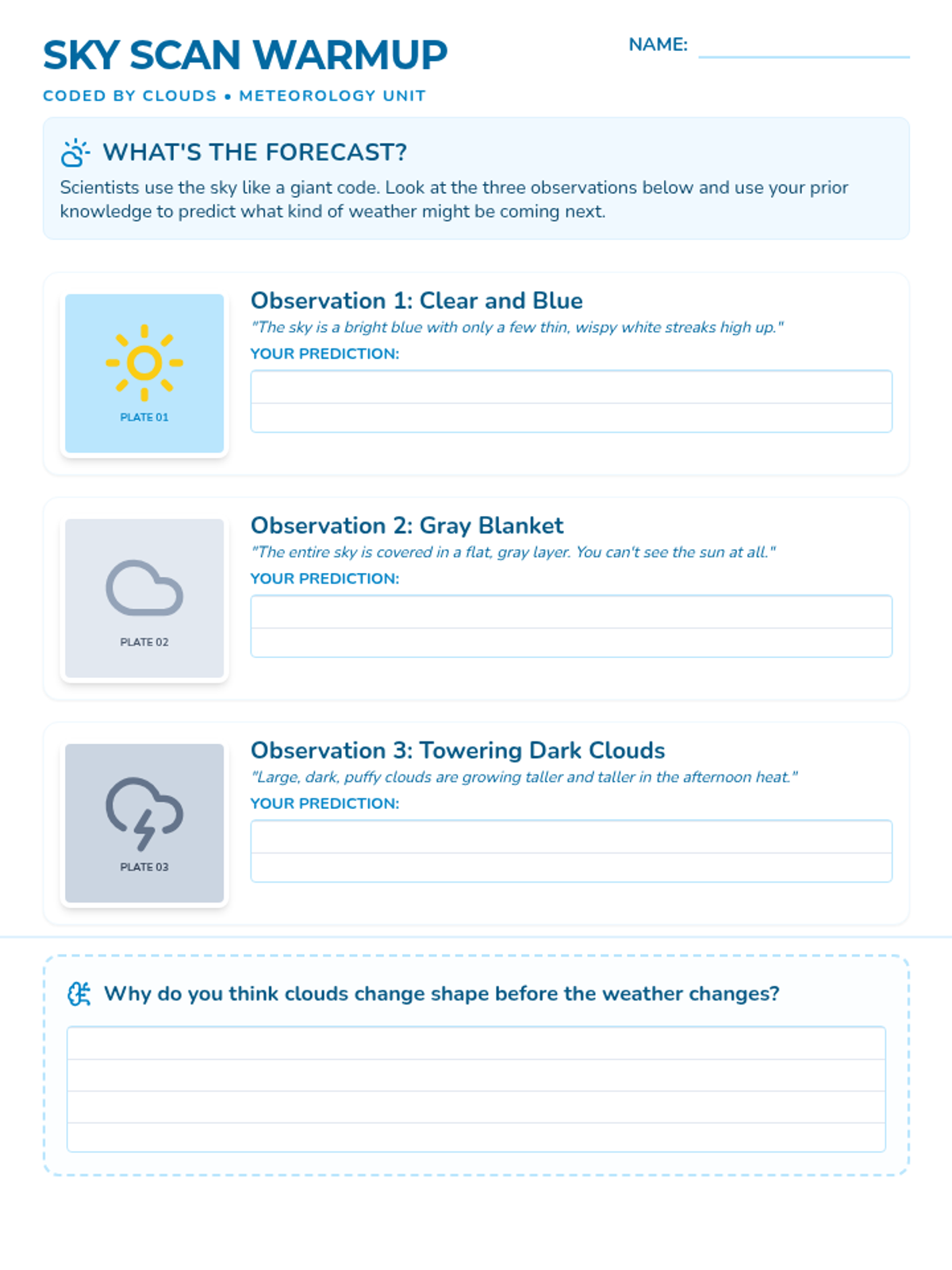
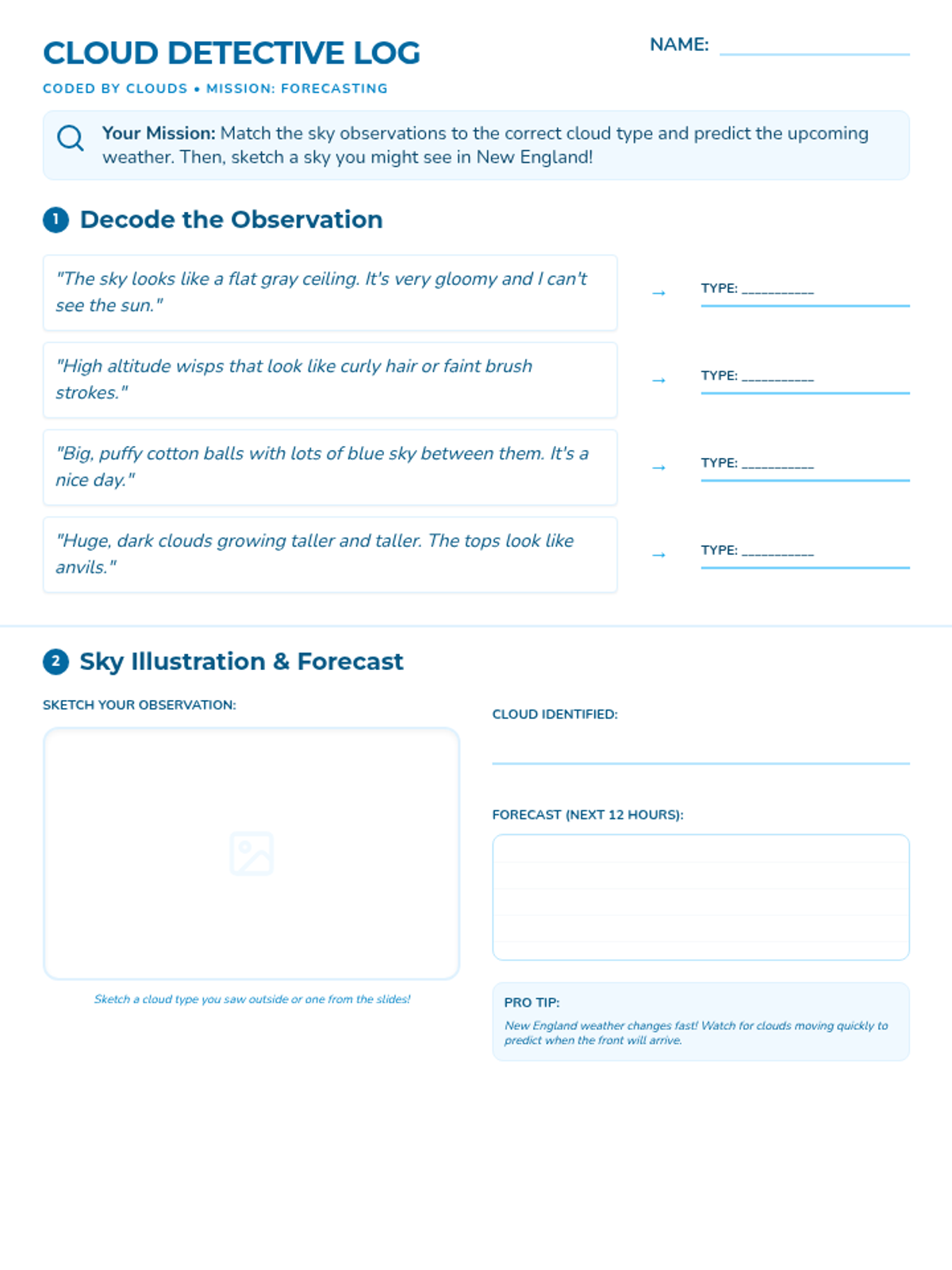
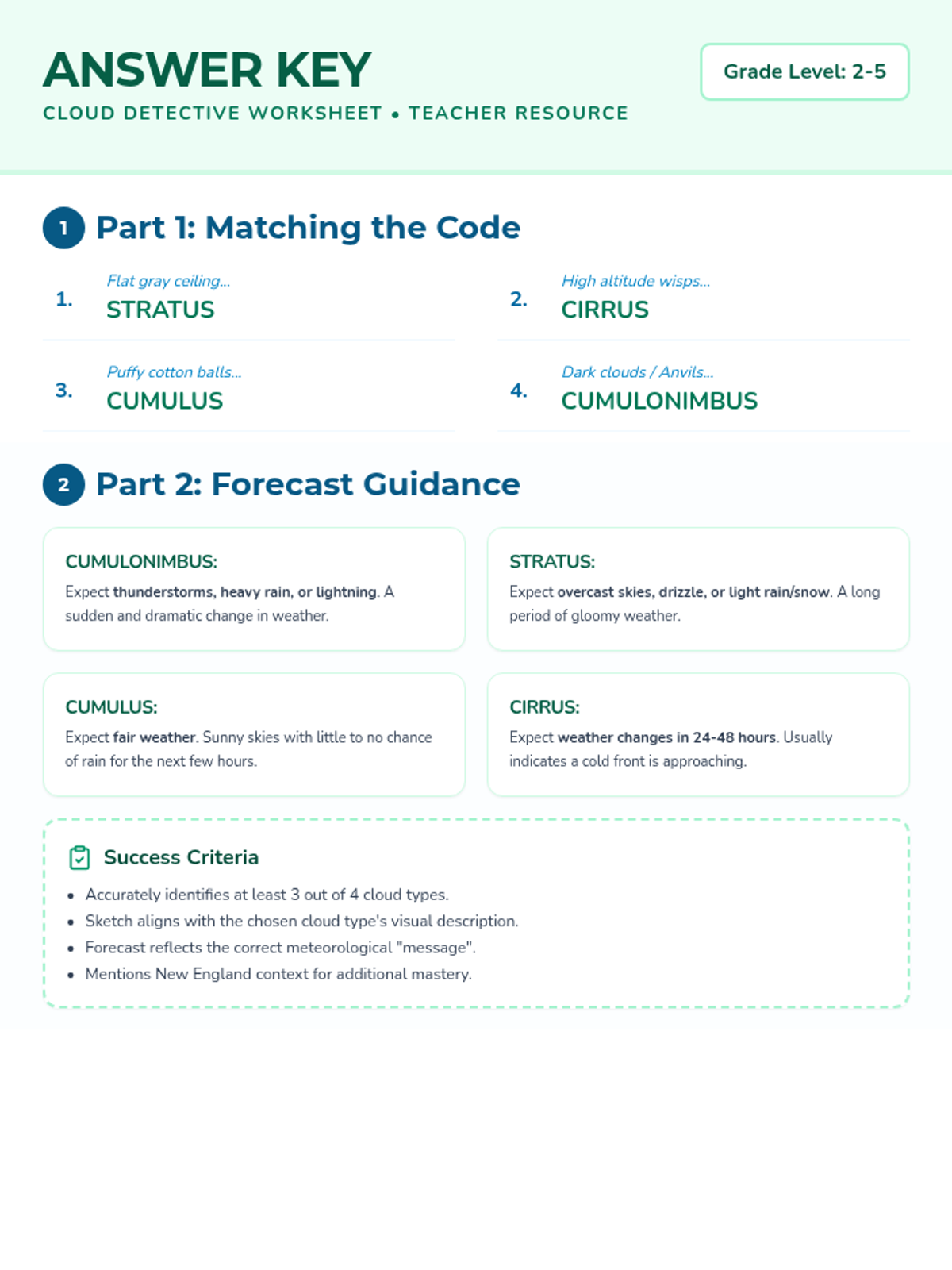
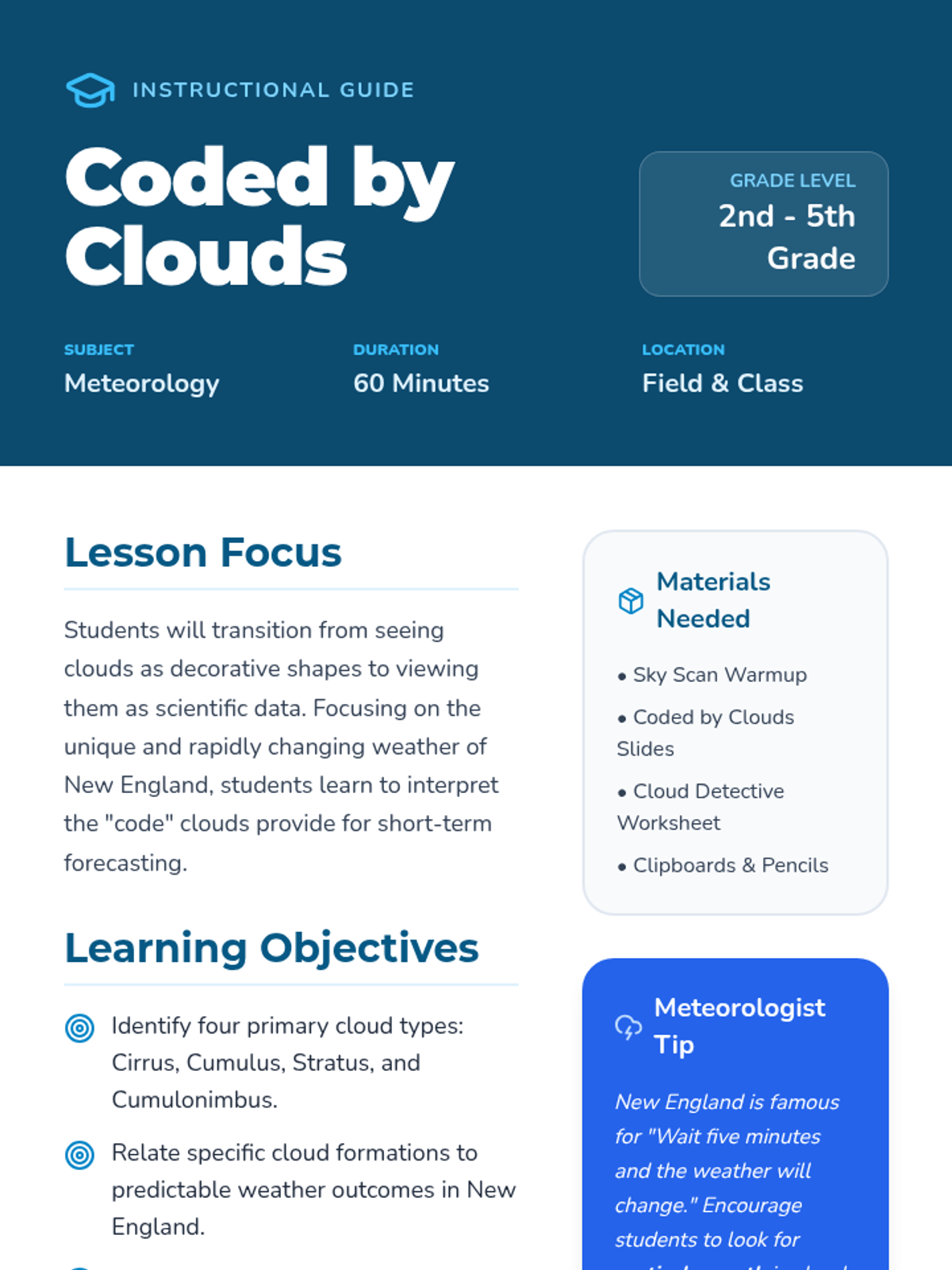
Students observe and categorize different cloud formations to predict upcoming weather patterns in the New England area. This meteorology lesson encourages 2nd through 5th graders to use sky observations as data for scientific forecasting.
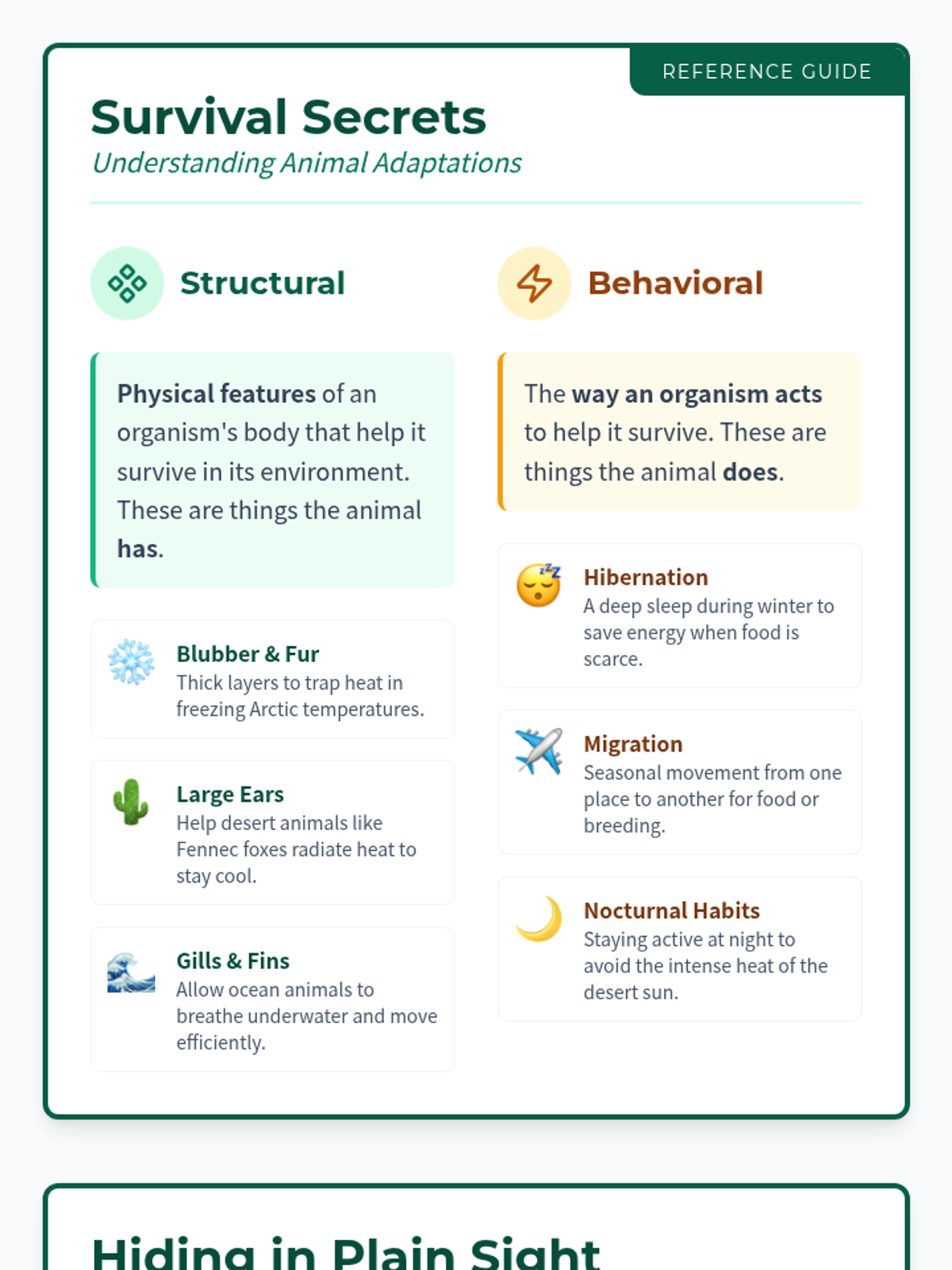
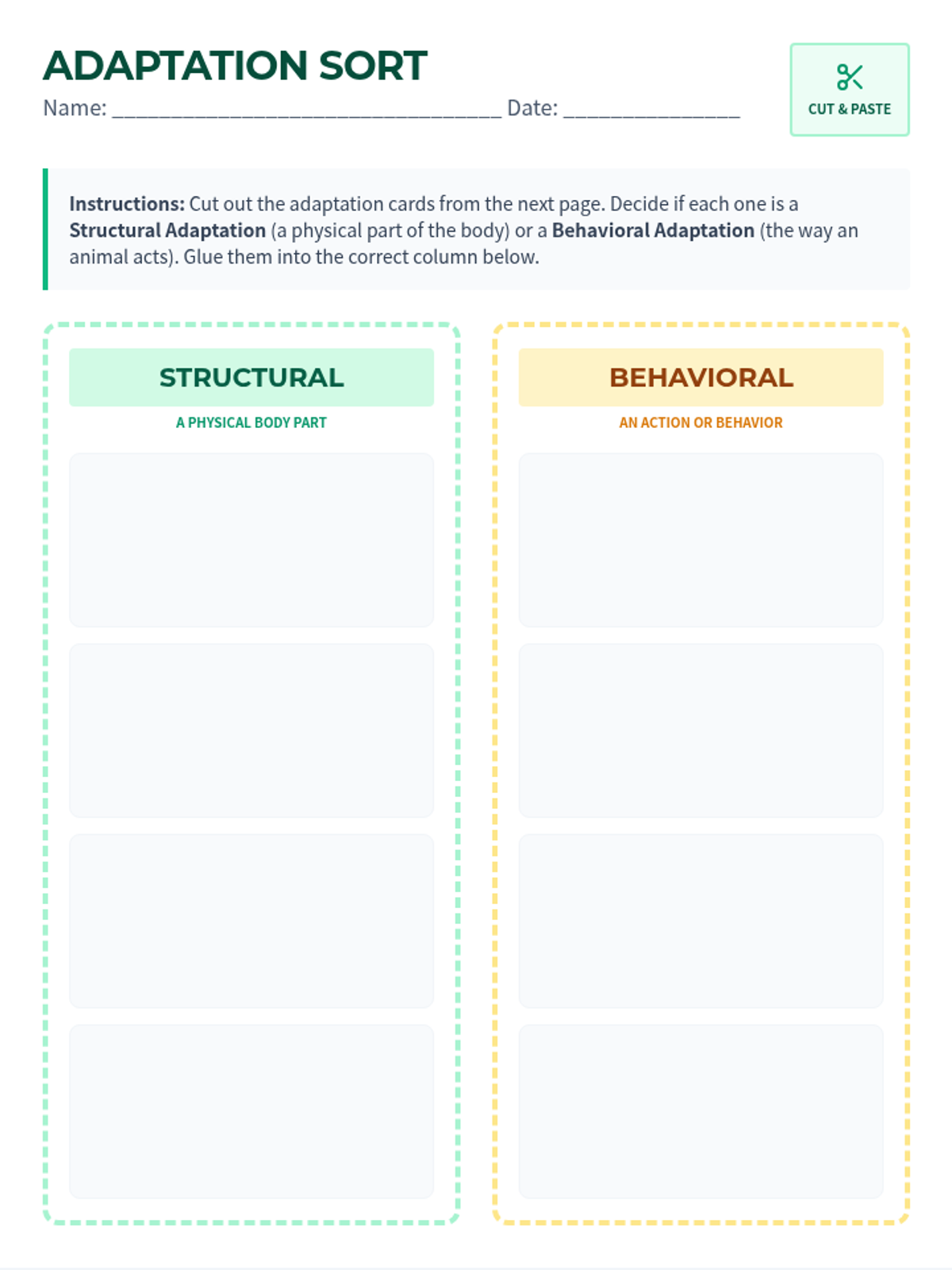
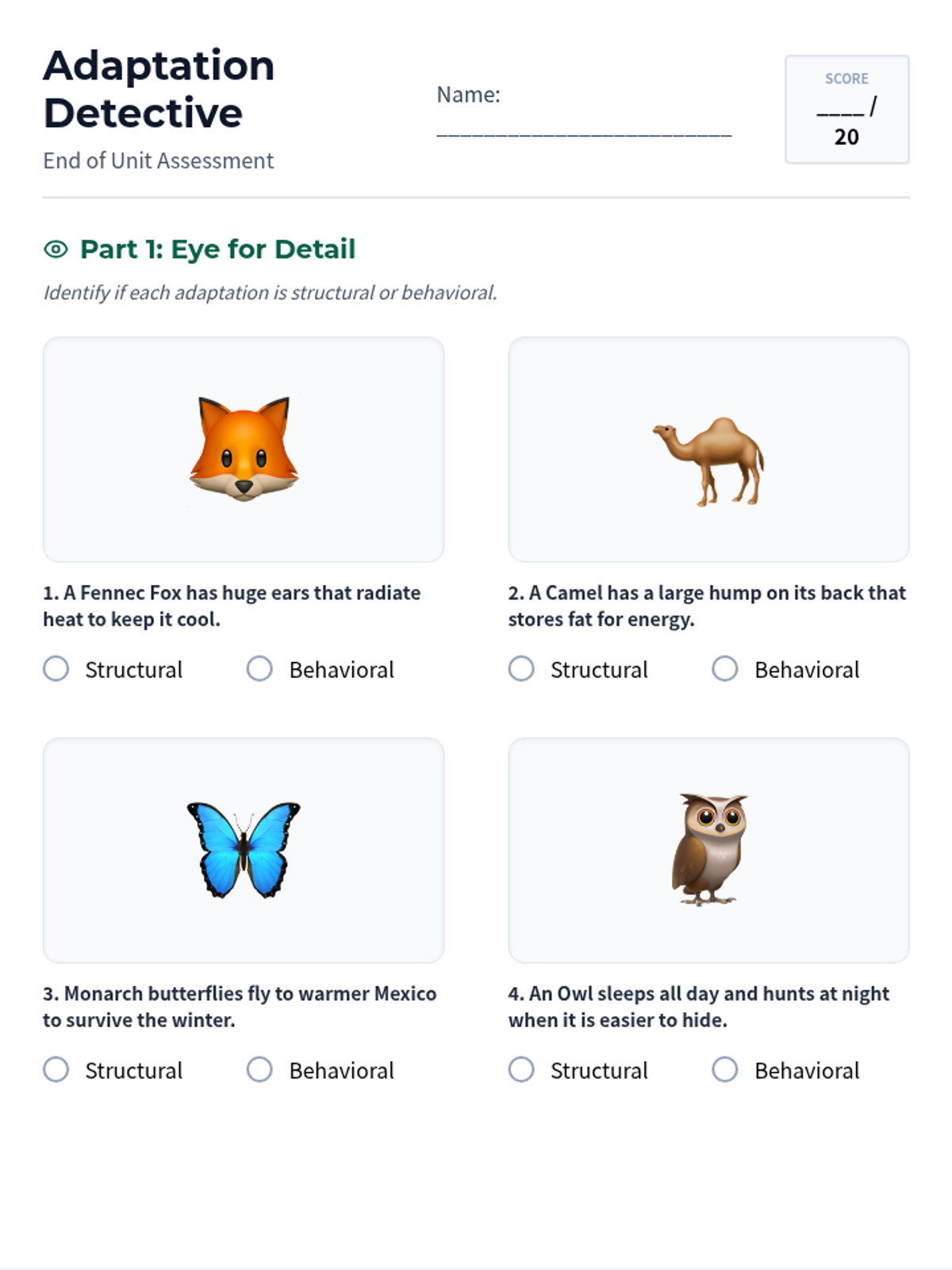
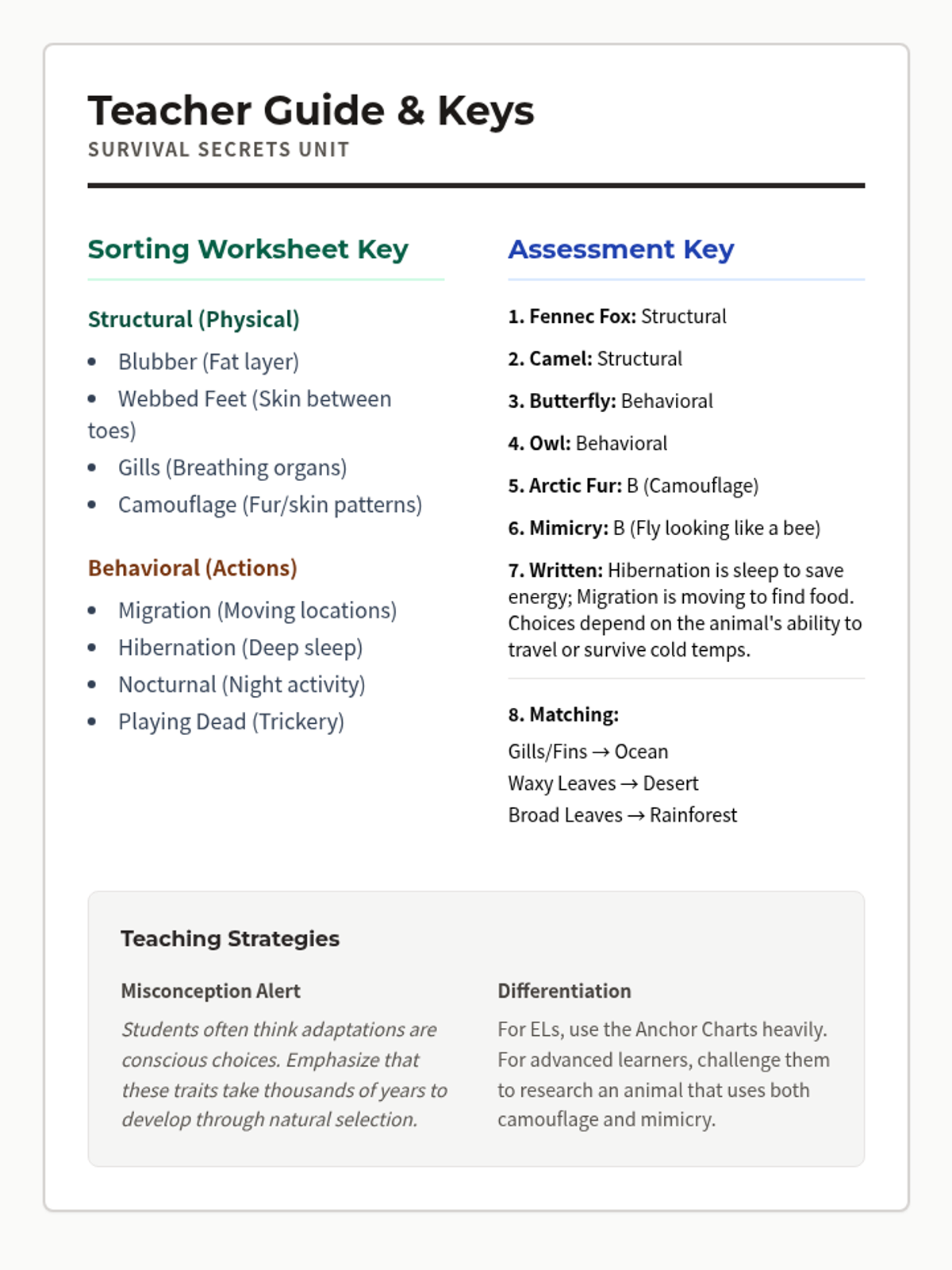
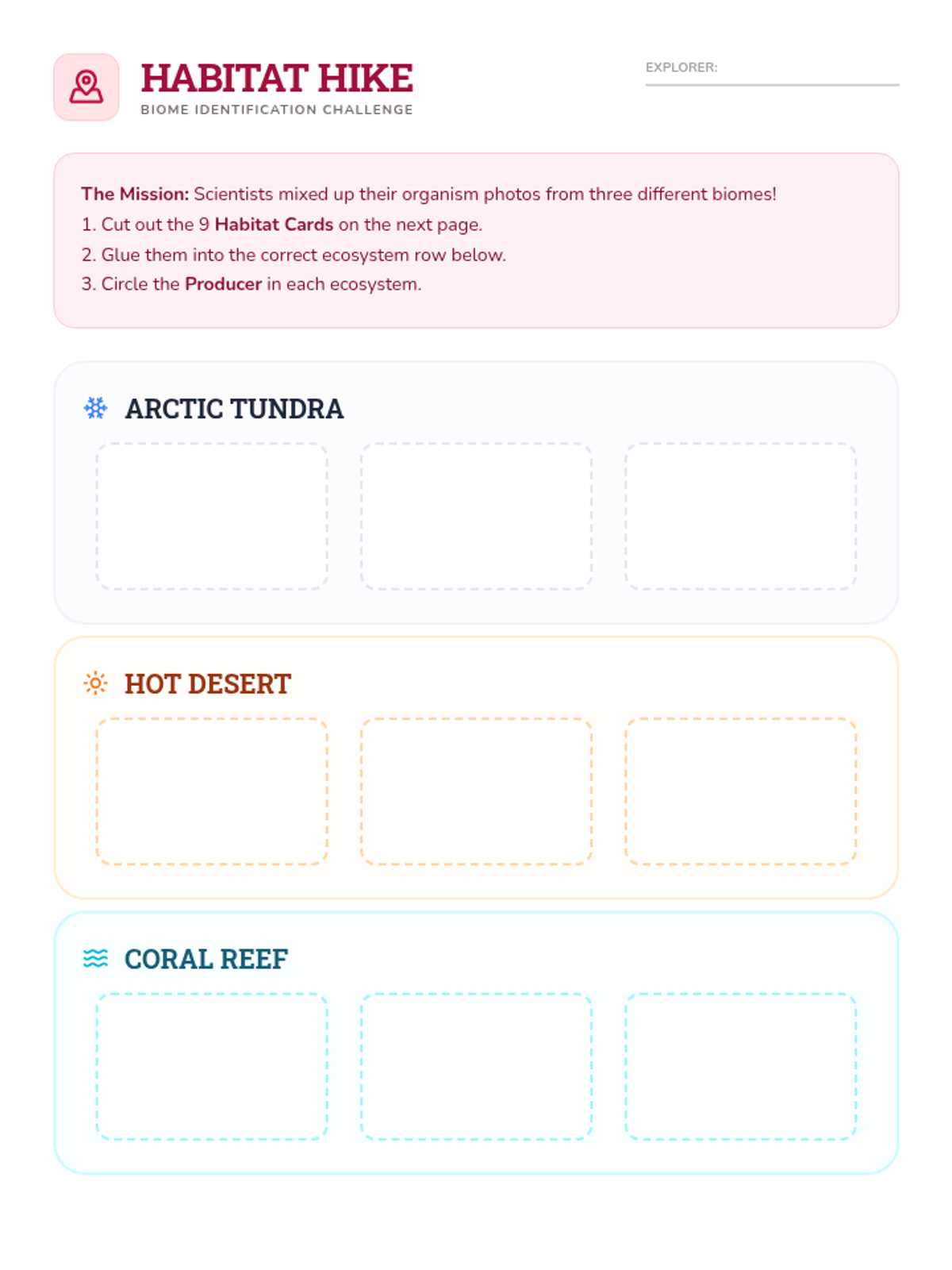
A comprehensive lesson on structural and behavioral adaptations across various biomes, including specialized survival strategies like hibernation, migration, camouflage, and mimicry.
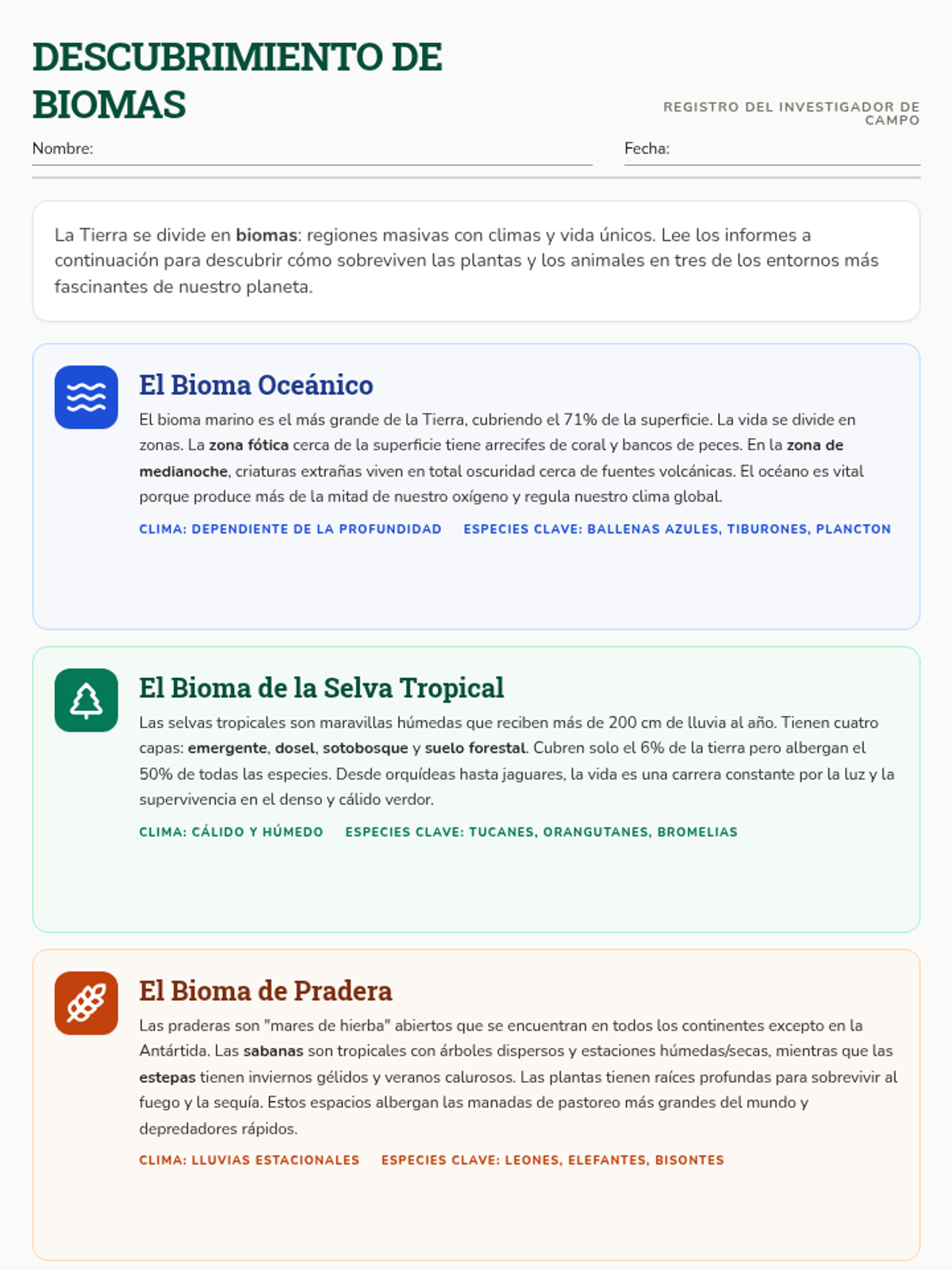
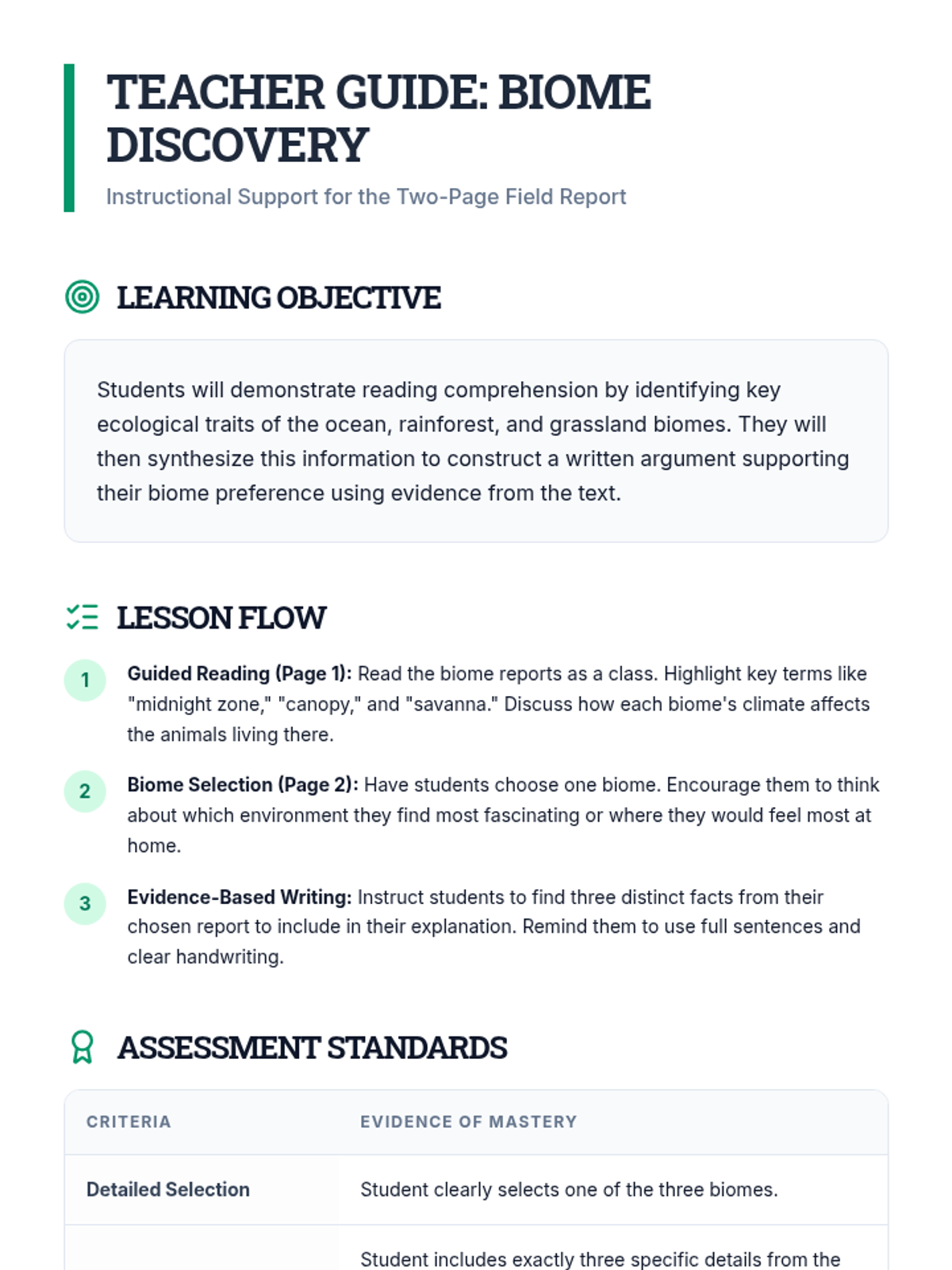
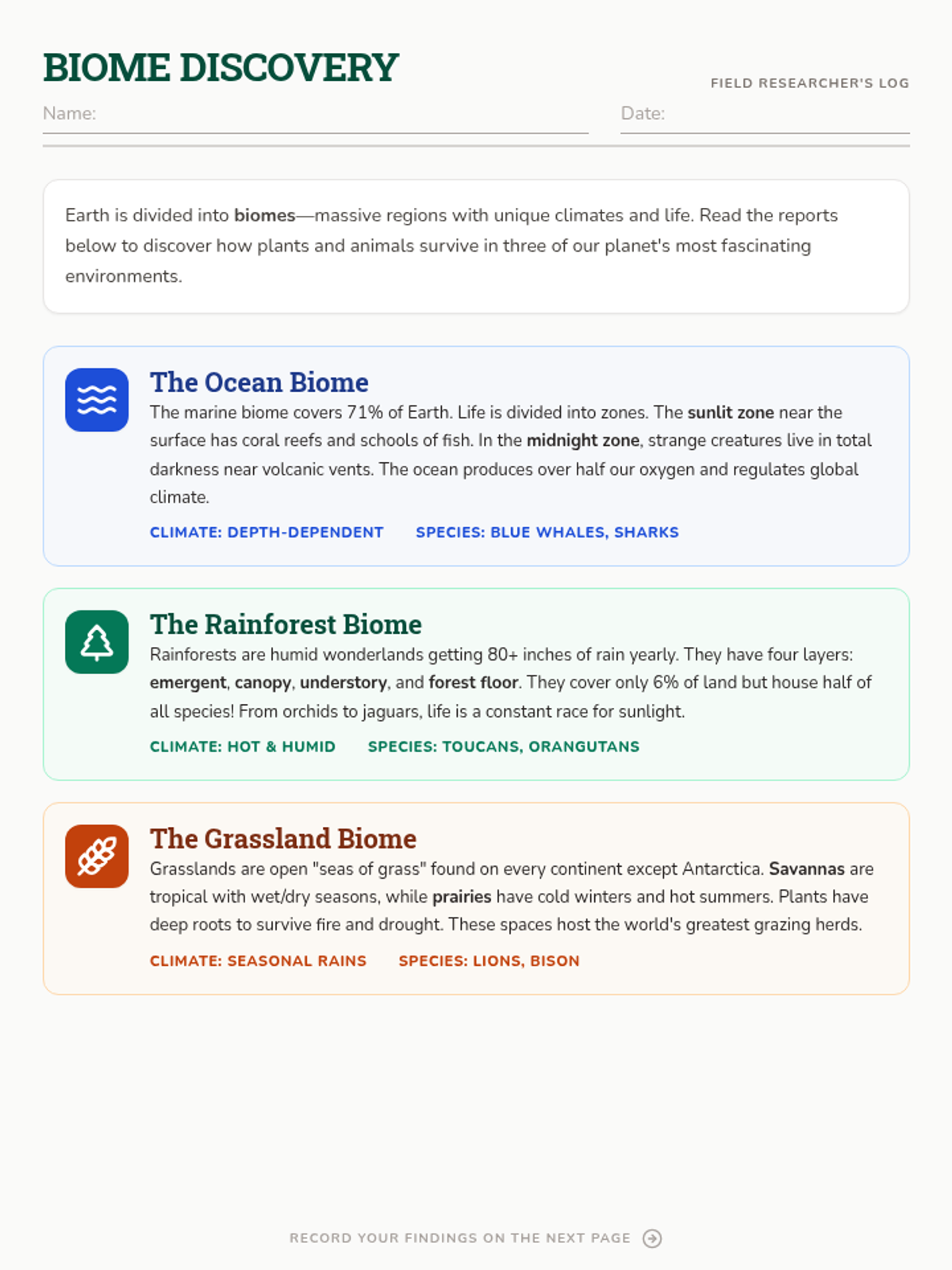
An introductory exploration of Earth's diverse biomes, focusing on the ocean, rainforest, and grassland ecosystems. Students learn to identify key characteristics and express personal preferences based on ecological traits.
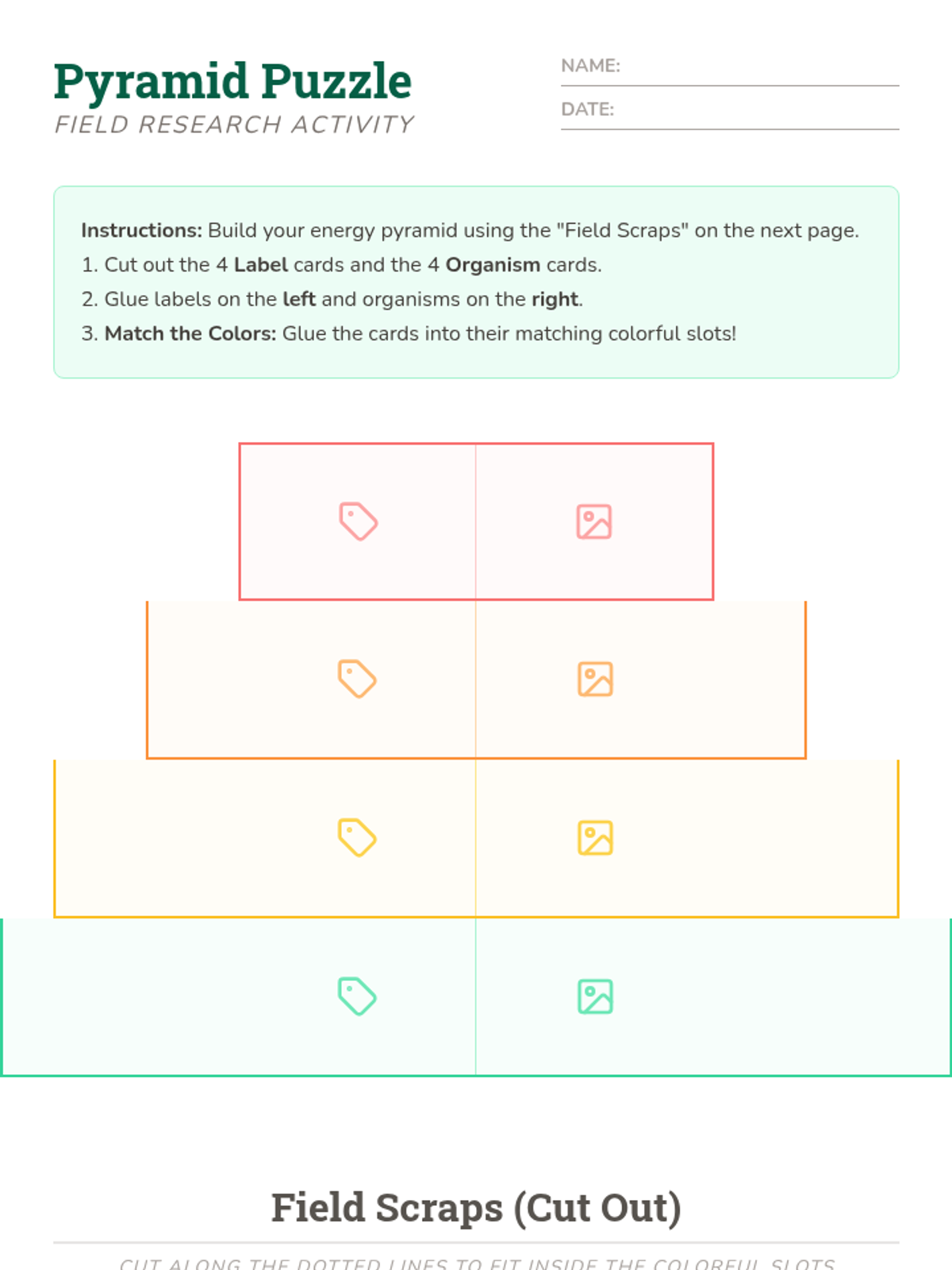
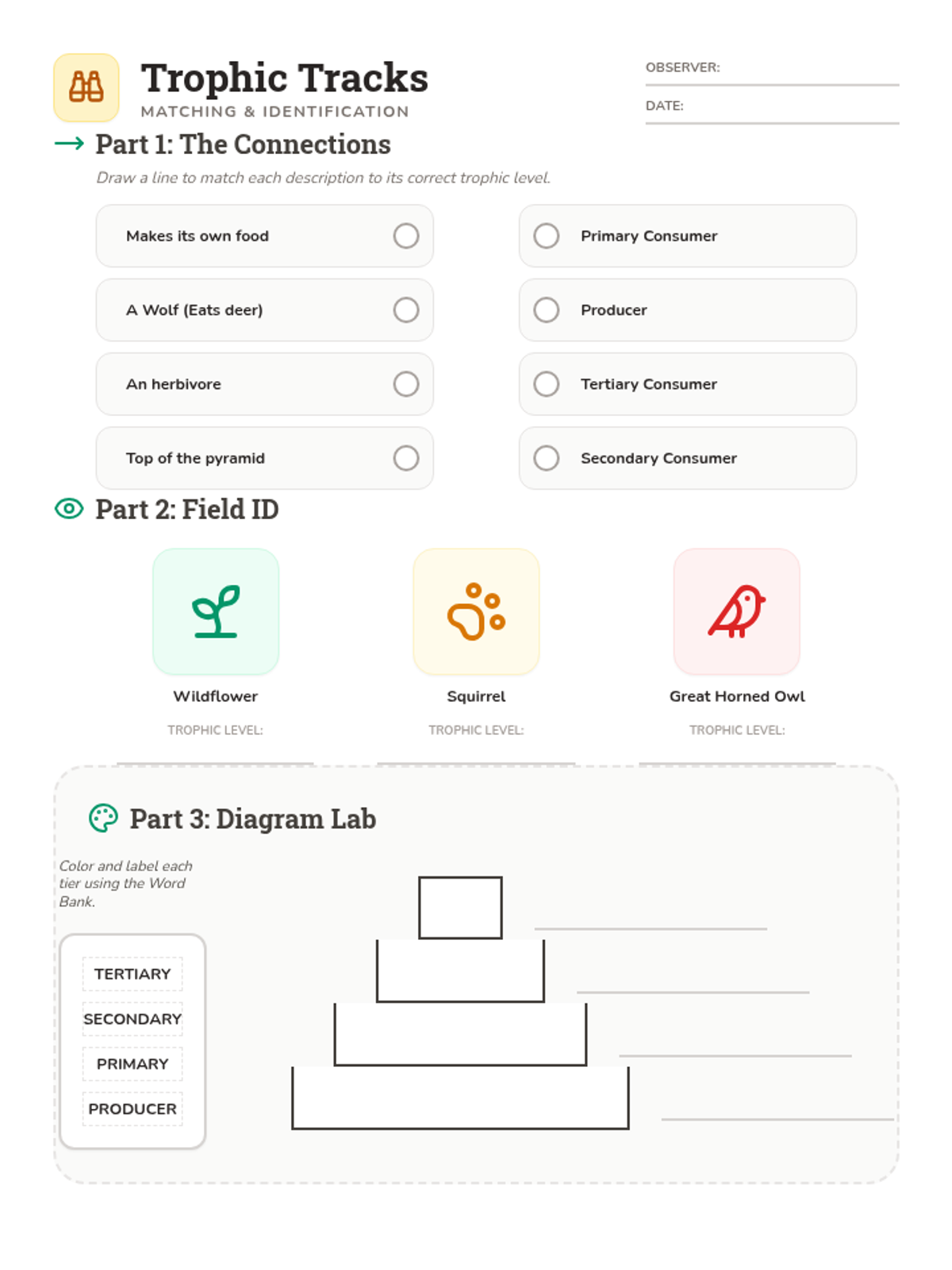
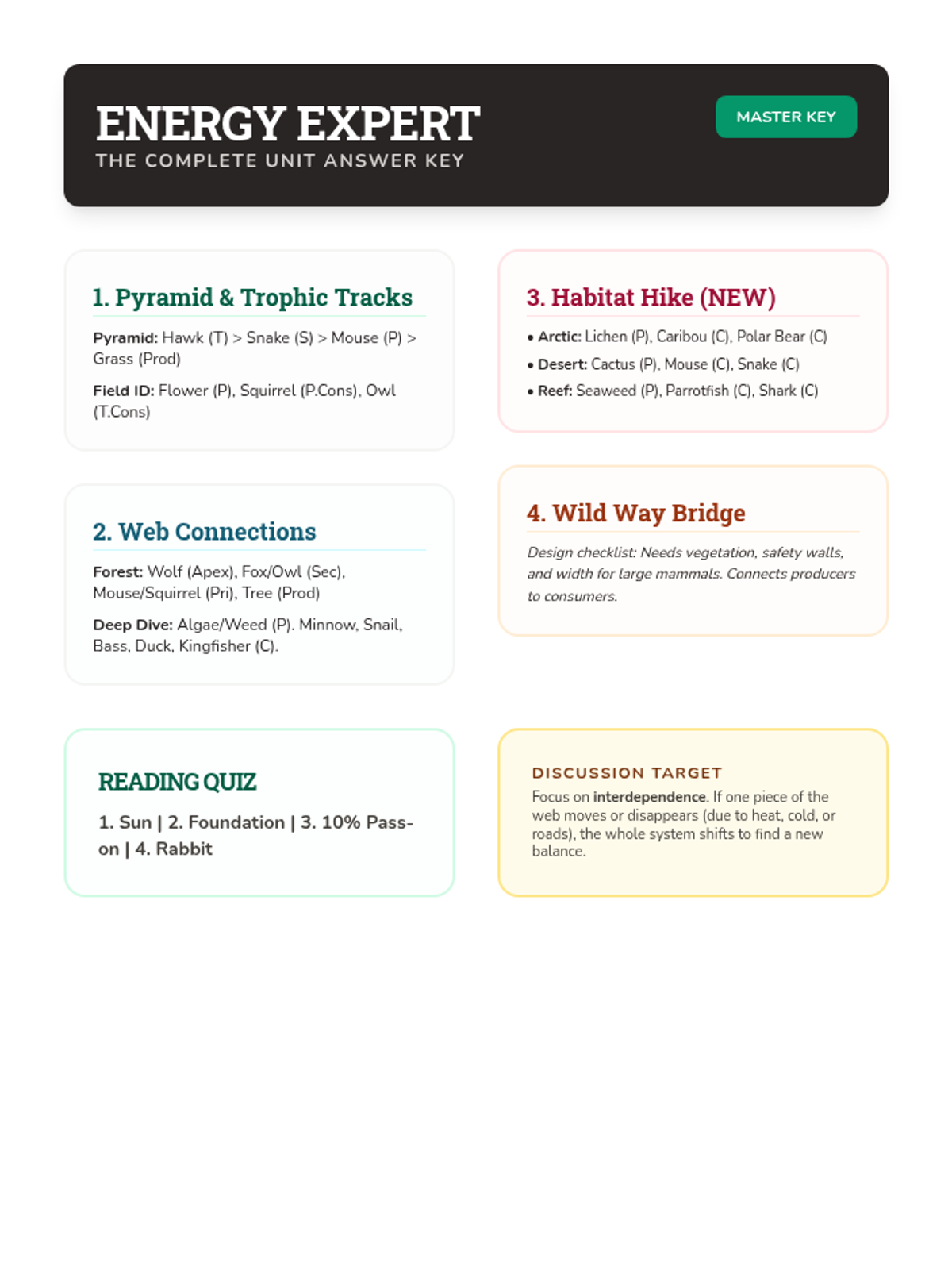
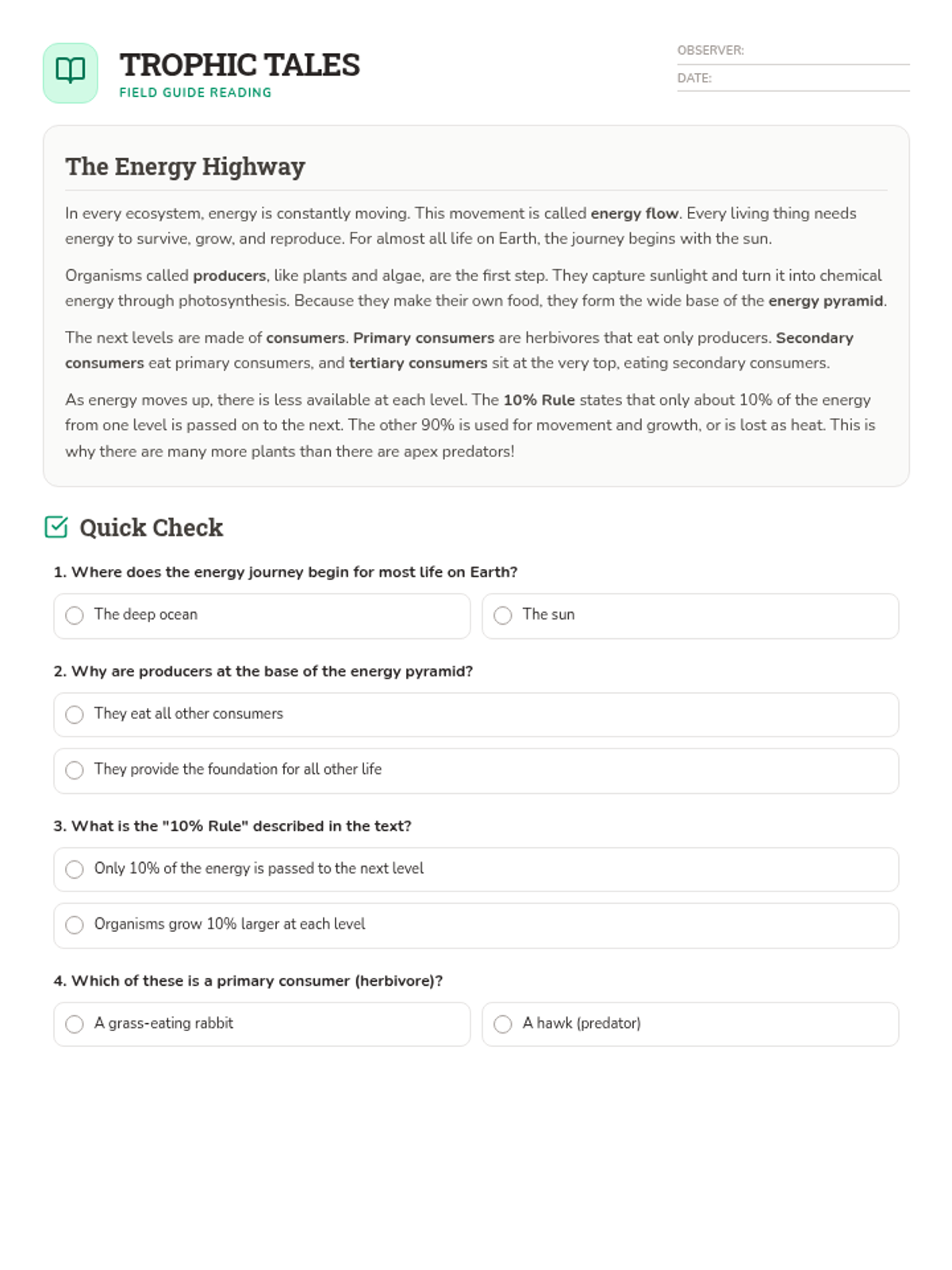
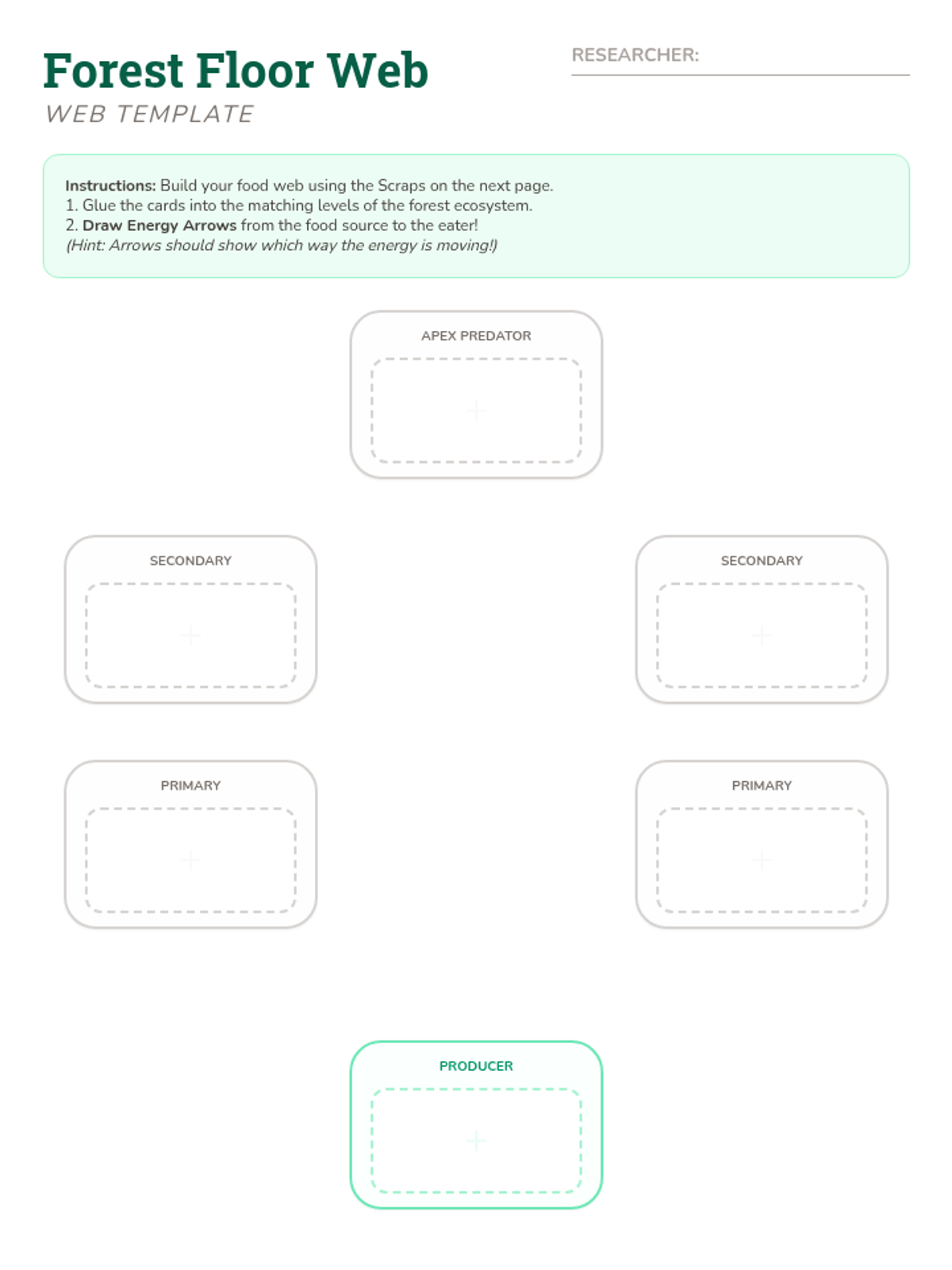
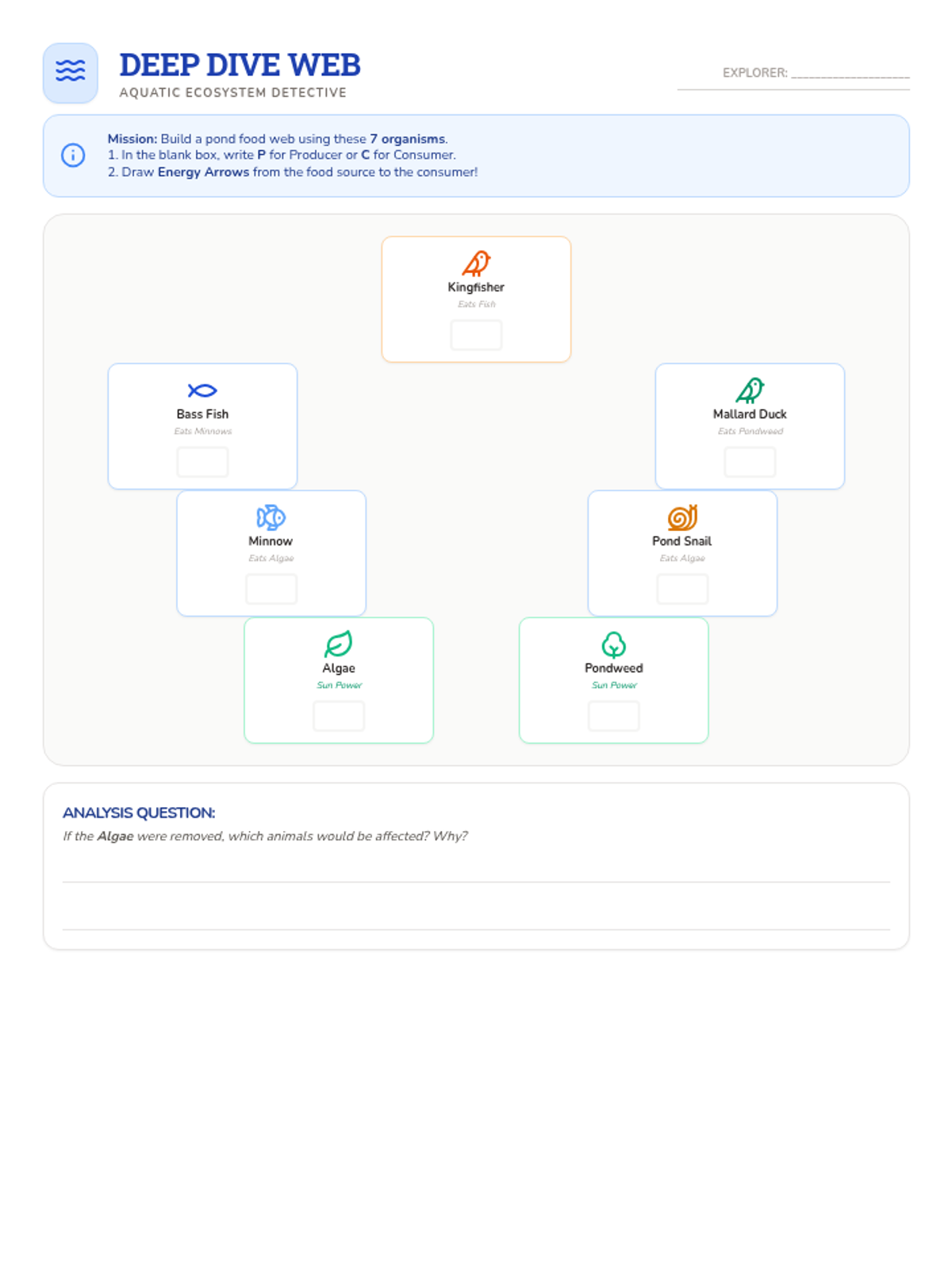
A foundational lesson exploring how energy moves through ecosystems, focusing on trophic levels, the 10% rule, and the complex connections in terrestrial and aquatic food webs.
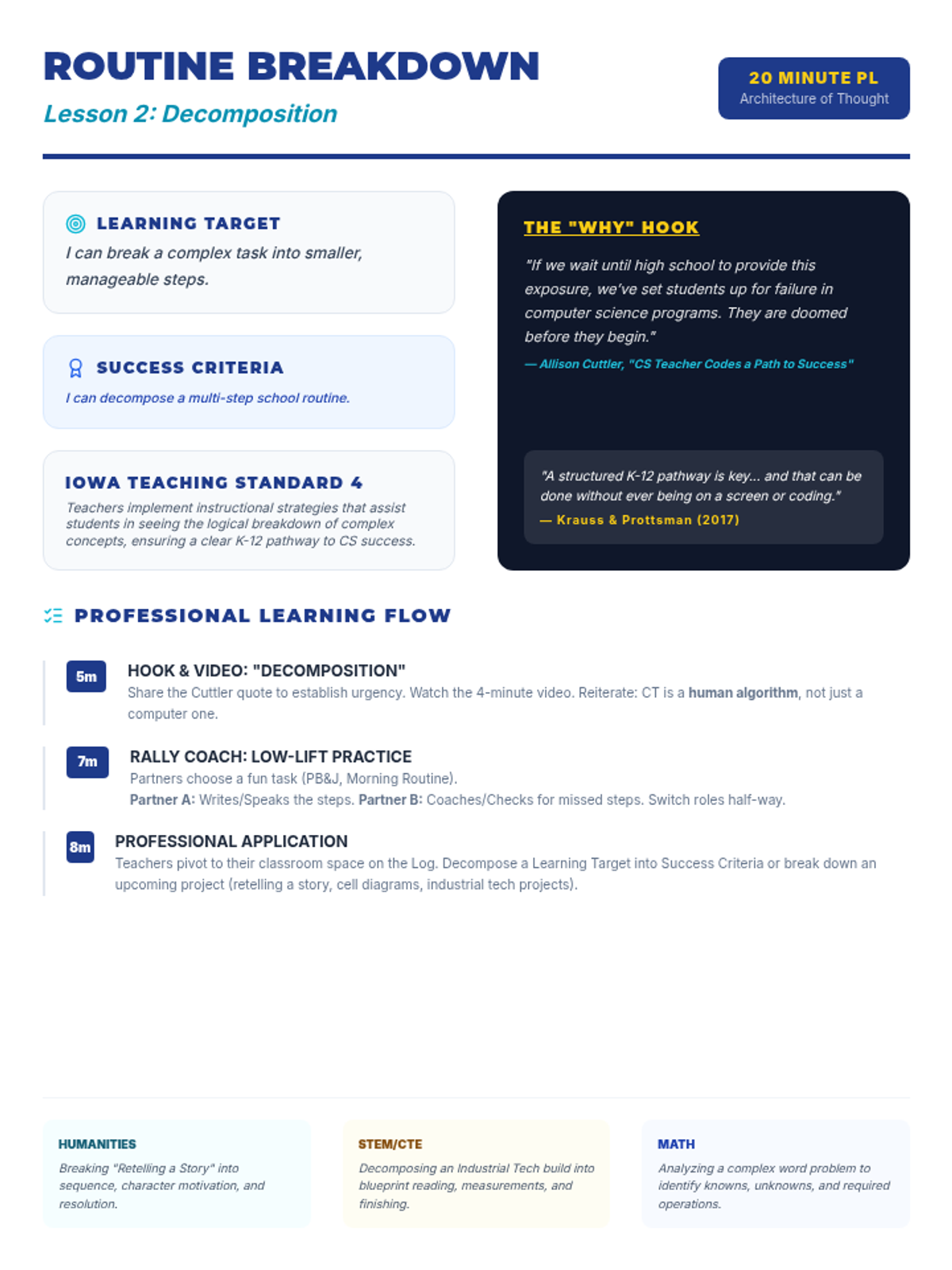
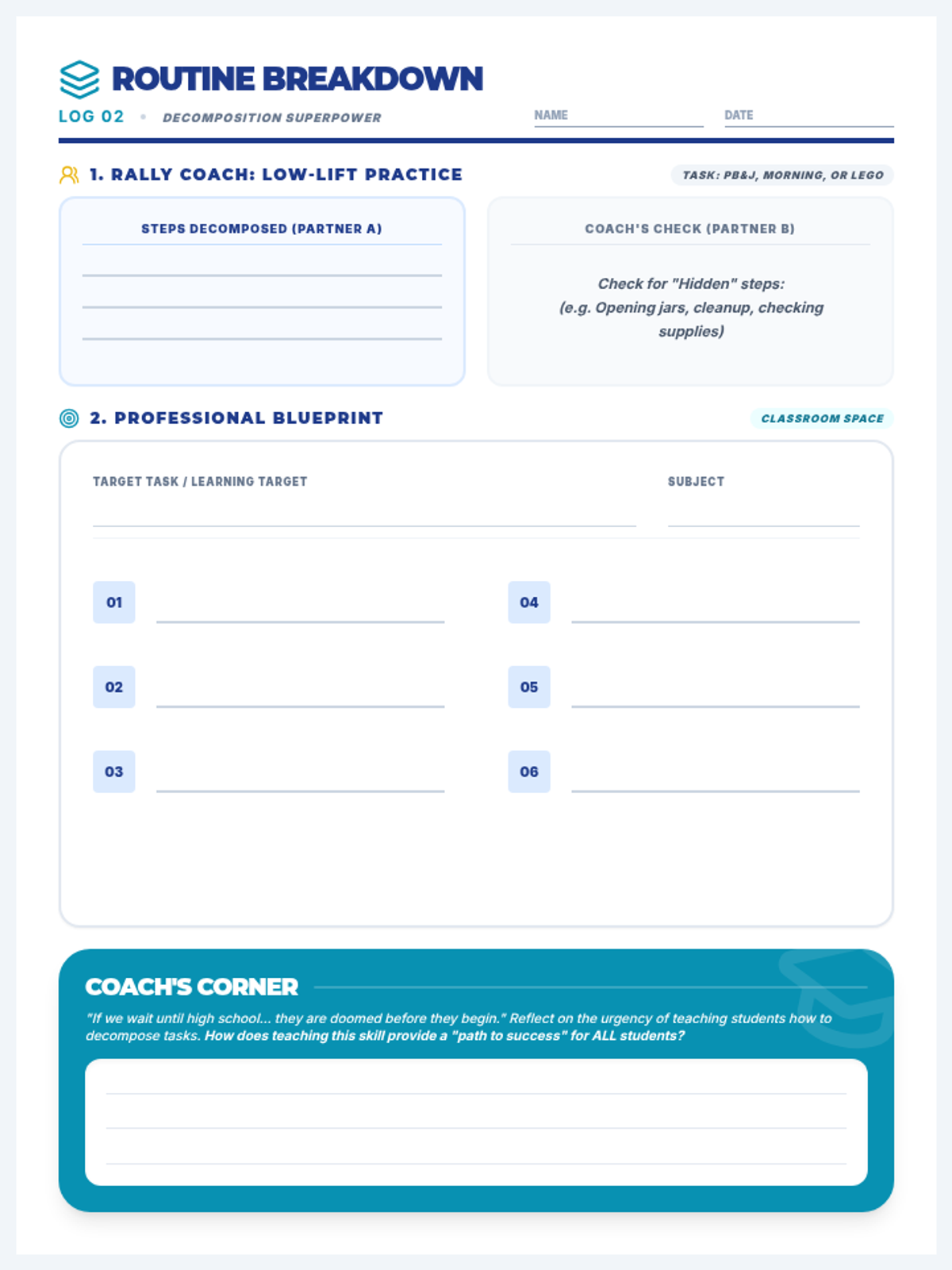
Teachers learn to break complex tasks into smaller, manageable steps using classroom routines and Iowa Core standards as examples.
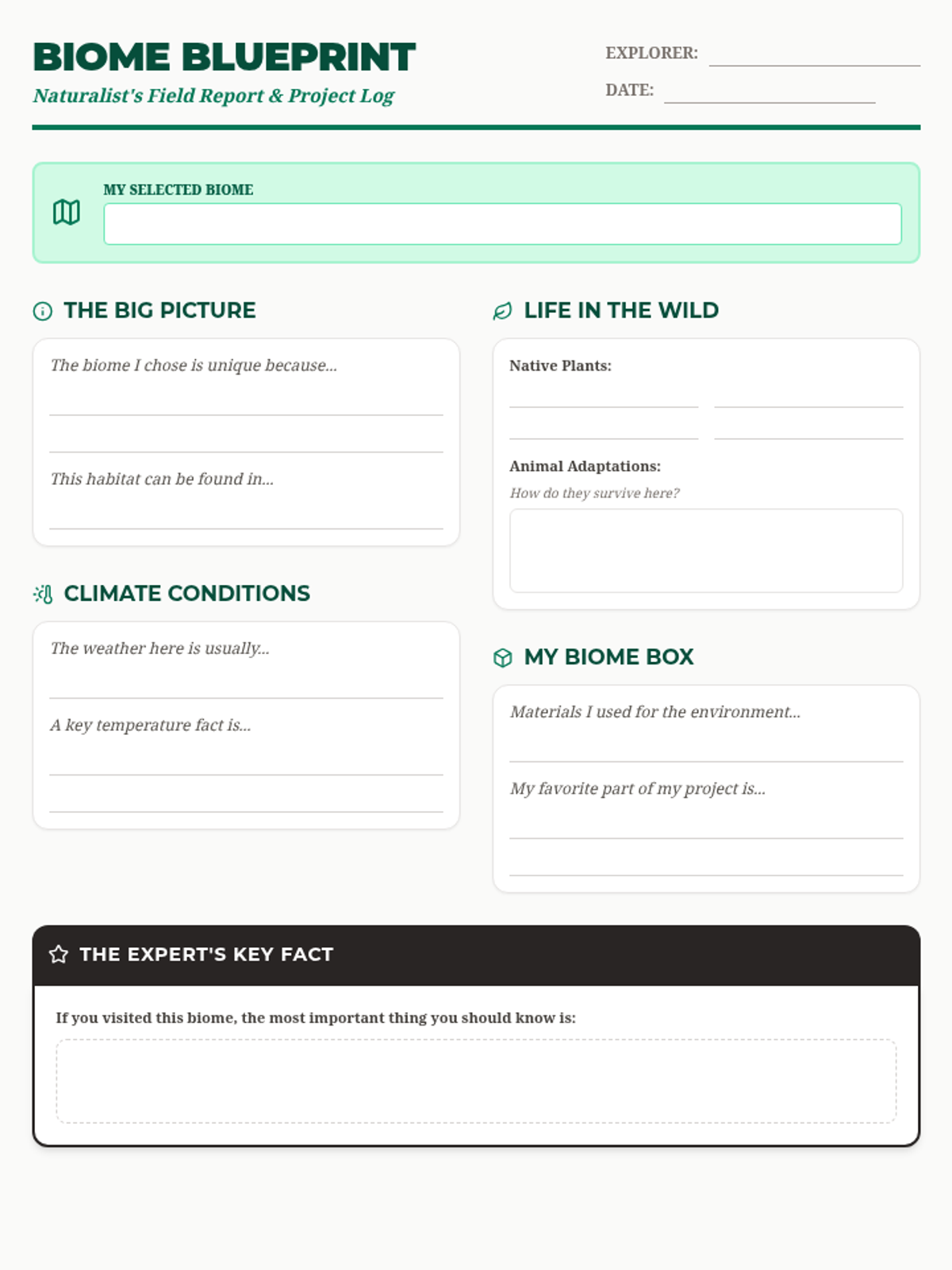
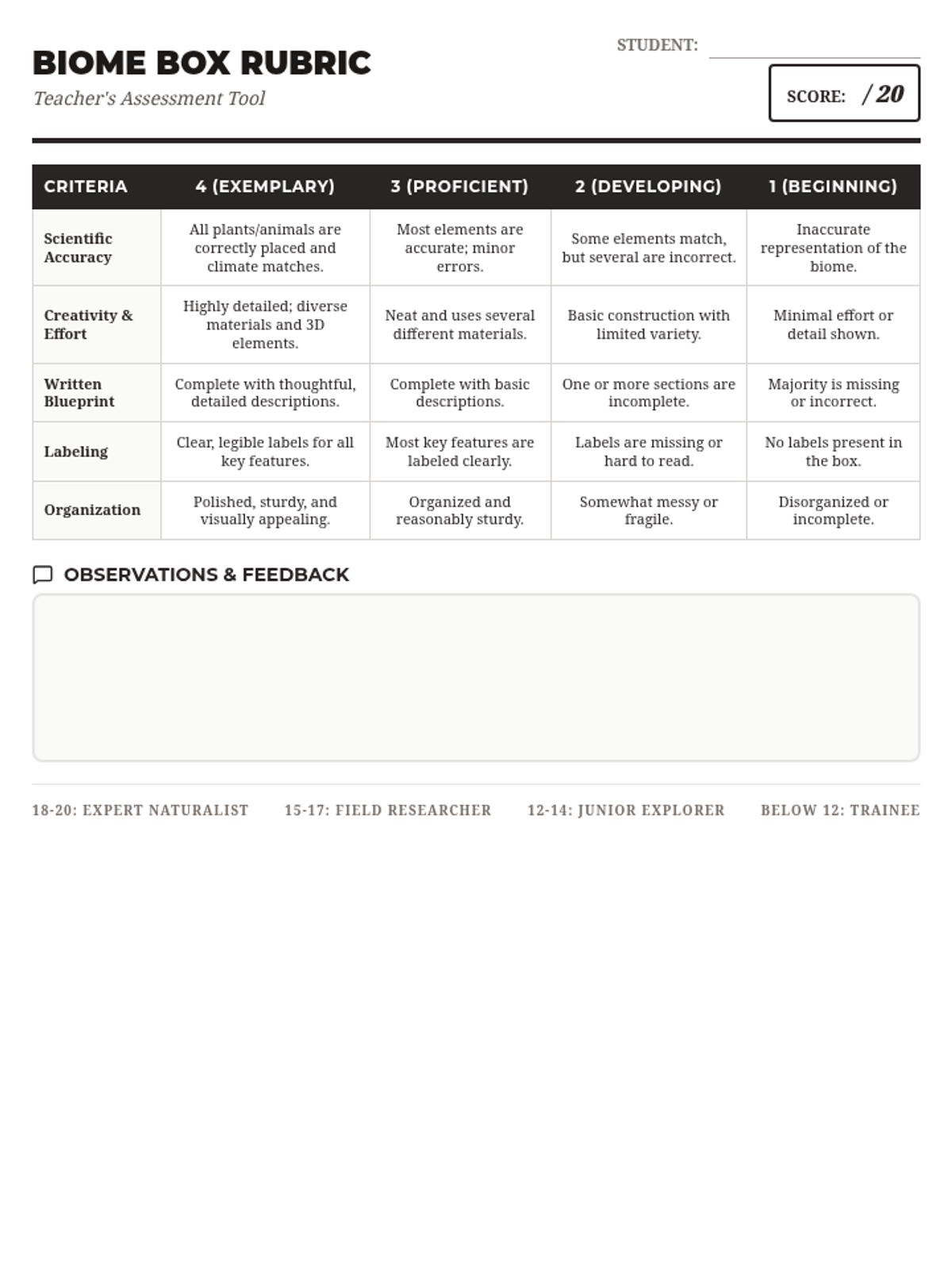
A creative project where students design and build a 3D biome model in a box, then document their scientific findings.
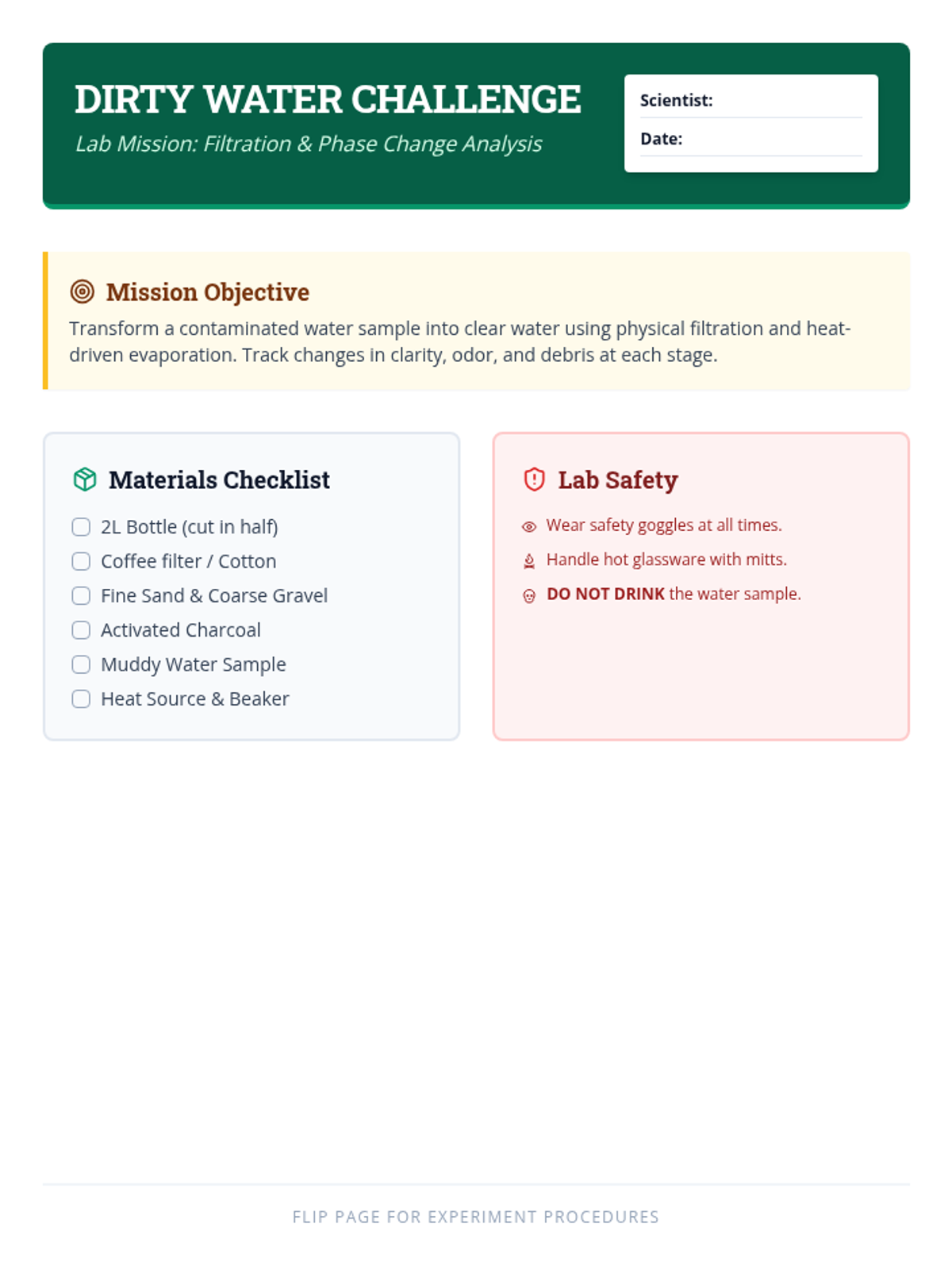
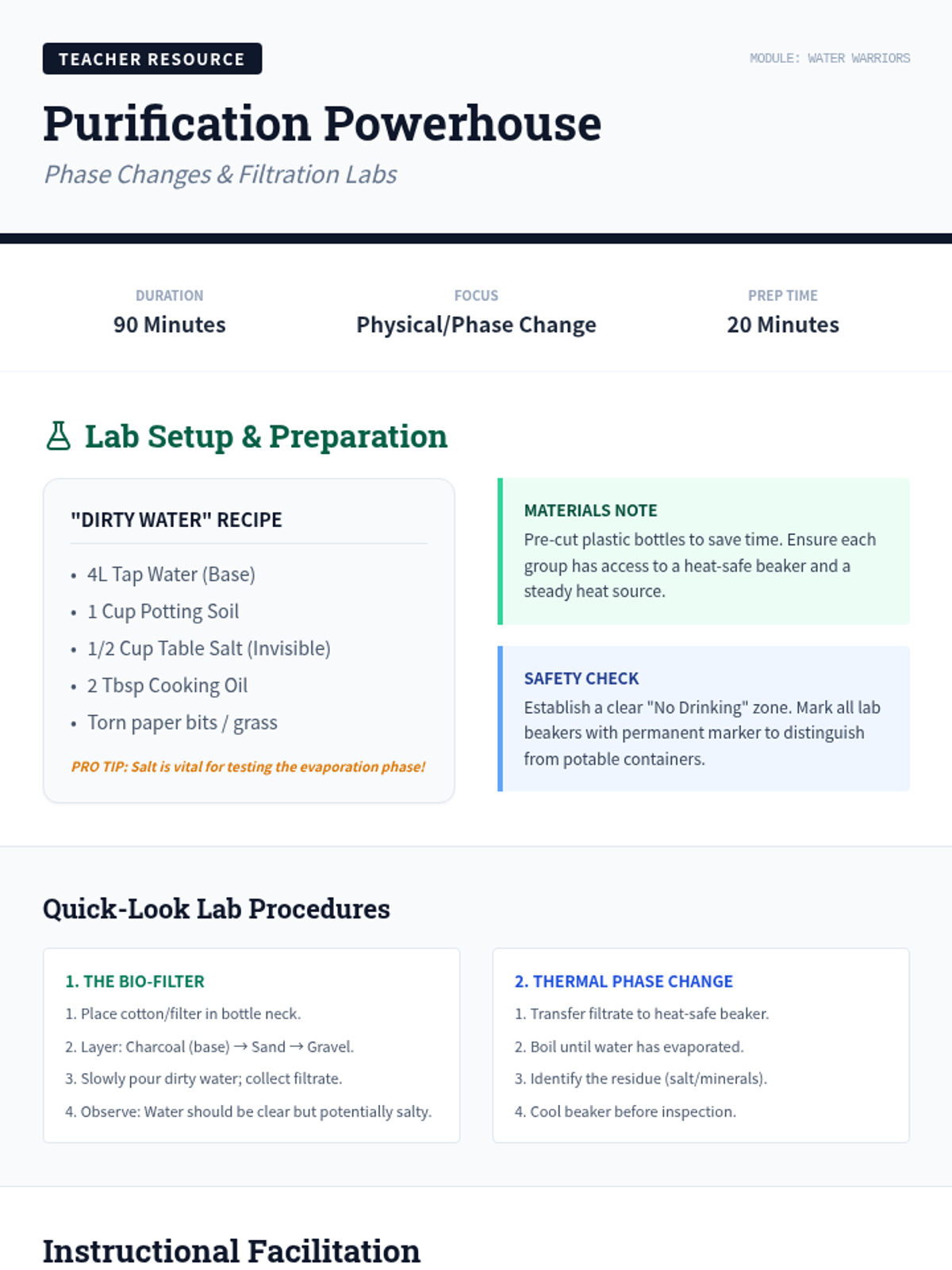
Students explore the essential methods of purifying water through hands-on experimentation. They will learn the roles of physical filtration and phase changes (evaporation) in removing contaminants from water samples.
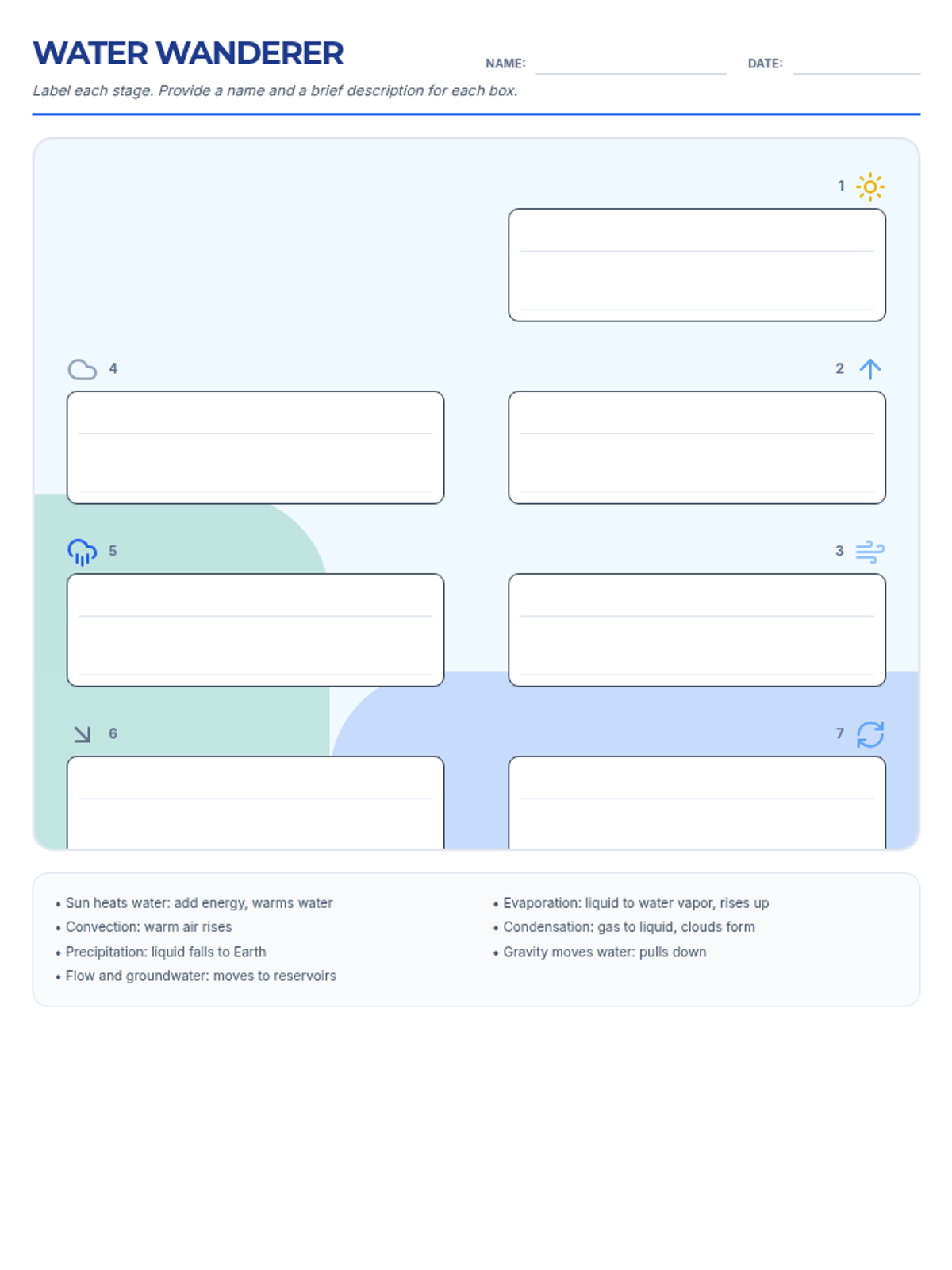
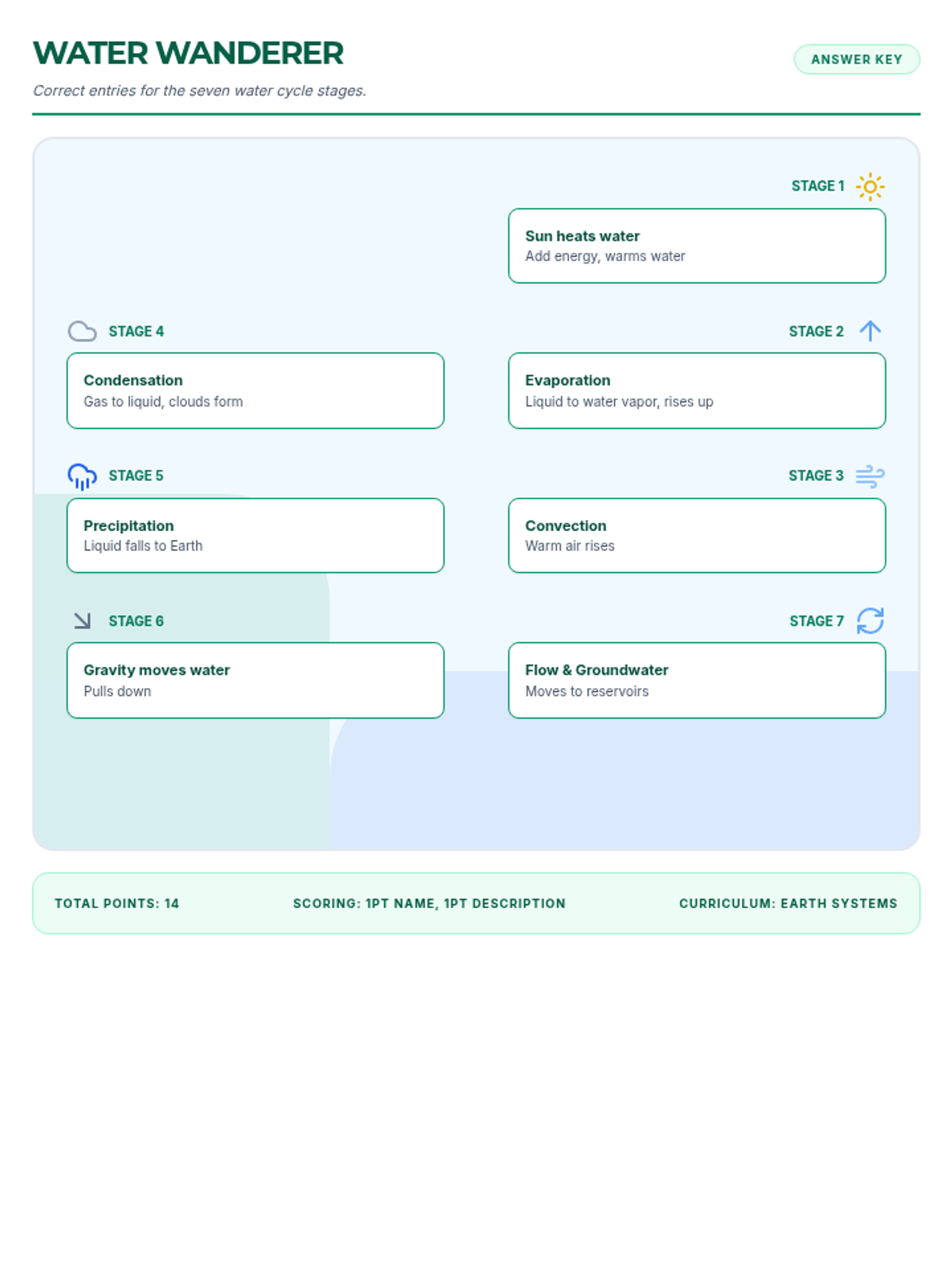
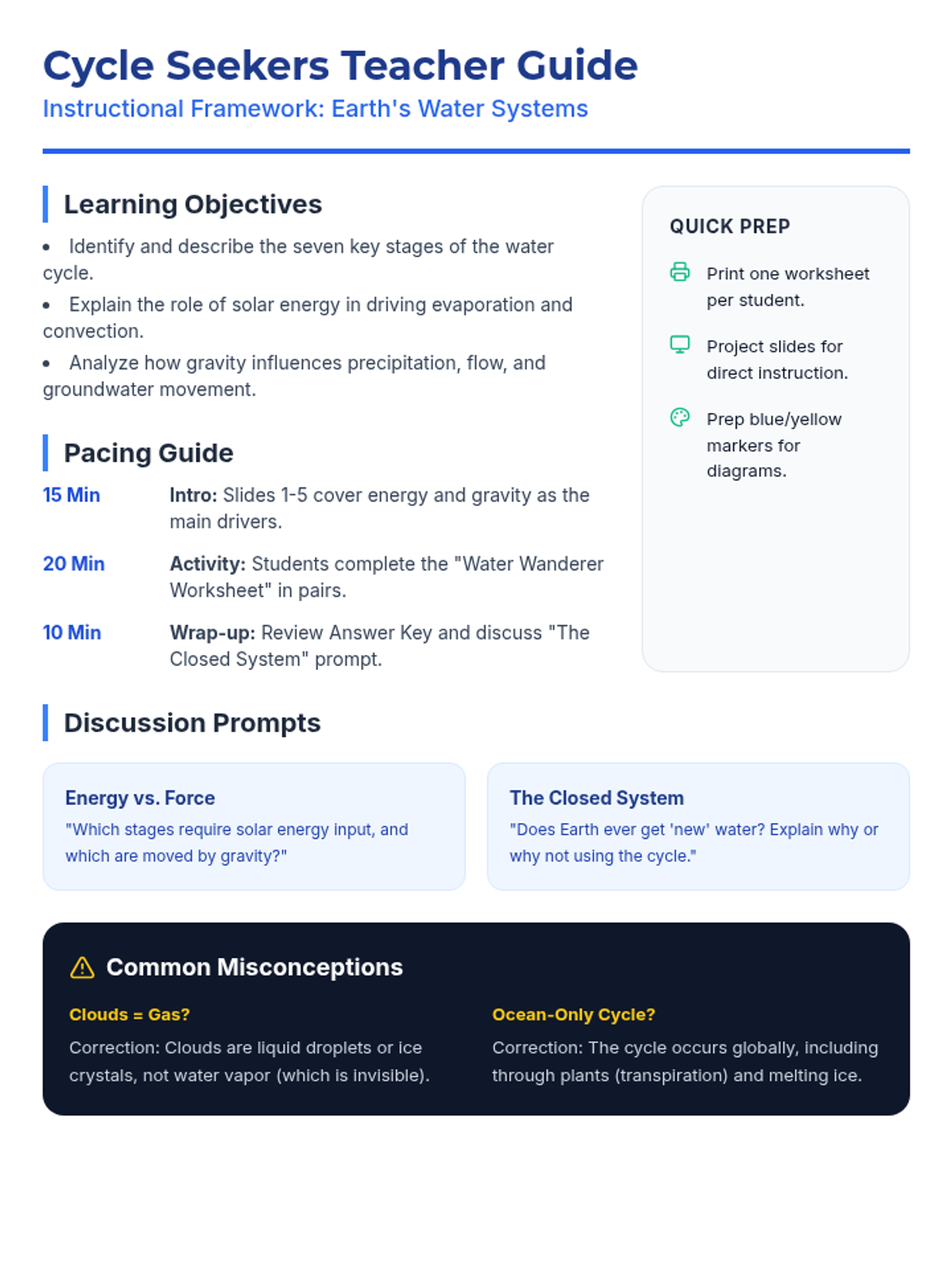
A lesson exploring the continuous movement of water on Earth through a detailed diagram of the water cycle, focusing on the roles of energy and gravity.
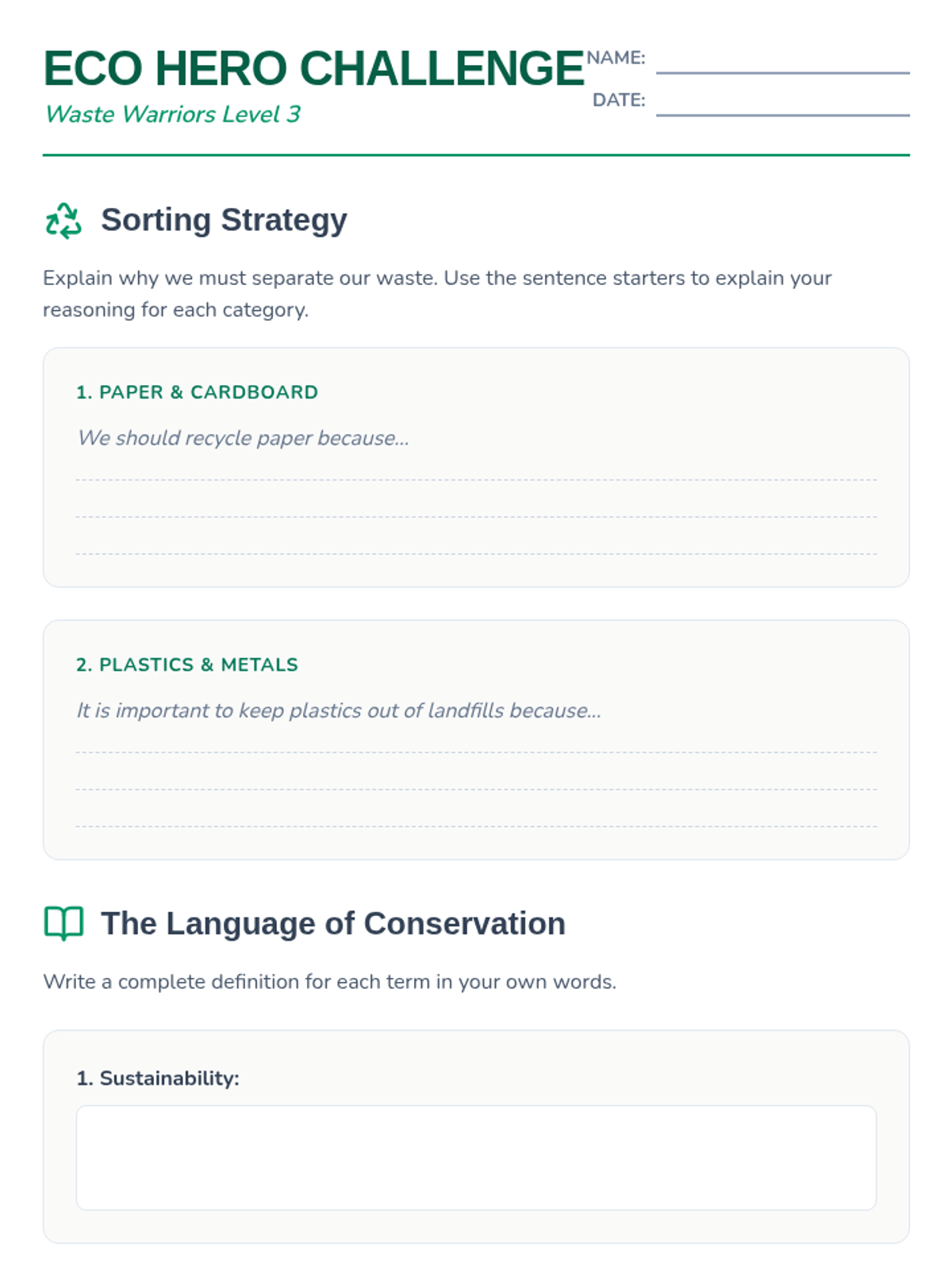
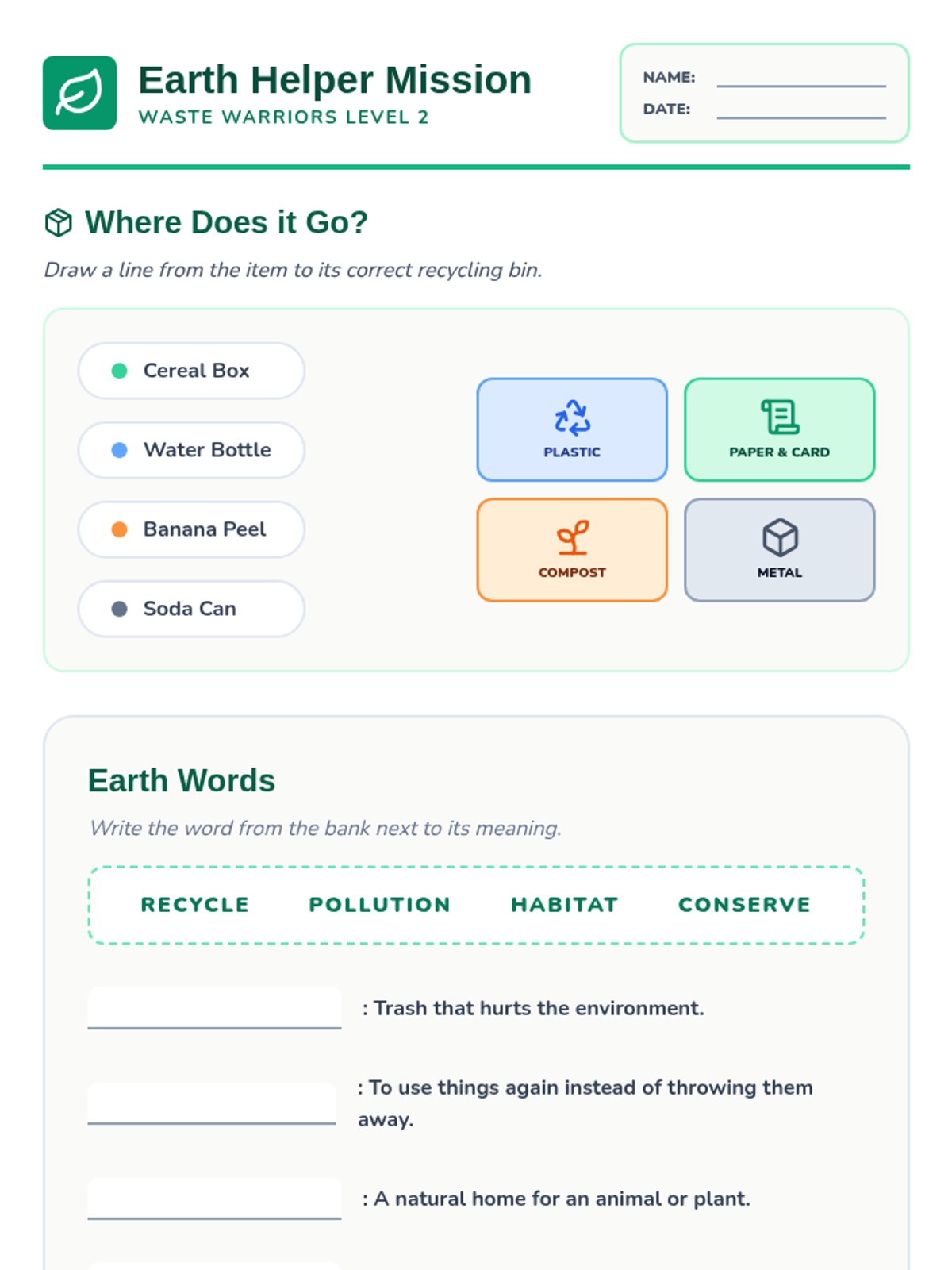
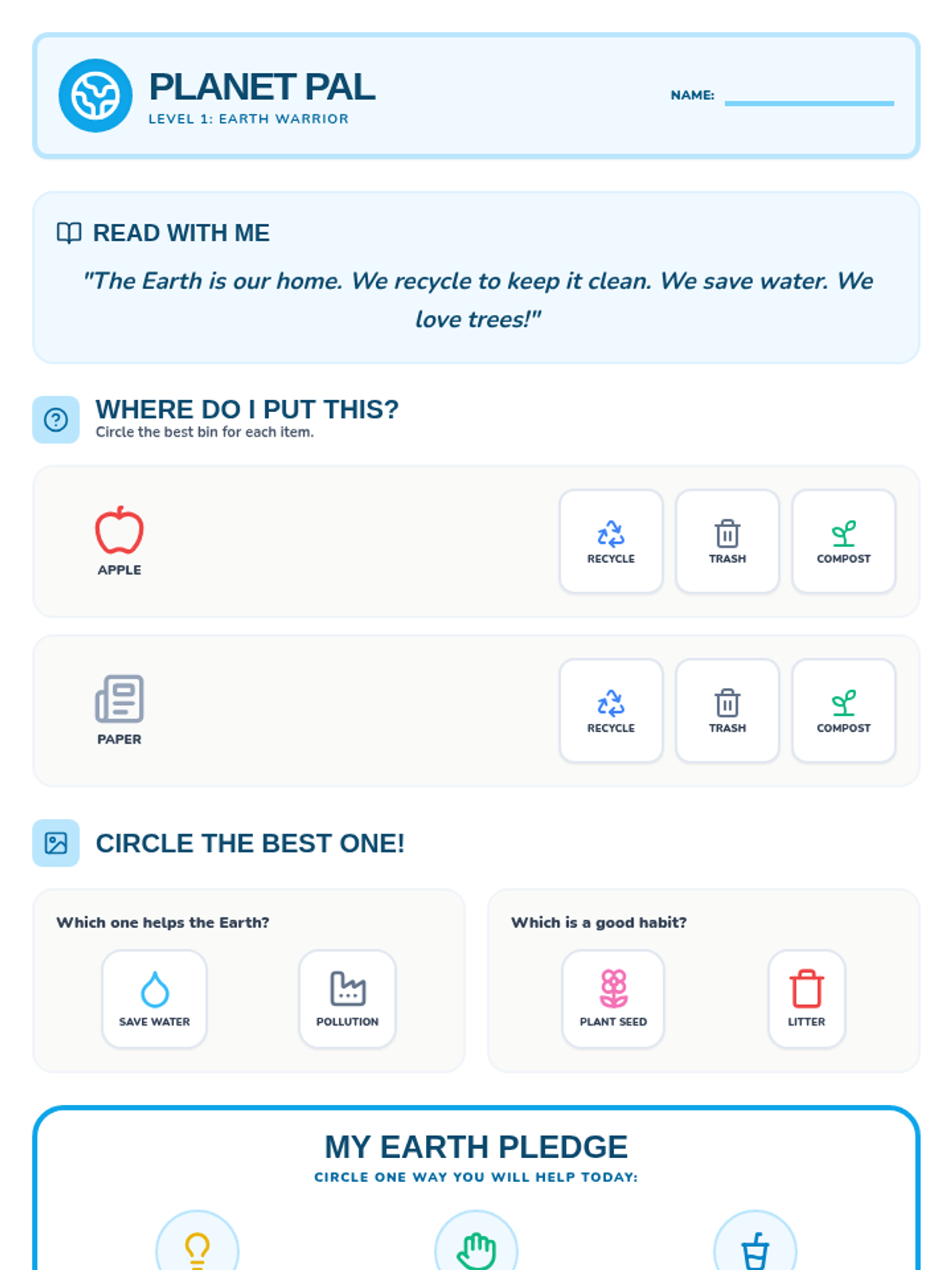
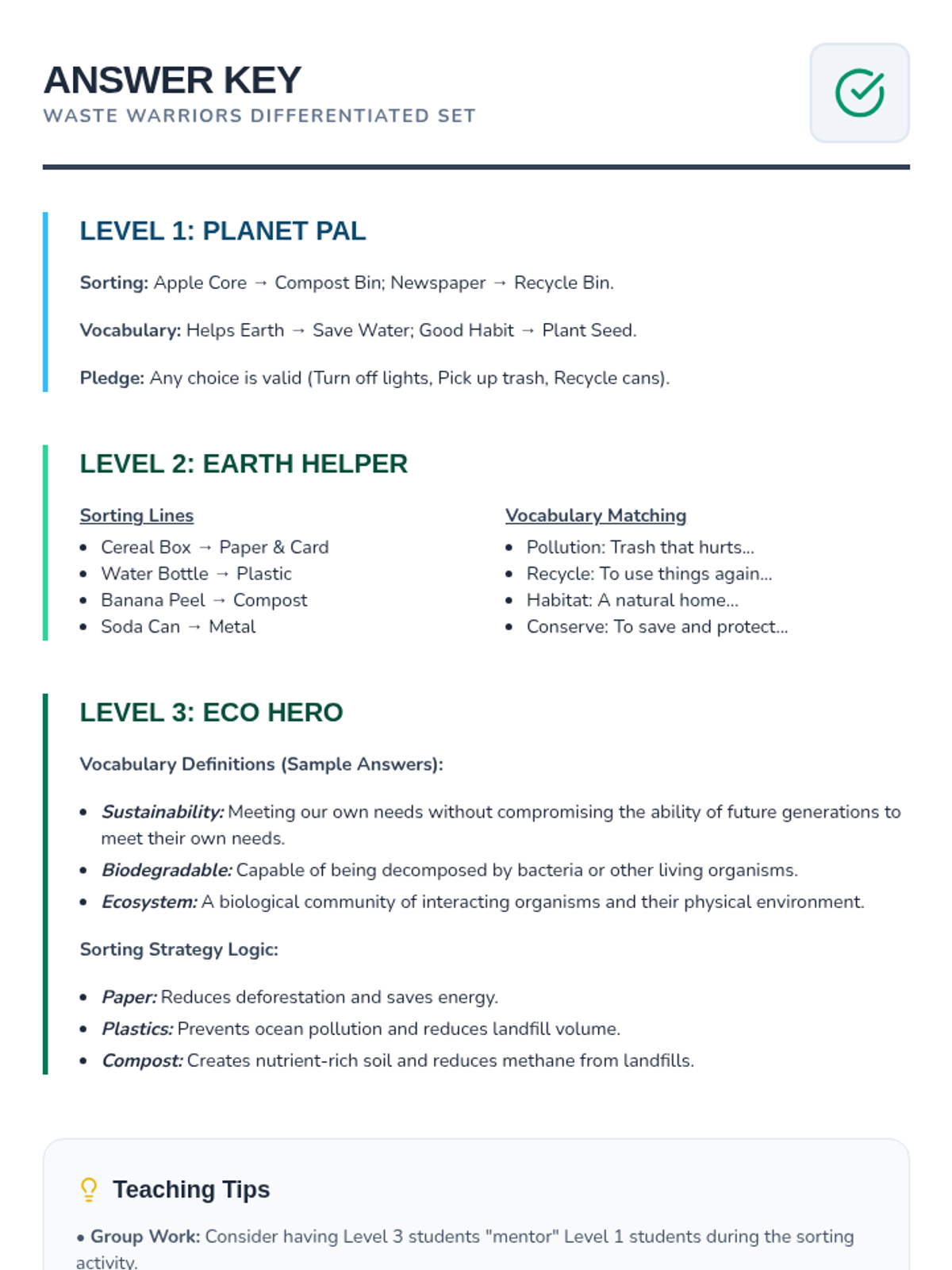
An introductory lesson on waste management and recycling where students practice sorting materials and learning key environmental vocabulary.
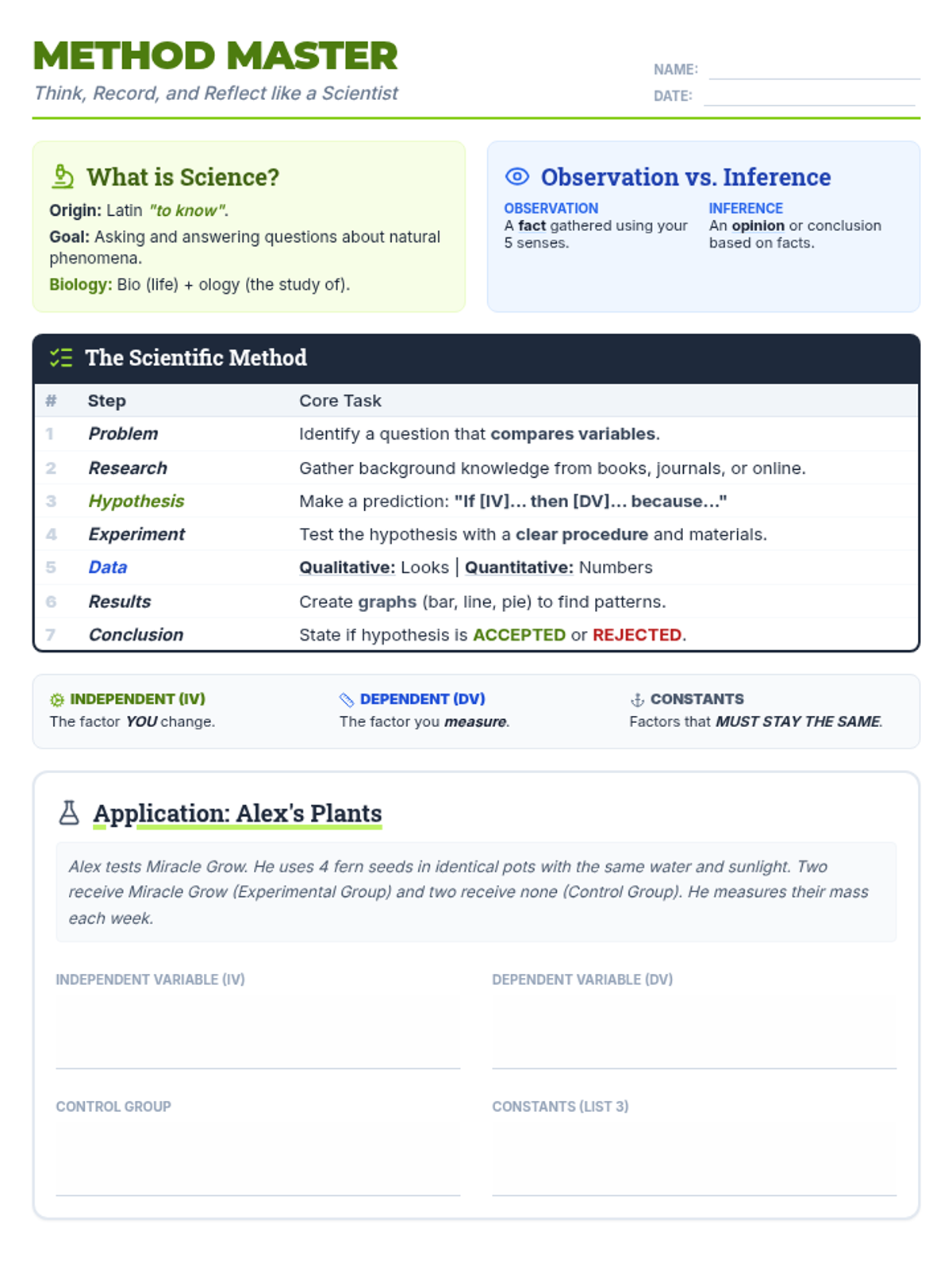
A foundational lesson on the Scientific Method, covering definitions, steps, variables, and data collection methods.
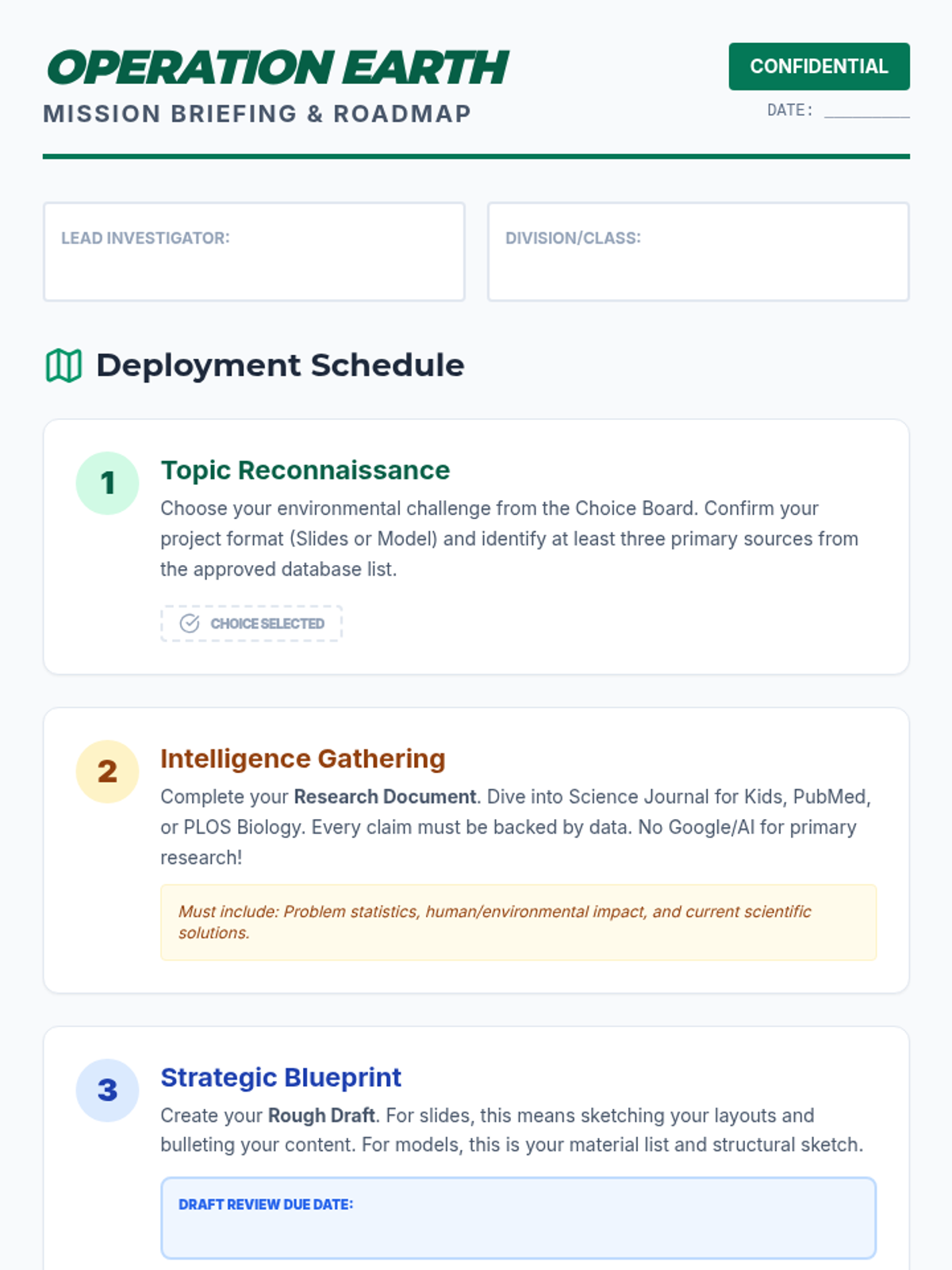
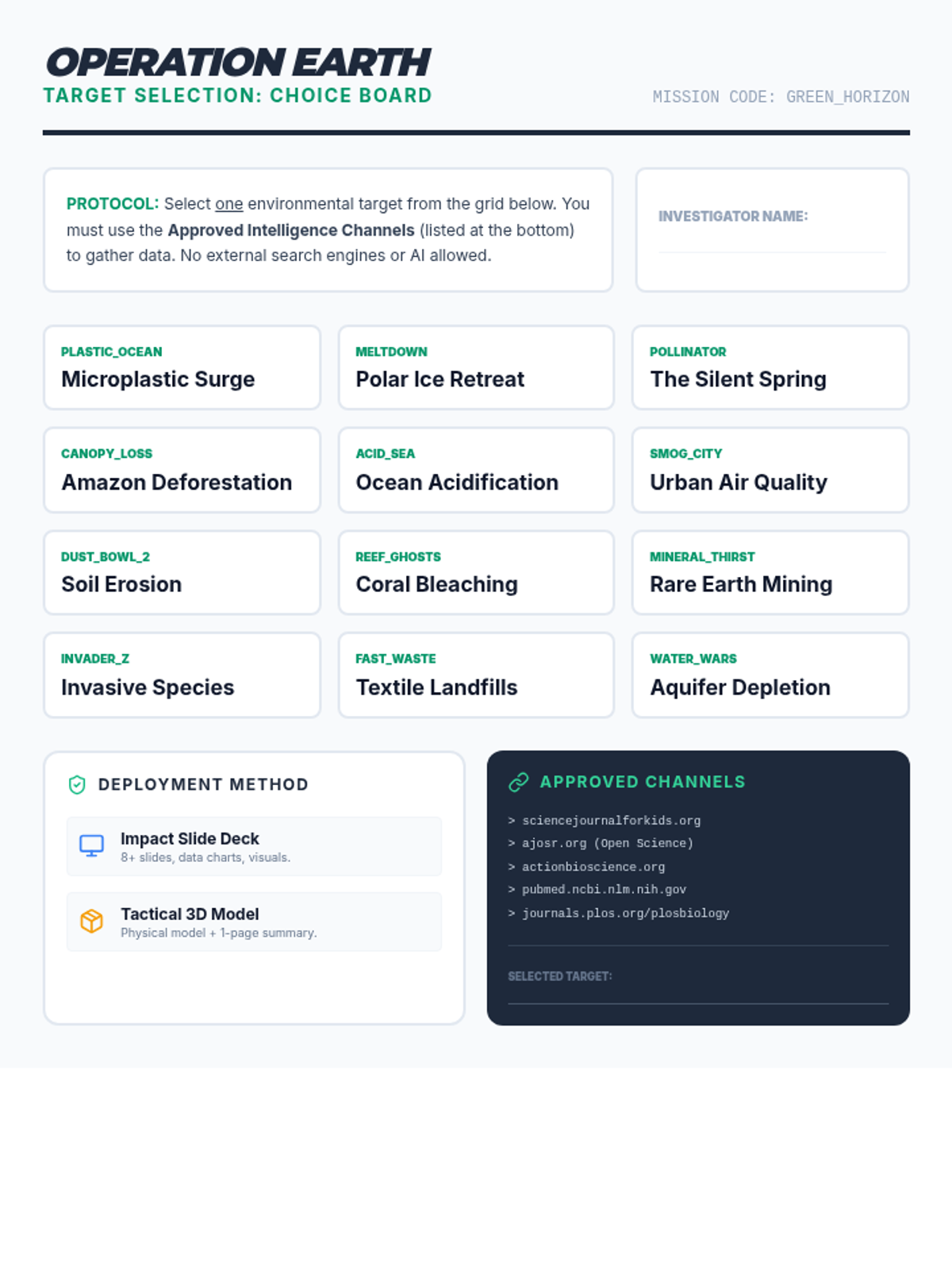
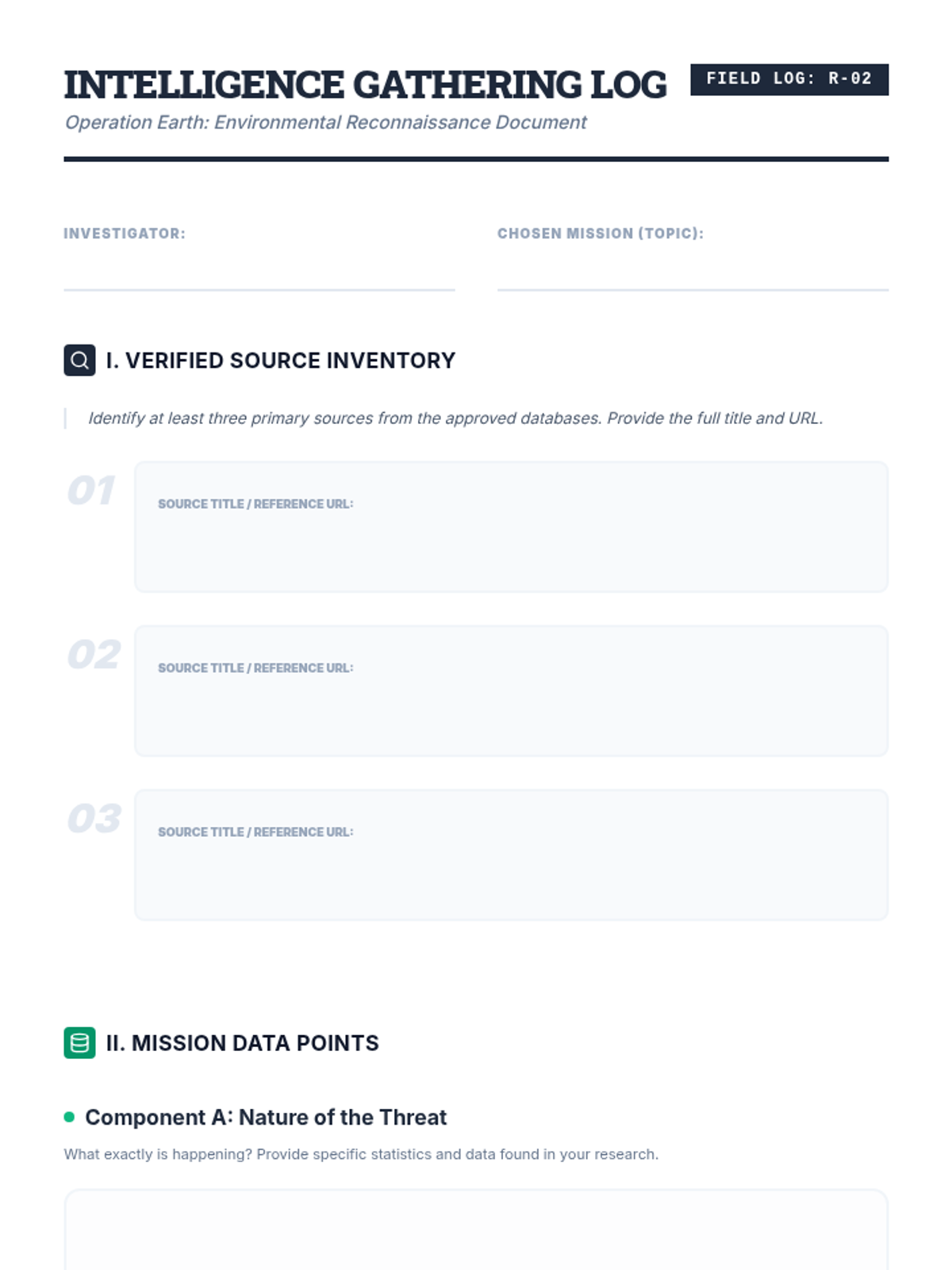
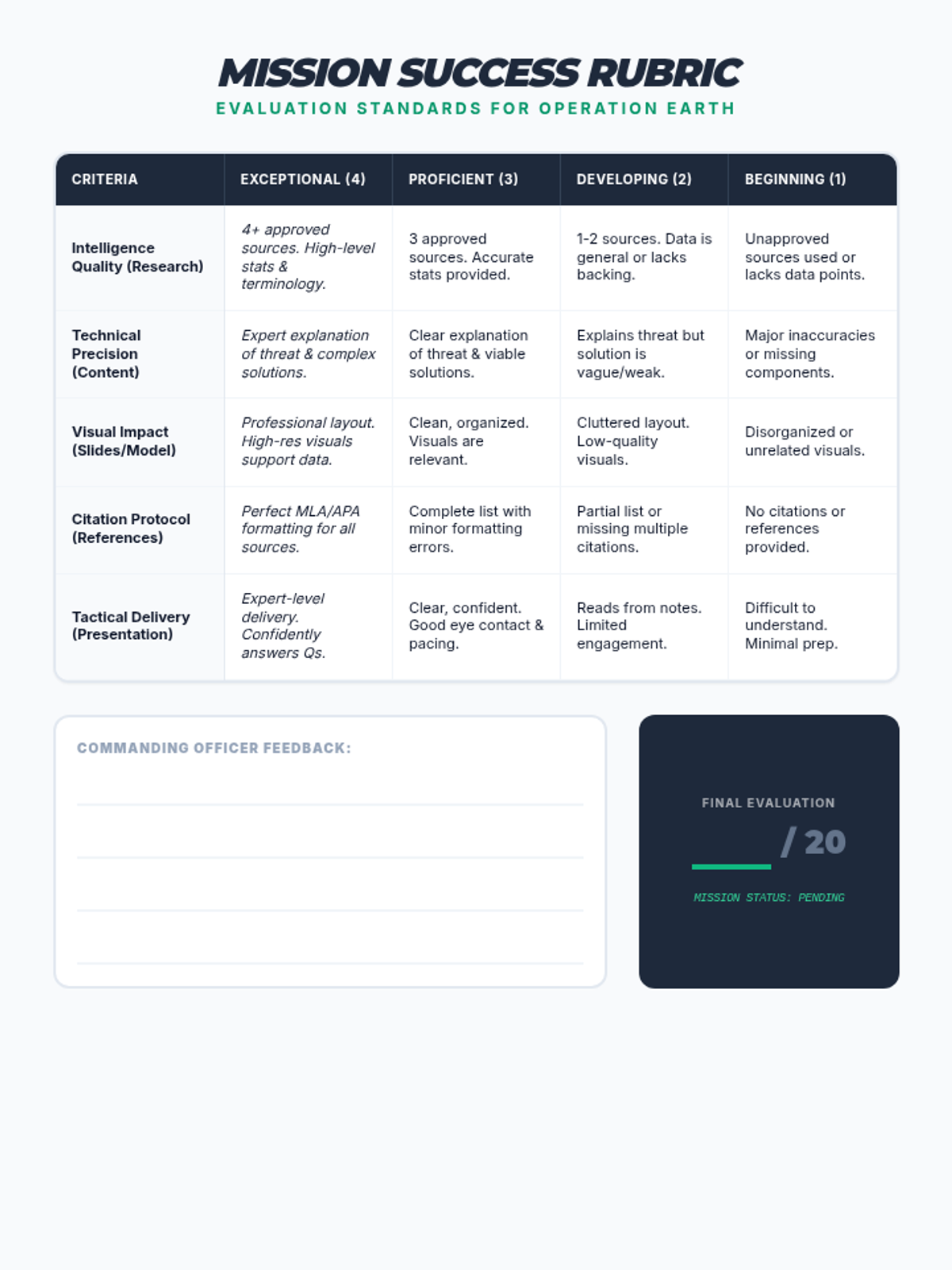
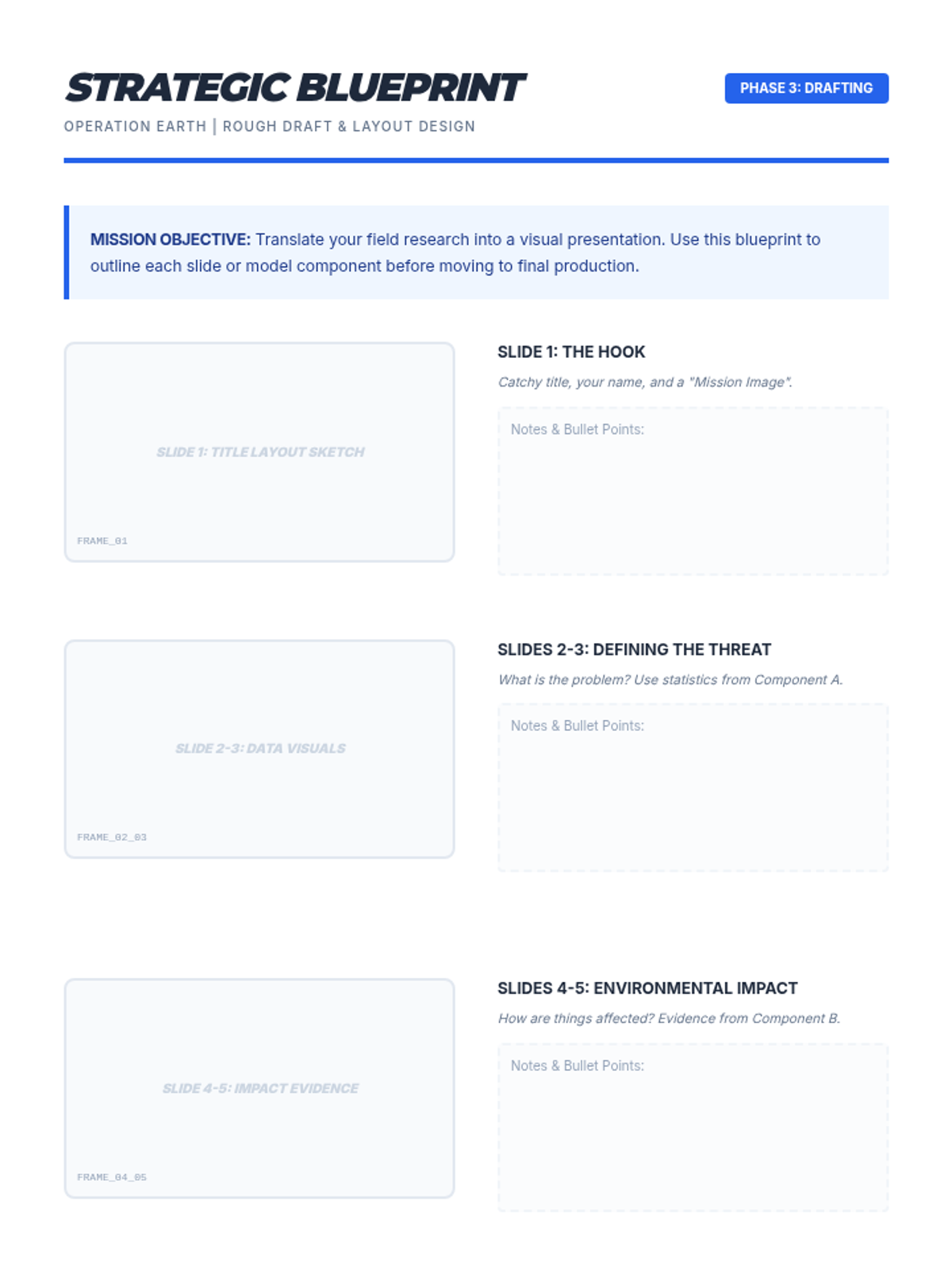
A comprehensive environmental science project broken into manageable phases, from research to final presentation. Students investigate global environmental challenges and propose solutions through a 'mission-based' framework.
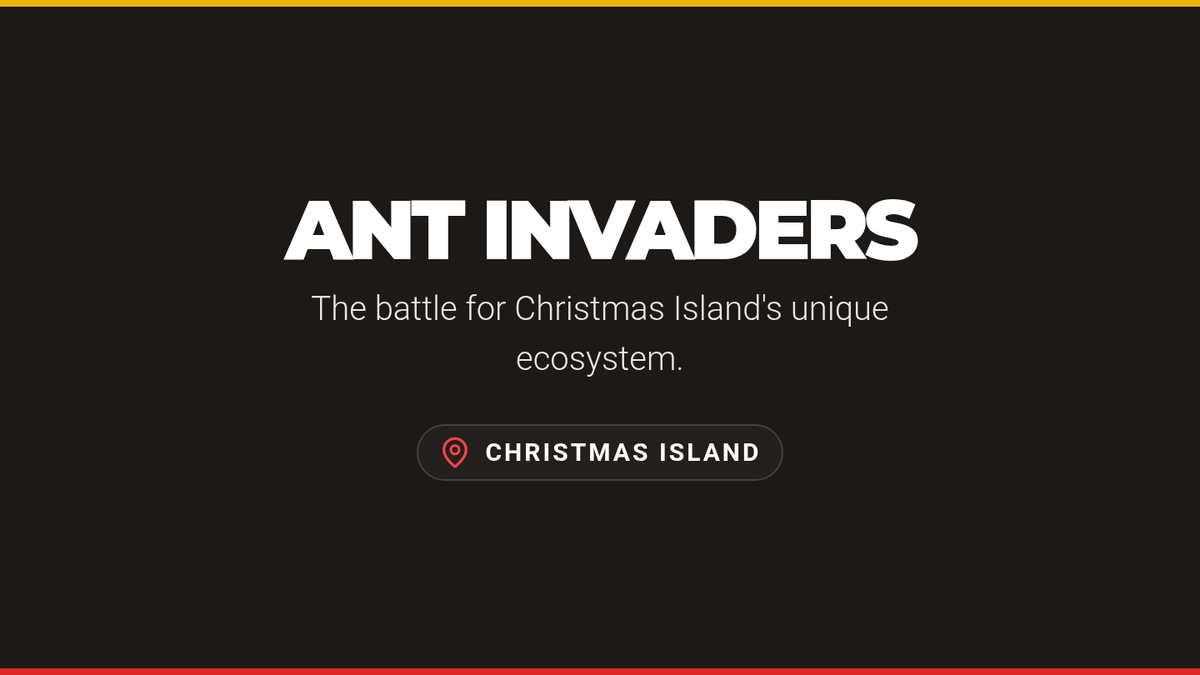
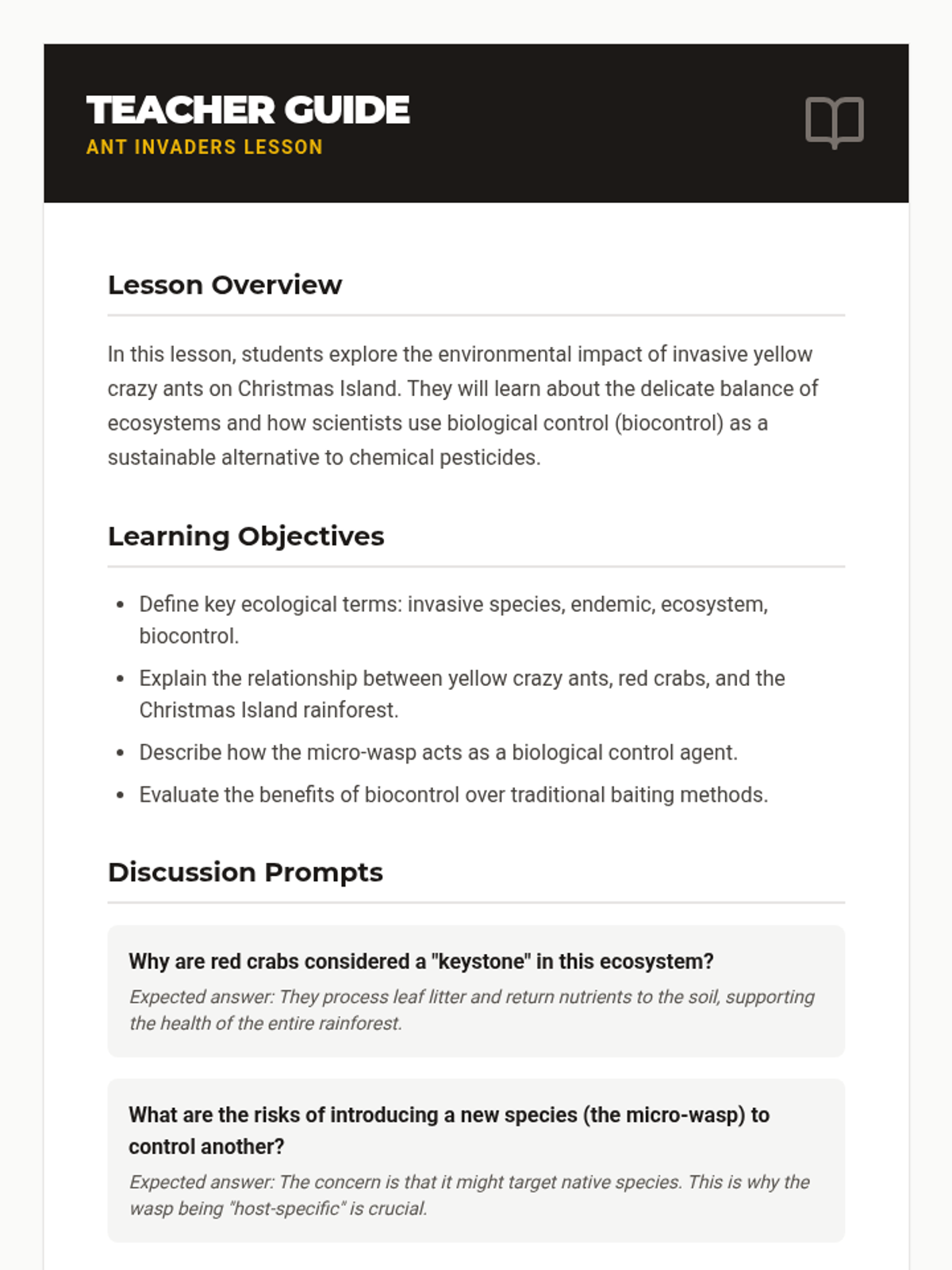
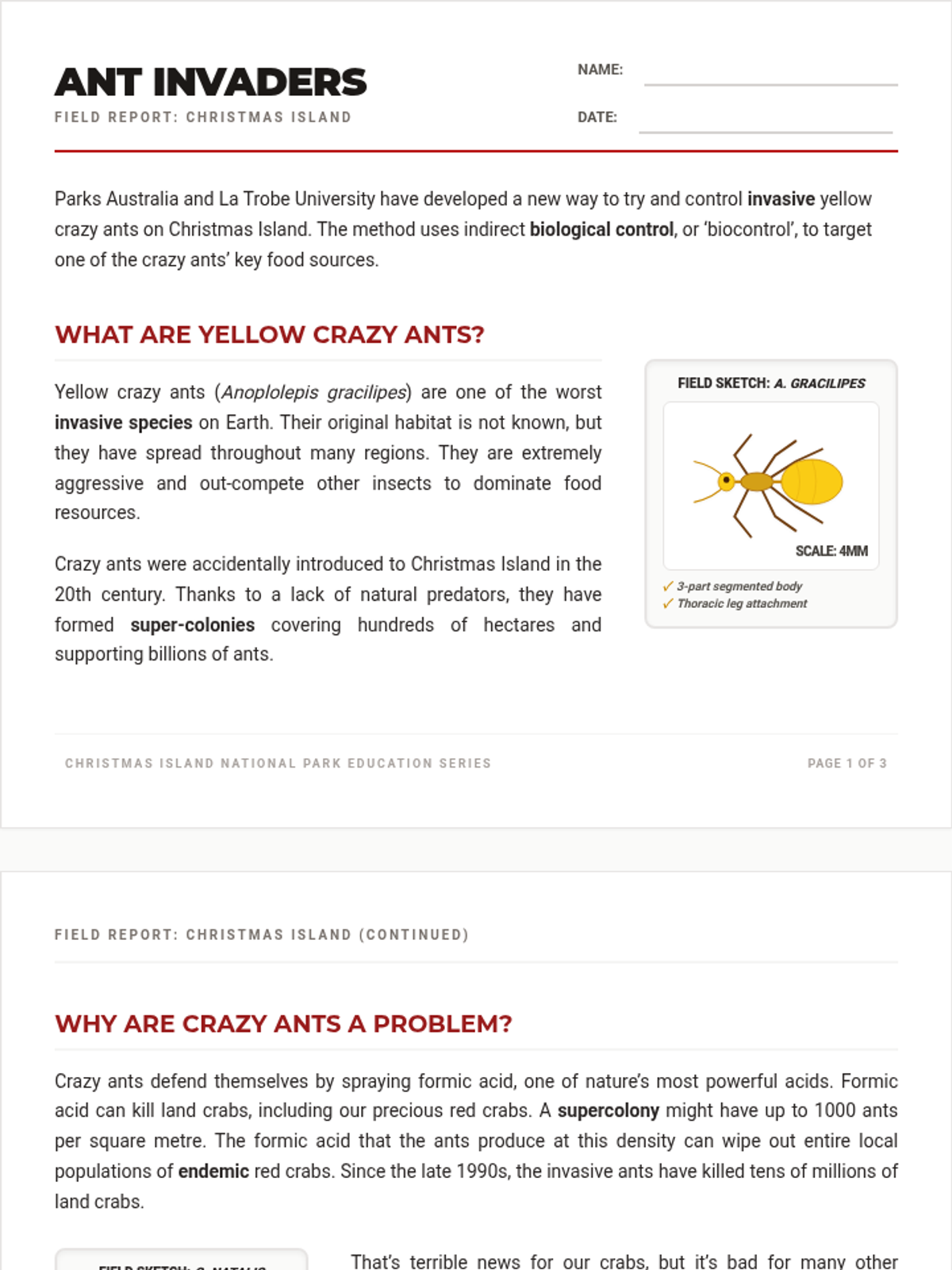
A lesson exploring the impact of invasive yellow crazy ants on Christmas Island's ecosystem and the innovative biocontrol methods used to manage them.
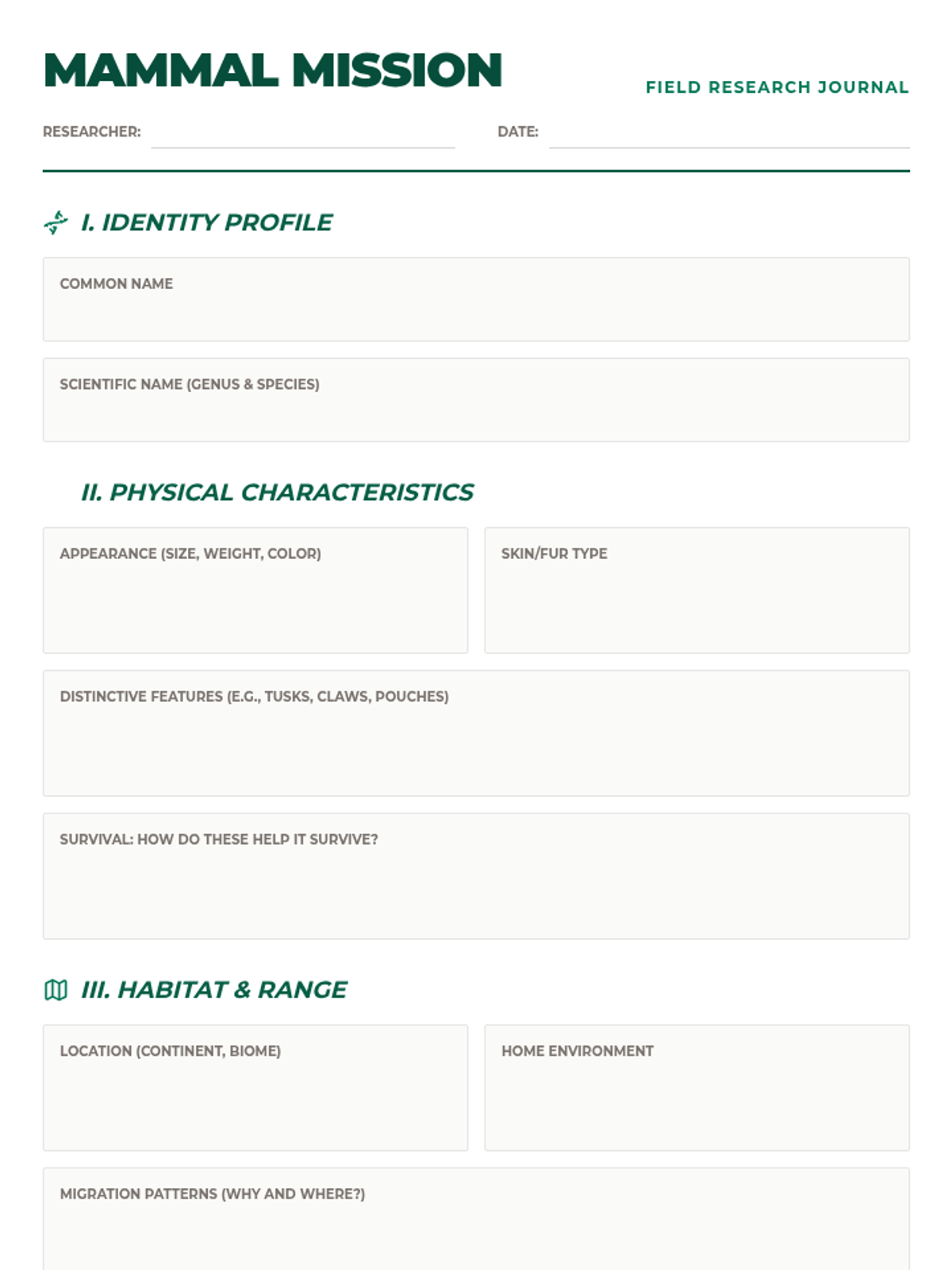
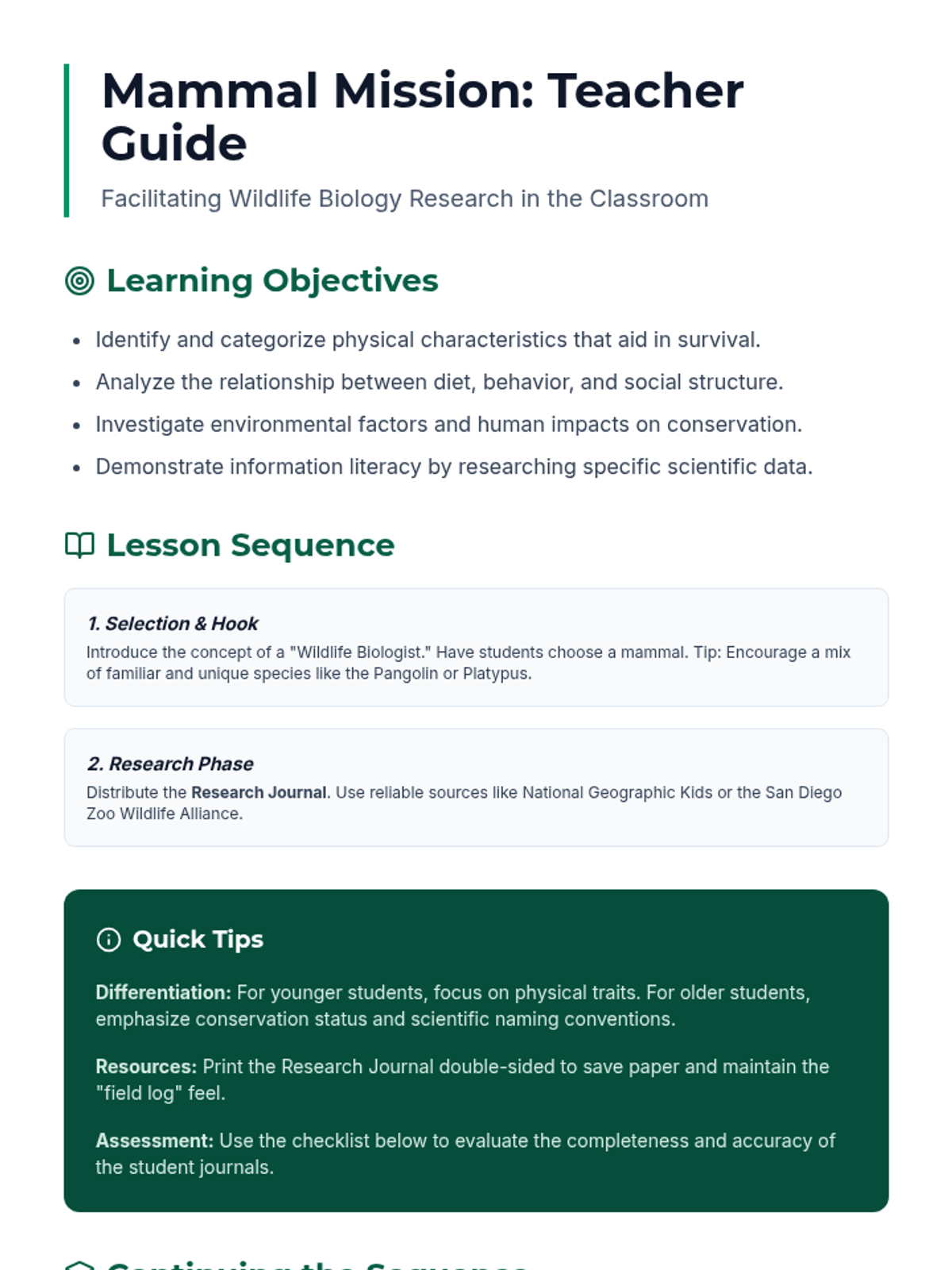
A research-focused lesson where students step into the shoes of a wildlife biologist to document the physical traits, habitats, and behaviors of a mammal of their choice.
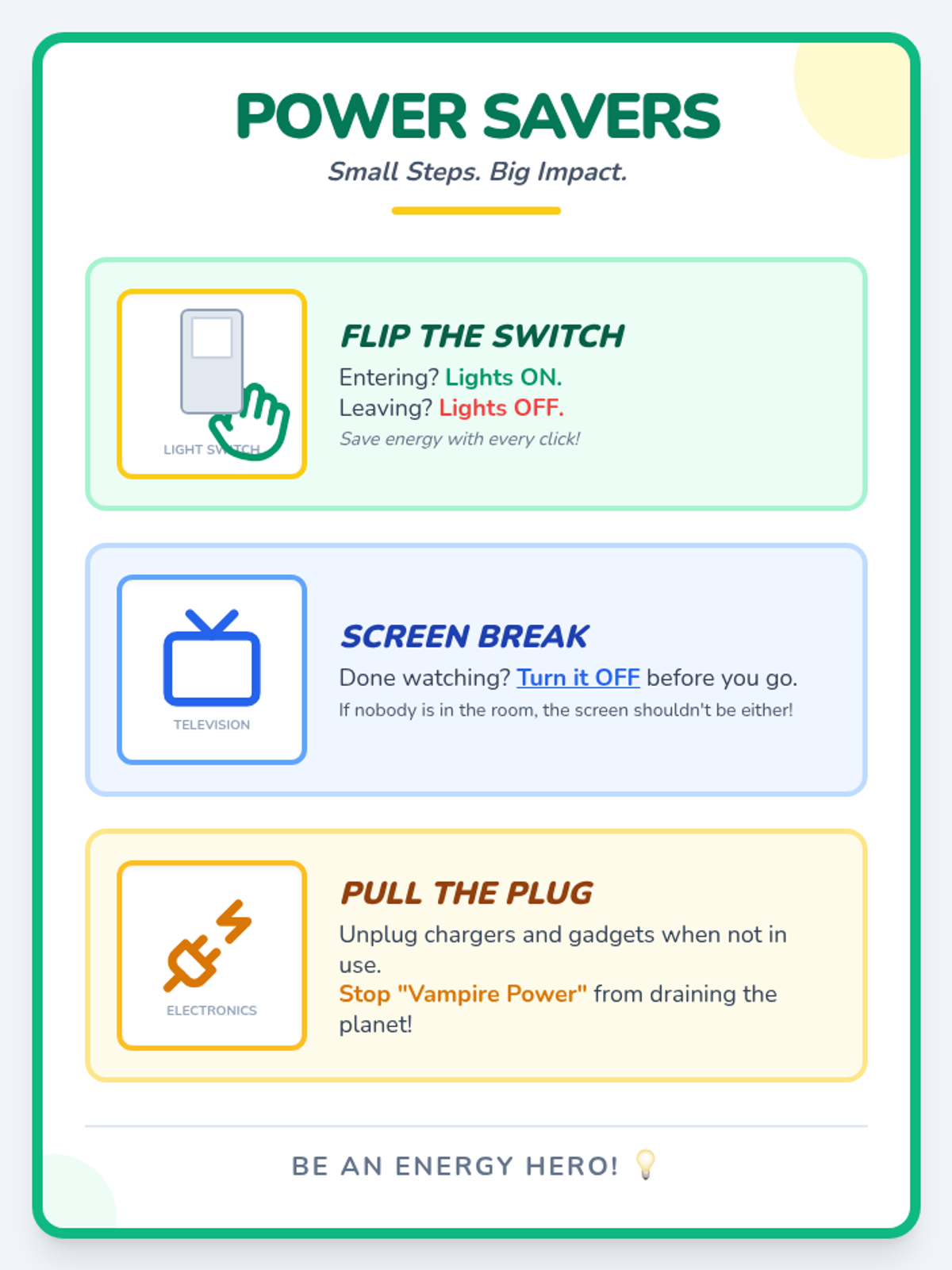
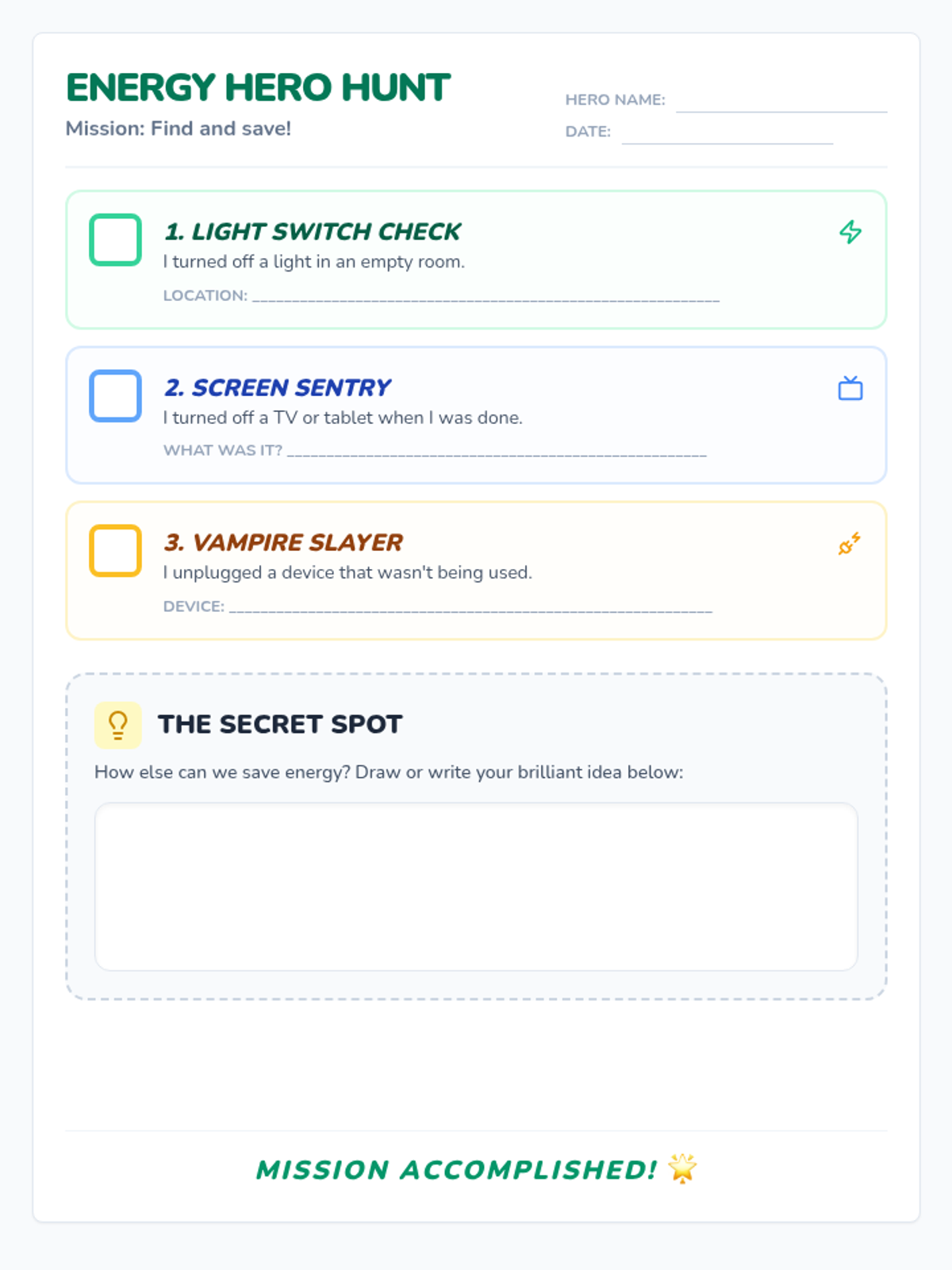
A lesson focused on simple, actionable steps students can take to reduce energy consumption at home and school.
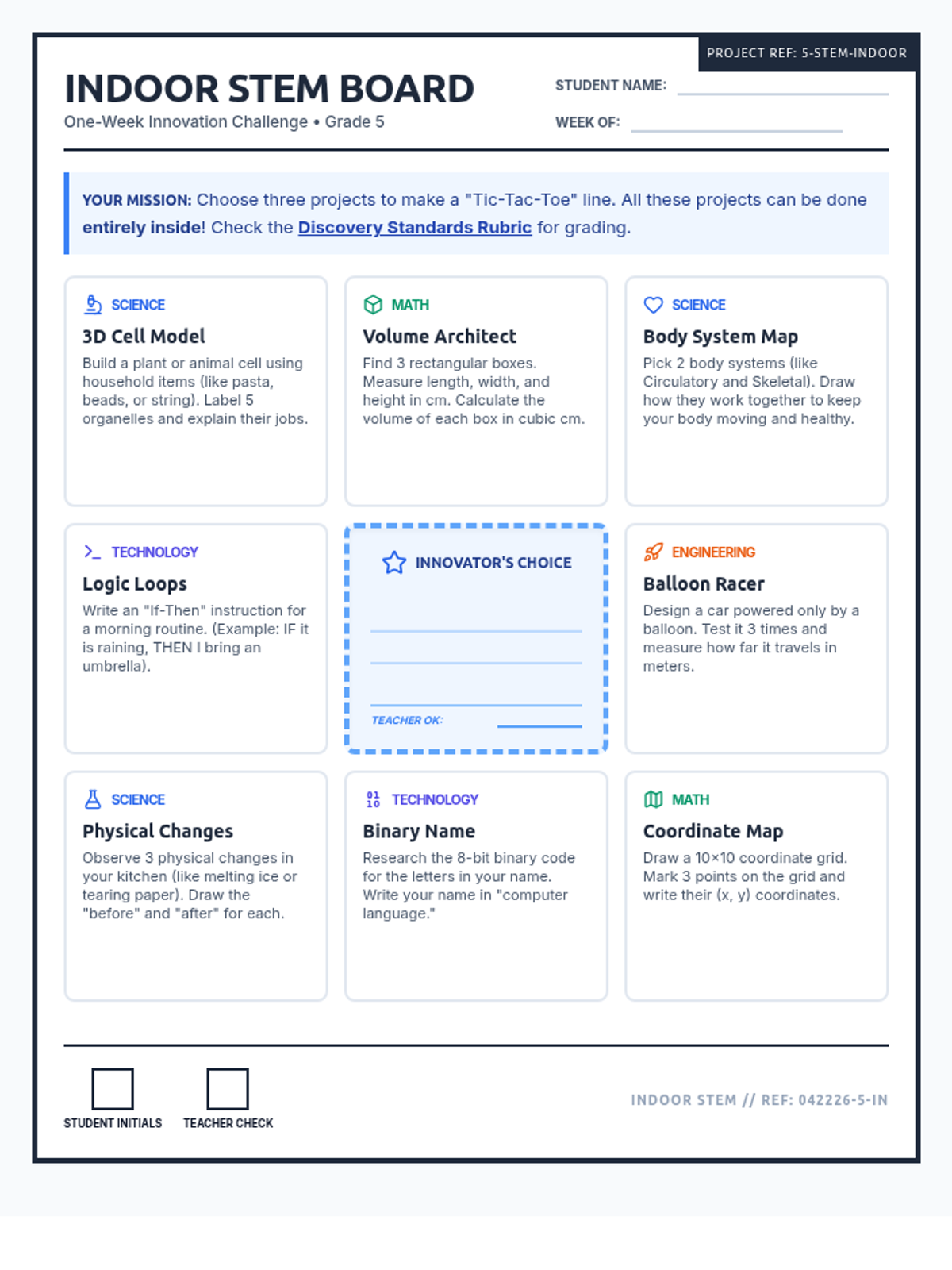
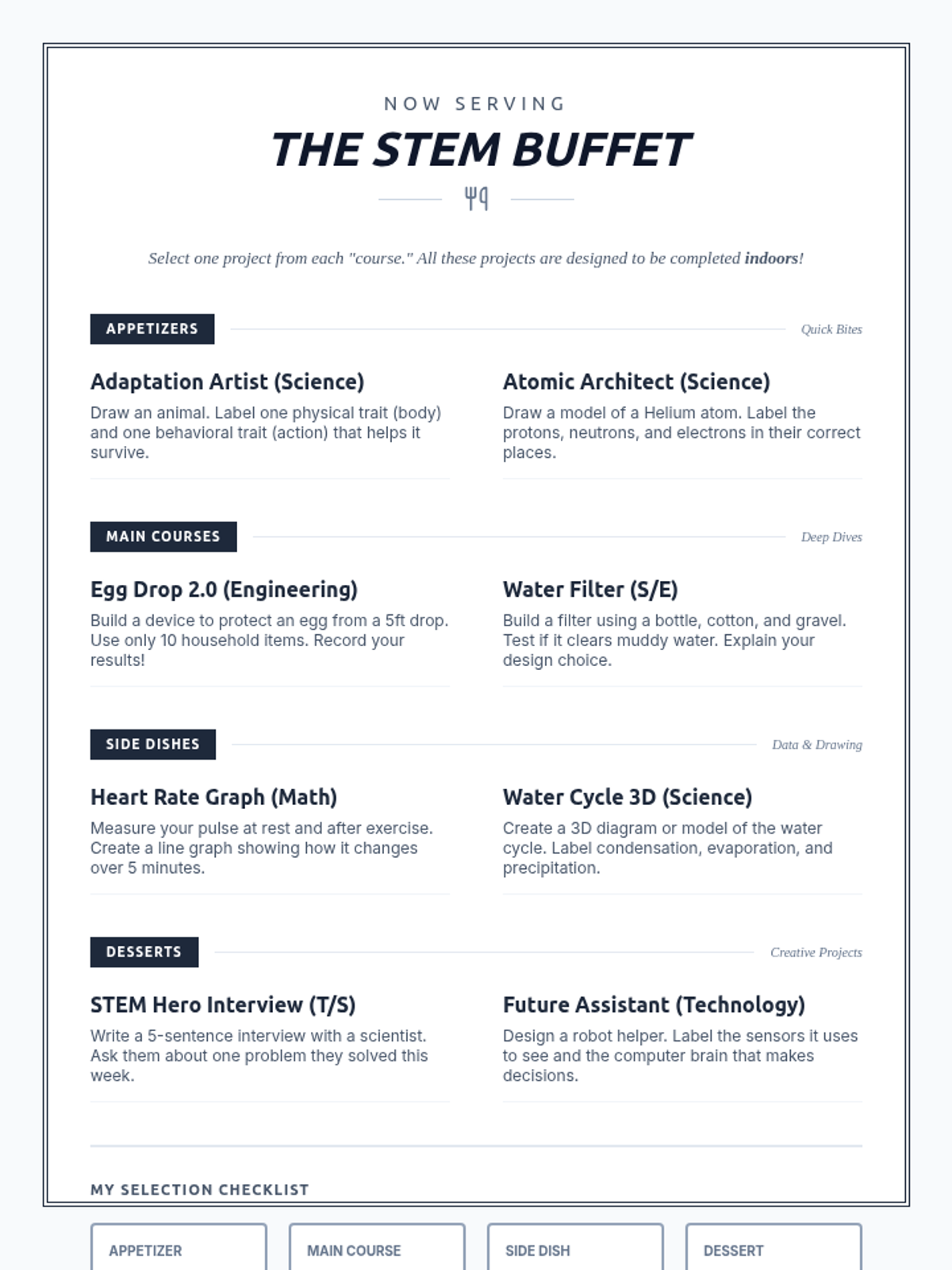
A comprehensive STEM project choice unit designed for 7th-grade students to explore various scientific and engineering topics through self-directed learning and creative output.