A hands-on STEAM lesson where students explore the stages of a plant's life cycle through visual aids, vocabulary building, and a planting activity.
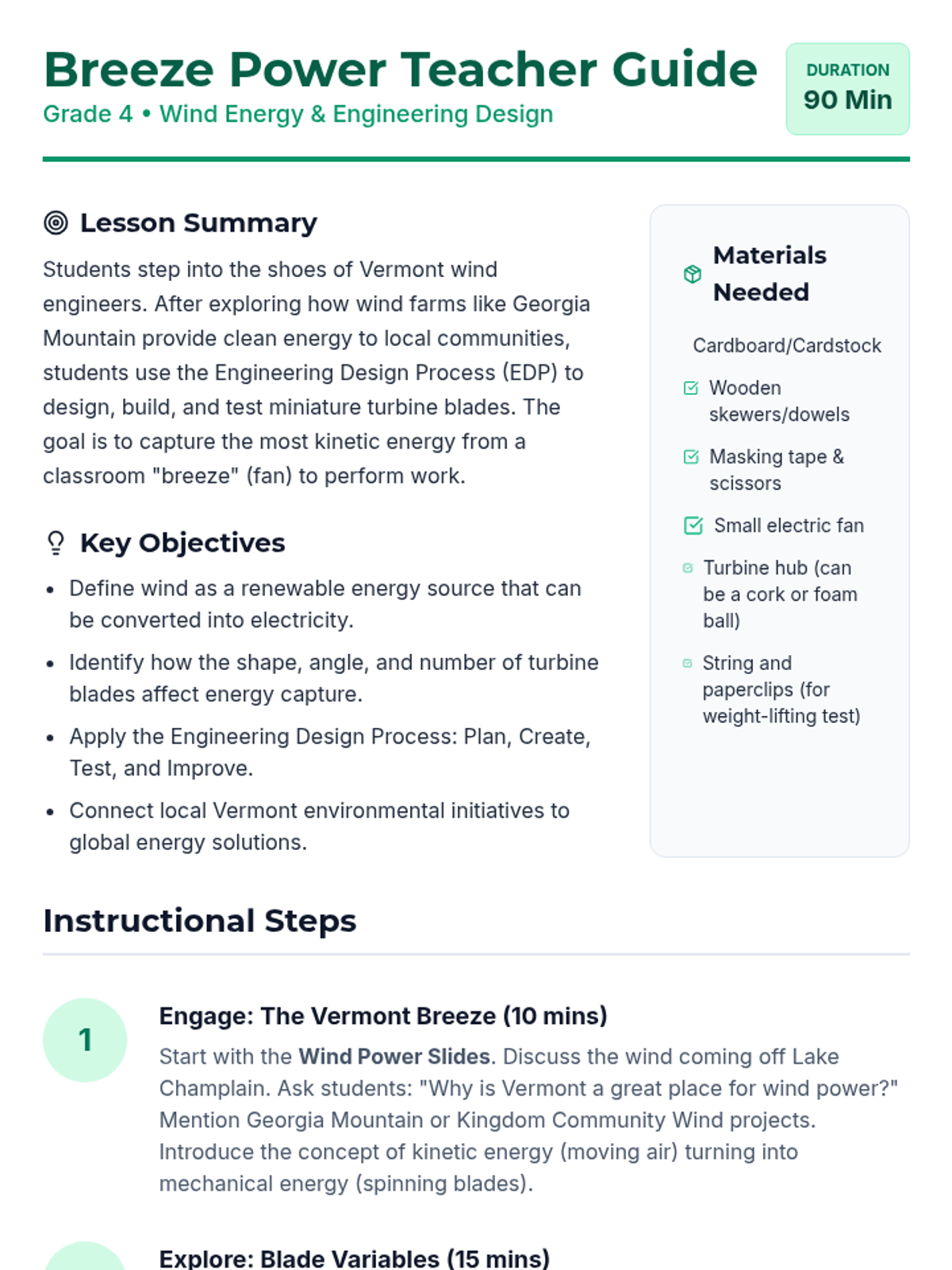
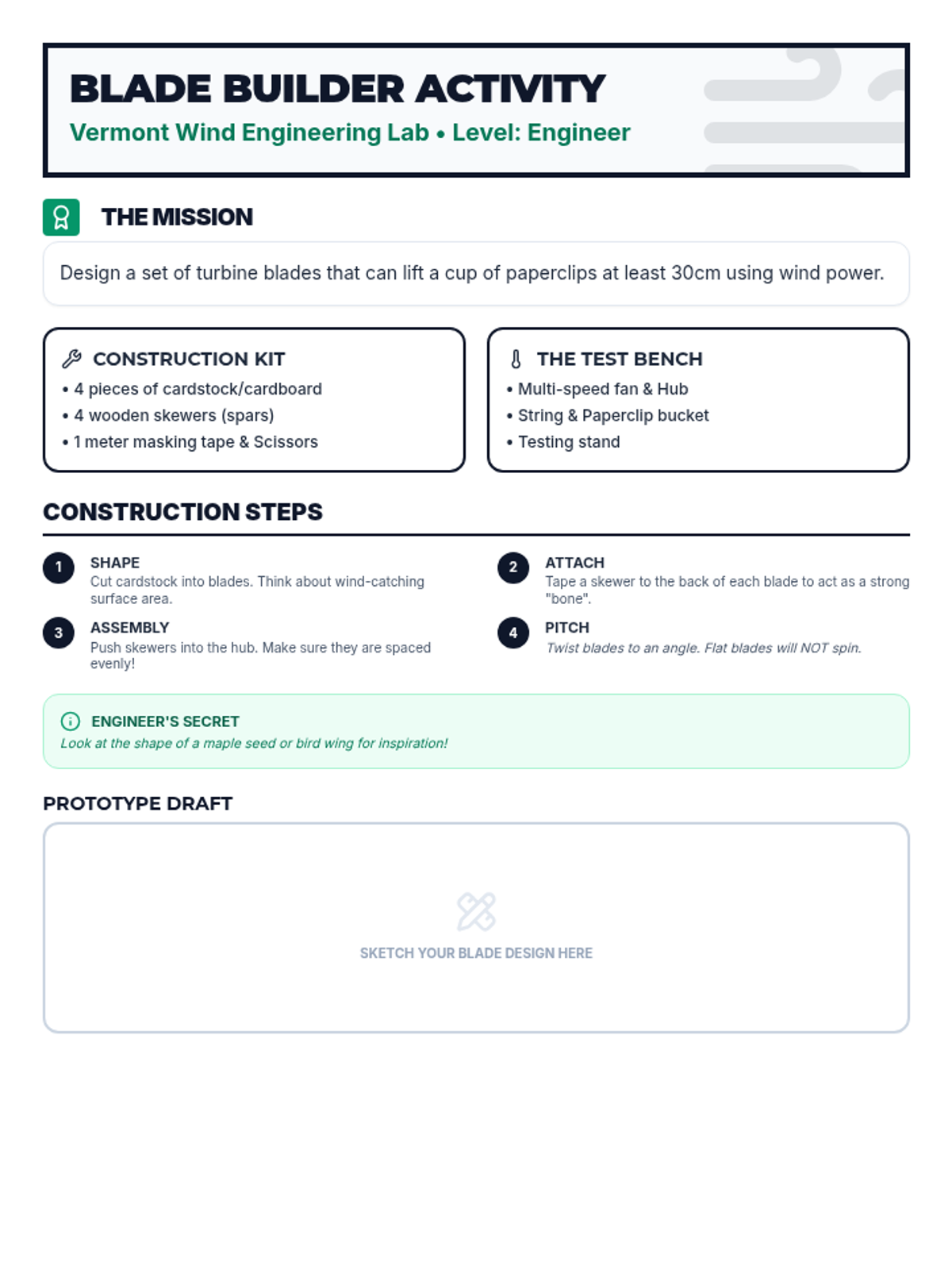
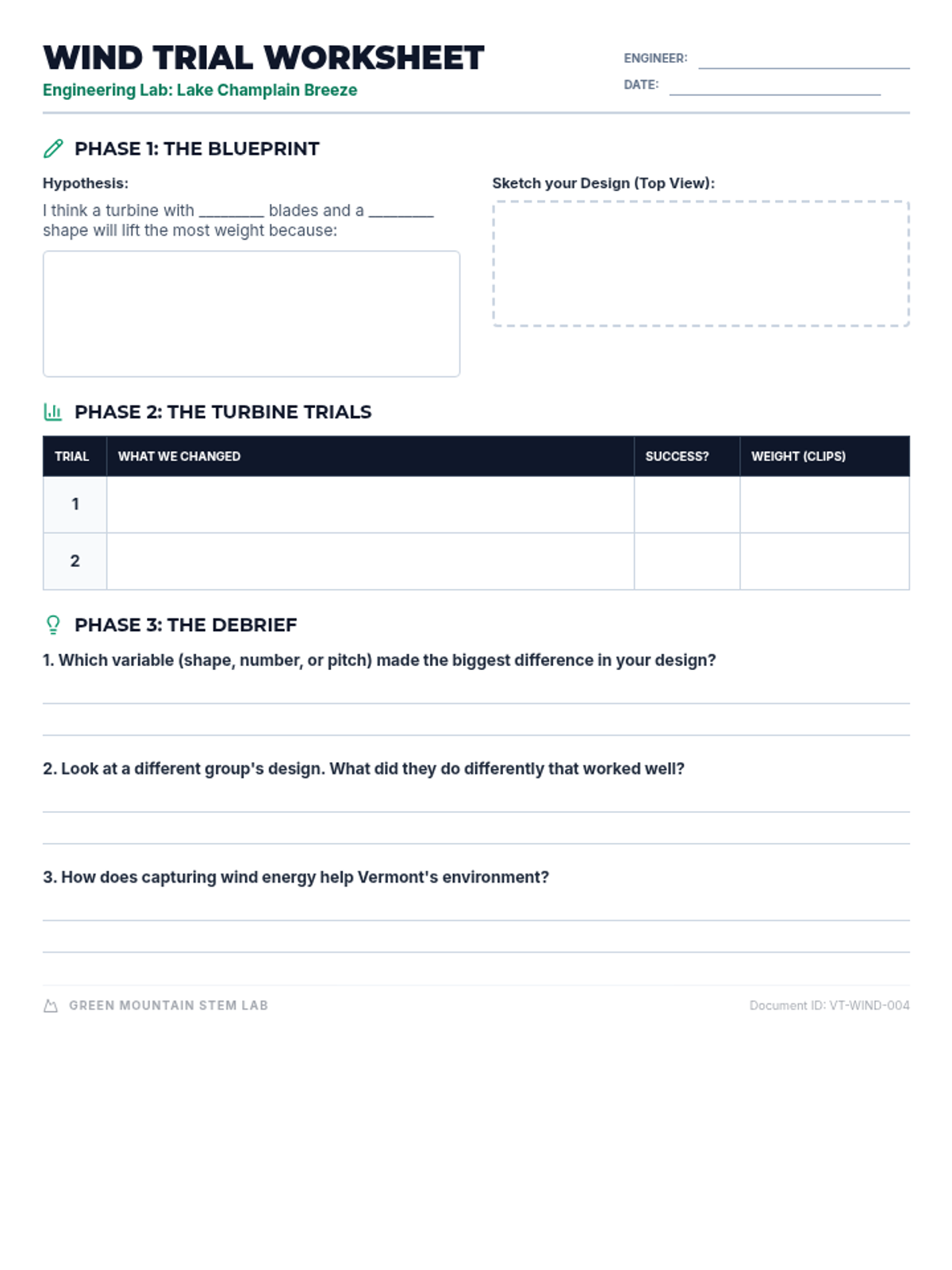
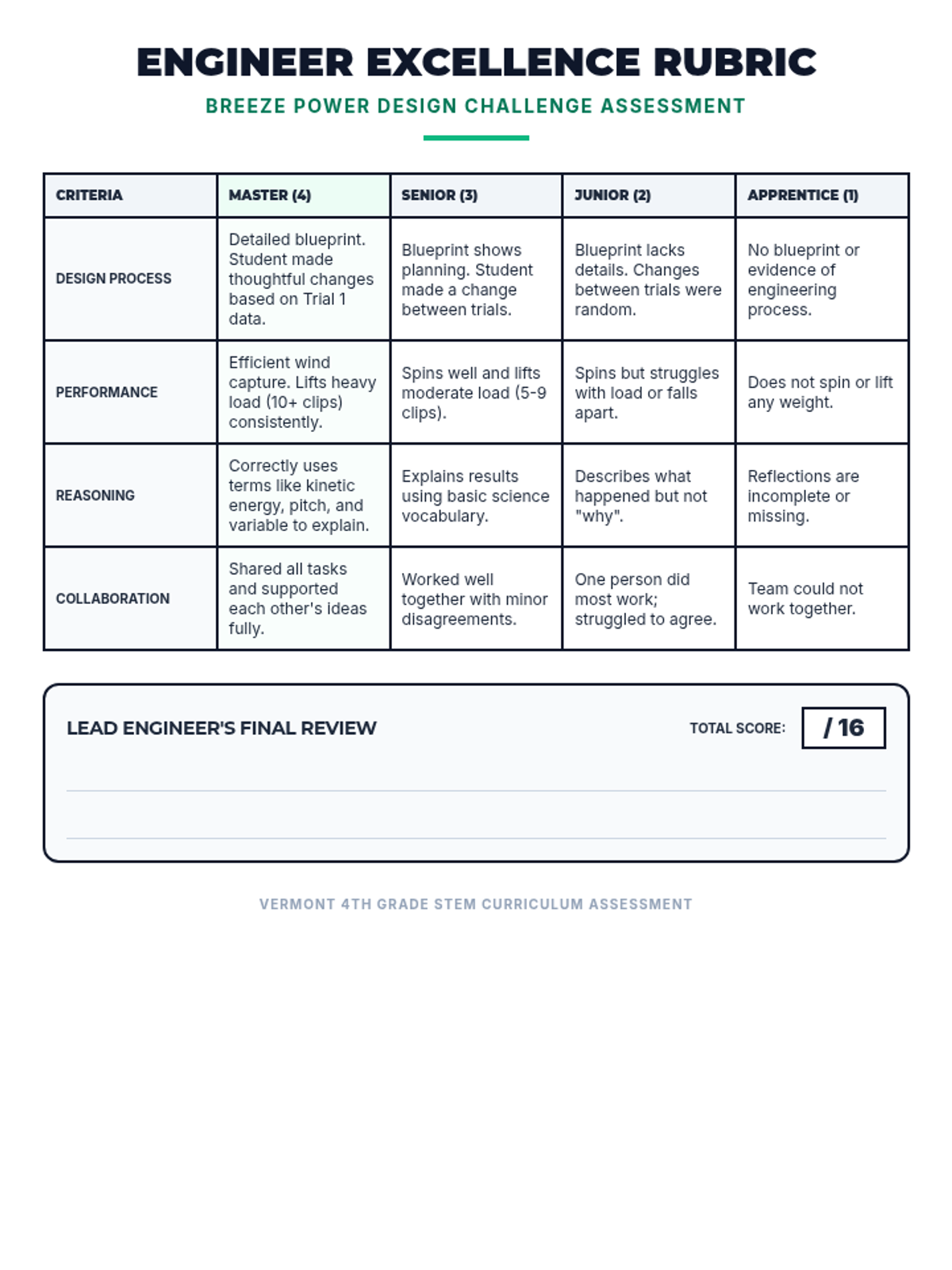
In this STEM-focused lesson, 4th-grade scientists investigate wind energy by designing and testing miniature turbine blades. They explore Vermont's renewable energy landscape and apply the engineering design process to optimize power output.
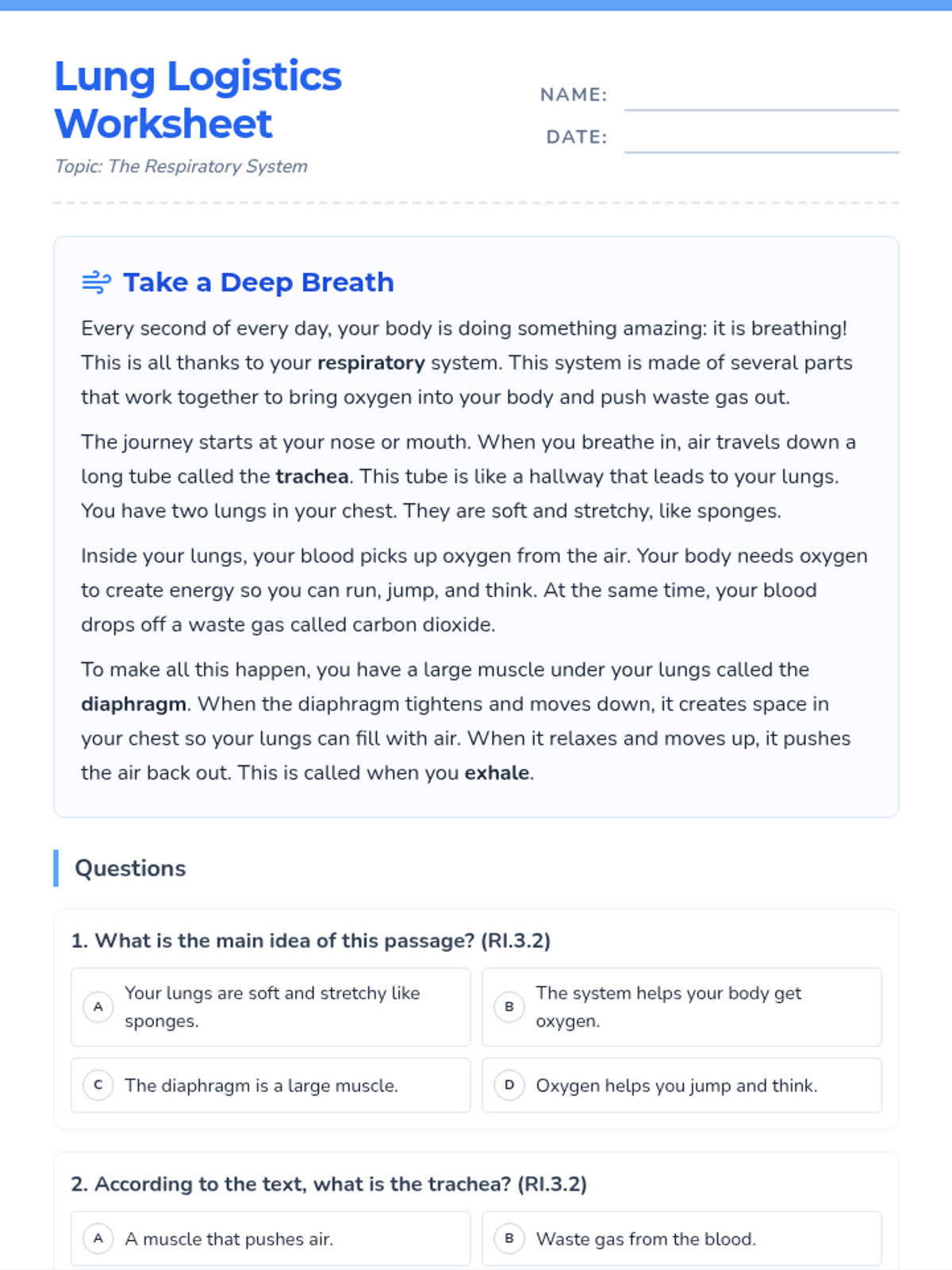
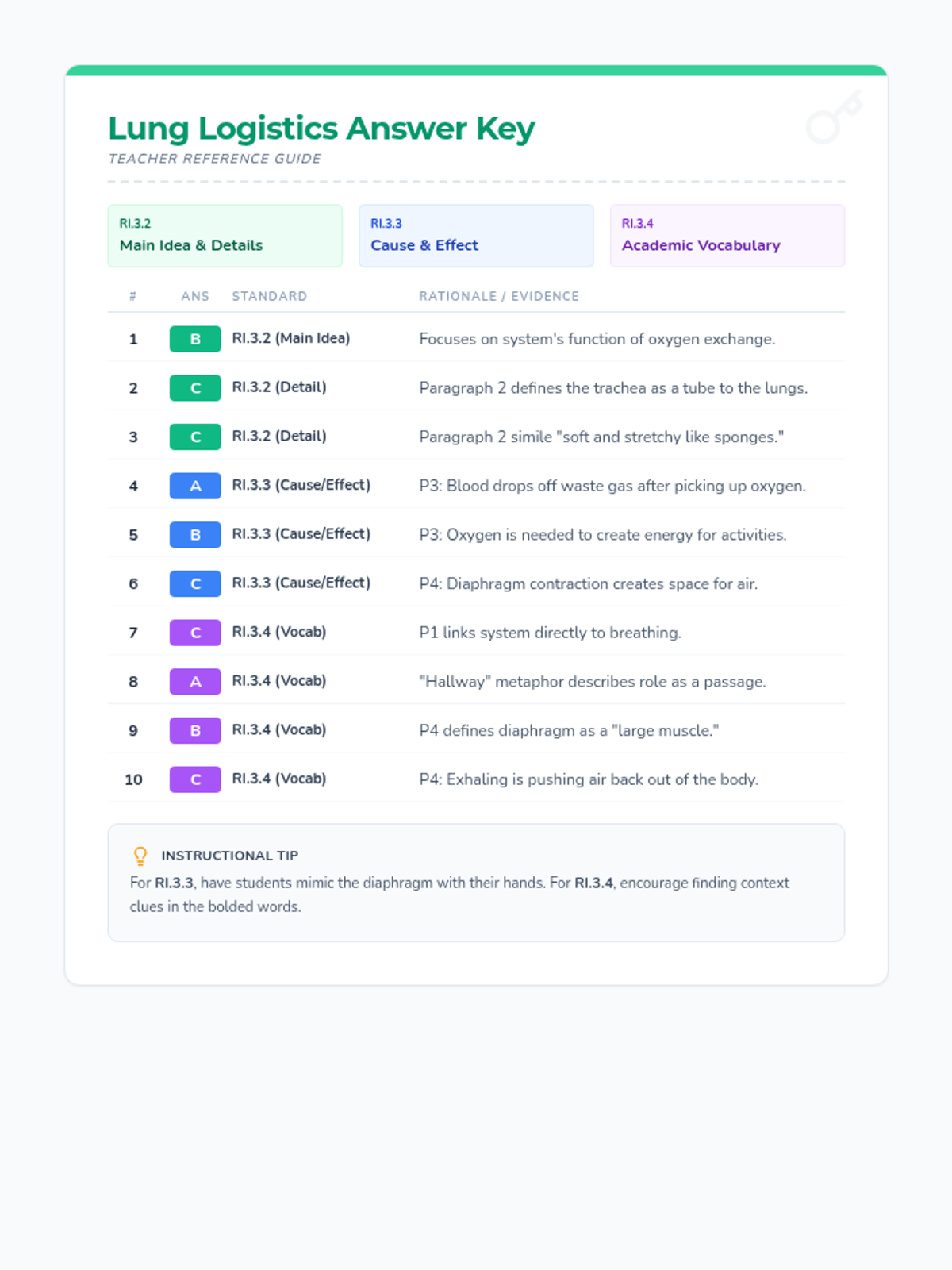
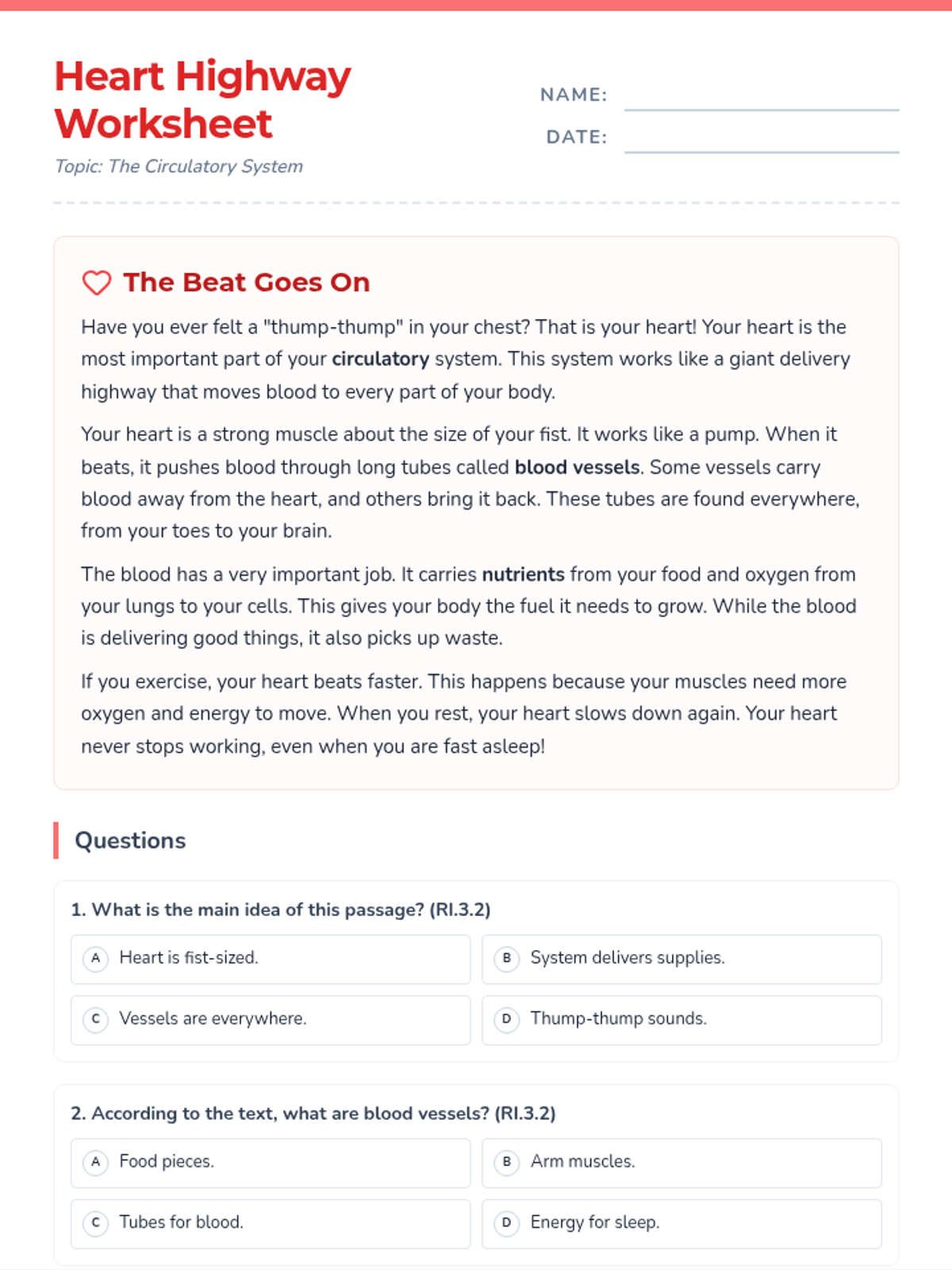
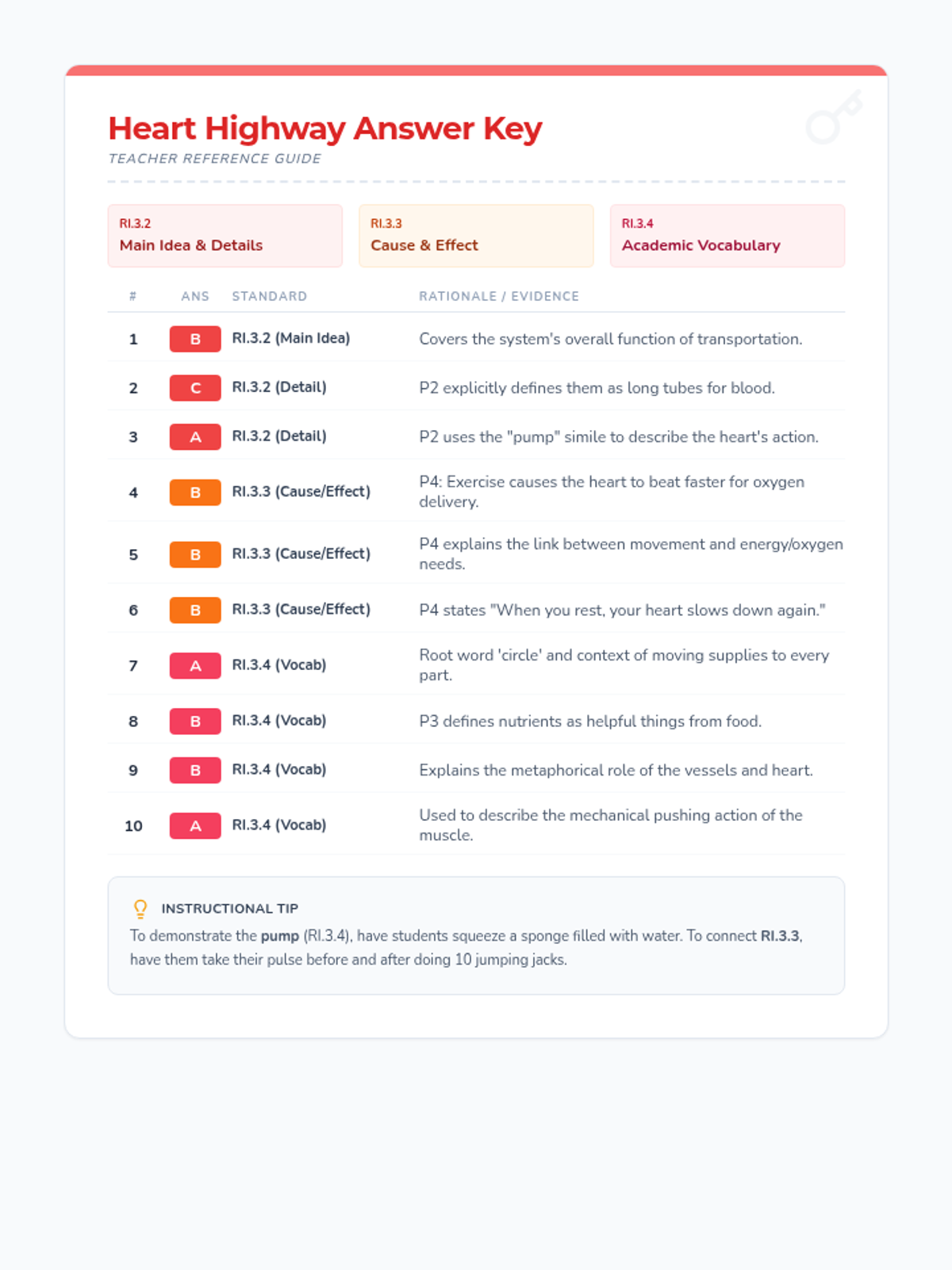
A series of reading comprehension materials exploring major human body systems, focusing on the respiratory and circulatory systems. Aligned to 3rd-grade NC ELA standards for main idea, cause and effect, and academic vocabulary.
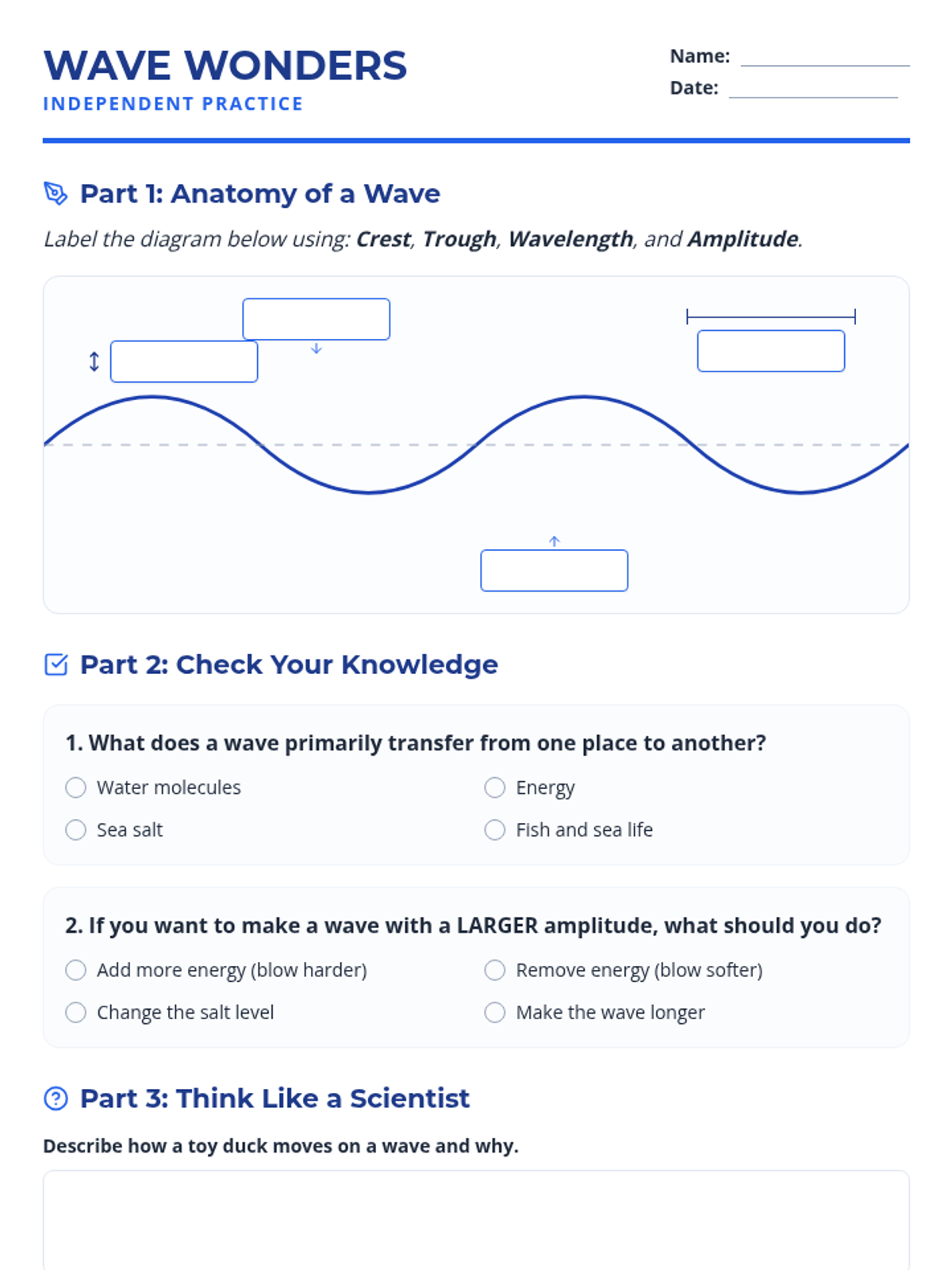
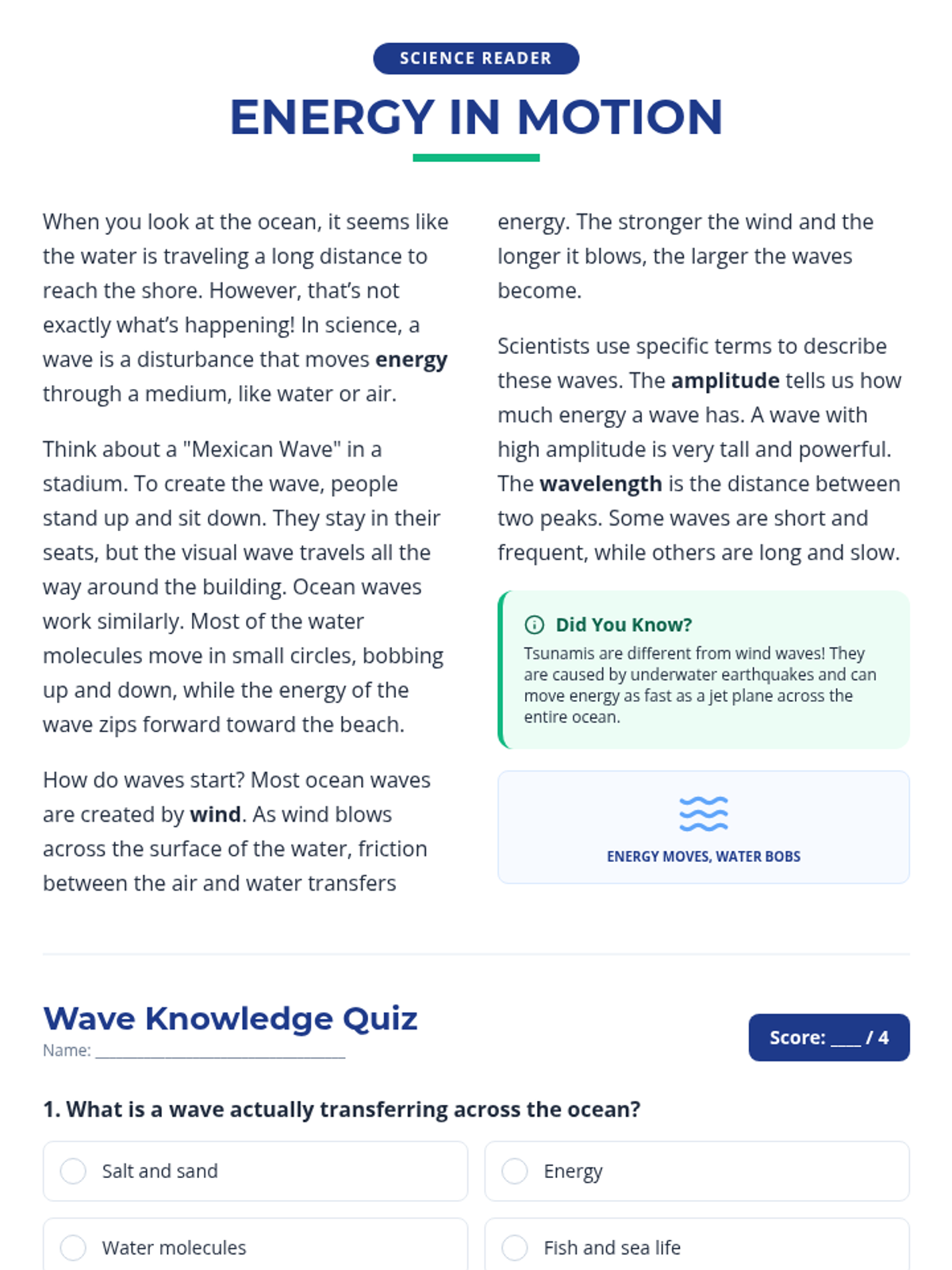
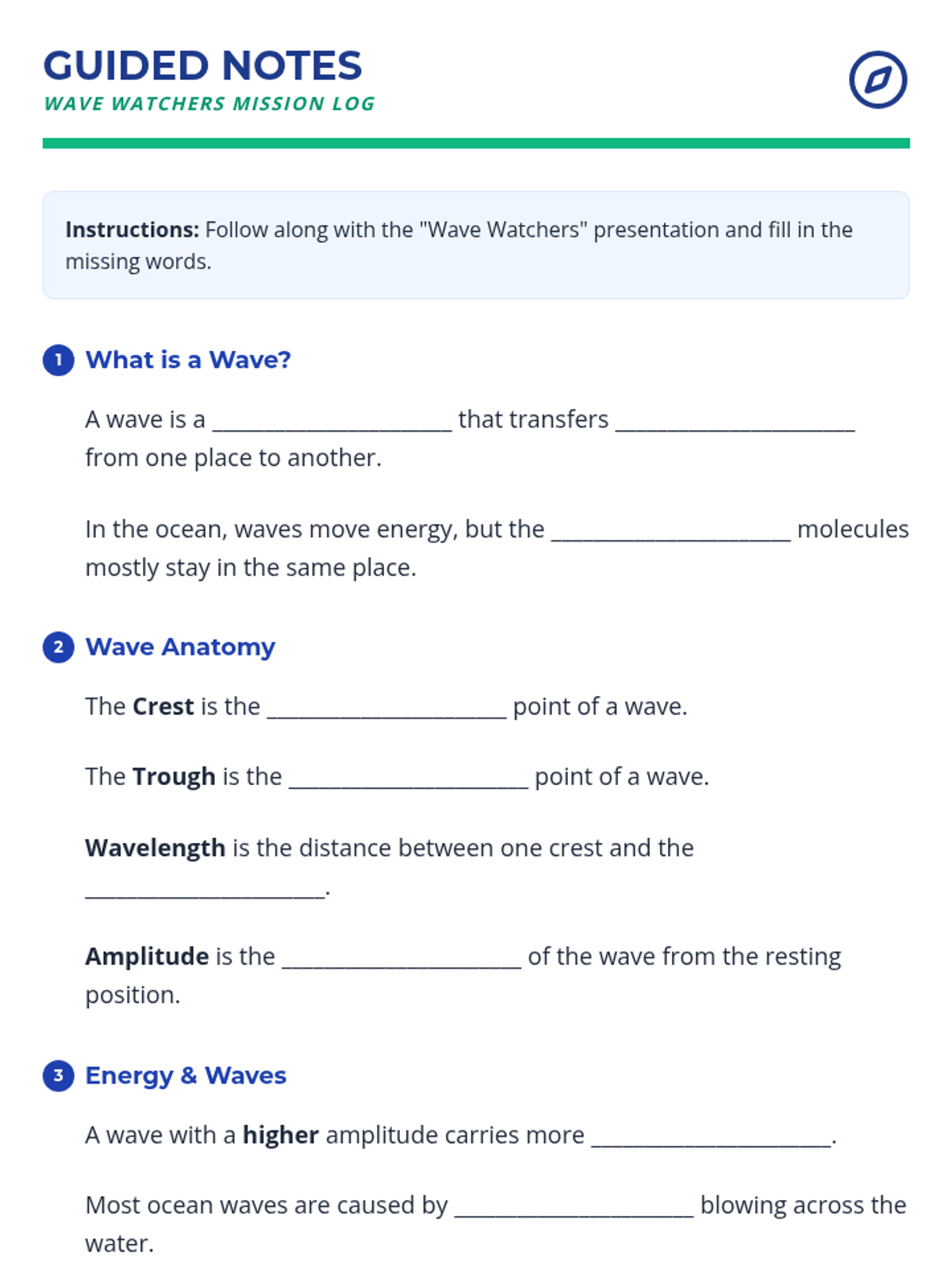
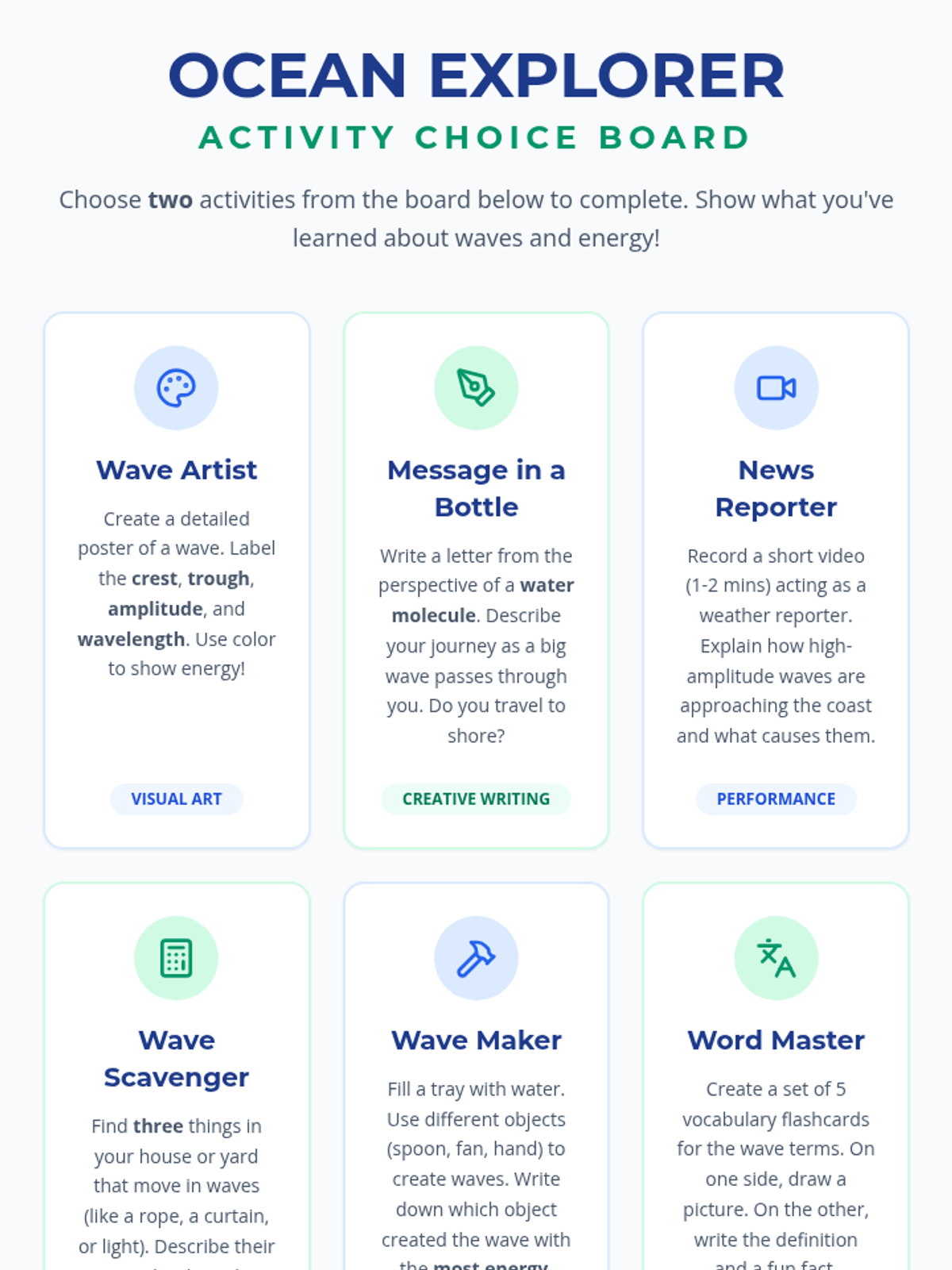
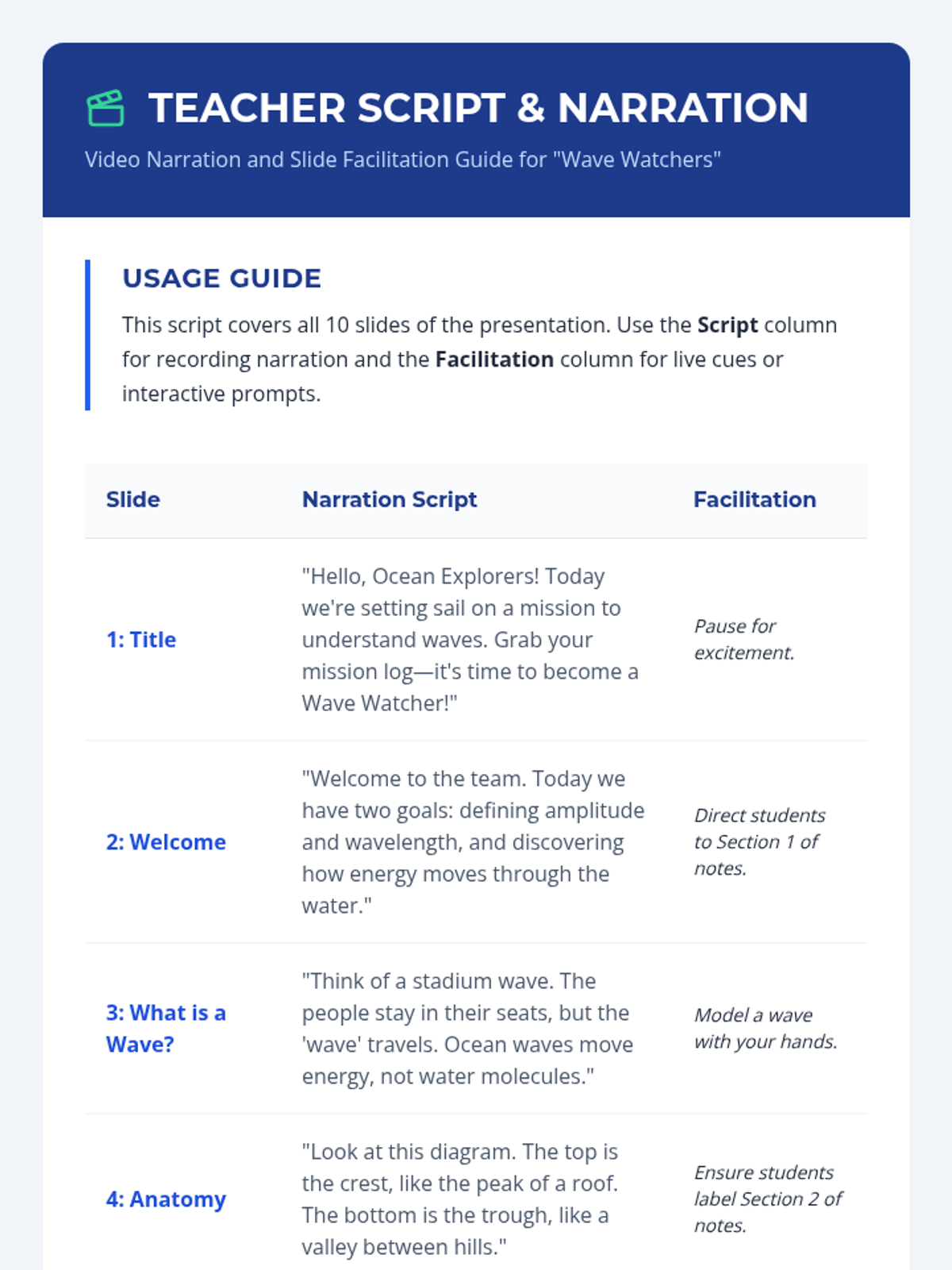
An asynchronous lesson for fourth graders exploring the properties of ocean waves, specifically amplitude and wavelength, and how they transfer energy across the sea.
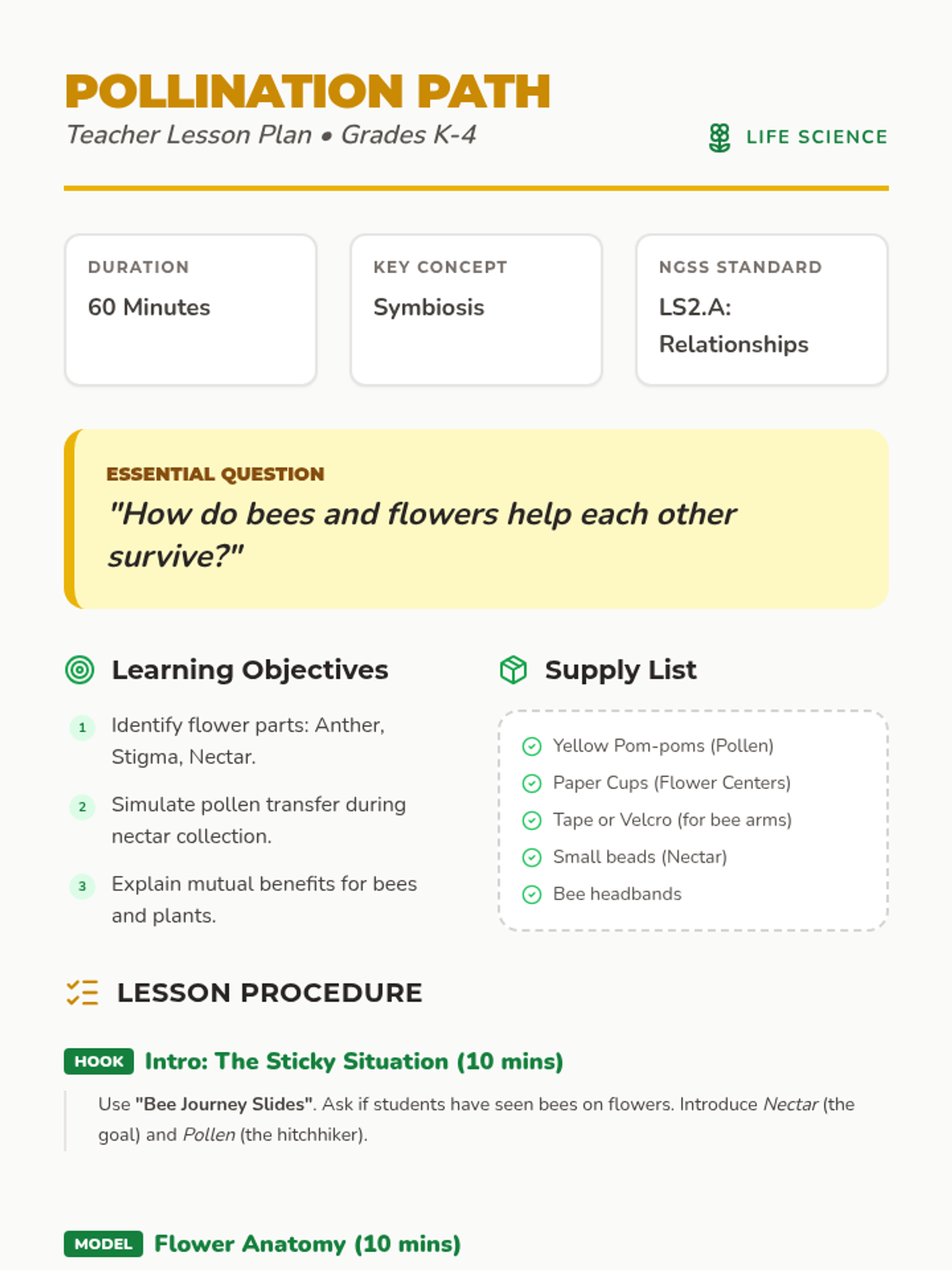
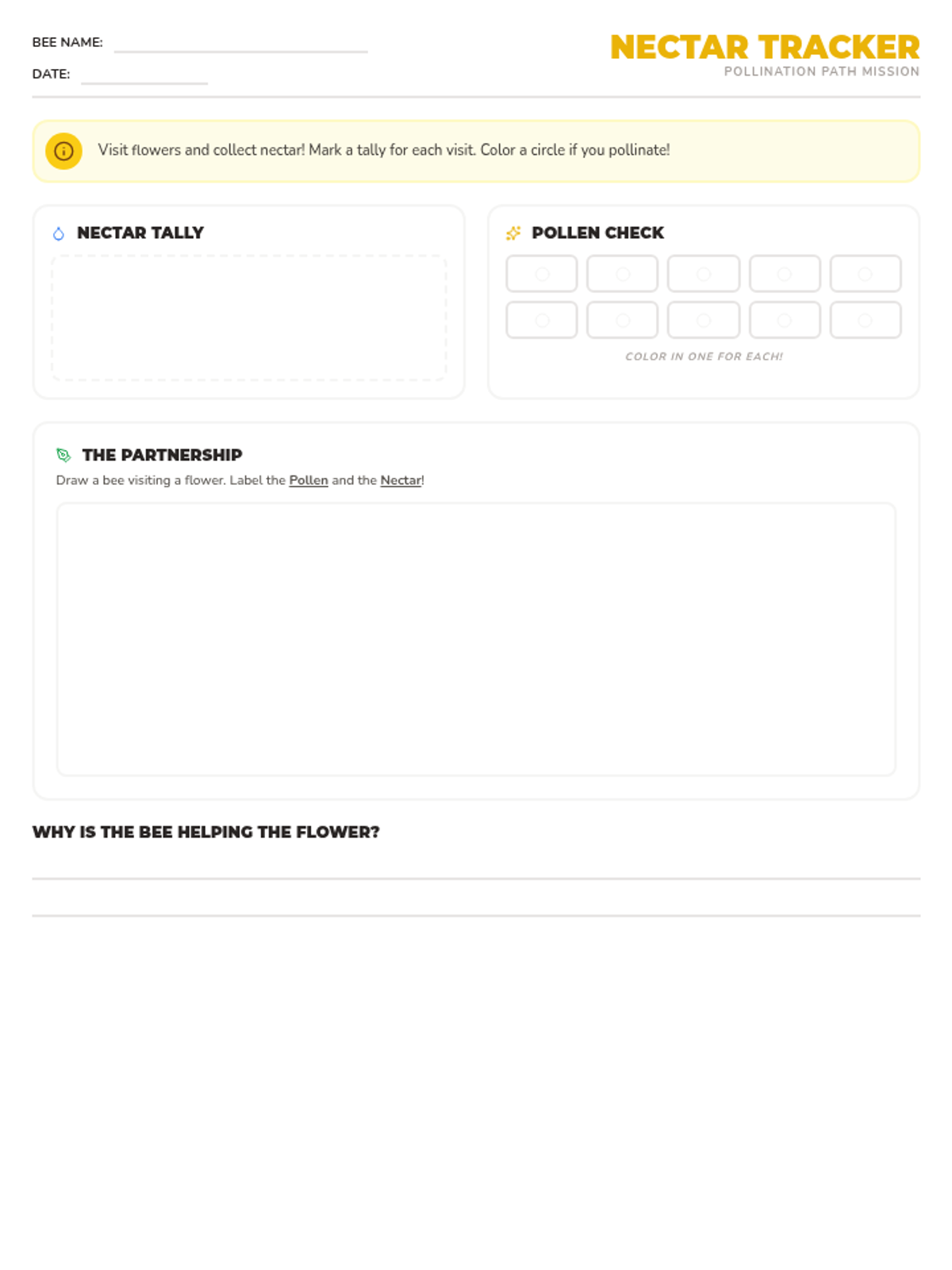
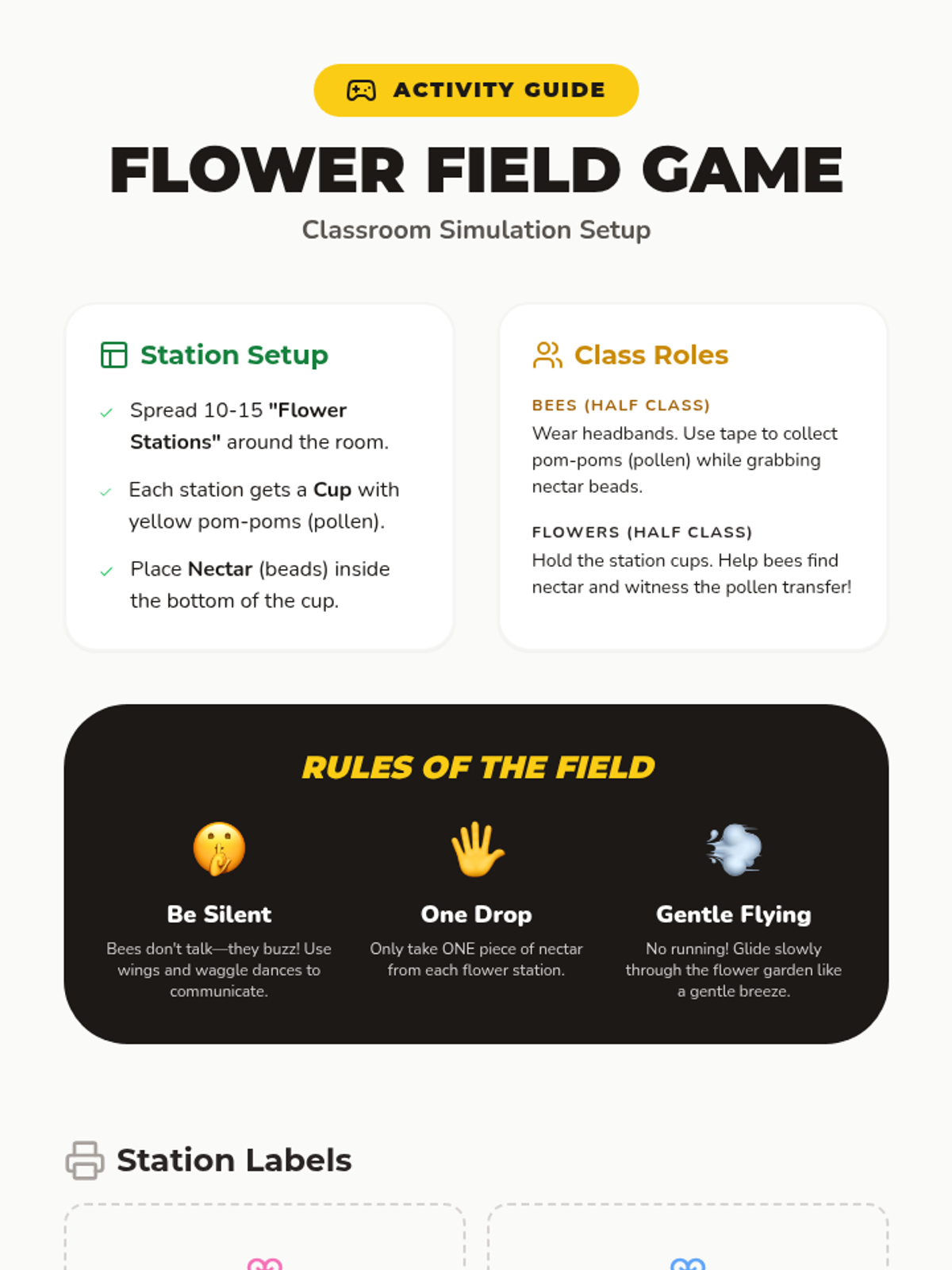
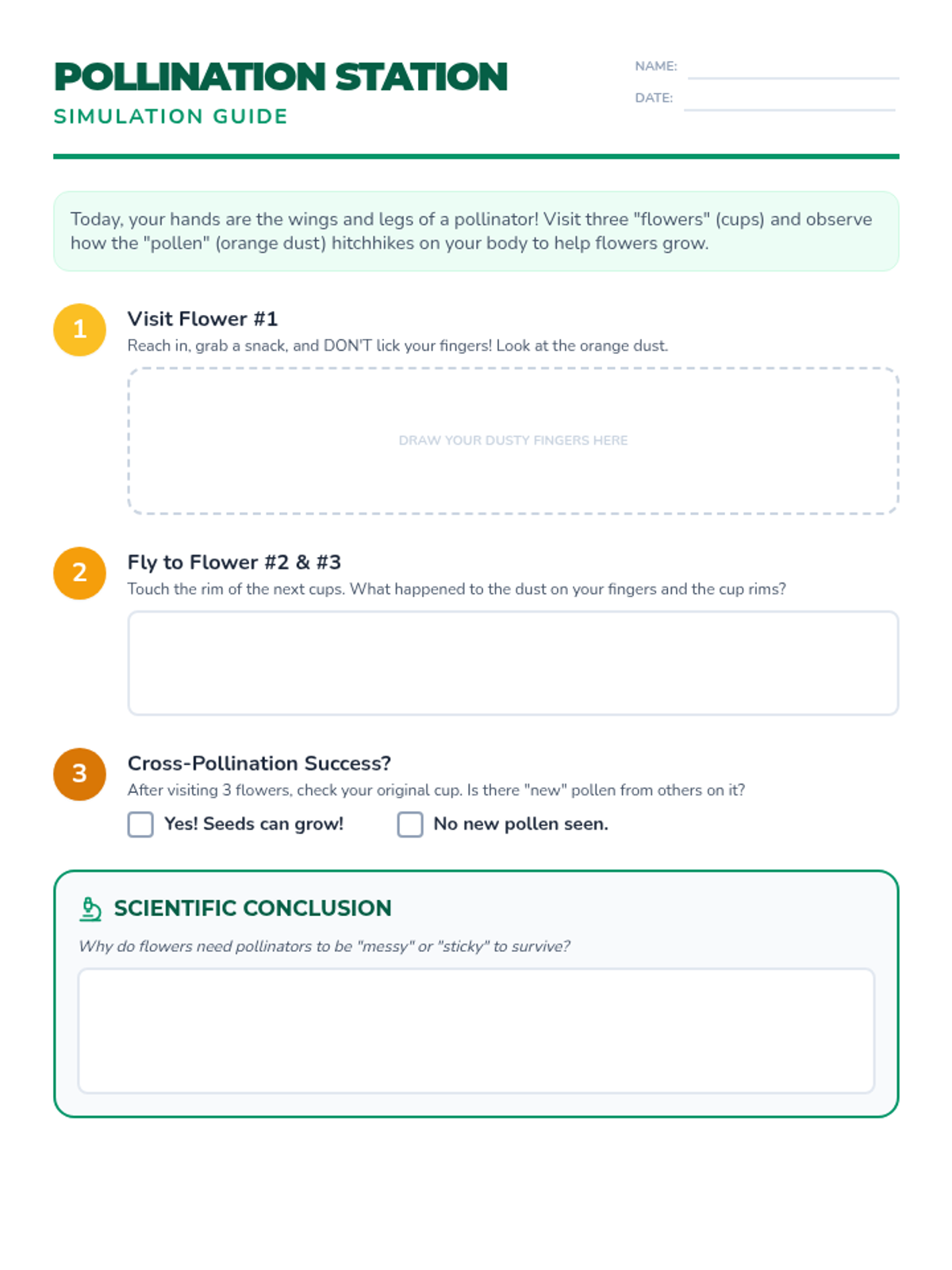
Students simulate the pollination process through a high-energy movement game, learning about the symbiotic relationship between bees and flowers and its importance to our food system.
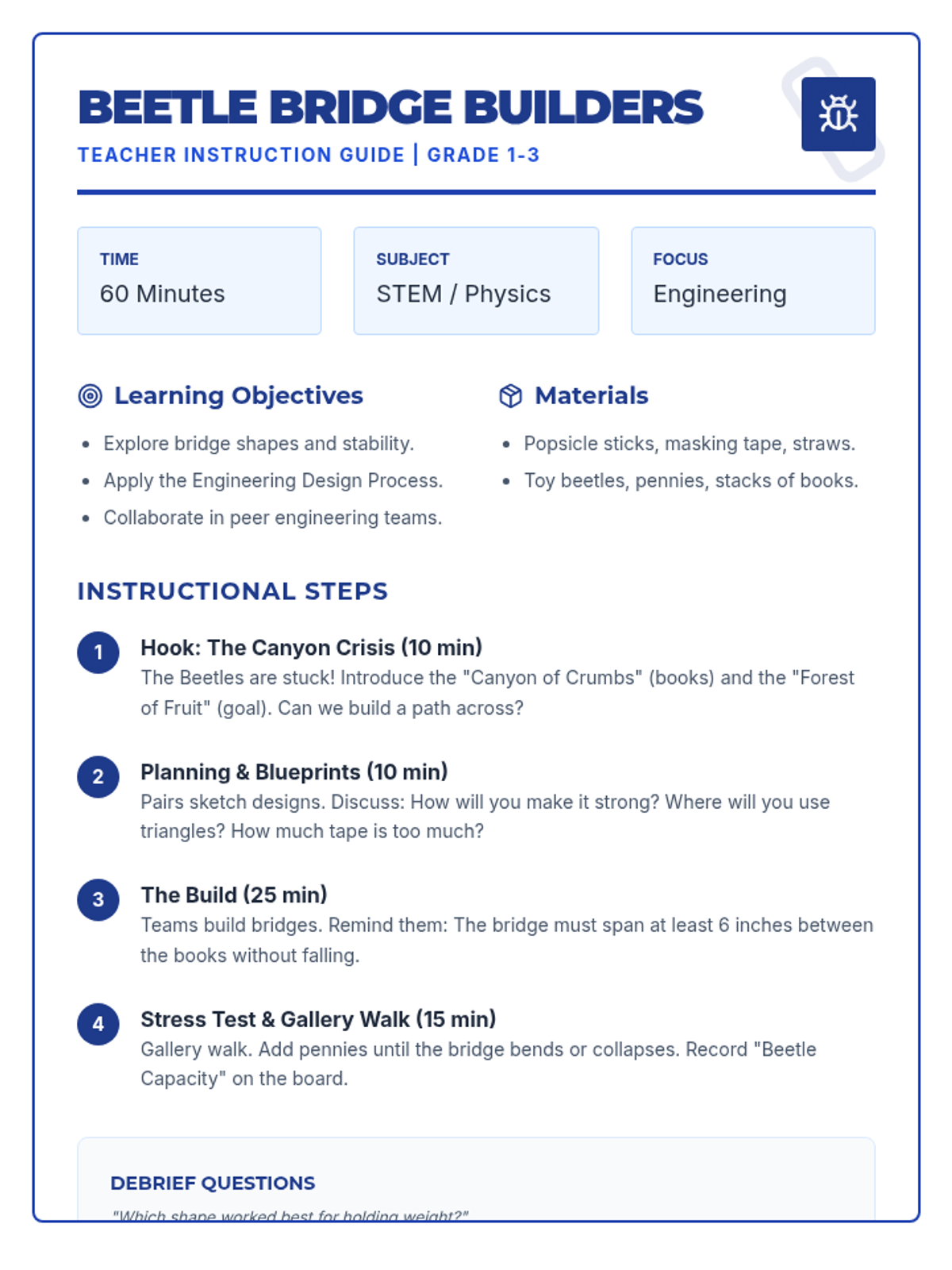
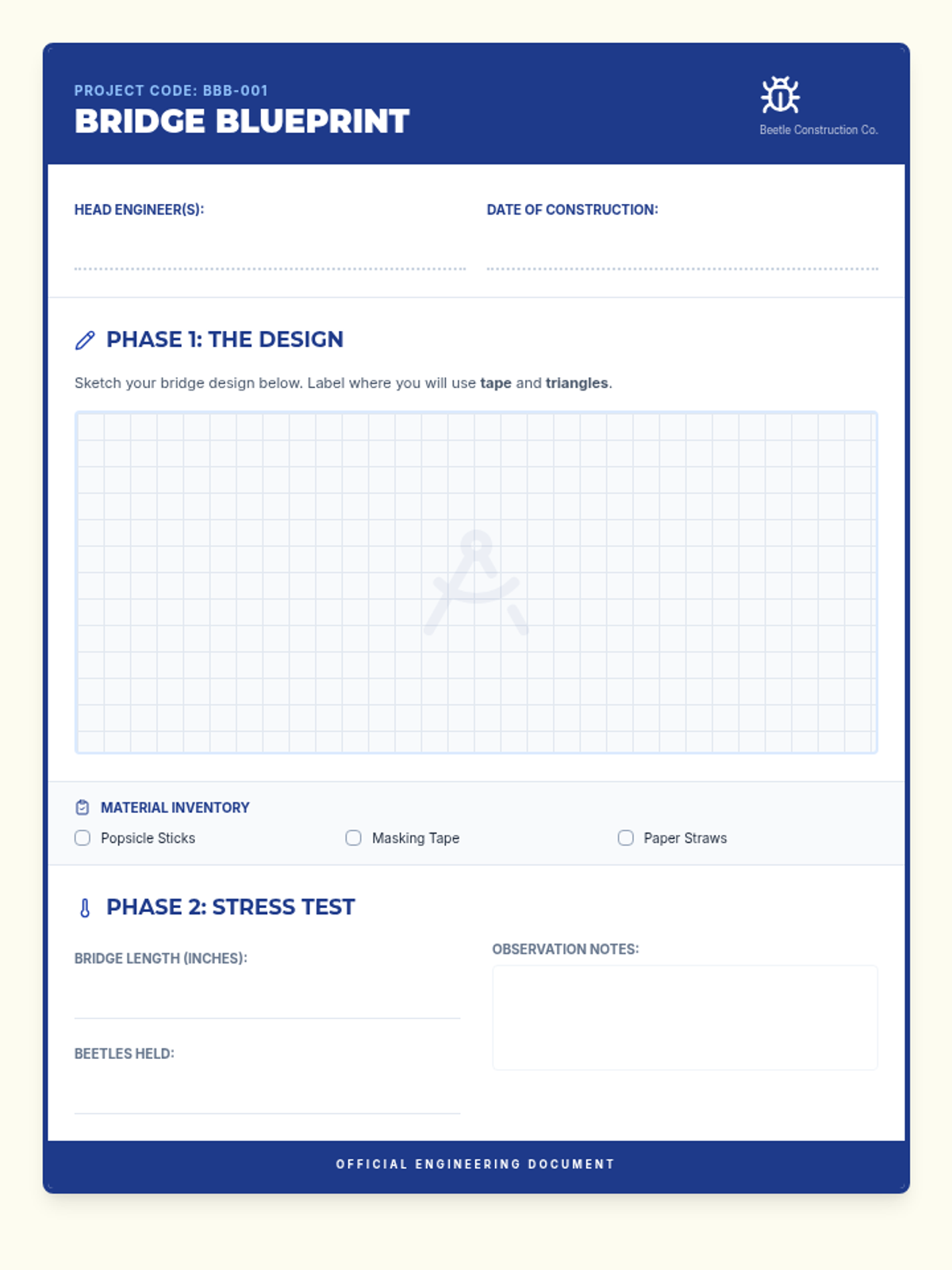
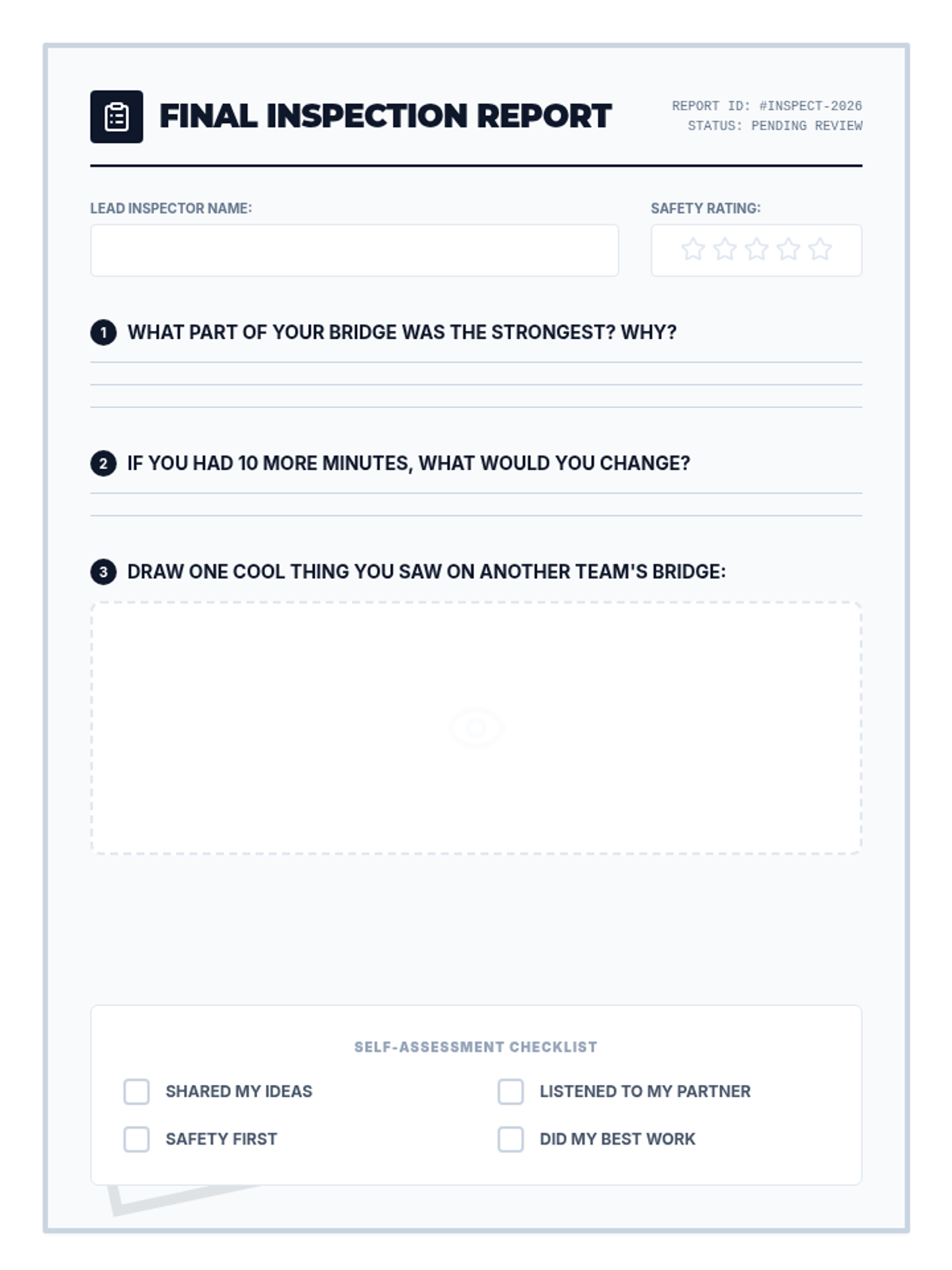
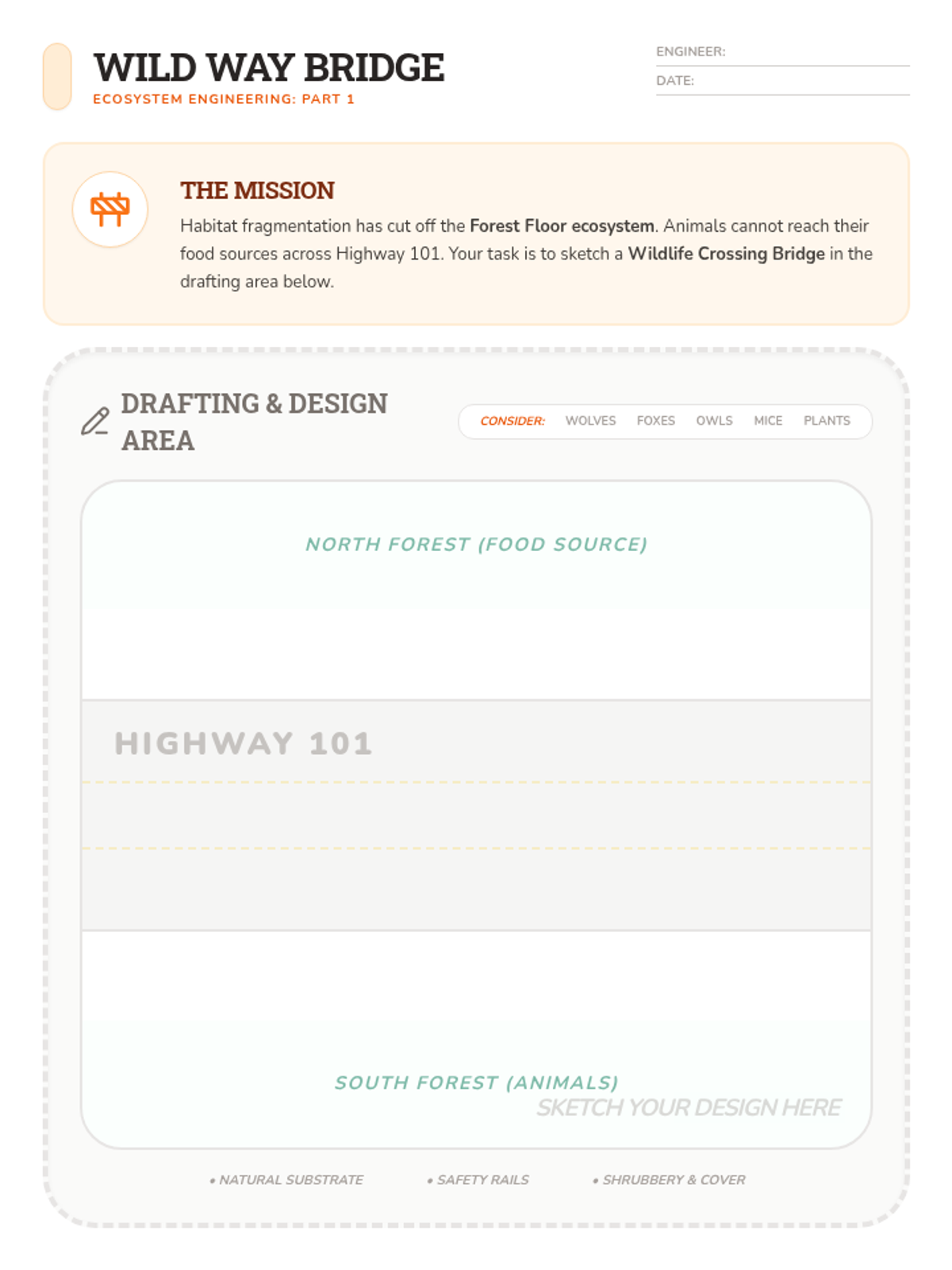
Students step into the roles of junior engineers to design, build, and test bridges for toy insects, exploring structural integrity and the engineering design process.
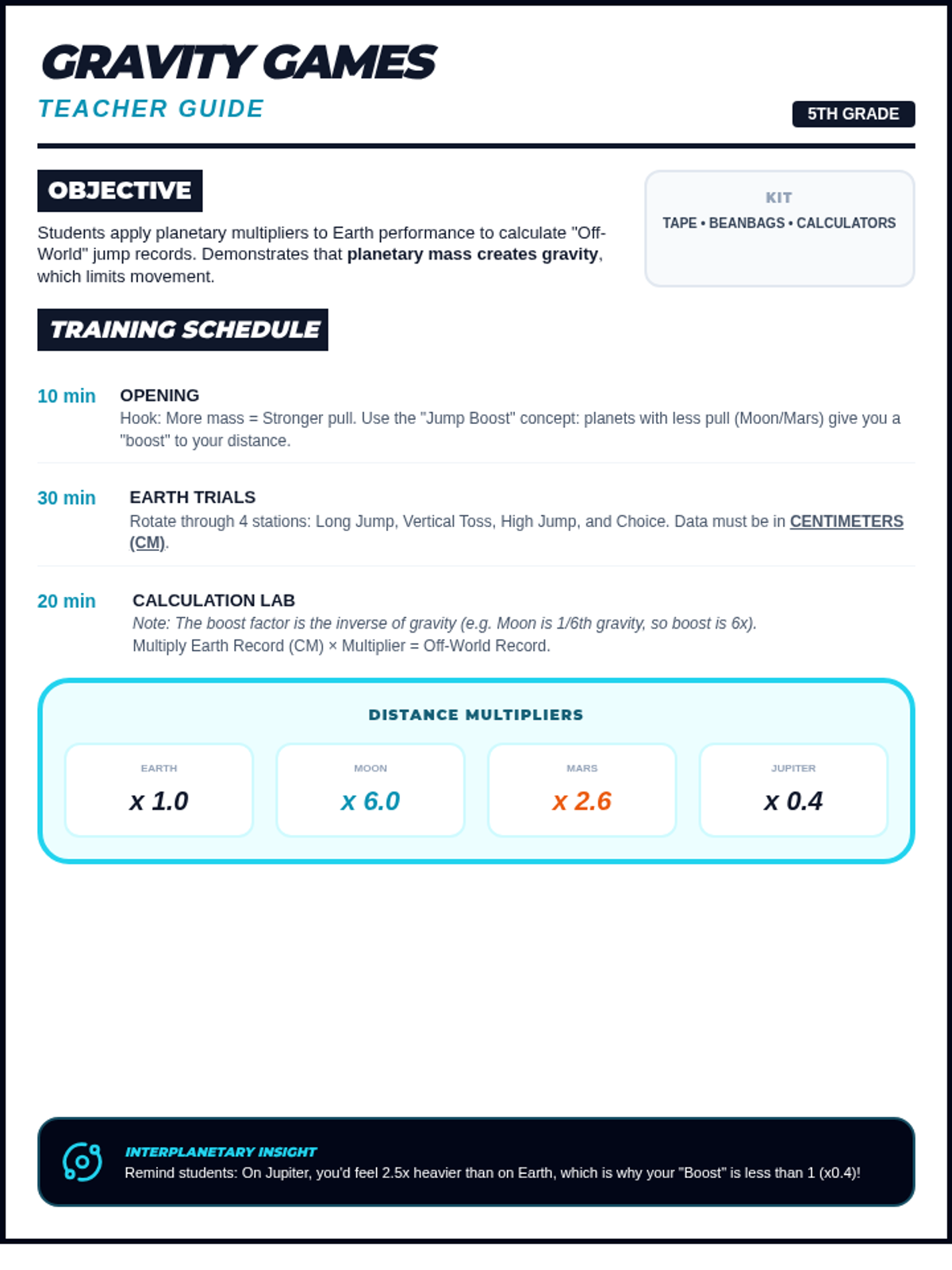
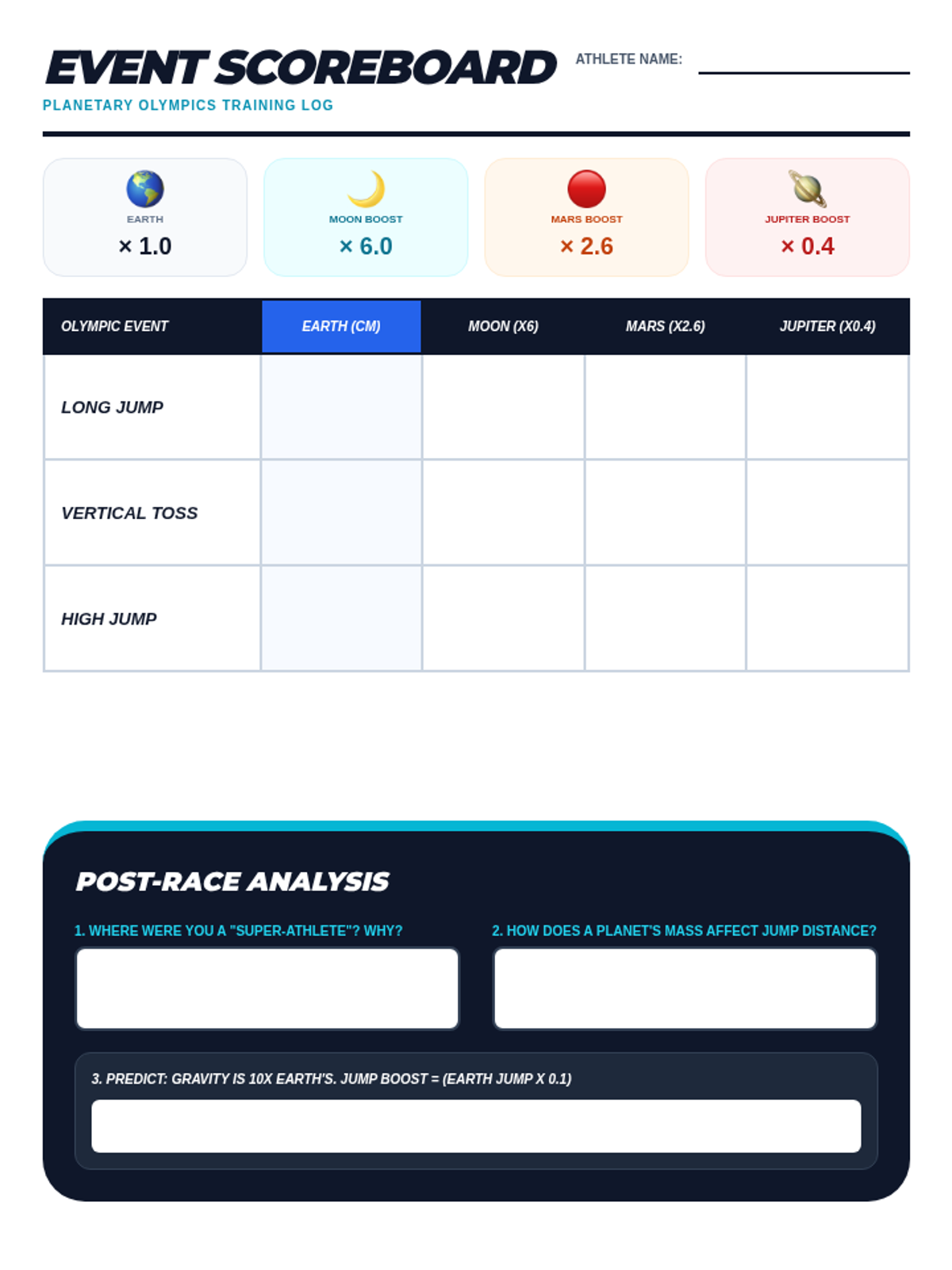
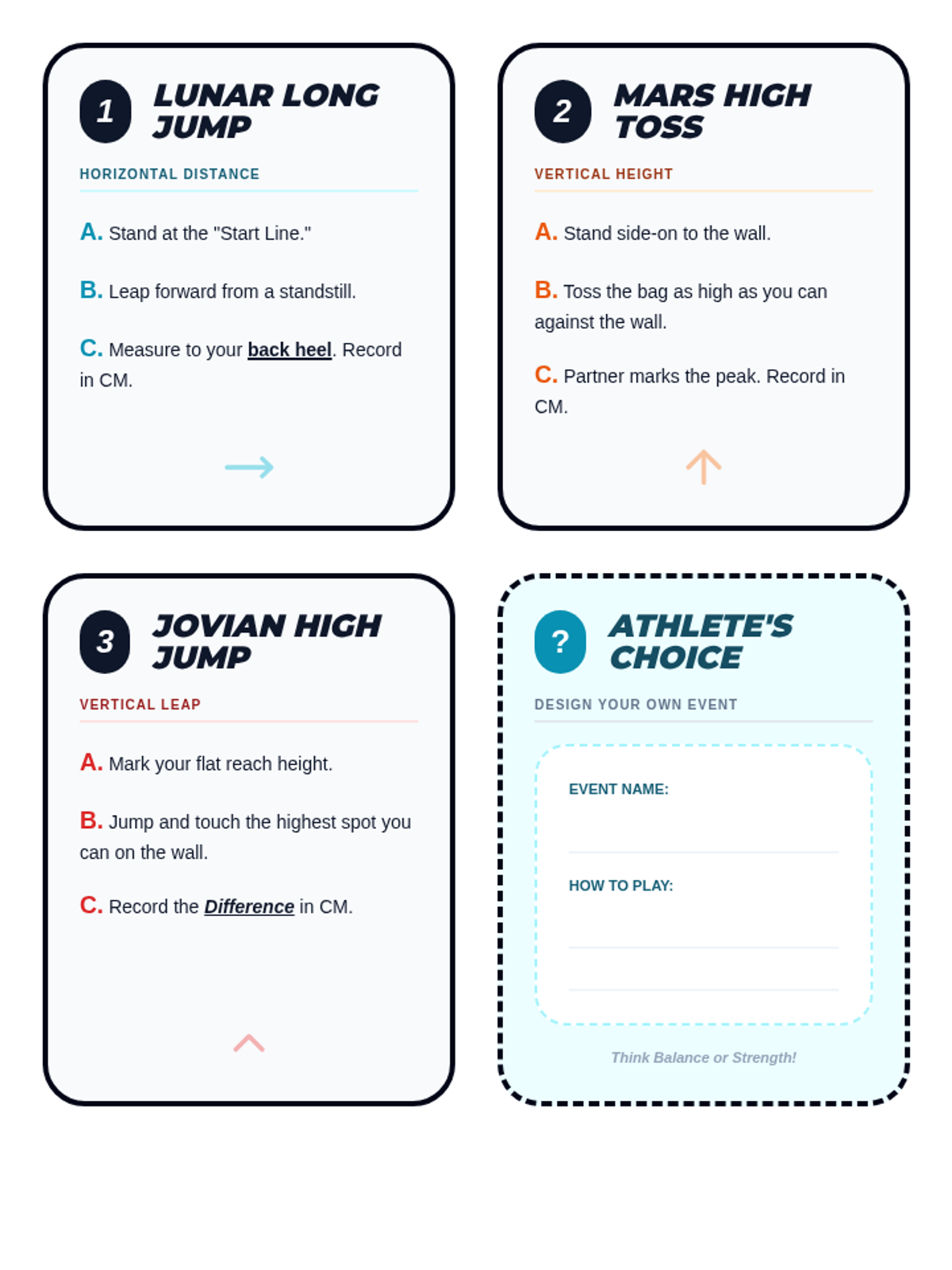
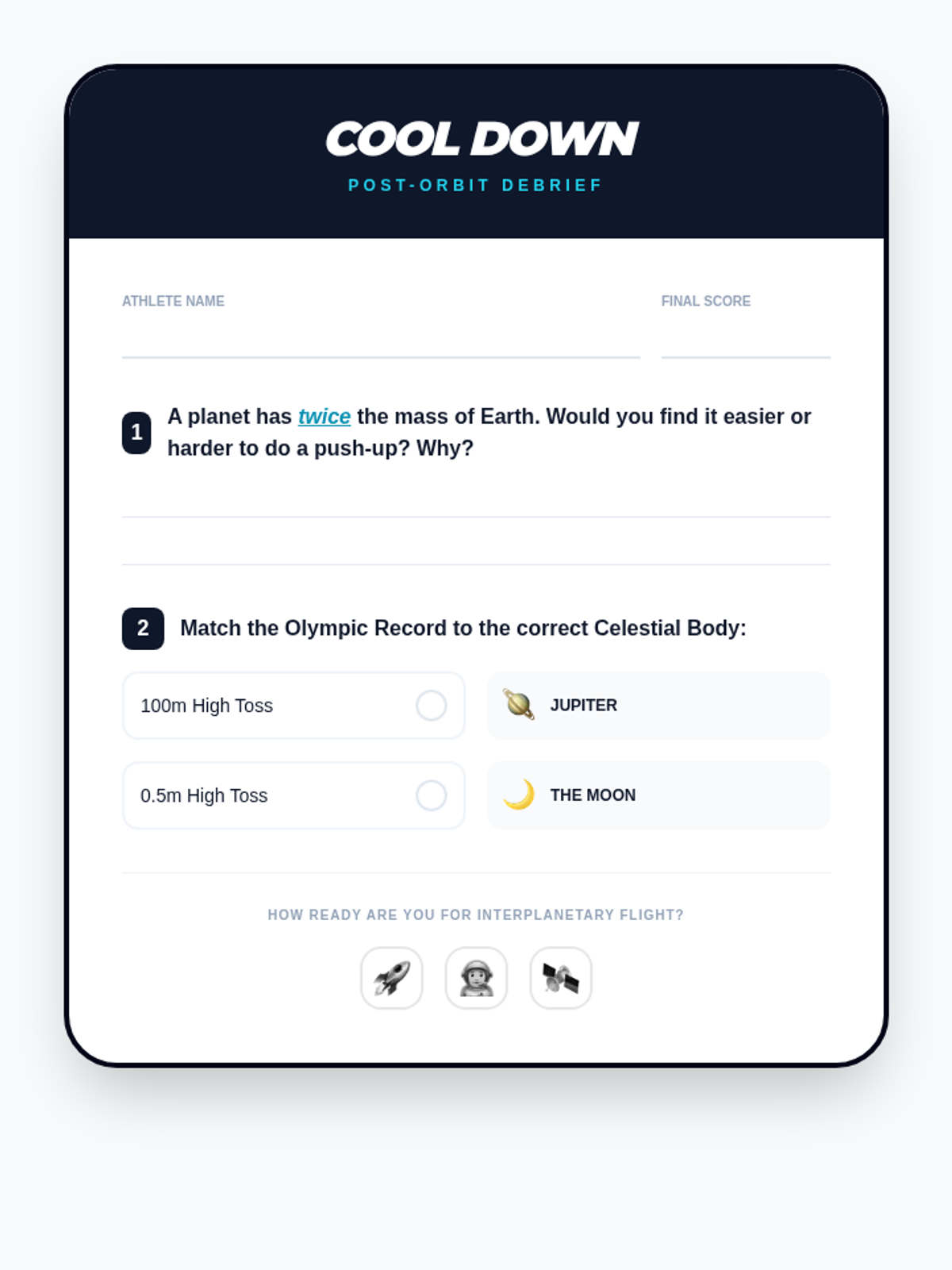
An interactive science lesson where 5th-grade students apply gravitational multipliers to athletic events, comparing their performance on Earth, the Moon, Mars, and Jupiter.
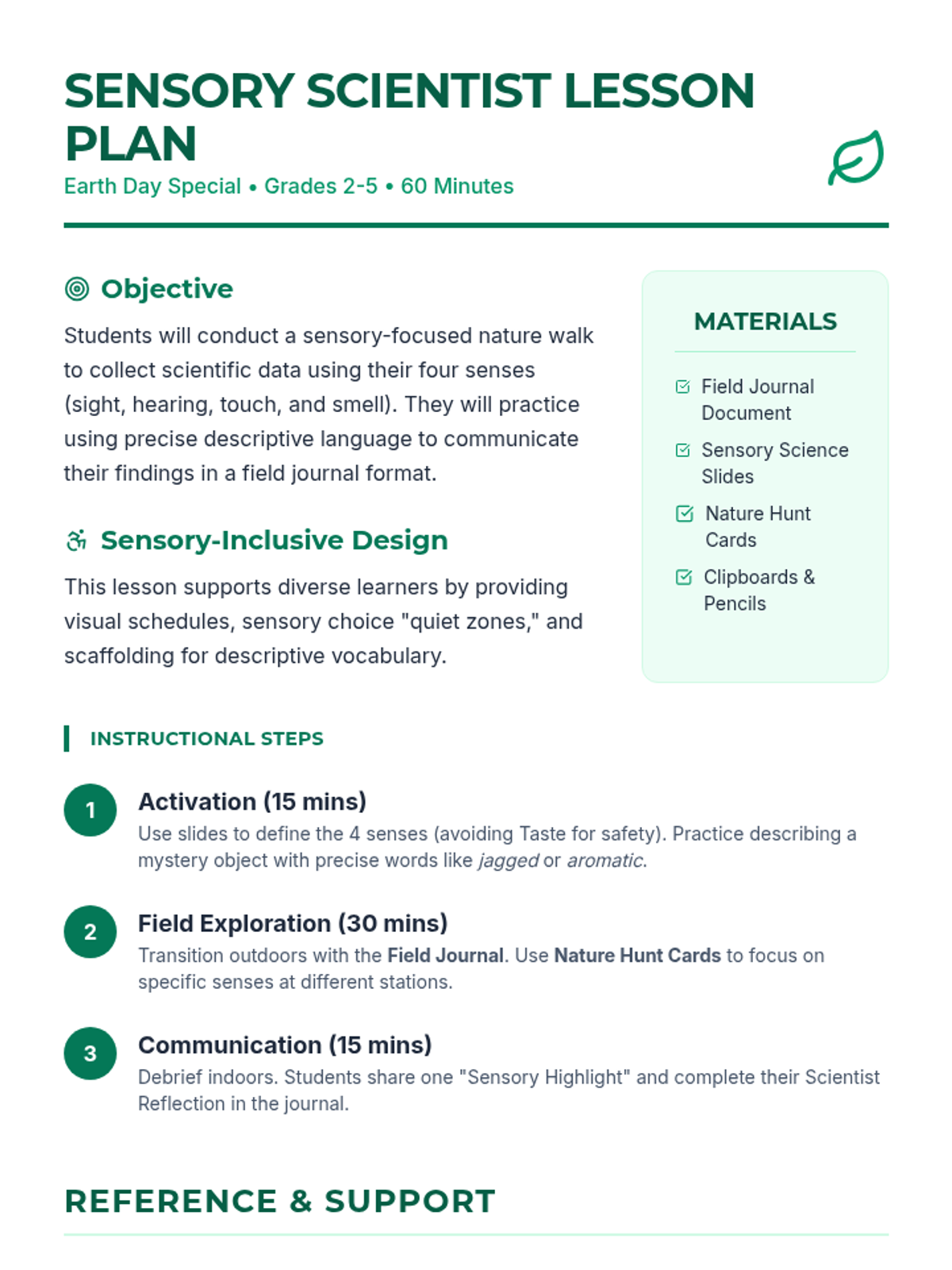
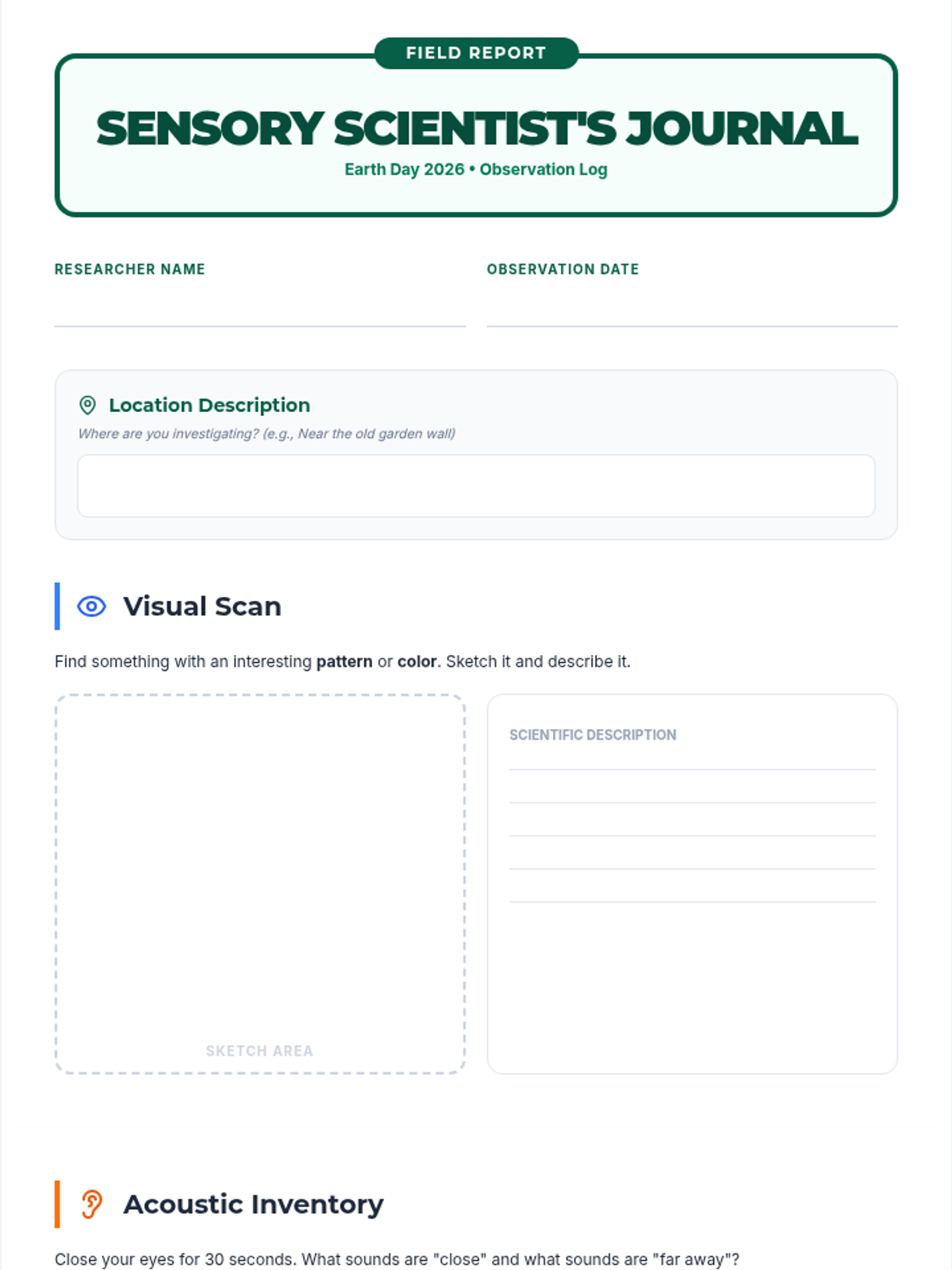
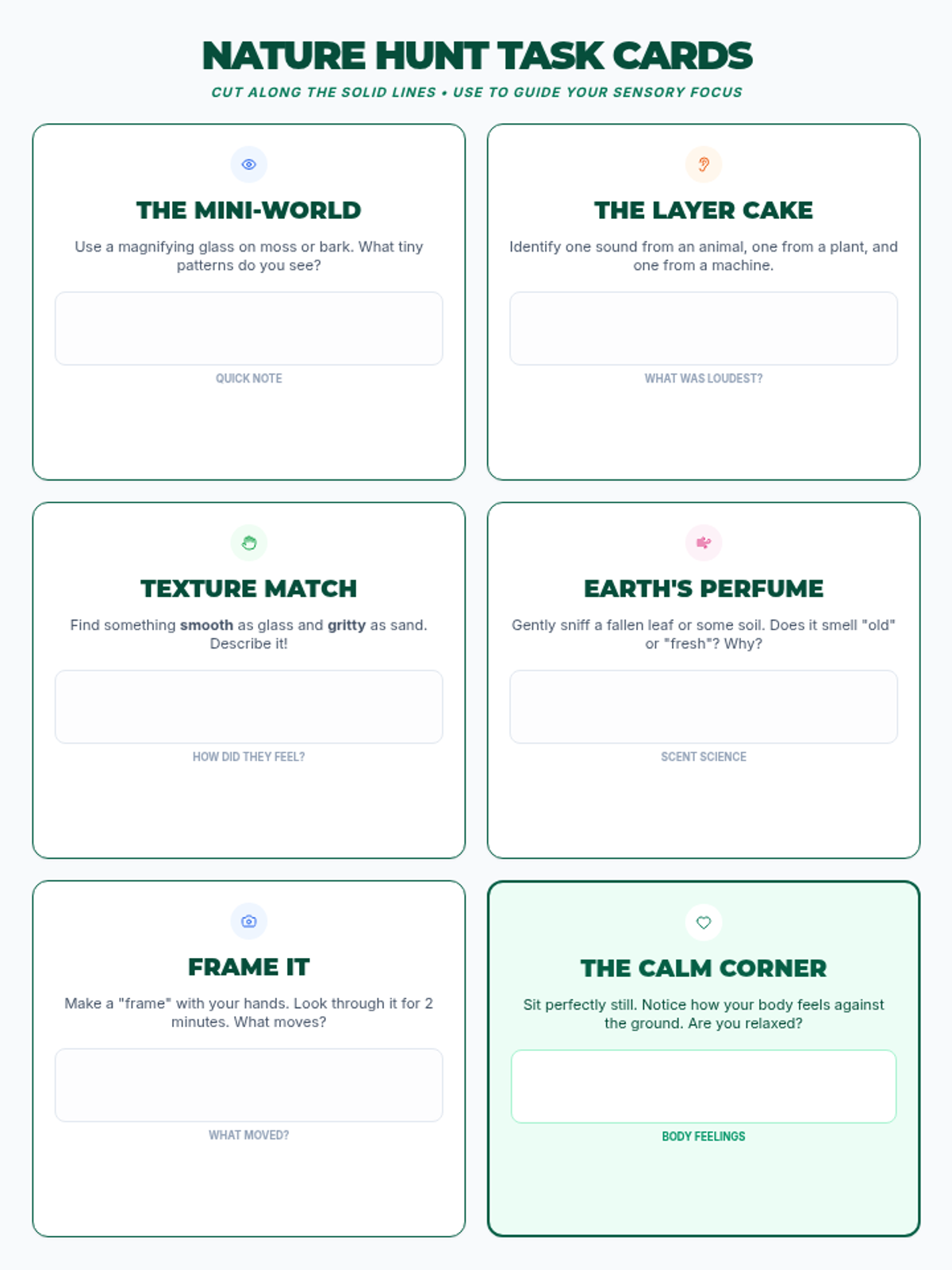
An outdoor sensory exploration lesson designed for Earth Day, helping students with diverse sensory needs build descriptive language and observation skills through nature-based science communication.
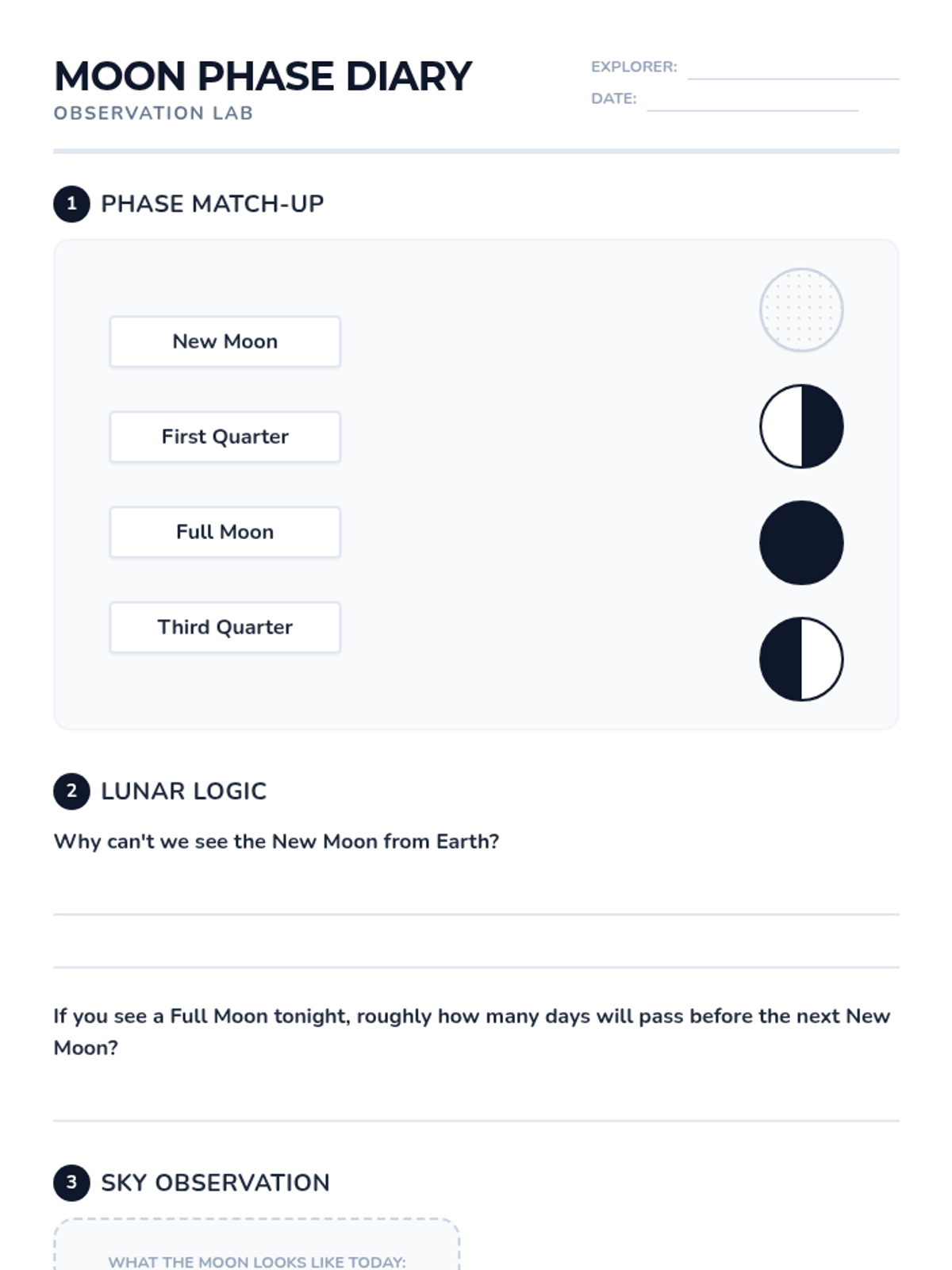
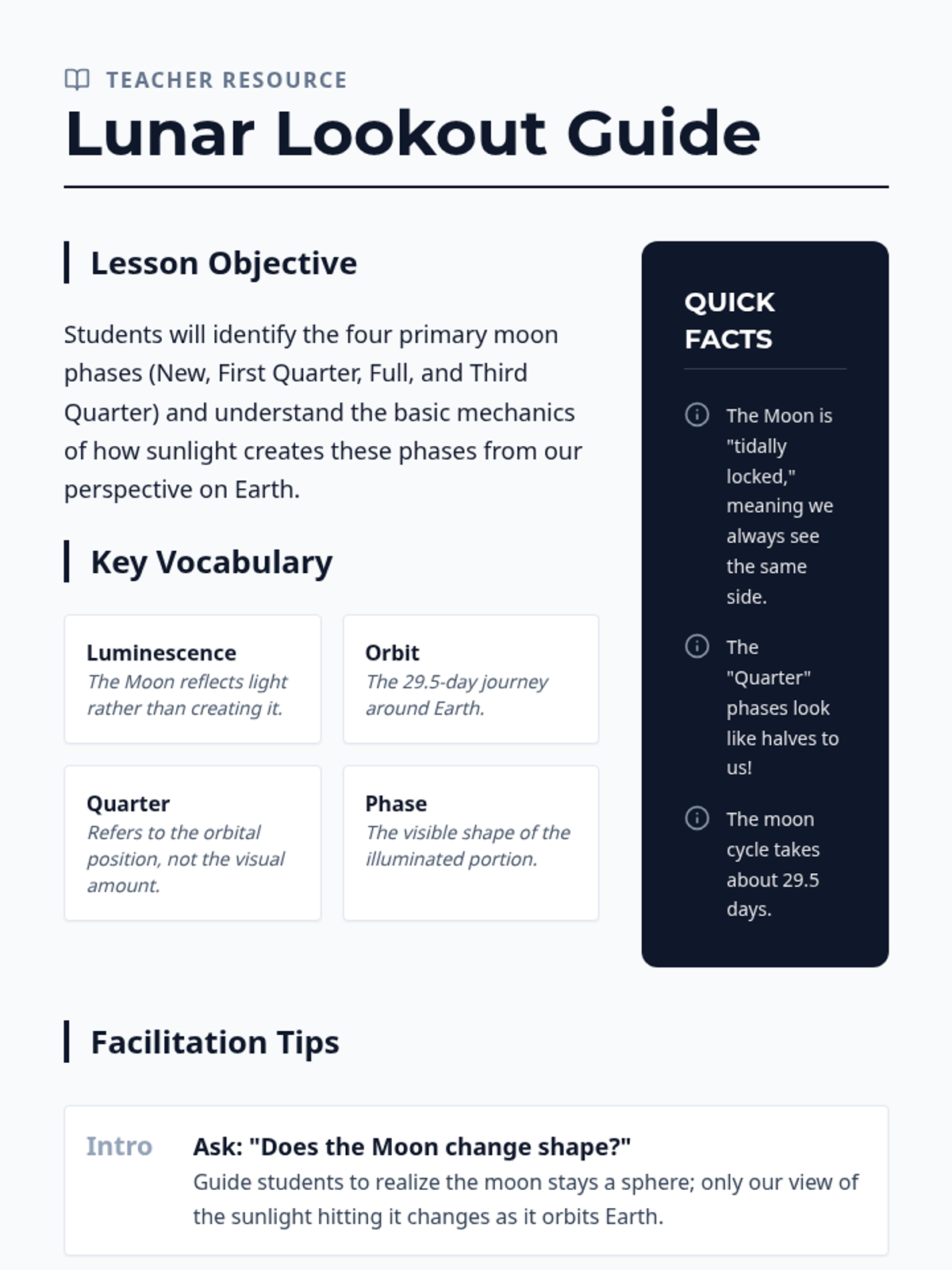
An introductory exploration of the four primary moon phases, helping students identify and understand the lunar cycle through visual observation.
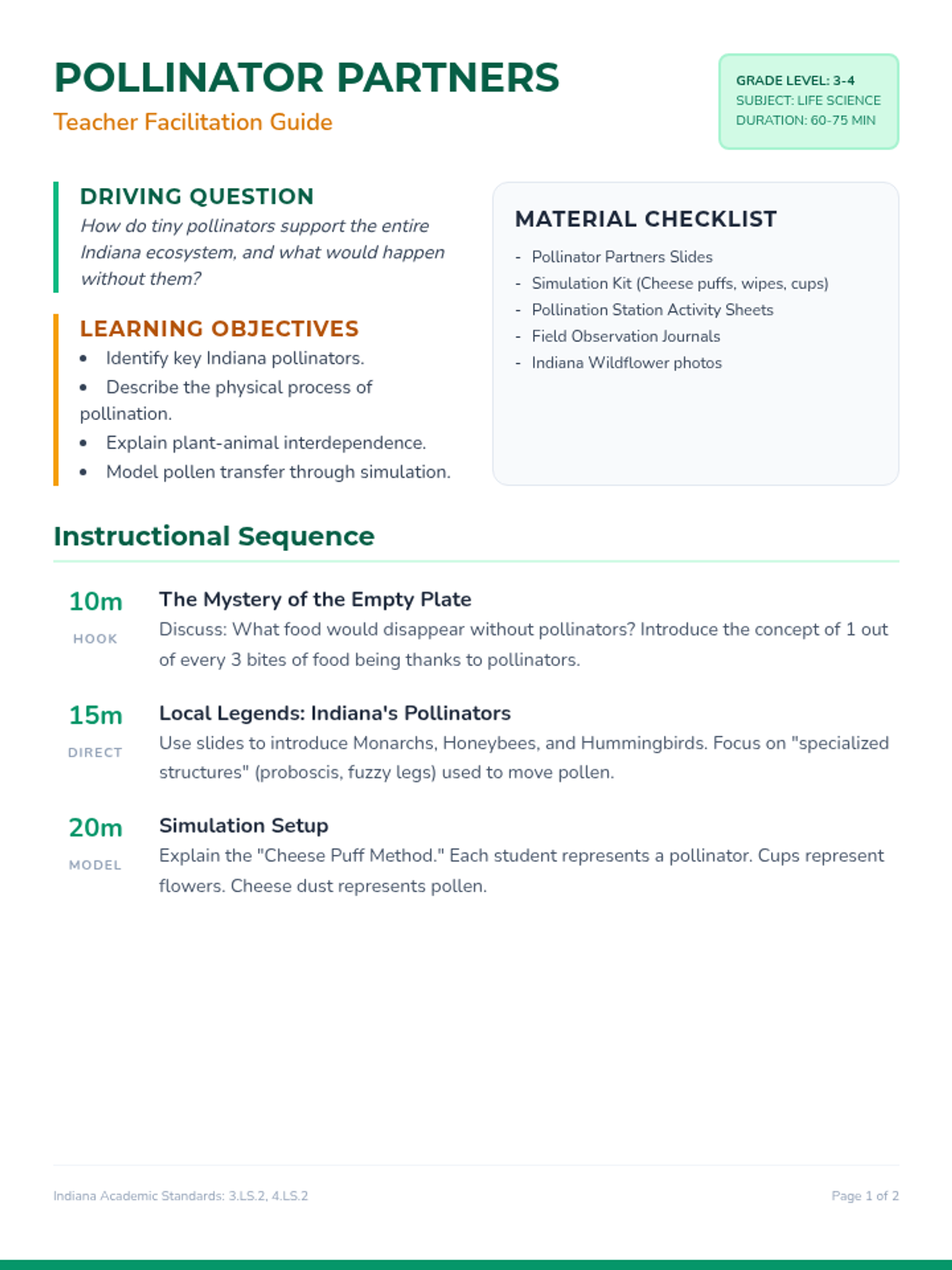
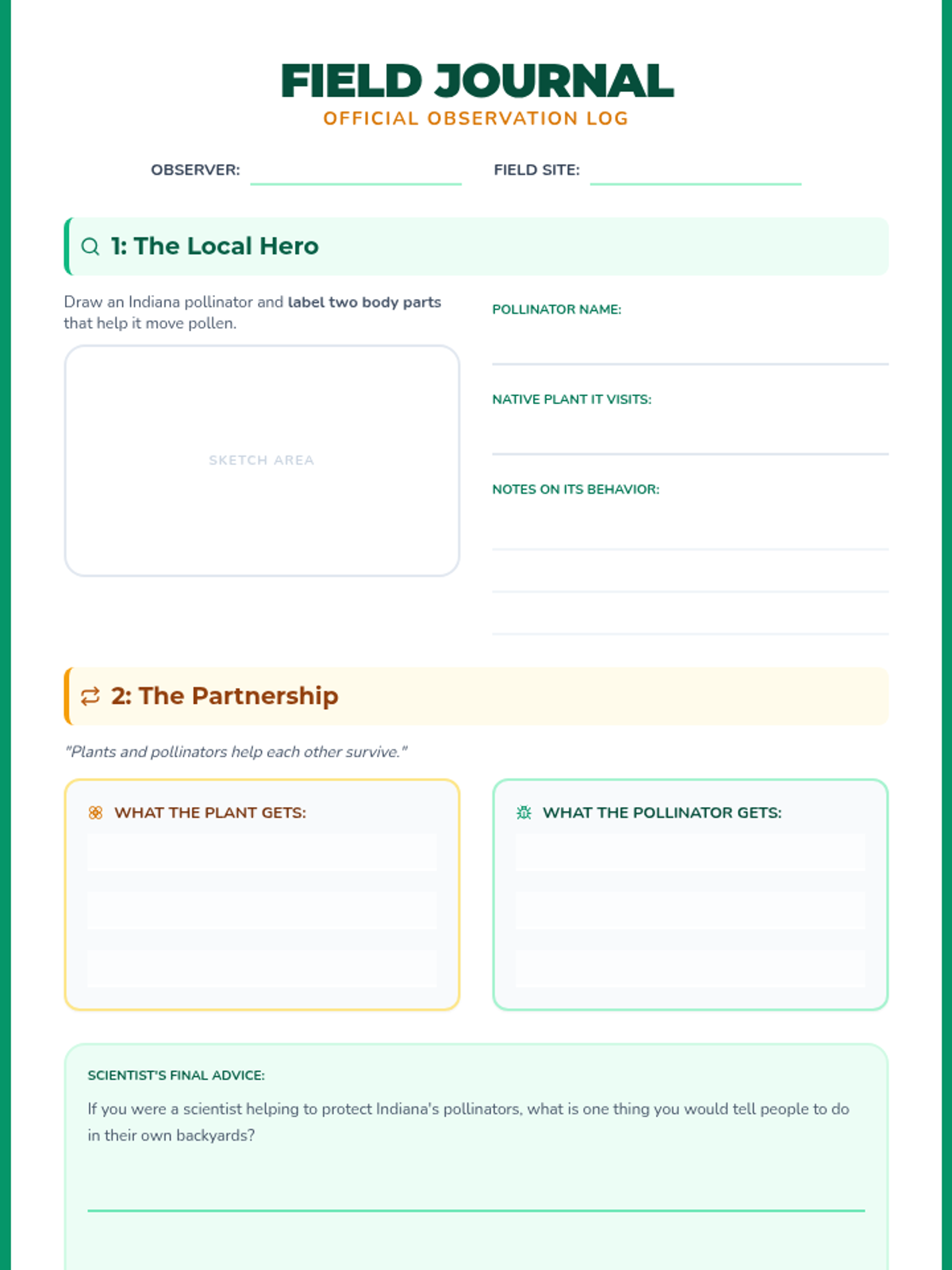
A hands-on inquiry into the vital role of pollinators in the Indiana ecosystem. Students explore local species, simulate the pollination process, and record their findings in a field journal.
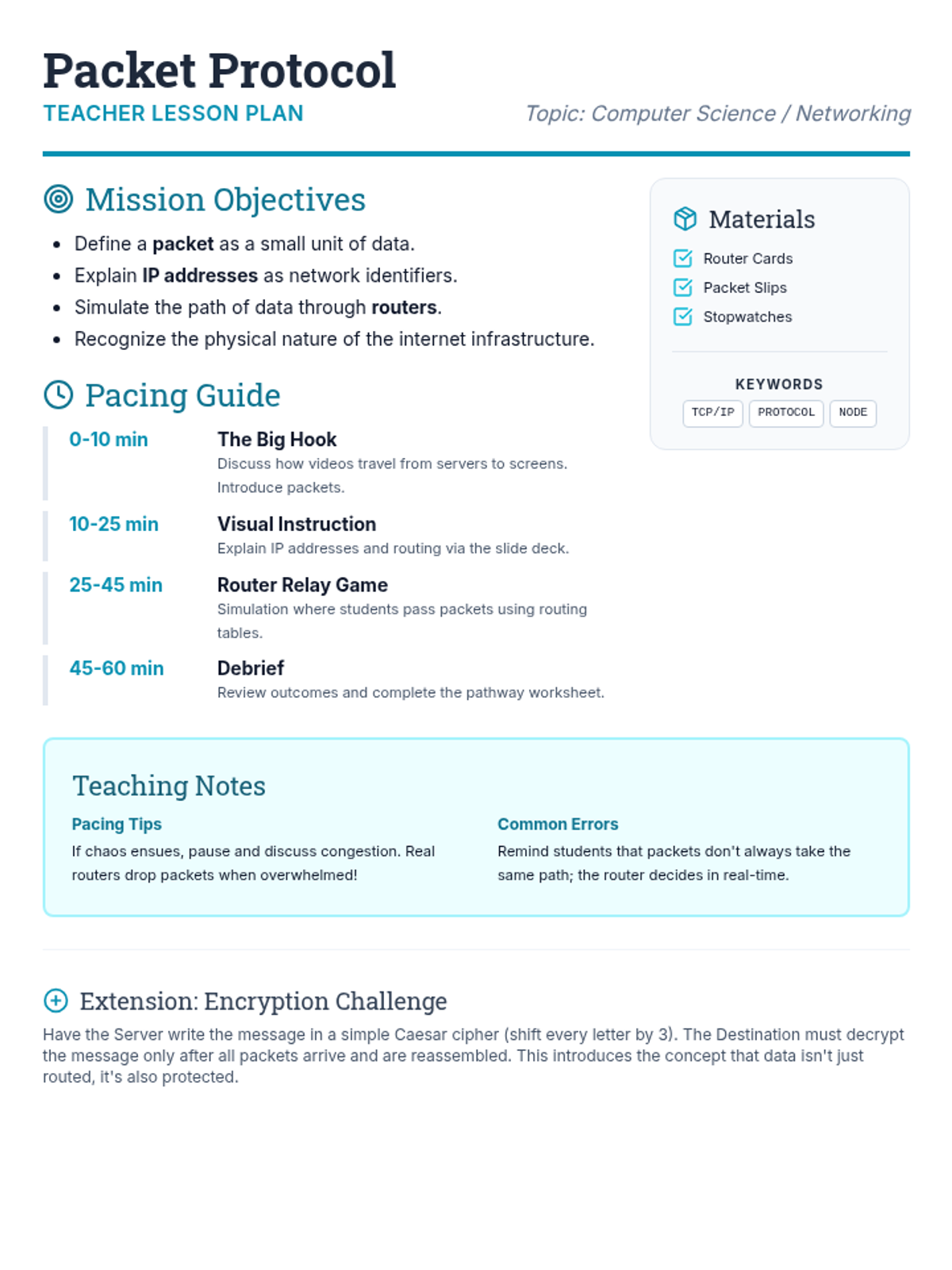
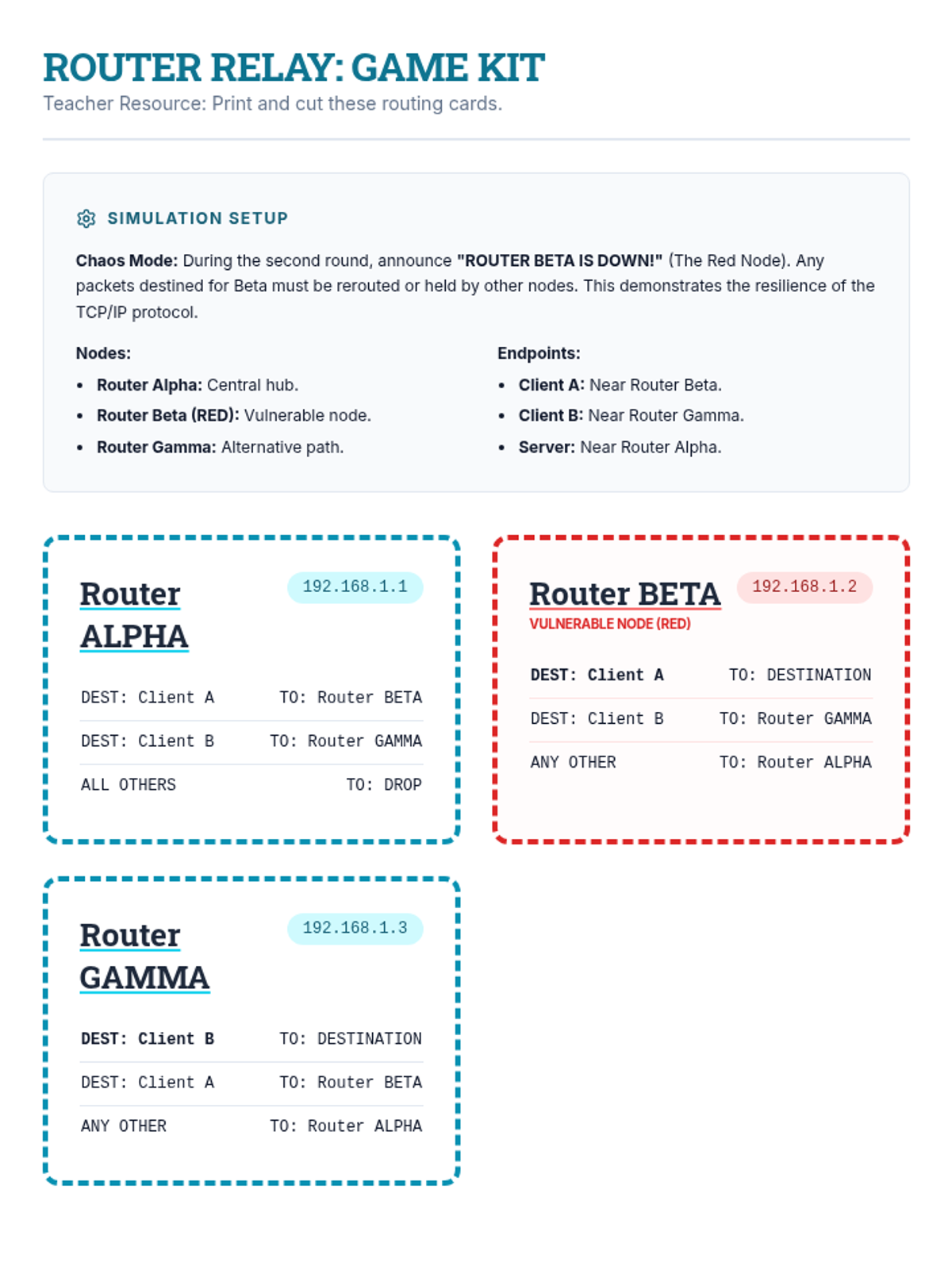
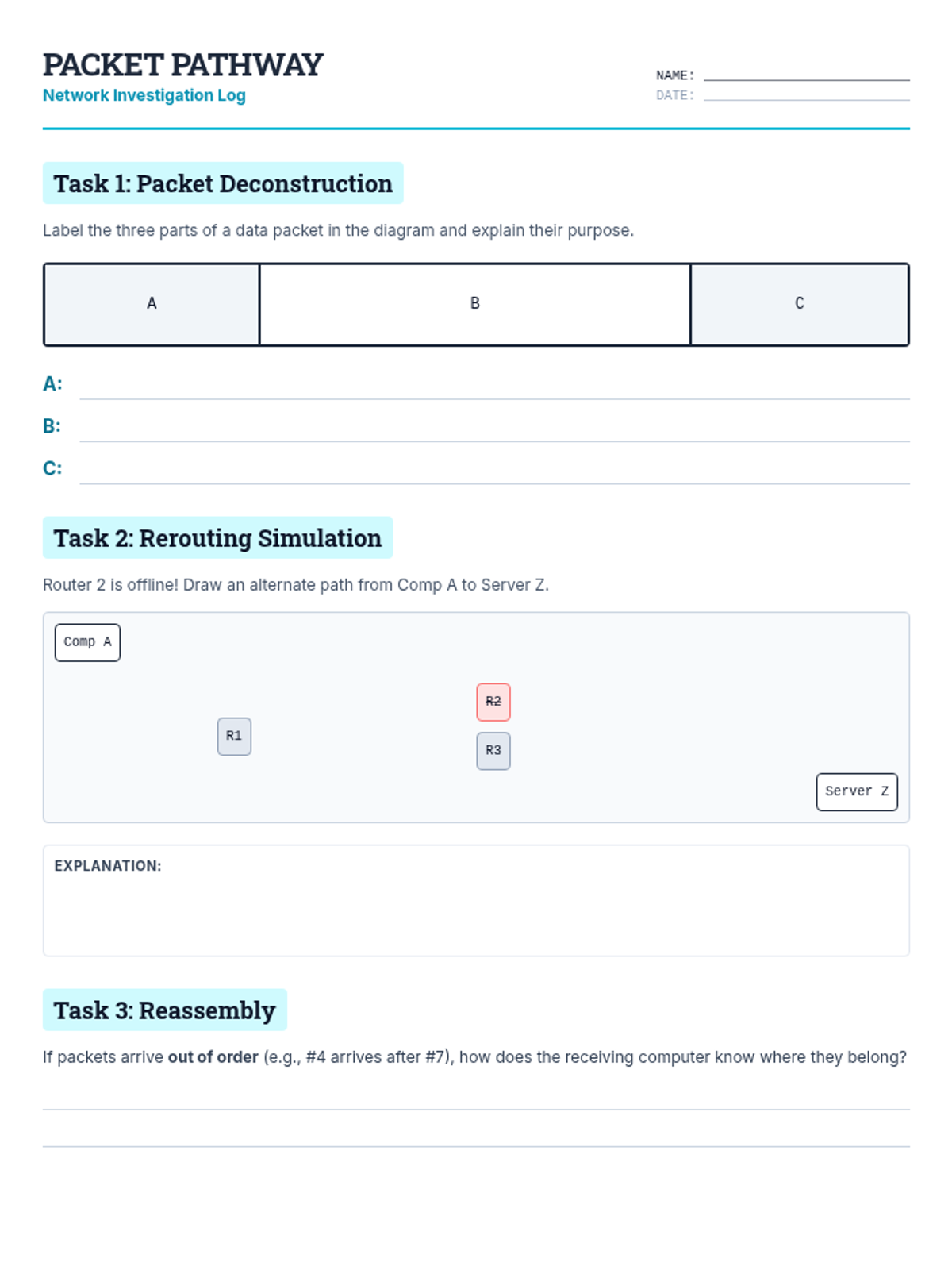
A hands-on simulation lesson where students act as routers and servers to understand how data packets travel across the internet using IP addresses and physical infrastructure.
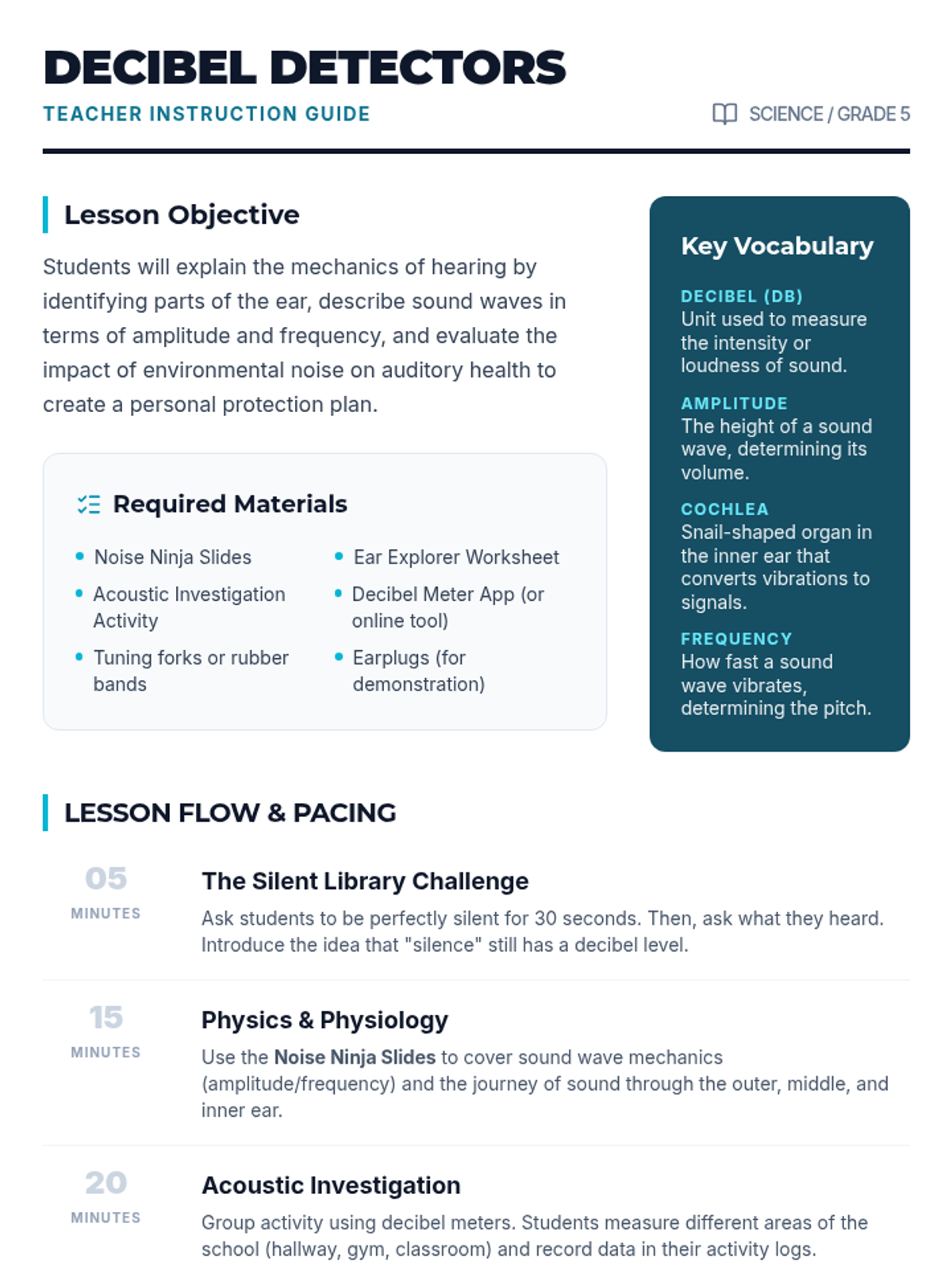
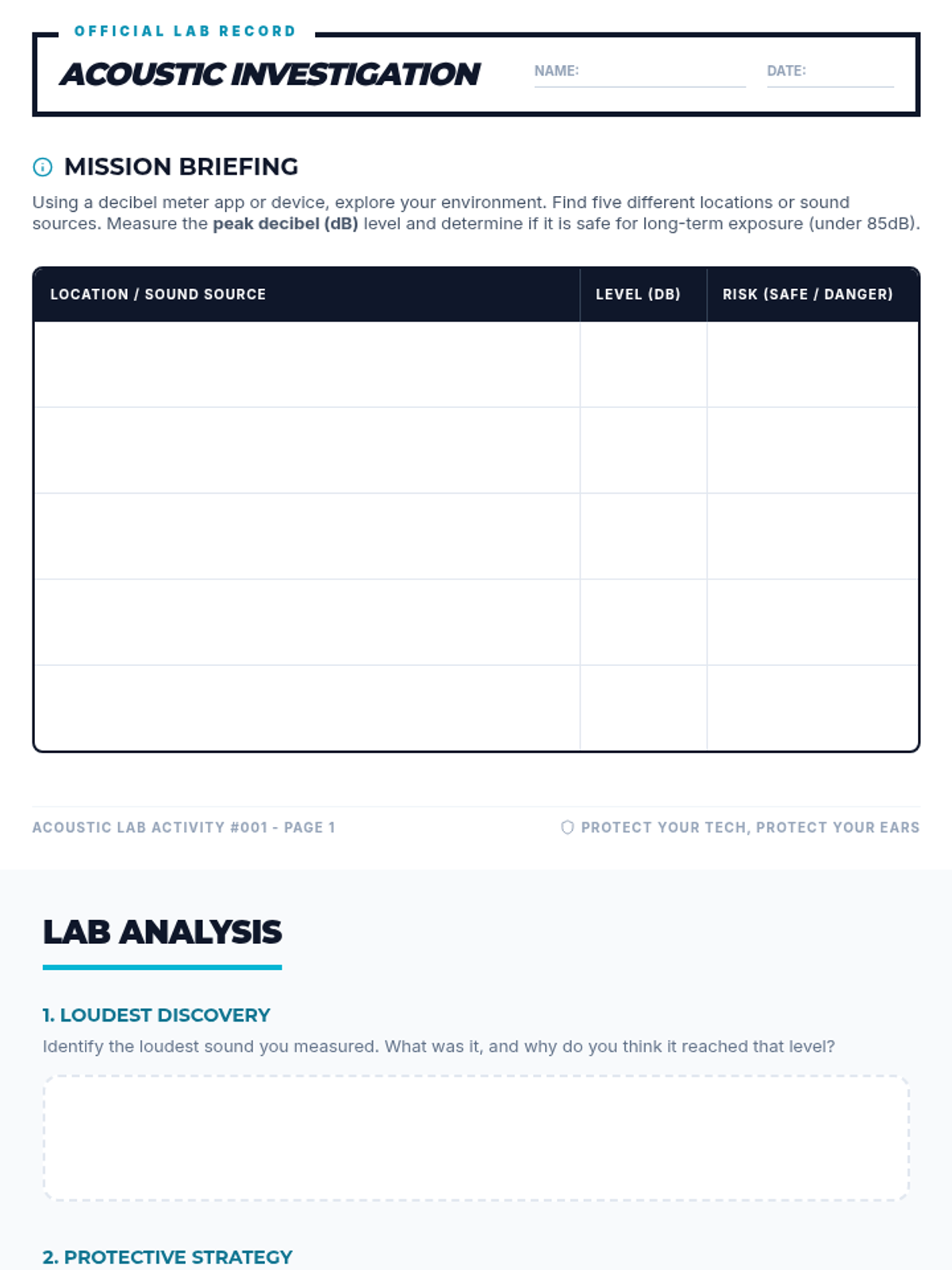
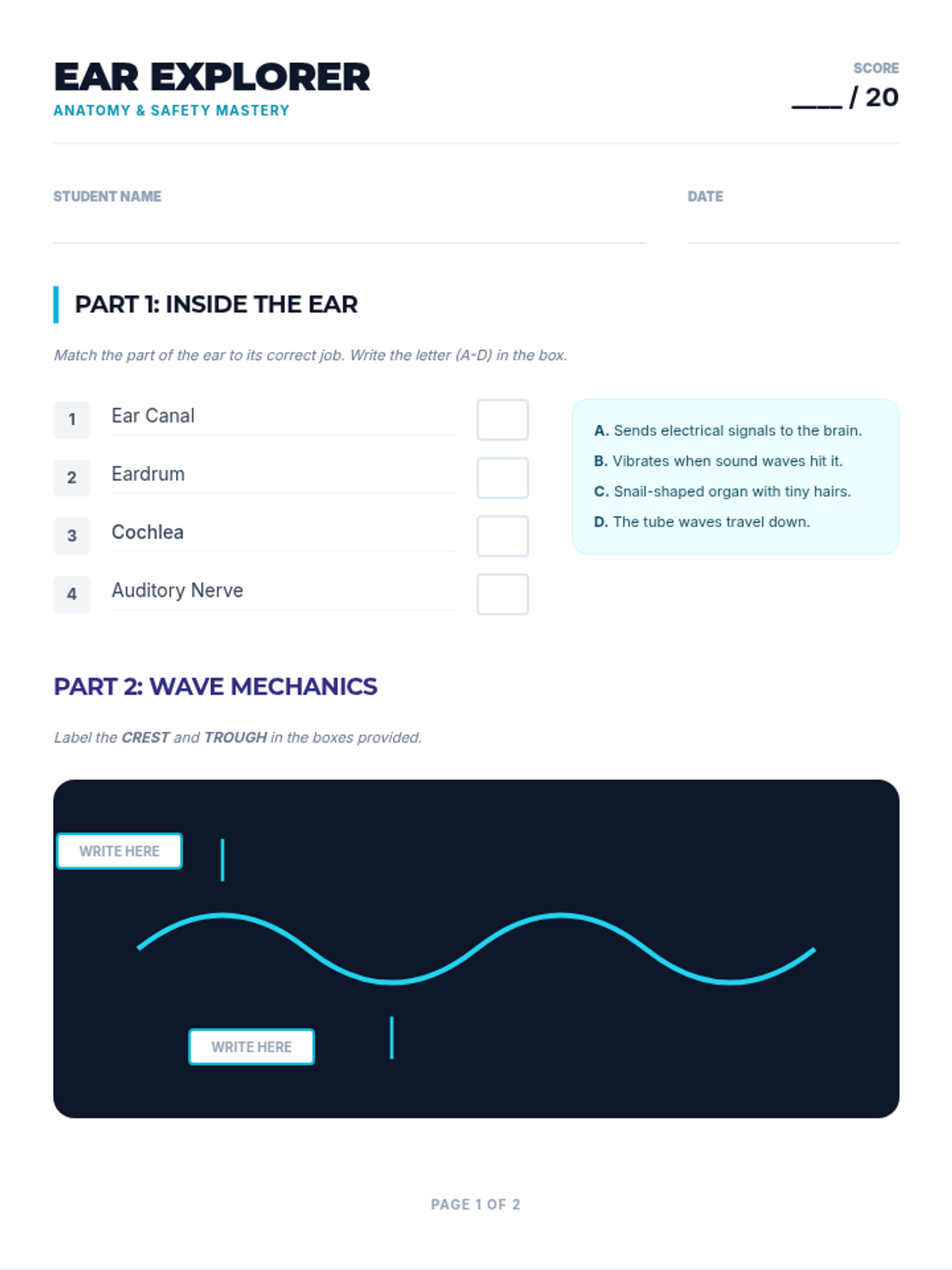
Students explore the anatomy of the ear and the physics of sound waves to understand how noise impacts their health and focus. The lesson includes hands-on noise monitoring and the development of protective strategies for auditory well-being.
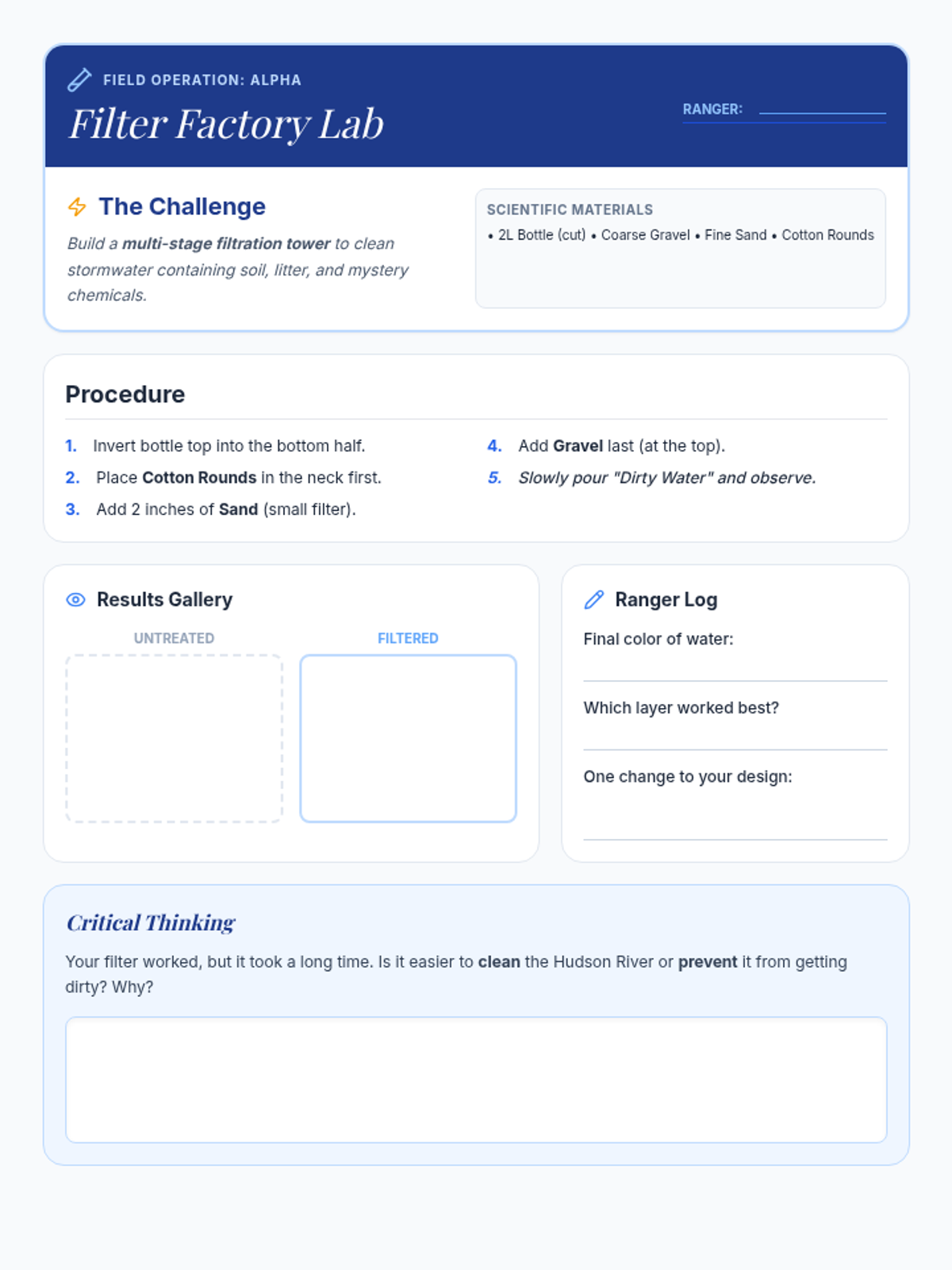
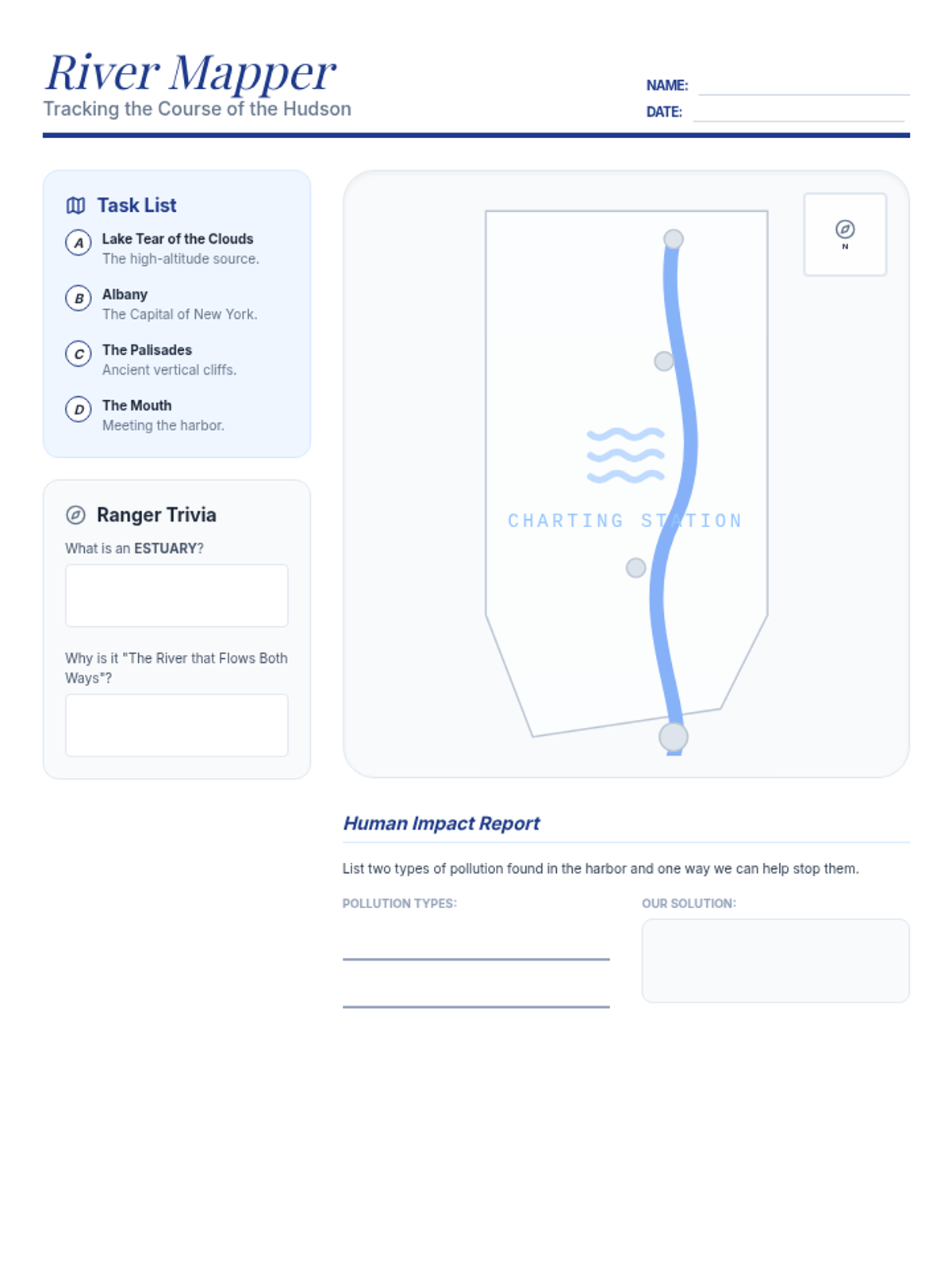
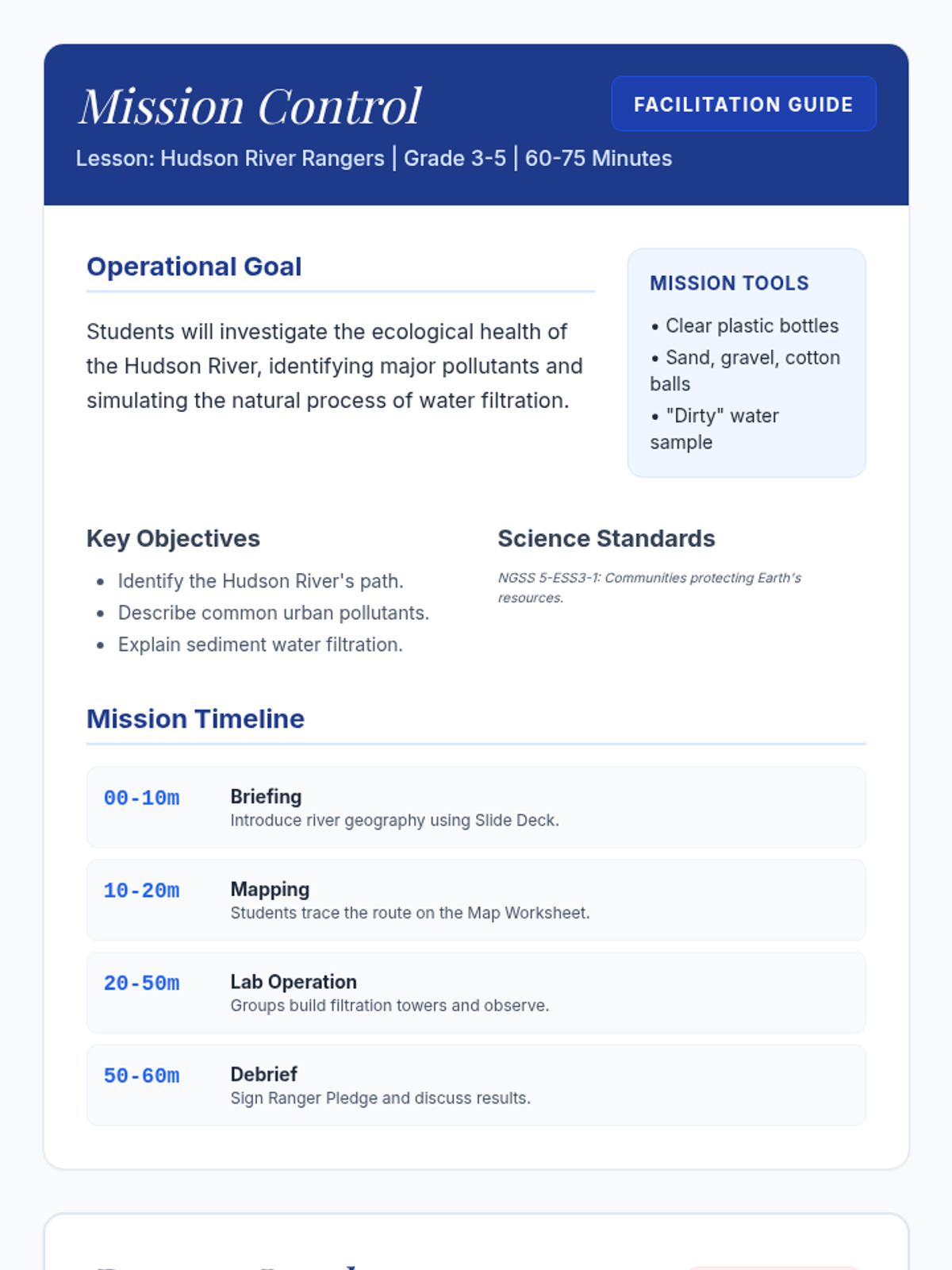
An immersive science lesson where students become 'River Rangers' to investigate the Hudson River's health through filtration experiments and mapping exercises.
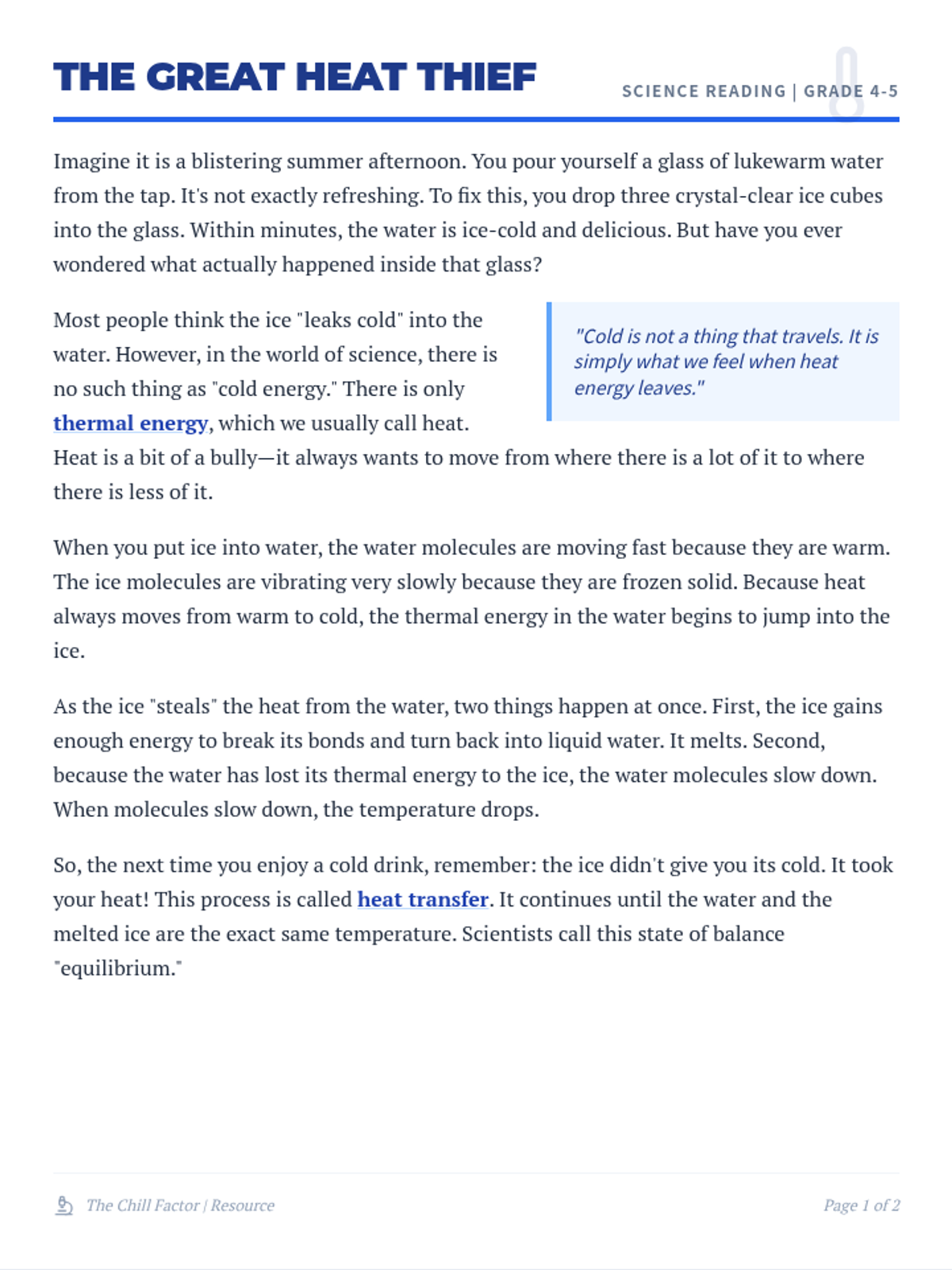
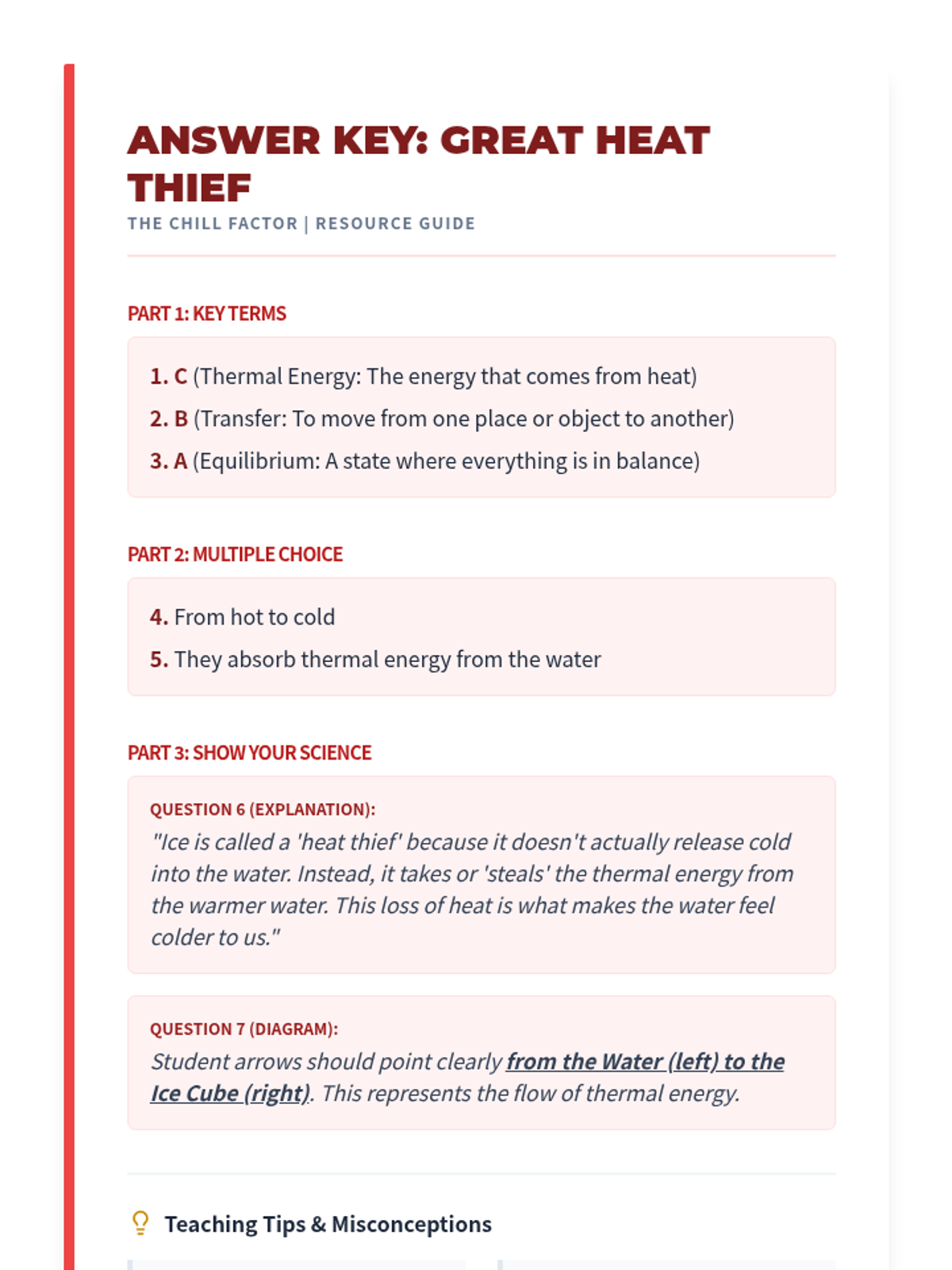
A lesson exploring the science of how ice cools water through the transfer of thermal energy. Students will learn that heat moves from warm to cold, dispelling the common myth that 'cold' moves into the water.
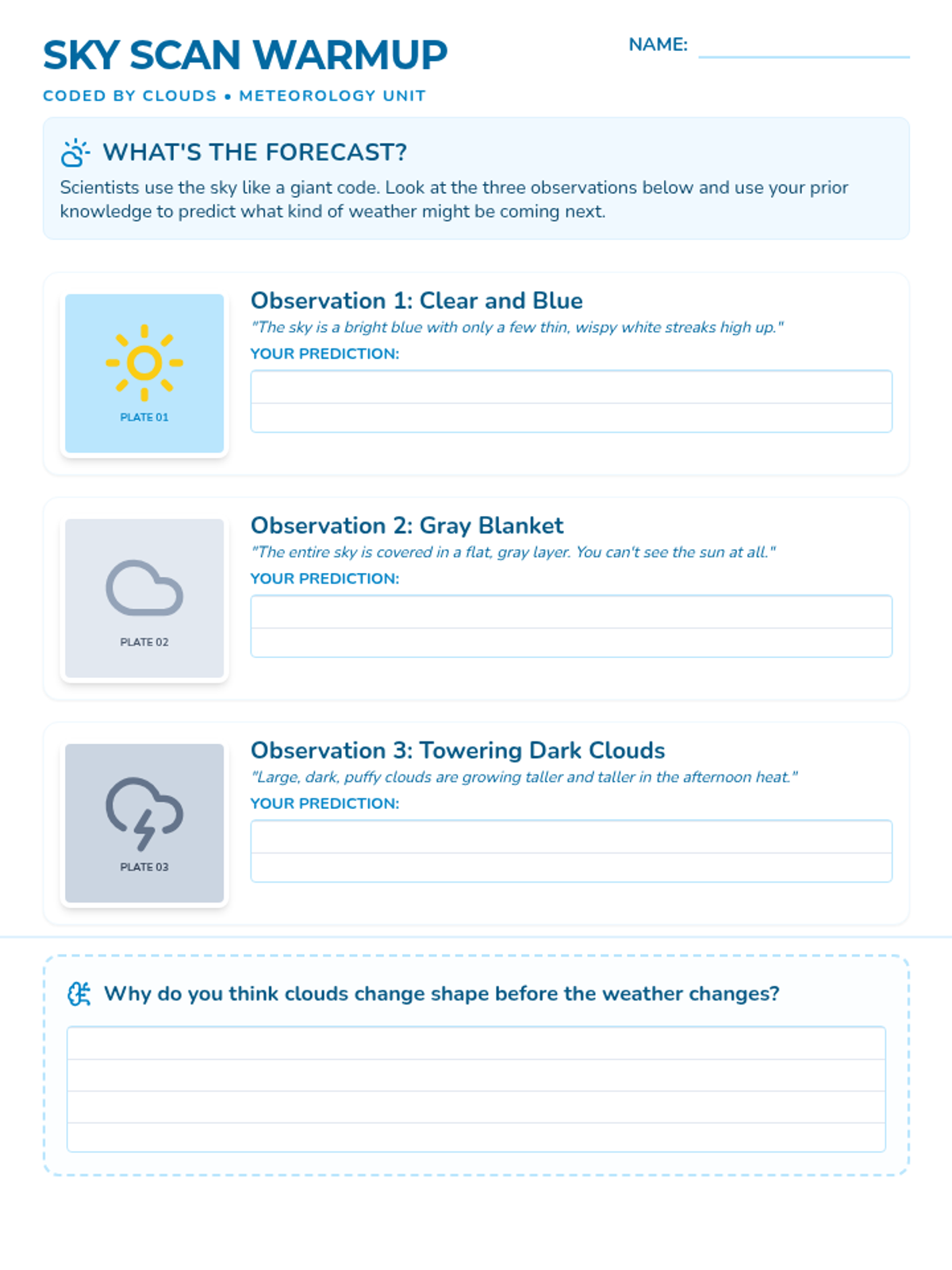
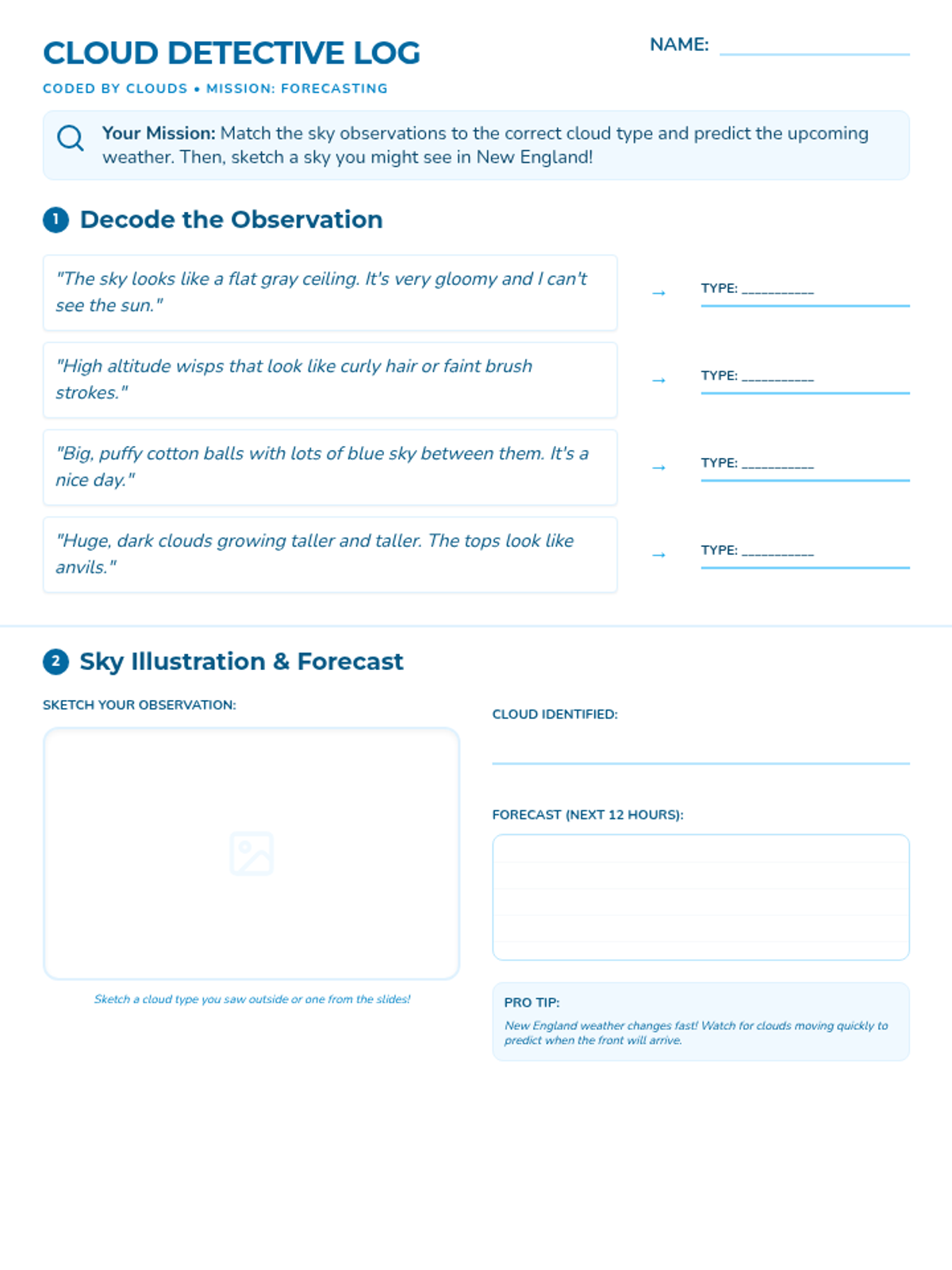
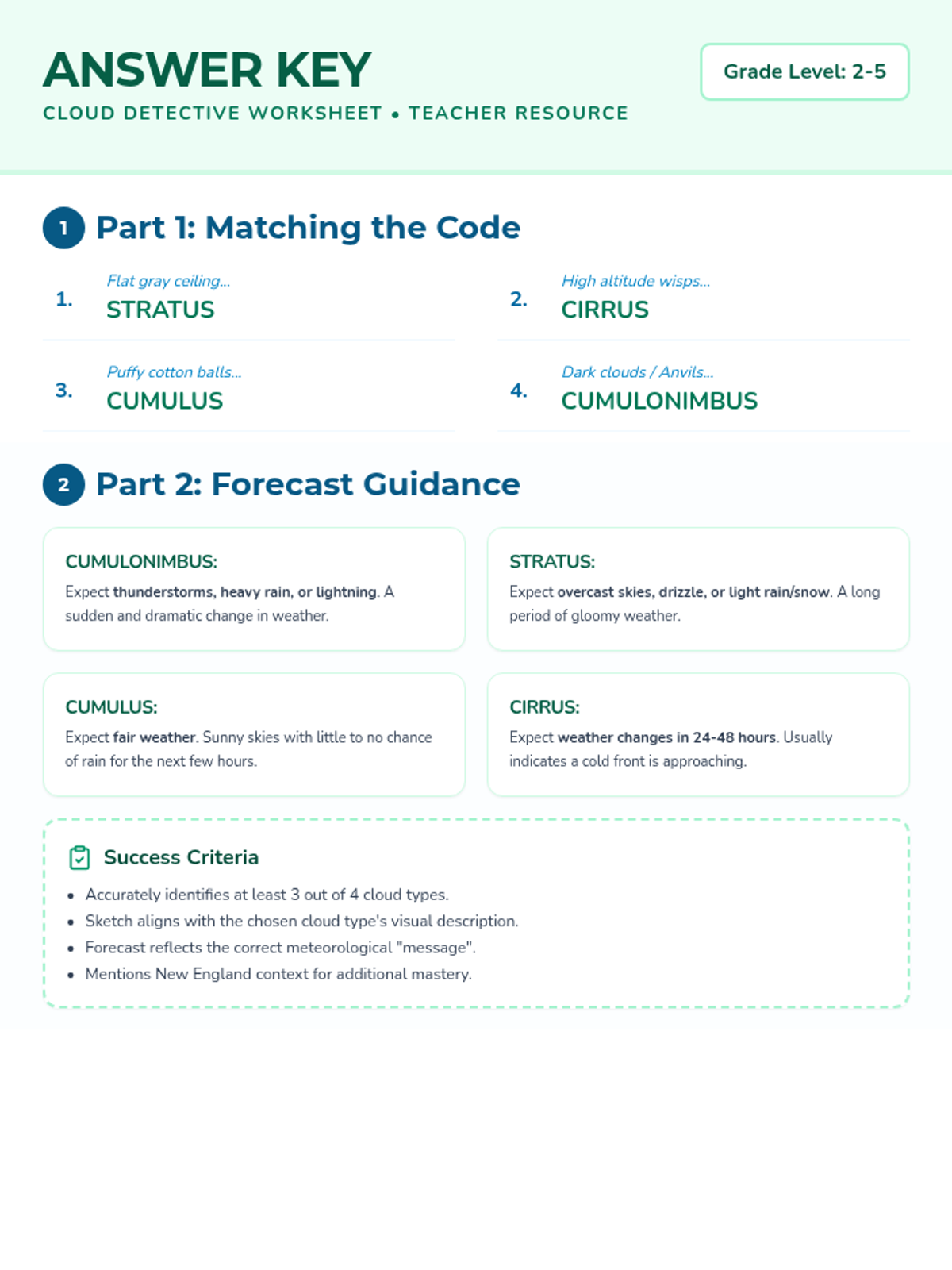
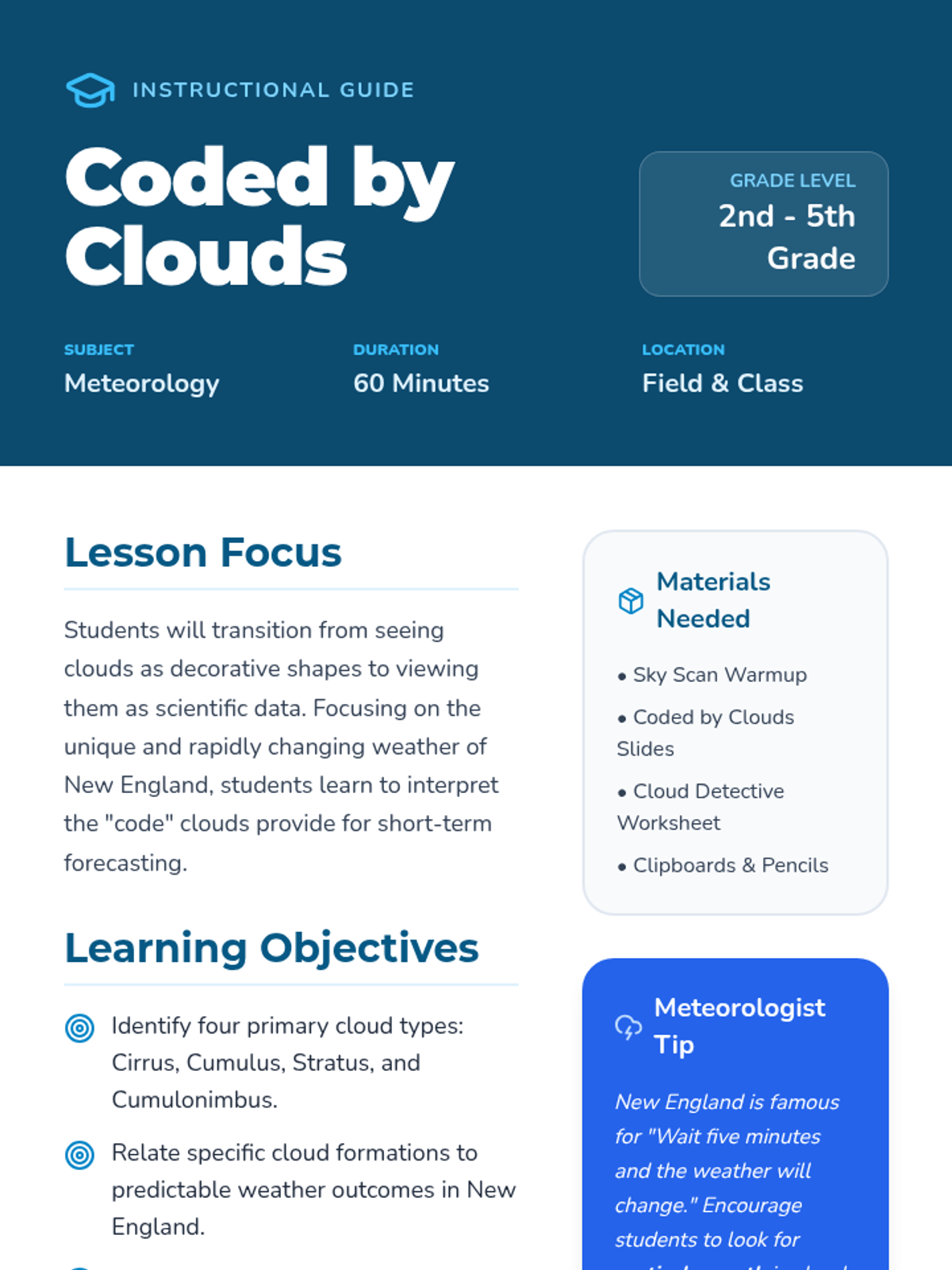
Students observe and categorize different cloud formations to predict upcoming weather patterns in the New England area. This meteorology lesson encourages 2nd through 5th graders to use sky observations as data for scientific forecasting.
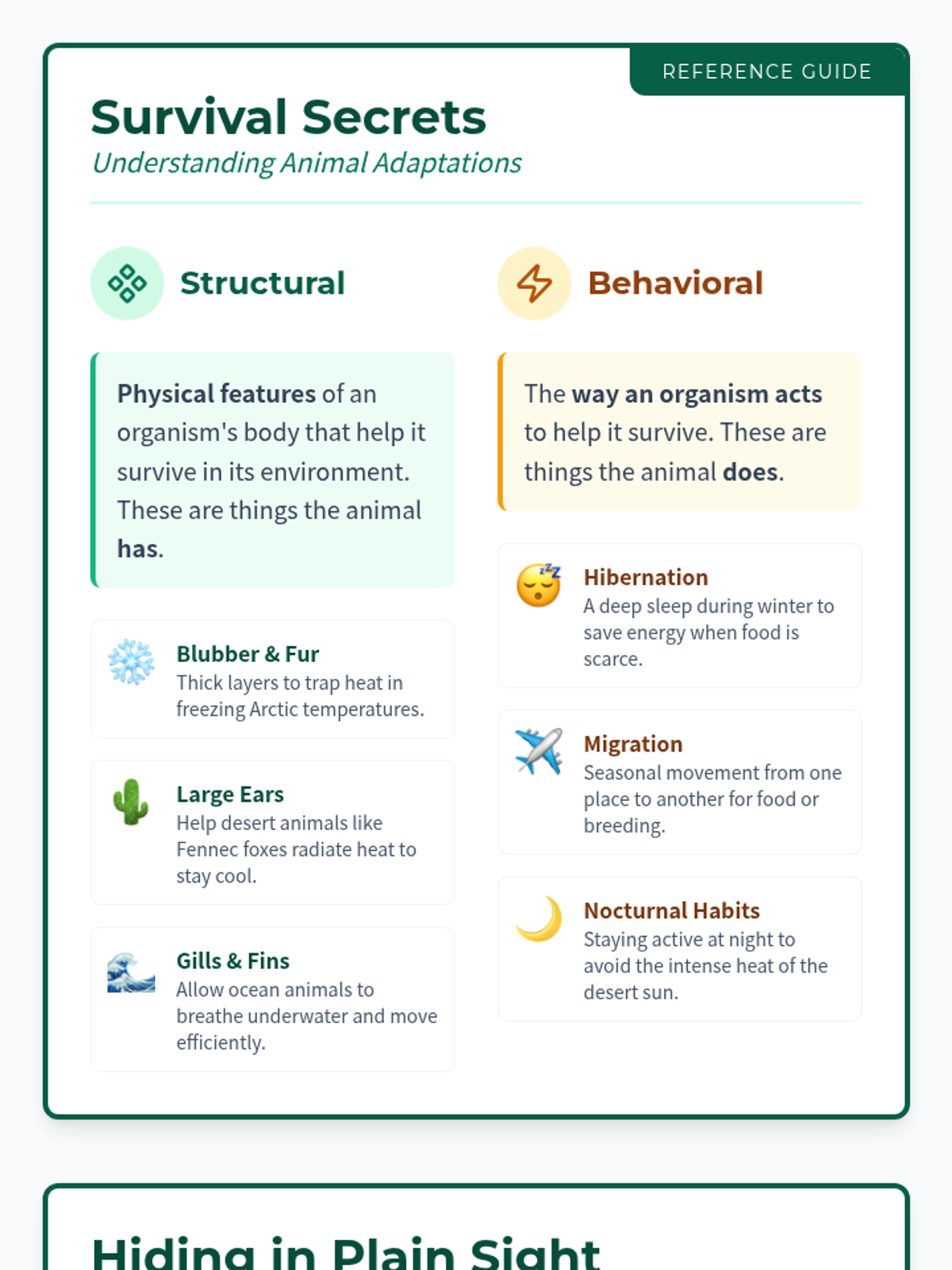
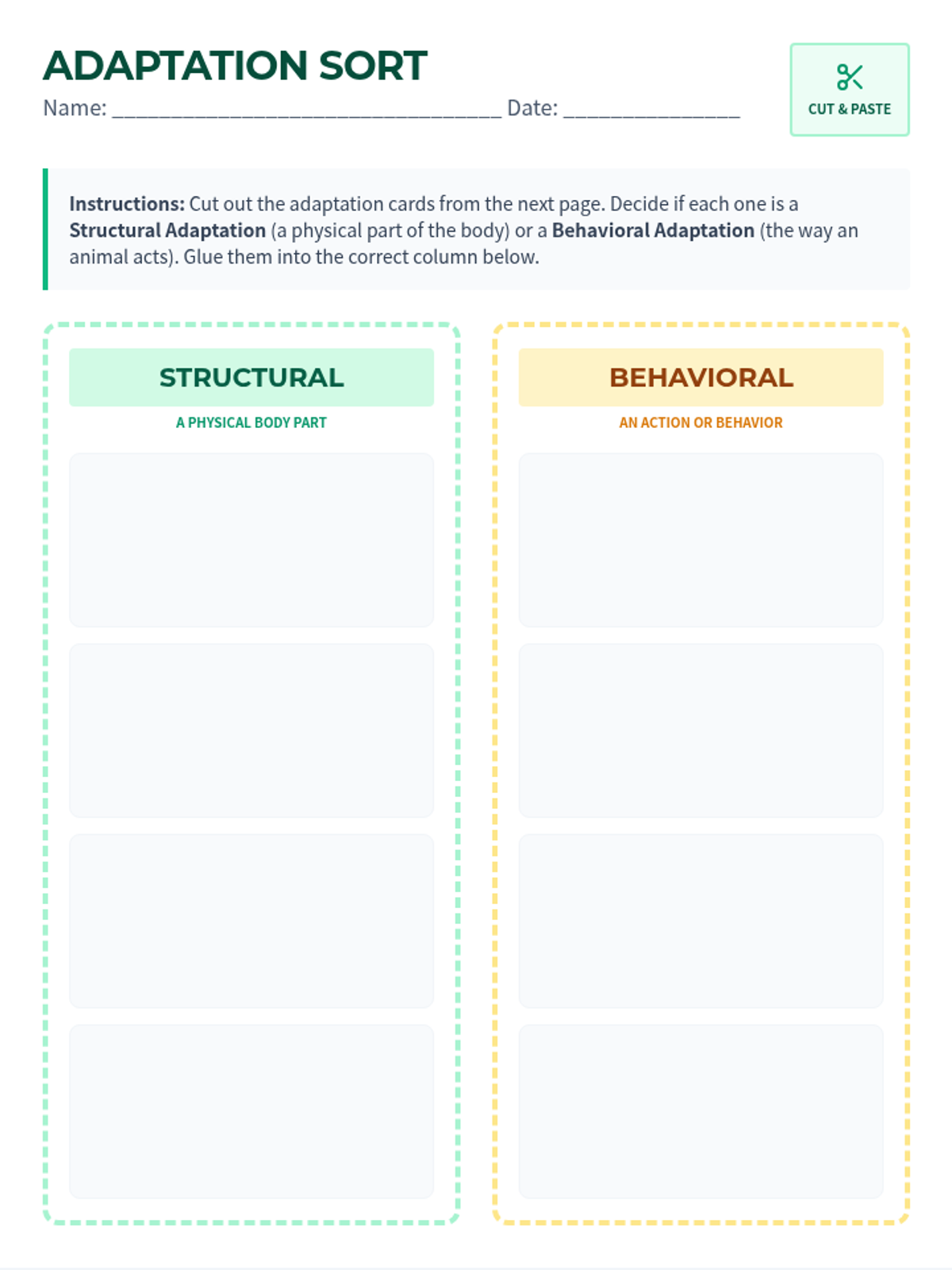
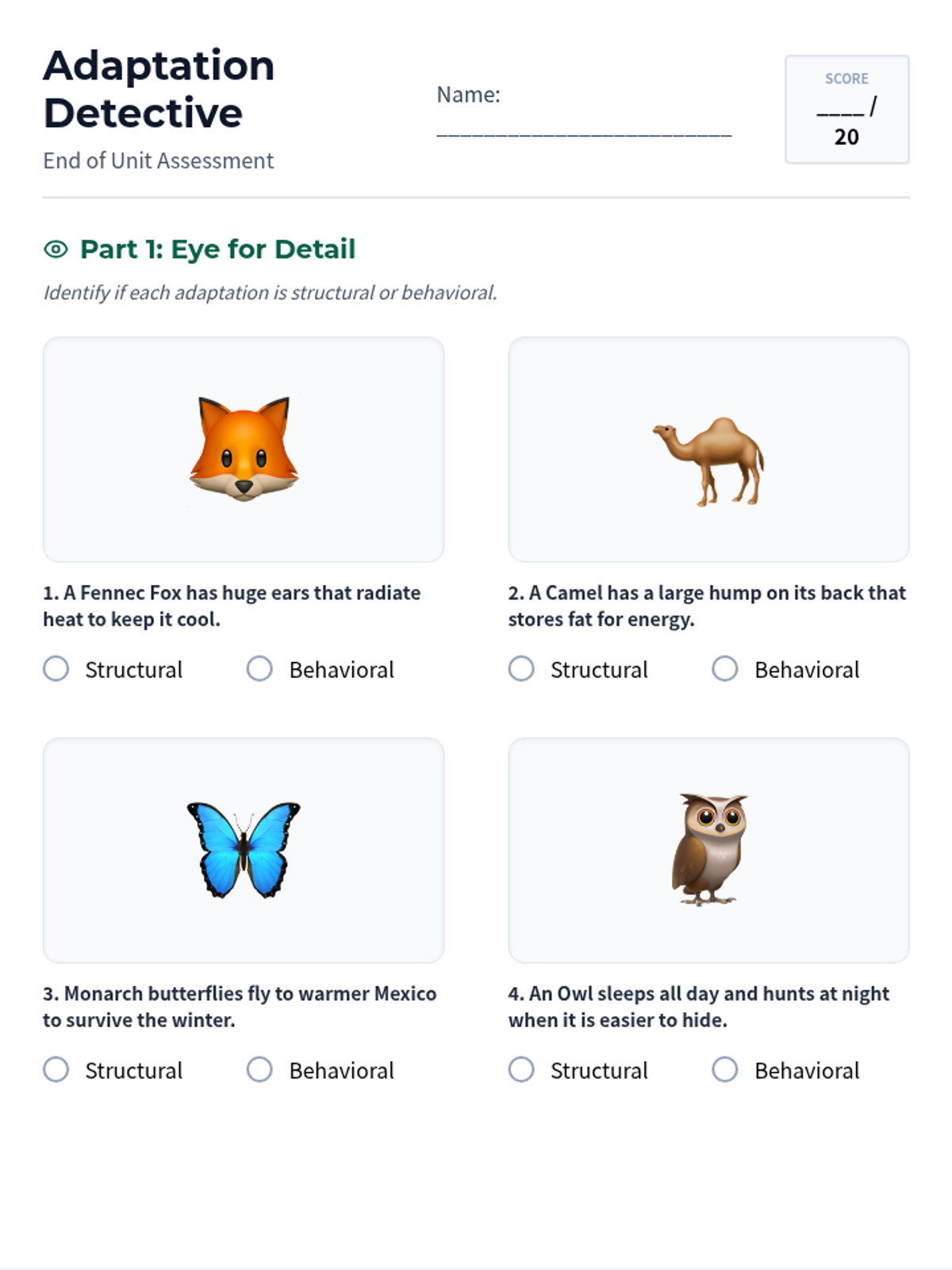
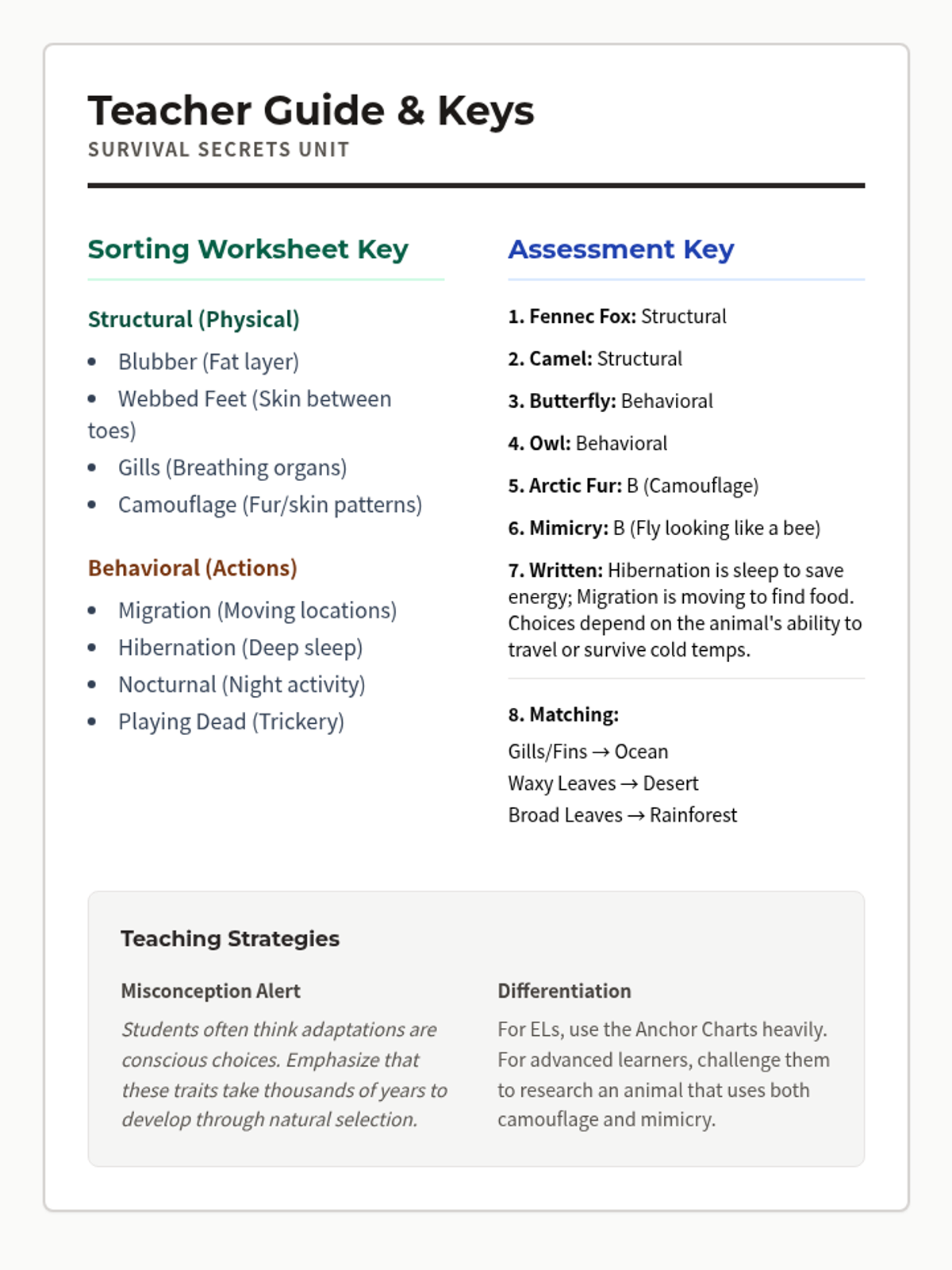
A comprehensive lesson on structural and behavioral adaptations across various biomes, including specialized survival strategies like hibernation, migration, camouflage, and mimicry.
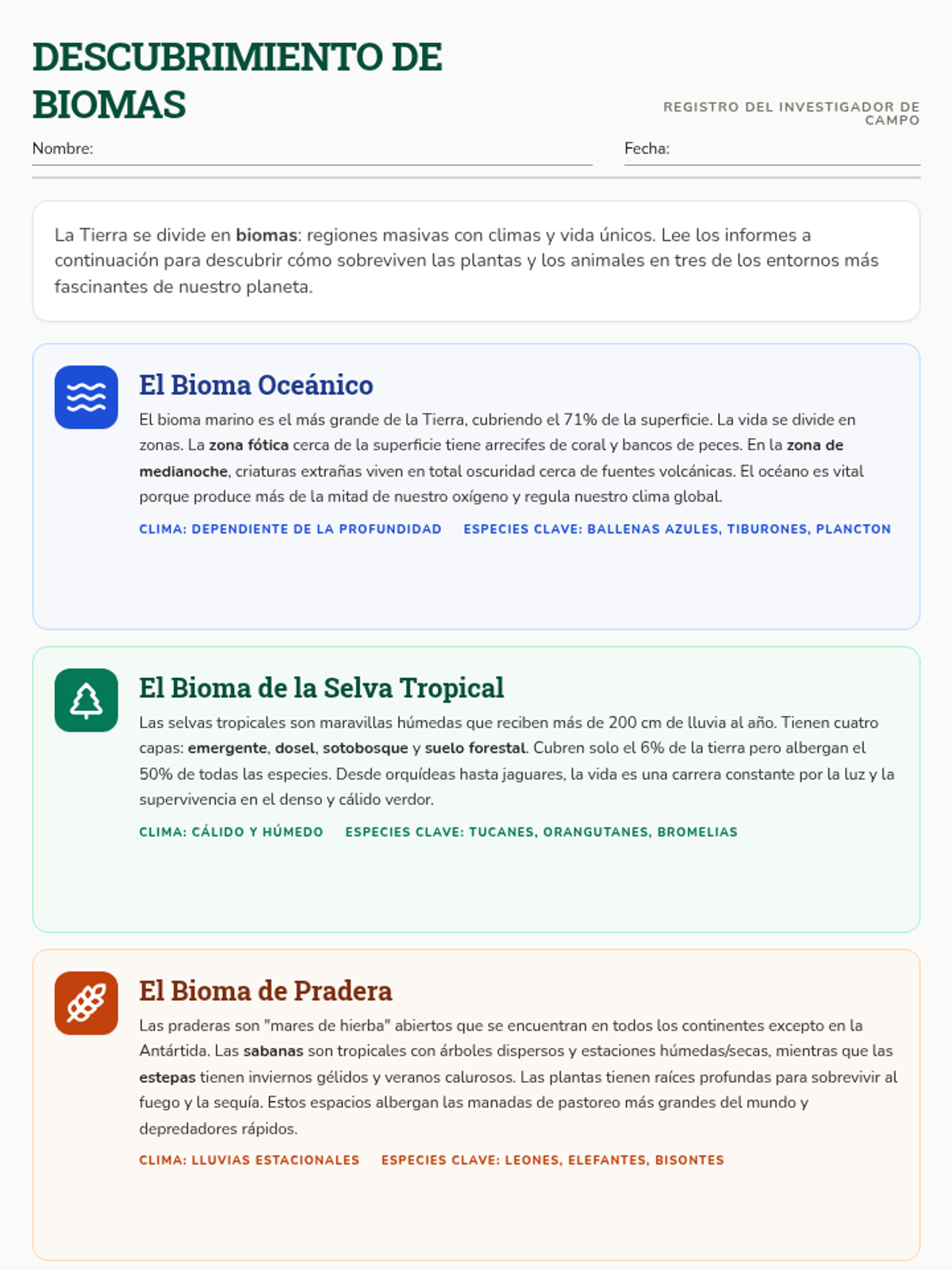
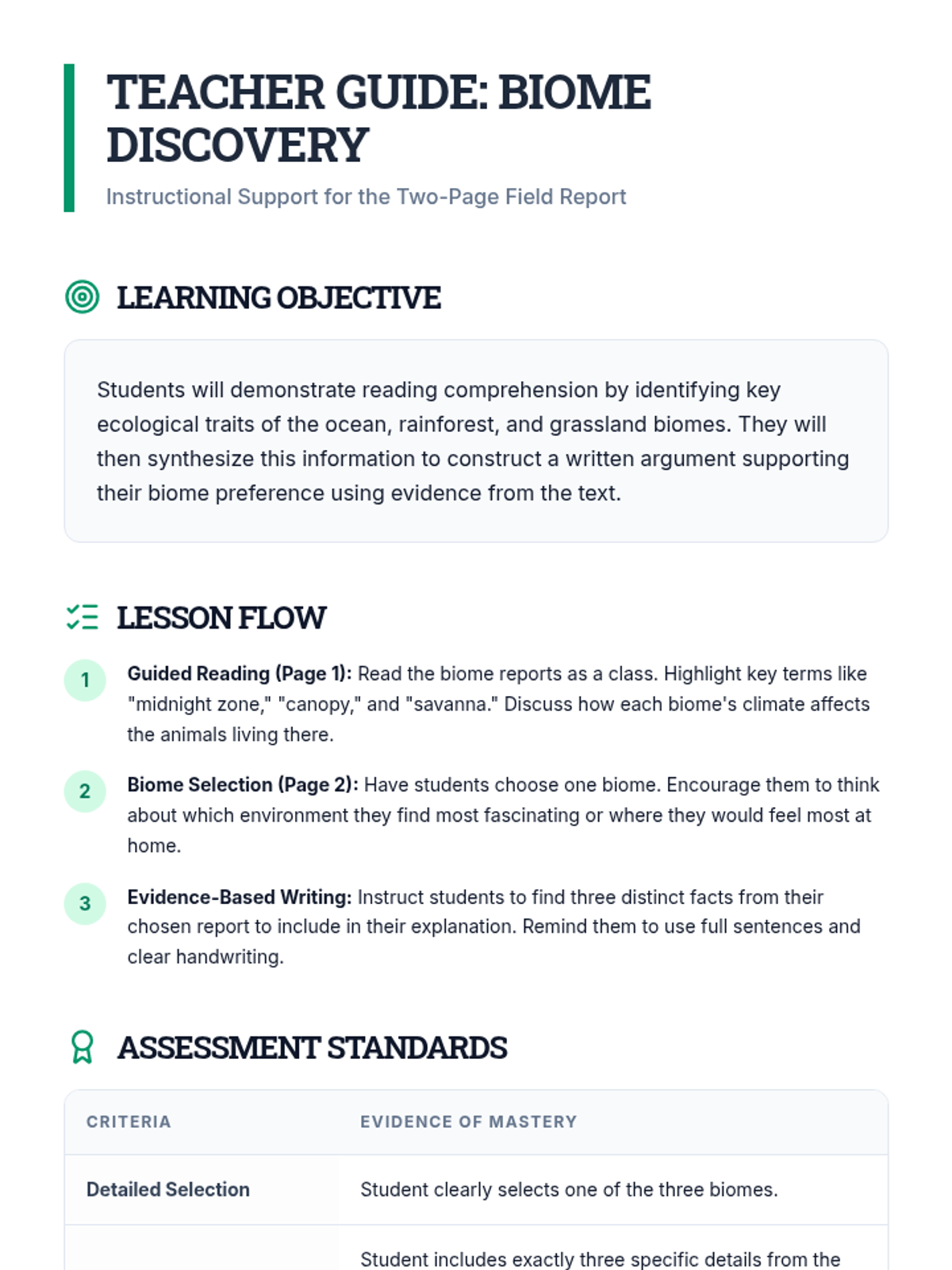
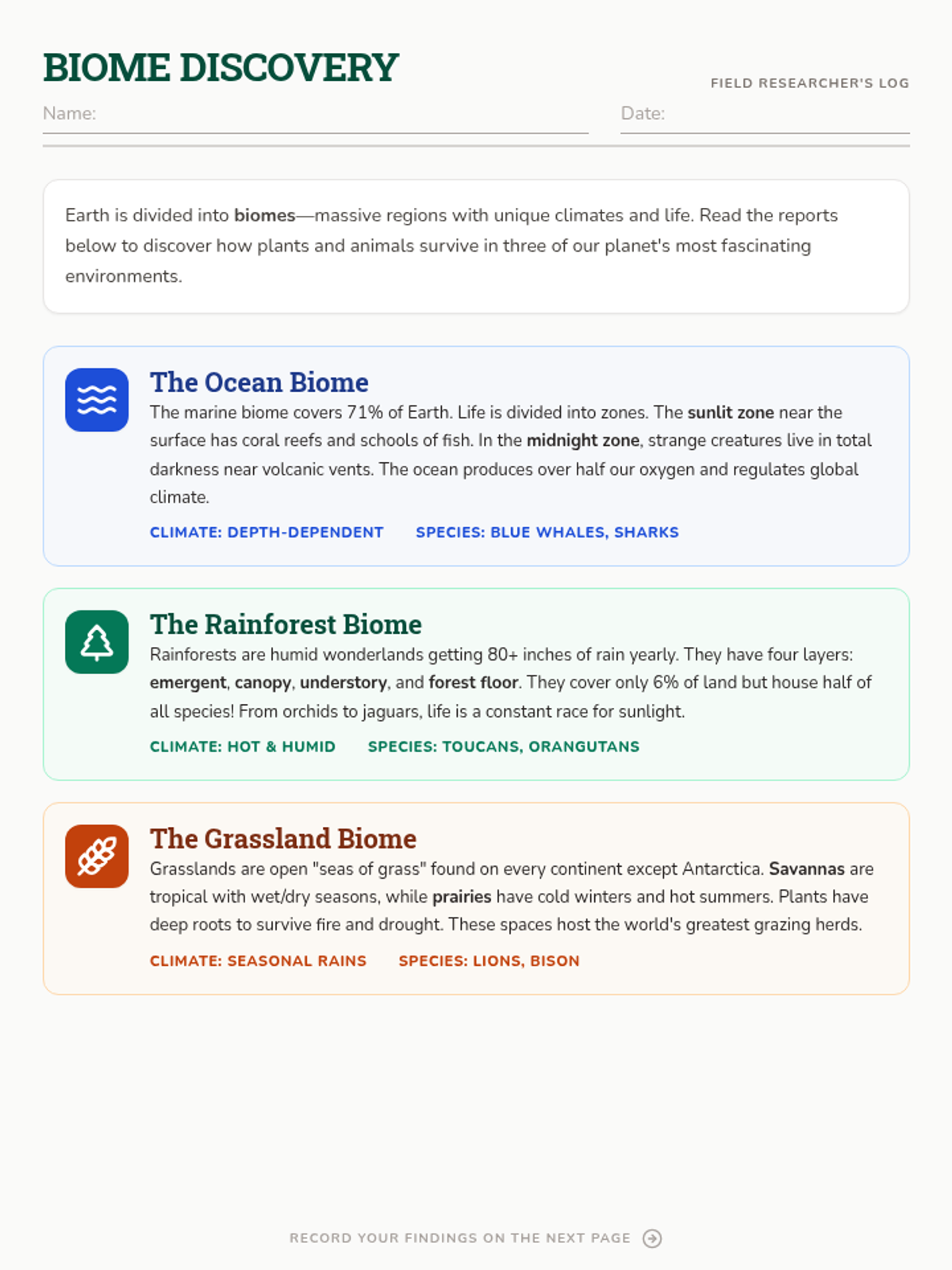
An introductory exploration of Earth's diverse biomes, focusing on the ocean, rainforest, and grassland ecosystems. Students learn to identify key characteristics and express personal preferences based on ecological traits.
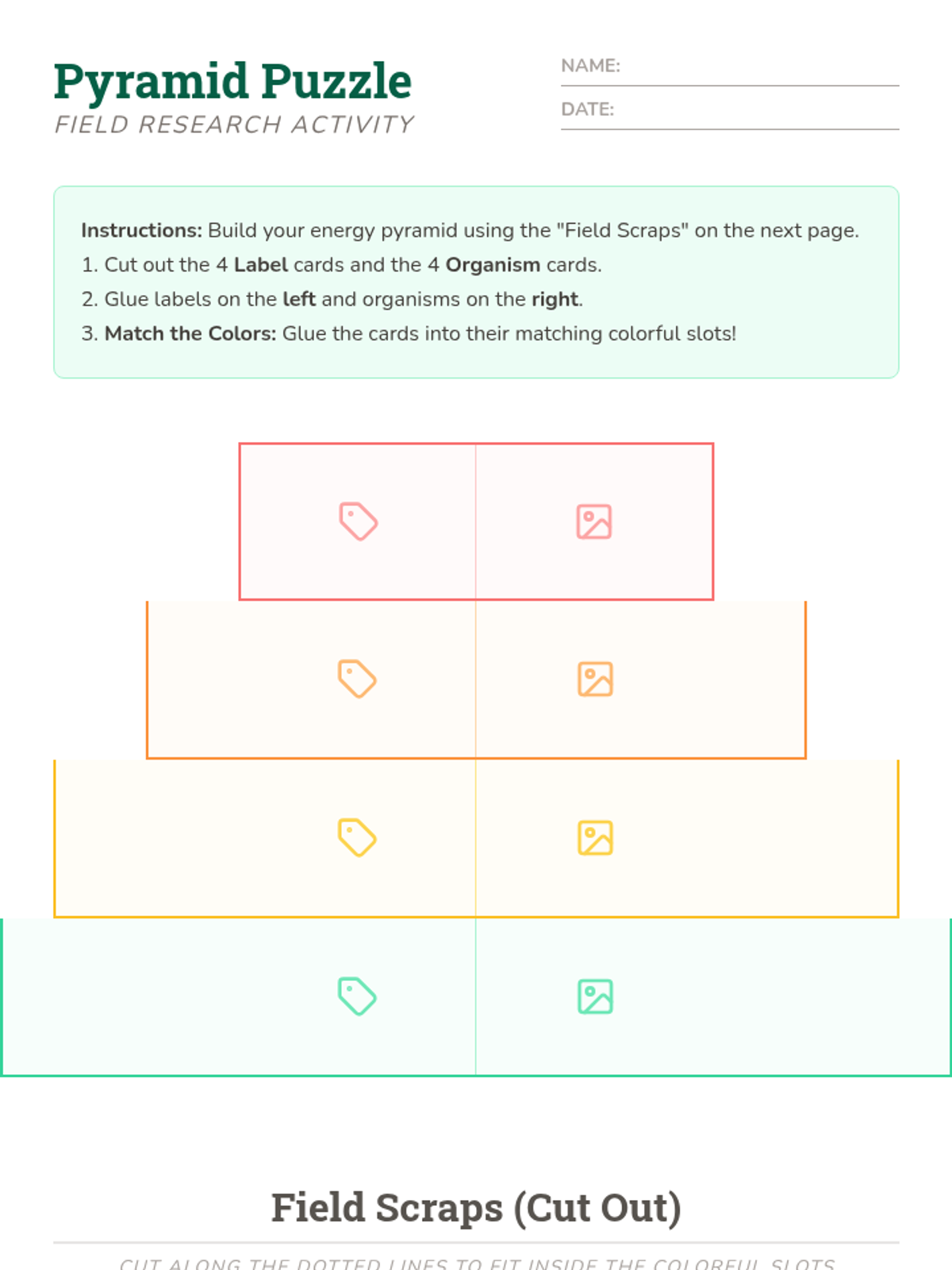
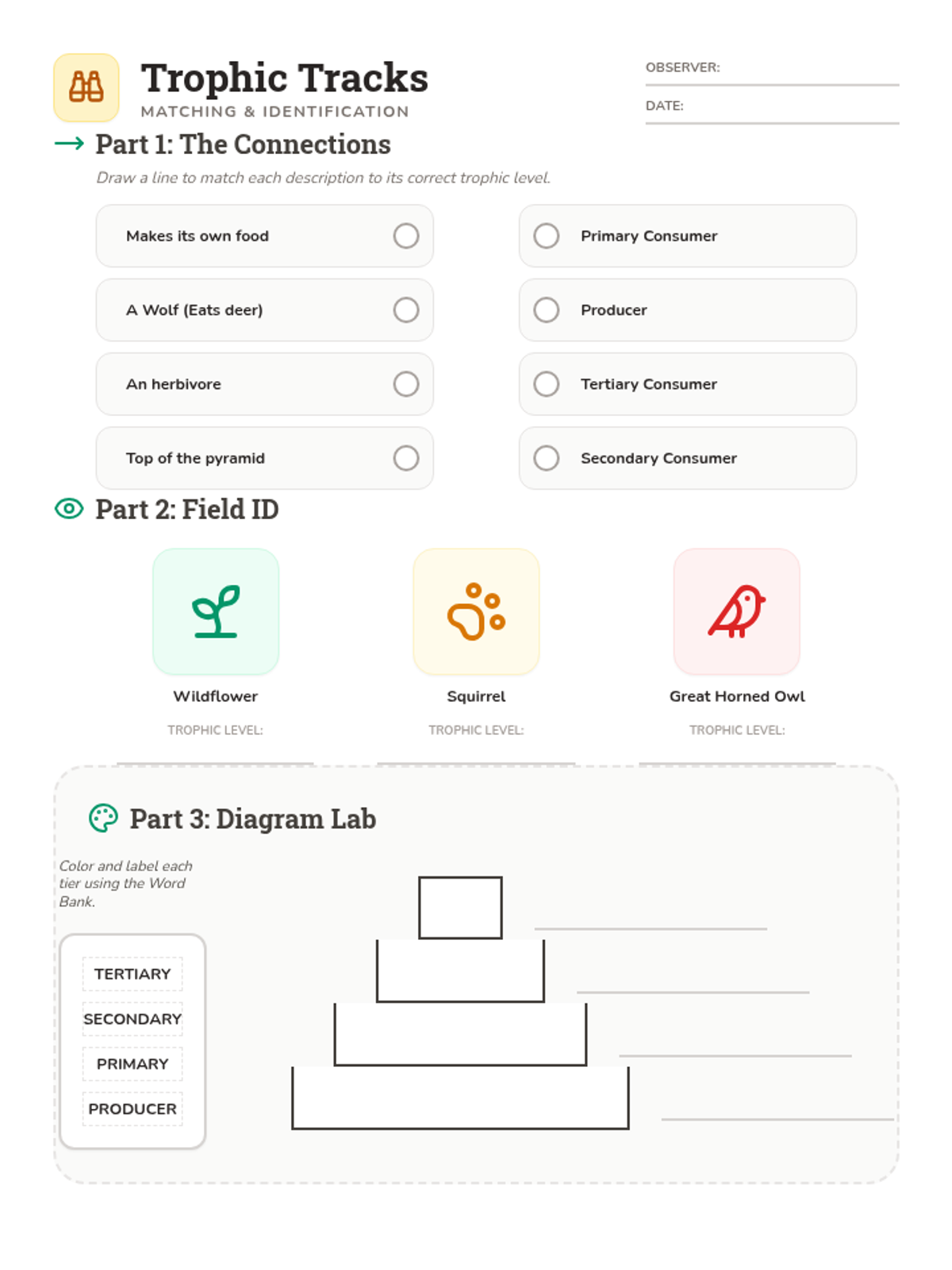
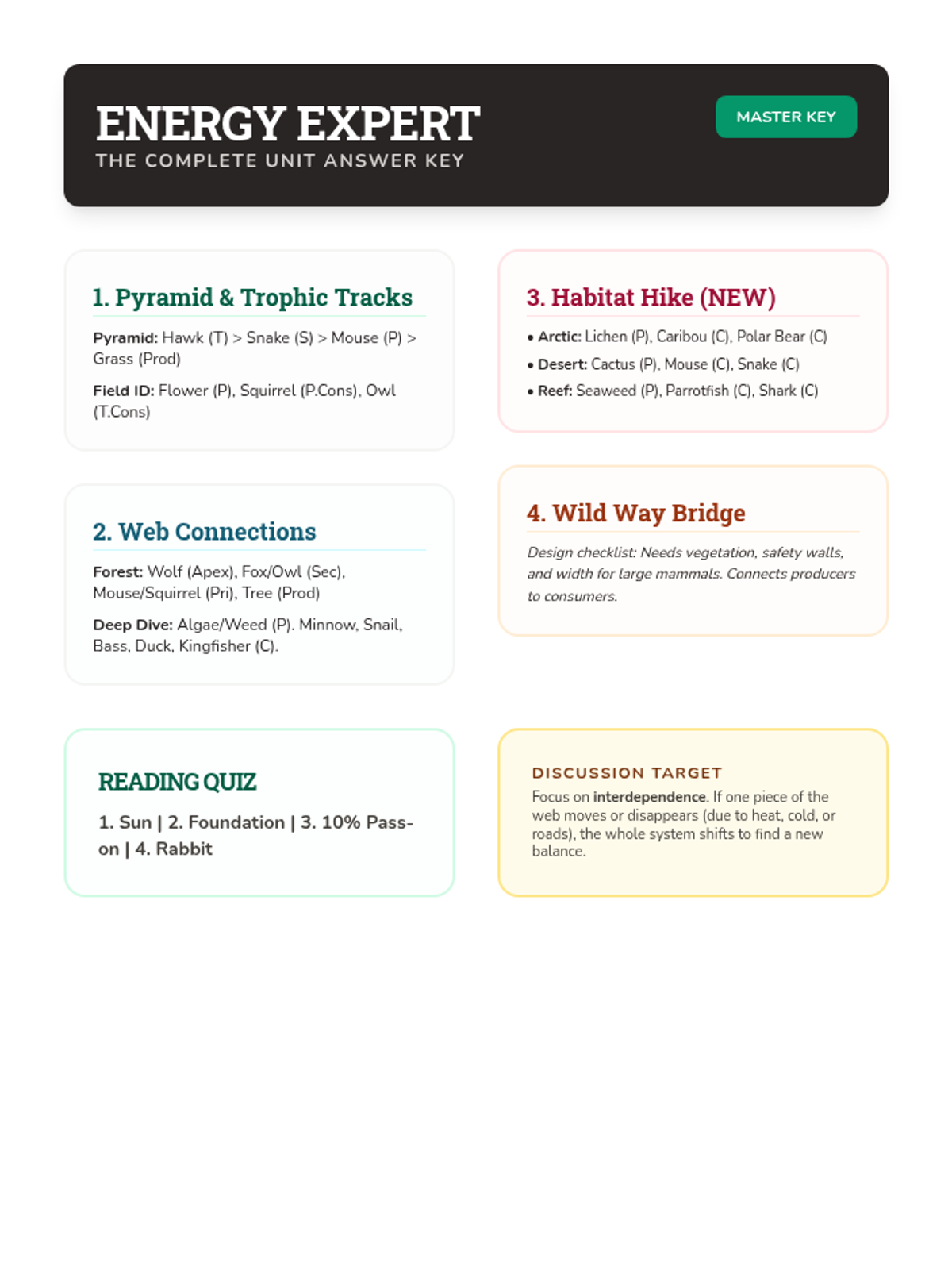
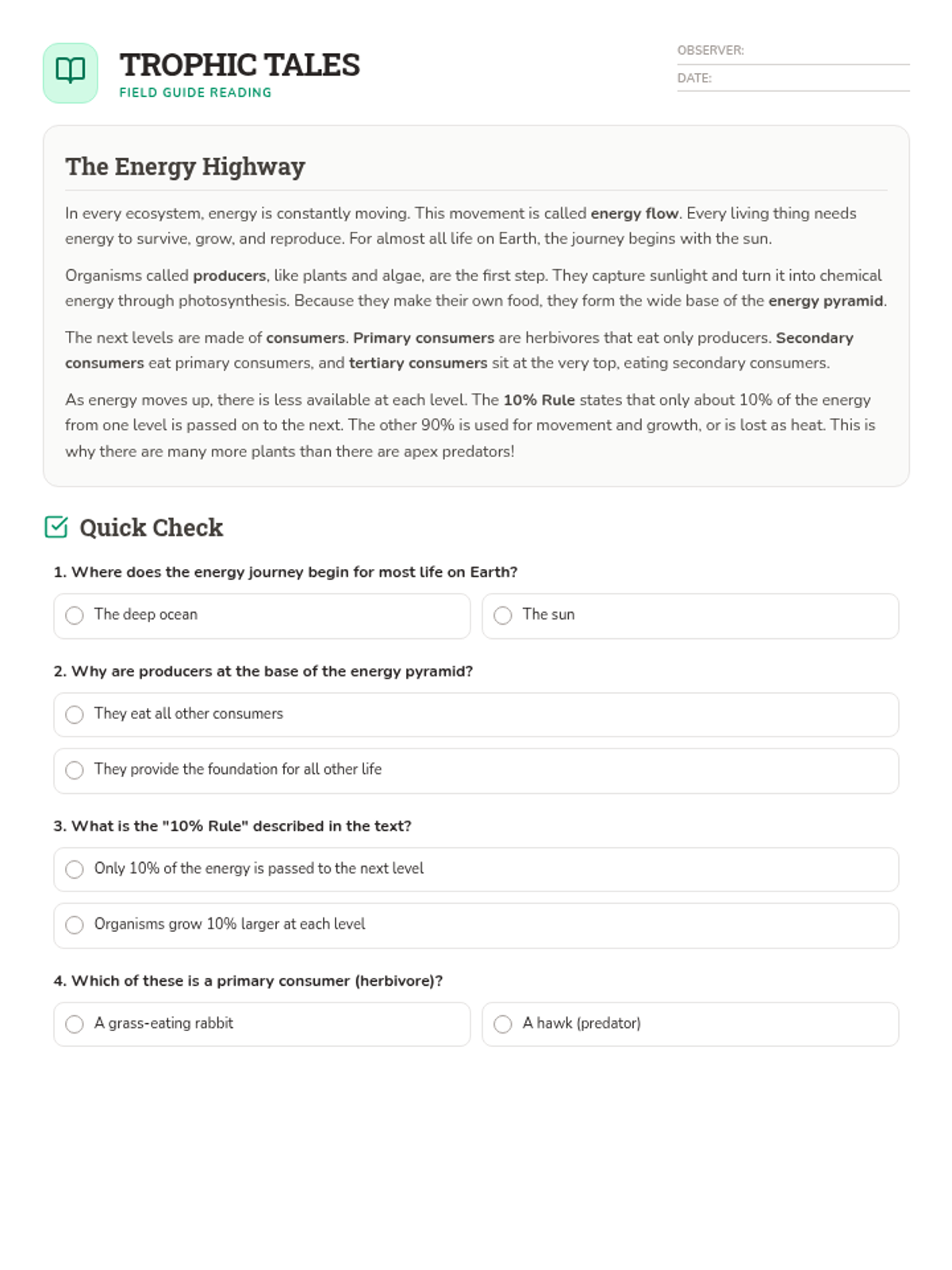
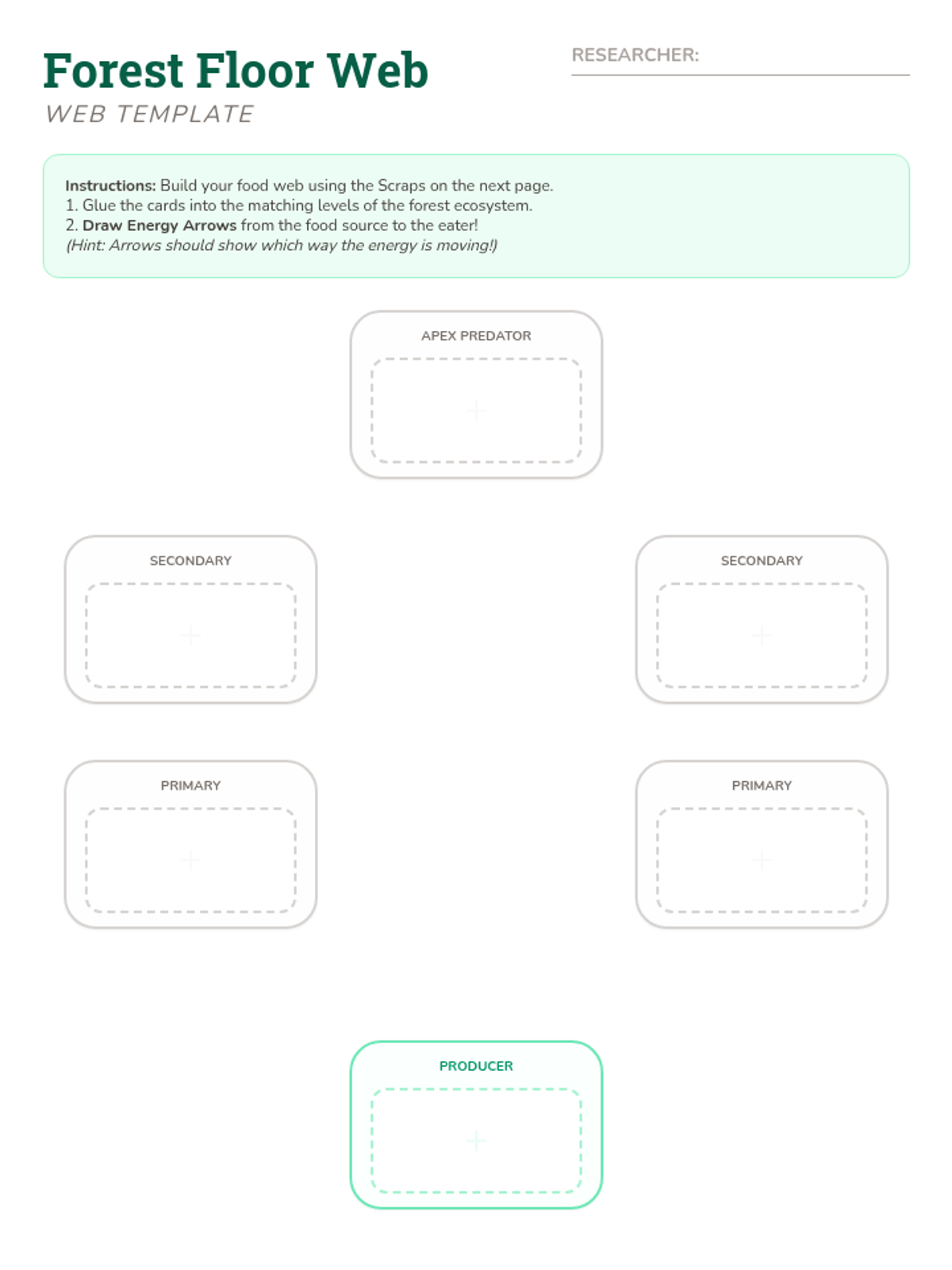
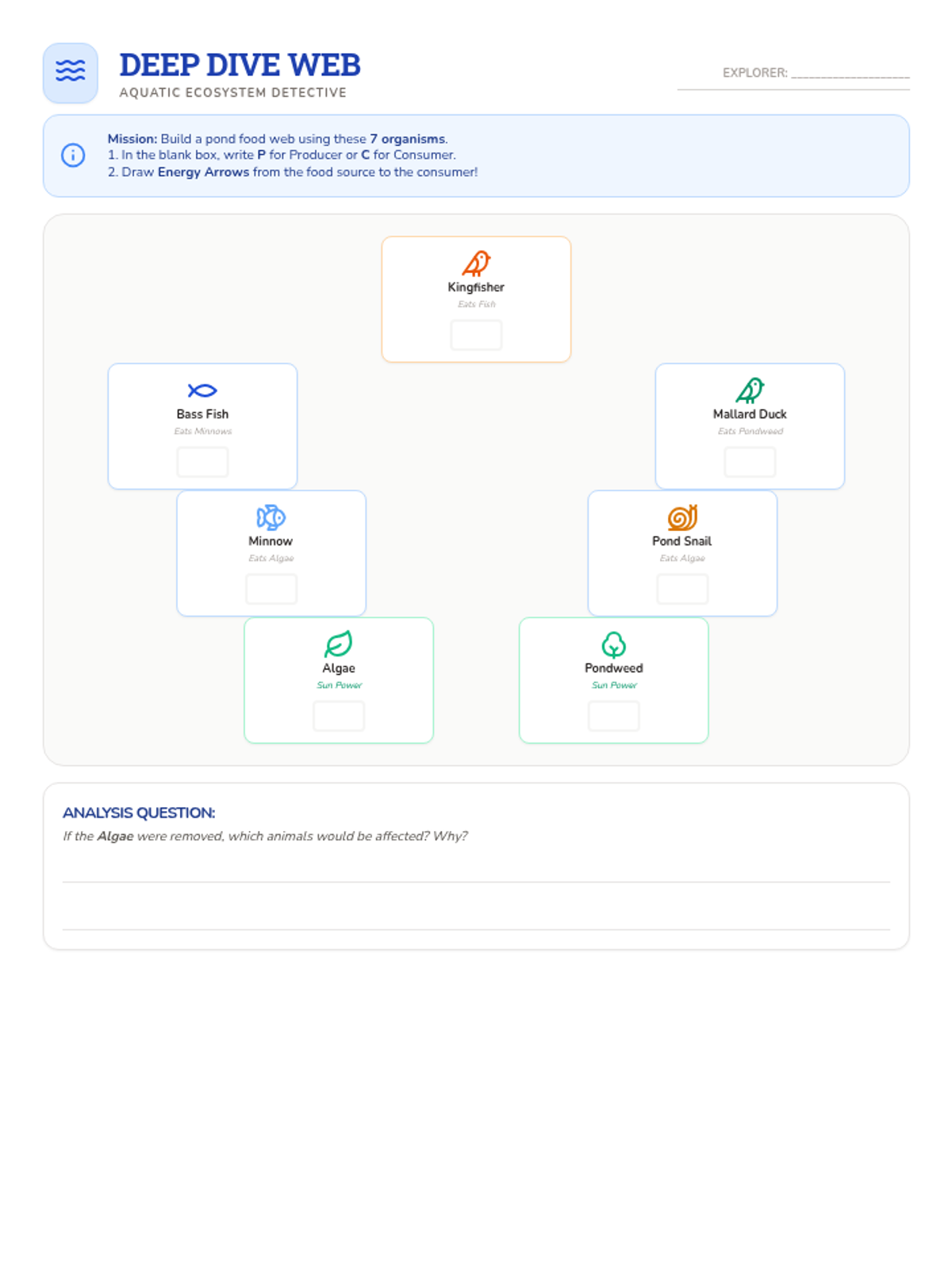
A foundational lesson exploring how energy moves through ecosystems, focusing on trophic levels, the 10% rule, and the complex connections in terrestrial and aquatic food webs.
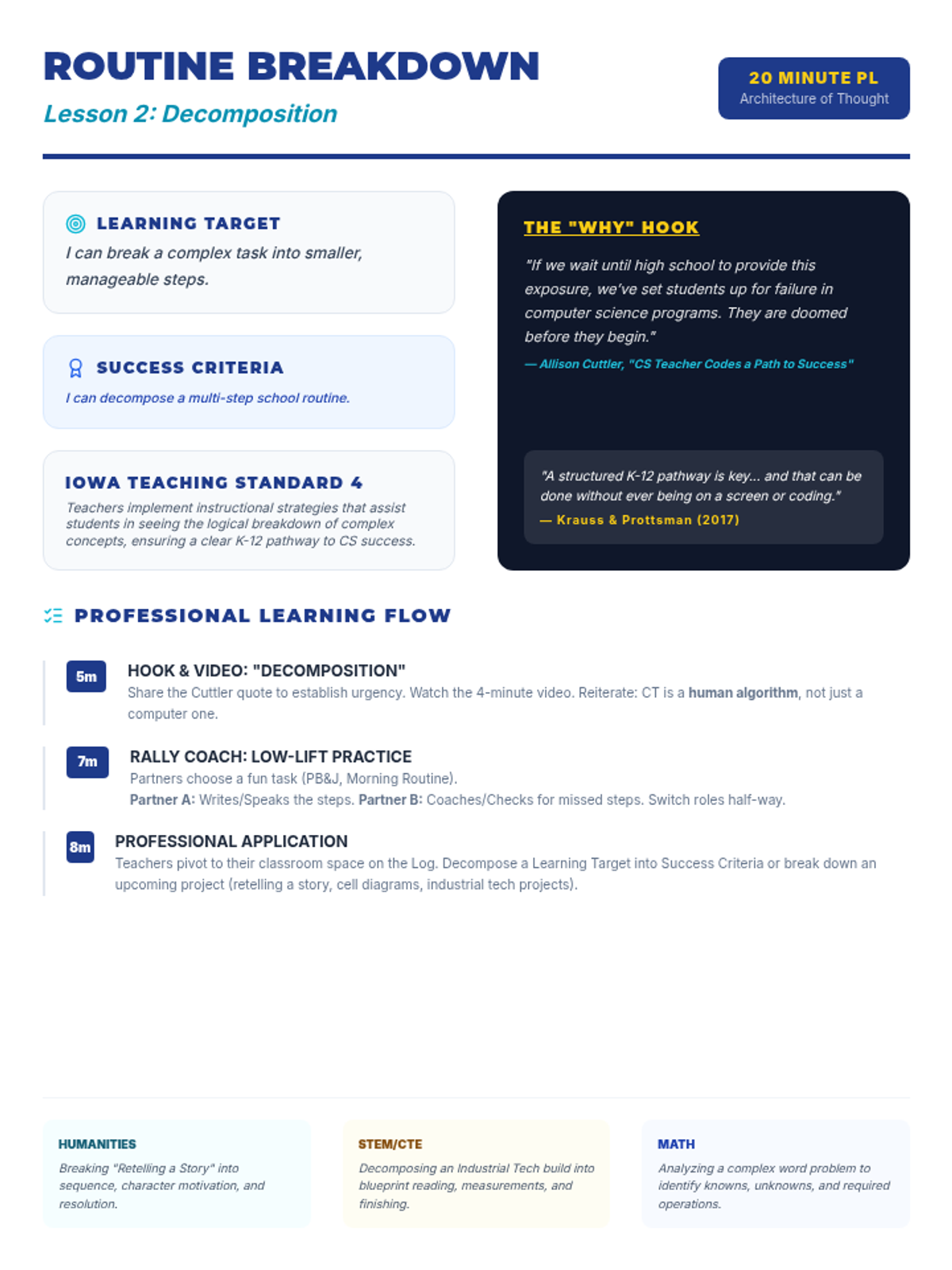
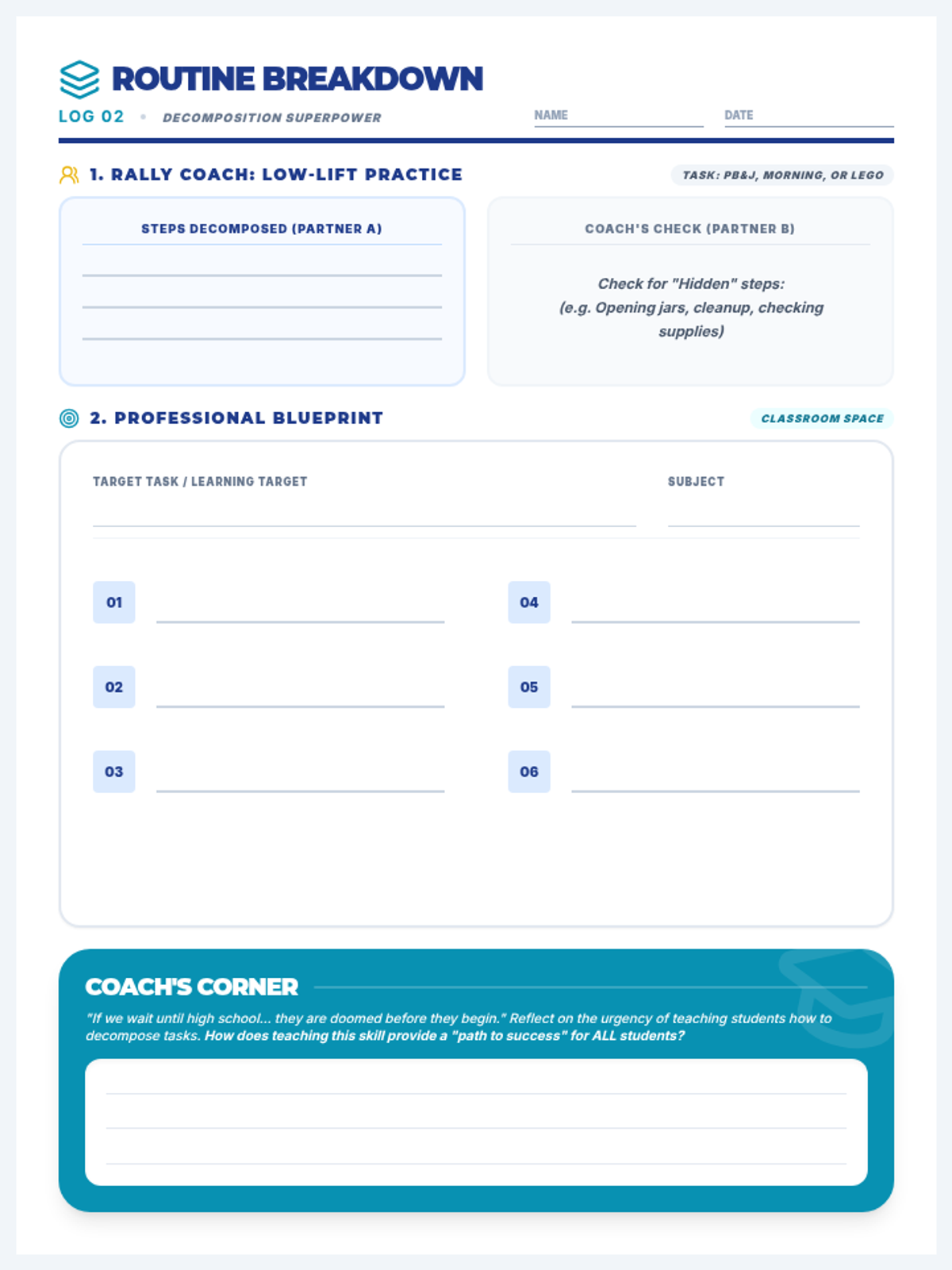
Teachers learn to break complex tasks into smaller, manageable steps using classroom routines and Iowa Core standards as examples.
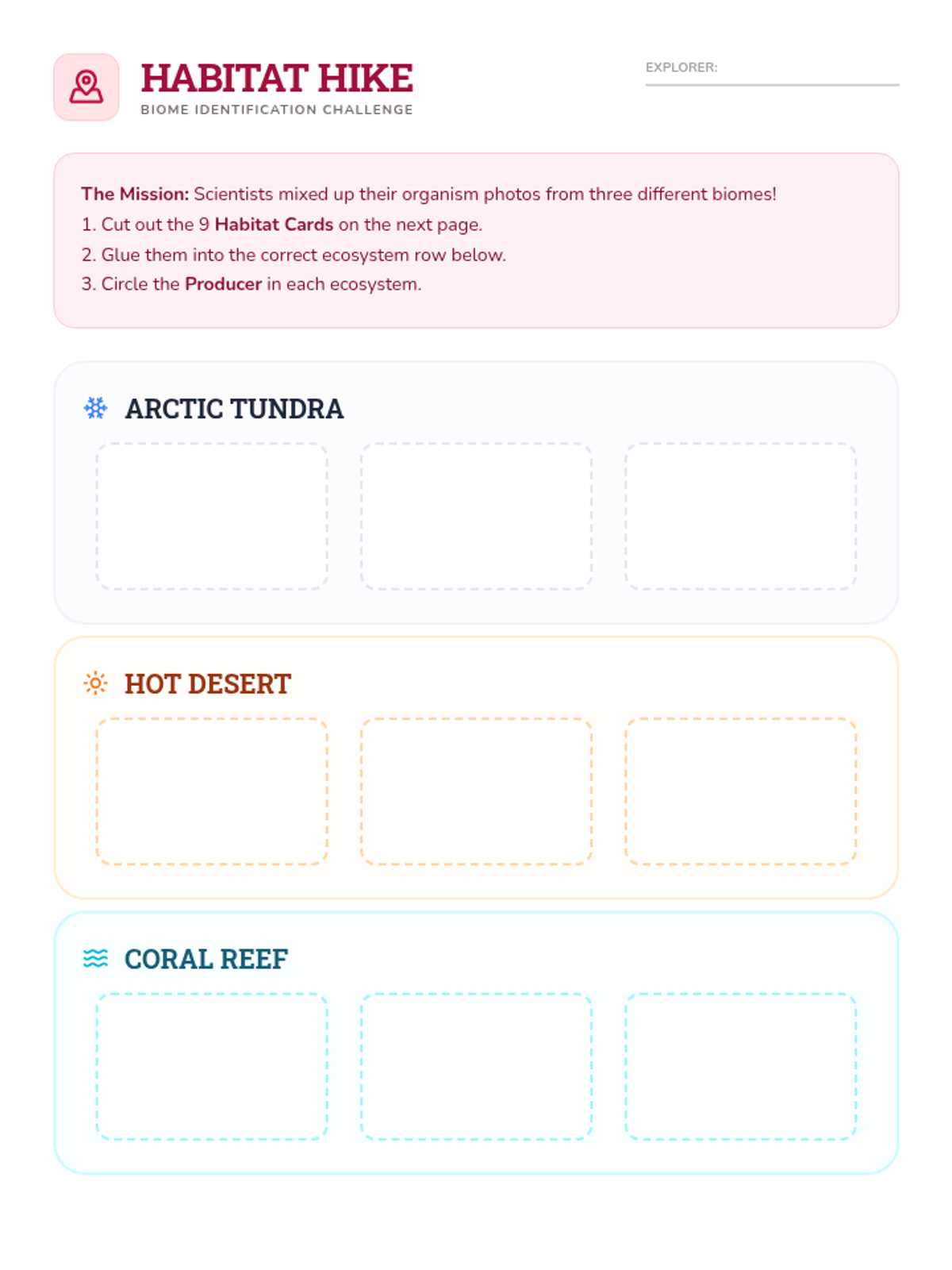
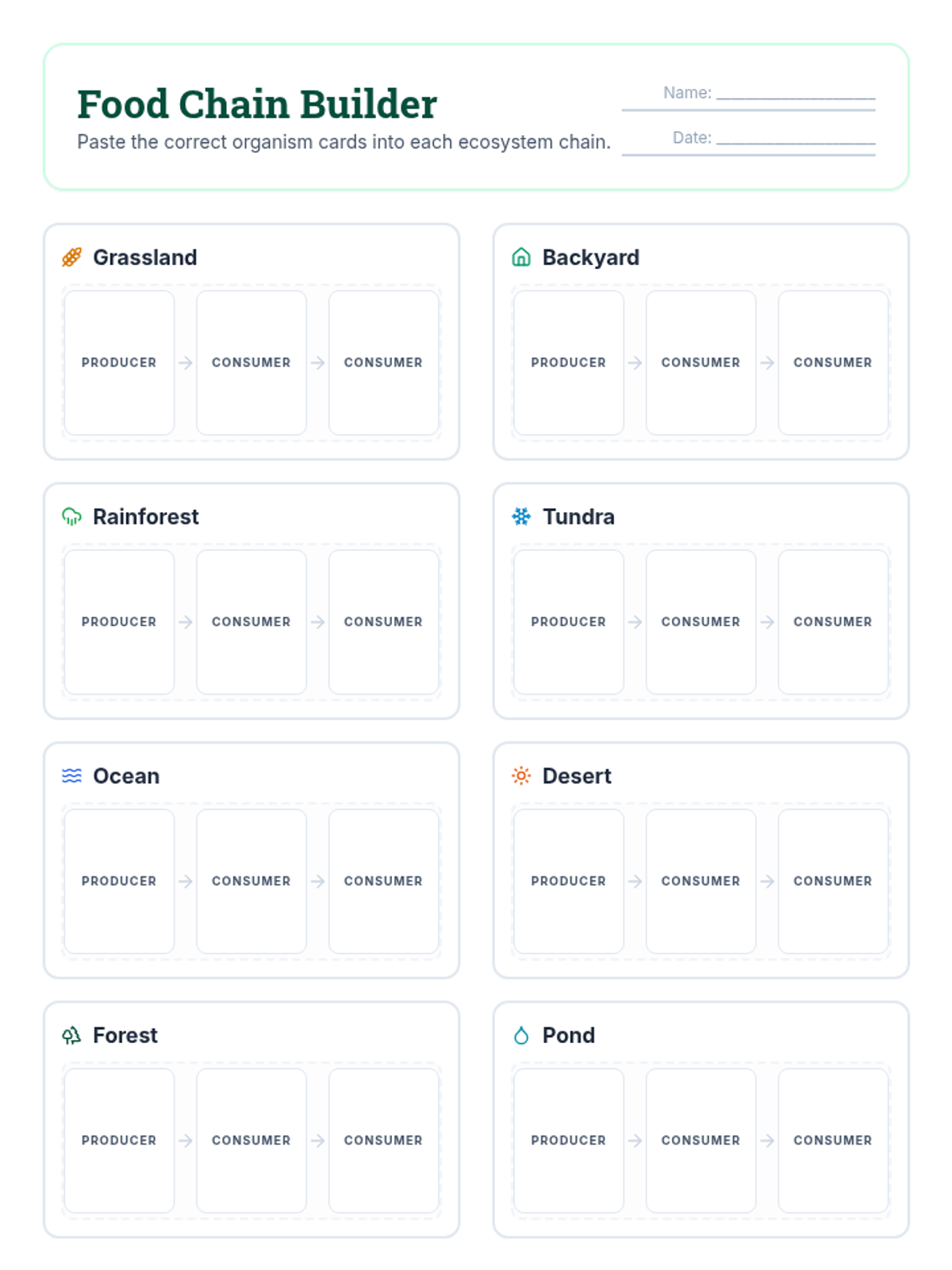
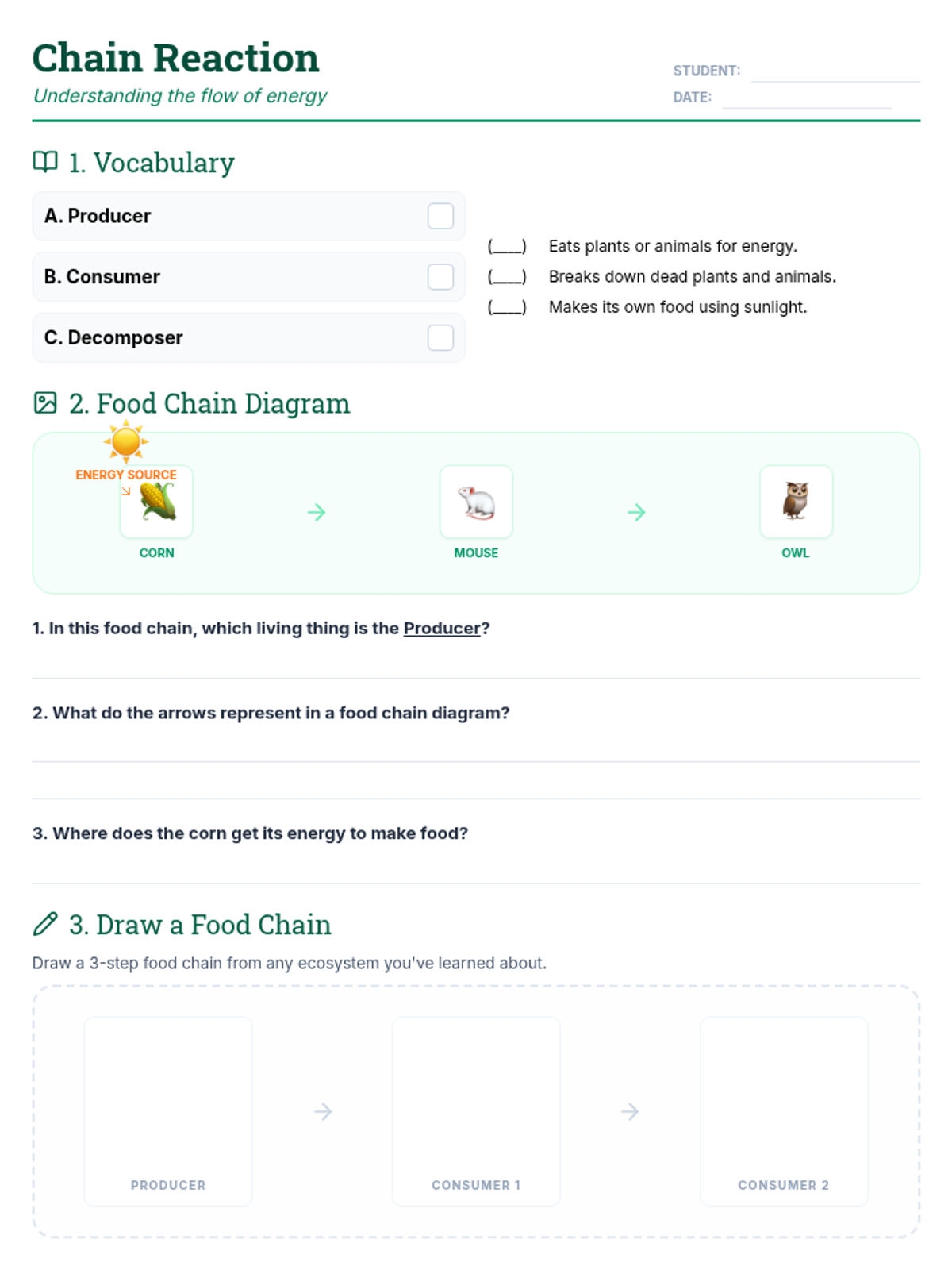
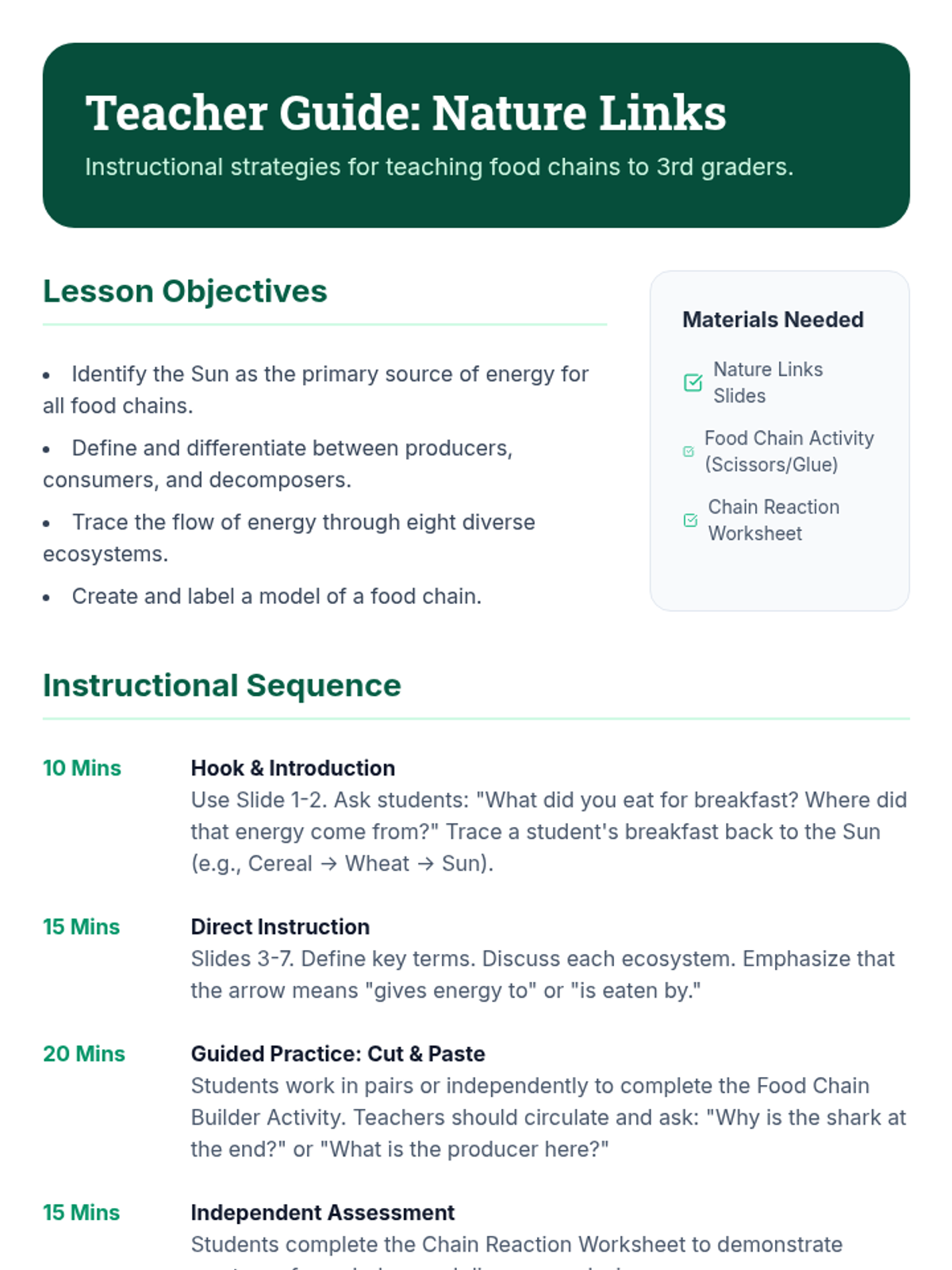
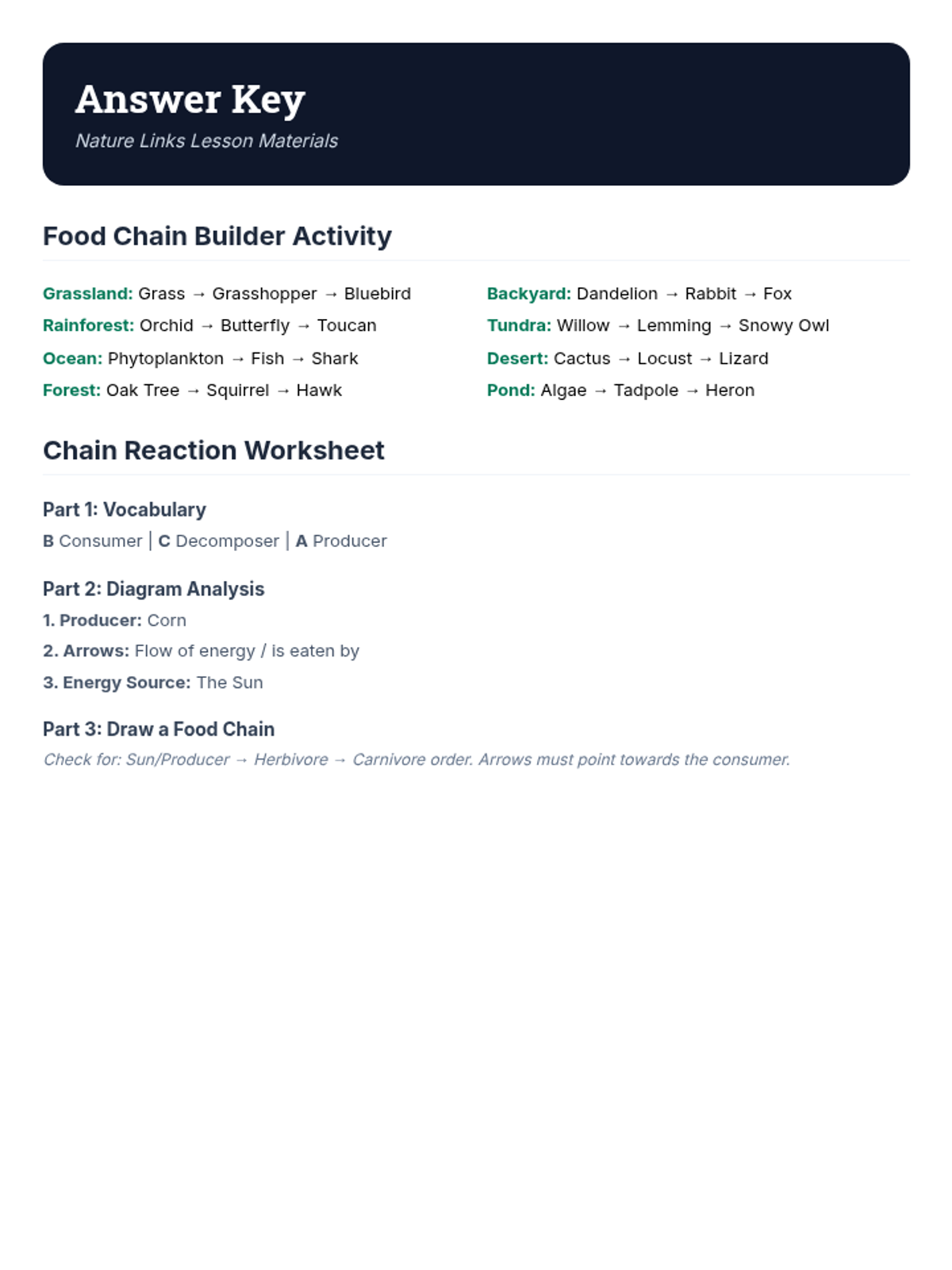
An interactive lesson exploring how energy flows through different ecosystems using 3rd-grade appropriate concepts of producers, consumers, and decomposers. Students will identify food chains in eight distinct habitats.