The focus shifts to placing the ball in the corners of the goal using the inside of the foot. Students practice shooting at specific zones in the goal rather than just kicking hard at the center.
A lesson focused on teaching students the appropriate boundaries for using staff phones and understanding the correct procedures for emergency calls. Students learn why staff phones are off-limits and how to seek help effectively during emergencies.
A fun, engaging search-and-find activity featuring popular pocket monsters in a dense, colorful safari environment. Perfect for a brain break or a reward activity for 4th-grade students.
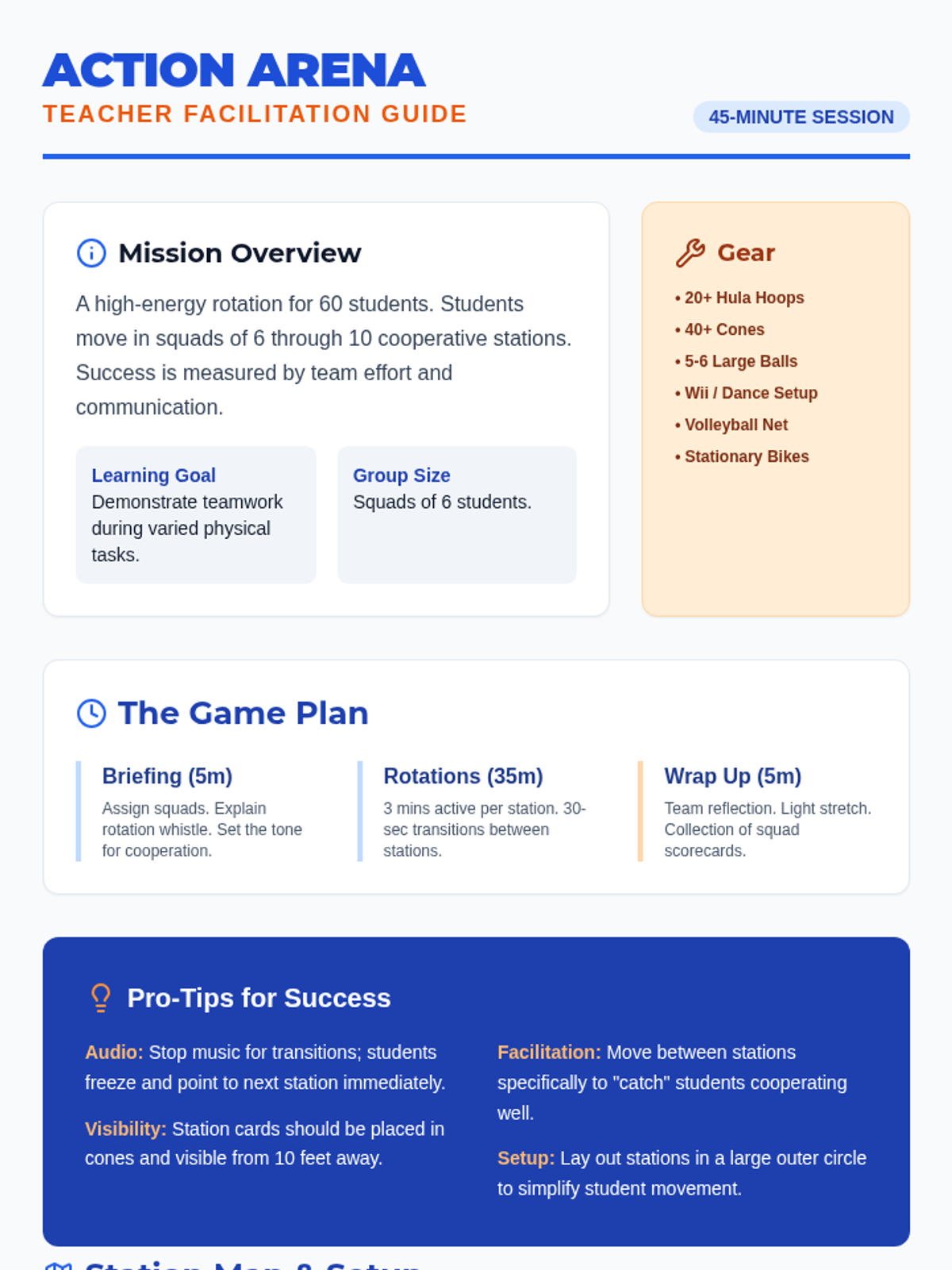
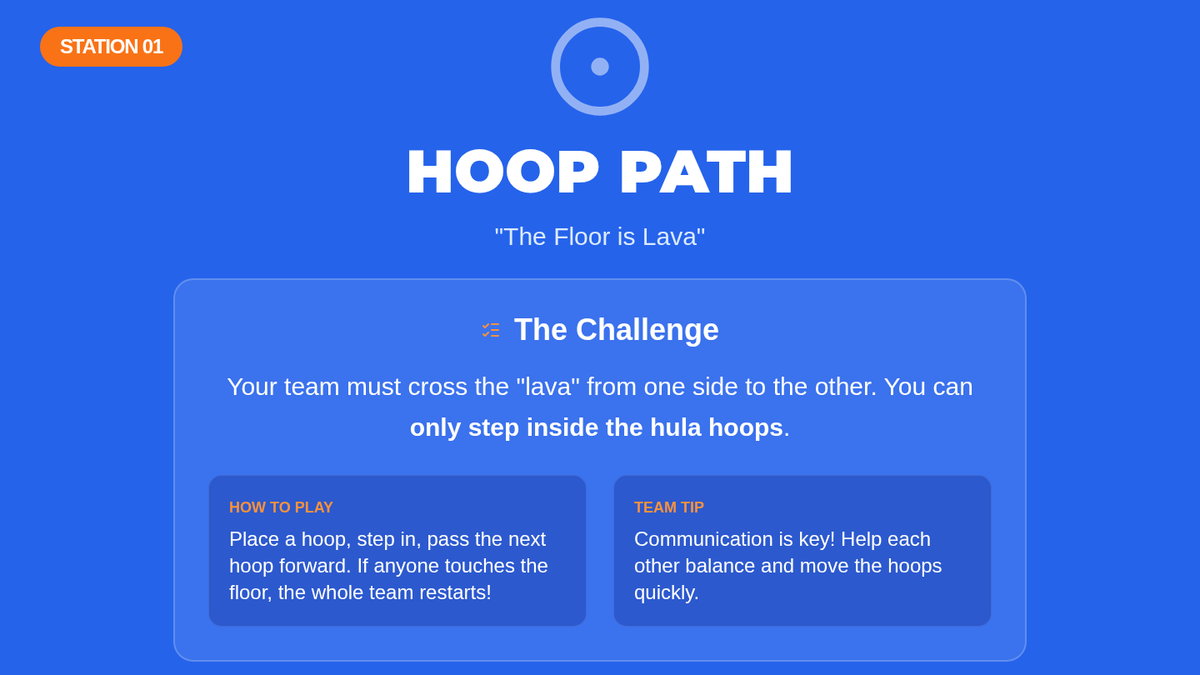
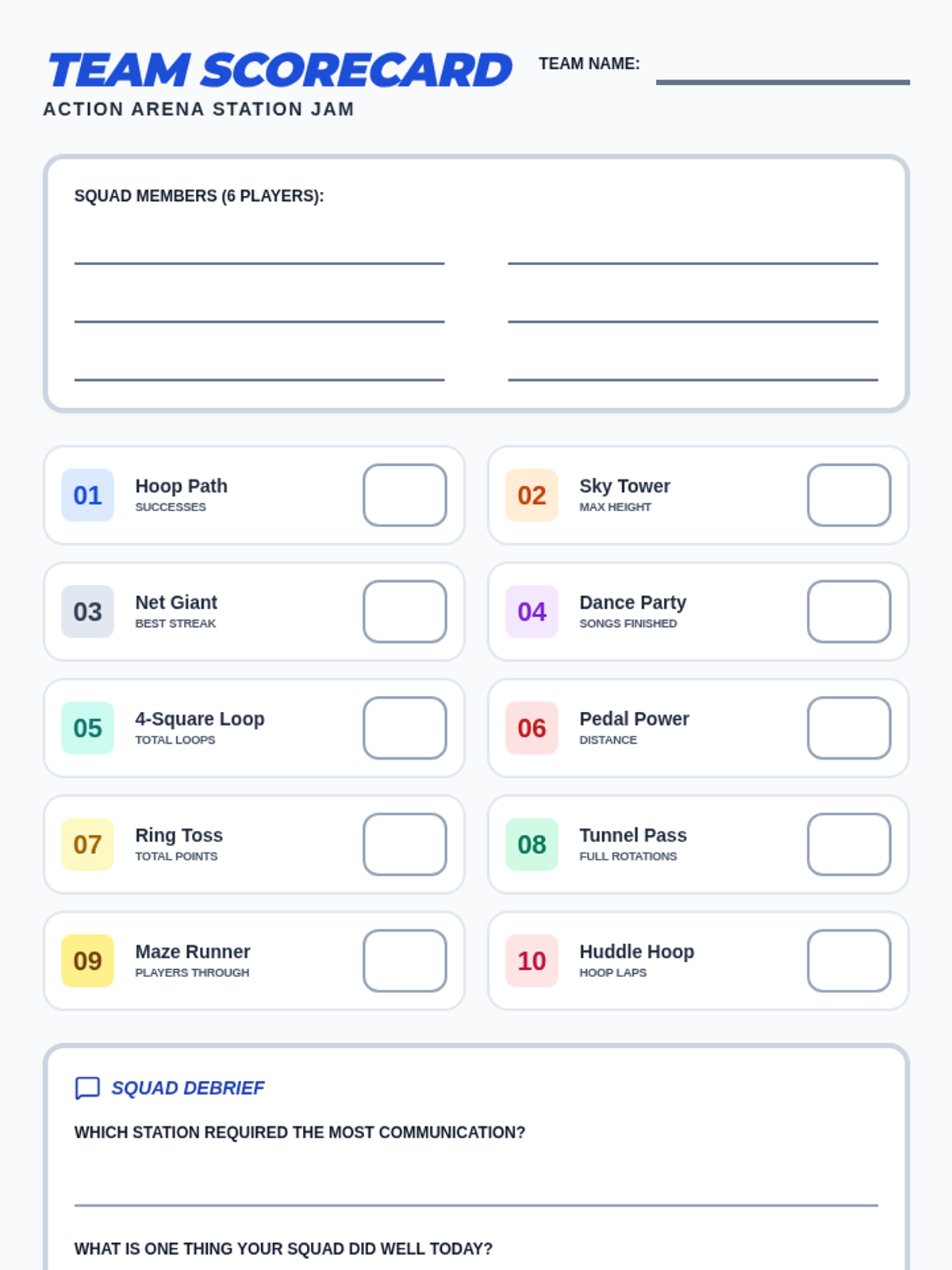
A high-energy, 20-minute session designed for 80 students on a football field, focusing on teamwork and shared responsibility through large-scale cooperative challenges.
Advances to more complex maneuvers including the canter, arena figures, and introducing the basics of jumping or advanced equitation patterns.
Introduces the foundational elements of riding, including mounting, correct posture, steering, and mastering the walk and trot gaits.
Focuses on the essential first steps of equestrianism: understanding horse behavior, safe handling, grooming techniques, and the names and uses of various tack components.
A hands-on lesson focused on identifying and responding to common kitchen injuries through a complex multi-injury scenario.
A game-based lesson where students navigate daily scenarios to make healthy physical, mental, and social choices using a 'choose your own adventure' format.
A 45-minute introductory lesson on cardiovascular fitness where students learn to define CV health, measure their heart rate, and identify heart-pumping activities through a hands-on 'Pulse Patrol' mission. Includes specific supports for ELL and mixed-ability learners.
Students develop essential teamwork skills through a high-stakes physical challenge. By transporting a delicate 'energy core' using only a multi-stringed ring, teams must synchronize their movements and communicate clearly to succeed.
A lesson and set of resources designed to monitor and promote positive sportsmanship and safe play during recess for upper elementary students.
A 30-minute lesson empowering students to understand body autonomy, practice consent, and identify trusted adults using the "Boundary Boss" framework. Aligned with Ontario Health & Physical Education curriculum.
Students follow a visual recipe to create no-bake energy bites, focusing on sequencing, measuring, and independent living skills.
Students learn the essential rules of kitchen safety and identify common measuring tools and kitchen equipment.
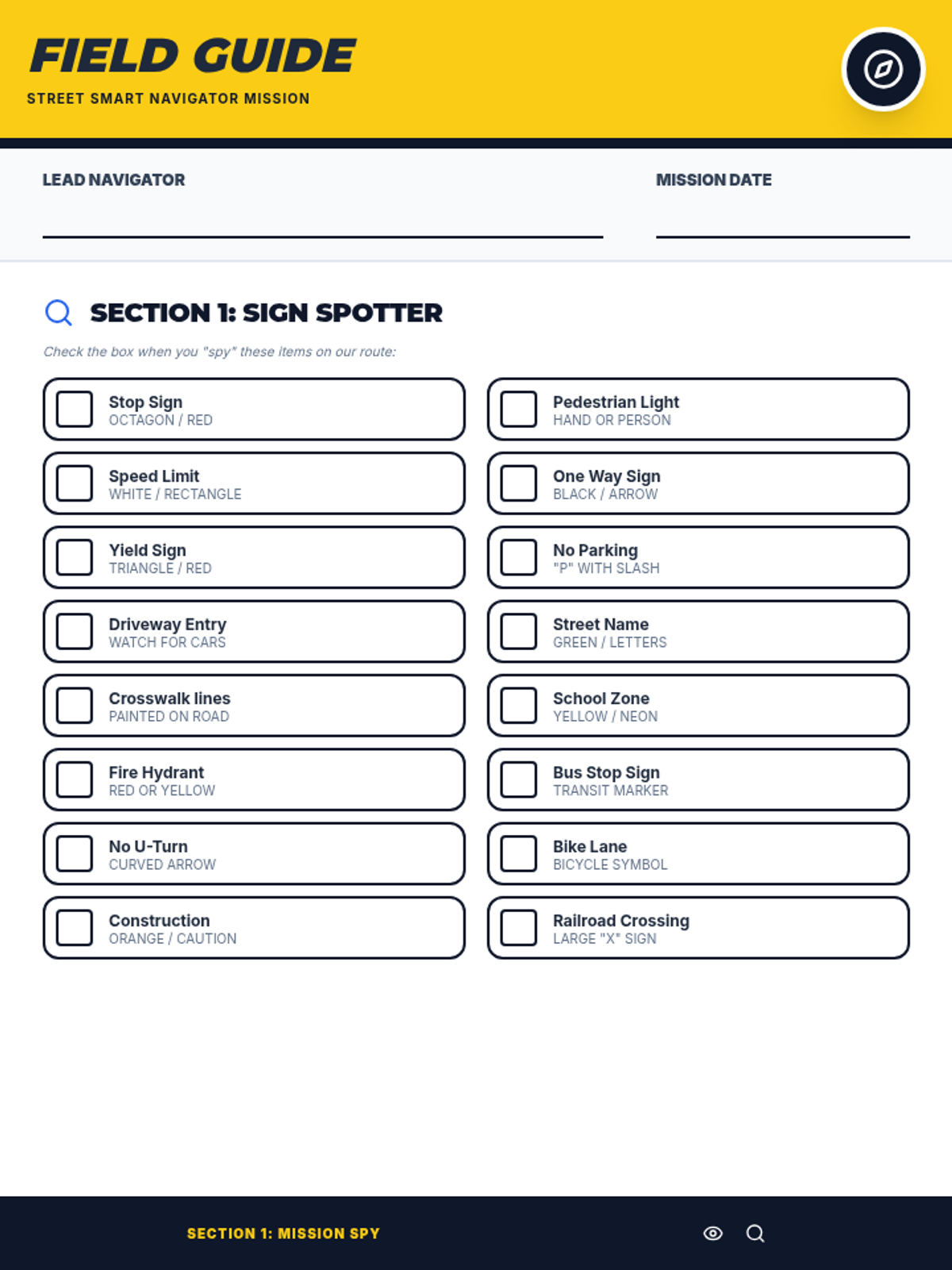
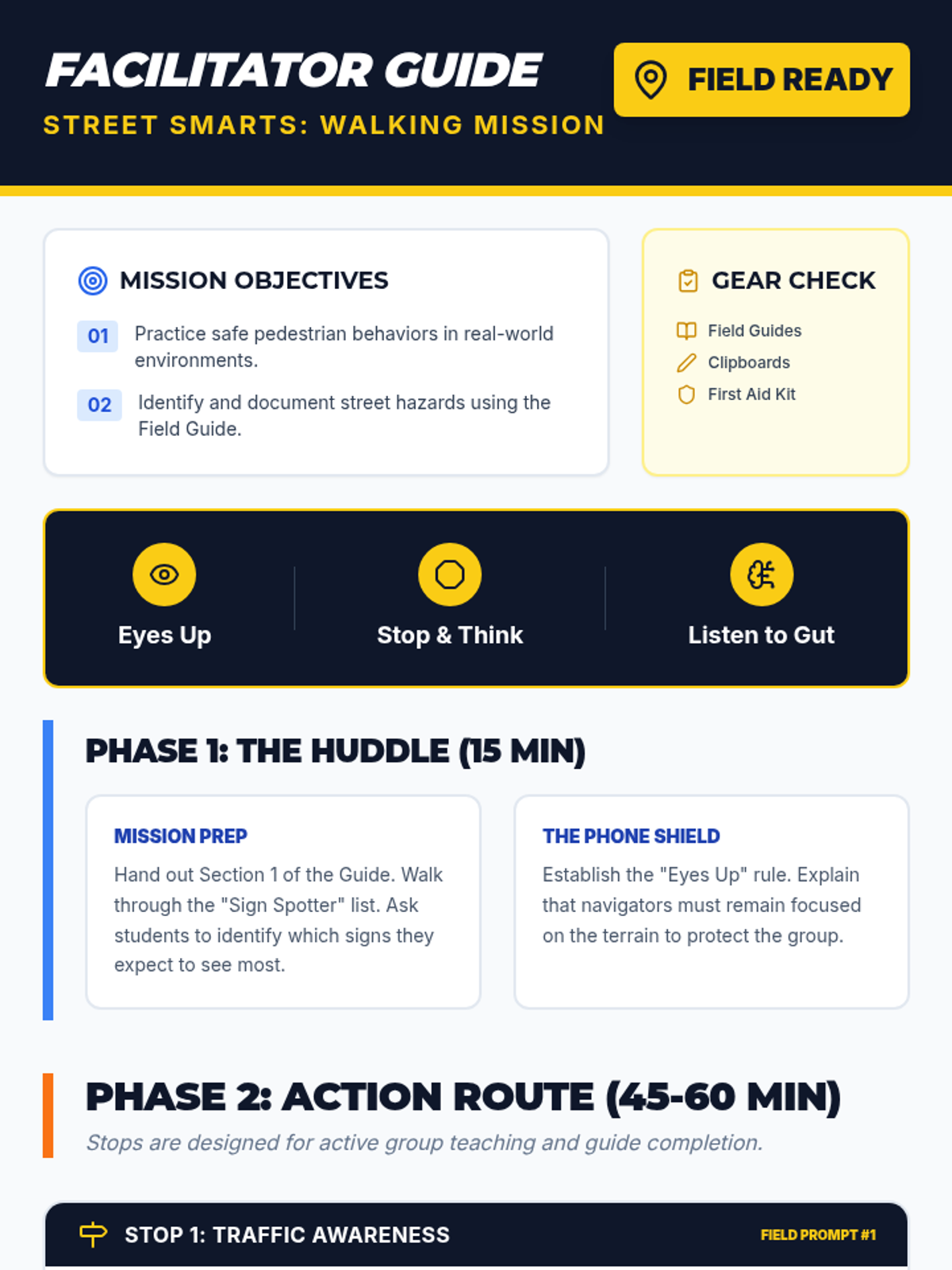
A comprehensive, age-appropriate lesson for 4th graders on personal safety, boundaries, and reporting. It covers physical and digital safety using the 'Safety Shield' framework to empower students with clear strategies.
Teacher-facing resources including answer keys and instructional guides for all three measurement levels.
Challenges students with complex conversions, weight vs. volume concepts, and fractional recipe scaling. Designed for advanced learners mastering culinary math.
Focuses on standard kitchen conversions (teaspoons to tablespoons, cups to pints) and simple recipe doubling. Ideal for students with basic measurement knowledge.
Introduces basic kitchen tools and the difference between dry and liquid measurements for beginners. Focuses on identification and standard units (teaspoon, tablespoon, cup).
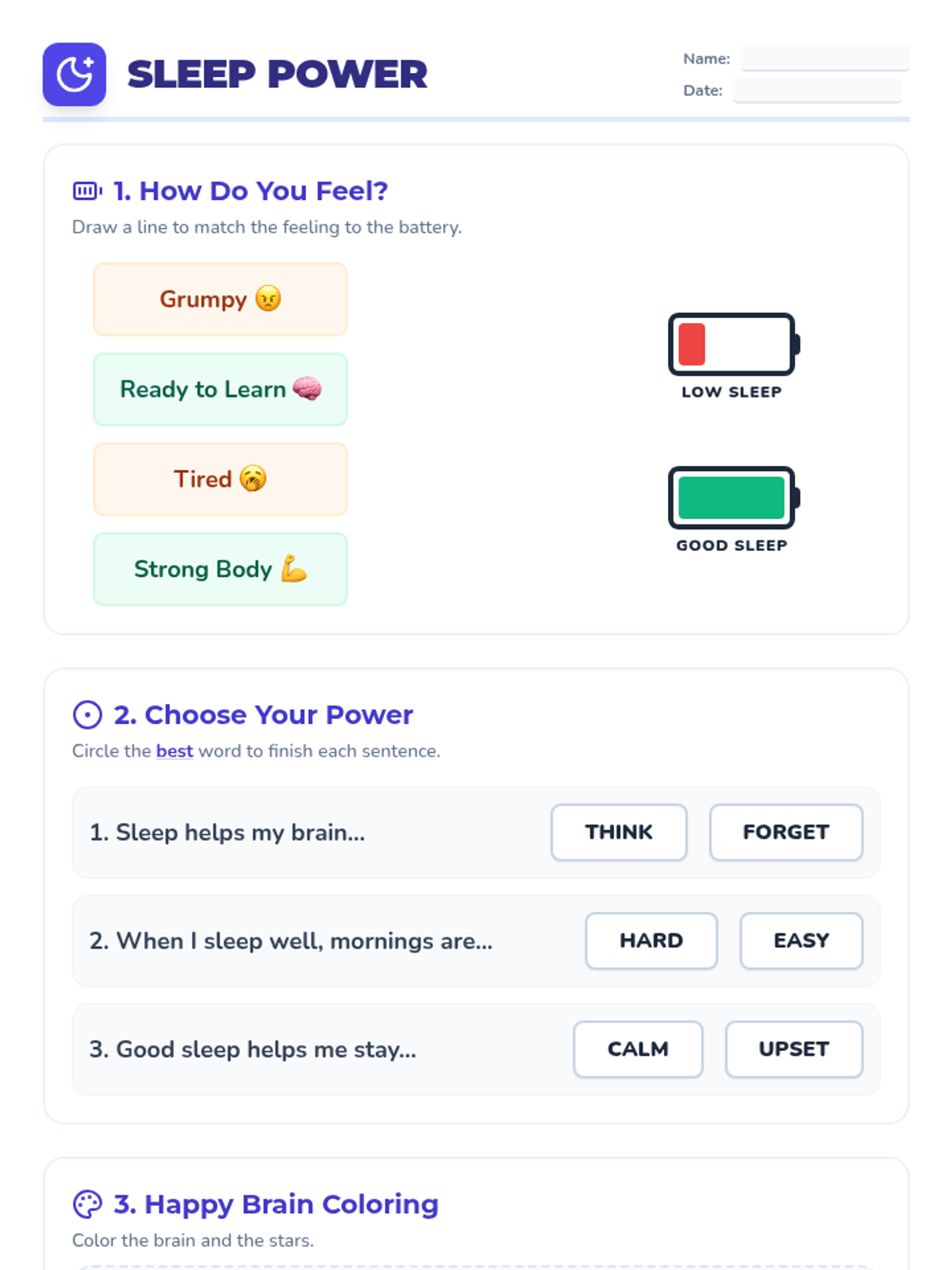
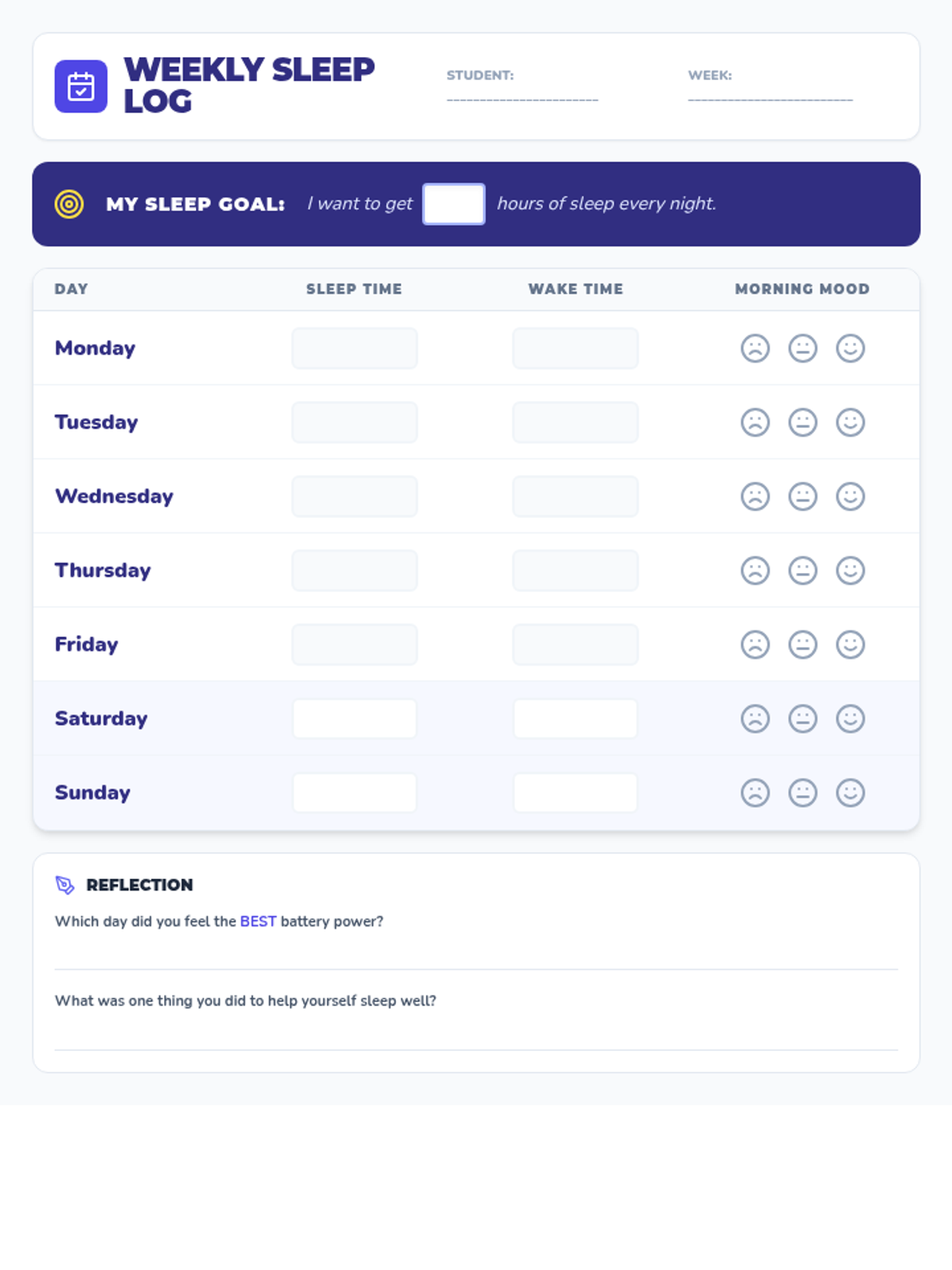
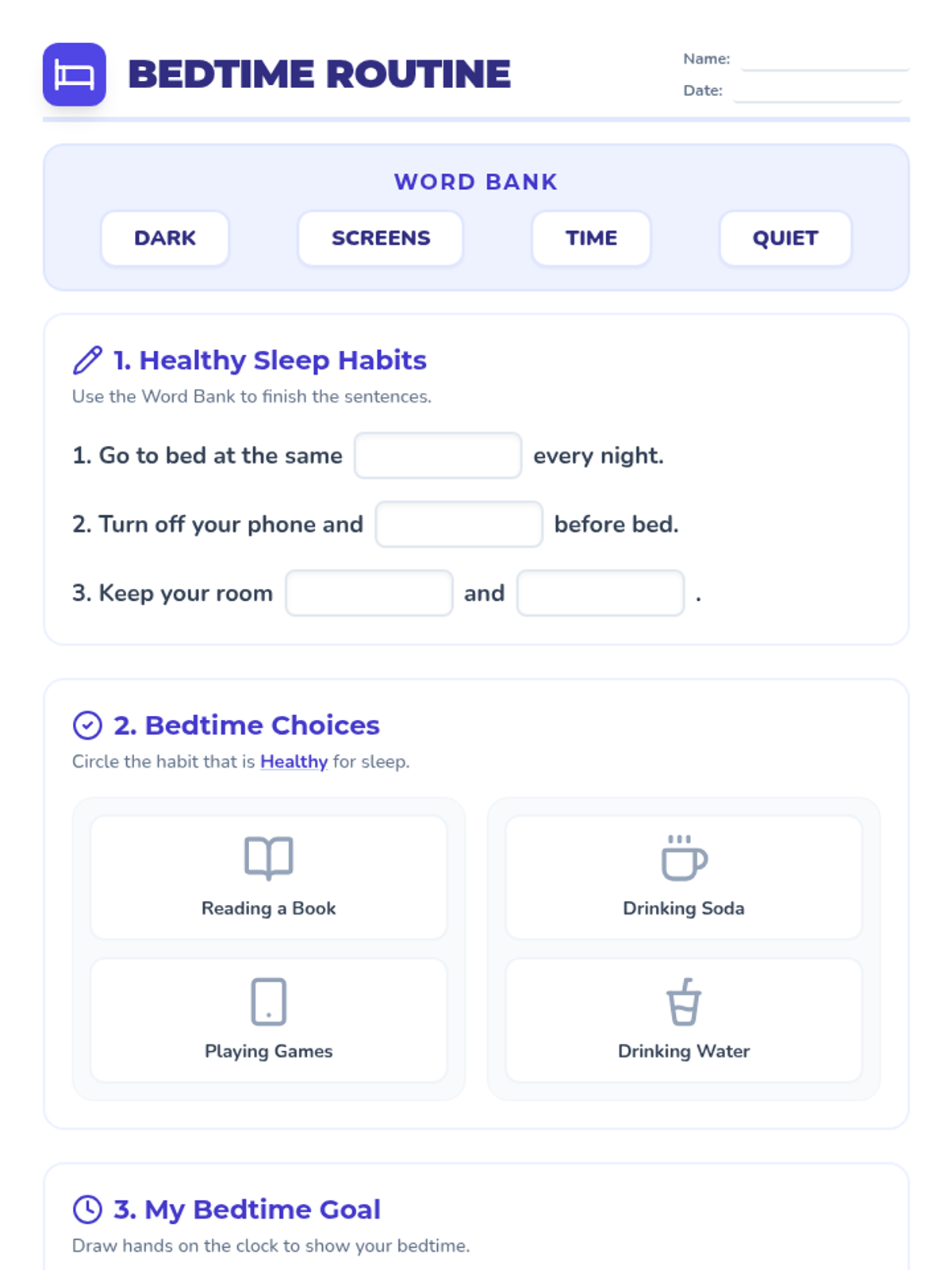
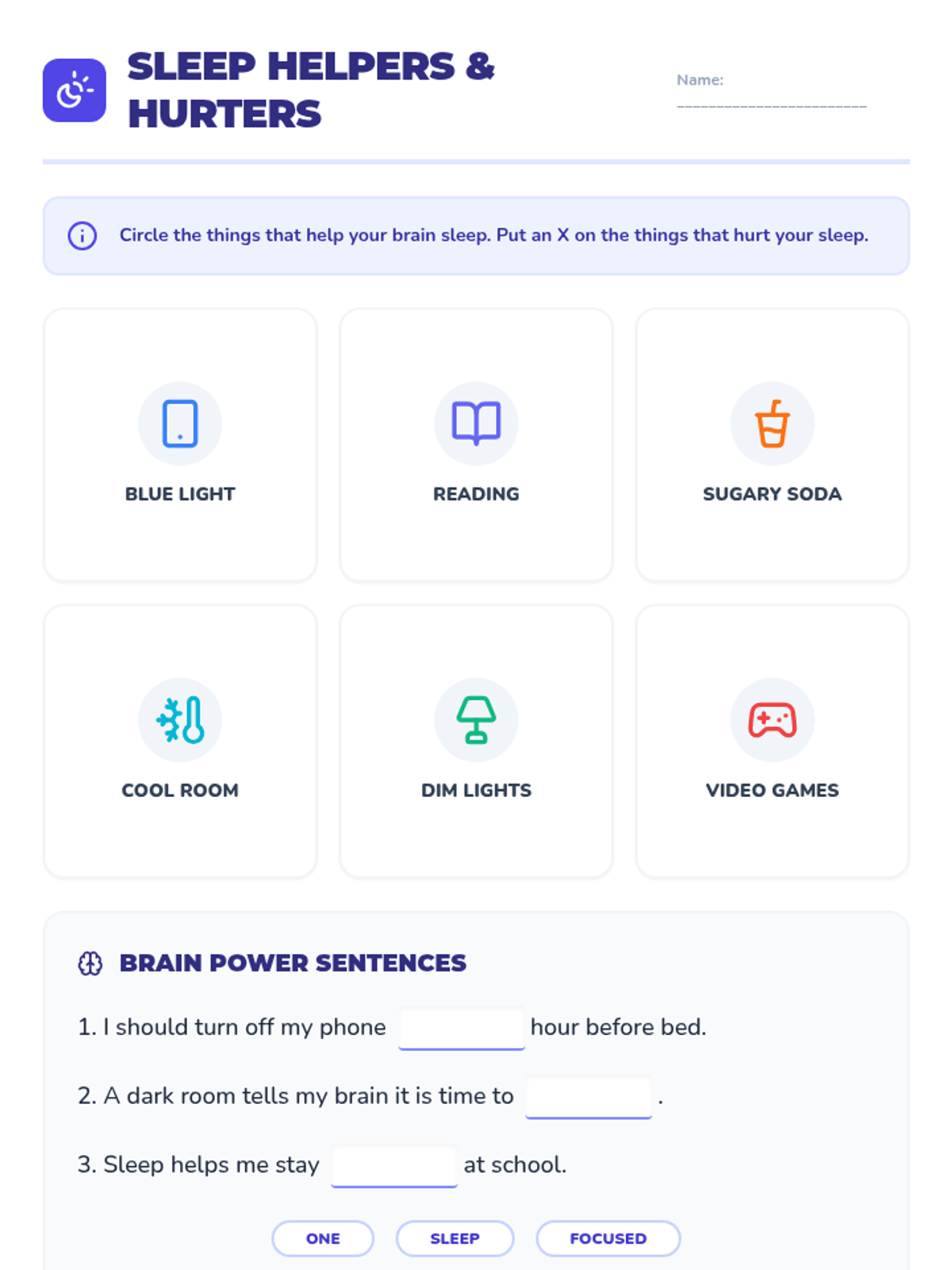
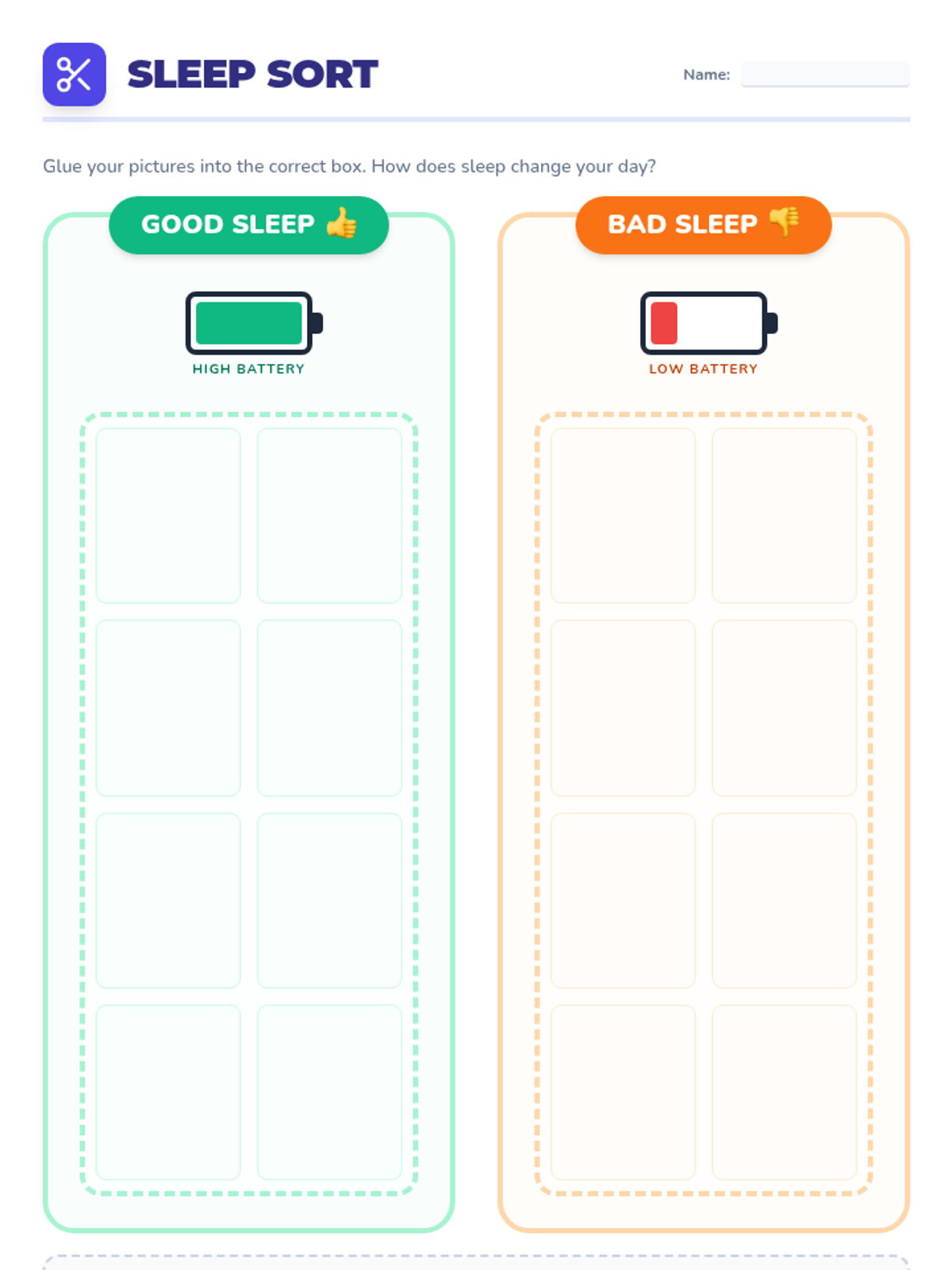
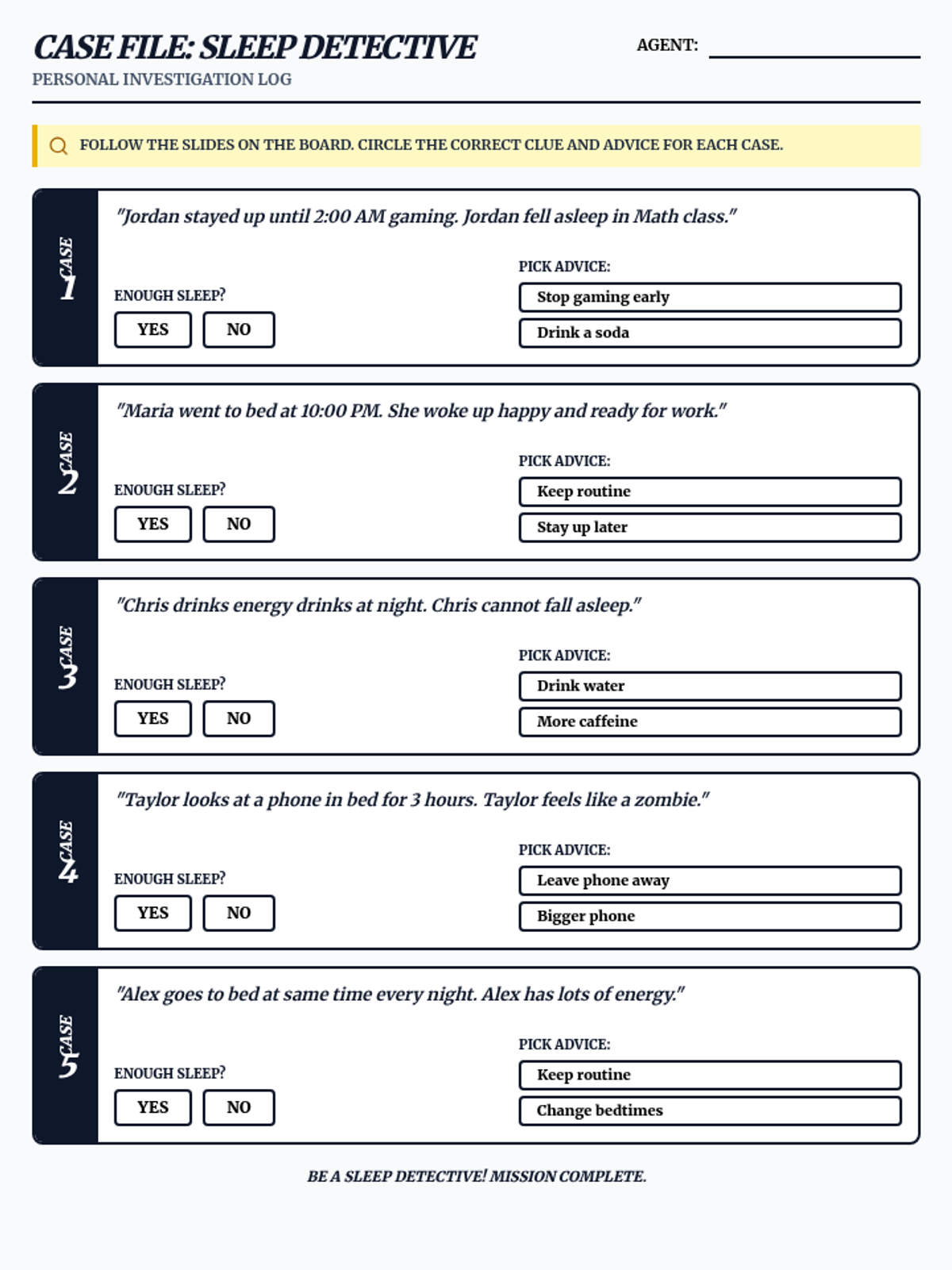
A practical, data-driven lesson for grades 3-8 exploring how sleep, nutrition, physical activity, and screen time directly impact brain function and academic success. Students analyze real-world performance metrics and create their own 'Brain Fuel Blueprint' for personal wellness.
A final wrap-up of the unit where students summarize what they learned and set goals for the future.
Reflect on personal eating habits and explore how different cultures around the world enjoy food.
Understand the connection between our emotions and our food choices, including comfort foods and memories.
Learn how food companies use ads to trick us into buying their products and how to spot these tricks.
Analyze the different things that change what we eat, including family, friends, and where we live.
Explore the traits of healthy people and learn about the nutrients in food that help our bodies grow, repair, and have energy.
Students assess their current health habits and learn about the four main areas of wellness: body, mind, feelings, and friends.
A beginner-friendly cooking lesson focused on following sequential instructions and identifying fresh ingredients while making a simple salsa.
An energetic introduction to jump rope basics for elementary students, featuring colorful station cards, progress tracking, and teacher-led activities.