A four-day immersion into the history and culture of Tucson's Rodeo Days and the legacy of the Vaqueros, designed for K-3 students.
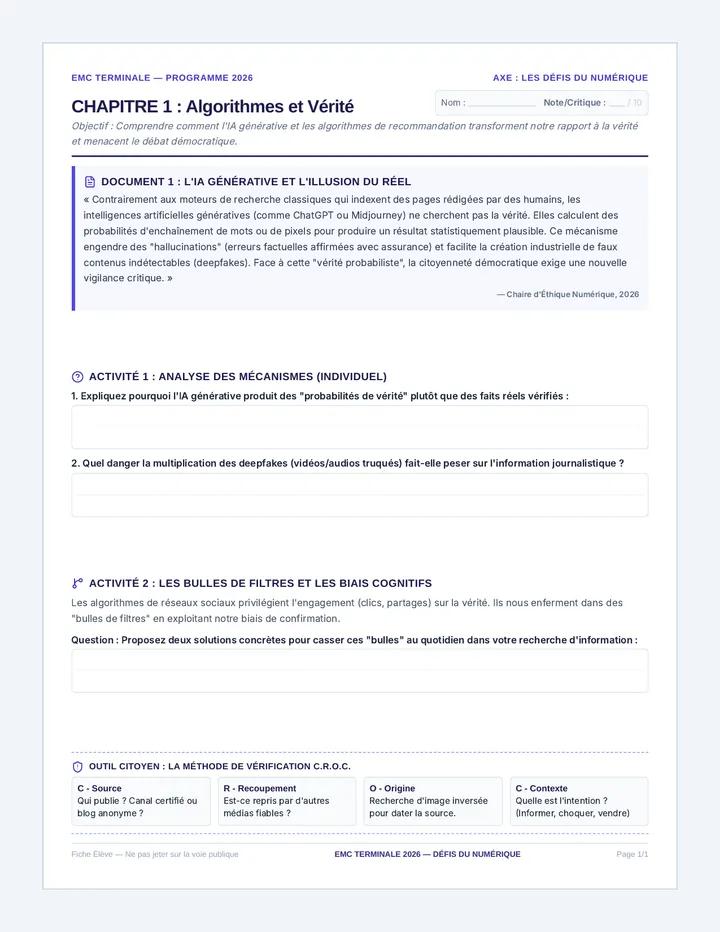
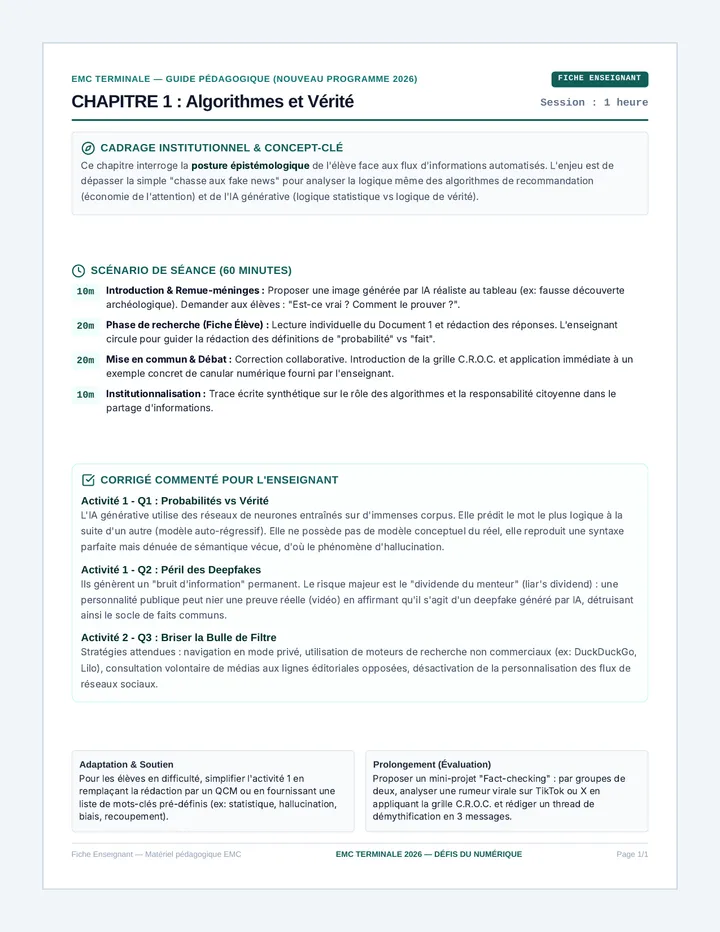
Une séquence complète d'activités clés en main d'Éducation Morale et Civique (EMC) pour la classe de Terminale, conforme au nouveau programme 2026. Elle se concentre sur les défis du numérique : intelligence artificielle, désinformation, espace public numérique et souveraineté technologique.
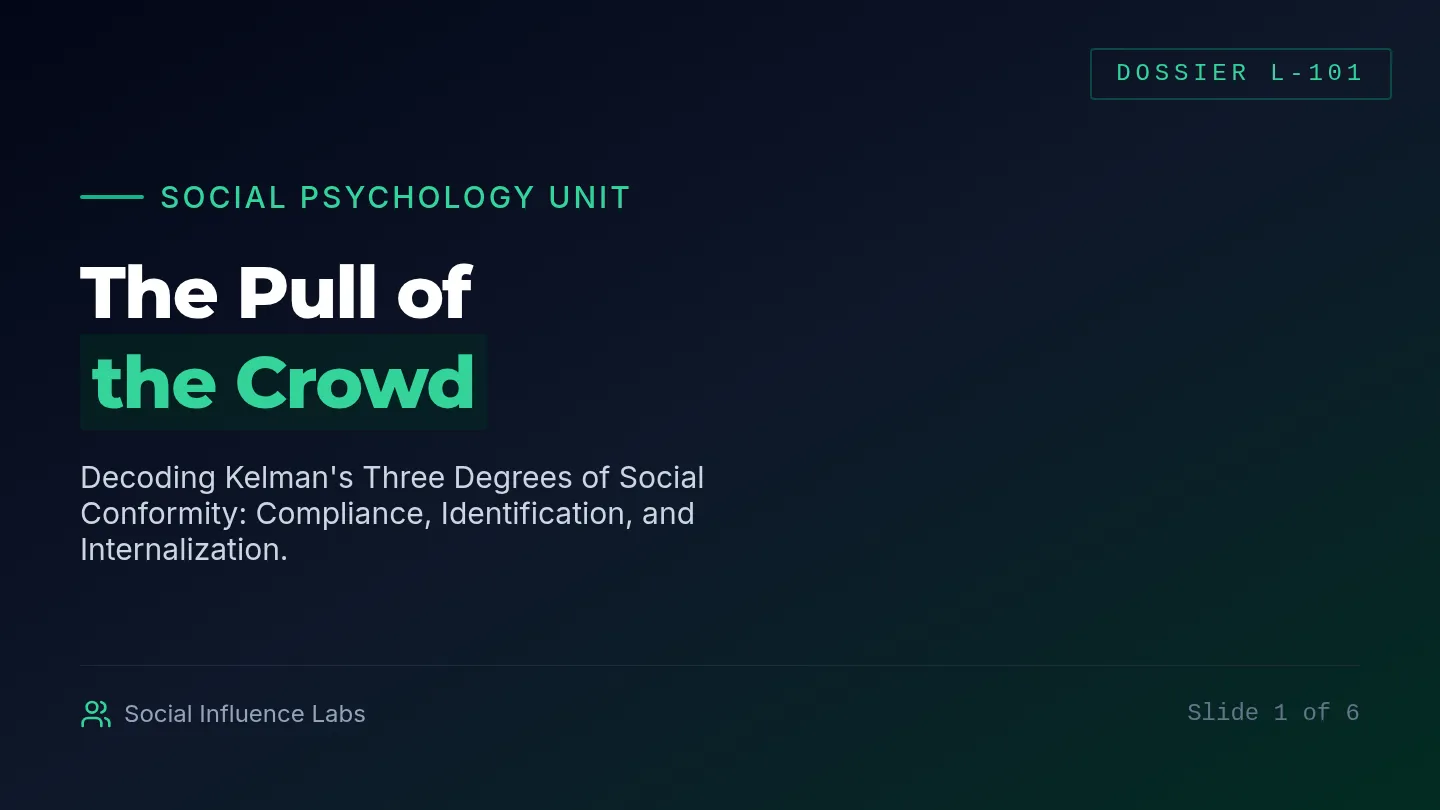
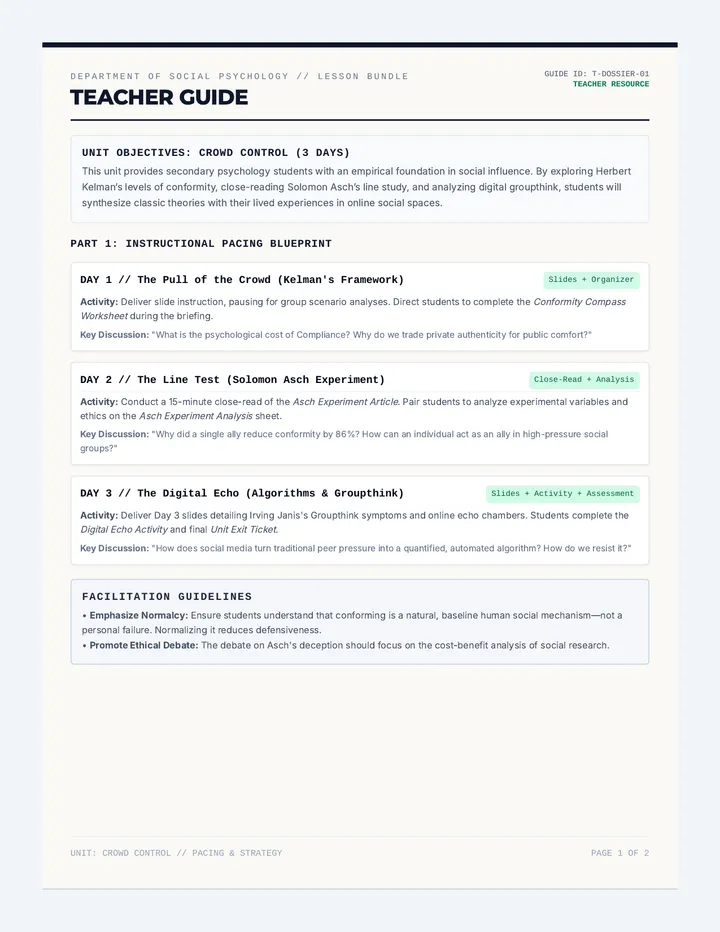
A three-day social psychology sequence exploring conformity, groupthink, and social influence. Students analyze foundational experiments, compare compliance versus internalization, and dissect modern digital peer pressure and media dynamics.
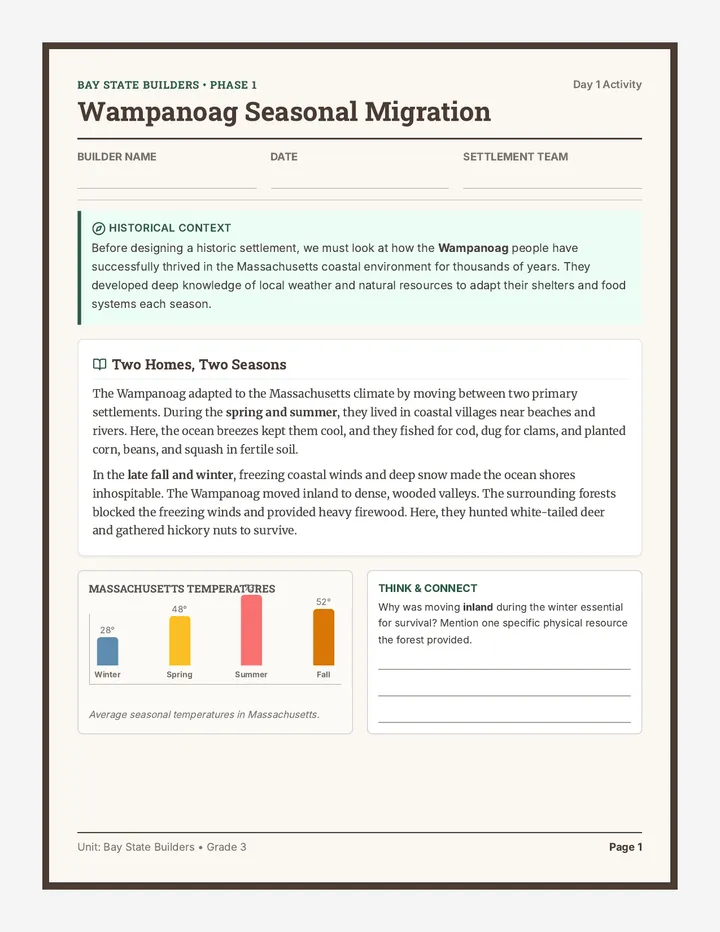
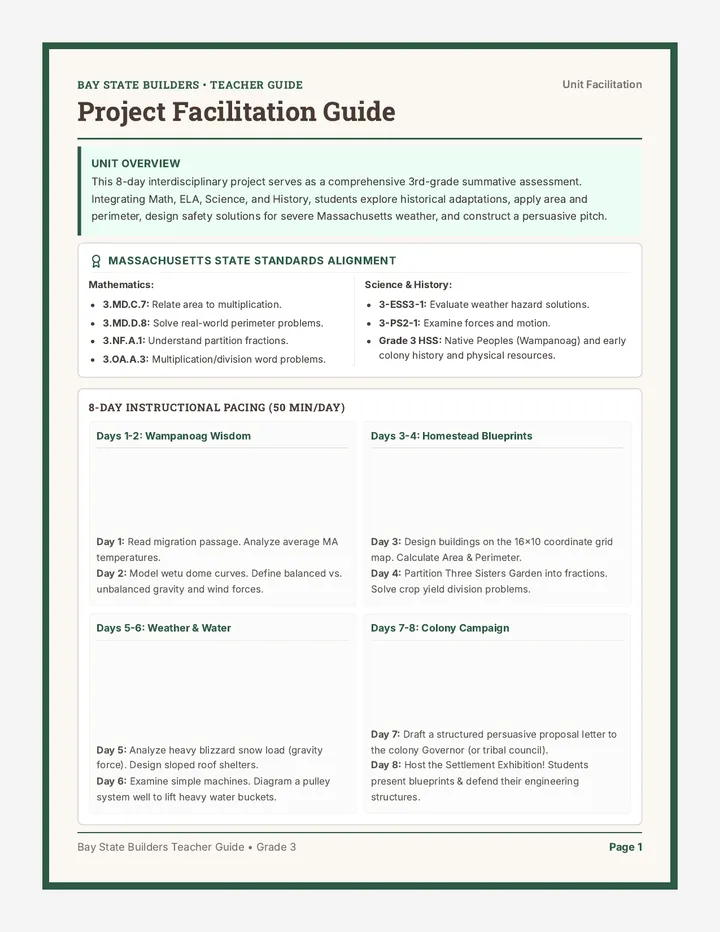
An 8-day interdisciplinary project where 3rd-grade students design a sustainable historical Massachusetts settlement. Integrating math, ELA, science, and social studies, students apply area, perimeter, fractions, weather science, Wampanoag adaptations, and persuasive writing.
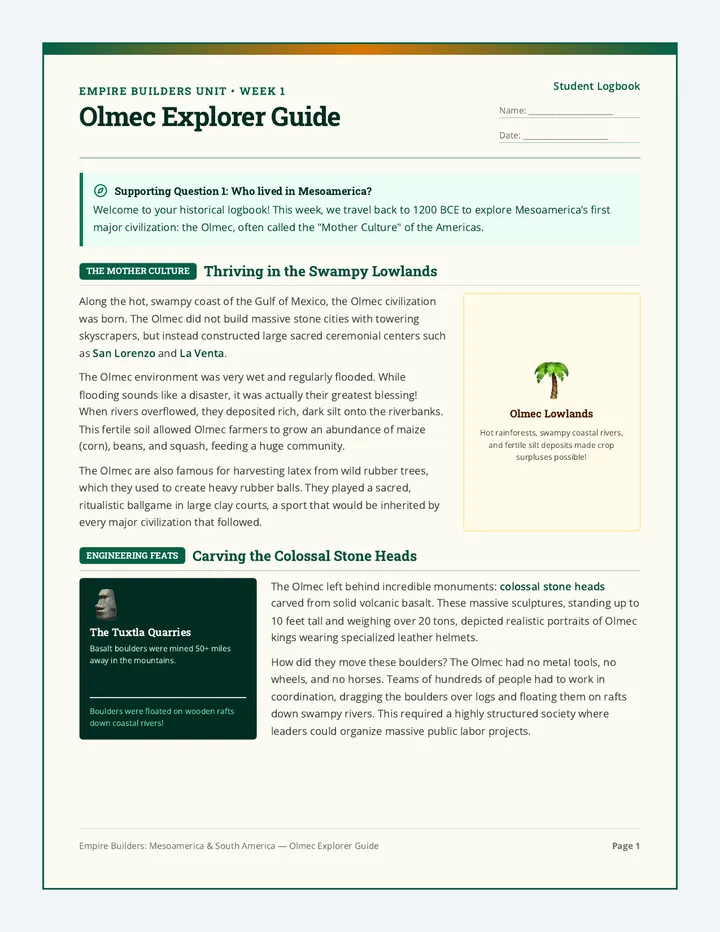
A comprehensive 4th-grade social studies unit where students analyze the Olmec, Maya, Aztec, and Inca civilizations. Through primary-source-style document analysis, geographical exploration, and civic action, students discover what made these empires successful and apply ancient engineering solutions to improve the modern City of Surprise.
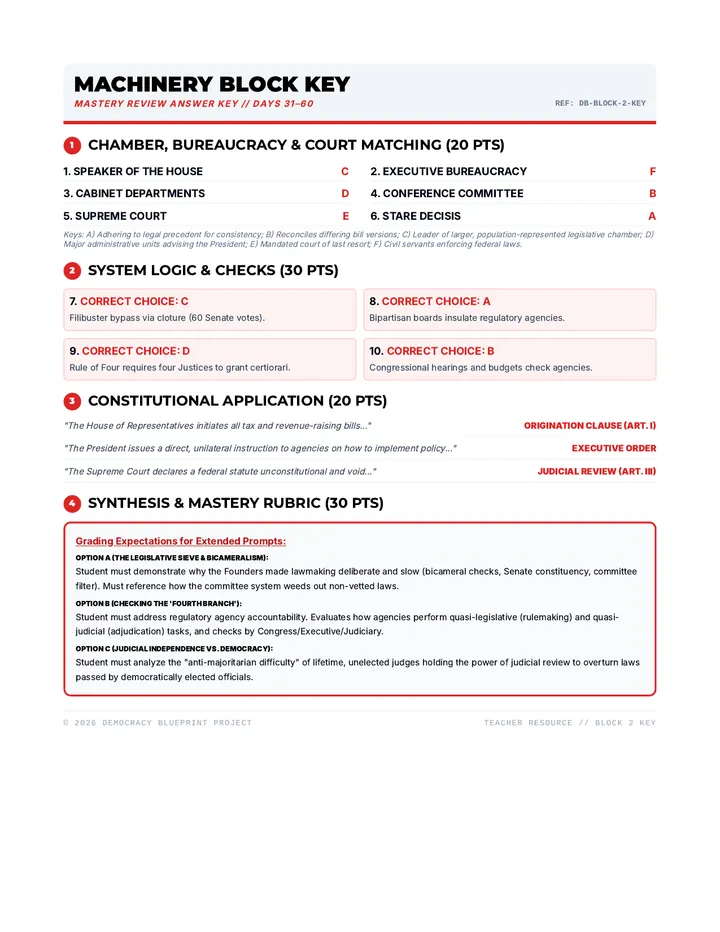
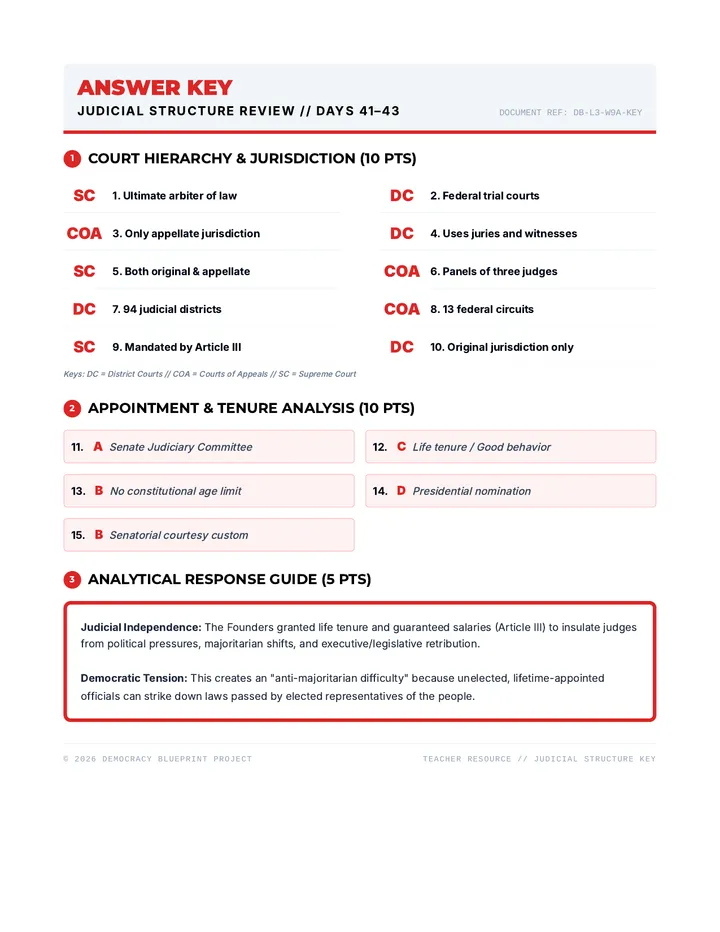
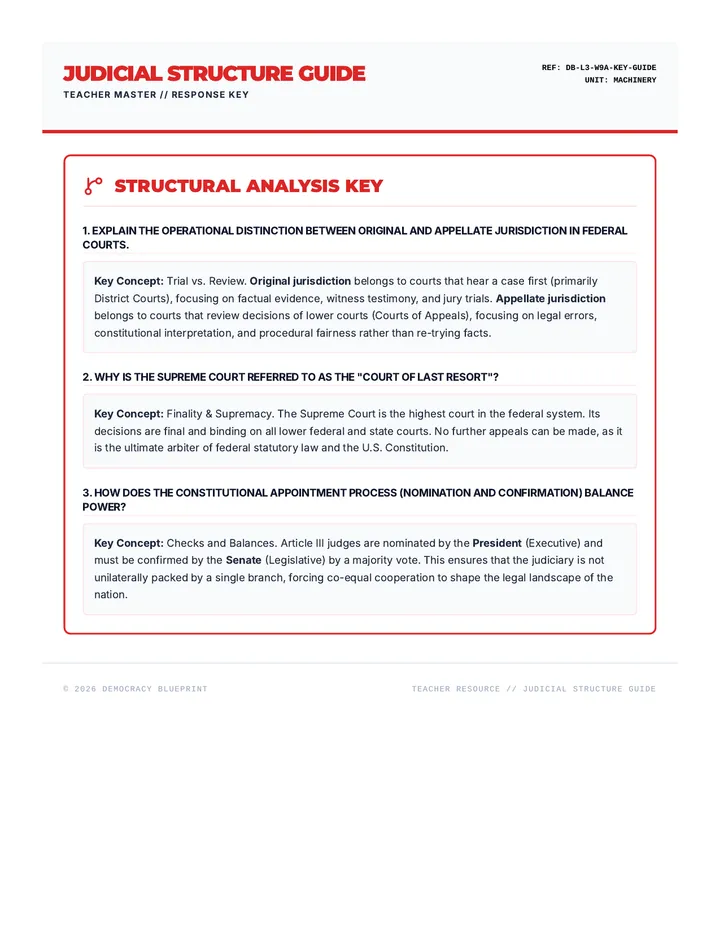
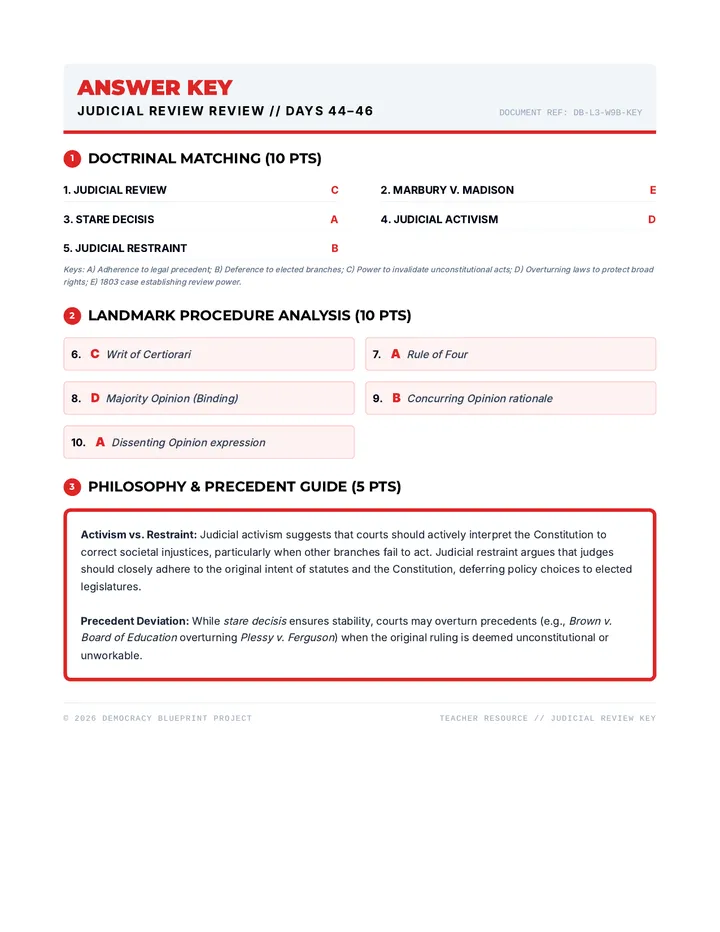
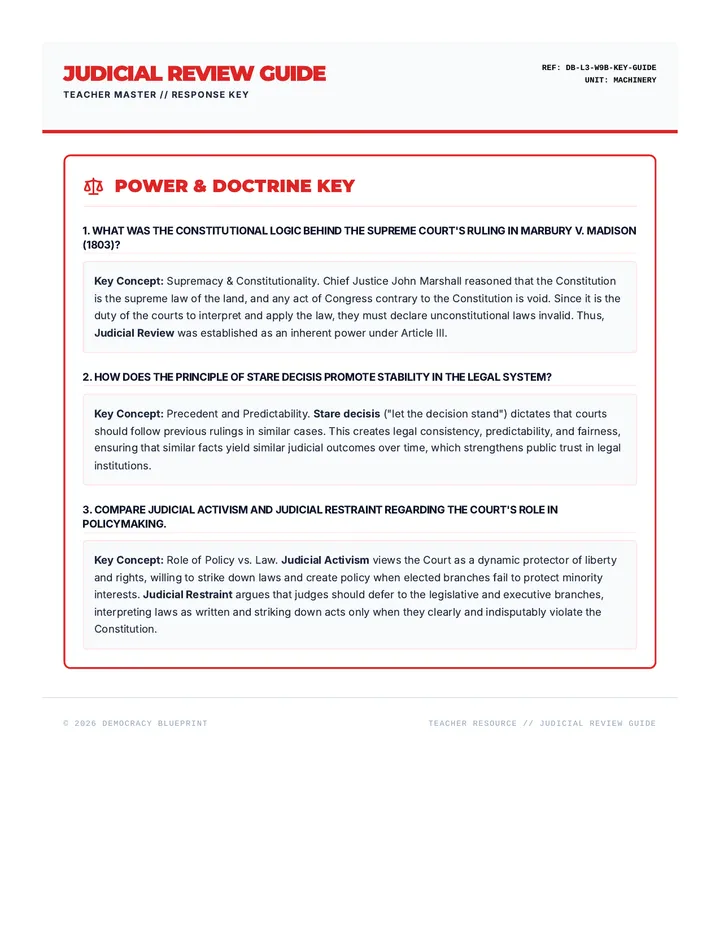
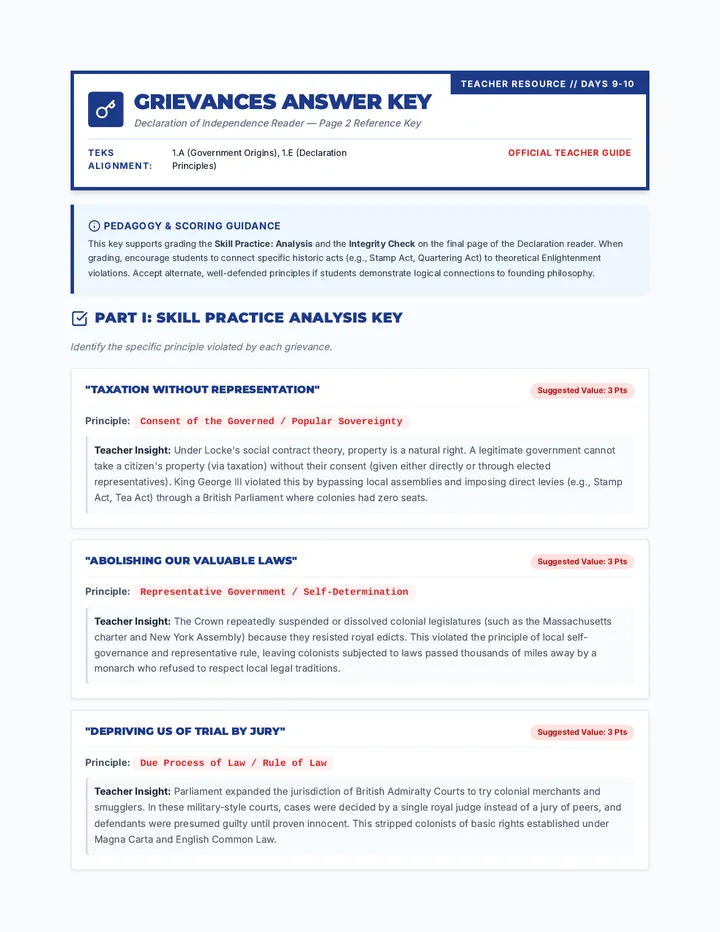
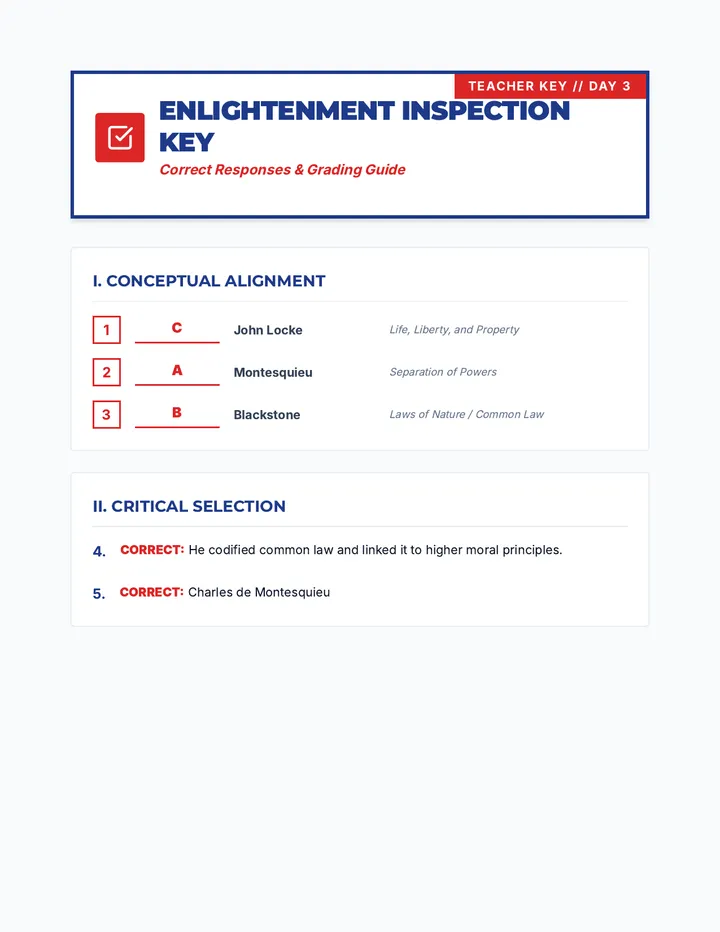
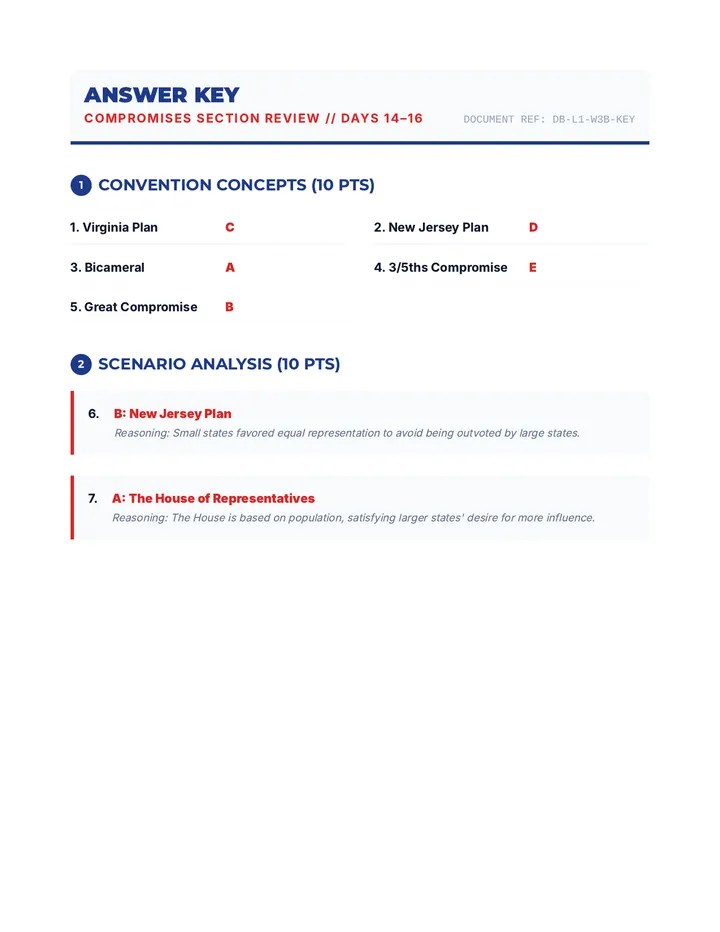
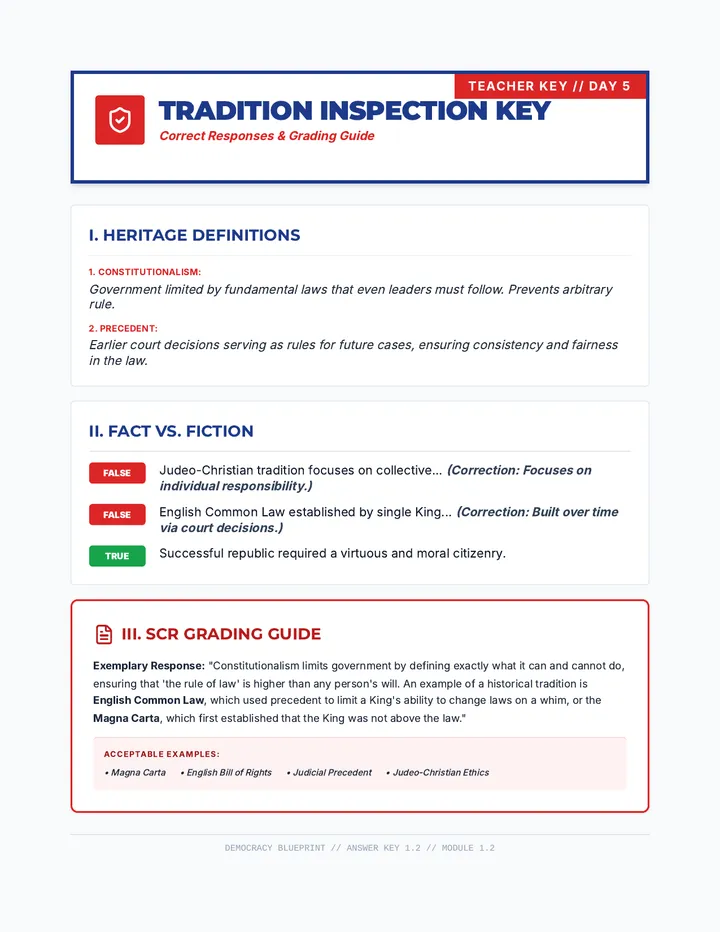
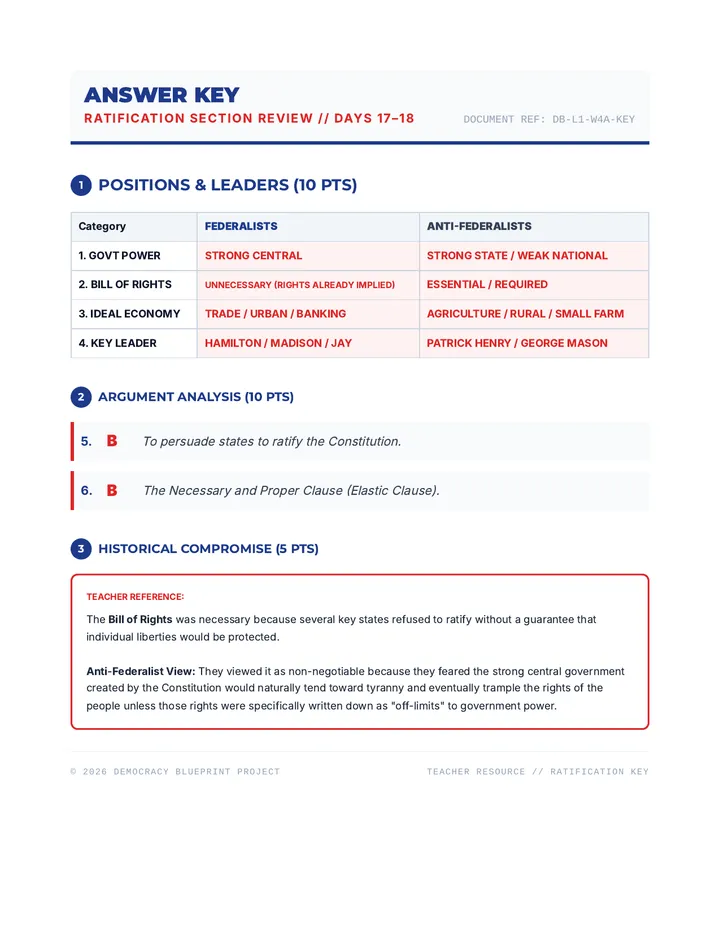
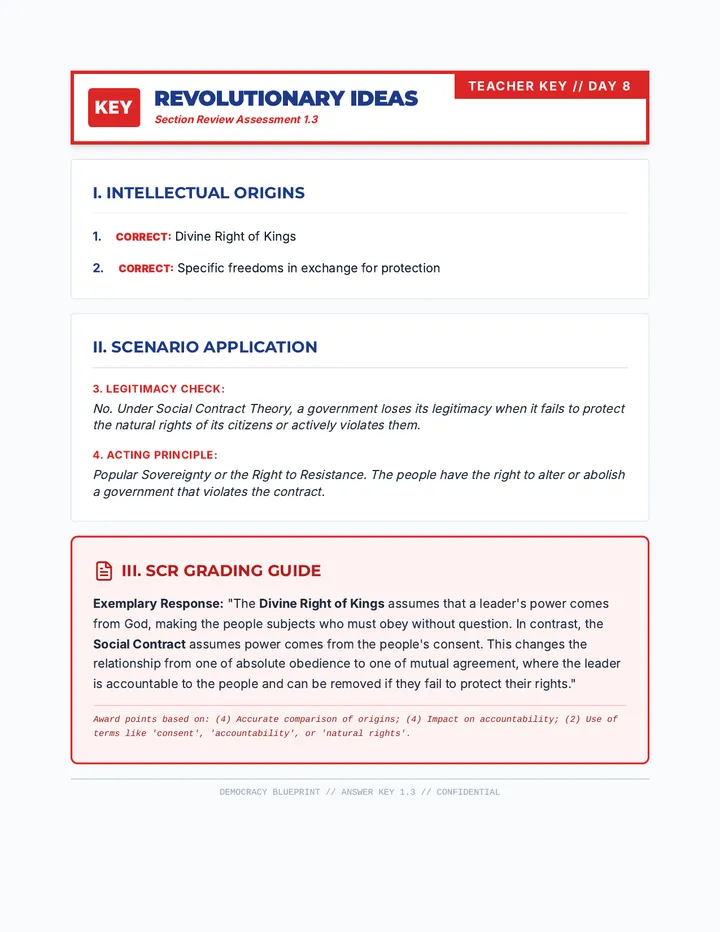
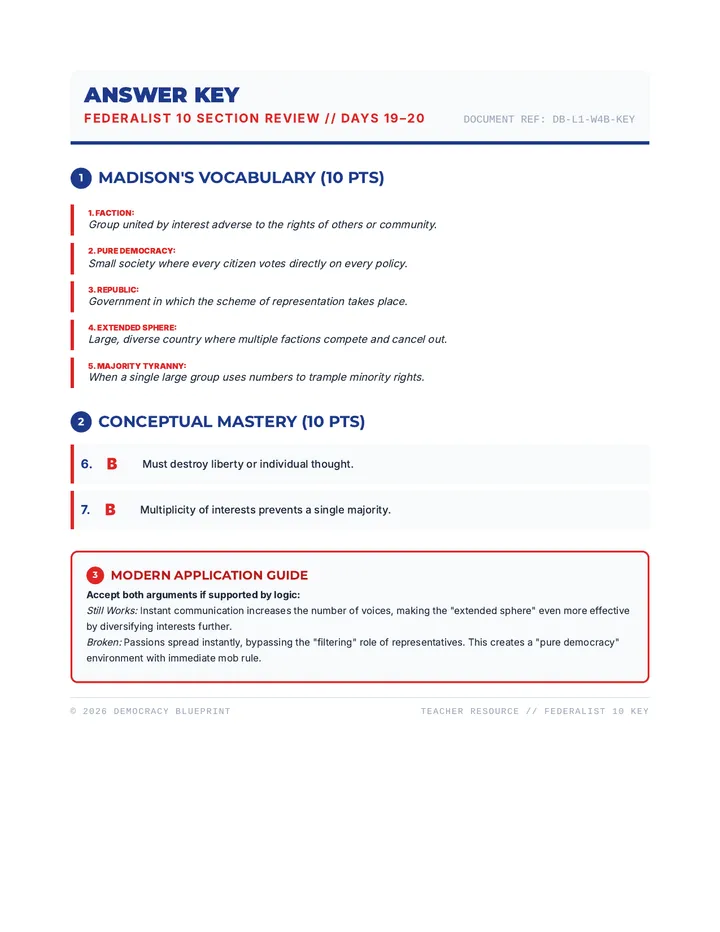
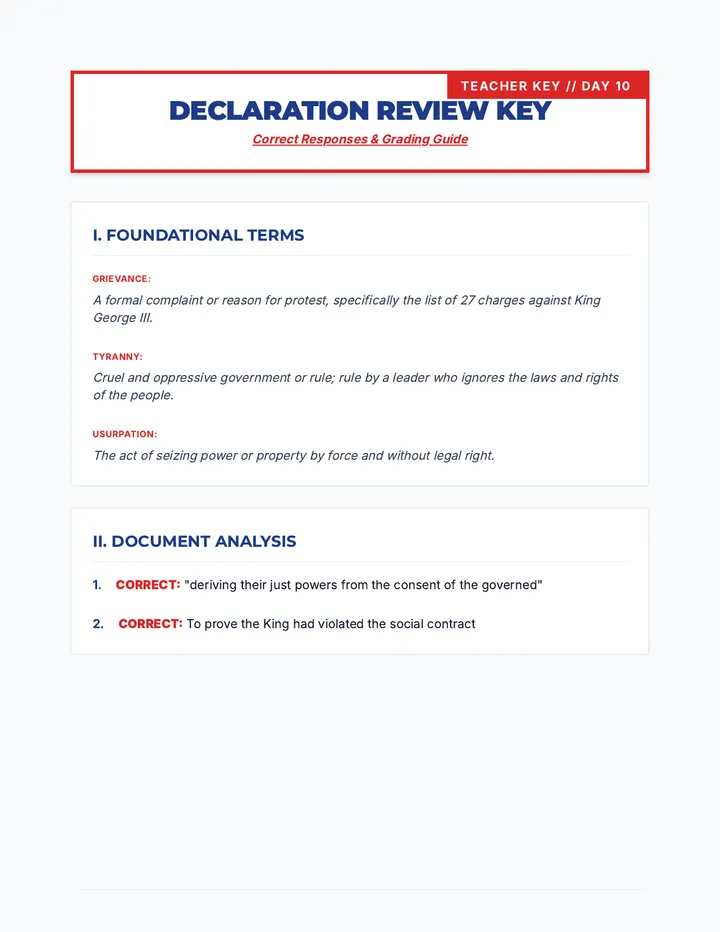
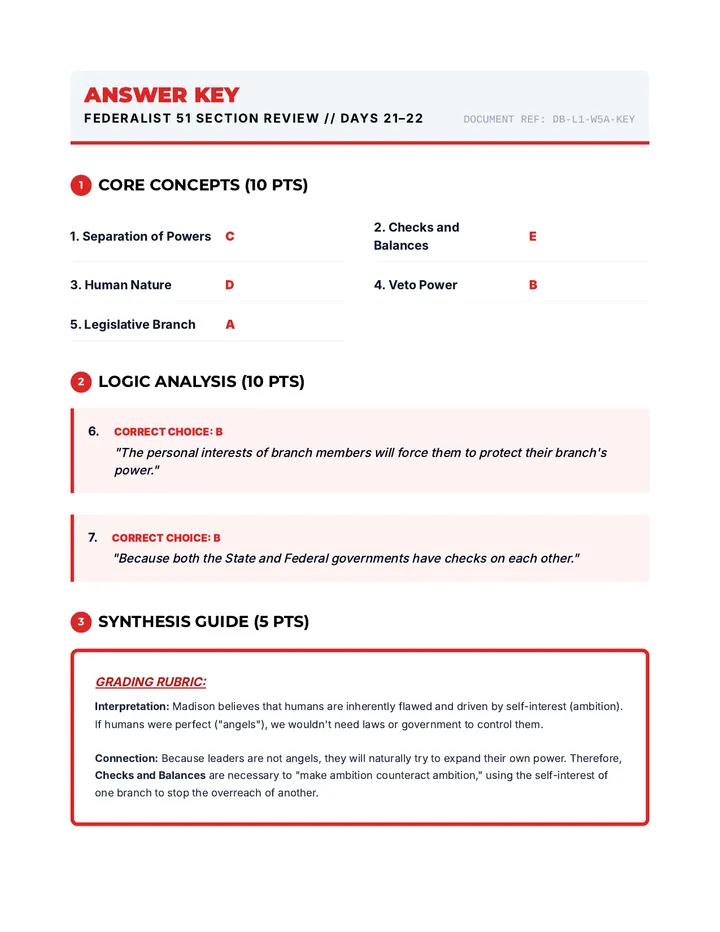
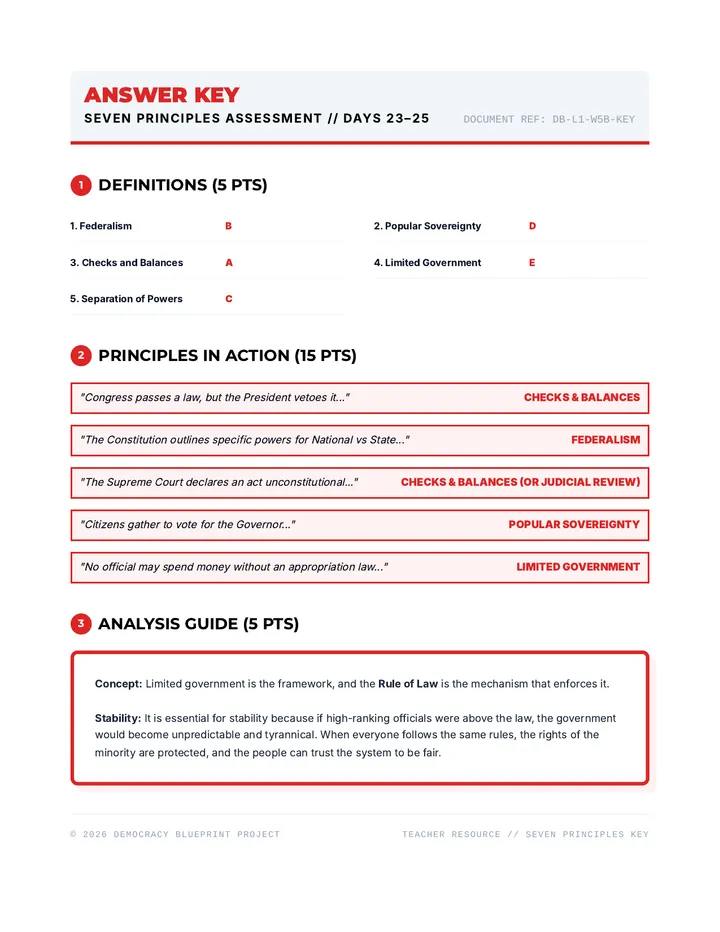
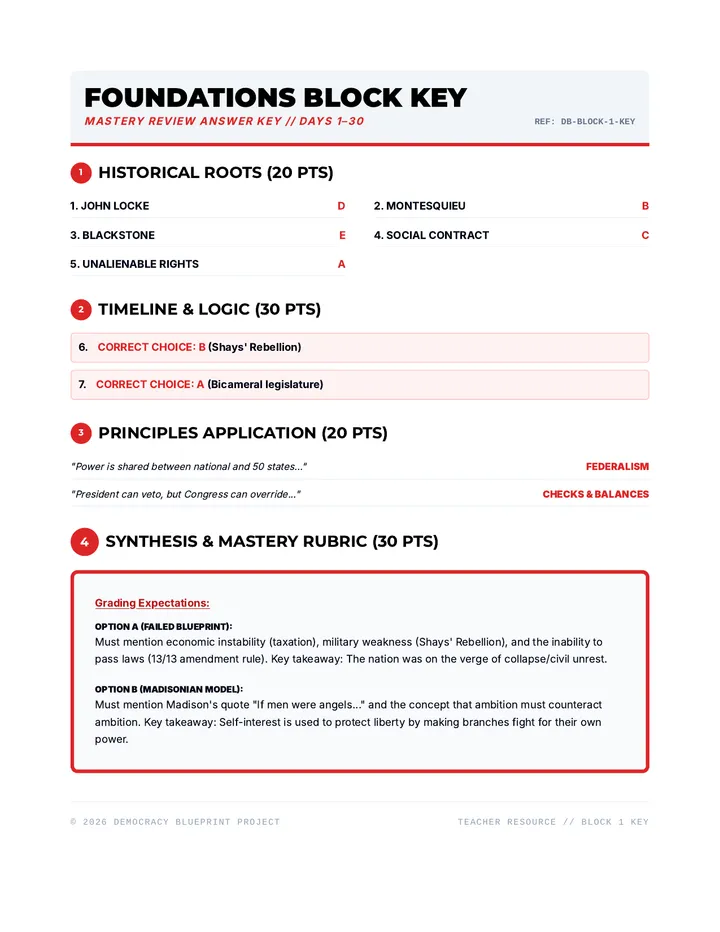
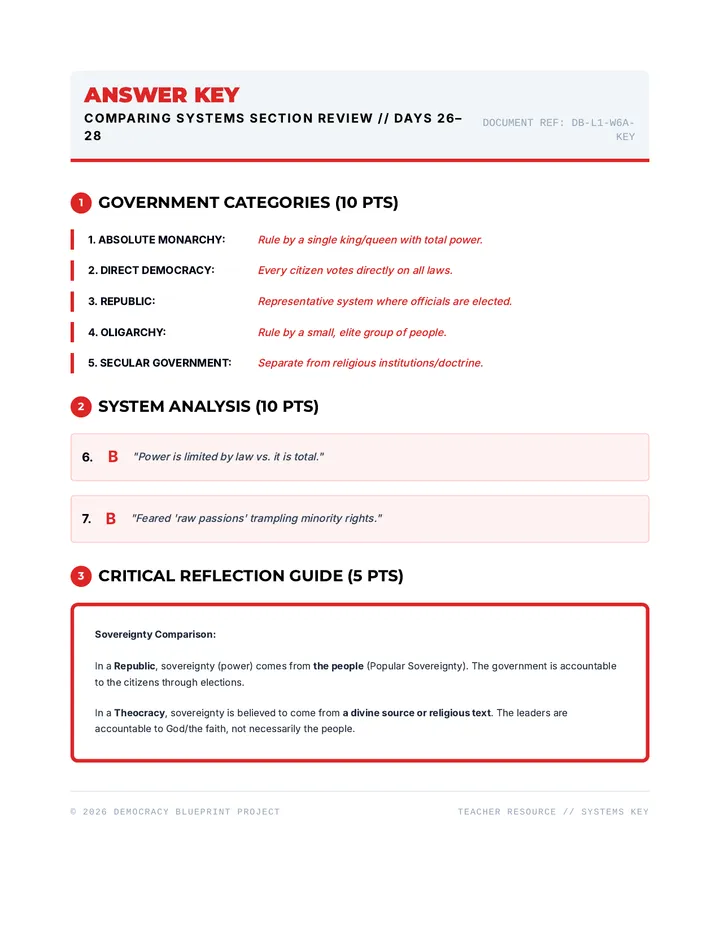
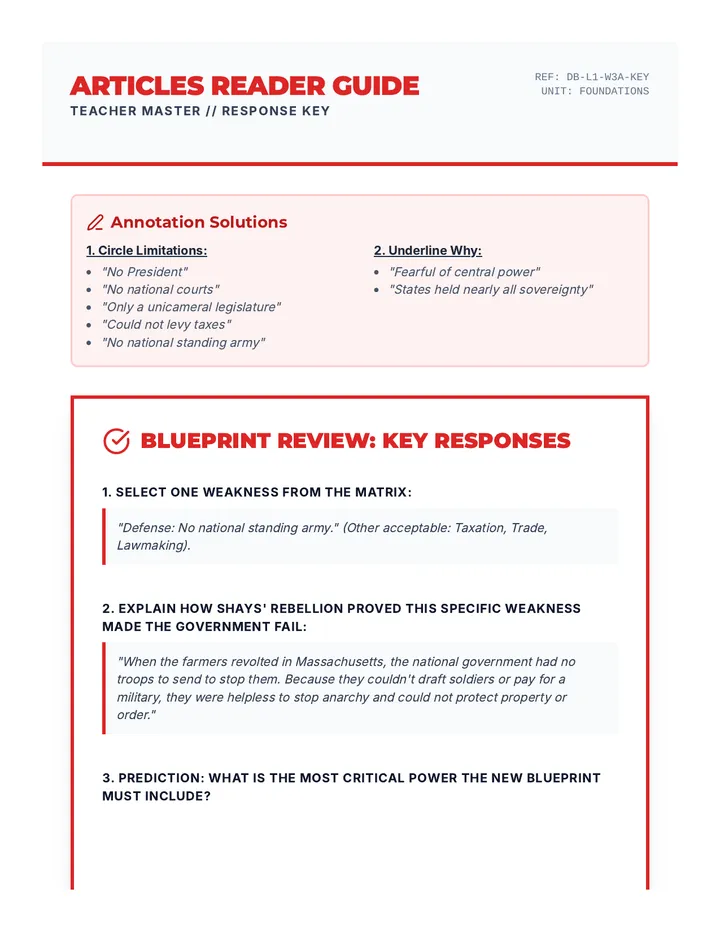
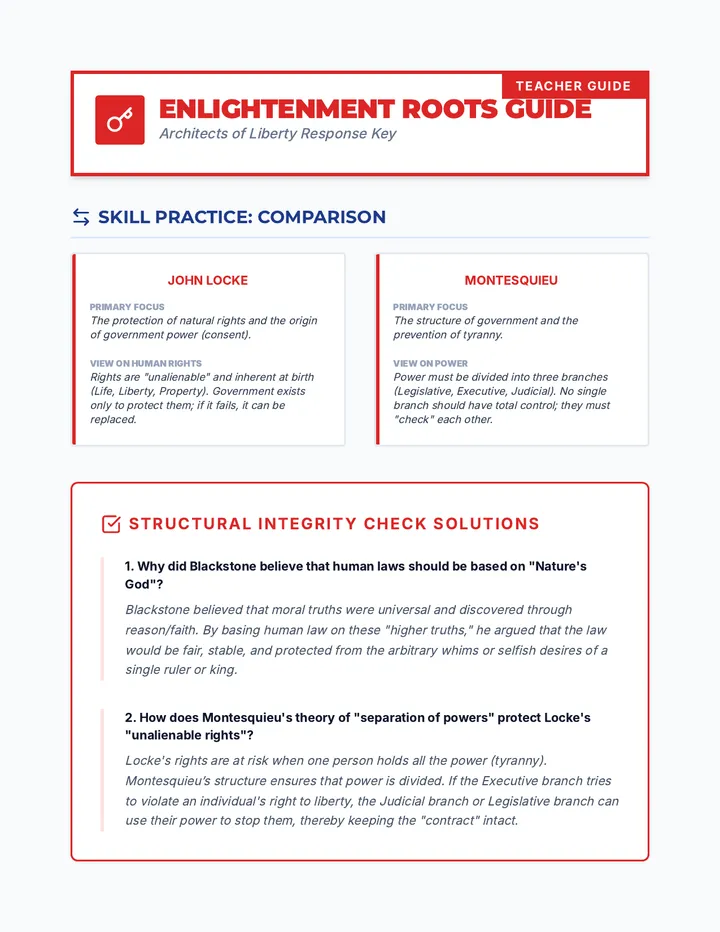
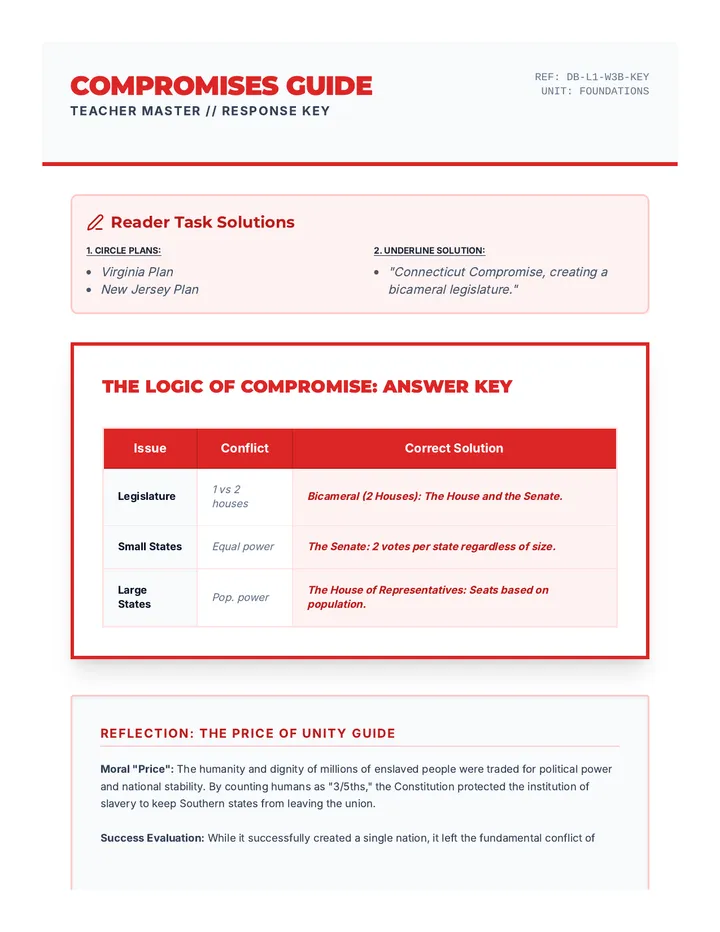
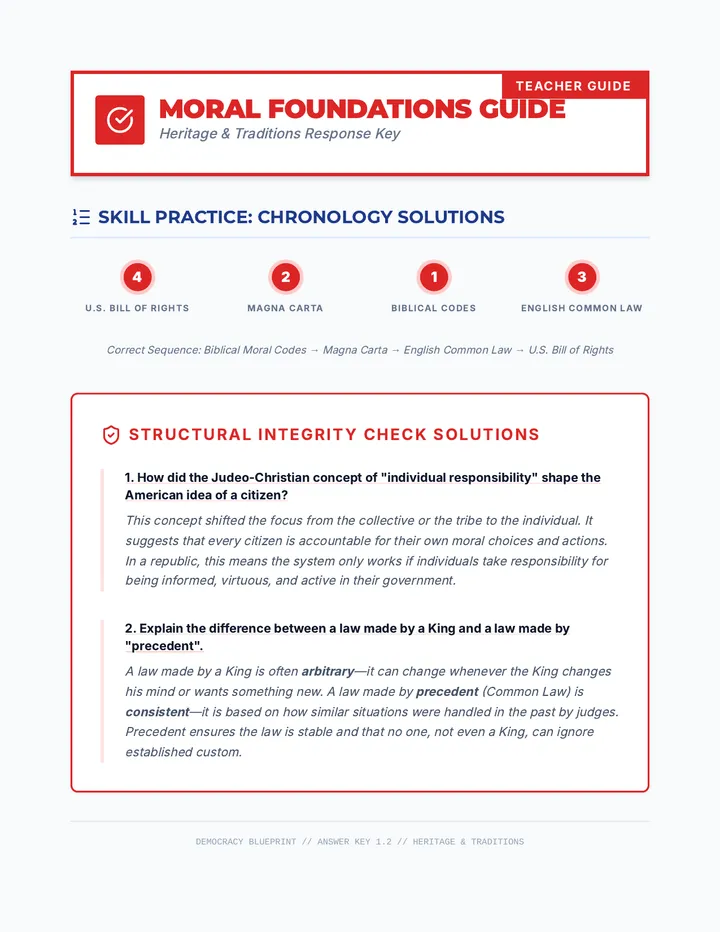
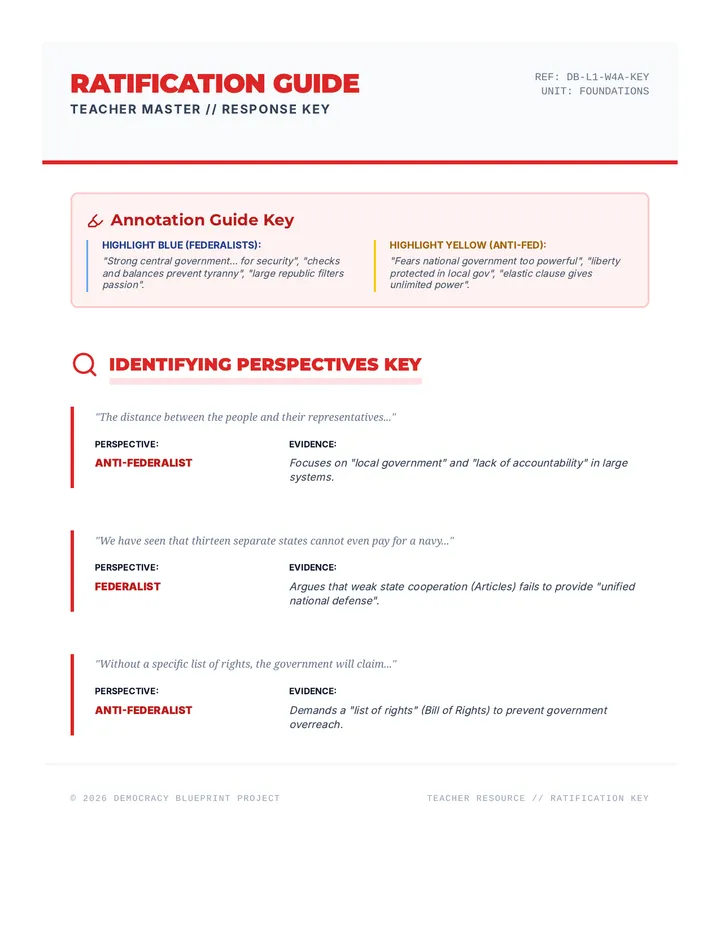
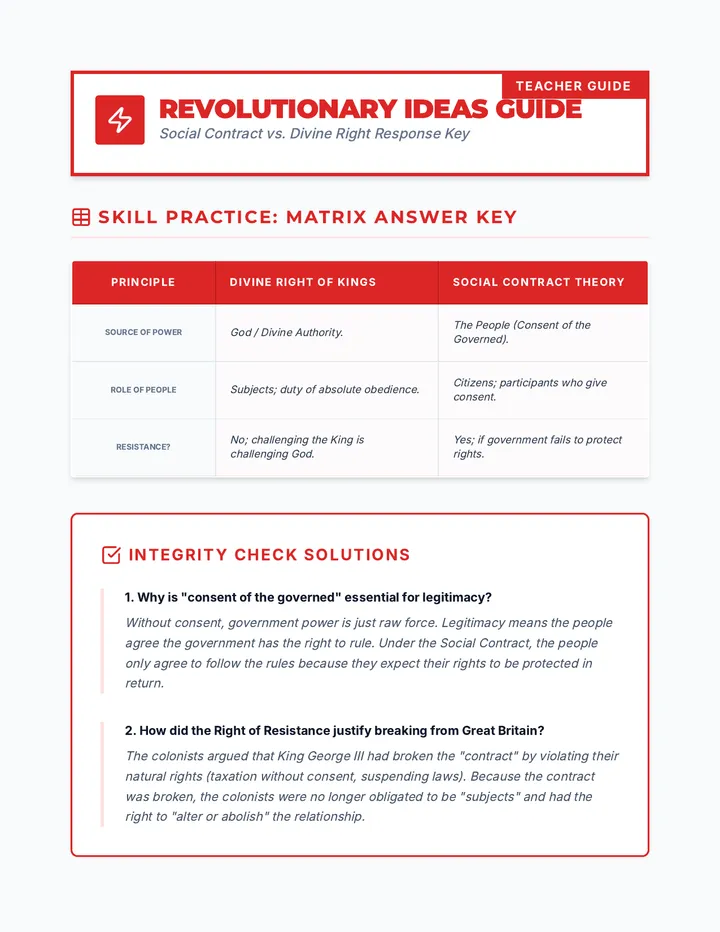
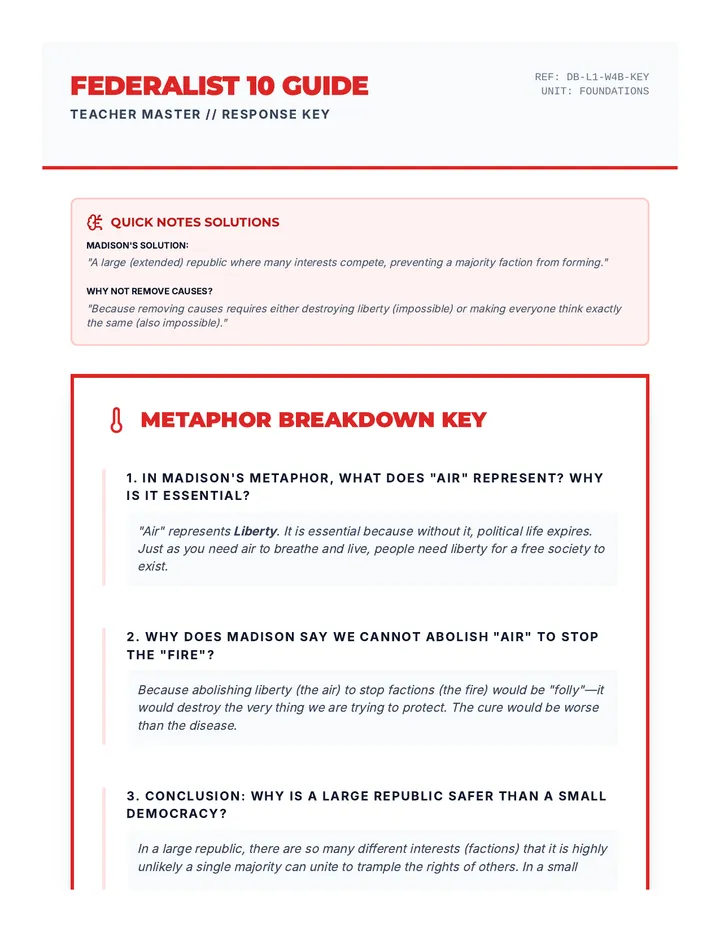
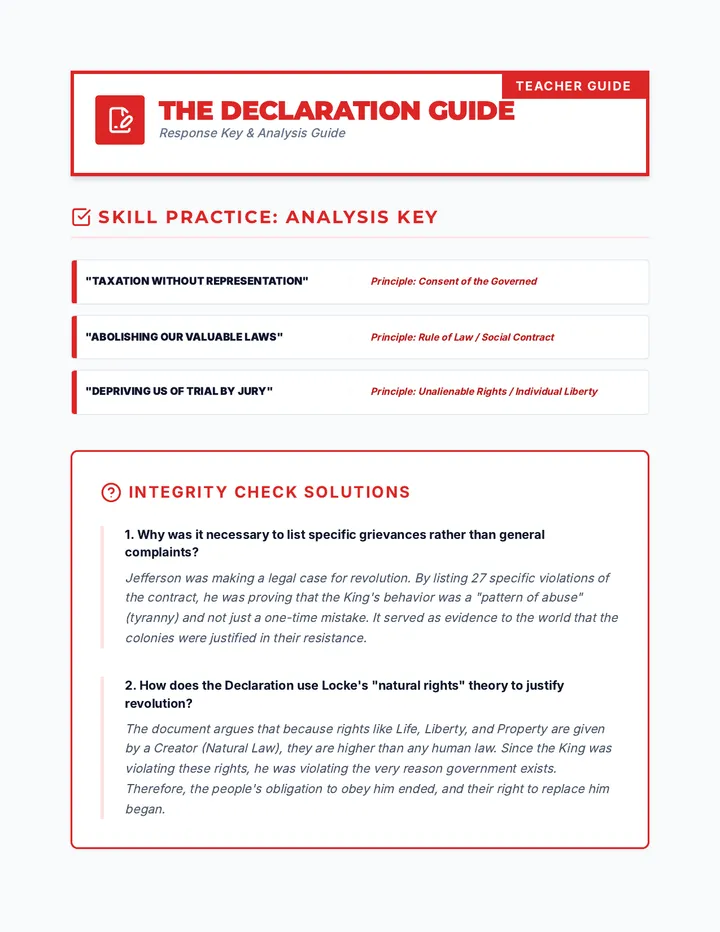
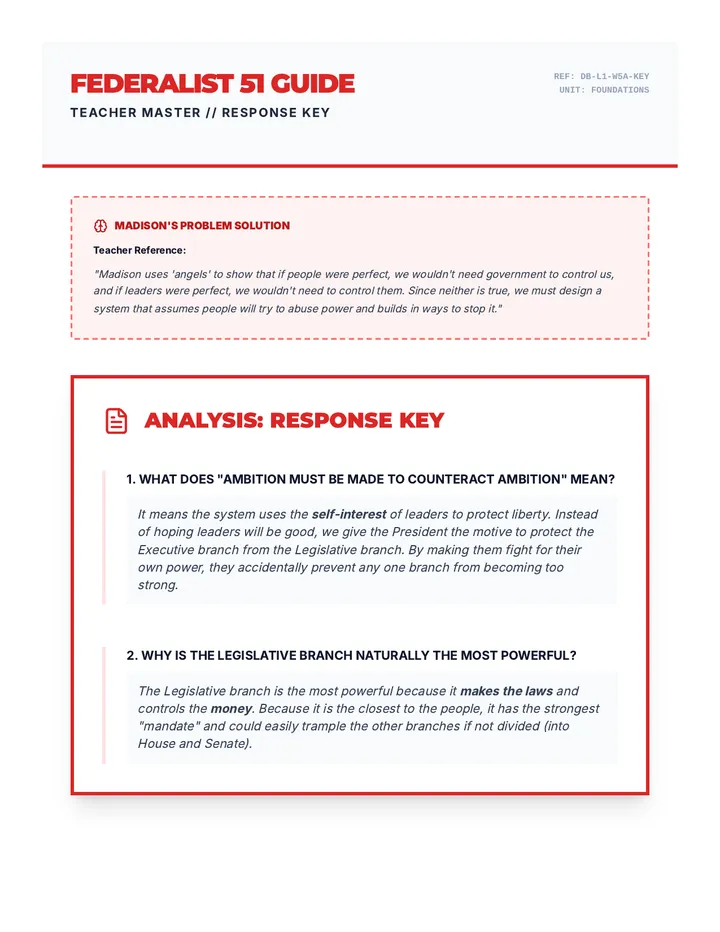
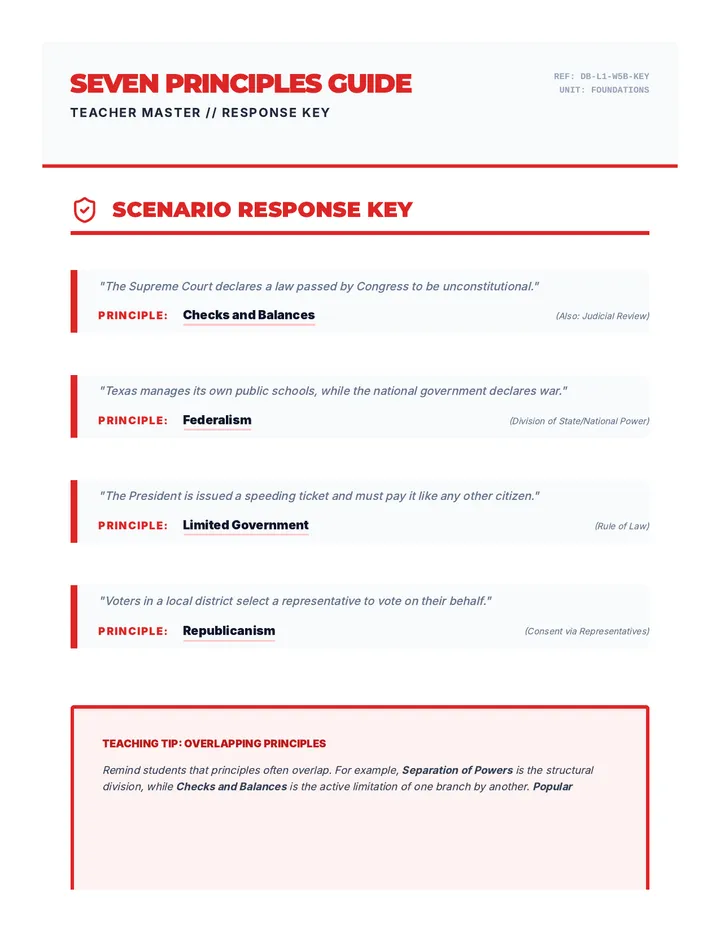
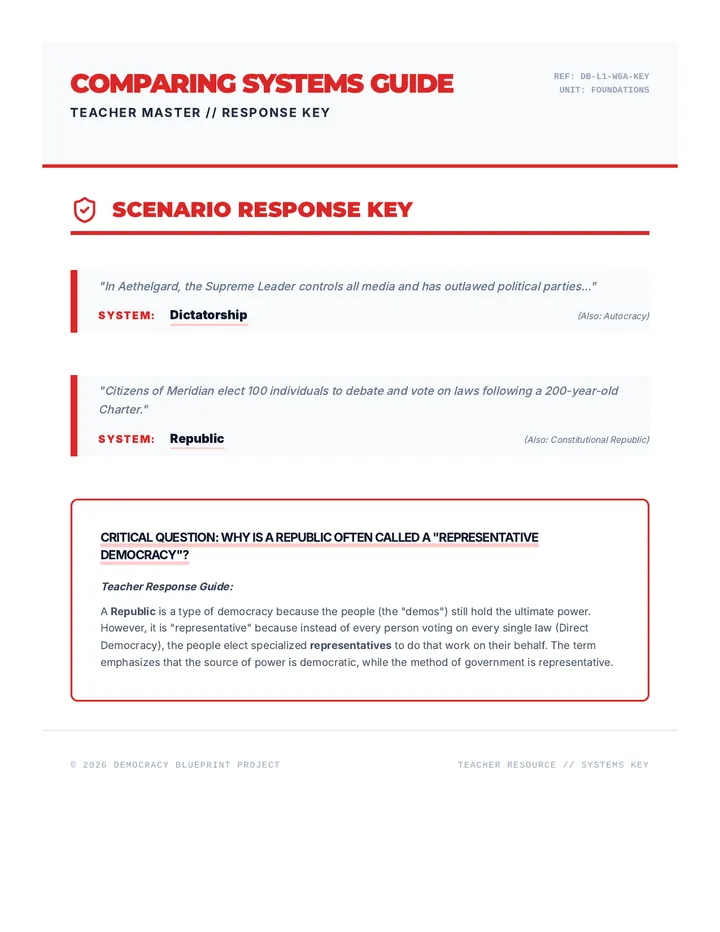
A comprehensive 90-day independent study program for high school government, covering everything from philosophical foundations to modern policy and civic participation.
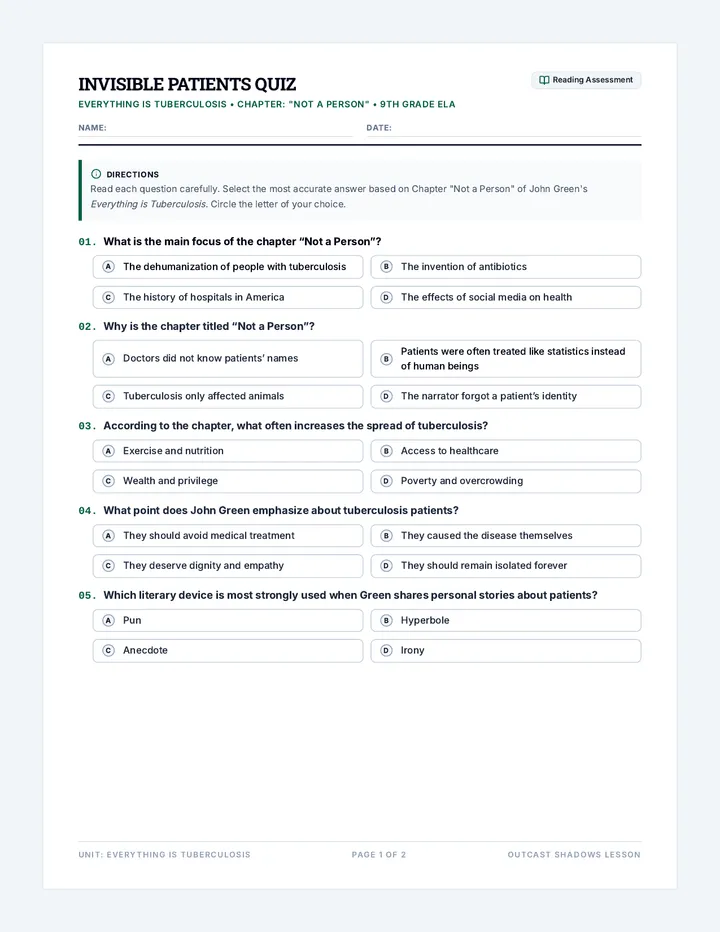
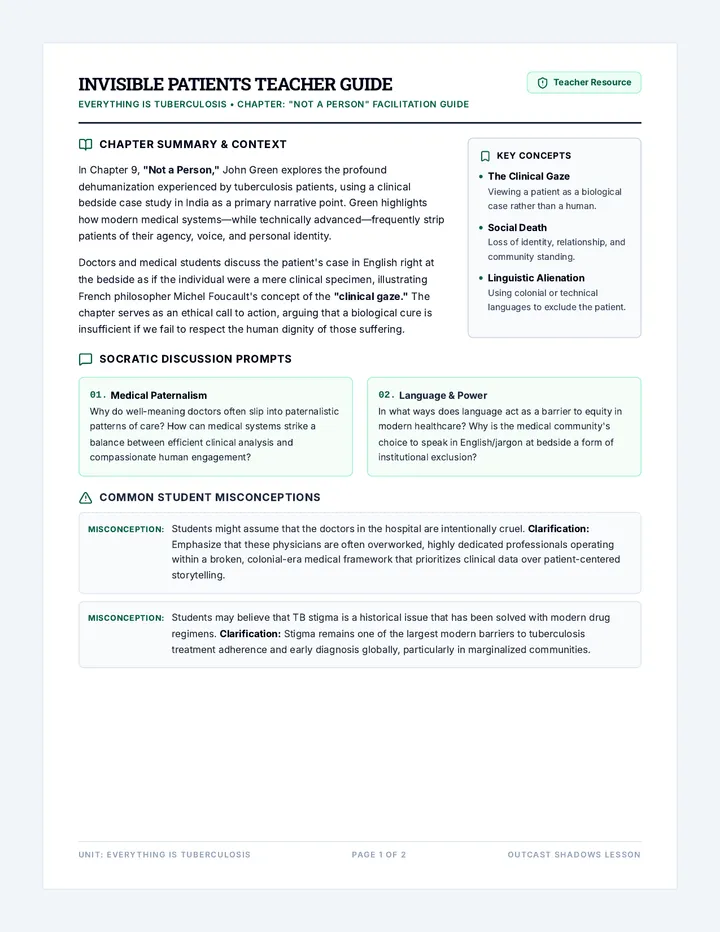
A rigorous high school unit exploring John Green's 'Everything is Tuberculosis', examining historical plague narratives, the biological science of the bacillus, medical ethics, global health policy, and the human side of patient advocacy.
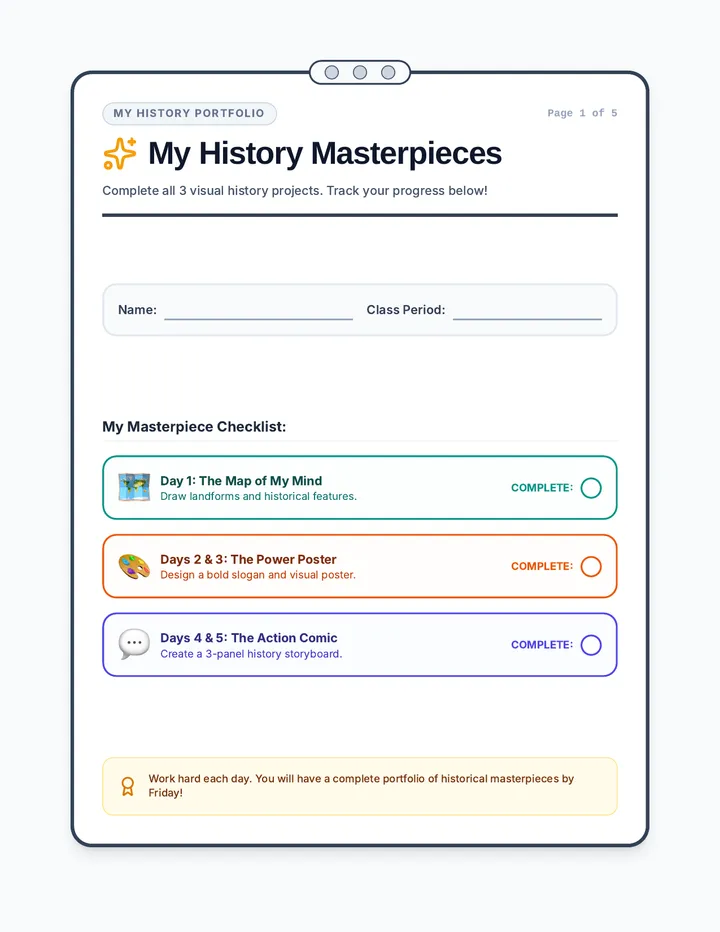
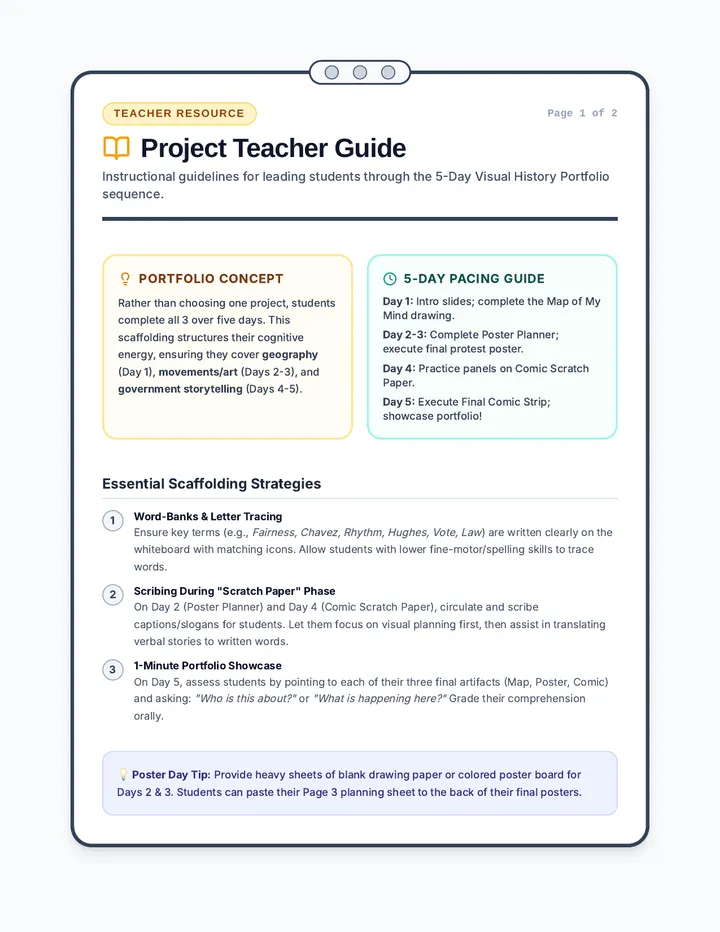
A final project sequence designed for middle school students with emerging literacy skills, enabling them to showcase their historical knowledge of geography, the Farmers' Movement, government, and the Harlem Renaissance through highly visual, expressive mediums.
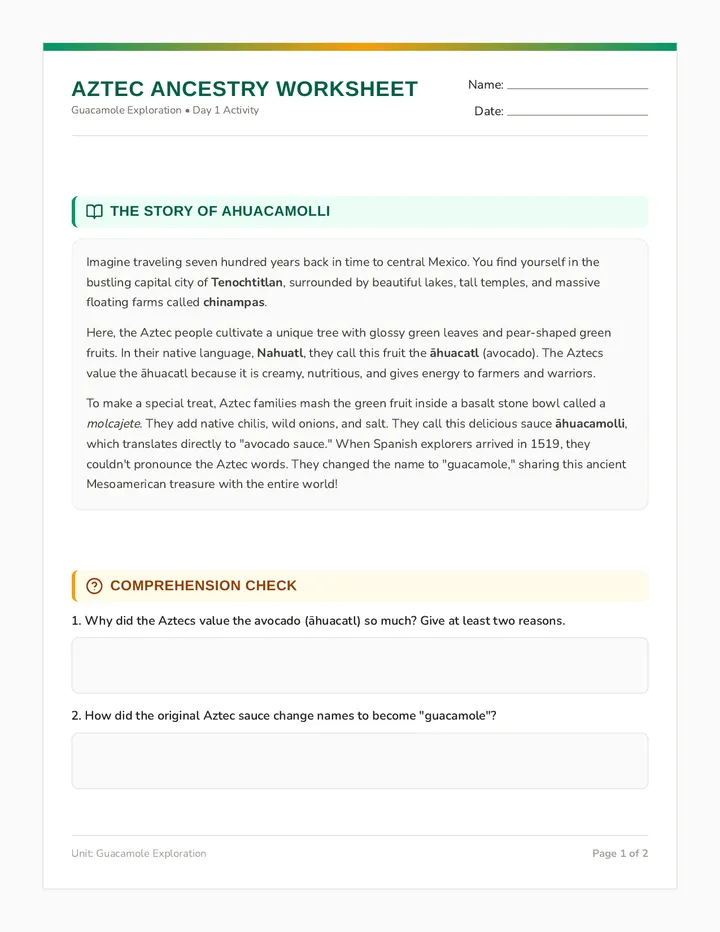
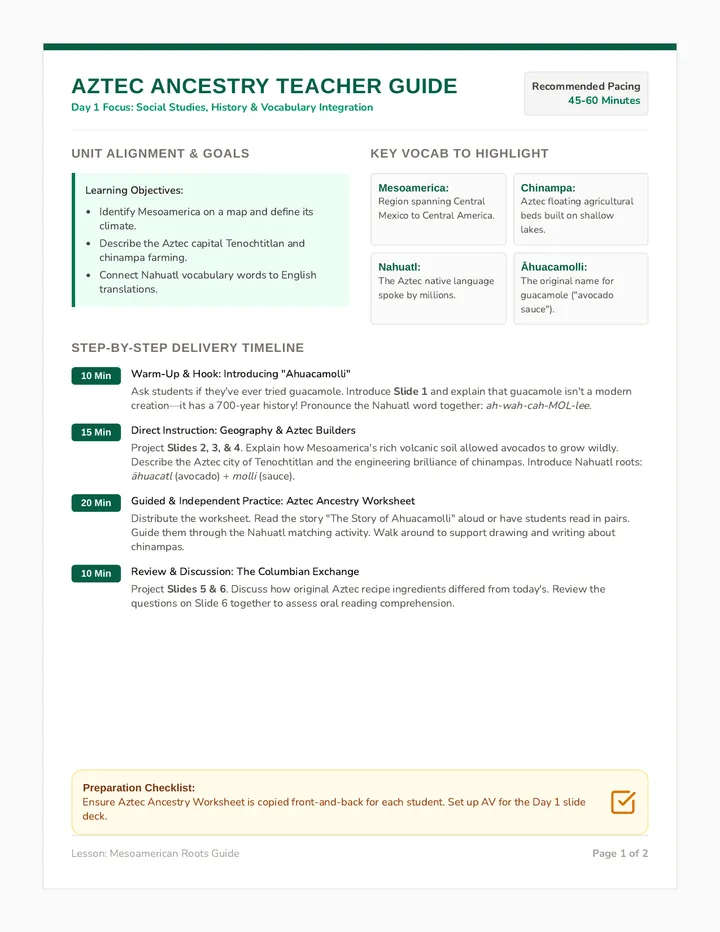
A 4-day integrated unit for 3rd grade exploring the math, science, history, and language arts of guacamole. Students will learn about Mesoamerican history, investigate plant structures and life cycles, scale fractional recipes, and practice sensory and procedural writing.
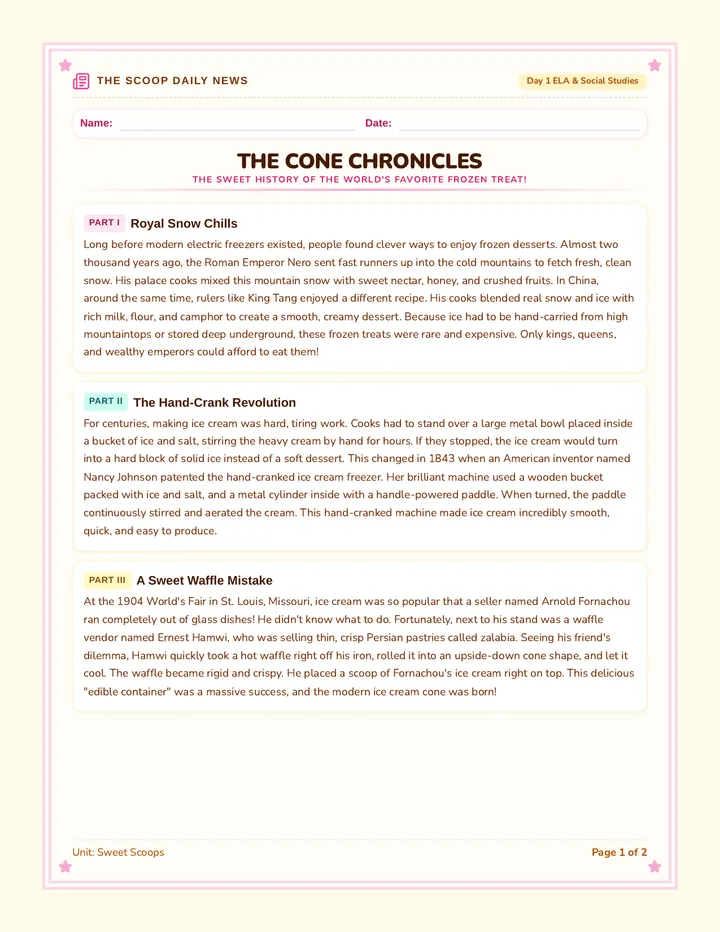
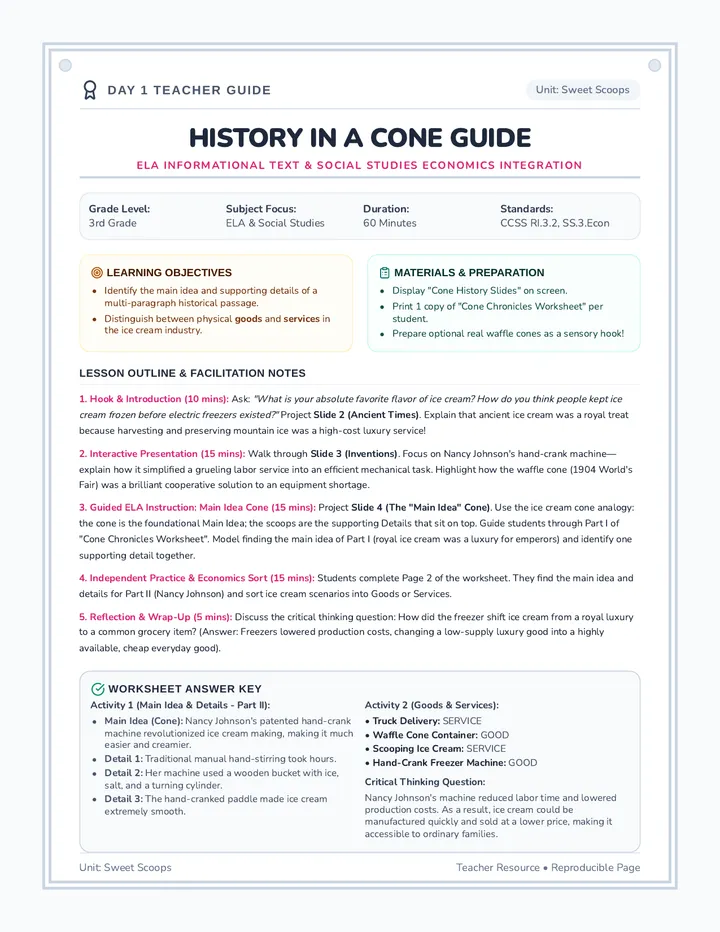
An integrated 4-day unit for 3rd grade that uses the engaging theme of ice cream to teach ELA informational reading, fraction concepts in math, states of matter in science, and economics in social studies. Students read historical texts, partition scoops of fractions, perform a chemistry freezing lab, and design their own parlor business.
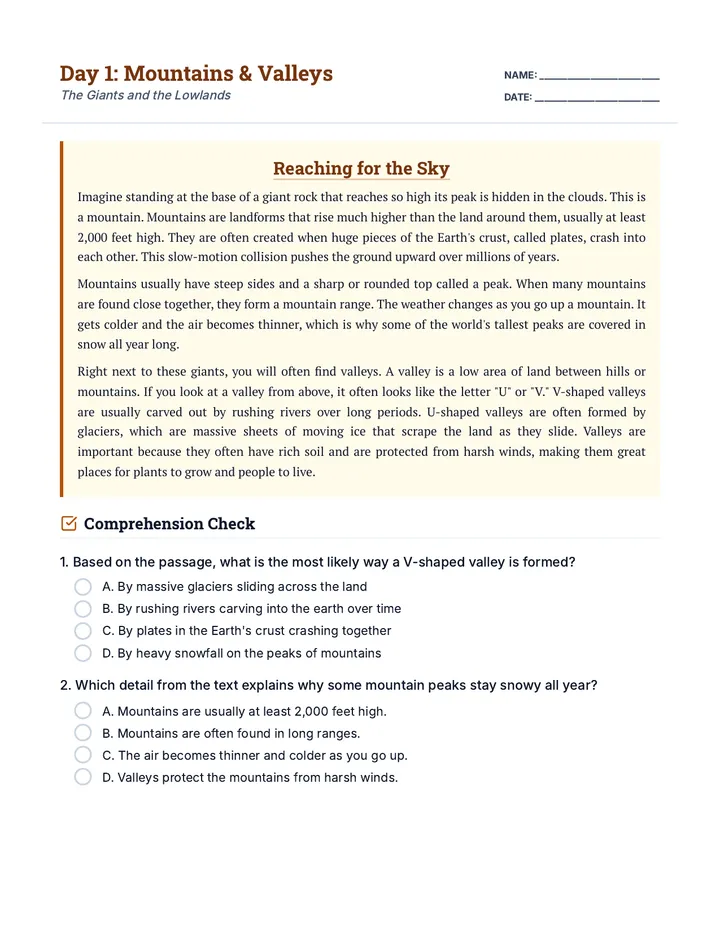
A 5-day reading comprehension and social studies packet focused on geography and landforms. Designed with 3rd-grade state testing rigor, students explore diverse landscapes through high-interest passages and complex multiple-choice questions.
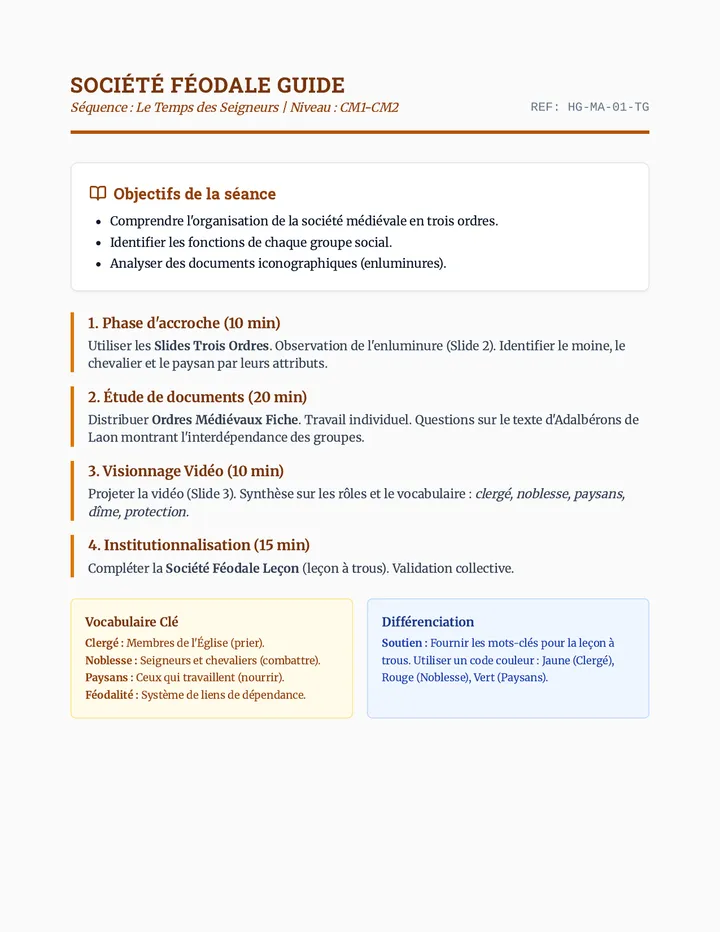
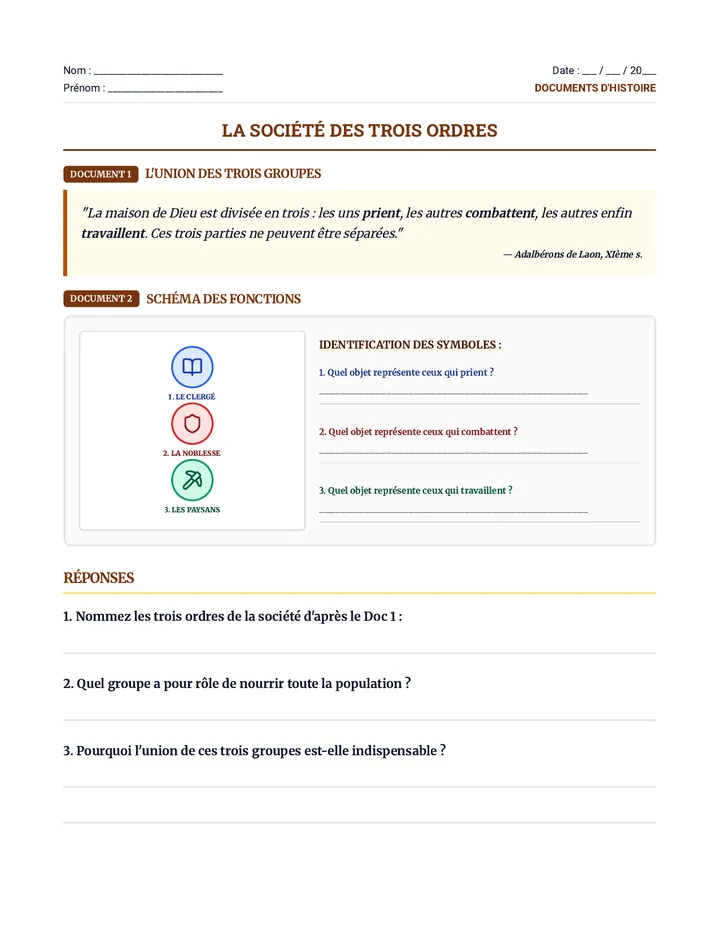
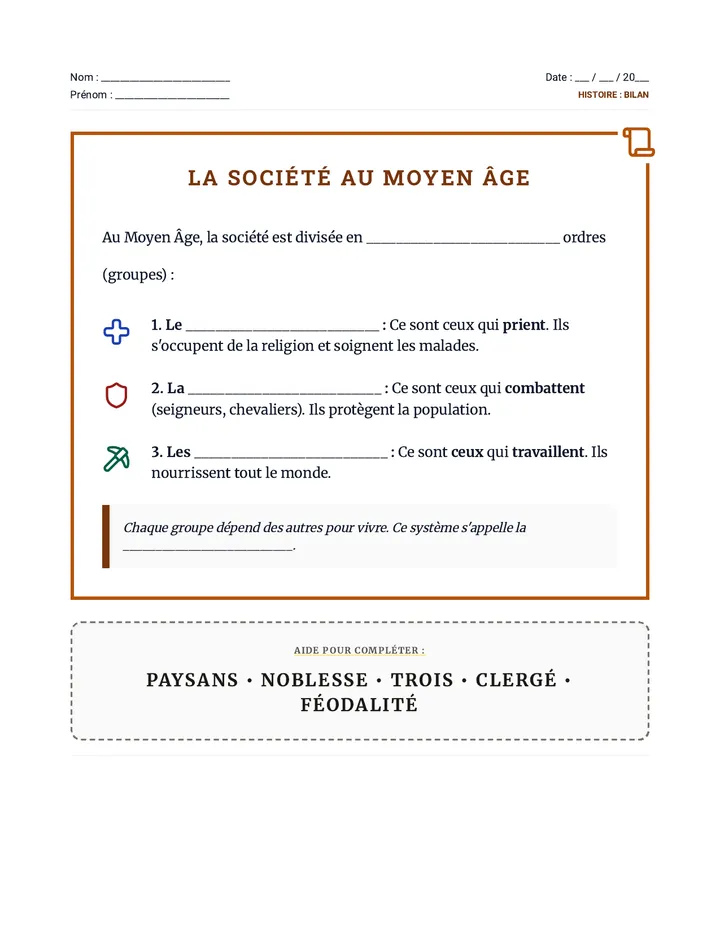
Cette séquence explore l'organisation sociale du Moyen Âge à travers les trois ordres (ceux qui prient, combattent et travaillent) ainsi que l'architecture et le rôle défensif des châteaux forts. Elle alterne entre analyse de documents historiques, visionnage de vidéos et synthèses créatives.
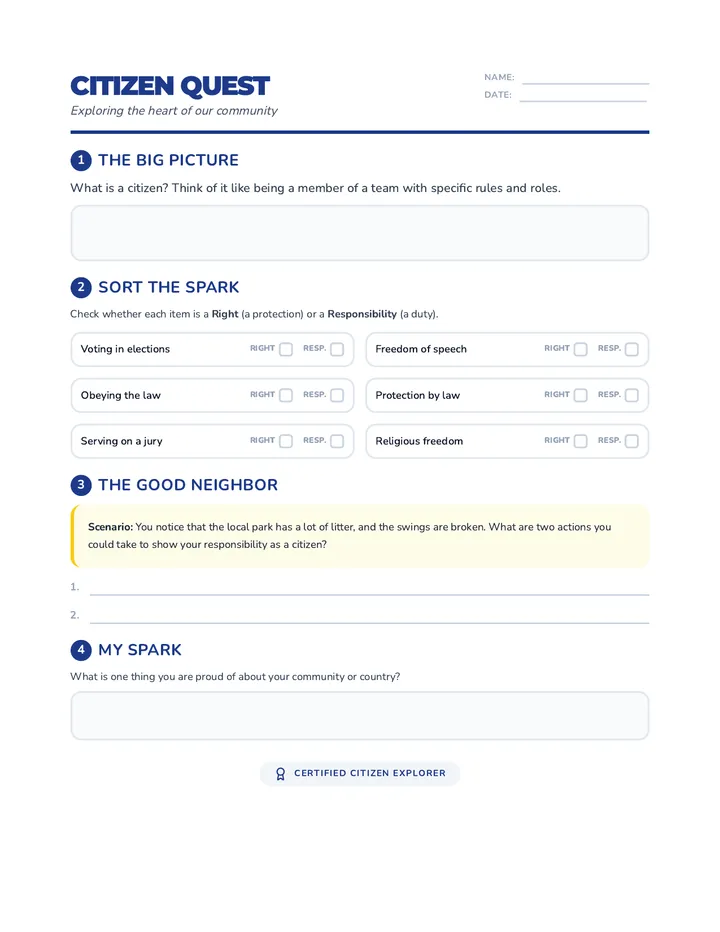
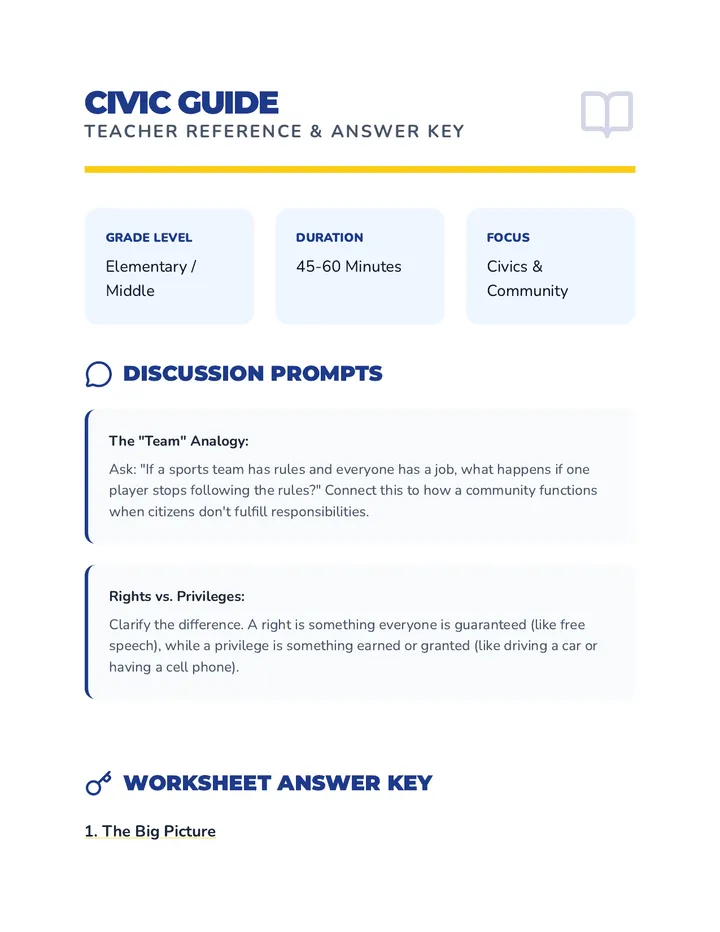
A comprehensive unit on citizenship, focusing on the rights, duties, and active involvement of individuals in society.
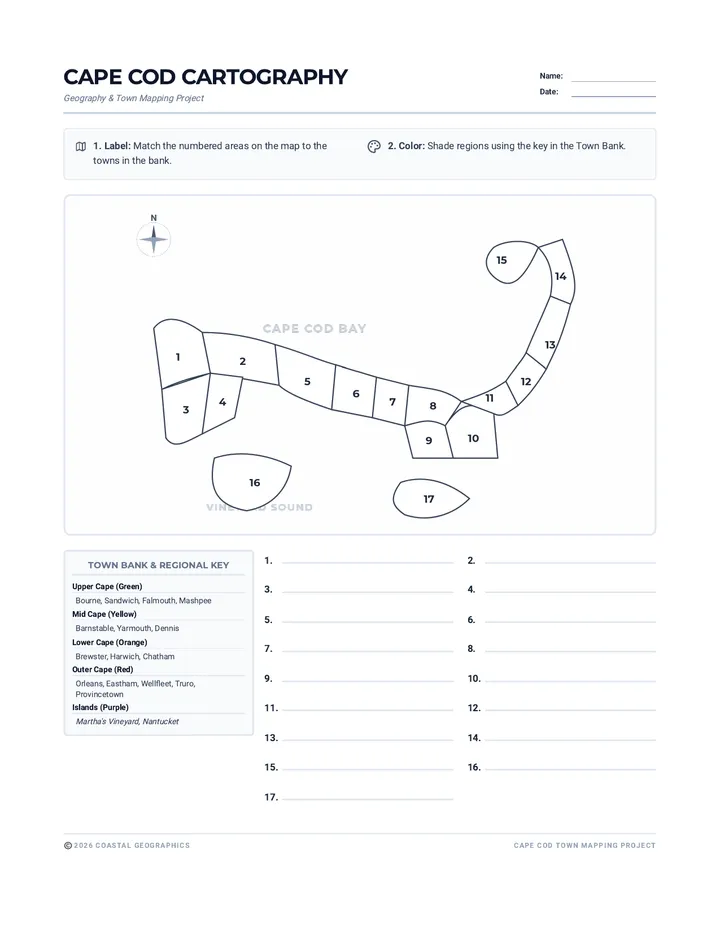
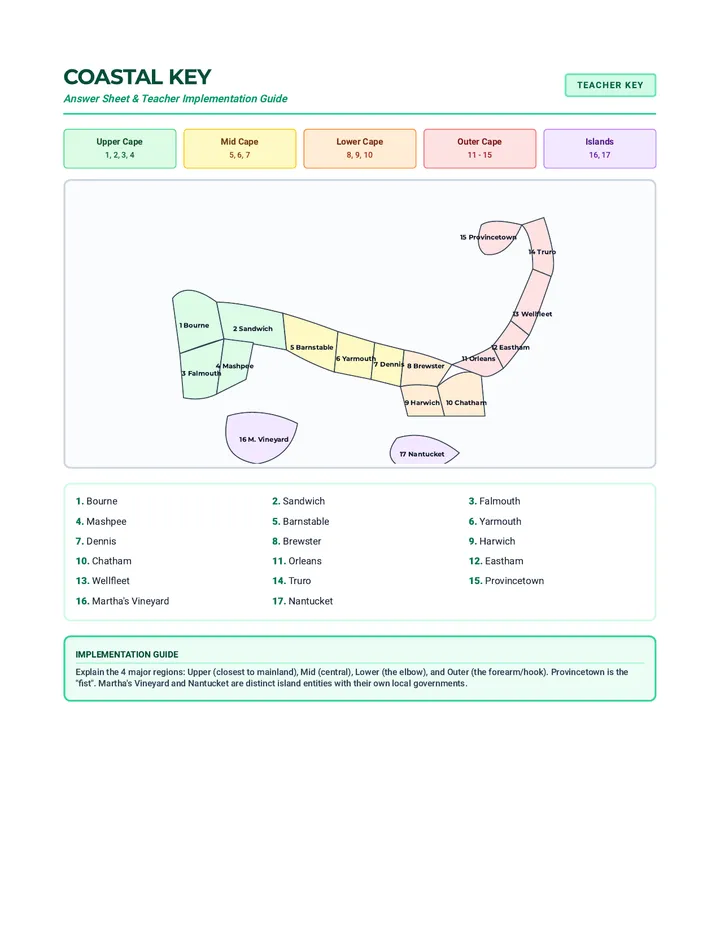
A series of materials focused on Massachusetts coastal geography and cartography.
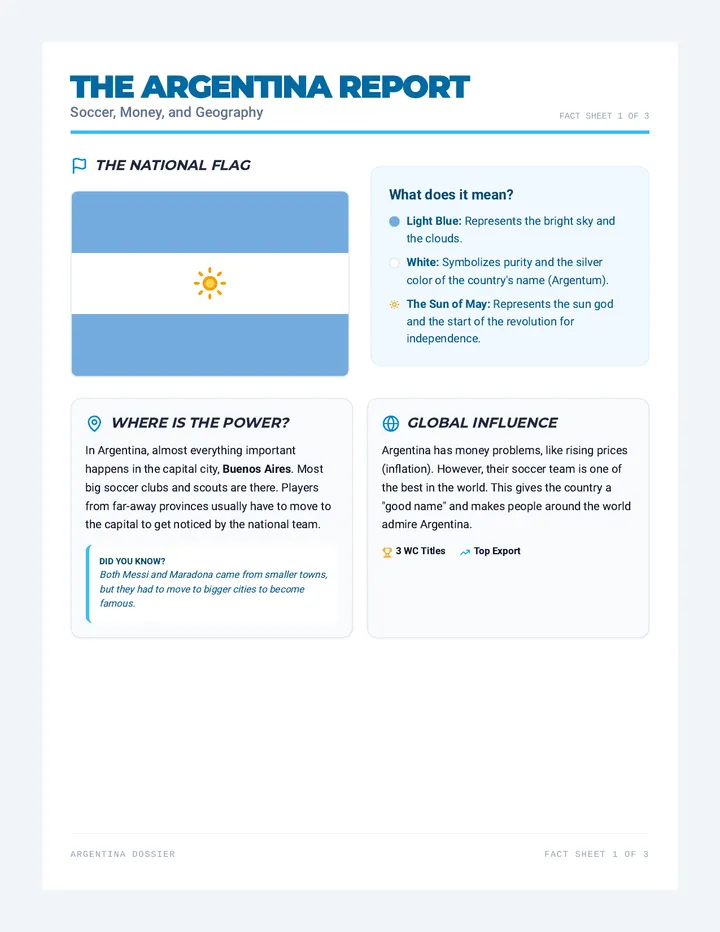
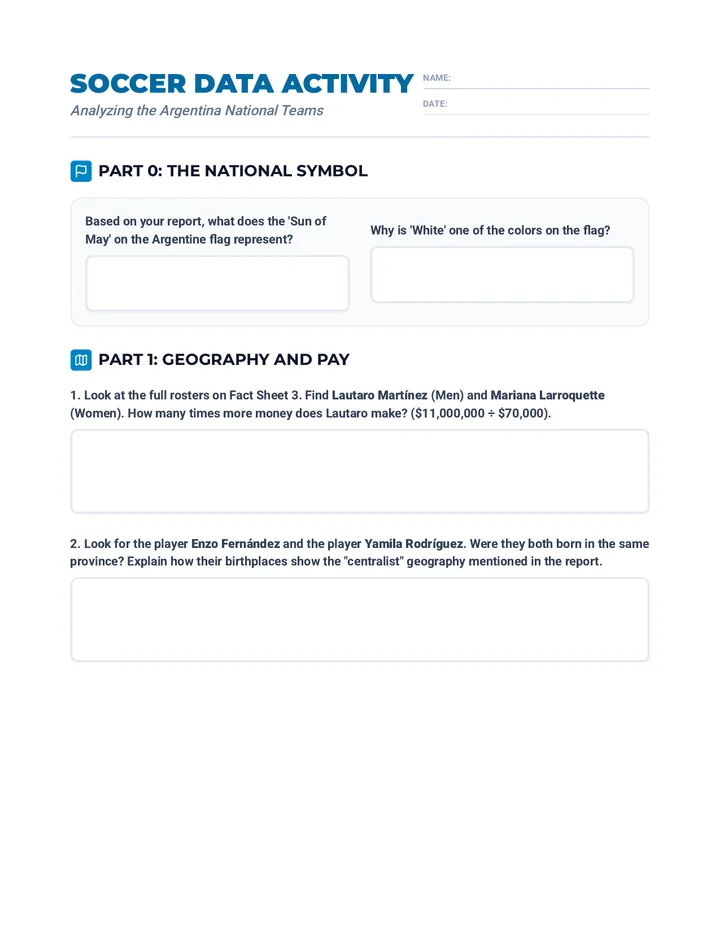
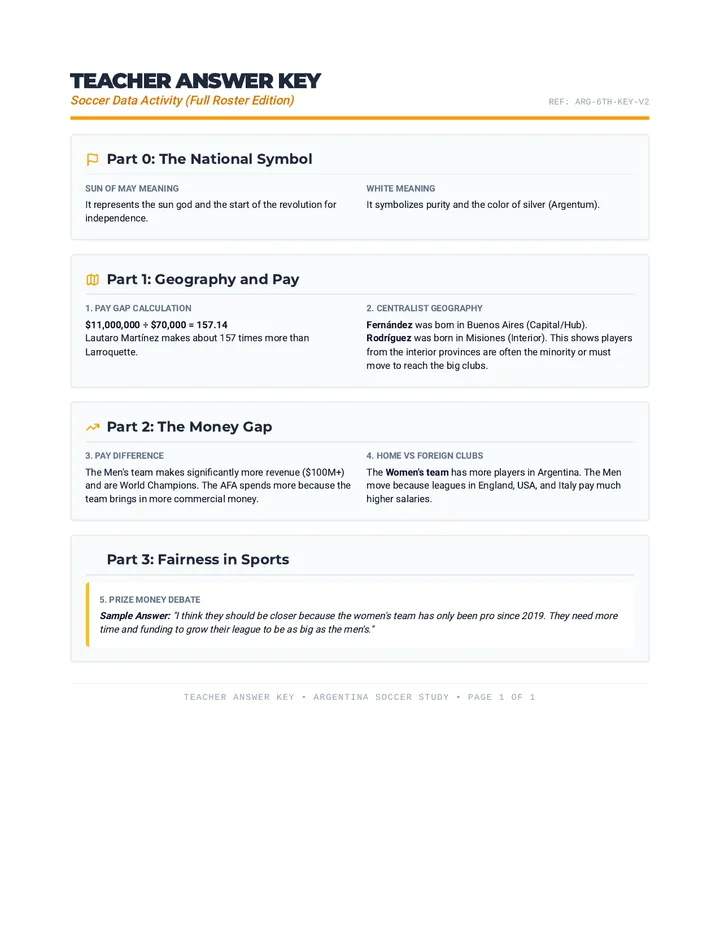
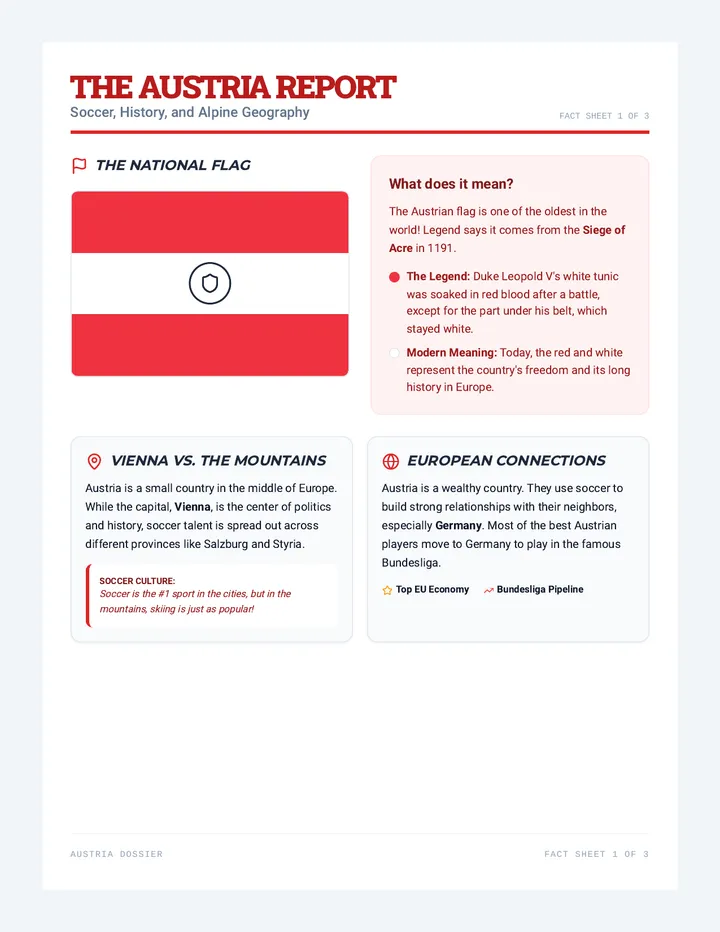
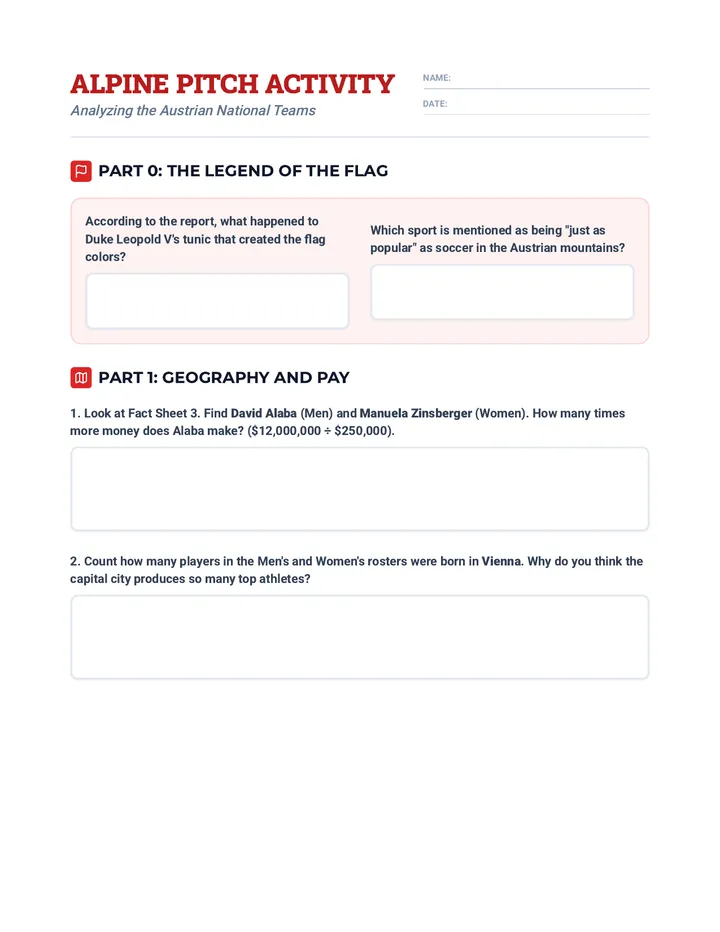
A comparative study series exploring the geopolitics and economics of different nations through their national soccer teams.
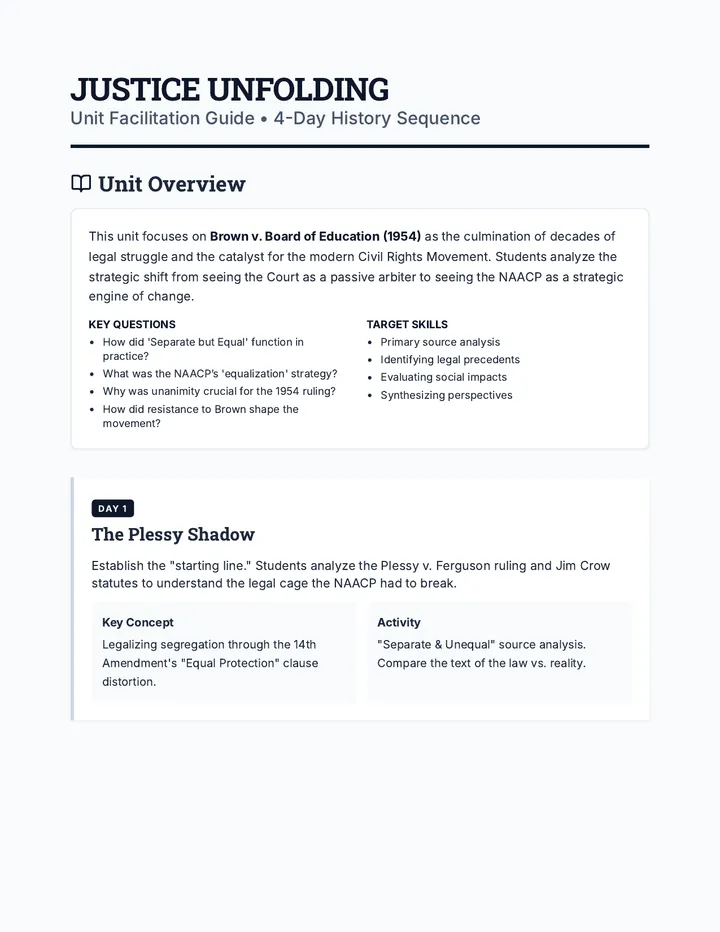
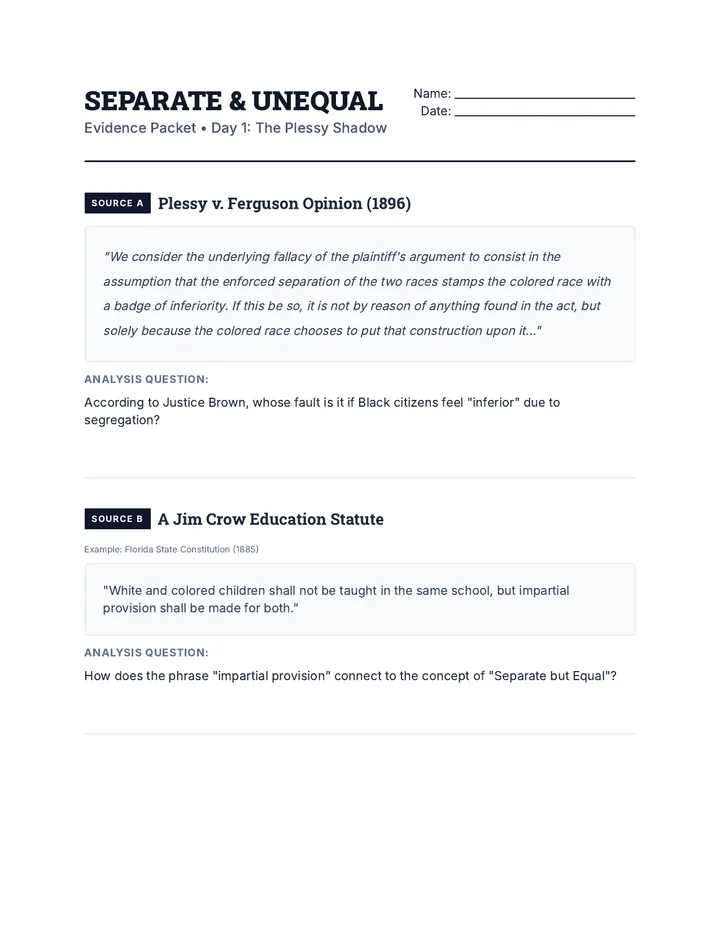
A four-day high school history unit exploring the origins, legal battle, and immediate aftermath of the landmark Brown v. Board of Education decision. Students analyze primary sources and the strategic shifts that sparked the modern Civil Rights Movement.
A critical exploration of the Seminole Wars and the unique alliance between Indigenous people and self-liberated Black individuals, framed through Howard Zinn's 'history from below' perspective.
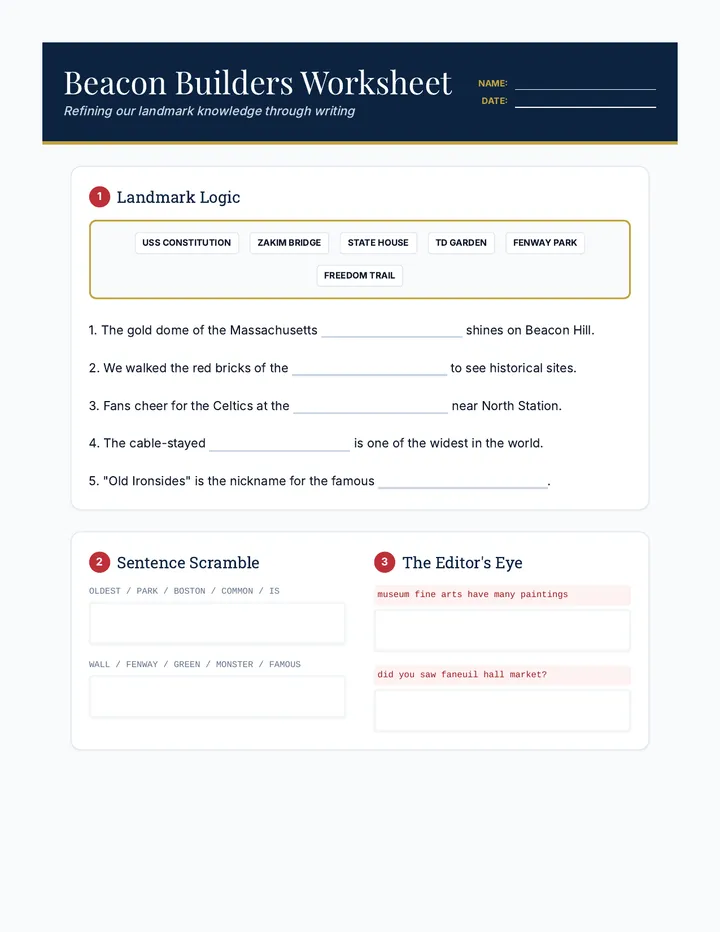
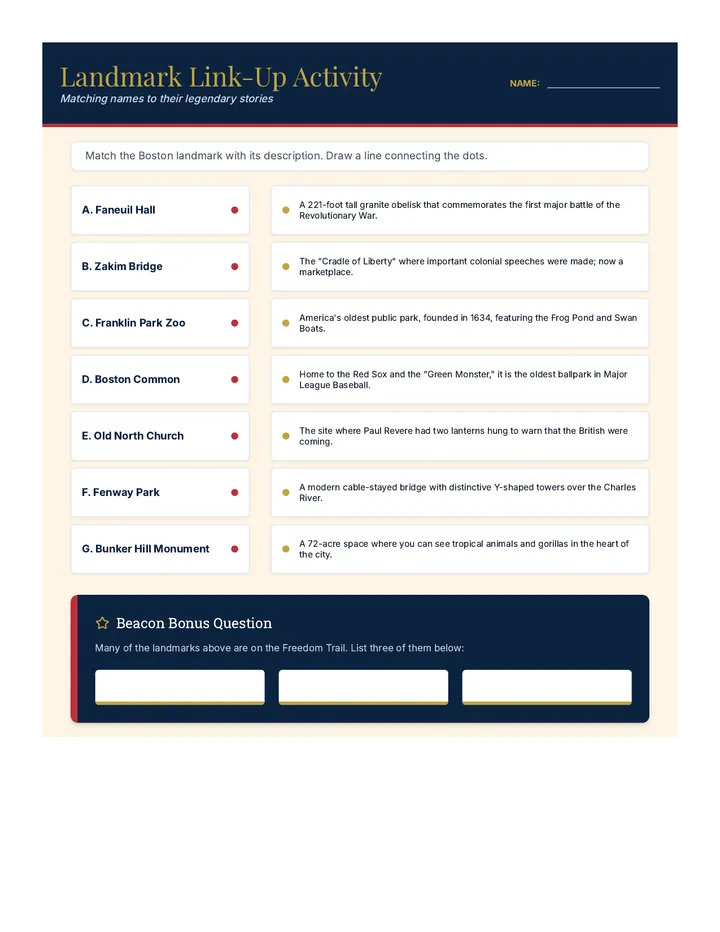
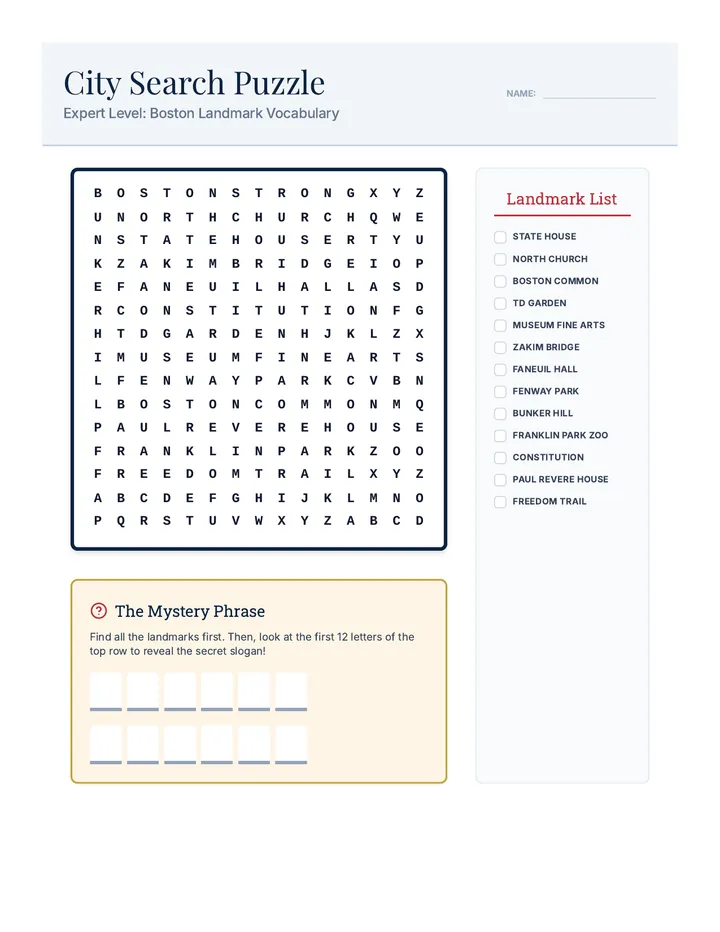
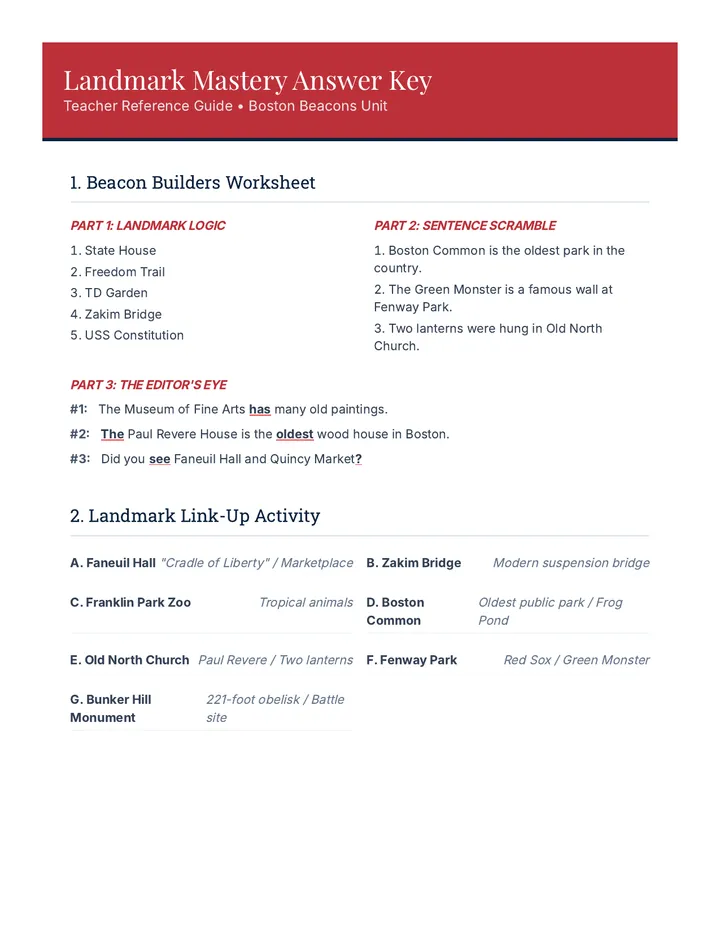
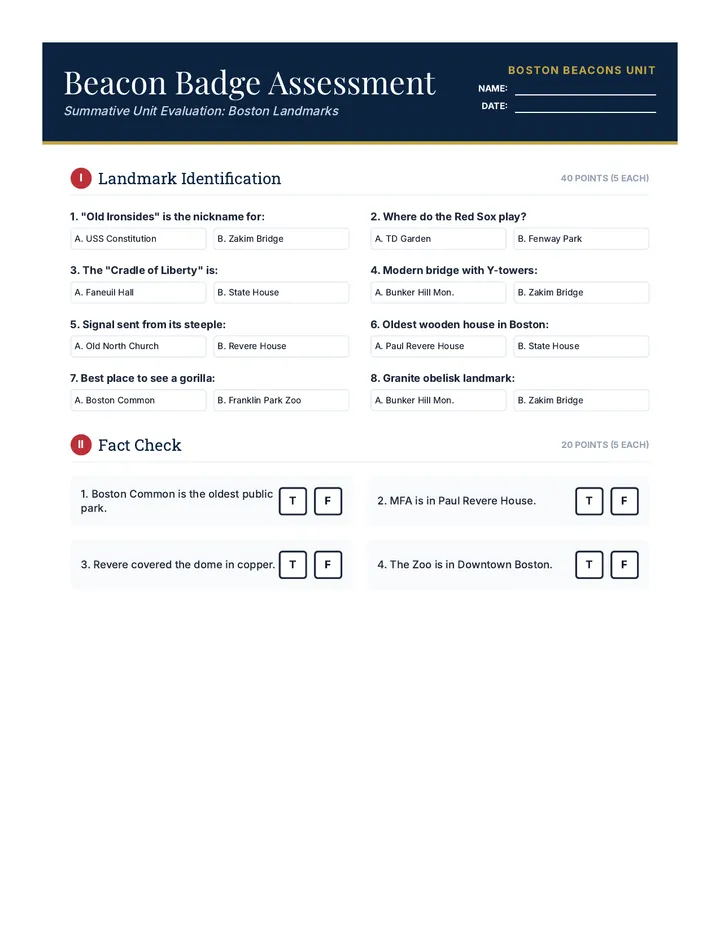
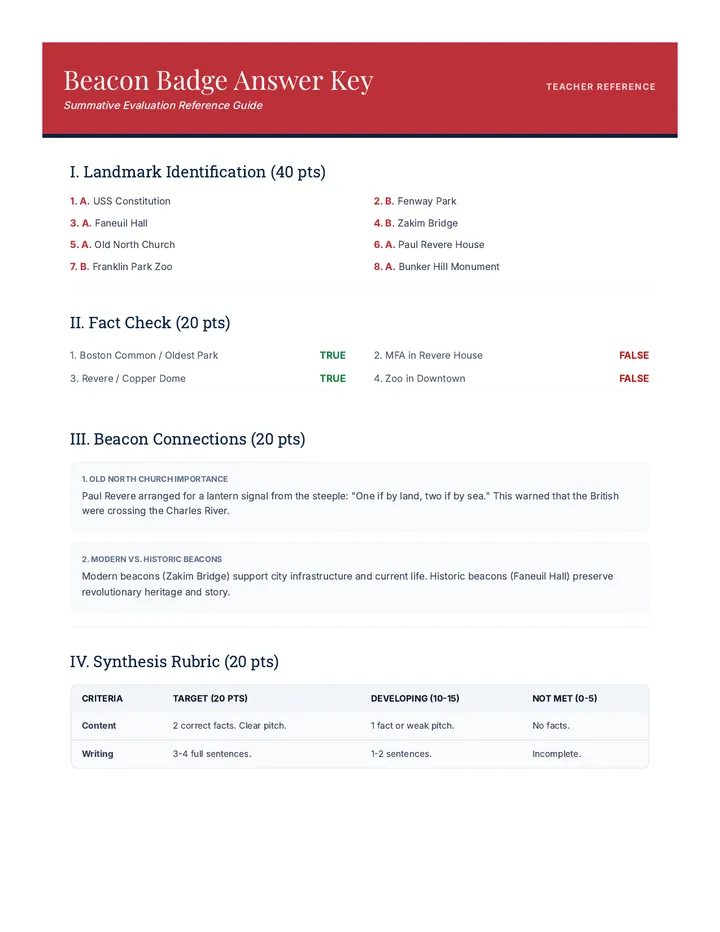
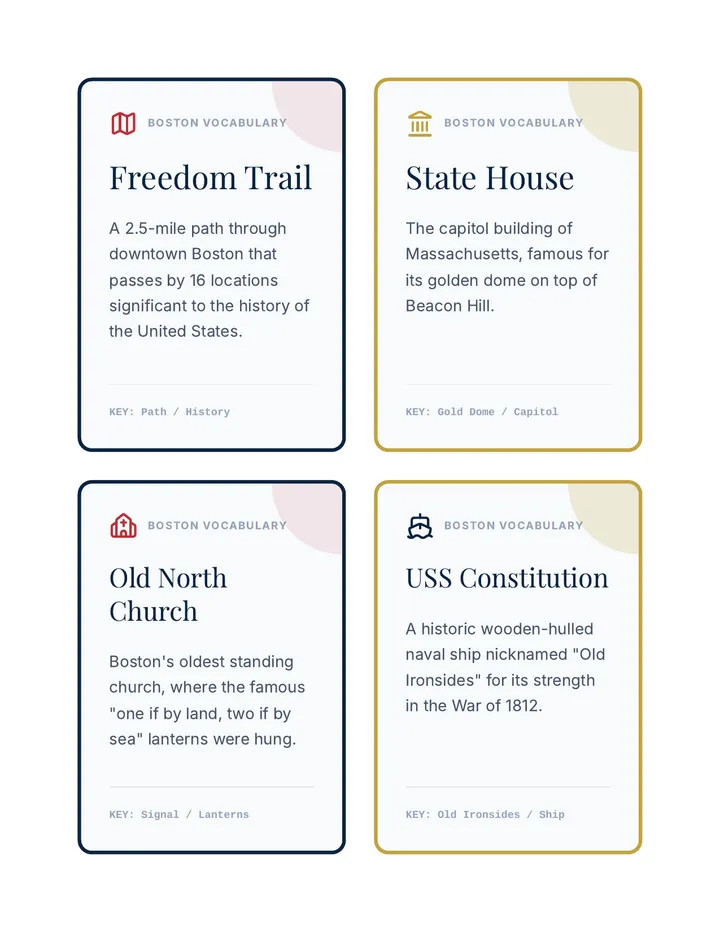
An exploration of Boston's historical and modern landmarks, helping students connect with the city's rich heritage and contemporary culture.