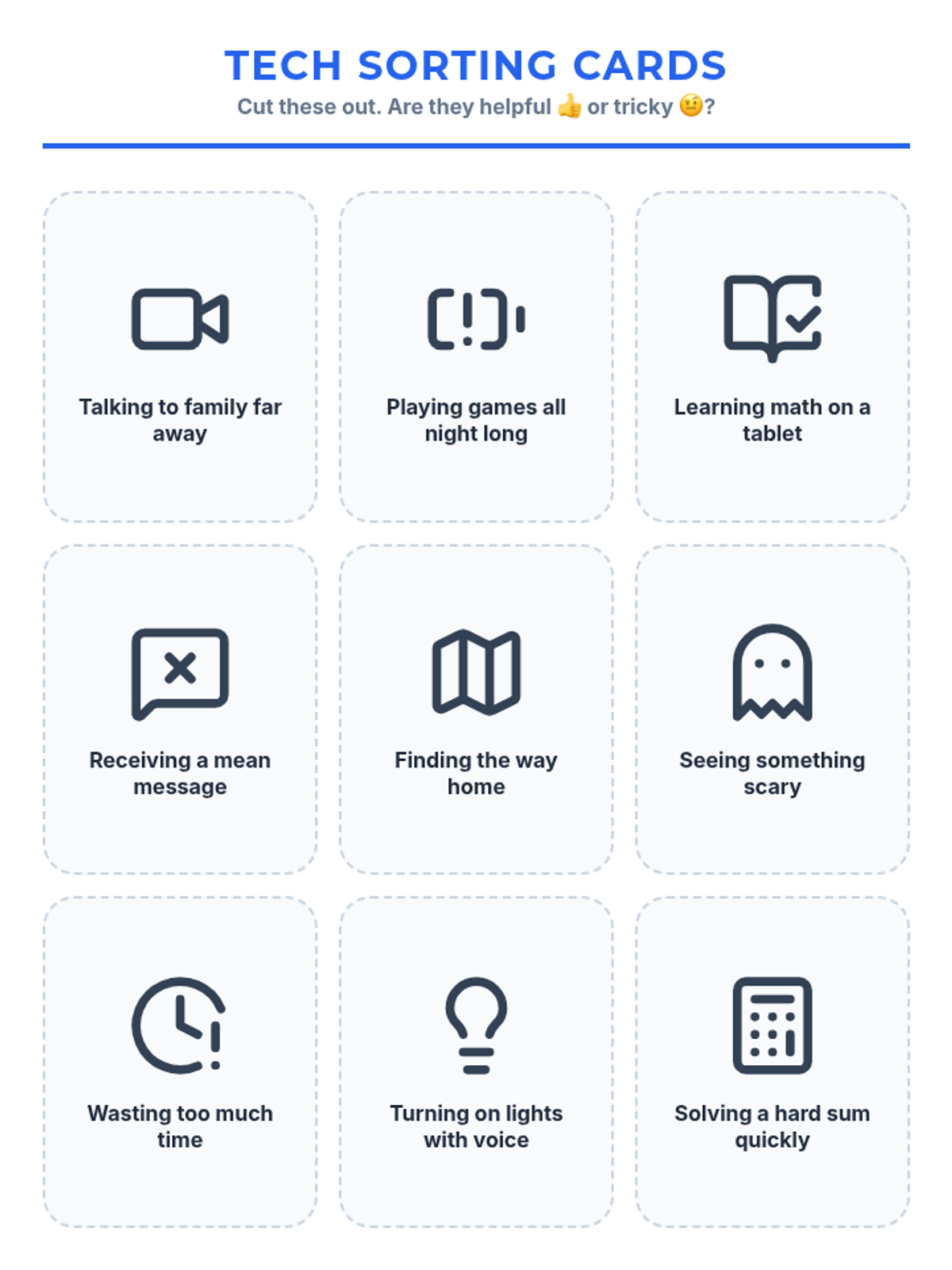
A 4th-grade sequence exploring digital privacy, AI data collection, and ethical technology use. Students investigate sensors, digital footprints, the hidden costs of 'free' apps, and strategies for securing personal information.
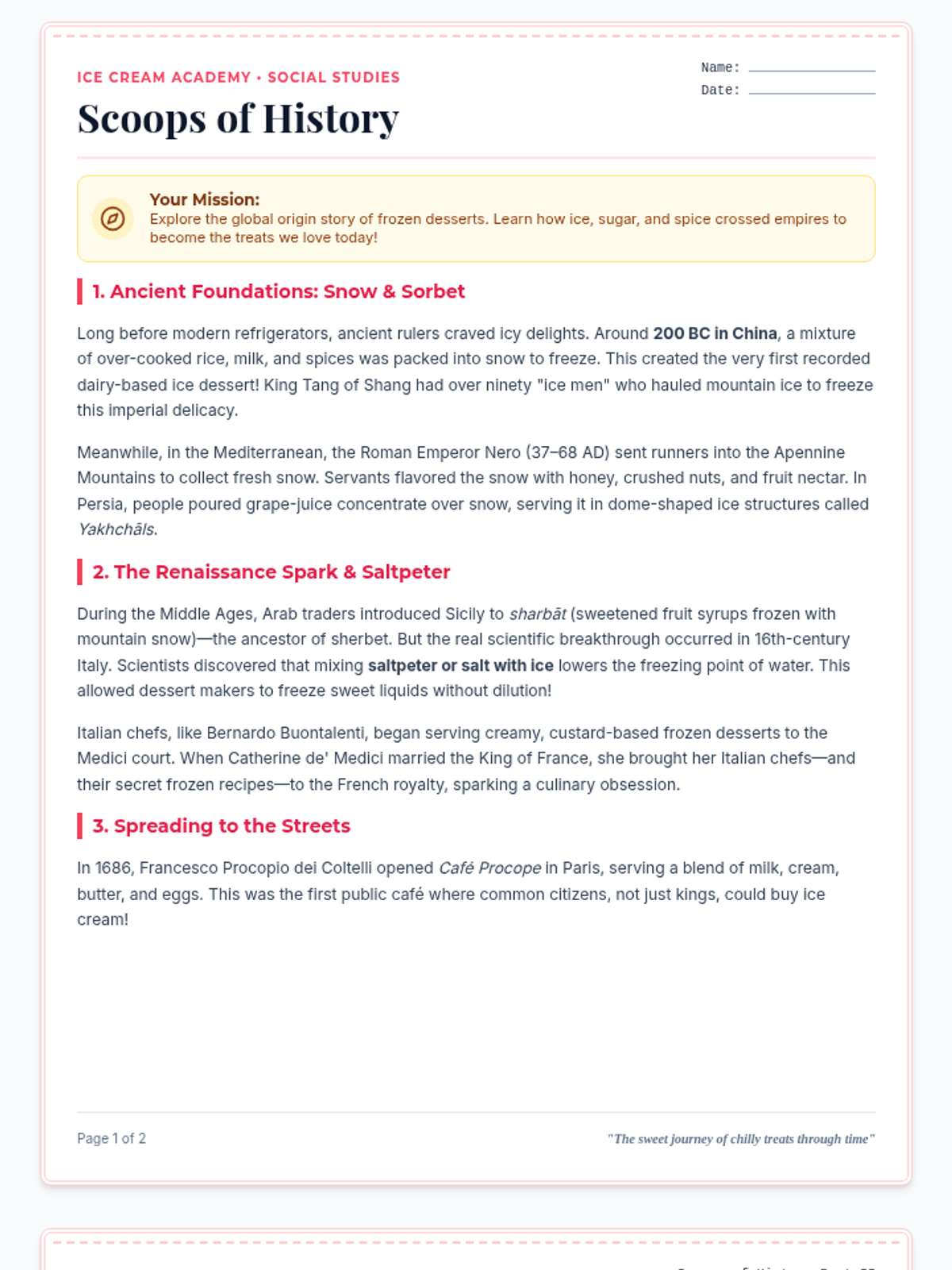
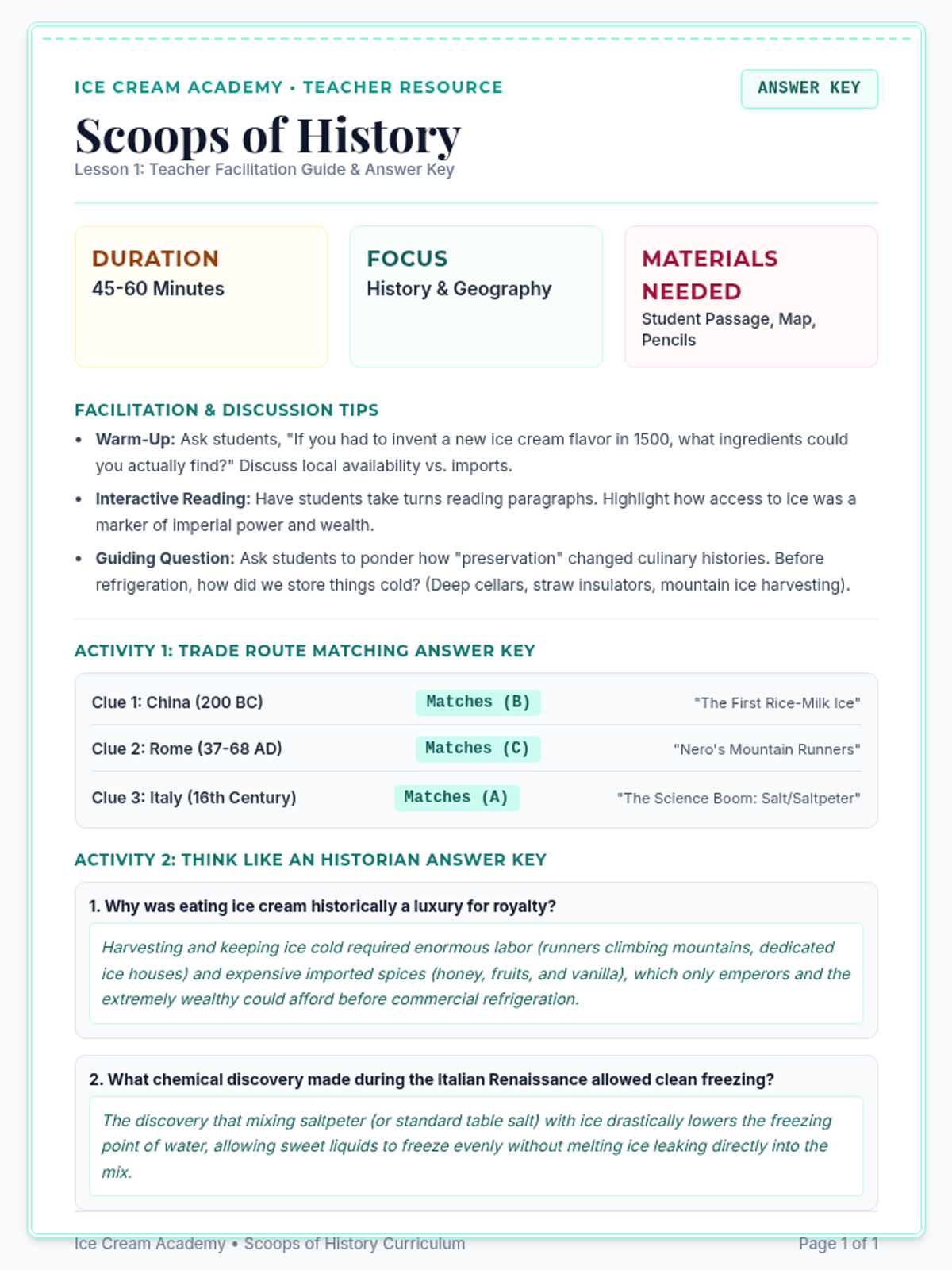
A multi-subject summer school unit exploring the history, science, math, and language arts of ice cream. Students scale recipes, conduct freezing-point experiments, trace historical origins, and design sensory marketing campaigns.
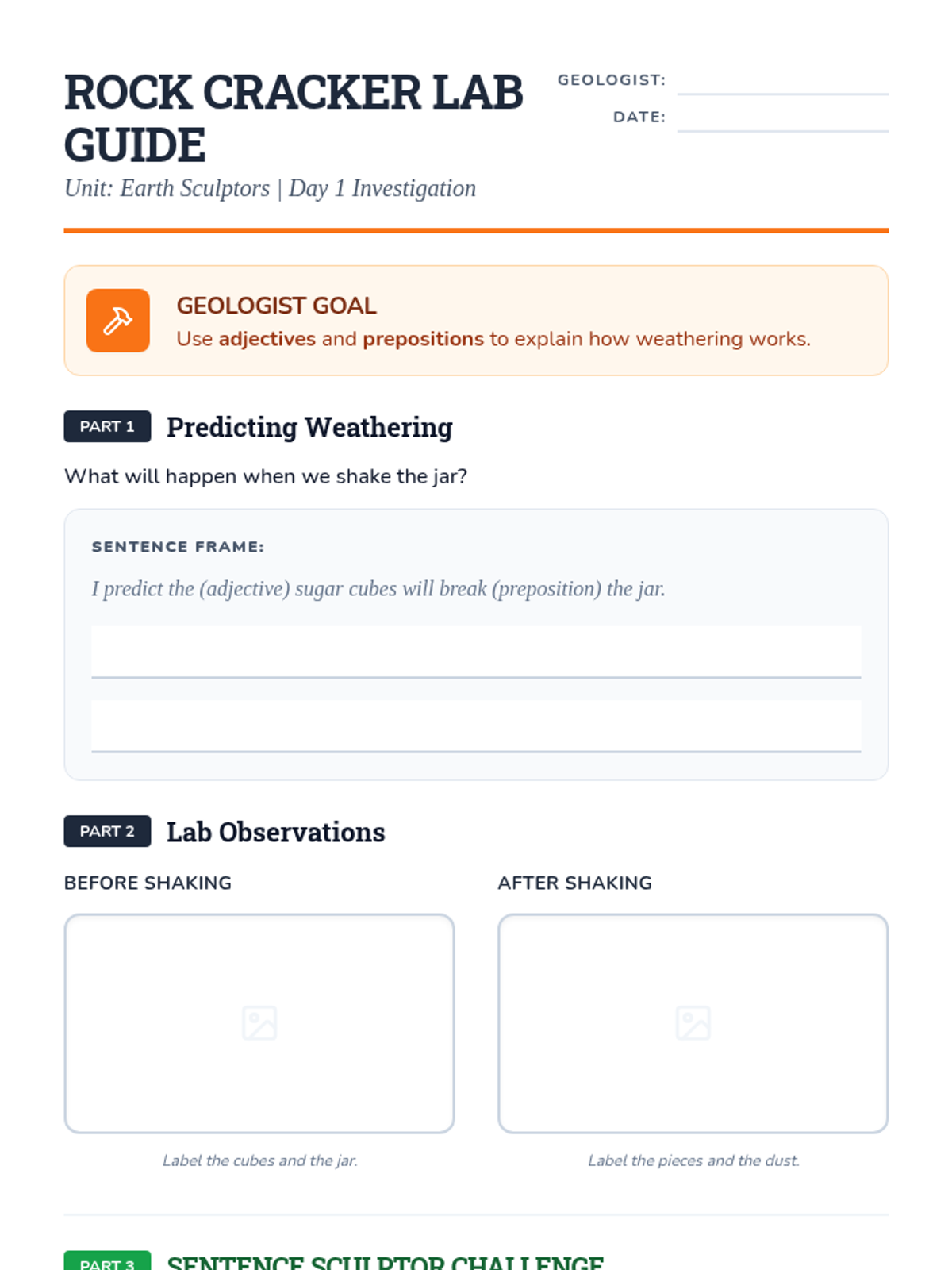
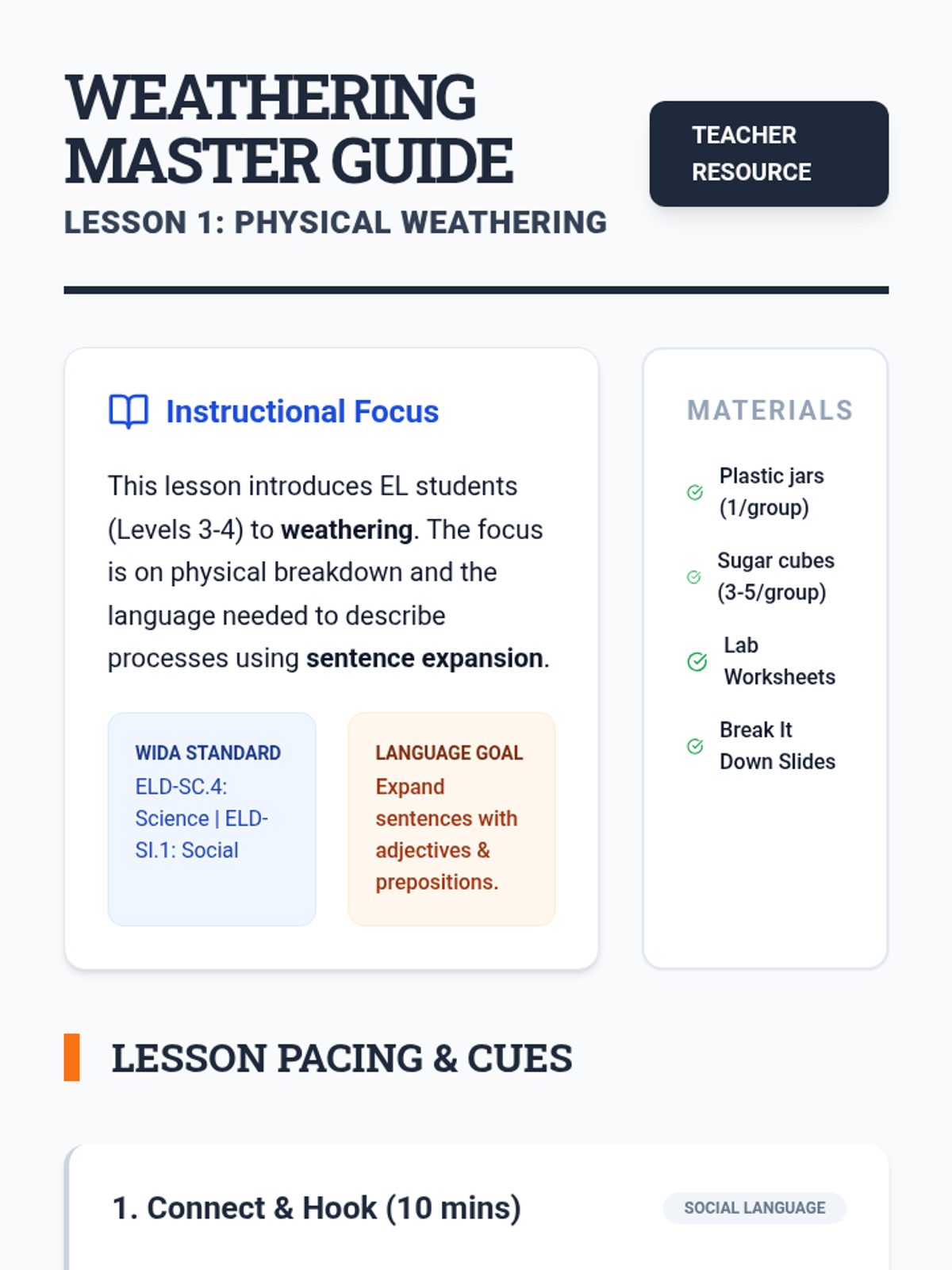
A two-day science unit for 4th-grade English Learners focusing on the processes of weathering and erosion. Students act as 'Earth Sculptors' to investigate how natural forces break down and move Earth's materials using WIDA-aligned language supports.
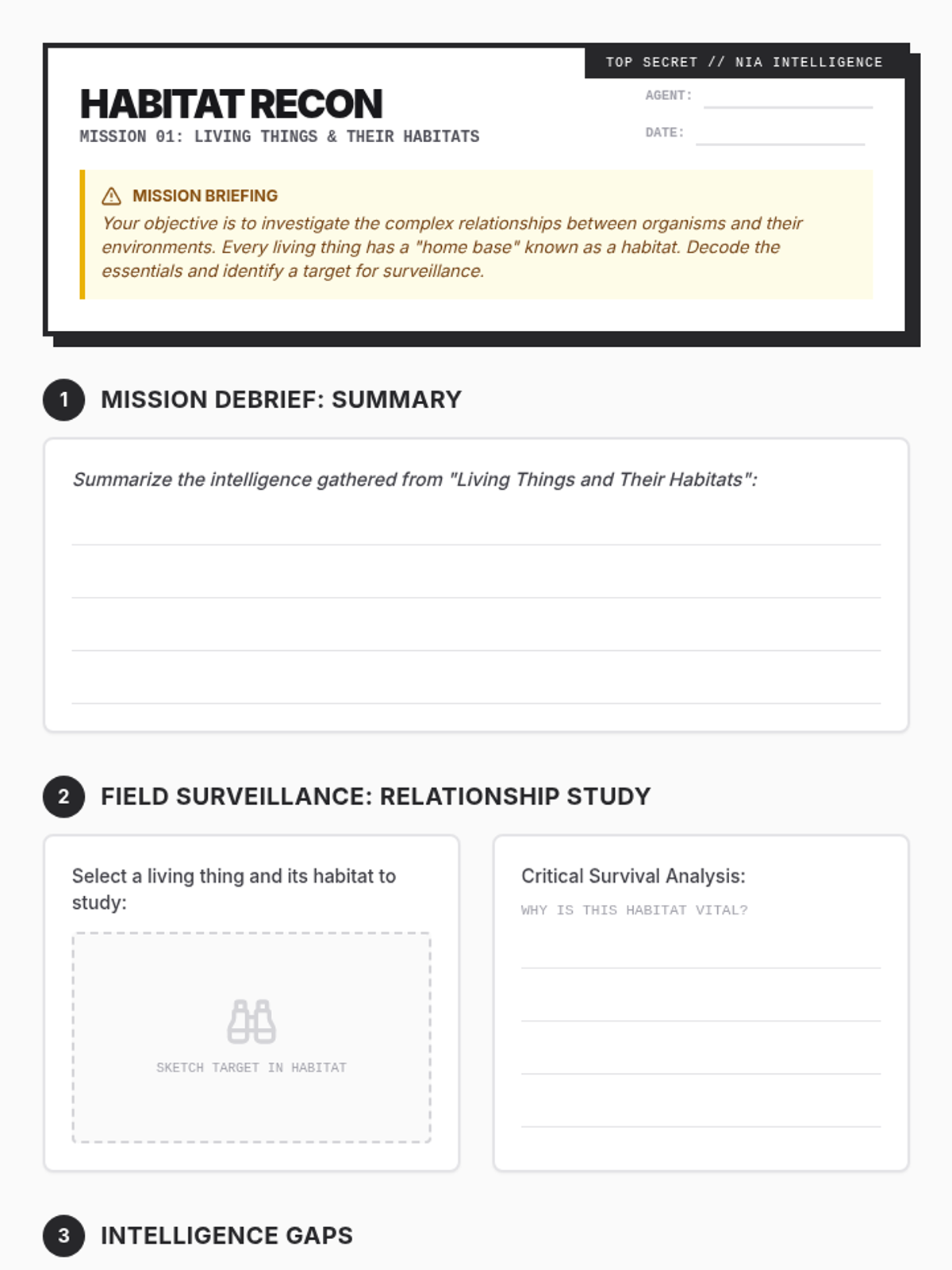
A series of secret agent-themed ecology missions where students act as Eco-Detectives for the Nature Intelligence Agency (NIA) to study habitats, food chains, and environmental impacts.
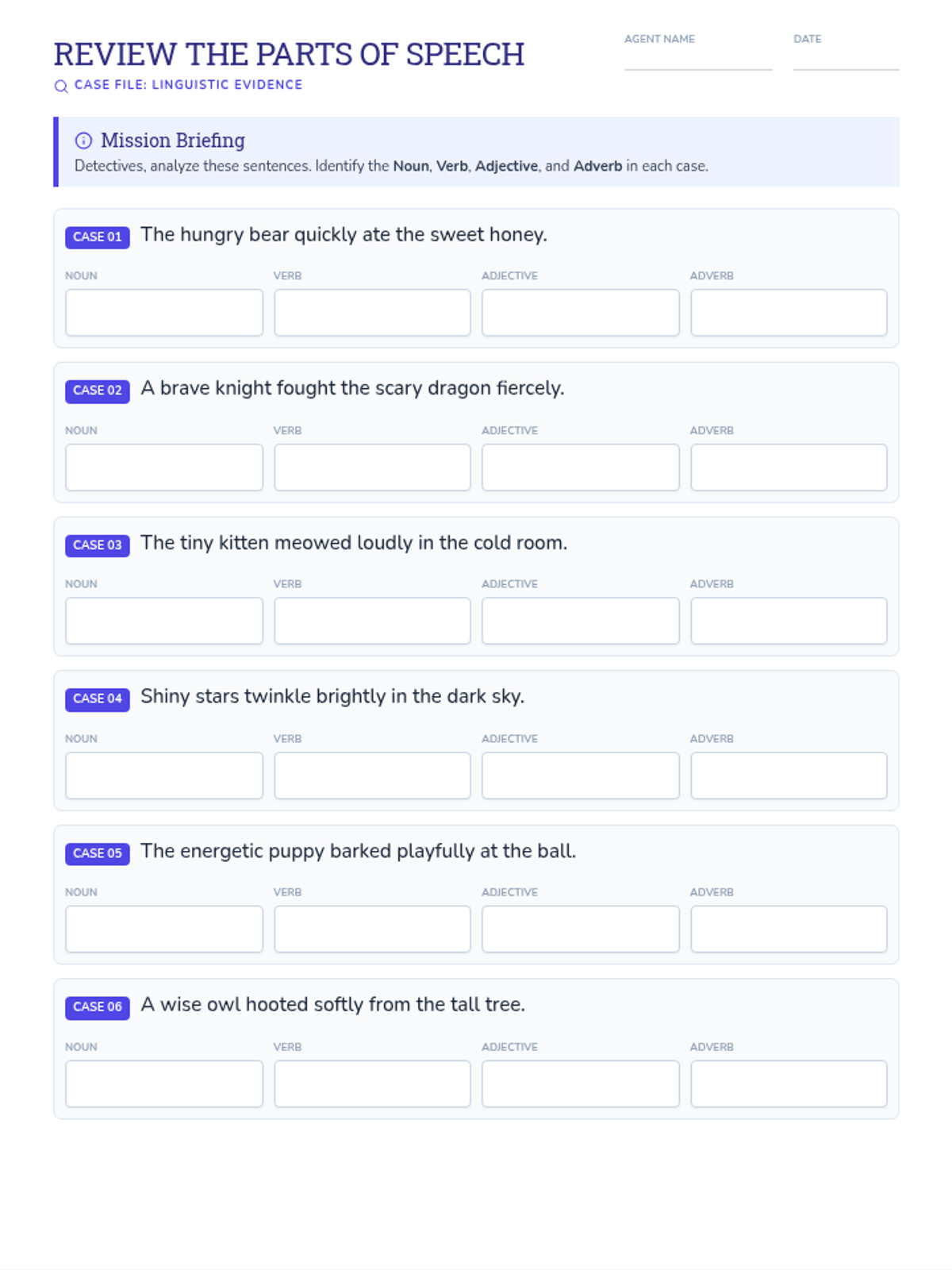
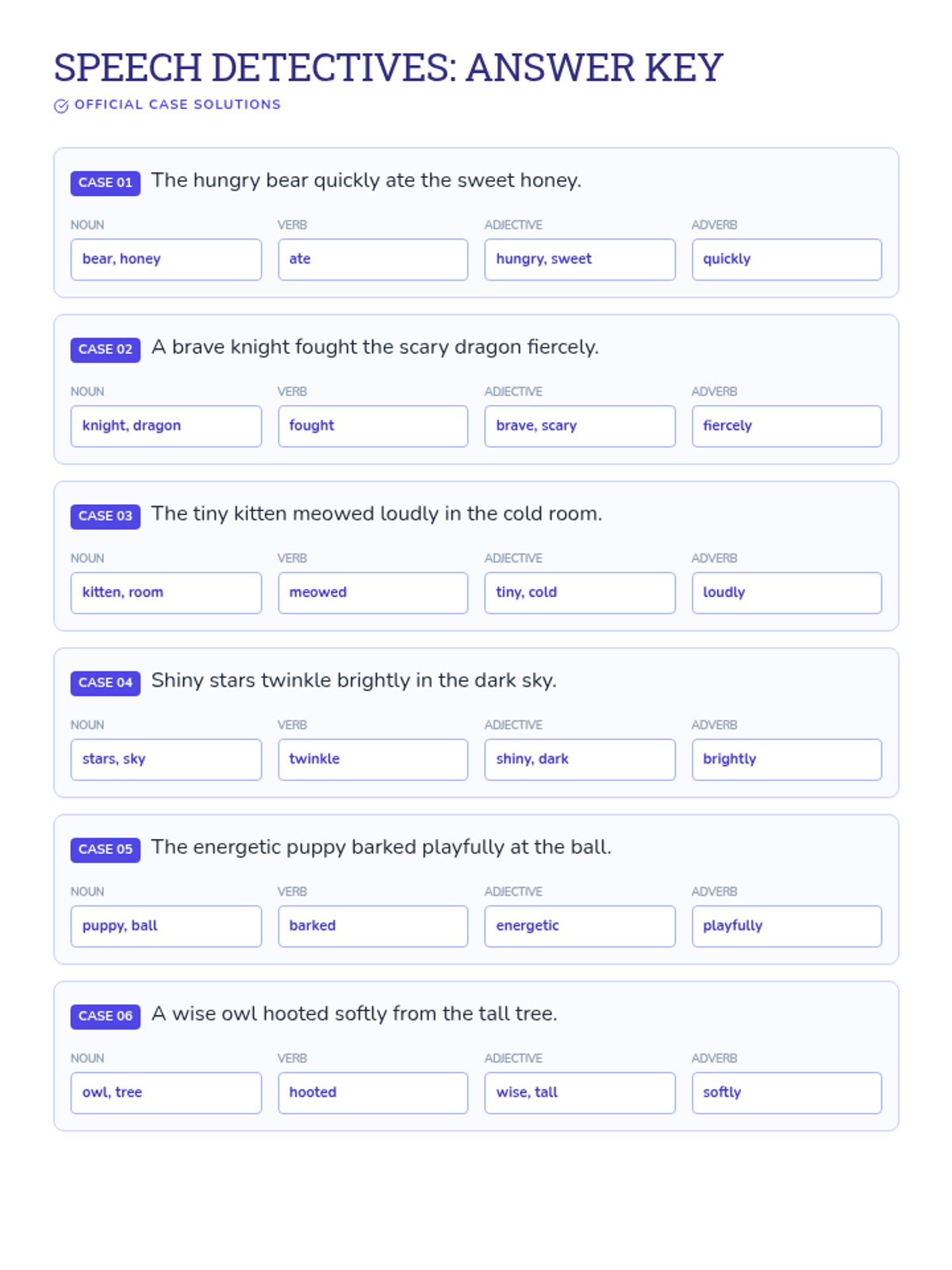
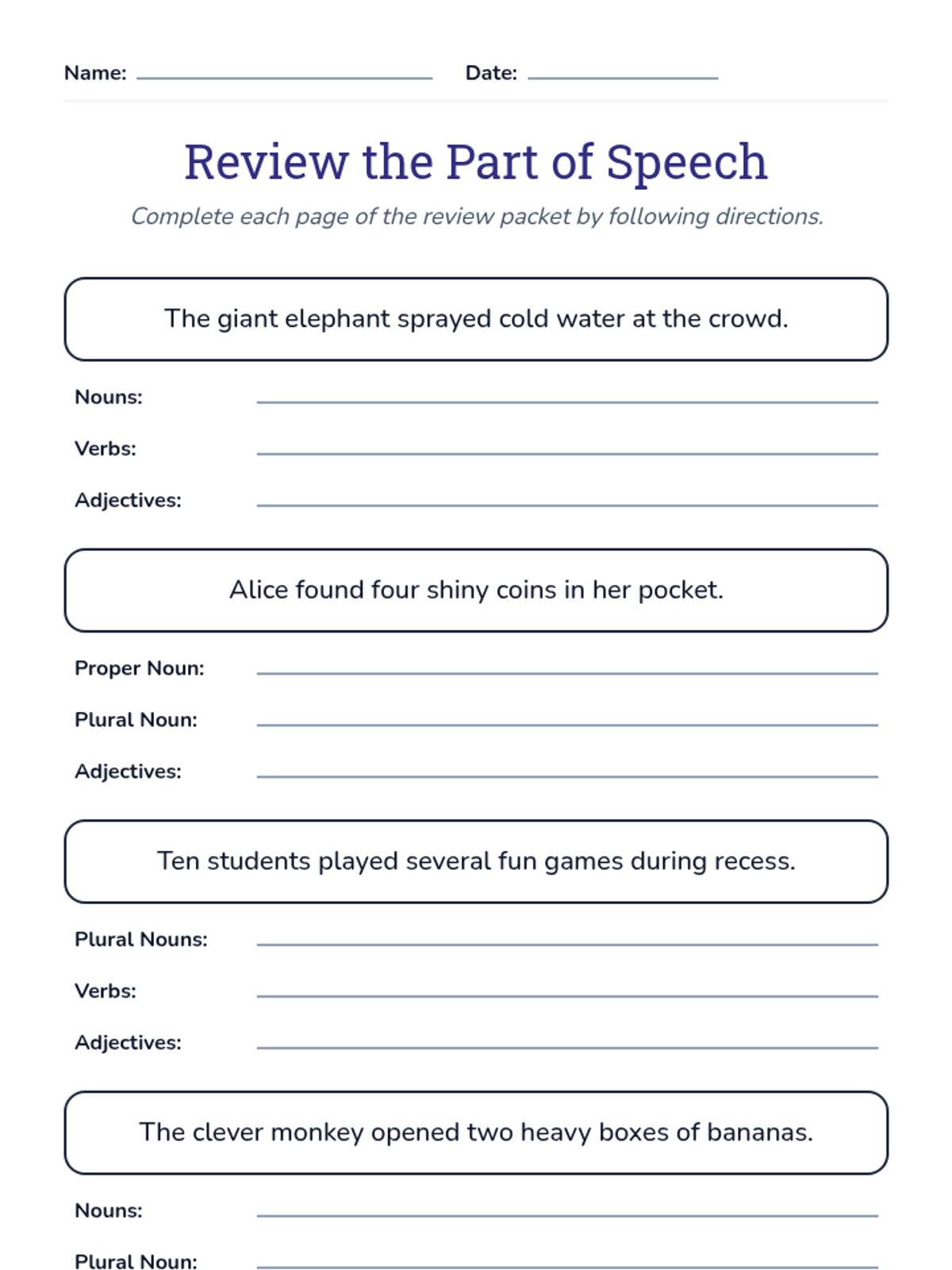
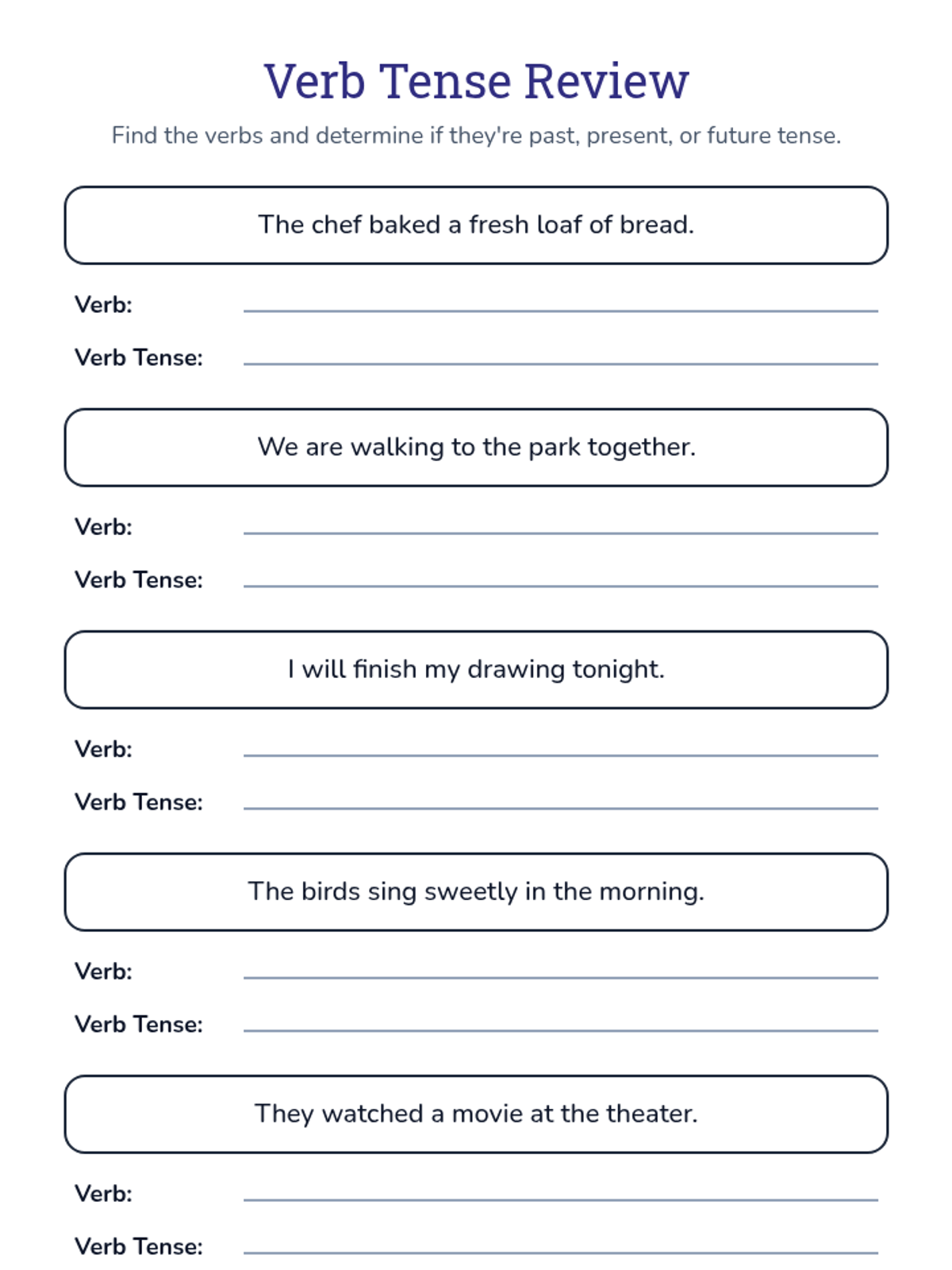
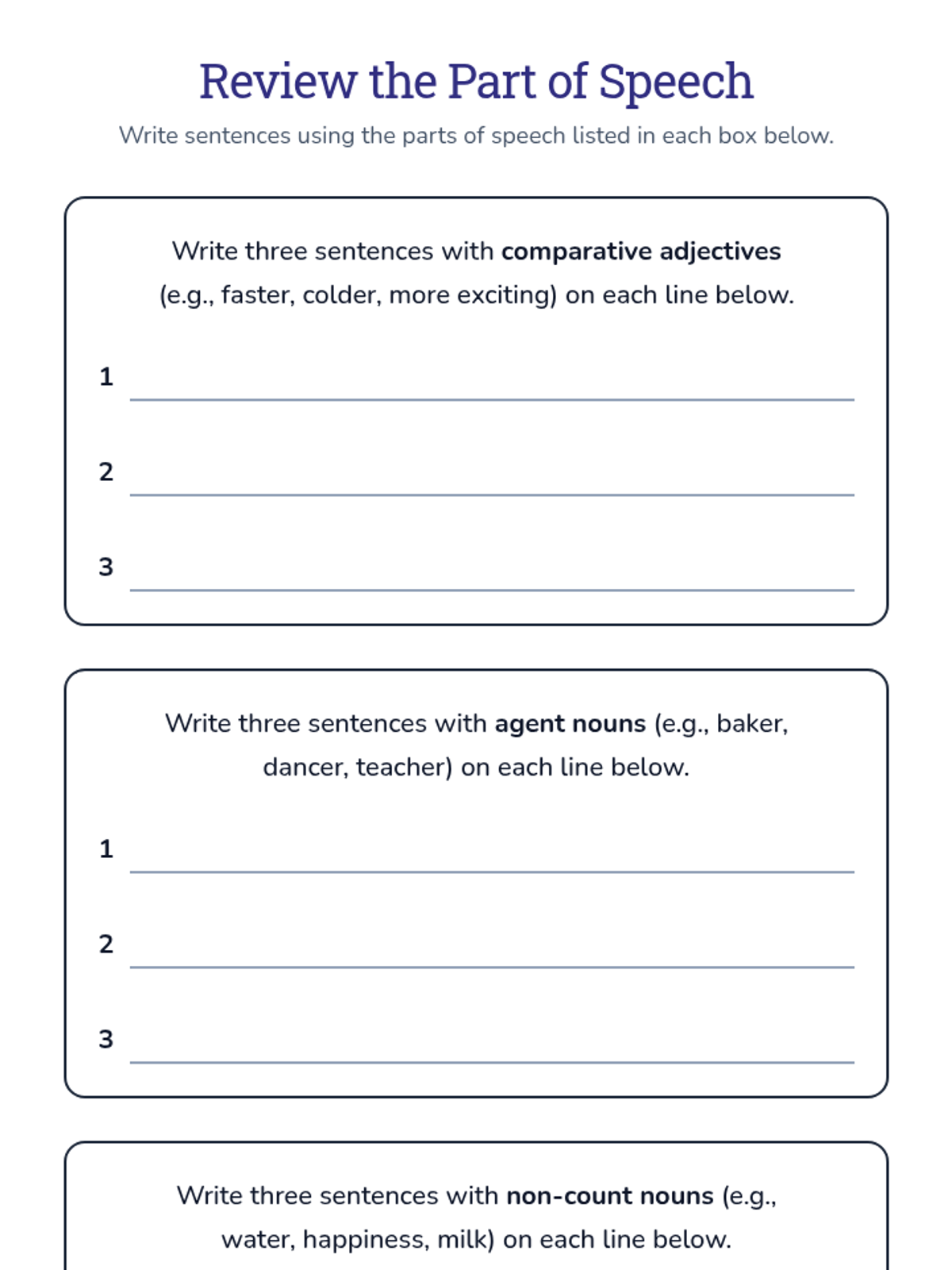
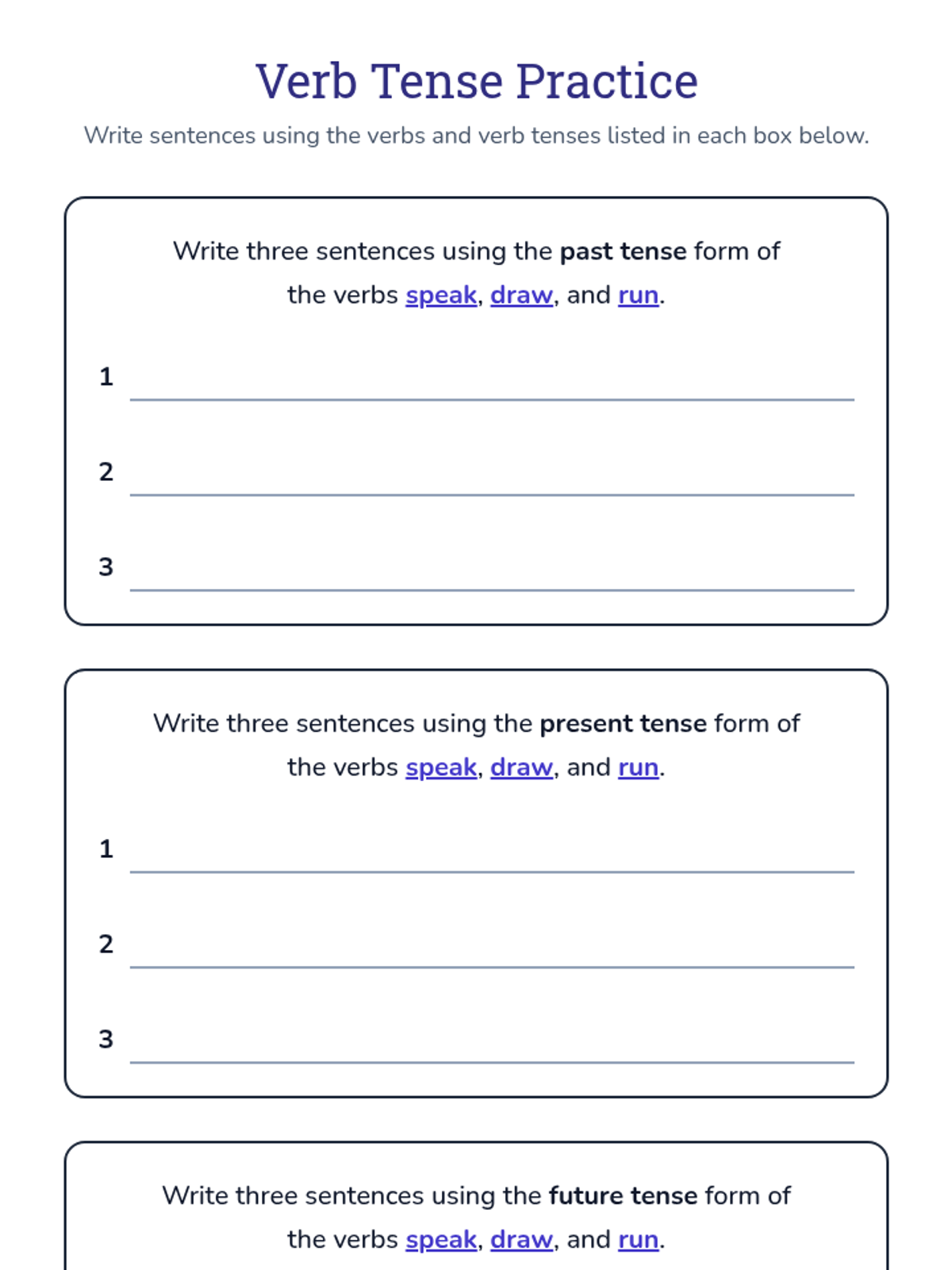
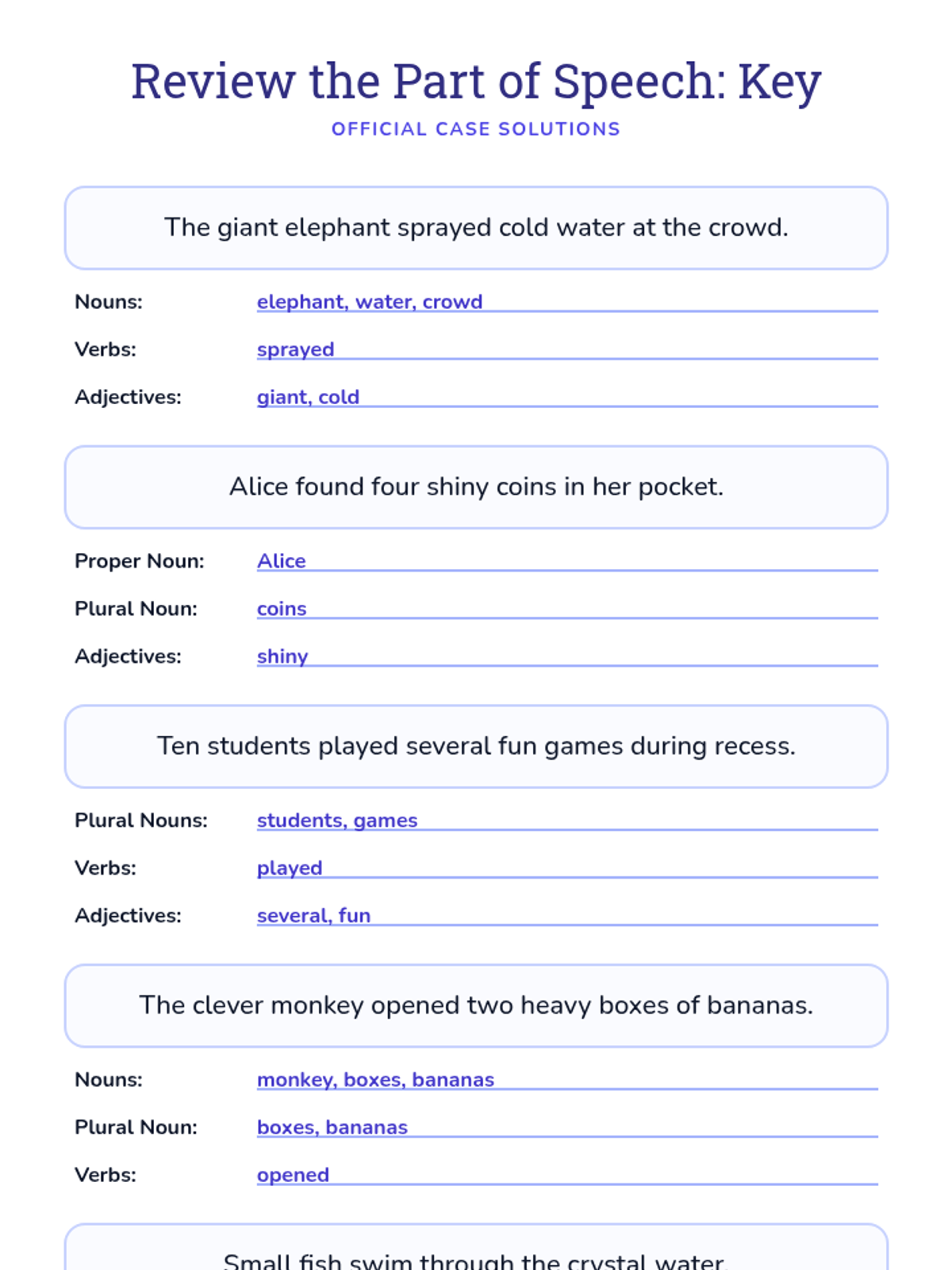
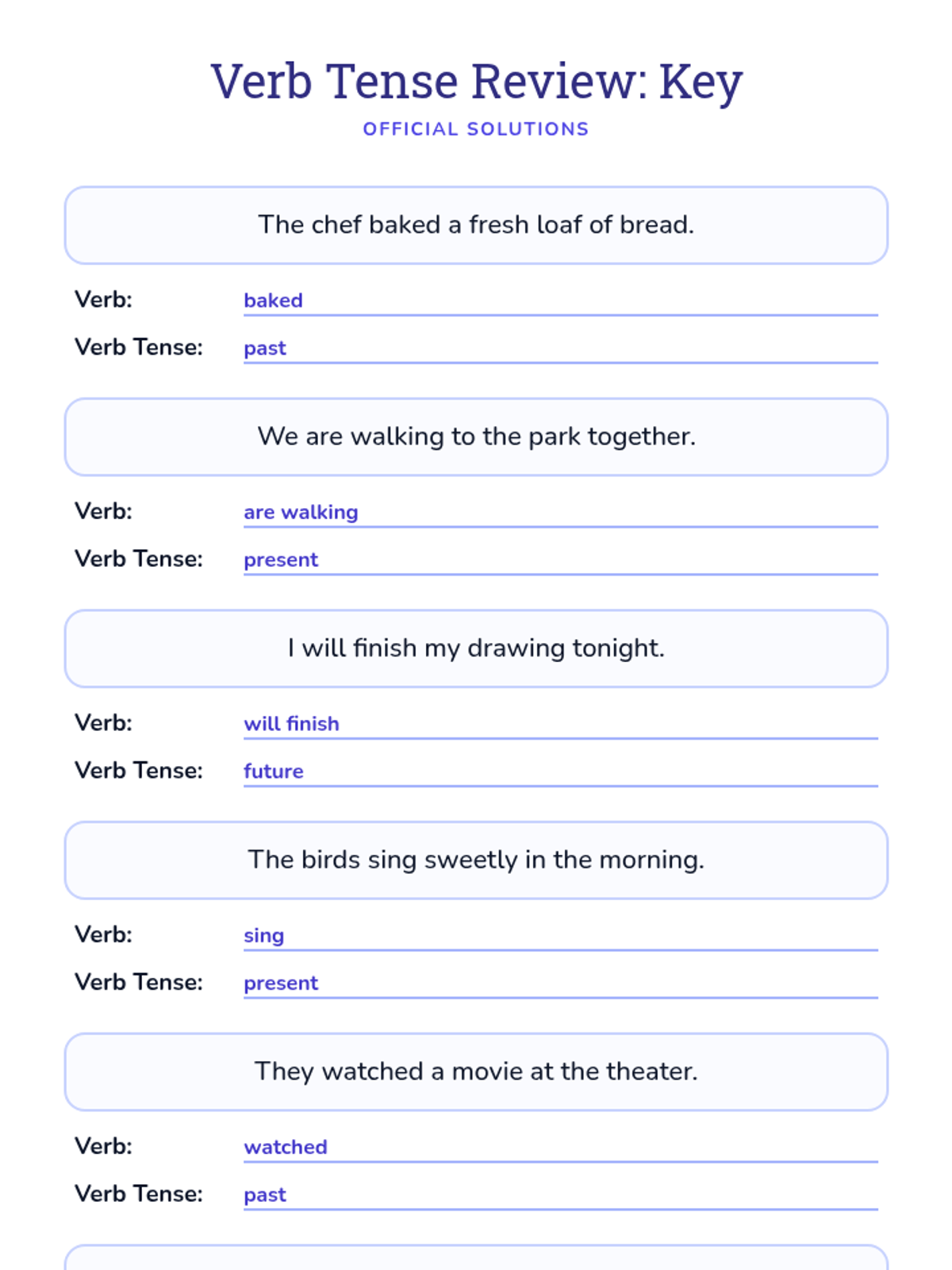
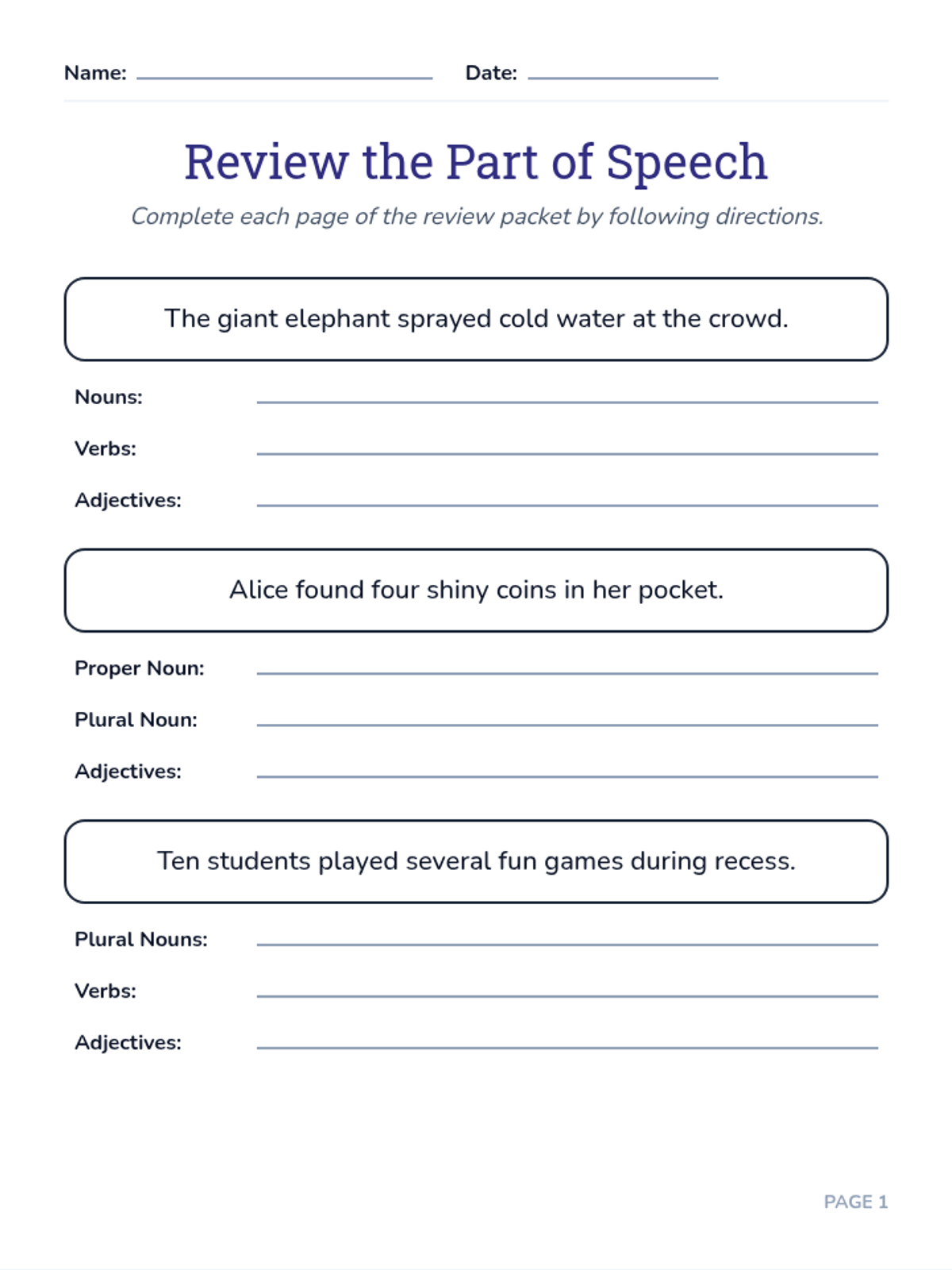
A collection of technology and language arts lessons exploring modern digital literacy and core communication skills.
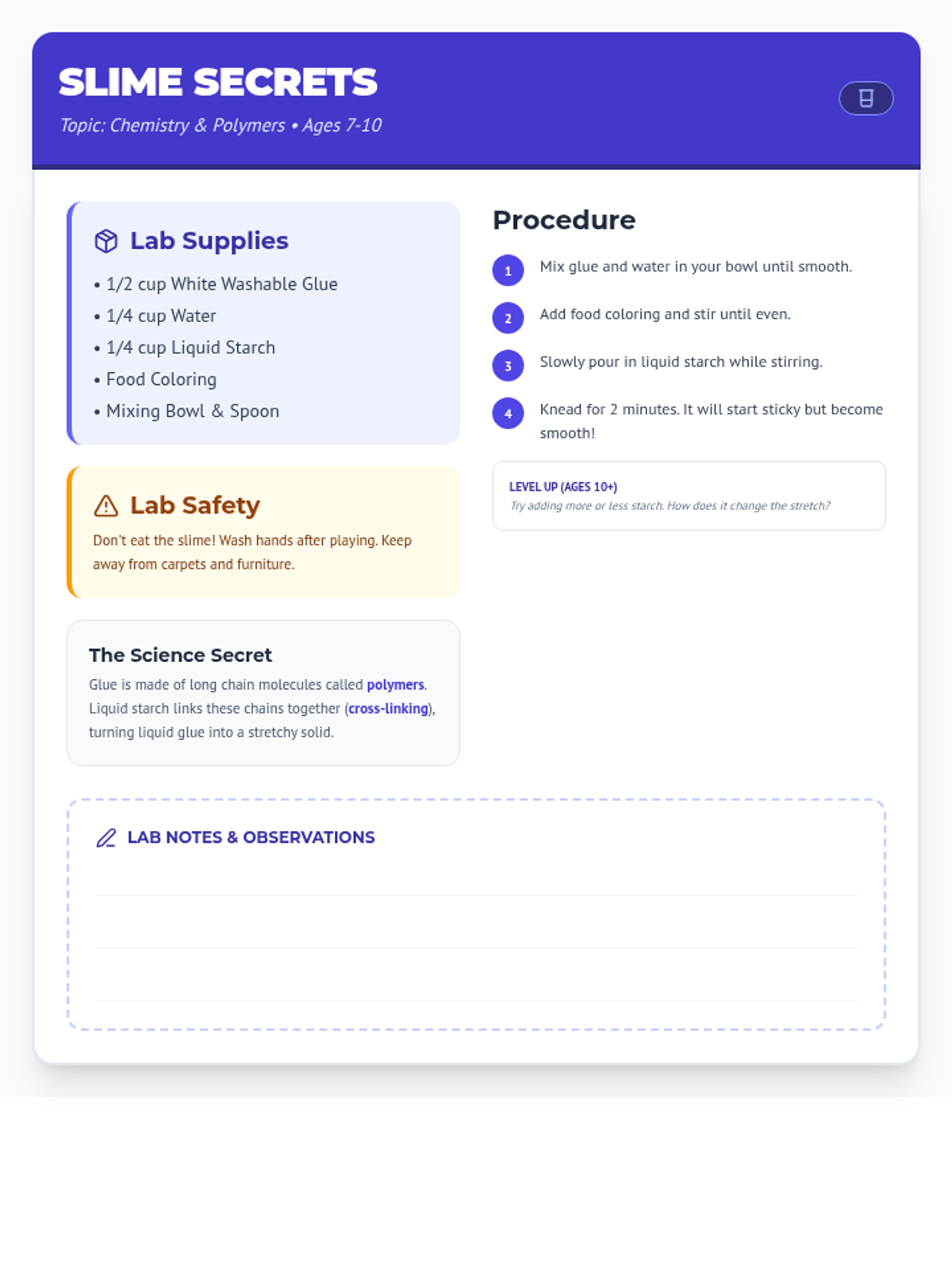
A collection of 8 hands-on science activities designed for elementary-aged children, covering chemistry, space, botany, and physics with a mix of instruction cards, journals, and lesson plans.
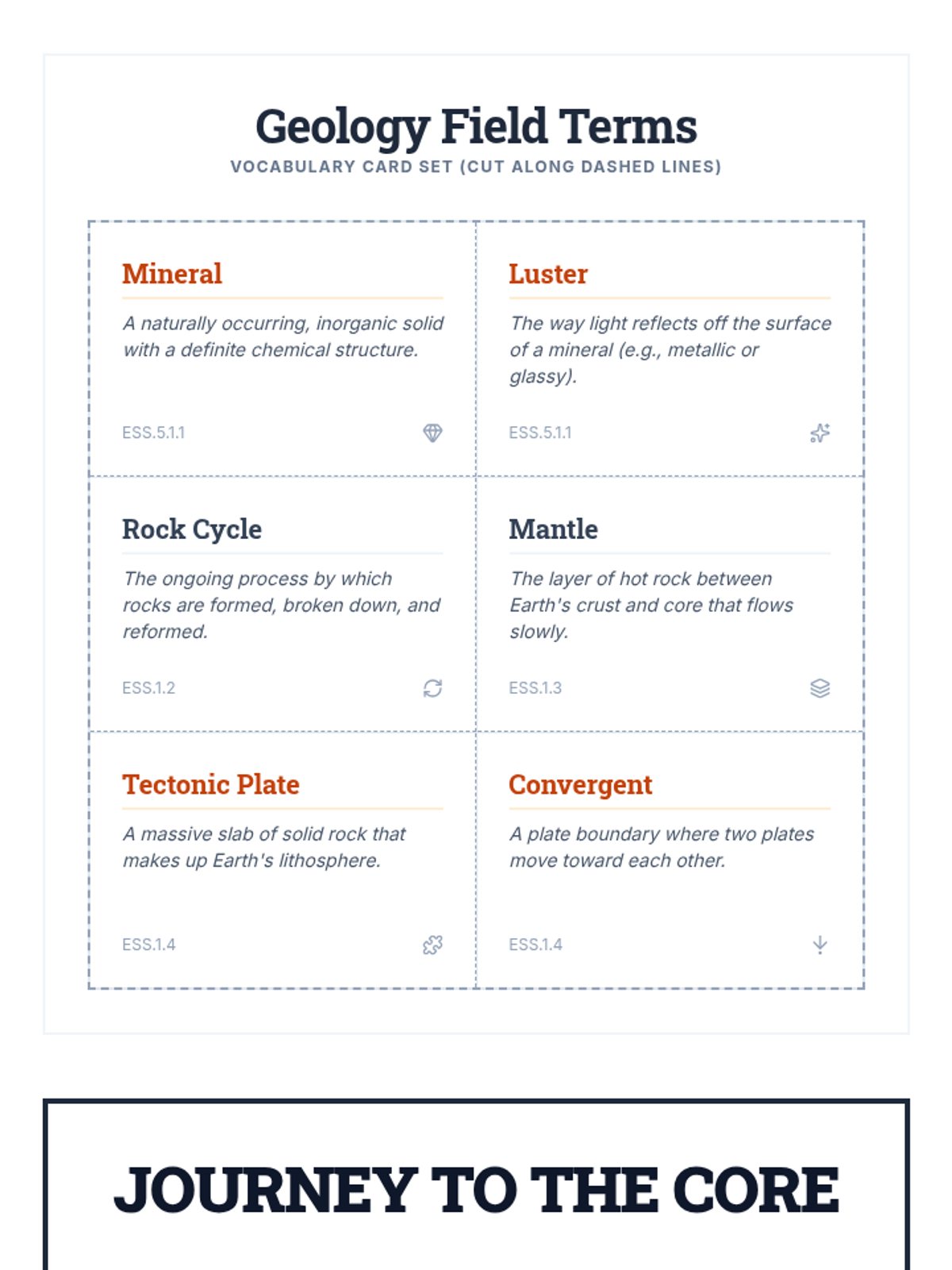
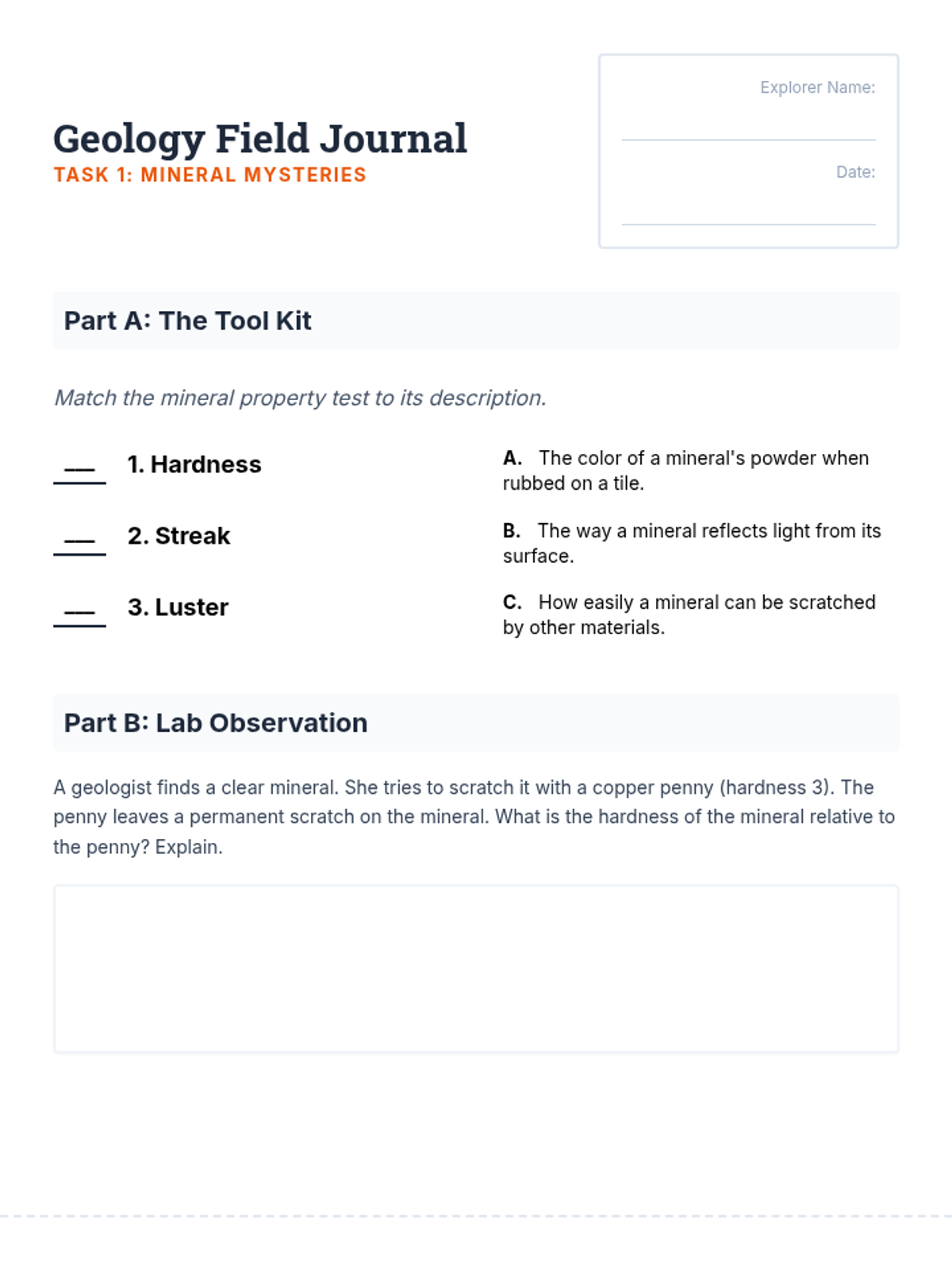
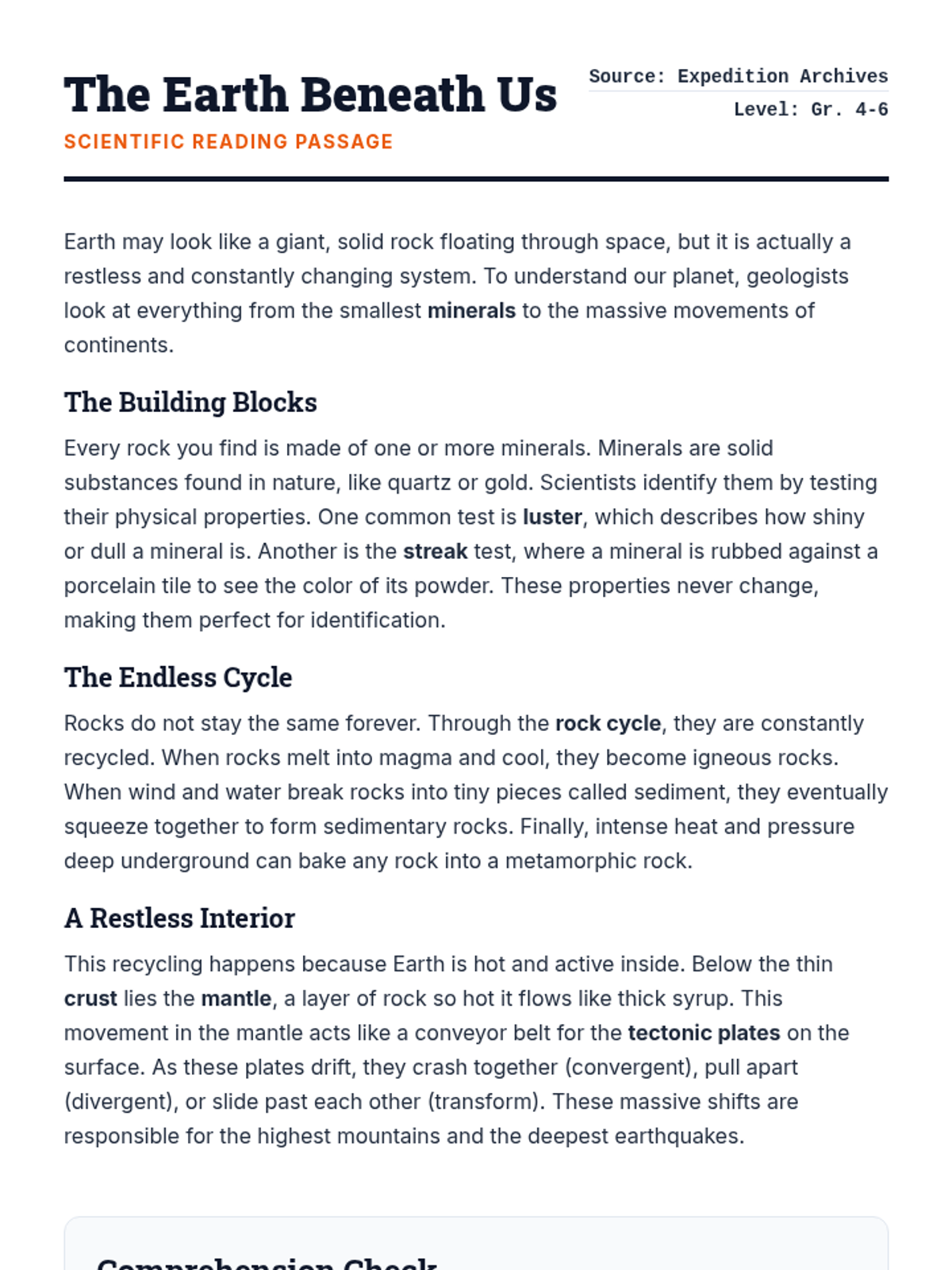
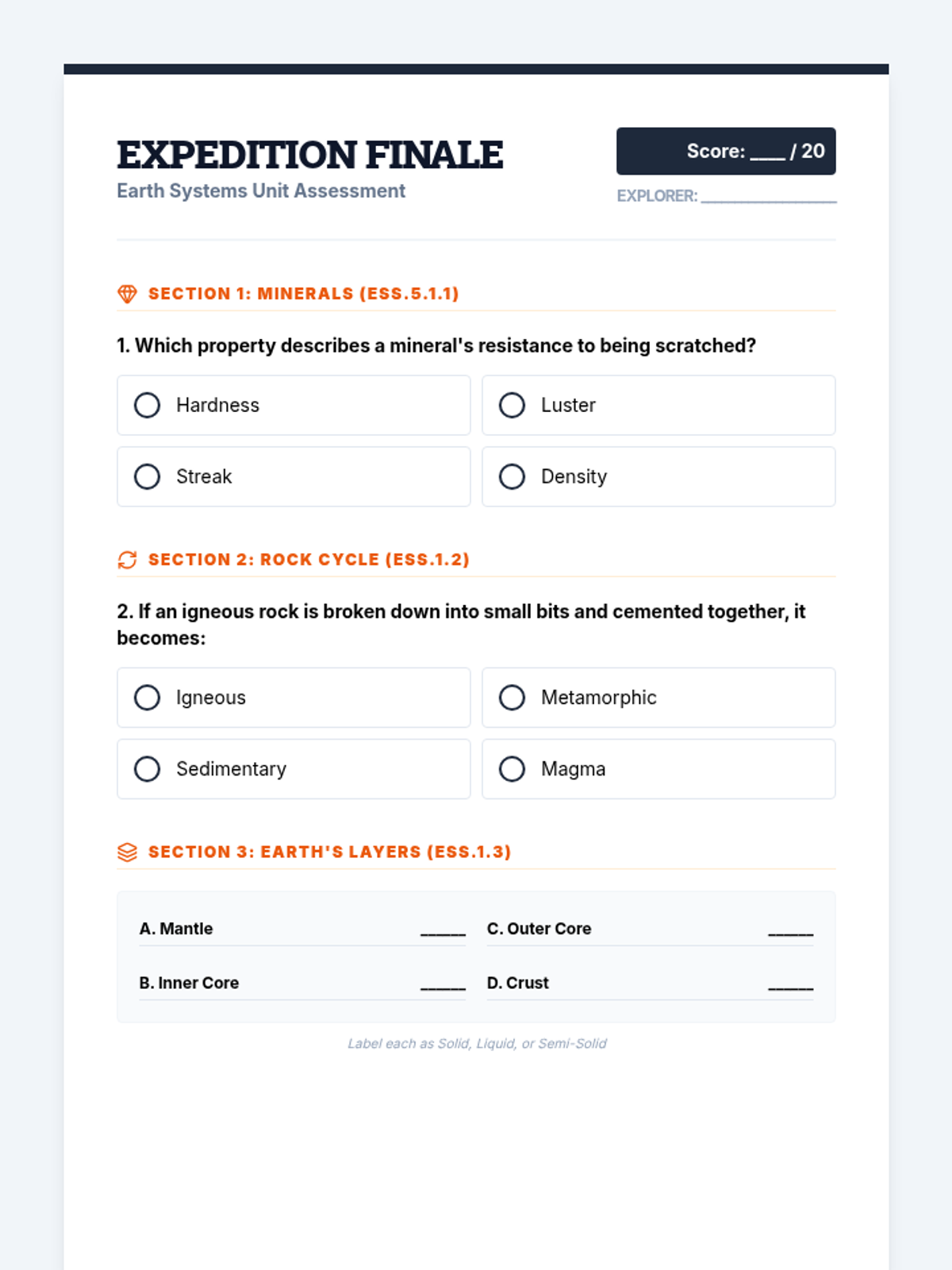
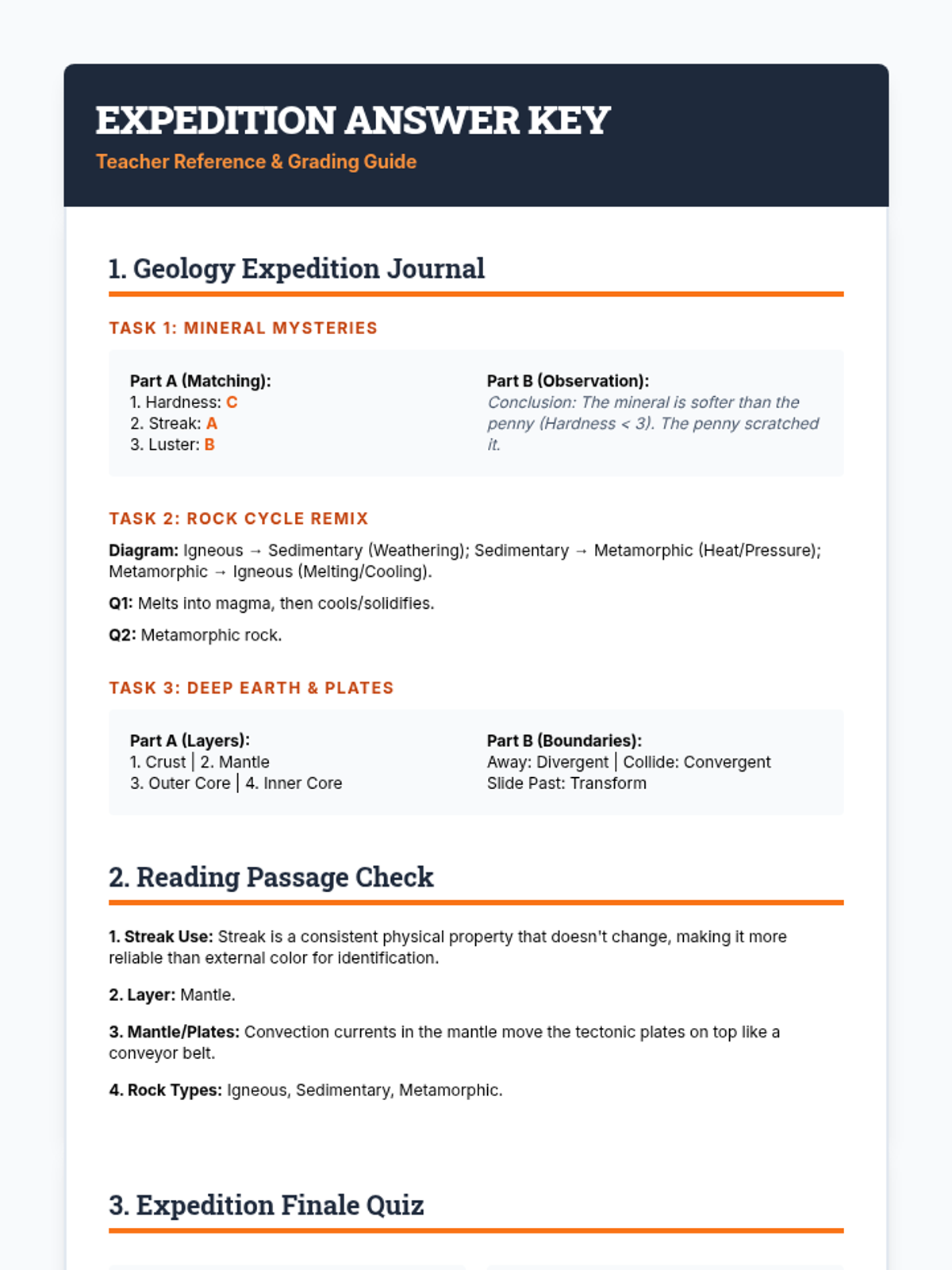
A comprehensive unit covering Earth's composition, processes, and properties. Students explore mineral identification, the rock cycle, Earth's internal structure, and plate tectonics through a 'Geology Expedition' theme.
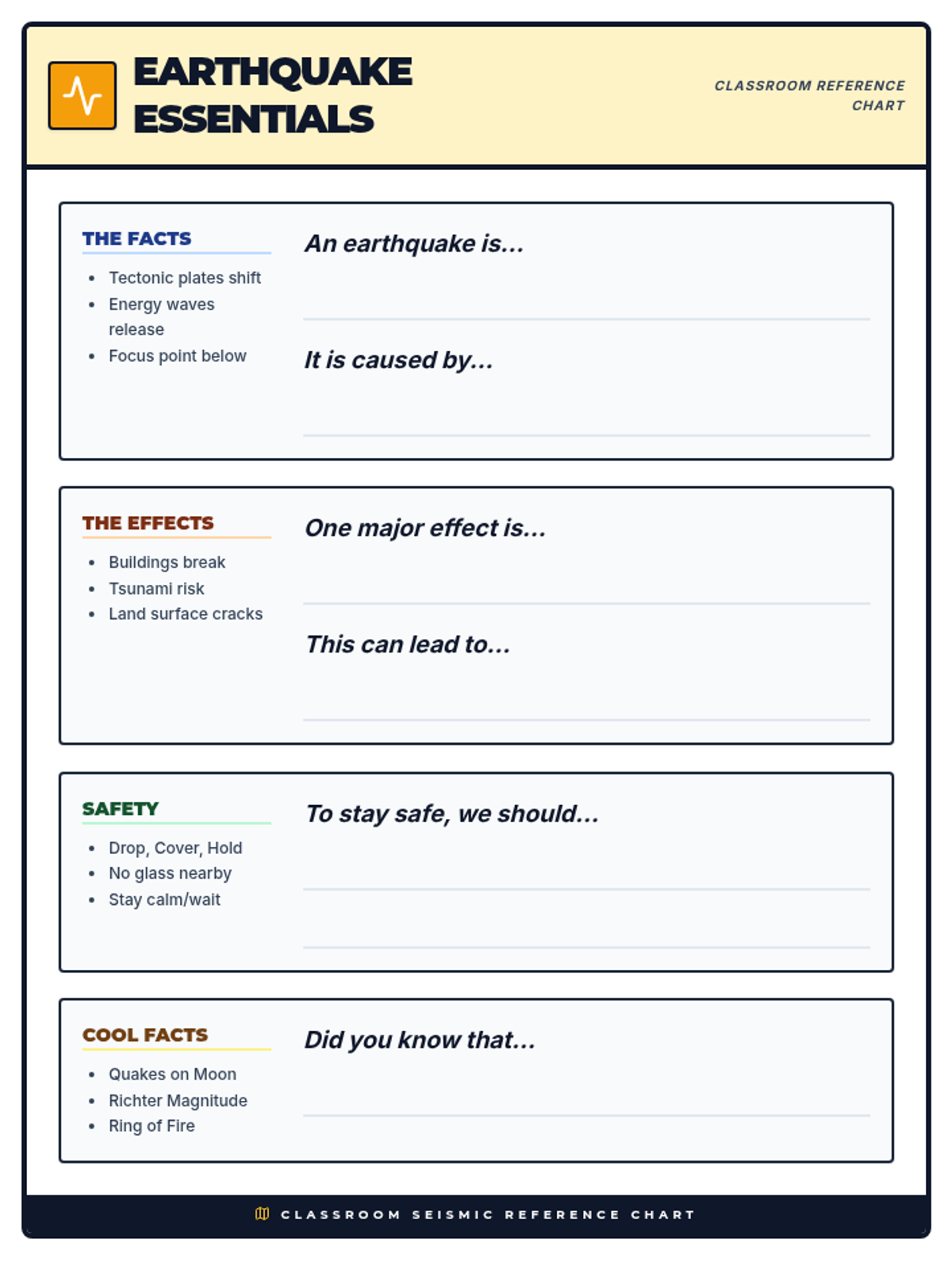
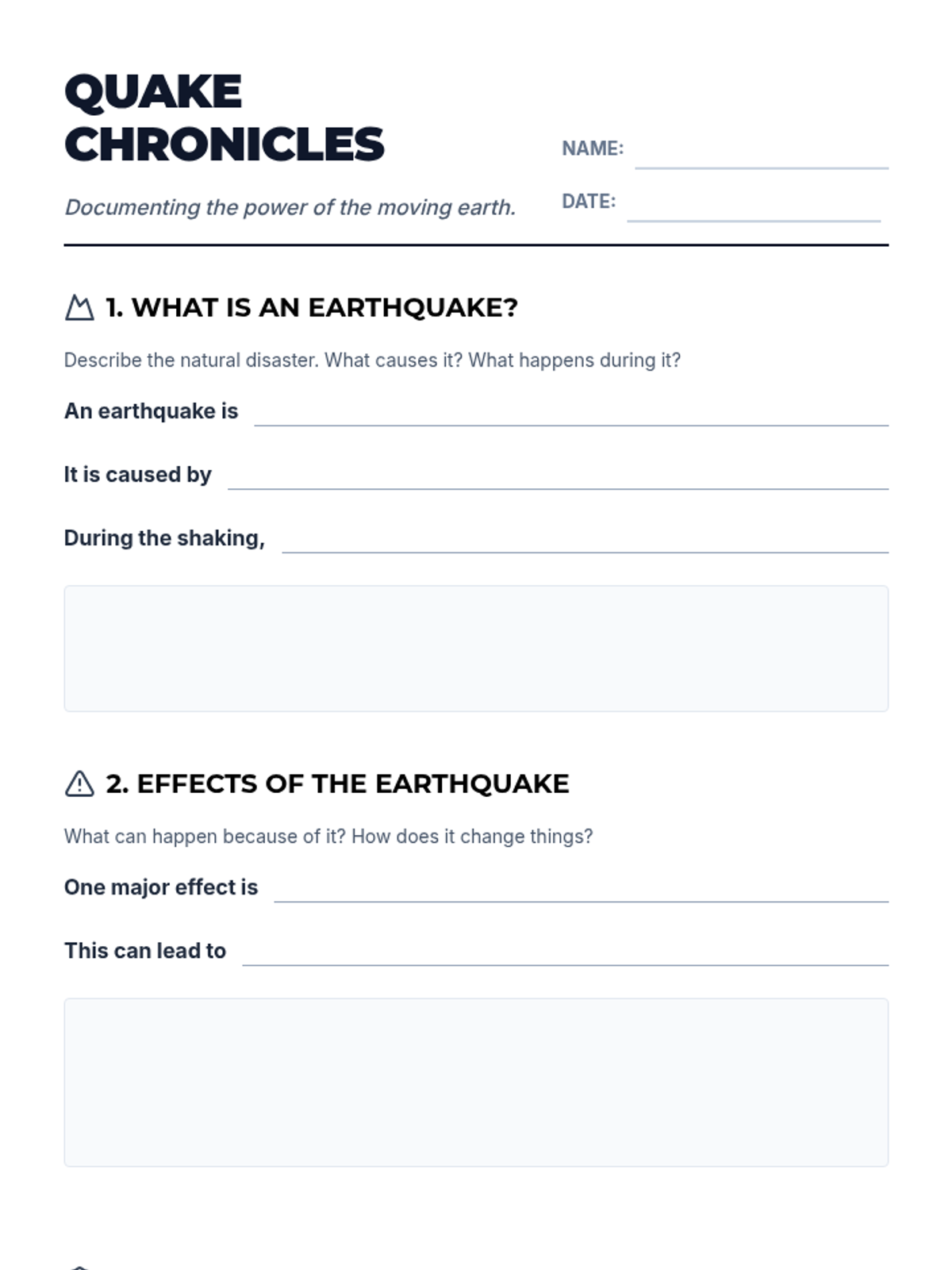
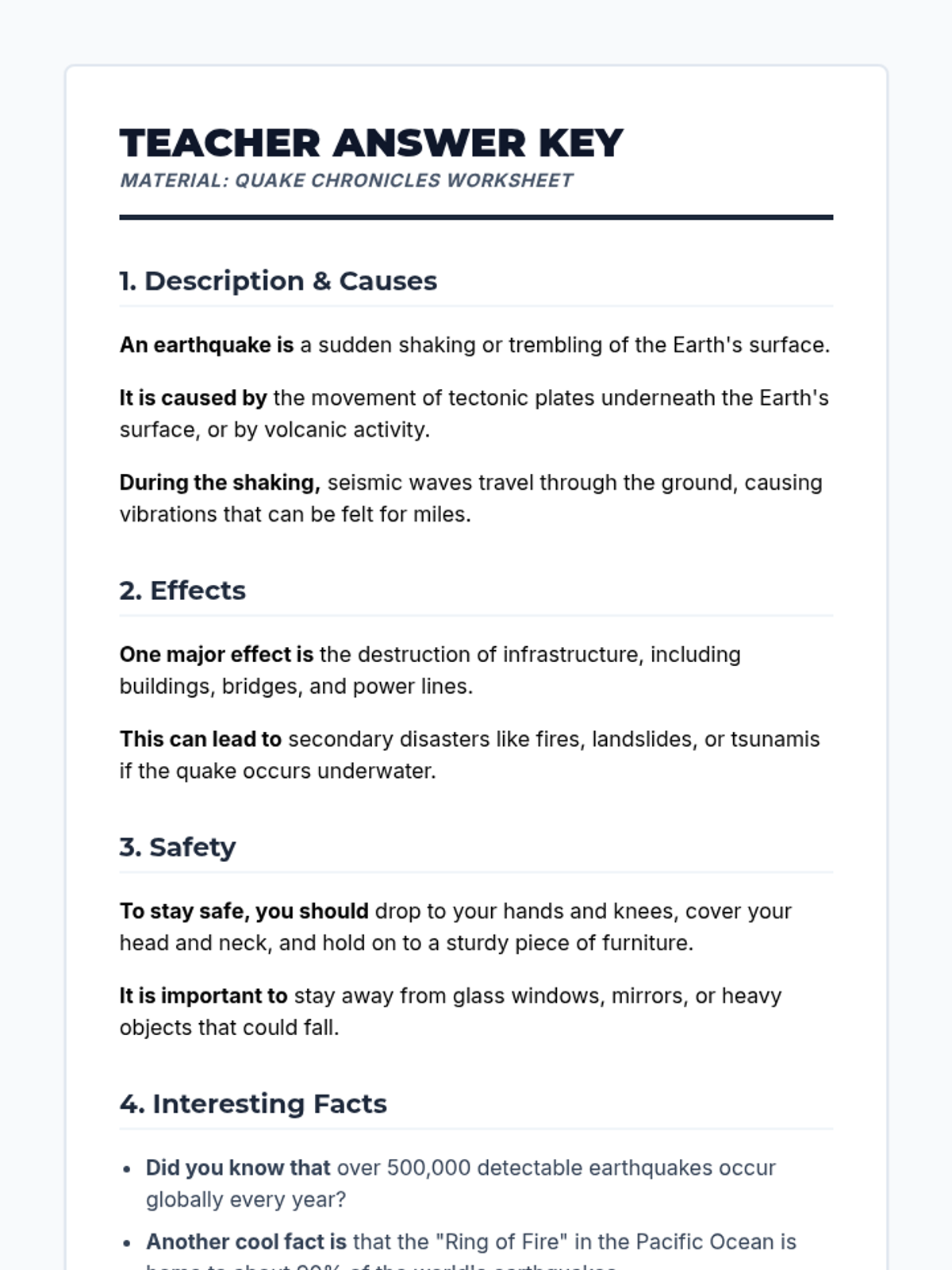
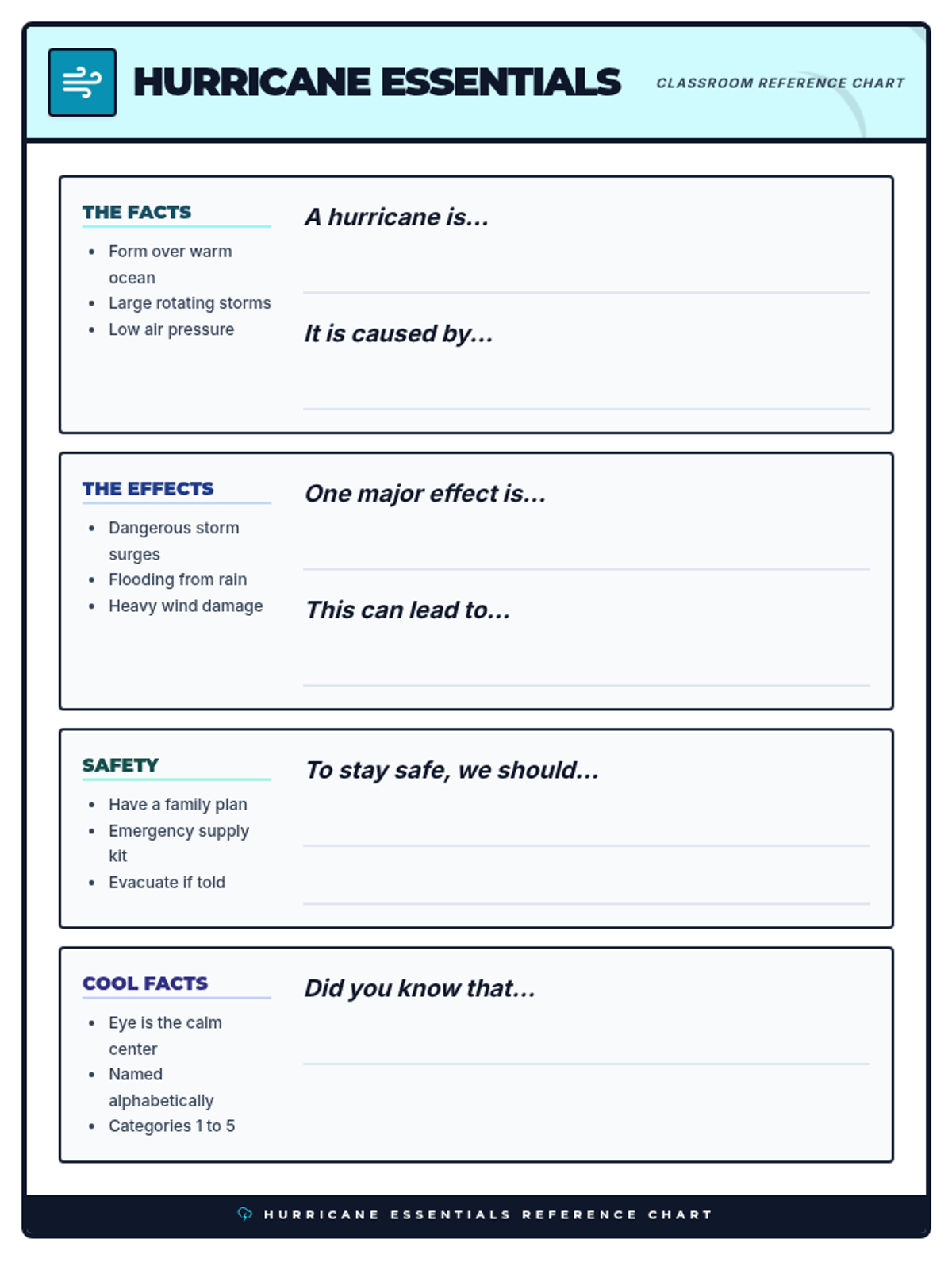
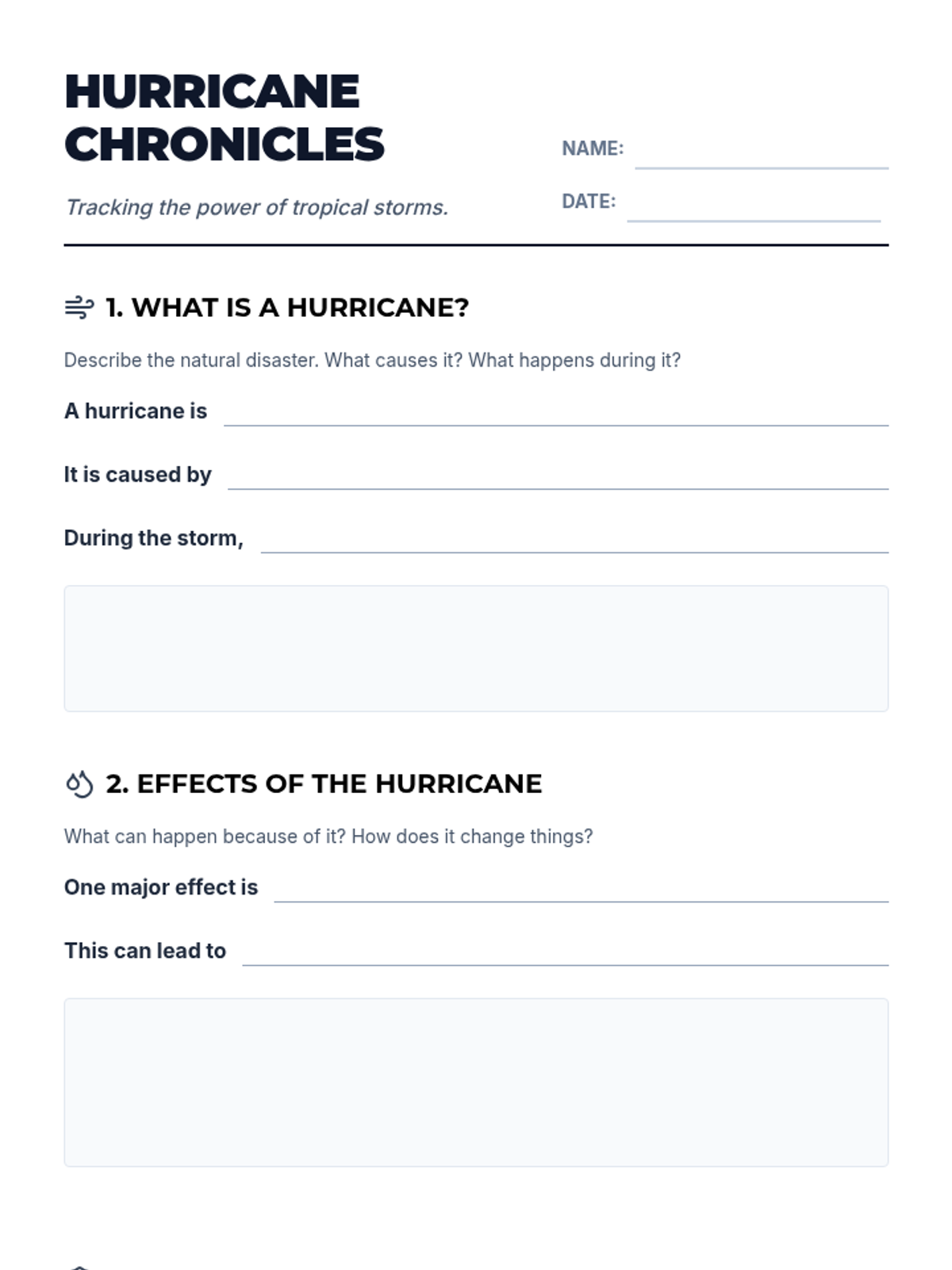
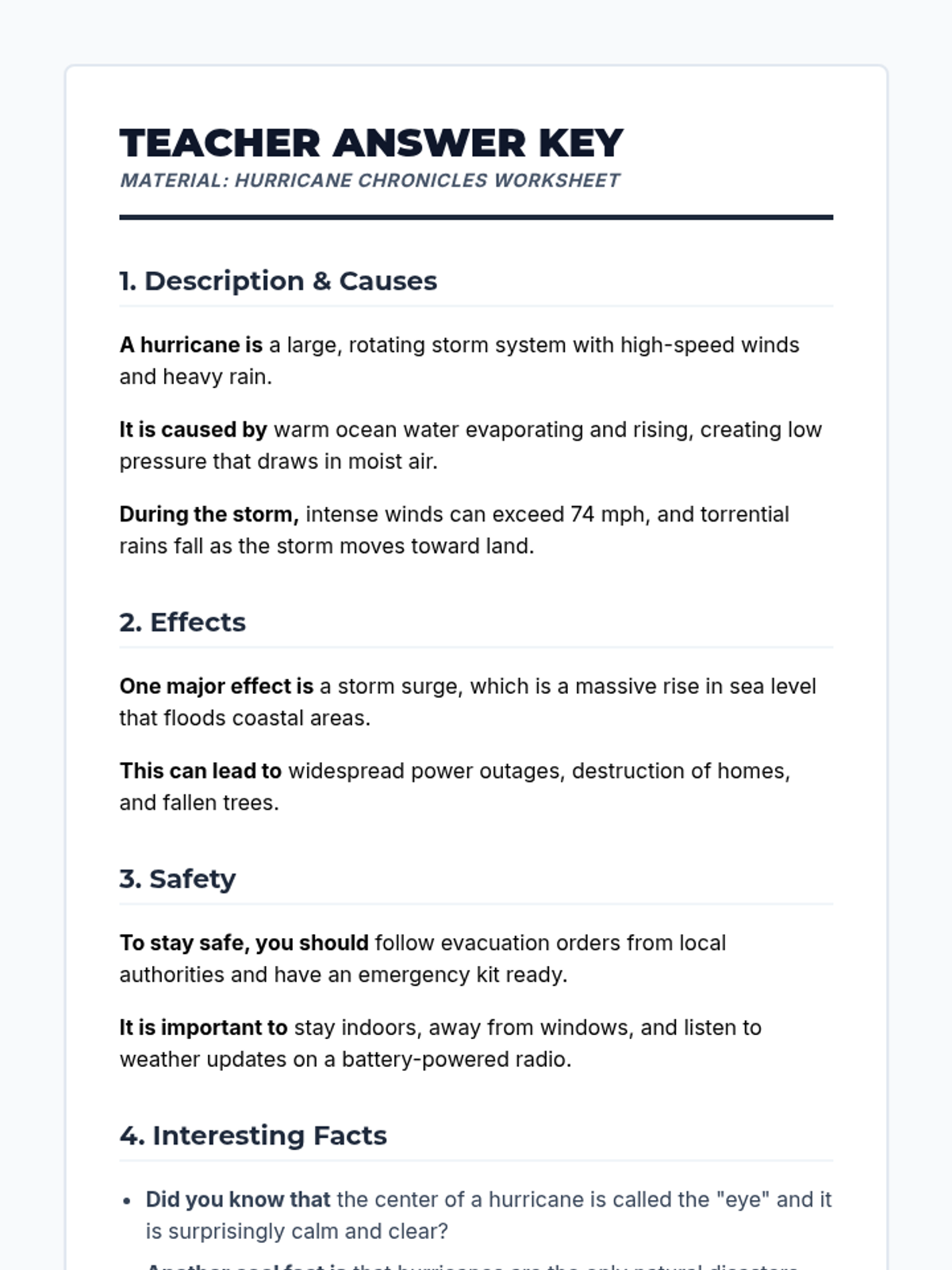
A series of lessons focused on understanding different natural disasters, their causes, impacts, and safety protocols through structured writing and investigation.
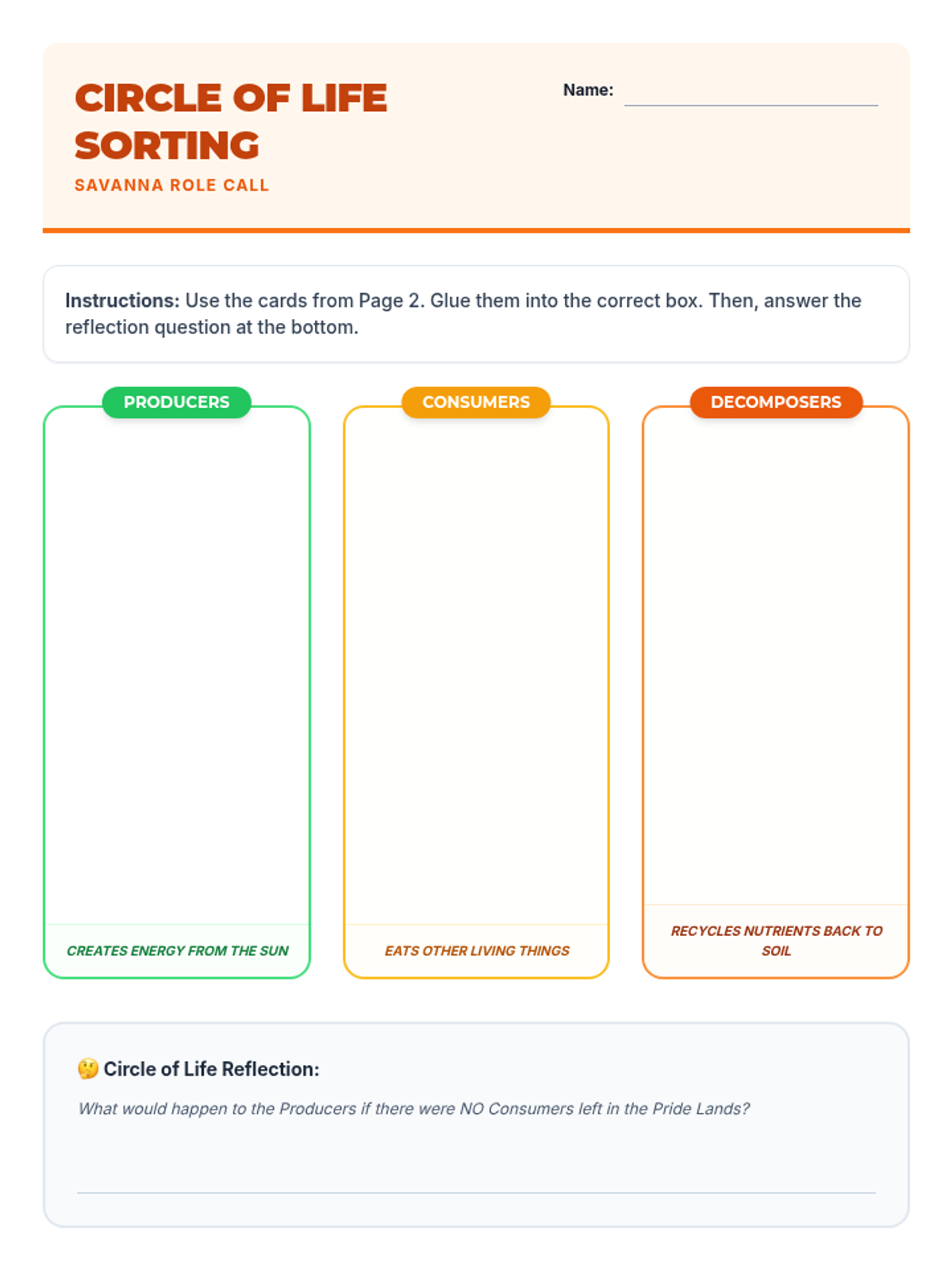
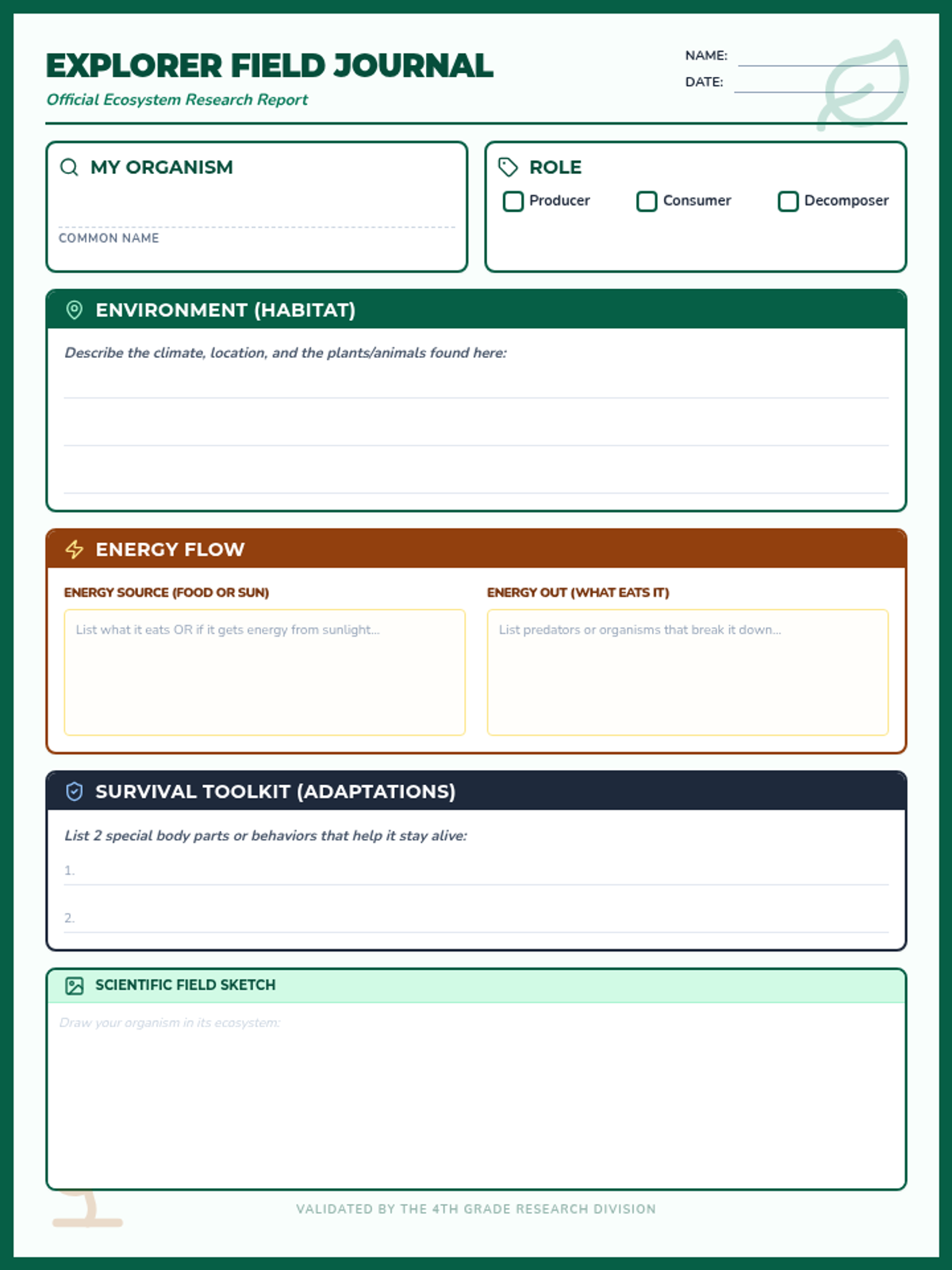
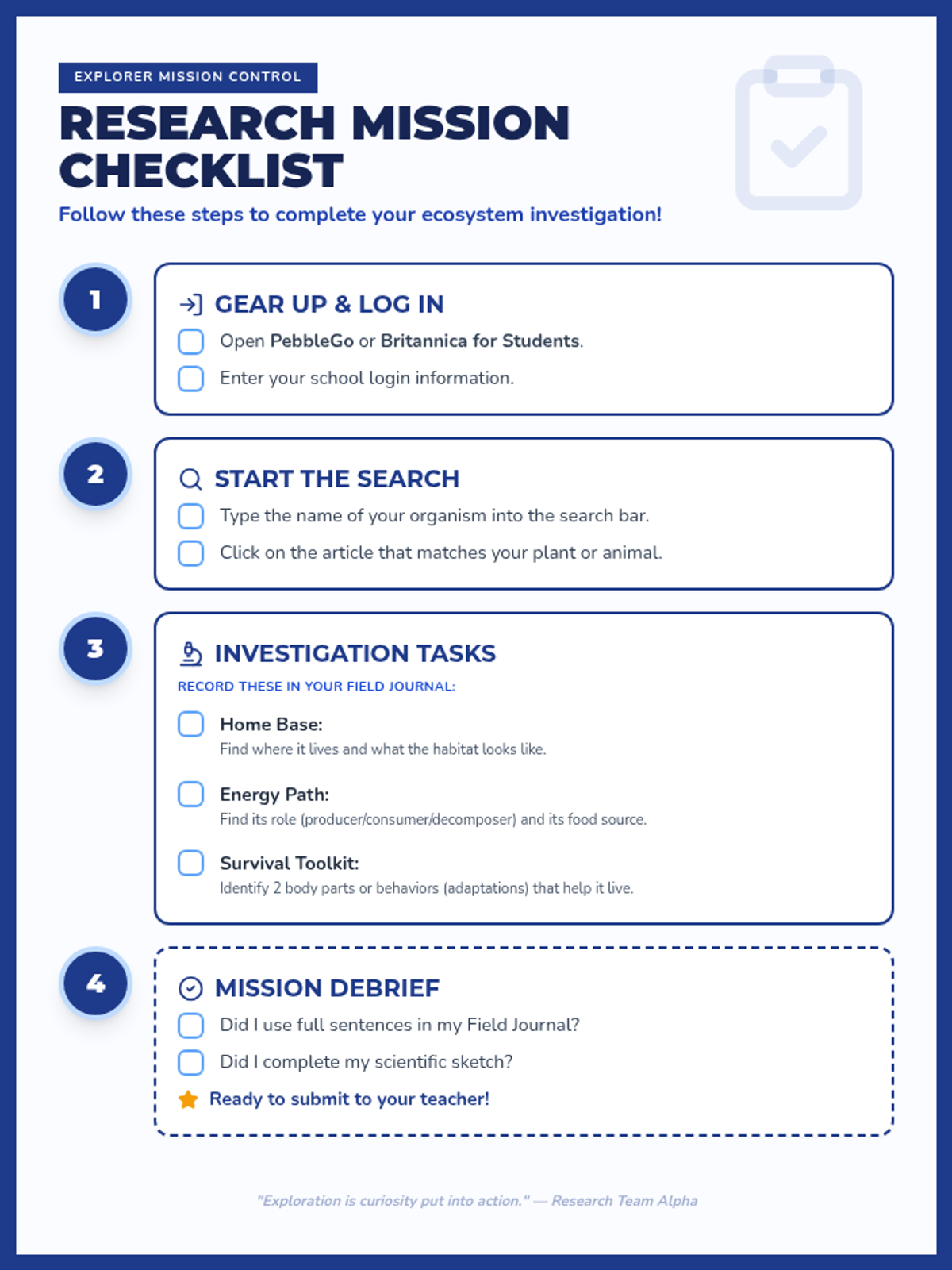
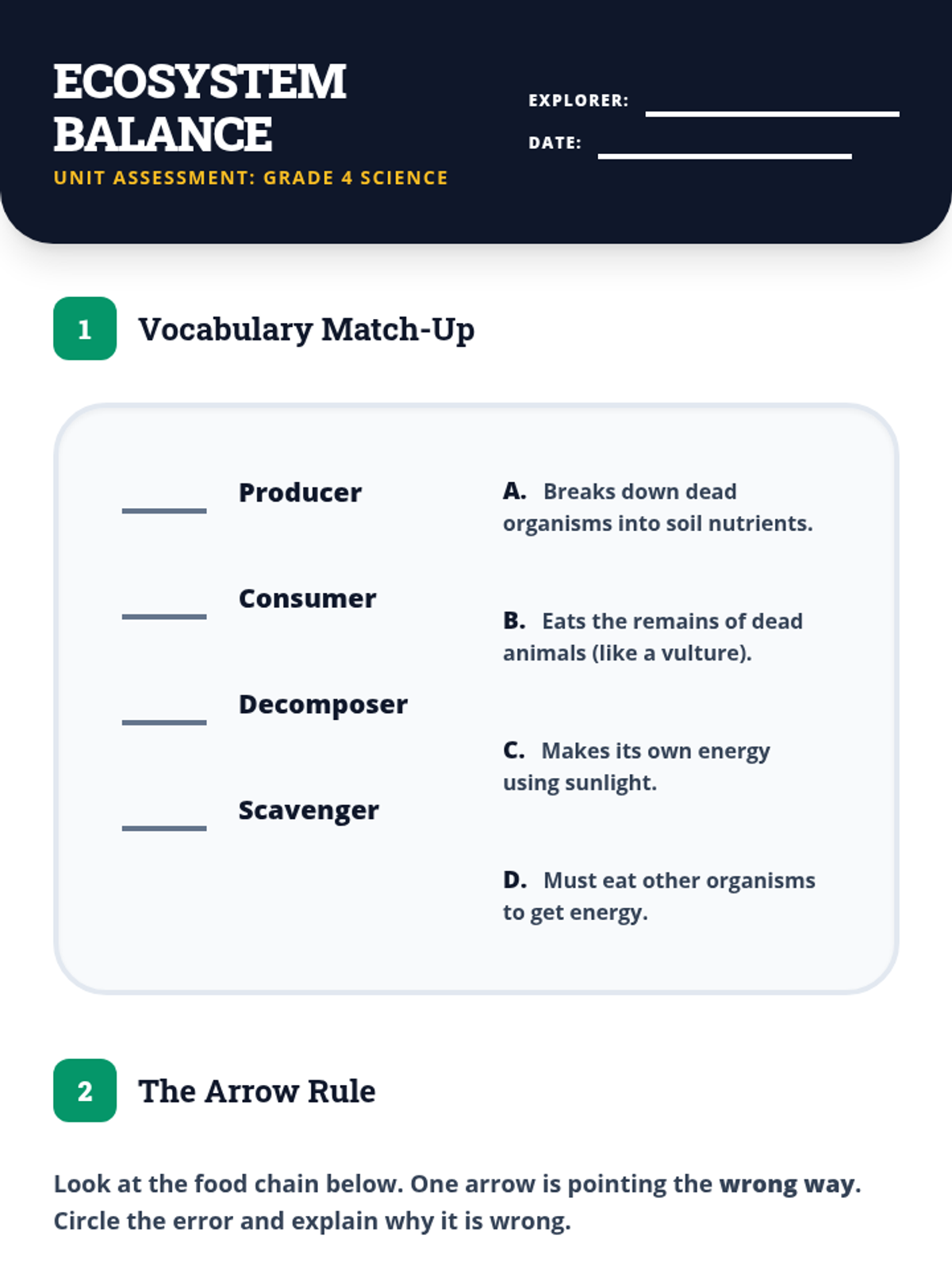
A comprehensive unit on how energy flows through ecosystems, focusing on the roles of producers, consumers, and decomposers and their unique adaptations for survival.
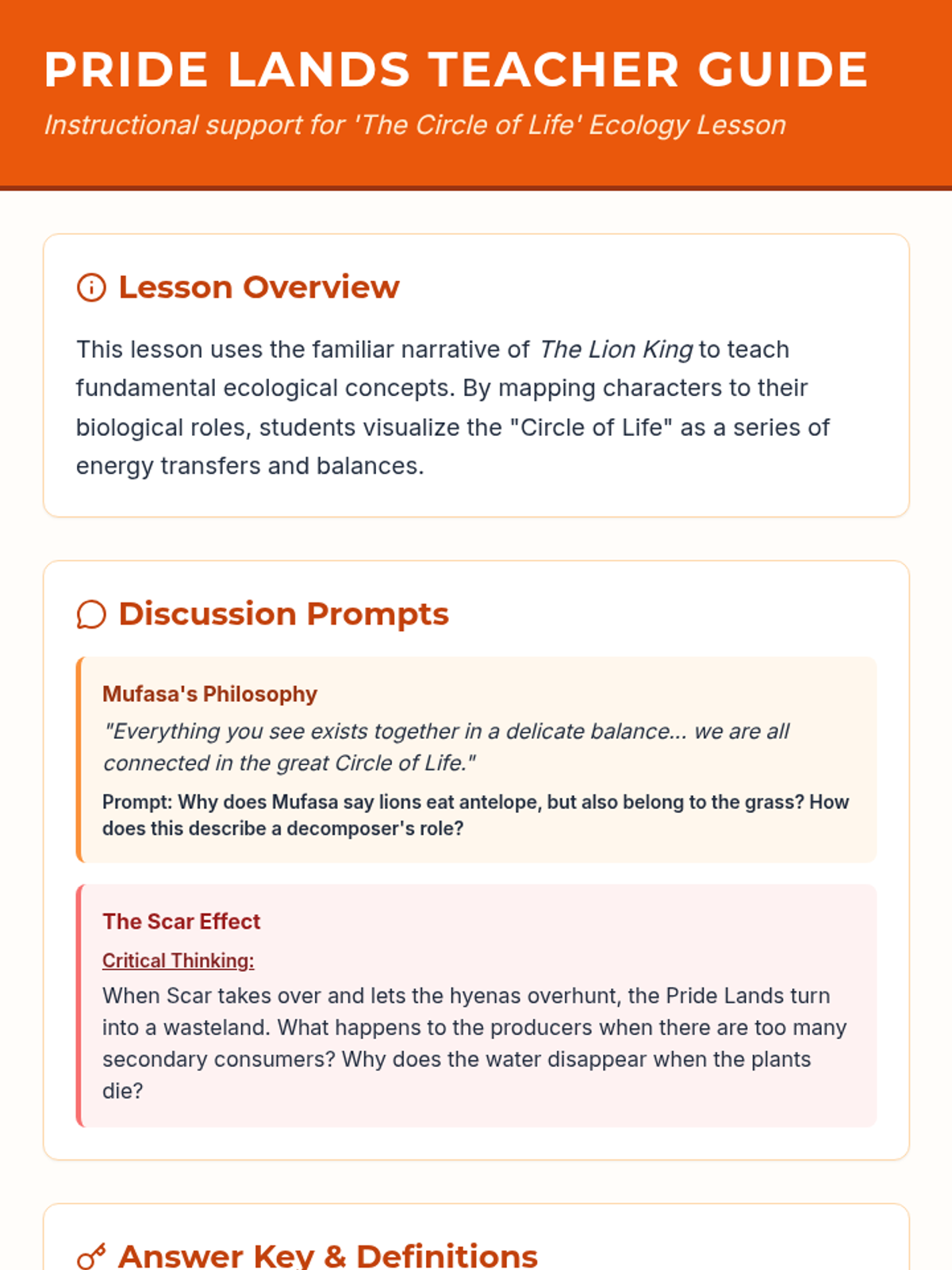
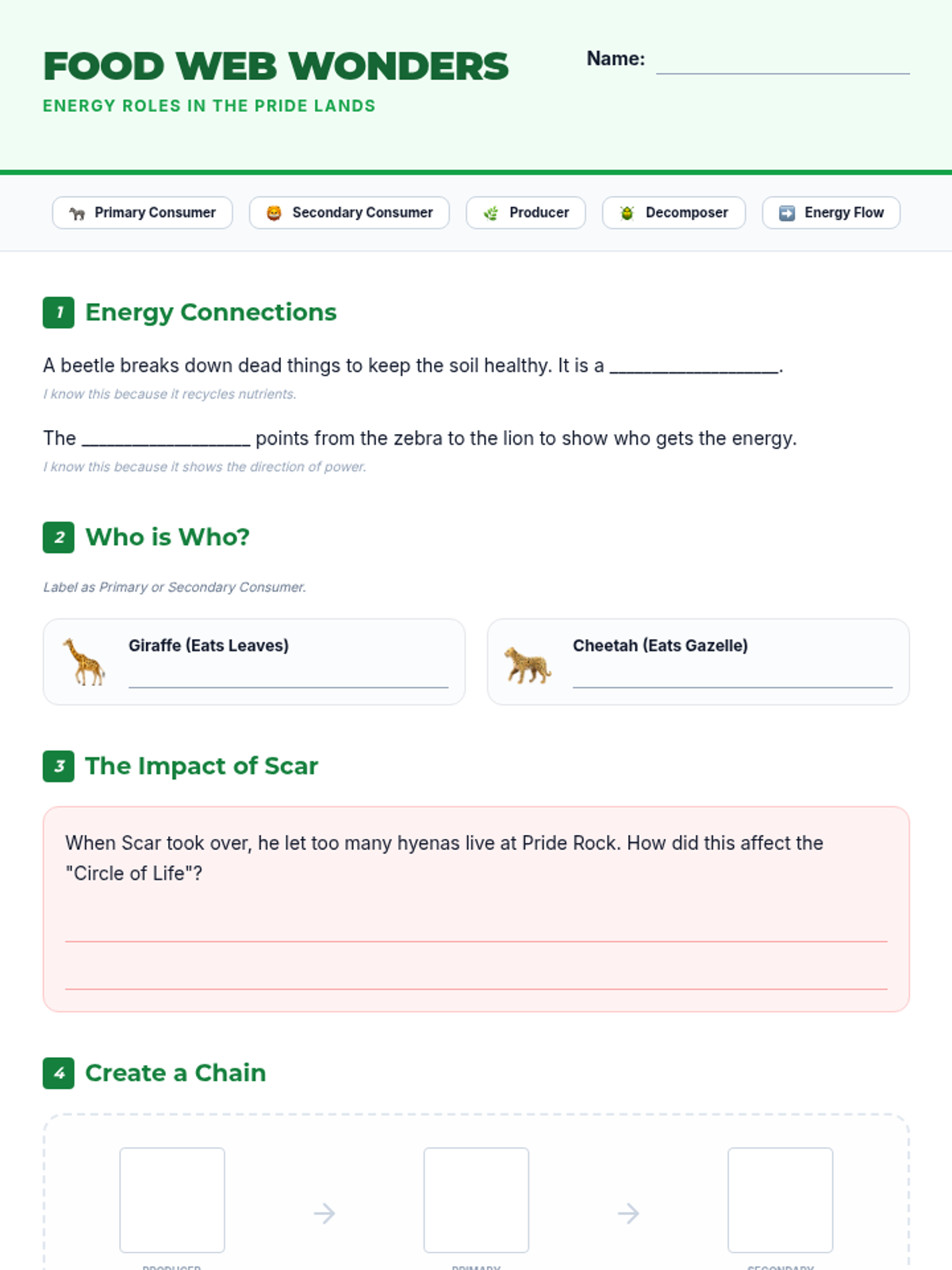
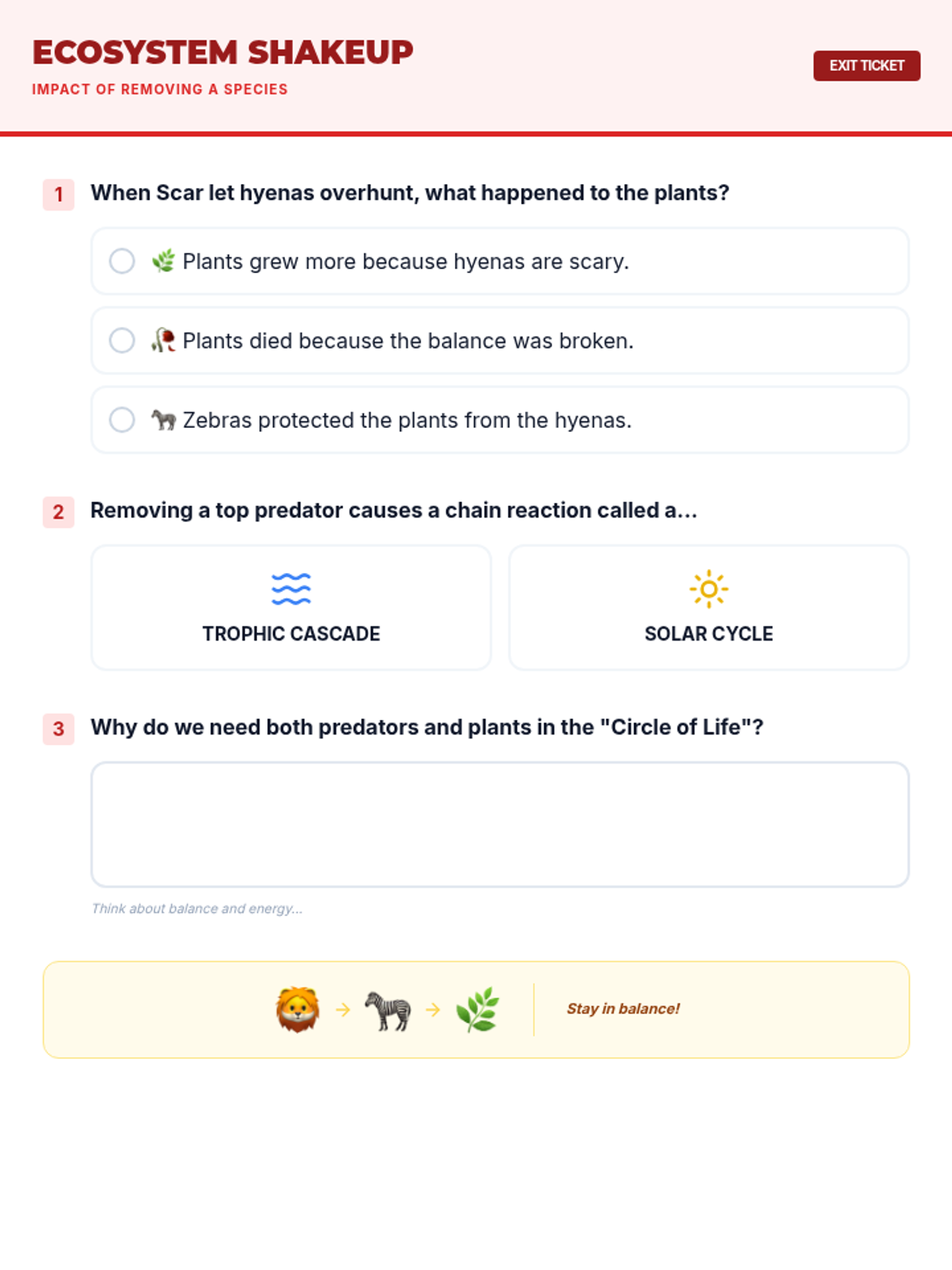
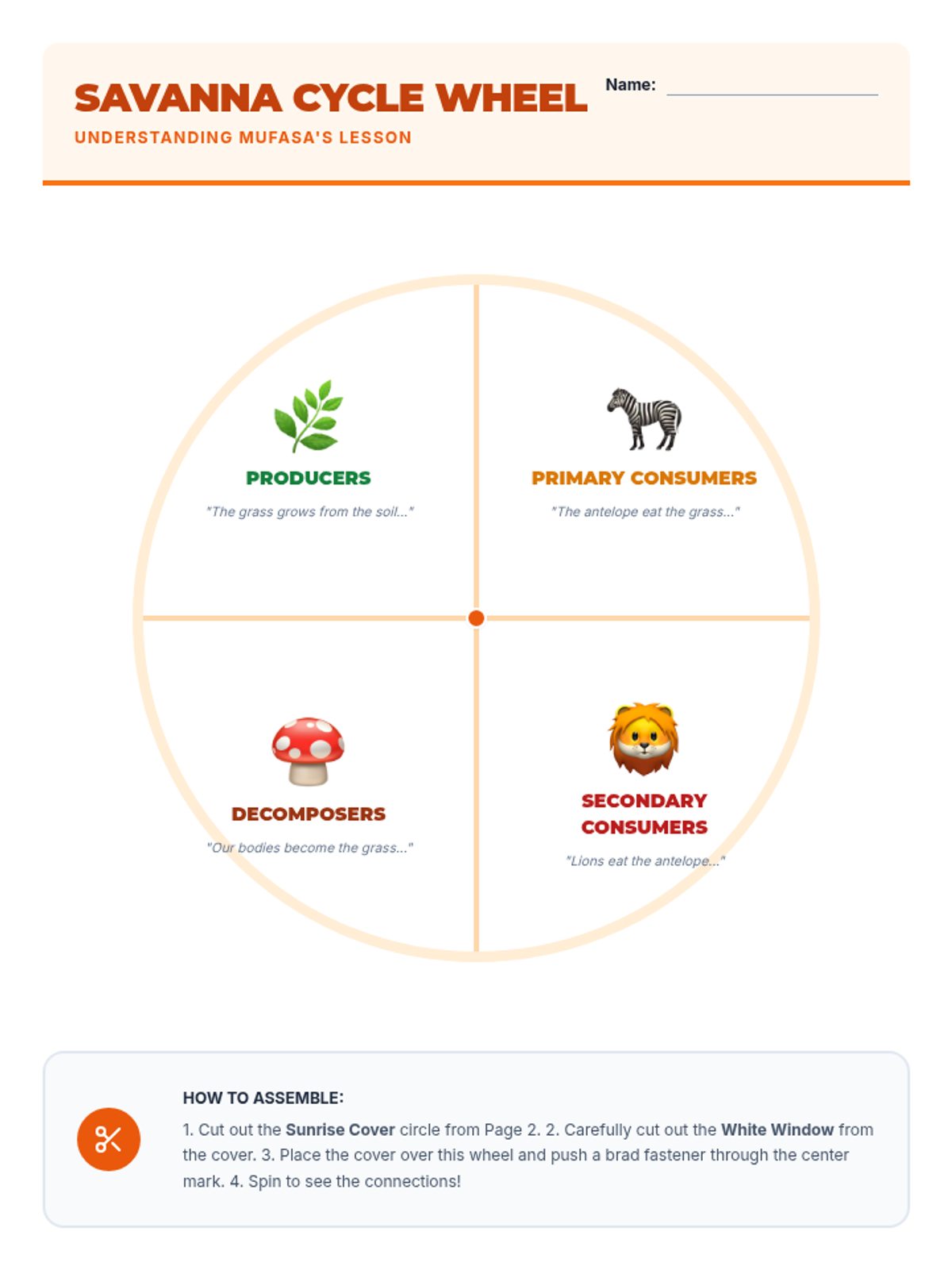
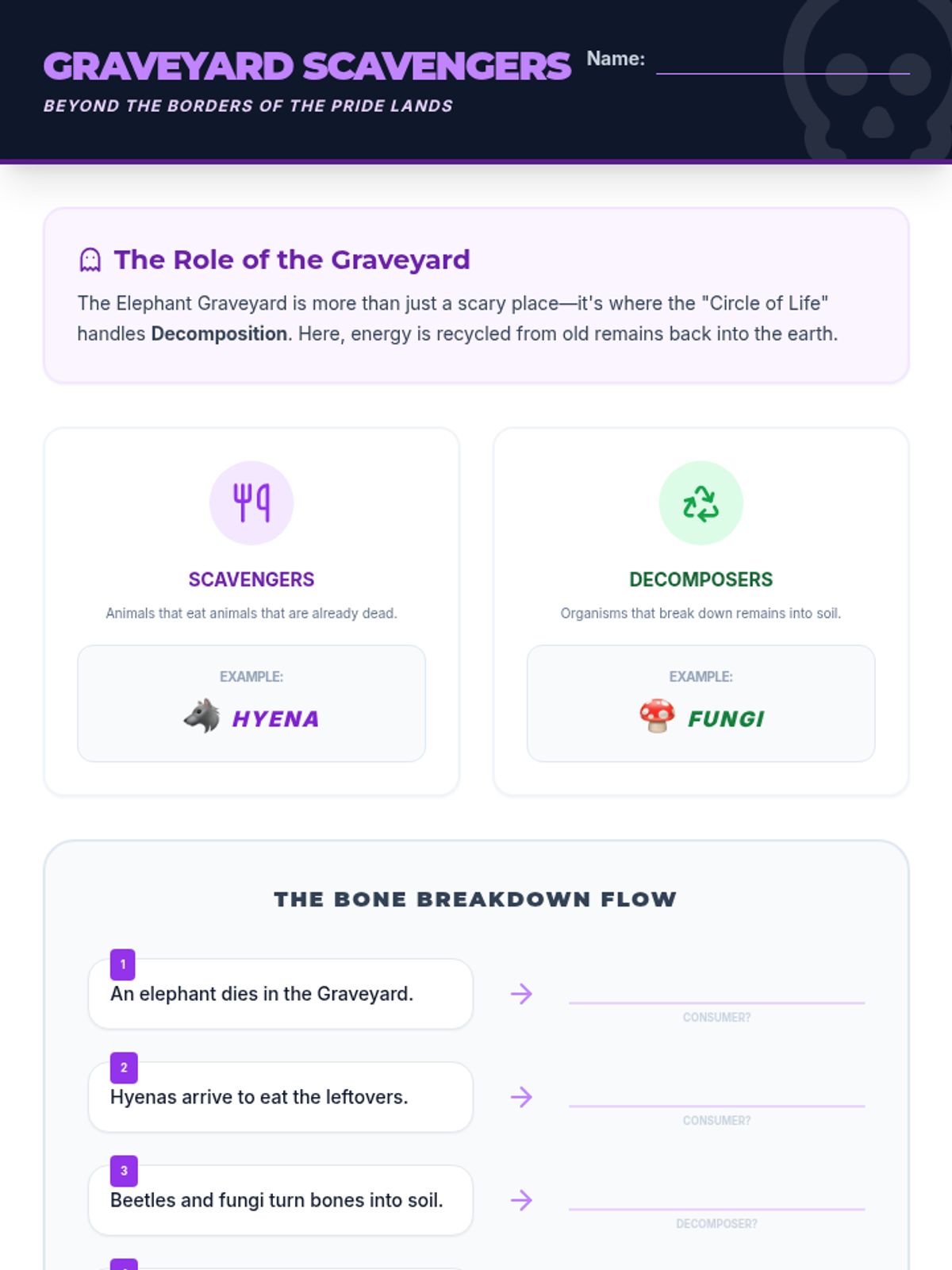
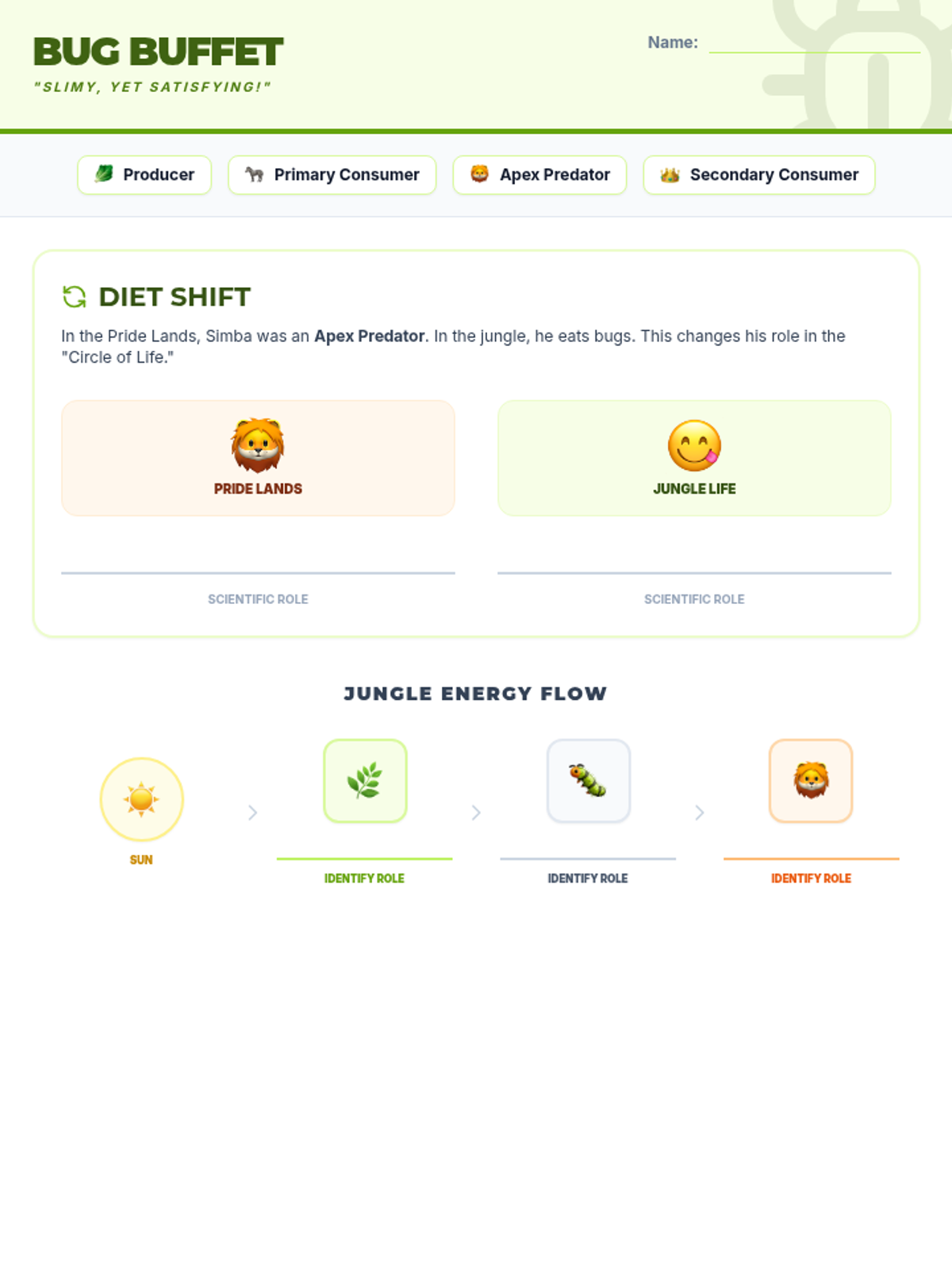
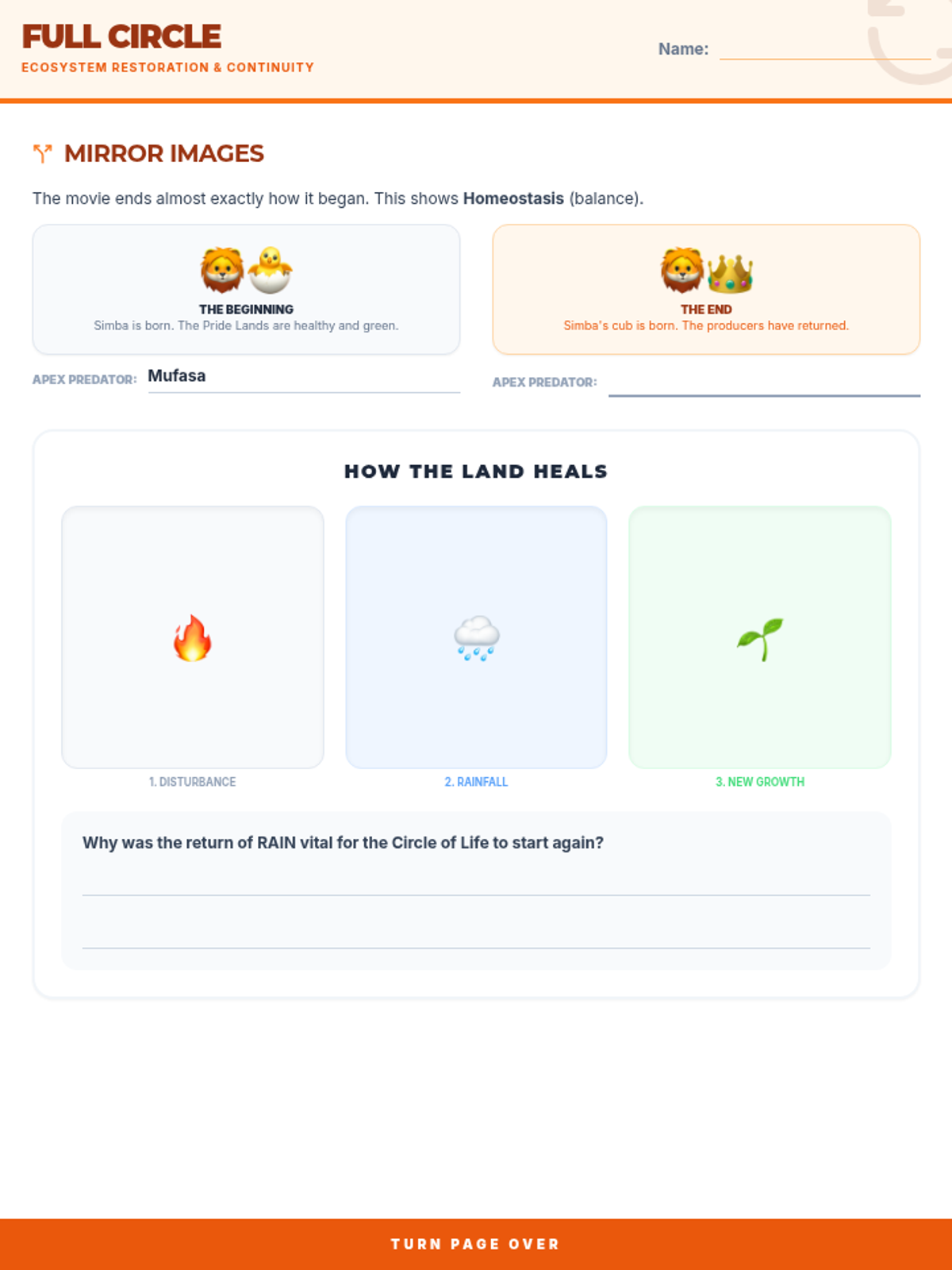
A science unit exploring ecology through the lens of 'The Lion King', focusing on food chains, food webs, and the balance of ecosystems. Students will learn to identify energy roles and predict the consequences of ecological changes.

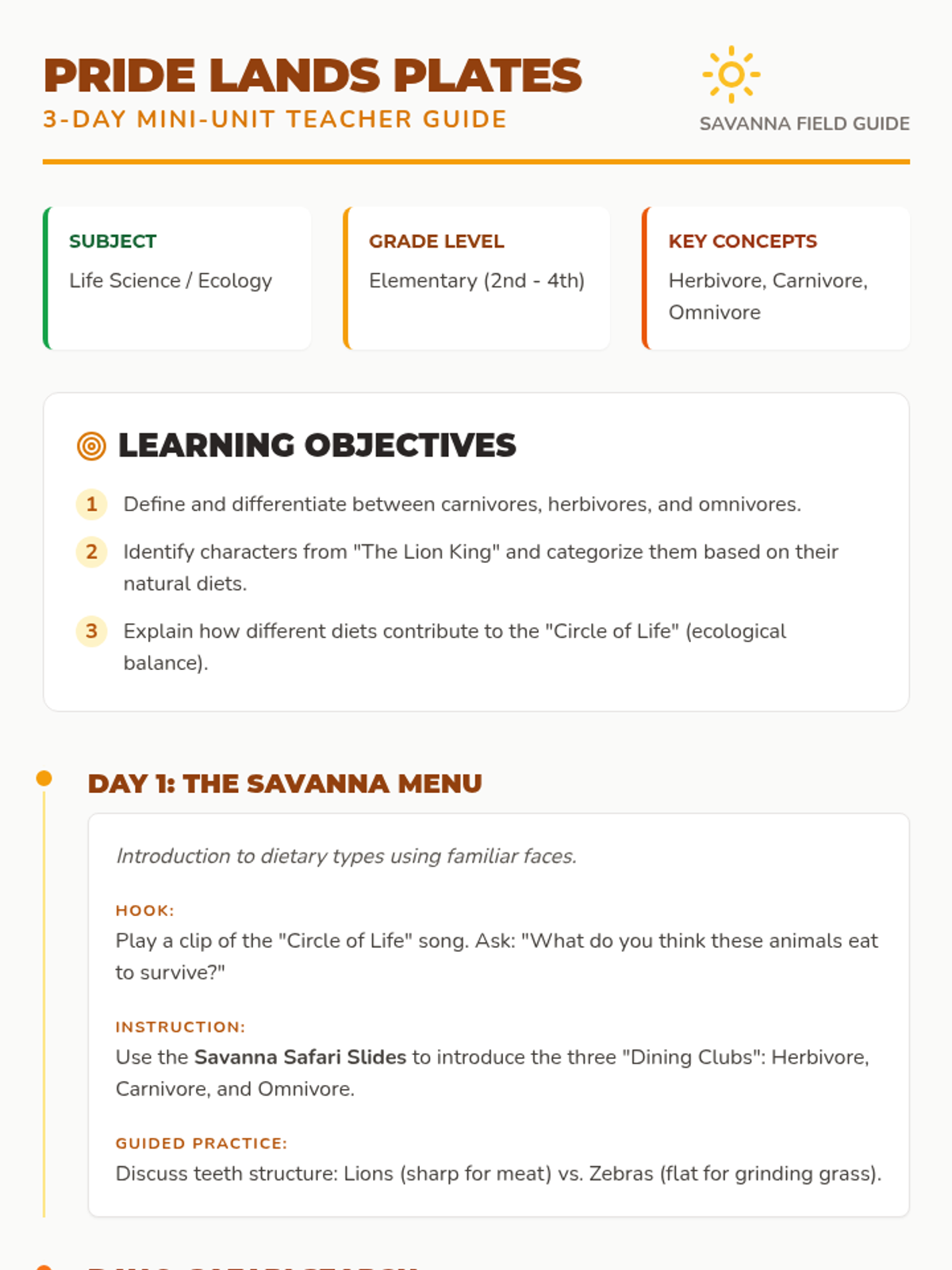
A 3-day mini-unit exploring carnivores, herbivores, and omnivores through the lens of The Lion King. Students will identify animal diets, categorize characters, and understand the ecological balance of the Pride Lands.
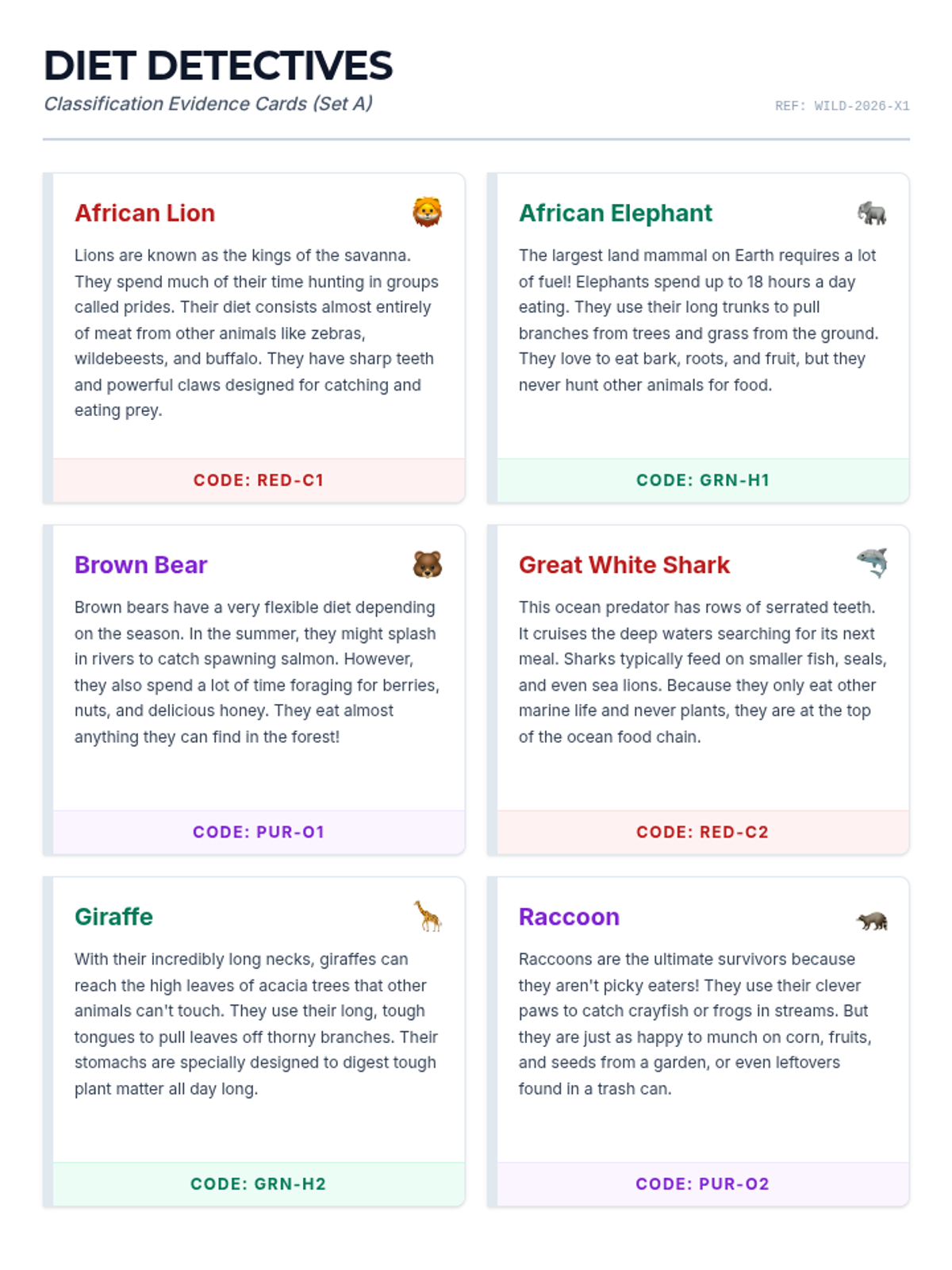
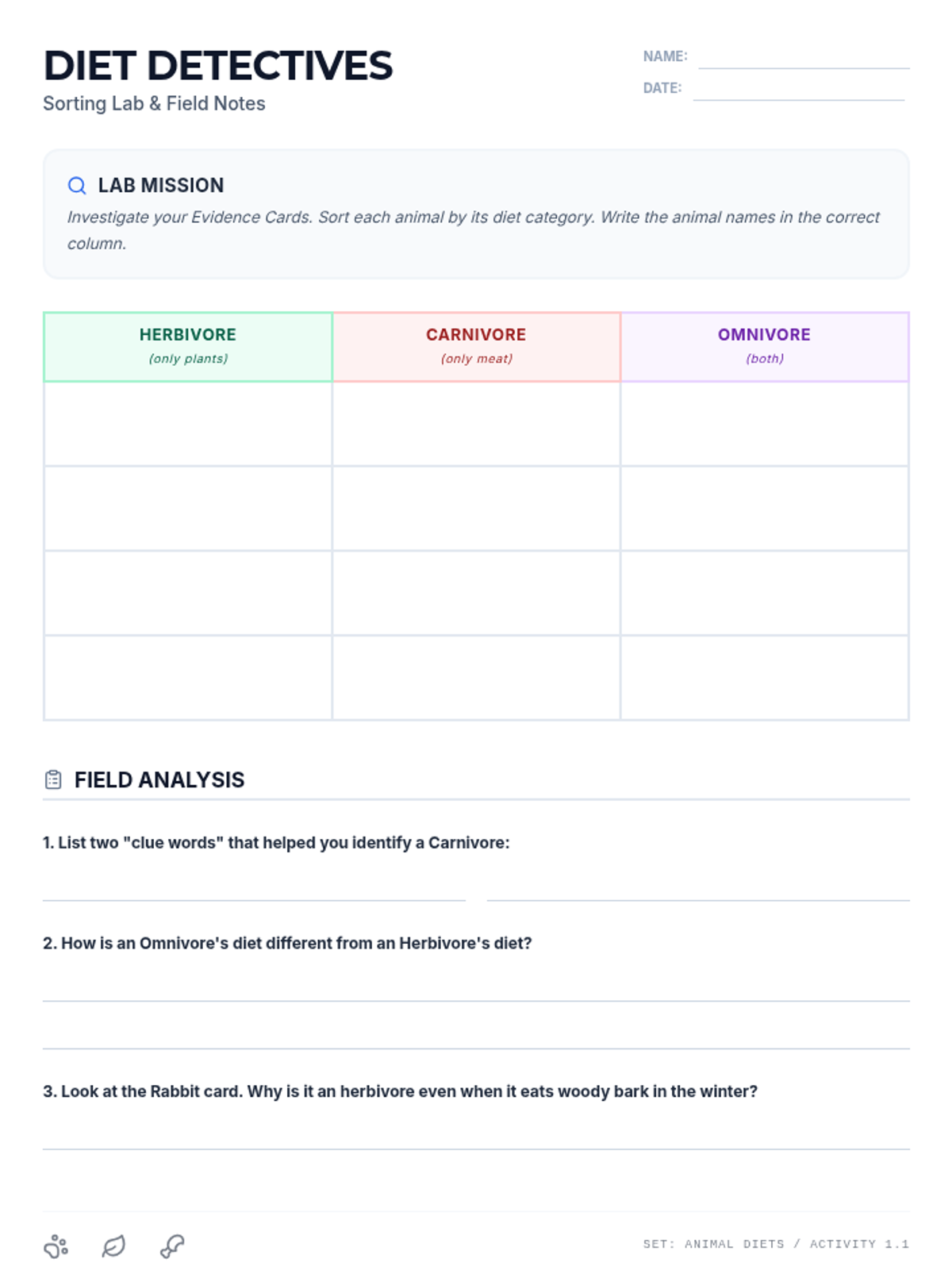
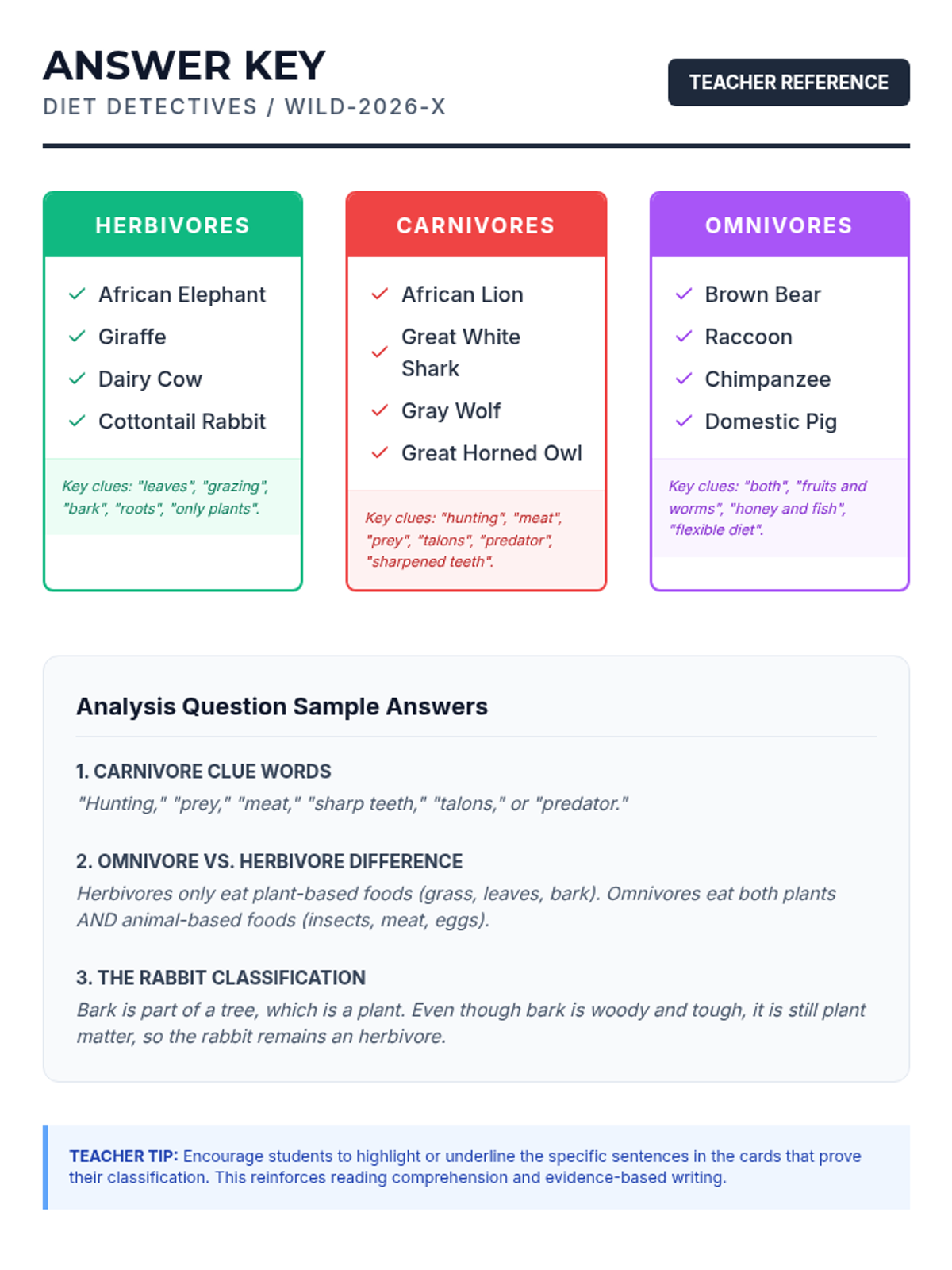
A hands-on exploration of animal diets, focusing on identifying and classifying herbivores, carnivores, and omnivores through text evidence and visual clues.
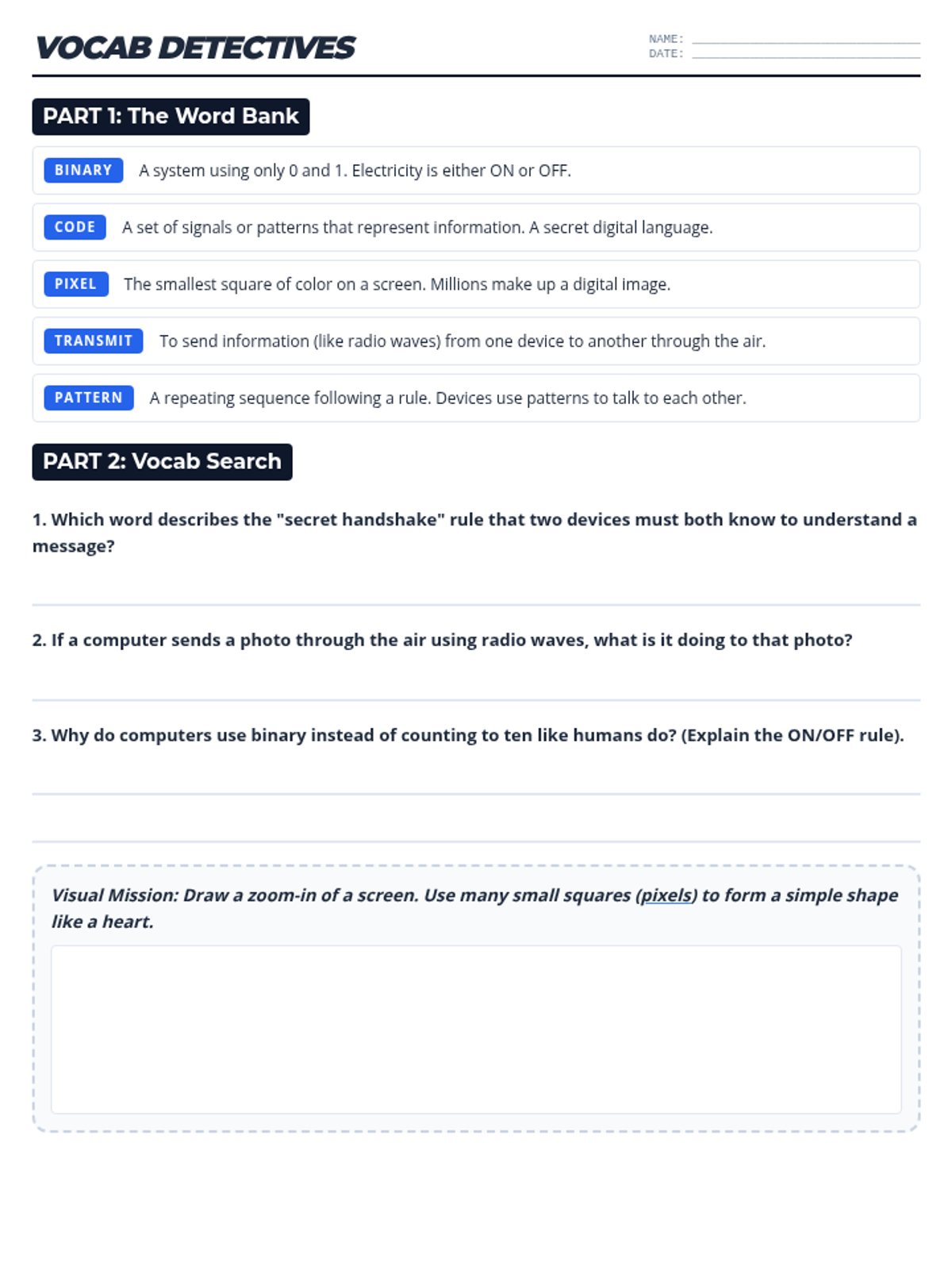
A week-long exploration of binary code, patterns, and digital communication designed for 4th-grade students. This sequence covers how patterns form codes for devices, the process of binary image transfer, and how engineers use code to solve problems like image brightness.
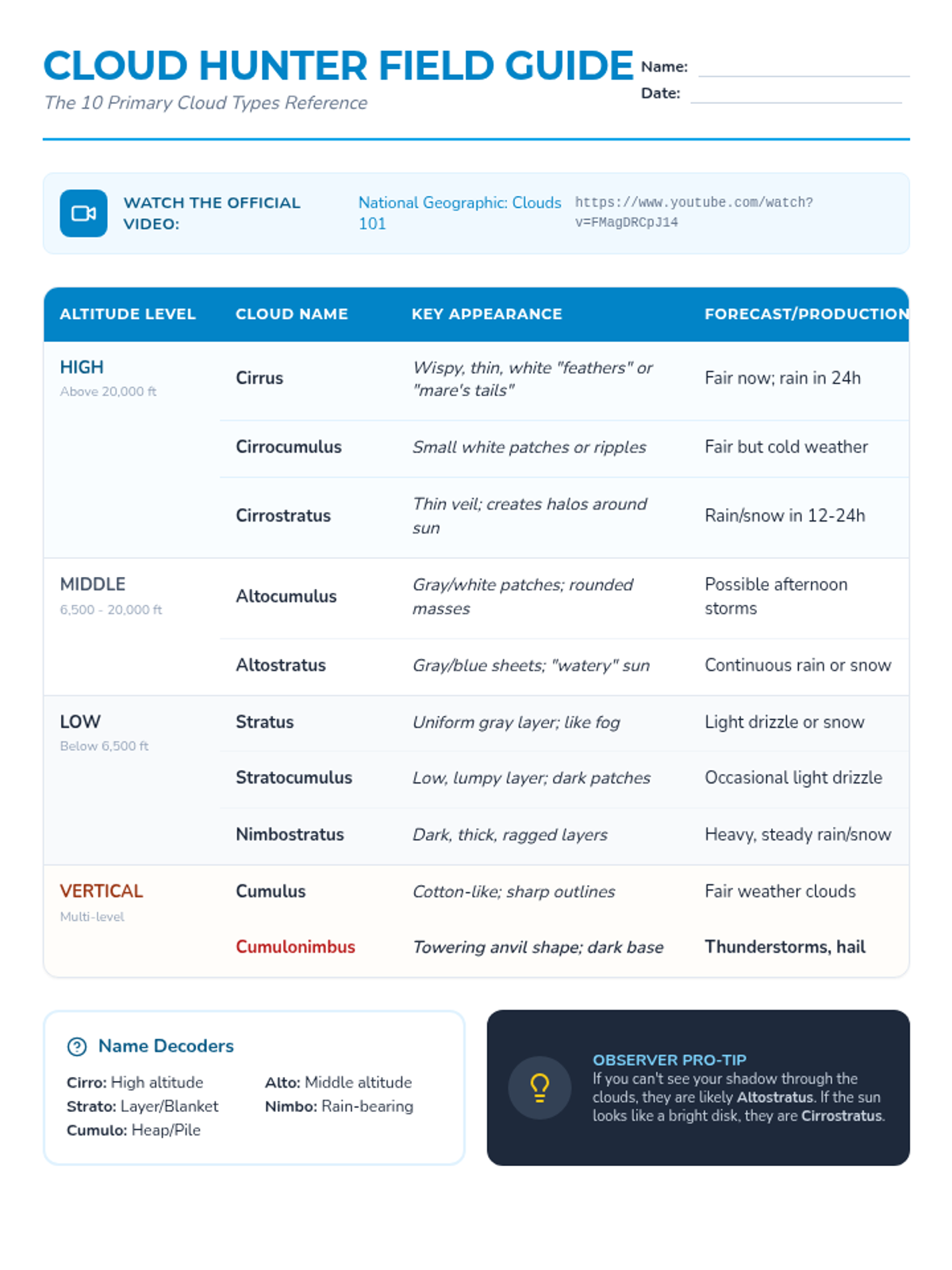
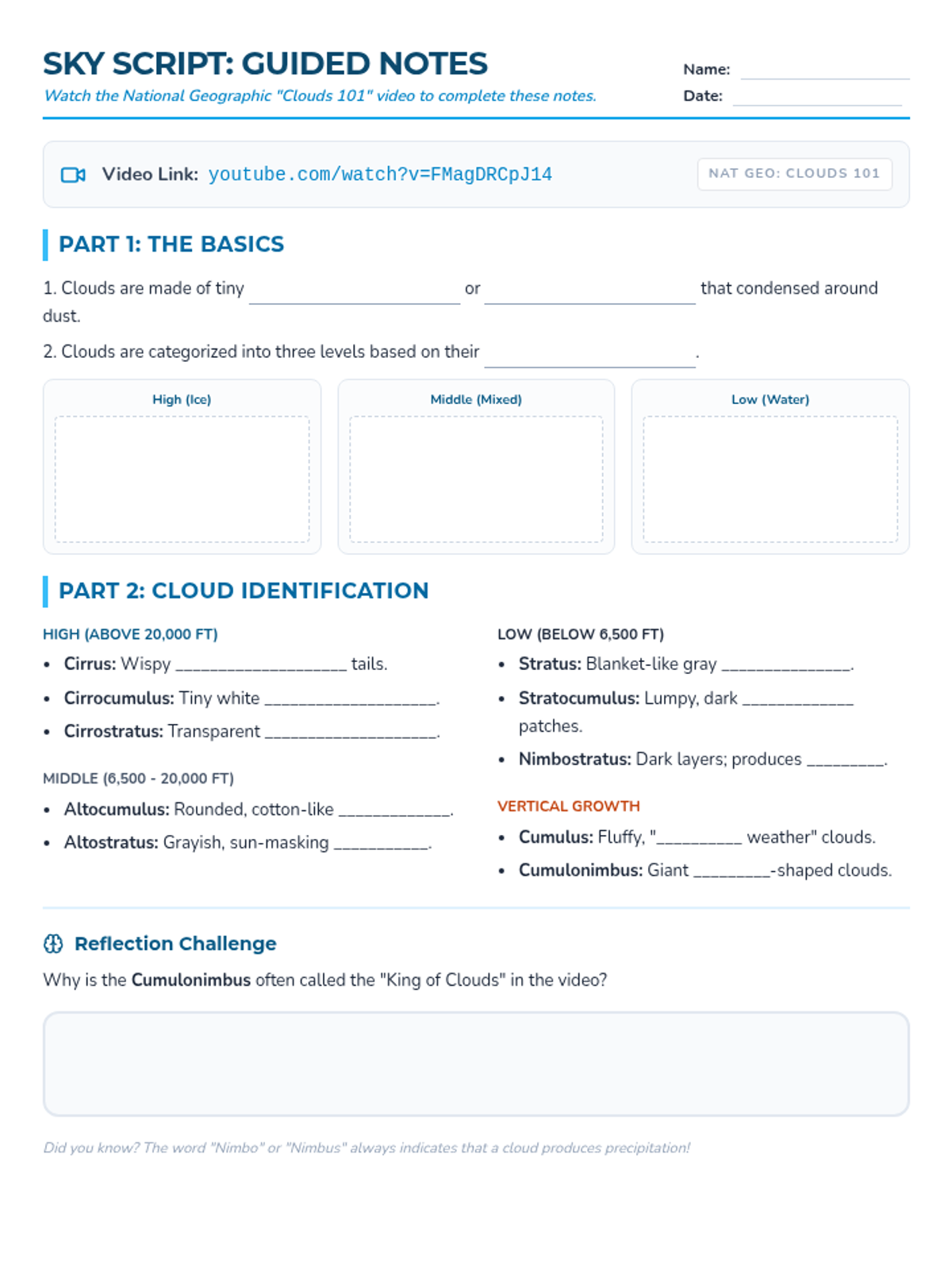
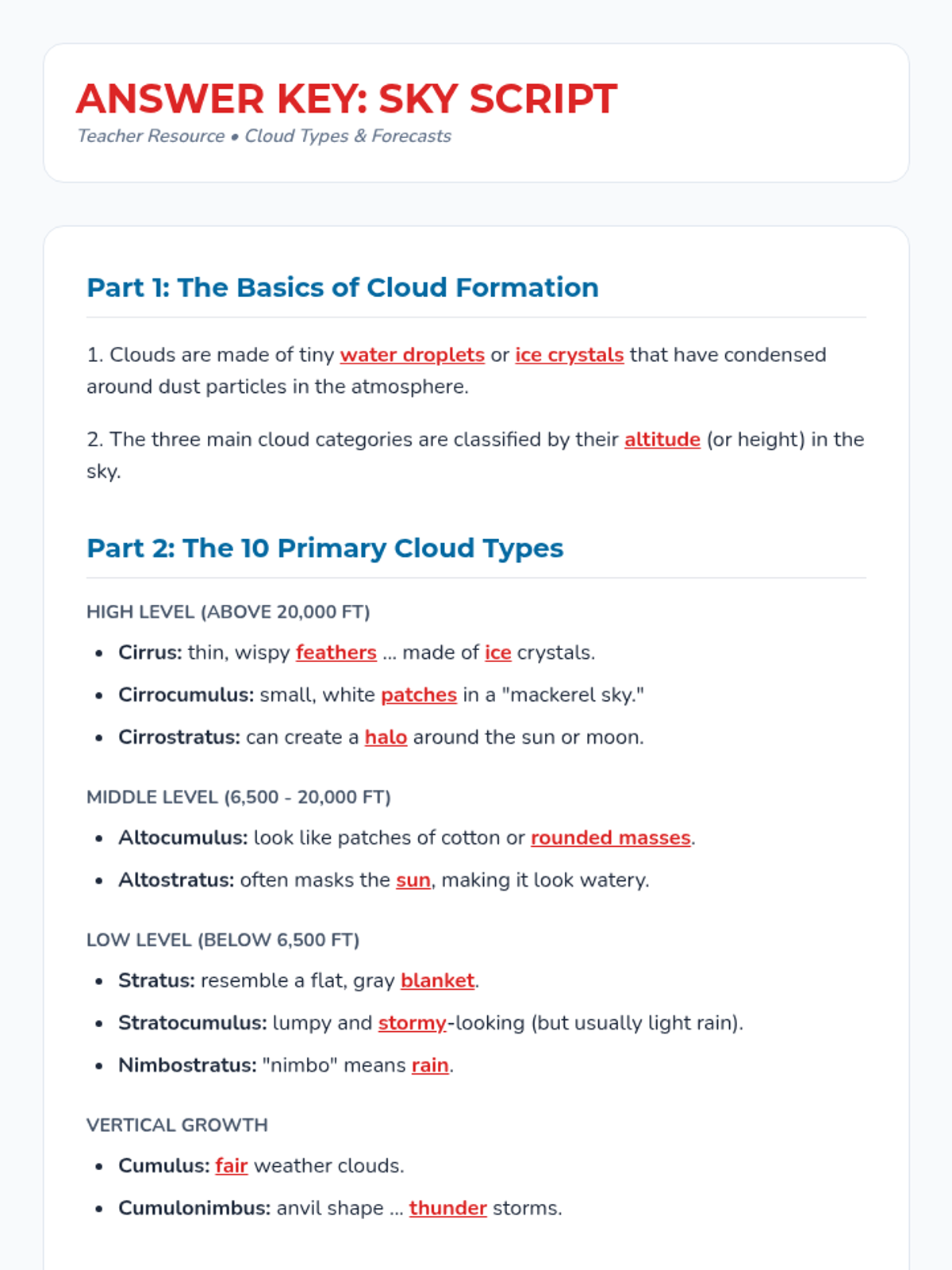
A comprehensive introduction to meteorology focused on identifying and understanding the ten primary cloud types and their impact on weather patterns.
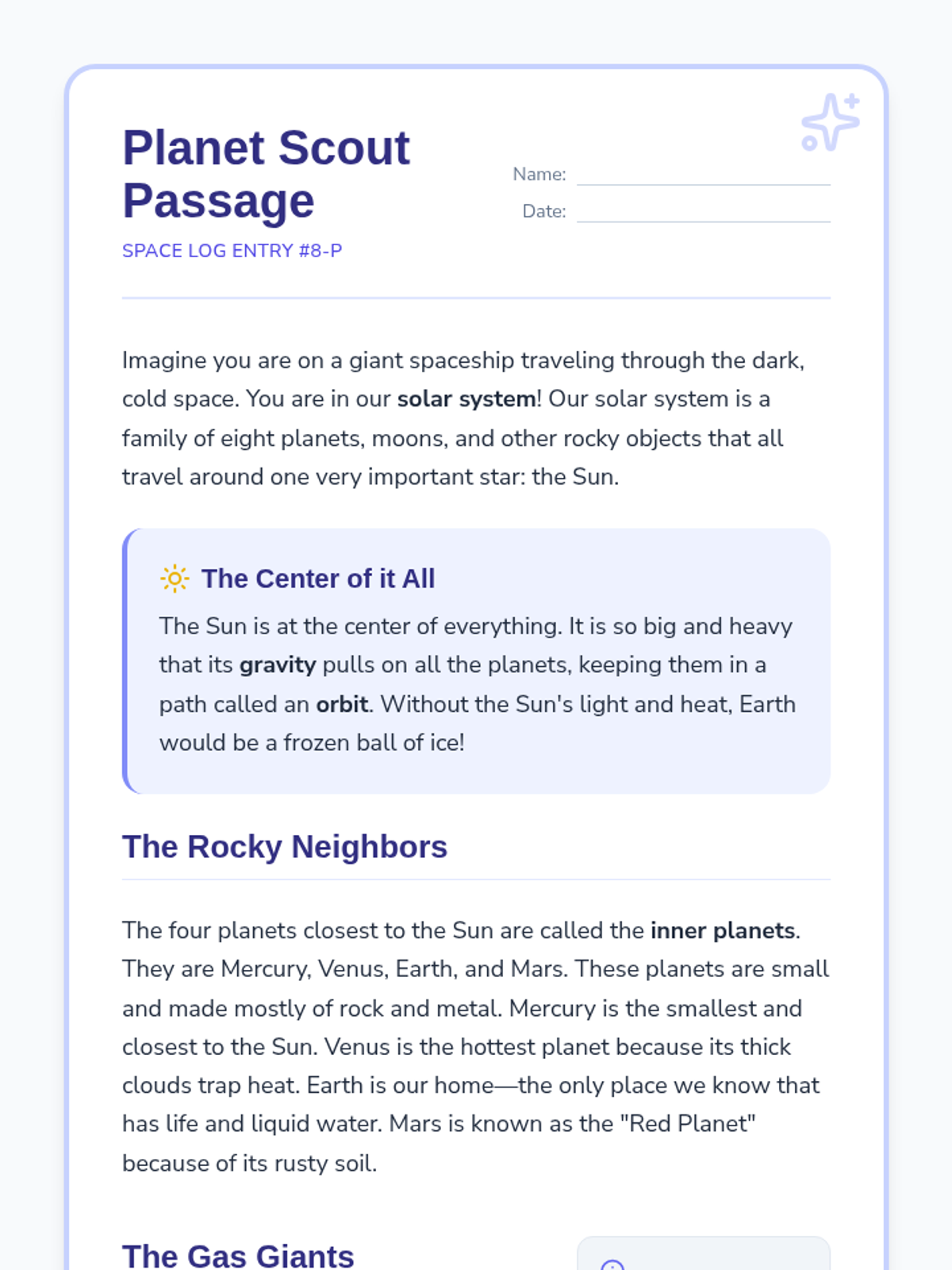
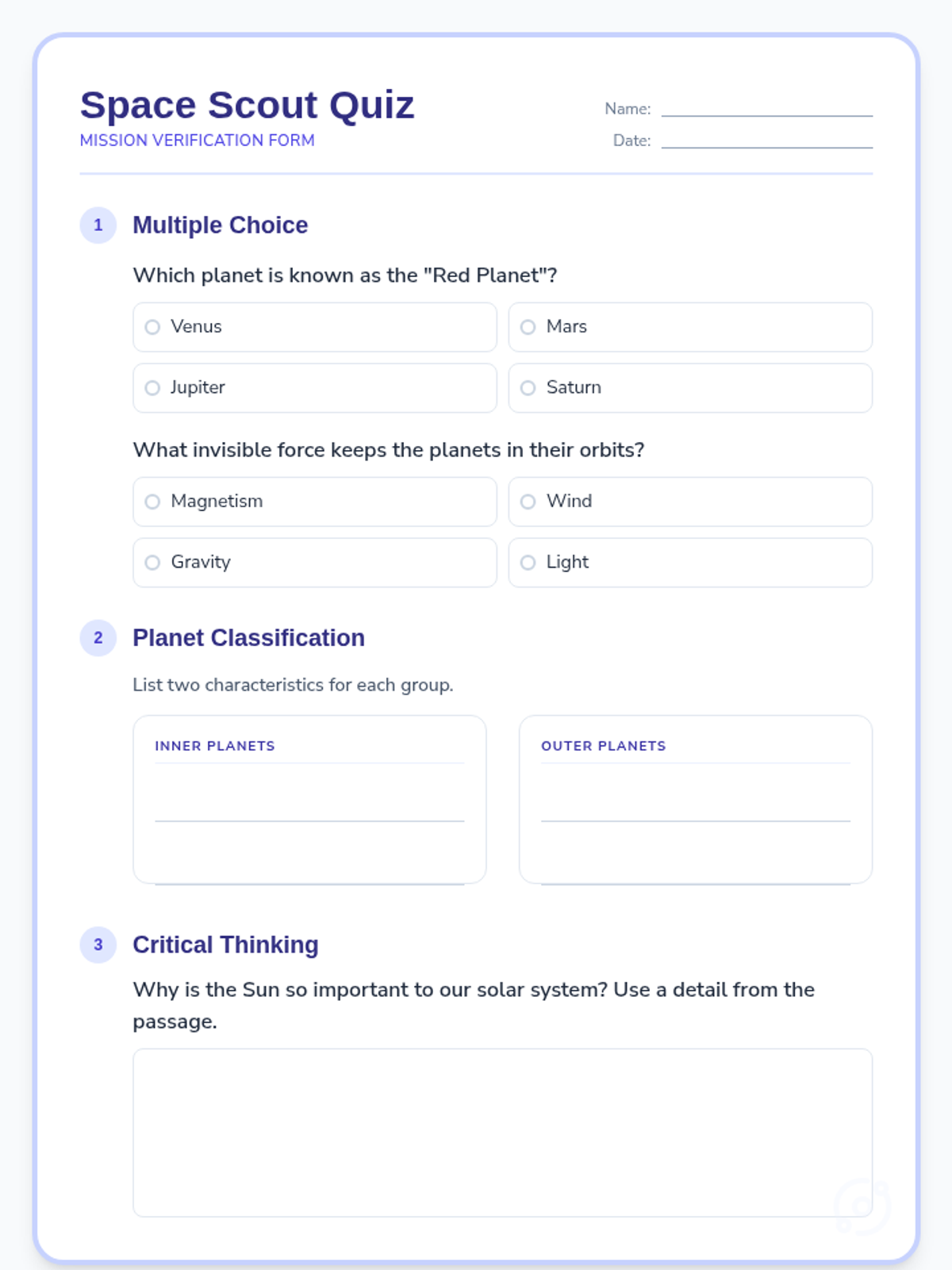
A diverse collection of lessons covering the celestial wonders of our solar system and the historical impact of the World War II Home Front.
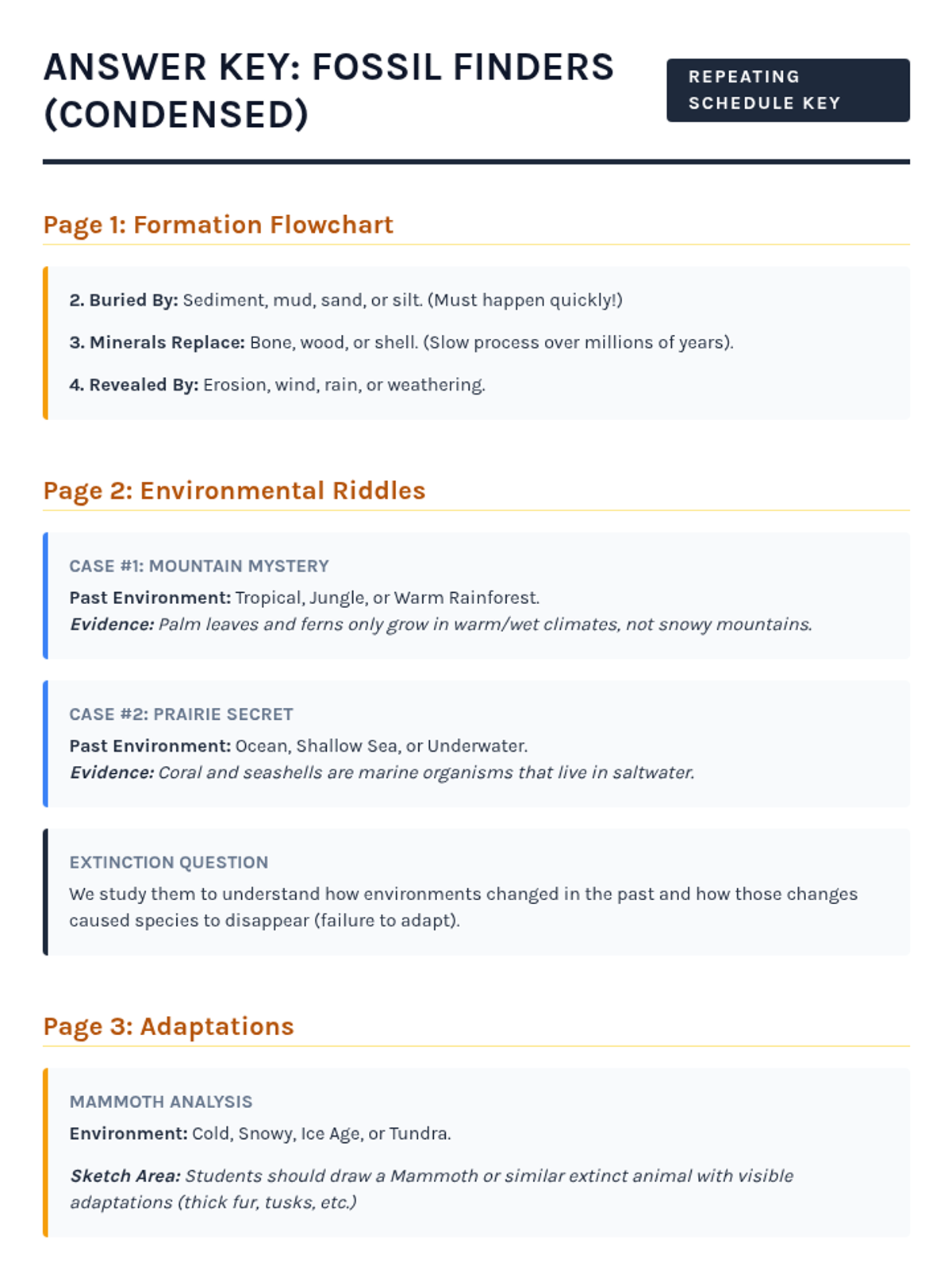
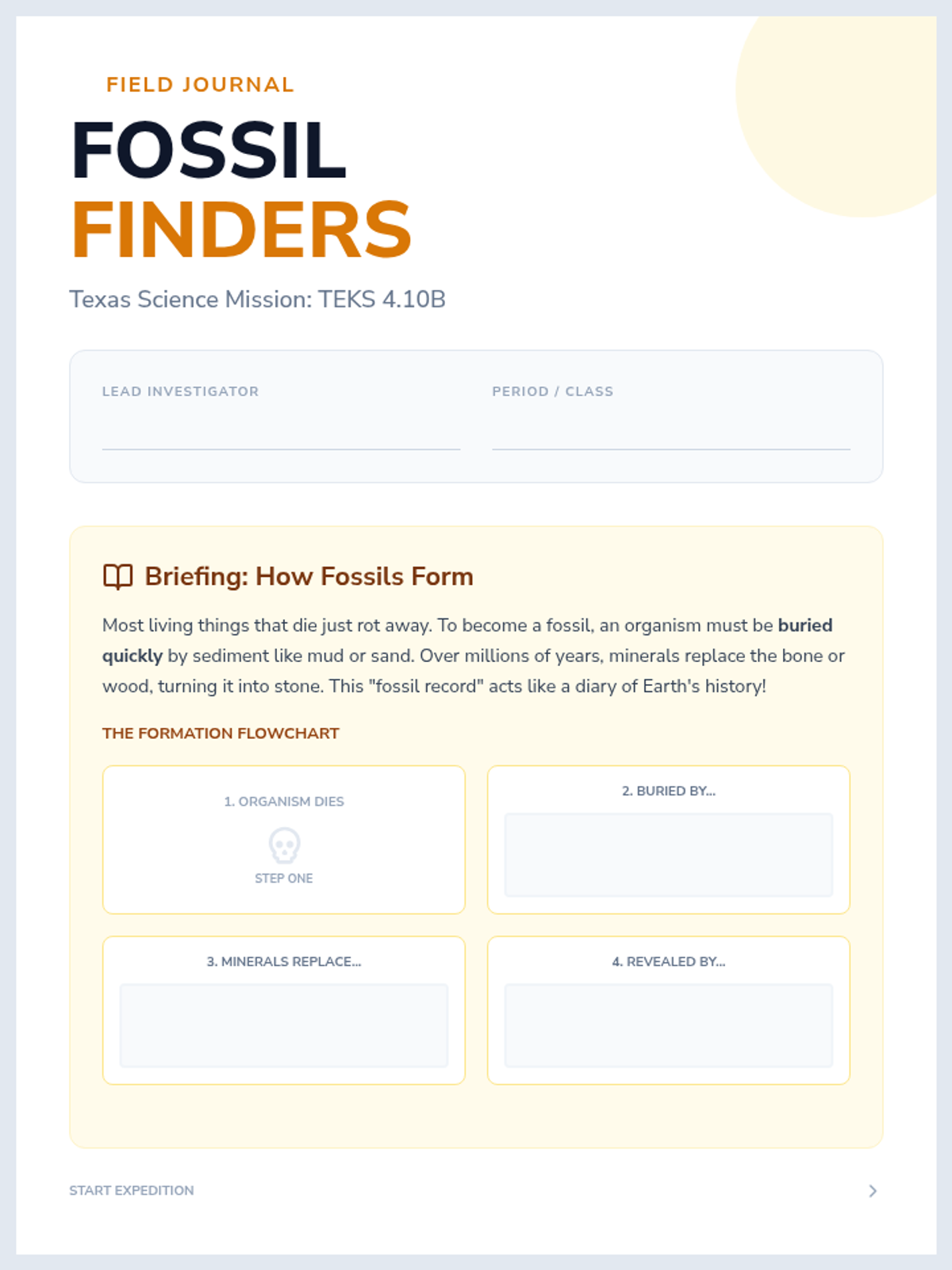
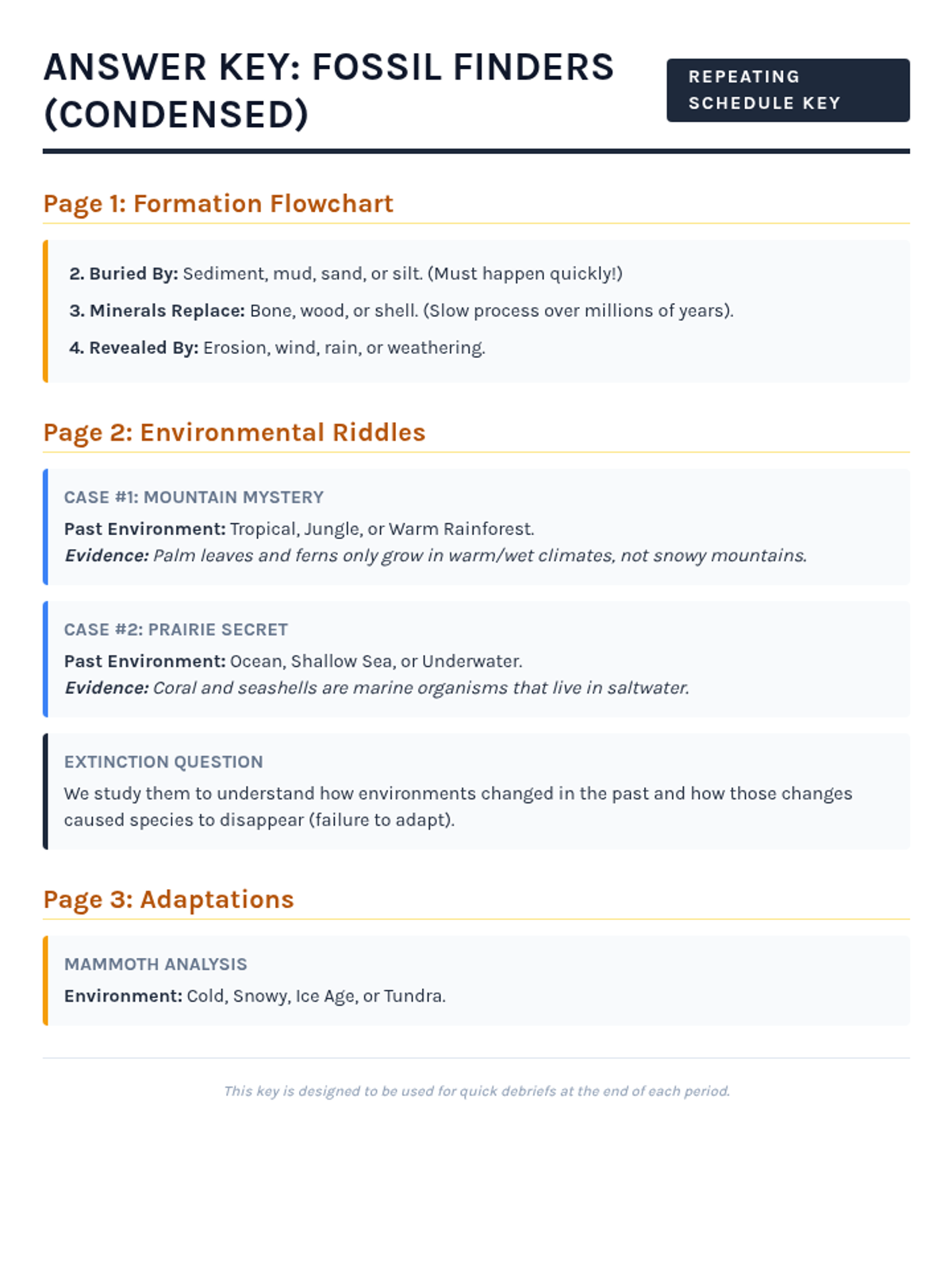
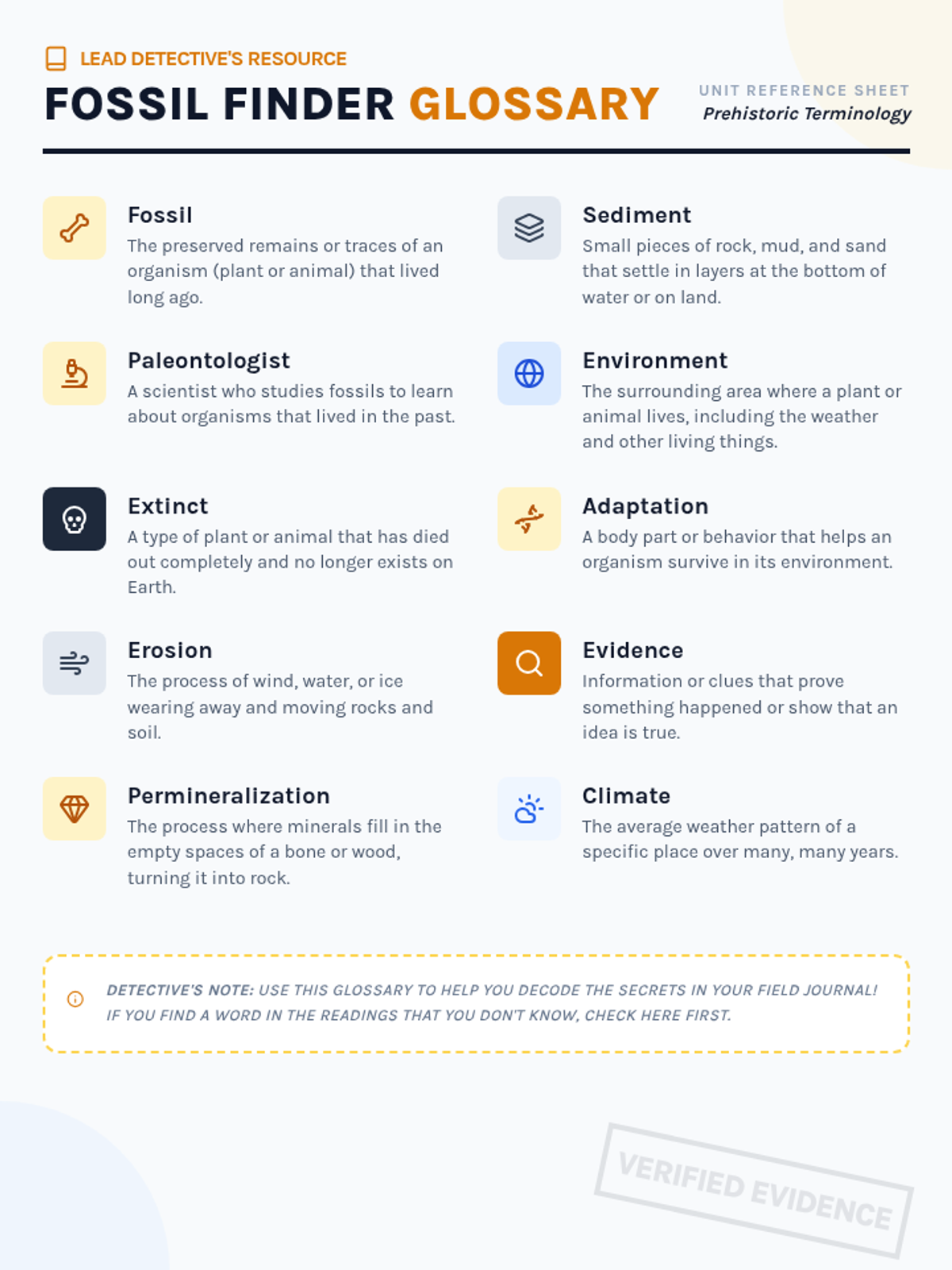
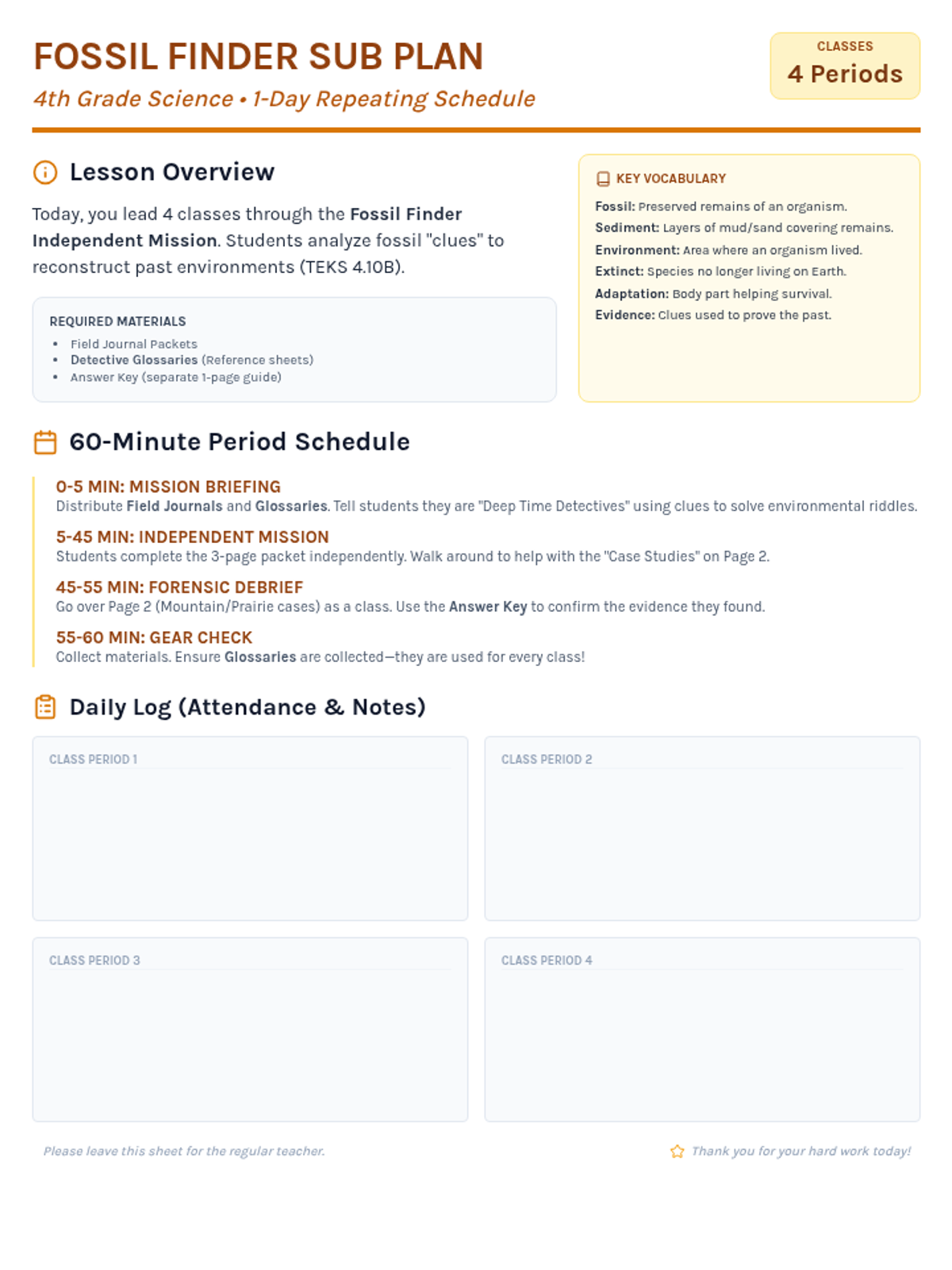
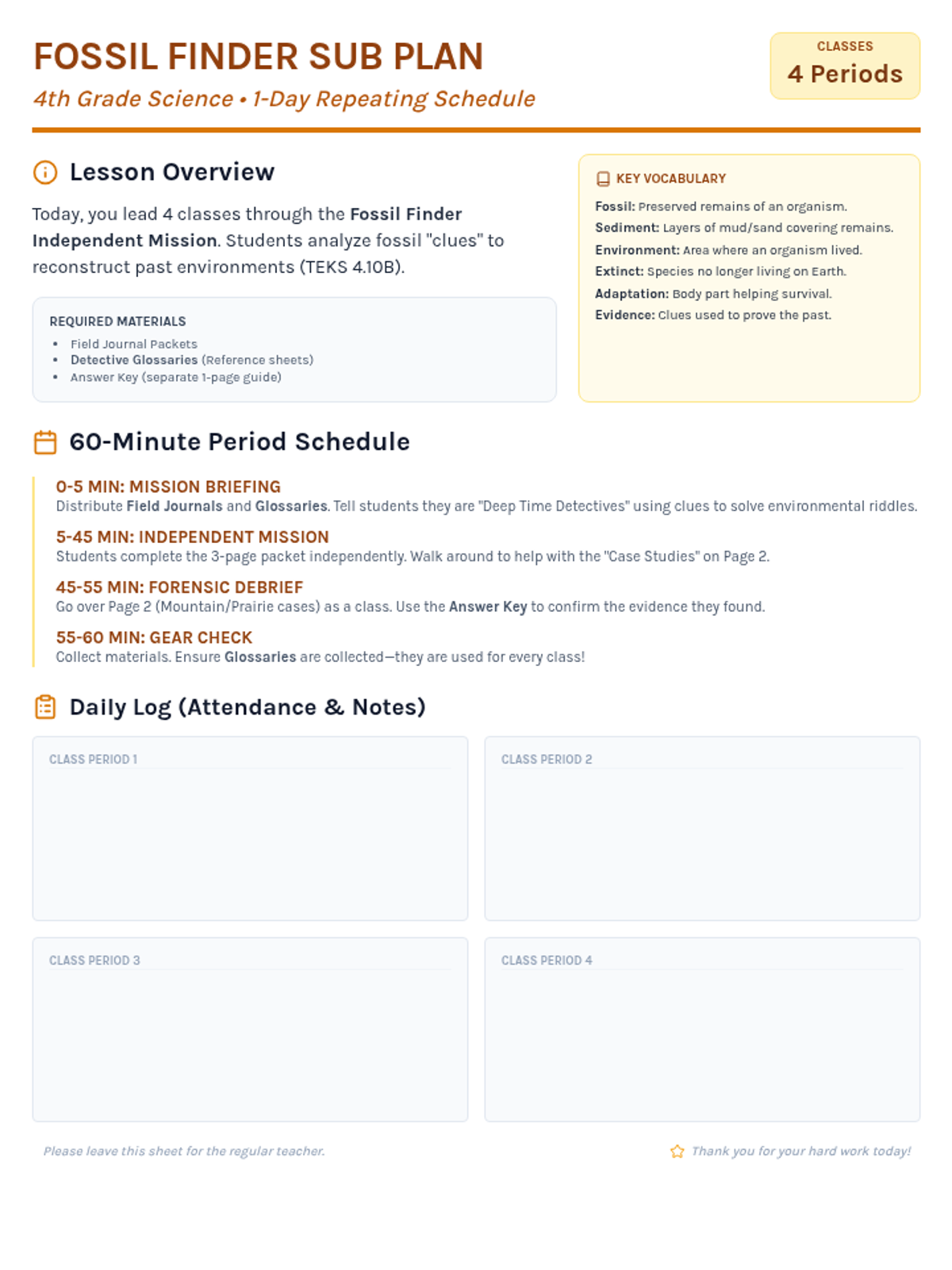
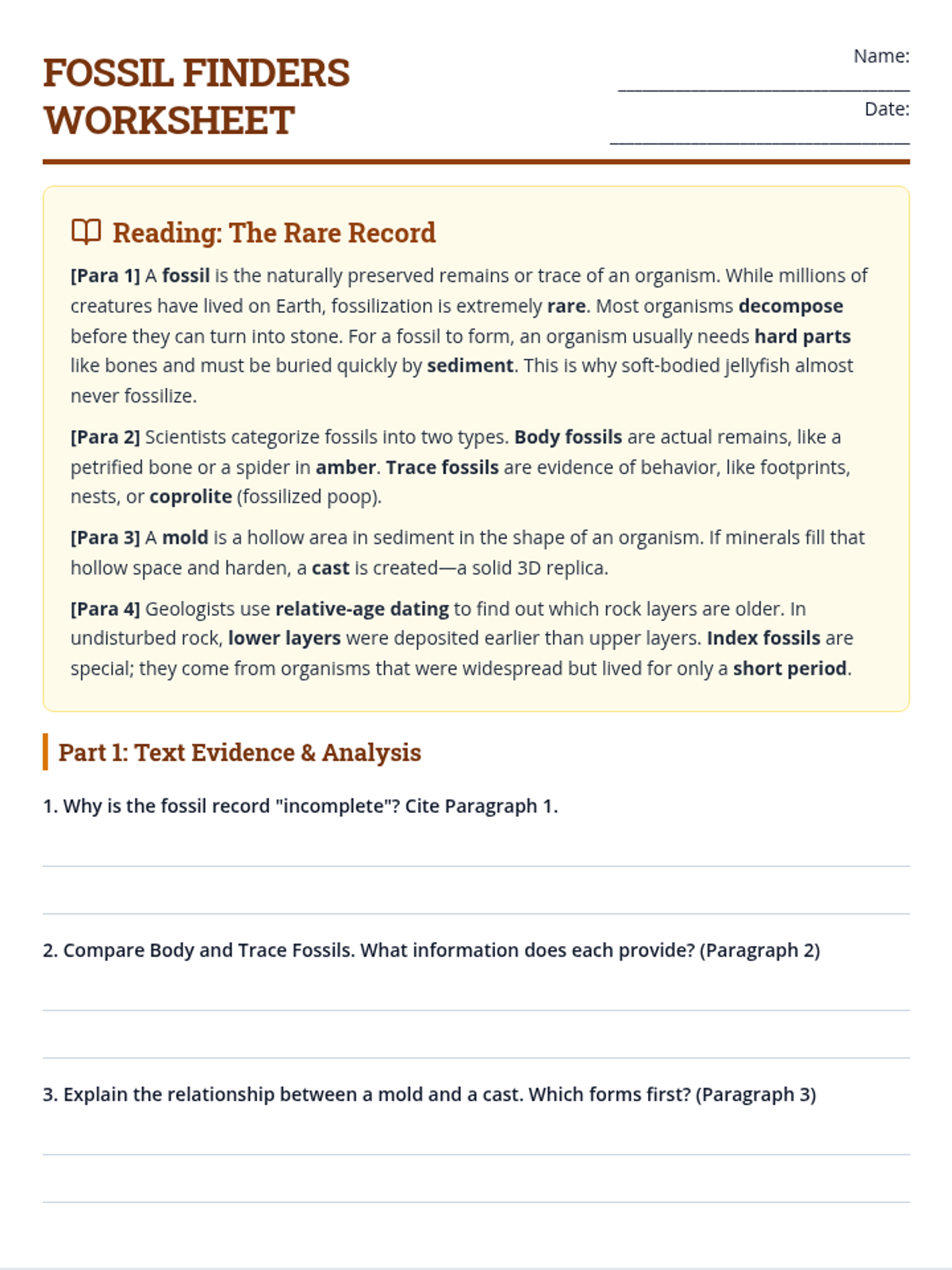
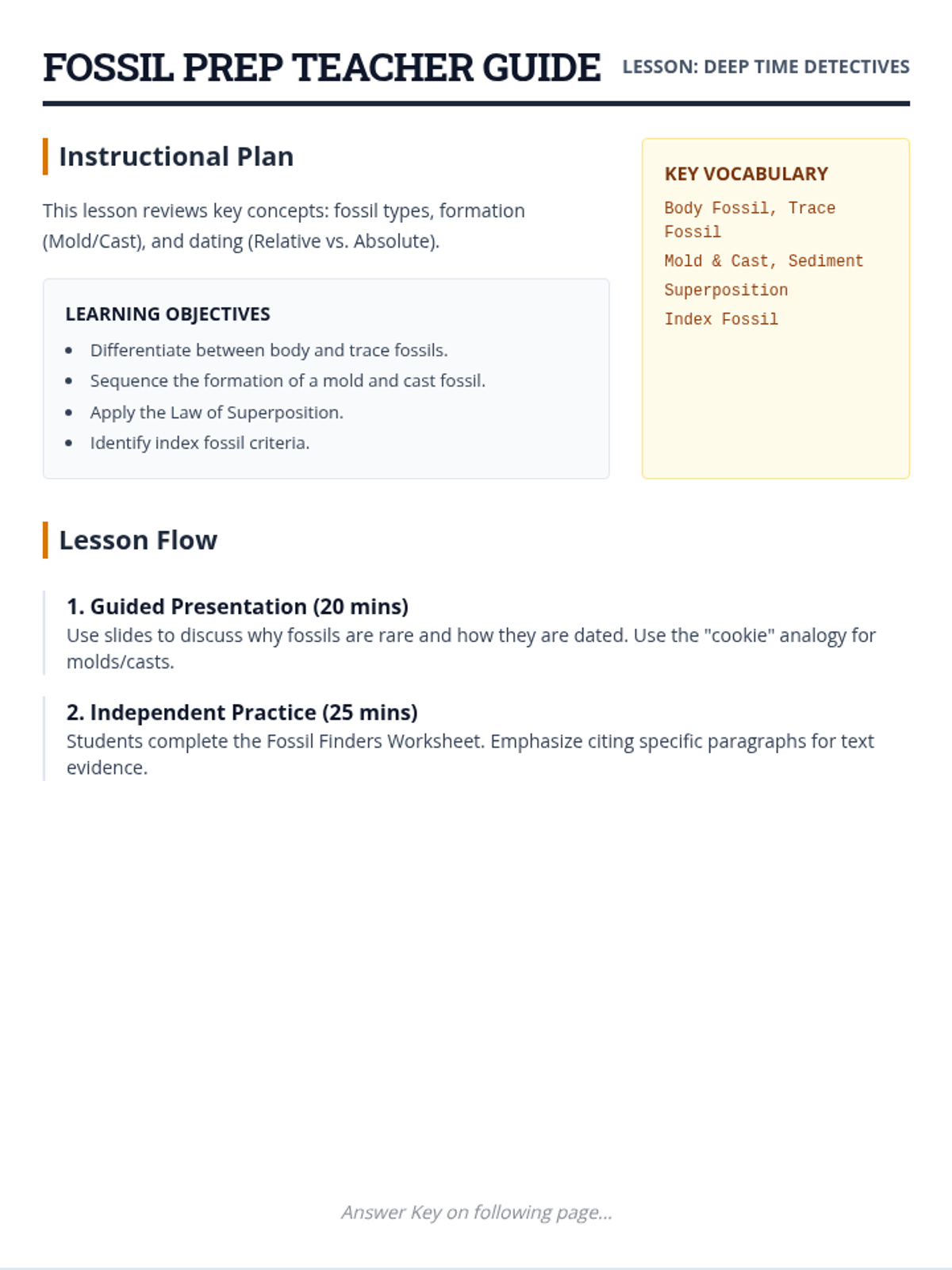
A comprehensive 4-hour independent study unit for 4th-grade students exploring how fossils provide evidence of past environments and extinct species. Students take on the role of 'Deep Time Detectives' to analyze clues from the Earth's history.
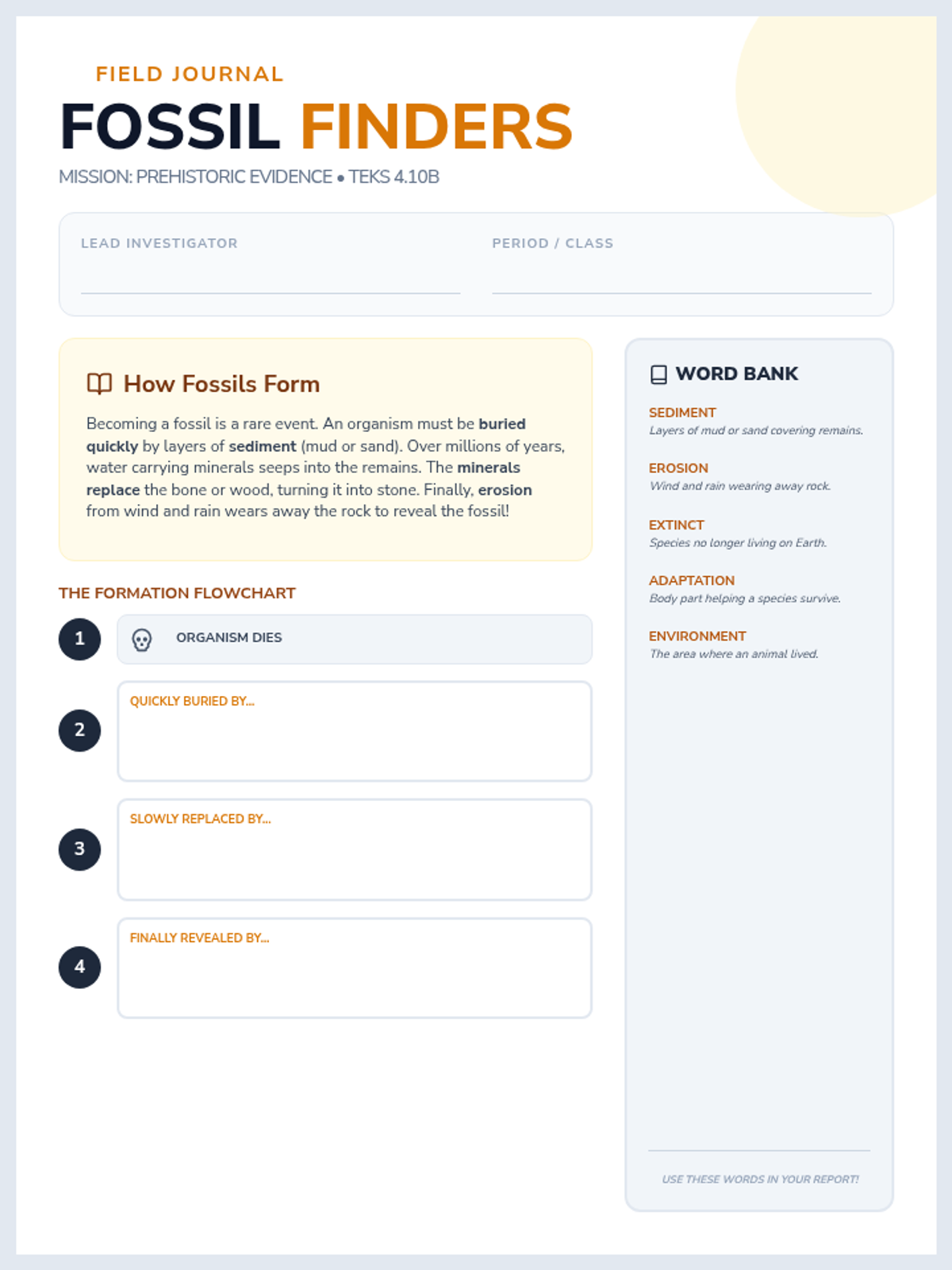
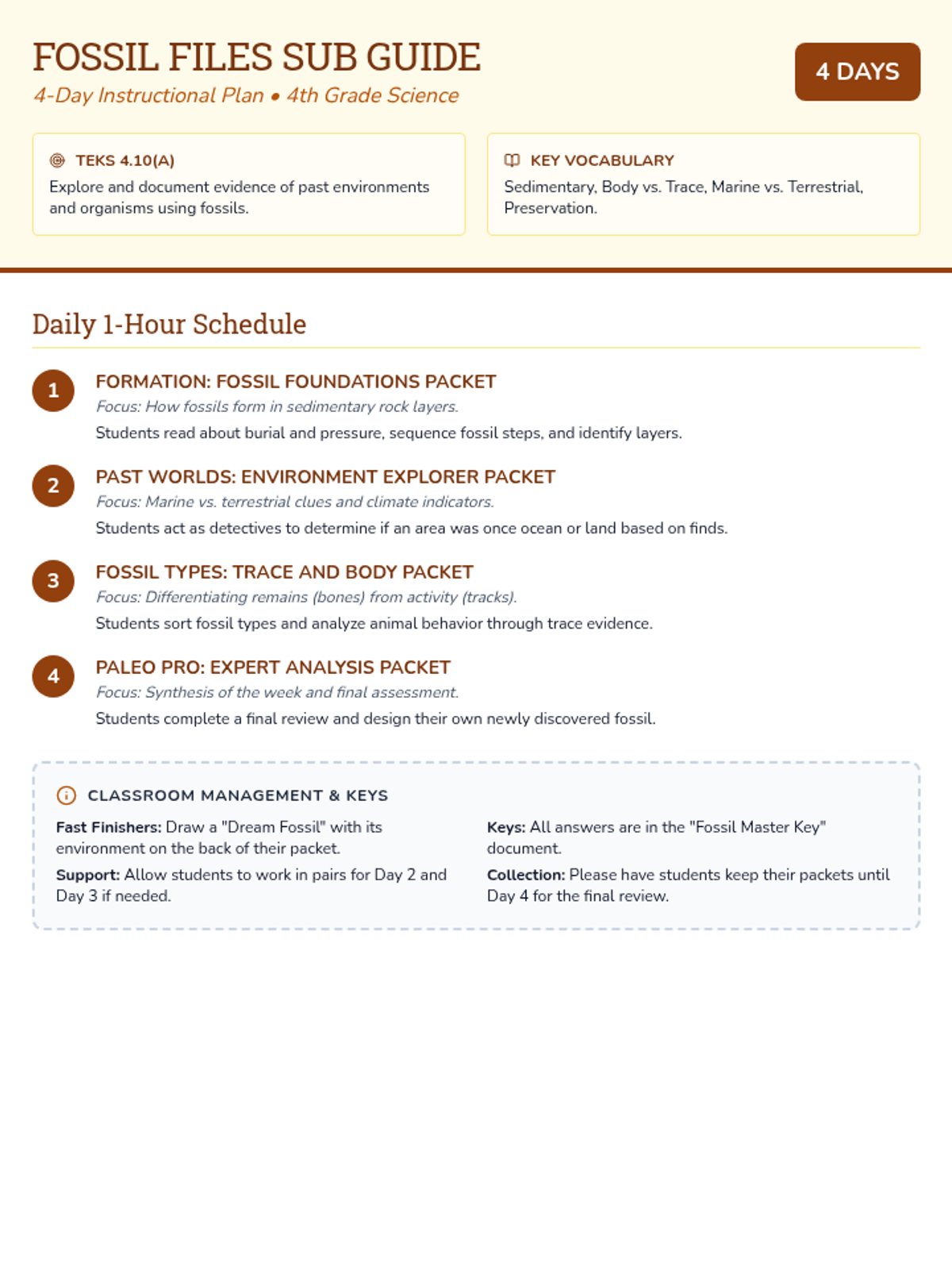
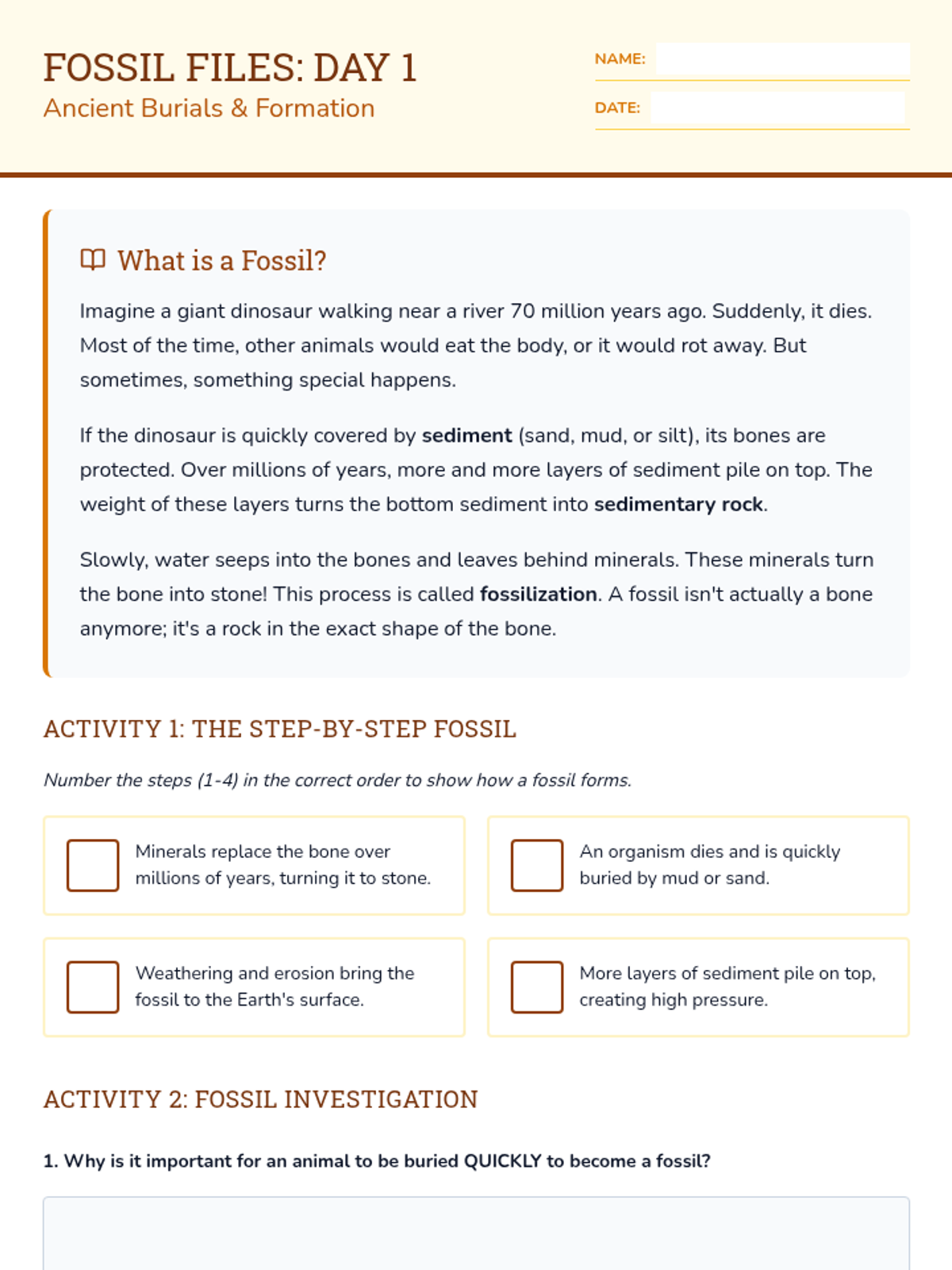
A comprehensive 4-day science unit on fossils and past environments, designed for independent student work during substitute teacher blocks. Students explore fossil formation, identify past environments from fossil evidence, and differentiate between body and trace fossils.
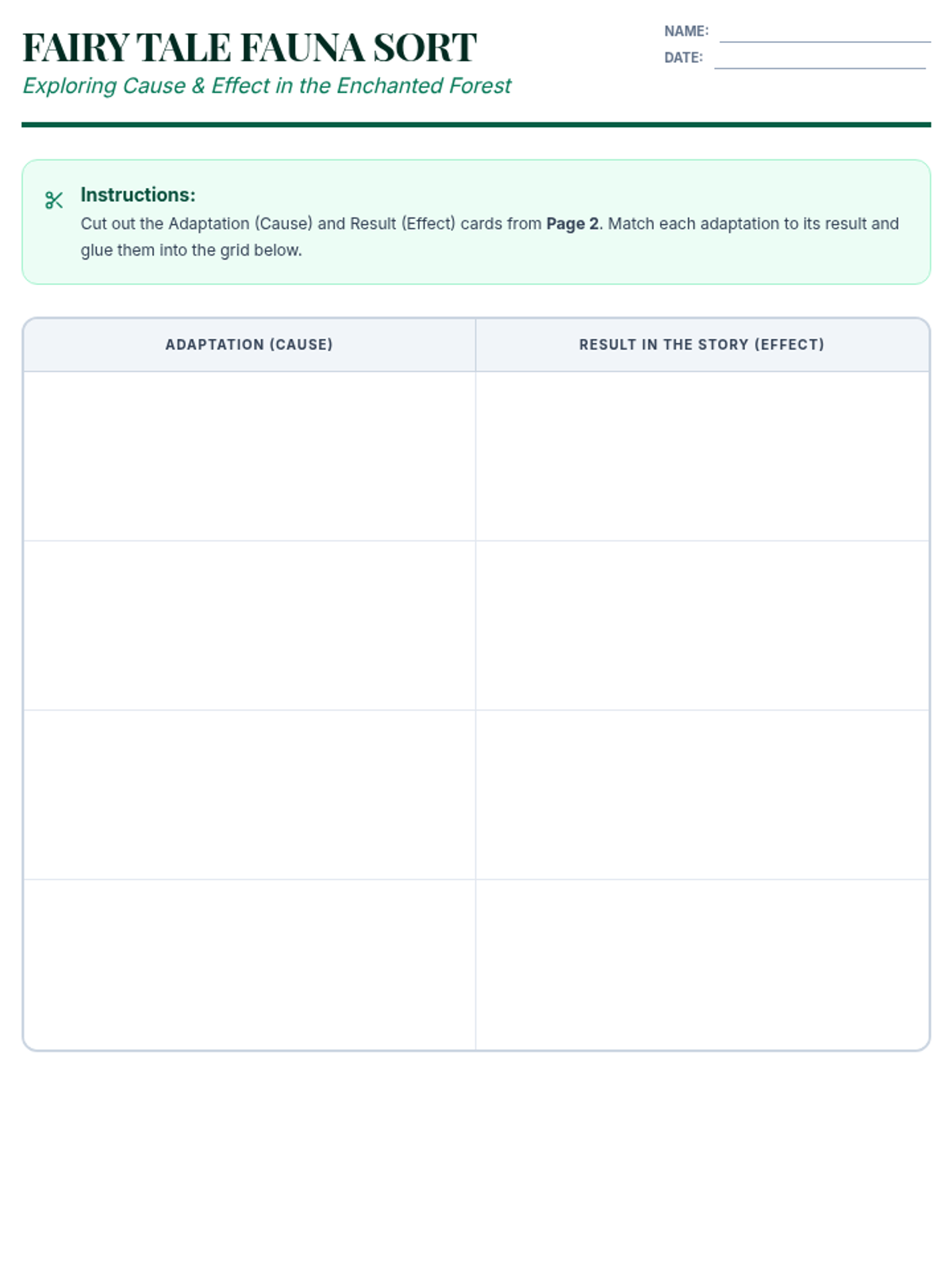
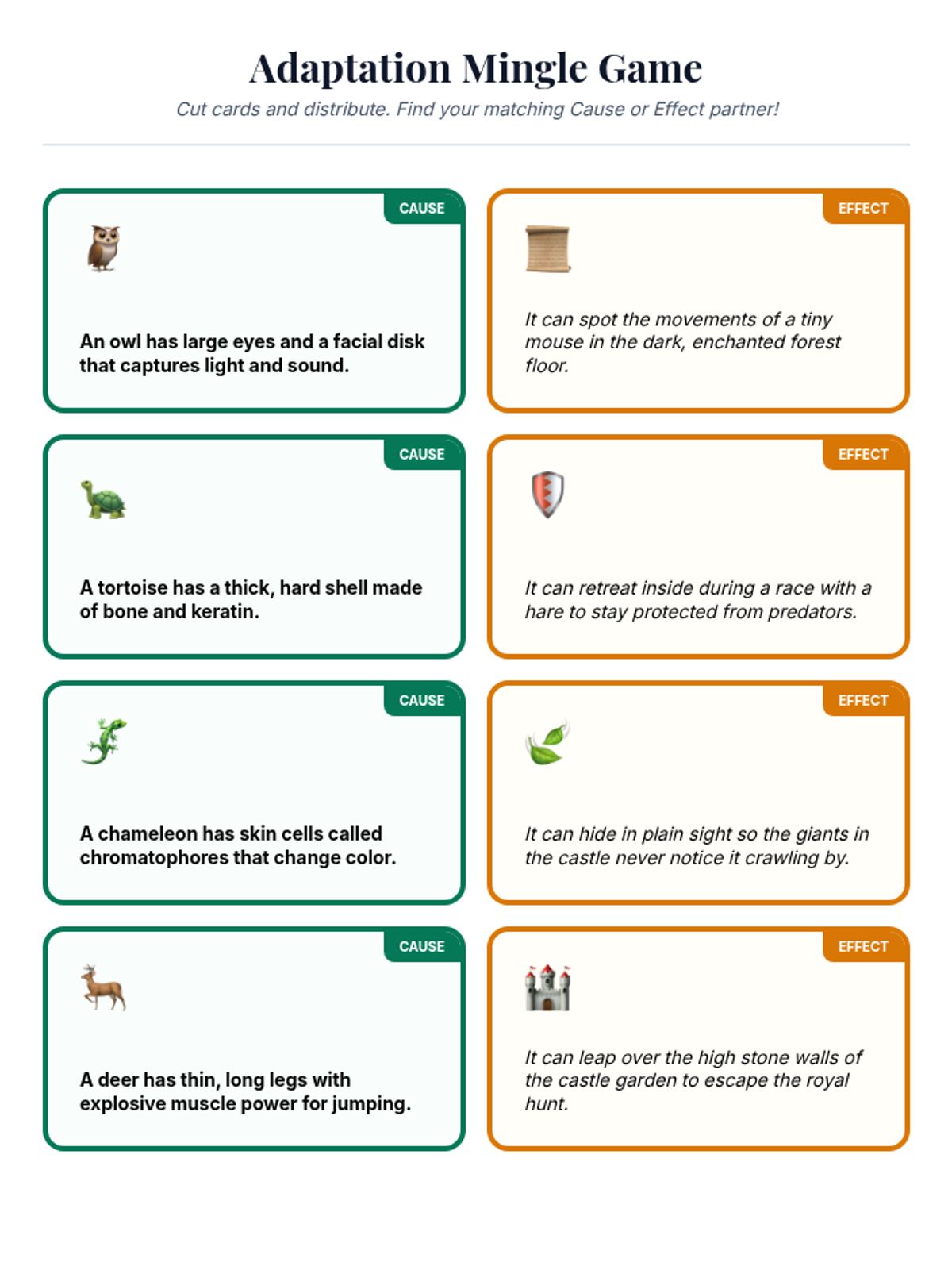
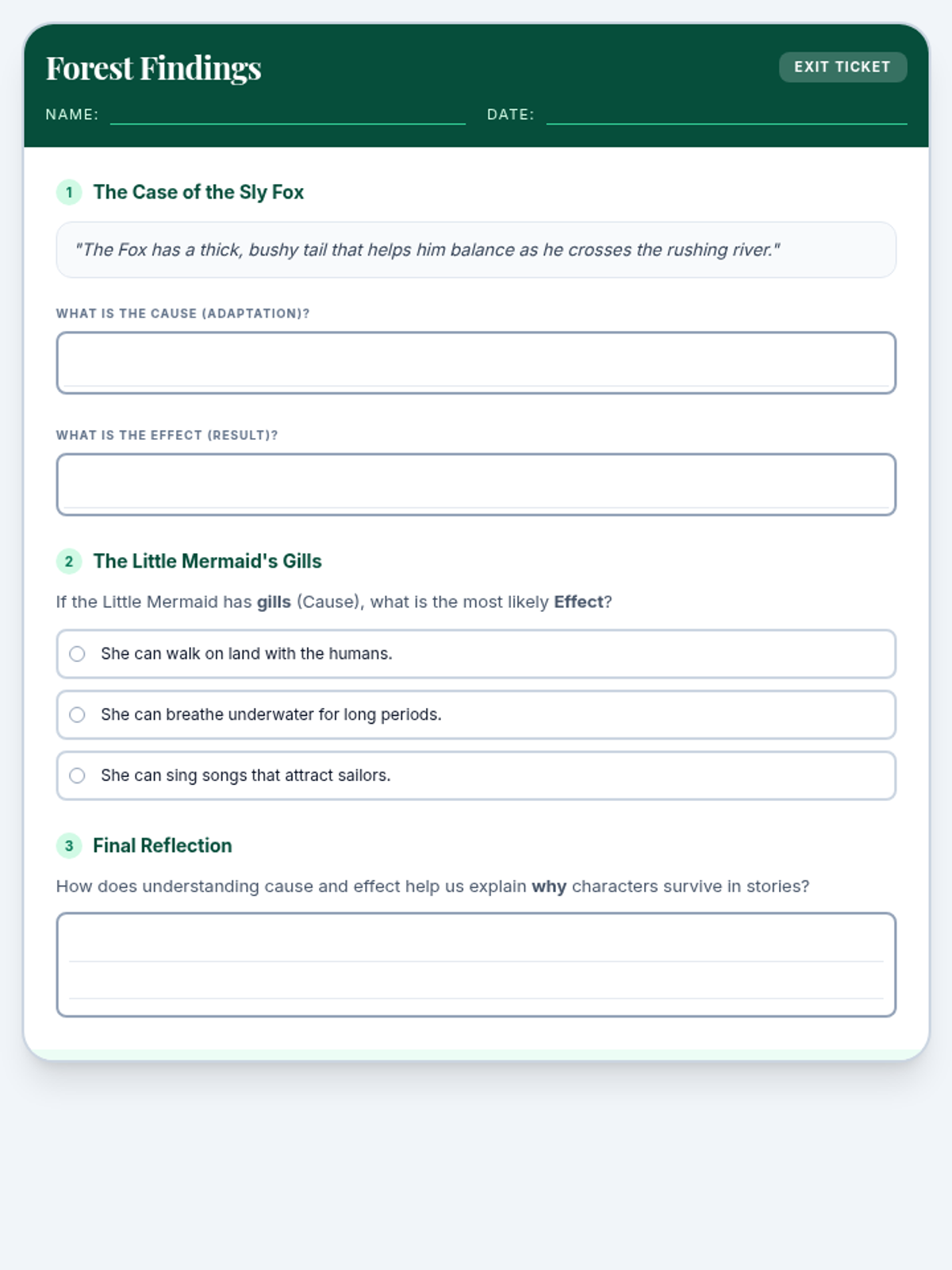
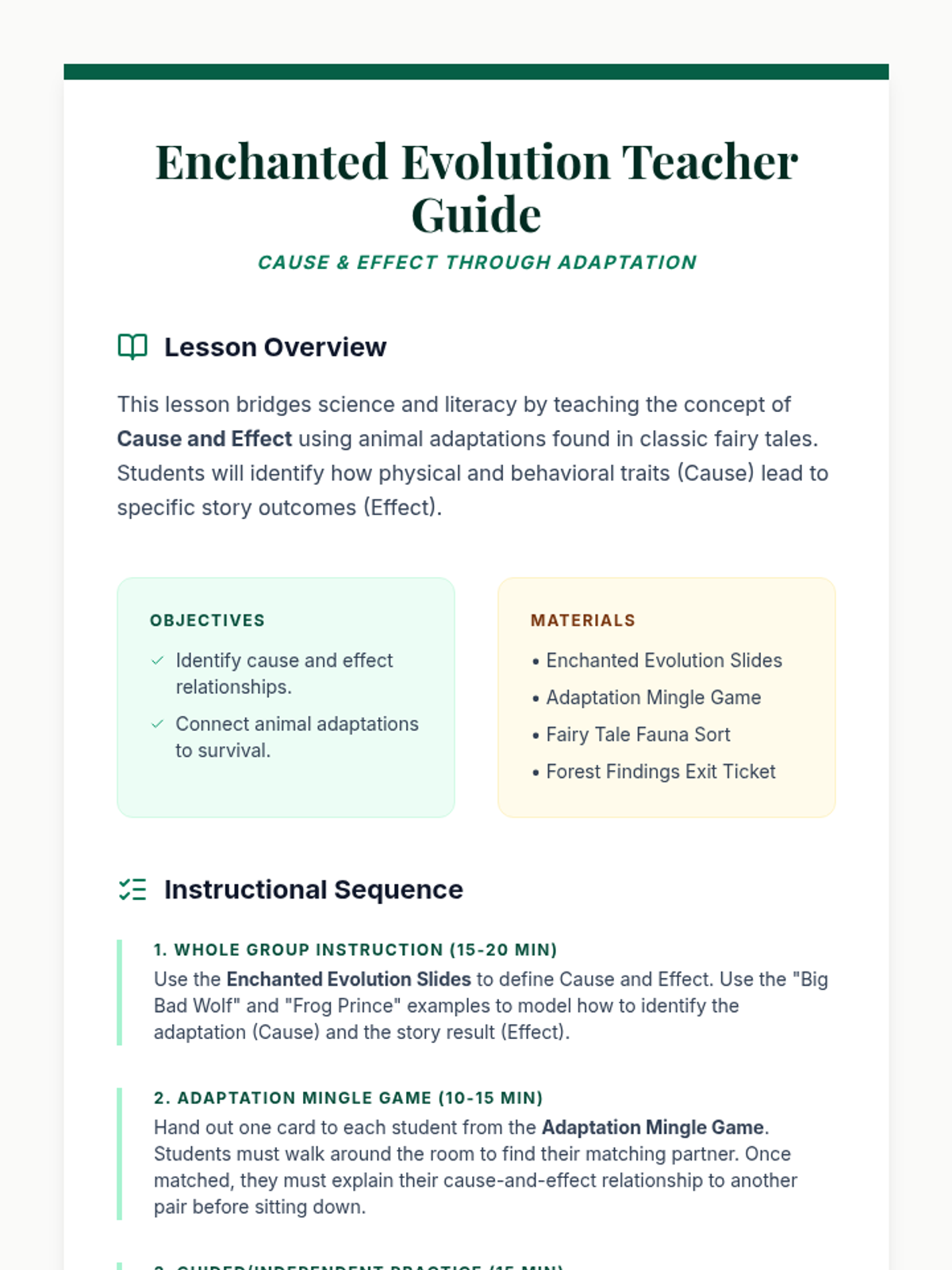
A unit blending biological science with literacy, exploring cause and effect through the lens of animal adaptations in classic fairy tale settings.
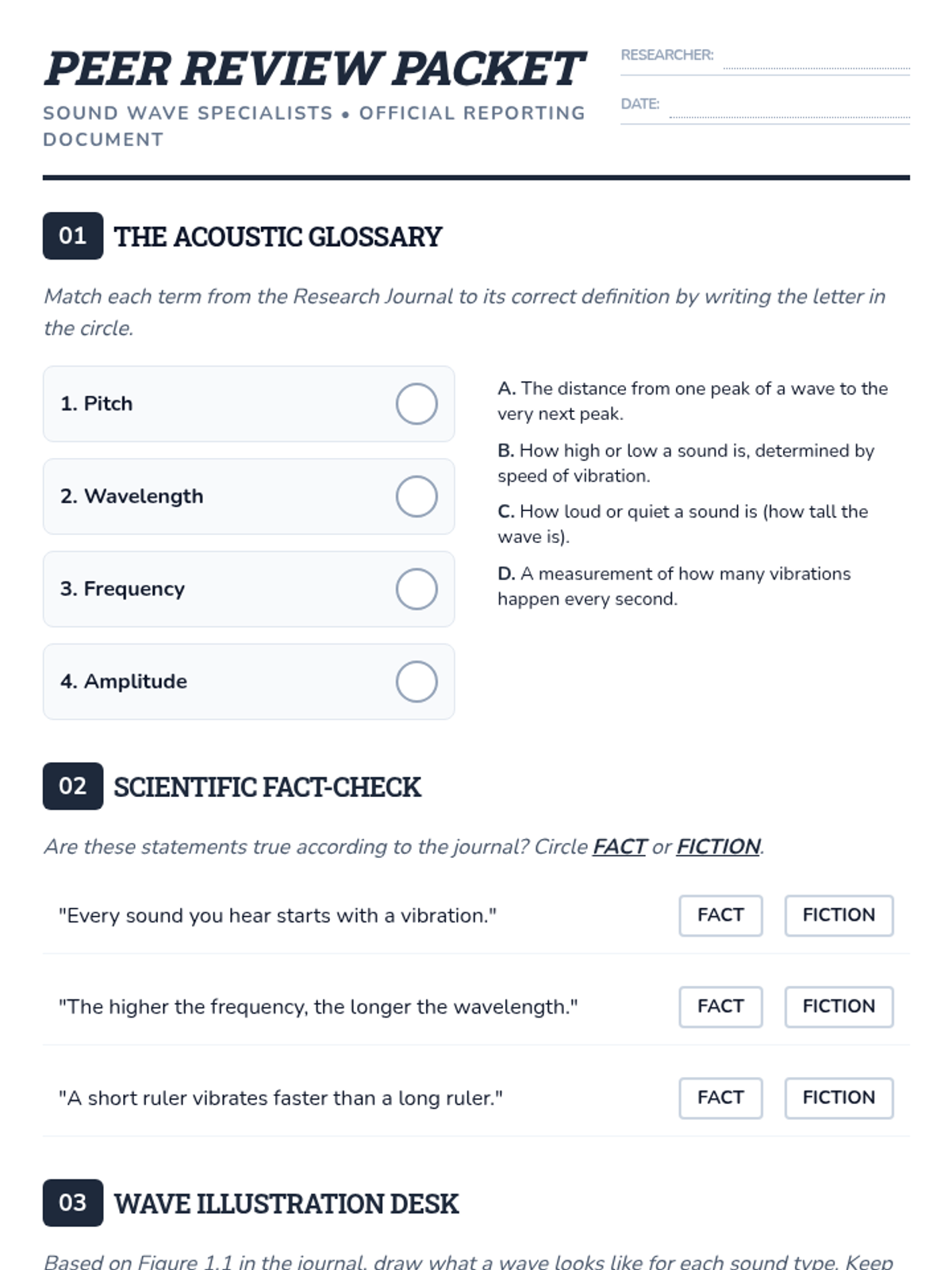
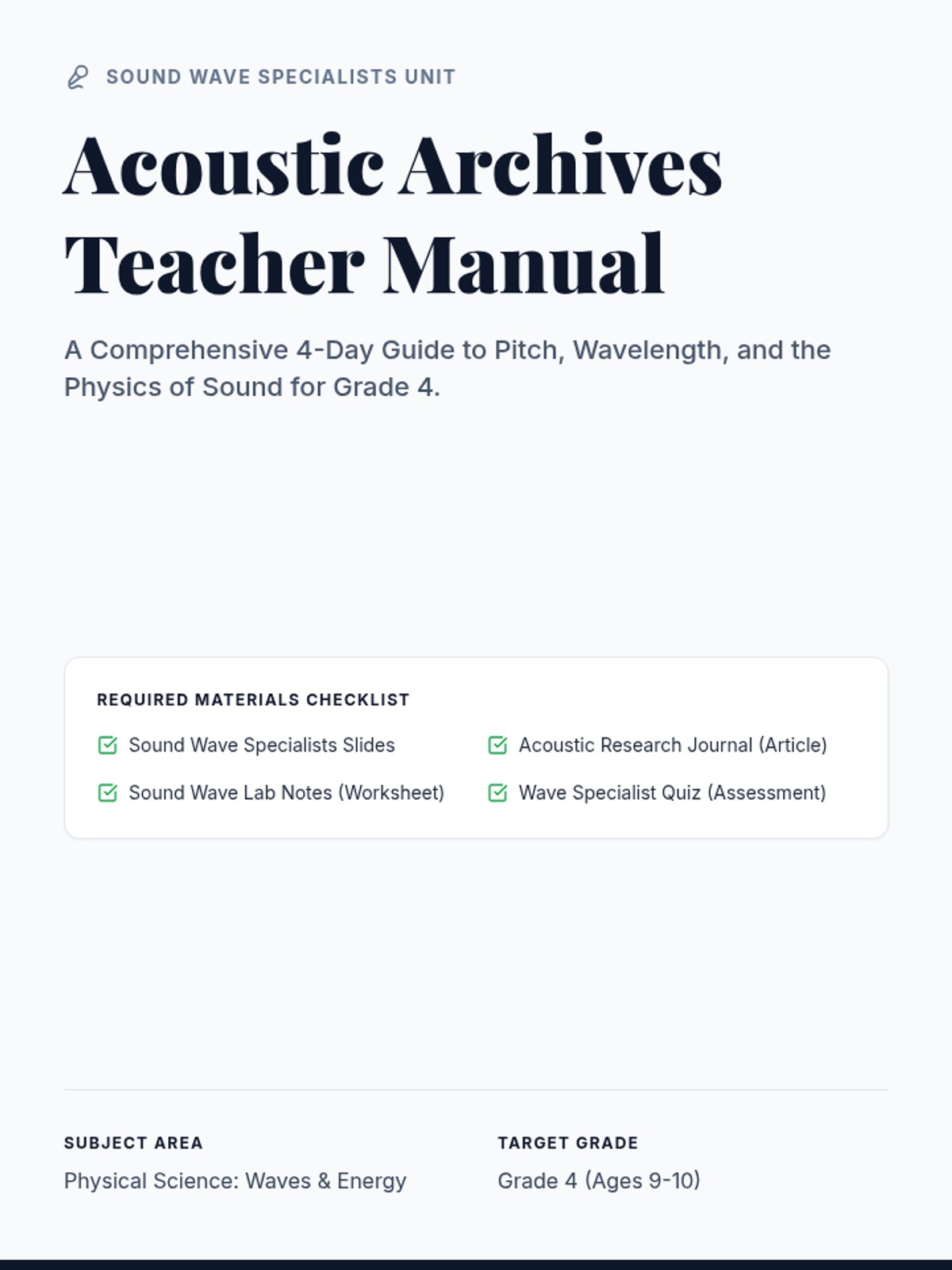
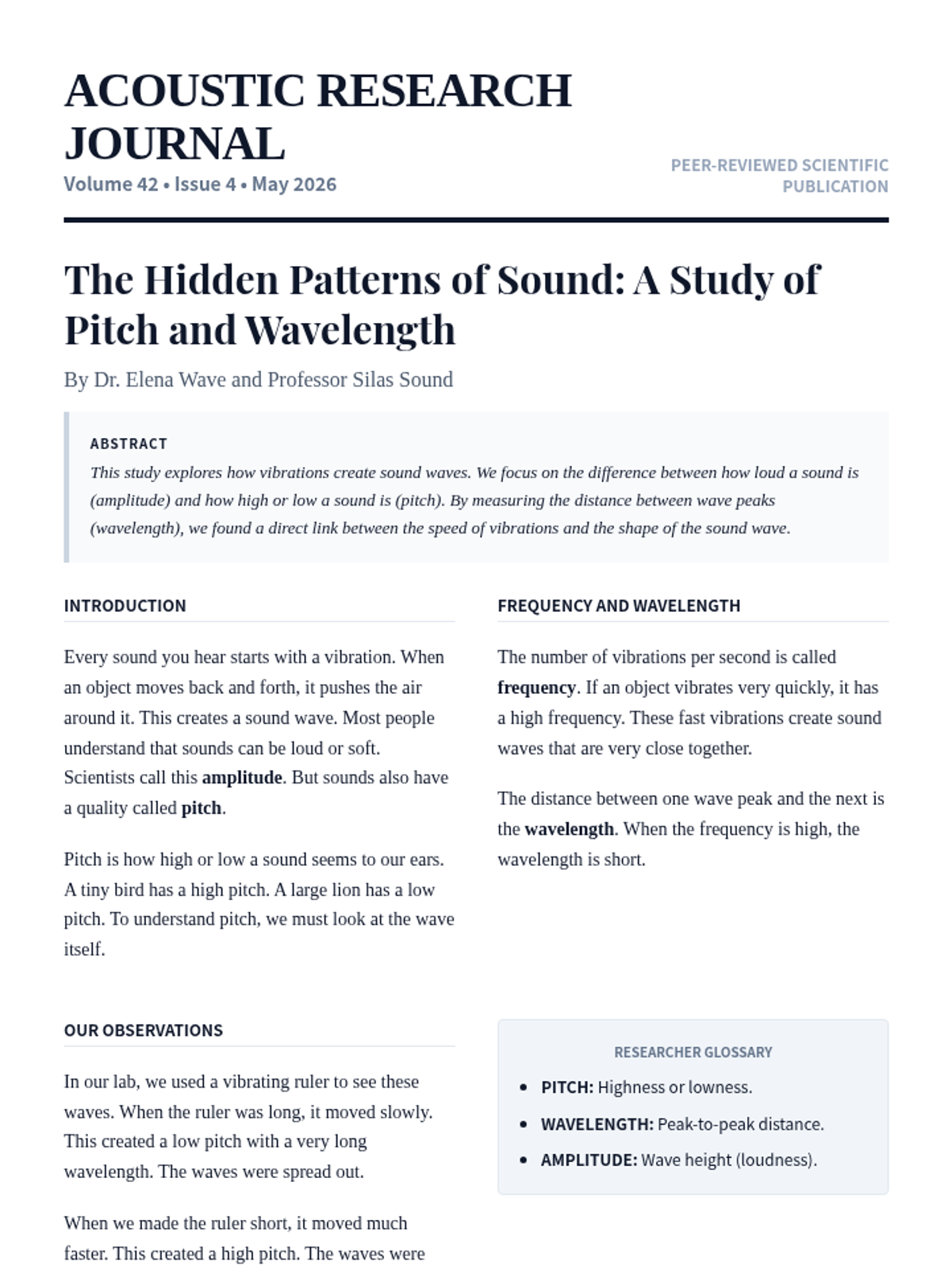
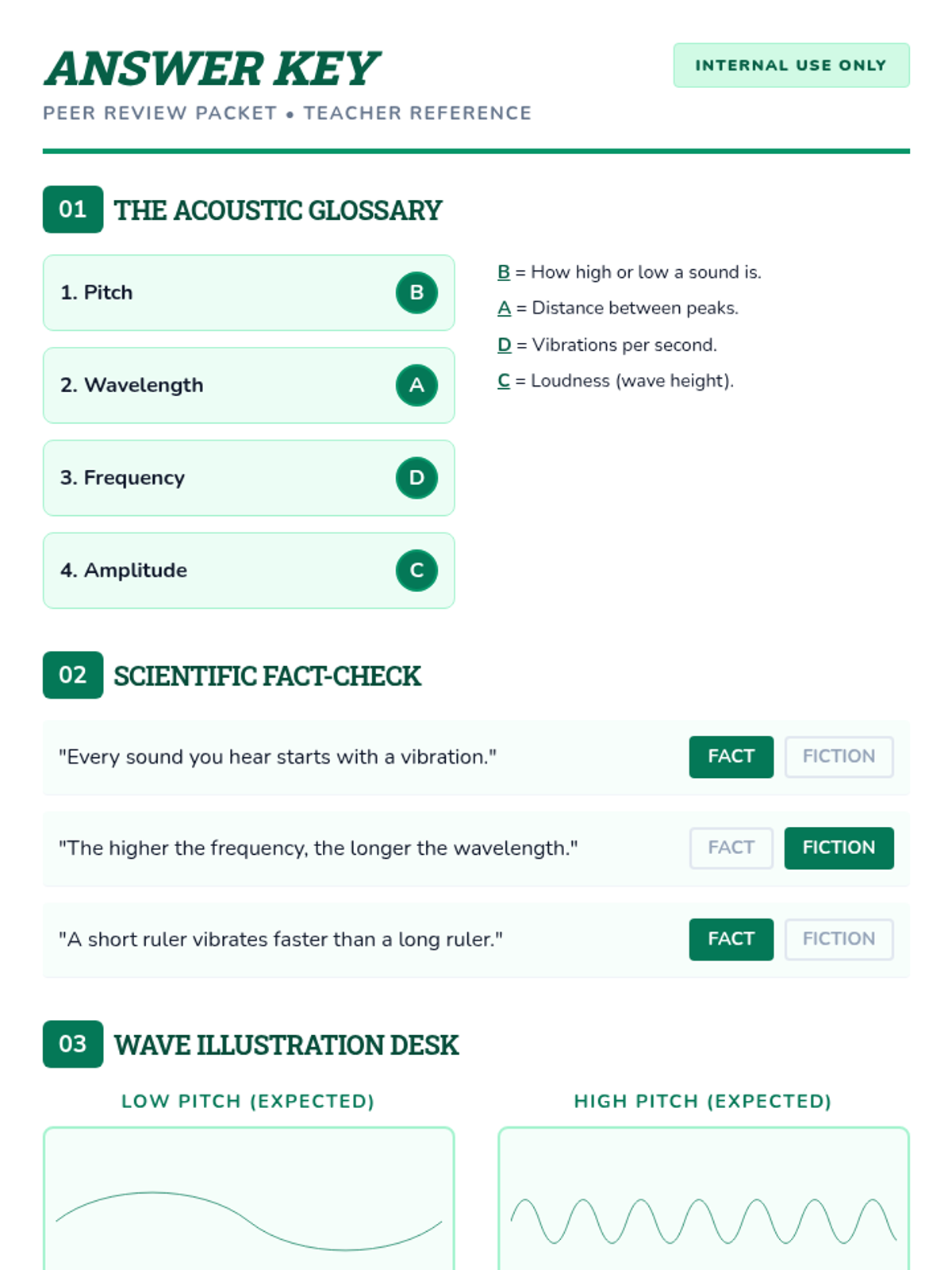
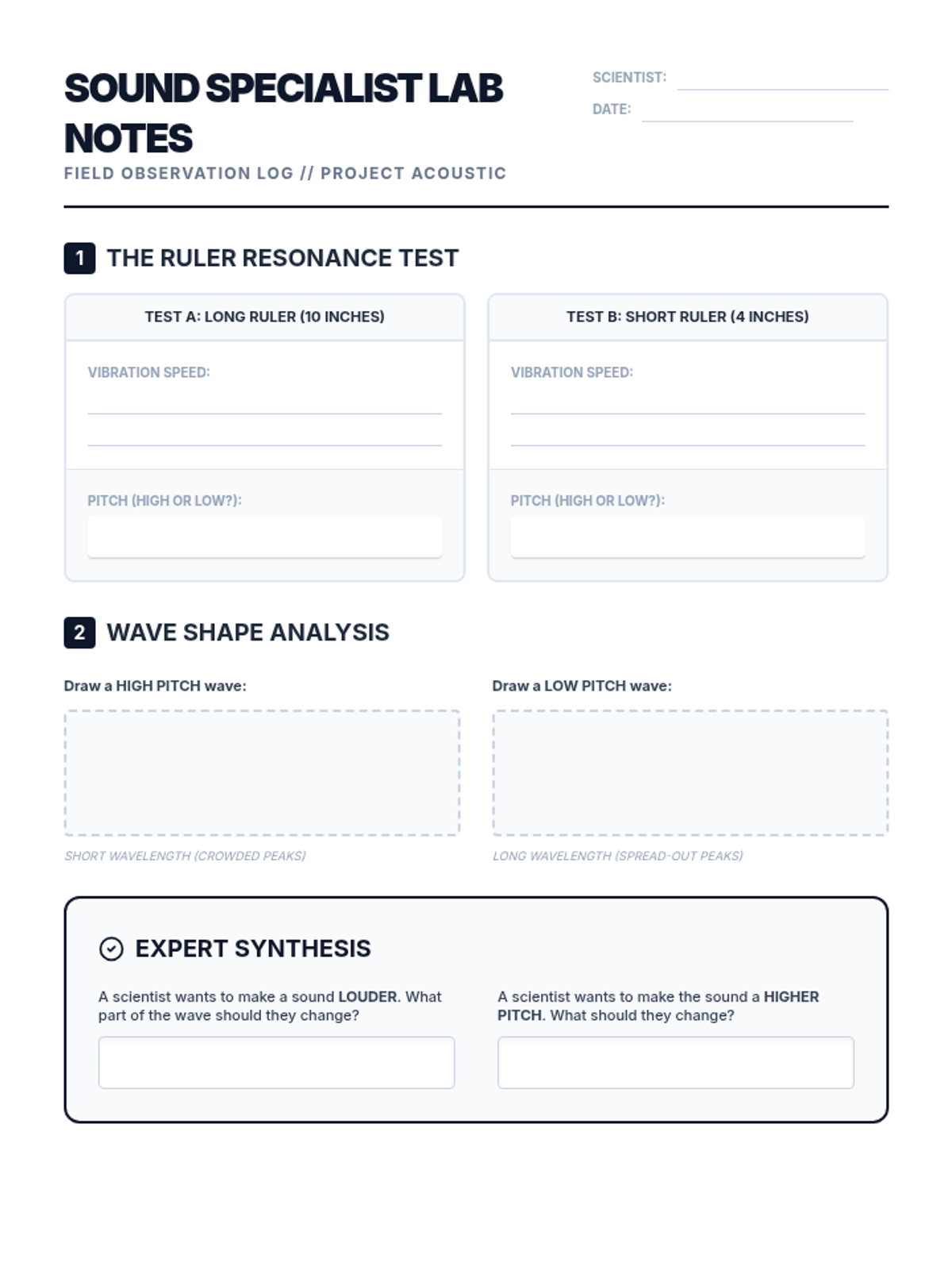
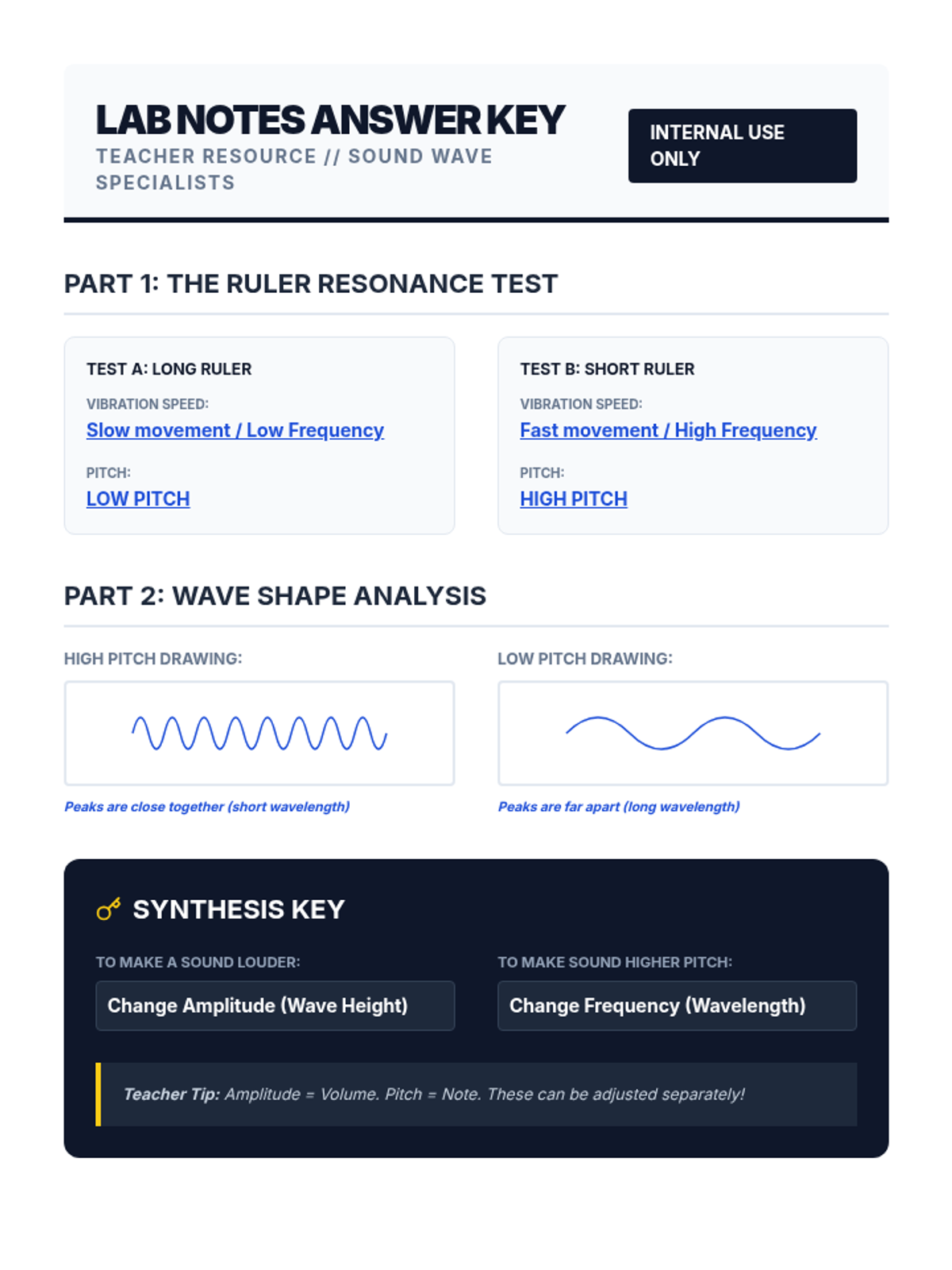
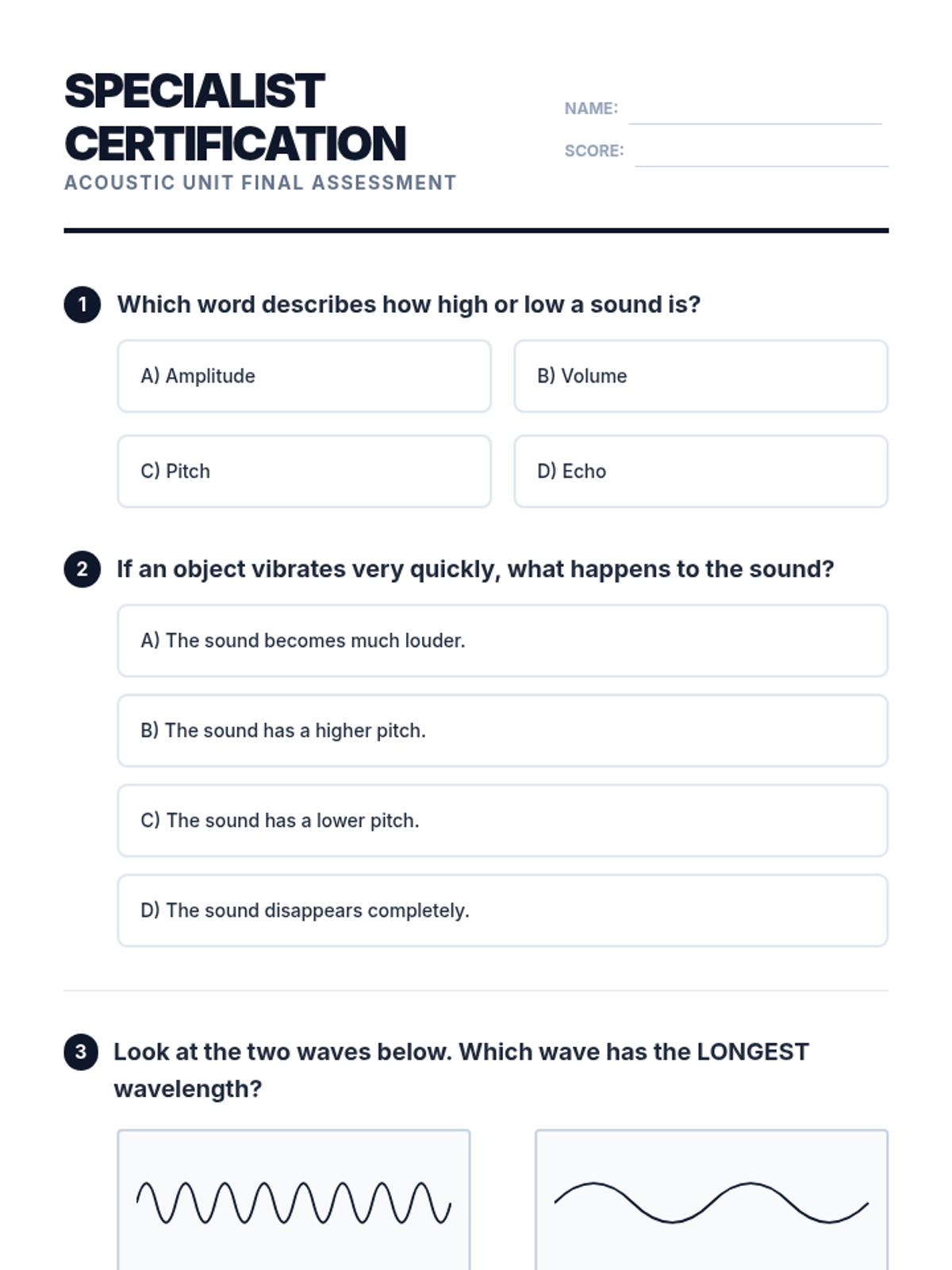
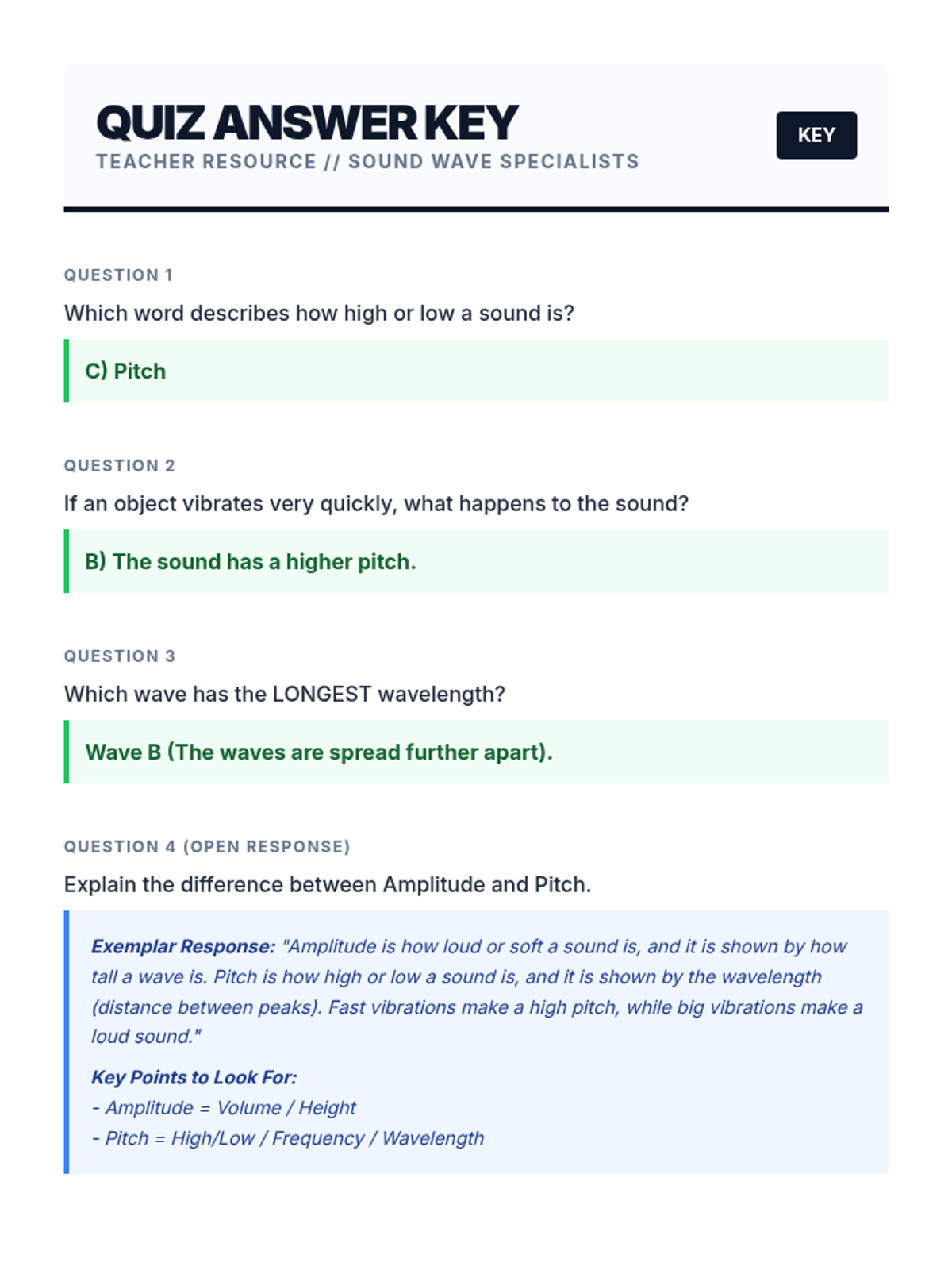
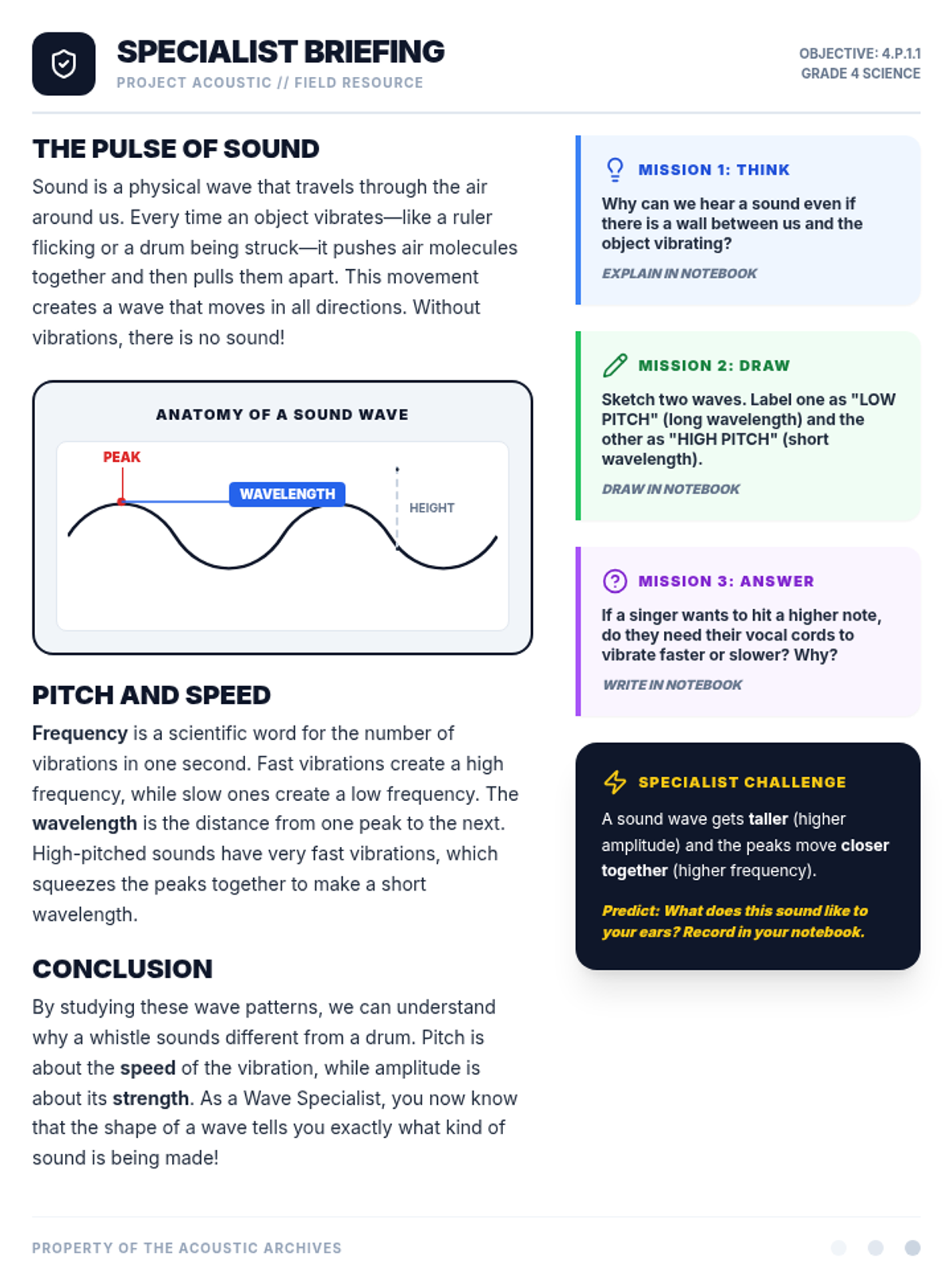
A four-day instructional unit for 4th-grade students exploring the relationship between pitch, wavelength, and frequency, comparing these concepts to previously learned amplitude. Students engage with a professional-style scientific journal article, hands-on demonstrations, and visual wave modeling.
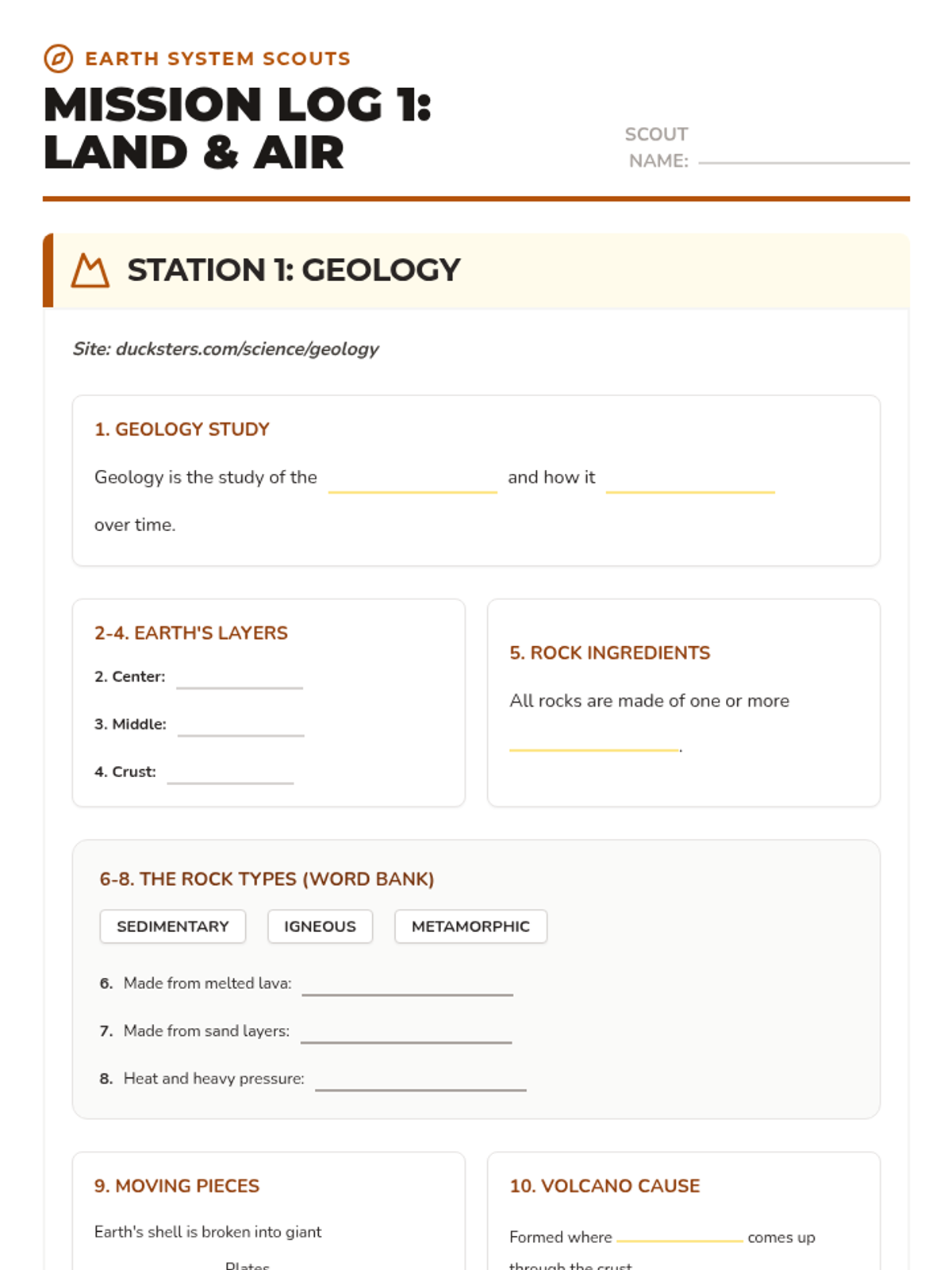
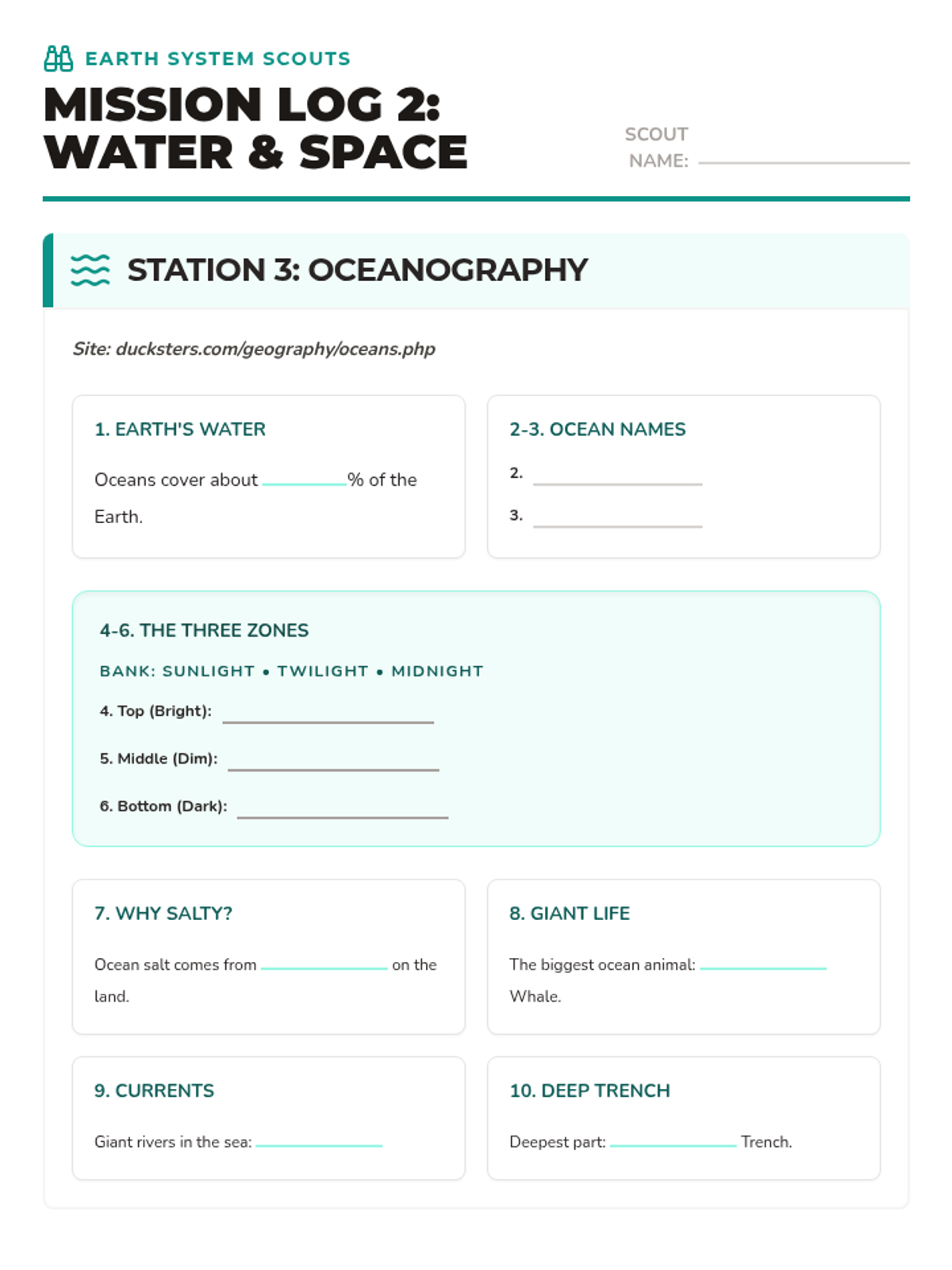
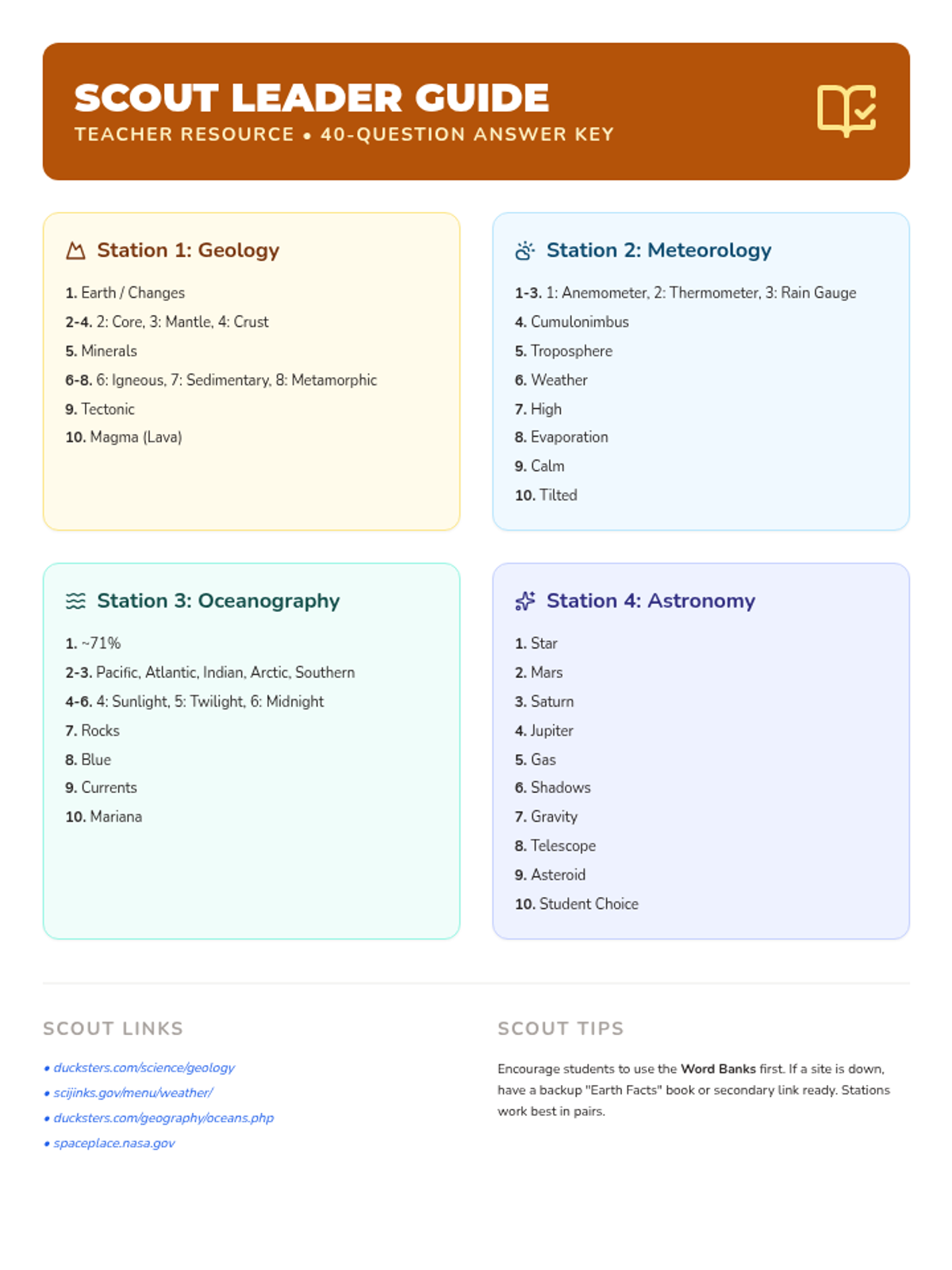
A foundational exploration of the four main branches of Earth Science through a multi-day digital scavenger hunt designed for accessibility and engagement.
A comprehensive unit exploring how fossils form, how they are dated, and what they reveal about Earth's biological and geological history.
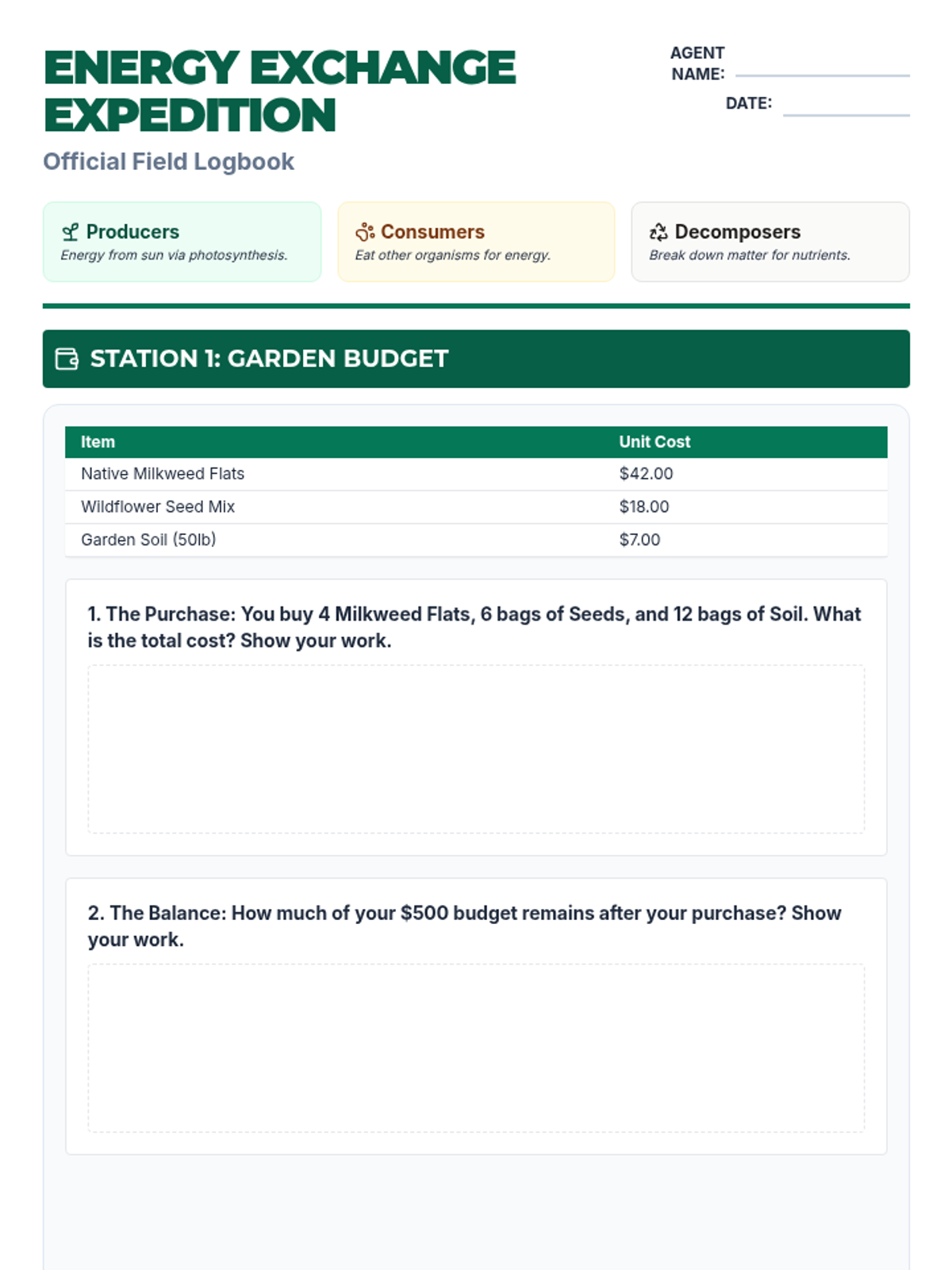
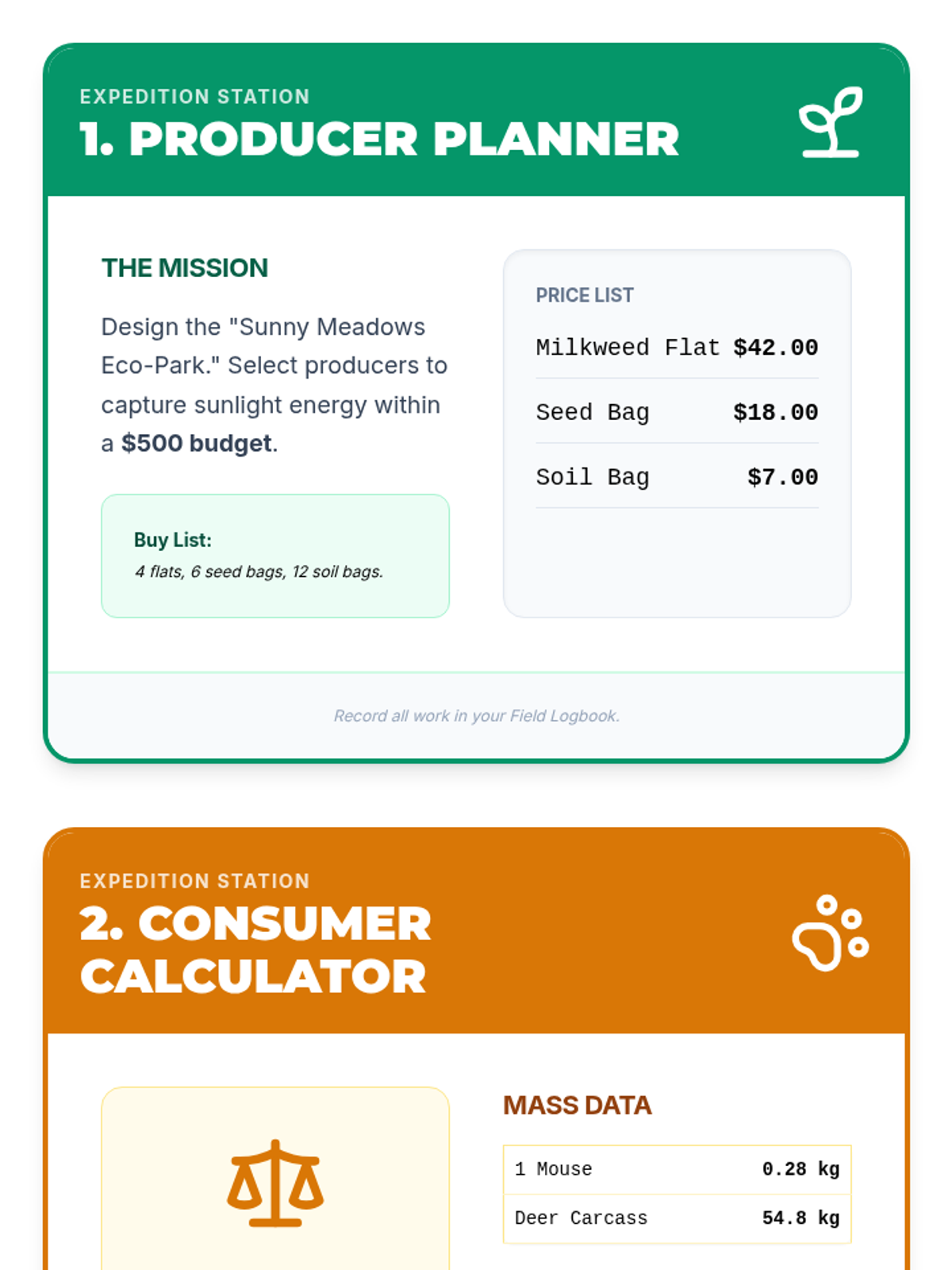
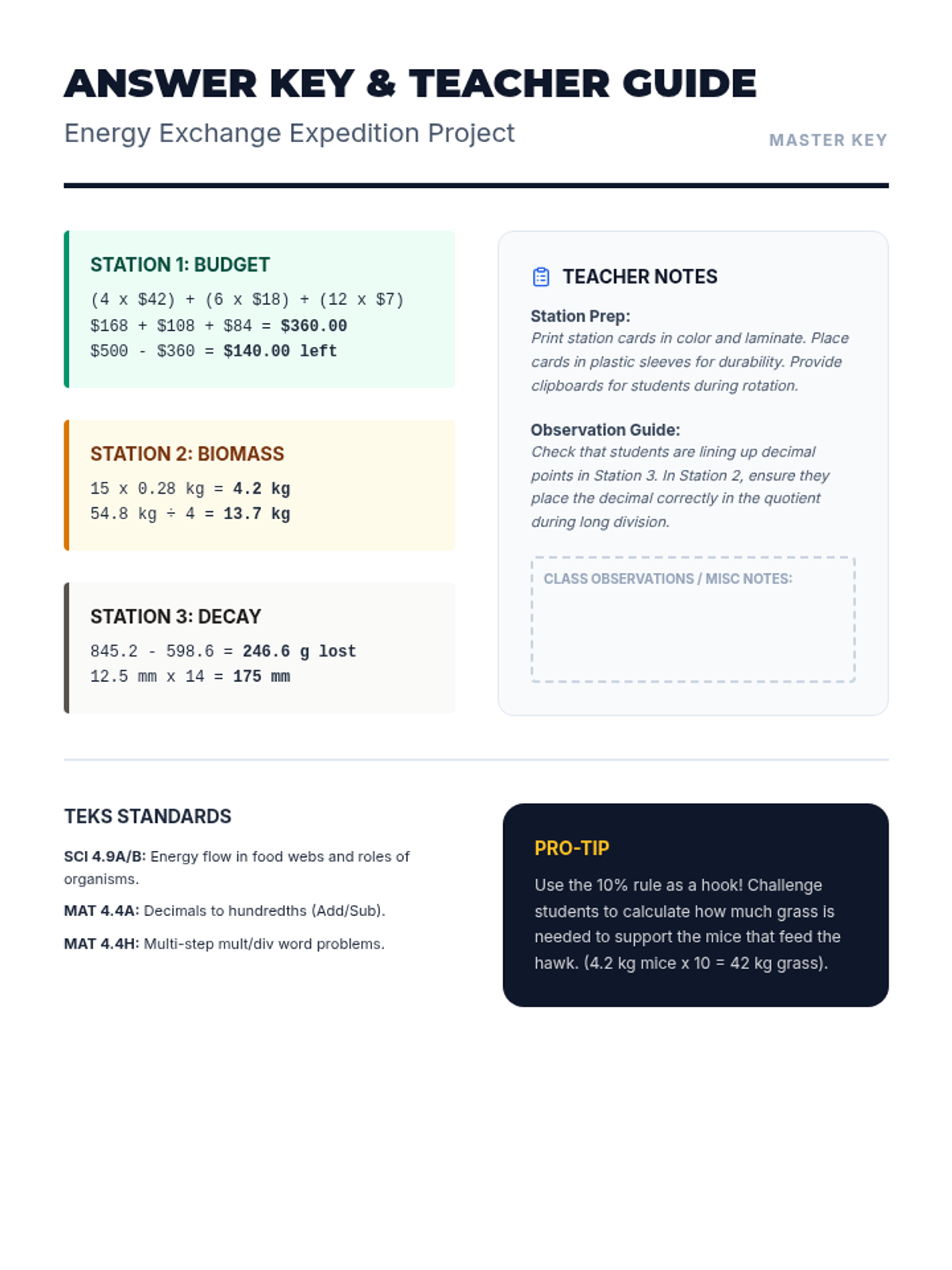
A comprehensive project-based learning unit integrating 4th-grade Science (Producers, Consumers, Decomposers) with multi-step math operations including decimals, budgeting, and biomass data analysis.
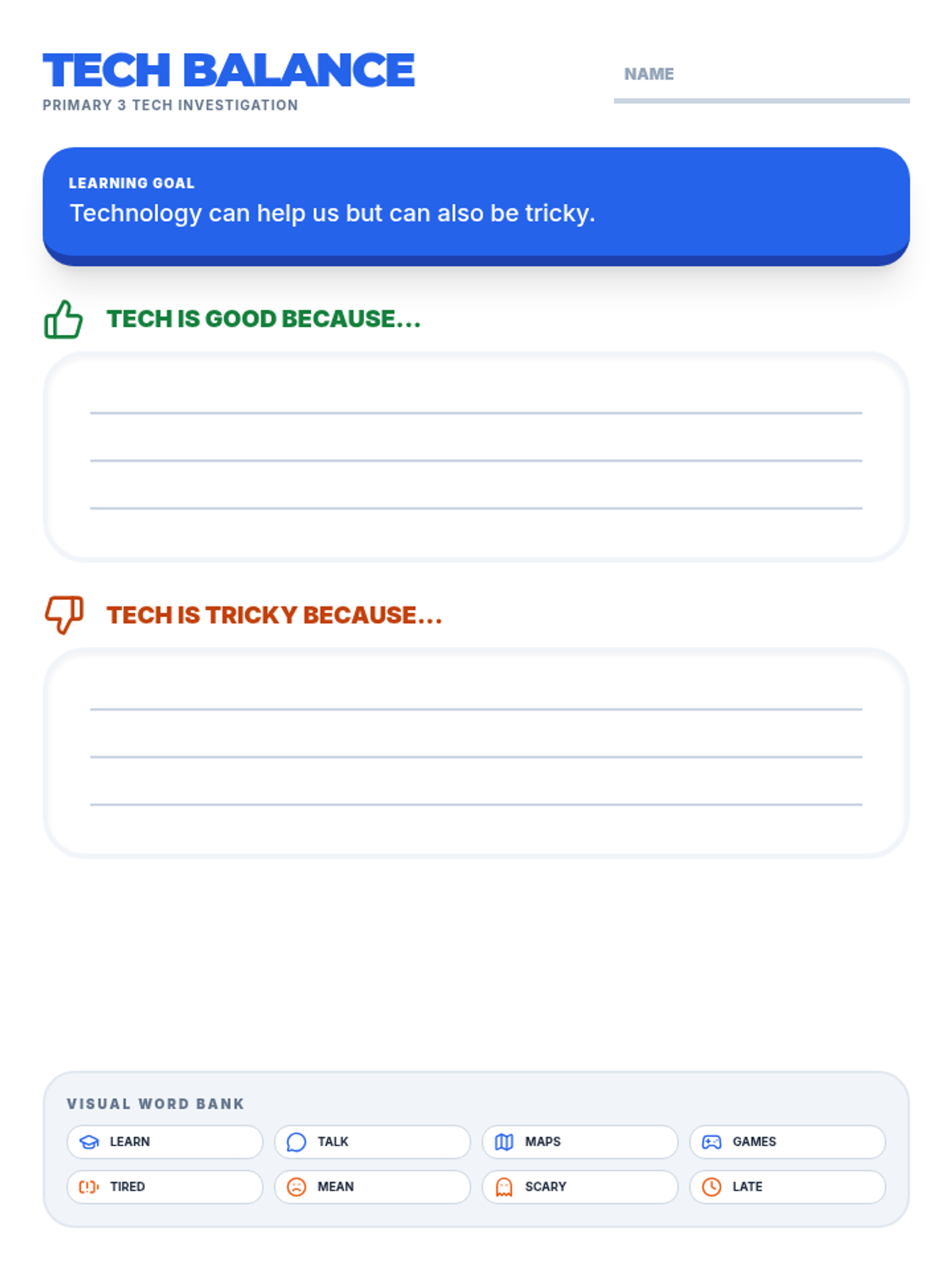
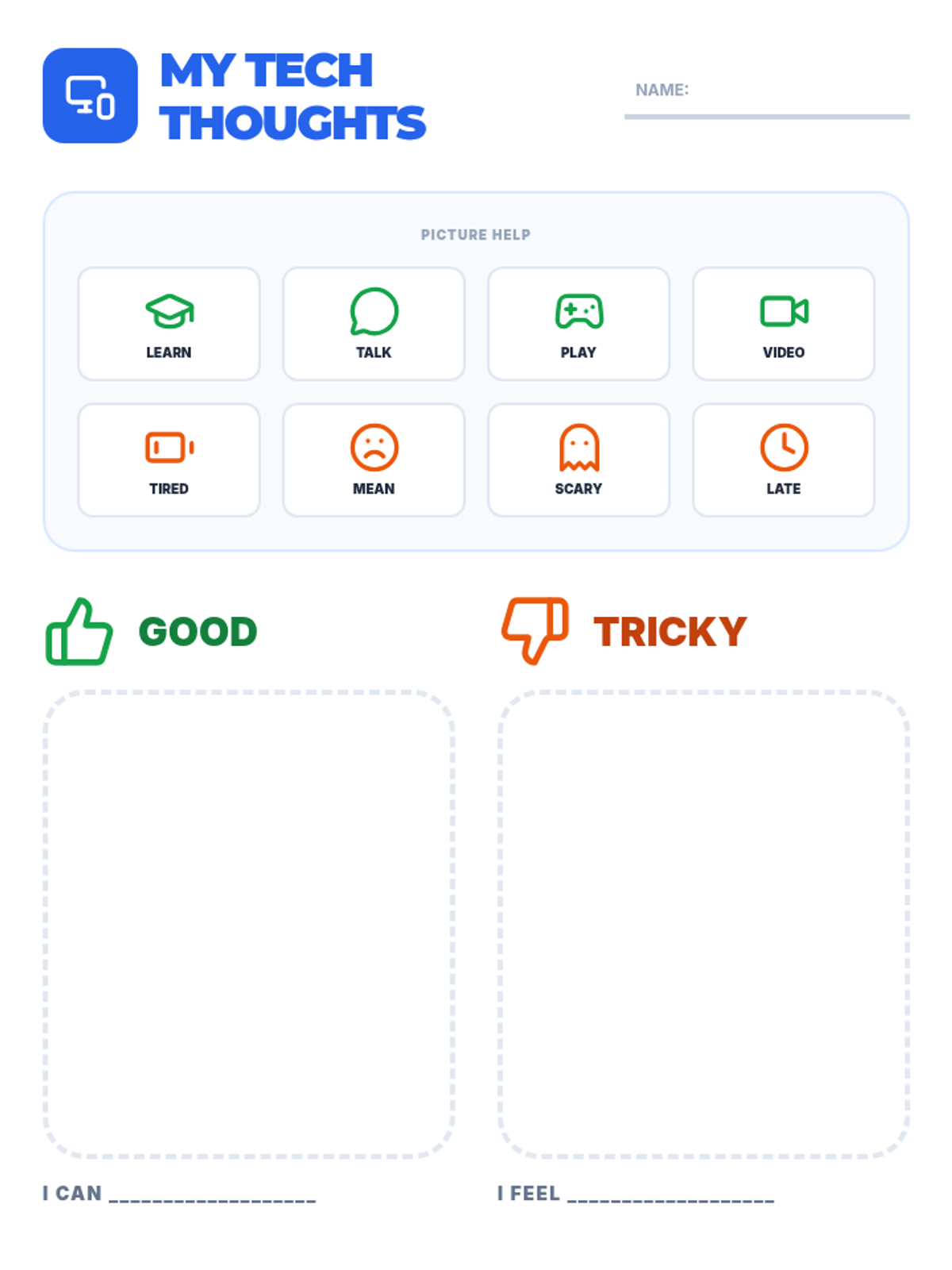
A two-part technology sequence for Primary 3 students exploring the dual nature of technology and the engineering design process for creating helpful inventions.
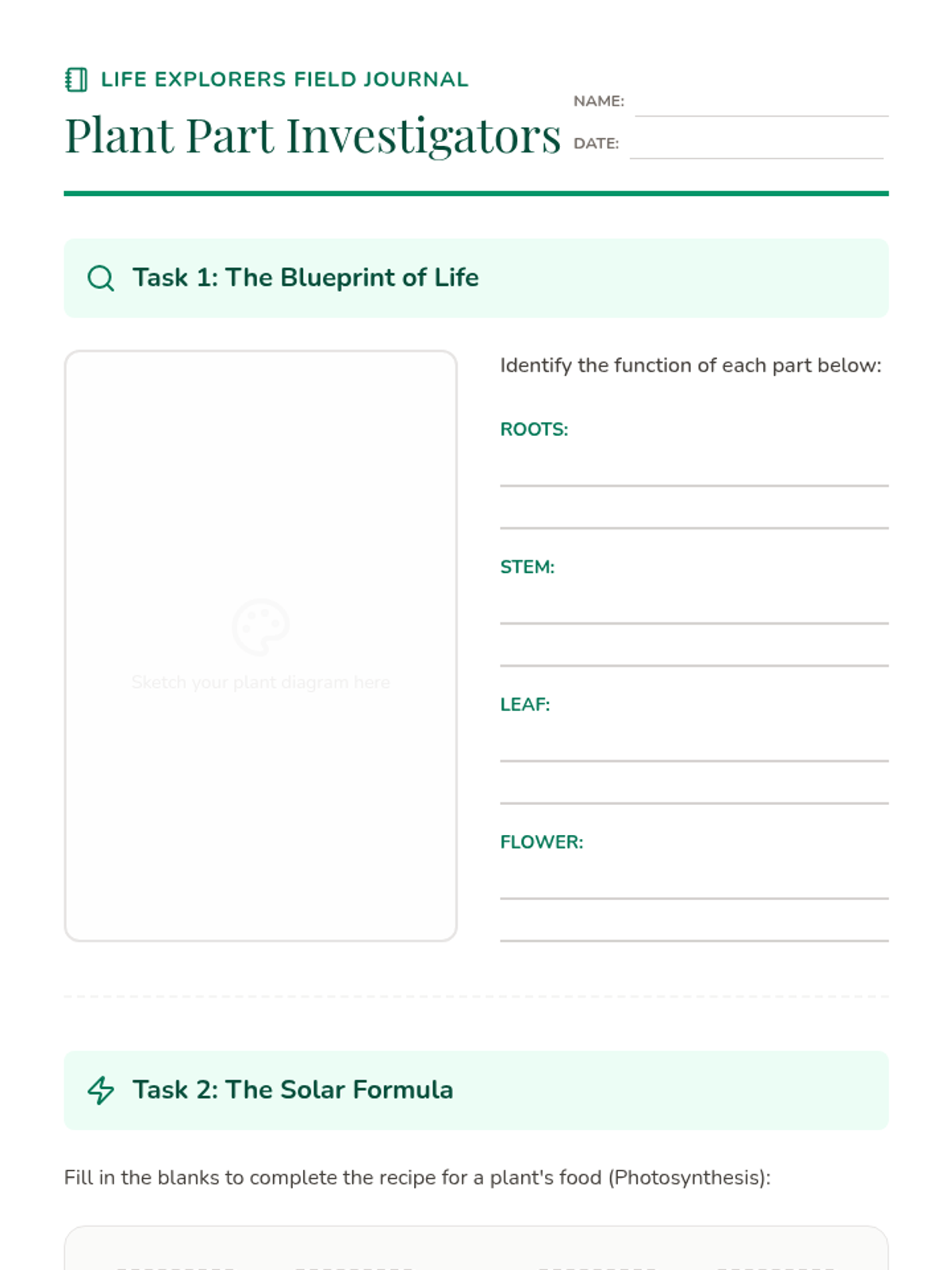
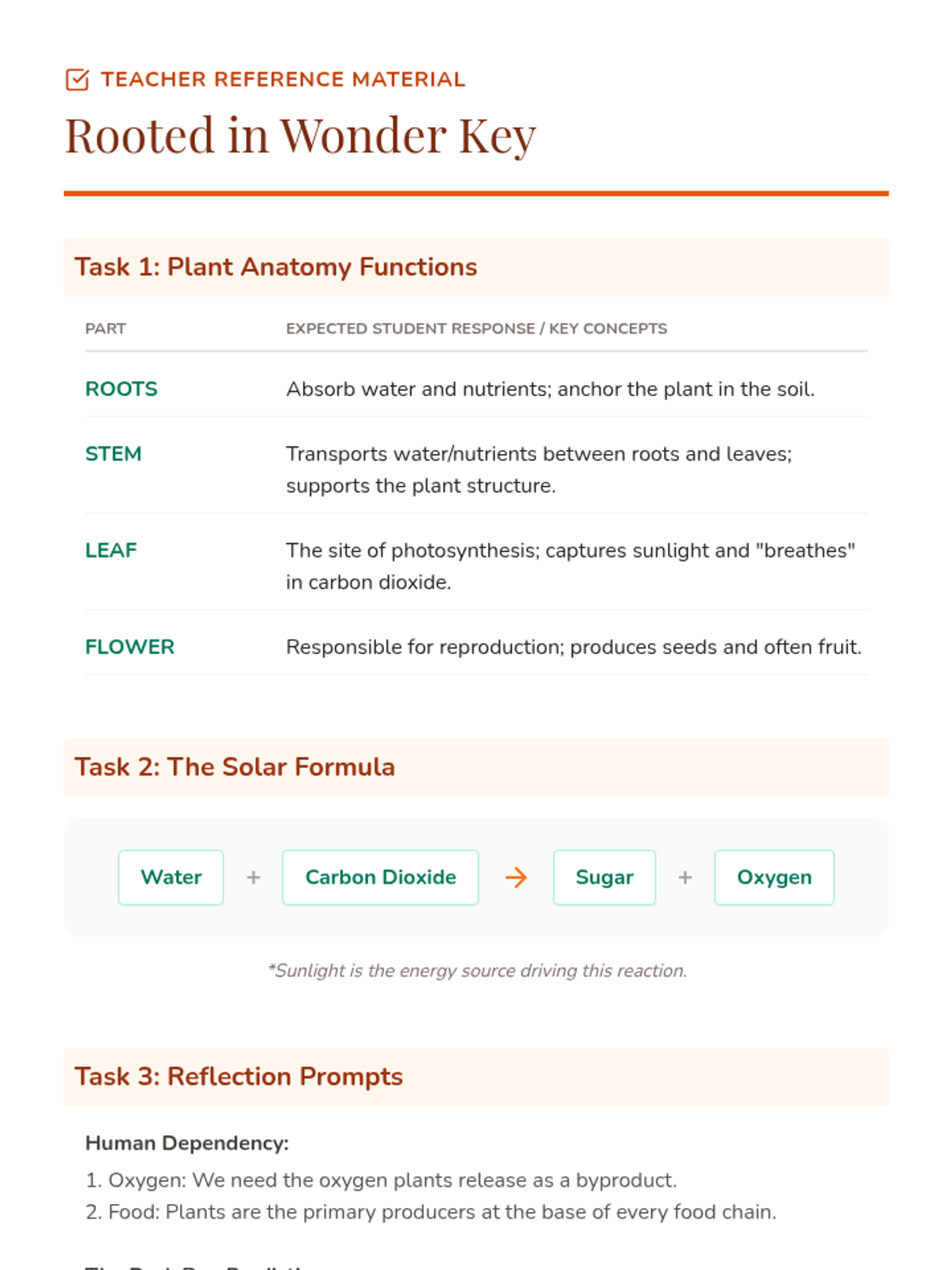
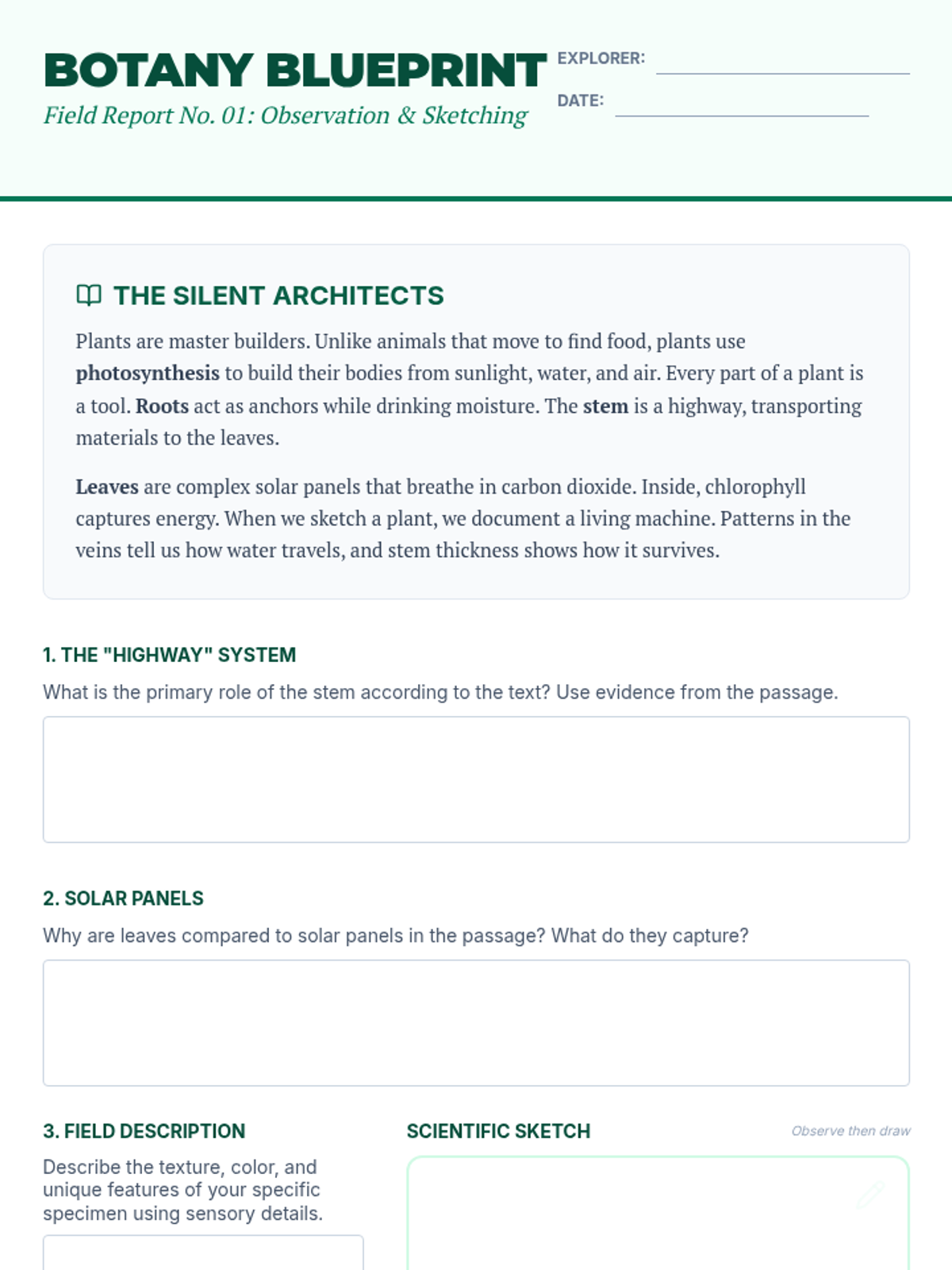
A comprehensive life science sequence exploring plant biology, animal adaptations, and ecosystem dynamics through the lens of a field explorer. Students investigate the natural world, documenting their findings like real scientists.
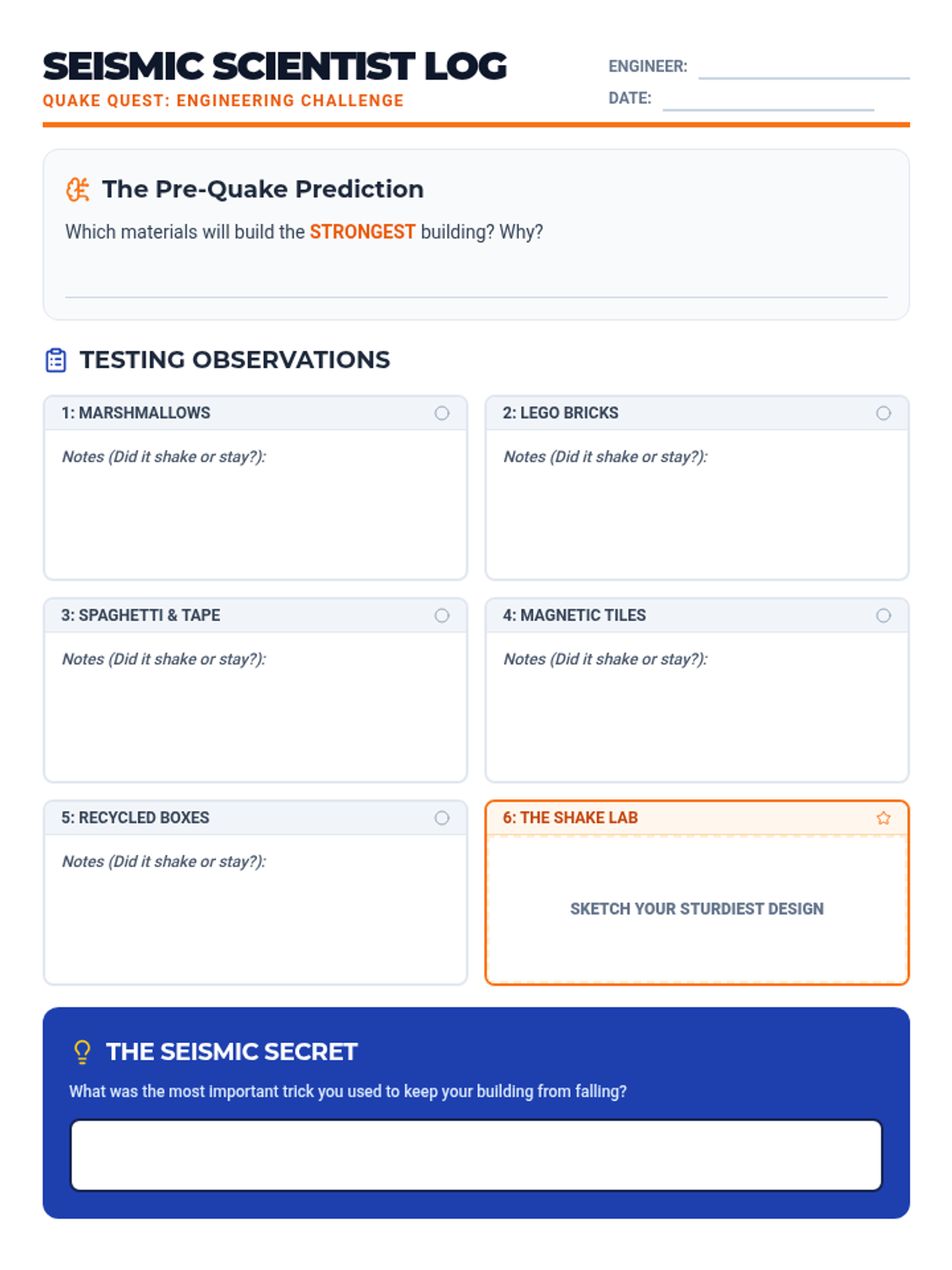
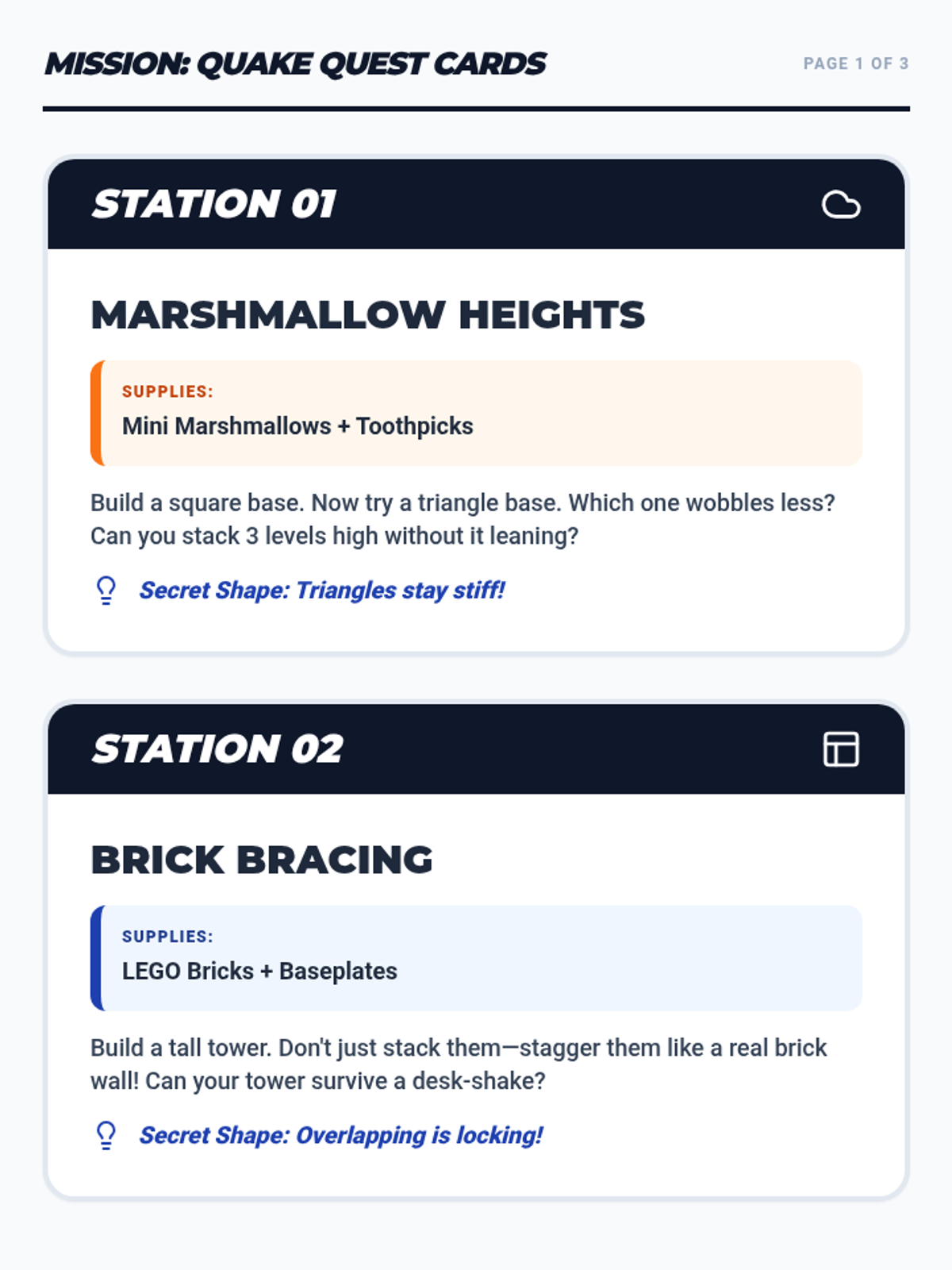
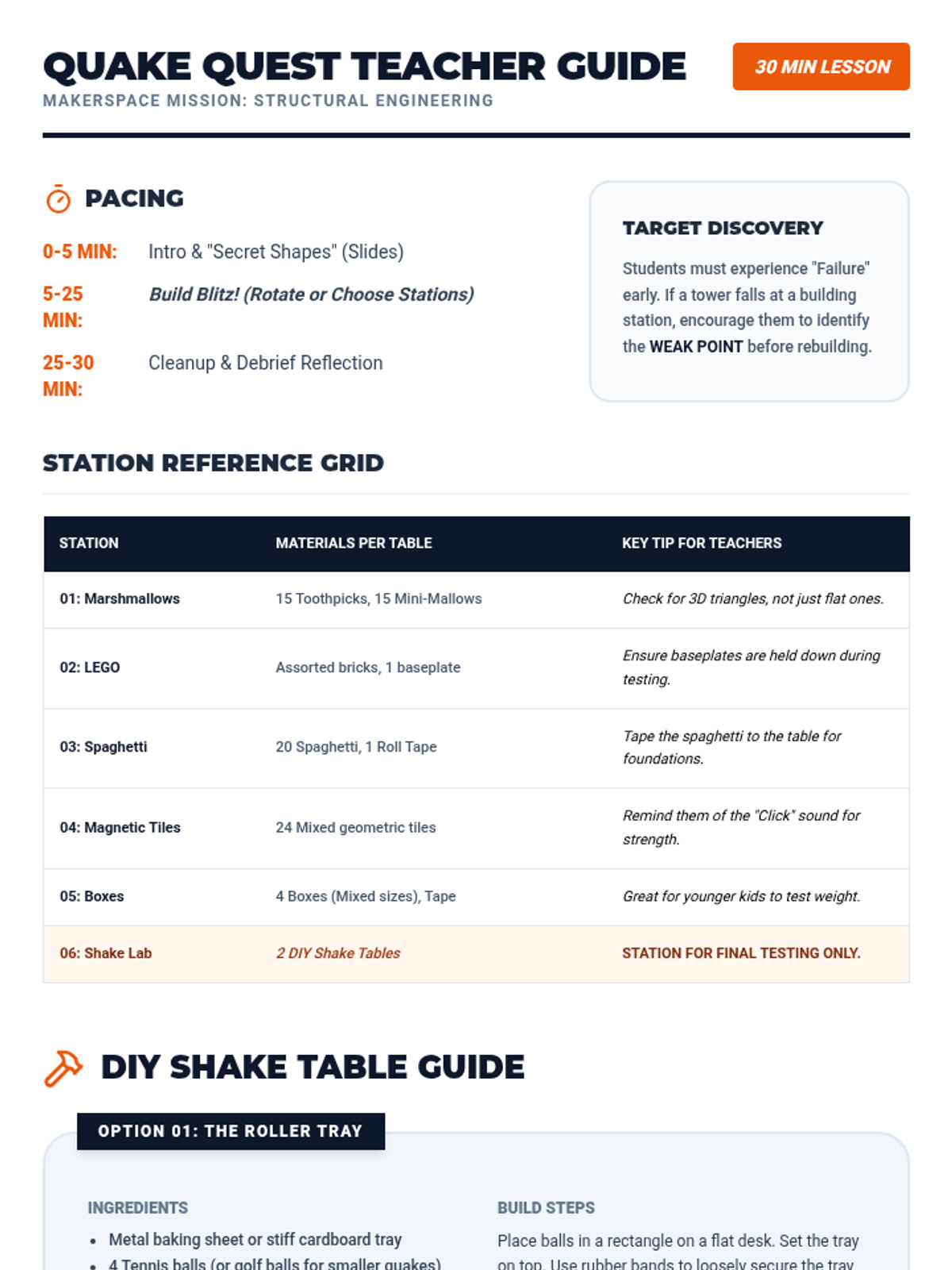
A fast-paced makerspace series where students tackle engineering challenges. This unit focuses on structural integrity and seismic resistance using everyday materials.
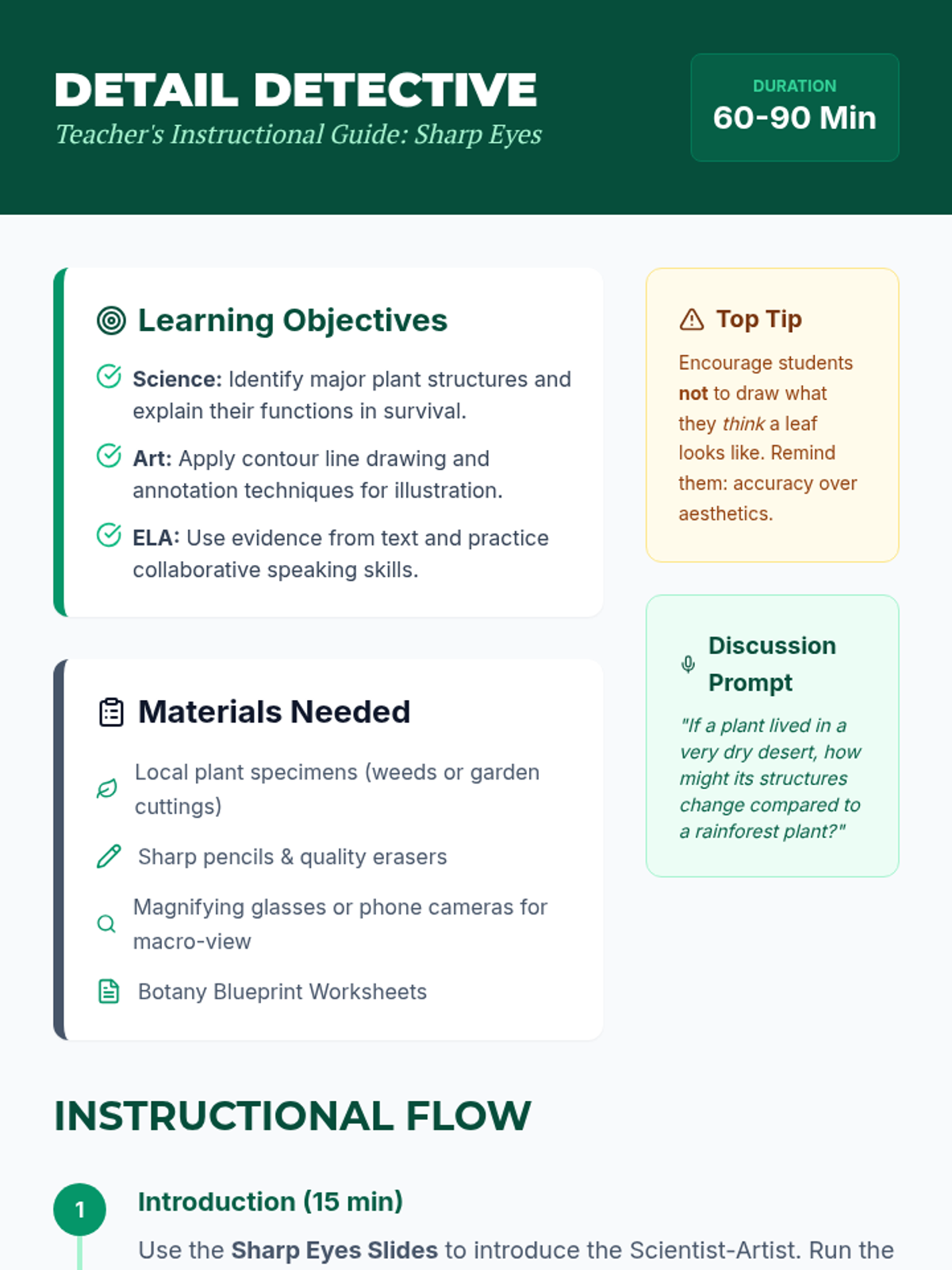
A cross-curricular journey where students blend scientific observation with artistic expression, developing ELA skills through field notes, procedural writing, and narrative storytelling.
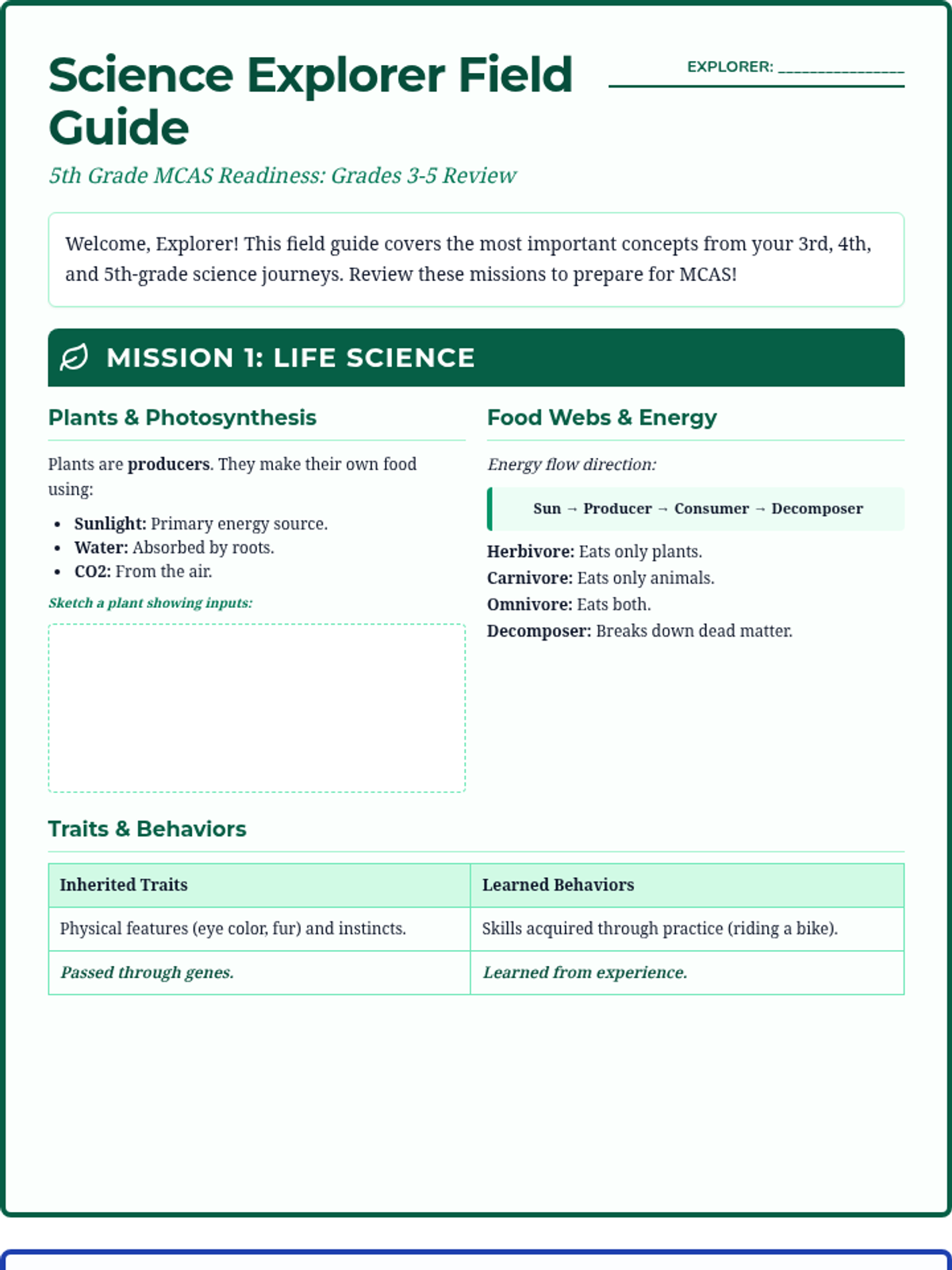
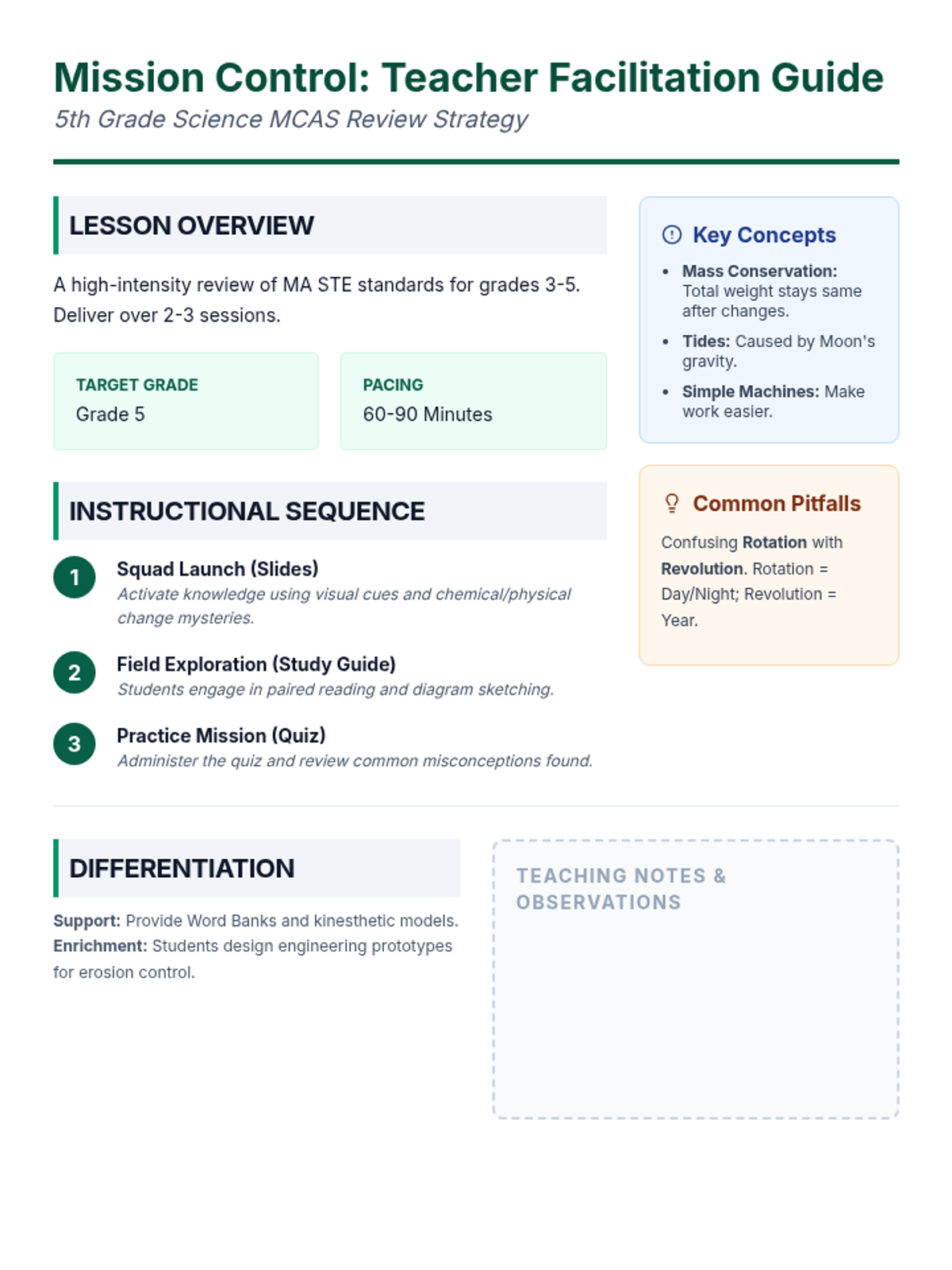
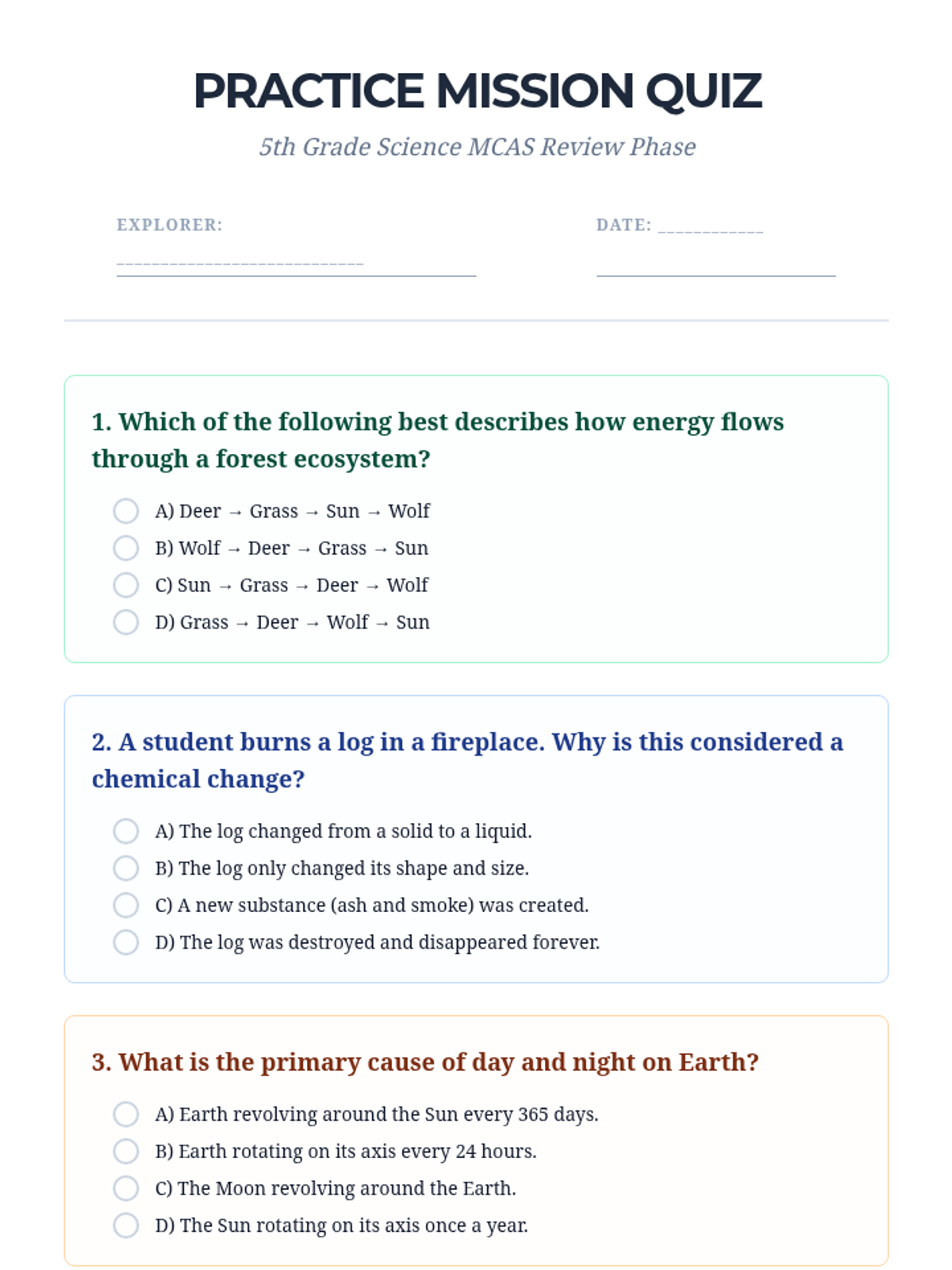
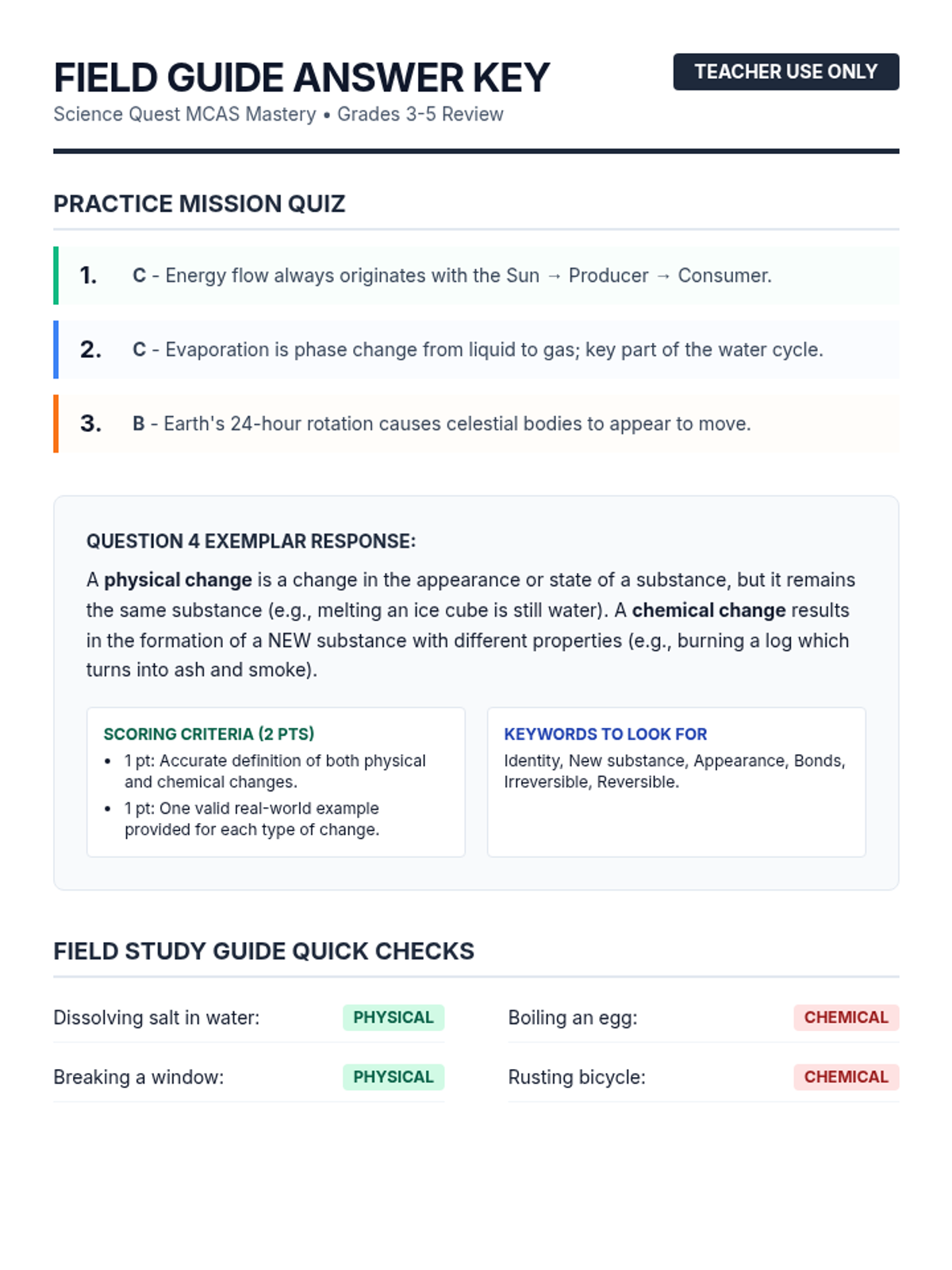
A comprehensive review of the 3rd-5th grade Massachusetts Science and Technology/Engineering (STE) standards to prepare students for the 5th grade MCAS. Includes a detailed study guide, instructional slides, and teacher support materials.
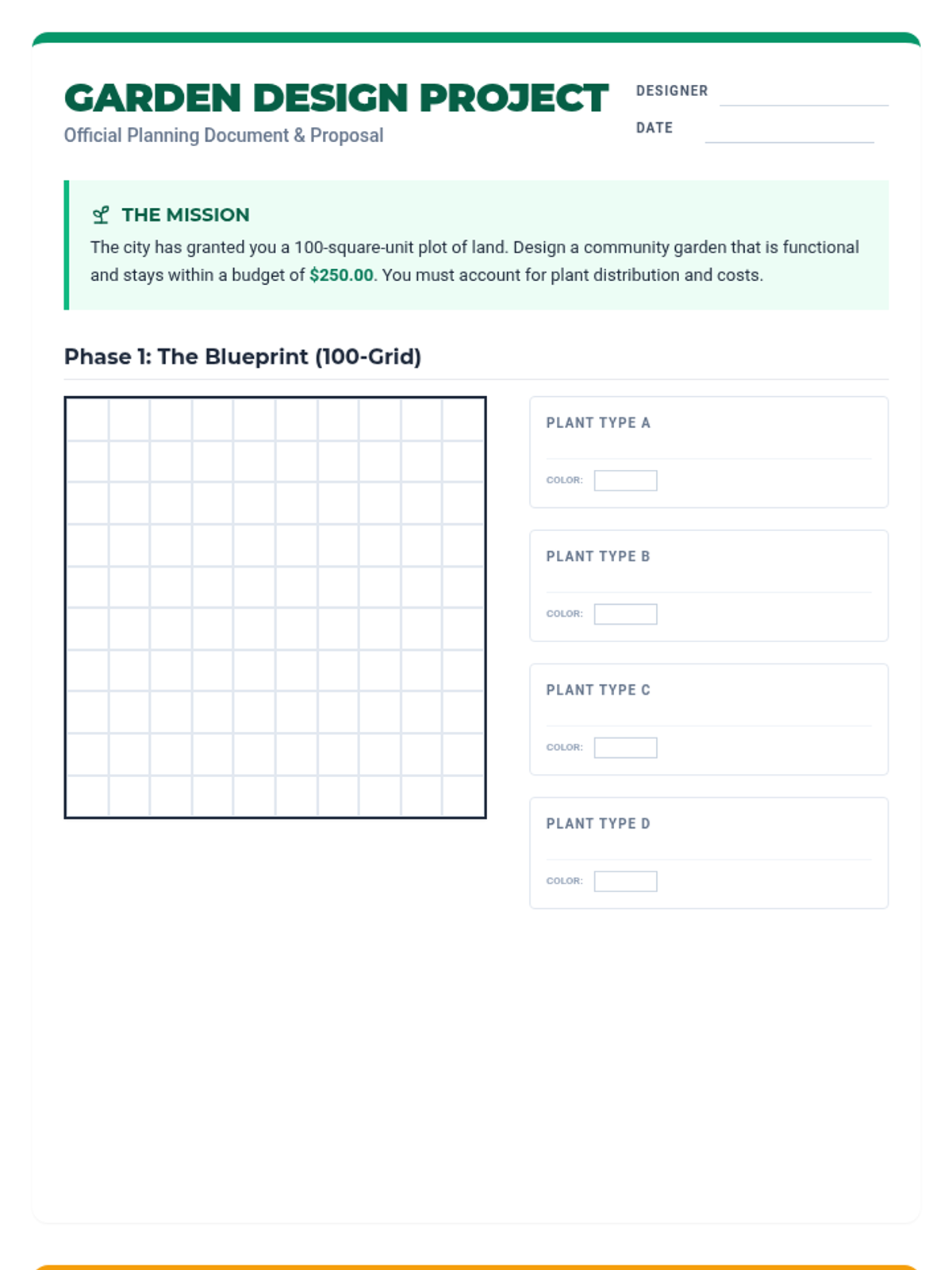
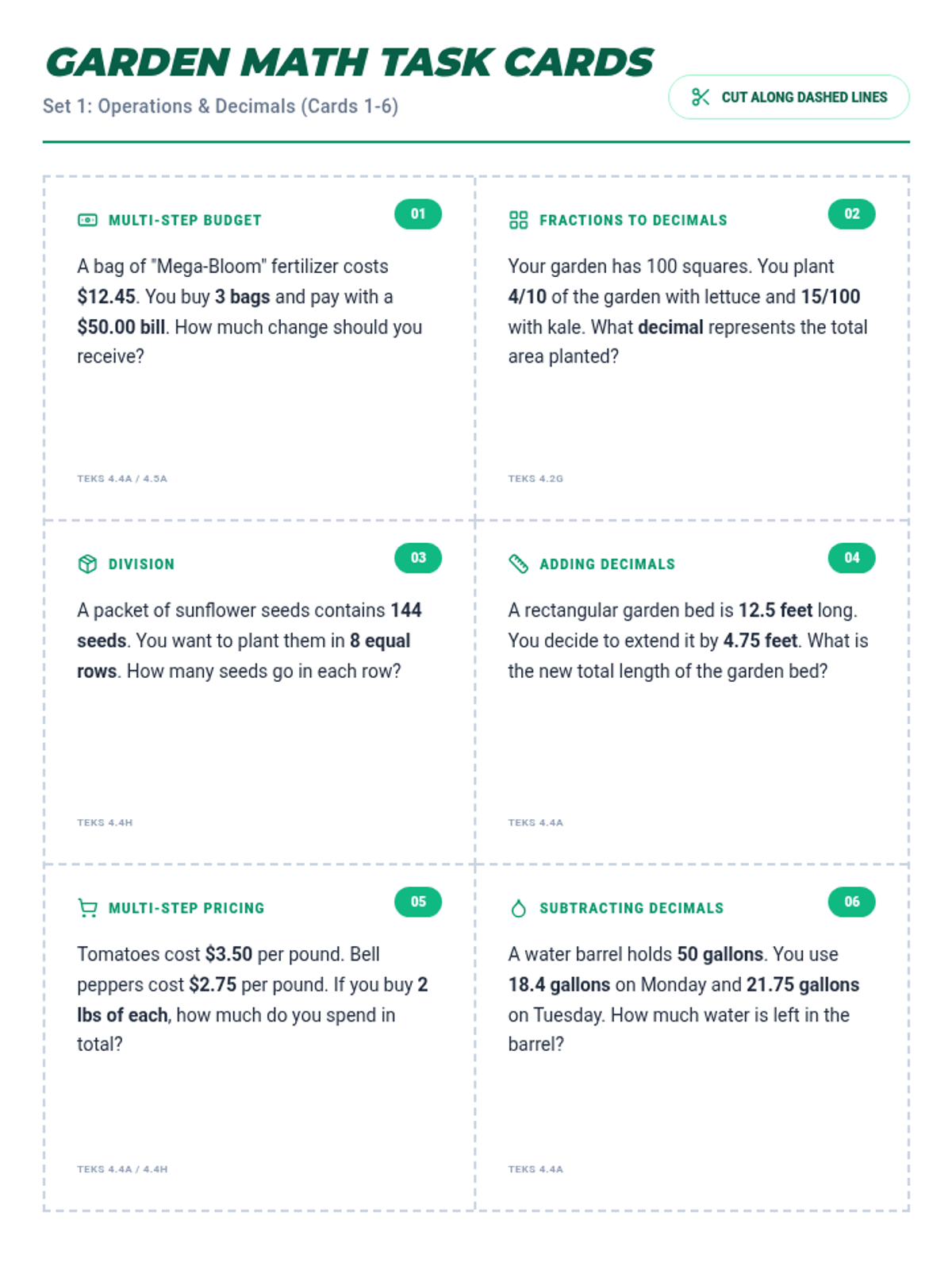
A project-based math unit where students become garden designers, using decimals and fractions to plan a community space and manage a project budget.
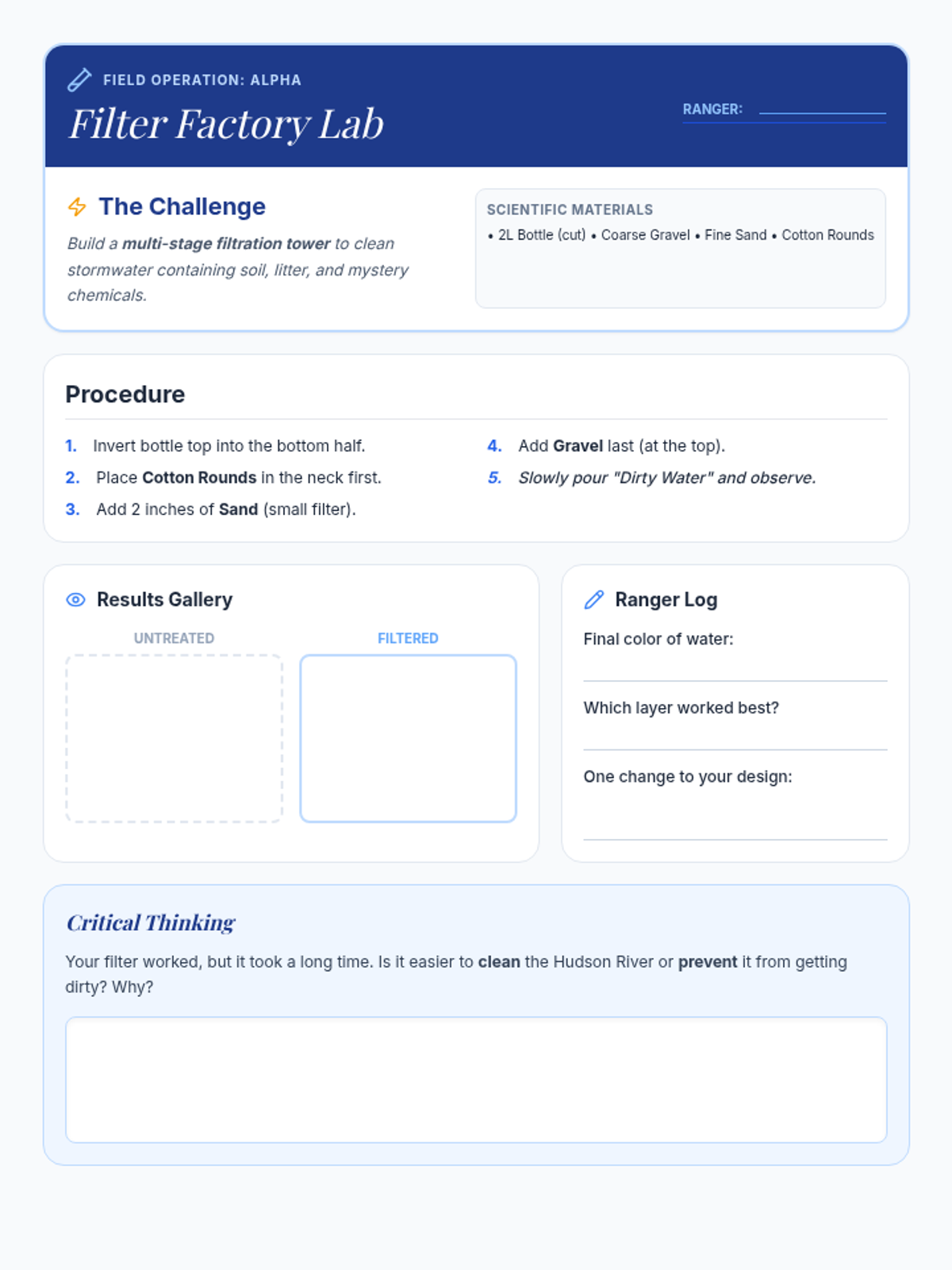
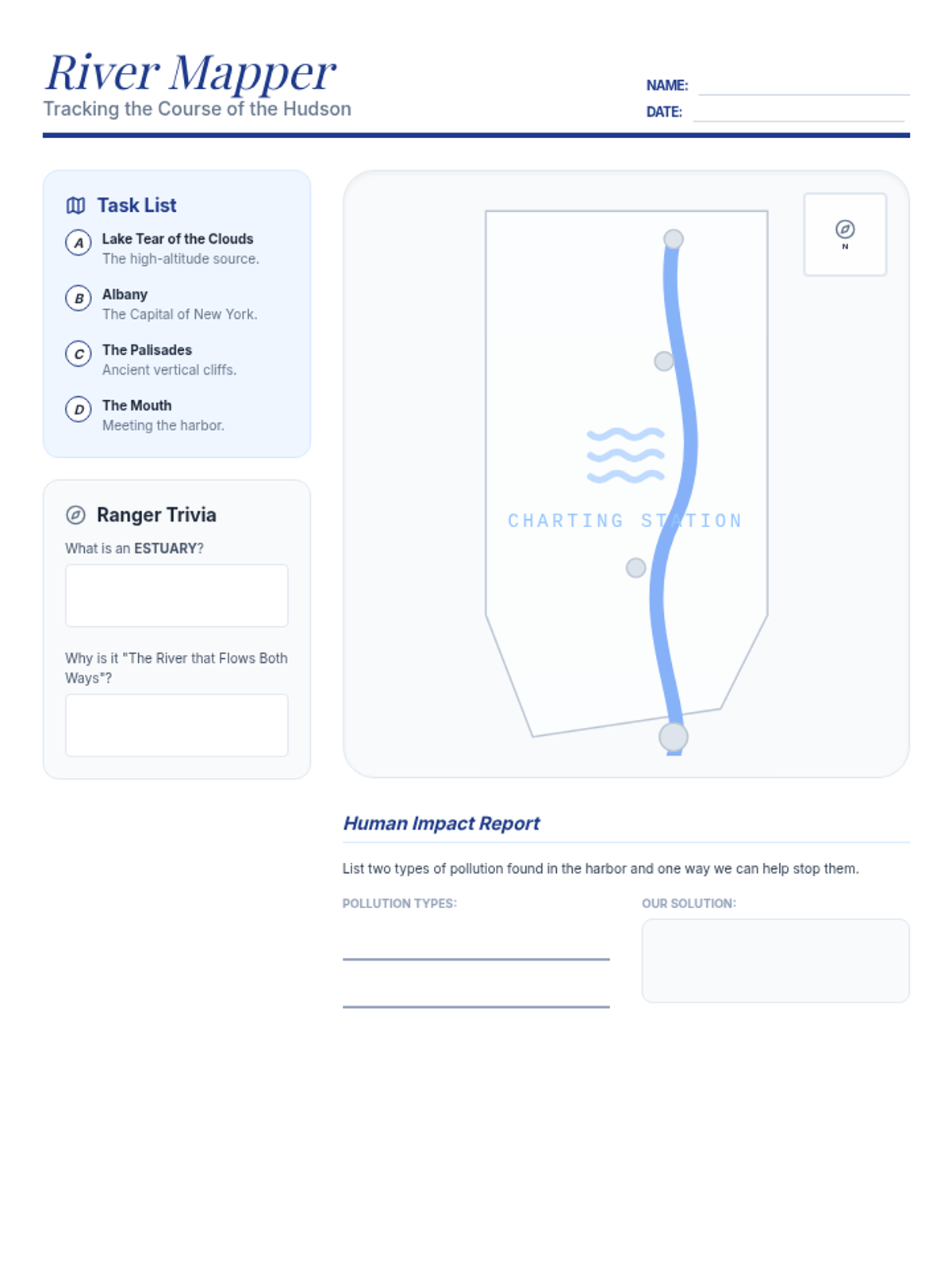
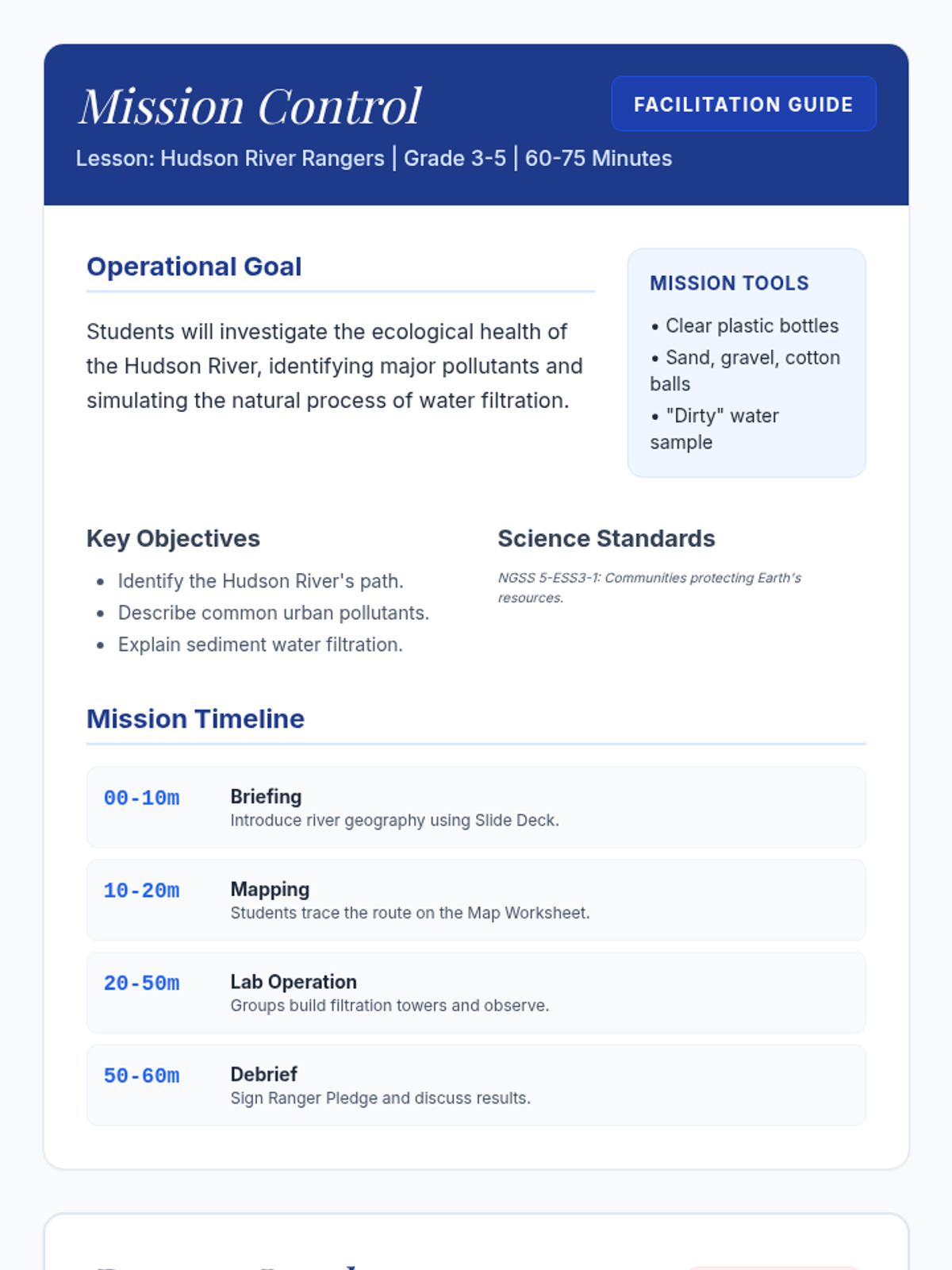
A hands-on environmental science unit exploring urban waterways, human impact, and conservation through the lens of New York City's iconic Hudson River.
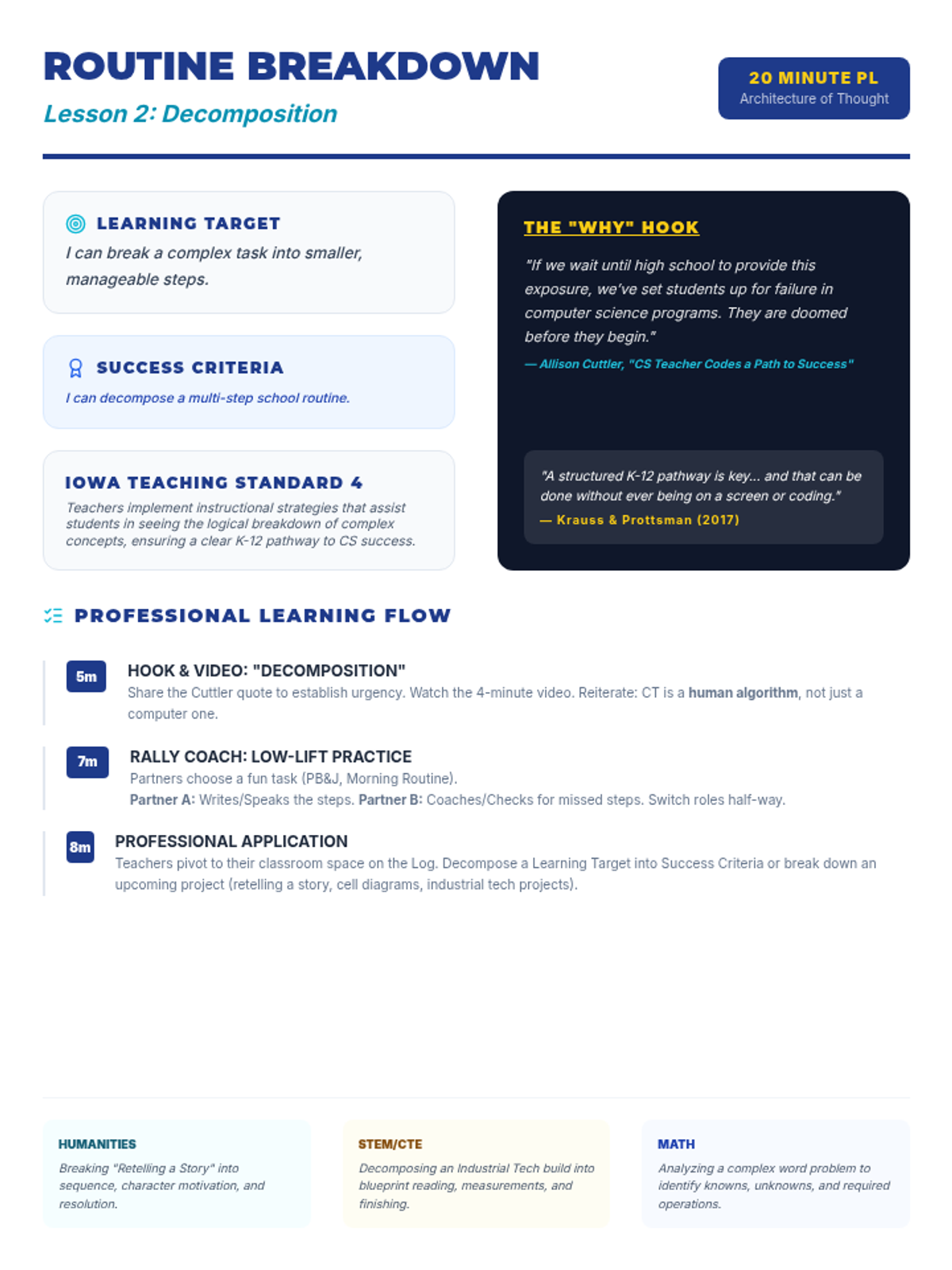
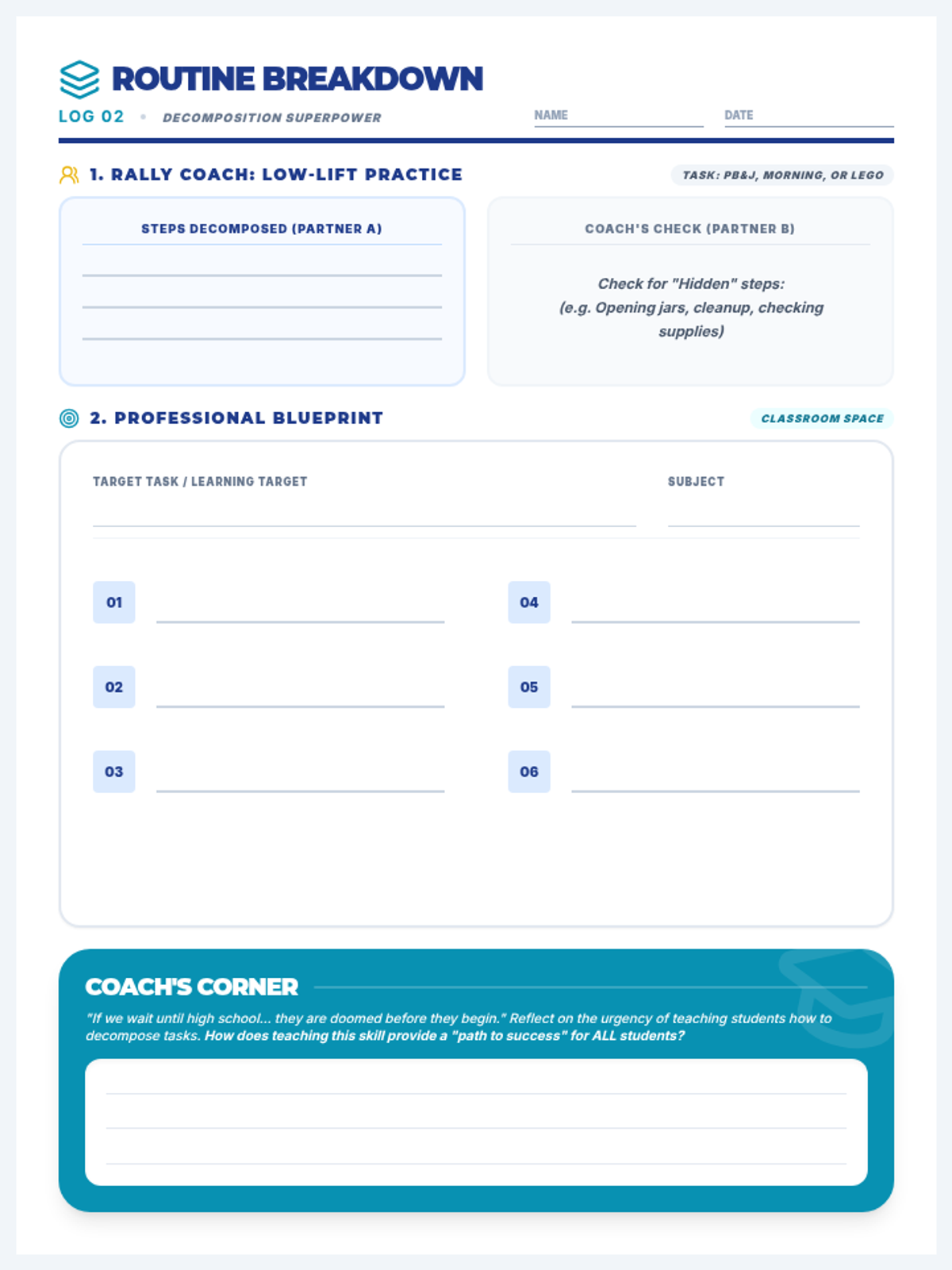
A professional development series for PreK-12 educators that reframes Computer Science as a "Superpower" through Computational Thinking. Teachers explore how CS concepts like decomposition, abstraction, and automation are already present in their daily instructional practices and Iowa Core content.
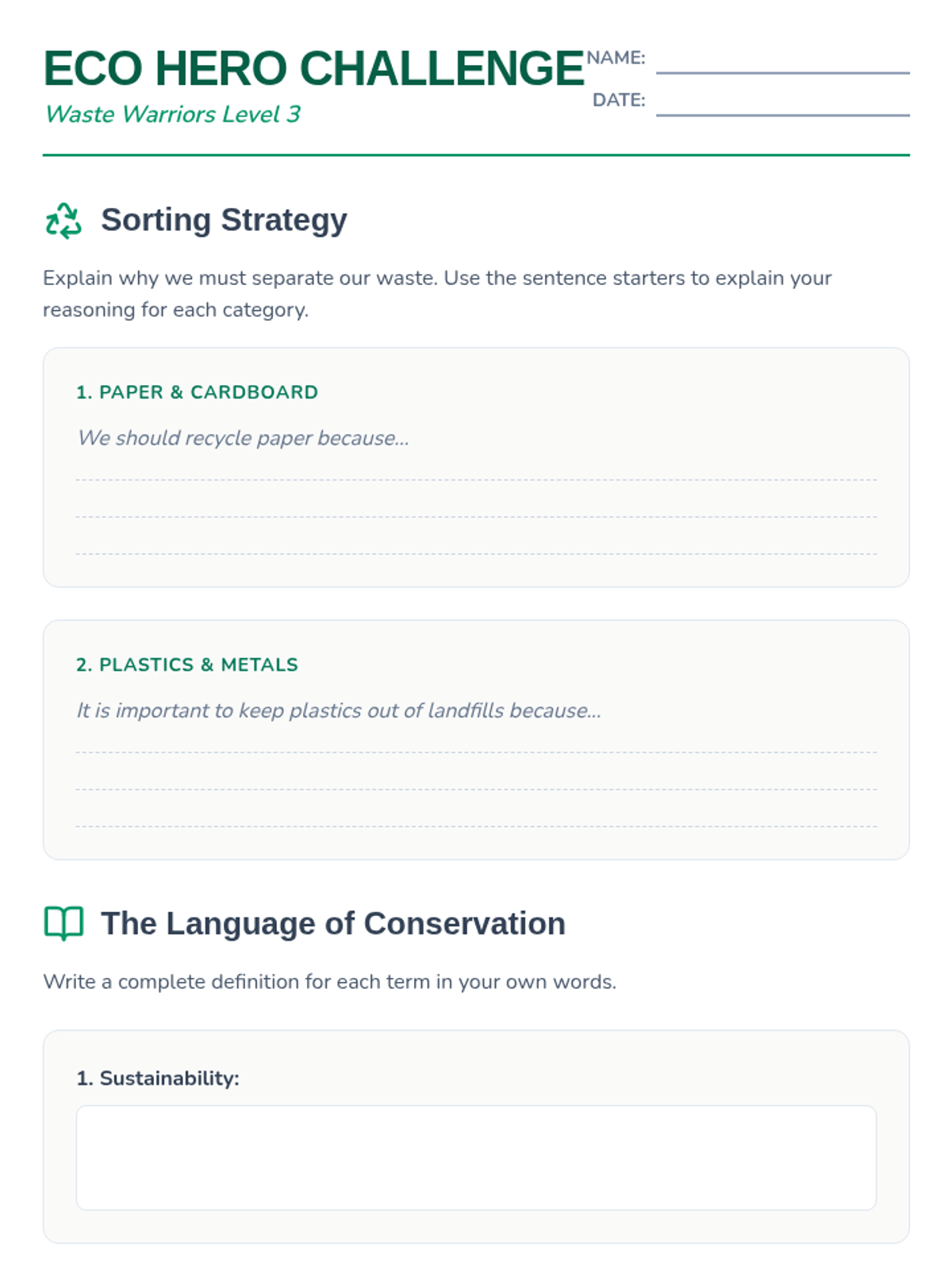
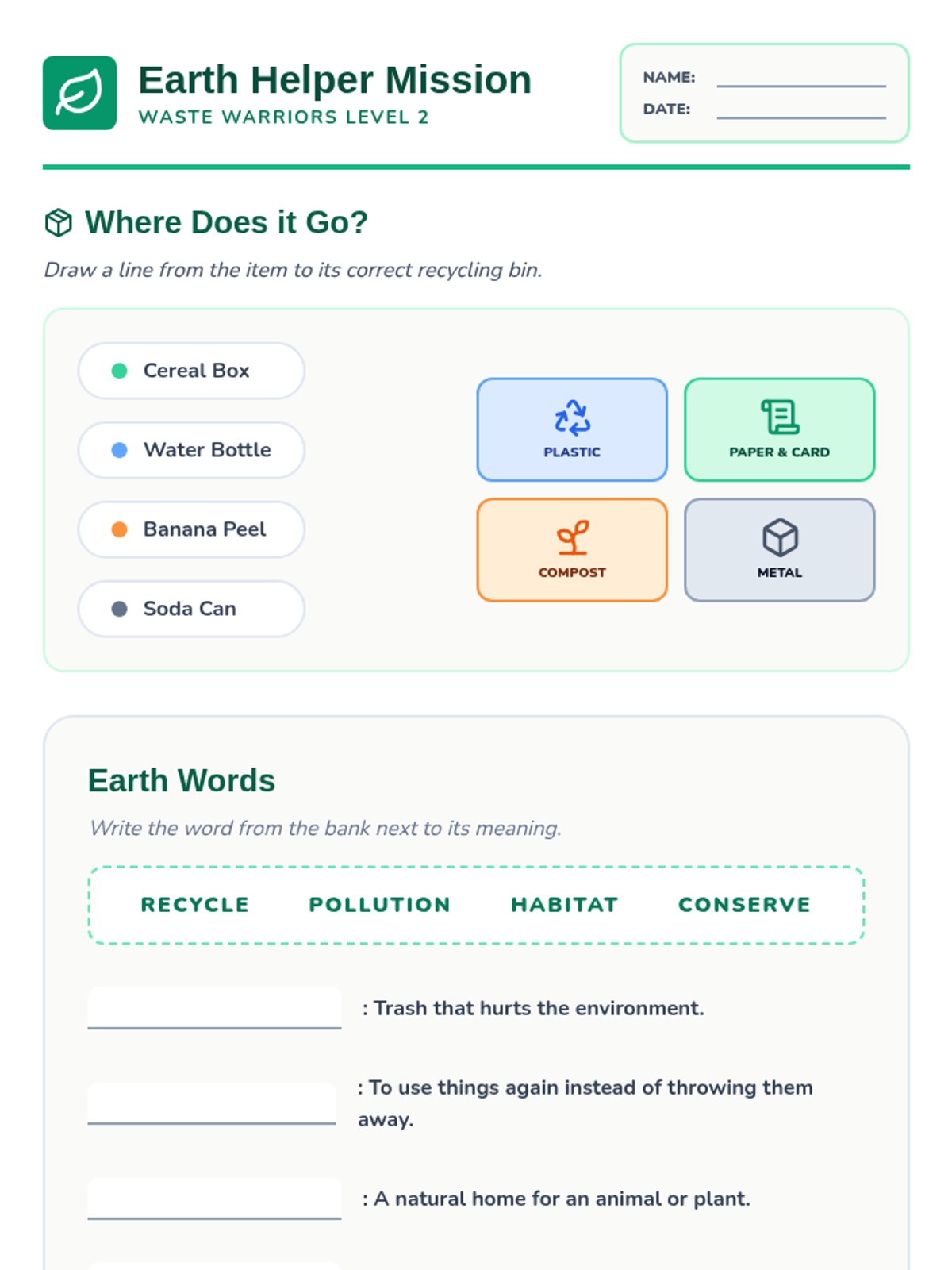
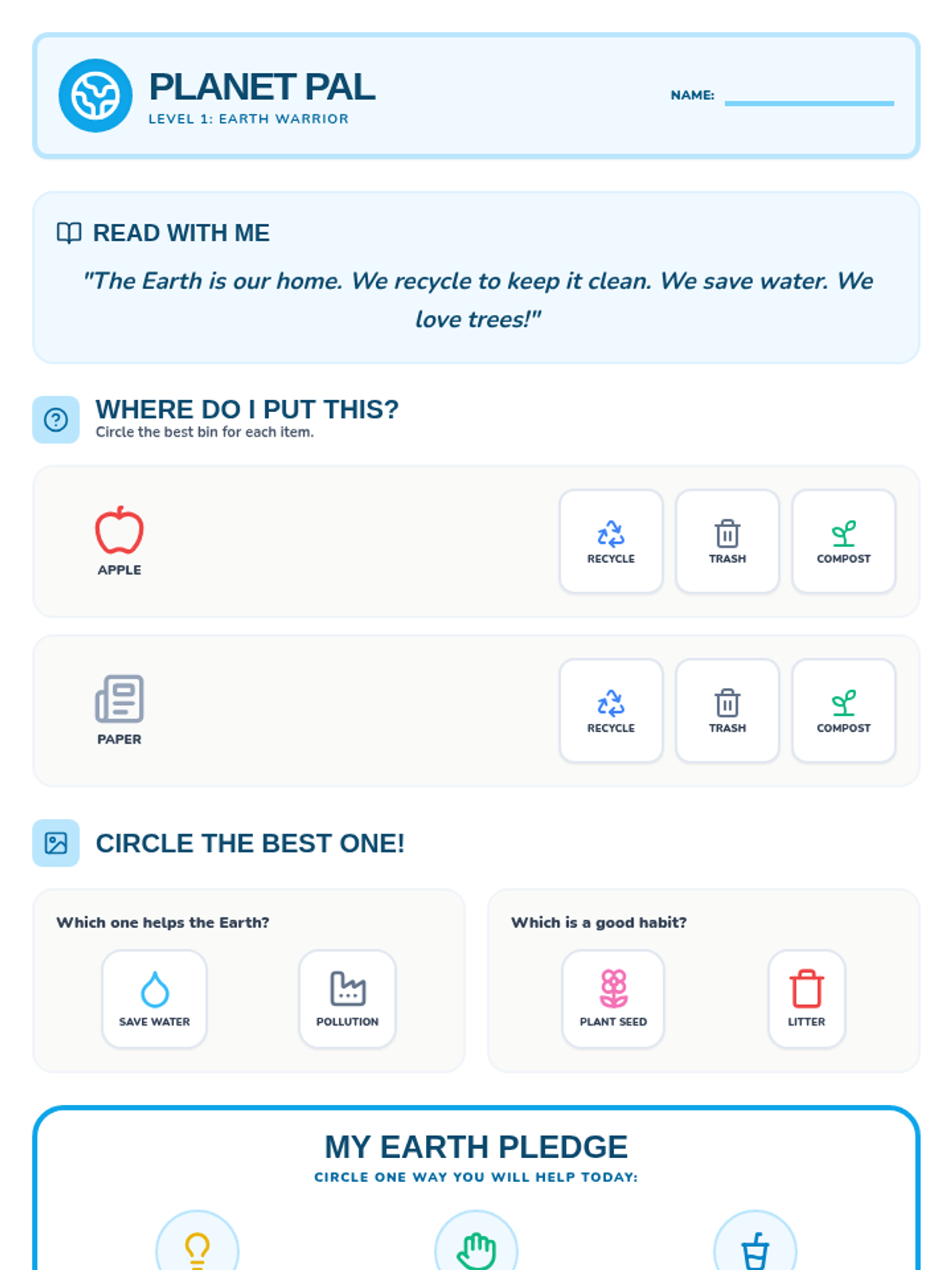
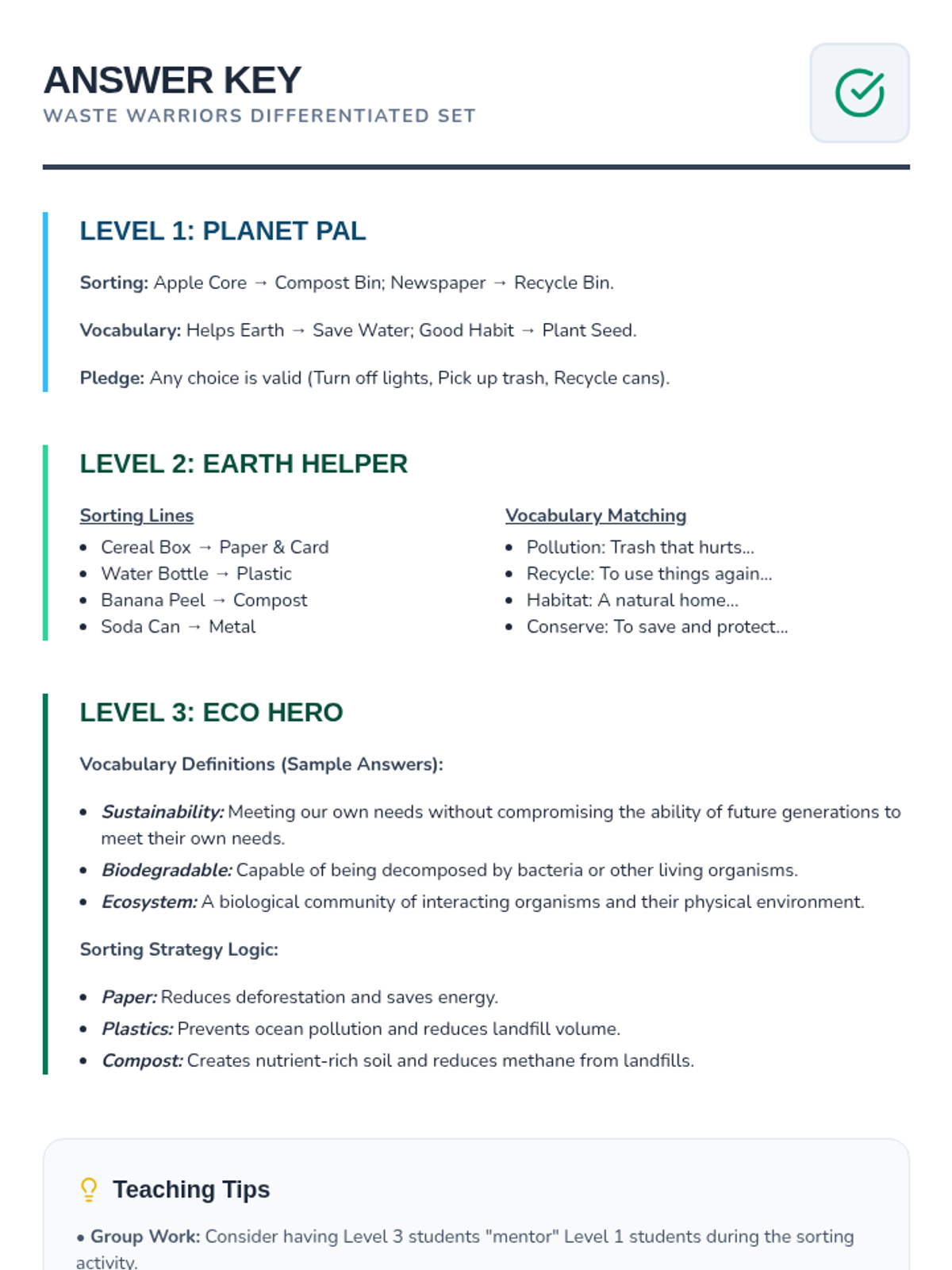
A comprehensive unit focused on environmental stewardship, exploring waste management, conservation, and sustainable living through hands-on activities.
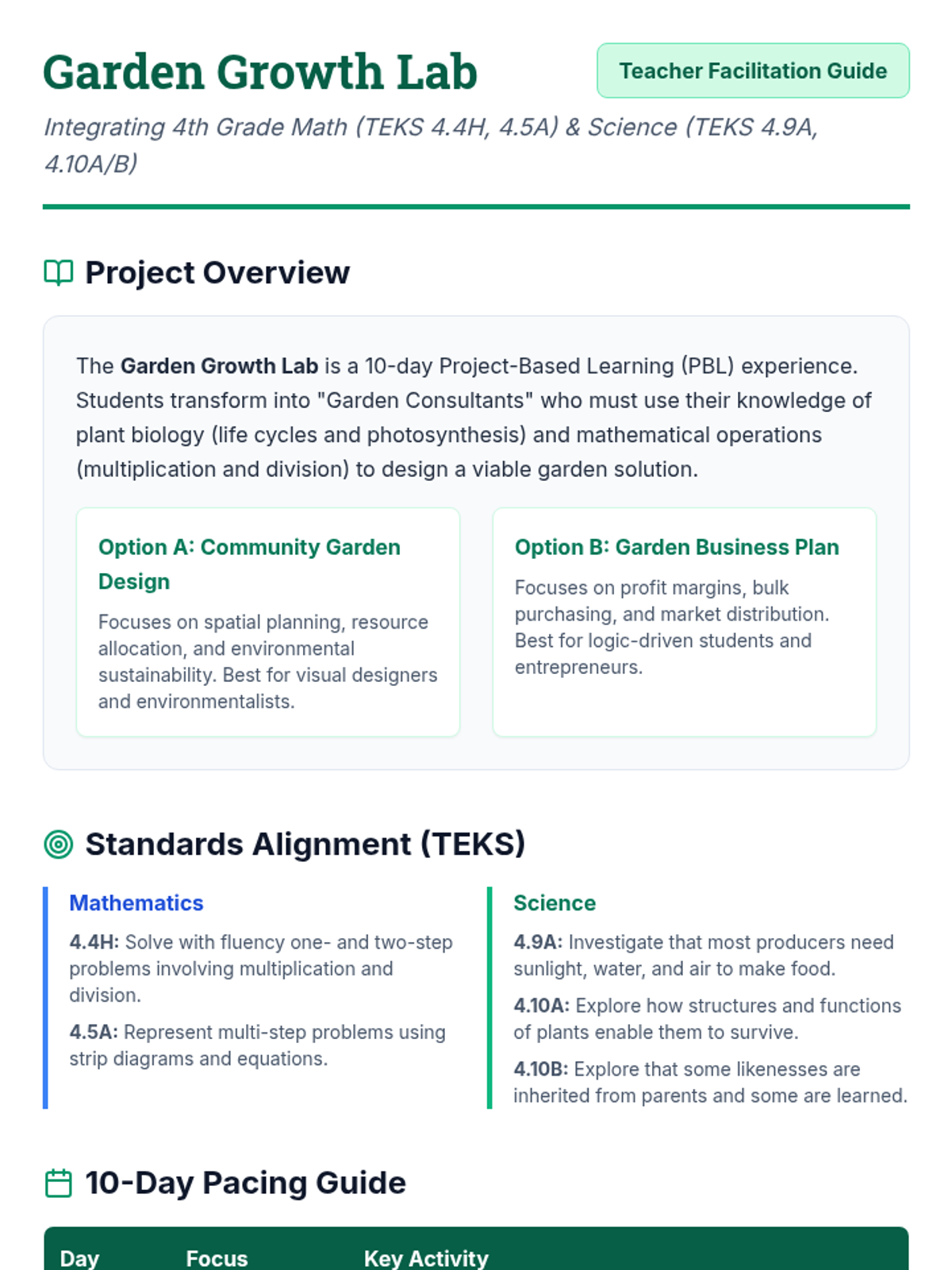
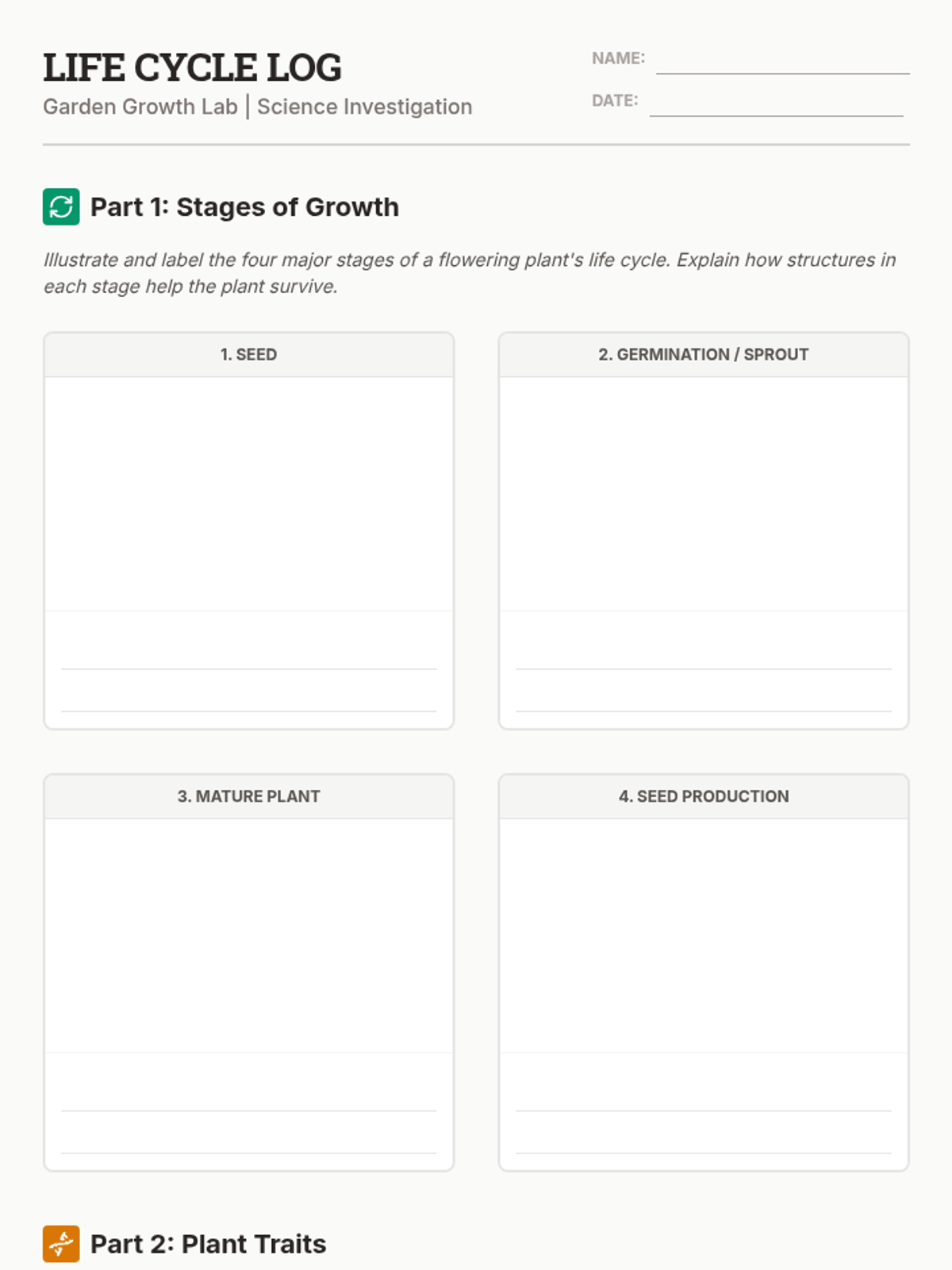
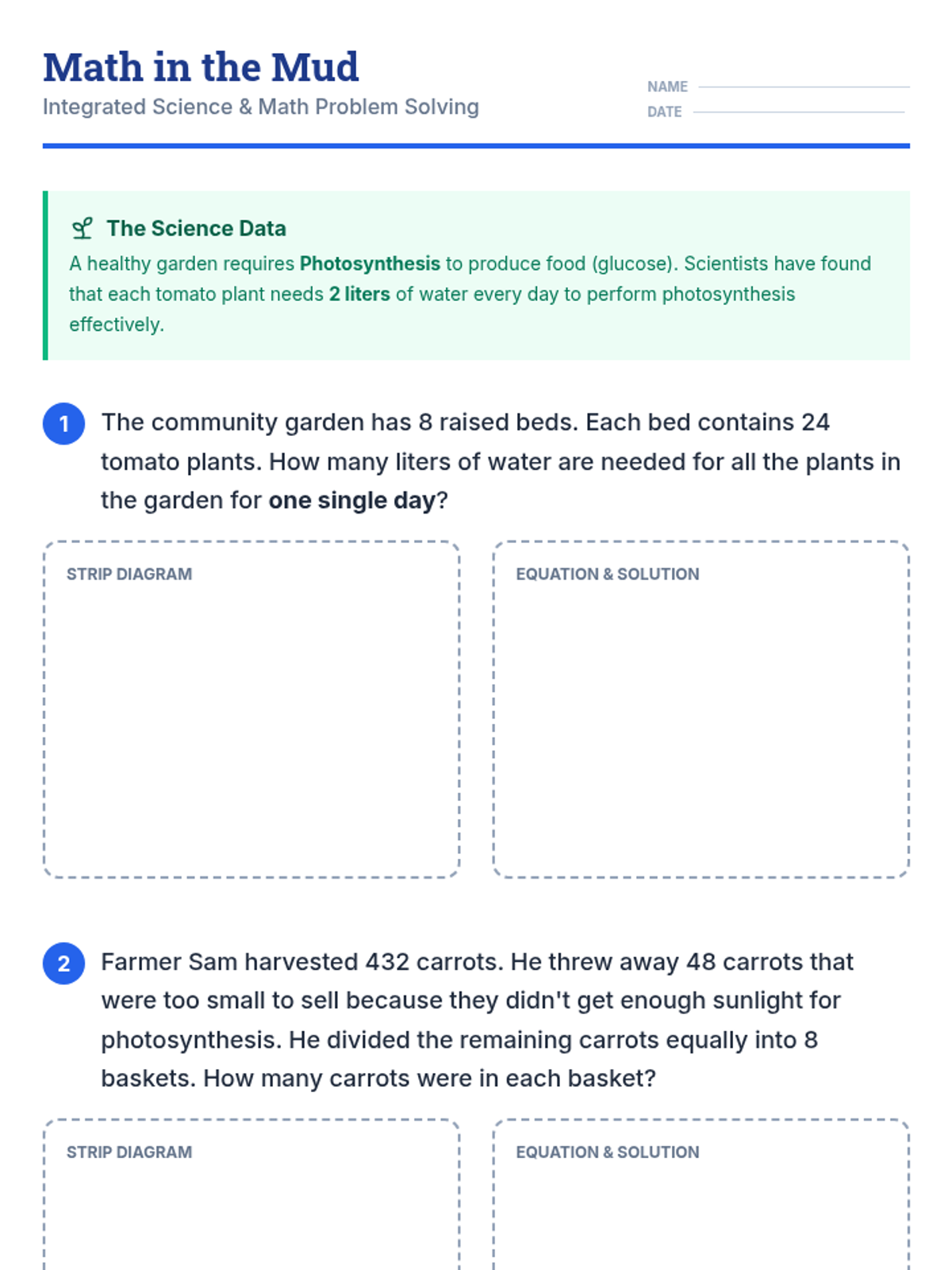
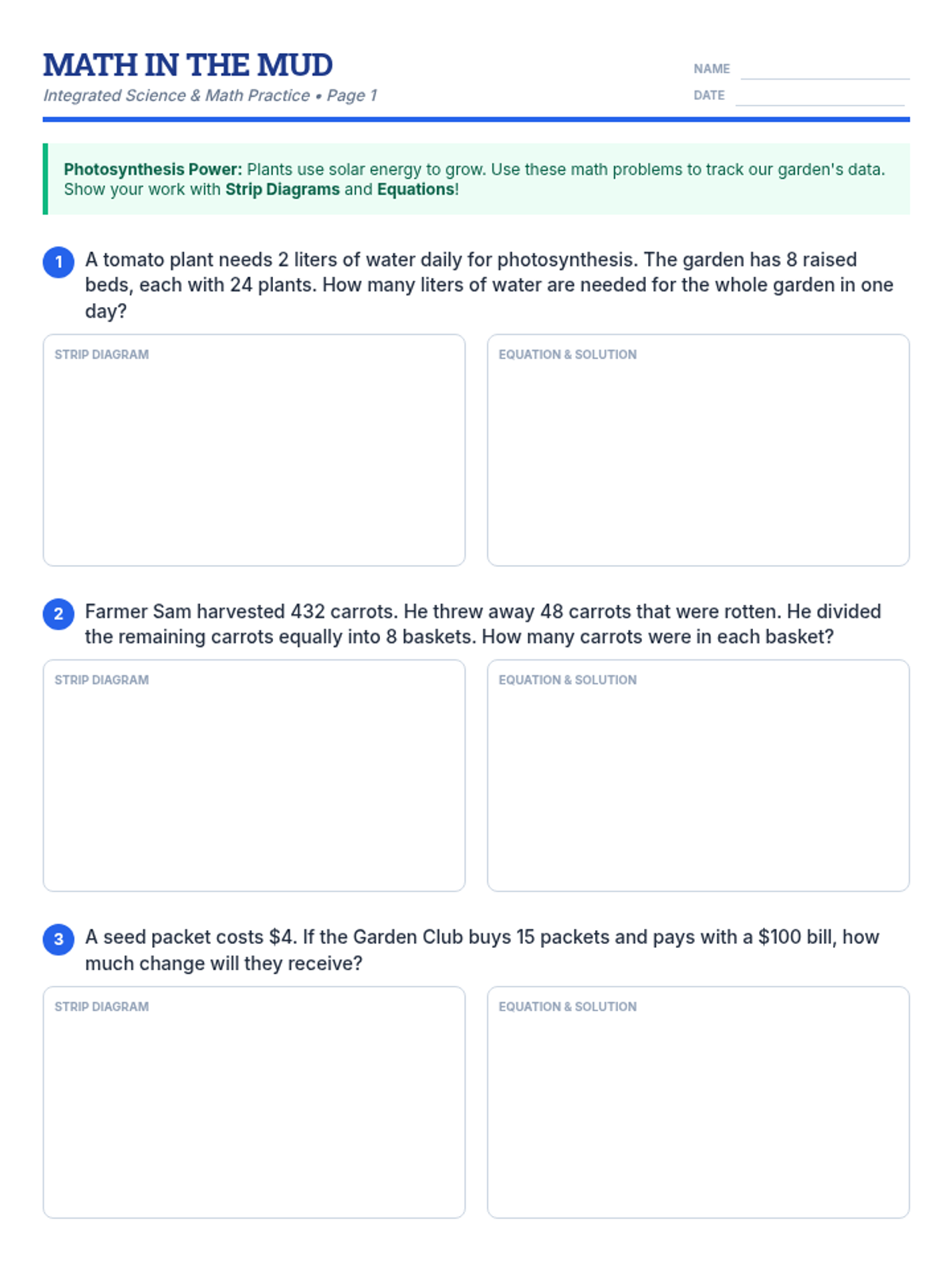
A 10-day project-based learning unit integrating 4th grade Math (multiplication/division) and Science (photosynthesis/life cycles). Students choose between designing a community garden or creating a garden business plan, applying their knowledge of plant systems to real-world calculations.
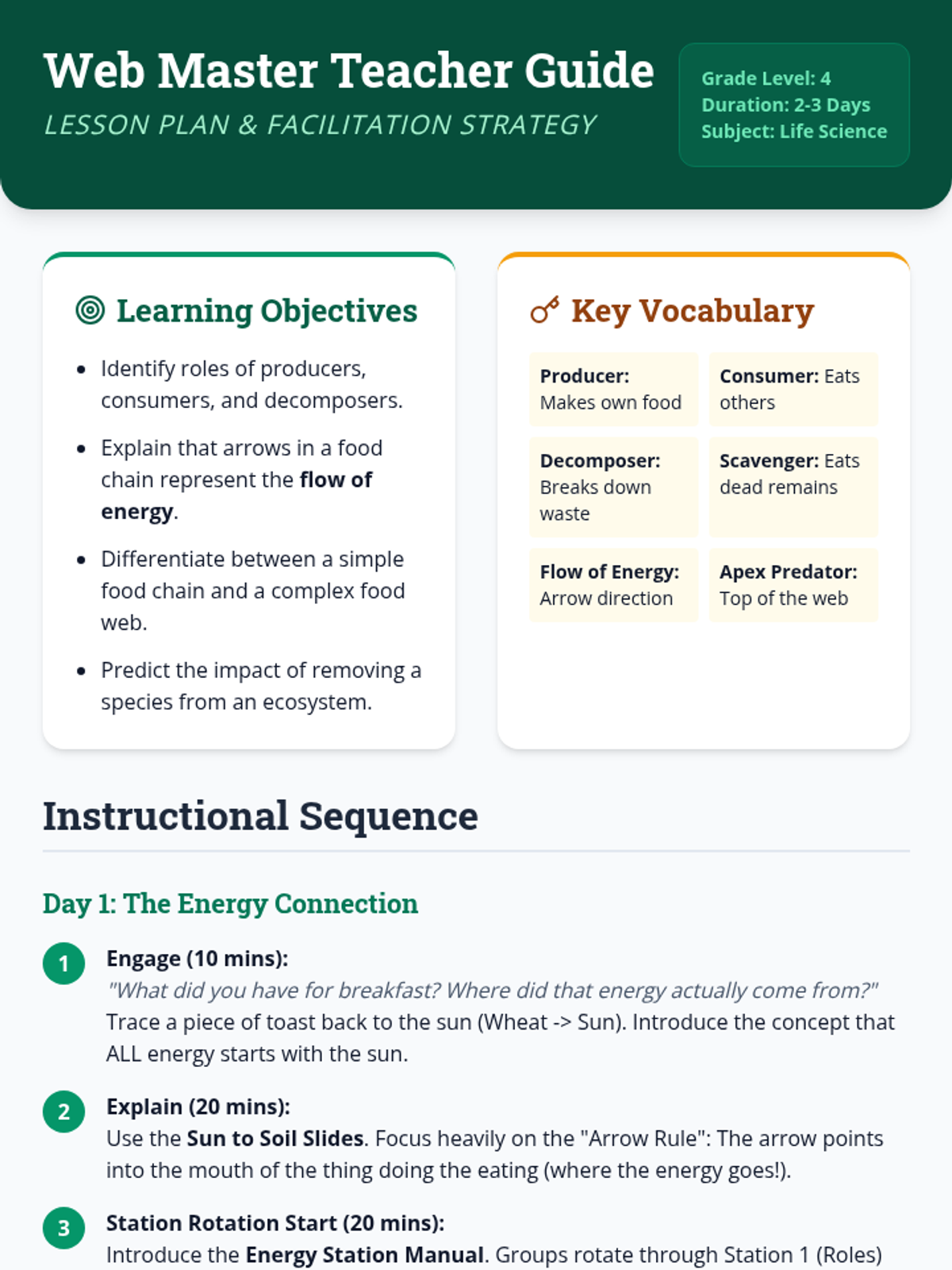
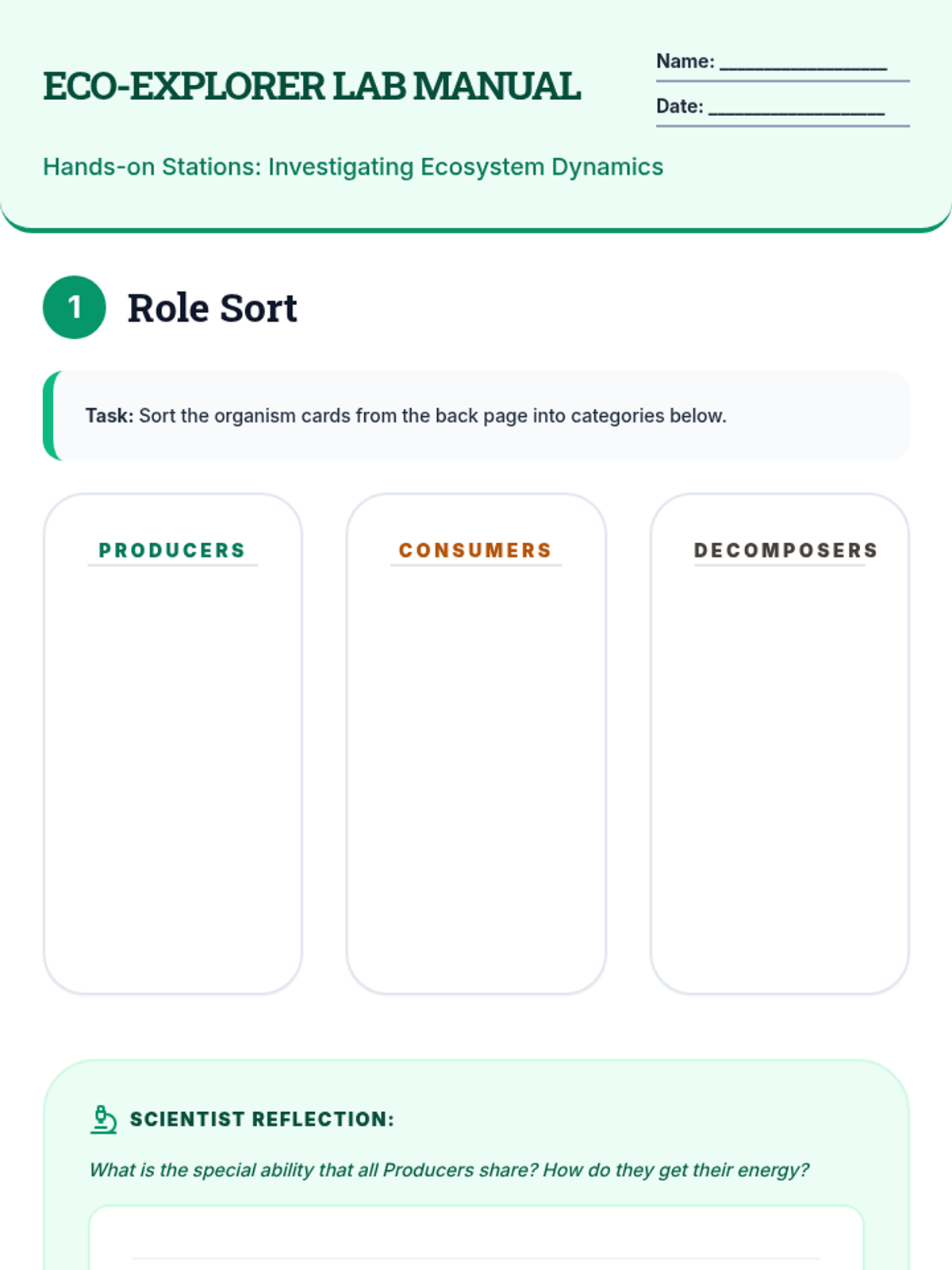
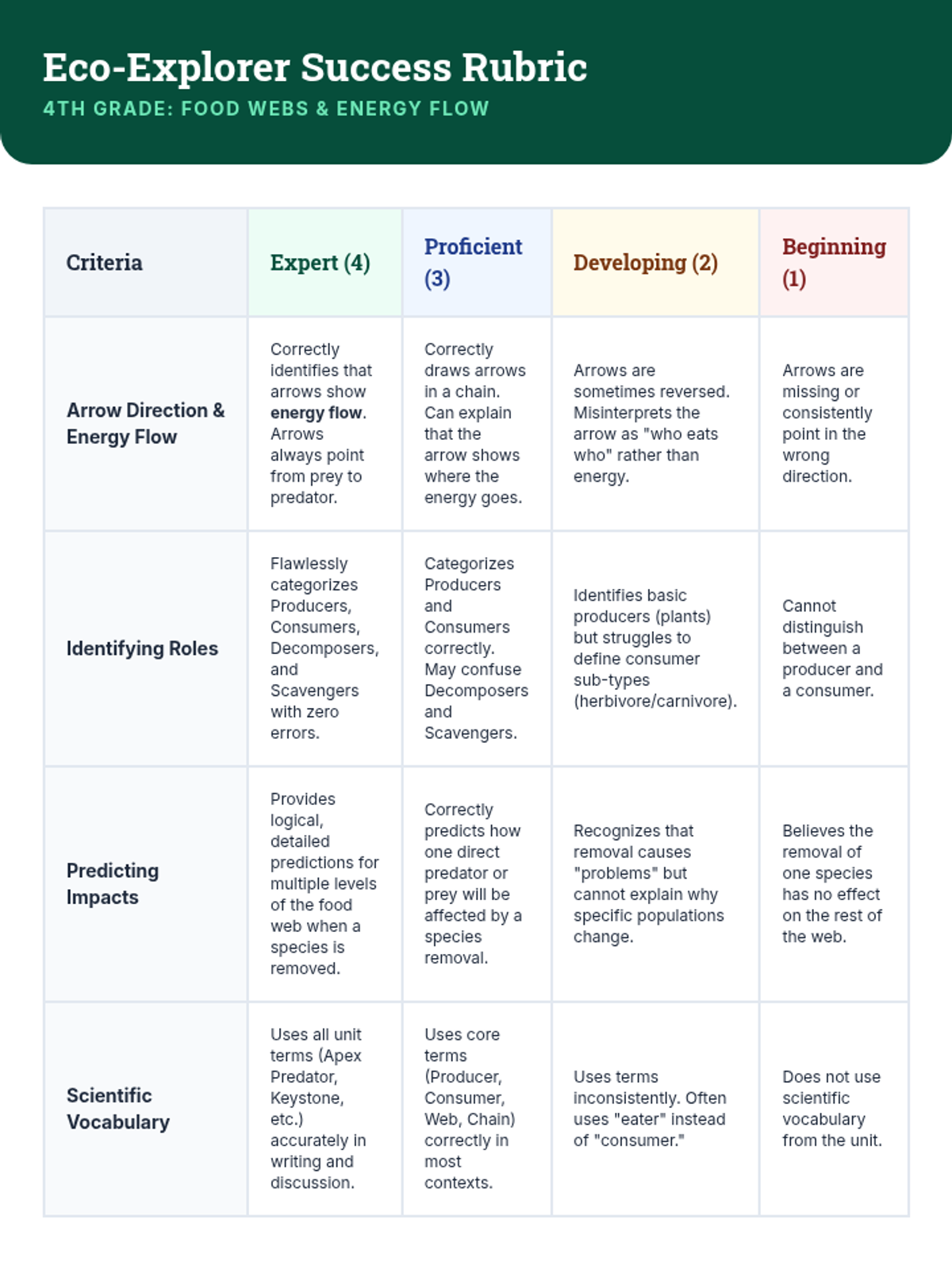
A comprehensive unit for 4th-grade students to explore the flow of energy in ecosystems, the roles of producers and consumers, and the intricate connections within food webs. Students engage in hands-on stations to model energy movement and predict the effects of environmental changes.
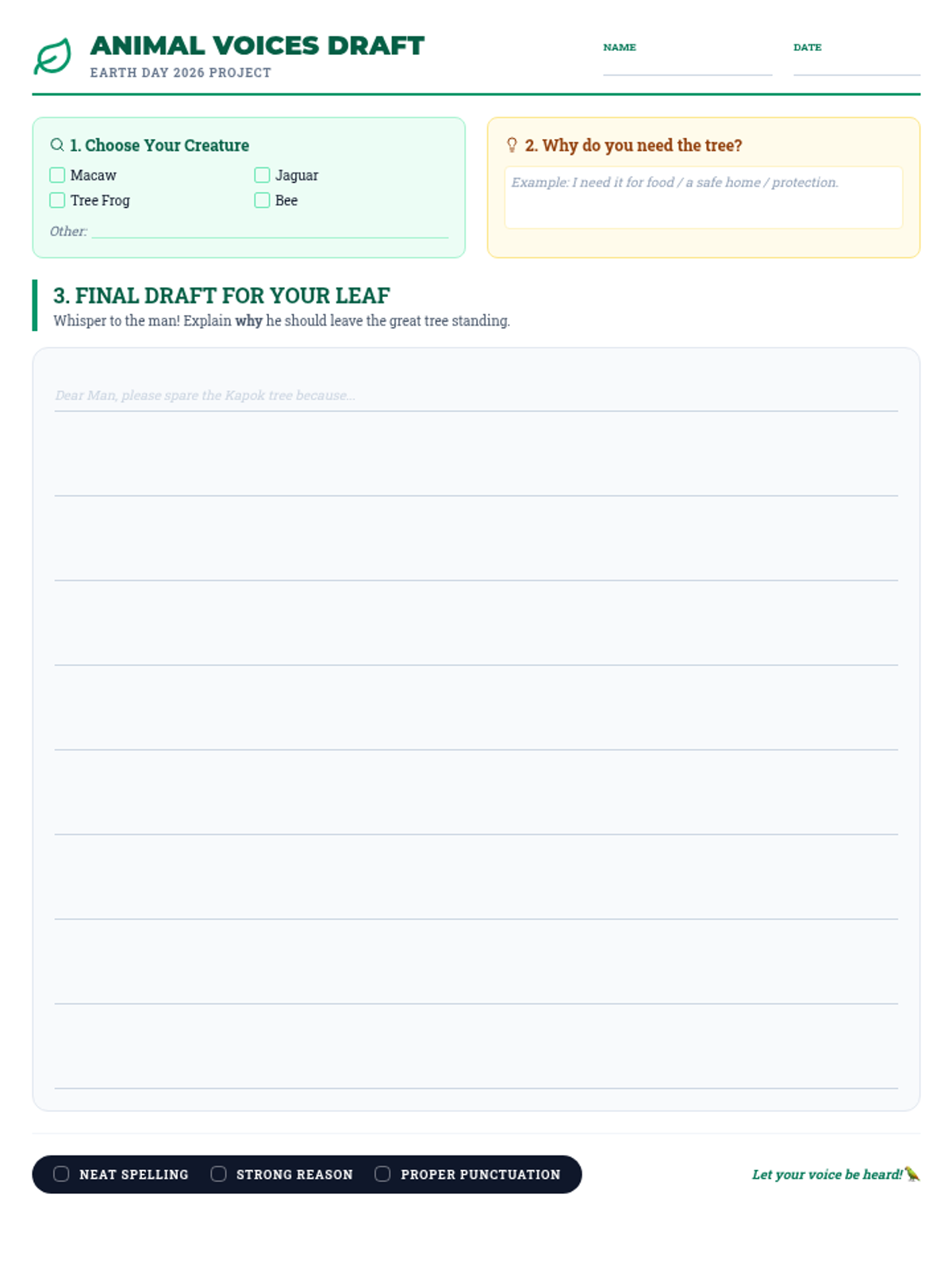
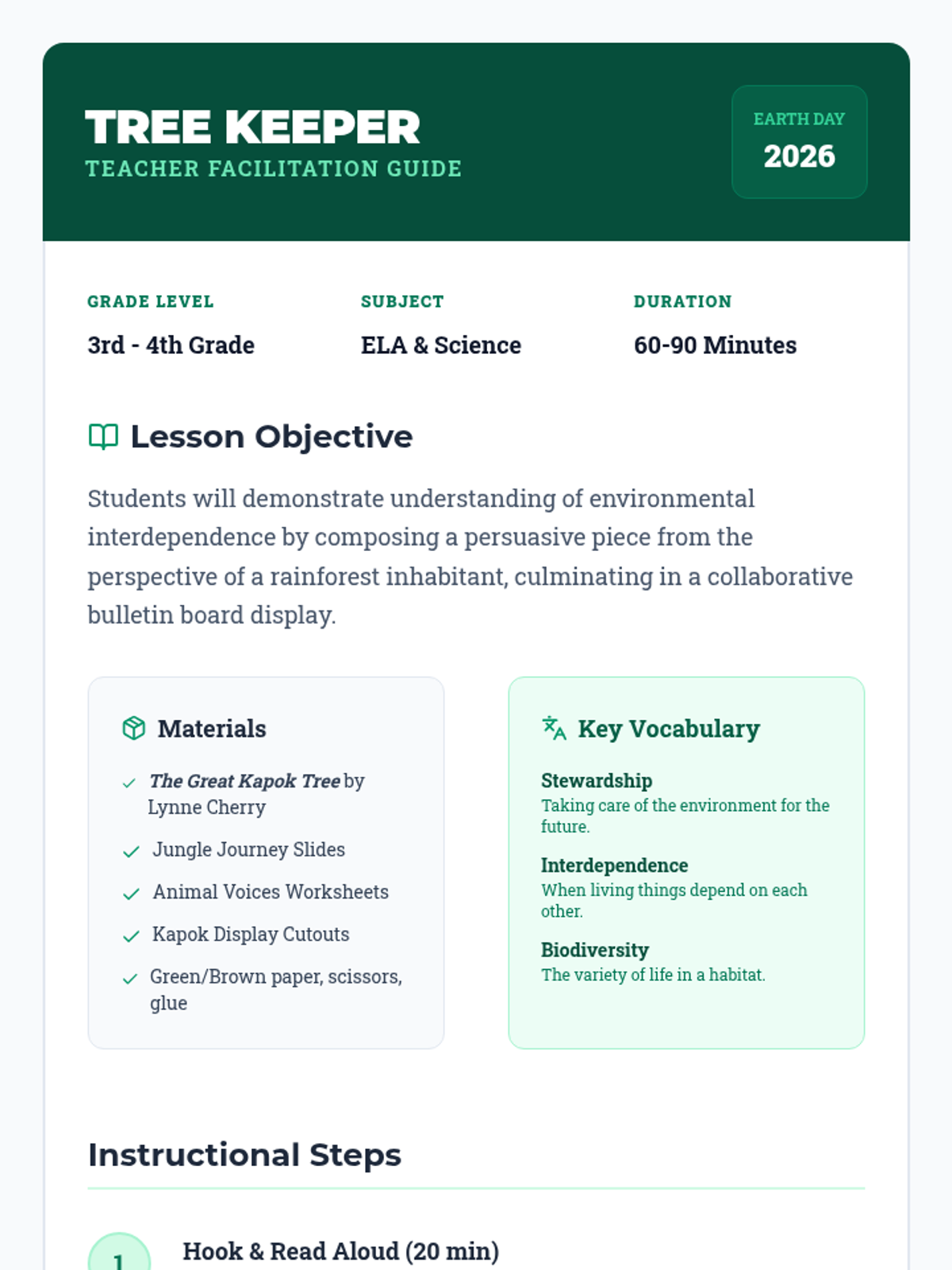
A celebratory Earth Day sequence focused on environmental stewardship and the interconnectedness of ecosystems, centered around the book 'The Great Kapok Tree' by Lynne Cherry. Students explore the perspectives of various rainforest inhabitants and create a collaborative bulletin board display.