A foundational sequence for 7th-grade students focusing on the rules of pronoun-antecedent agreement, including number, person, and gender consistency. Students move from identifying simple relationships to proofreading complex academic texts.
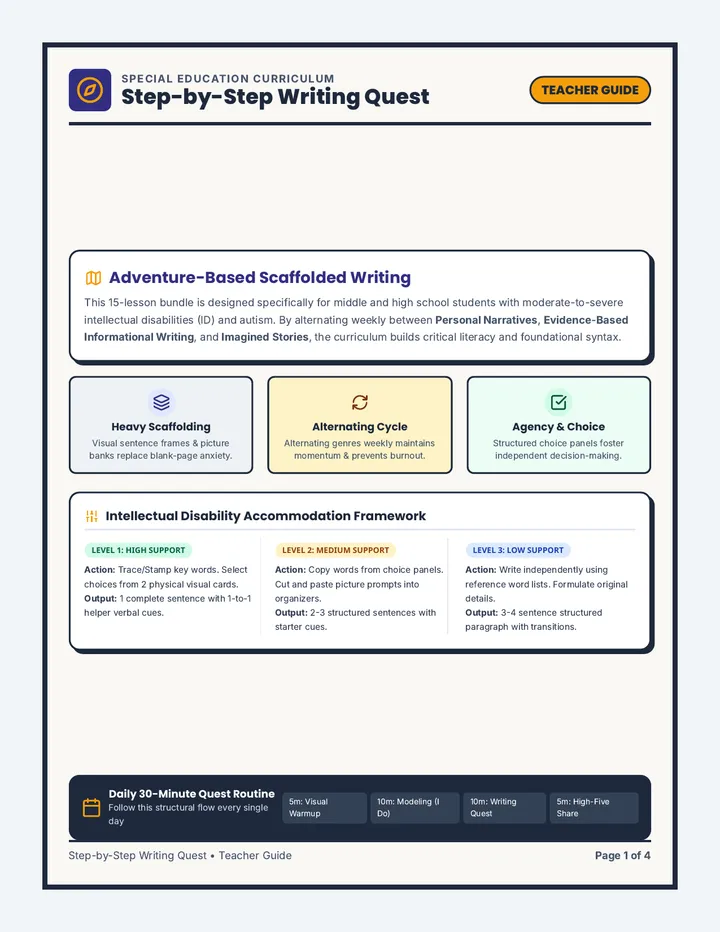
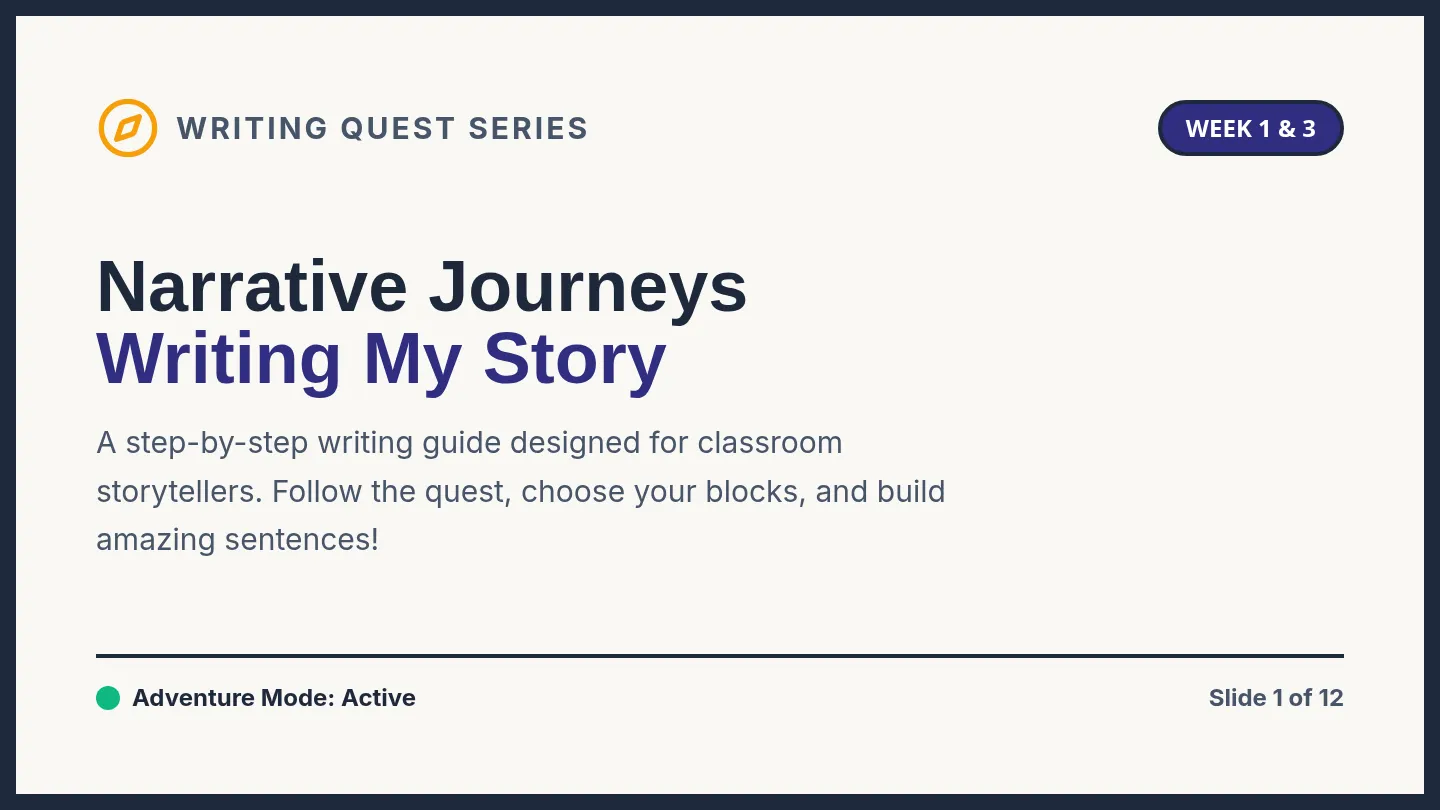
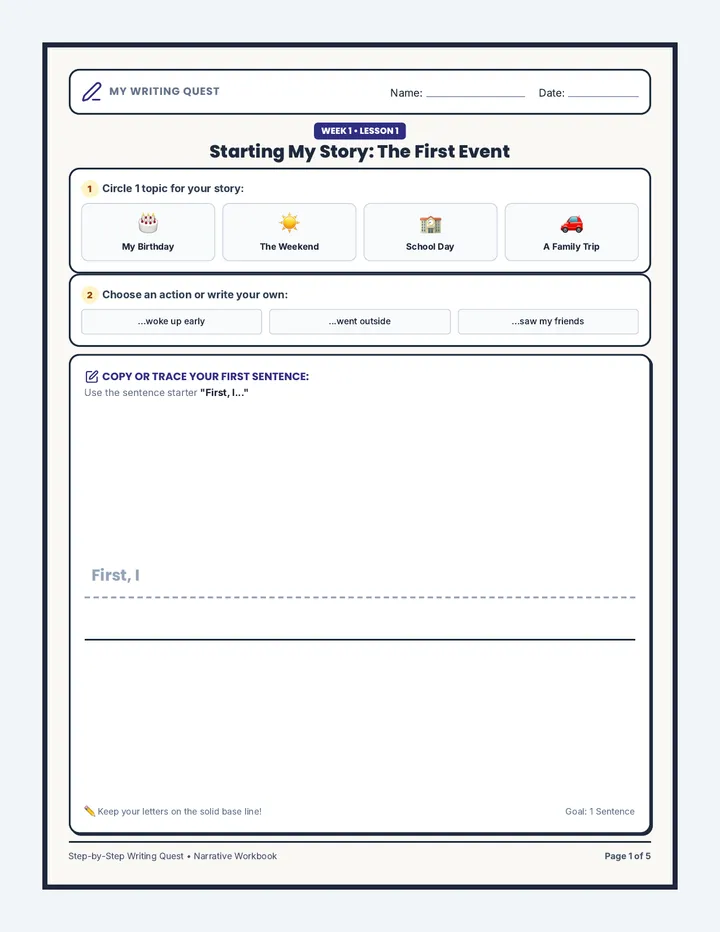
A comprehensive 15-lesson writing curriculum tailored for middle and high school students with intellectual disabilities. The sequence alternates weekly between personal narratives, evidence-based informational writing, and imagined stories, using heavy visual scaffolding, structured sentence frames, and clear graphic organizers.
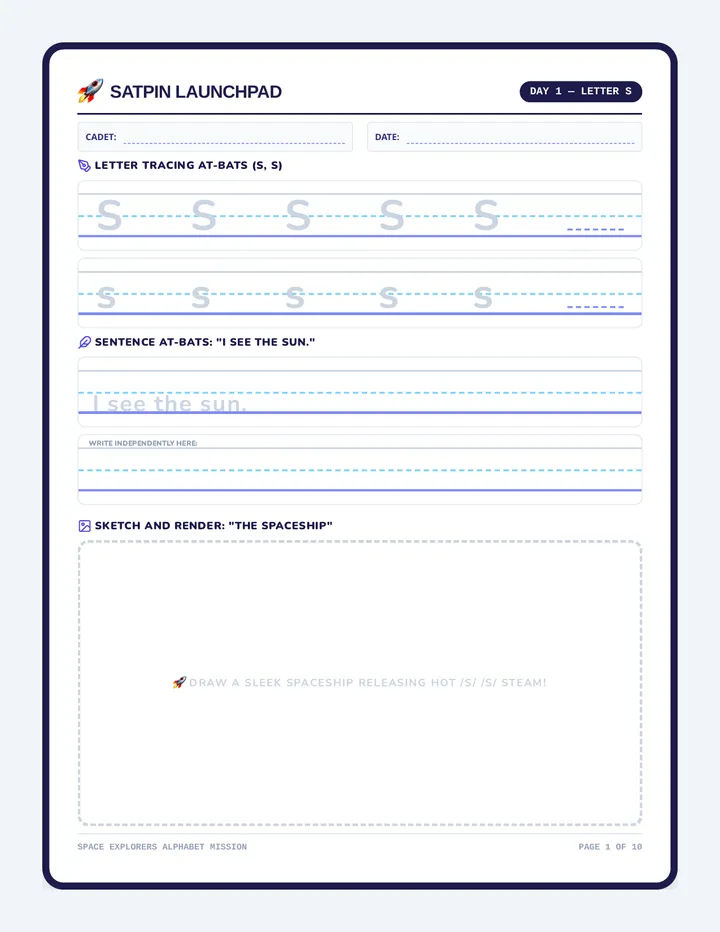
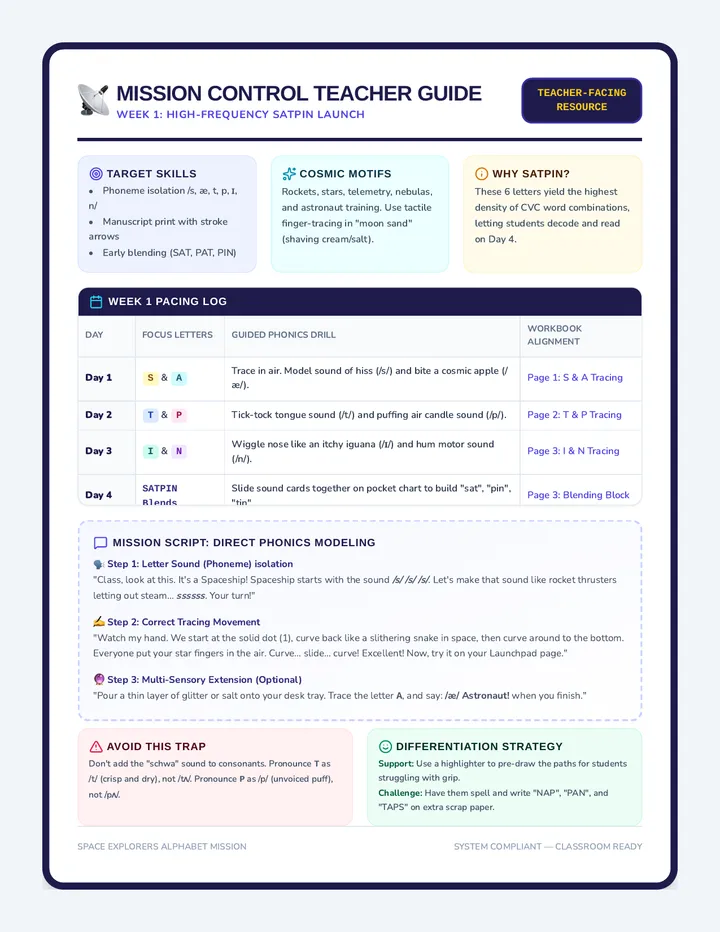
A 4-week ELA workbook and instructional sequence themed around outer space exploration. Focuses on letter recognition, sounds, foundational handwriting, and early phonics using SATPIN, the full A-Z, vowels and consonants, and tricky letter pairs.
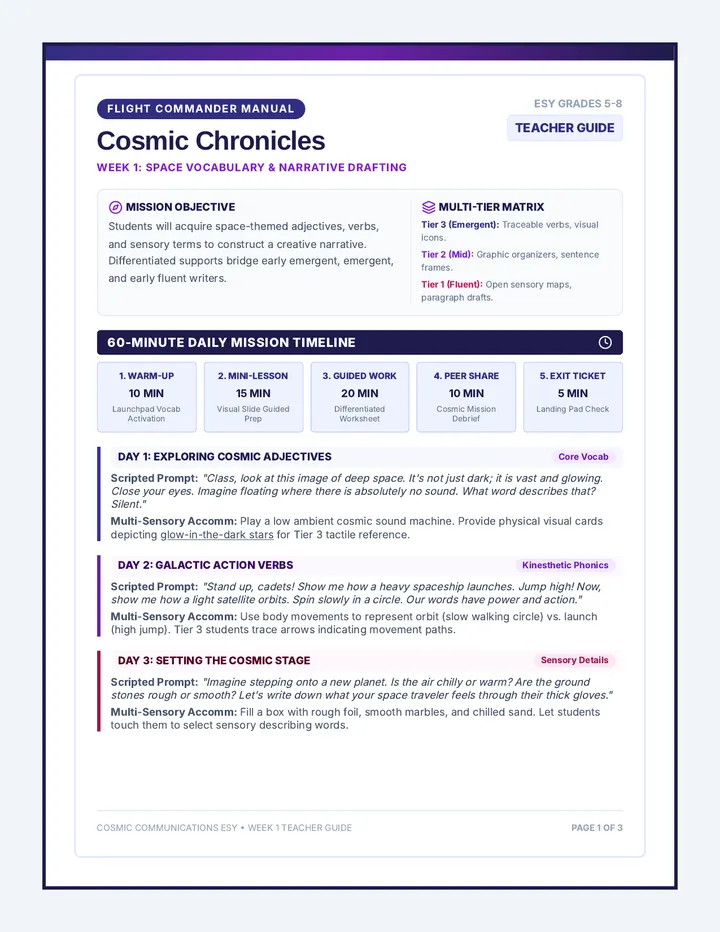
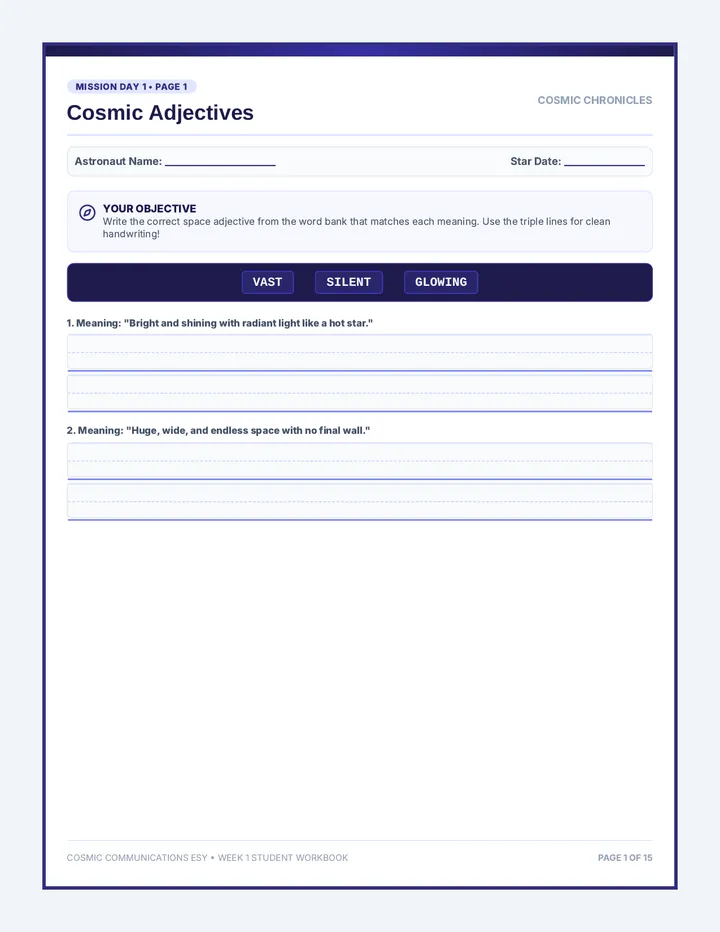
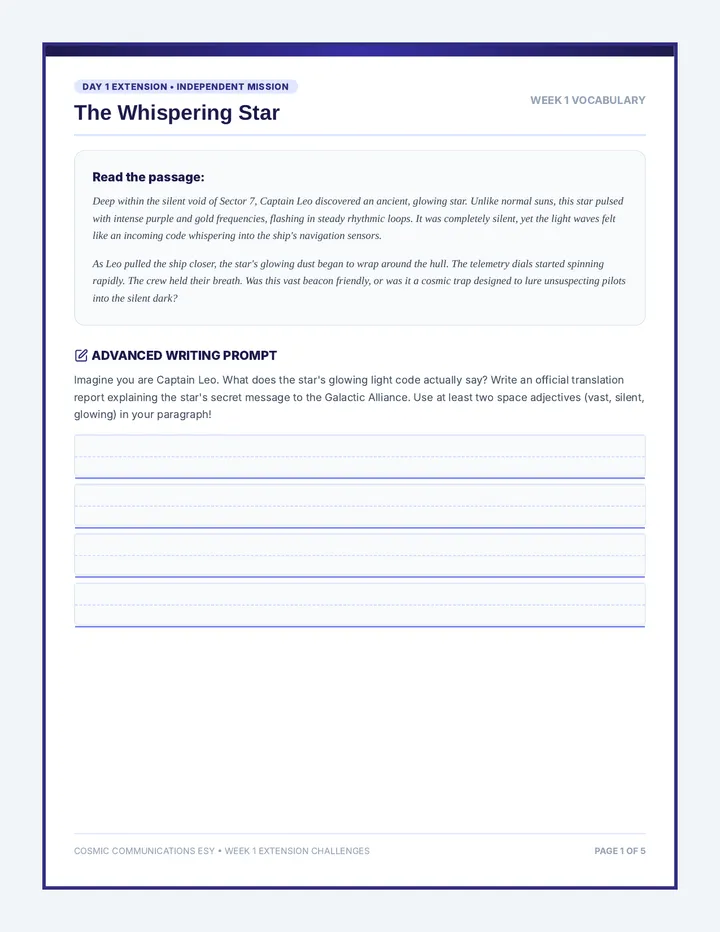
A comprehensive, space-themed 4-week Extended School Year (ESY) ELA curriculum designed for middle school students with disabilities (grades 5-8). It features daily scaffolded learning structures, differentiated materials spanning early emergent to early fluent readers, and visual sensory supports that make ELA skill acquisition accessible, engaging, and structured.
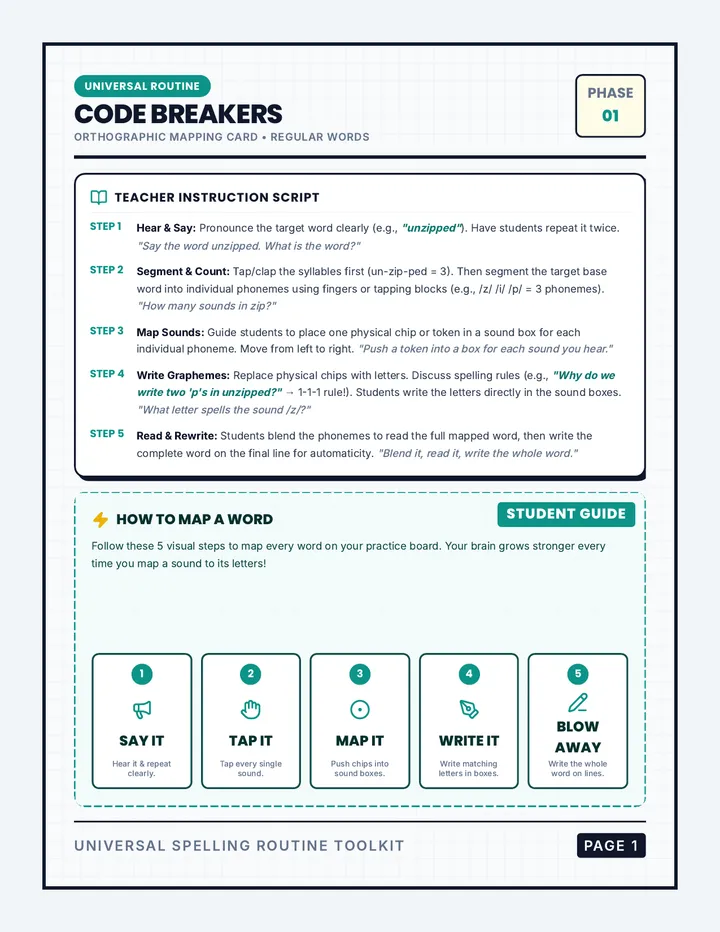
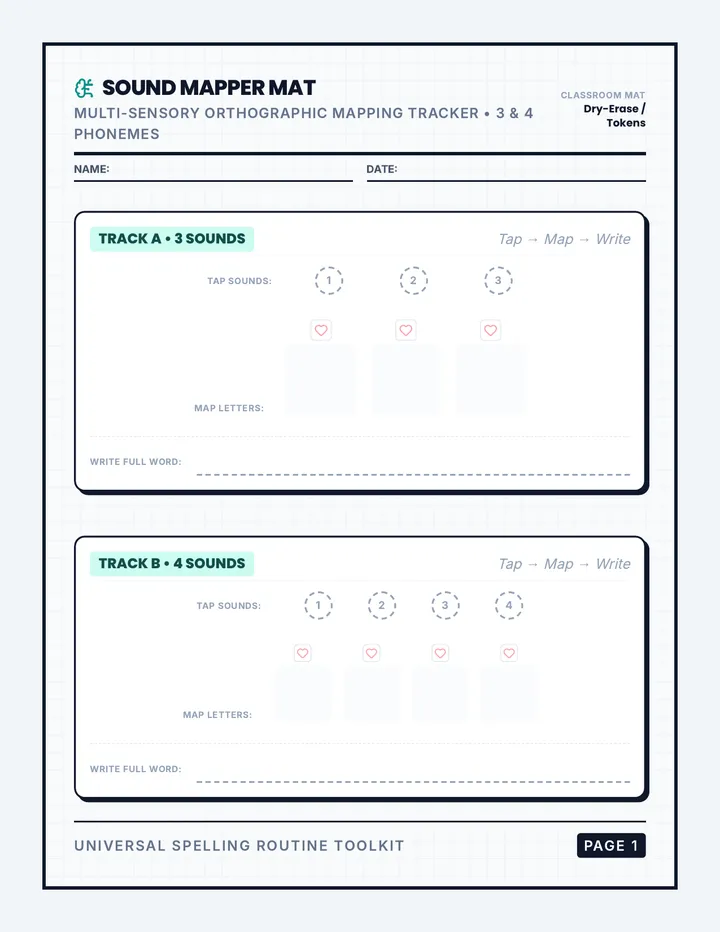
A comprehensive Science of Reading-aligned spelling program designed to build orthographic mapping, syllable juncture automaticity, complex vowel team knowledge, morphological awareness, and multisyllabic decoding skills. Includes universal routine kits, teacher instructional guides, and structured student practice sheets.
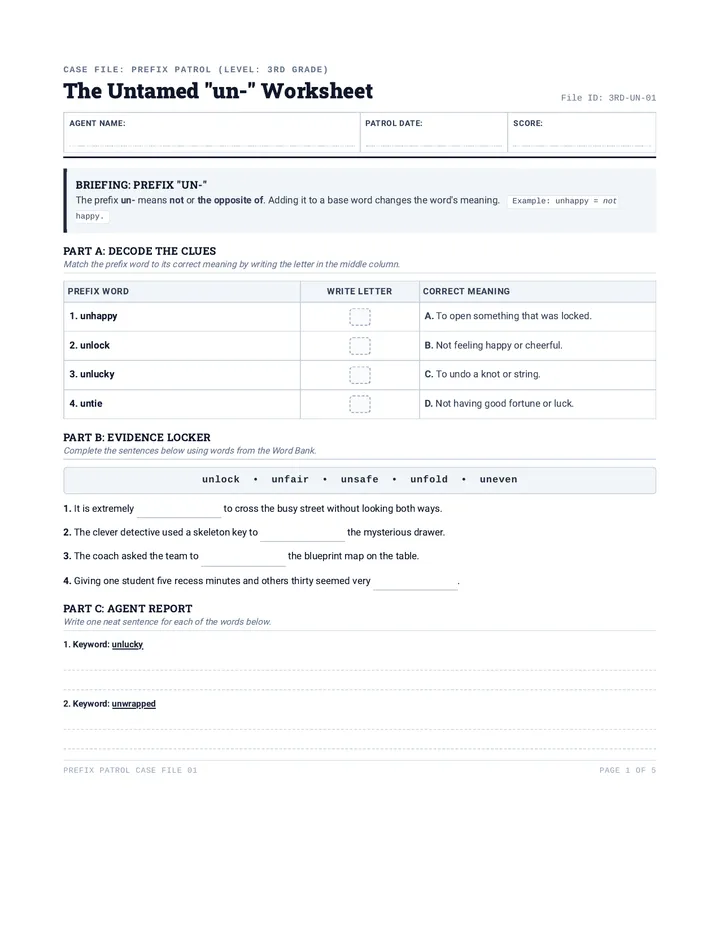
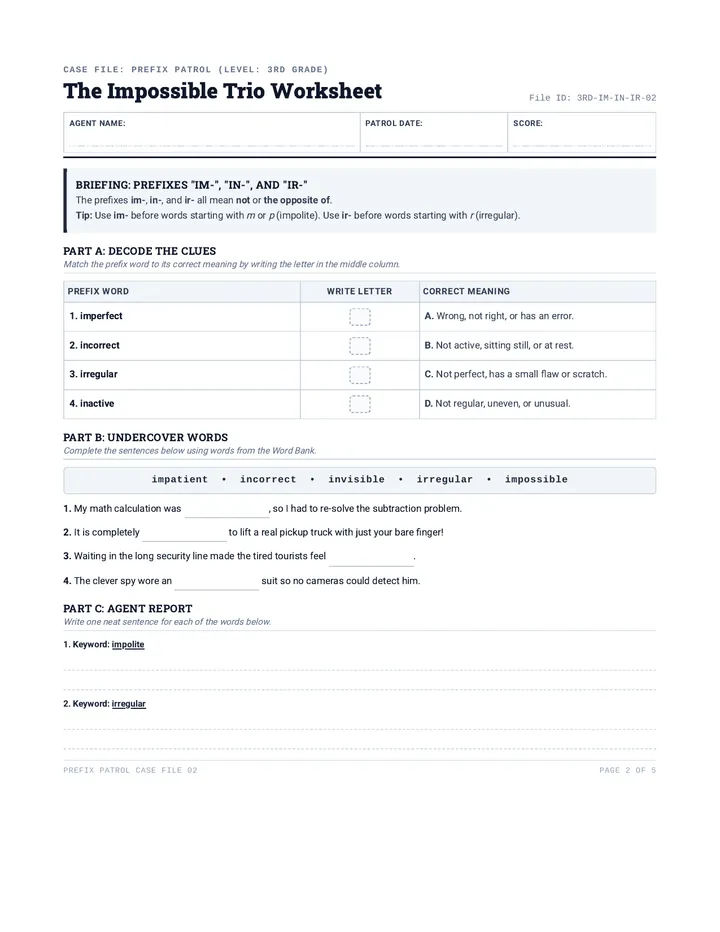
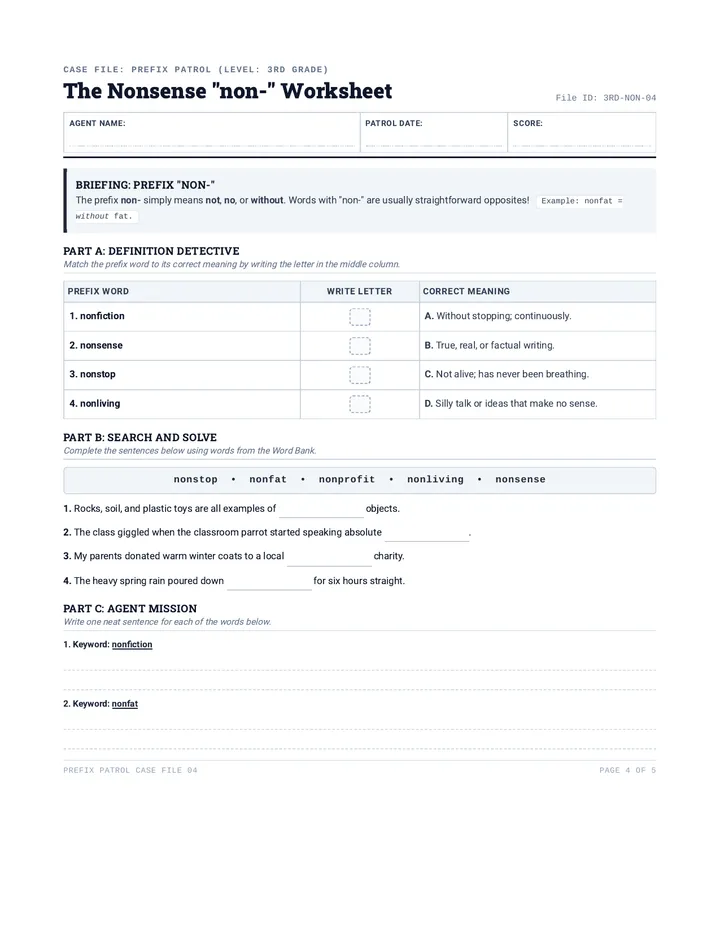
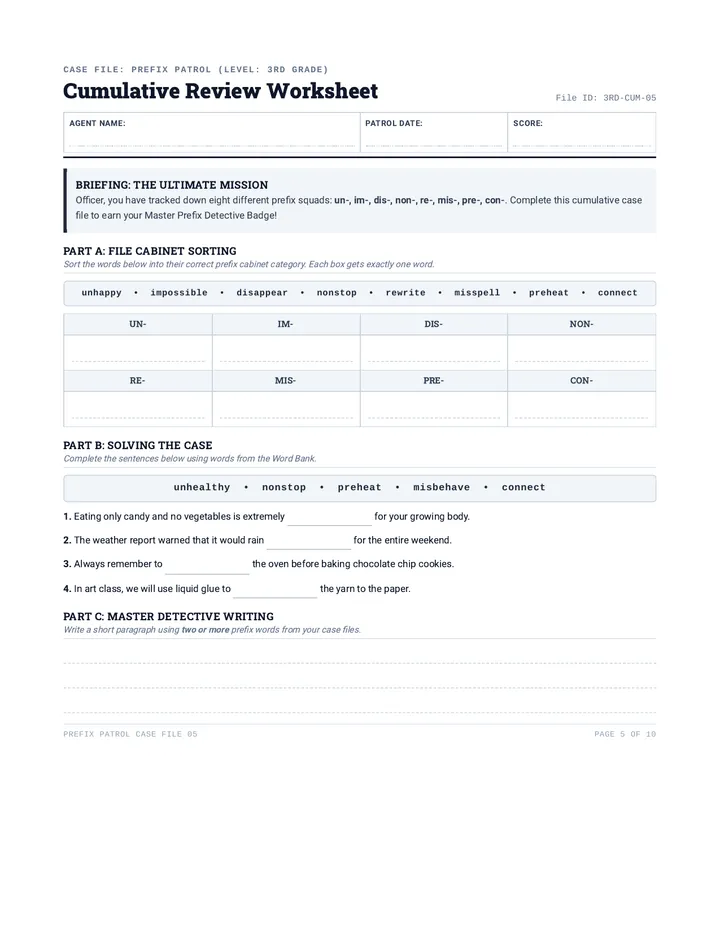
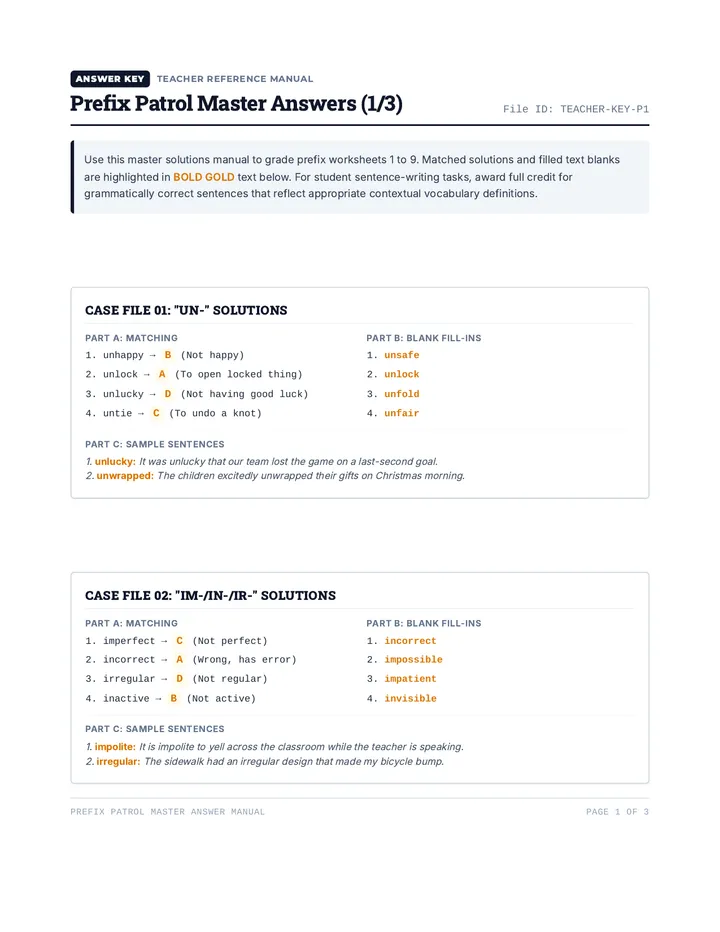
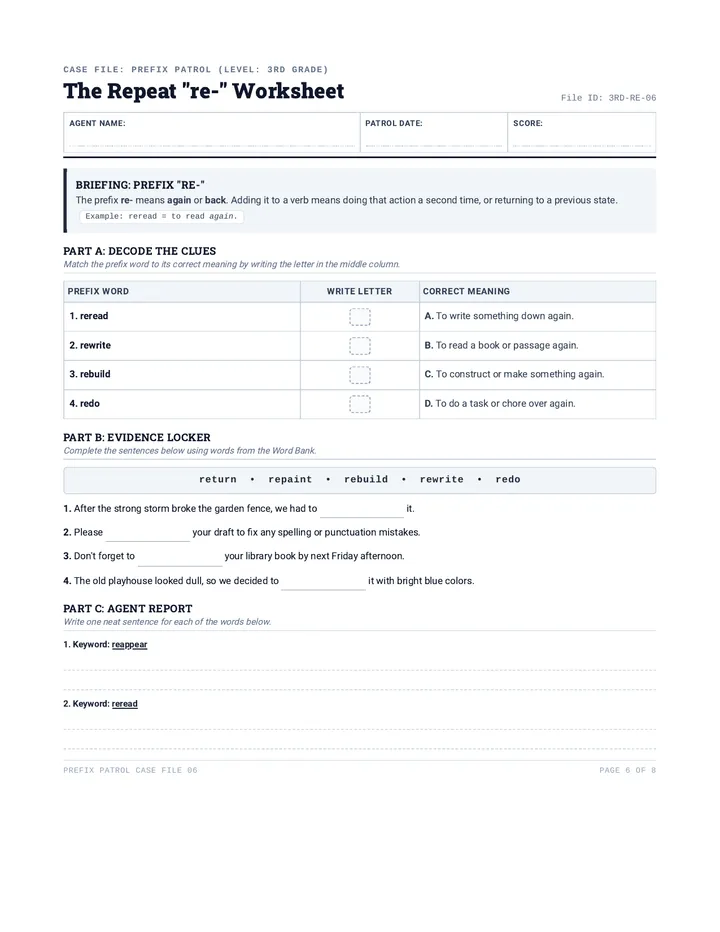
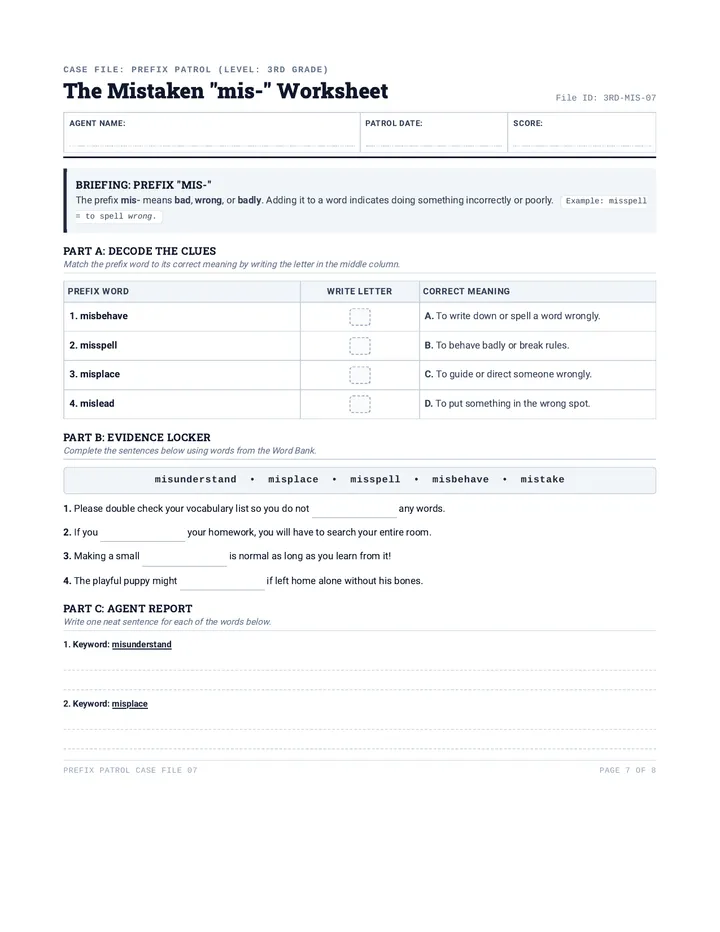
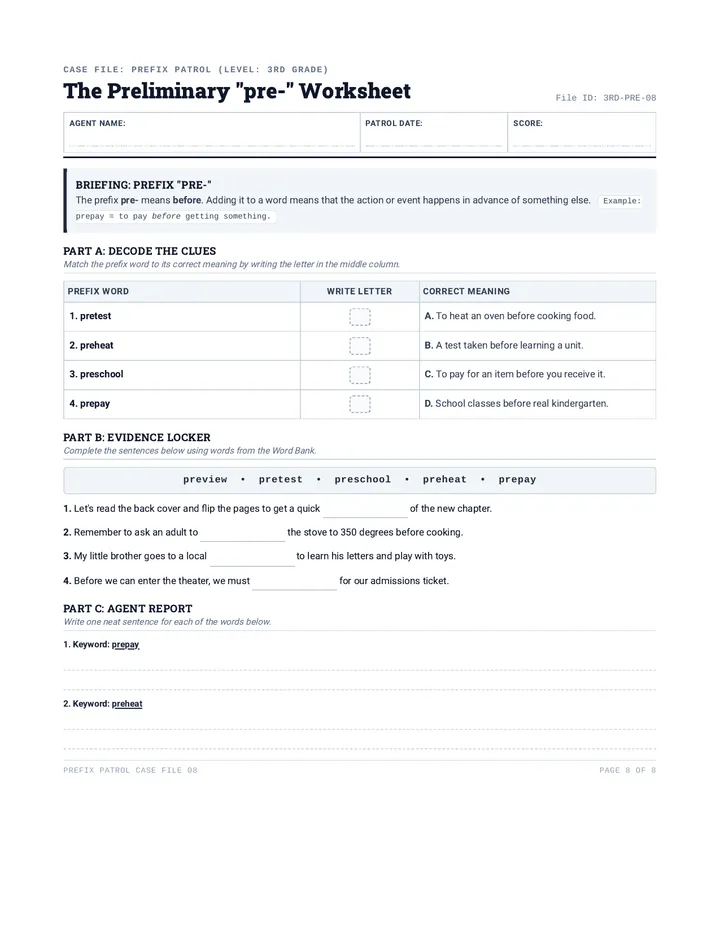
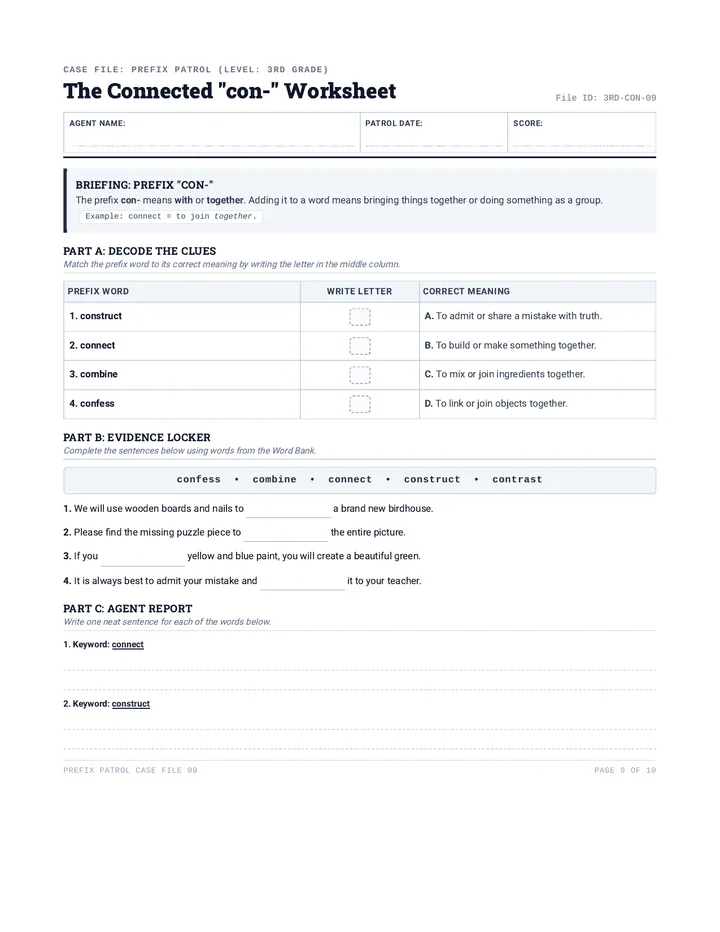
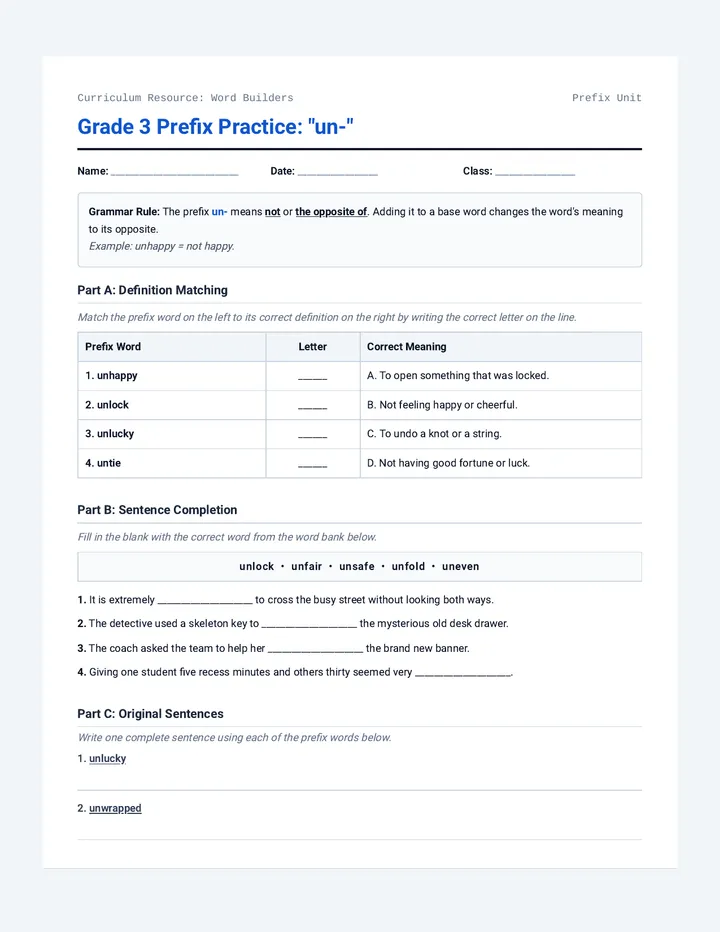
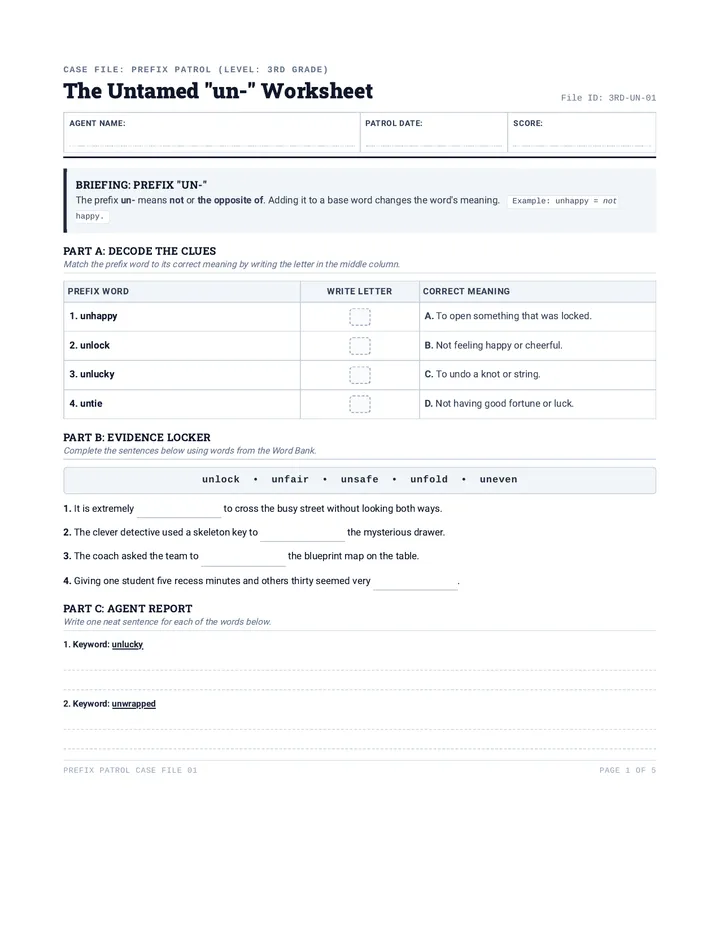
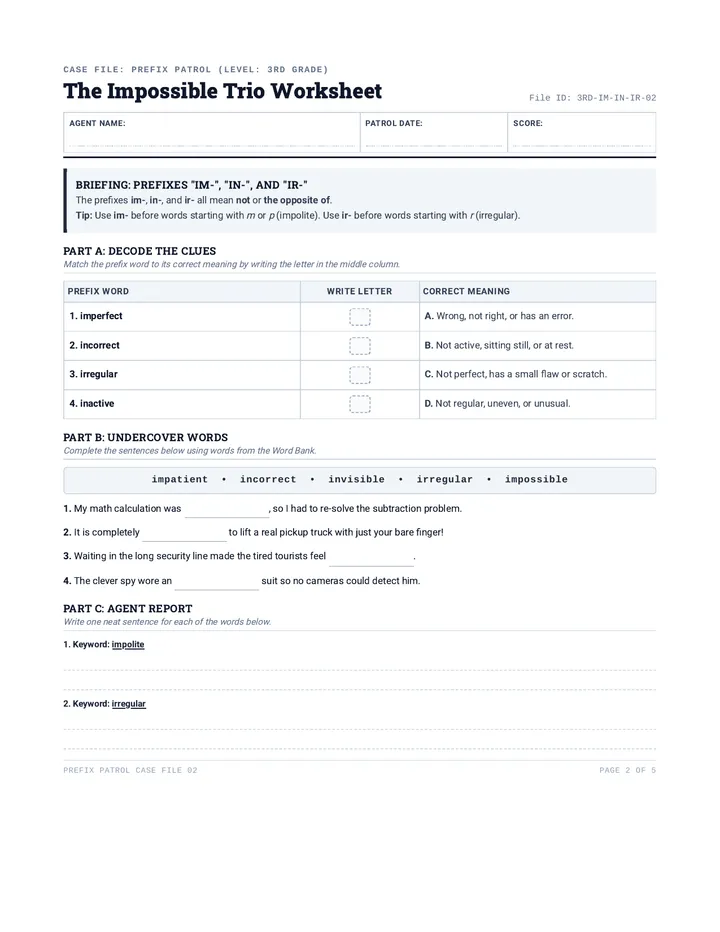
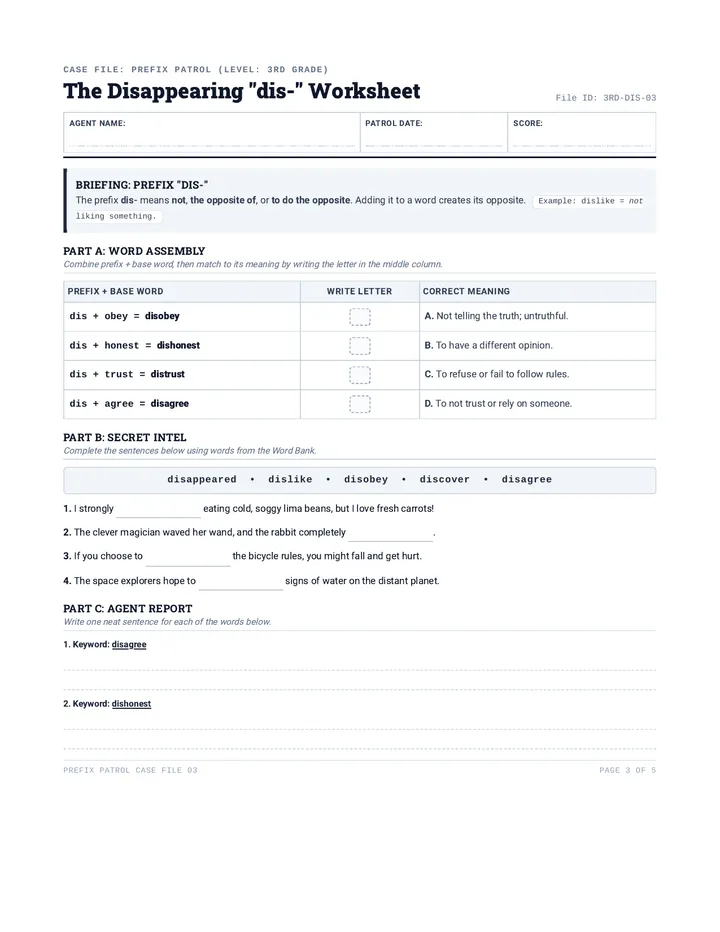
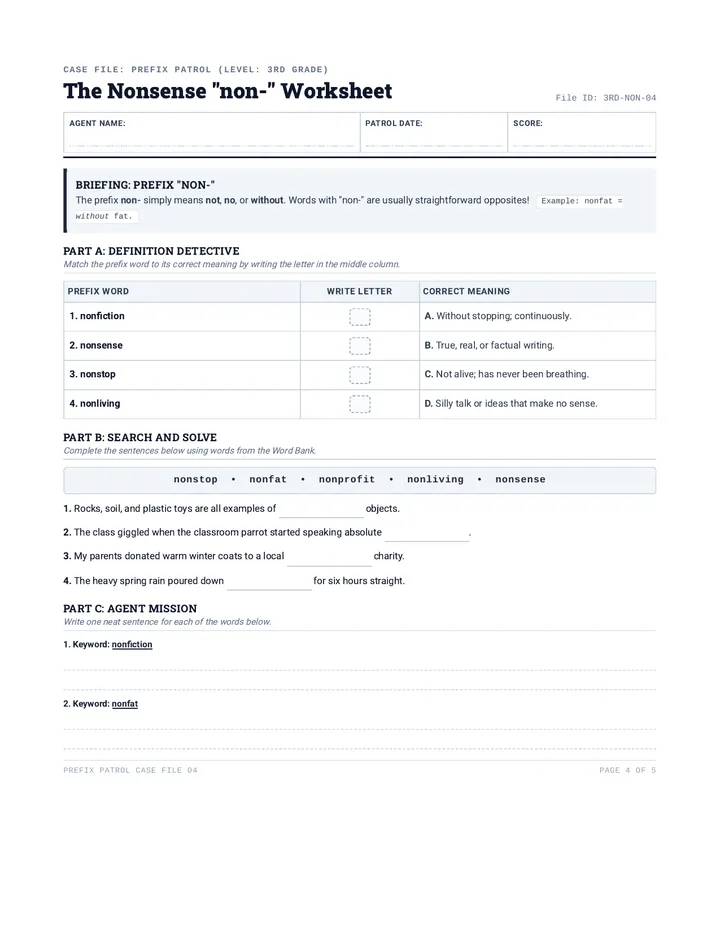
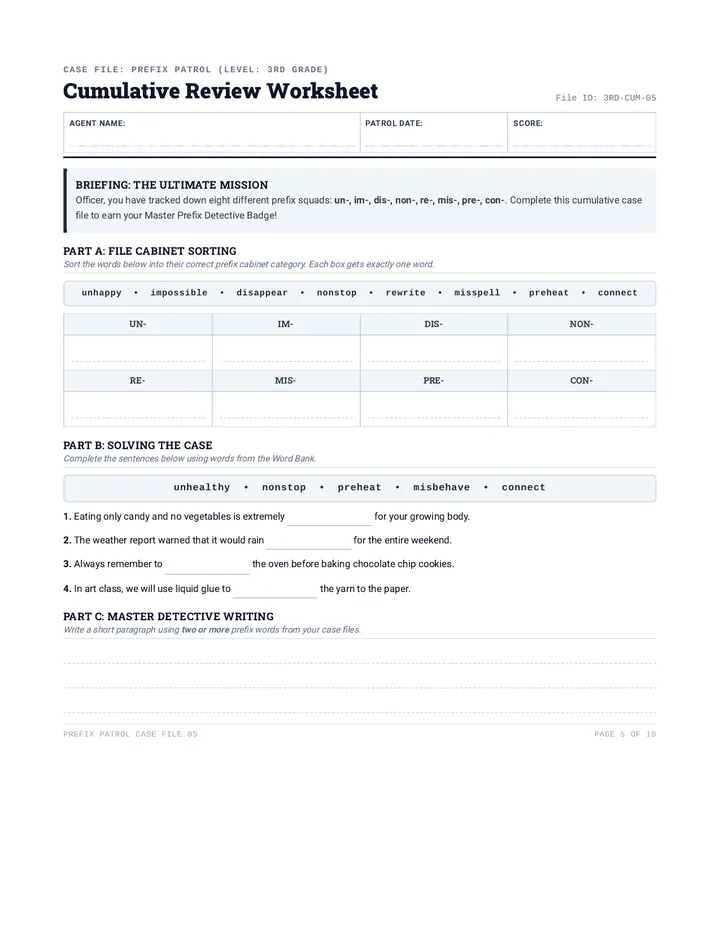
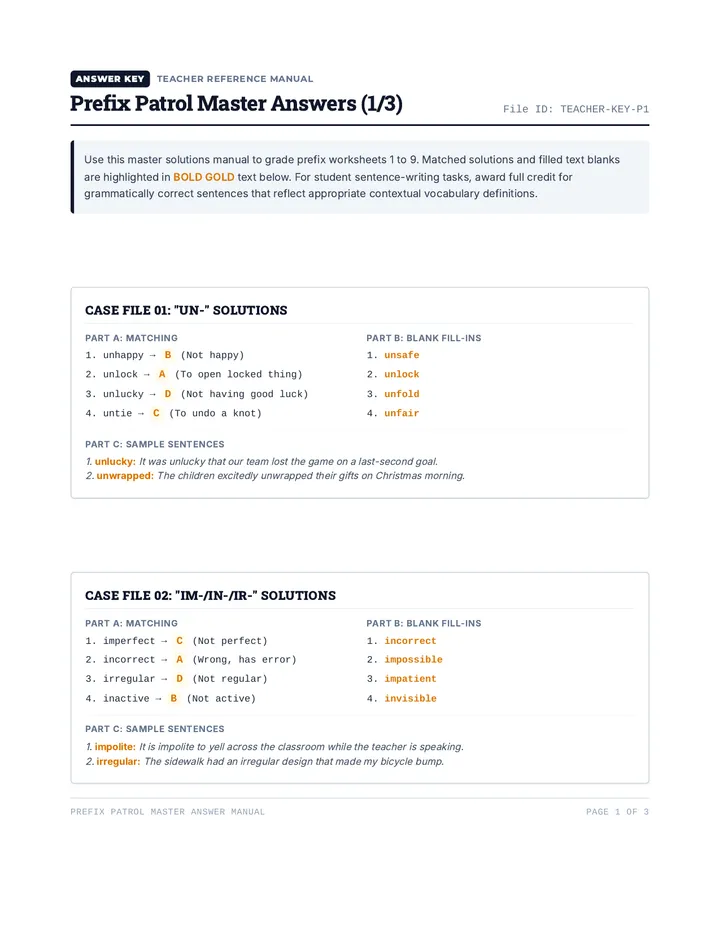
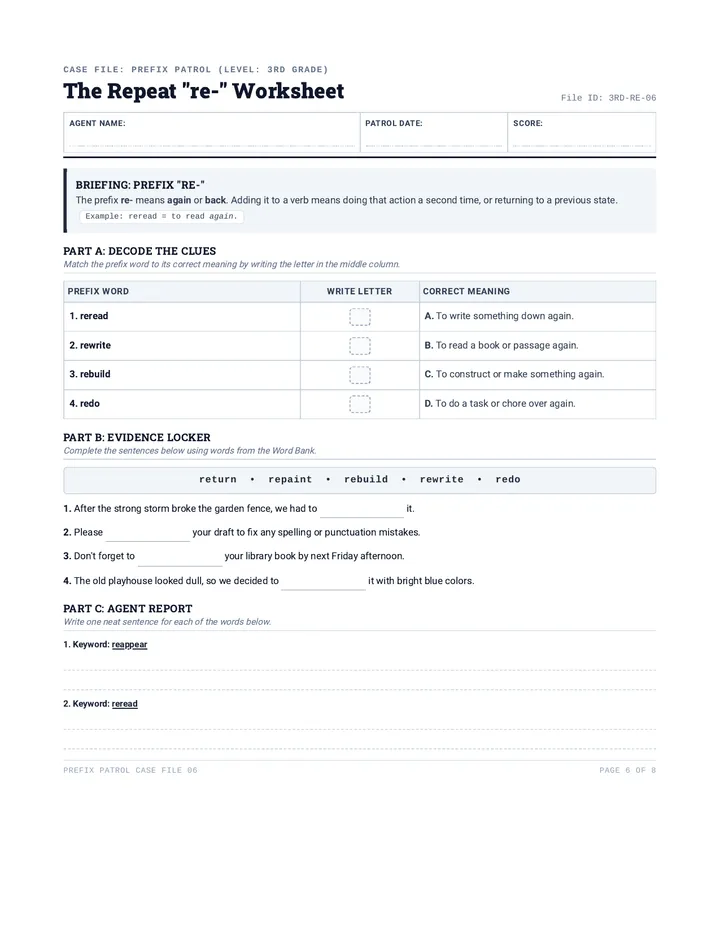
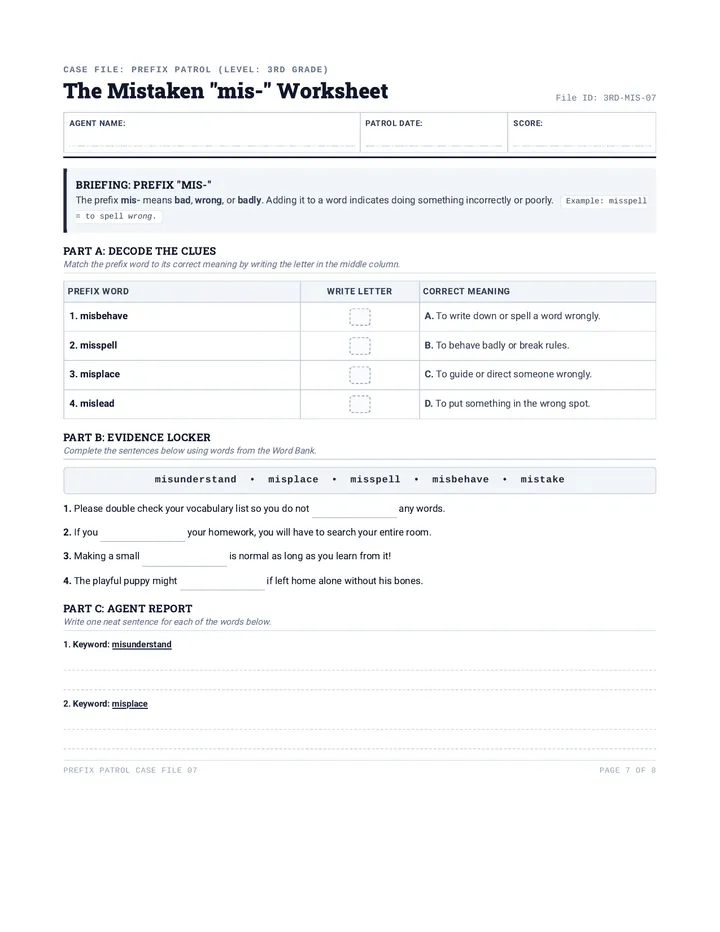
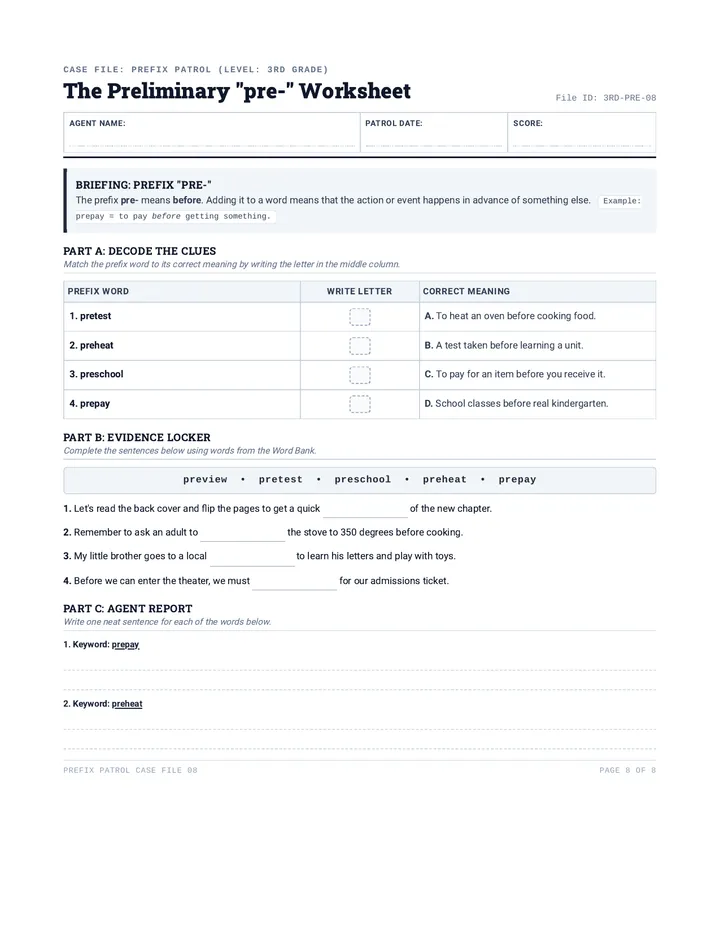
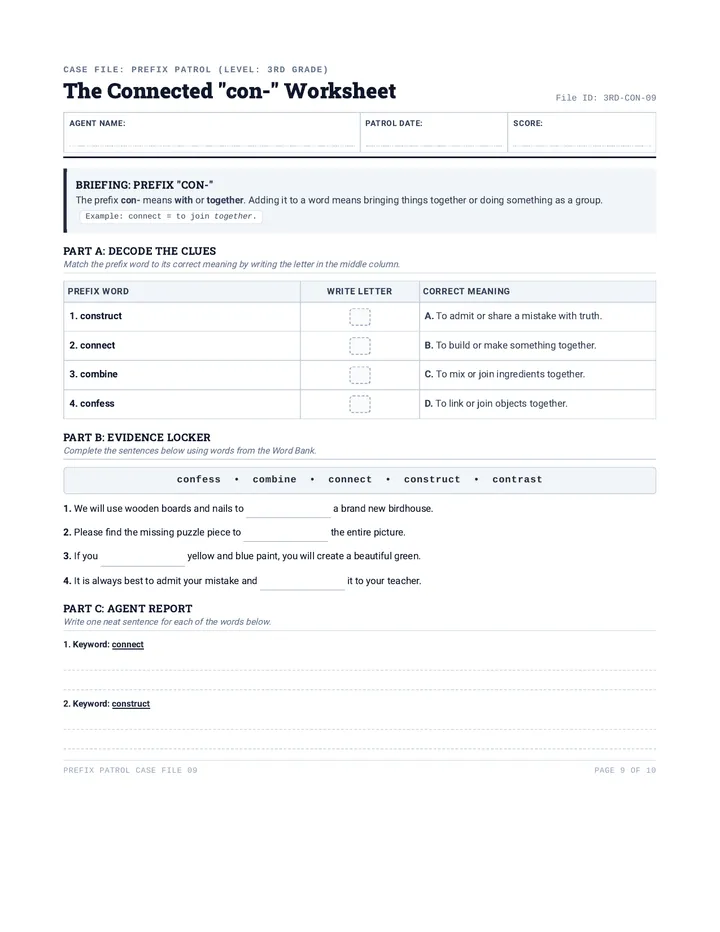
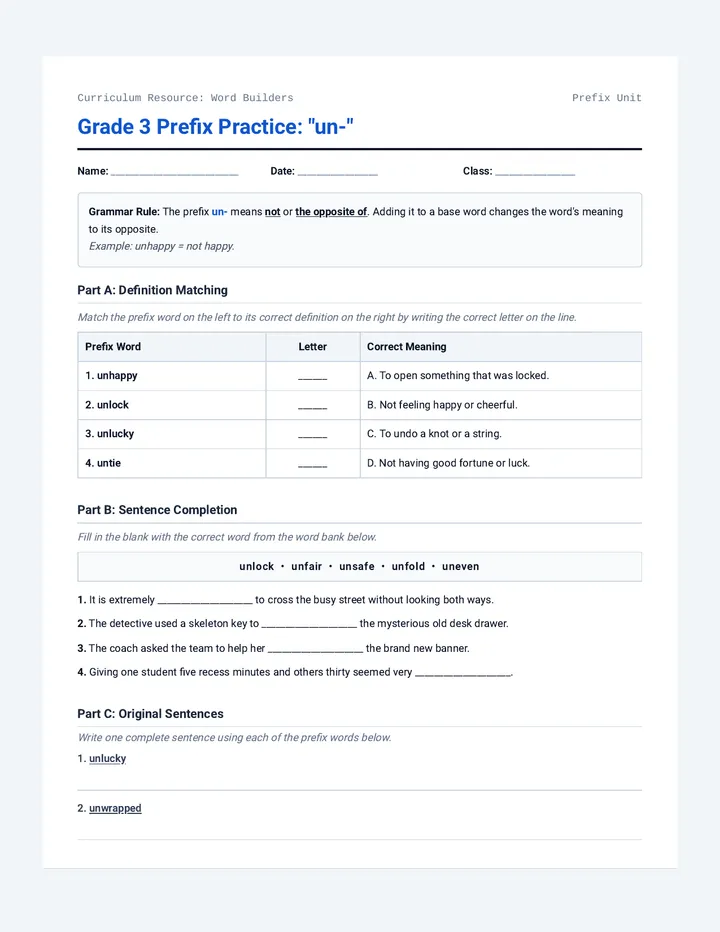
A complete third-grade morphology curriculum focusing on prefix and root-word mastery. Through highly engaging, uniform worksheets, cumulative review guides, and complete teacher answer manuals, students build strong spelling and decoding foundations.
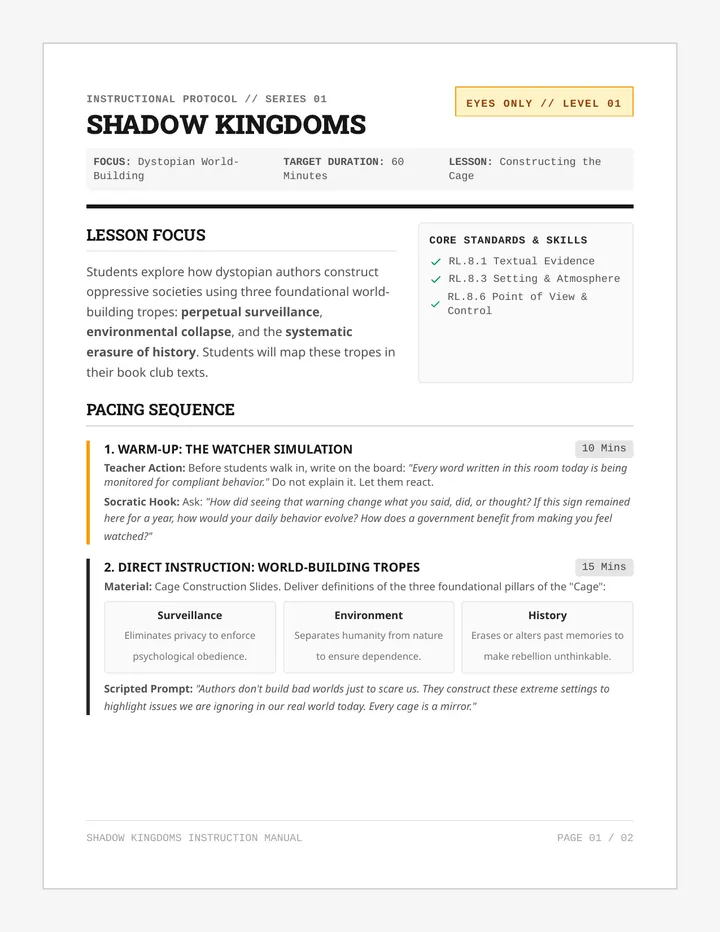
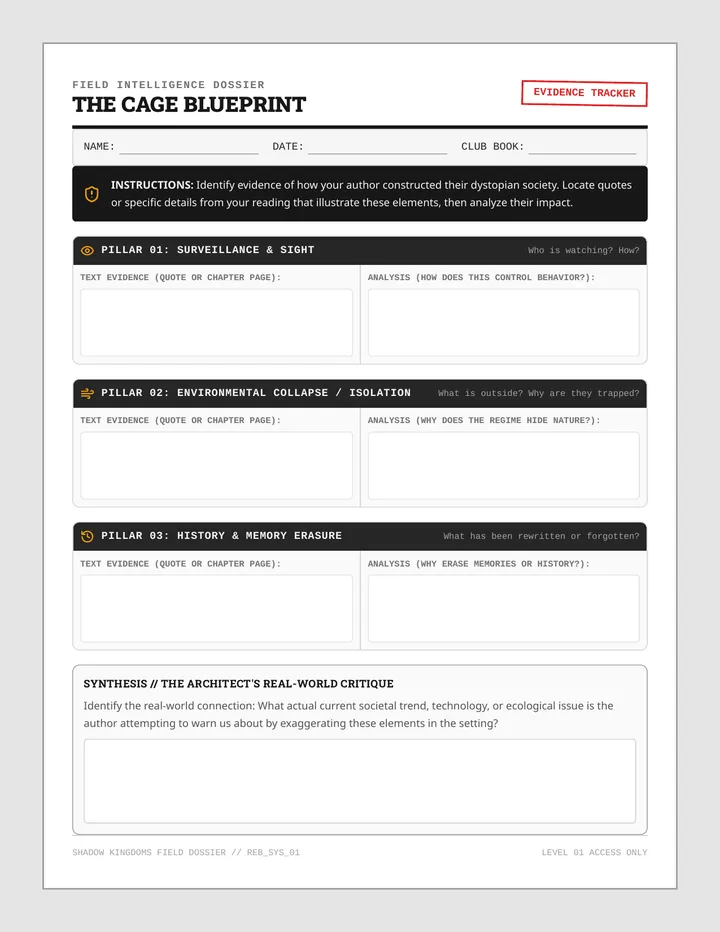
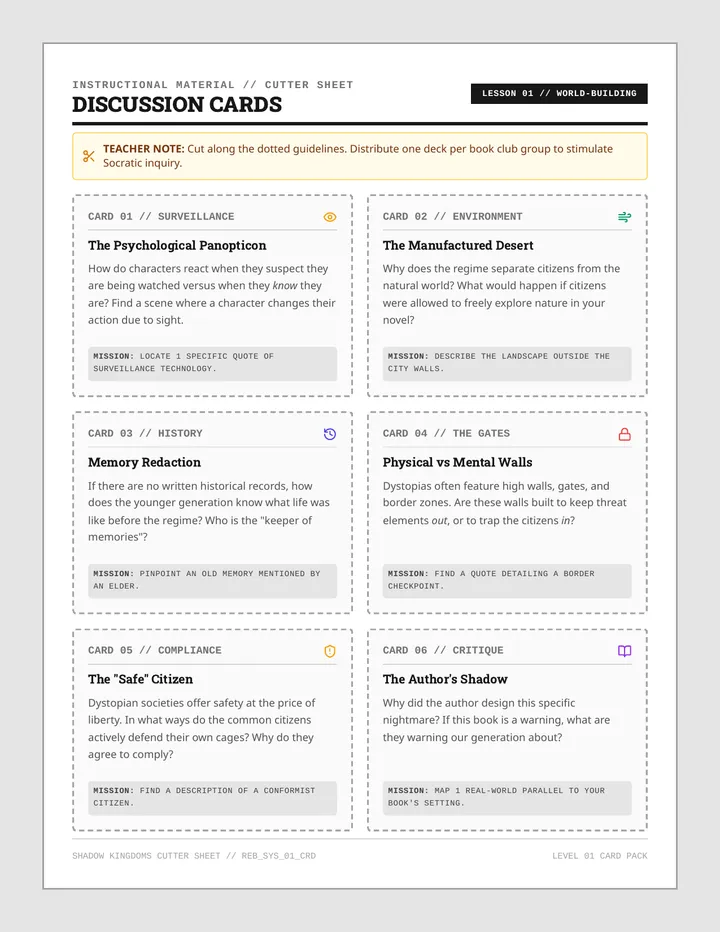
A comprehensive book-club companion unit designed to guide students through the dark alleys of dystopian literature. Through three thematic lessons, students deconstruct propaganda, analyze world-building, track protagonist rebellion, and explore authors' real-world critiques.
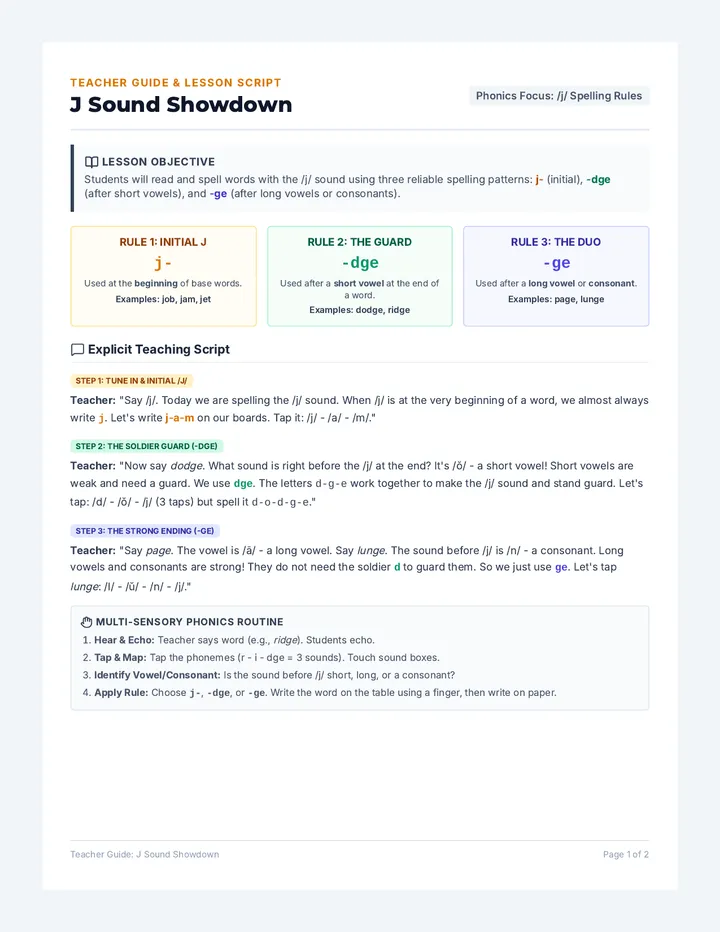
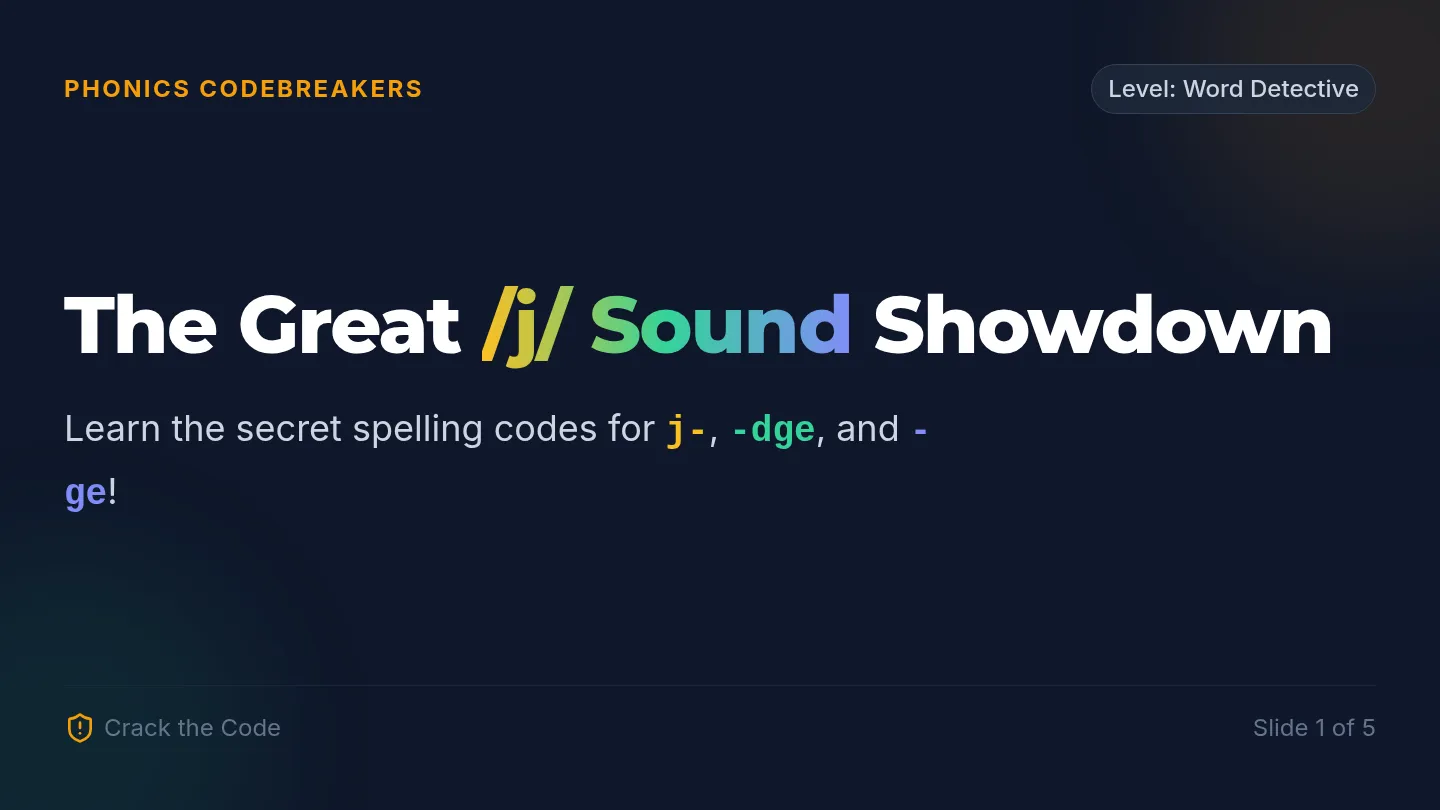
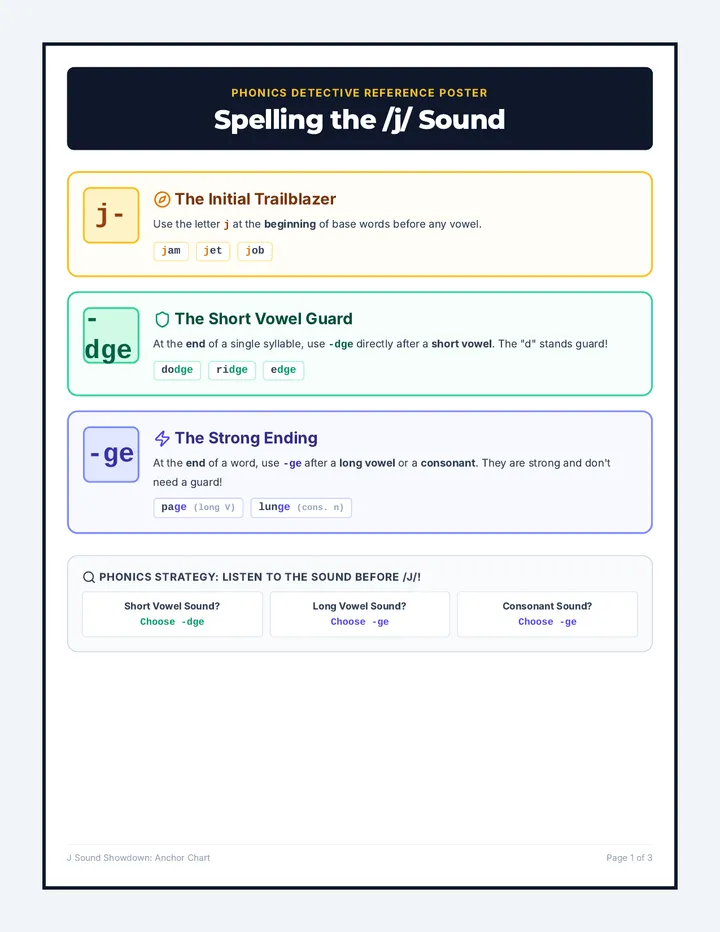
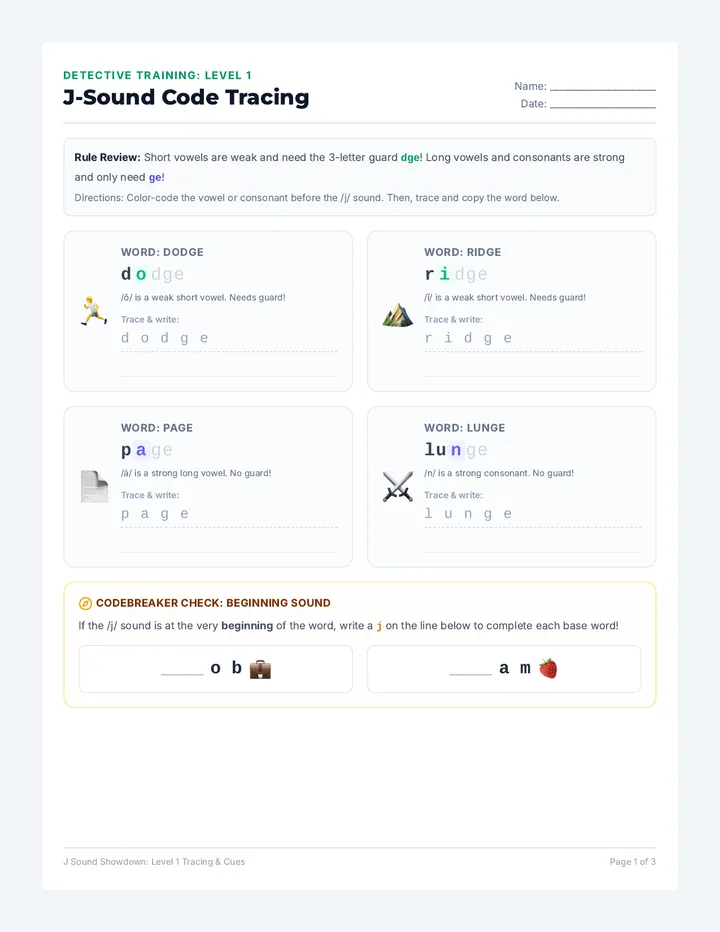
A spelling and phonics sequence exploring spelling patterns for the soft G /j/ sound, covering initial J, terminal -dge and -ge, and the soft G triggers GE, GI, and GY.
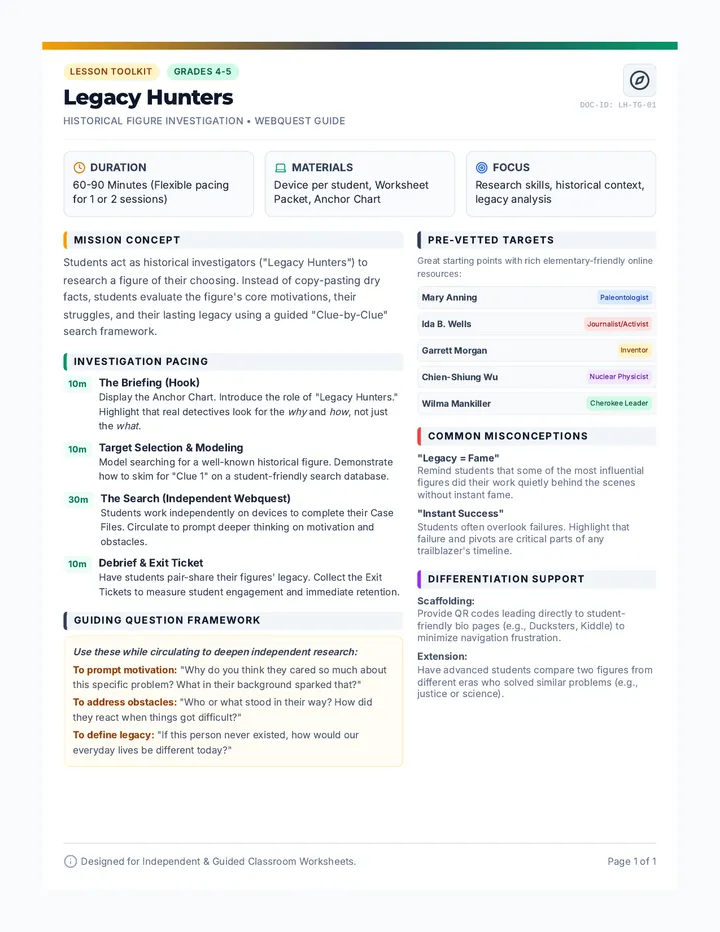
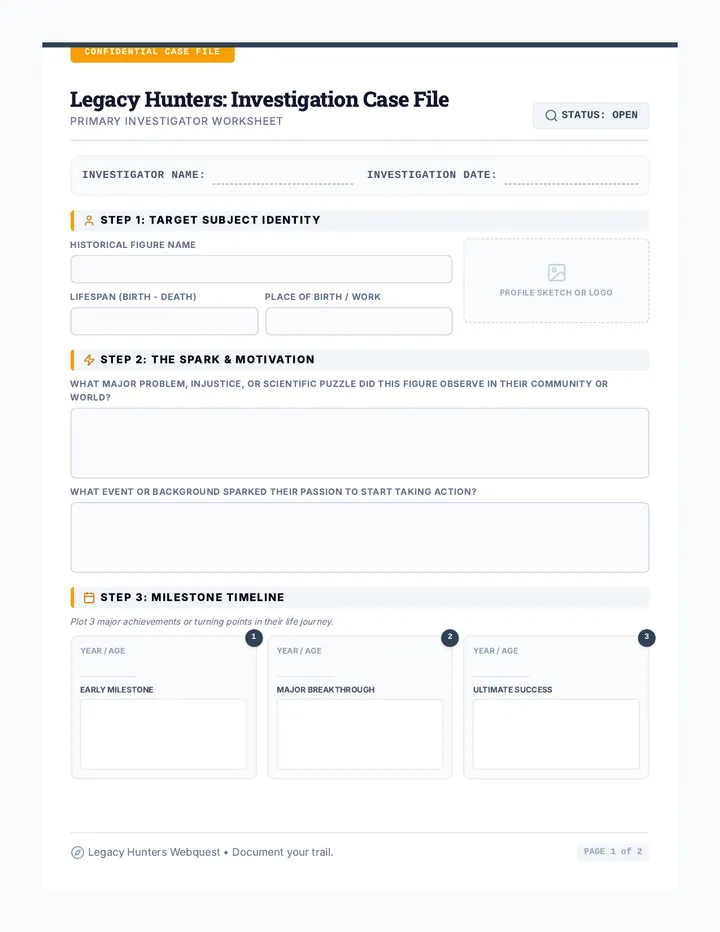
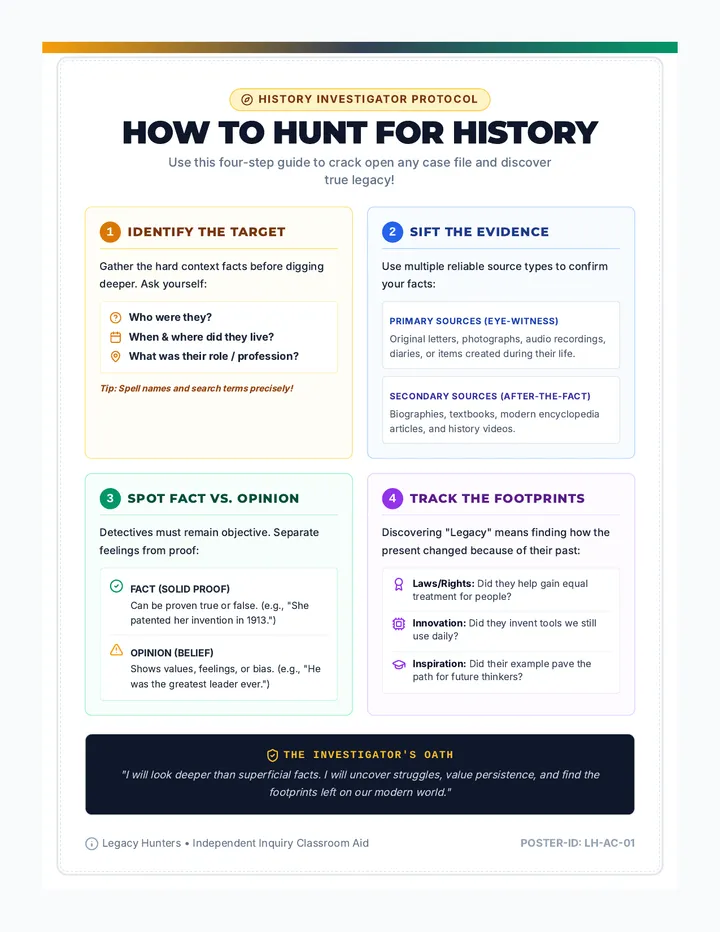
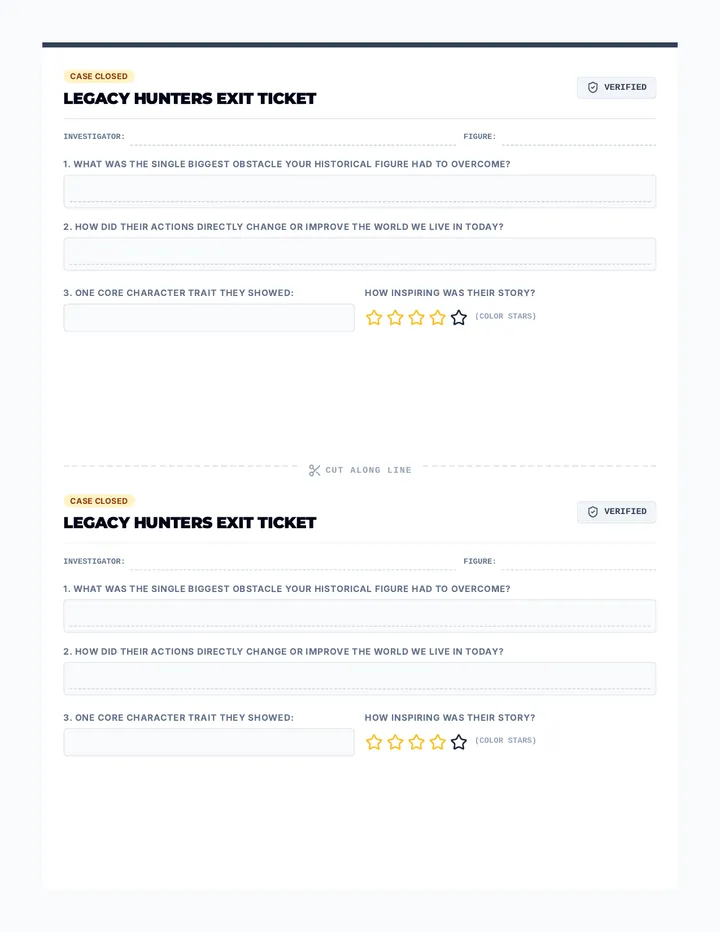
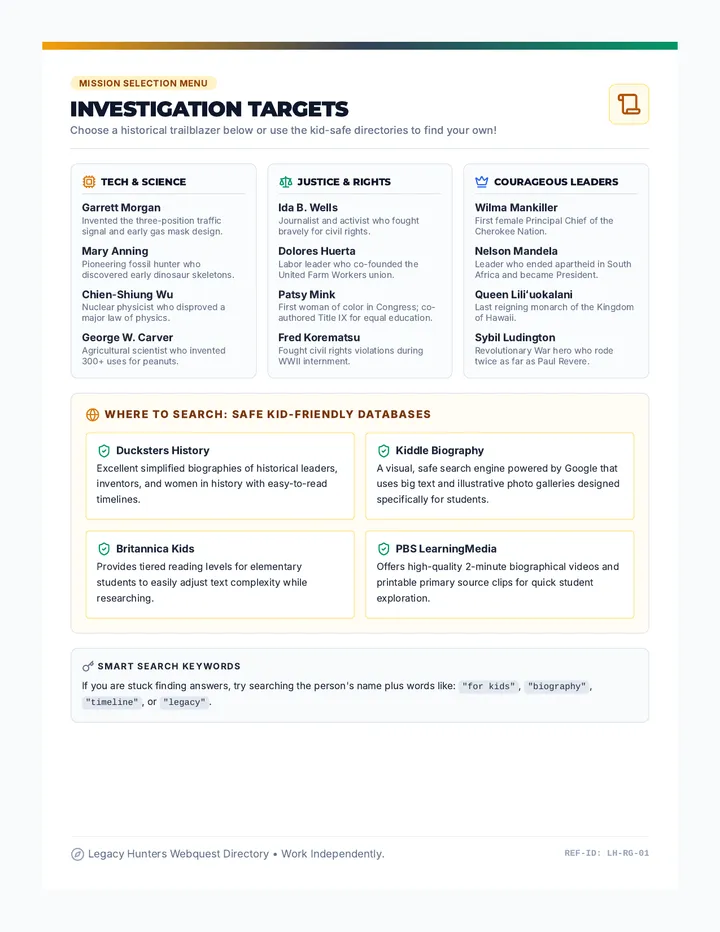
A multi-disciplinary sequence of independent research, literature, and presentation projects designed to build late-elementary student autonomy, critical thinking, and creative communication skills.
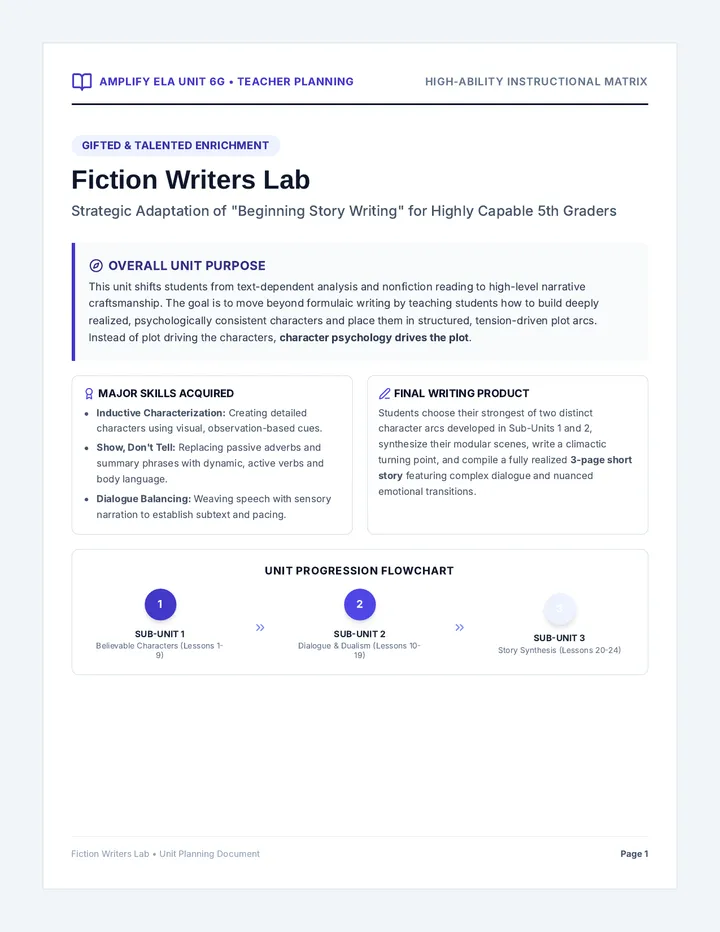
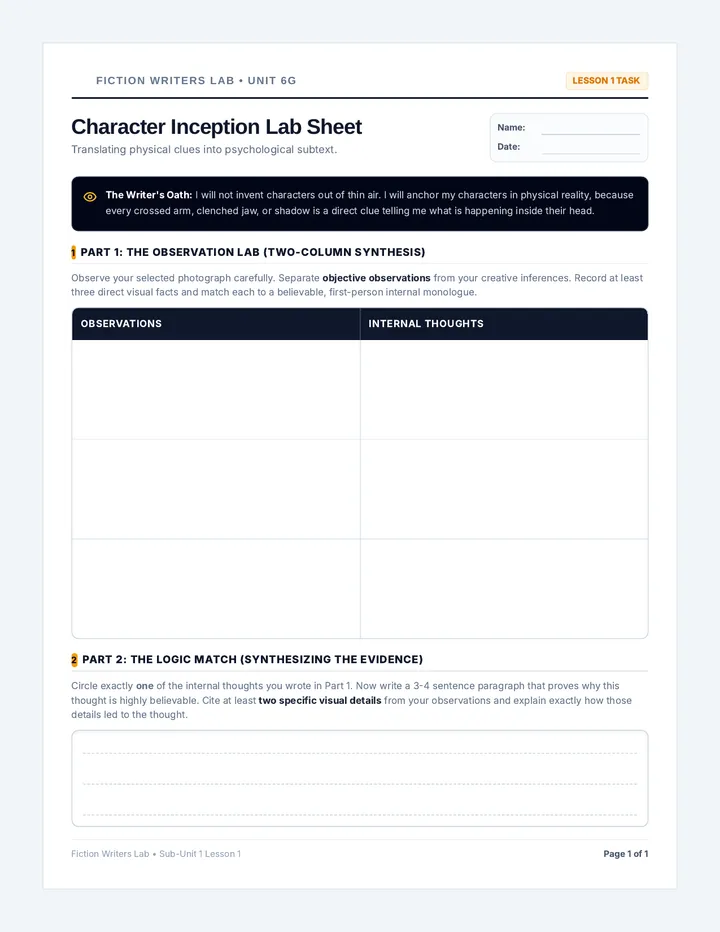
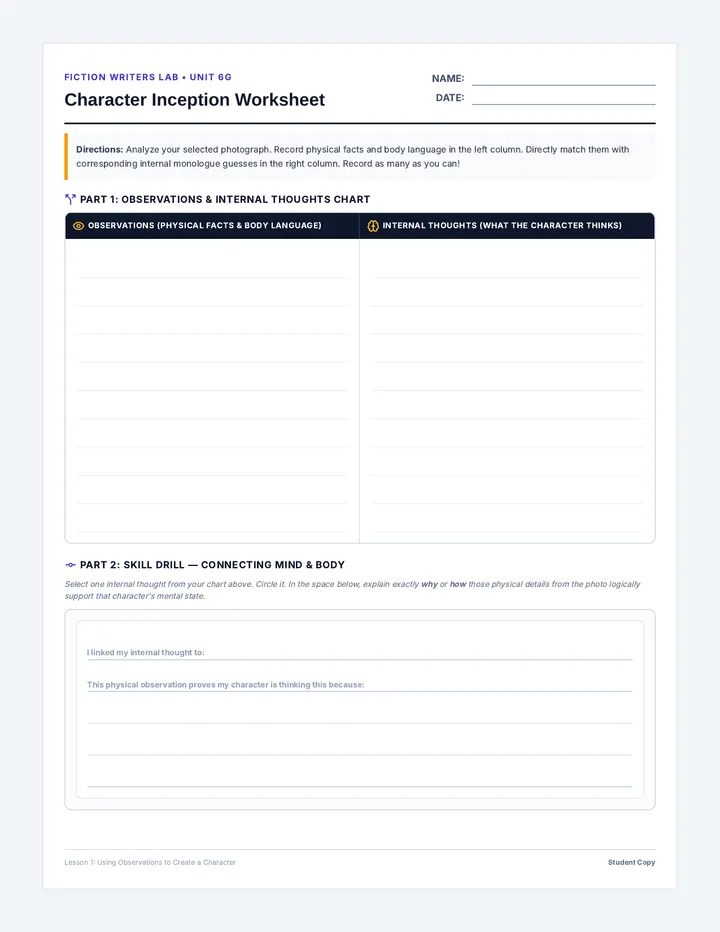
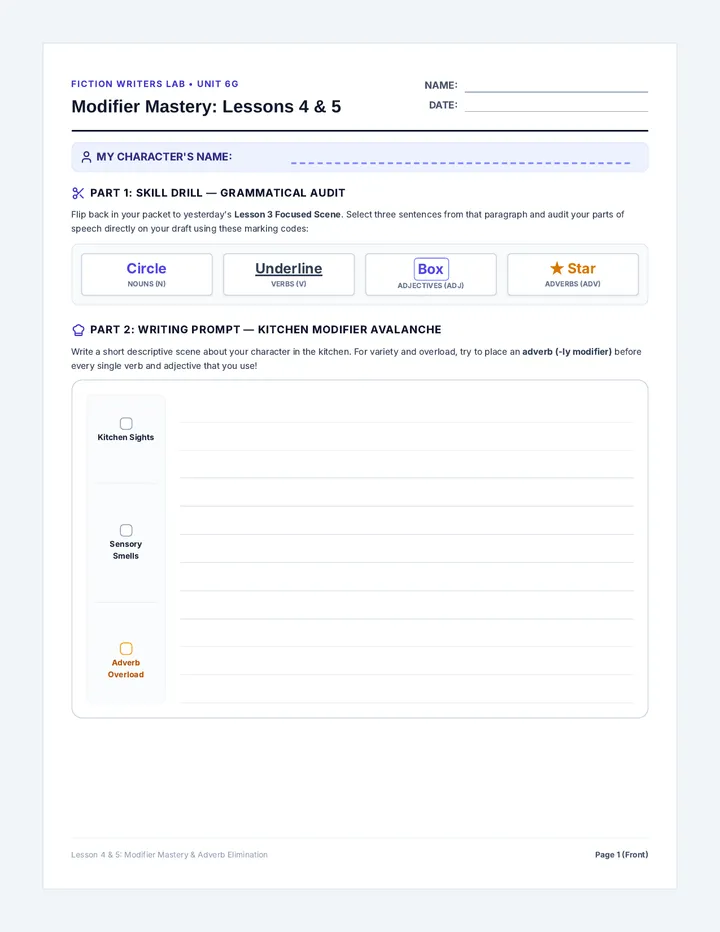
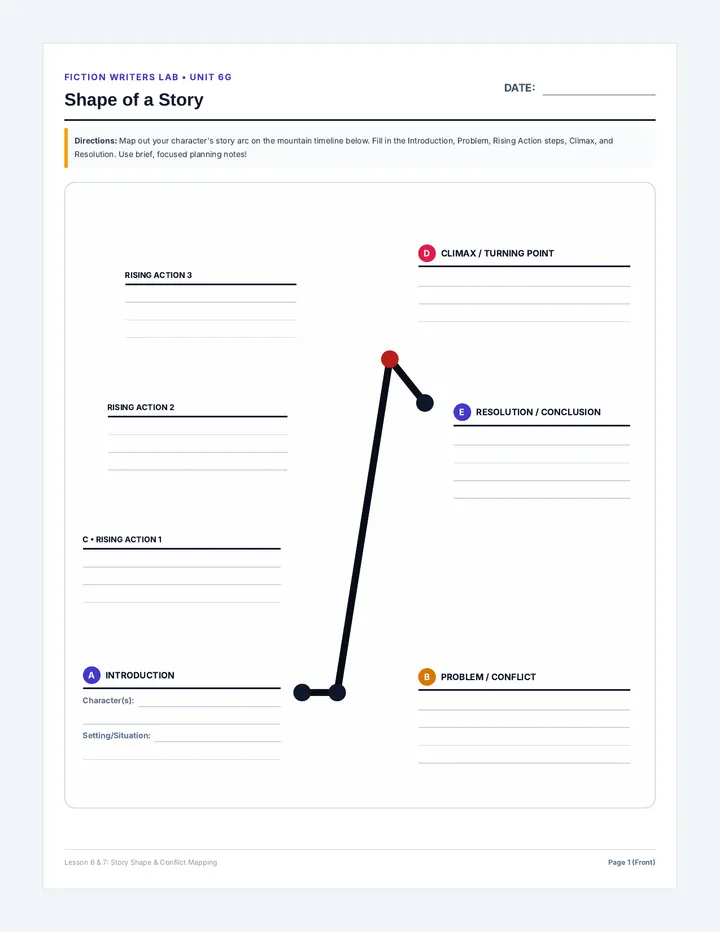
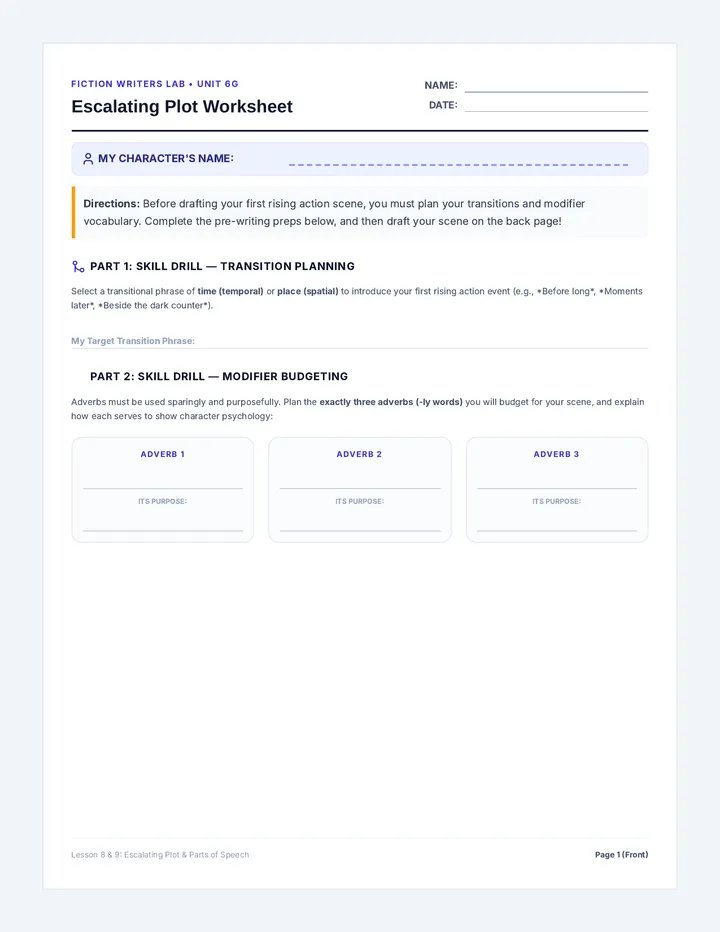
A comprehensive unit analysis and planning sequence for Unit 6G Beginning Story Writing, enriched for high-ability 5th grade students.
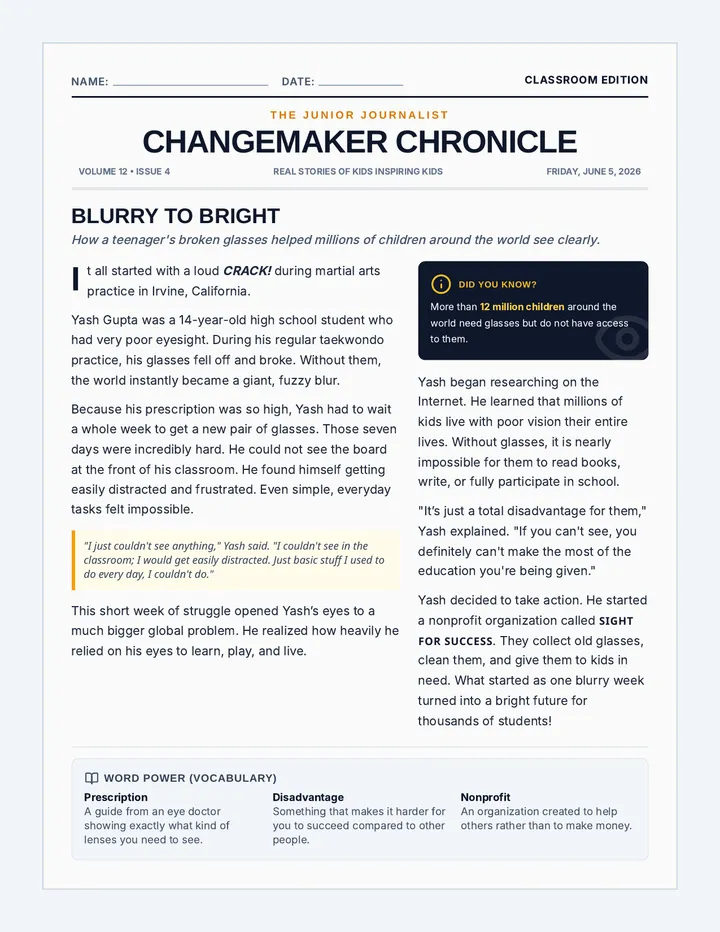
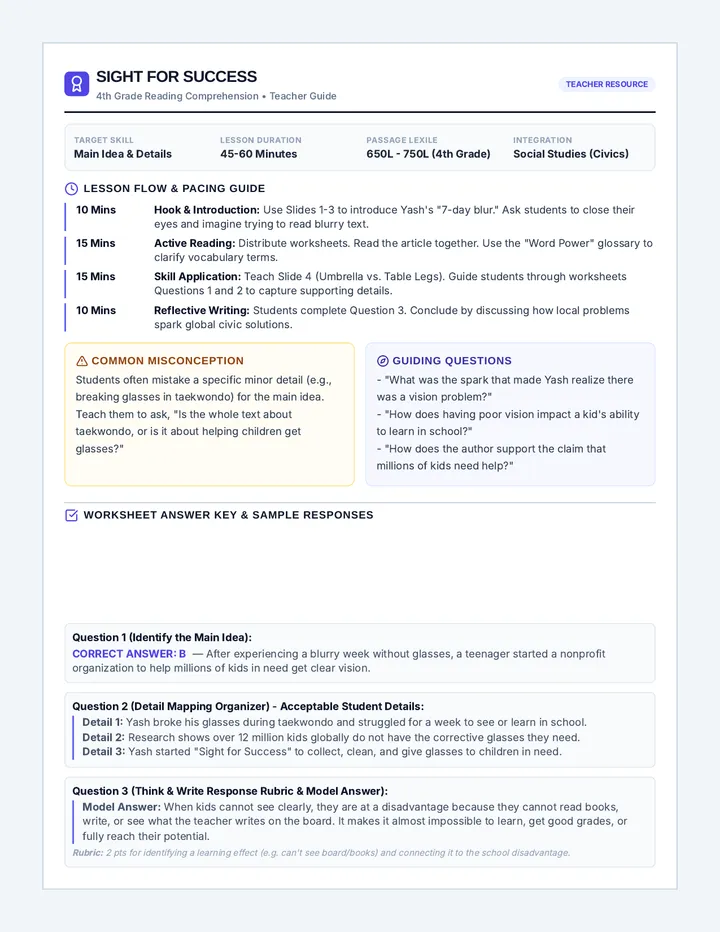
A reading and social studies sequence exploring how young people identify community needs and take action. Students practice critical reading skills like finding the main idea and synthesizing key details across real-world student-led initiatives.
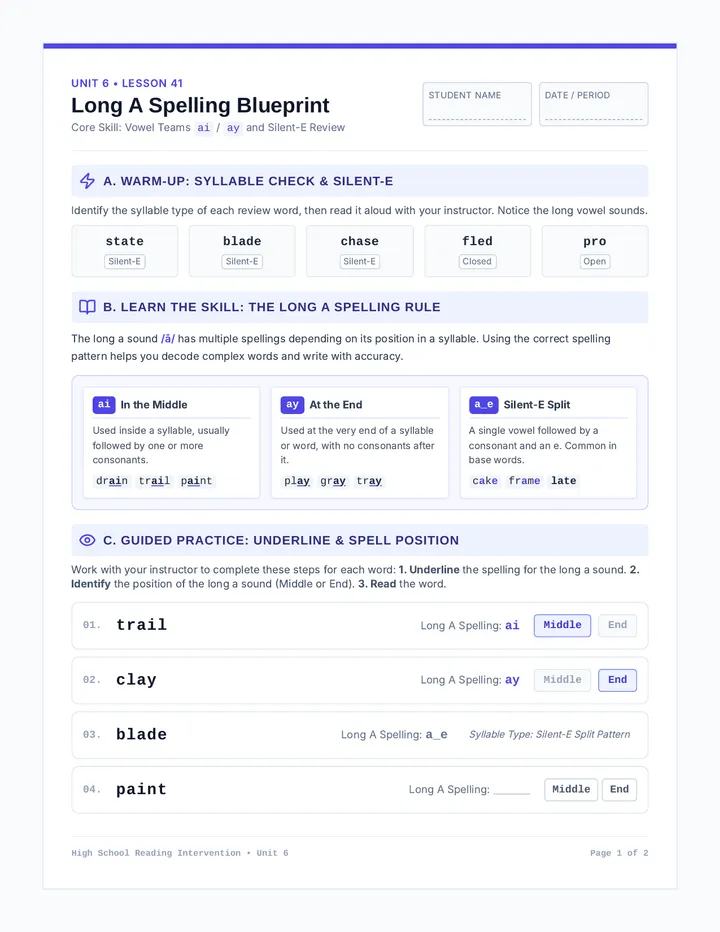
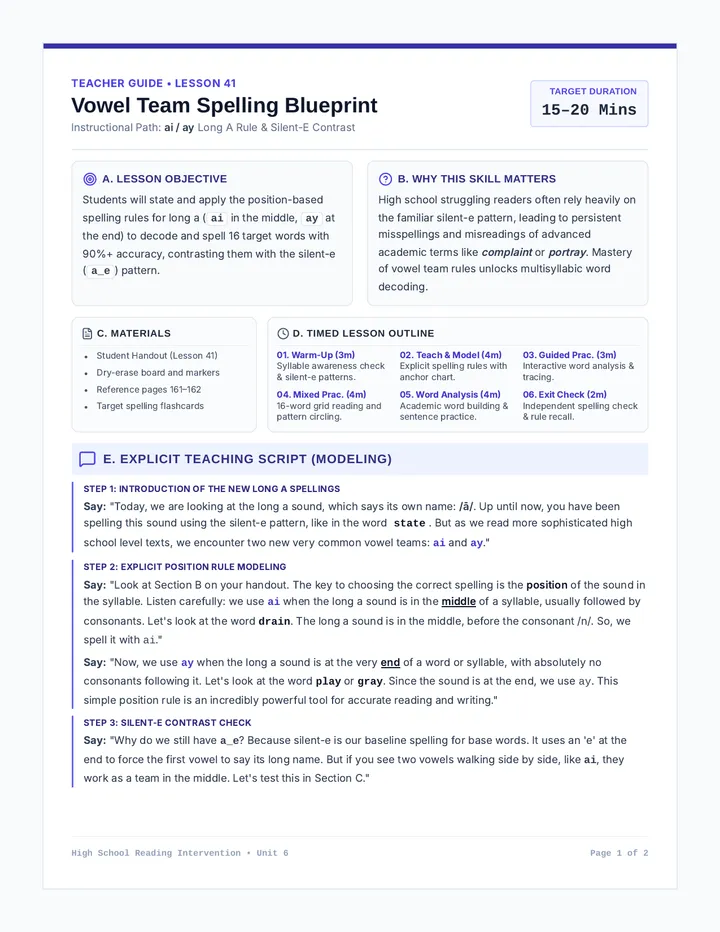
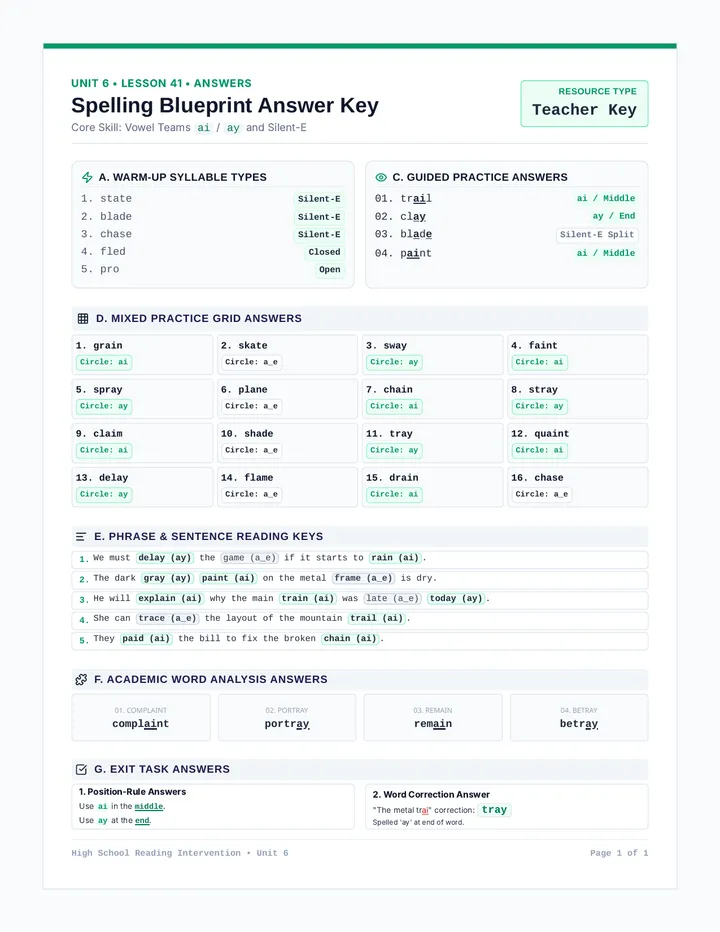
A cohesive 5-lesson intervention sequence for high school struggling readers focusing on long vowel teams (ai/ay, ee/ea/ey, oa/ow/oe, ie/igh), contrasting them with silent-e patterns and reinforcing cumulative syllable types.
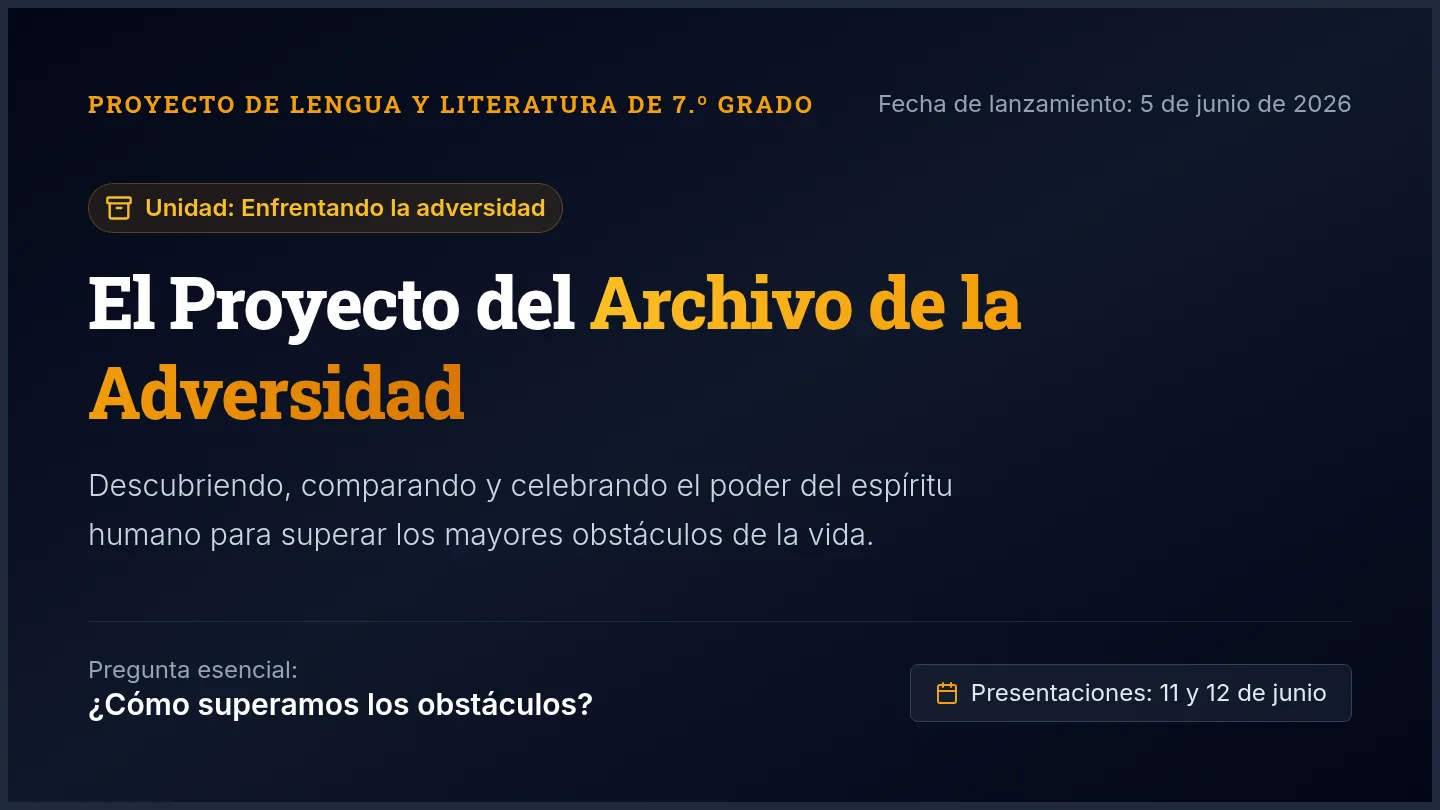
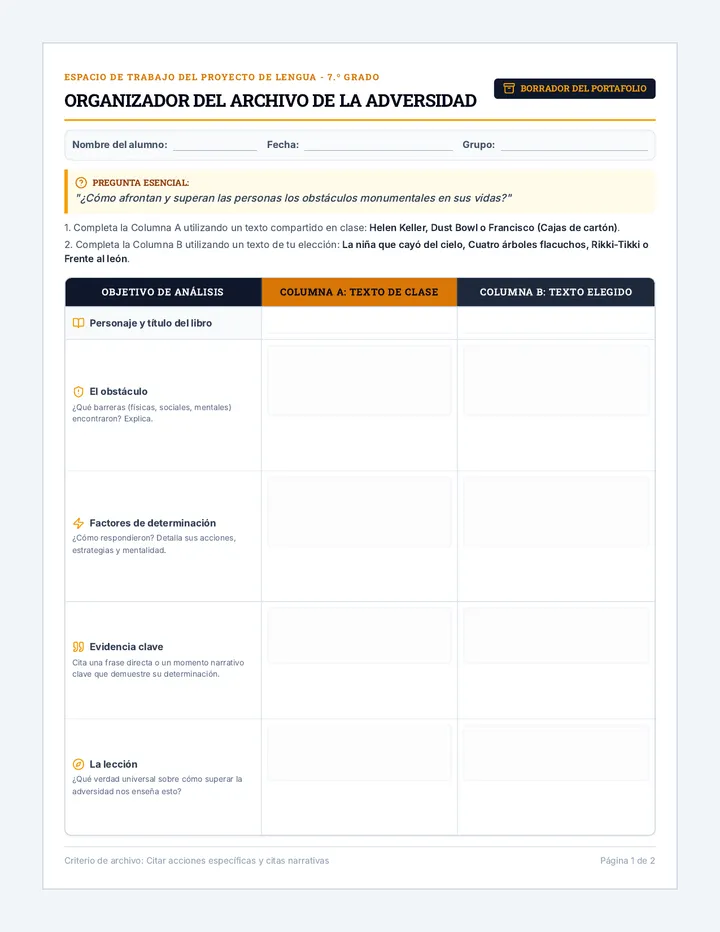
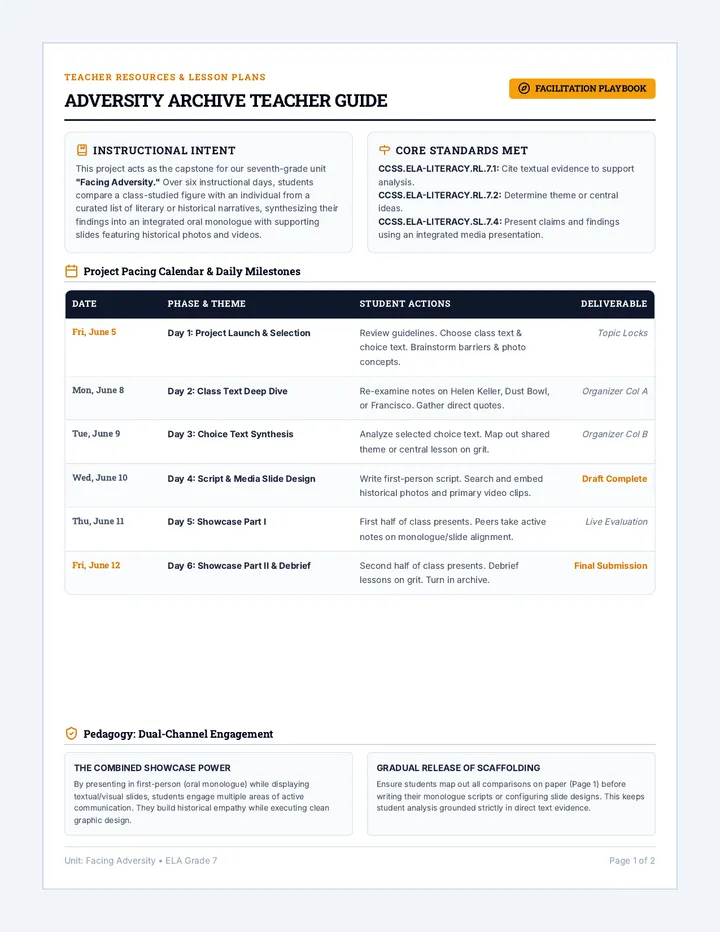
A seventh-grade ELA project sequence titled 'Adversity Archive' where students research, compare, and present how individuals overcome monumental obstacles using class-read texts and select choice stories.
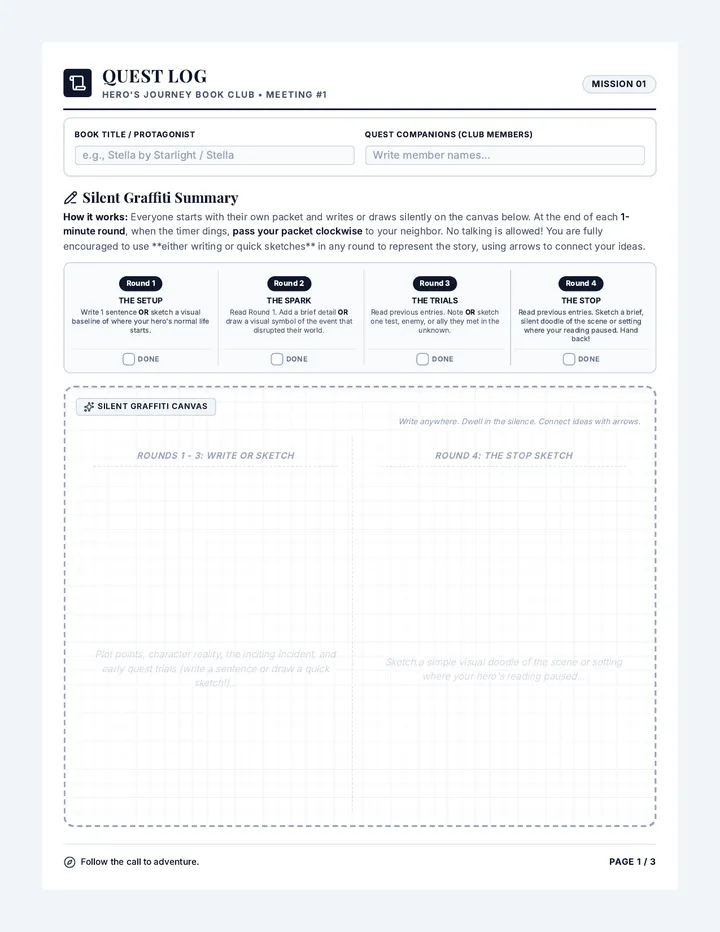
A multi-week novel study sequence structured around the Hero's Journey framework, featuring five engaging books (The Red Pyramid, Tristan Strong, Hello Universe, Coyote Sunrise, Stella by Starlight). Incorporates creative, gamified, and role-play activities to sustain student engagement and deepen literary analysis.
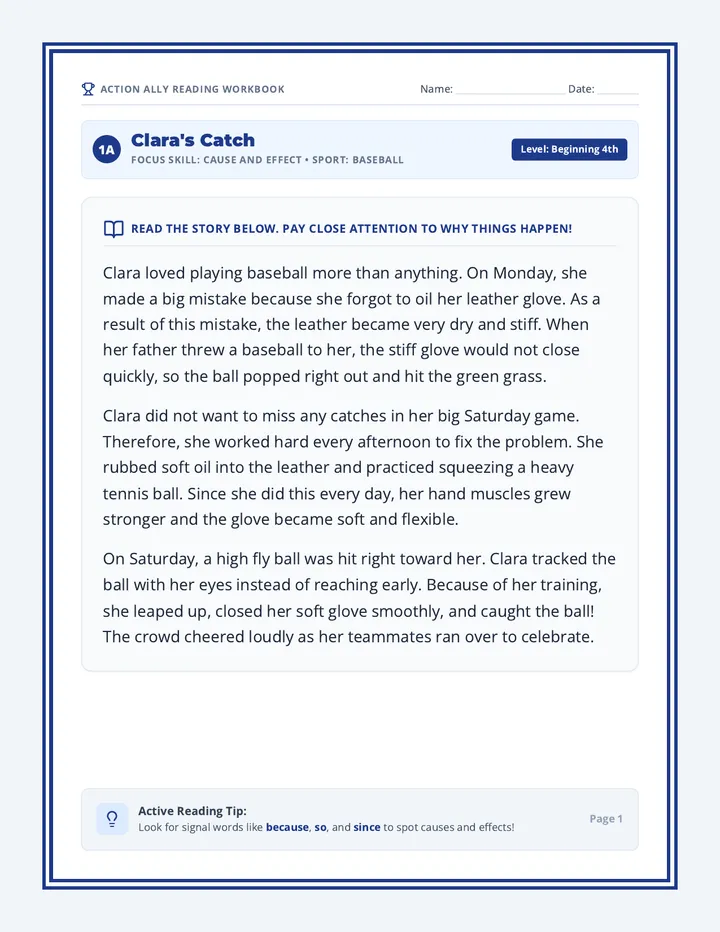
A reading comprehension sequence focusing on key reading skills like cause and effect, main idea, and vocabulary context clues through high-interest topics including sports and outer space.
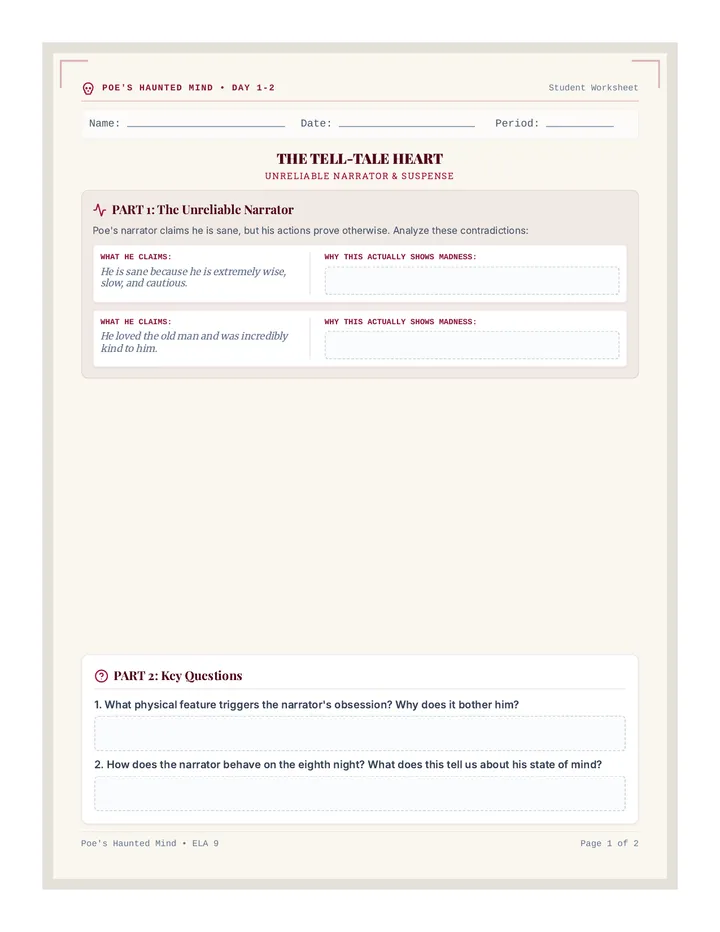
An immersive 9th-grade English Language Arts unit exploring the master of the macabre, Edgar Allan Poe. Students analyze suspense, unreliable narrators, Gothic irony, poetic rhythm, and intense mood development across his most famous works.
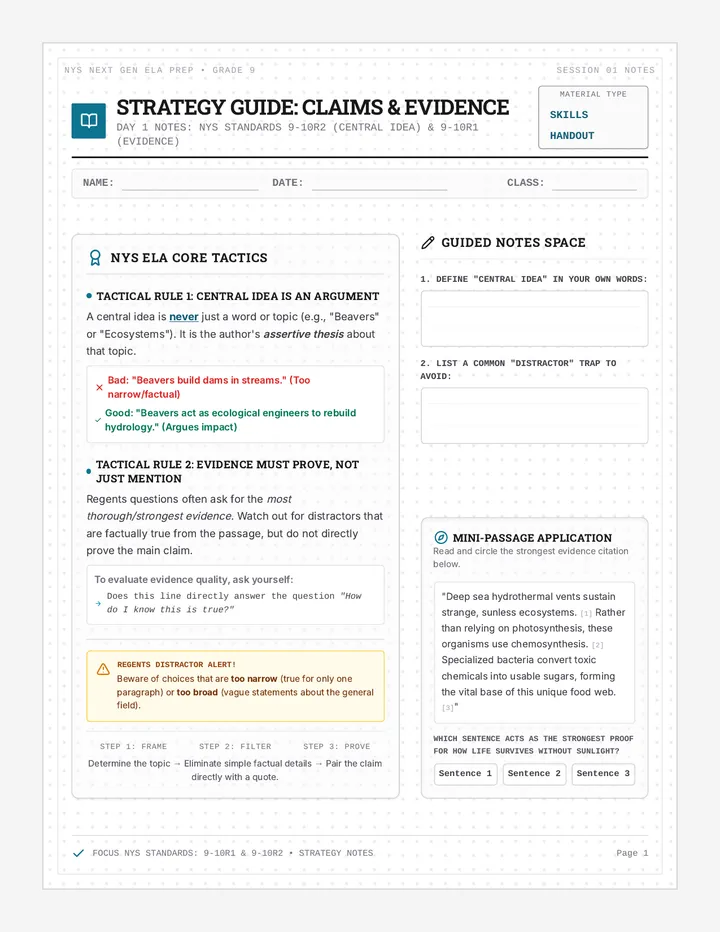
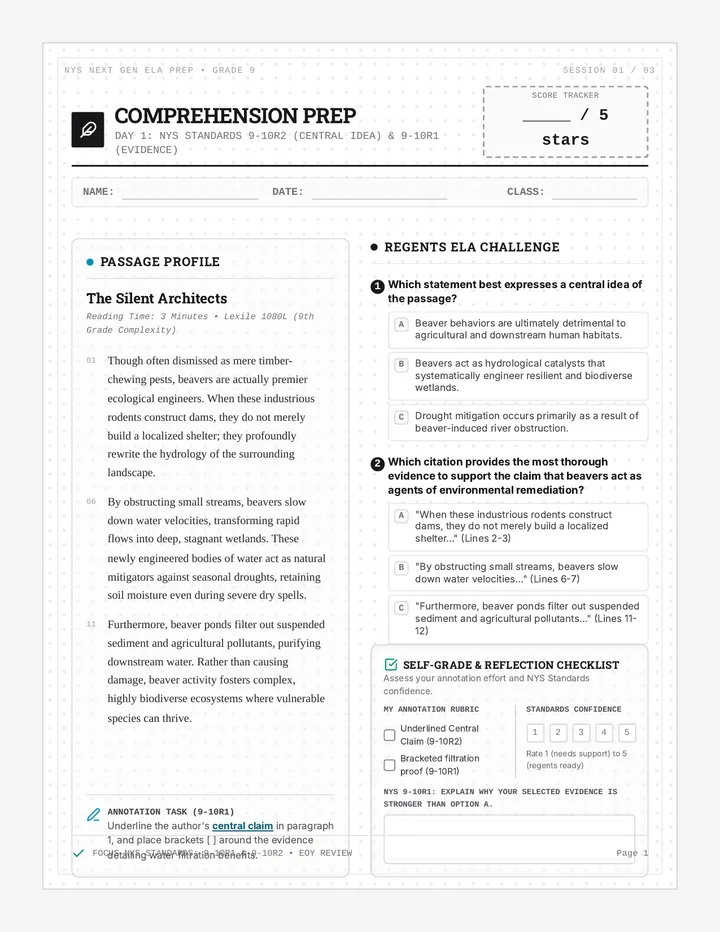
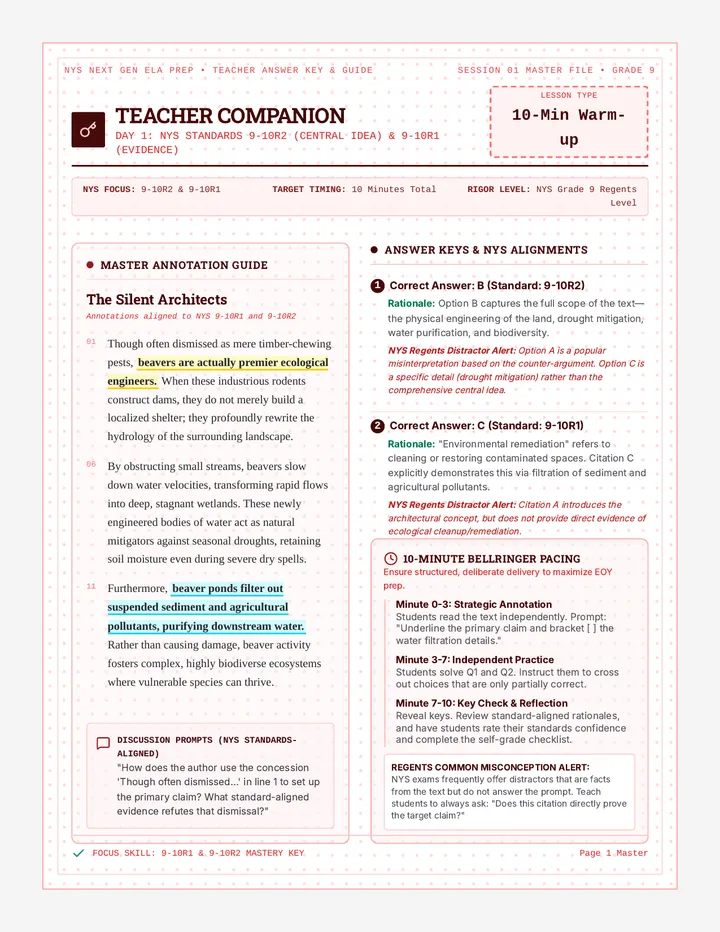
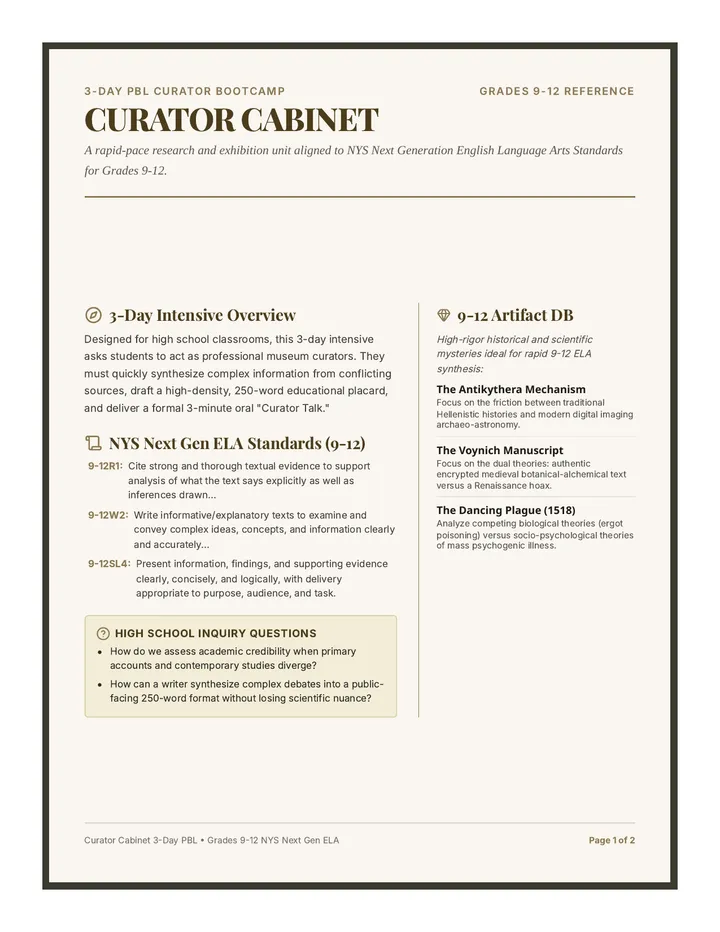
A three-day Grade 9 English Language Arts end-of-year reading comprehension warm-up sequence aligned with New York State (NYS) Next Generation ELA Standards. Focuses on central claims, supporting evidence, structural organization, context clues, and paired passage synthesis.
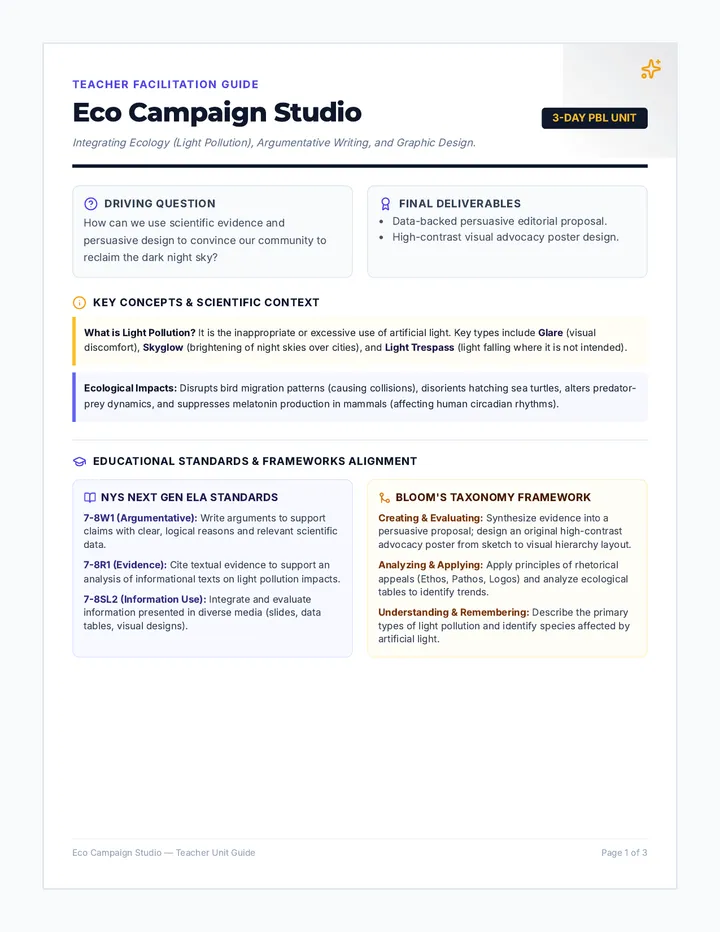
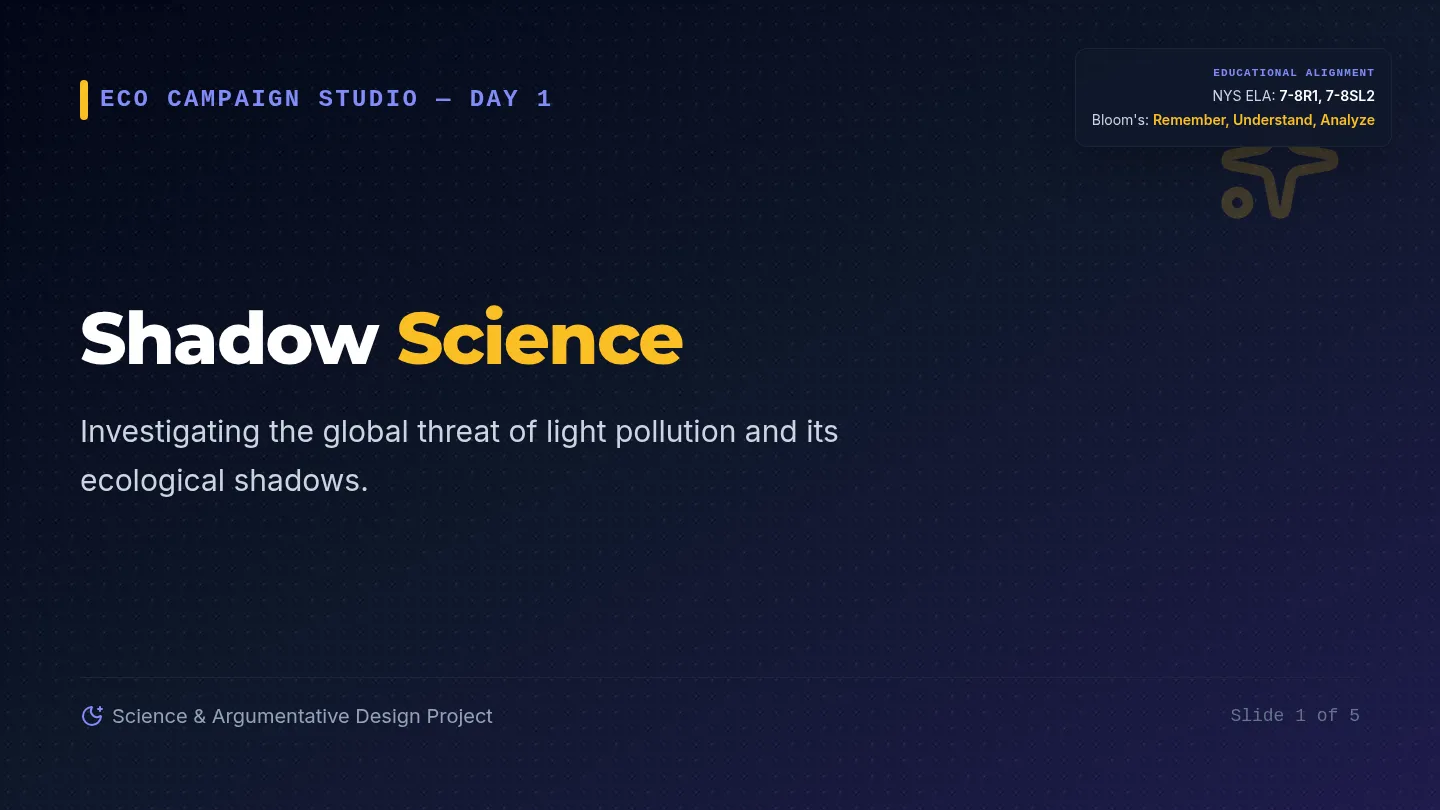
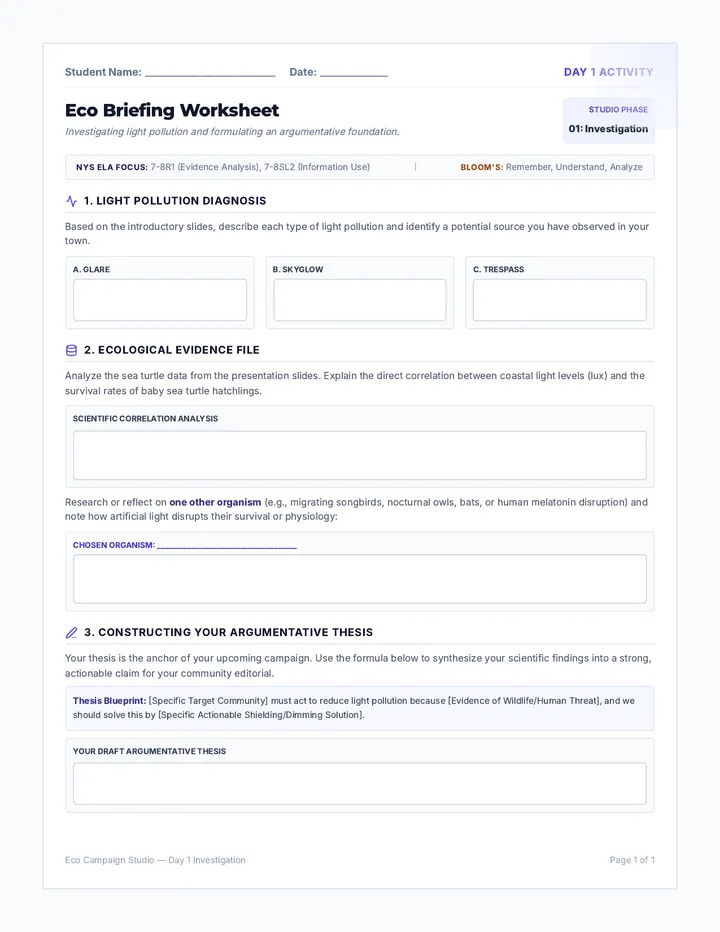
A cross-curricular, 3-day project-based unit combining science, argumentative writing, and graphic design. Students investigate the ecological impacts of light pollution, write a data-driven persuasive proposal, and design a community awareness campaign poster.
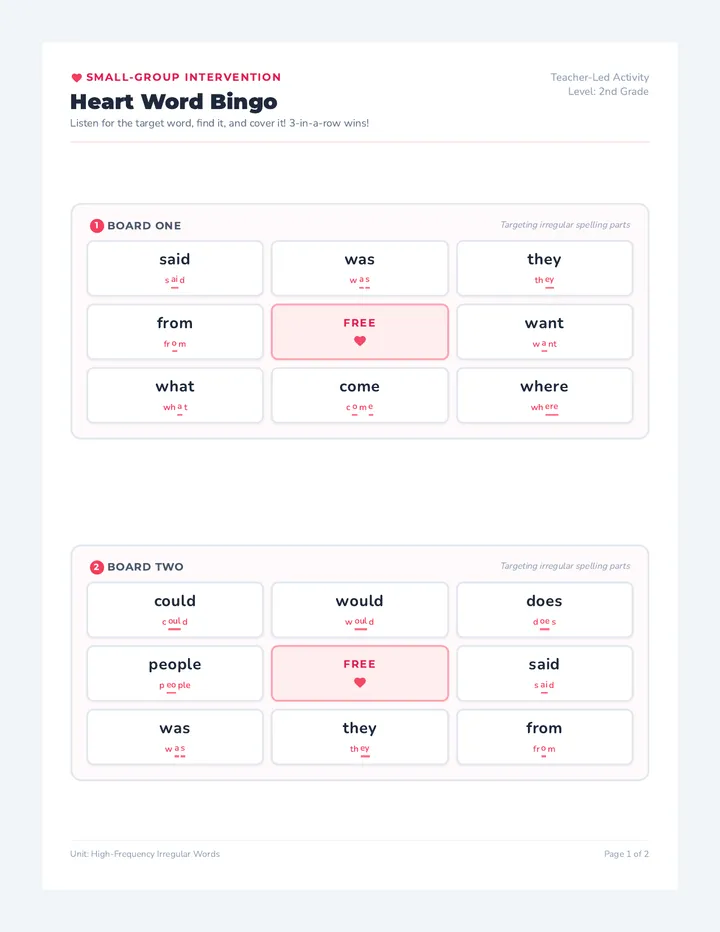
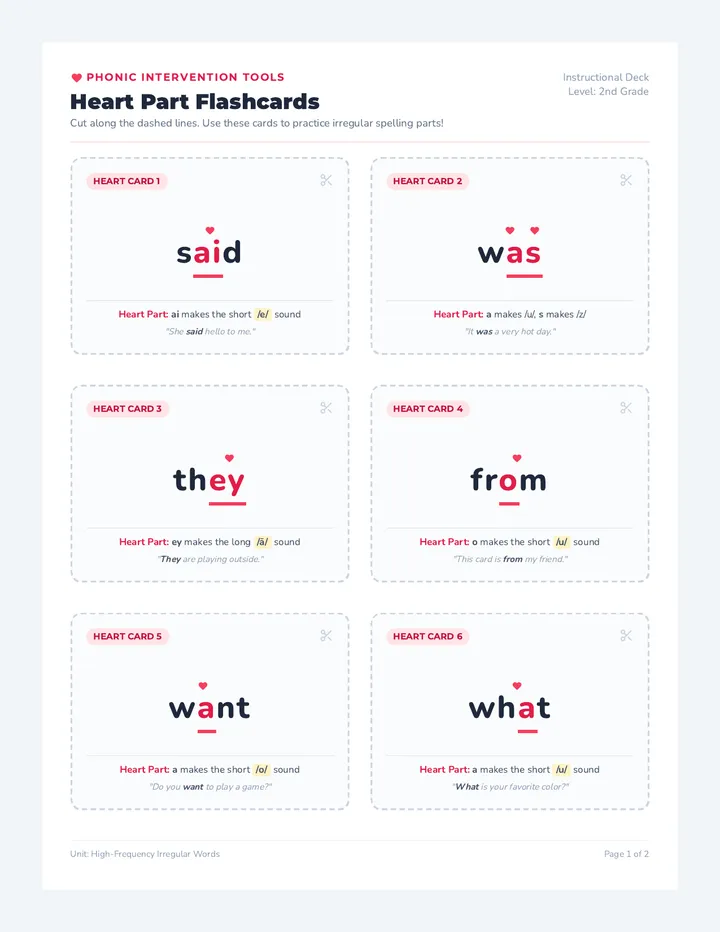
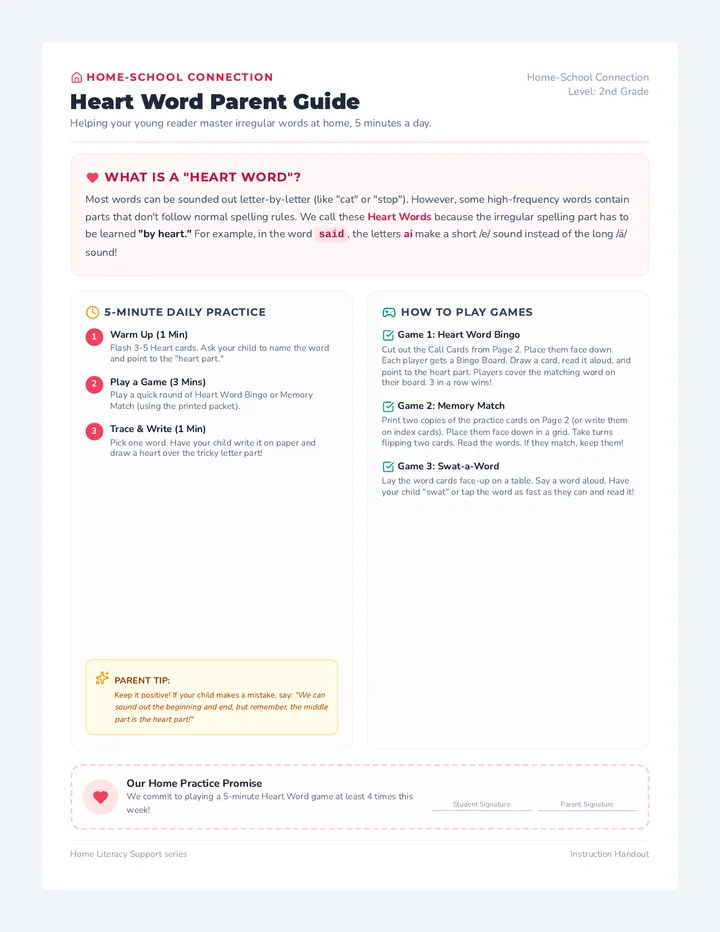
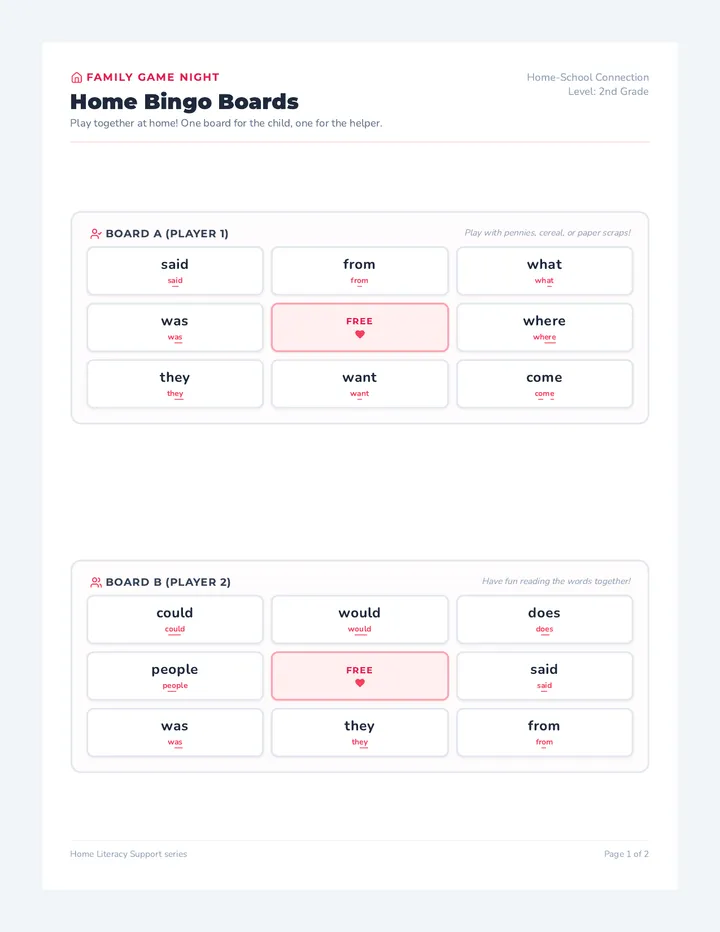
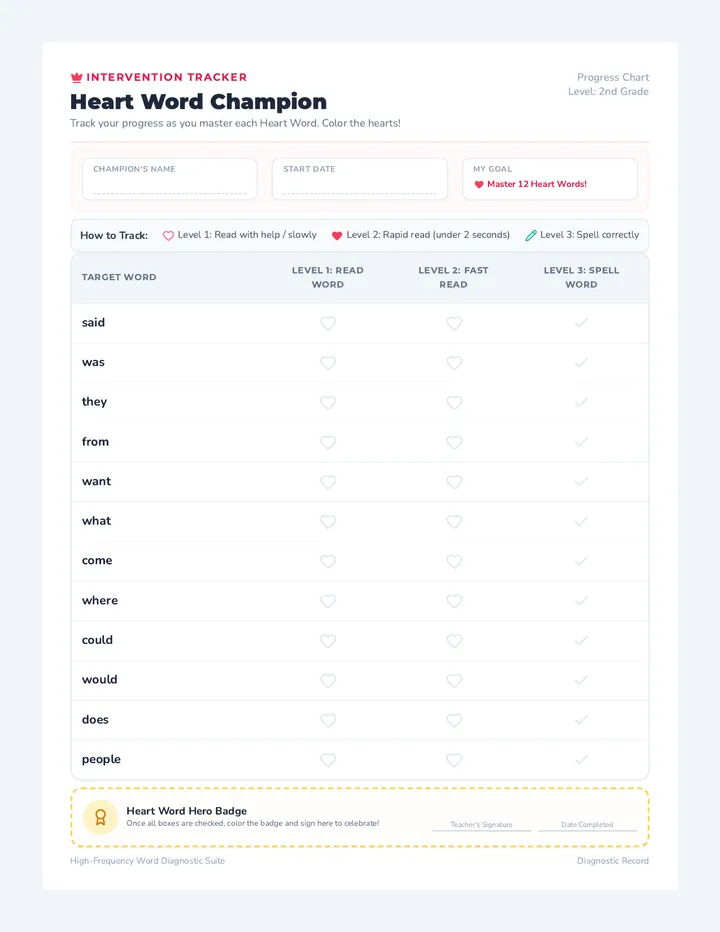
An intervention sequence designed to help struggling second-grade students master irregular high-frequency words ('Heart Words') through high-repetition game-based practice at school and home.
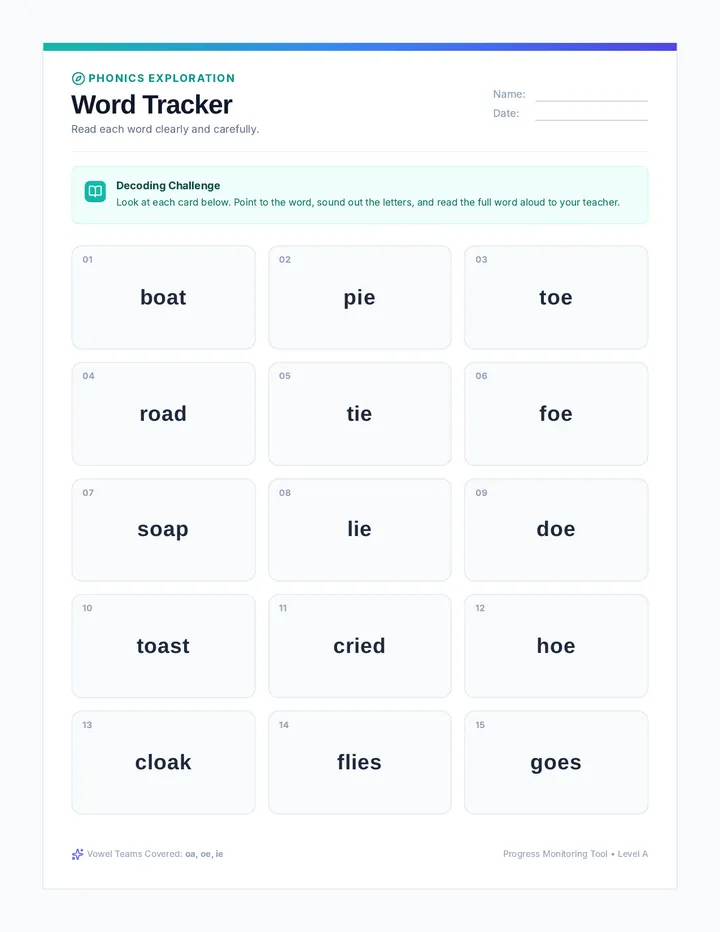
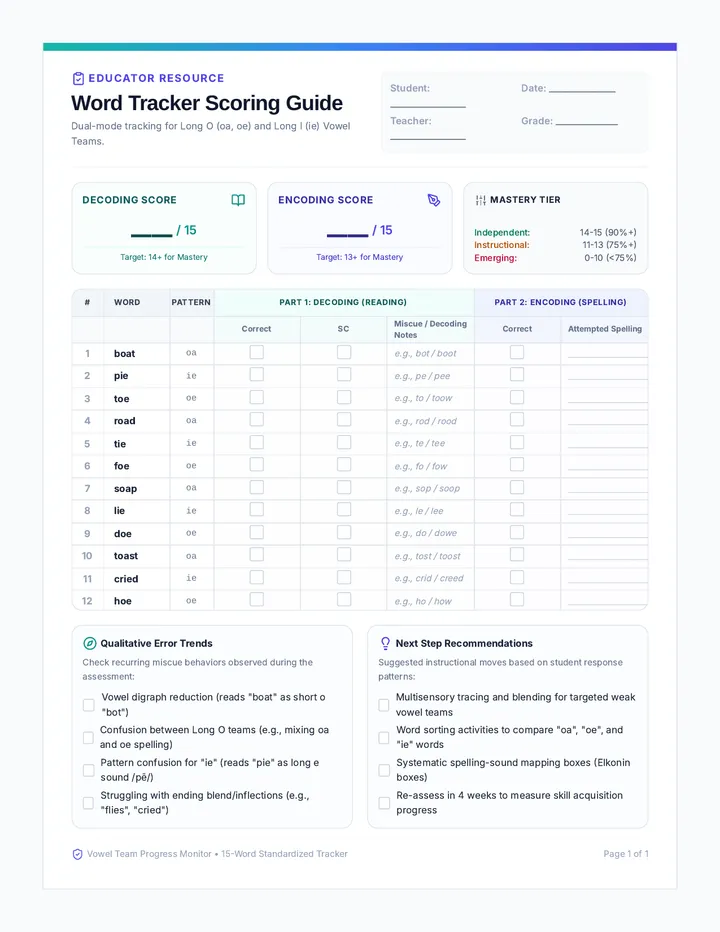
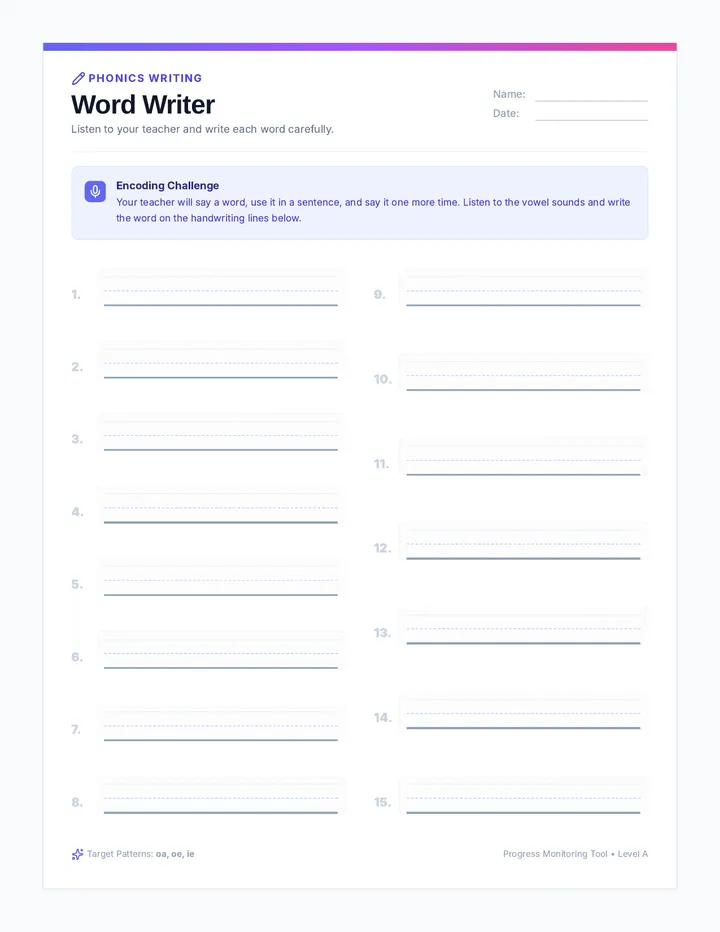
A comprehensive 5-week progress monitoring sequence for tracking decoding and encoding skills of long o (oa, oe) and long i (ie) vowel teams using equivalent, parallel forms.
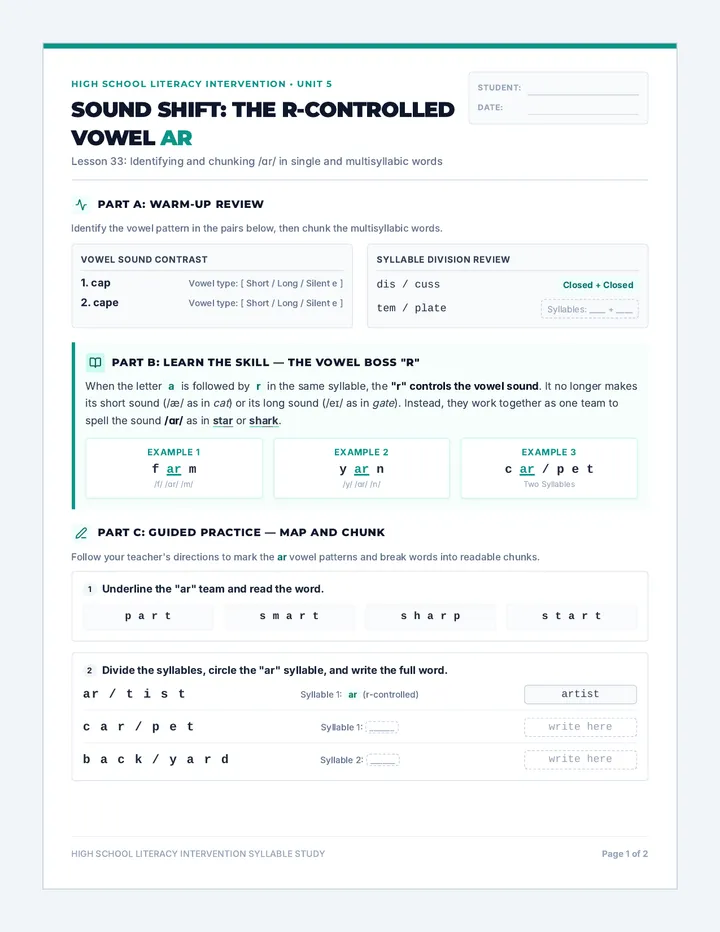
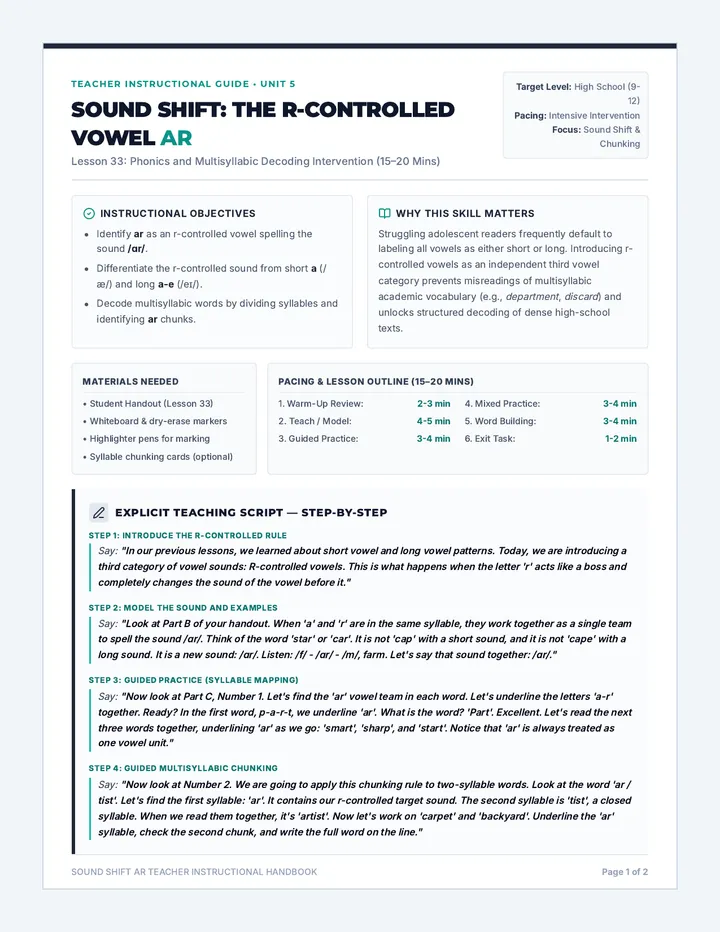
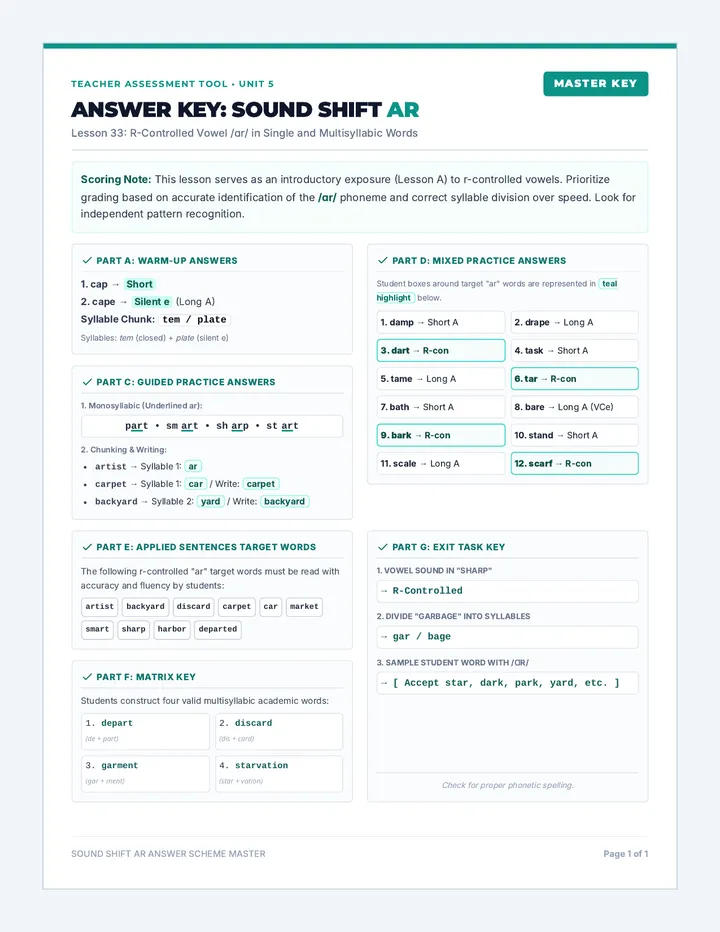
A high school reading intervention sequence introducing and reinforcing r-controlled vowels, beginning with the 'ar' pattern.
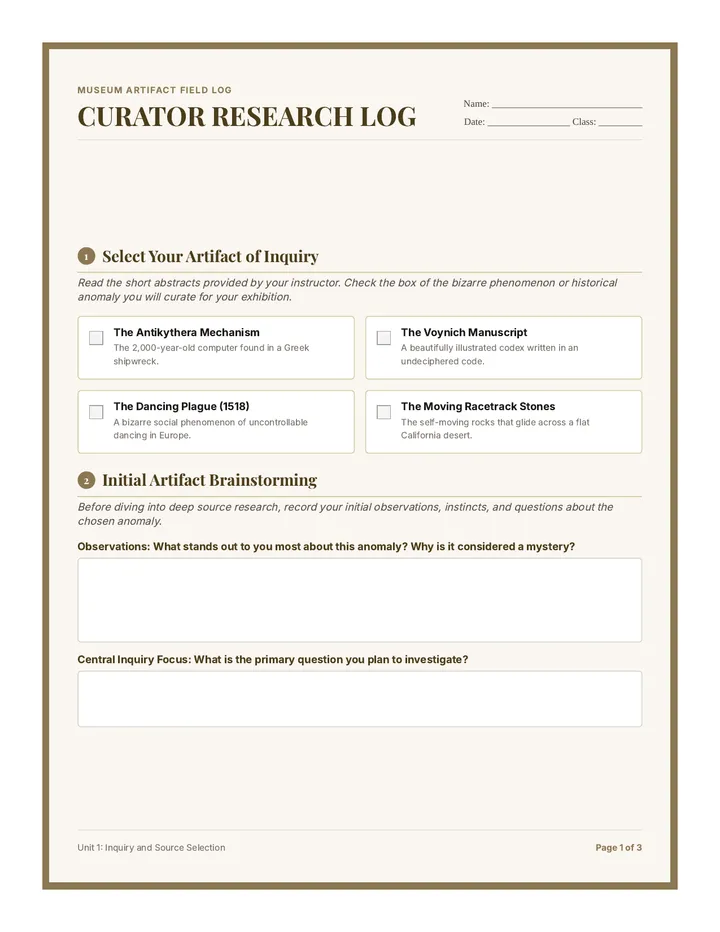
An informational research and presentation project-based unit where students assume the role of museum curators. They investigate obscure historical, scientific, or cultural mysteries, synthesize multi-source research, write scholarly exhibition plaques, and deliver a formal Curator Showcase.
A 5-day educational sequence covering CCSS RL.5.3 standard concepts using the story 'A New Jacket'. Students progress from basic character analysis to comparative matrices, setting impacts, thematic connections, and a final cumulative review.
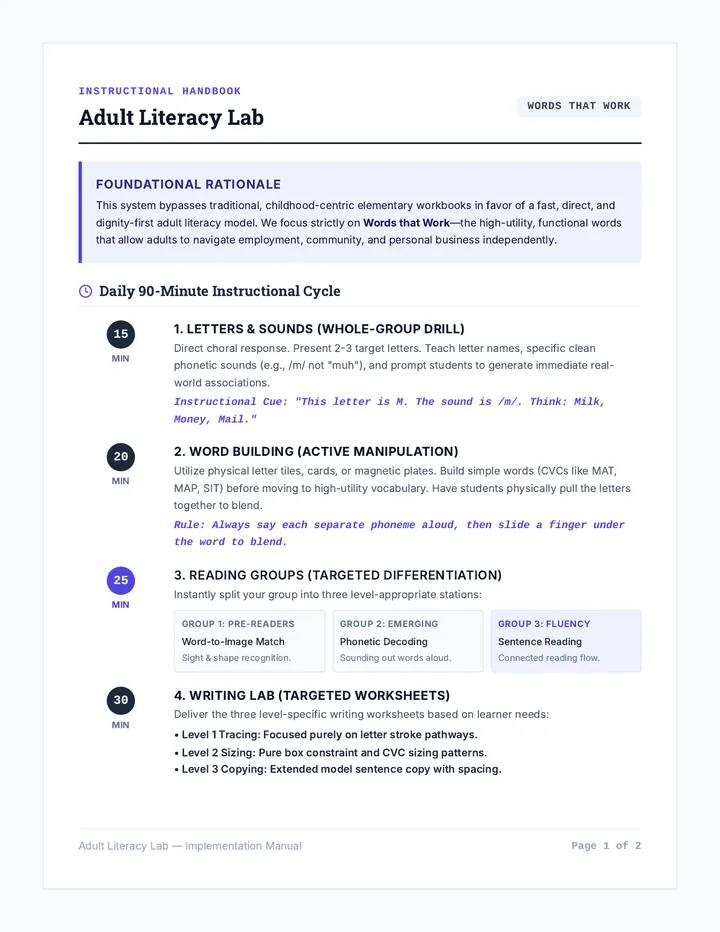
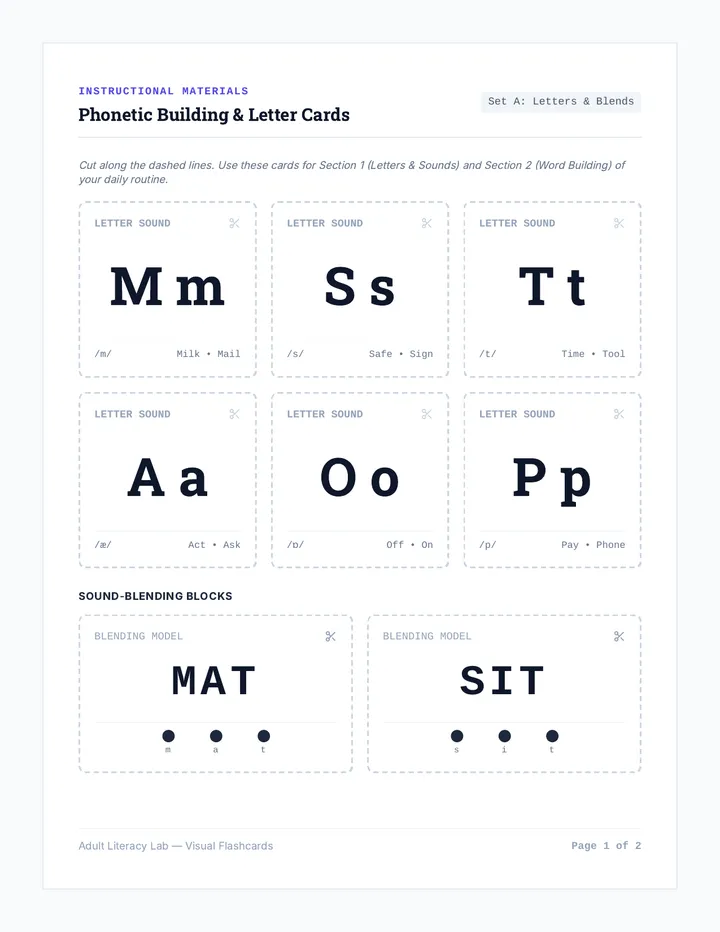
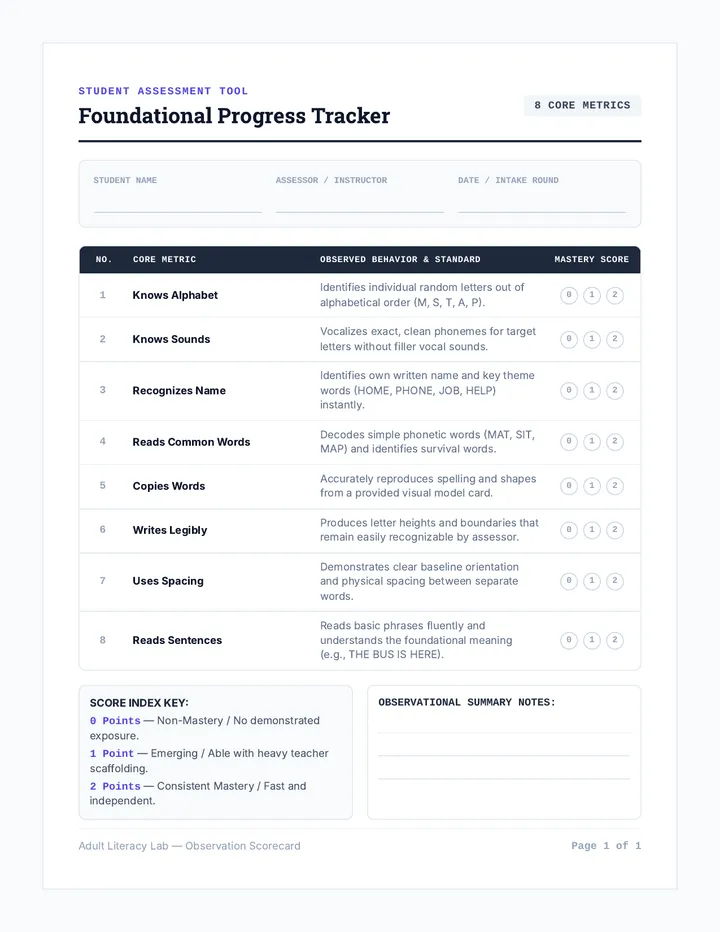
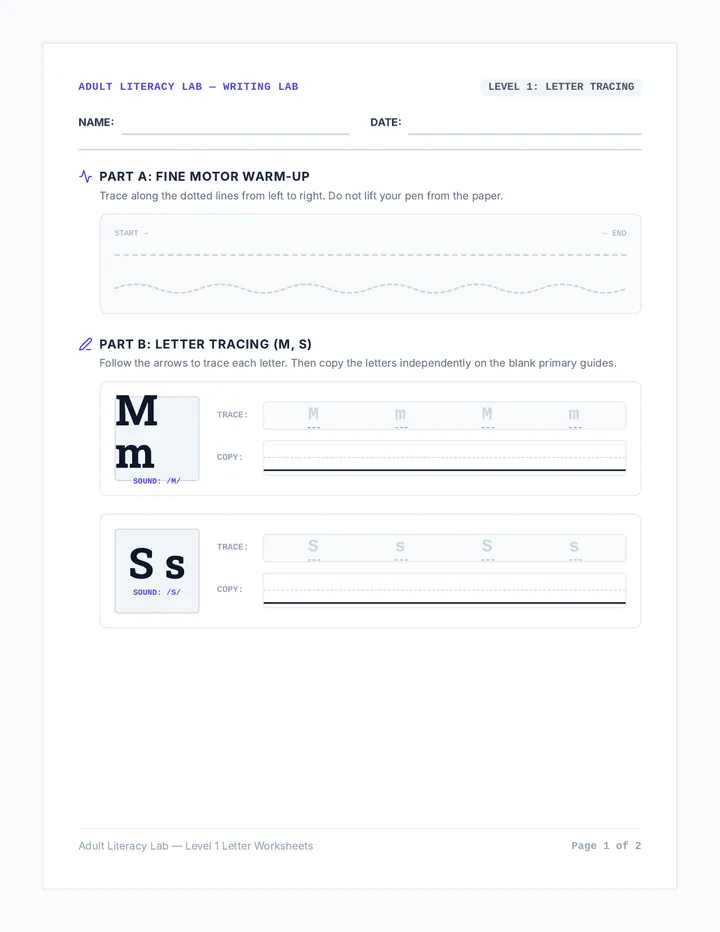
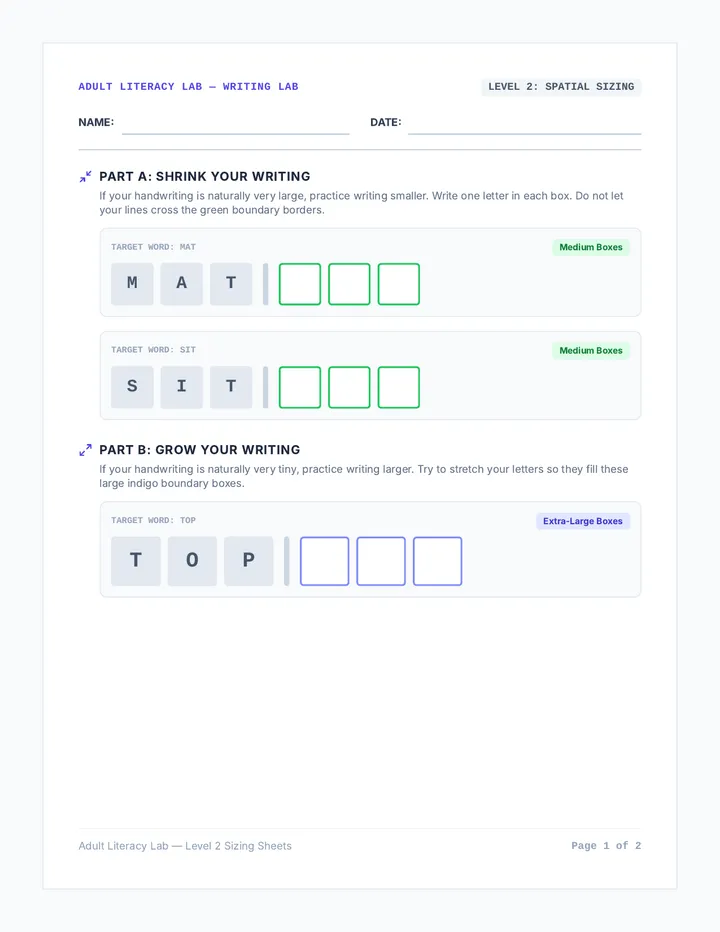
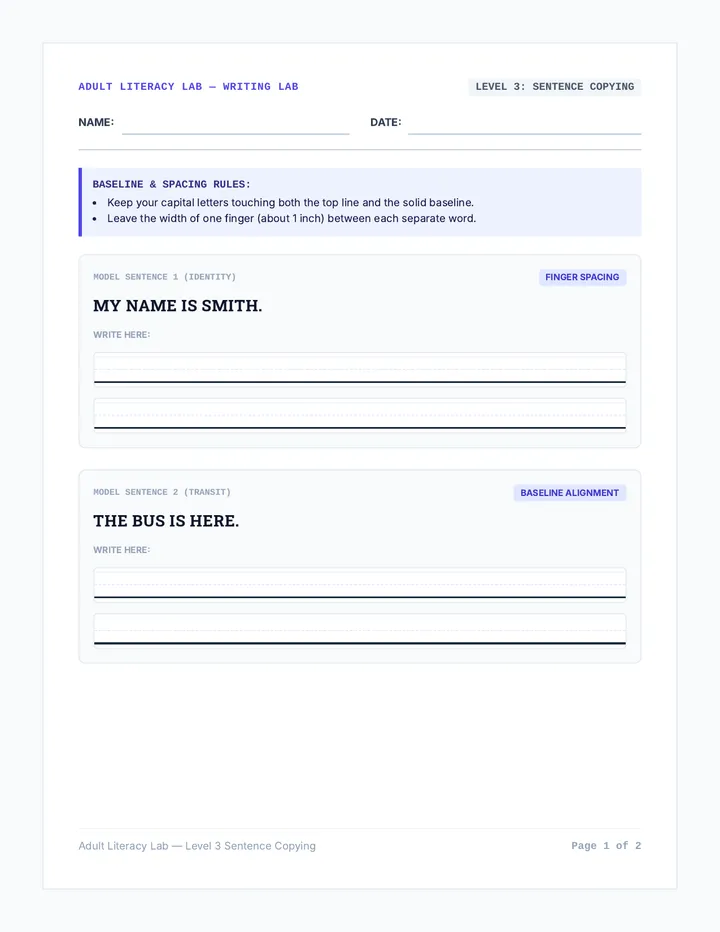
A comprehensive adult literacy training framework designed for rapid, low-prep implementation. This program focuses on functional reading, writing, and word-building skills for adults who are mastering foundational literacy metrics.
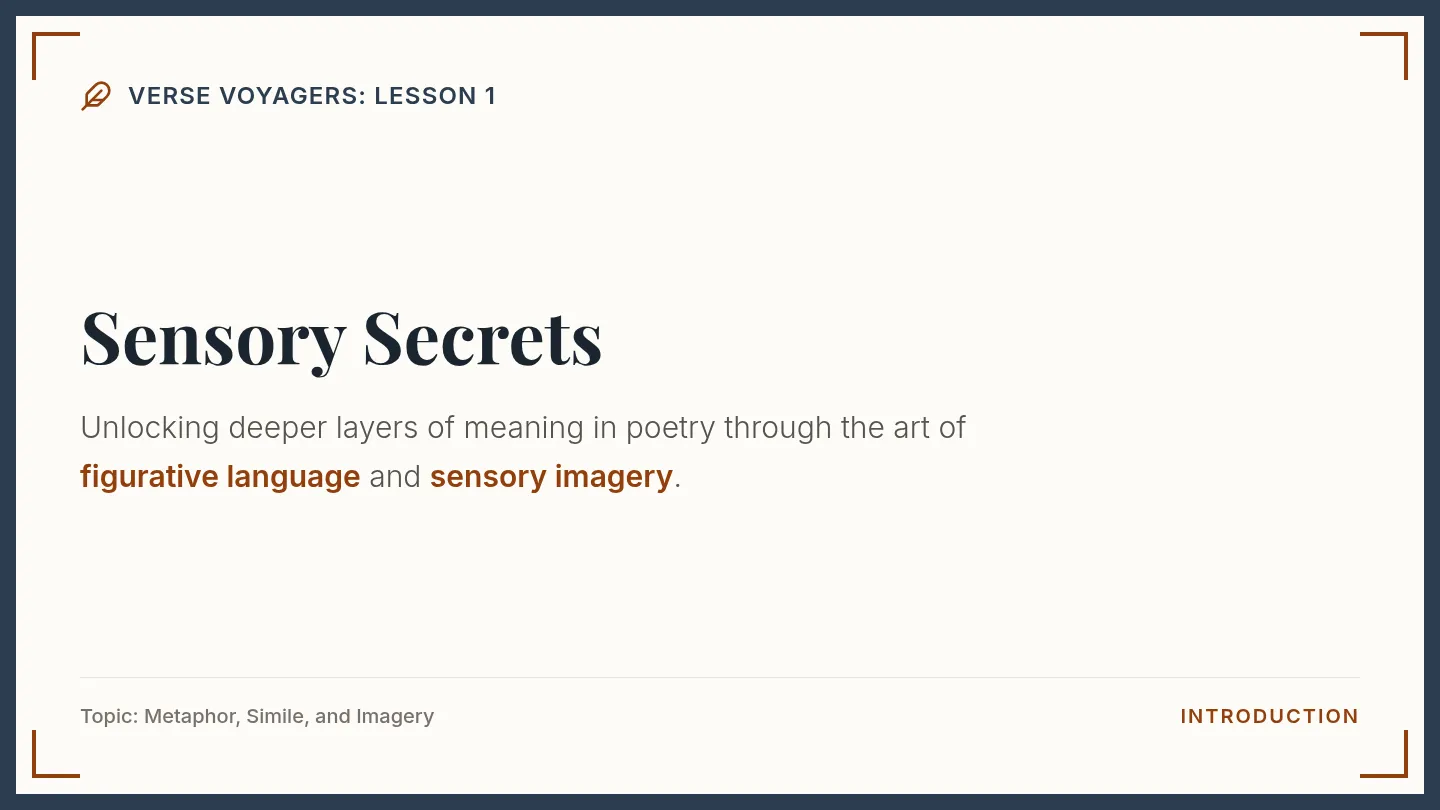
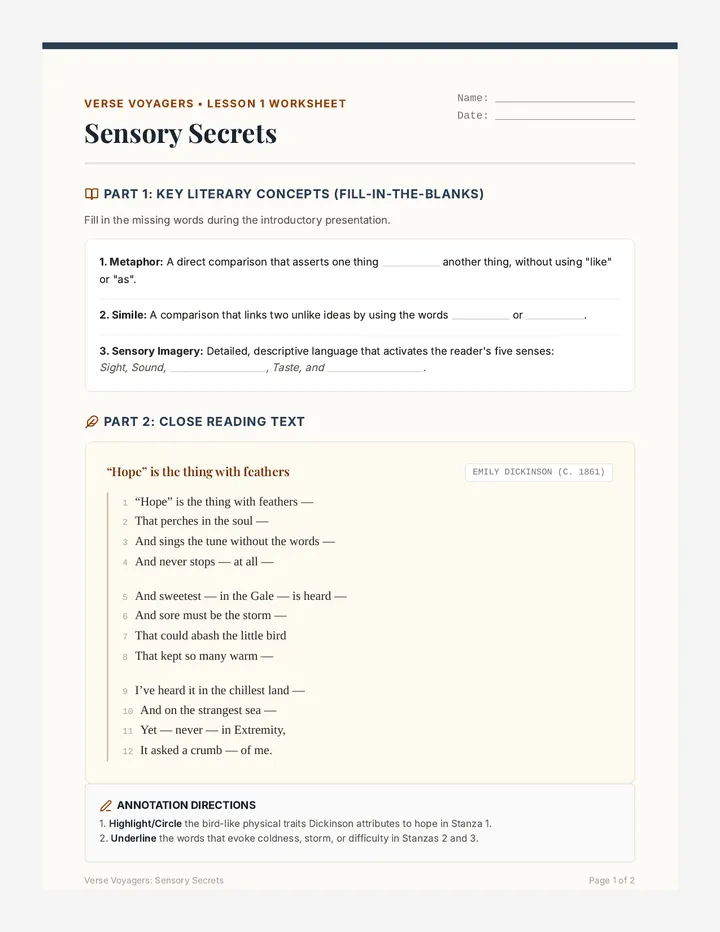
A comprehensive five-part poetry analysis sequence that guides students through decoding figurative language, analyzing structure and meter, tracking tone shifts, and exploring thematic and cultural contexts. The sequence culminates in an analytical writing assessment and rubrics.
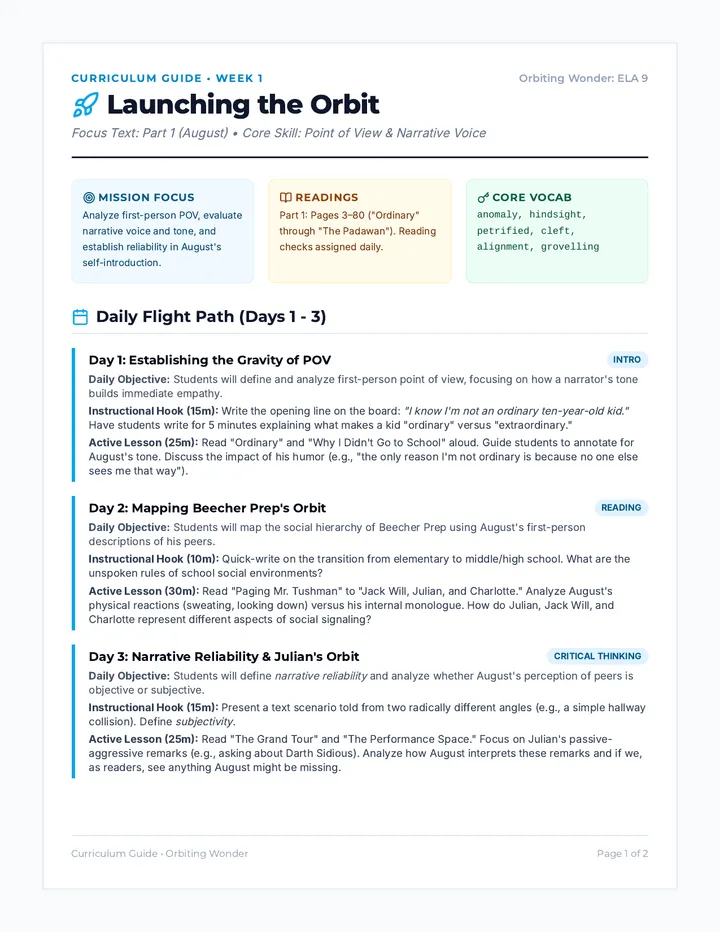
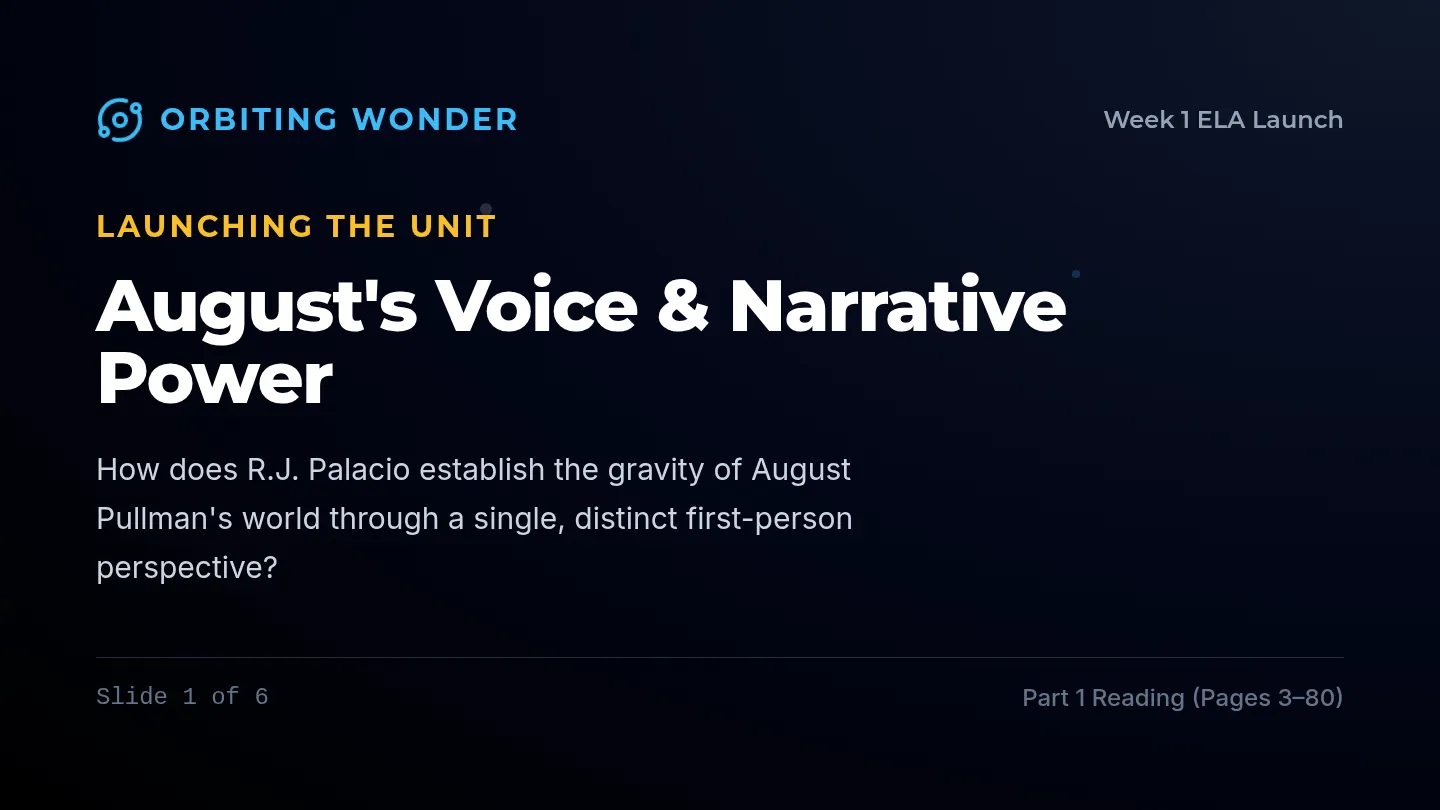
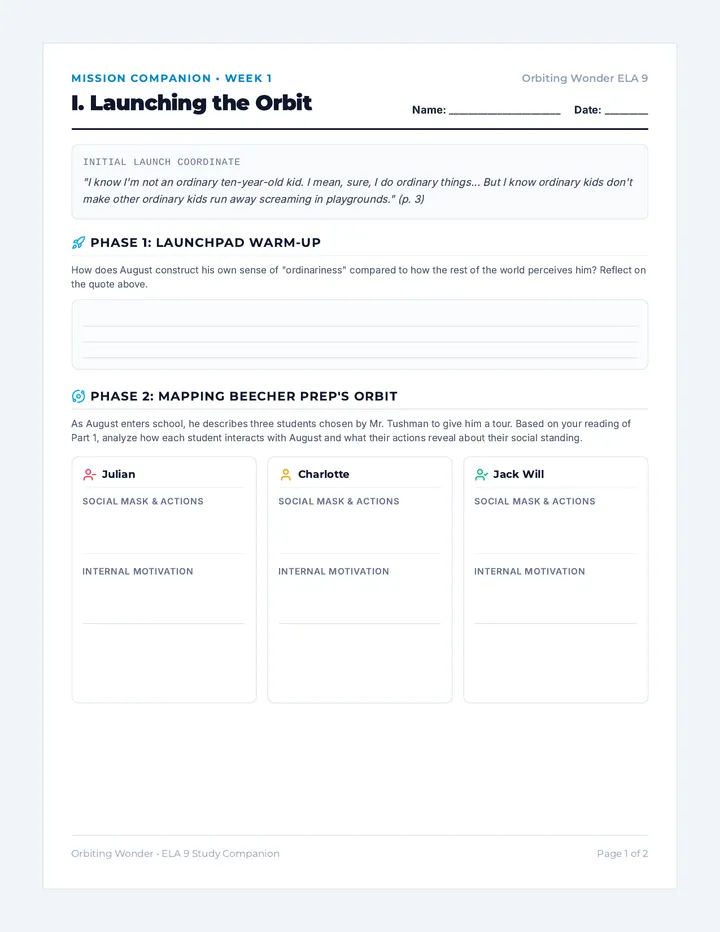
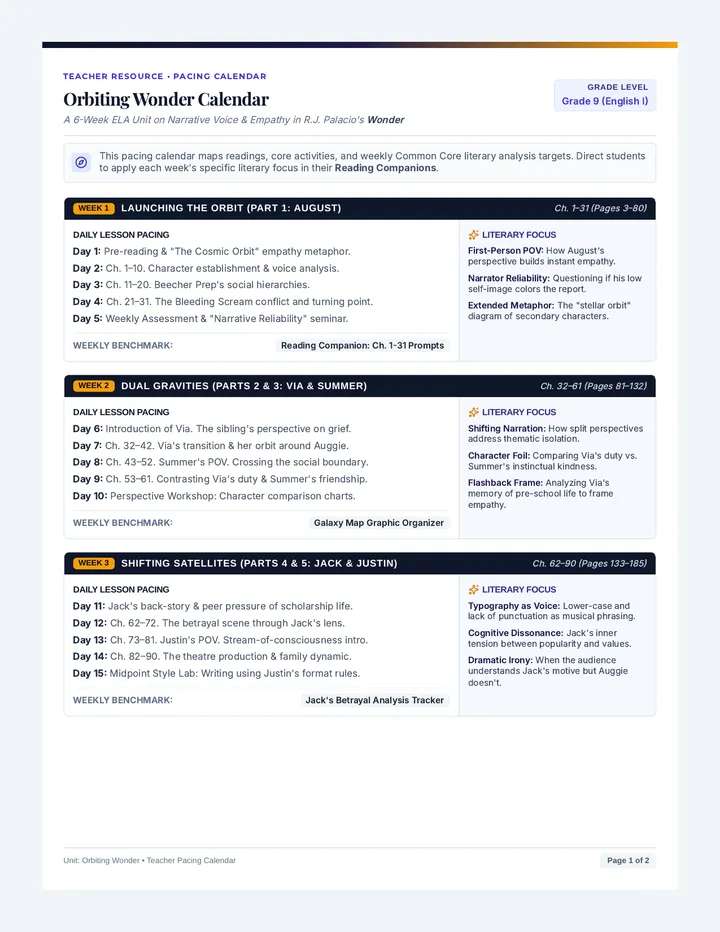
A comprehensive six-week English Language Arts curriculum for high school freshmen centered on R.J. Palacio's 'Wonder'. This unit analyzes how shifting narration, point of view, and multi-perspective characterization impact reader empathy and character development, culminating in evidence-based thematic essays on kindness and identity.
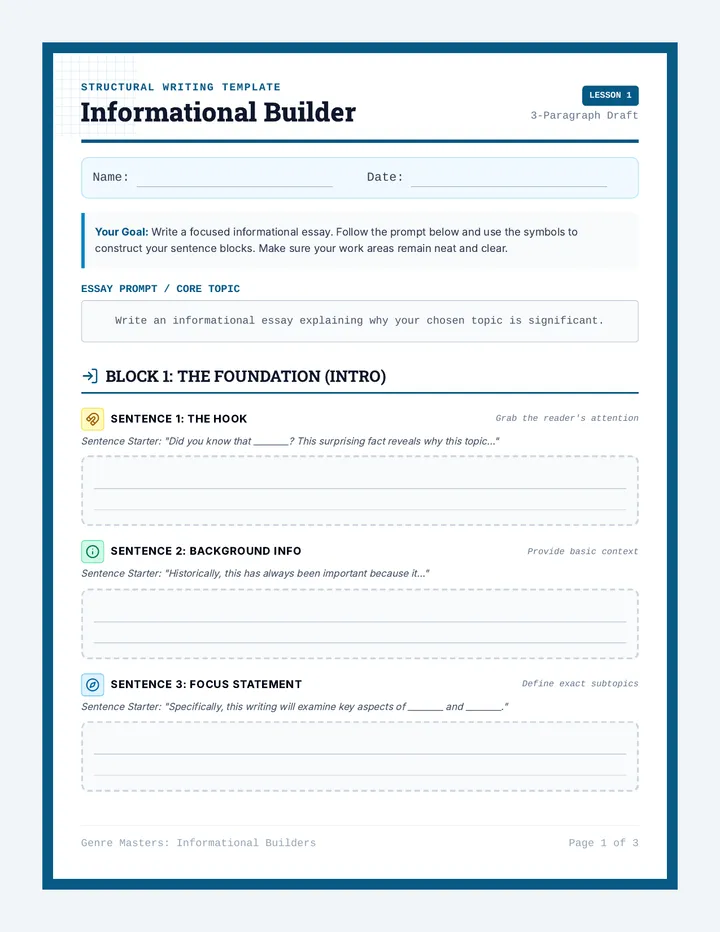
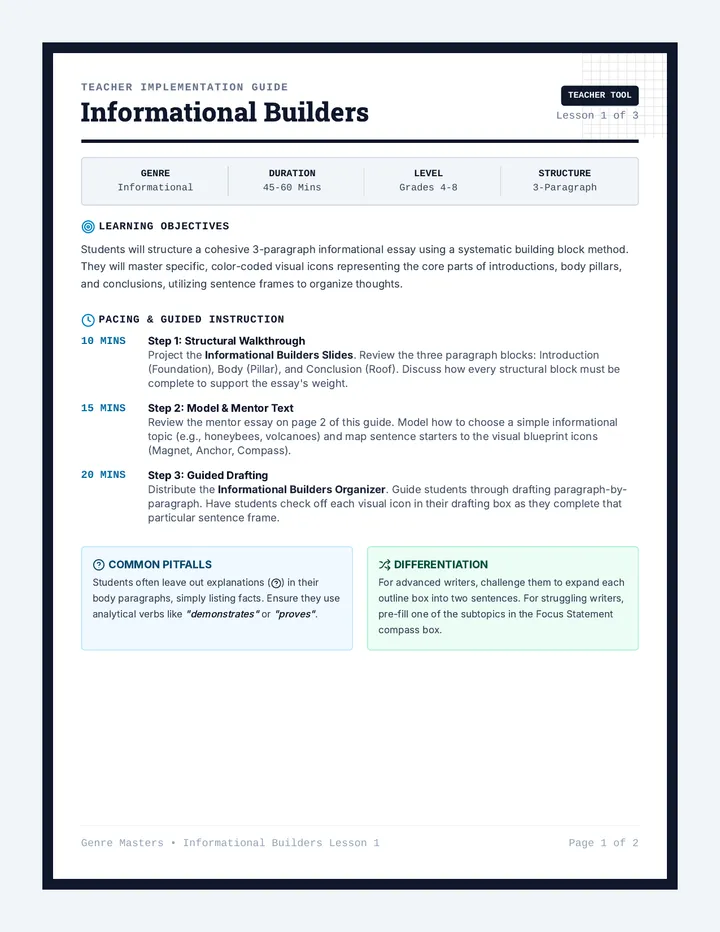
A multi-genre writing unit focused on structural writing templates for elementary and middle school students. The unit covers Informational, Compare & Contrast, and Persuasive/Opinion writing, utilizing highly structured 3-paragraph outlines, visual icons, sentence starters, and word banks.