A comprehensive 5-week progress monitoring sequence for tracking decoding and encoding skills of long o (oa, oe) and long i (ie) vowel teams using equivalent, parallel forms.
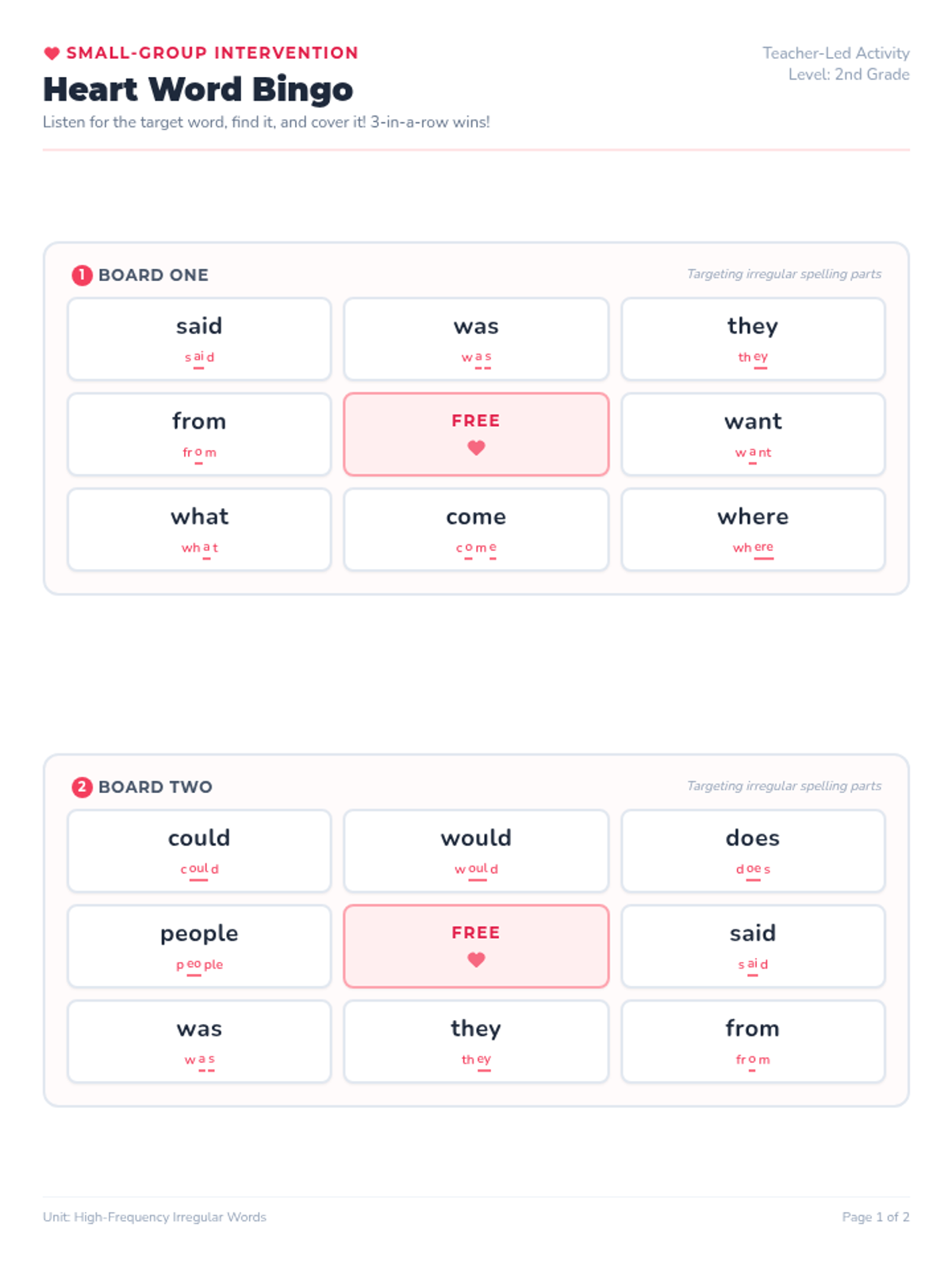
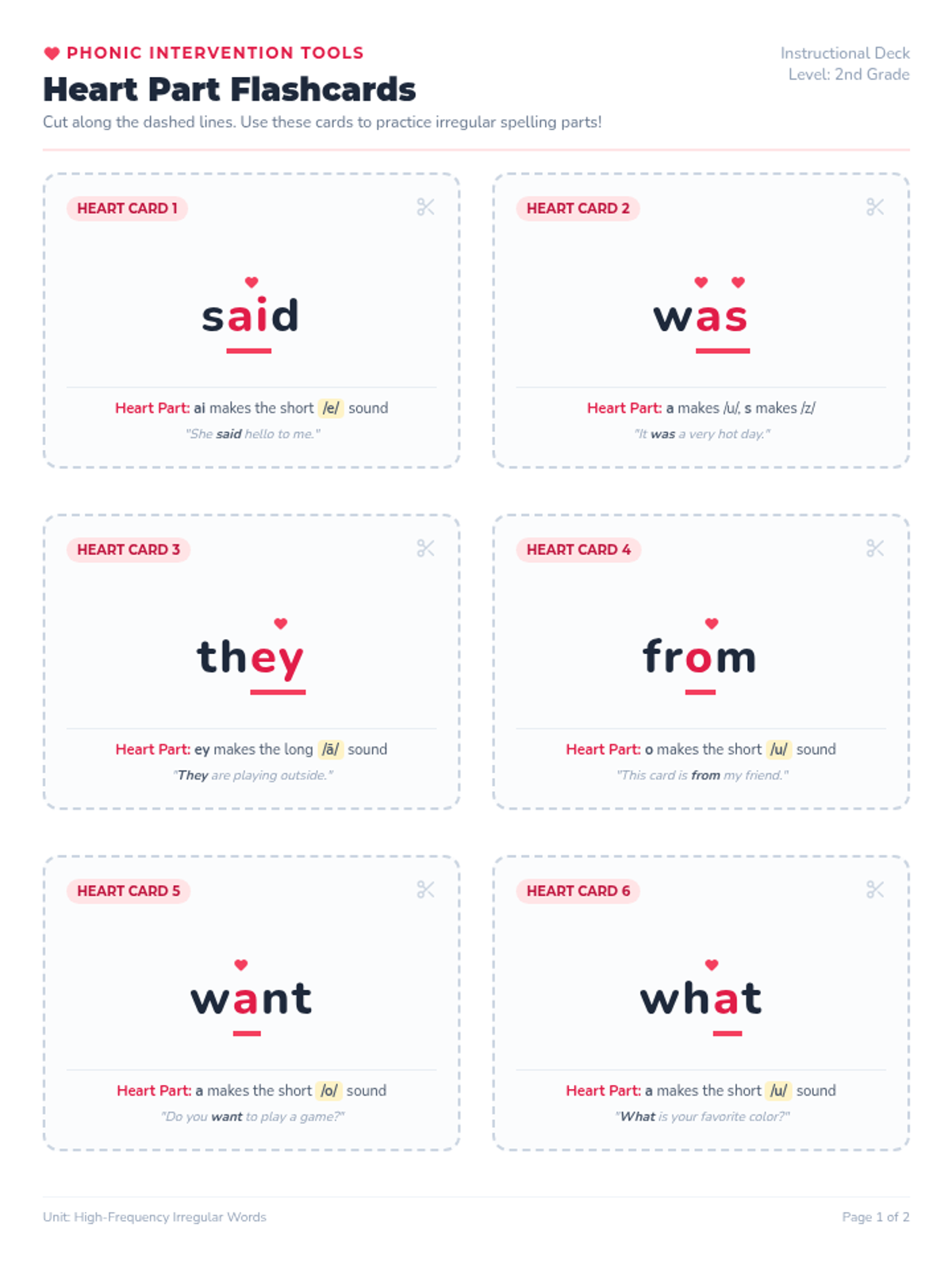
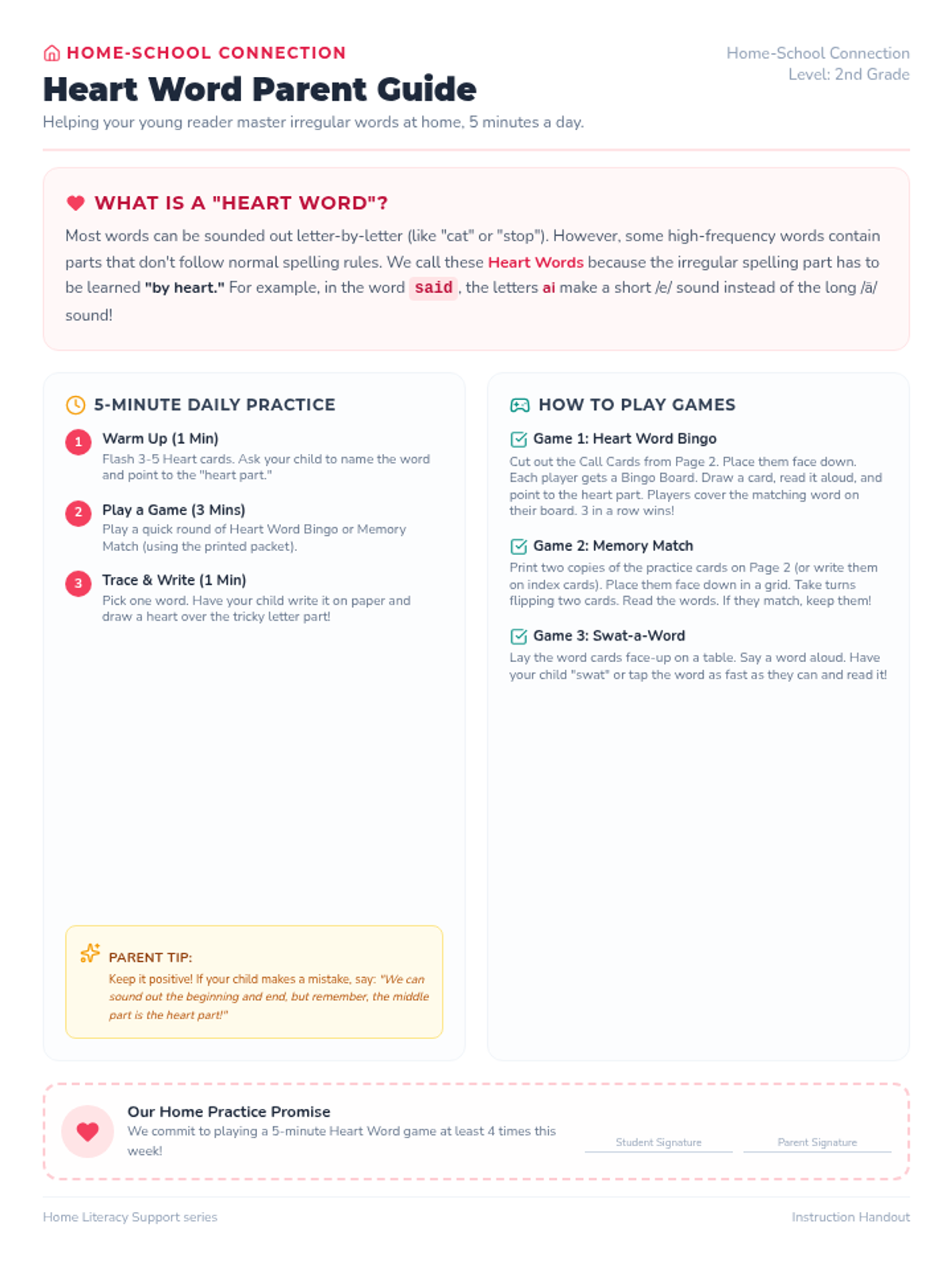
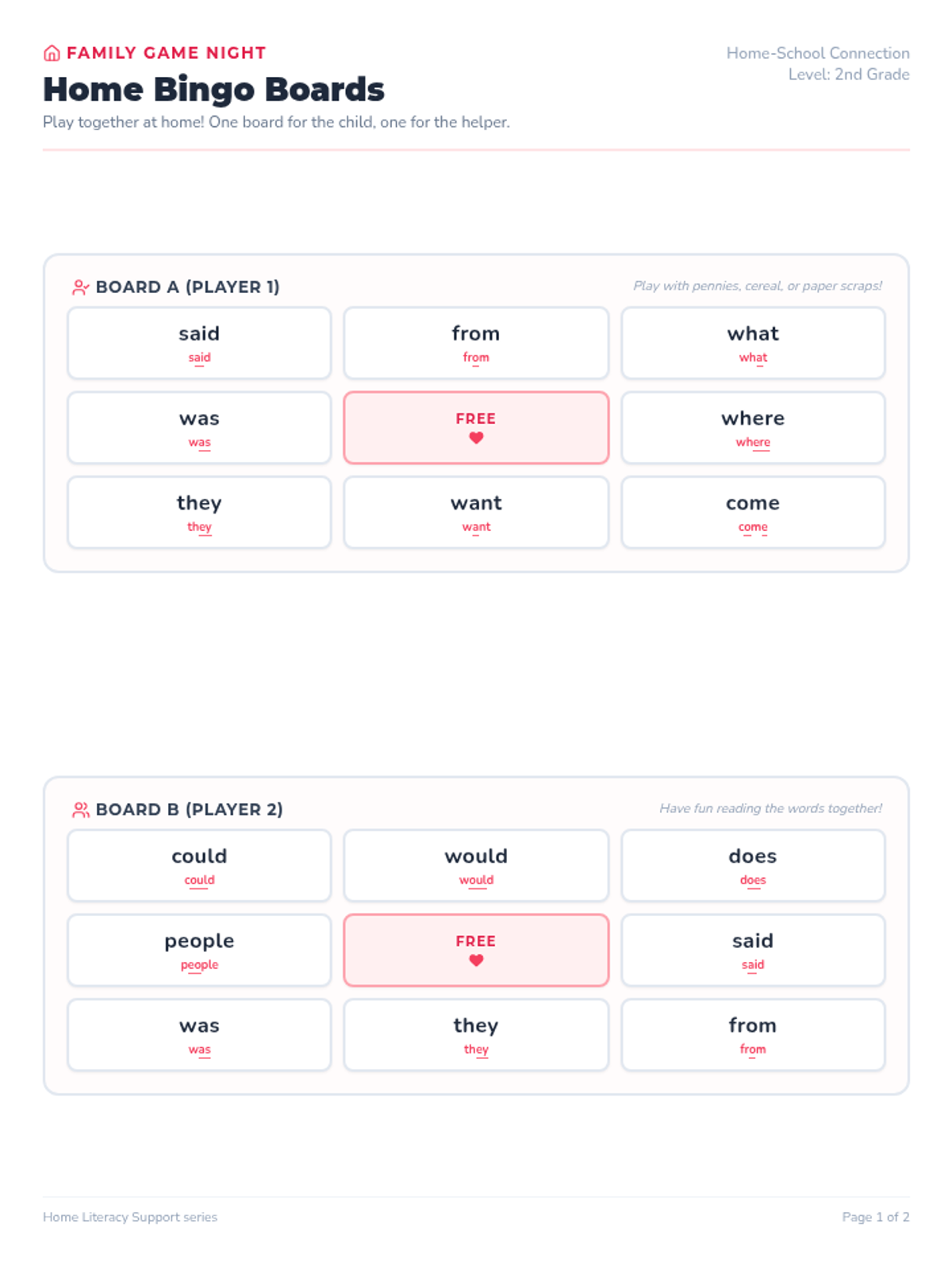
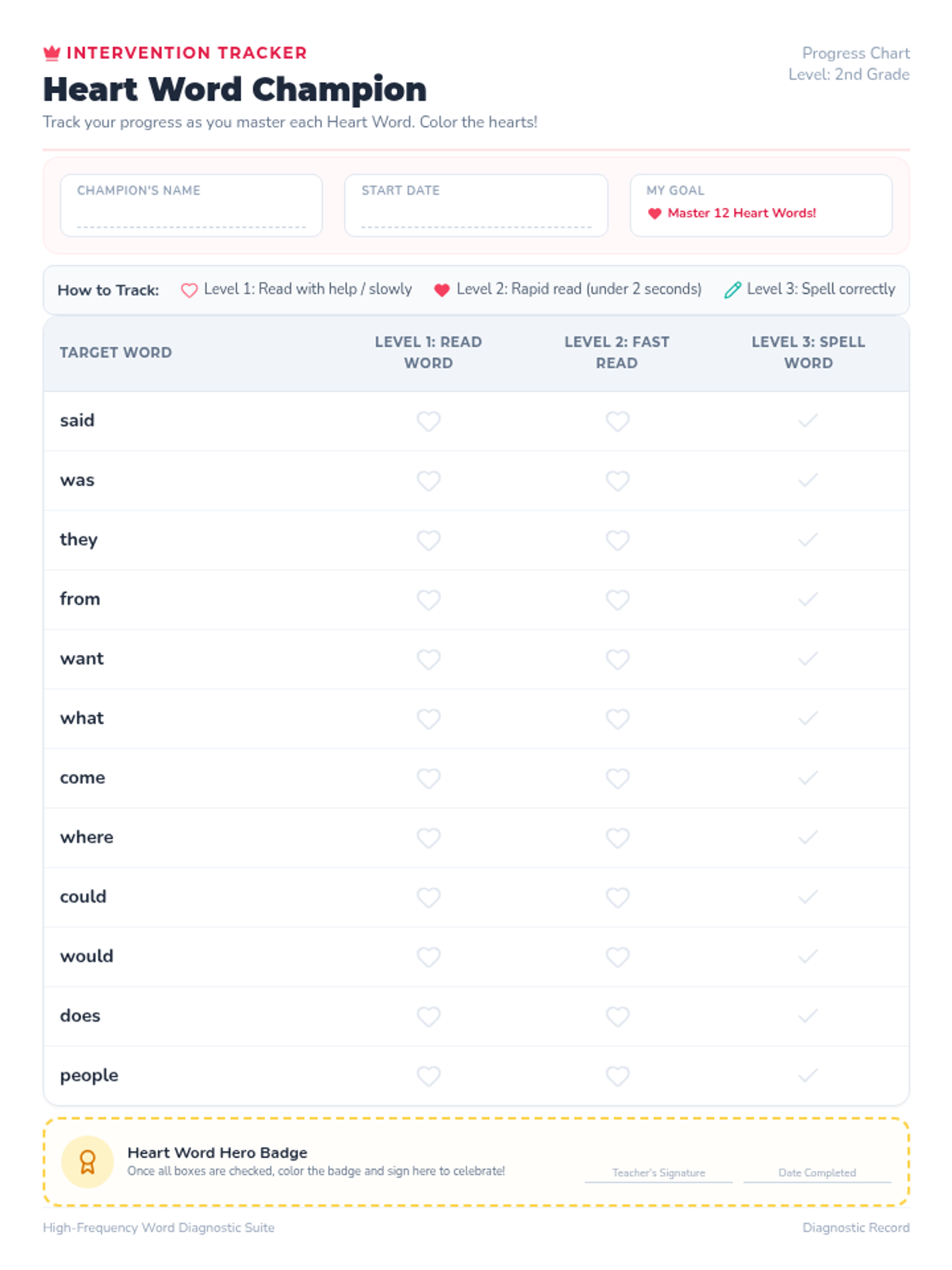
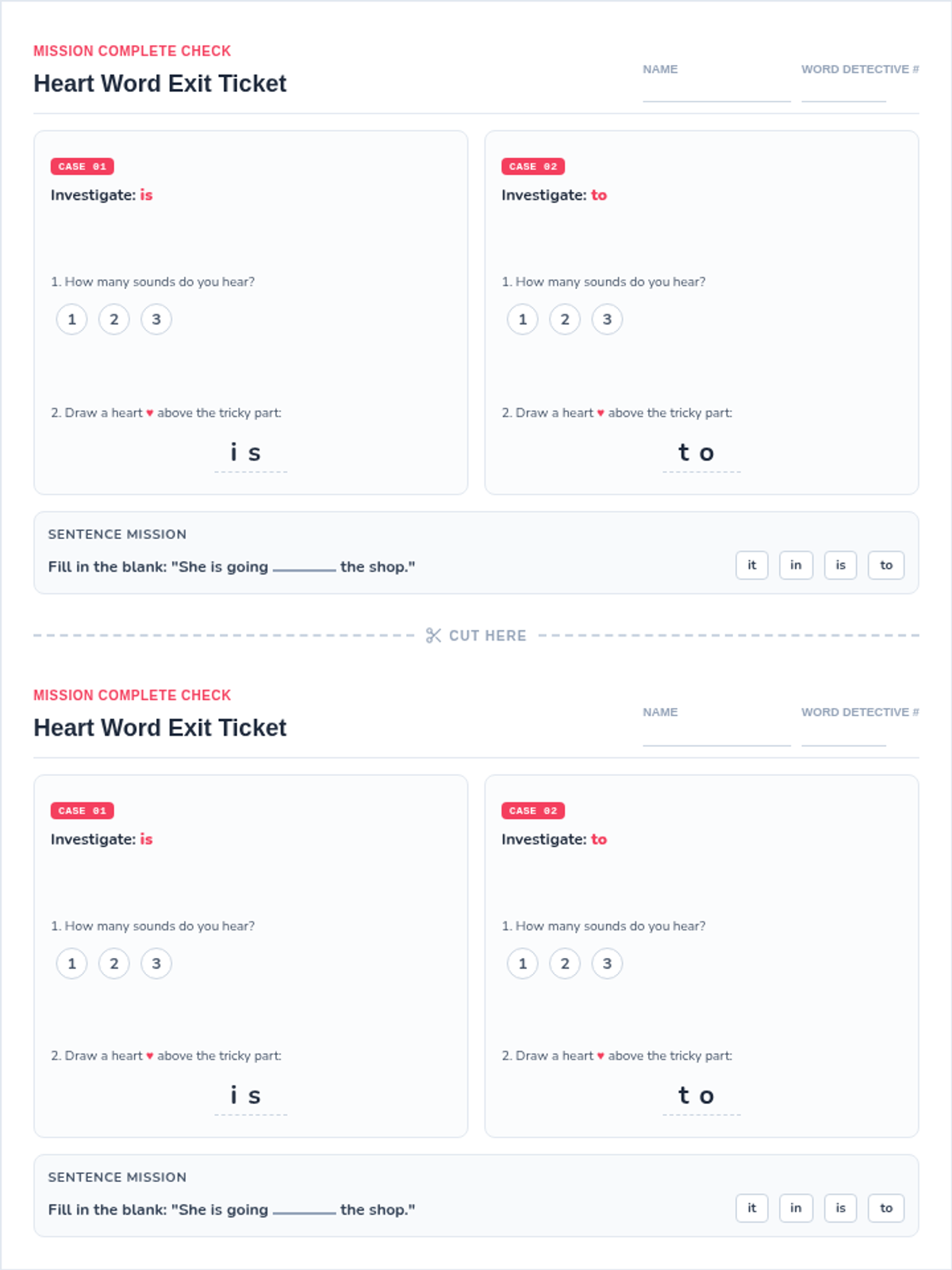
An intervention sequence designed to help struggling second-grade students master irregular high-frequency words ('Heart Words') through high-repetition game-based practice at school and home.
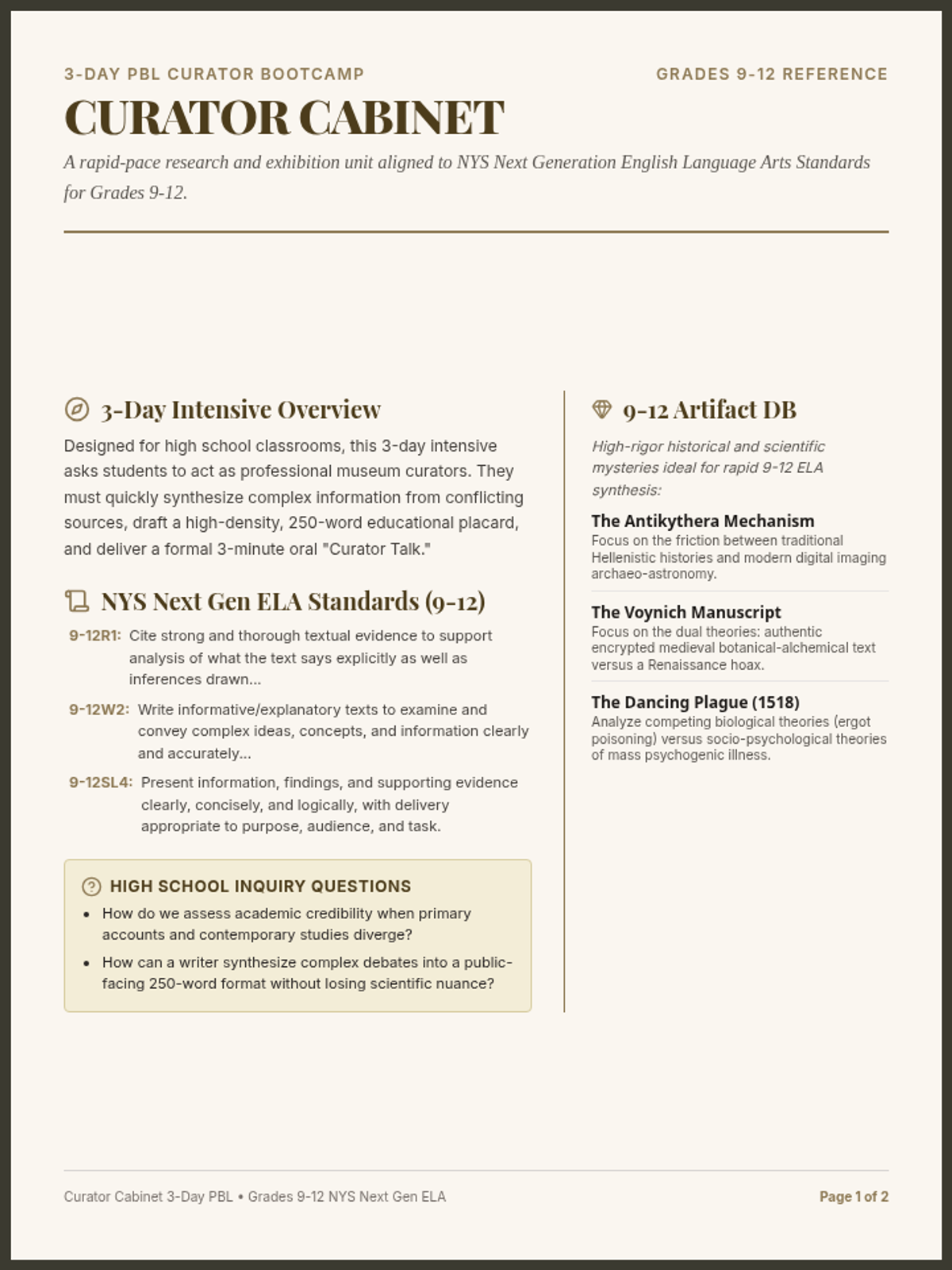
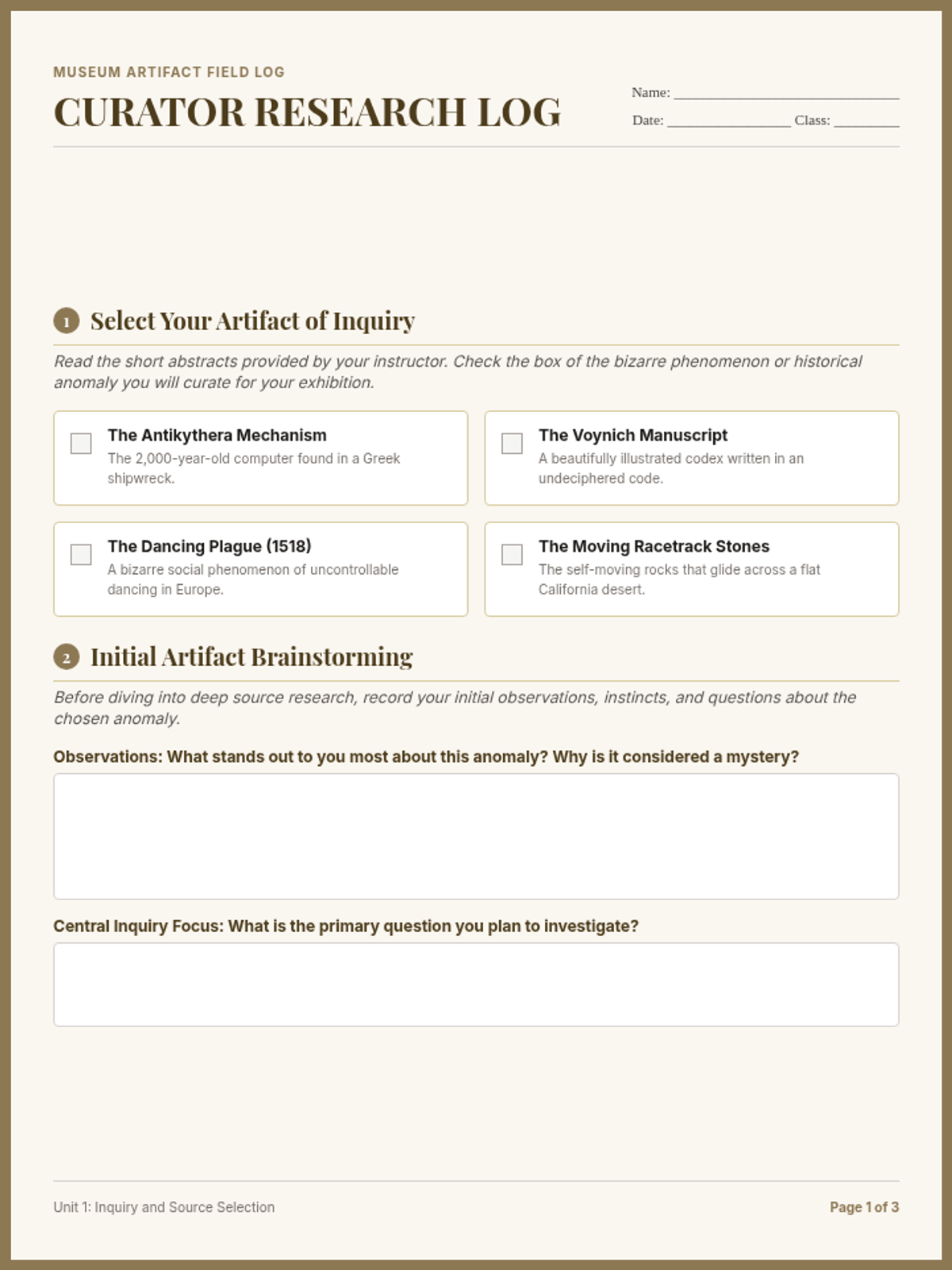
An informational research and presentation project-based unit where students assume the role of museum curators. They investigate obscure historical, scientific, or cultural mysteries, synthesize multi-source research, write scholarly exhibition plaques, and deliver a formal Curator Showcase.
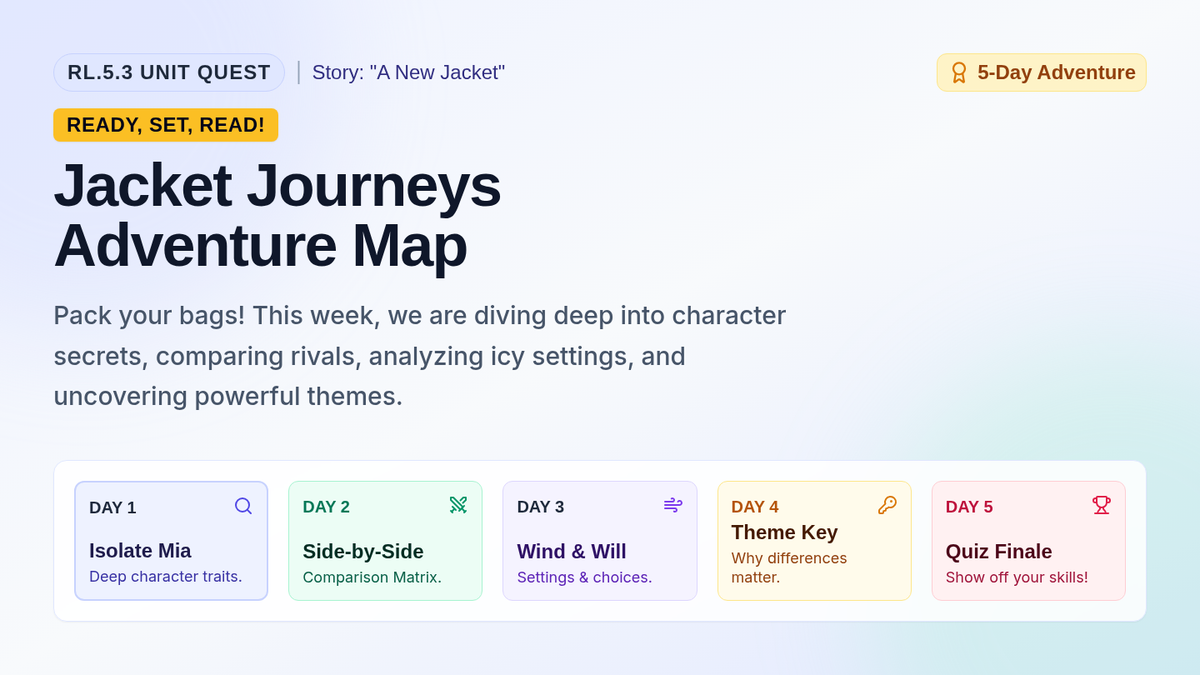
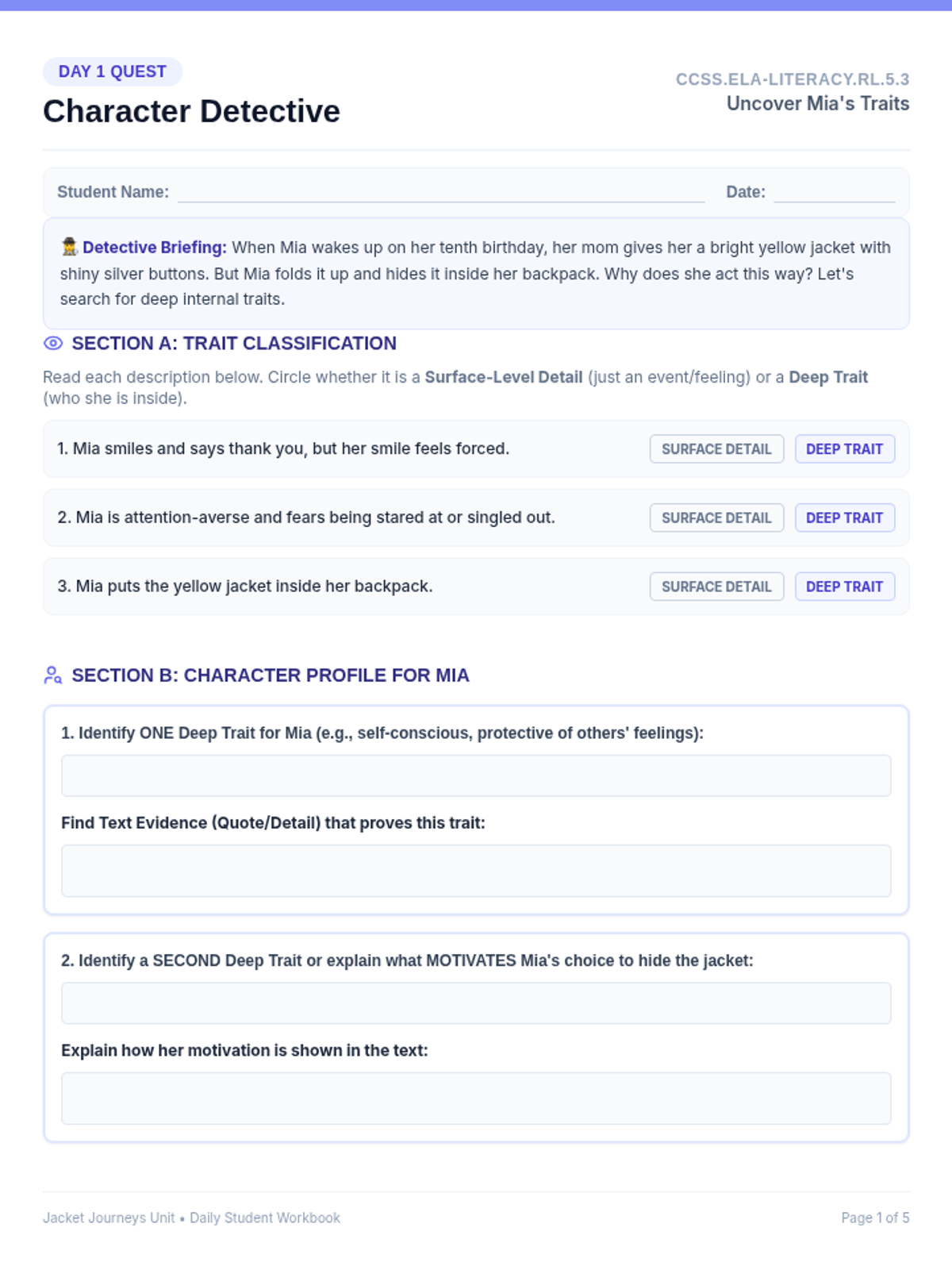
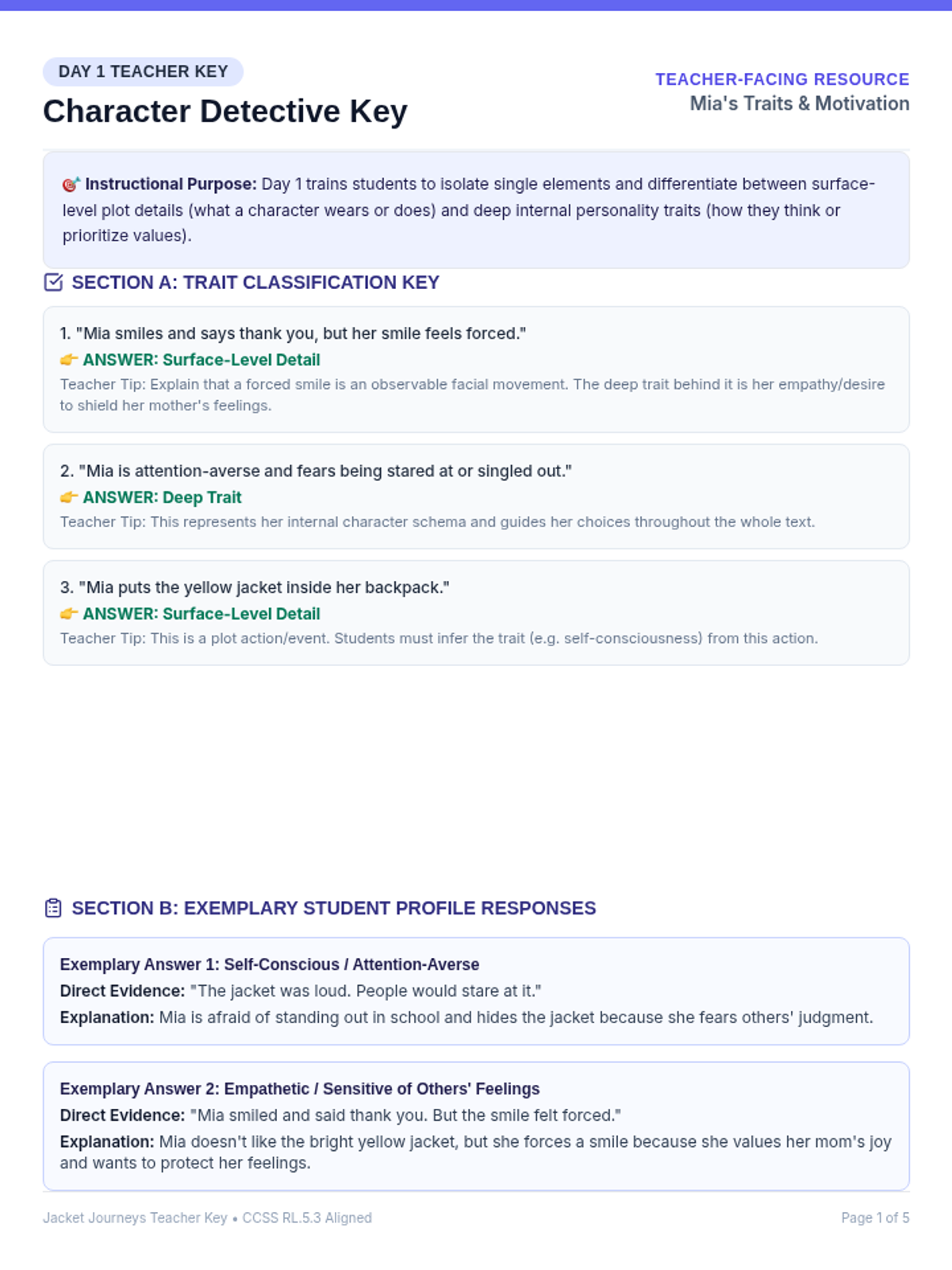
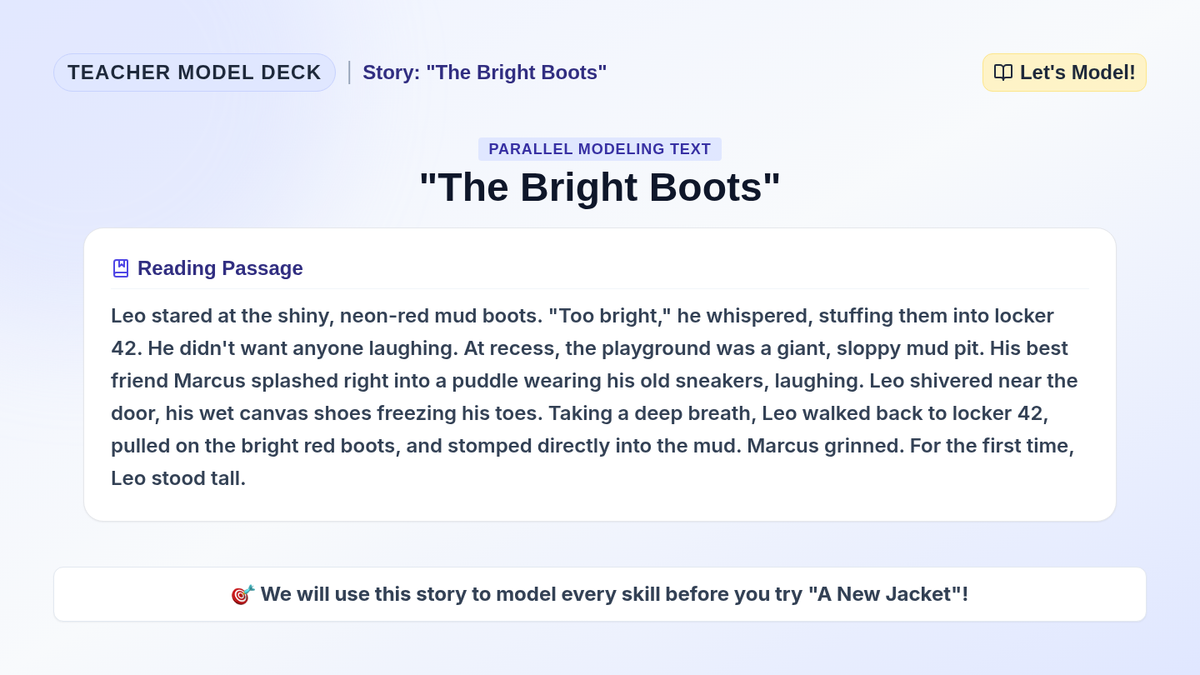
A 5-day educational sequence covering CCSS RL.5.3 standard concepts using the story 'A New Jacket'. Students progress from basic character analysis to comparative matrices, setting impacts, thematic connections, and a final cumulative review.
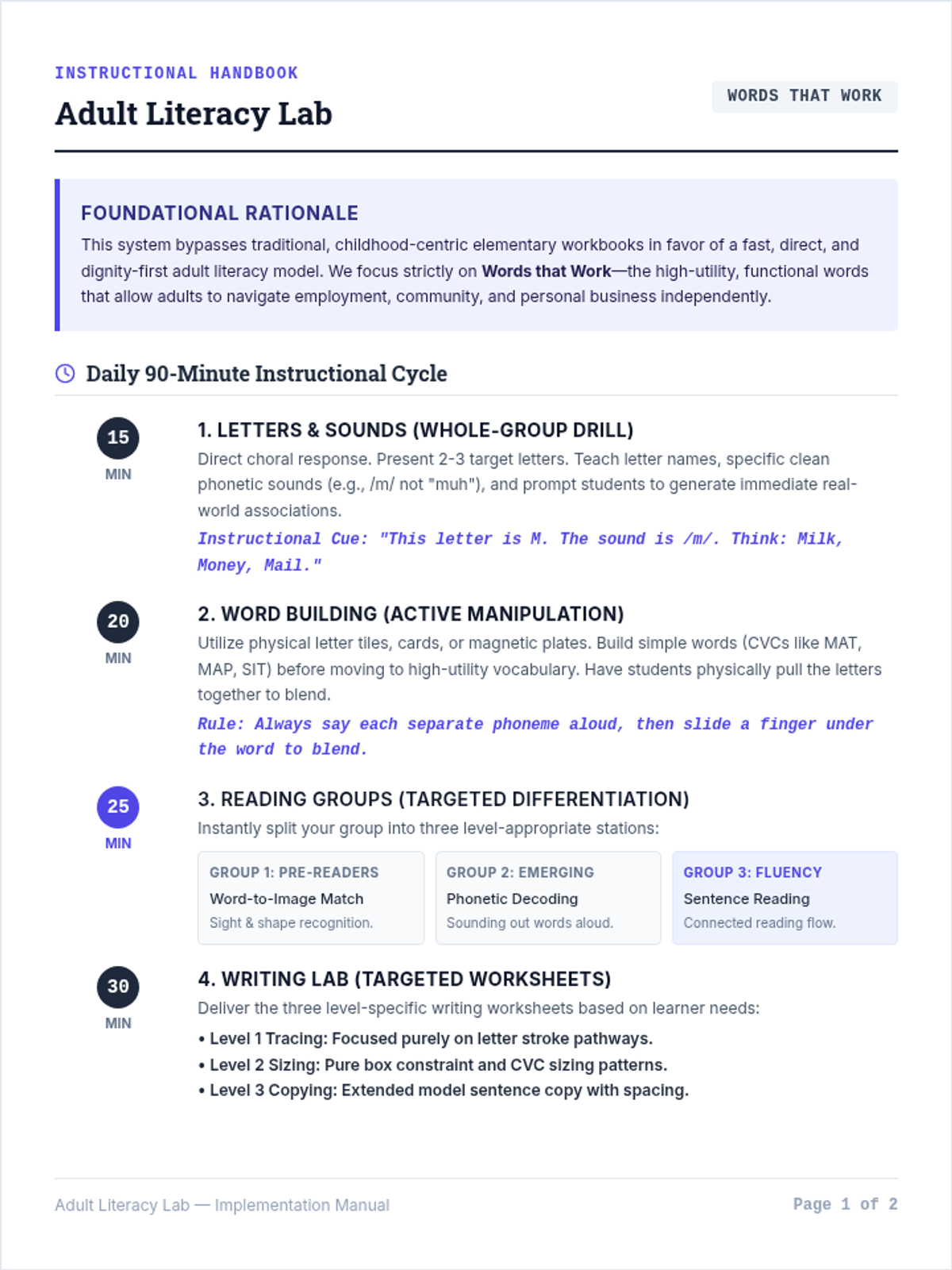
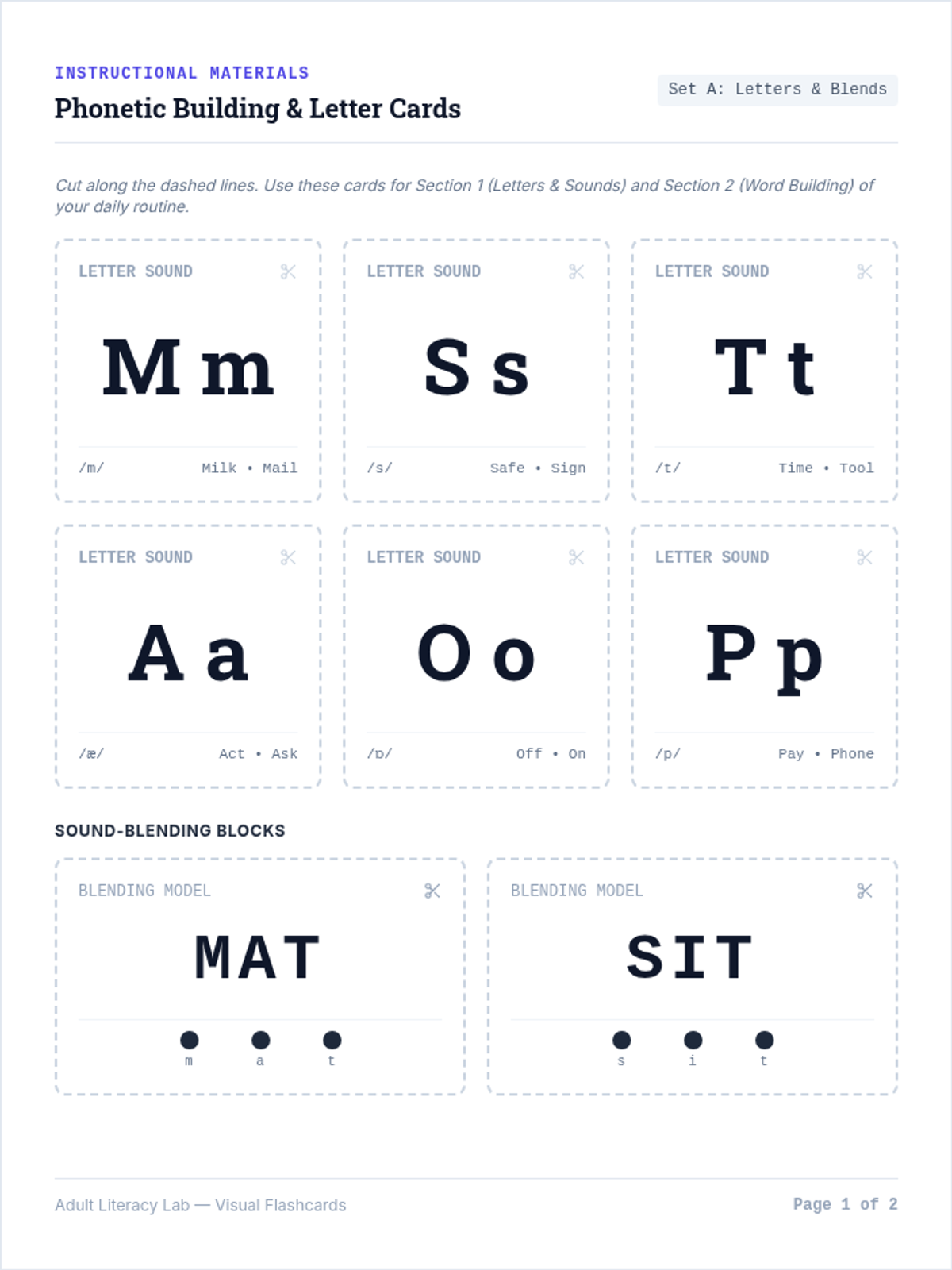
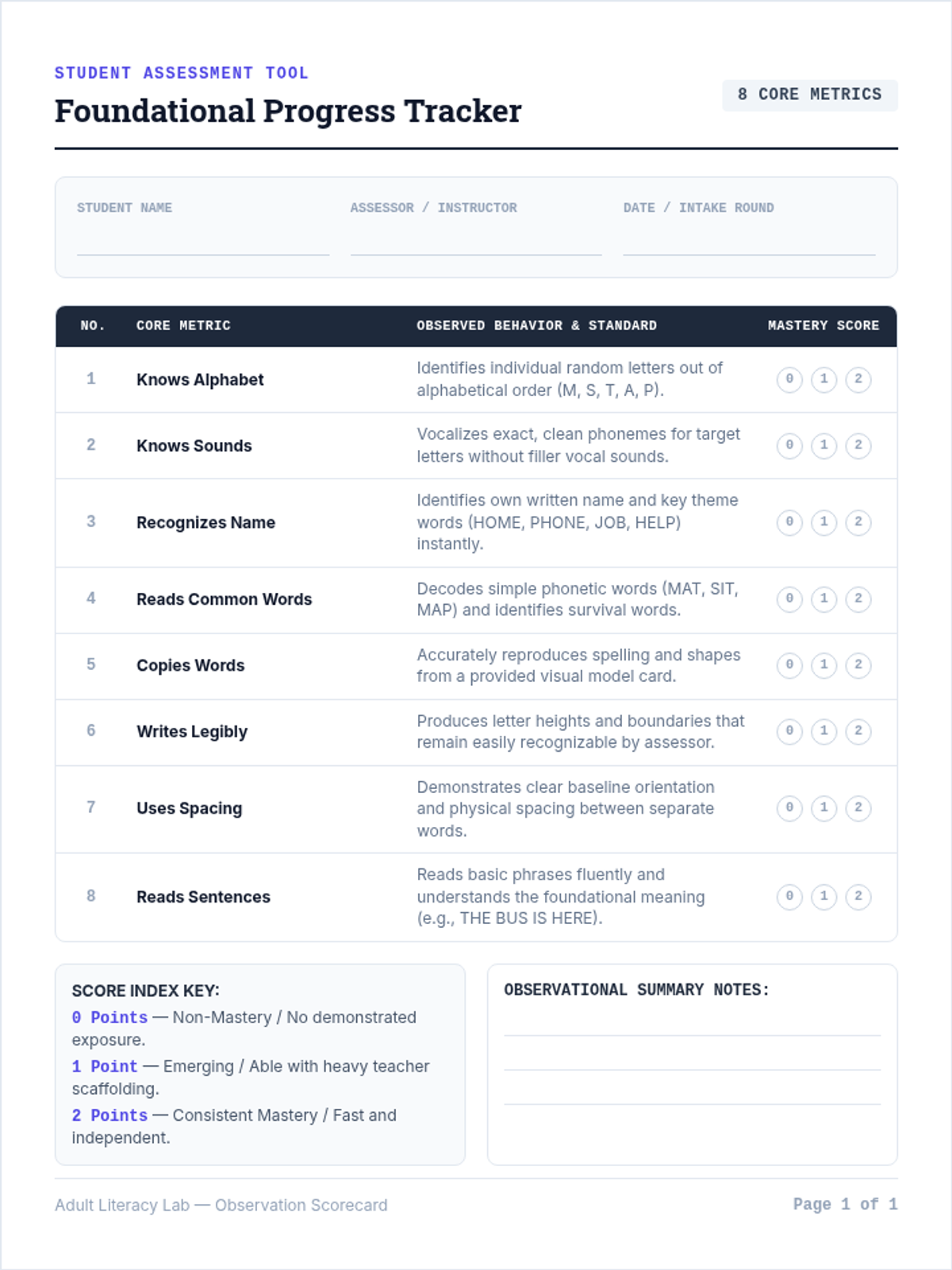
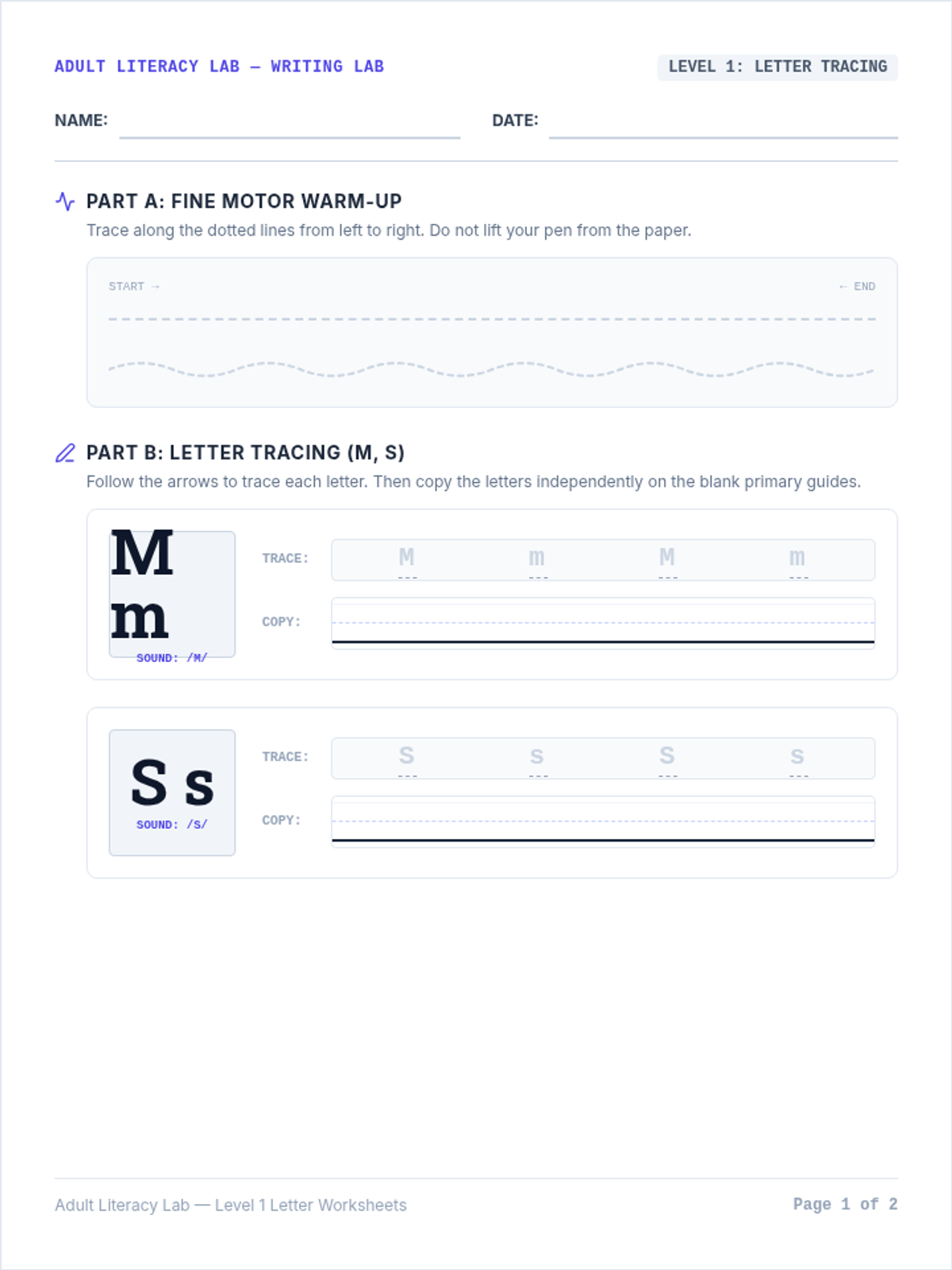
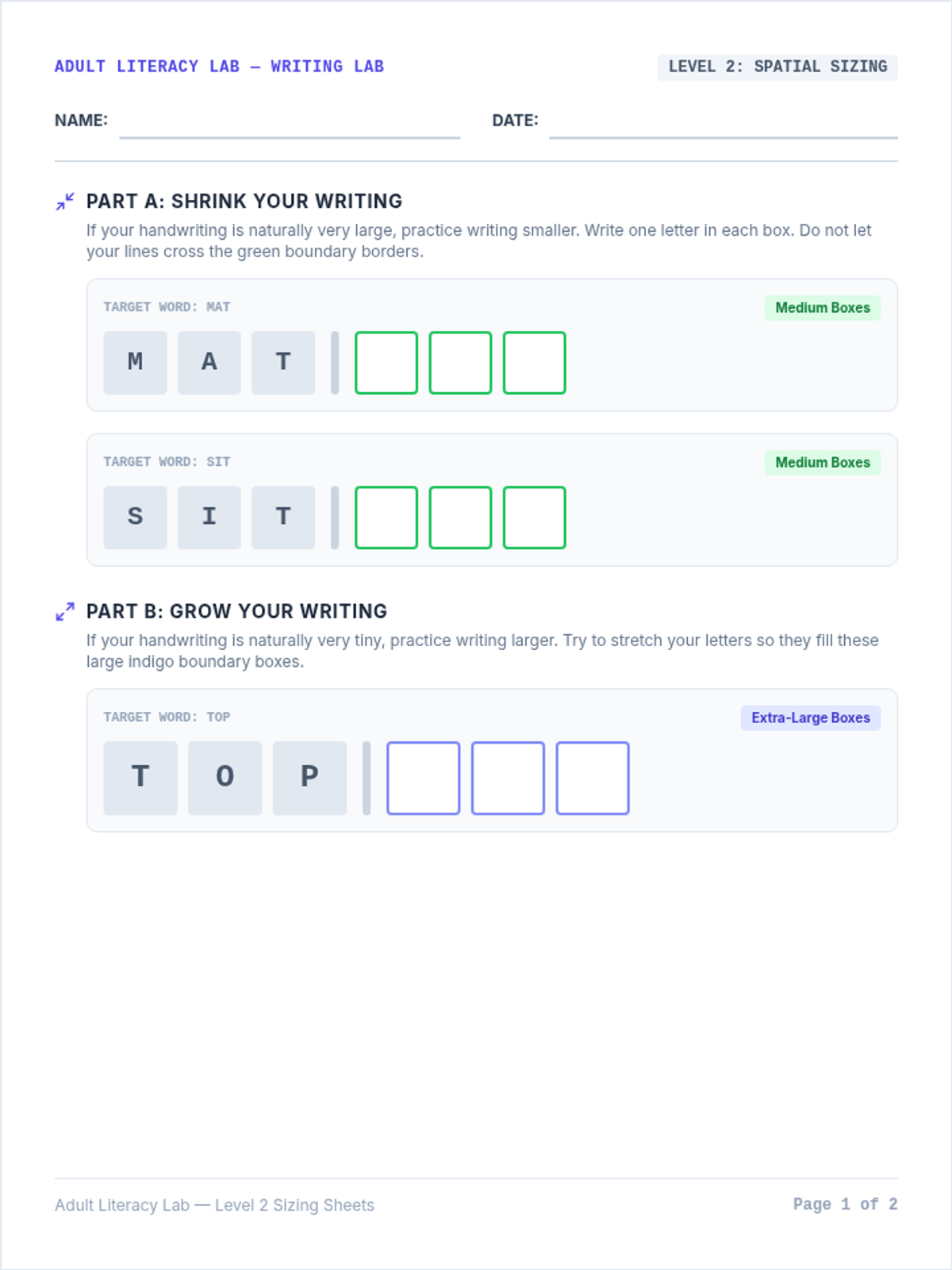
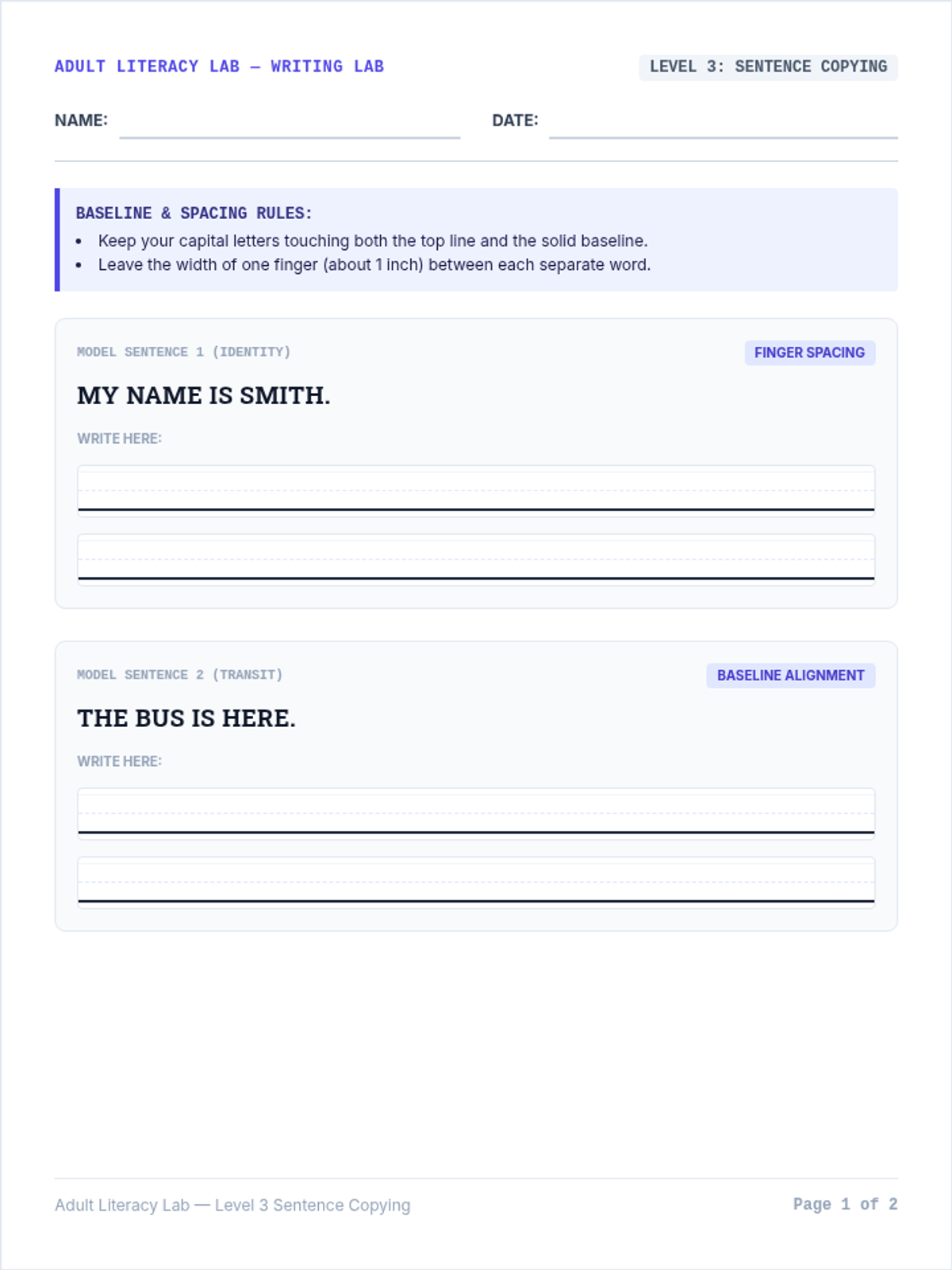
A comprehensive adult literacy training framework designed for rapid, low-prep implementation. This program focuses on functional reading, writing, and word-building skills for adults who are mastering foundational literacy metrics.
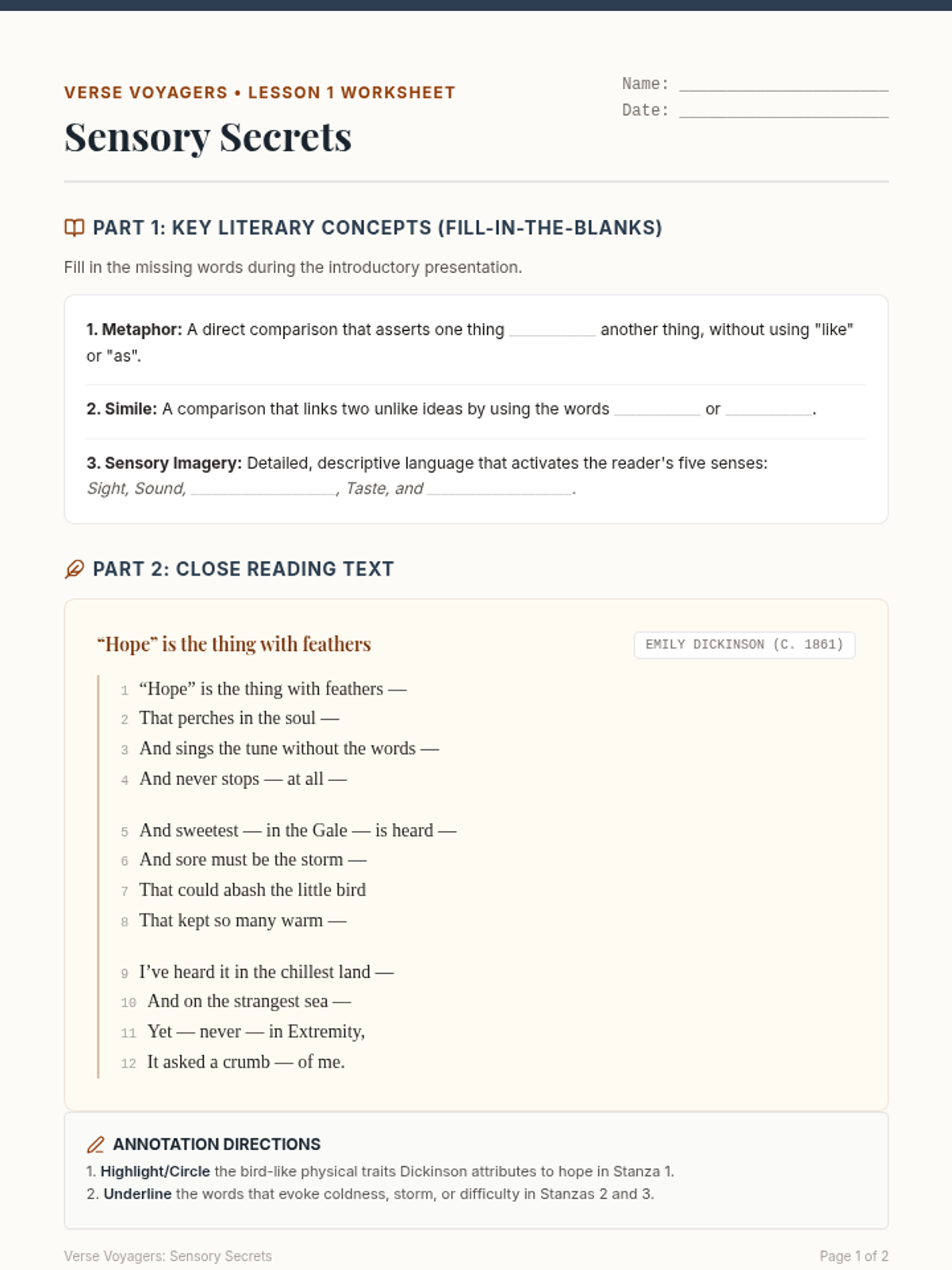
A comprehensive five-part poetry analysis sequence that guides students through decoding figurative language, analyzing structure and meter, tracking tone shifts, and exploring thematic and cultural contexts. The sequence culminates in an analytical writing assessment and rubrics.
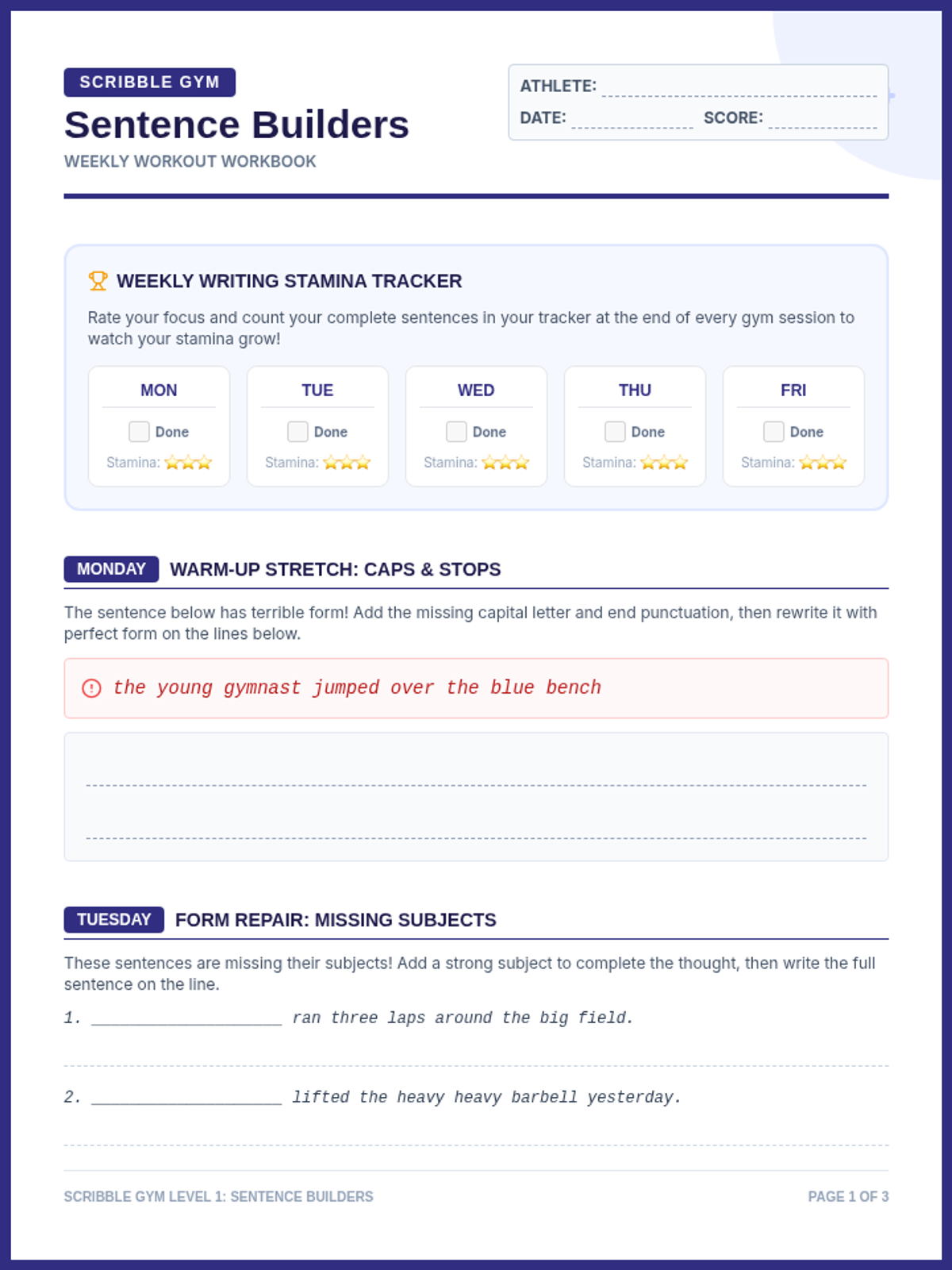
A comprehensive year-long writing program focused on sentence mechanics, paragraph architecture, and daily stamina-building routines, complete with scaffolds for modified curriculum needs.
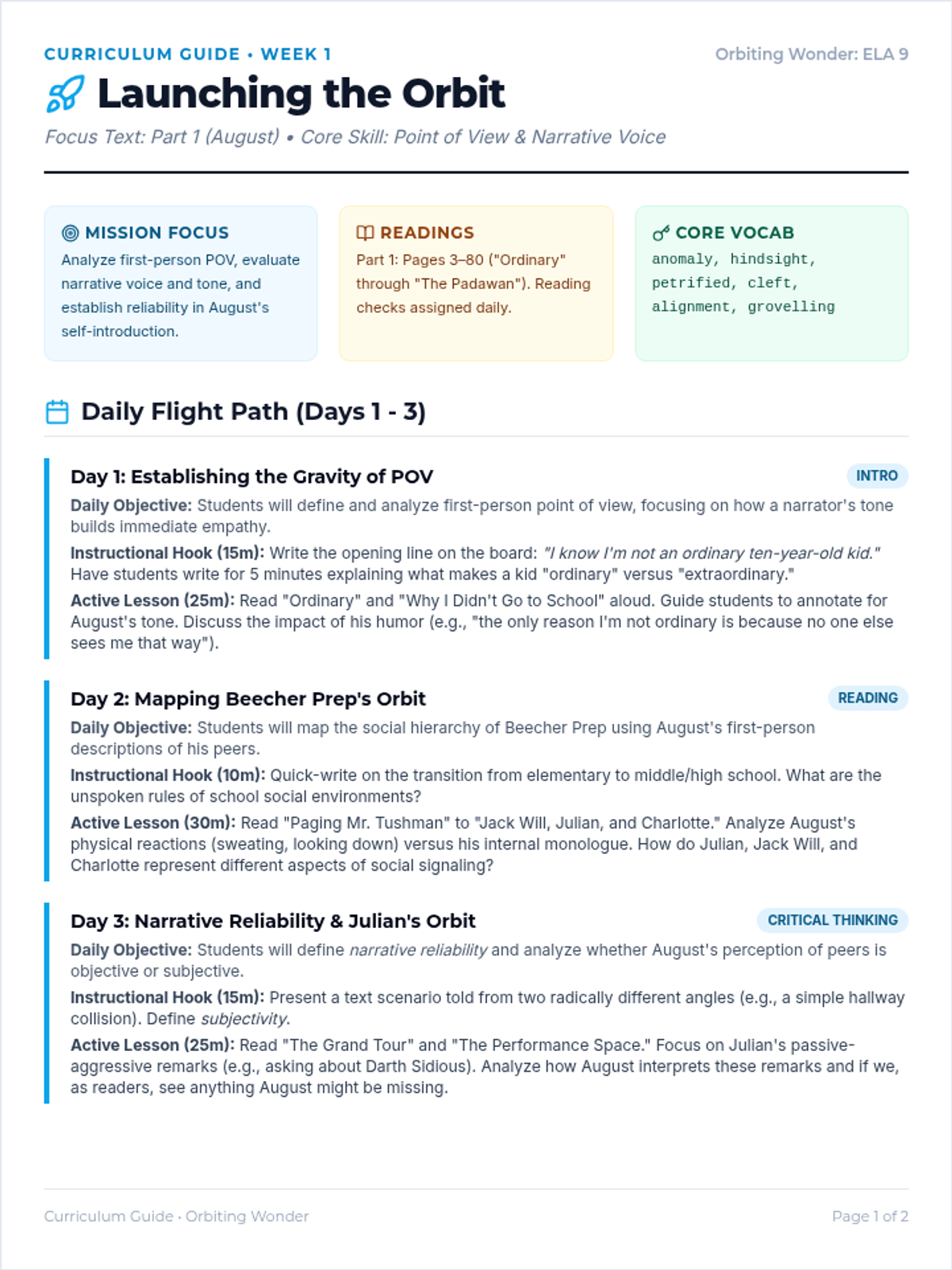
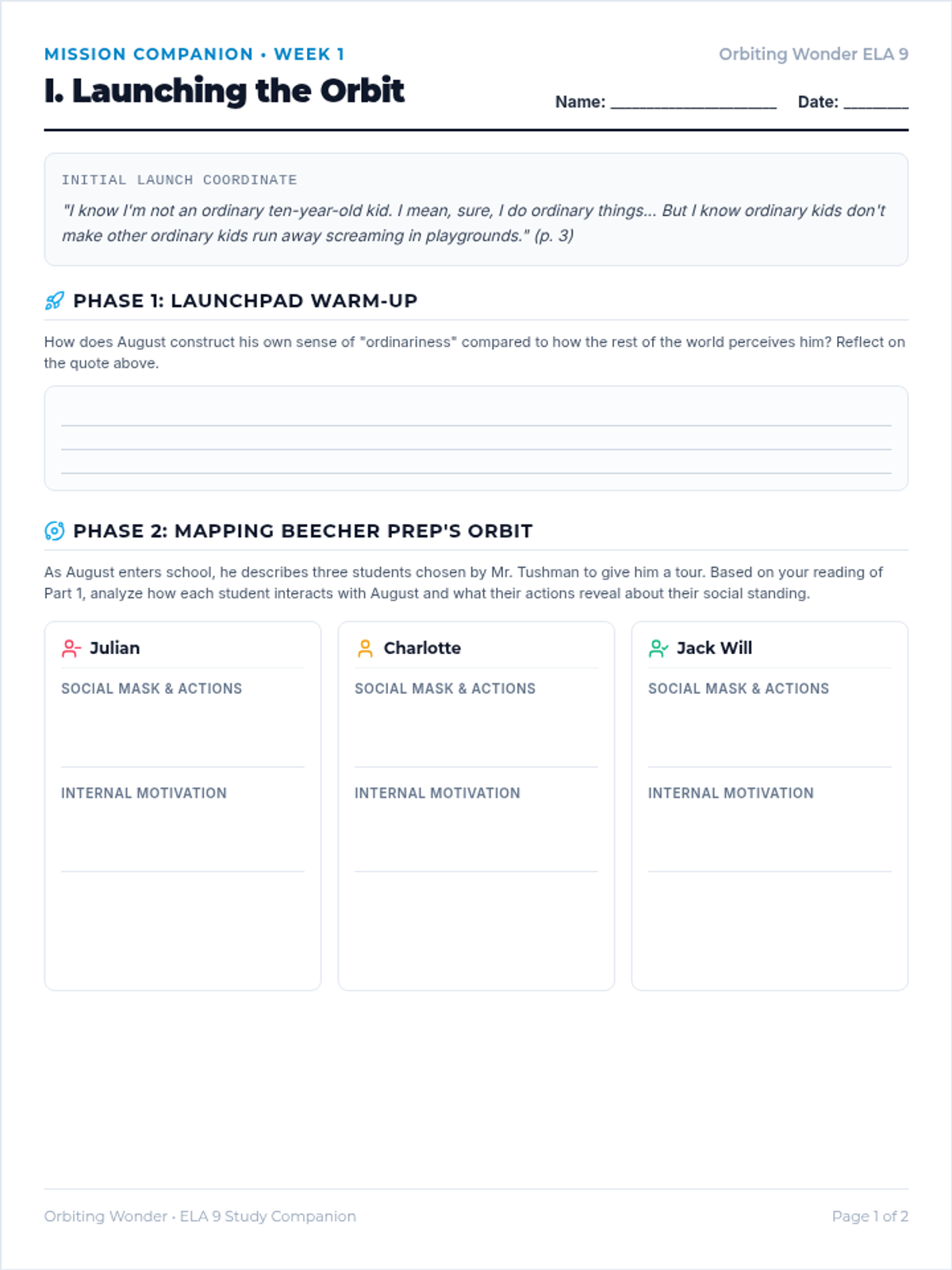
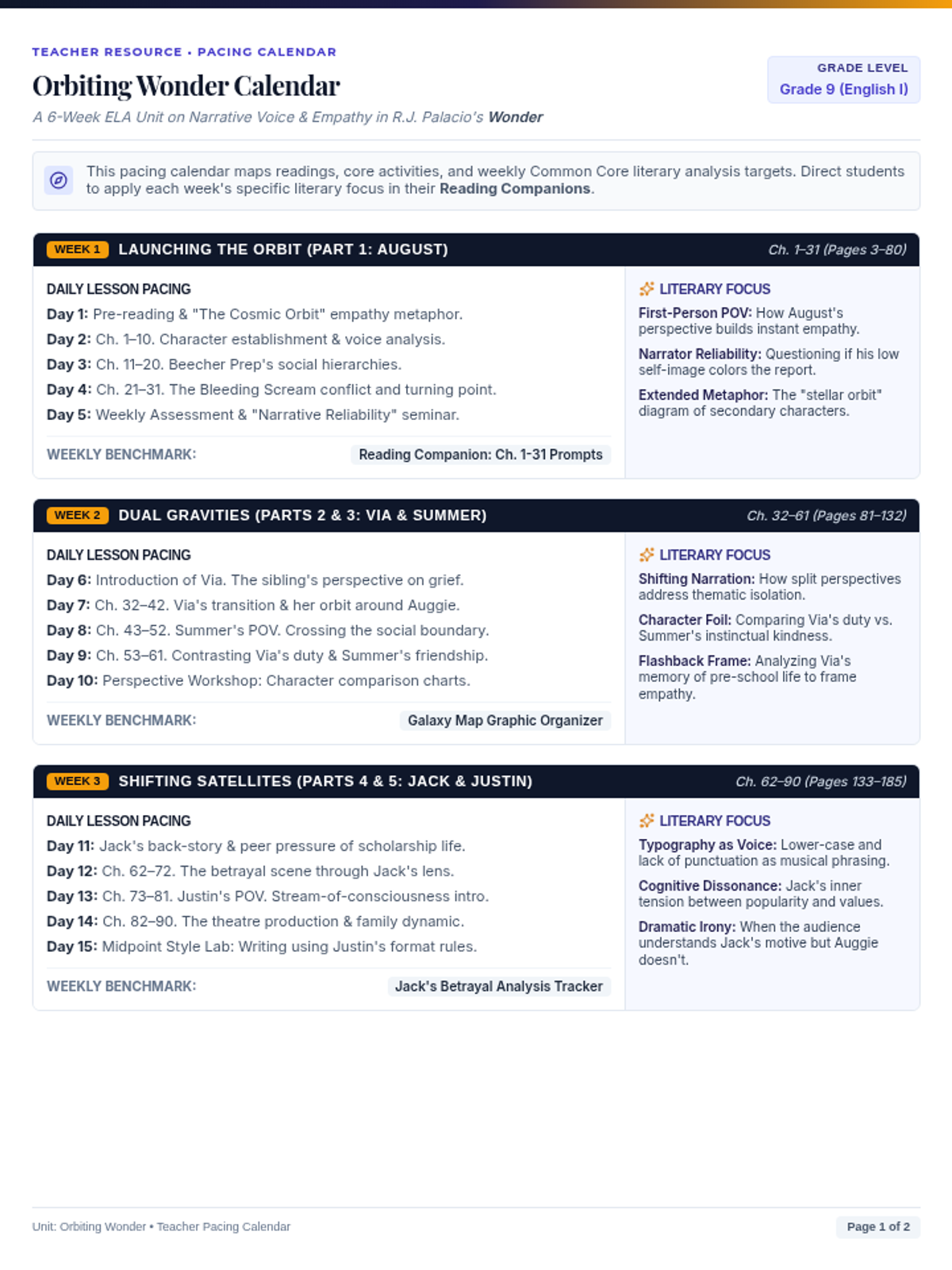
A comprehensive six-week English Language Arts curriculum for high school freshmen centered on R.J. Palacio's 'Wonder'. This unit analyzes how shifting narration, point of view, and multi-perspective characterization impact reader empathy and character development, culminating in evidence-based thematic essays on kindness and identity.
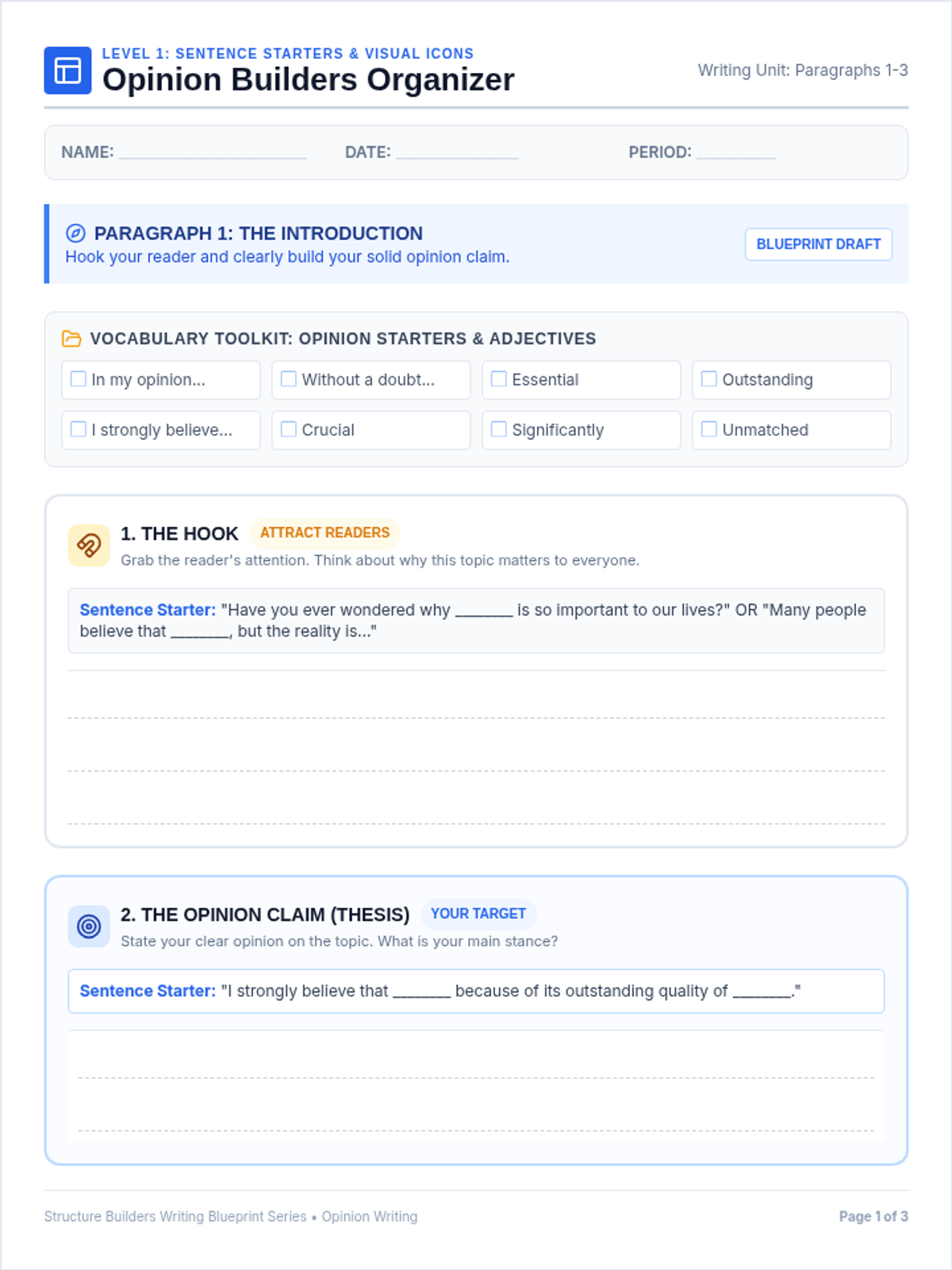
A supportive multi-genre writing unit scaffolded for diverse learning needs. It features structured three-paragraph formats, interactive word banks, sentence starters, and visual icon prompts for argumentative, compare-and-contrast, and narrative writing.
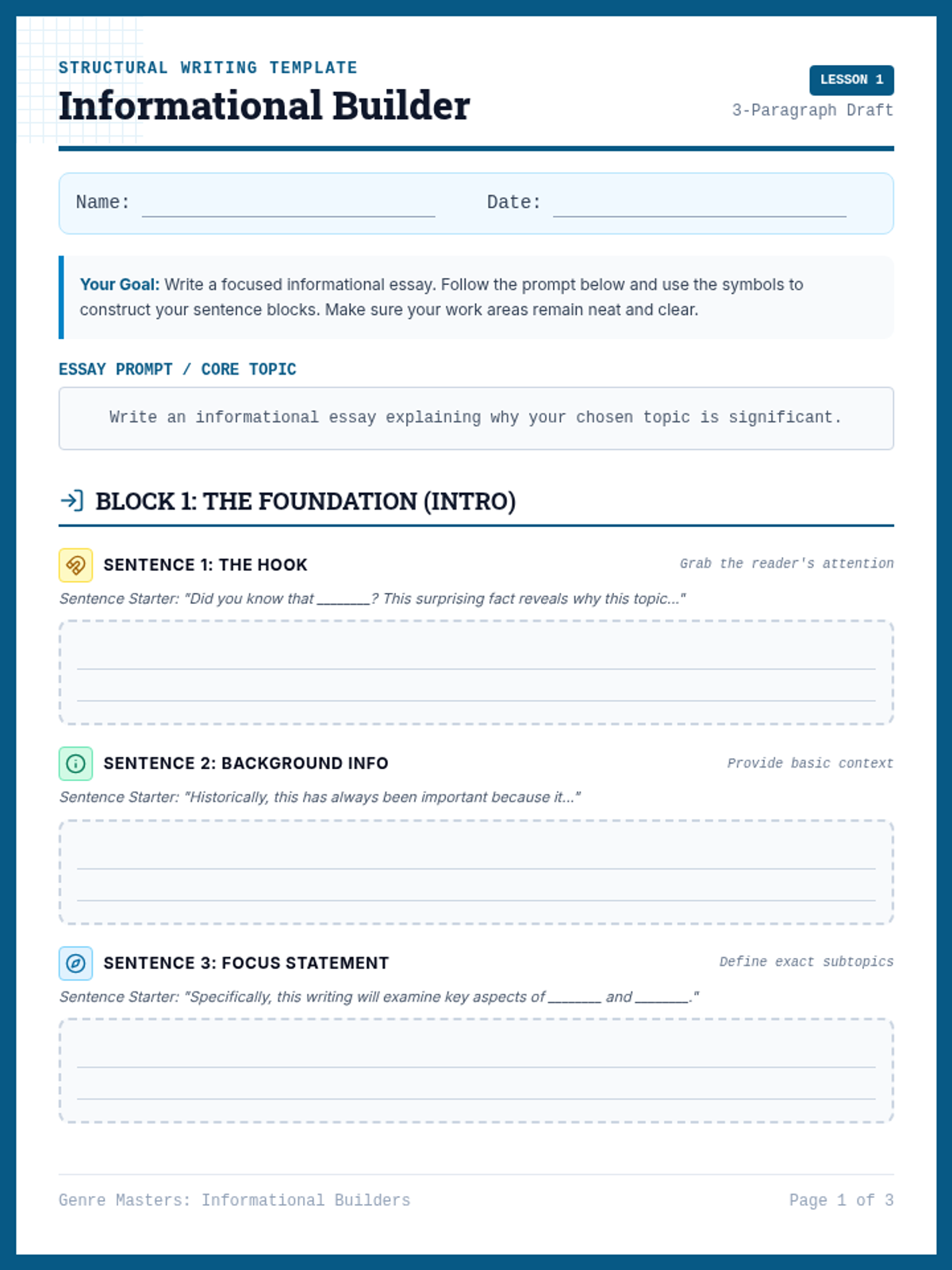
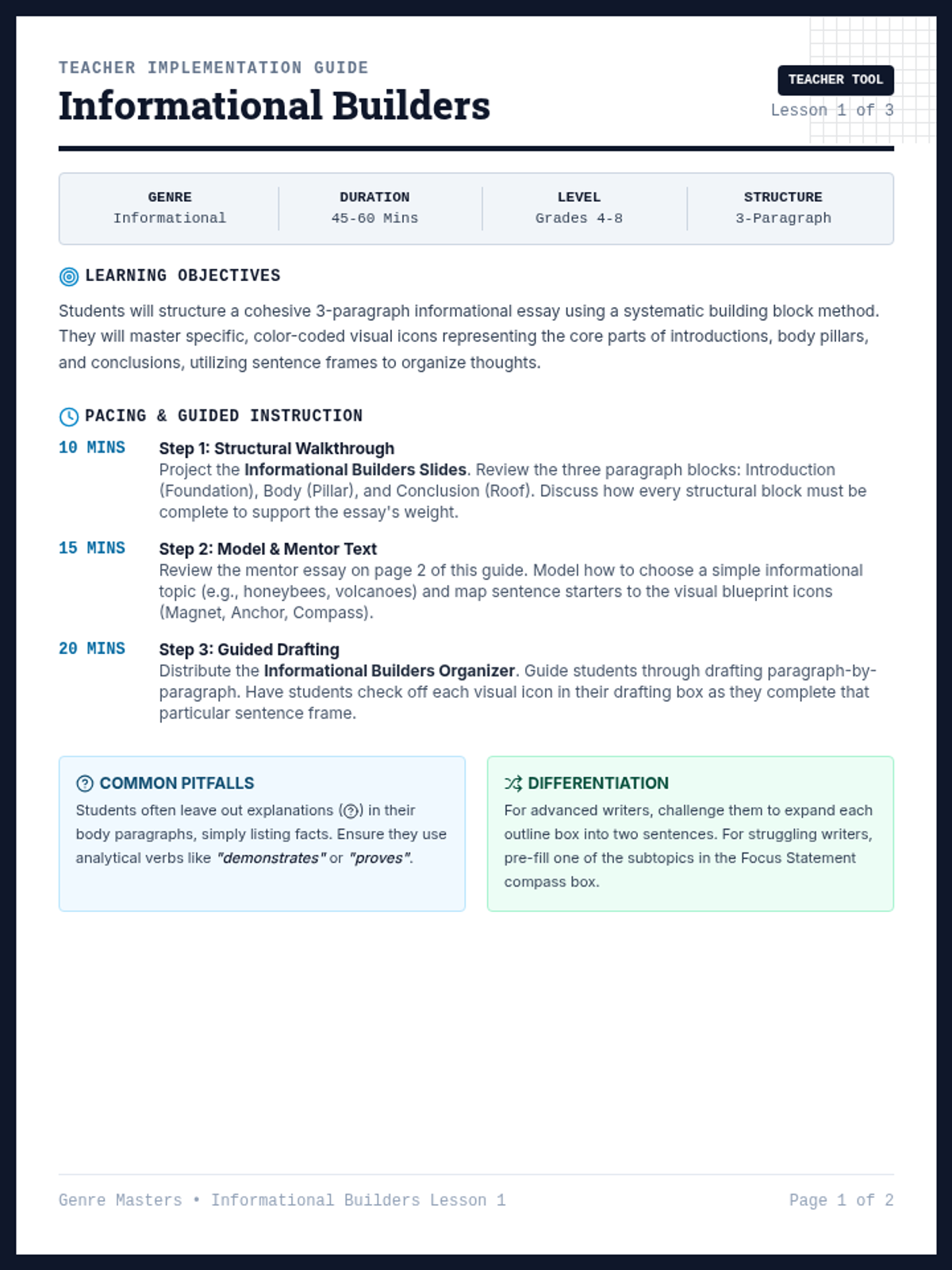
A multi-genre writing unit focused on structural writing templates for elementary and middle school students. The unit covers Informational, Compare & Contrast, and Persuasive/Opinion writing, utilizing highly structured 3-paragraph outlines, visual icons, sentence starters, and word banks.
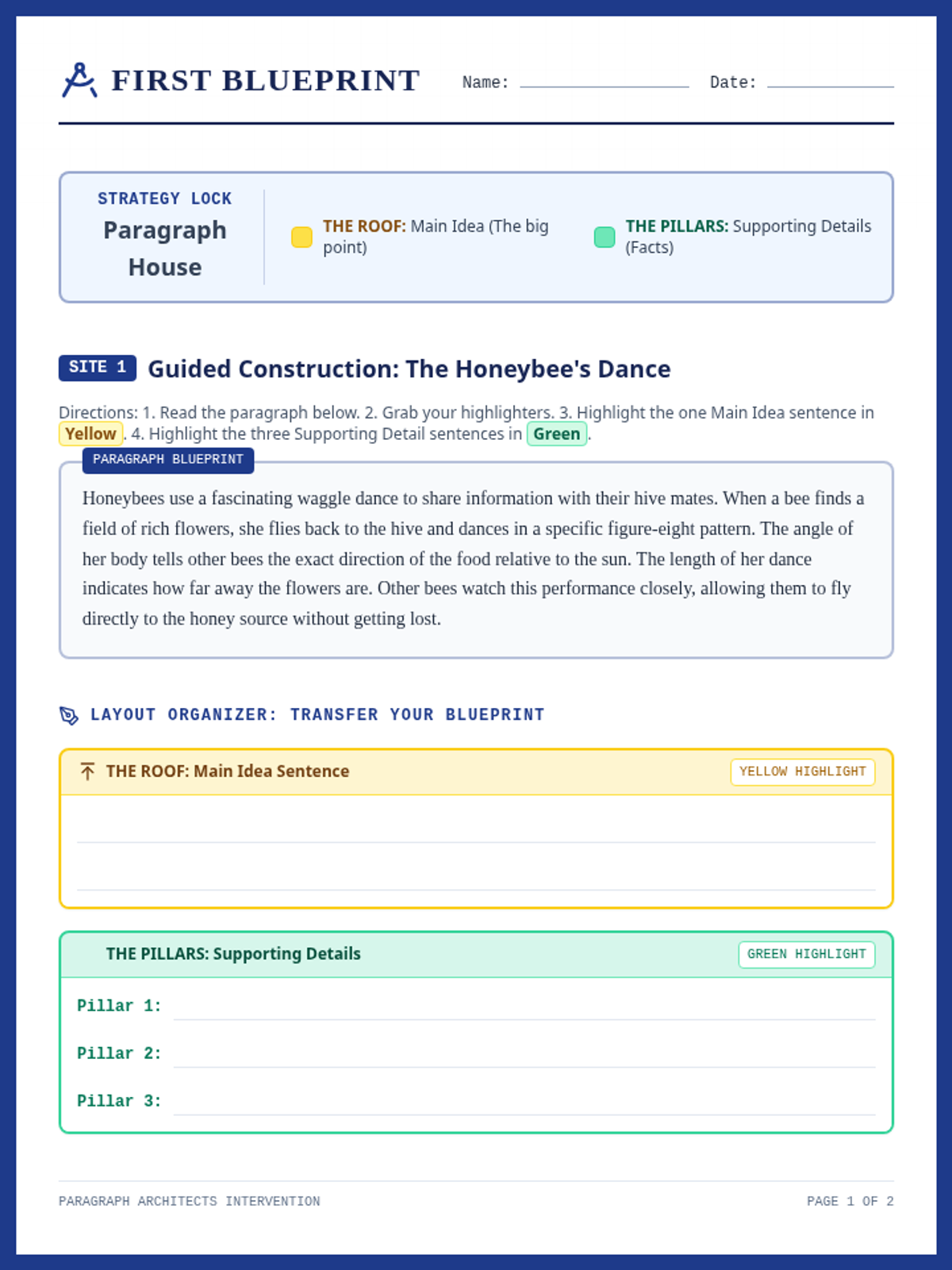
An intensive intervention lesson designed to help struggling readers master main idea identification using hands-on, color-coded highlighting strategies. Students learn to dismantle paragraph structures like blueprint architects, physically separating the 'roof' (main idea) from the 'supporting pillars' (details).
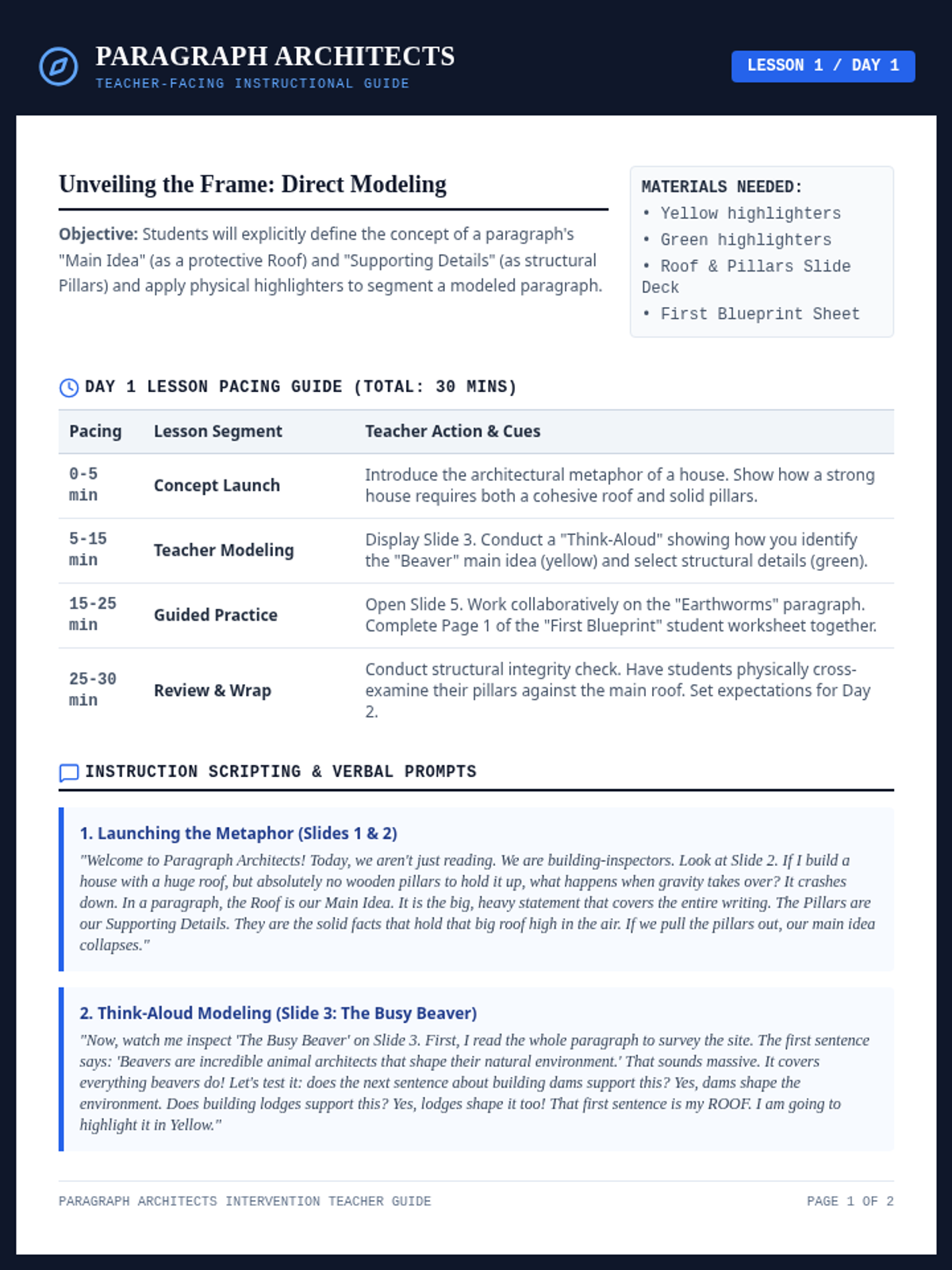
A 3-day targeted intervention sequence designed to help struggling readers master main idea identification using hands-on, color-coded highlighting strategies. Students learn to dismantle paragraph structures like blueprint architects, physically separating the 'roof' (main idea) from the 'supporting pillars' (details).
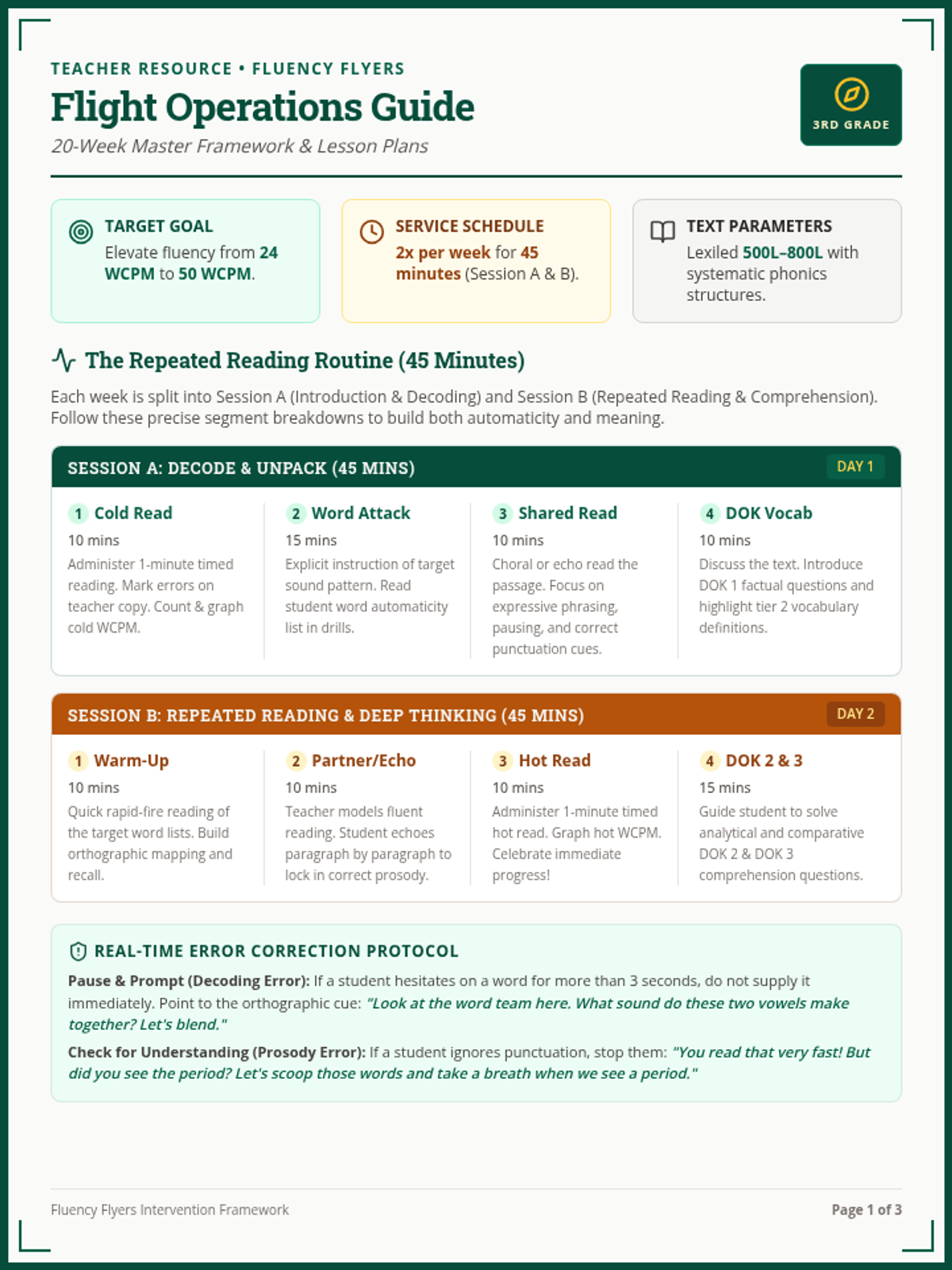
A comprehensive 20-week reading fluency curriculum designed for 3rd-grade students reading at 24 WCPM to reach a target goal of 50 WCPM. The program integrates systematic phonics practice (r-controlled vowels, adjacent vowel teams, and multisyllabic words) with a repeated-reading framework and DOK-aligned comprehension checks.
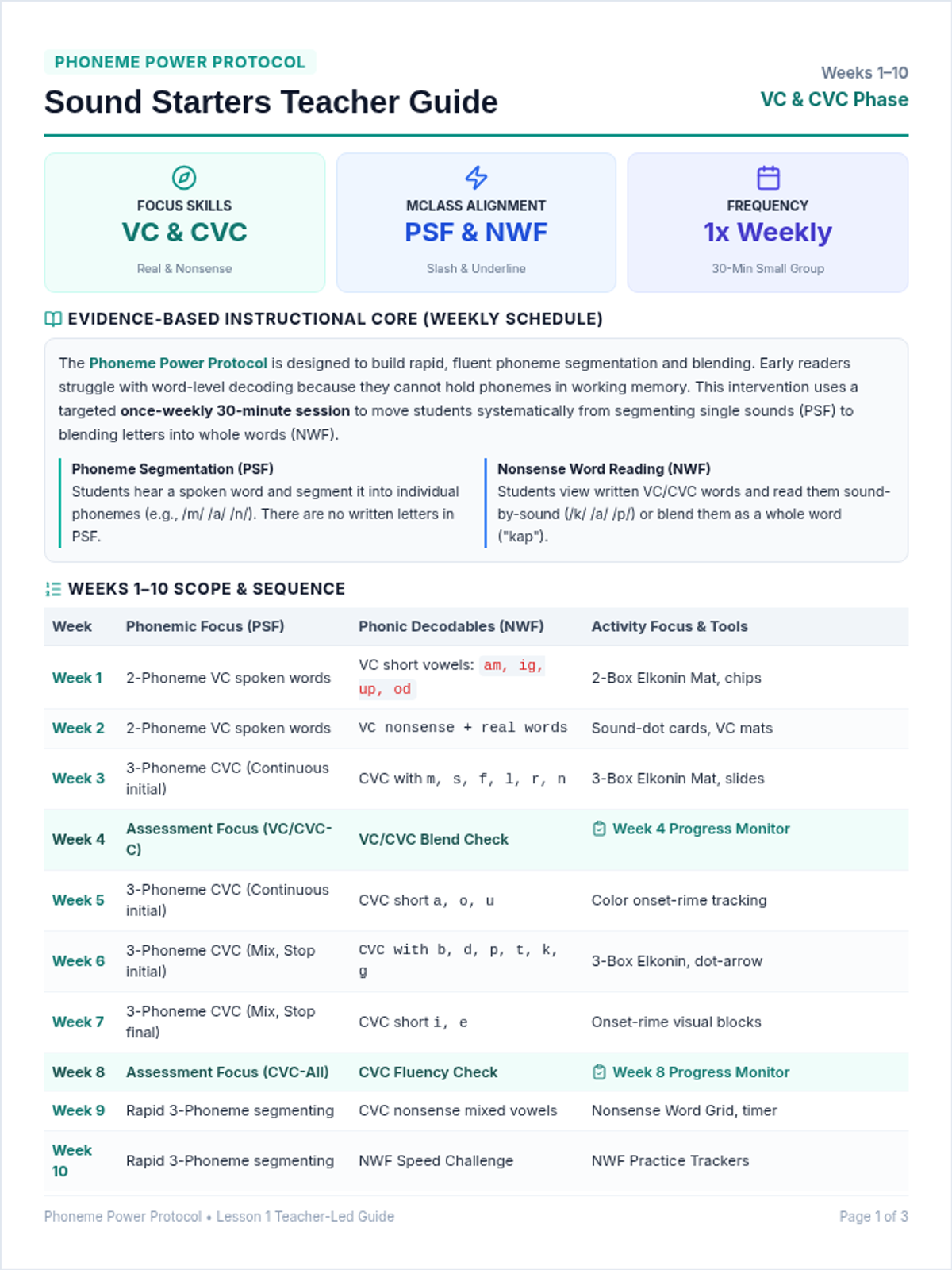
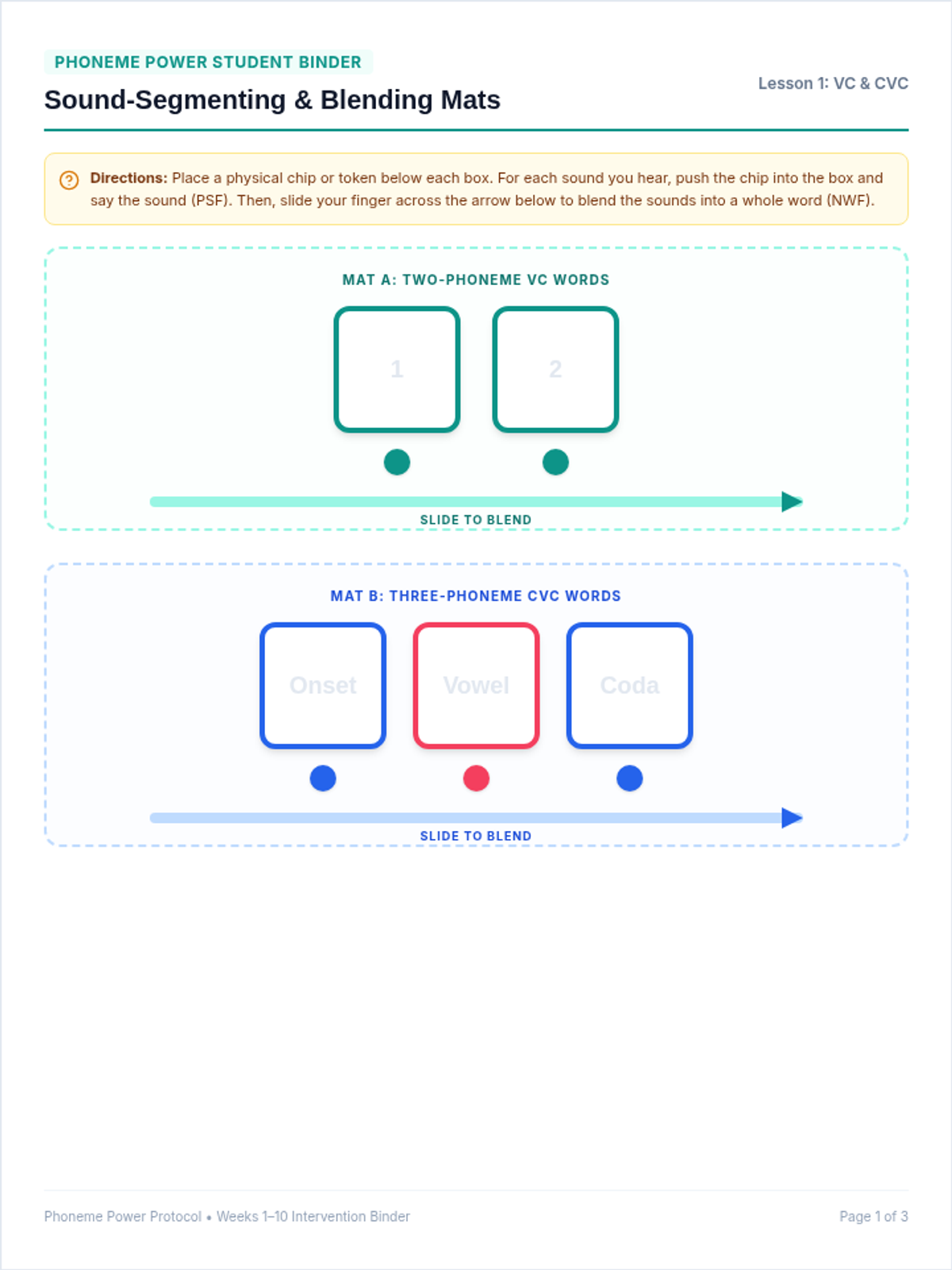
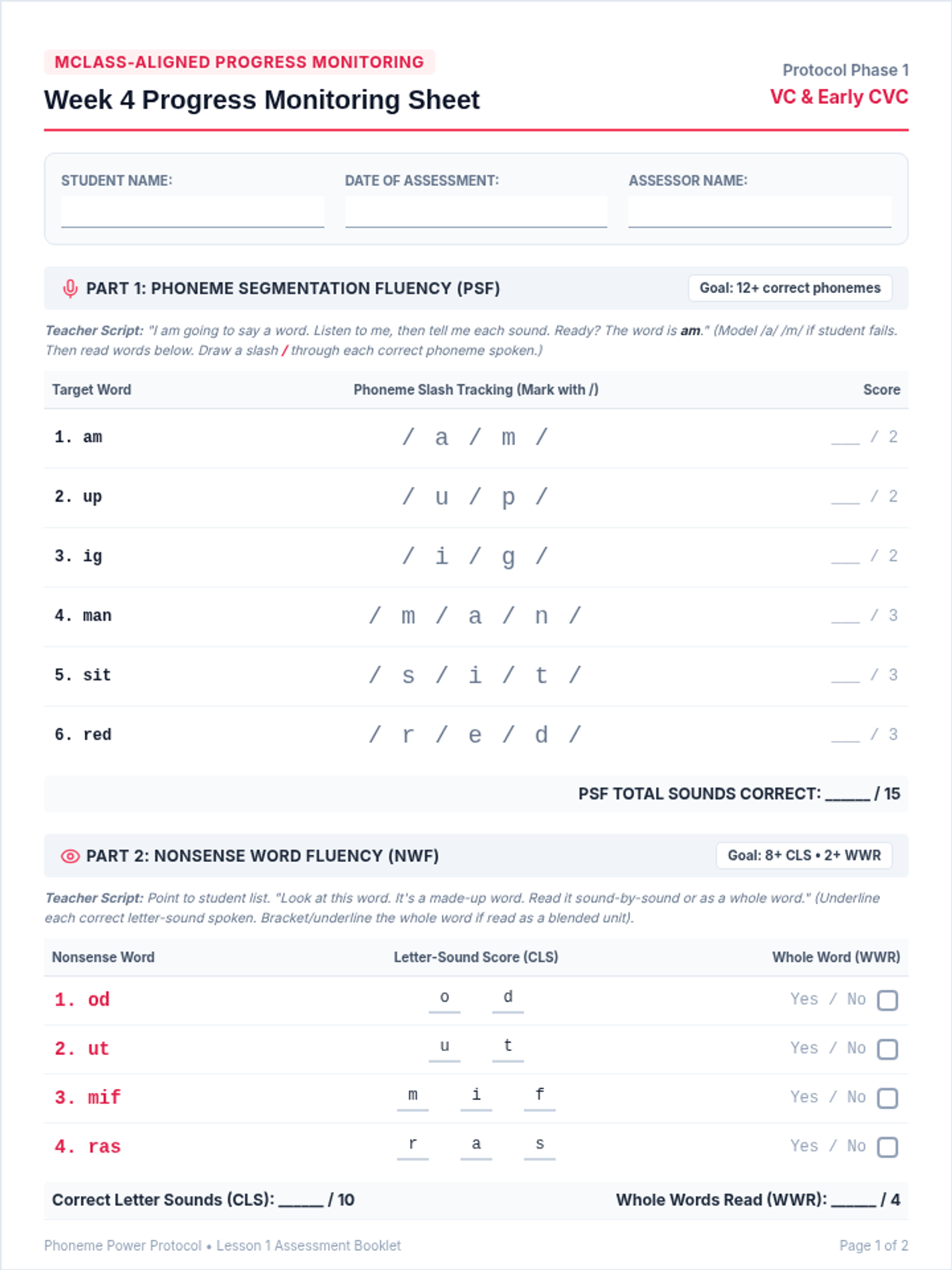
A comprehensive, evidence-based 20-week reading intervention sequence designed for small-group instruction. Focuses on segmenting and blending VC, CVC, and CCVC words using systematic phonics routines, visual Elkonin mats, and mCLASS-aligned PSF and NWF modeling. Specially adapted for a once-weekly 30-minute session with progress monitoring every 4 weeks.
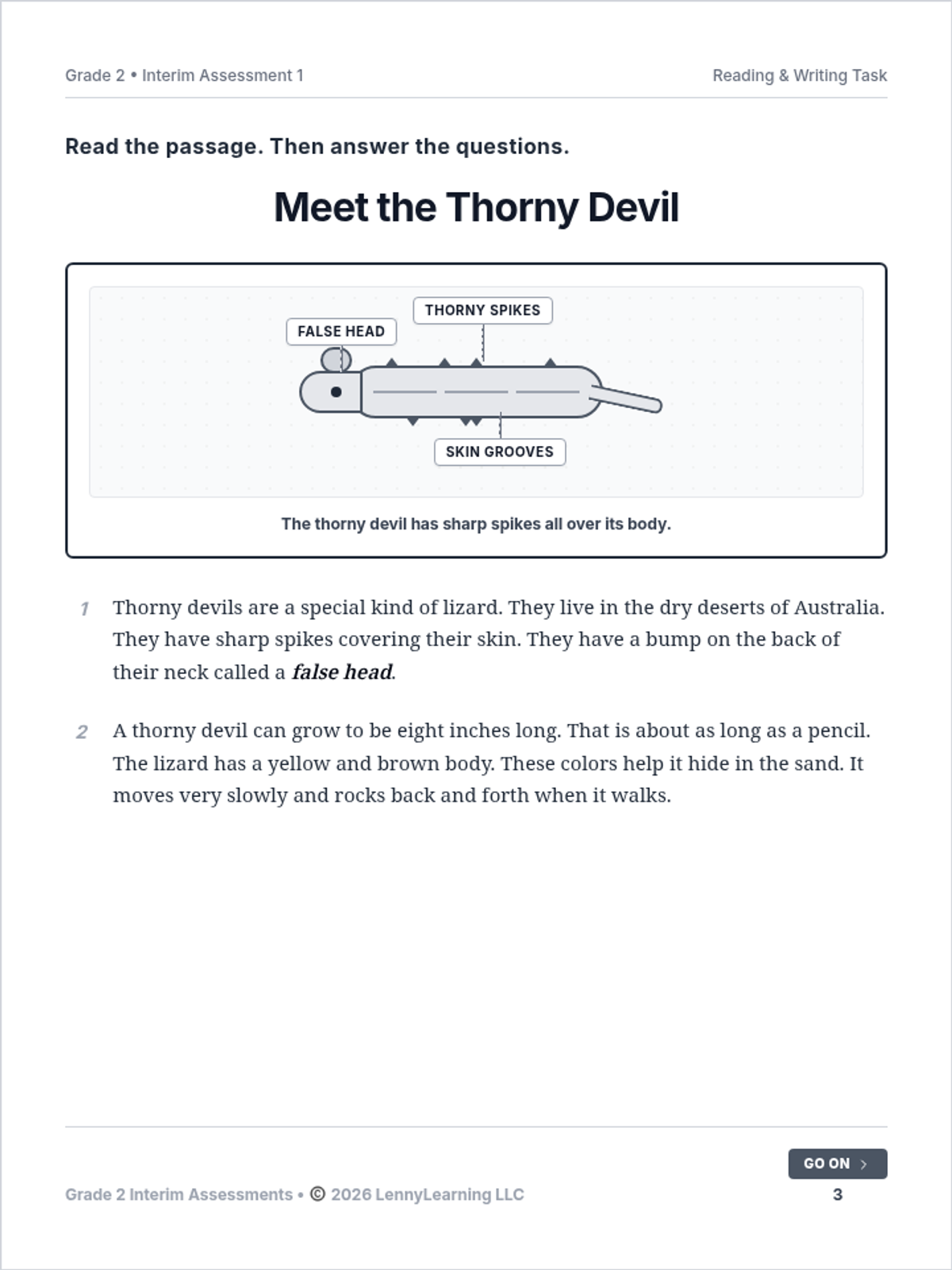
A cohesive reading and writing assessment sequence featuring diverse biomes and unique animal adaptations, styled as a standardized elementary school assessment packet.
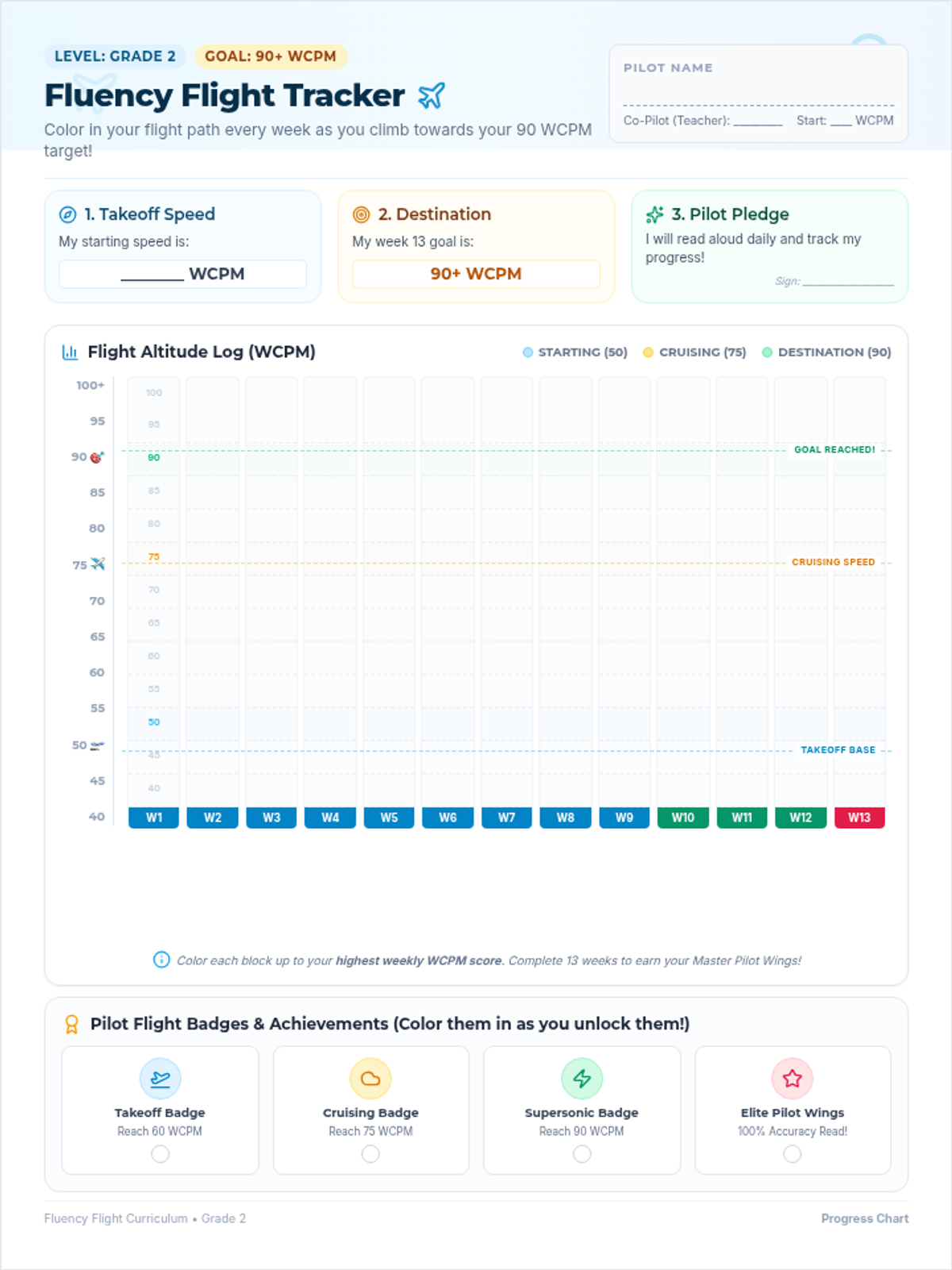
A comprehensive 13-week reading fluency and comprehension curriculum designed for second-grade students. Progresses systematically from 50 to 90 WCPM through science and narrative texts with deep DOK questions, all formatted in double-sided weekly spreads with a beautiful sky-explorer aviation theme.
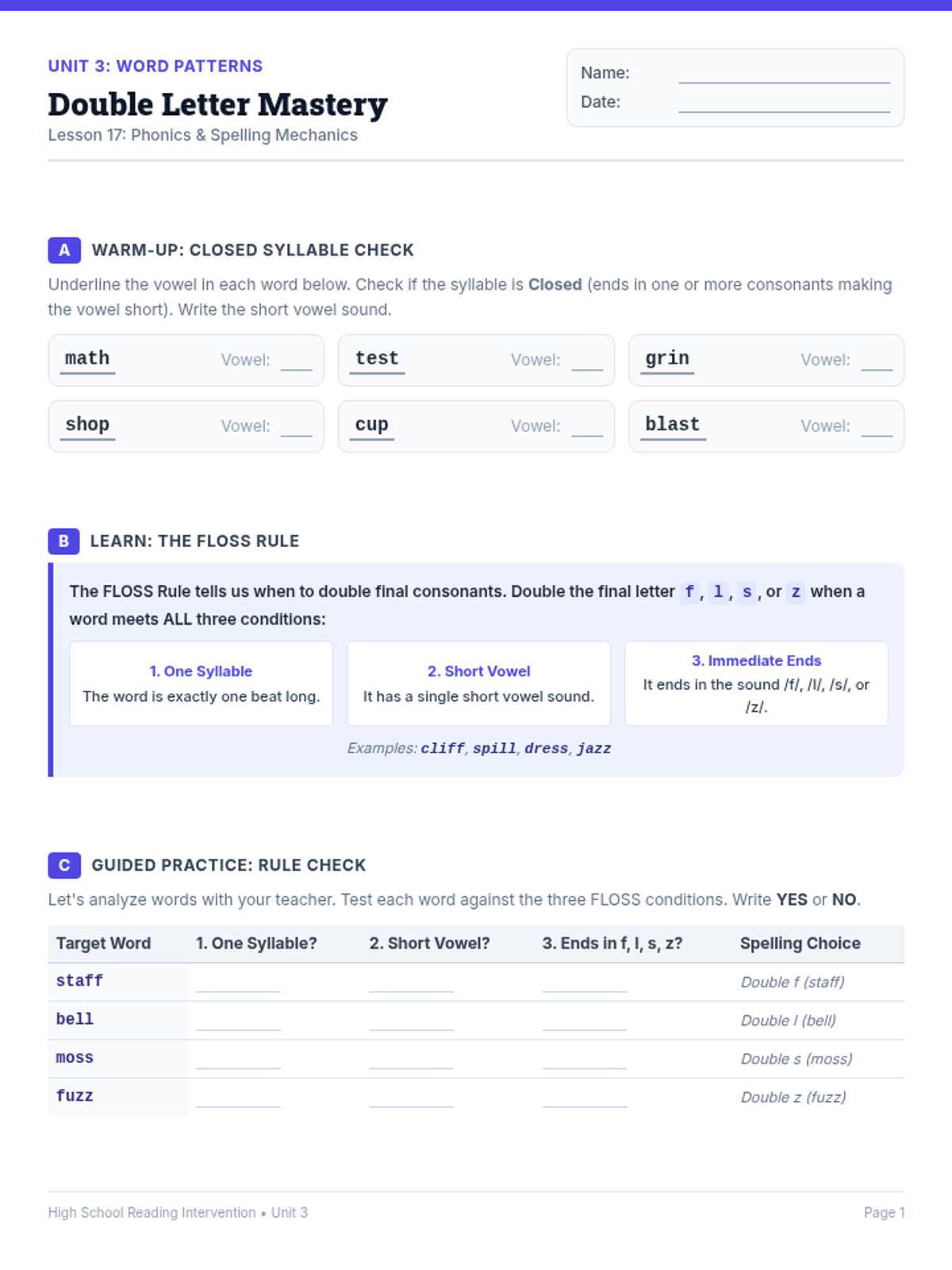
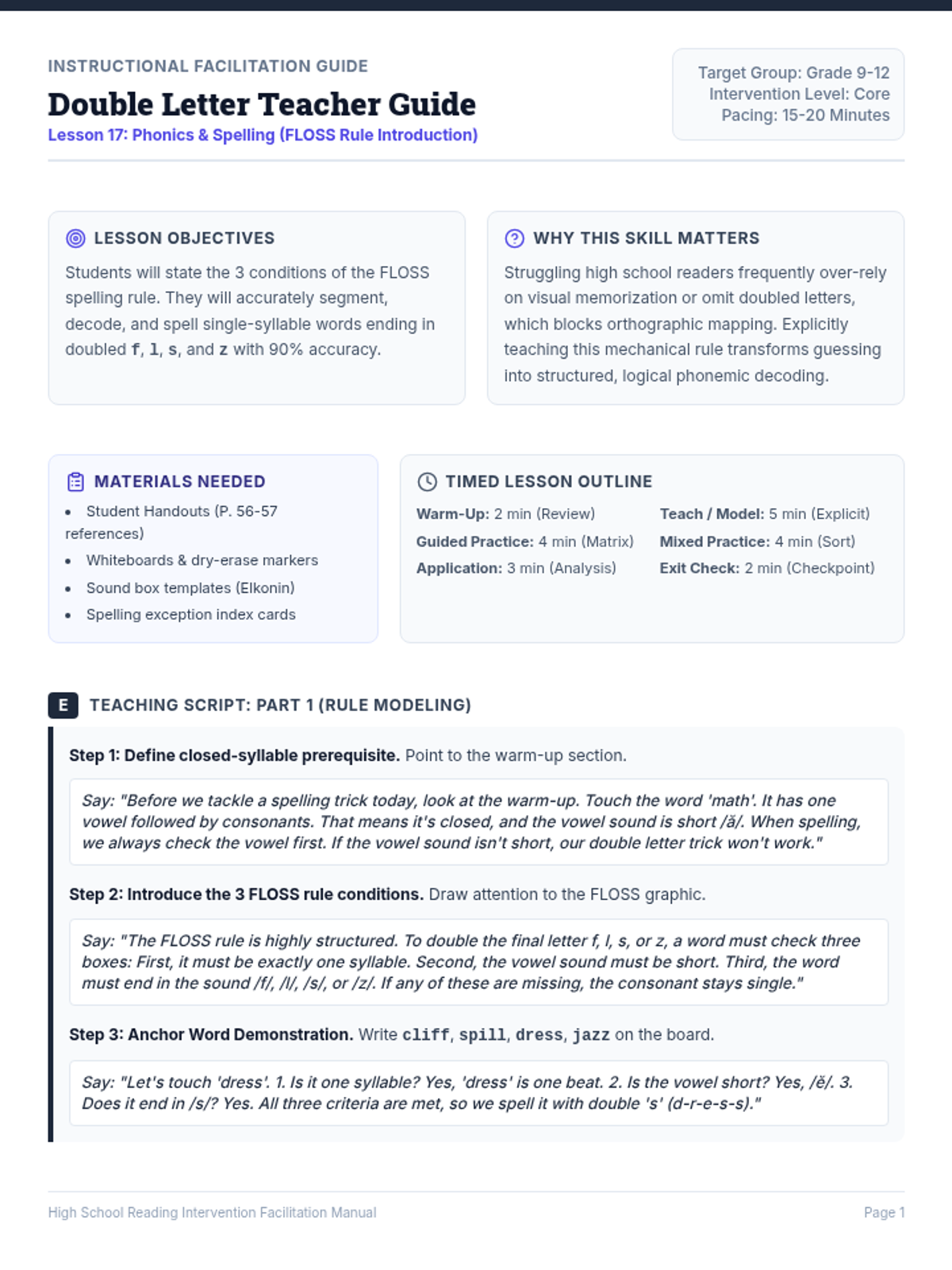
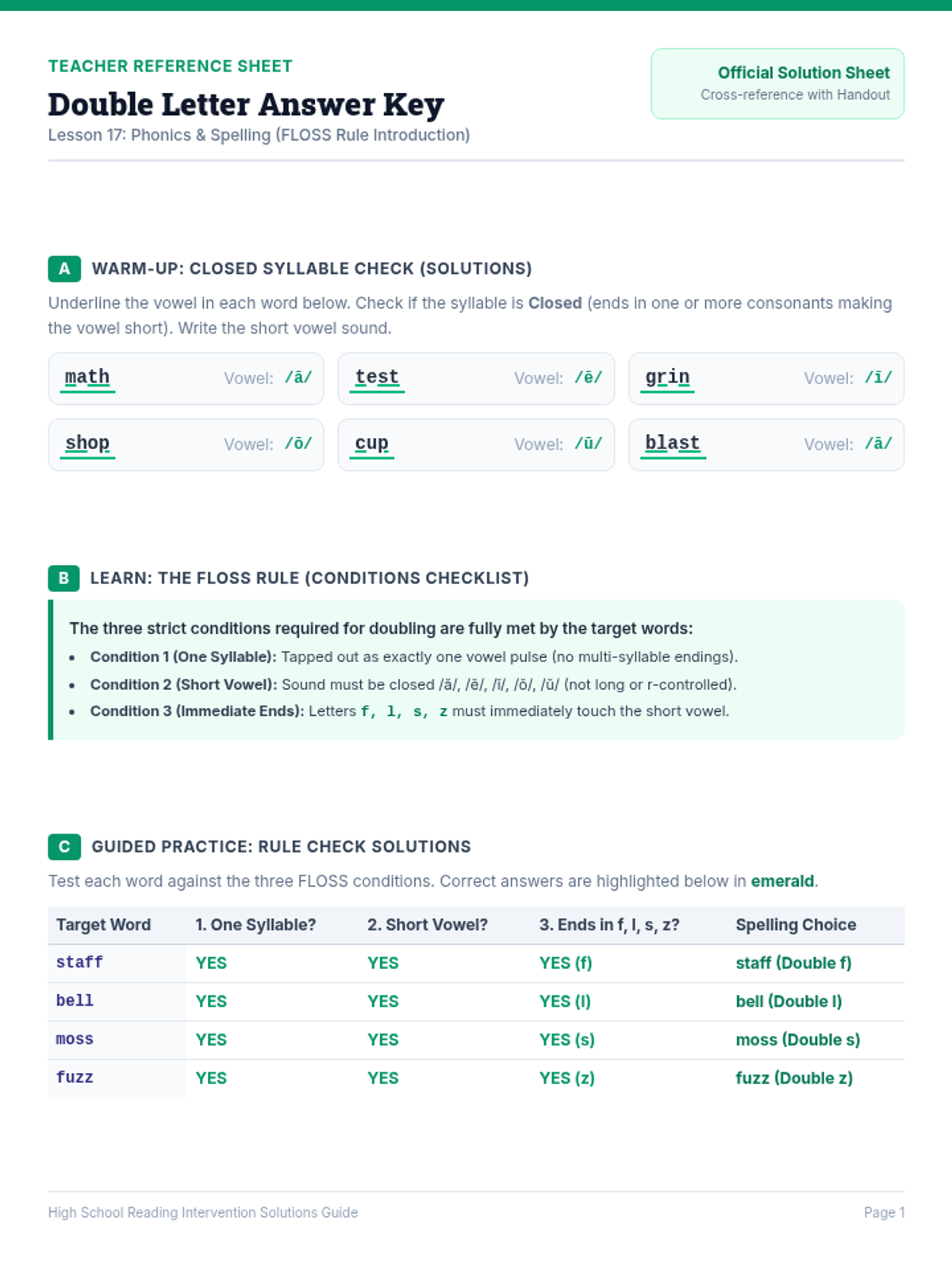
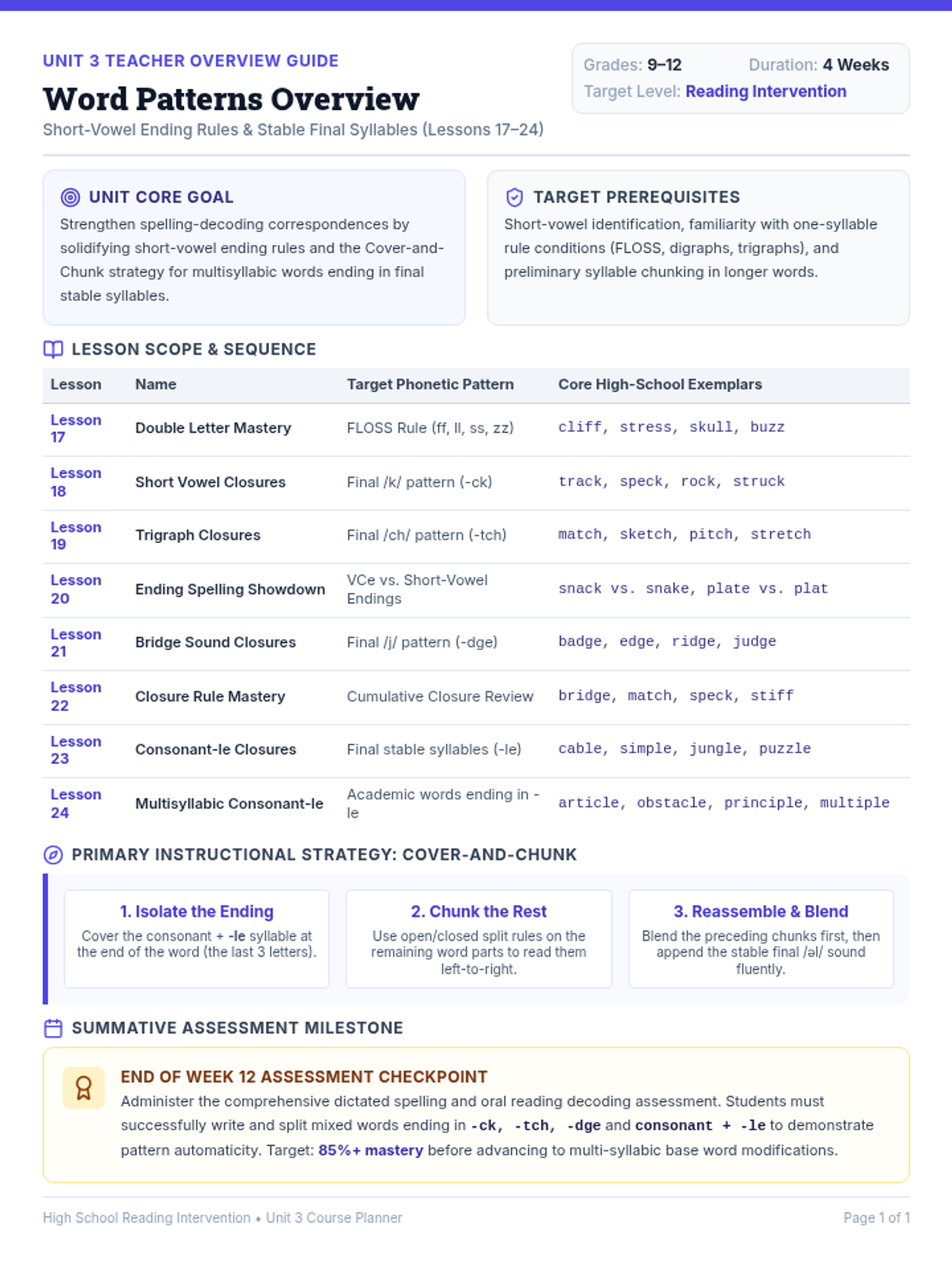
An intensive reading intervention unit designed for high school students, focusing on essential phonetic patterns, spelling rules, and syllable structures to rebuild foundational reading and spelling skills.
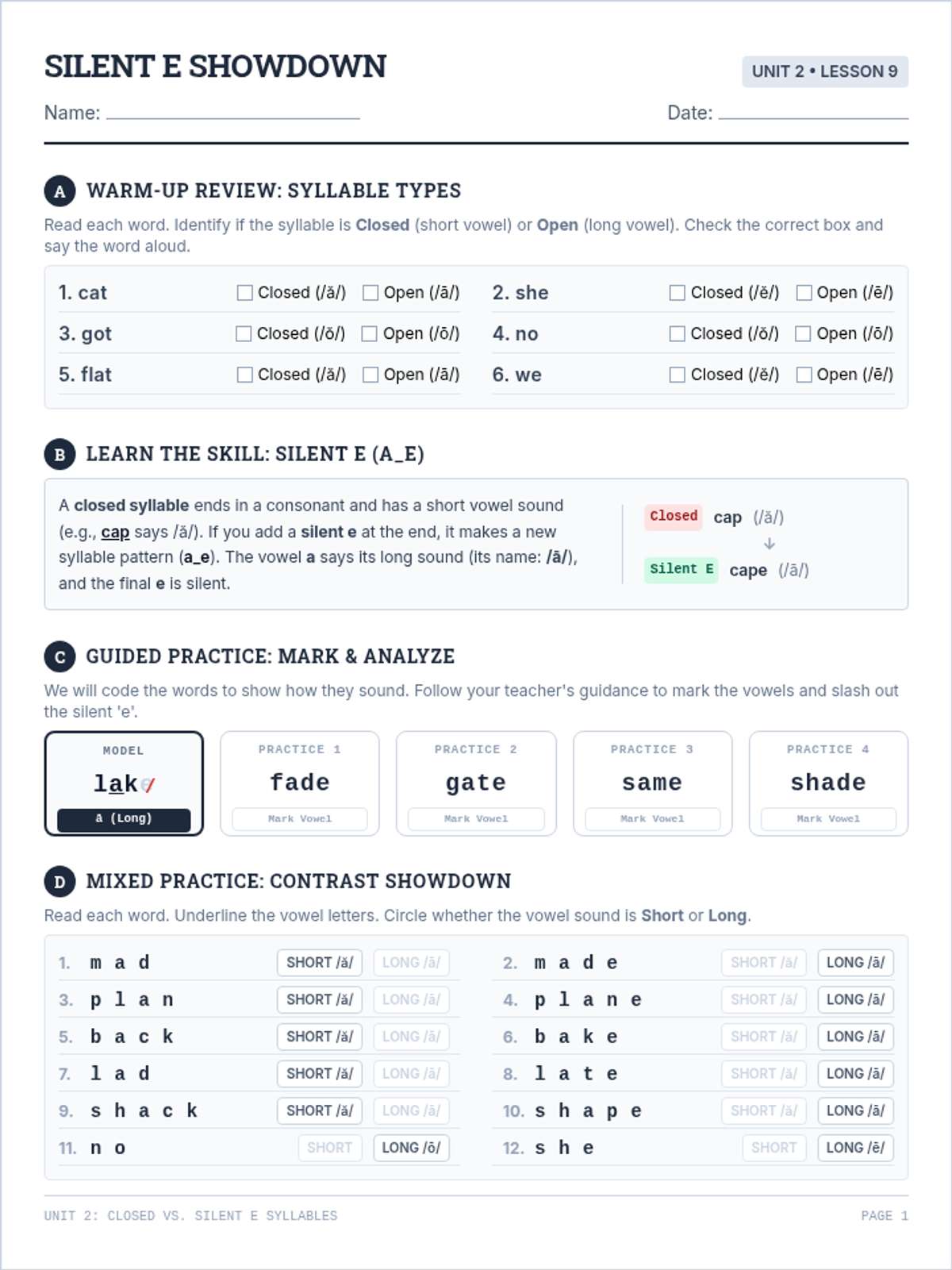
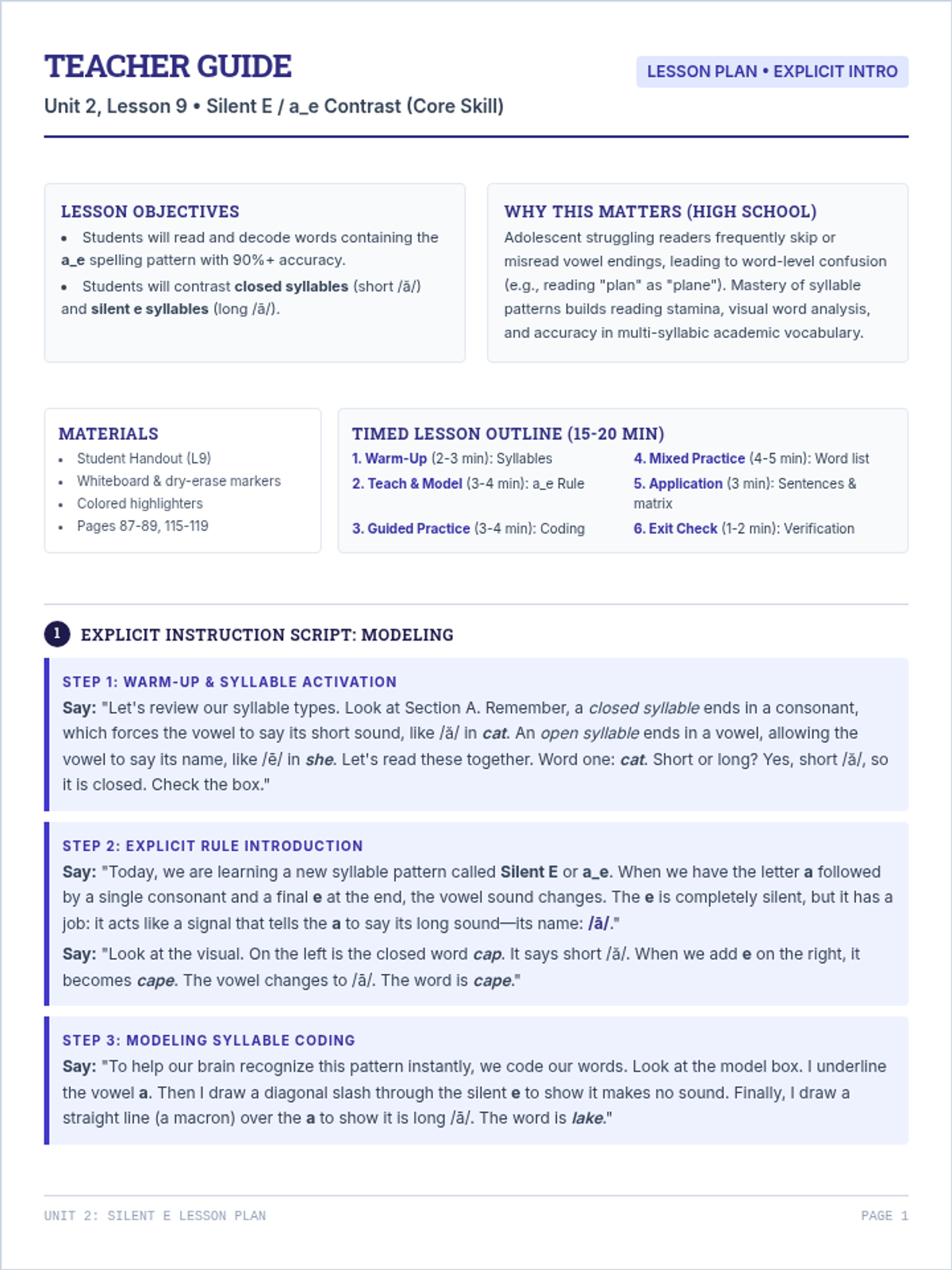
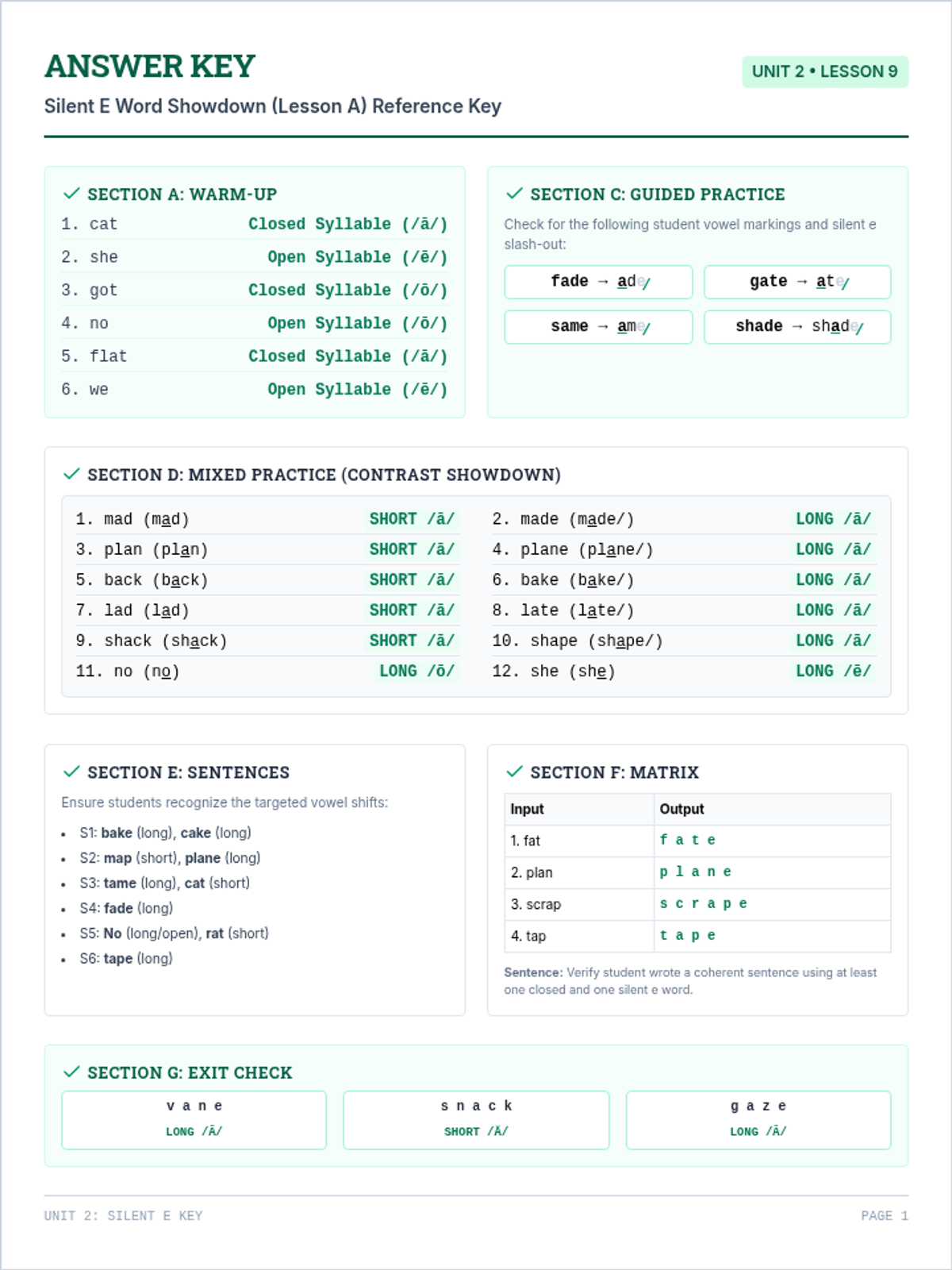
A 2-lesson reading intervention sequence designed for high school students reading below grade level. Focuses on the silent e (a_e) pattern, closed vs. silent-e vowel contrast, and compound word analysis.
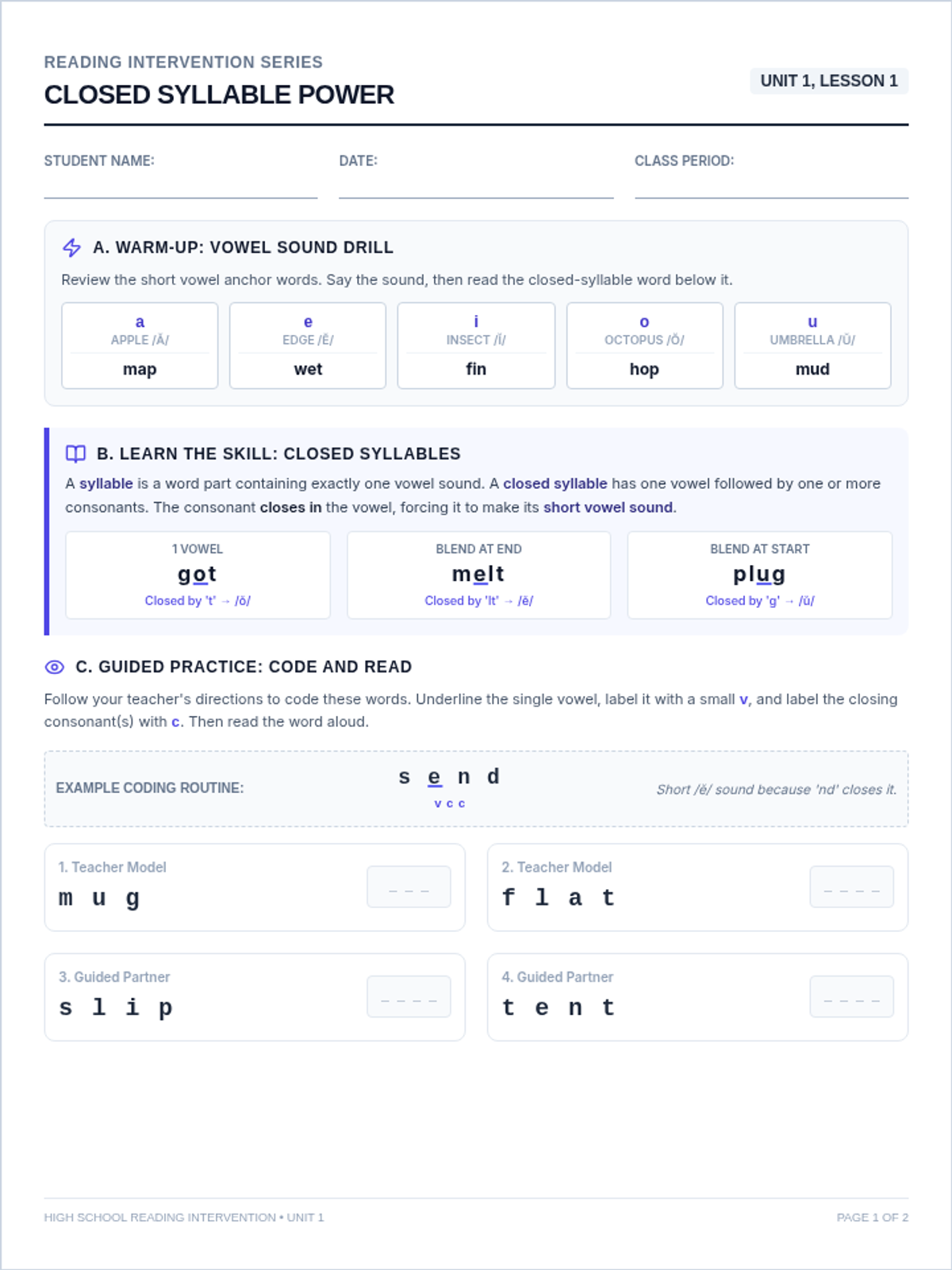
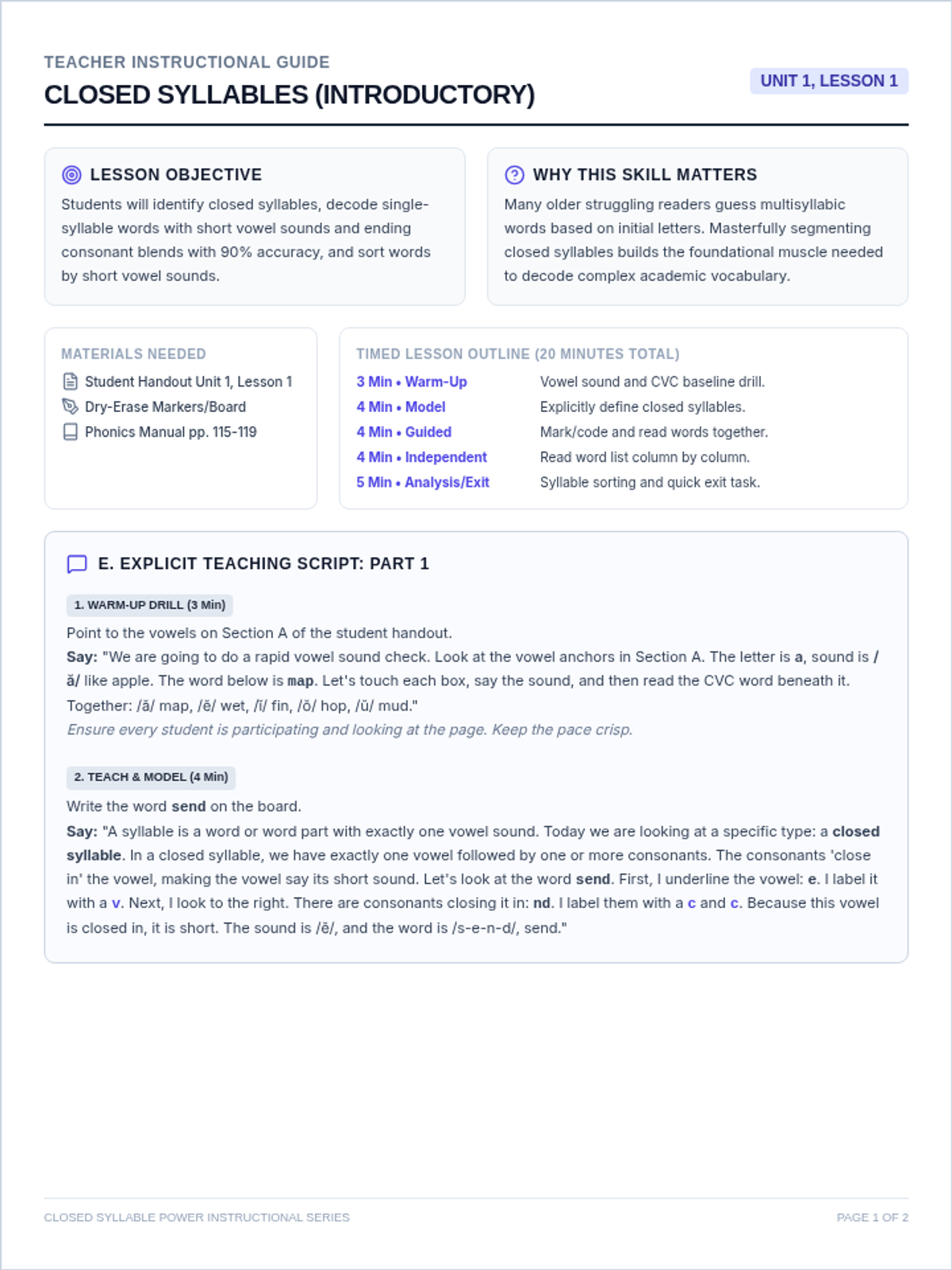
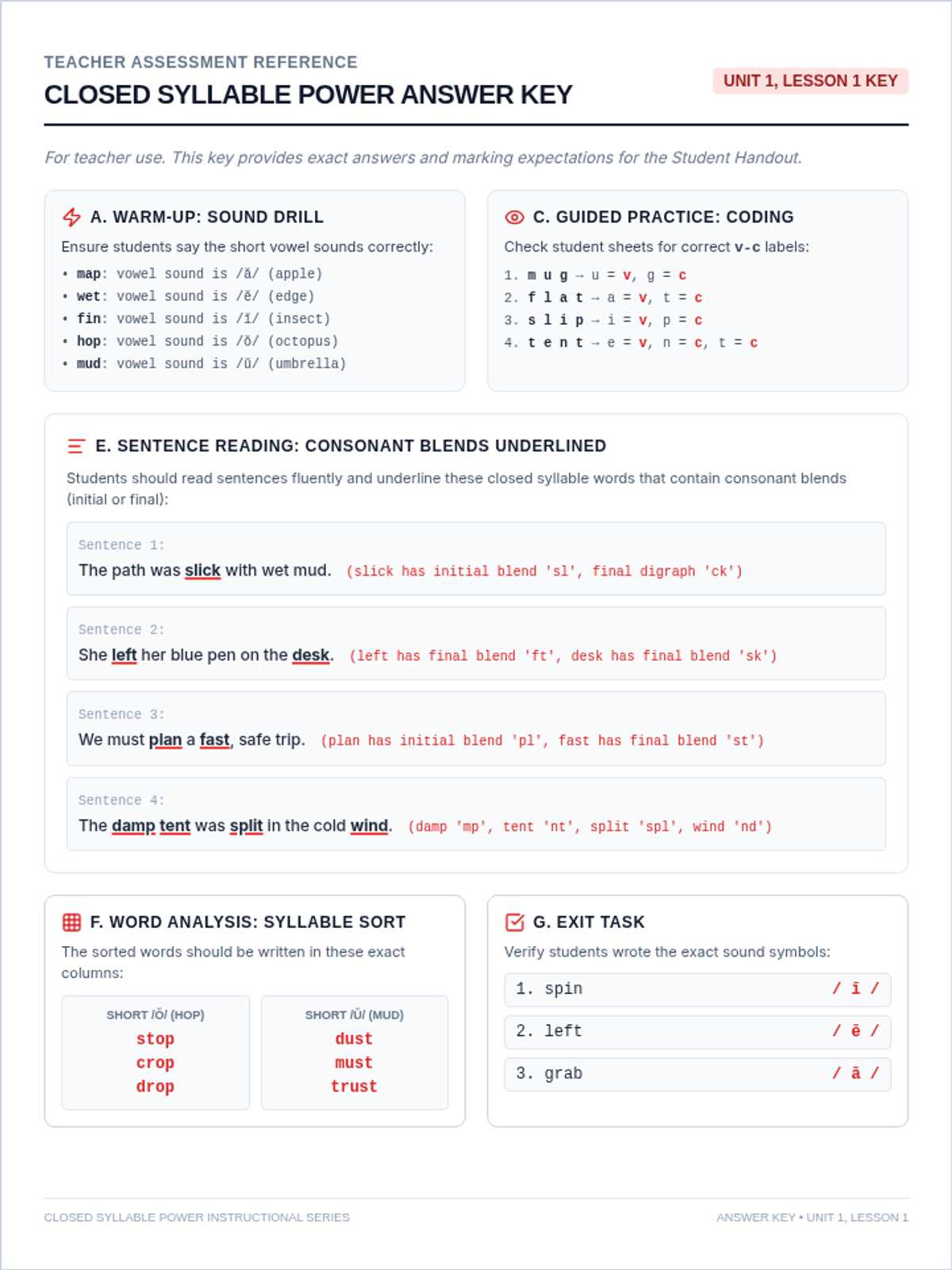
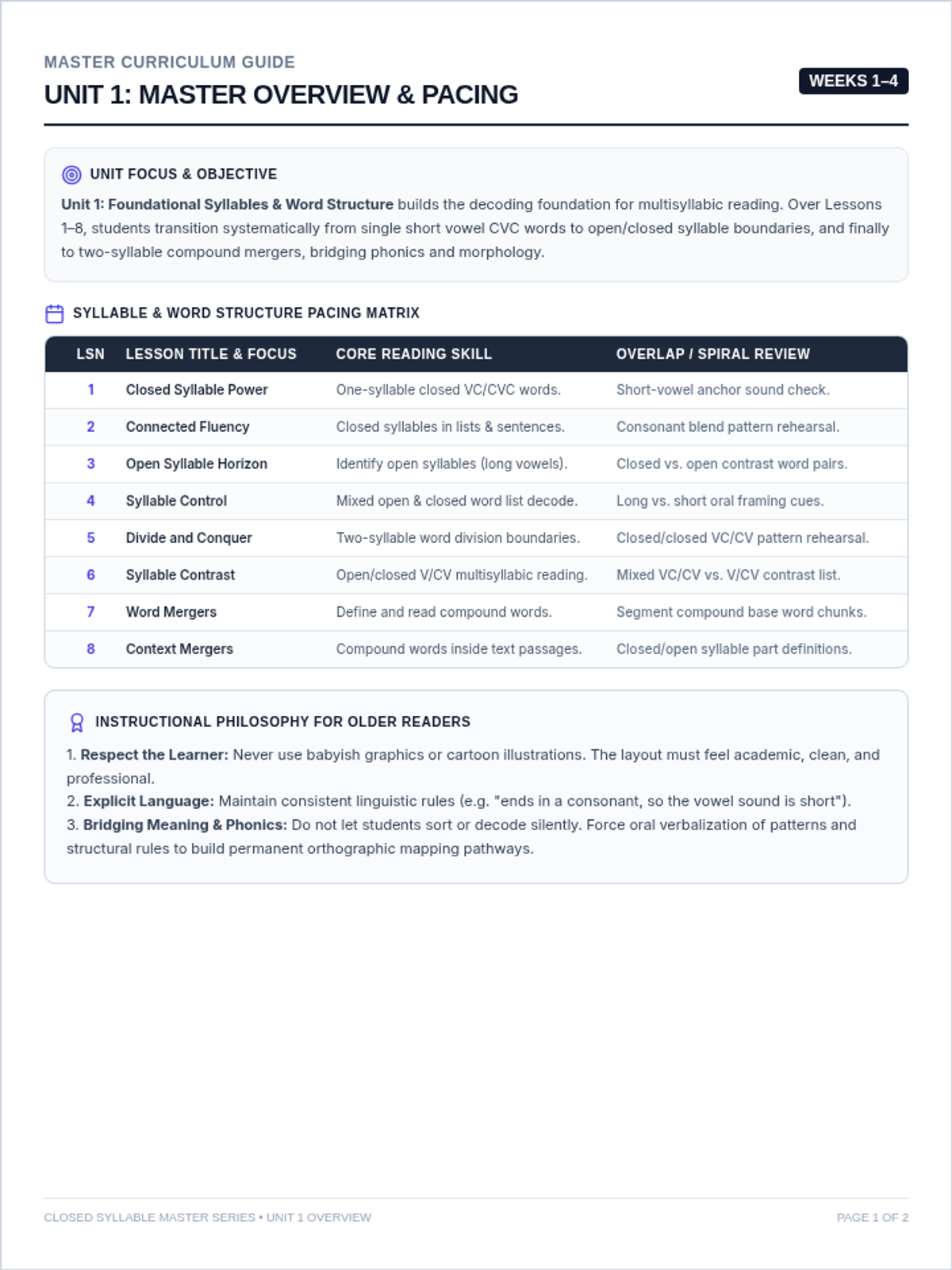
A structured reading intervention sequence for older struggling readers, focusing on closed syllable rules, pattern rehearsal, and accurate decoding in connected texts.
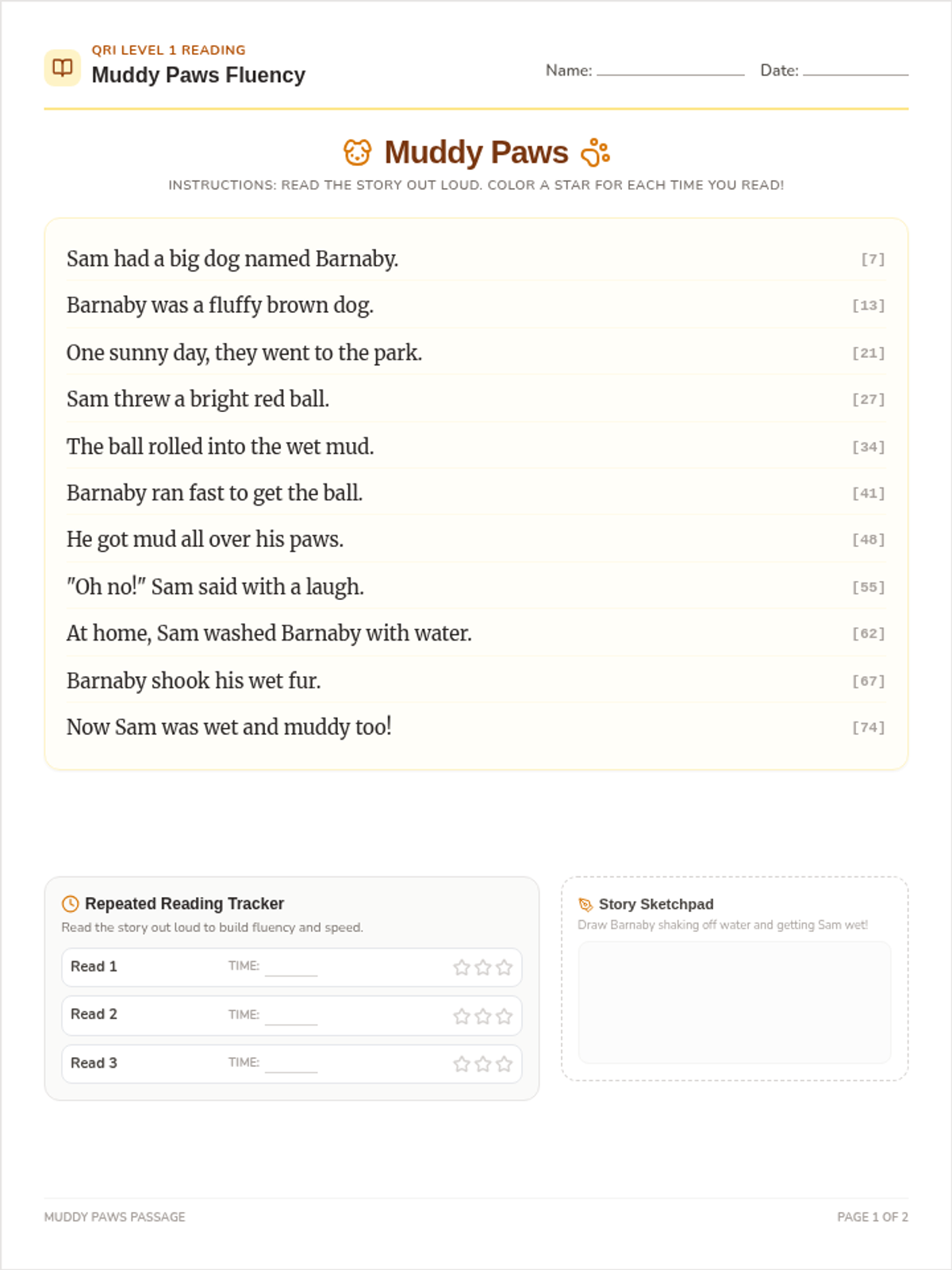
A comprehensive library of QRI Level 1 reading passages focused on oral reading fluency, repeated readings, and explicit/implicit comprehension questions.
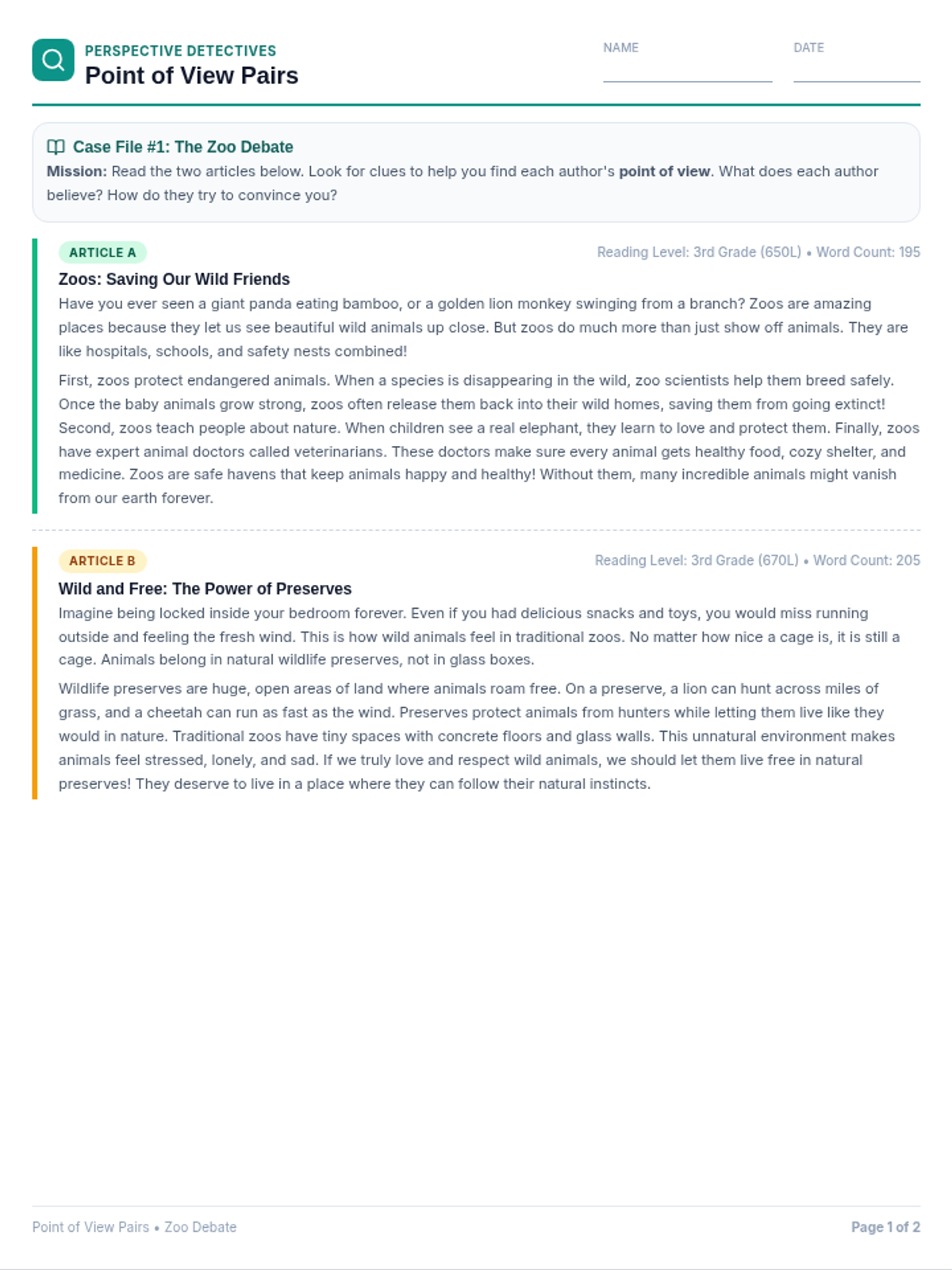
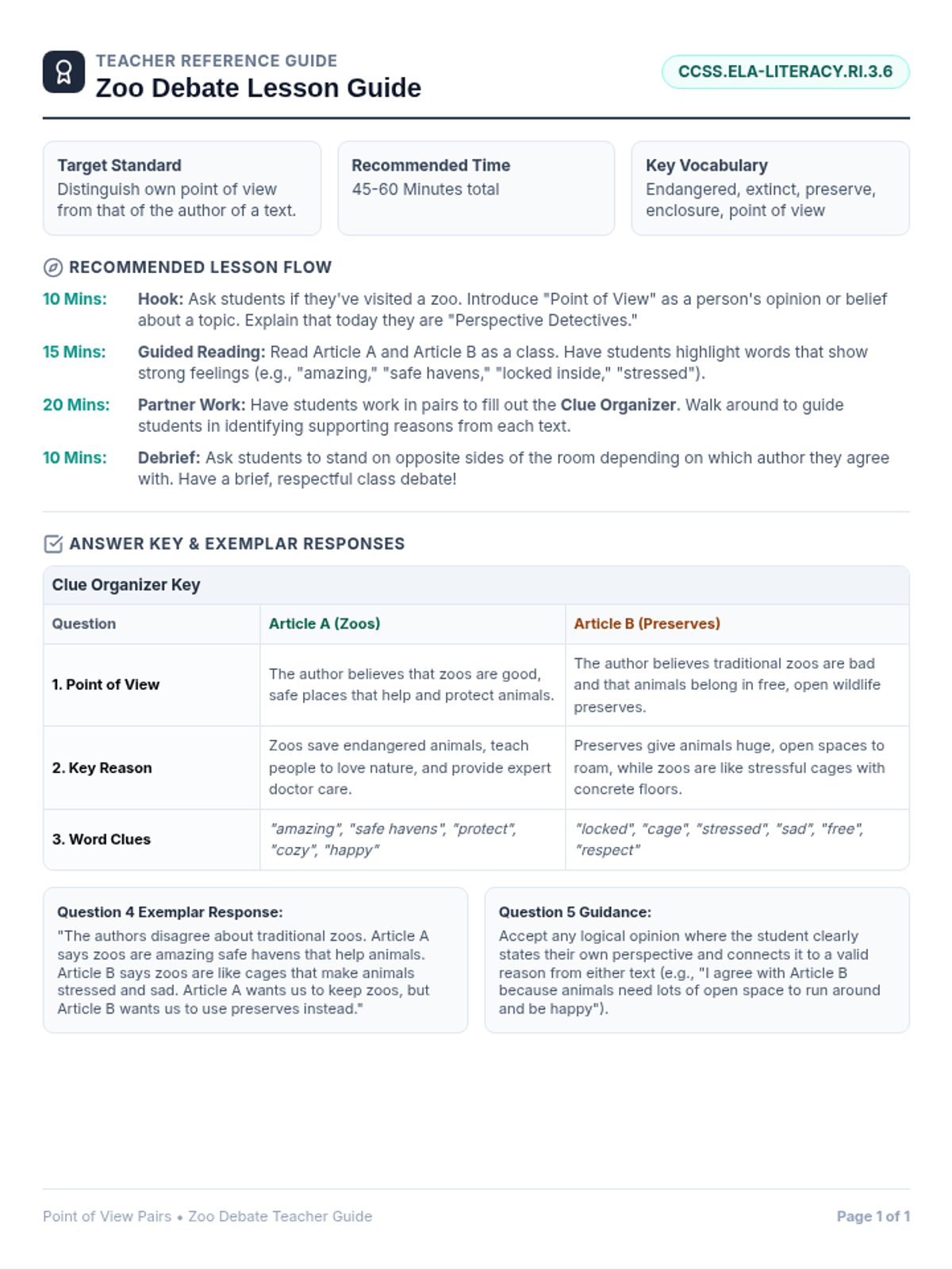
A comprehensive reading comprehension unit designed for 3rd-grade students to master identifying and comparing authors' points of view. Each lesson features paired, leveled texts on engaging topics alongside structured graphic organizers and comprehension questions.
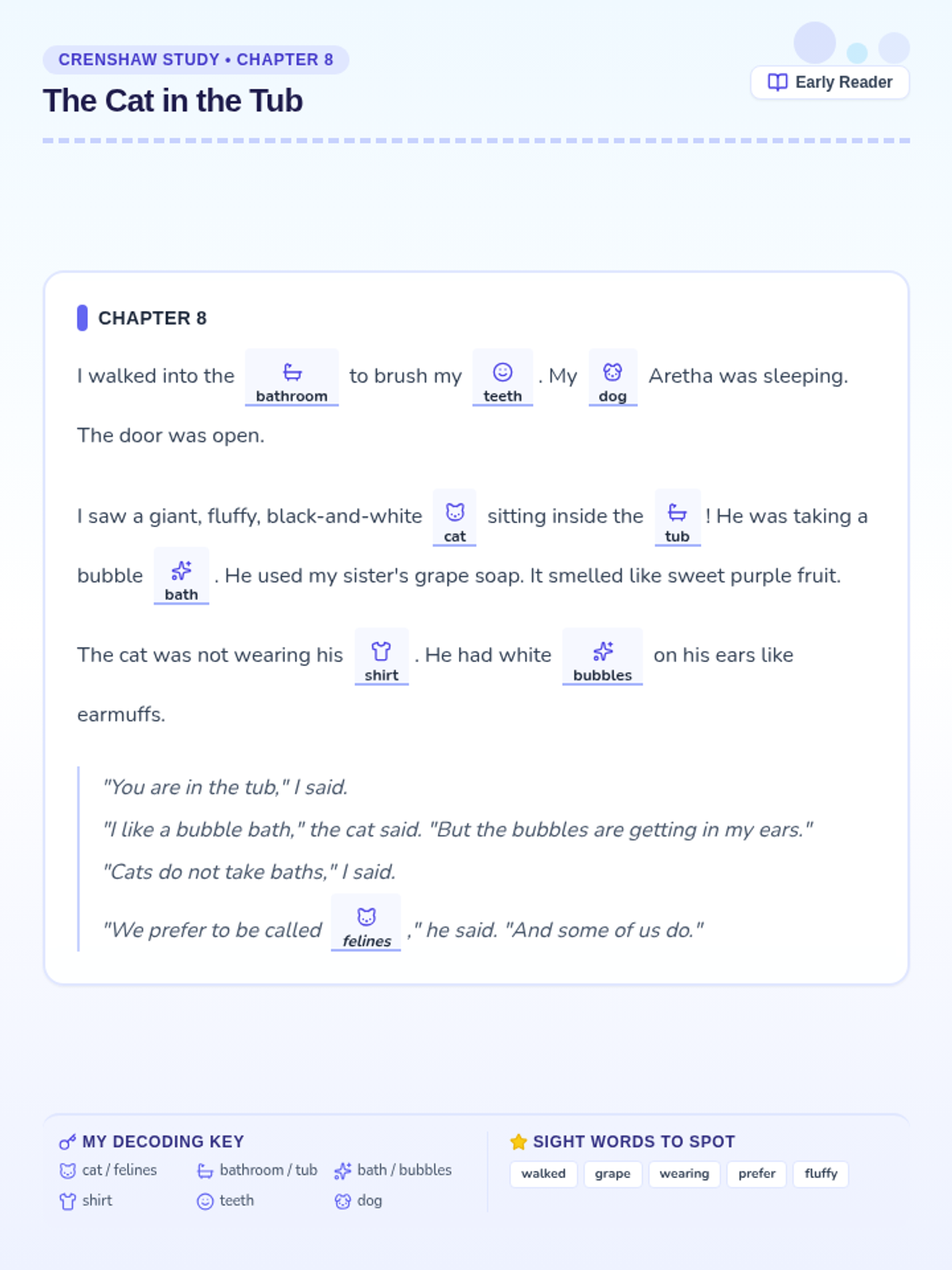
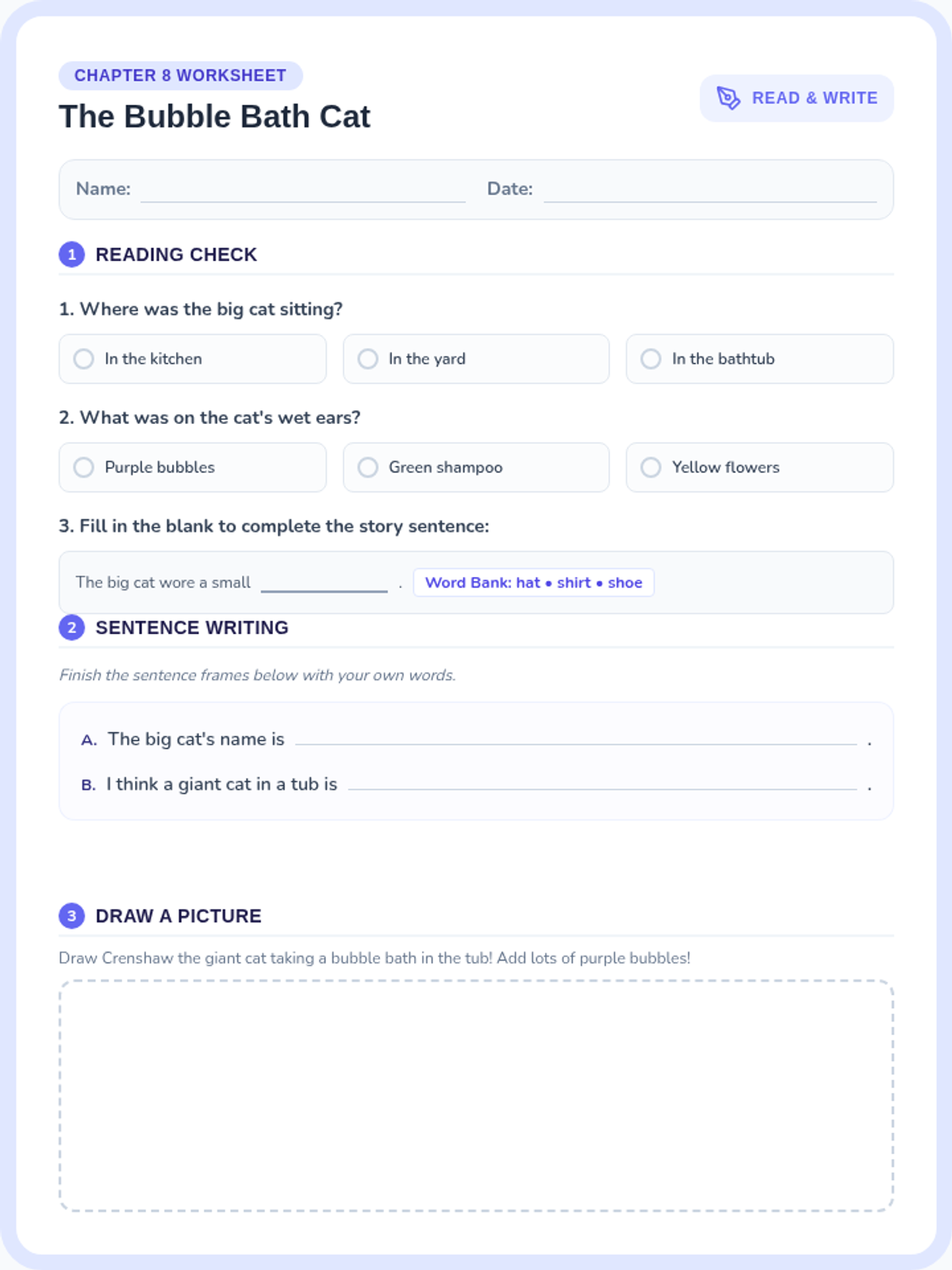
A simplified, highly visual novel study sequence for early readers (Grade 1) exploring Chapters 8 and 9 of Crenshaw by Katherine Applegate. The materials feature adapted text with visual pictographs to scaffold reading comprehension and structured worksheets for writing practice.
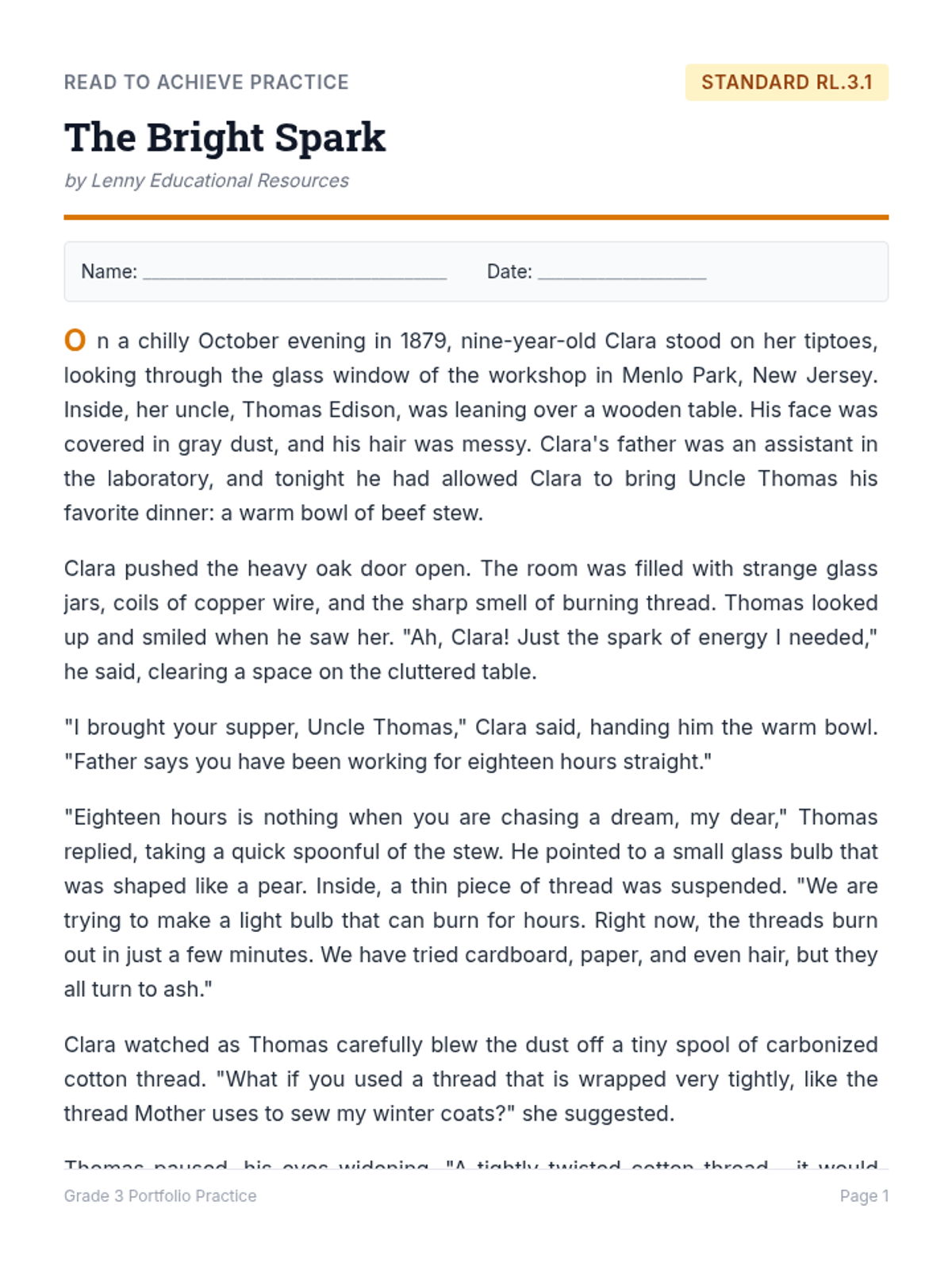
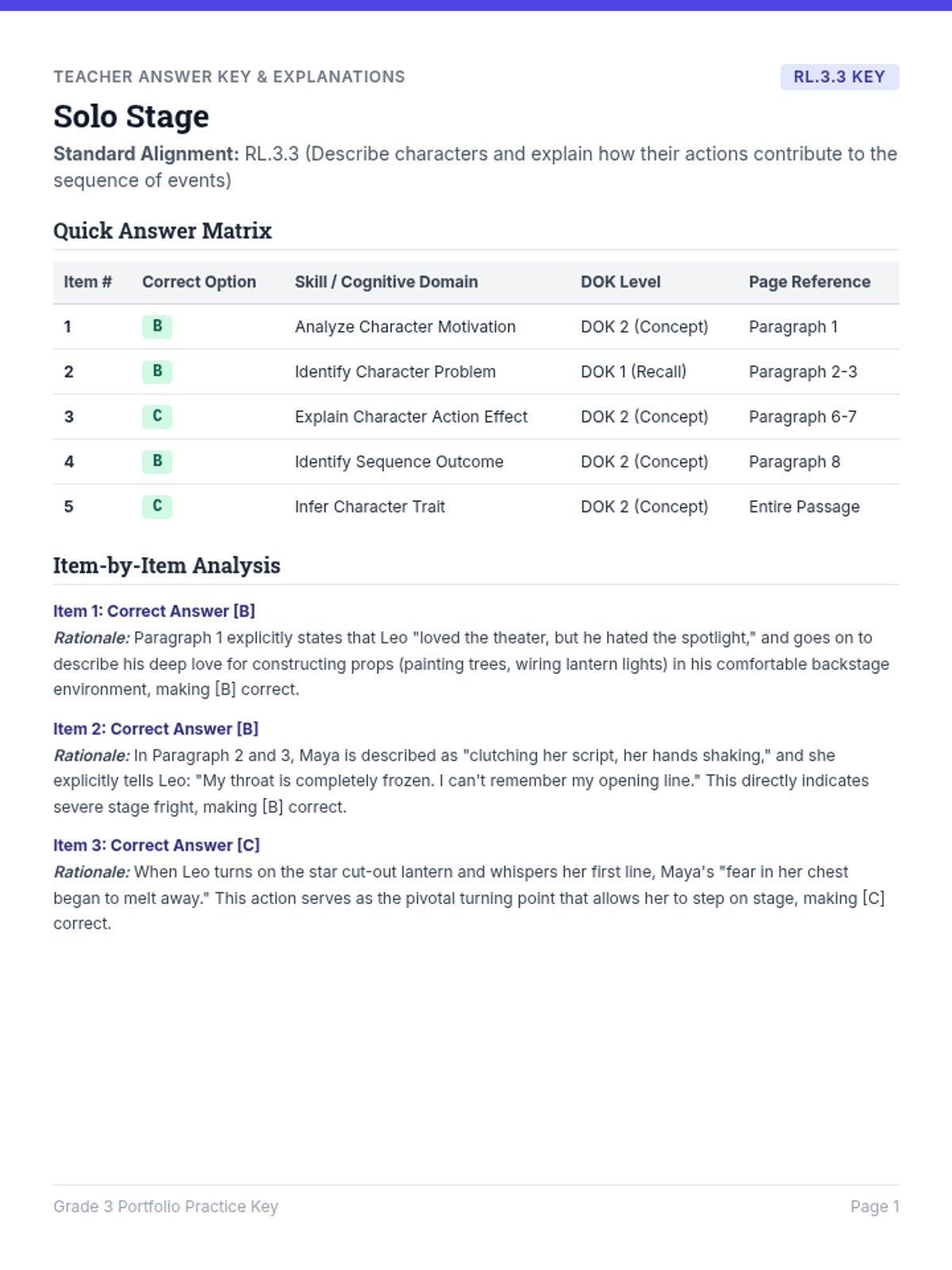
A comprehensive reading portfolio designed to prepare students for the Grade 3 Read to Achieve assessment. It features 11 targeted lessons, each focusing on a specific literature, informational, or language standard. Each lesson contains a beautifully illustrated student passage with a 5-question test booklet and a corresponding teacher answer key.
A collection of early decodable books for Kindergarten readers following the UFLI Foundations phonics scope and sequence, starting with Lessons 8, 9, and 10.
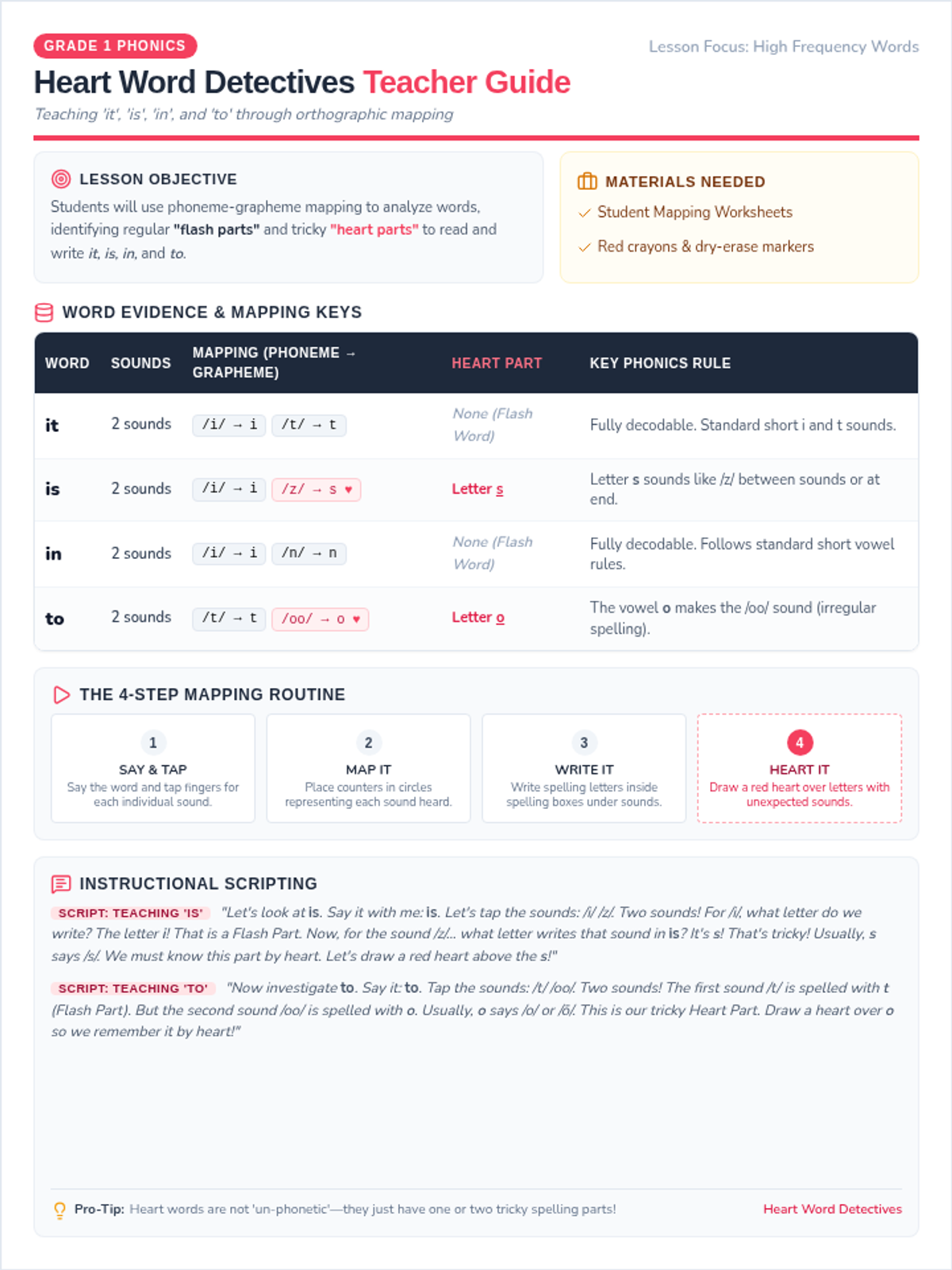
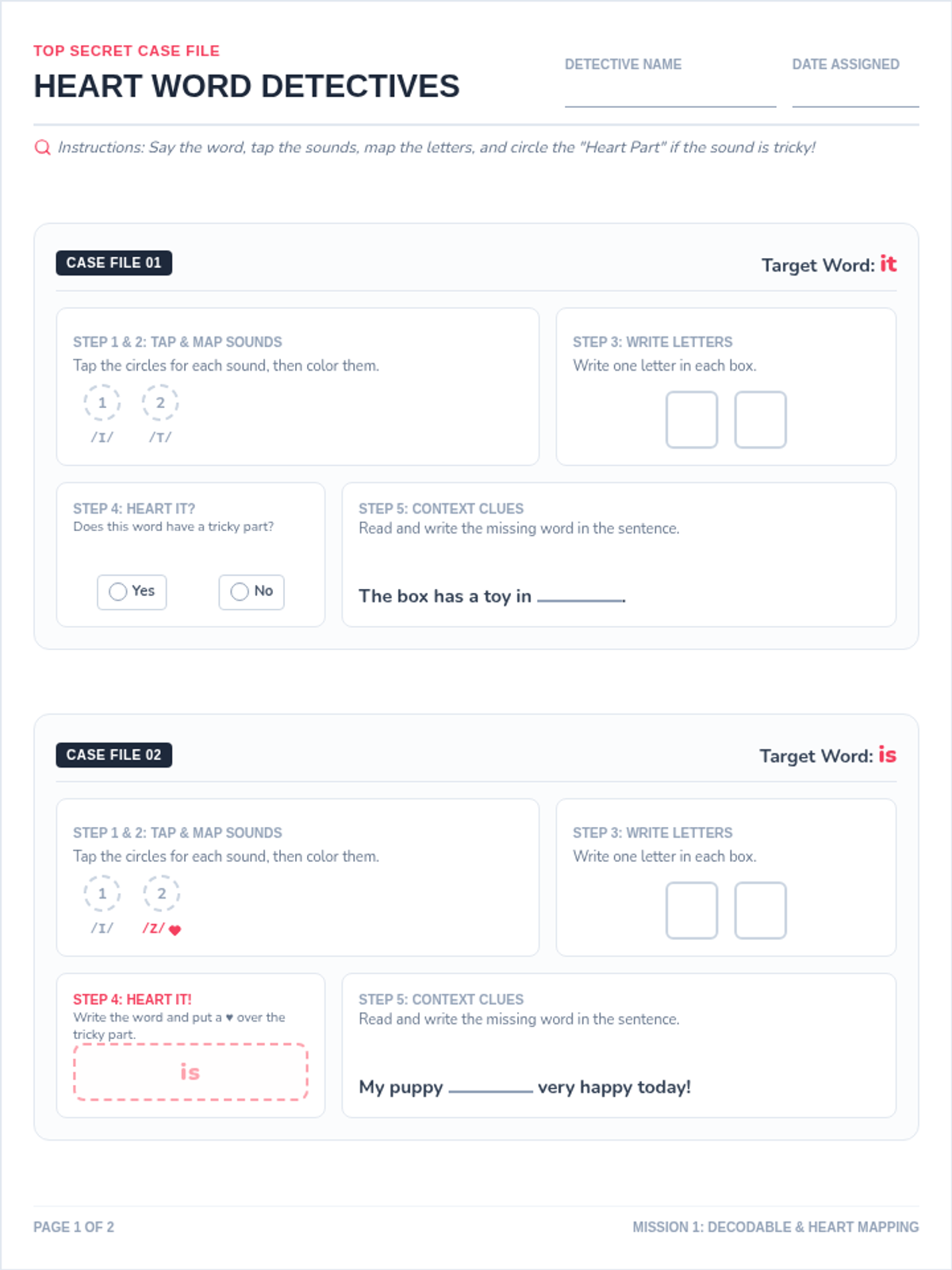
A first-grade educational bundle containing interactive lessons for foundational literacy orthographic mapping and introductory mathematics operations.
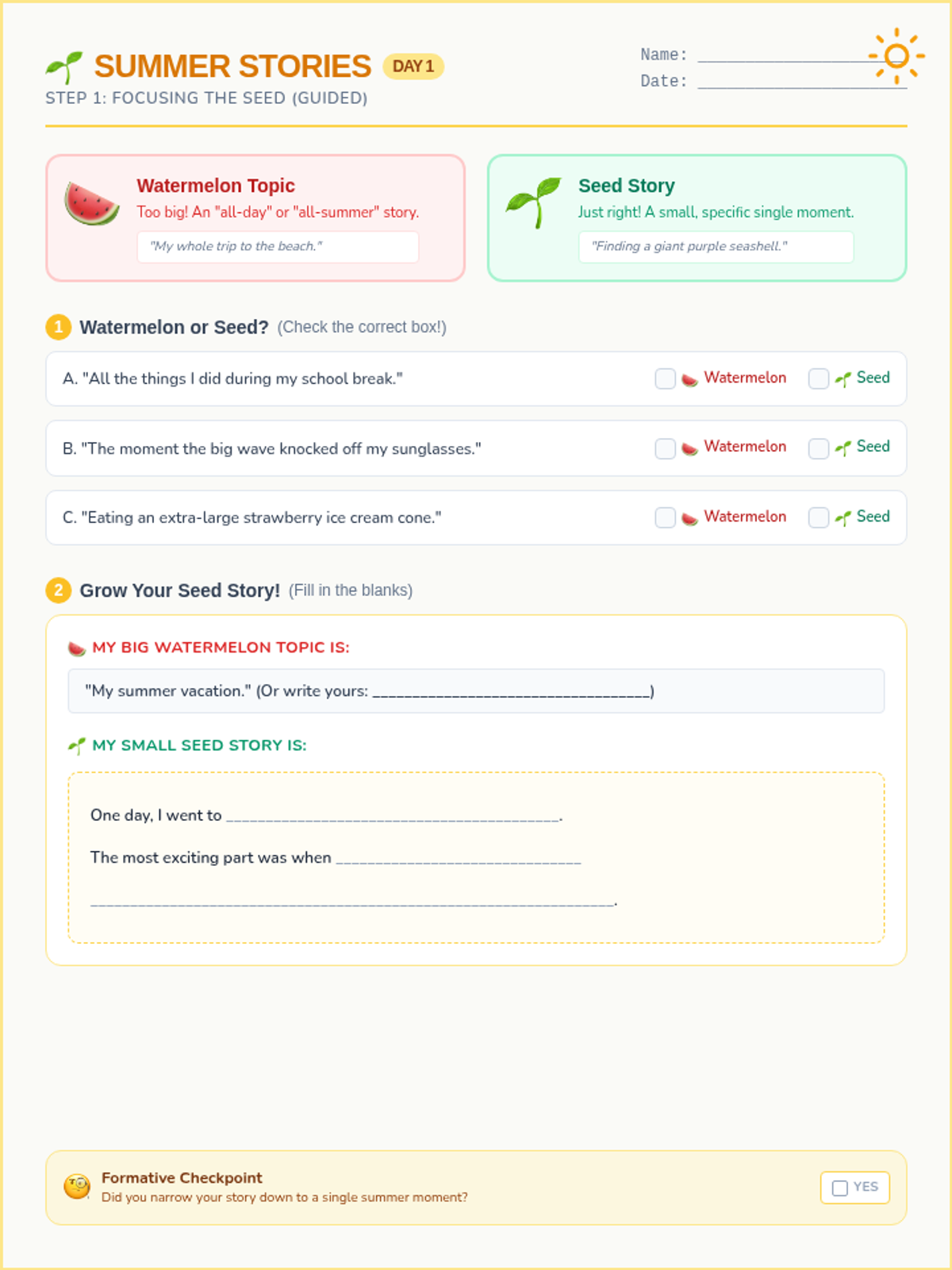
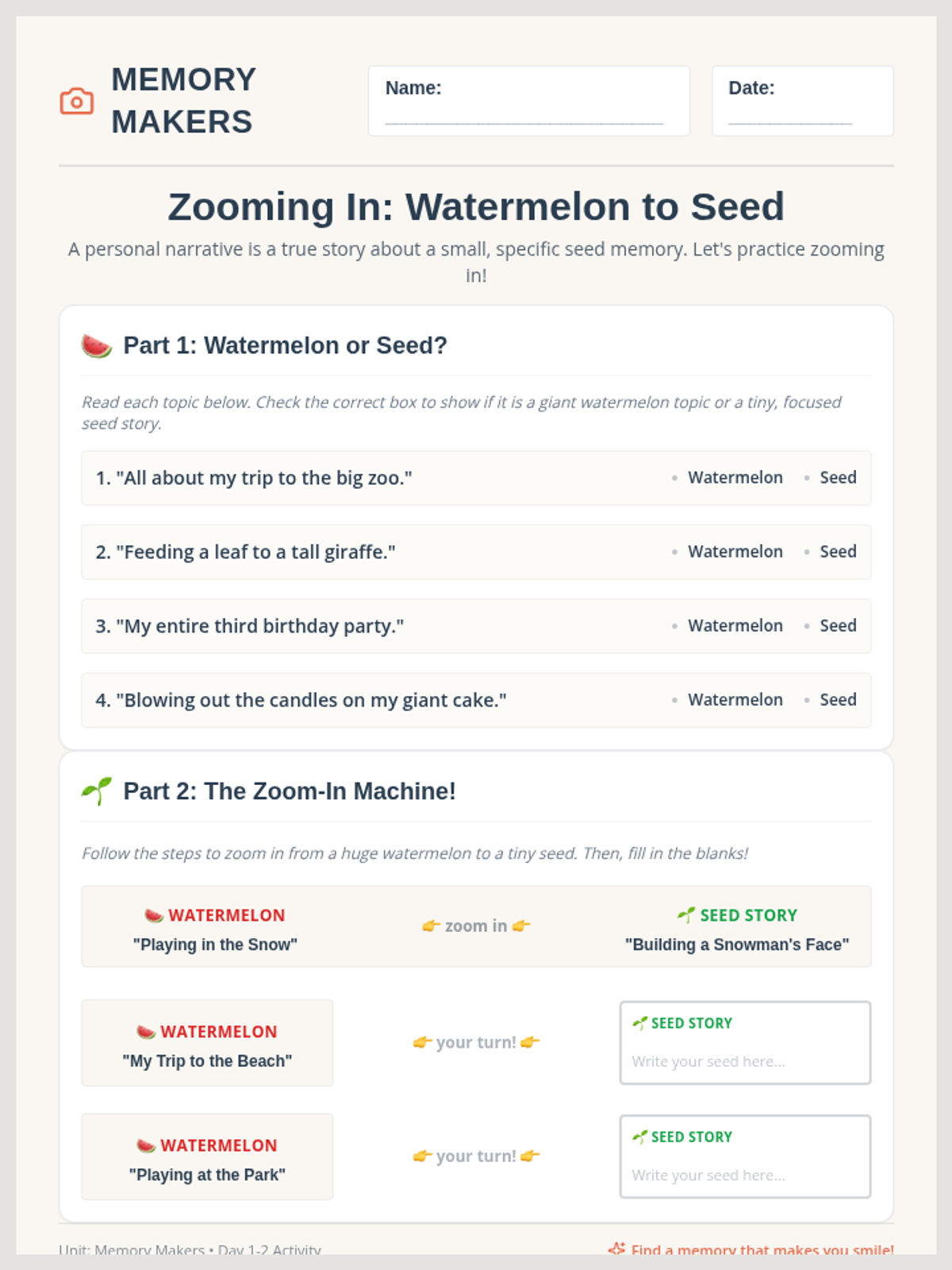
A comprehensive 9-day personal narrative writing unit for second graders themed around 'What I Did This Summer'. It guides students step-by-step through the narrative progression ladder: focusing a seed story, sequencing with temporal transitions, elaborating actions/feelings, and crafting reflective closure.
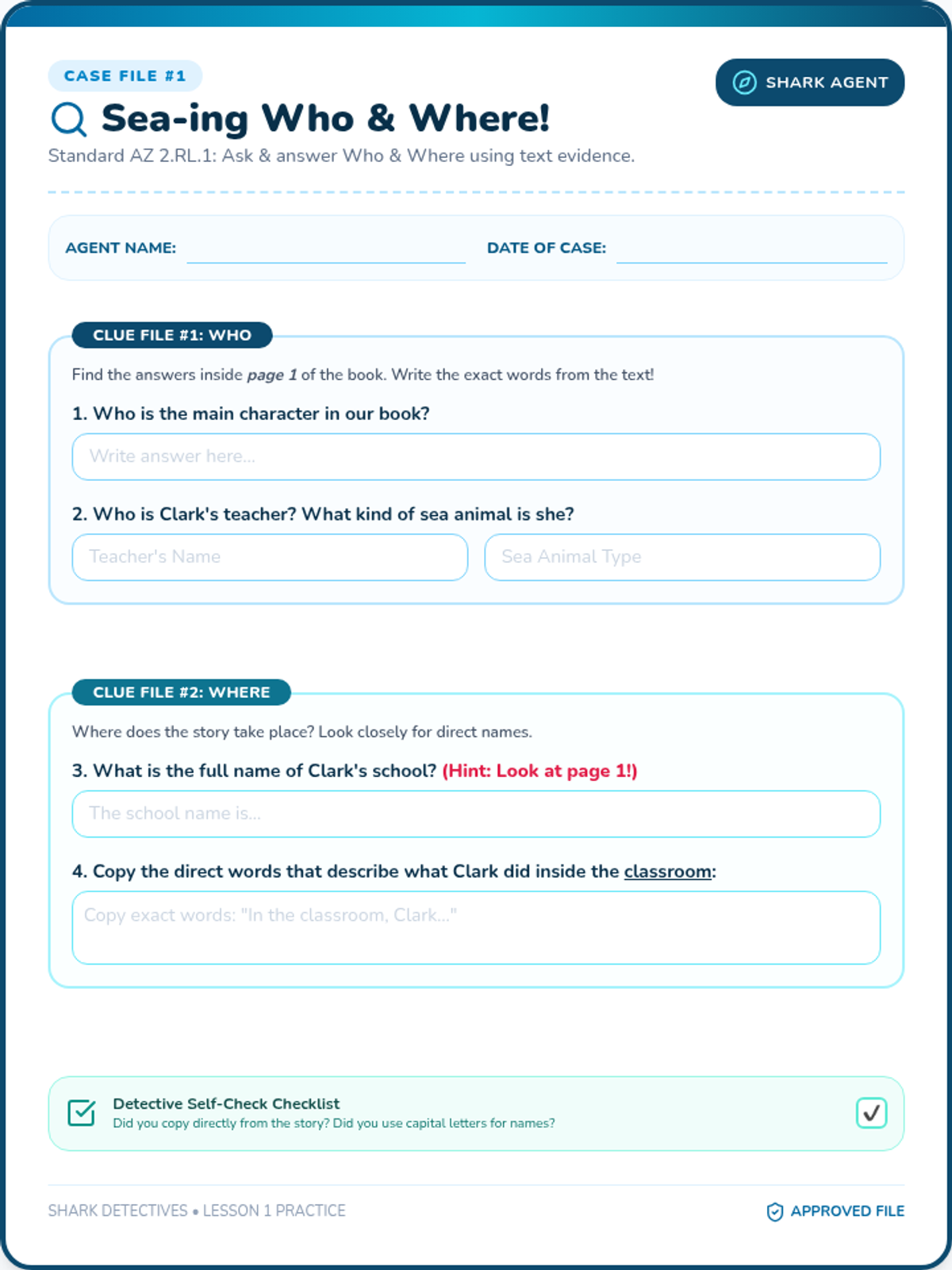
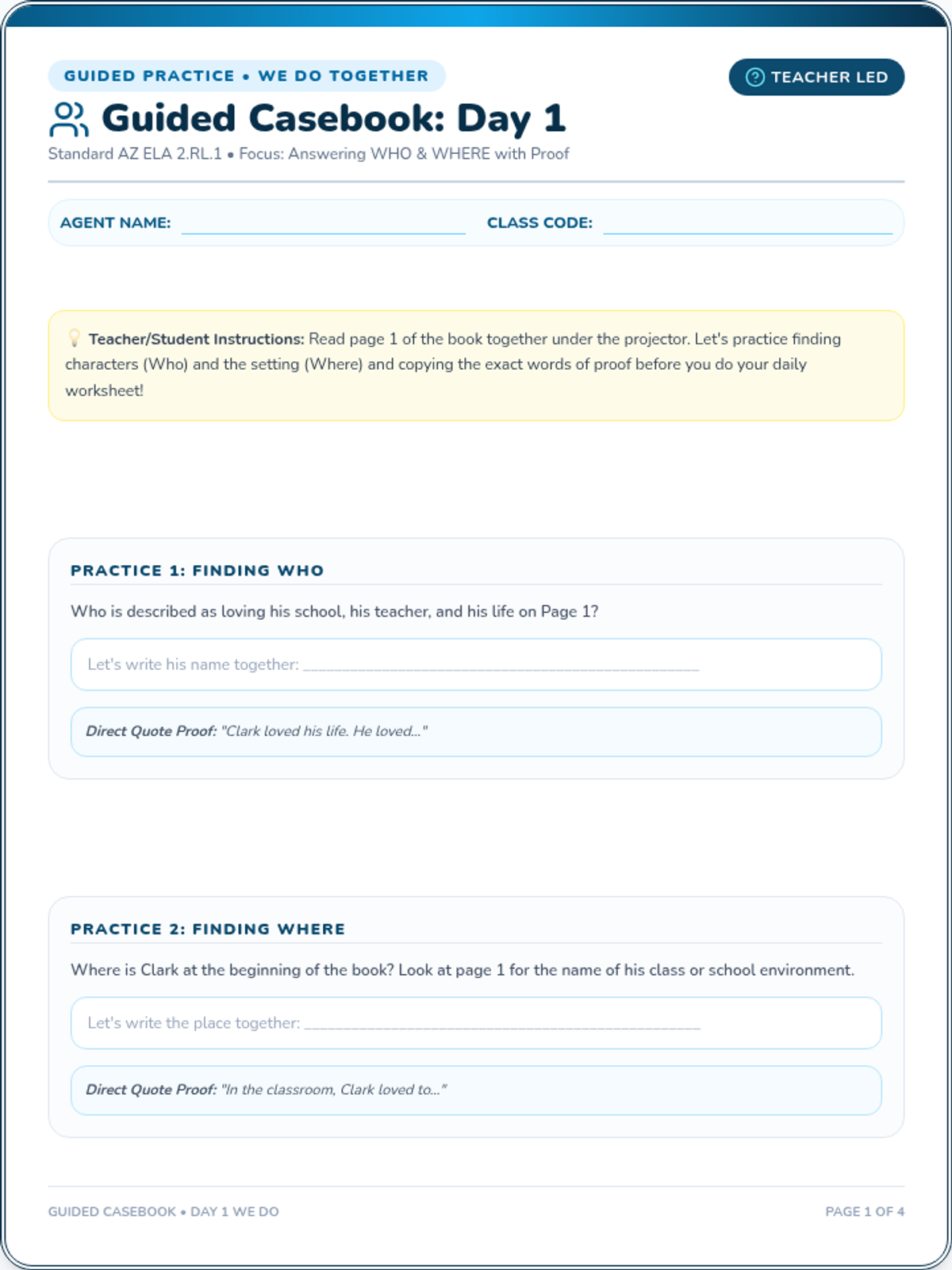
A 5-day ELA unit based on Clark the Shark, focusing on AZ ELA Standard 2.RL.1. Students act as Shark Detectives to ask and answer Who, What, Where, When, Why, and How questions using direct evidence from the text to study character behavior and school rules.
A 12-day personal narrative writing sequence for 2nd grade. Students learn to focus on 'seed' stories, structure their writing with strong beginnings, middles, and ends, use sensory details, and bring characters to life with feelings and dialogue before crafting their final published memory.
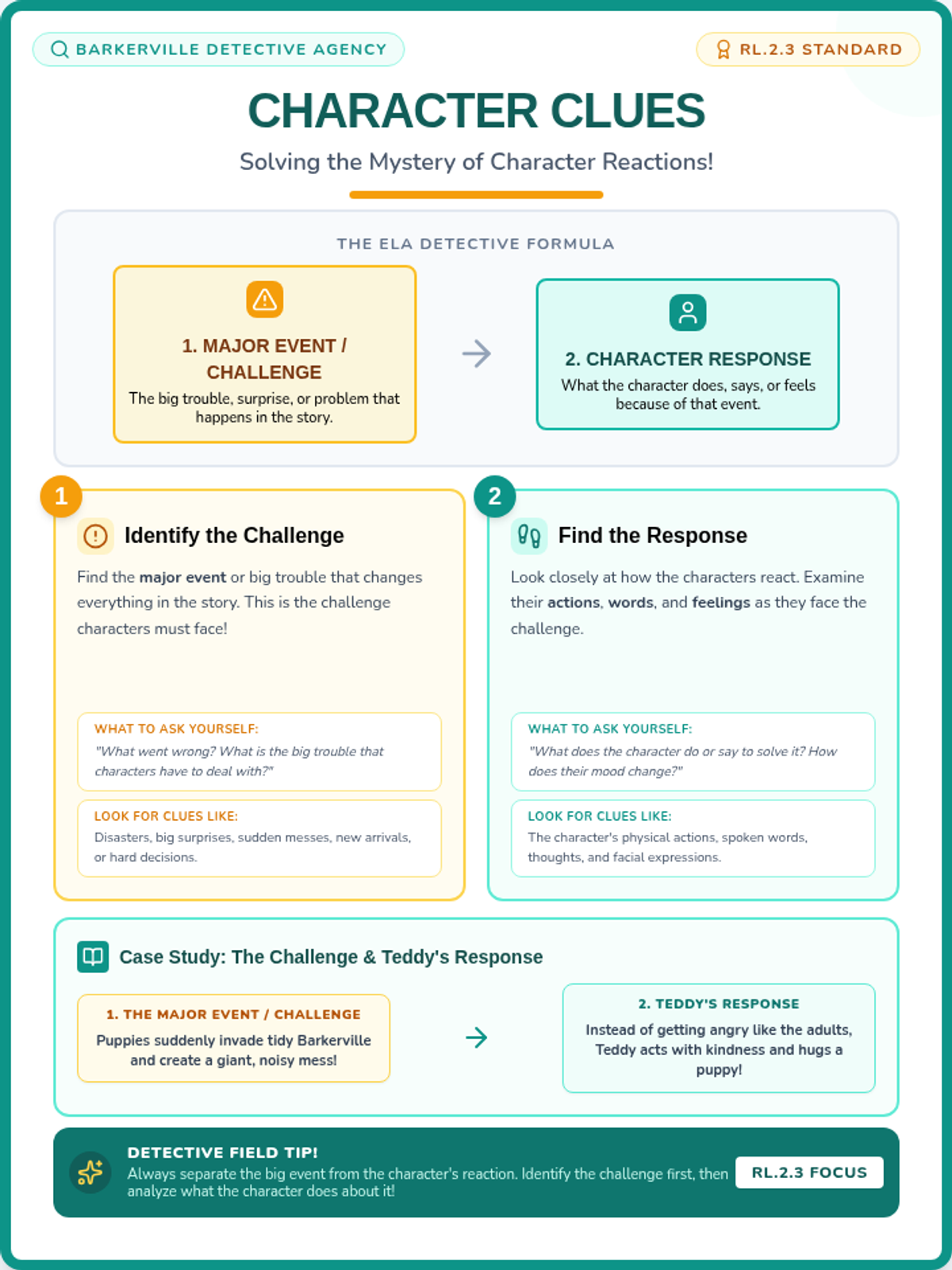
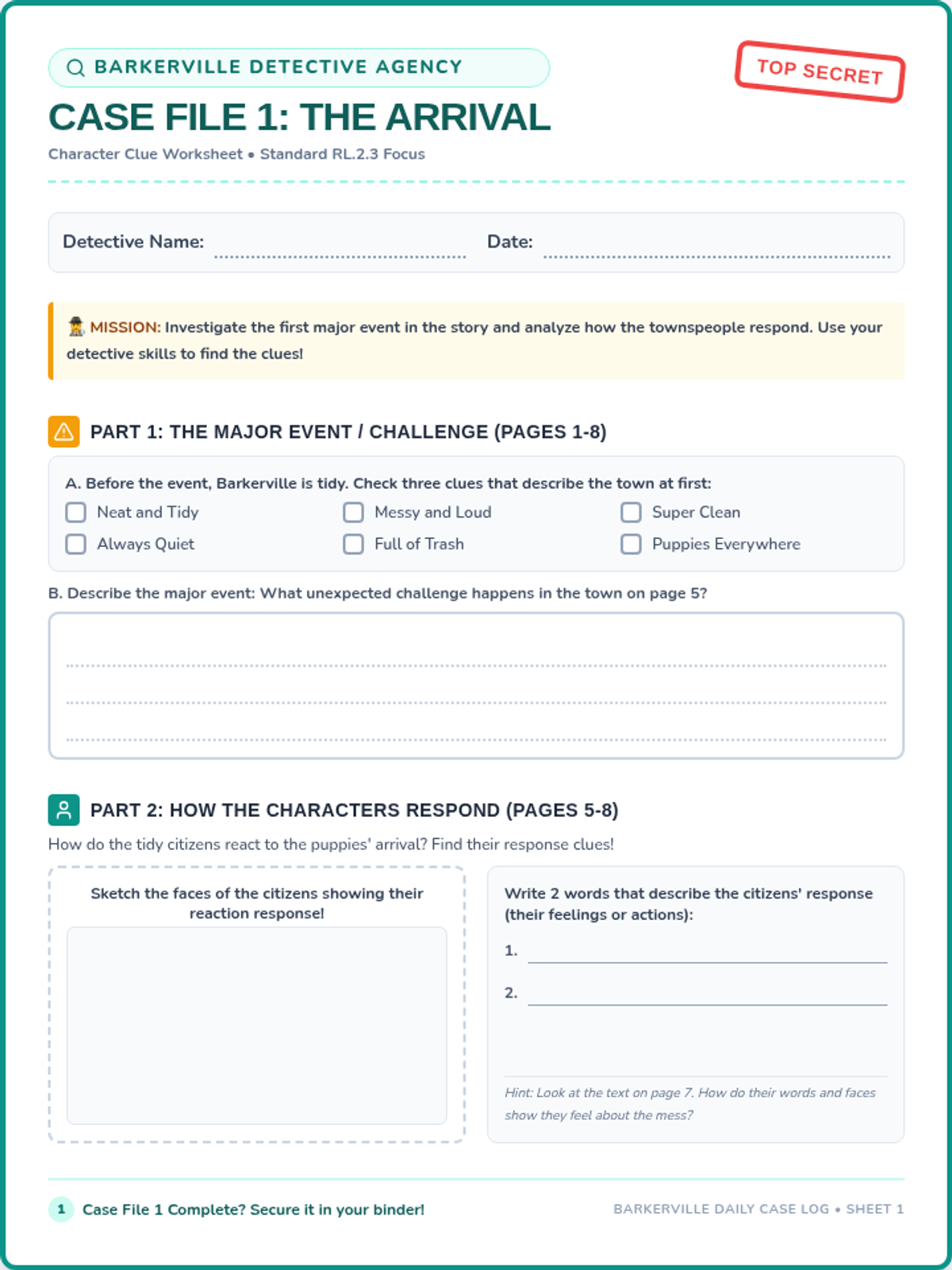
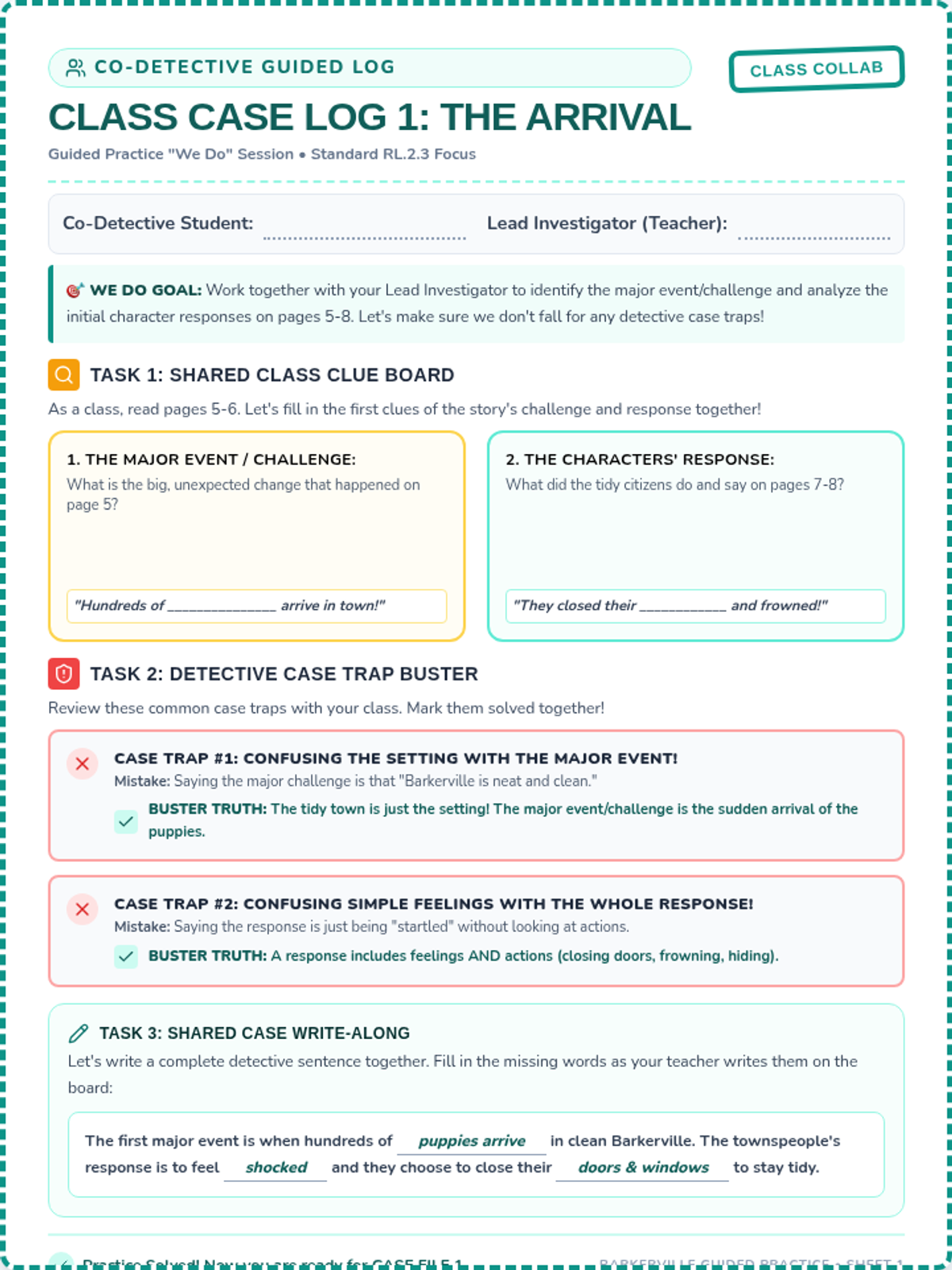
An interactive 4-day ELA reading comprehension unit for 2nd graders analyzing 'The Great Puppy Invasion'. Students act as detectives to investigate how the neat and tidy citizens of Barkerville respond to the sudden, chaotic, and cuddly arrival of hundreds of puppies.
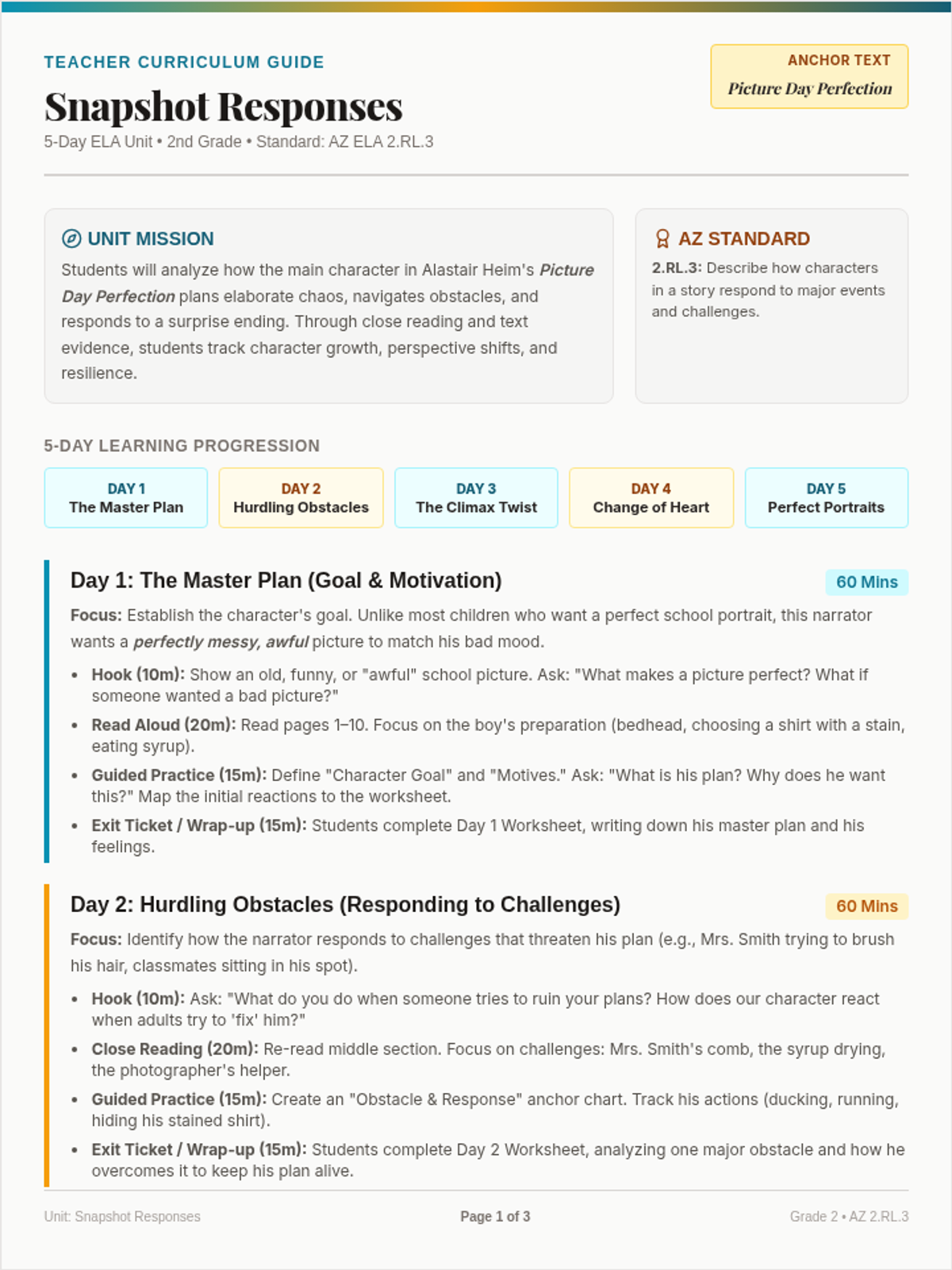
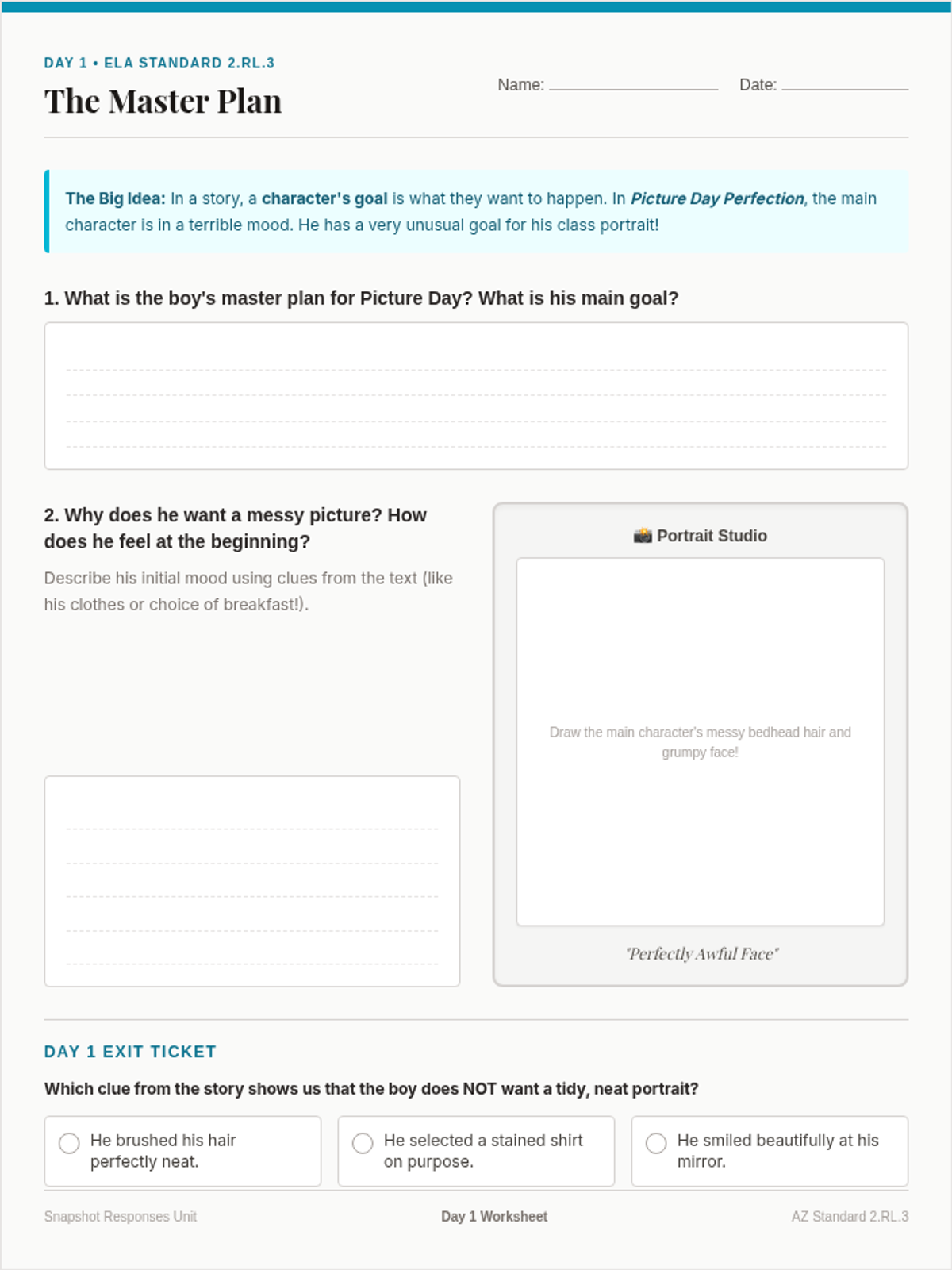
A 5-day ELA unit for 2nd grade focusing on Arizona ELA Standard 2.RL.3. Students analyze how the main character in Alastair Heim's 'Picture Day Perfection' plans chaos, faces challenges, and responds to a surprise ending, tracking character growth and perspective shifts.
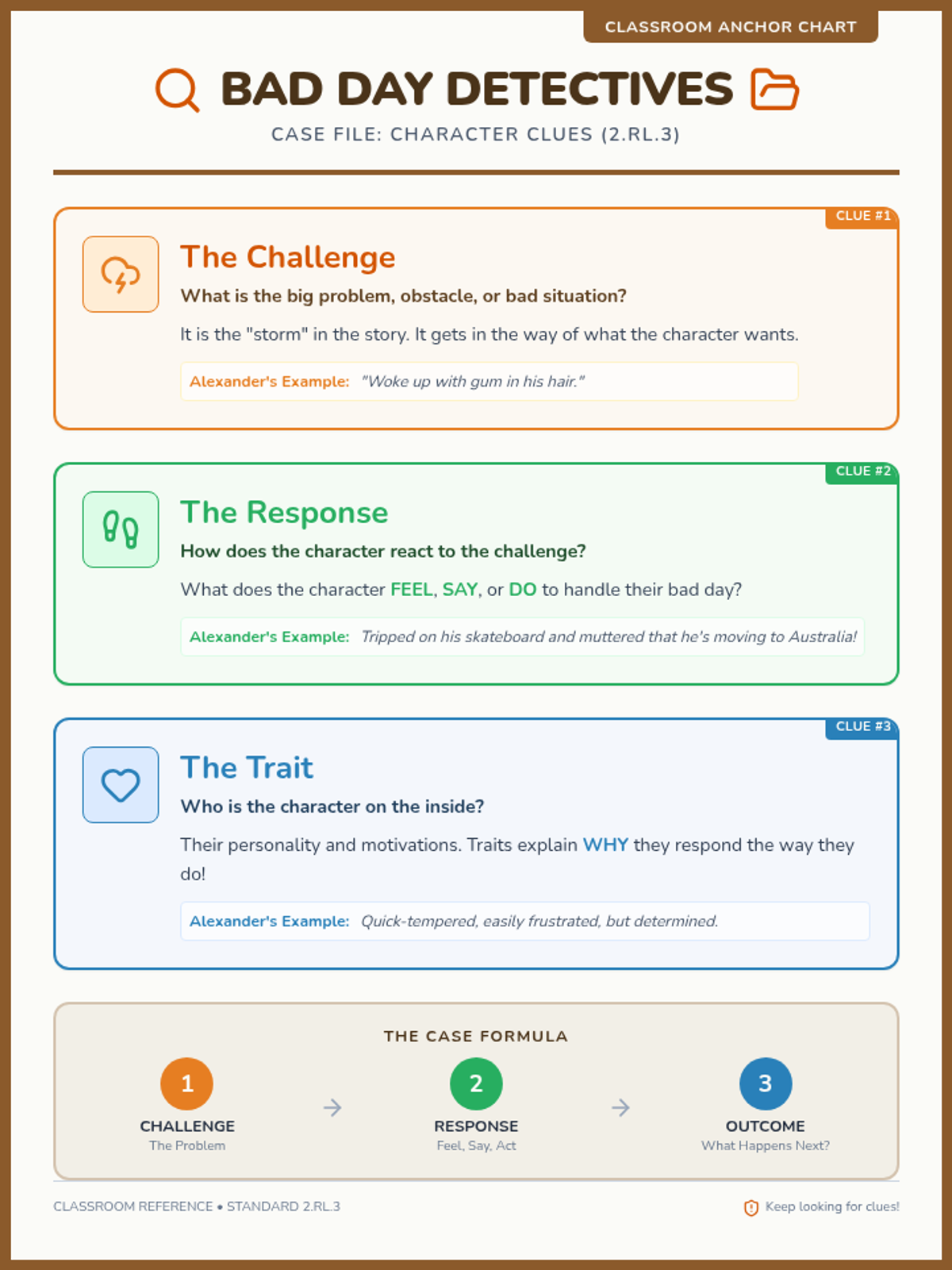
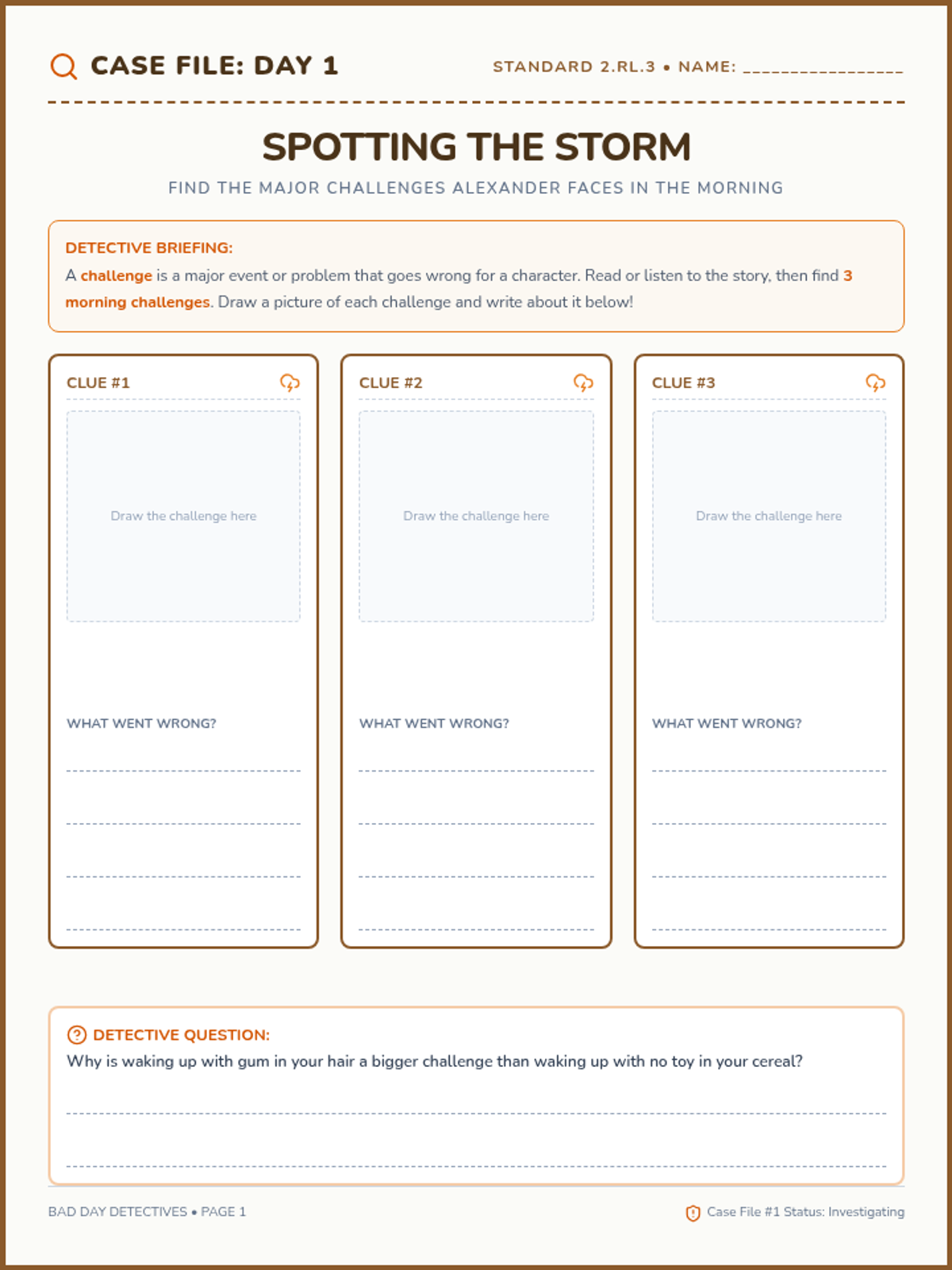
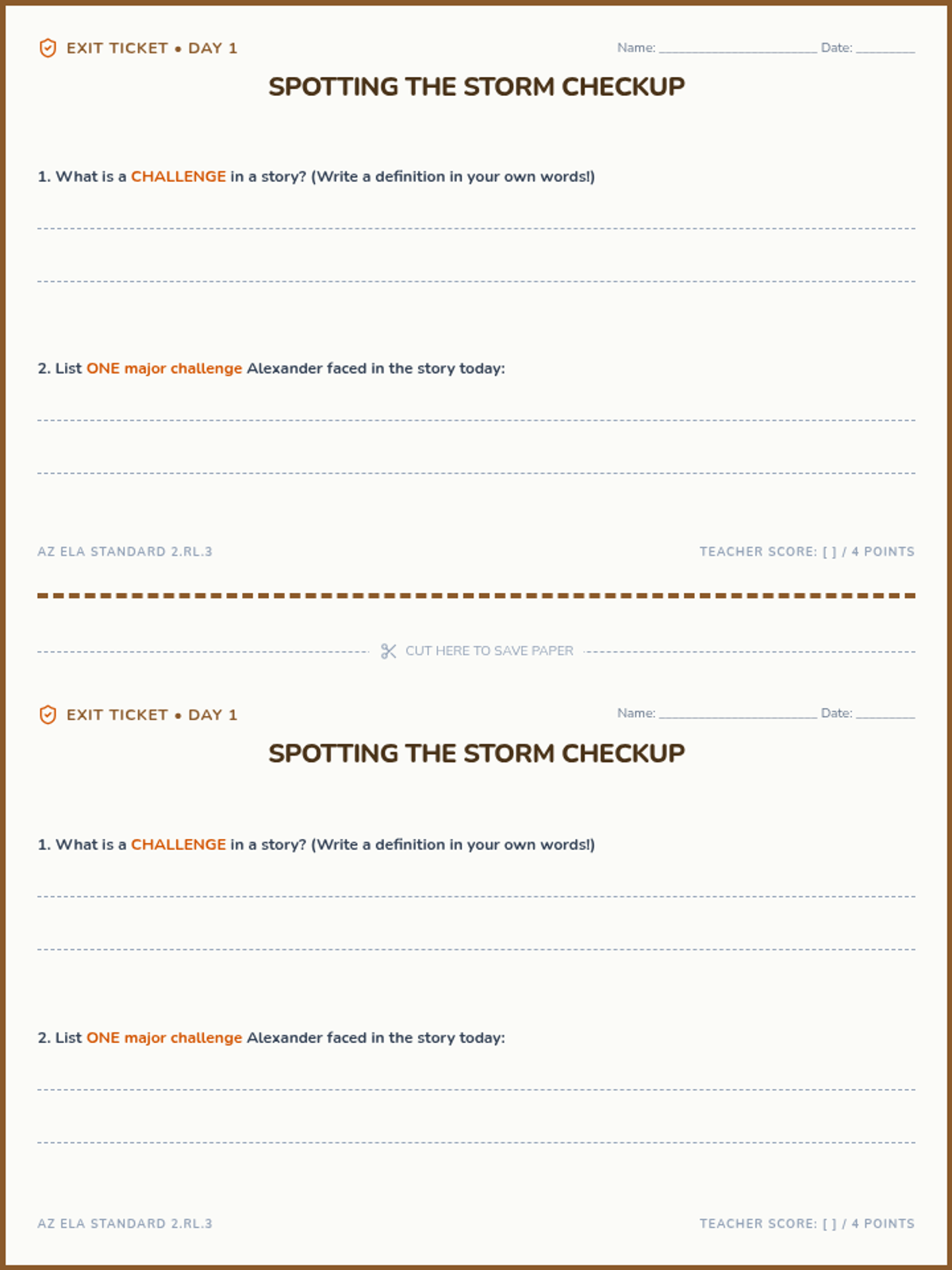
A 5-day ELA sequence focusing on Arizona ELA standard 2.RL.3, where second-grade students analyze how characters respond to major events and challenges using Judith Viorst's classic mentor text, 'Alexander and the Terrible, Horrible, No Good, Very Bad Day'.
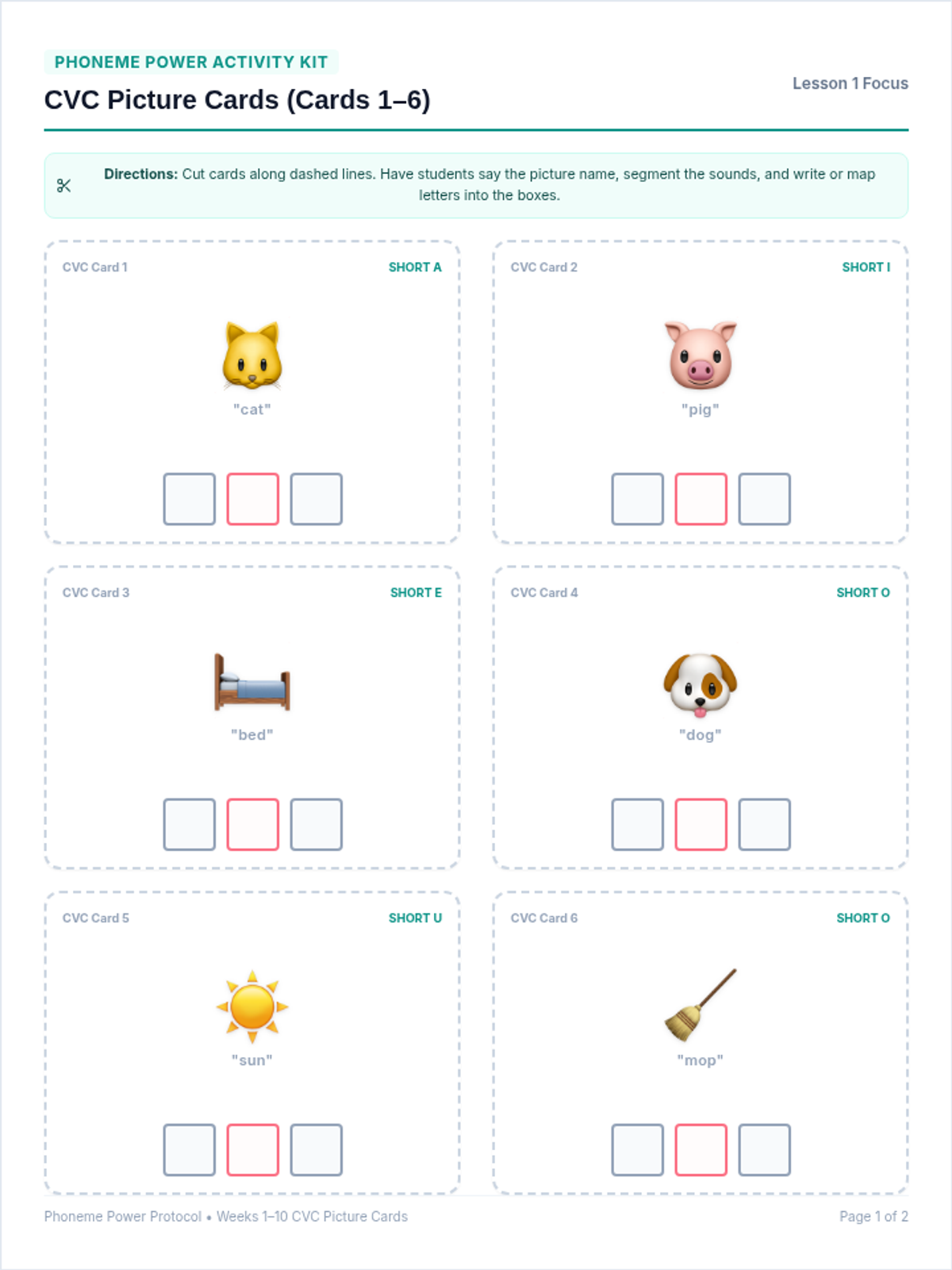
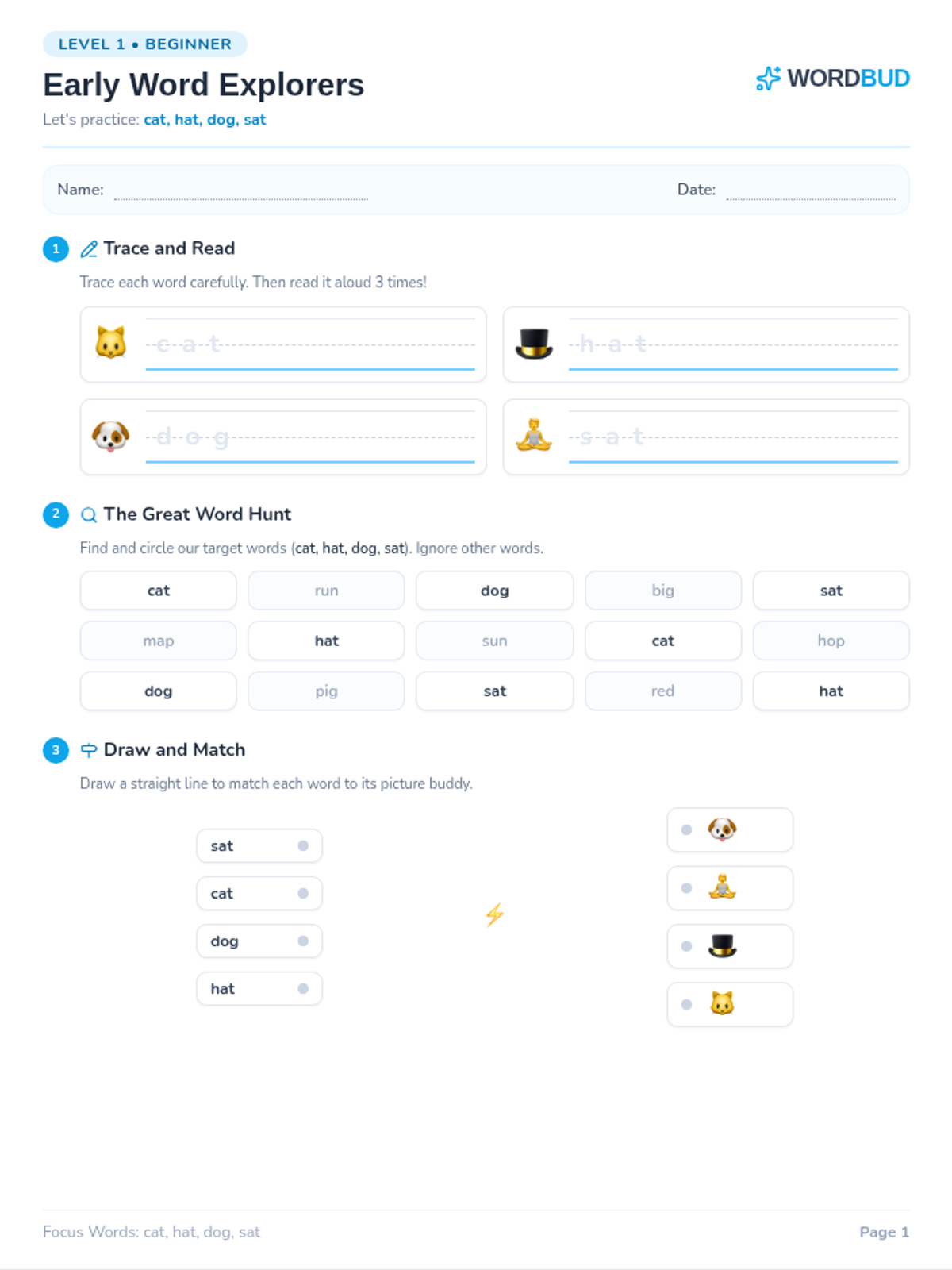
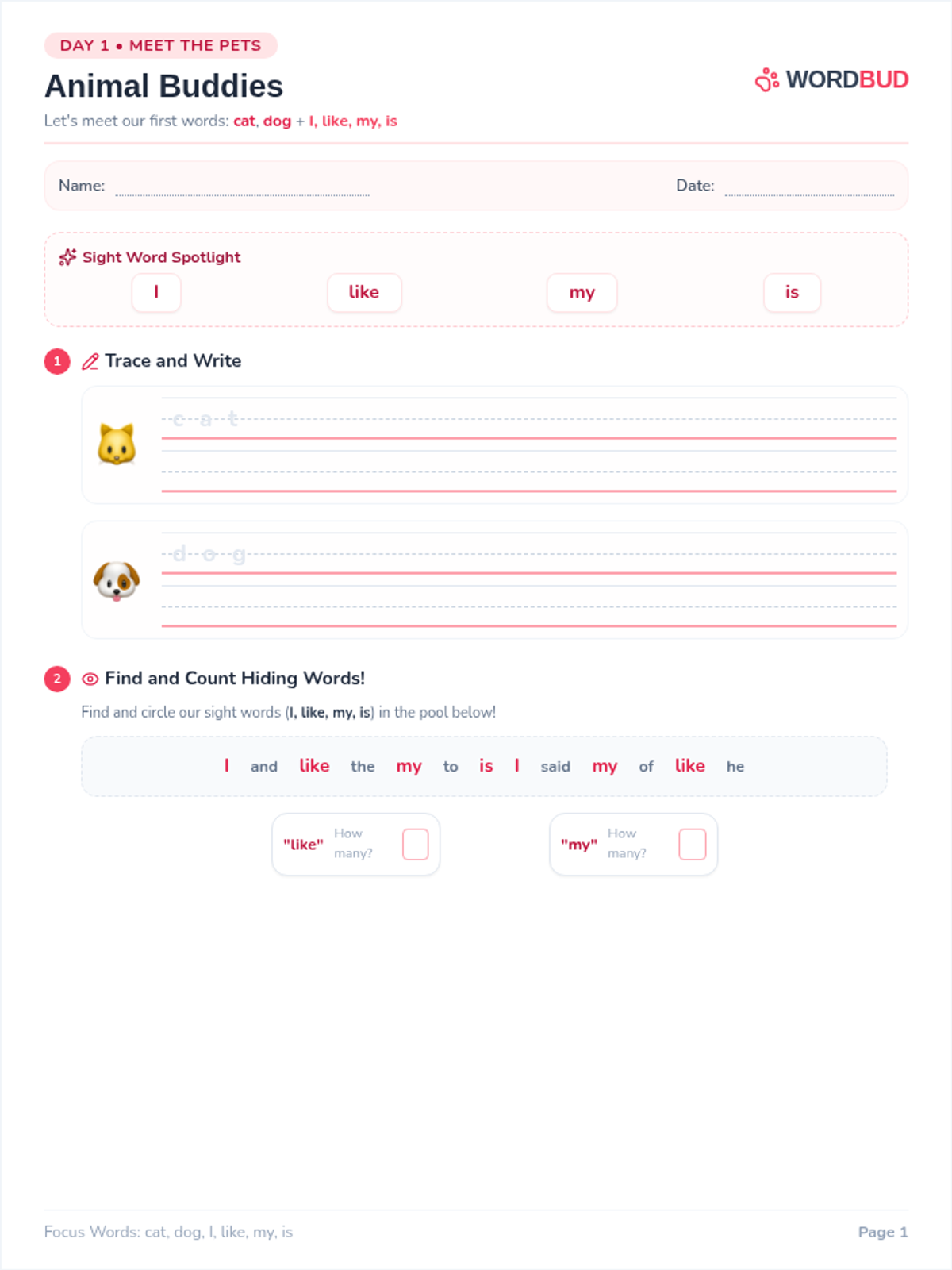
A comprehensive 5-day early reading and phonics practice packet focusing on core CVC/sight words "cat", "hat", "dog", and "sat". Each day systematically guides students from letter tracing to sentence writing.
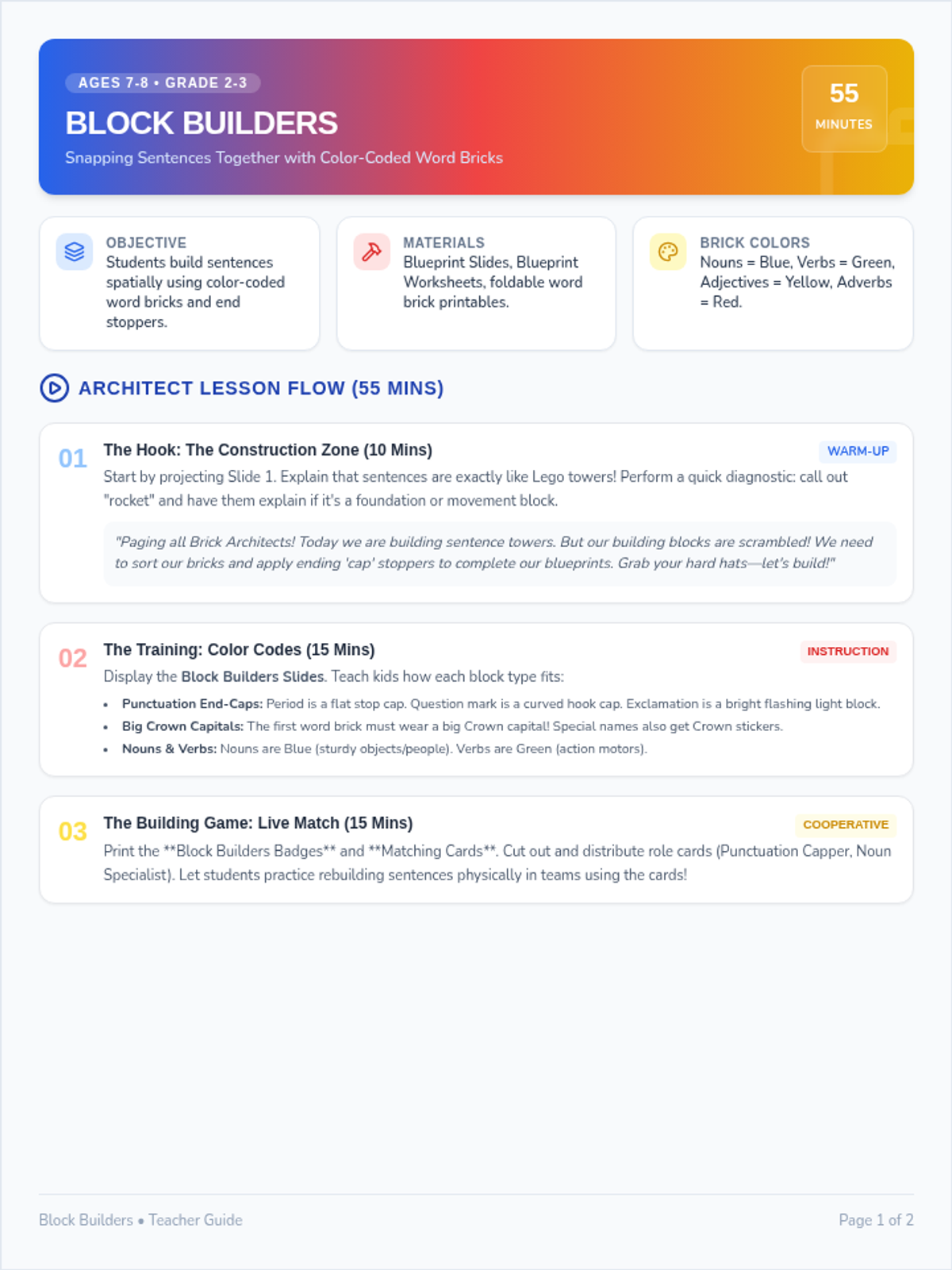
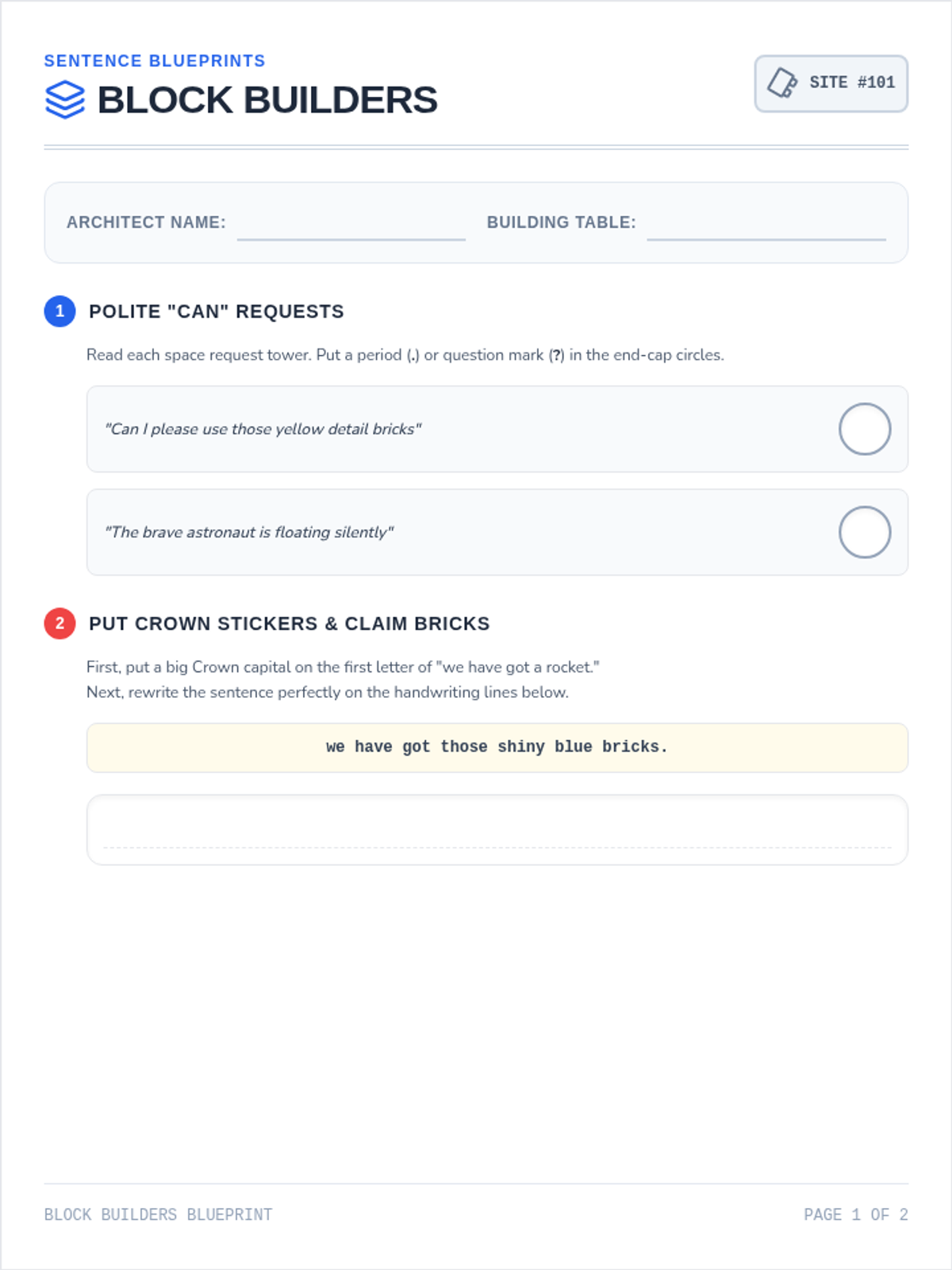
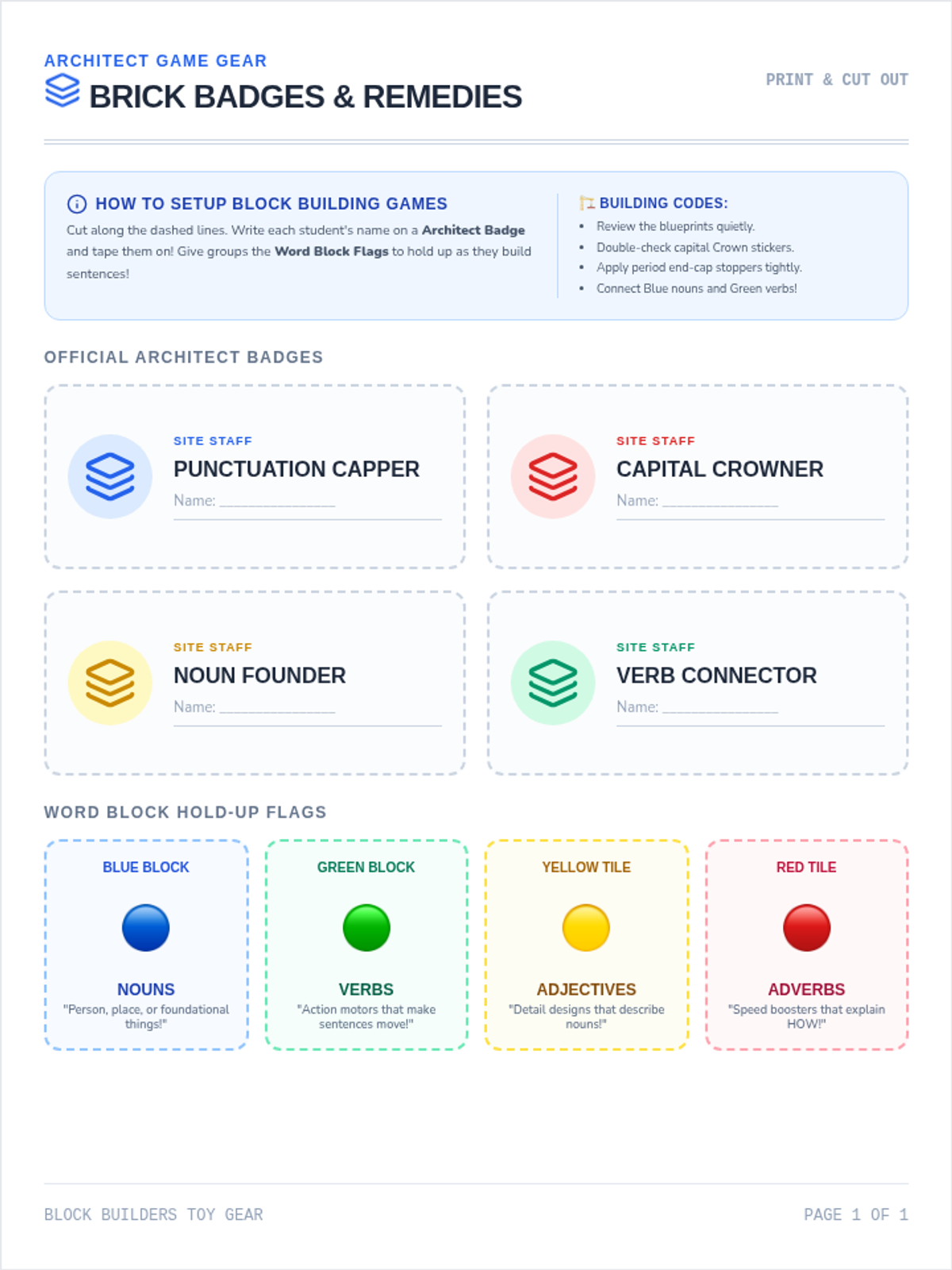
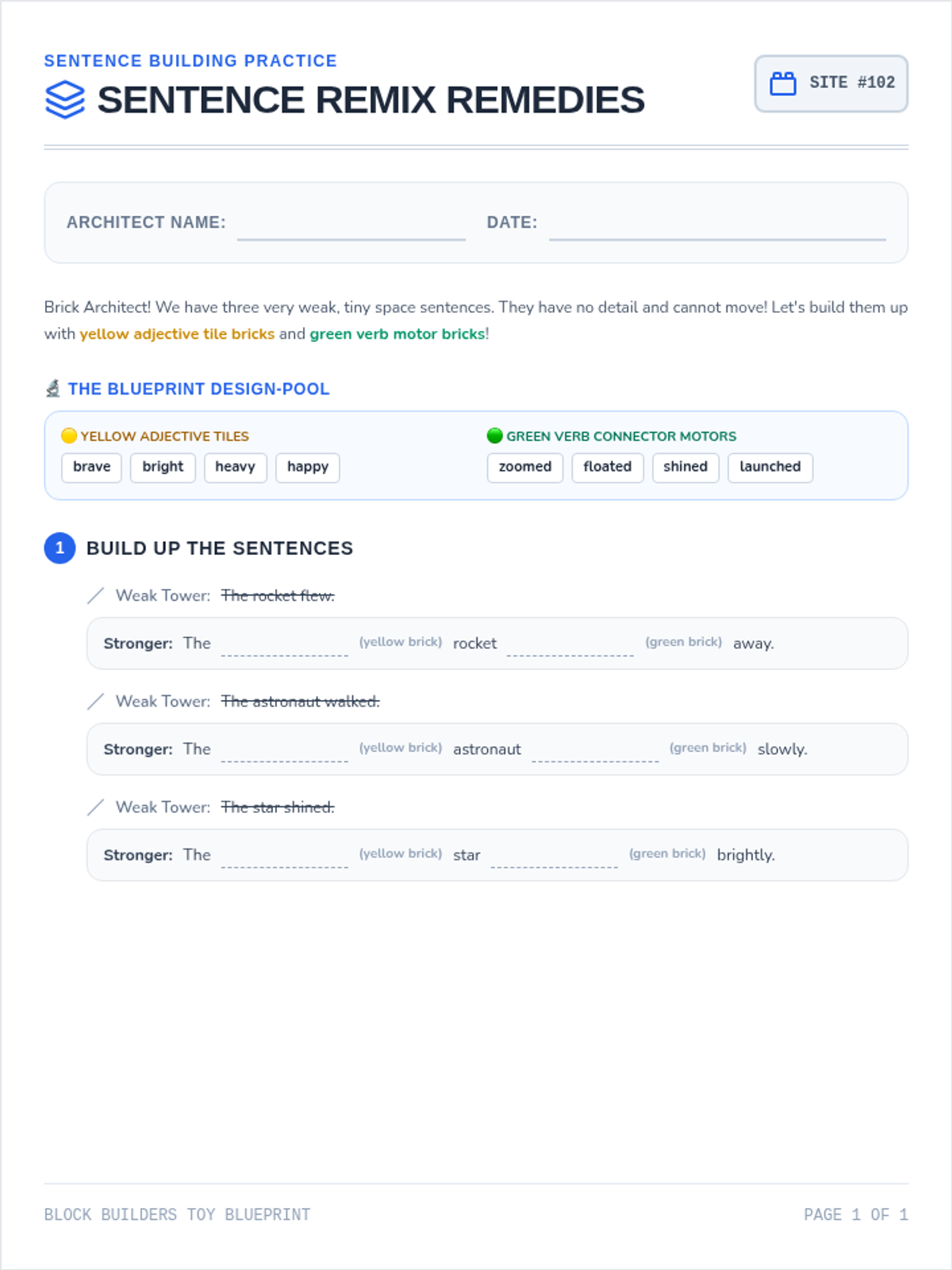
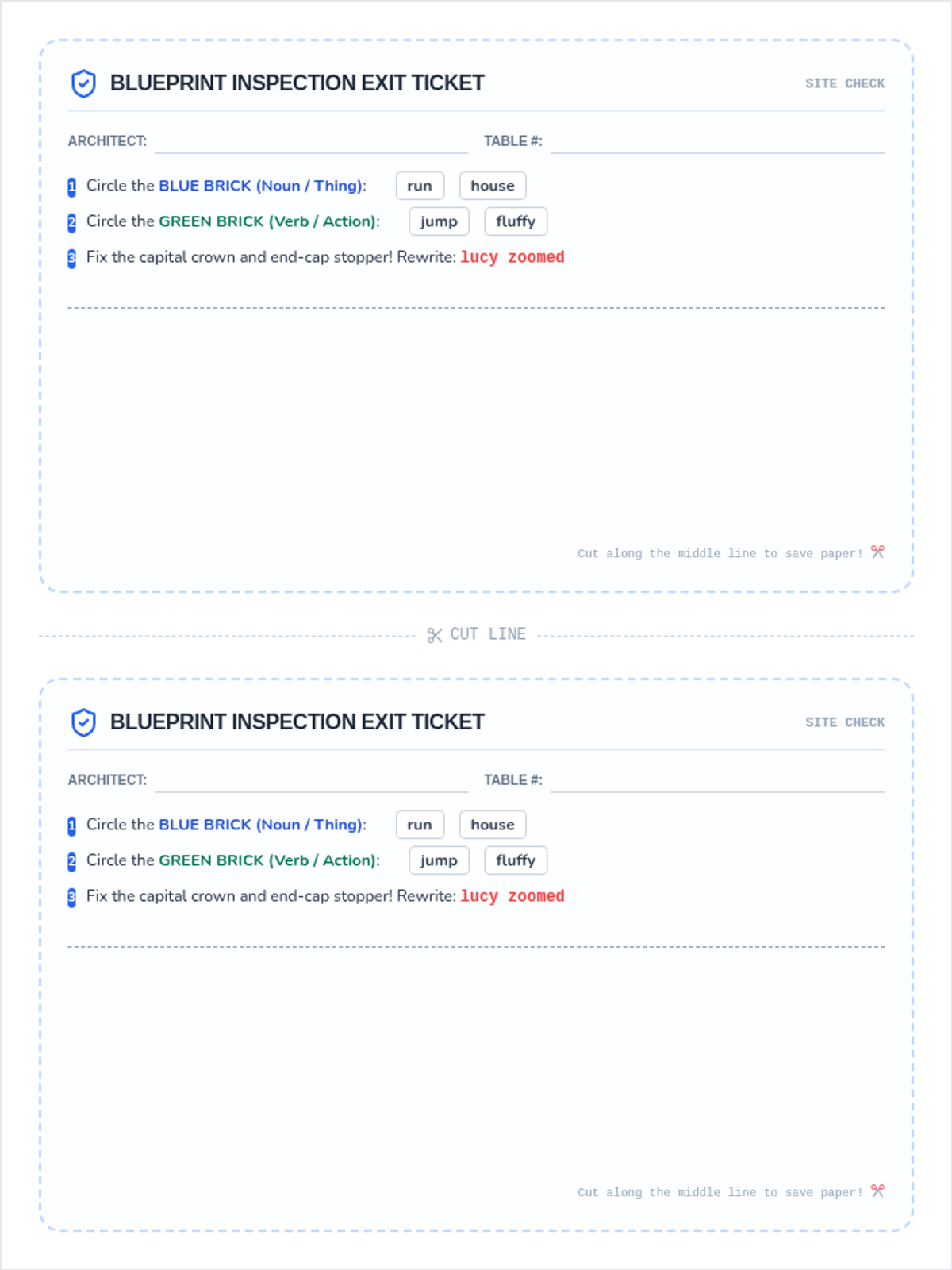
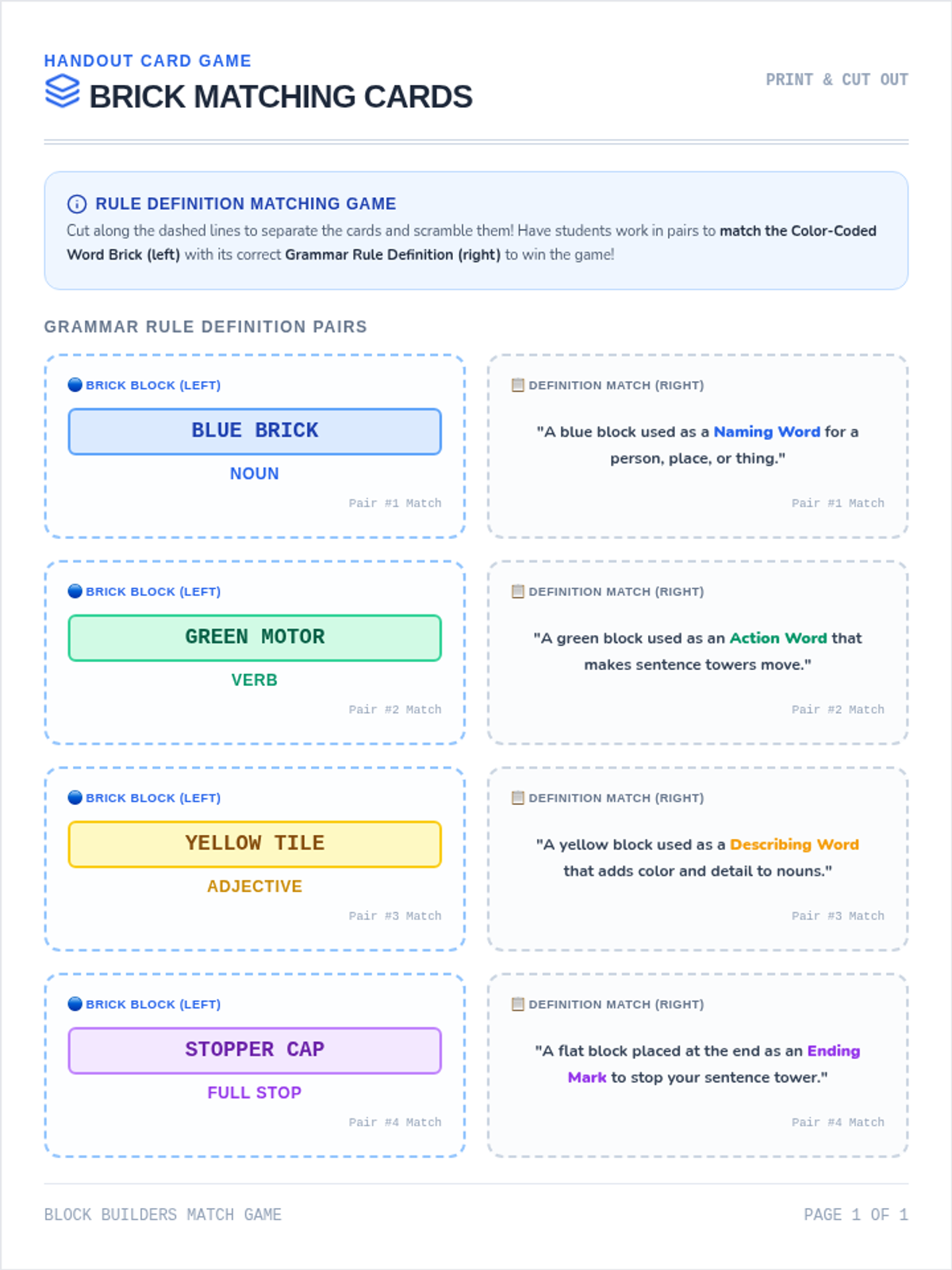
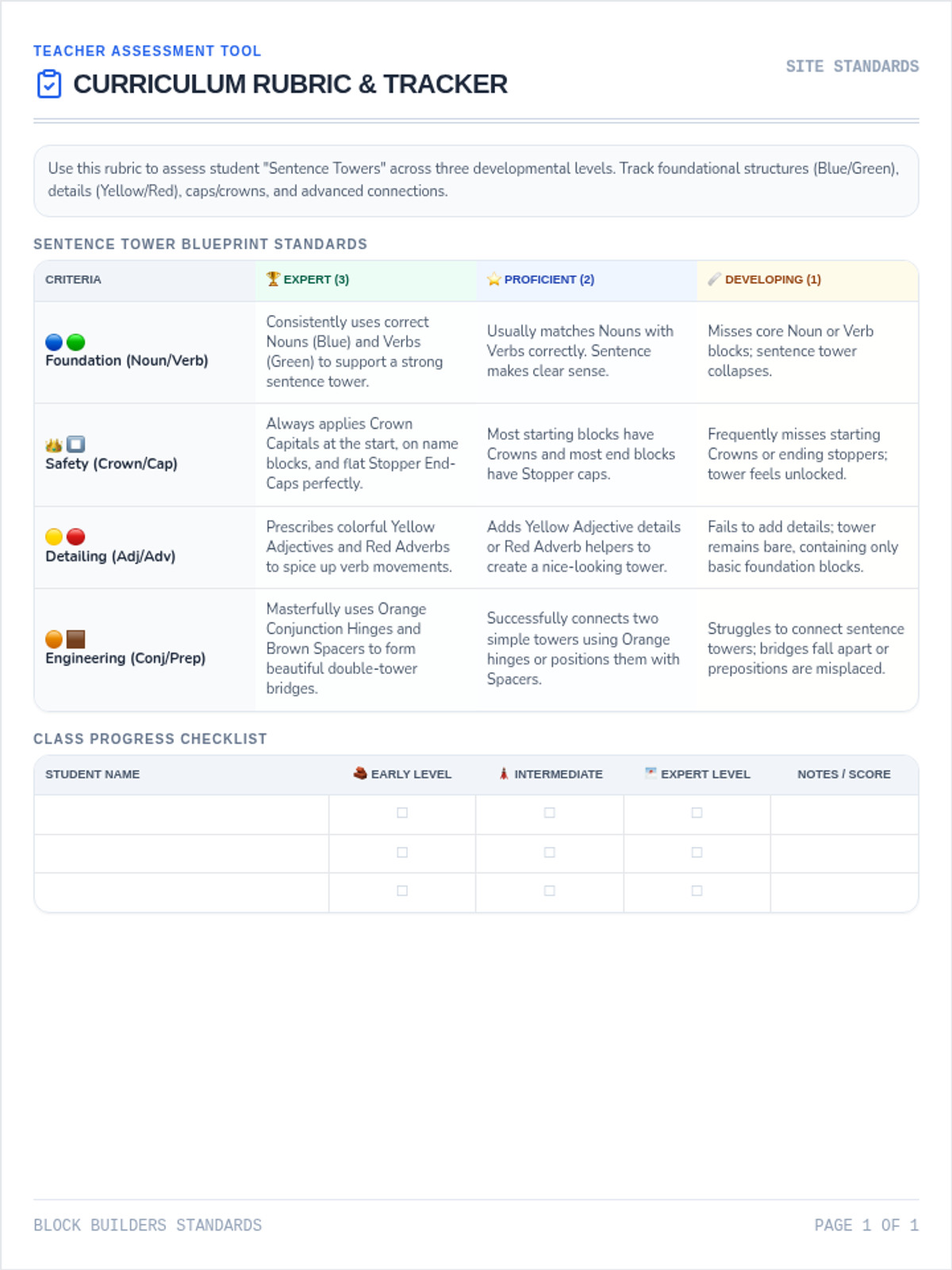
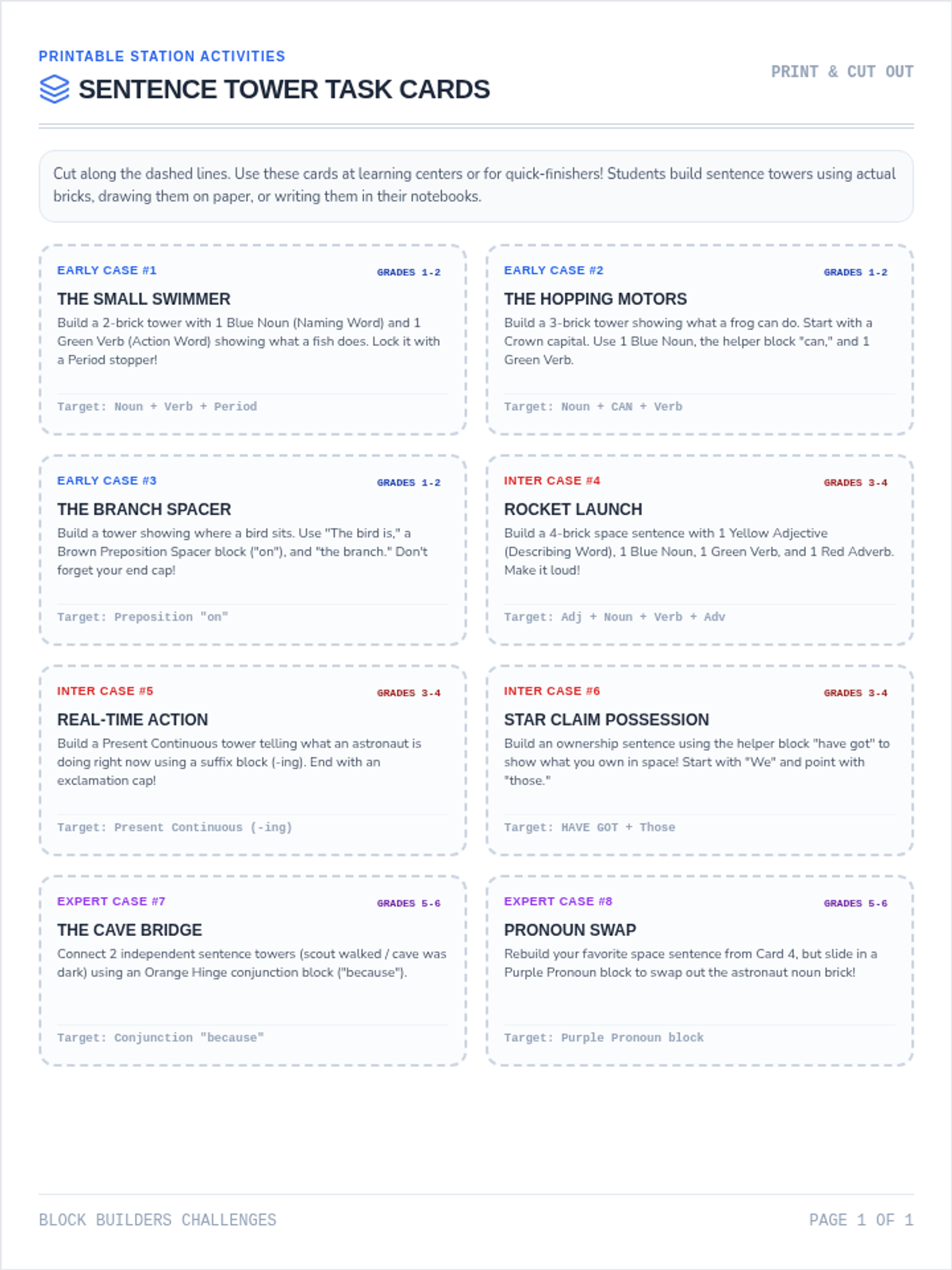
A comprehensive color-coded sentence-building curriculum that scales tactile, Lego-style grammar modeling across elementary grade levels to make parts of speech and sentence structure completely visual.