A Grade 2 Tier 2 intervention sequence focused on the inverse relationship between unit size and the number of units needed to measure an object. Students act as 'Measure Detectives' to solve the mystery of changing measurement numbers.
A collection of Valentine's Day math packets at two different levels (Level 1 and Quest), covering budgeting, graphing, measurement, time, and word problems.
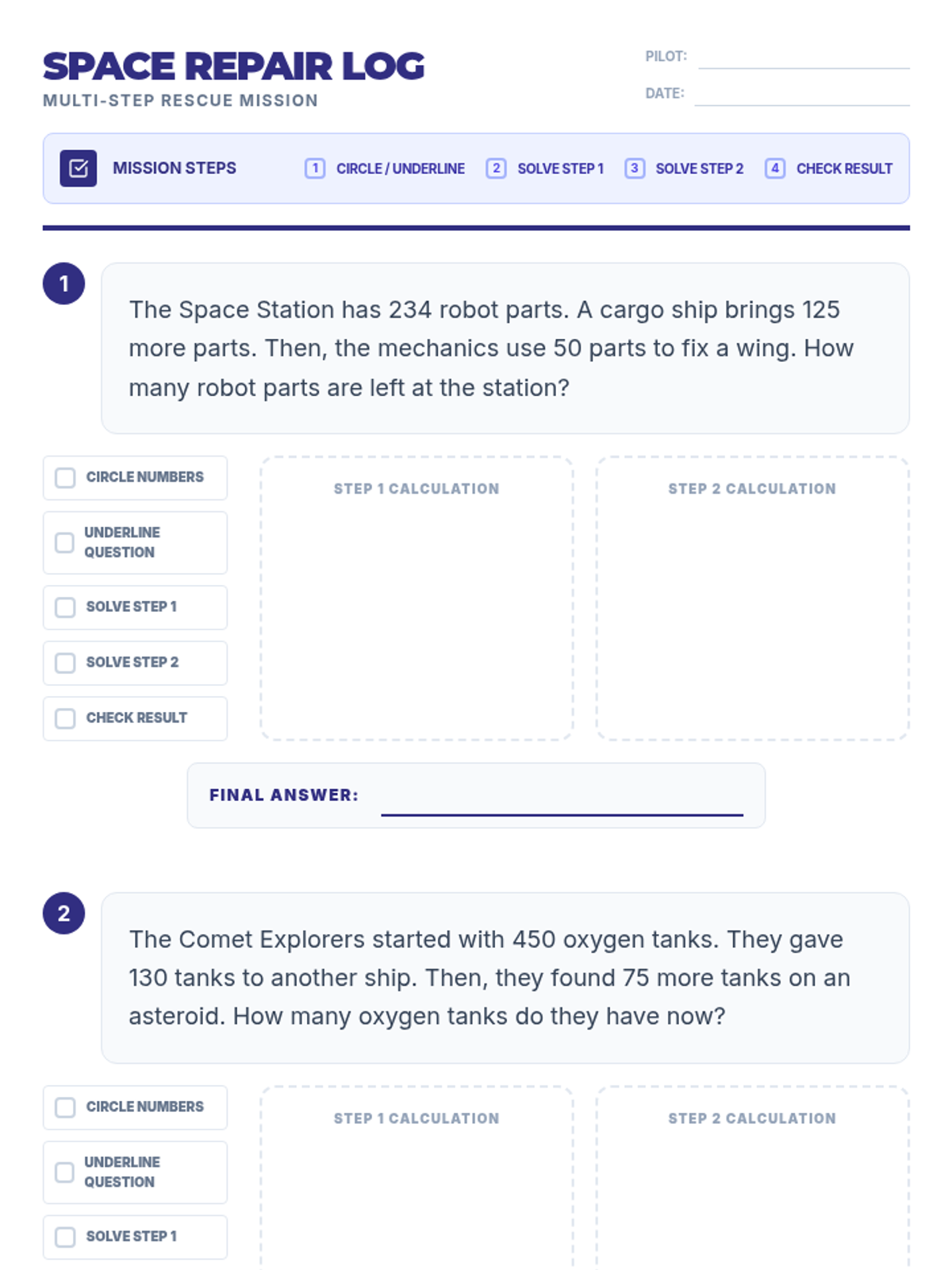
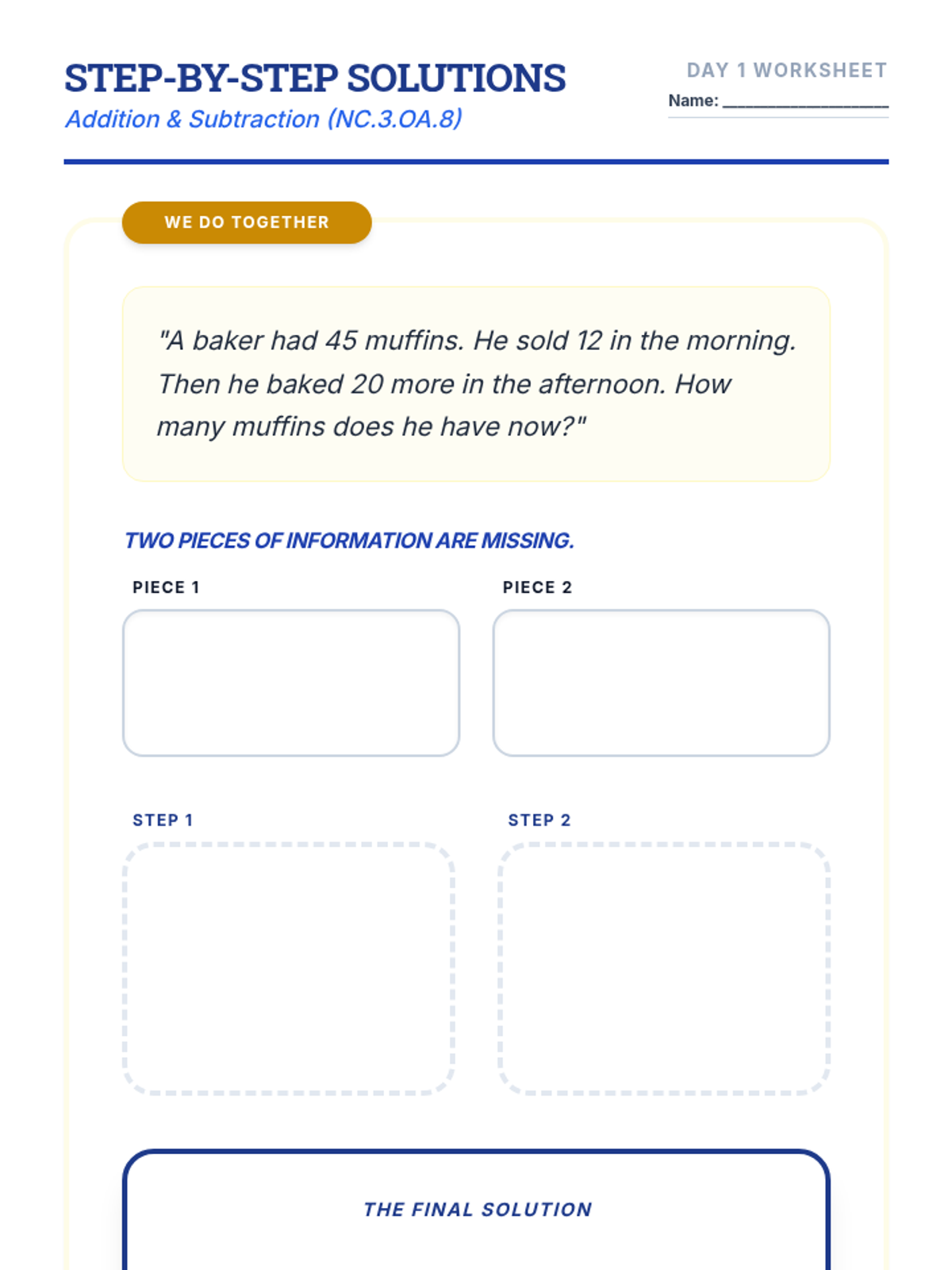
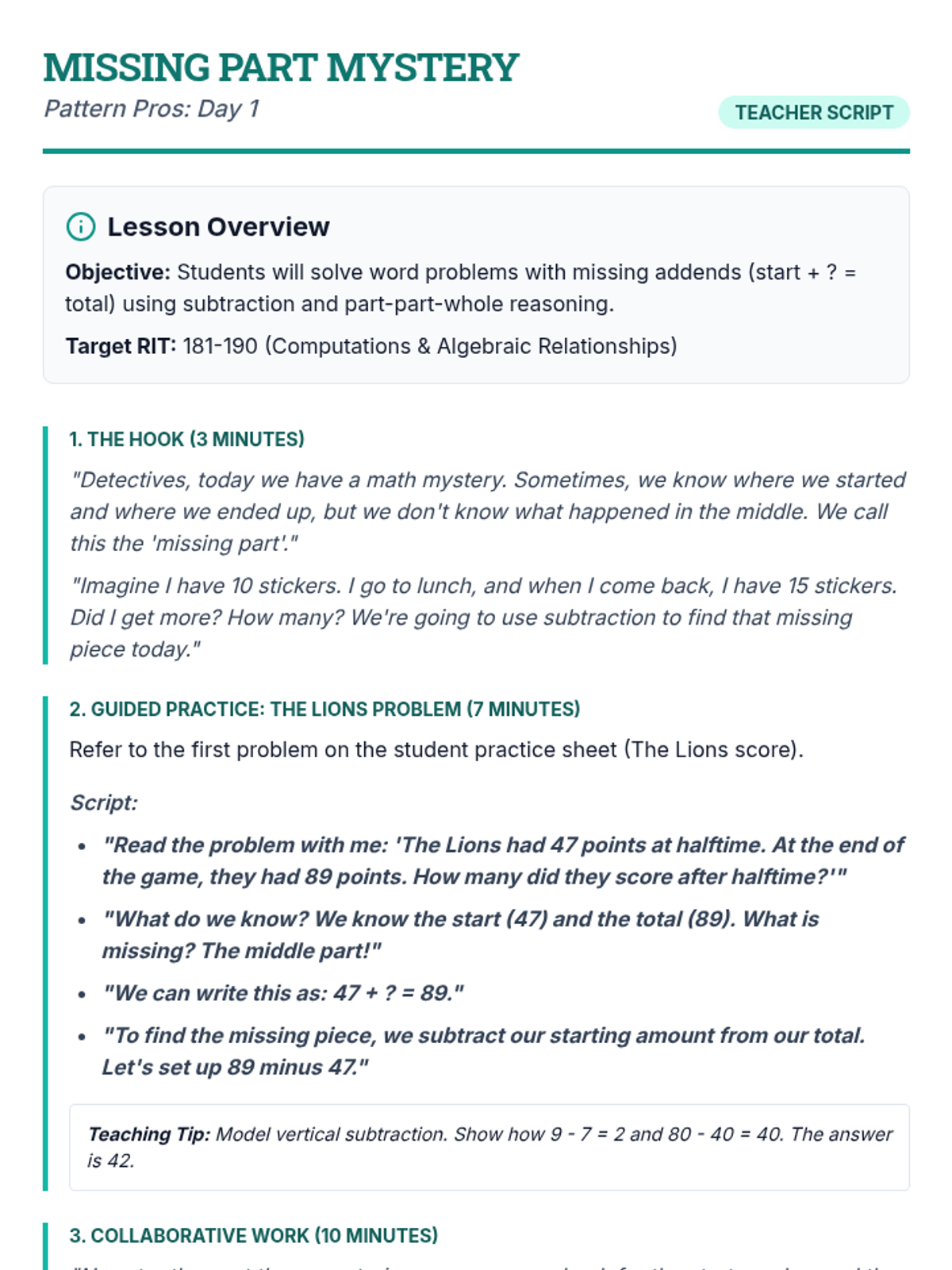
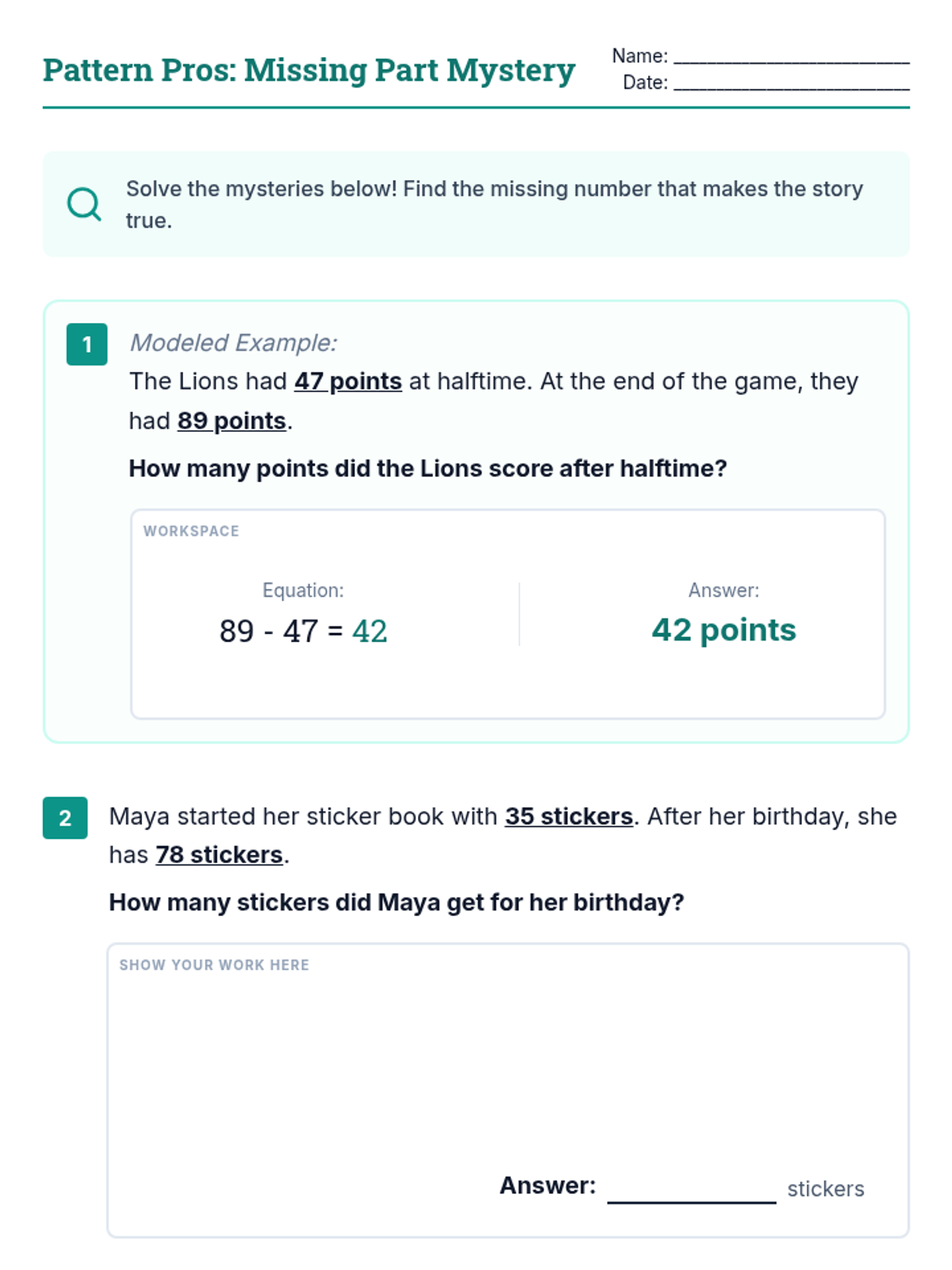
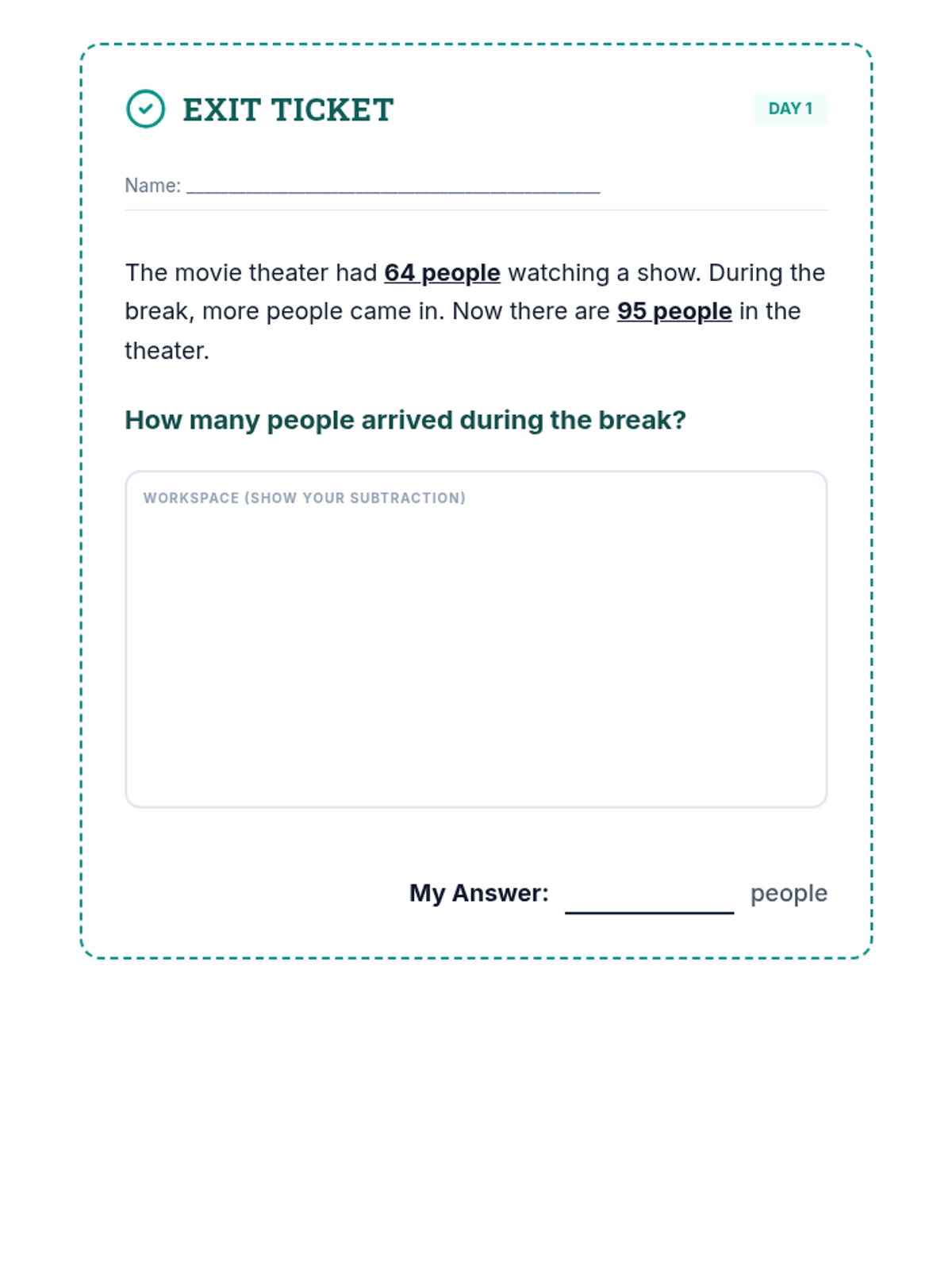
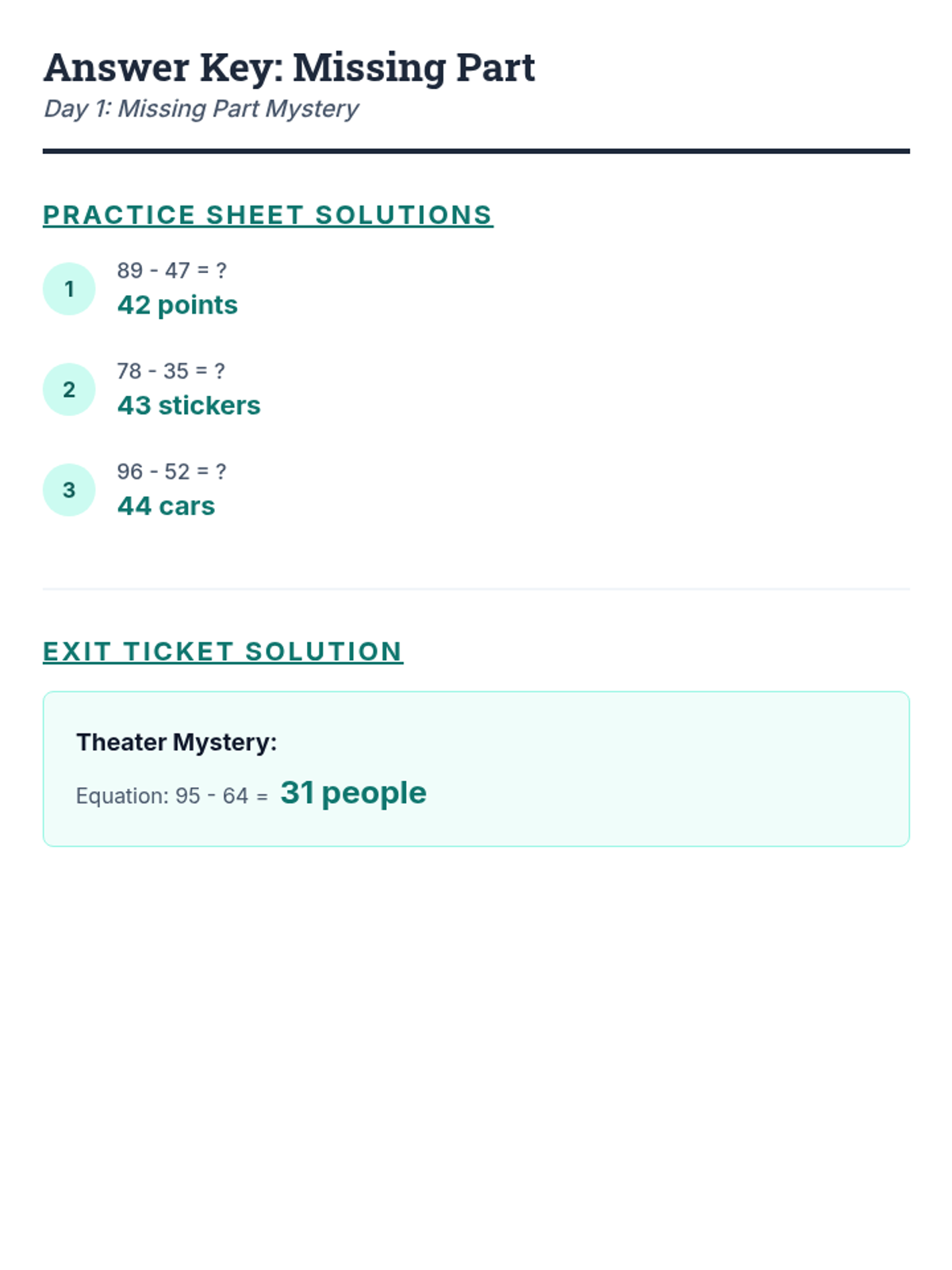
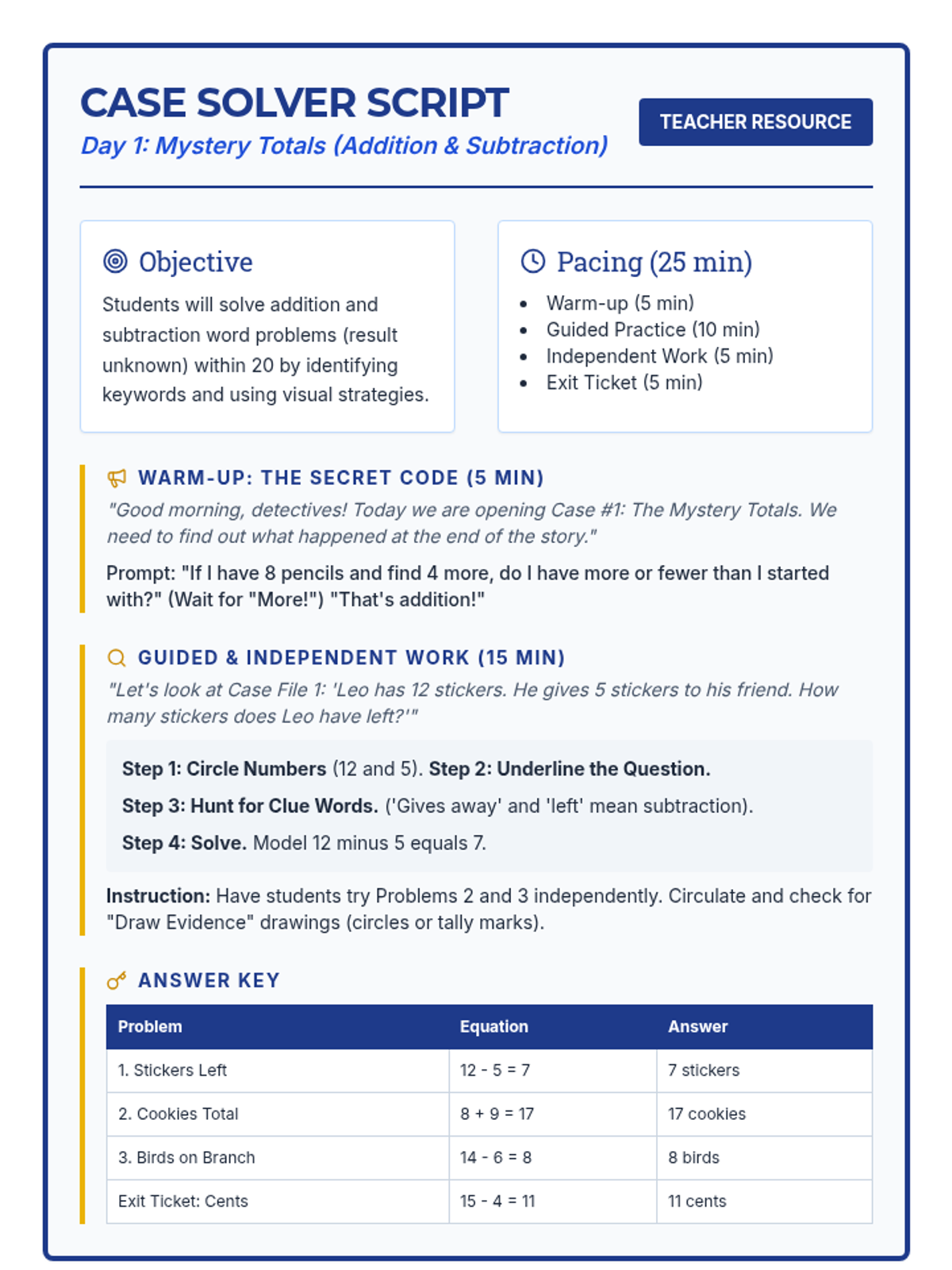
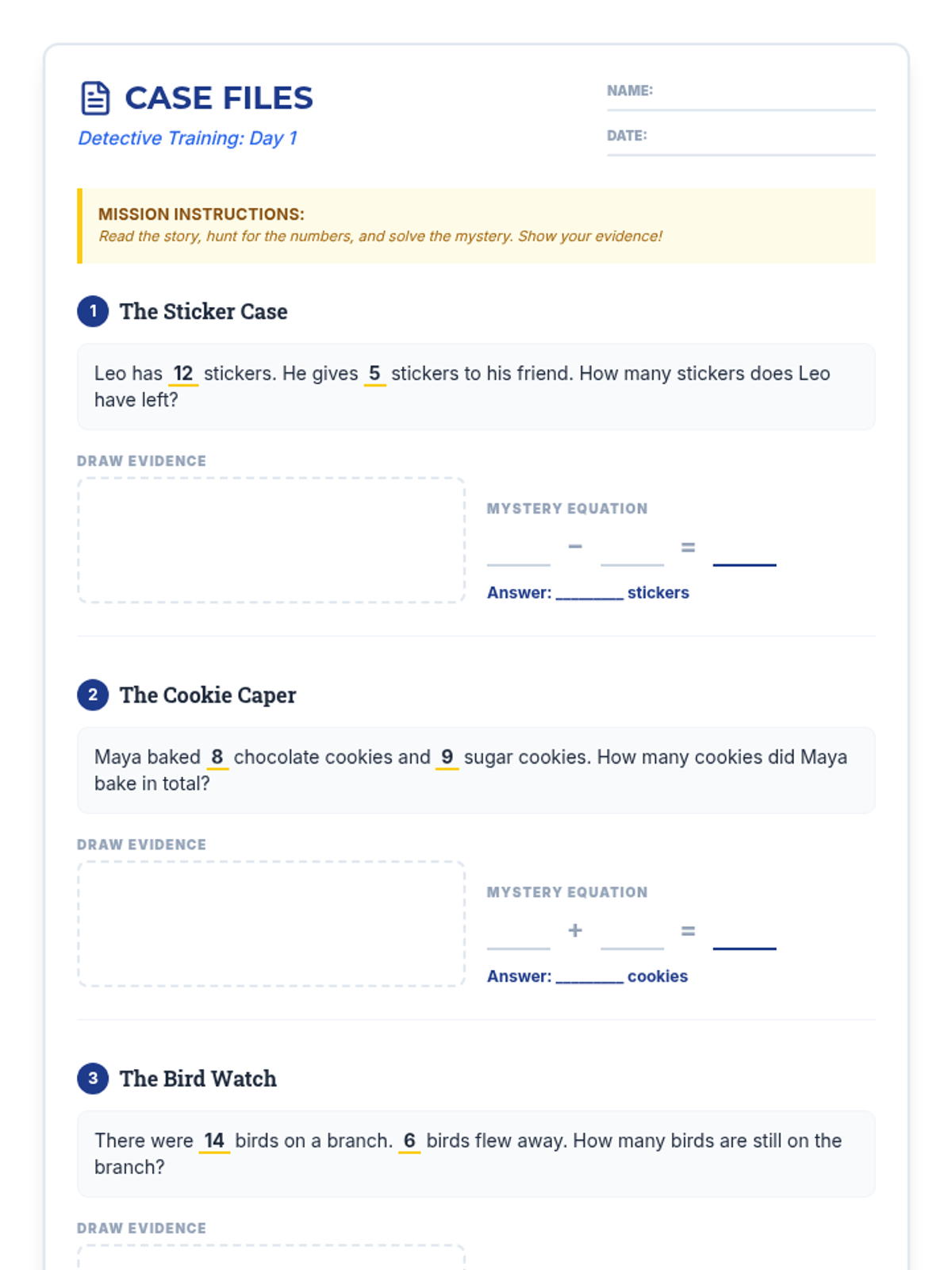
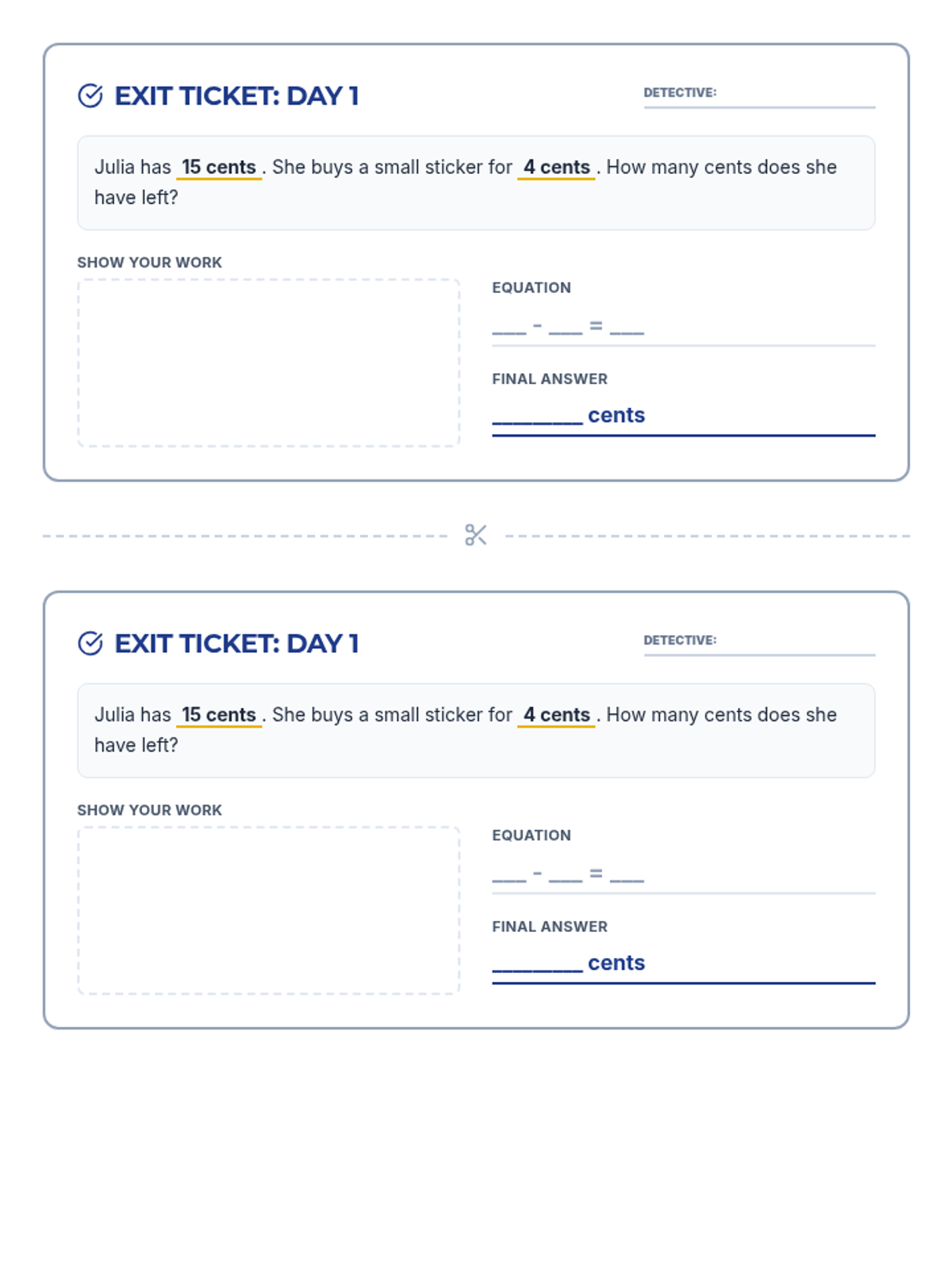
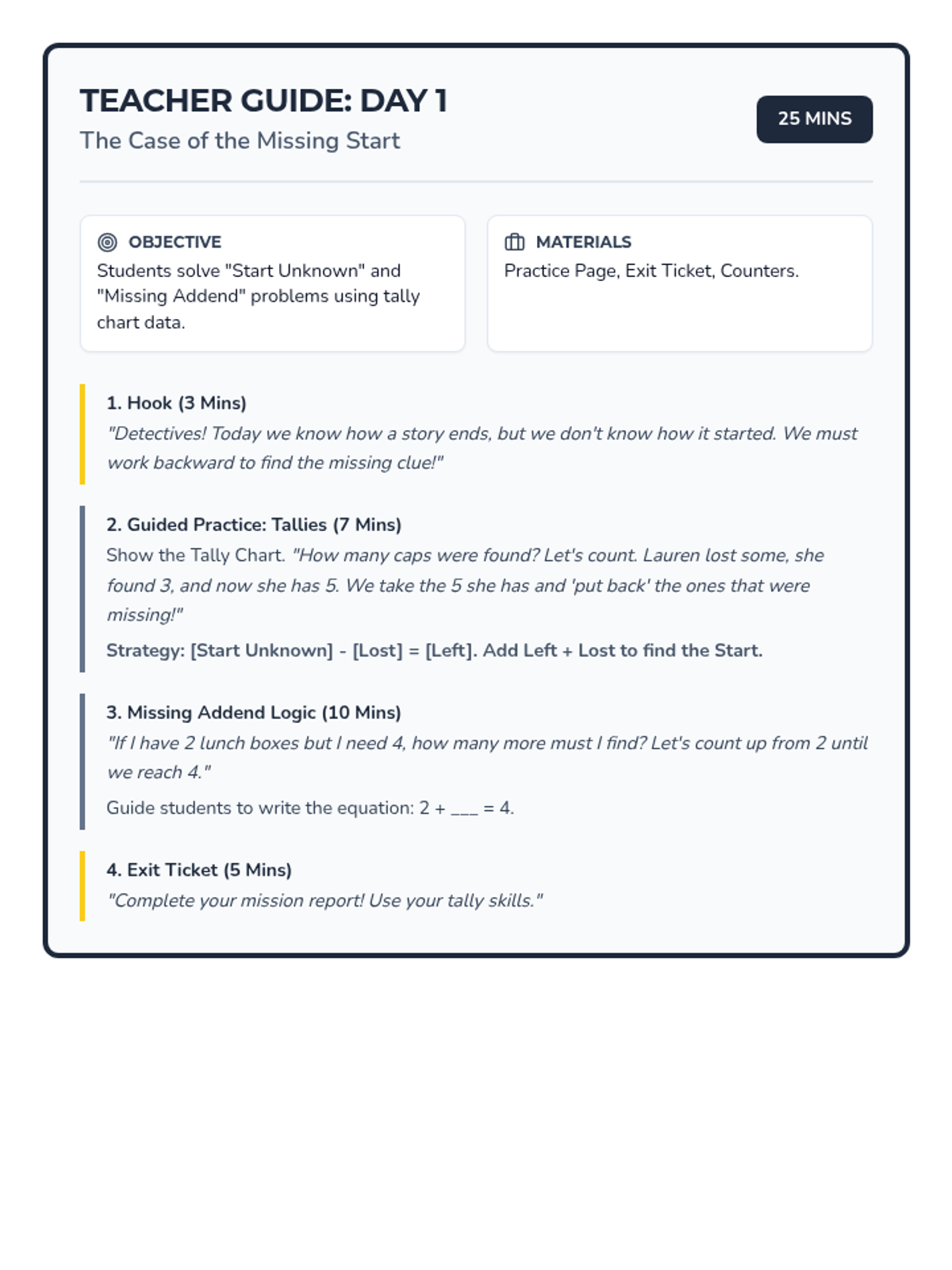
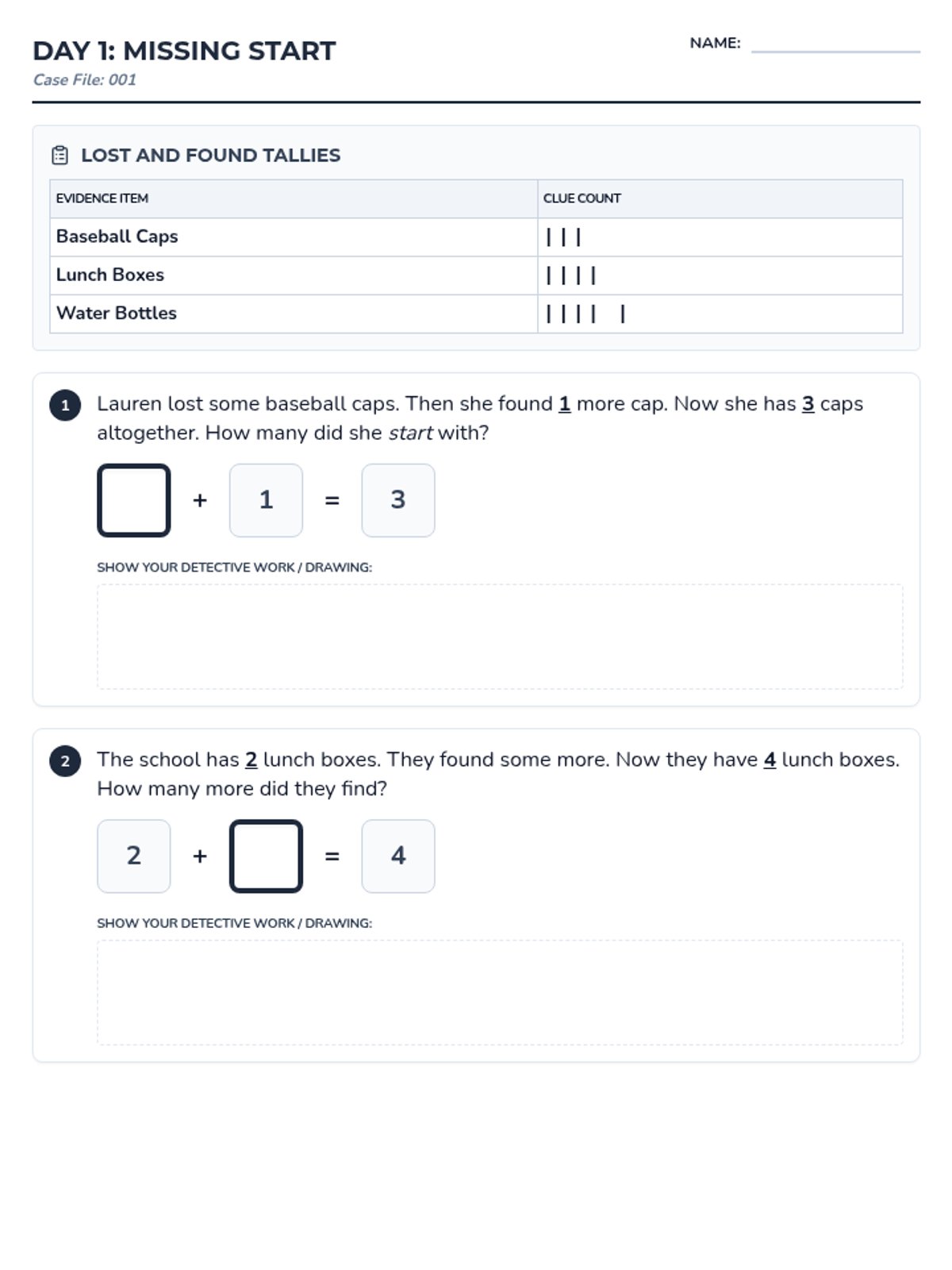
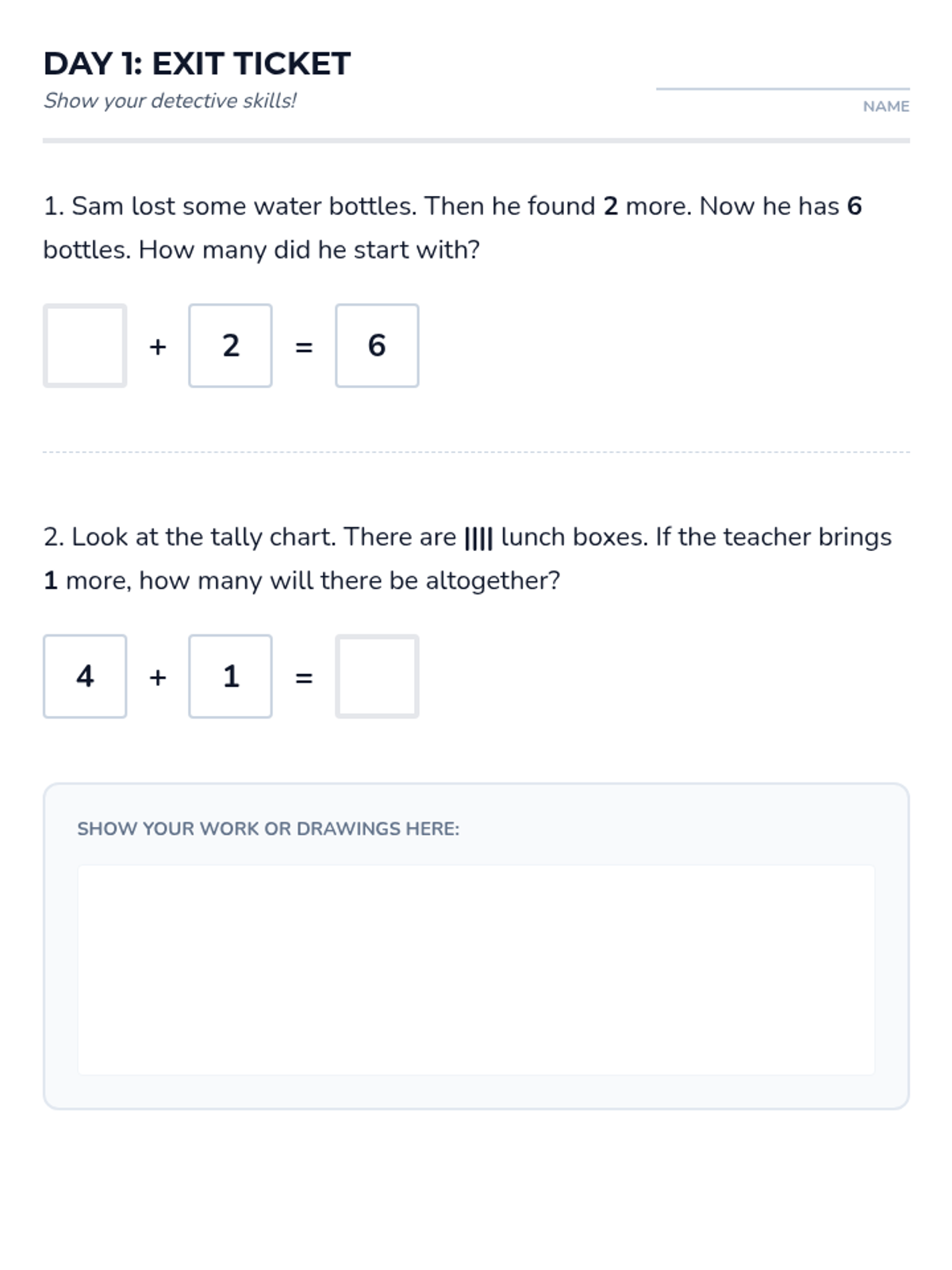
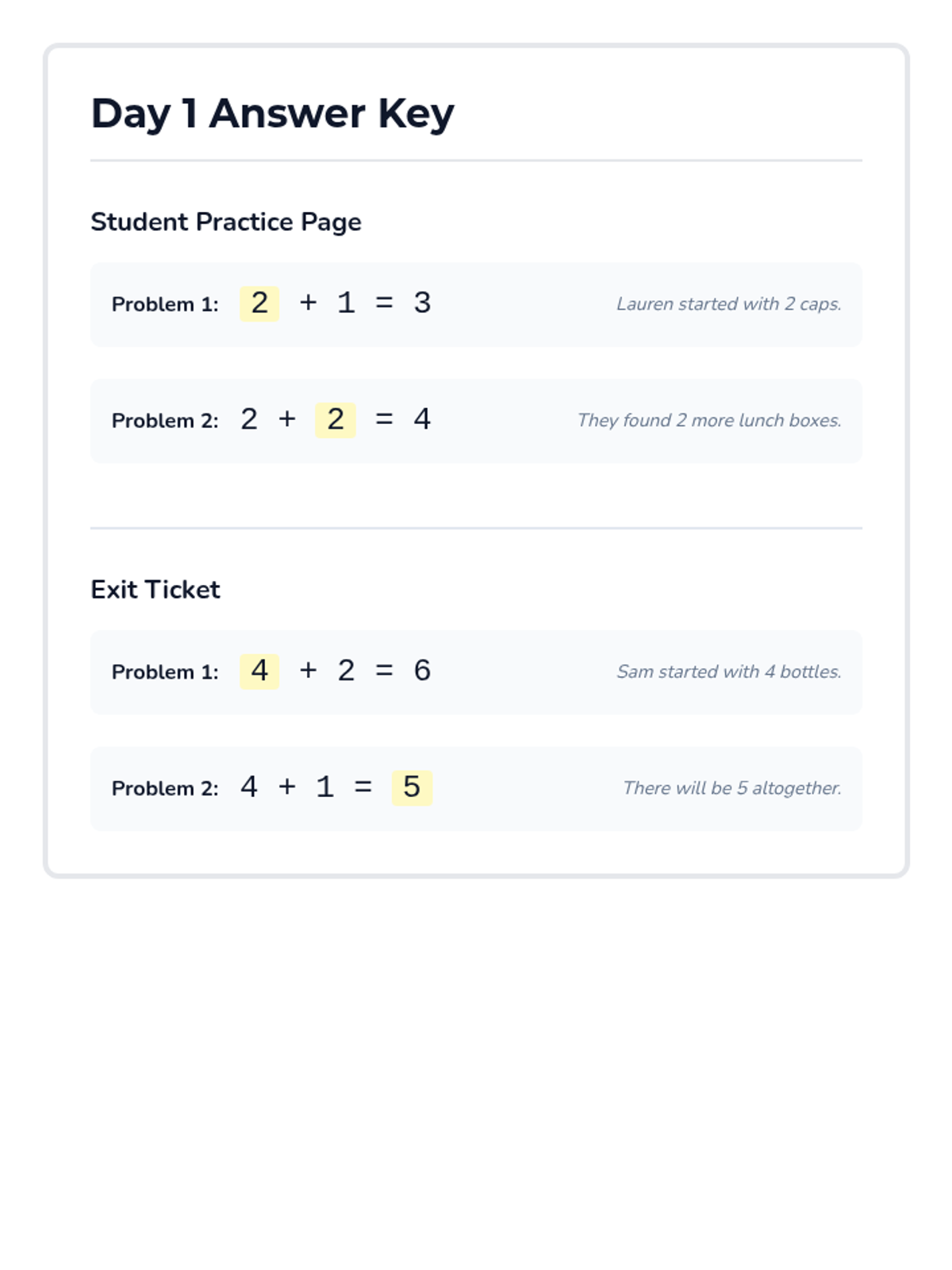
A comprehensive suite of strategies and visual supports designed to help K-5 students decode and solve addition, subtraction, multiplication, and division word problems using a detective-themed approach.
A foundational unit on place value that spirals from teen numbers up to the hundreds place. Using a 'Digit Builders' architectural theme, students learn to construct, deconstruct, and compare 2-digit and 3-digit numbers, building a solid foundation for future math.
A 10-lesson intensive unit for 2nd Grade focusing on high-leverage place value and operations concepts (IM Units 4 & 5), using an architectural blueprint theme to build conceptual understanding of numbers up to 1,000.
A comprehensive 7-lesson intervention sequence designed to build conceptual fraction understanding through visual models, number lines, and scaffolded practice. The sequence moves from basic area models to adding and subtracting with unlike denominators, prioritizing 'why' over 'how'.
A specialized geometry intervention sequence focused on applying geometric principles to real-world design challenges, specifically tailored for Tier 2 high school learners. The sequence emphasizes modeling, optimization, and structural integrity through hands-on design tasks.
A targeted intervention sequence for high school geometry students to master the volume of spheres using Cavalieri's Principle through hands-on comparisons and visual proofs.
A targeted intervention sequence for high school geometry students focusing on partitioning line segments in given ratios. This unit breaks down the section formula through visual supports, number line bridging, and scaffolded coordinate plane practice.
A Tier 2 intervention sequence focused on modeling real-world objects using geometric shapes, measures, and properties. Designed for small group instruction to support students in mastering Colorado High School Geometry standard HS.G-MG.A.1.
A focused intervention sequence designed to help students master the relationship between 2D shapes and 3D solids through cross-sections and rotations. This module uses a technical drafting aesthetic to engage students in high-school level geometric visualization.
A targeted intervention sequence focused on helping students master the process of partitioning directed line segments in specific ratios. This sequence provides high-scaffold support, visual aids, and step-by-step procedures to ensure student success.
A targeted intervention sequence for high school geometry students focusing on circle theorems. The sequence emphasizes visual discovery and scaffolded practice to help Tier 2 learners master inscribed angles and tangent properties.
A targeted intervention sequence for high school geometry students to master circle similarity through transformations and coordinate proofs.
A targeted Tier 2 intervention sequence focused on geometric transformations. It utilizes a Concrete-Representational-Abstract (CRA) approach, guiding struggling learners from physical manipulation with tracing paper to coordinate-based abstract rules.
A specialized intervention sequence for High School Geometry focusing on the logic and execution of formal geometric constructions using compass and straightedge. Designed for Tier 2 small group support with scaffolded steps and targeted practice.
A series of intensive intervention lessons focused on foundational geometry concepts through hands-on construction and formal definitions. This sequence supports Tier 2 learners in mastering transformations and proofs.
A Tier 2 intervention sequence focused on using probability to analyze decisions, specifically targeting medical testing (false positives/negatives) and game-time strategies. Students learn to use tree diagrams and contingency tables to navigate complex conditional probability scenarios.
A targeted intervention sequence focused on helping high school students master arithmetic and geometric sequences through visual patterns, number lines, and real-world modeling. This sequence aligns with Colorado standard HS.F-BF.A.2.
A comprehensive unit focused on practical applications of probability for high school students, emphasizing decision-making, fairness, and risk assessment.
A targeted Tier 2 intervention sequence focused on helping high school students master quadratic transformations through factoring and completing the square using visual algebra tile models.
A targeted intervention sequence focused on mastering trigonometric equations through inverse functions, visual symmetry, and contextual application. This sequence provides Tier 2 support for students needing scaffolded paths to find both principal and secondary solutions.
A targeted Tier 2 intervention sequence focused on conditional probability and independence for high school students. This sequence emphasizes visual models like tree diagrams and area models to bridge conceptual understanding to formal notation.
A targeted intervention sequence focused on foundational probability concepts, specifically defining random variables and constructing probability distributions for high school statistics students.
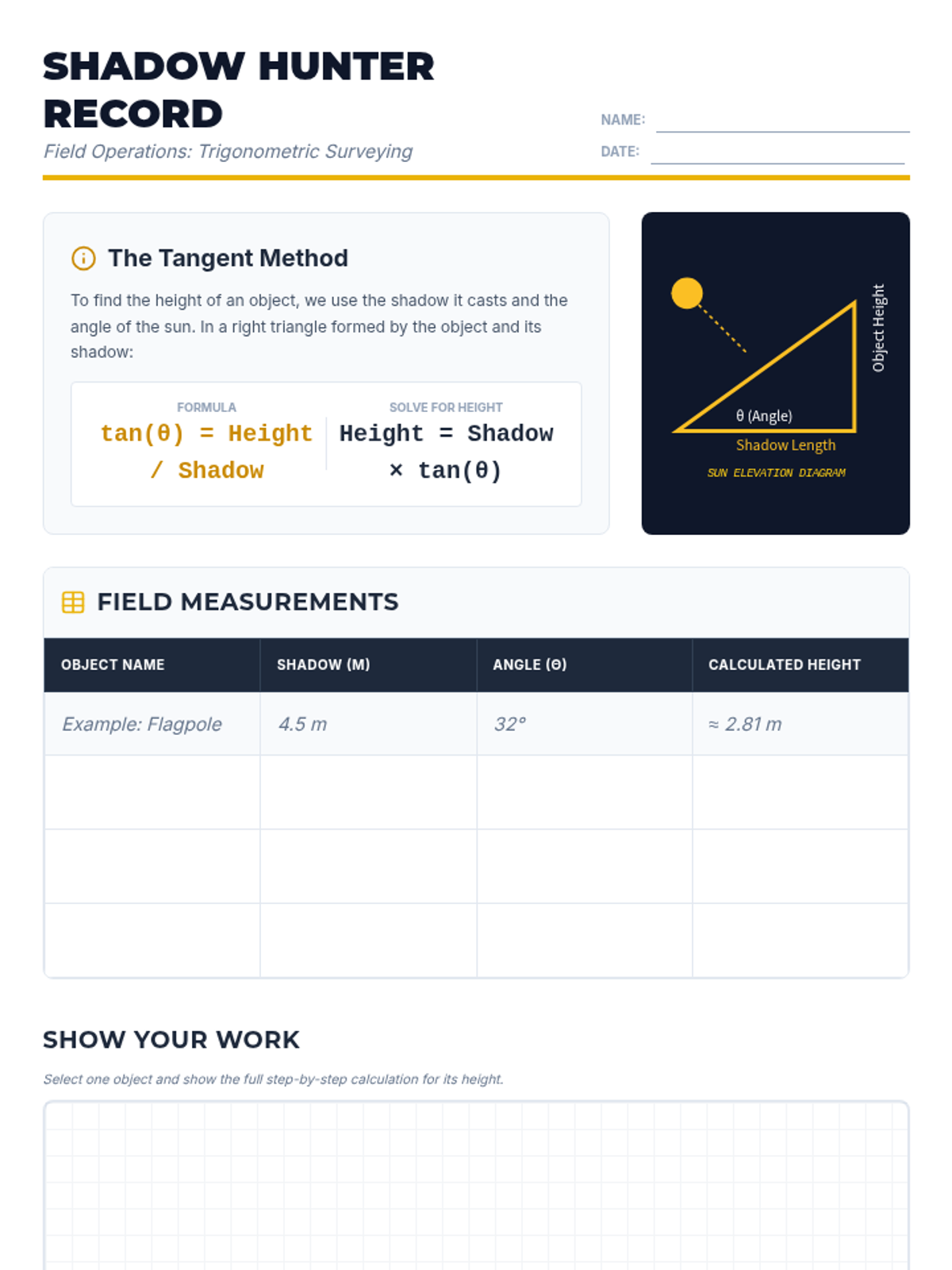
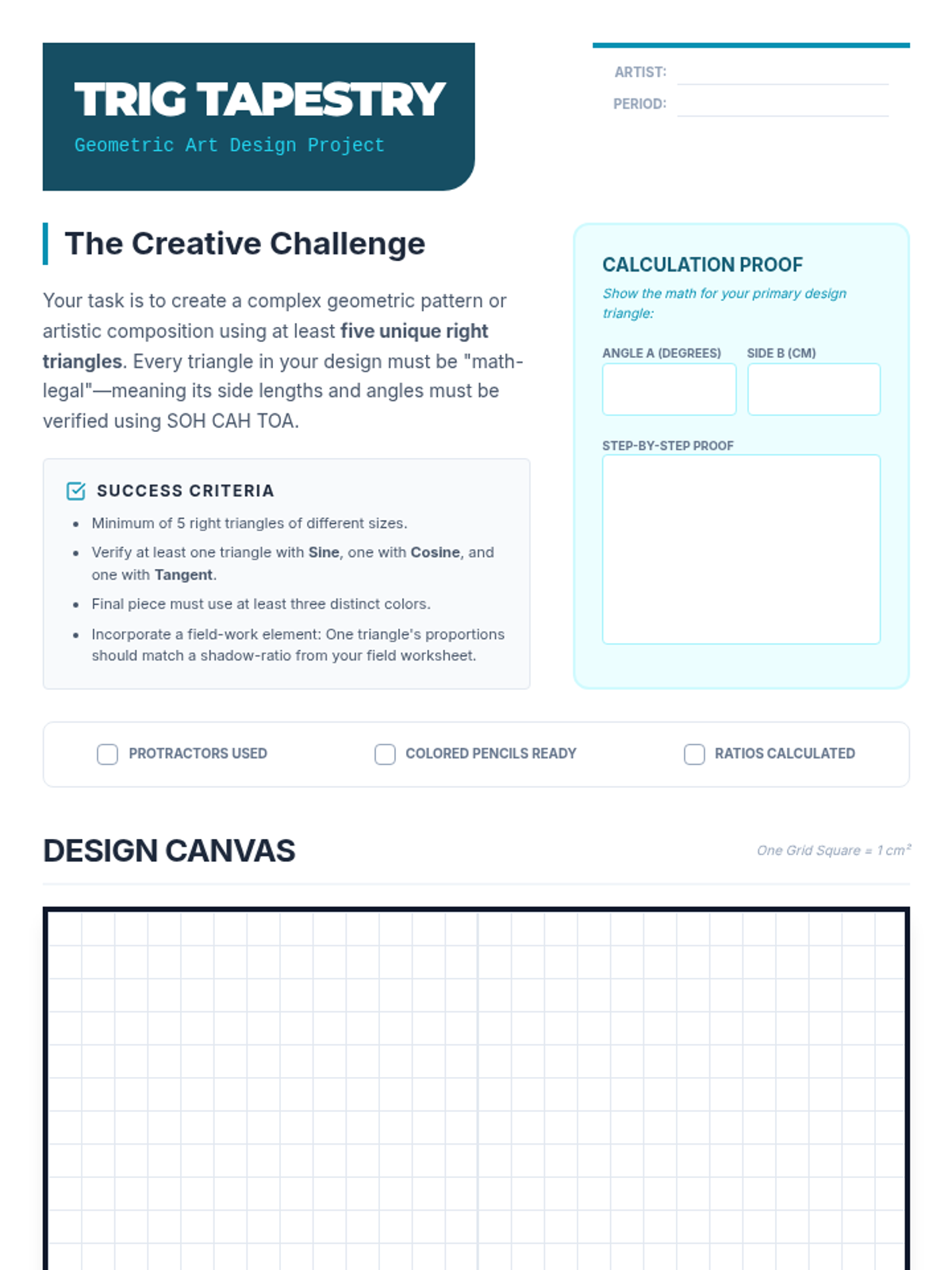
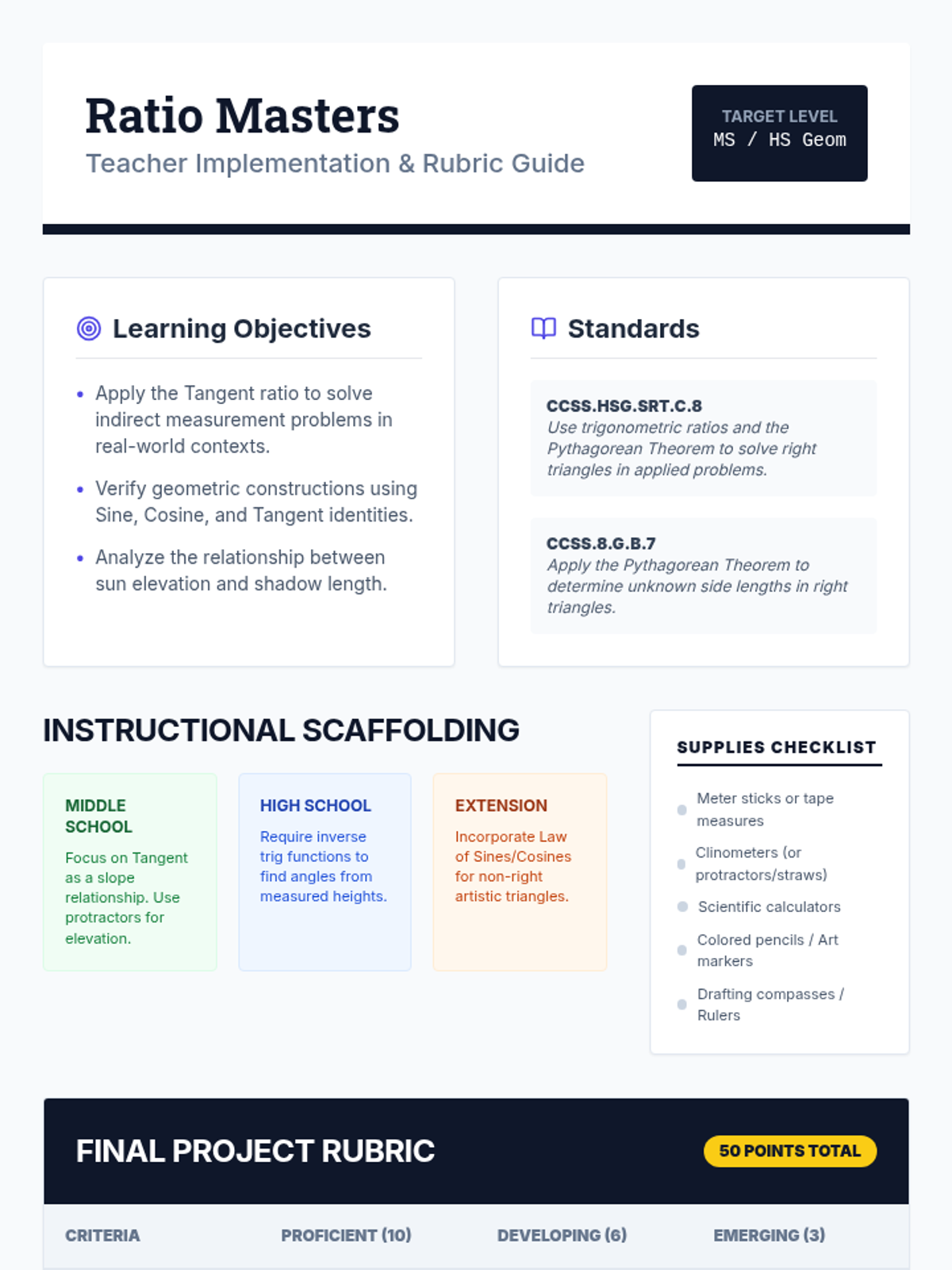
A series of targeted interventions for high school students to master trigonometric functions and their applications in real-world modeling.
A targeted intervention sequence focused on helping High School students master the calculation and interpretation of expected value using concrete game scenarios and scaffolded table methods.
A Tier 2 intervention sequence focused on foundational trigonometry, moving from special right triangles to reference angles on the unit circle. This sequence provides scaffolded support for students struggling with geometric interpretations of sine, cosine, and tangent.
A targeted intervention sequence focused on foundational probability concepts, specifically developing discrete probability distributions and calculating expected values through visual scaffolds like tree diagrams and organized counting.
A Tier 2 intervention sequence focused on computing and interpreting the correlation coefficient (r) using technology, designed for high school statistics students needing targeted support.
A targeted Tier 2 intervention sequence designed to help high school students master the fundamental concepts of statistical inference, moving from population parameters to sample statistics and back again through real-world applications.
A Tier 2 intervention sequence focused on helping students master the Normal Distribution and the Empirical Rule through real-world applications and scaffolded practice.
A targeted intervention sequence focused on translating verbal constraints into mathematical inequalities, graphing systems to find feasible regions, and interpreting solutions in real-world contexts. Designed for Tier 2 small group support.
A Tier 2 intervention sequence focused on the logical justification of algebraic steps using properties of equality, aligned with Colorado standard HS.A-REI.A.1.
An intensive Tier 2 intervention sequence focused on mastering multi-step linear equations, inequalities, and literal equations. The sequence uses a 'mechanic' theme to help students visualize 'repairing' equations by isolating variables.
A targeted intervention sequence focused on the logic and justification behind solving systems of equations through linear combinations, ensuring students understand why the methods work.
A targeted intervention sequence focused on structural analysis of algebraic expressions, helping students in Tier 2 small groups interpret complicated expressions by viewing parts as single entities.
A targeted intervention sequence focusing on solving linear equations and inequalities with variable coefficients, specifically designed for high school students needing Tier 2 support.
A Tier 2 small group intervention focused on similarity and transformation sequences. Students explore dilation, proportional reasoning, and coordinate-based transformations to understand how shapes relate across the plane.
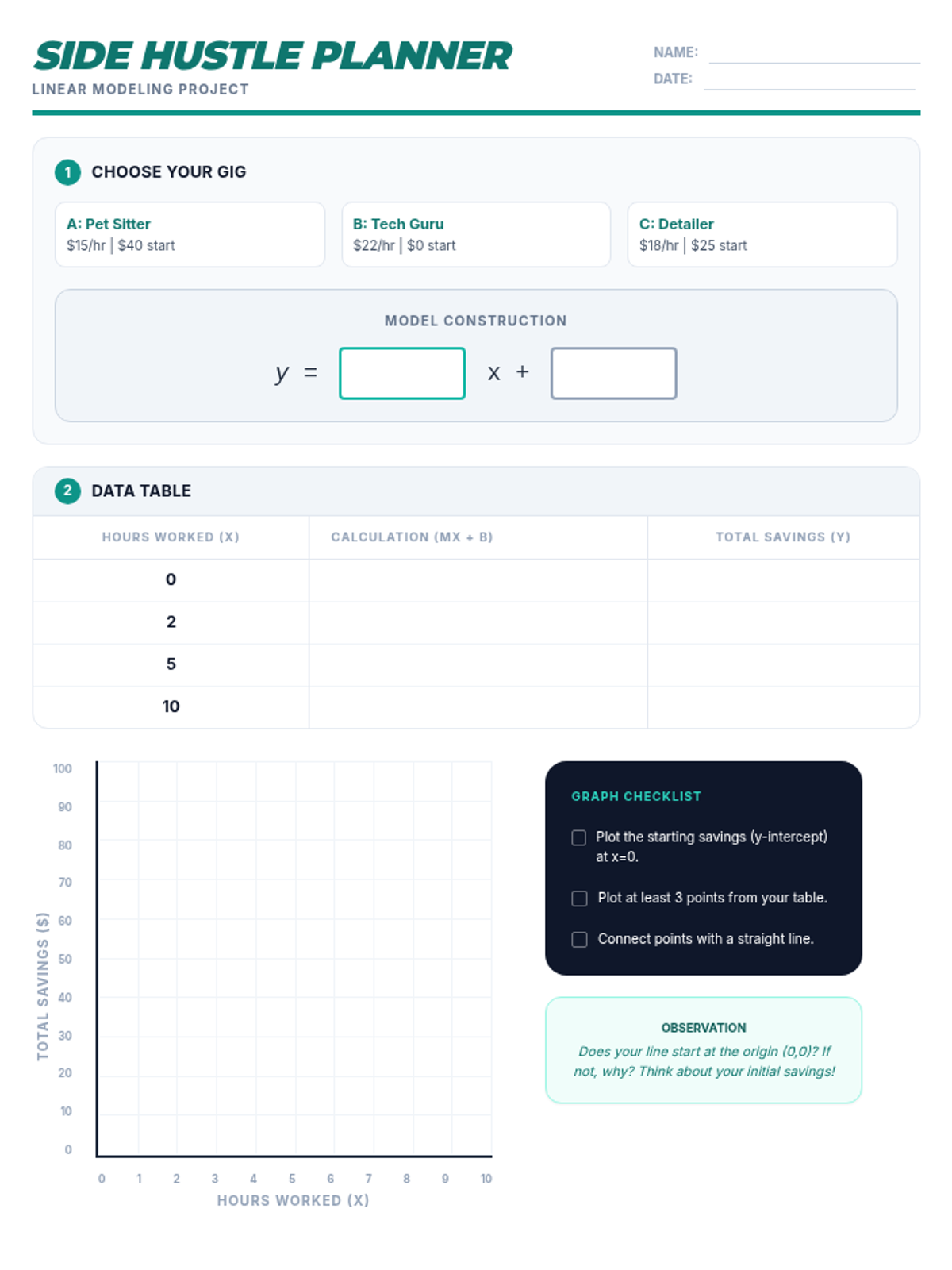
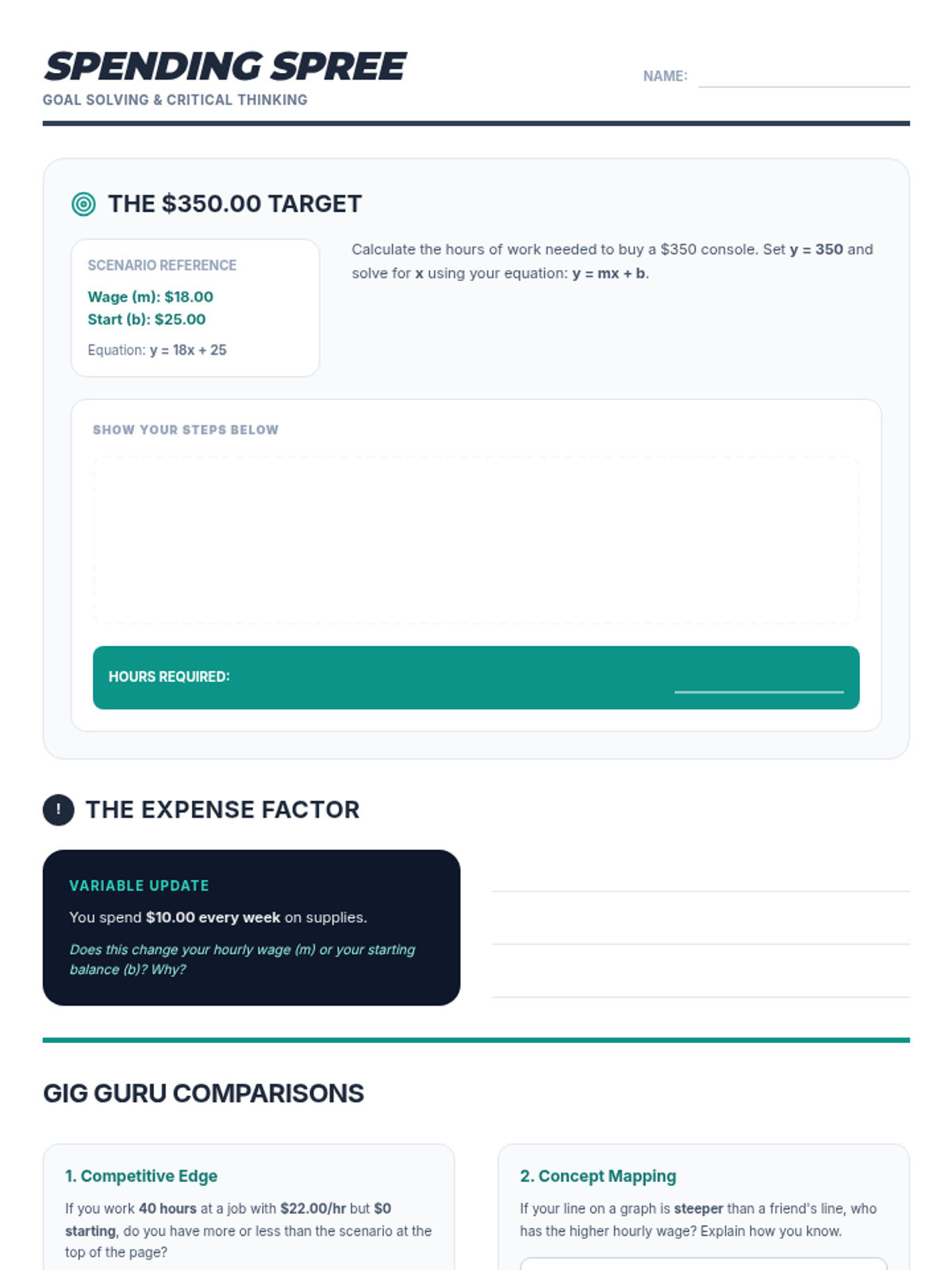
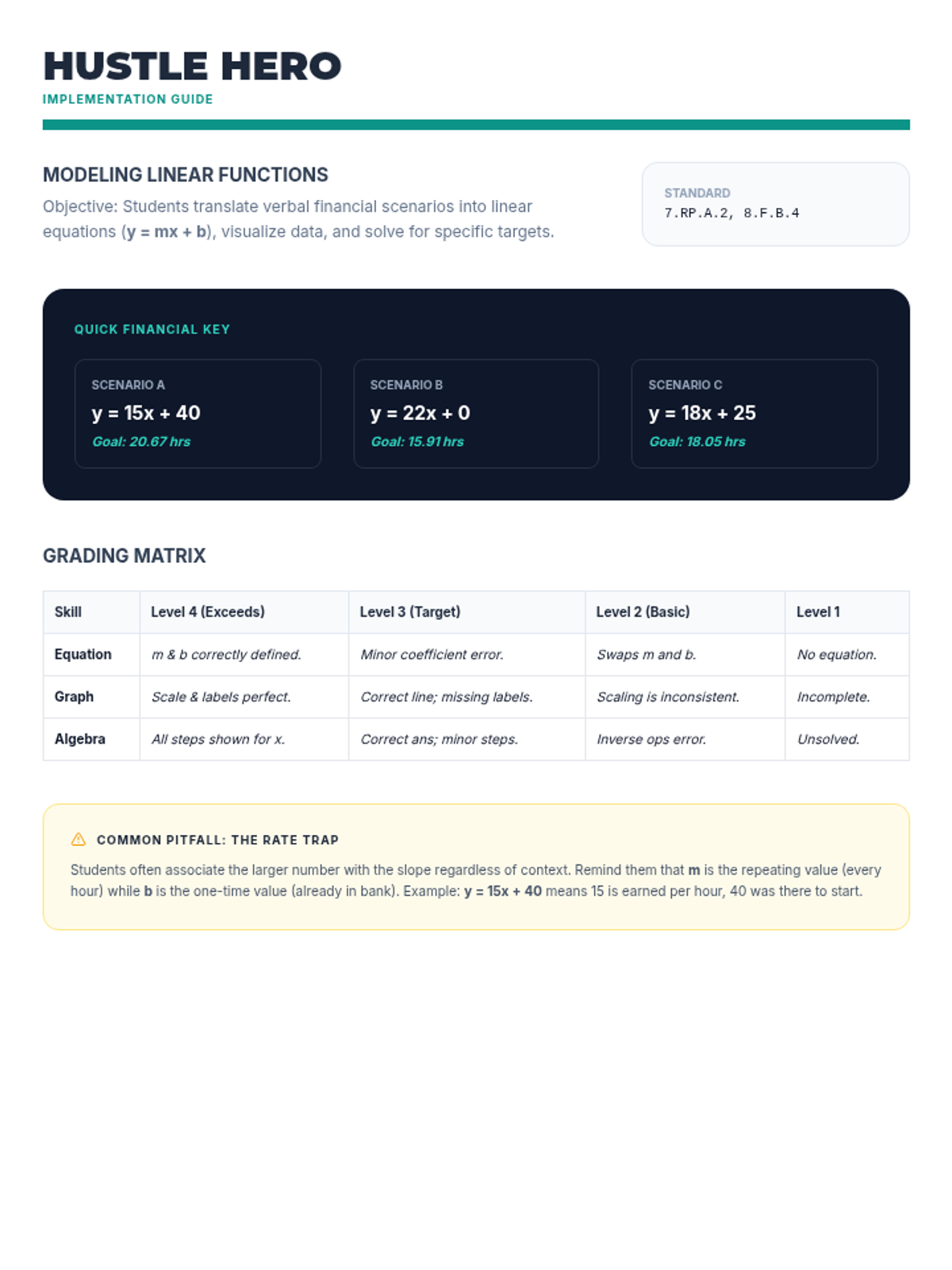
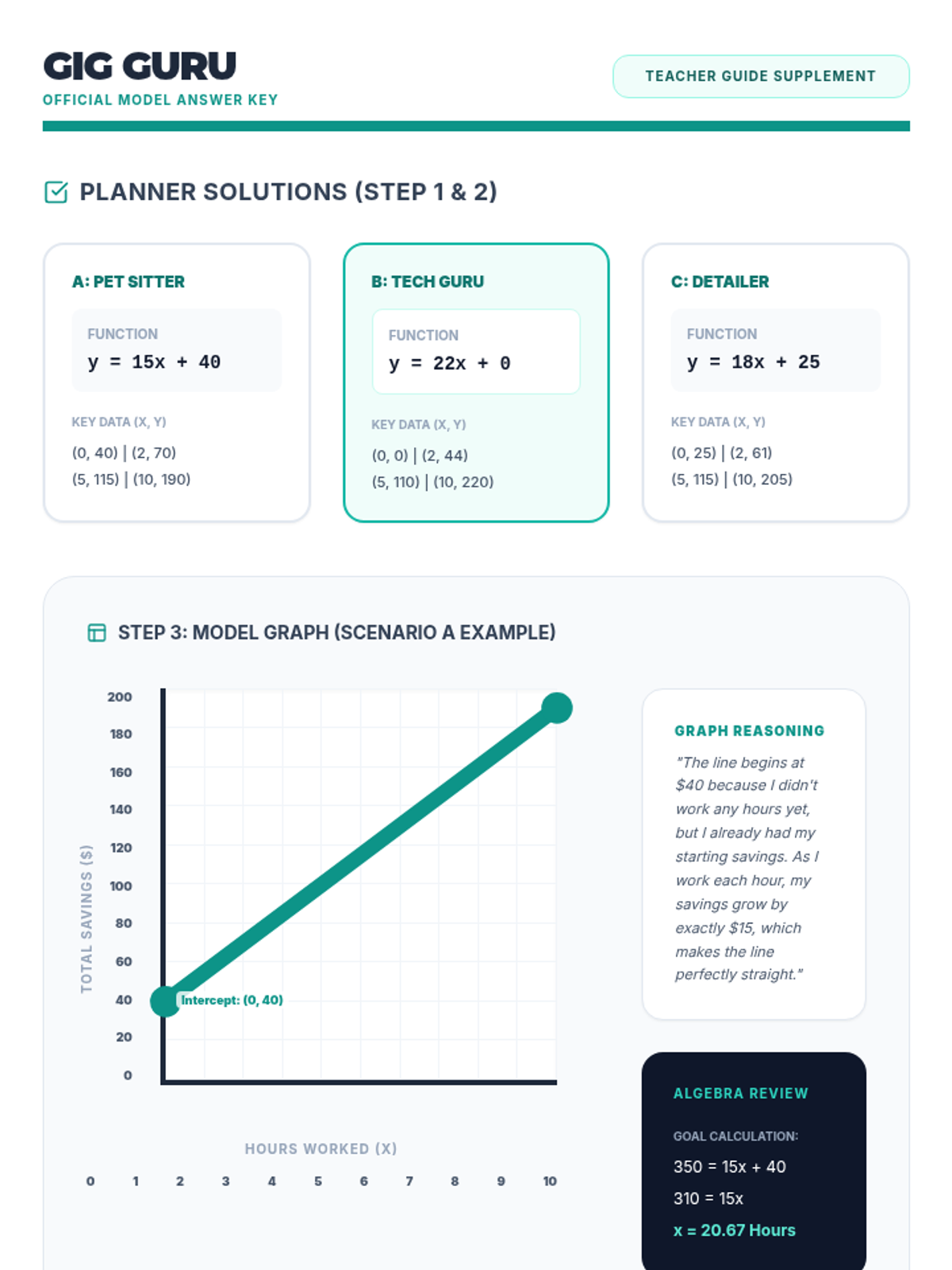
A Tier 2 intervention sequence focused on helping 8th-grade students master the construction and interpretation of linear functions ($y = mx + b$) from various representations. The sequence emphasizes scaffolding, contextual meaning, and procedural fluency with rate of change and initial values.
A Tier 2 intervention unit focused on comparing linear functions across different representations (tables, graphs, equations, and verbal descriptions) using real-world contexts.
A targeted intervention sequence for Grade 8 students to master estimating irrational numbers like square roots and pi, placing them accurately on number lines between rational benchmarks.
A specialized intervention sequence focused on the Number System for Grade 8, specifically identifying rational and irrational numbers through their decimal expansions and converting between forms.
A targeted Tier 2 intervention sequence focused on helping students master rational approximations of irrational numbers. Students move from 'sandwiching' square roots between perfect squares to estimating complex expressions and comparing values on a number line.
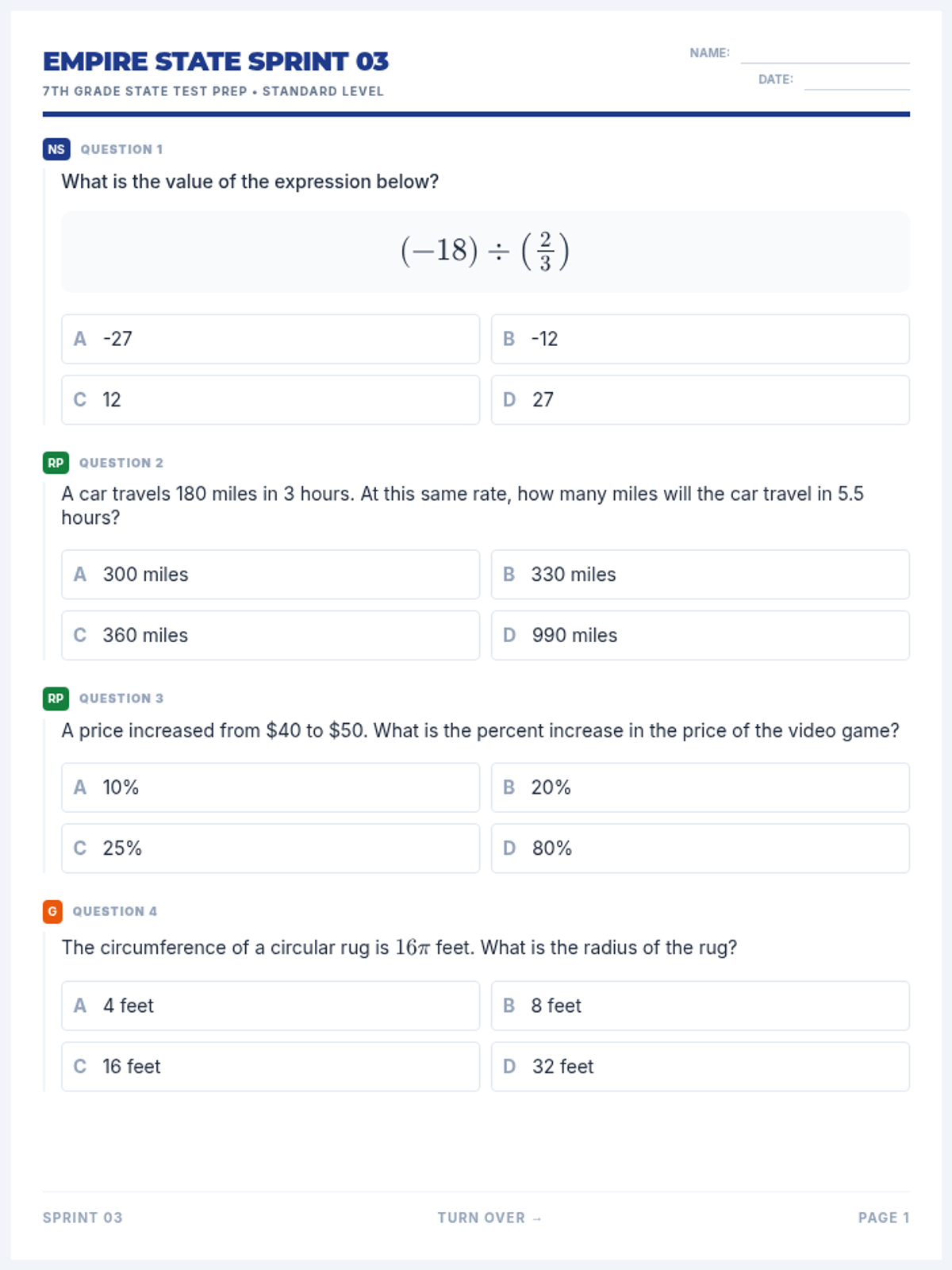
A Tier 2 intervention sequence focused on mastering integer exponent rules through pattern discovery, expanded form visualization, and scaffolded practice for Grade 8 students.
A specialized intervention sequence designed for Grade 8 students to build a conceptual foundation in the real number system, focusing on the distinction between rational (repeating/terminating) and irrational numbers using CRA methods.
A specialized intervention sequence focused on helping 8th-grade students master the approximation and comparison of irrational numbers using visual models and estimation strategies.
A series of targeted interventions focusing on foundational fraction concepts, specifically partitioning and representing fractions on number lines.
A Tier 2 intervention sequence focused on solving measurement word problems involving distance, time, volume, mass, and money. Students use number lines and manipulatives to master complex multi-step problems with fractions and decimals.