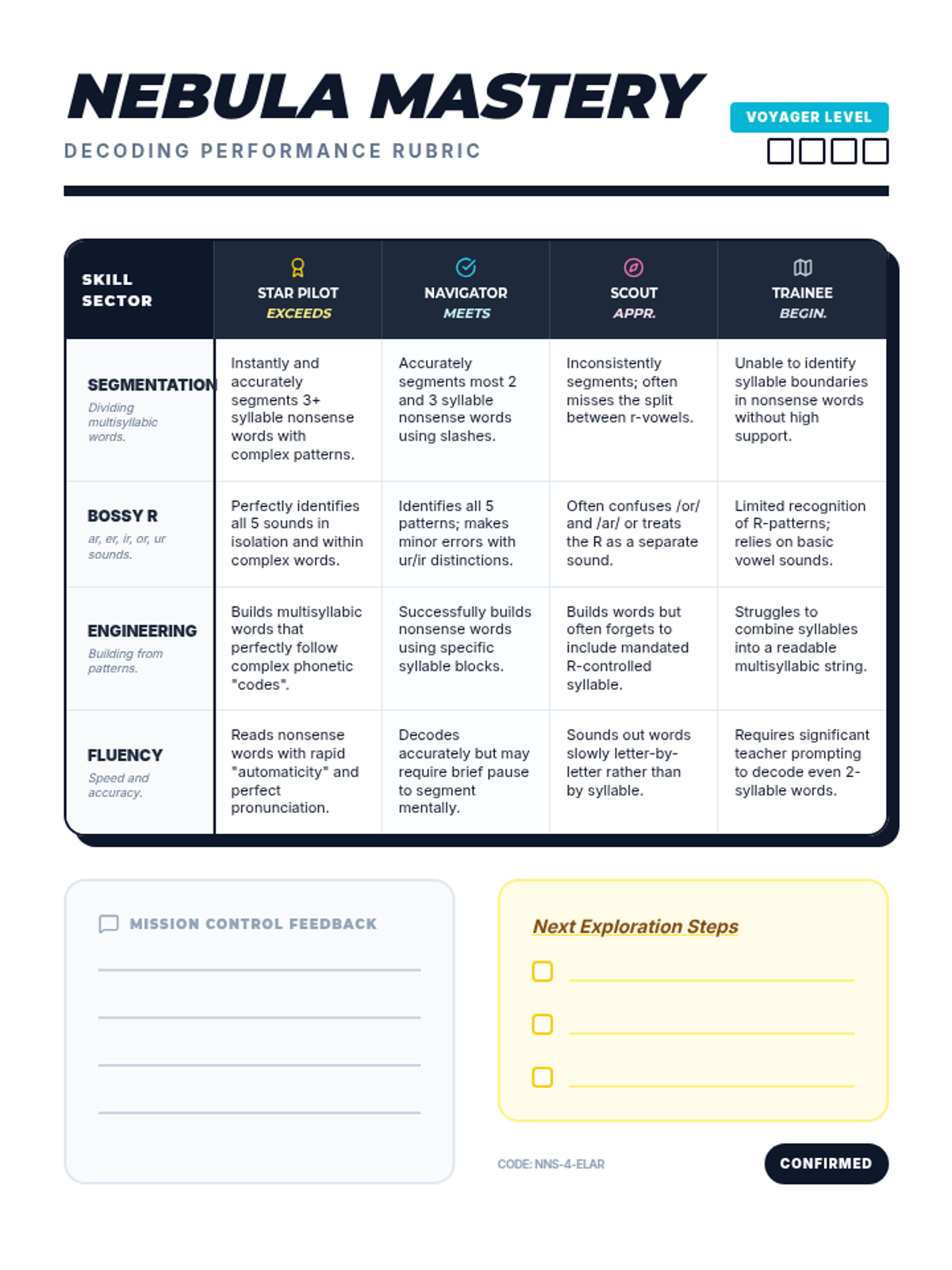
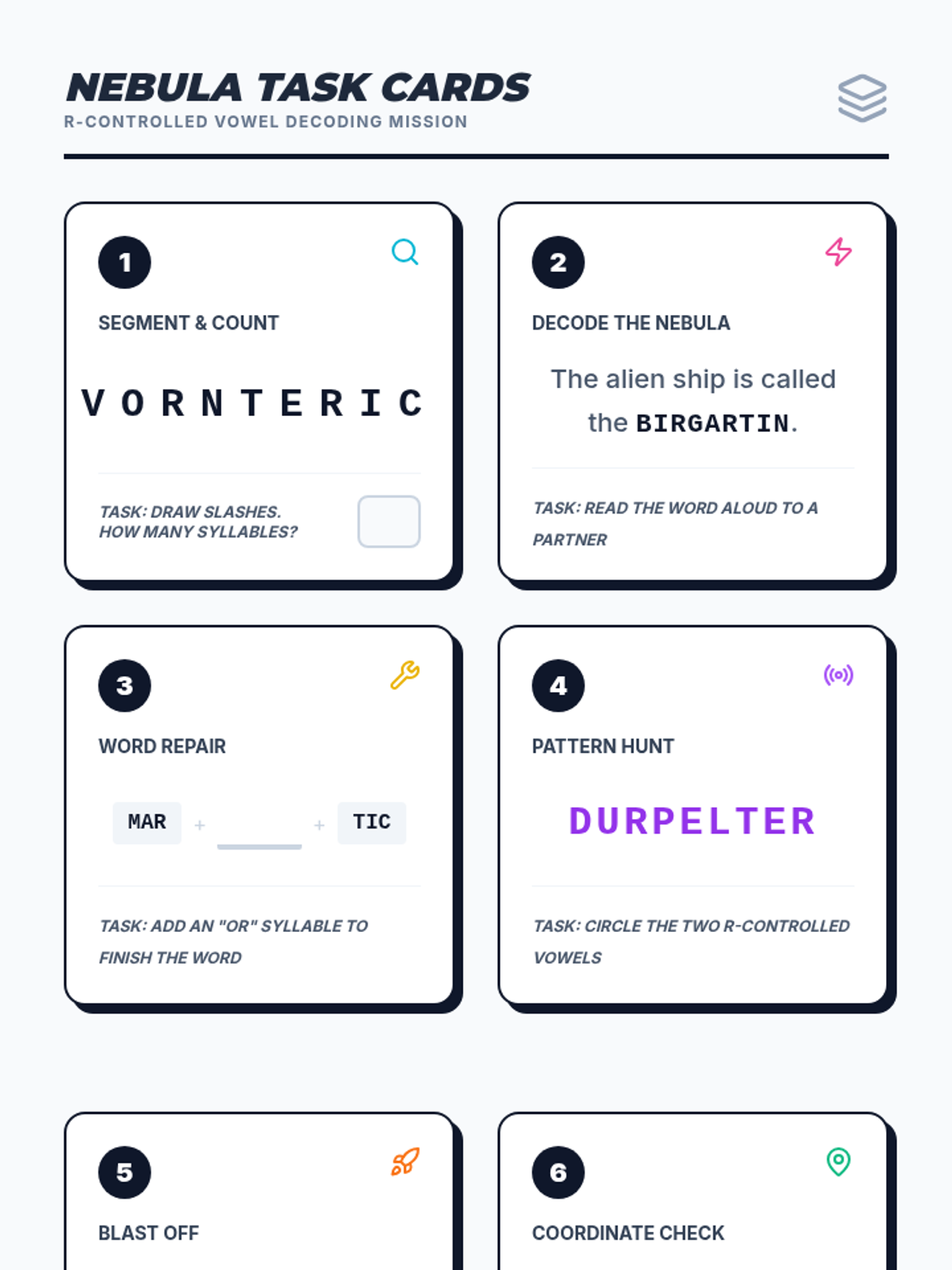
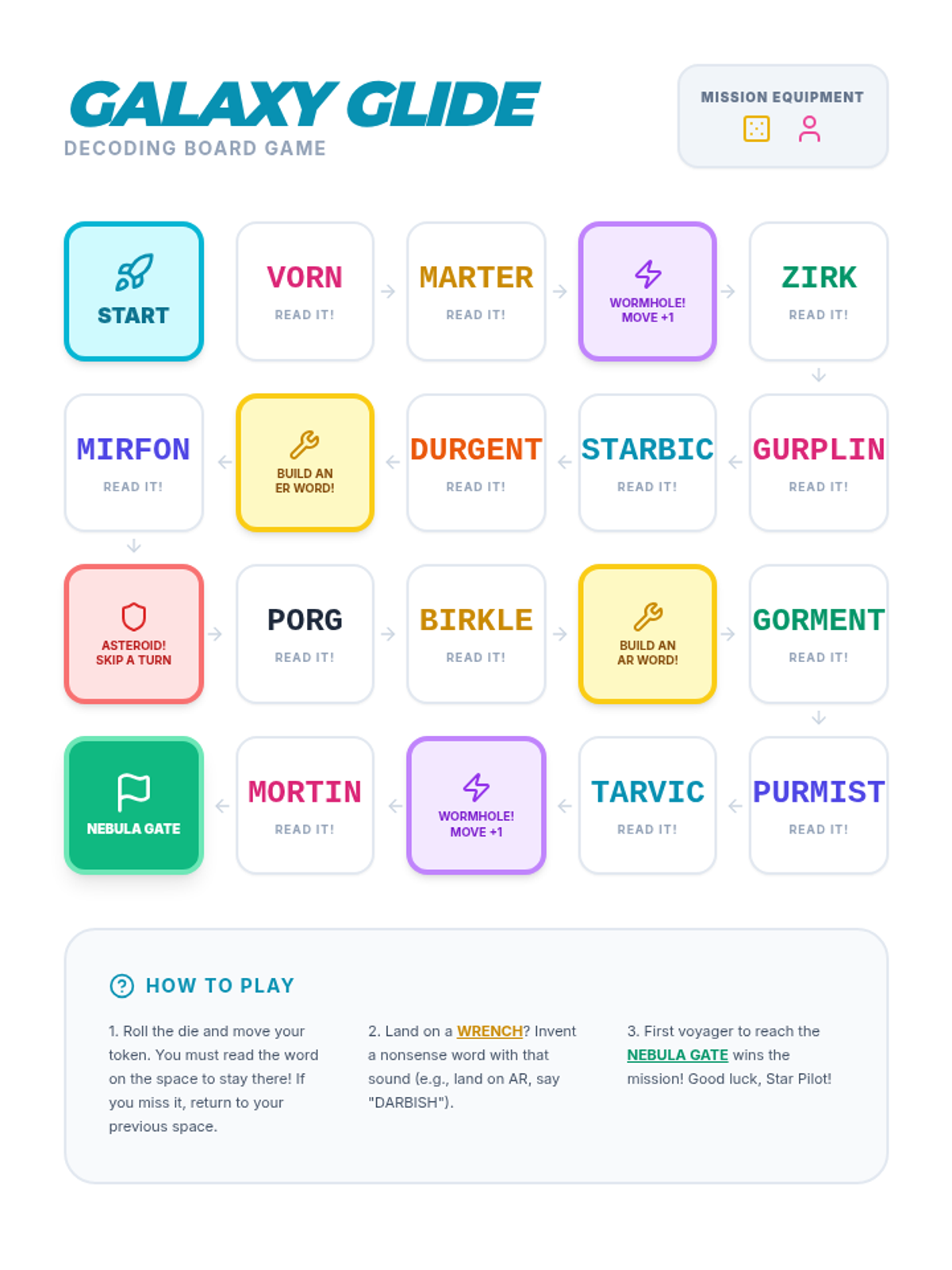
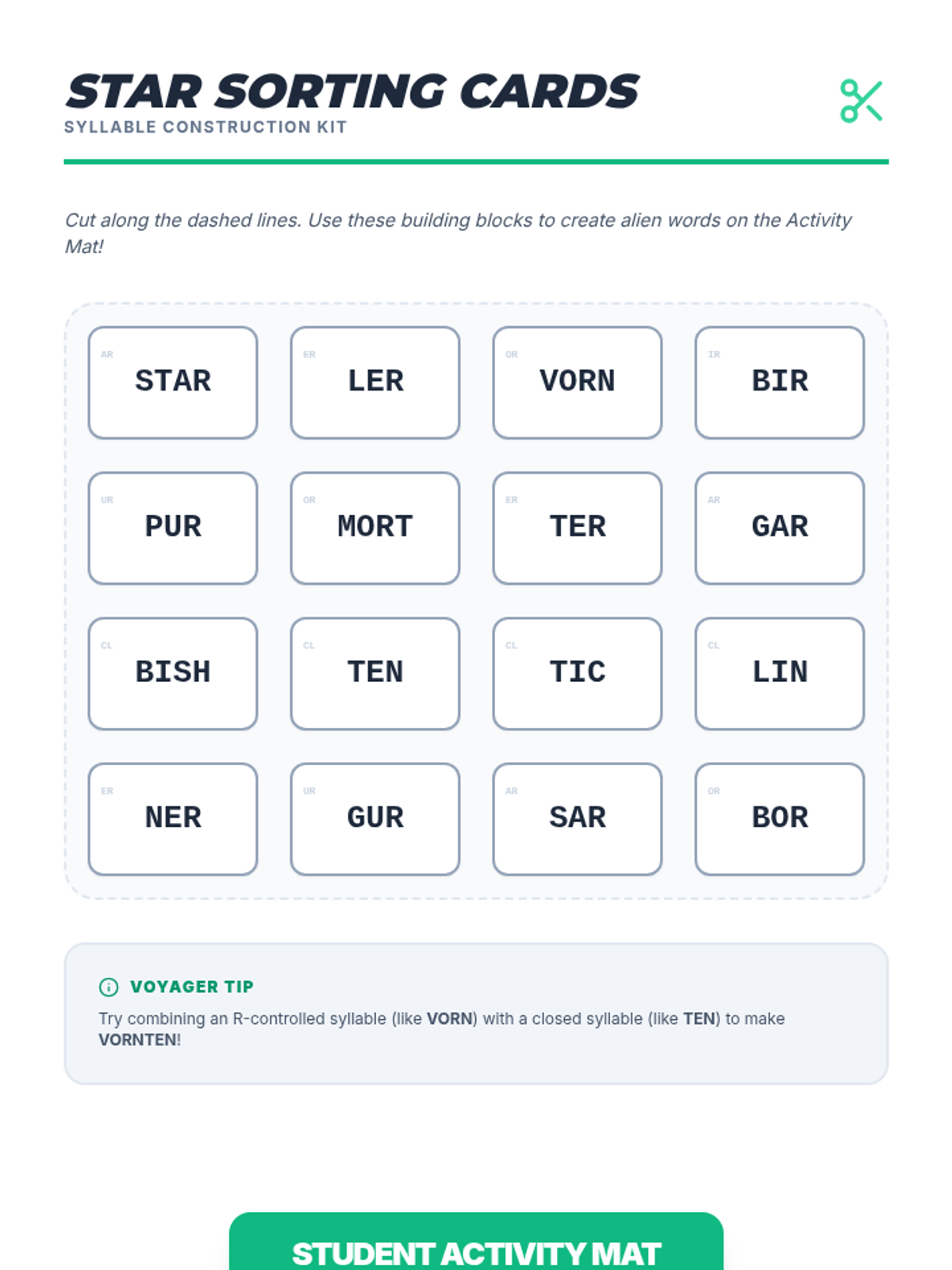
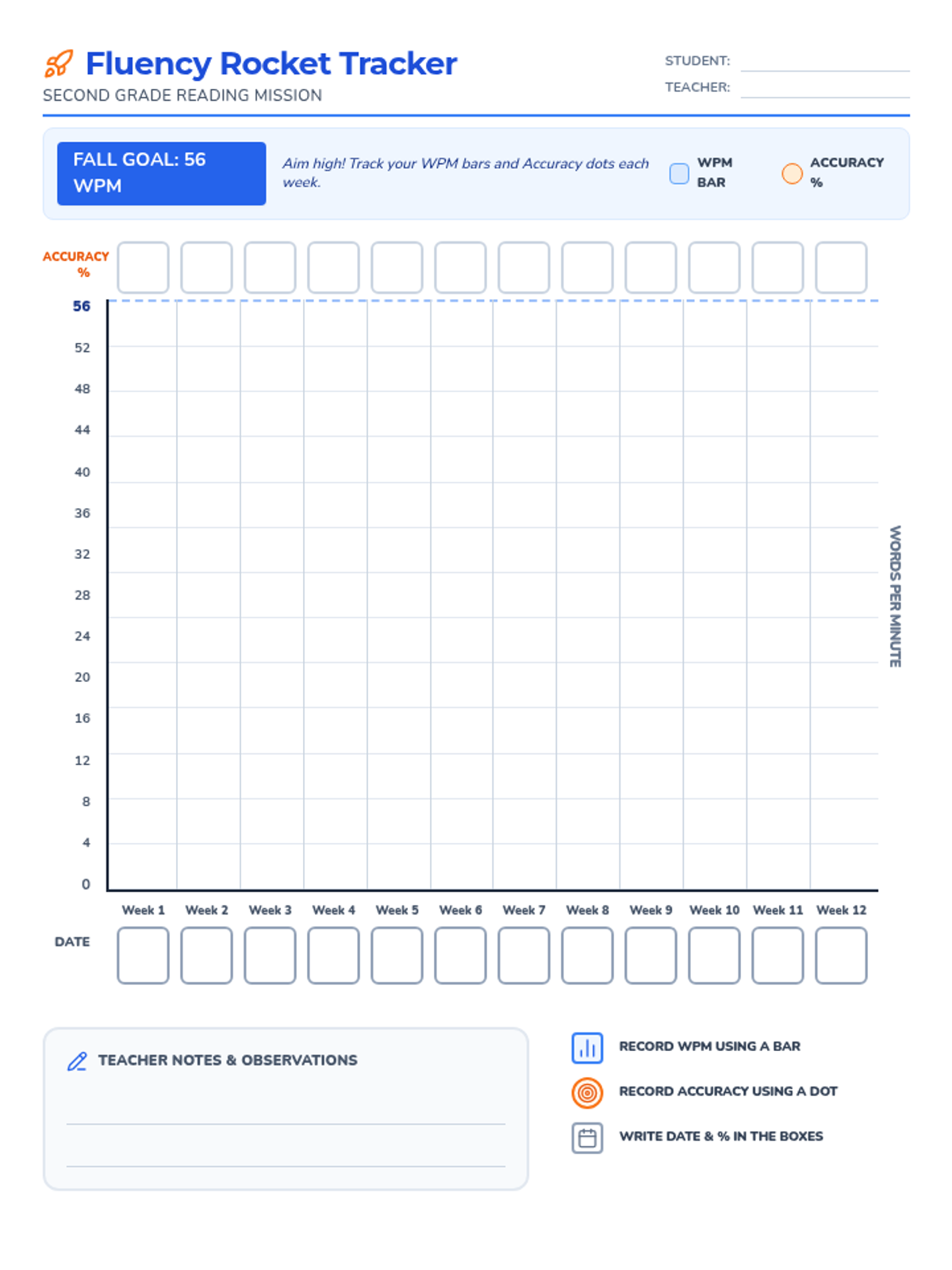
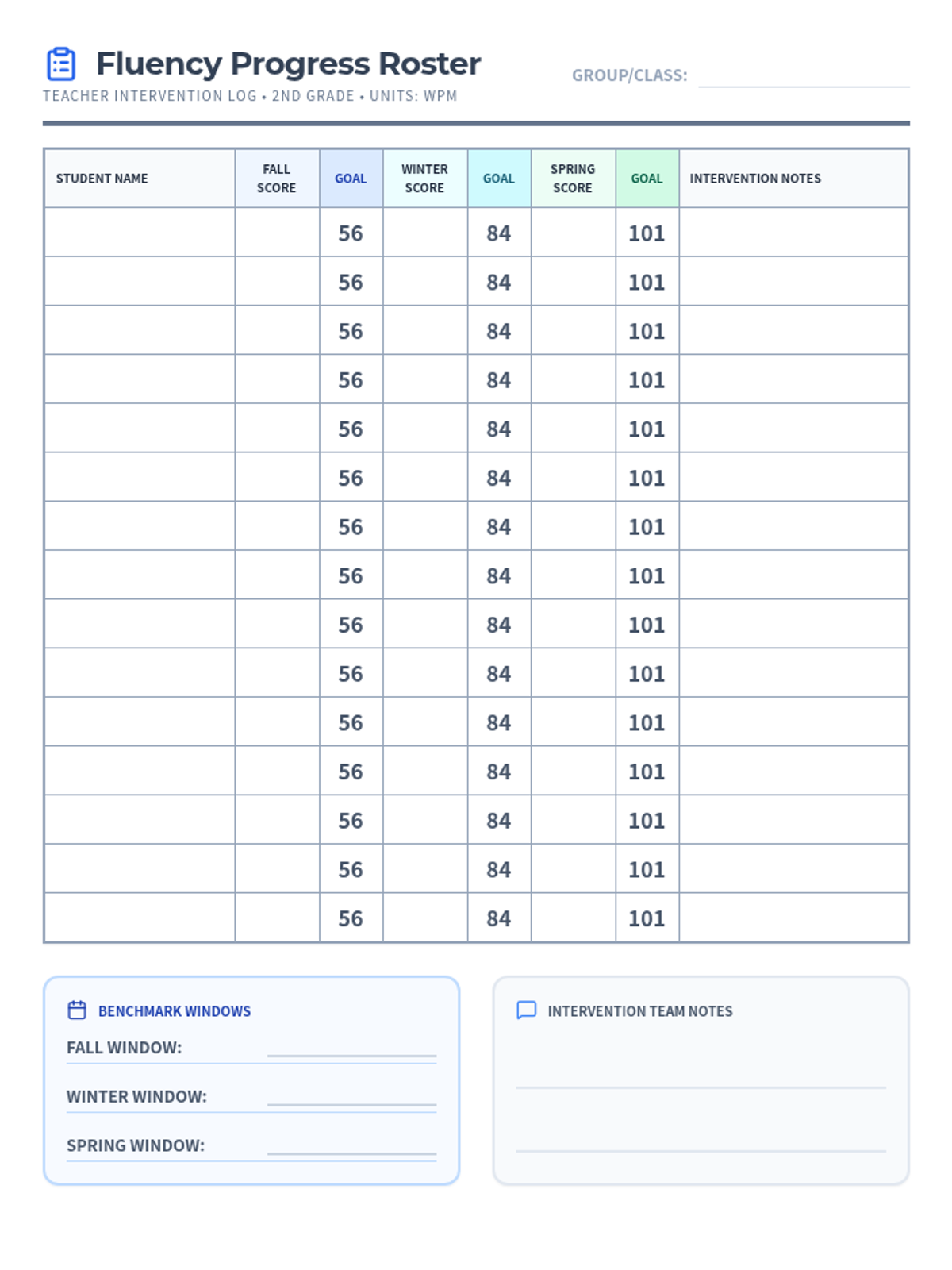
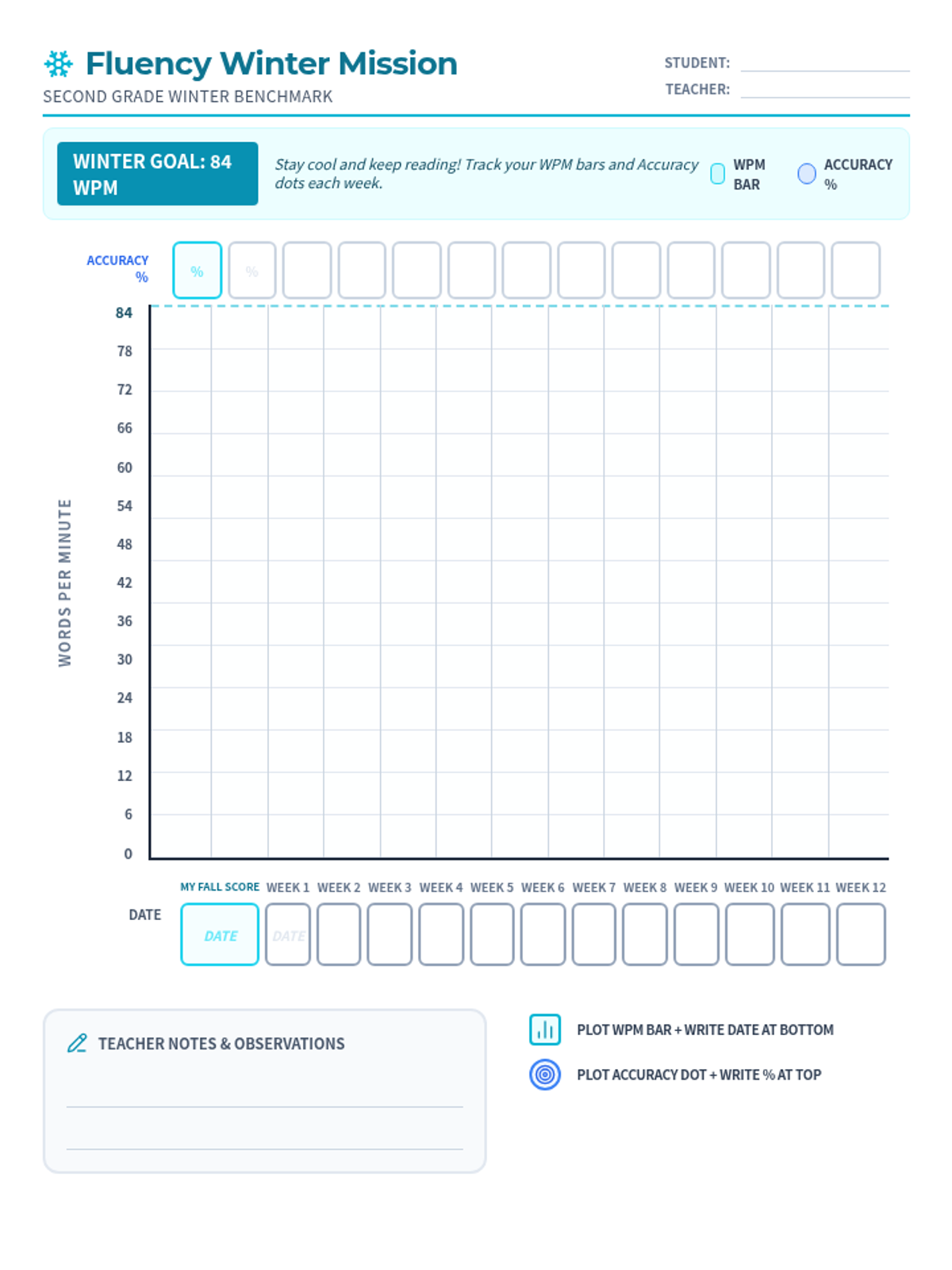
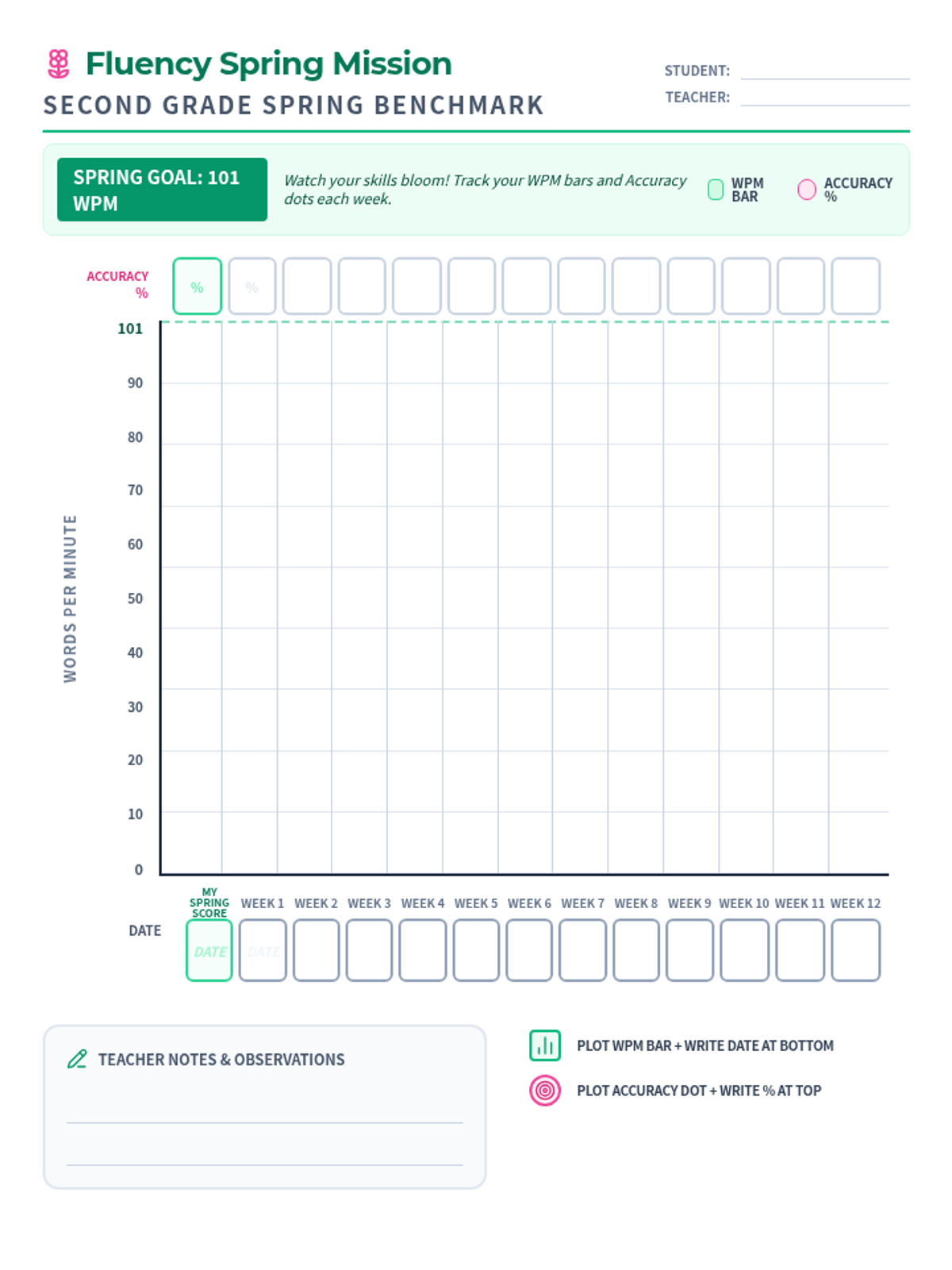
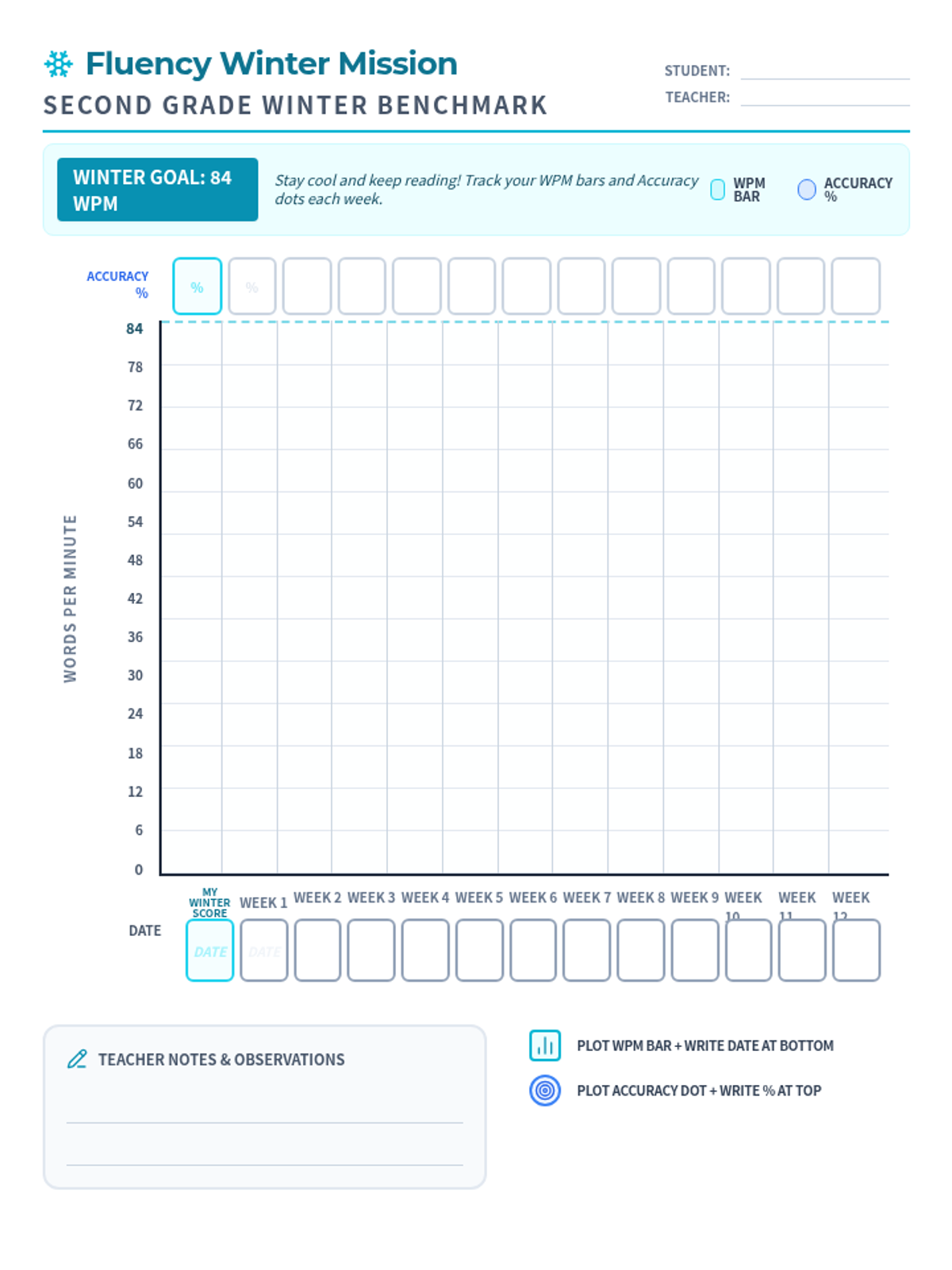
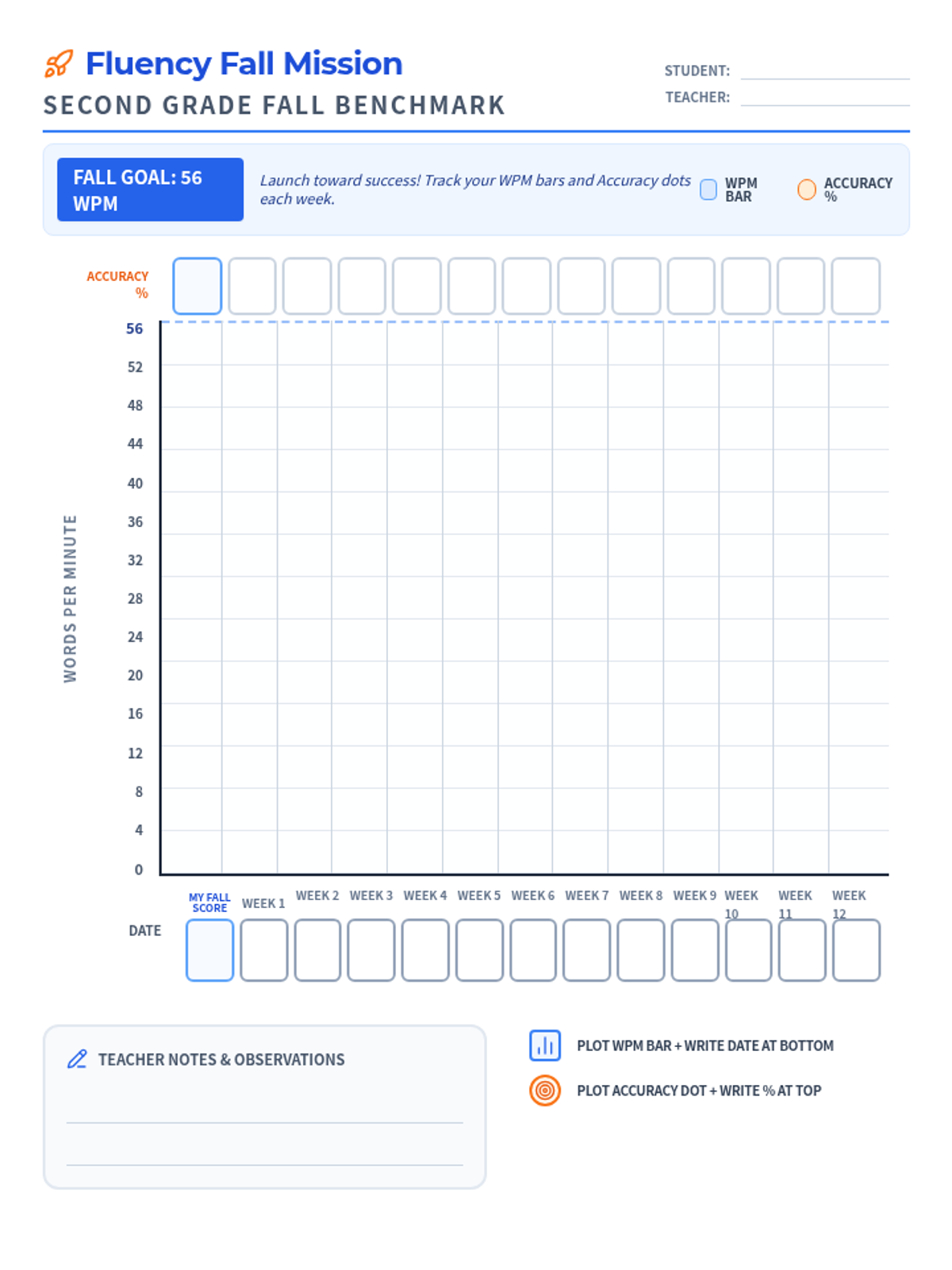
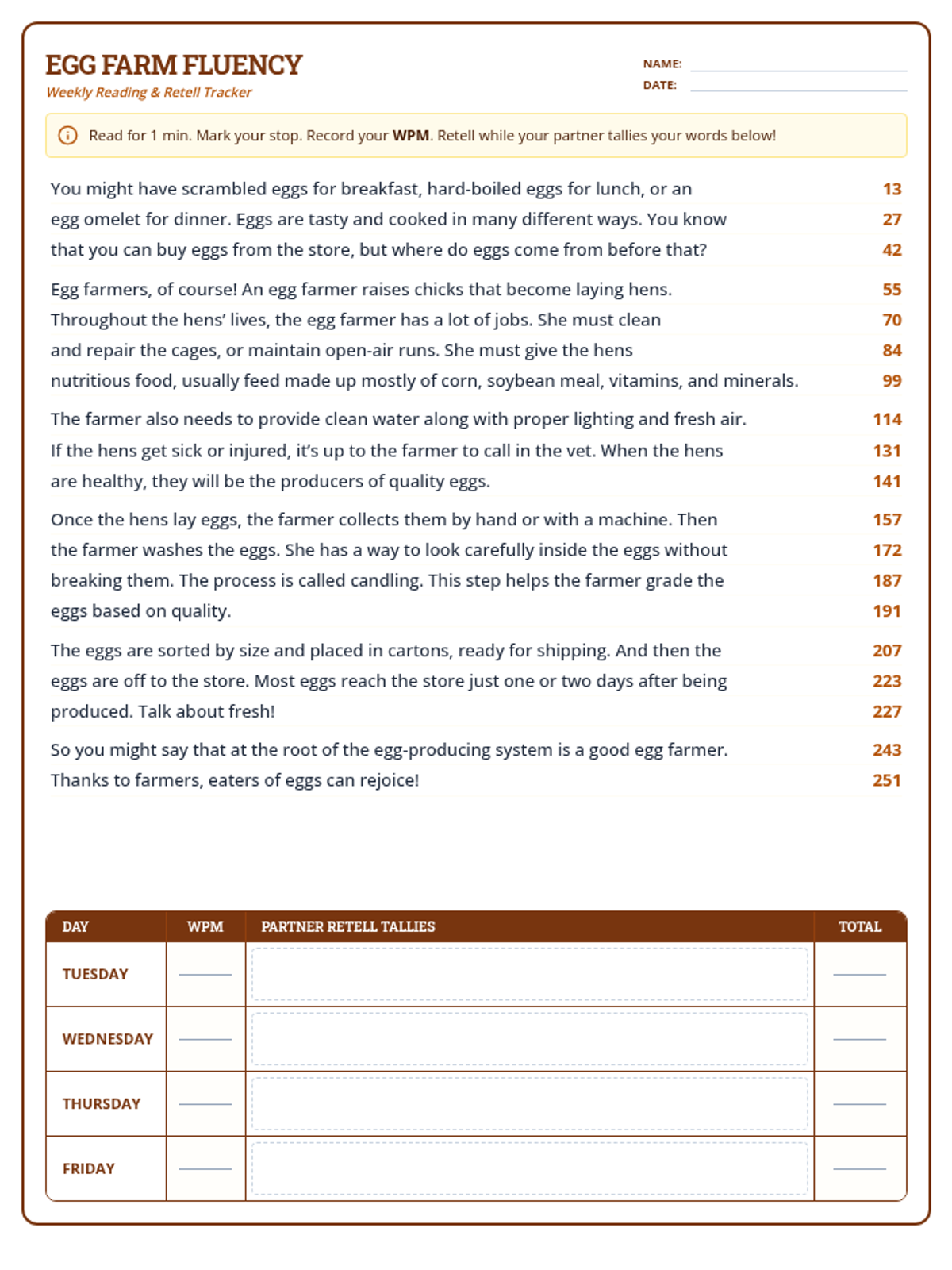
A comprehensive reading fluency unit for 5th grade focused on increasing reading rate and improving accuracy through structured drills and practice passages.
A creative informational writing project where students become 'archivists' for the Oddity Almanac, researching and reporting on fascinating real-world topics through a field-guide aesthetic.
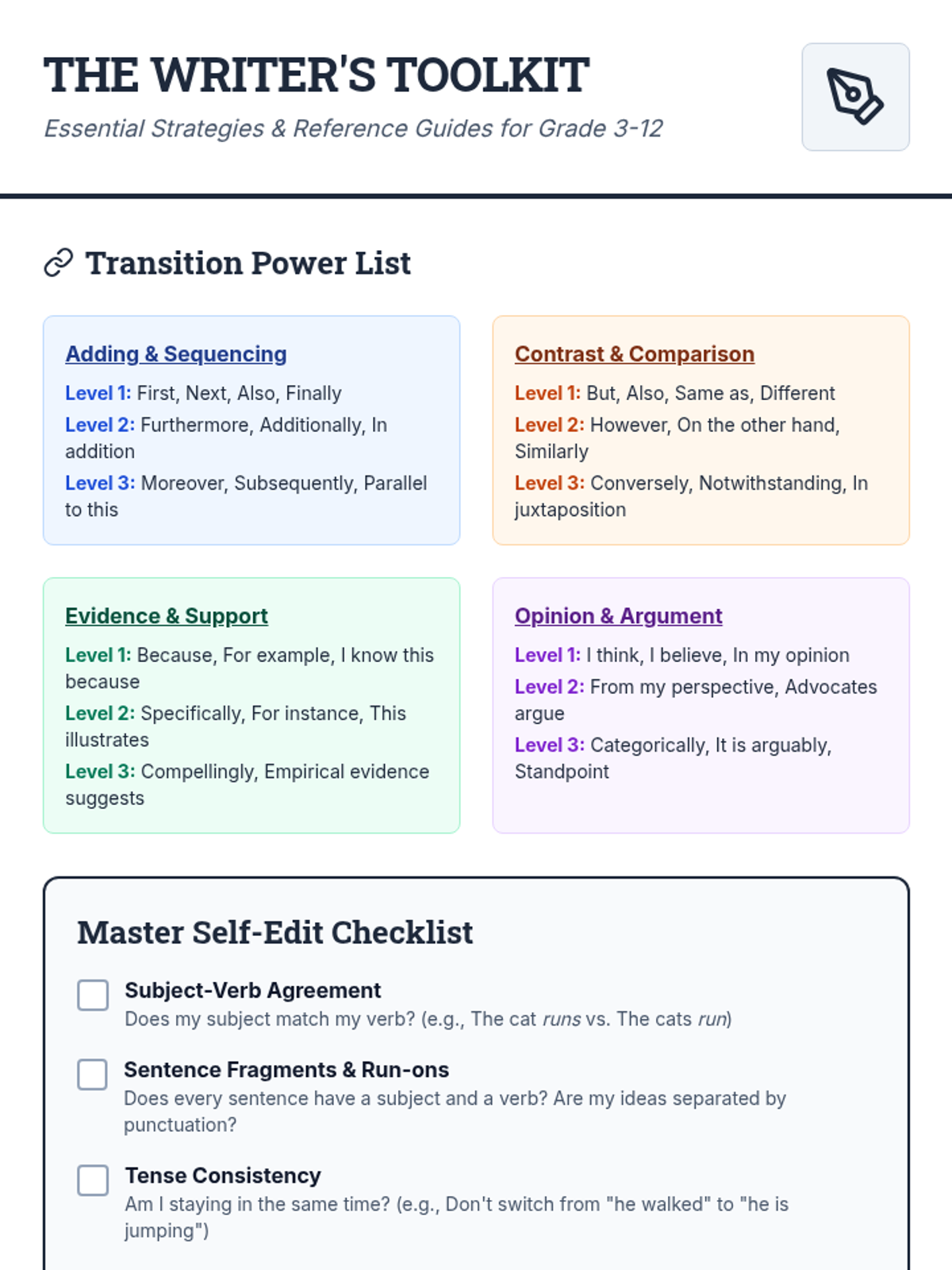
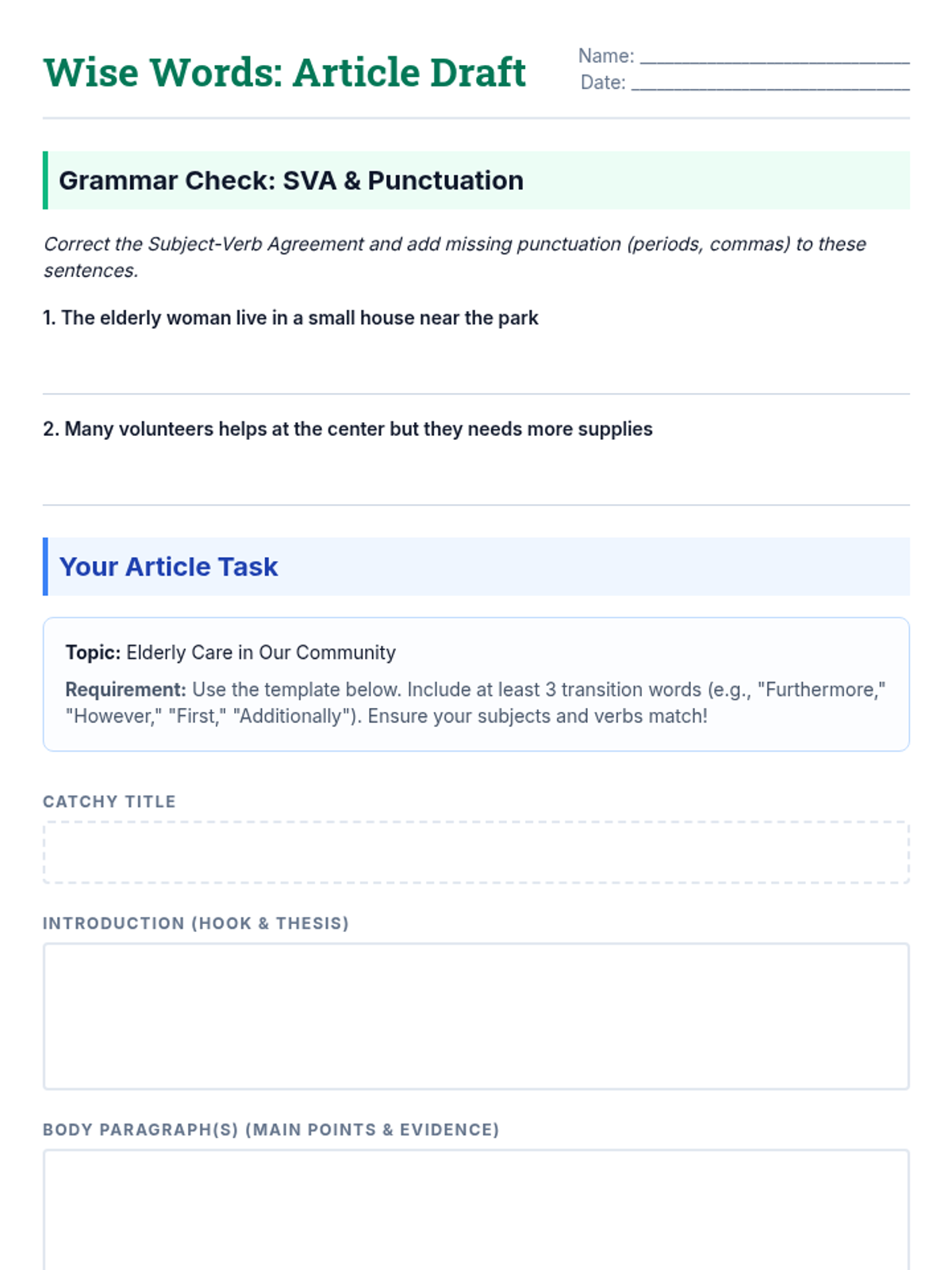
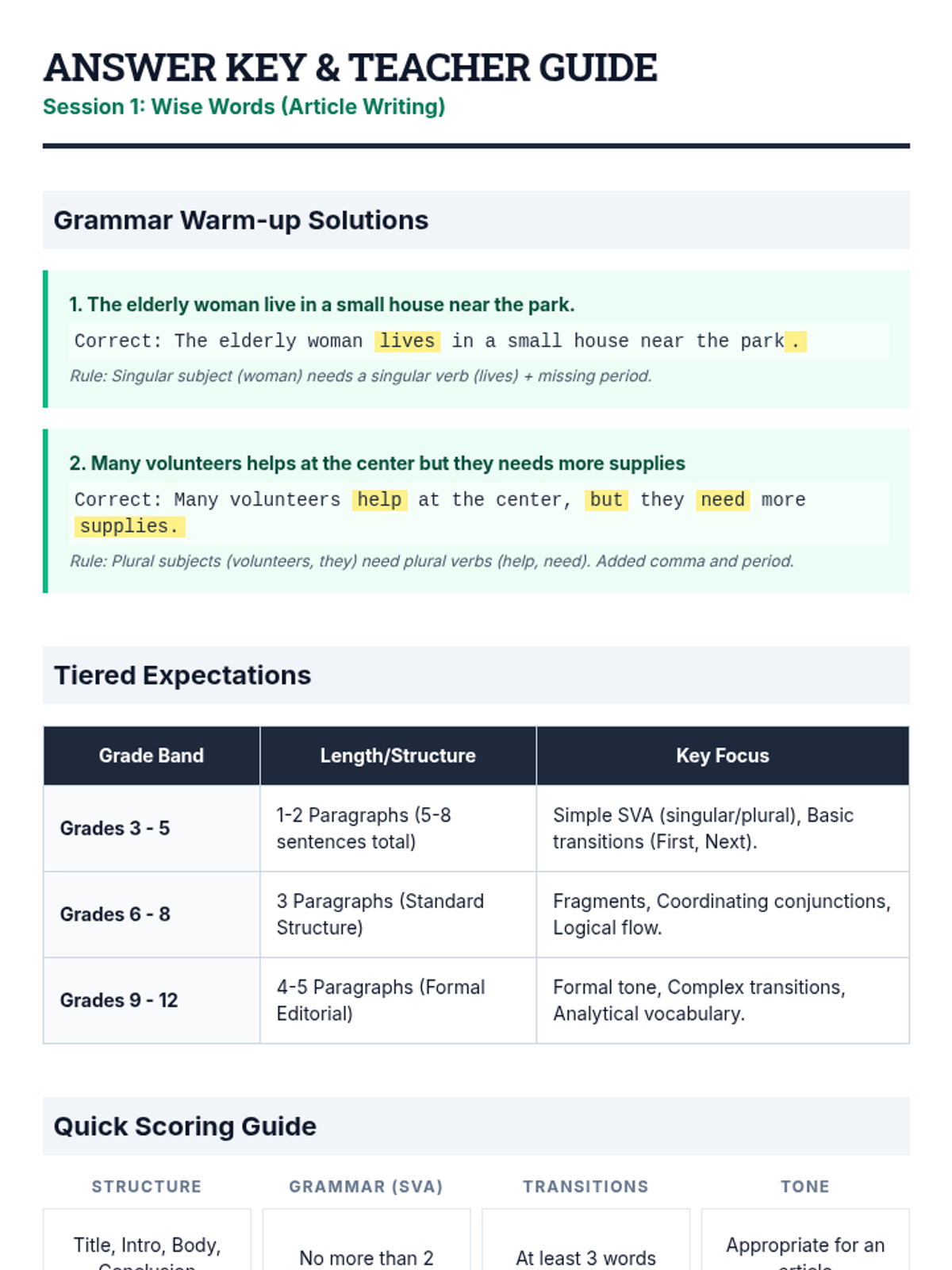
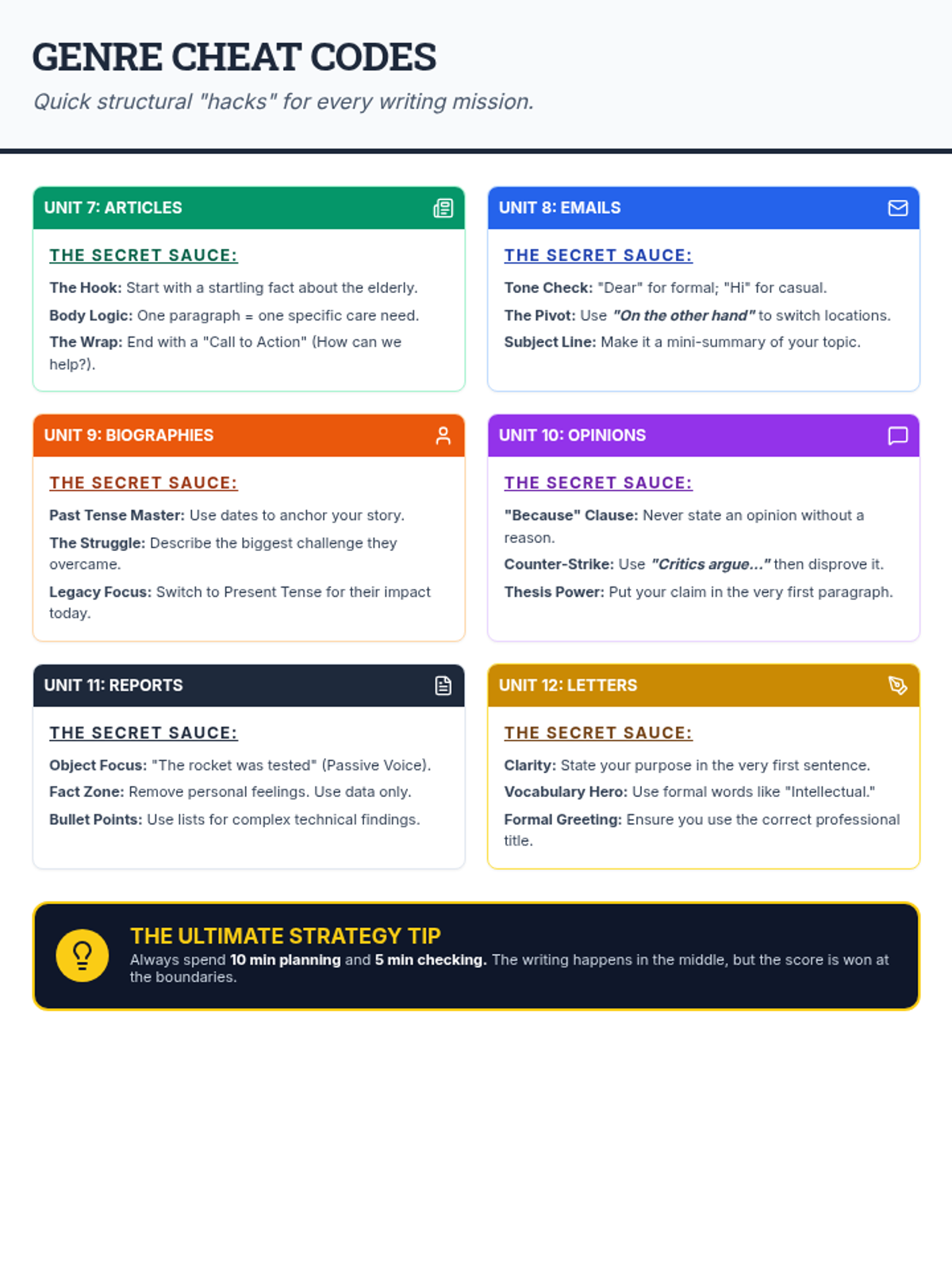
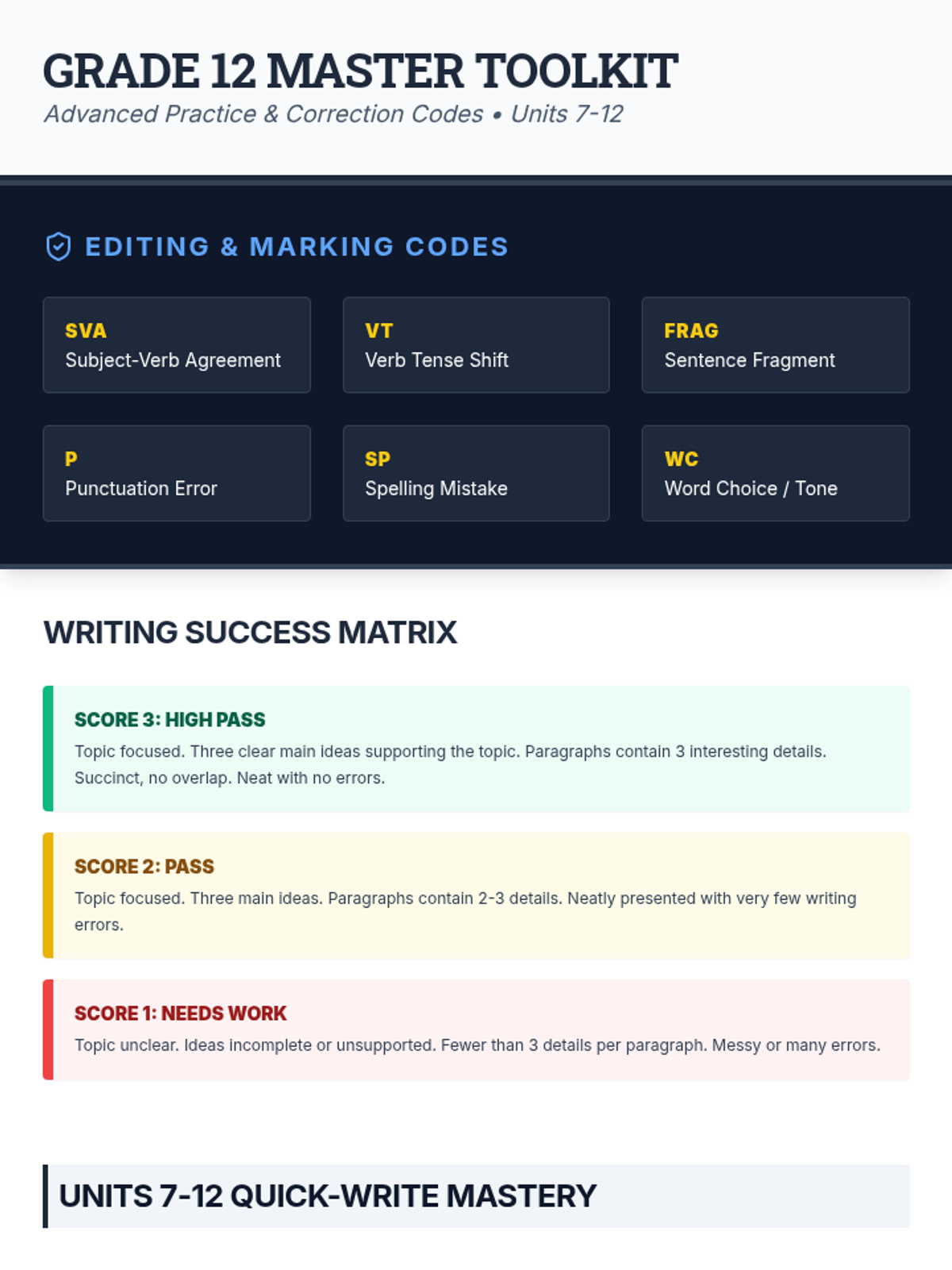
A comprehensive suite of resources focused on academic writing proficiency, providing students with the linguistic scaffolds needed to excel in essays, reports, and arguments.
A series of lessons focused on Tier 2 and Tier 3 vocabulary for grades 3-5, specifically analyzing how different affixes change the meaning of common root words. Students practice identifying similarities and differences between word pairs sharing the same root.
A two-day unit on comparing and contrasting informational texts focused on saltwater and freshwater ecosystems. Students move from basic physical differences to complex environmental adaptations and biological zones.
A whimsical journey into the world of poetry where students use their imagination to transform everyday objects and sounds into magical verses. This sequence focuses on metaphors, similes, and sensory language through playful, game-based learning.
A series of educational materials exploring the lives and duties of law enforcement dogs, designed to build vocabulary and reading comprehension.
A comprehensive 2-week unit introducing students to the core components of paragraph writing, from topic sentences to concluding statements and transitions. The unit uses an architectural 'blueprint' theme to help students visualize the structure of their writing.
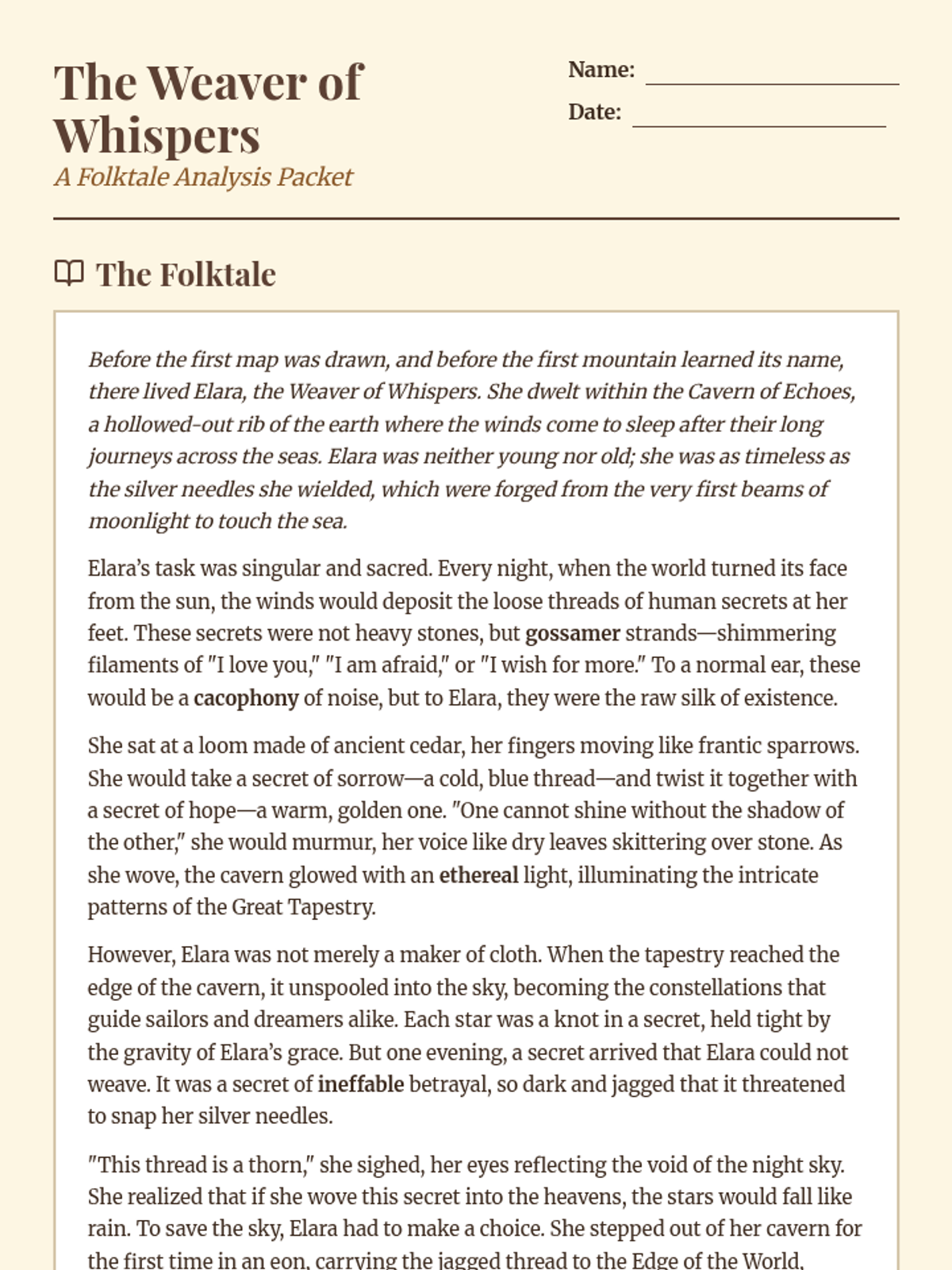
A week-long exploration of Irish mythology, covering the Tuatha Dé Danann, the Ulster Cycle, the Fenian Cycle, and the magical Otherworld. Students will read classic legends, analyze character traits, and organize the various cycles of Irish lore.
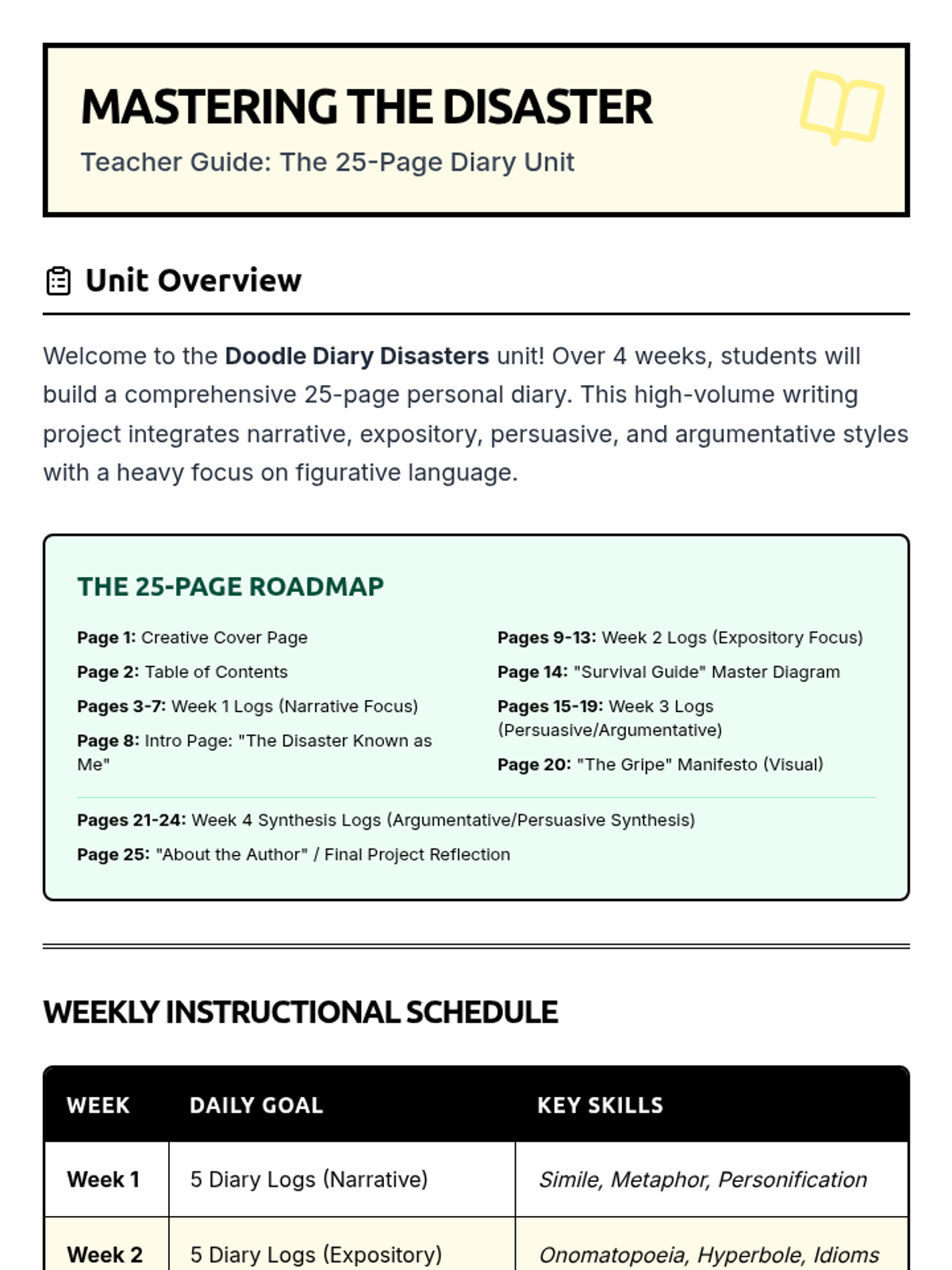
A comparative study of two major disasters through the lens of 'I Survived' series, focusing on making inferences during high-stakes survival moments.
A comprehensive writing unit that breaks down complex structures into manageable building blocks, from individual paragraphs to complete narrative arcs and multi-paragraph essays. Students learn to use blueprints to construct clear, logical, and engaging pieces of writing.
A series of lessons exploring Lauren Tarshis's 'I Survived' series, focusing on analyzing character experiences across different historical disasters.
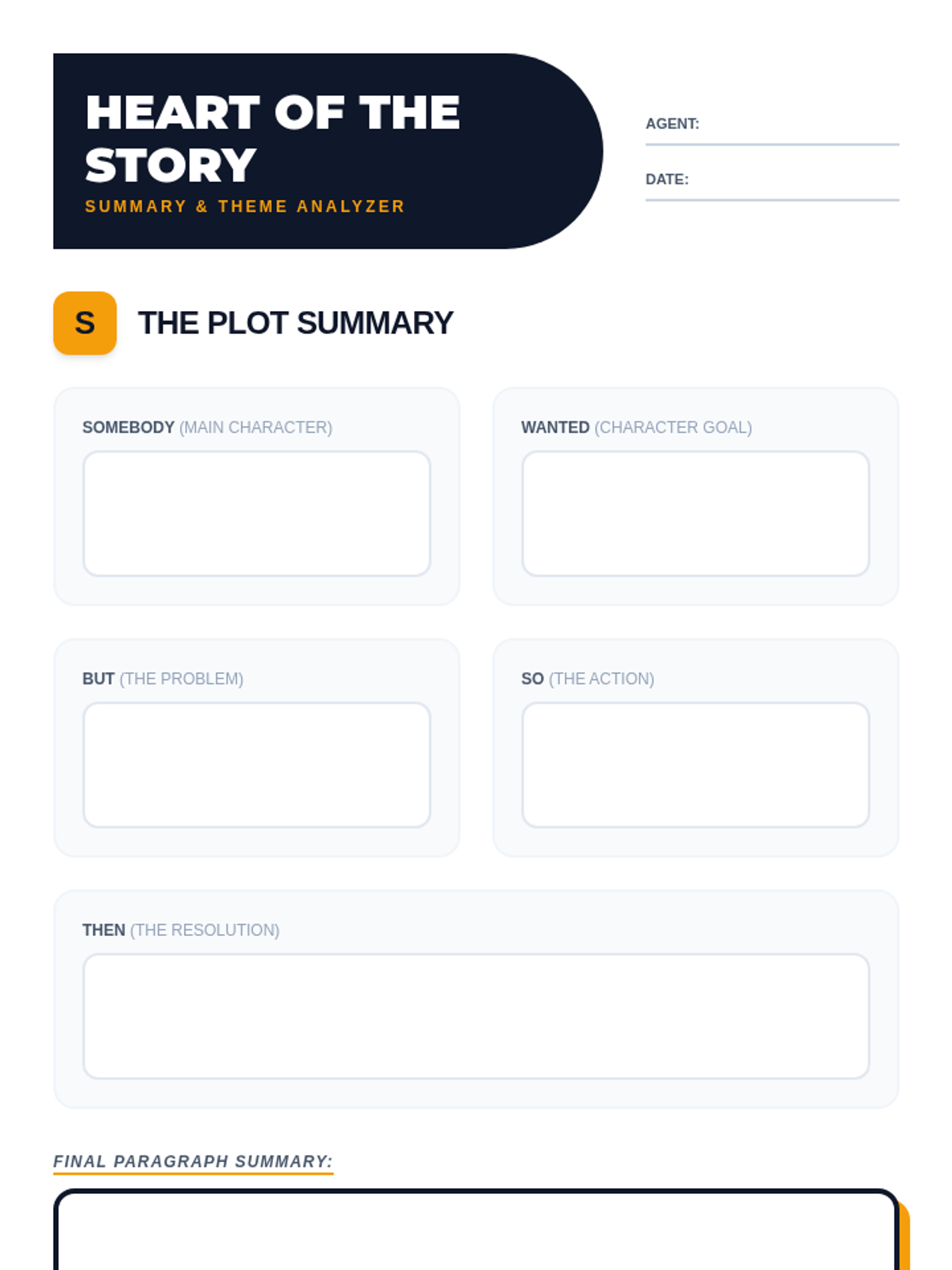
A series of high-energy ELA lessons focusing on reading comprehension, summarizing, and word study to boost literacy skills.
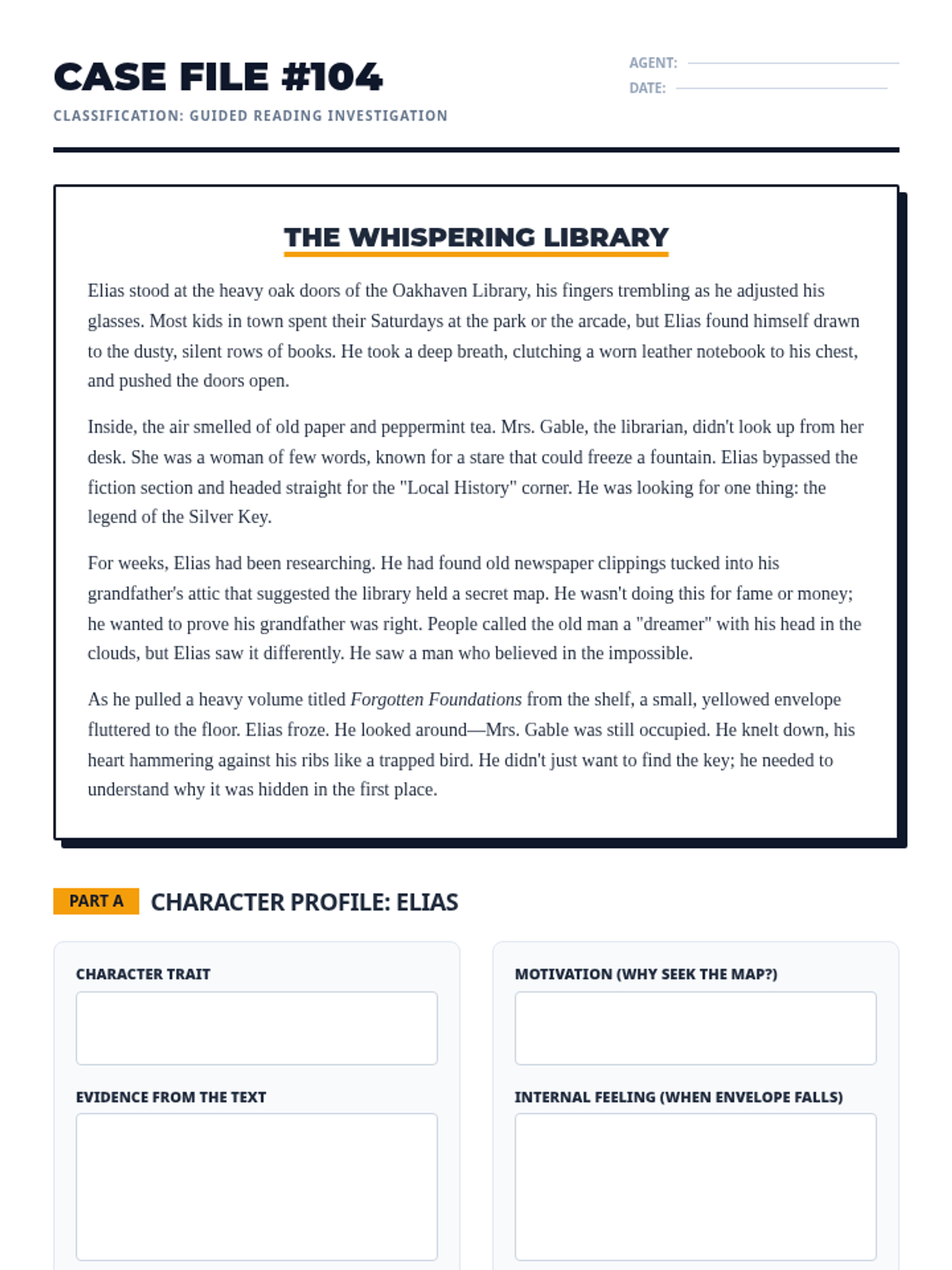
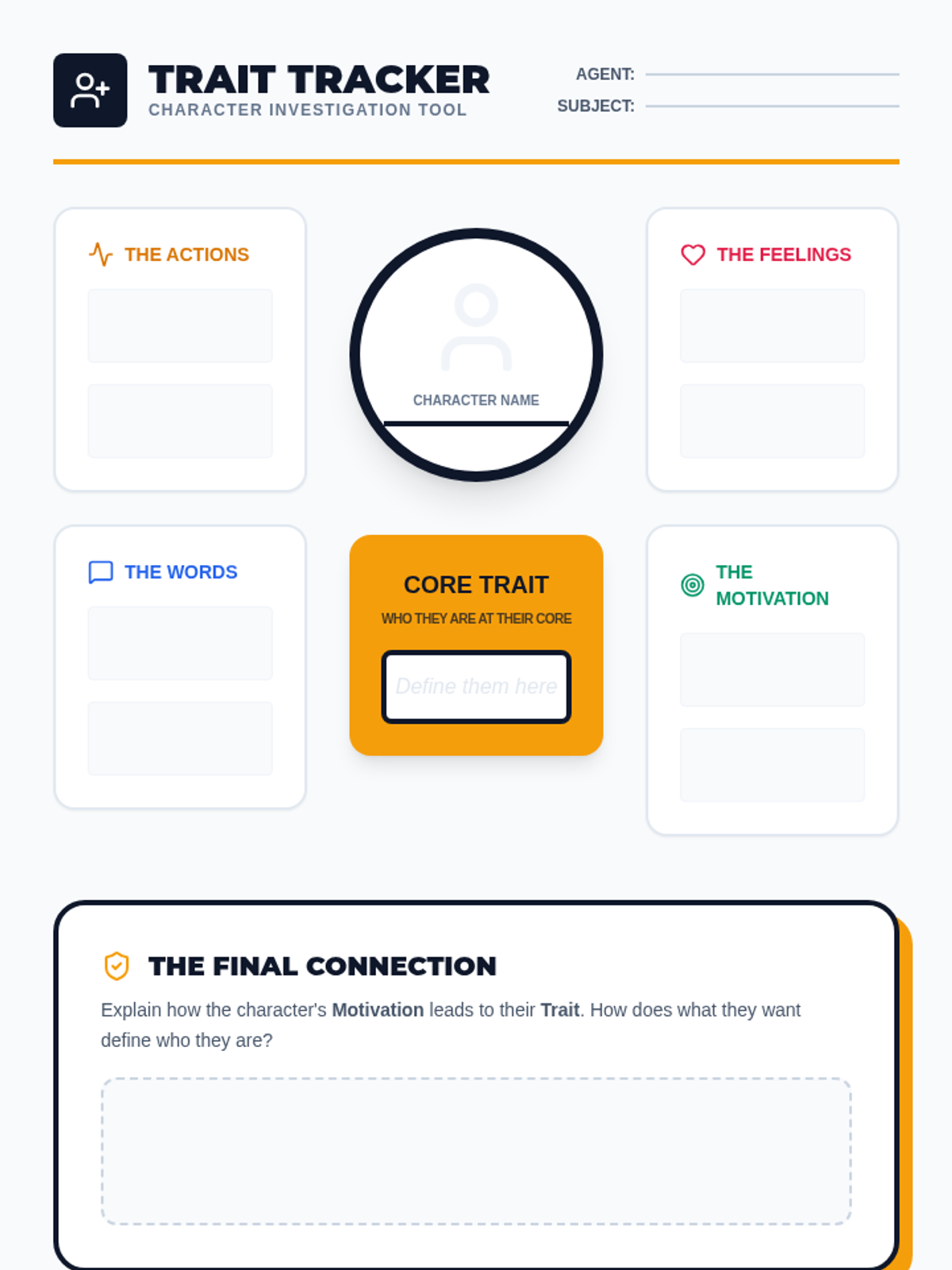
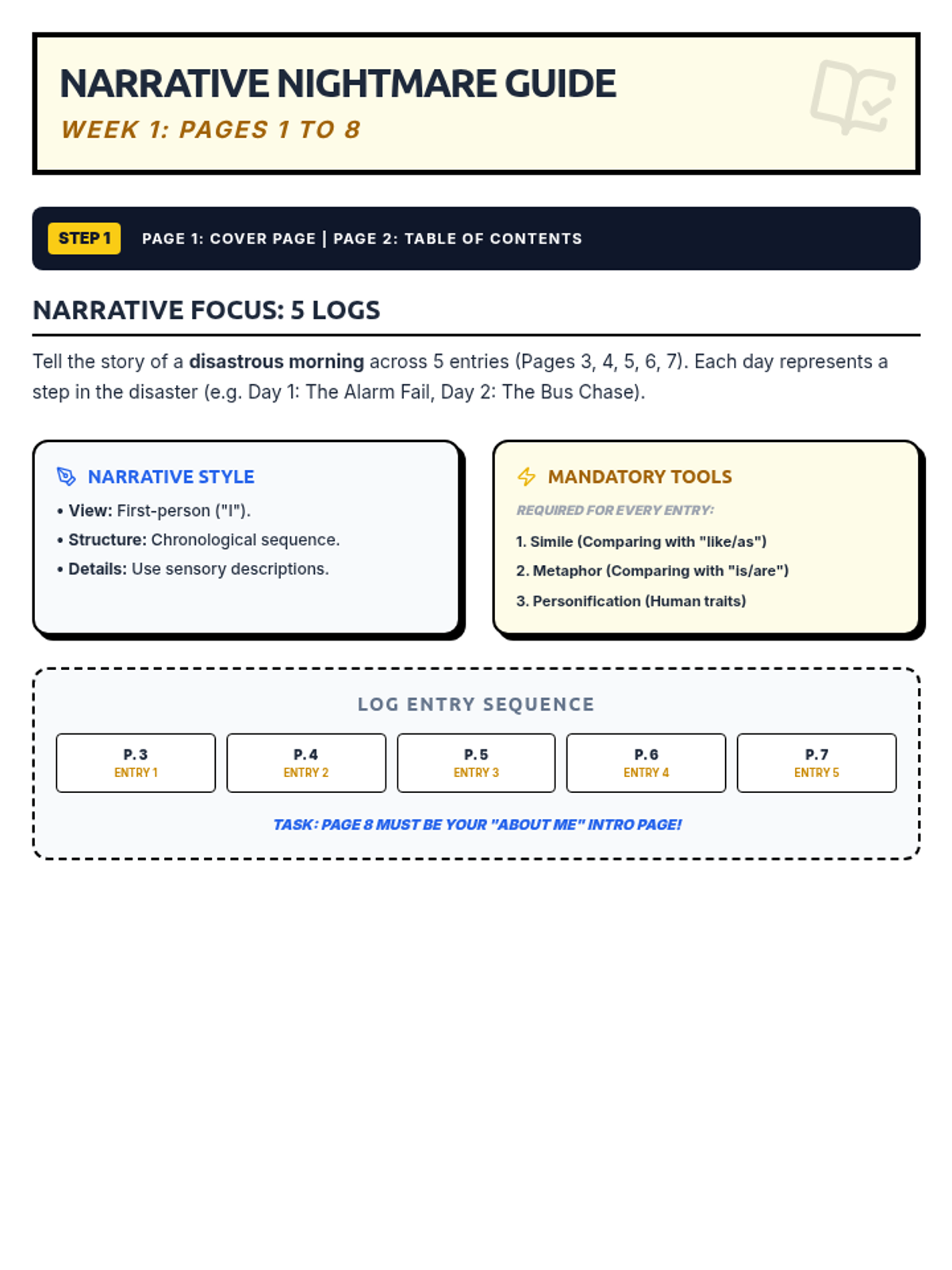
A series of lessons focused on mastering the elements of narrative, starting with character construction and moving toward deep literary analysis.
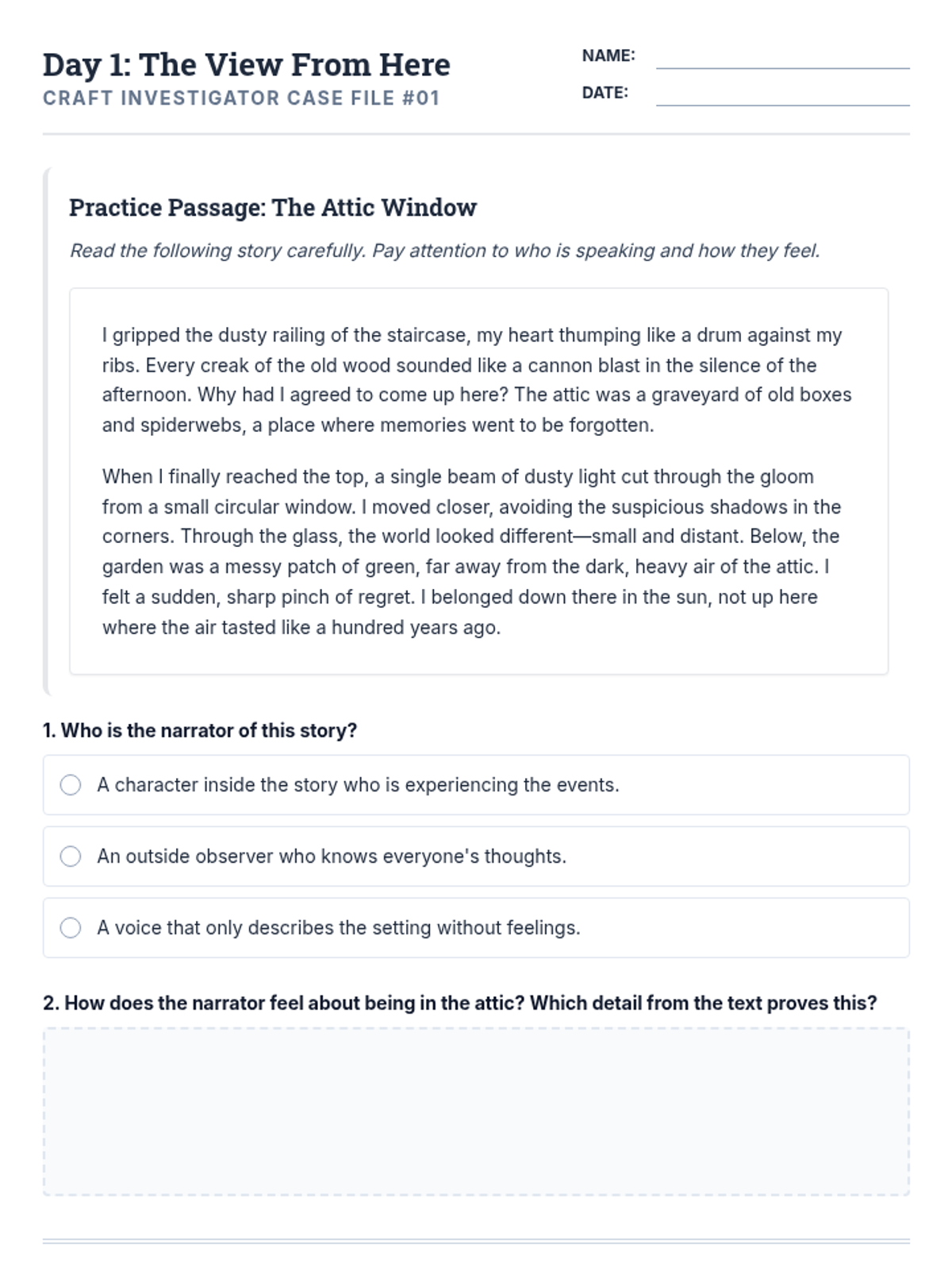
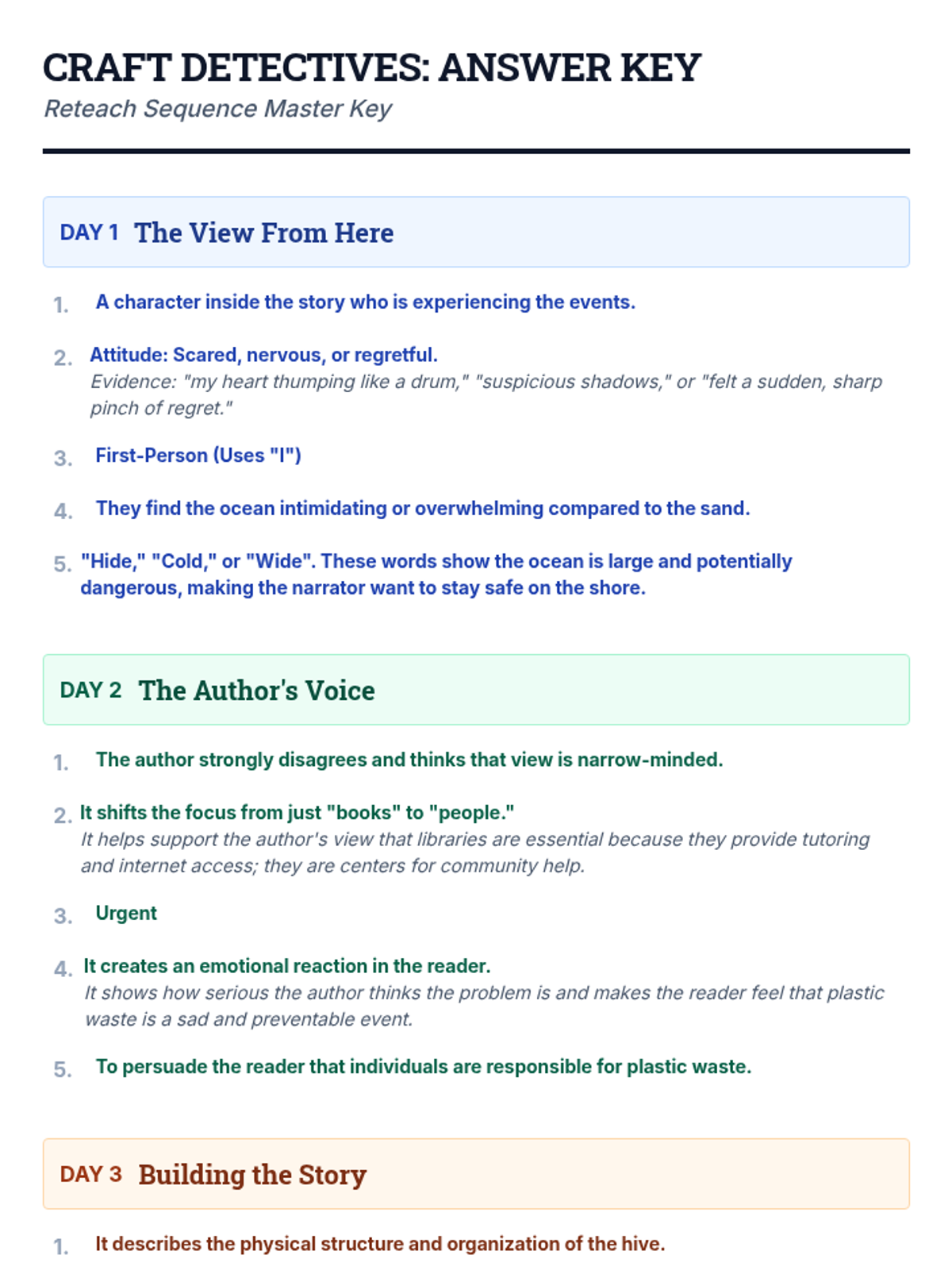
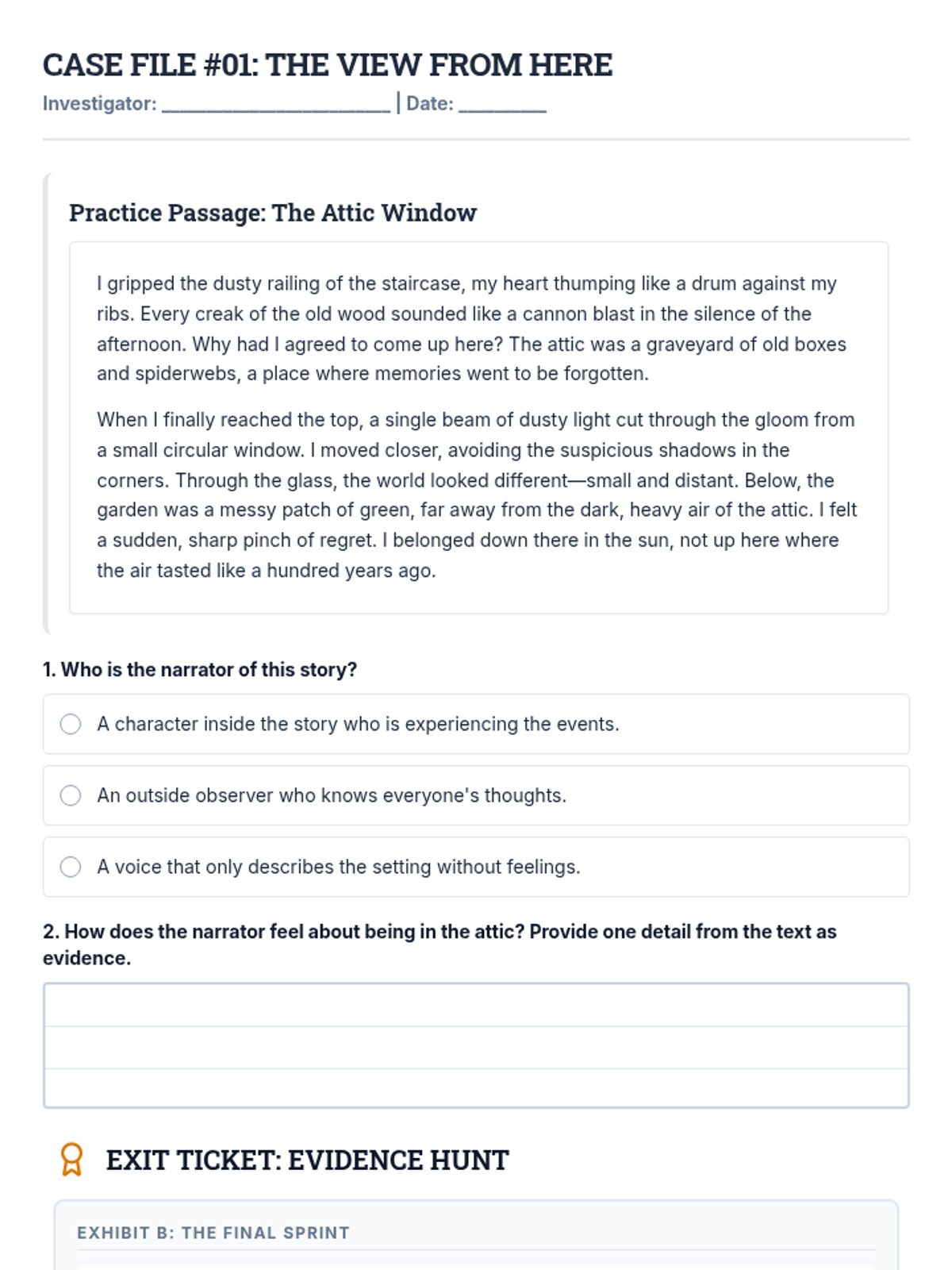
A 3-day unit focused on RL.3.9, where students analyze character actions, feelings, and motivations across two stories featuring the same characters in similar competitive situations. Students act as 'Character Detectives' to uncover similarities and differences in how characters handle challenges.
A collection of 5th-grade ELA and Grammar resources focusing on biographical research, summary writing, and language mastery.
A comprehensive ELA unit for grades 3-5 focused on decoding and analyzing nonfiction texts through the lens of 'Fact Finders'. Students learn to identify text features, analyze organizational structures, and determine an author's purpose.
A series of lessons designed to help elementary students master the skill of comparing and contrasting key details and main ideas across multiple texts on the same topic.
A collection of lessons exploring historical adventures and disasters through popular children's book series like 'I Survived' and 'Magic Tree House'.
A 5-lesson reading intervention sequence focused on long and short vowel sounds using a high-interest "Code Breakers" theme. Each lesson targets phoneme-grapheme mapping, explicit blending, and decoding/encoding practice within Lexile-leveled texts (420-1010).
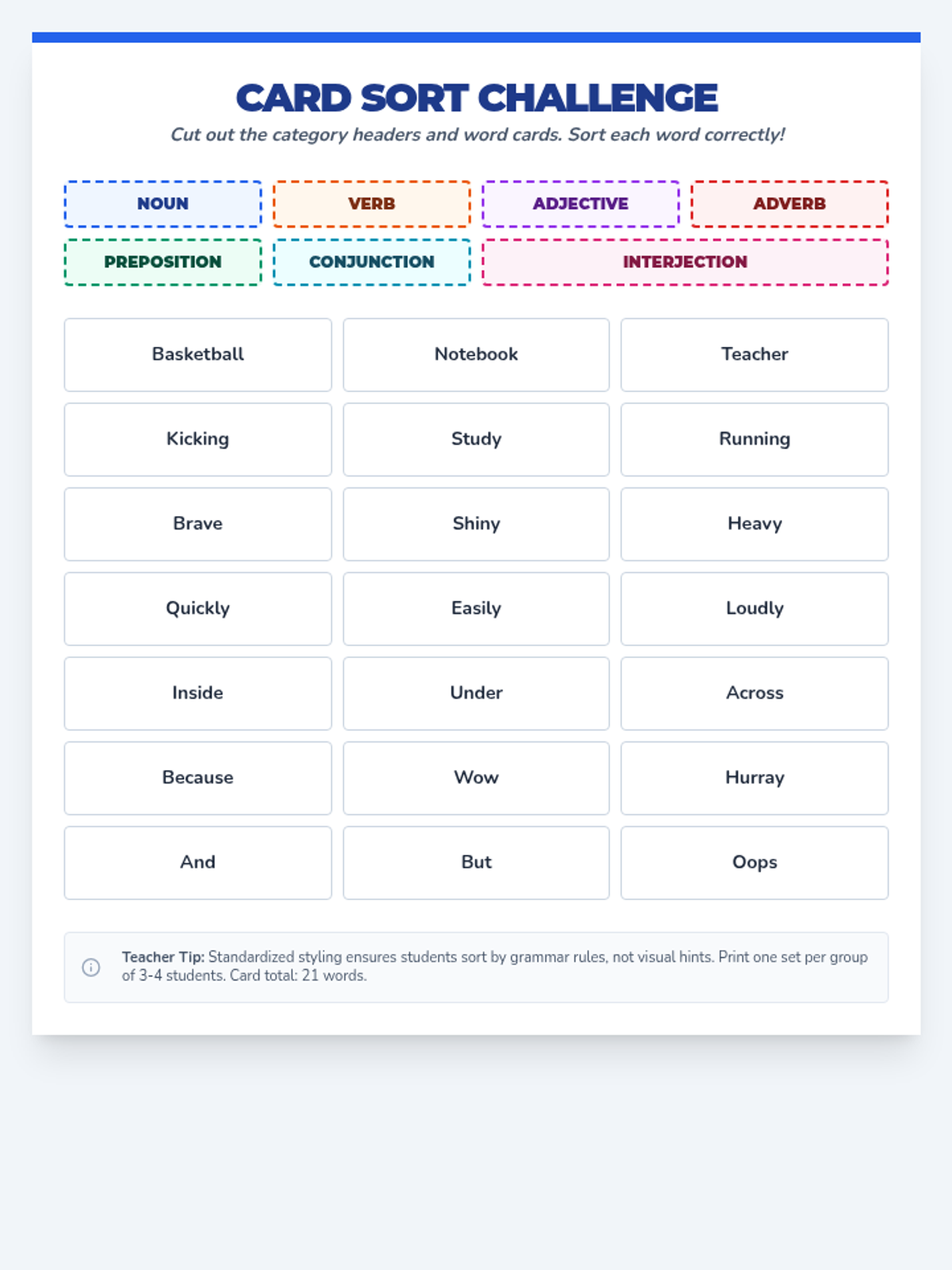
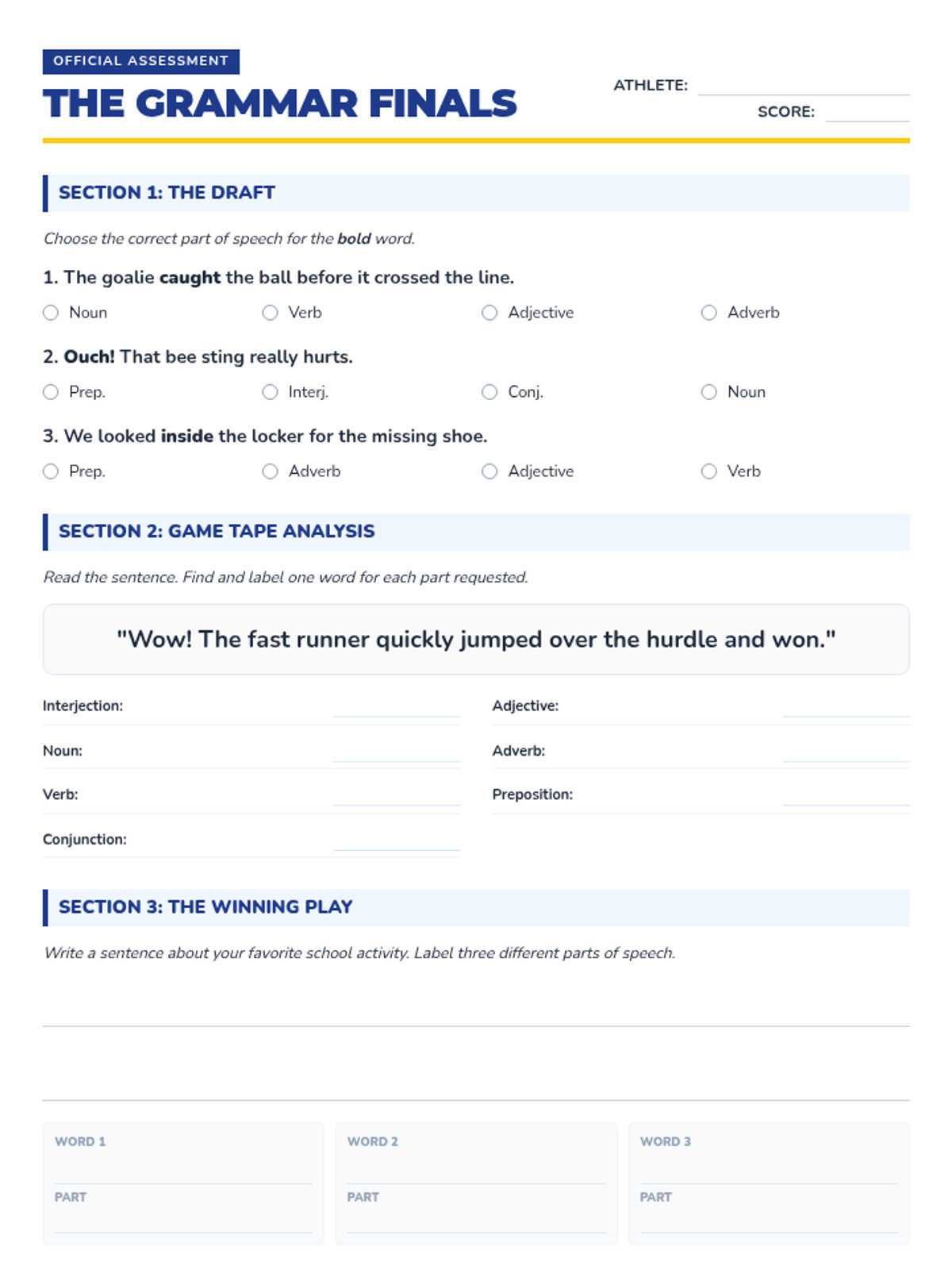
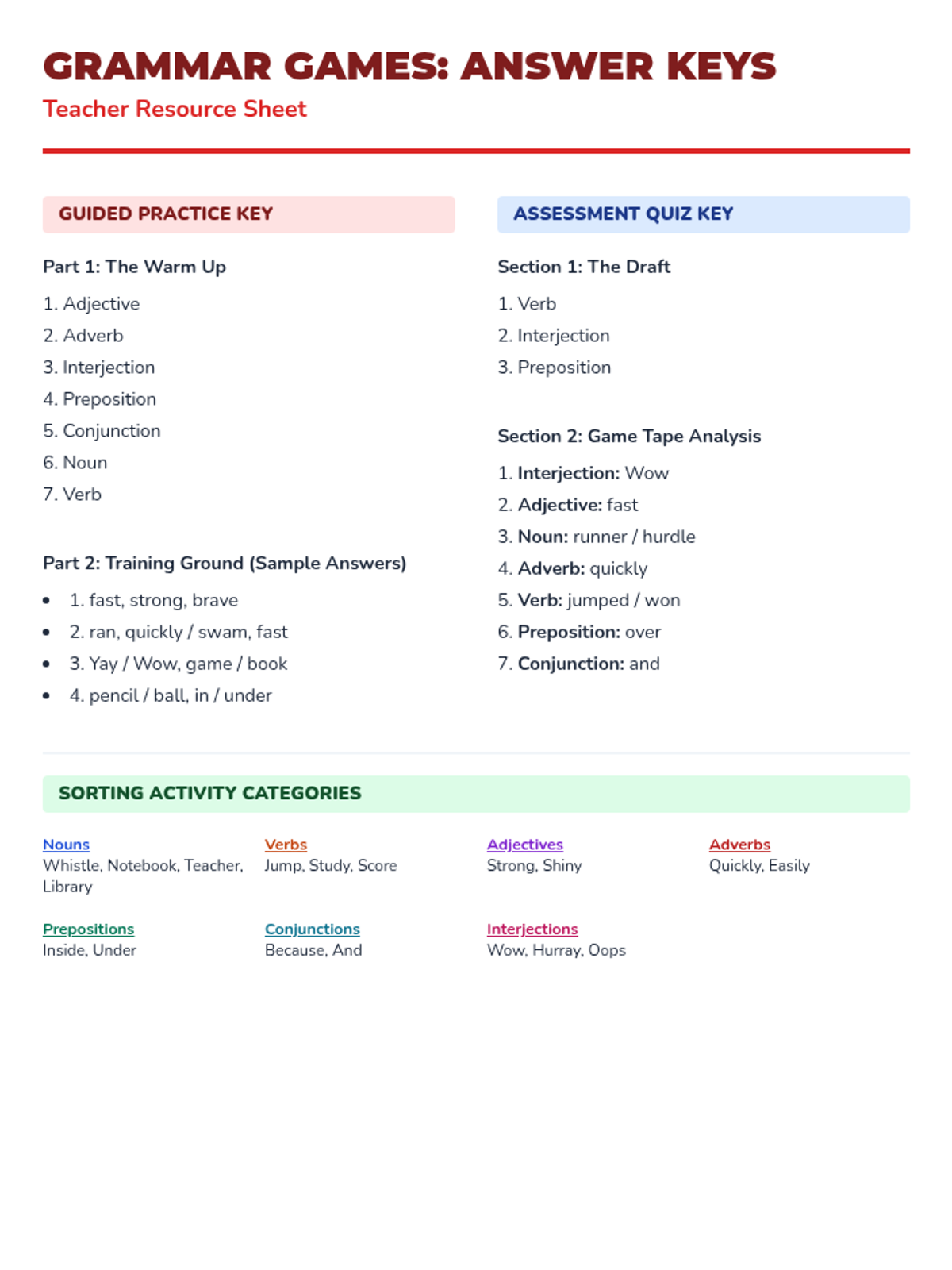
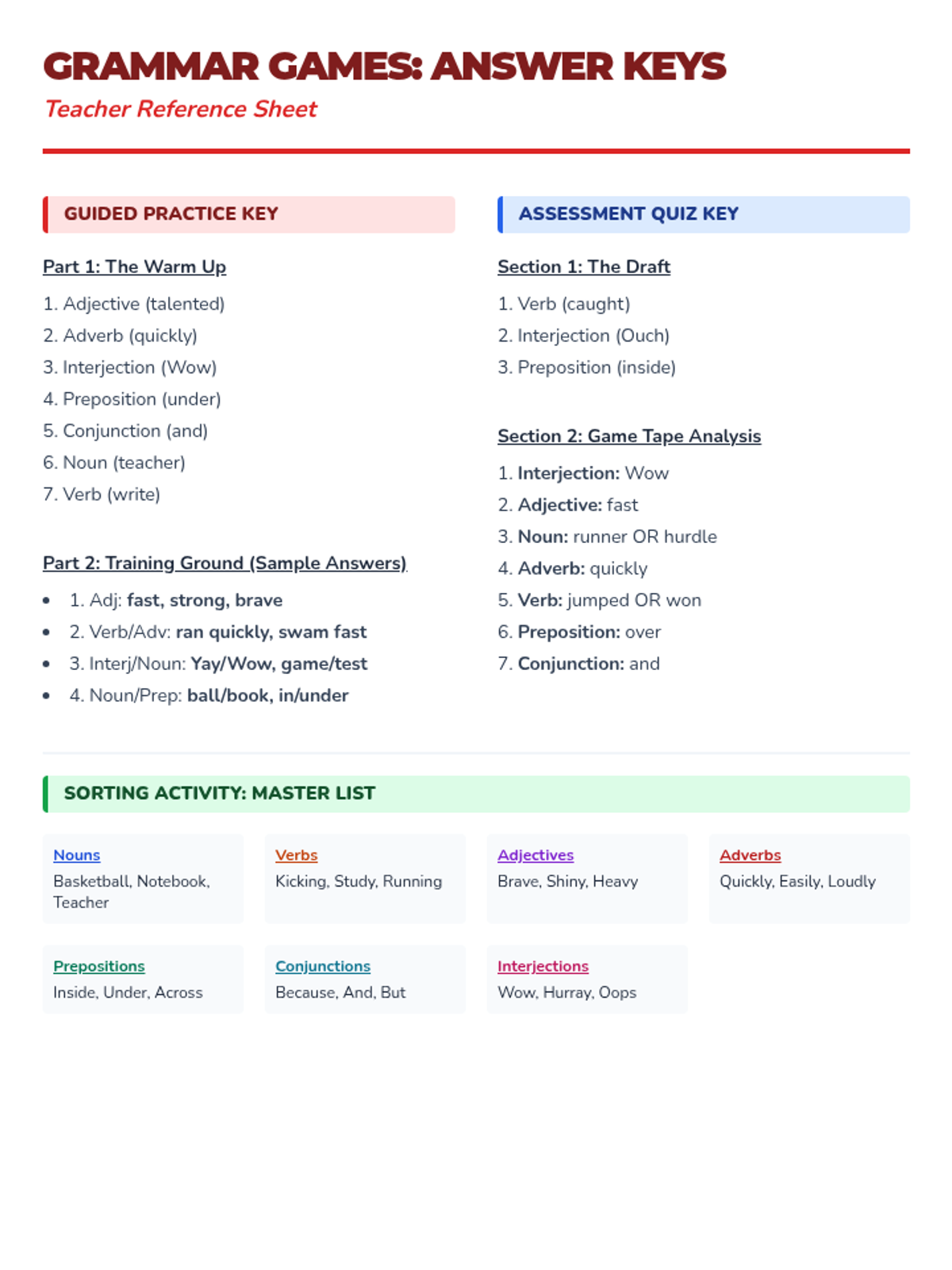
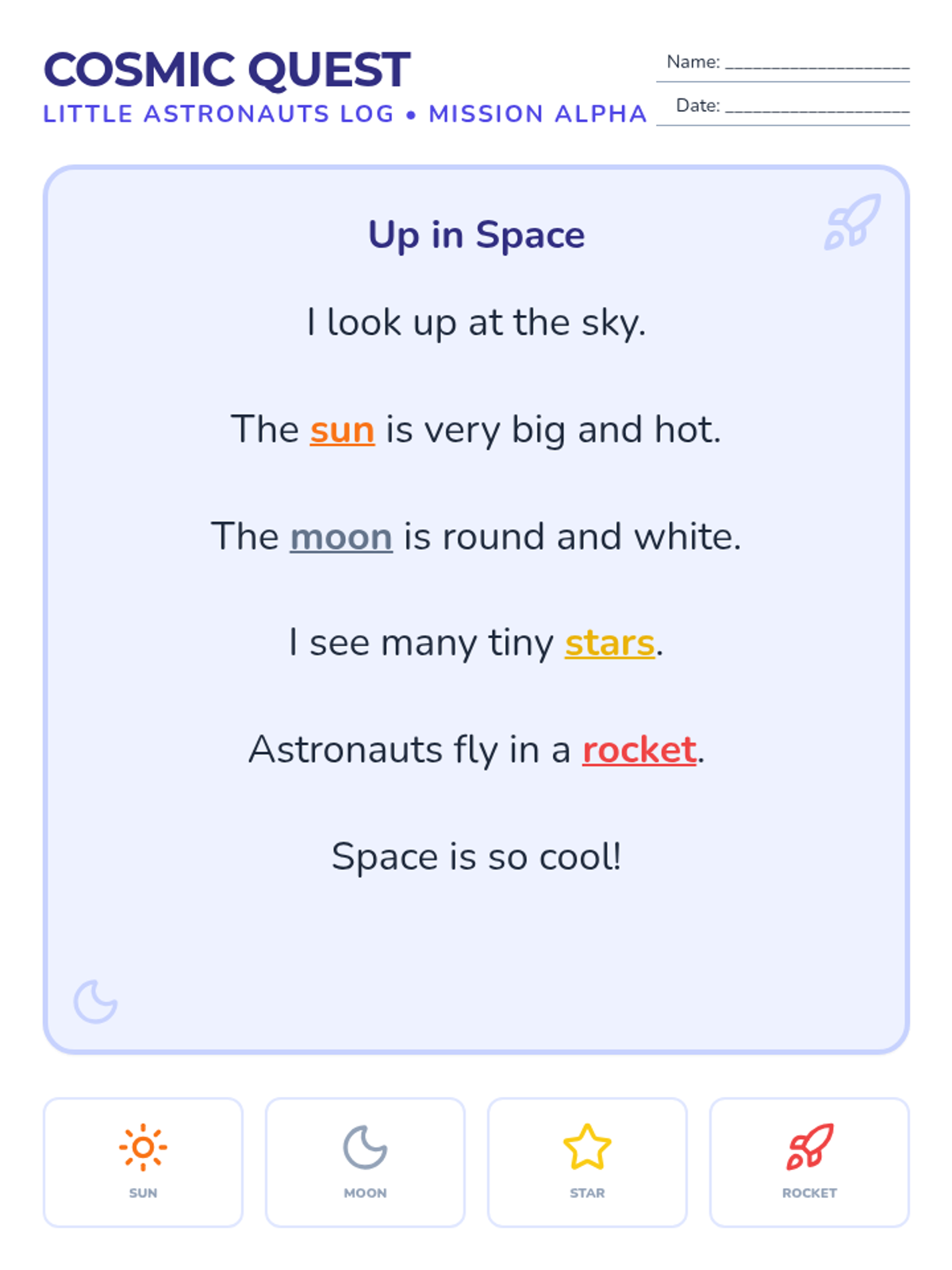
An interstellar grammar unit for grades 3-5, where students become space explorers to master parts of speech, sentence structure, and punctuation through missions and rocket-building challenges.
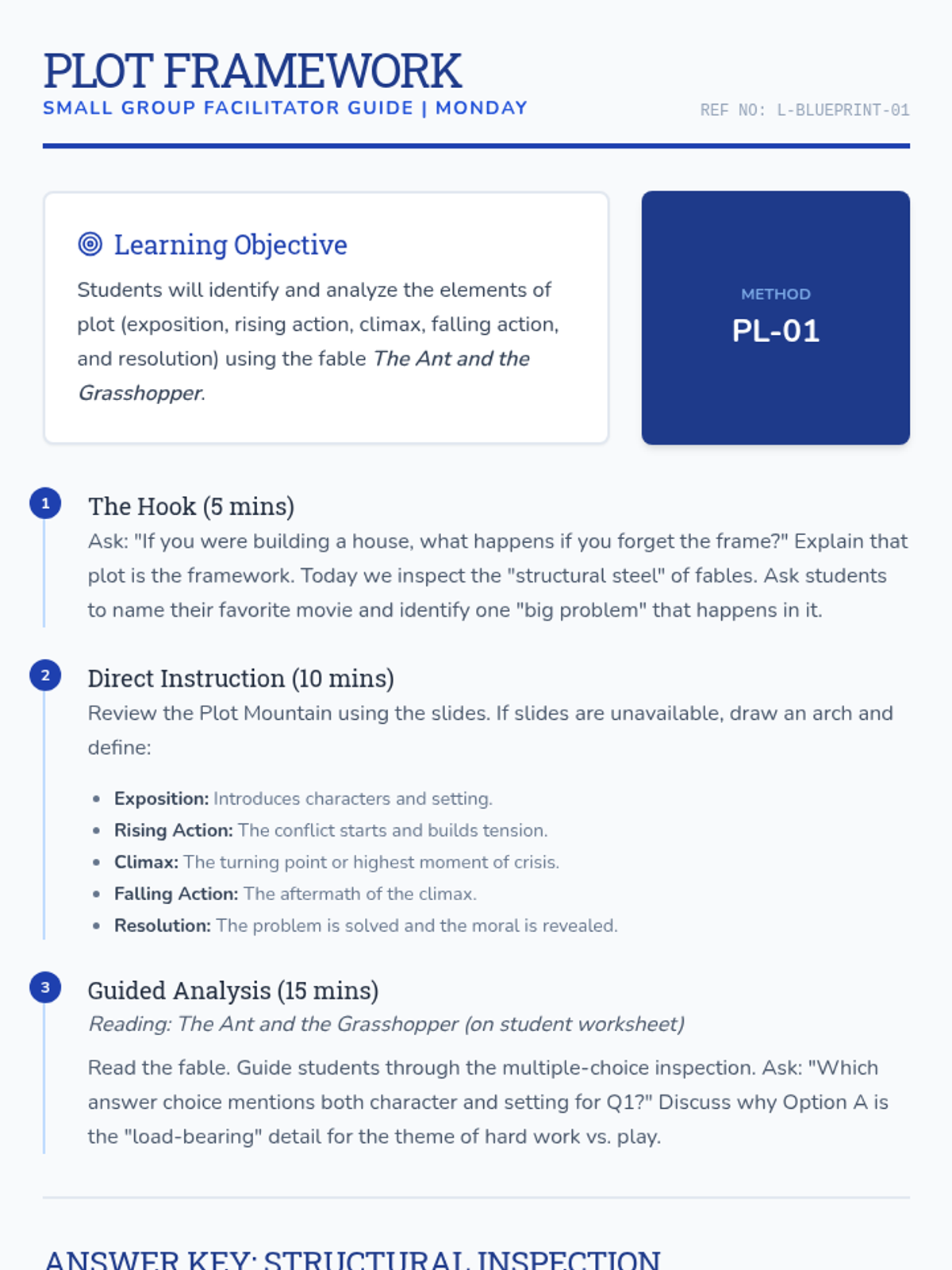
A series of materials designed to help Flint master paragraph structure and self-editing through the lens of a 'Narrative Architect', using blueprints and inspection checklists.
A weekly ELA practice sequence for 5th graders focusing on punctuation, main idea, and supporting claims with evidence, designed with a vintage literary journal theme.
A reading comprehension sequence based on Chapter 7 of 'The Last Kids on Earth and the Nightmare King'. Students will explore character motivations, setting details, and plot developments through multiple-choice questions.
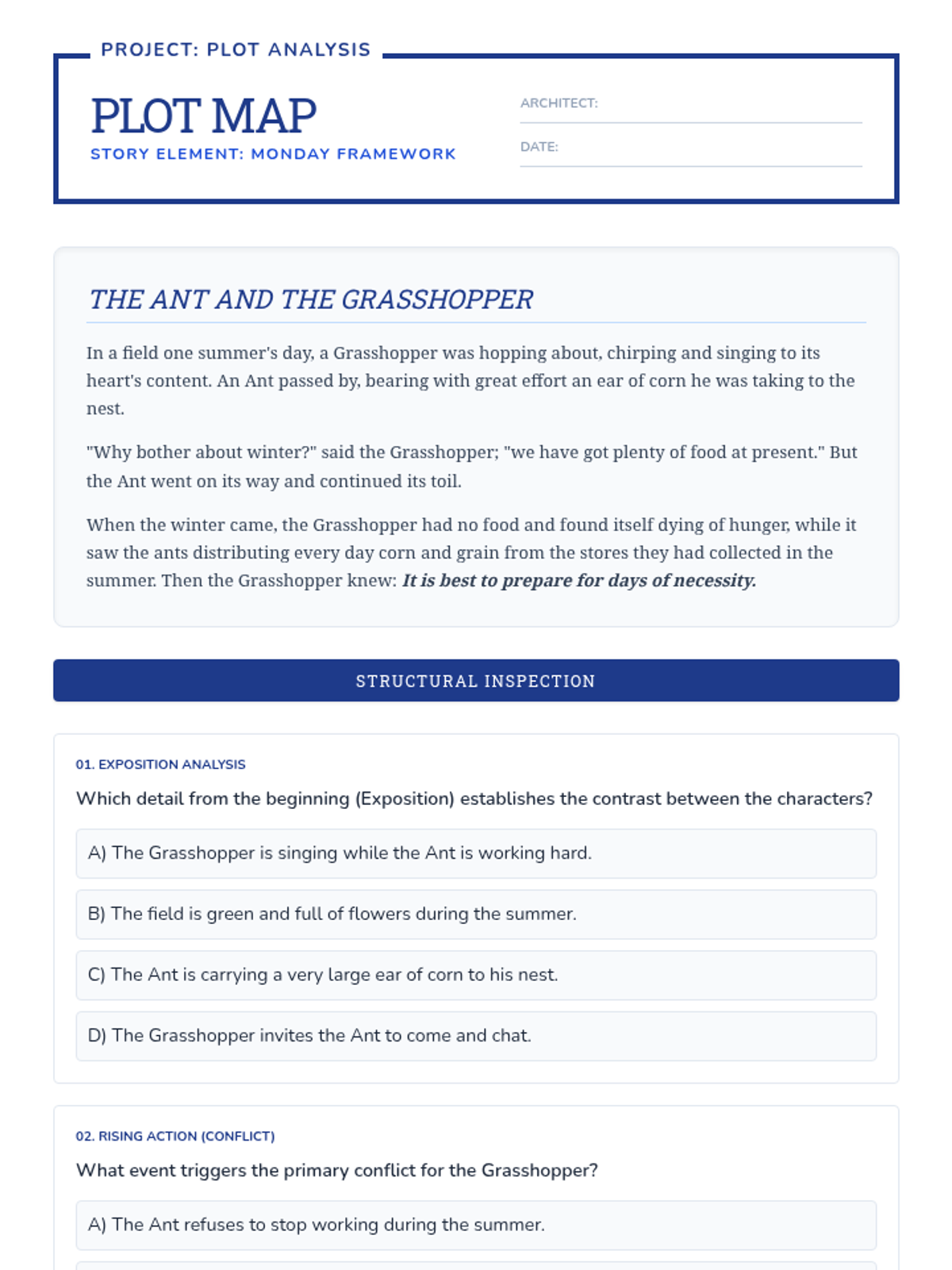
A comprehensive remediation unit designed to master RL.2 through fables and folktales. This sequence targets high-rigor question types, including Part A/Part B evidence questions, character motivation analysis, and proverb-based moral identification.
A comprehensive exploration of nine foundational Ancient Greek myths, focusing on their themes, characters, and cultural significance. Students will analyze legendary heroes and gods through summaries, visual presentations, and engaging activities.
A 4-day instructional sequence focused on paragraph structure, specifically mastering topic sentences and supporting details using student-interest topics like sports, dragons, and favorite foods.
A comprehensive study of Madeleine L'Engle's 'A Wrinkle in Time' focusing on narrative elements through a cosmic explorer's lens. This unit guides students through character analysis, symbolic interpretation, and plot structure across three distinct phases of the novel.
A three-day exploration of heroism comparing historical figures and modern-day community leaders, focusing on informational text features and identifying main ideas.
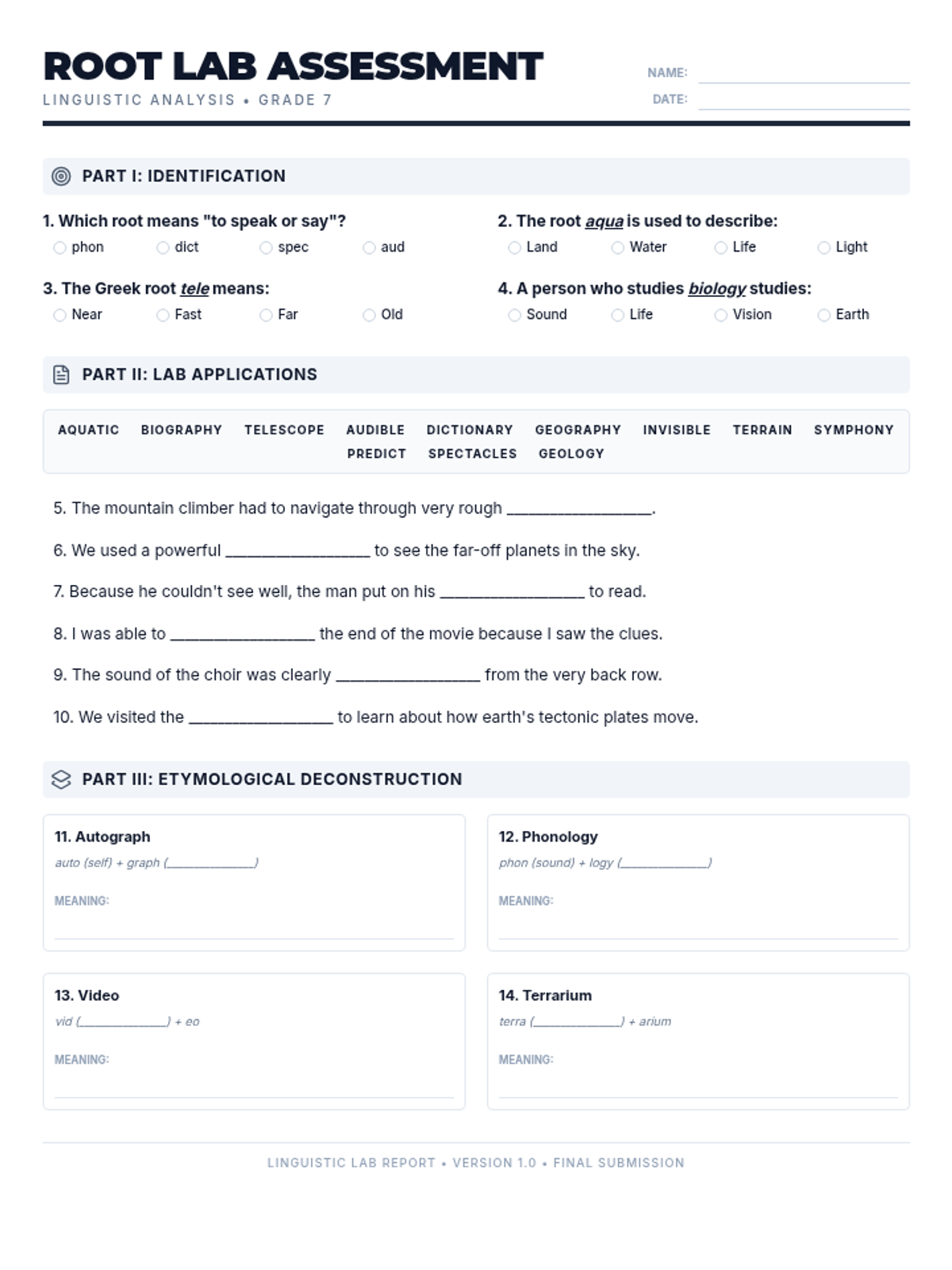
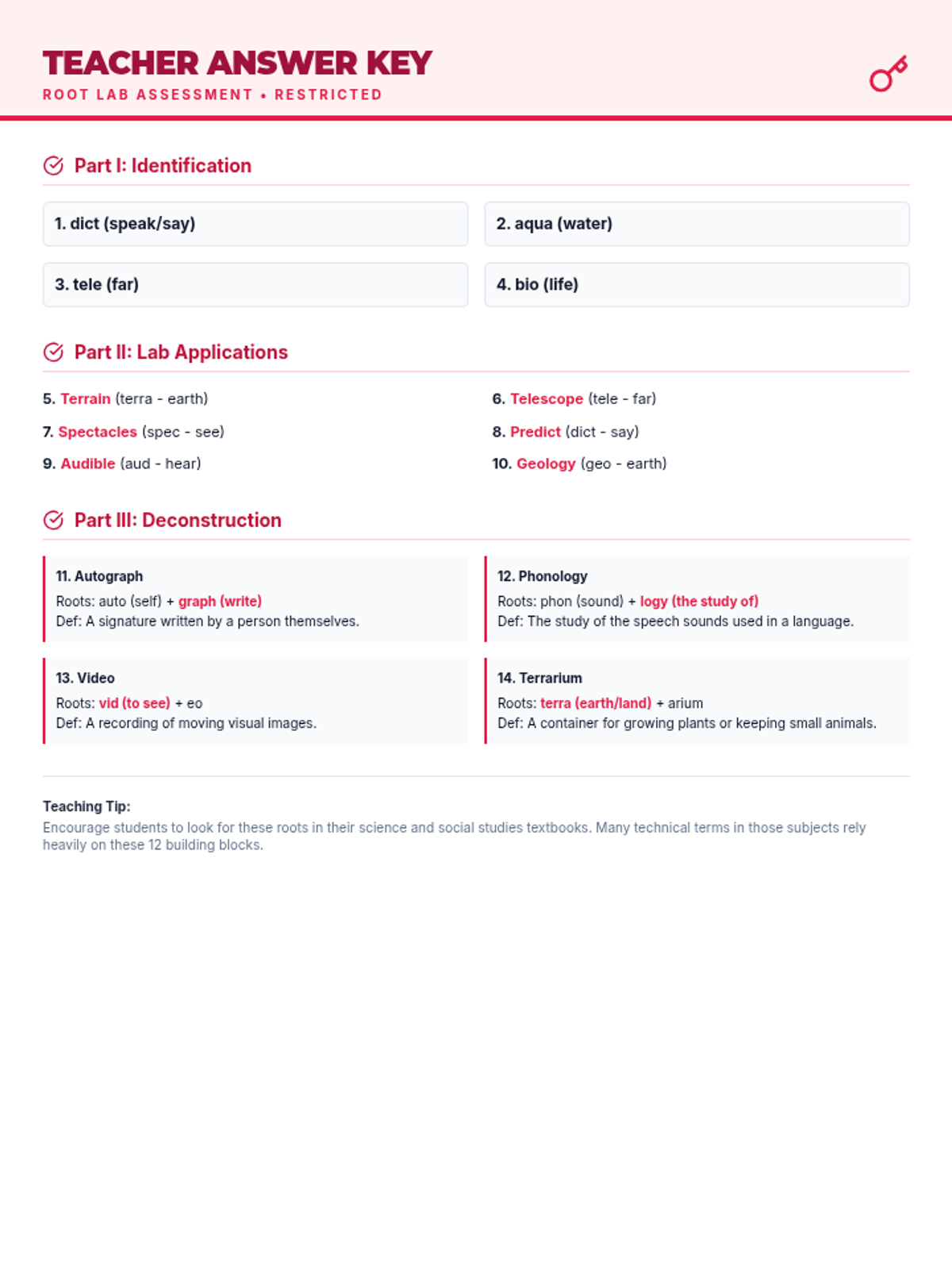
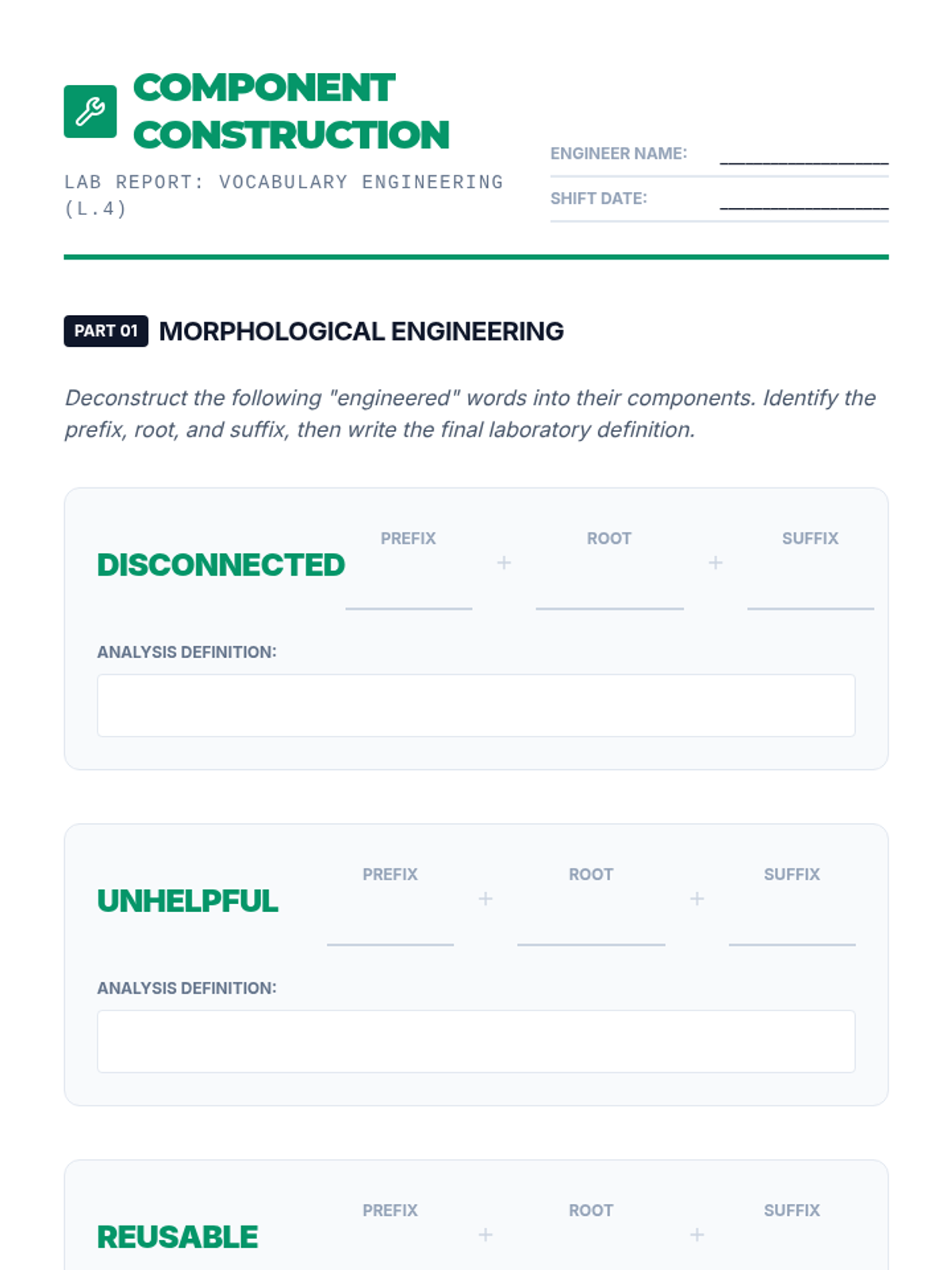
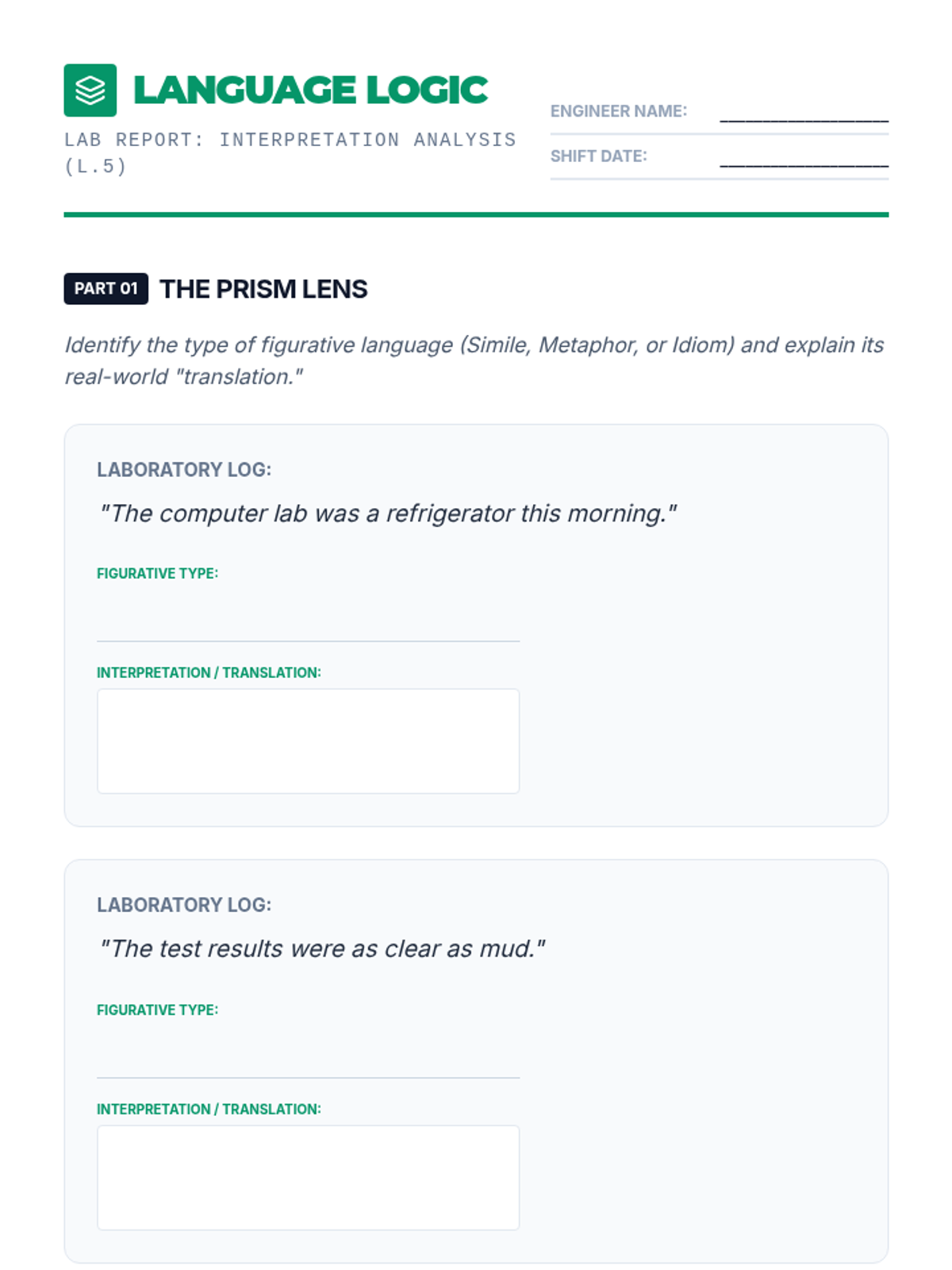
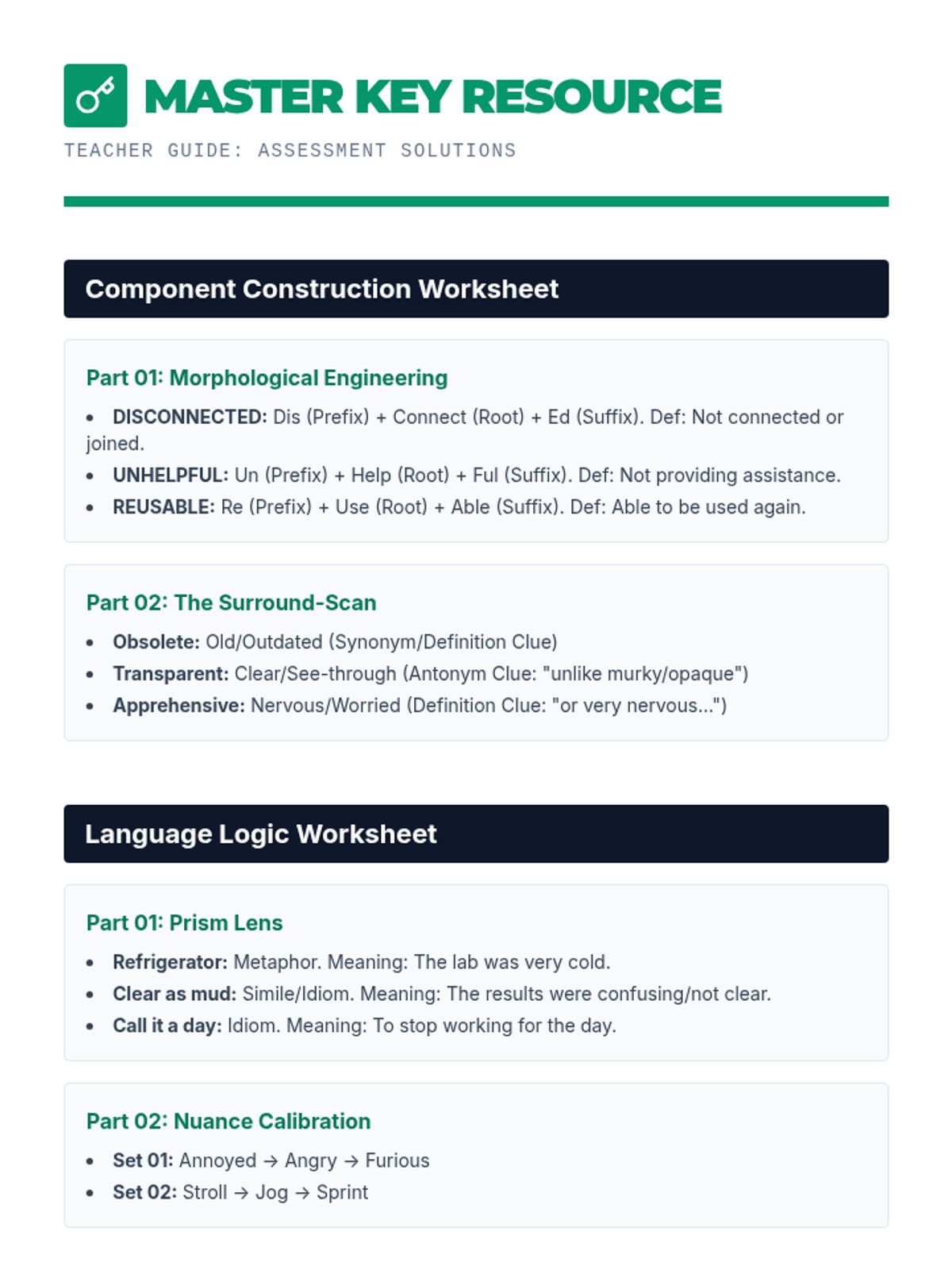
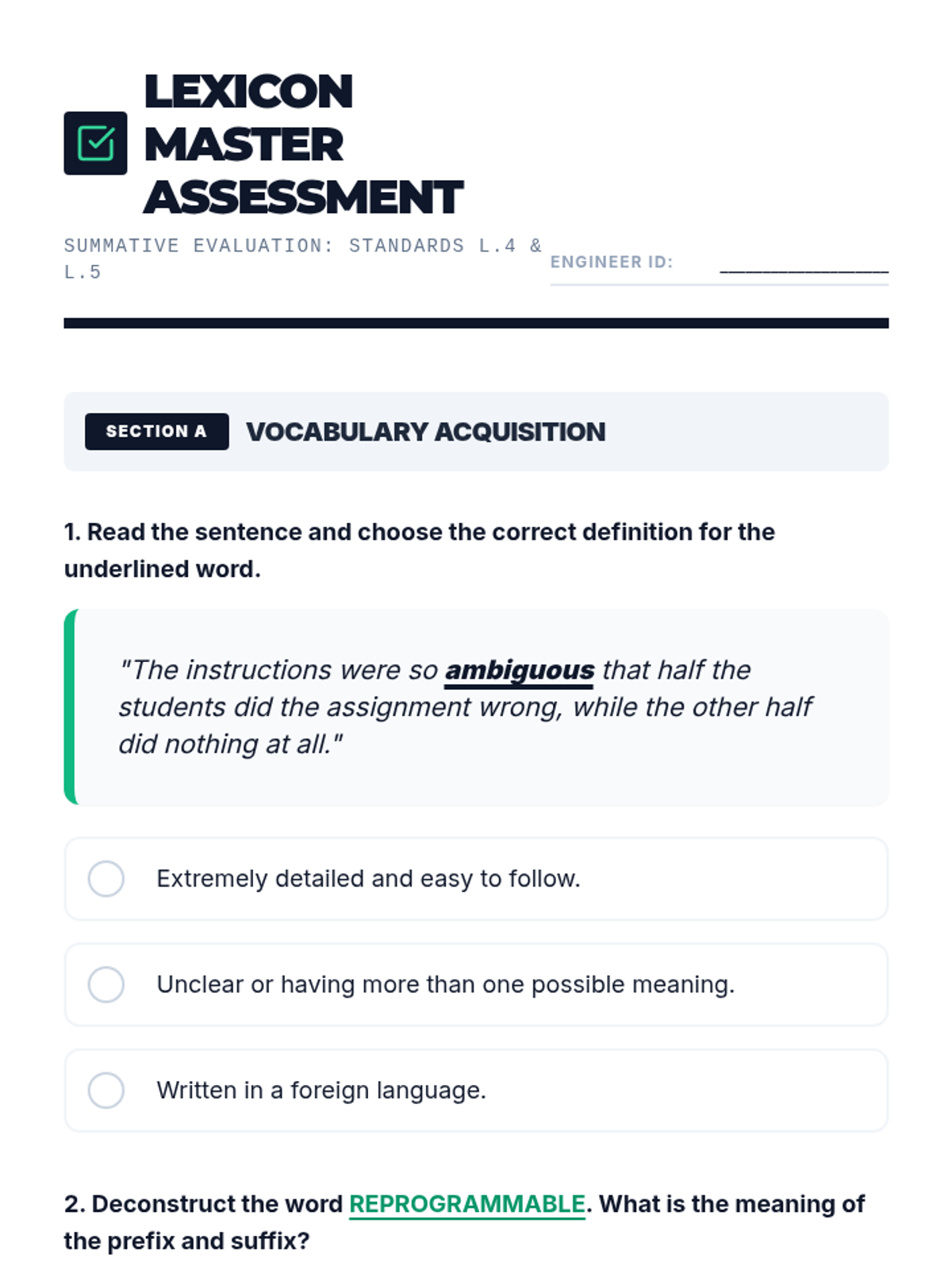
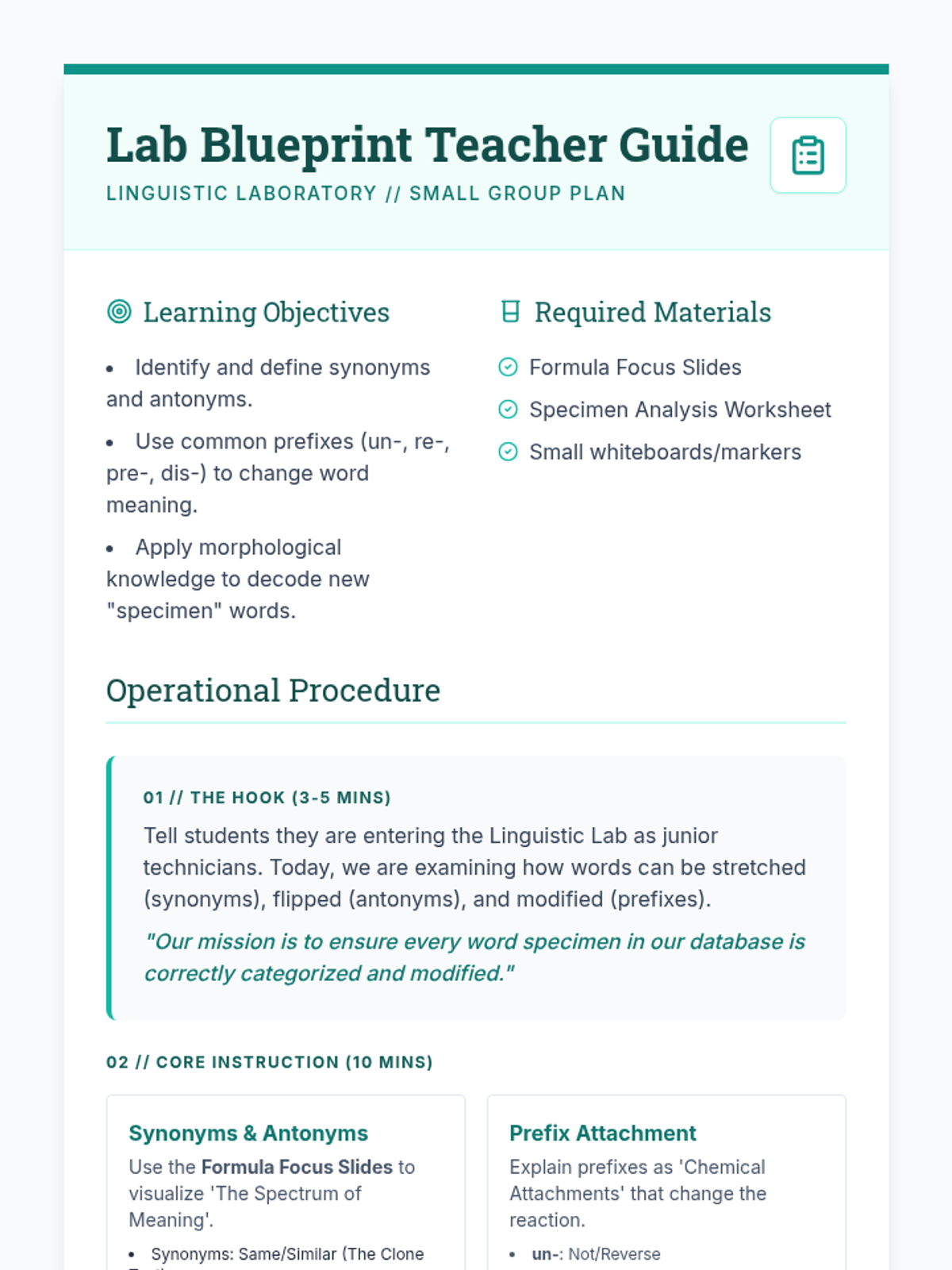
A series of activities focused on morphological awareness, teaching students to 'unpack' words by identifying prefixes, roots, and suffixes to determine meaning.
A 4-day intensive small group reteach sequence for 5th grade students focusing on character relationships, conflict, and plot elements (STAAR standards 5.8B and 5.8C). Each session uses a different genre to practice identifying narrative structures and character dynamics through short, focused passages.
A comprehensive spelling program designed for 4th graders to master weekly word lists through engaging detective-themed activities and vocabulary practice.
A series of competitive reading challenges designed to boost fluency, decoding skills, and vocabulary acquisition for upper elementary students.
A 4-lesson intensive unit designed to prepare students for the IAR Prose Constructed Response (PCR). Each lesson focuses on a different aspect of character analysis and essay construction through paired texts and guided planning.
A comprehensive unit focusing on the complex suffixes -tion and -sion, following the SPIRE Level 5 curriculum. Students explore spelling patterns, pronunciation, and word meaning through a transit-themed instructional approach.
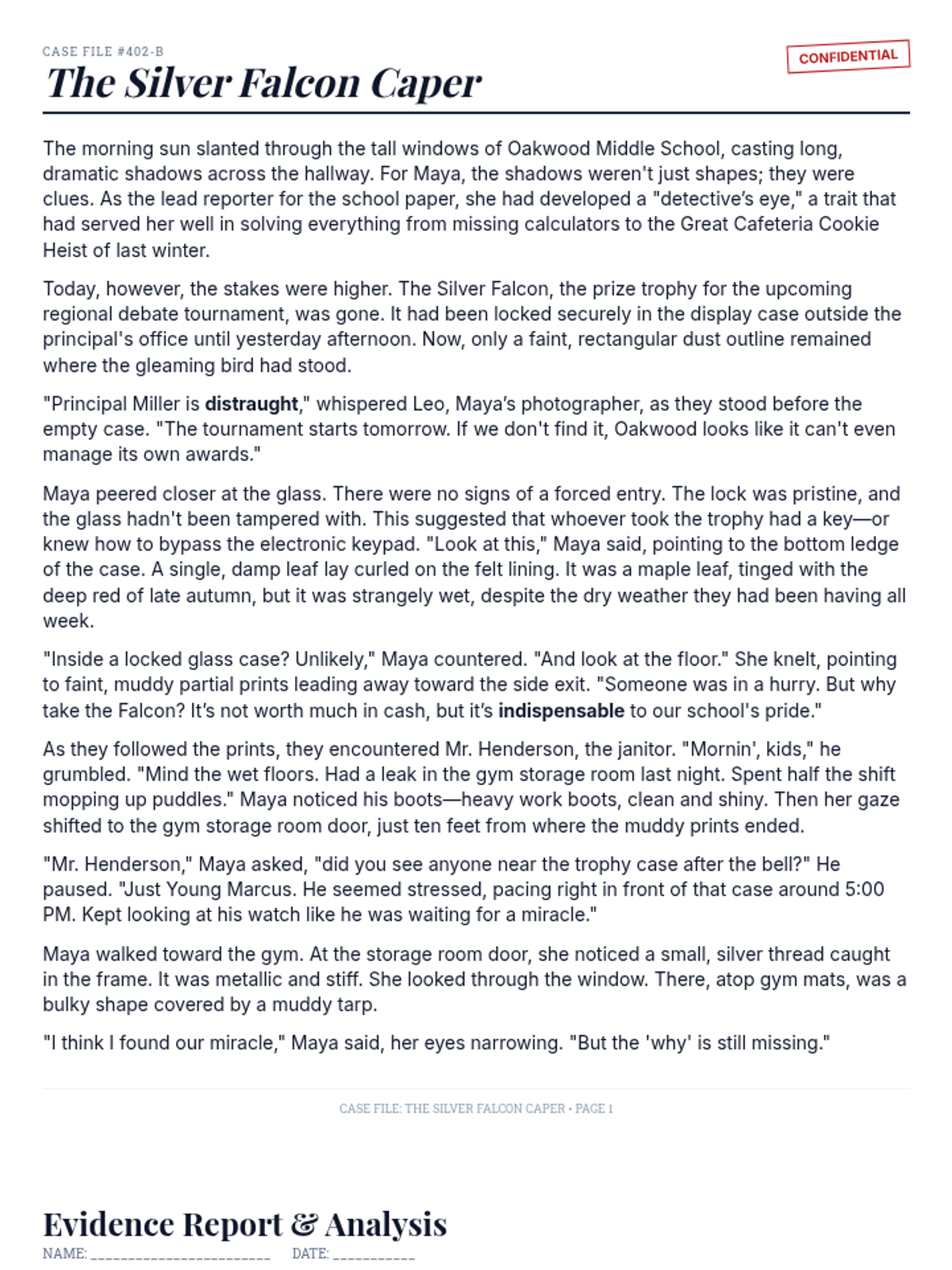
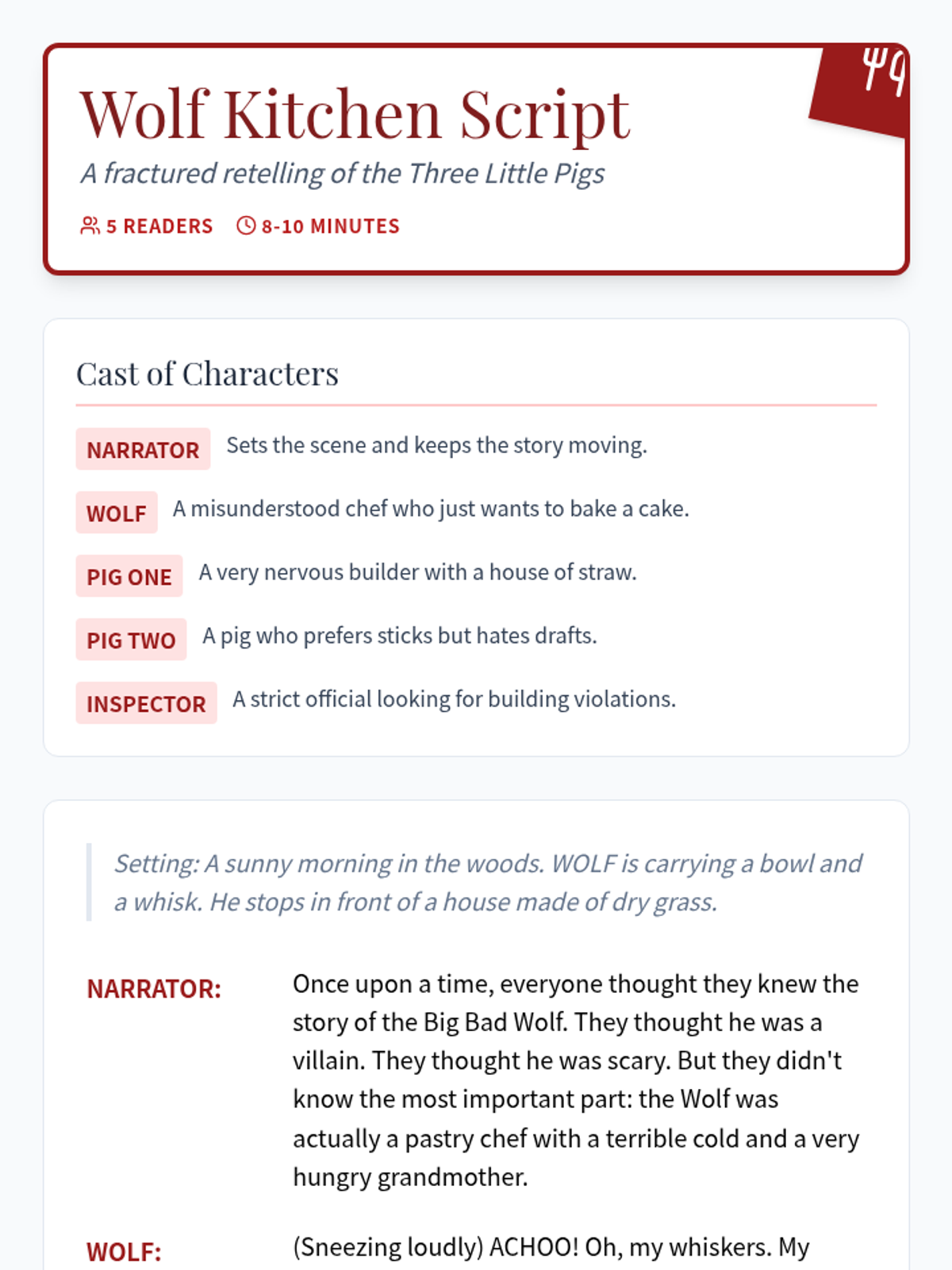
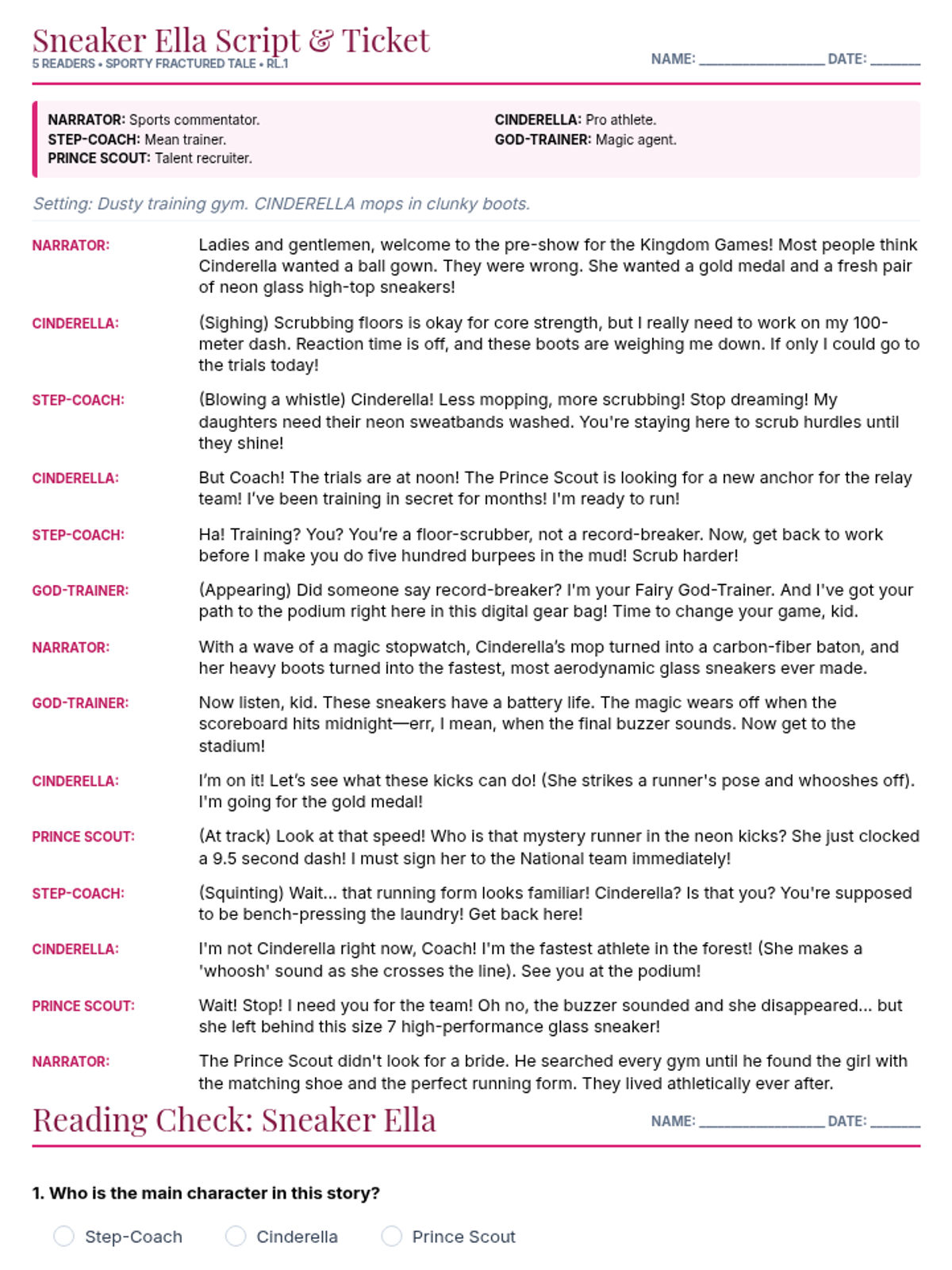
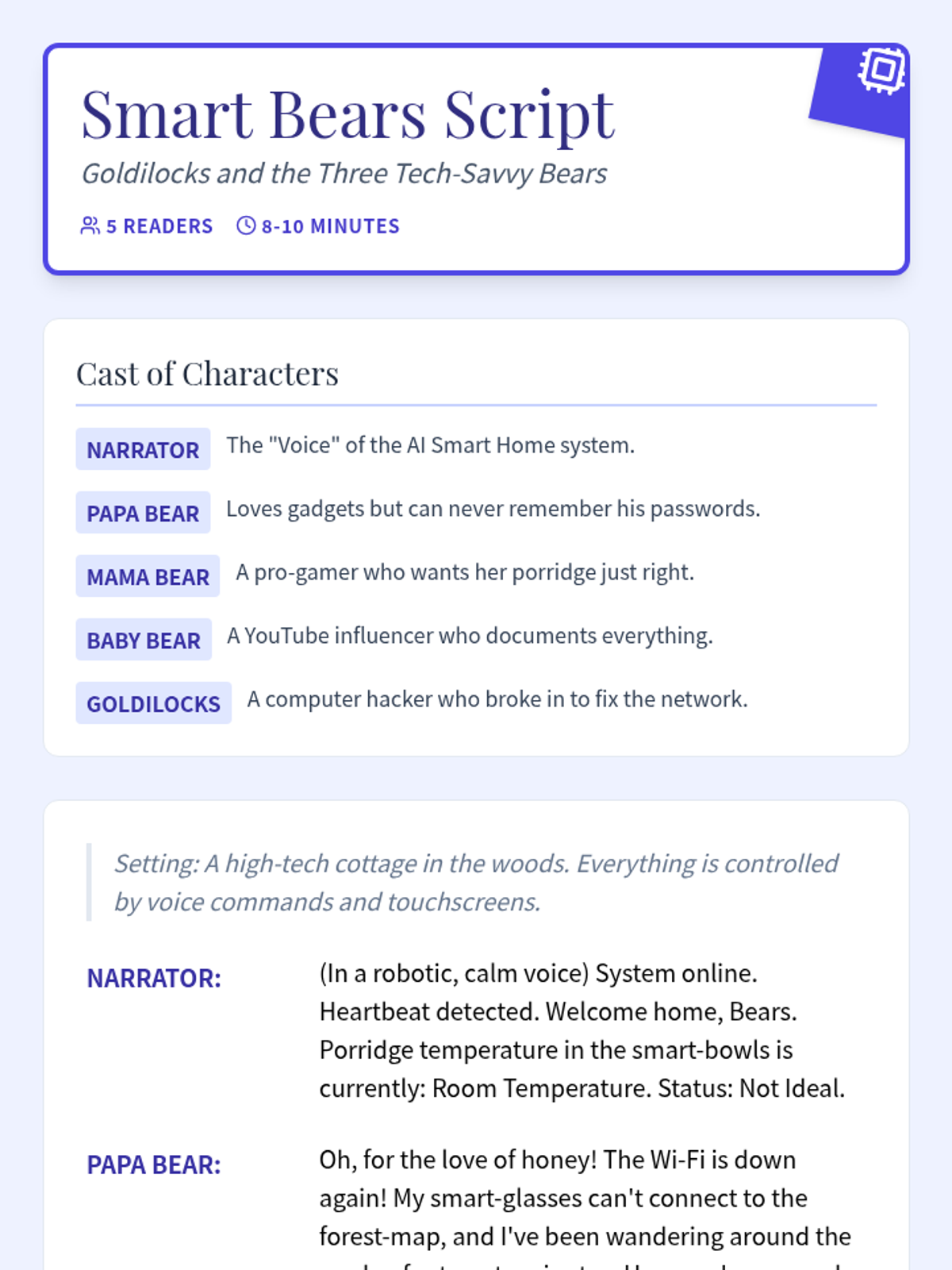
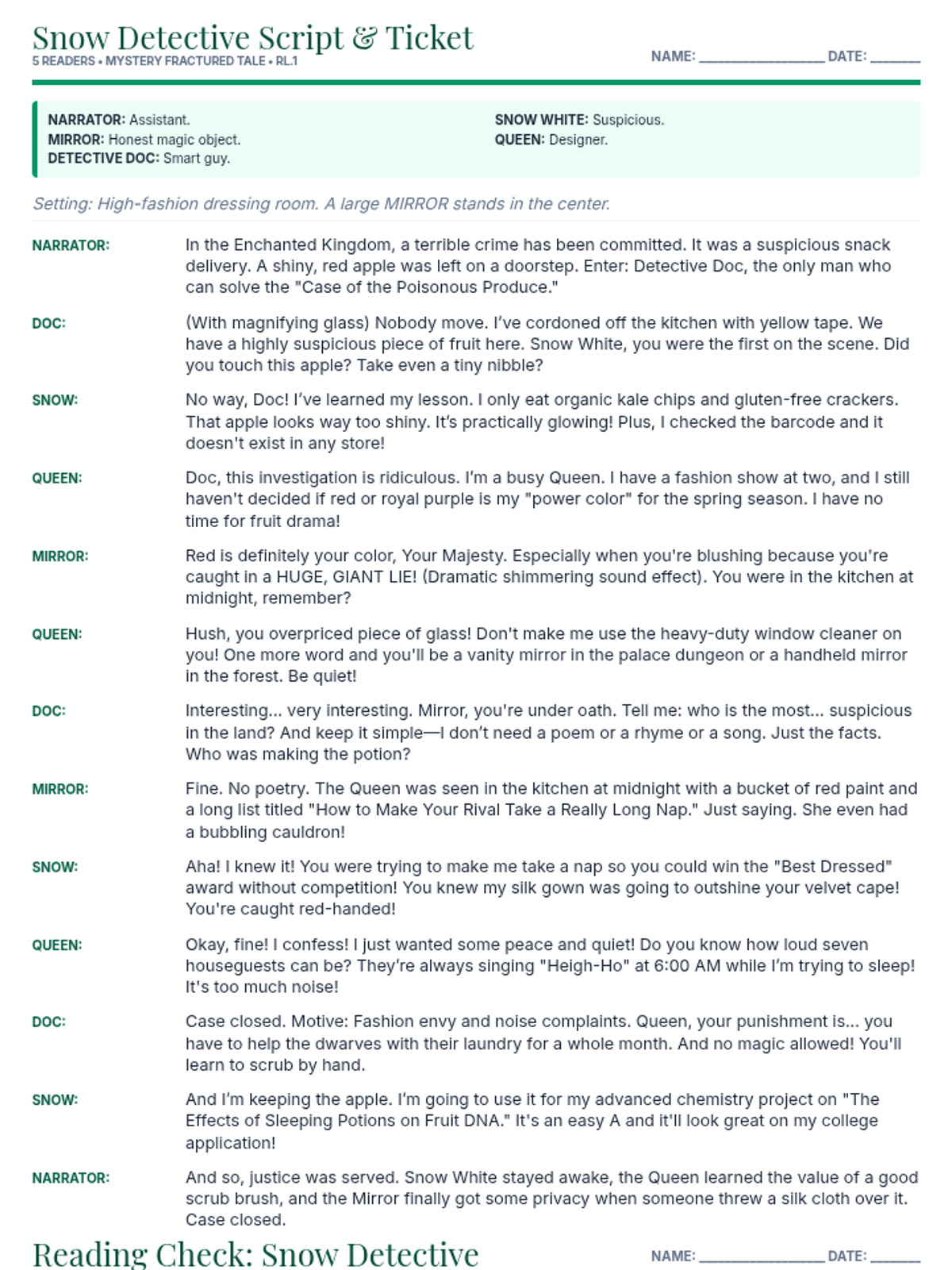
A collection of Reader's Theater mysteries and activities designed to reinforce S.P.I.R.E. Level 5 phonics patterns through fluency and performance.
A comprehensive unit for Wilson Reading System Step 4.2, focusing on two-syllable words combining closed and vowel-consonant-e (VCe) syllables. Includes syllable division practice, word cards, games, and fluency activities.
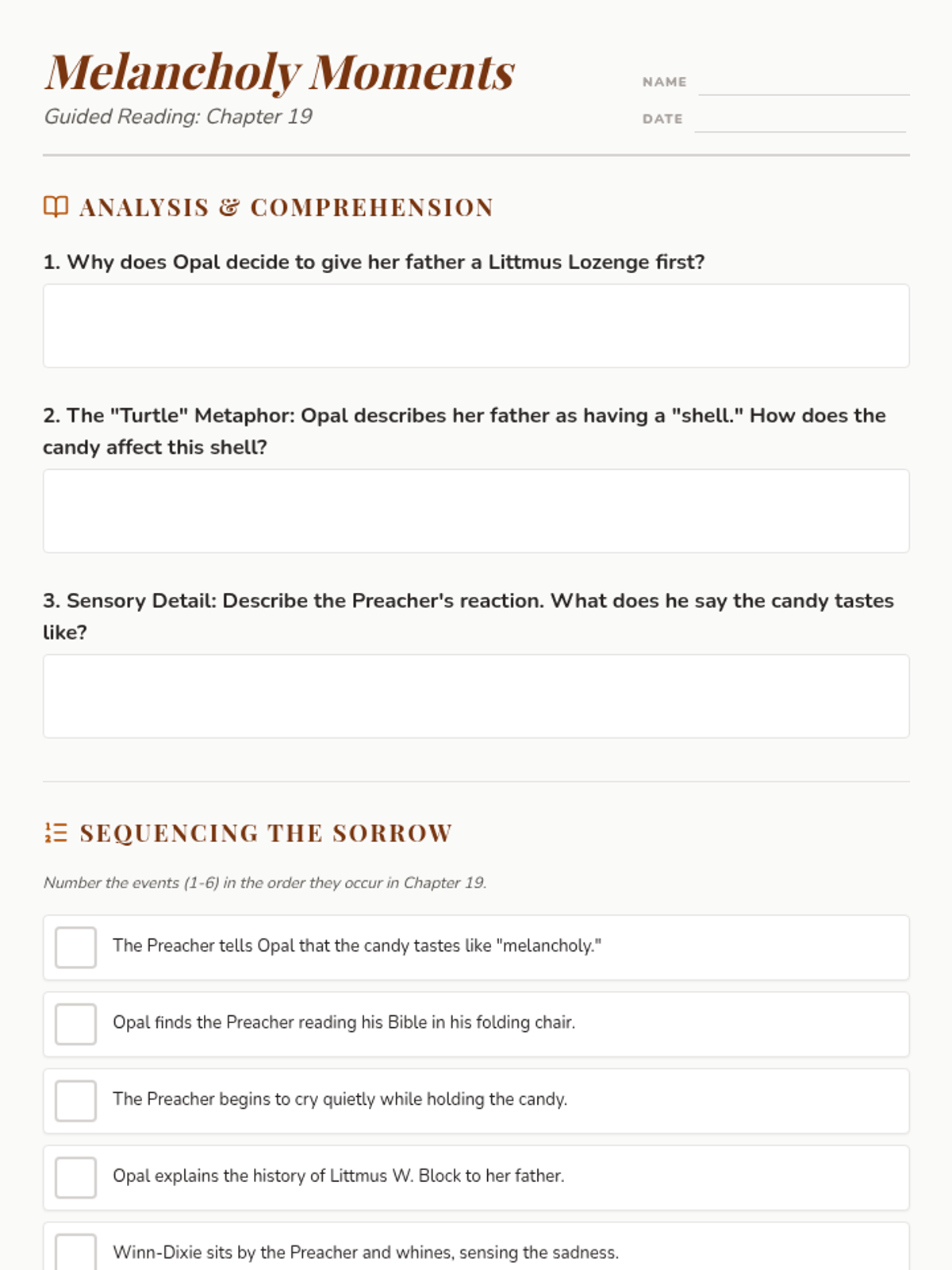
A comprehensive study of 'The Last Kids on Earth and the Nightmare King', tracking Jack's journey through friendship, fear, and the mystery of the cosmic entity Ghazt.
A comprehensive book club unit for Natalie Babbitt's *Tuck Everlasting*, exploring themes of immortality, nature's cycles, and moral choices through guided discussion, vocabulary expansion, and project-based learning.
A focused series of activities designed to help students master the skill of determining literal and nonliteral meanings in fictional texts.
A 6-session intervention sequence designed for small groups of students below grade level. This sequence uses a 'Building Blocks' metaphor to teach structured paragraph writing, starting with topic sentences and moving through evidence, explanation, and conclusions, progressively reducing scaffolding to build independence.
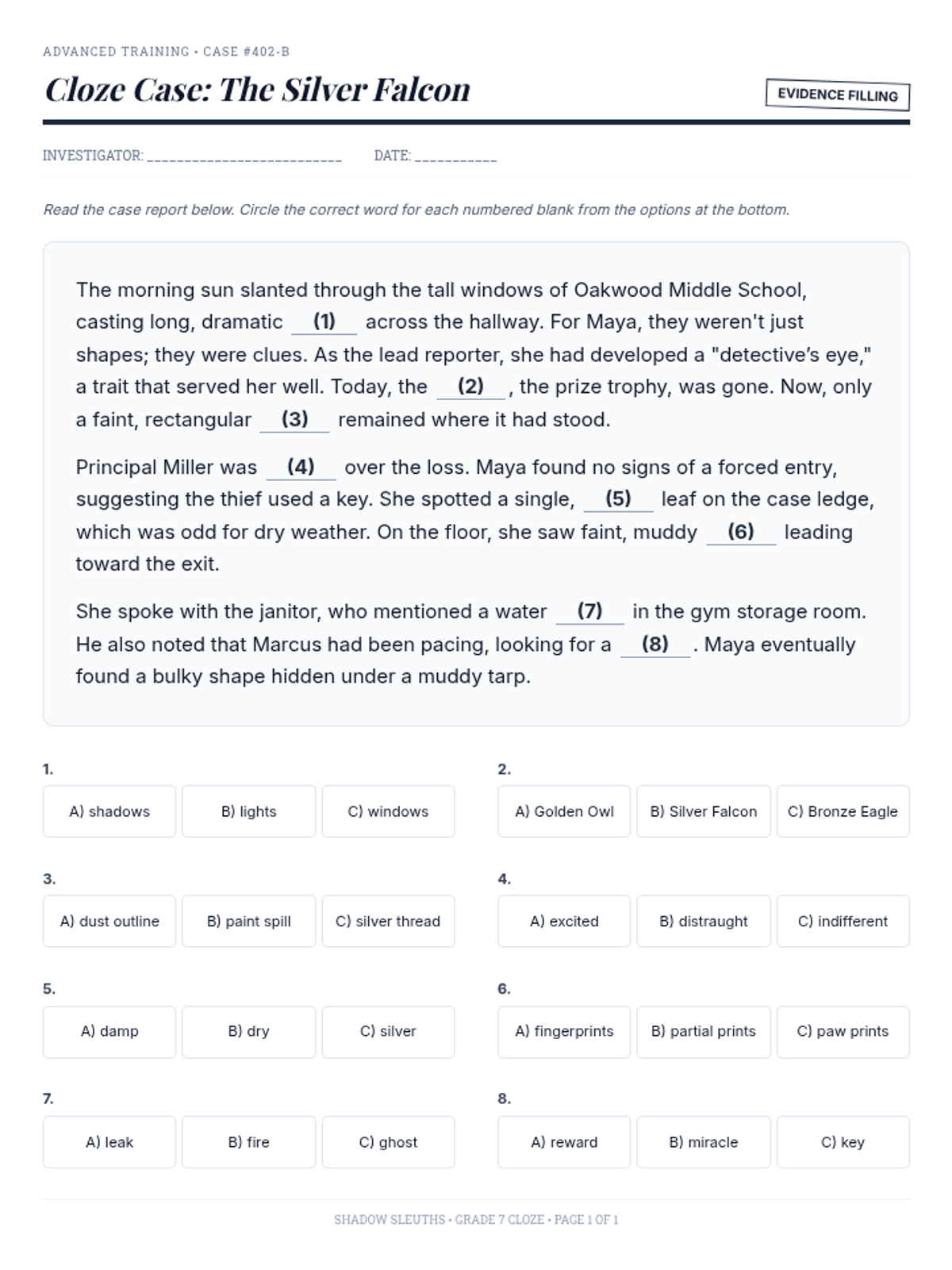
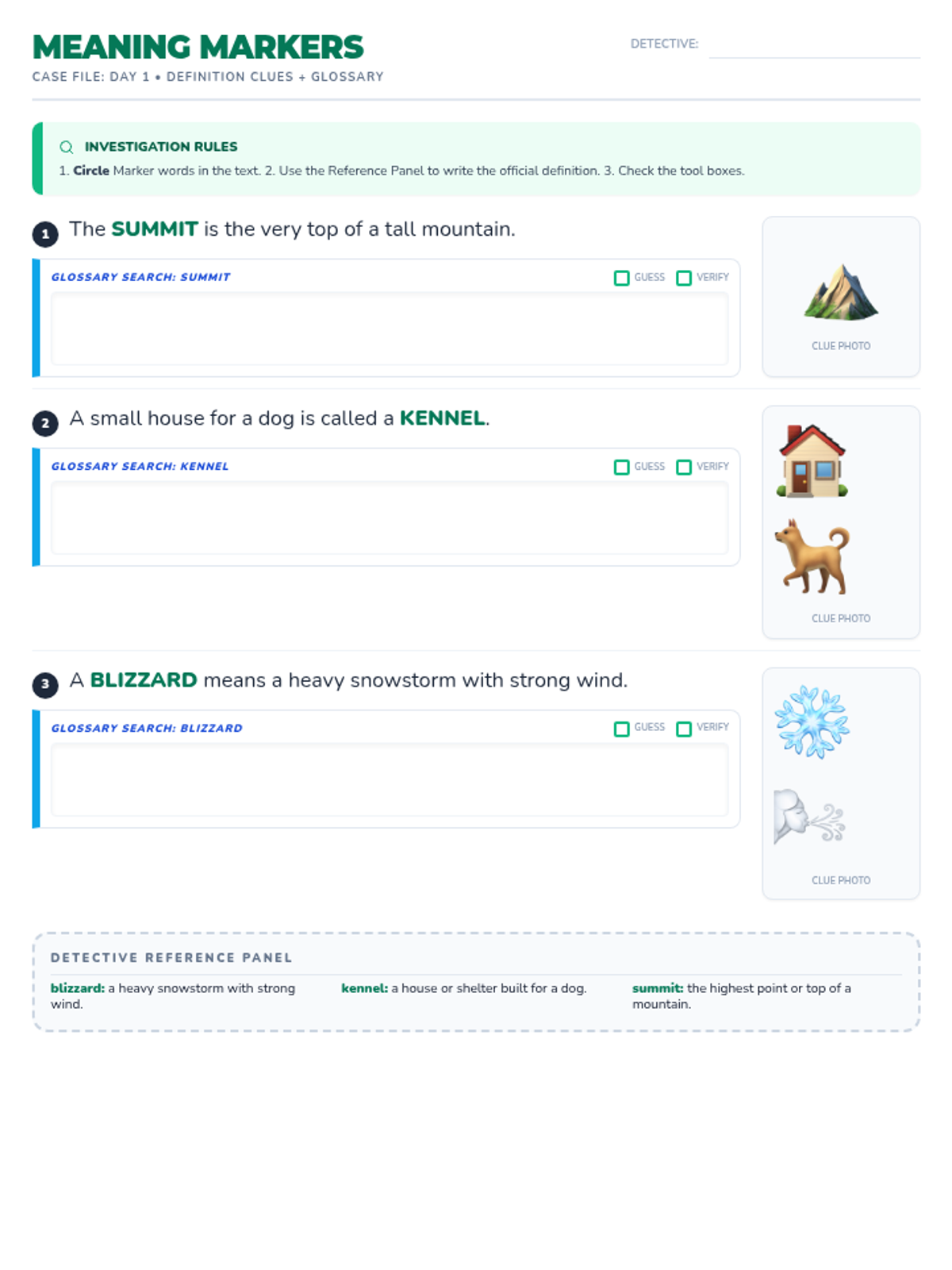
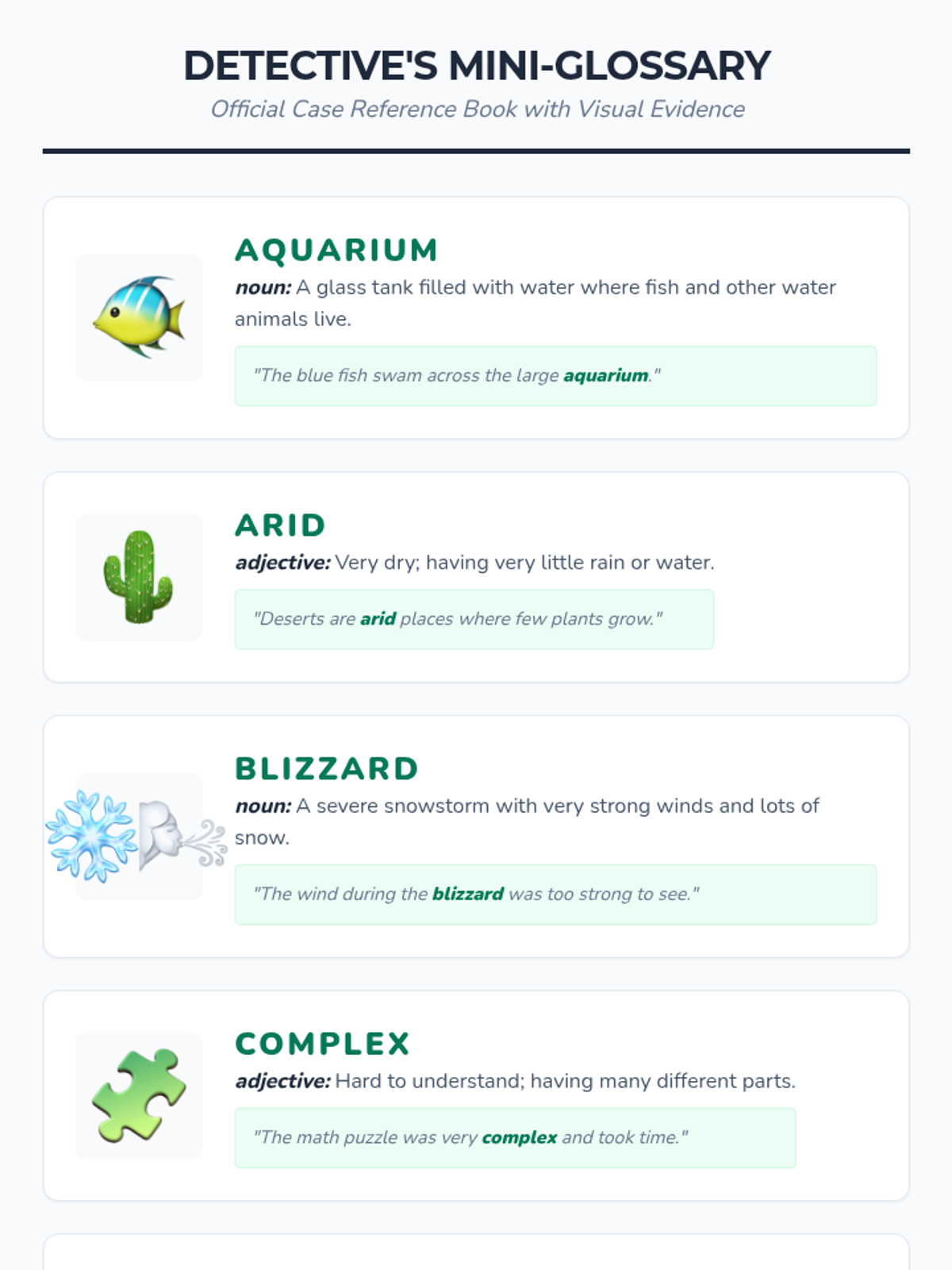
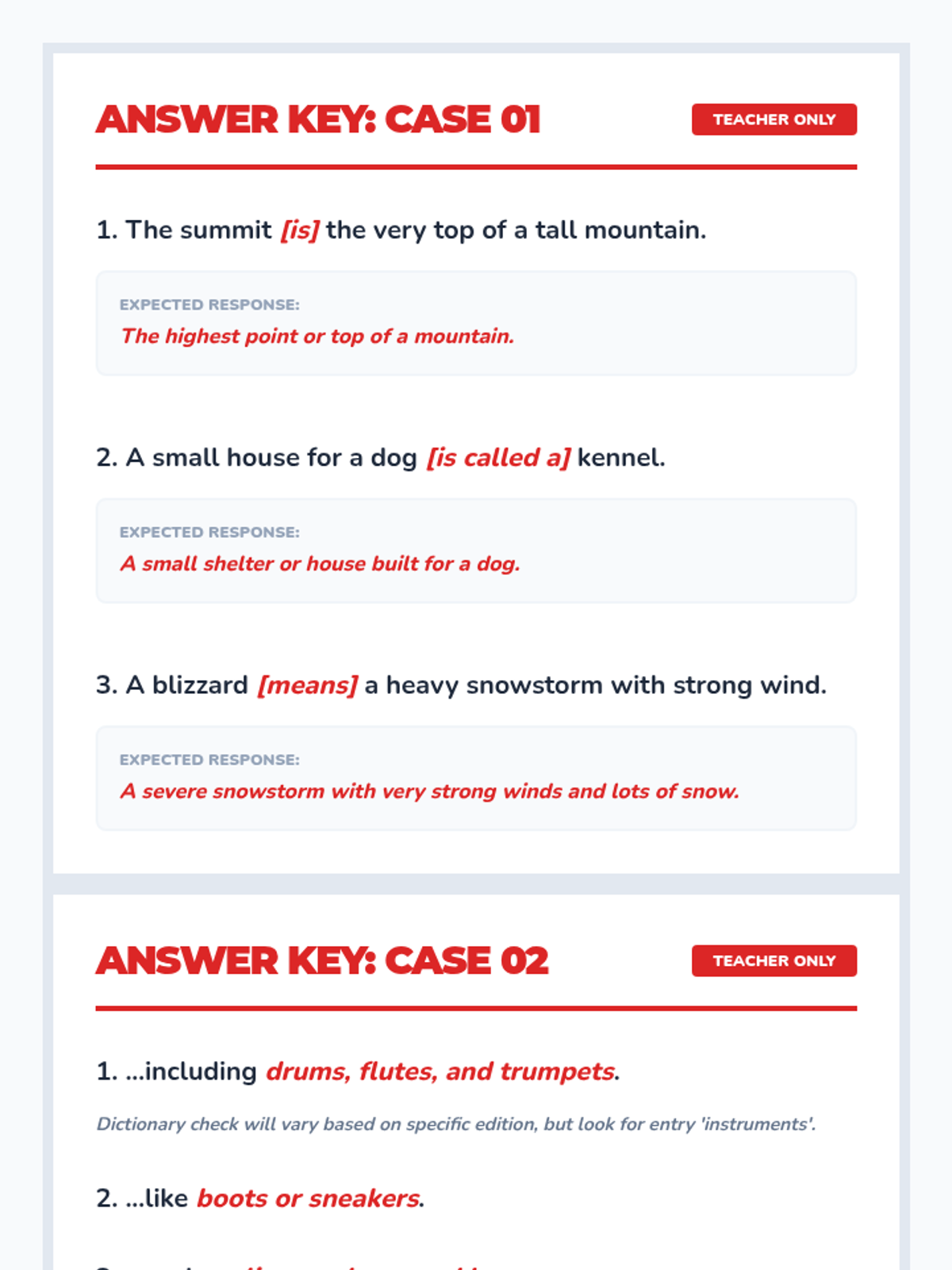
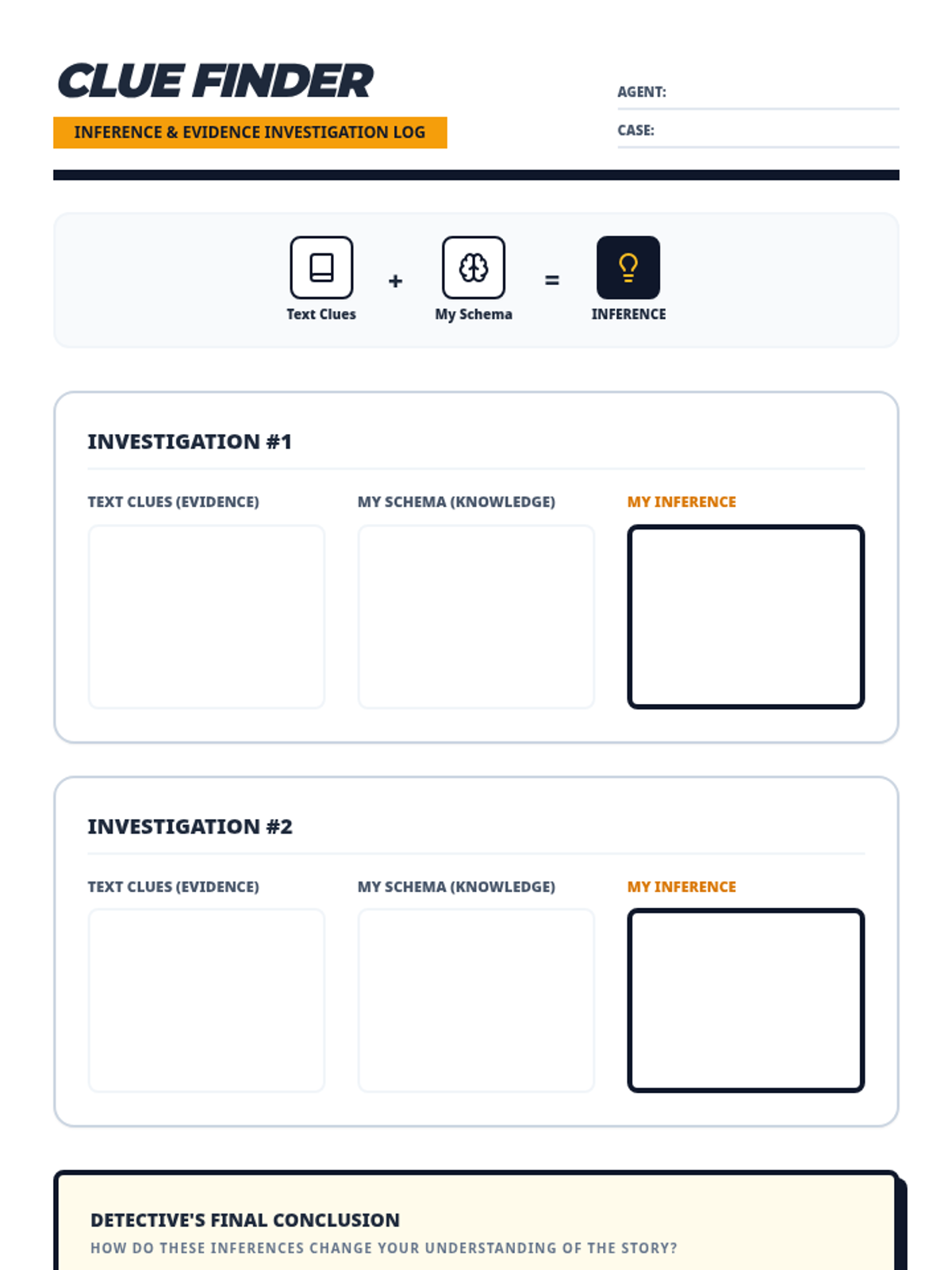
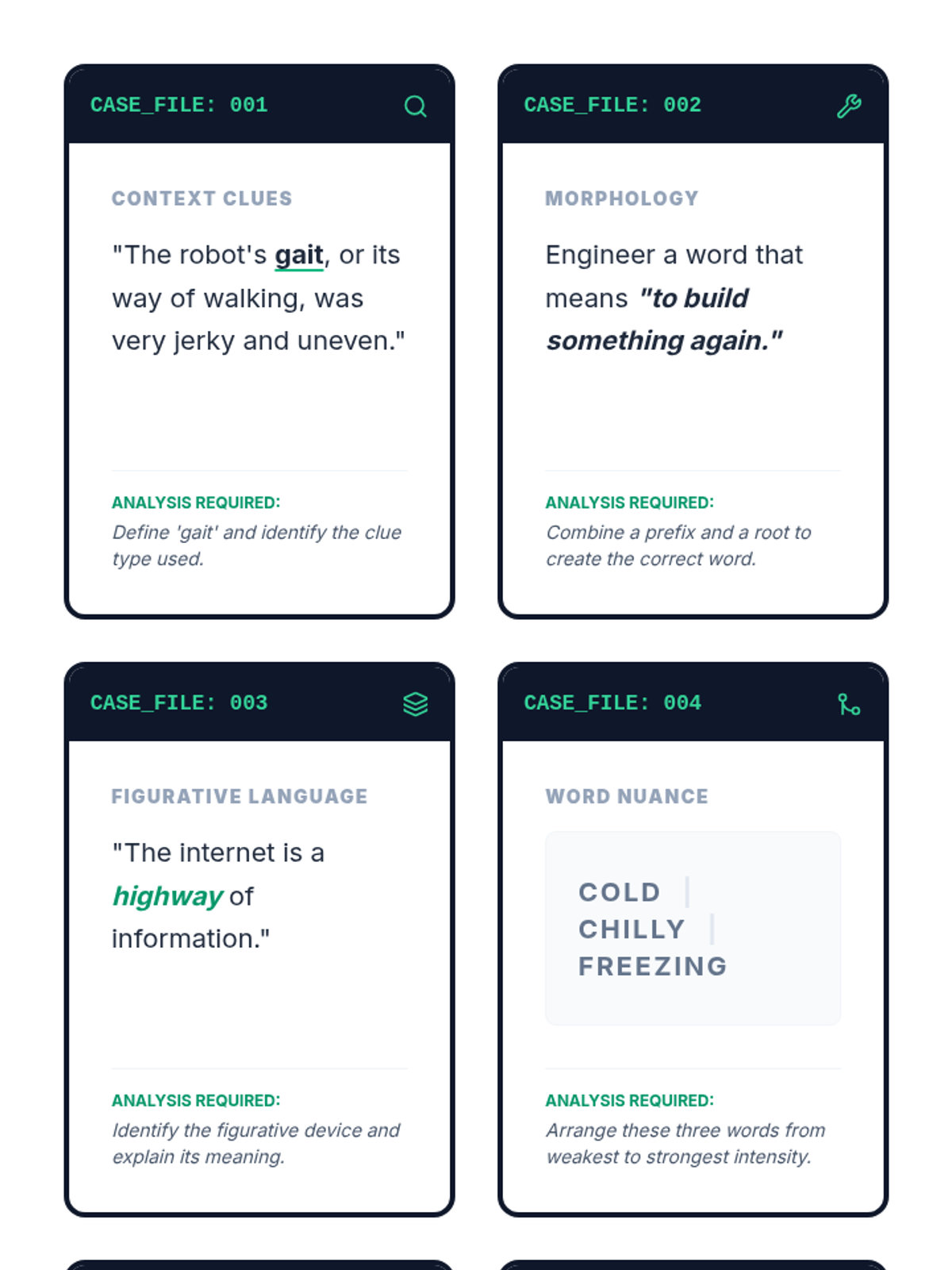
A 4-week small-group intervention program focused on mastering inference and context clues. Using a 'Detective/Evidence' theme, students learn to move beyond guessing by citing specific textual evidence and identifying five types of context clues (Definition, Synonym, Antonym, Example, Contrast).