A week-long exploration of literary elements using fables, myths, and realistic fiction. Students act as 'Story Architects' to deconstruct plot, character, theme, and setting.
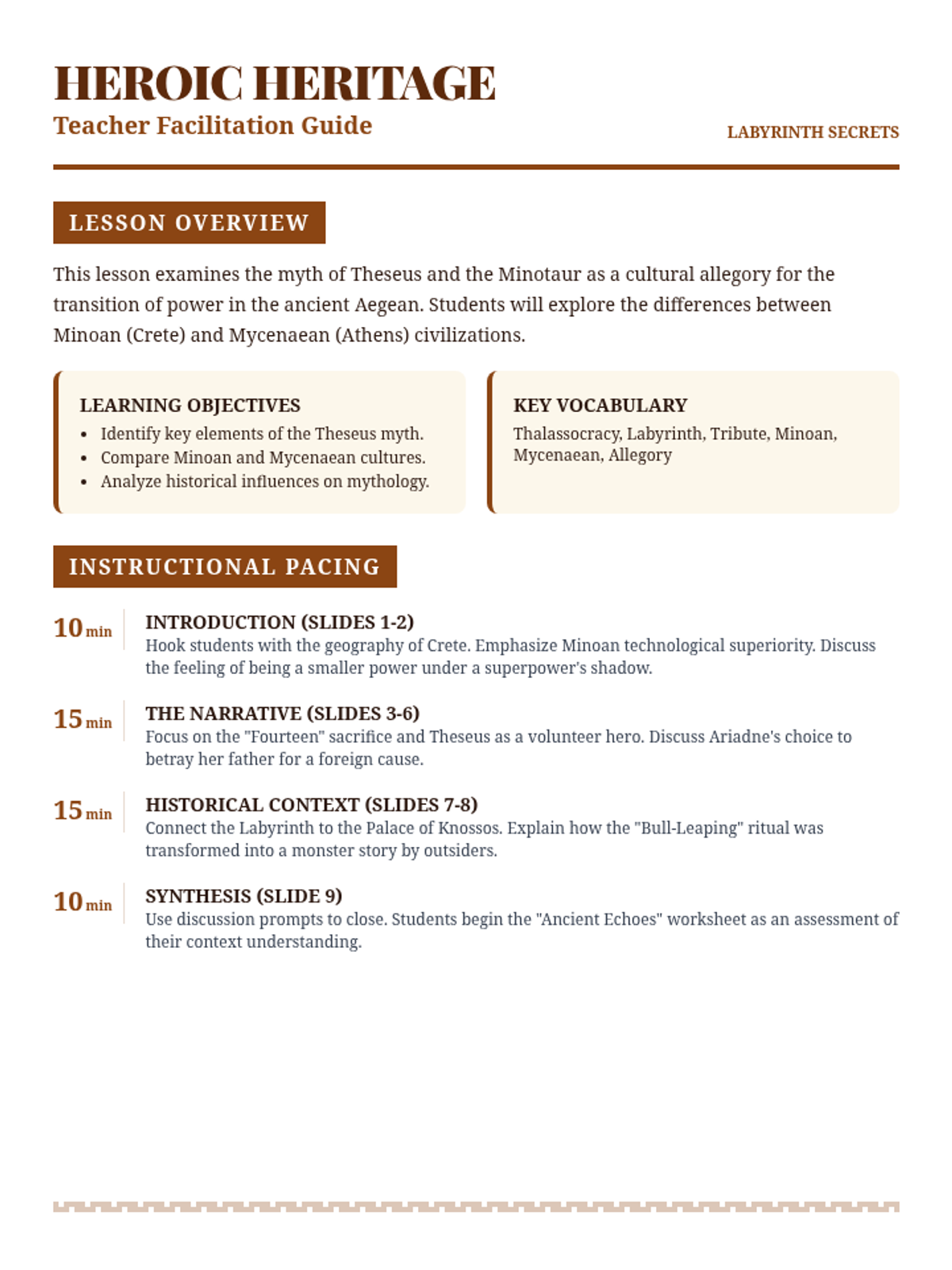
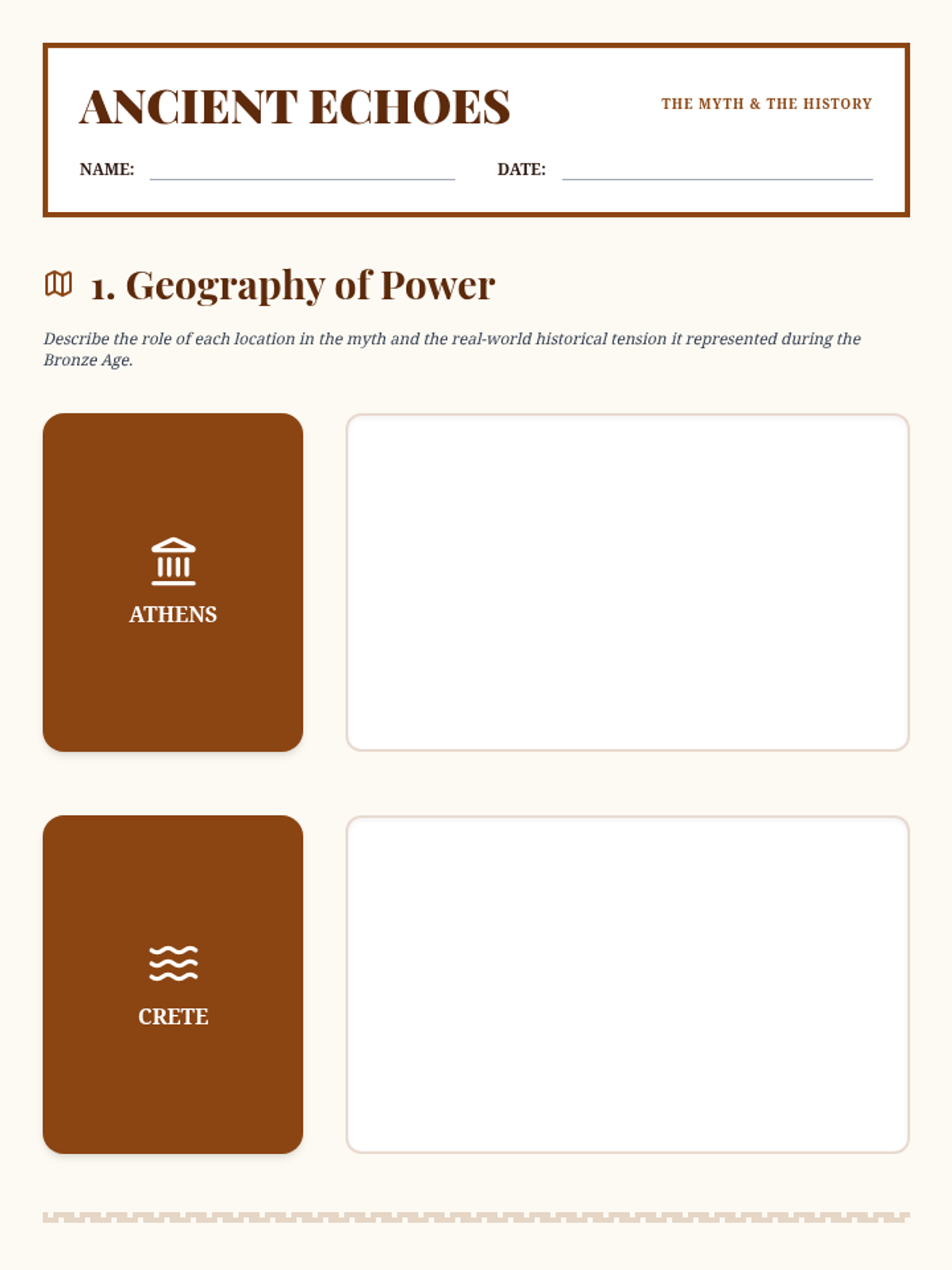
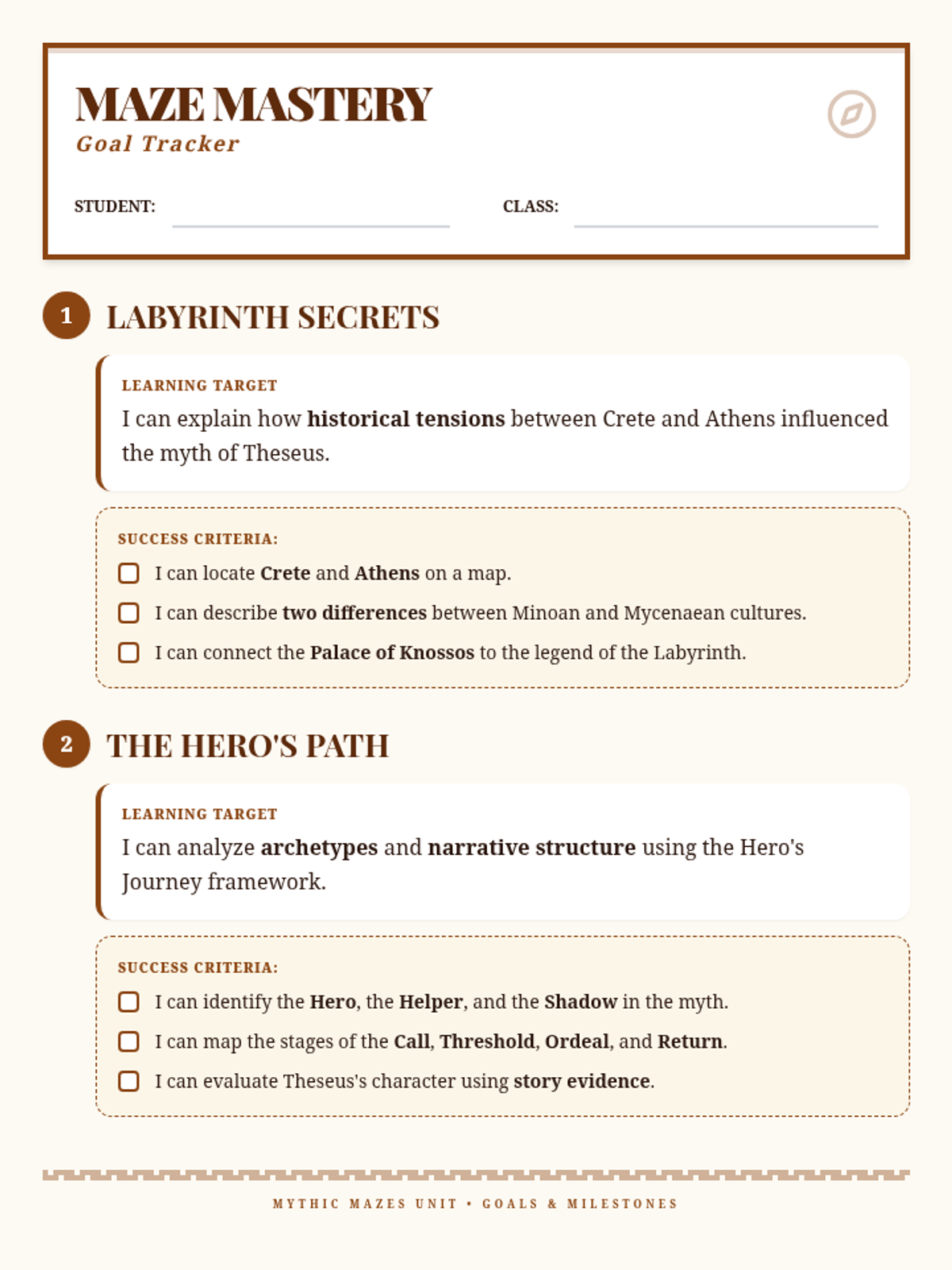
A comprehensive exploration of the Theseus and Minotaur myth, covering historical origins, narrative structure, and character archetypes.
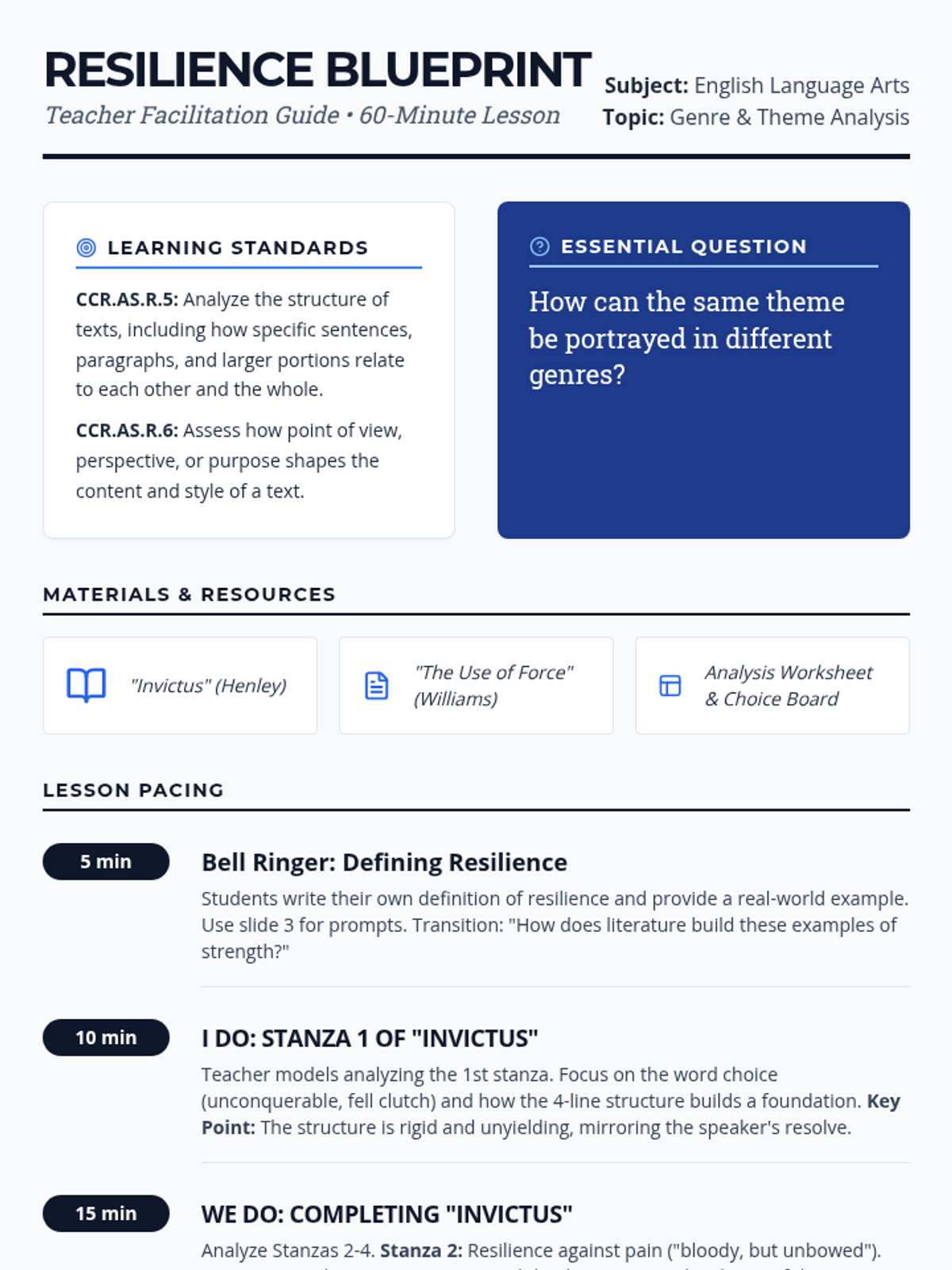
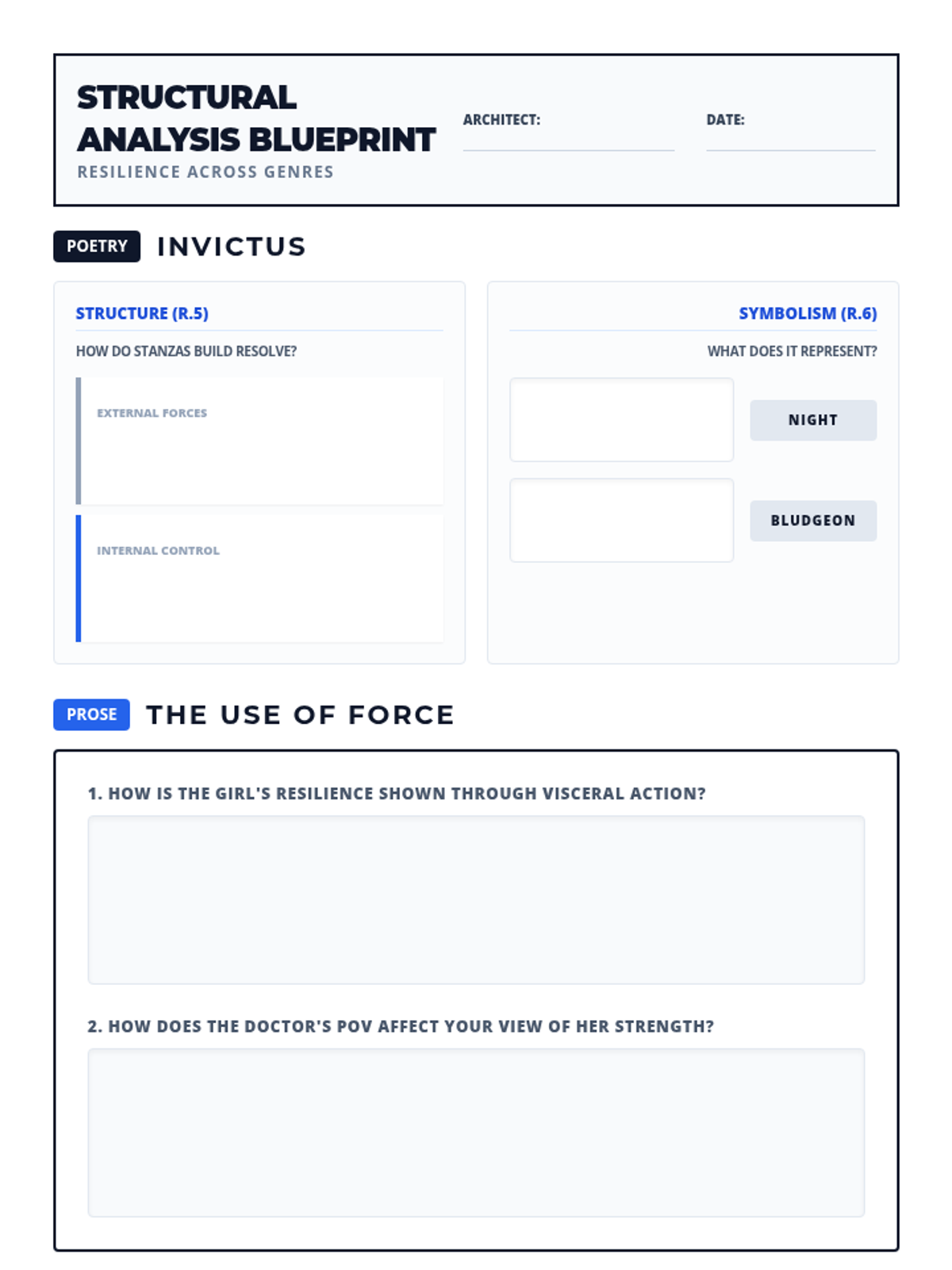
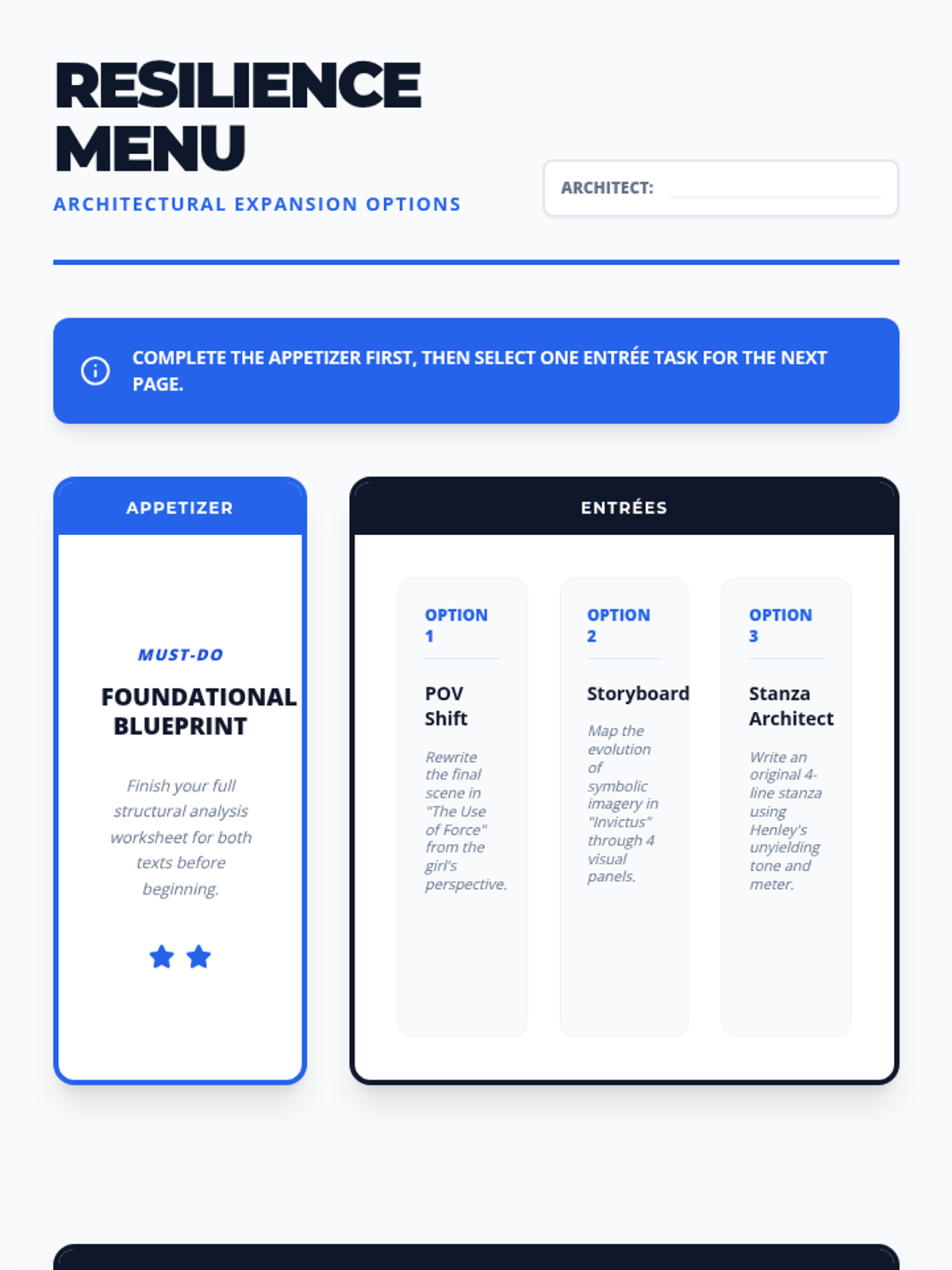
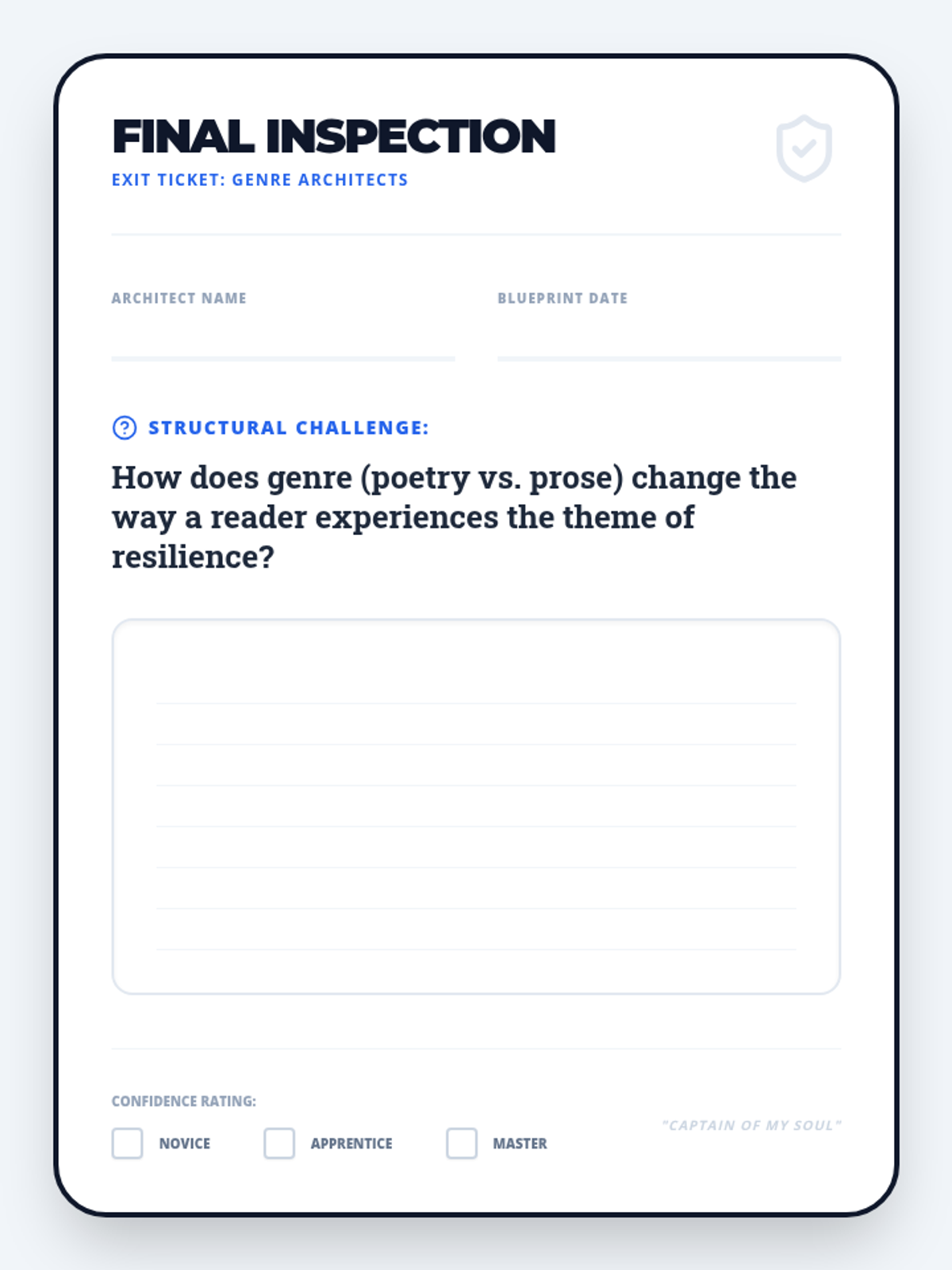
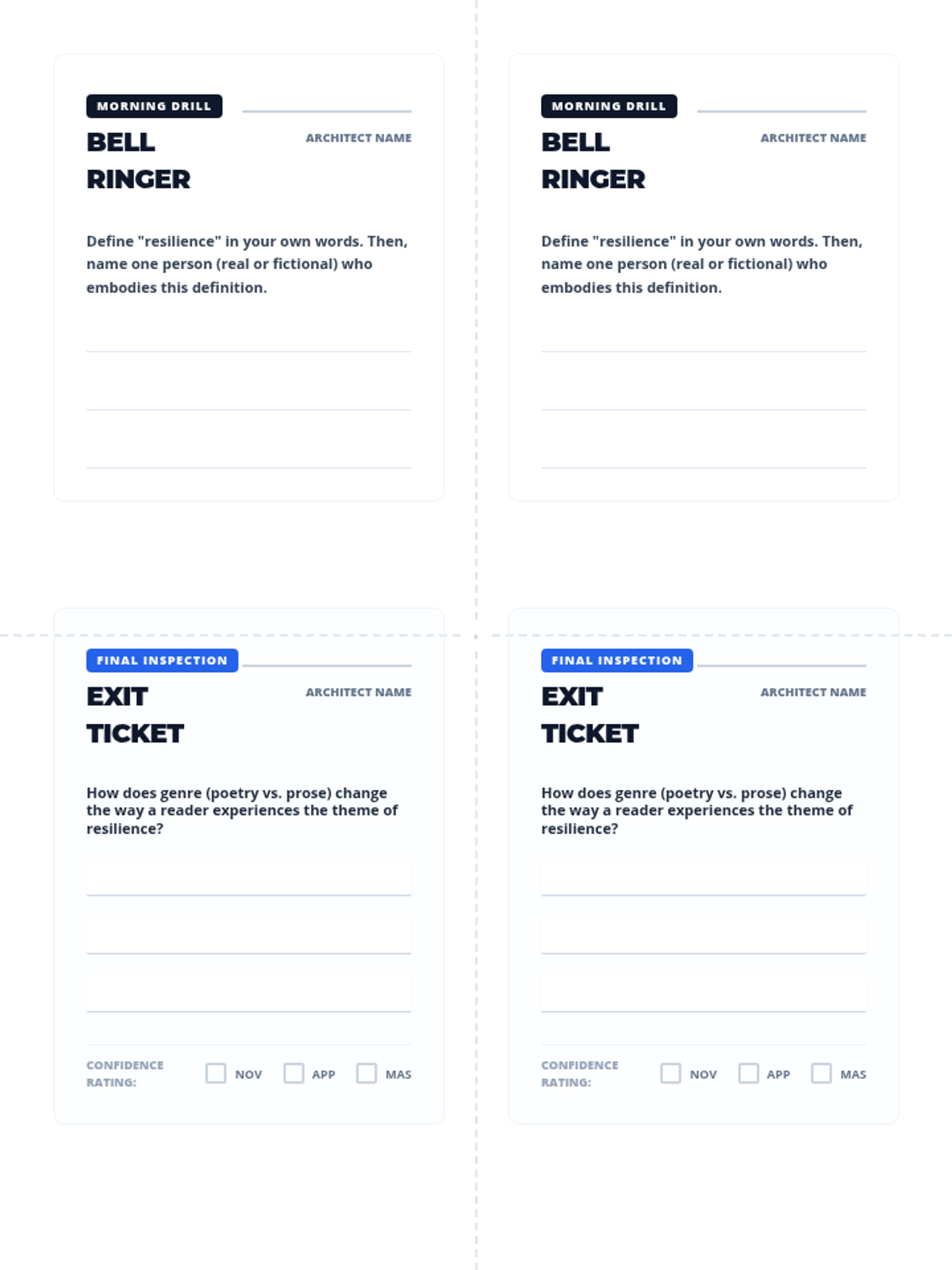
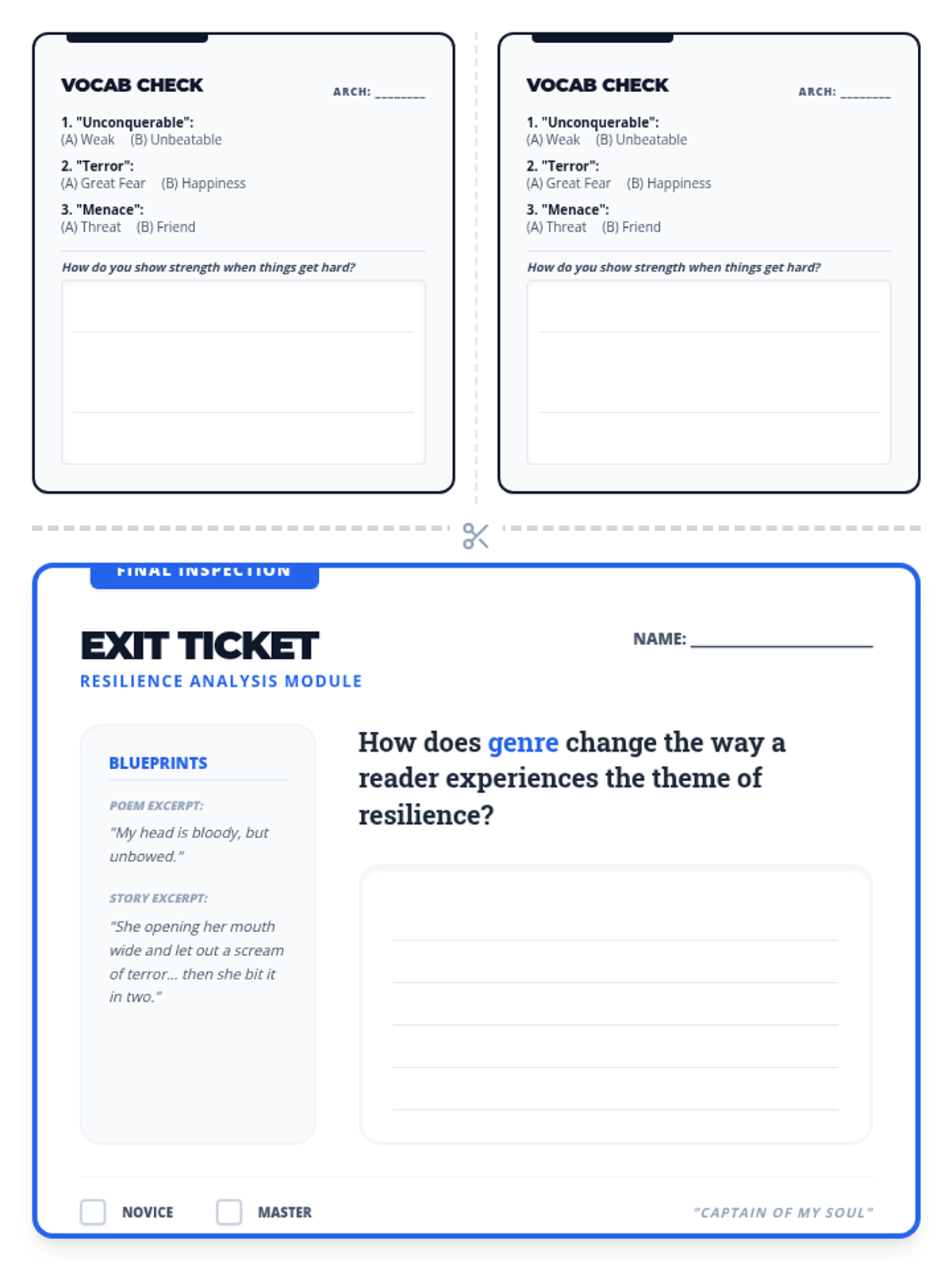
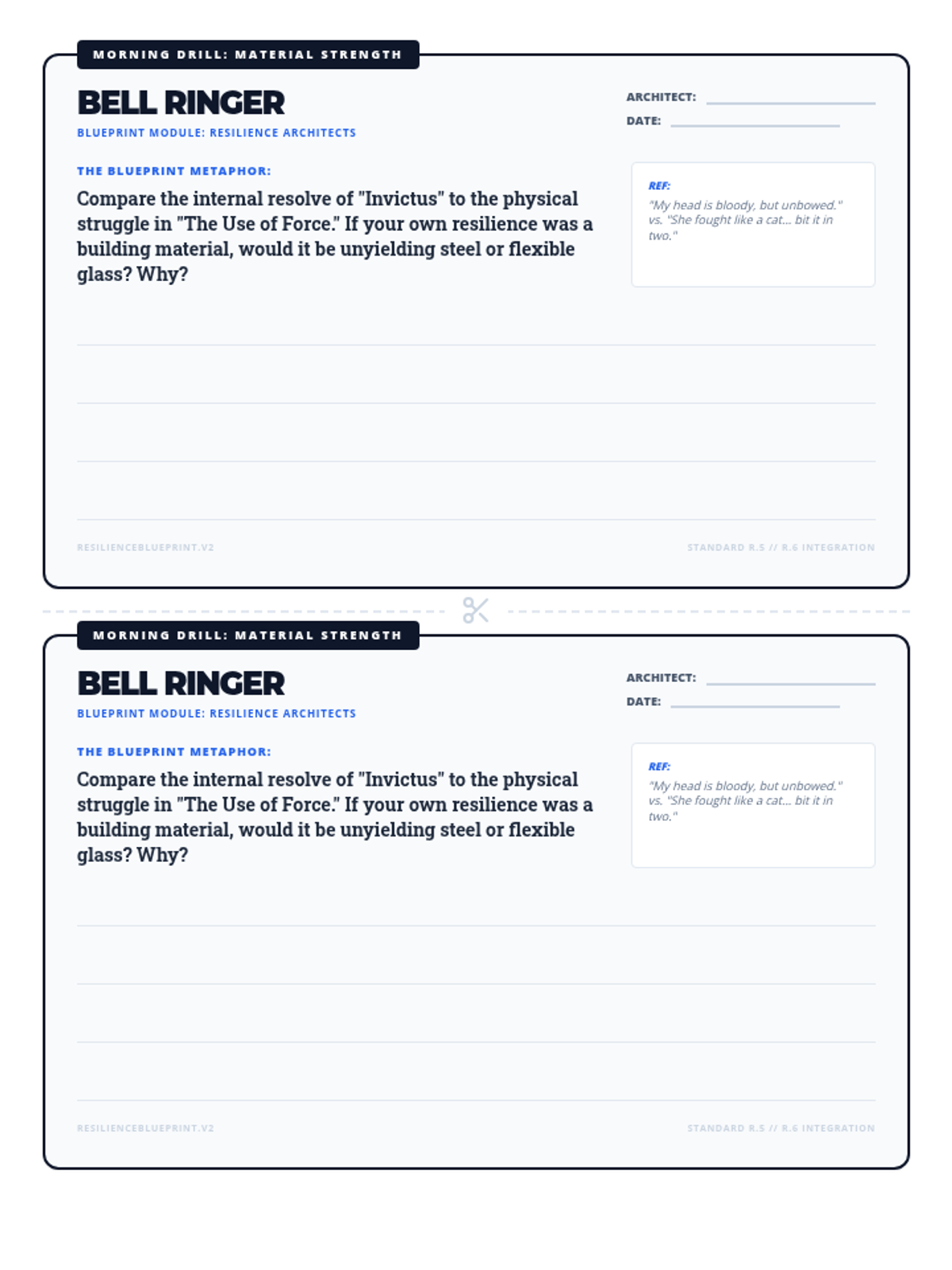
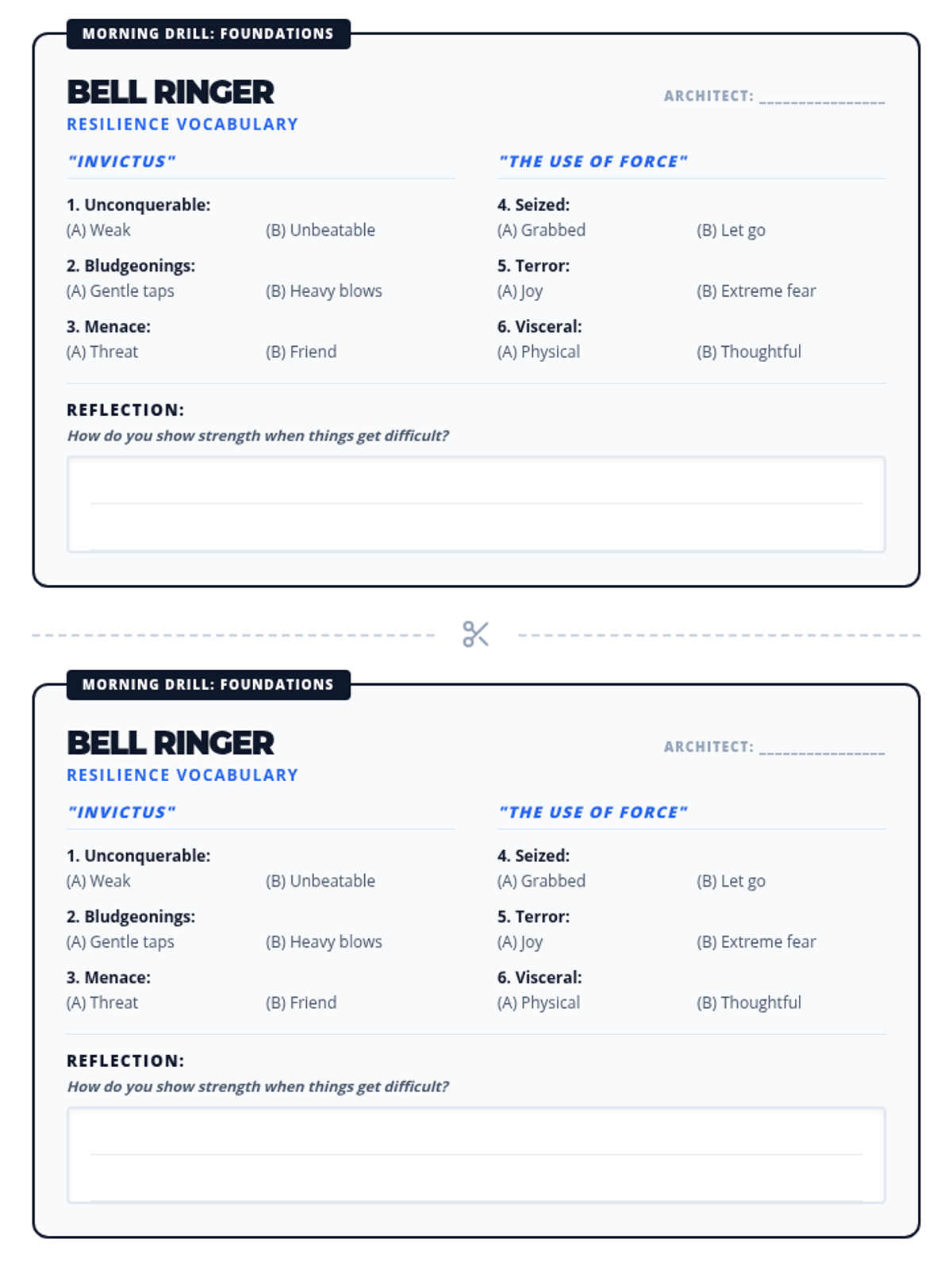
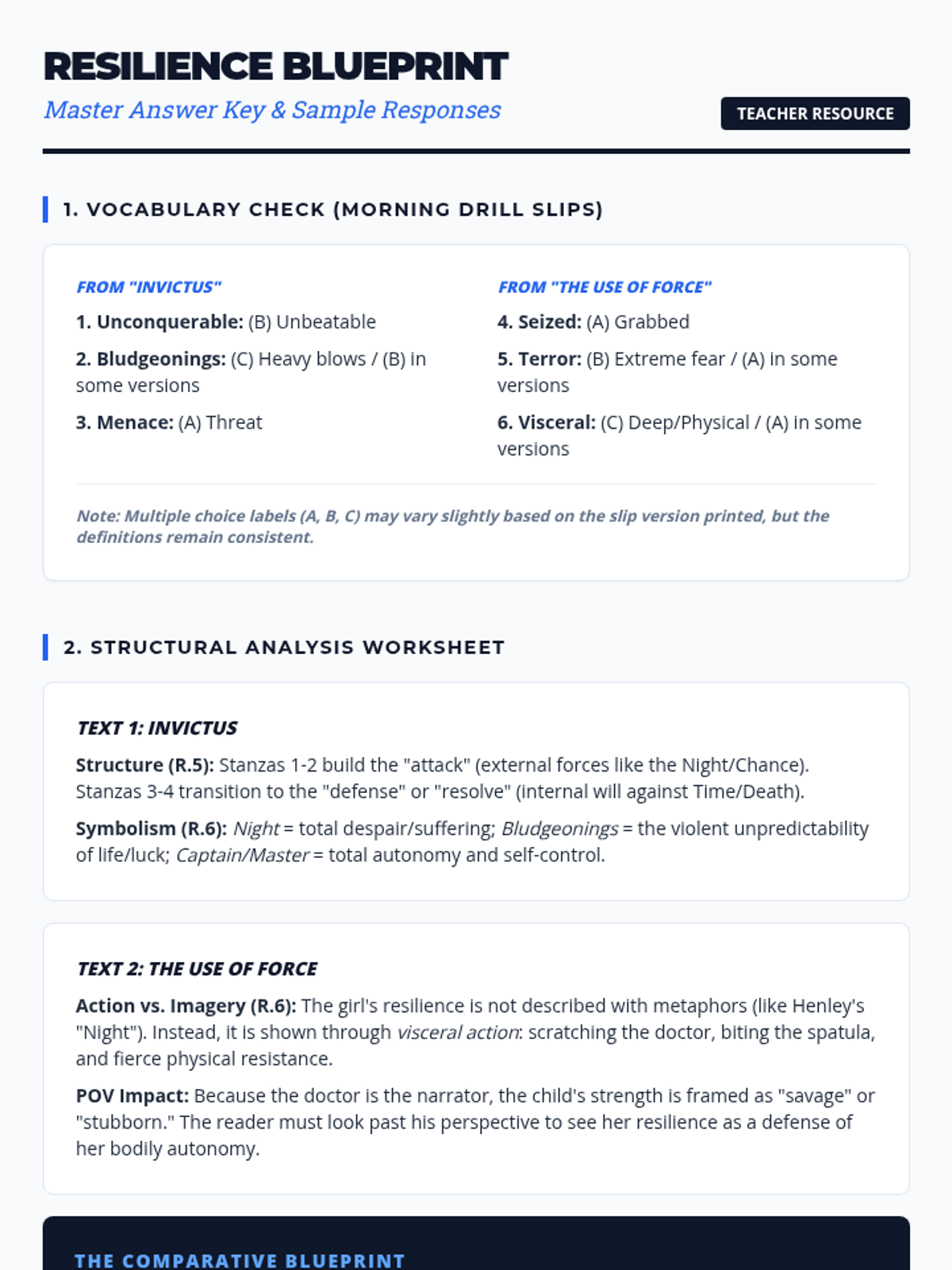
A literary analysis unit focusing on how structure and perspective shape the theme of resilience across poetry and short stories.
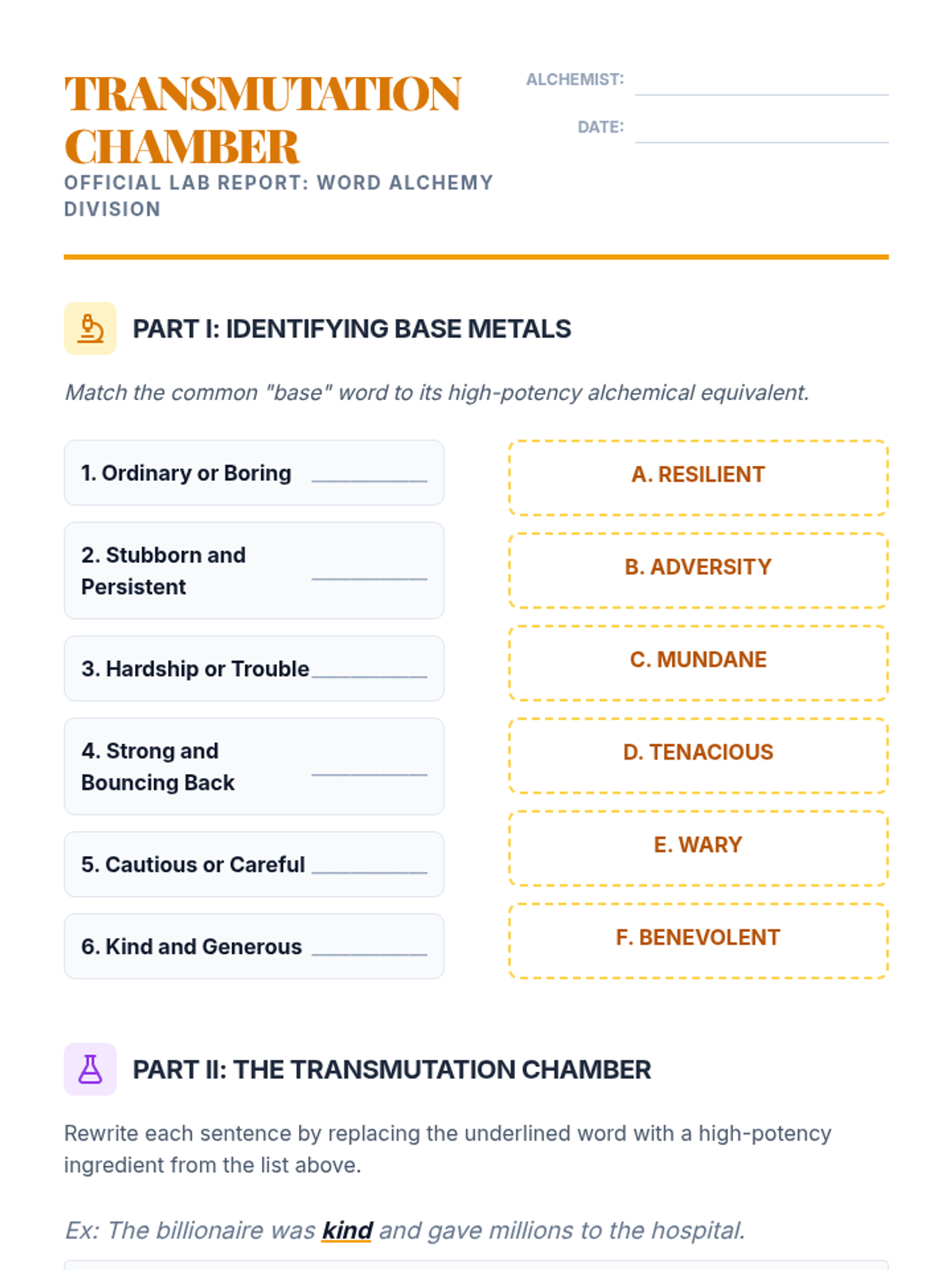
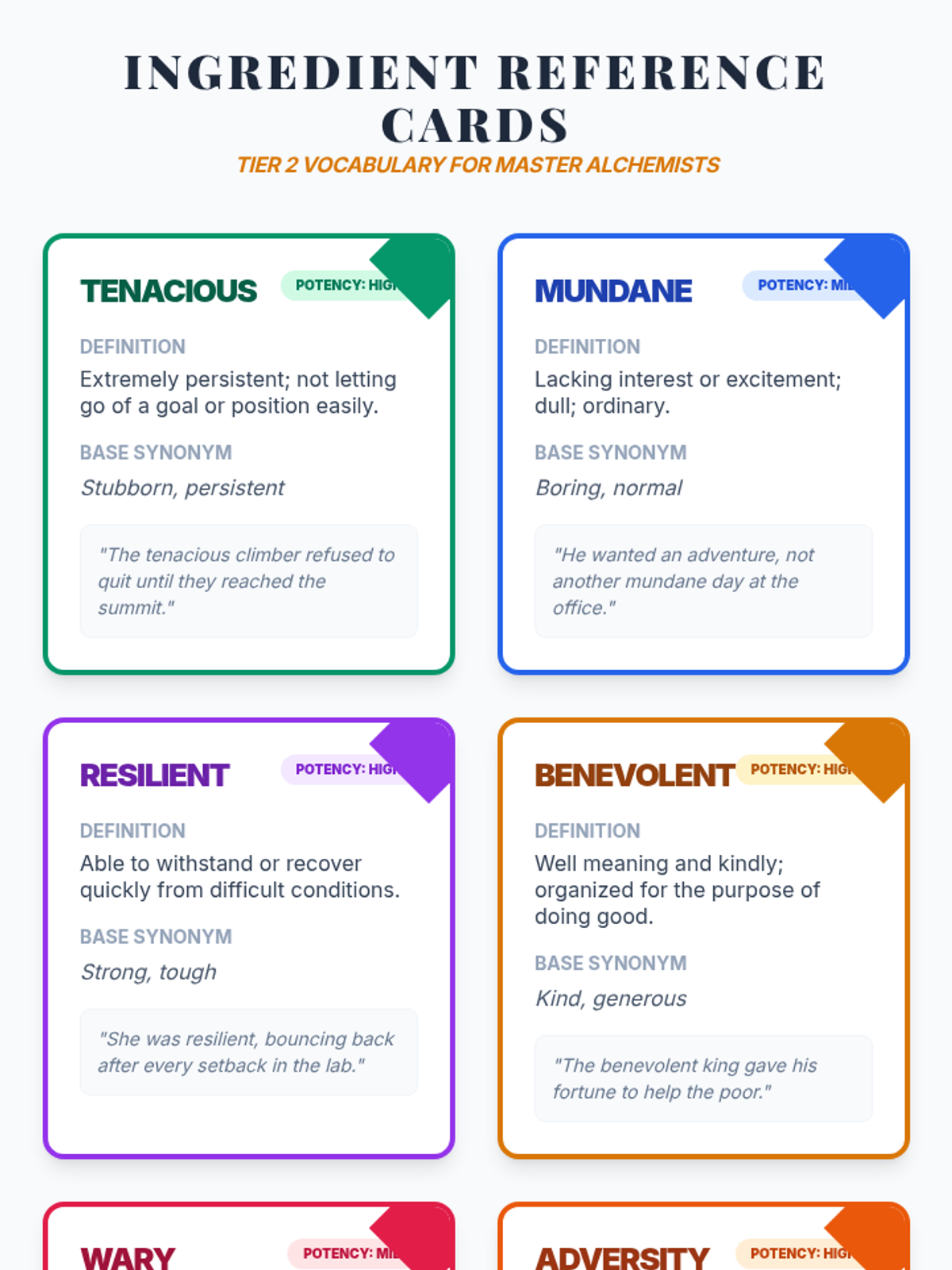
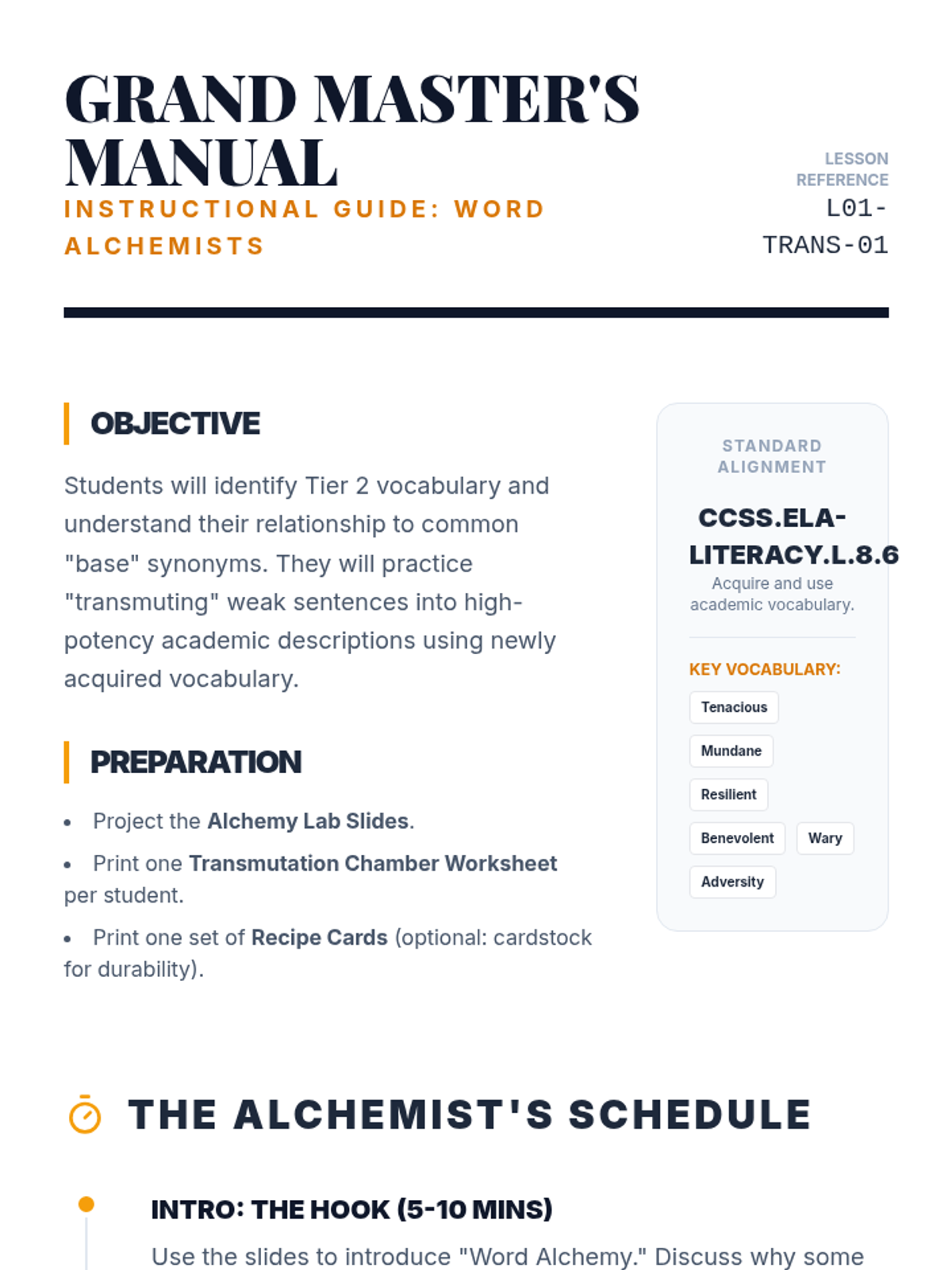
A vocabulary-building journey where students master academic language by framing word acquisition as magical alchemy and linguistic experimentation.
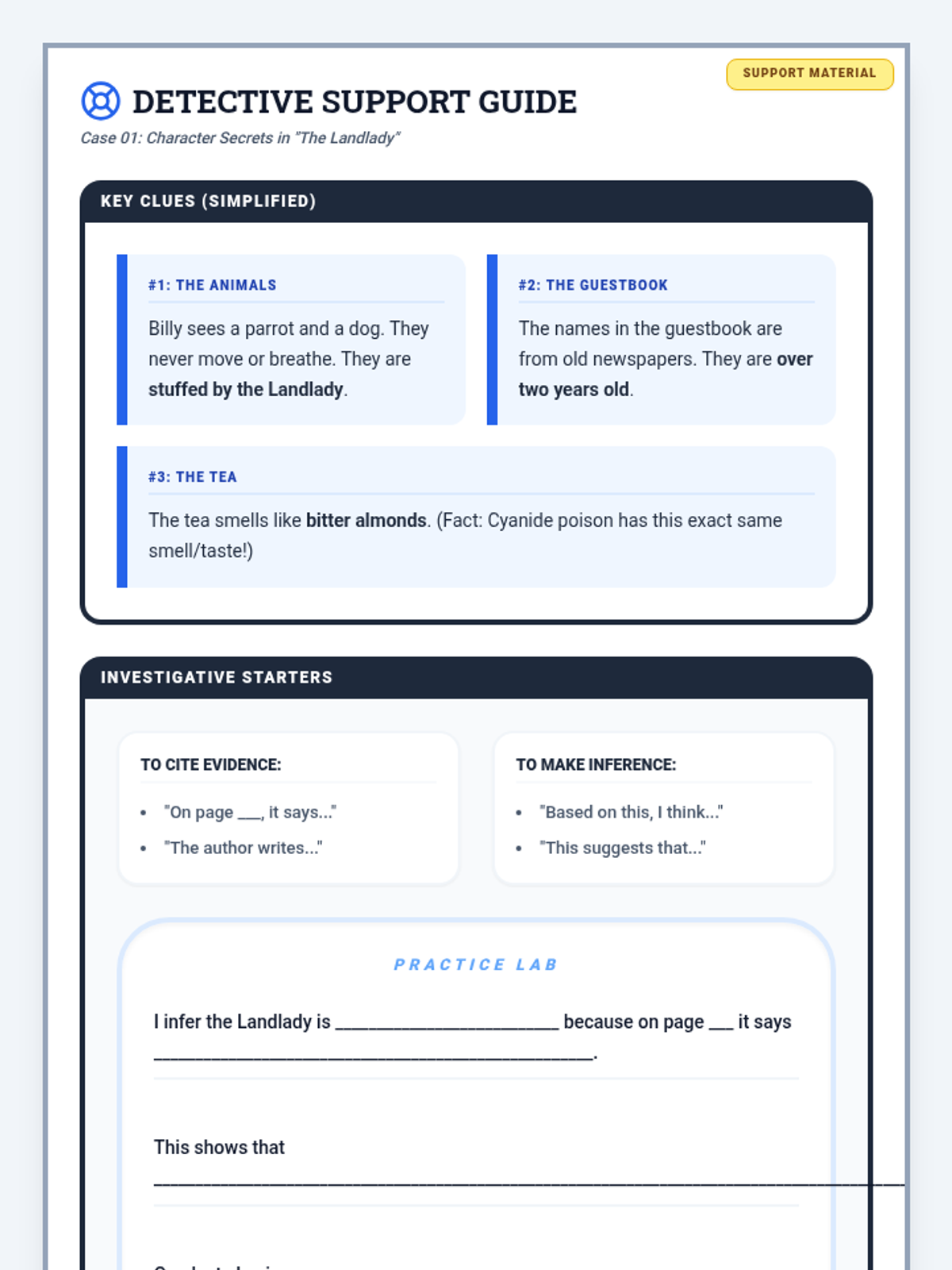
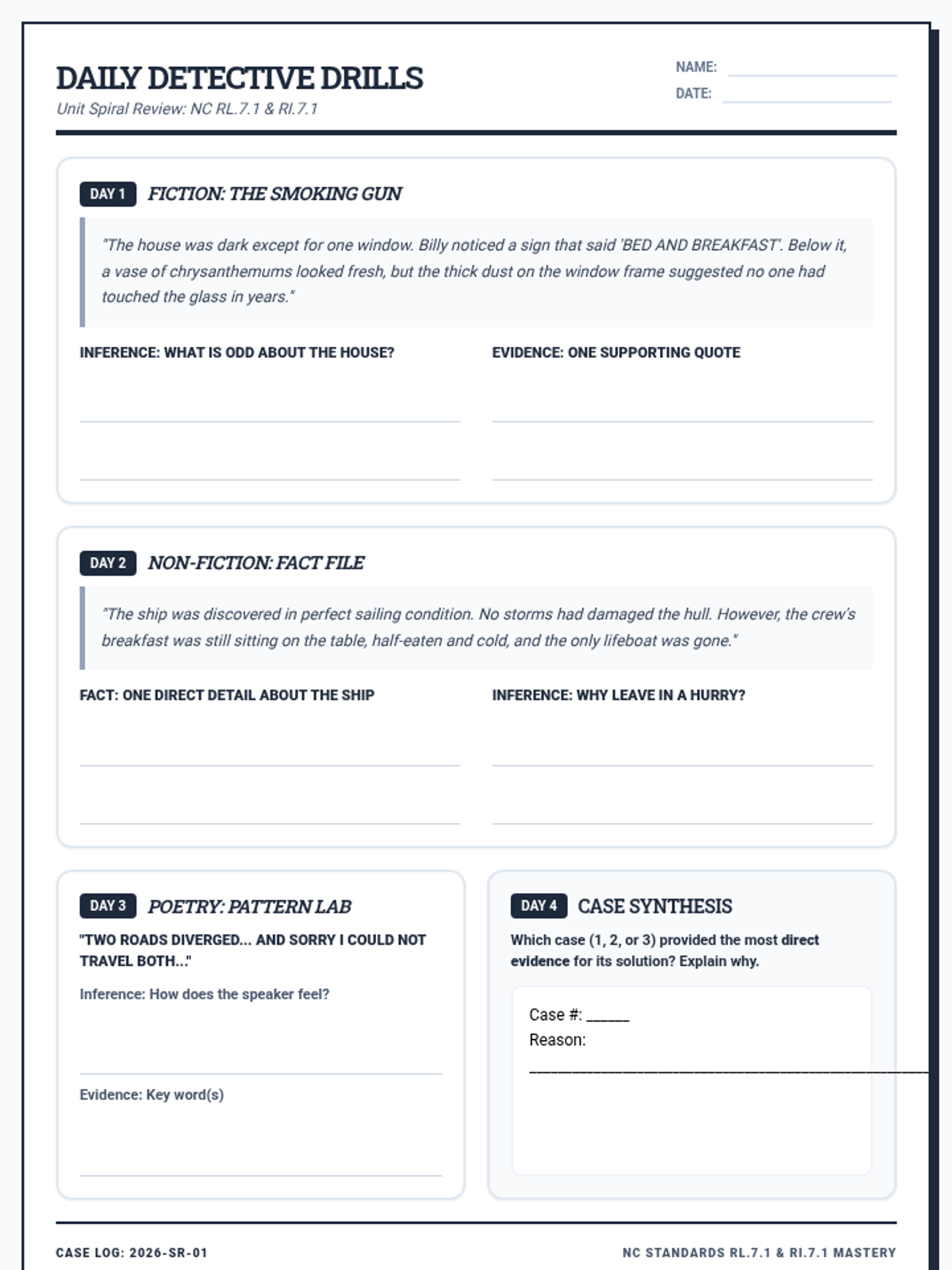
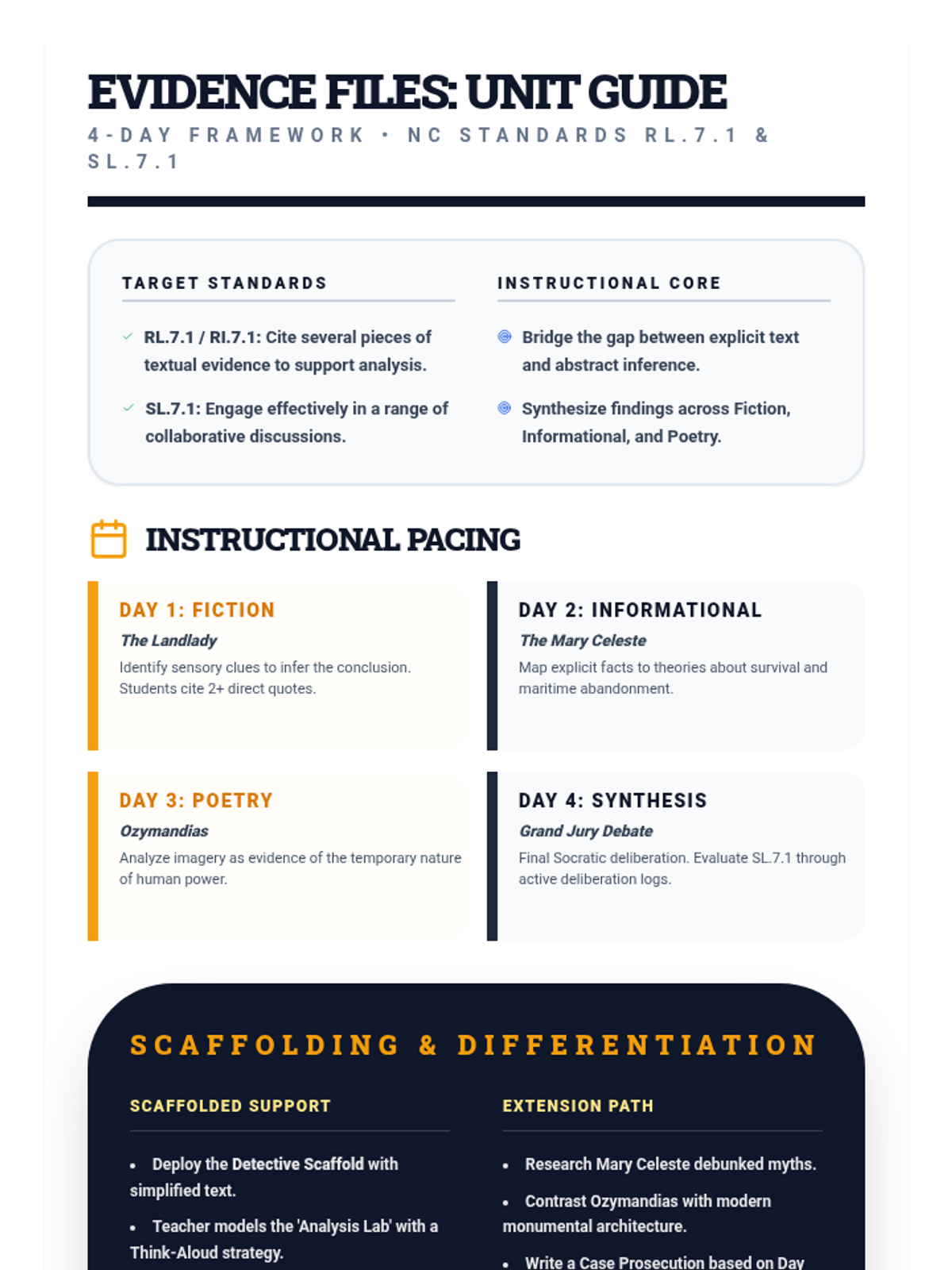
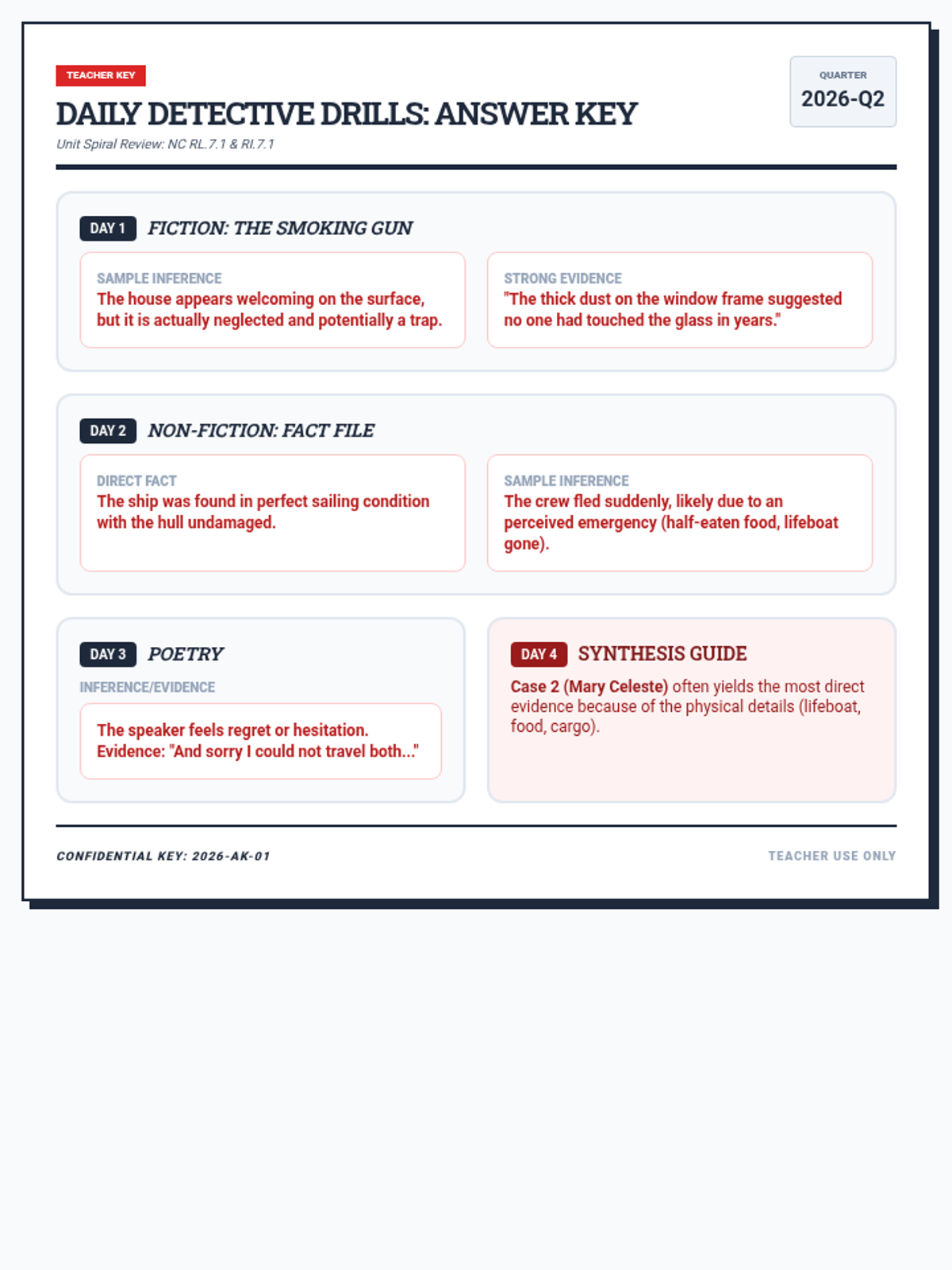
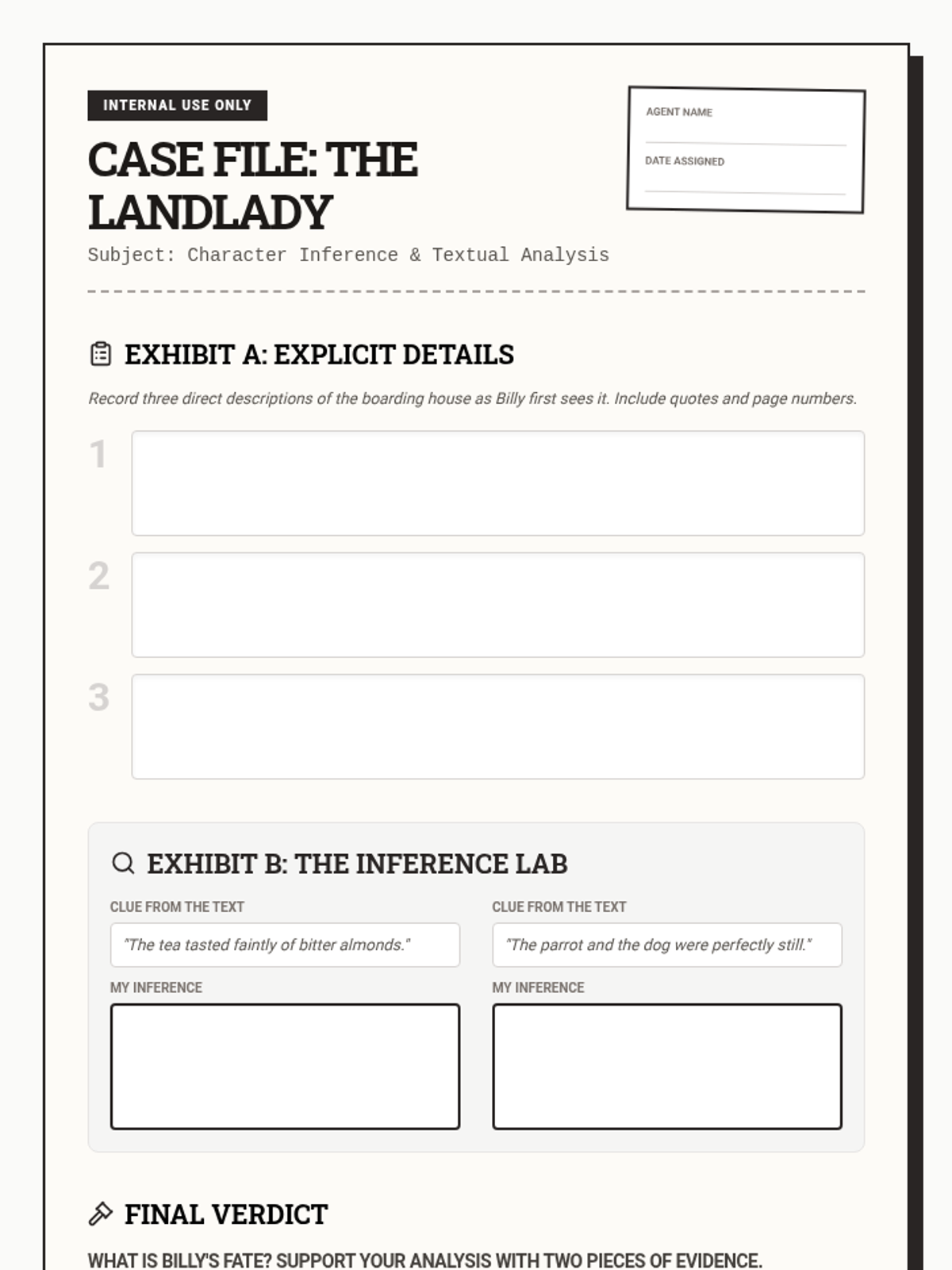
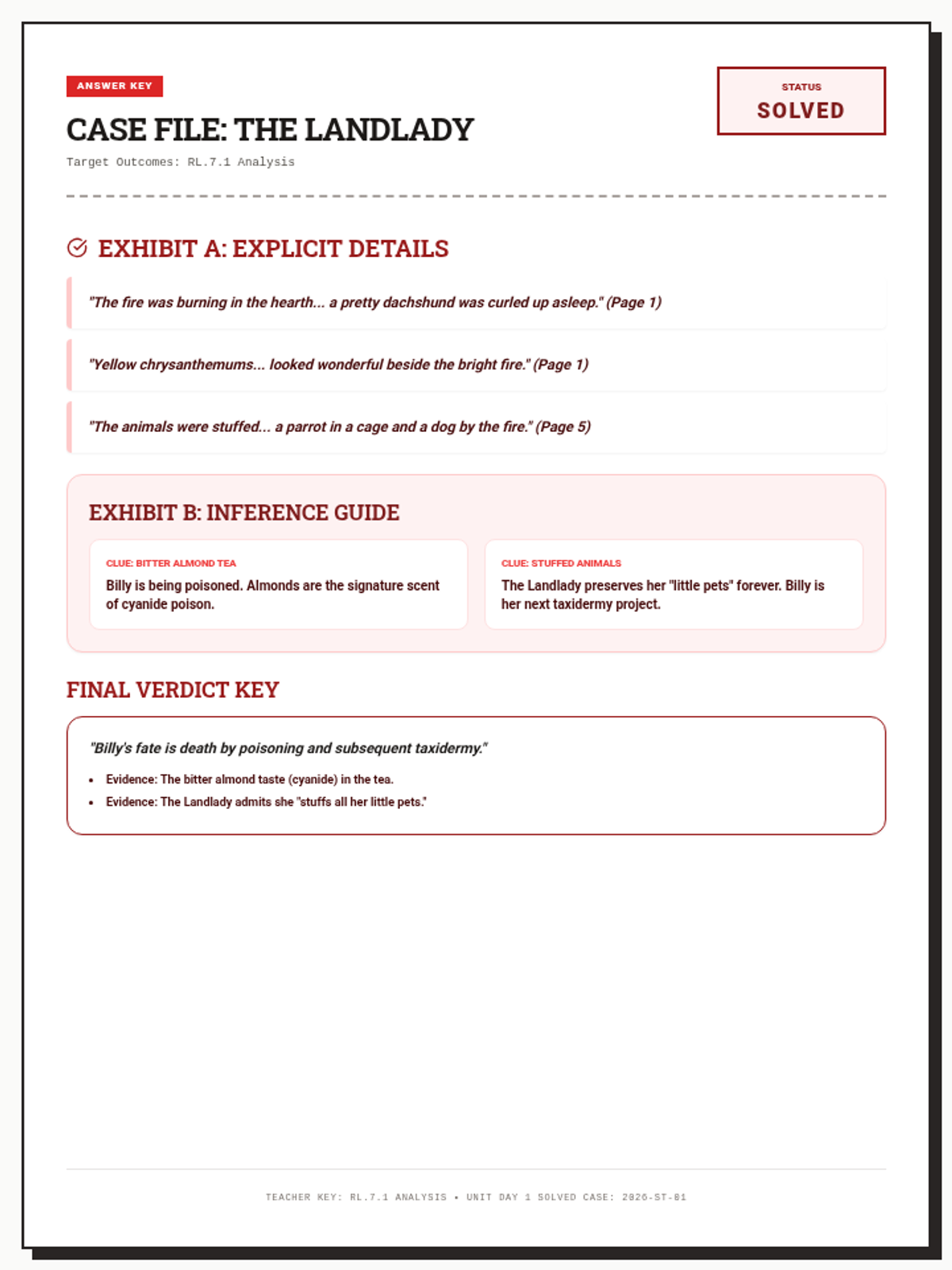
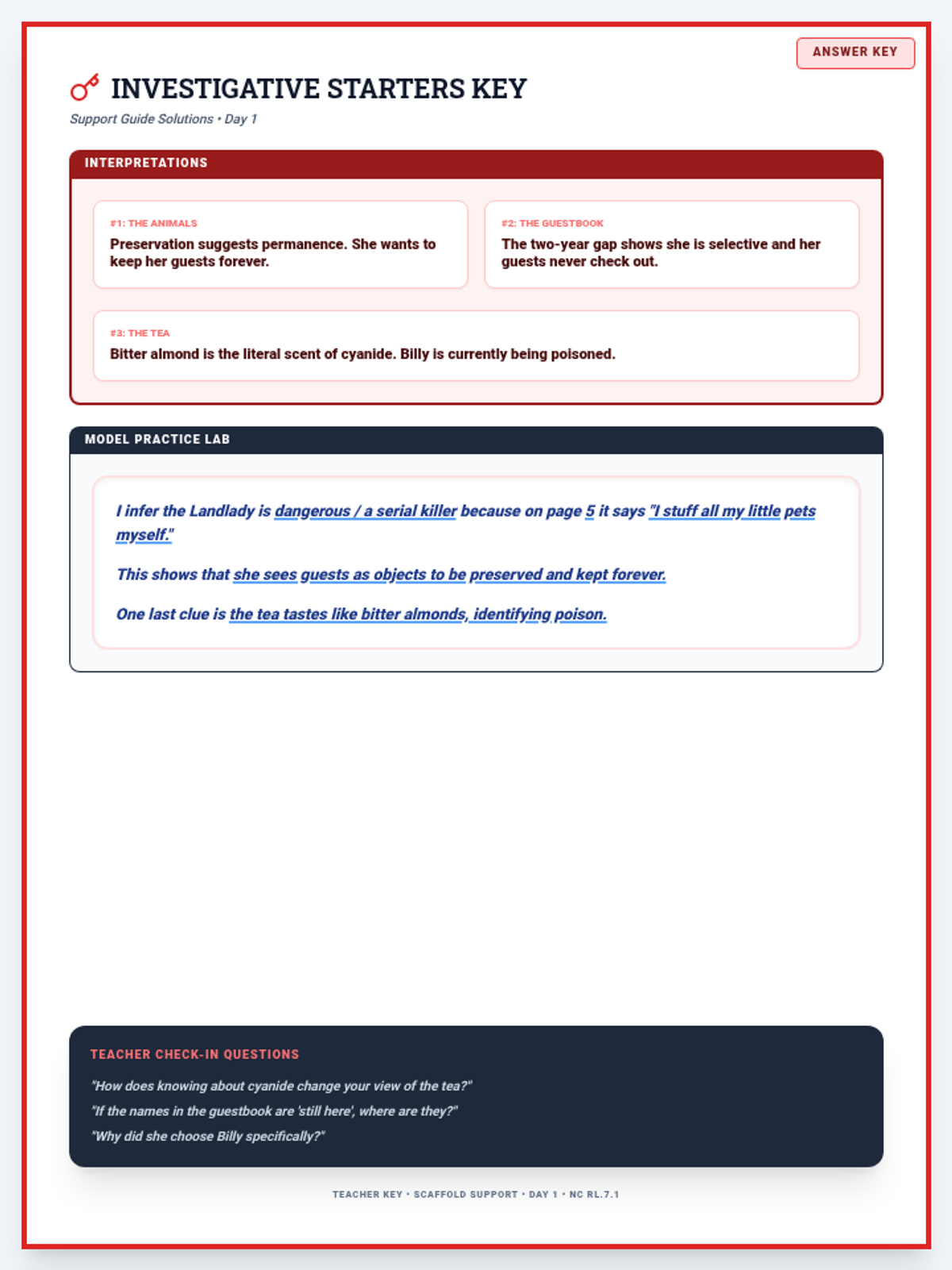
A four-day investigative unit focused on citing textual evidence and making inferences across various genres, including short stories, non-fiction, and poetry. Students act as 'Evidence Detectives' to solve literary and factual mysteries while engaging in collaborative discussions.
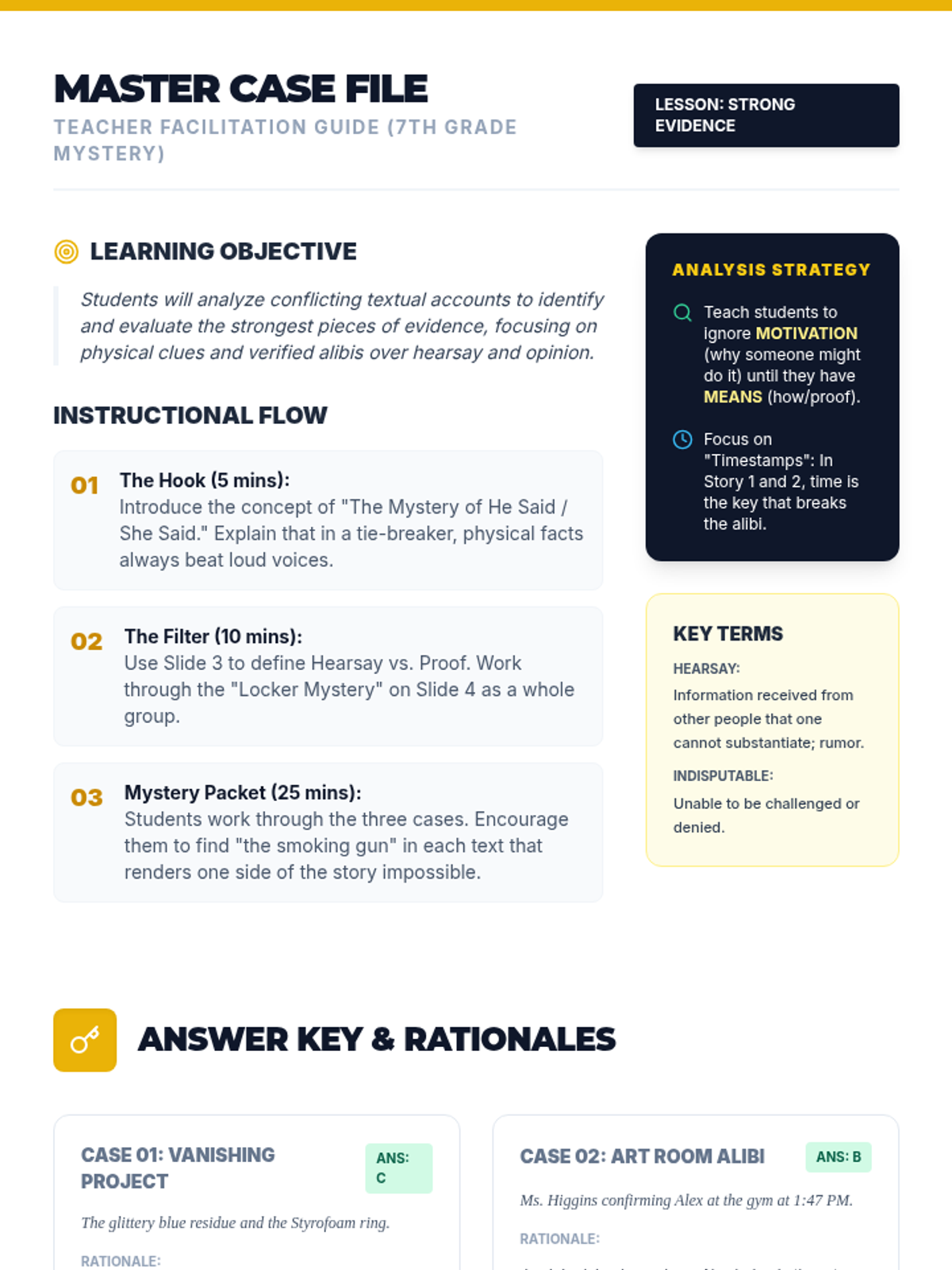
A unit focused on teaching middle school students how to identify and evaluate the strongest textual evidence to support claims. Students transition from simply finding any evidence to selecting the most relevant and specific details from high-interest short stories.
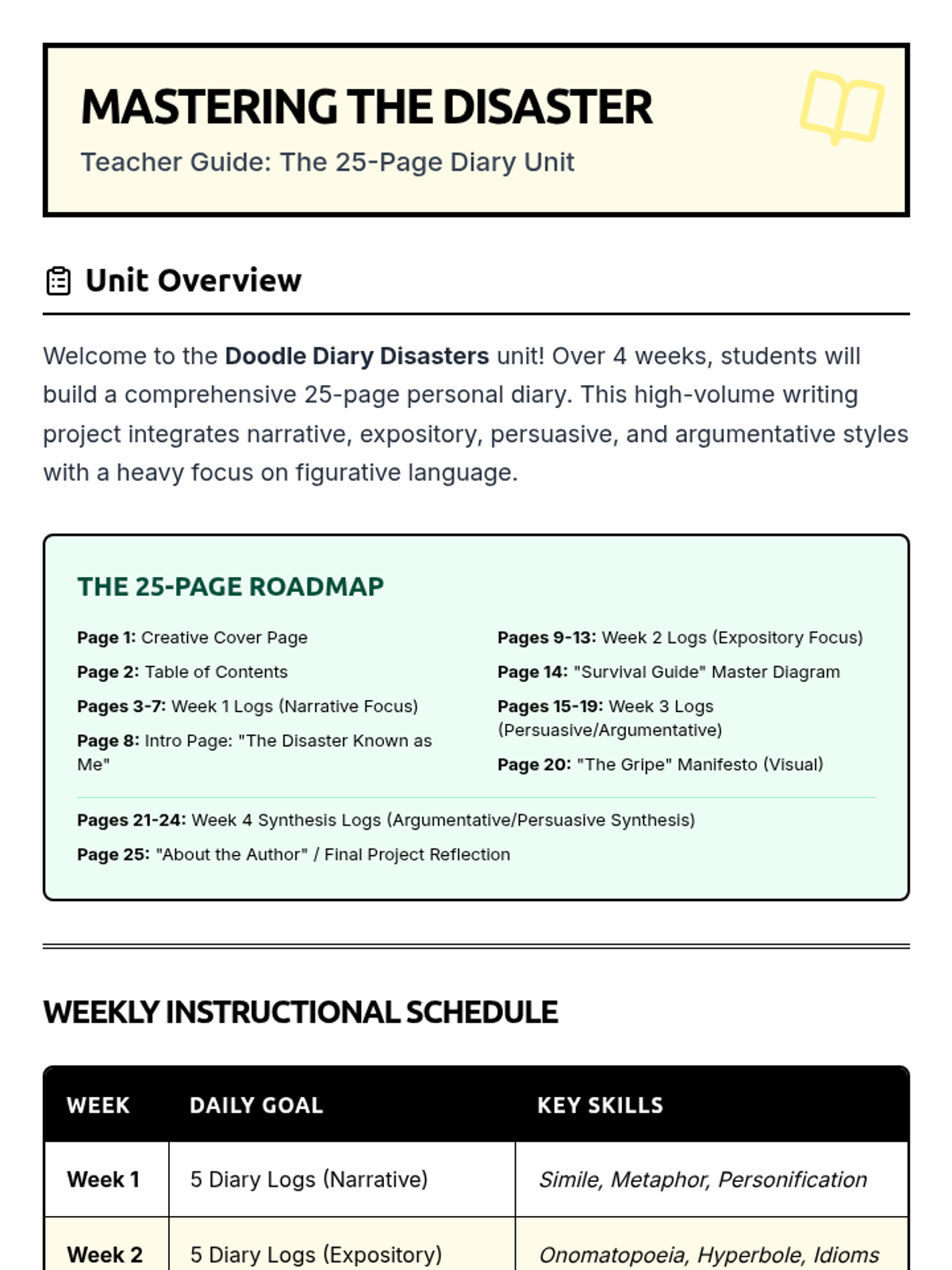
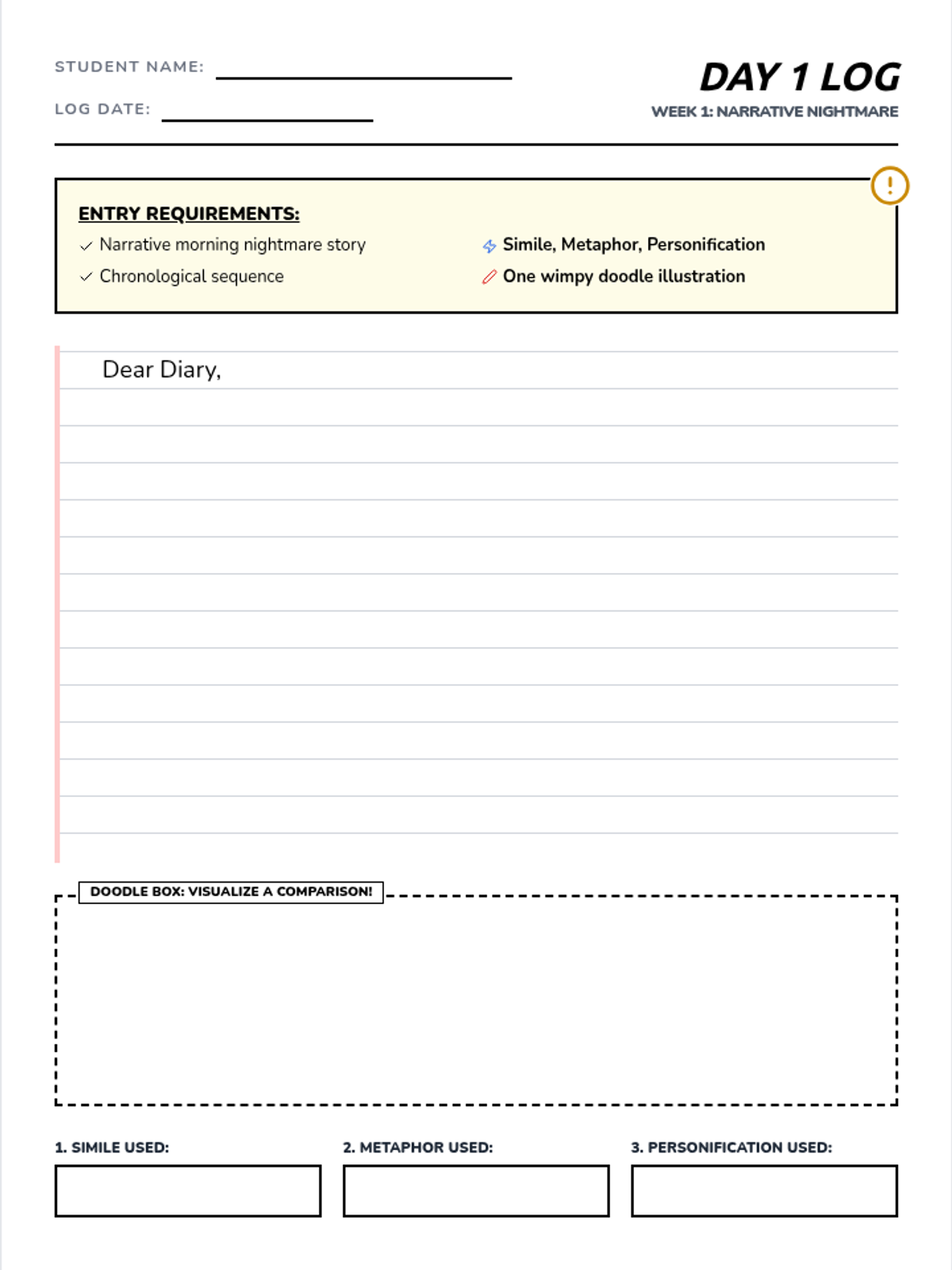
A 4-week writing unit where students create their own 'Wimpy Kid' style diary, exploring narrative, expository, argumentative, and persuasive writing alongside specific figurative language techniques.
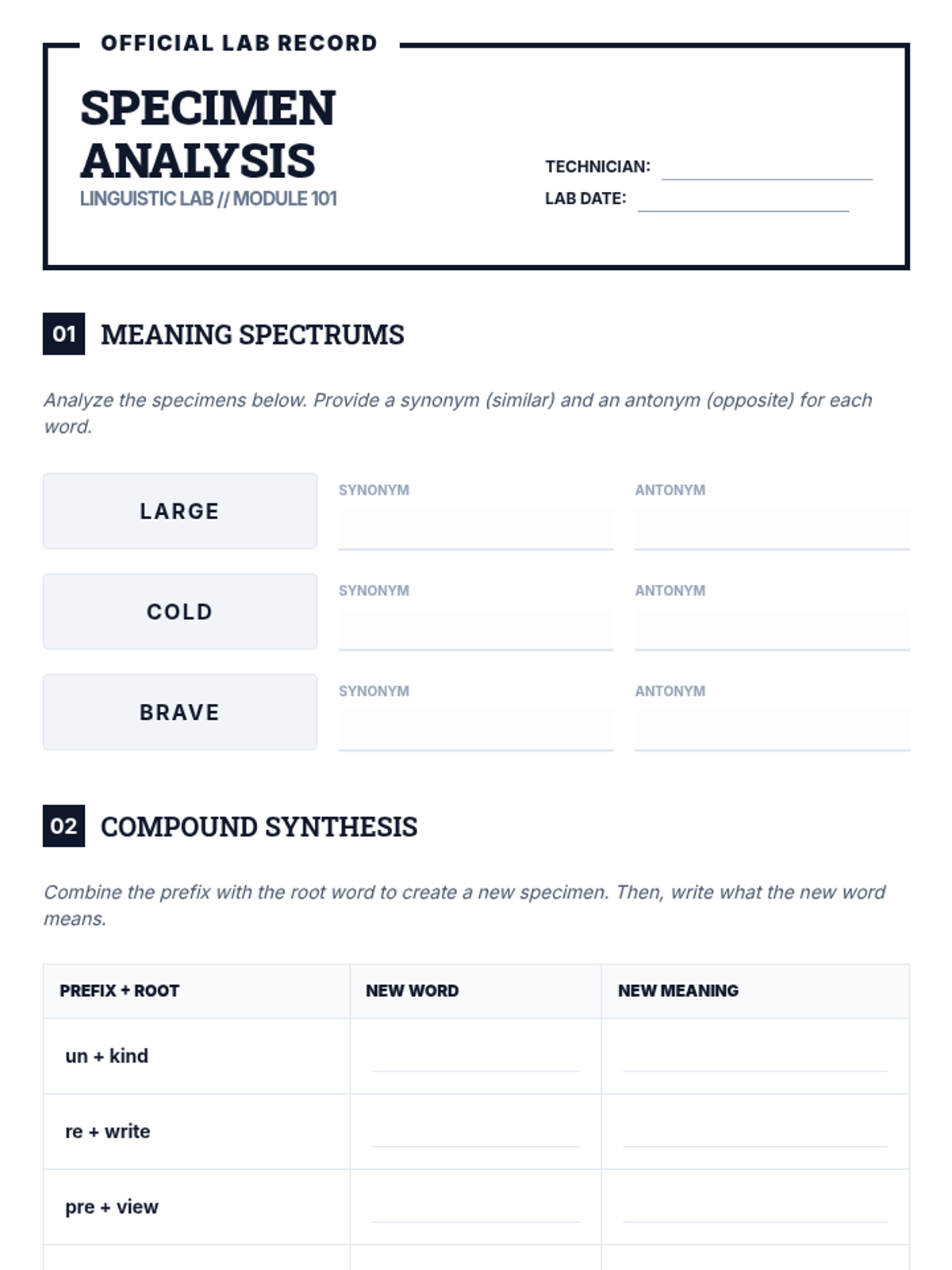
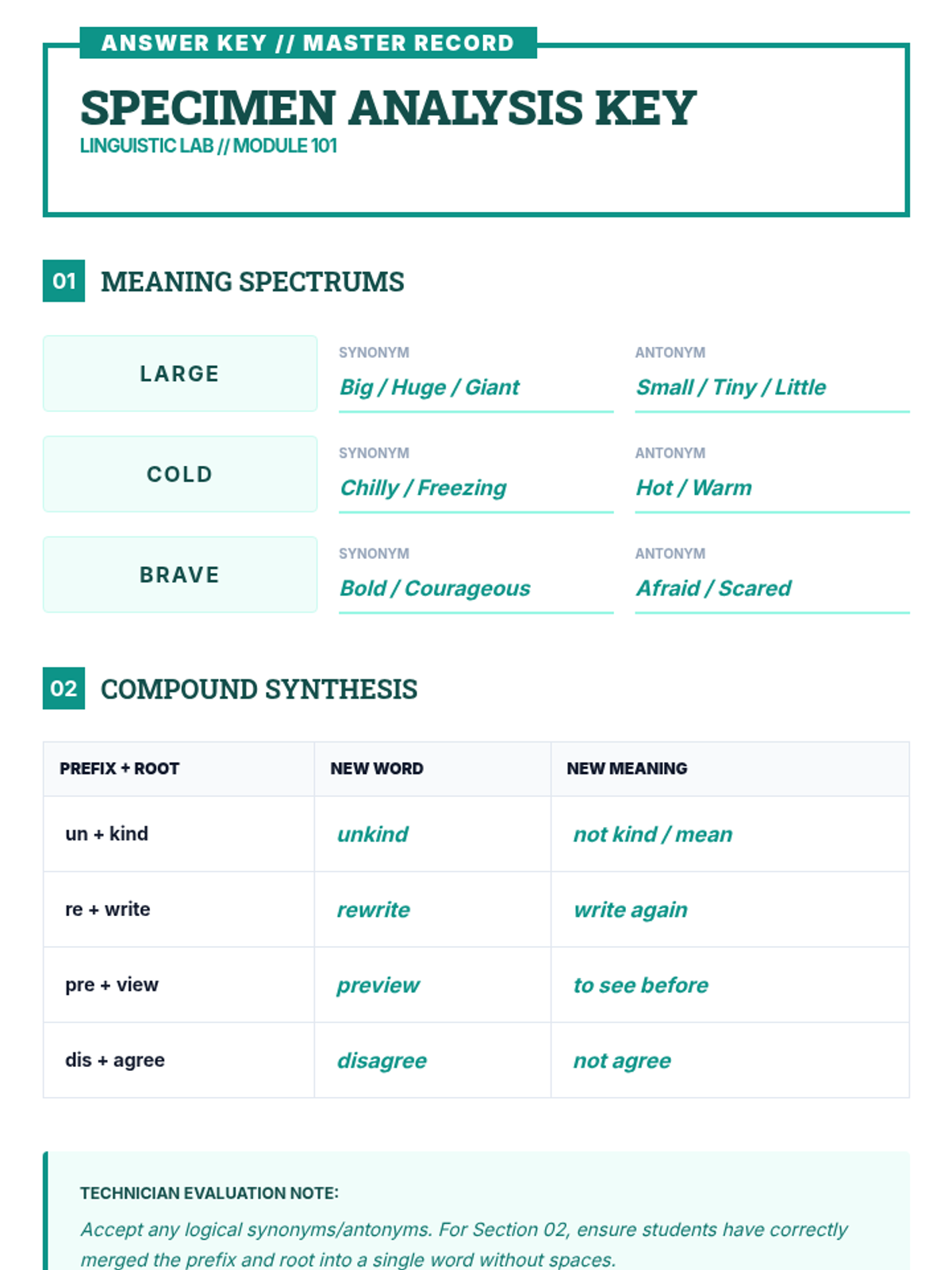
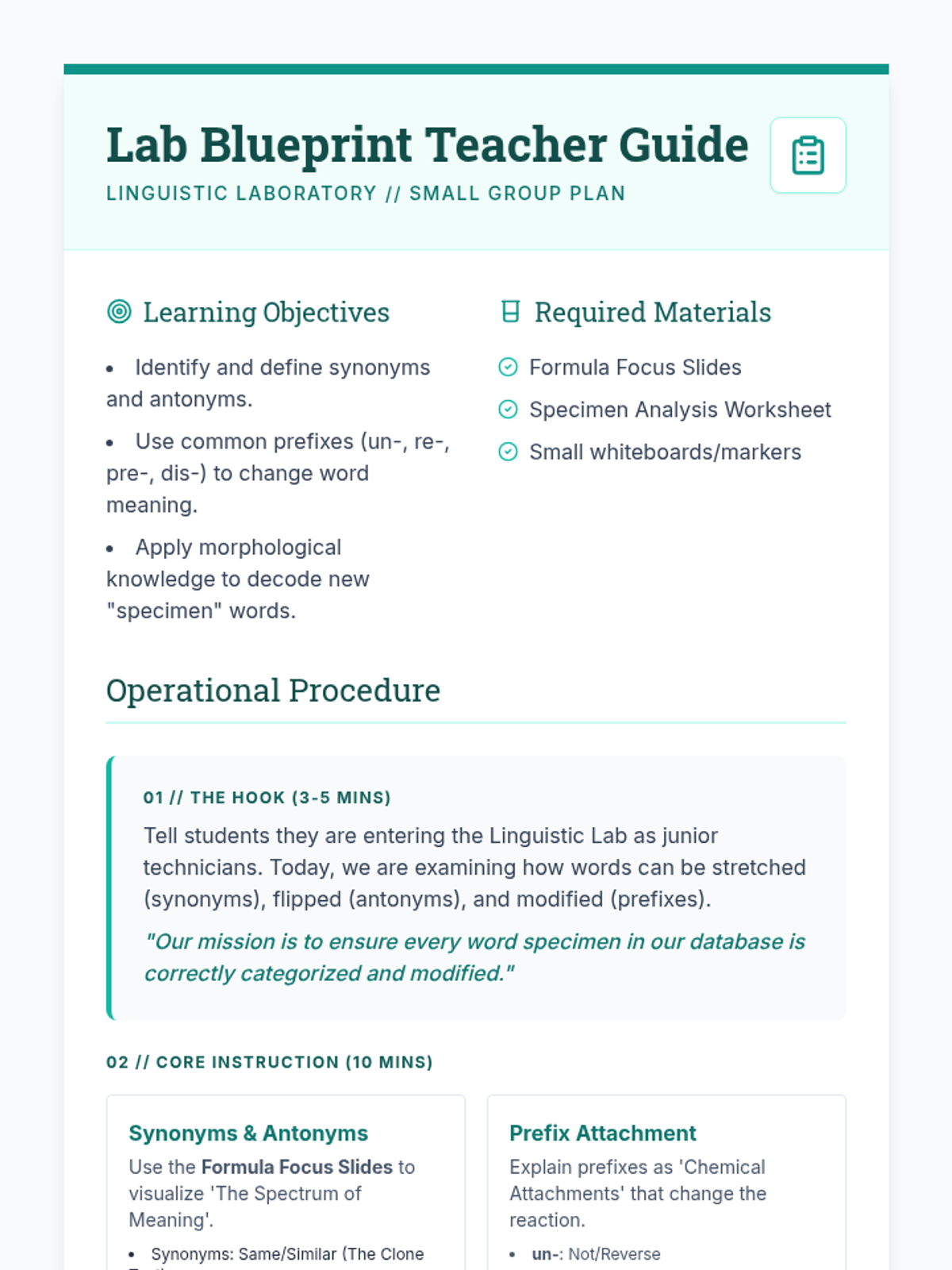
A unit focused on word mechanics, morphology, and meaning-making strategies through a cohesive laboratory and data-analysis theme.
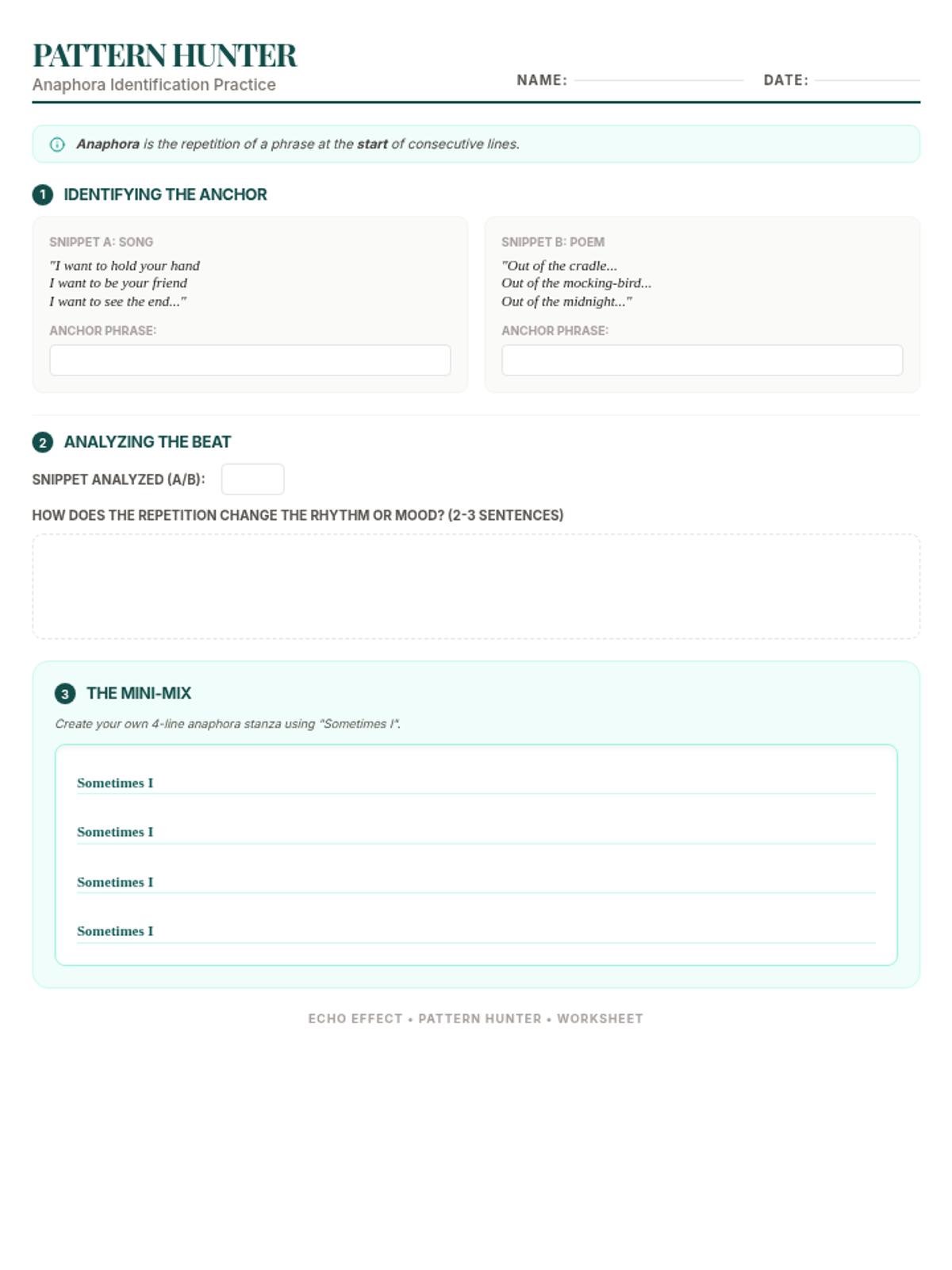
A three-lesson sequence exploring the poetic device of anaphora through songs and poems. Students will learn to identify patterns, analyze emotional resonance, and compose their own rhythmic works.
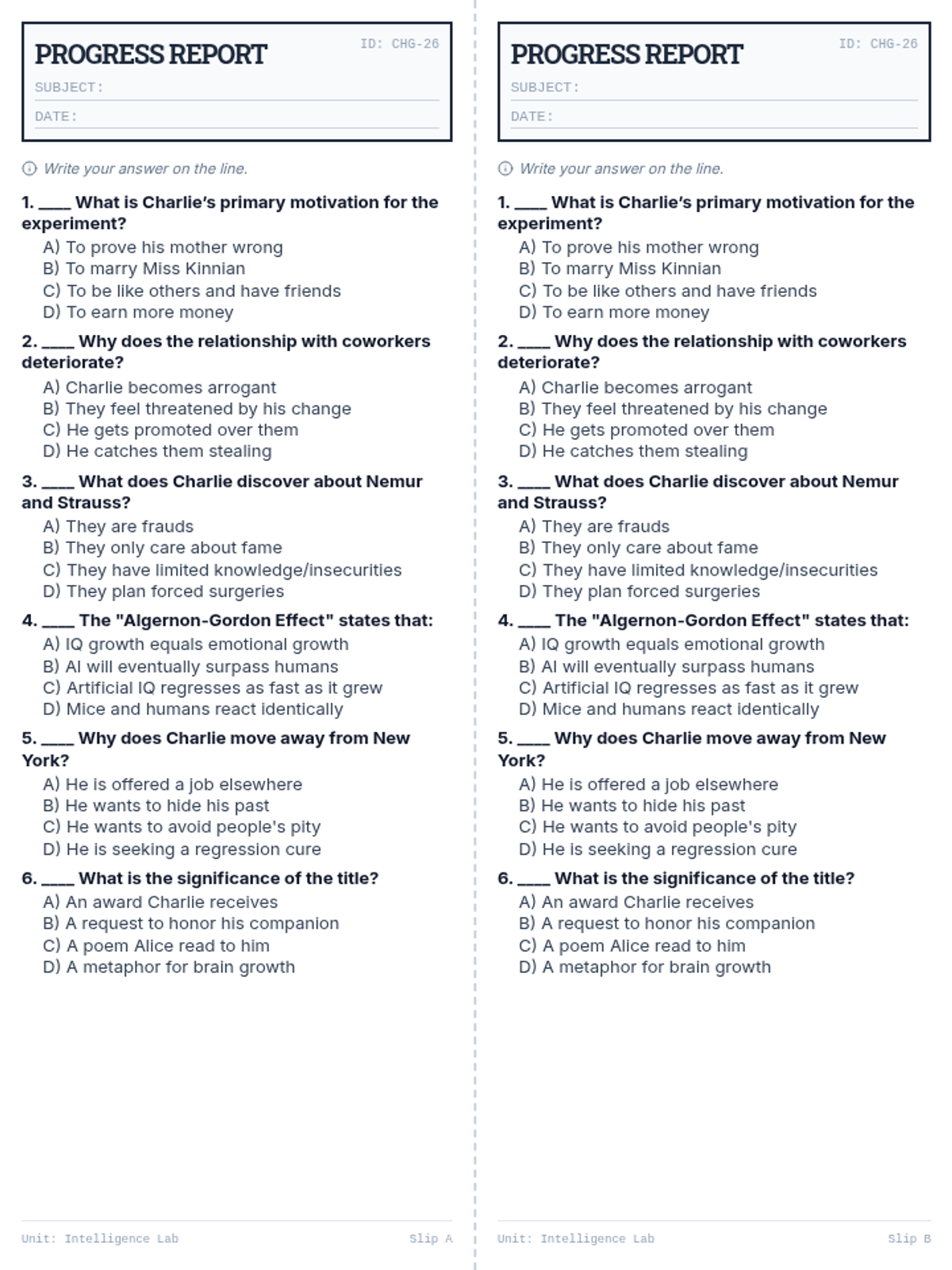
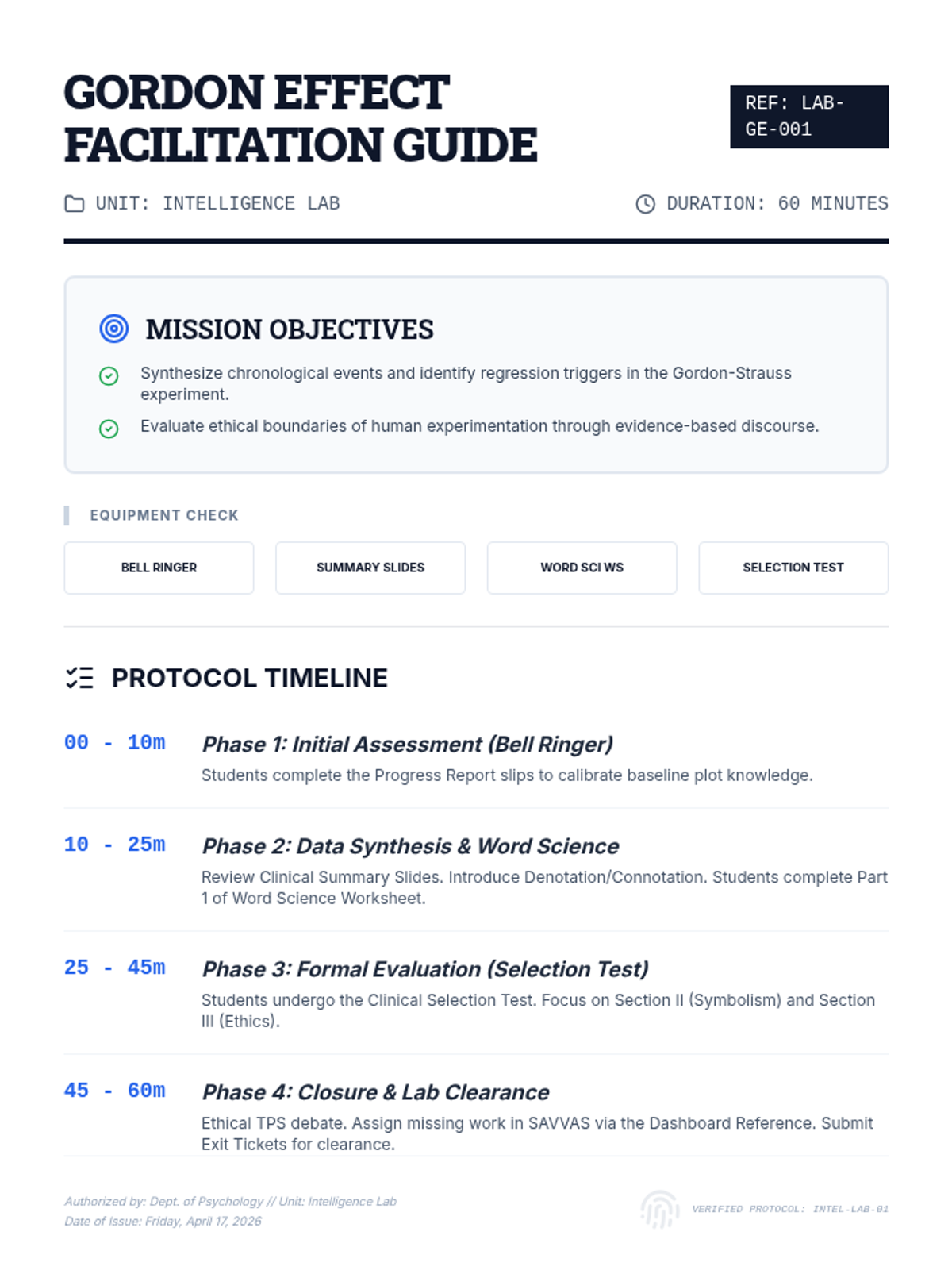
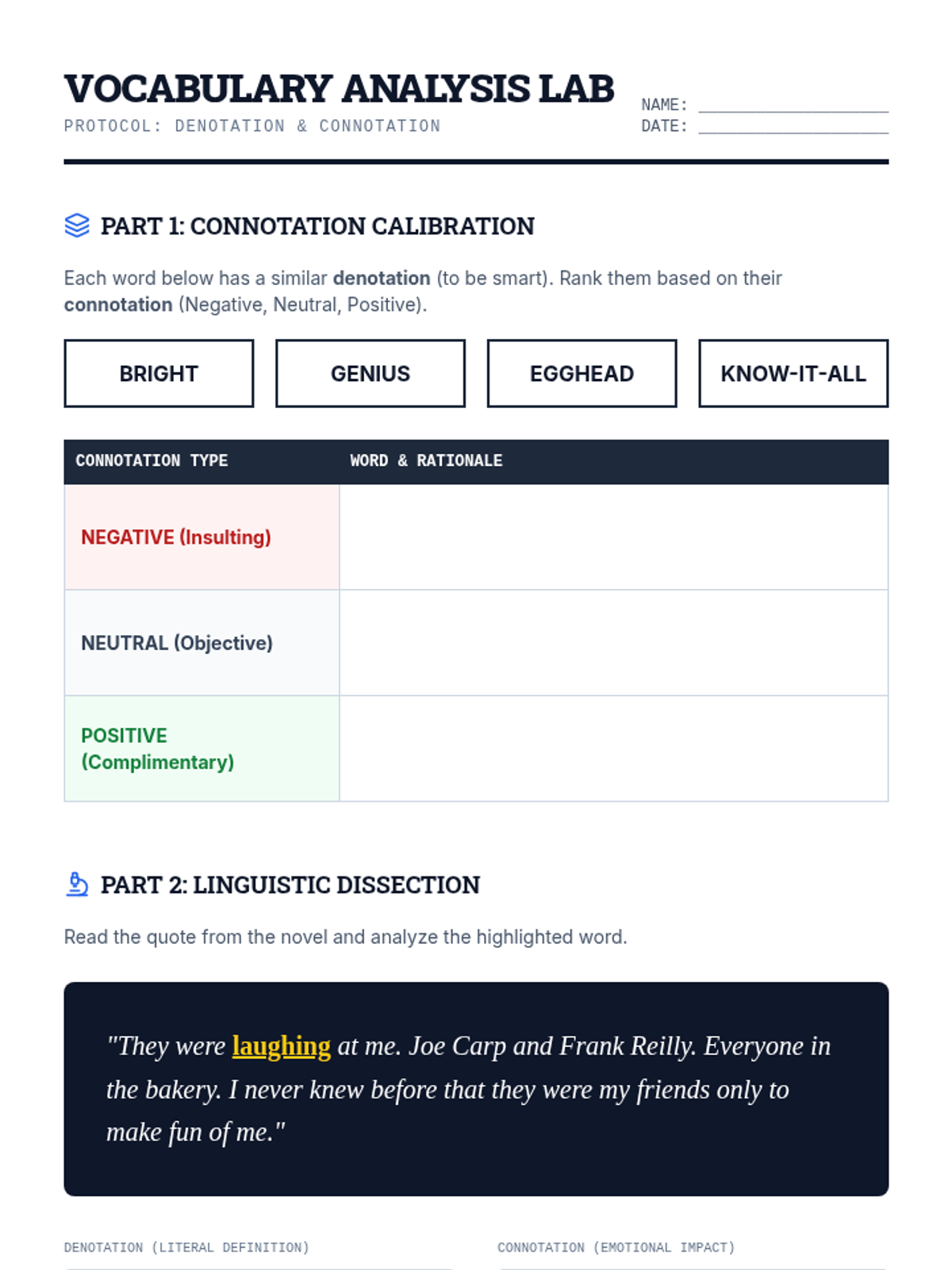
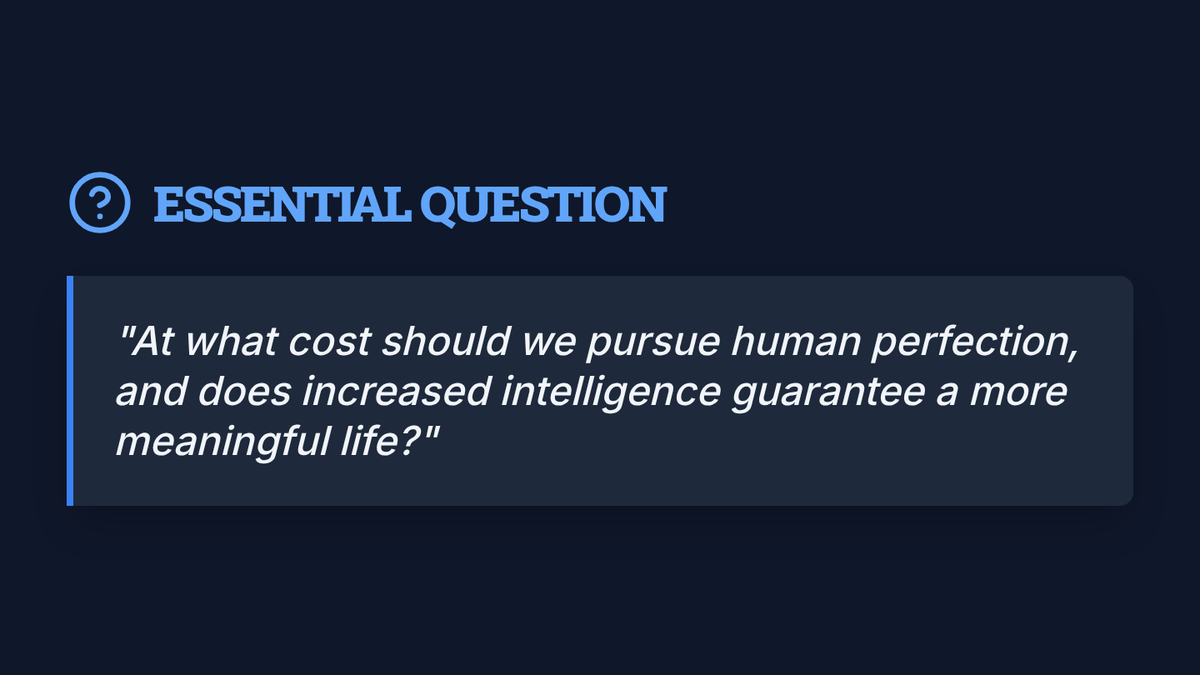
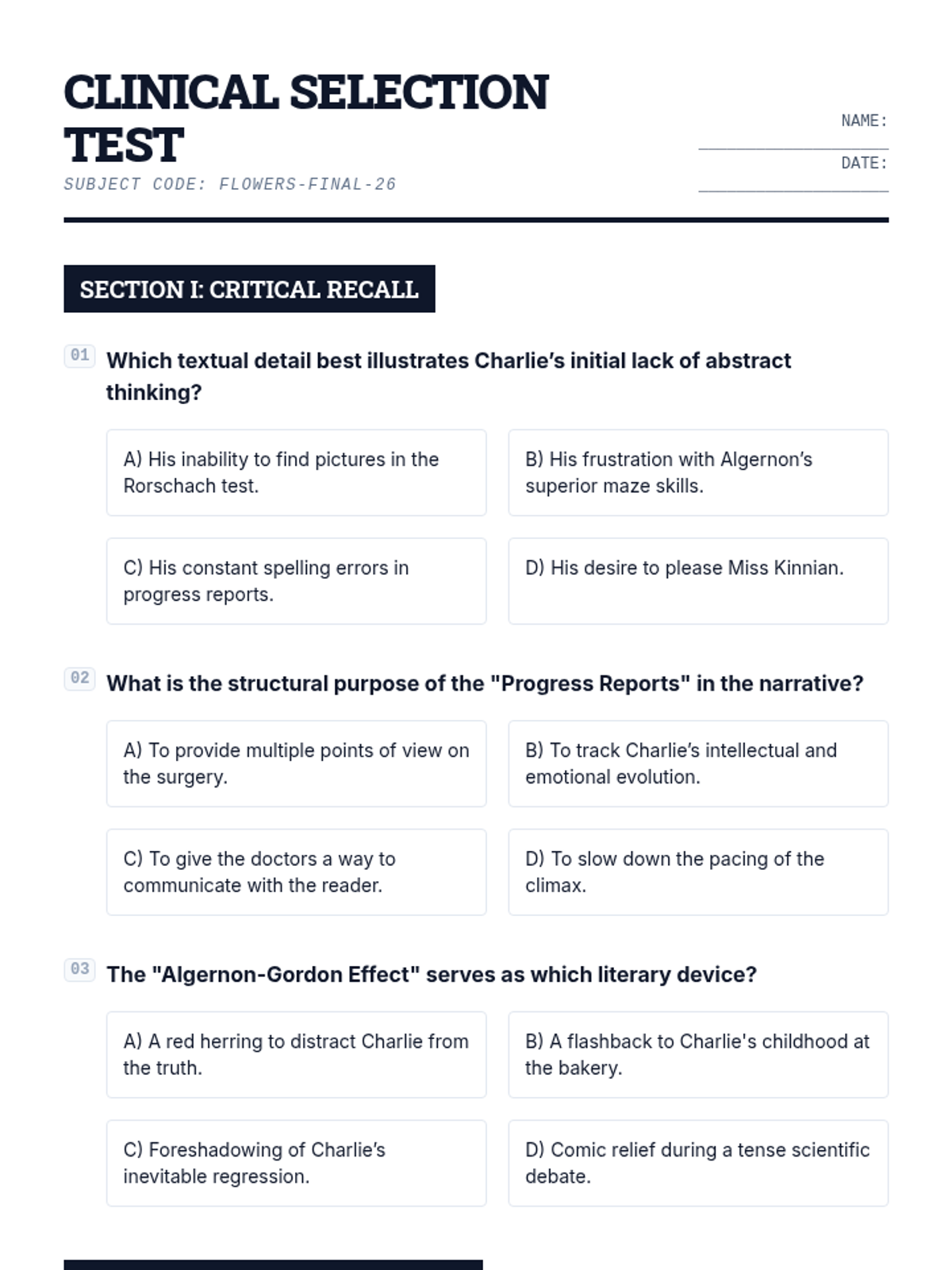
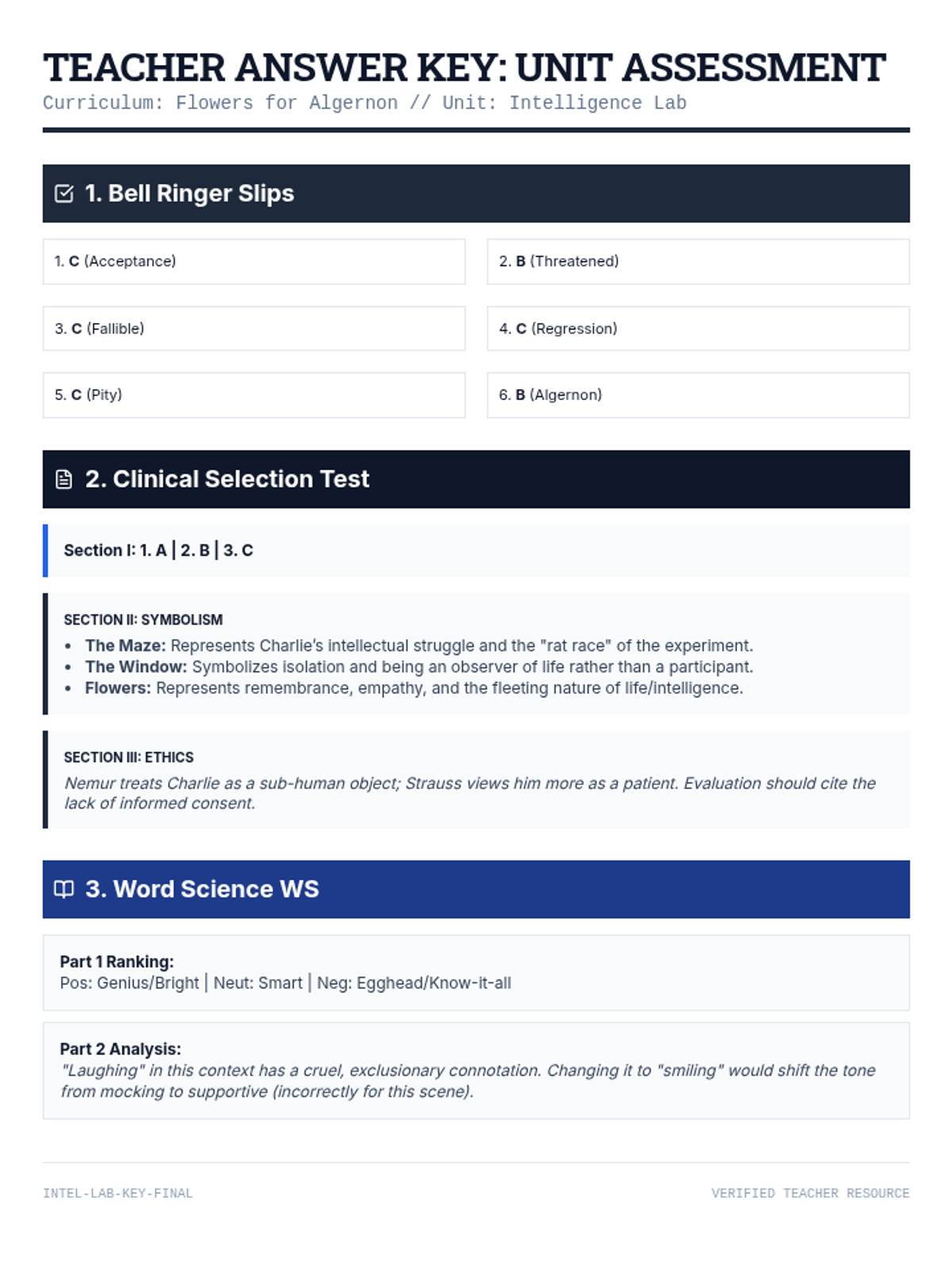
A comprehensive unit exploring the psychological and ethical themes of Daniel Keyes' 'Flowers for Algernon', focusing on character development, scientific ethics, and the nature of human intelligence.
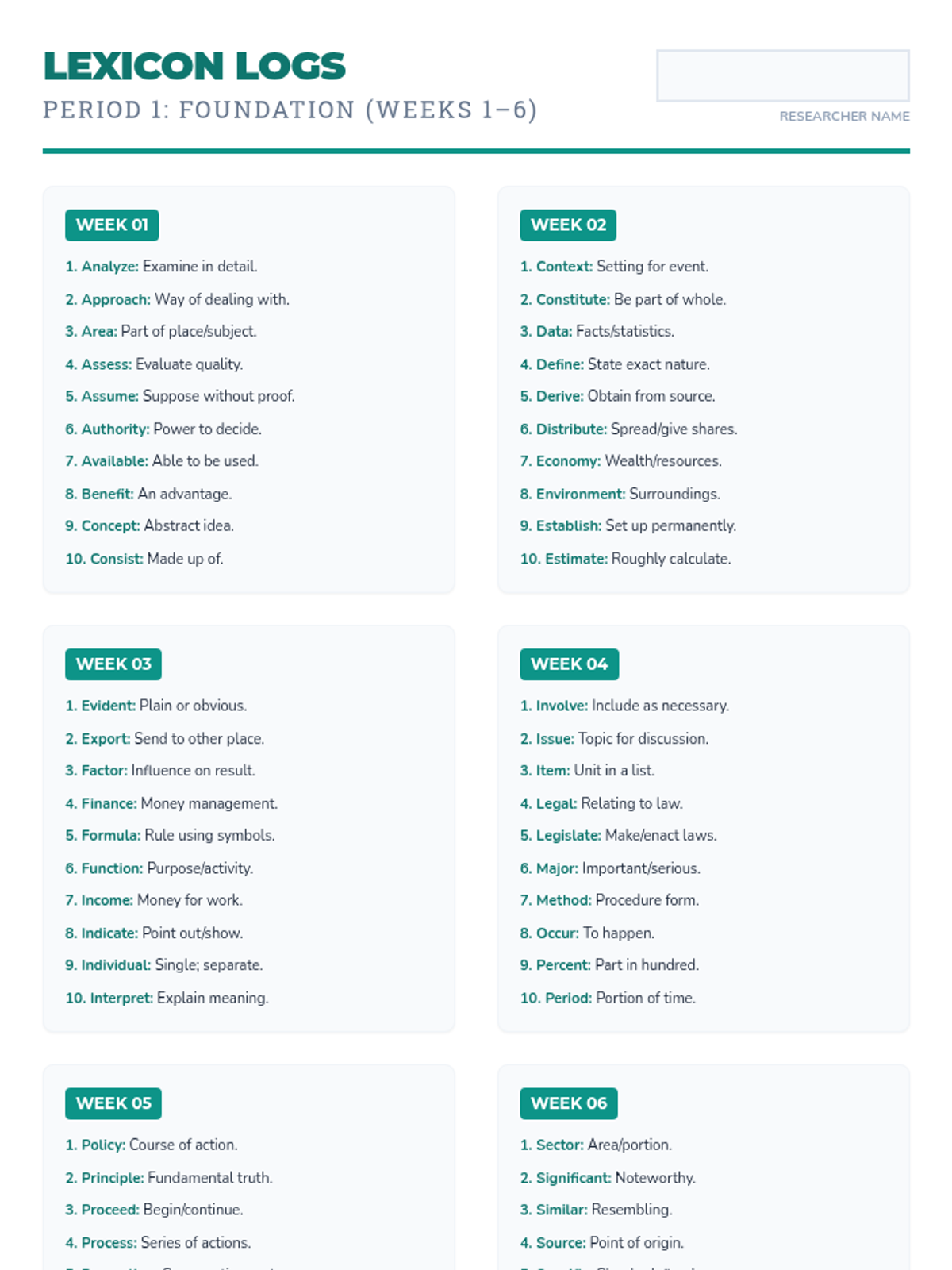
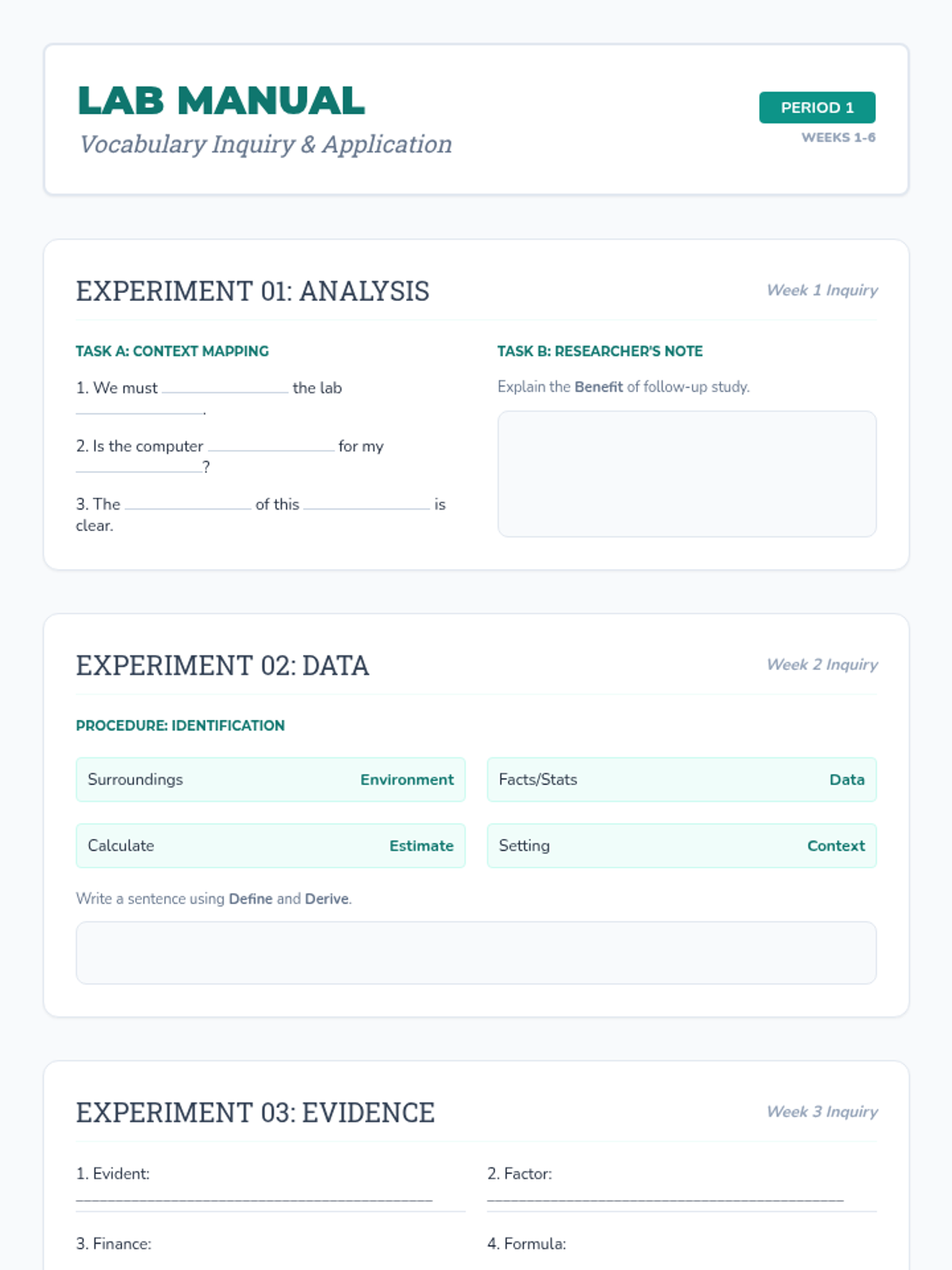
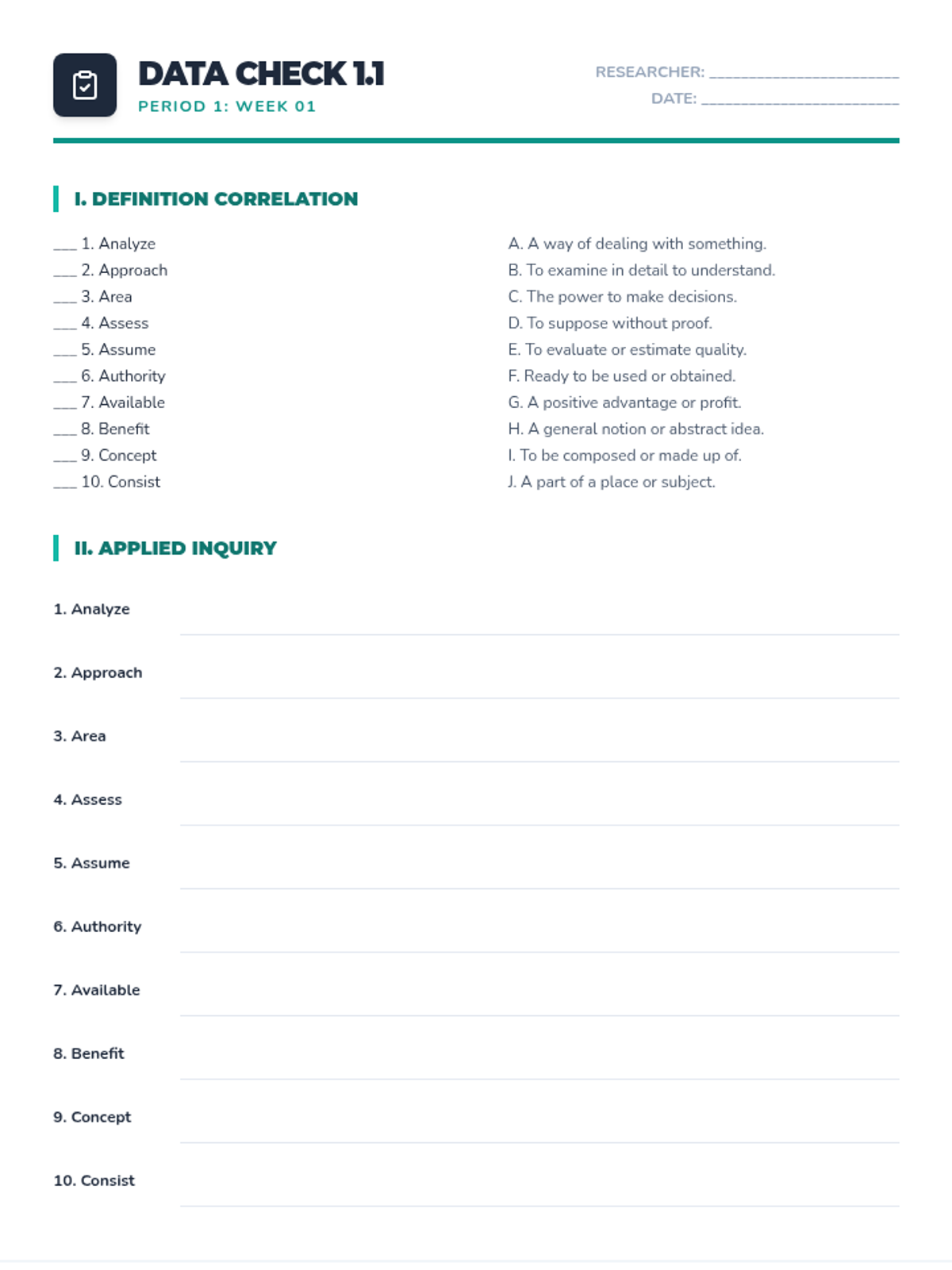
A comprehensive 36-week 7th-grade vocabulary curriculum focusing on Tier 2 academic words. The curriculum is organized into six 6-week periods, each featuring weekly word lists, practice activities, and assessments in a laboratory notebook theme.
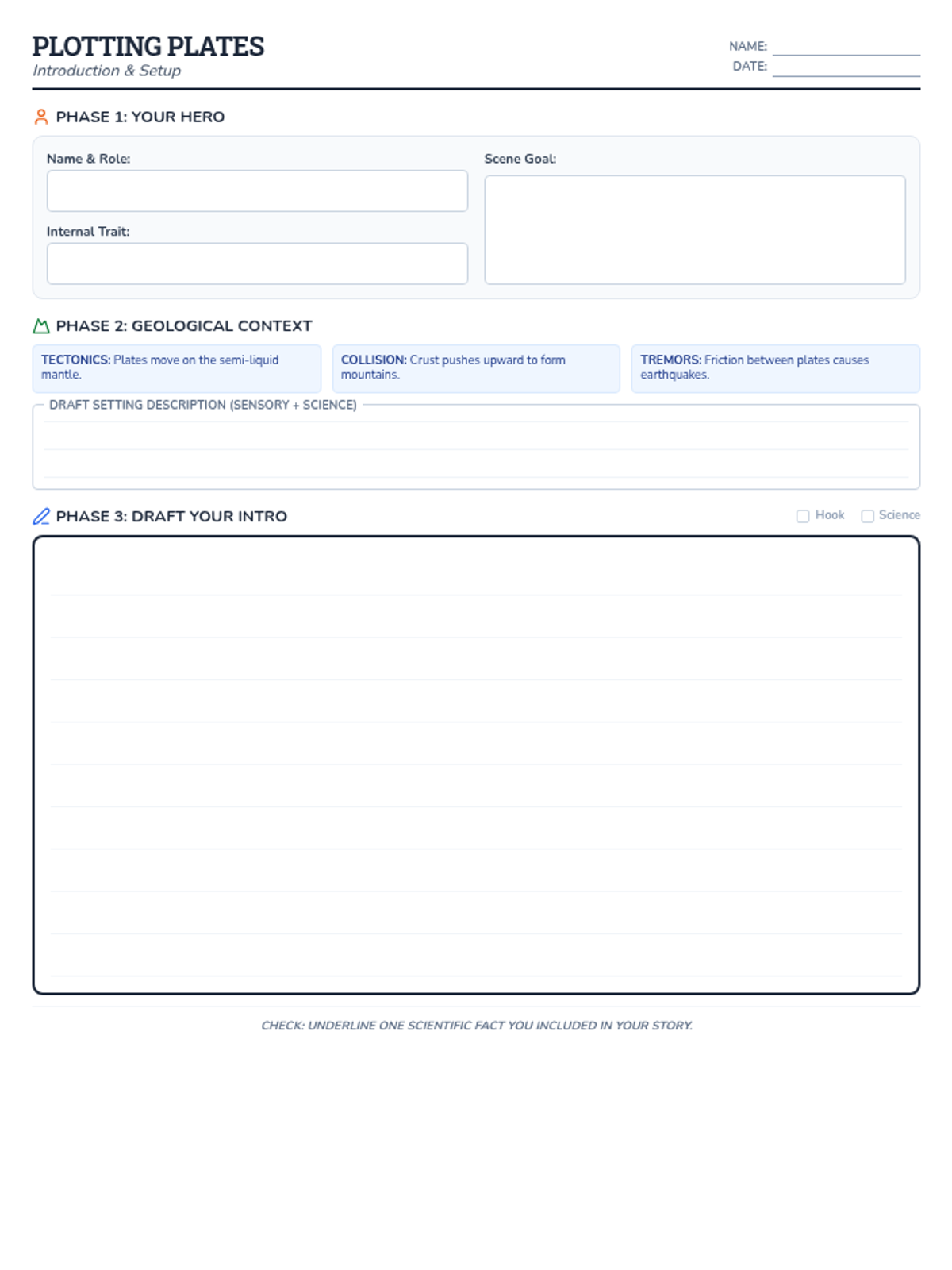
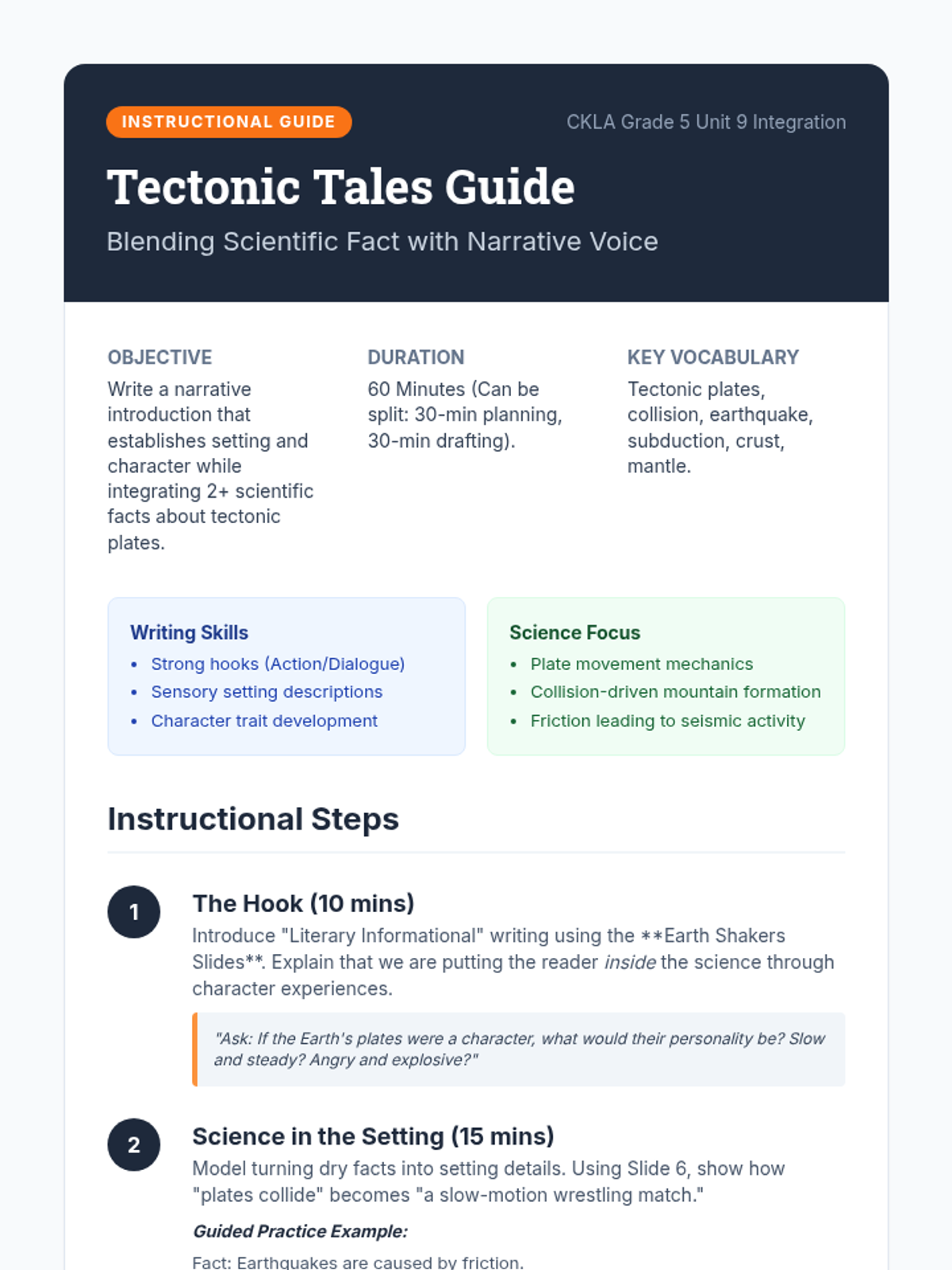
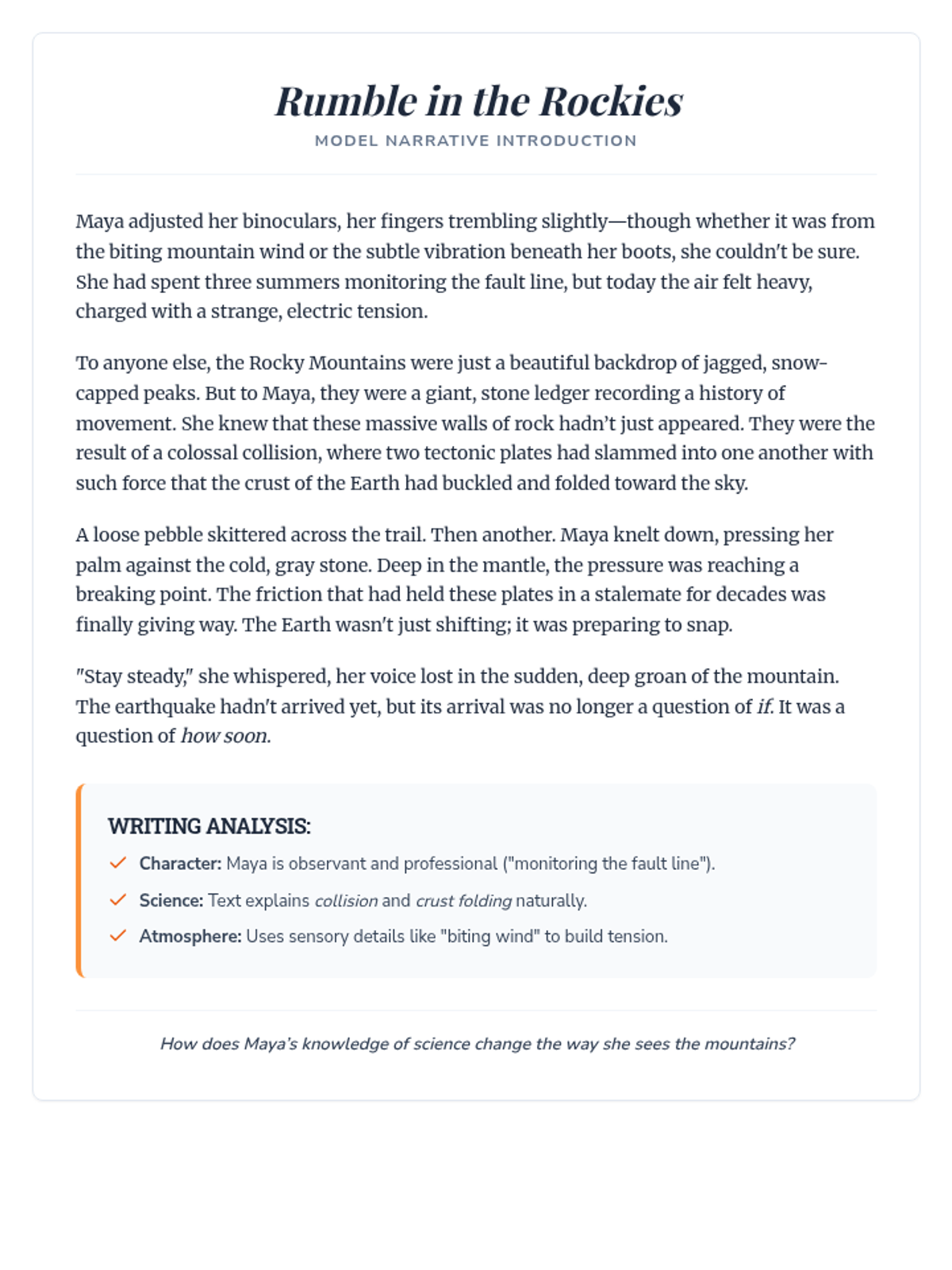
A narrative writing sequence for 5th grade that integrates Earth Science concepts like tectonic plates and mountain formation into literary informational writing. Students learn to blend factual science with compelling storytelling through character and setting development.
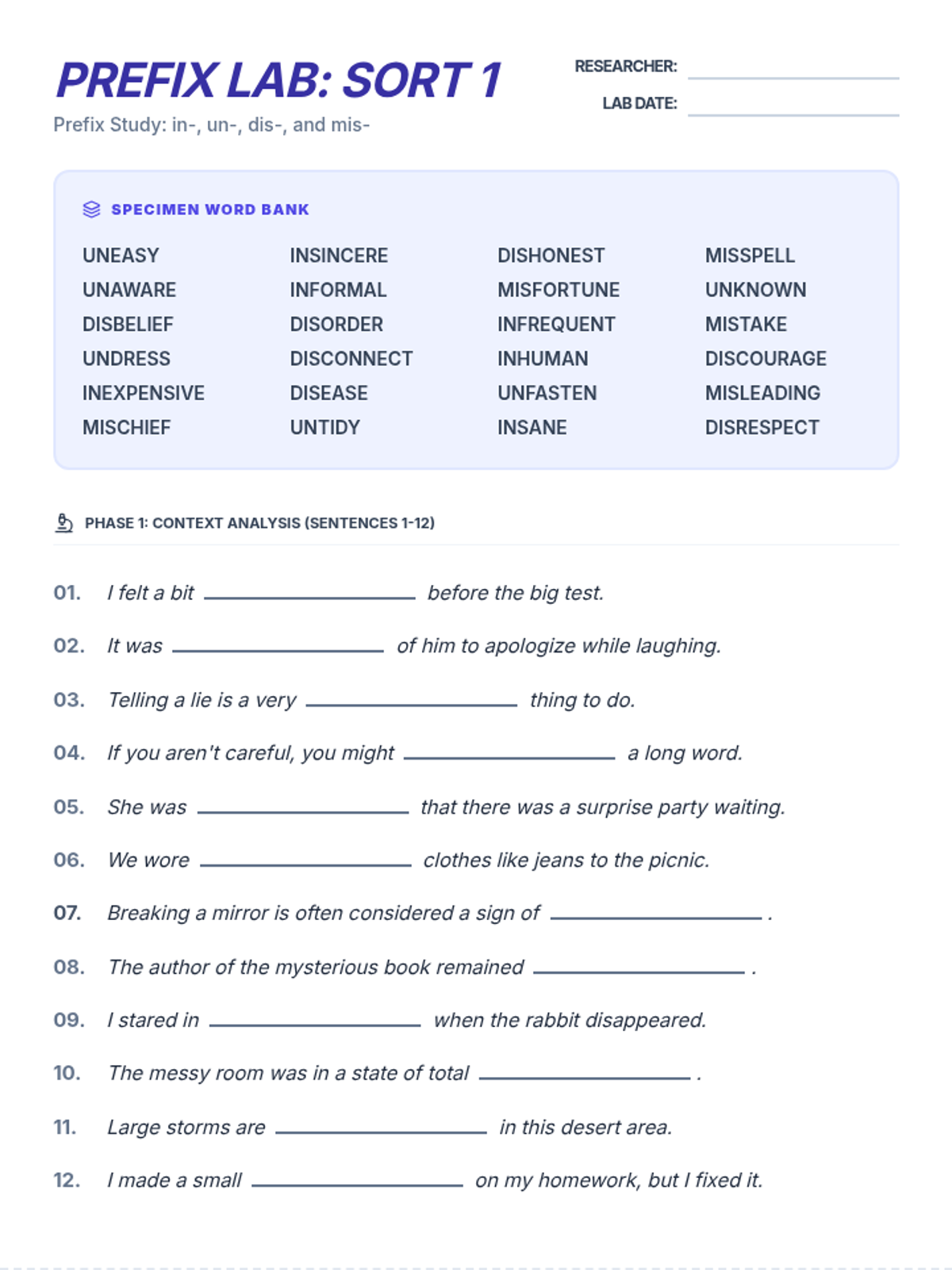
A series of prefix-focused labs designed to help students master common prefixes and suffixes through contextual application and logic puzzles.
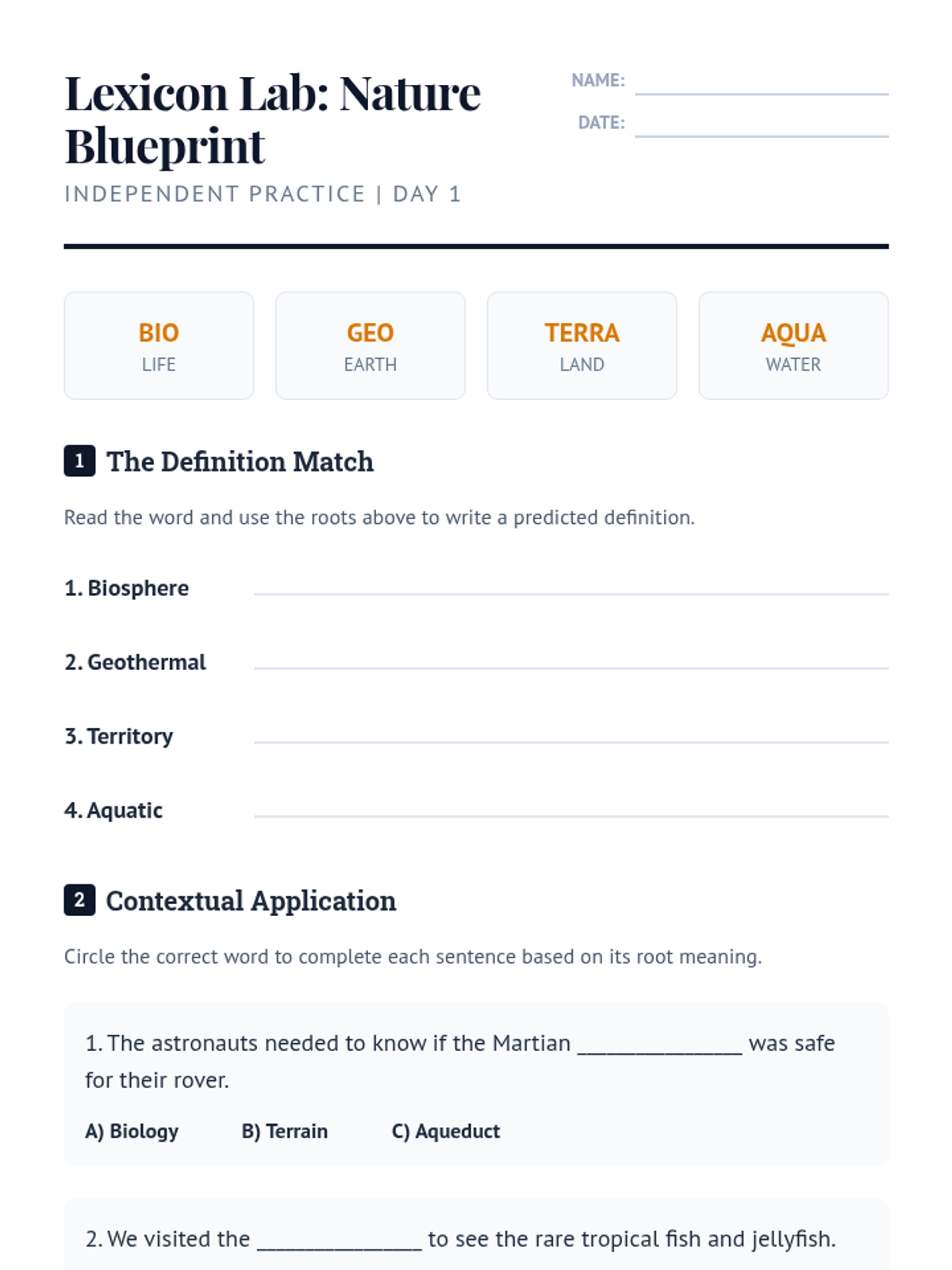
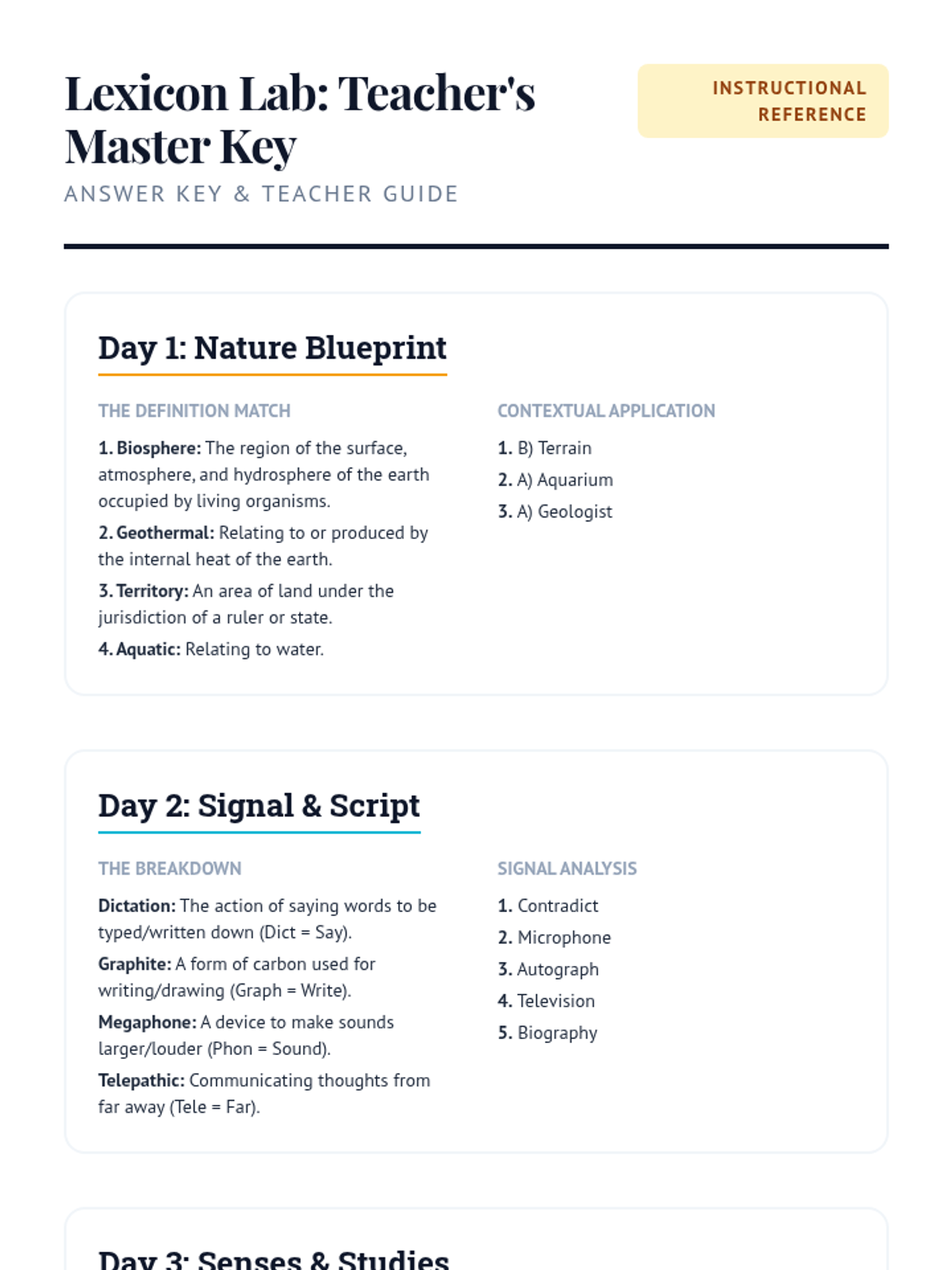
A 4-day intensive sequence for 7th-grade students to master Greek and Latin roots and prefixes through the 'Lexicon Lab' theme. Students engage with direct instruction and independent practice to decode complex vocabulary.
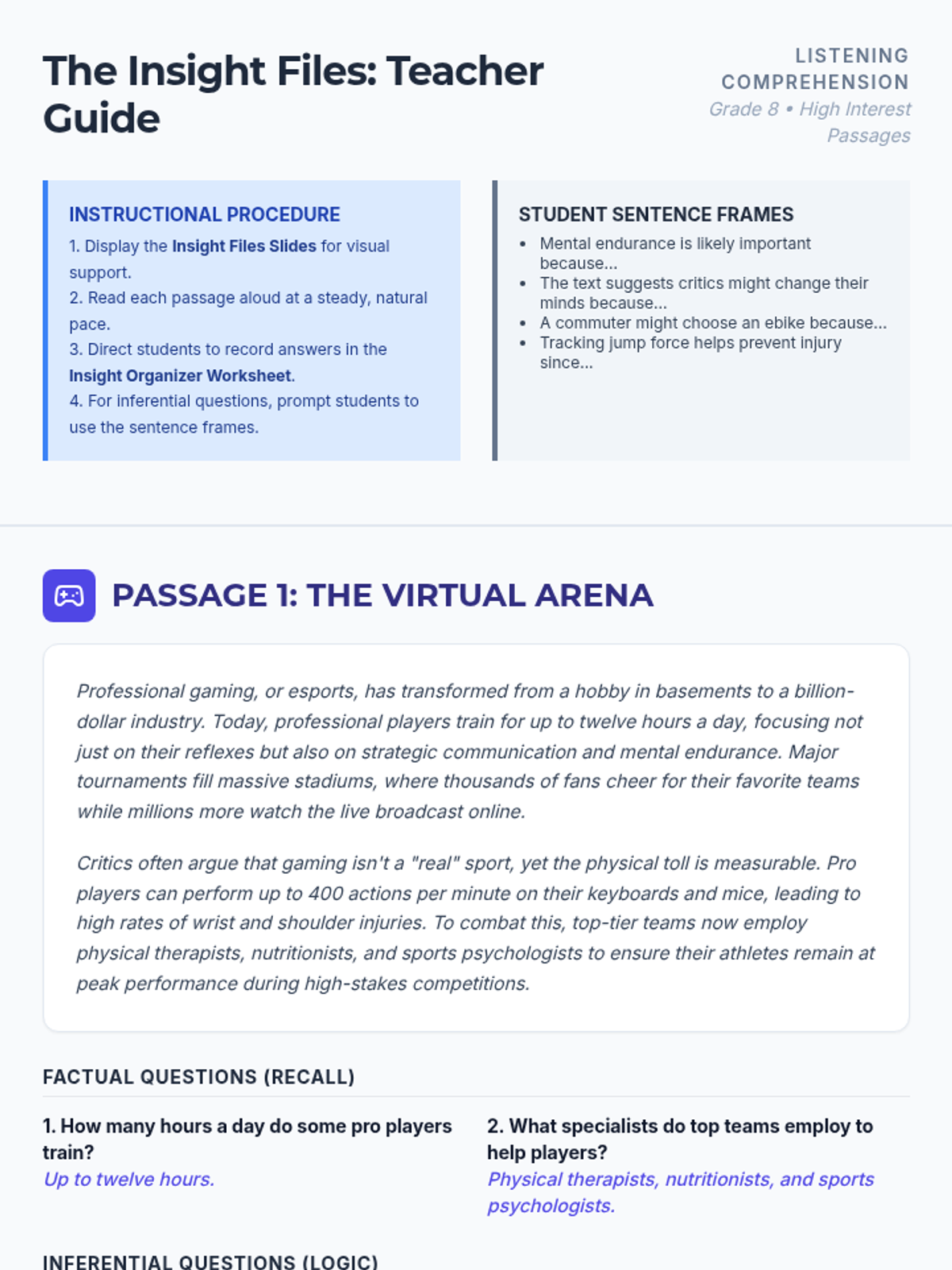
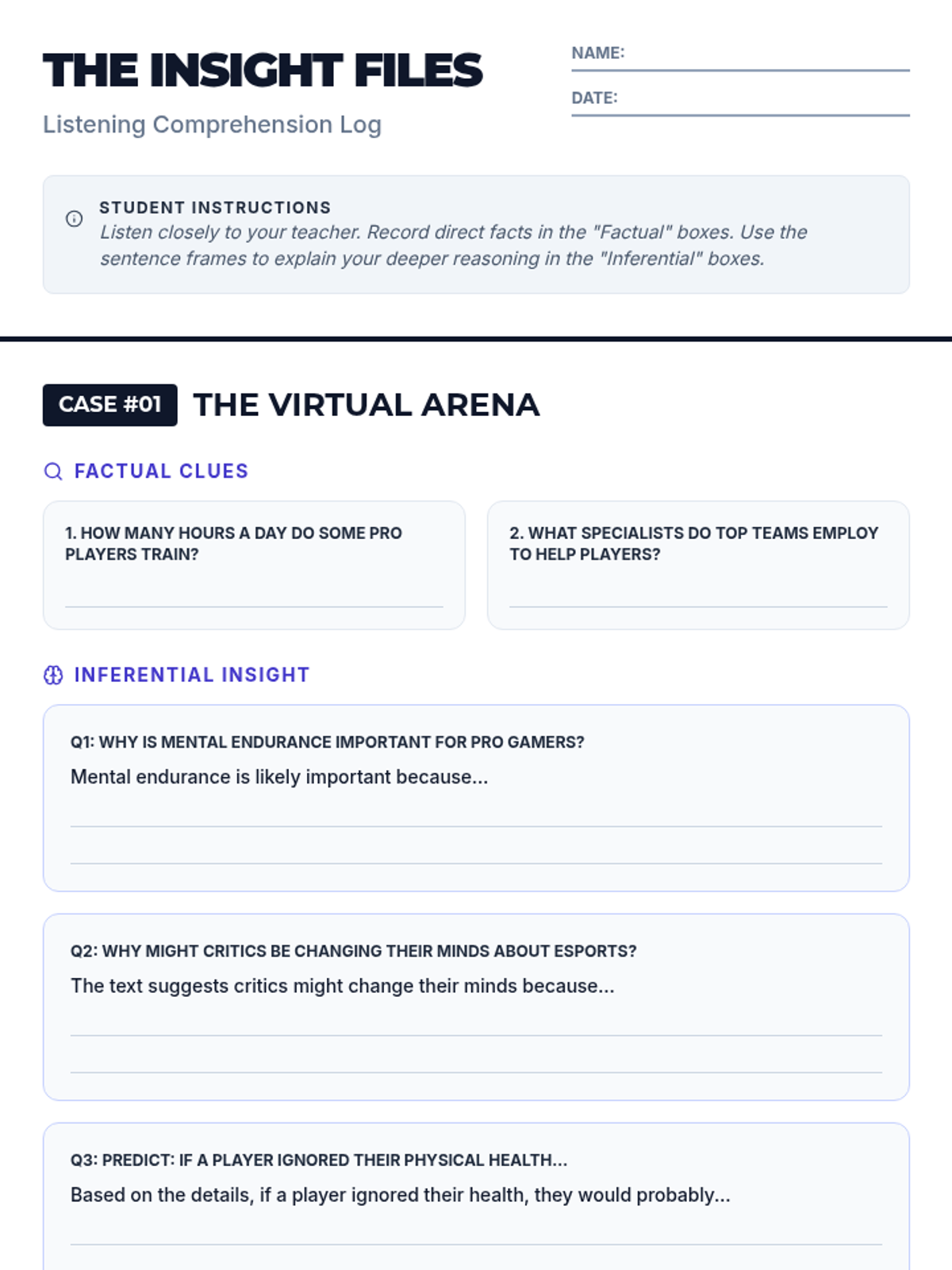
A series of listening comprehension lessons for 8th graders using high-interest, modern topics like gaming, tech, and sports to practice factual recall and inferential reasoning.
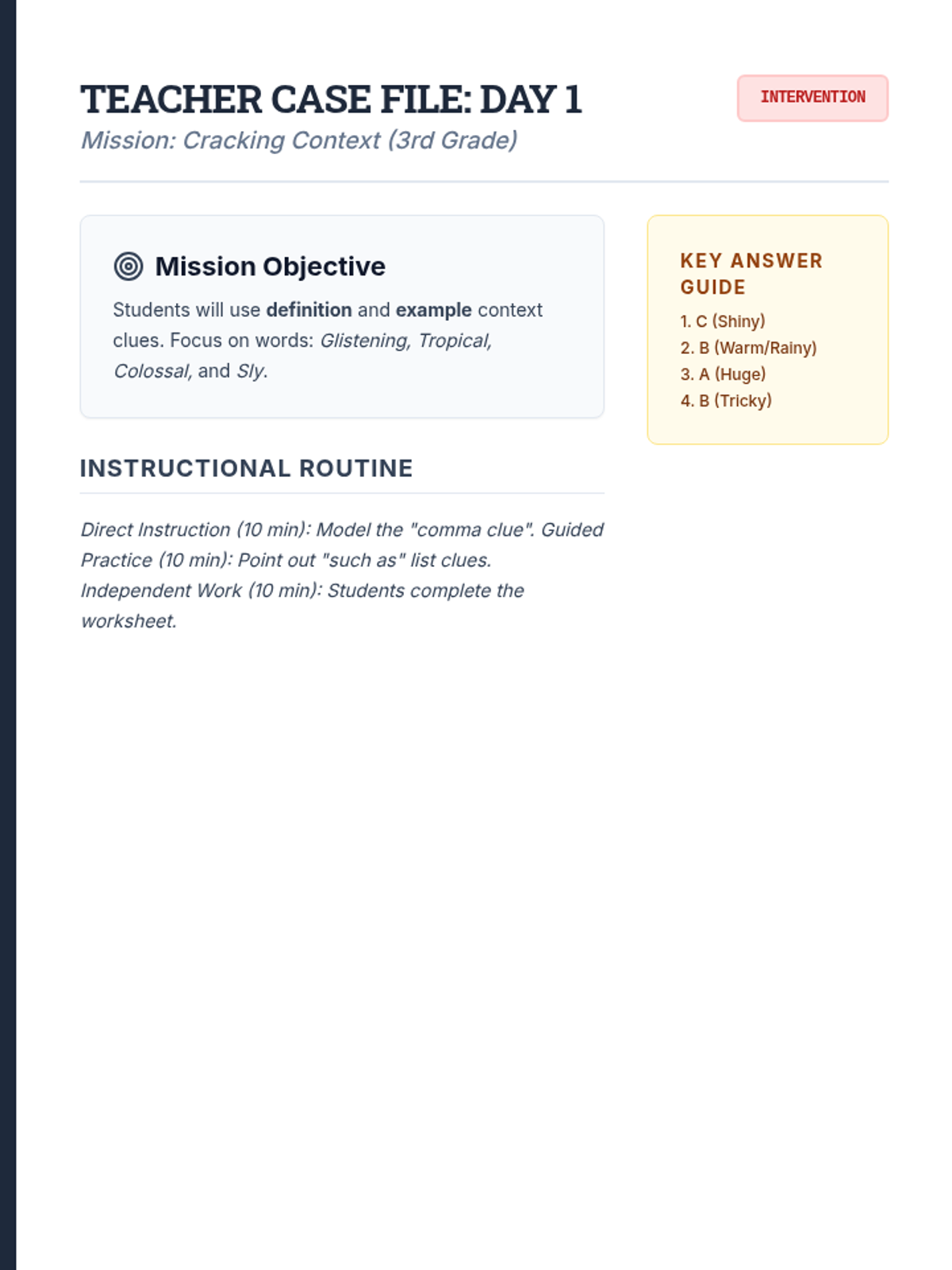
A 5-day ELA intervention sequence focusing on context clues and main idea/details, using a detective-themed 'Clue Casefiles' motif to engage students in close reading and evidence-based thinking.
A week-long intensive reading comprehension and written analysis unit for 7th graders, featuring non-fiction, life skills, and ELA exam-style fiction with a spring-themed aesthetic.