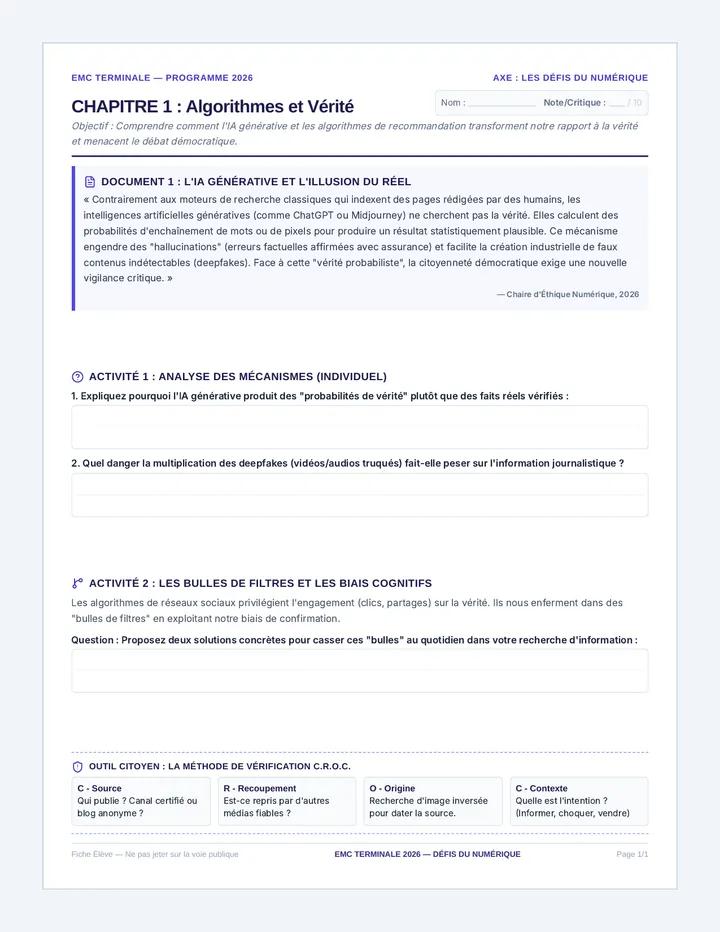
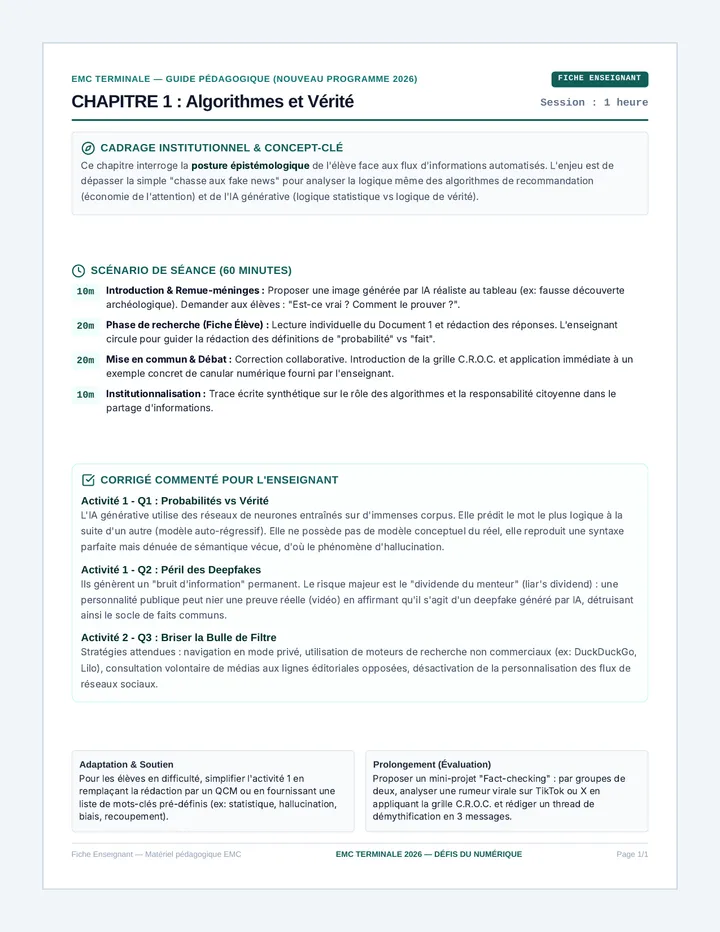
A comprehensive exploration of decision-making frameworks, focusing on opportunity costs, marginal analysis, behavioral economics, and real-world application to post-secondary planning for 12th-grade students.
A comprehensive high school curriculum plan for American History, covering 13 units from the American Revolution to the modern era, aligned with North Carolina Social Studies standards.
A comprehensive unit covering the economic boom of the 1920s, the Great Depression, and the New Deal. Includes lessons on the Prosperity Paradox, the Stock Market Collapse, the Dust Bowl, and government responses.
A comprehensive study of Judaism focusing on ethical teachings and significant practices like marriage. Students investigate the connections between core beliefs, sacred texts, and the lived experience of adherents in preparation for an extended response.
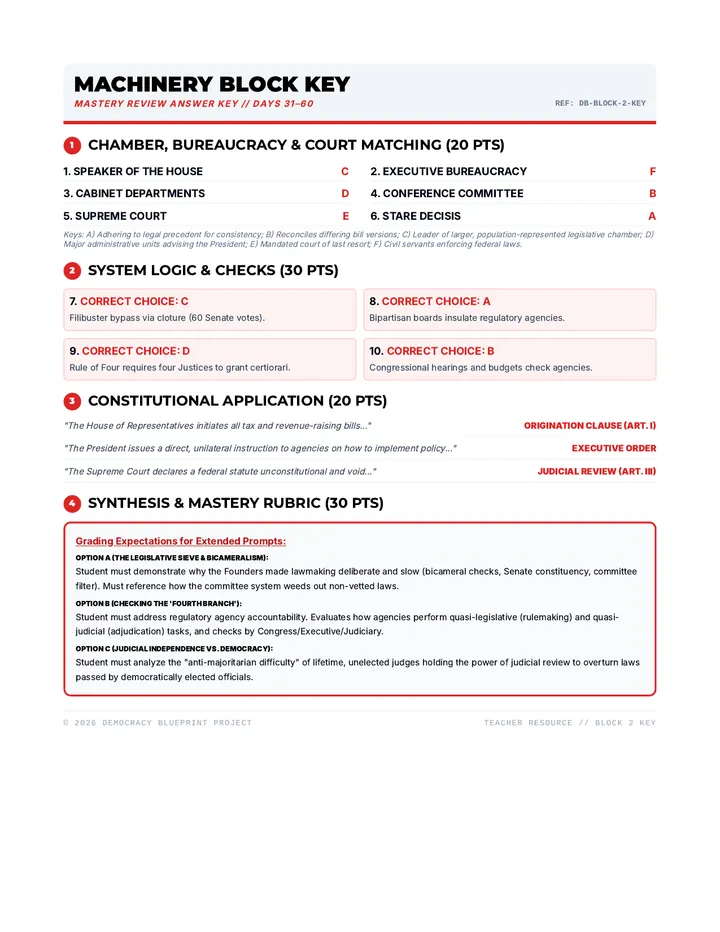
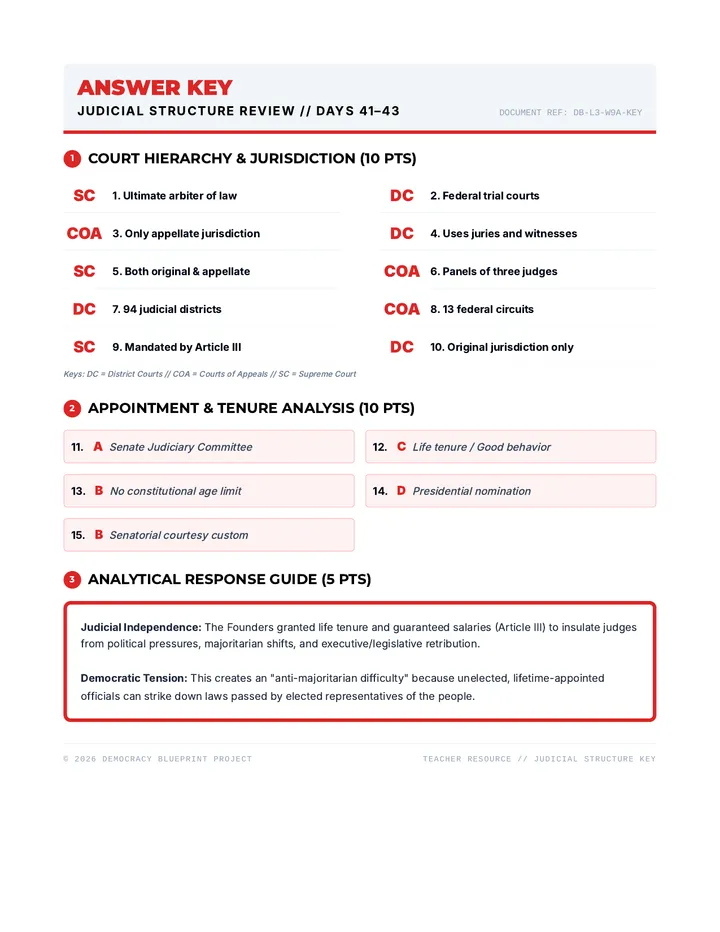
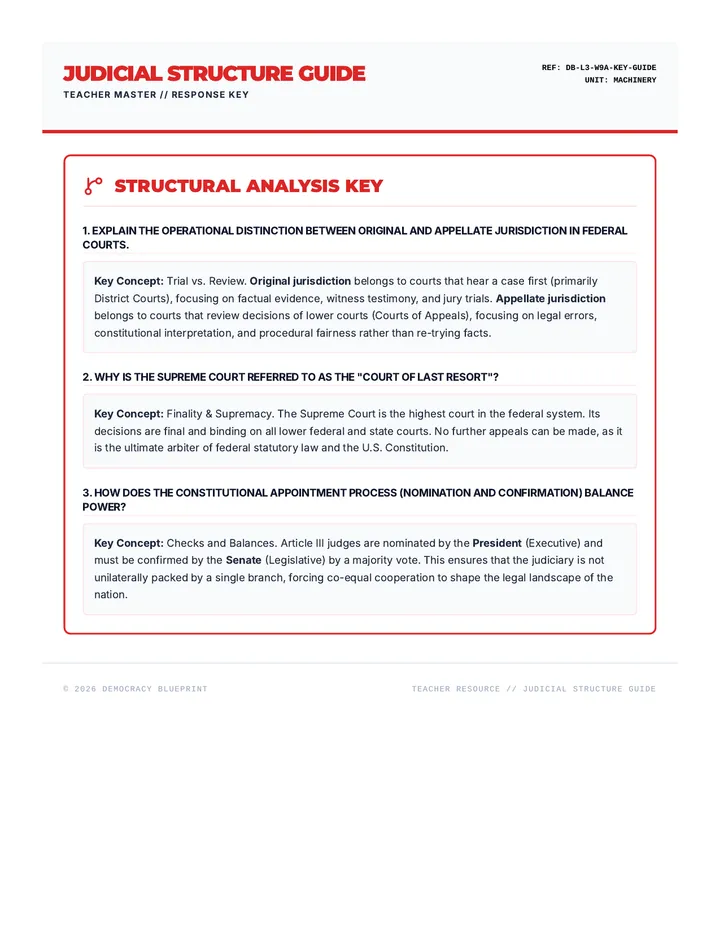
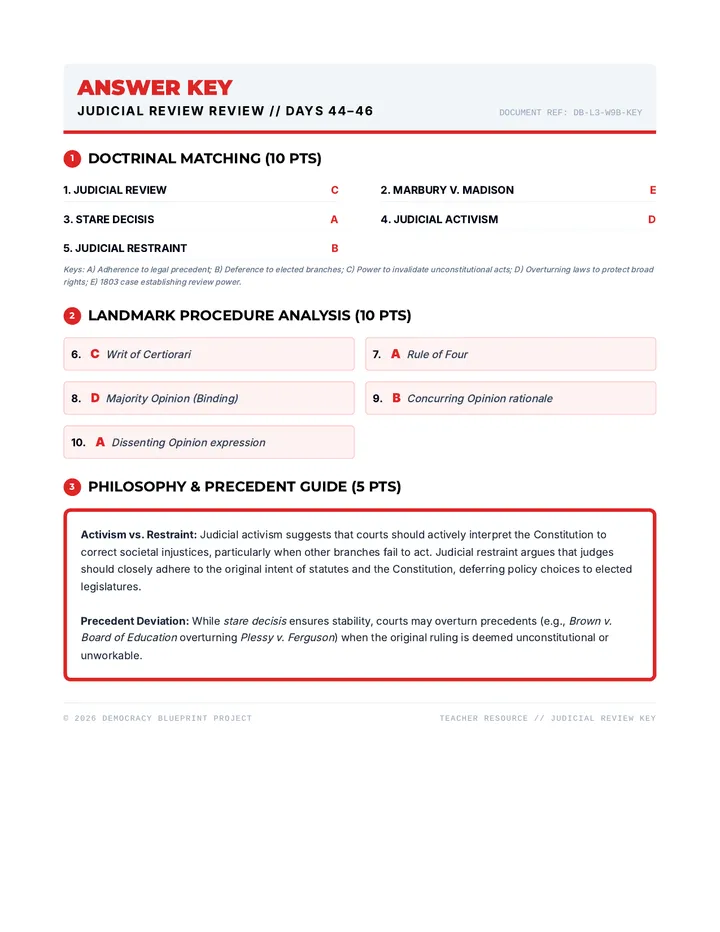
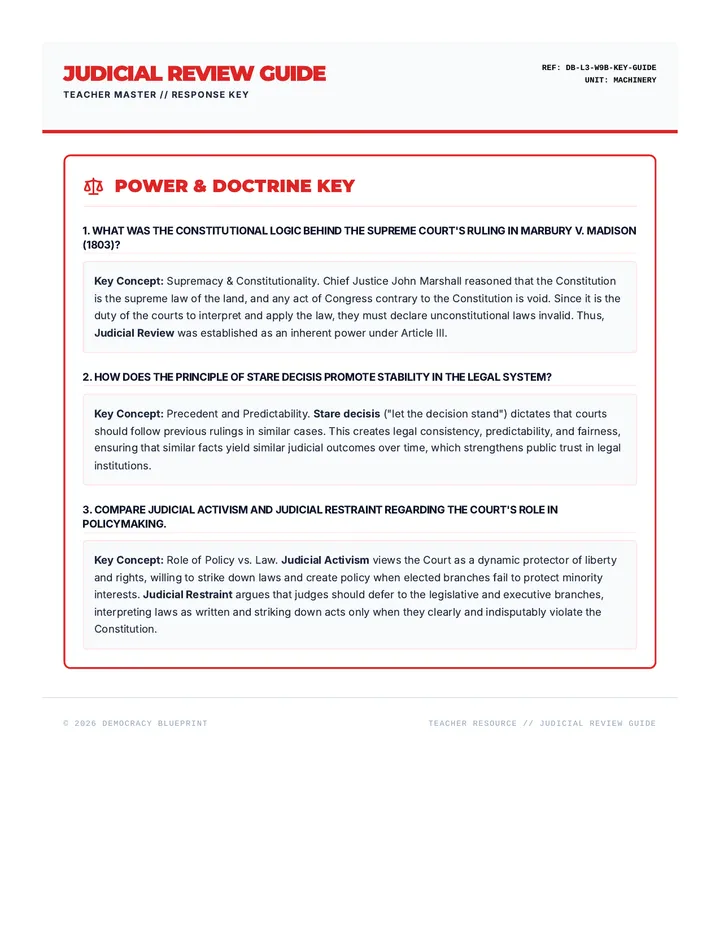
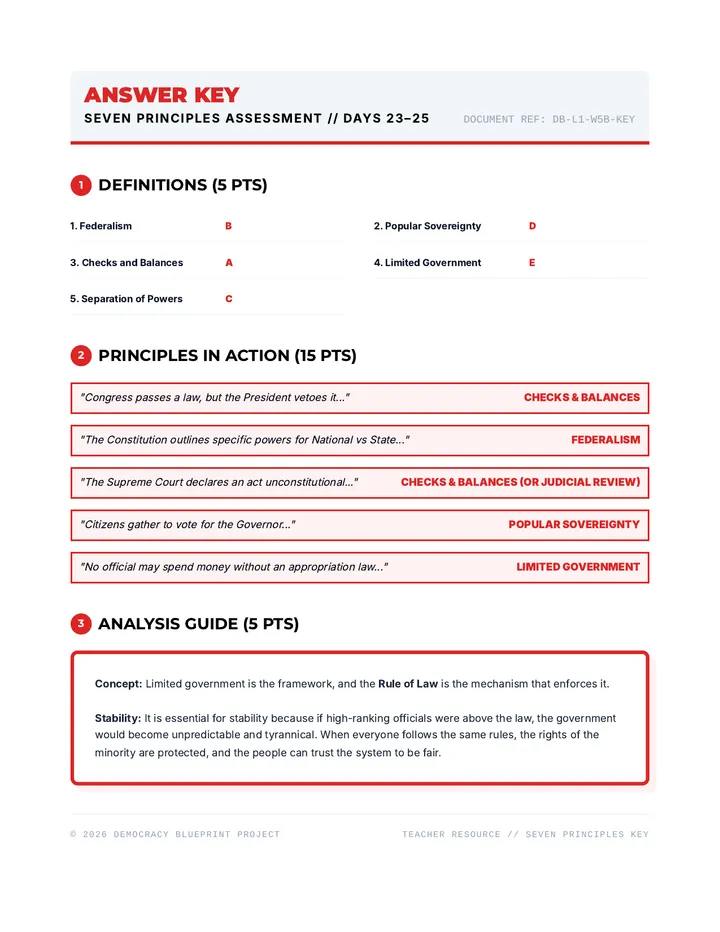
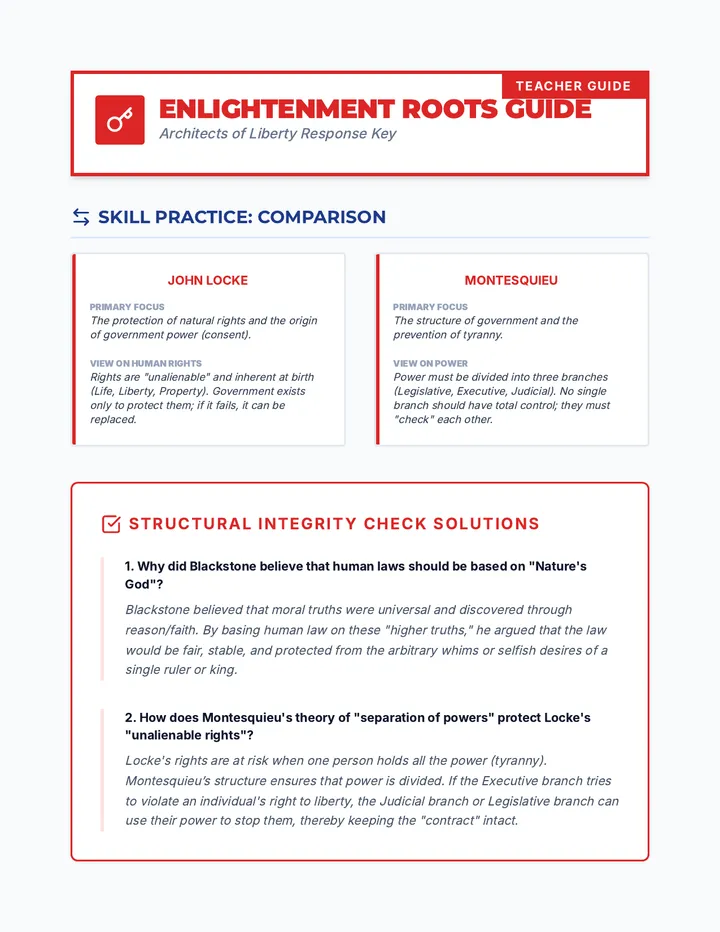
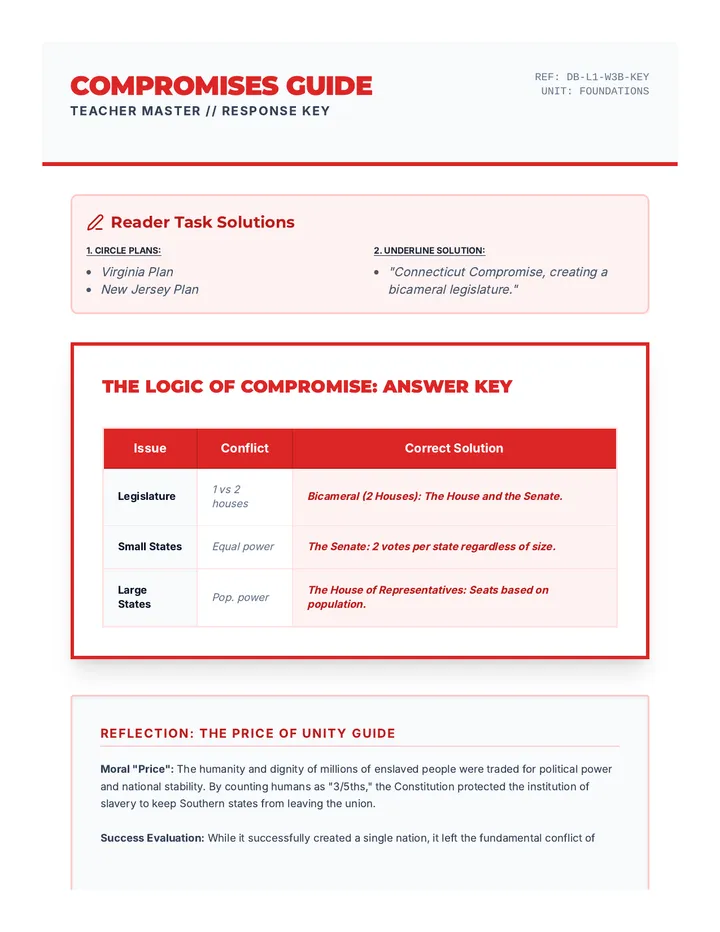
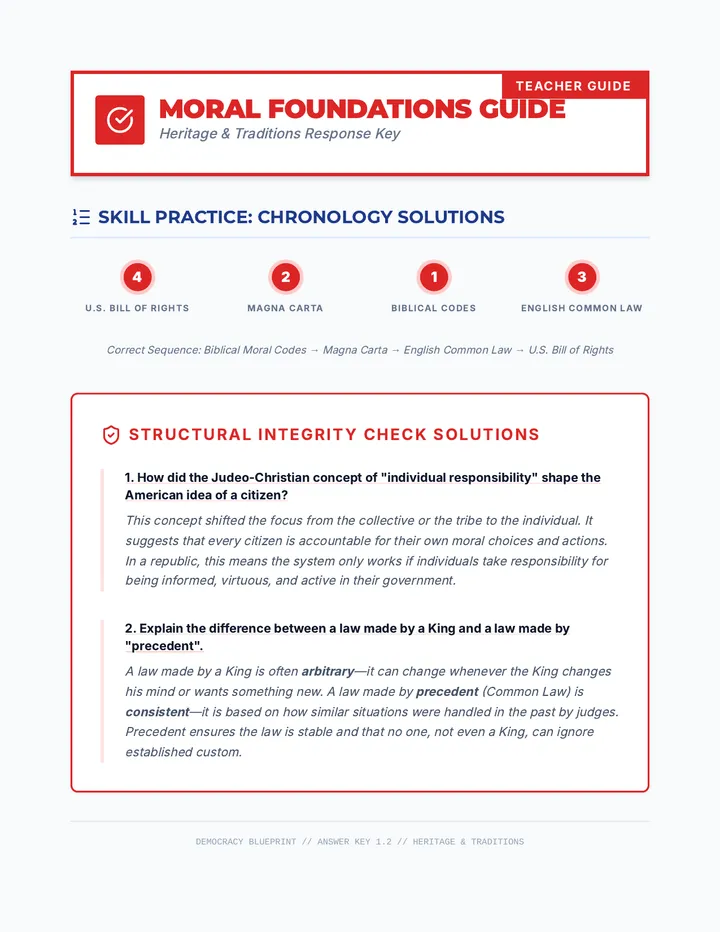
A comprehensive study sequence covering the Executive and Judicial branches of the U.S. government, designed for high school students to master the powers, structures, and functions of these two pillars of federal power.
An intensive investigative unit on Franz Kafka's *The Metamorphosis* following the North Star/Uncommon Schools instructional model. The unit focuses on the thematic intersection of labor, identity, and dehumanization. Students analyze Gregor's alienation from his family and society through a structured rigorous framework including vocabulary acquisition, character identification, and thematic synthesis.
A 10-week comprehensive unit exploring the history of disasters from antiquity to the modern era, focusing on the shift from natural events to man-made catastrophes and changing human perspectives.
A 6-day credit recovery unit for 11th and 12th grade students exploring America's transition into a global power. The unit uses visual aids, scaffolded reading, and graphic organizers to explain the Spanish-American War, the Panama Canal, and the debates over imperialism.
A comprehensive six-week unit exploring the Gilded Age, focusing on the tension between rapid industrial growth and the social/political challenges of the era. Students analyze primary sources including political cartoons and immigrant journals to understand the complexities of American life between 1870 and 1900.
A comprehensive 5-day unit for 11th and 12th grade US History covering the Industrial Revolution, Westward Expansion, and social reform movements. The unit features kinesthetic activities, primary source analysis, and scaffolded materials for diverse learners.
A focused AP World History practice series consisting exclusively of stimulus-based multiple choice questions and detailed answer keys covering Units 1-9.
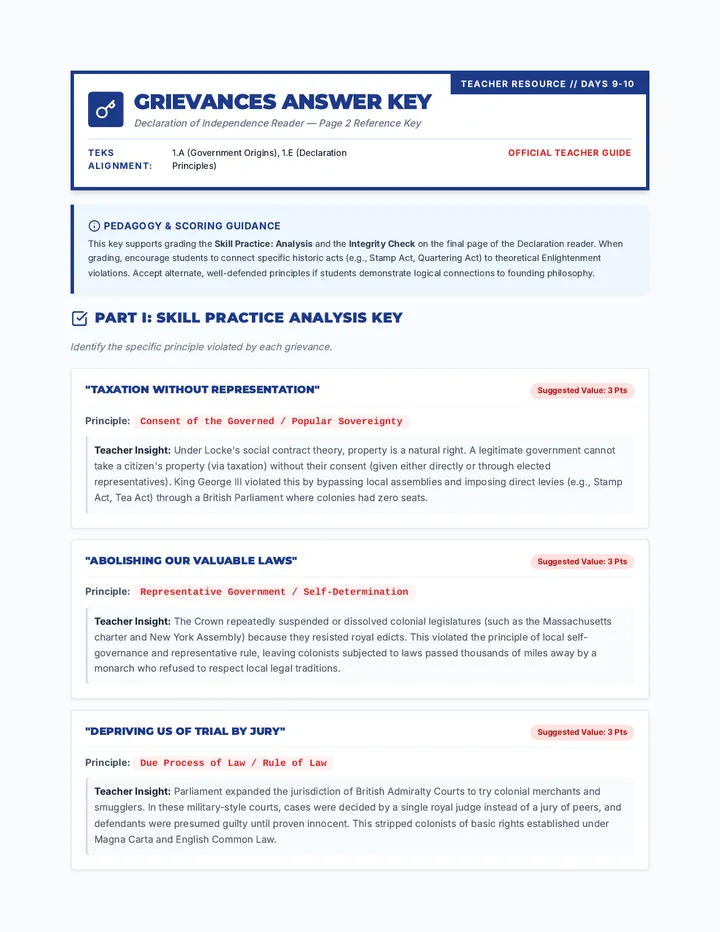
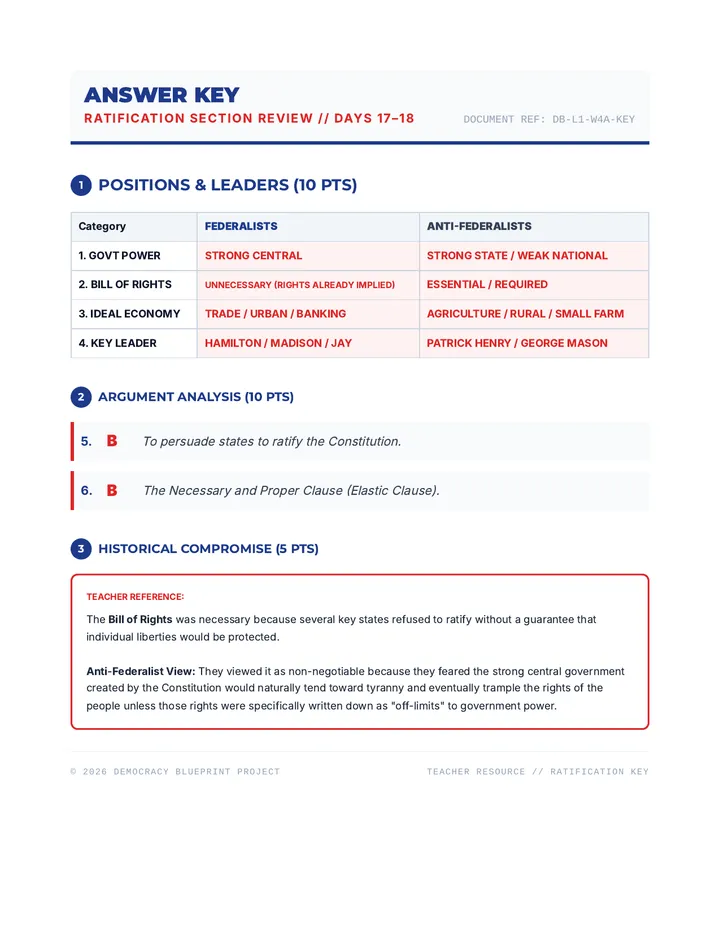
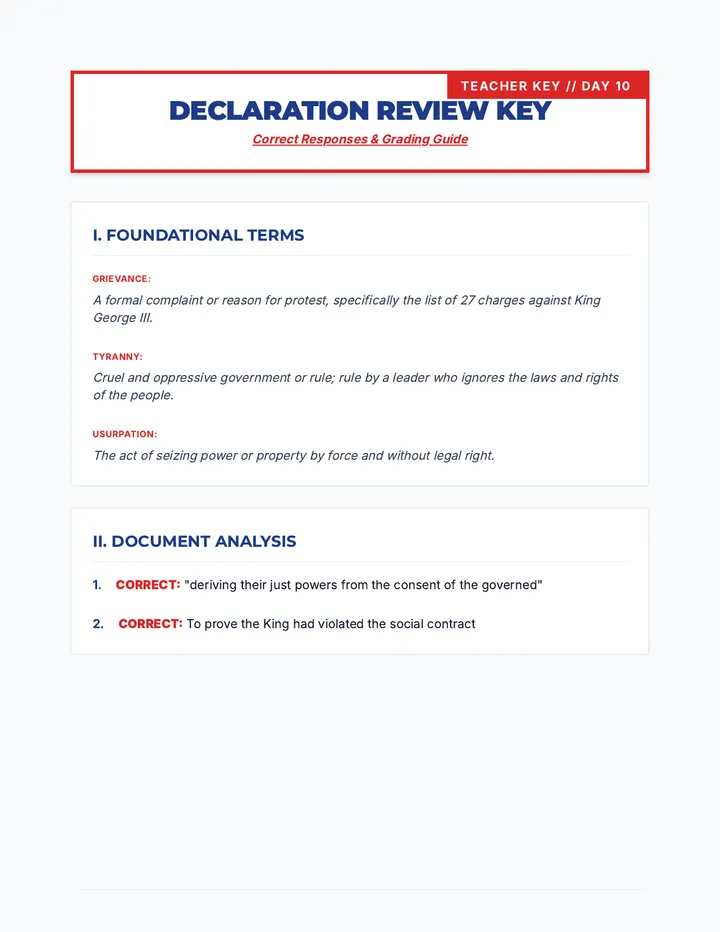
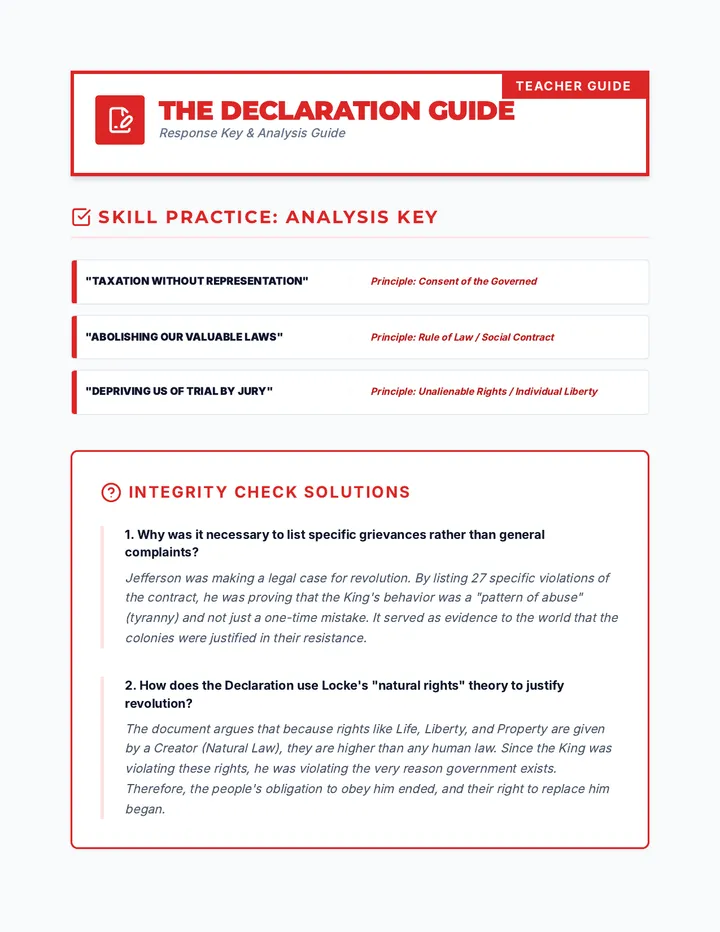
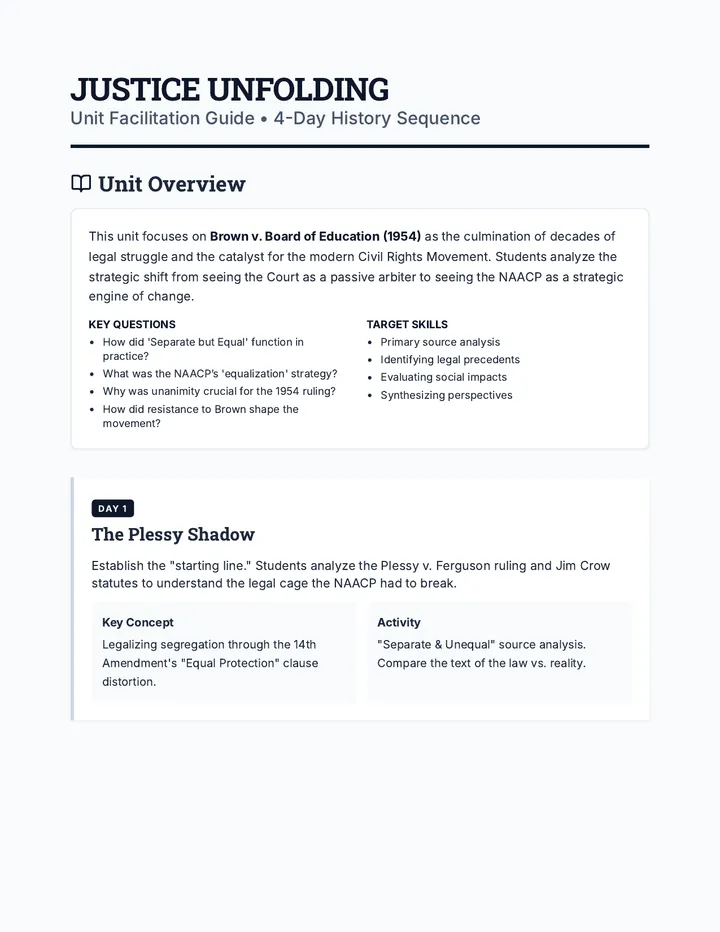
A comprehensive 5-day mini-unit exploring the Declaration of Independence through the lens of its 250th anniversary, focusing on grievances, the signers, global impact, and the ongoing struggle for civil rights.
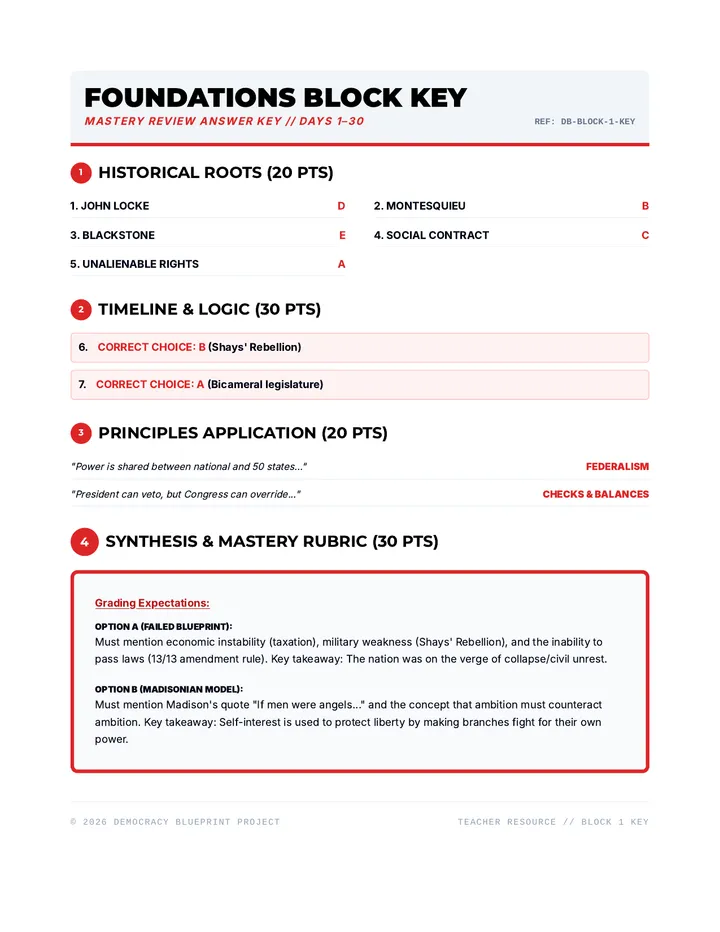
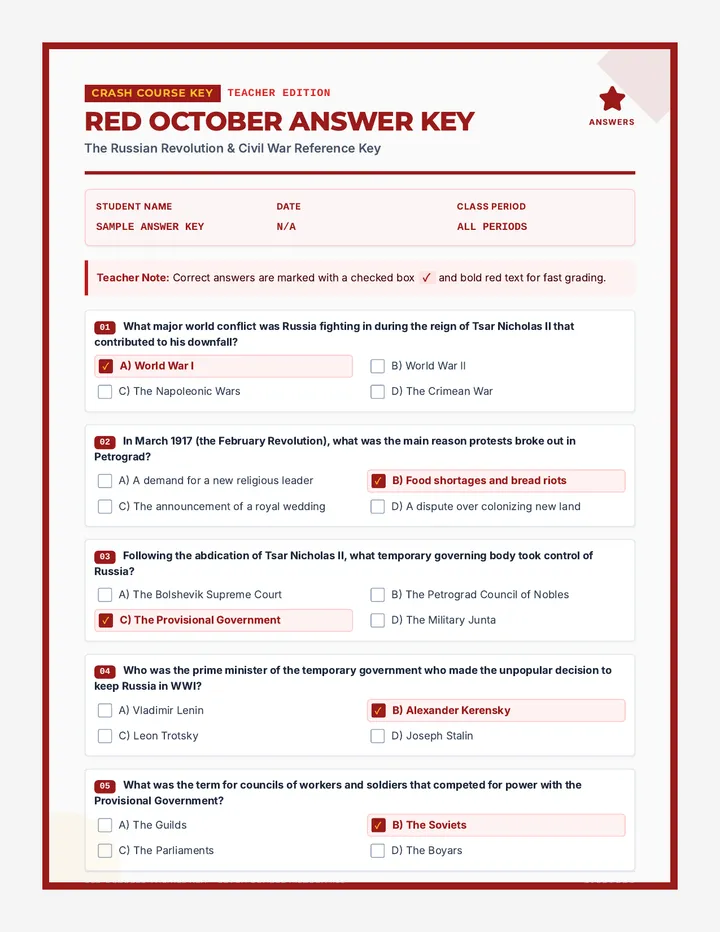
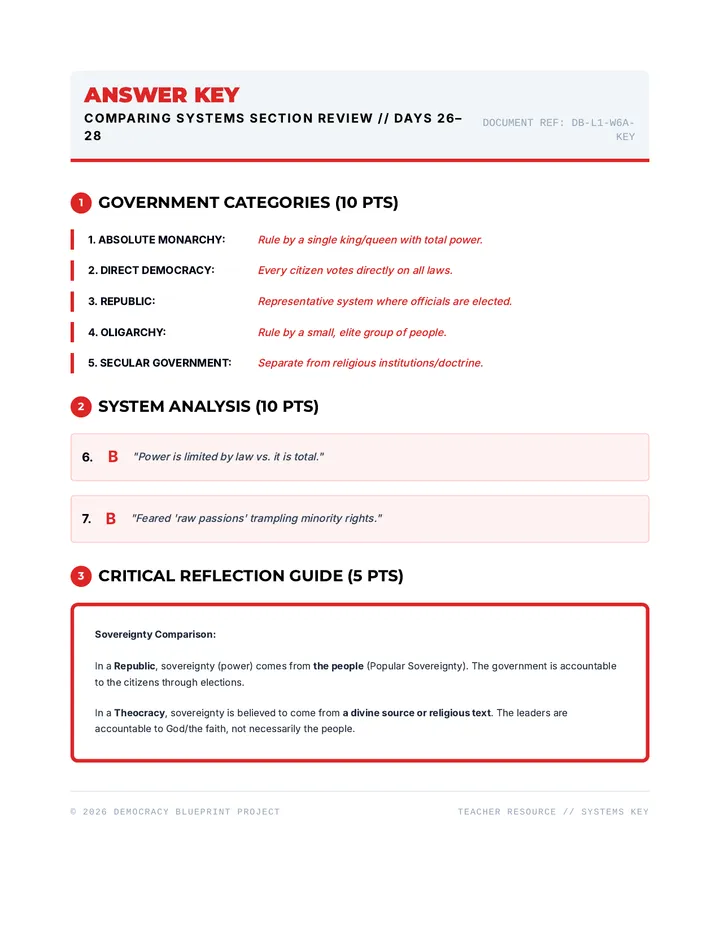
A multi-day project sequence where students design their own nation, exploring concepts of geography, governance, economics, and civil rights.
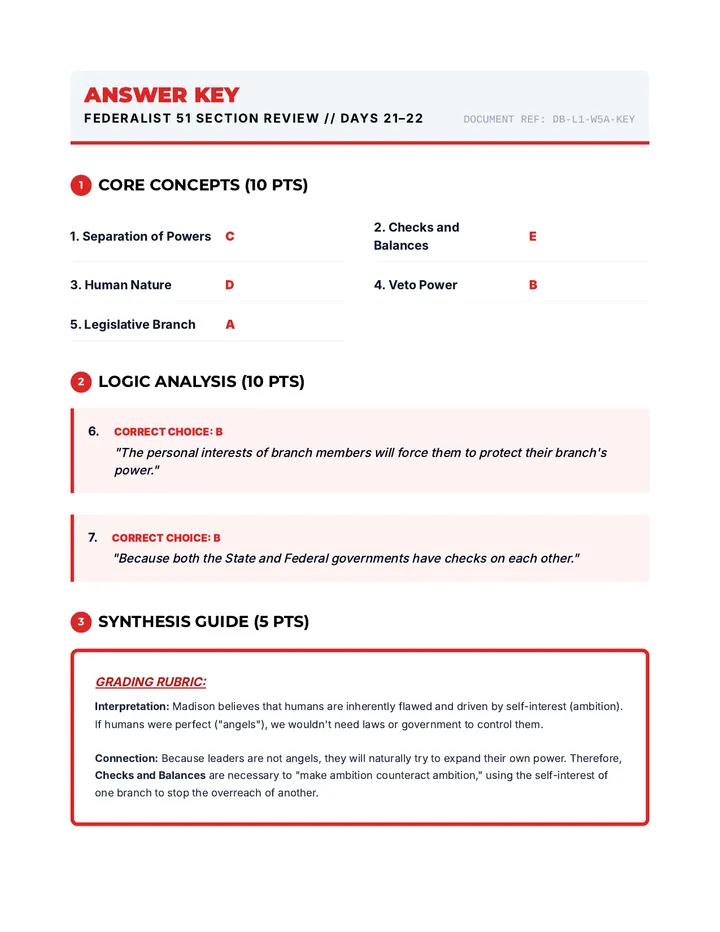
A 12-lesson intensive course on reasoning and critical thinking, aligned with the 'Reasoning Skills Success' framework. This sequence covers everything from the distinction between reason and emotion to complex logical fallacies, statistical analysis, and deductive/inductive logic.
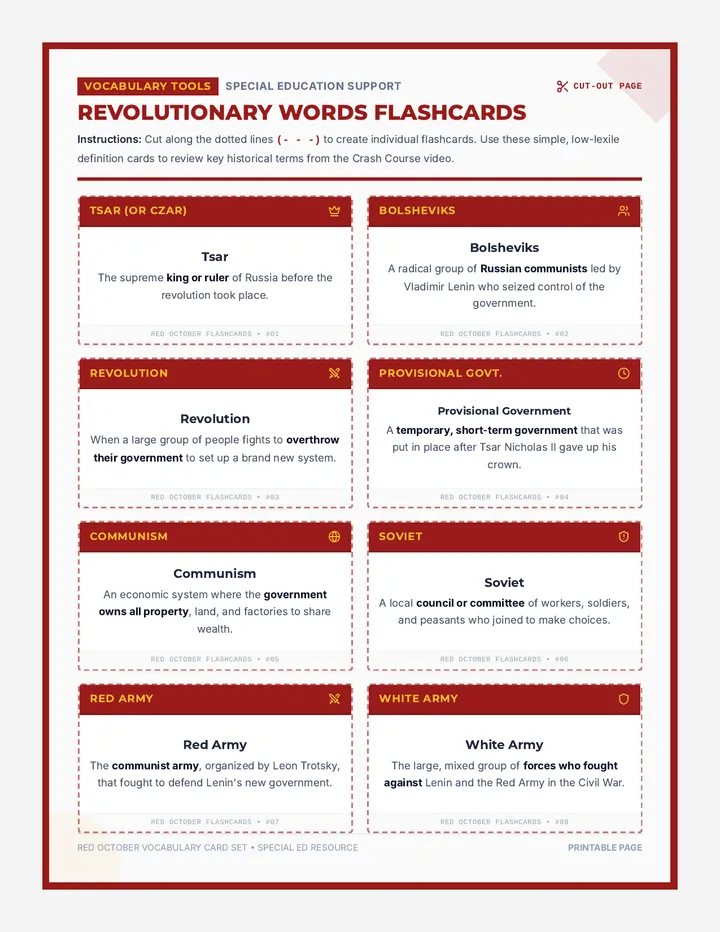
A comprehensive dive into the pivotal moments and global impact of World War II, framed through the lens of military intelligence and historical analysis.
A unit exploring the transformative decade of the 1950s, covering the Civil Rights movement, postwar economic booms, the rise of suburbia, and the cultural shifts of the Atomic Age.
A deep dive into the diplomatic and military escalations of the 1930s that led to the Second World War, focusing on the failure of collective security and the rise of expansionist regimes.
A comprehensive final project where high school students design their own sovereign nation while demonstrating mastery of executive branch powers and government structures.
A multi-day exploration of Philadelphia's cultural history through the lens of the film Rocky, covering the late 1970s, the Bicentennial, and the real-life inspirations behind the character.
A fundamental sequence designed to orient students to the major geographic regions used in global historical and social studies, focusing on clear spatial identification and standardized nomenclature.
A multi-day mini-unit exploring the contrasting philosophies of Booker T. Washington and W.E.B. Du Bois regarding African American progress, education, and civil rights at the turn of the 20th century.