A 5-lesson sequence exploring the TCP/IP model, packet switching, and IP addressing through hands-on simulations and packet analysis. Students learn how standardized rules ensure reliable and fast data transmission across the global internet.
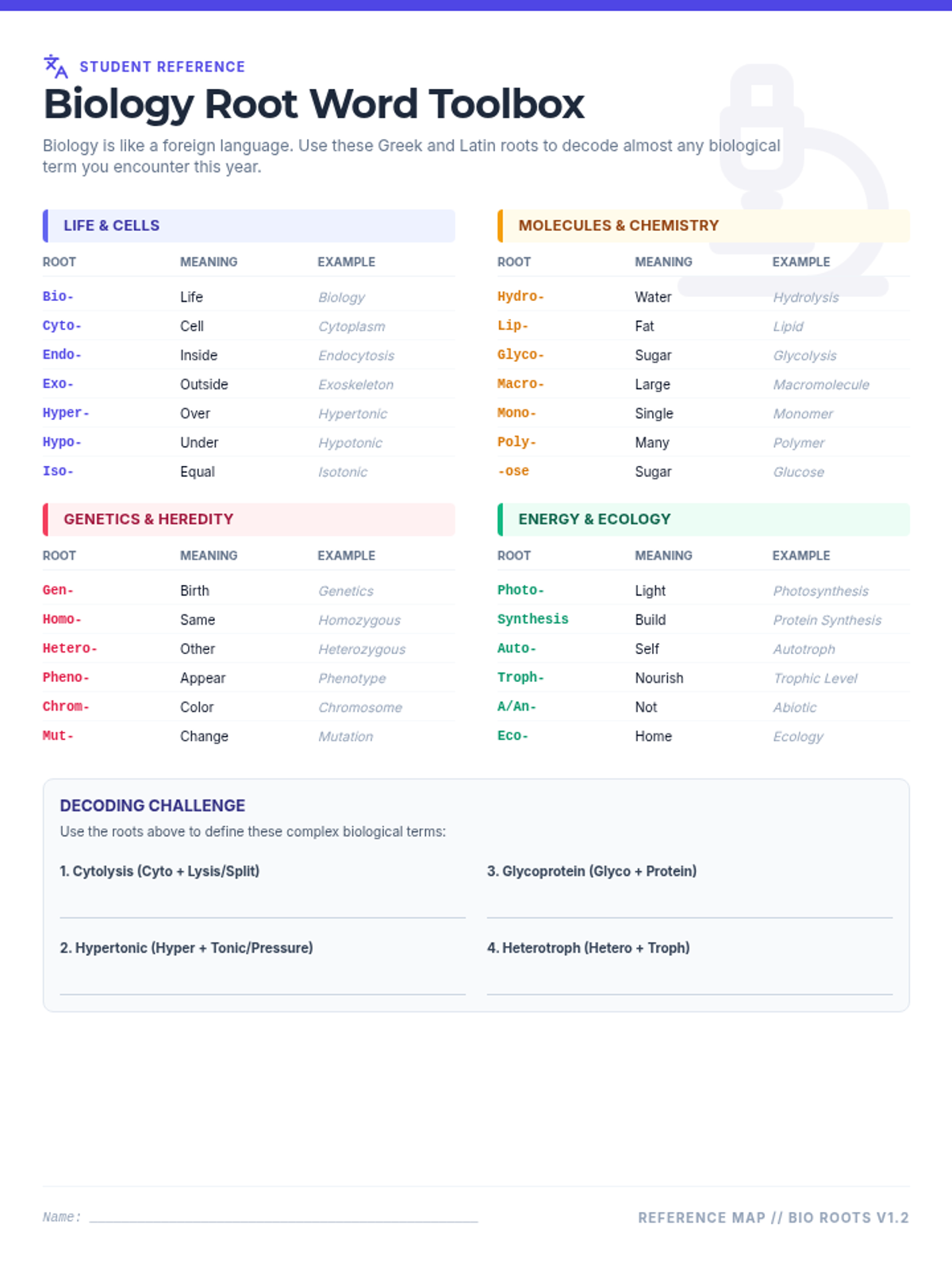
A dual-track course launch suite providing comprehensive curricular roadmaps, syllabus infographics, teacher guides, and unit unwrapping plans for General and Honors Biology.
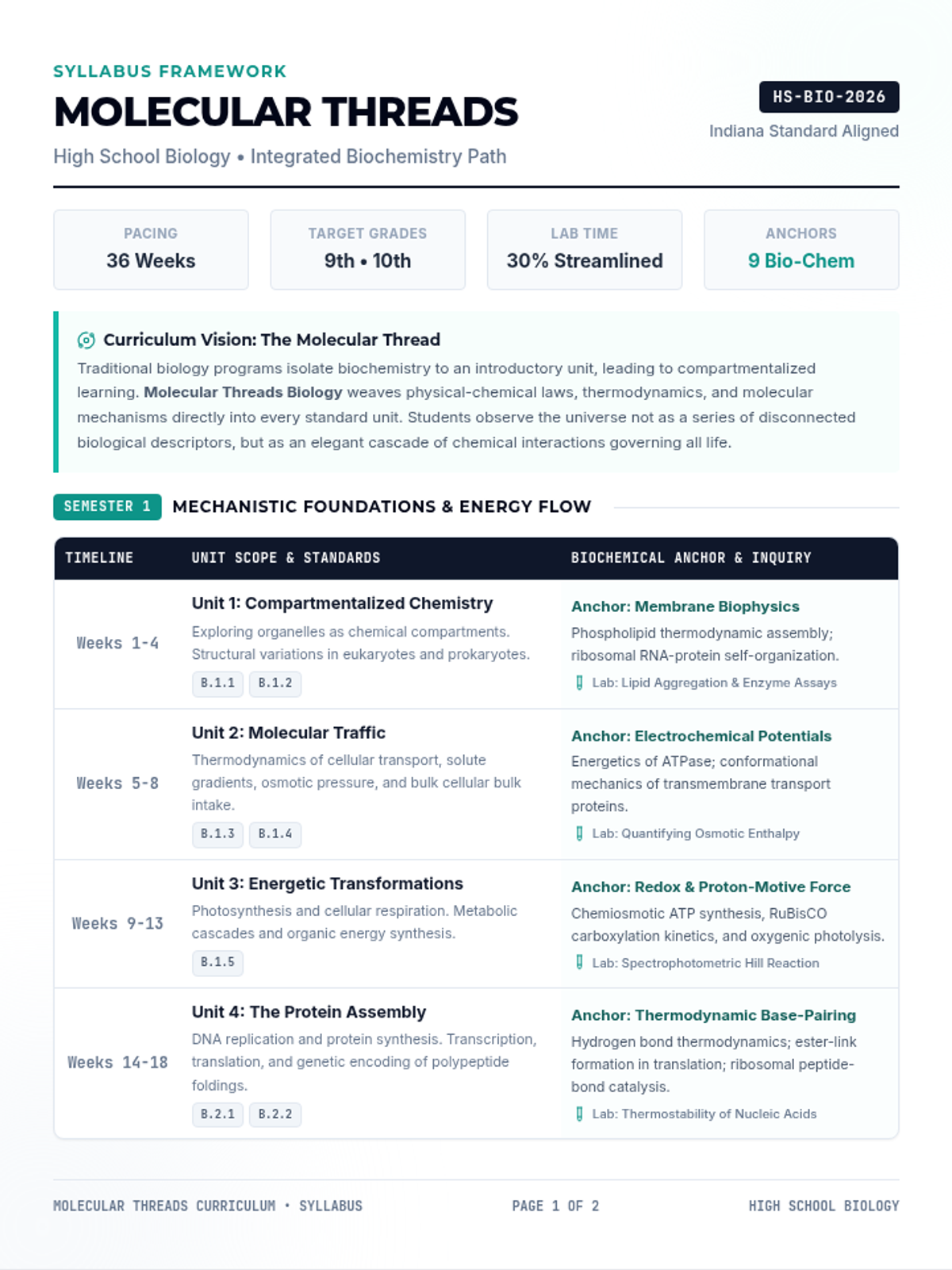
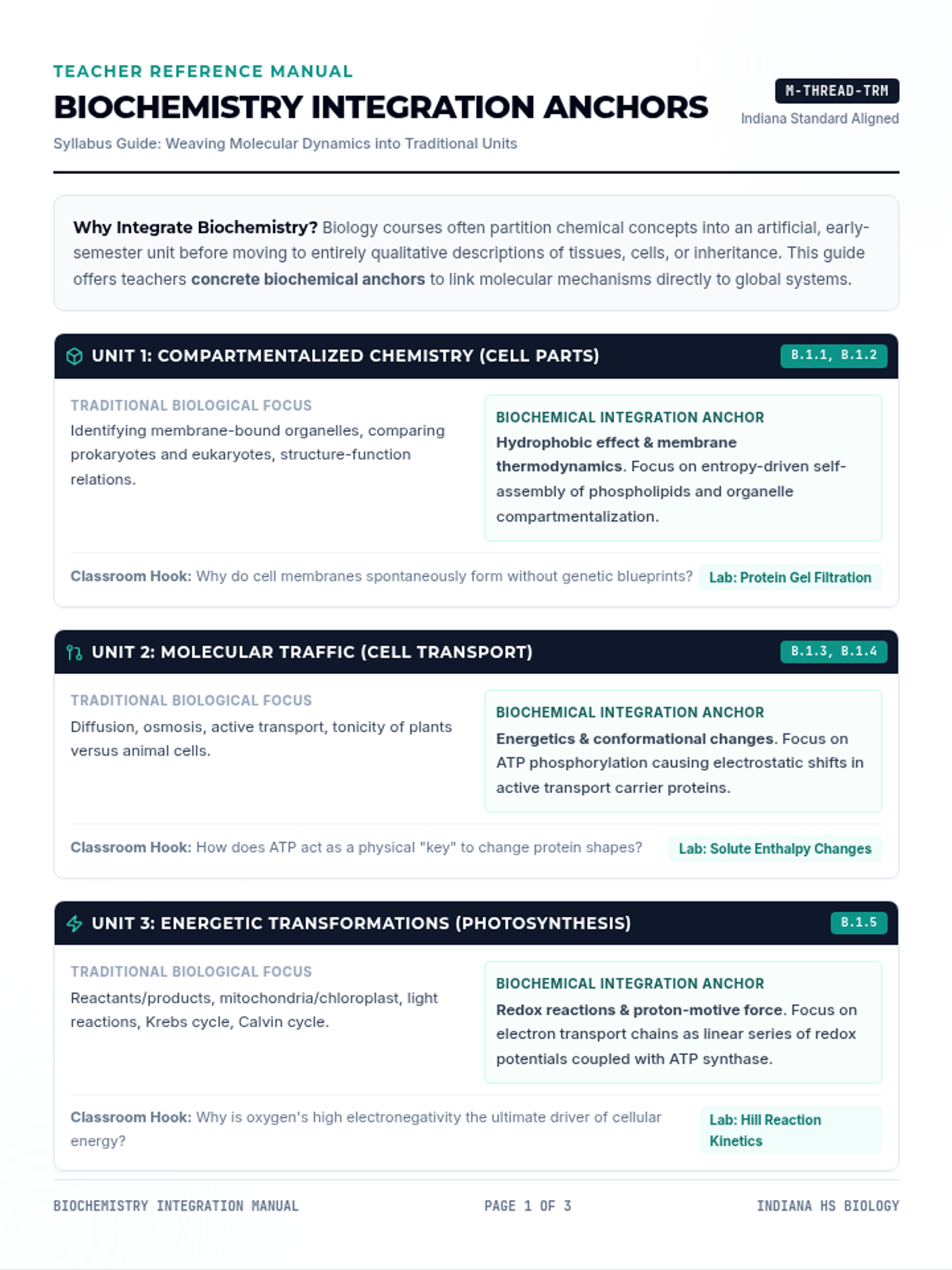
A high school biology curriculum that weaves molecular and biochemical mechanisms into every major traditional unit, fully aligned to the Indiana Academic Standards for Biology.
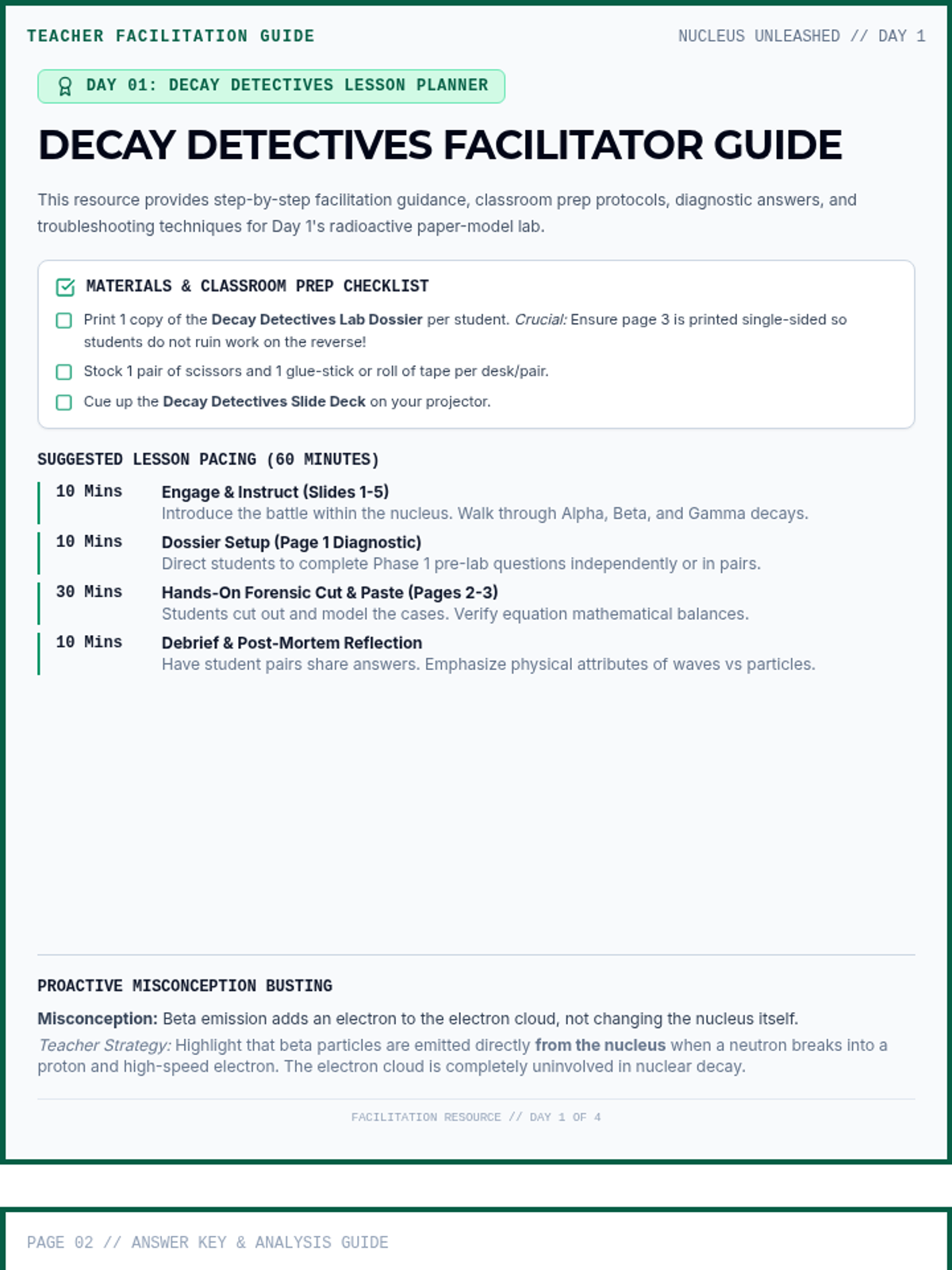
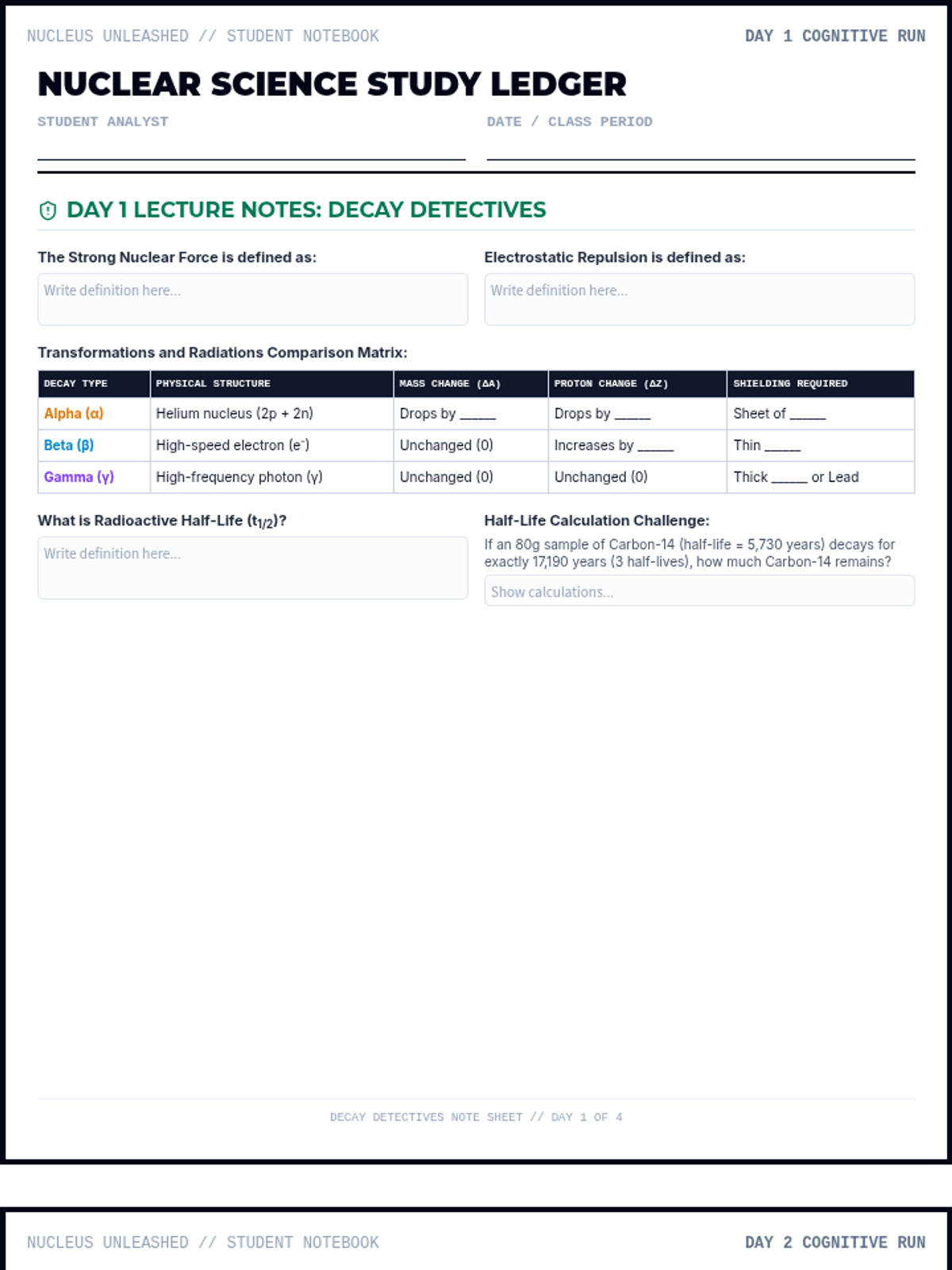
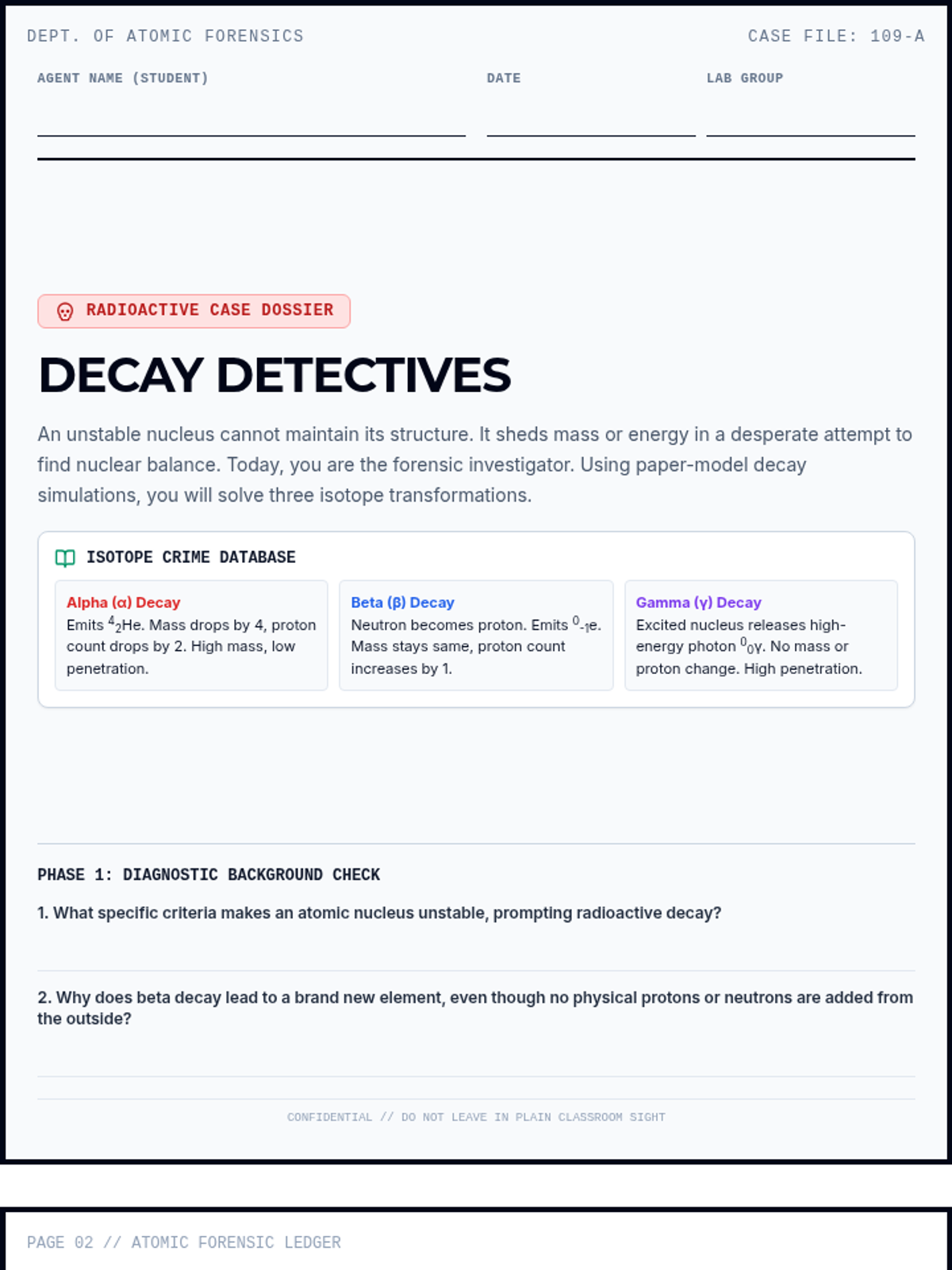
A comprehensive, highly engaging chemistry exploration of nuclear processes, including radioactive decay, nuclear stability, fission, fusion, half-life calculations, and modern nuclear technologies. Studentsrotate through four interactive stations to master atomic chemistry.
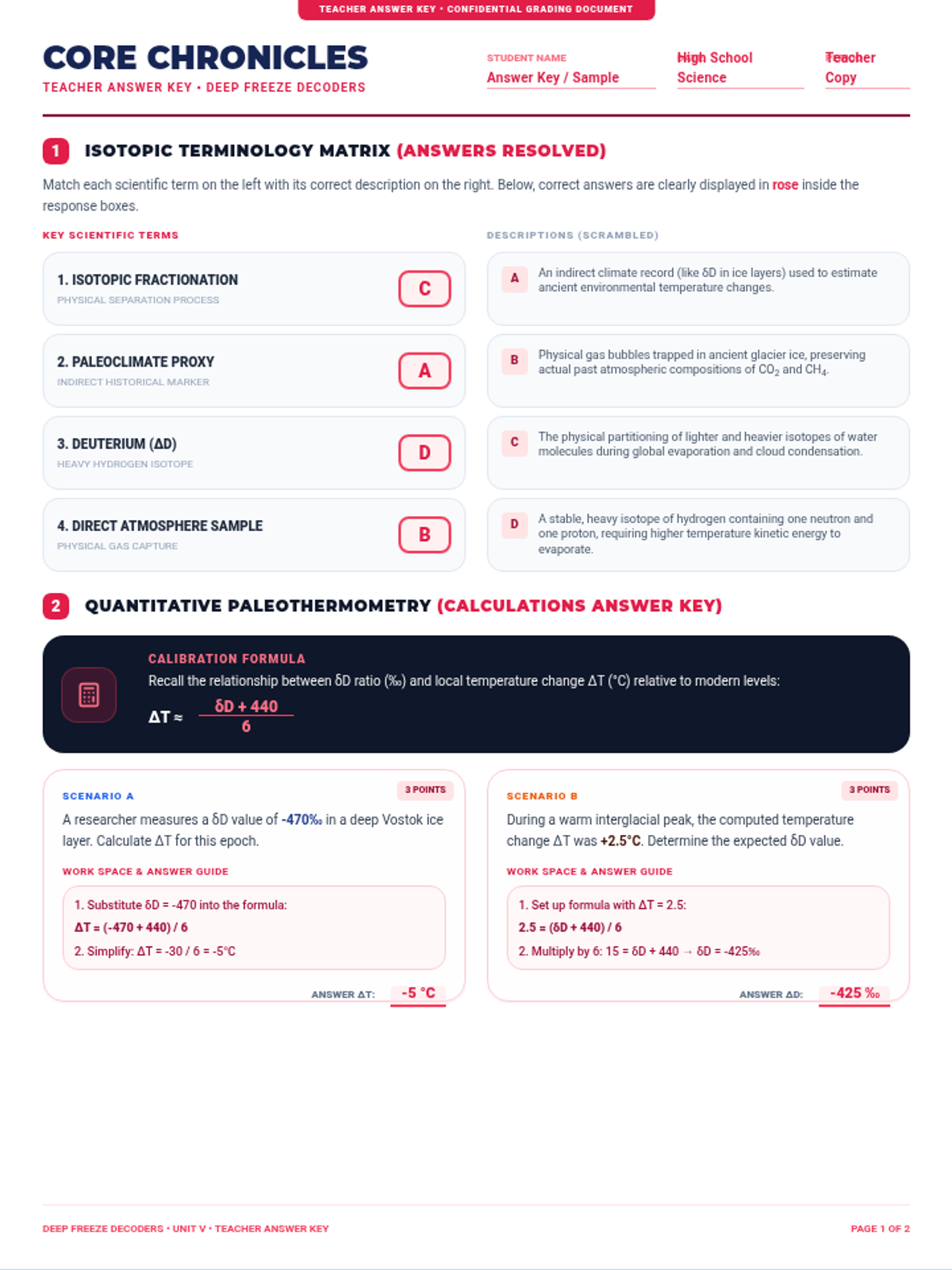
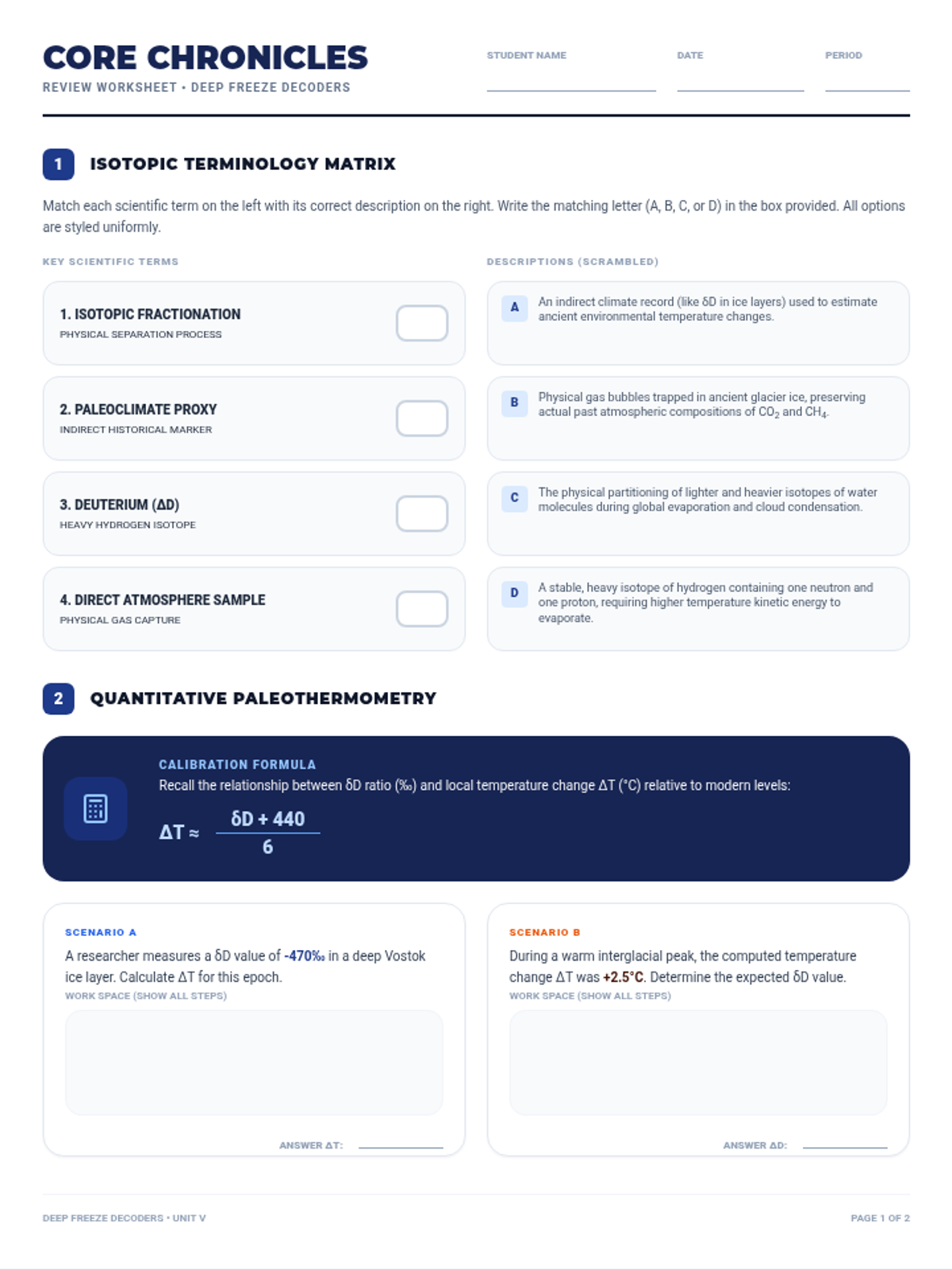
An advanced high school earth science unit exploring how scientists decode paleoclimate data from ice cores. Students analyze isotopic ratios, examine greenhouse gas correlations, and model glacier-climate feedback loops.
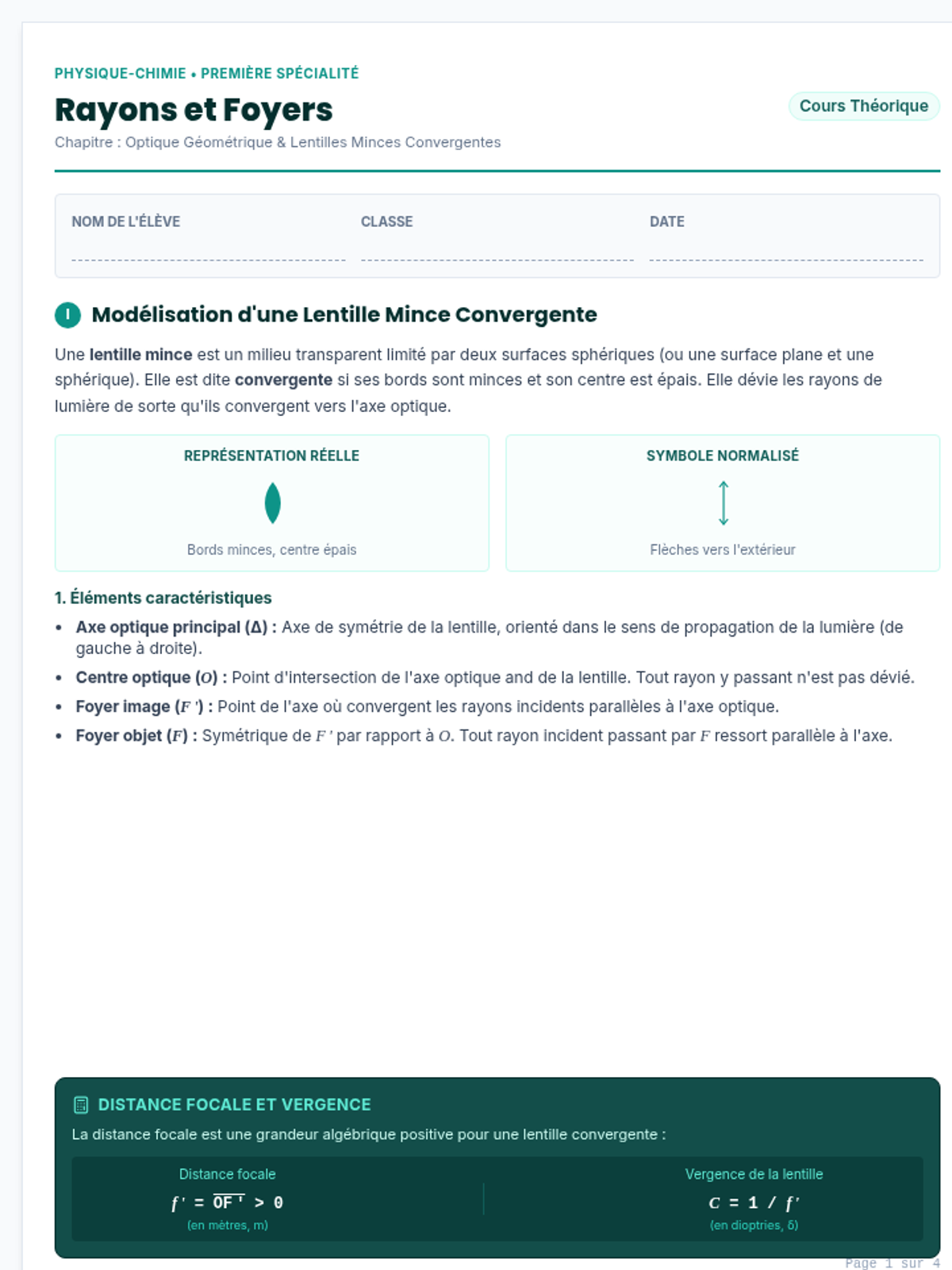
Une séquence de physique de niveau Première sur l'optique géométrique et les lentilles minces convergentes. Elle aborde la modélisation géométrique des lentilles, la construction graphique des images, les relations mathématiques de Descartes et de grandissement, ainsi que les trois méthodes de mesure de la distance focale (objet à l'infini, autocollimation, méthode de Bessel).
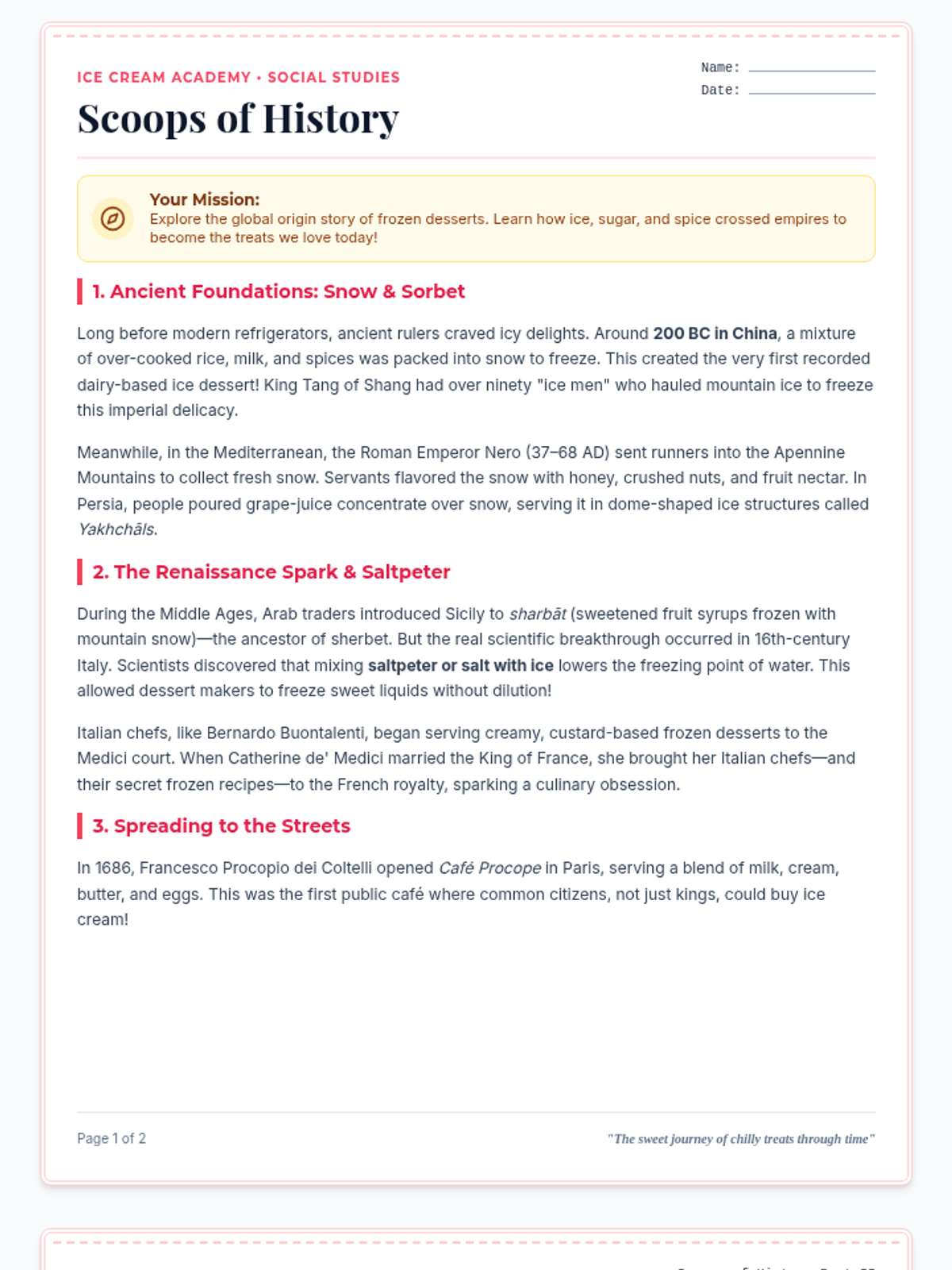
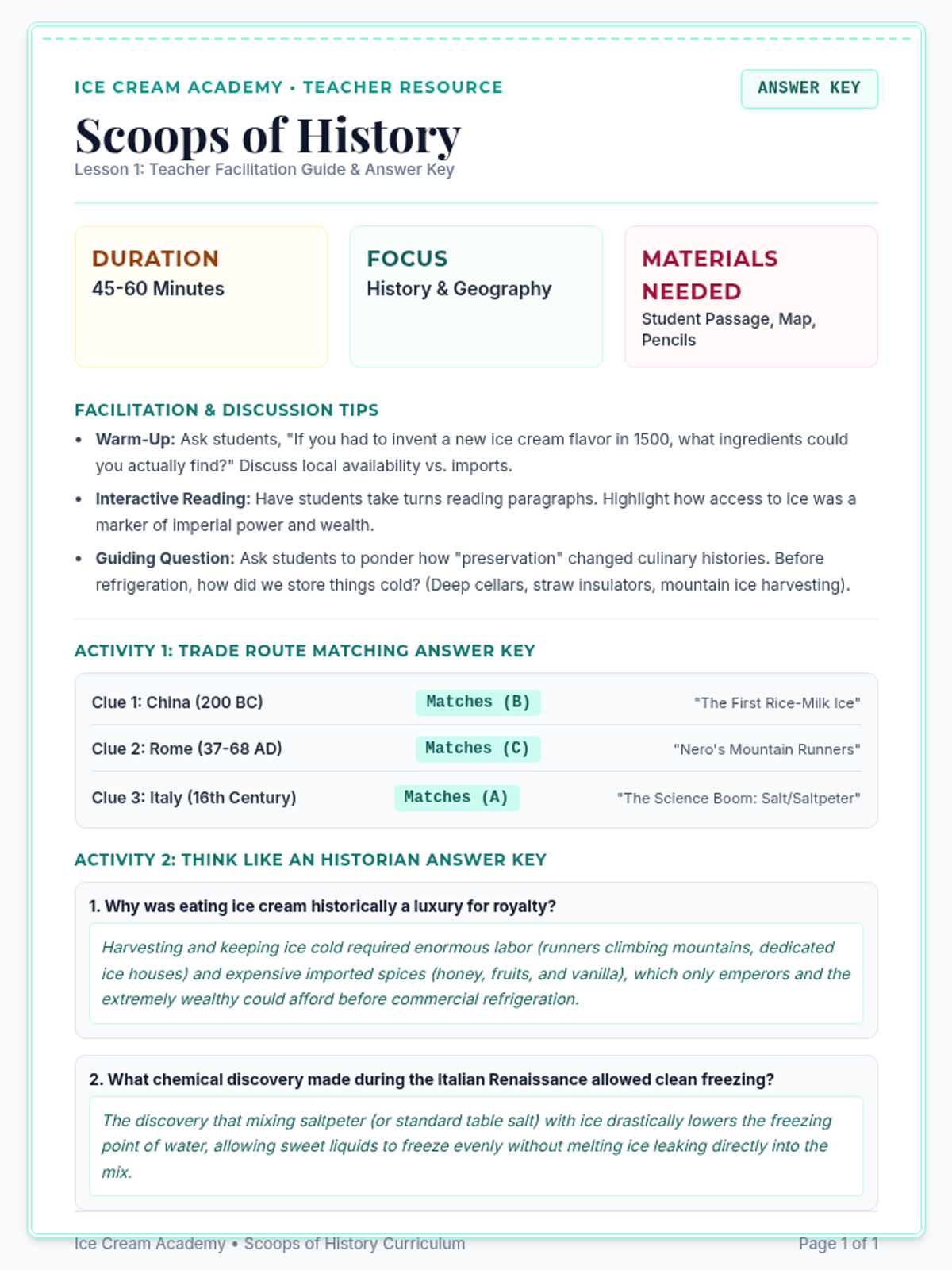
A multi-subject summer school unit exploring the history, science, math, and language arts of ice cream. Students scale recipes, conduct freezing-point experiments, trace historical origins, and design sensory marketing campaigns.
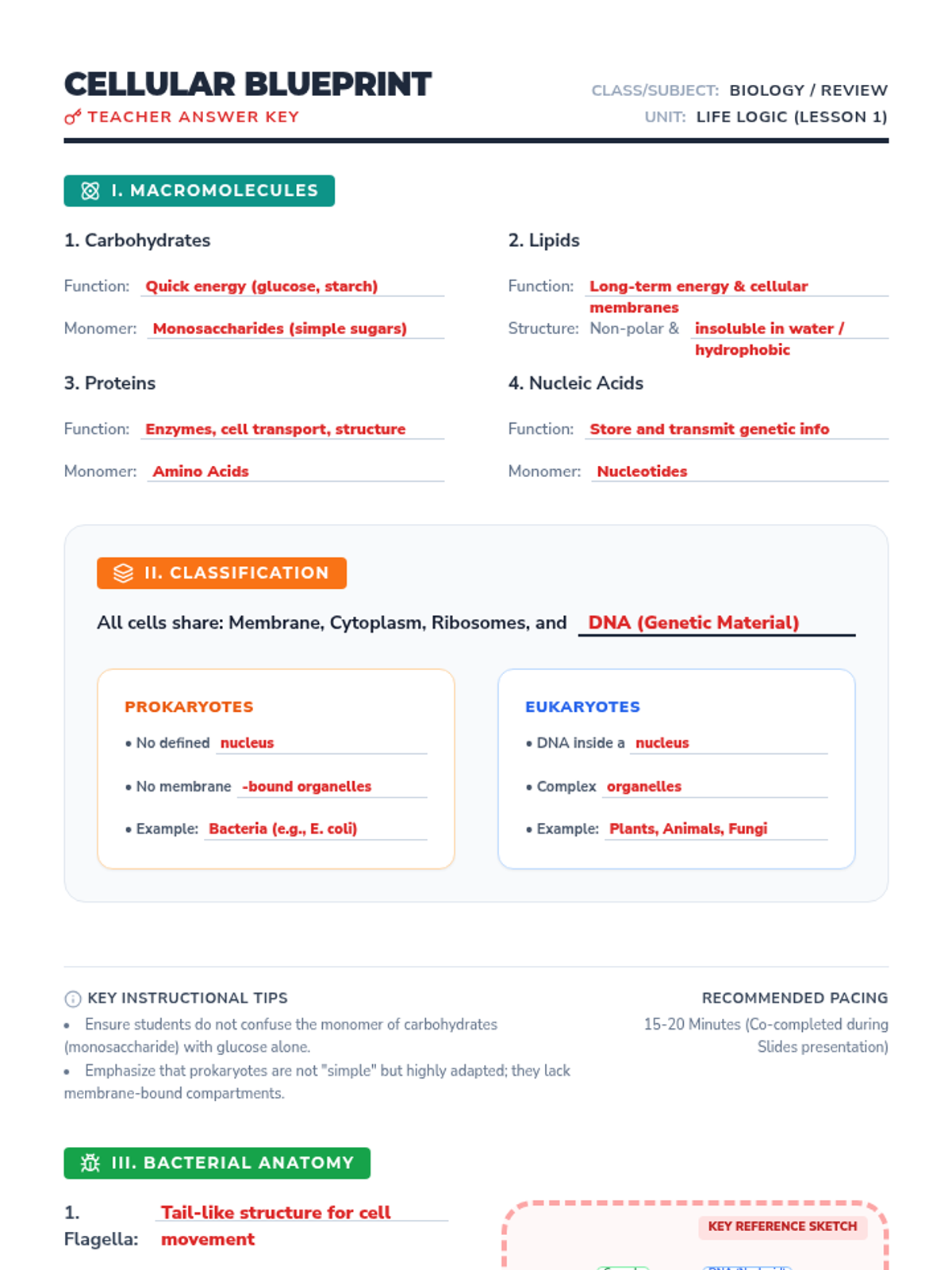
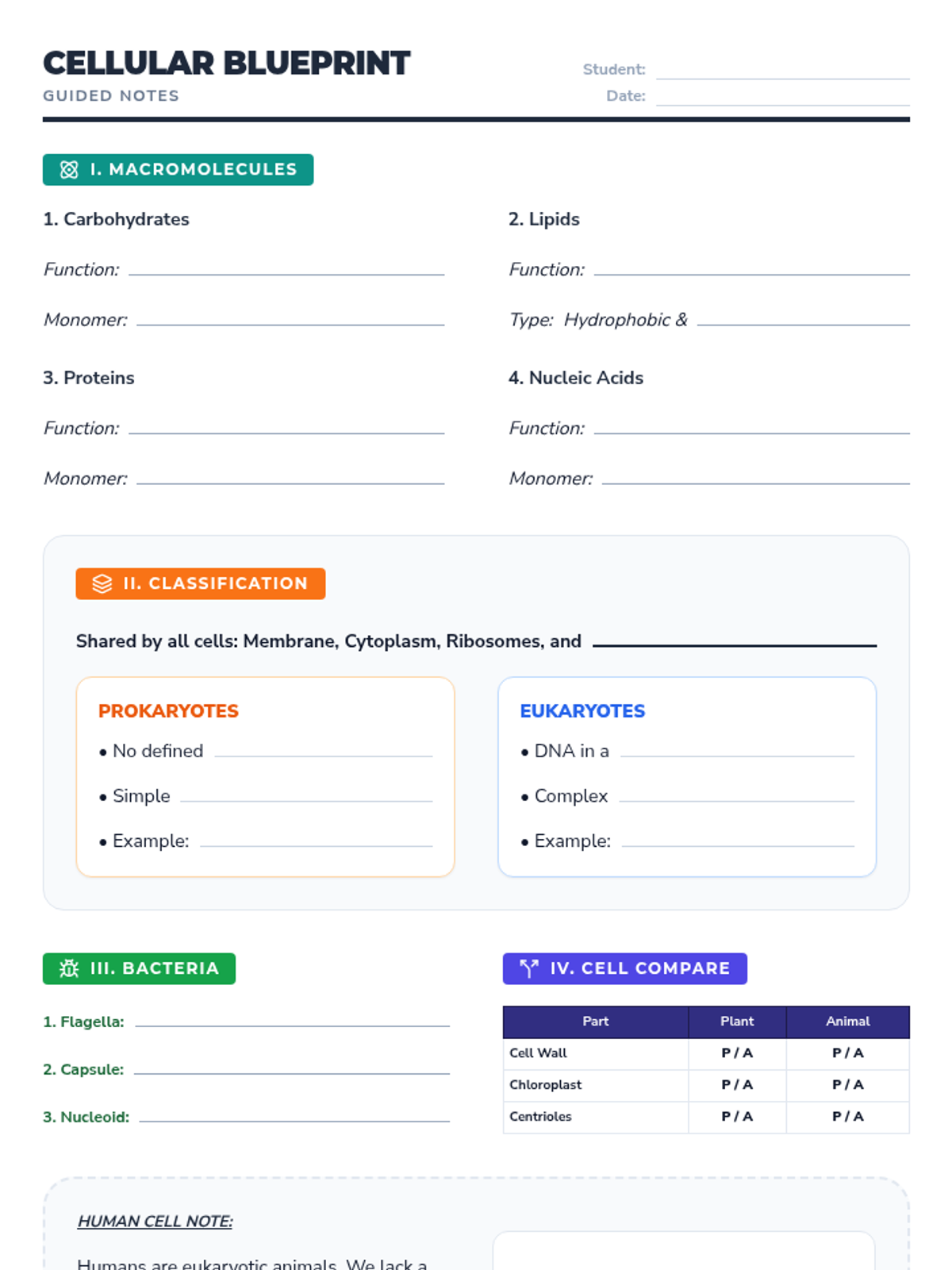
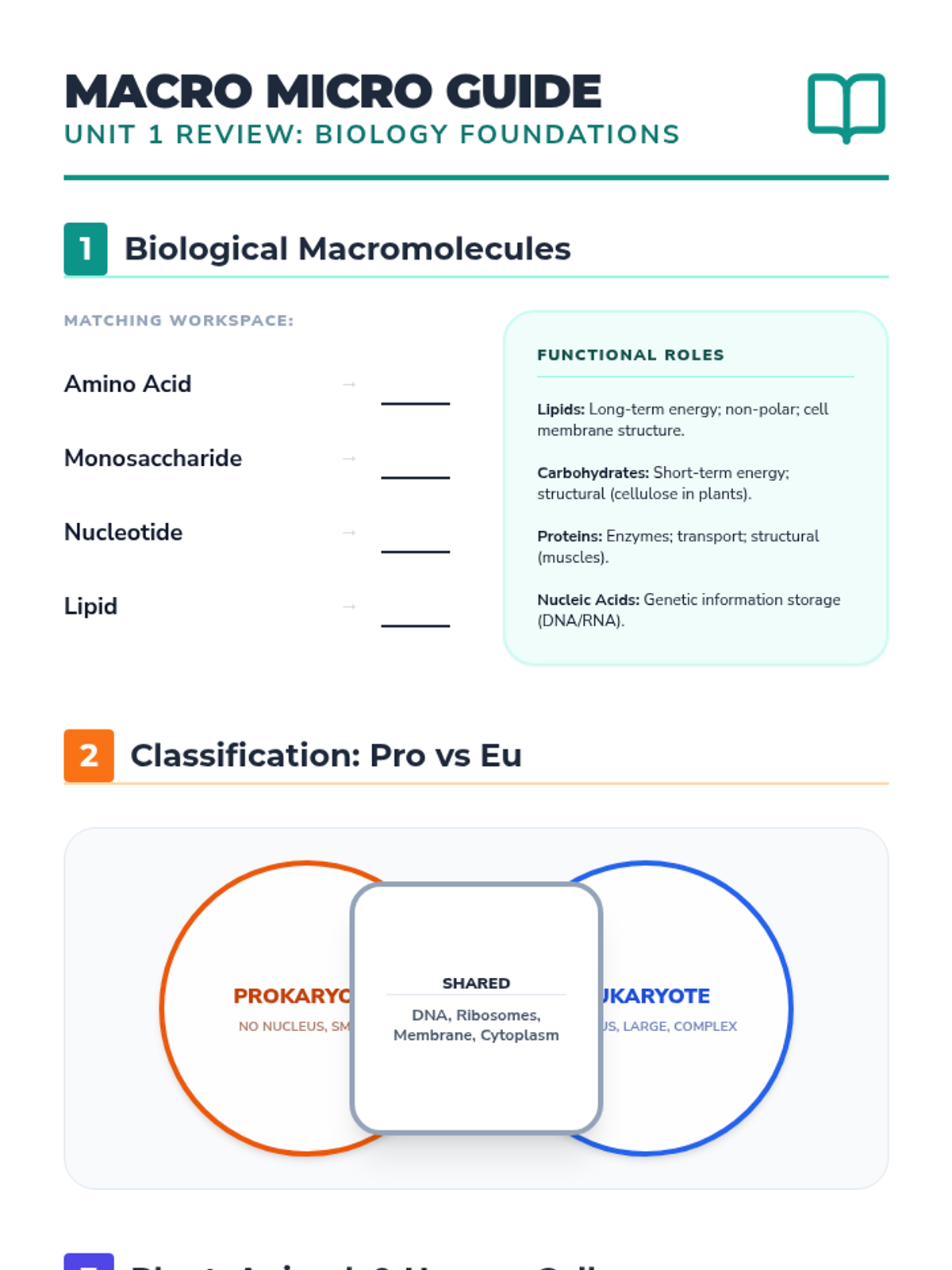
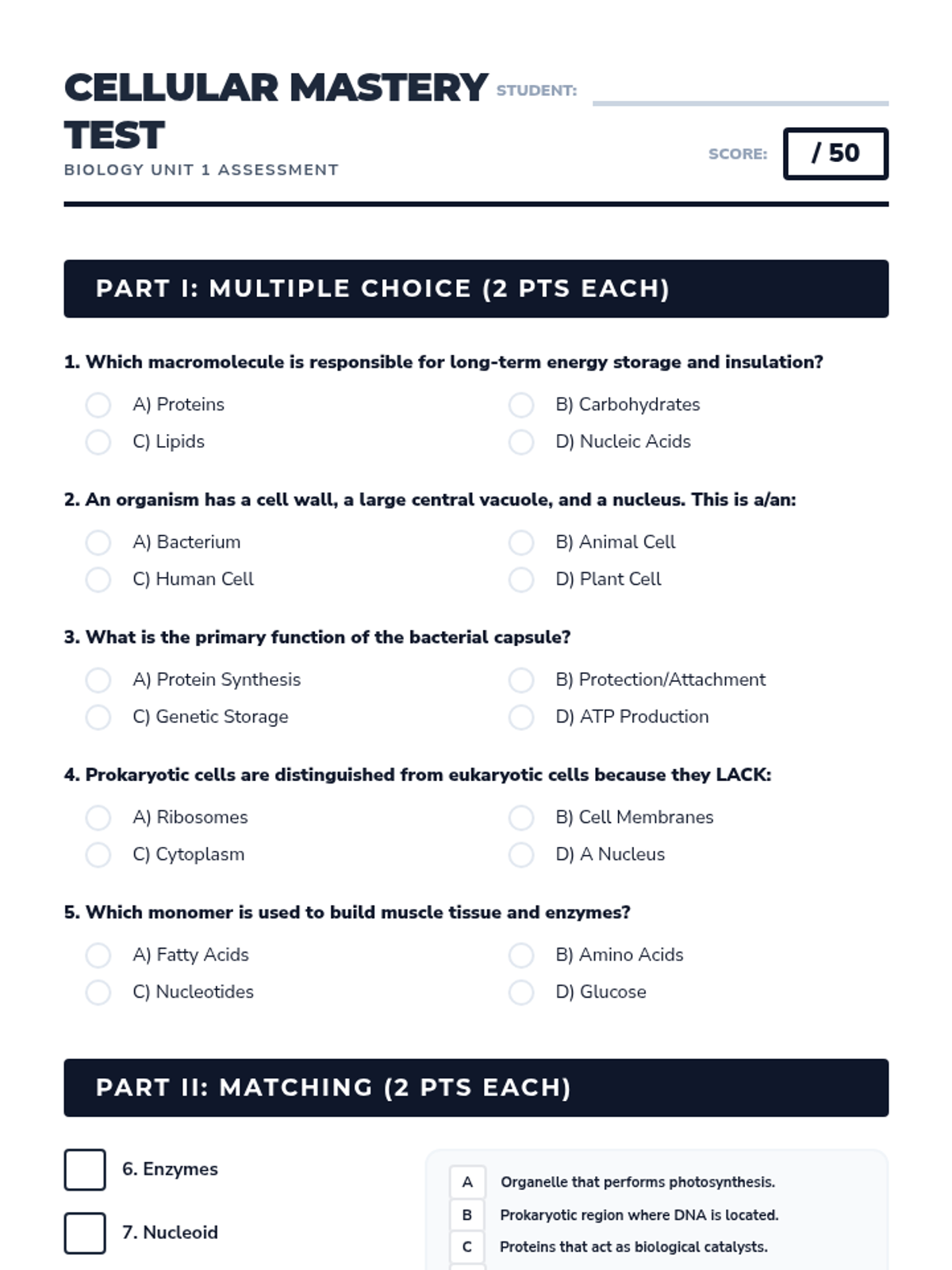
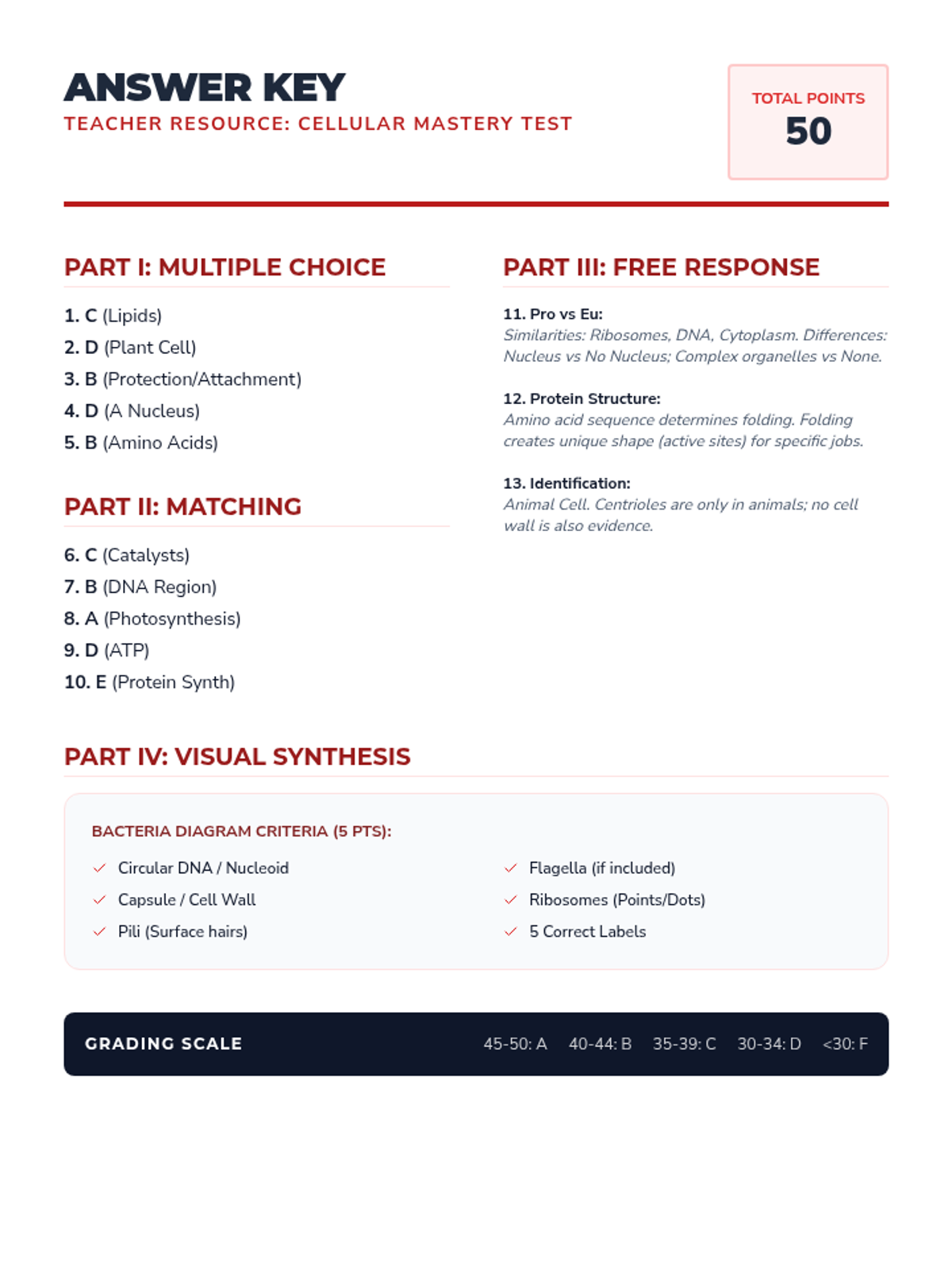
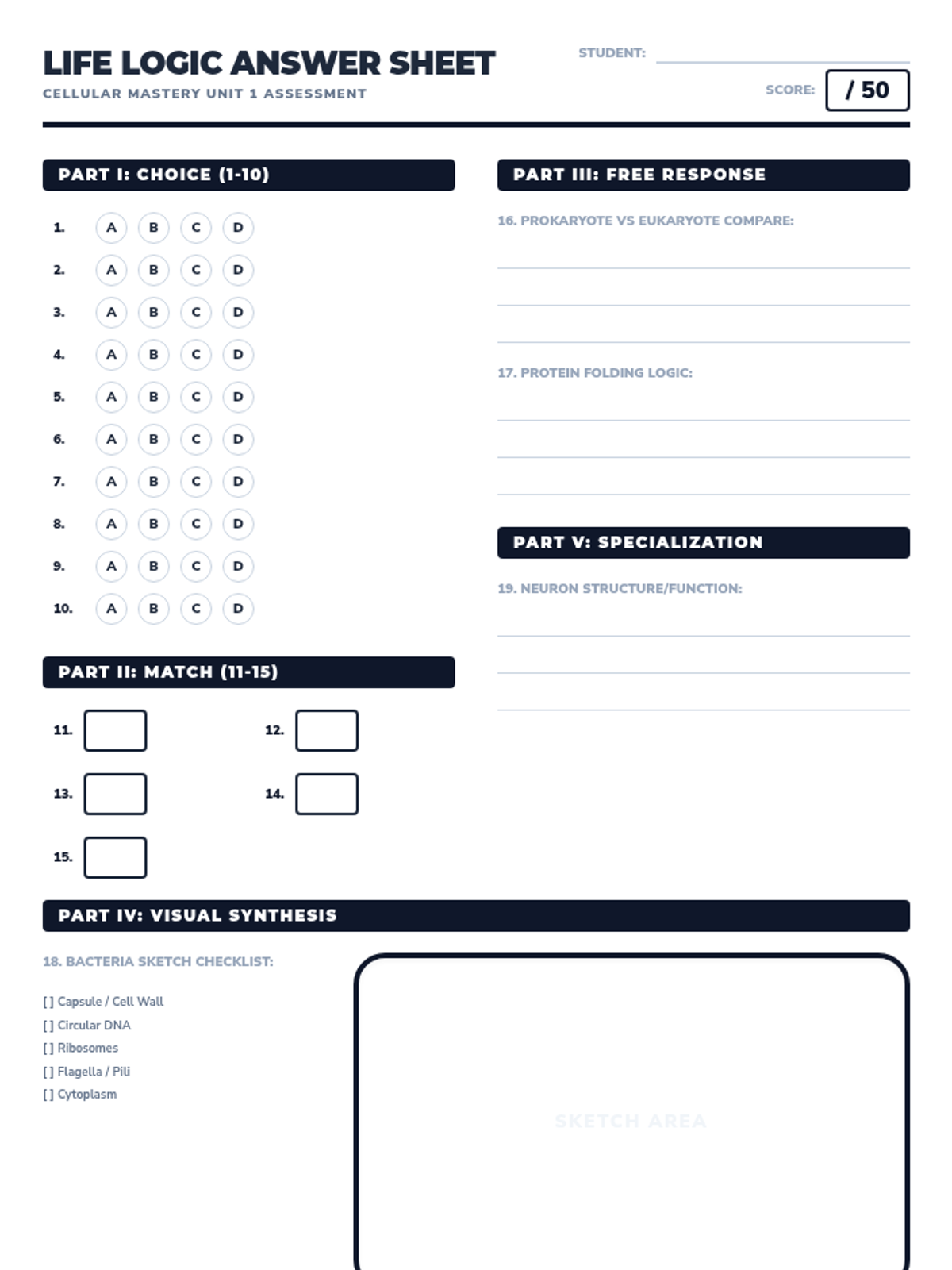
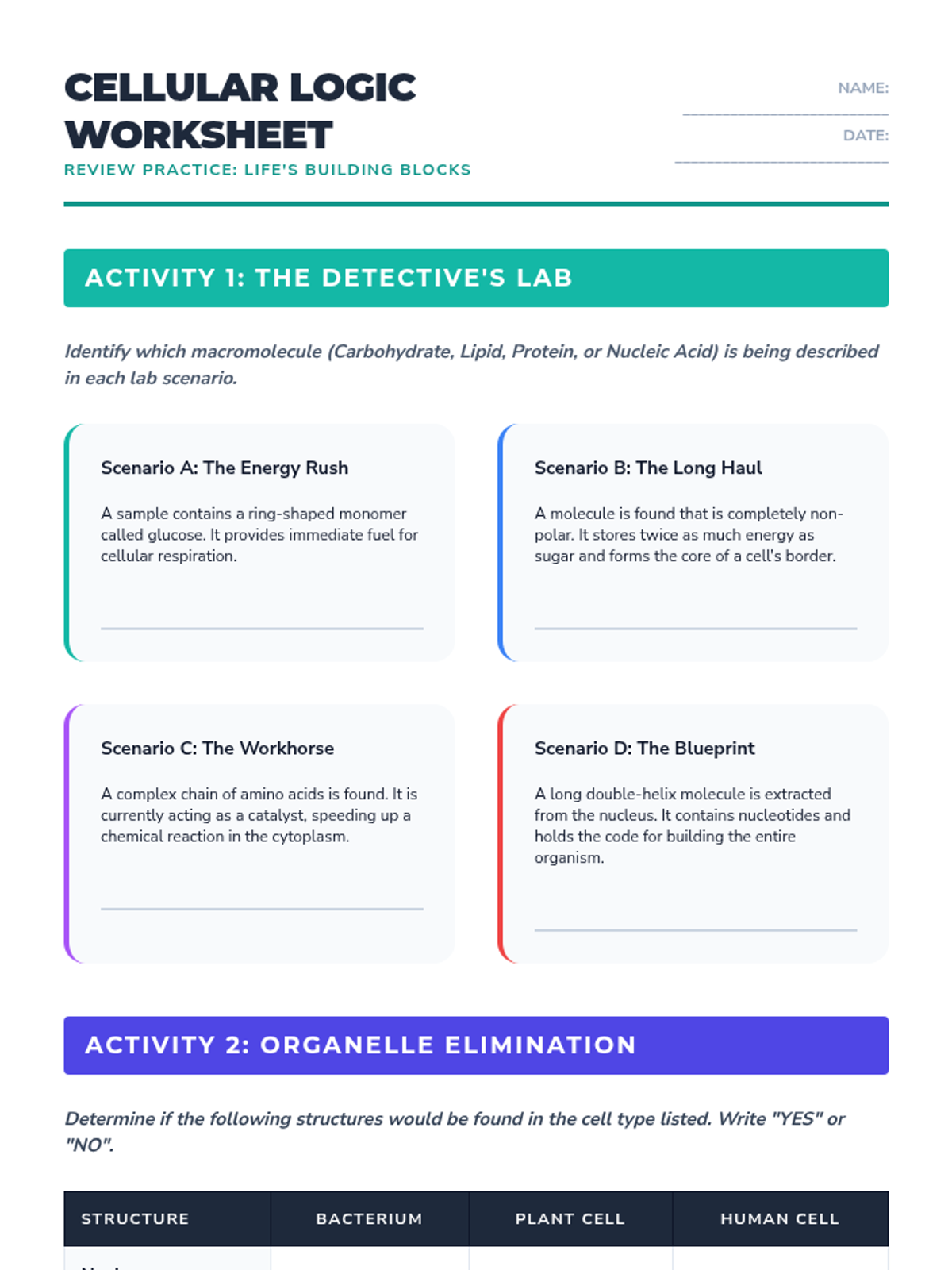
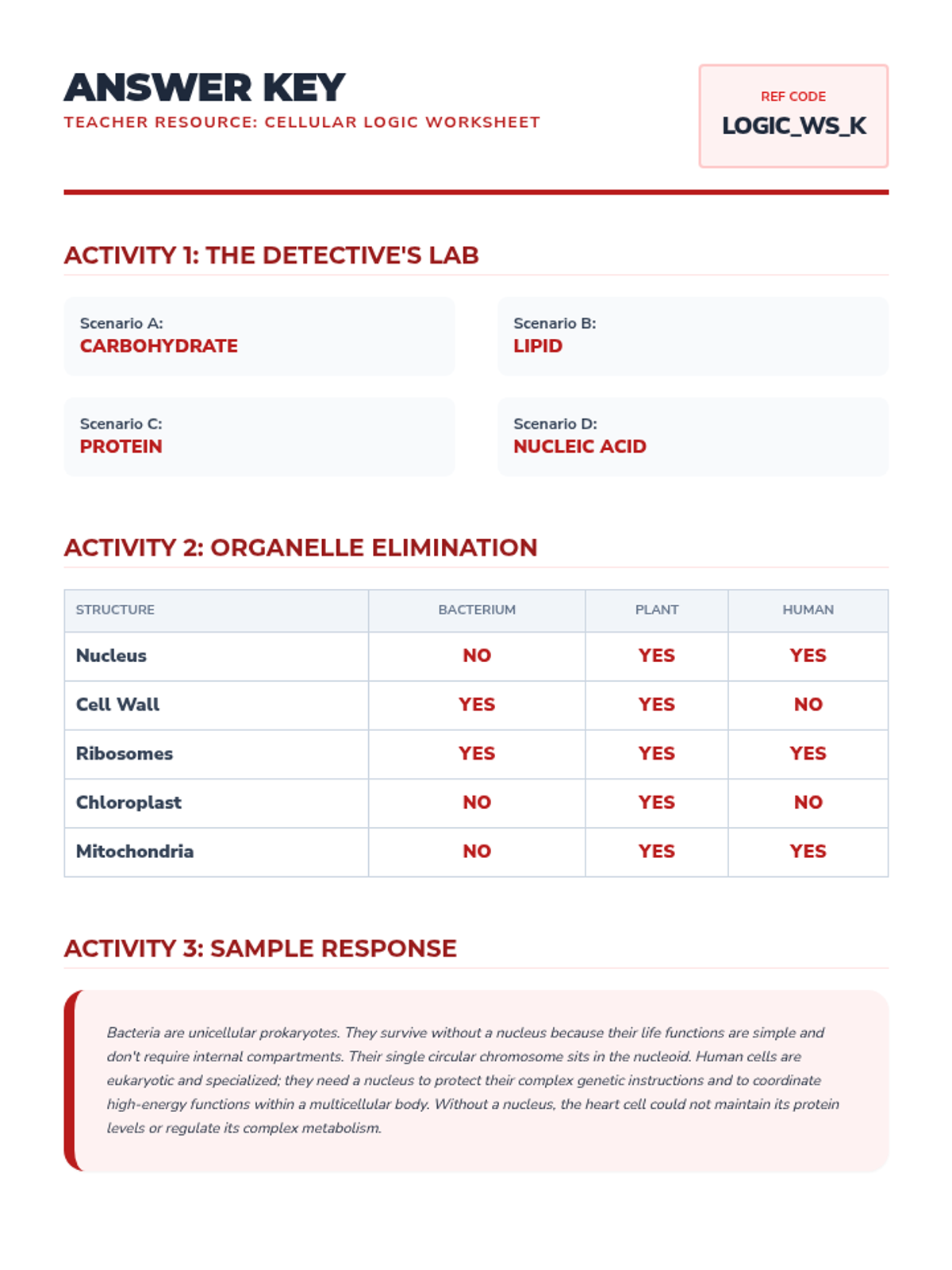
A comprehensive high school biology unit covering the fundamental building blocks of life, including biological macromolecules, prokaryotic organisms, and the complex structures of eukaryotic cells.
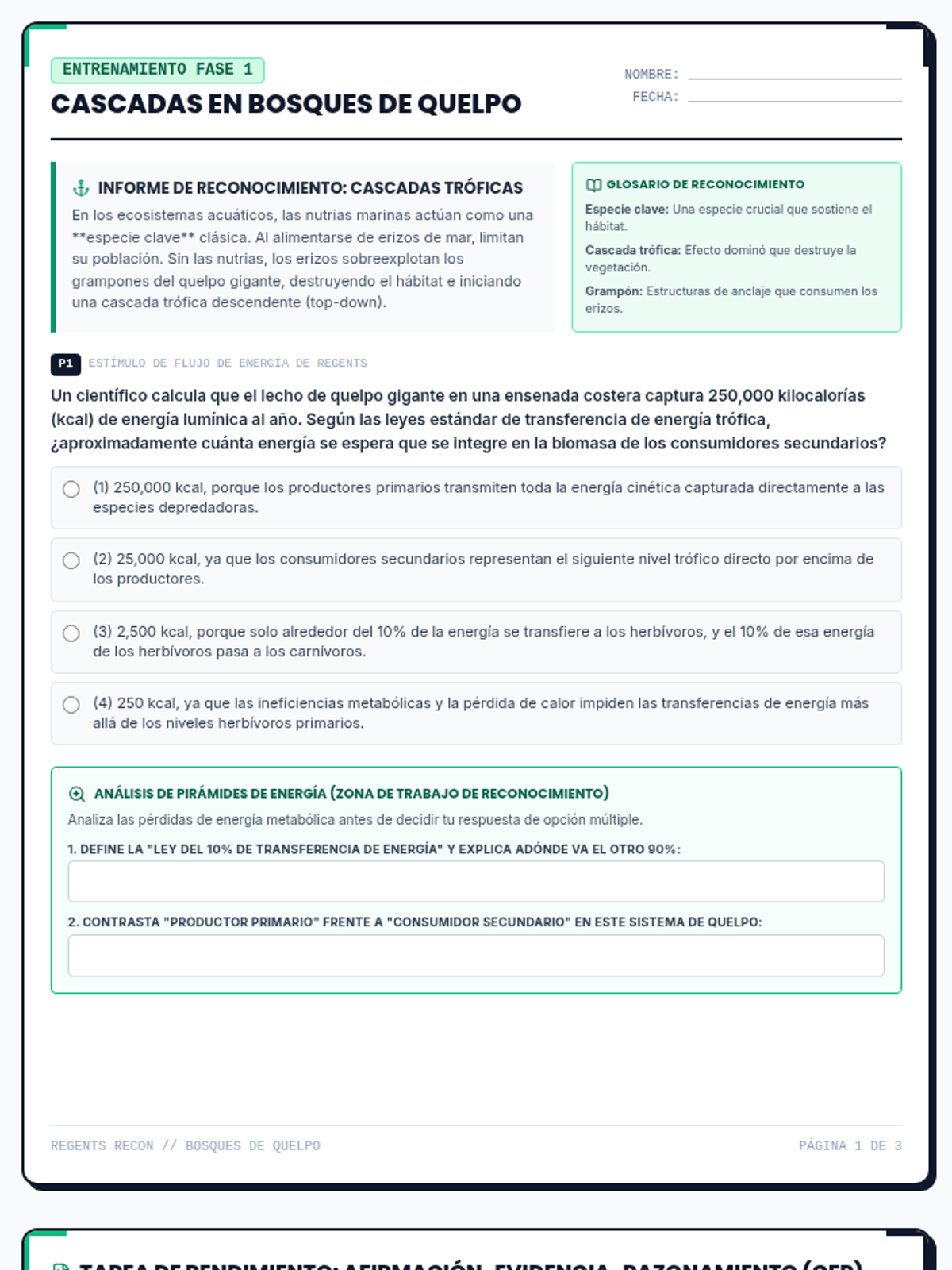
A 19-day high-stakes Regents Biology test preparation sequence covering matter cycling, kelp forest trophic cascades, homeostatic feedback loops, and experimental design constraints and trade-offs.
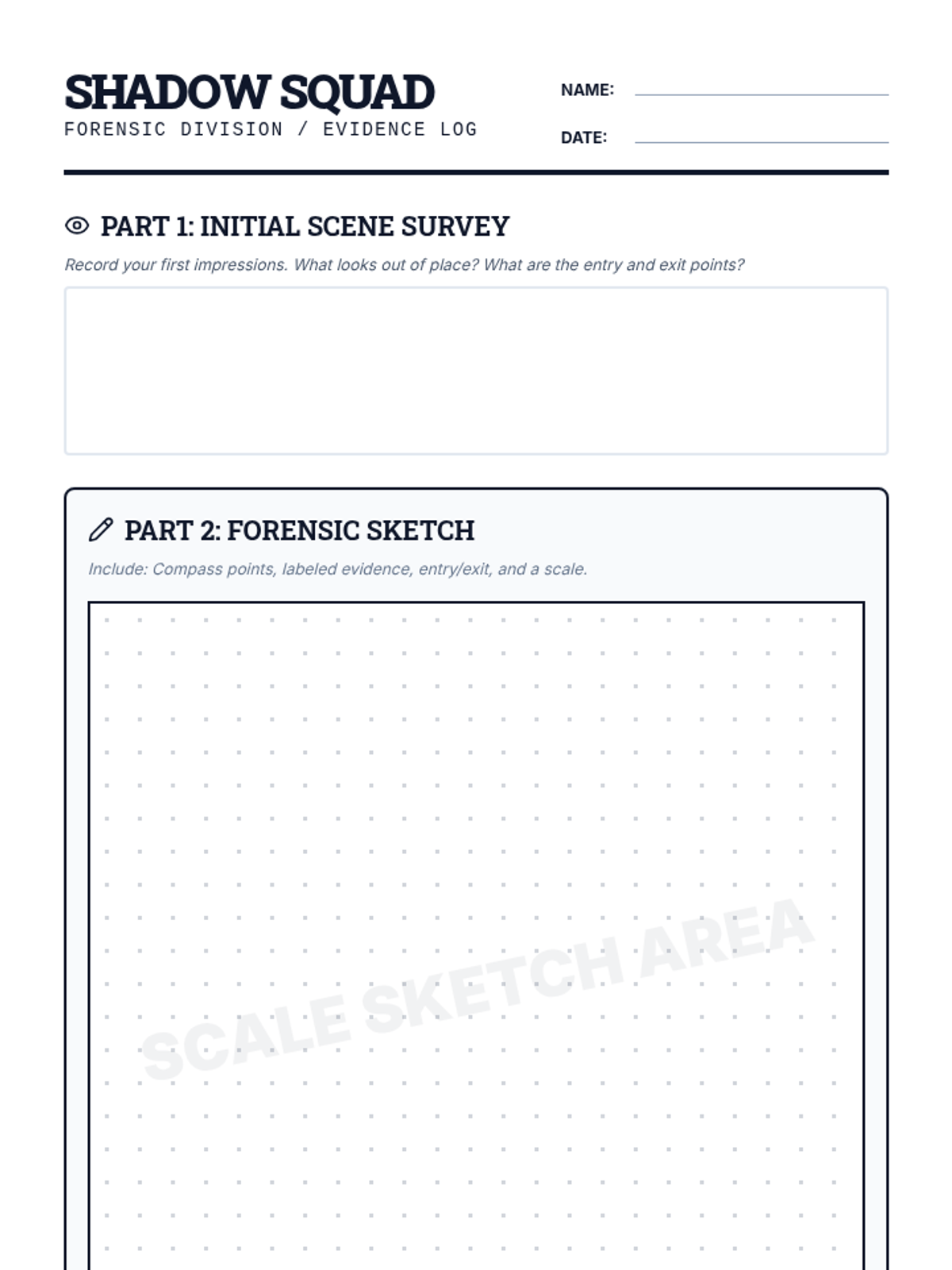
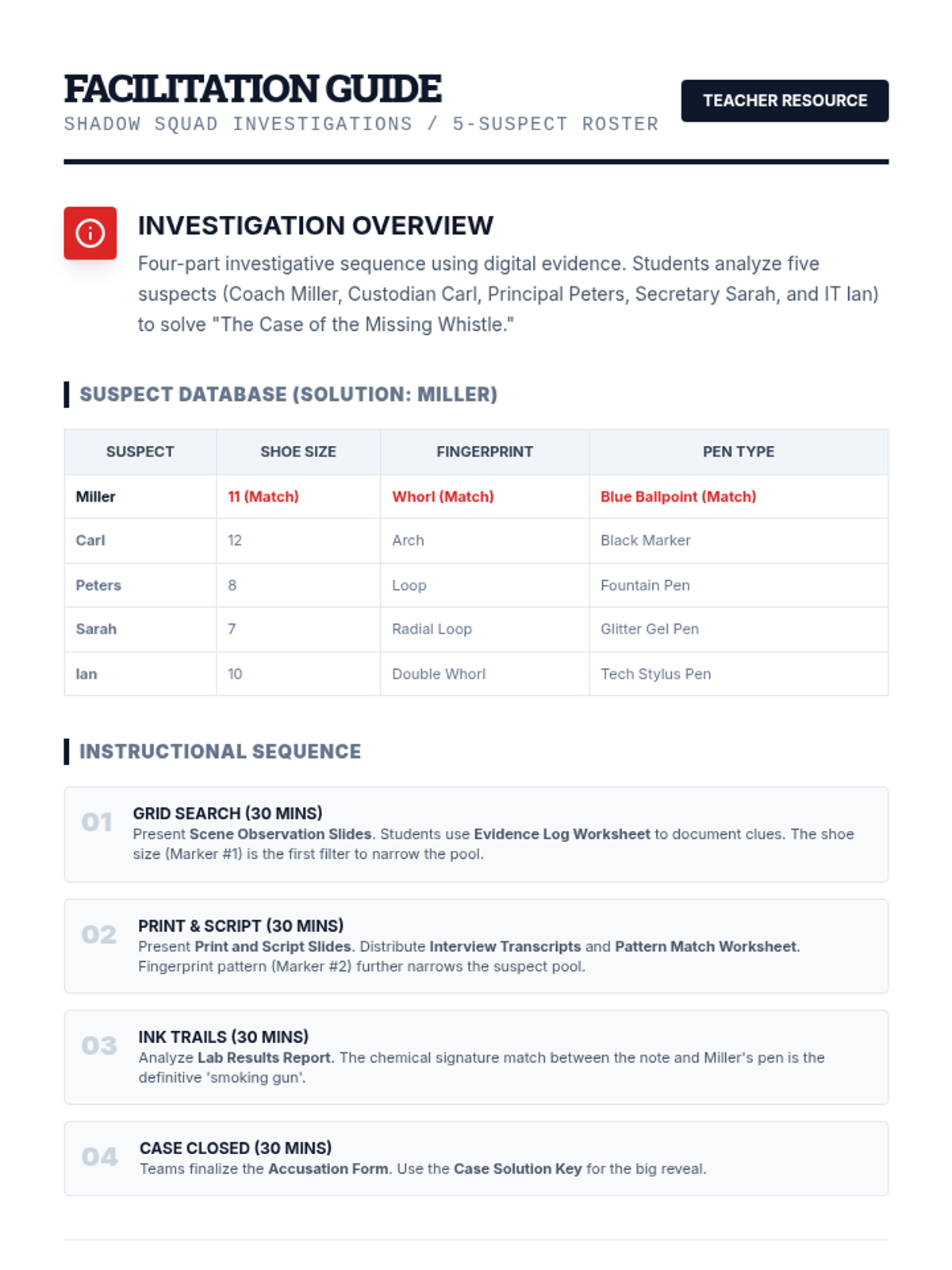
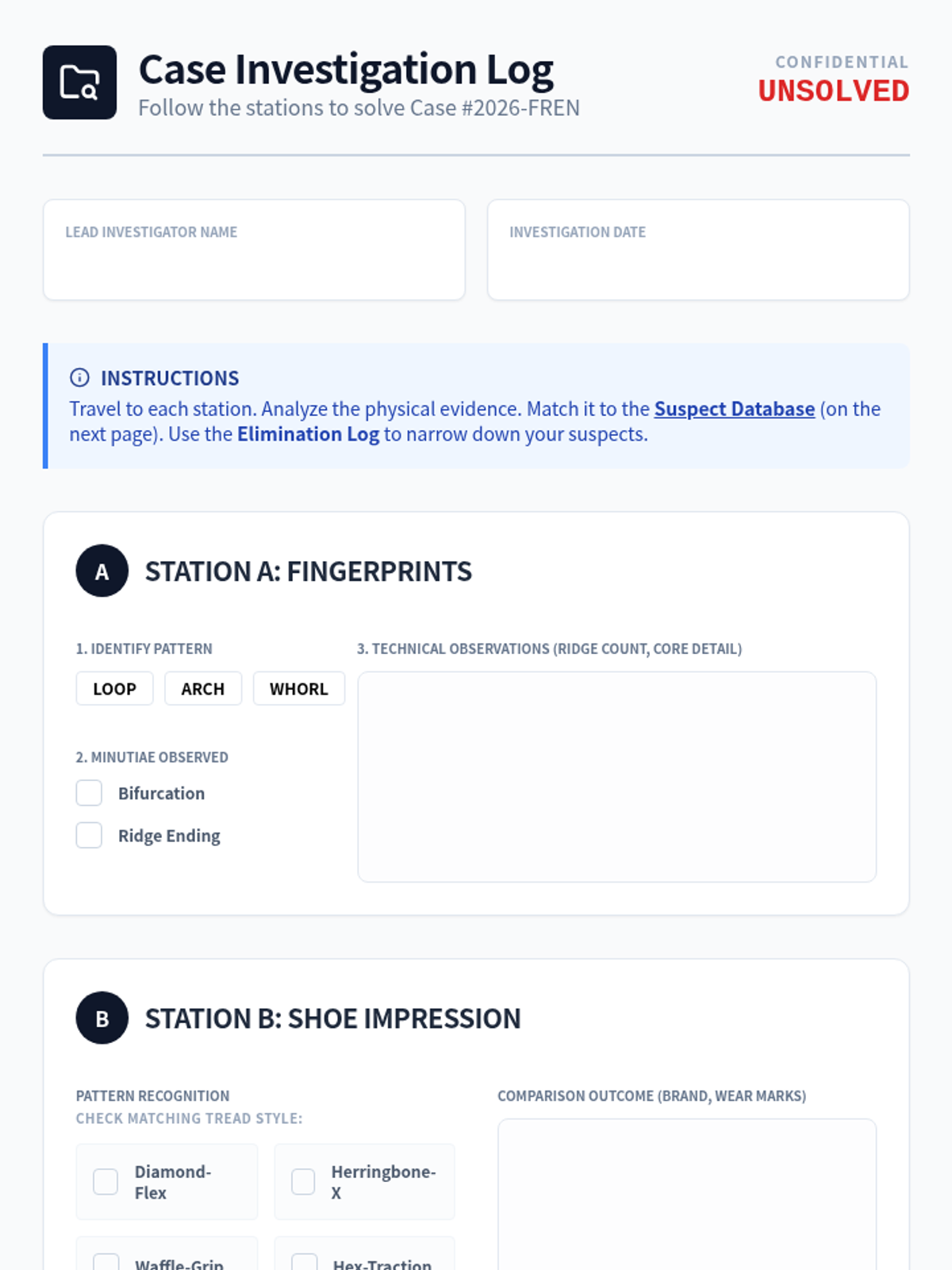
A four-part immersive crime scene investigation where 7th-grade students act as forensic detectives to solve the mystery of the missing Golden Whistle trophy. This sequence guides students through scene processing, fingerprinting, ink chromatography, and final evidence synthesis.
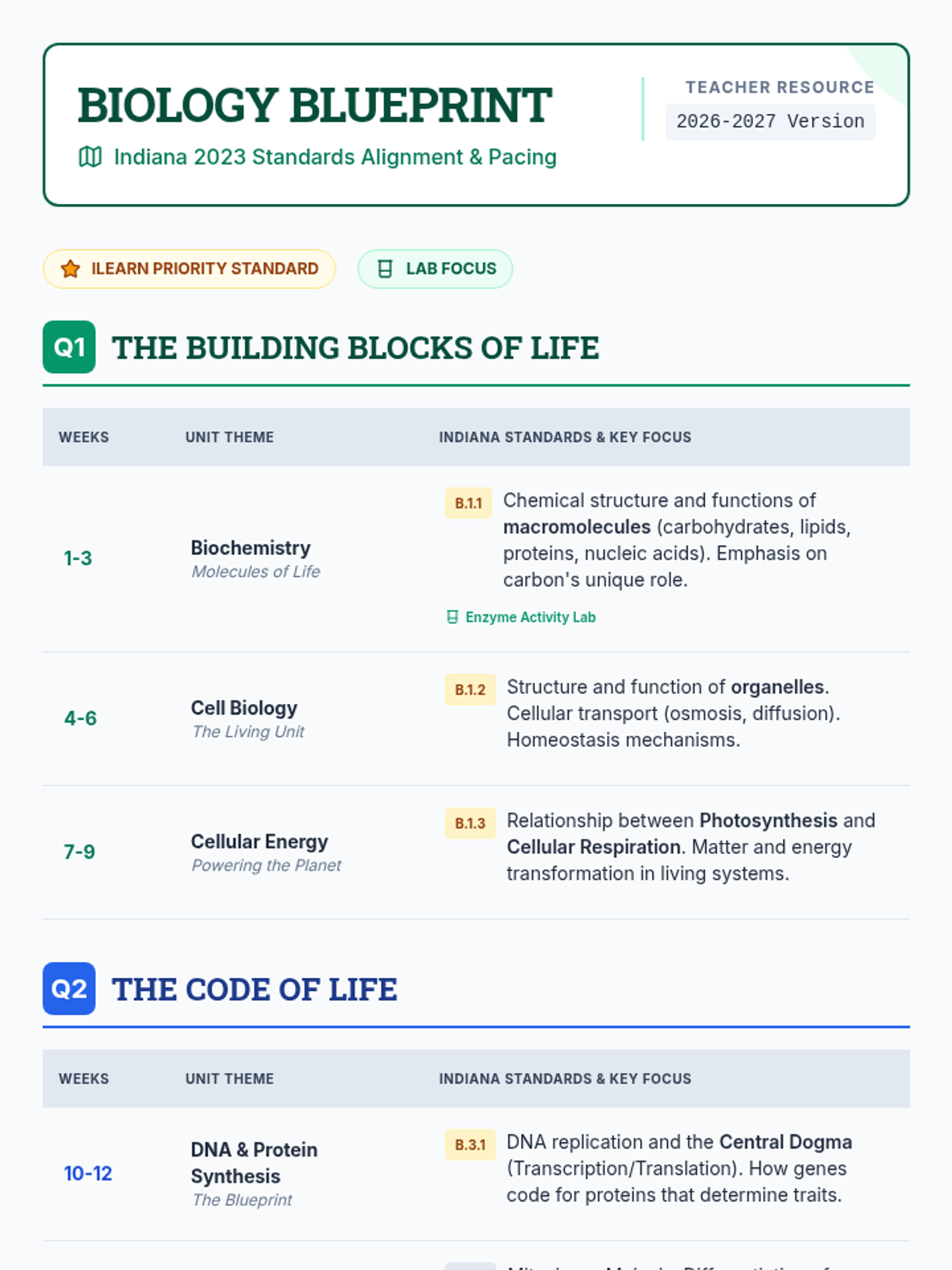
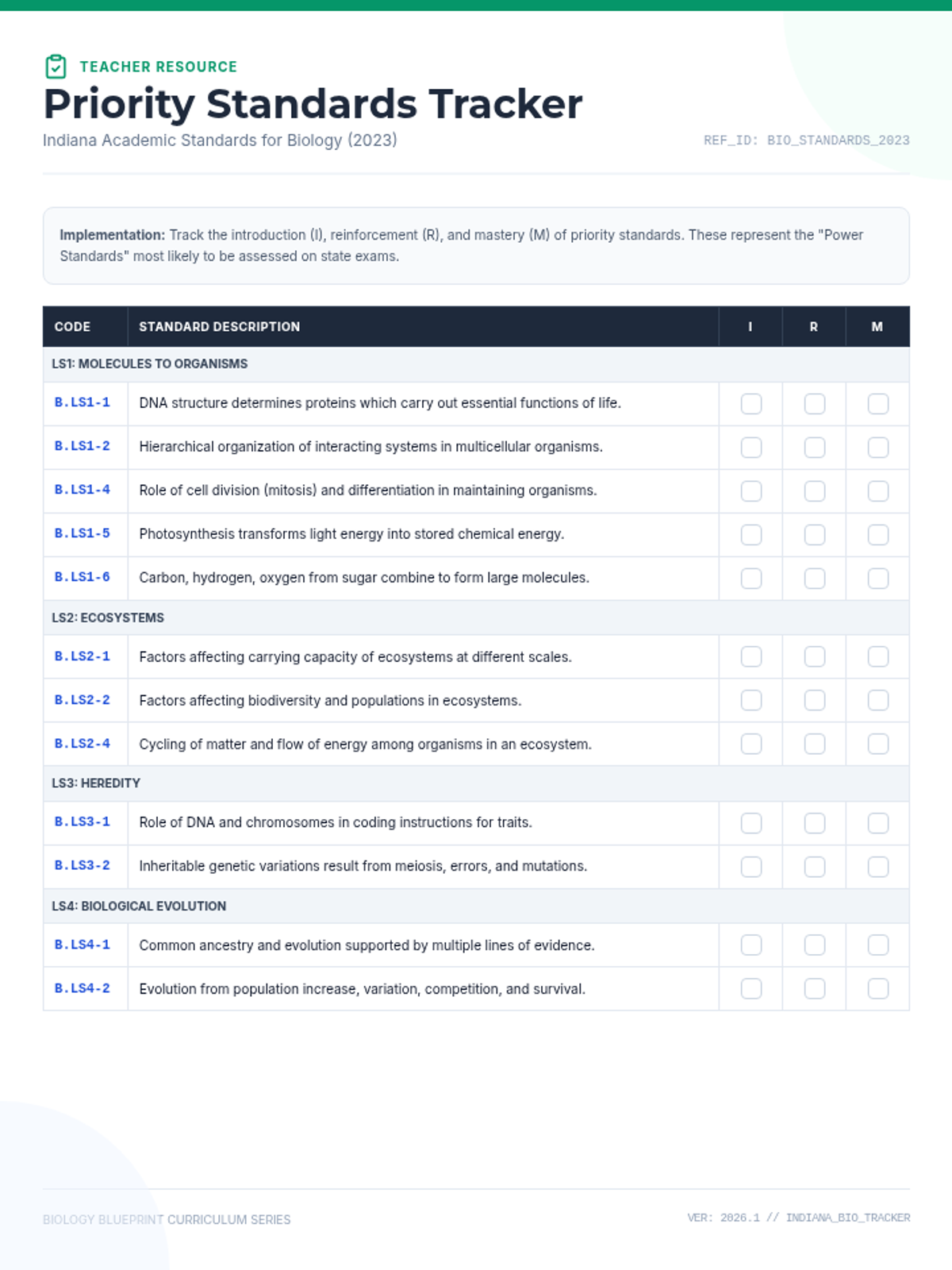
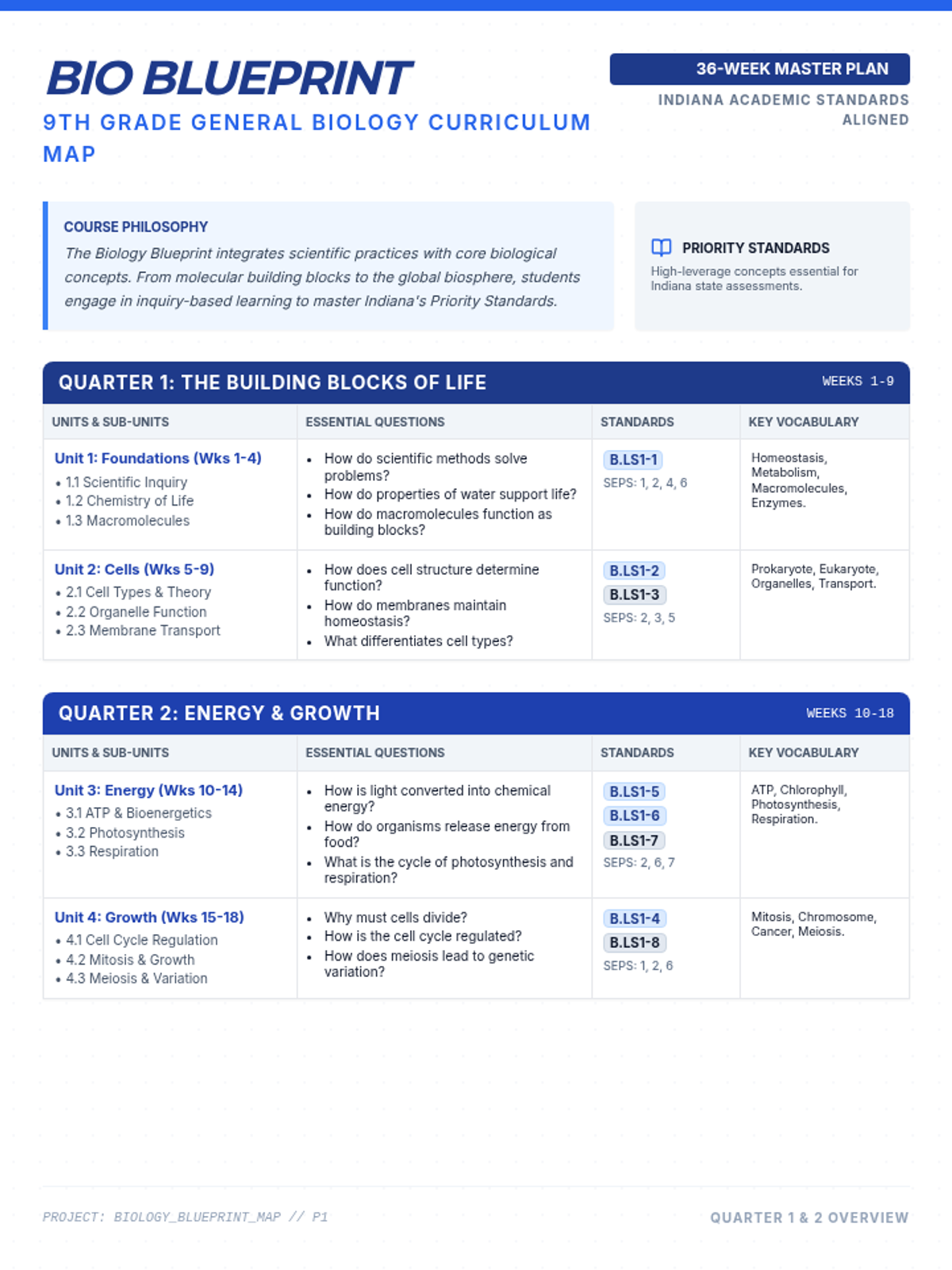
A comprehensive year-long instructional roadmap for Indiana High School Biology, aligned with the 2023 Academic Standards and optimized for ILEARN preparation.
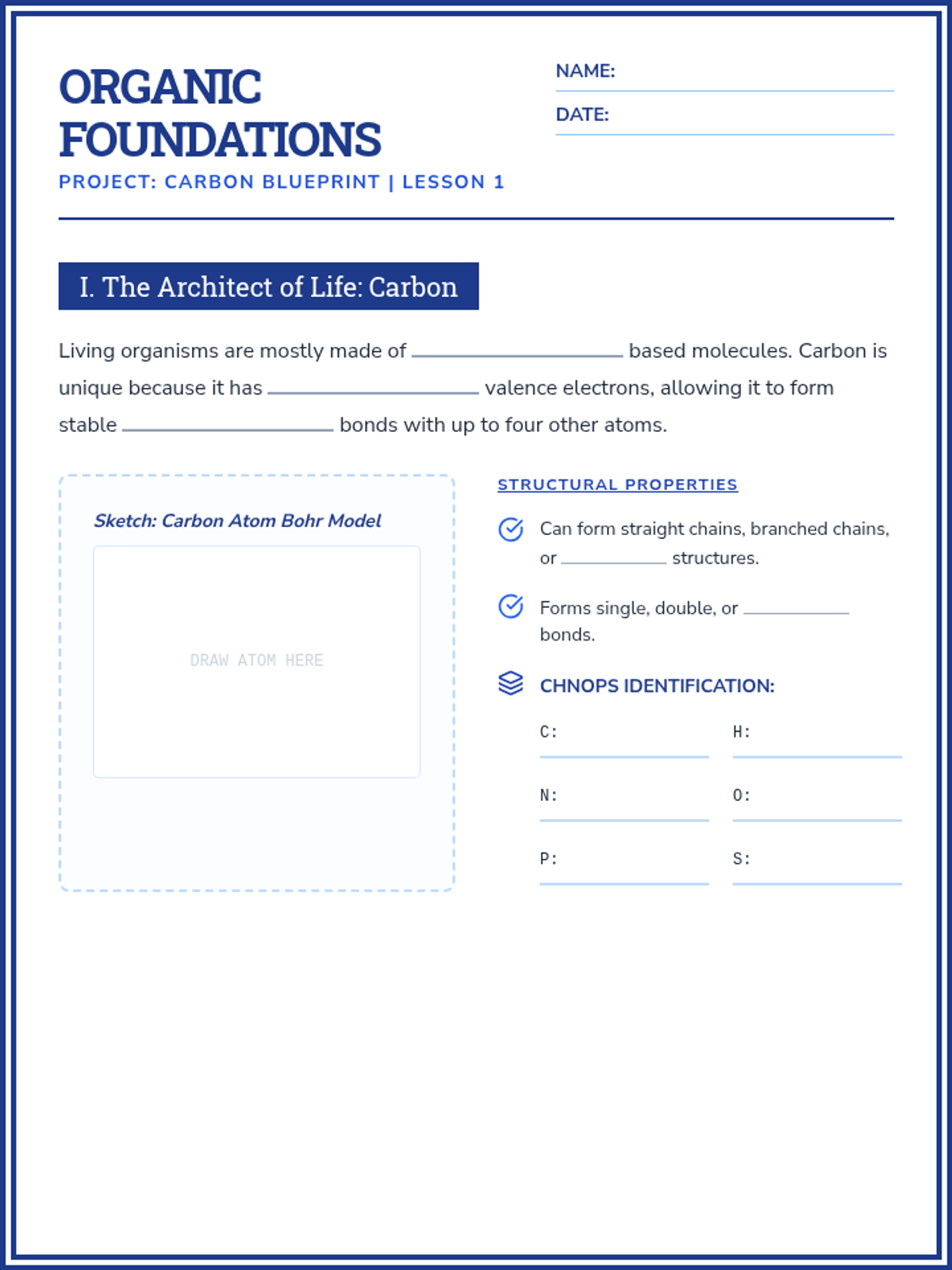
A comprehensive 3-week Biology unit exploring the structure and function of macromolecules, aligned with Indiana HS.LS standards. Students investigate carbon chemistry, the role of DNA in protein synthesis, and energy transfer within metabolic processes through a blueprint-themed architectural lens.
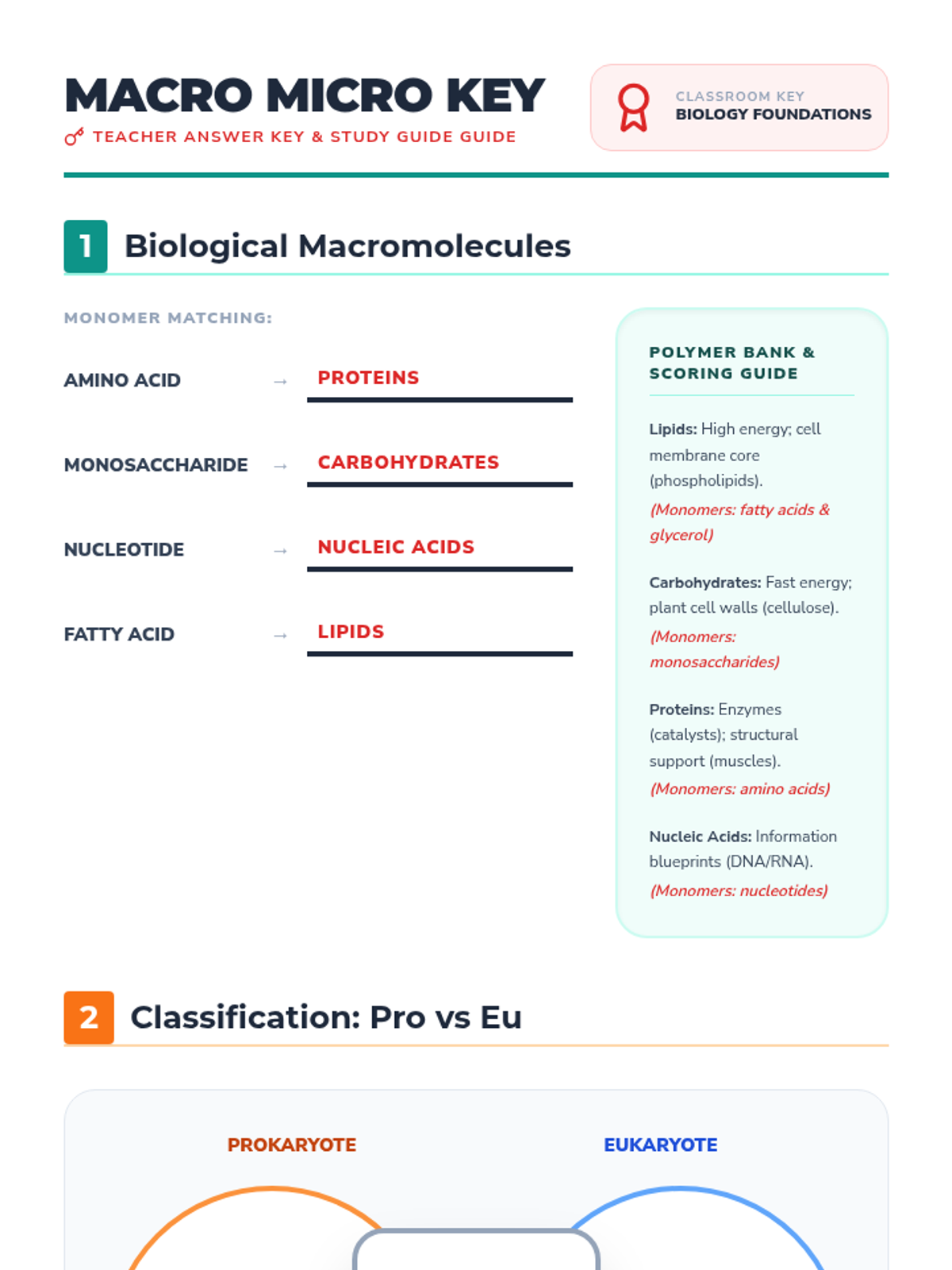
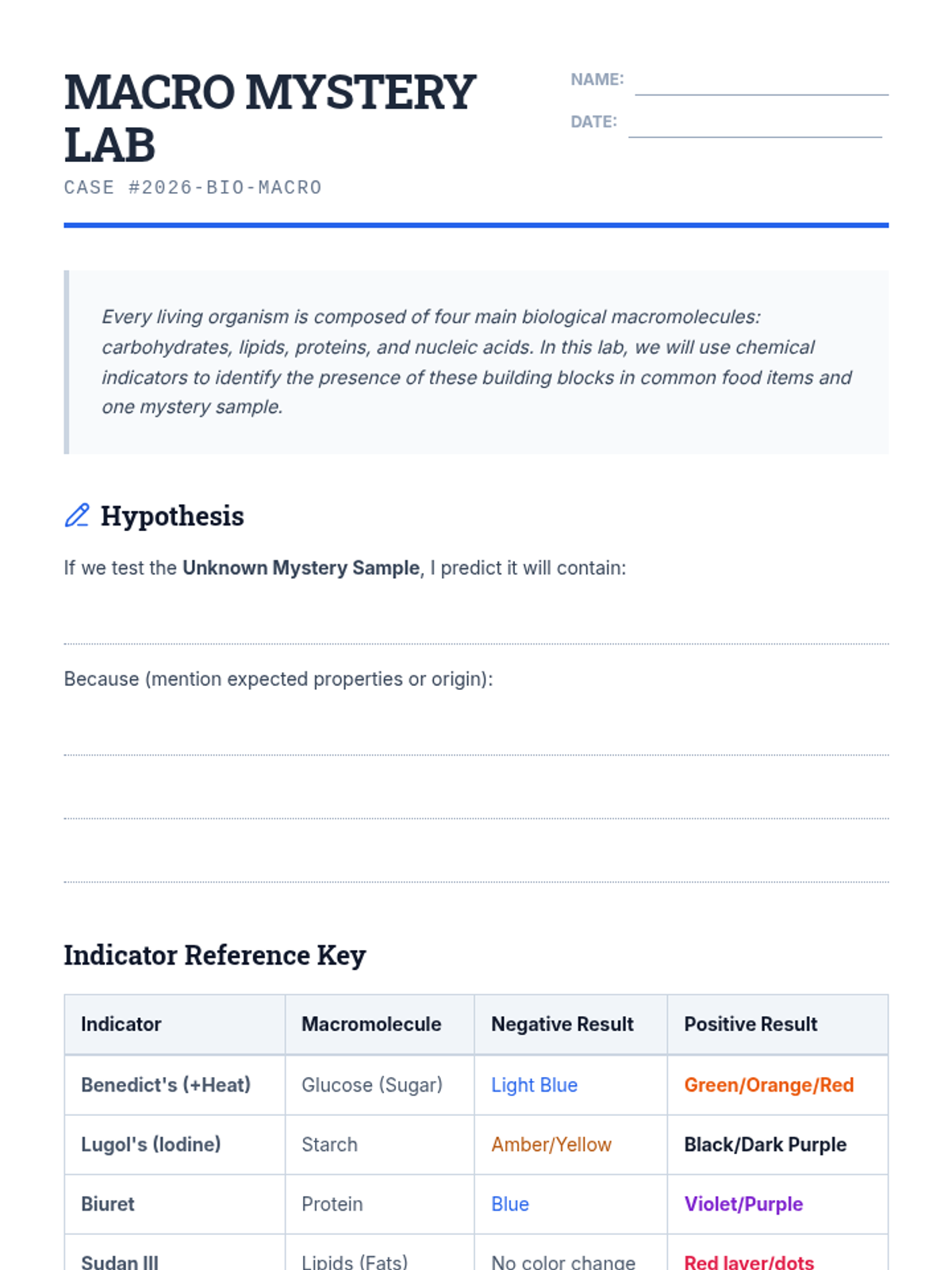
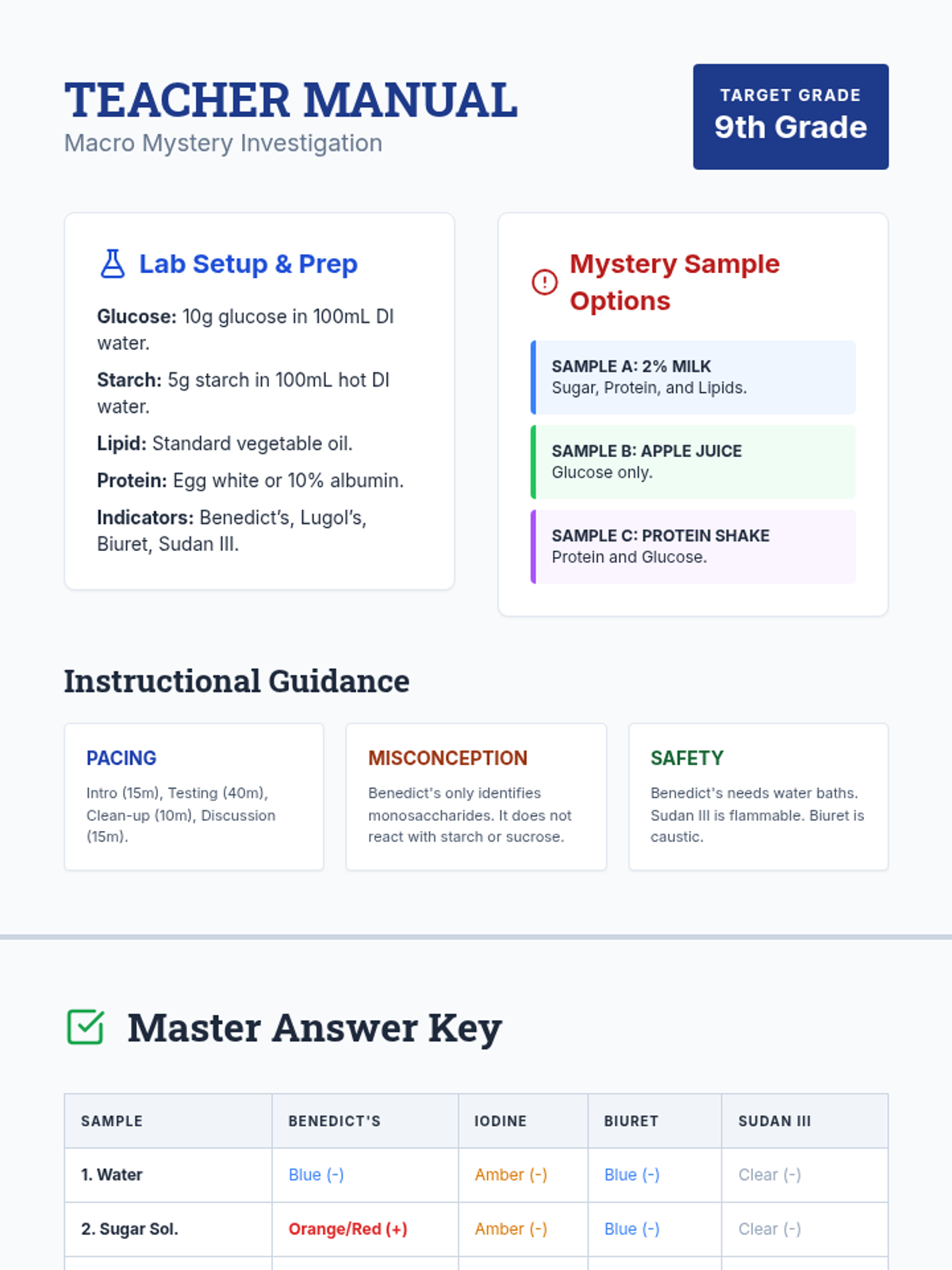
An exploration of the building blocks of life, focusing on the structure, function, and chemical identification of biological macromolecules.
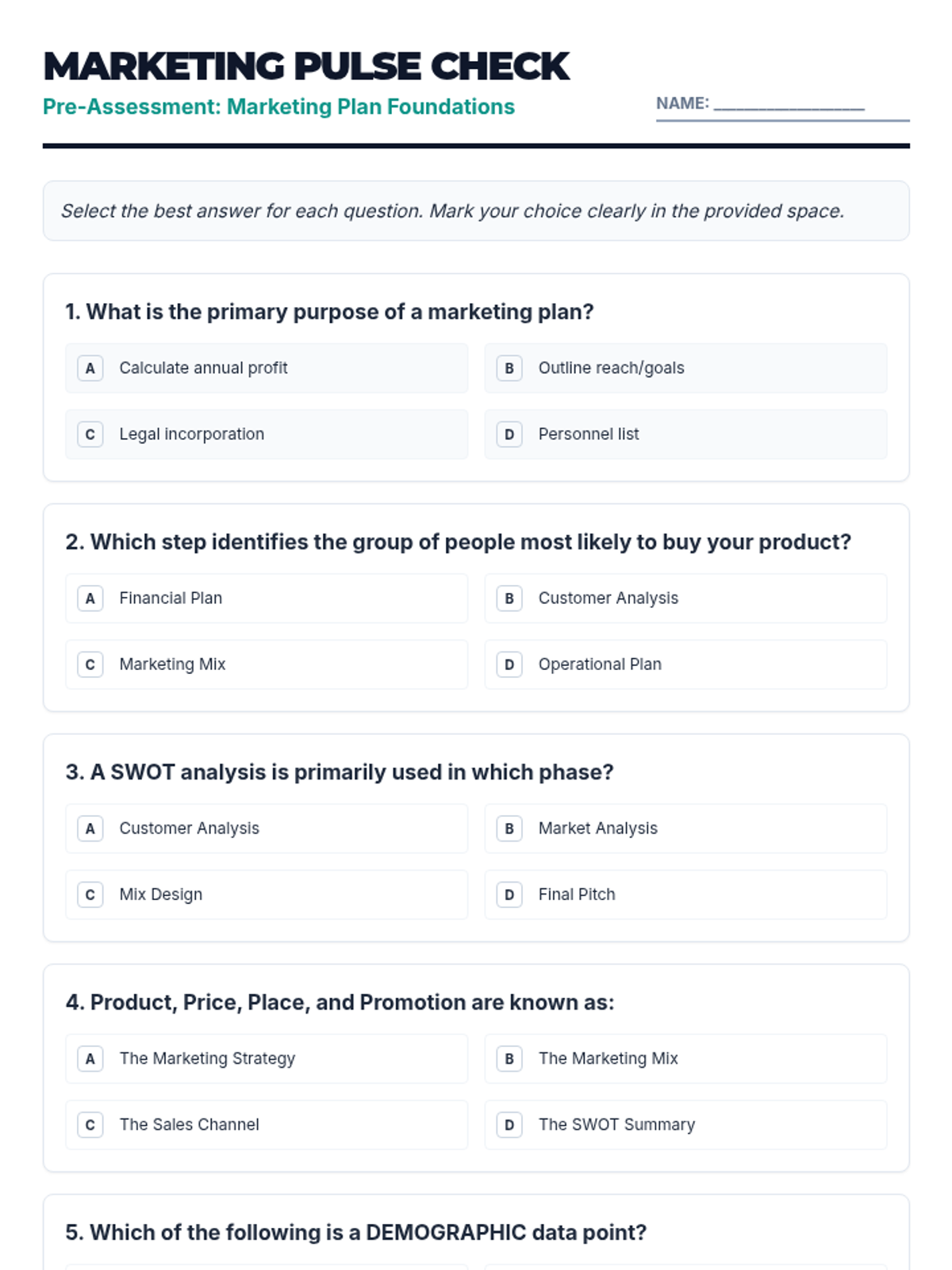
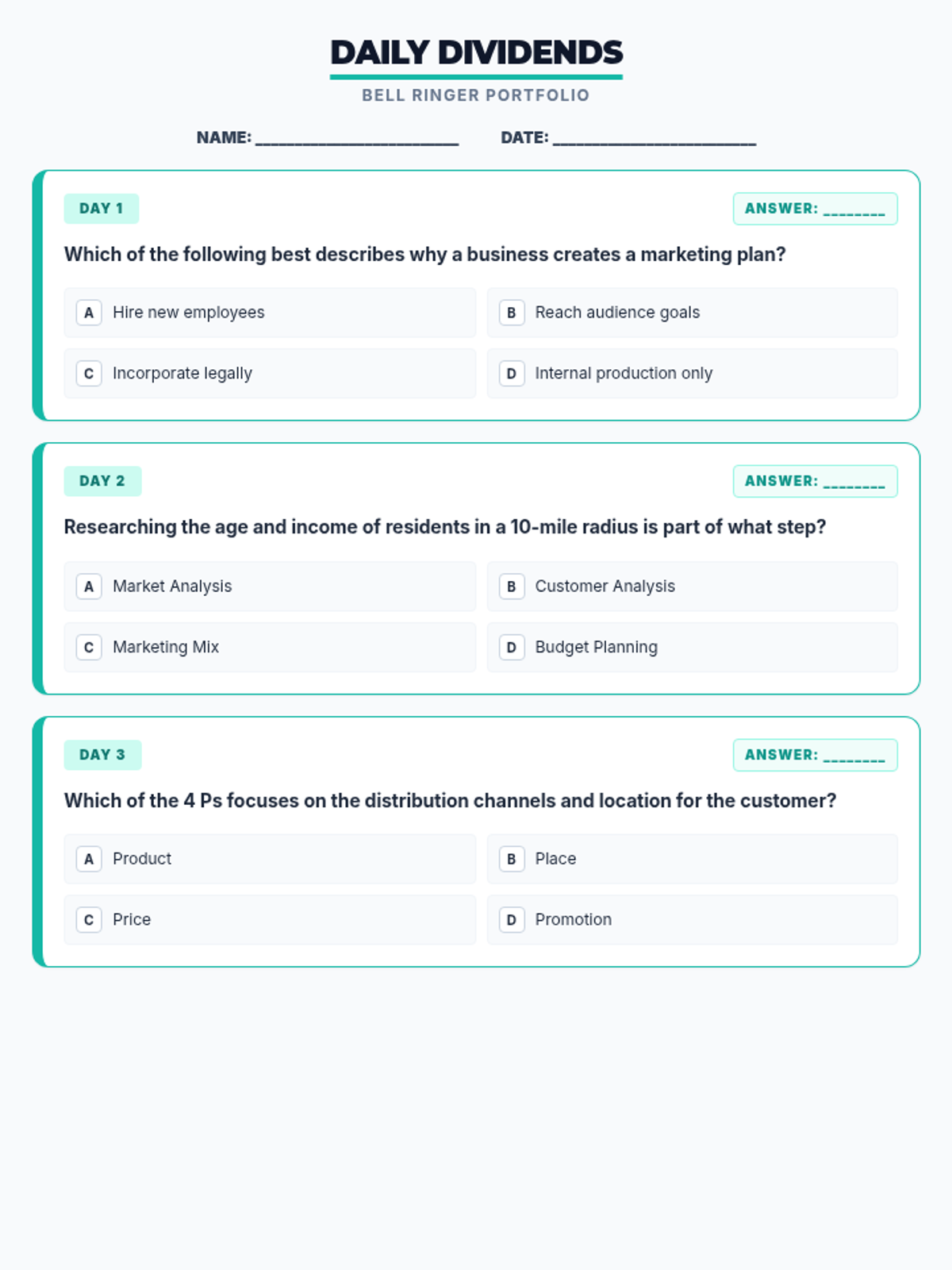
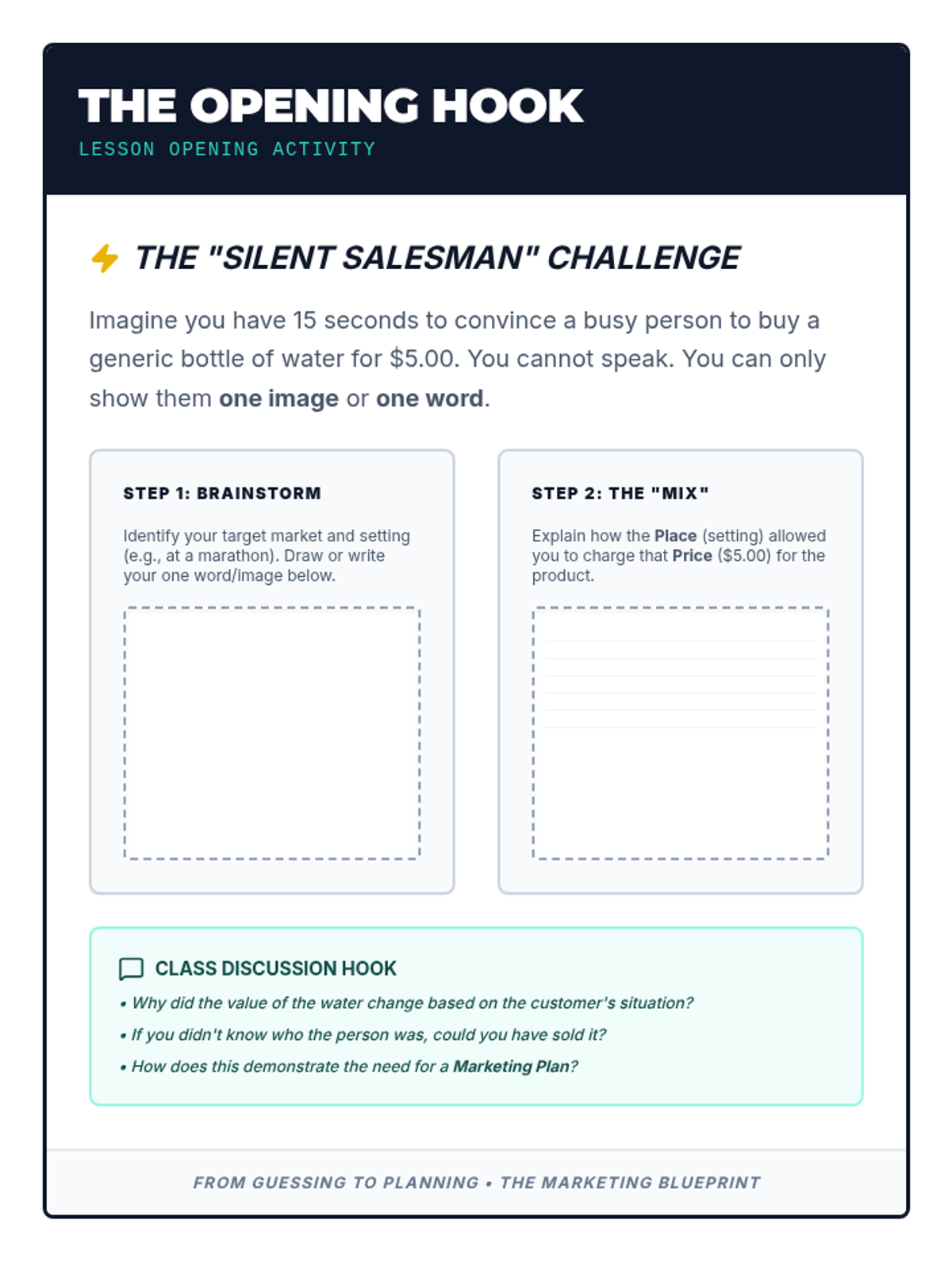
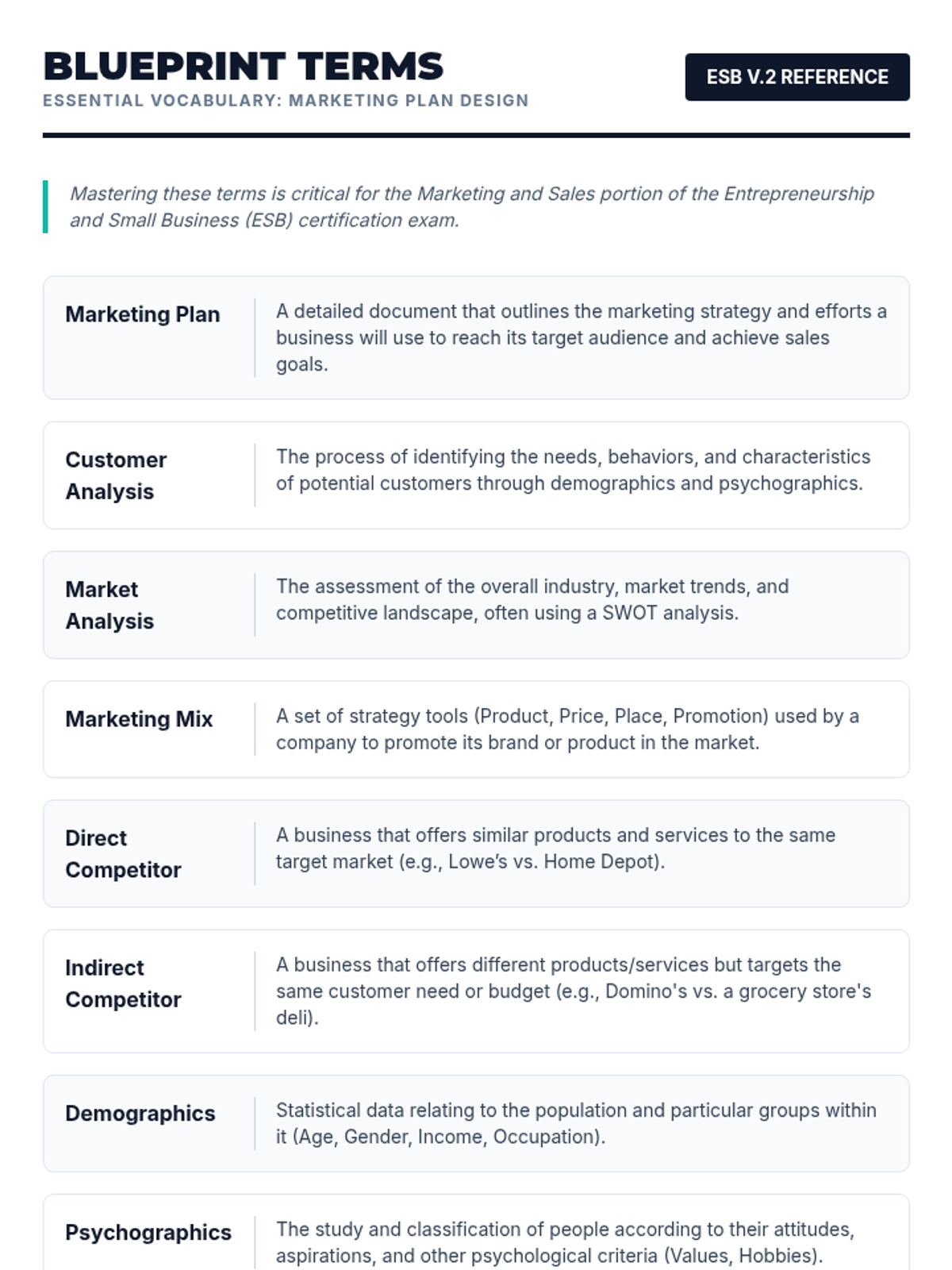
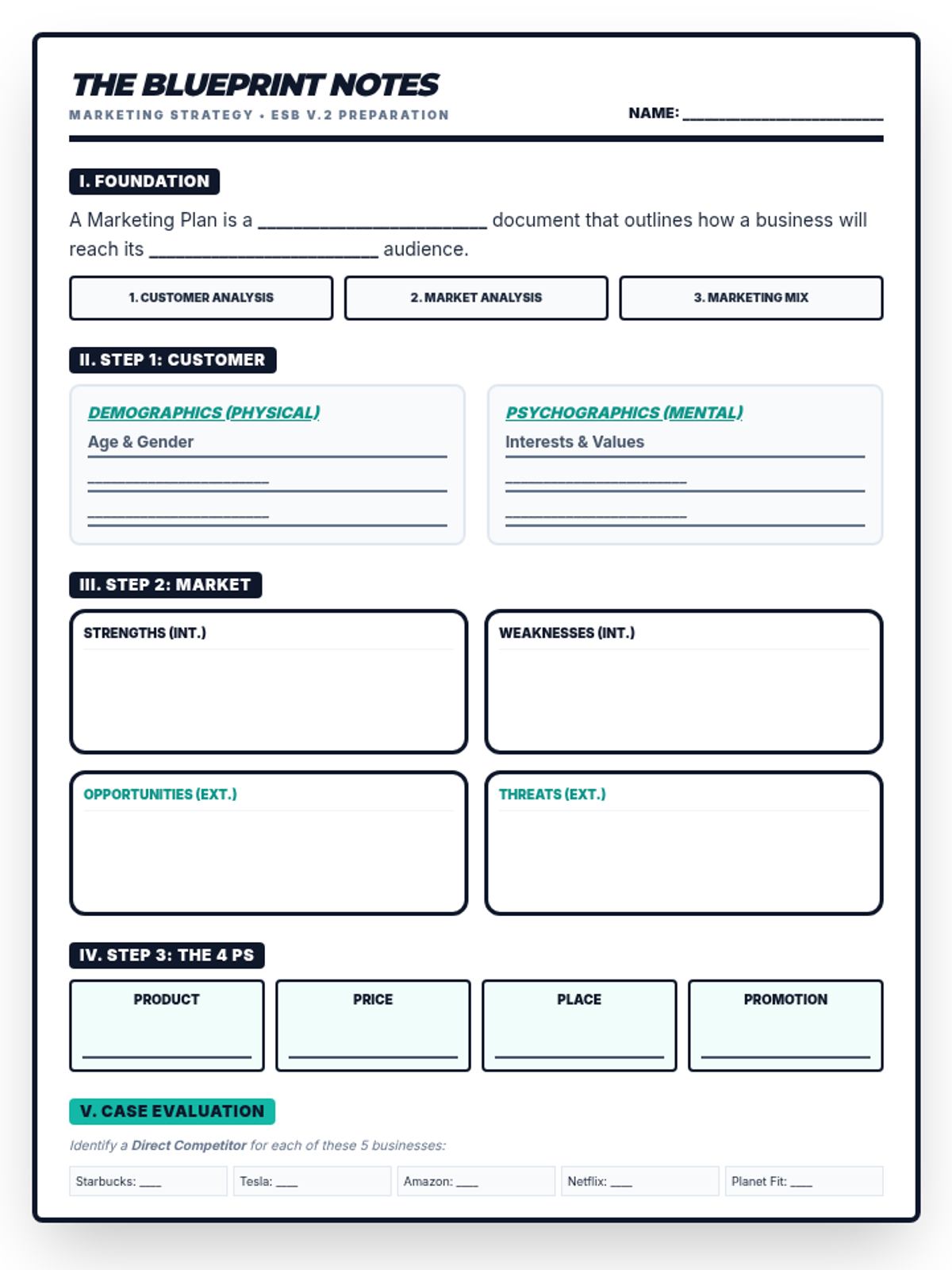
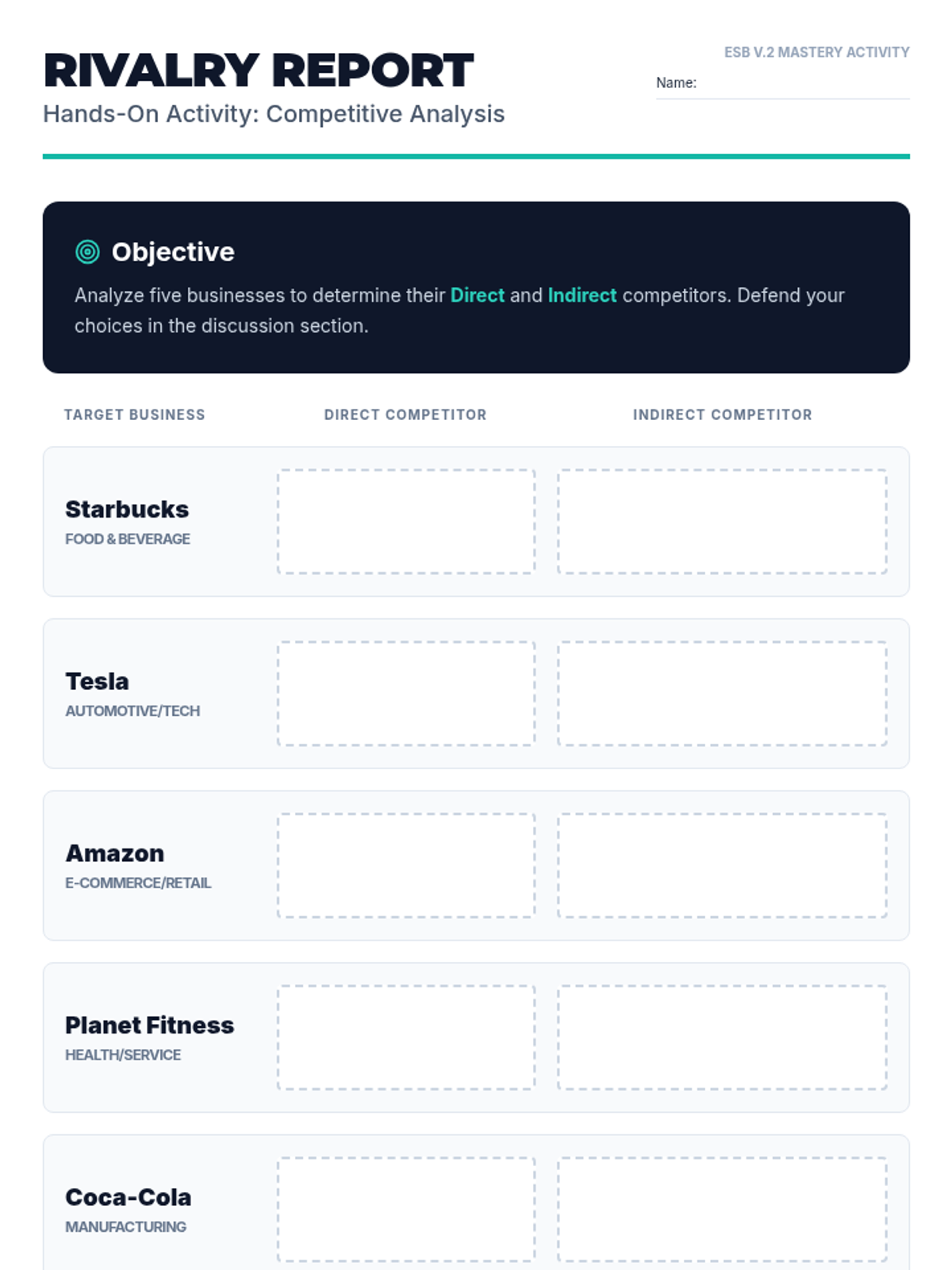
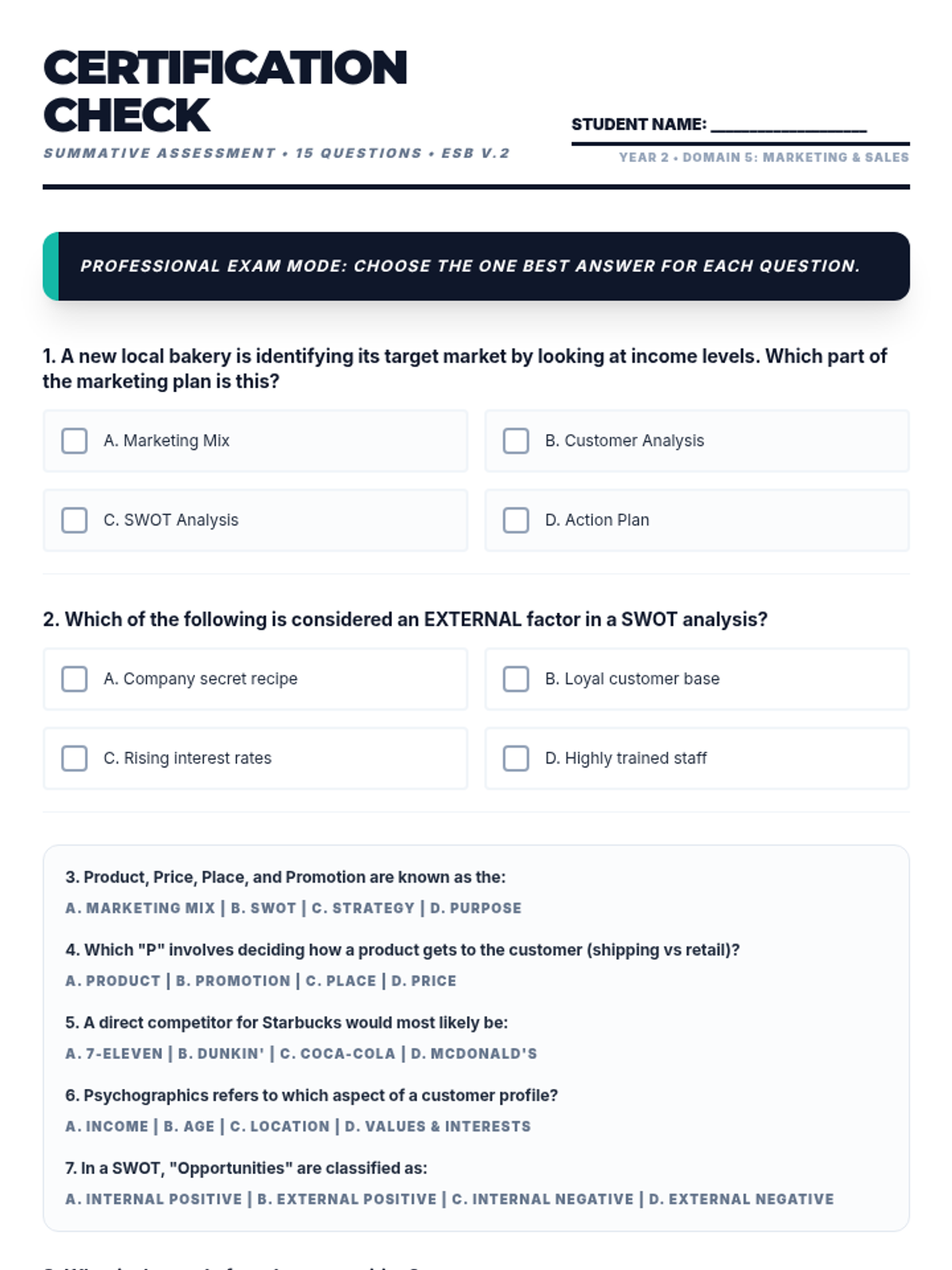
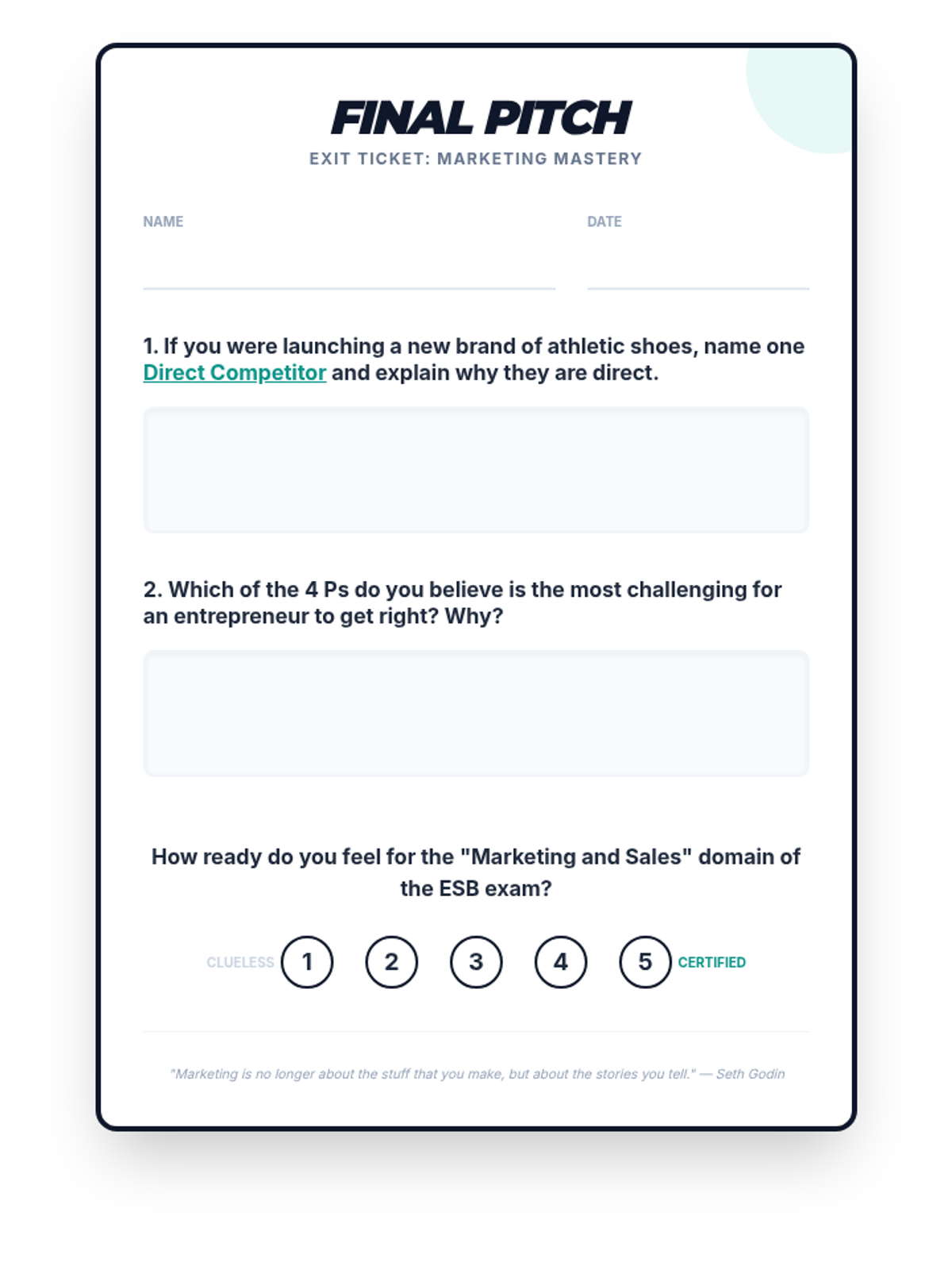
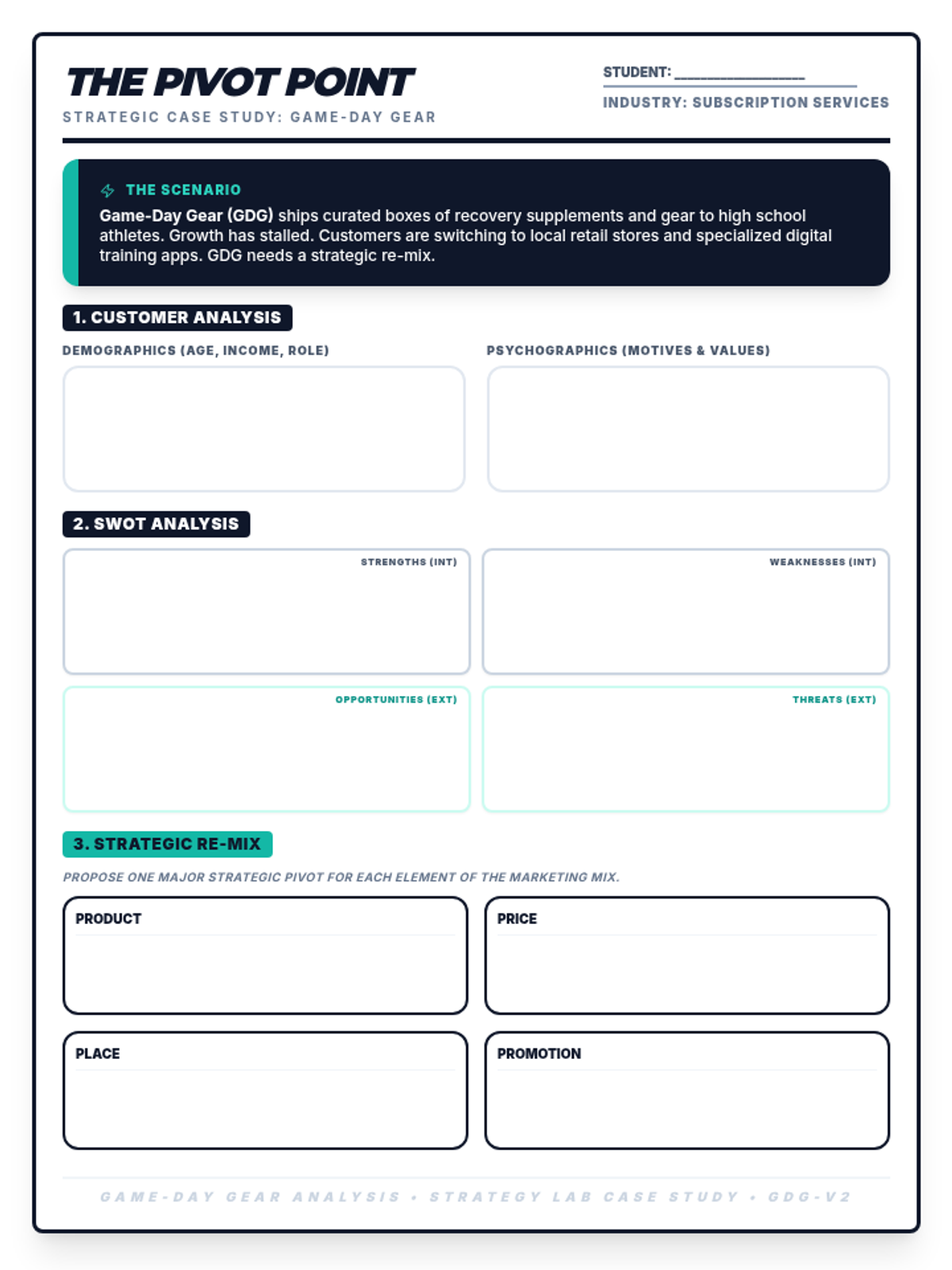
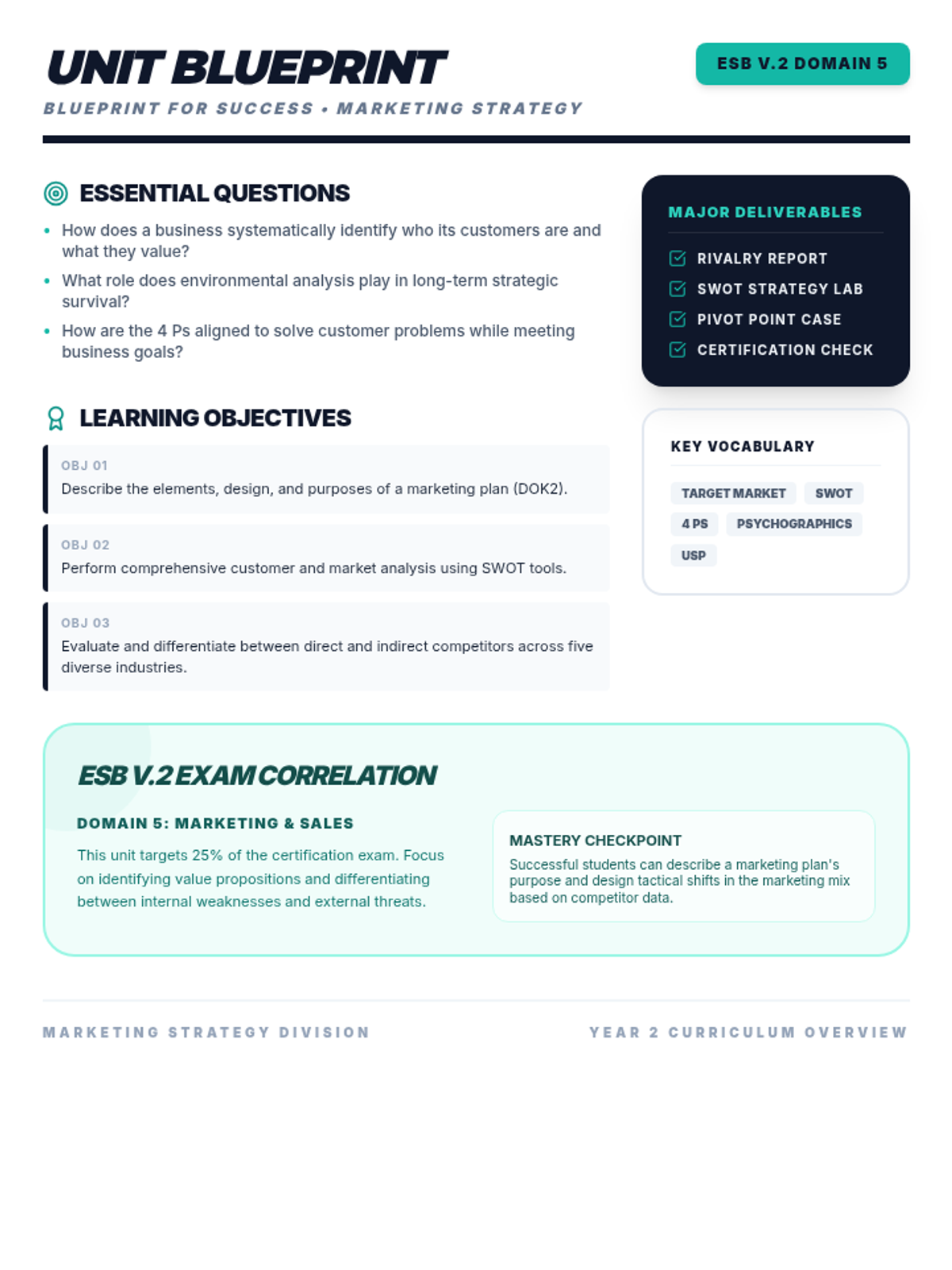
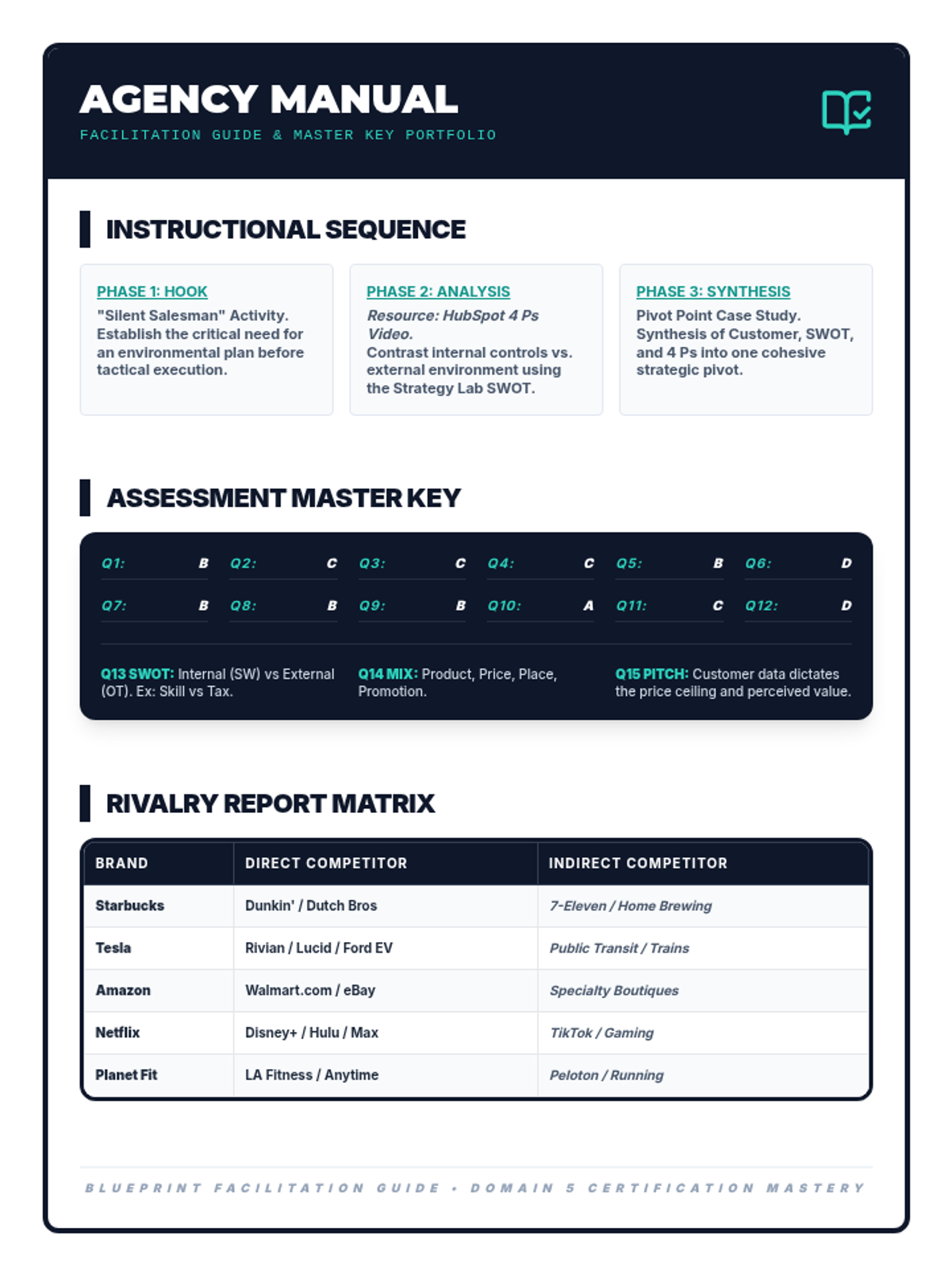
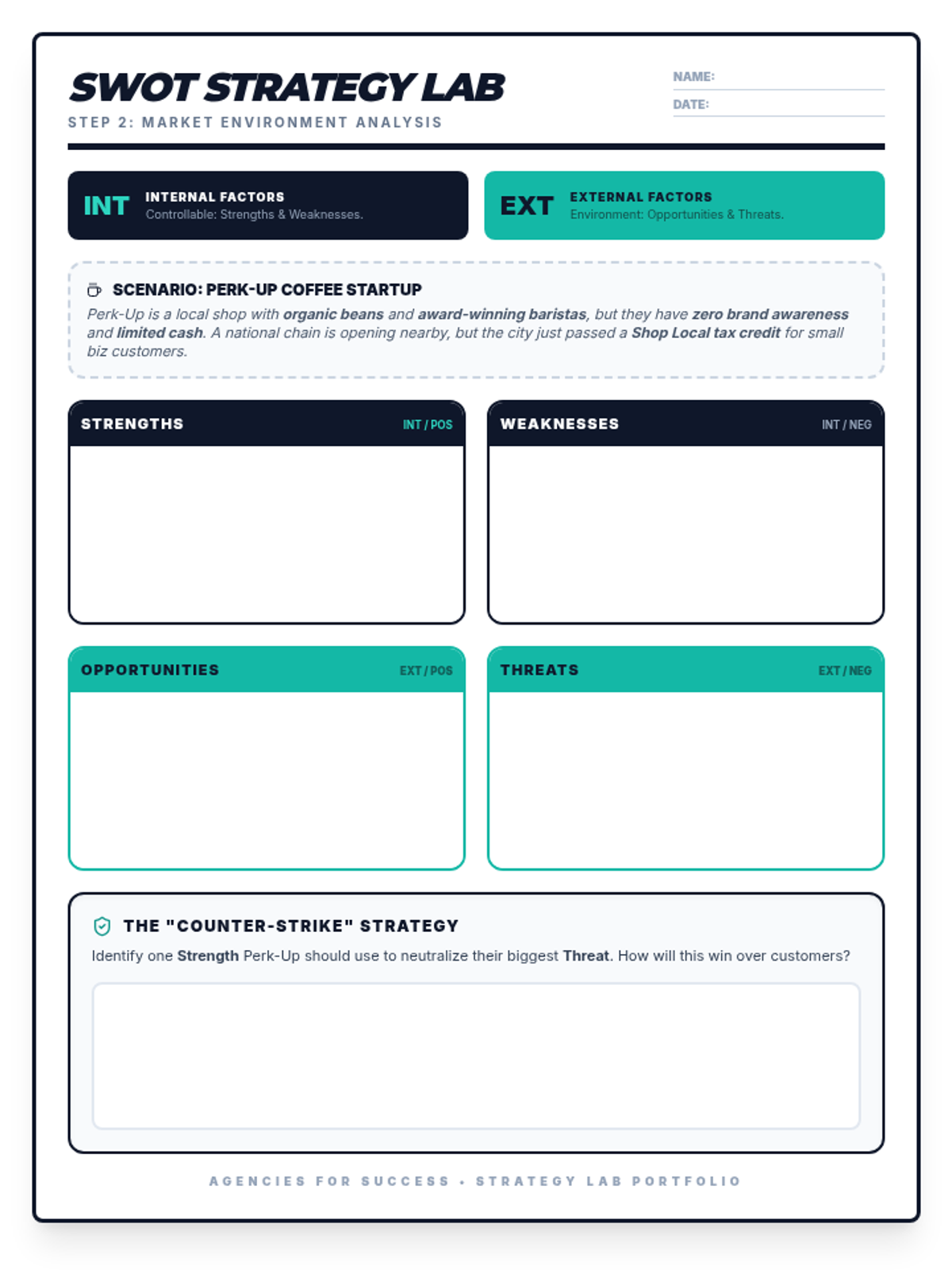
A comprehensive unit focused on the foundational components of marketing strategy, specifically designed for Year 2 Business, Marketing, and Finance students preparing for the ESB V.2 certification. Students explore marketing plan design, competition analysis, and the strategic marketing mix.
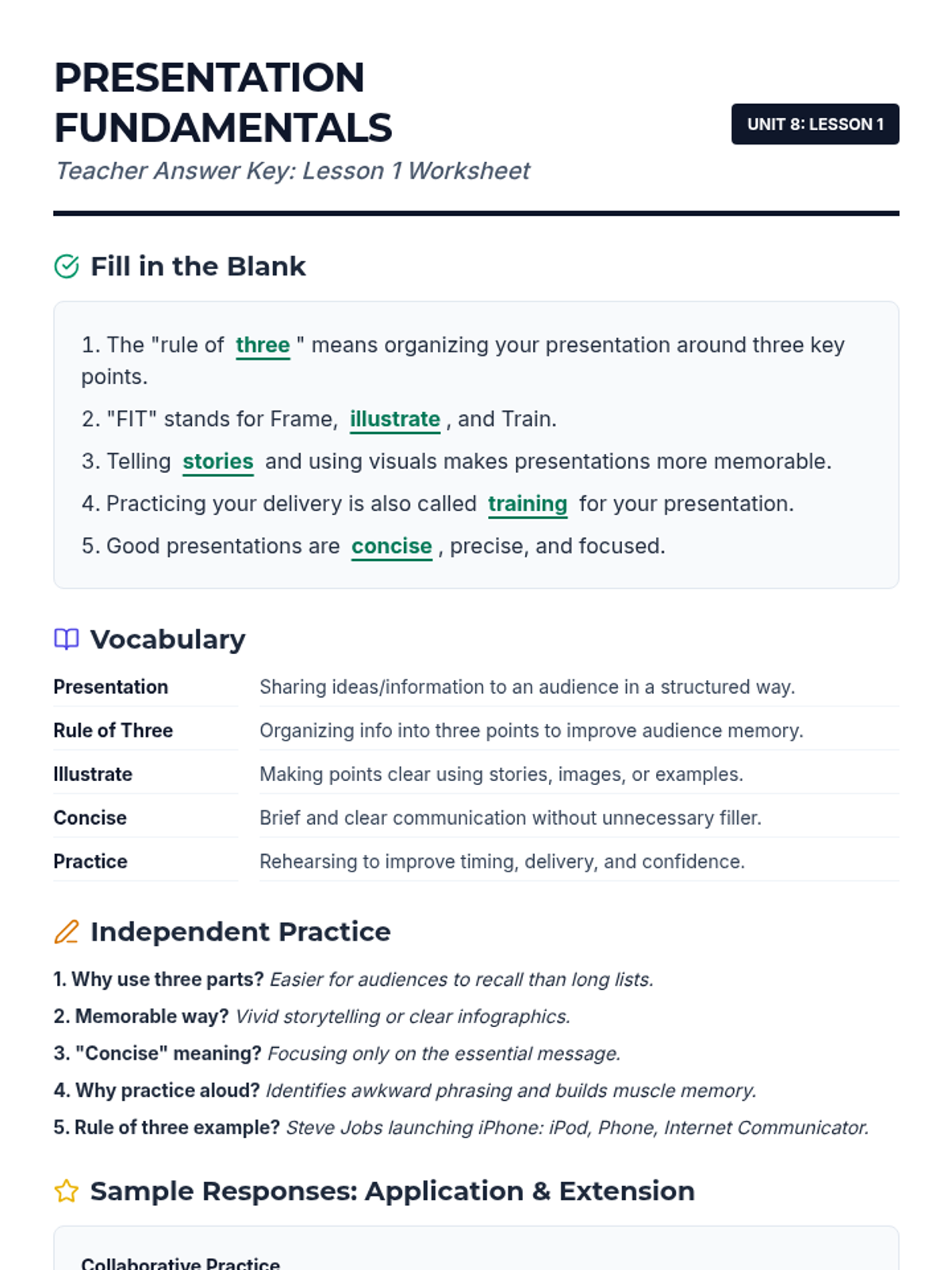
A comprehensive sequence focused on mastering business presentation skills and understanding company valuation for a professional audience.
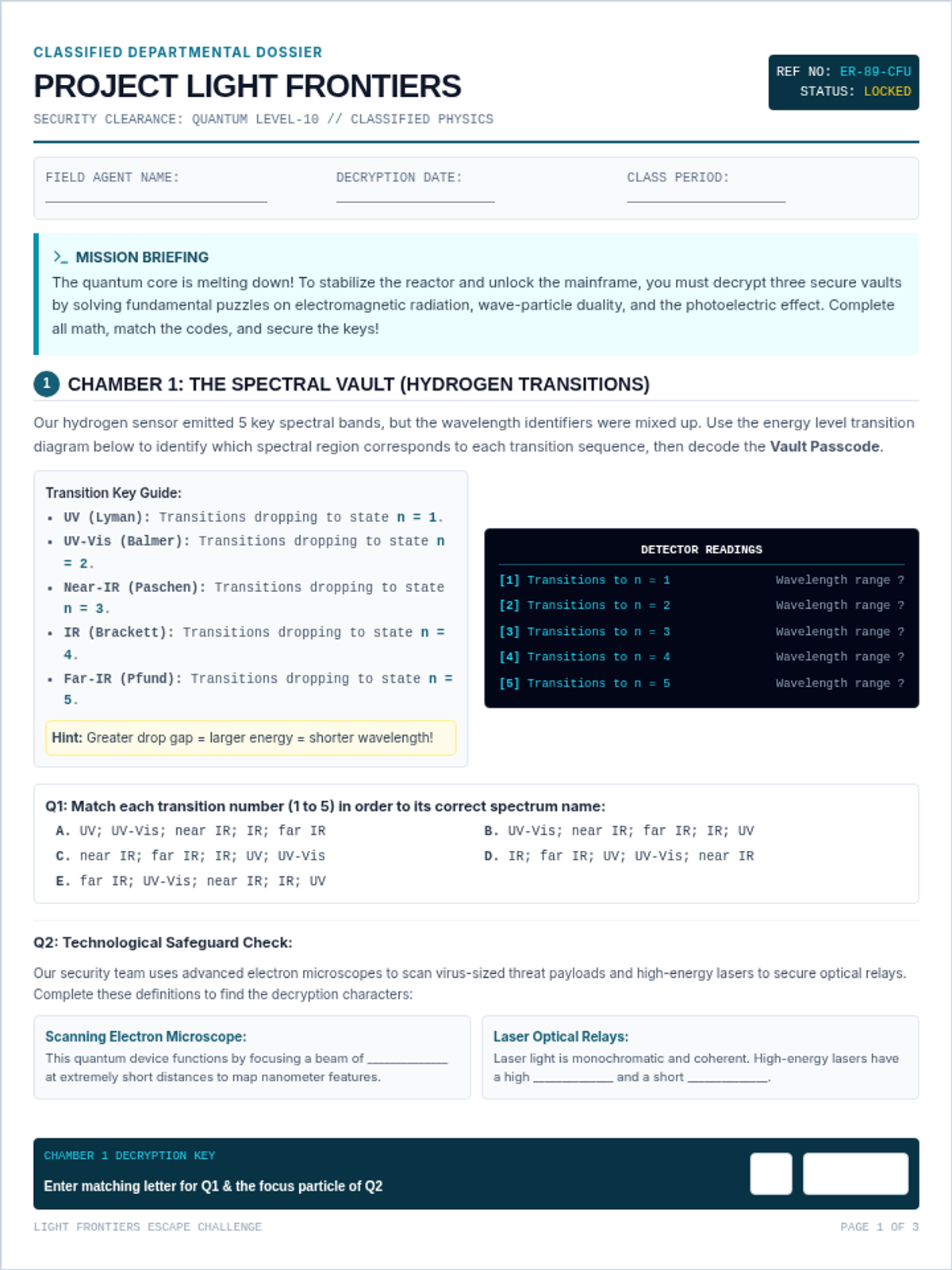
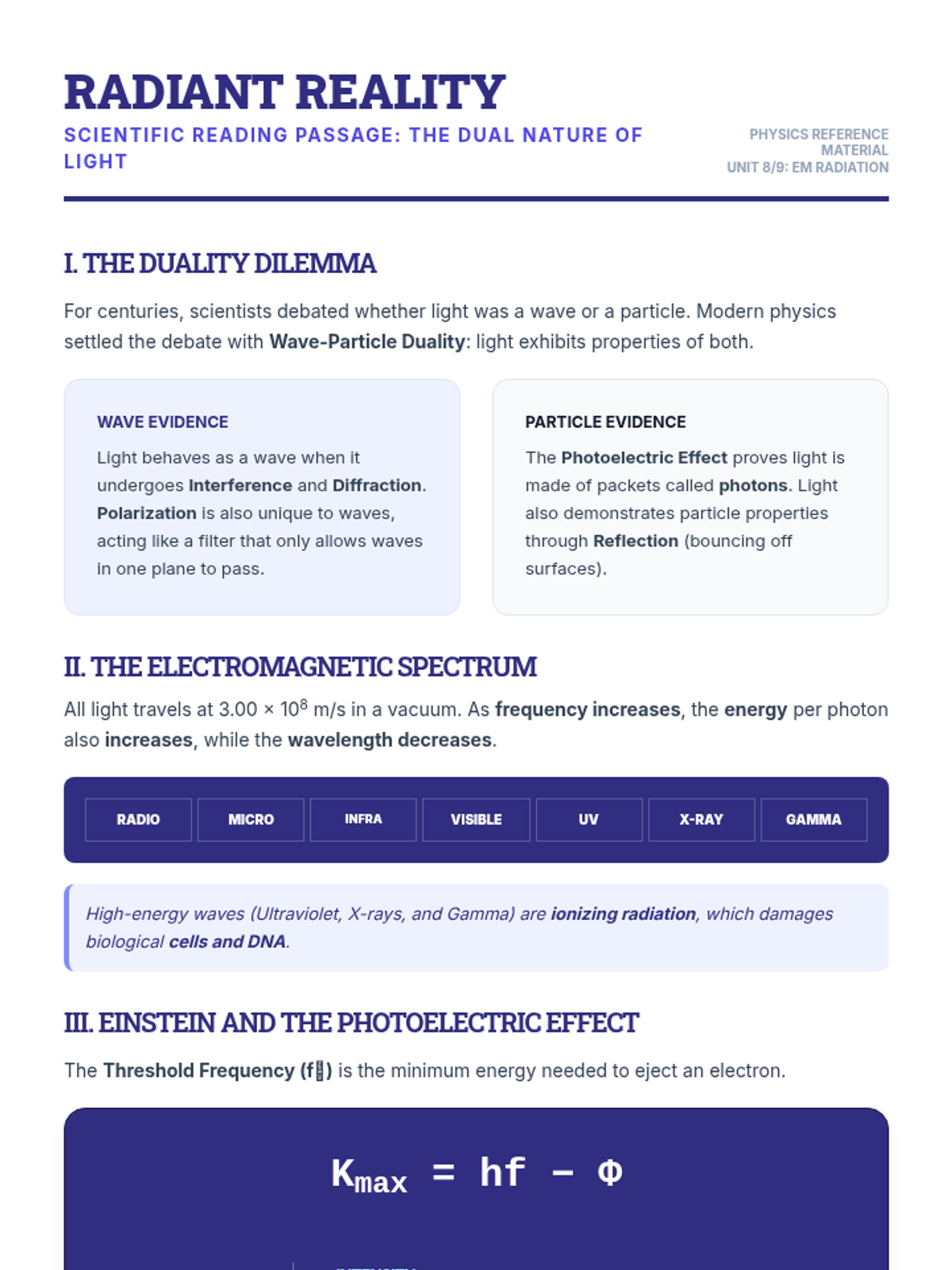
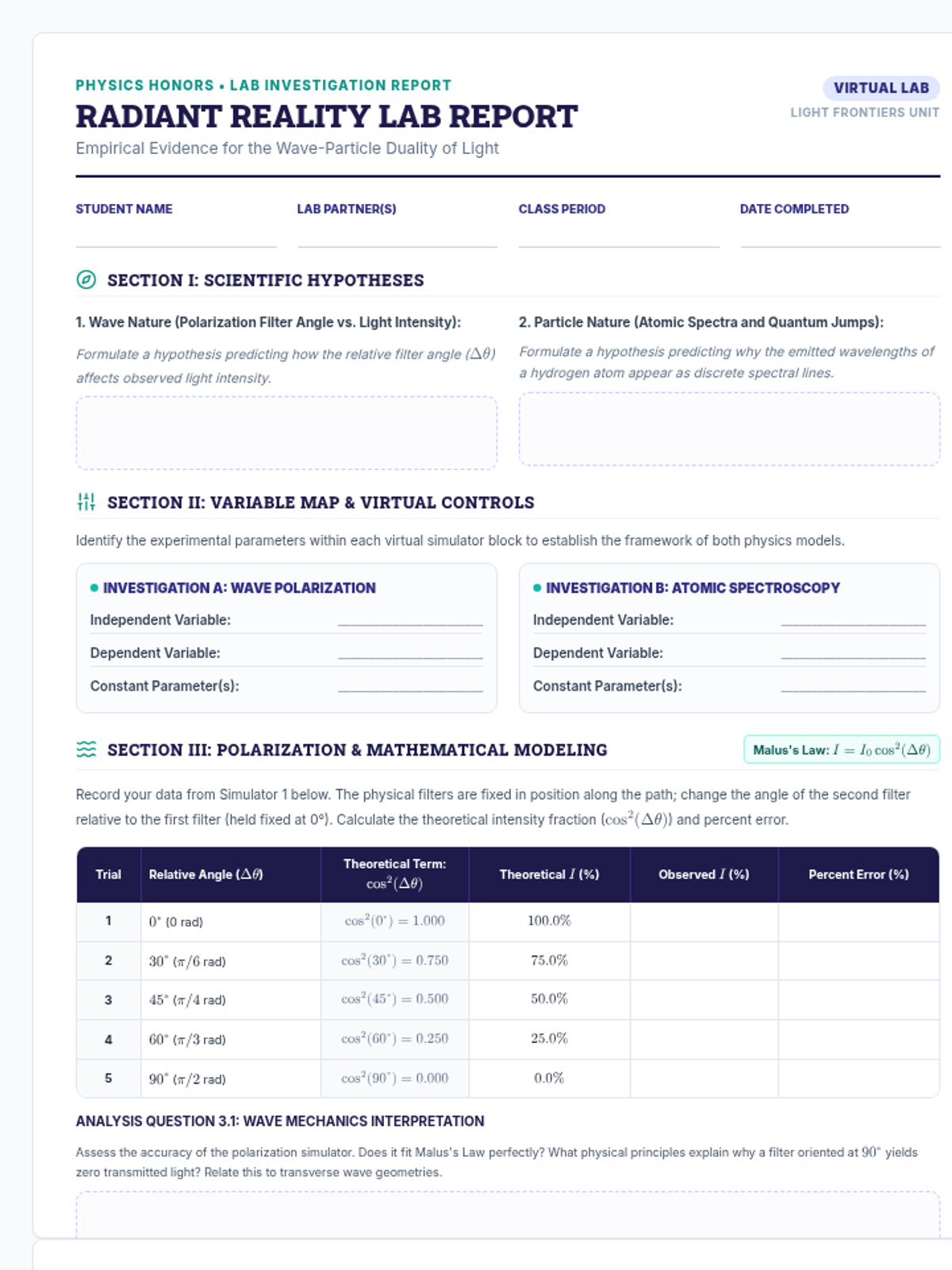
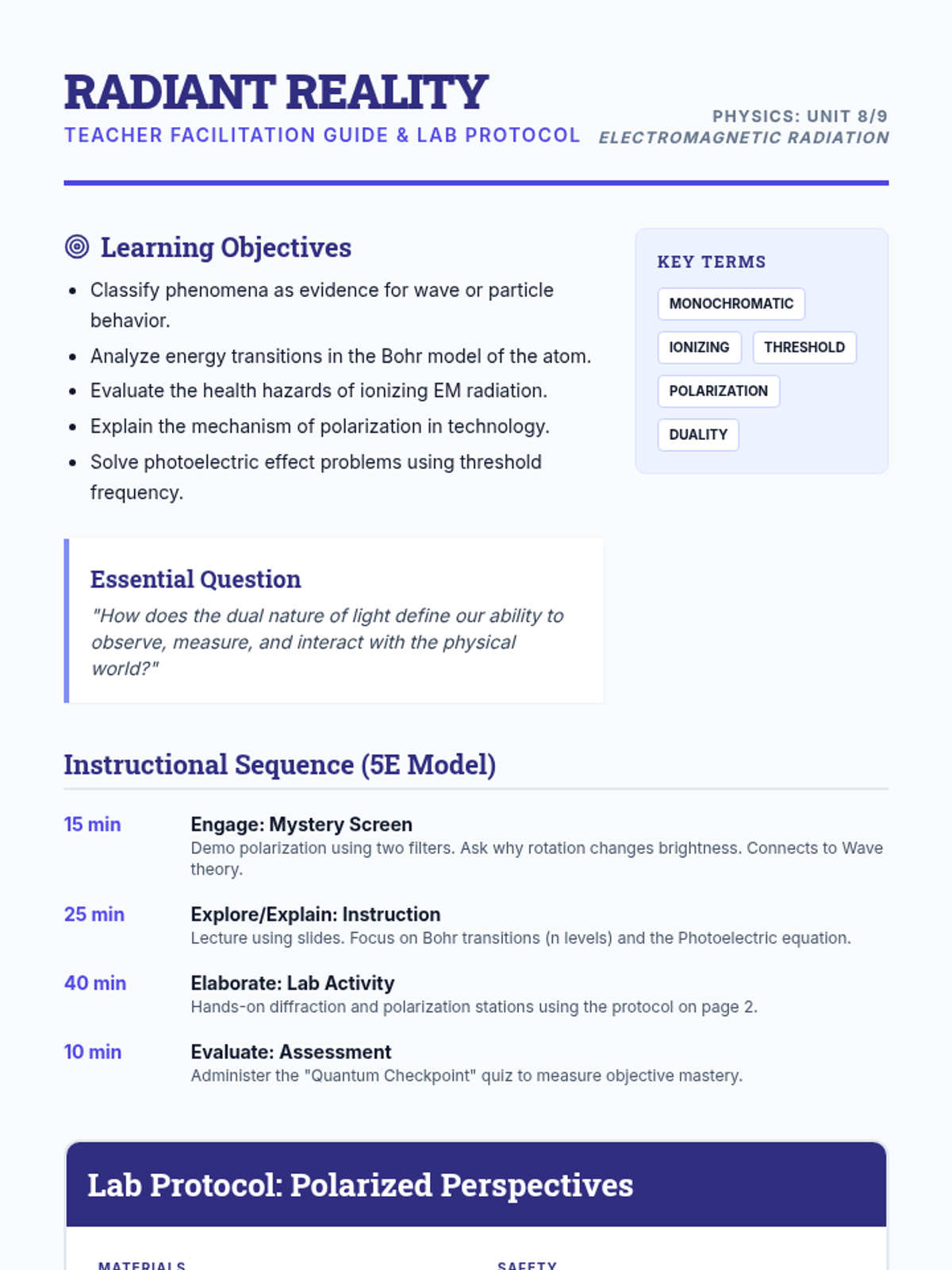
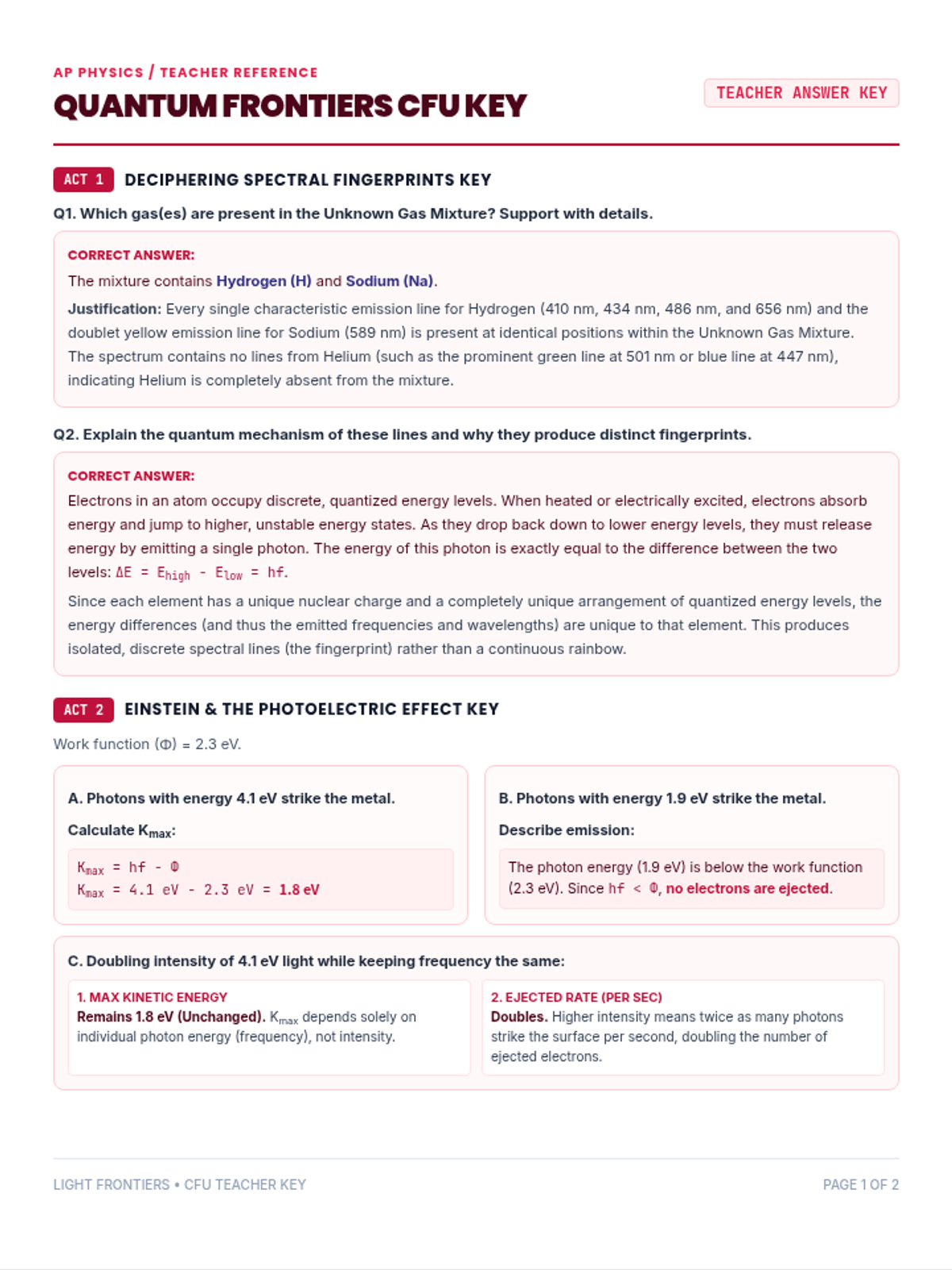
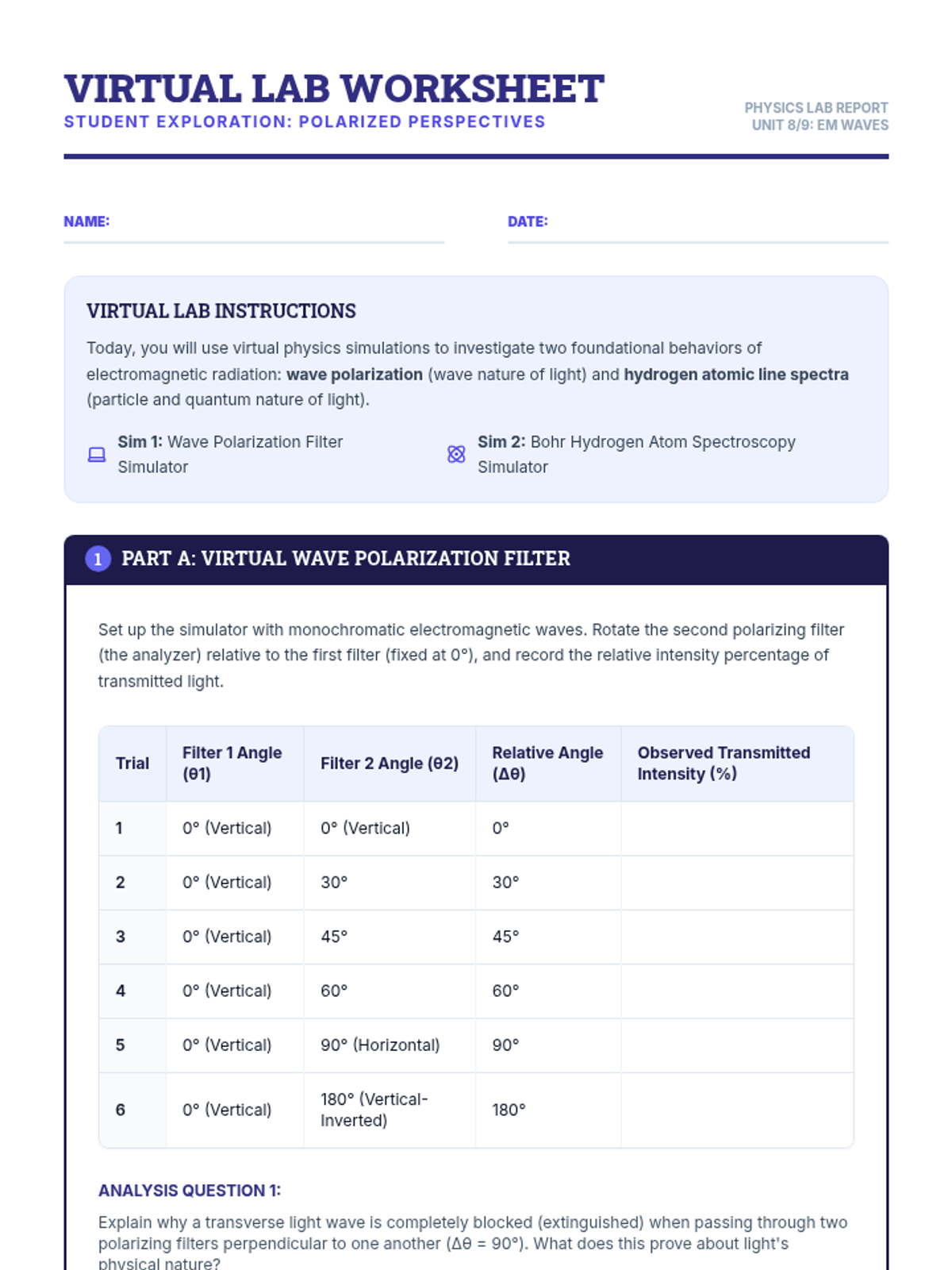
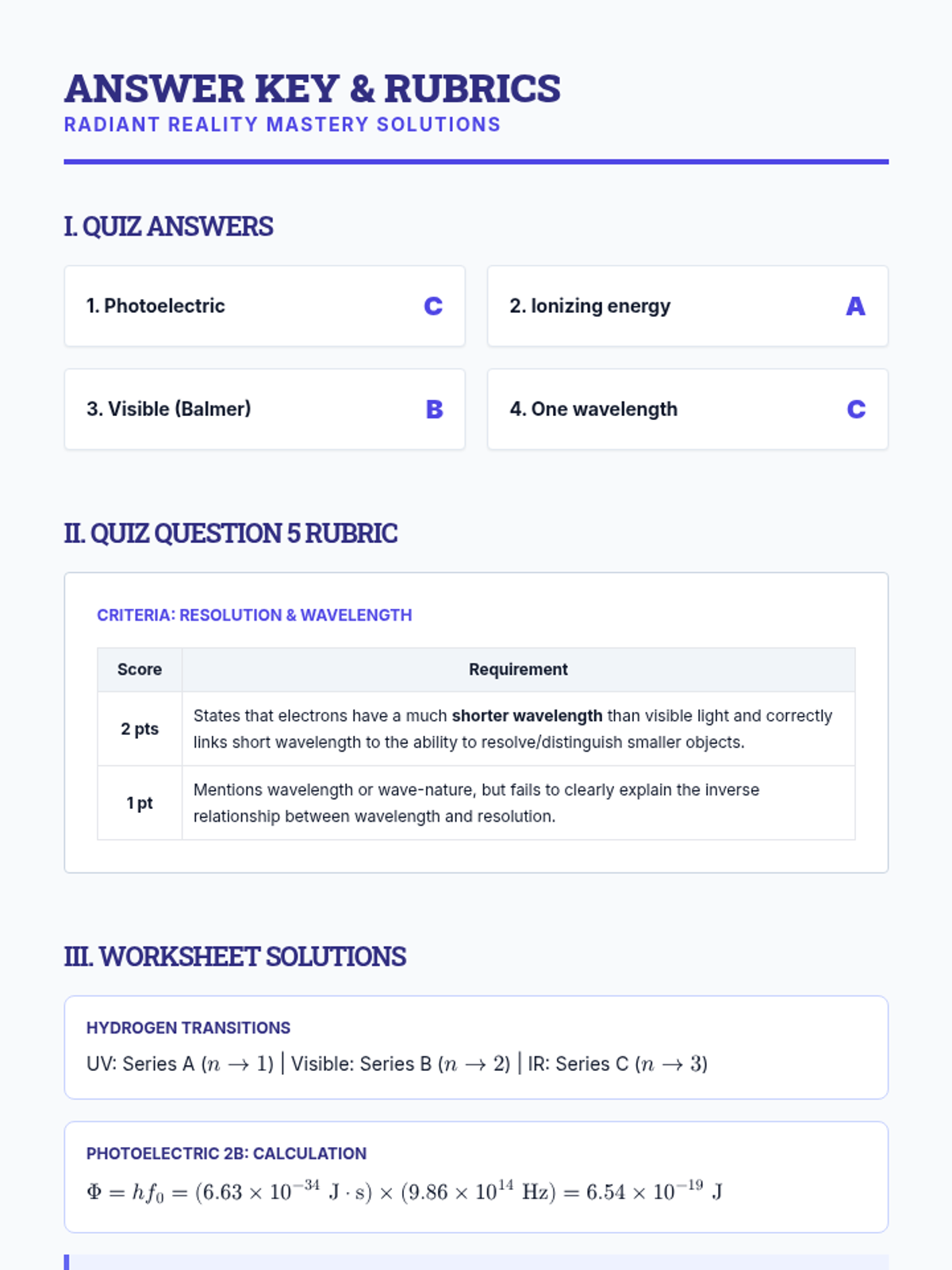
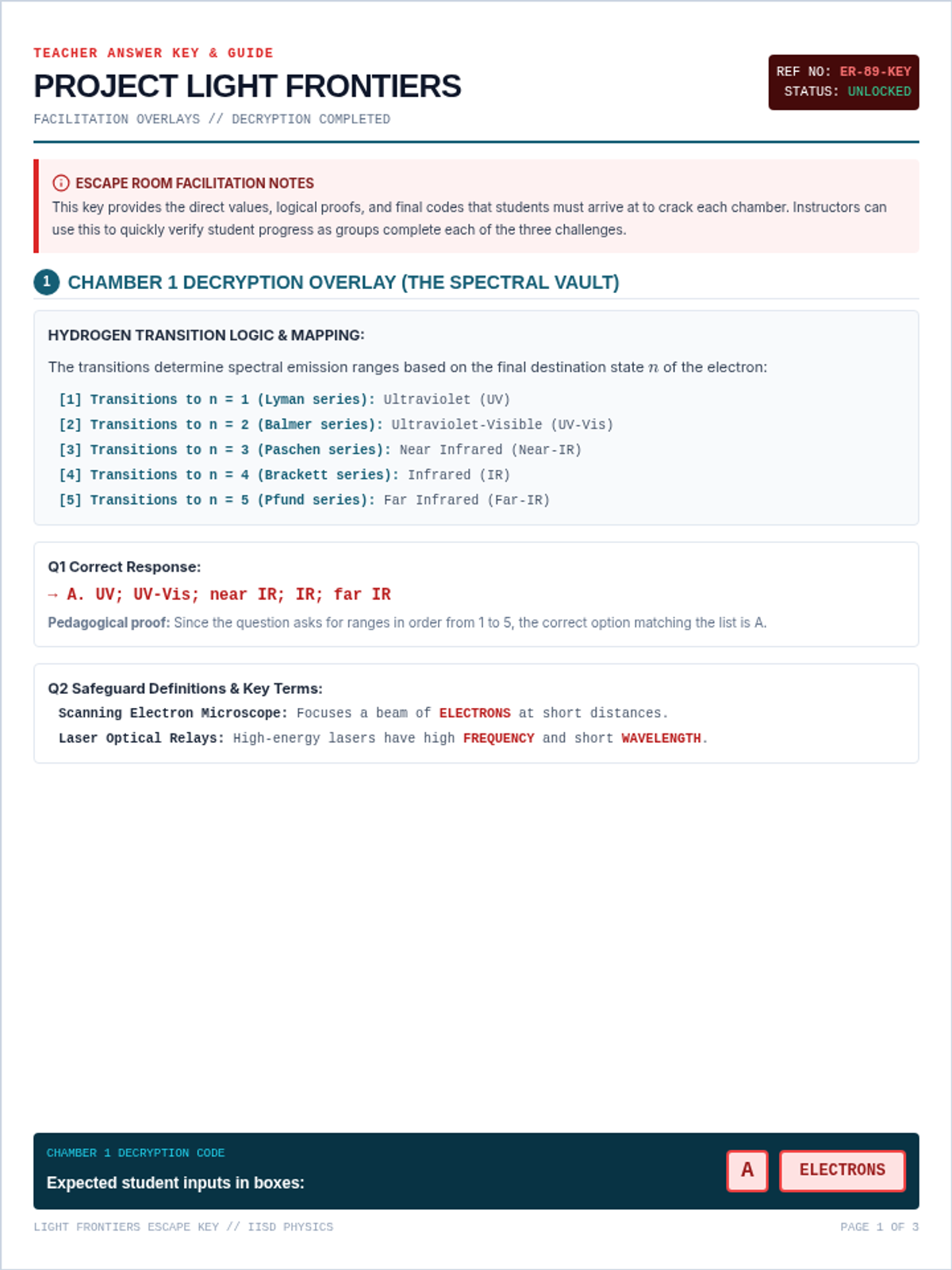
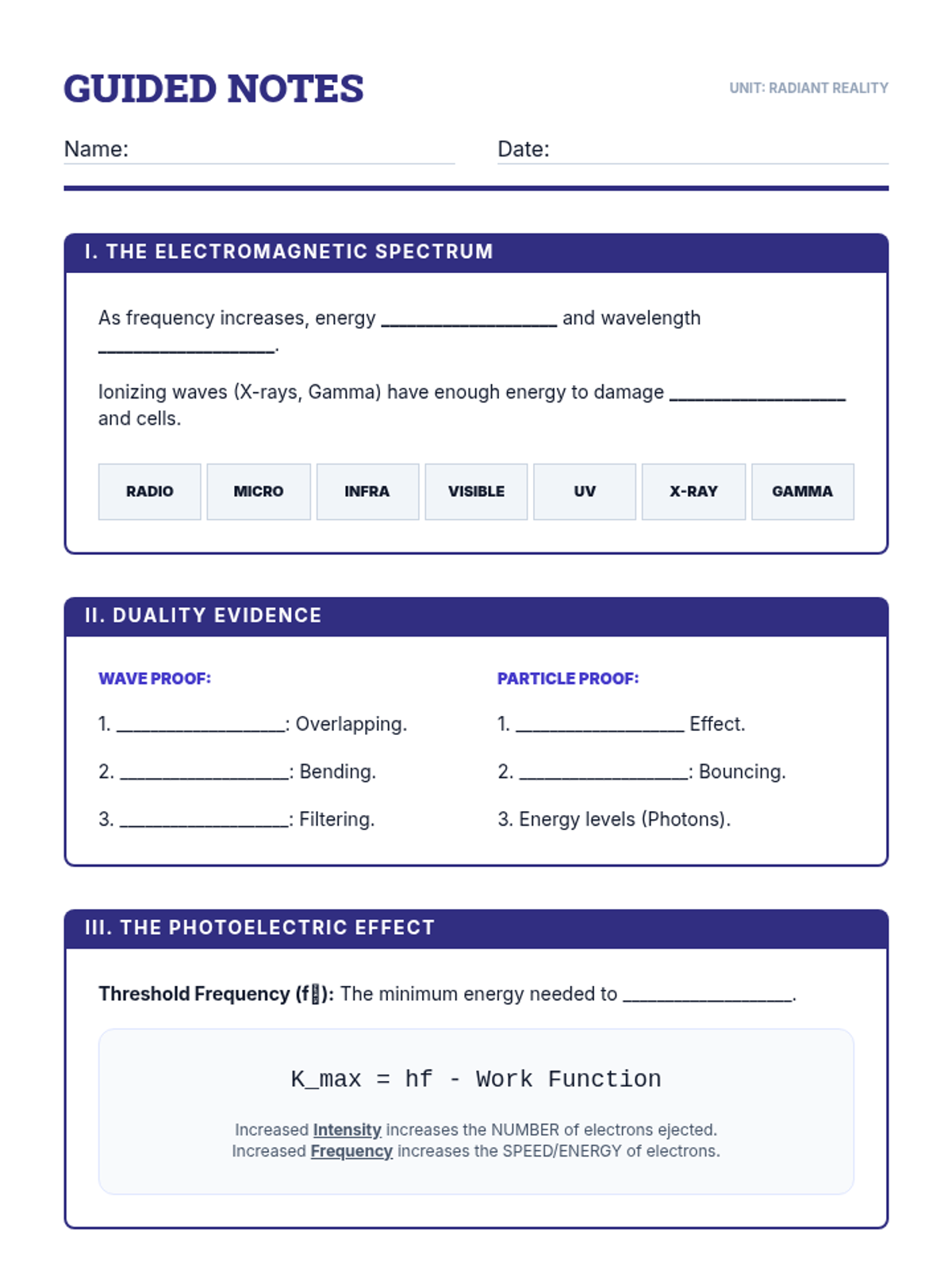
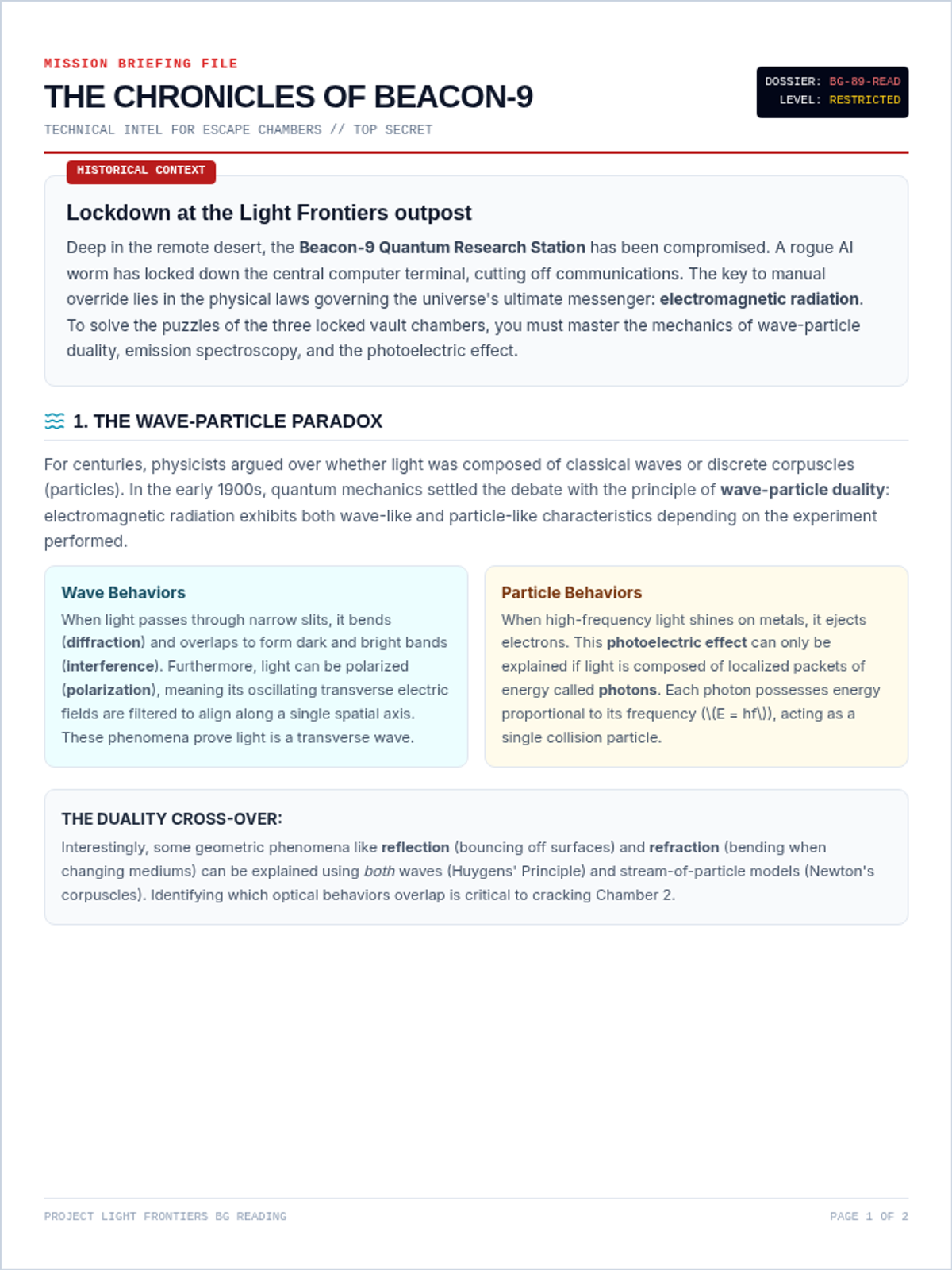
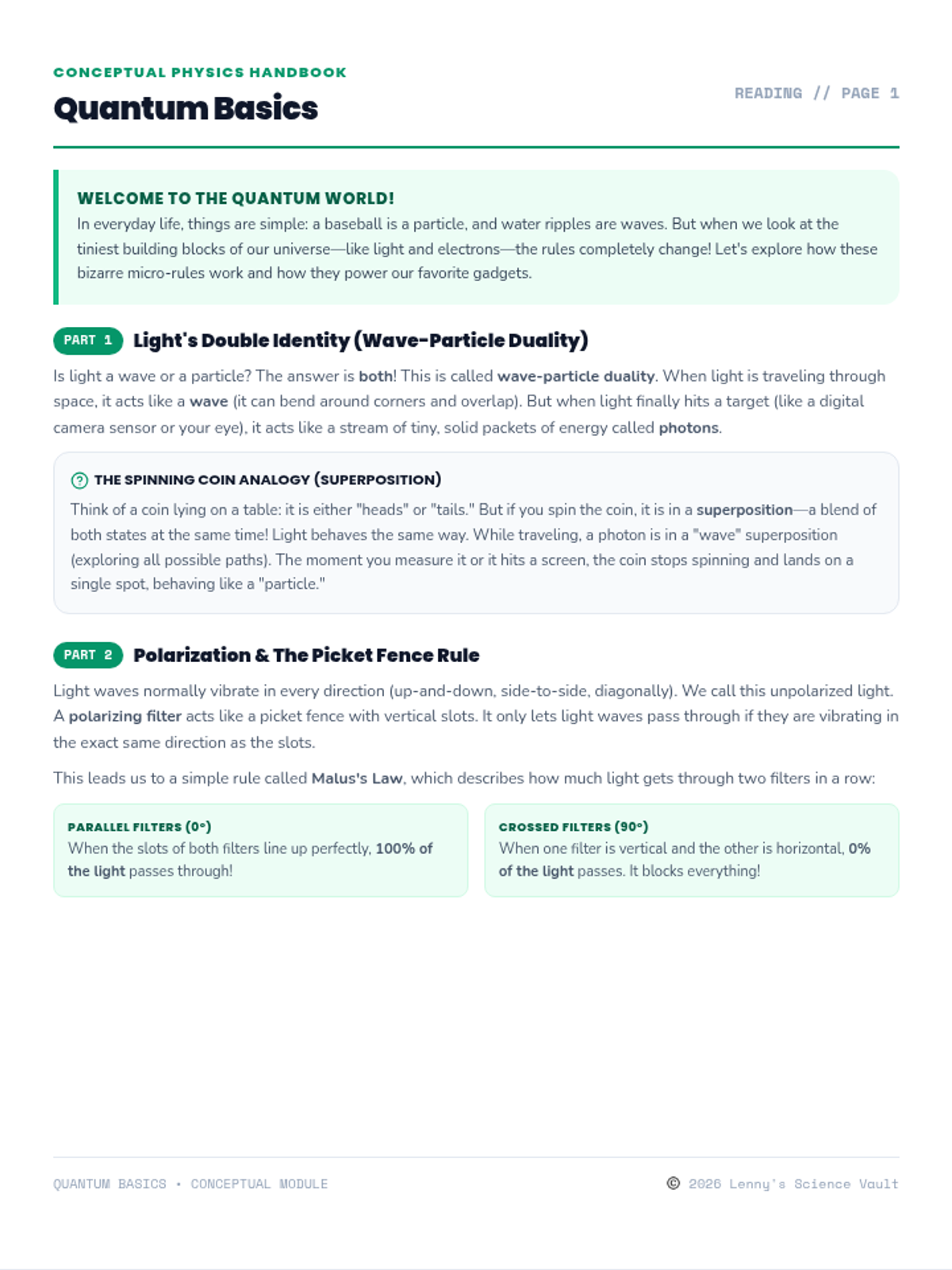
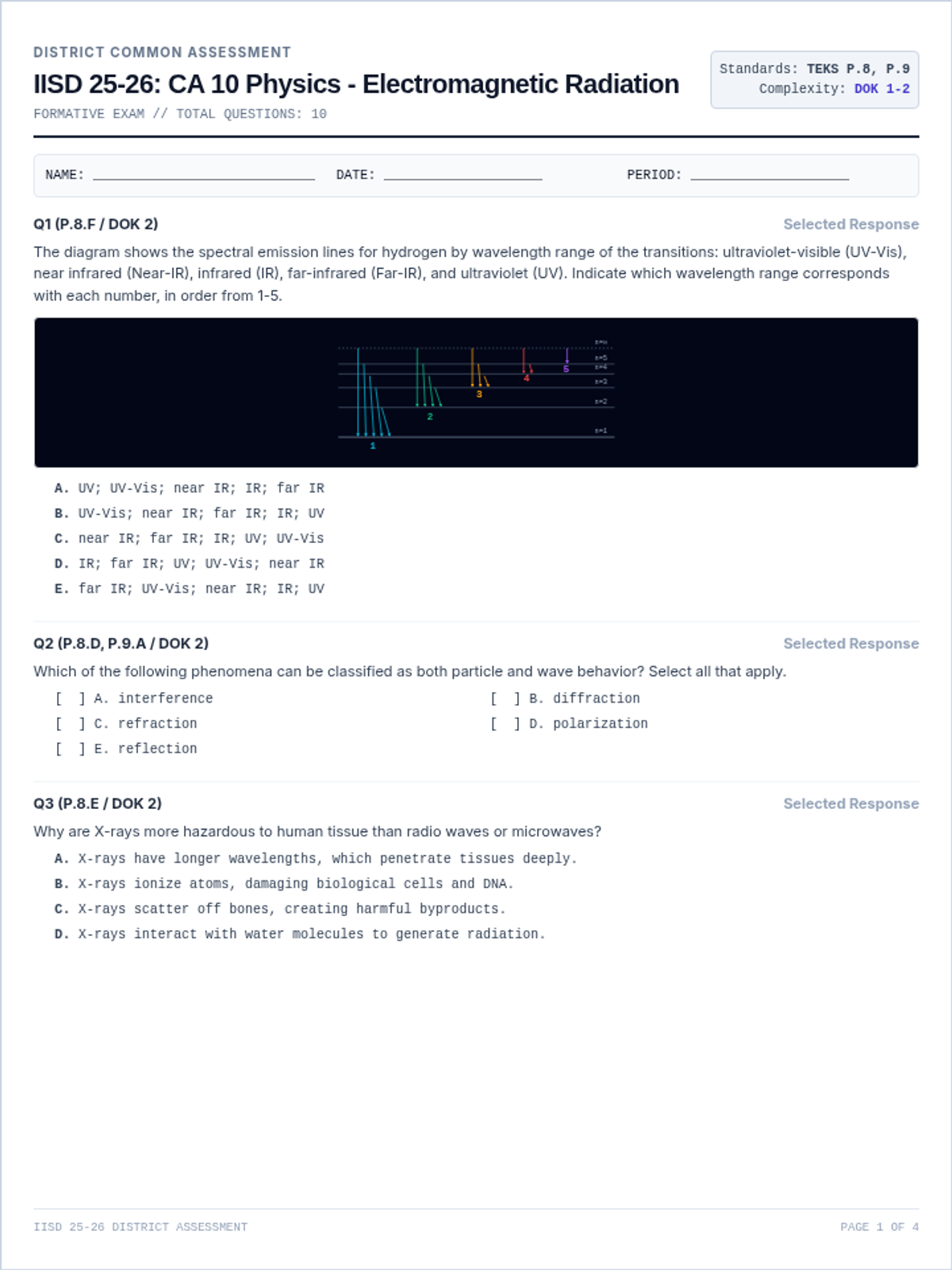
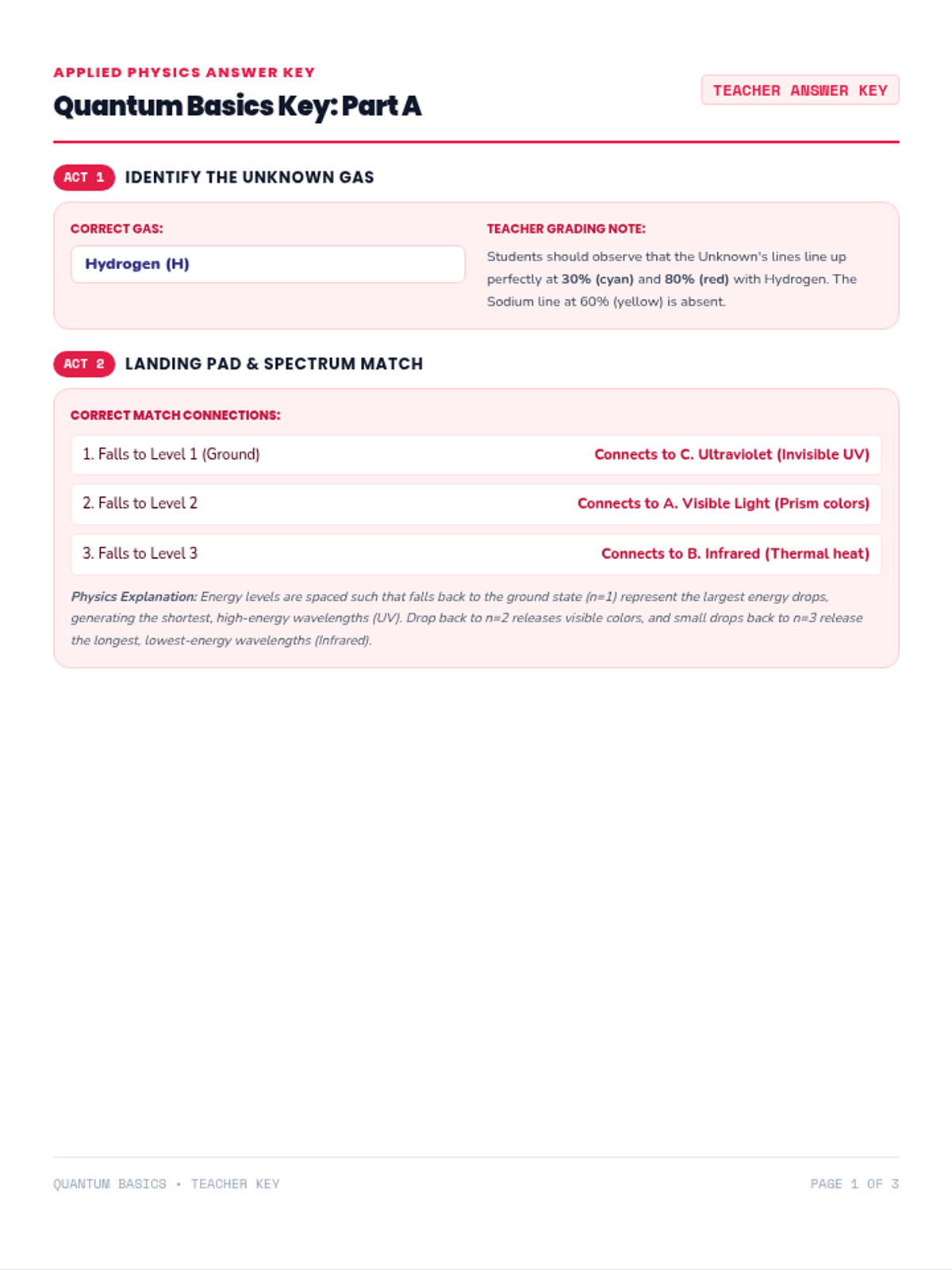
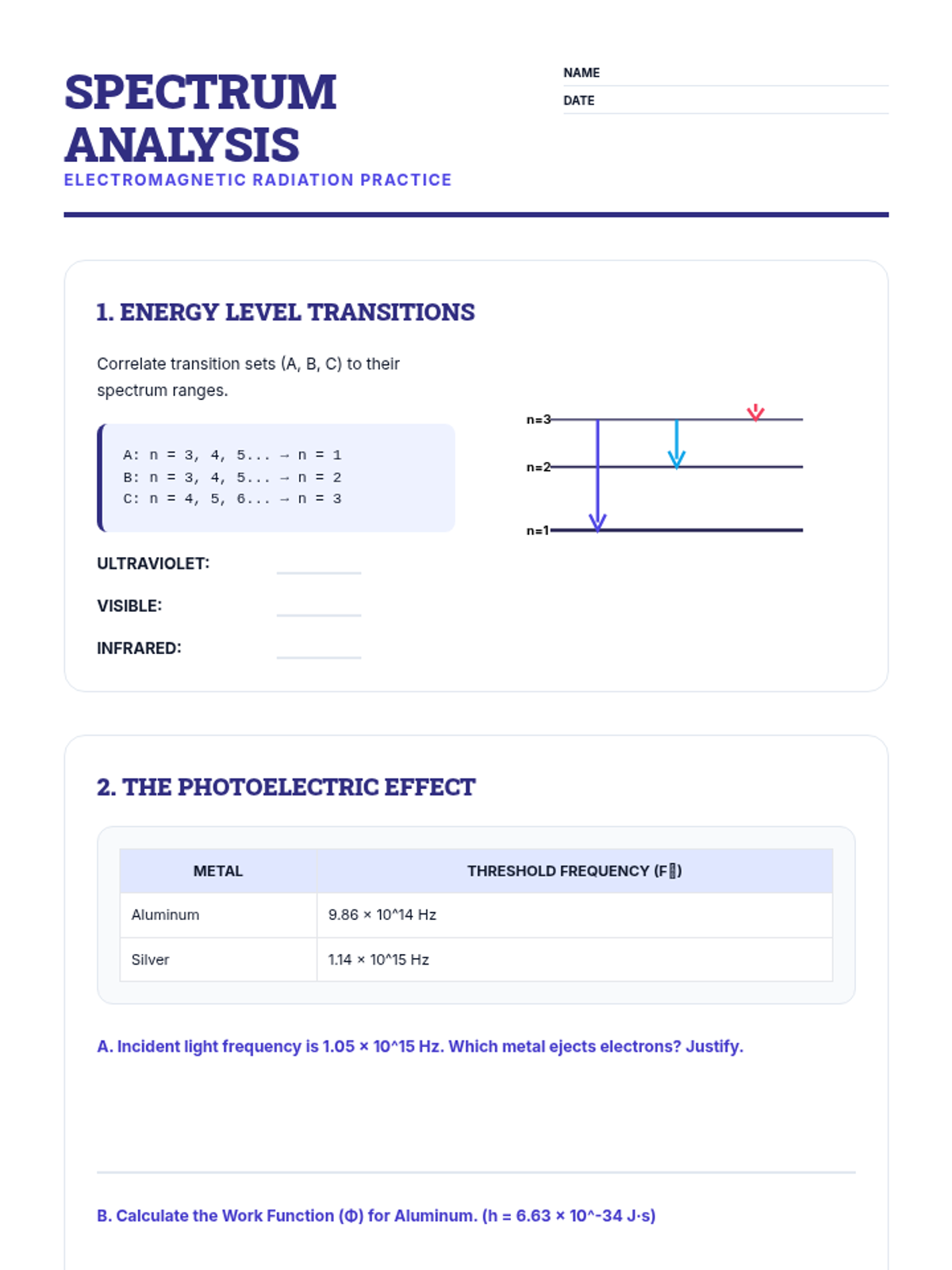
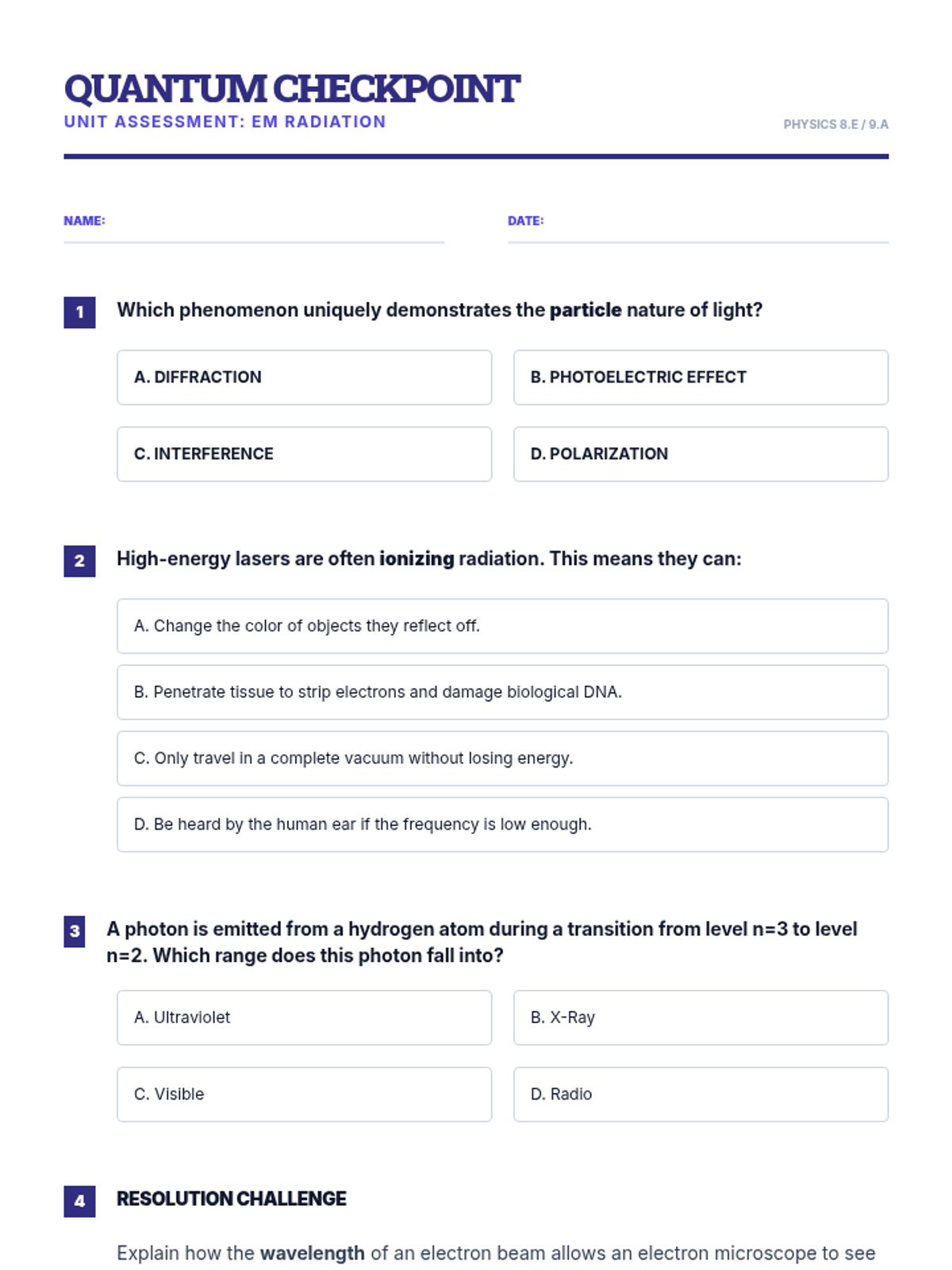
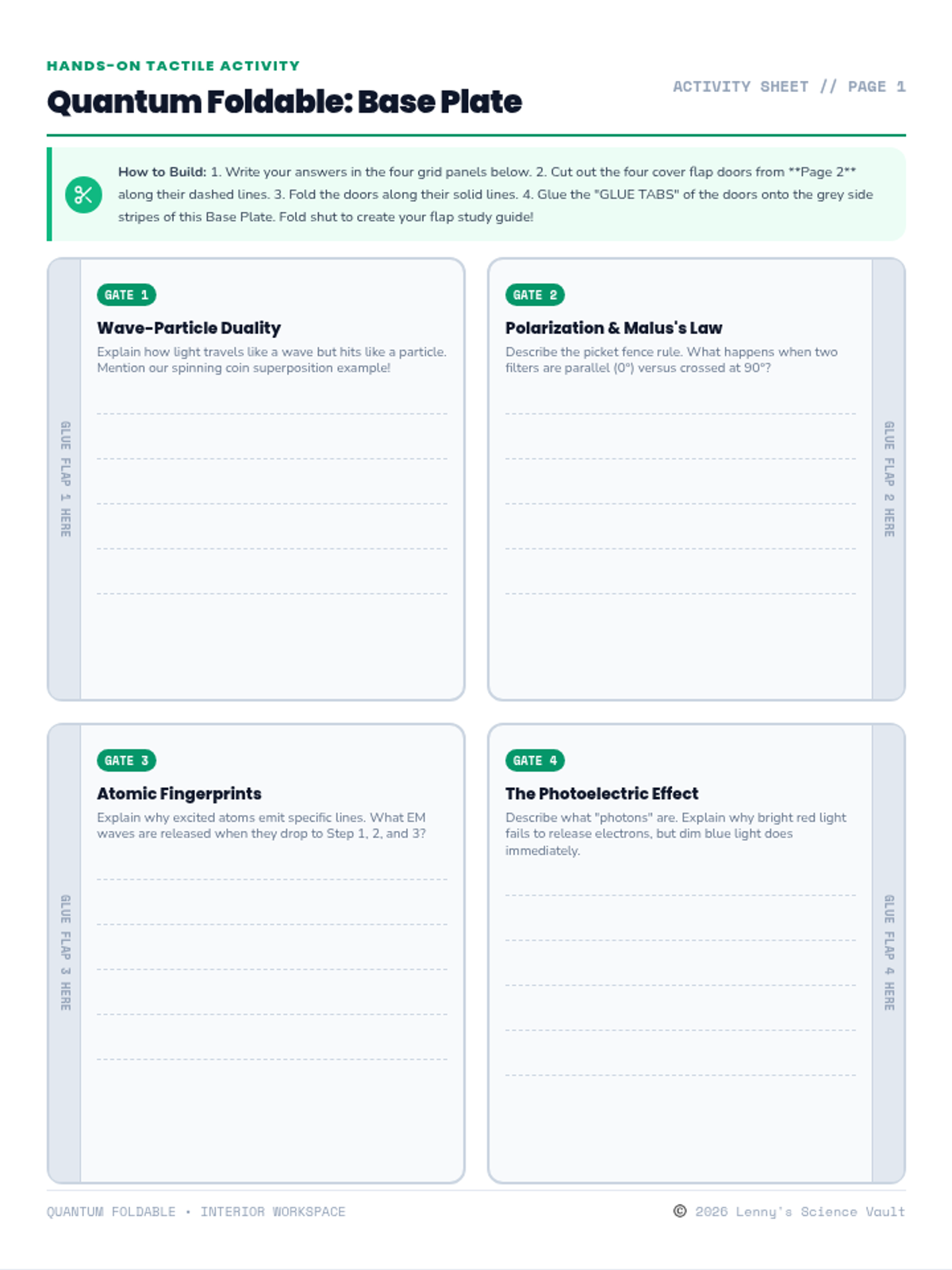
A comprehensive physics sequence exploring the dual nature of light, the electromagnetic spectrum, and the interactions of radiation with matter, including the photoelectric effect and polarization.
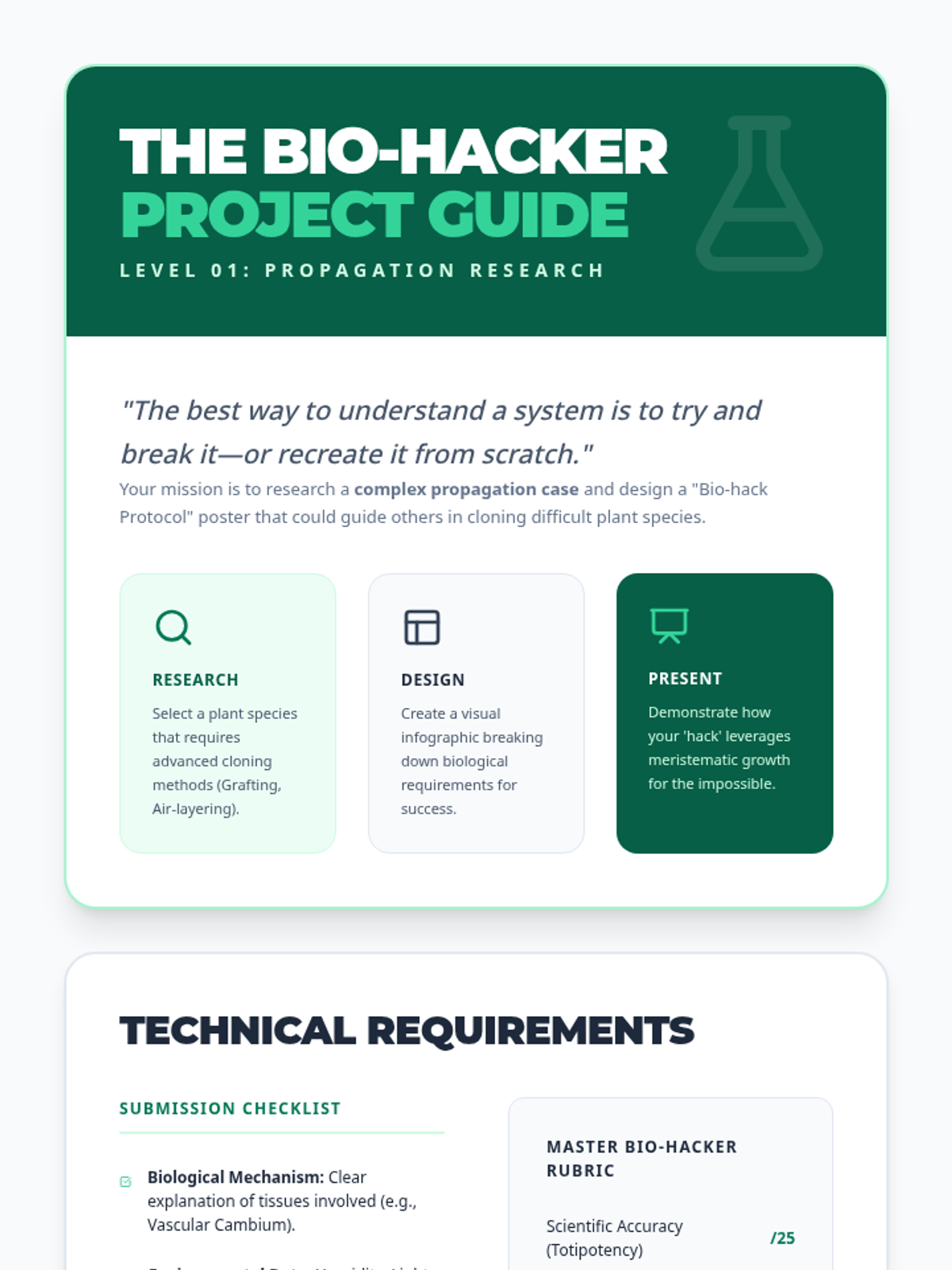
A hands-on biology unit exploring asexual plant reproduction, cellular regeneration, and the science of propagation. Students learn to 'hack' plant growth to create new life from cuttings, combining laboratory precision with botanical care.
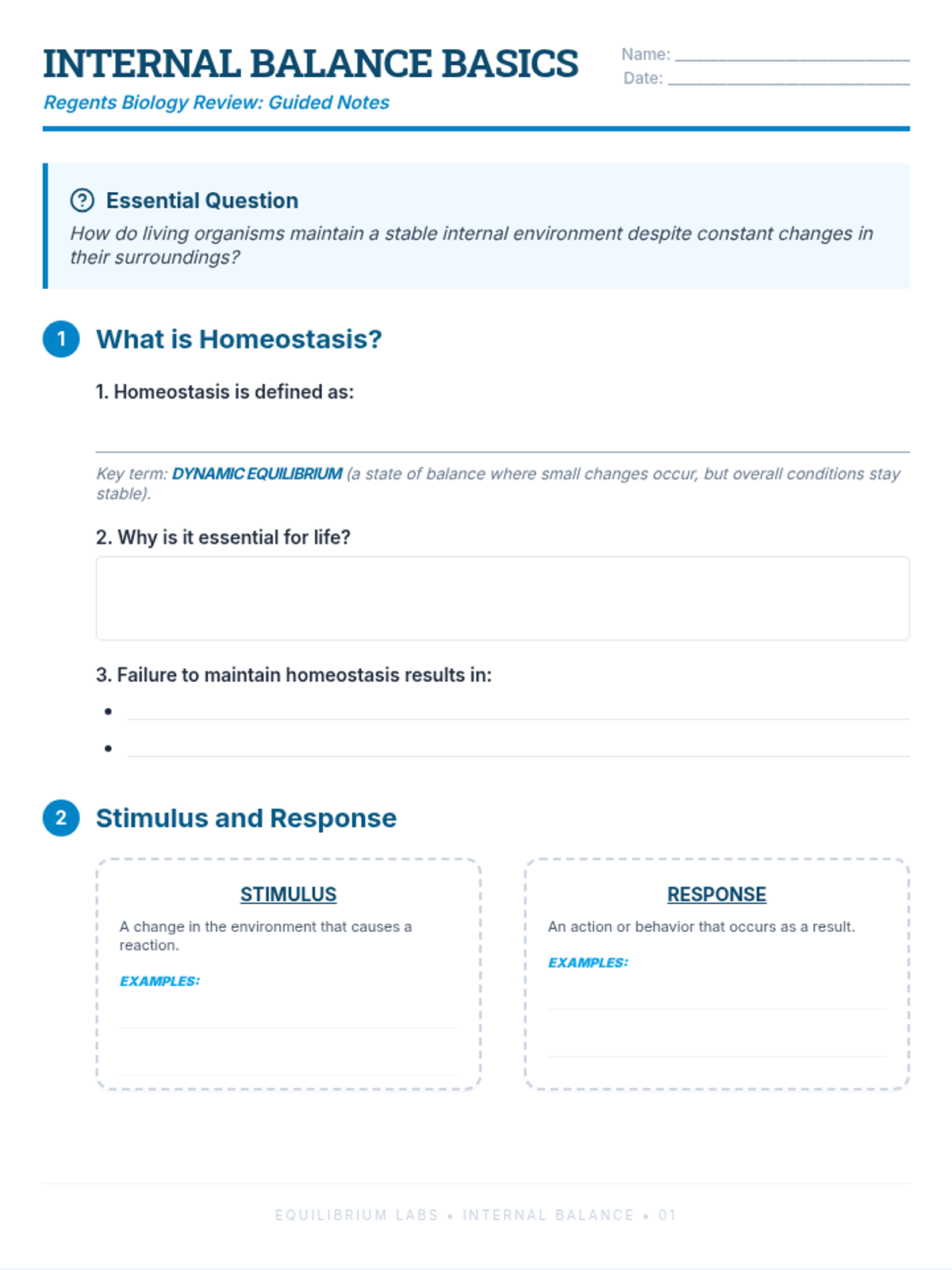
A comprehensive review sequence focused on homeostasis and feedback mechanisms, designed specifically for NYS Regents Biology preparation using authentic practice questions and guided instruction.
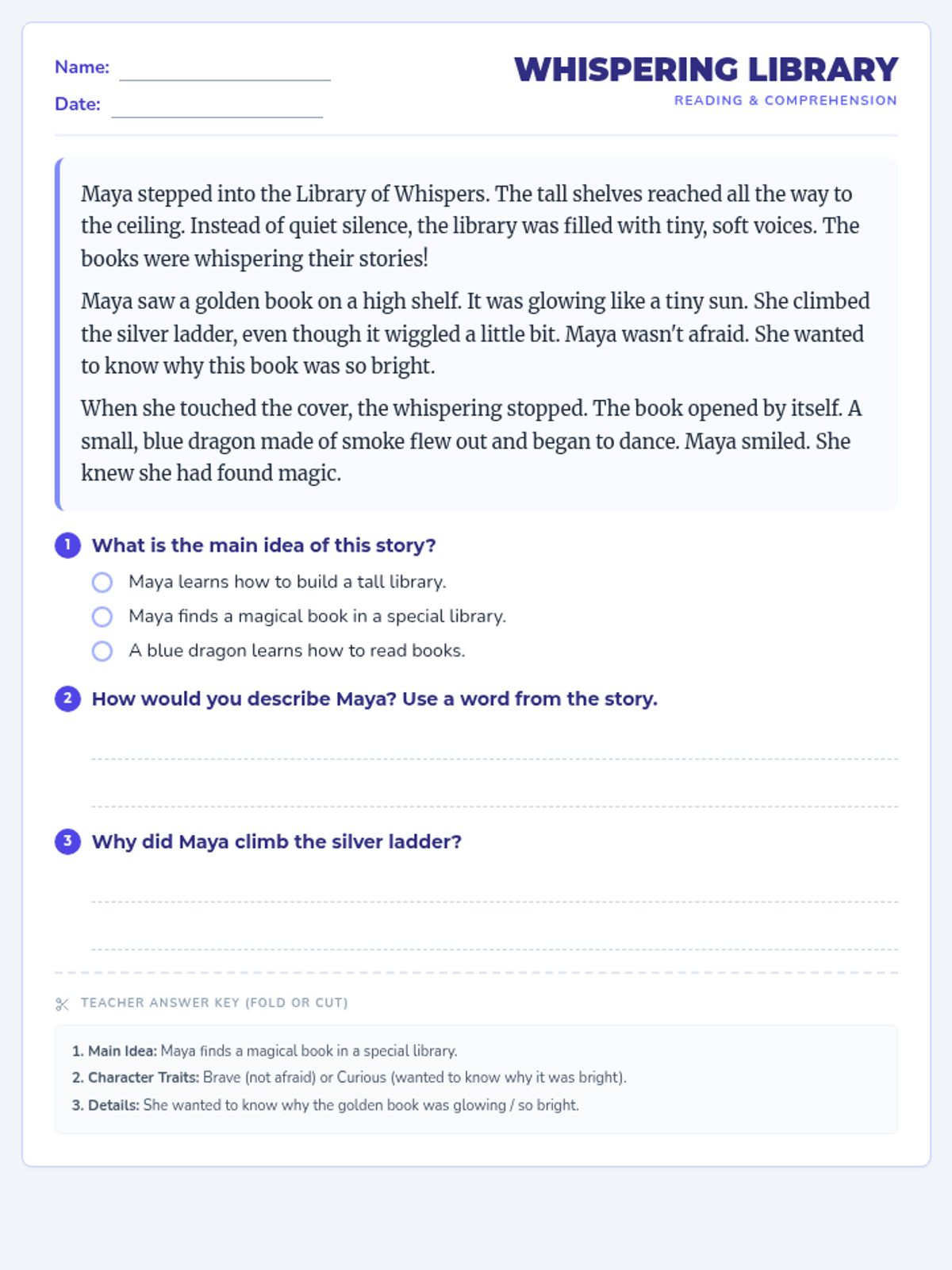
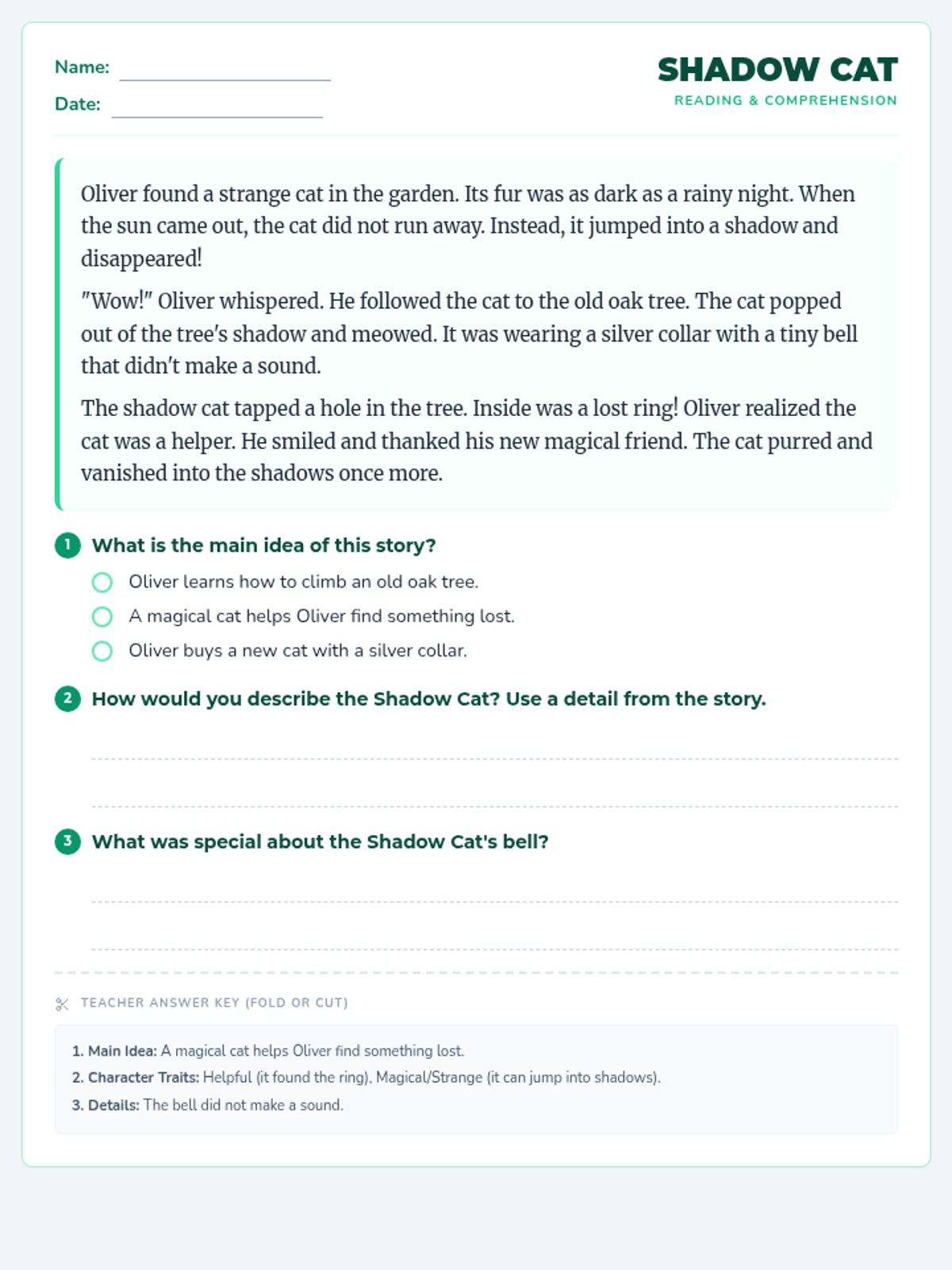
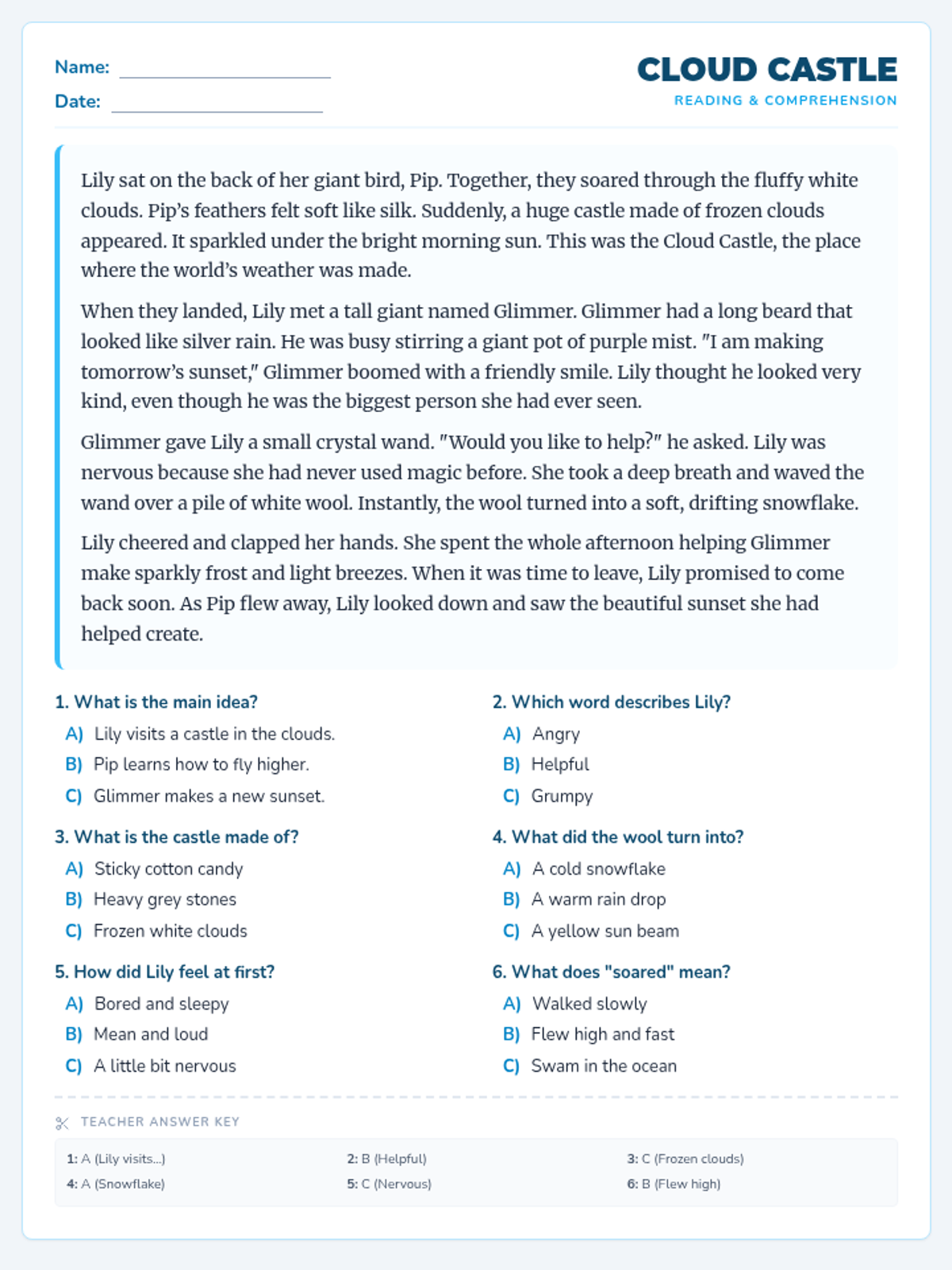
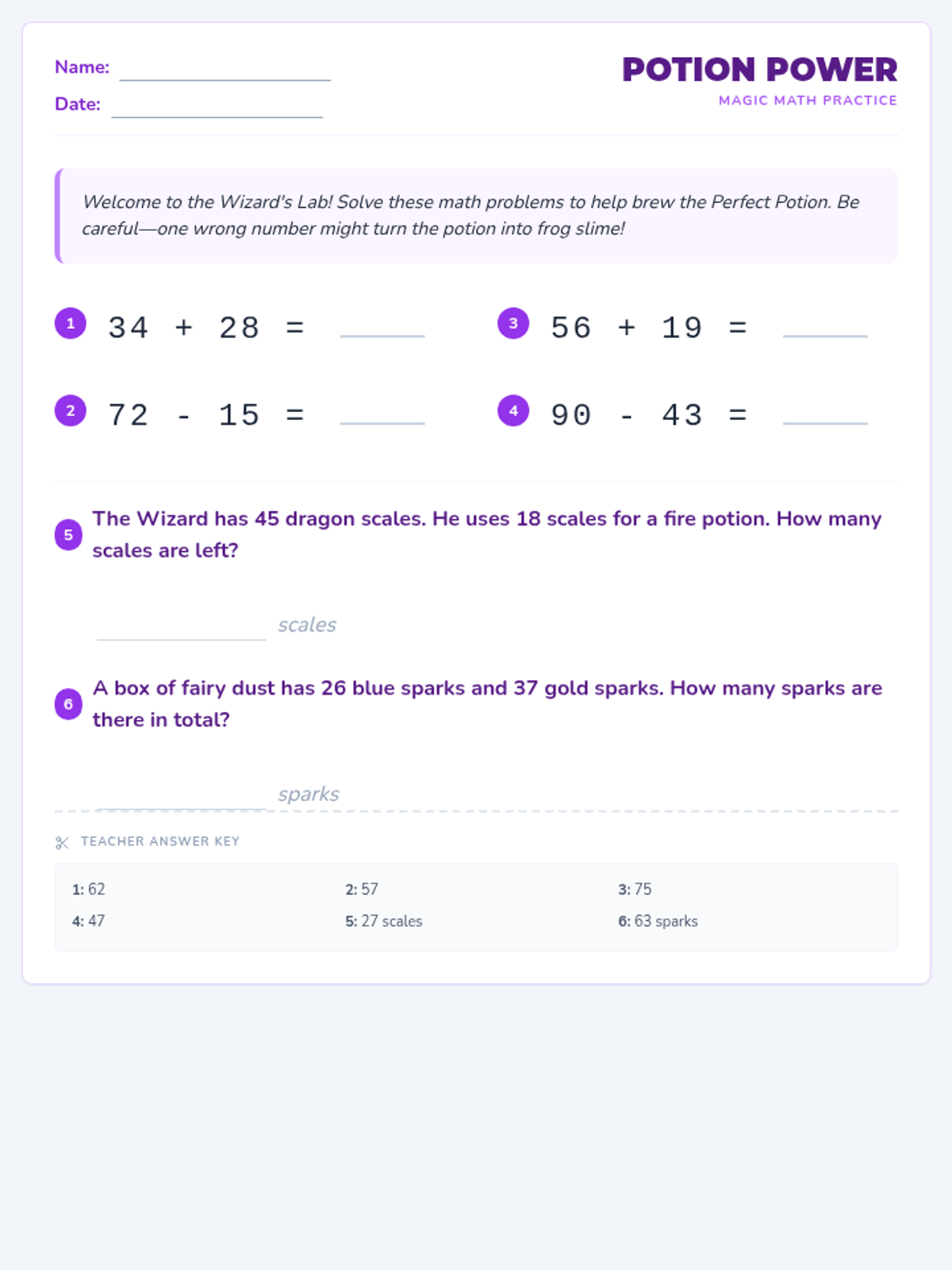
A collection of magical-themed lessons covering reading comprehension and early mathematics for primary students.
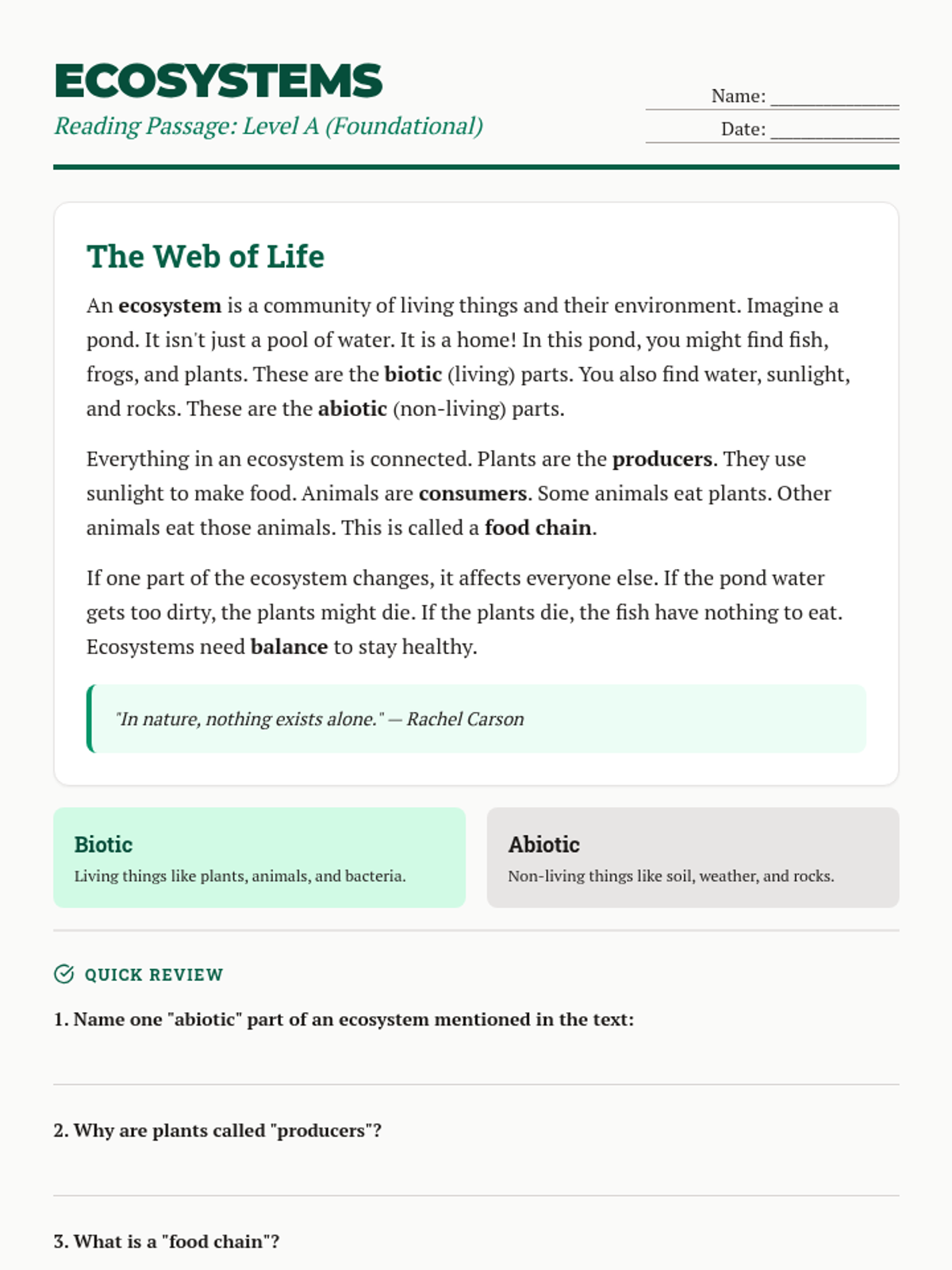
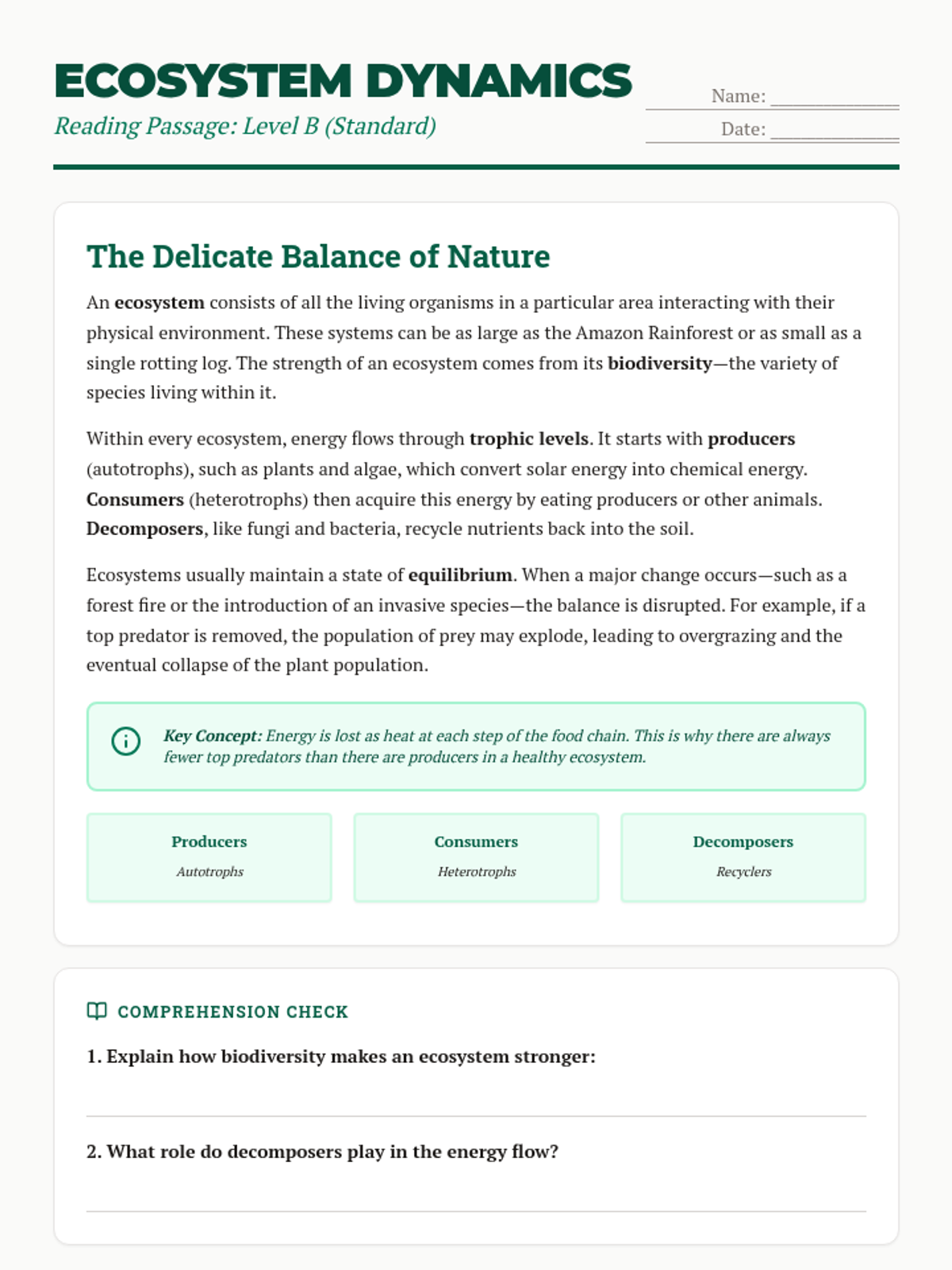
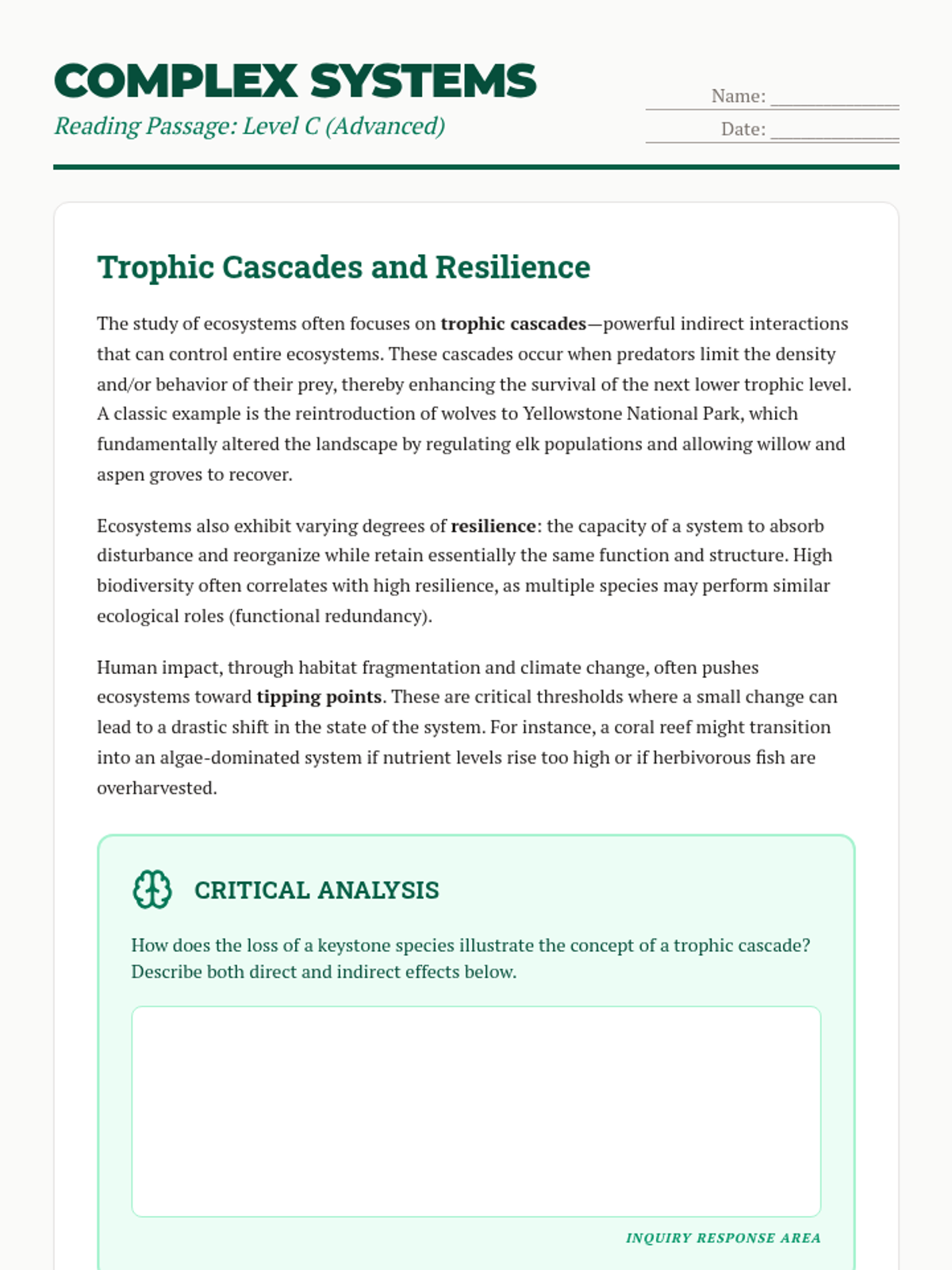
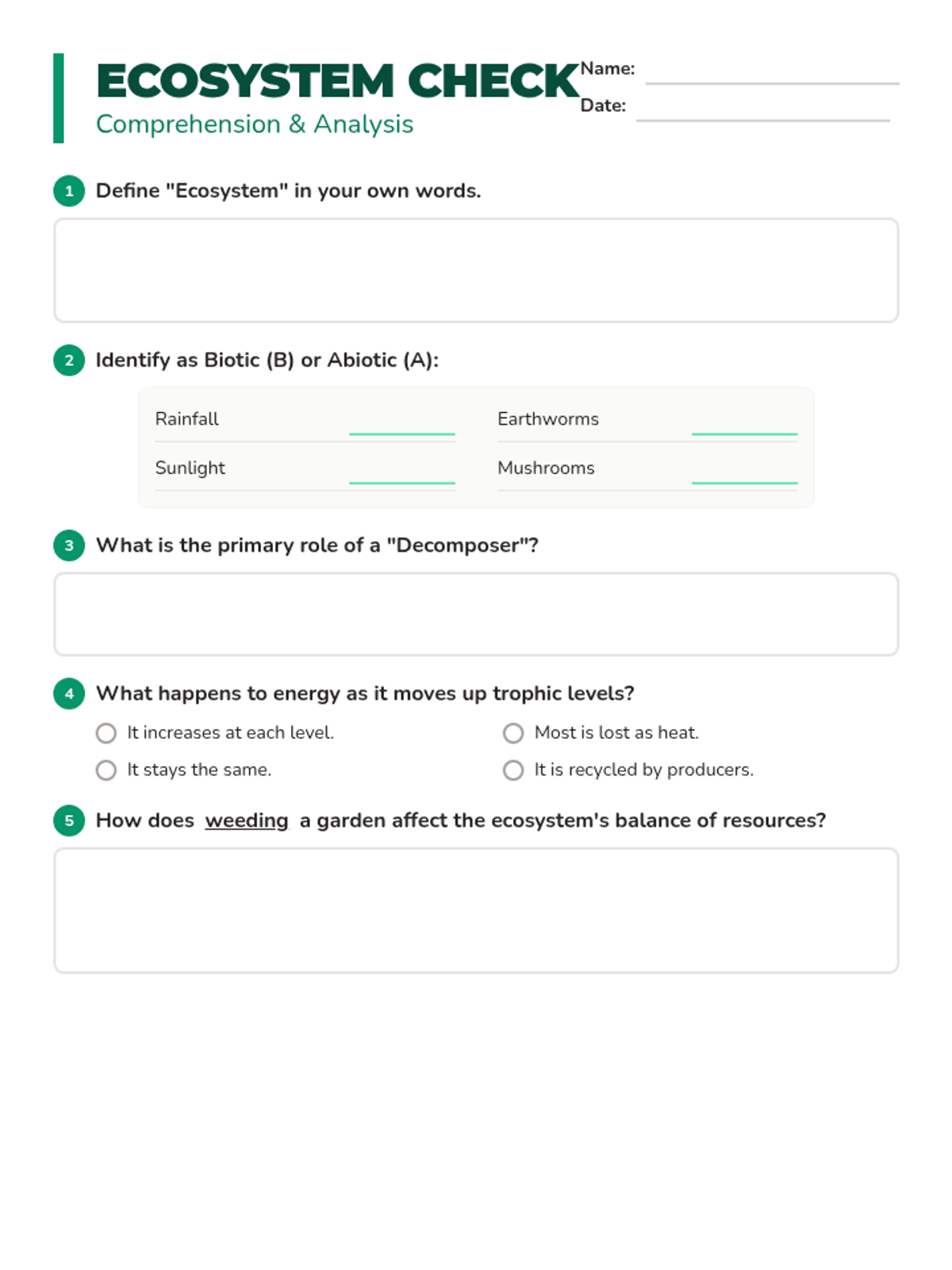
A comprehensive unit combining middle school ecosystem science with functional life skills in horticulture and cooking. Students explore the interconnectedness of nature while building practical skills in gardening and food preparation.
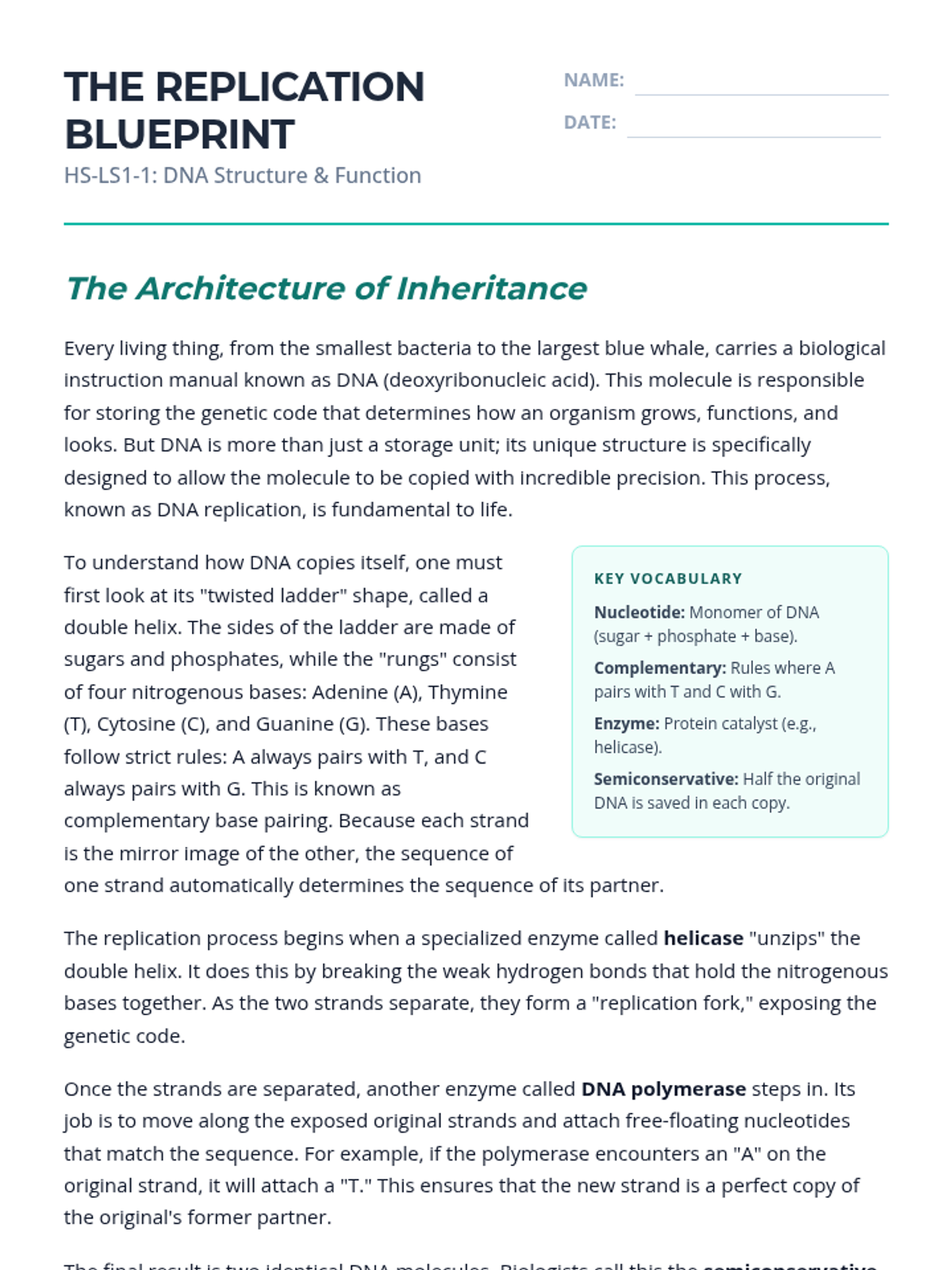
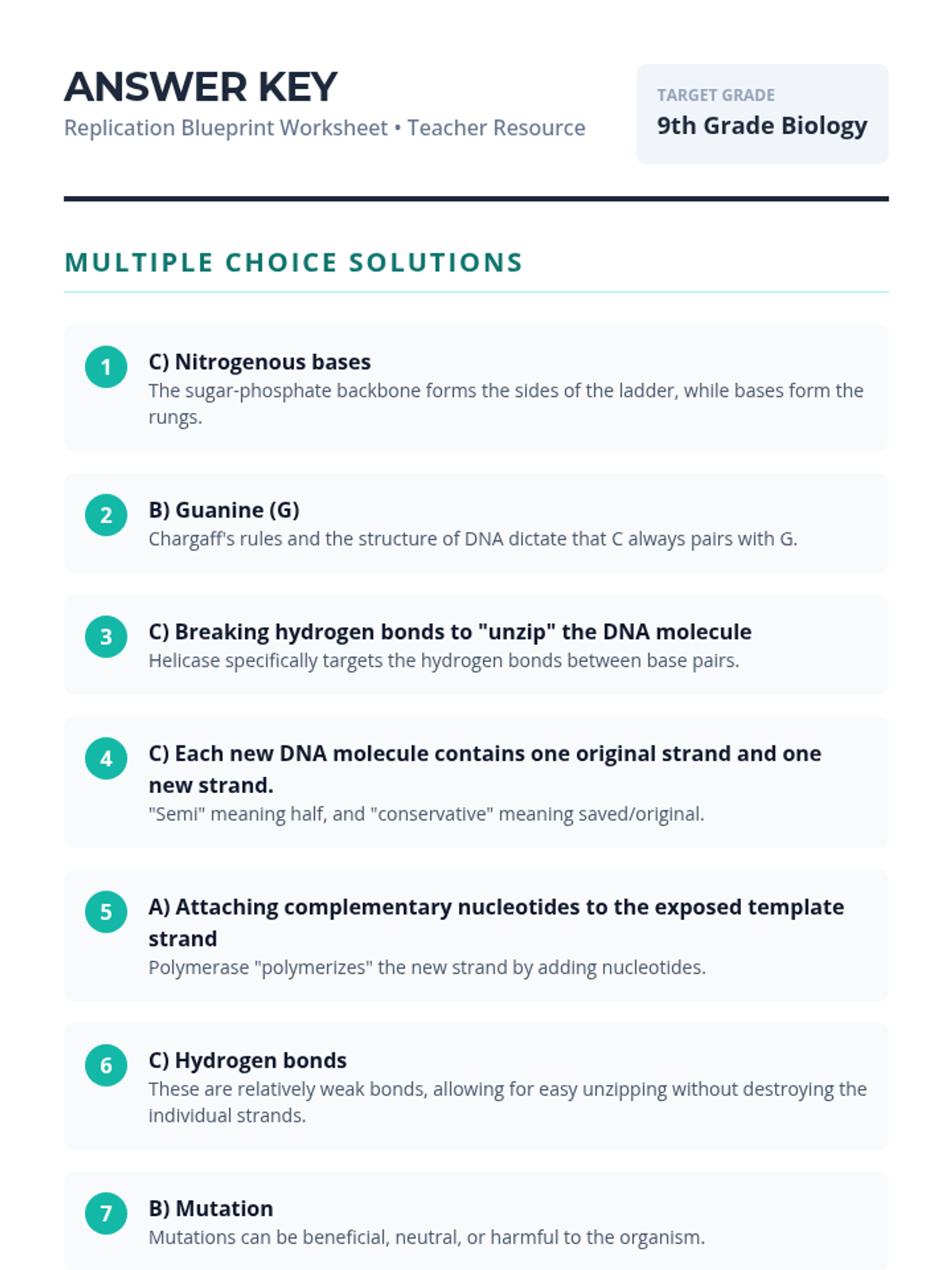
A unit covering the structural and functional organization of living things, from DNA replication to hierarchical body systems.
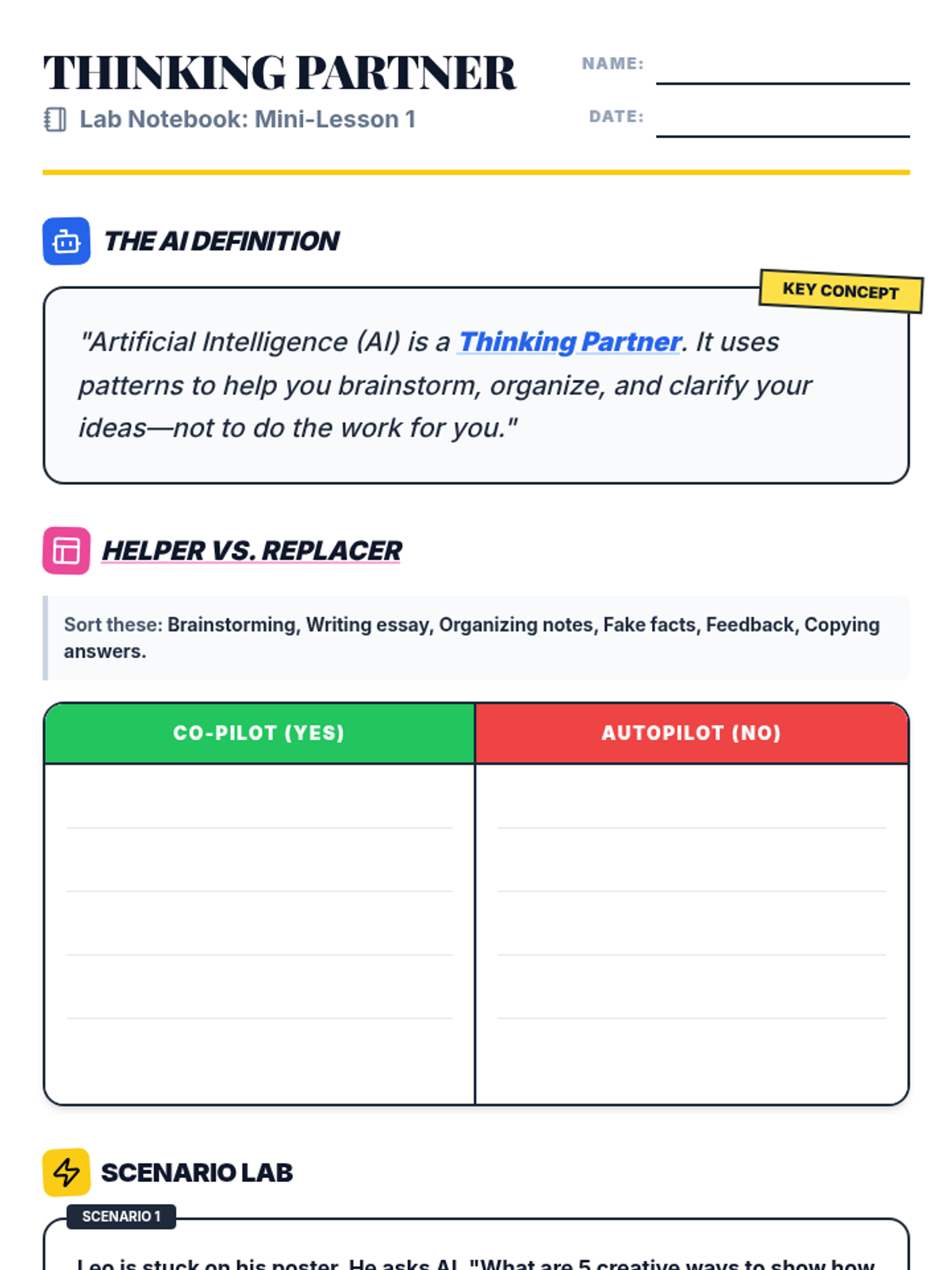
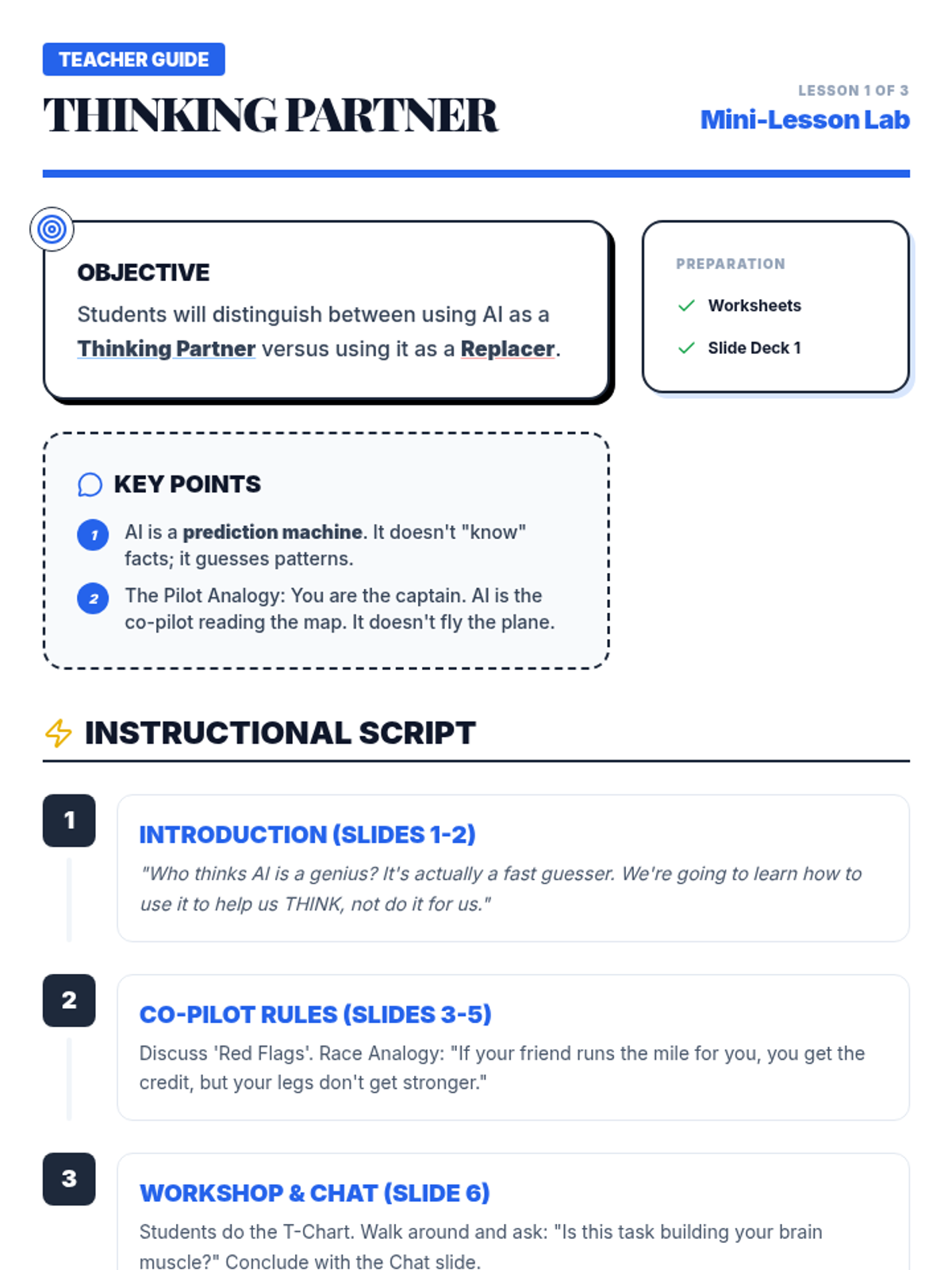
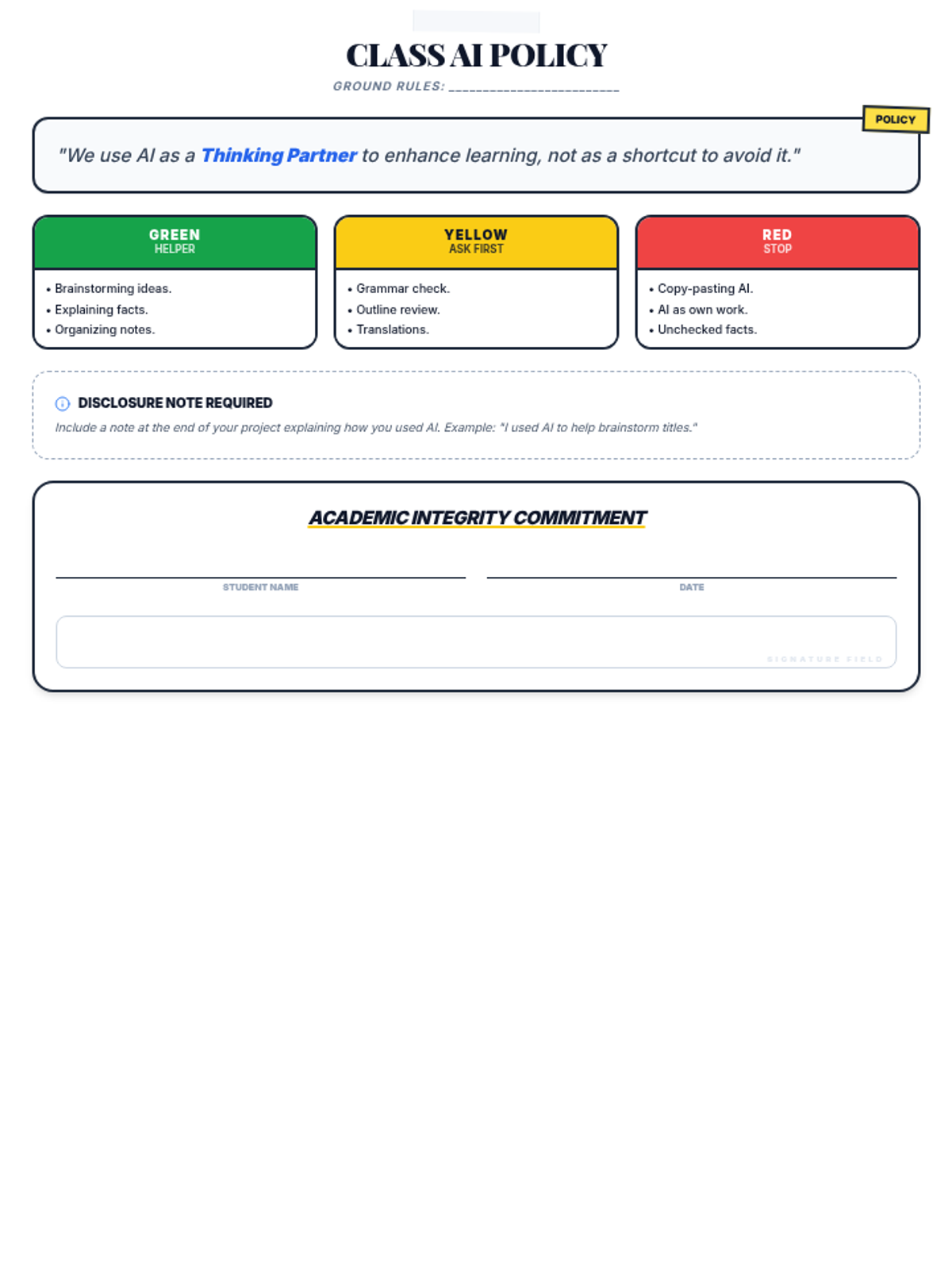
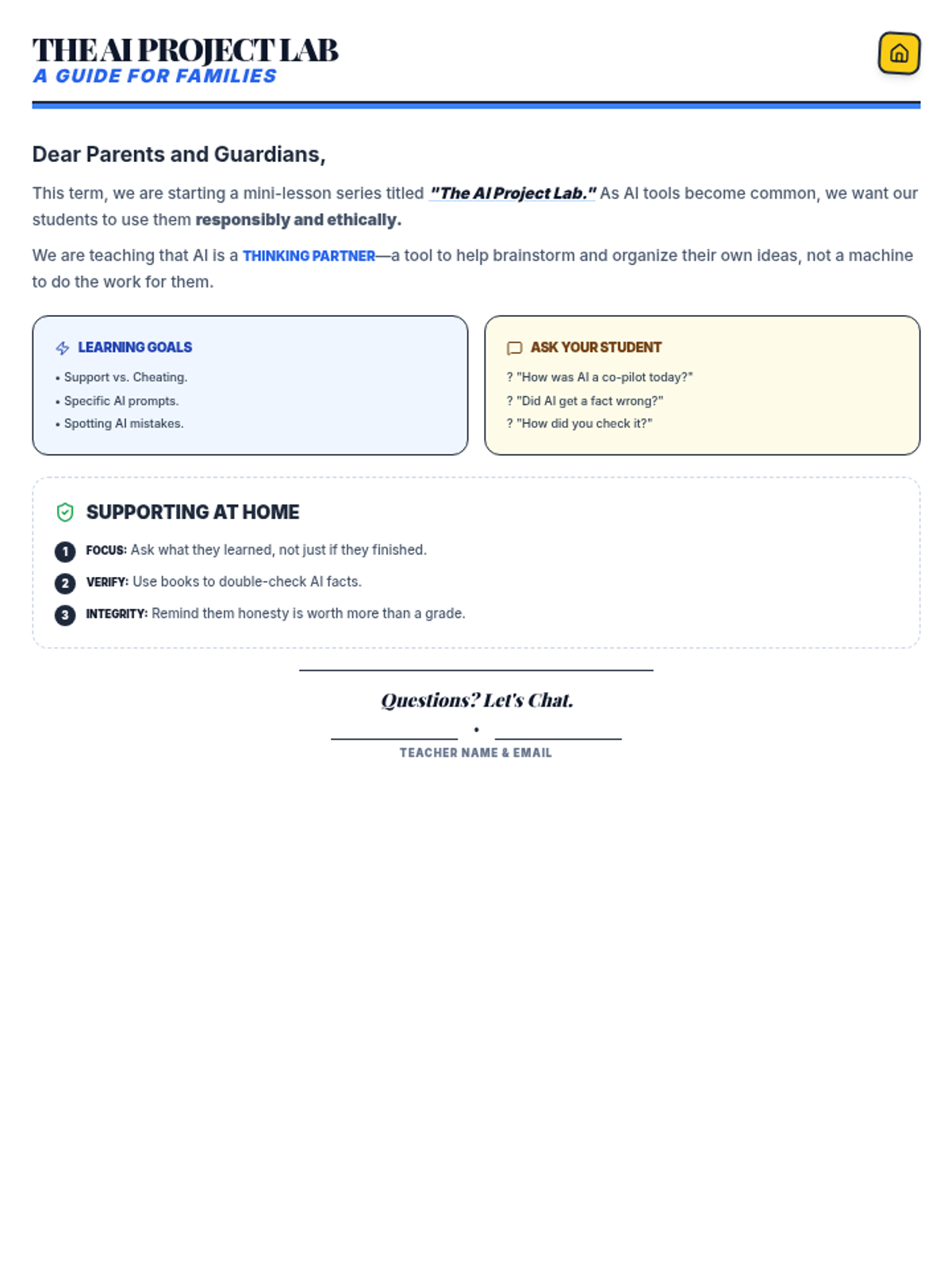
A 3-part mini-lesson series designed to teach middle schoolers how to use AI tools responsibly for final projects. The series focuses on AI as a thinking partner, prompt engineering, and critical fact-checking through a modern 'Notebook/Sketch' aesthetic.
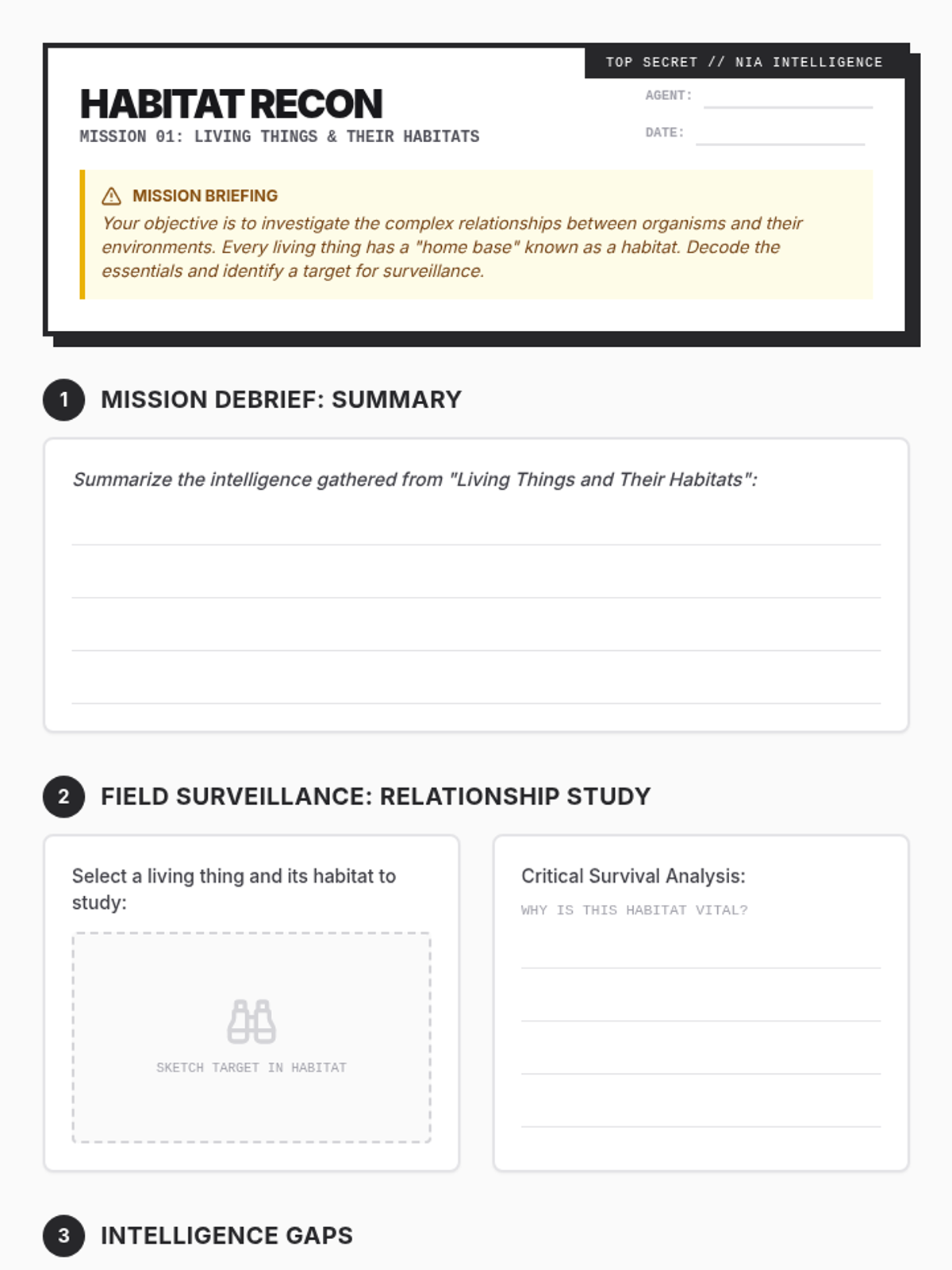
A series of secret agent-themed ecology missions where students act as Eco-Detectives for the Nature Intelligence Agency (NIA) to study habitats, food chains, and environmental impacts.
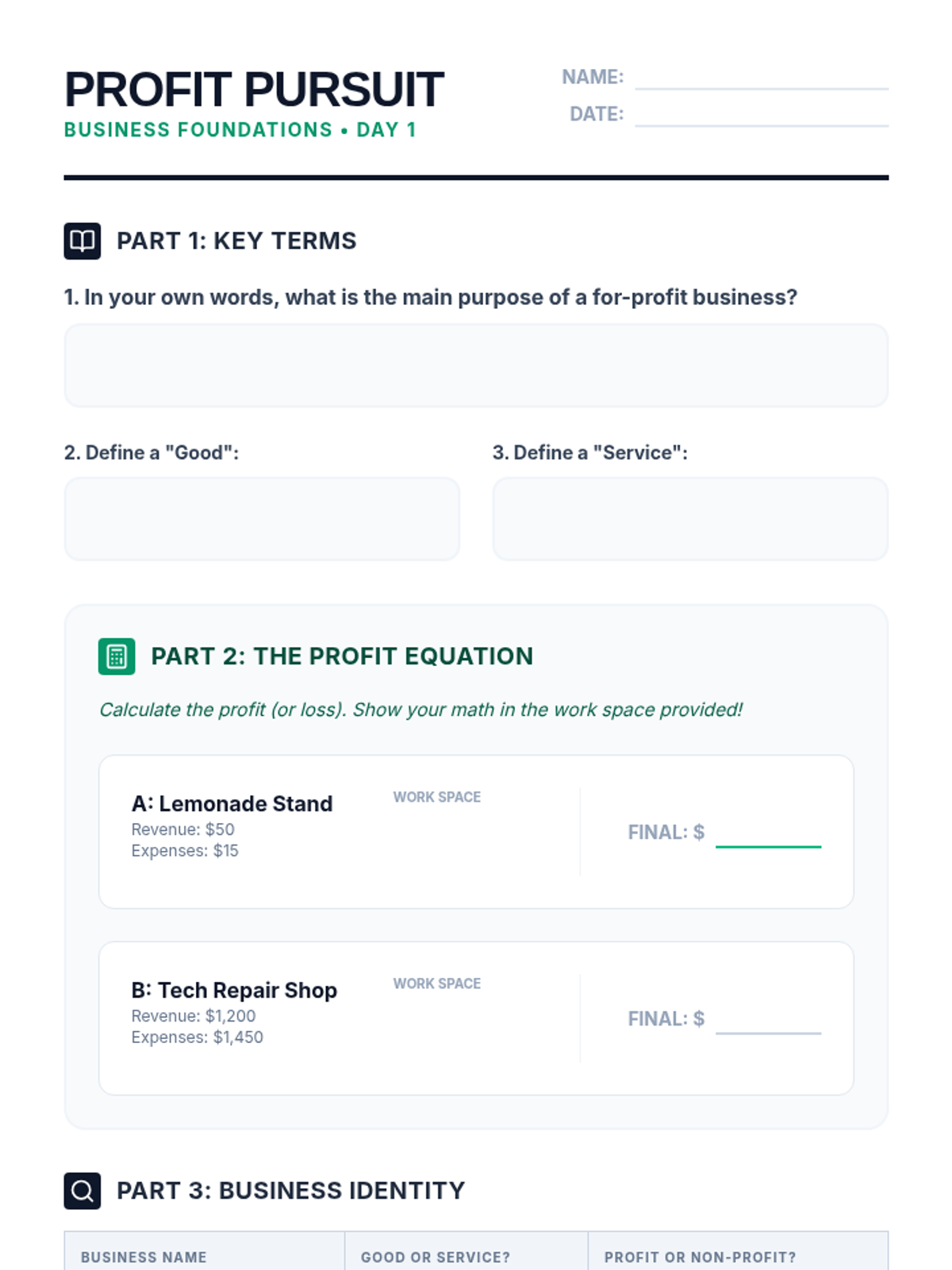
A comprehensive 7-day introduction to business and entrepreneurship. Students explore foundations, economic principles, ownership models, internal structures, and the mindset and process needed to launch a new business idea.
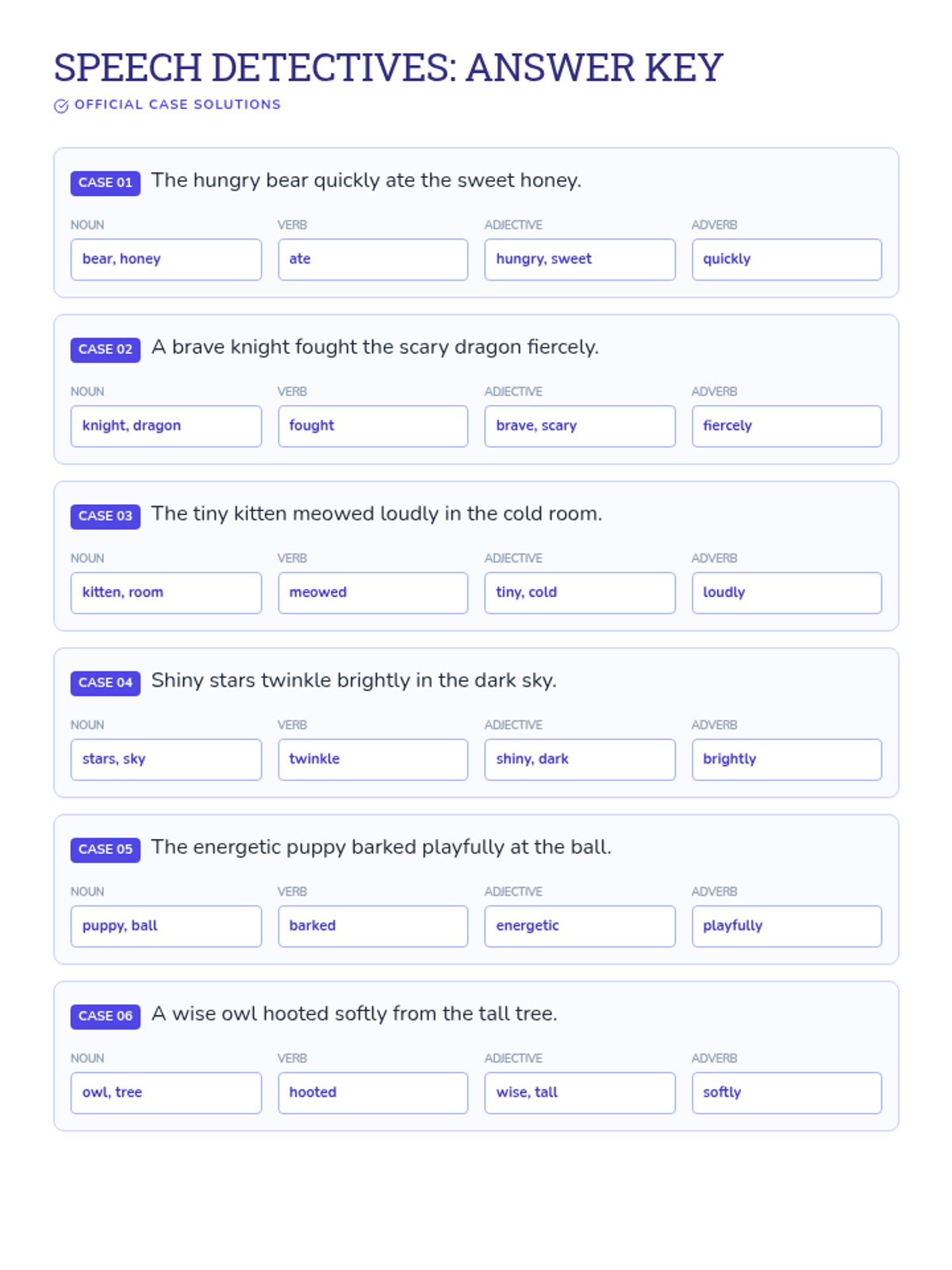
A collection of technology and language arts lessons exploring modern digital literacy and core communication skills.
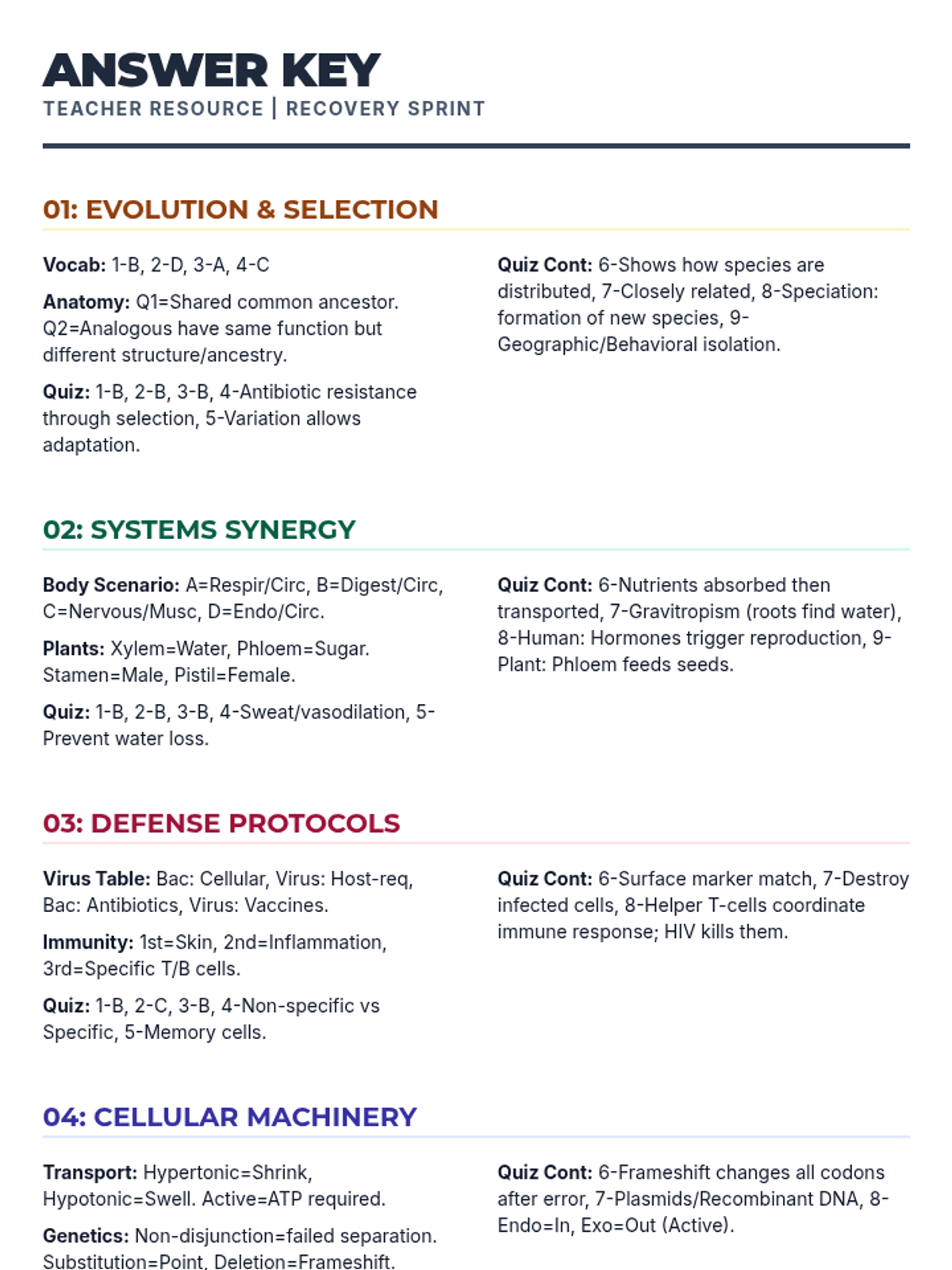
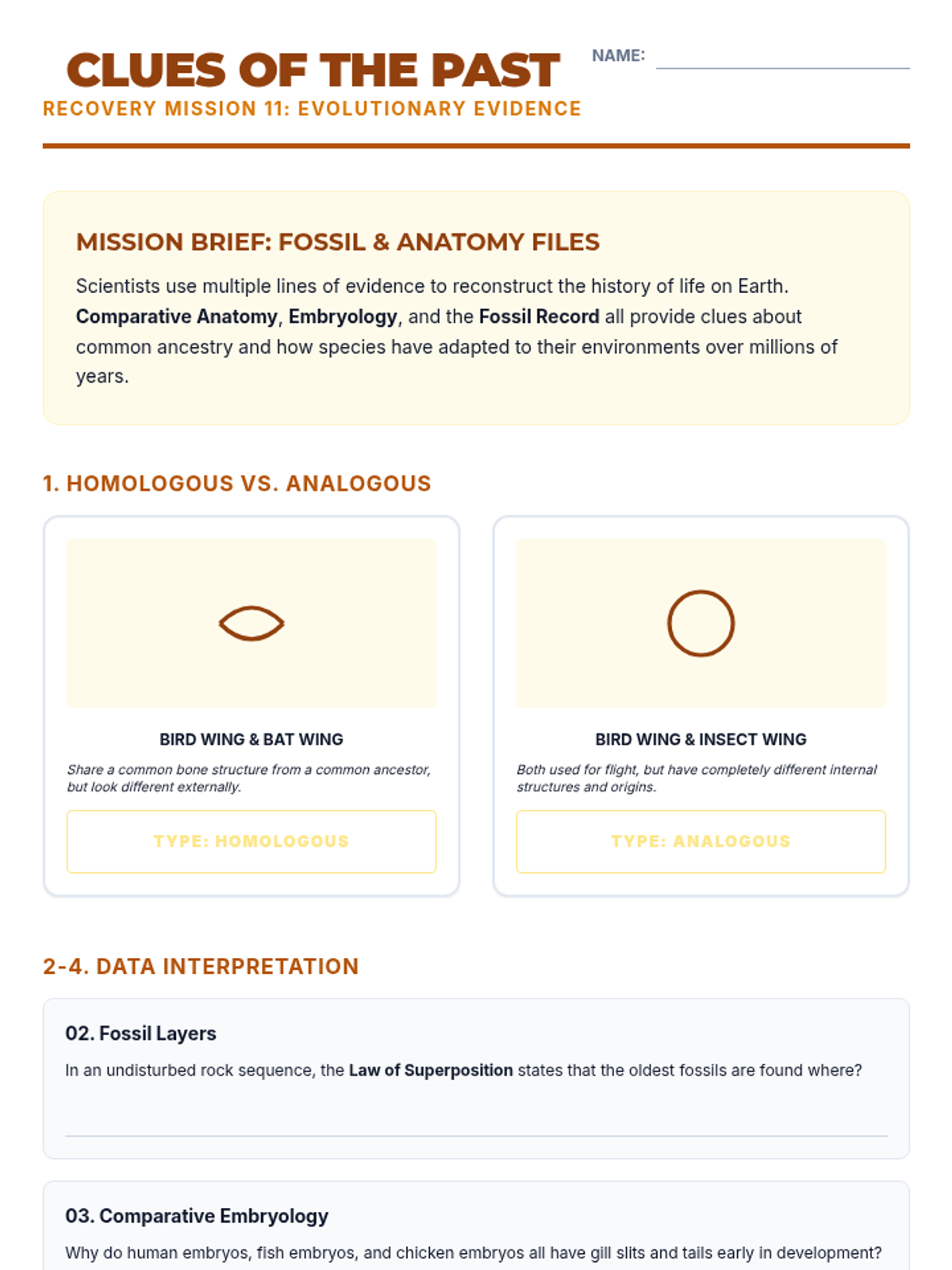
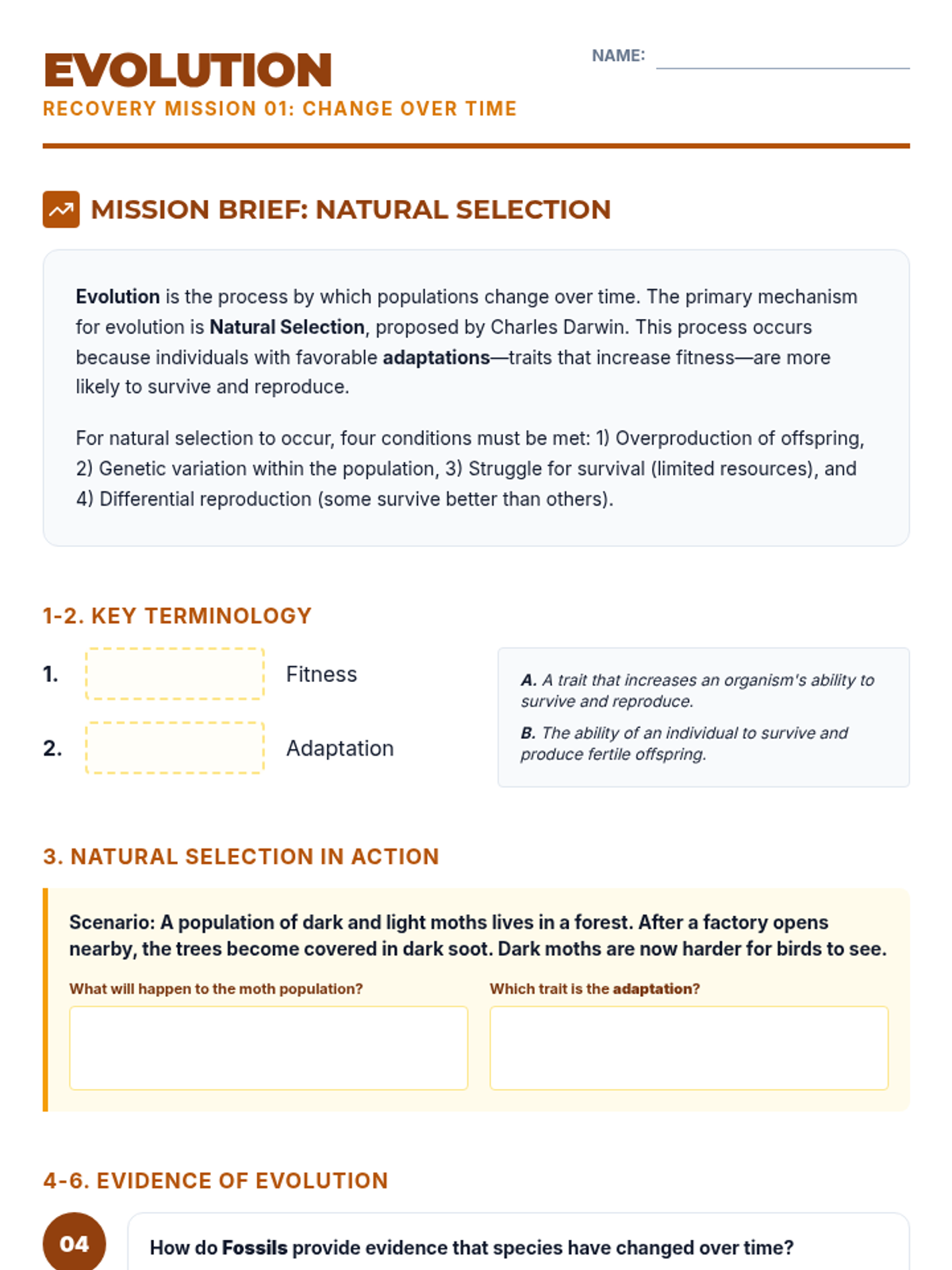
A high-intensity biology credit recovery program focused on high-yield standards: Evolution, Systems, Viruses, and Cellular Genetics.
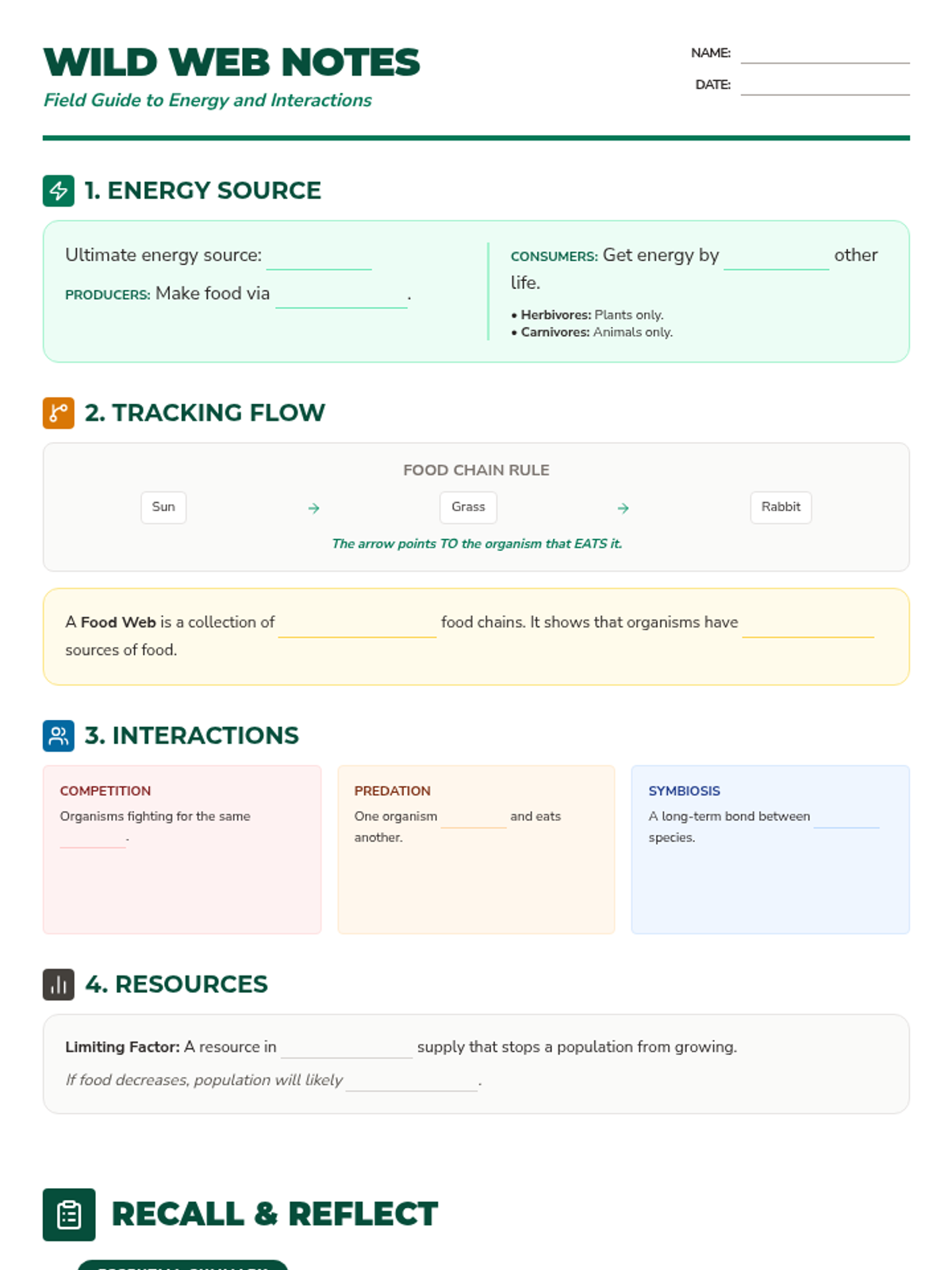
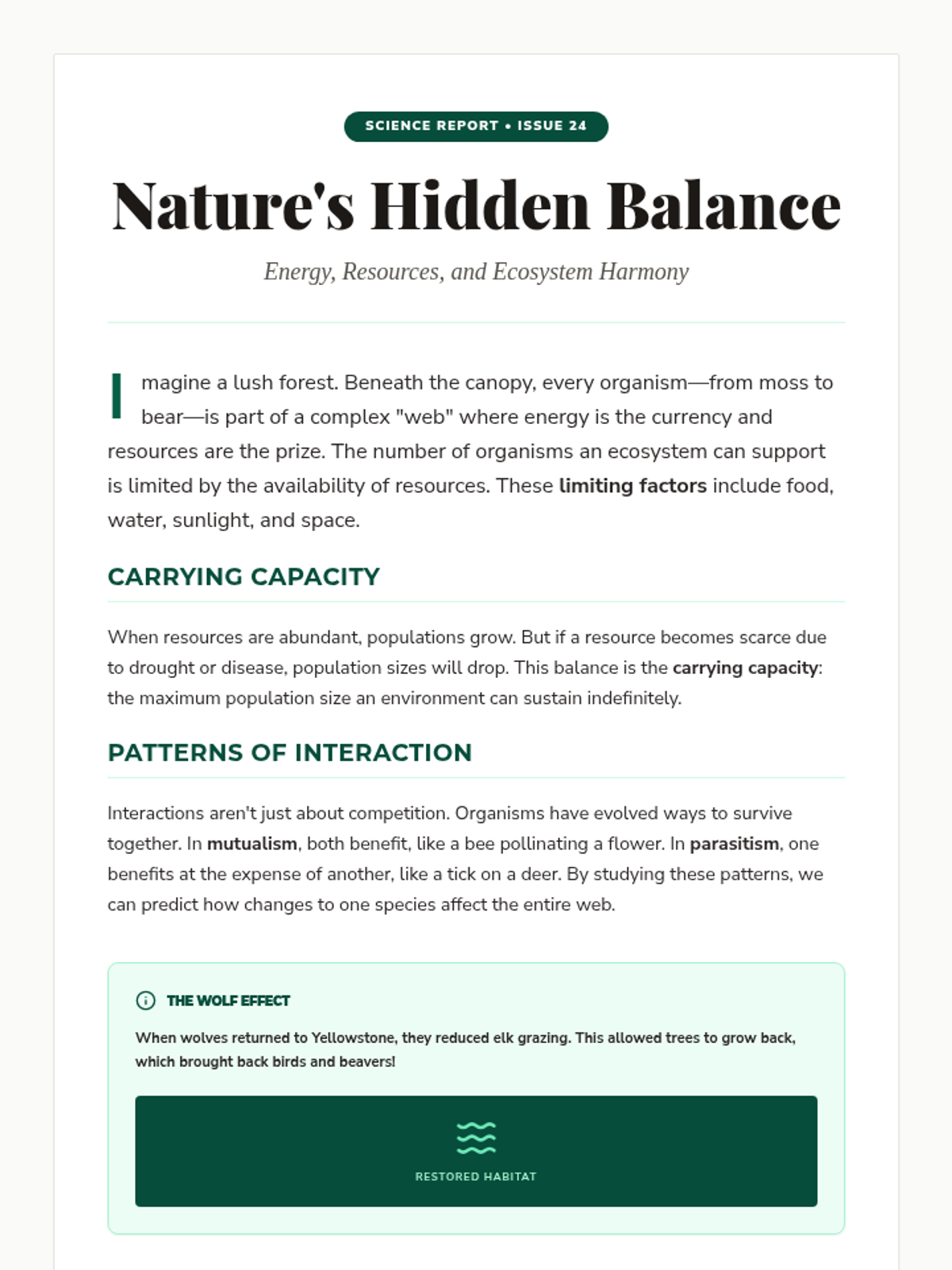
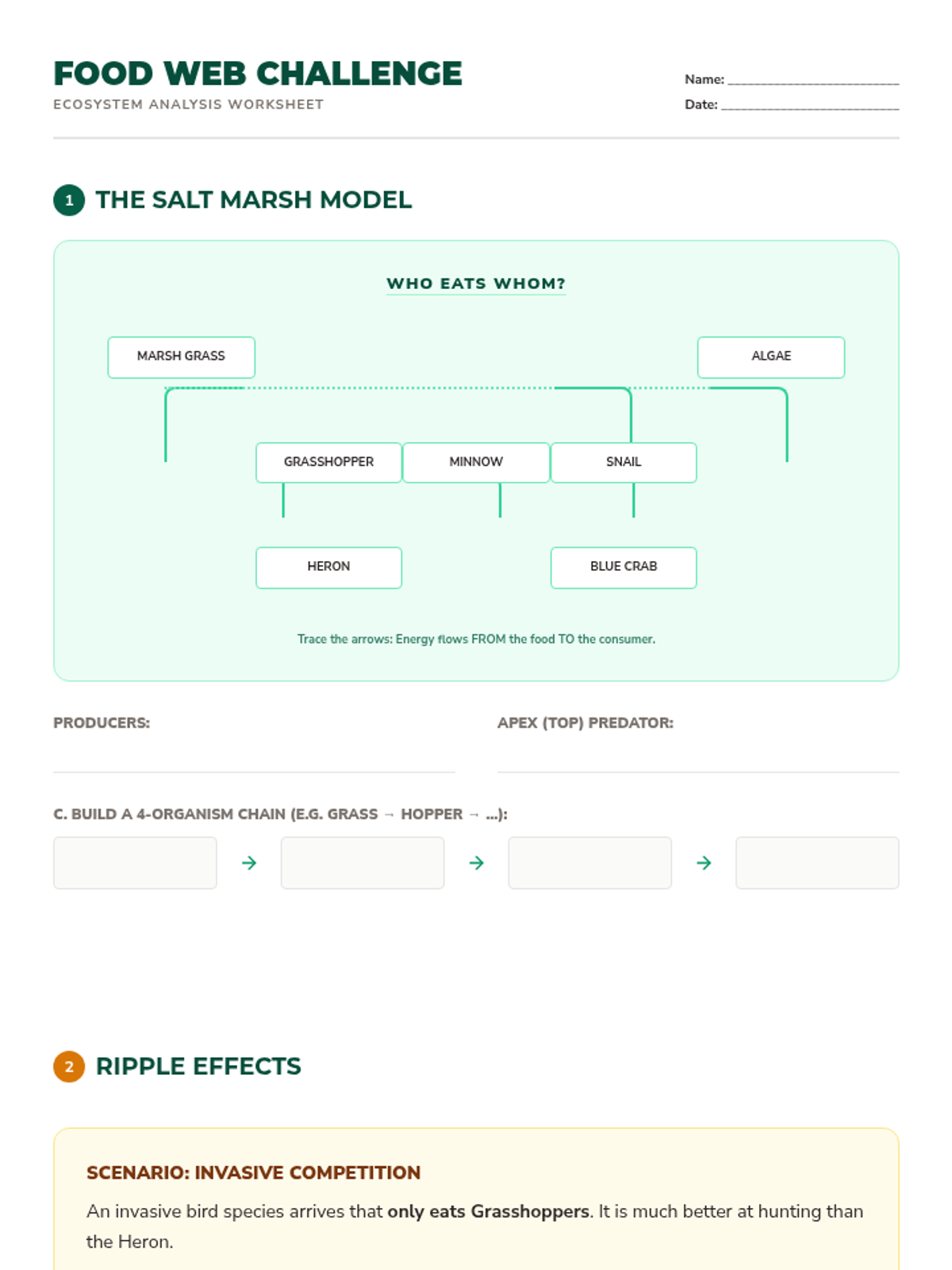
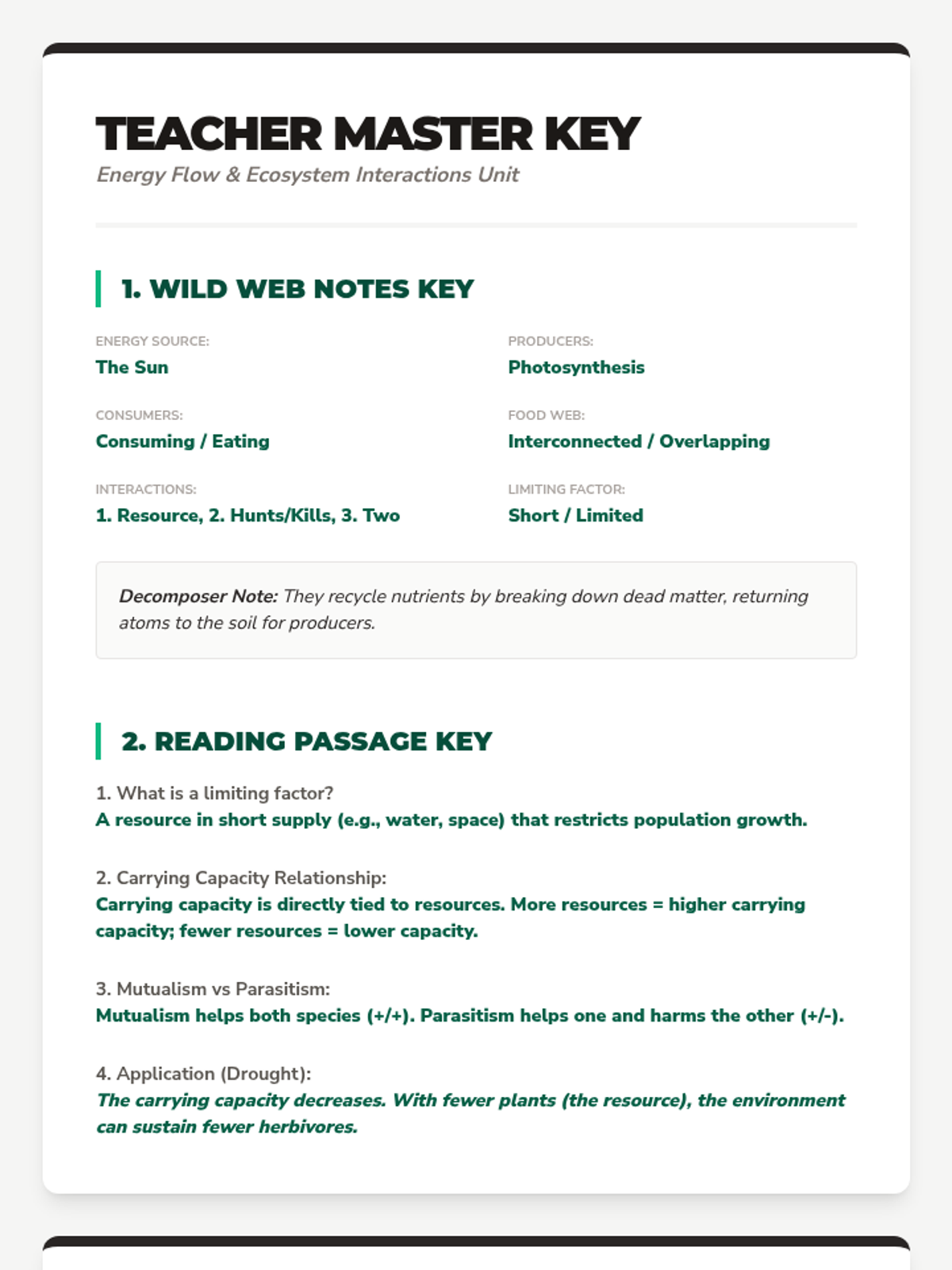
A comprehensive unit exploring how energy flows through ecosystems and how organisms interact within their environments. Students will model food webs, analyze resource availability, and predict population changes based on interactions.
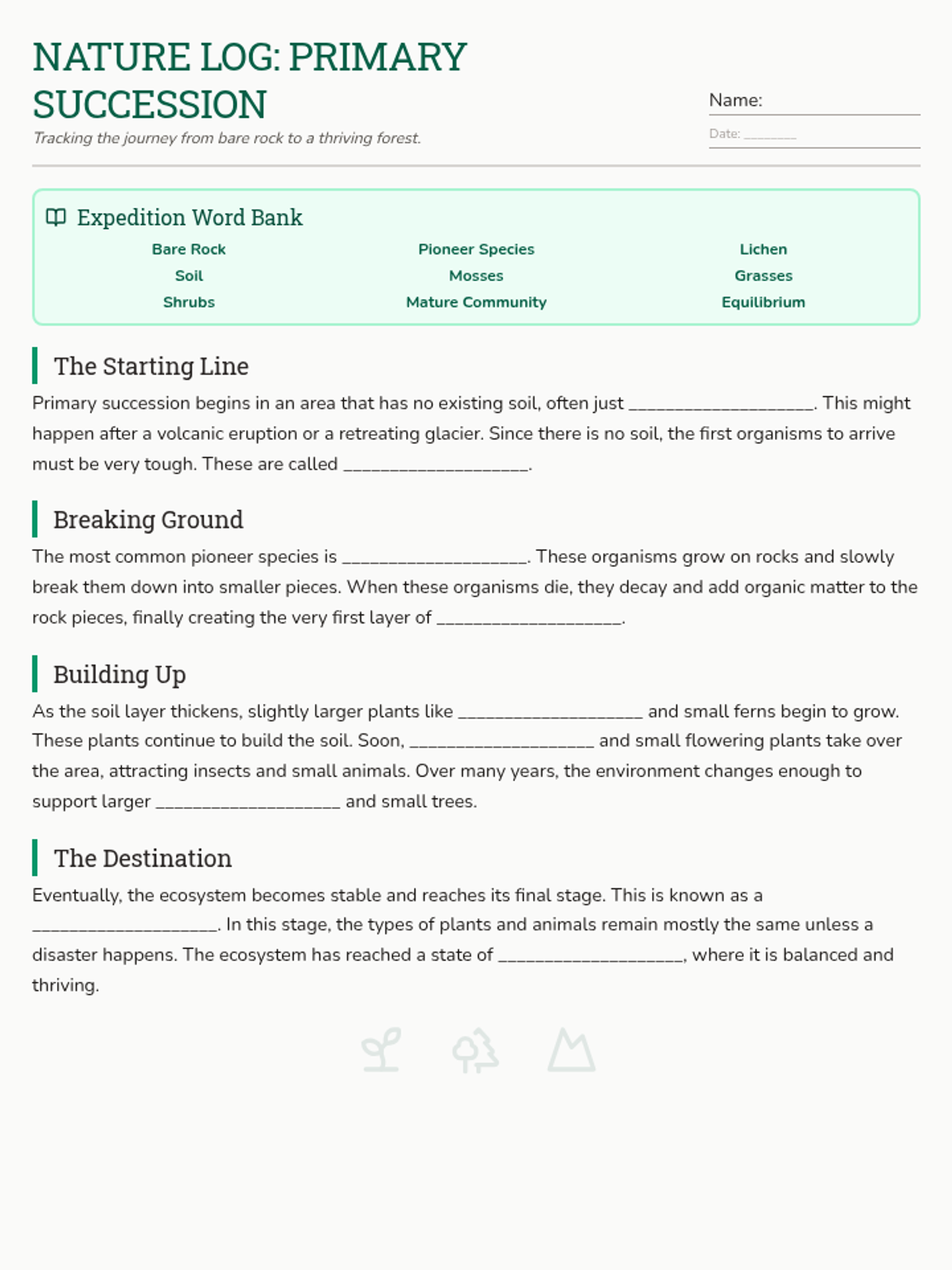
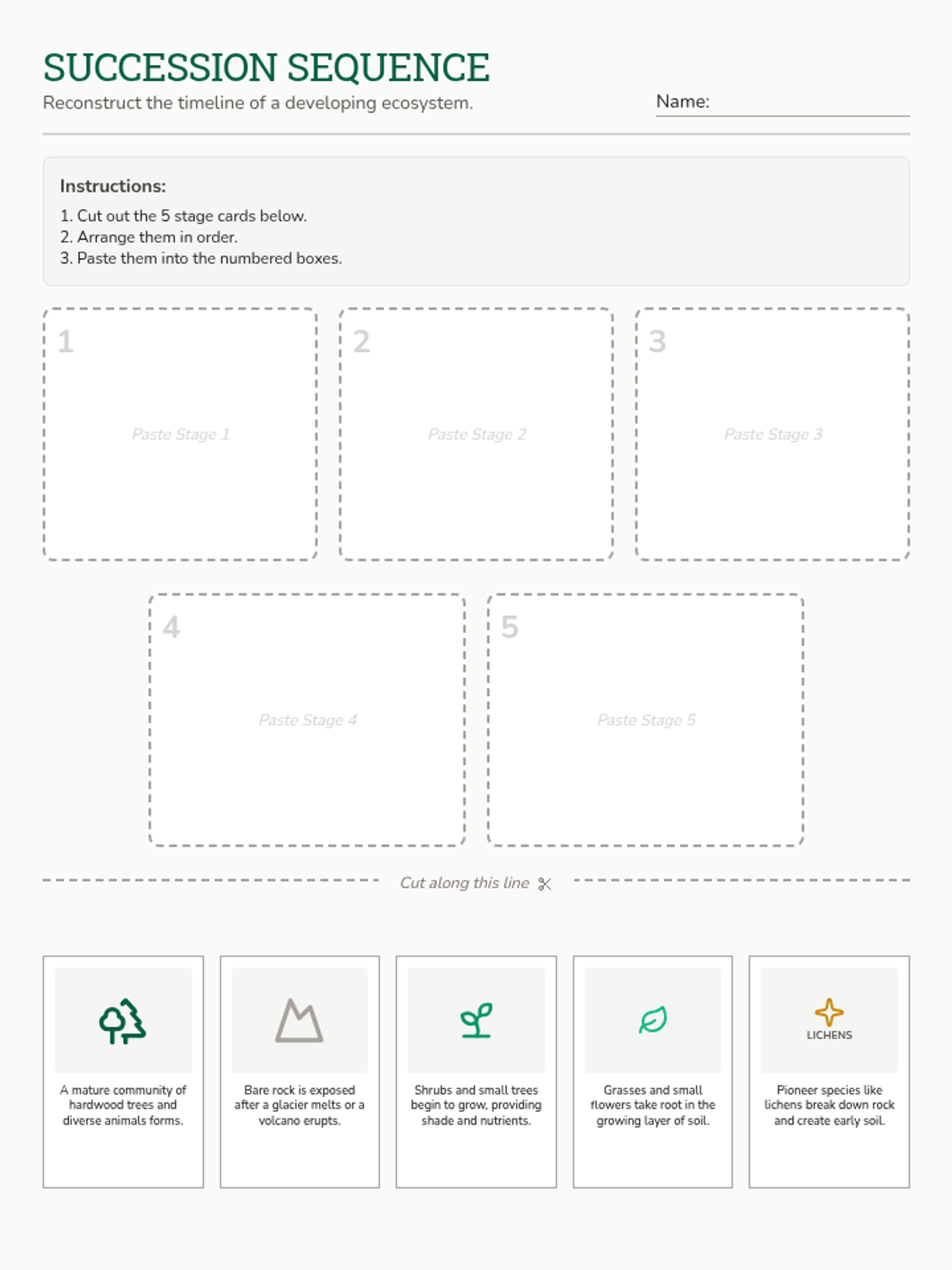
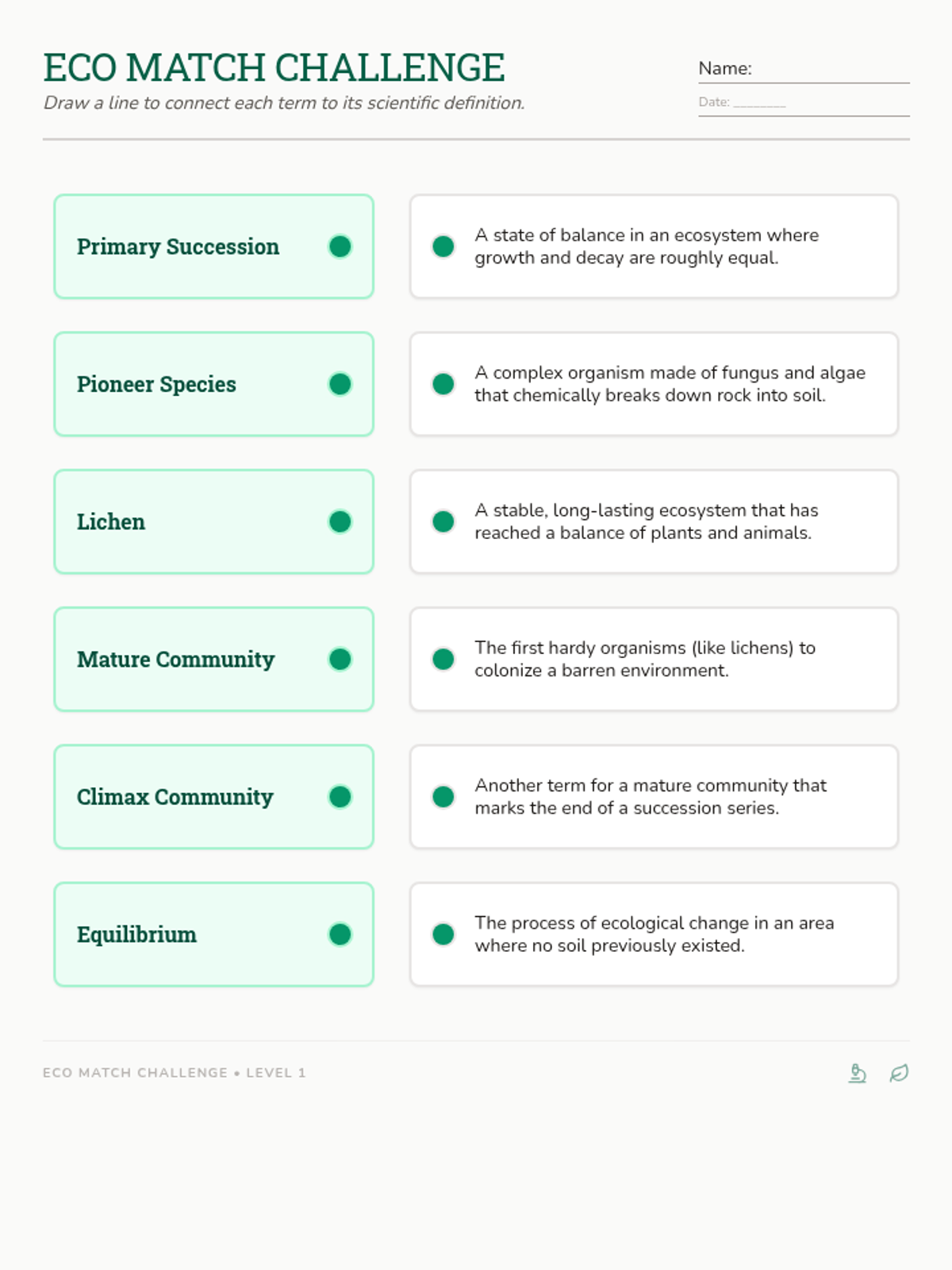
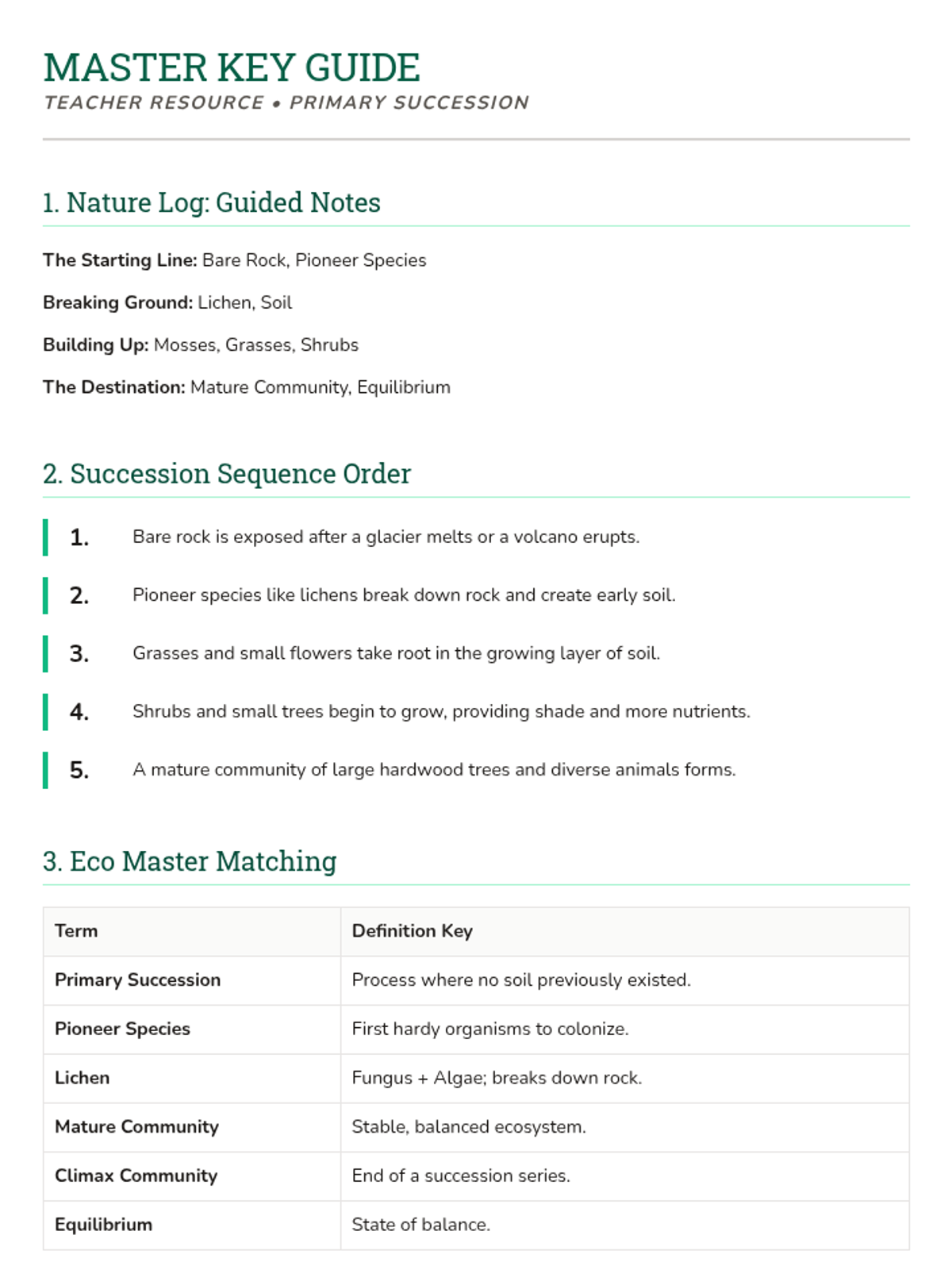
A unit exploring how ecosystems change over time through primary and secondary succession, focusing on ecological stages and resilience.
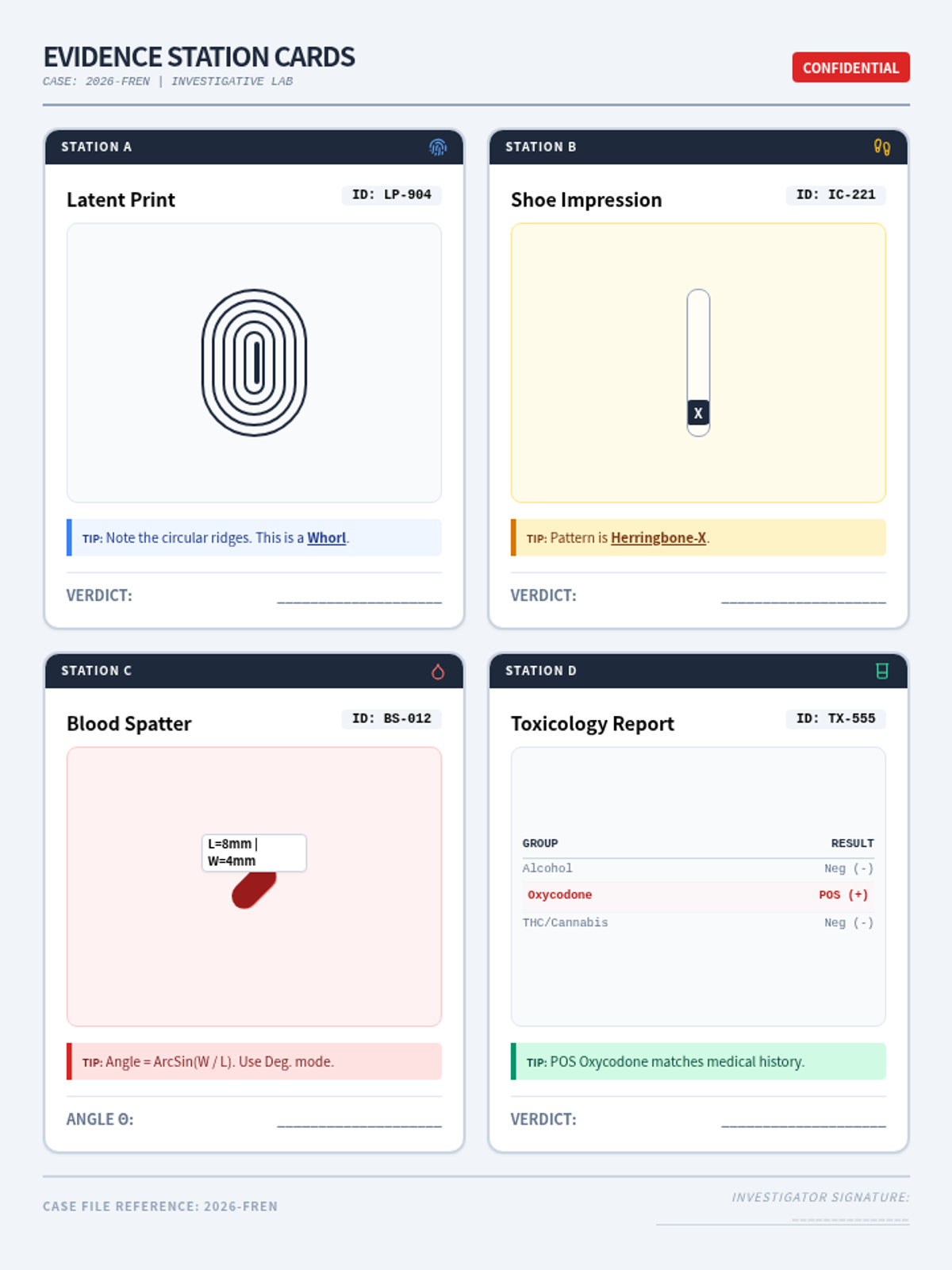
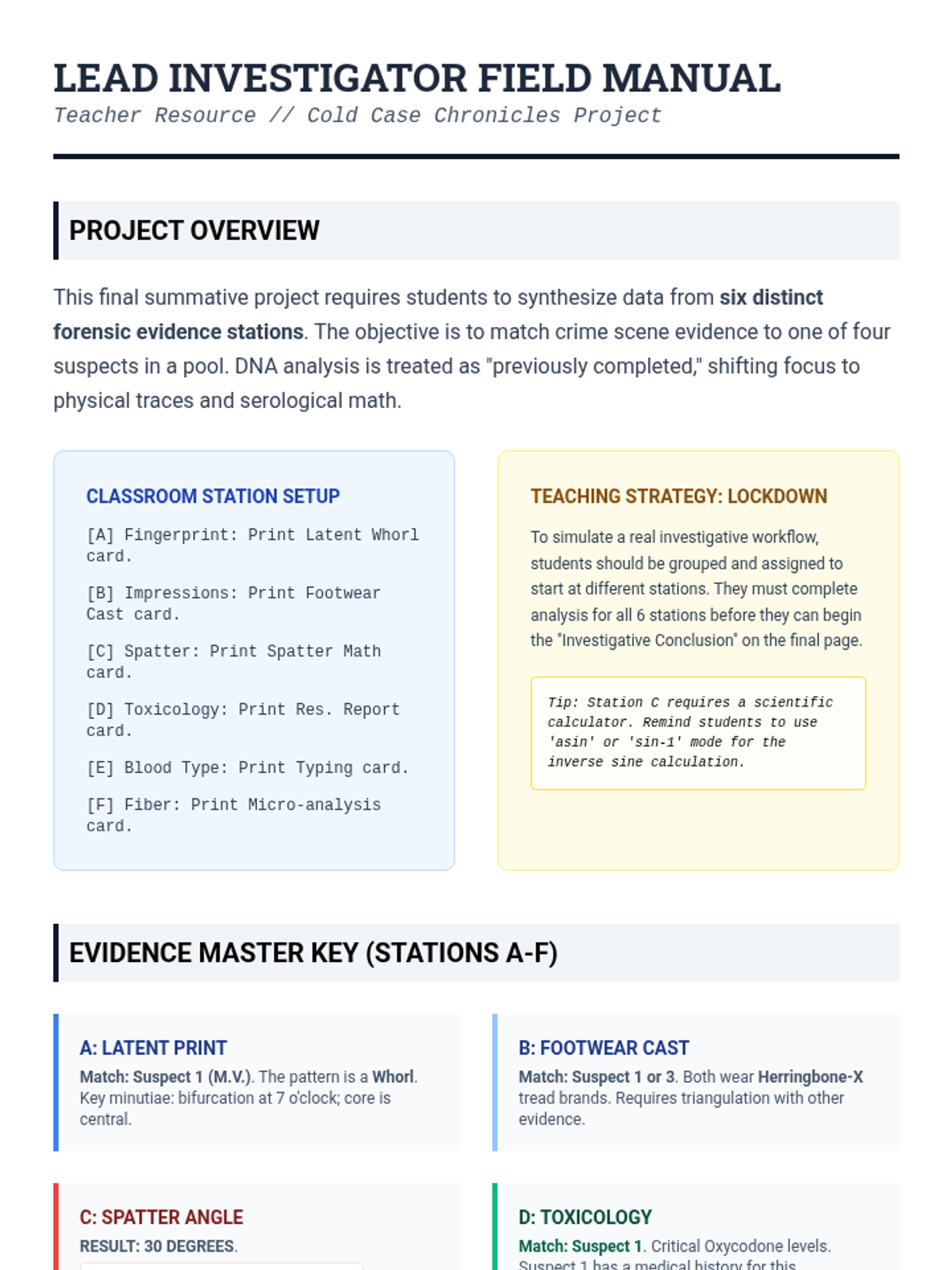
A comprehensive final summative project for high school seniors that transforms traditional case study research into a hands-on forensic investigation. Students analyze multiple evidence types including DNA, fingerprints, blood spatter, and toxicology to solve a complex cold case.
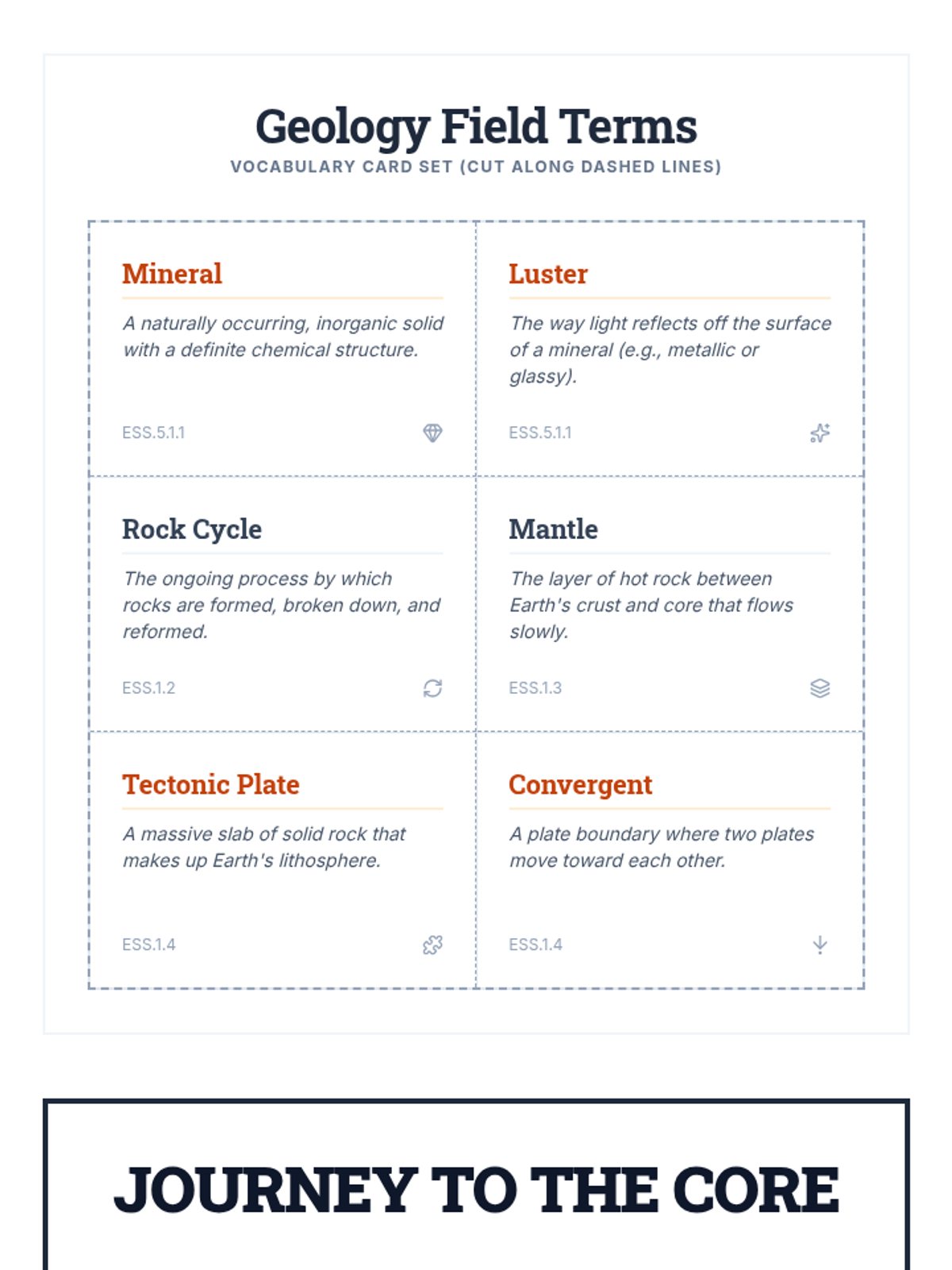
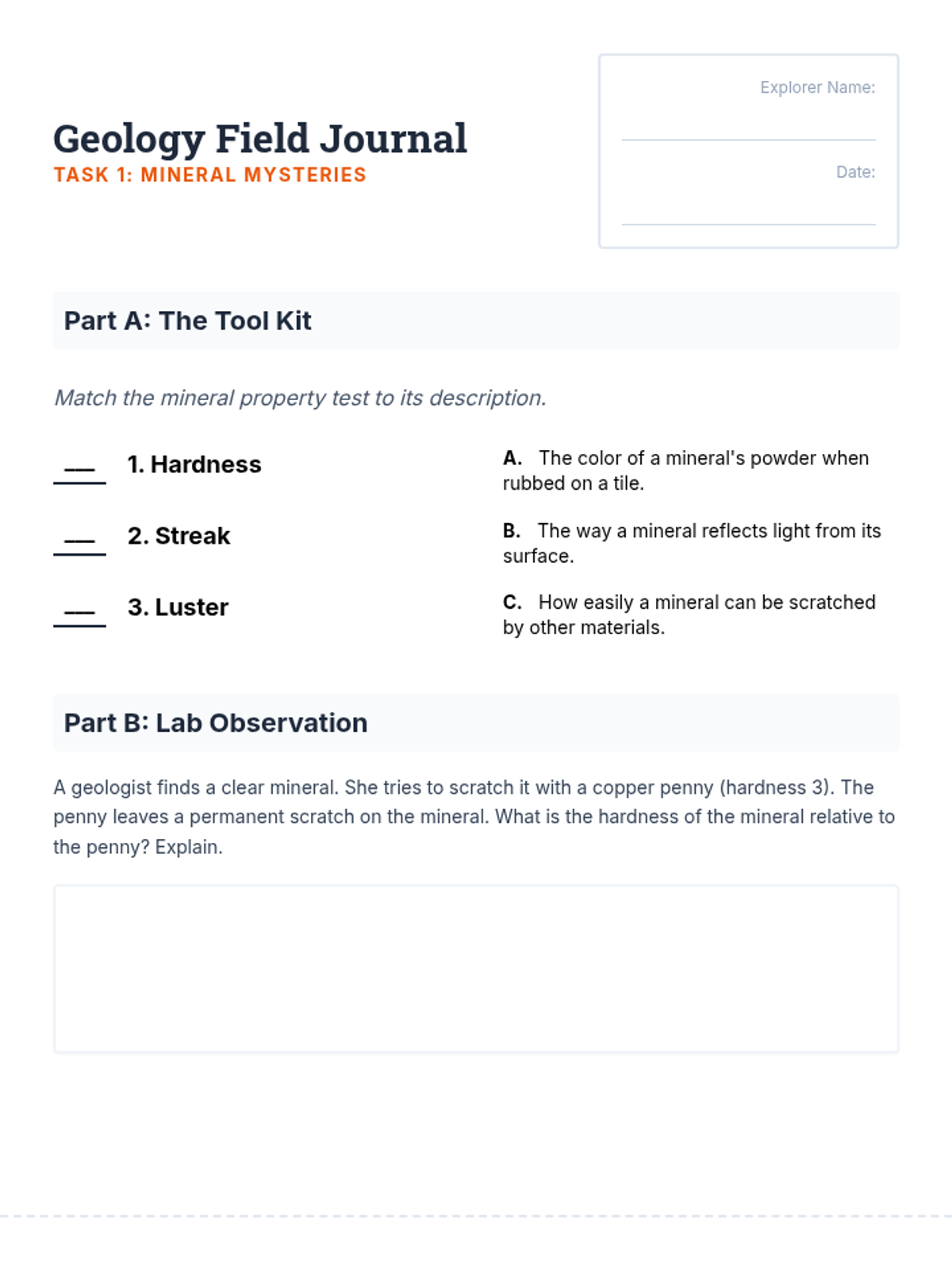
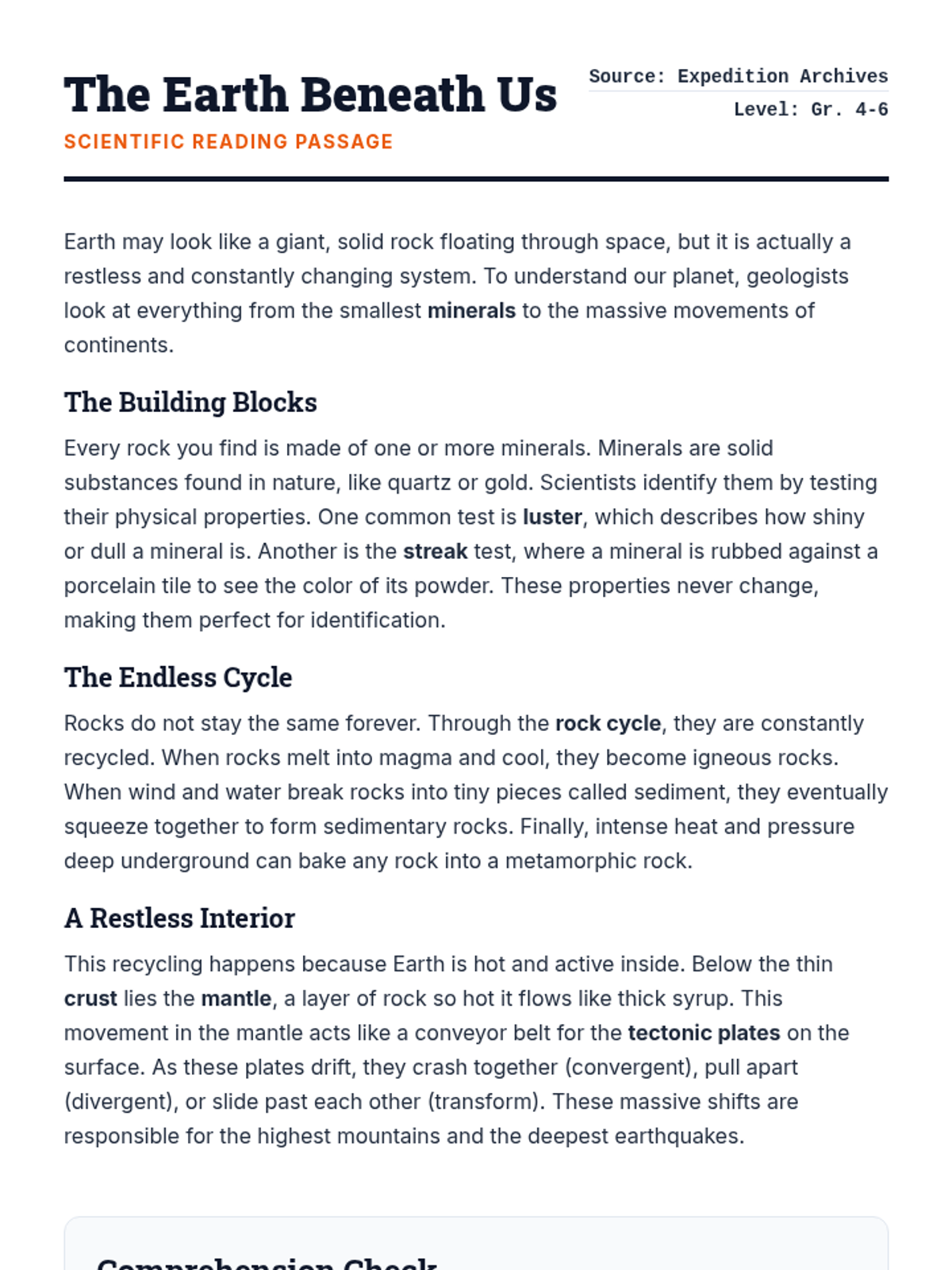
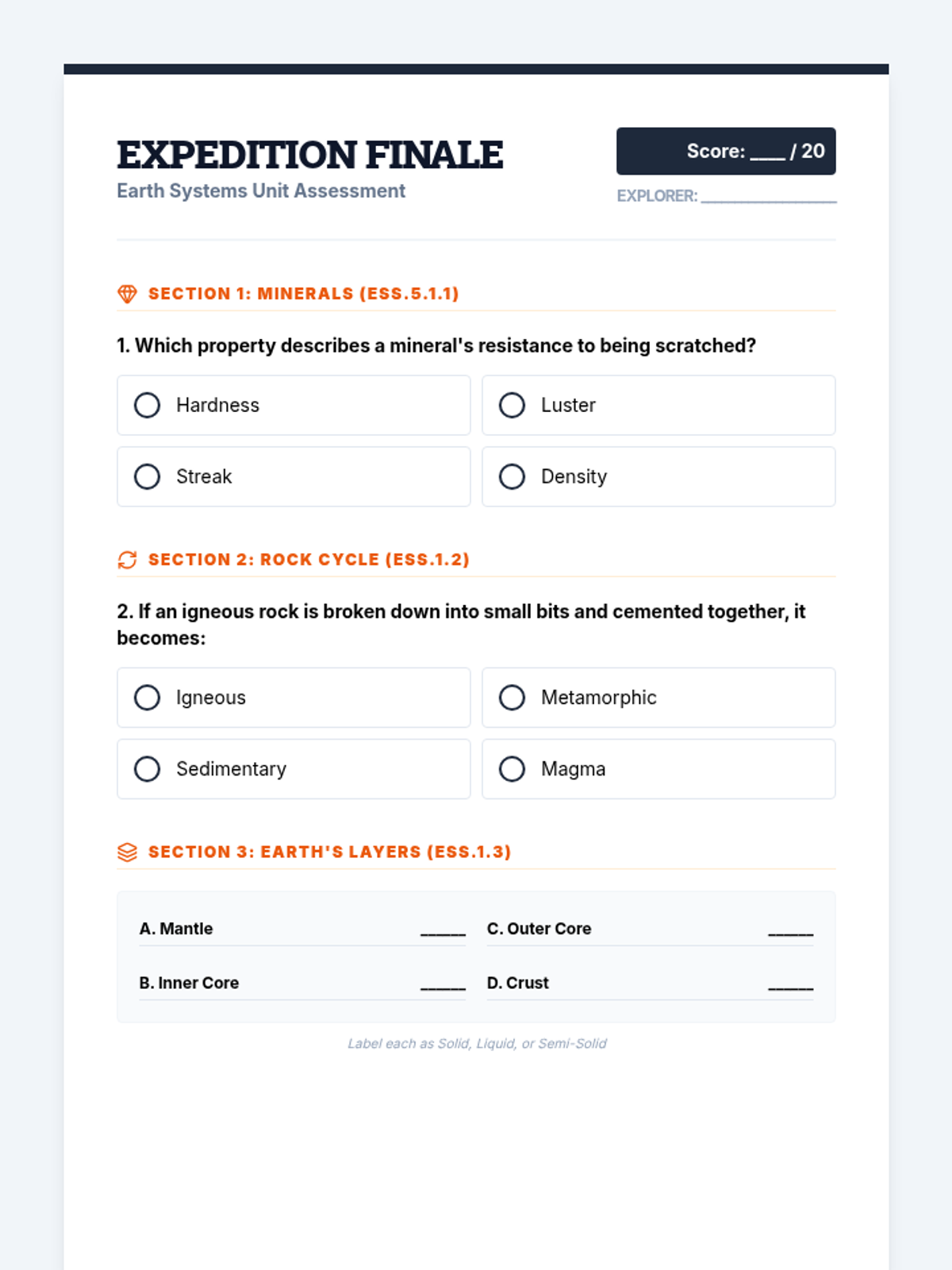
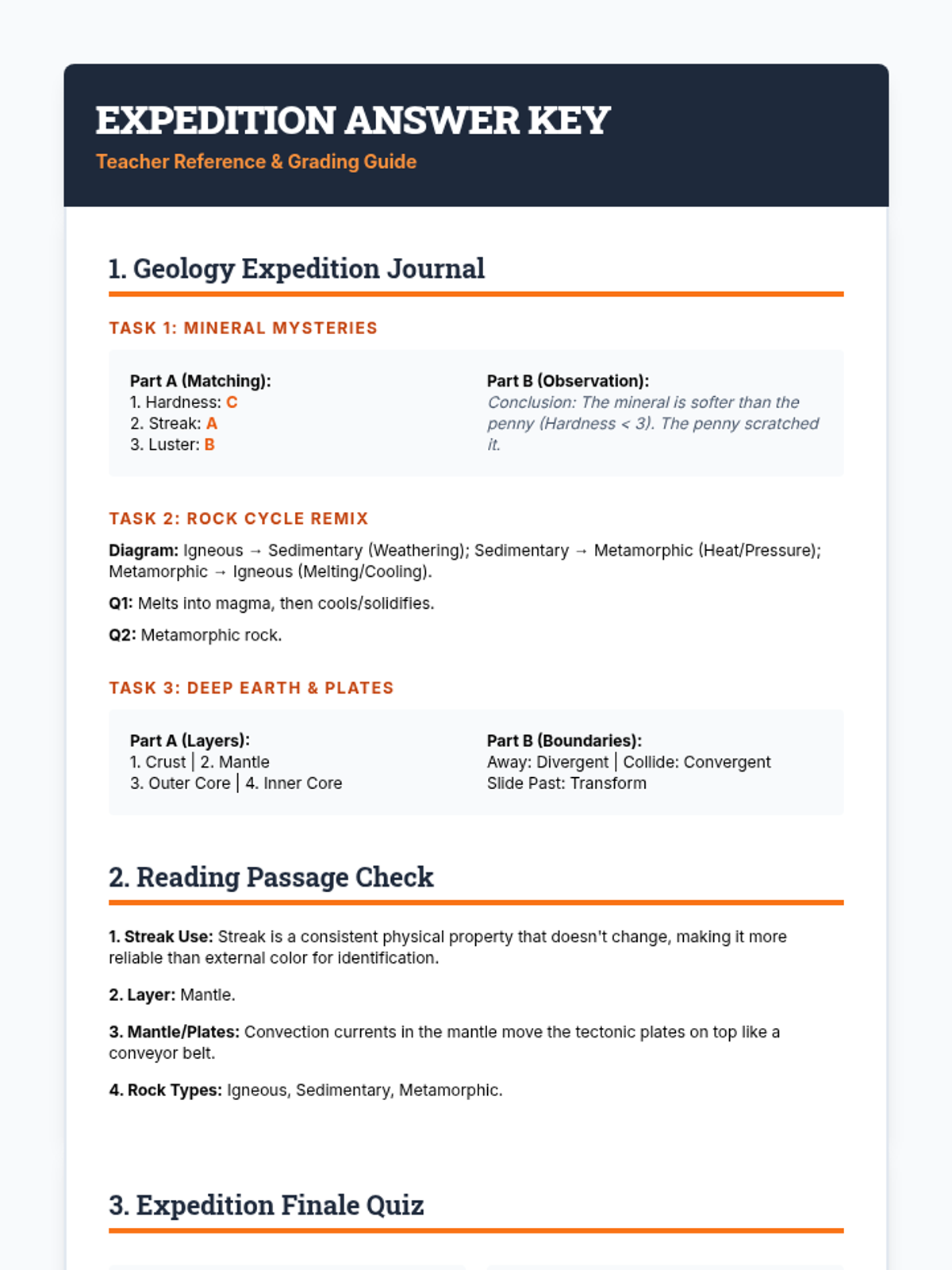
A comprehensive unit covering Earth's composition, processes, and properties. Students explore mineral identification, the rock cycle, Earth's internal structure, and plate tectonics through a 'Geology Expedition' theme.
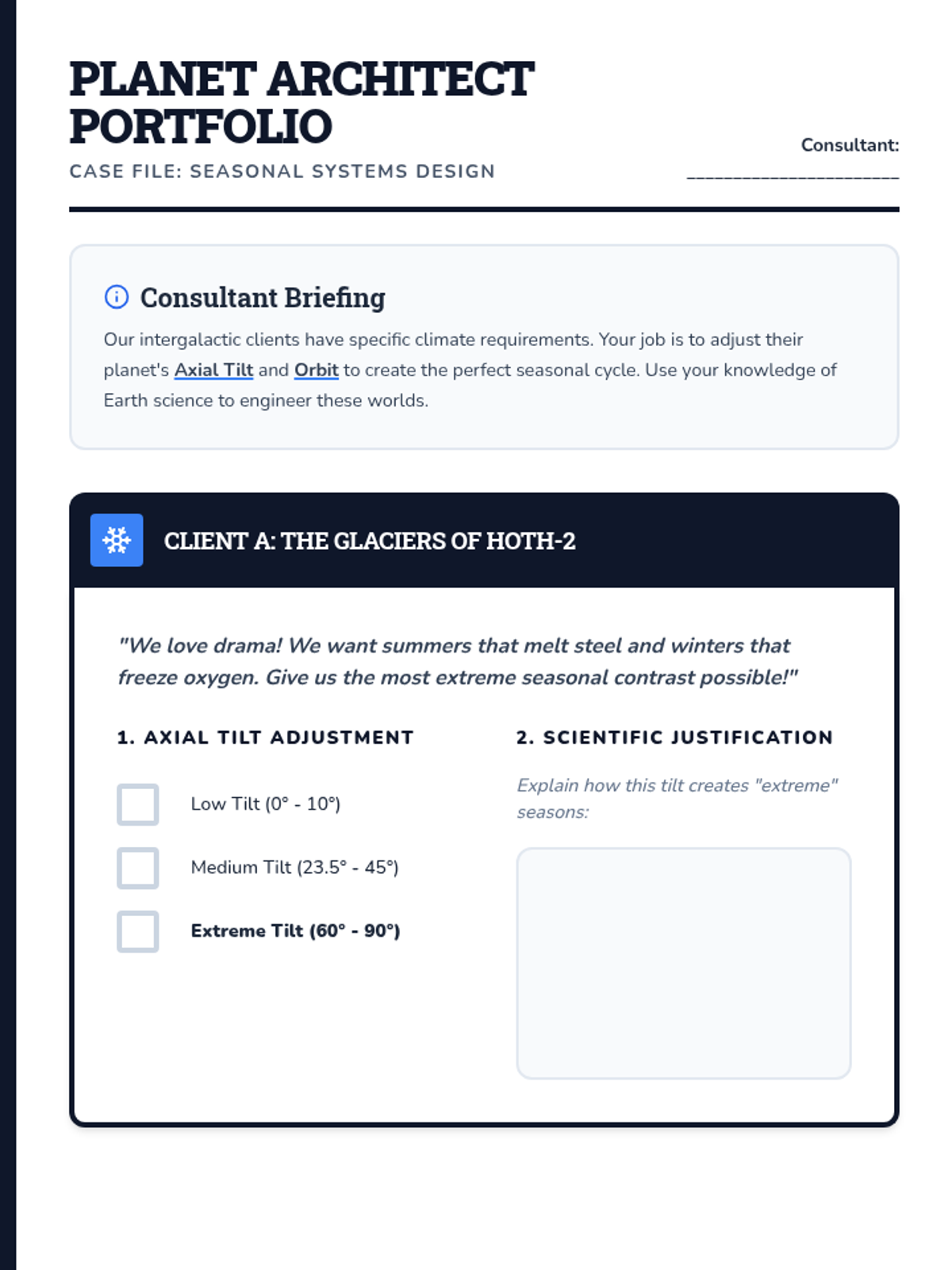
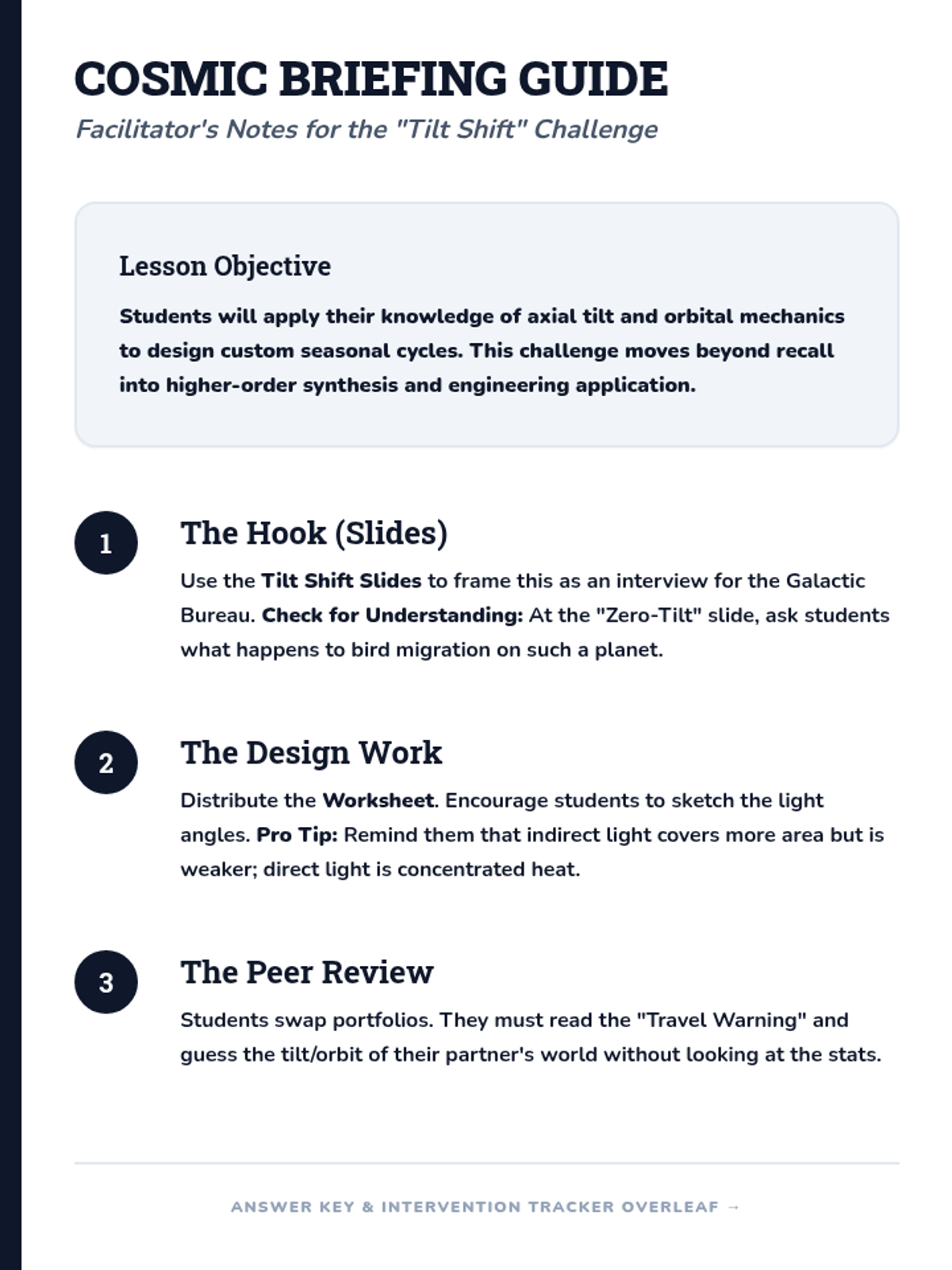
A creative end-of-year science unit where students apply their knowledge of Earth's tilt and orbit to design custom seasonal cycles for fictional planets. This sequence encourages divergent thinking and deep understanding of how axial tilt impacts climate and light.
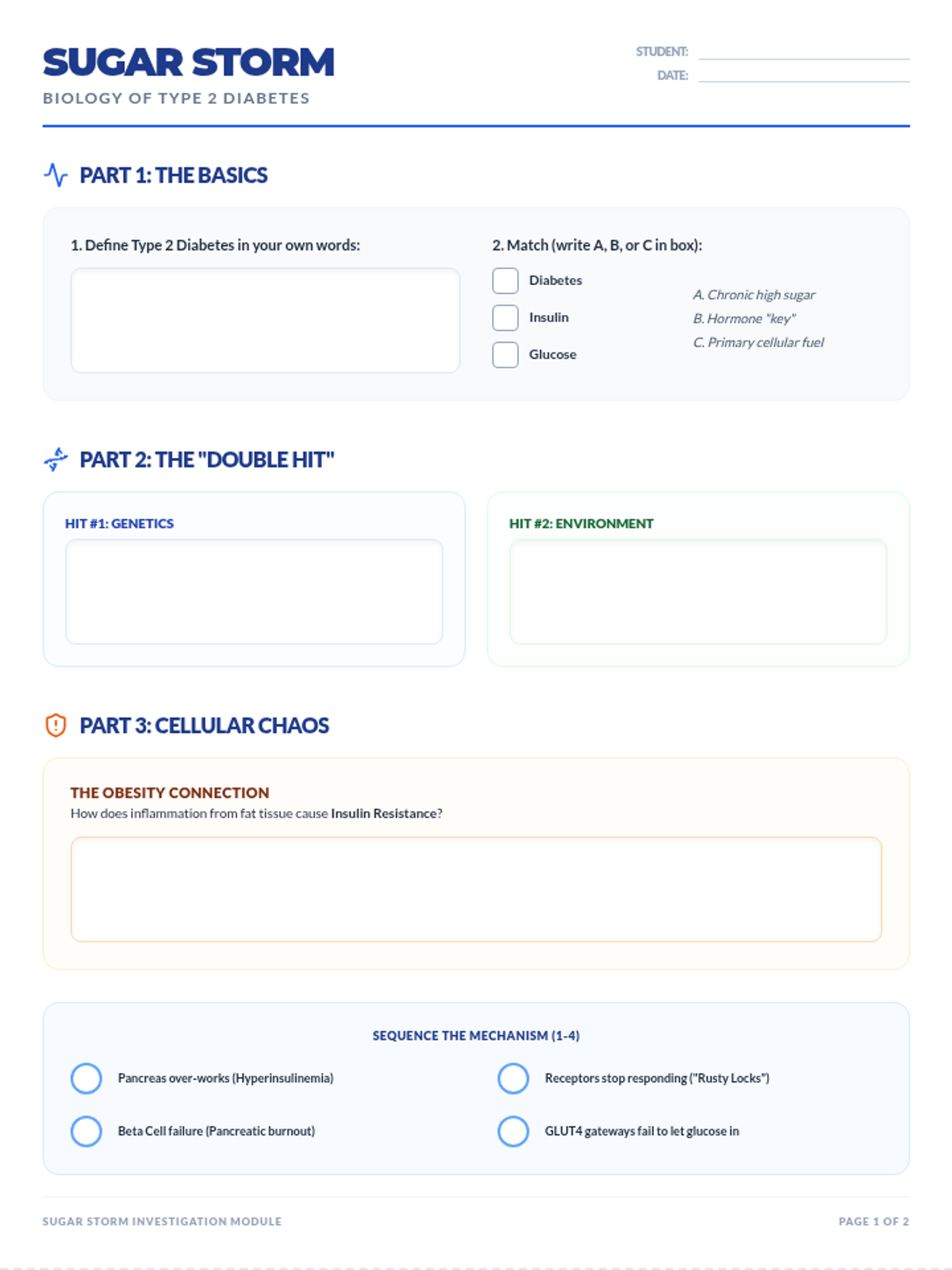
A series of lessons exploring diverse human pathologies, from chronic metabolic disorders like diabetes to acute viral infections like Hantavirus.
A comprehensive 42-day collection of class starters for an 8th-grade forensics course, covering foundations, physical evidence, biological evidence, and forensic reasoning.
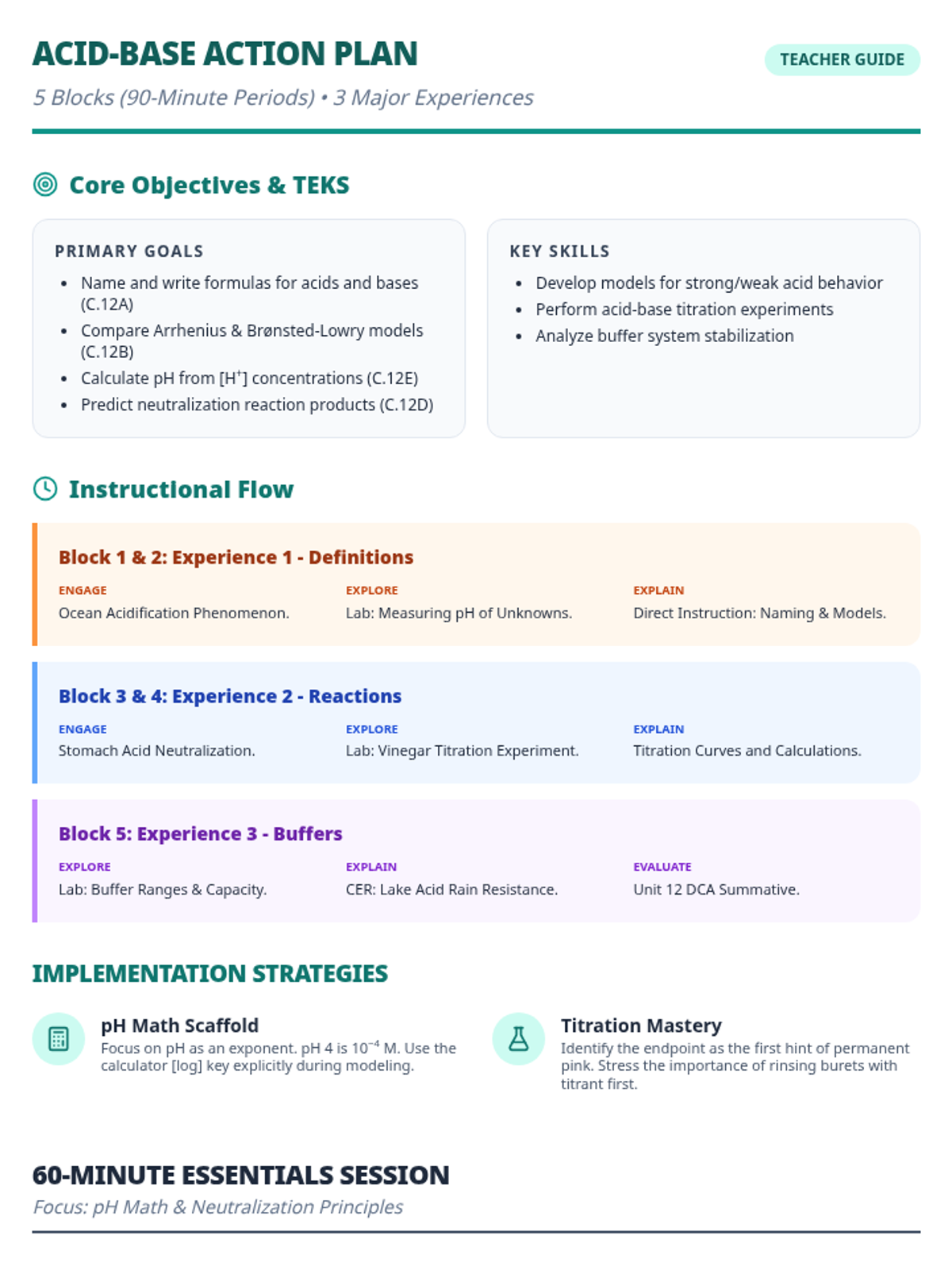
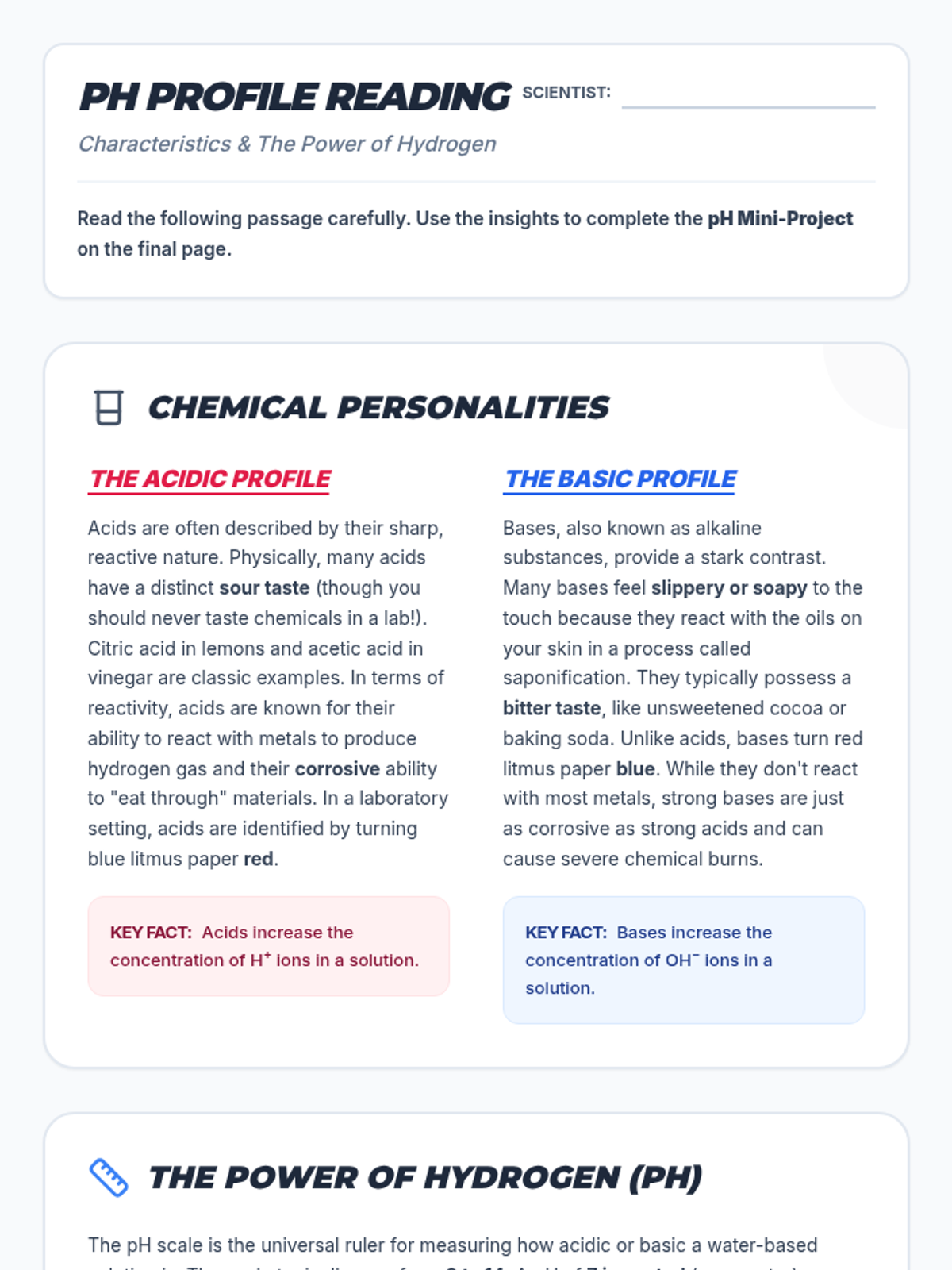
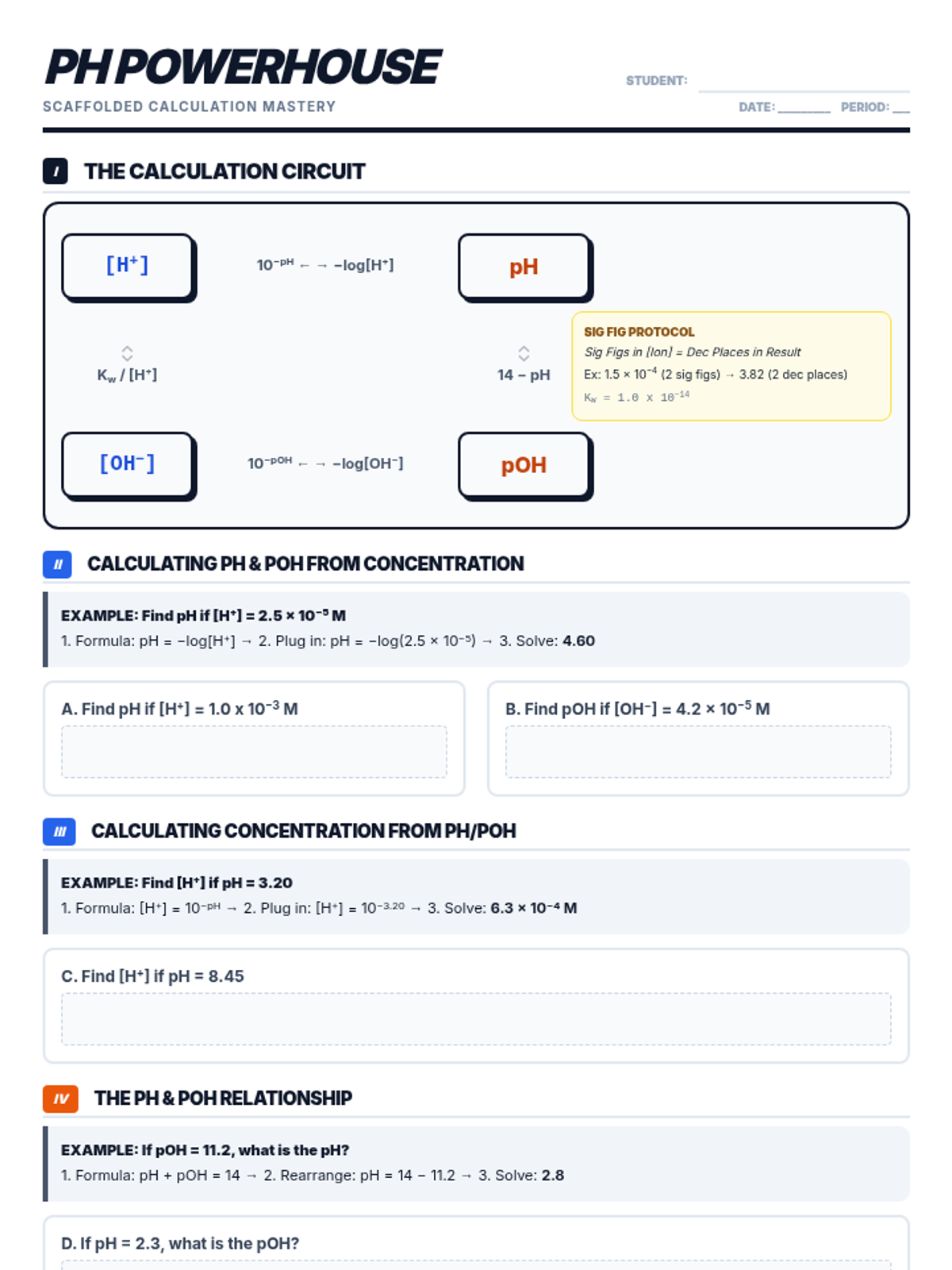
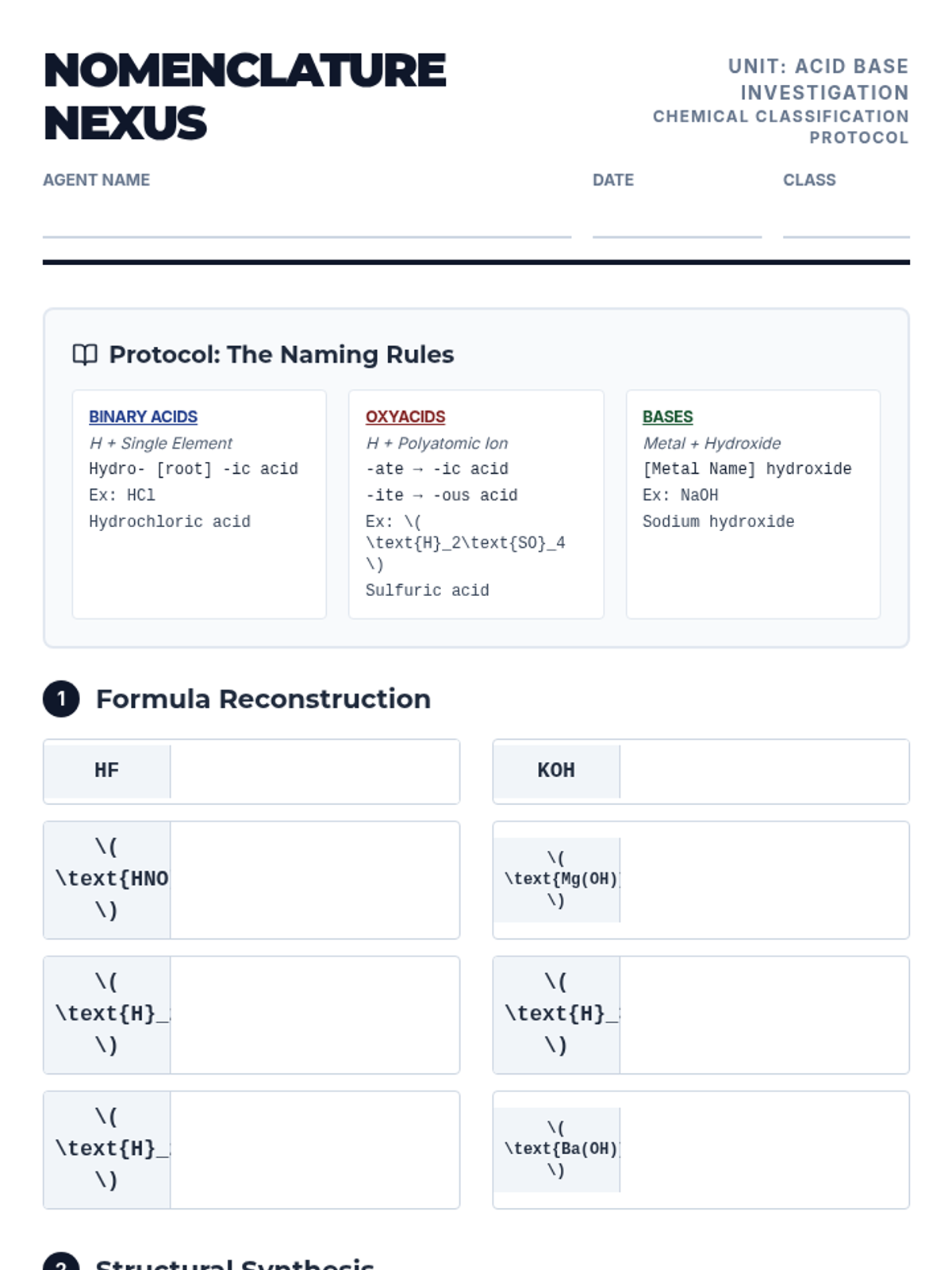
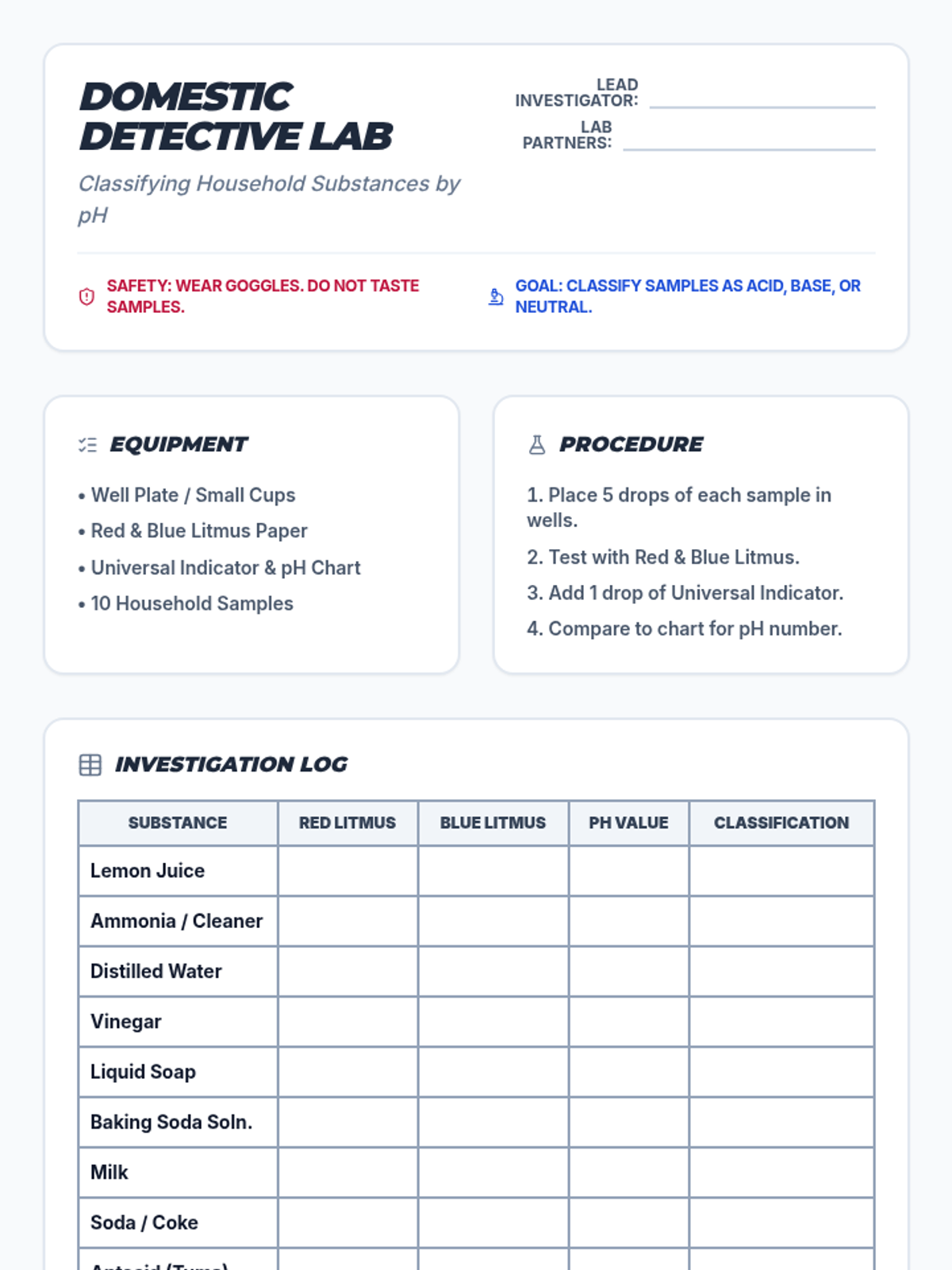
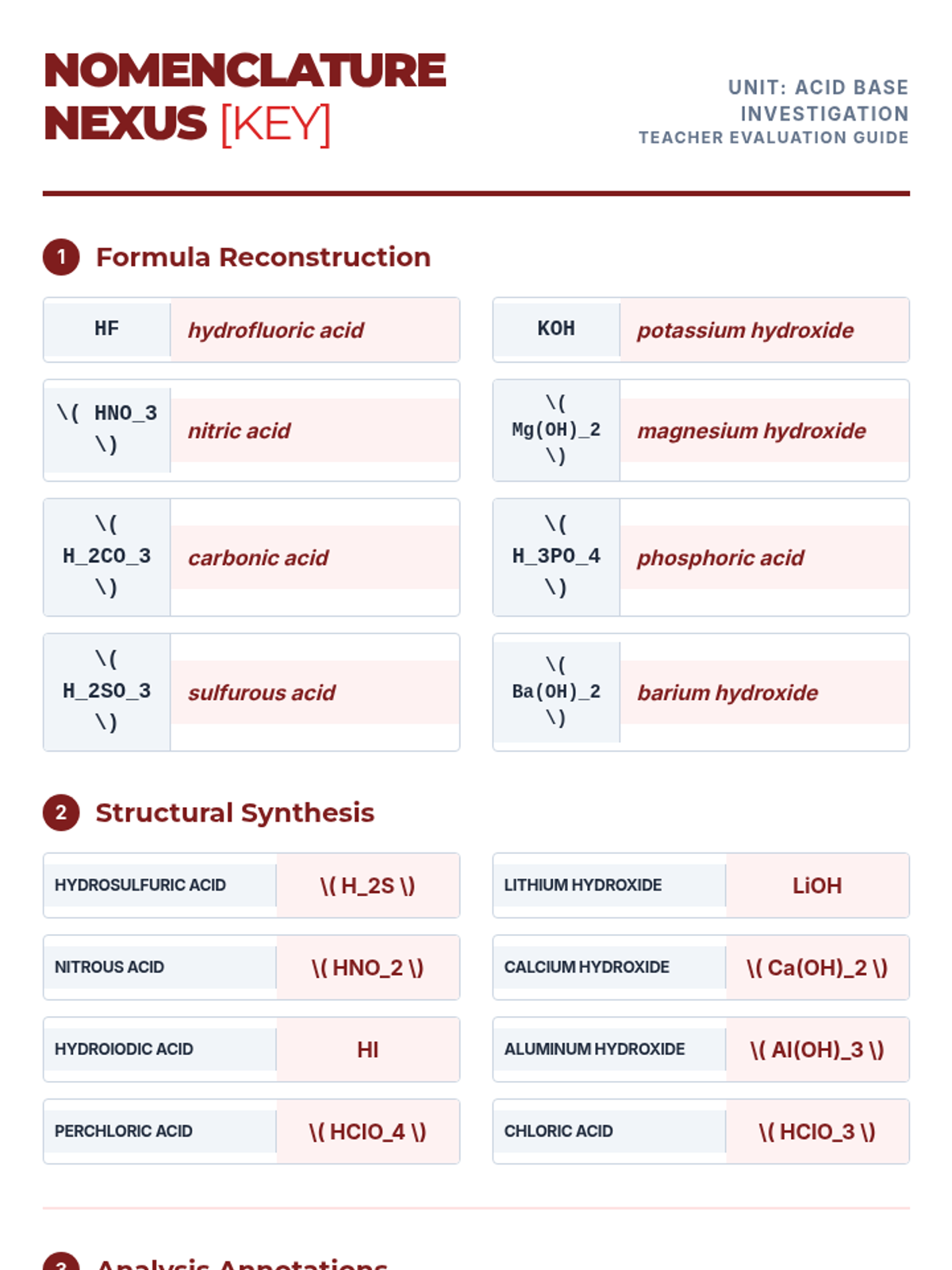
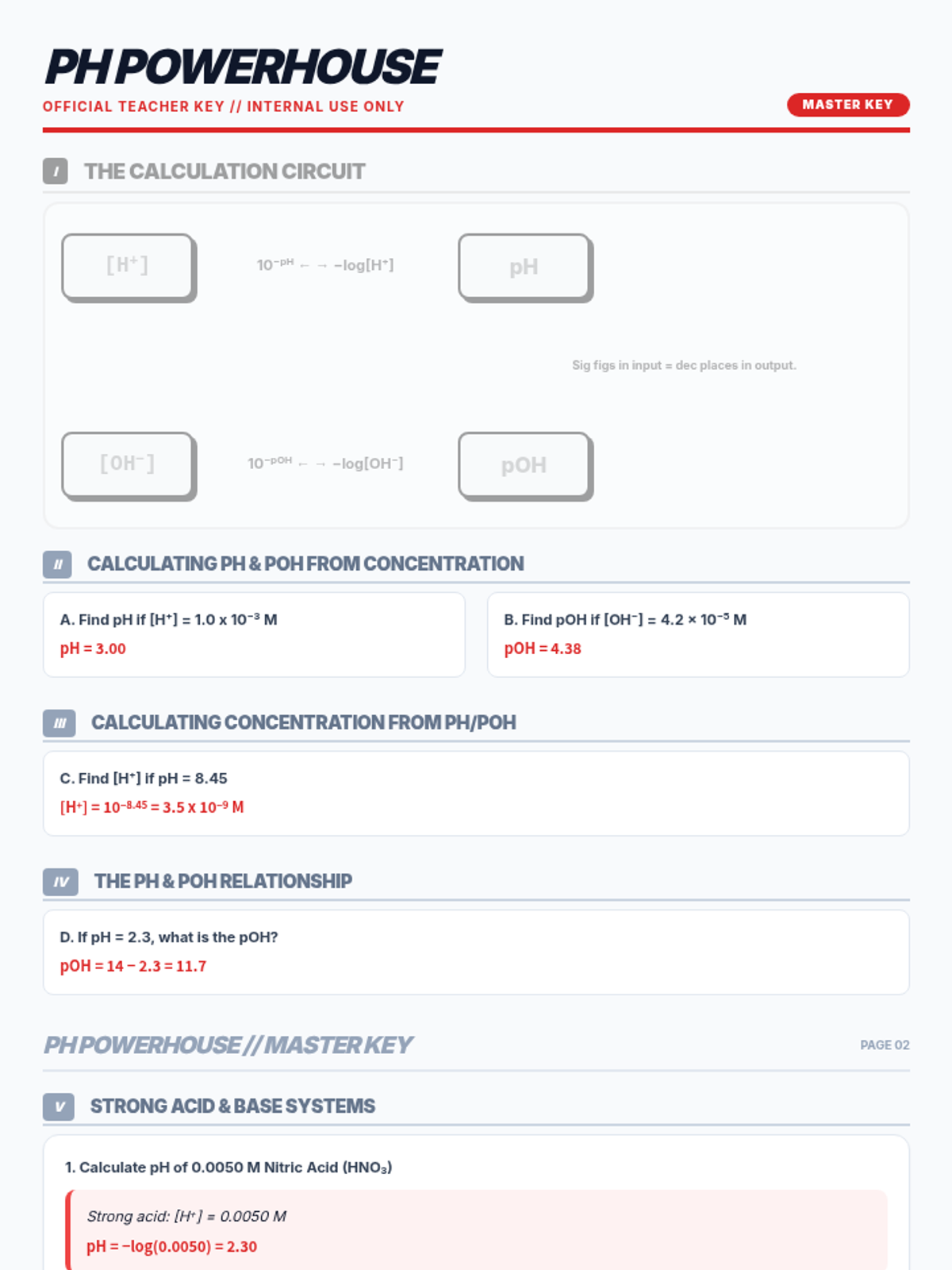
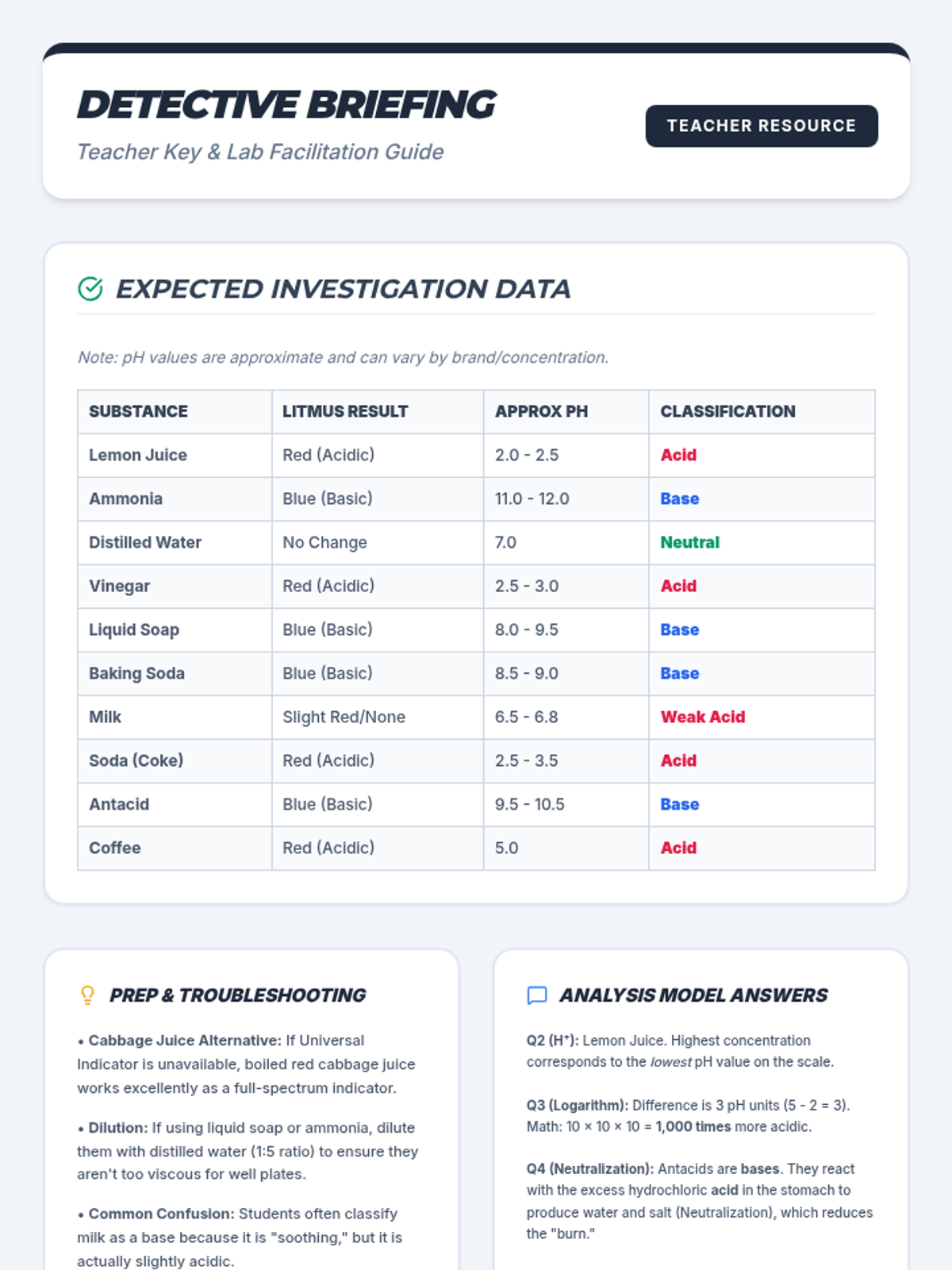
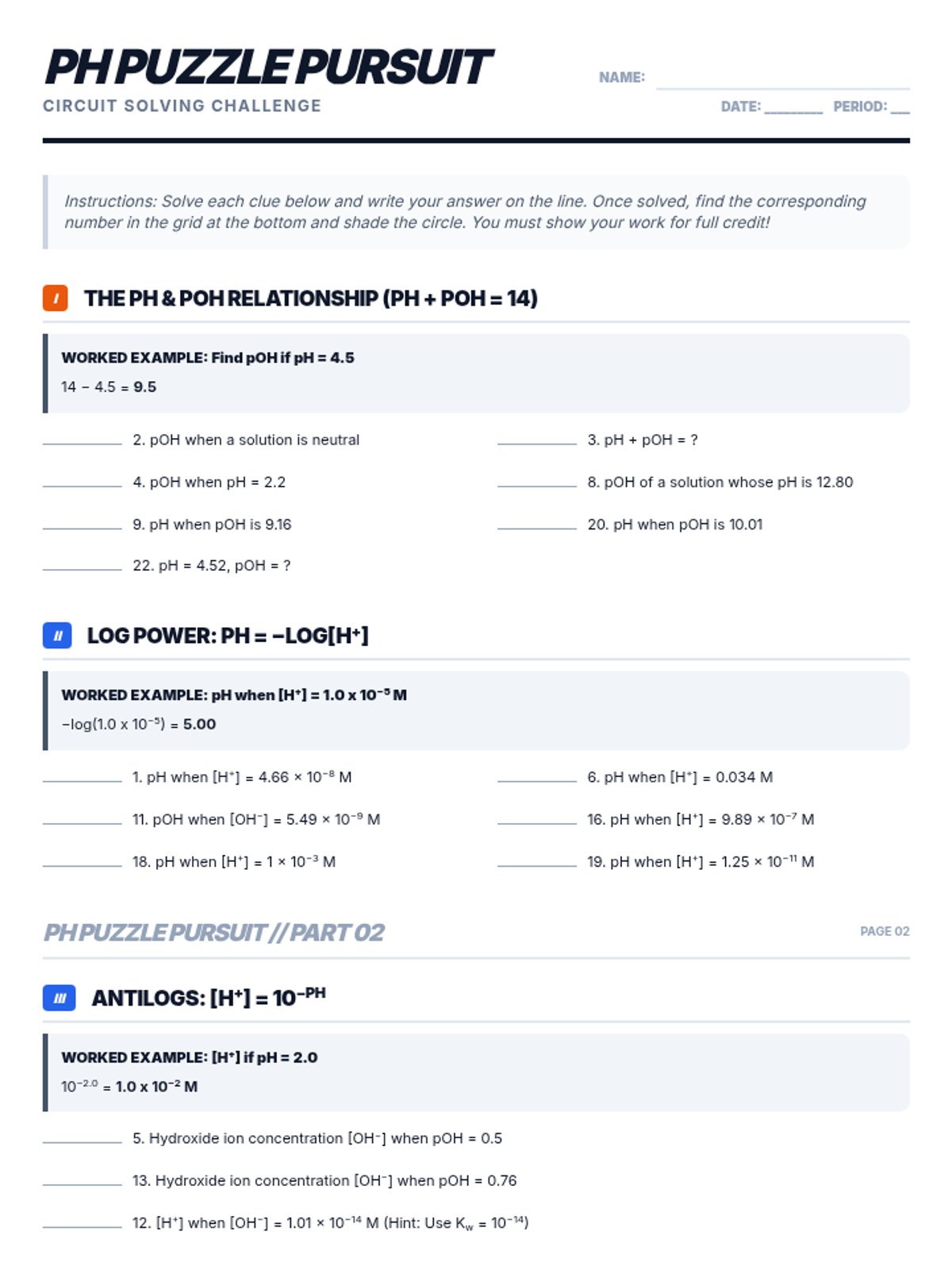
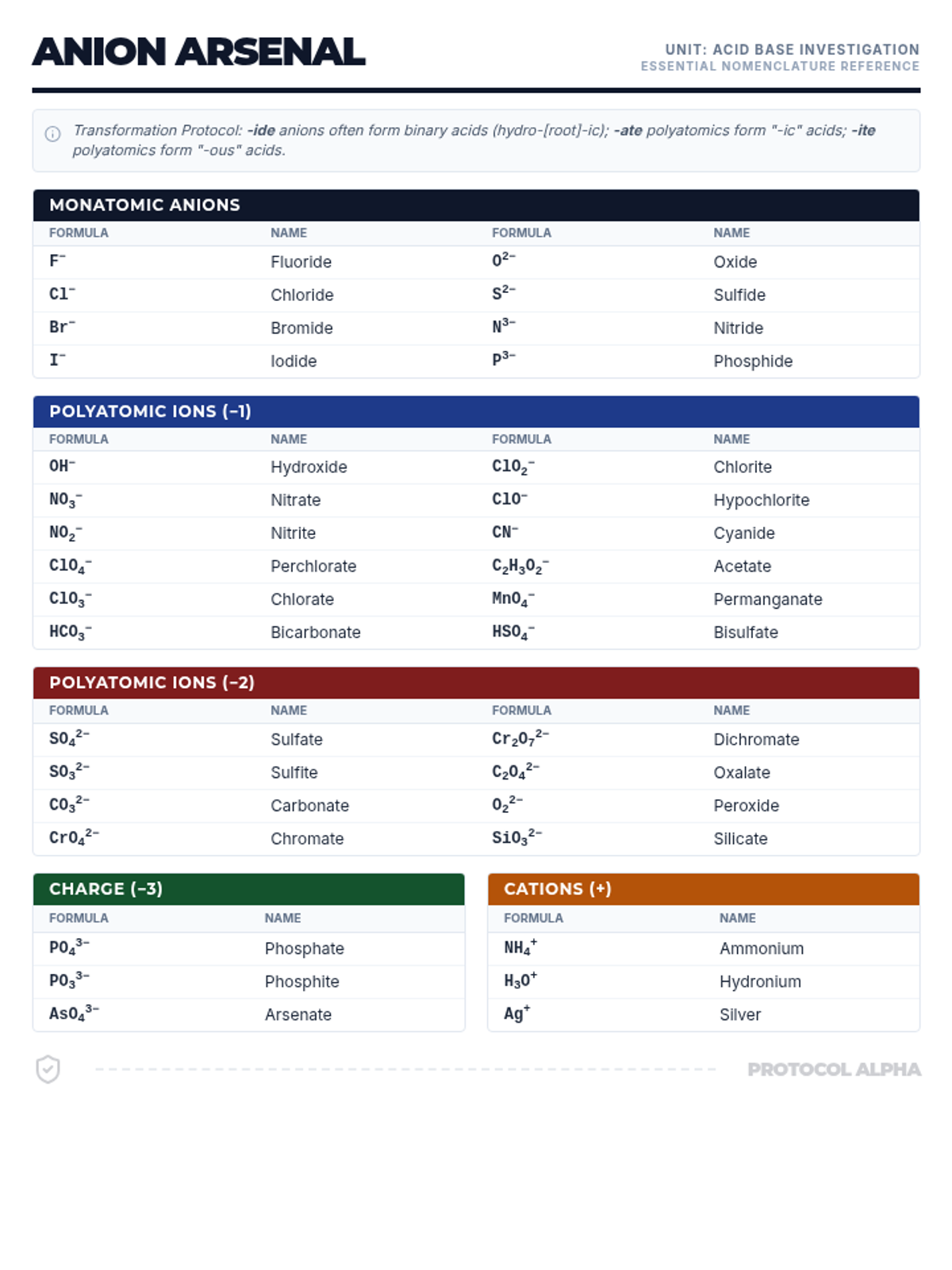
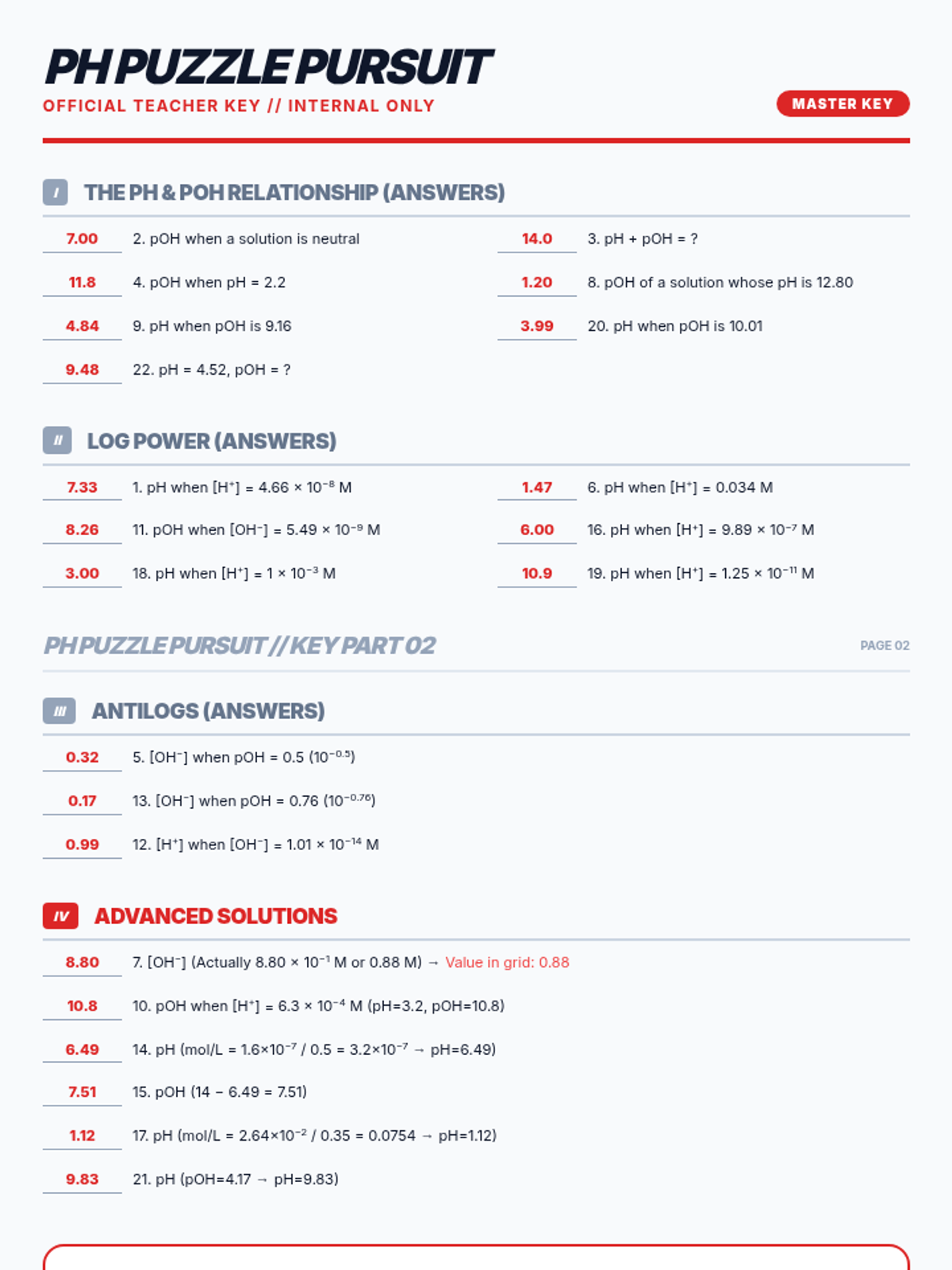
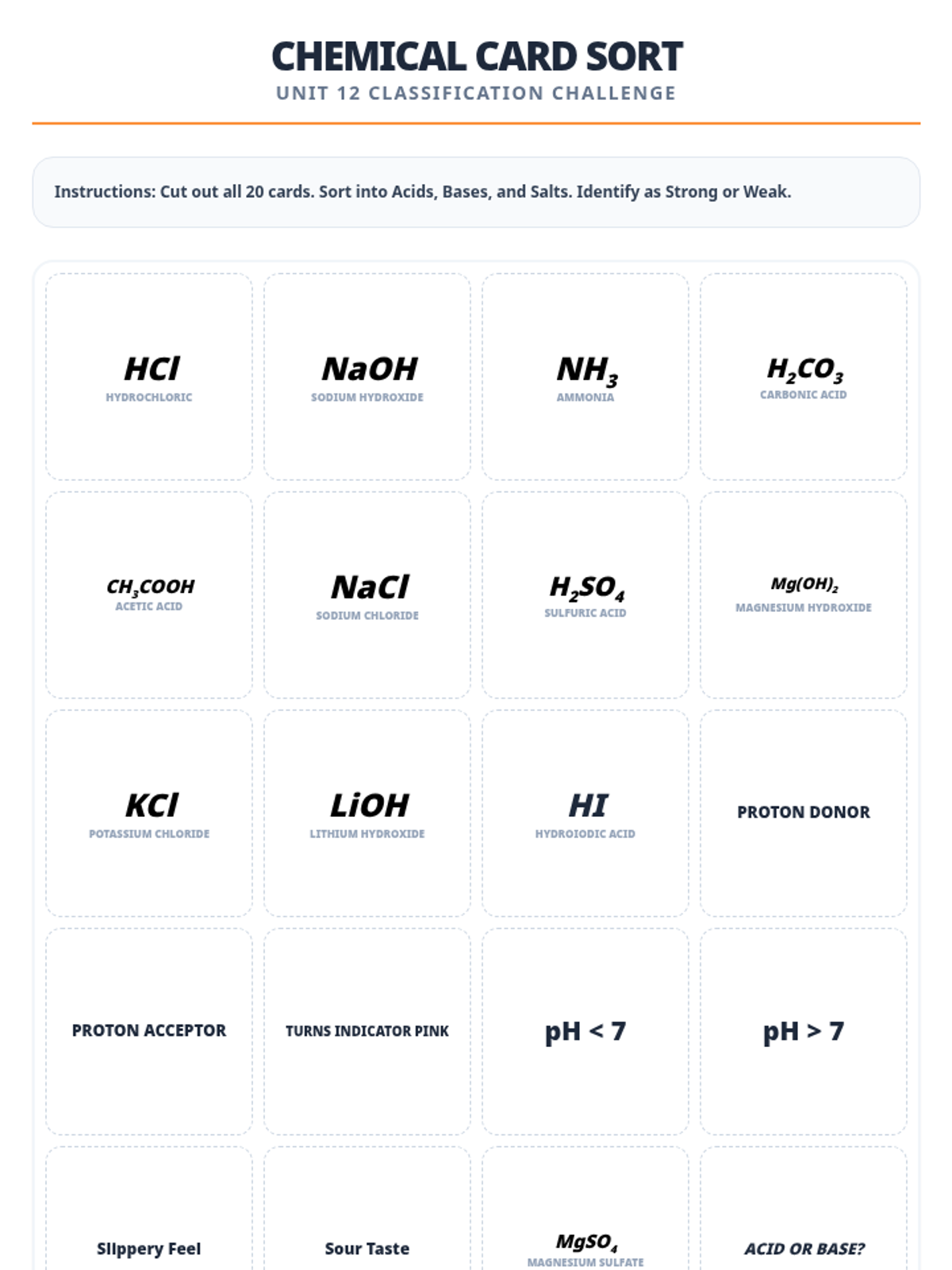
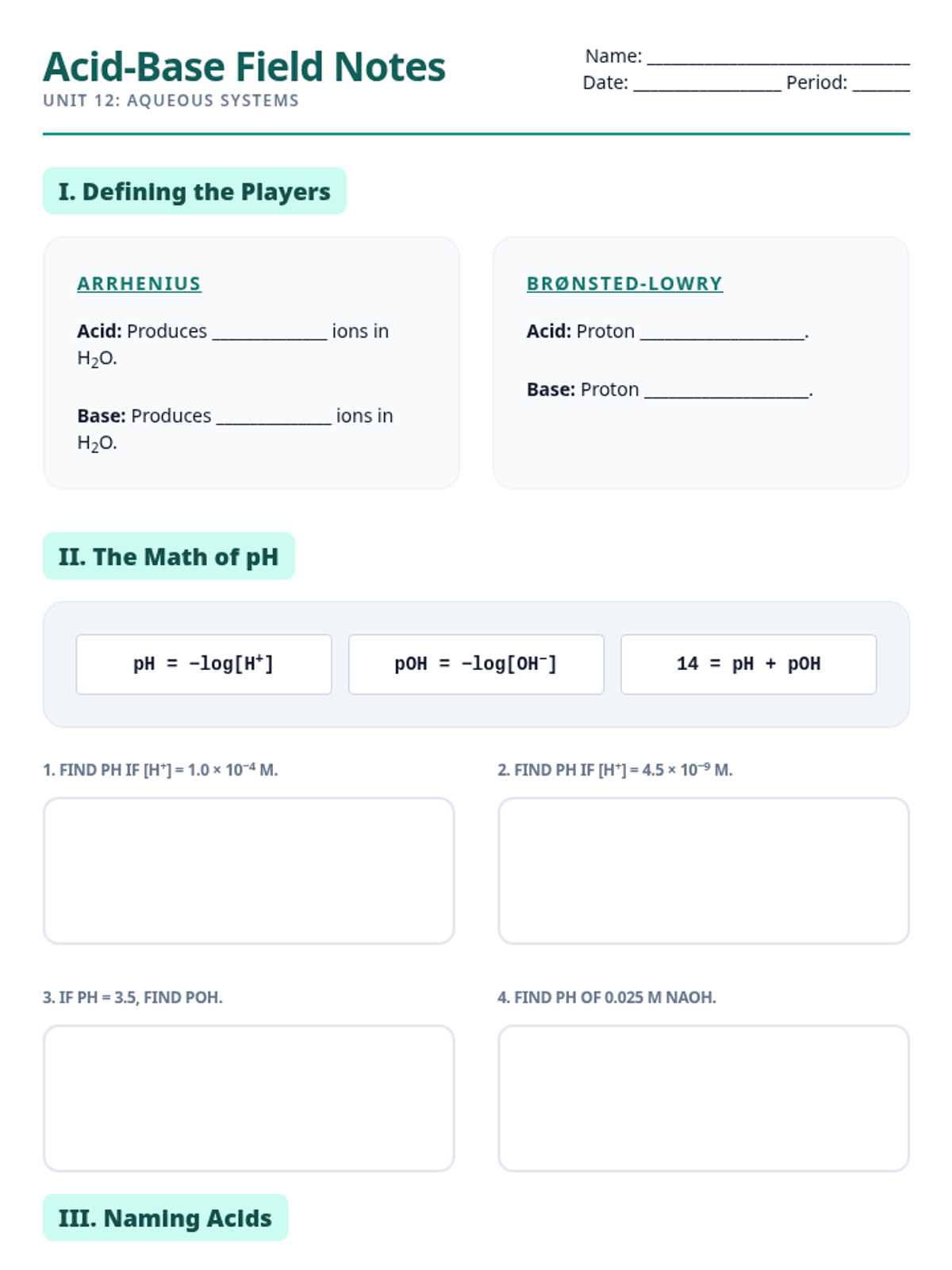
A comprehensive unit exploring the properties, reactions, and mathematical relationships of acids and bases, featuring pH calculations, titrations, and buffer systems.
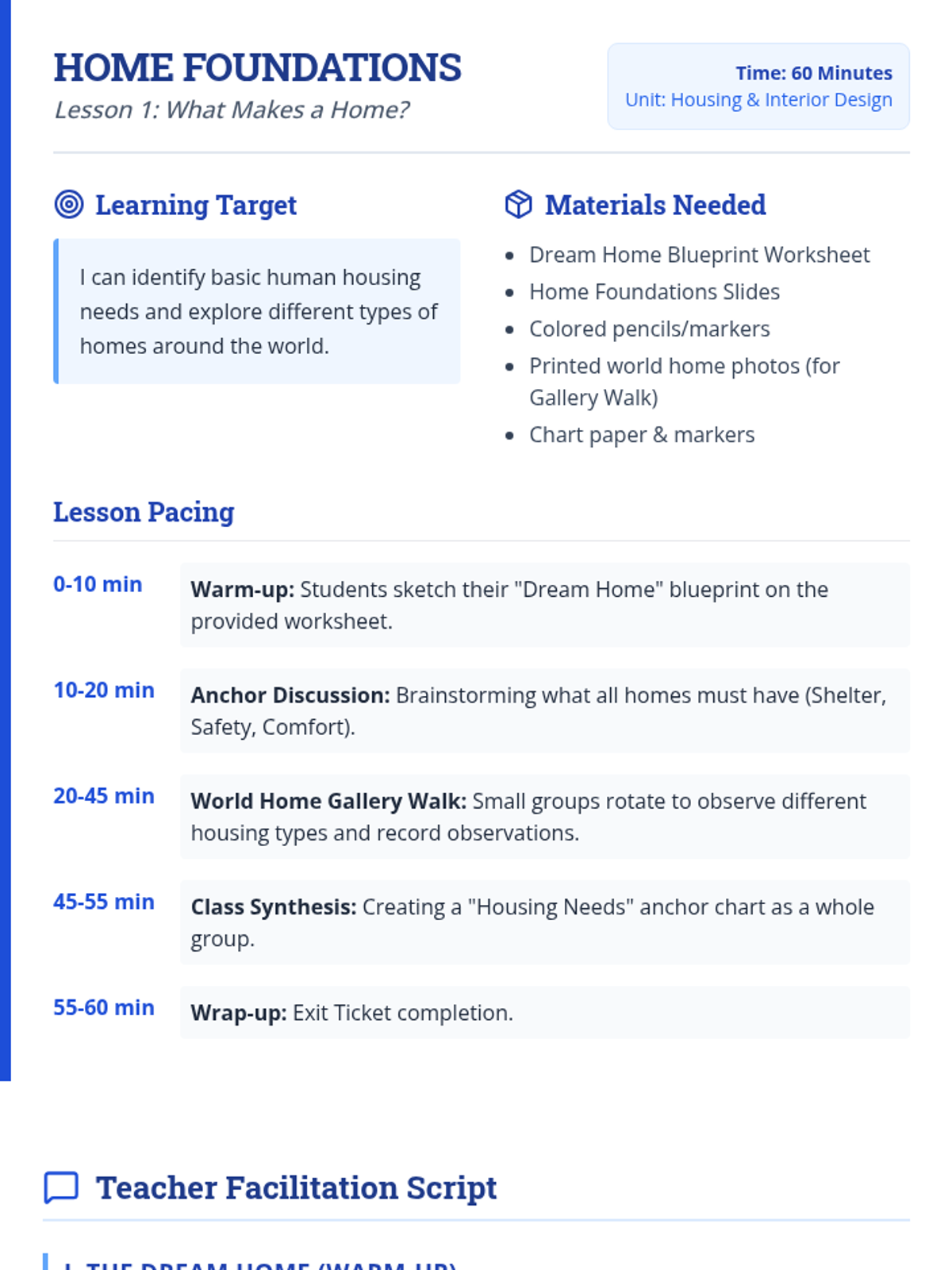
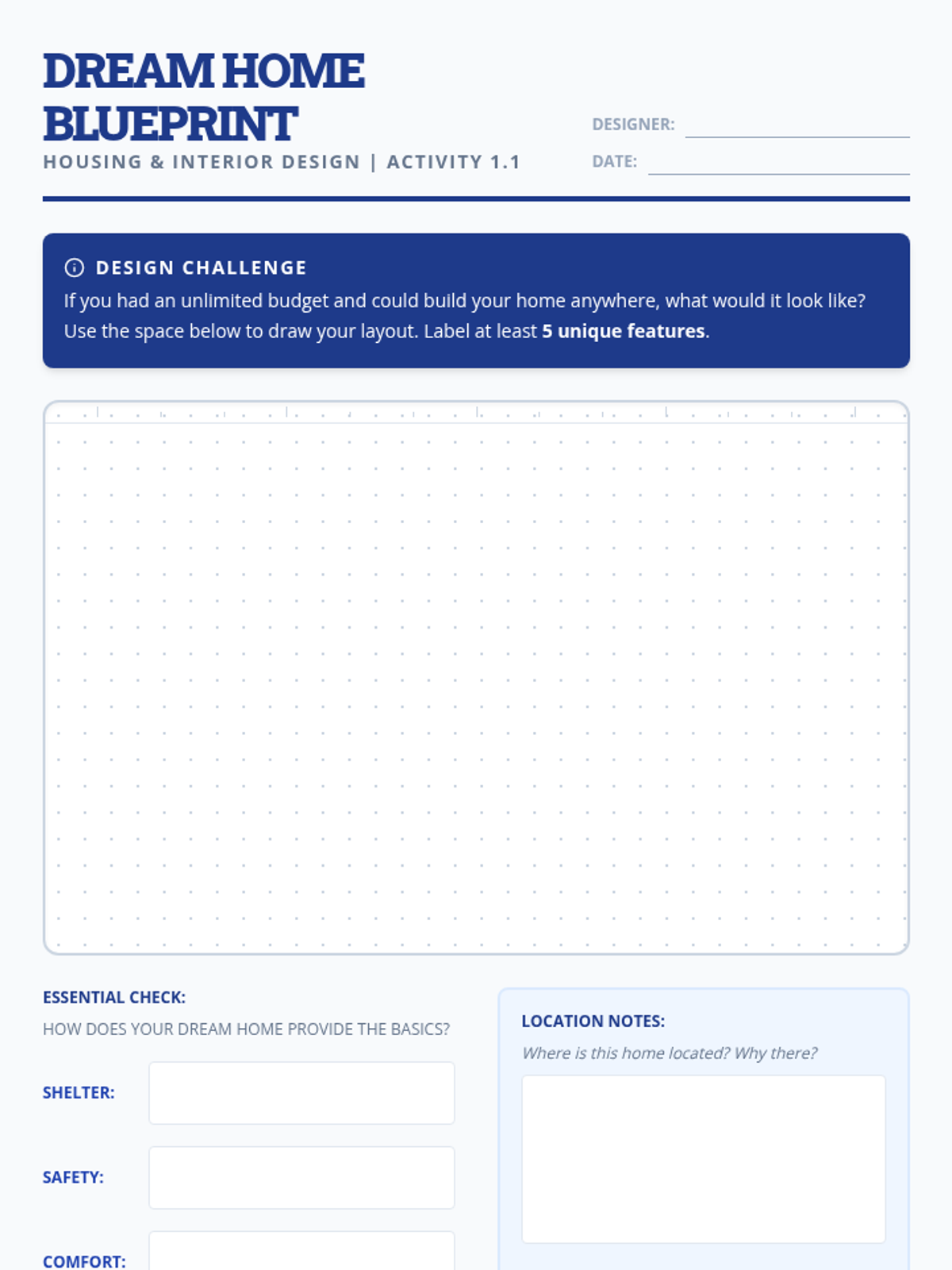
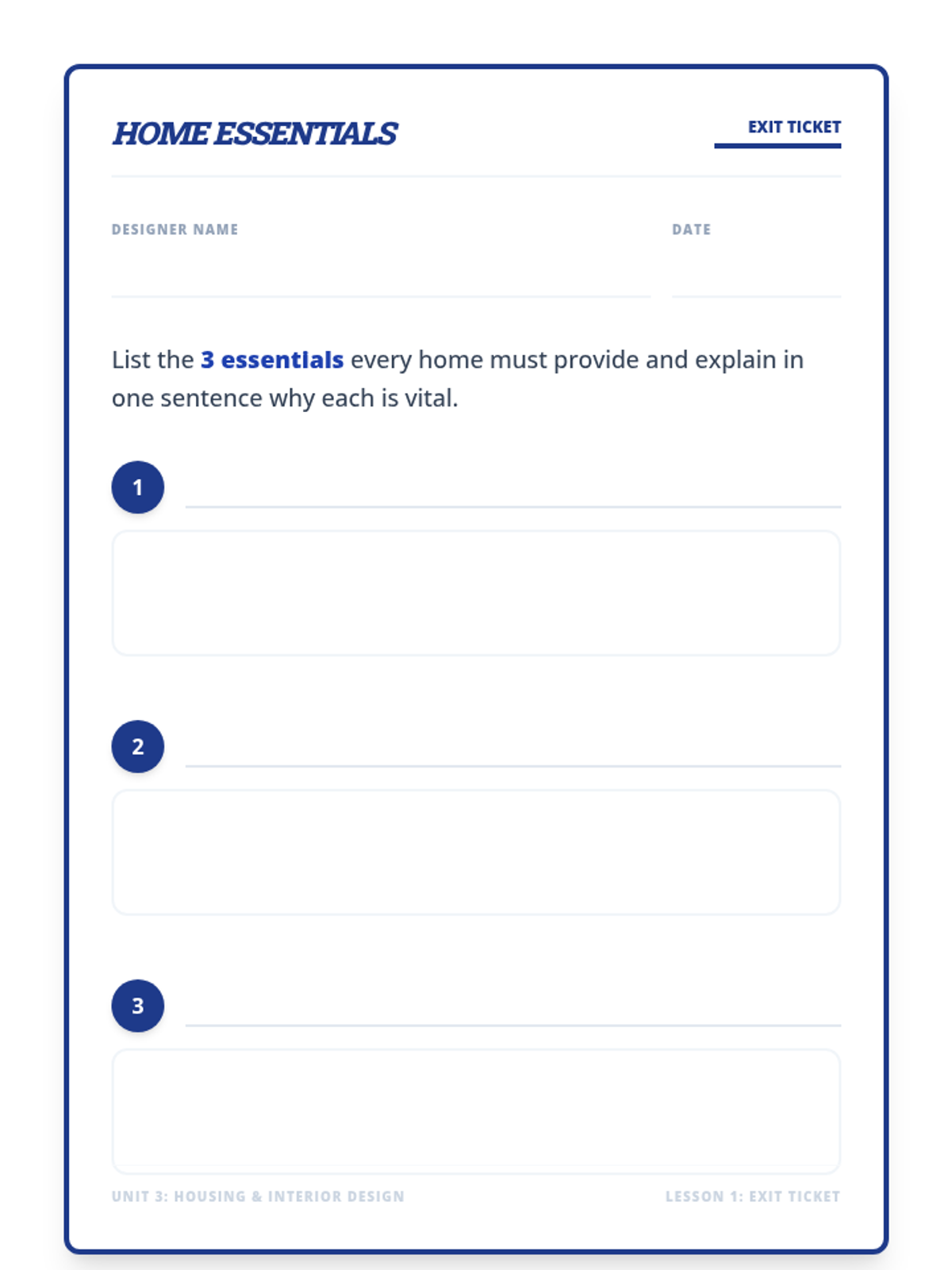
An introductory unit on Housing and Interior Design within the Human Services field. Students explore basic housing needs, sustainable green building, universal design for accessibility, the impact of local resources and climate on home construction, and residential energy efficiency.
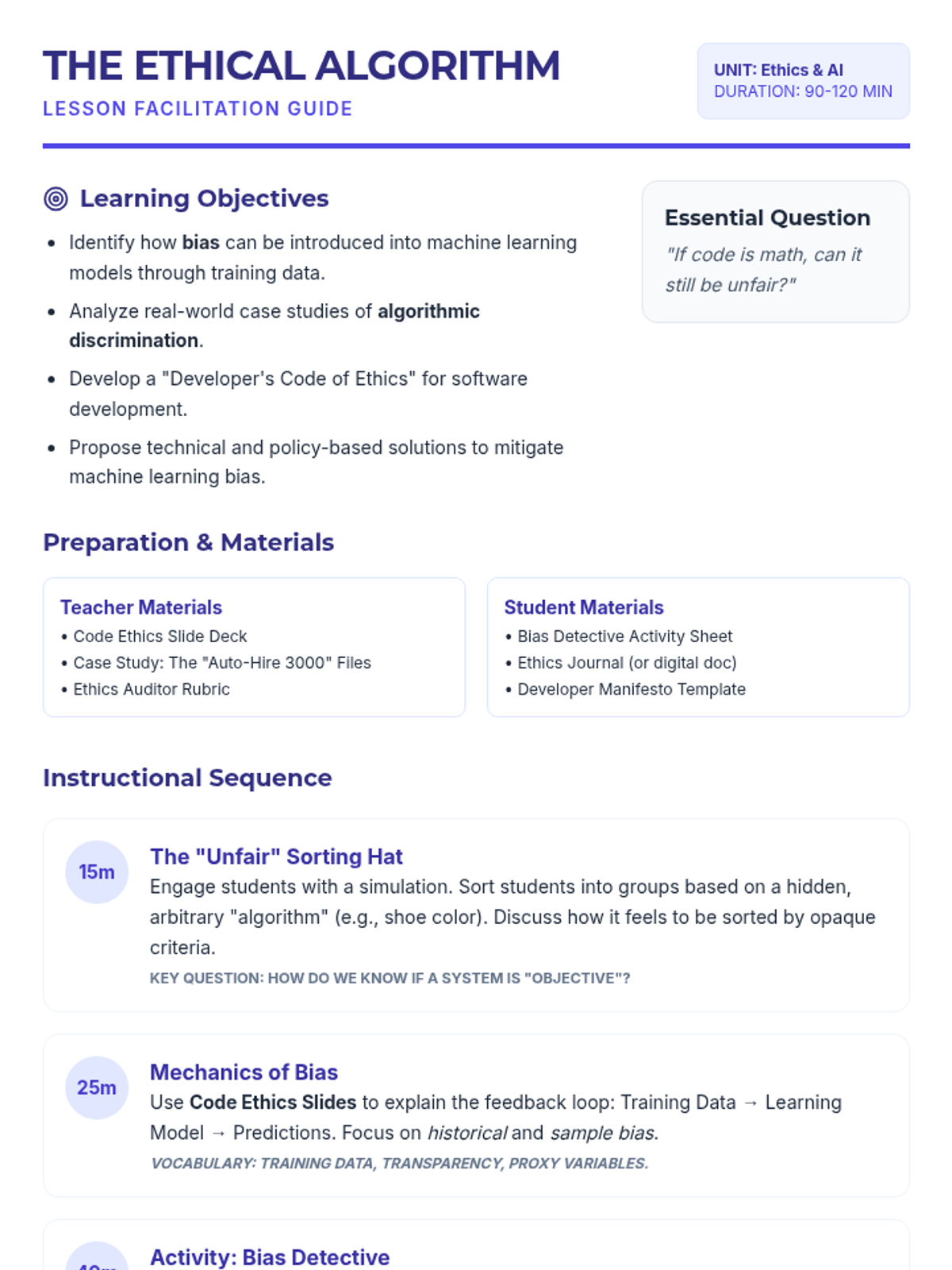
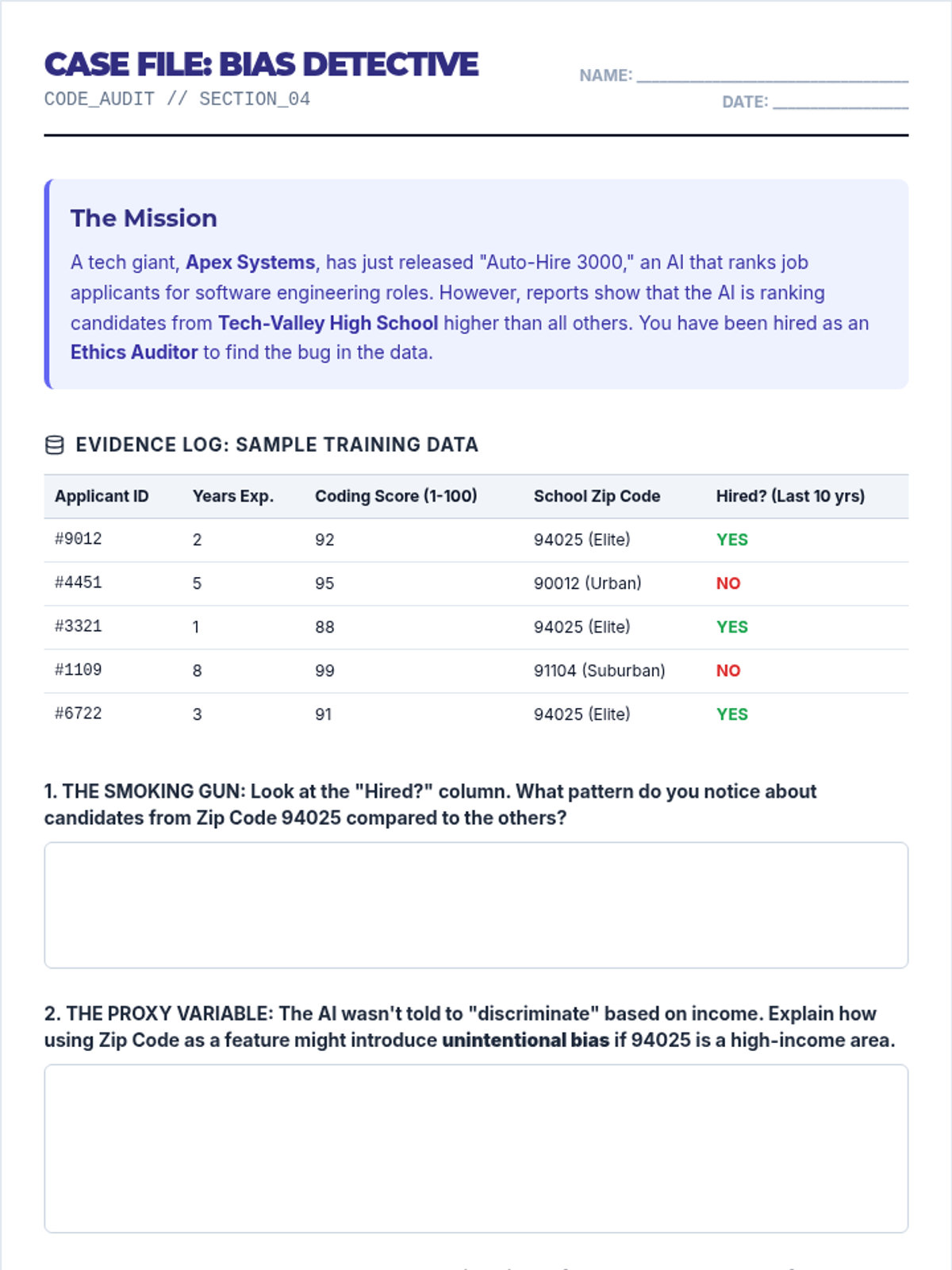
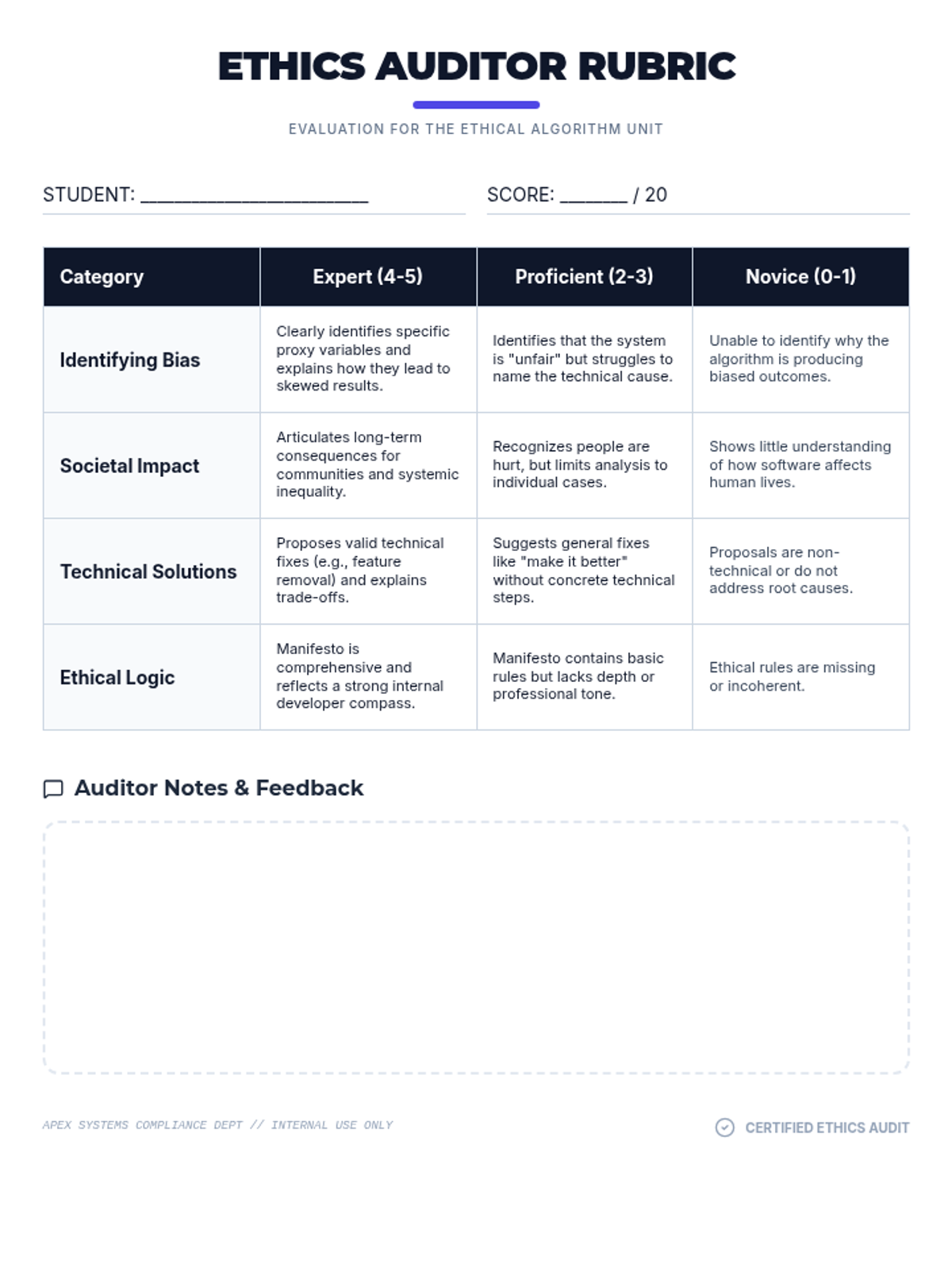
A capstone unit exploring the intersections of machine learning, data ethics, and the societal impact of algorithmic decision-making. Students transition from being technical builders to critical auditors of modern software.
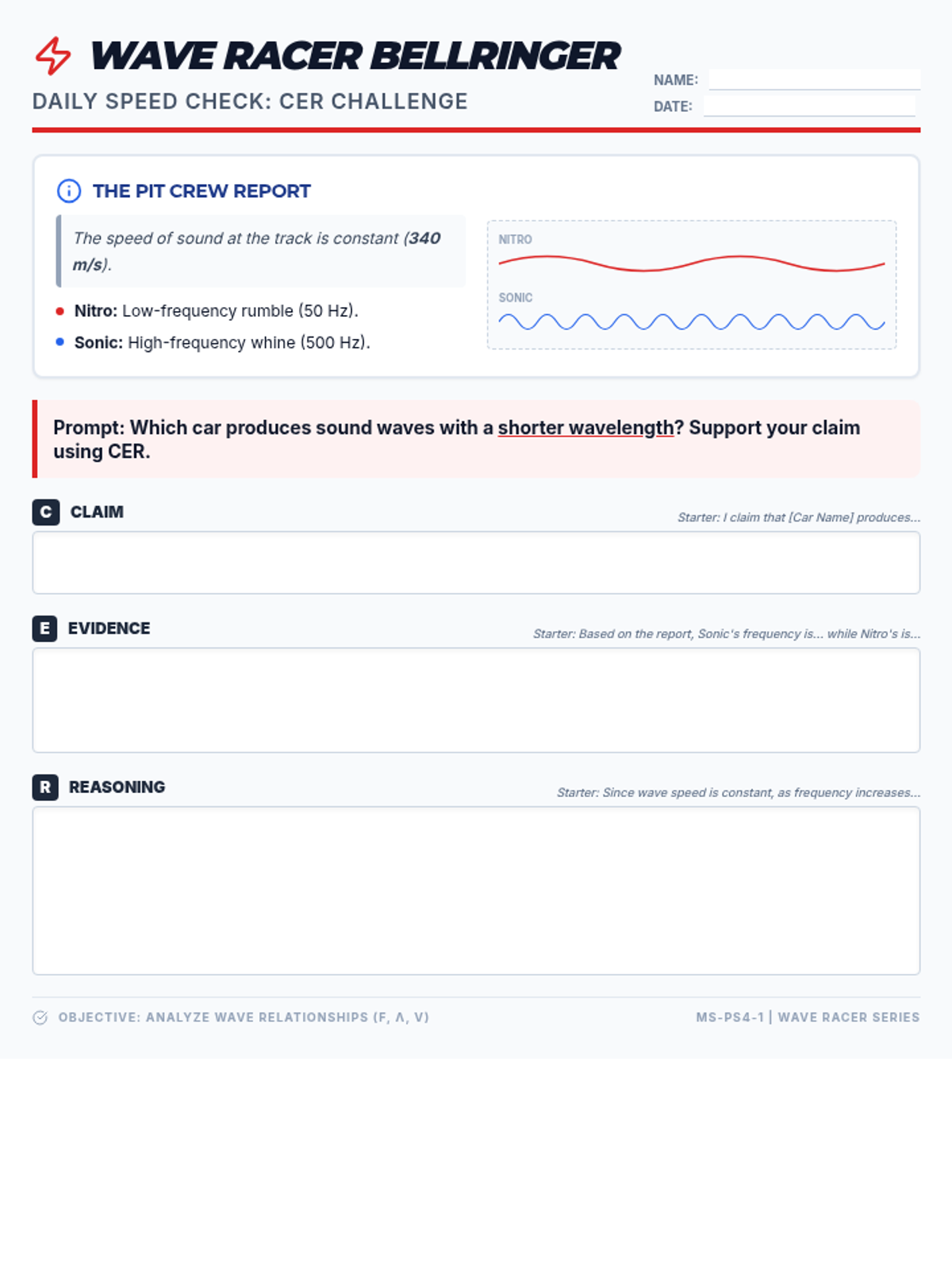
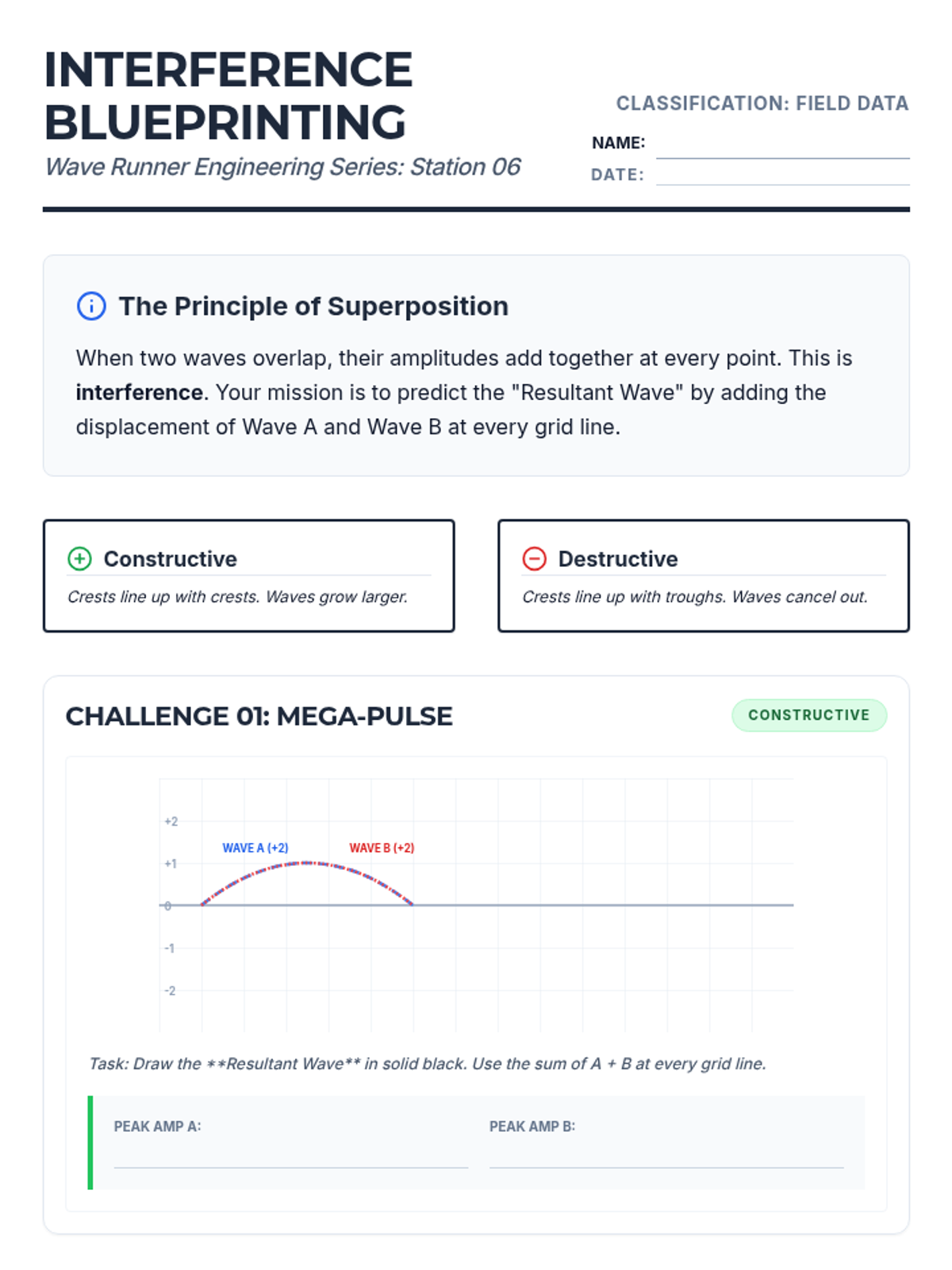
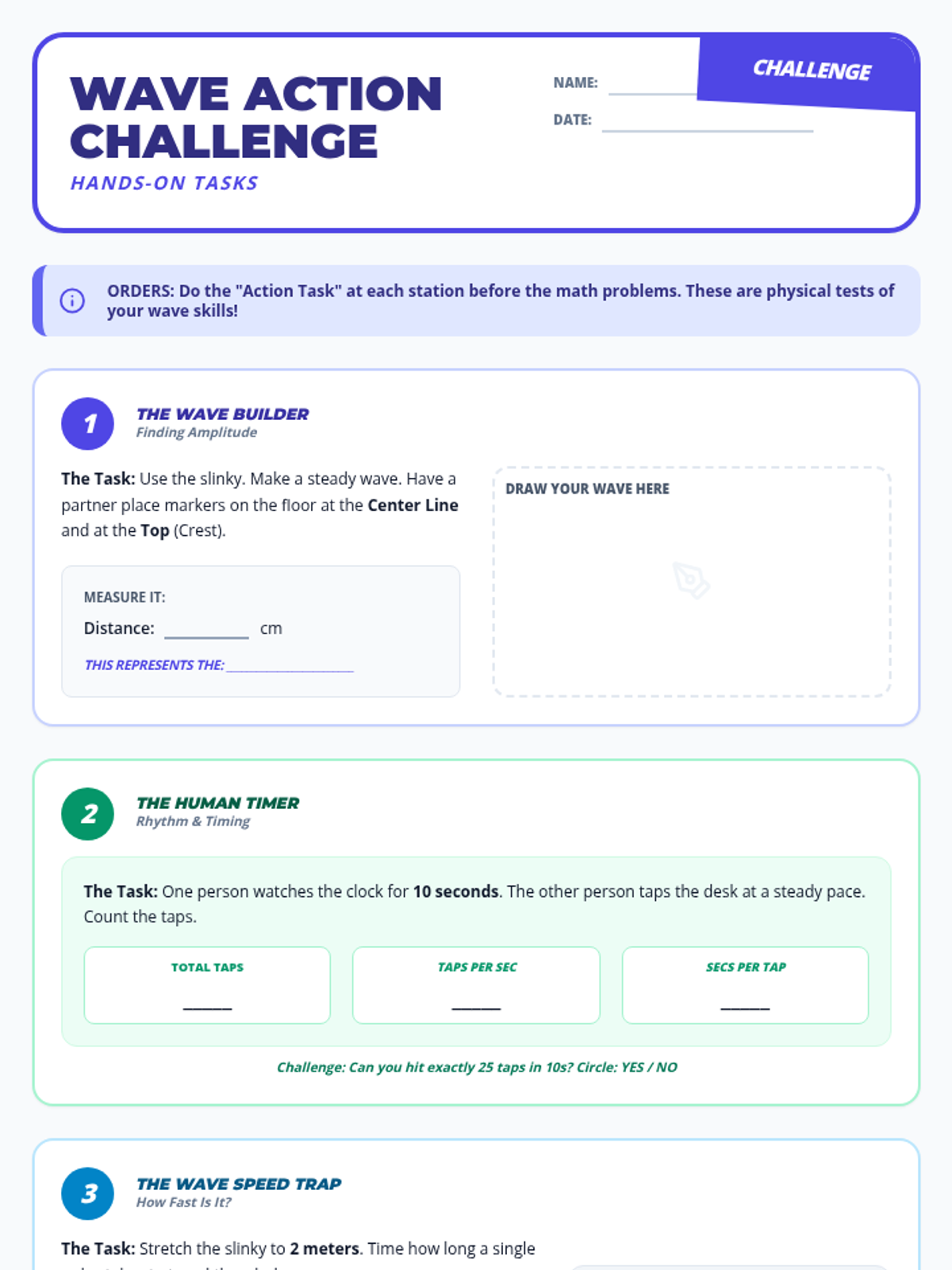
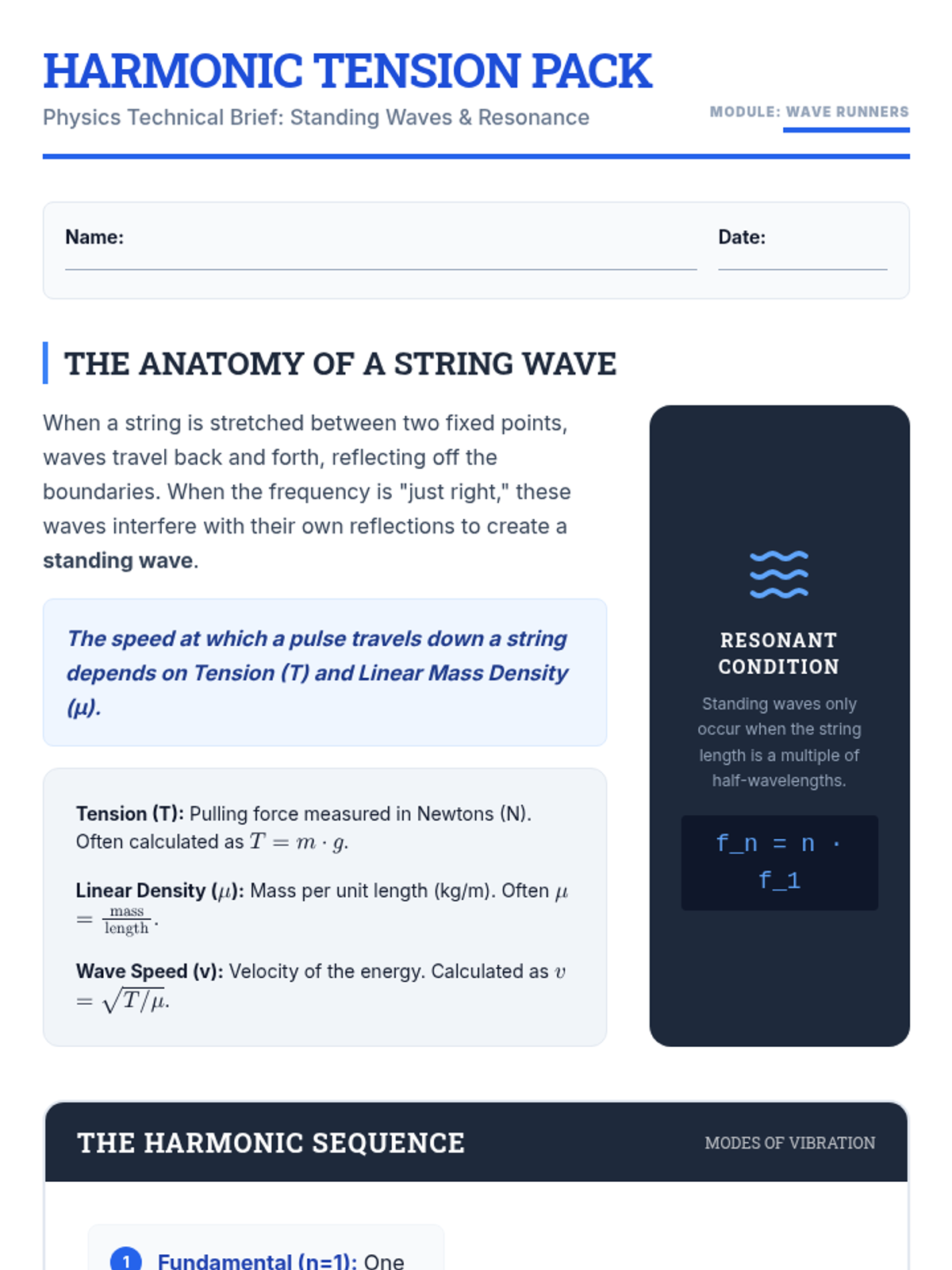
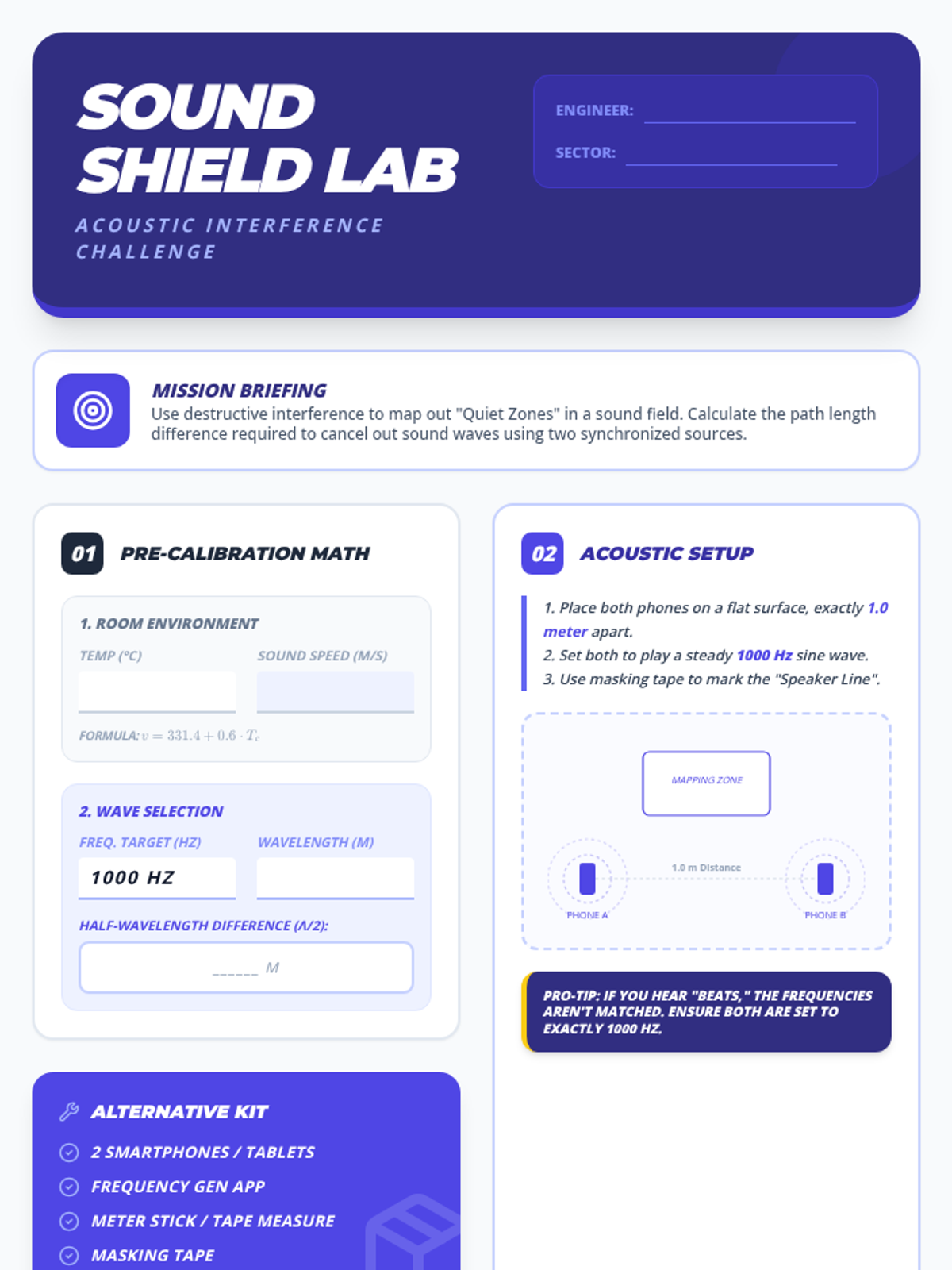
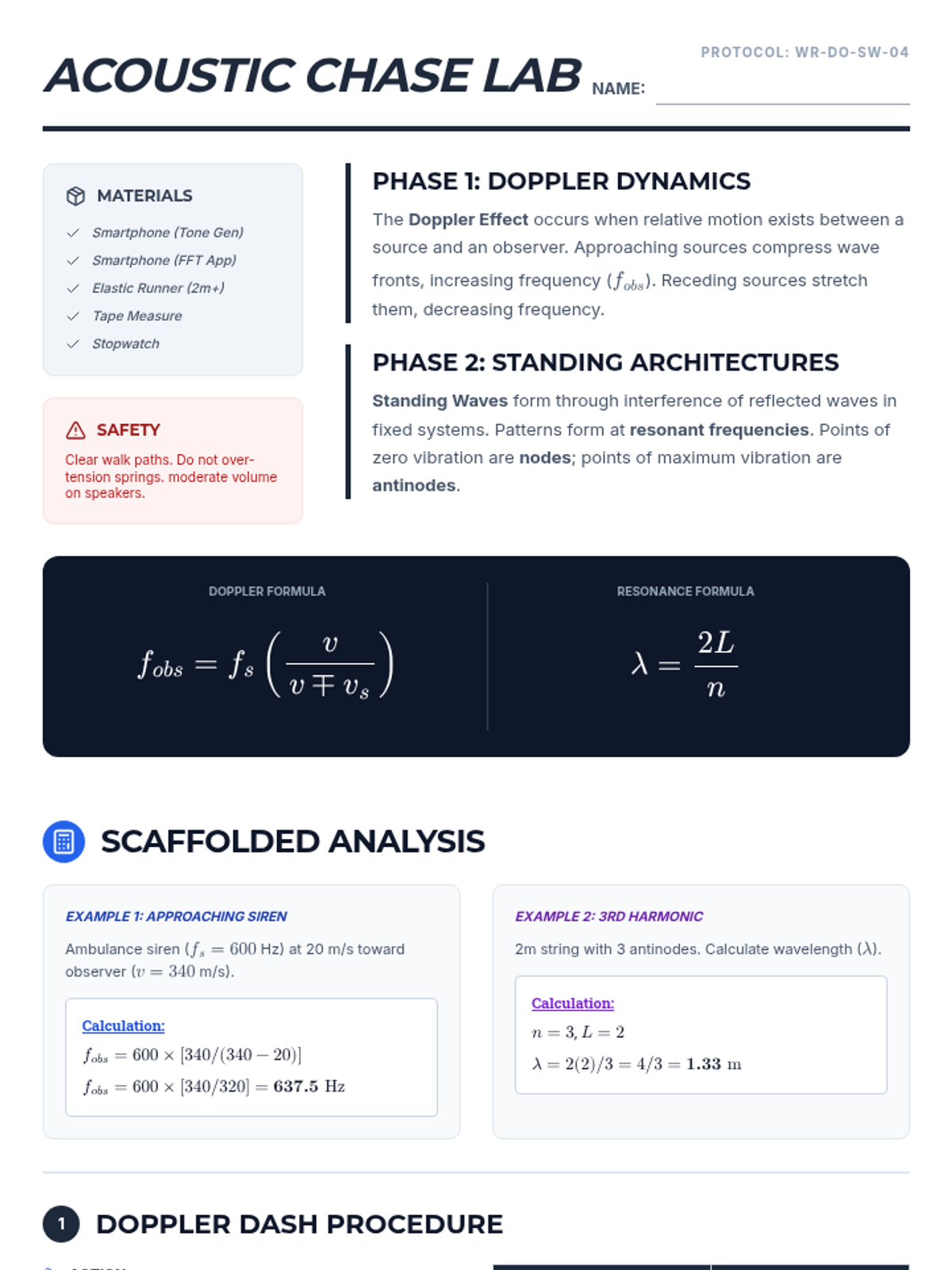
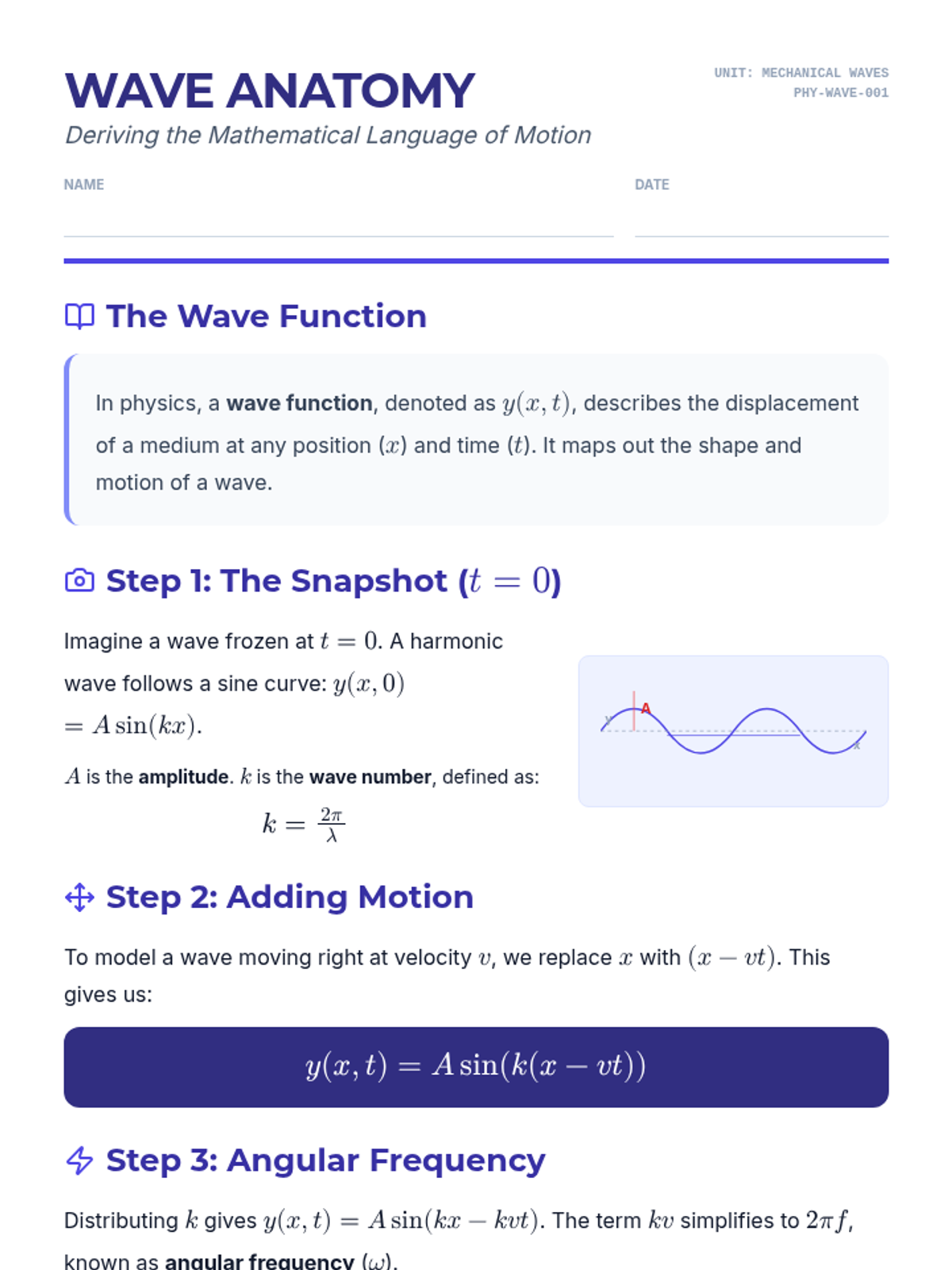
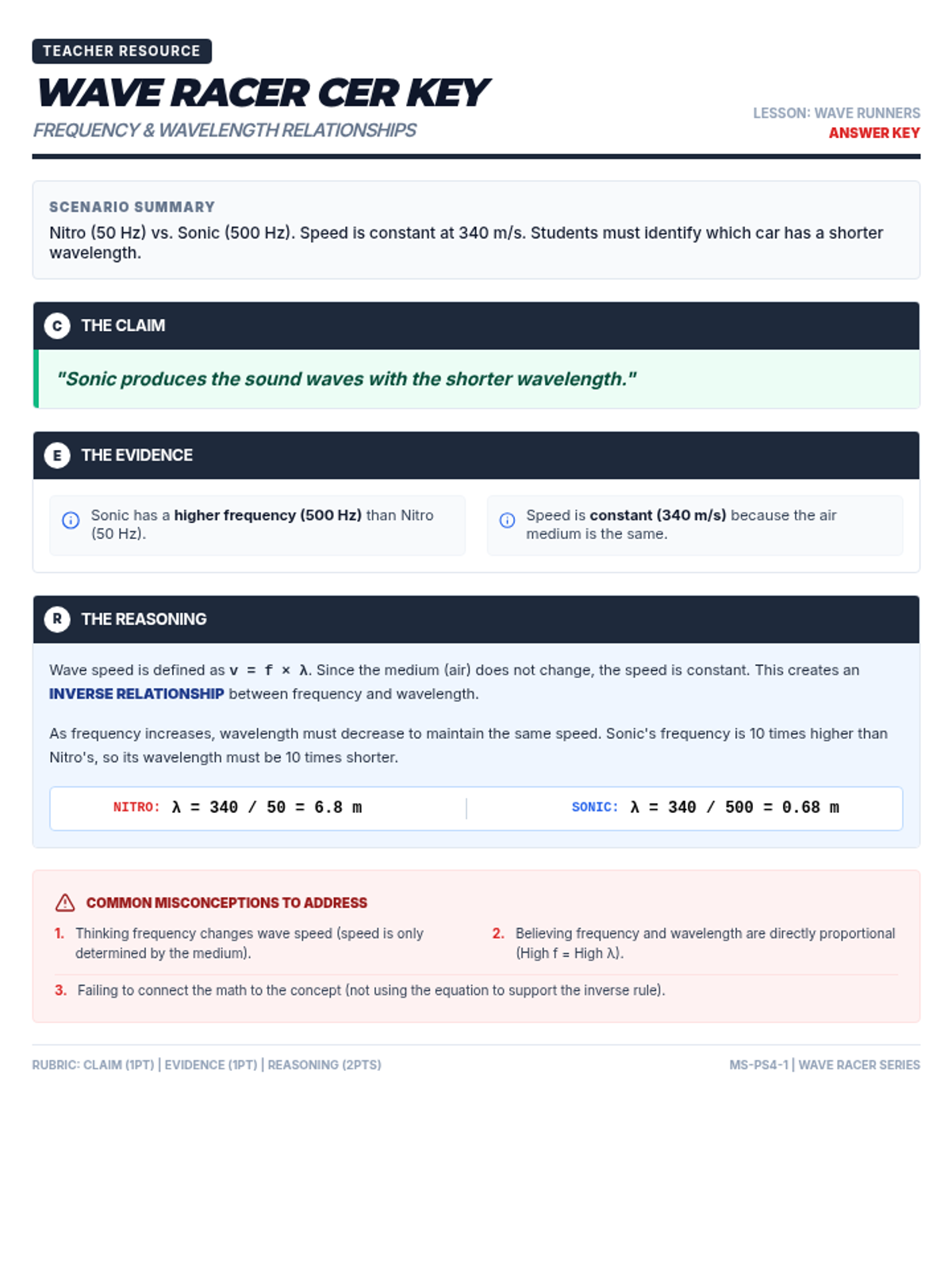
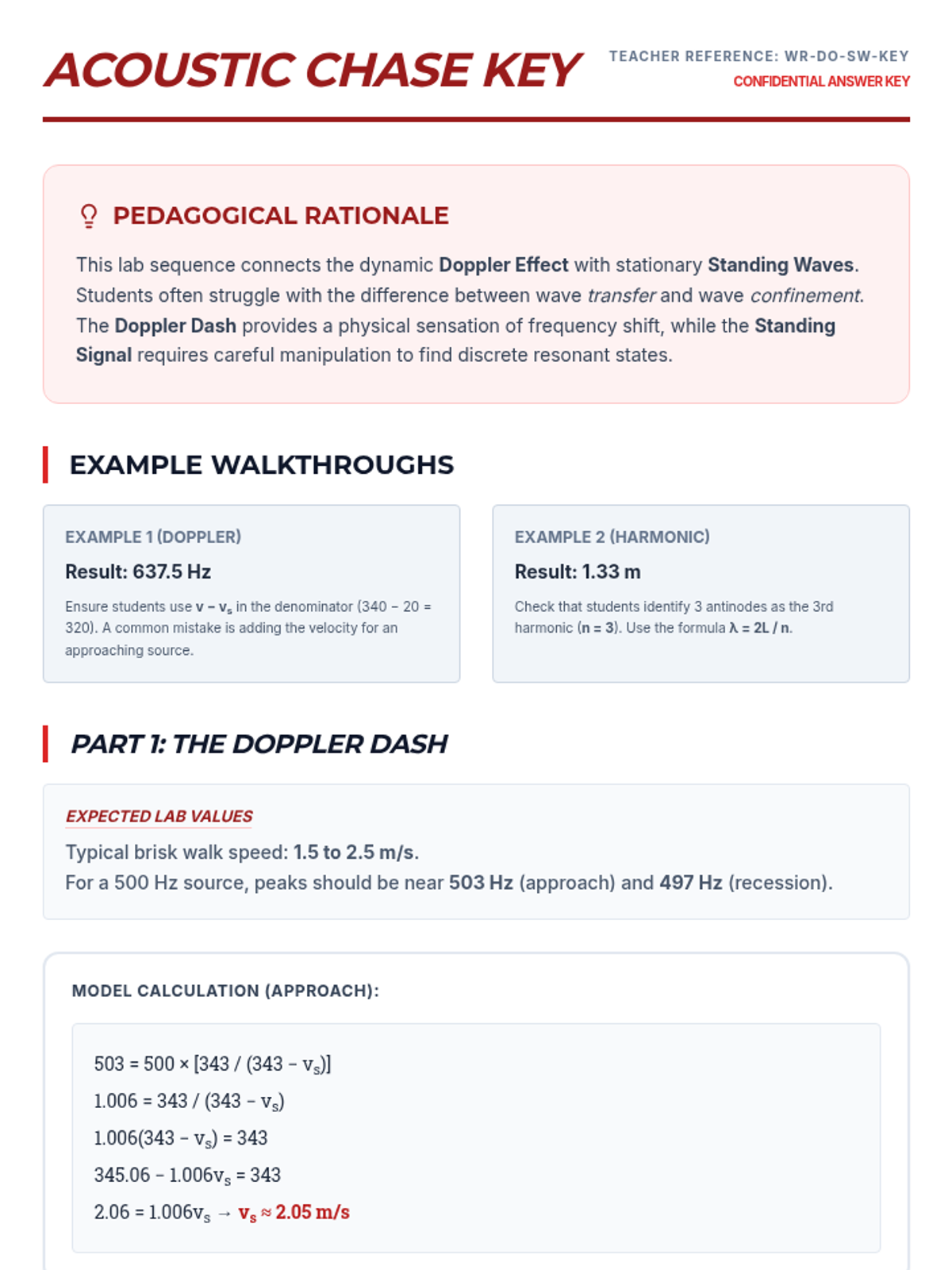
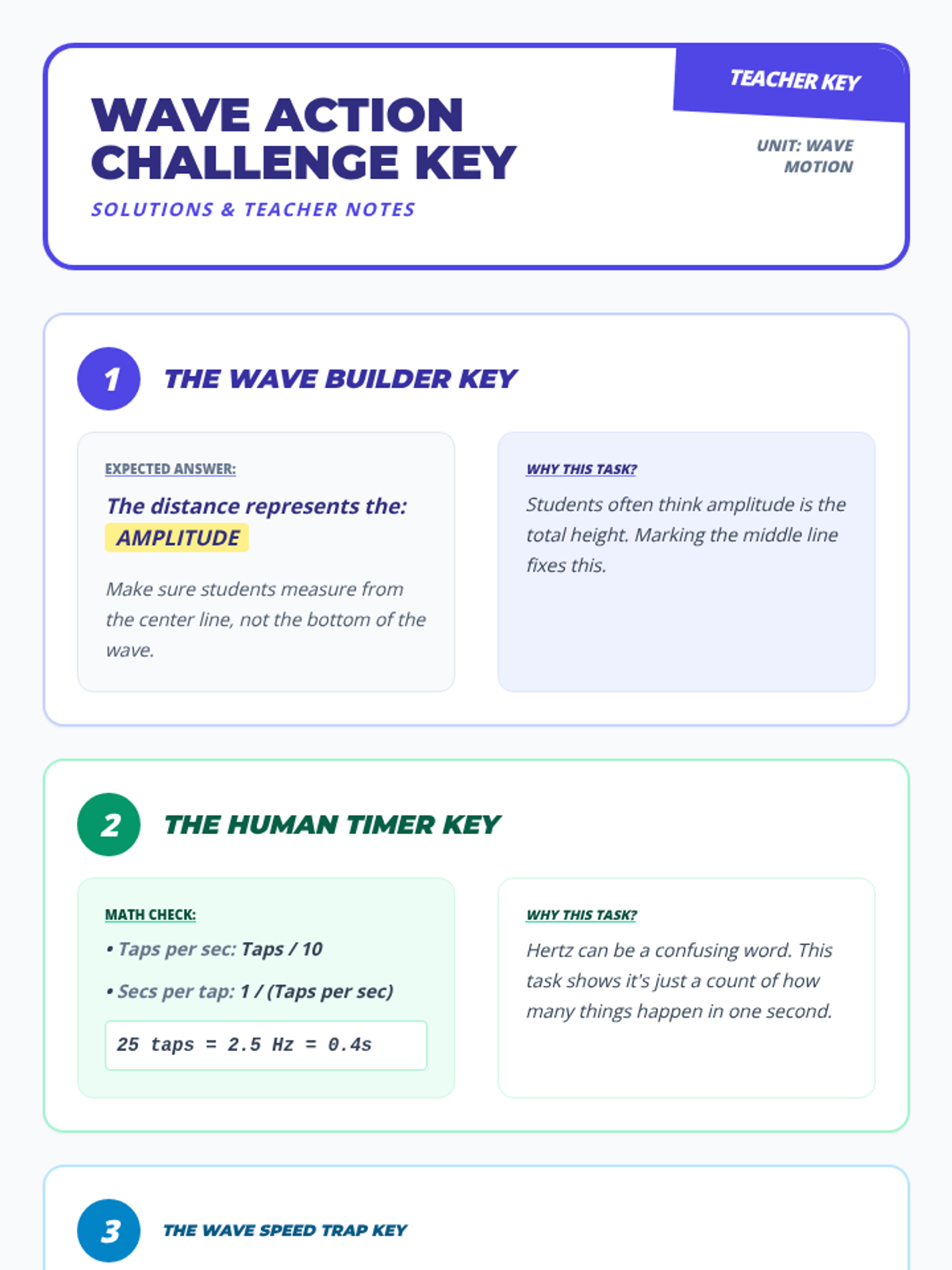
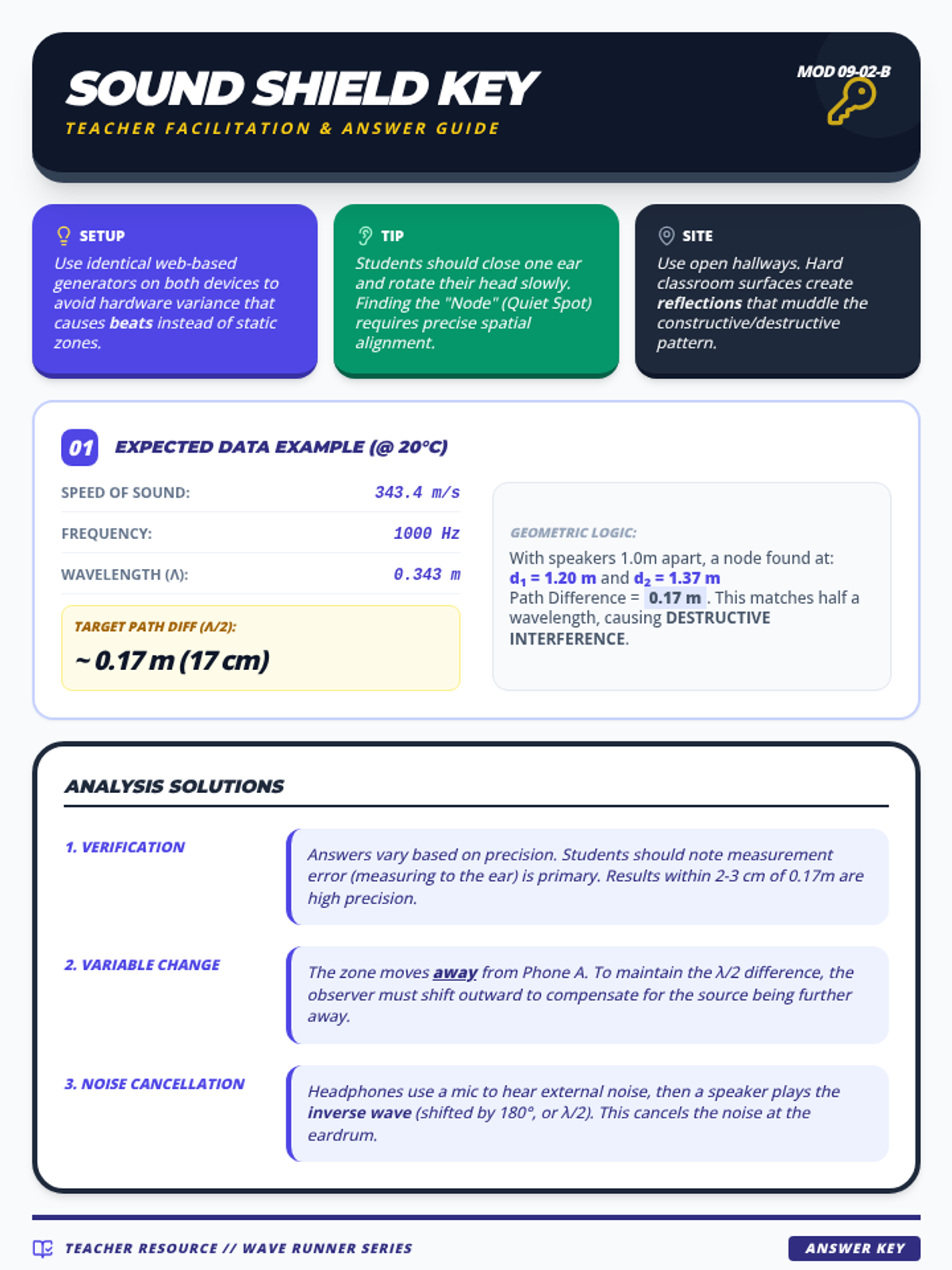
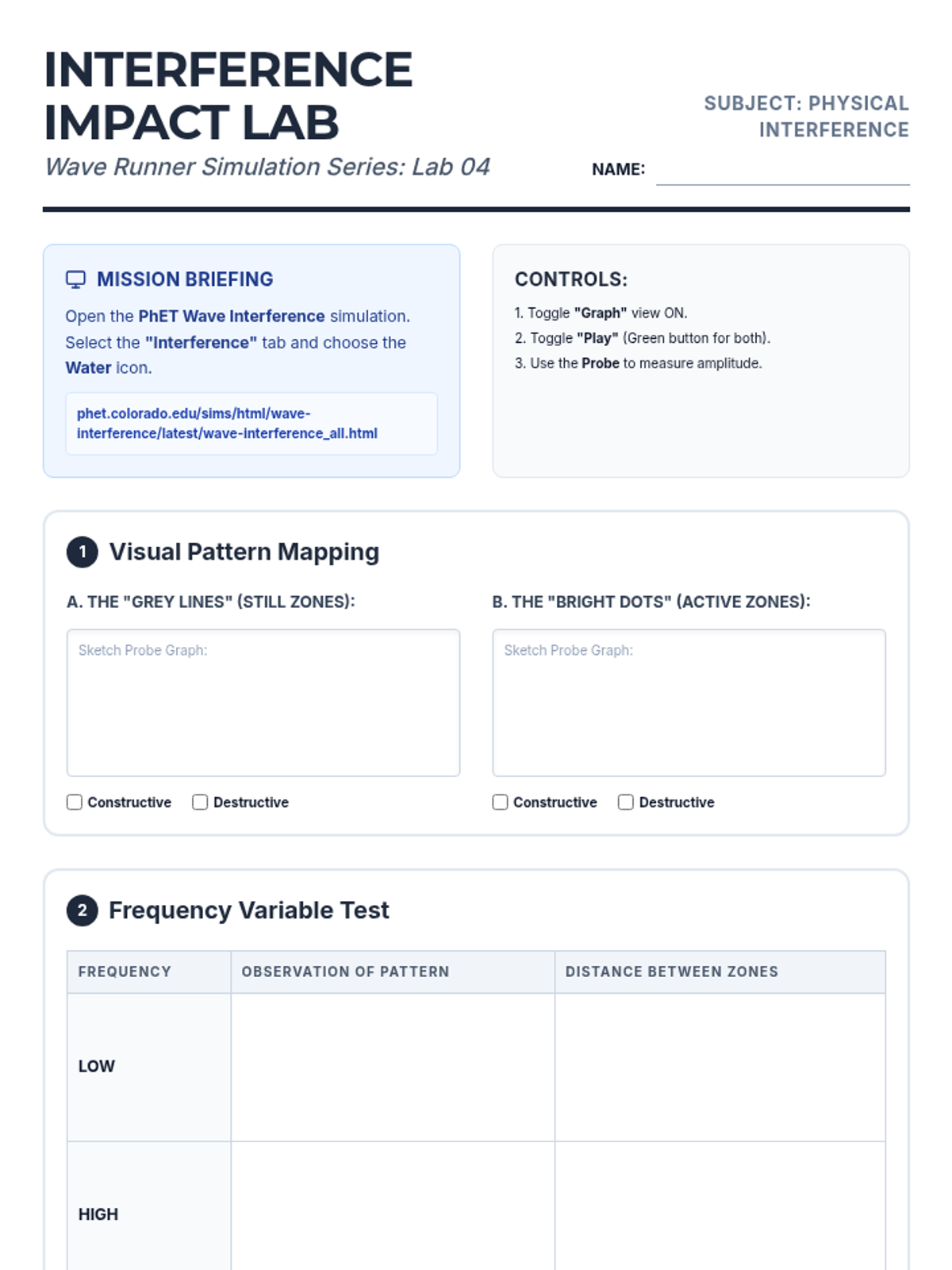
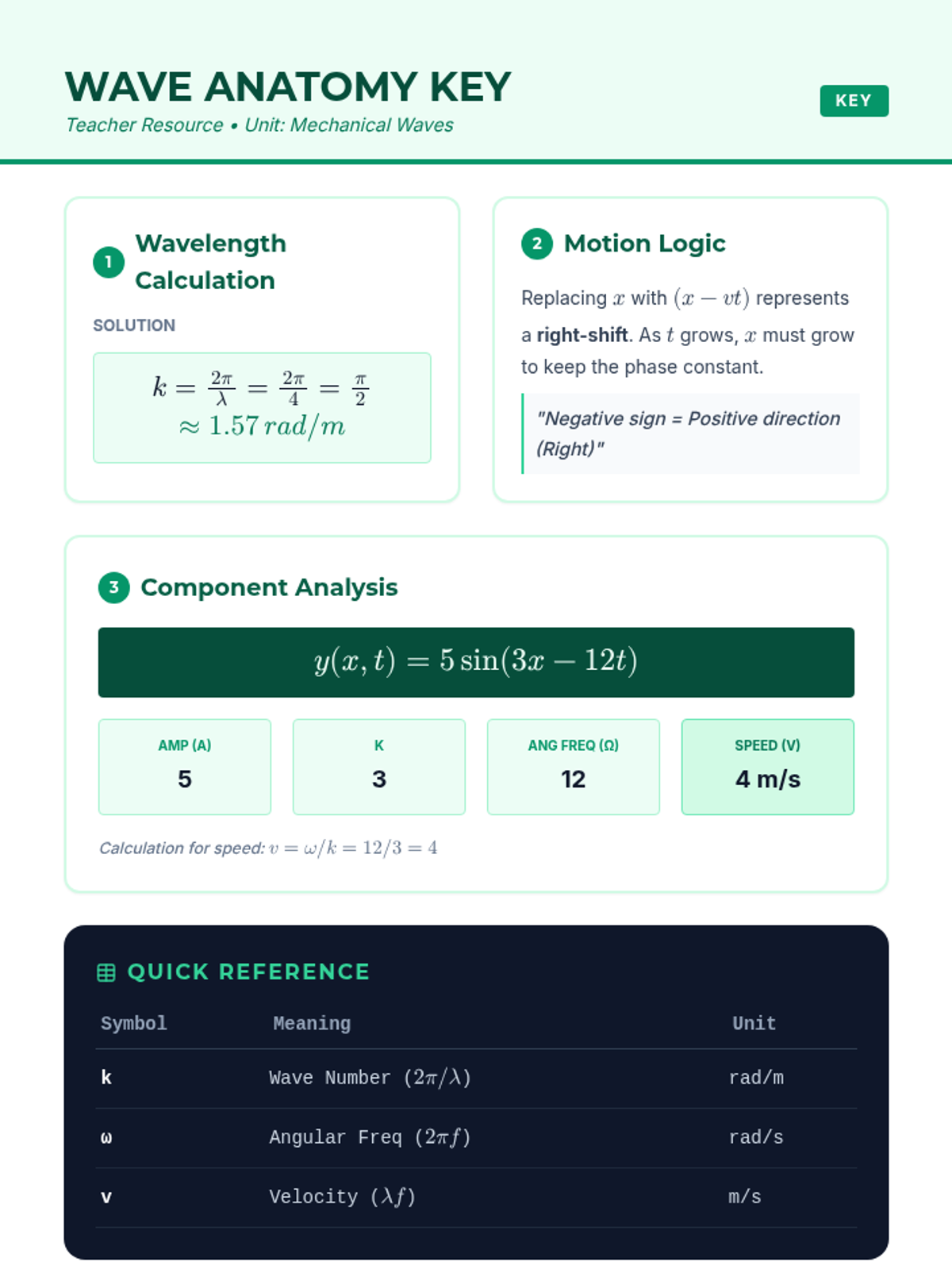
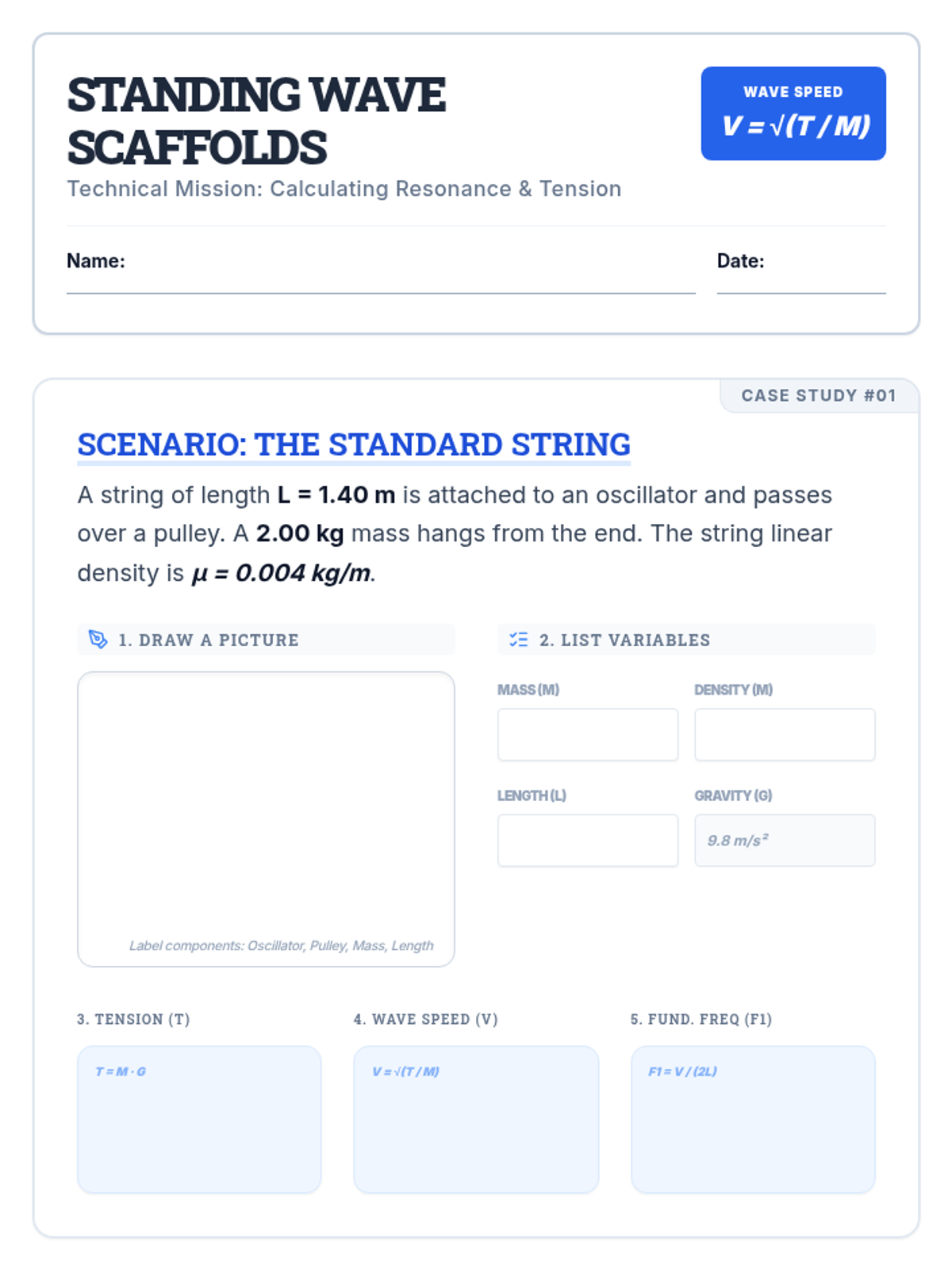
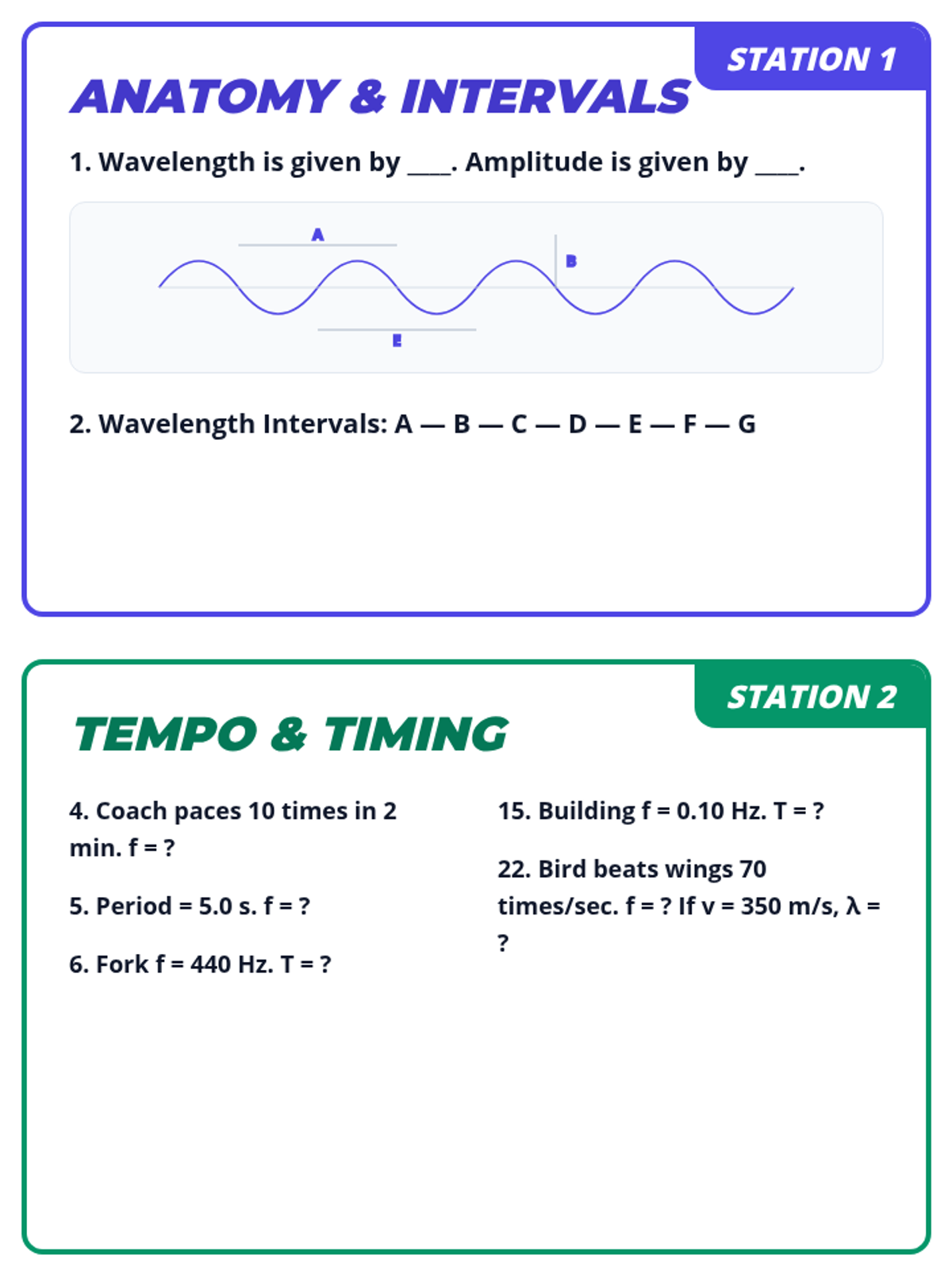
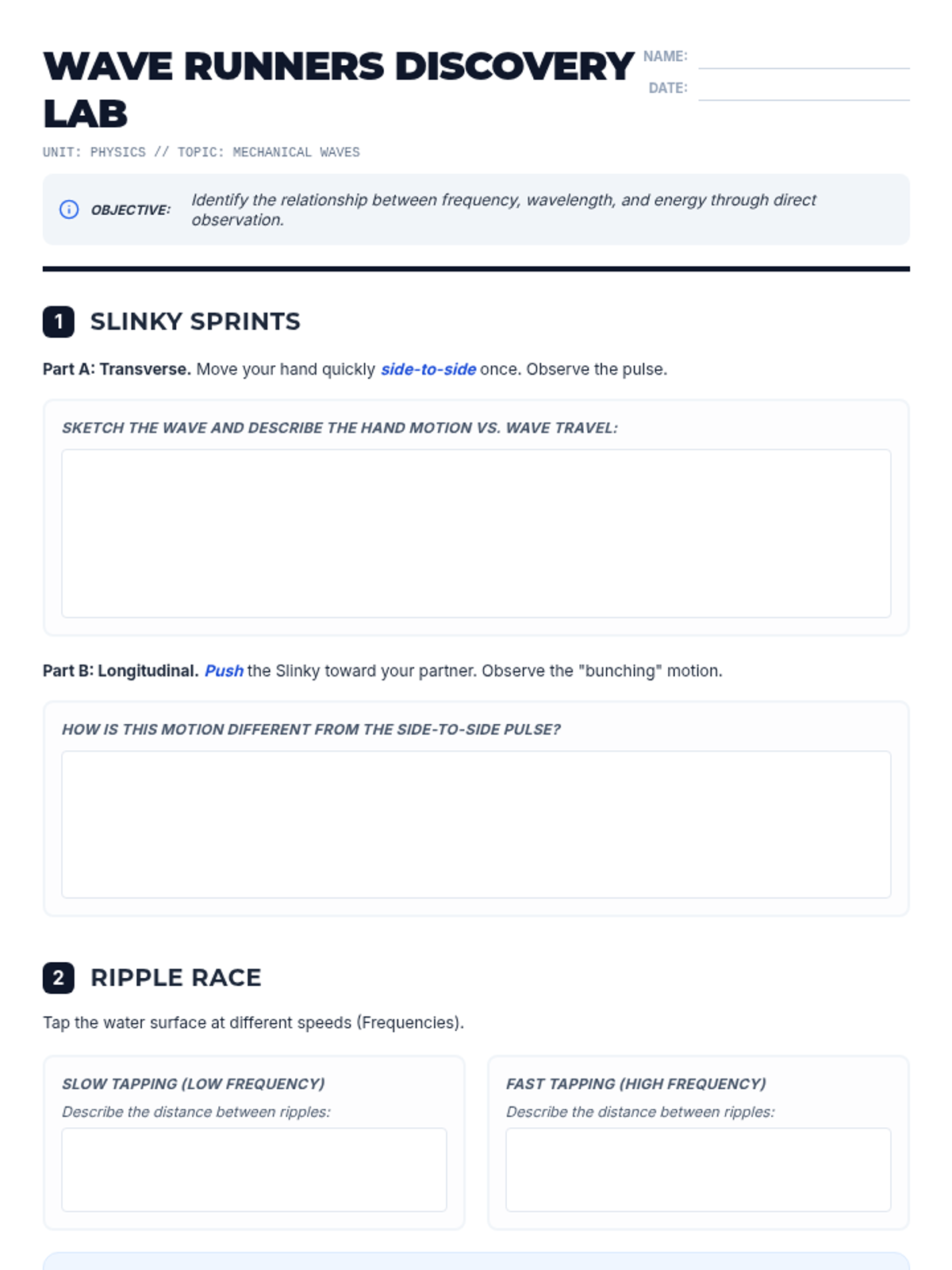
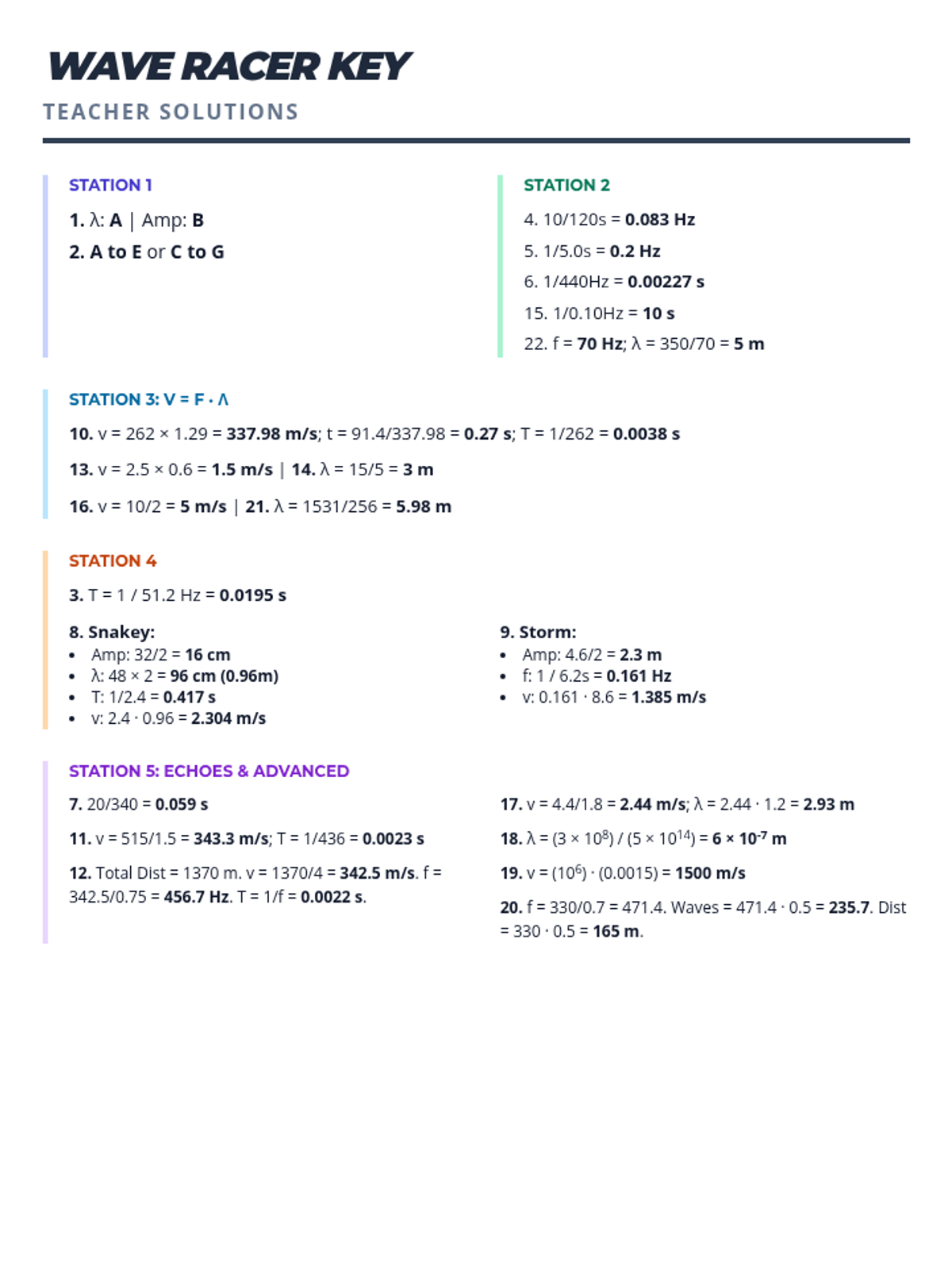
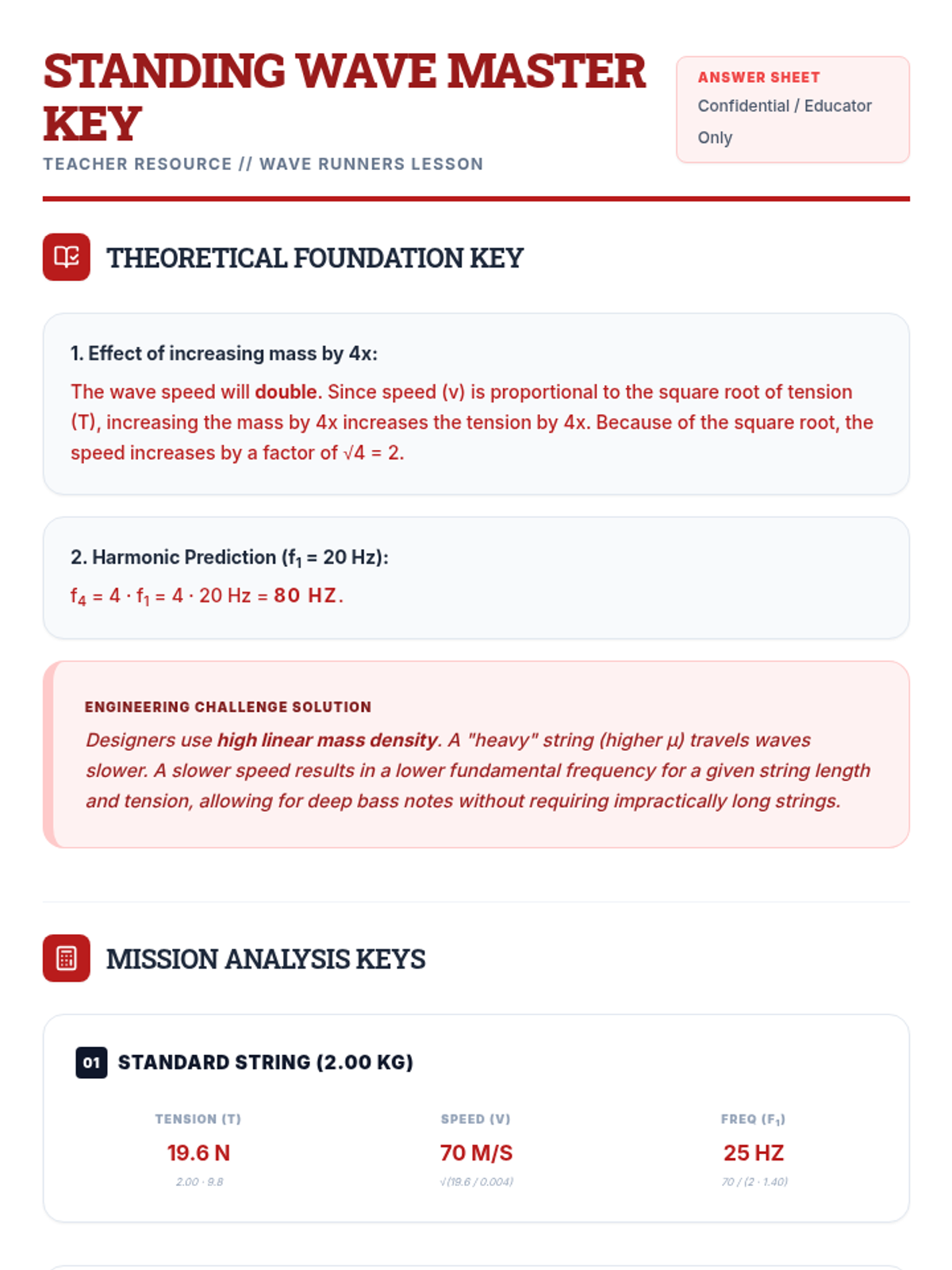
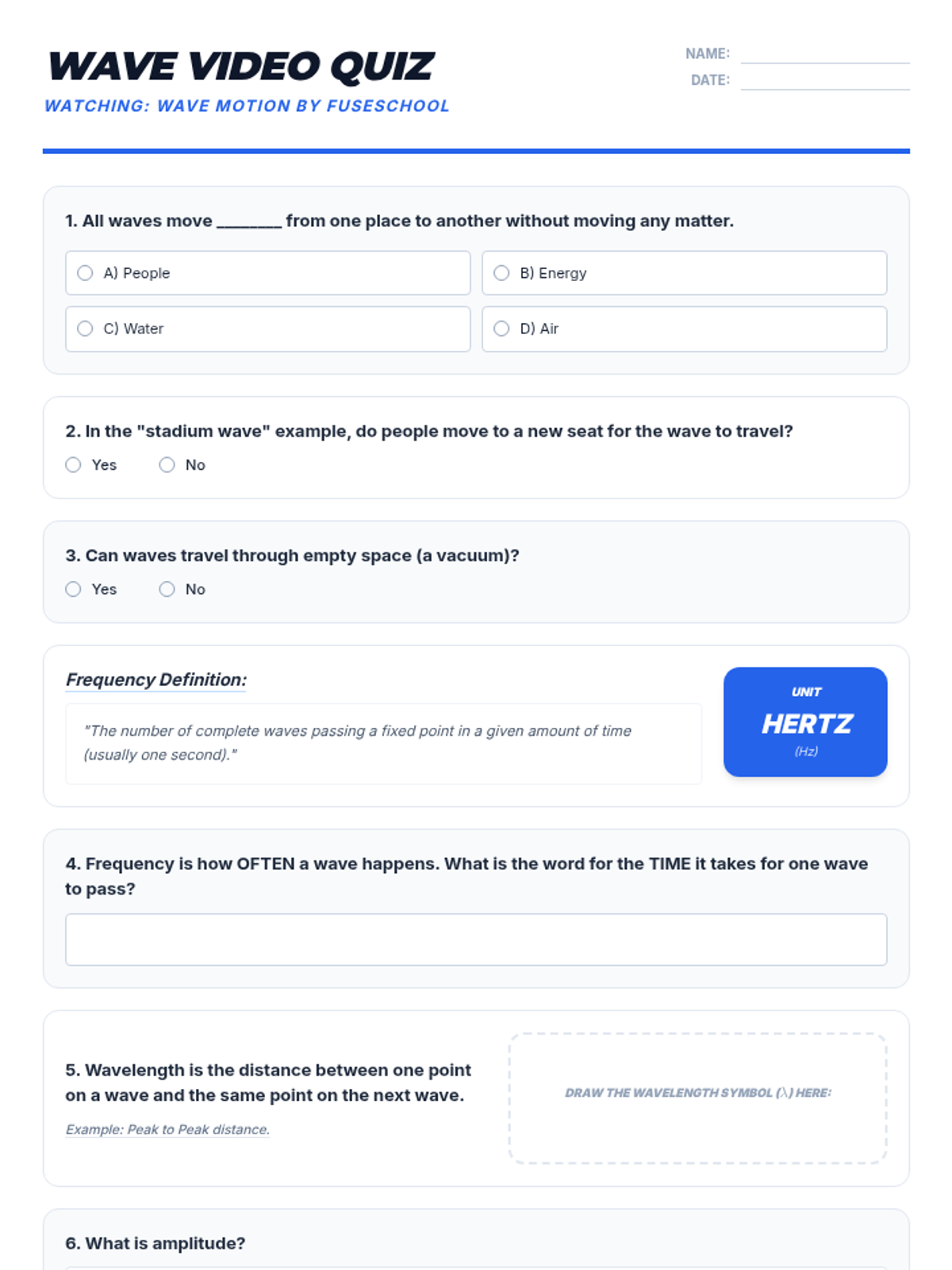
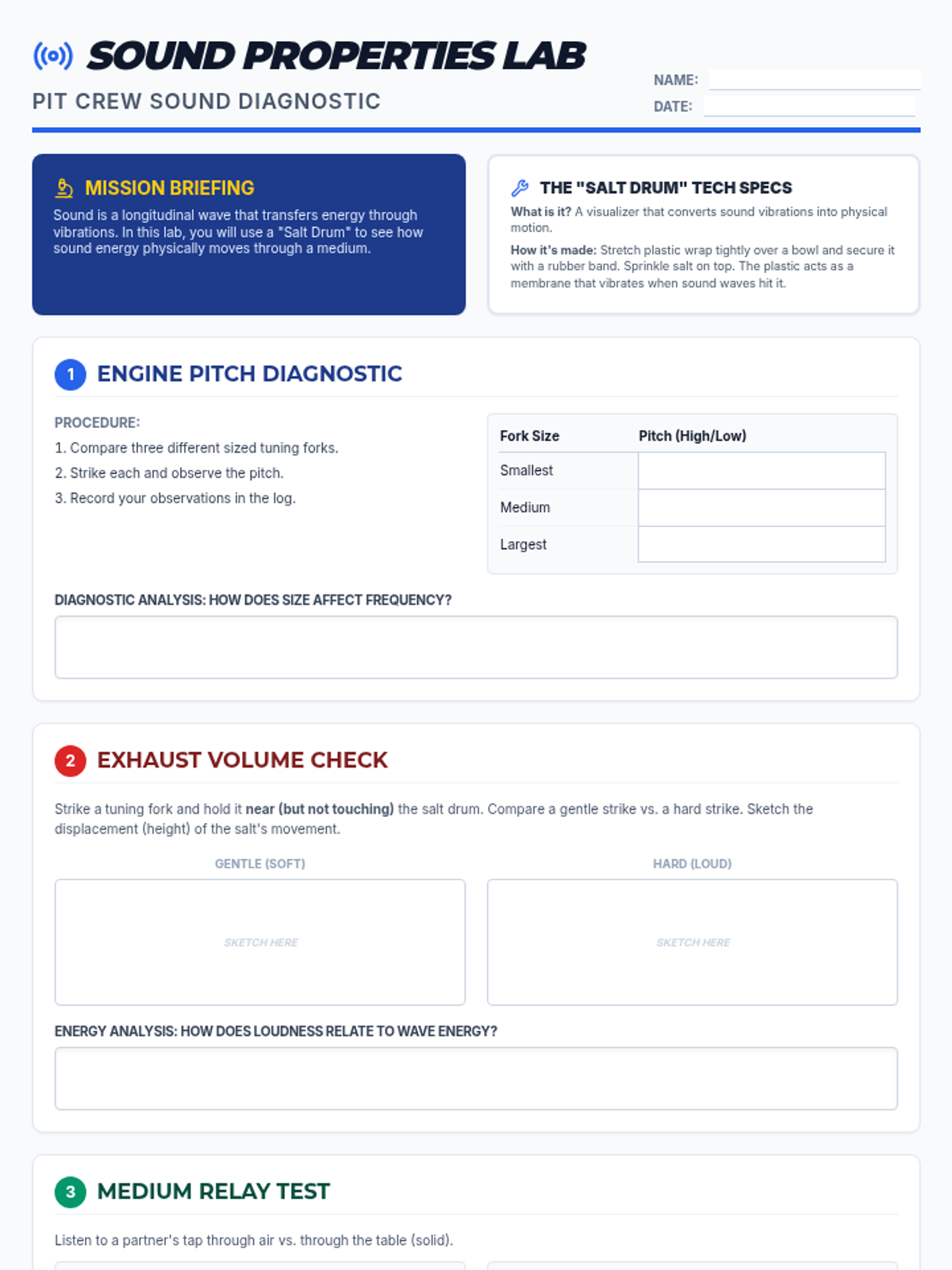
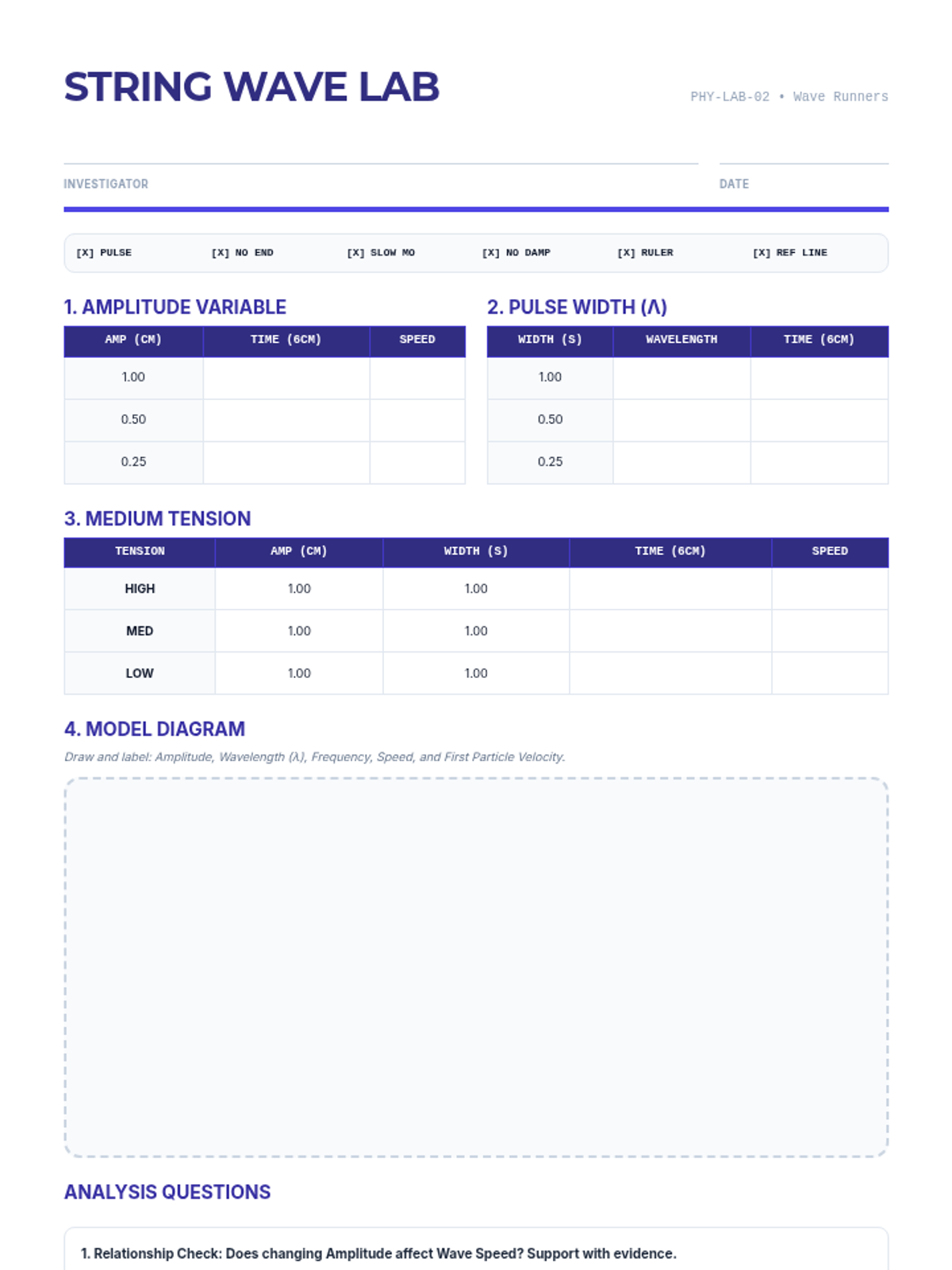
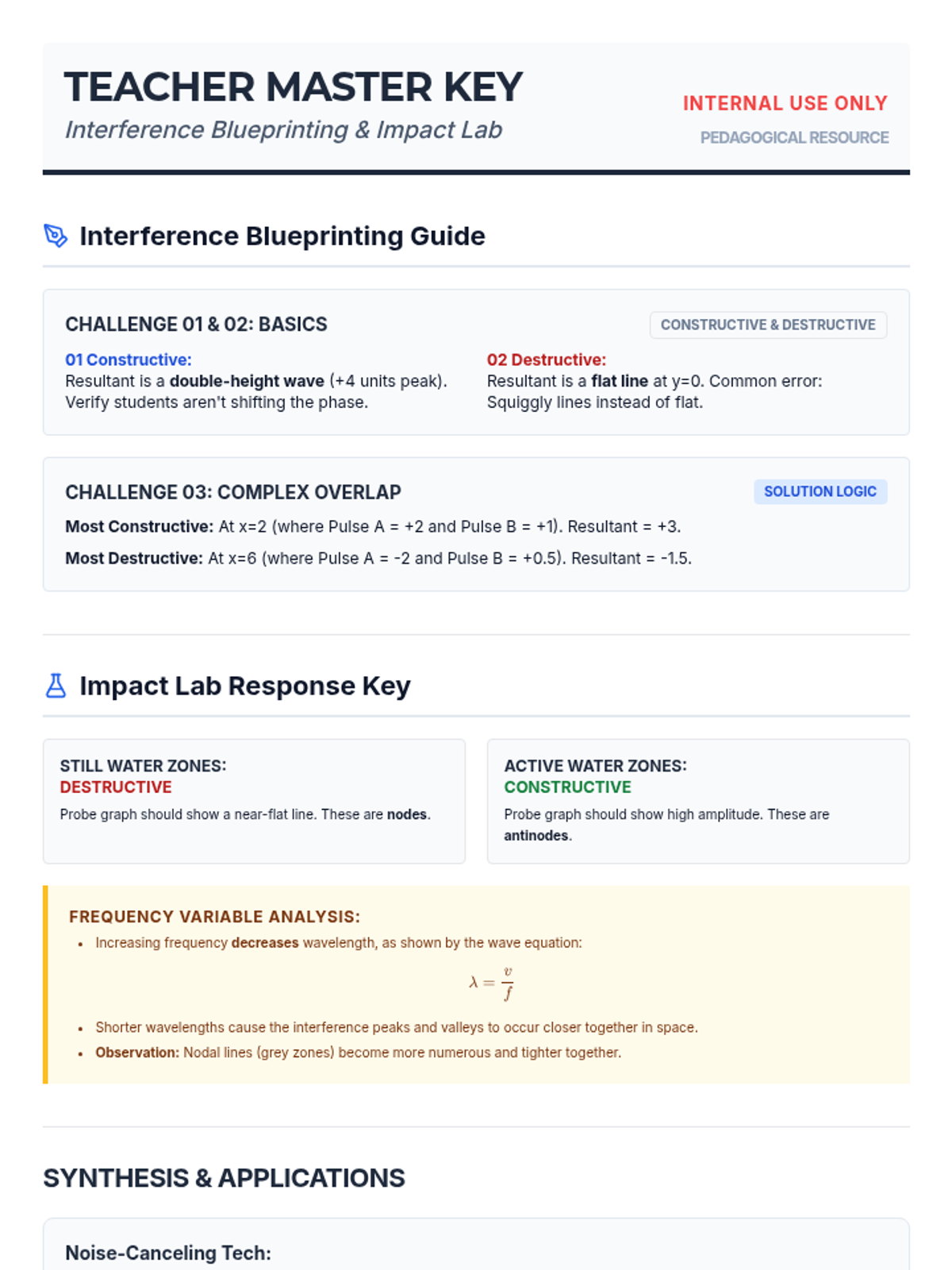
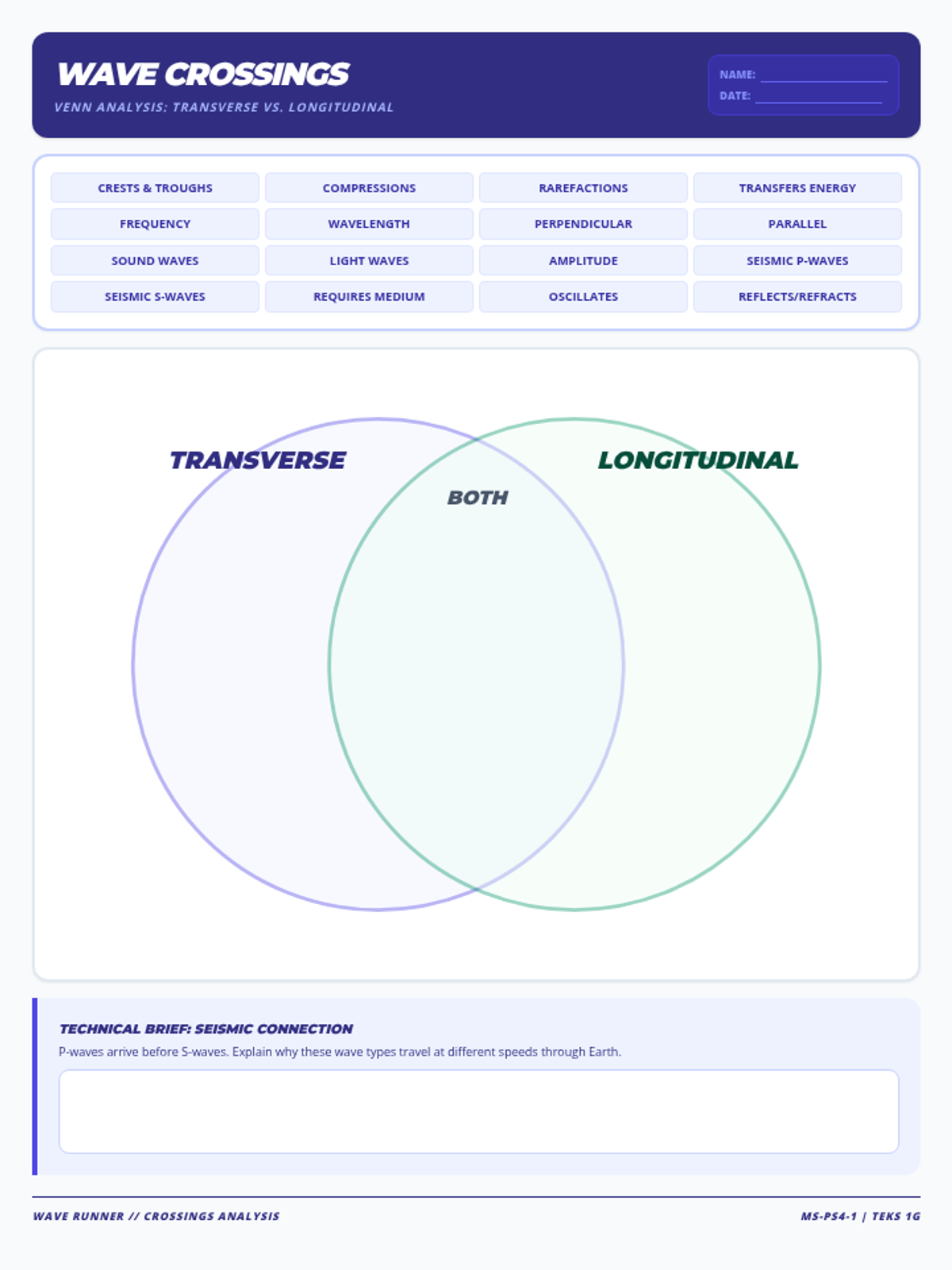
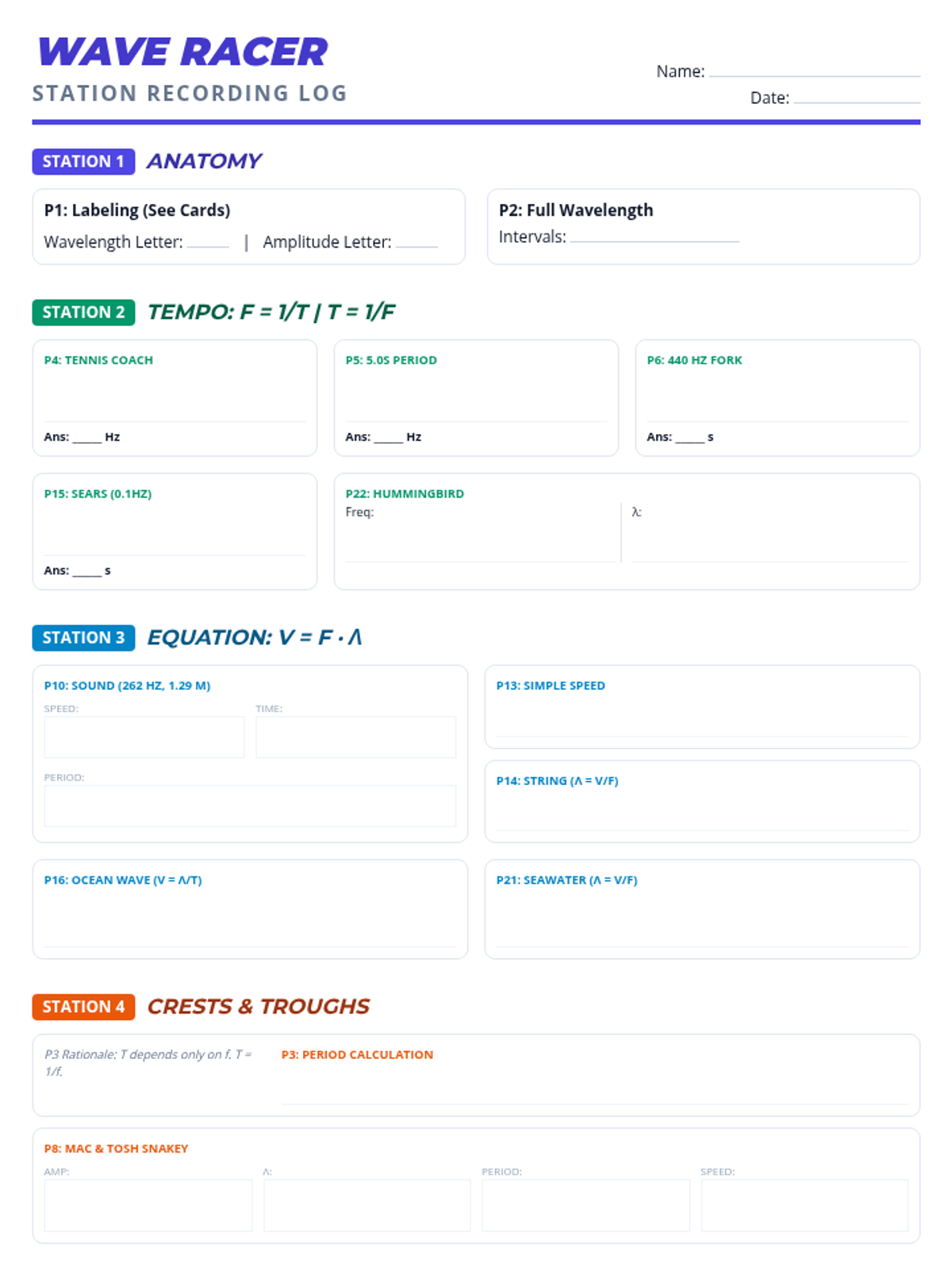
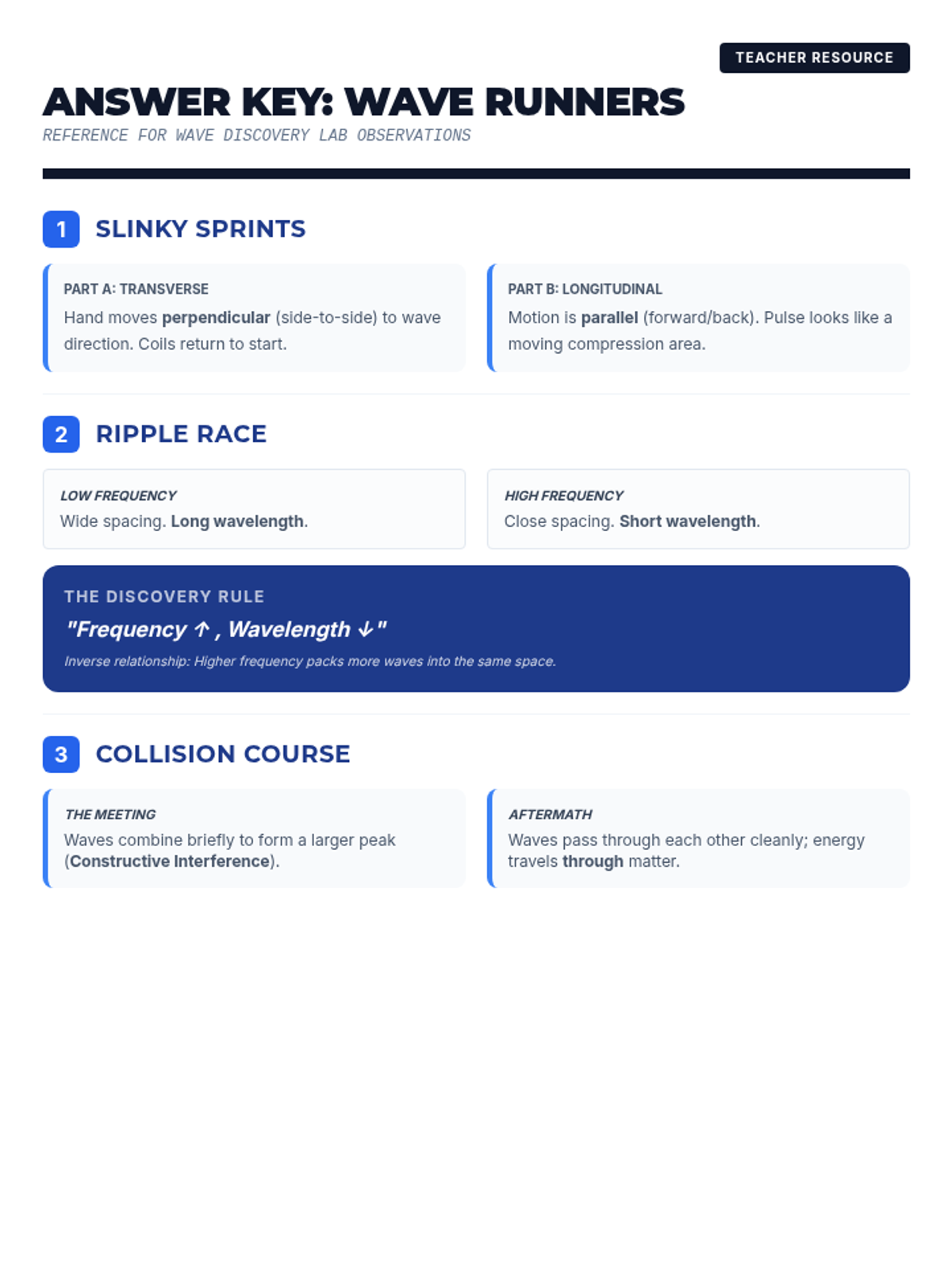
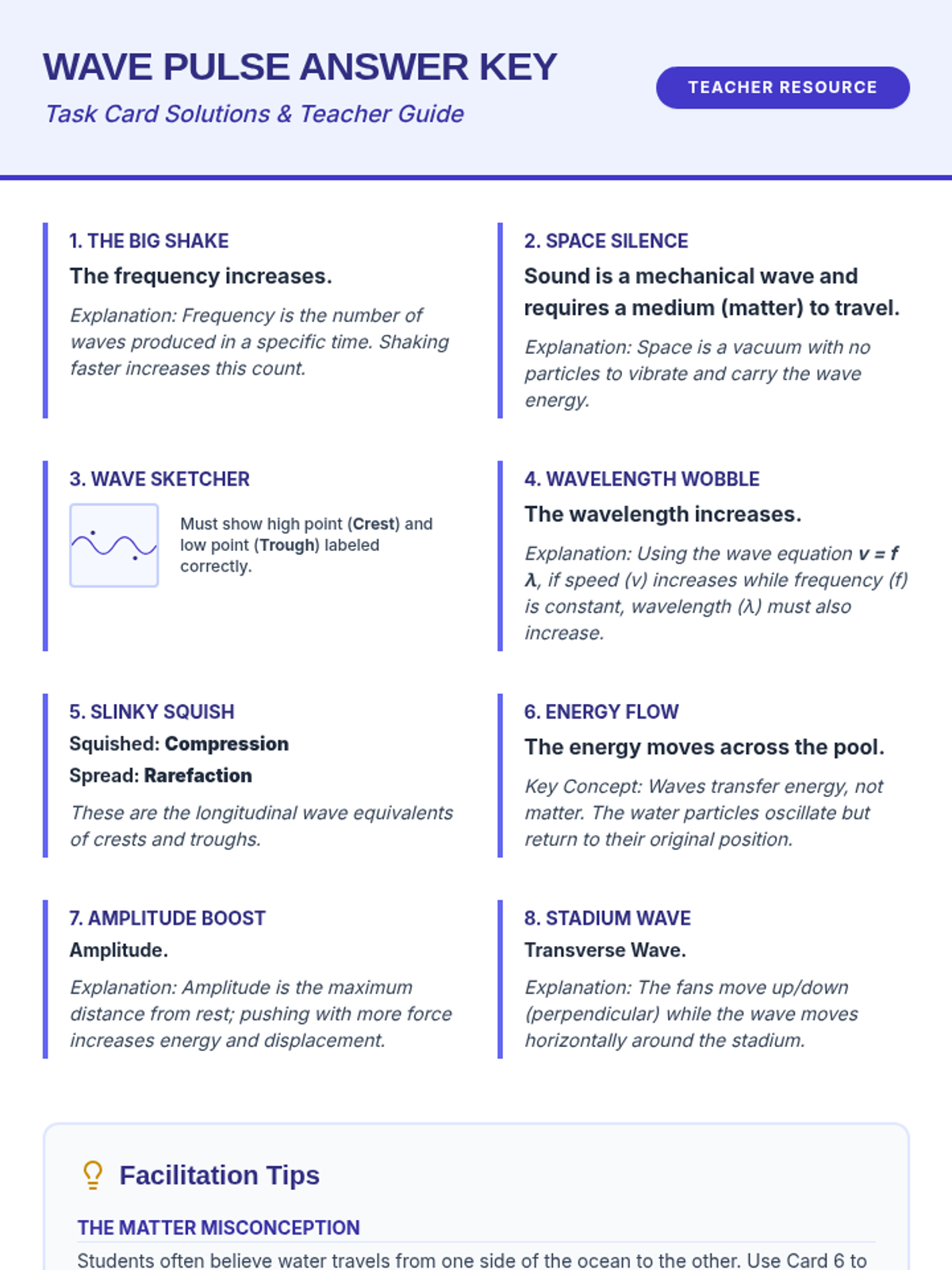
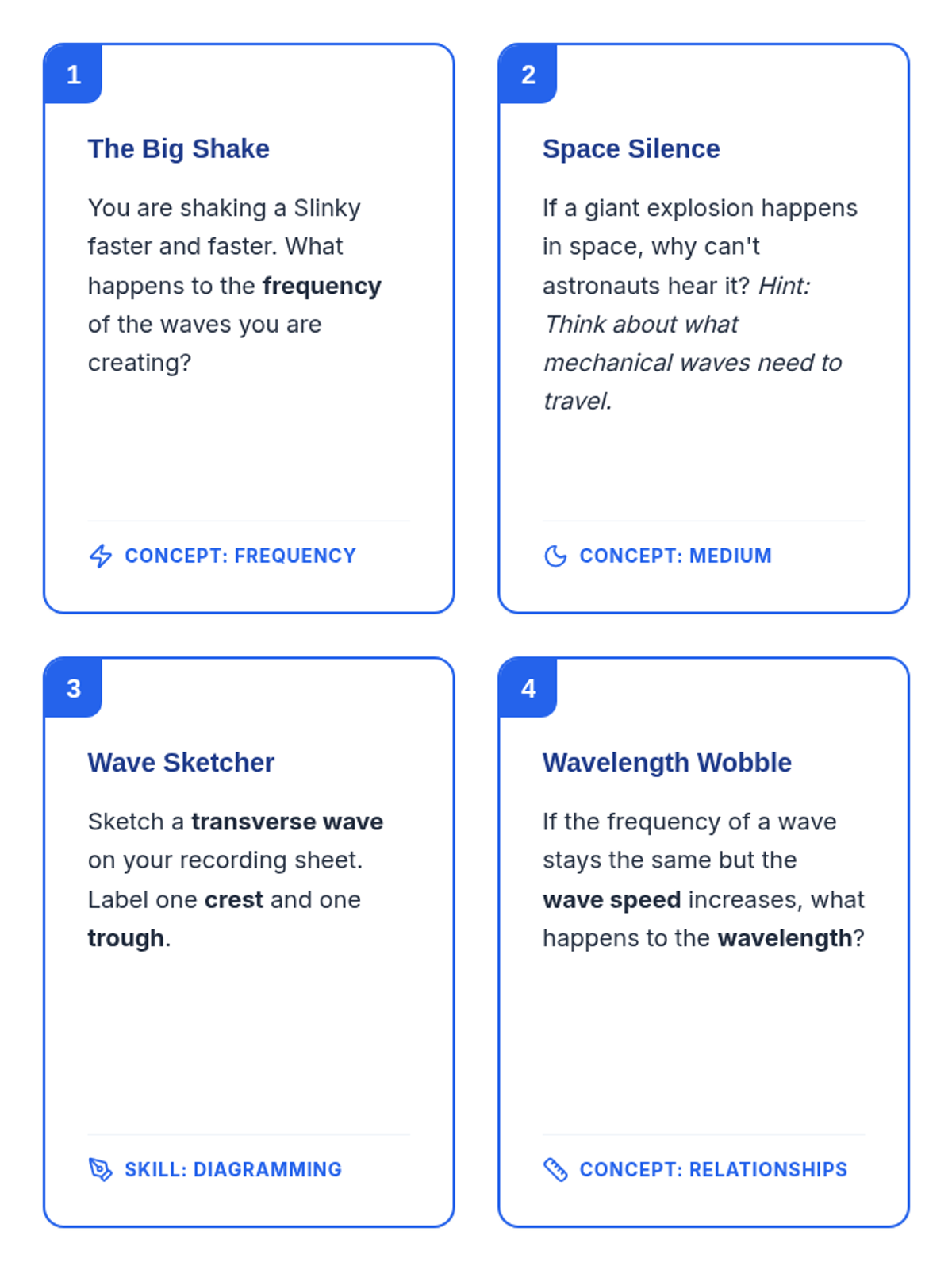
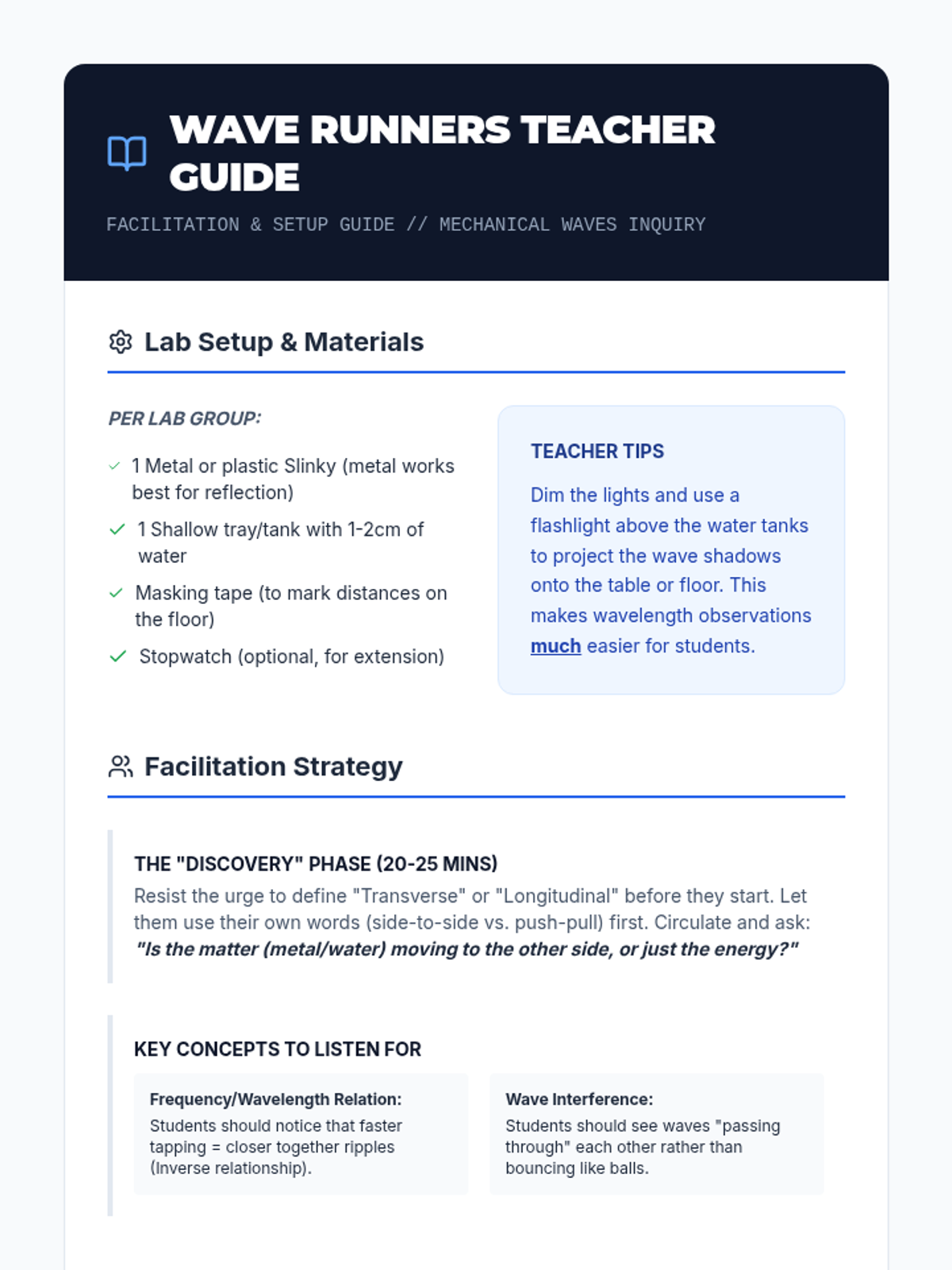
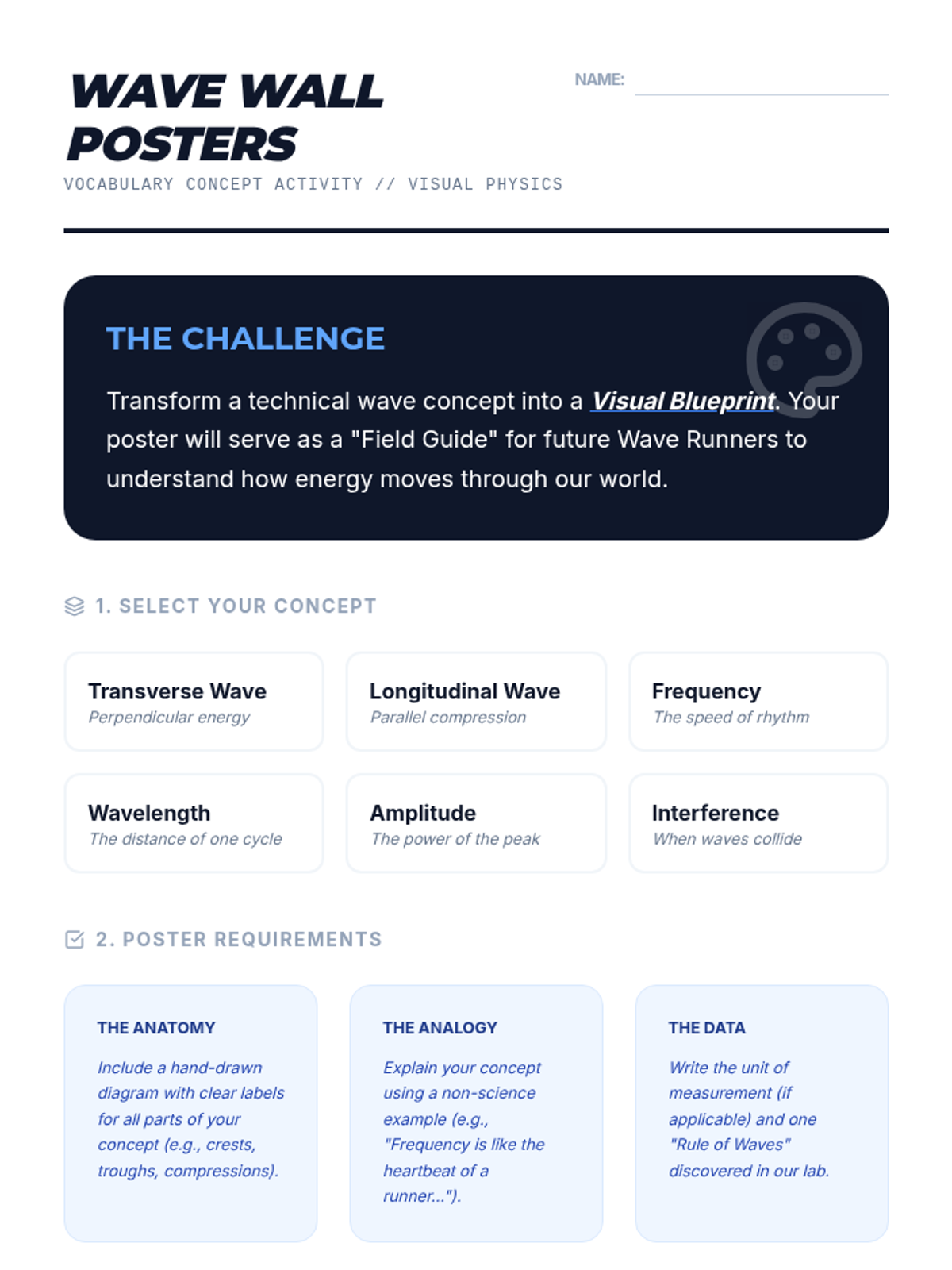
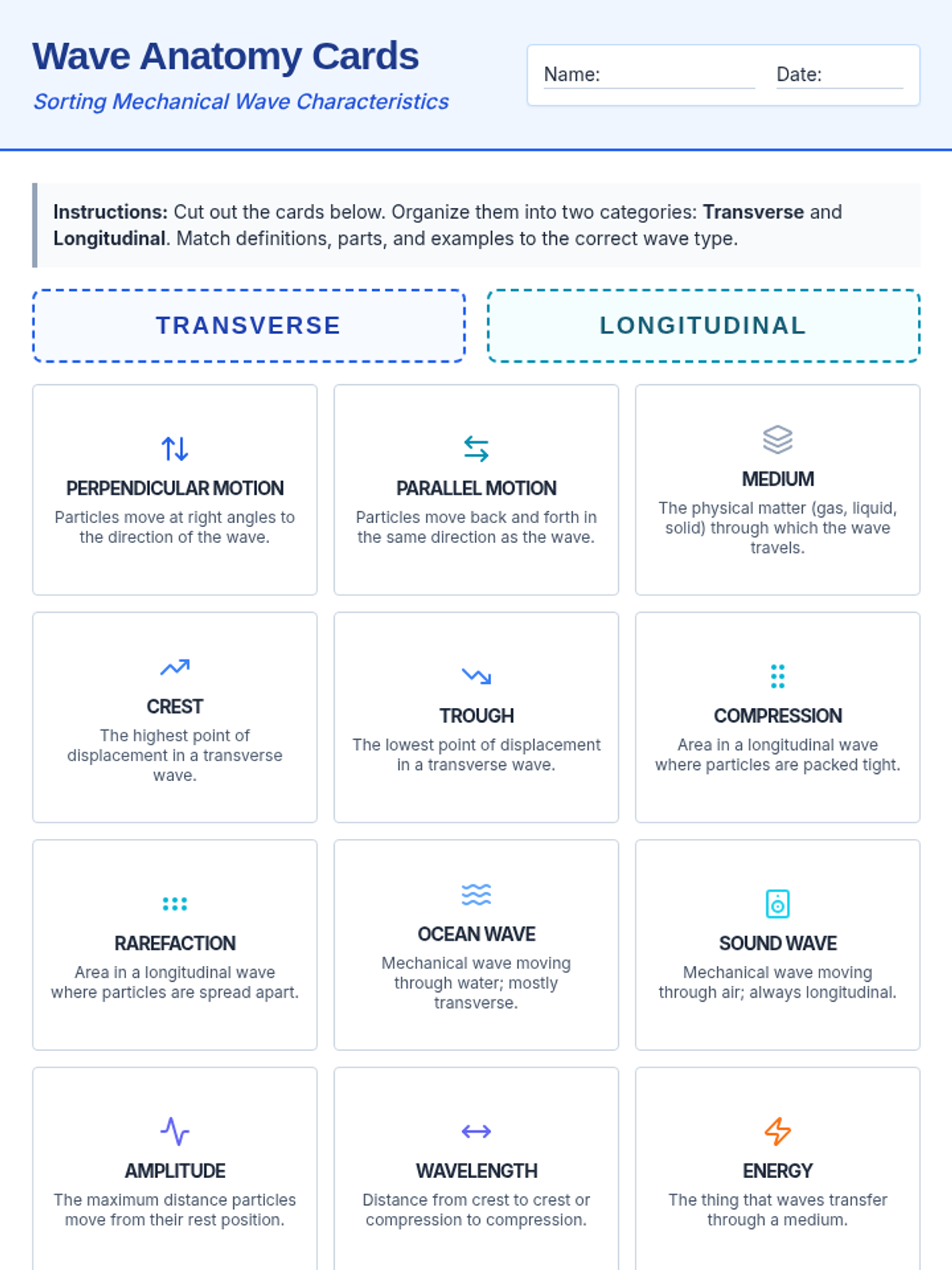
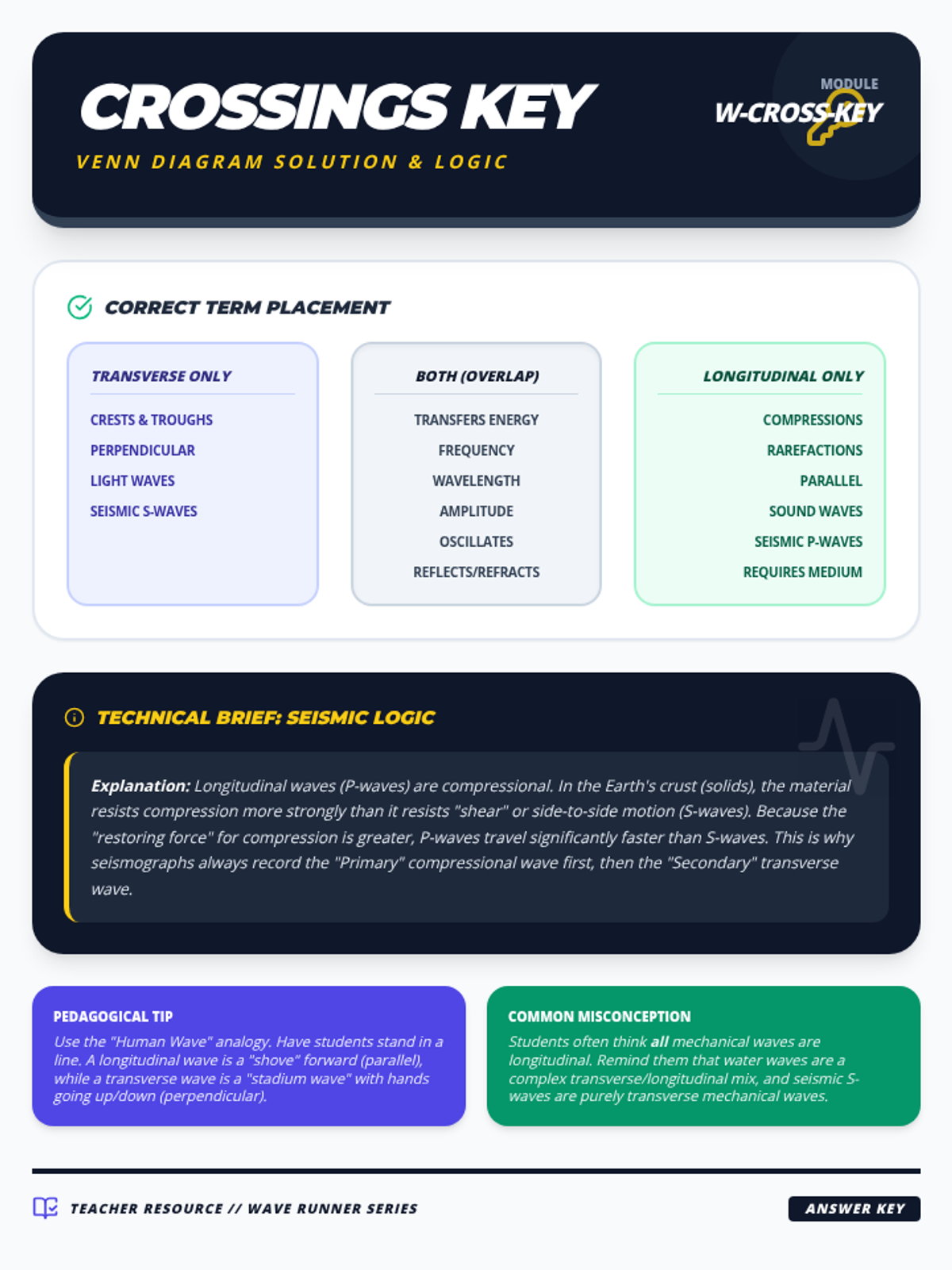
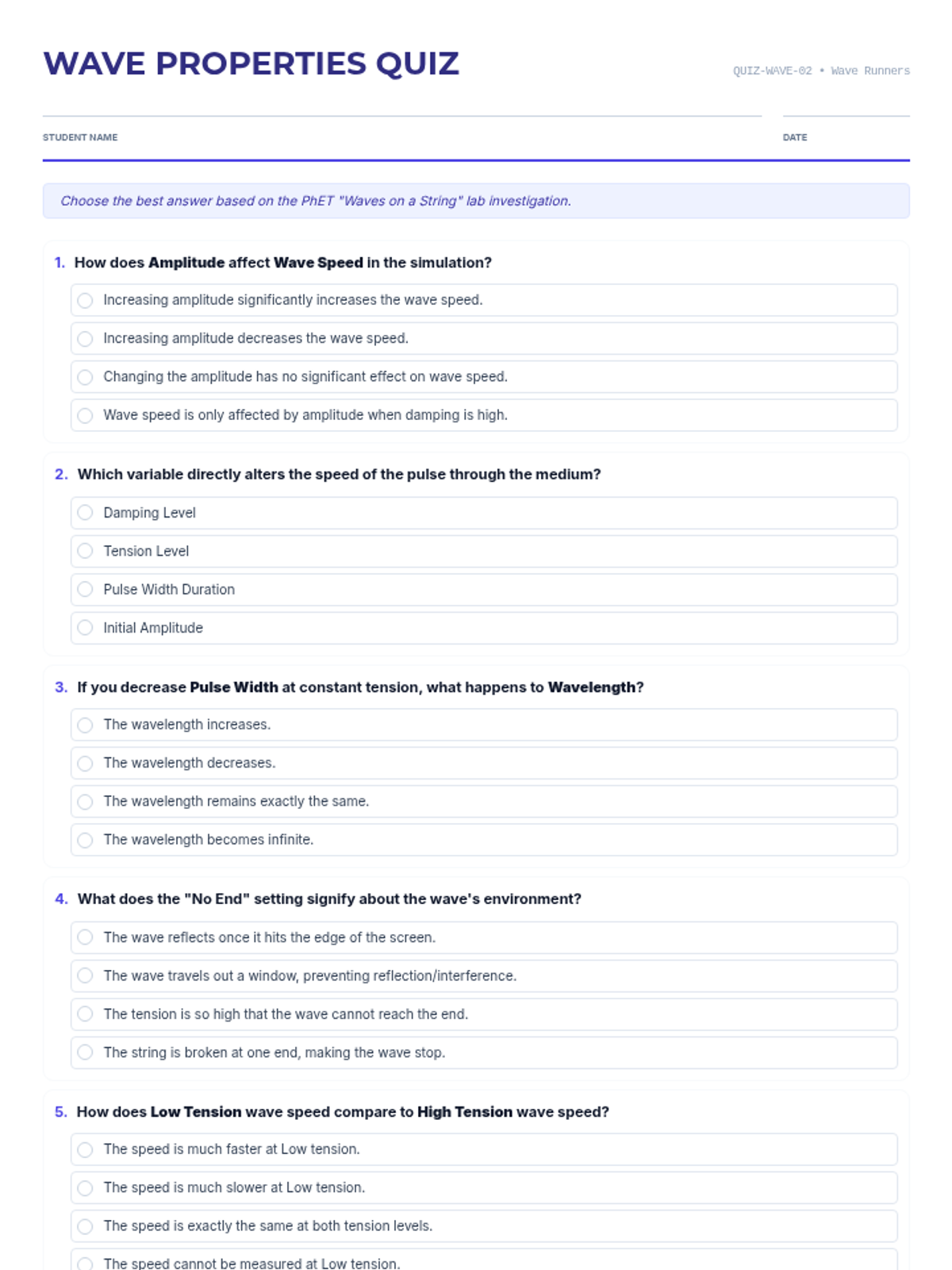
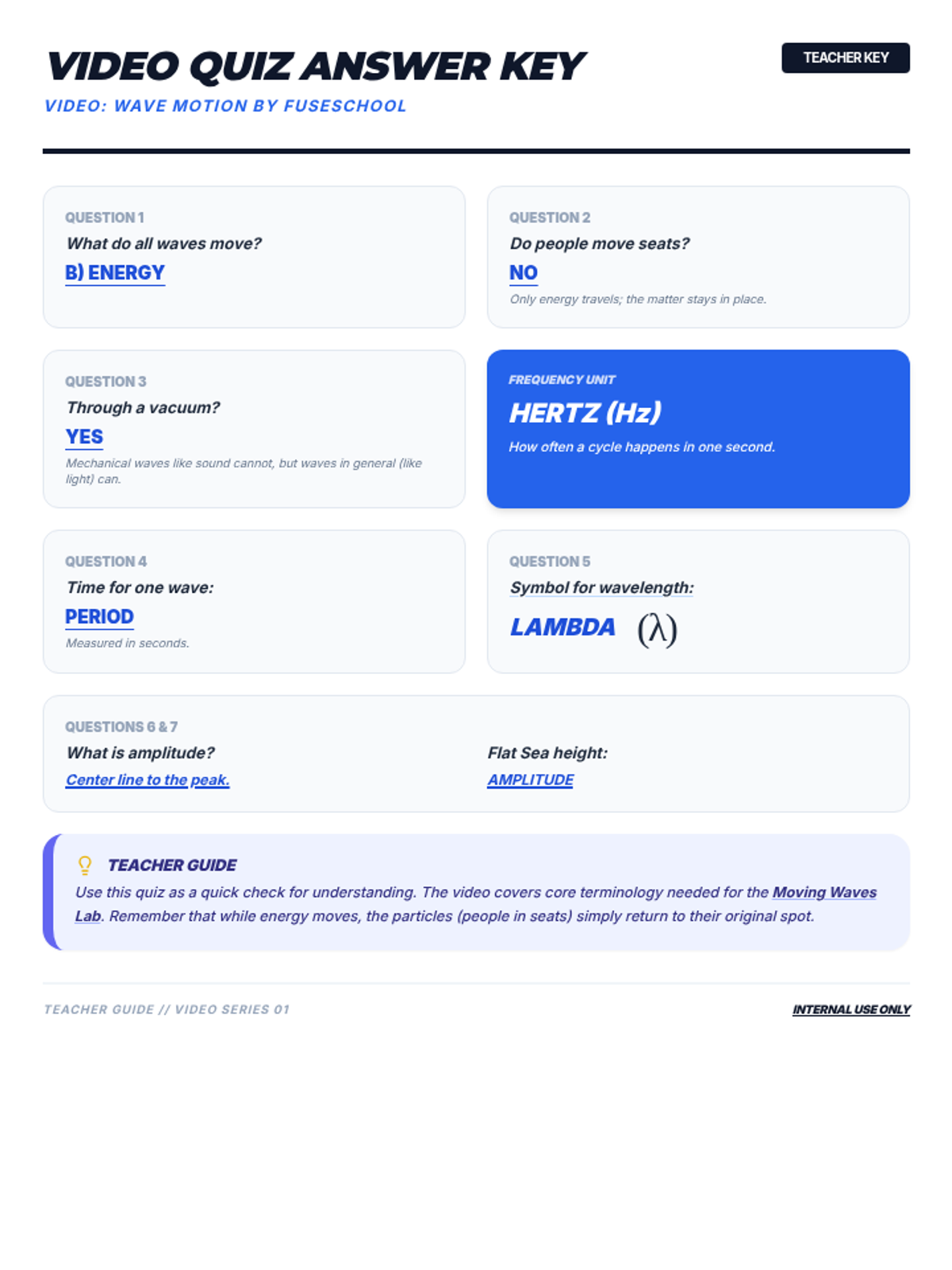
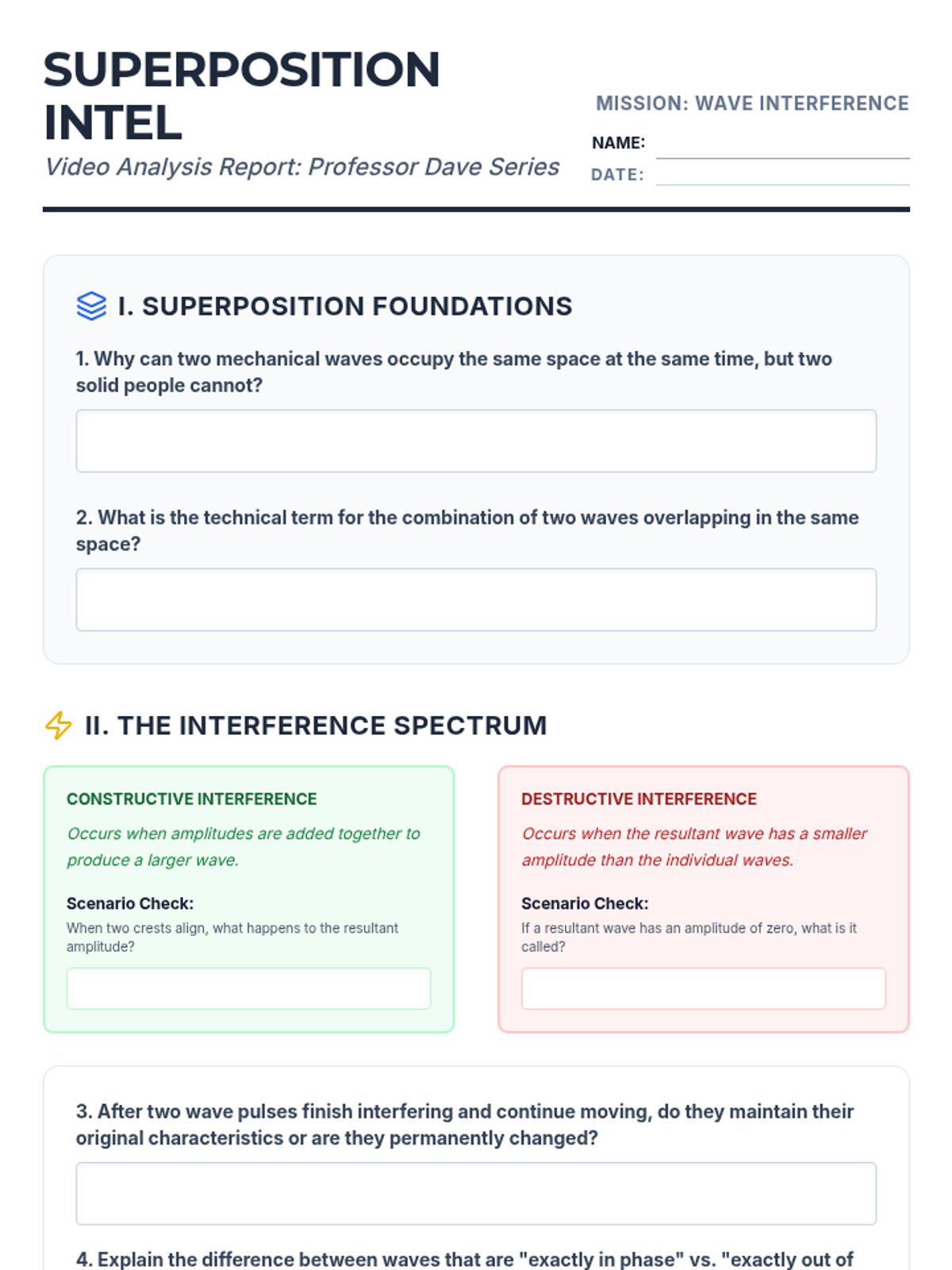
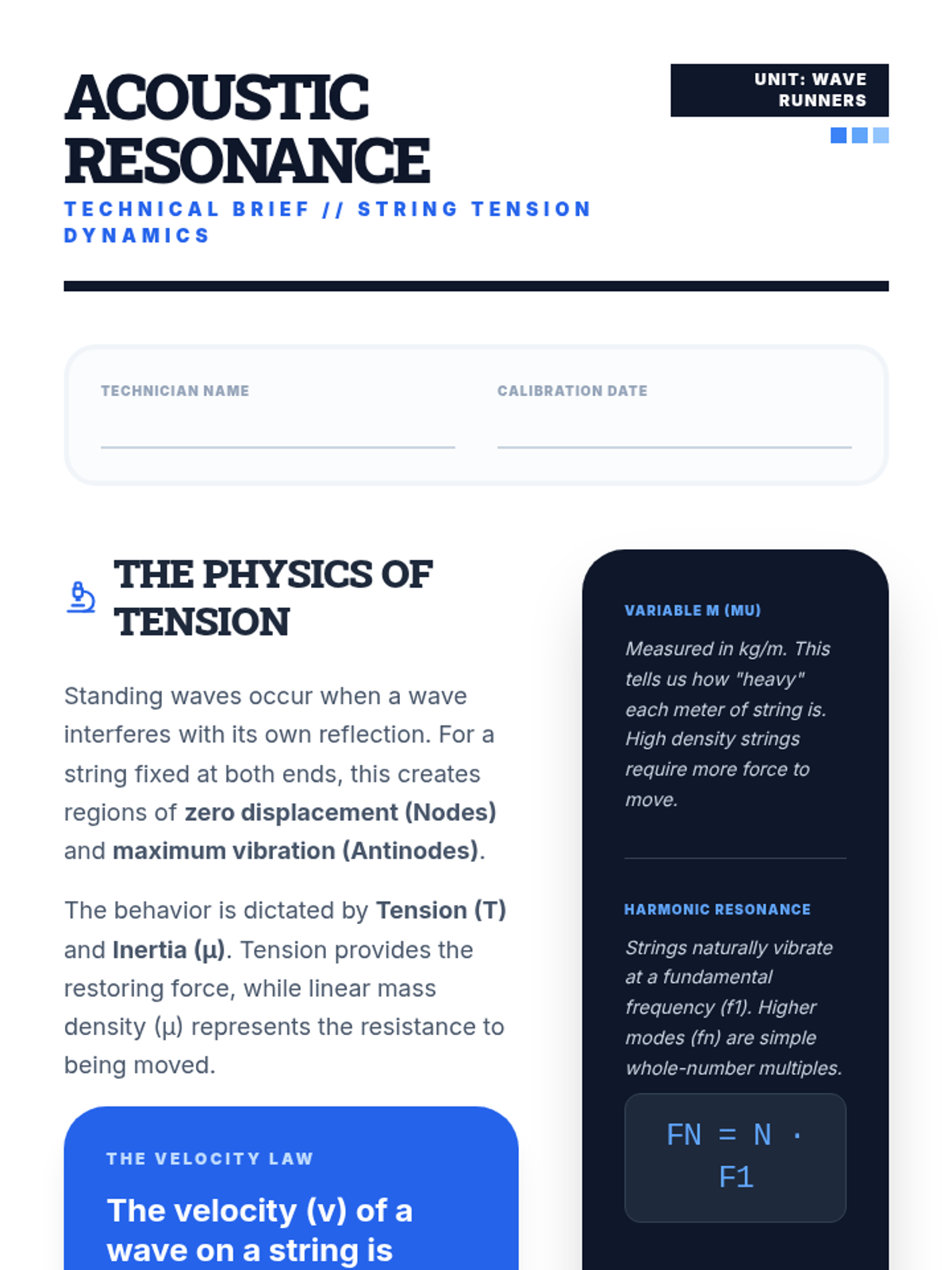
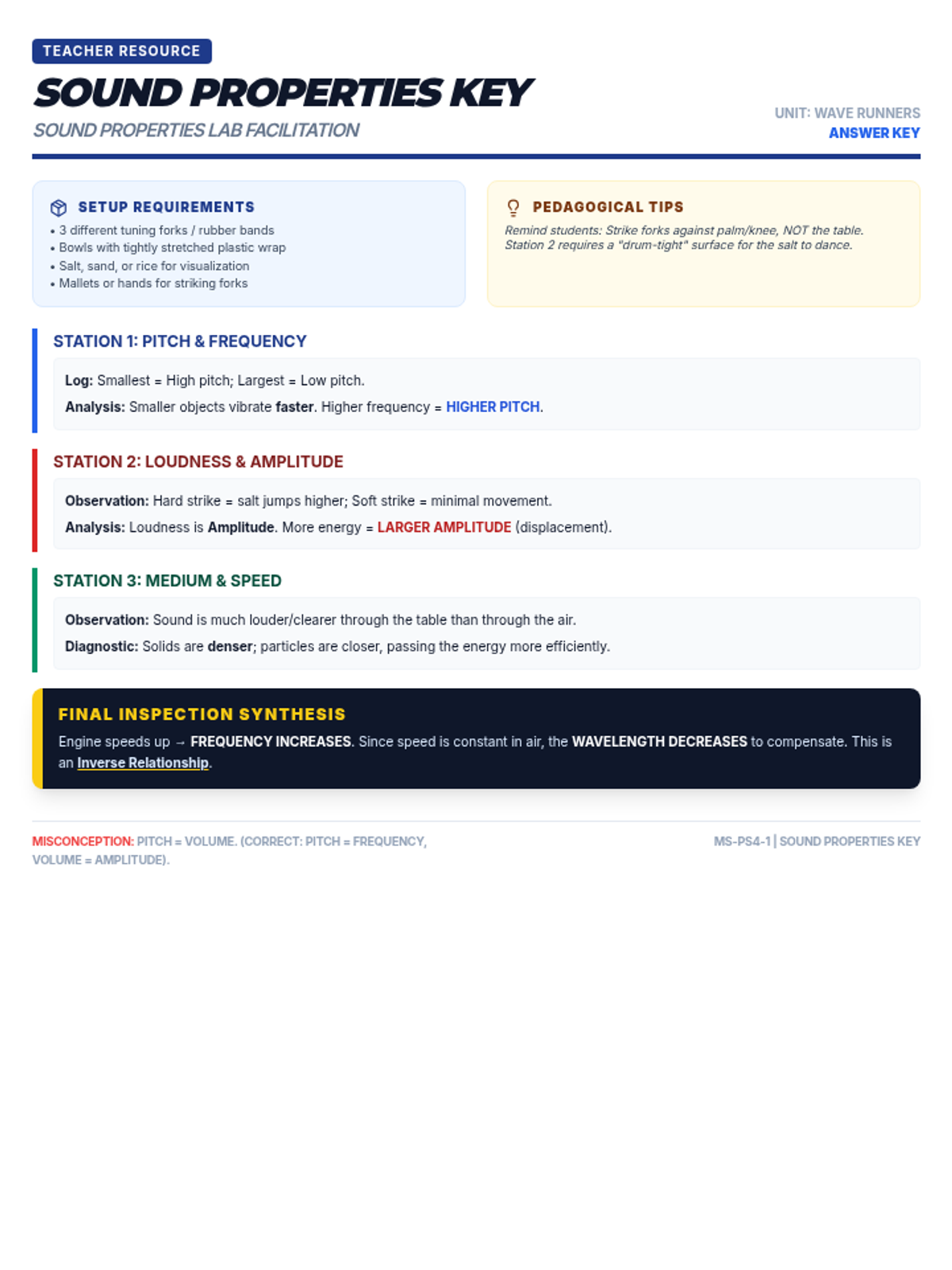
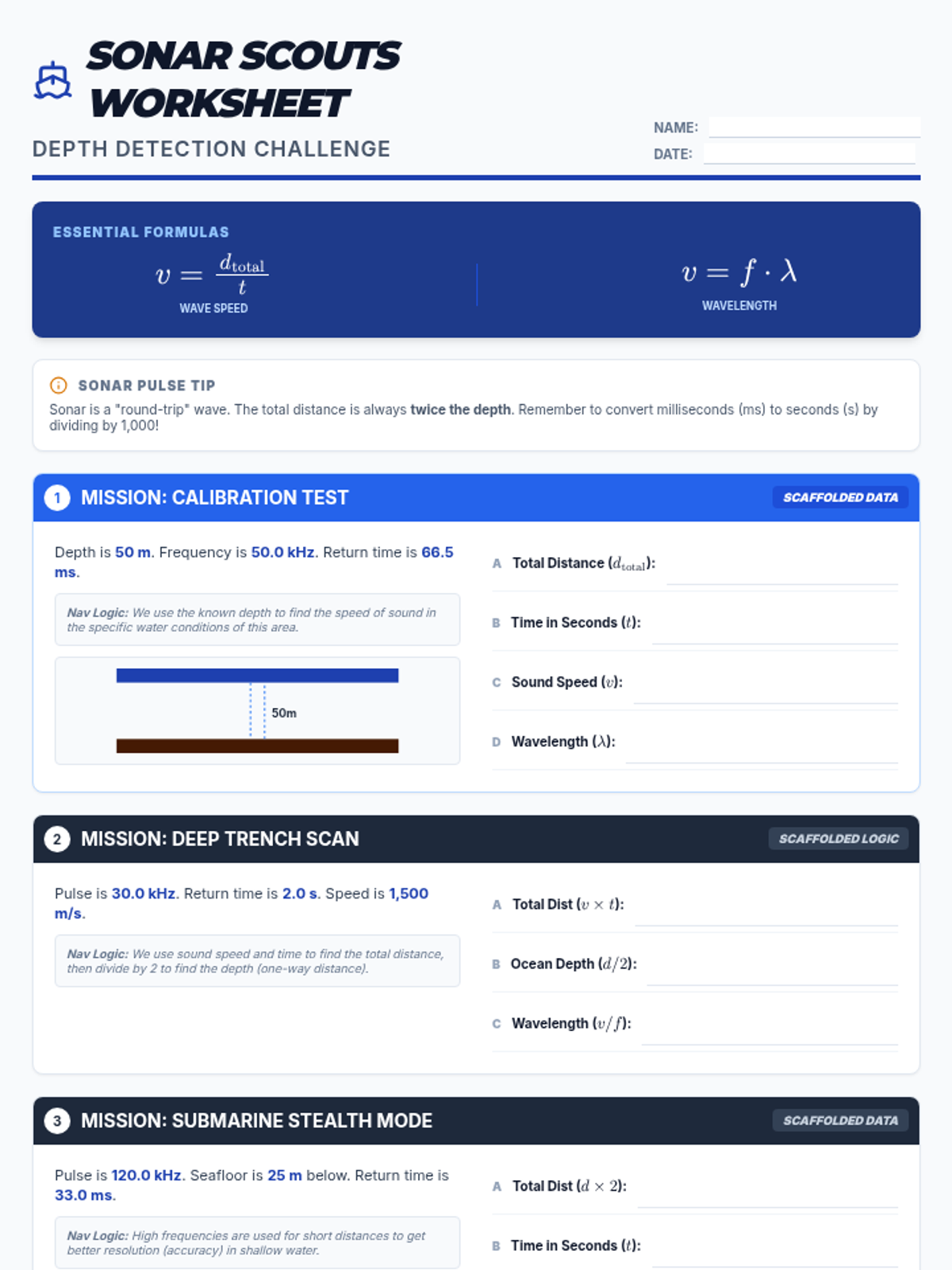
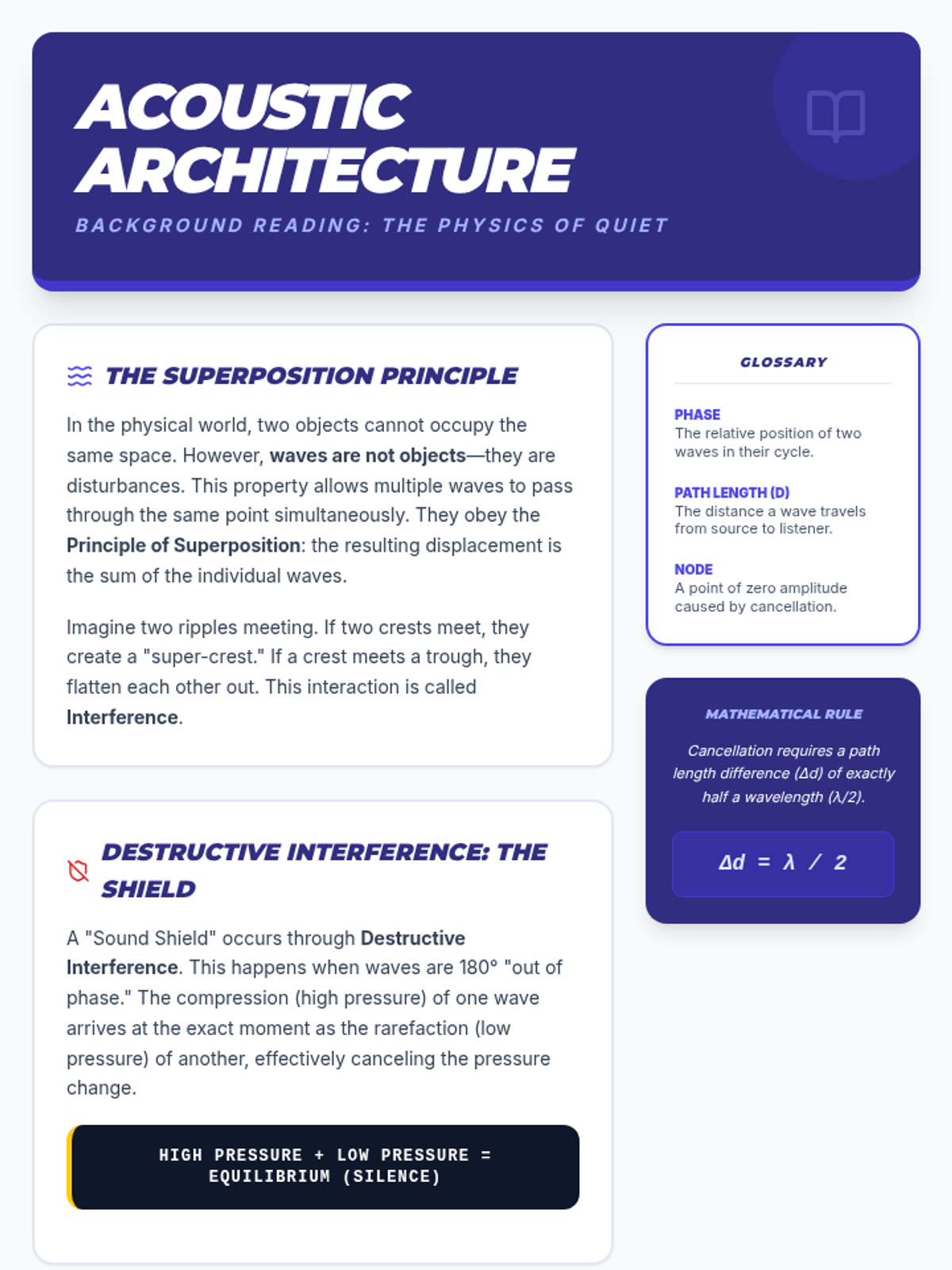
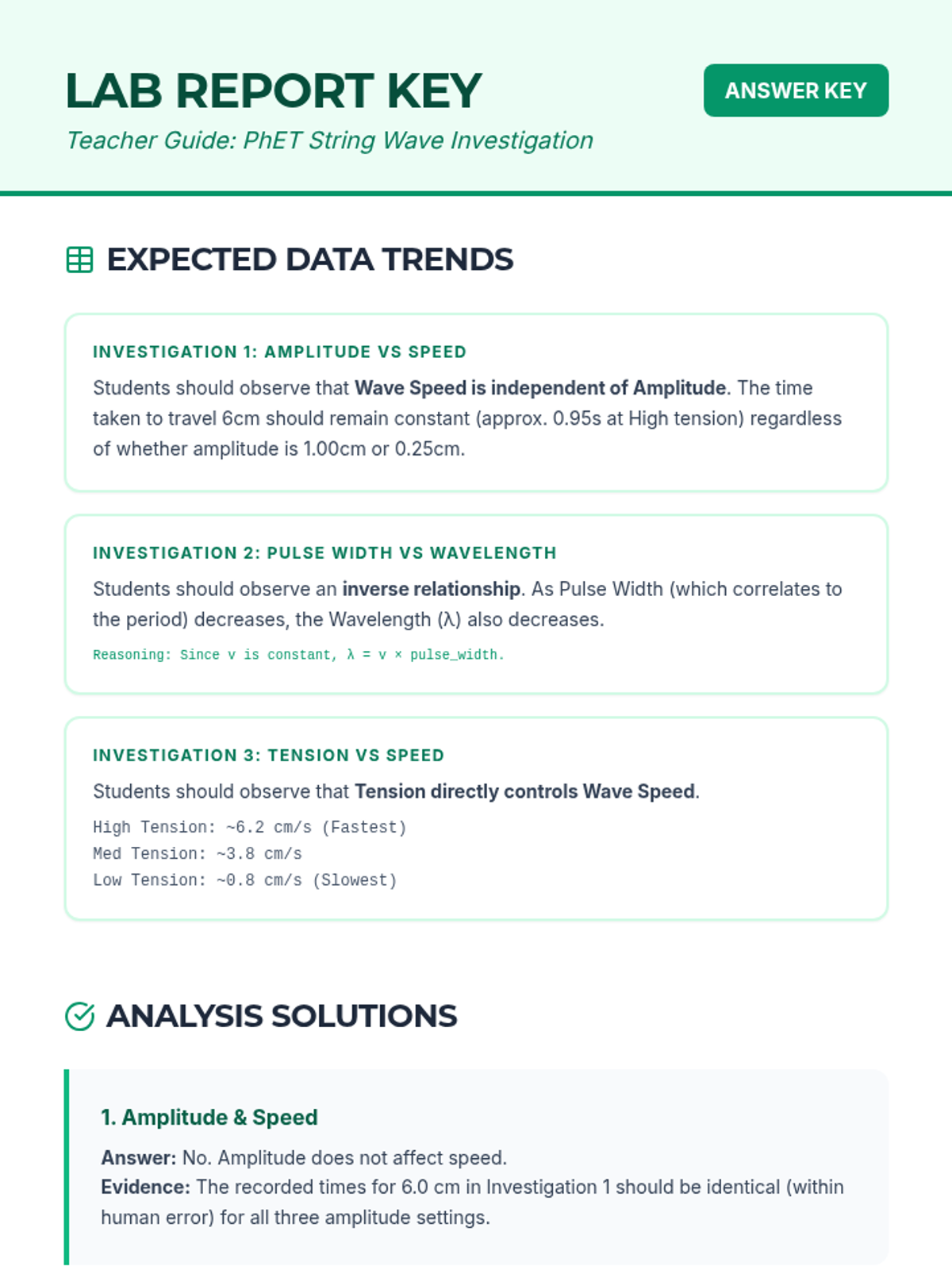
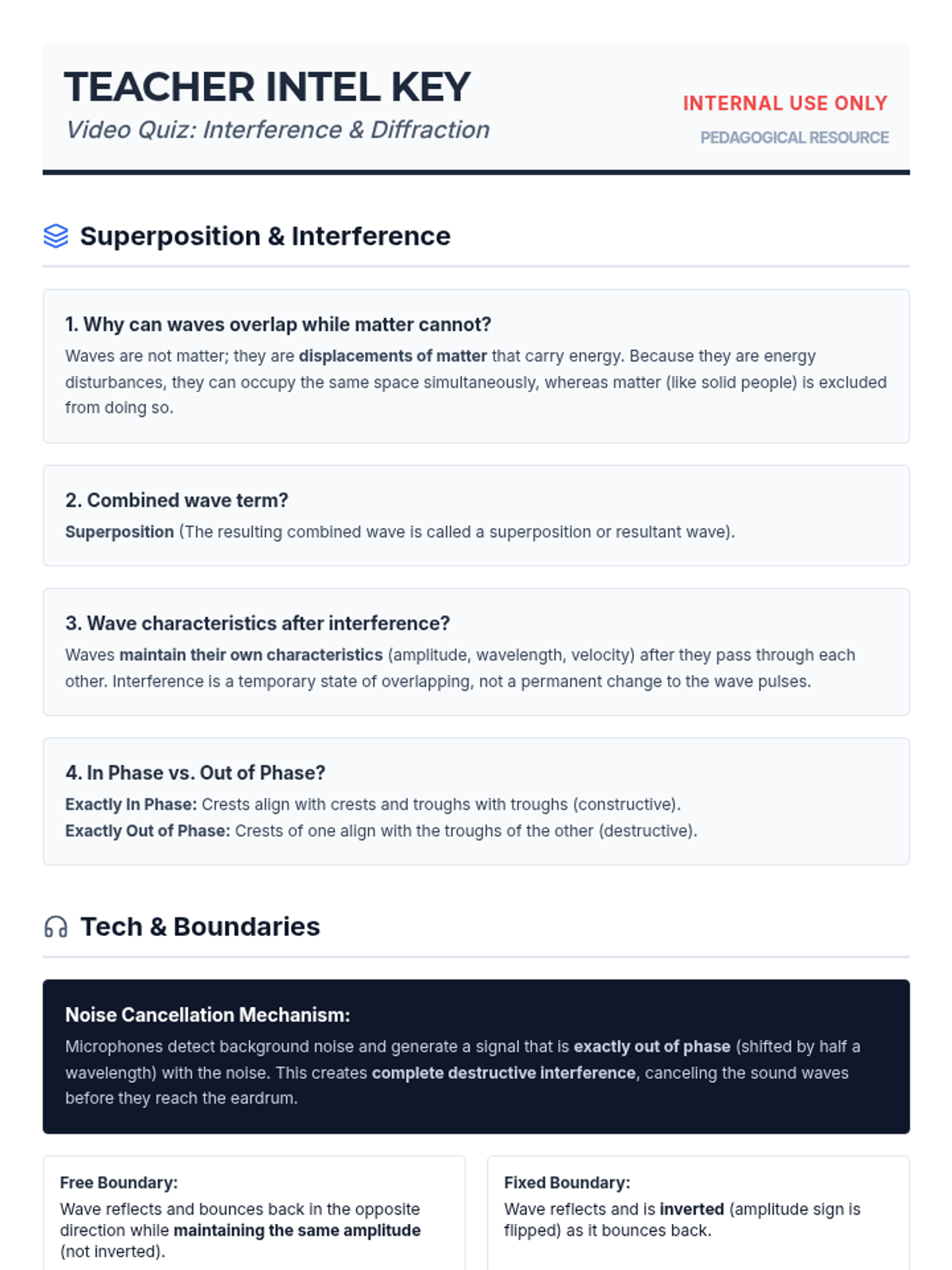
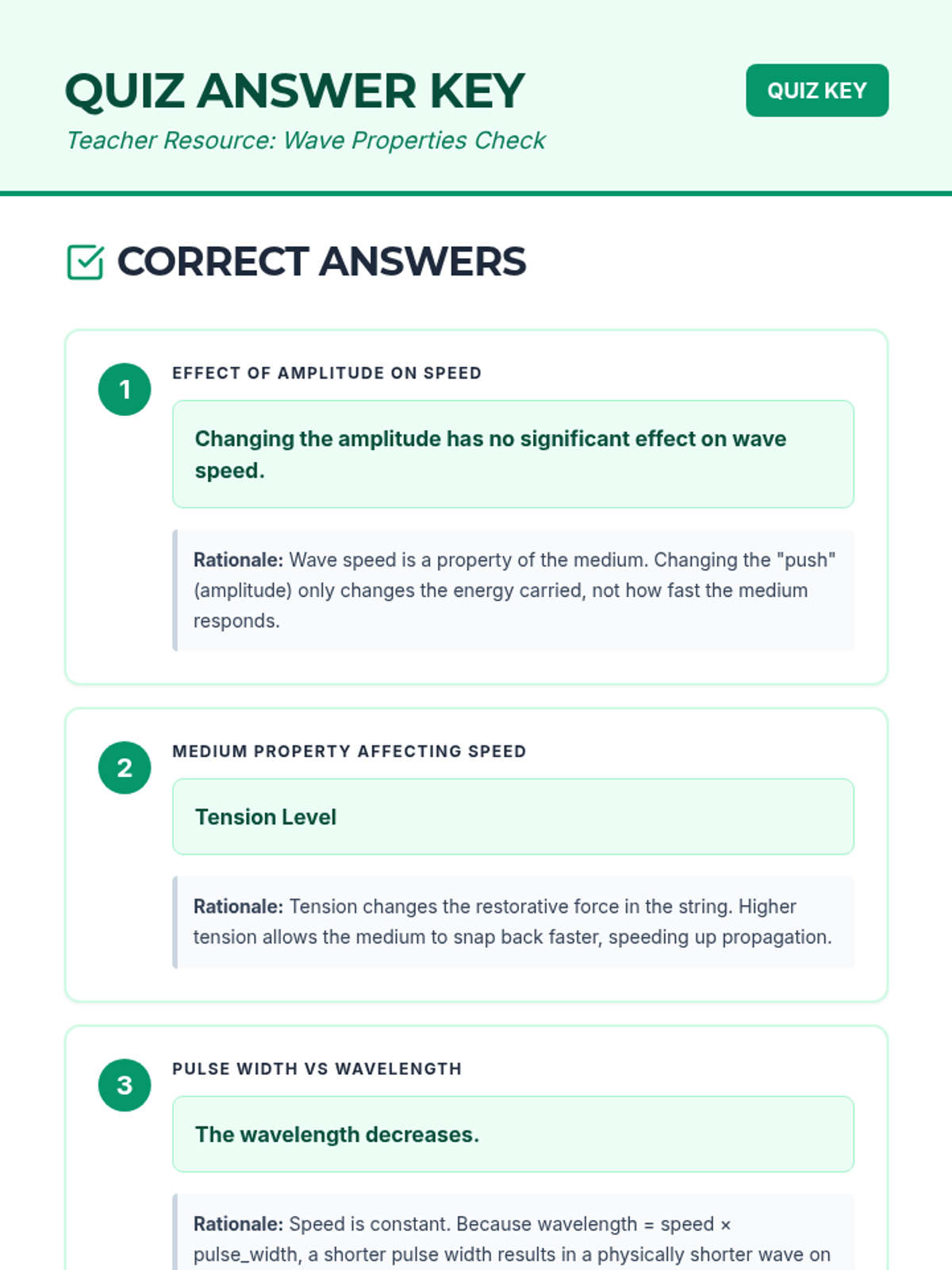
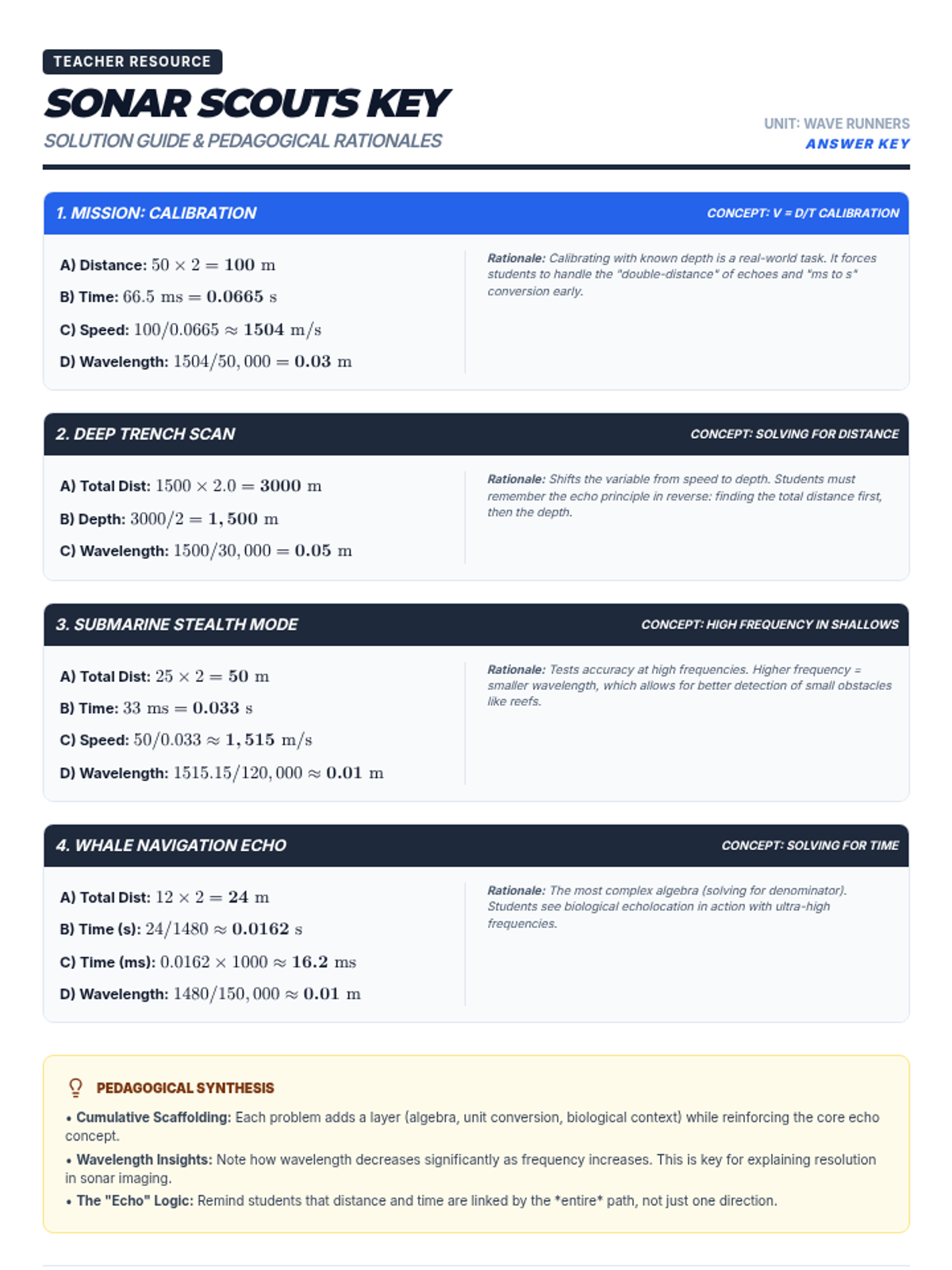
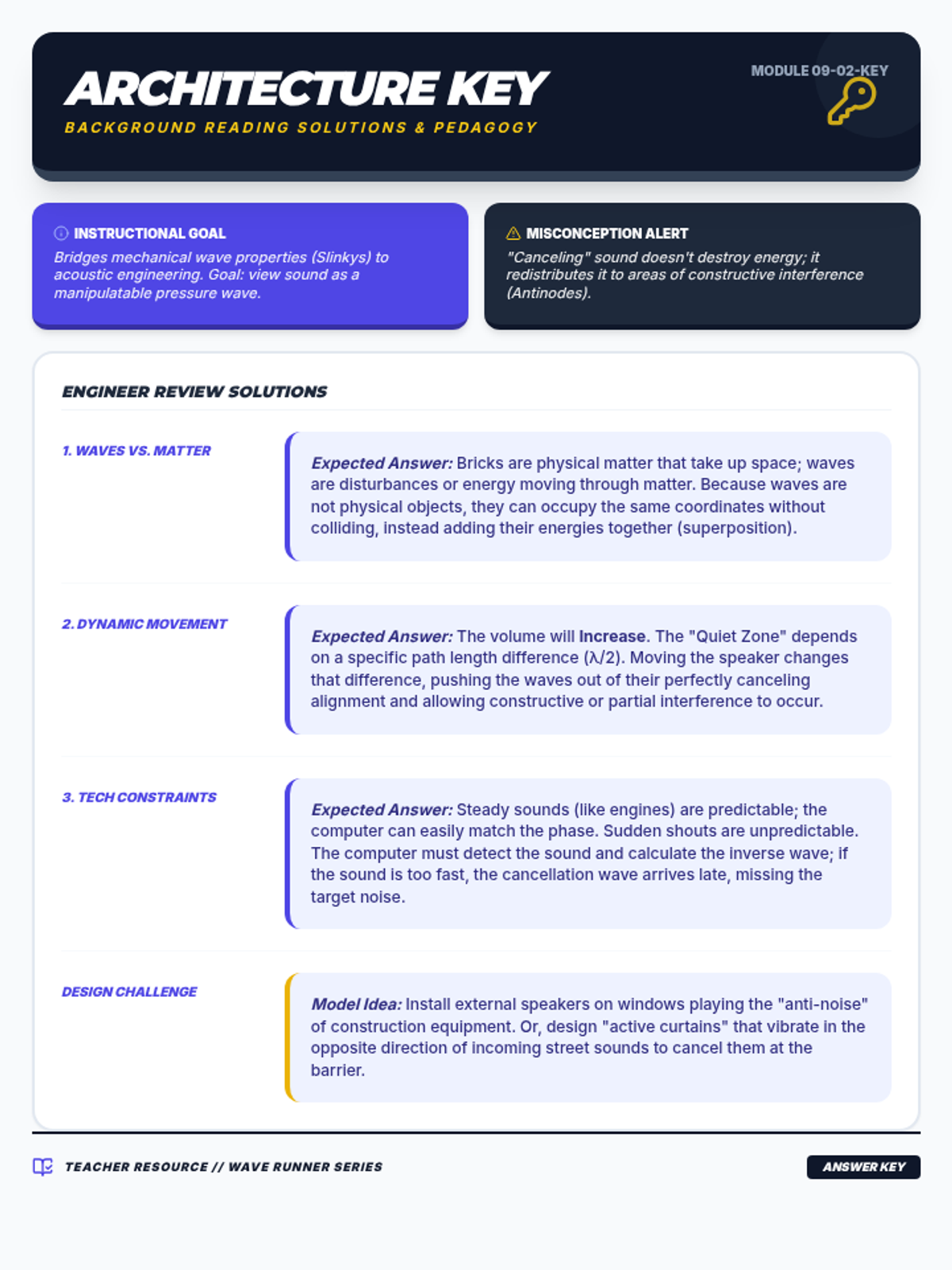
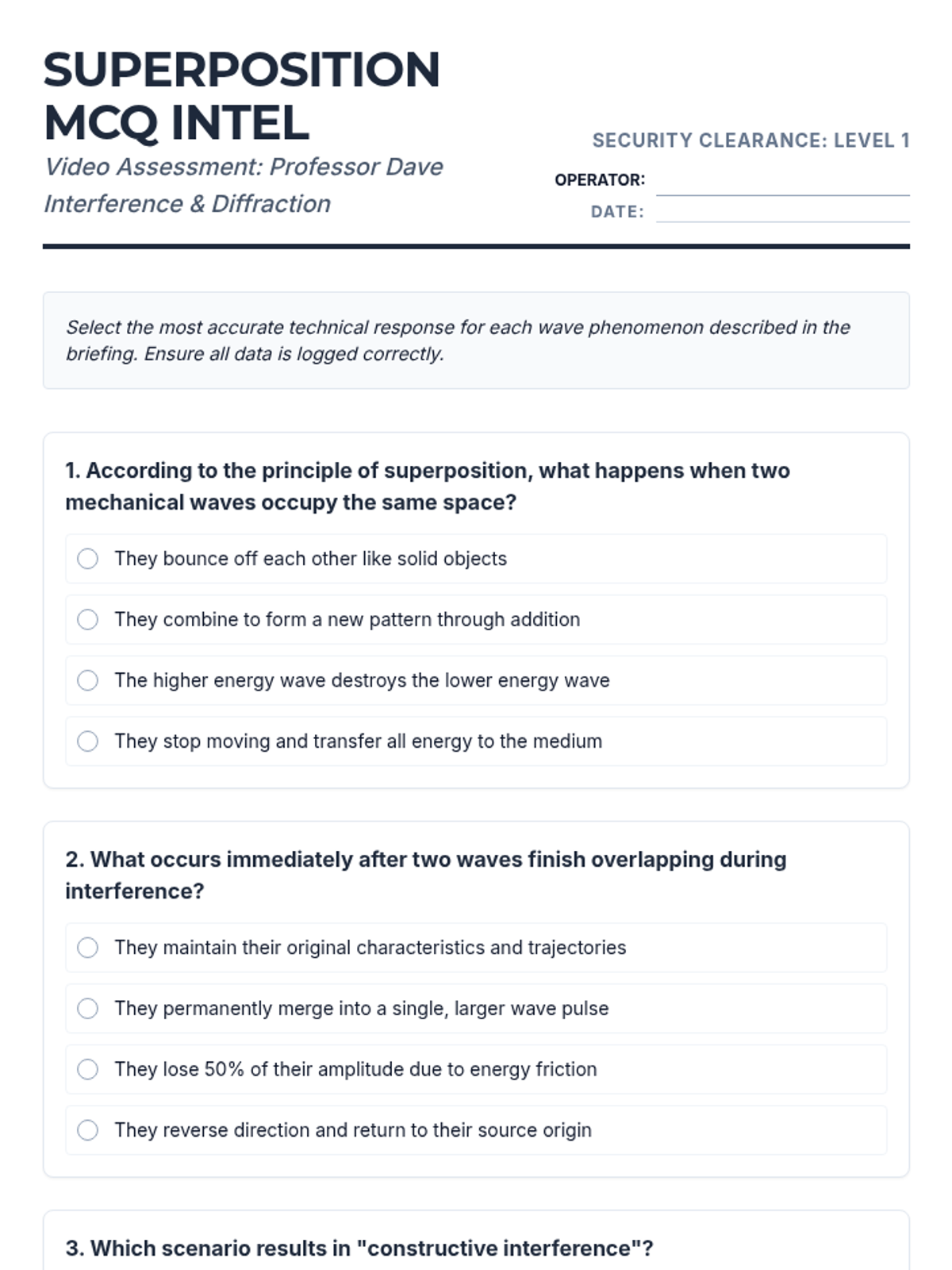
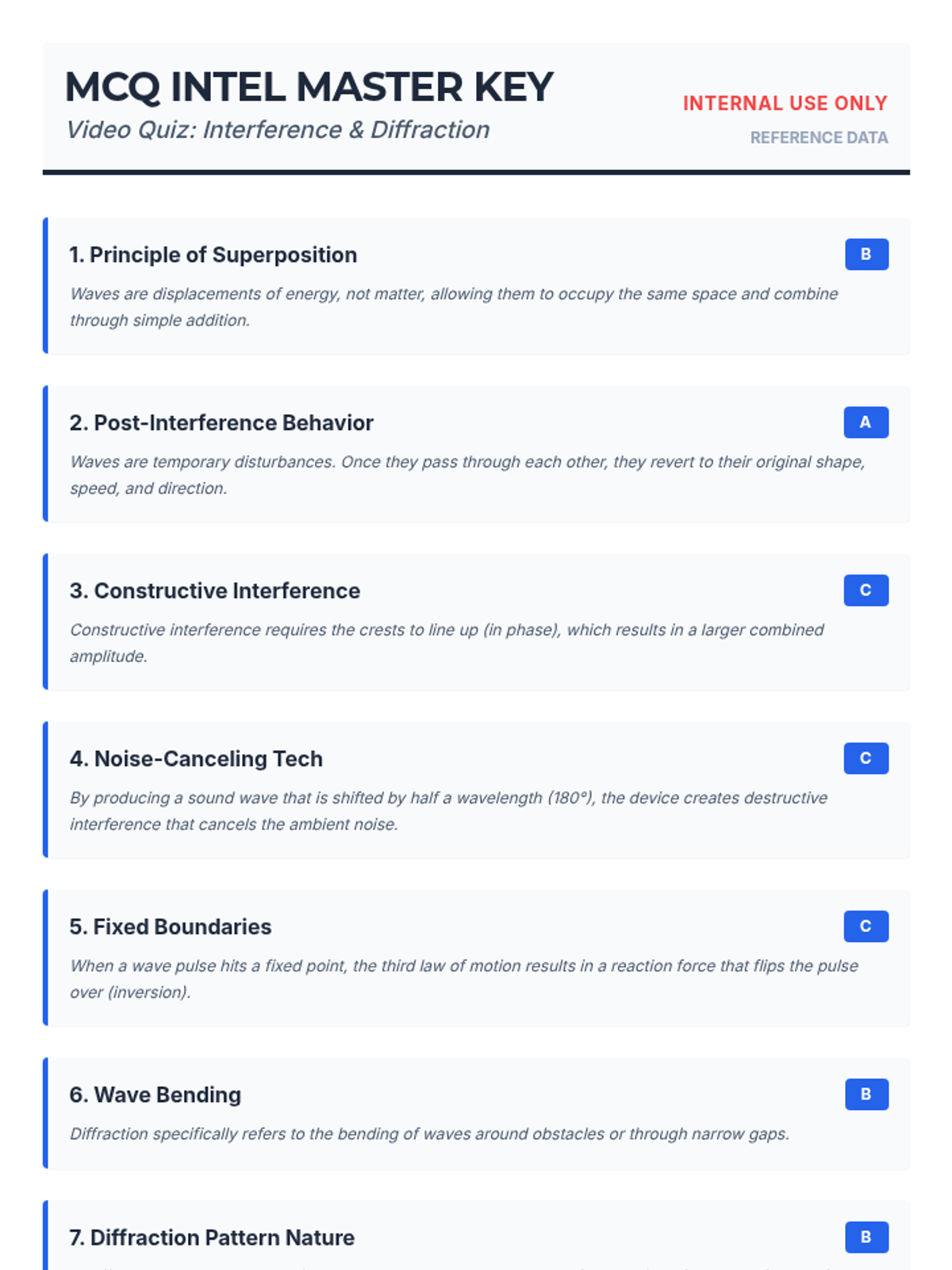
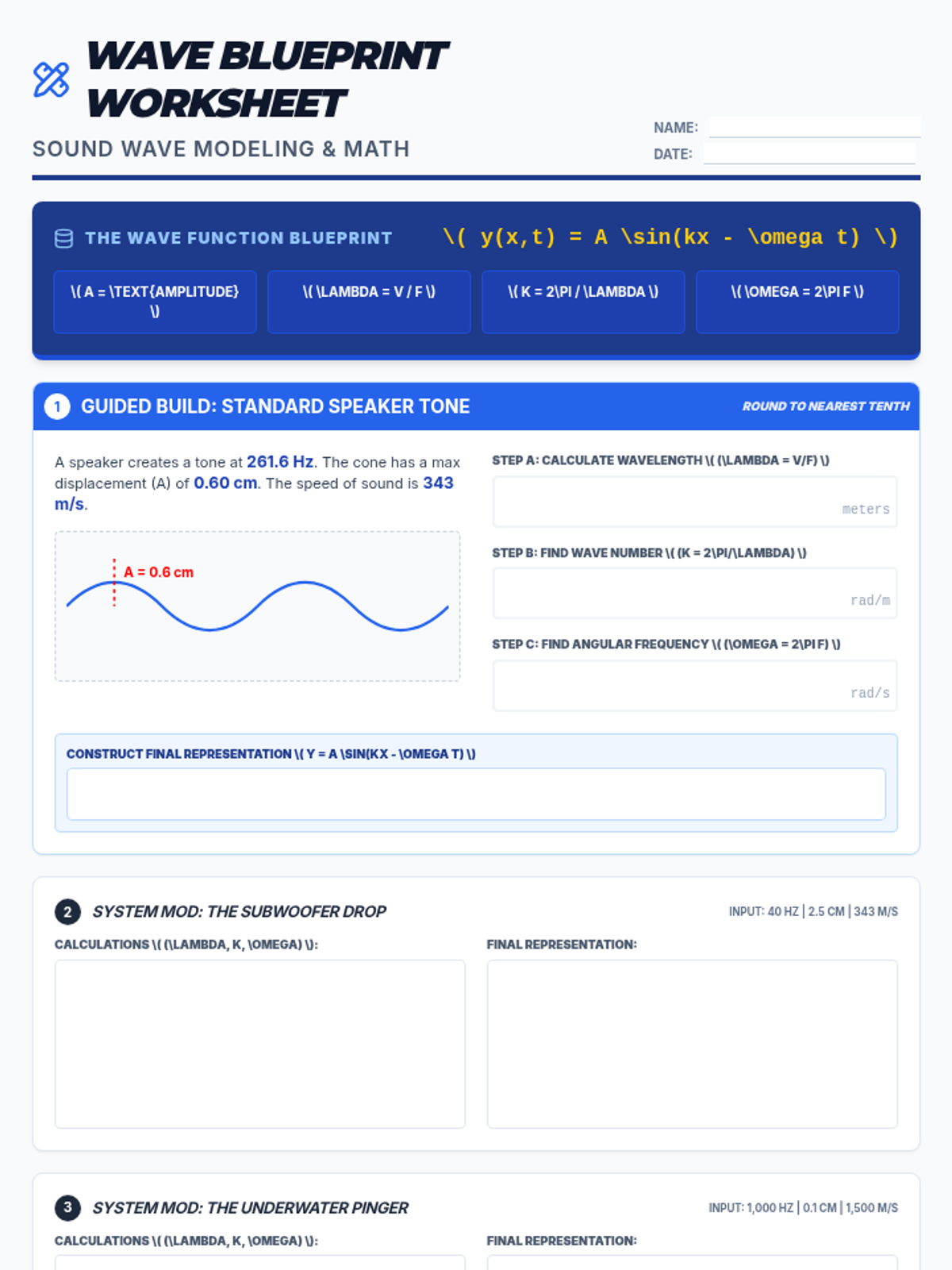
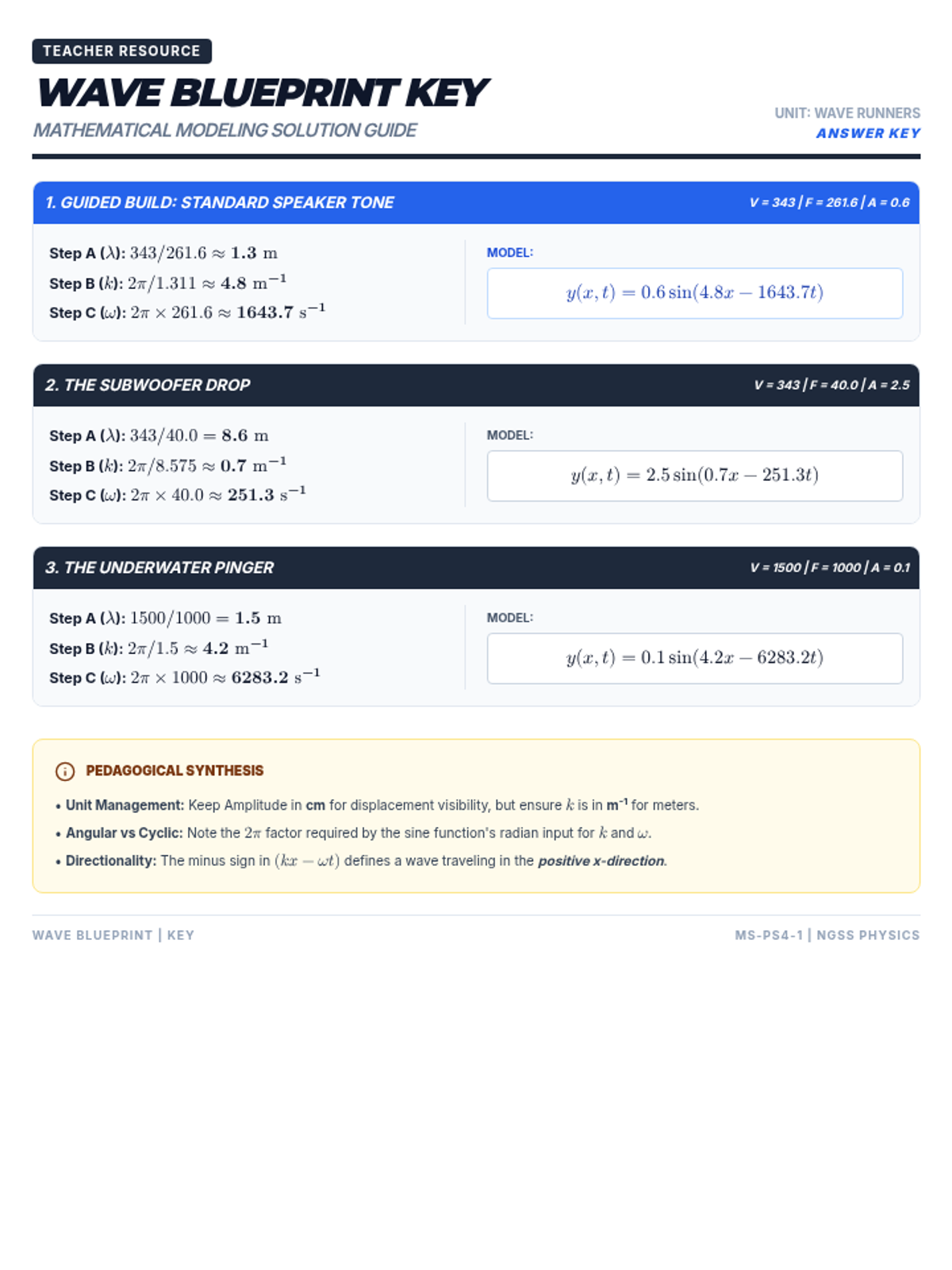
A comprehensive physics unit covering the behavior of mechanical and electromagnetic waves. Students transition from hands-on slinky exploration to advanced optical modeling and mathematical derivations.
A comprehensive series of vocabulary assessments designed to reinforce computer science concepts through repeated exposure and varied questioning.
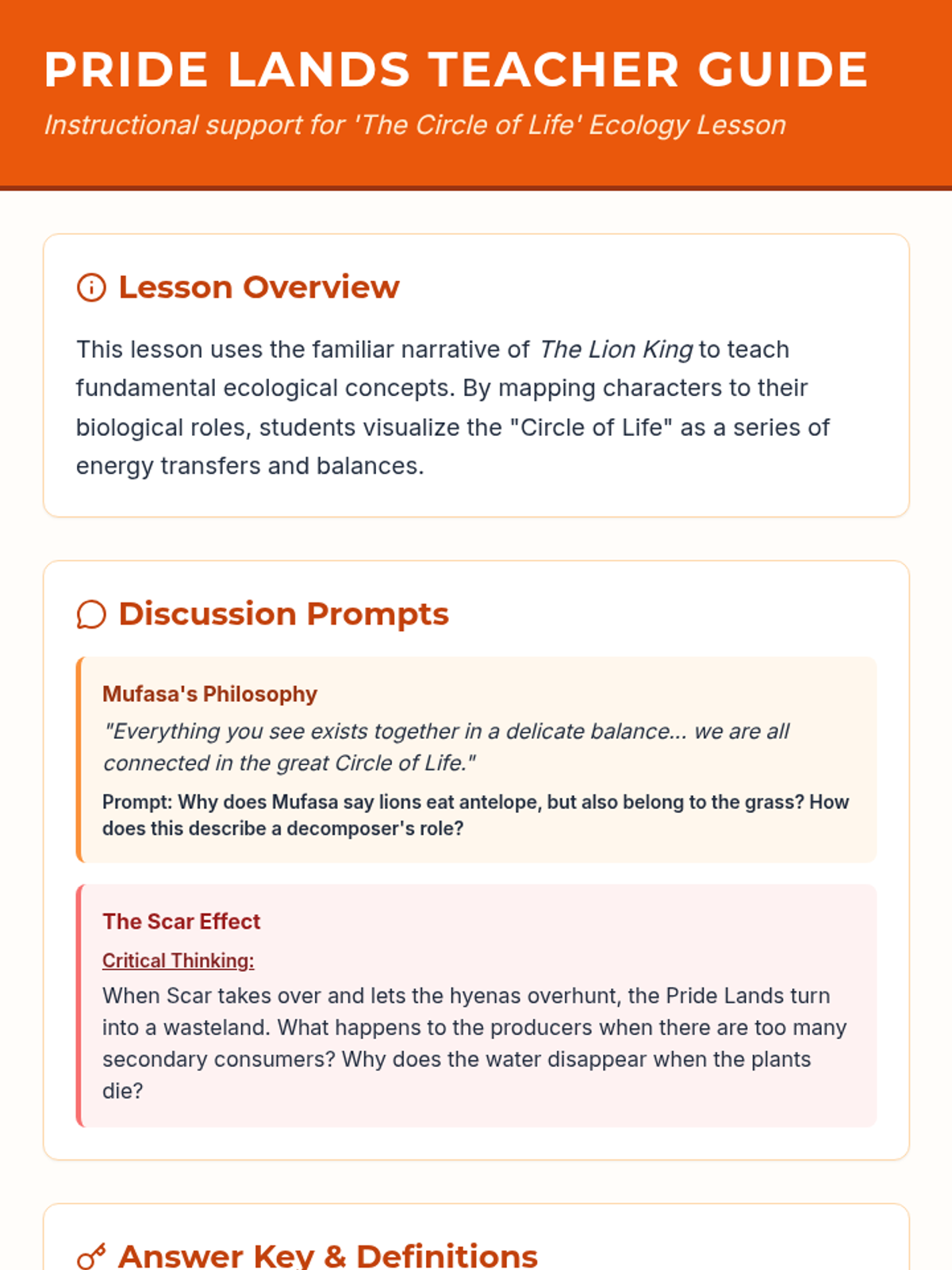
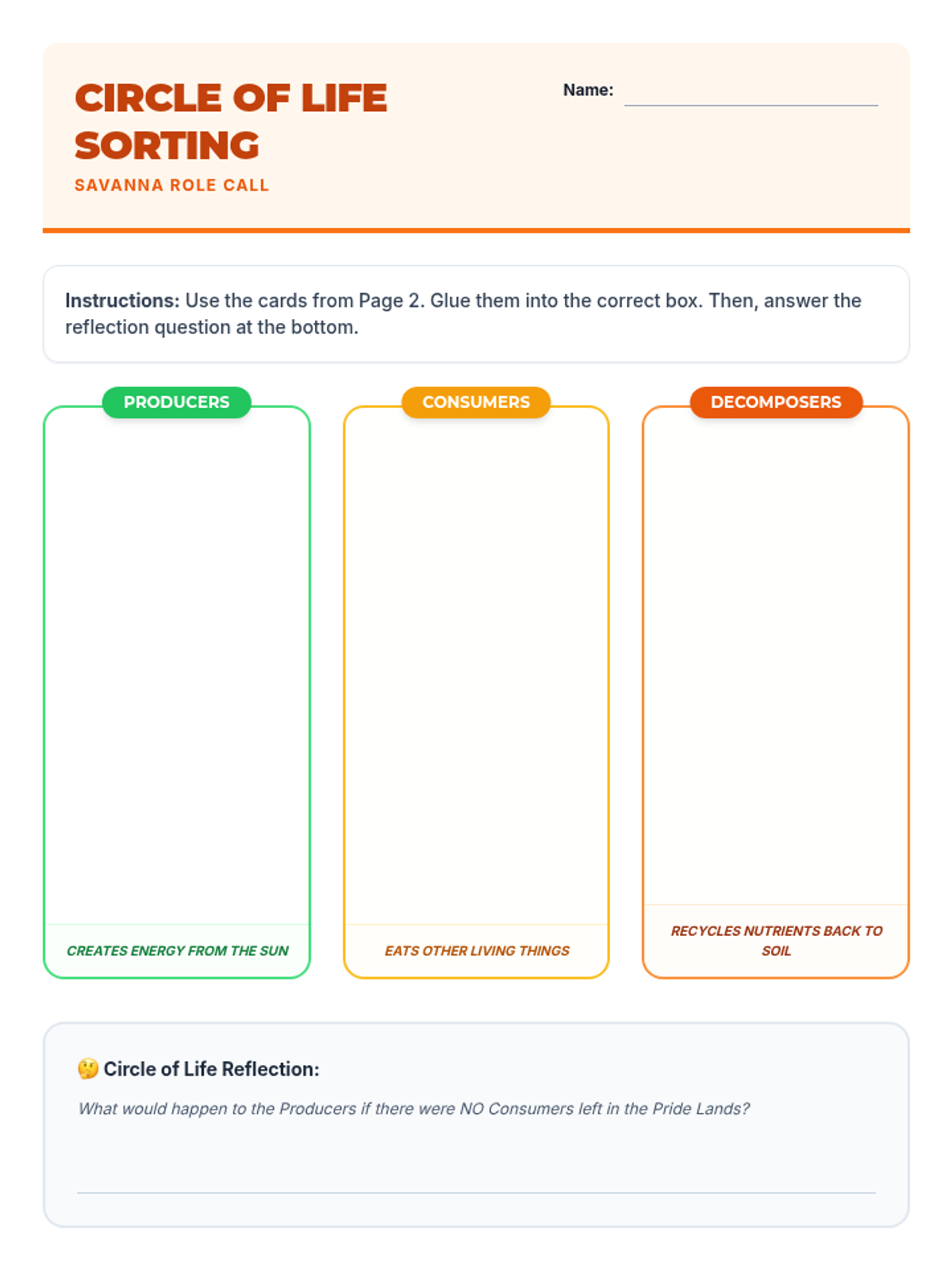
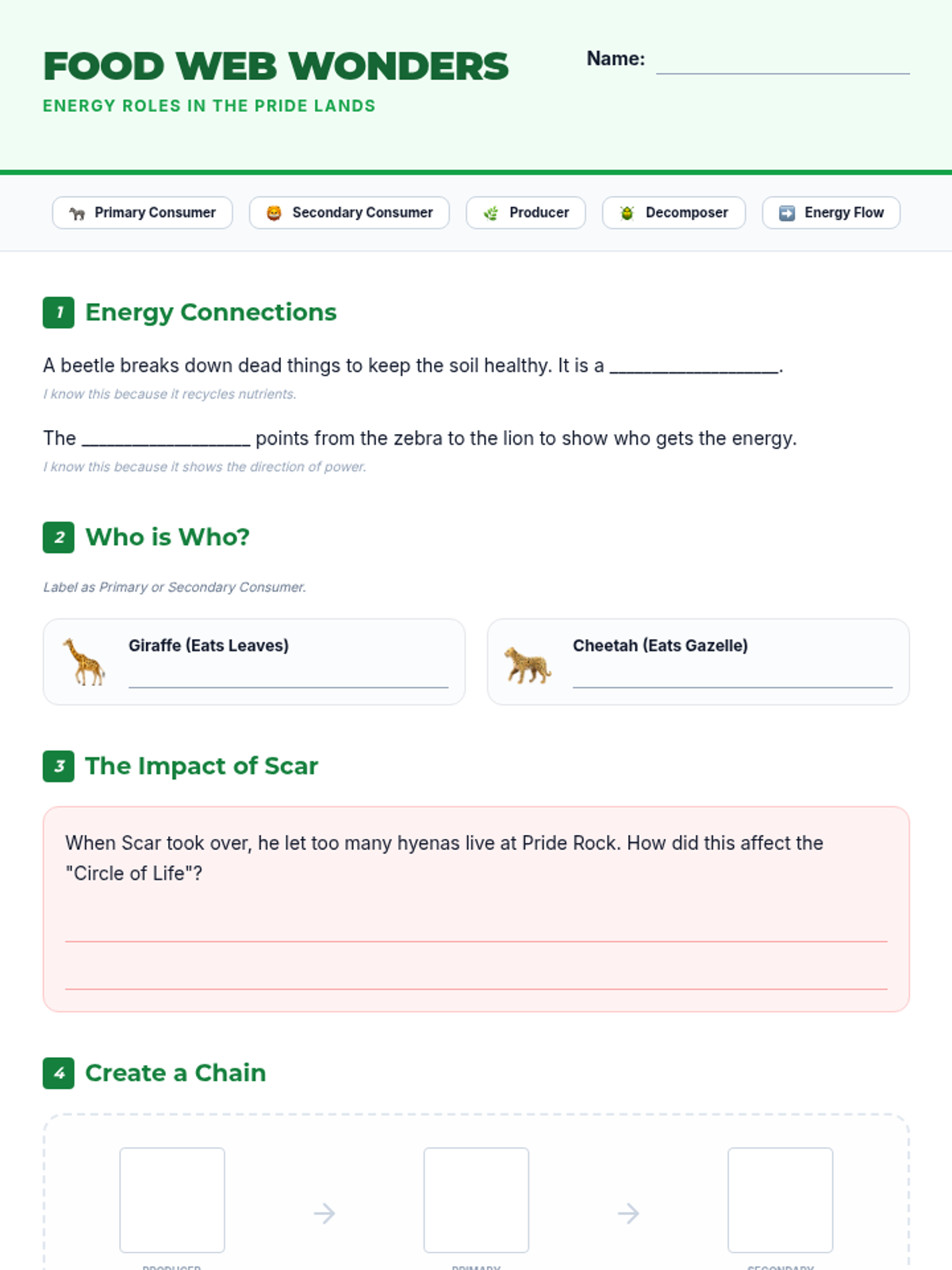
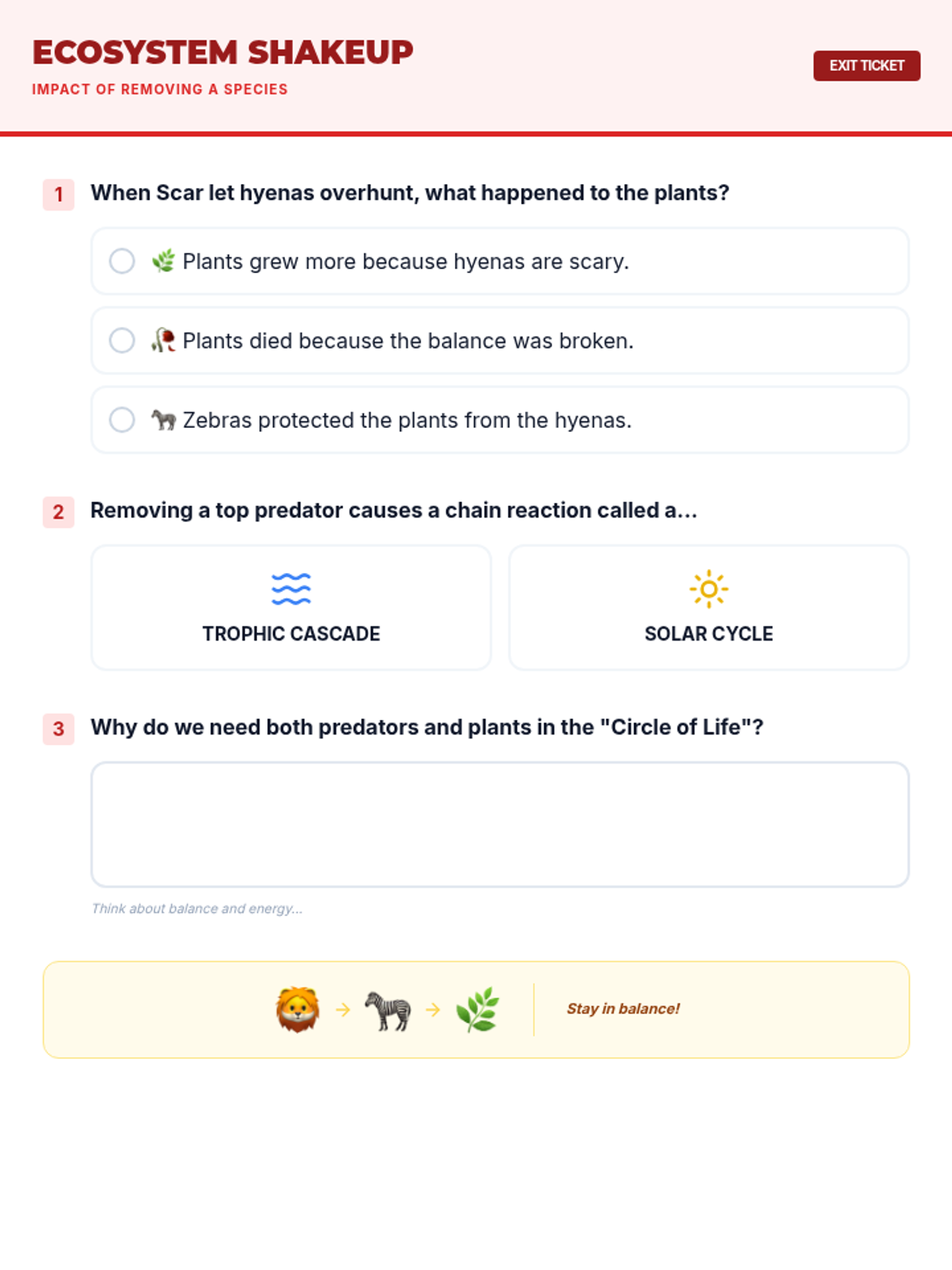
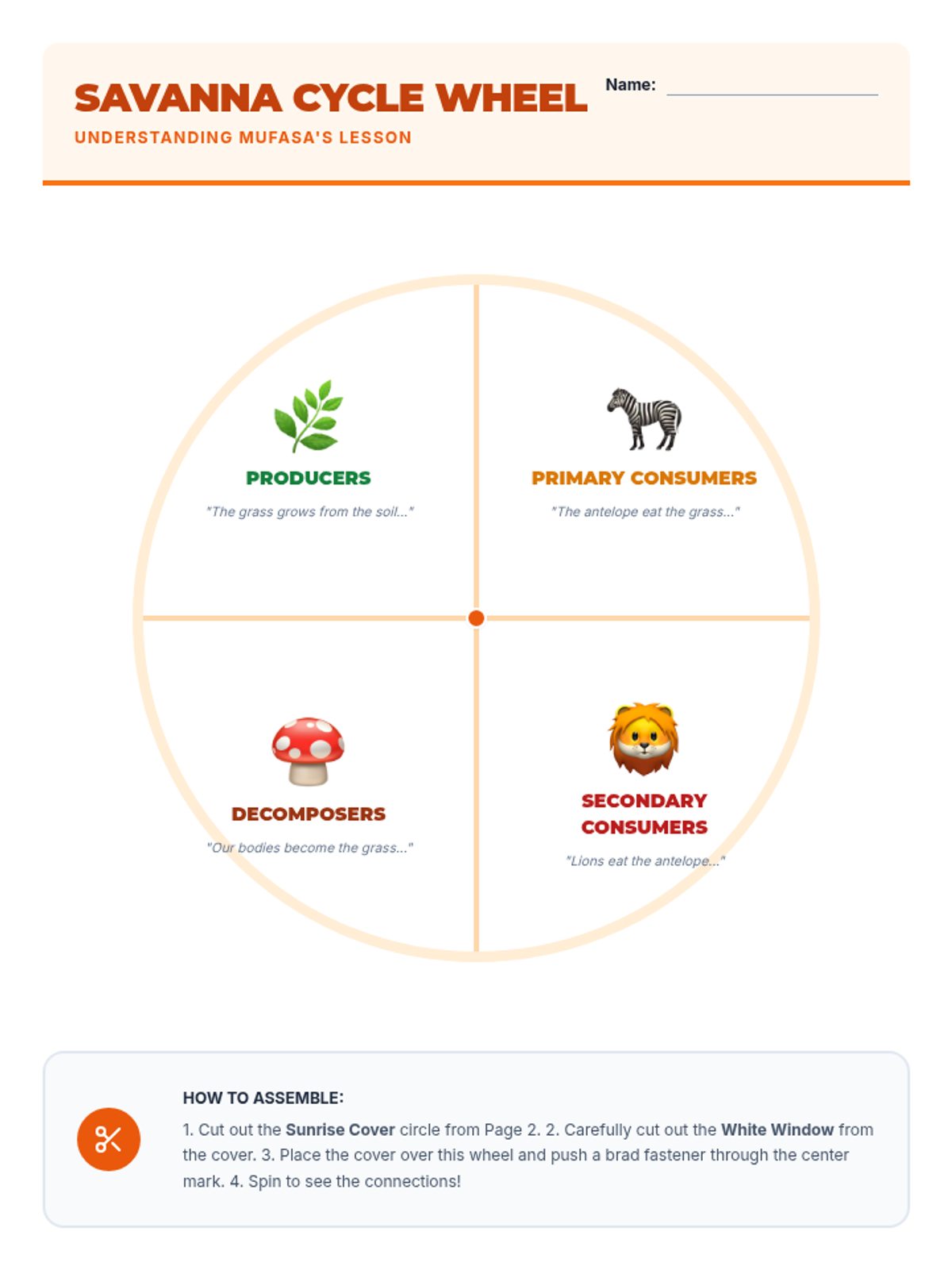
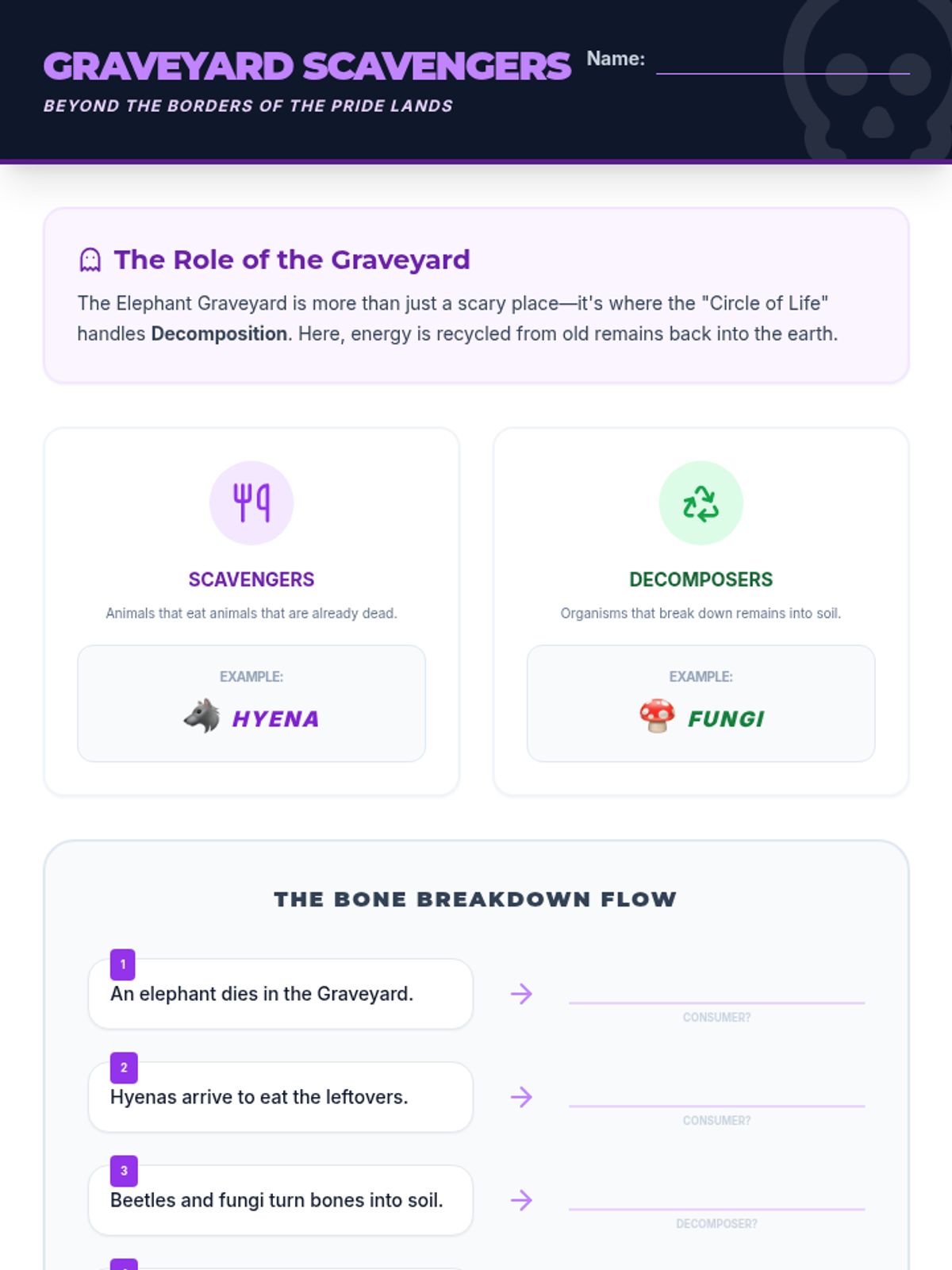
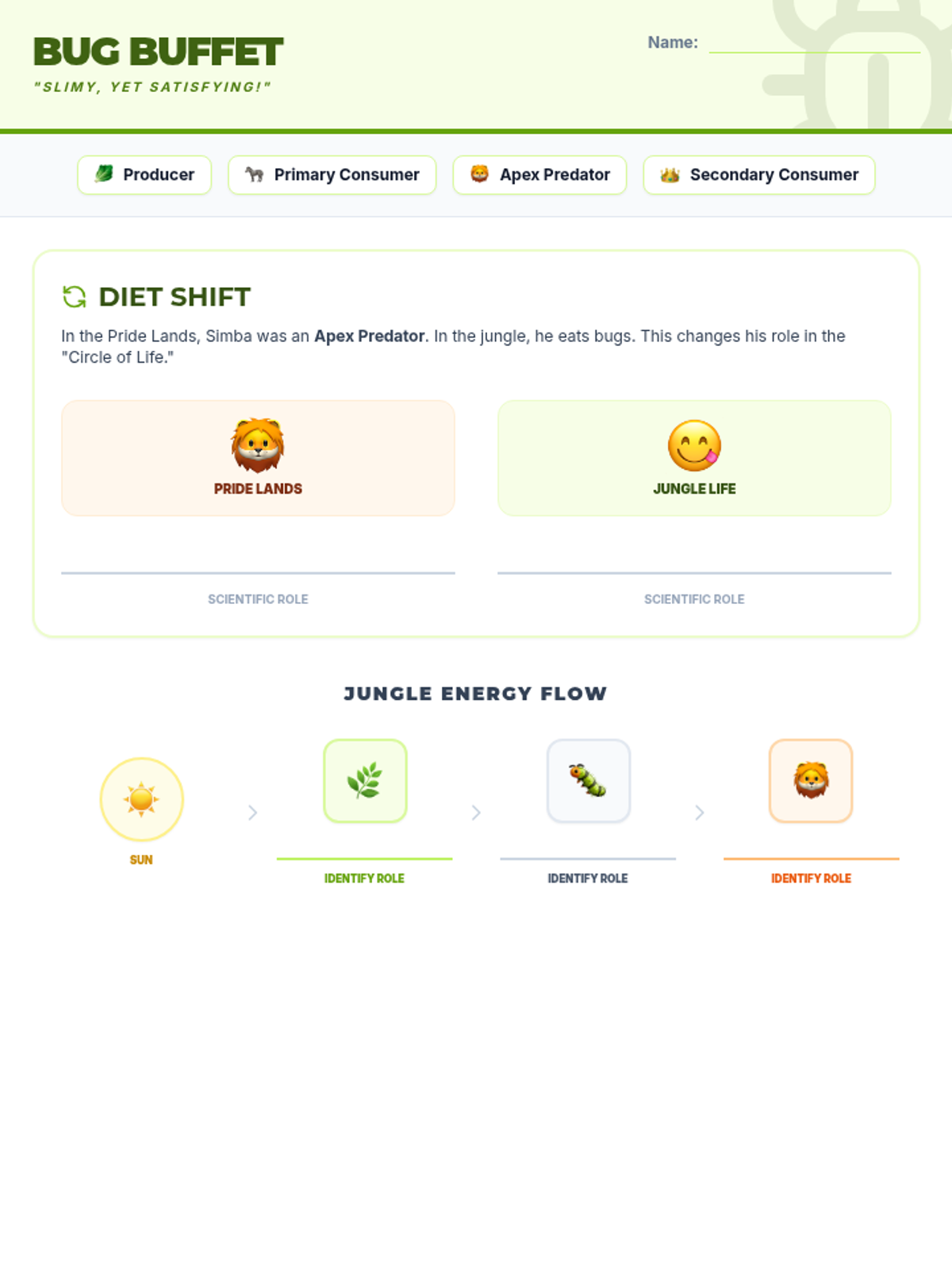
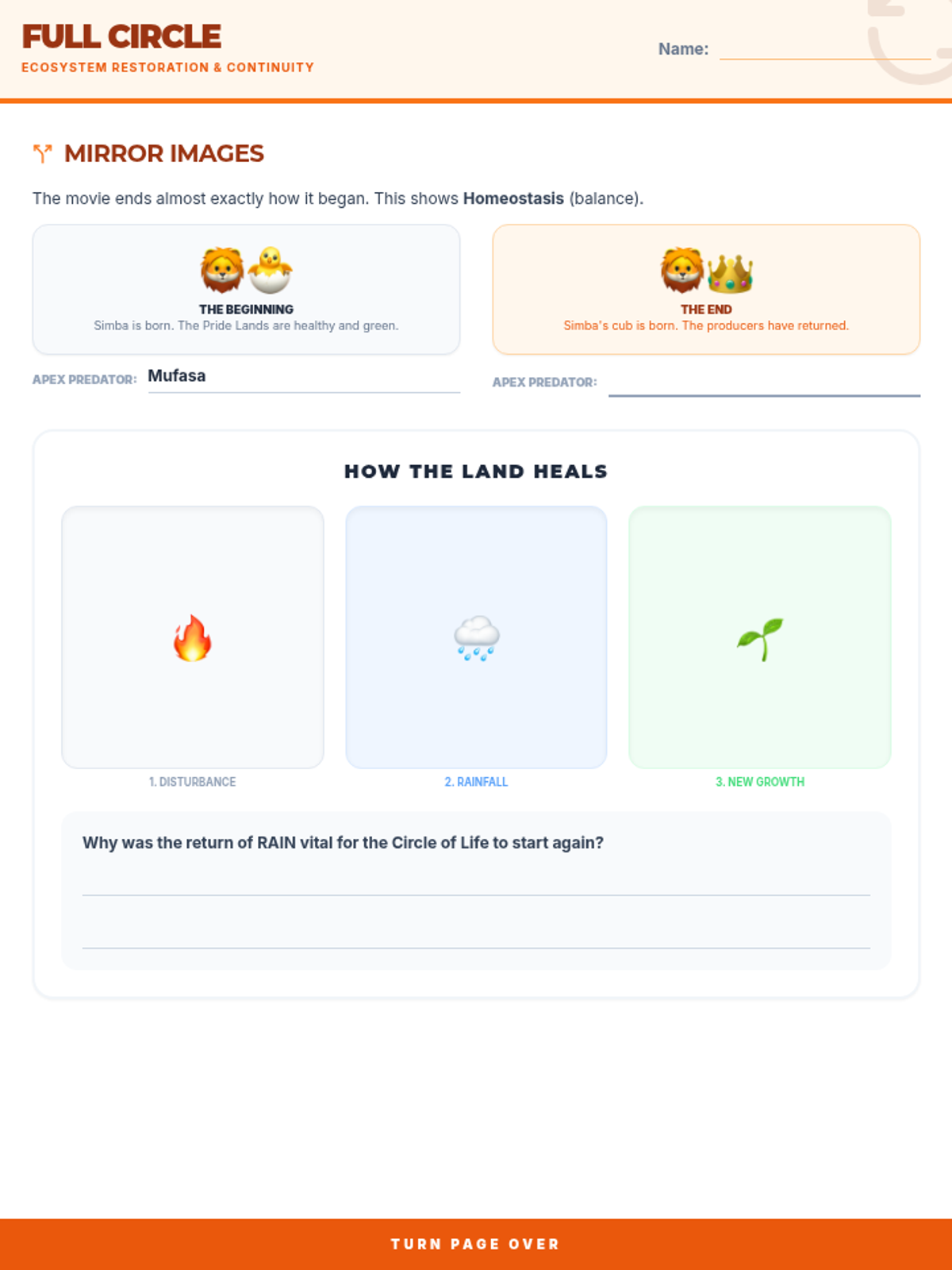
A science unit exploring ecology through the lens of 'The Lion King', focusing on food chains, food webs, and the balance of ecosystems. Students will learn to identify energy roles and predict the consequences of ecological changes.
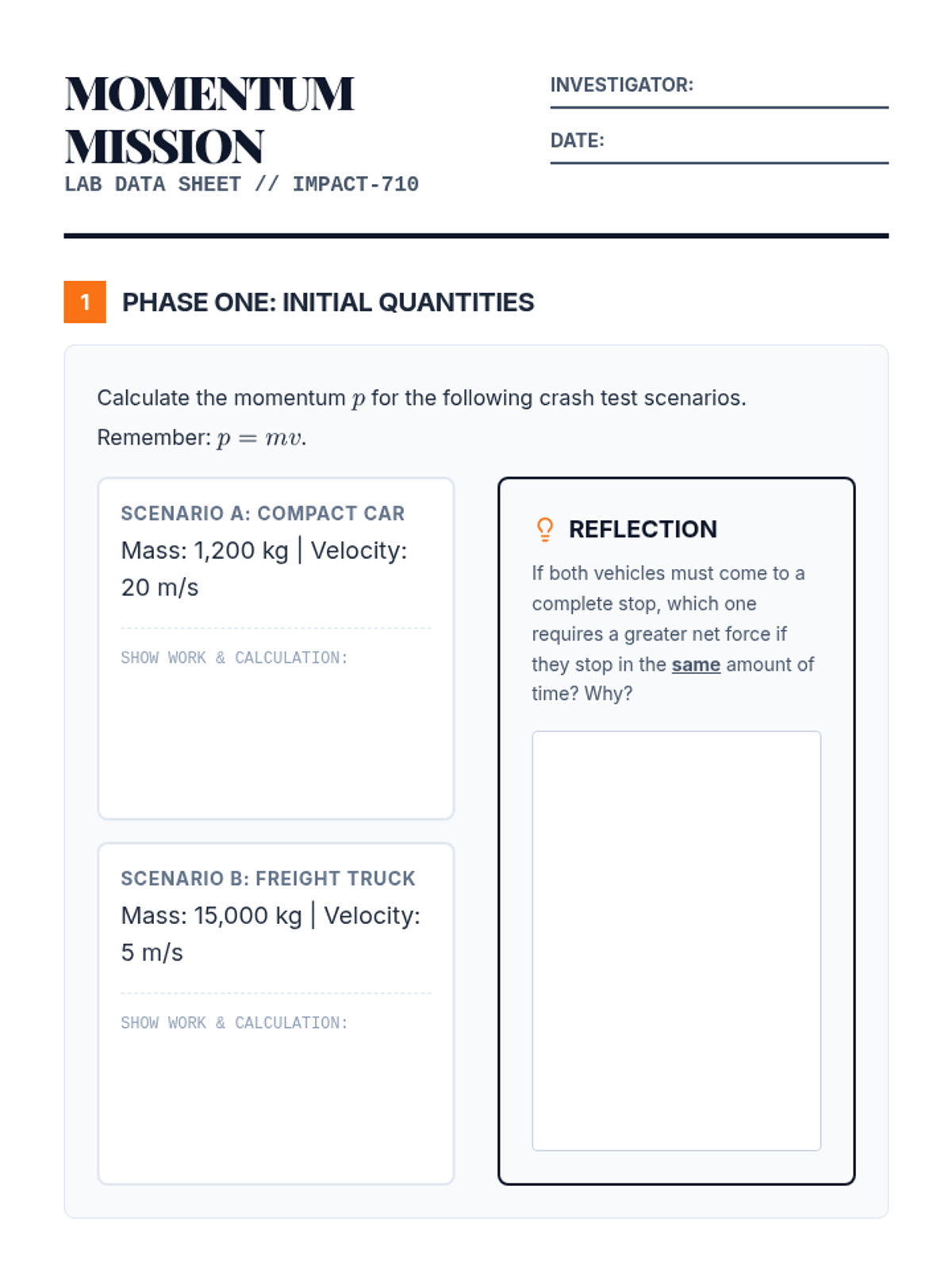
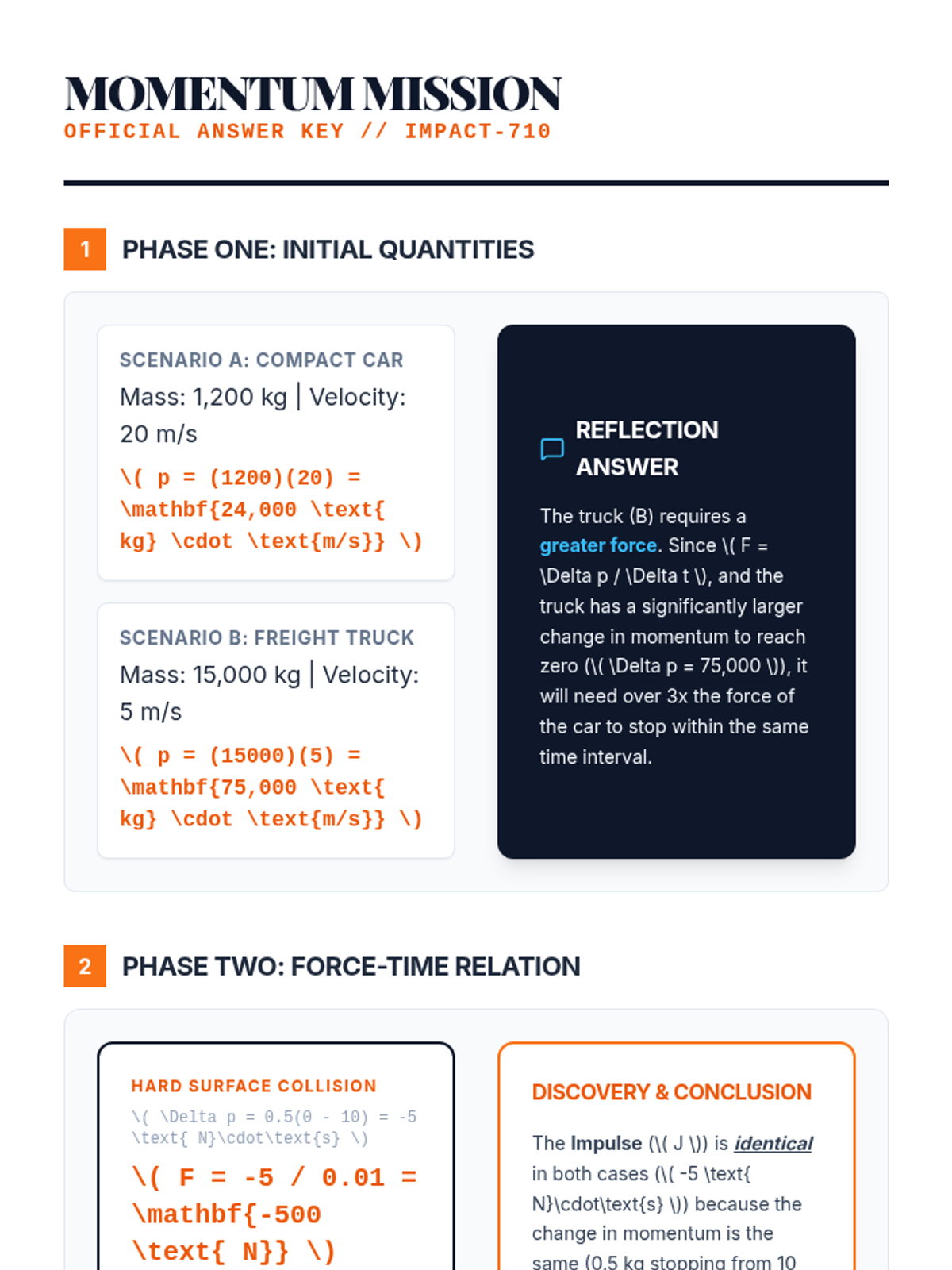
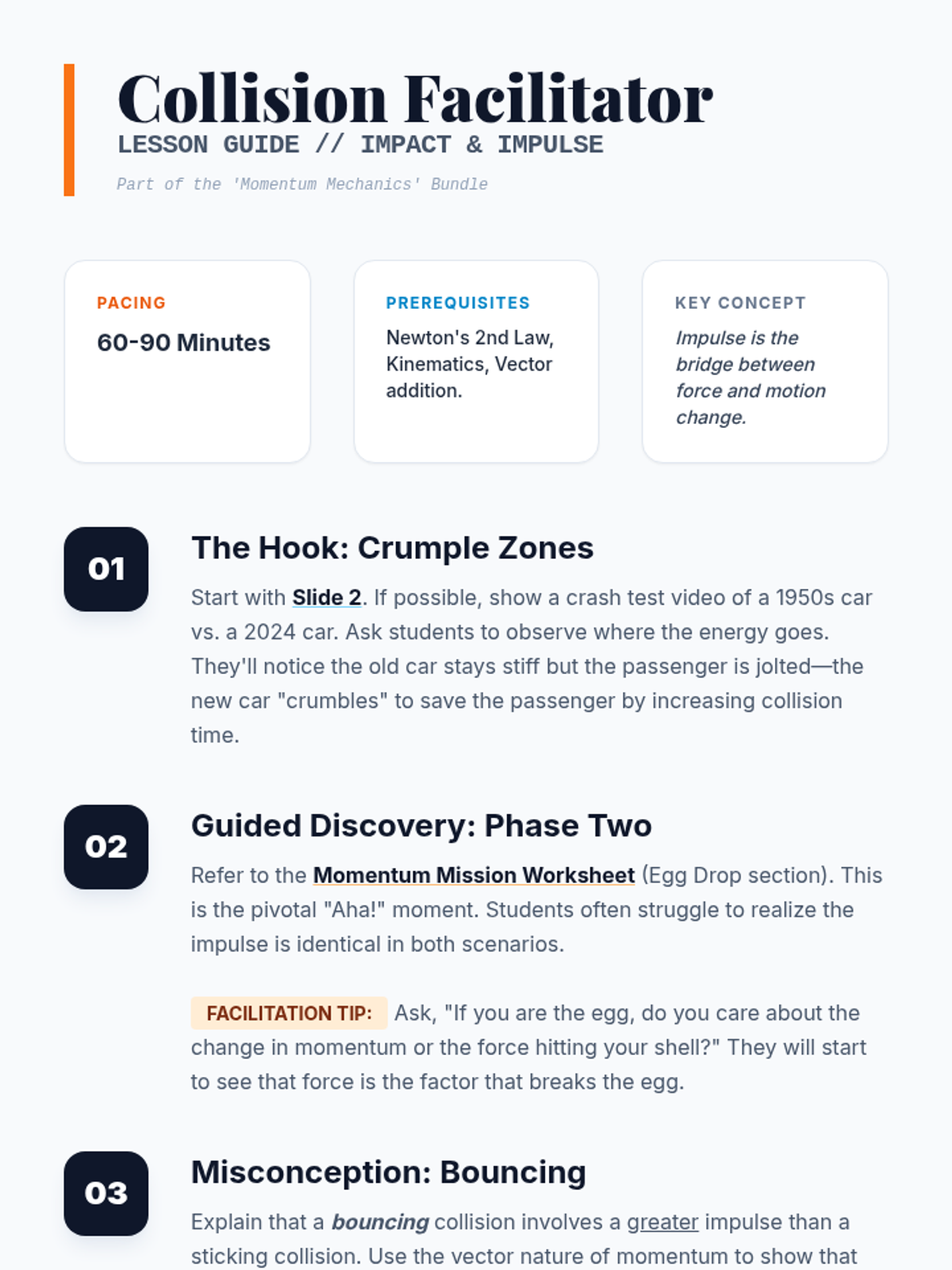
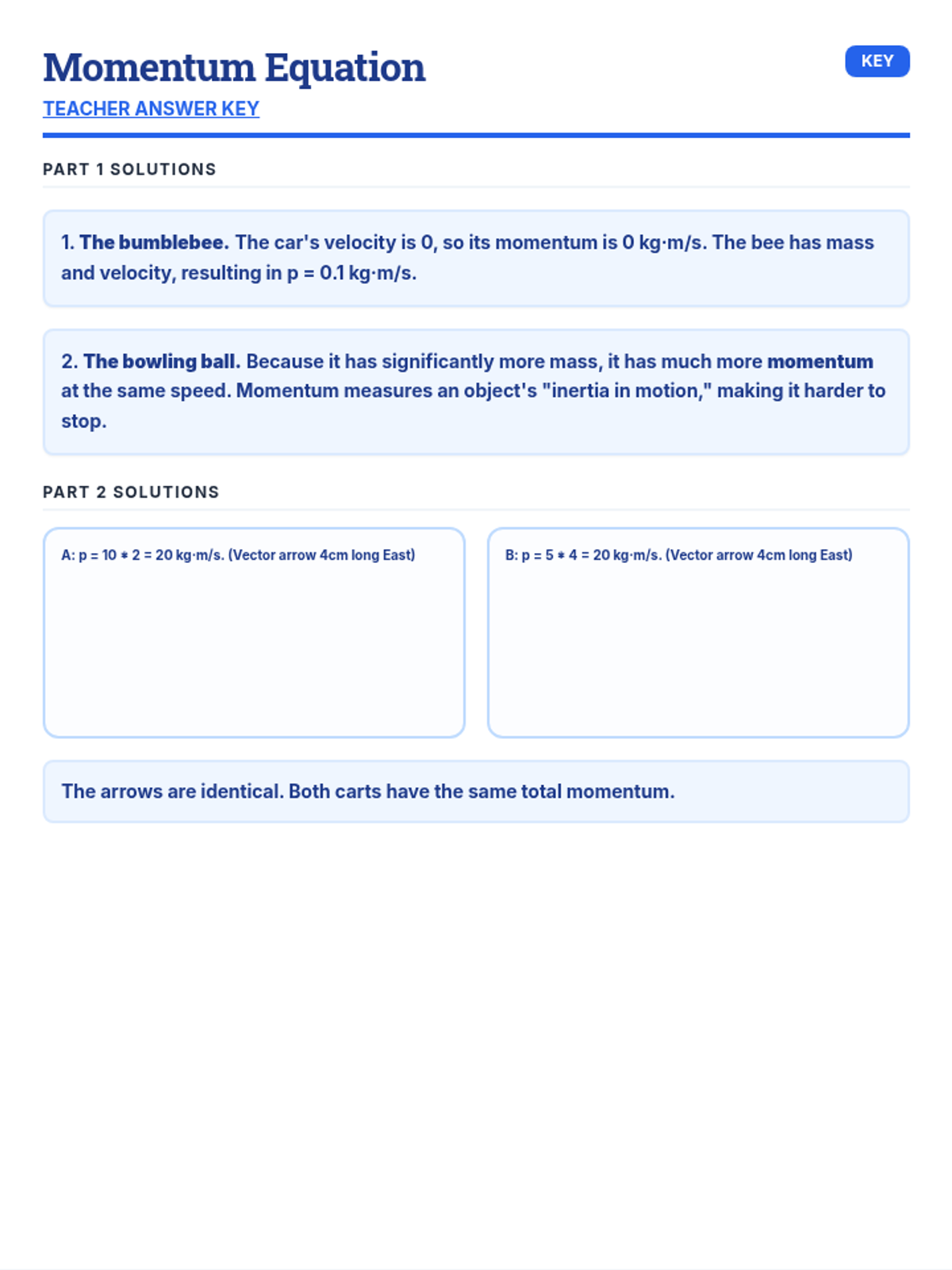
A guided discovery sequence on linear momentum, impulse, and 2D collisions, focusing on inquiry-based learning and vector analysis.
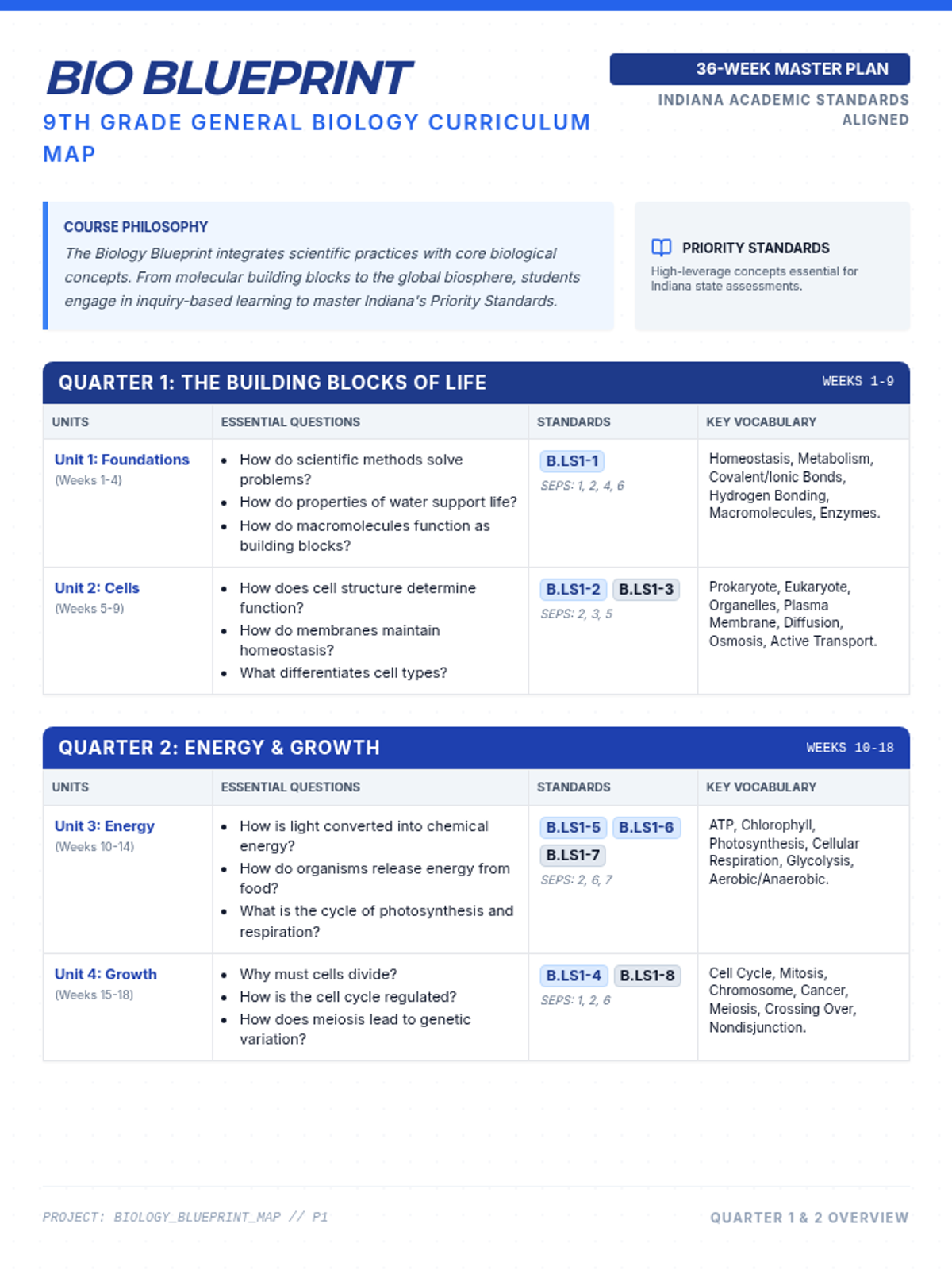
A complete 36-week high school biology curriculum designed for 9th-grade students, aligned with Indiana Academic Standards for Biology. This course progresses from microscopic biochemical foundations to macroscopic ecological systems.
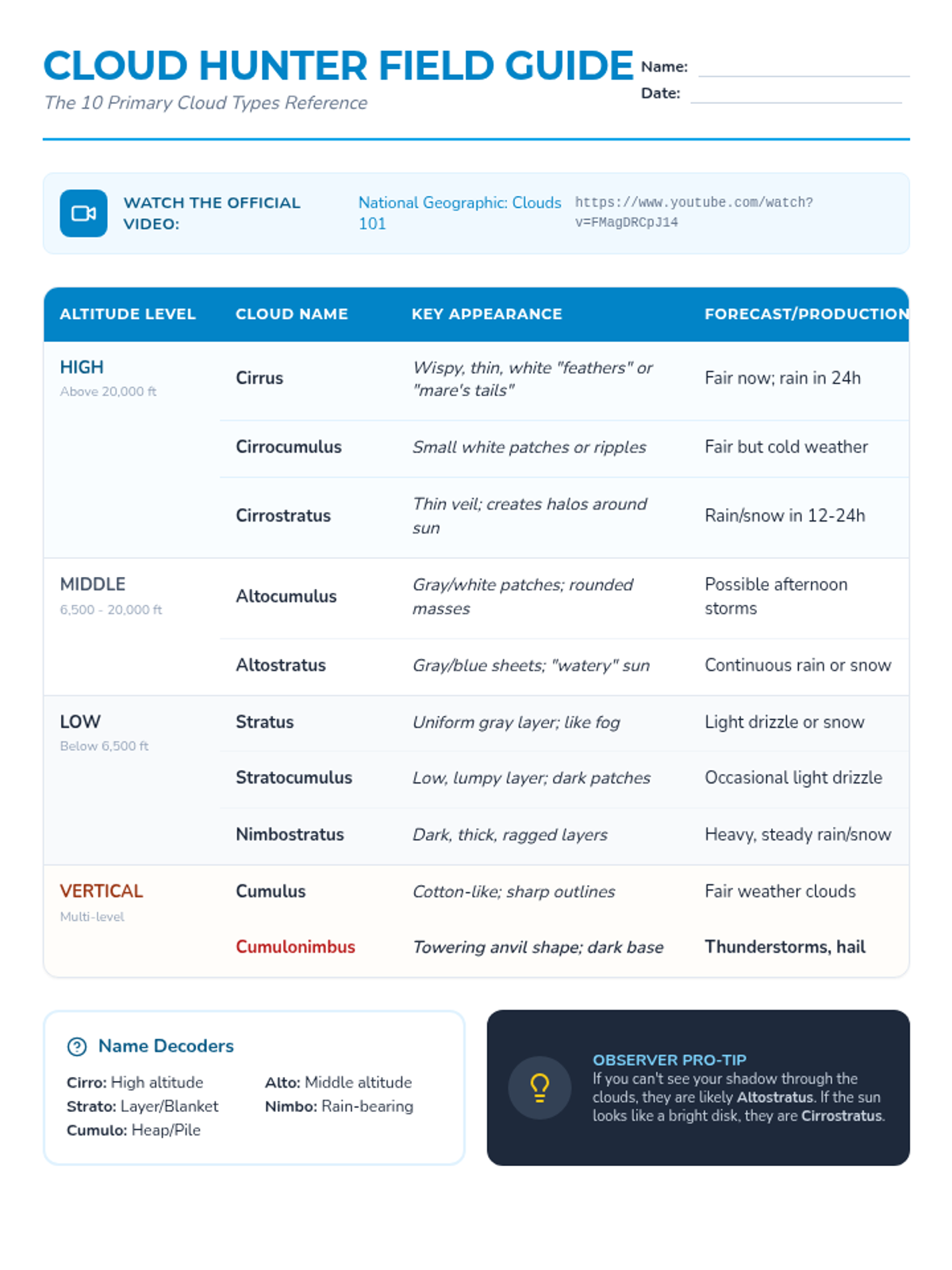
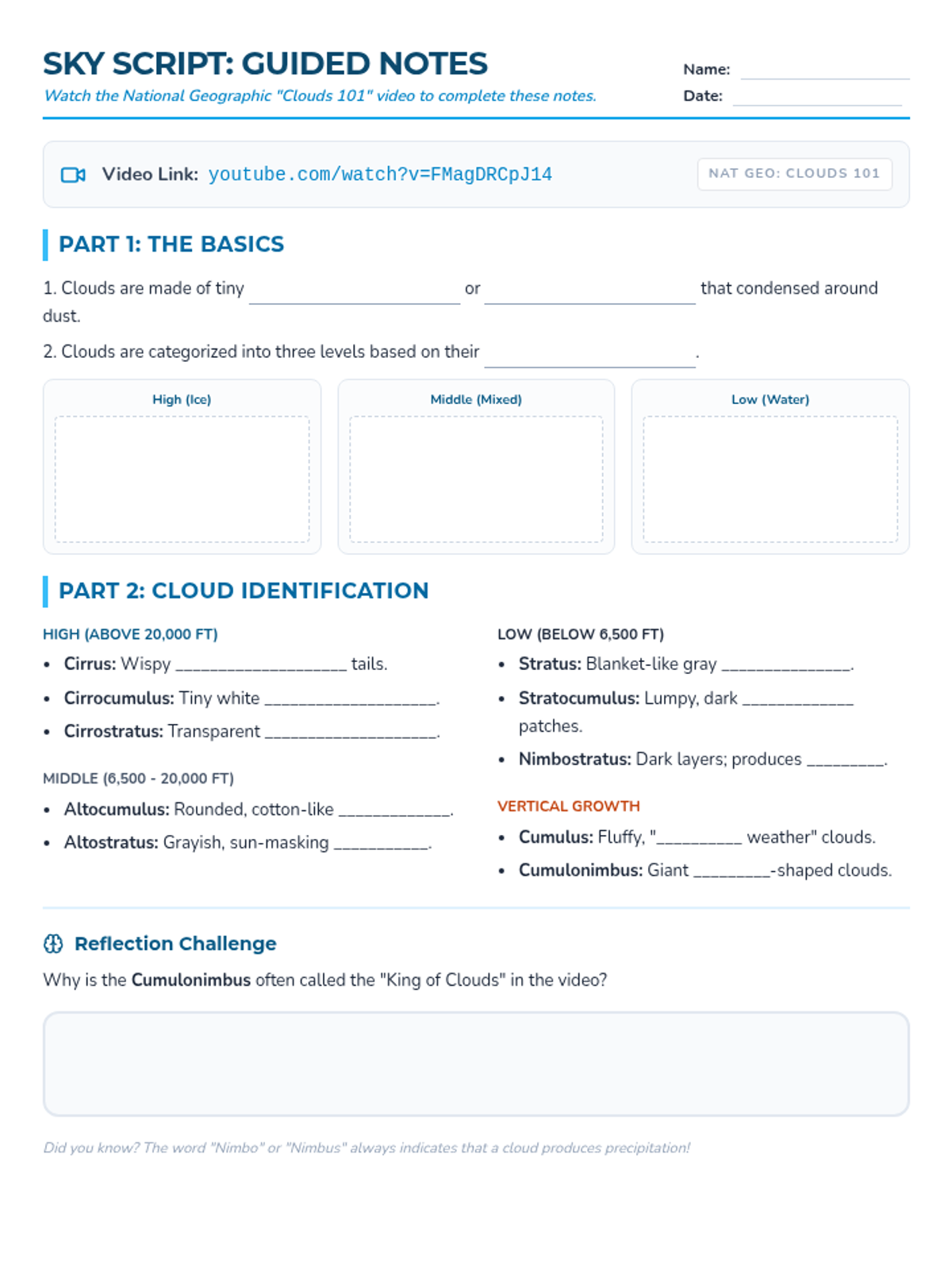
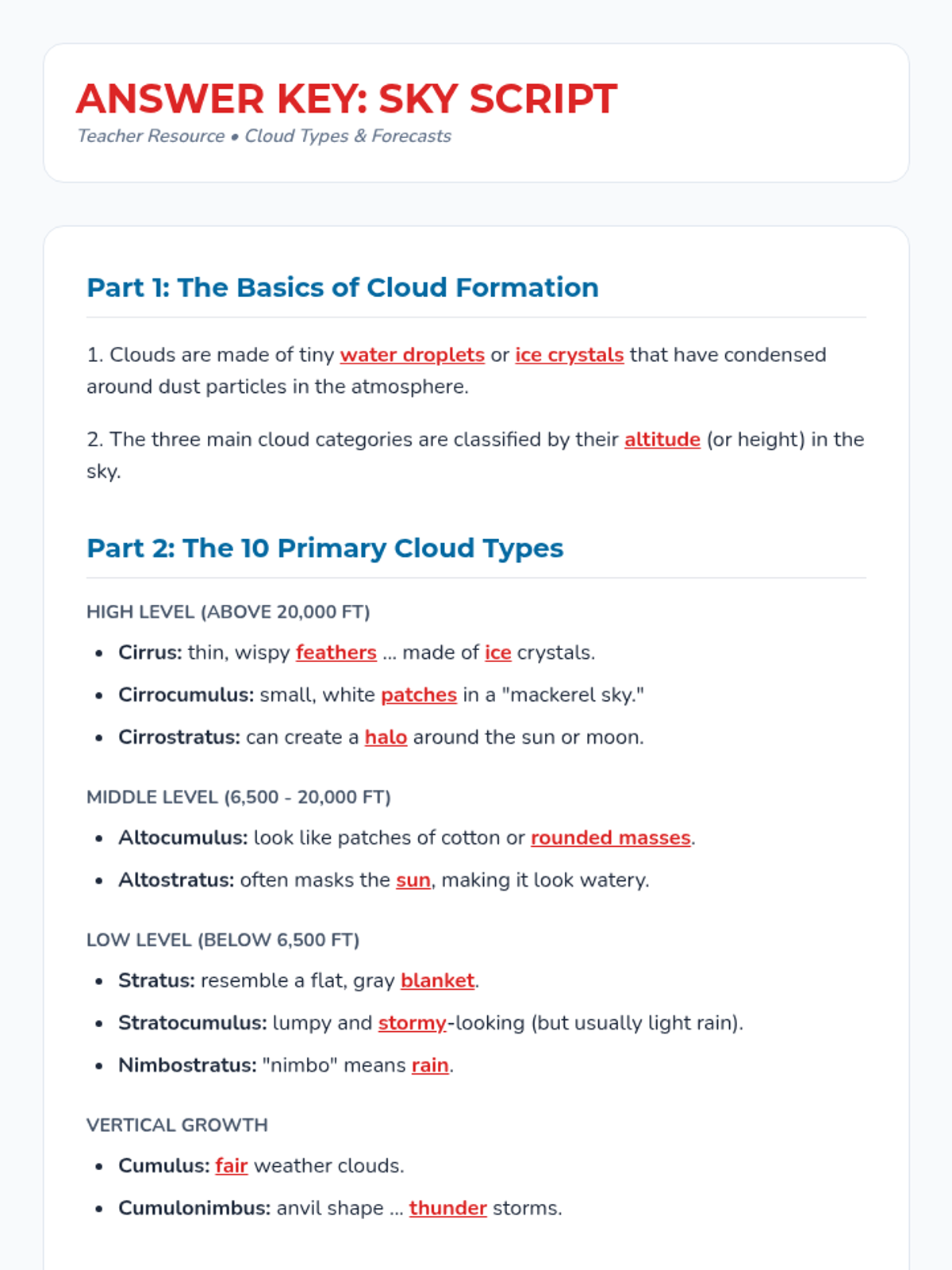
A comprehensive introduction to meteorology focused on identifying and understanding the ten primary cloud types and their impact on weather patterns.
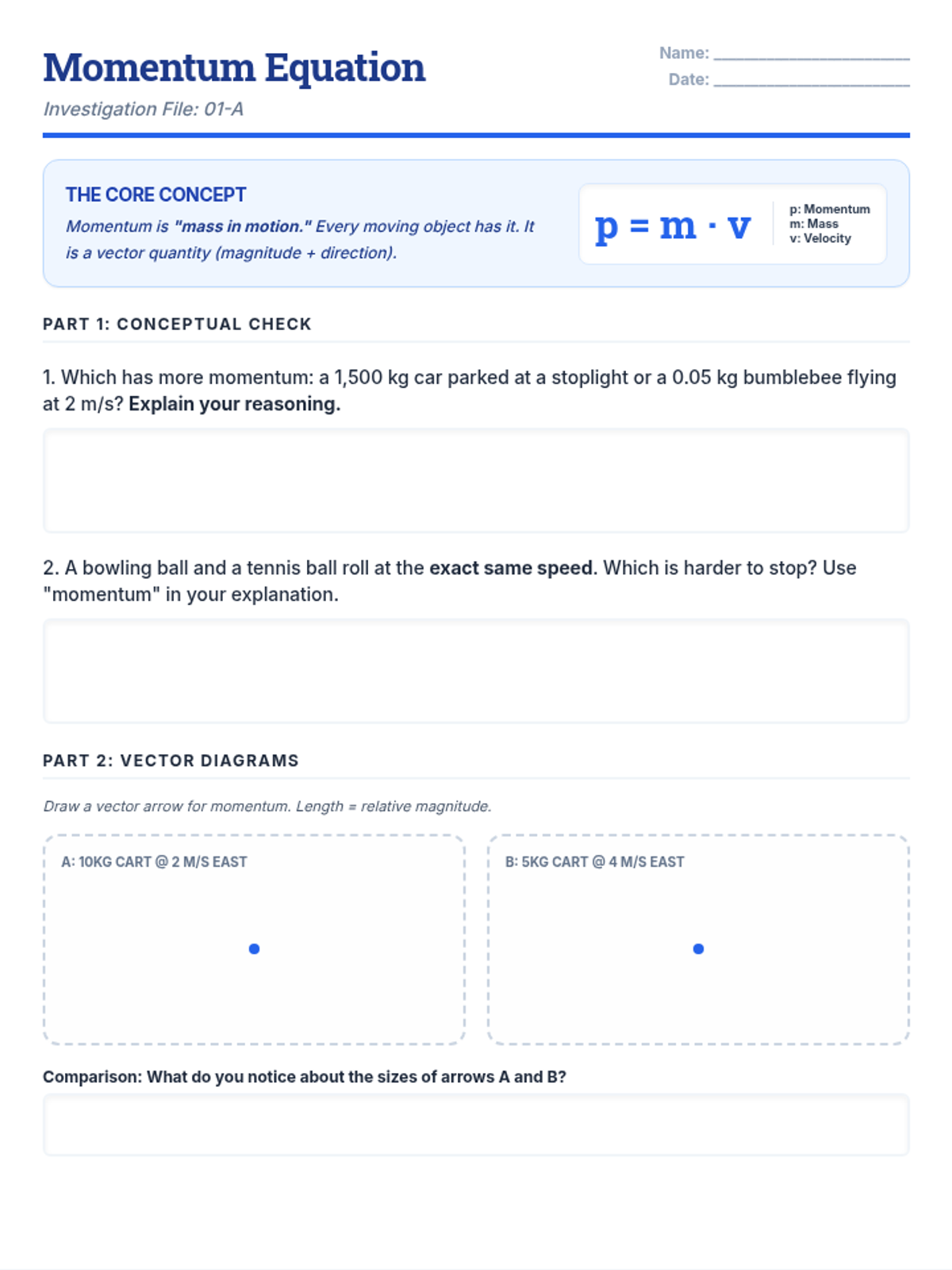
A comprehensive unit on momentum and collisions for 9th grade physics, covering the basic equation, collision types, conservation laws, and Newton's Third Law through real-world examples like vehicle safety and sports.