Interactive presentation slides covering the gut-brain connection, neurotransmitters, and mood-boosting food groups, including embedded video and activity prompts.
A formal lesson plan for the Stress Toll lesson, incorporating 5 specific instructional strategies (Aggressive Monitoring, Sentence Stems, Stop and Jot, Think-Pair-Share, and Chunking) with a step-by-step procedure.
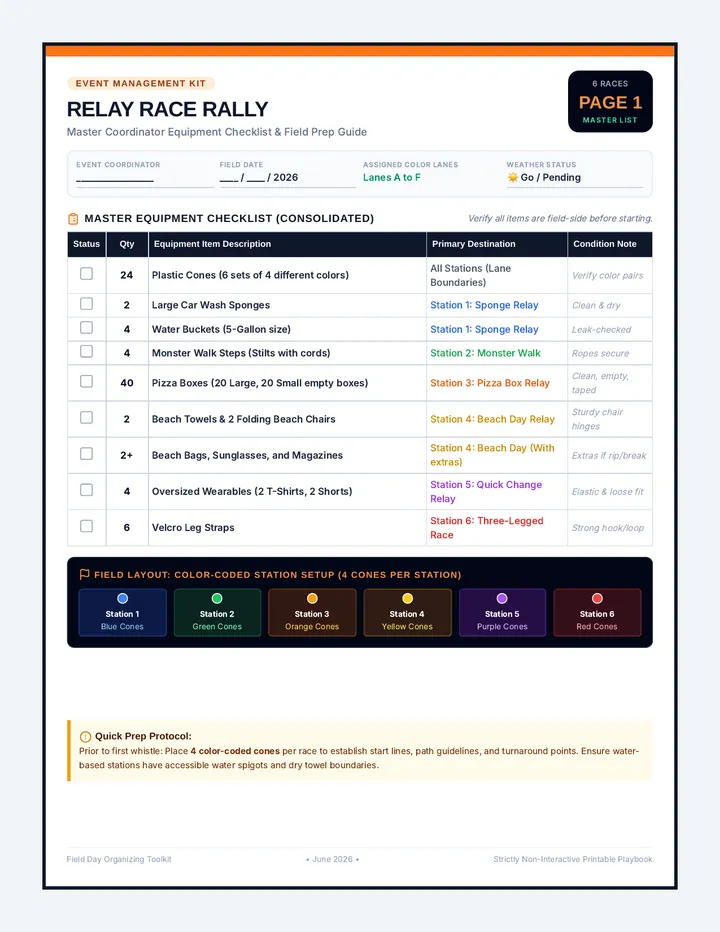
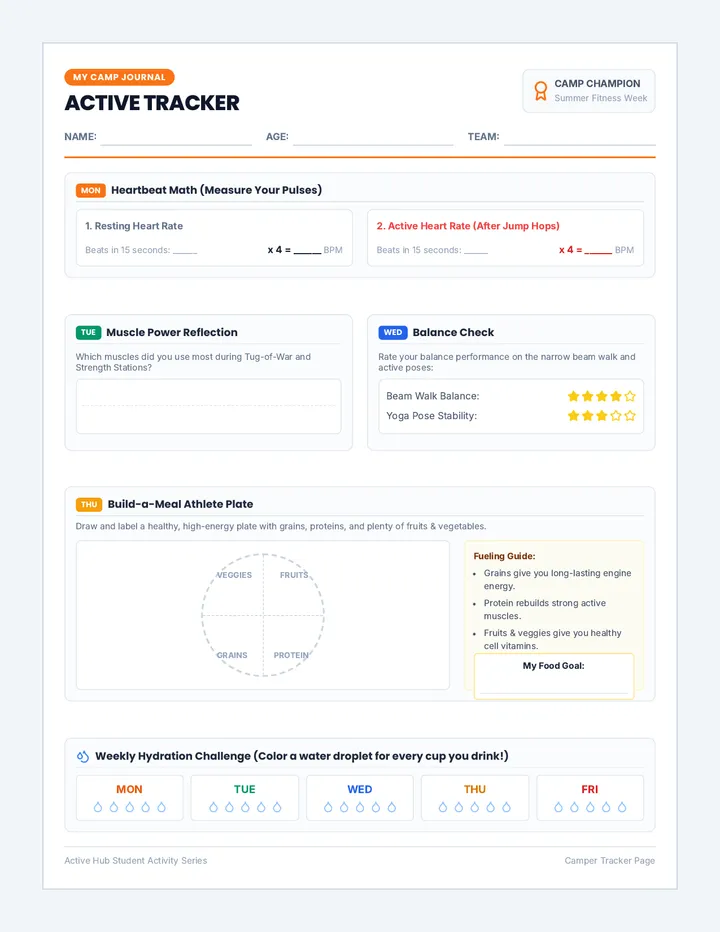
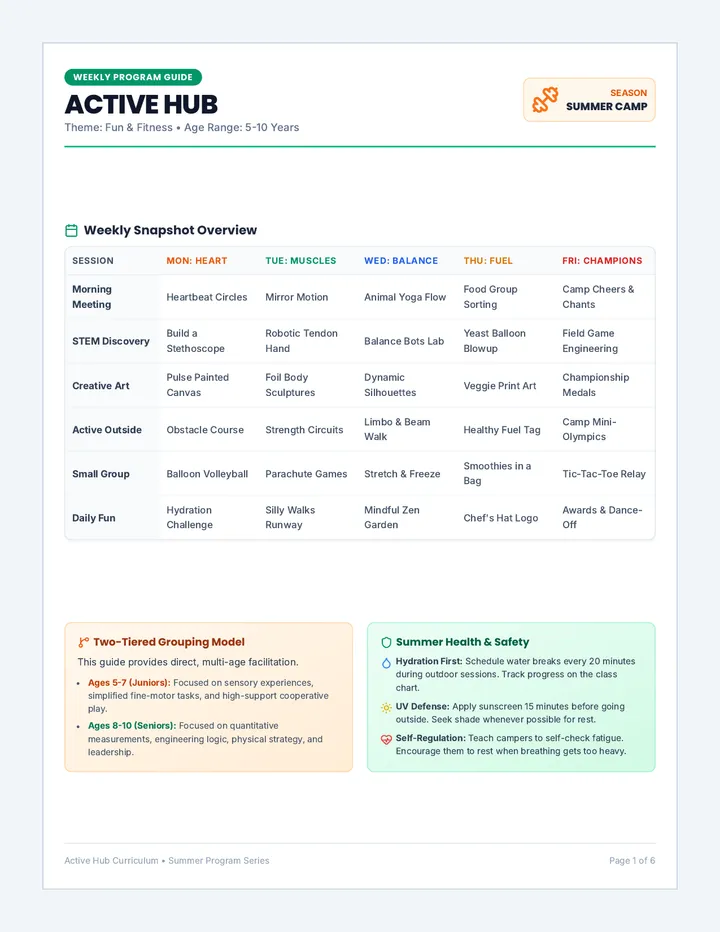
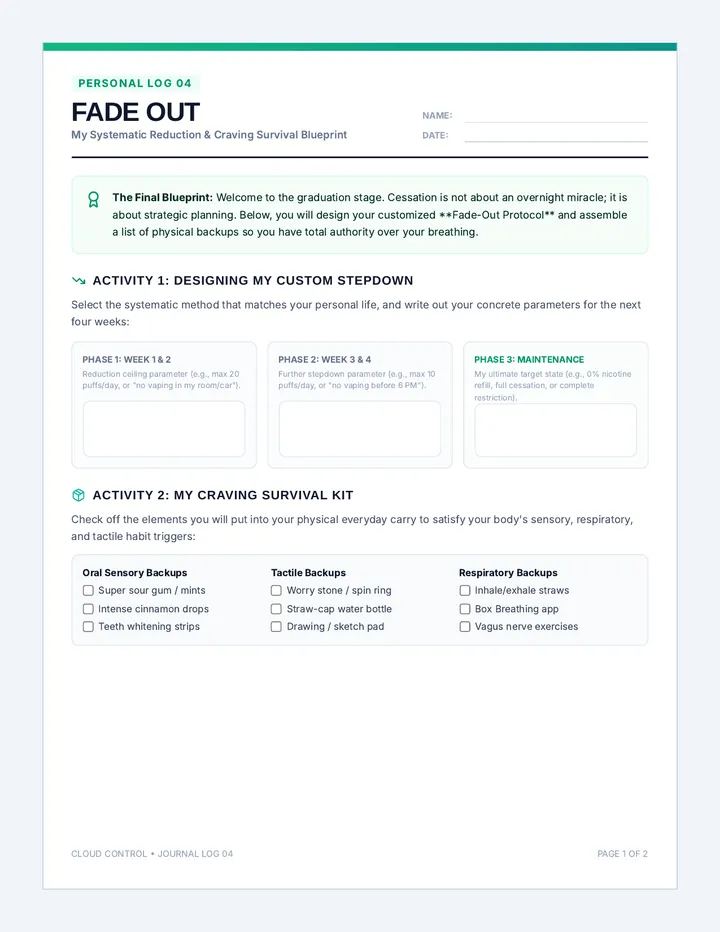
A hands-on card sort activity where students classify stressful high school scenarios as acute or chronic and match them to their physiological impacts. Now expanded with 6 scenarios and scrambled for student use.
A comprehensive teacher guide for the Stress Toll lesson, including instructional objectives, common misconceptions, discussion prompts, and a detailed answer key for the DOK-leveled worksheet. Now updated with Aggressive Monitoring protocols.
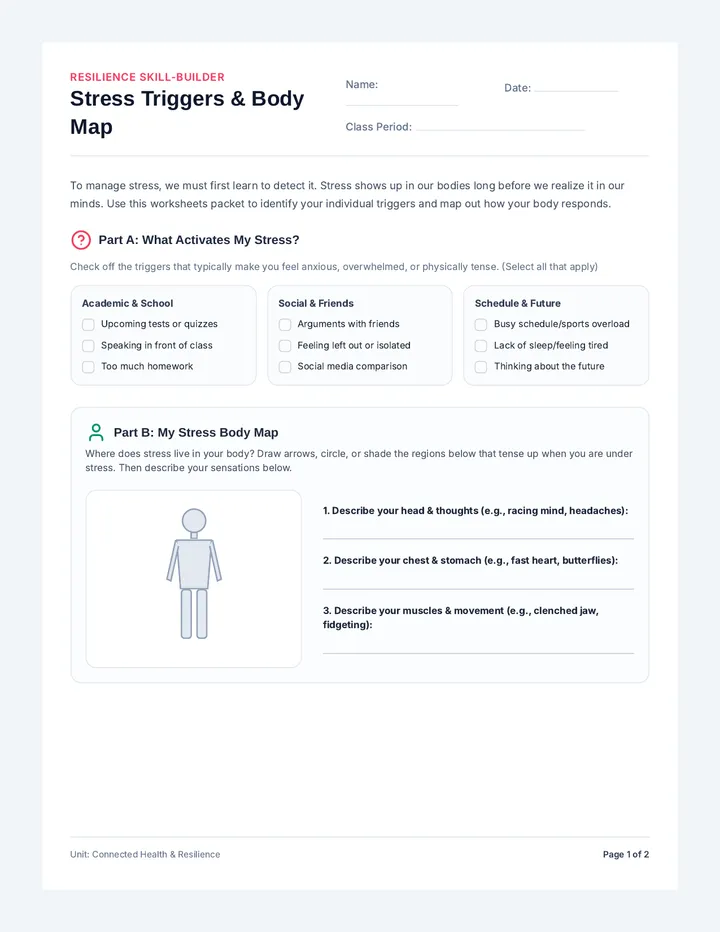
A comprehensive worksheet featuring DOK level 1, 2, and 3 questions with integrated sentence stems to scaffold student writing and analysis of chronic stress.
A visual presentation for high school students explaining the biological impact of chronic stress, now featuring Think-Pair-Share, Stop and Jot, and a Chunked instructional structure.
A highly detailed, complex coloring page featuring a "Germ Jungle" sneeze cloud with intricate pathogen specimens, scientific annotations, and hygiene facts for advanced engagement.
A polished version of the "Self Care Blueprint" worksheet with improved spacing to ensure it feels open while still fitting perfectly on one page.
A student-facing "Solo Reps Log" worksheet designed for tracking completion of 16 different individual drills. Includes categories for walkovers, handsprings, aerials, and core strength with checkbox tracking for multiple sets.
A comprehensive 1-page reference guide for students containing 12 individual drills they can perform on side-mats without a spotter. Drills are categorized by skill focus: Walkovers, Power/Handsprings, Aerials, and Core.
An expanded set of 6 visual station cards designed to be printed and placed at different areas of the gym. Includes dedicated stations for individual solo drills like handstand snap-downs and hurdle skips that don't require spotting.
An updated student-facing skills tracker for tumbling, now including a dedicated "Solo Foundations" section for tracking progress on individual drills like snap-downs, wall holds, and hurdle timing.
A revised 2-page coaching guide for the tumbling session, now featuring a management strategy for balancing spotted skills with new solo/individual drill stations. Includes updated timeline and coaching tips for solo skill acquisition.
A visual reference sheet for a pom dance routine, illustrating essential arm motions (High V, T, etc.) and jazz technical skills with clear descriptions and diagrams.
A professional assessment rubric for a pom dance routine, featuring specific criteria for precision, technique, musicality, and performance with space for teacher feedback.
A vibrant presentation for a jazzy pom dance class, highlighting routine style, essential pom positions, formation strategies, and performance energy.
A comprehensive teacher choreography guide for an intermediate jazzy pom routine to 'Under the Sea', starting at the 1:58 mark with timestamped breakdowns.
Updated K-2 facilitation guide with scripts for teaching empathy, reading non-verbal cues, and practical conflict resolution tools like Rock-Paper-Scissors.
Updated K-2 assembly slides with specific focus on empathy (caring for feelings), handling disagreements, and conflict resolution strategies for young students.
Updated 3-5 facilitation guide with talking points on the "Two-Yes" rule for friendship and how to handle social boundaries with integrity.
Updated 3-5 assembly slides focusing on healthy friendship traits, the "Two-Yes" rule for social choices, and respecting boundaries.
Updated K-2 facilitation guide with scripts for teaching friendship skills and the concept of social choice and boundaries.
Updated K-2 assembly slides with a focus on defining good friendship, sharing, listening, and respecting the choice that it's okay if someone doesn't want to be a friend.