A slide deck for Lesson 2 introducing verbal refusal techniques: The Broken Record, Blaming the Parent, and Using Humor/The Pivot. Includes an improv game hook and workshop instructions.
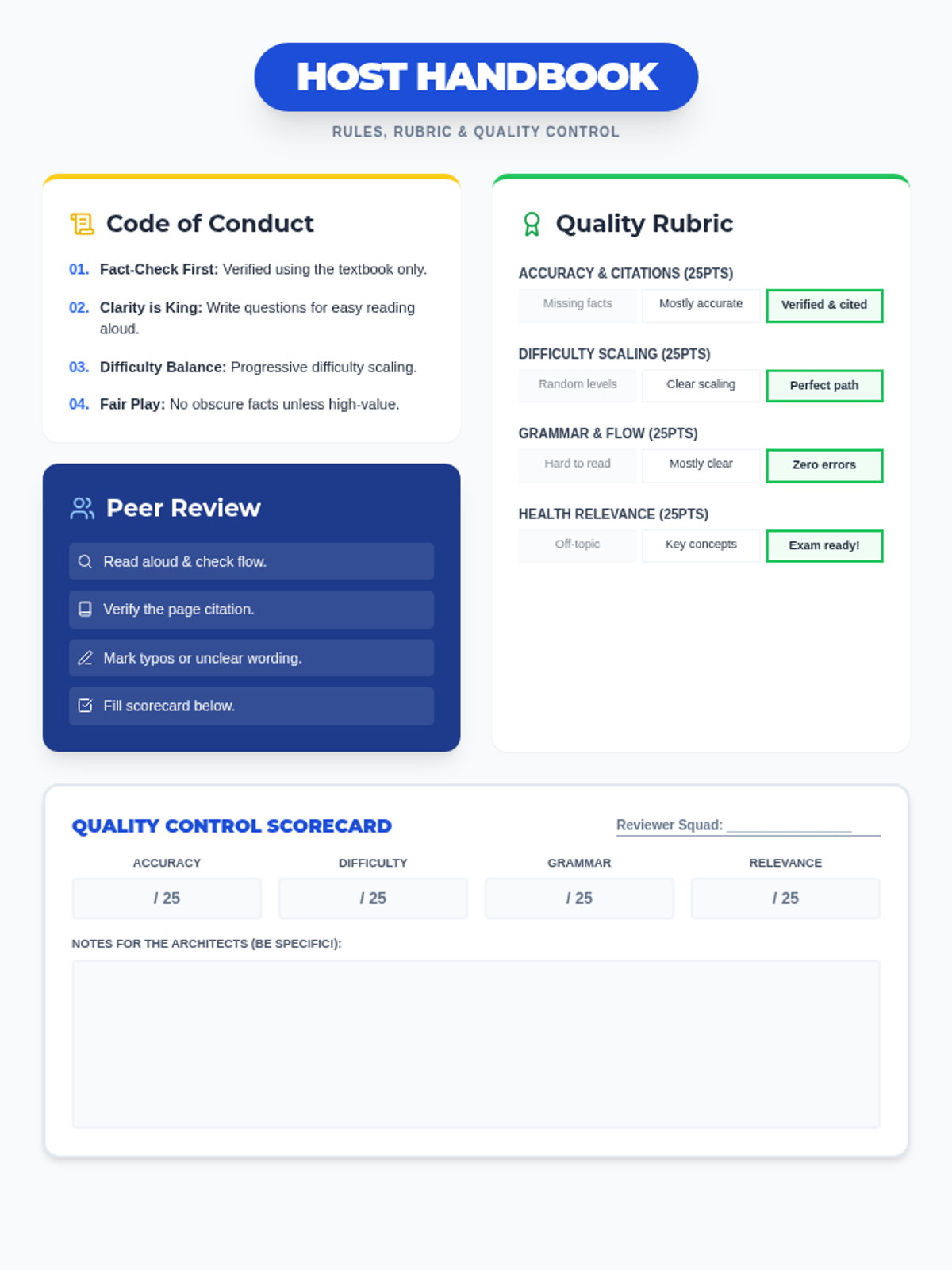
A handbook for students acting as hosts and reviewers, featuring guidelines for question quality and a peer-assessment rubric.
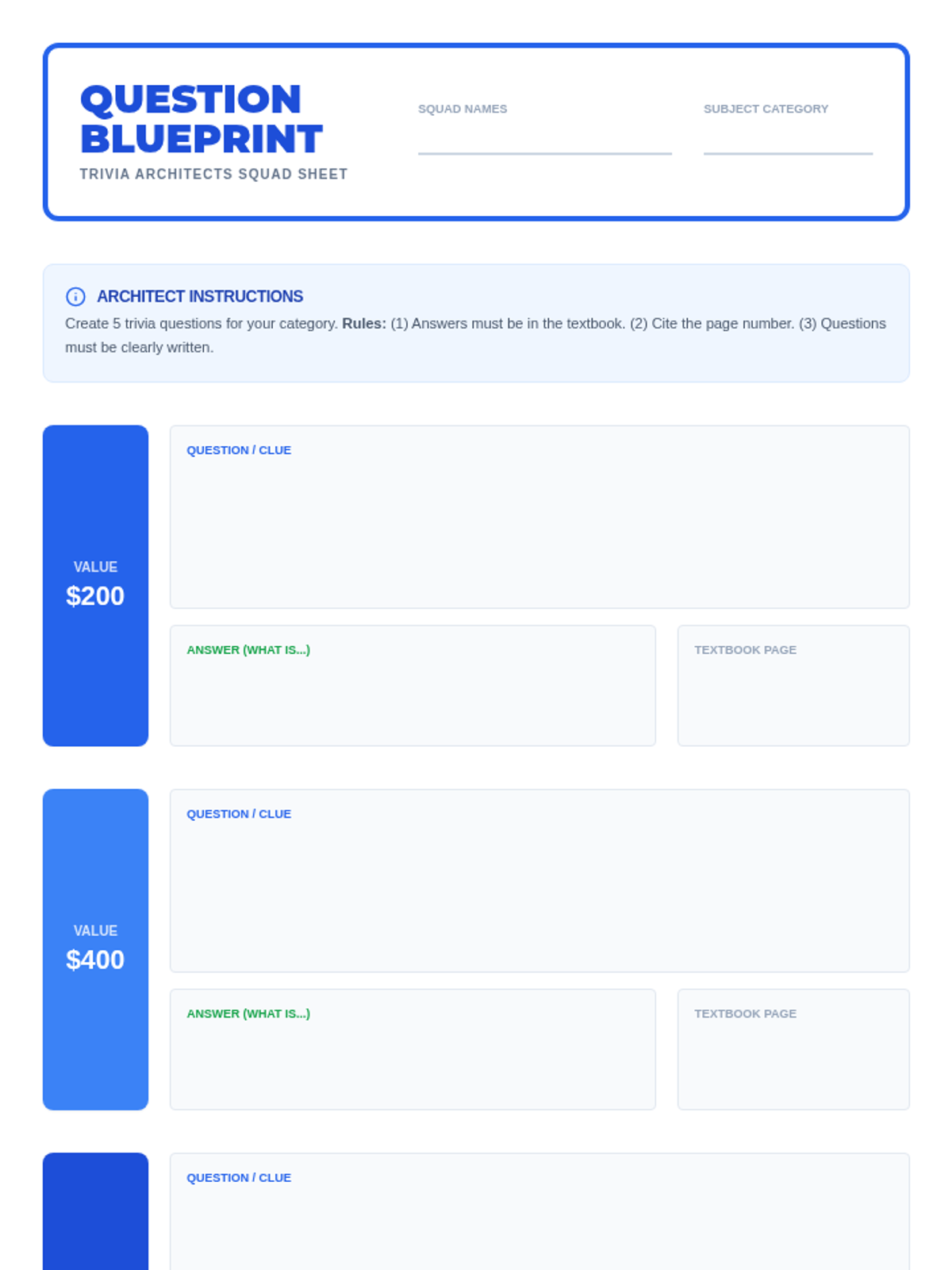
A structured worksheet for students to draft their trivia questions, answers, and textbook citations, organized by difficulty level.
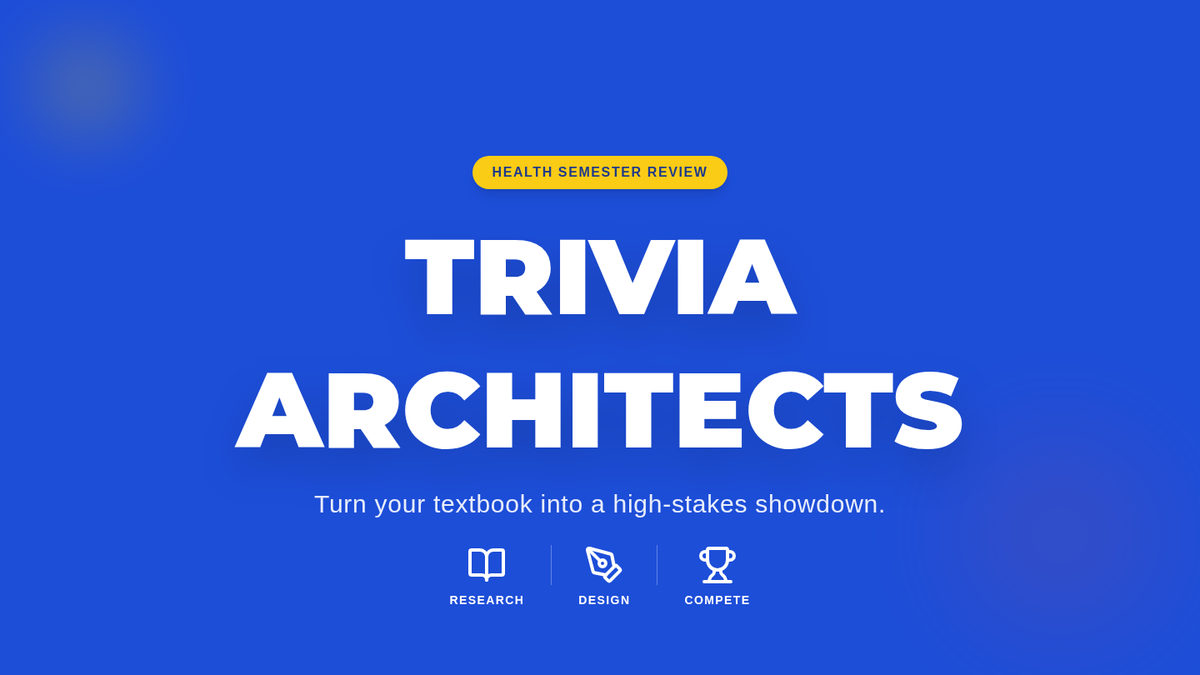
A high-energy visual presentation to guide students through the process of creating a Jeopardy-style review game.
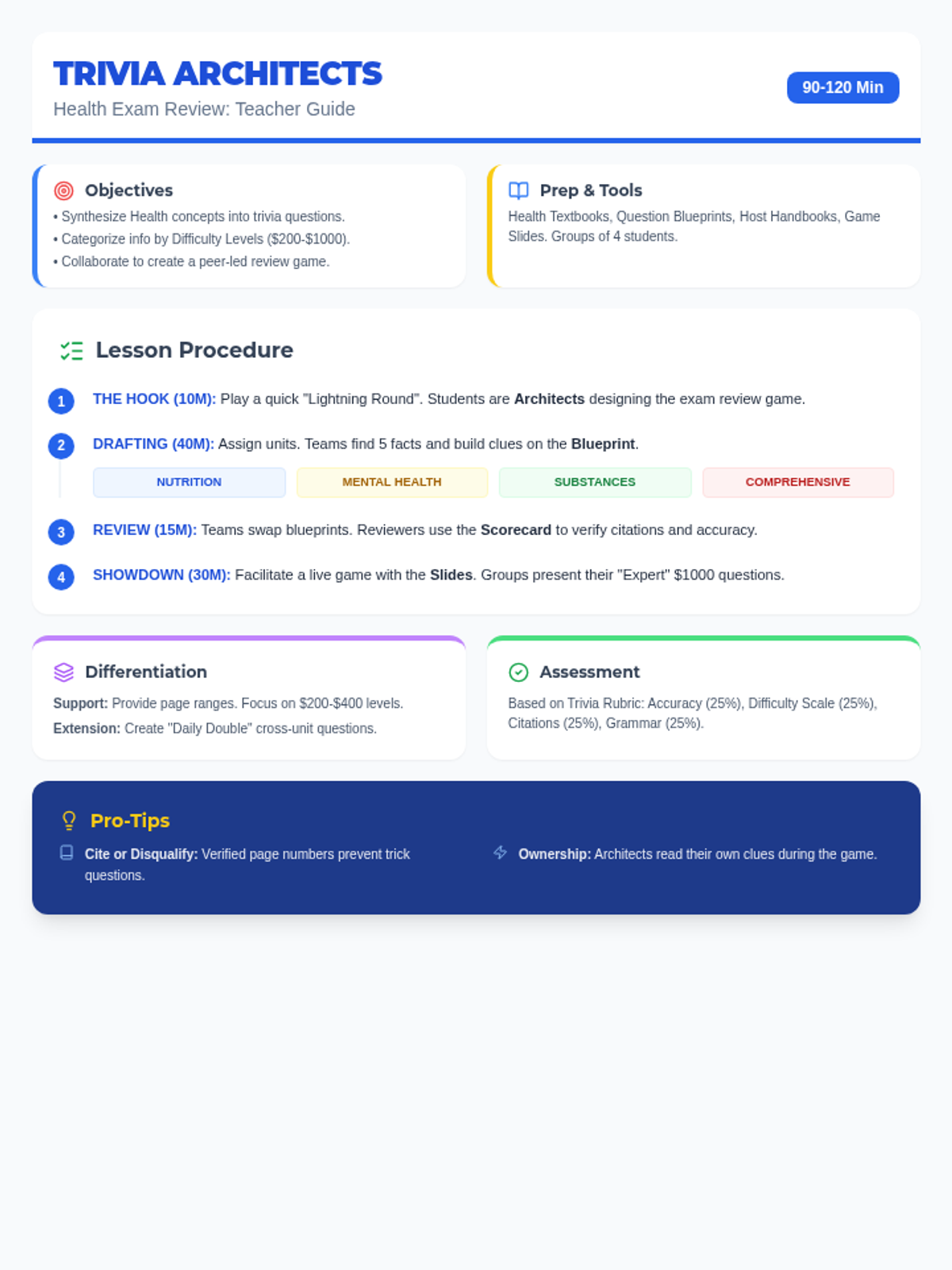
A comprehensive teacher guide for leading the 'Trivia Architects' lesson, including learning objectives, procedural steps, and differentiation strategies.
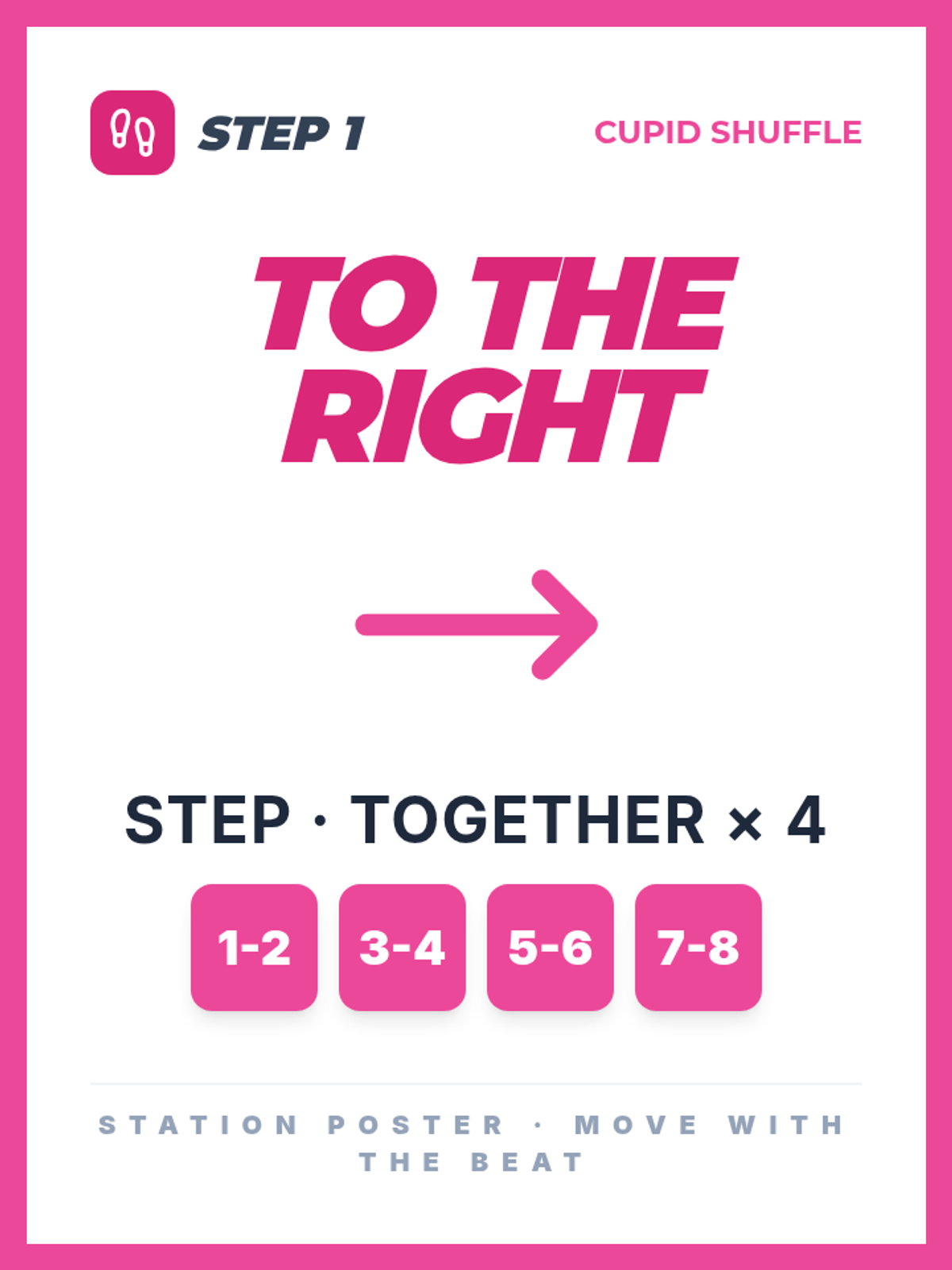
A set of four high-visibility, full-page posters designed to be placed around a dance floor or classroom. Each poster breaks down one movement of the Cupid Shuffle with large icons, bold text, and clear 8-count timing.
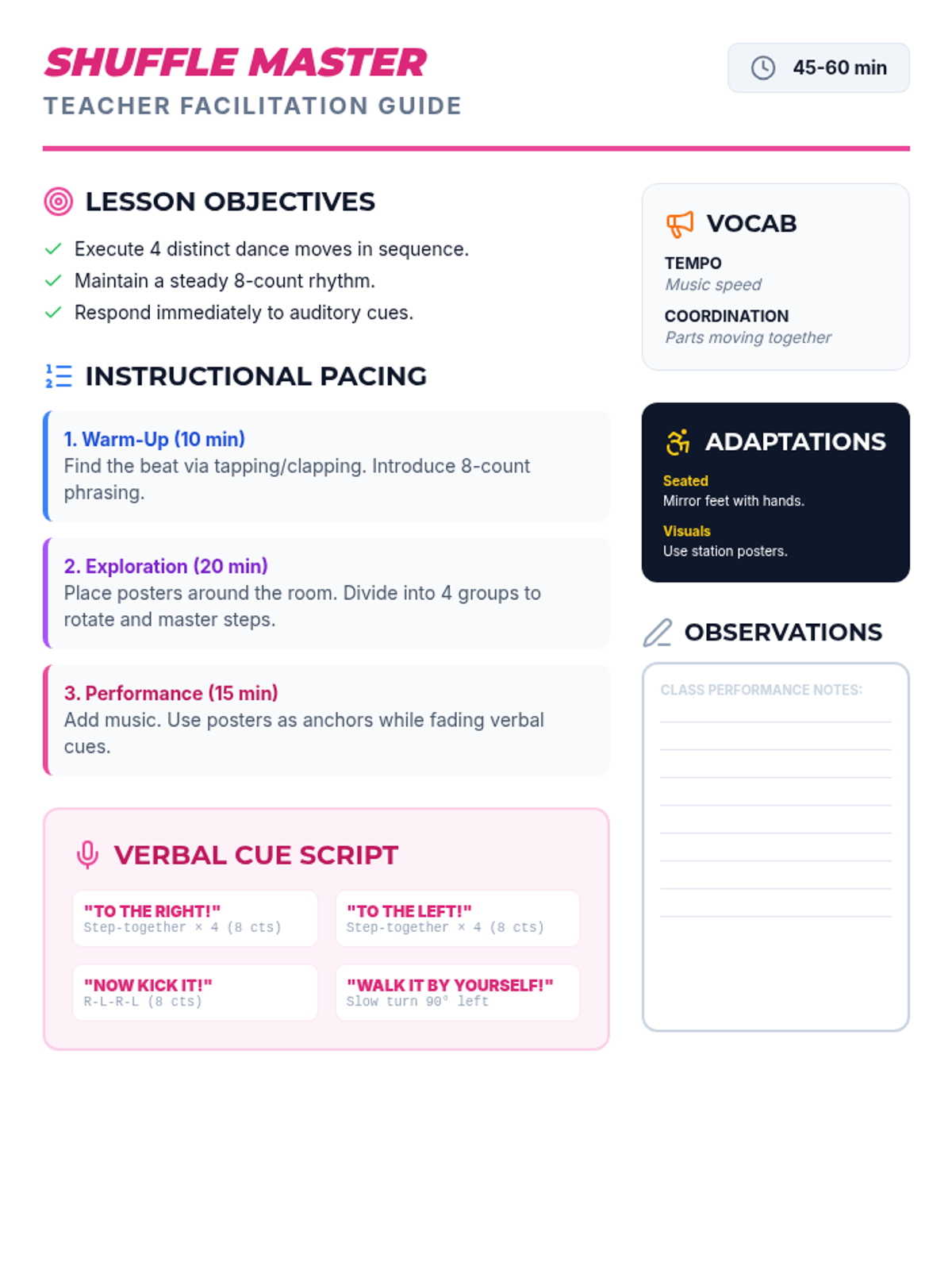
A comprehensive teacher's guide for the Cupid Shuffle lesson, including instructional pacing, verbal cue scripts, differentiation strategies for various learners, and assessment criteria.
A high-energy, visually engaging slide deck designed to teach the Cupid Shuffle. It breaks down the 4 main moves into 8-count sequences, introduces basic rhythm concepts, and includes a video embed for practice.
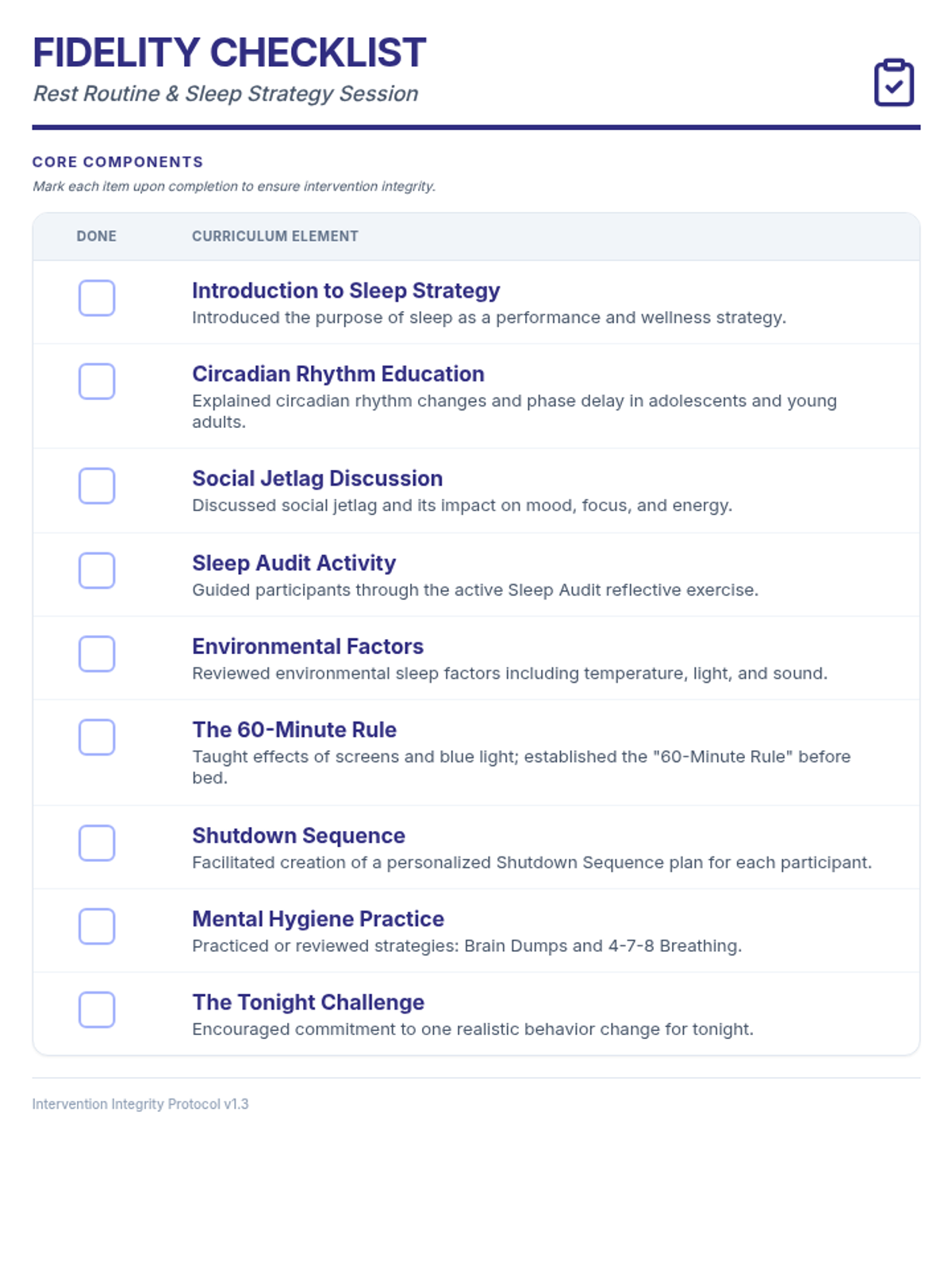
A final streamlined version of the fidelity checklist focusing solely on core components. Removed session metadata, observation sections, and the signature line for a clean, simple verification tool.
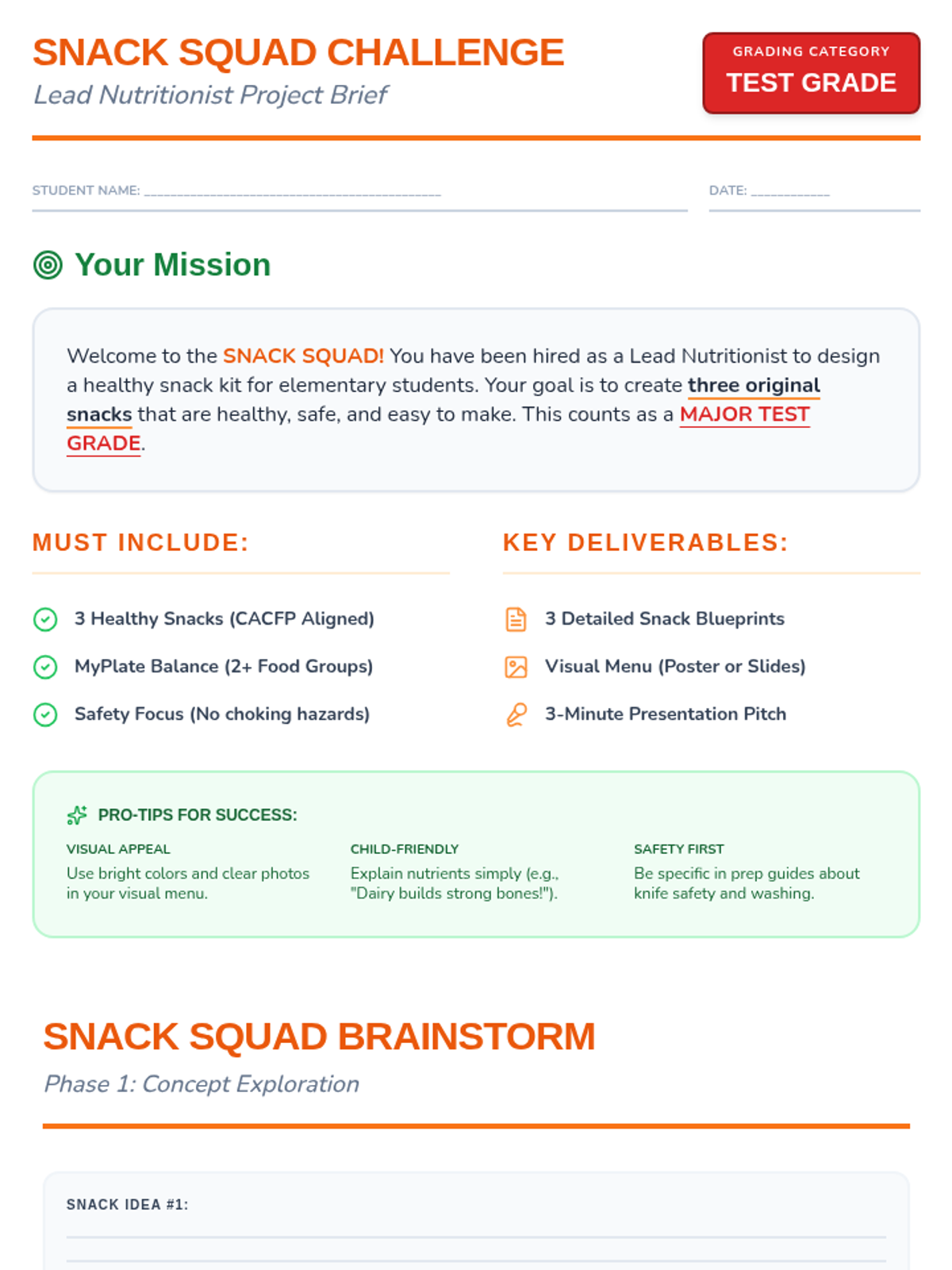
A complete 6-page project packet for the Snack Squad Challenge, including the project prompt with a test grade notice, brainstorming area, a 50-point rubric, and three detailed planning blueprints with step-by-step preparation guides.
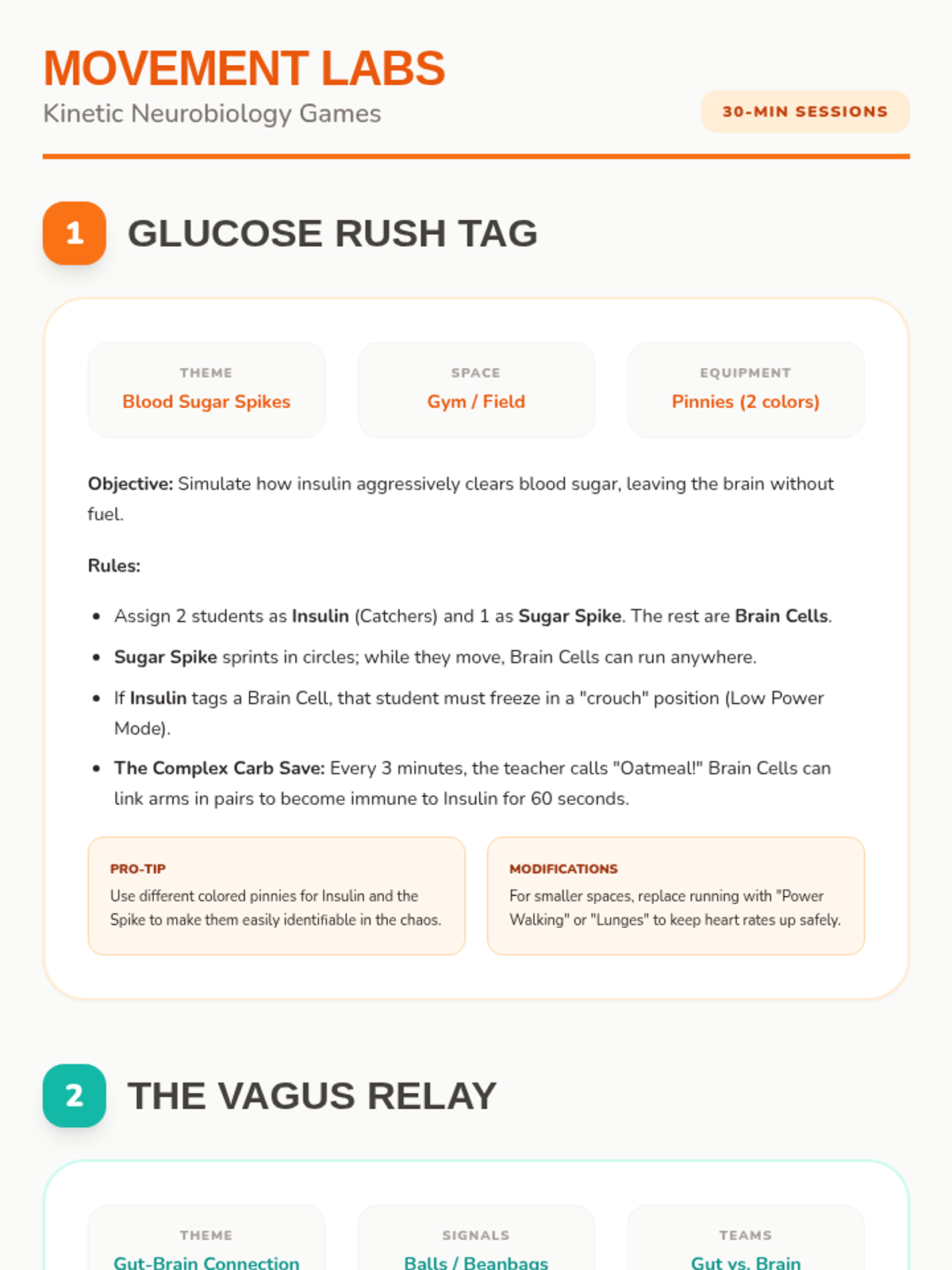
Detailed instructions for two 30-minute movement games (Glucose Rush Tag and The Vagus Relay) that reinforce the physiological concepts of the unit.