An interactive graphic organizer for 7th grade students to analyze two real-world substance advertisements, tracking claims, visual tricks, and omitted health risks (vapes/nicotine, THC, or counterfeit pills).
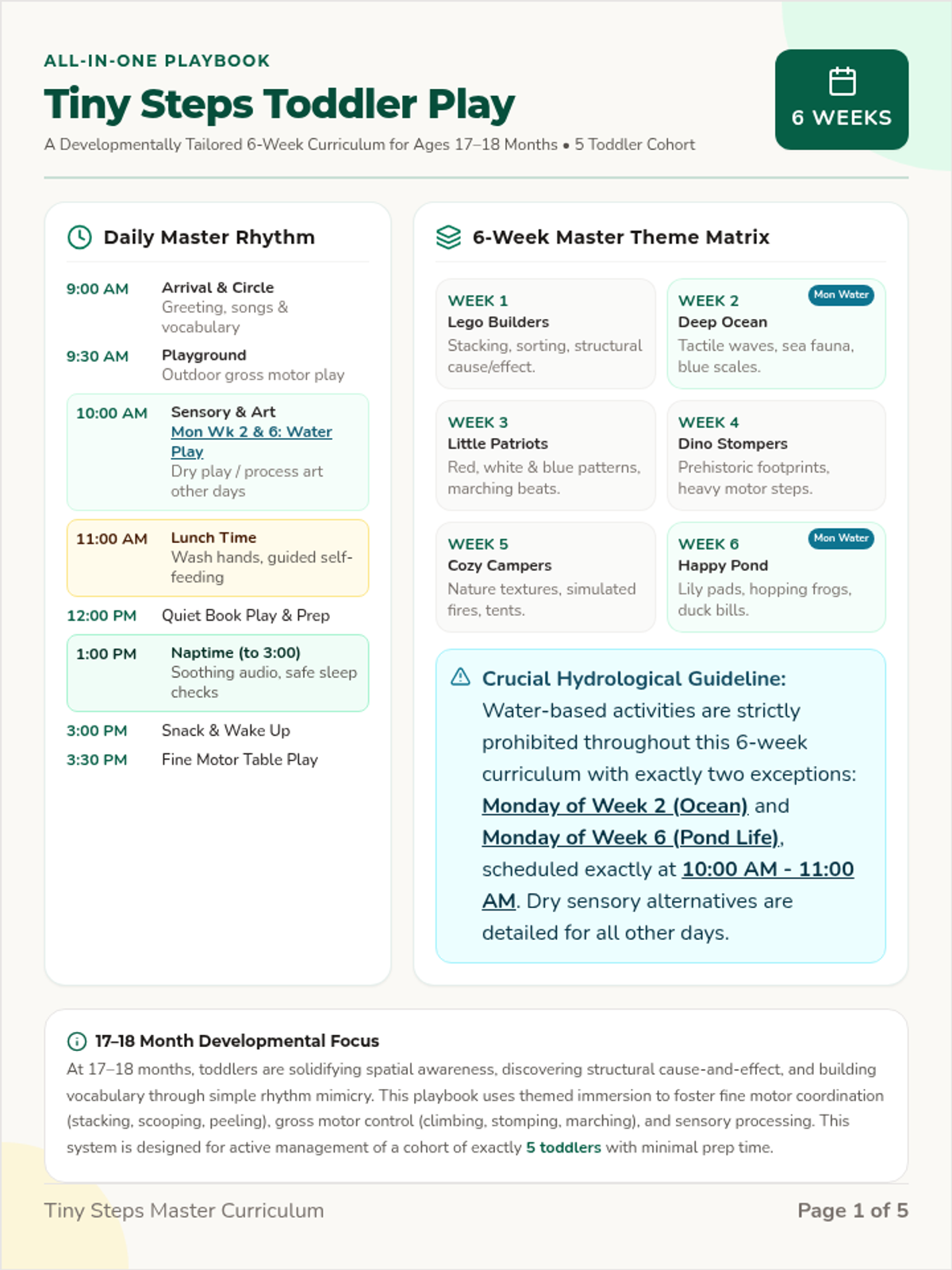
A comprehensive, 5-page All-in-One Educator Guide for toddlers aged 17-18 months. It features an optimized master daily rhythm with arrival at 9:00 AM, playground at 9:30 AM, morning snack at 10:00 AM, sensory and art at 10:15 AM (with Monday water play on Weeks 2/6), lunch at 11:00 AM, nap at 1:00-3:00 PM, and departure at 3:00 PM. It includes full circle time facilitation guides and tips.
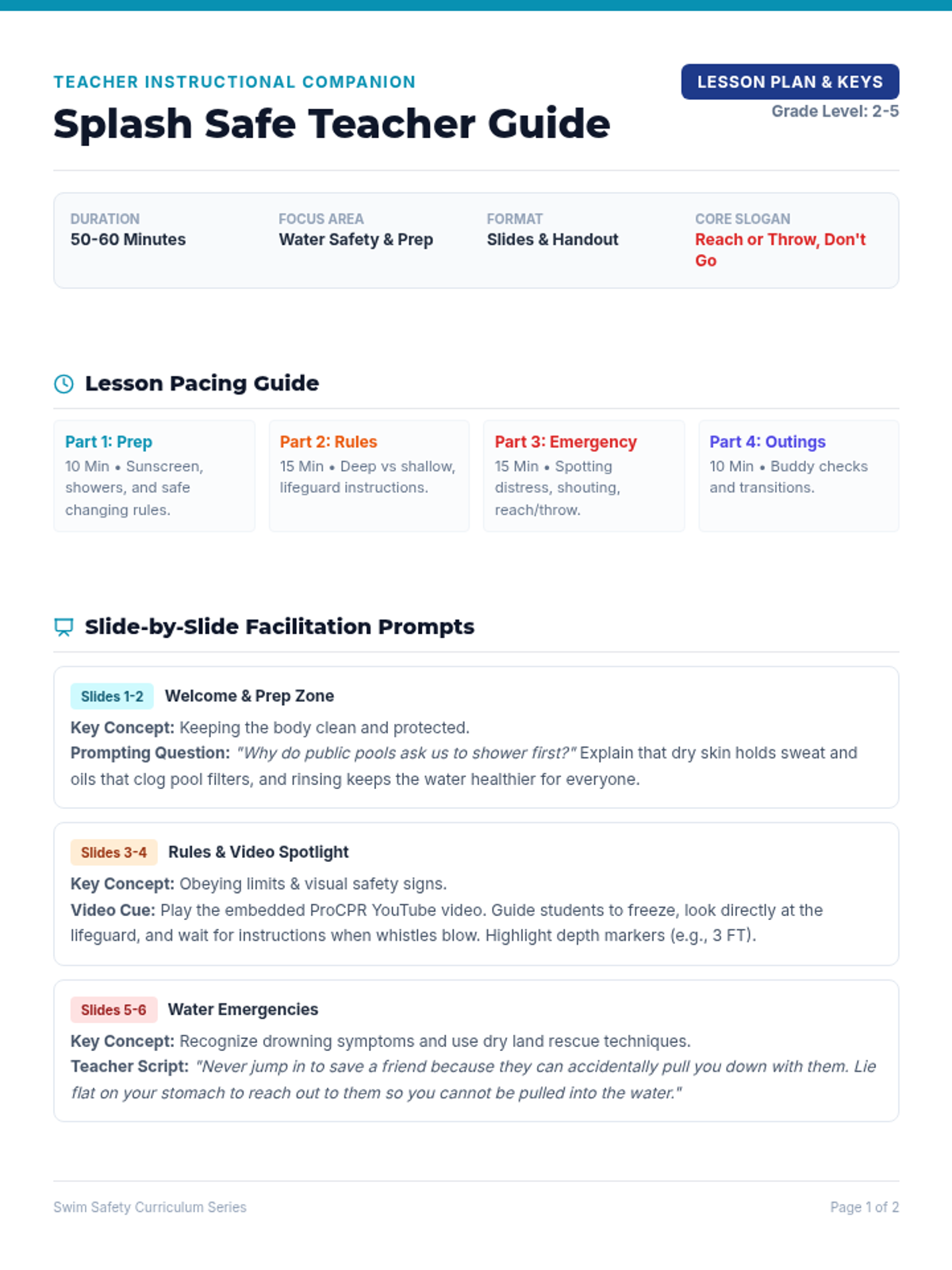
A comprehensive teacher's guide containing pacing, direct-instruction slide scripts, extension activities, and a full worksheet answer key.
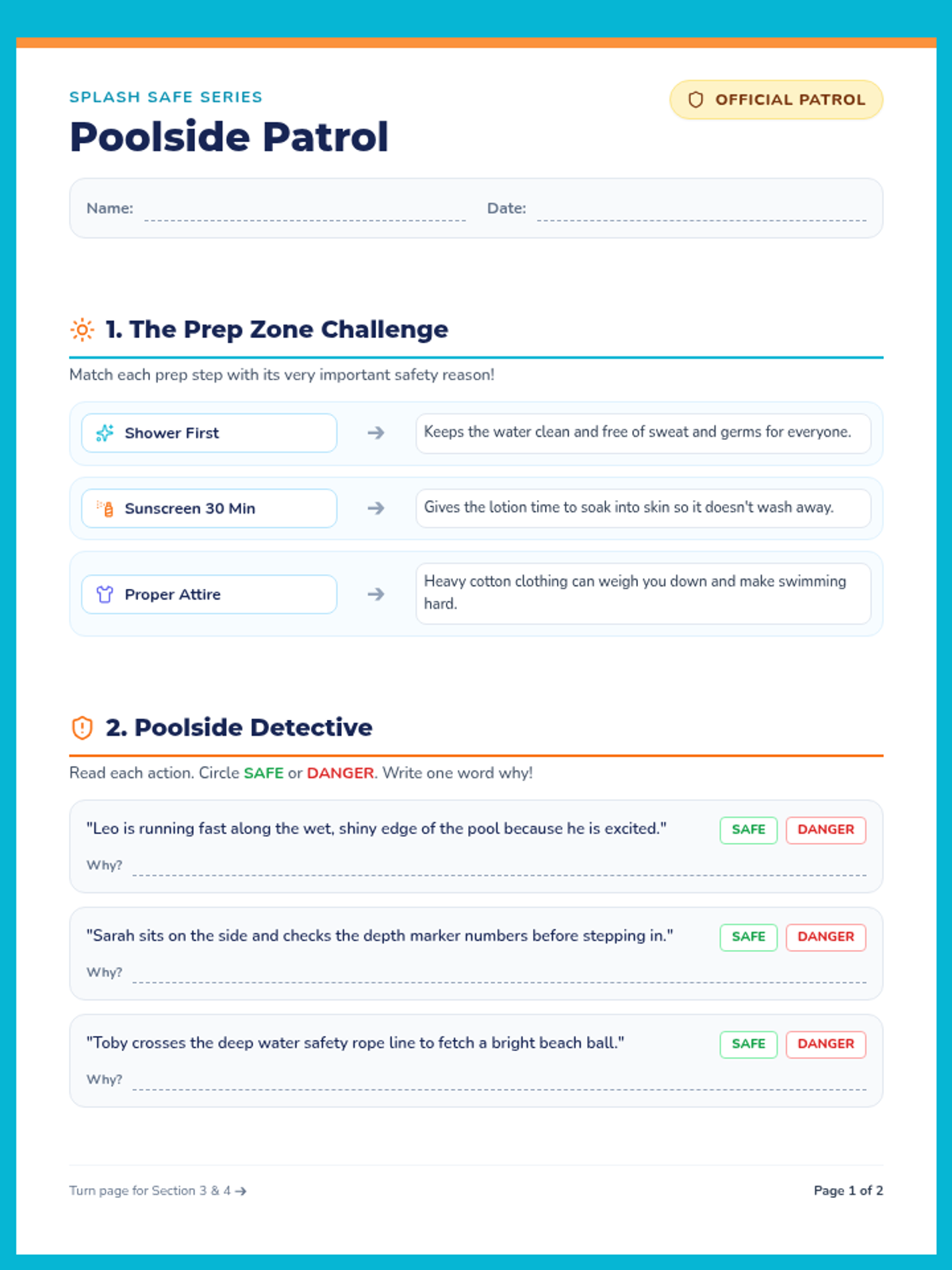
A printable 2-page student worksheet containing scenario practice, rule matching, safety checkboxes, and emergency plan writing. Features wide spaces for handwriting.
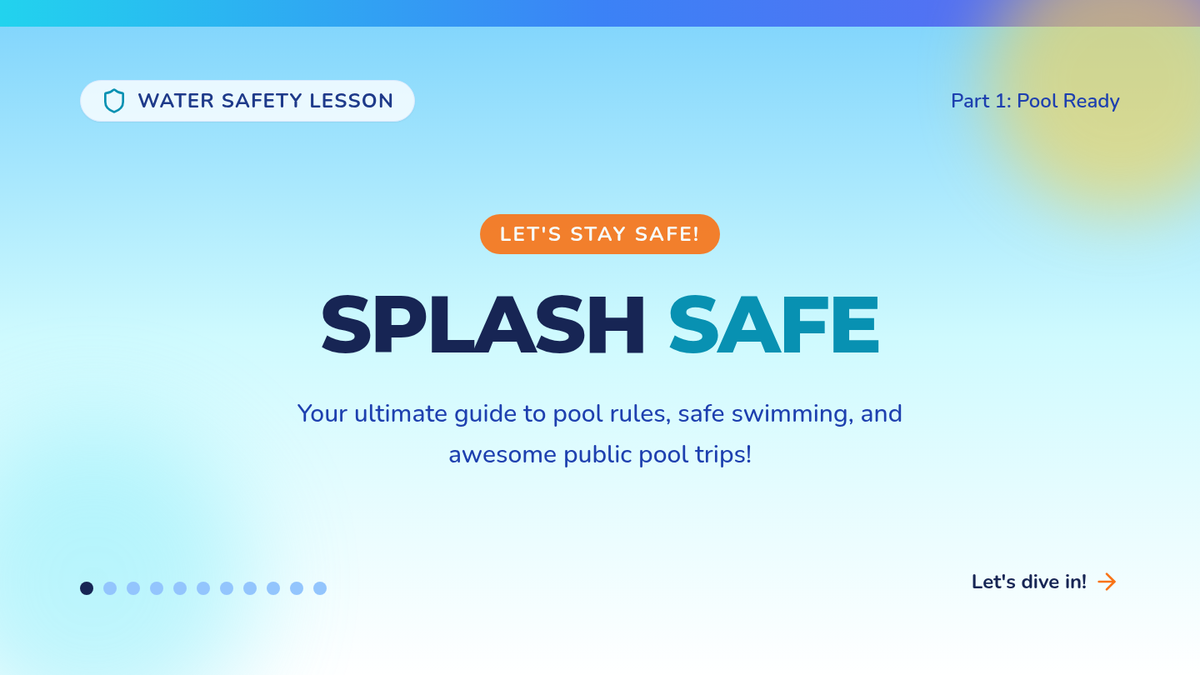
An interactive 16:9 slide deck for swimming safety. Covers hygiene, pool rules, water emergencies, and community outings with simplified text, scenario prompts, embedded educational videos, and a comprehensive resource library.
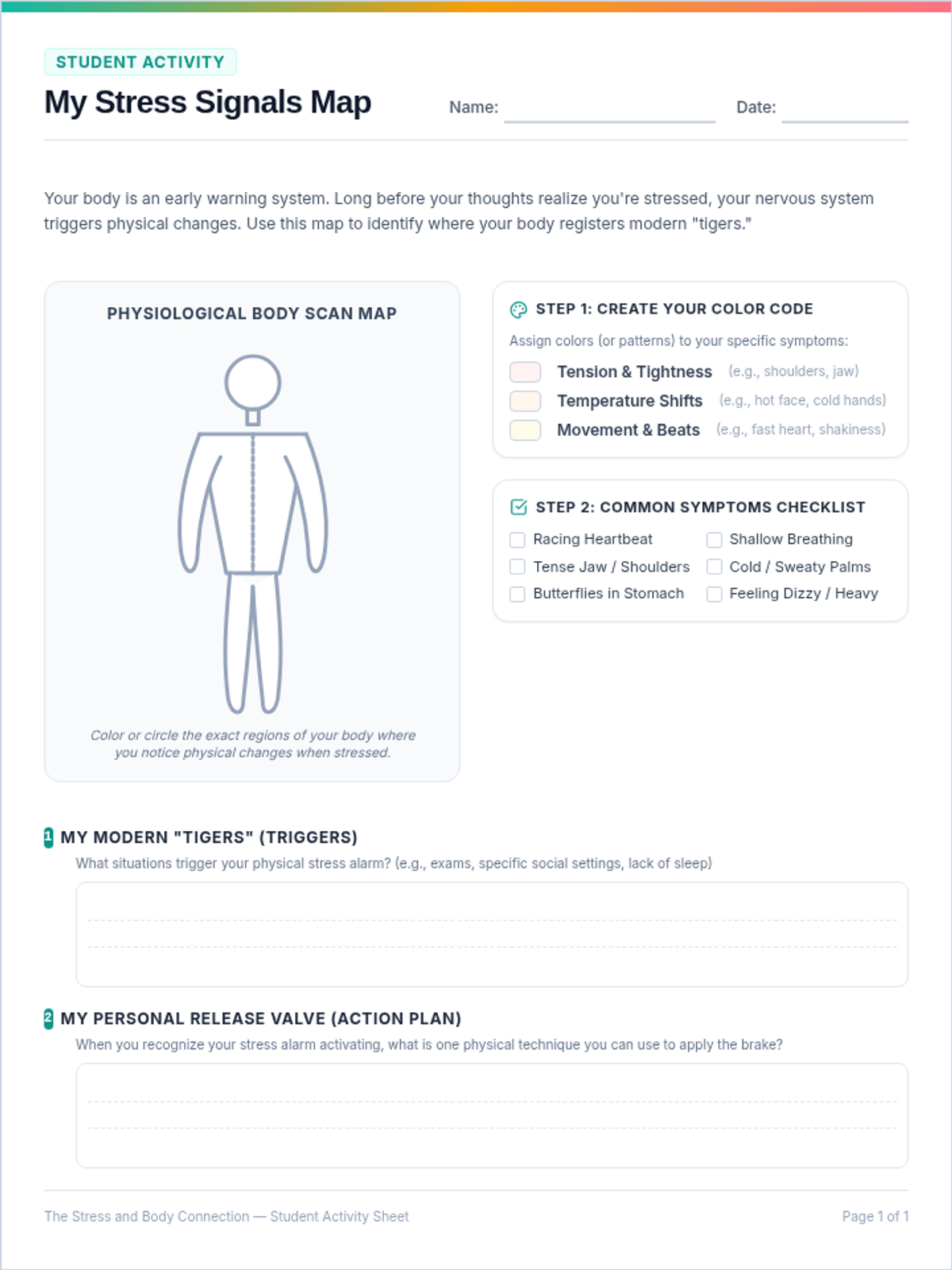
An interactive, beautifully designed 1-page student worksheet featuring a schematic human body map for highlighting personal physiological stress zones, a symptoms color key, and reflection prompts.
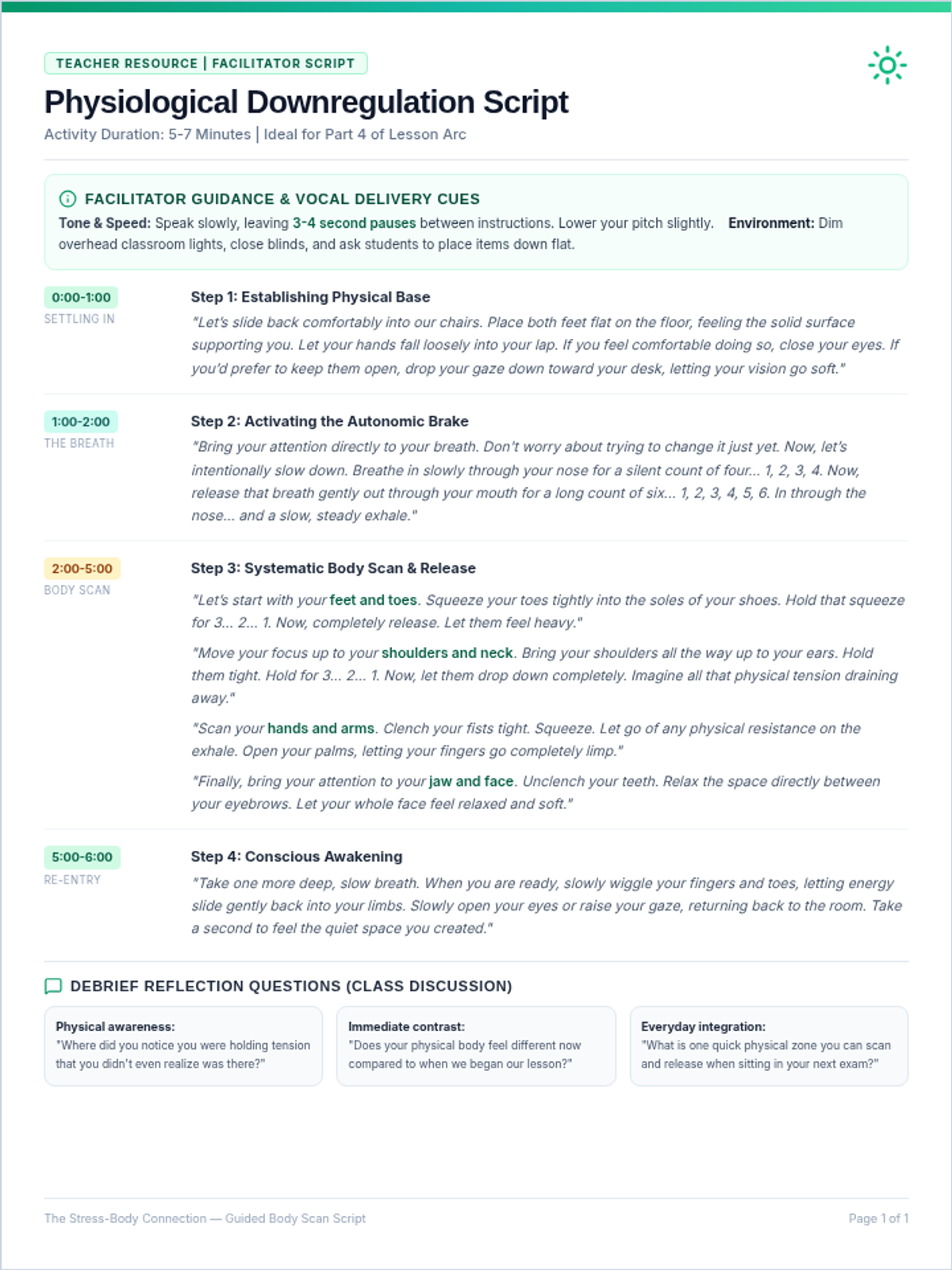
A professional 1-page script and facilitator guide for conducting a 5-7 minute mindfulness and physiological downregulation body scan with 8th graders. Includes vocal cues, visual layout markers, and debrief prompts.
An interactive and visually engaging 6-slide deck introducing students to fight-or-flight biology, physical symptoms of stress, and how the parasympathetic nervous system serves as the body's natural brake.
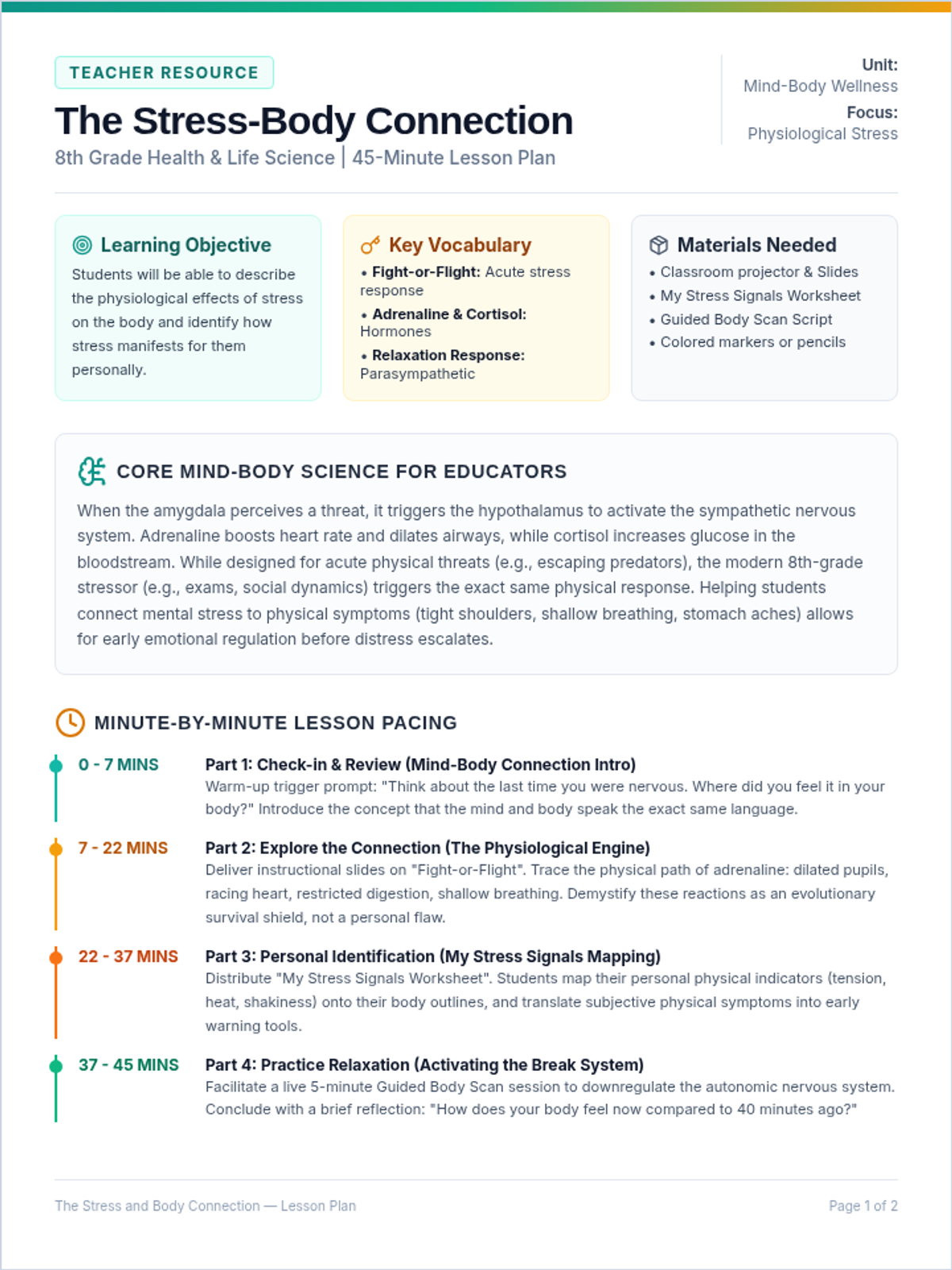
A comprehensive 2-page lesson plan for teachers, detailing objectives, core scientific concepts, a minute-by-minute pacing timeline, step-by-step facilitation instructions, discussion prompts, and differentiation strategies.
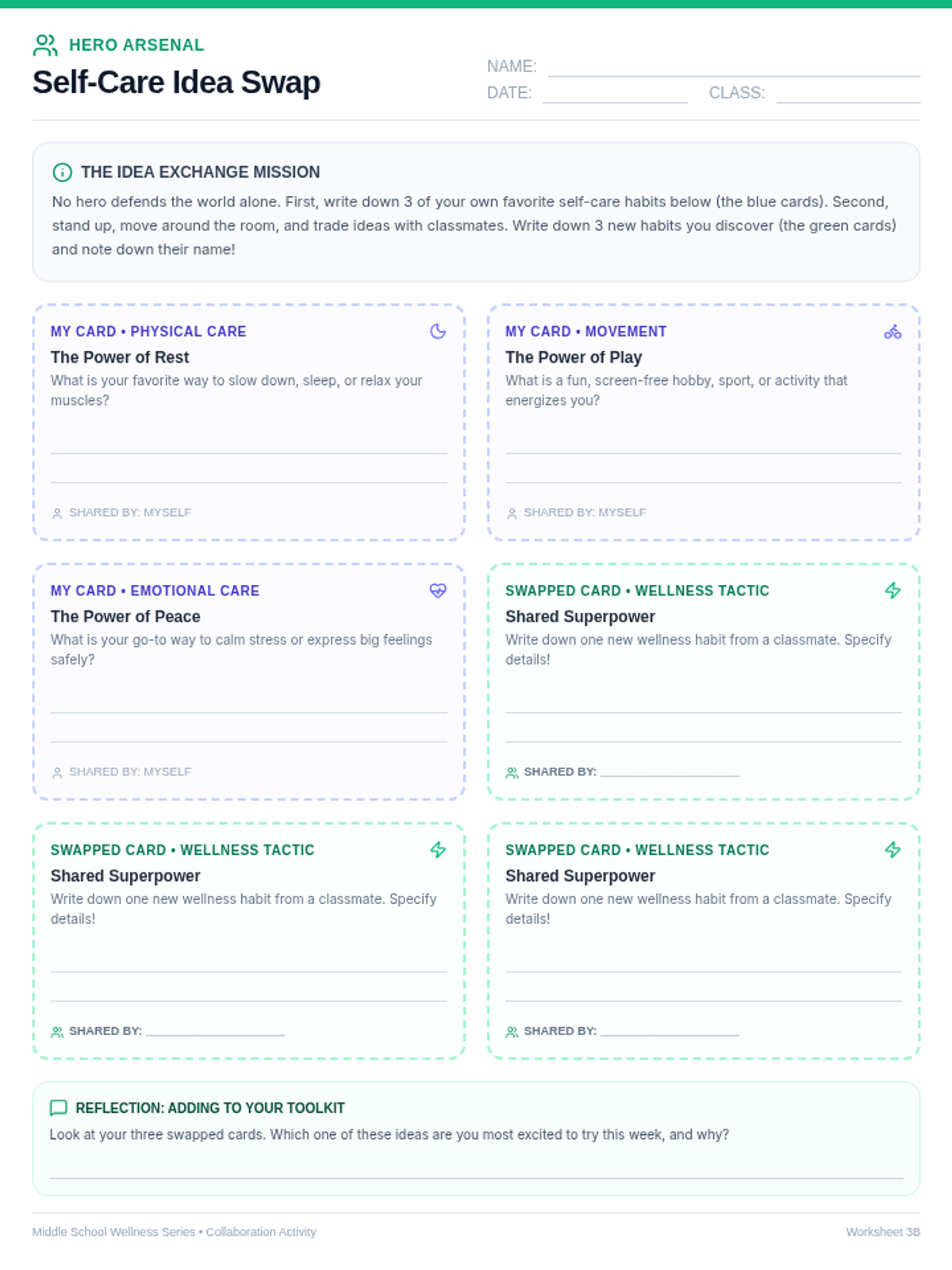
A highly engaging student-facing activity sheet for the collaborative brainstorming segment. Features six visually distinct, dash-bordered 'Power Cards' (3 personal, 3 swapped) to guide students through category brainstorming and active peer-to-peer strategy trading.
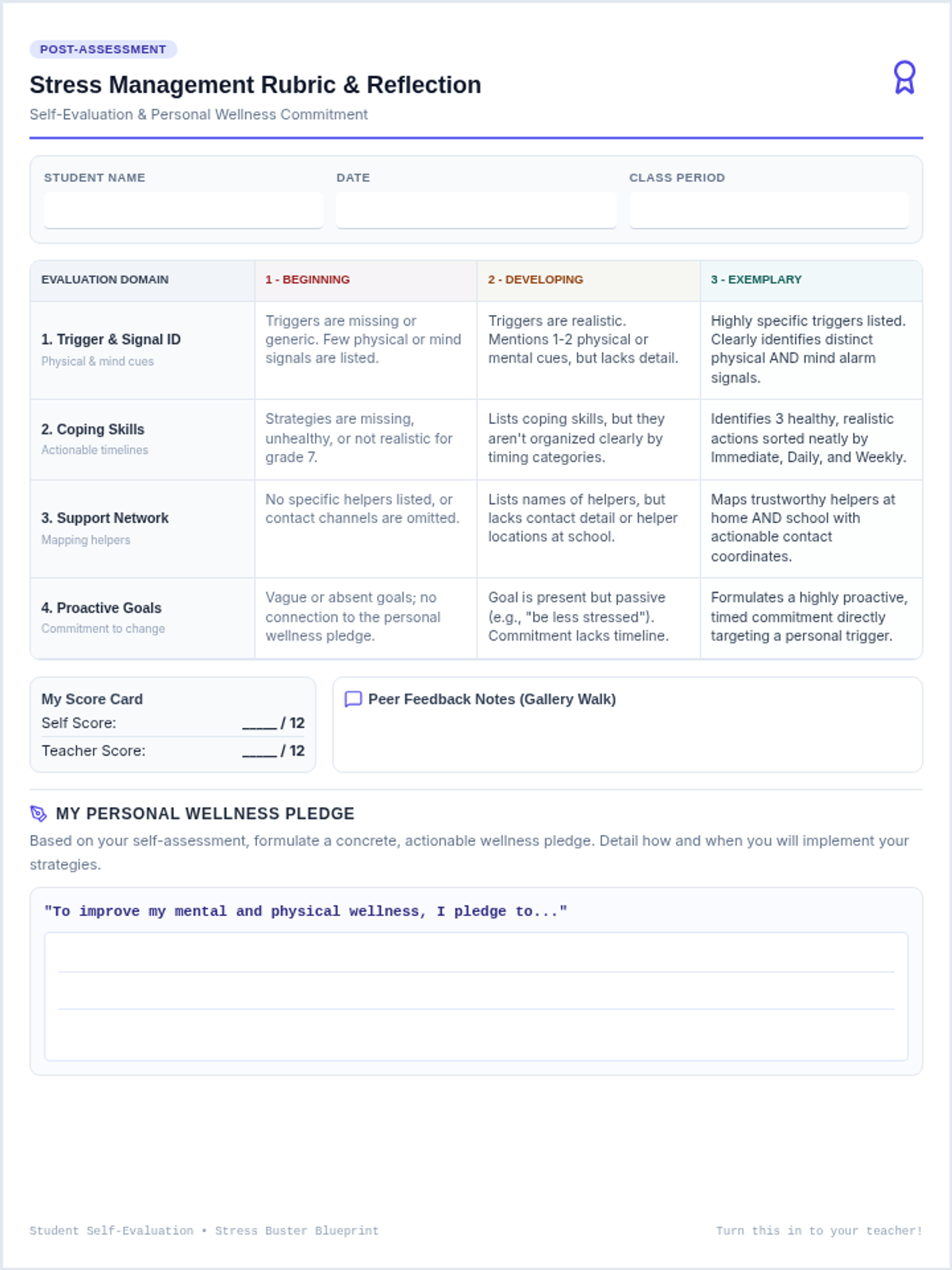
A beautifully structured single-page student assessment rubric containing 4 evaluative domains (Trigger ID, Coping Tools, Support Mapping, Proactive Goals) across 3 achievement levels, complete with an independent reflection commitment box.
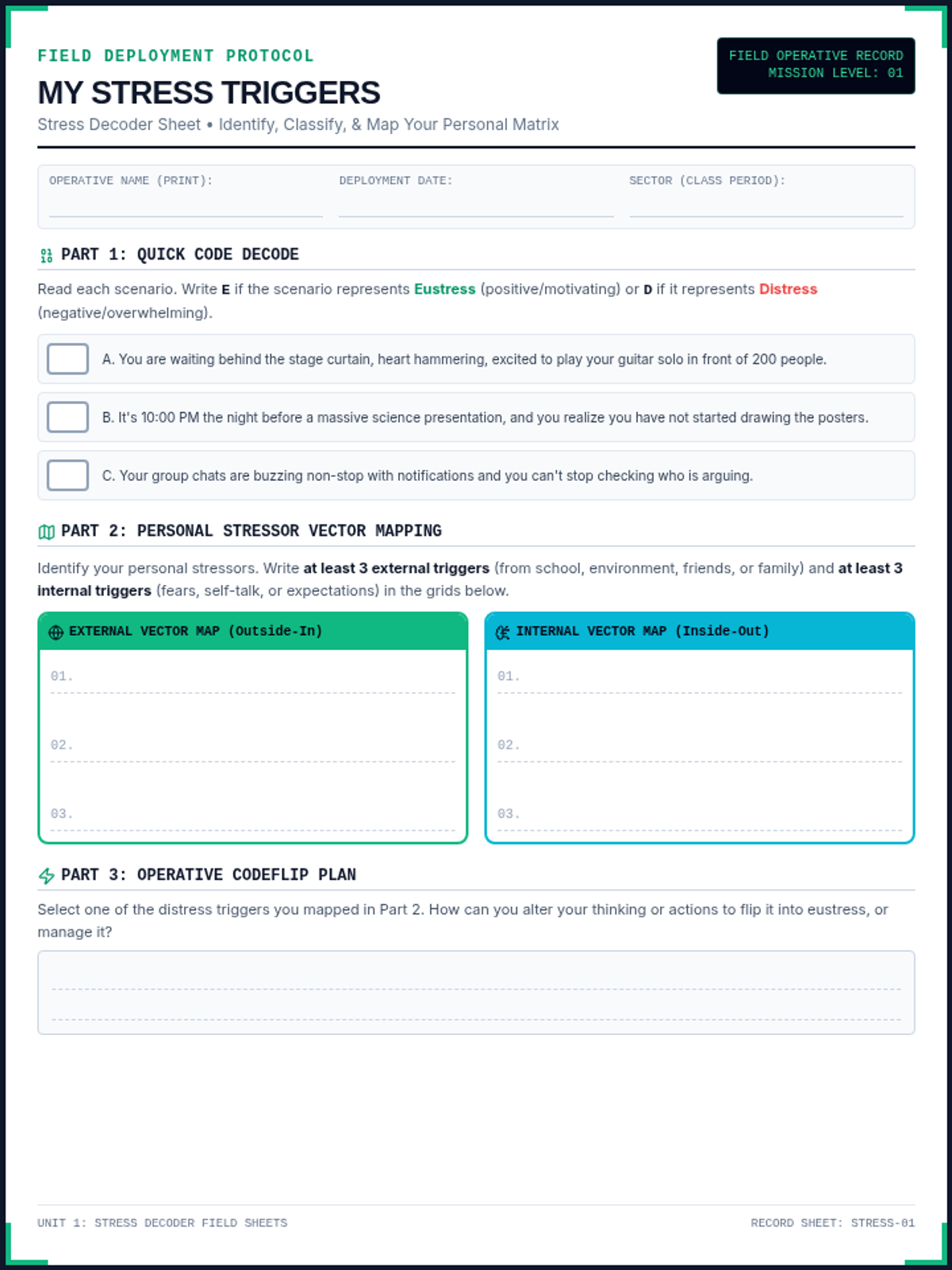
A student-facing 1-page worksheet styled as an interactive 'Stress Decoder Sheet'. Students classify stress scenarios and map their own internal and external stressors in dedicated white workspace grids.
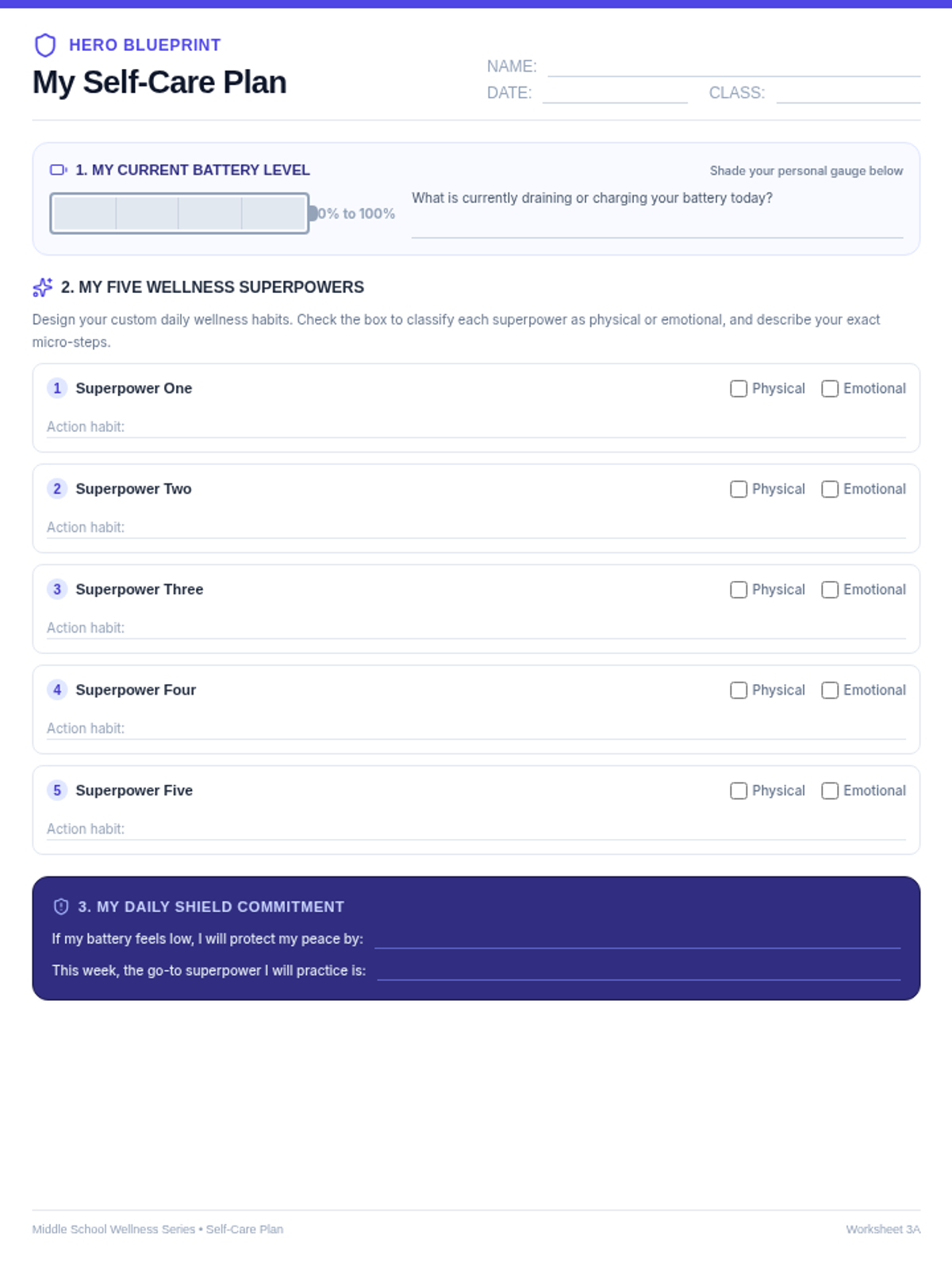
A beautifully styled, highly functional one-page student planning worksheet featuring a battery check visual gauge, structured space for designing 5 customized self-care superpowers, and a final personal wellness commitment block.
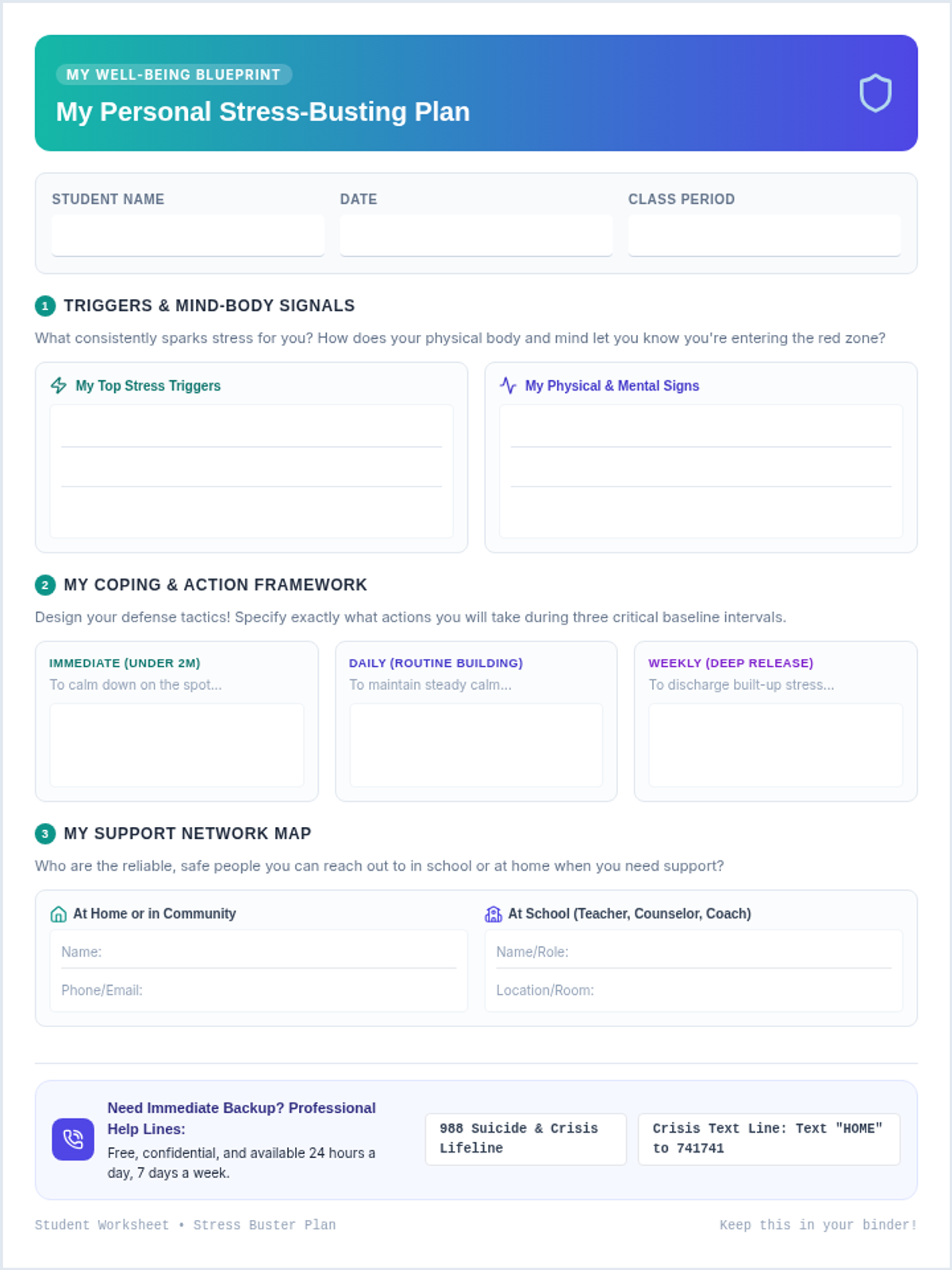
A beautifully formatted, single-page printable student worksheet where students identify their stress triggers, build immediate/daily/weekly action plans, and map out their personal help network.
A highly visual, 10-slide presentation that structures the lesson phases, reviews key stress concepts with quick-fire trivia, supports students during the coping plan creation, and guides the gallery walk feedback and rubric post-assessment.
A visually stunning, seven-slide deck designed to guide students through the 45-minute lesson, featuring high-contrast dark theme visuals, battery charge indicators, clear definitions, and active steps for the Idea Swap and personal planning.
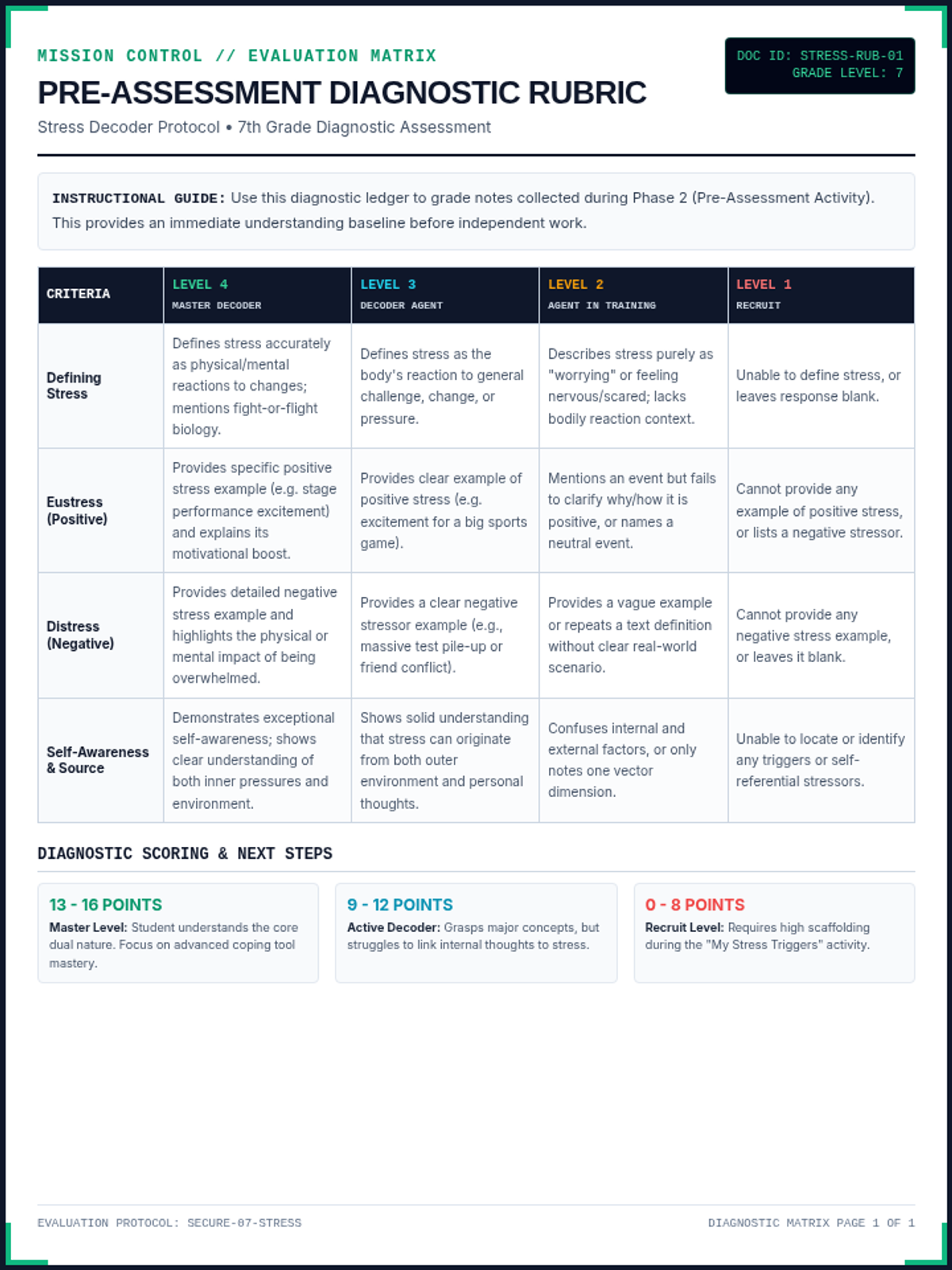
A professional 1-page teacher grading rubric for the Stress Management Pre-Assessment activity, classifying levels of student understanding from 'Recruit' to 'Master Codebreaker'.
A highly engaging, visual 6-slide deck introducing students to the stress concept, the eustress vs. distress framework, and external vs. internal stressors with a secret agent/decoder aesthetic.
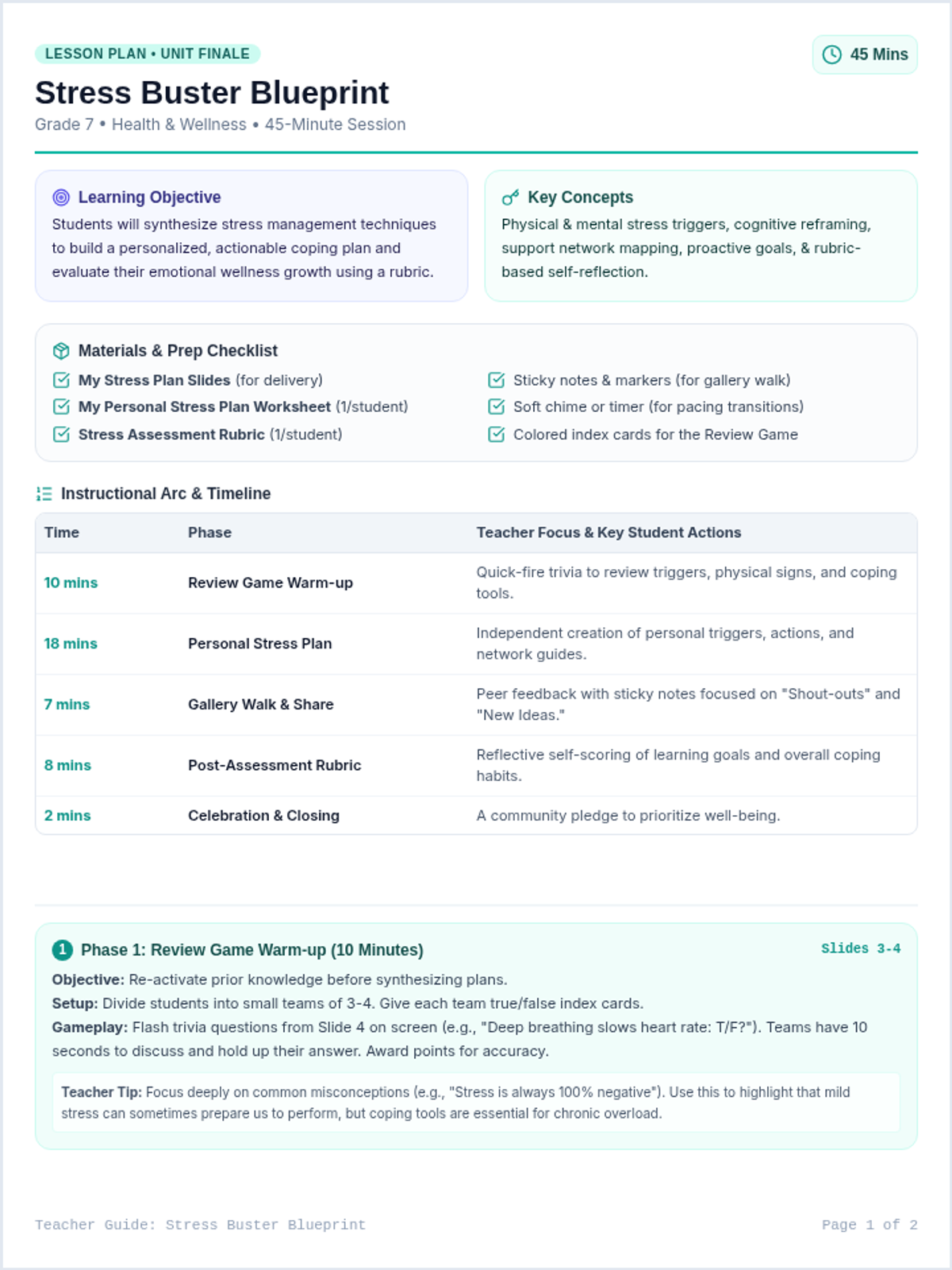
A comprehensive 2-page teacher's guide for the 45-minute lesson, outlining the instructional sequence, warm-up game, coping plan guidelines, gallery walk, and rubrics.
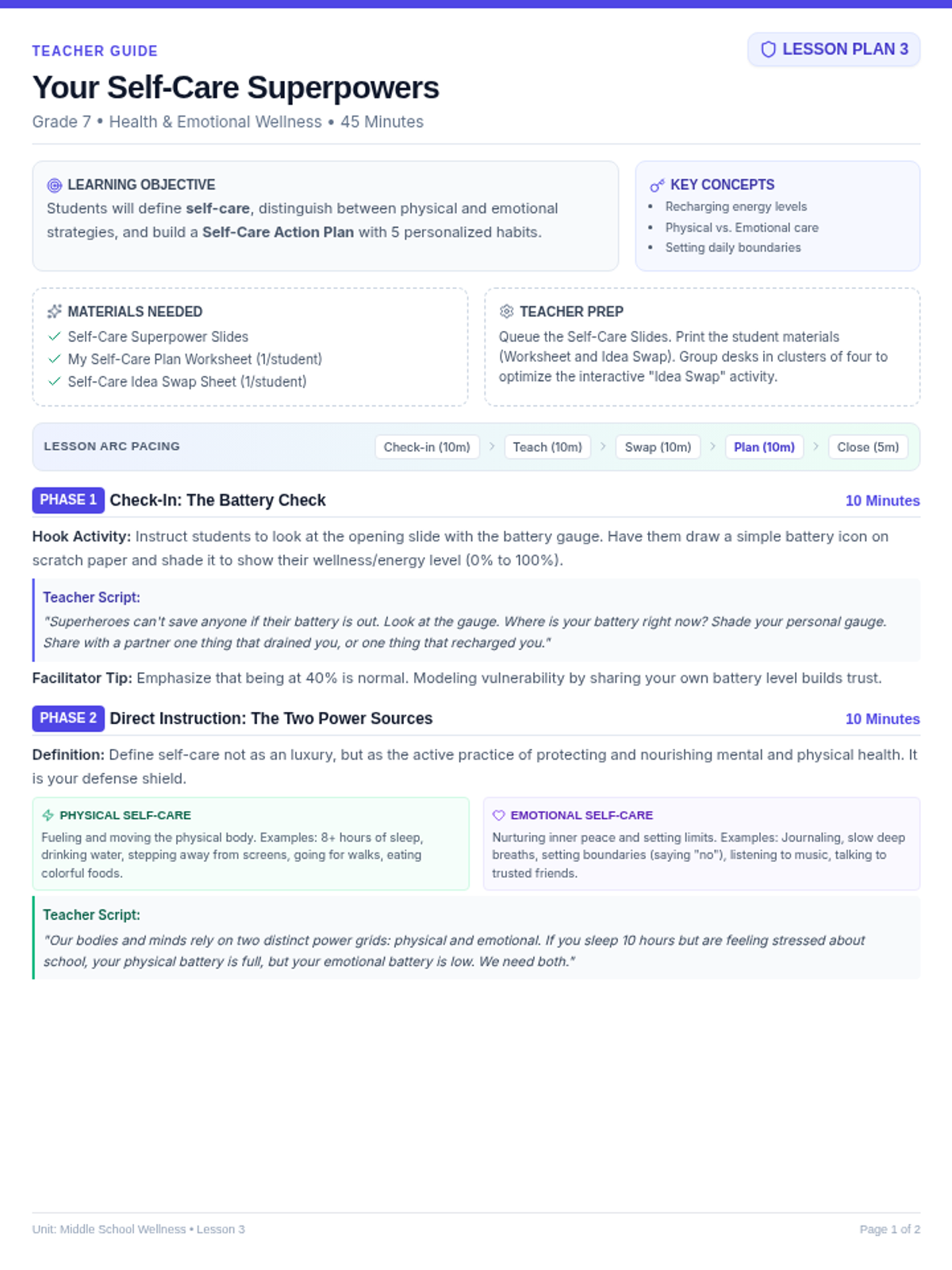
A comprehensive, two-page facilitator's guide outlining the 45-minute lesson plan, detailed timing, teacher scripts, visual cues, and implementation tips for teaching seventh graders how to harness self-care as their personal 'superpower'.
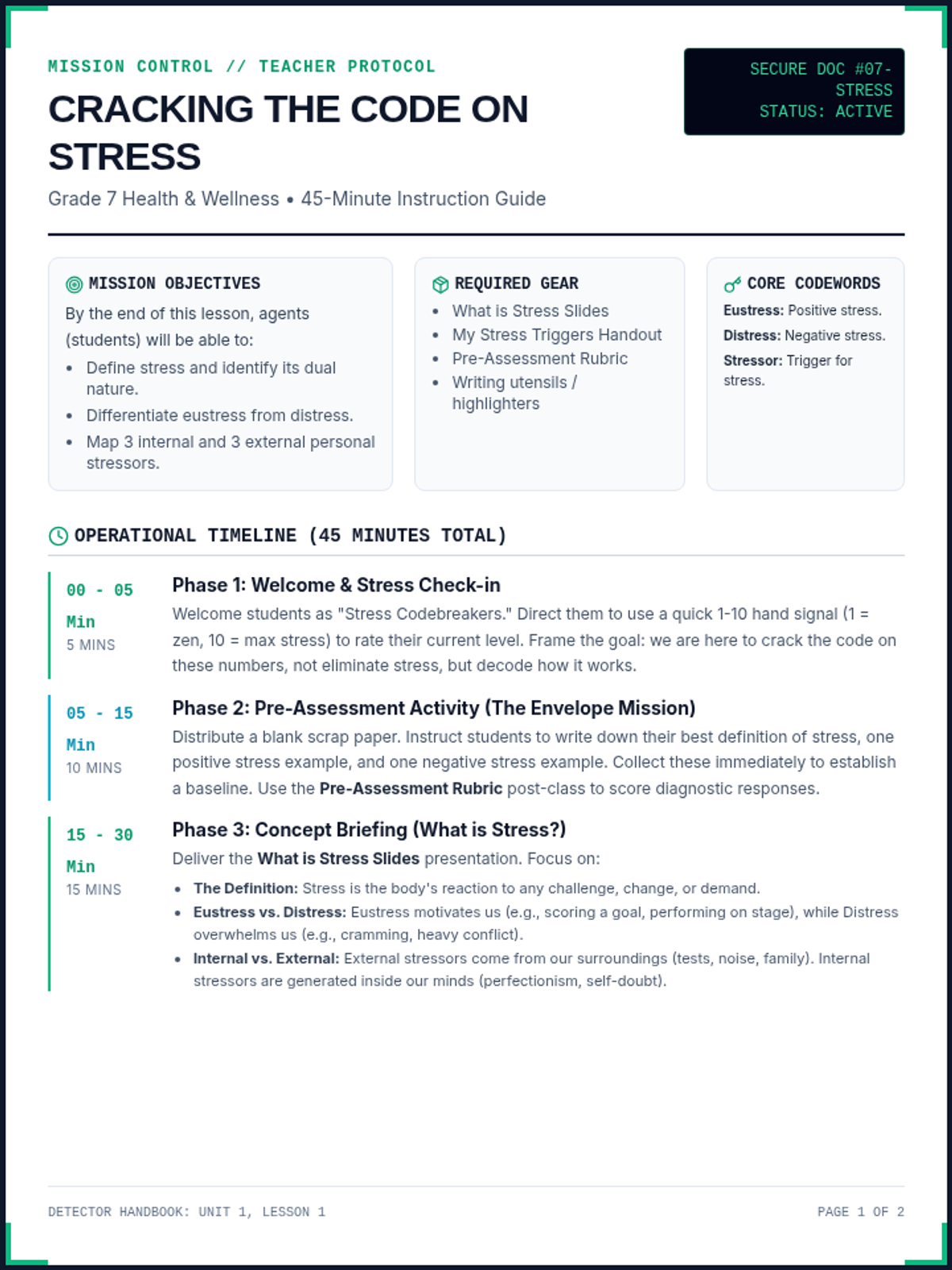
A 2-page comprehensive teacher lesson plan for 'Cracking the Code on Stress' featuring a minute-by-minute pacing guide, key definitions, and actionable teaching tips.
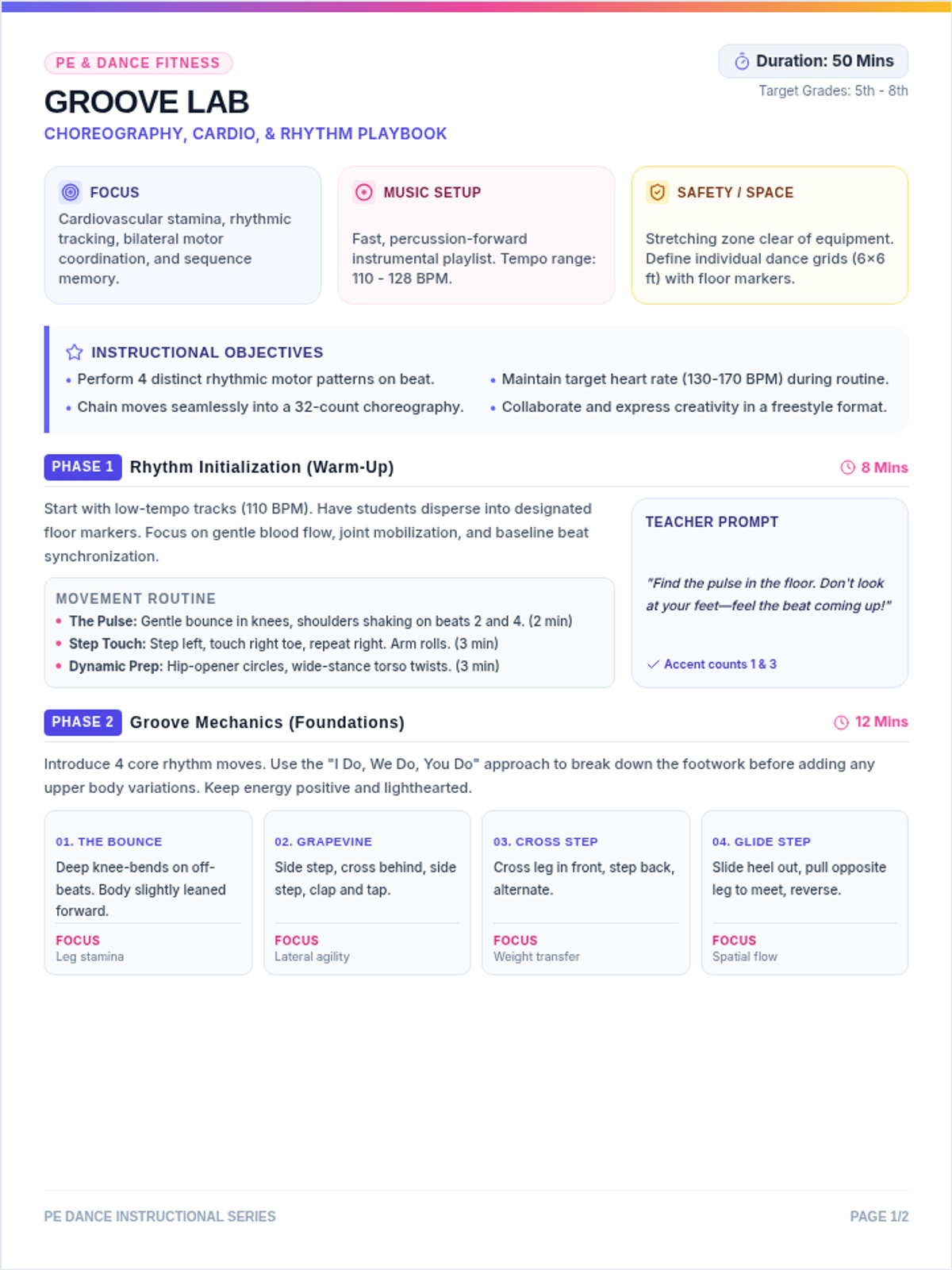
A detailed, highly visual, 2-page teacher's lesson plan and choreography playbook for the 'Groove Lab' dance fitness session. It includes structured phases for warm-up, rhythmic foundations, choreography building, freestyle expression, and cool-down assessment.
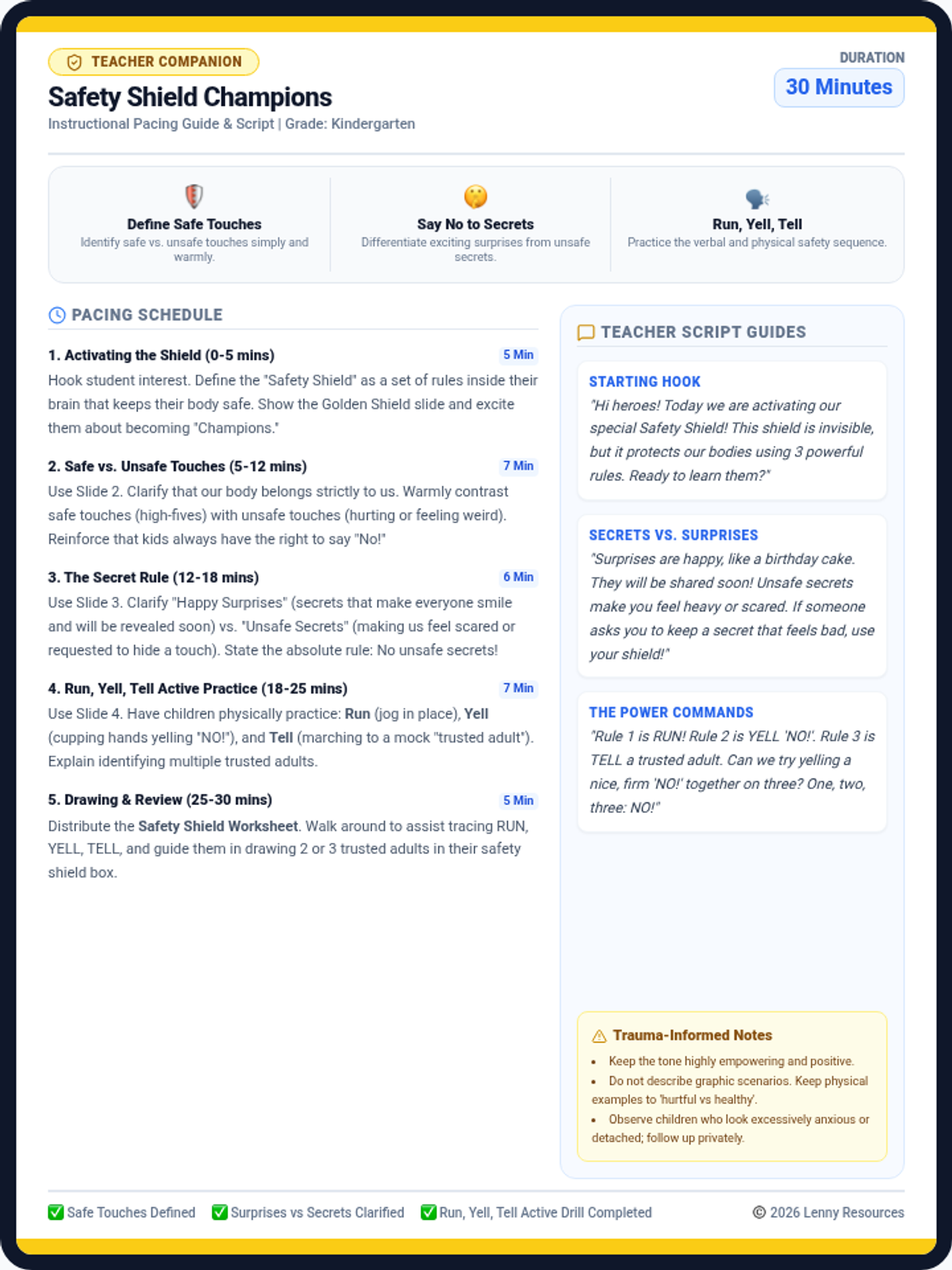
A detailed 30-minute pacing guide, dialogue script, and safety questioning framework to assist teachers in delivering the 'Safety Shield Champions' lesson.
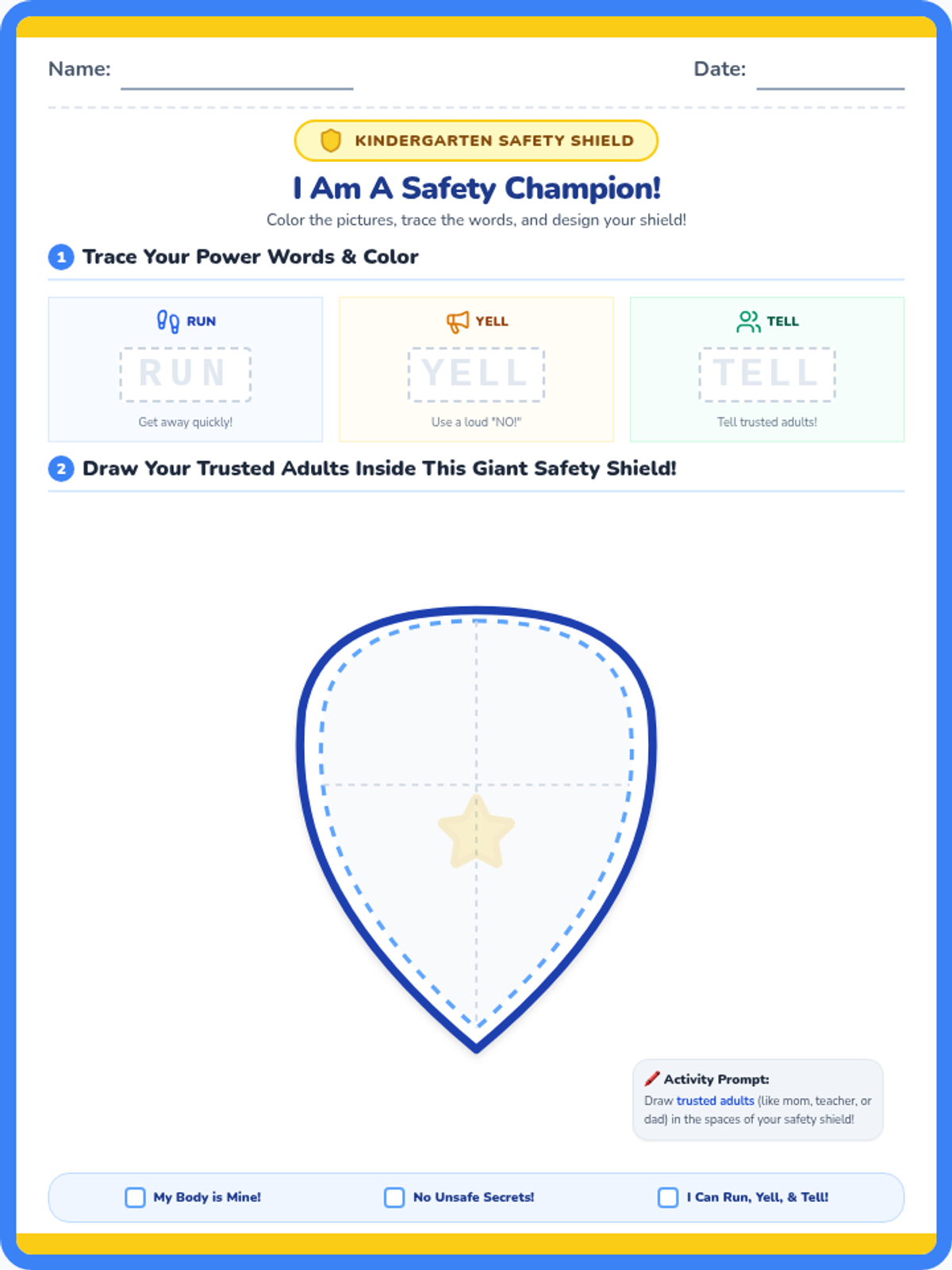
An interactive trace-and-color worksheet for kindergarteners with a giant, beautifully rendered SVG shield as the central drawing activity to house their trusted adults.
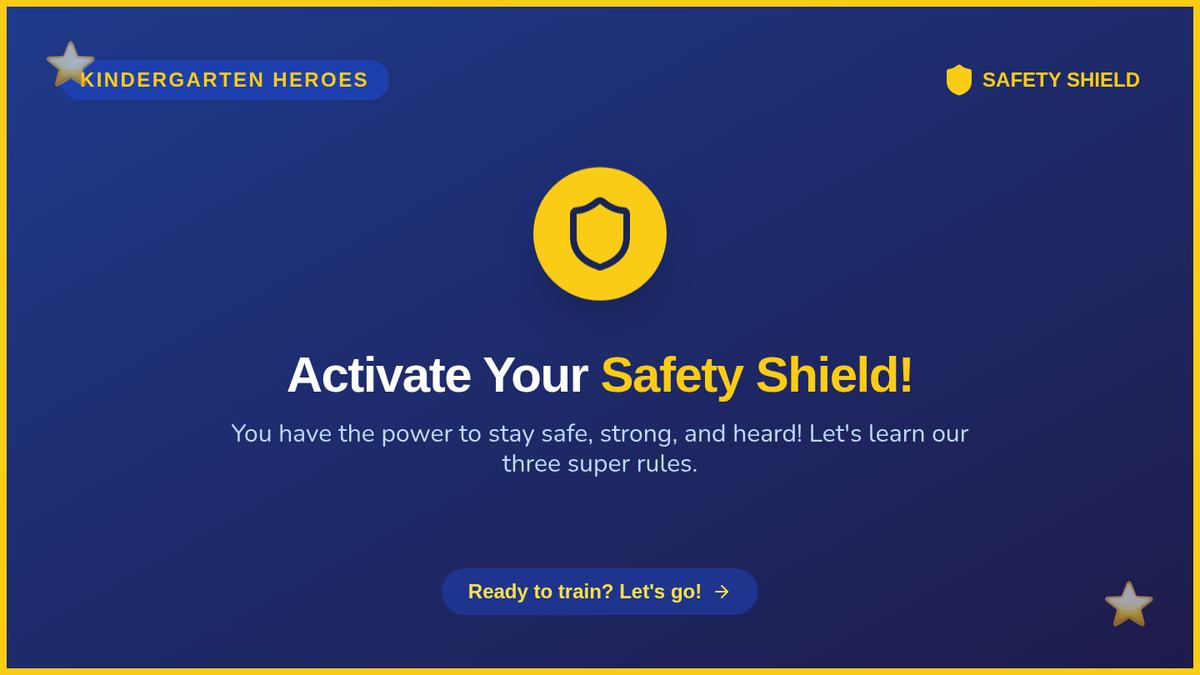
Interactive presentation slides introducing the 'Safety Shield' framework, explaining safe vs. unsafe touches, unsafe secrets, and the Run, Yell, Tell sequence to kindergarteners with engaging visual prompts.
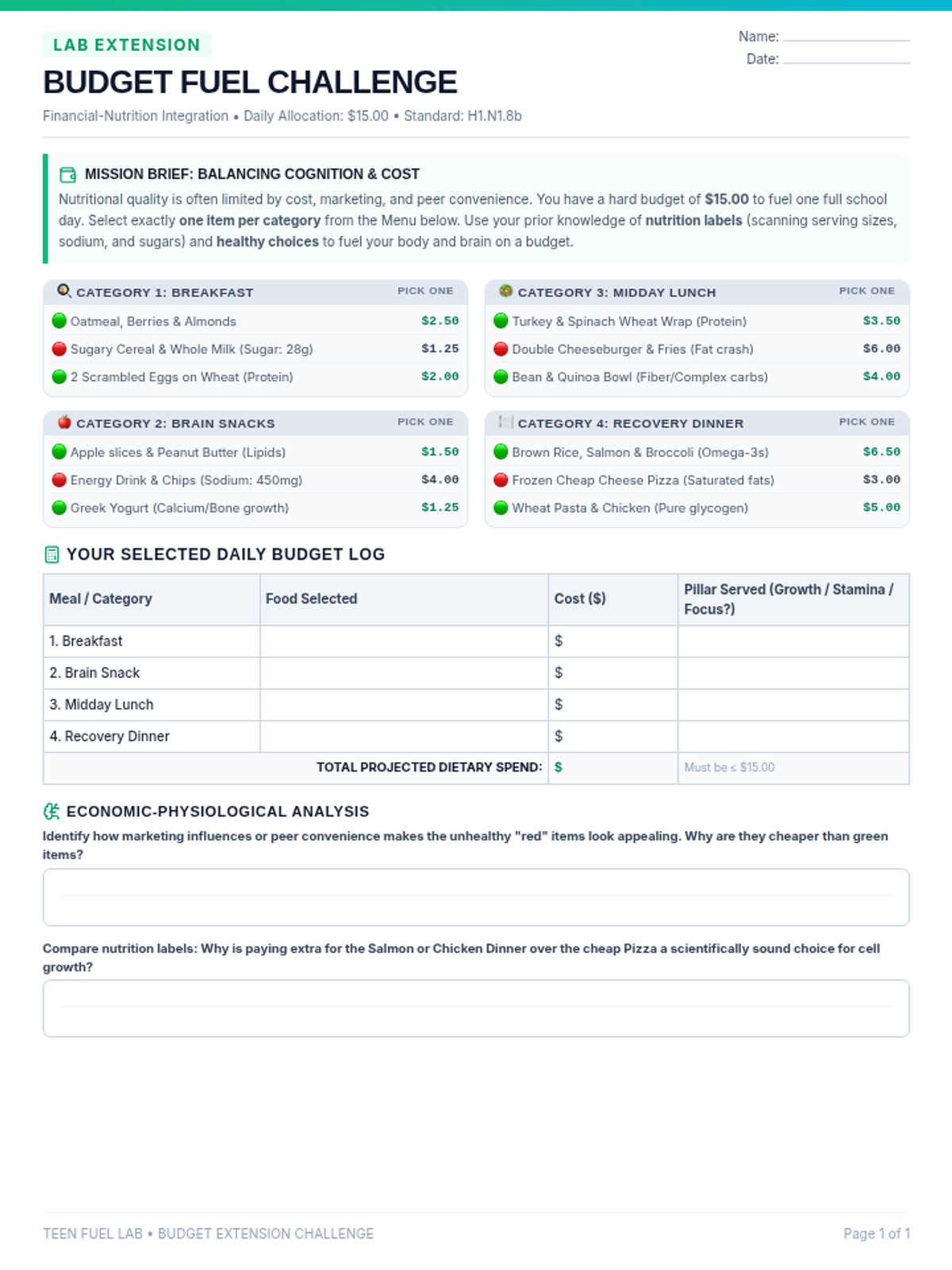
A 1-page financial-health balance activity sheet for the Teen Fuel Lab. Students select healthy daily meals from a menu with prices to optimize performance while staying under a $15.00 budget.
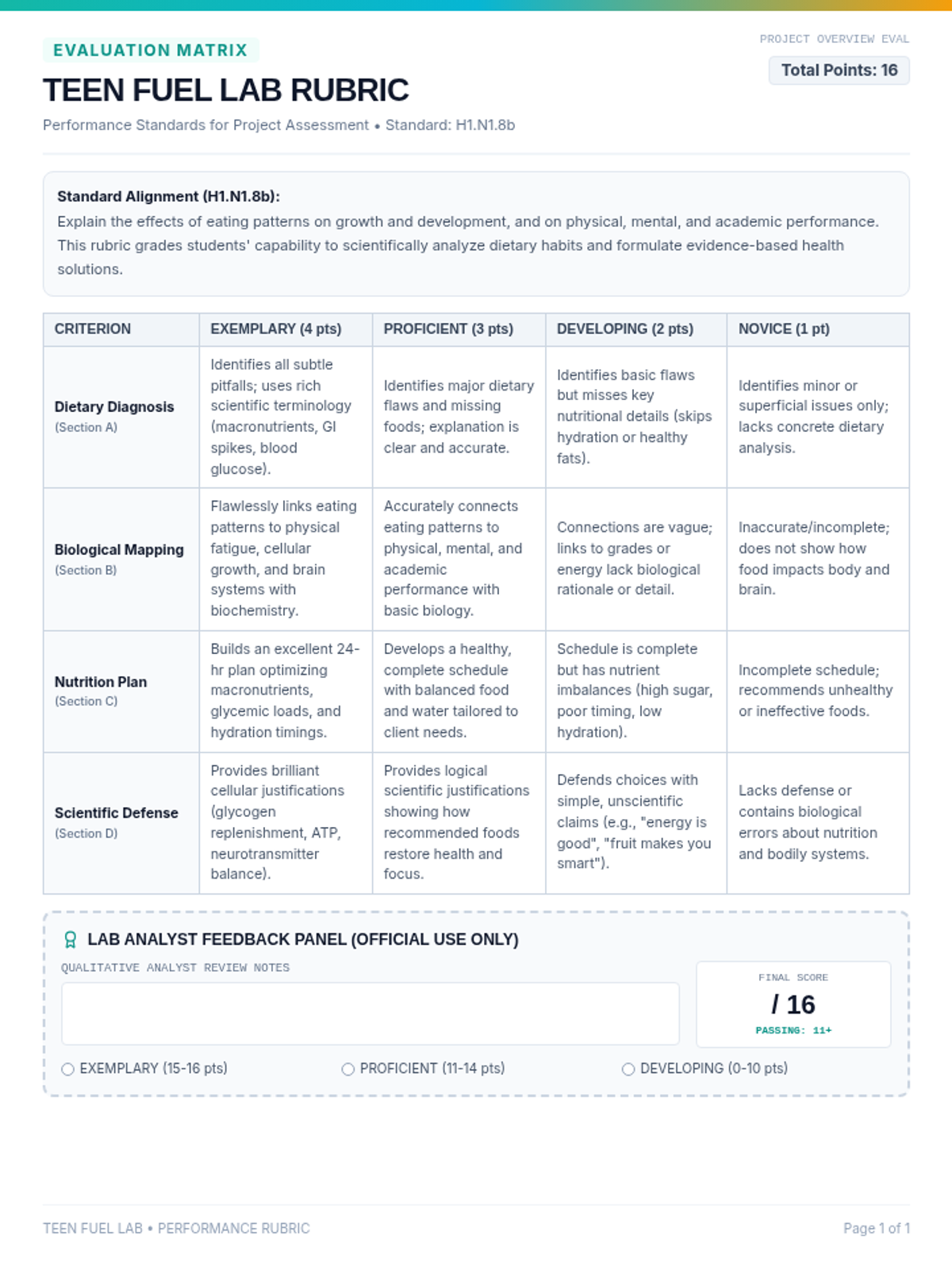
A 1-page analytical grading rubric for the Teen Fuel Lab end-of-unit project. It details the evaluative criteria across four performance levels for easy scoring.
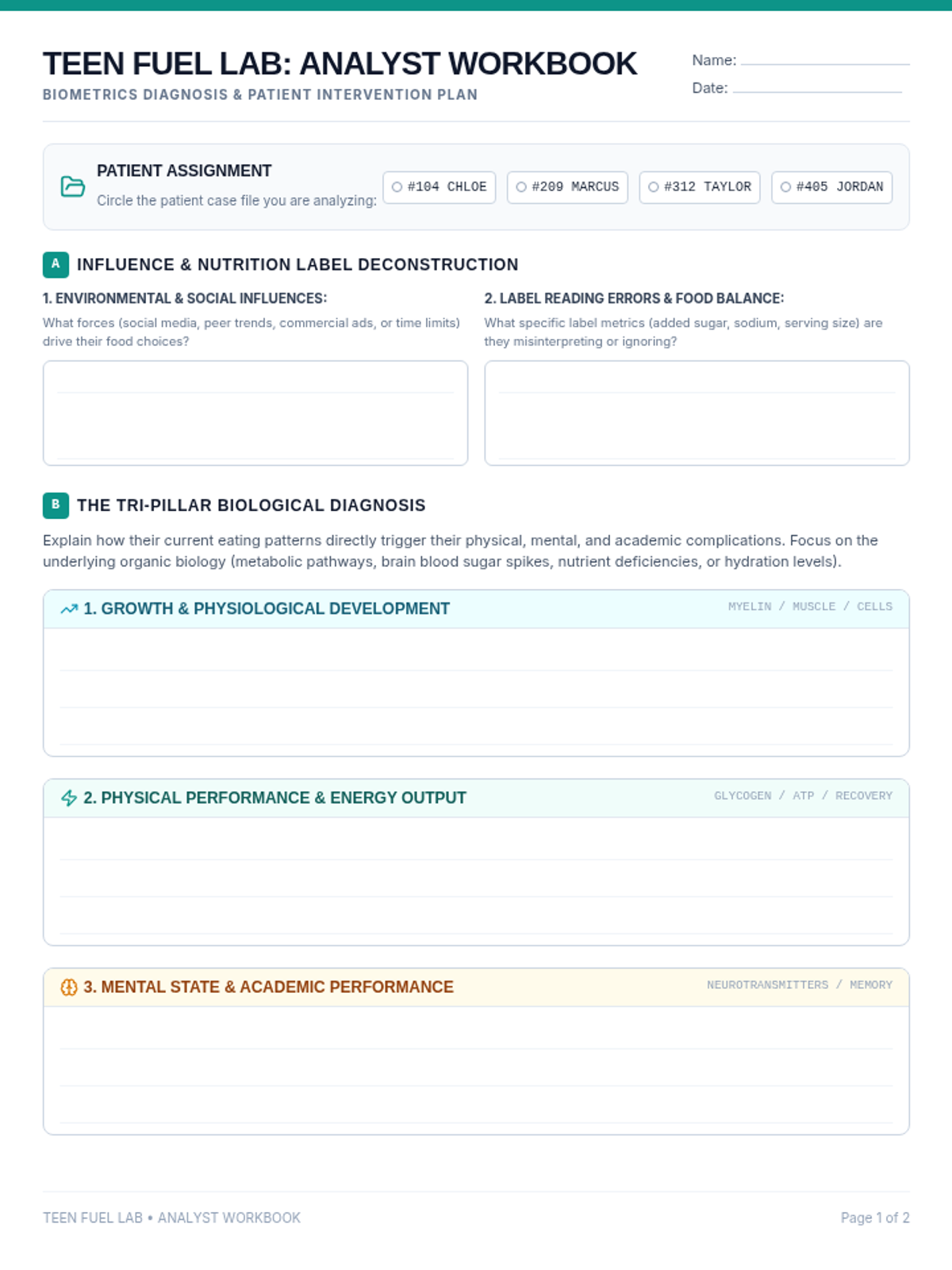
A 2-page student analysis workbook for the Teen Fuel Lab end-of-unit project. Students record patient intake details, map out dietary impacts on bodily systems, and build an optimized 24-hour nutrition schedule.
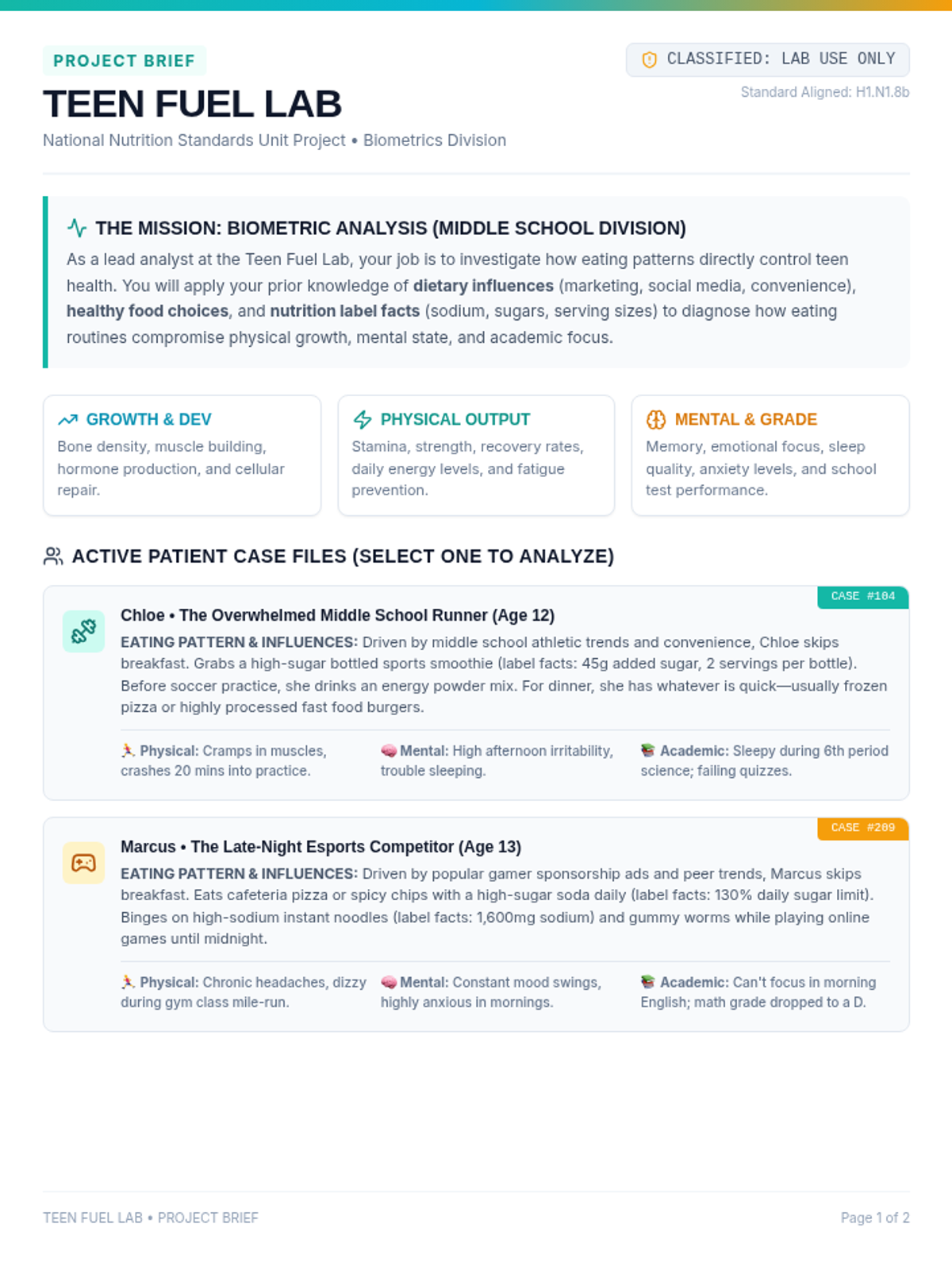
A 2-page project brief and profile packet for the Teen Fuel Lab. It introduces the project mission, outlines the physical, mental, and academic standards, and presents 4 detailed middle school profiles (Ages 11-13) for analysis. It has been updated to integrate previously taught lessons on Influences, Healthy Food Choices, and Nutrition Labels.
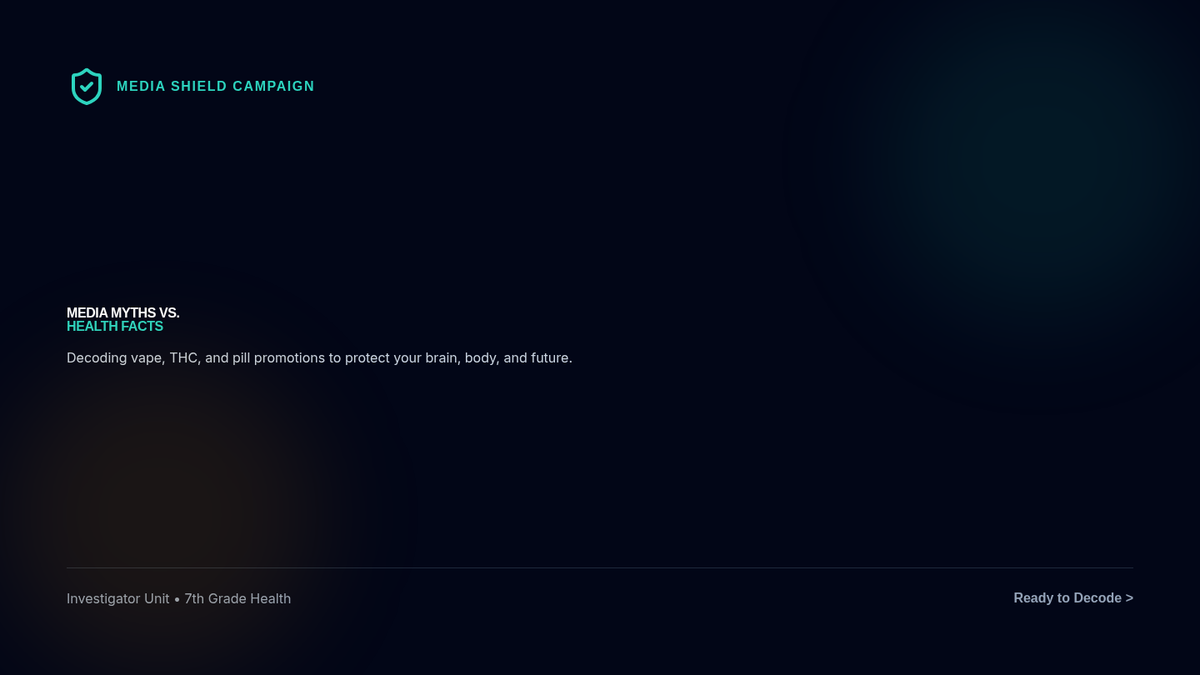
Visual presentation slides for the Ad Decoder lesson, contrasting substance advertising tactics with health facts, explaining the 5-step decision model, and showcasing drug-free stress-management strategies.
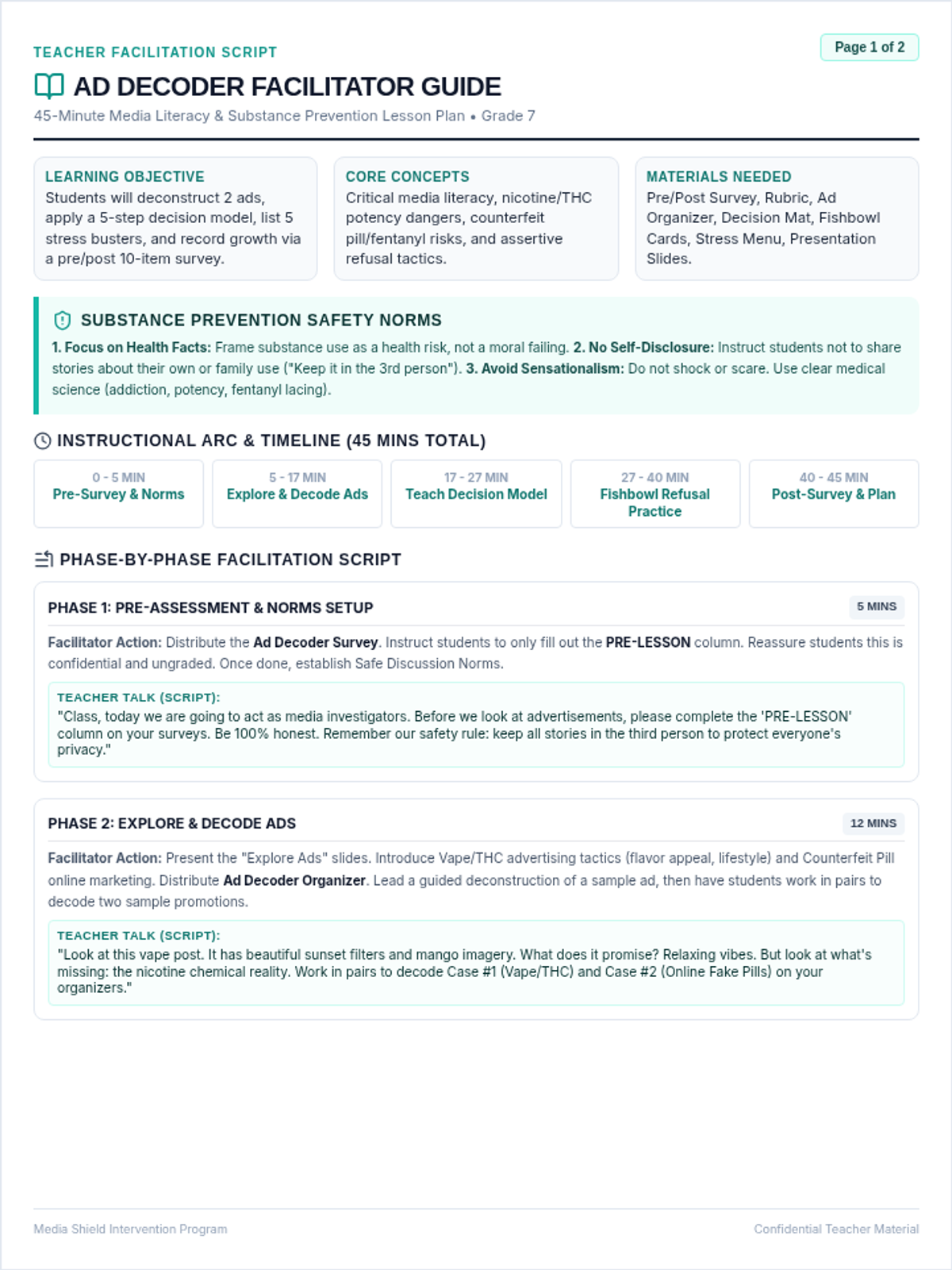
A complete 45-minute facilitator guide and lesson plan outlining pacing, Safe Discussion Norms, teacher scripts, and instructional strategies for delivery of the Ad Decoder lesson.
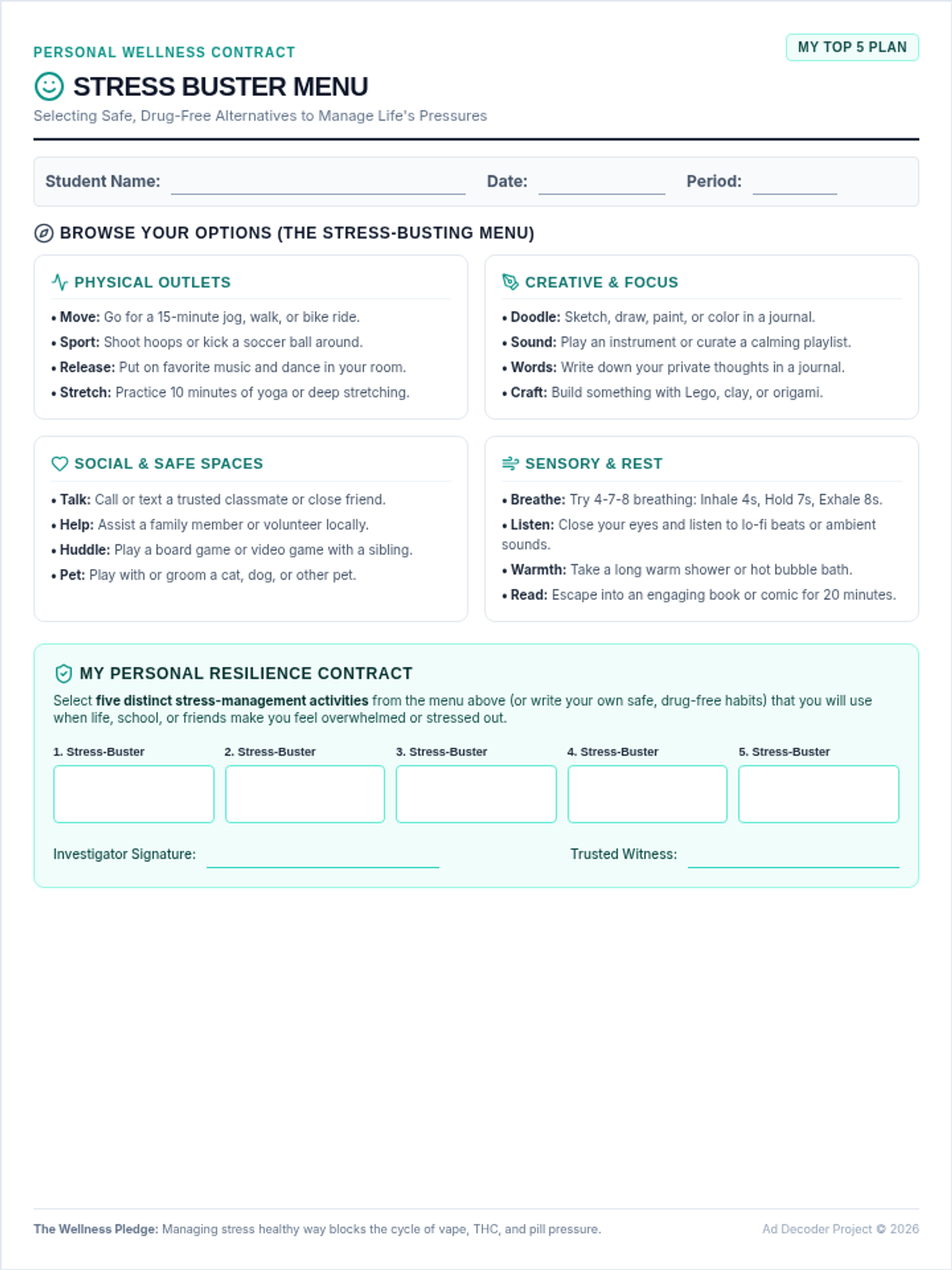
A choice board and goal-setting menu of healthy, drug-free stress-management strategies. Students select and commit to five personalized activities to build mental resilience.
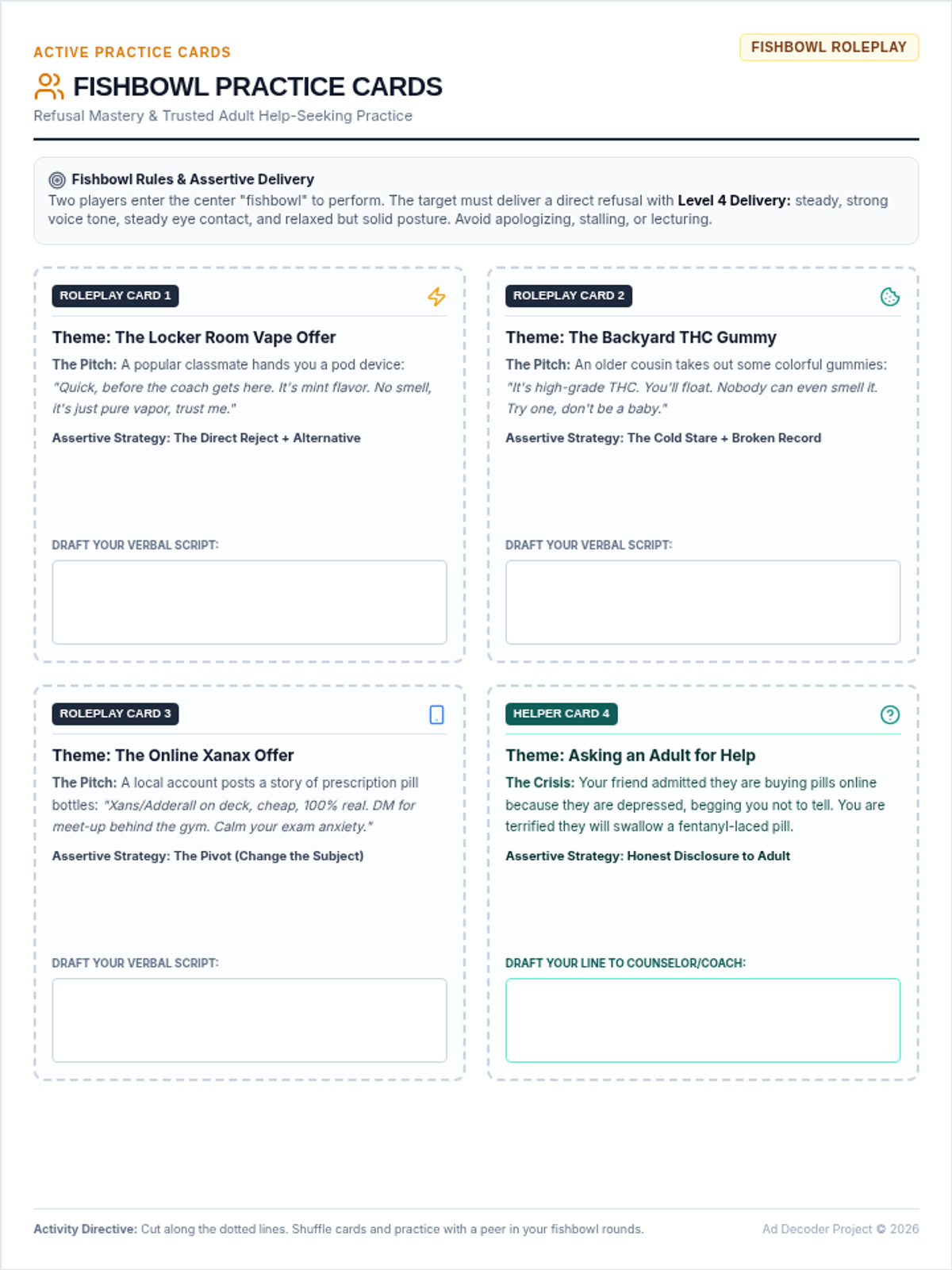
Roleplay card prompts designed for a fishbowl-style student practice activity, focusing on assertive refusal tactics and helper communication lines for trusted adults.