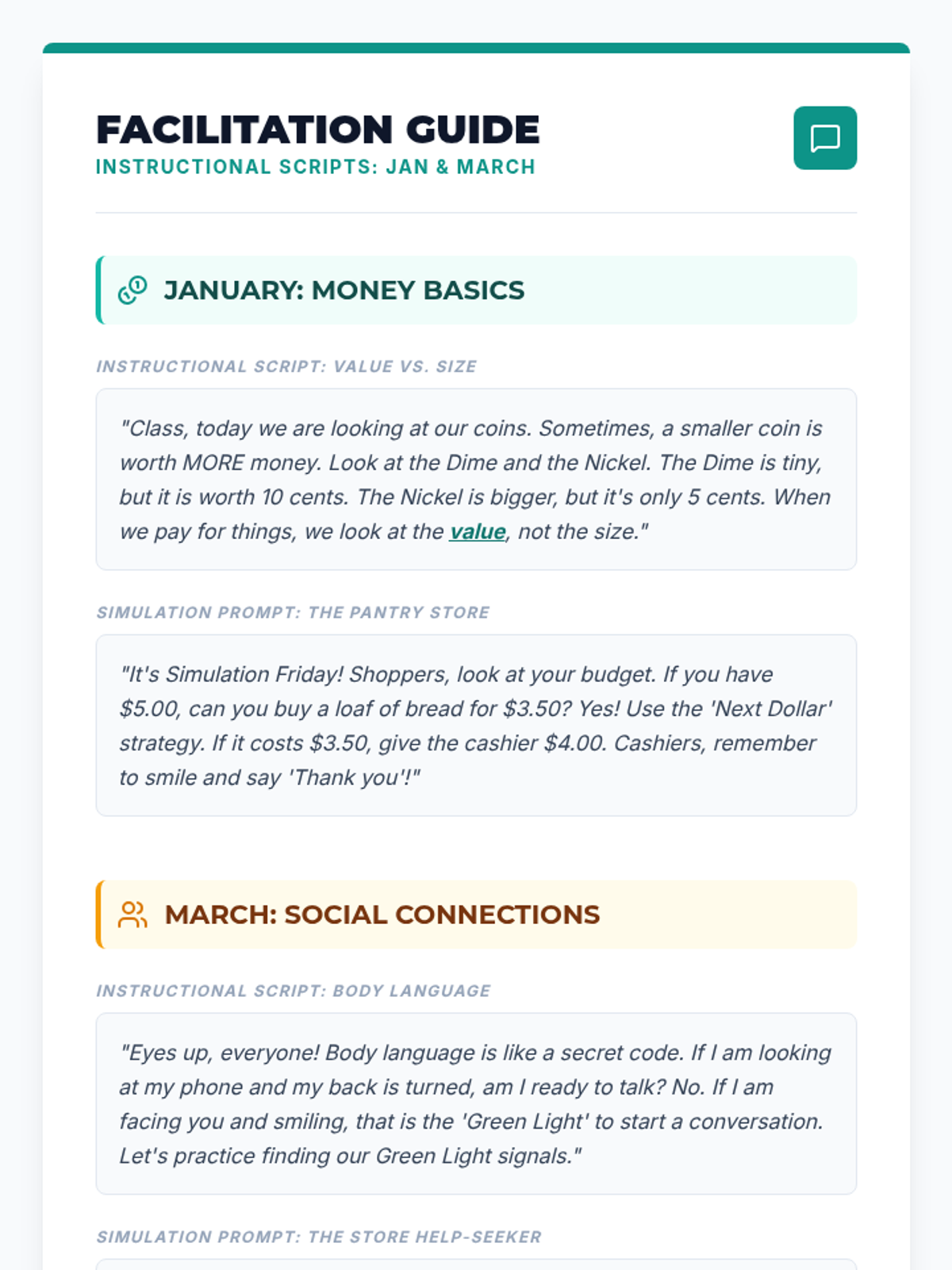
Verbal modulation, body language interpretation, and turn-taking strategies for effective social interaction. Addresses social problem identification, help-seeking, and the comprehension of figurative language across varied contexts.
A 5-lesson sequence for high school students with severe intellectual disabilities, using a 'Super Listening Squad' theme. Each lesson focuses on a 'Body Friend' that helps students listen and regulate through simplified visual supports and repetitive routines.
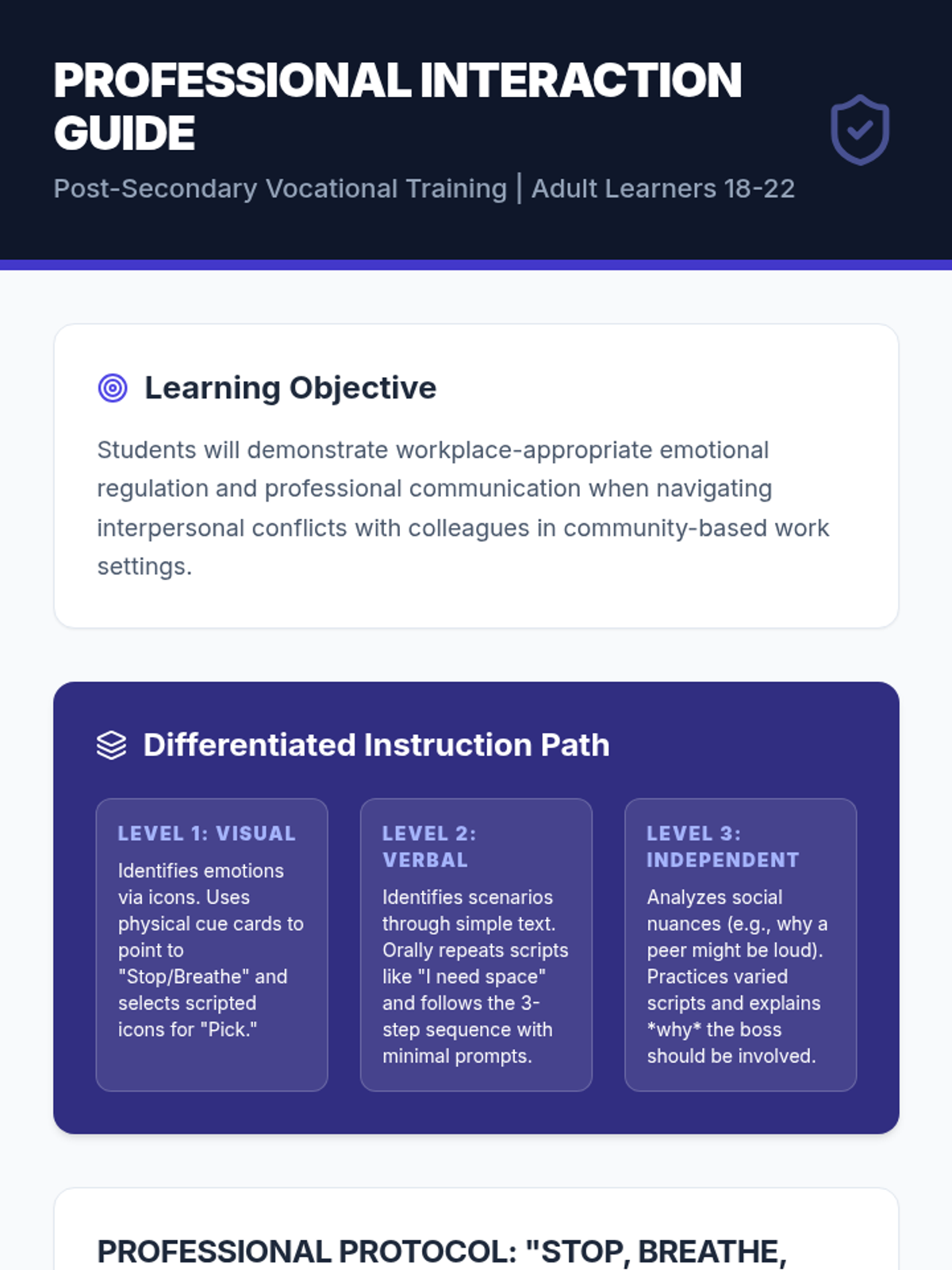
A vocational skills sequence for students with severe special needs (ages 18-22) focusing on conflict resolution in community-based work settings using simple visual cues.
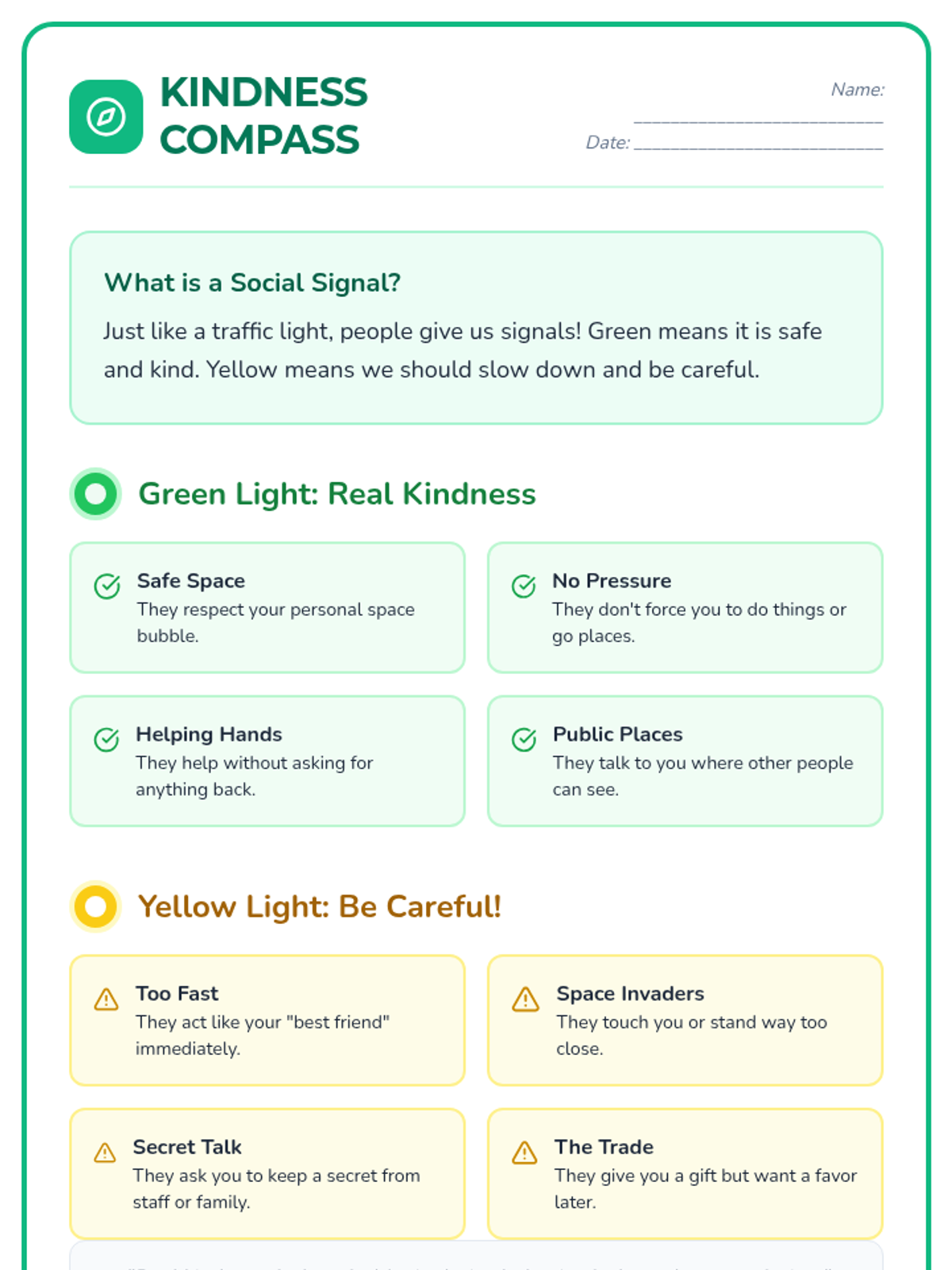
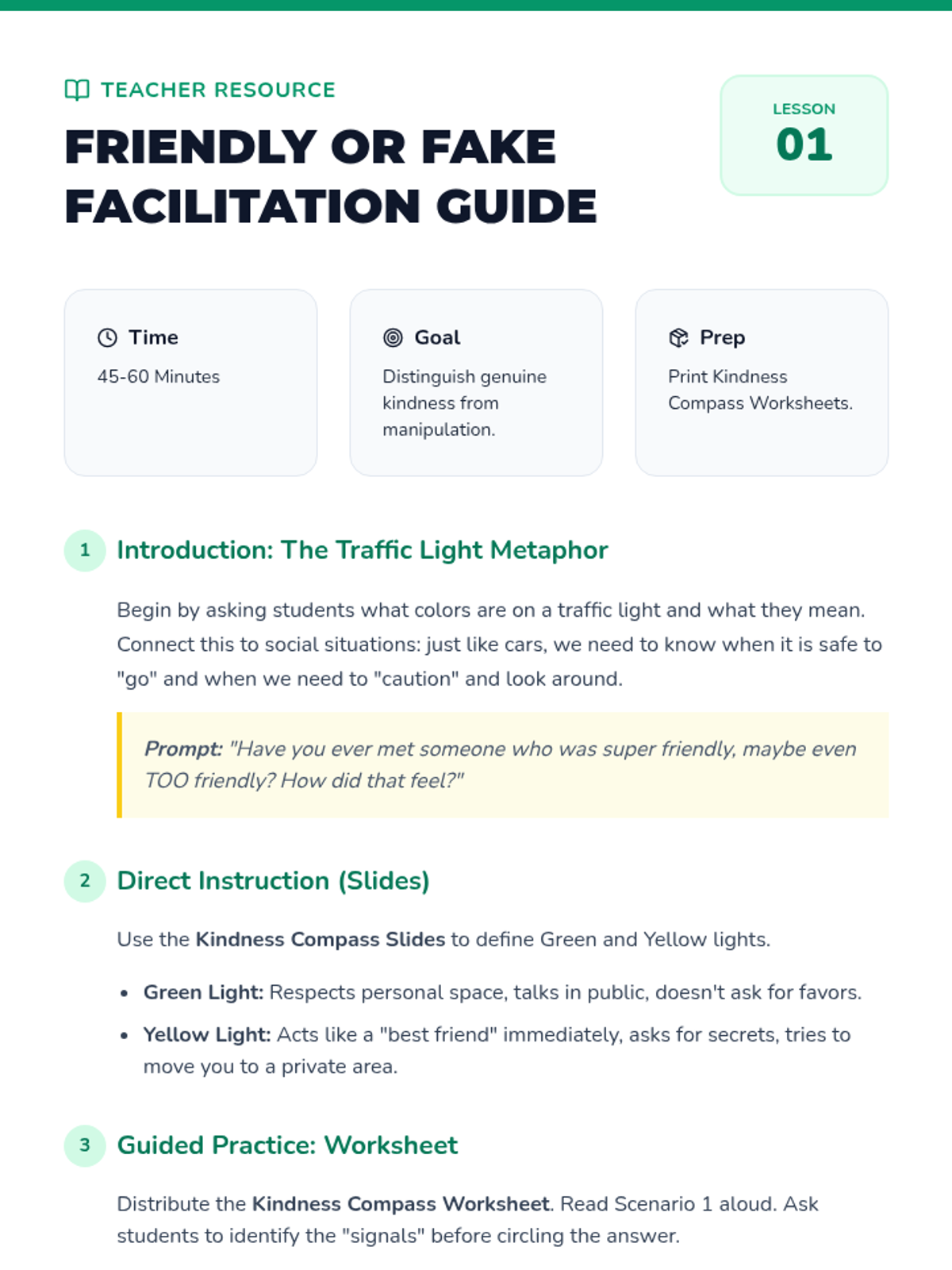
A comprehensive 5-lesson series designed for high school students with intellectual disabilities, Down Syndrome, and autism. The series uses a 'Social Signals' framework to help students distinguish between genuine kindness and manipulative behavior, fostering independence and safety in community settings.
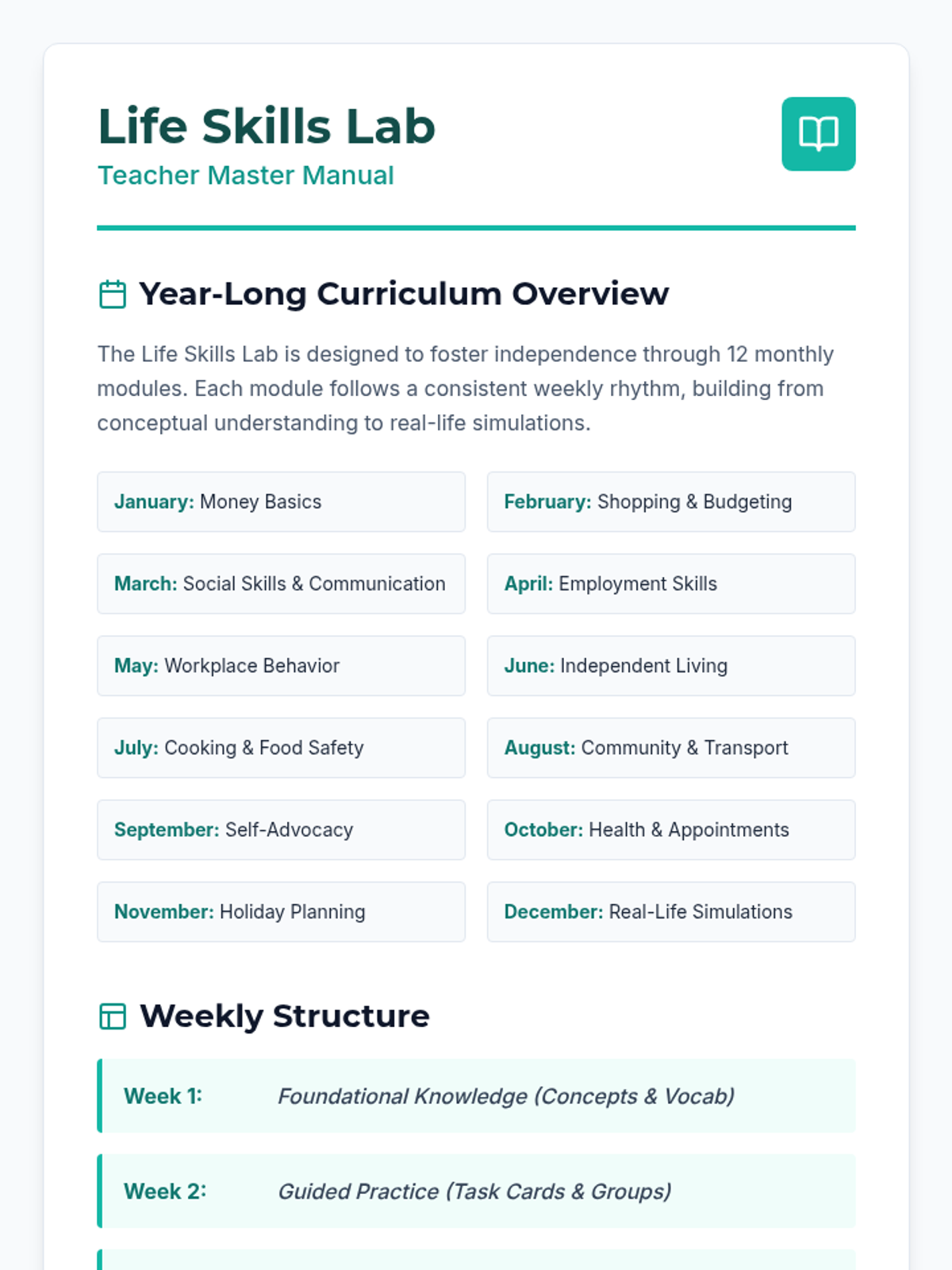
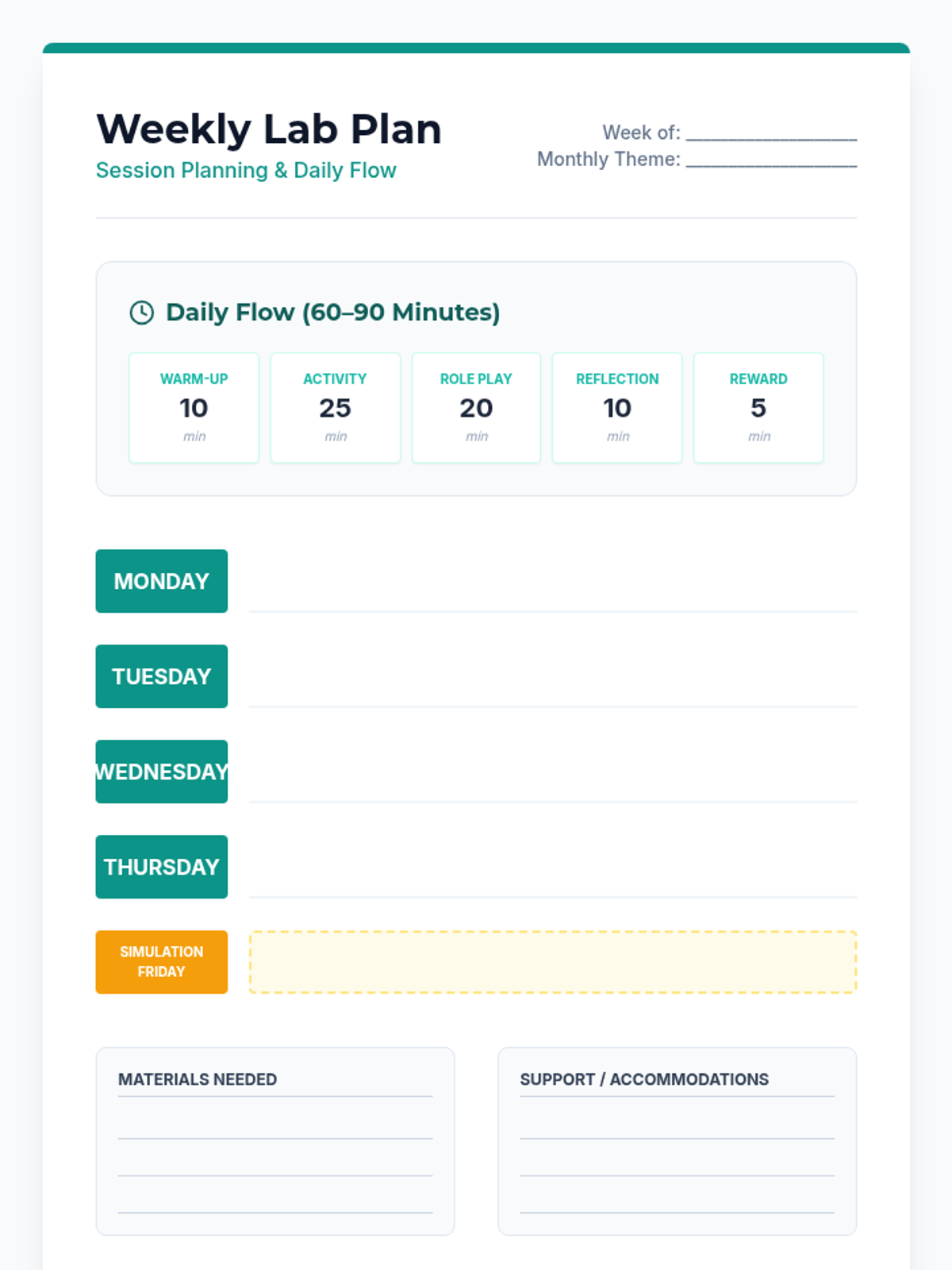
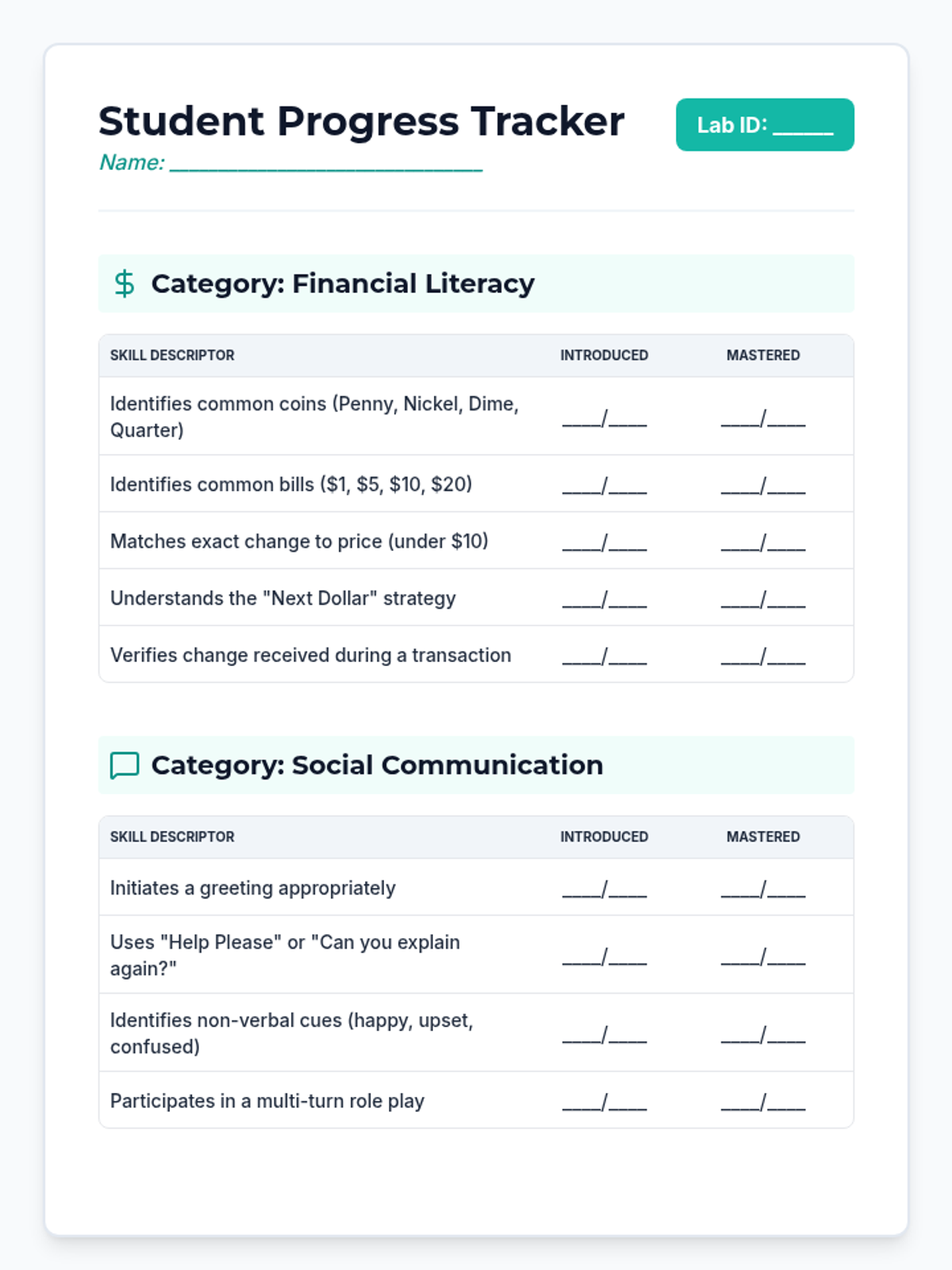
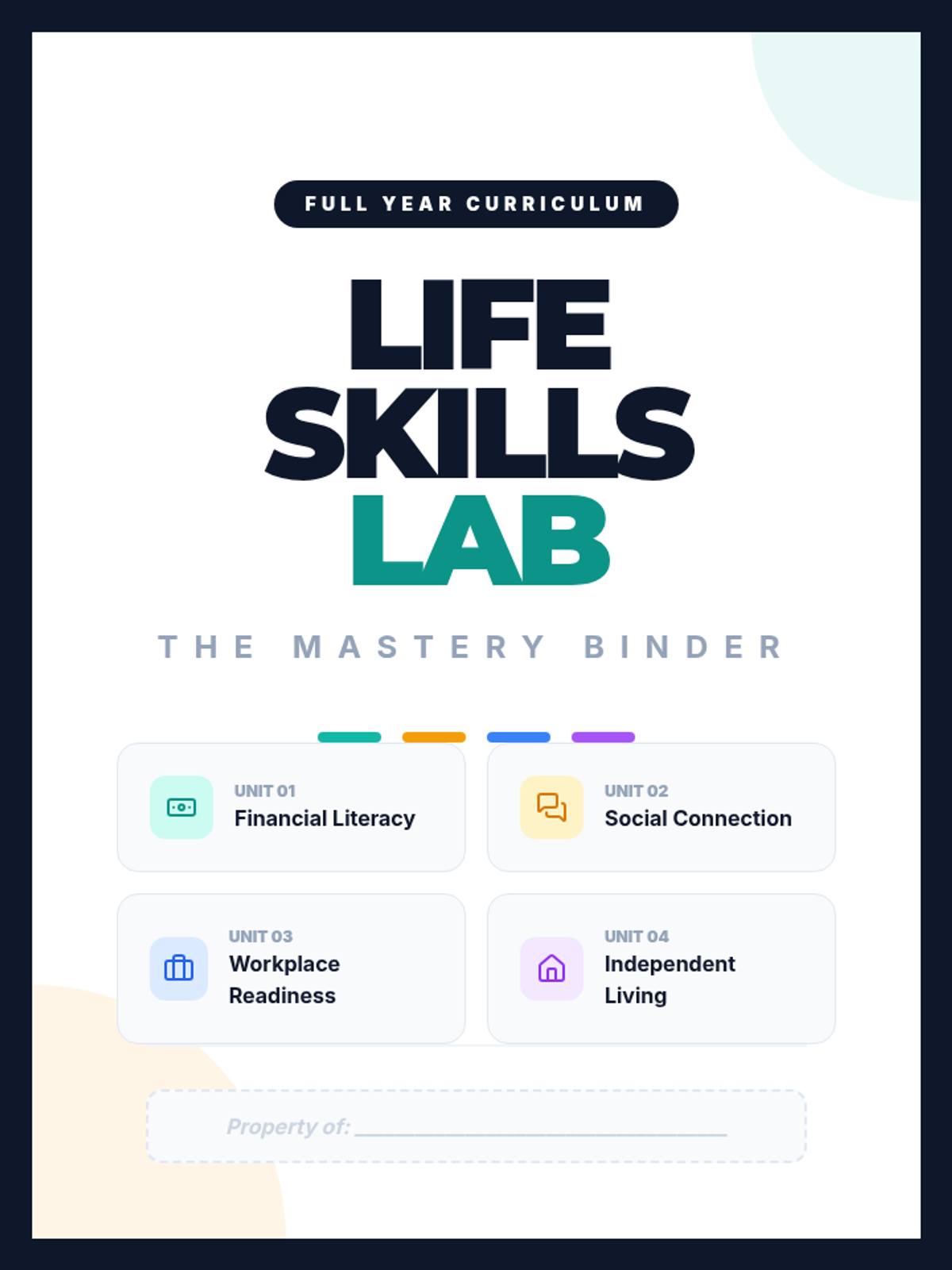
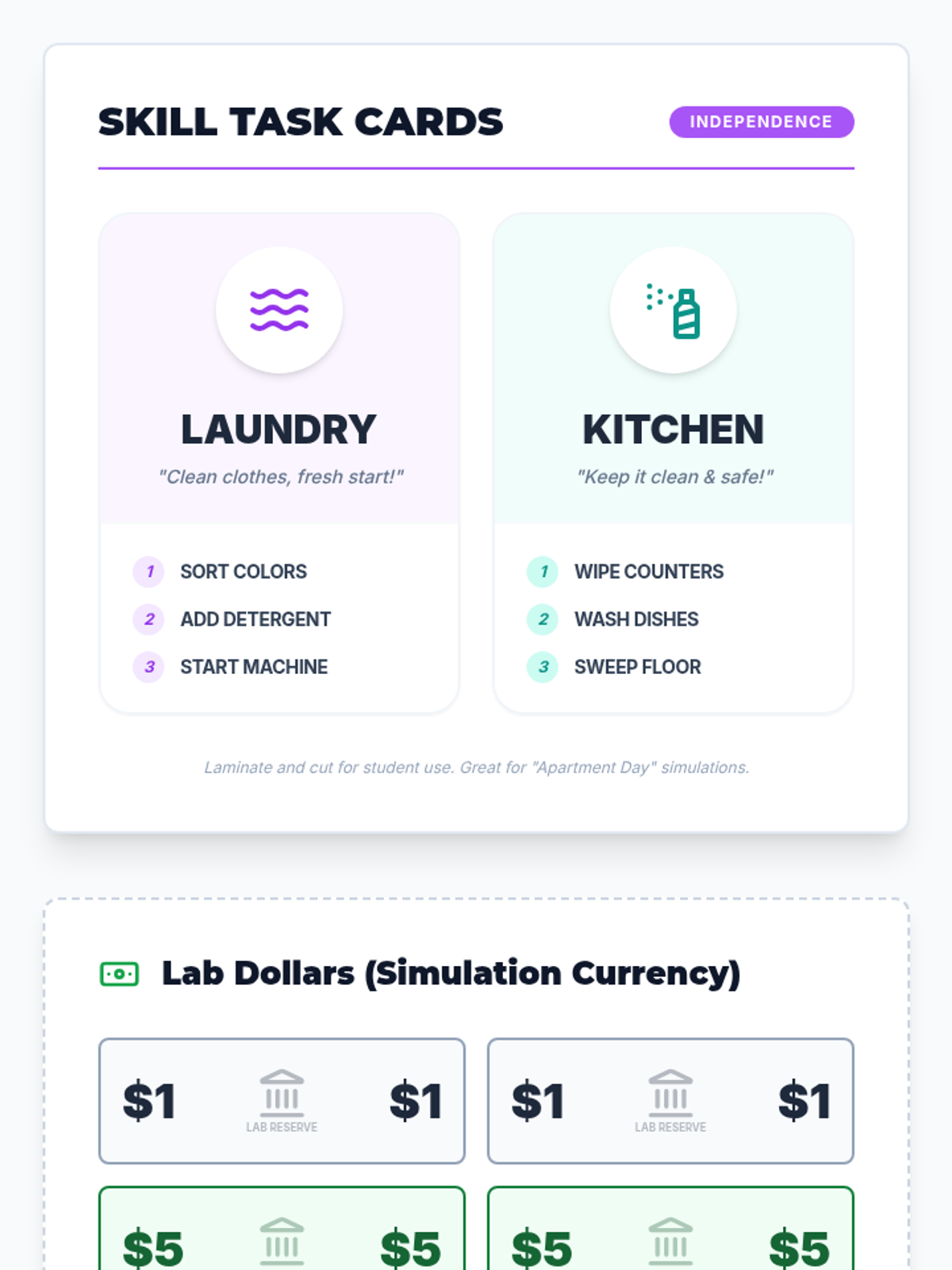
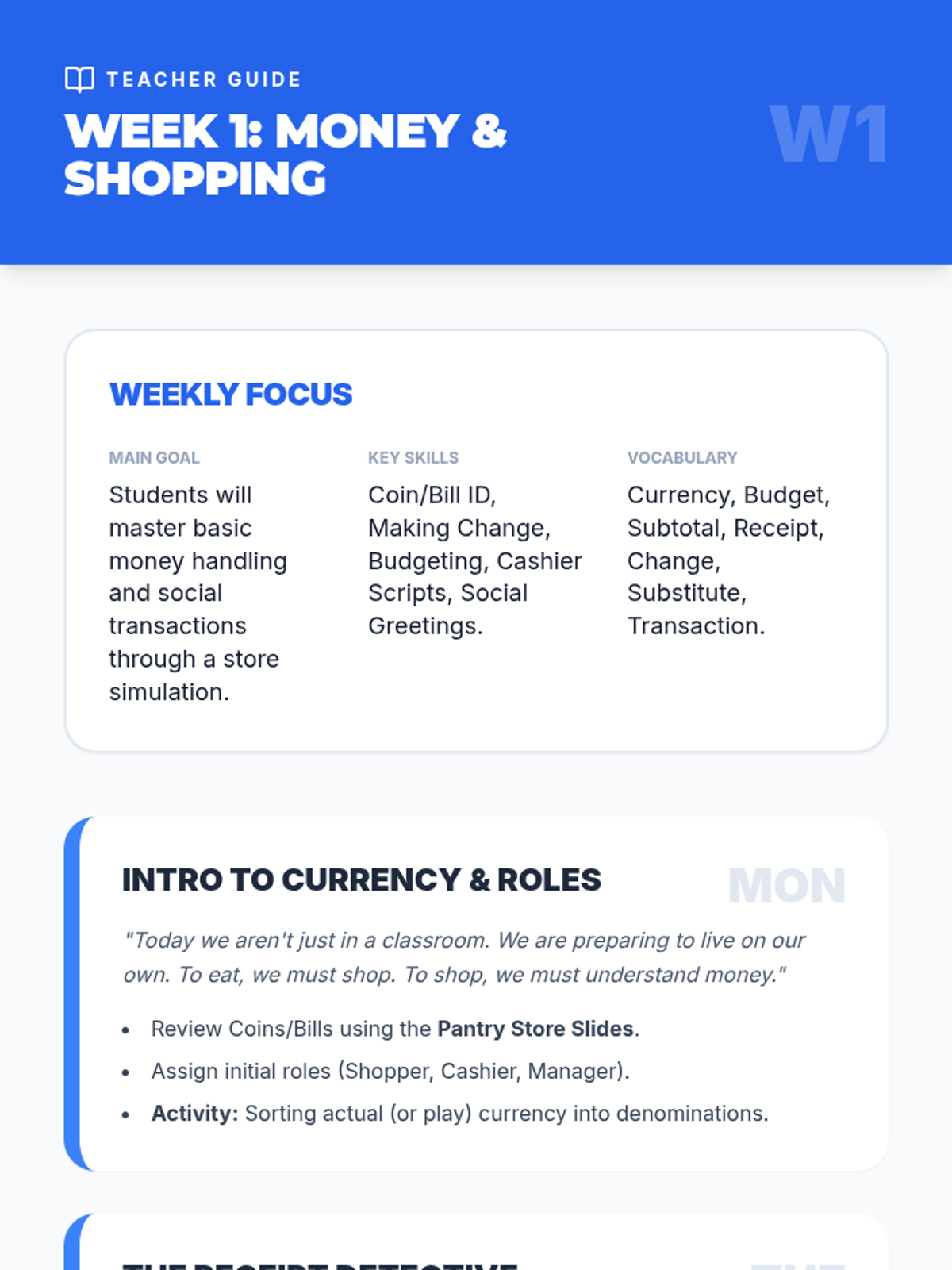
A comprehensive year-long curriculum designed to empower students with essential life skills for independence, focusing on financial literacy, social communication, and real-world simulations.
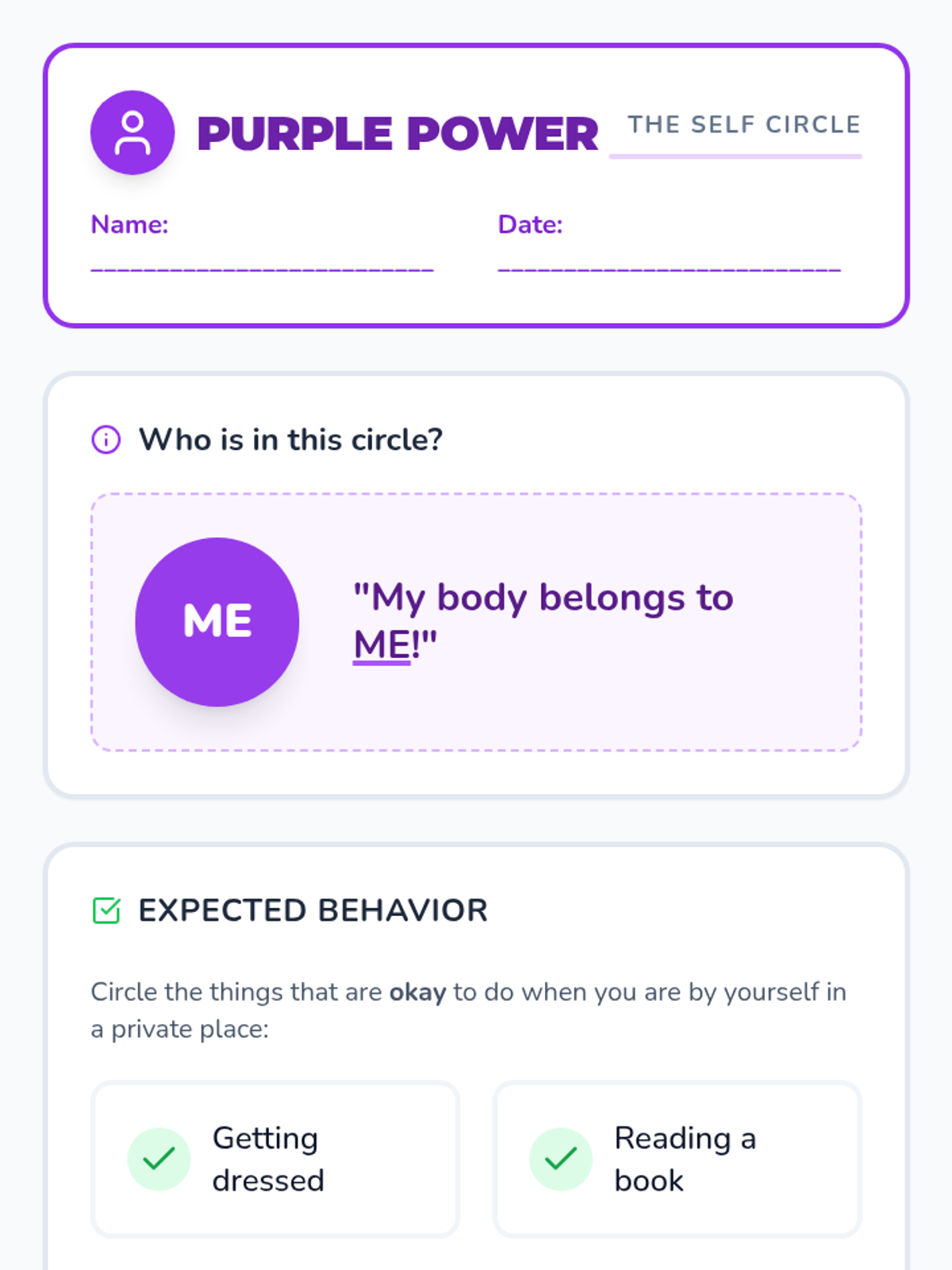
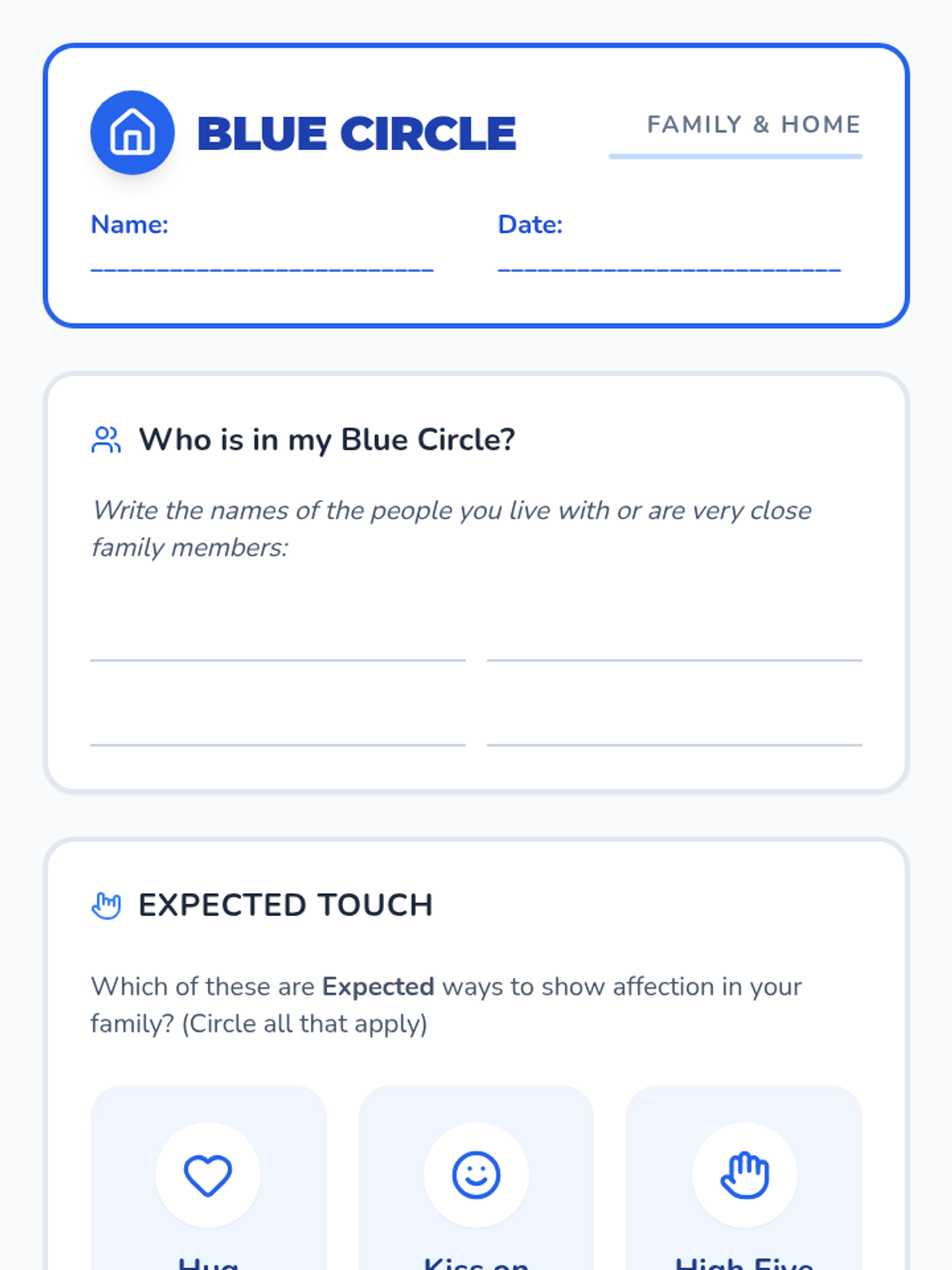
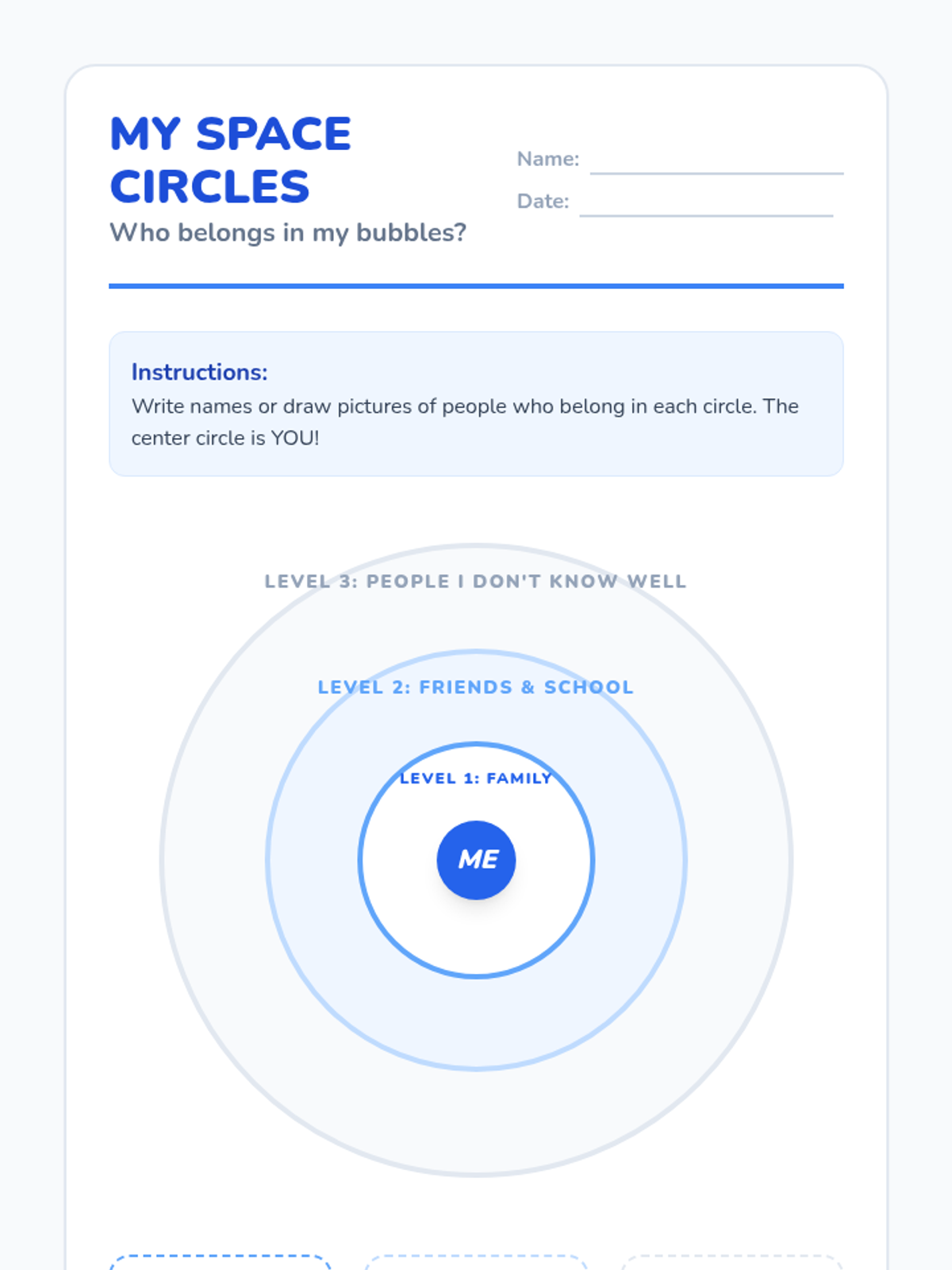
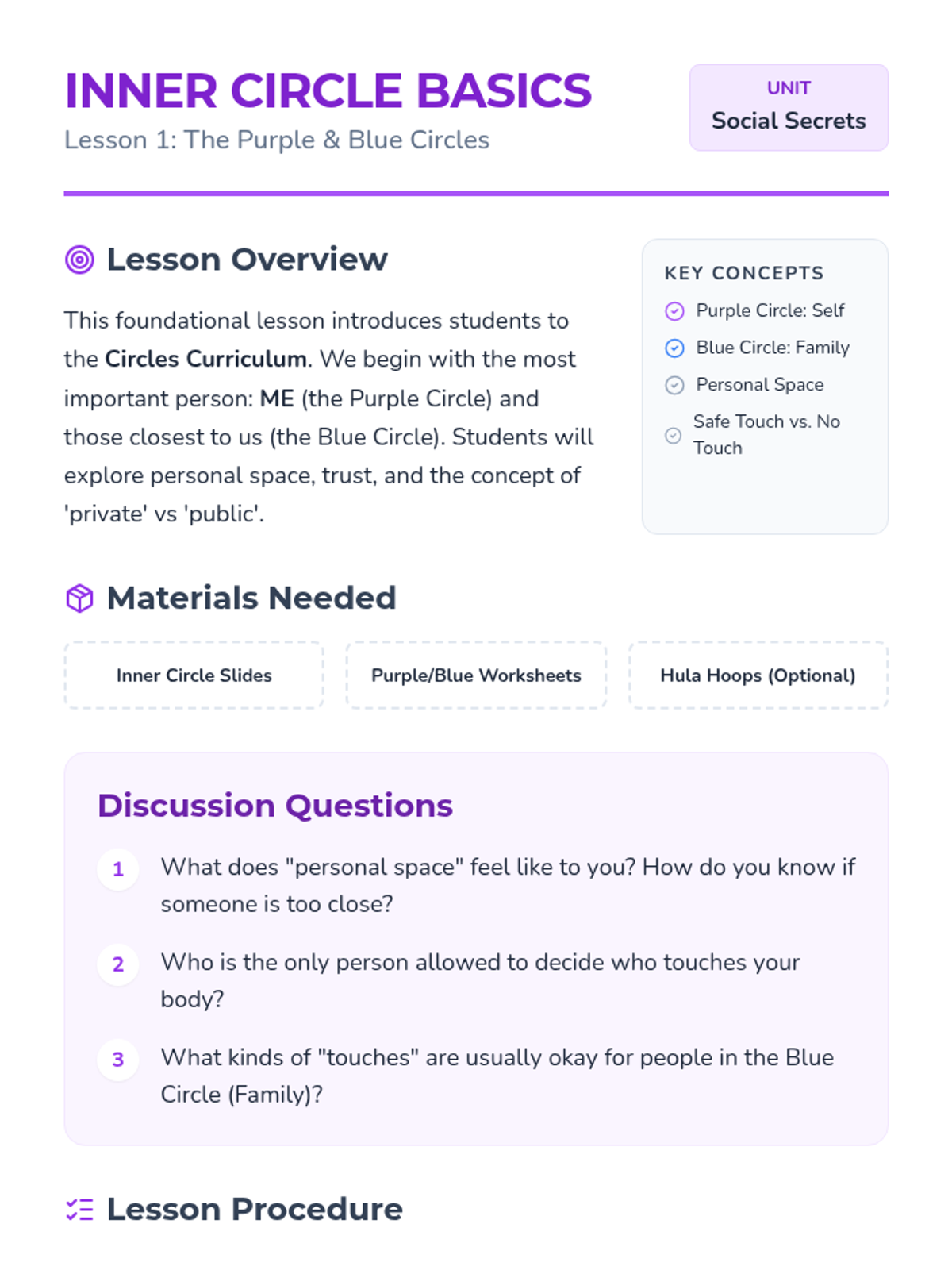
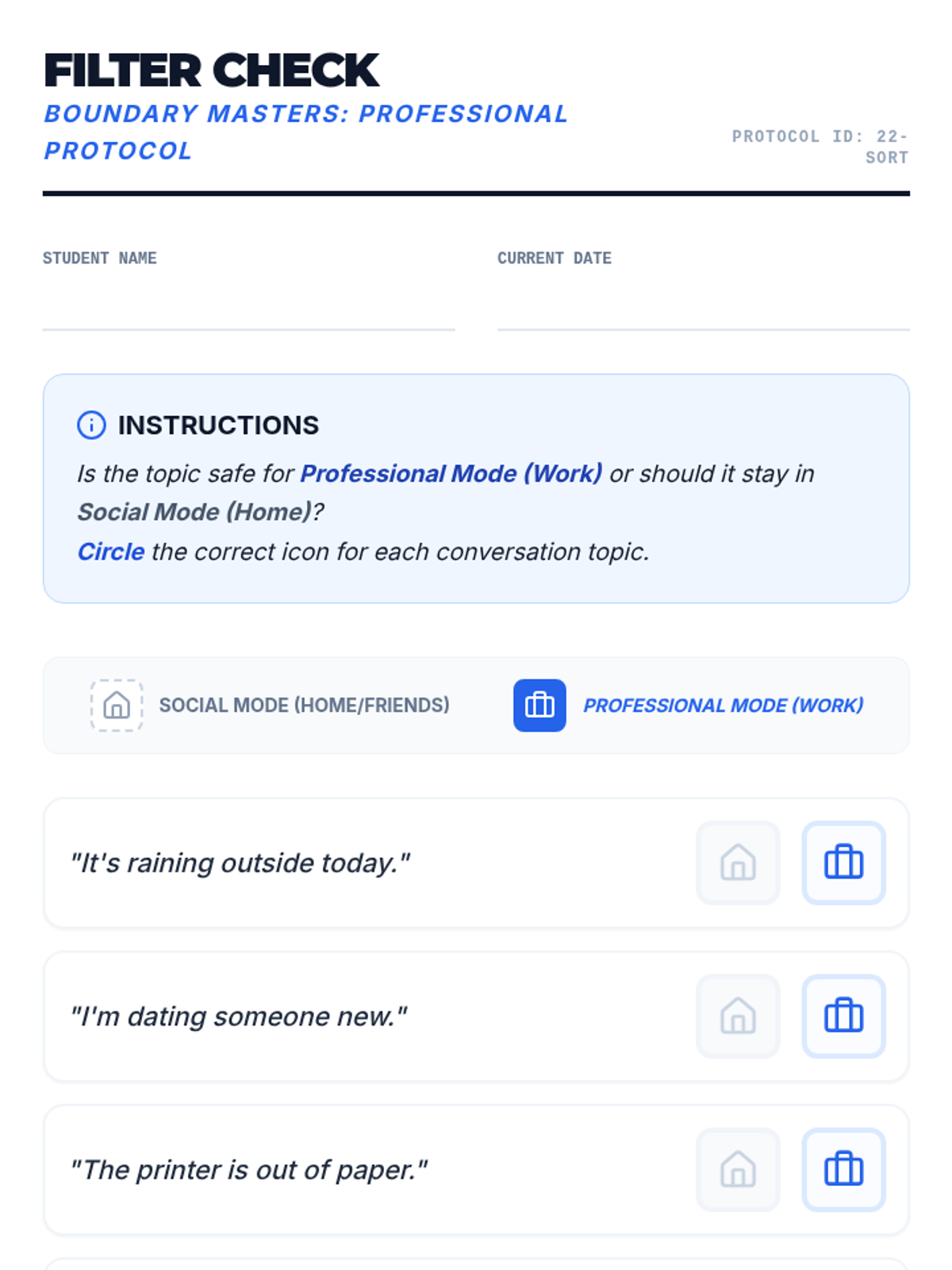
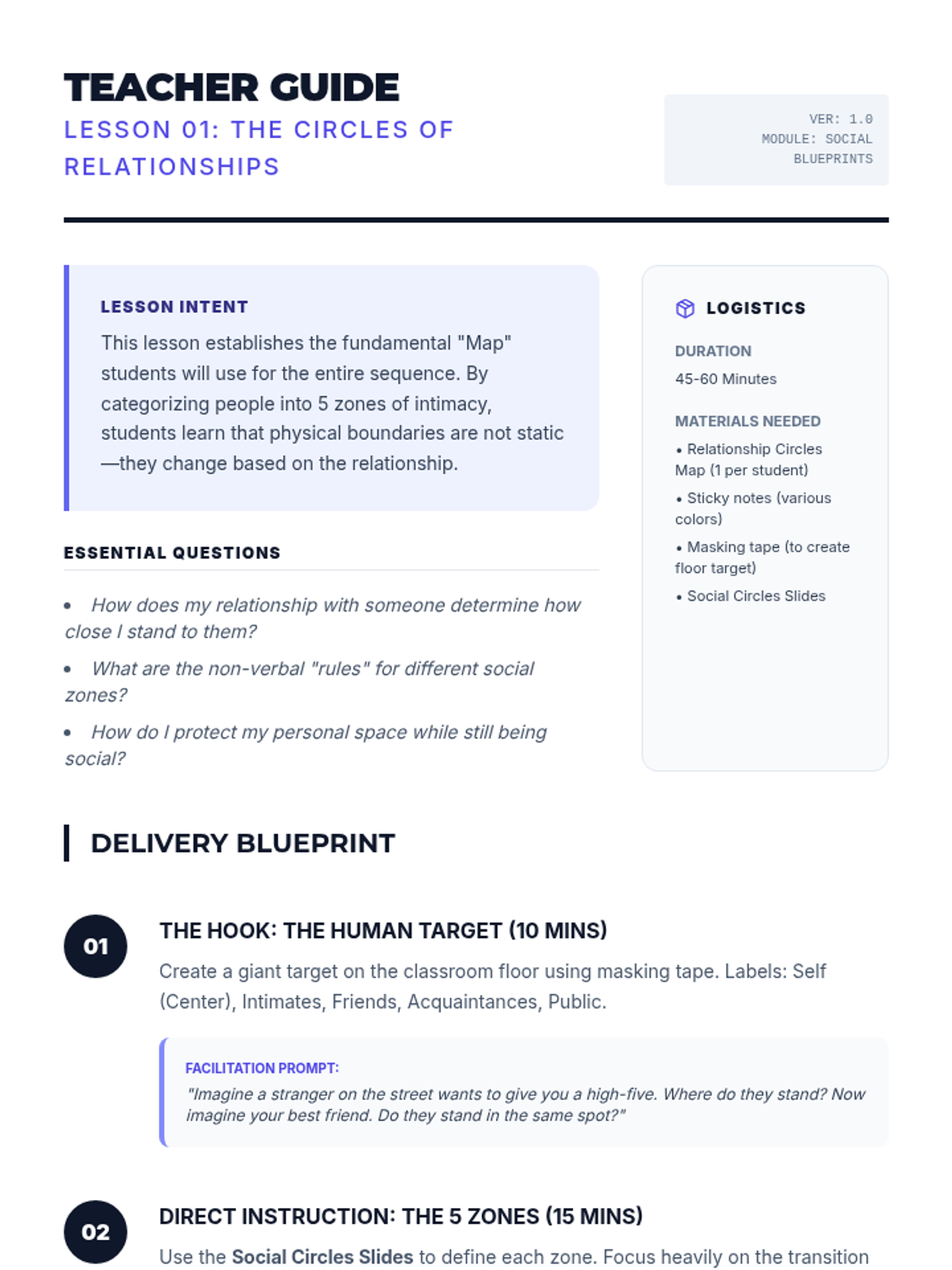
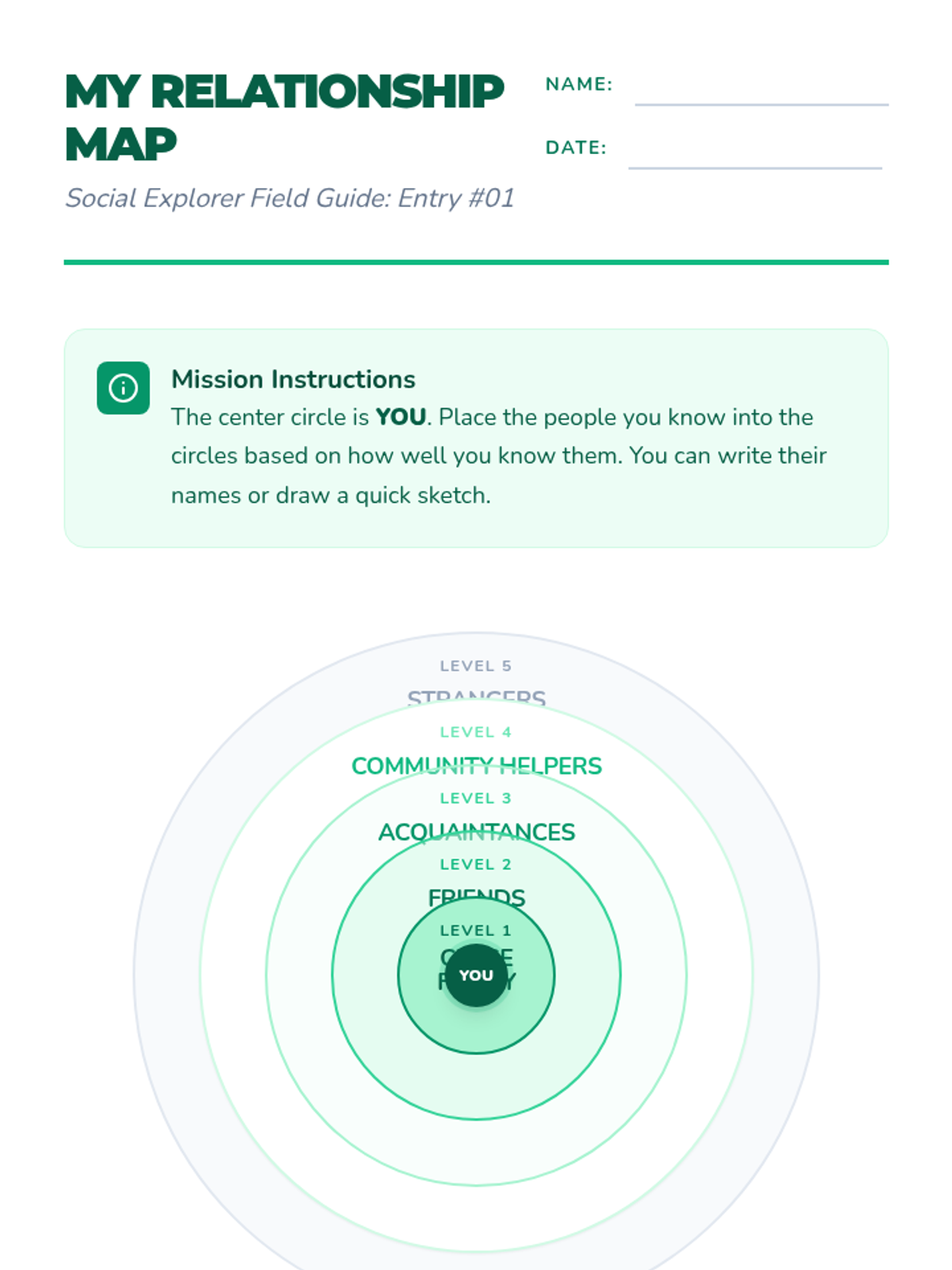
A comprehensive social boundaries curriculum designed for students with intellectual and developmental disabilities, based on the Circles model of intimacy and relationship levels.
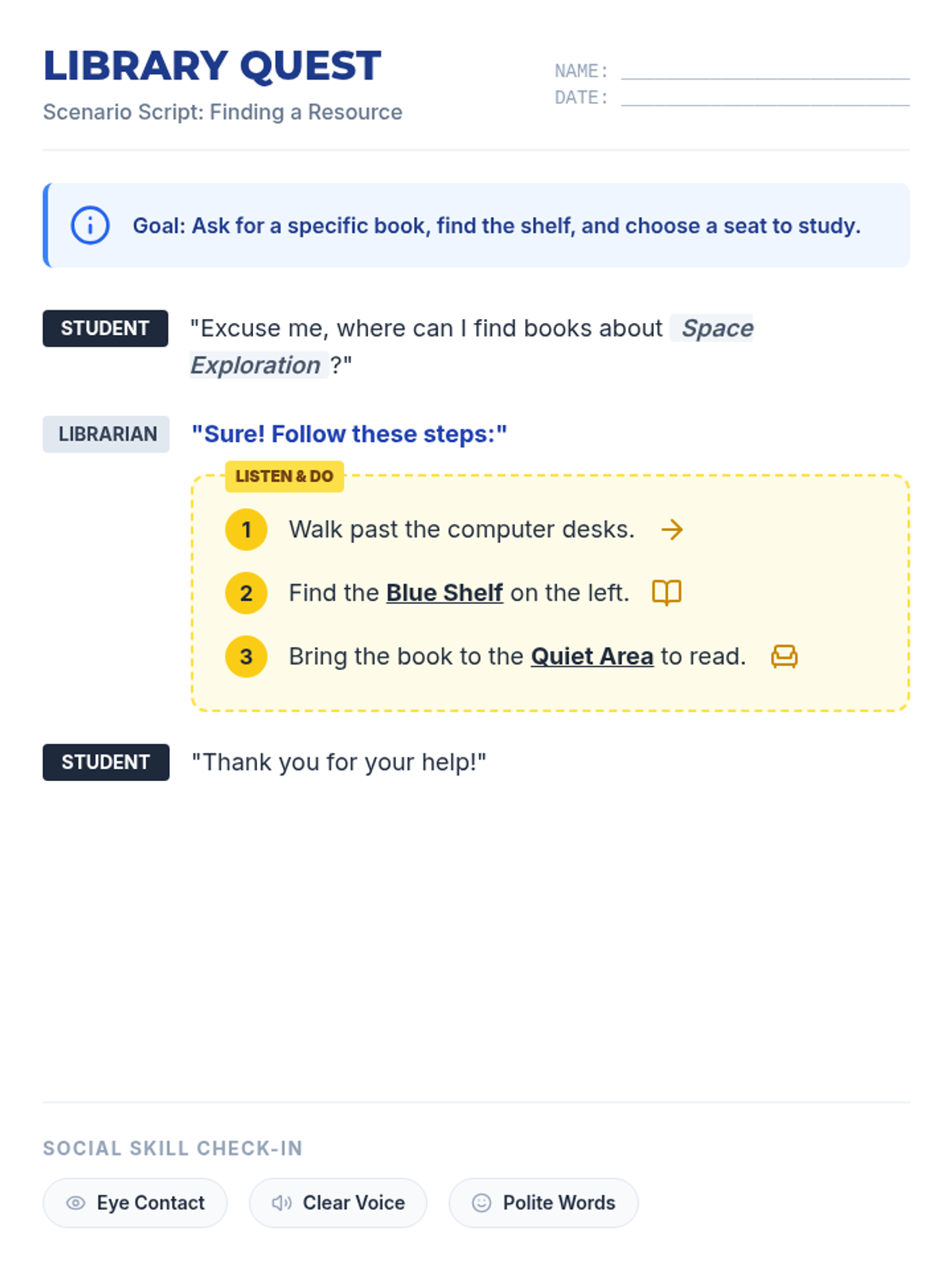
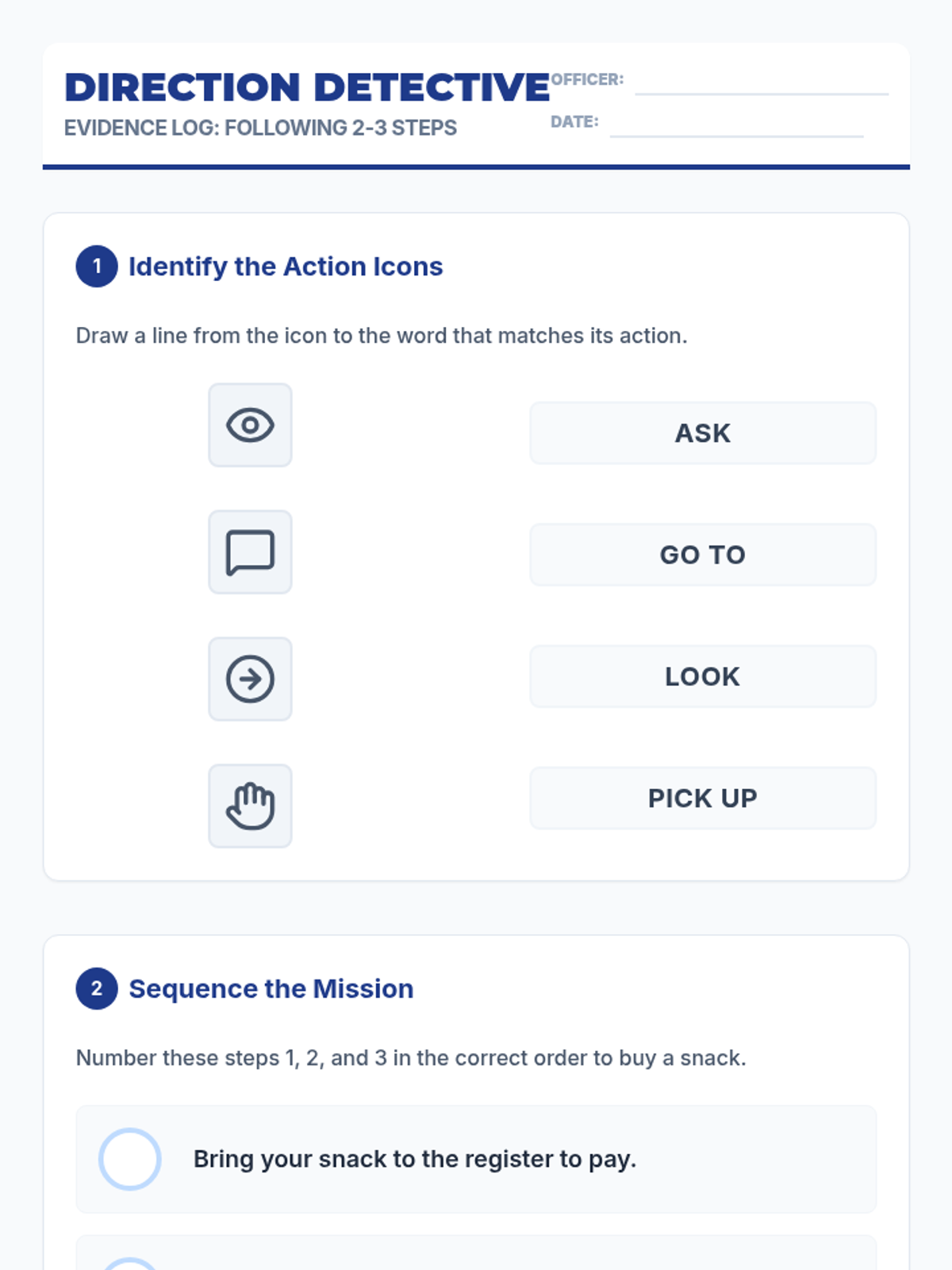
A comprehensive speech and language unit designed for high school students with special needs, focusing on following multi-step directions in functional, real-world environments like libraries and stores.
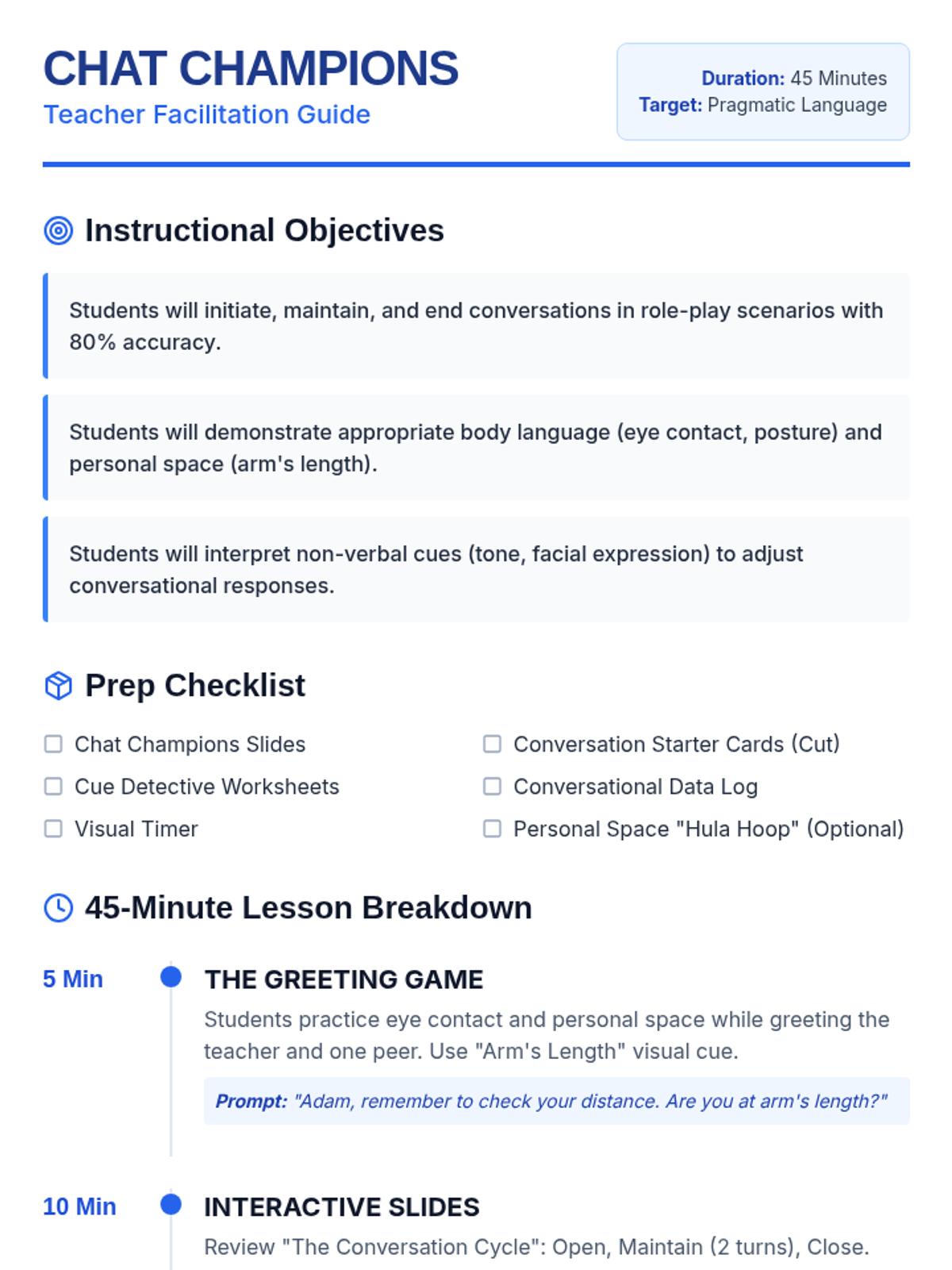
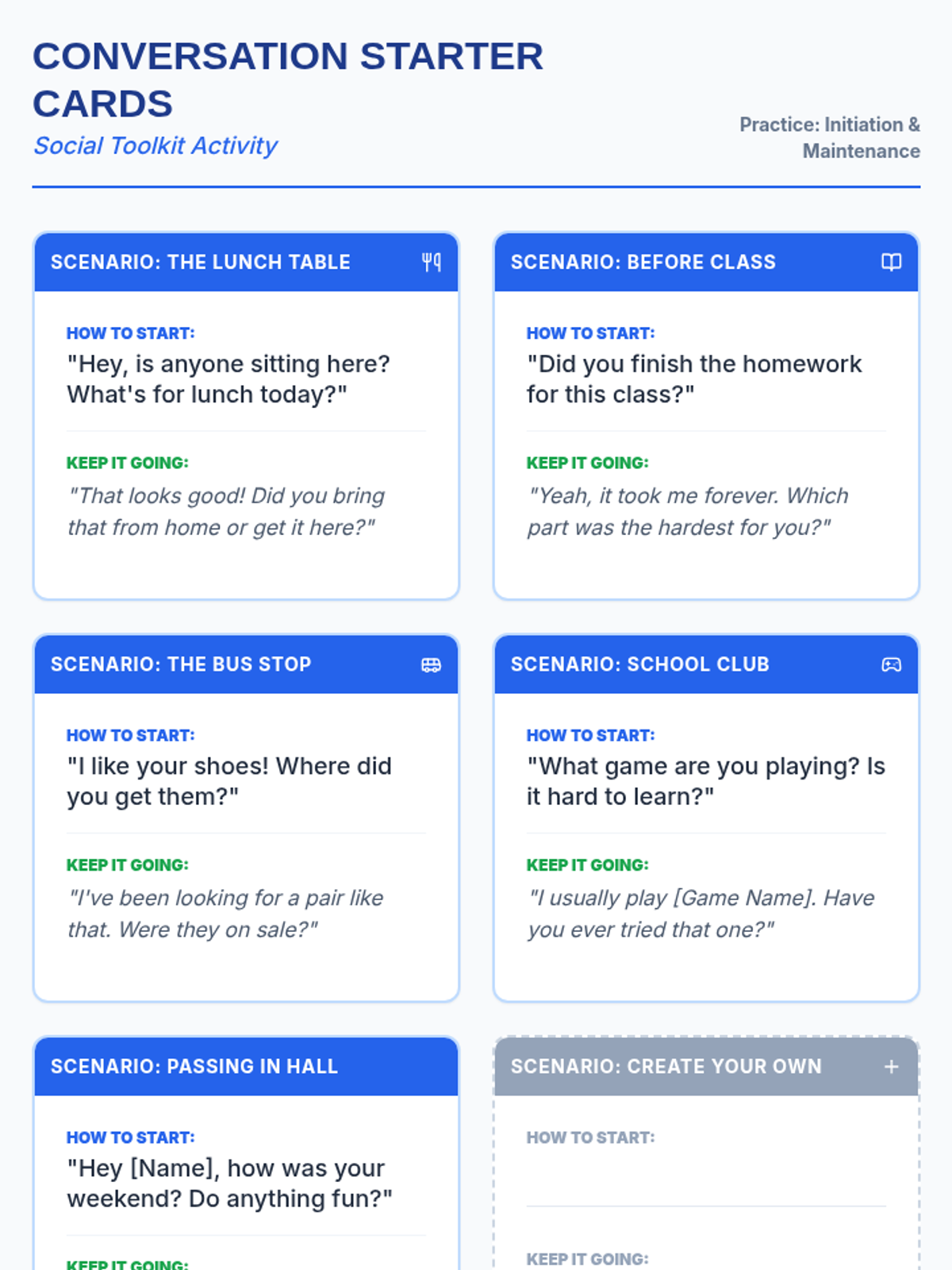
A comprehensive pragmatic language program designed for teenagers with autism, focusing on conversational initiation, body language, and interpreting social cues.
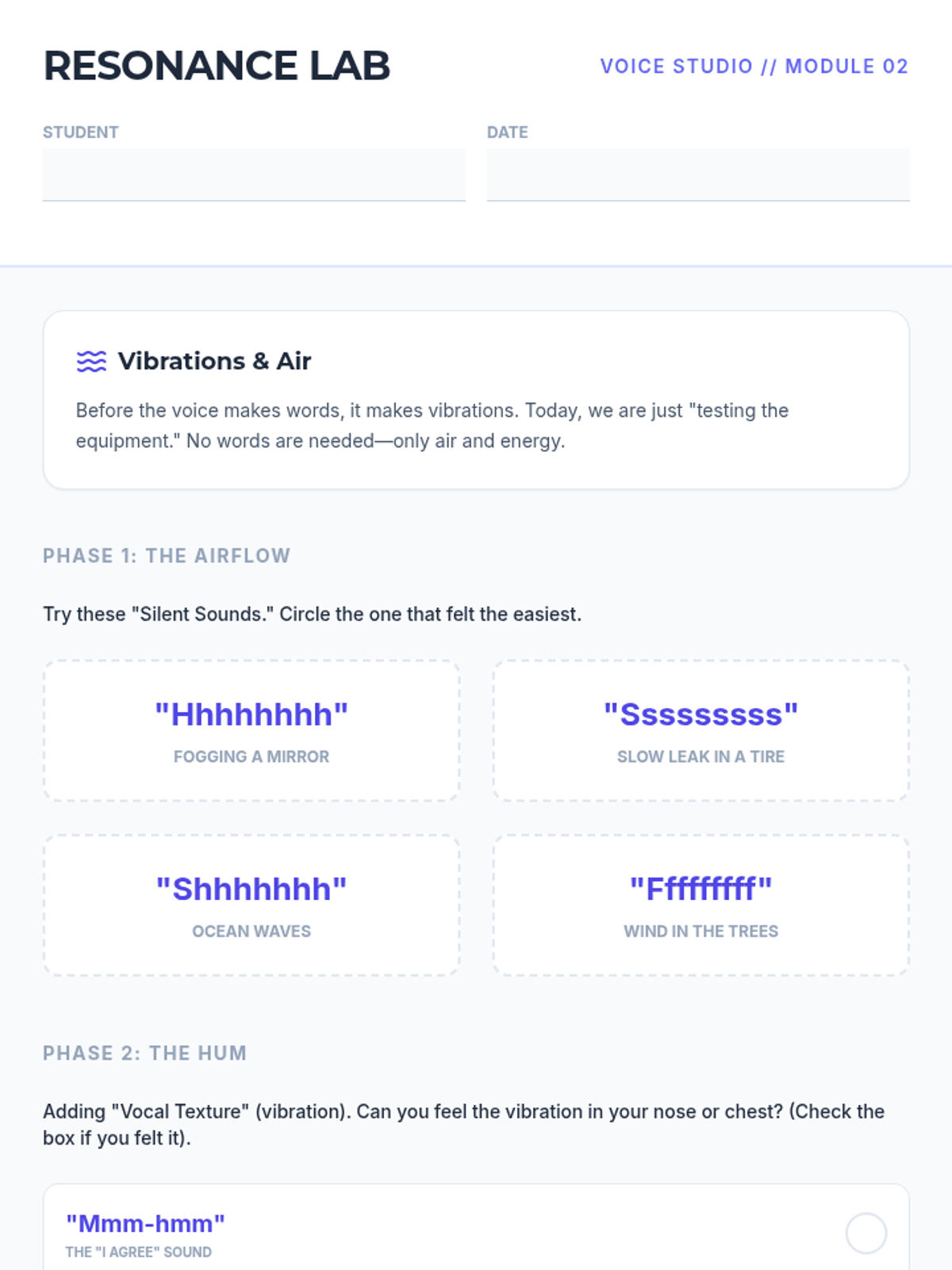
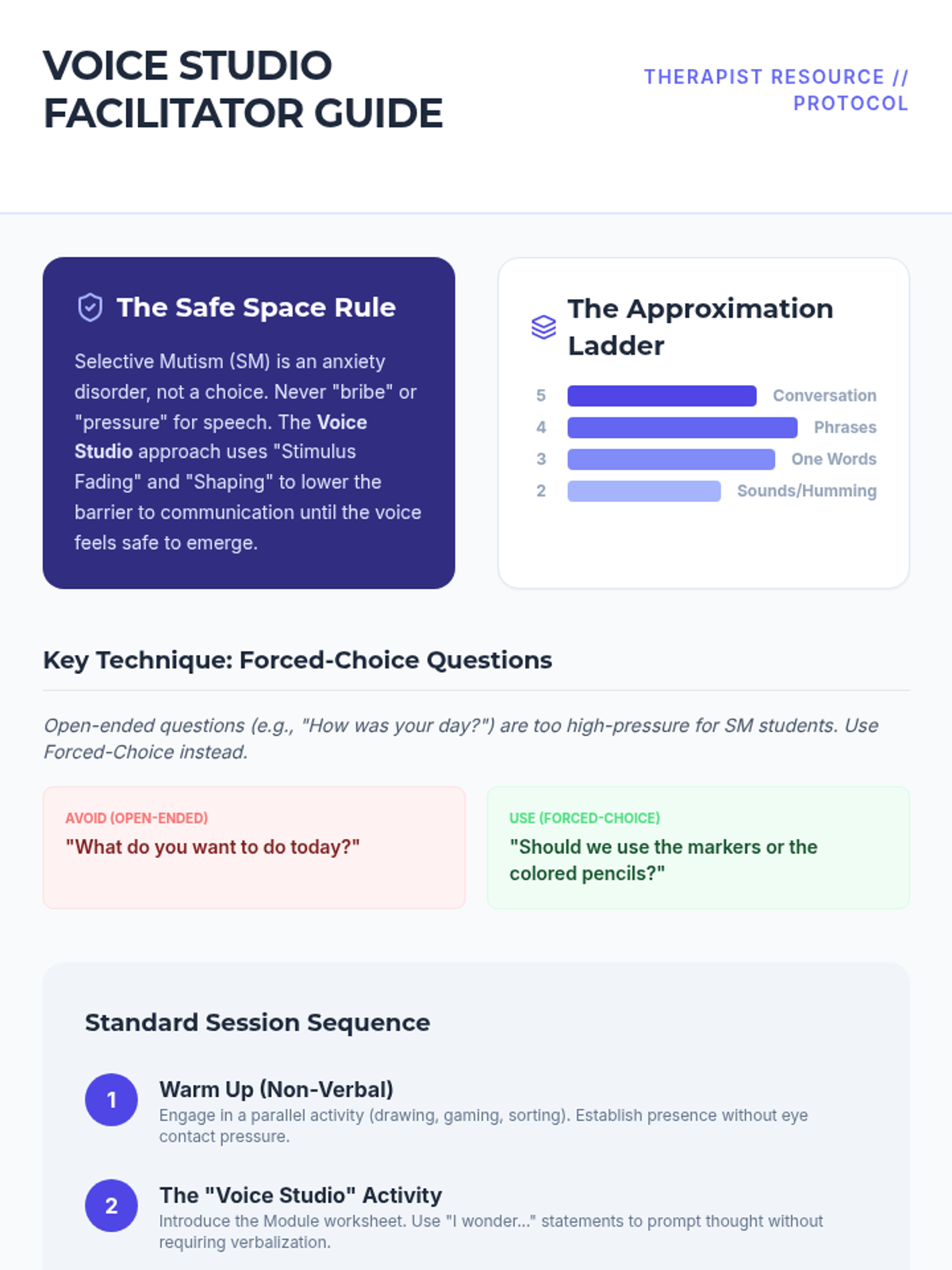
A gentle, evidence-based communication program for teens with Selective Mutism. It uses behavioral shaping and approximations to move from non-verbal rapport to functional vocalization in a low-pressure 1:1 environment.
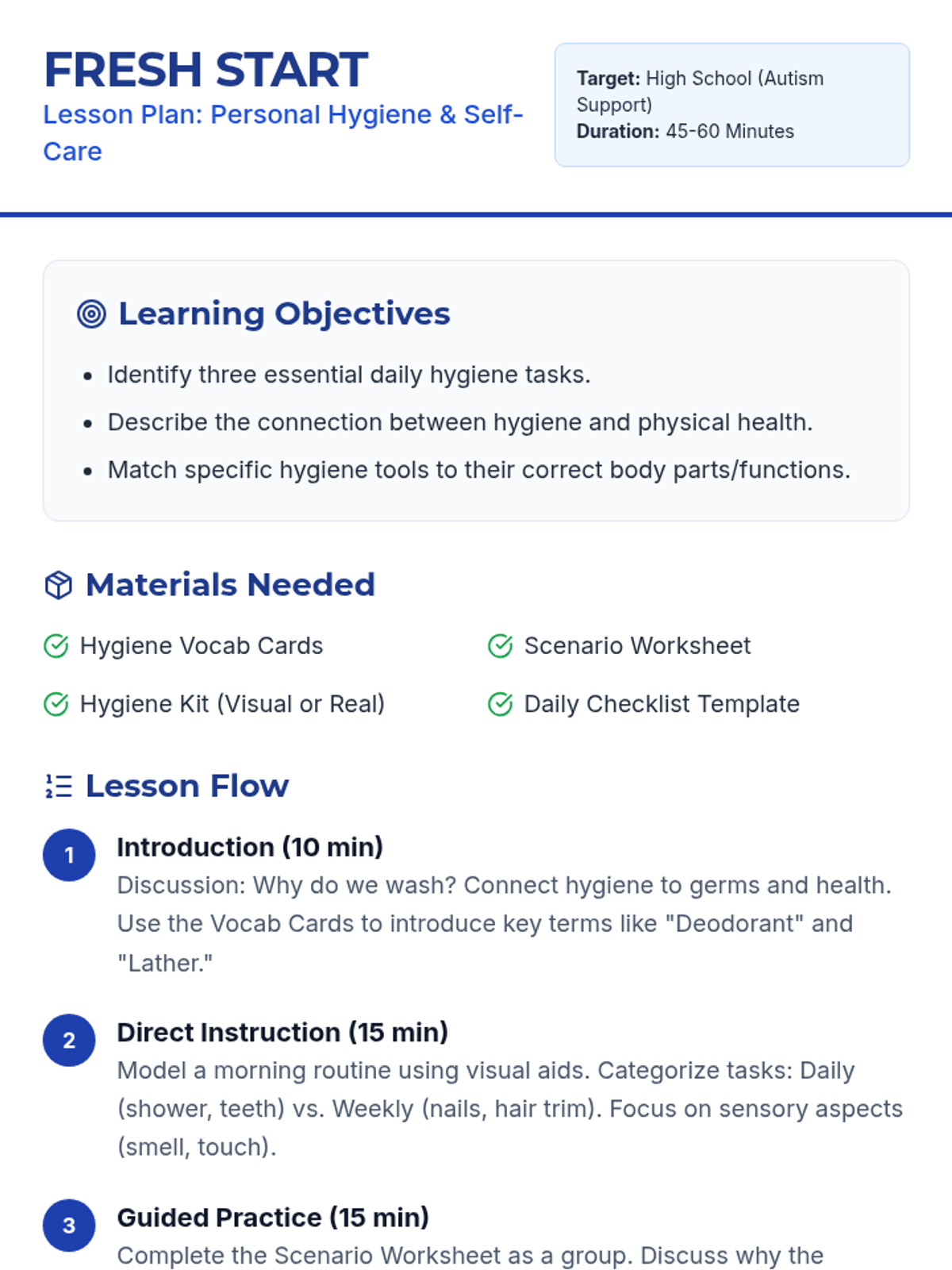
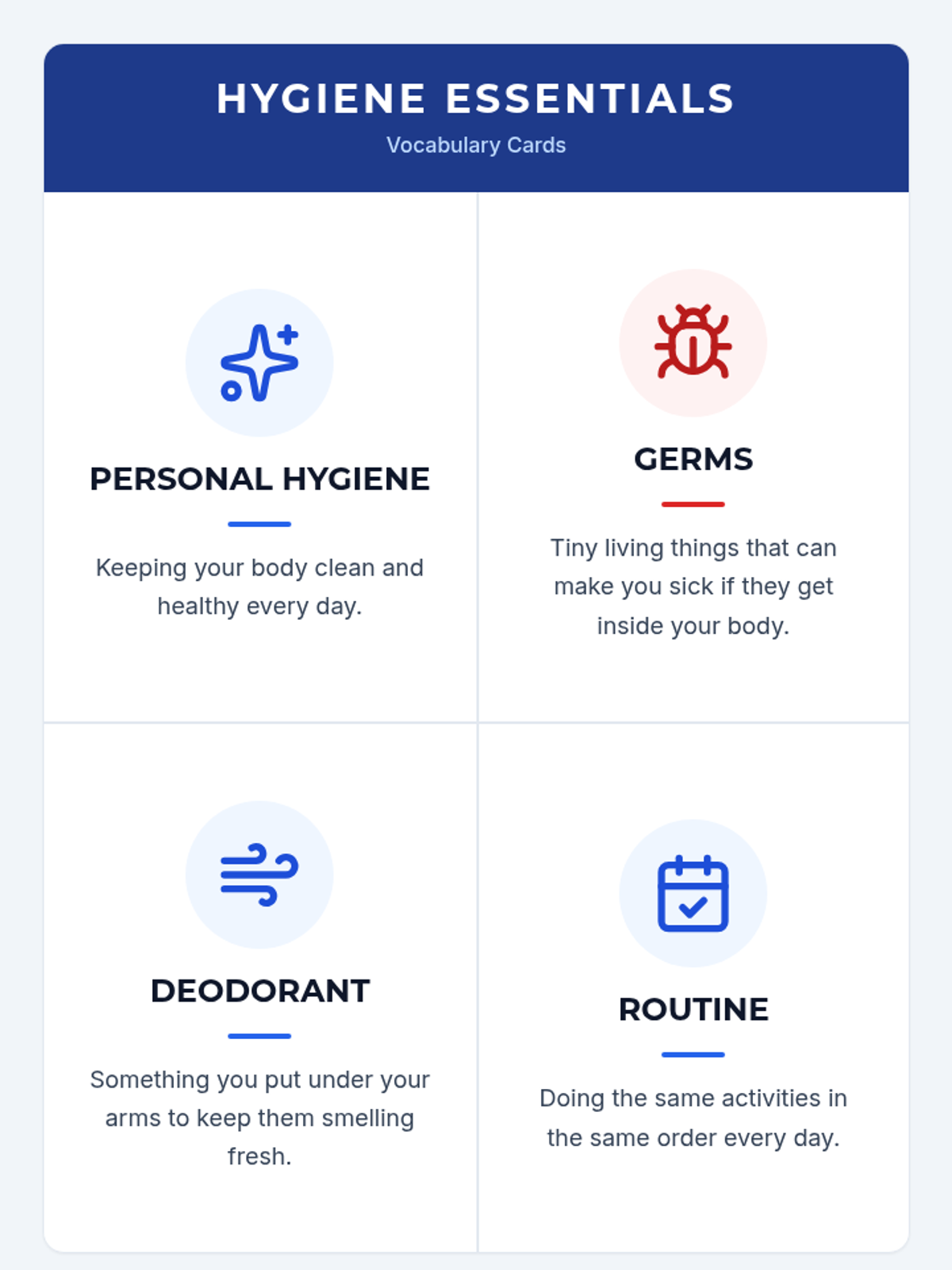
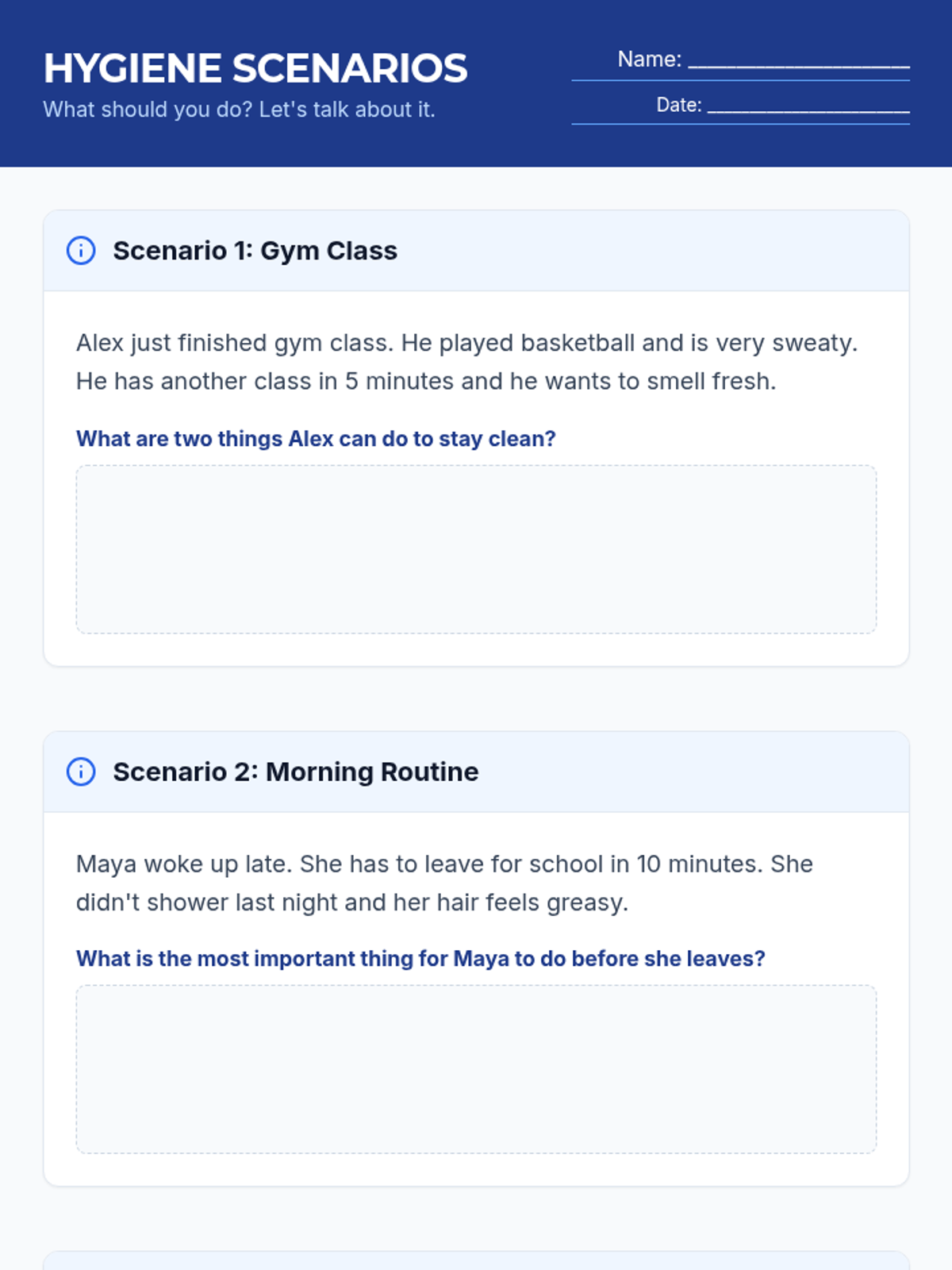
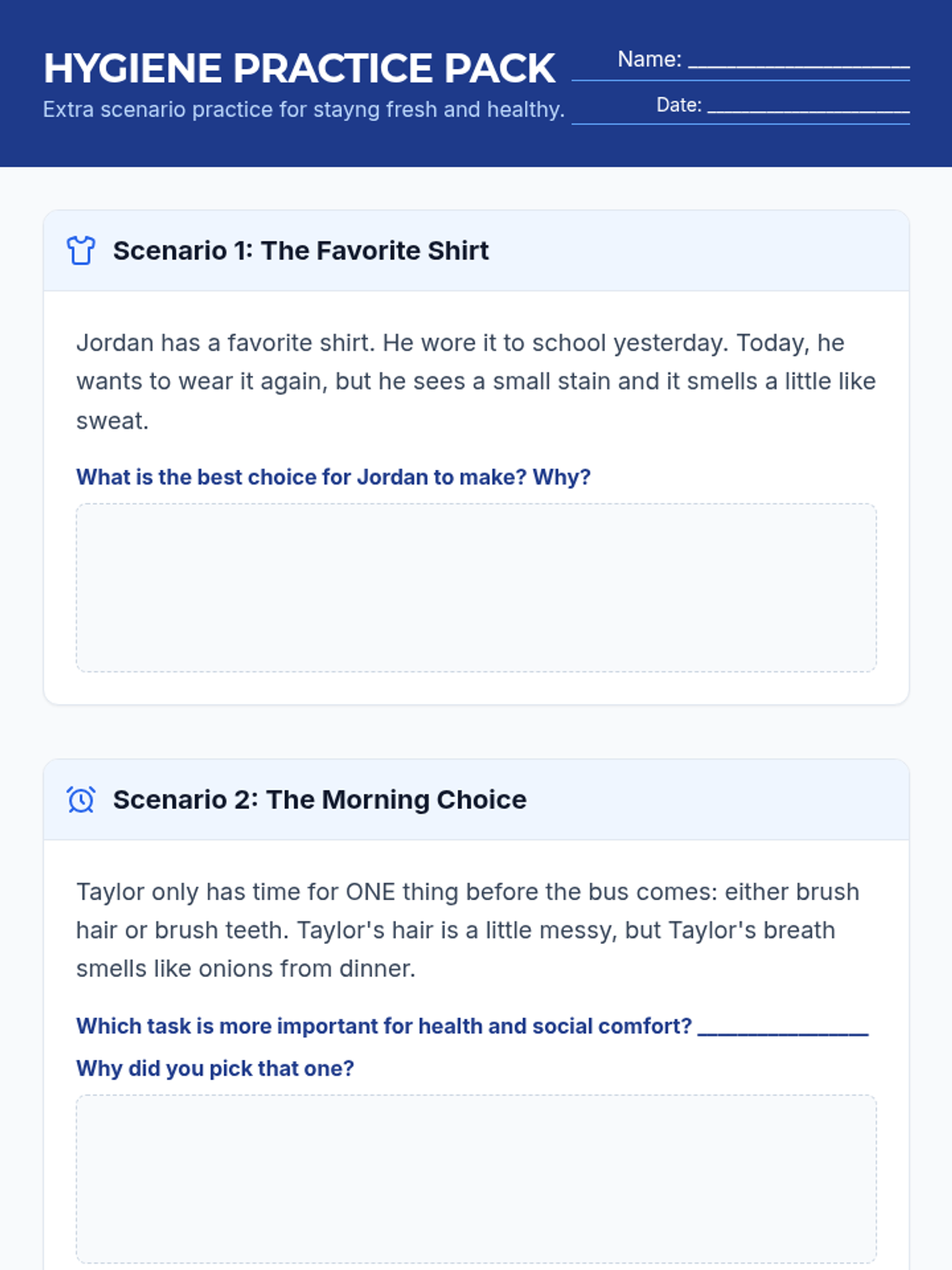
A comprehensive curriculum designed for high school students with autism, focusing on essential life skills including personal hygiene, social boundaries, healthy communication, and consent. The materials emphasize clear visuals, structured scenarios, and explicit vocabulary instruction.
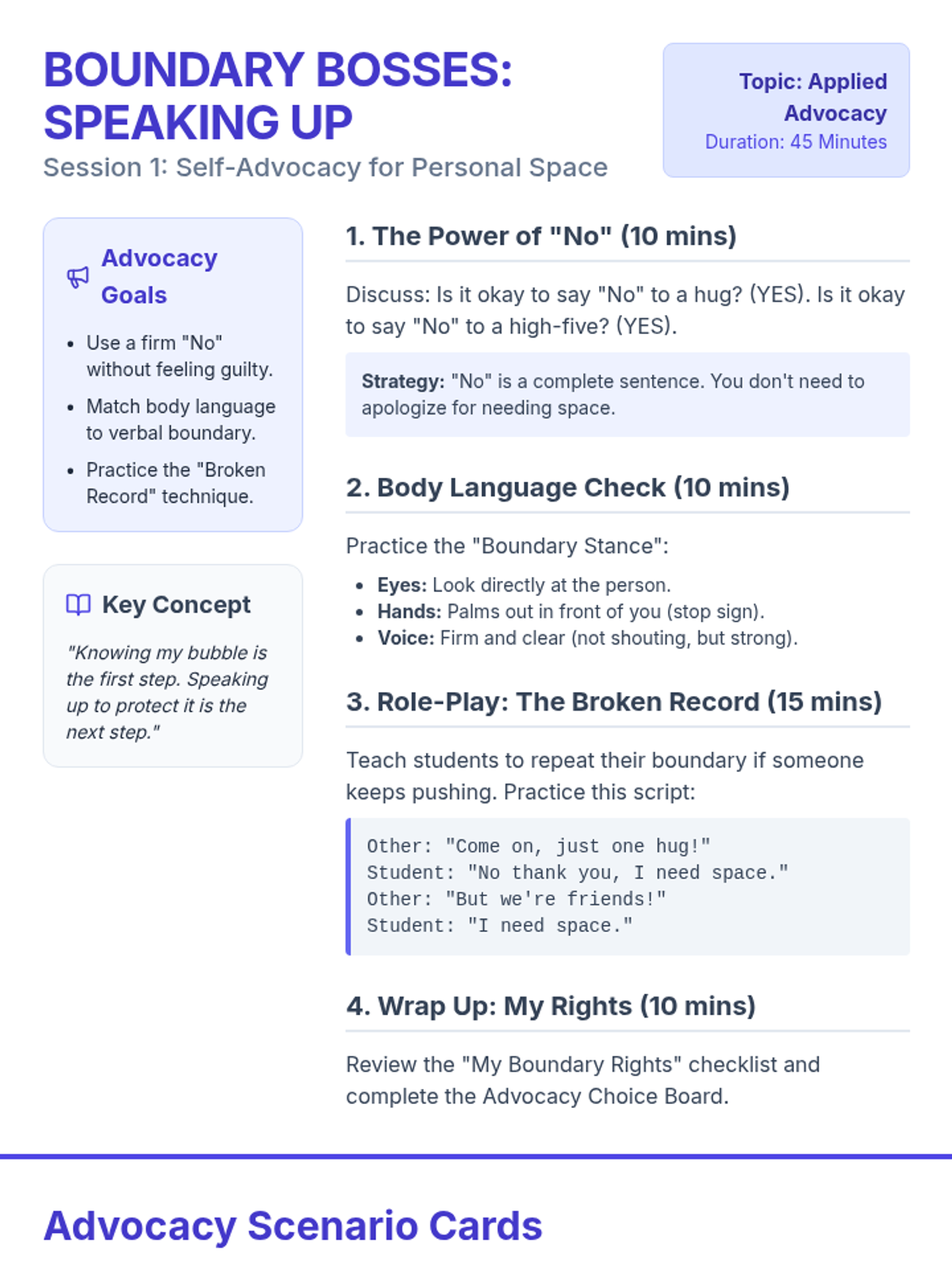
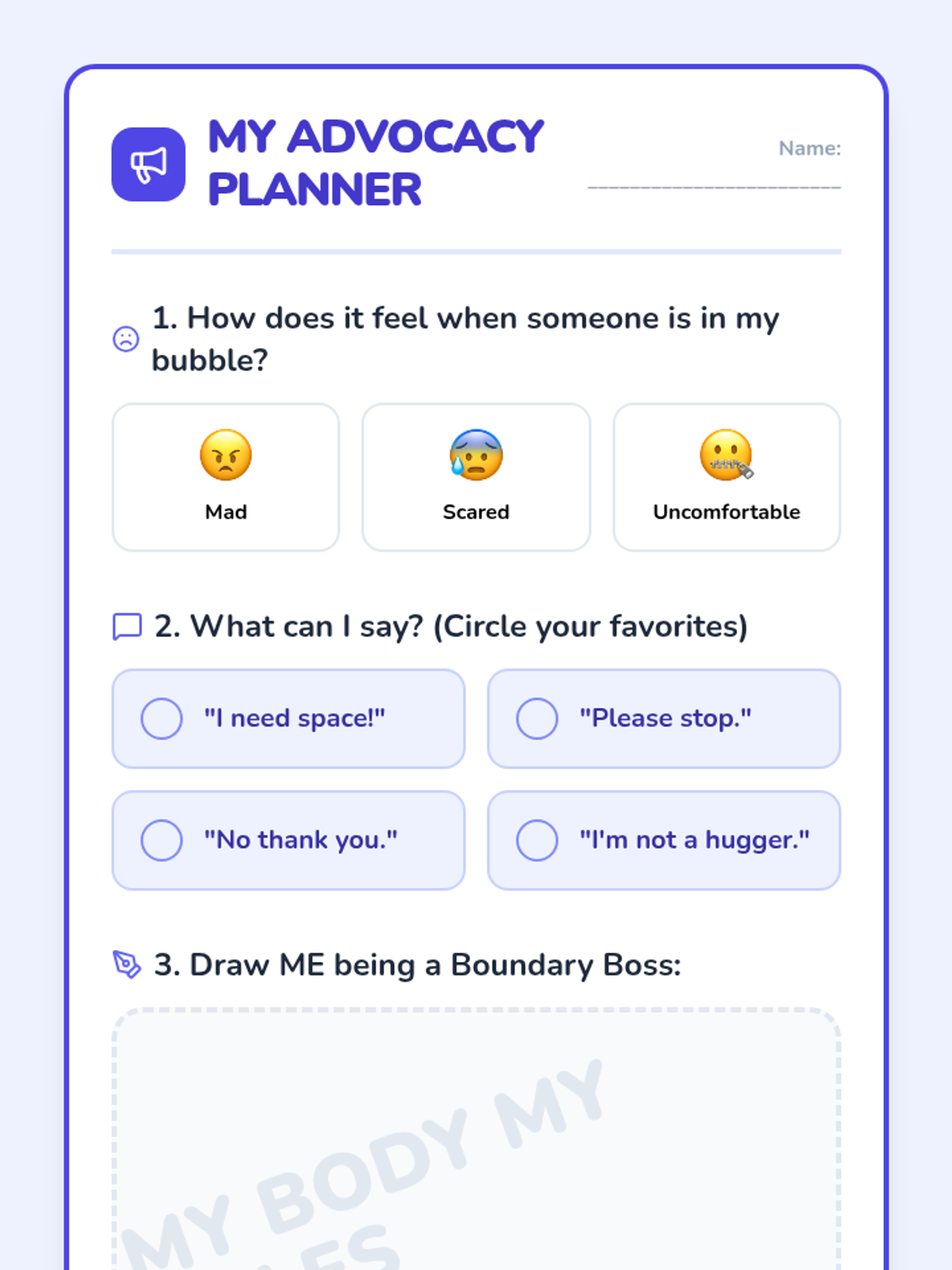
A two-session unit for high school students with IDD that applies knowledge of personal space and public vs. private settings to real-world self-advocacy skills, focusing on speaking up and setting firm boundaries.
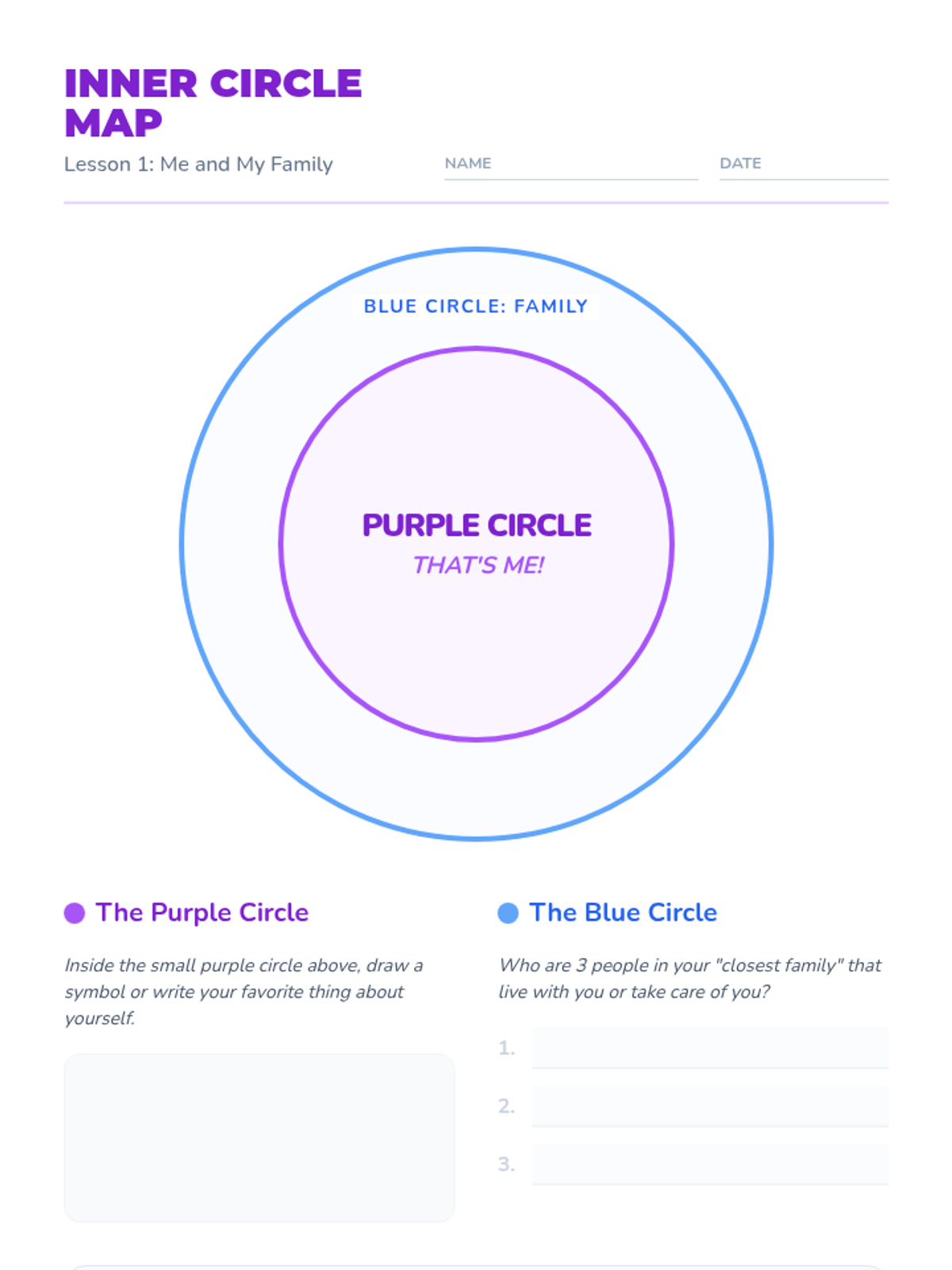
A comprehensive 6-lesson program using the Circles Curriculum to teach social boundaries, relationship levels, and safe interpersonal transitions. Students explore everything from the 'Purple Circle' (Self) to the 'Red Circle' (Strangers), focusing on consent, communication, and personal safety.
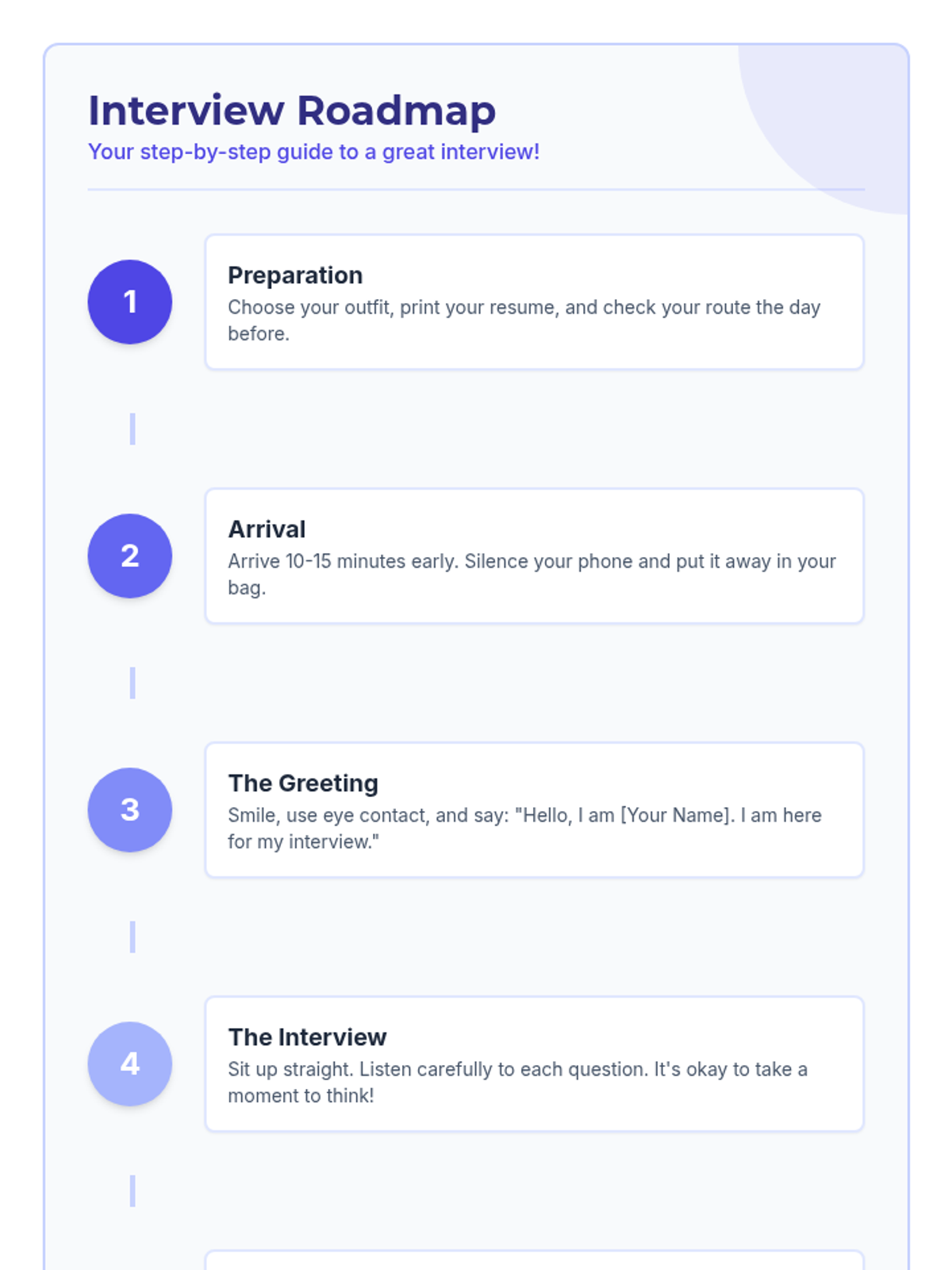
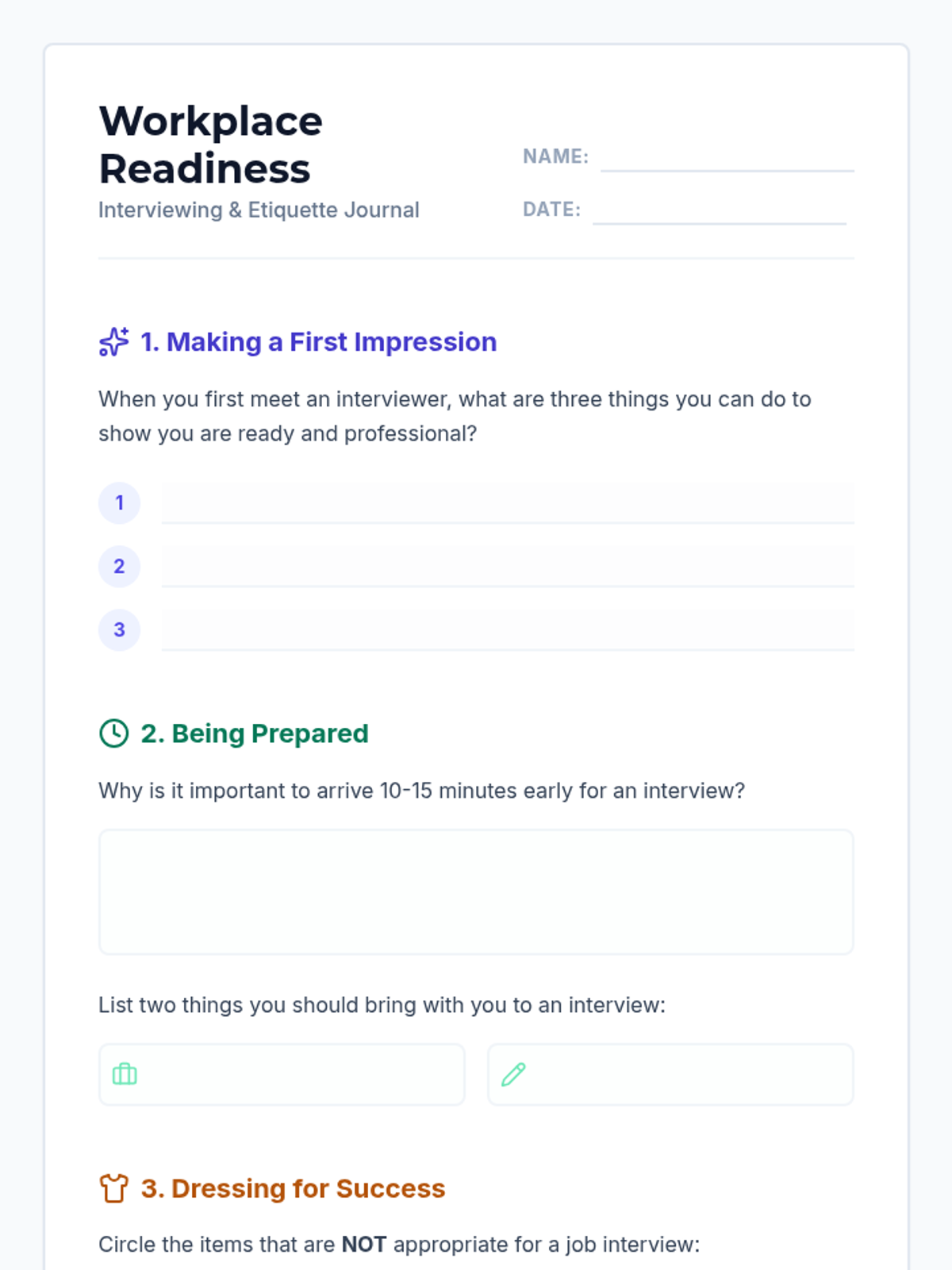
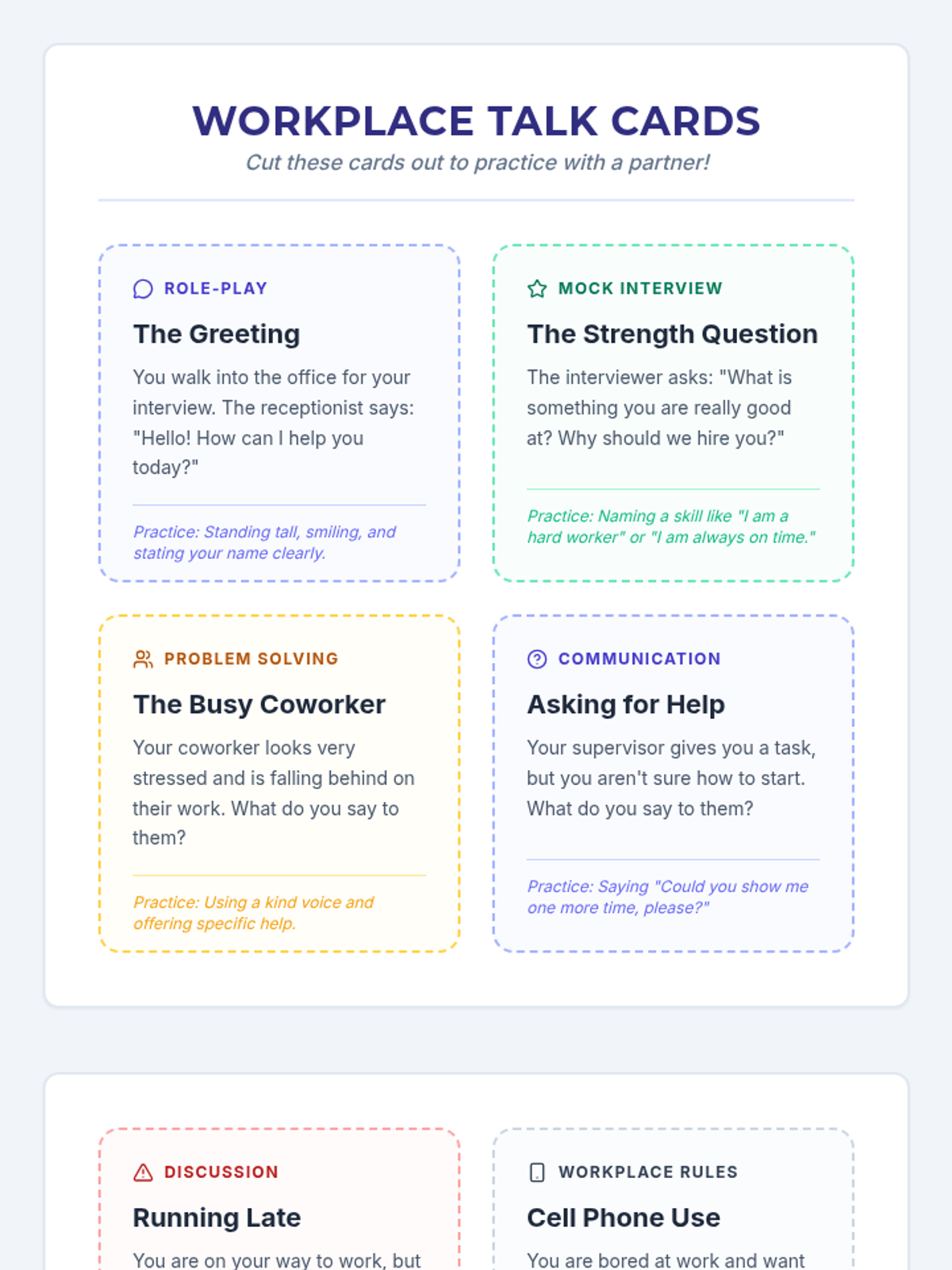
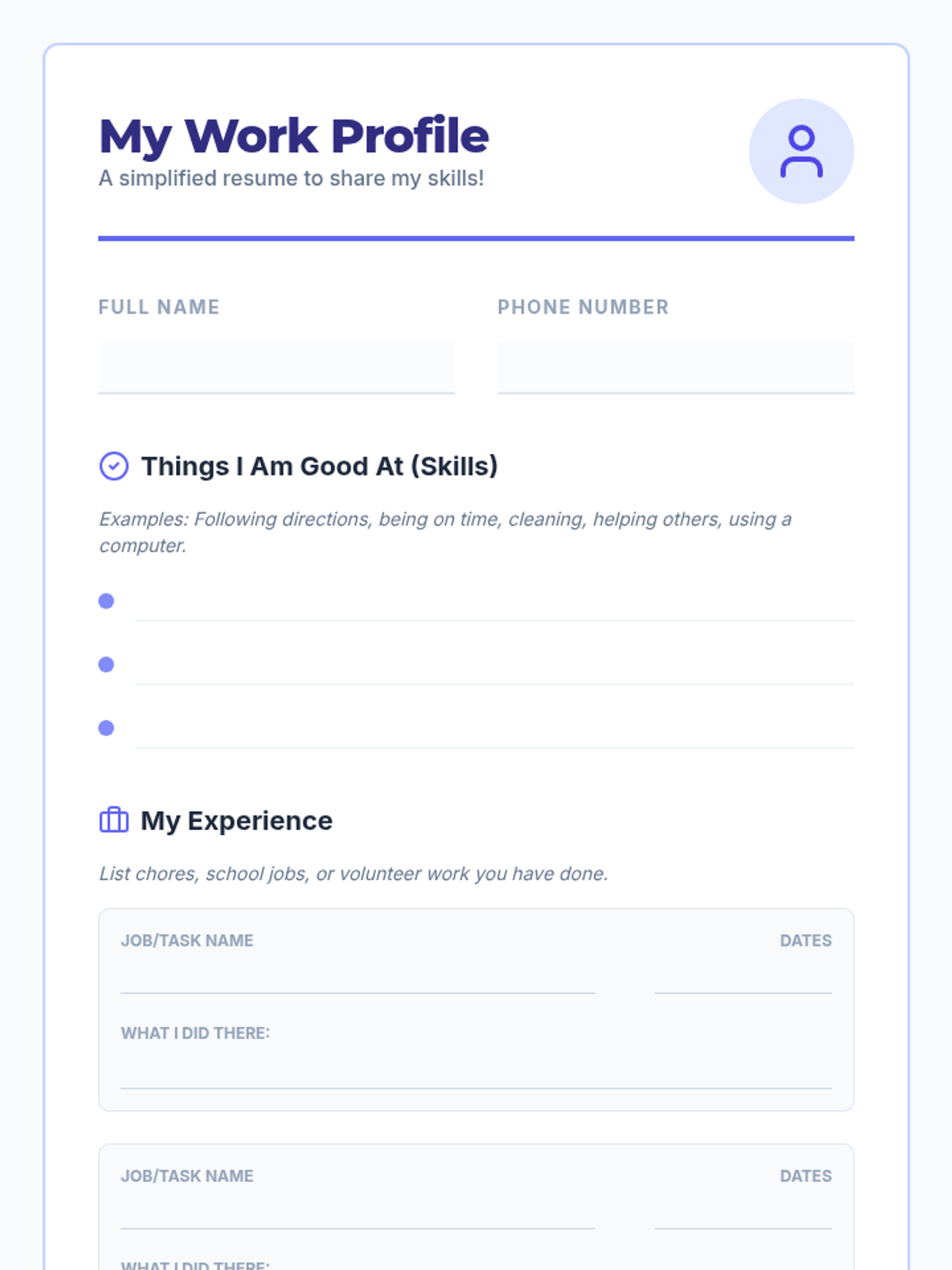
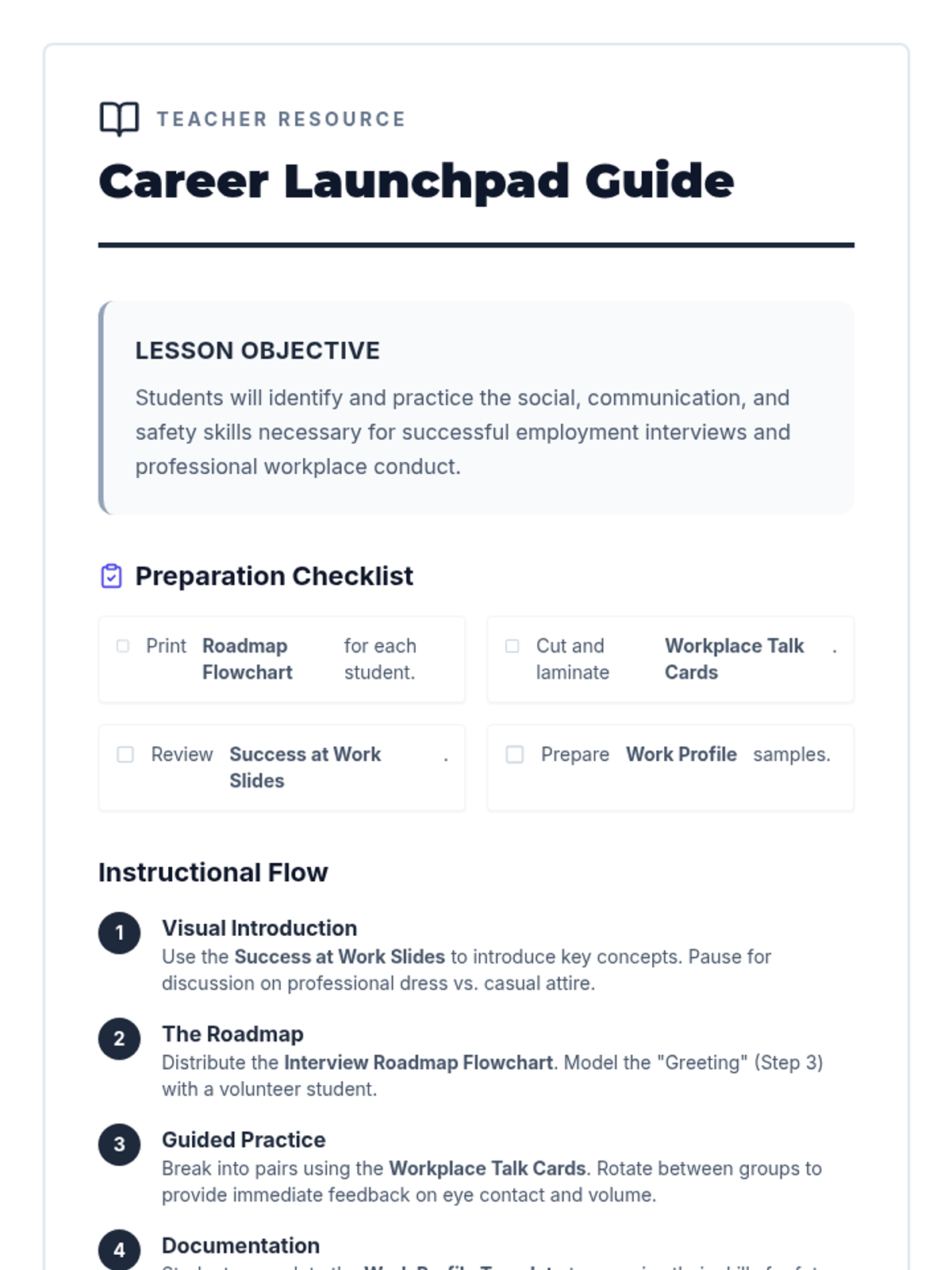
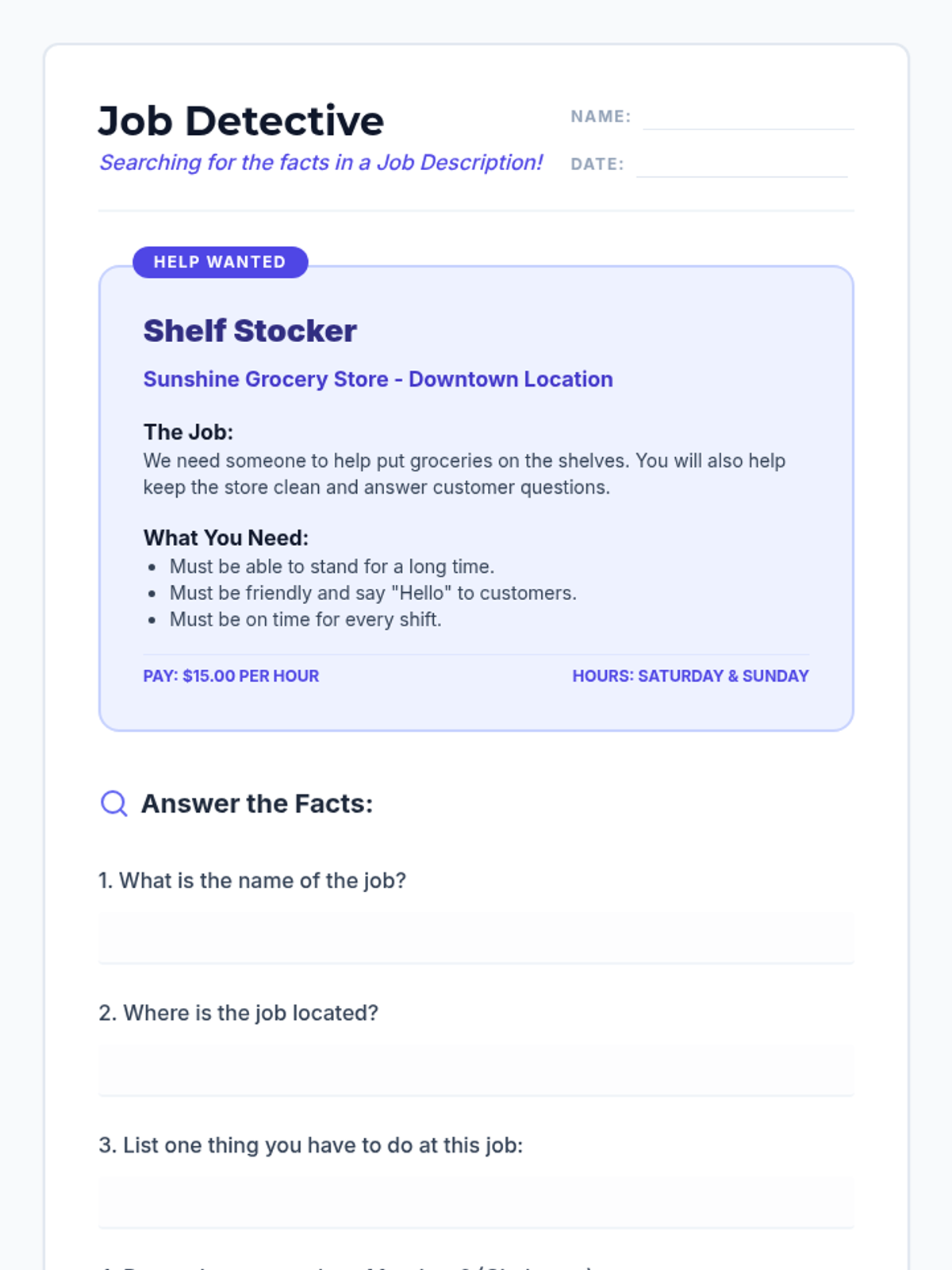
A series of lessons designed to prepare students with special needs for the transition to the workforce, focusing on communication, etiquette, and practical job-seeking skills.
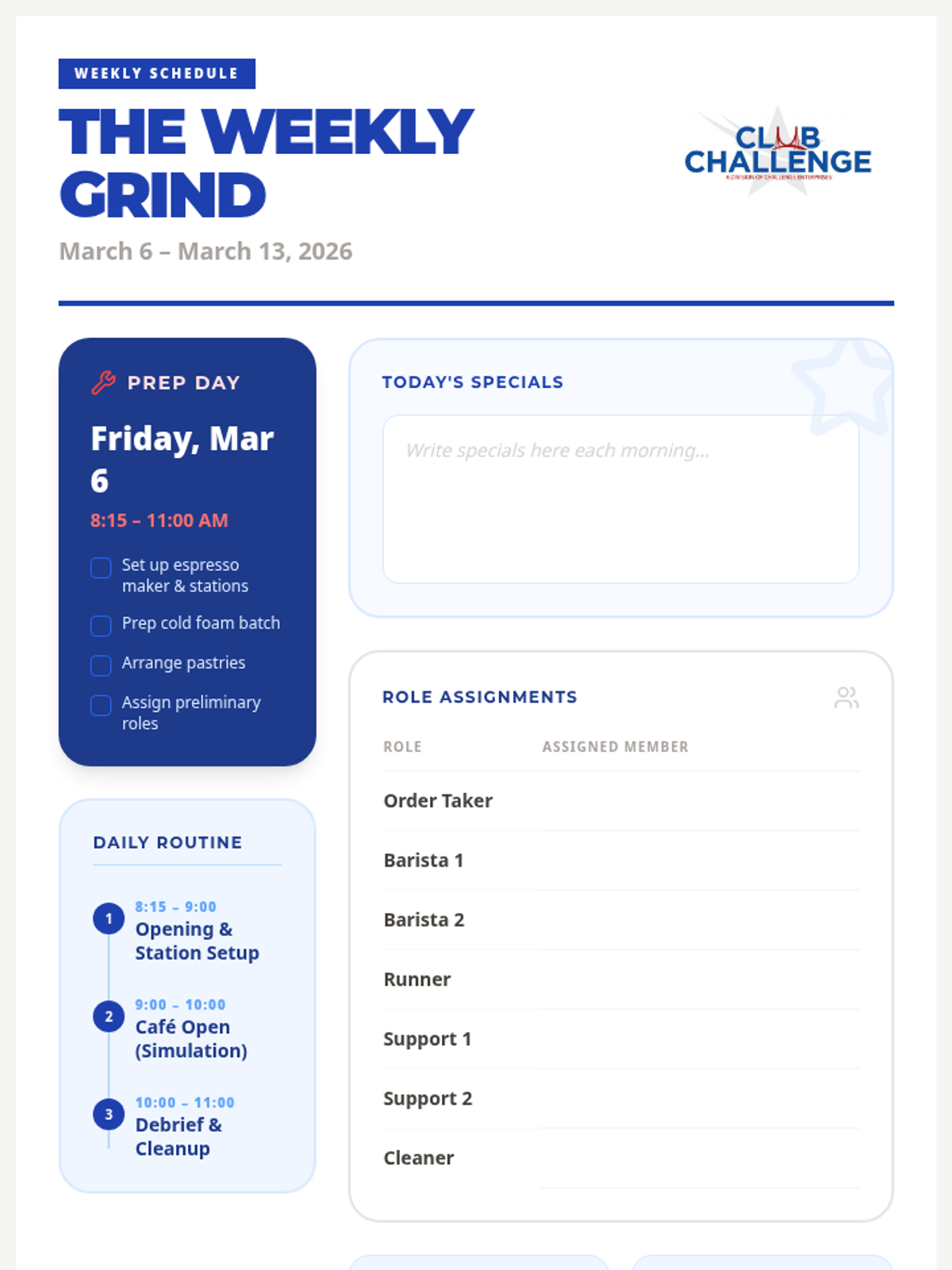
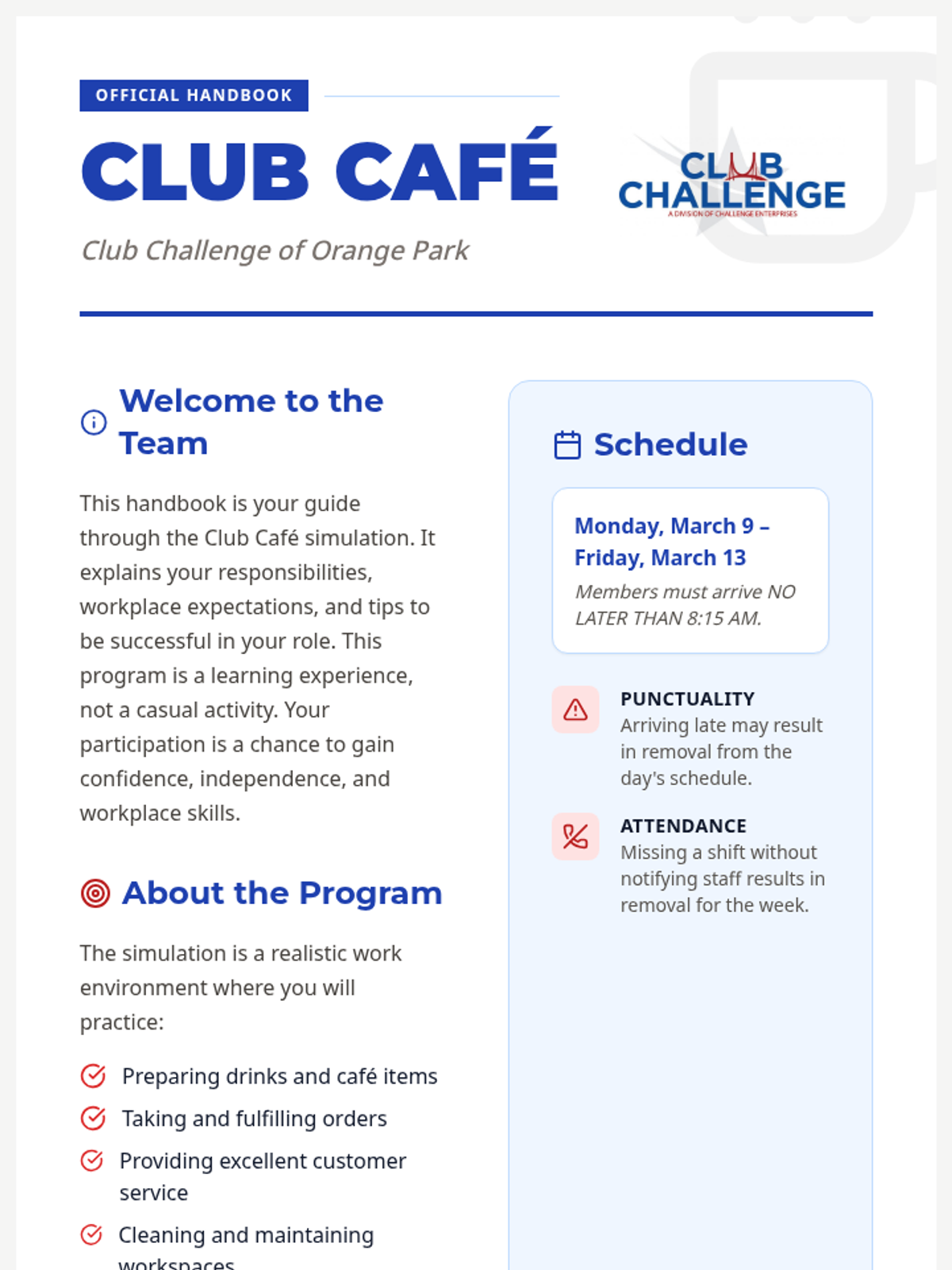
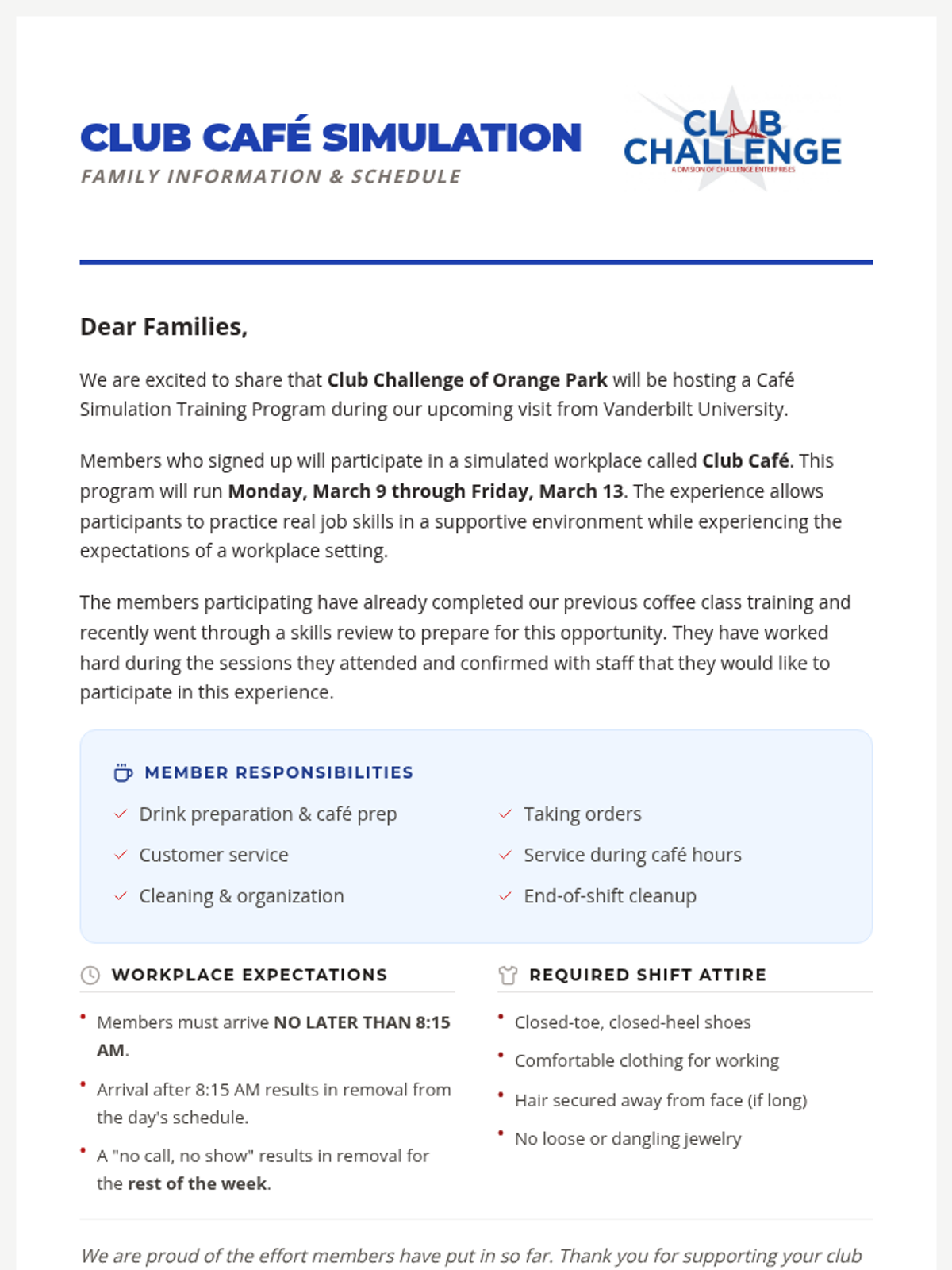
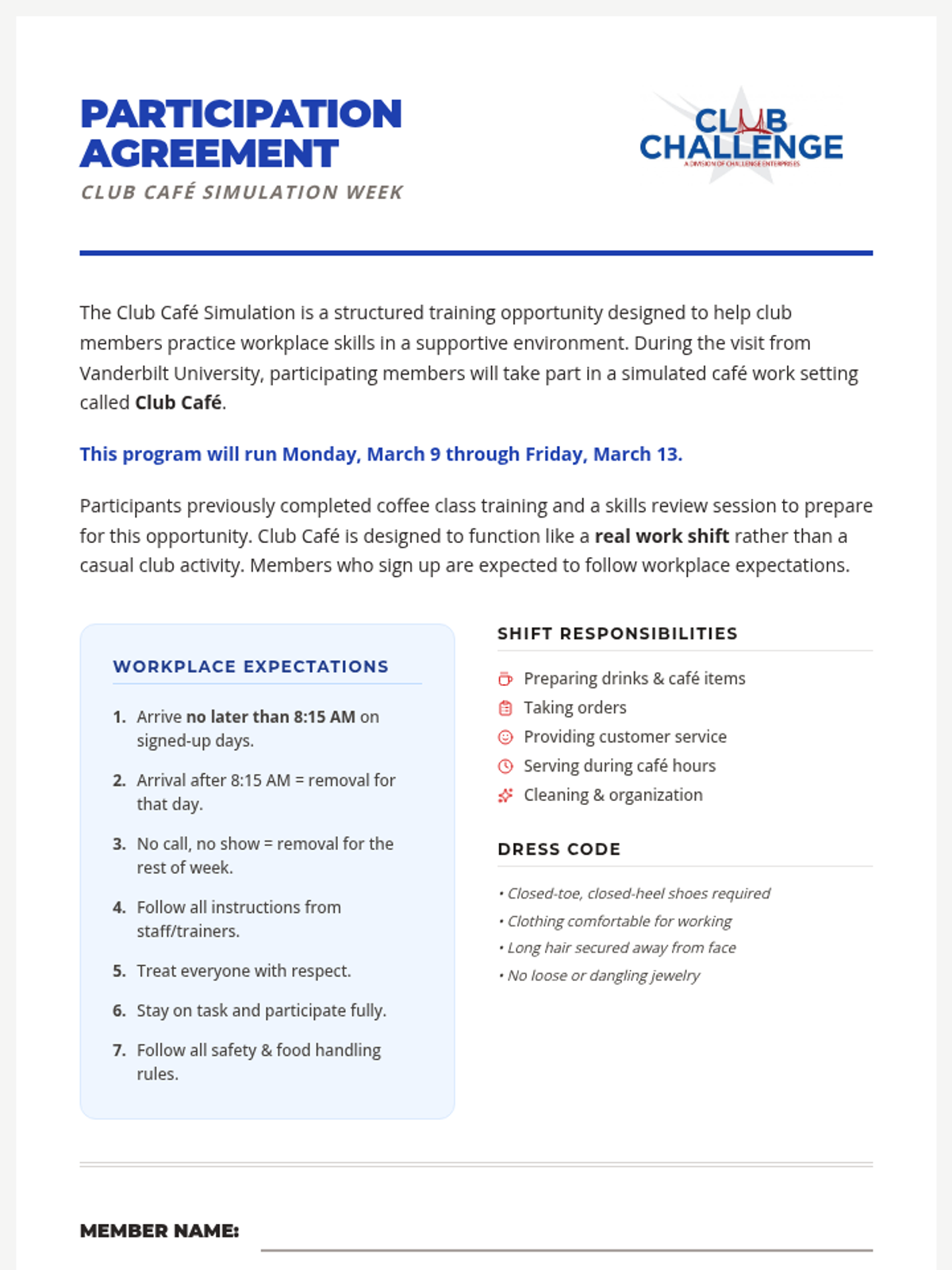
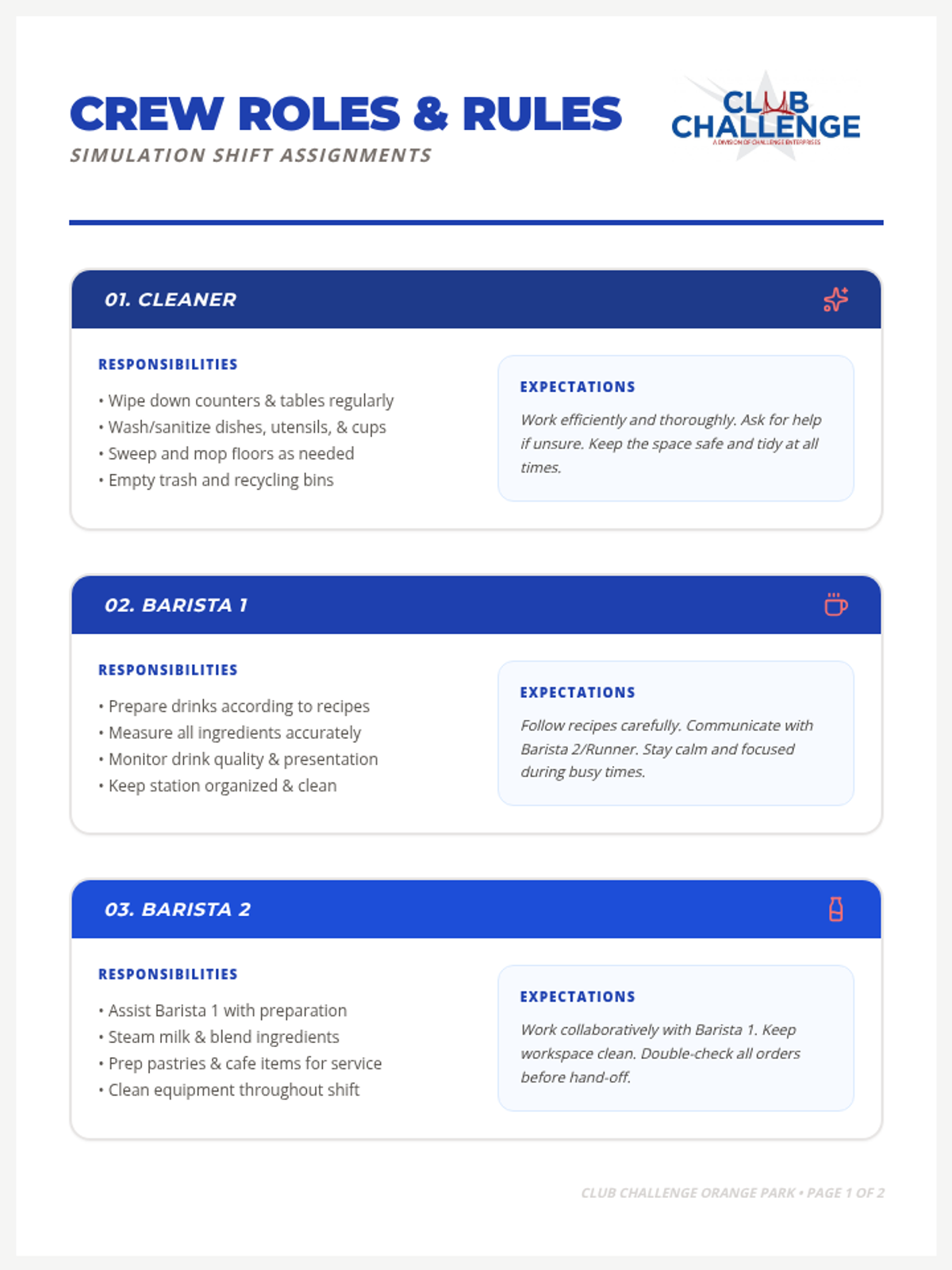
A comprehensive workplace simulation program for Club Challenge of Orange Park, designed to teach vocational skills through a realistic café environment. The sequence includes orientation materials, operational tools for students, and tracking resources for staff.
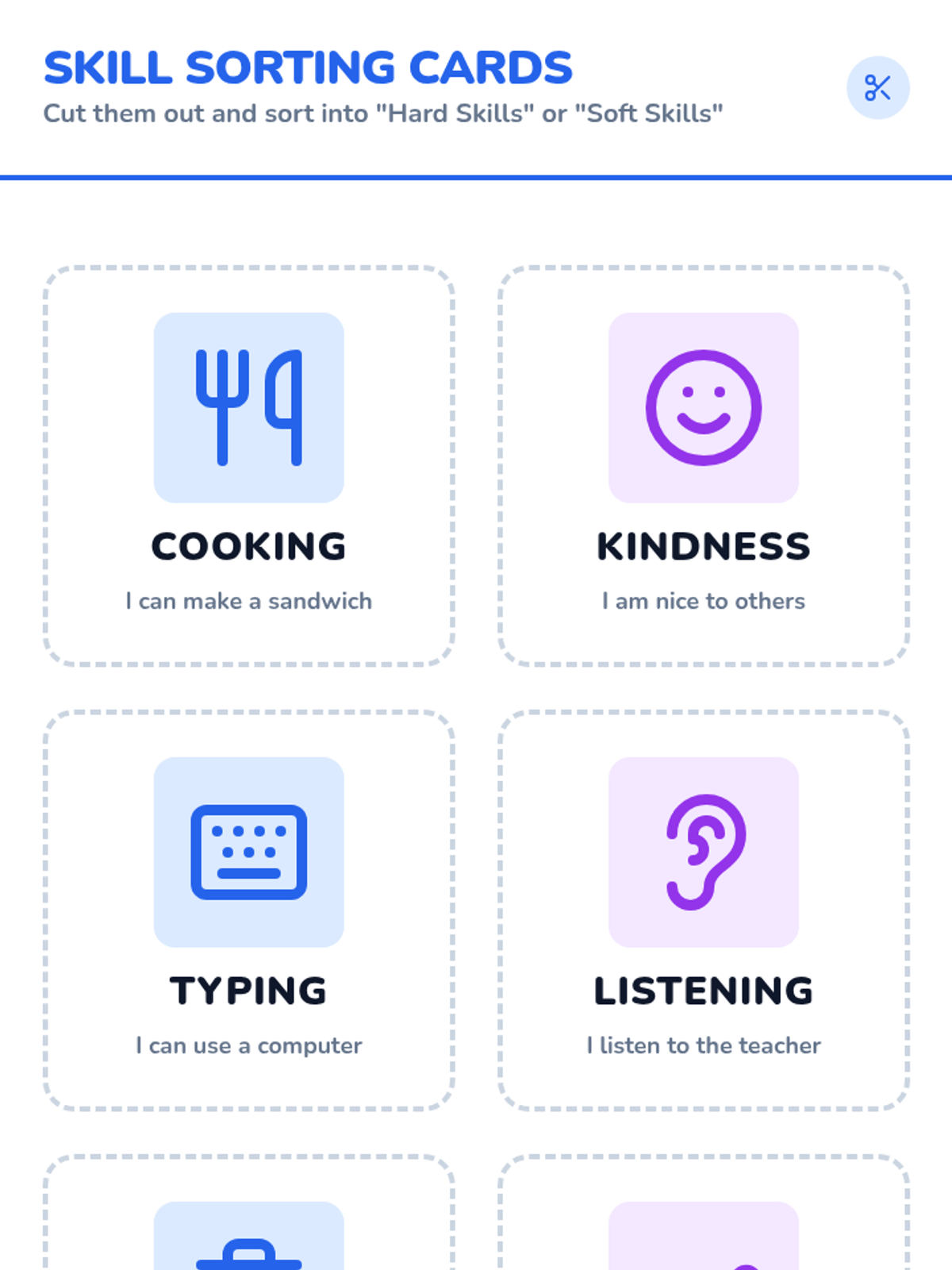
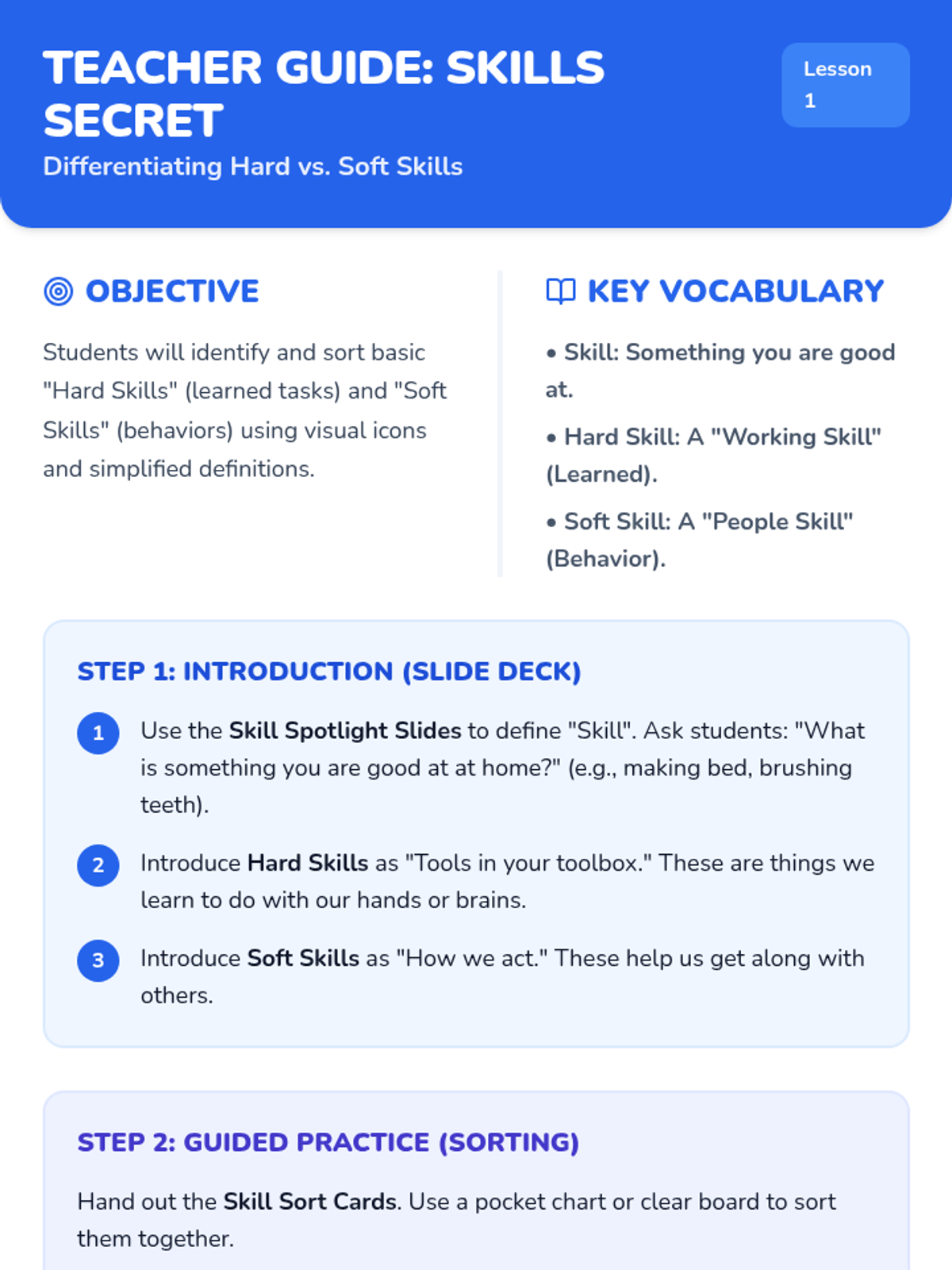
A comprehensive job readiness unit designed for Life Skills students with cognitive disabilities, focusing on hard vs. soft skills, employer expectations, and basic interview etiquette.
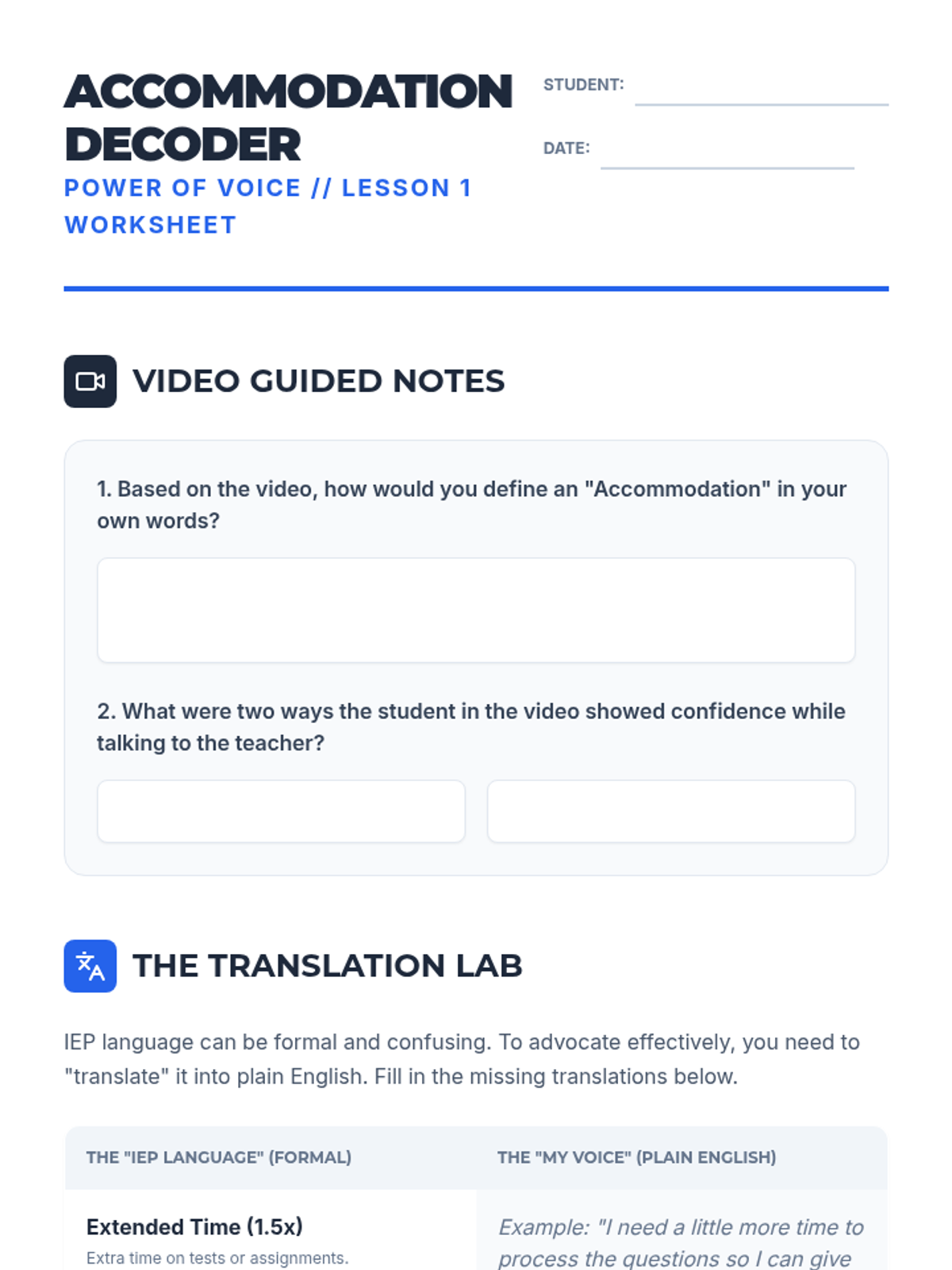
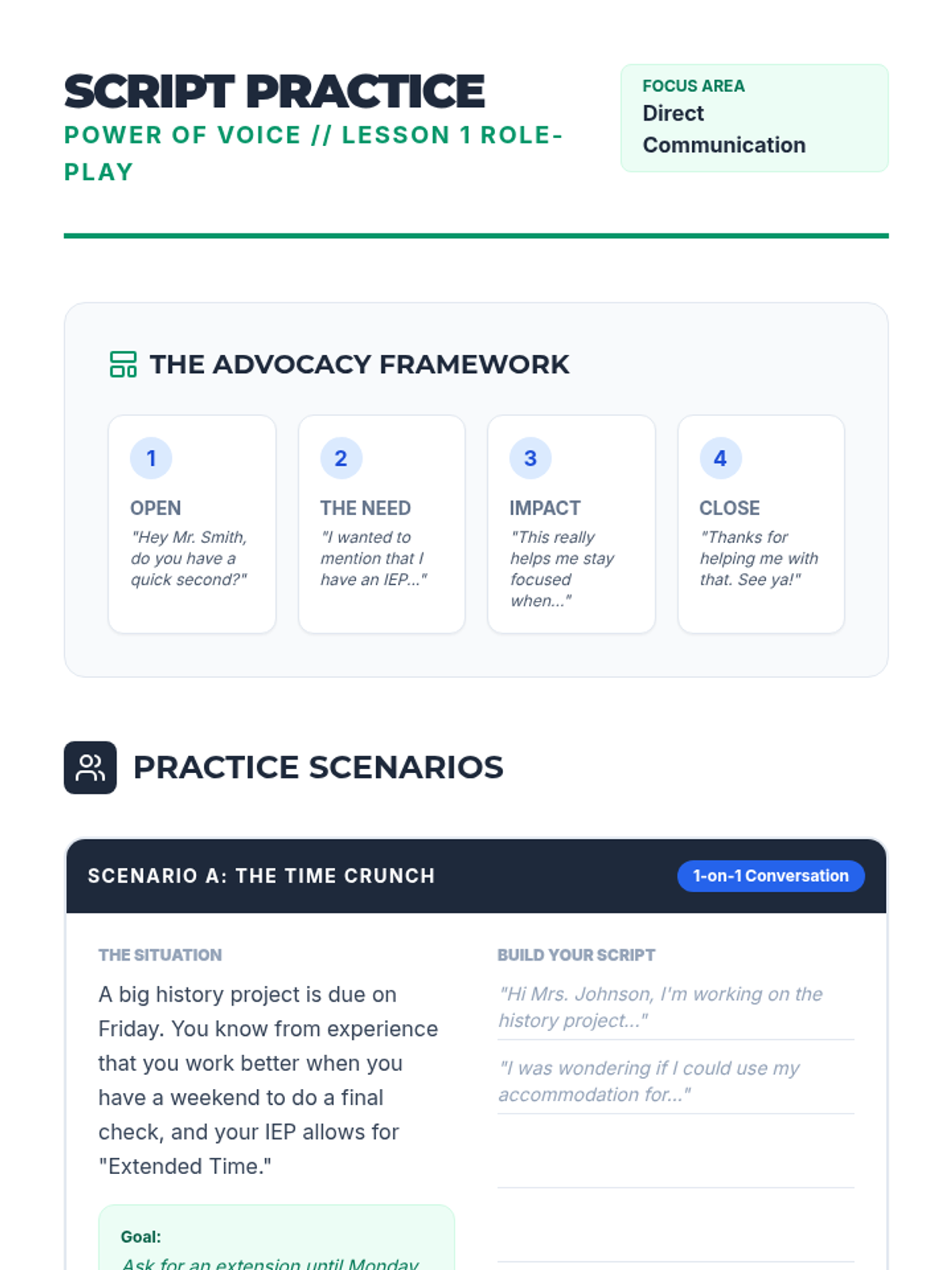
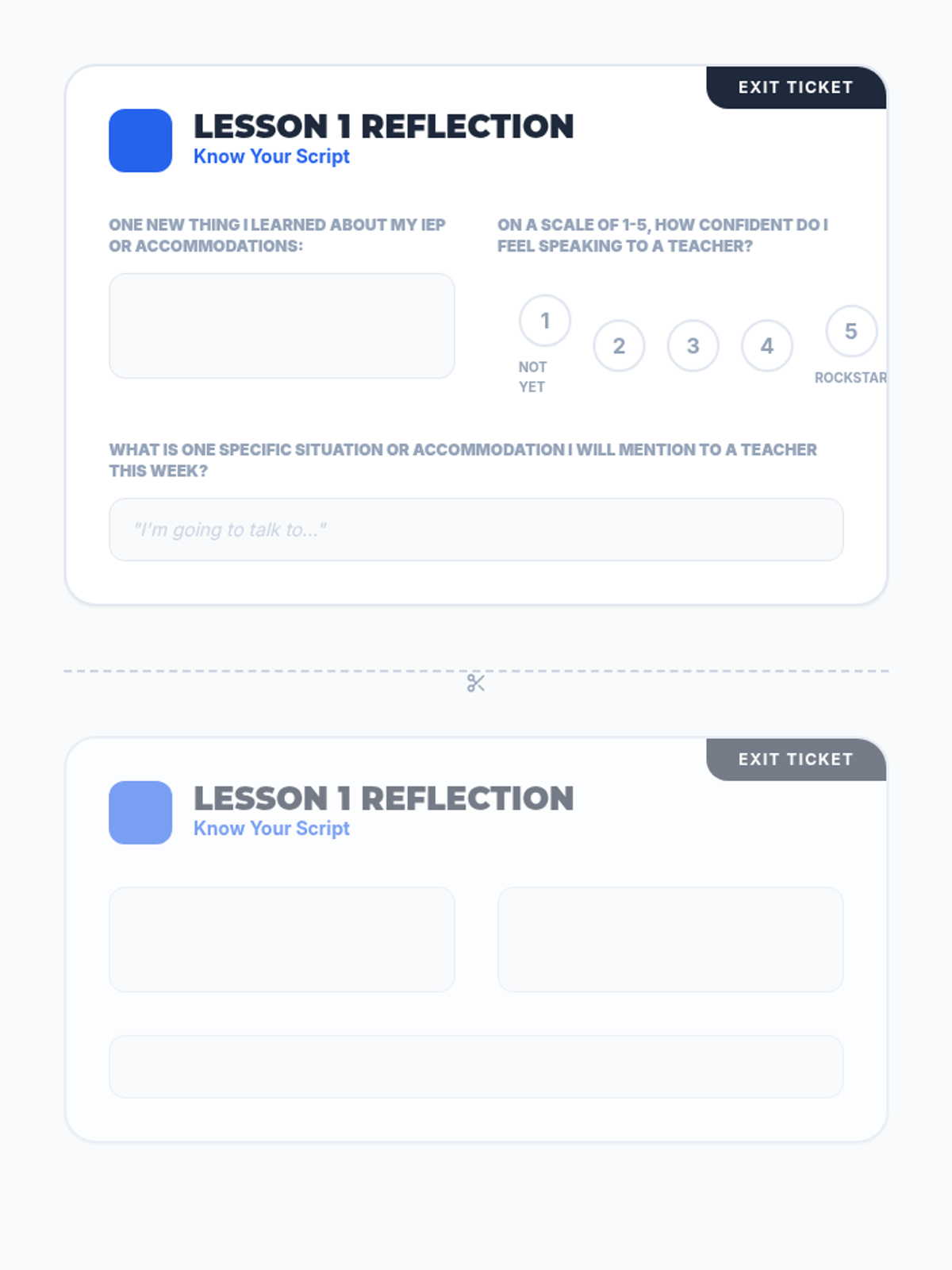
A comprehensive sequence designed to empower high school students on IEPs to communicate their needs, understand their accommodations, and collaborate effectively with teachers and staff.
A sequence of lessons designed for young adults with cognitive disabilities to navigate social boundaries and consent. It transitions from foundational personal boundaries to complex professional and community-based interactions.
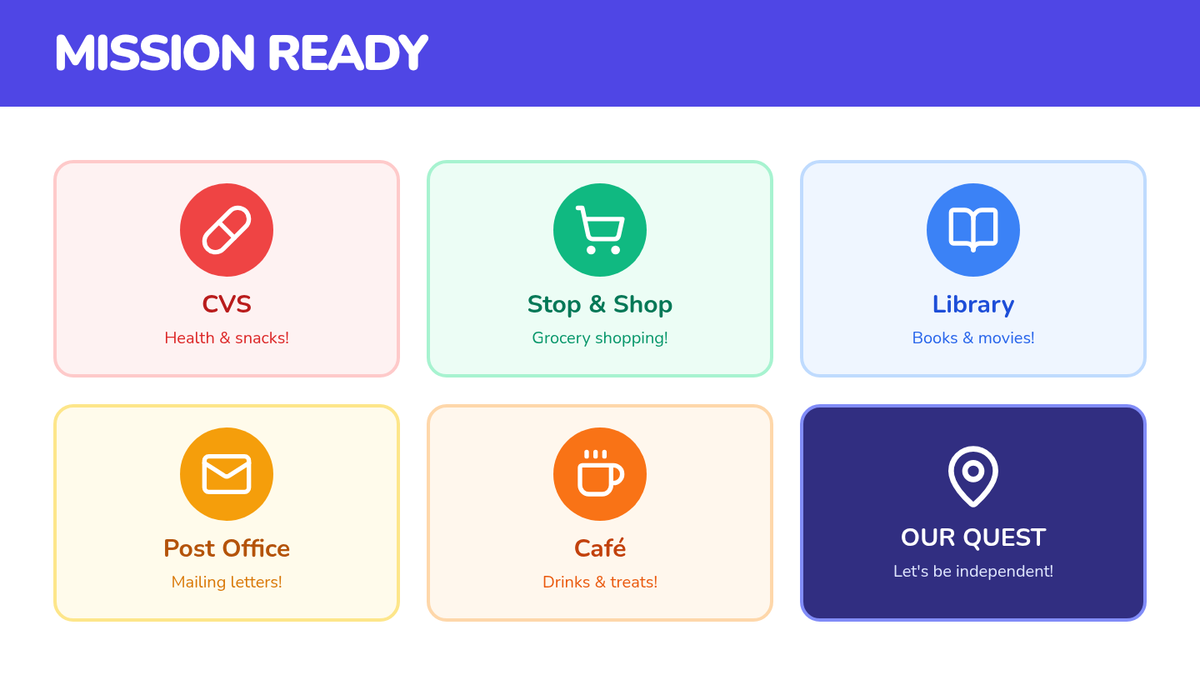
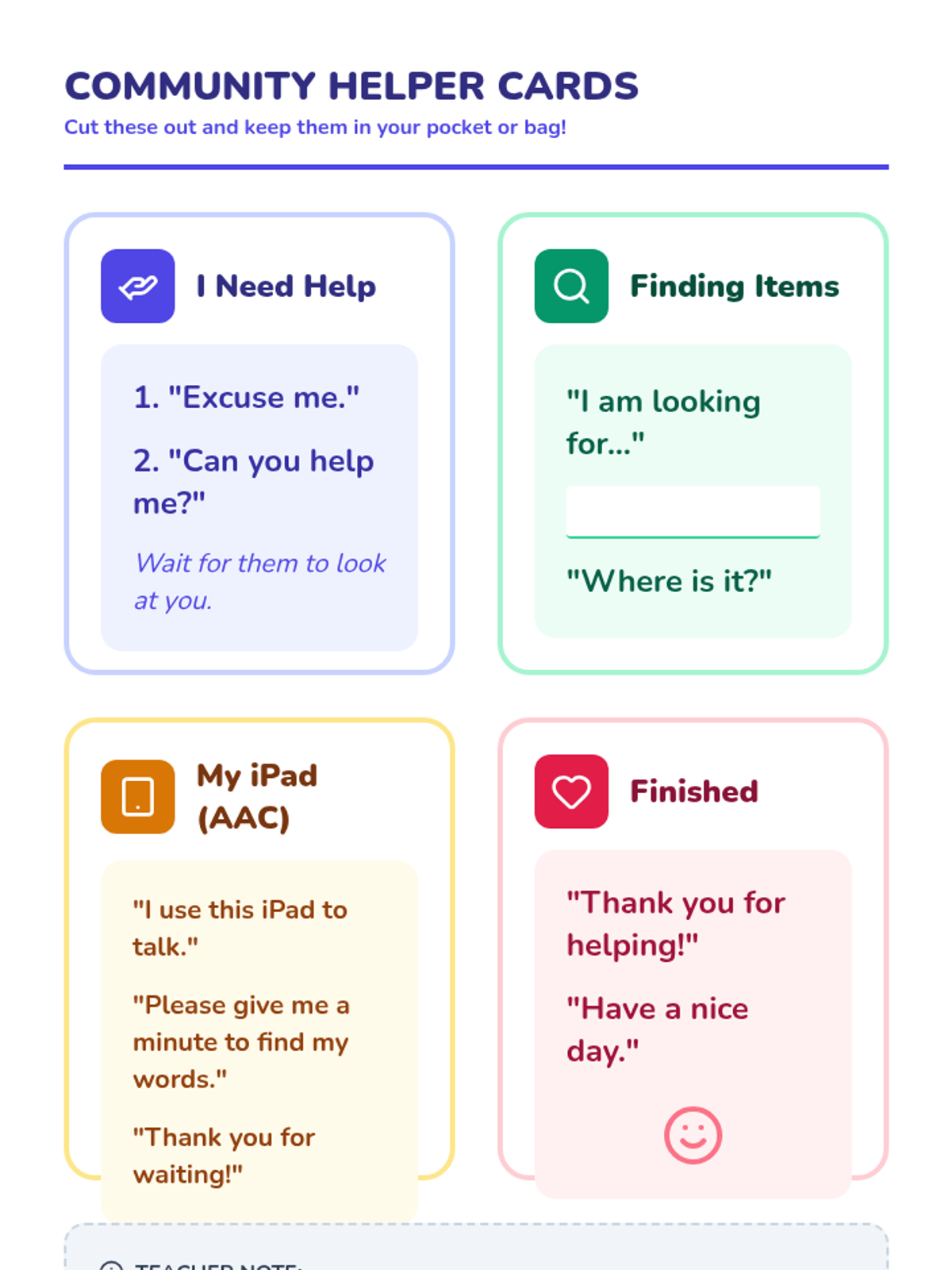
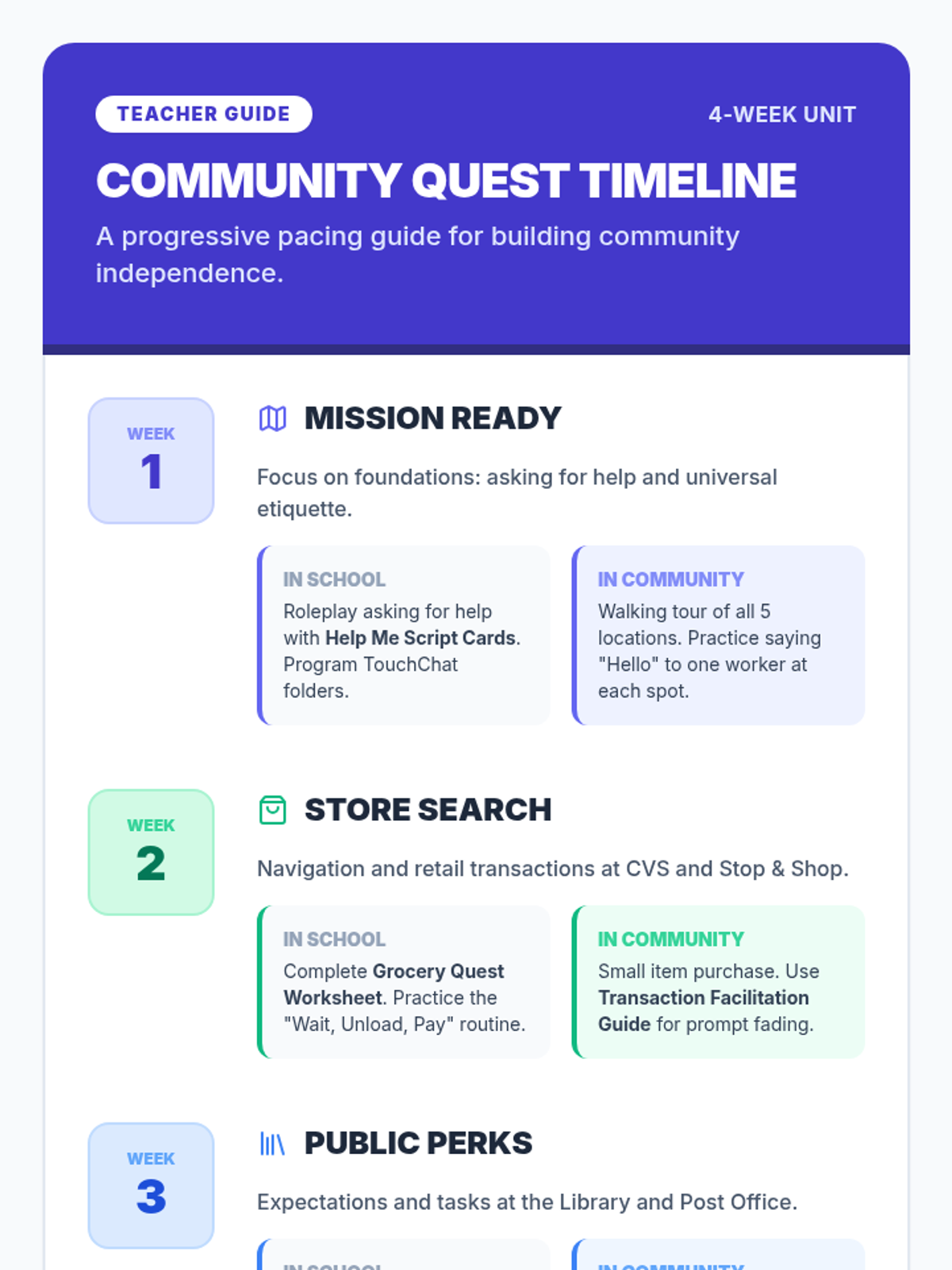
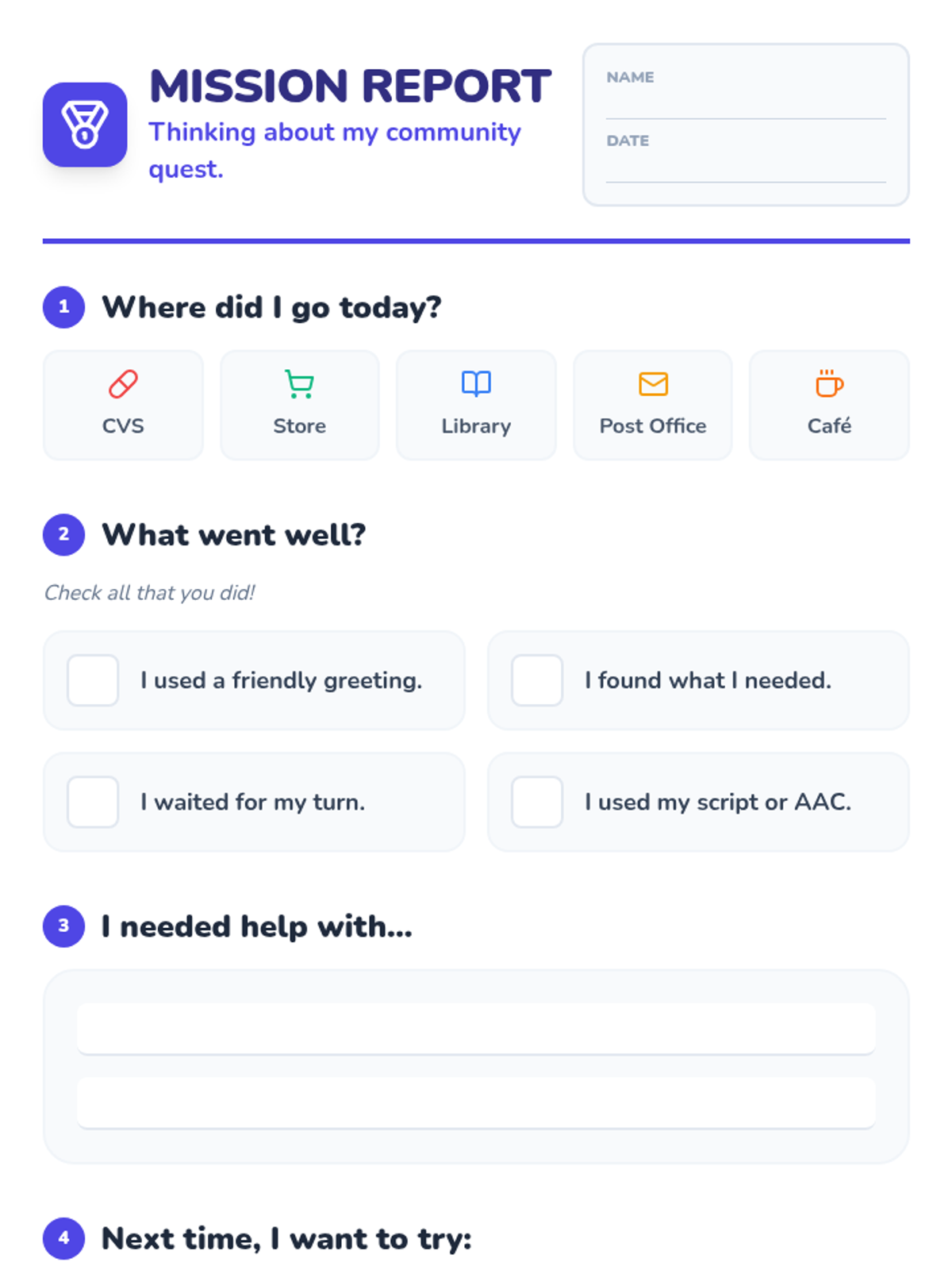
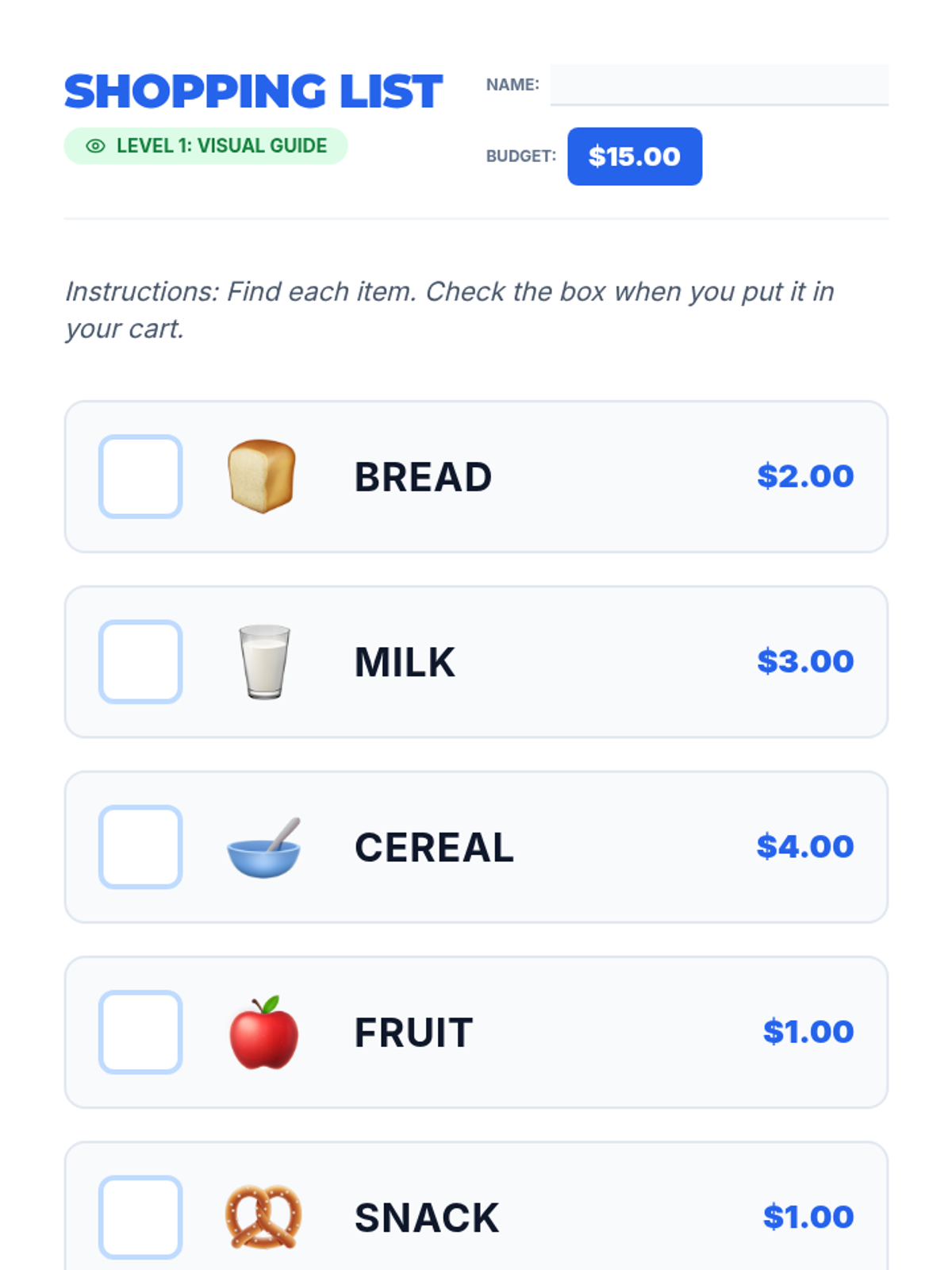
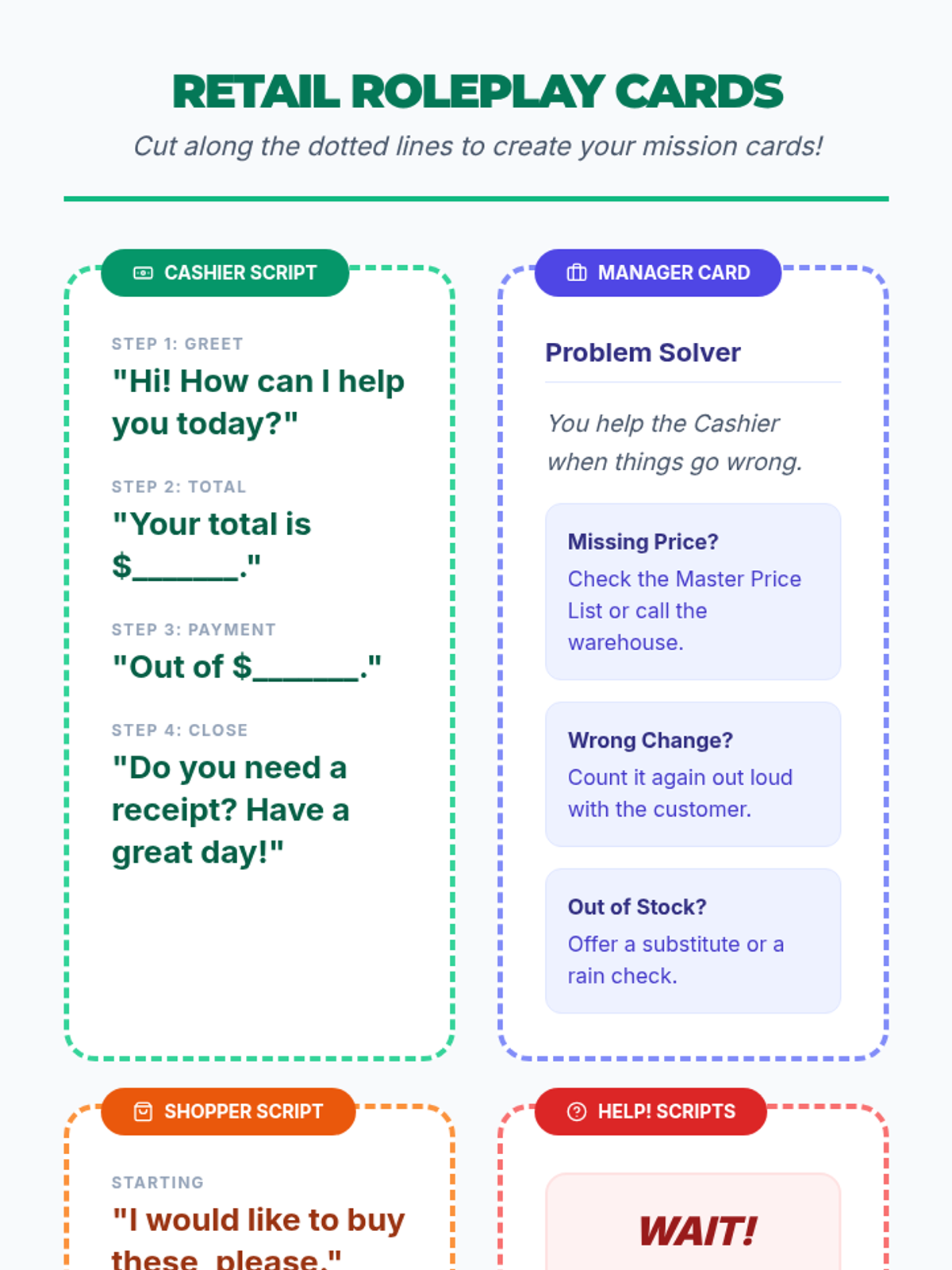
A comprehensive series of lessons designed to build community independence for students with intellectual disabilities, focusing on navigation, social interaction, and transactions in local spaces like CVS, the library, and cafes.
A 6-week life skills unit designed for high school students with low cognitive abilities, focusing on vocational readiness through visual resumes, on-campus job site visits, and simplified interview practice.
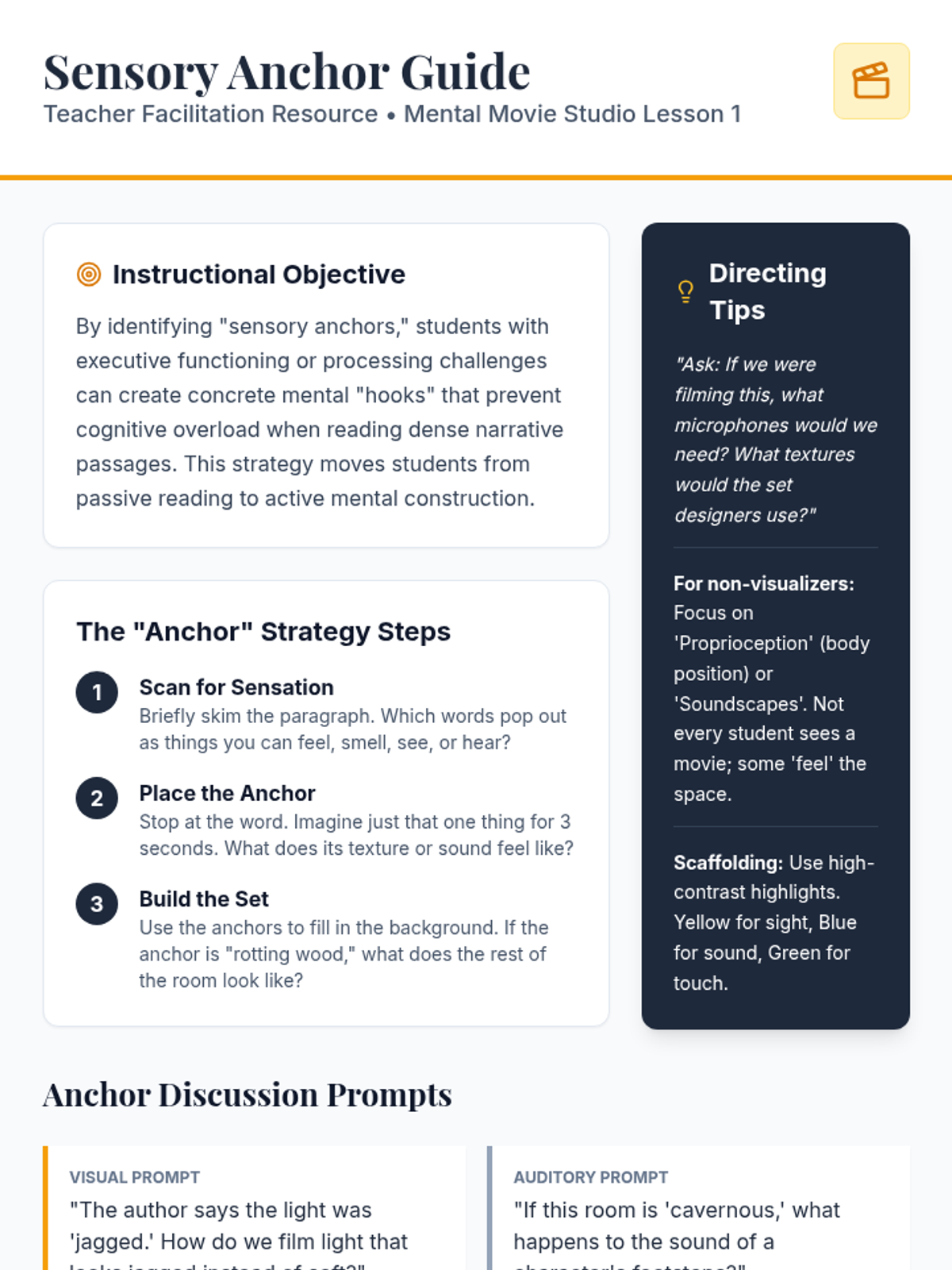
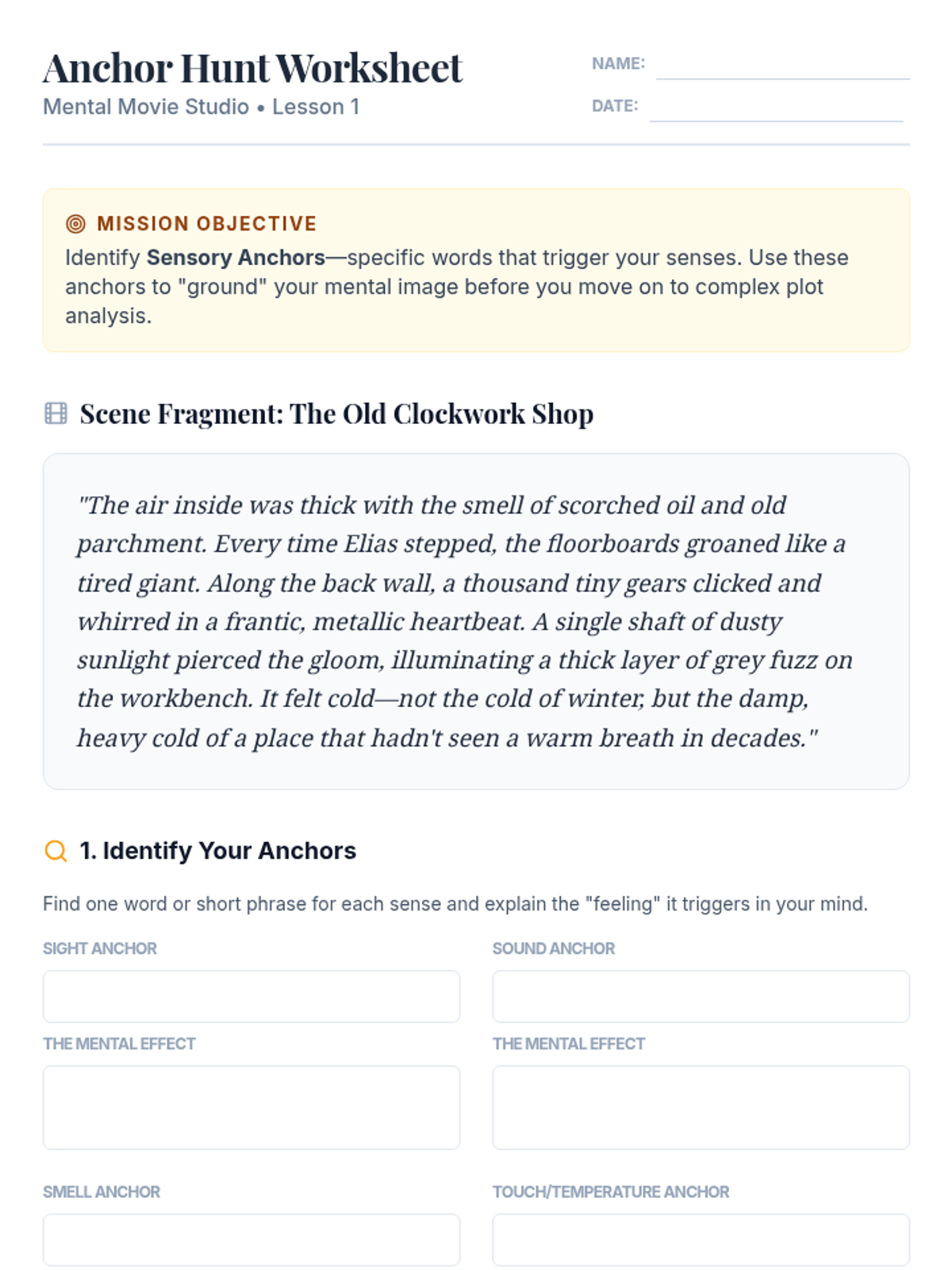
A specialized literacy sequence for 12th-grade students focused on using visualization strategies to decode and analyze complex narrative texts. Students adopt the persona of film directors to translate descriptive language into vivid mental imagery, enhancing comprehension, memory retention, and inference skills.
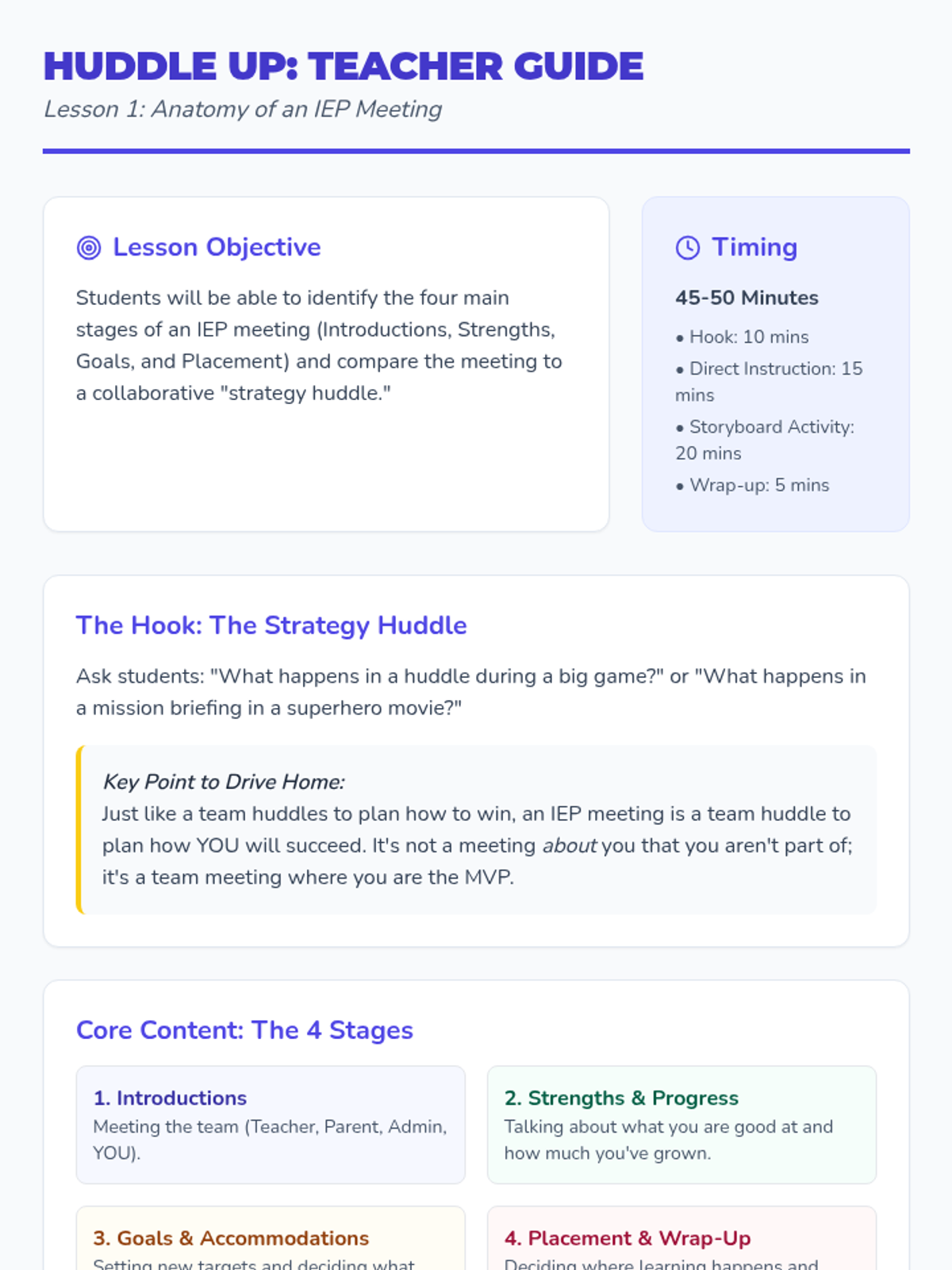
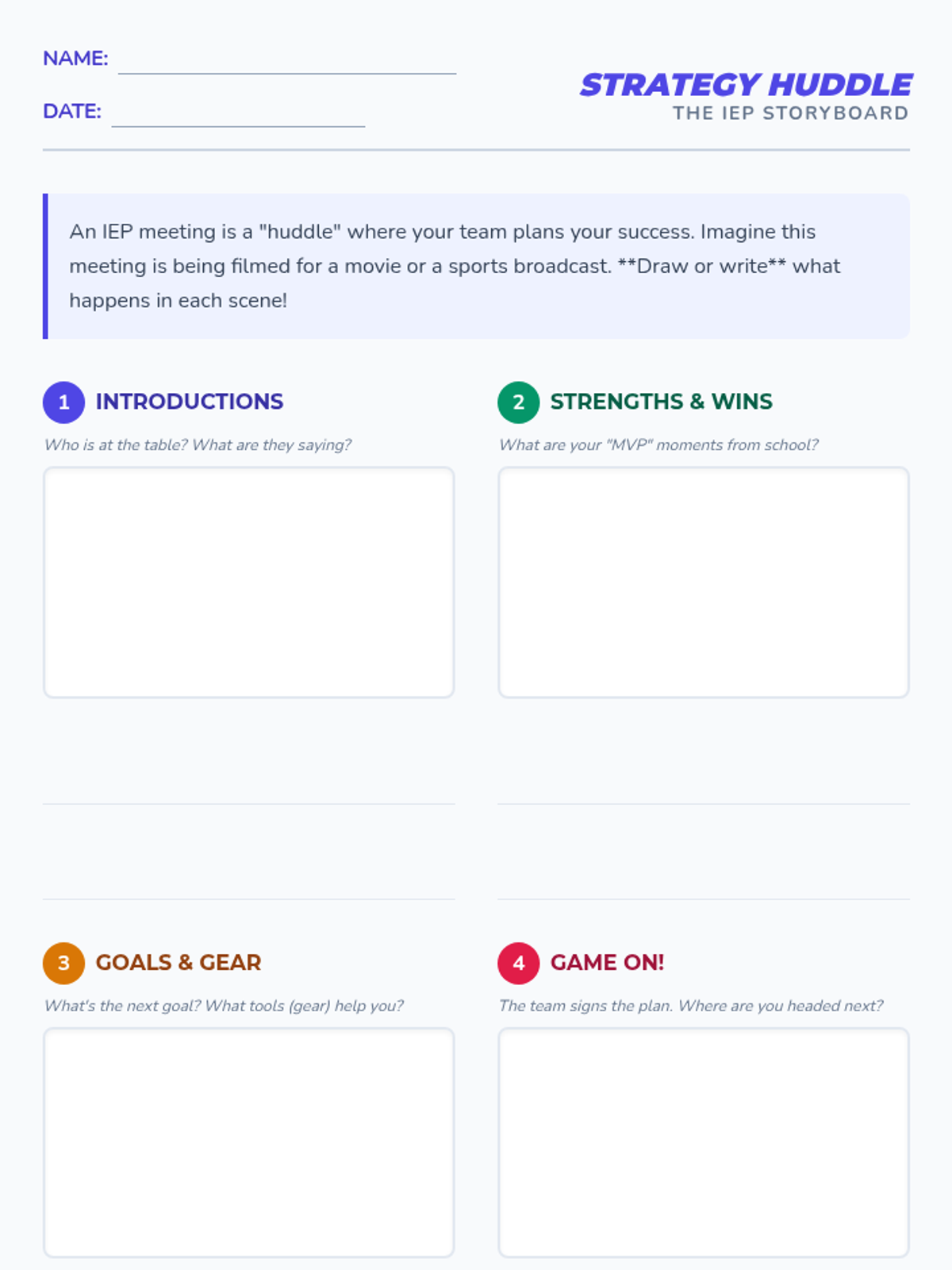
A sequence focused on empowering students to understand and participate in their IEP meetings through self-advocacy and communication skills. Students move from understanding the meeting structure to actively role-playing their participation.
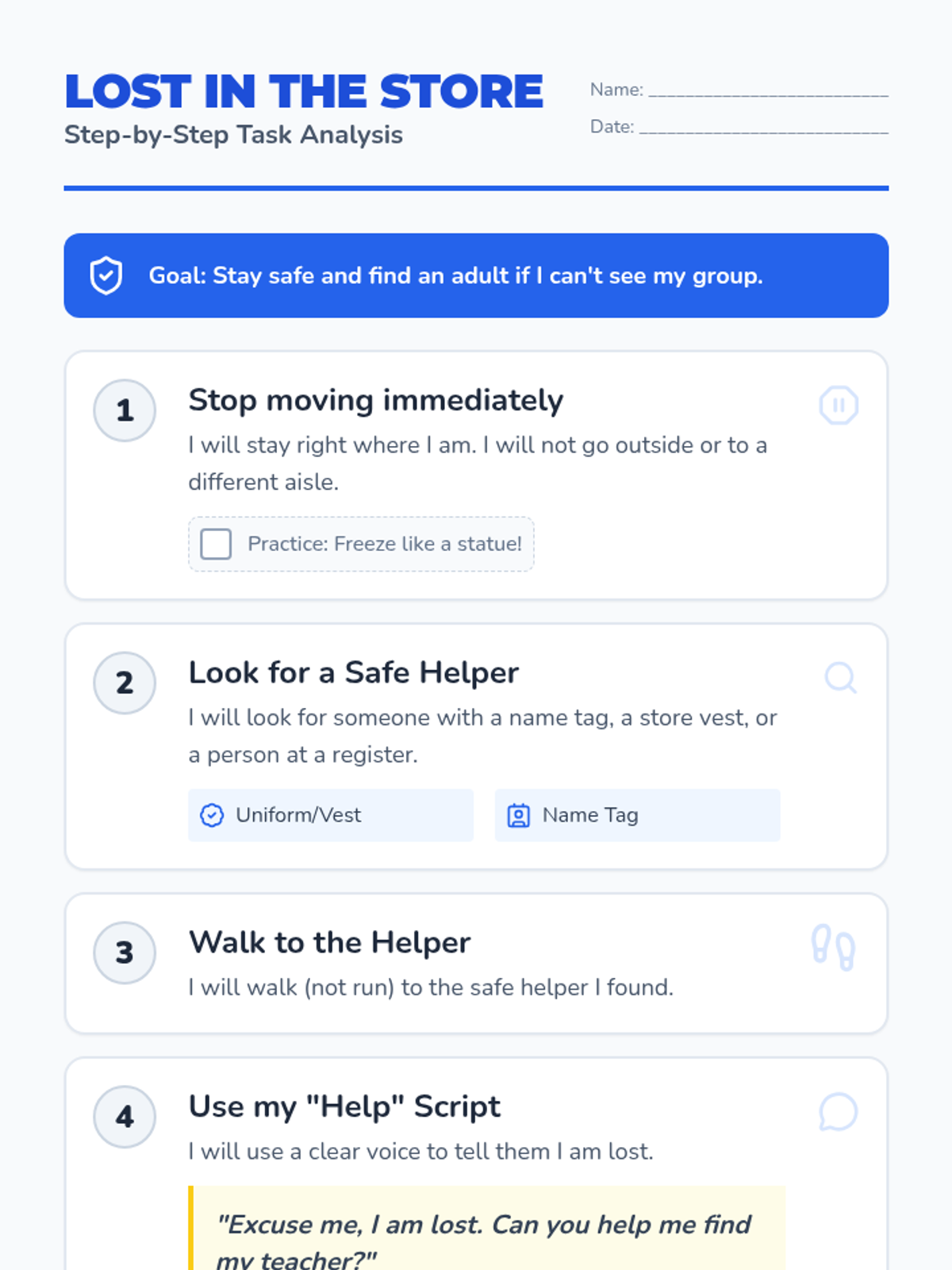
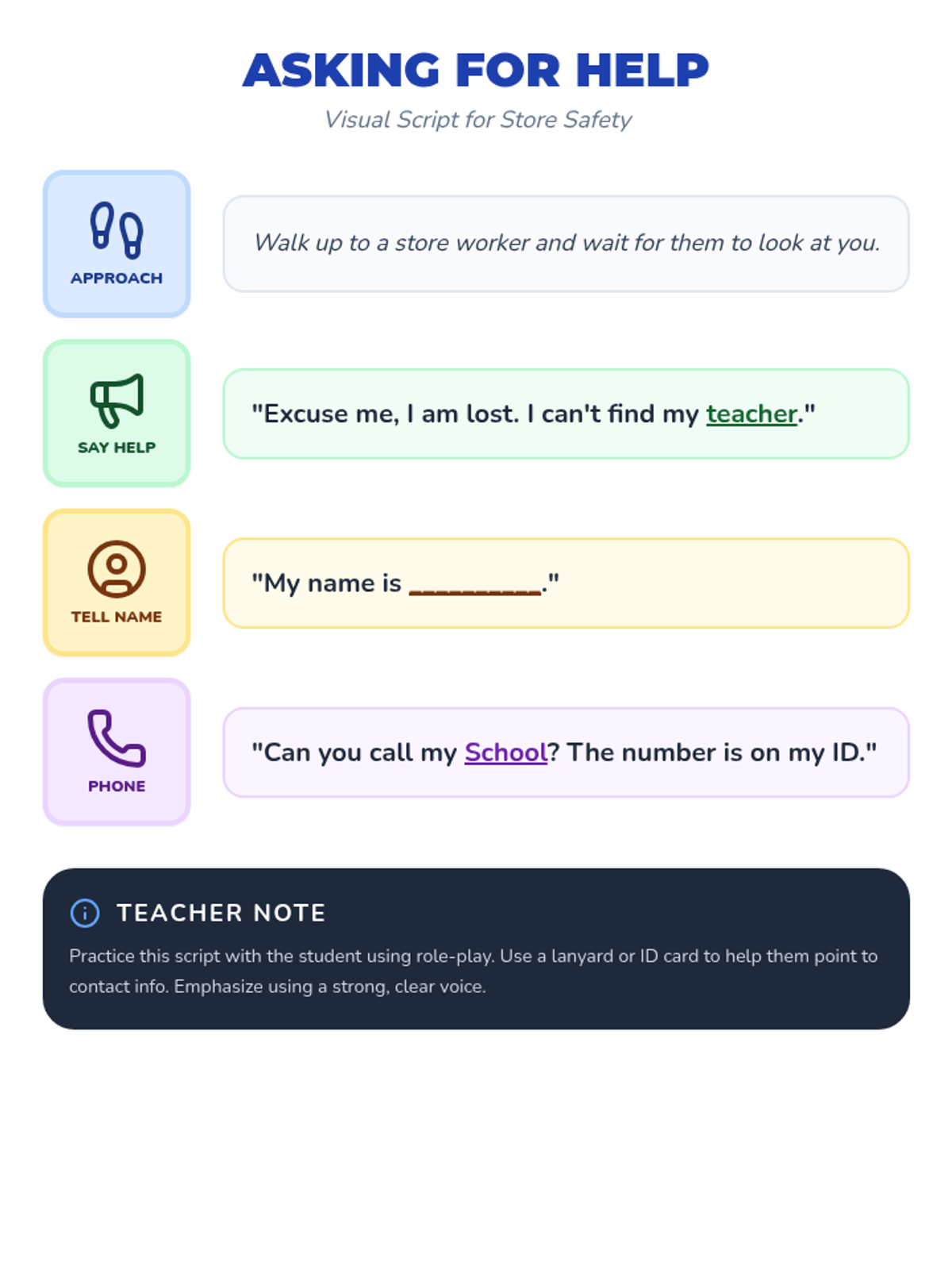
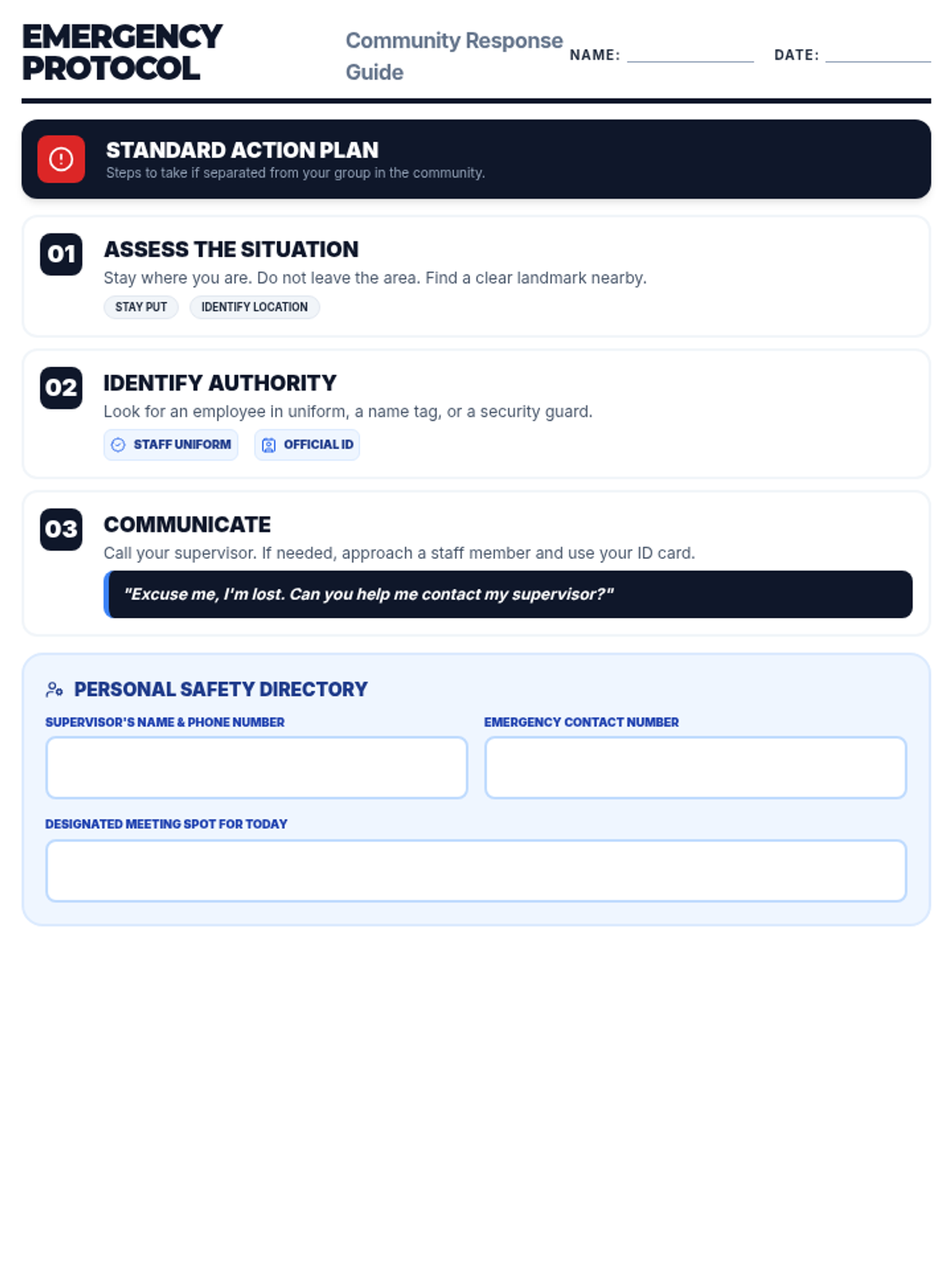
A transition-focused safety program for young adults (18-22), teaching independence in community settings and effective response to emergency situations including retail, outdoor, and transportation environments.
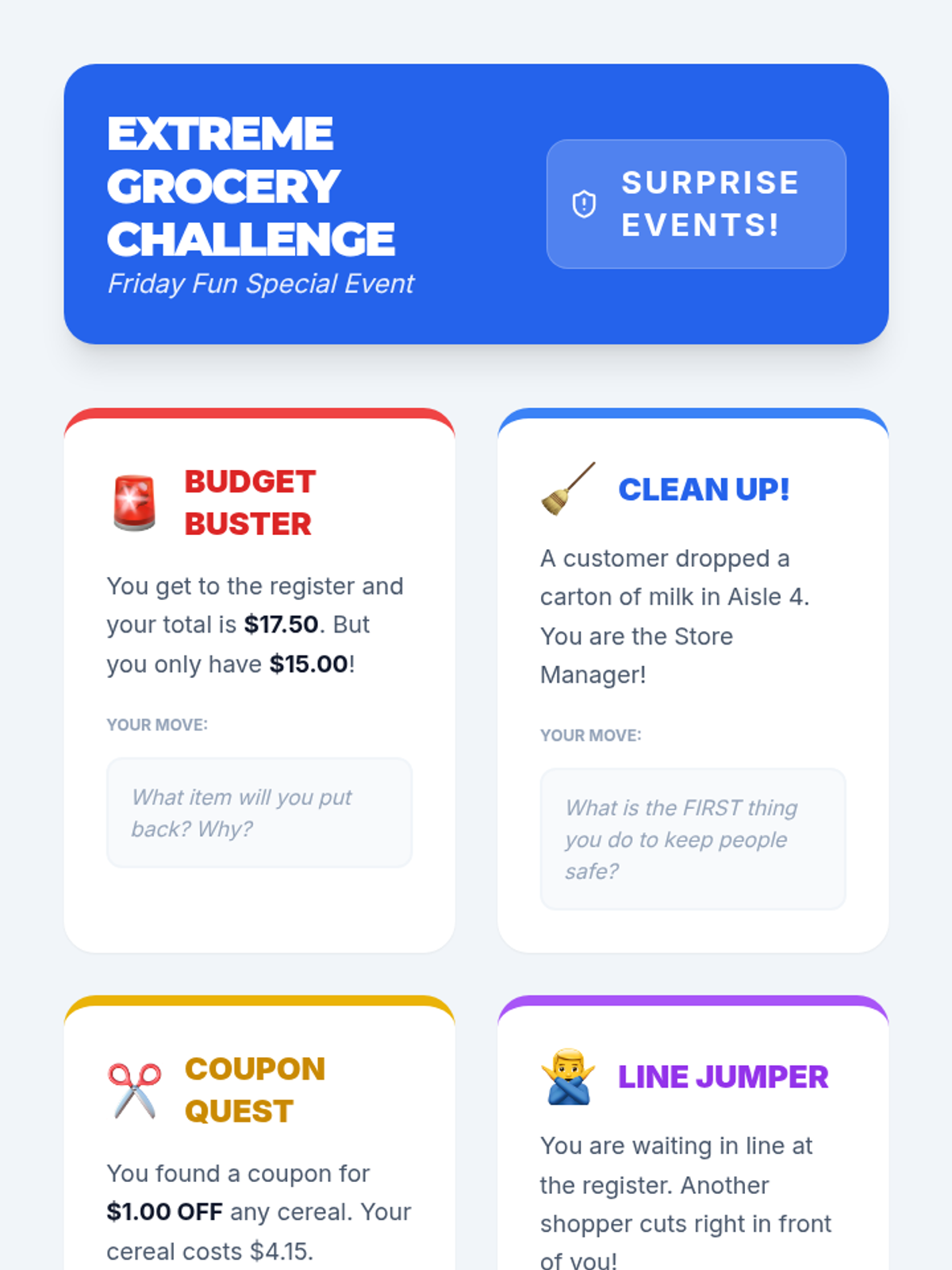
A full-month curriculum focused on developing independence through real-world simulations, role-playing, and practical application of functional life skills.
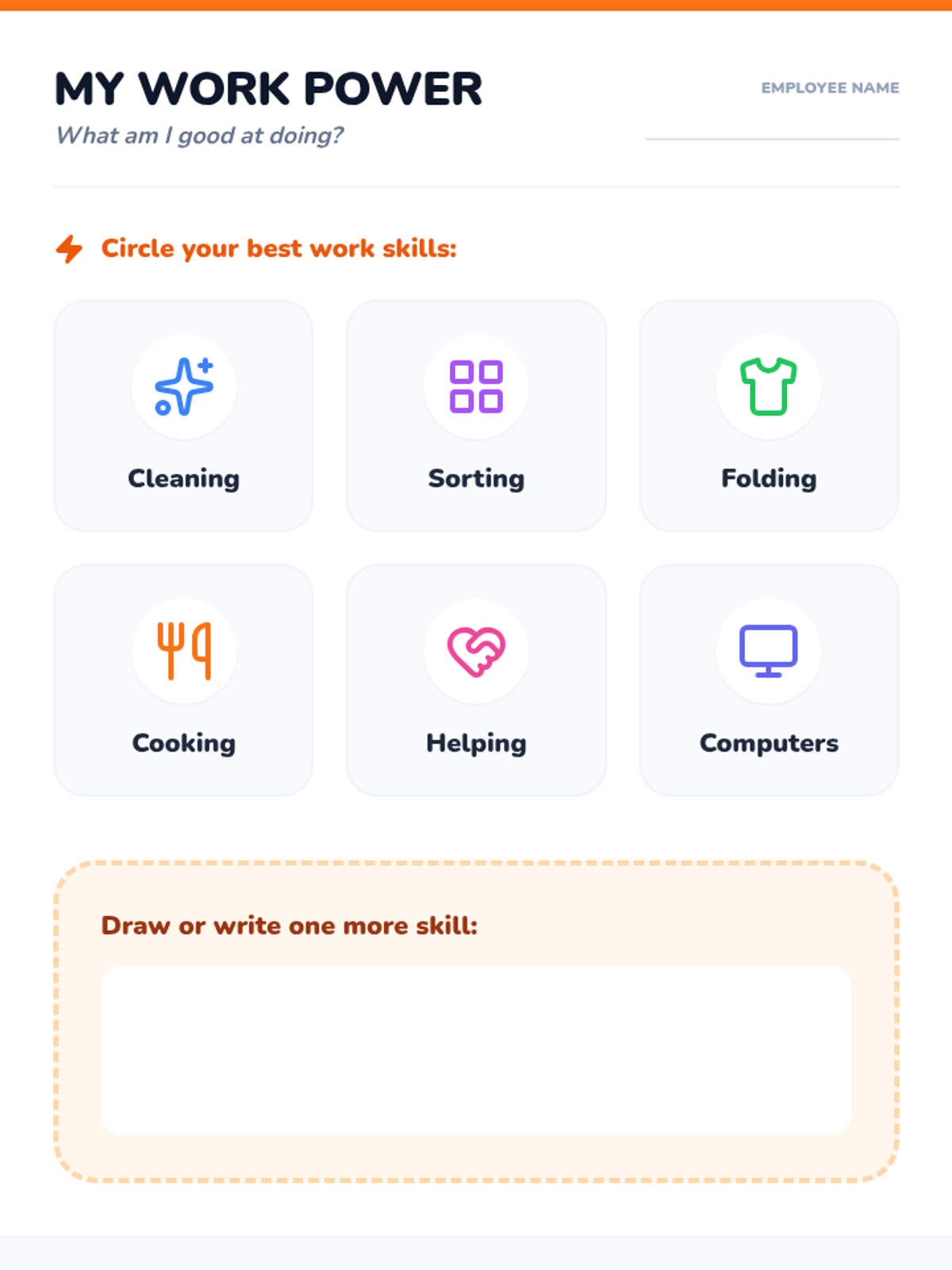
A 4-session career exploration program designed for high school students with significantly low cognitive profiles, focusing on hands-on, repetitive vocational skills through visual aids and role-playing.
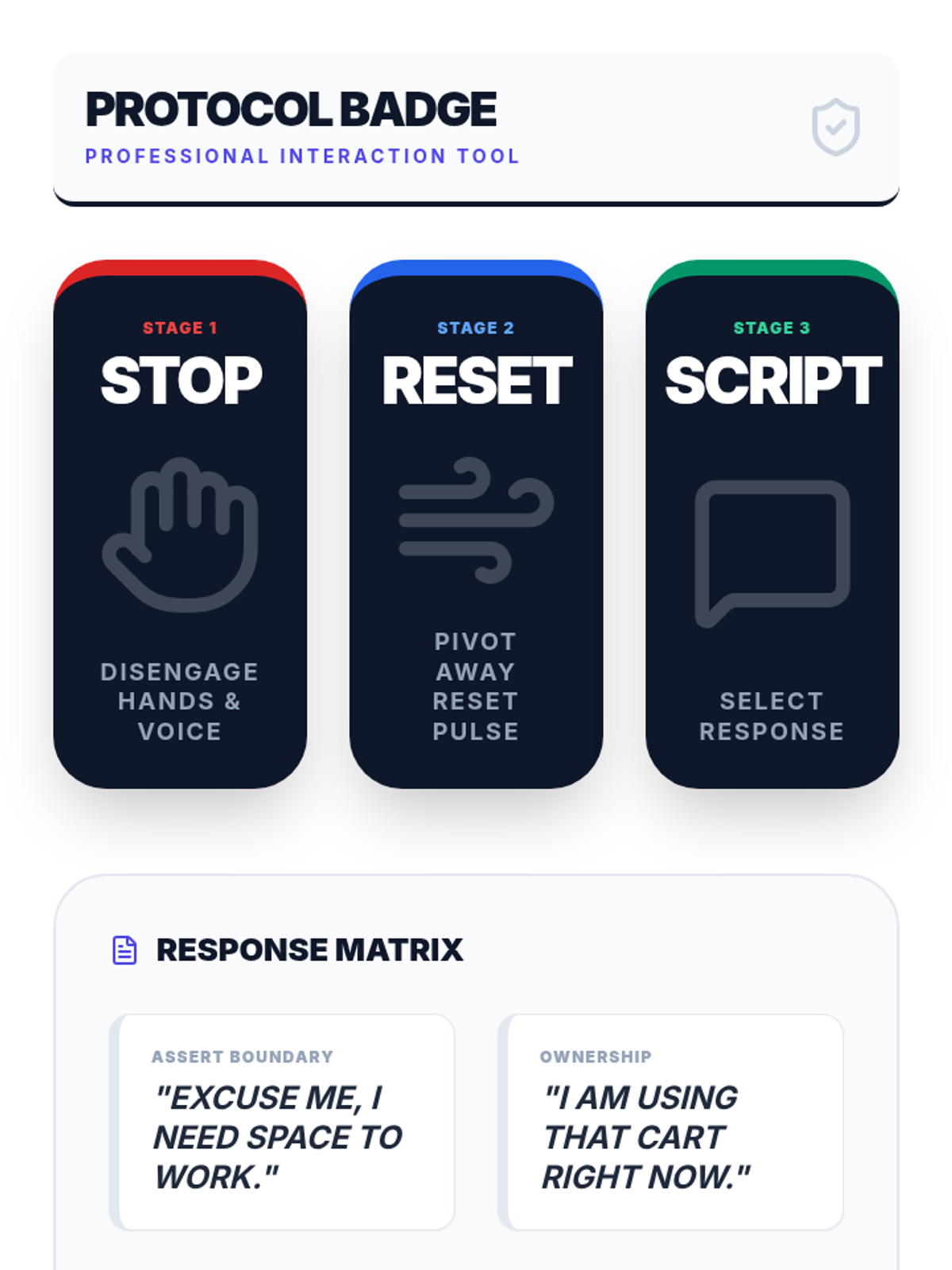
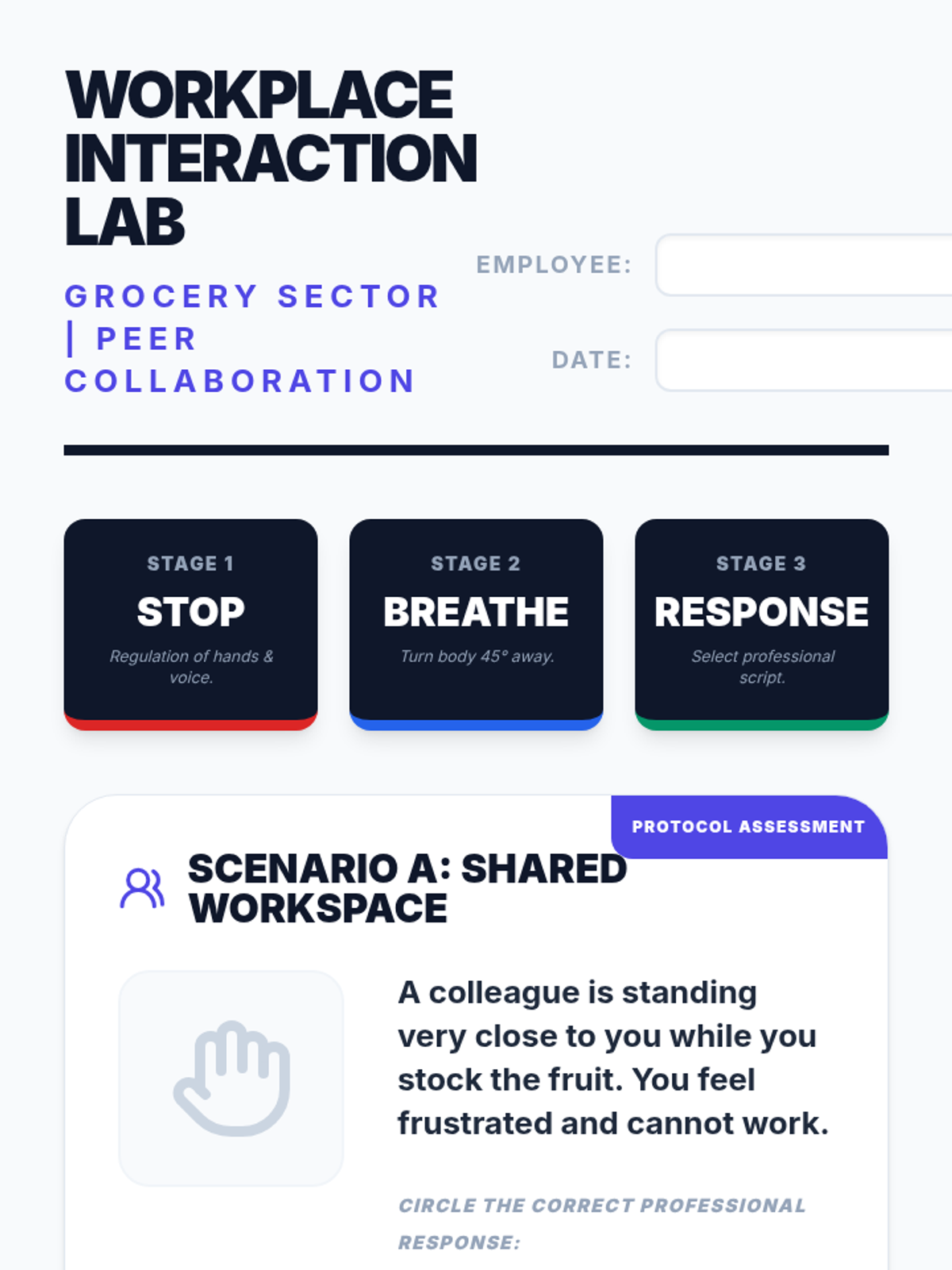
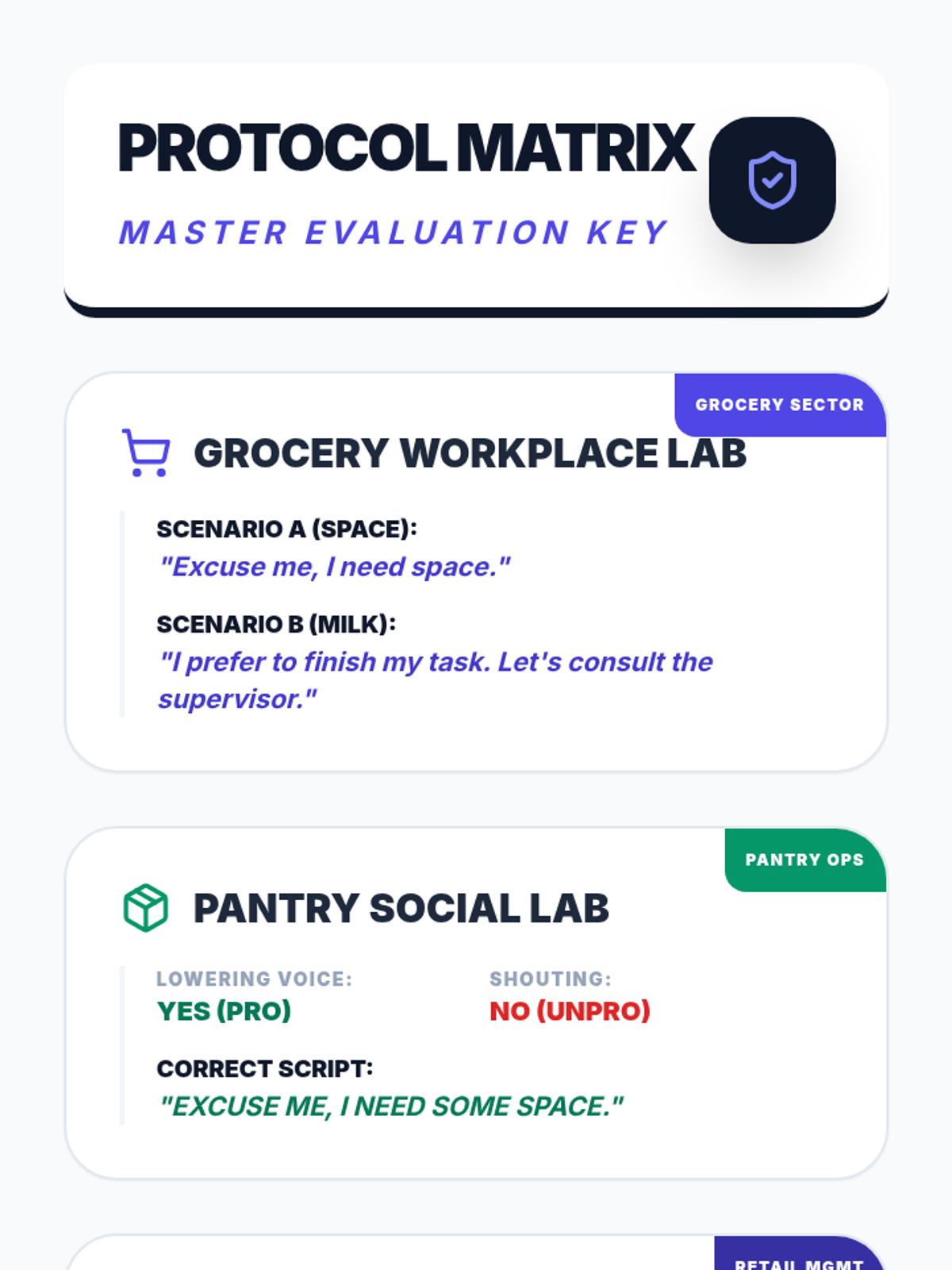
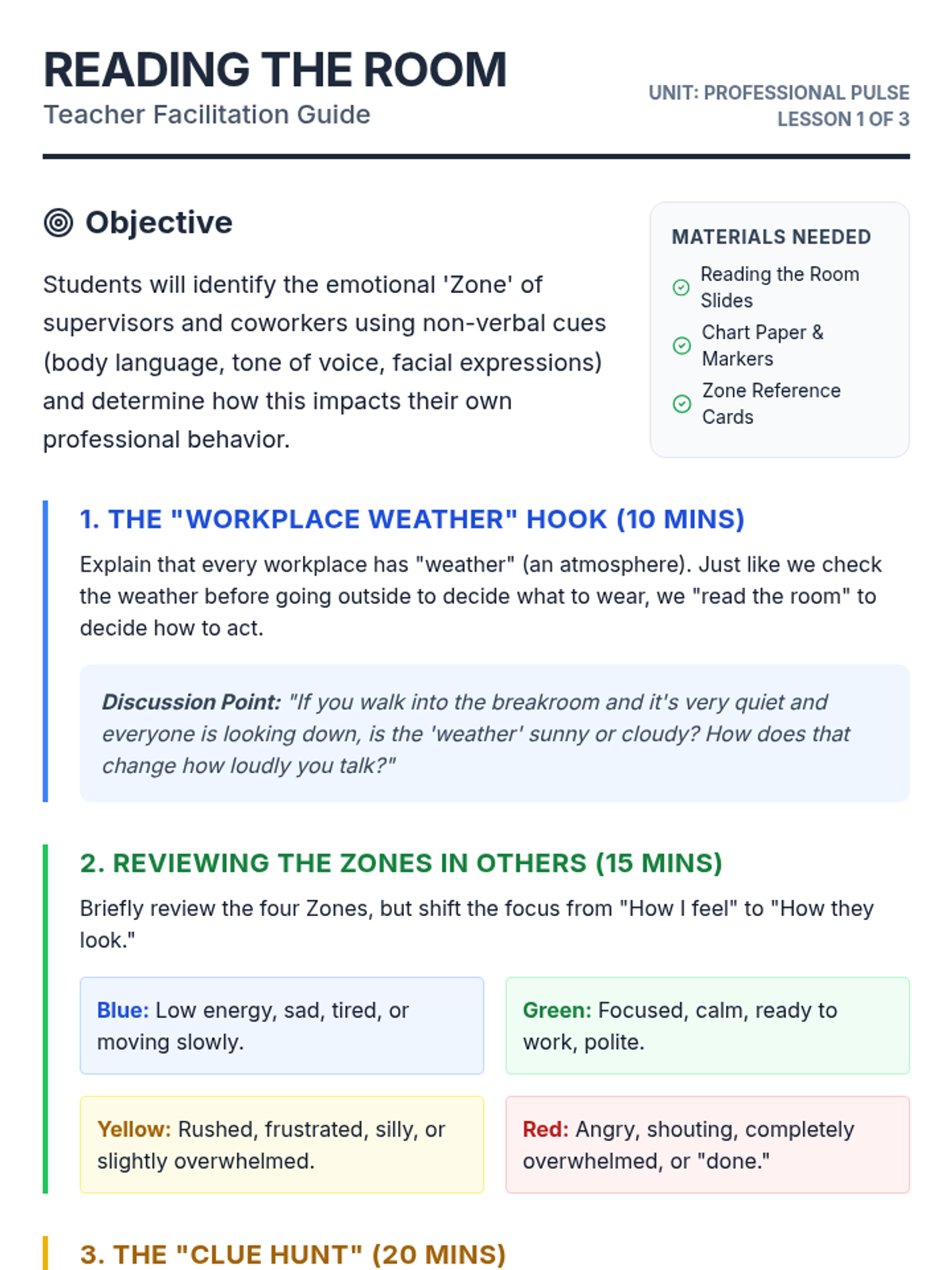
A transitional vocational unit for students with autism to identify the 'Zones' of others in workplace settings and determine appropriate professional responses.
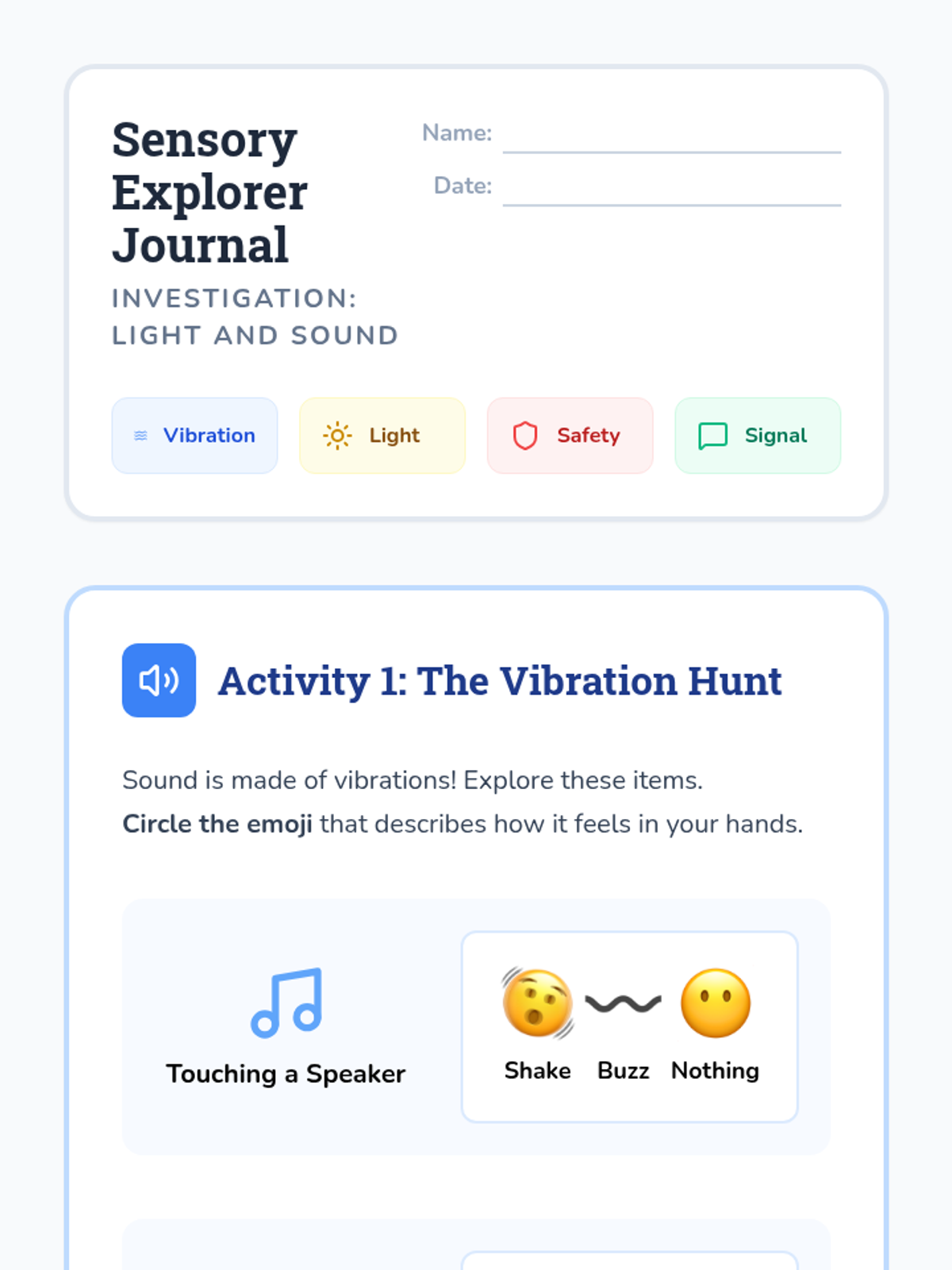
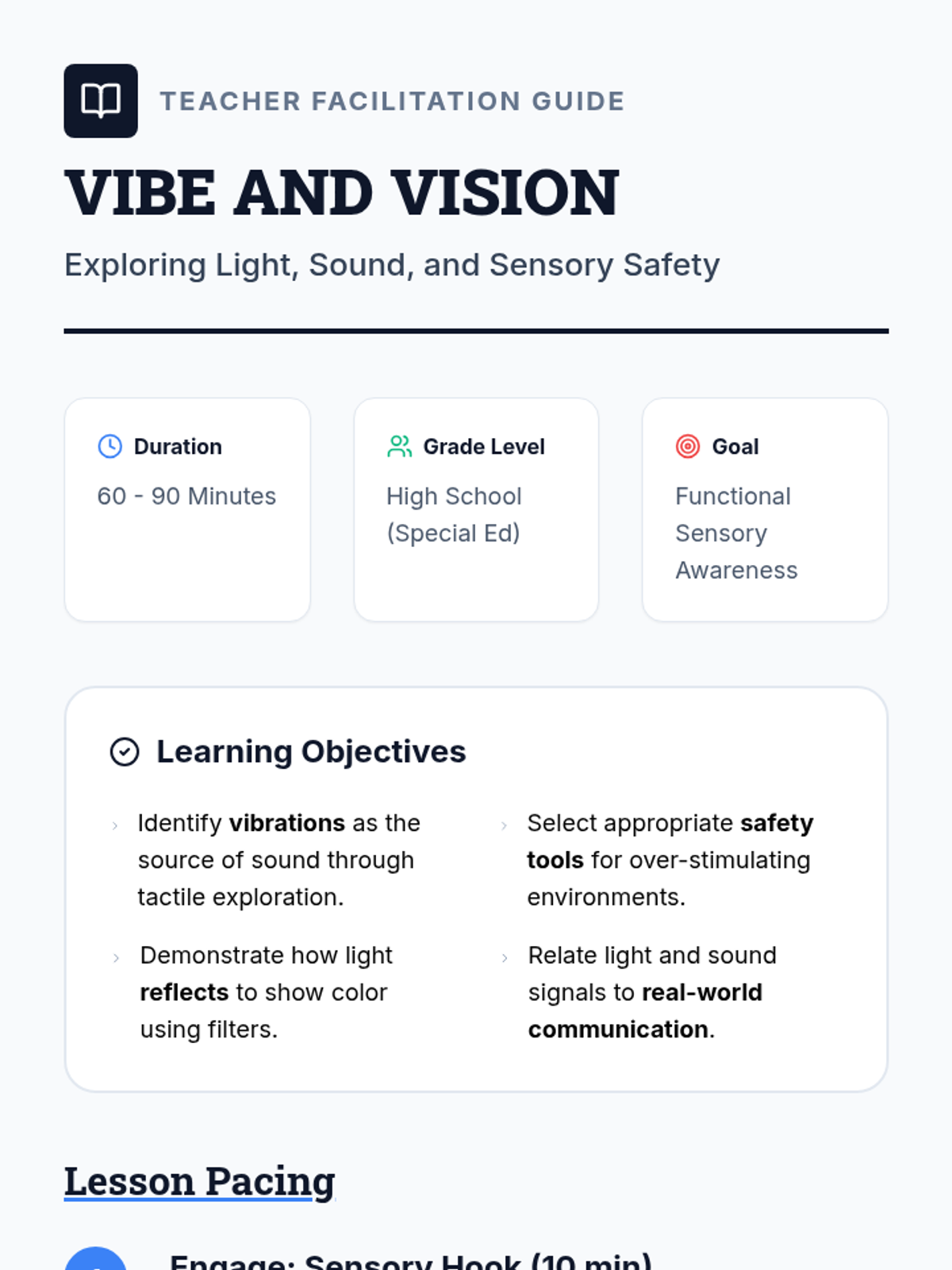
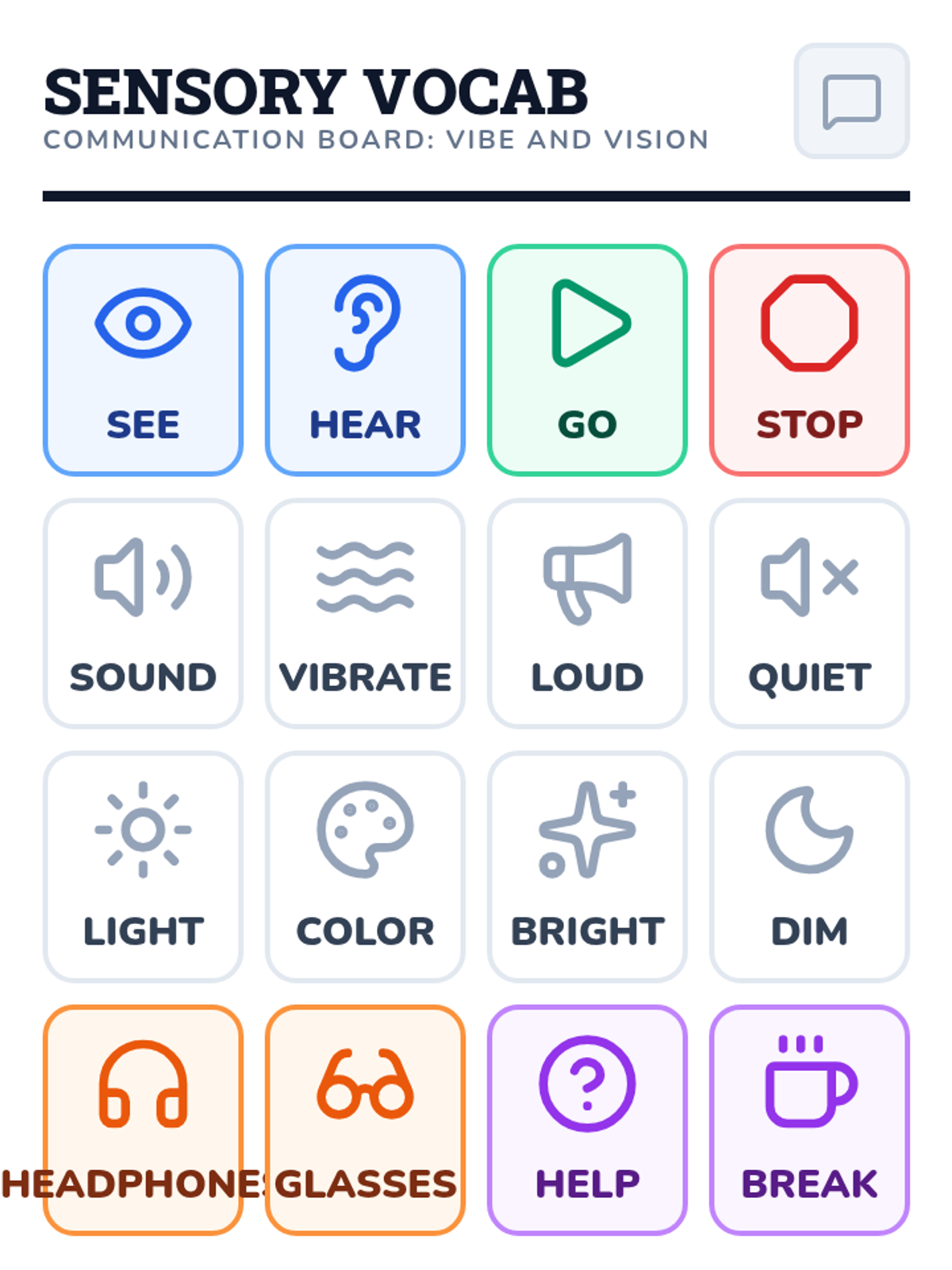
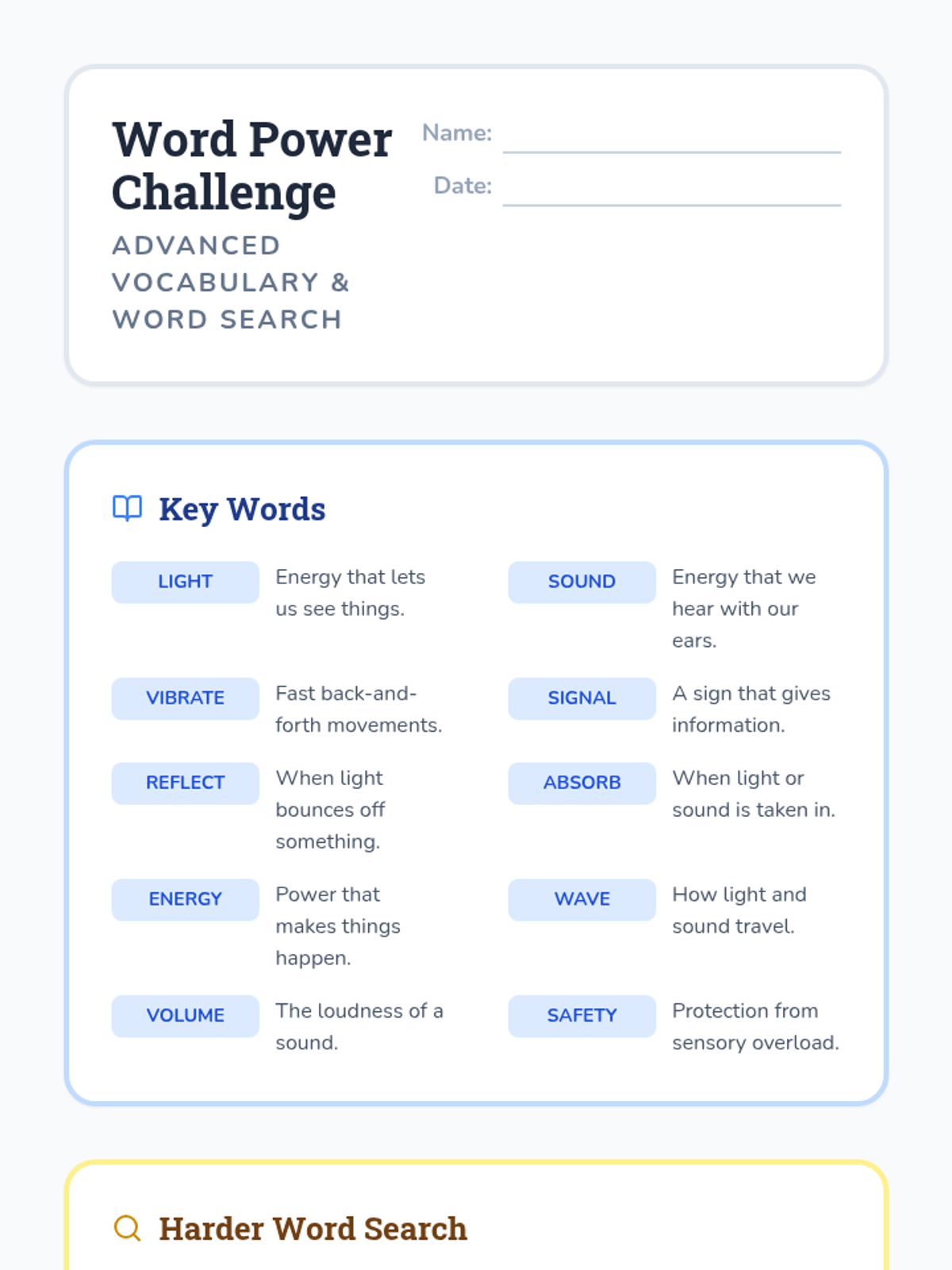
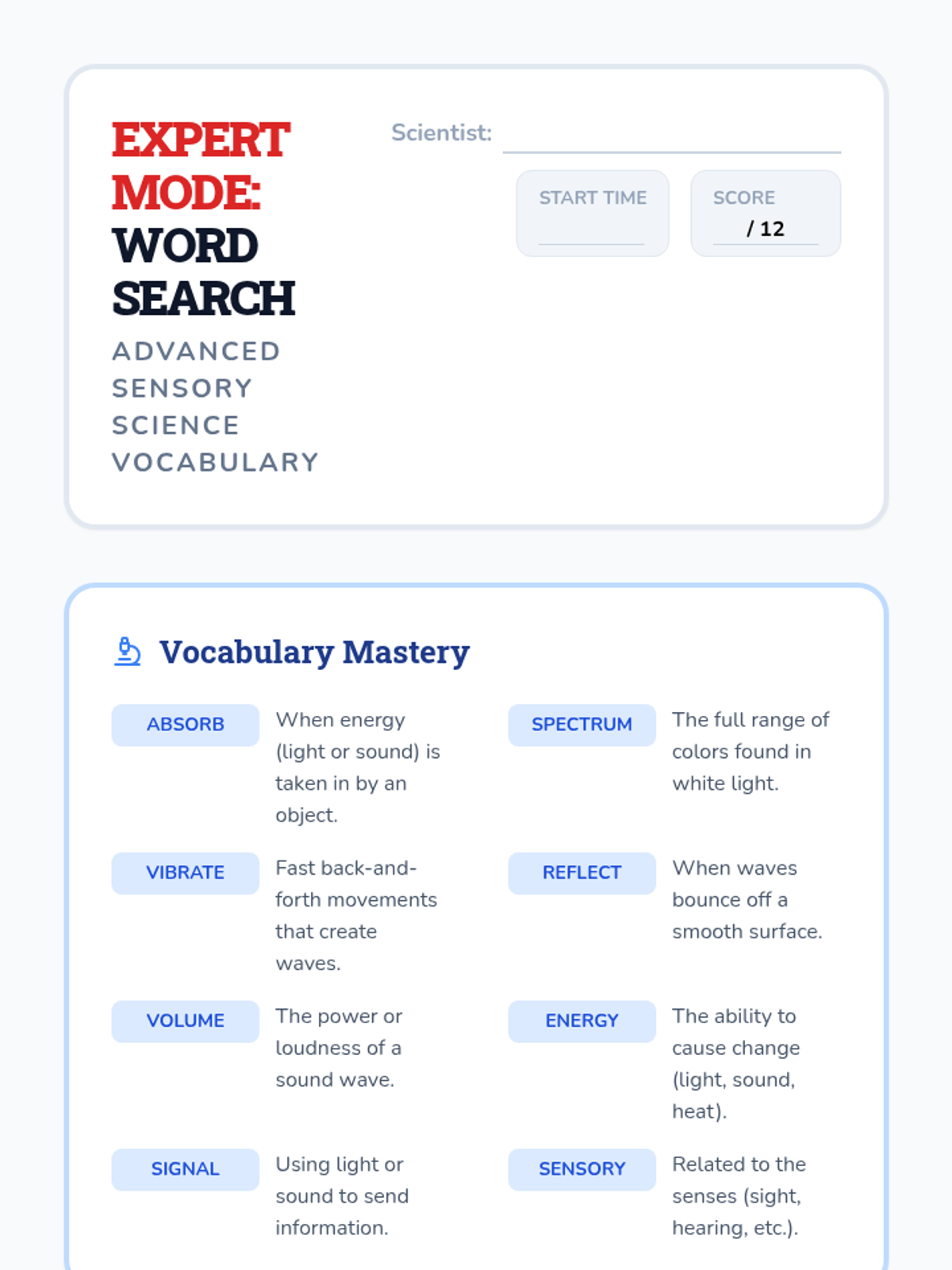
A series of lessons exploring how our senses interact with the physical world, designed for high school students with special educational needs.
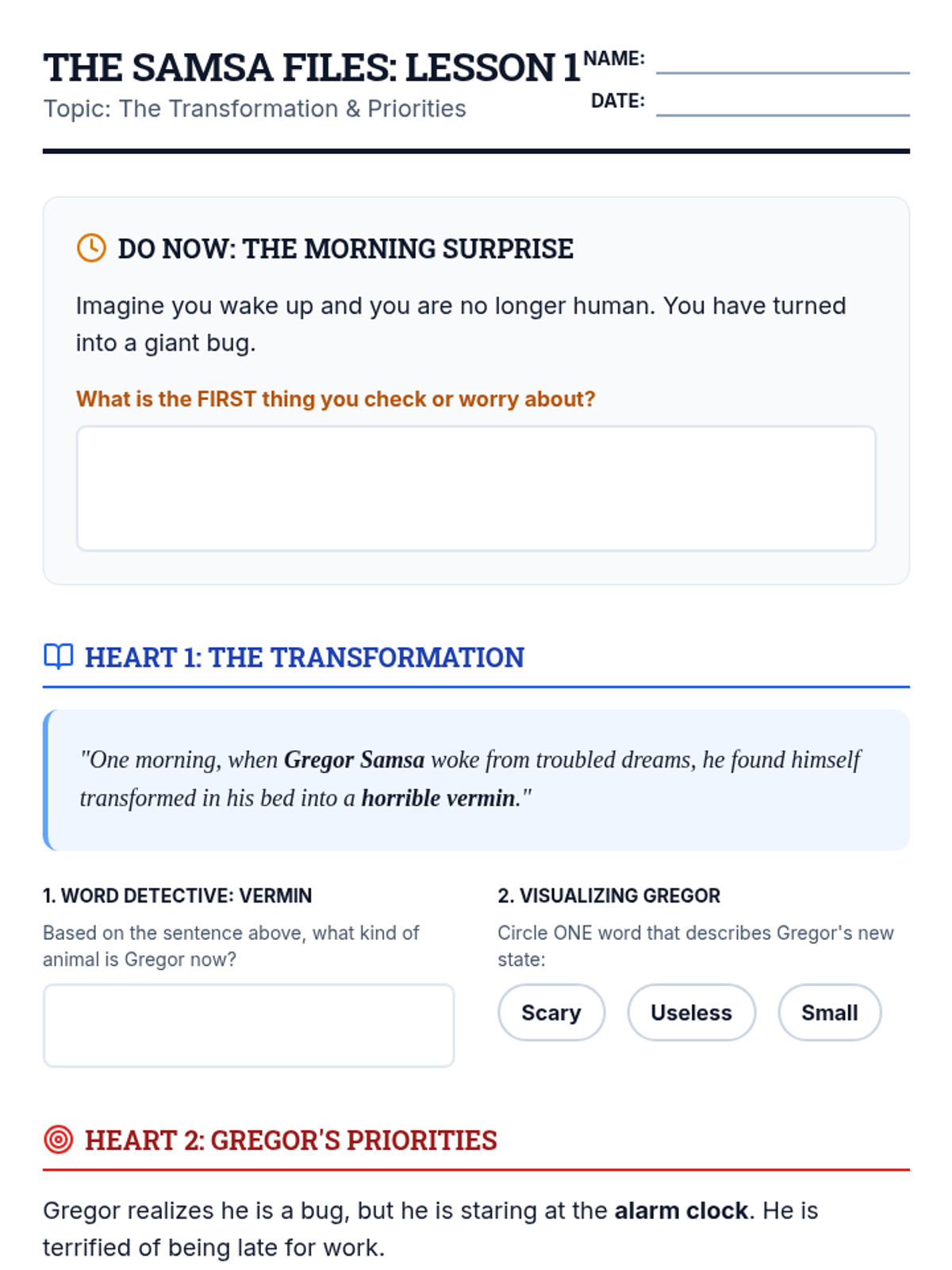
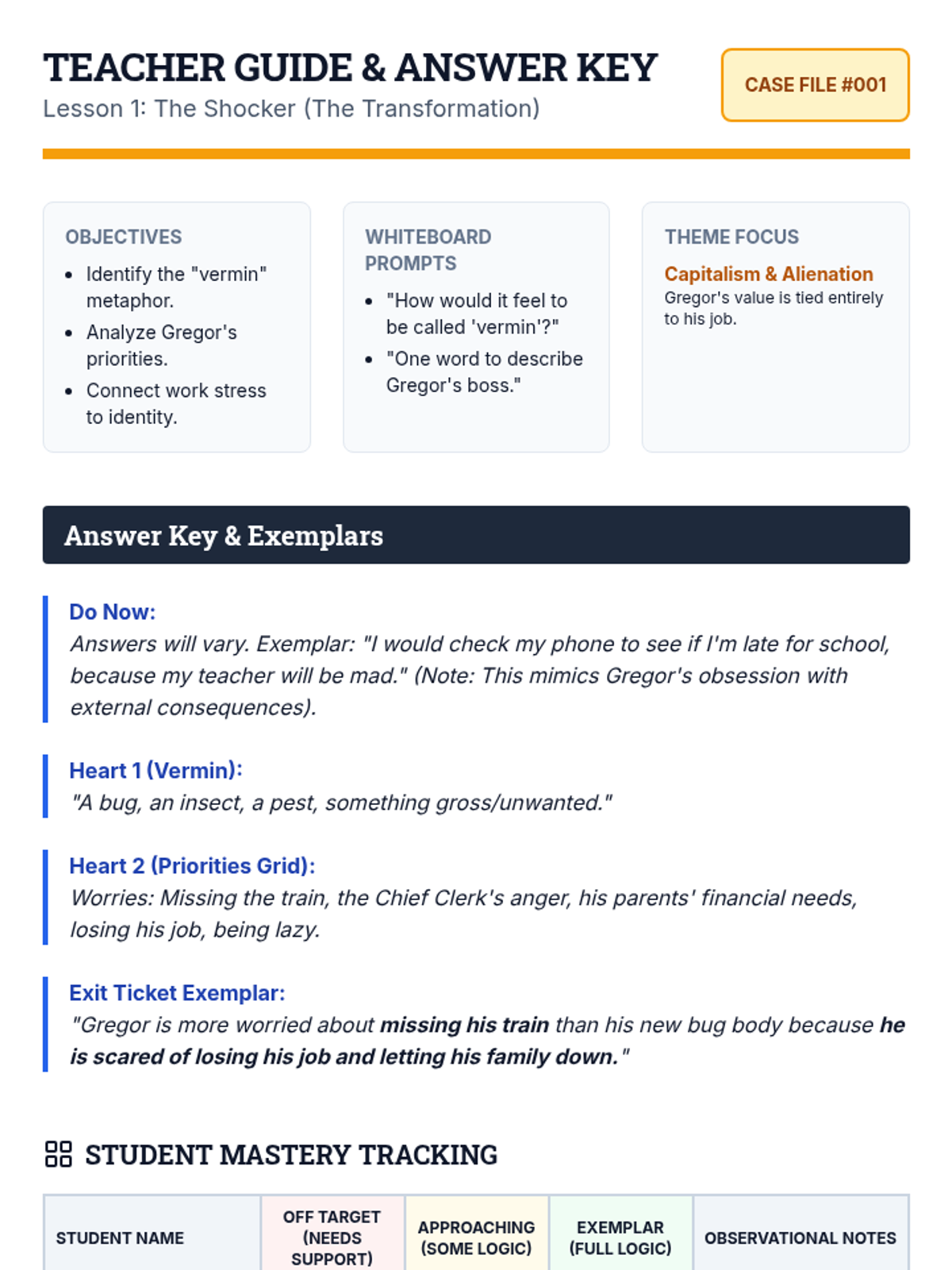
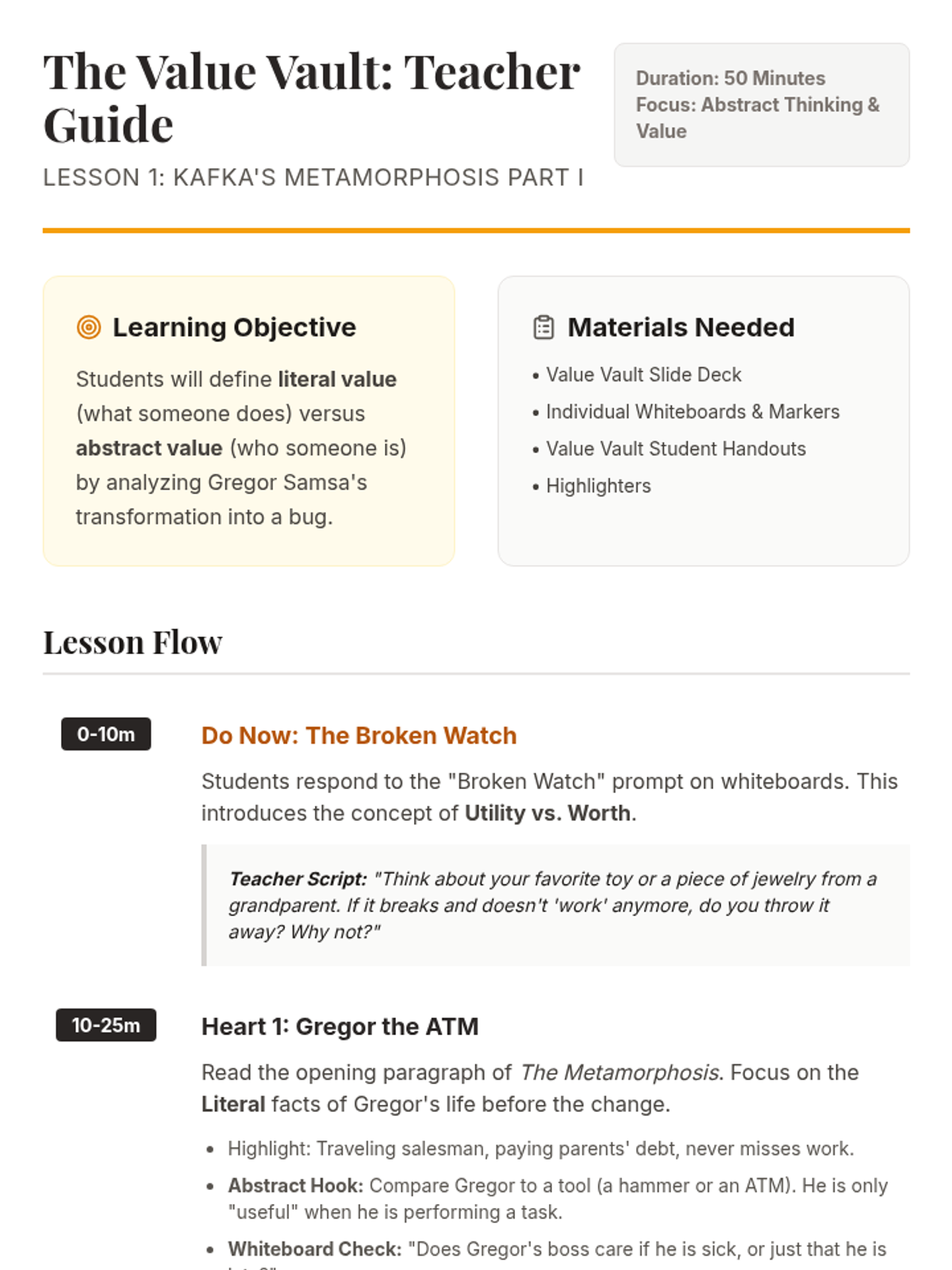
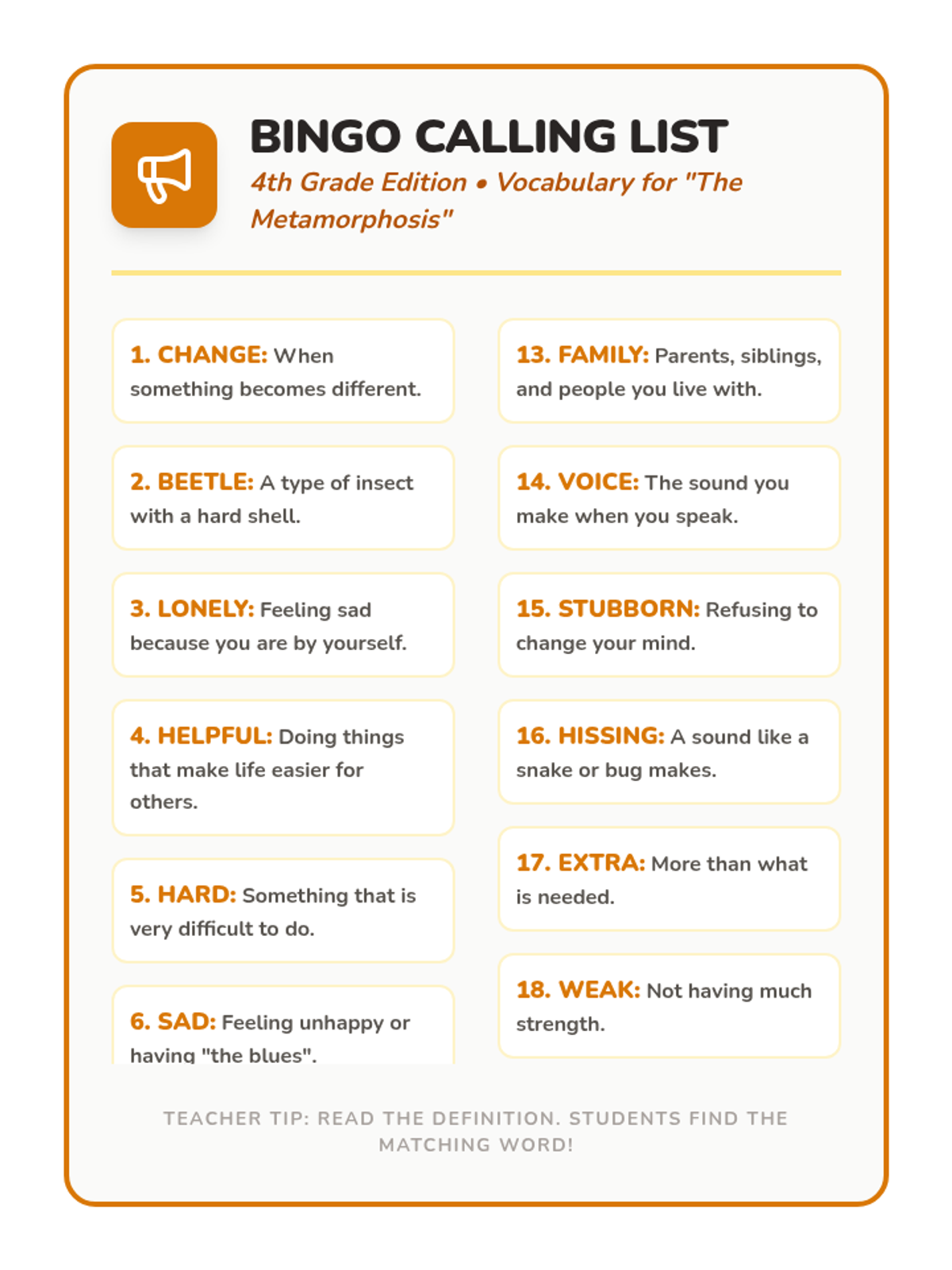
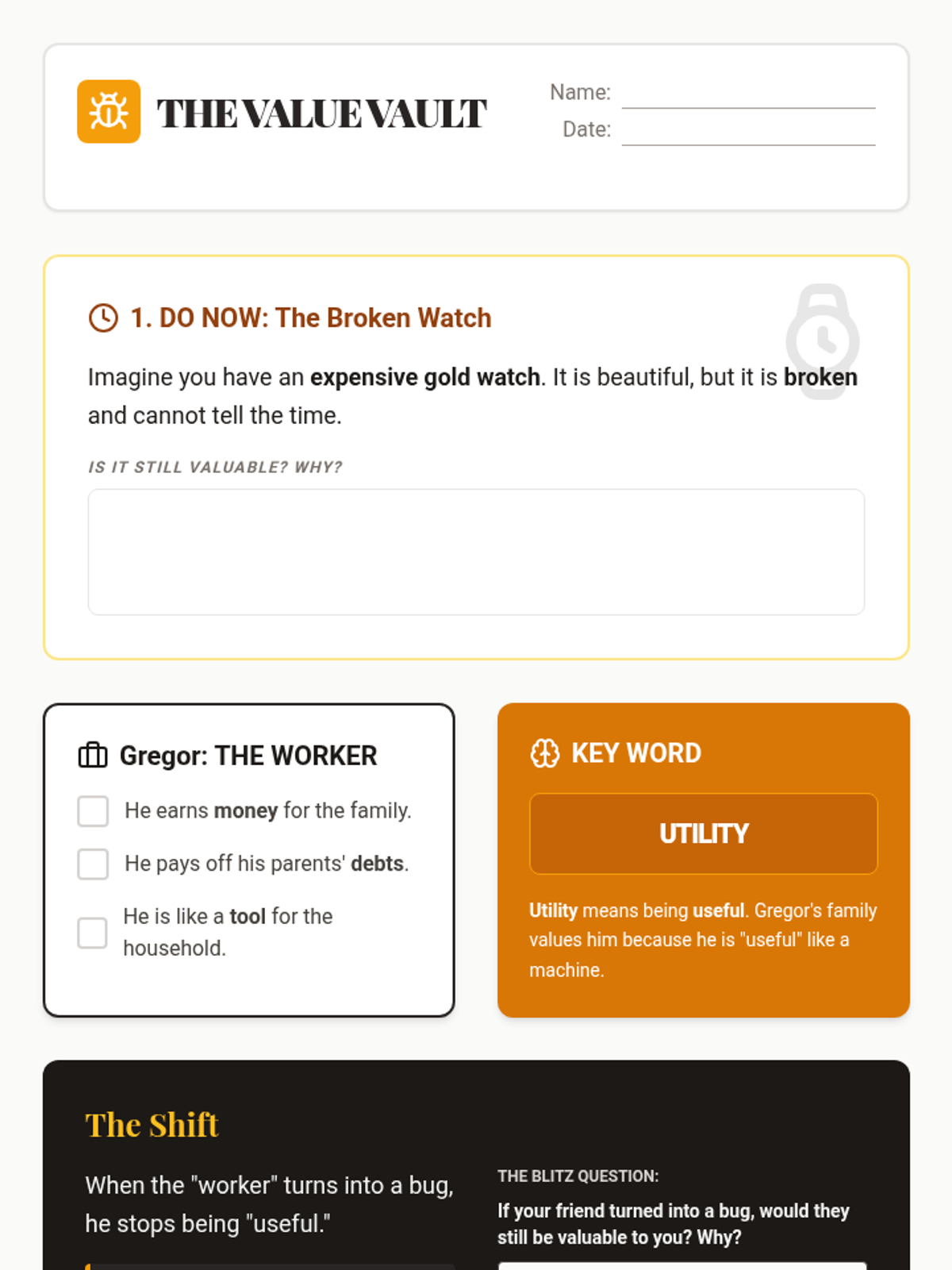
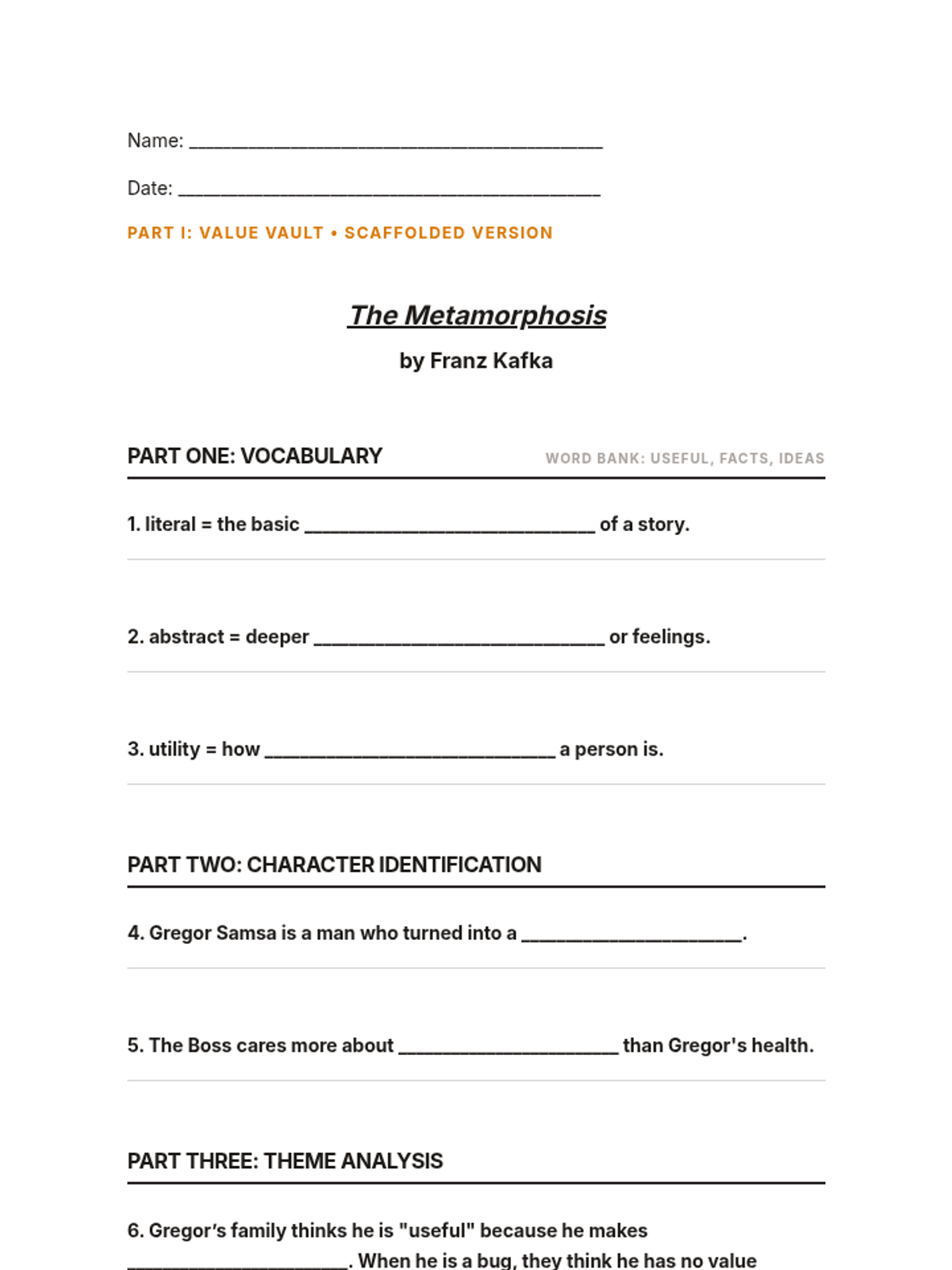
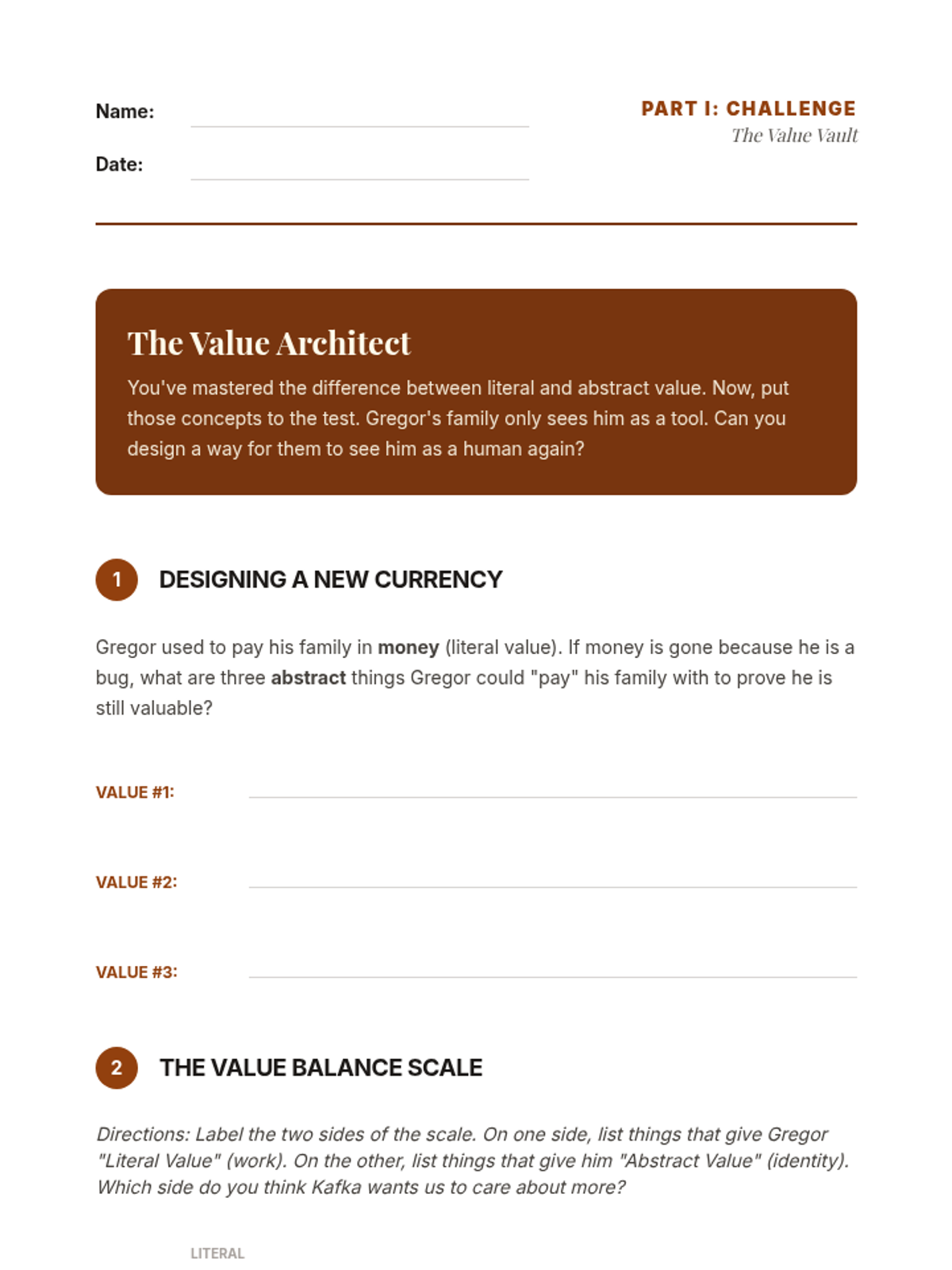
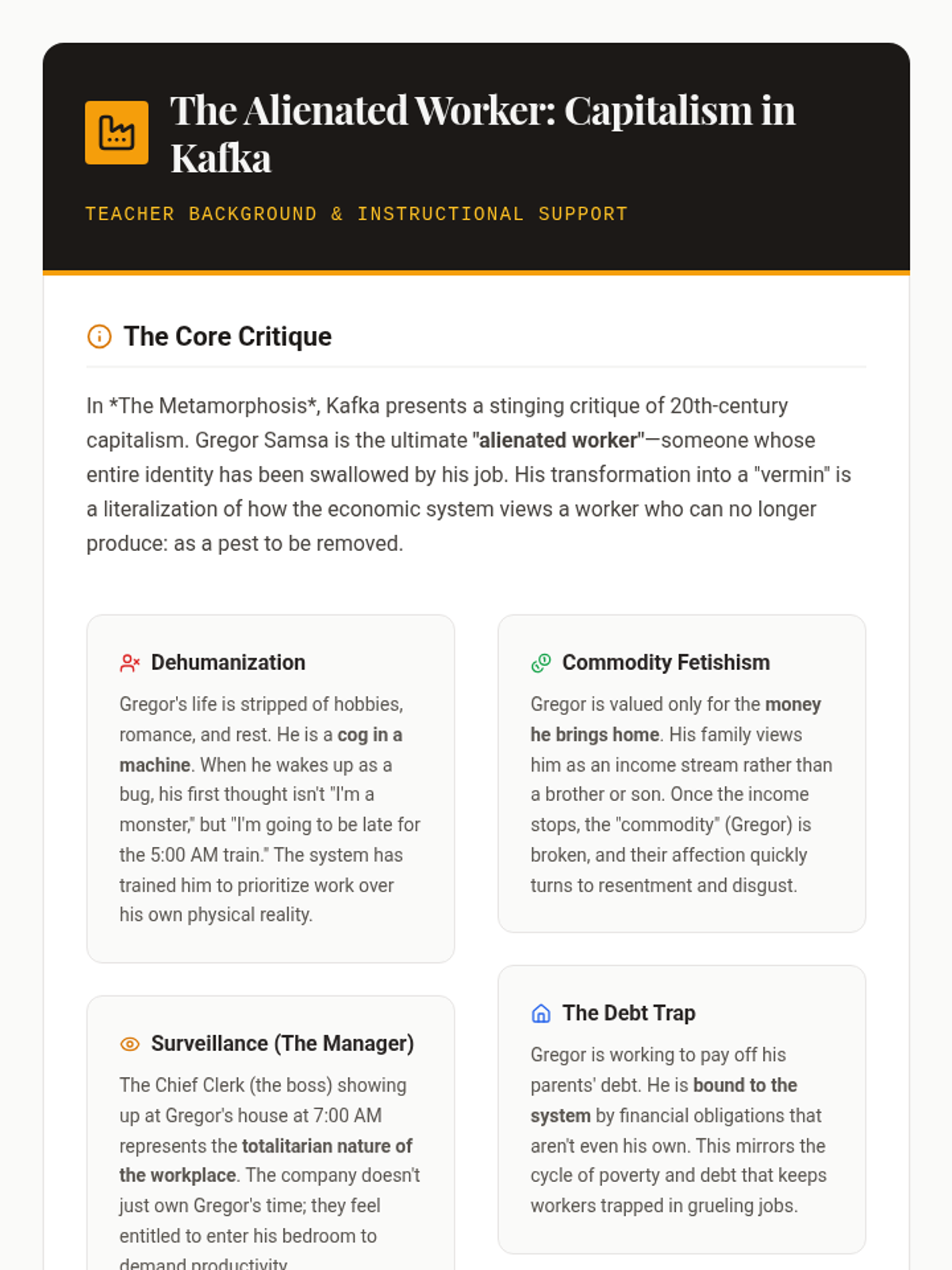
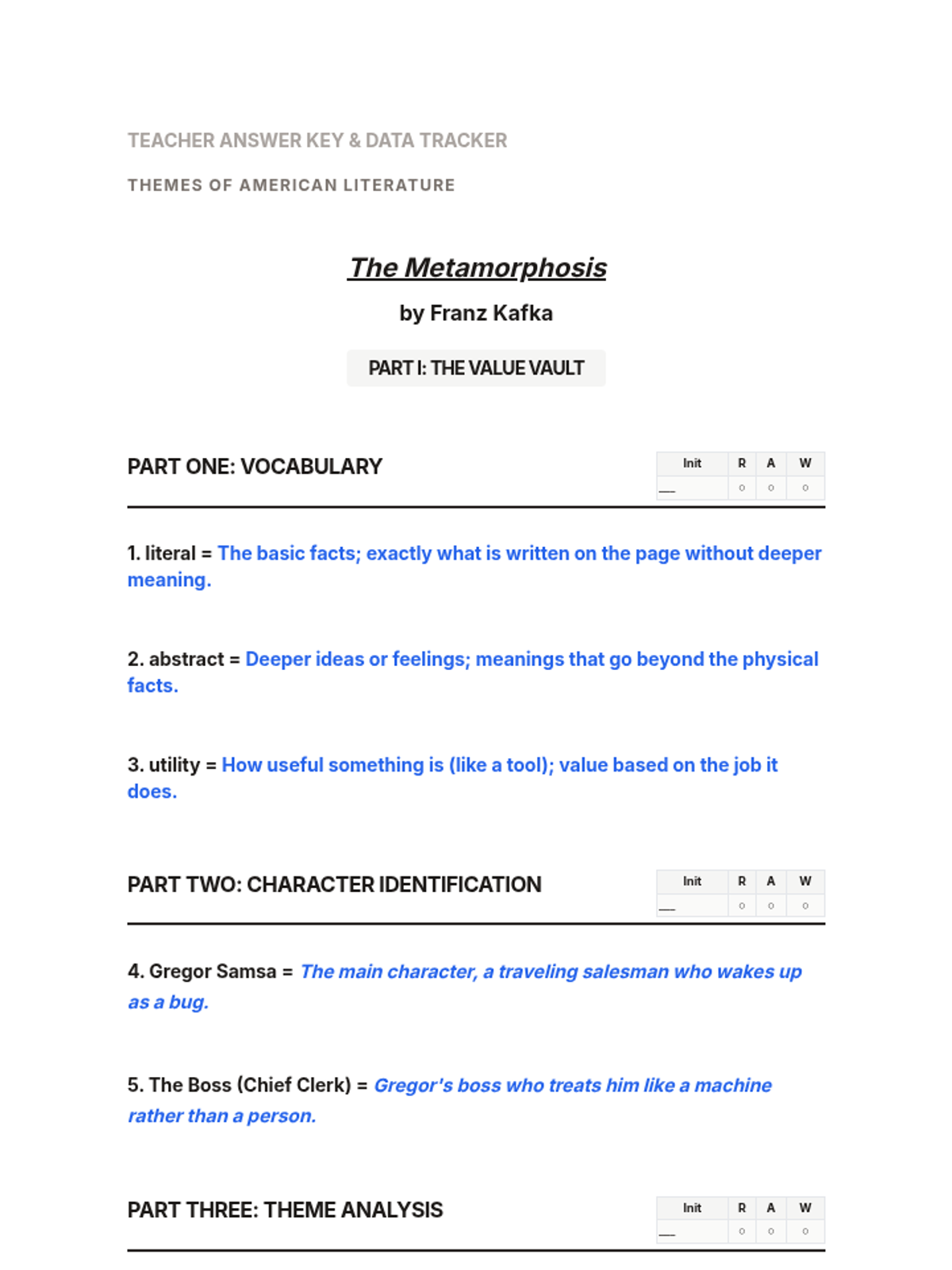
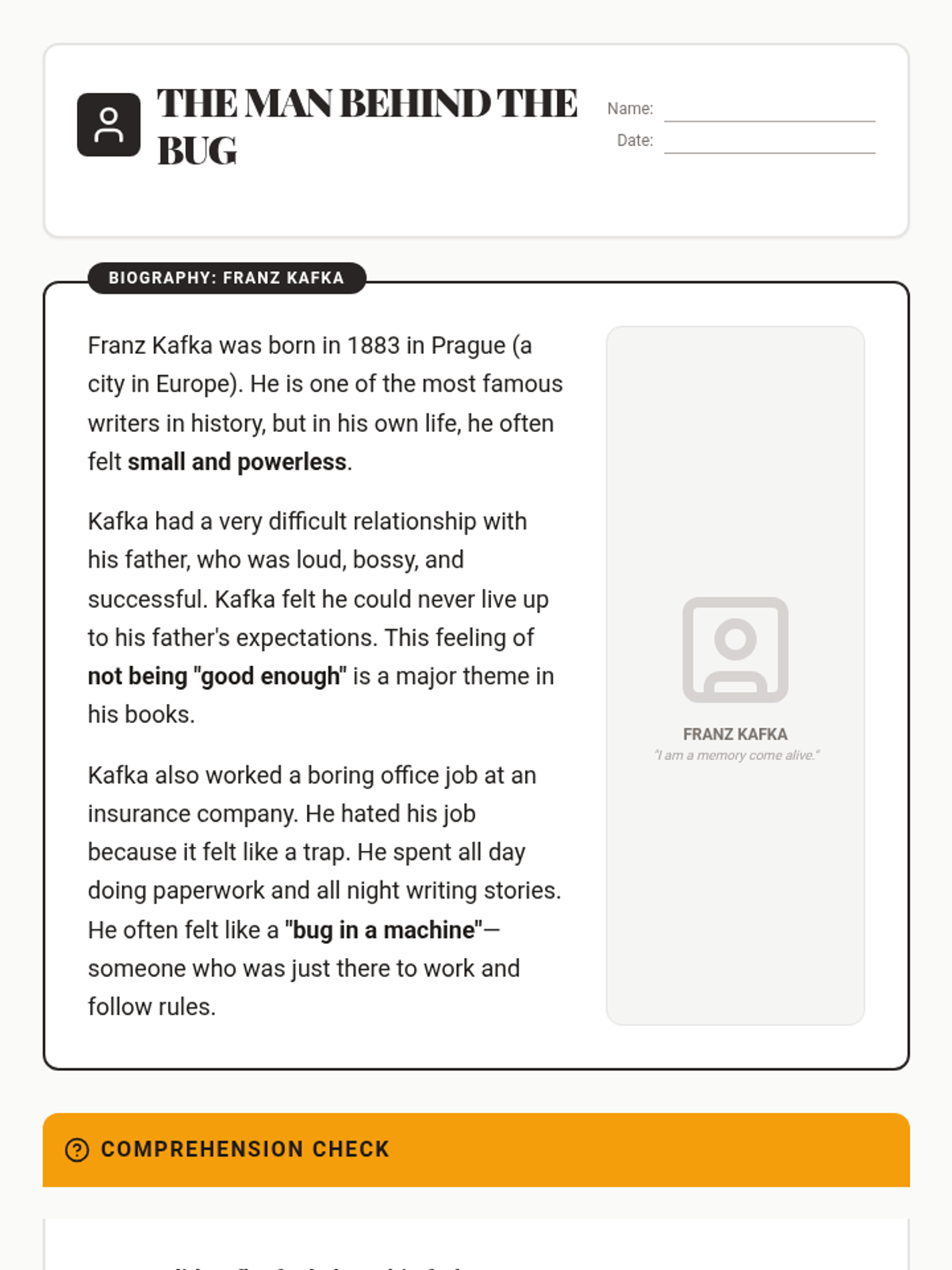
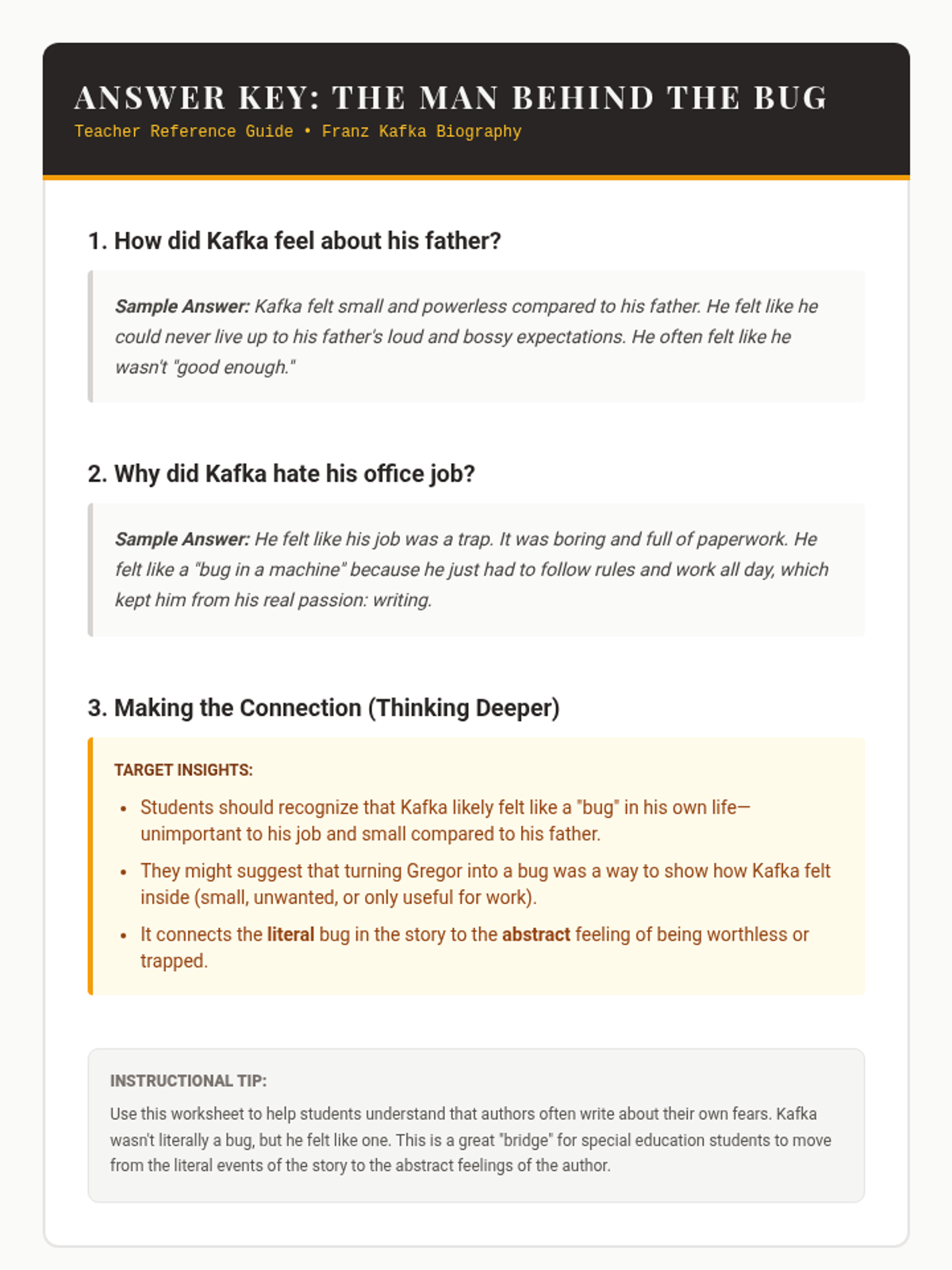
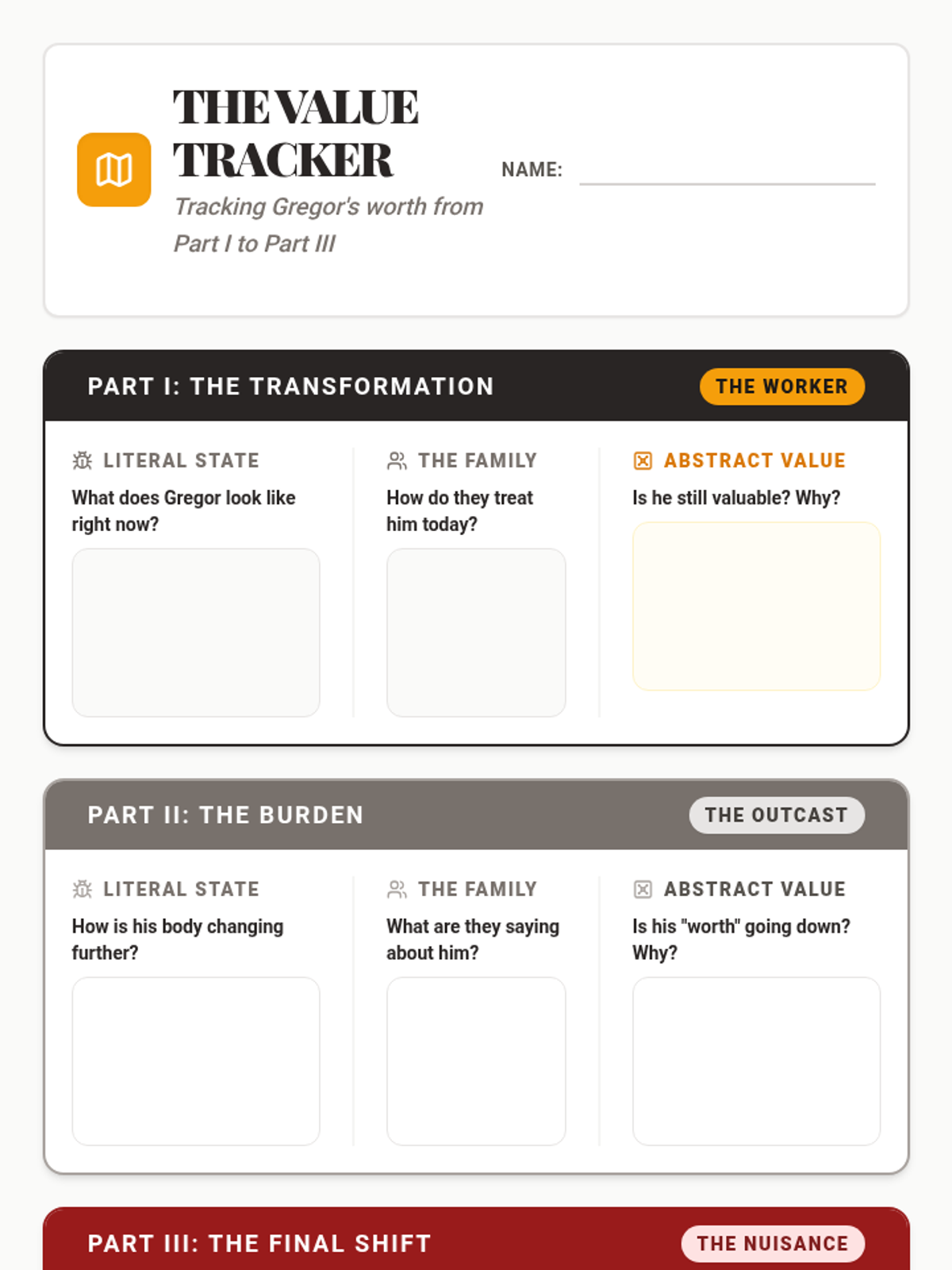
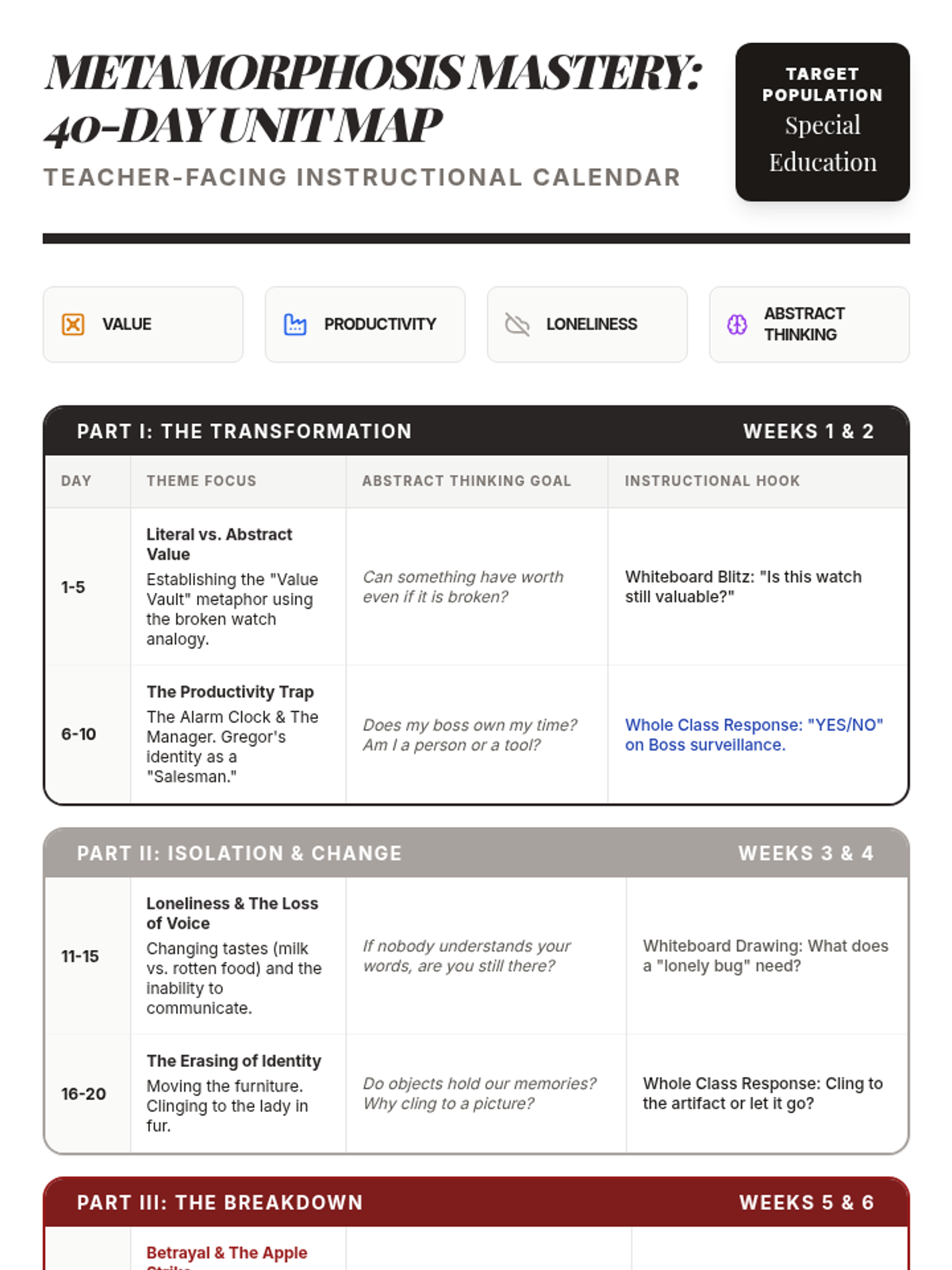
A comprehensive 40-lesson unit on Franz Kafka's *The Metamorphosis*, designed for special education students. The sequence includes 32 core instructional lessons and 8 'interlude' lessons focused on fun, rigorous theme and vocabulary reinforcement, exploring isolation, capitalism, and identity.
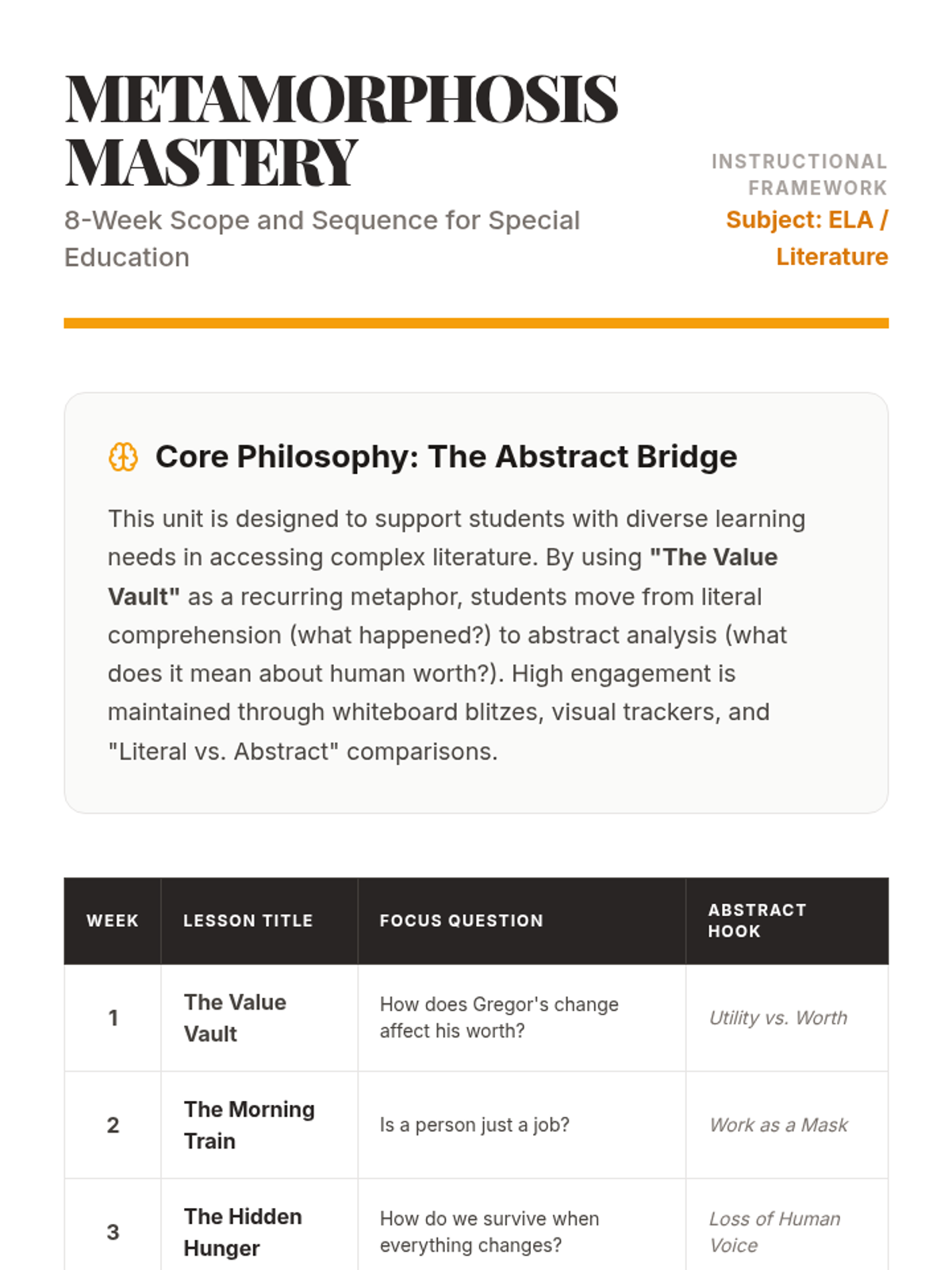
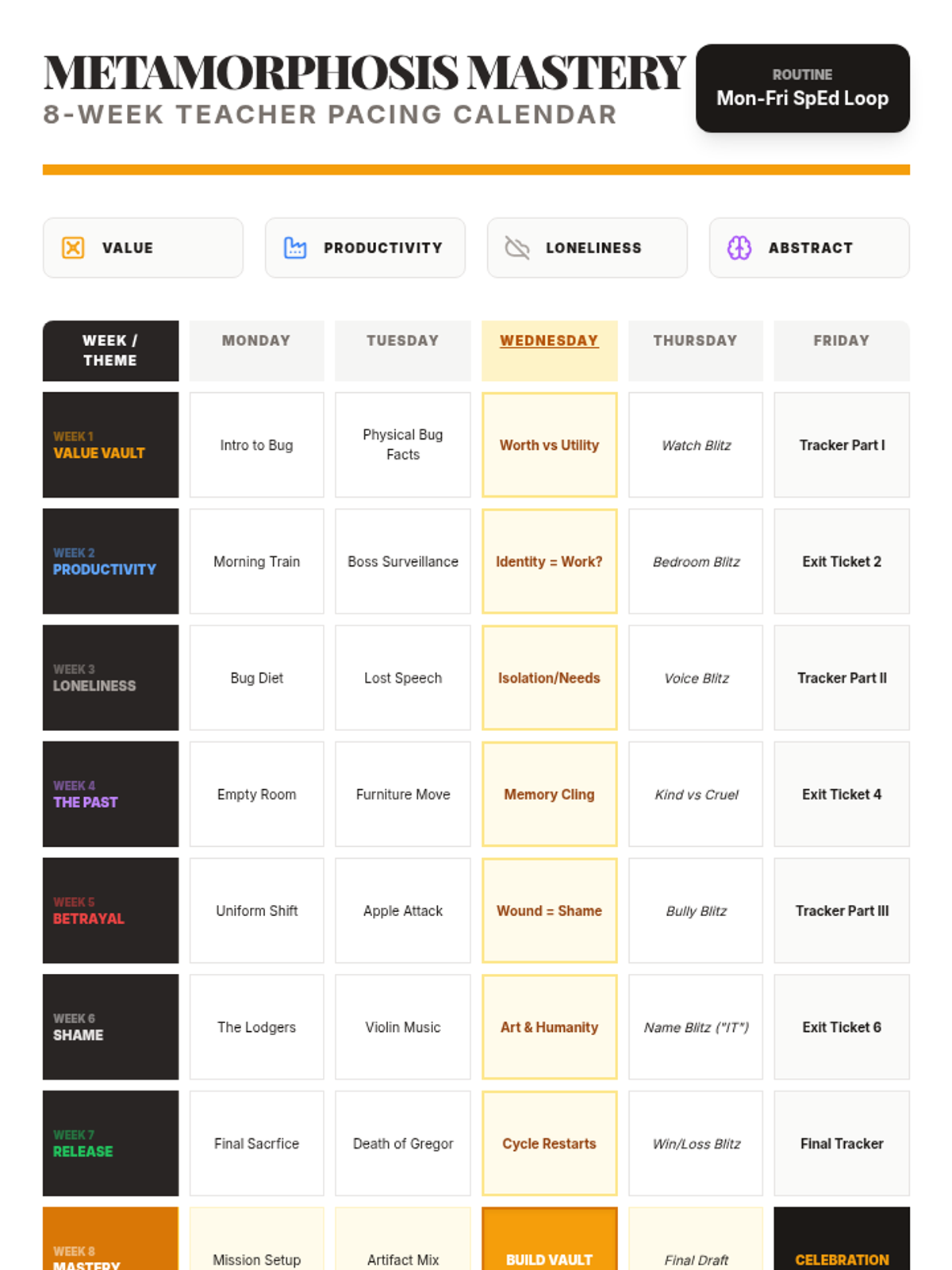
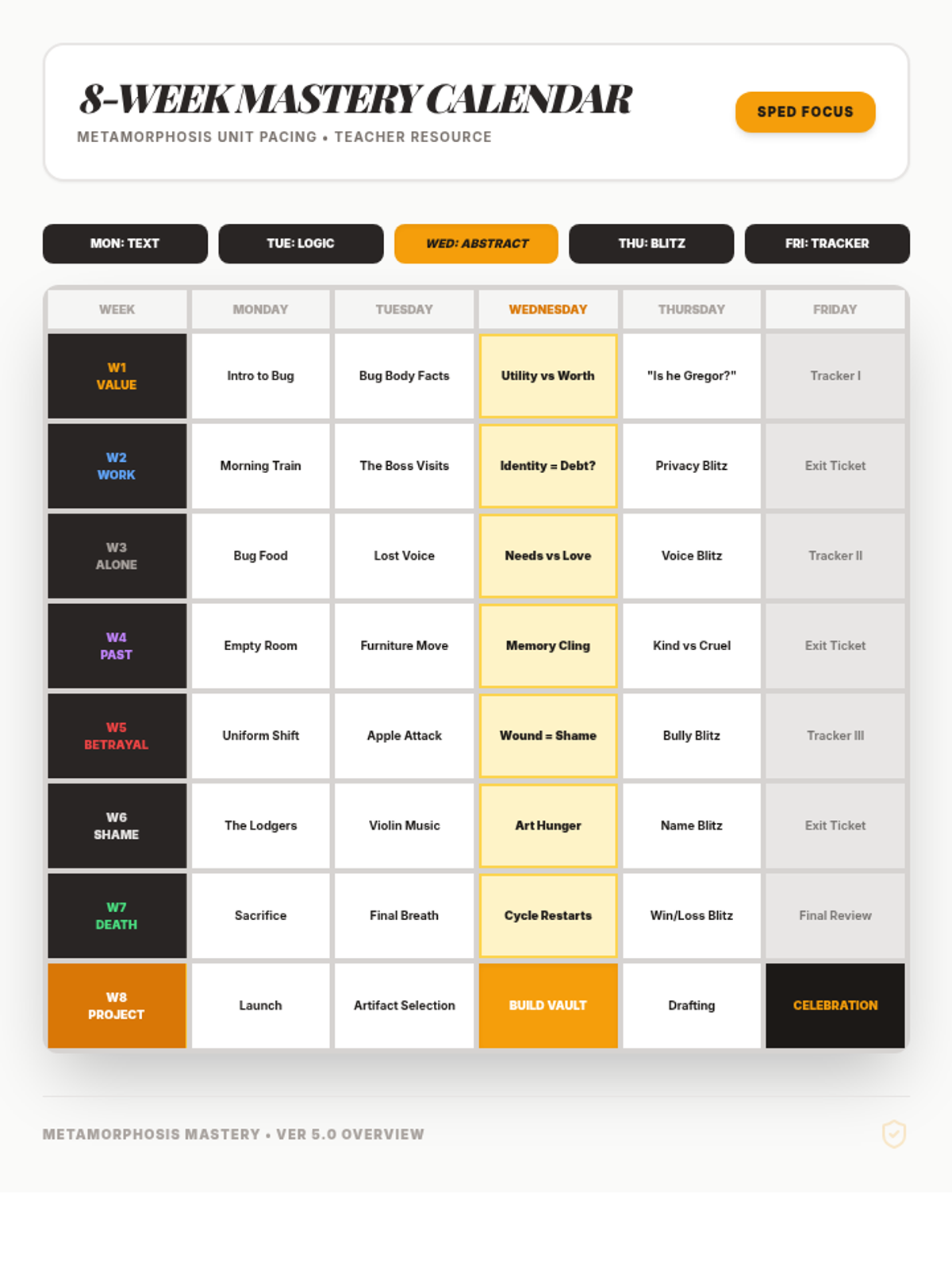
An 8-week deep dive into Kafka's Metamorphosis for special education students, focusing on abstract thinking, social value, and the human condition through high-engagement activities and visual organizers.
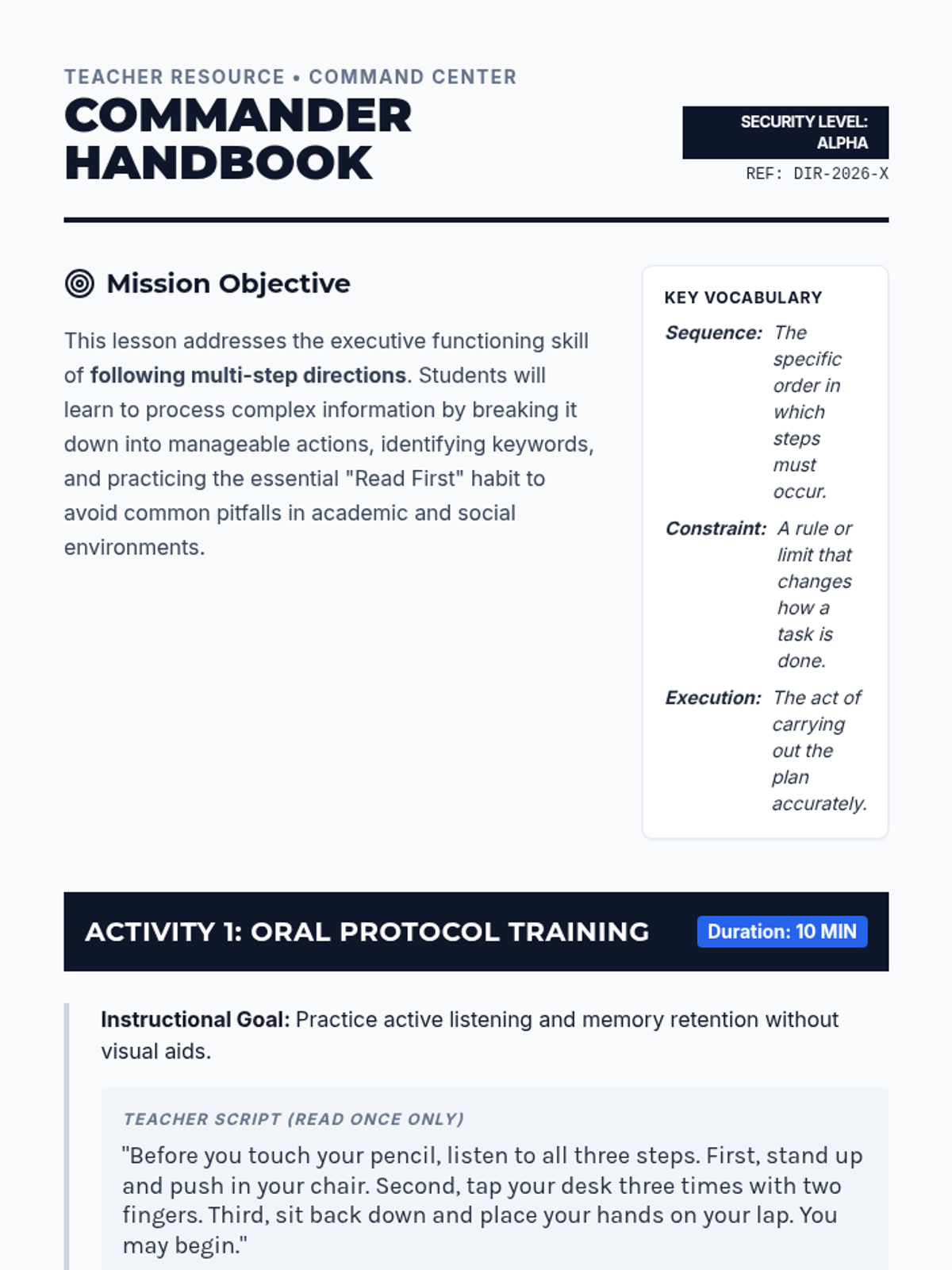
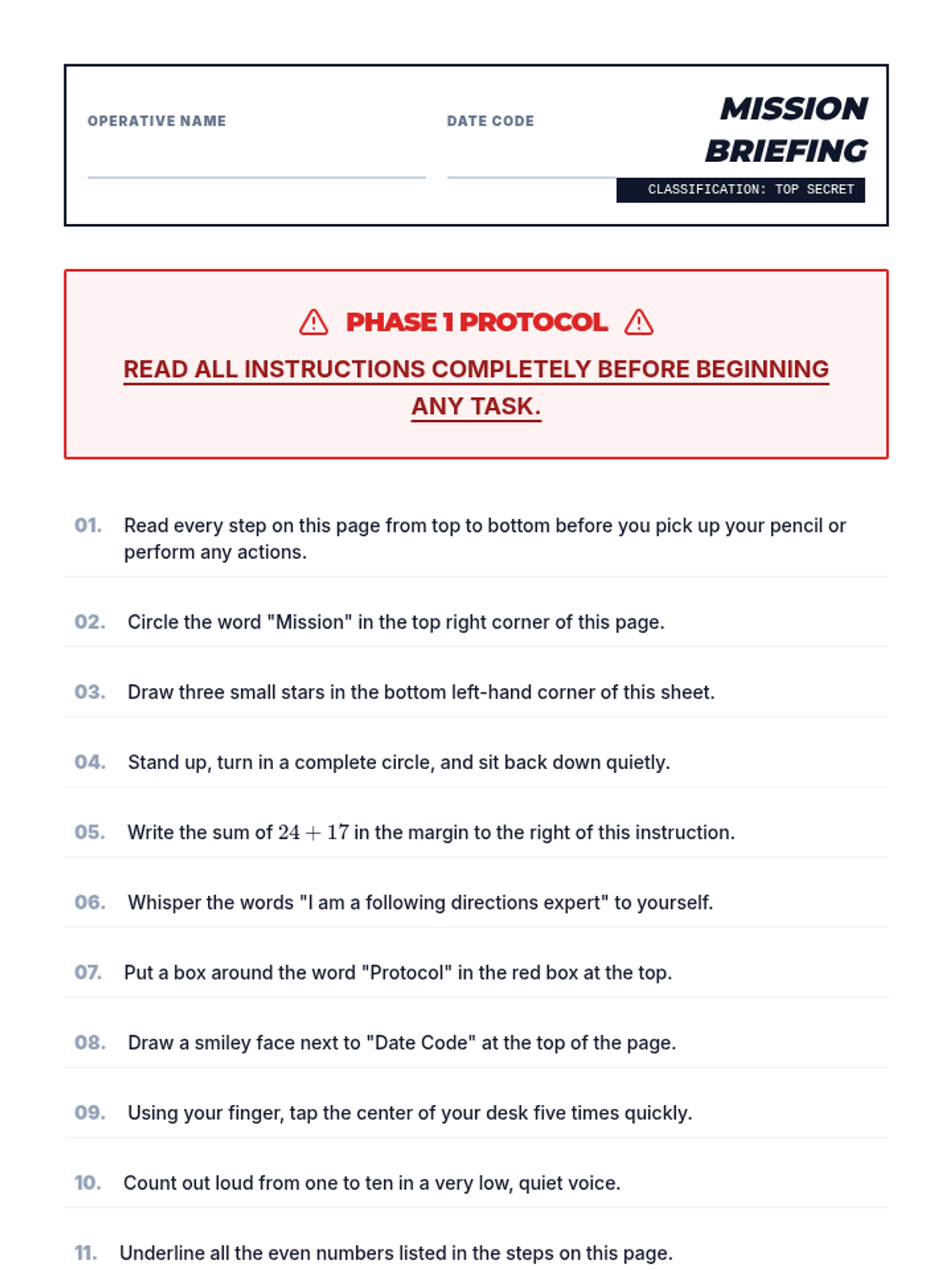
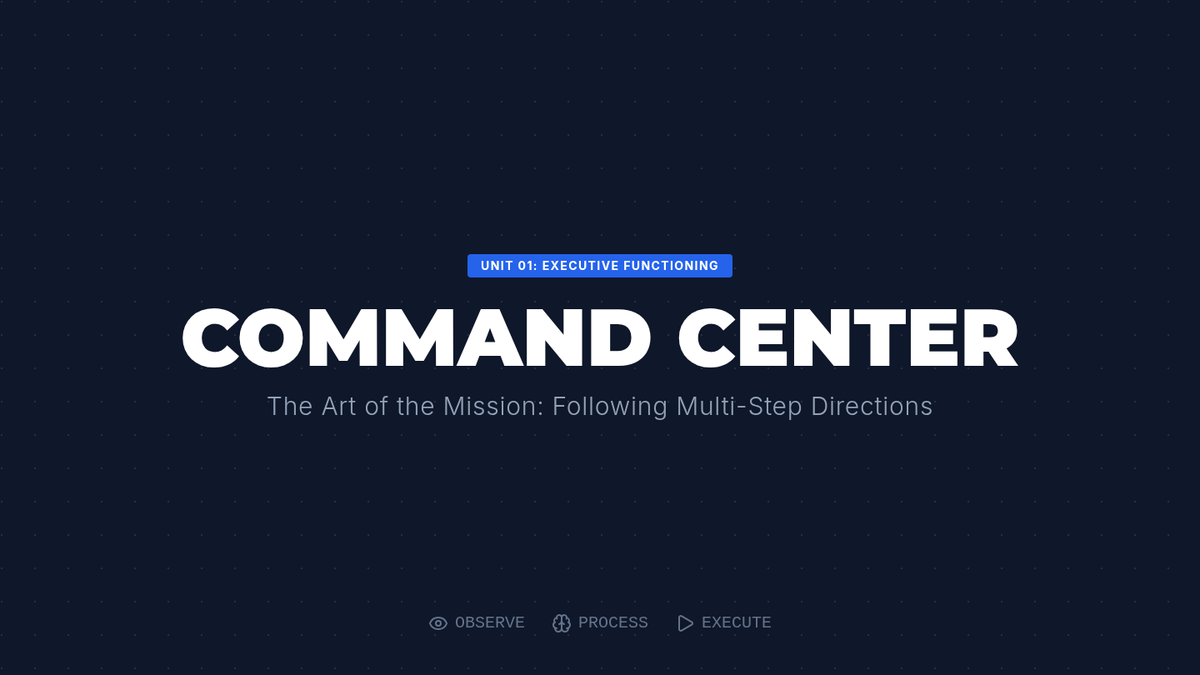
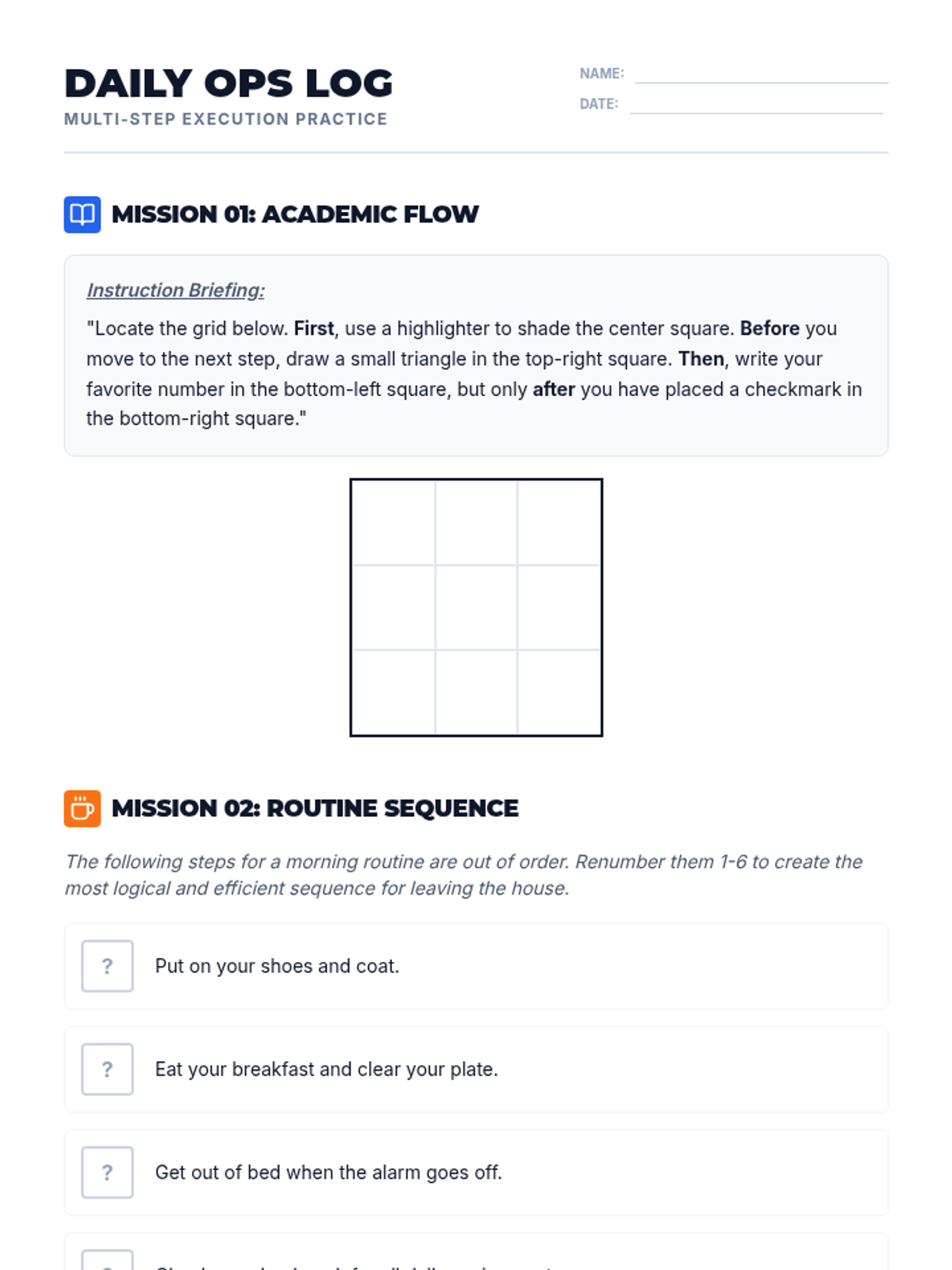
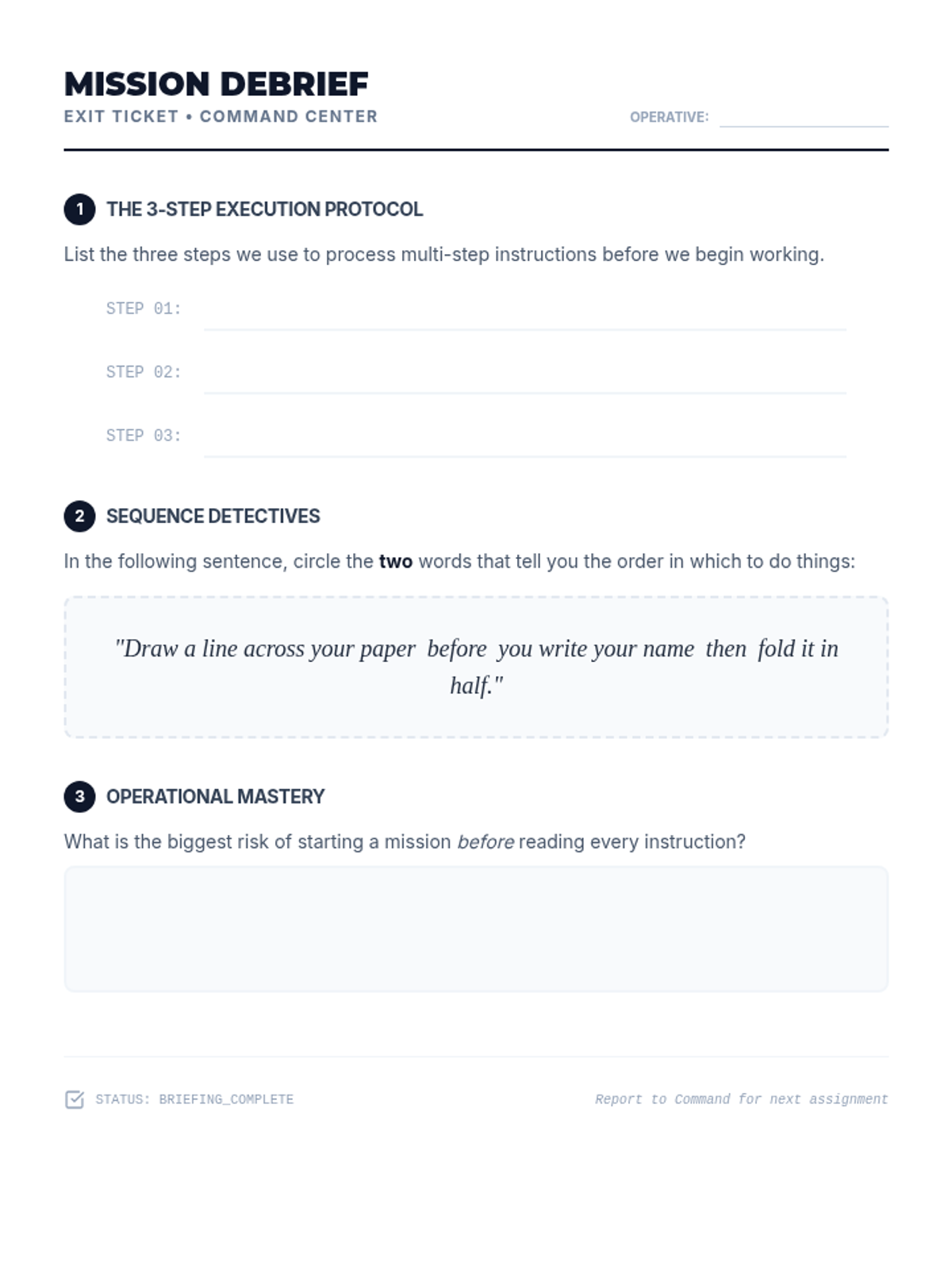
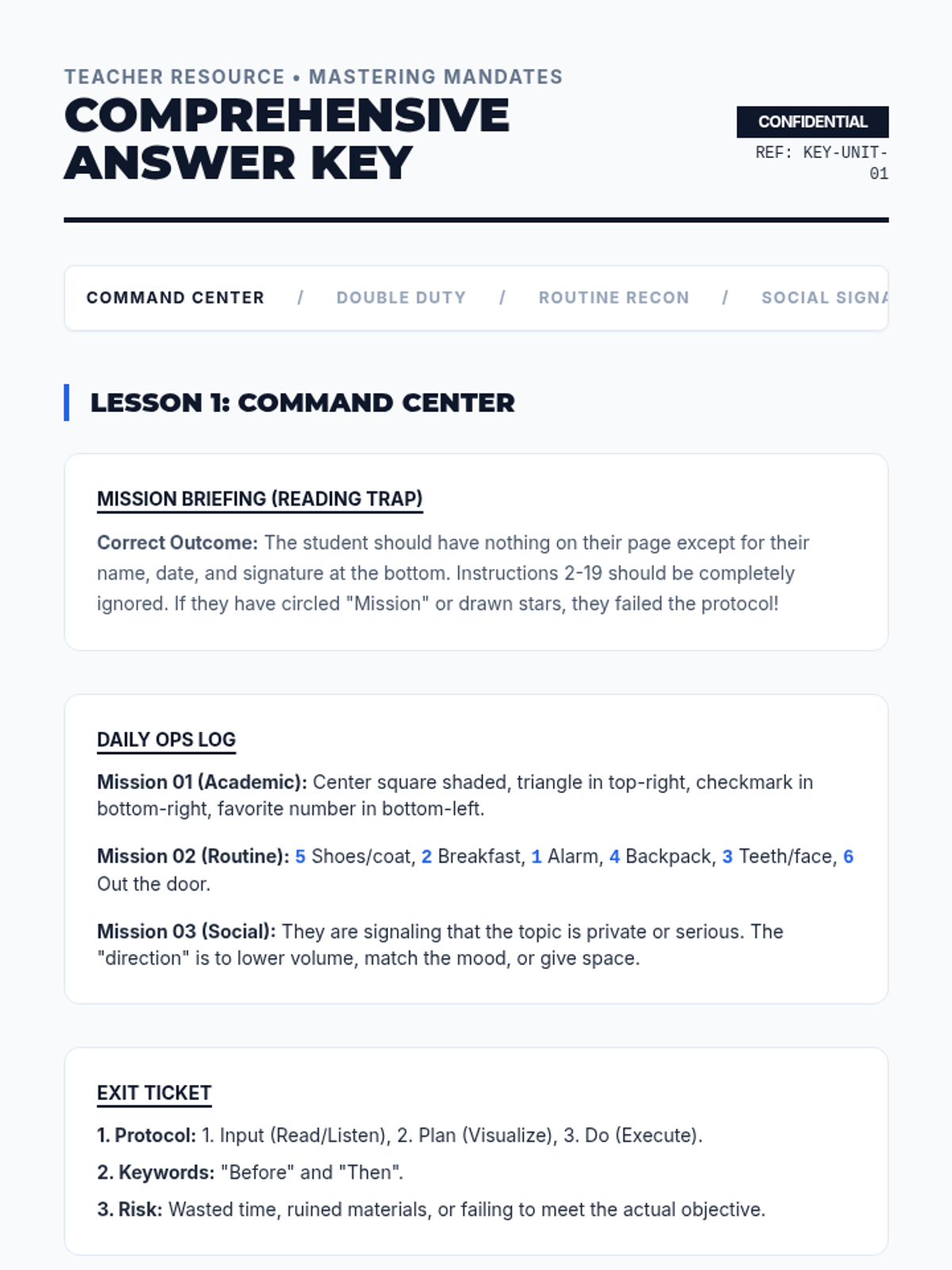
A comprehensive unit on executive functioning skills, focusing on active listening, reading comprehension for instructions, and sequence execution across academic and social settings.
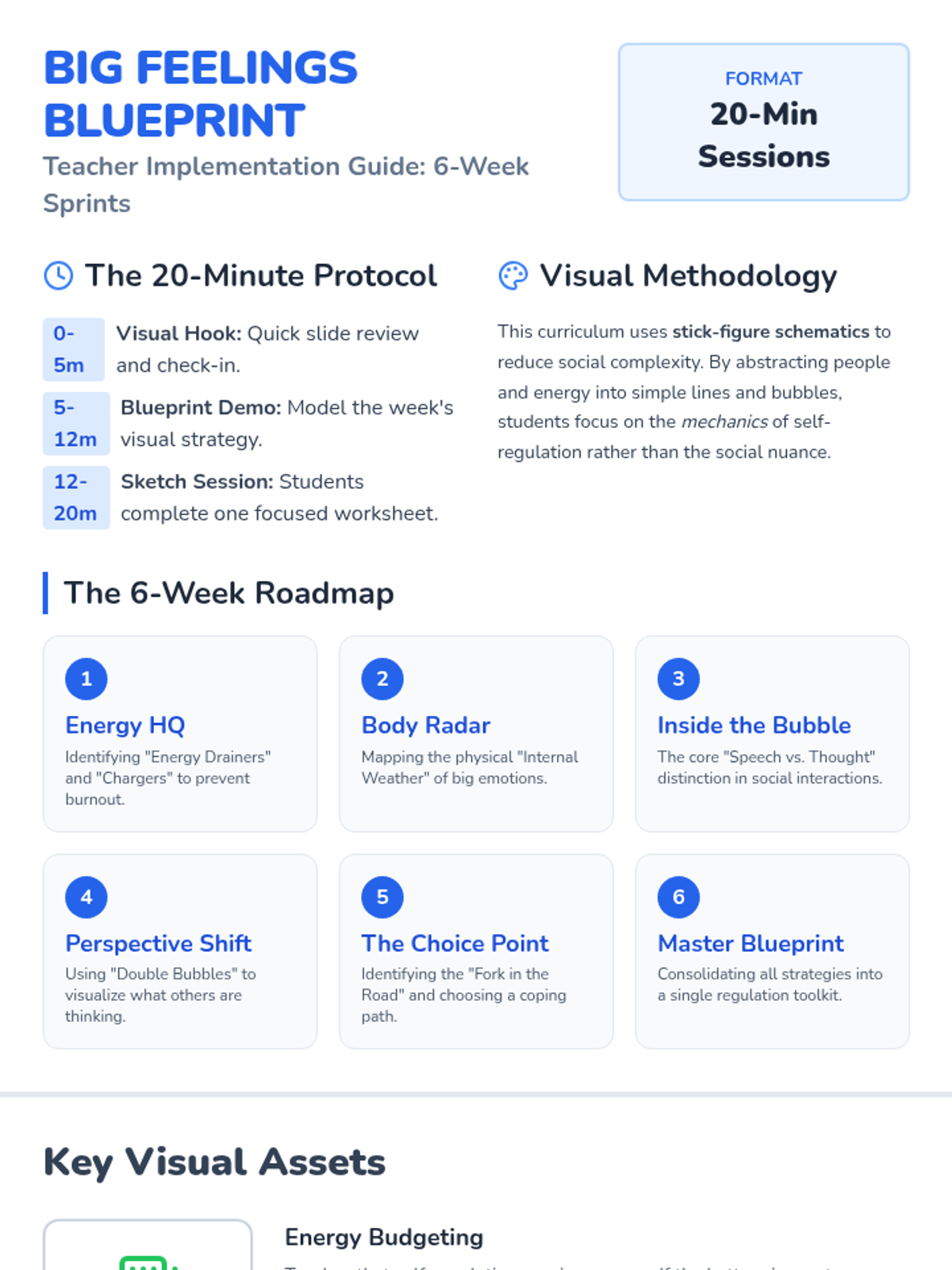
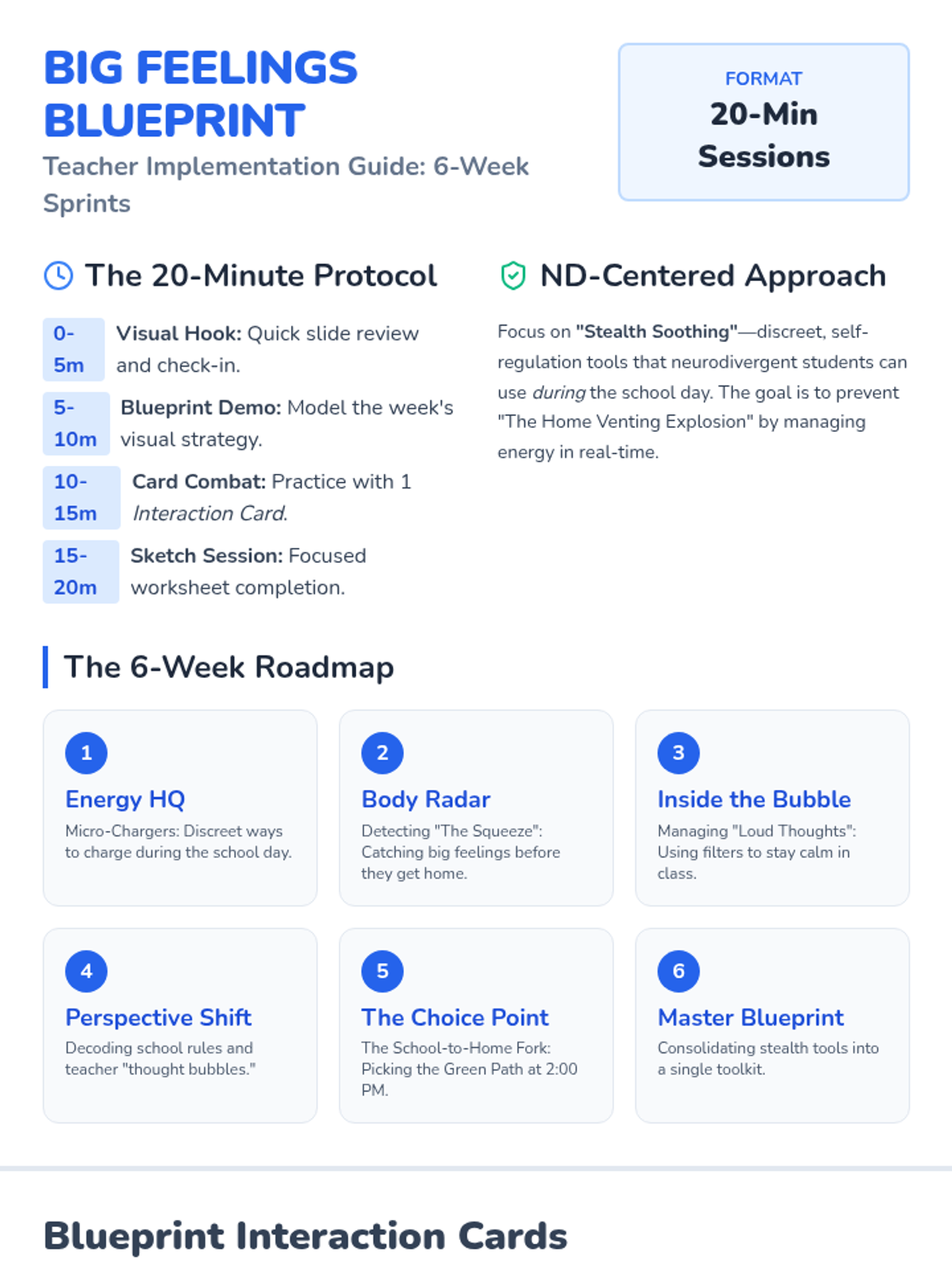
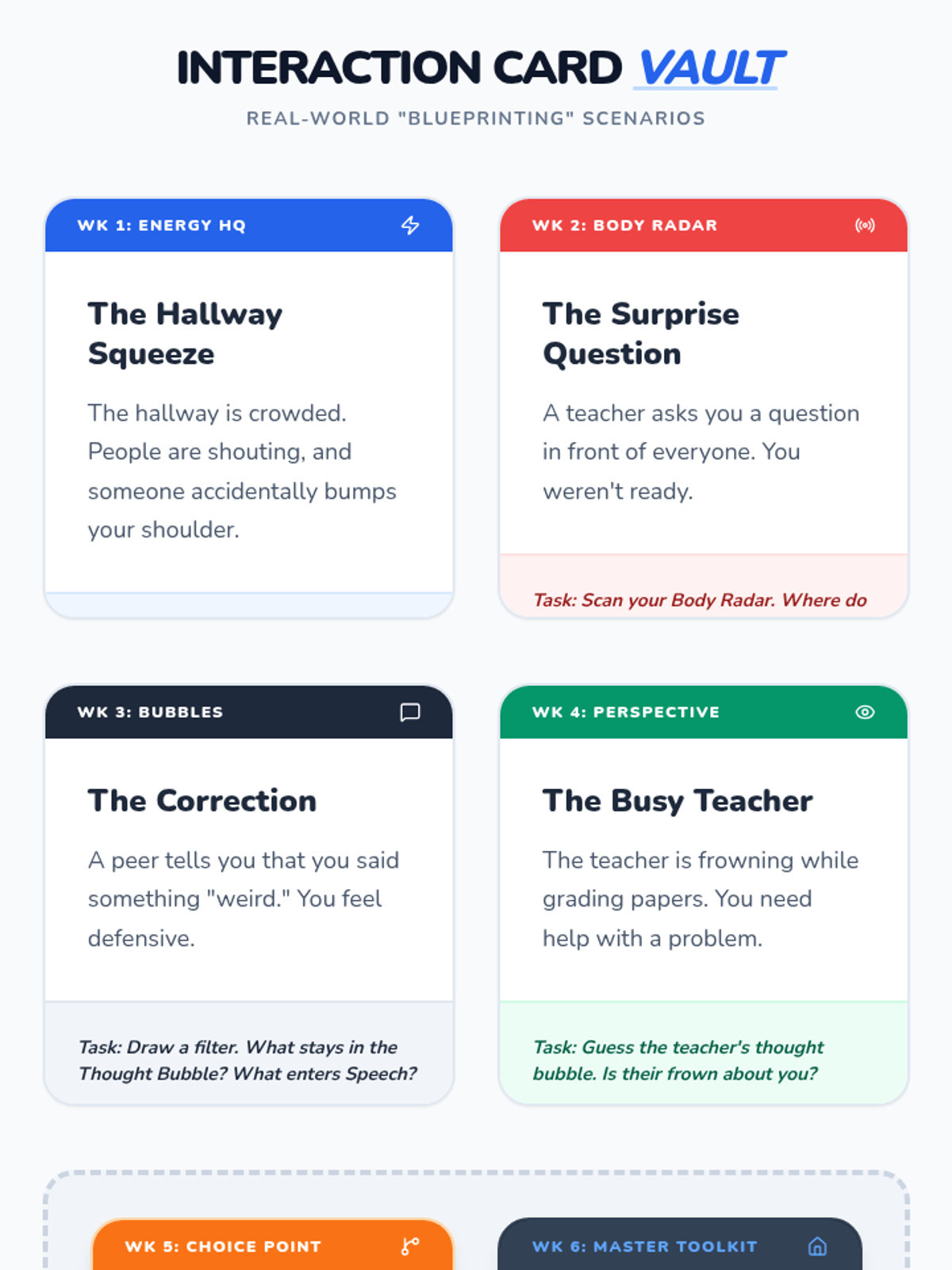
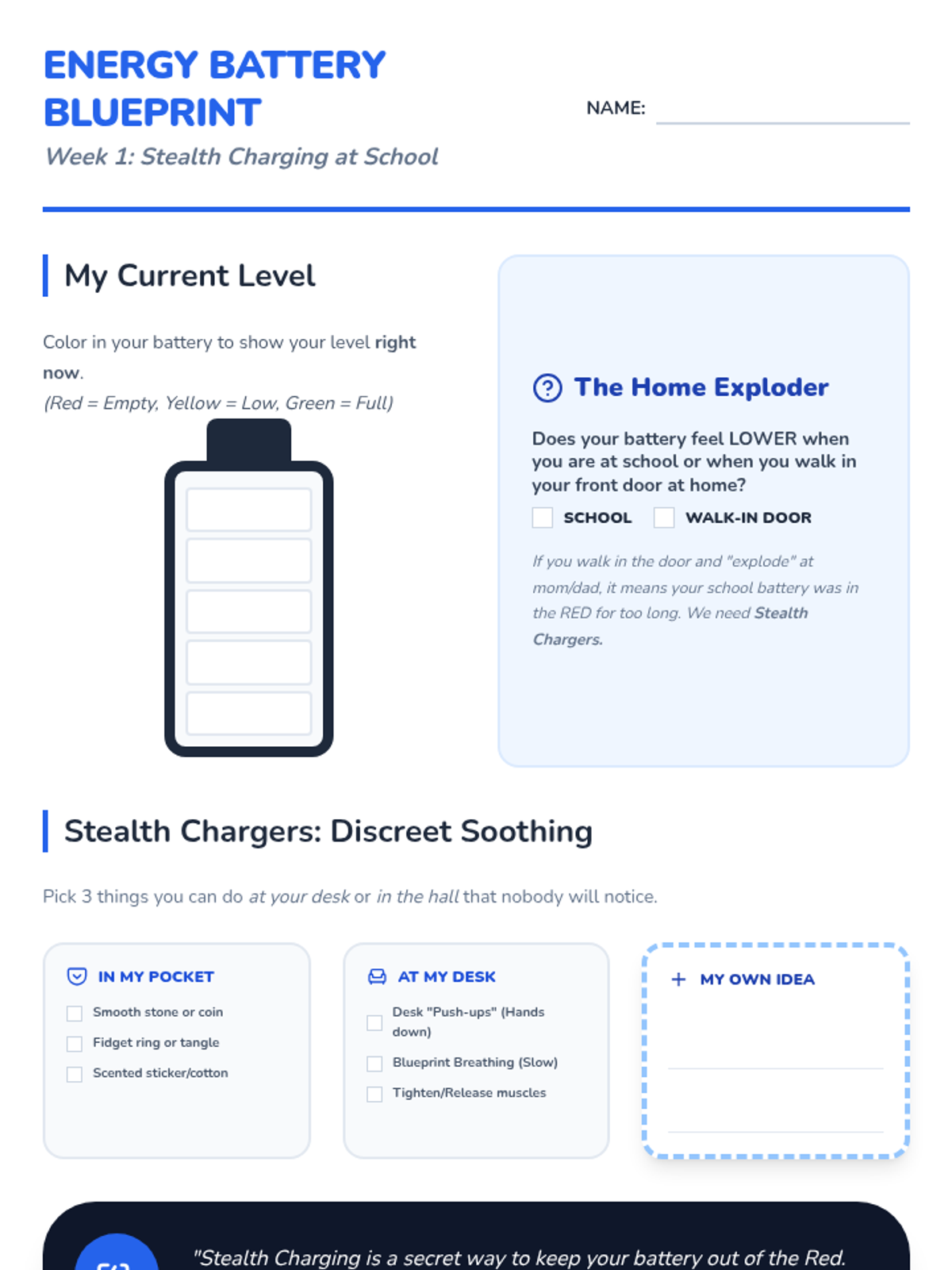
A 6-week social-emotional learning program for teenagers on the autism spectrum, delivered in focused 20-minute sessions. The program uses visual "blueprints" to teach energy management, body awareness, and Comic Strip Conversation techniques for emotional regulation and perspective taking.
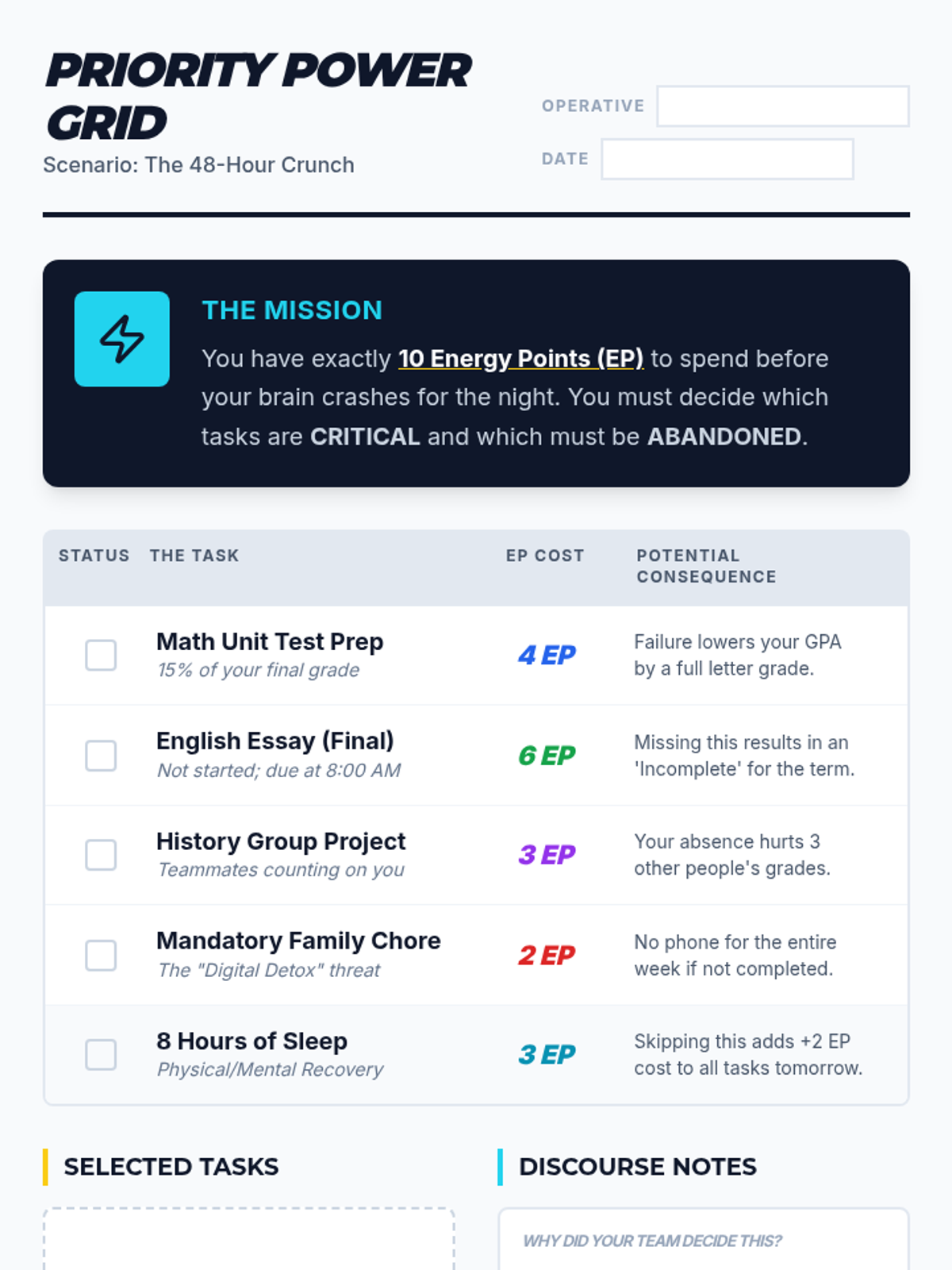
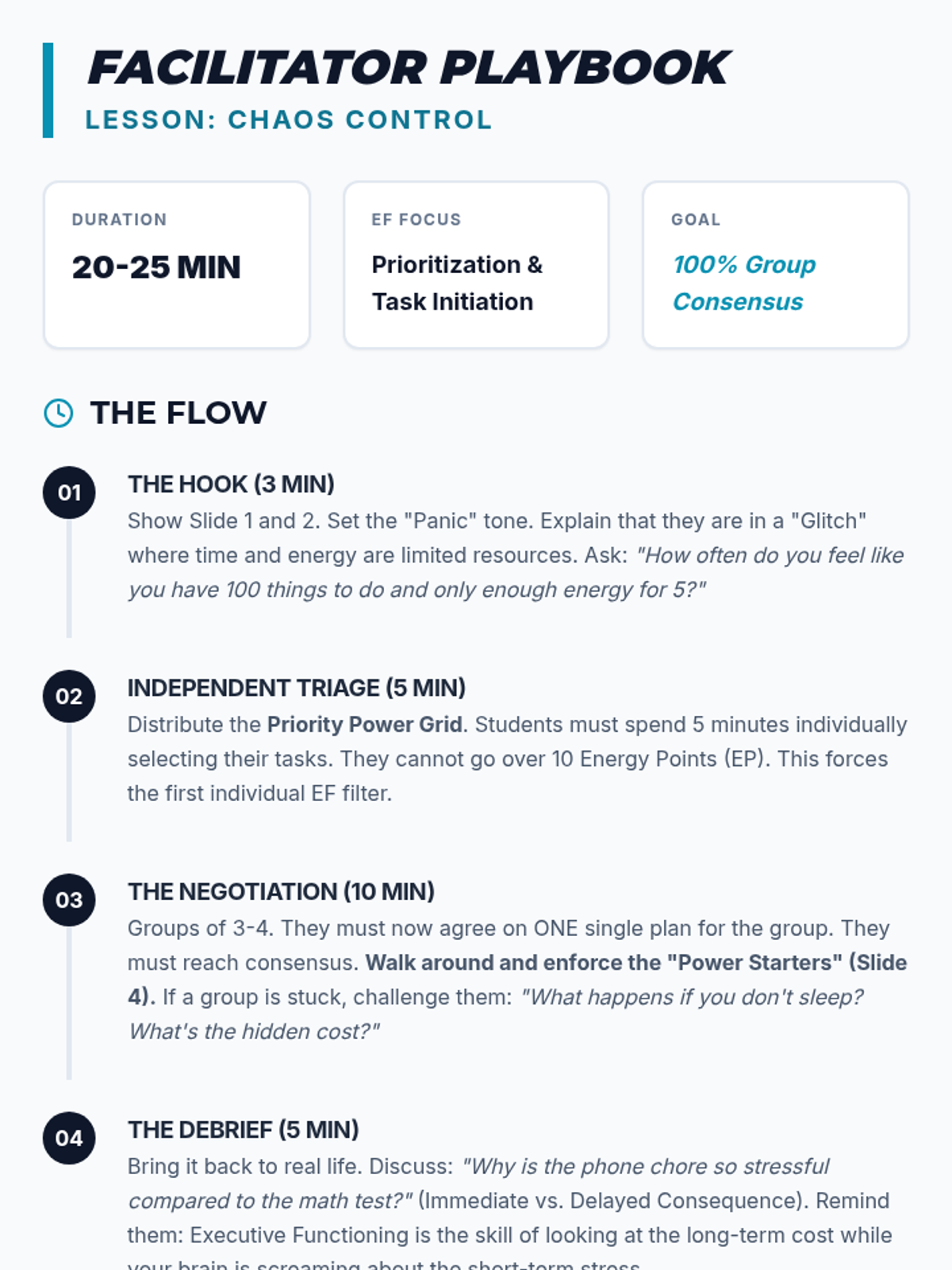
A series of bite-sized mini-lessons designed for High School Academic Support students, focusing on strengthening executive functioning through high-engagement discourse and real-world scenarios.
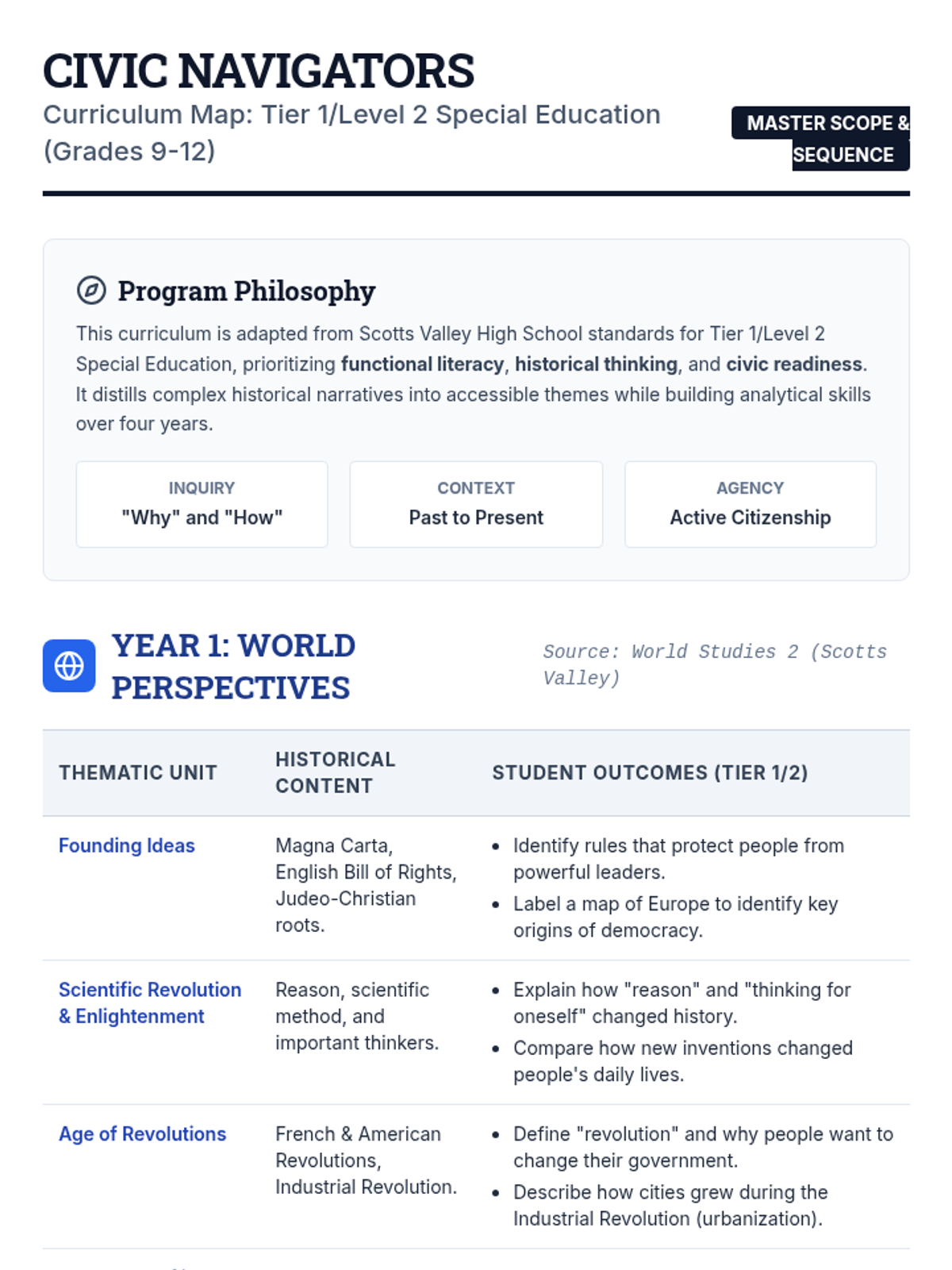
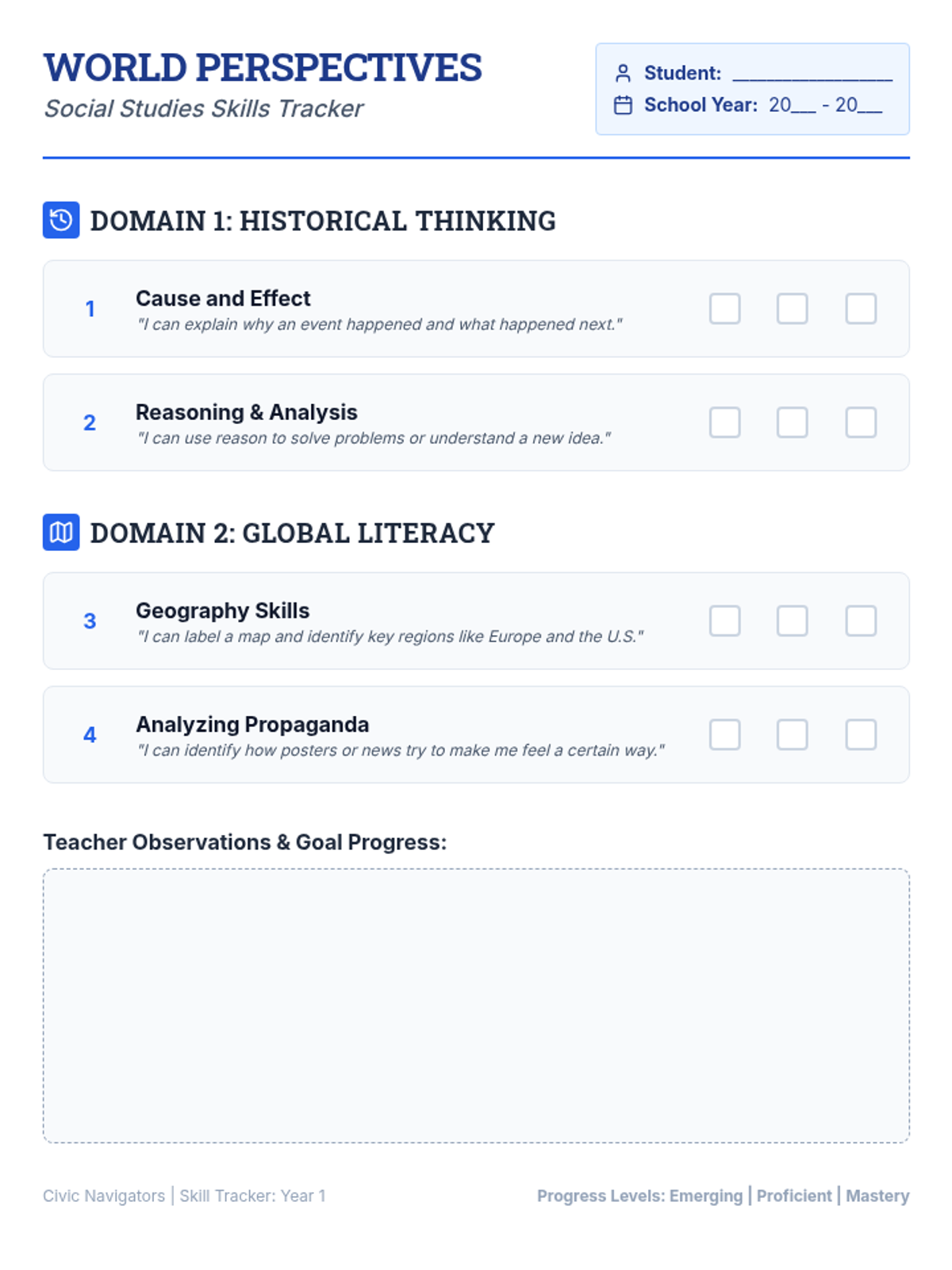
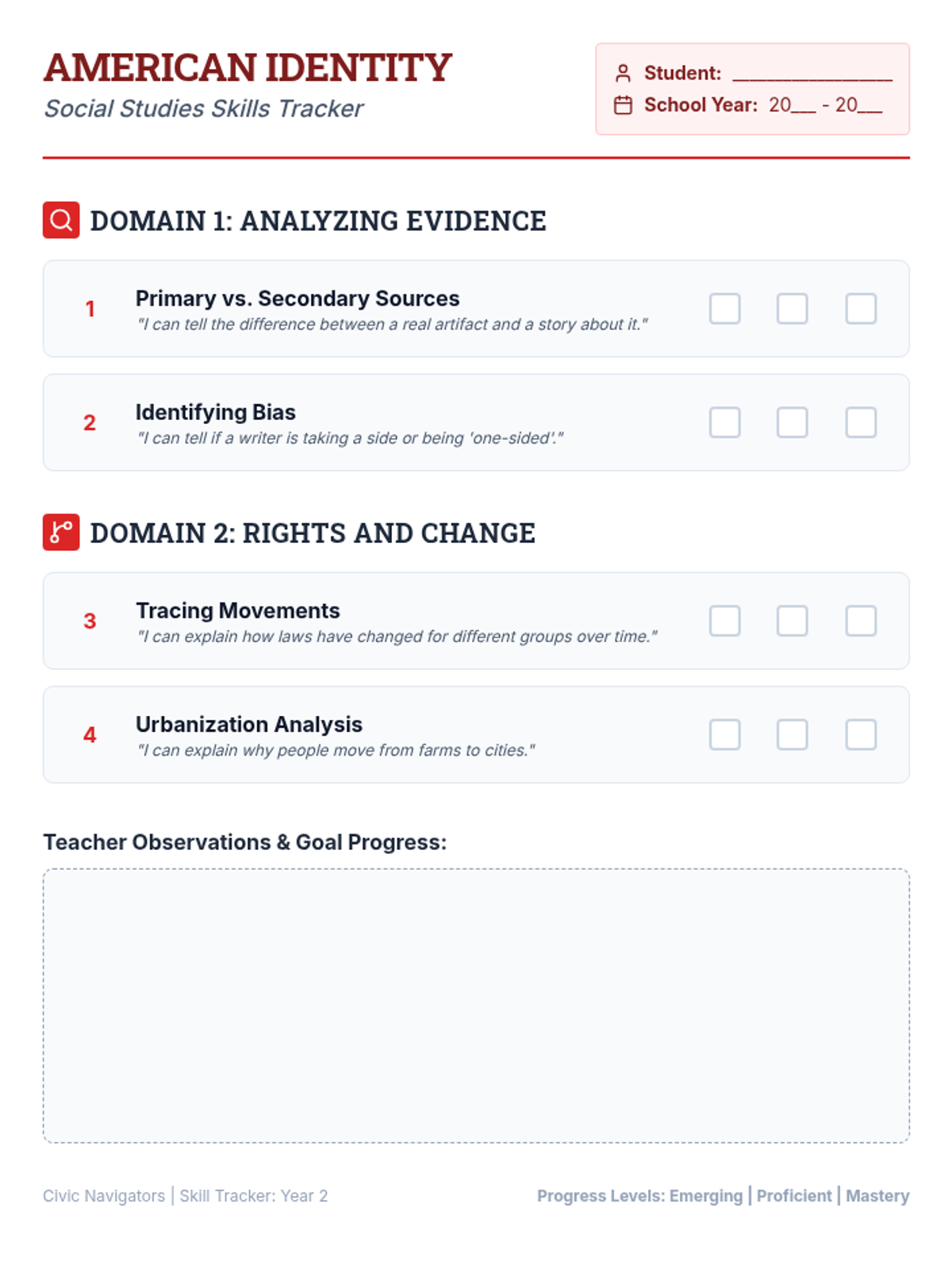
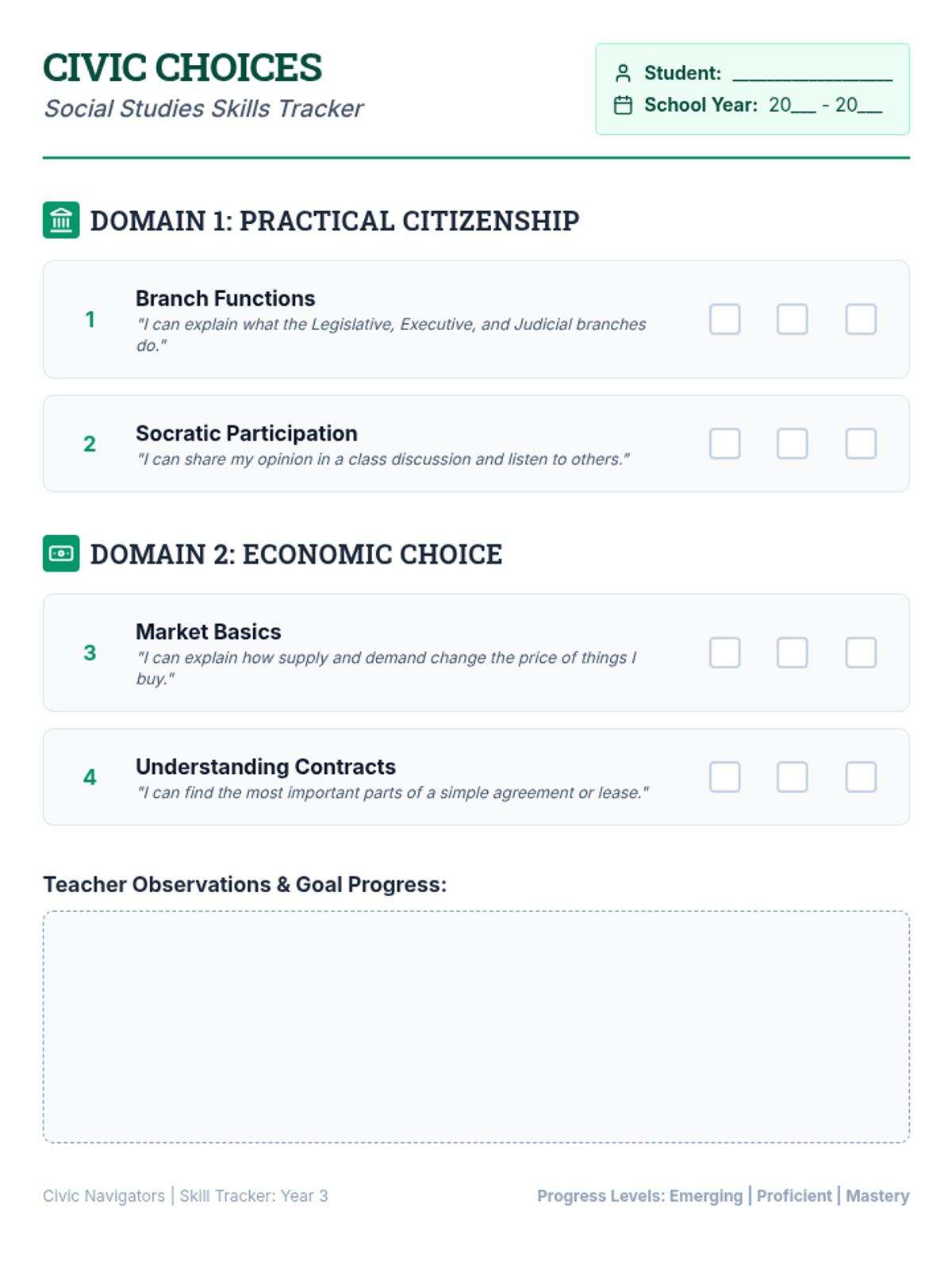
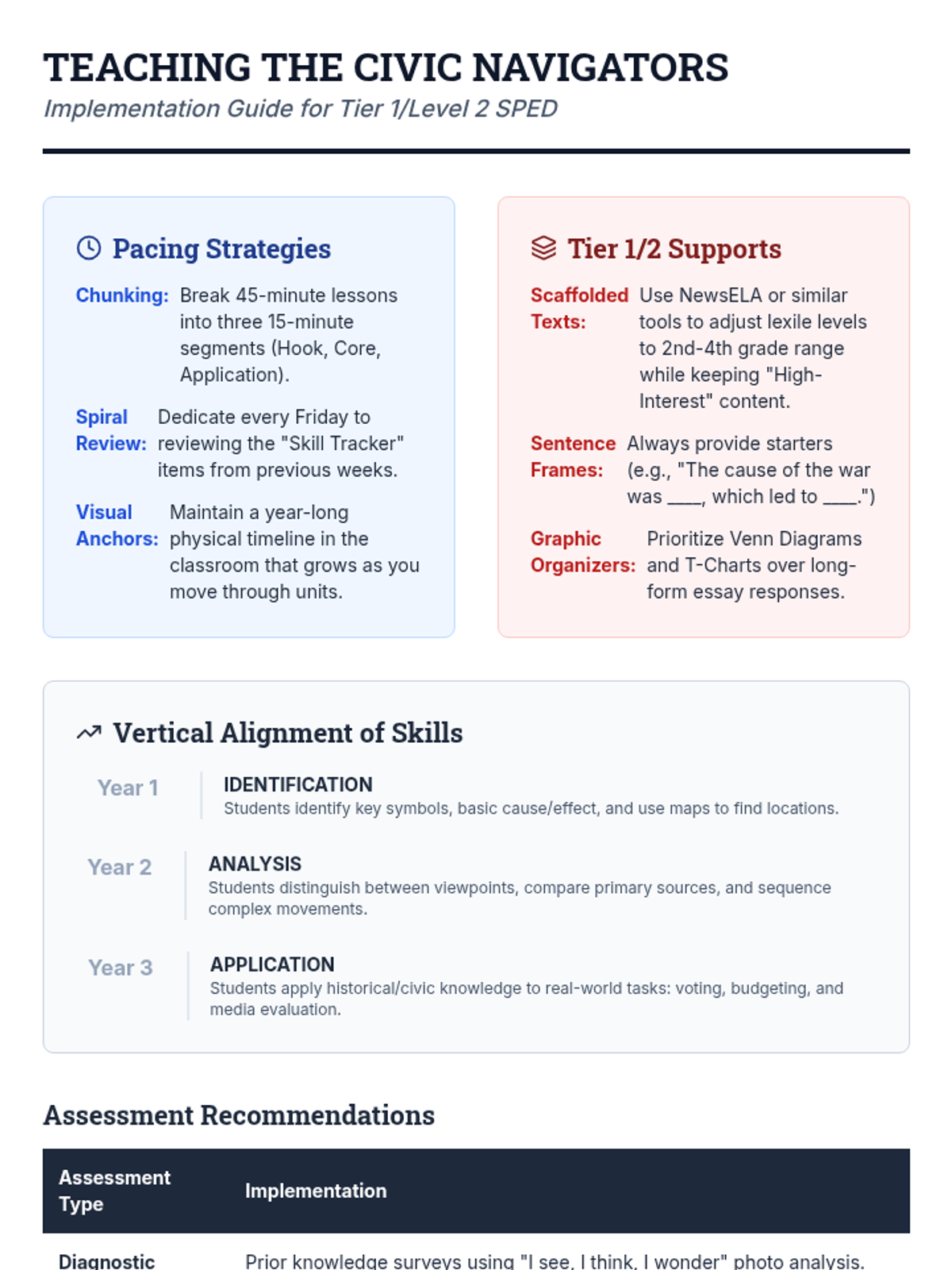
A comprehensive social studies curriculum for high school students in Tier 2/3 special education, emphasizing functional citizenship, historical patterns, and personal advocacy.
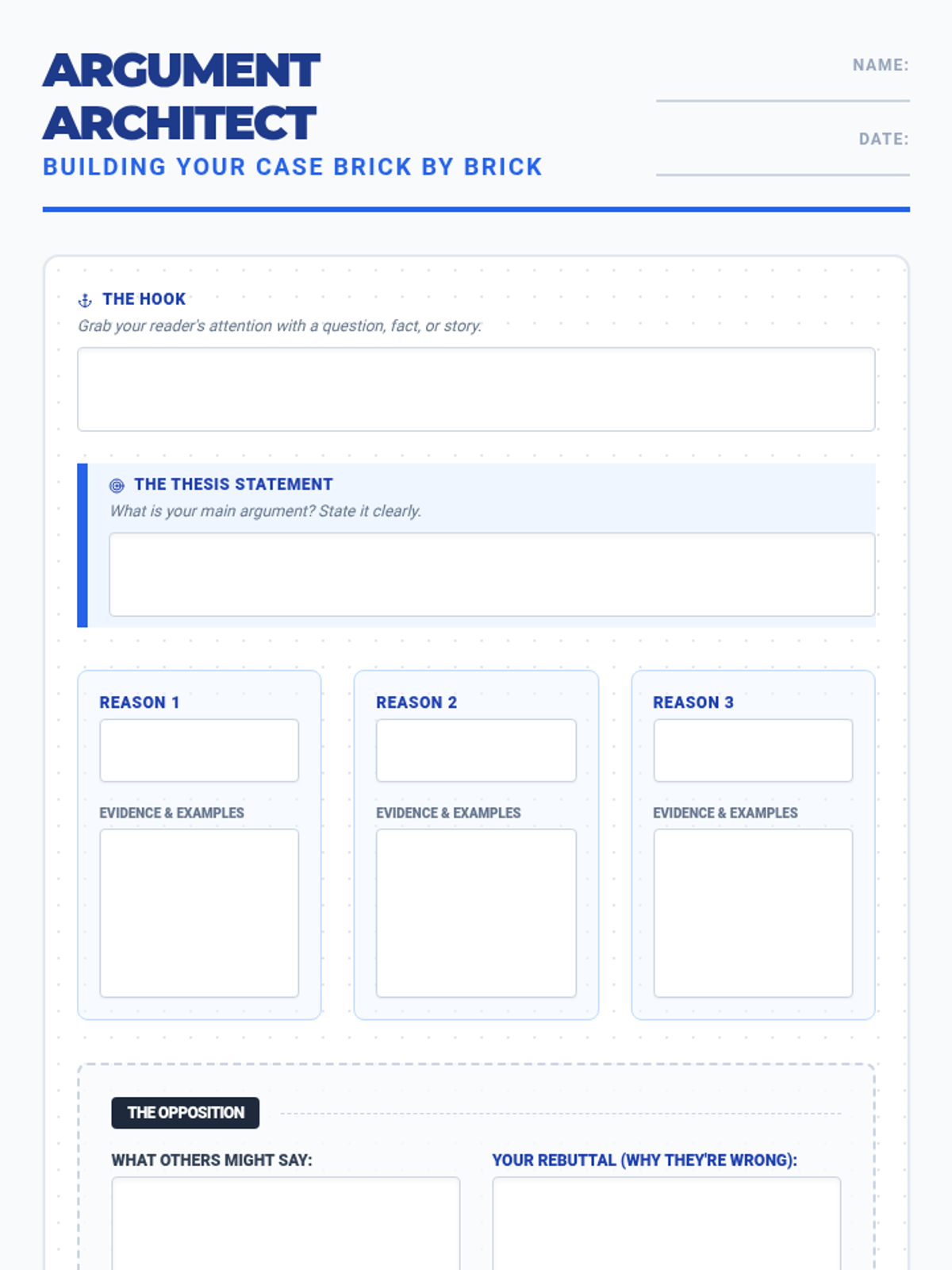
A comprehensive unit designed for functional life skills, focusing on persuasive communication, reading environmental print, and navigating social transitions with confidence.
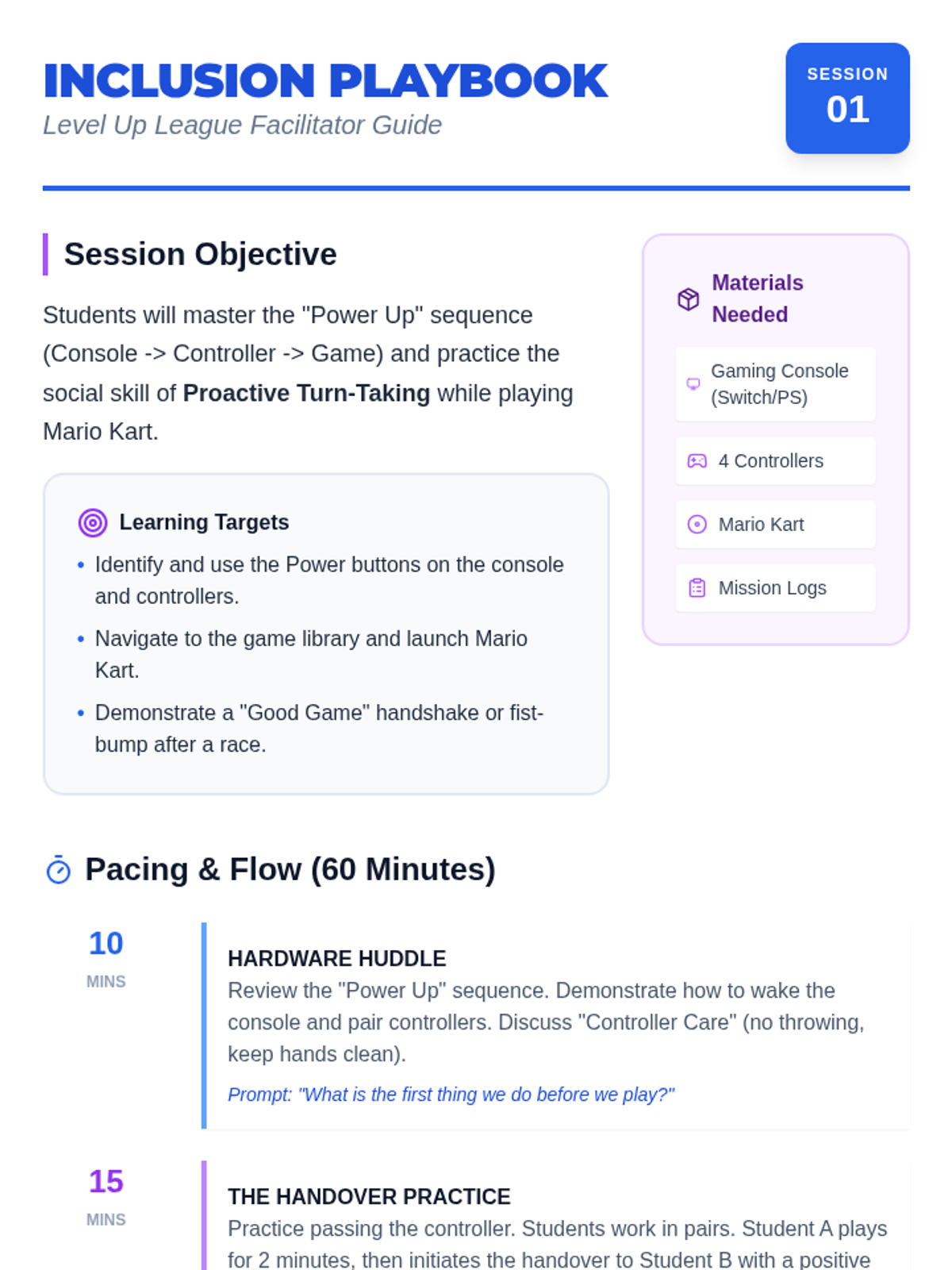
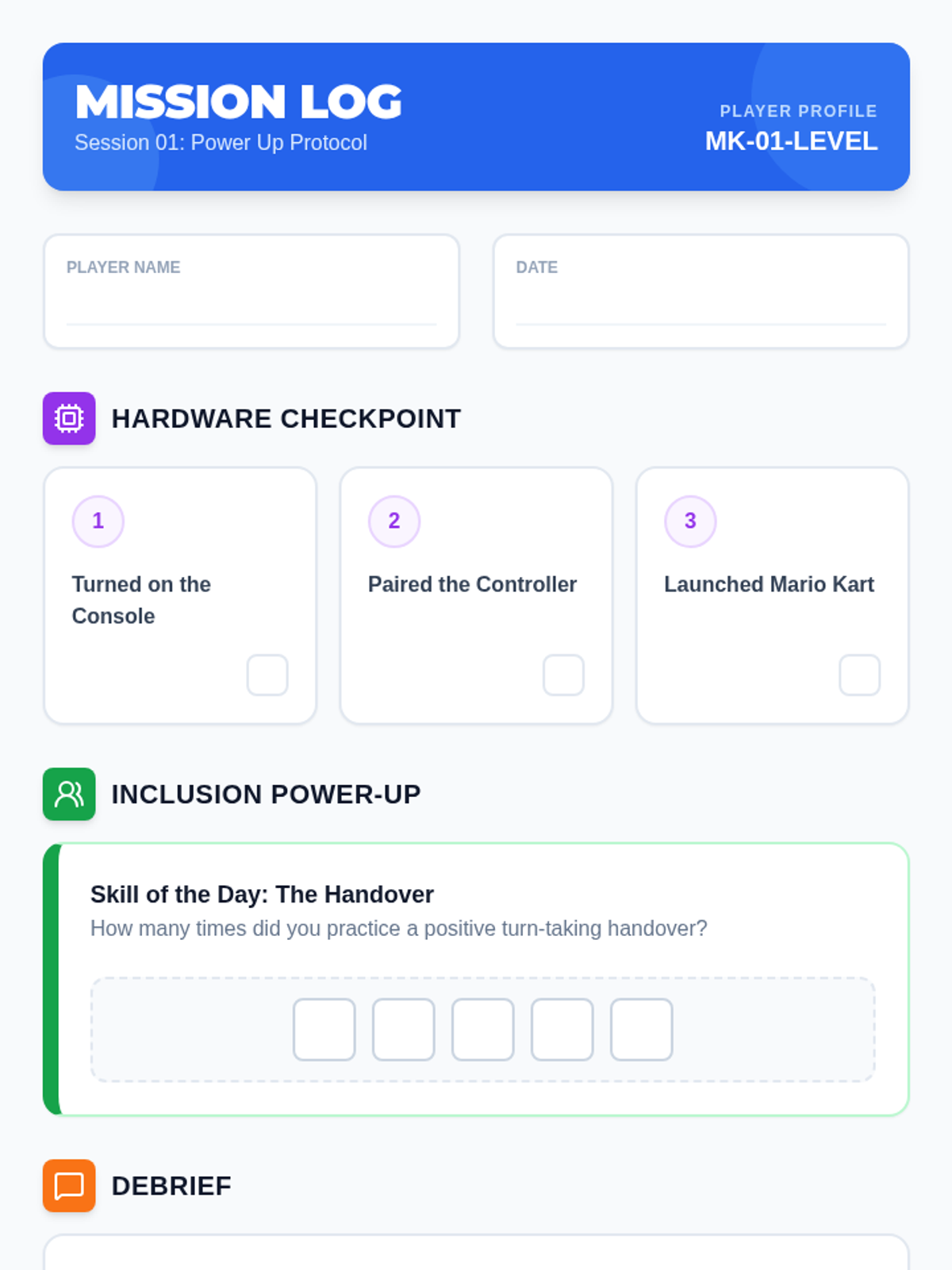
A 4-session program designed to teach students with diverse needs the technical basics and social inclusion skills required for collaborative gaming. Students learn hardware management, sportsmanship, and teamwork through Mario Kart and Rocket League.
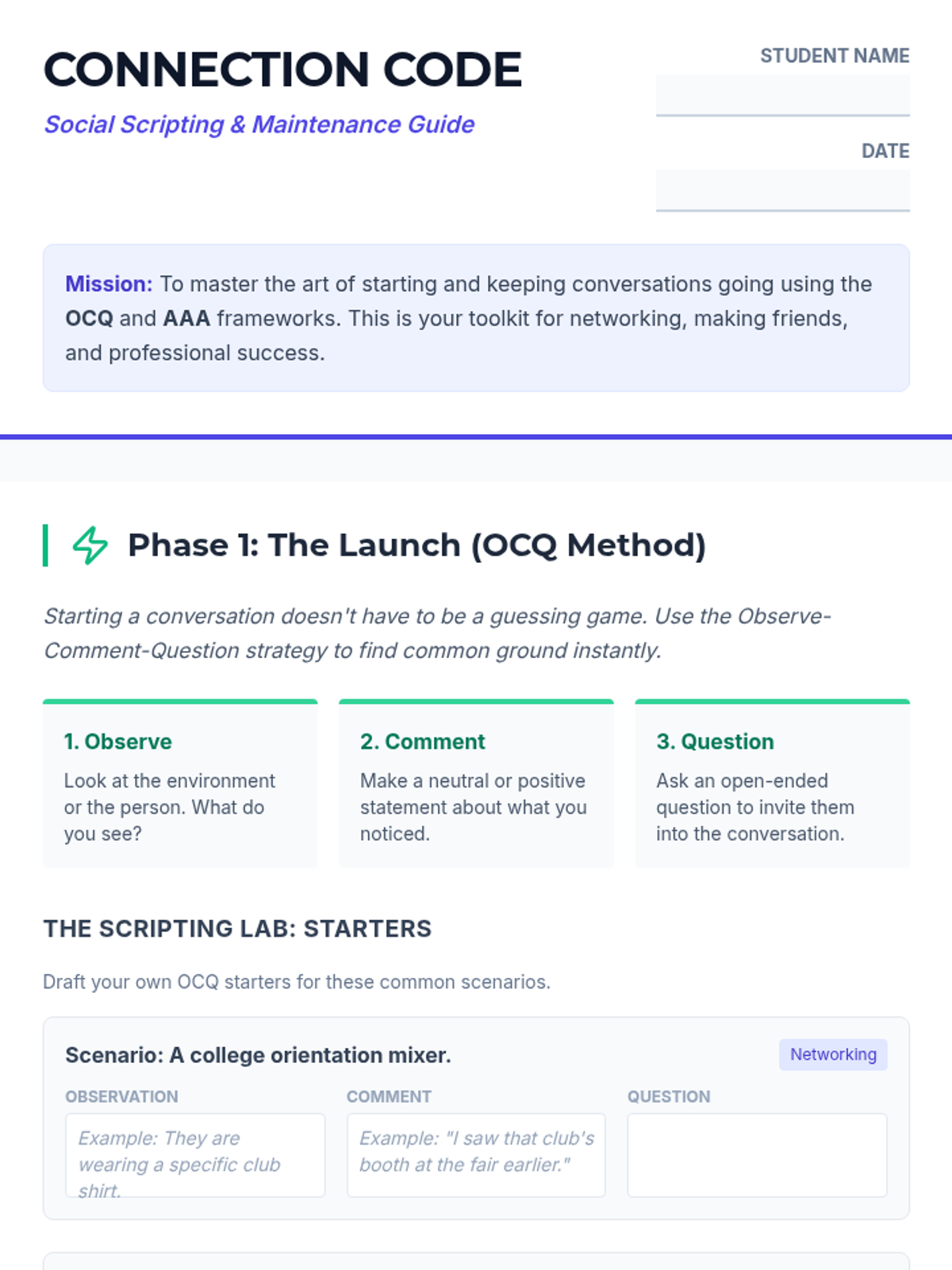
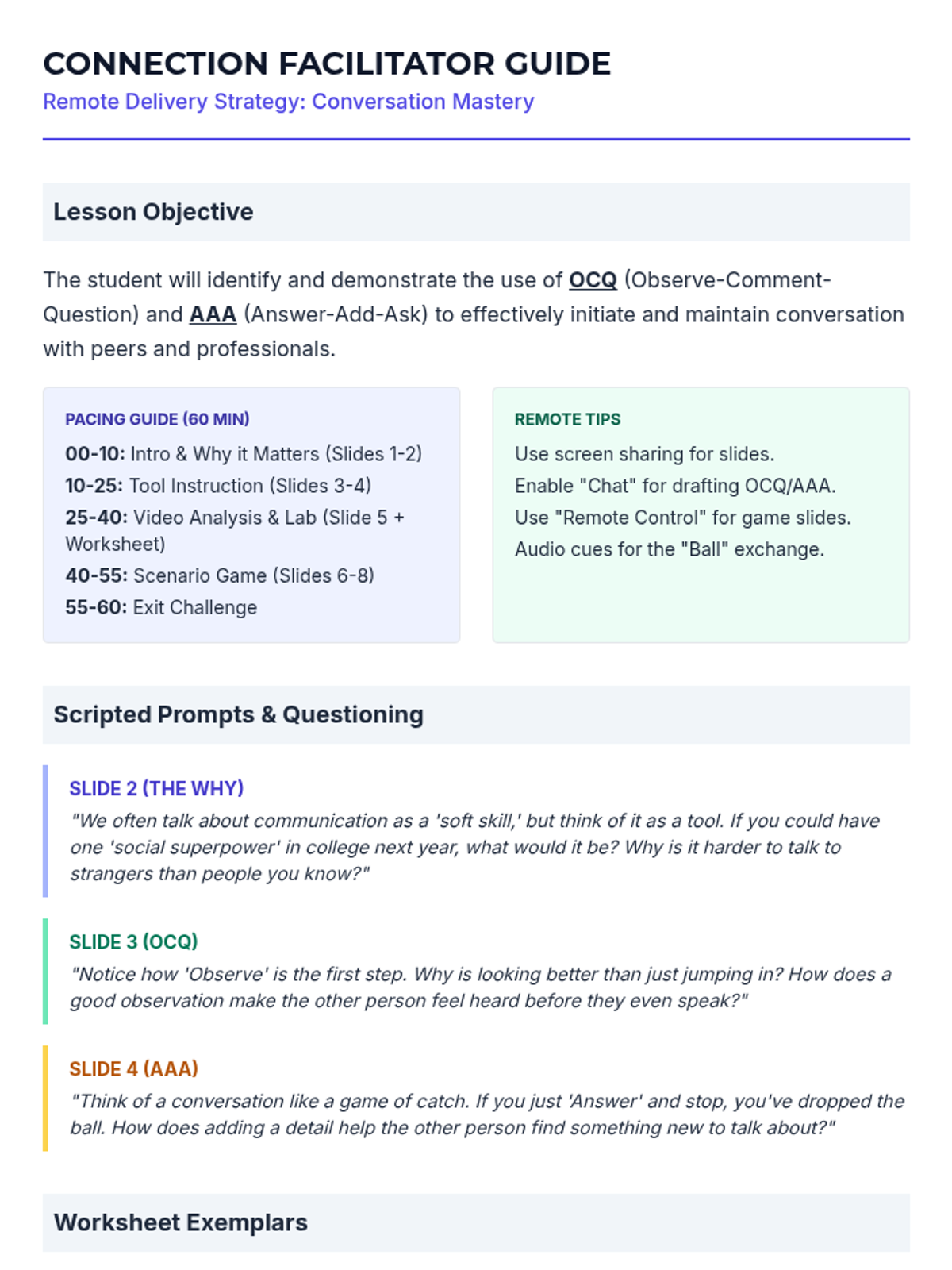
A sequence focused on high-level social communication and reciprocal skills for young adults, preparing them for college, career, and social independence.
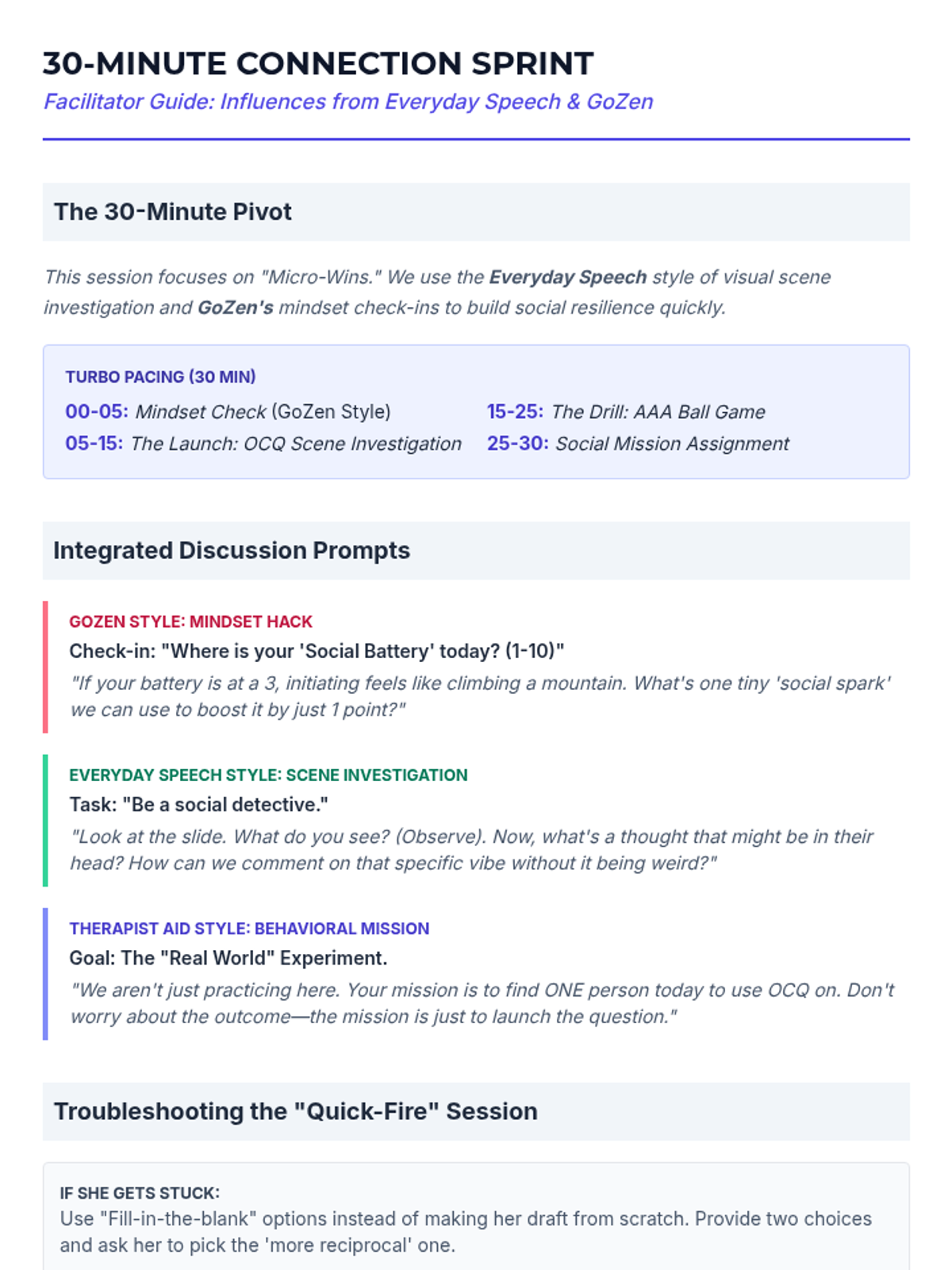
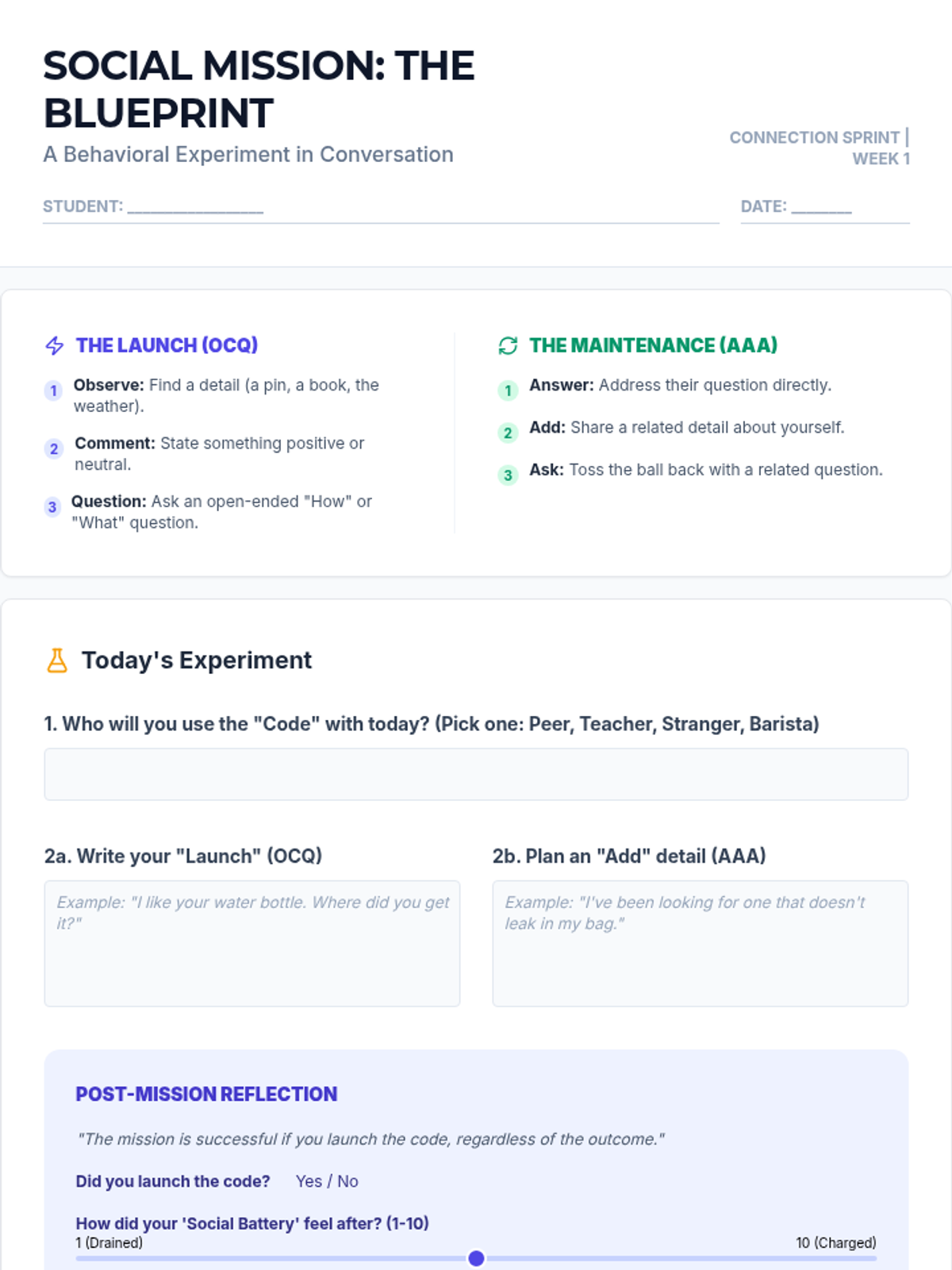
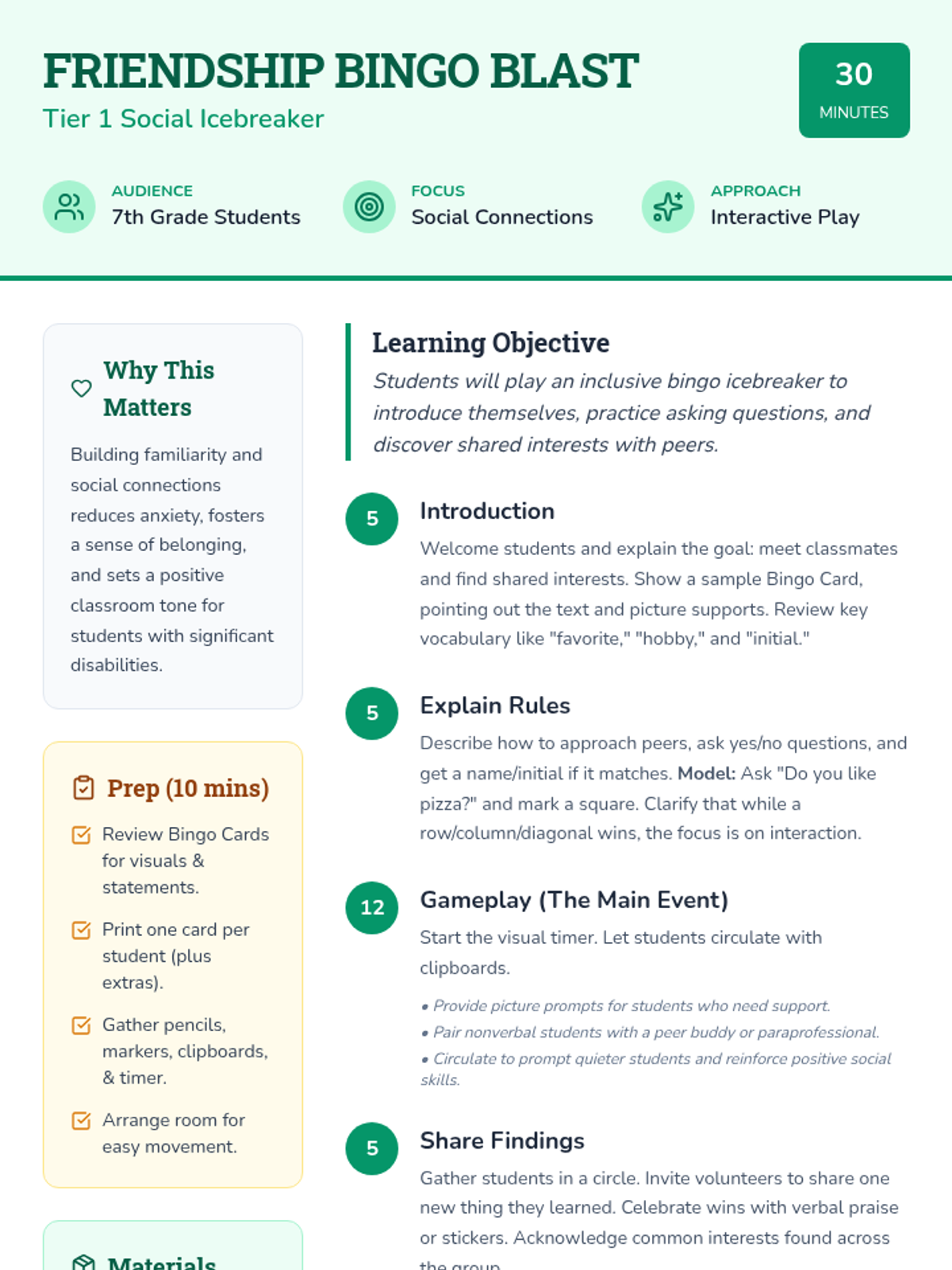
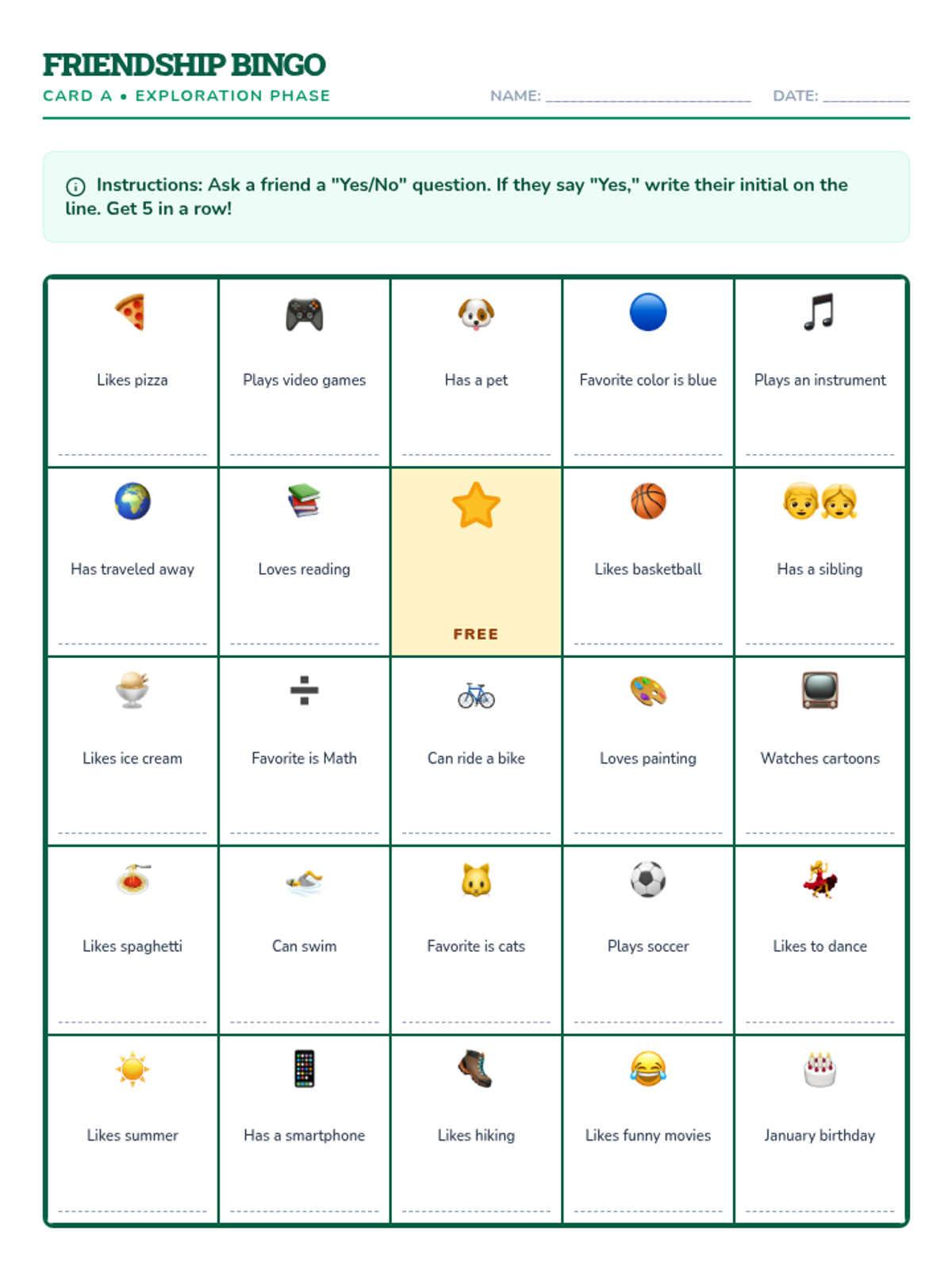
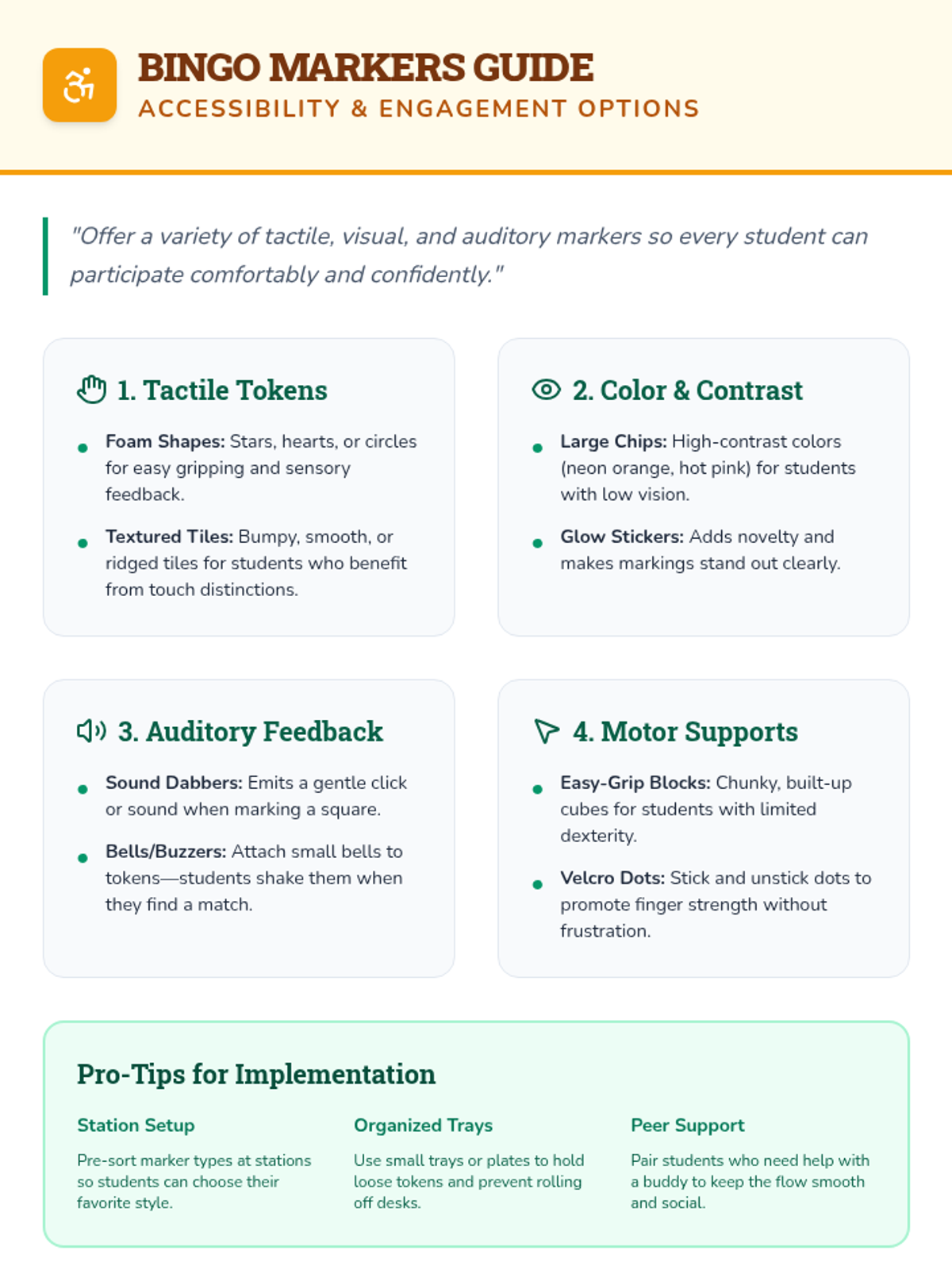
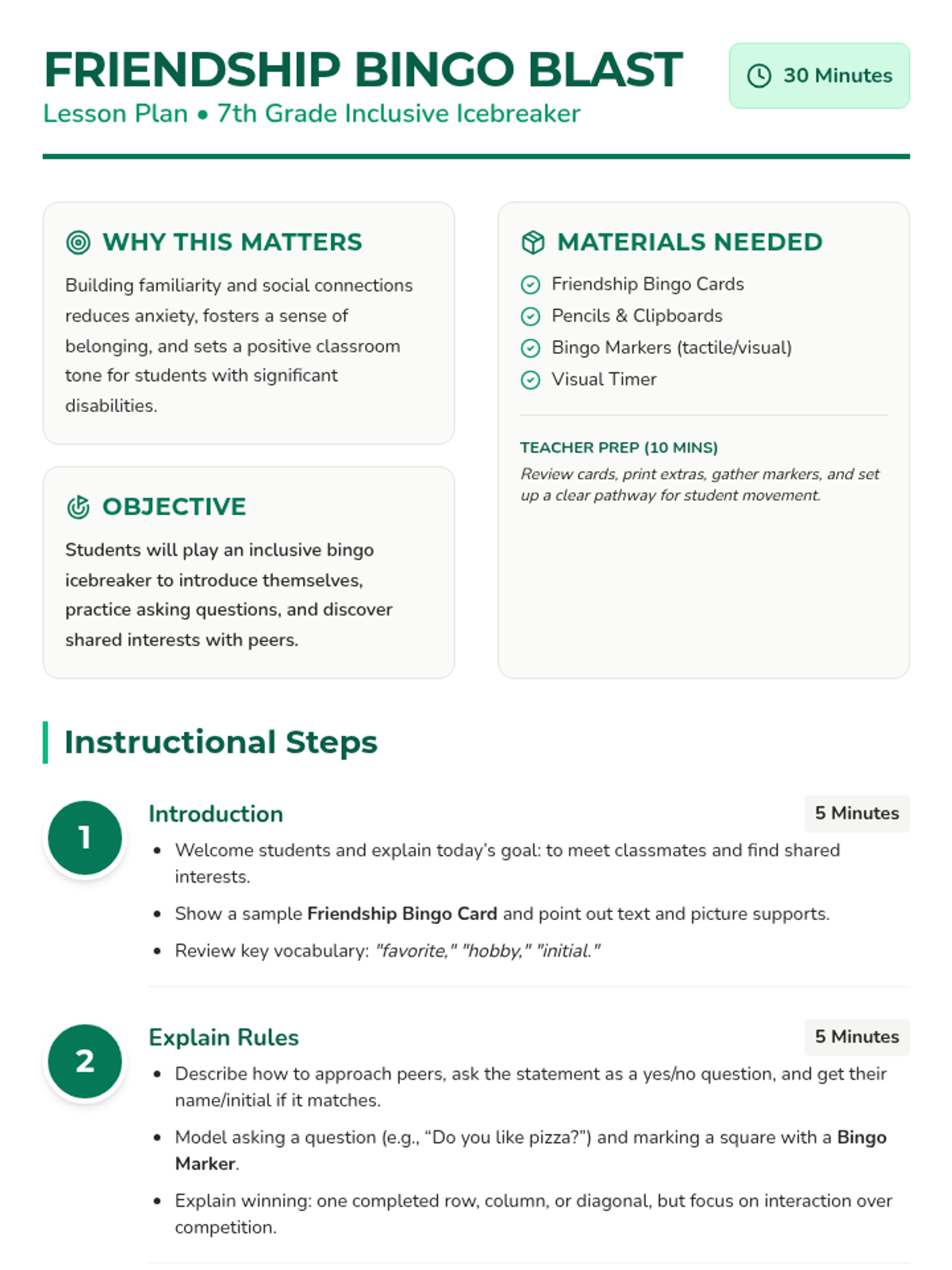
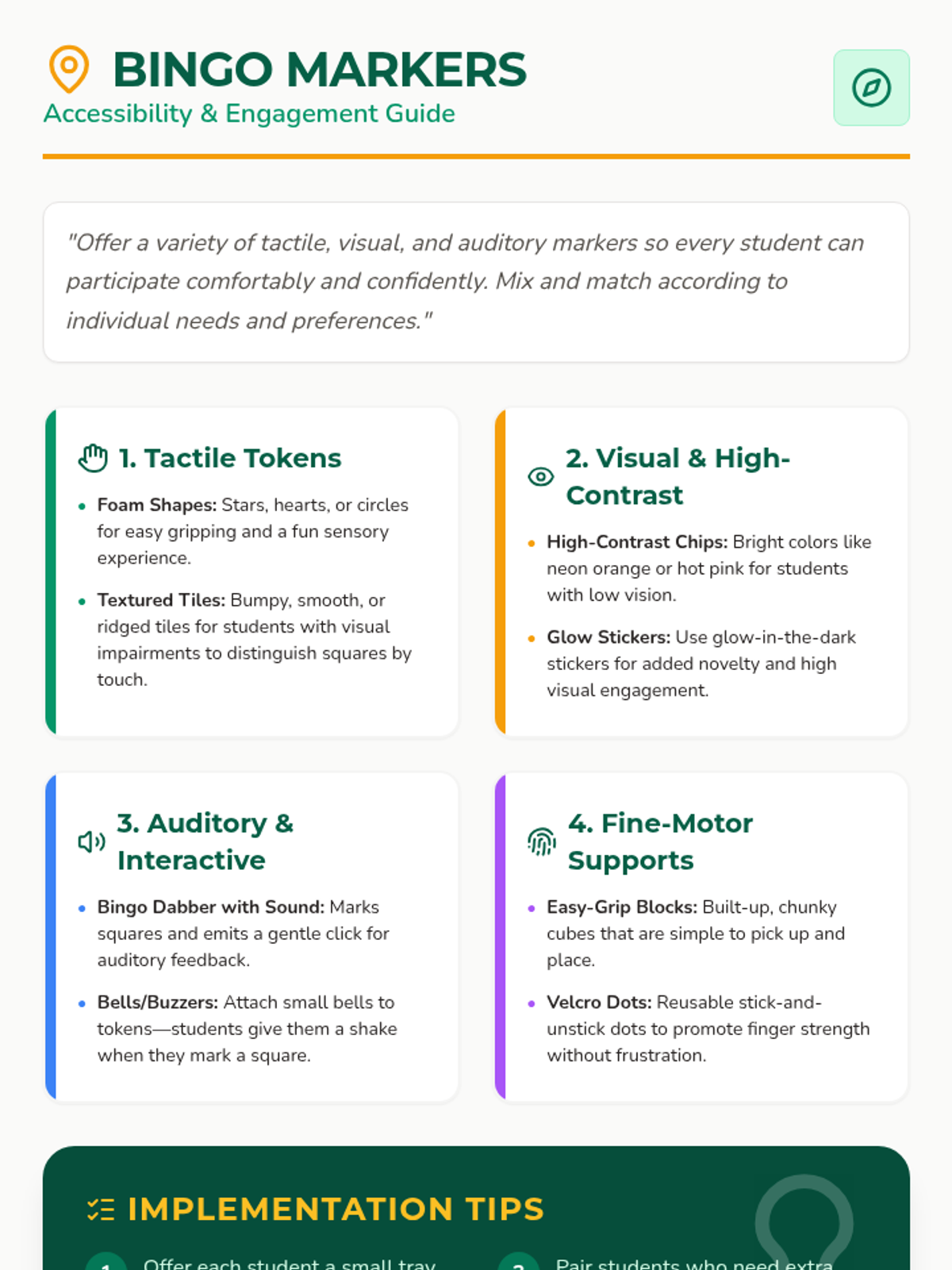
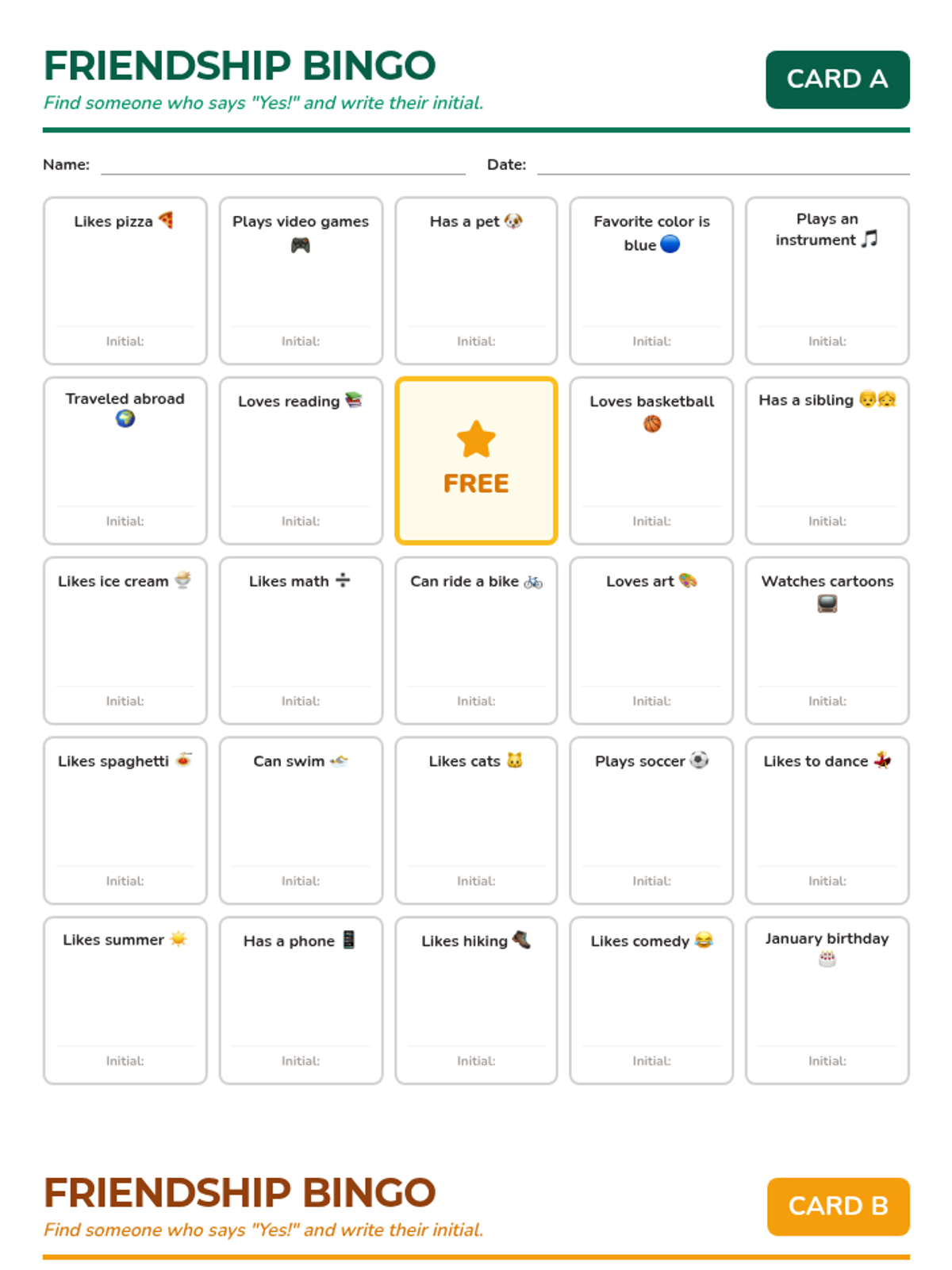
A pair of engaging icebreaker activities designed for students with significant disabilities to foster social connections and reduce anxiety through structured interaction.
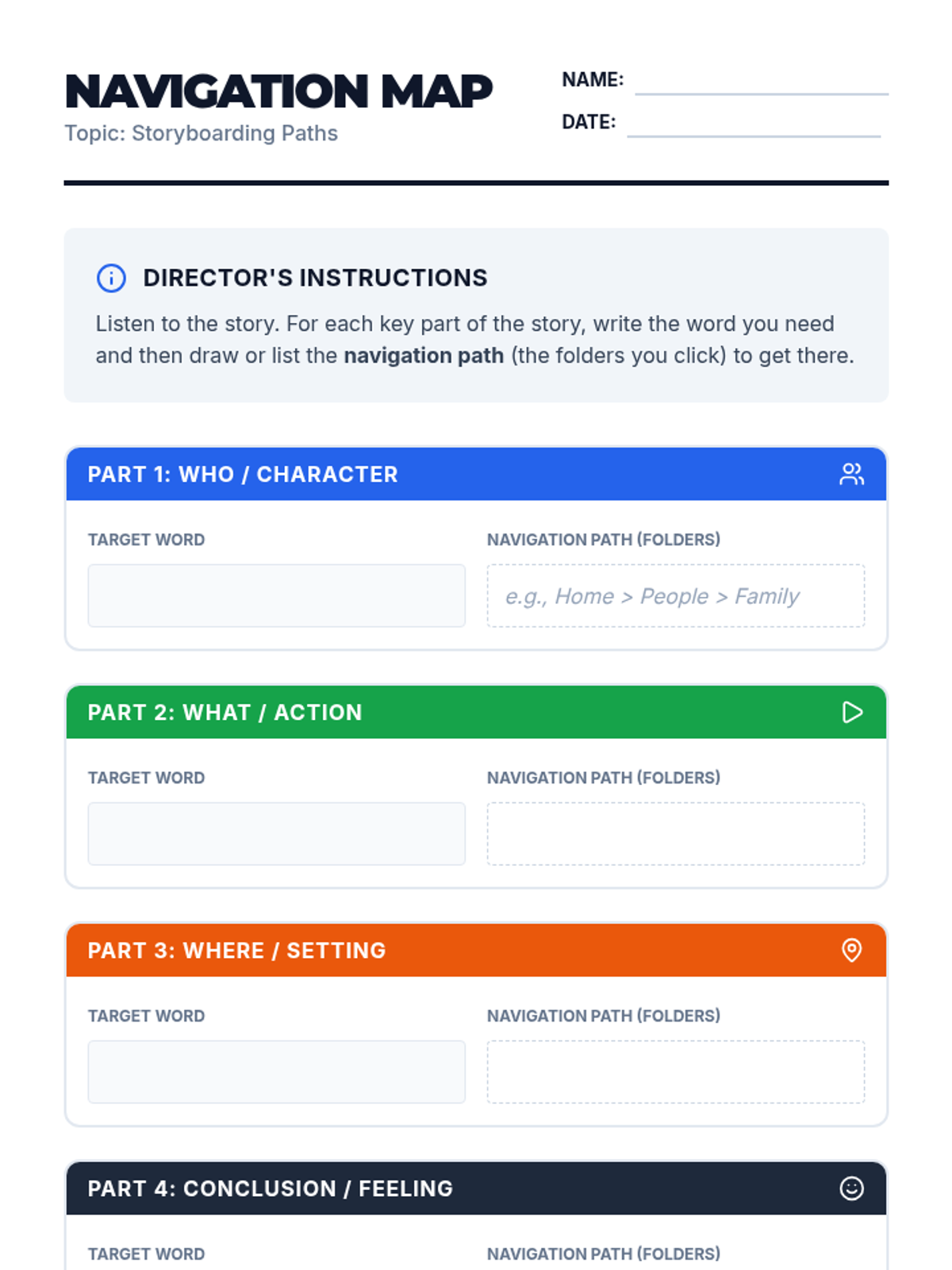
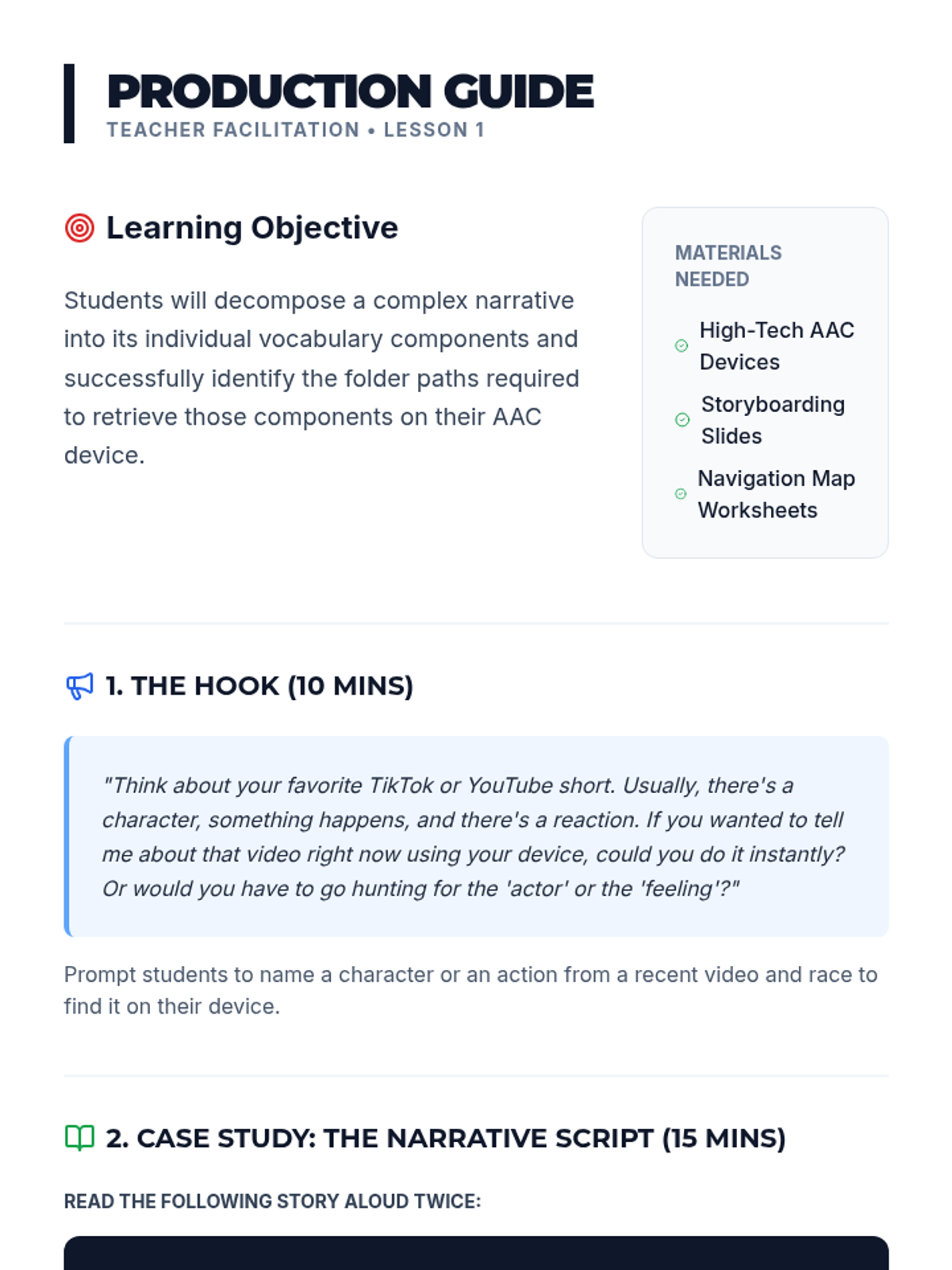
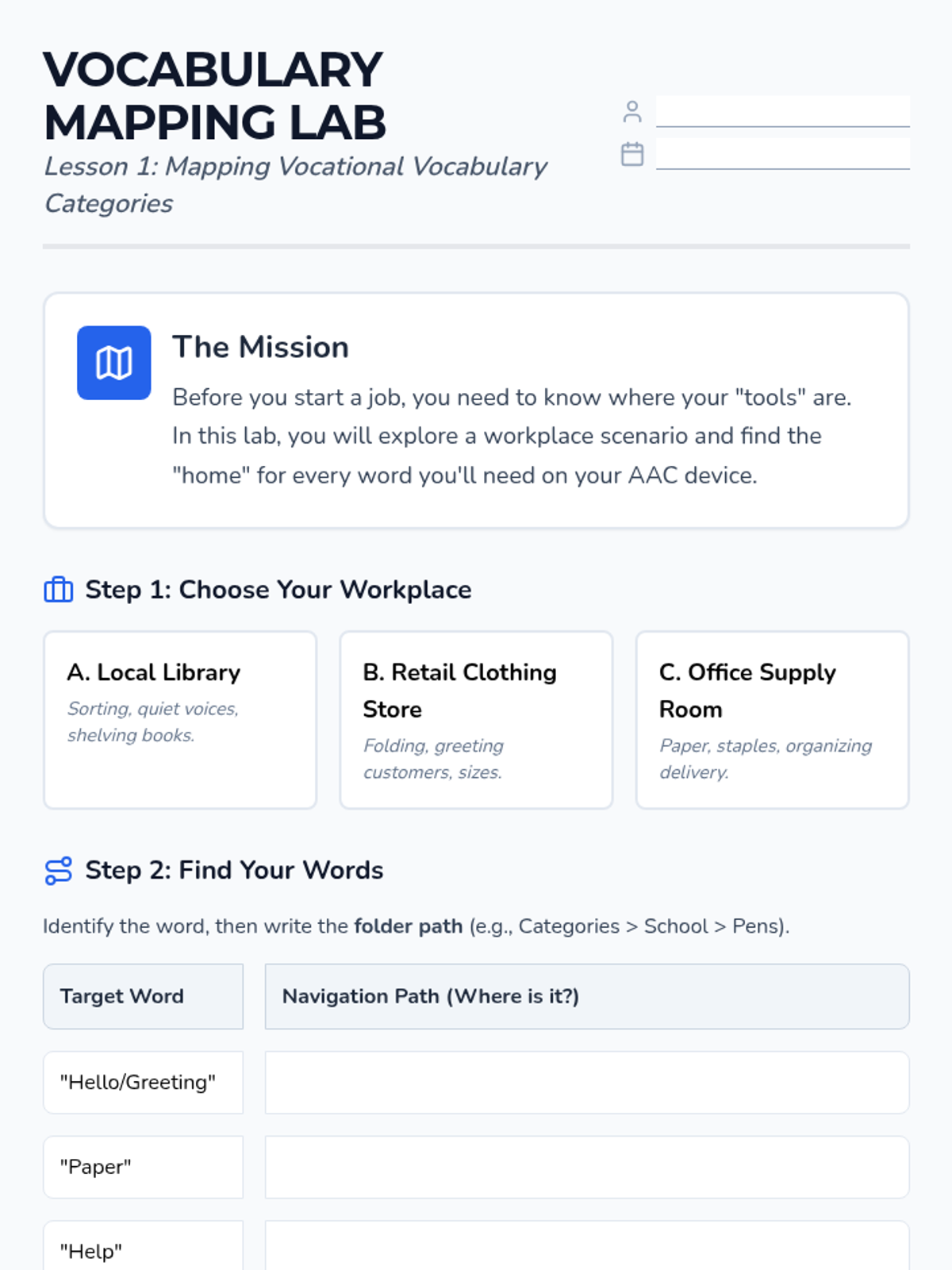
This sequence guides 12th-grade AAC users through the process of navigating complex device folder structures to construct rich, multi-part narratives. Students progress from mapping navigation paths to applying morphology and descriptive language, culminating in a recorded digital story showcase.
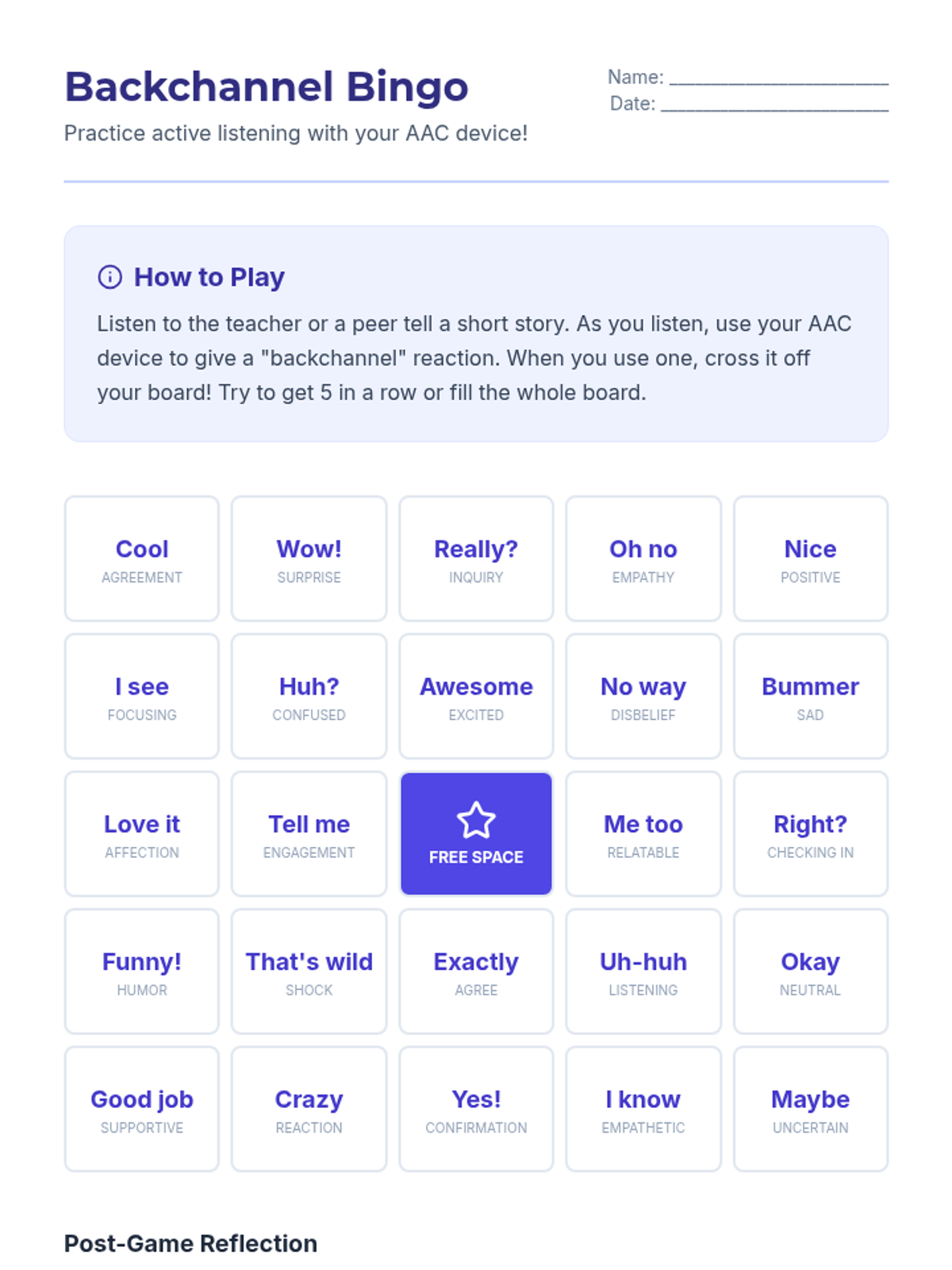
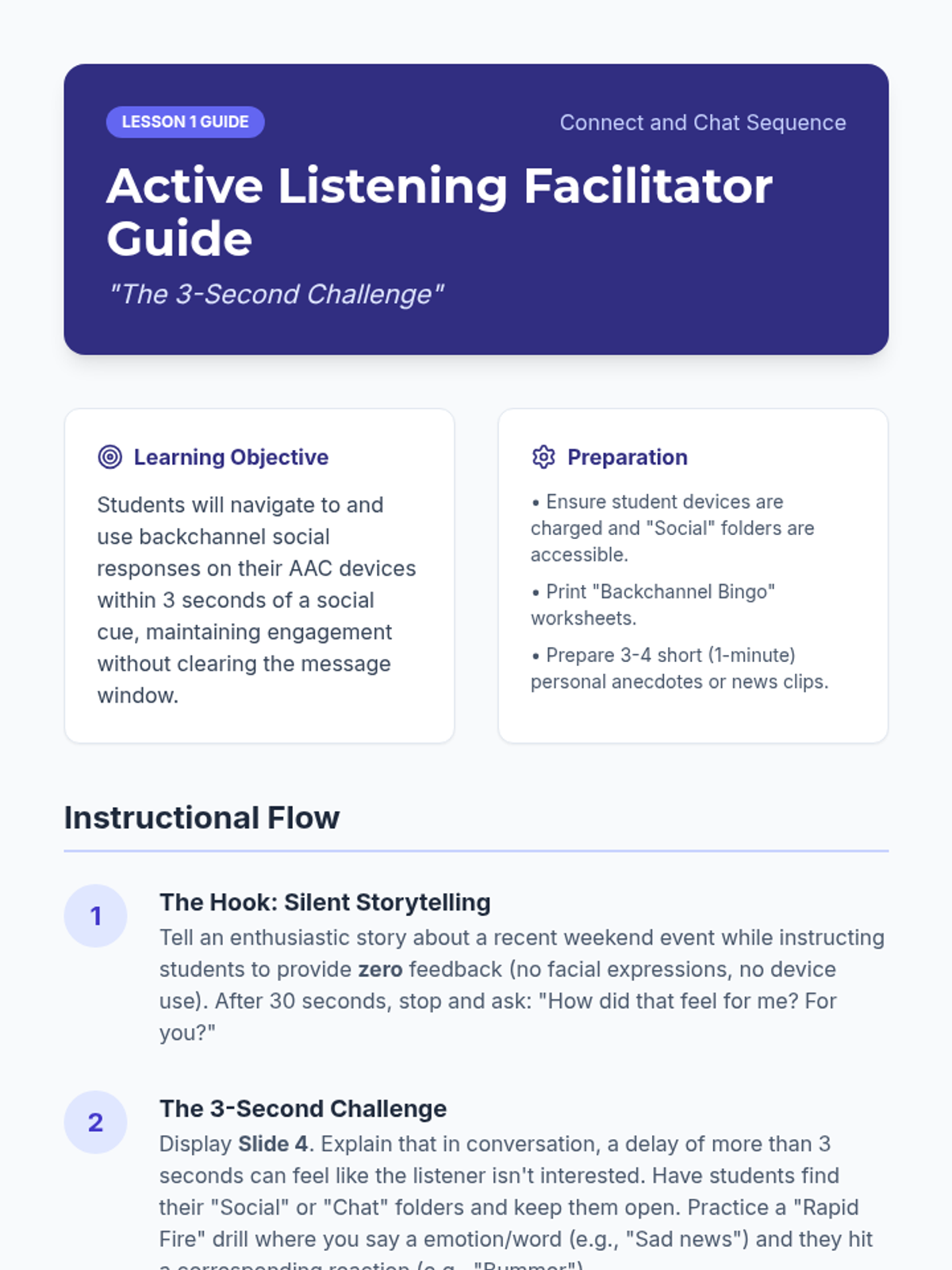
This sequence focuses on the high demands of social interaction for AAC users, training 12th-grade students to navigate their devices during real-time conversation. Students practice rapid switching between questions, comments, and exclamations to maintain dialogue flow, culminating in a group discussion where navigation speed supports active participation.
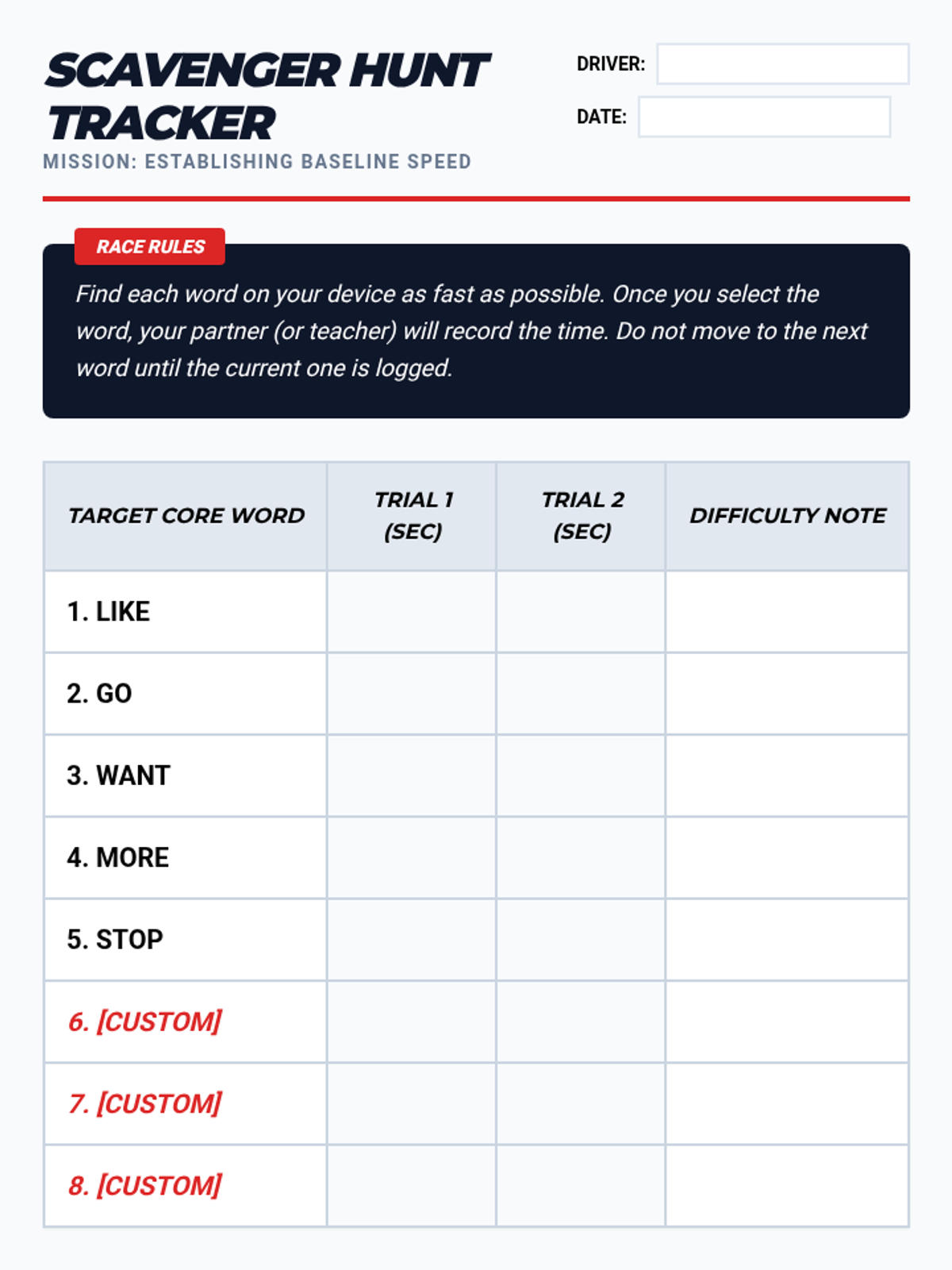
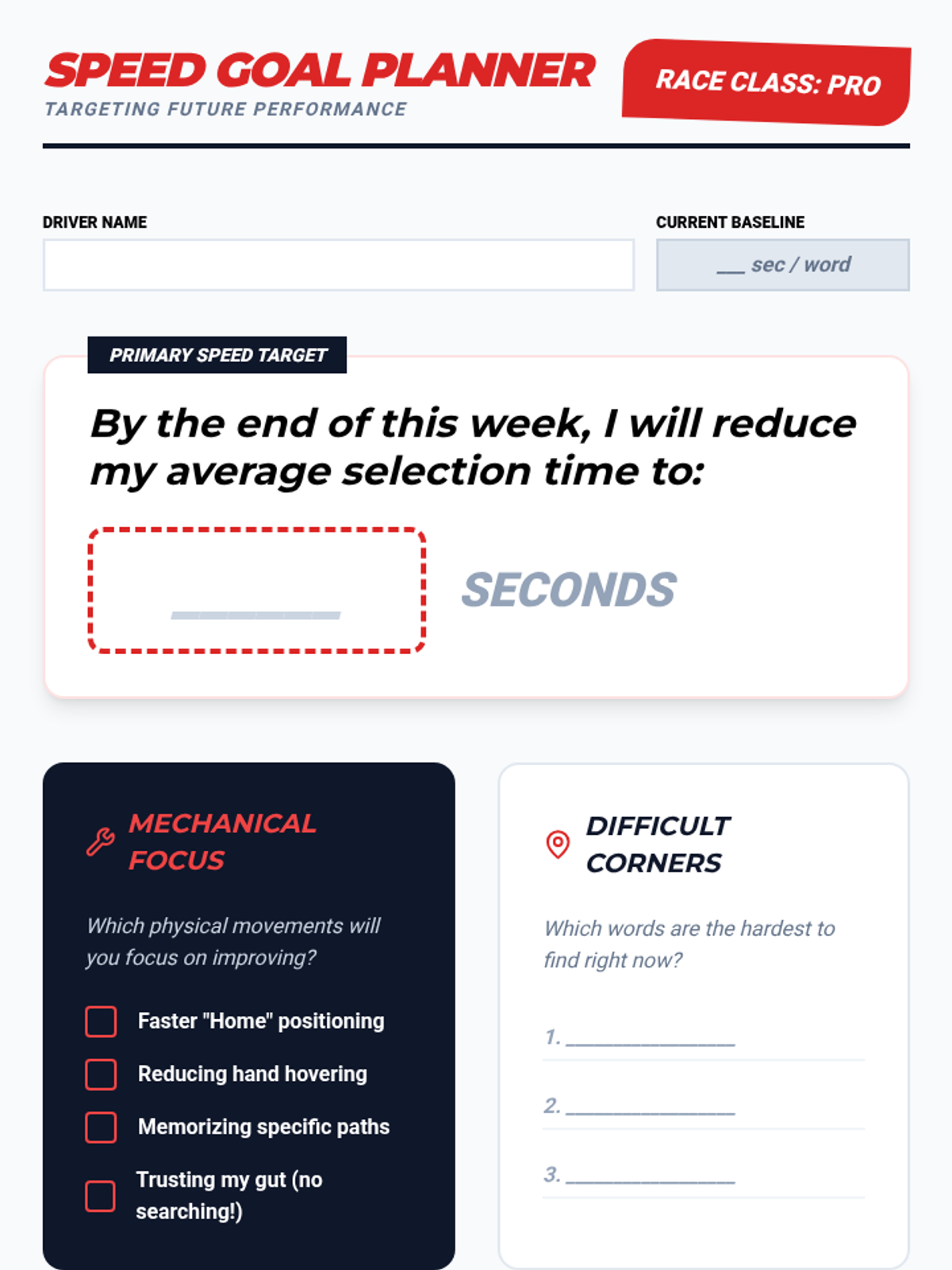
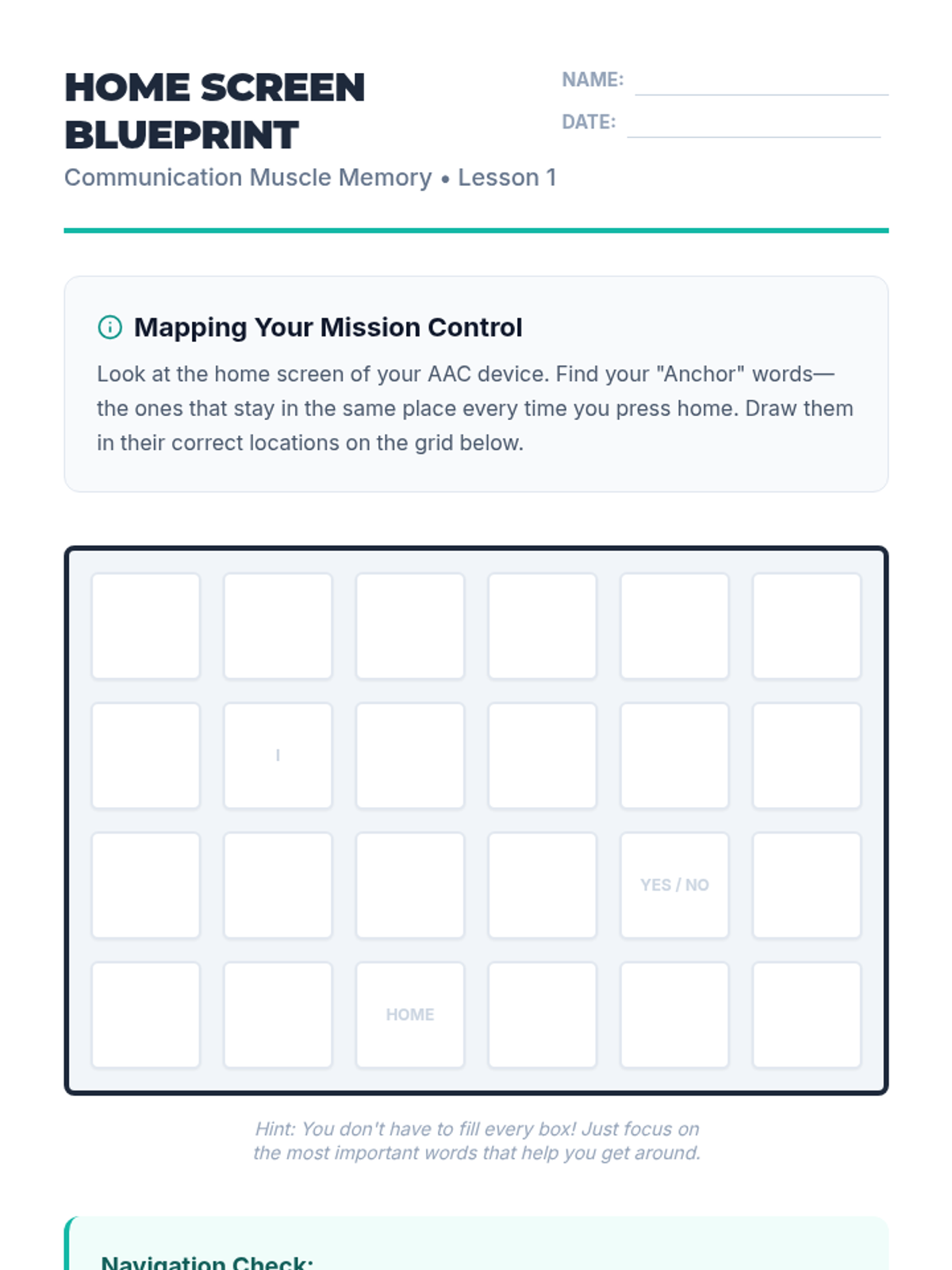
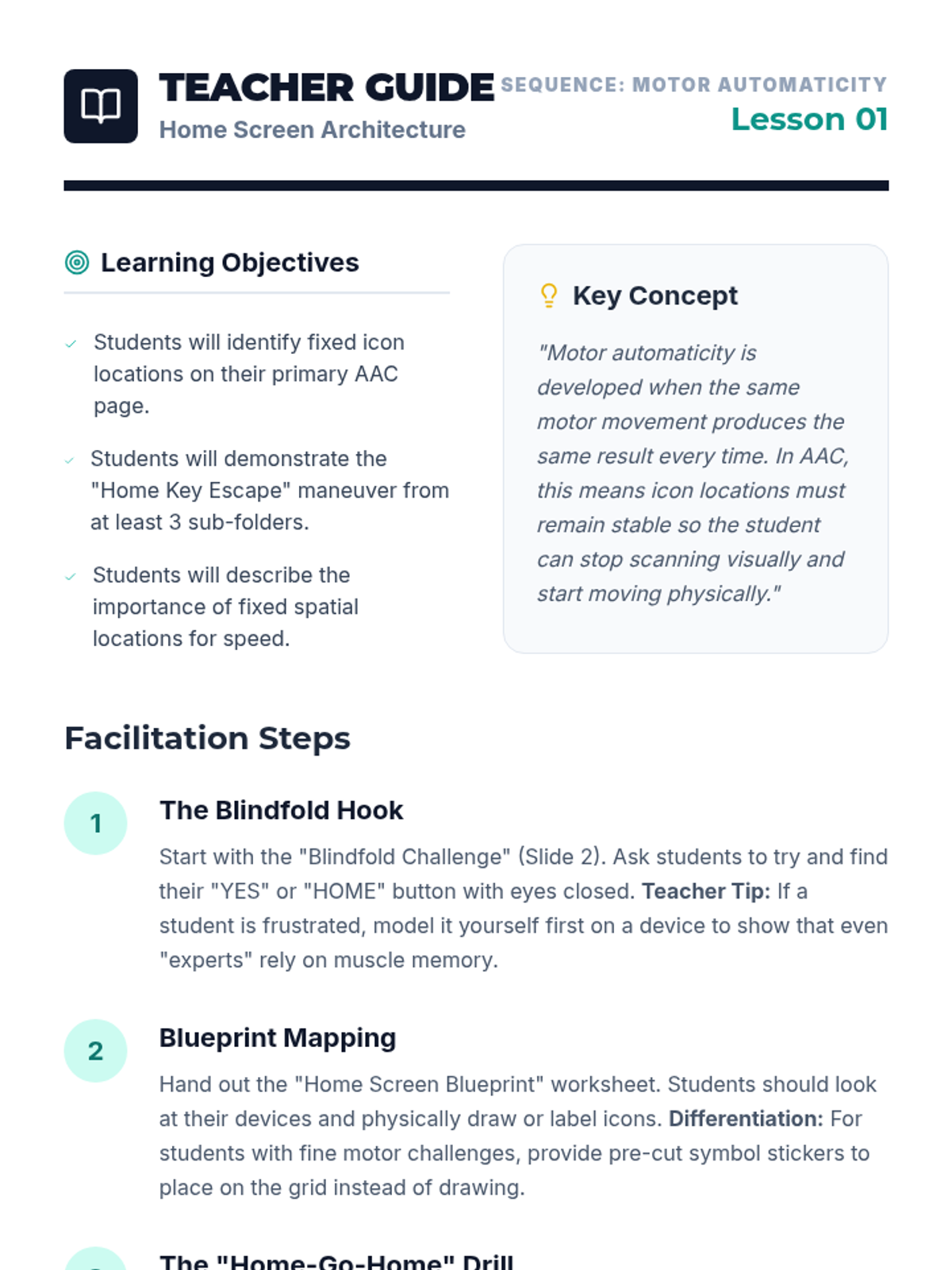
A specialized training sequence for 12th-grade AAC users to transition from visual scanning to motor automaticity. Students use racing-themed drills and gamified challenges to build muscle memory for core vocabulary and folder navigation, culminating in high-speed communication fluency.
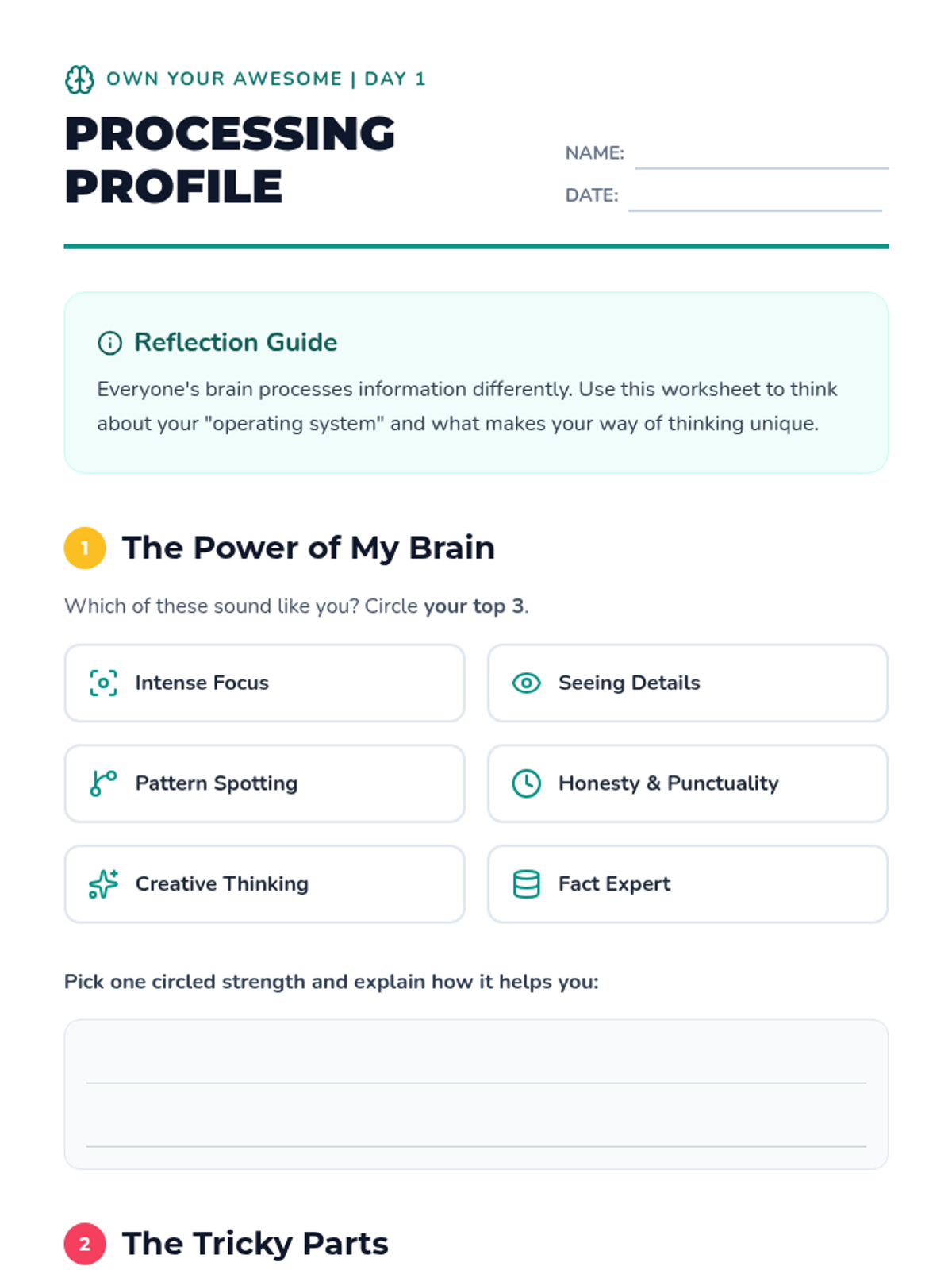
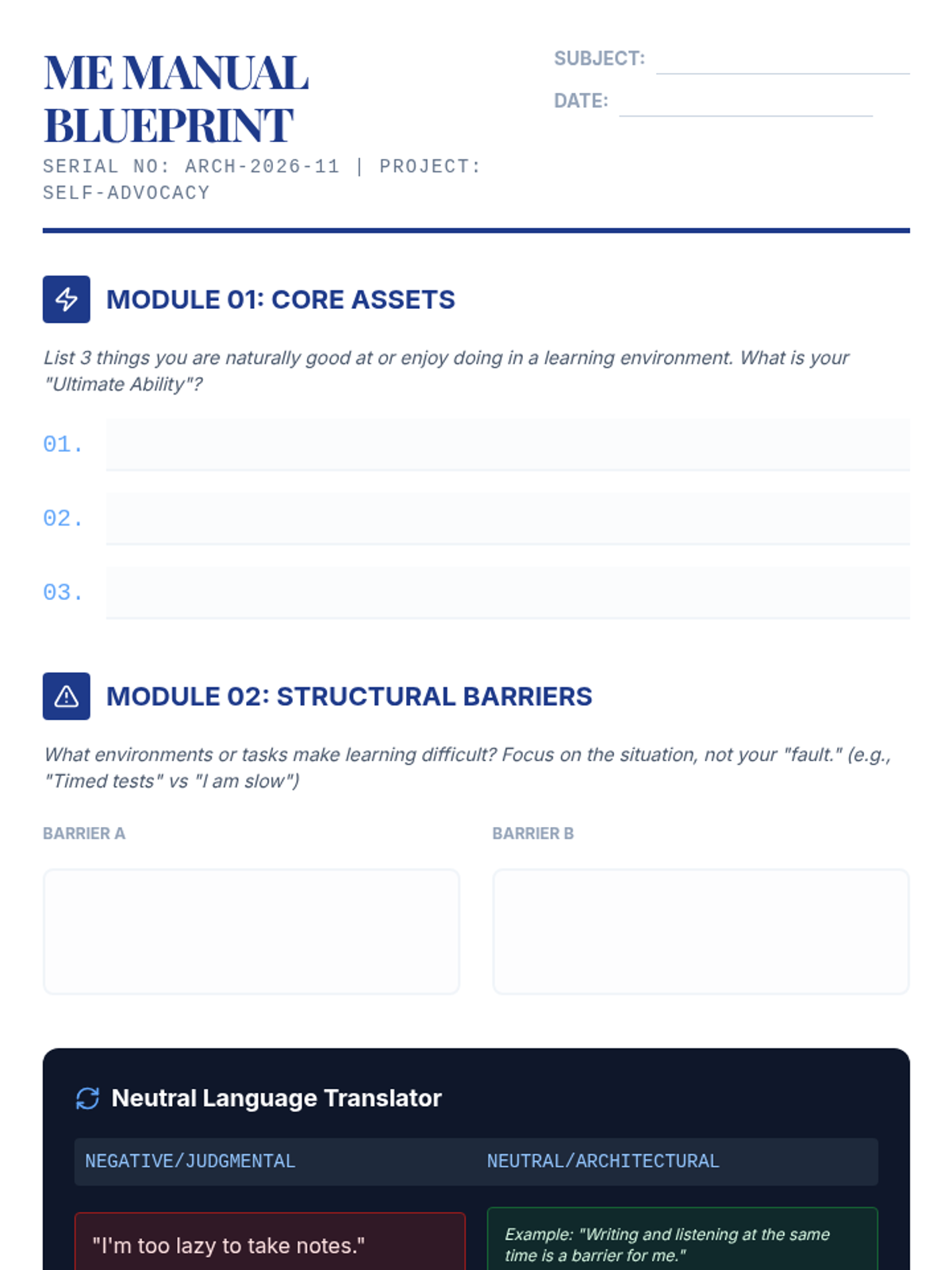
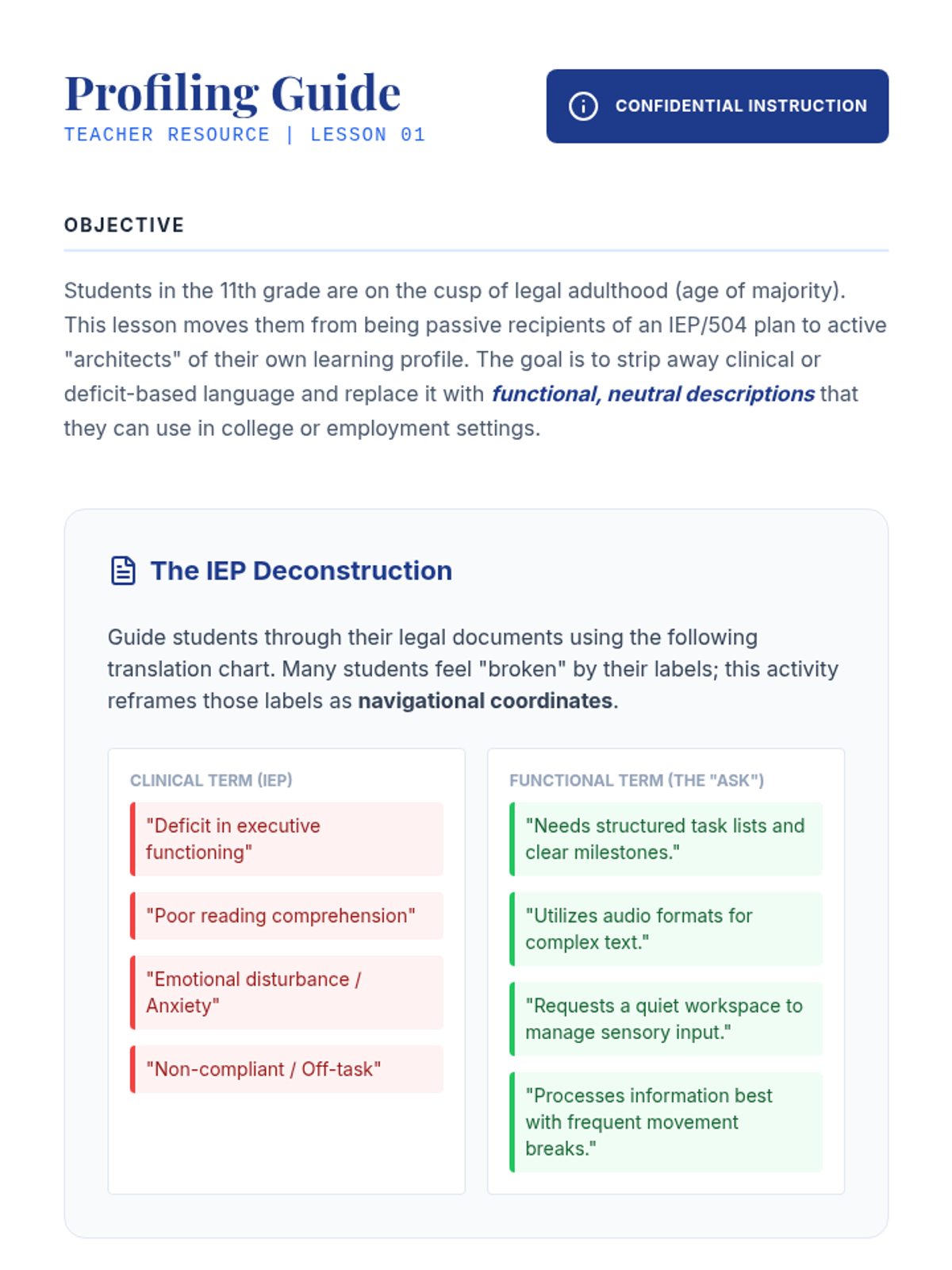
A comprehensive 2-week unit designed for autistic students to explore their identity, identify personal strengths and needs, and master self-advocacy skills in school, work, and community settings.
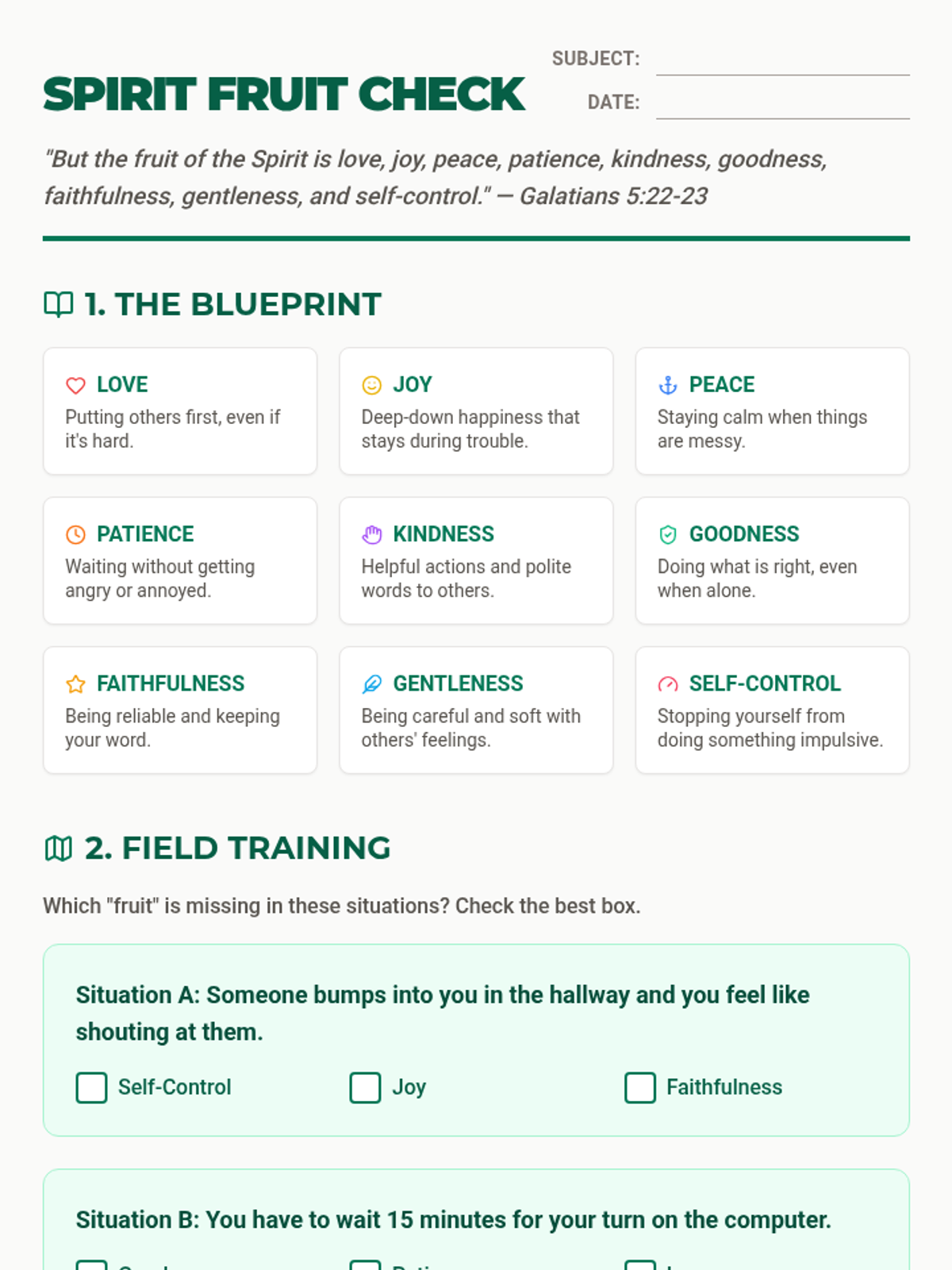
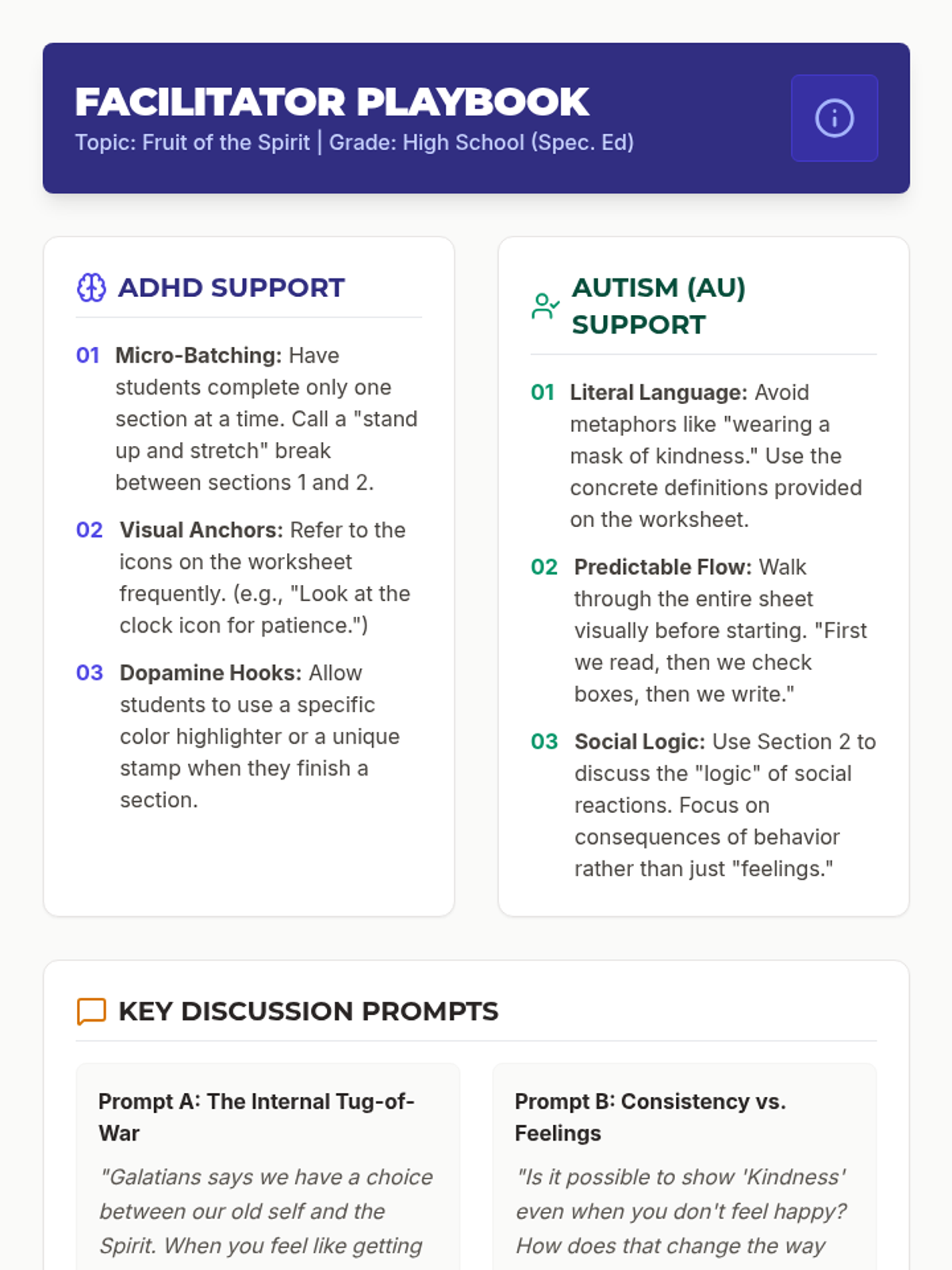
A study of the Book of Galatians tailored for high school boys with ADHD and Autism, focusing on practical application of spiritual growth and Christian freedom through concrete, literal teaching.
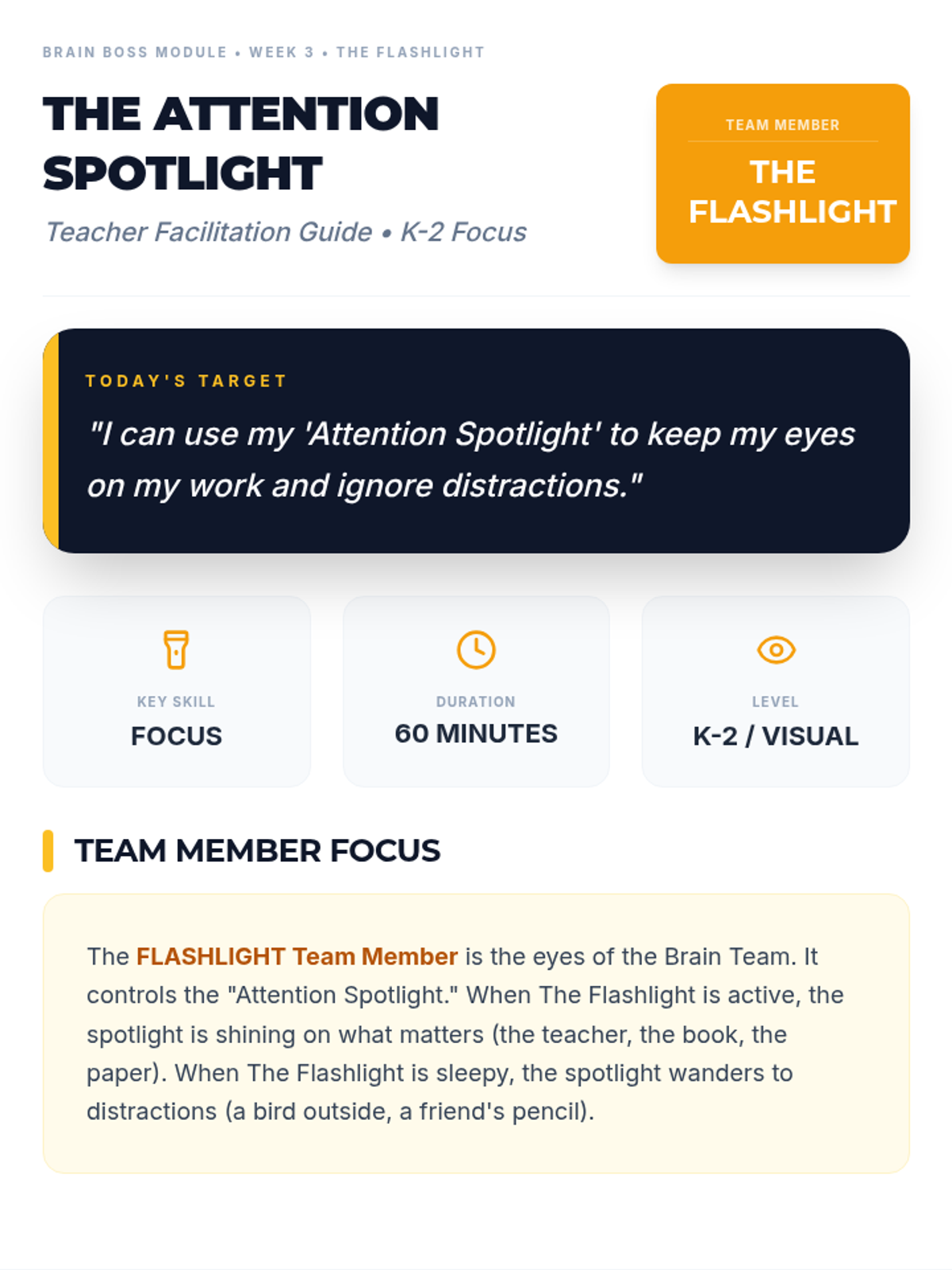
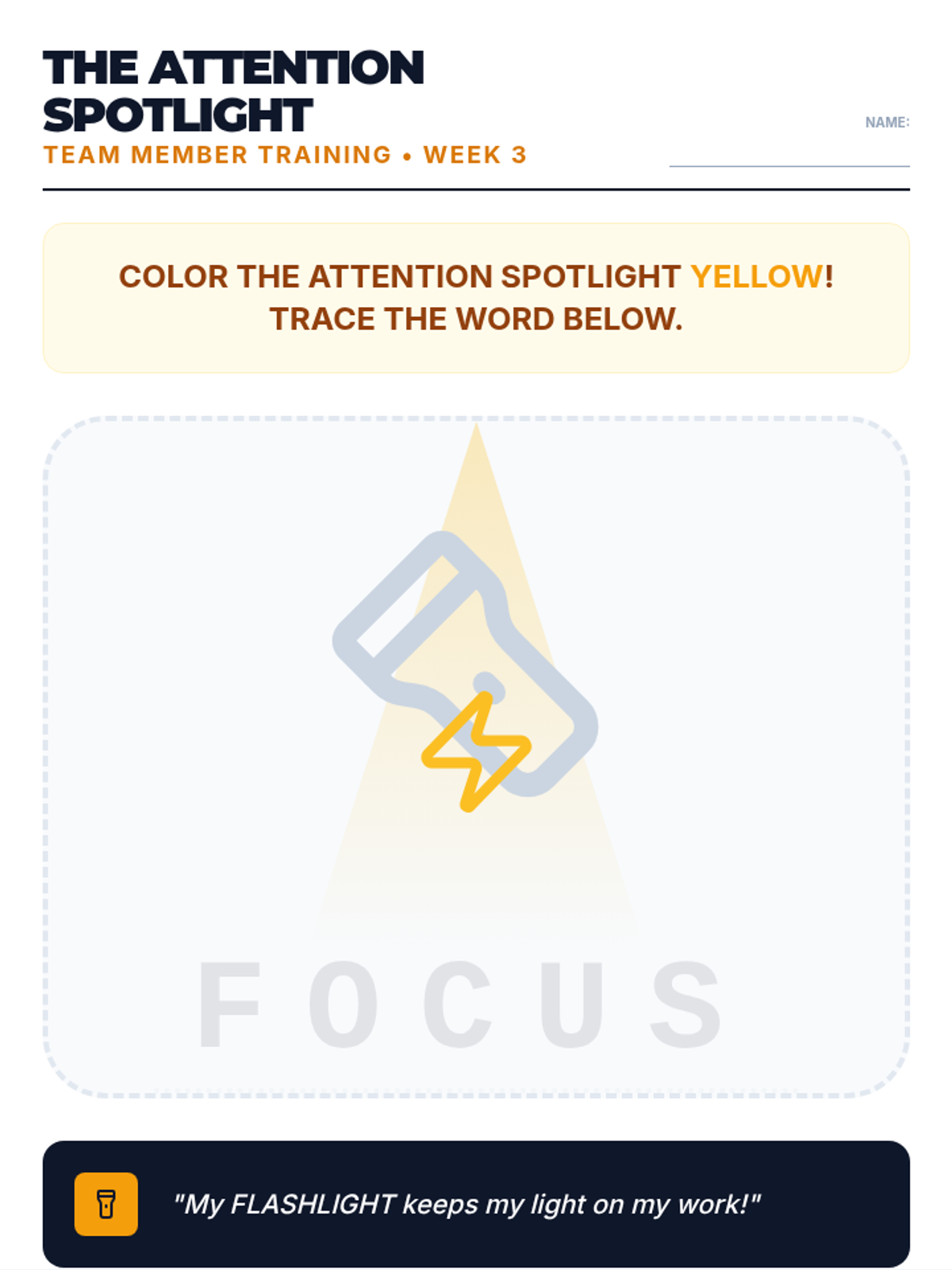
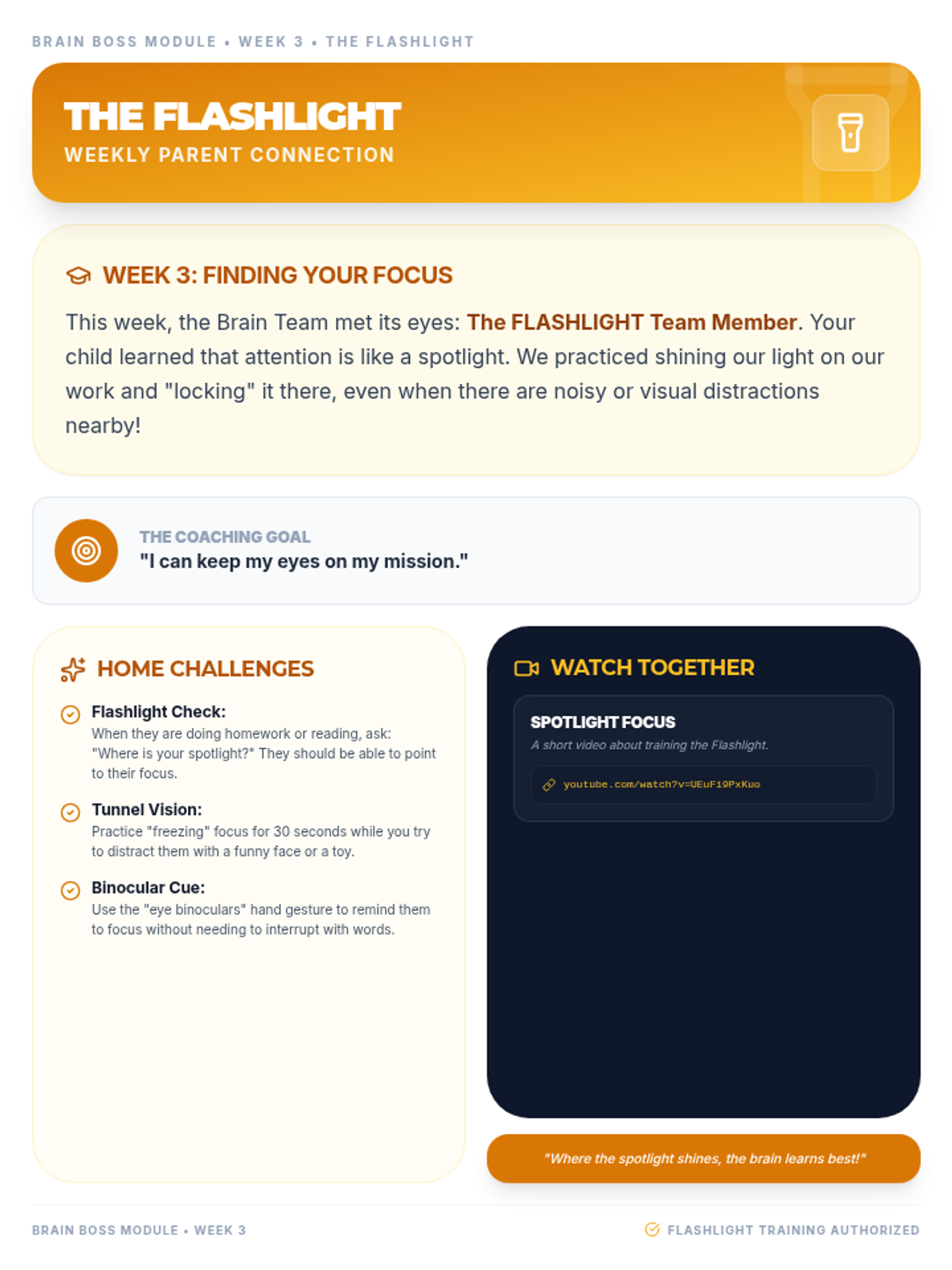
A dedicated training module focusing on executive function skills for K-2 students. Includes lessons on Focus (The Flashlight), Inhibition (The Stop Signal), Initiation (The Start Engine), Working Memory (The Recorder), Planning (The Mapmaker), Flexibility (The Play-Doh), and Emotional Control (The Volume Remote).
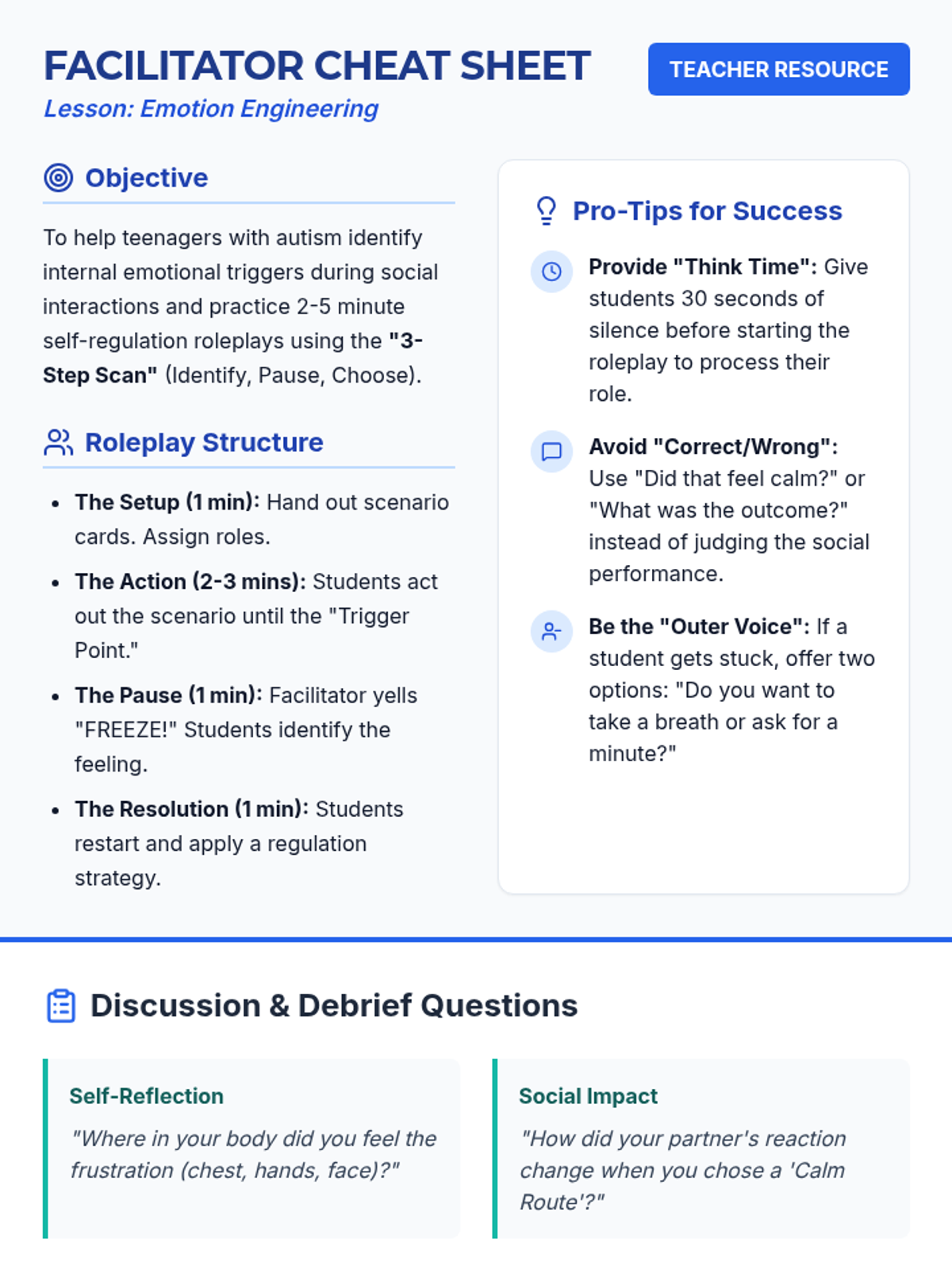
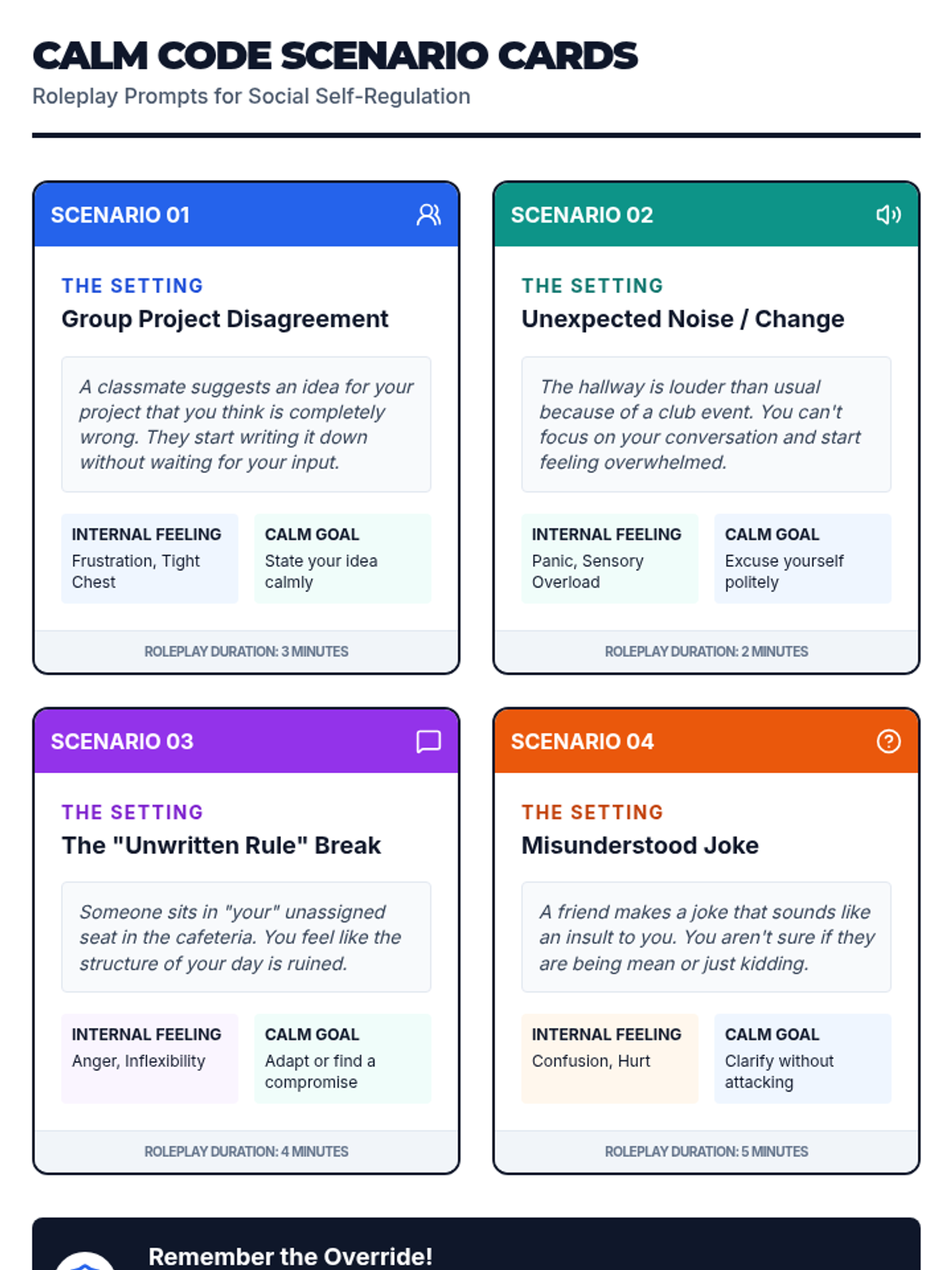
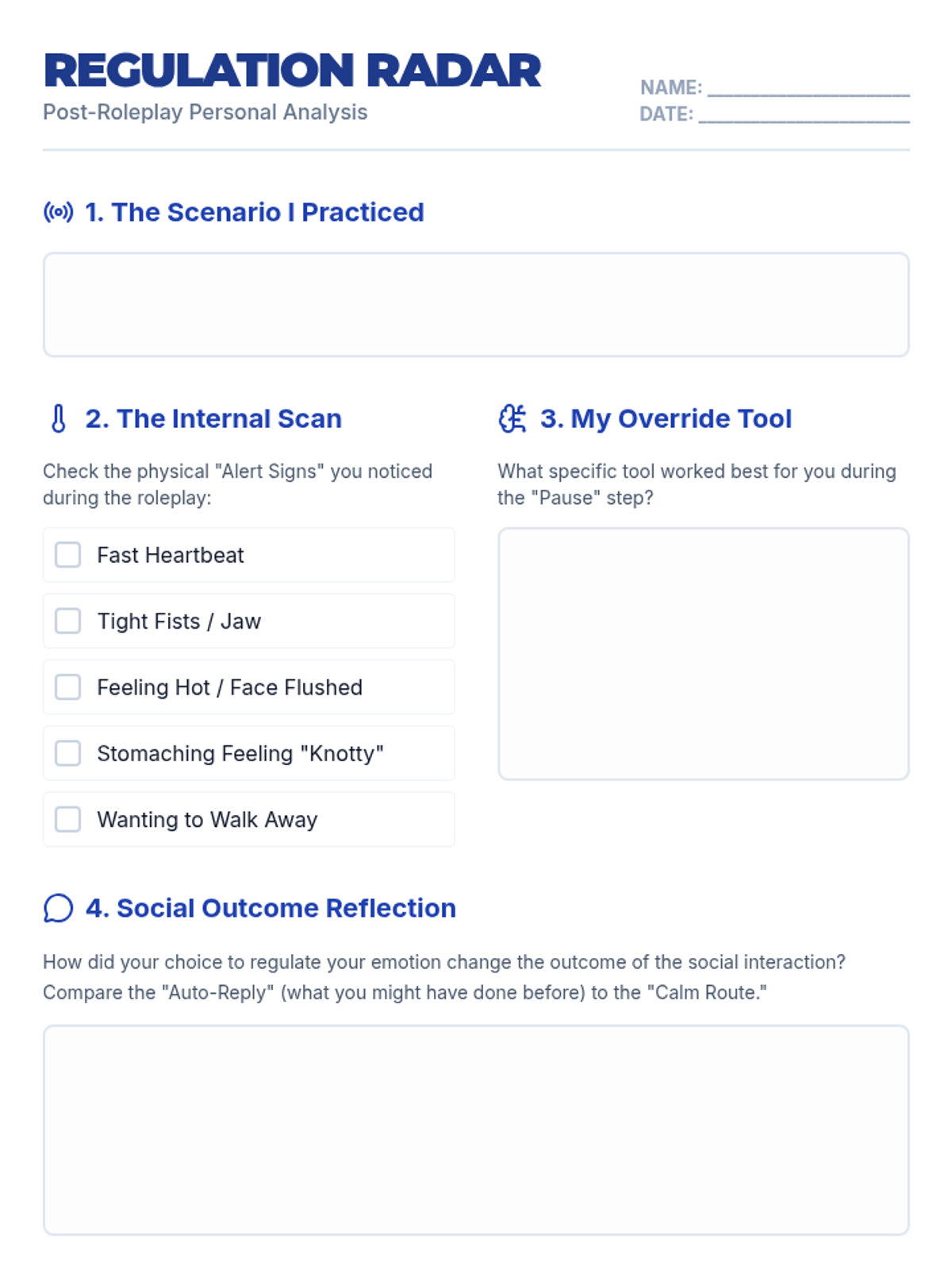
A series of lessons focused on social skills and emotional self-regulation specifically designed for neurodivergent teenagers. The sequence uses a 'Social Circuitry' theme to frame social interactions as manageable systems.
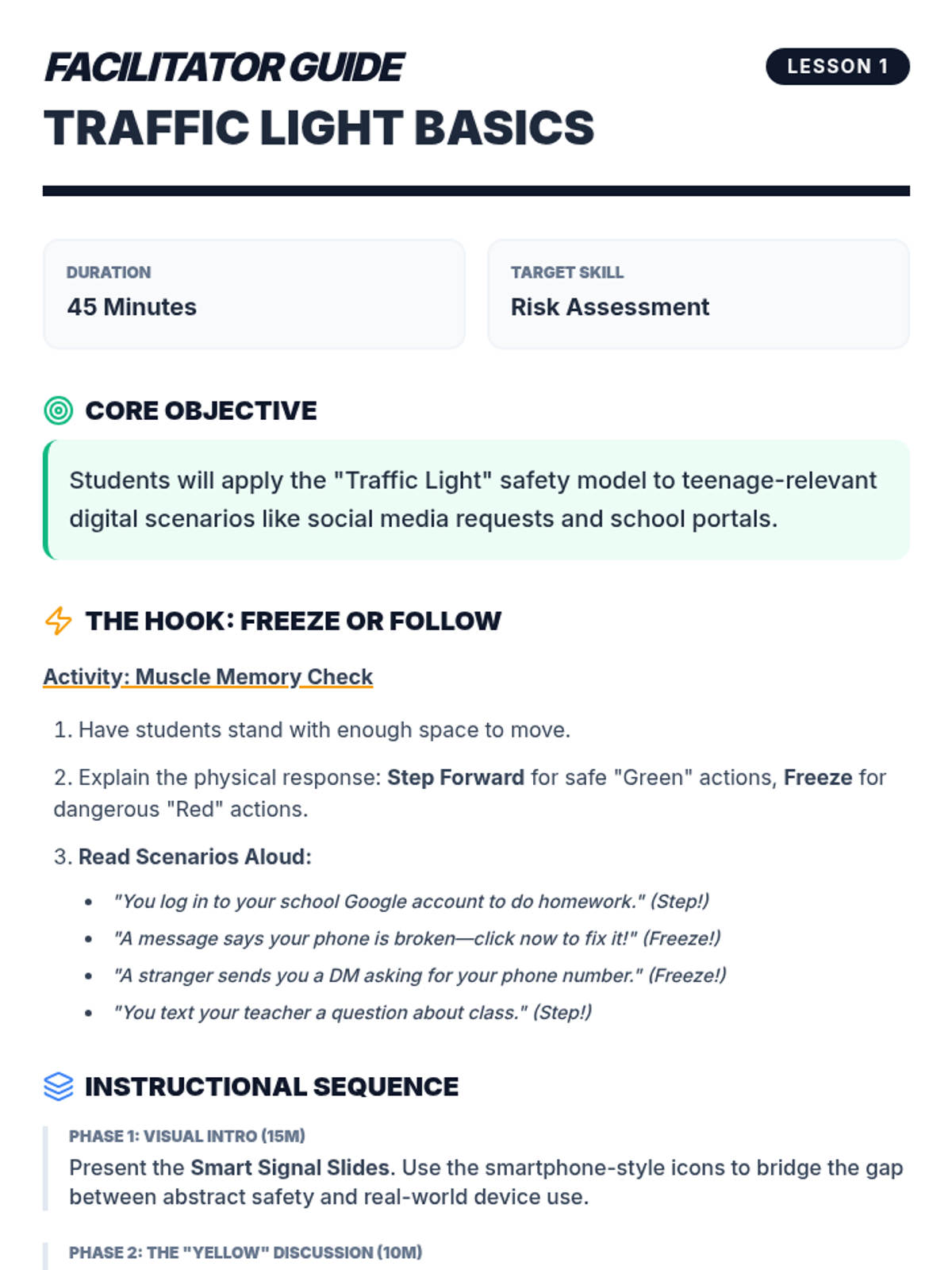
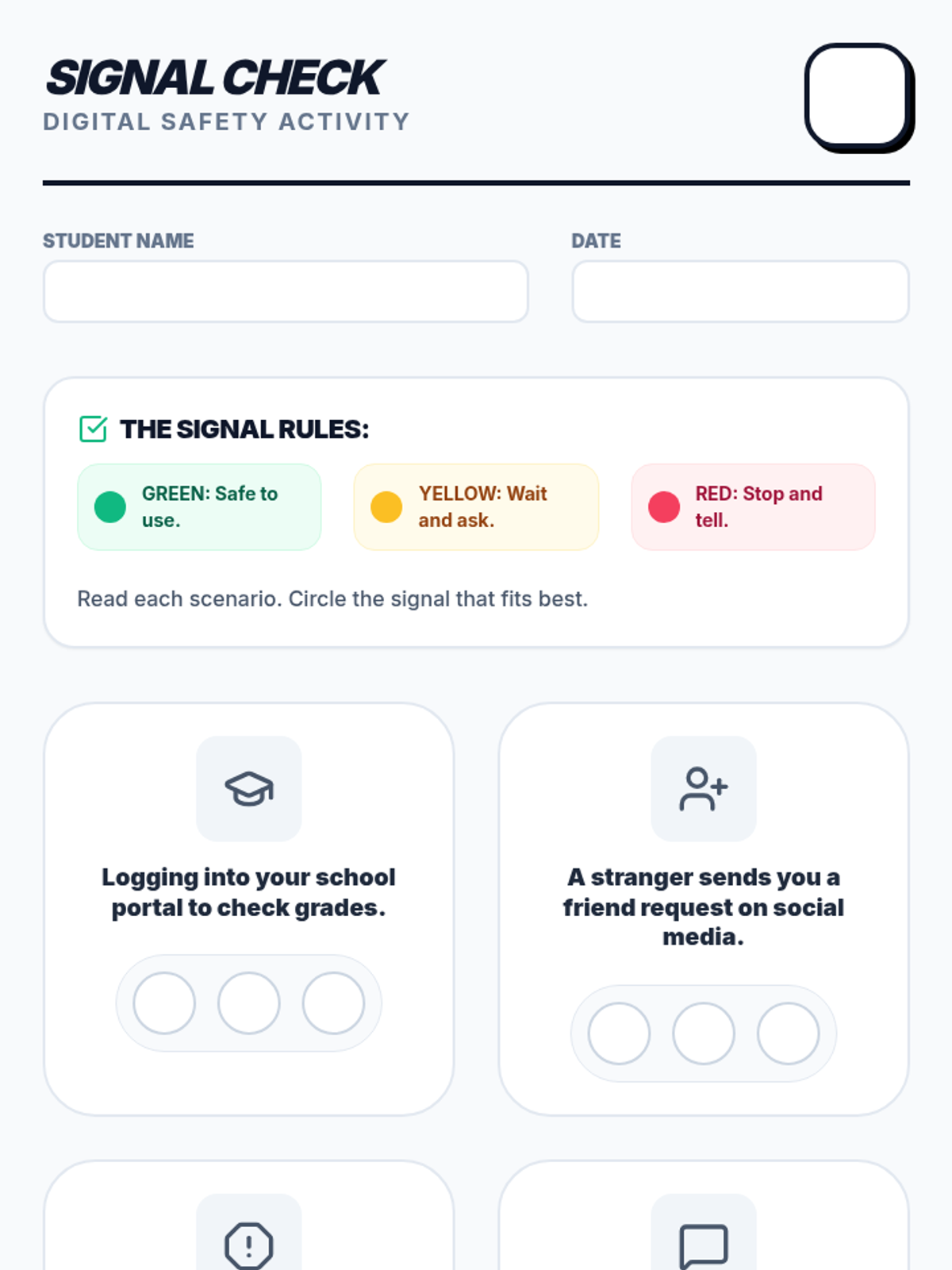
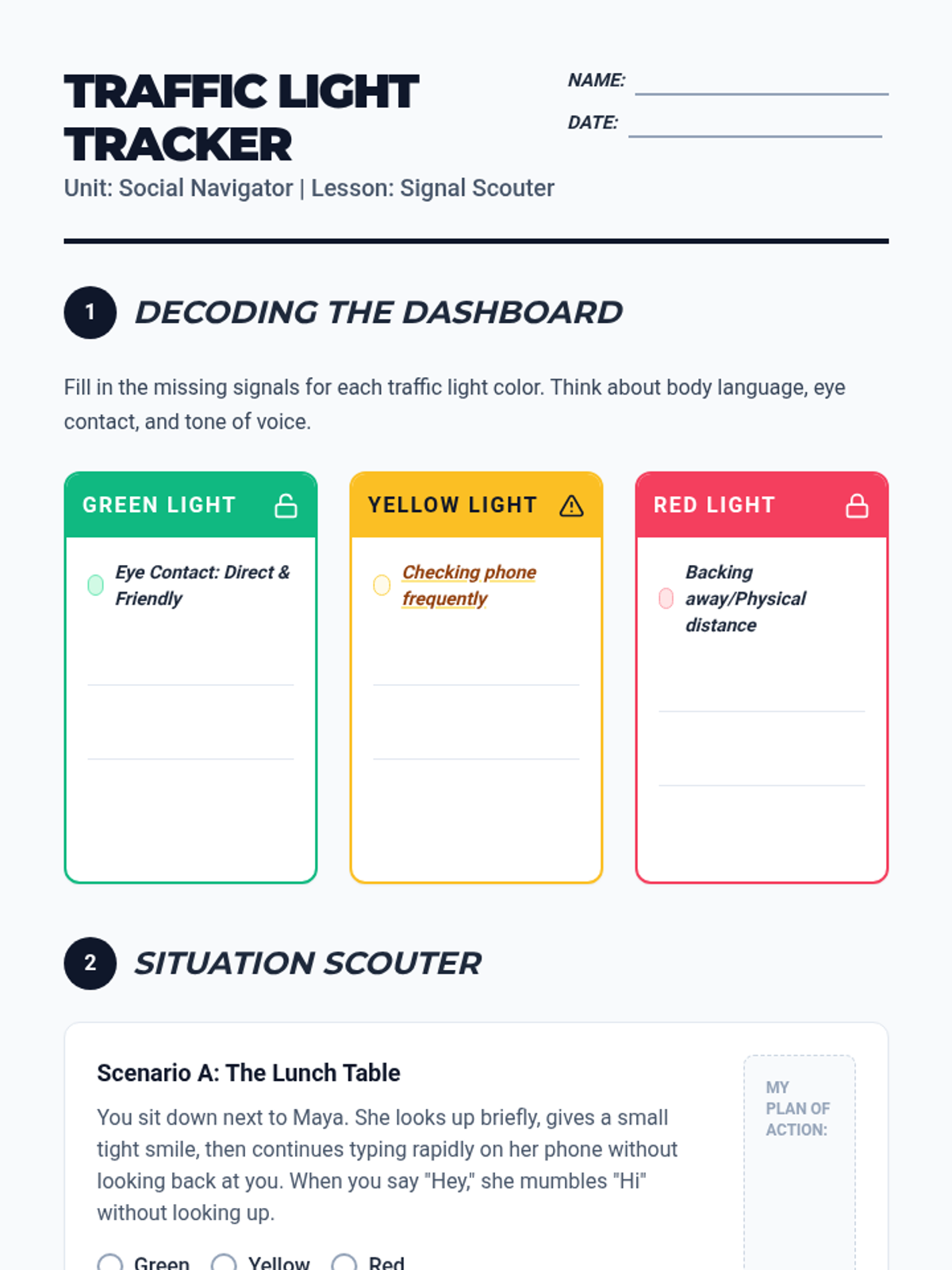
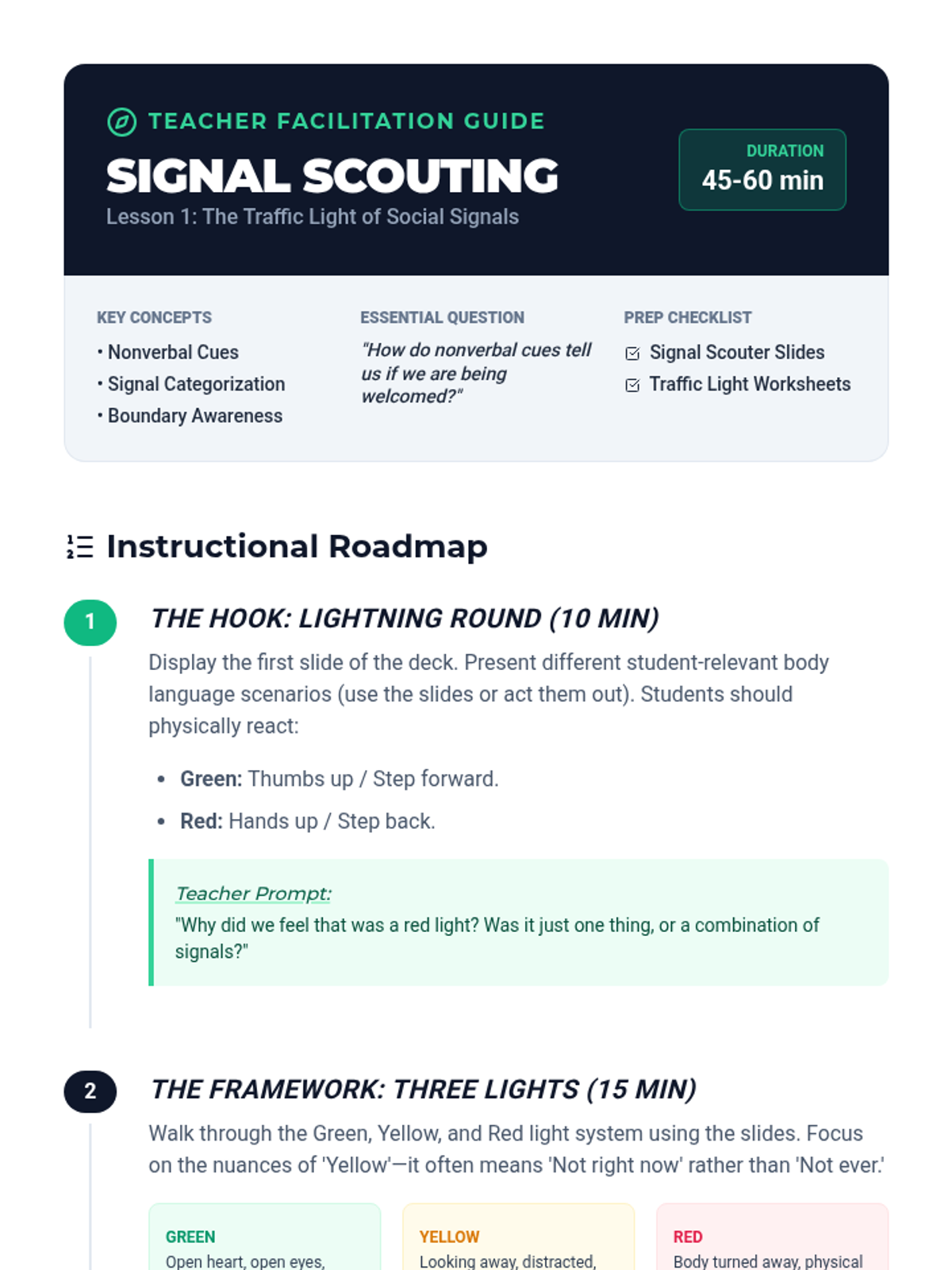
This life skills sequence for high schoolers with low cognitive abilities uses a traffic light model (Green, Yellow, Red) to teach digital safety. Students learn to navigate teen-relevant scenarios like social media requests, online shopping ads, and interacting with strangers in gaming or apps, focusing on the 'Pause and Ask' reflex.
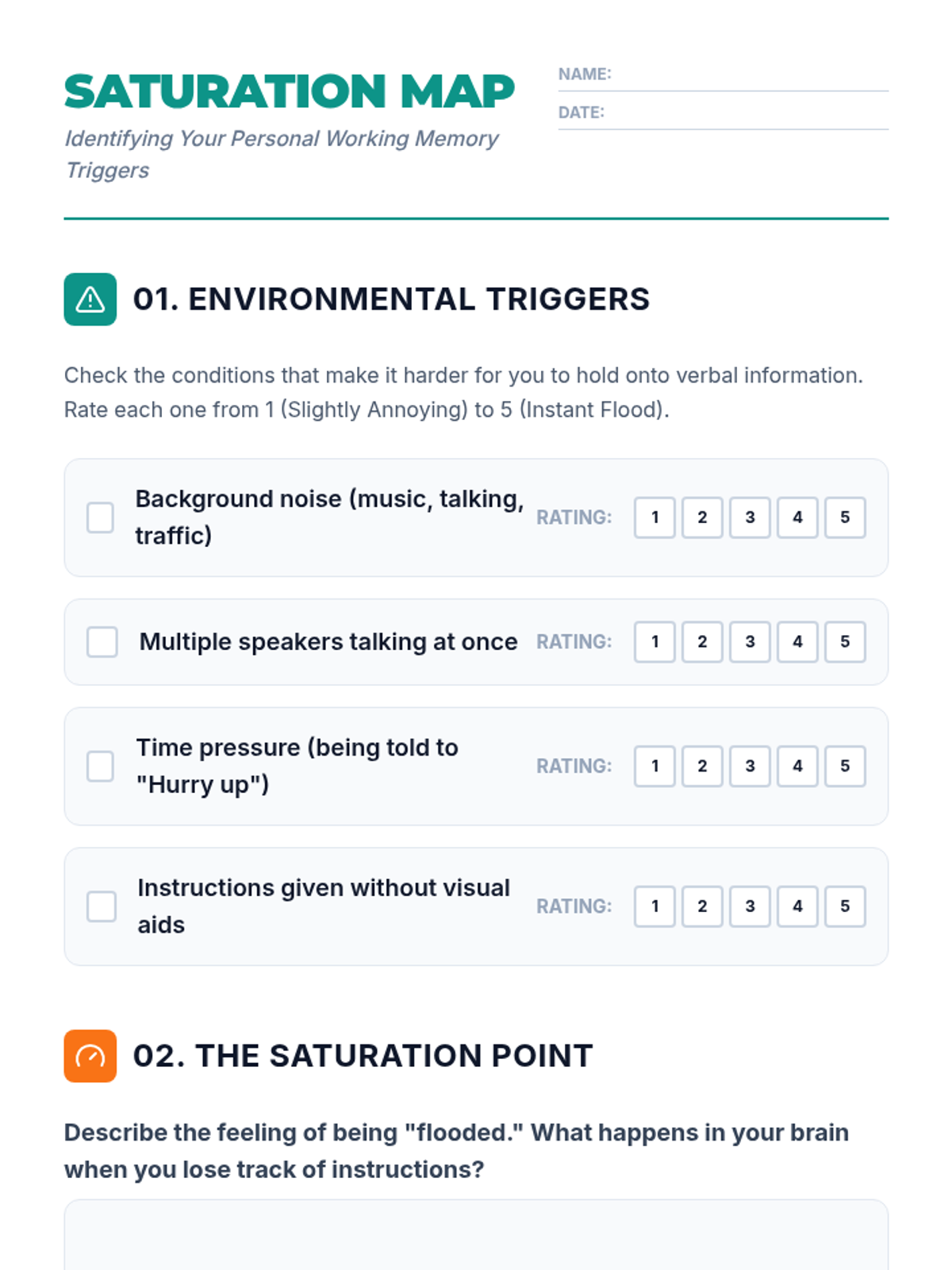
A self-advocacy sequence for 11th-grade students to manage working memory challenges by requesting single-step directions and professional modifications in fast-paced environments.
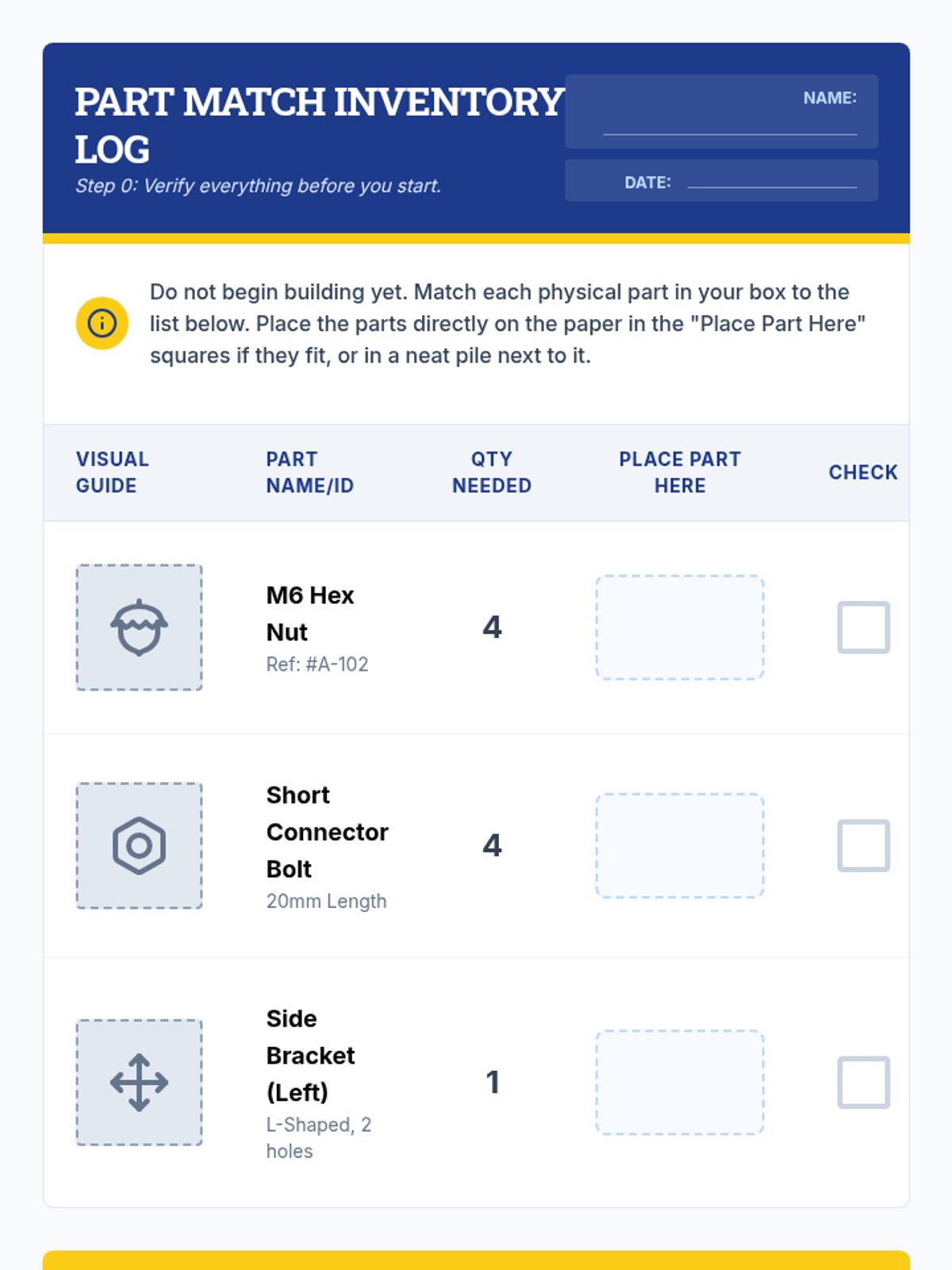
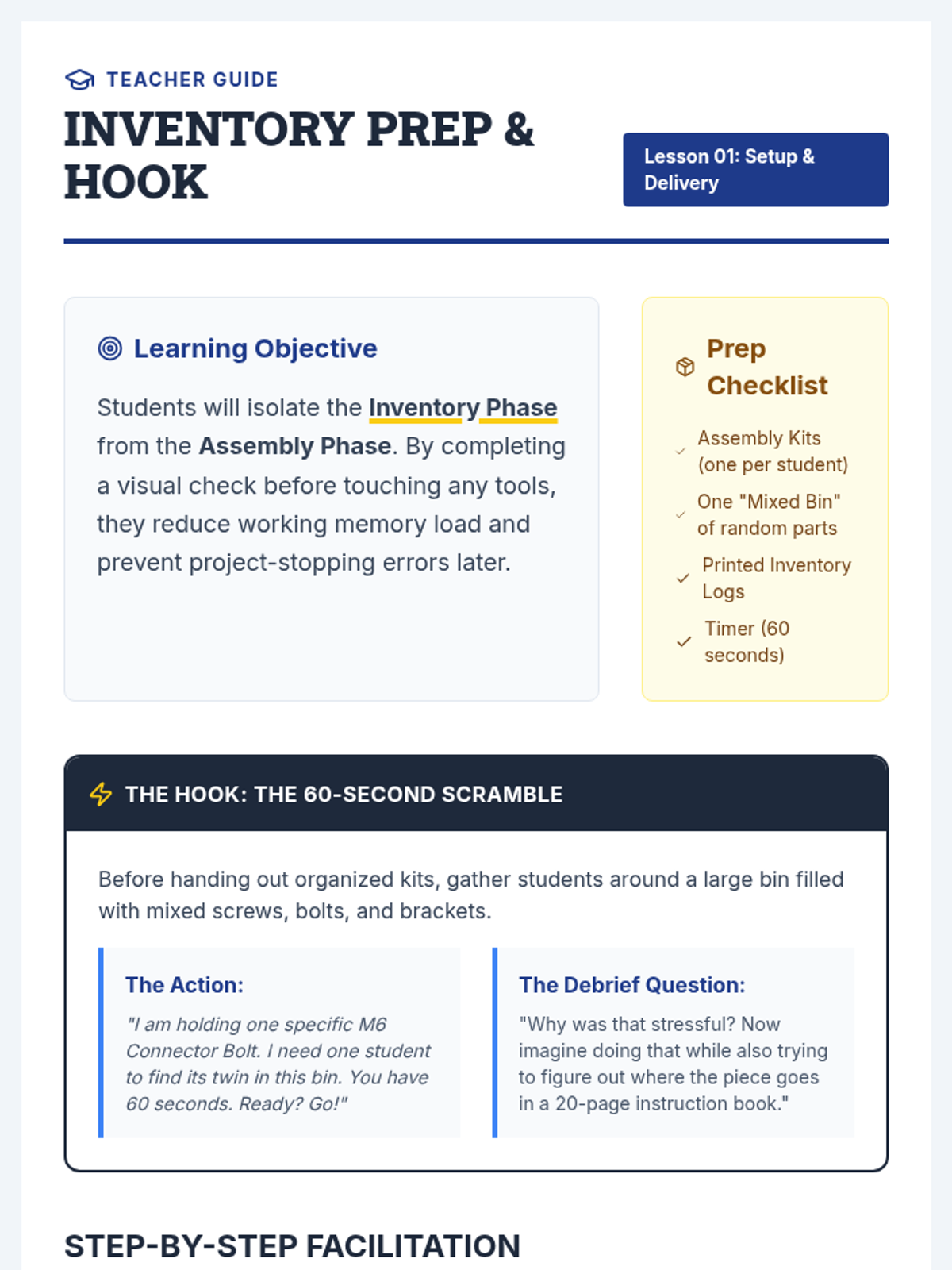
A vocational and life skills sequence focusing on procedural assembly for 12th-grade students with working memory needs. Students practice strict single-step adherence through inventory, fastening, partner systems, and spatial orientation tasks to ensure structural success.
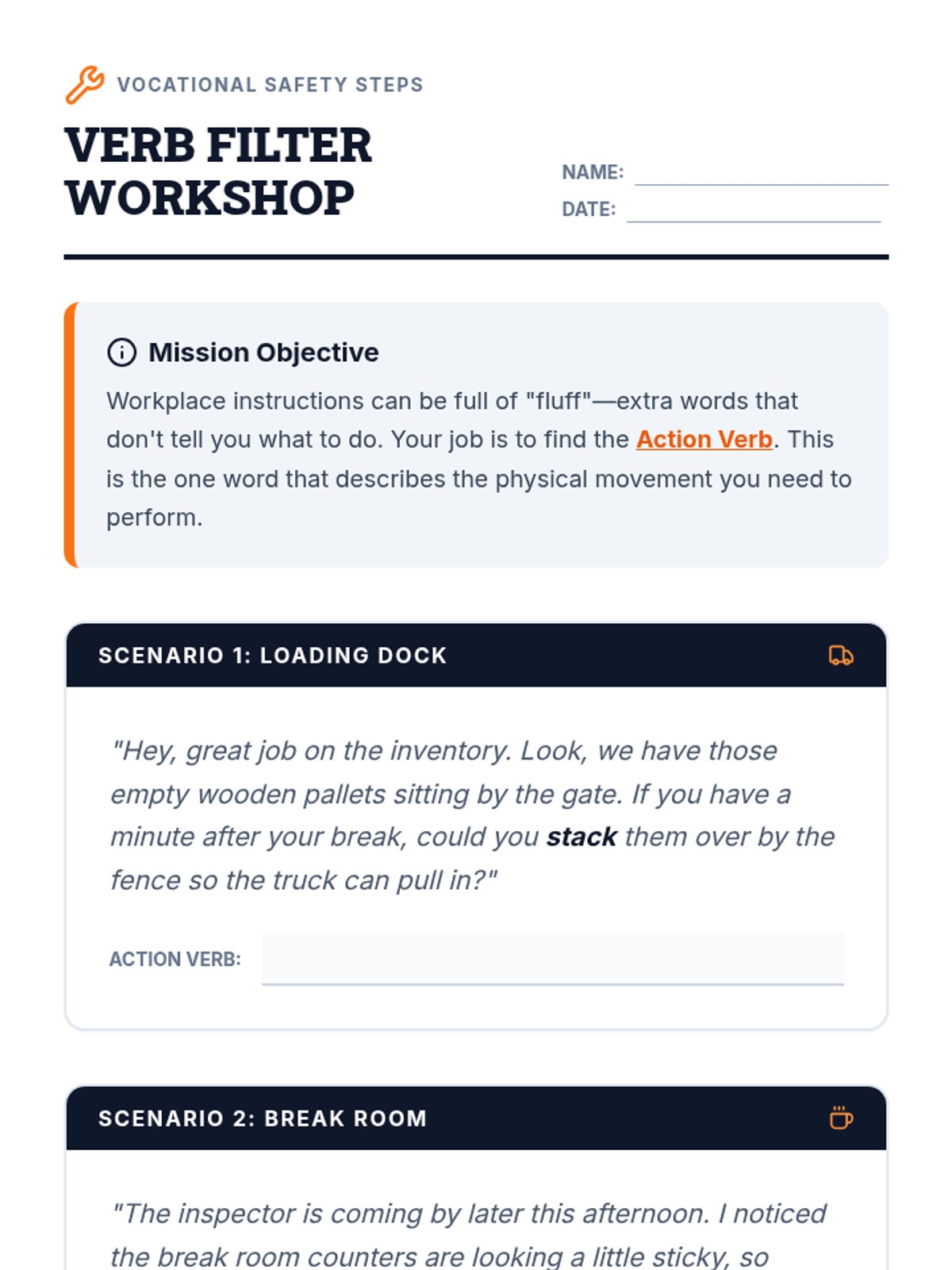
This sequence focuses on teaching 12th-grade students with working memory needs how to isolate, rehearse, and verify single-step verbal and visual instructions in a vocational setting. Through simulations and skill-building activities, students learn to filter extraneous information and prioritize safety and accuracy over speed.
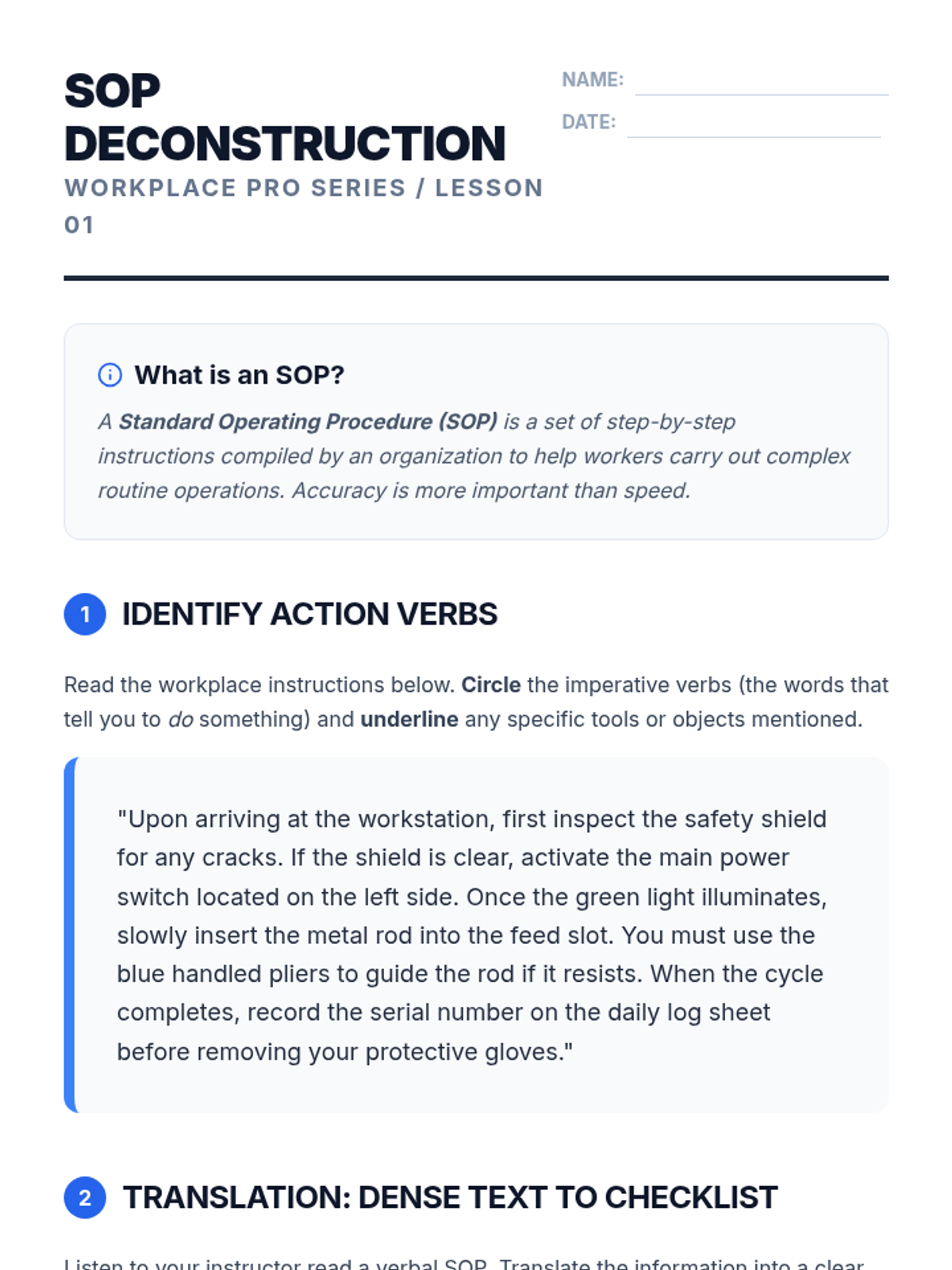
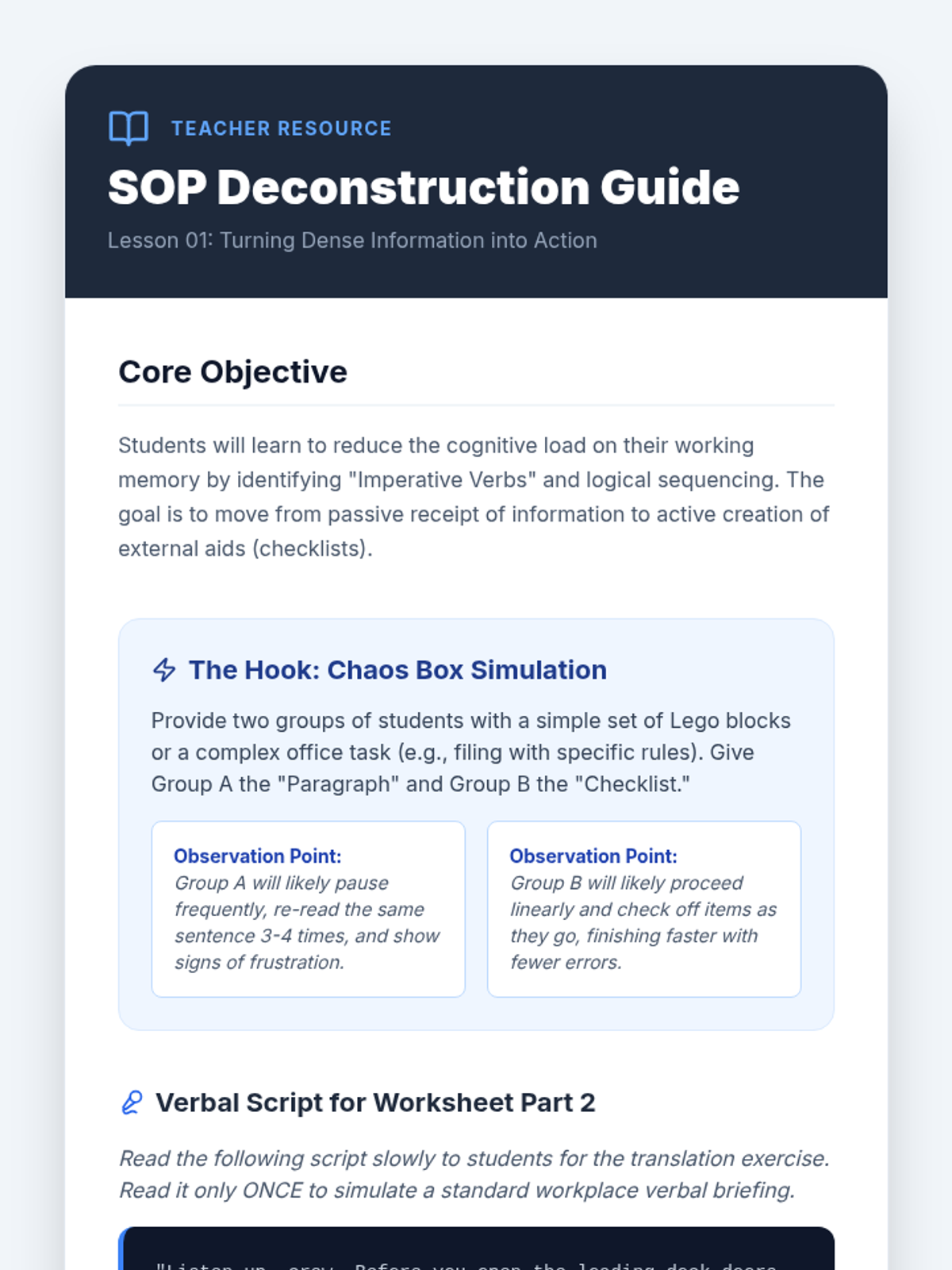
A comprehensive 5-lesson sequence designed for 12th-grade special education students to master workplace procedural accuracy. Students learn to deconstruct SOPs, use communication loops, chunk auditory information, visualize workflows, and manage multi-step tasks in high-pressure simulations.
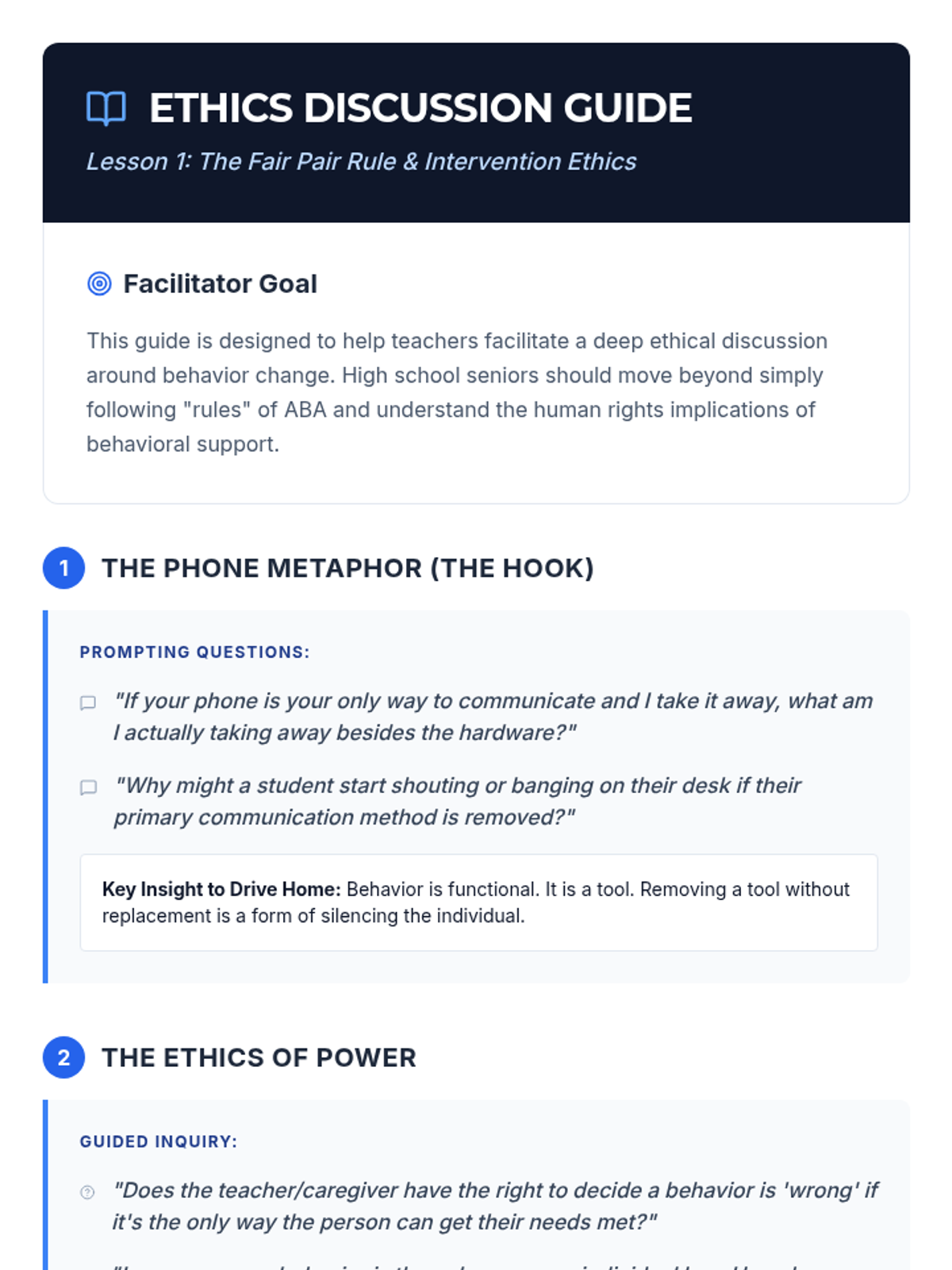
This sequence teaches 12th-grade students how to replace challenging behaviors with adaptive skills. Students explore the ethics of behavior change, master Functional Communication Training, learn instructional techniques like shaping and chaining, and design comprehensive intervention plans based on differential reinforcement.
This sequence focuses on developing motor automaticity for high-frequency core vocabulary in AAC systems. Students engage in repetitive, gamified practice to establish muscle memory, moving from single-icon identification to rapid 2-3 word sentence building.
A gamified series of lessons designed to improve the motor automaticity and navigational speed of students using high-tech AAC devices. Students progress from simple category sorting to complex, multi-step message formulation through interactive challenges.
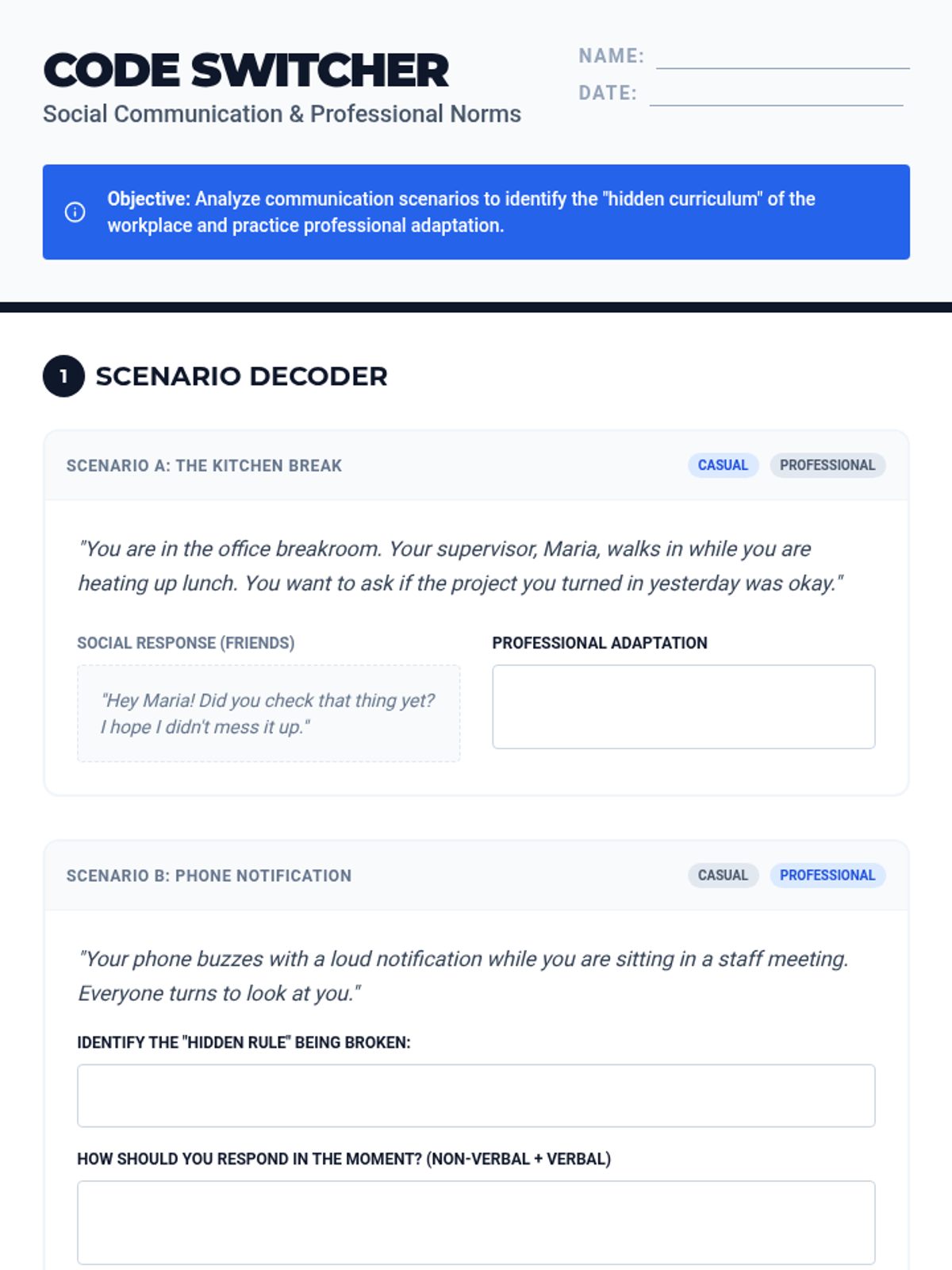
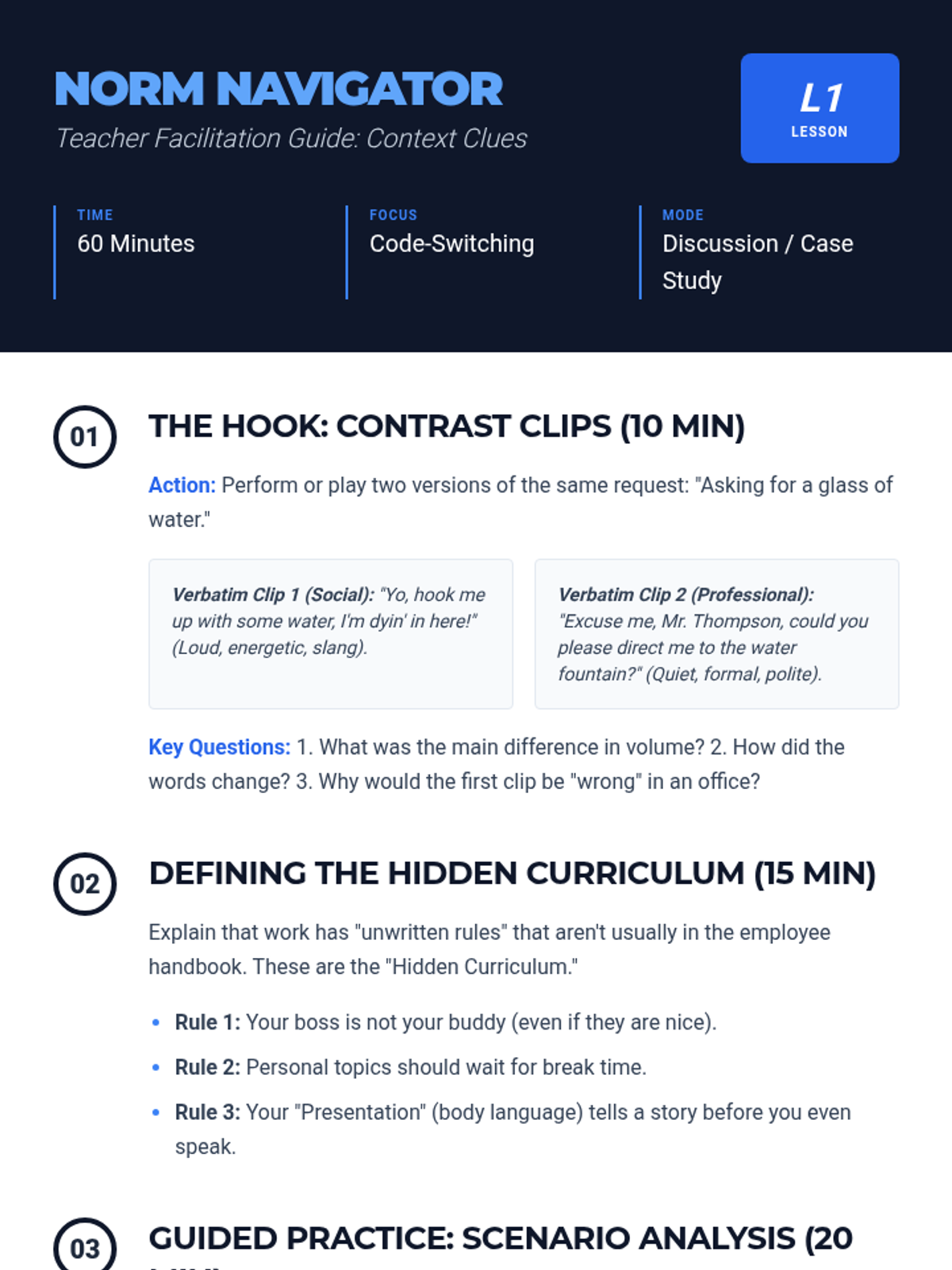
A comprehensive sequence designed for 11th-grade students in special education to master social communication in professional settings, focusing on code-switching, non-verbal cues, and conflict resolution.
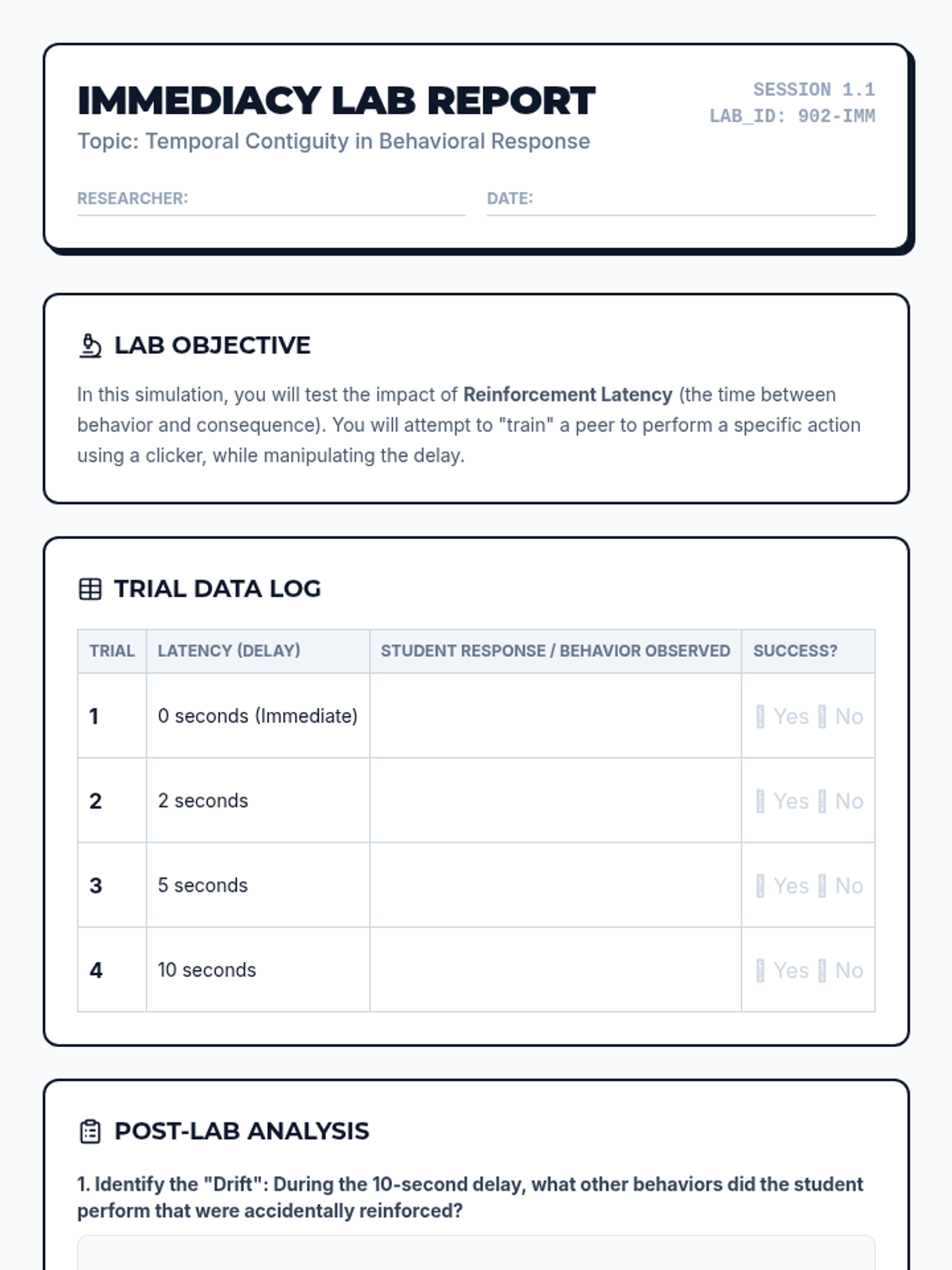
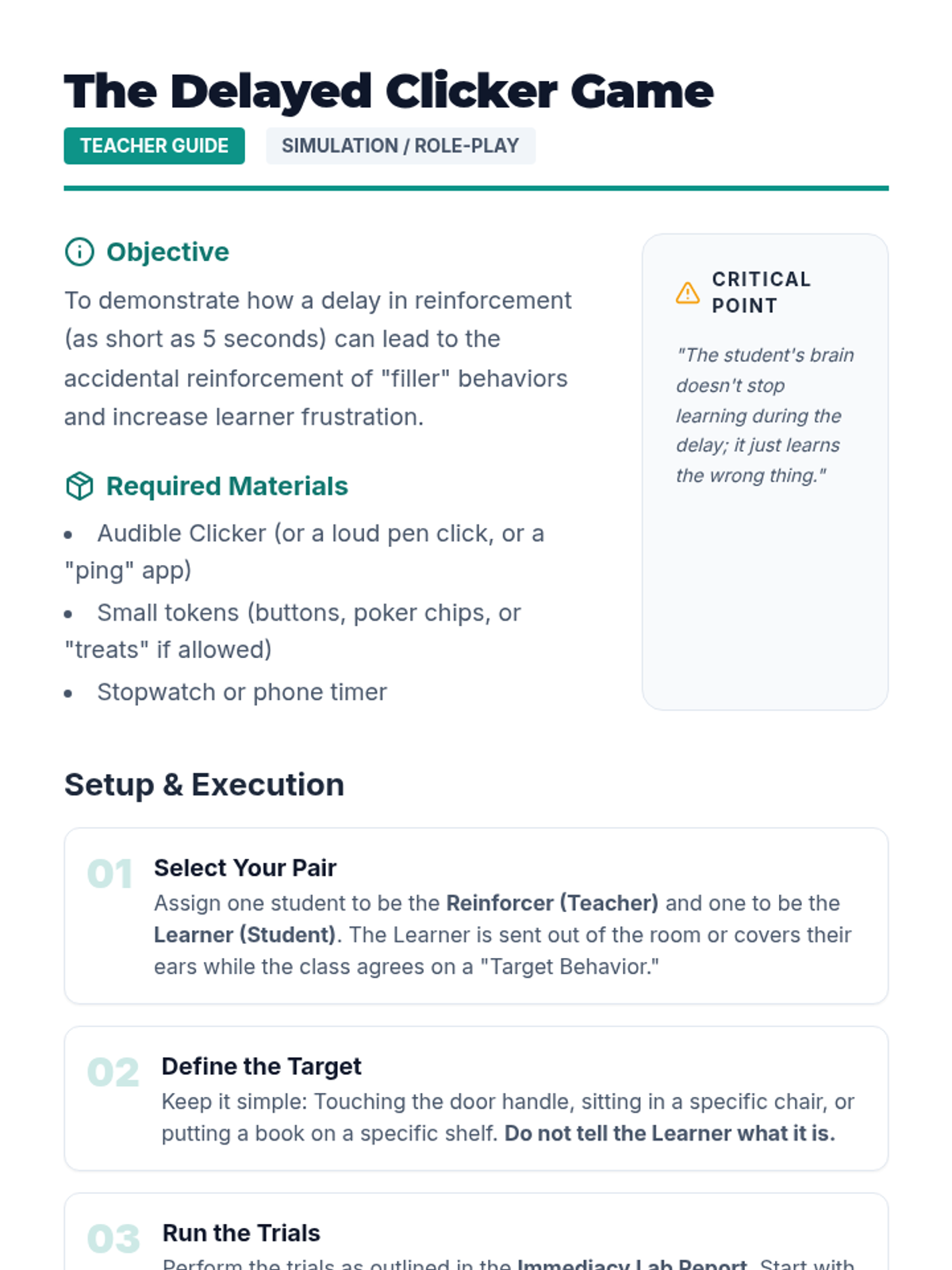
A comprehensive sequence for 12th graders focused on the precise mechanics of reinforcement delivery, including immediacy, behavior-specific praise, contingency framing, and non-verbal cues. Students move from theory to high-fidelity simulation and self-monitoring.
A series of inclusive icebreaker activities designed for students with significant disabilities to build social connections, practice communication, and foster a welcoming classroom community.
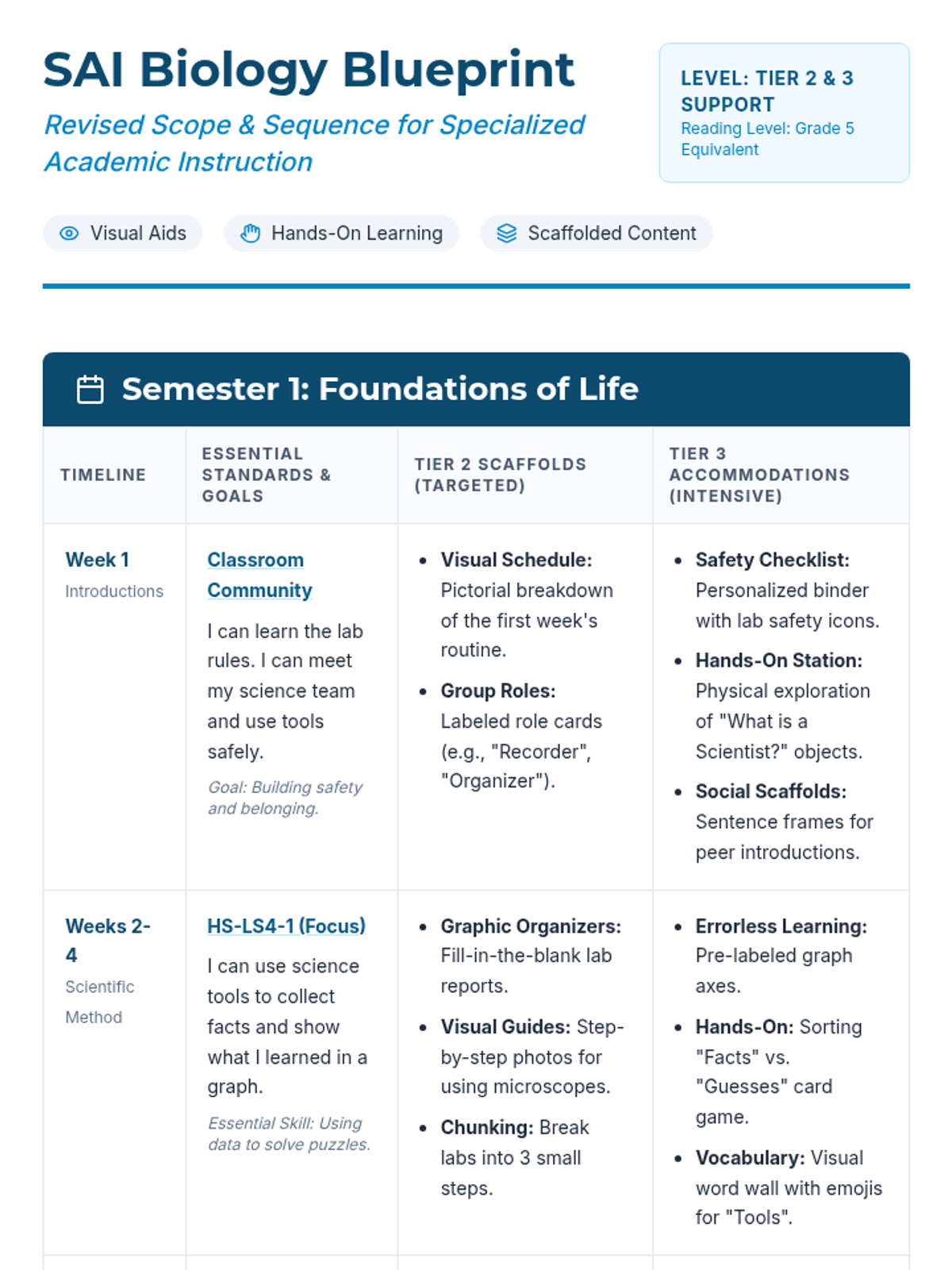
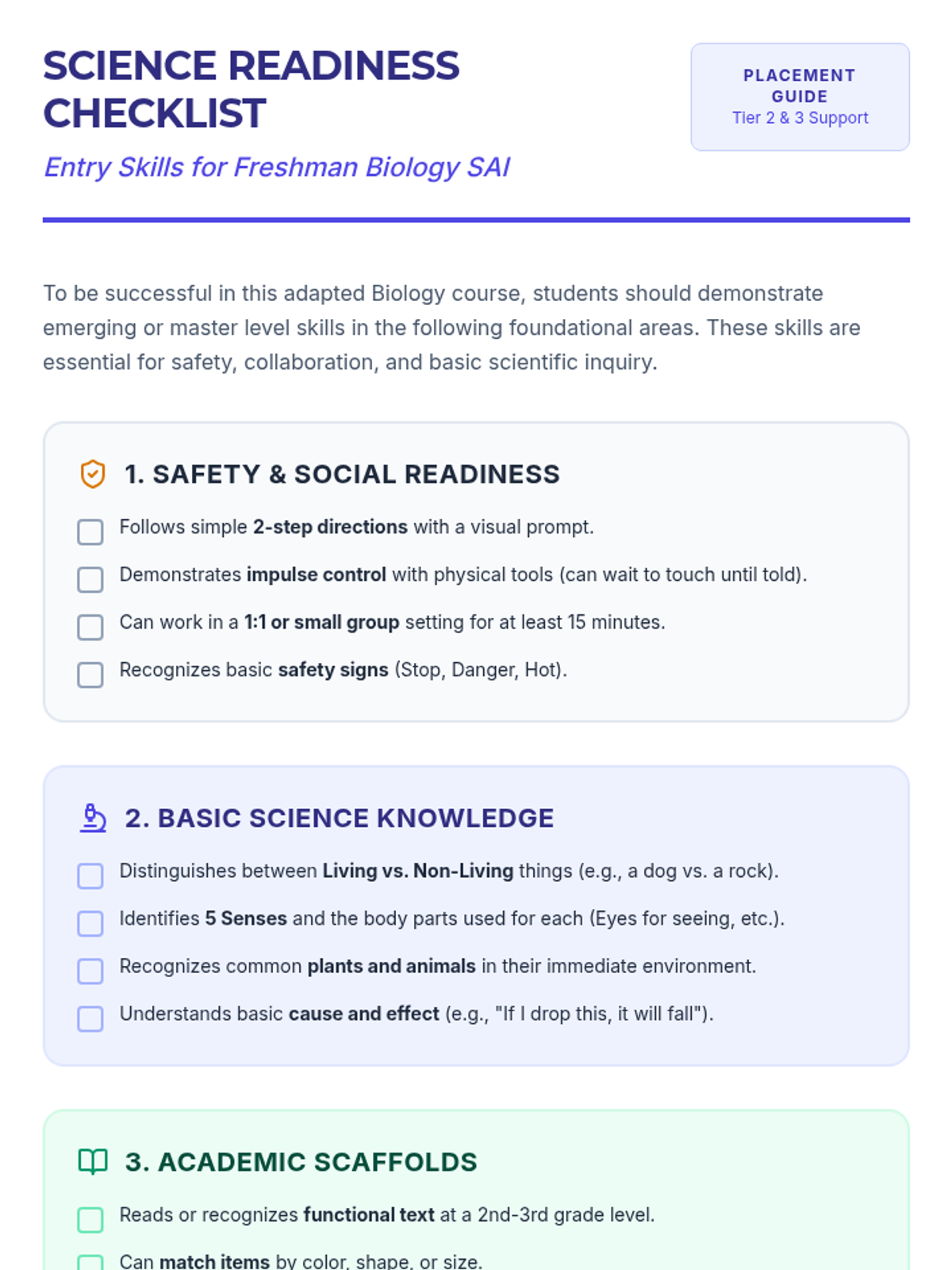
A comprehensive Freshman Biology sequence adapted for Specialized Academic Instruction (SAI), featuring a 5th-grade reading level, heavy visual support, and hands-on learning models across two semesters.
A series of lessons focused on essential life and vocational skills for students with cognitive disabilities. The sequence covers workplace etiquette, personal hygiene, social communication, and task management.
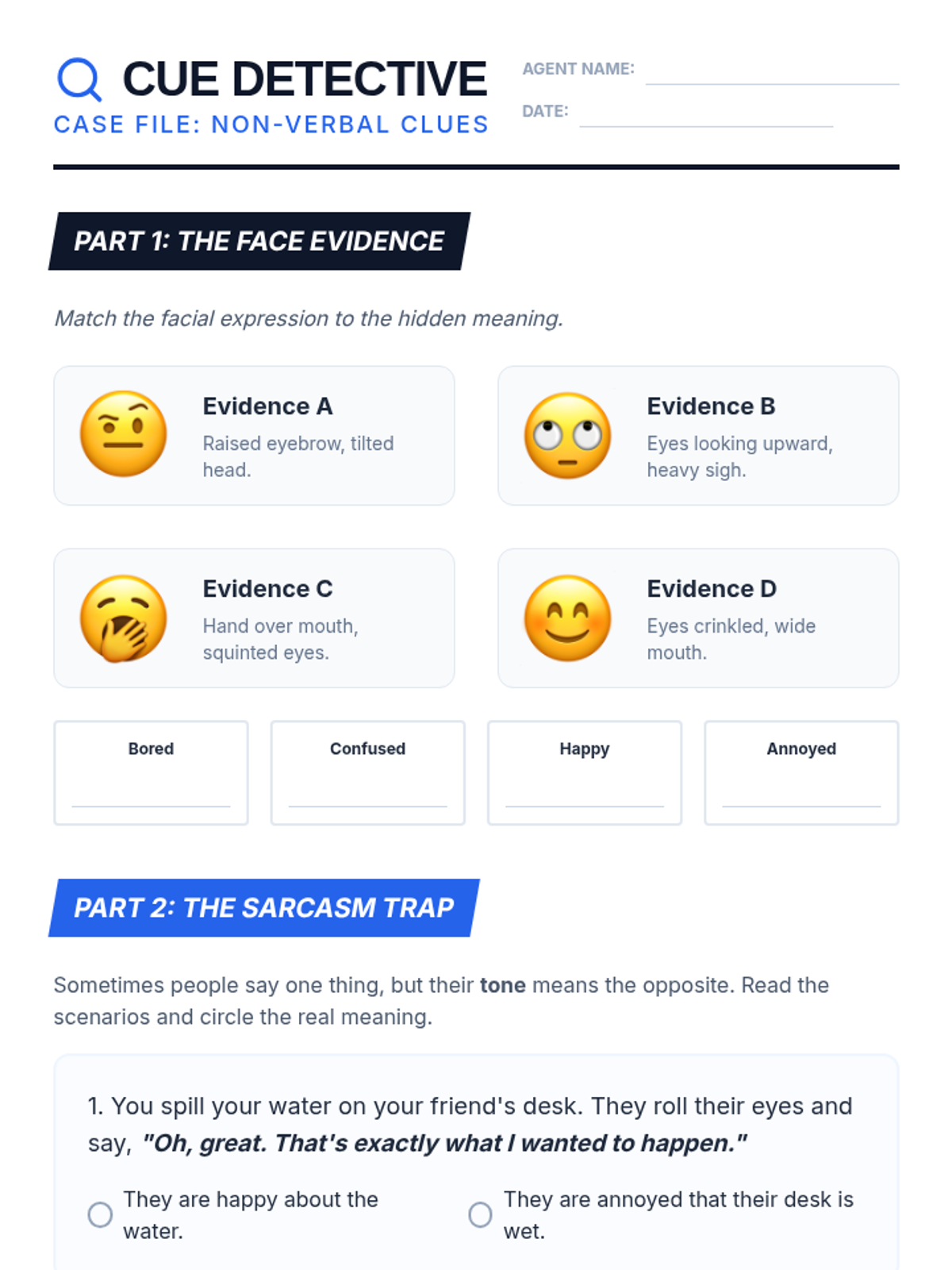
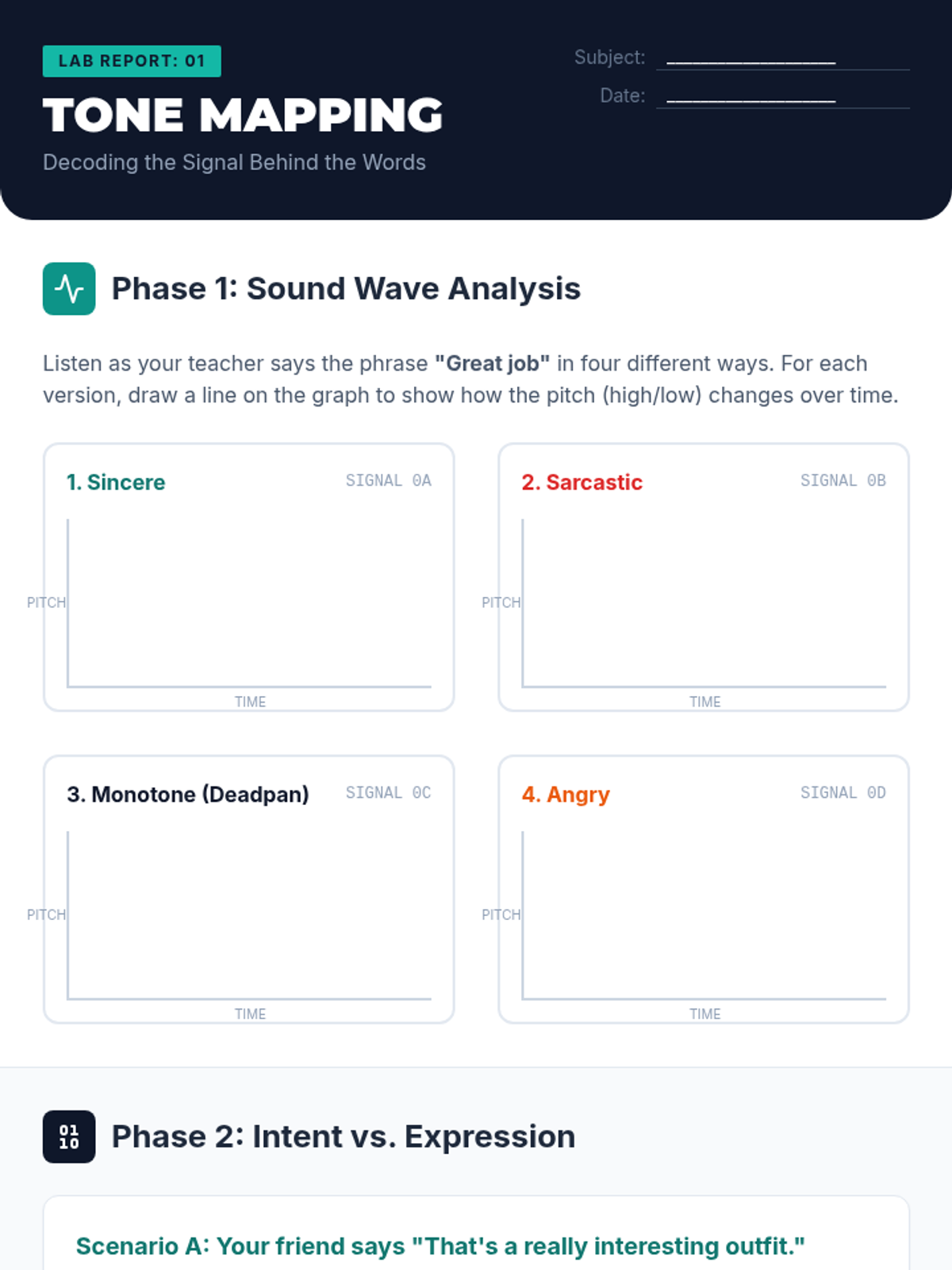
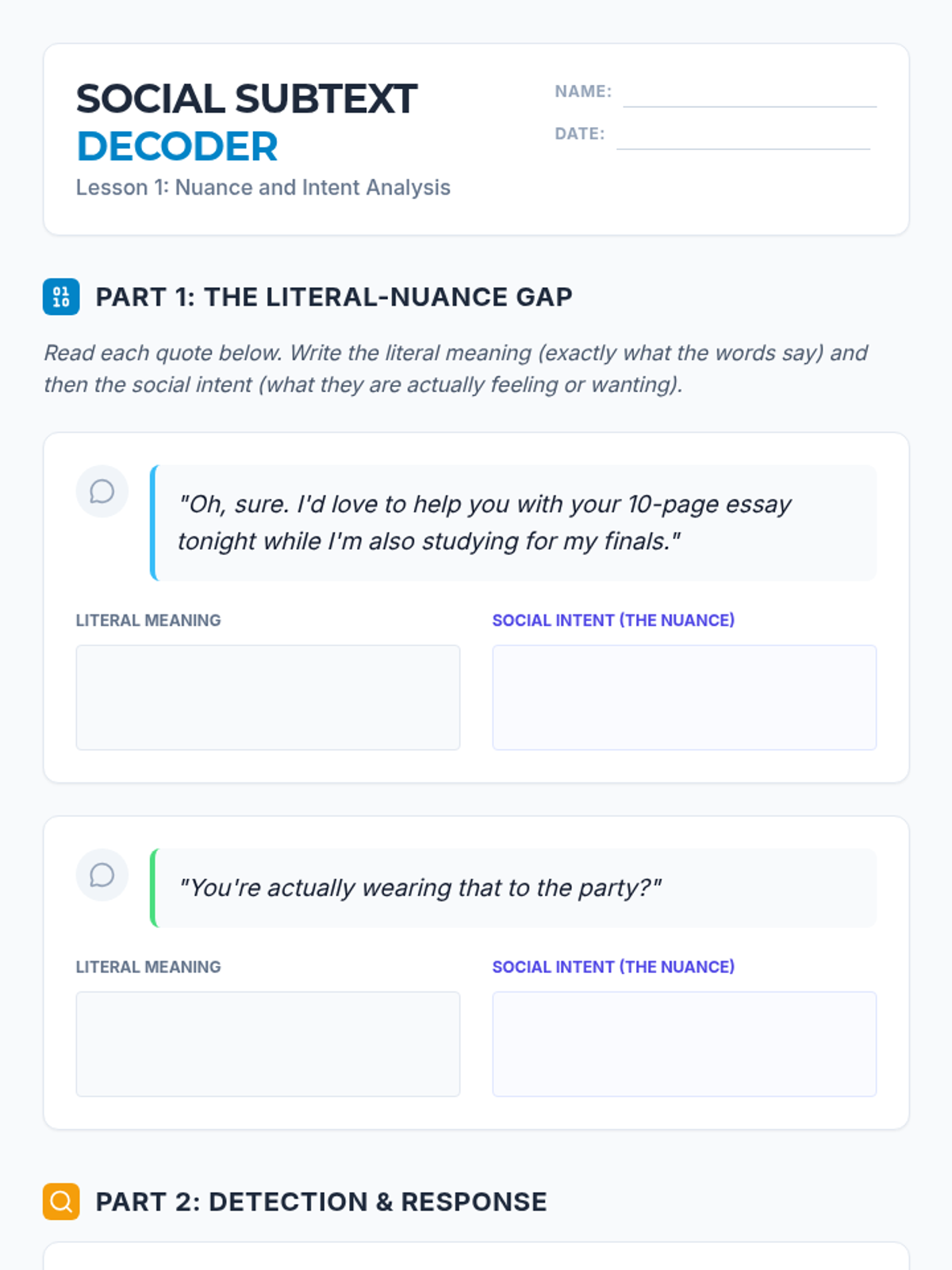
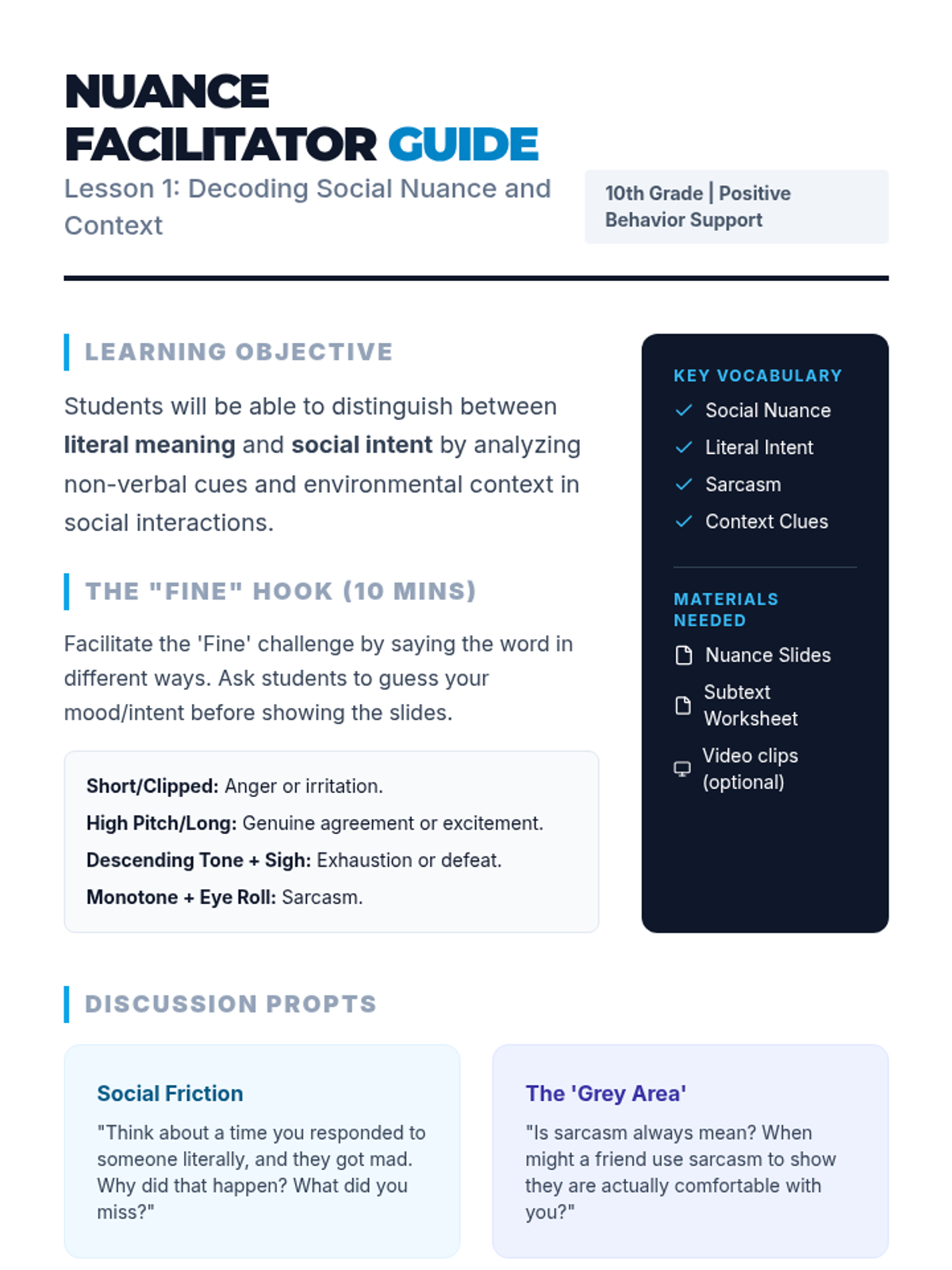
A comprehensive 5-lesson sequence for high school students focusing on the nuances of sarcasm, irony, and social communication through tone, facial expressions, and context clues.
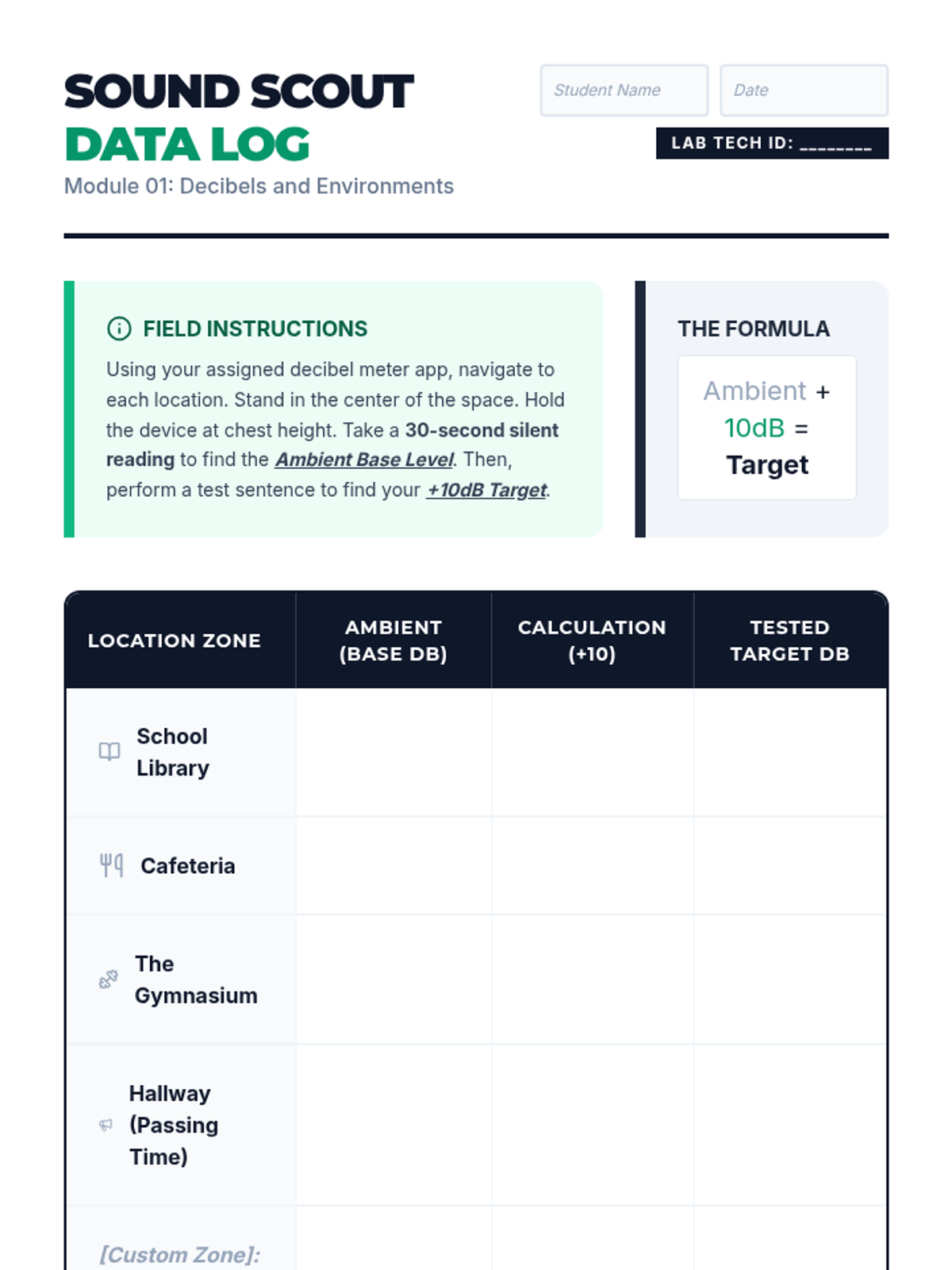
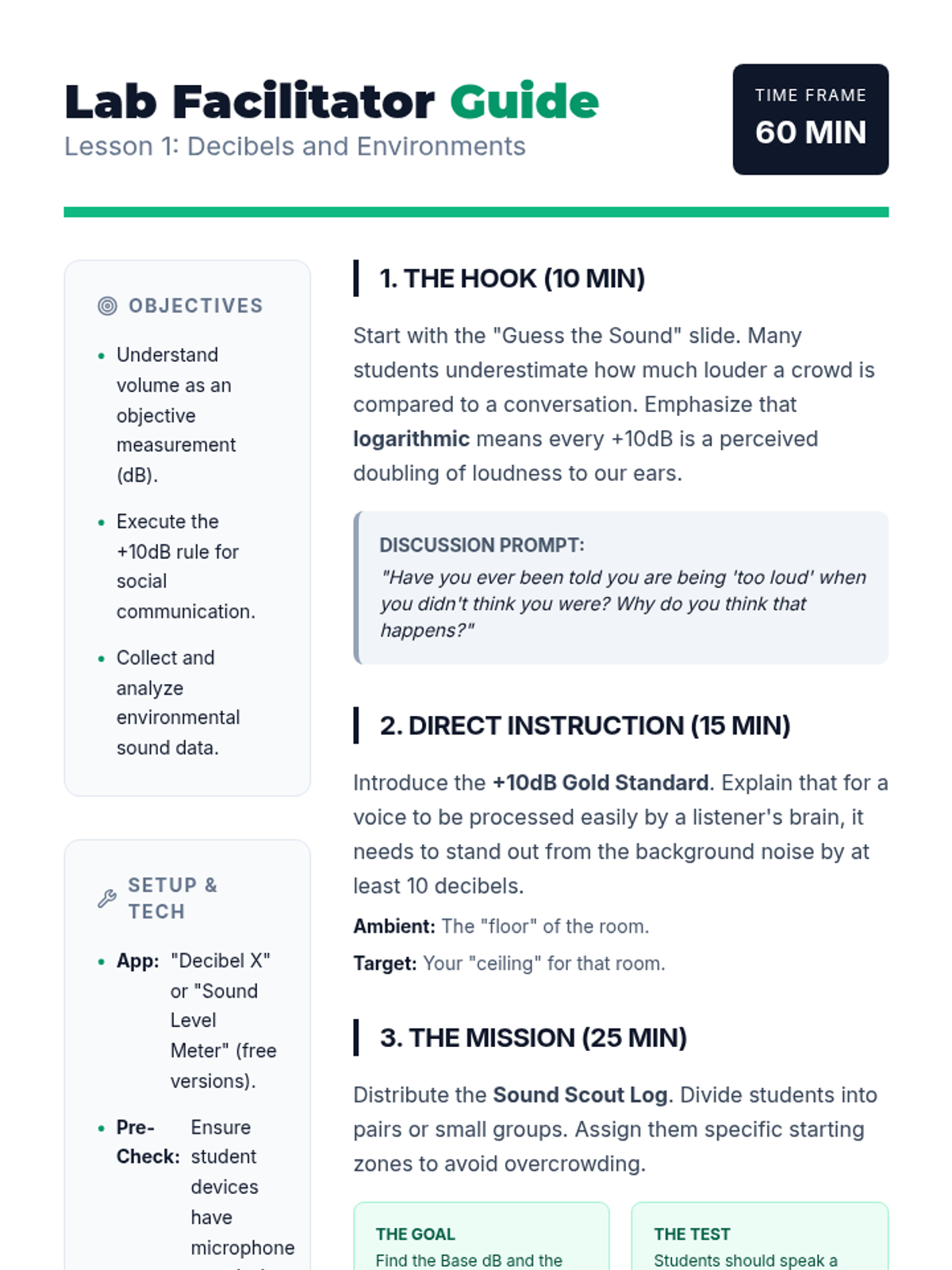
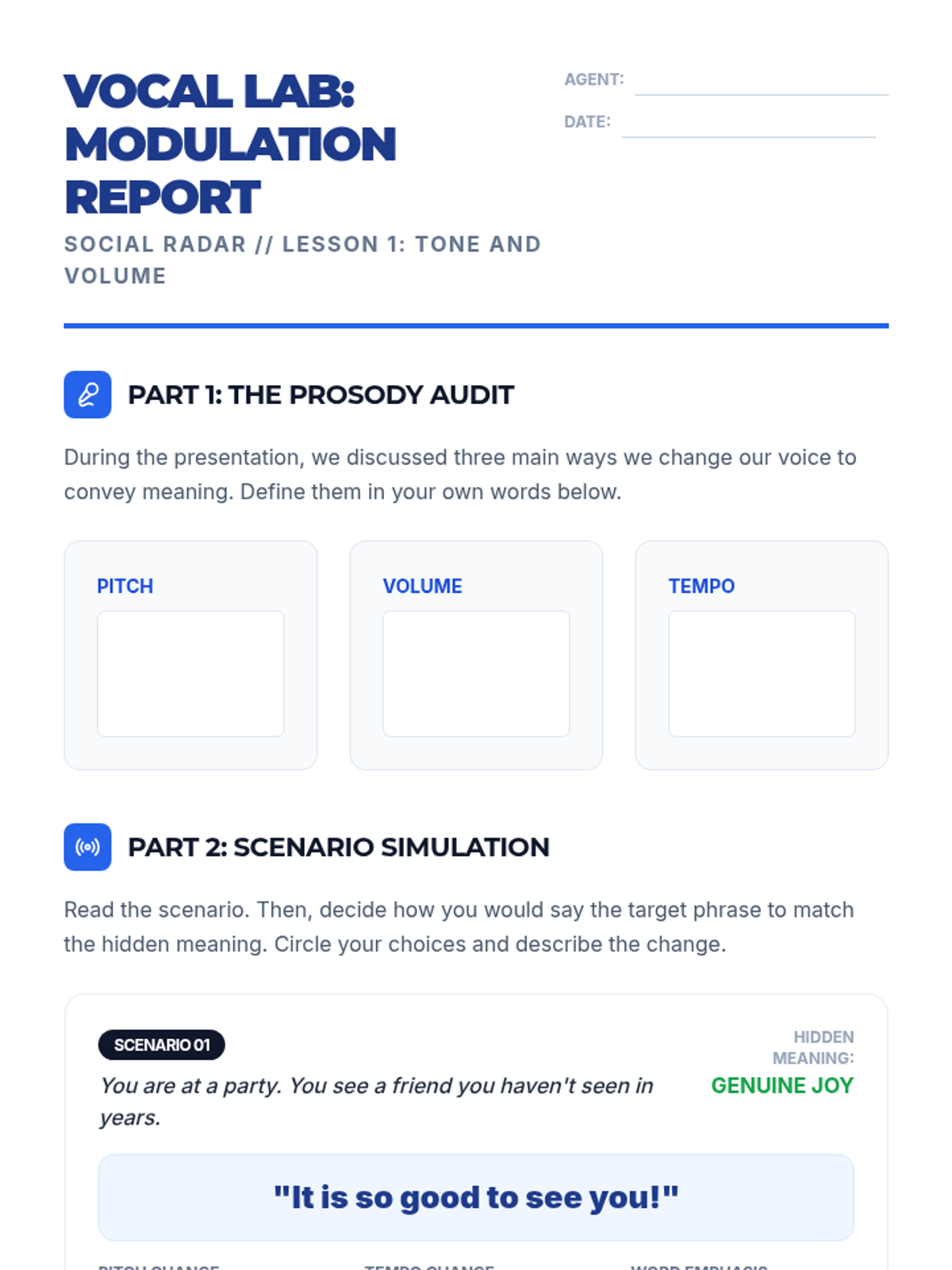
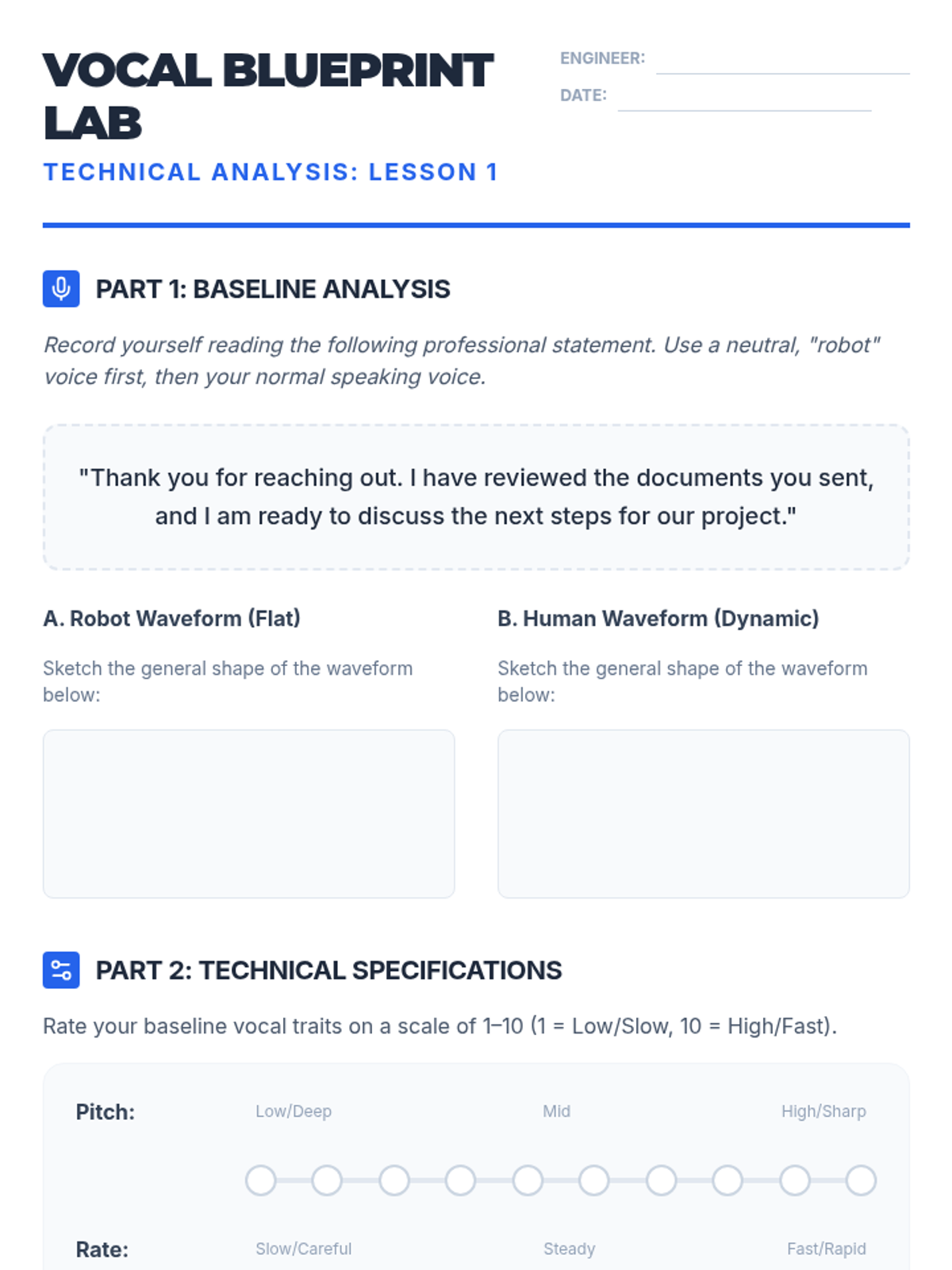
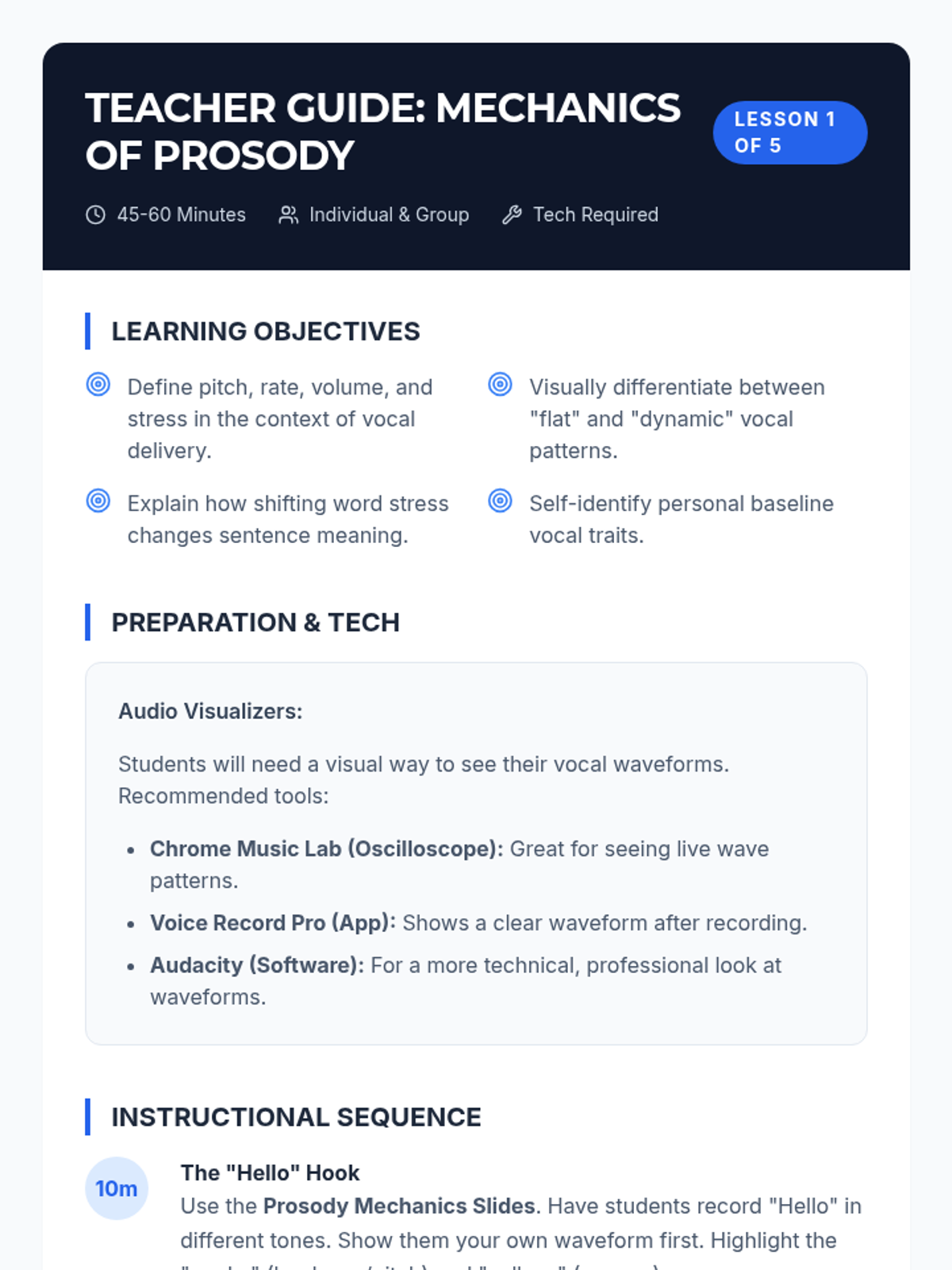
A technical and analytical sequence for 11th-grade students to master vocal volume and prosody through data-driven self-monitoring, waveform visualization, and digital audio production.
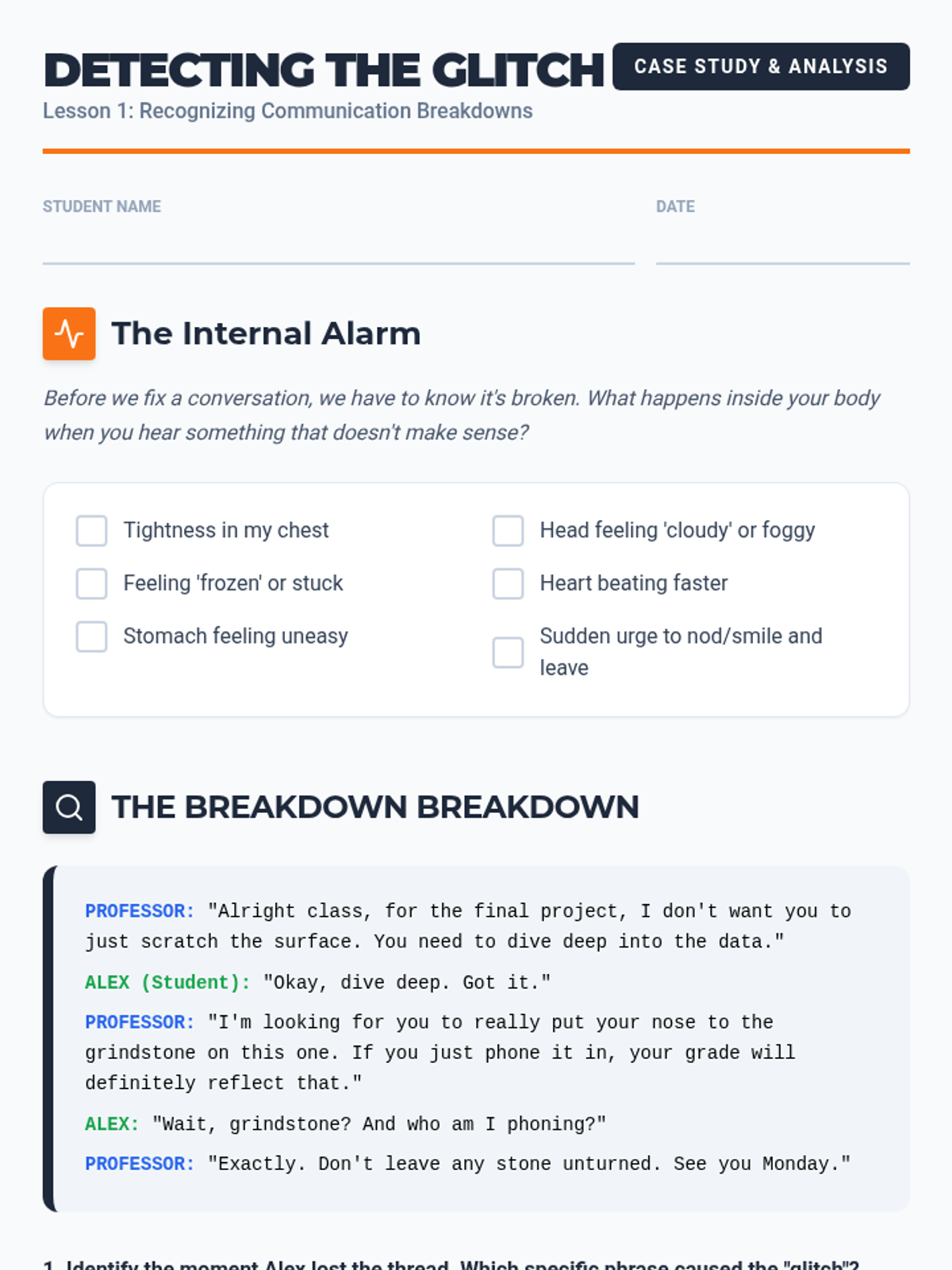
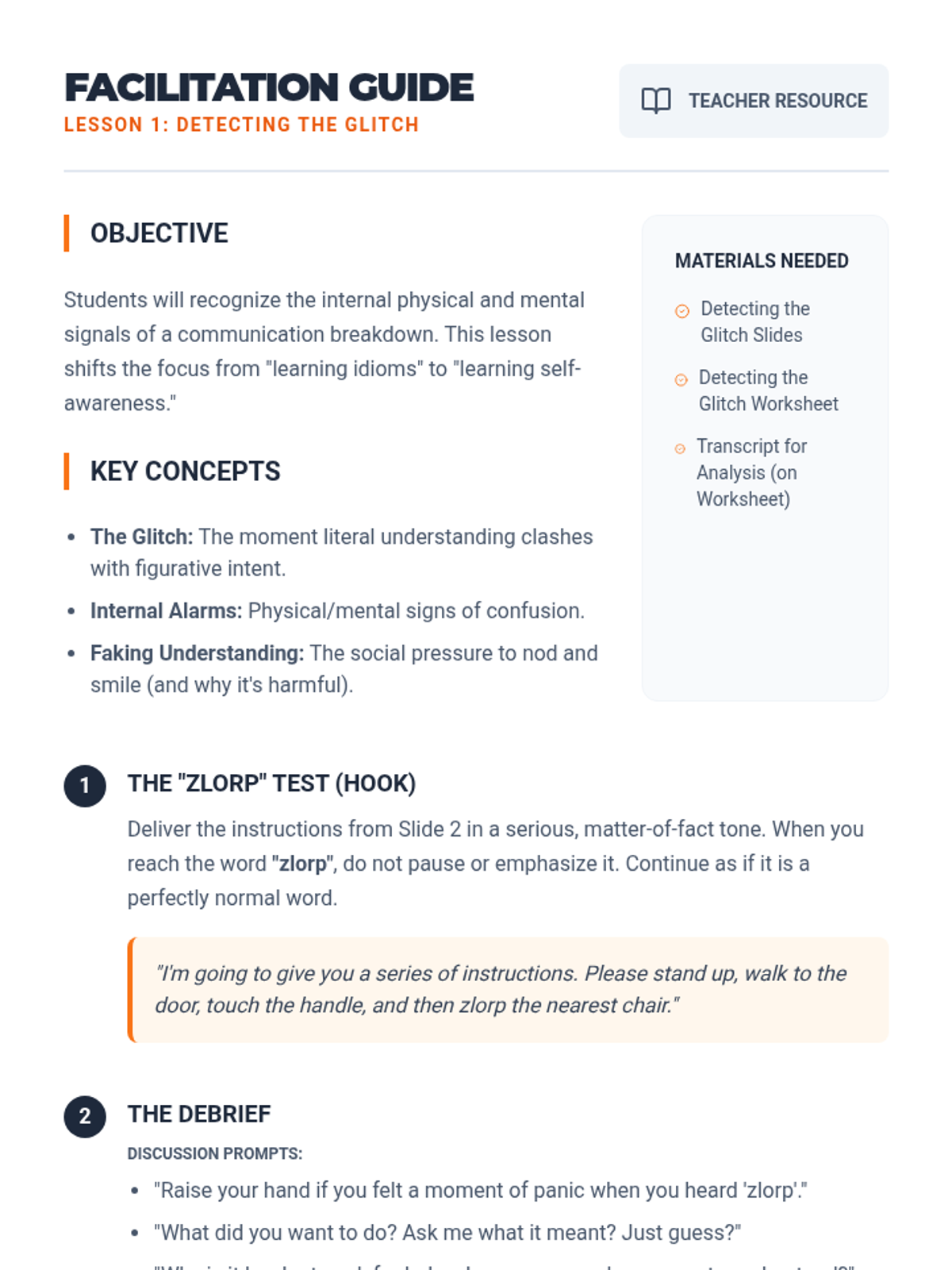
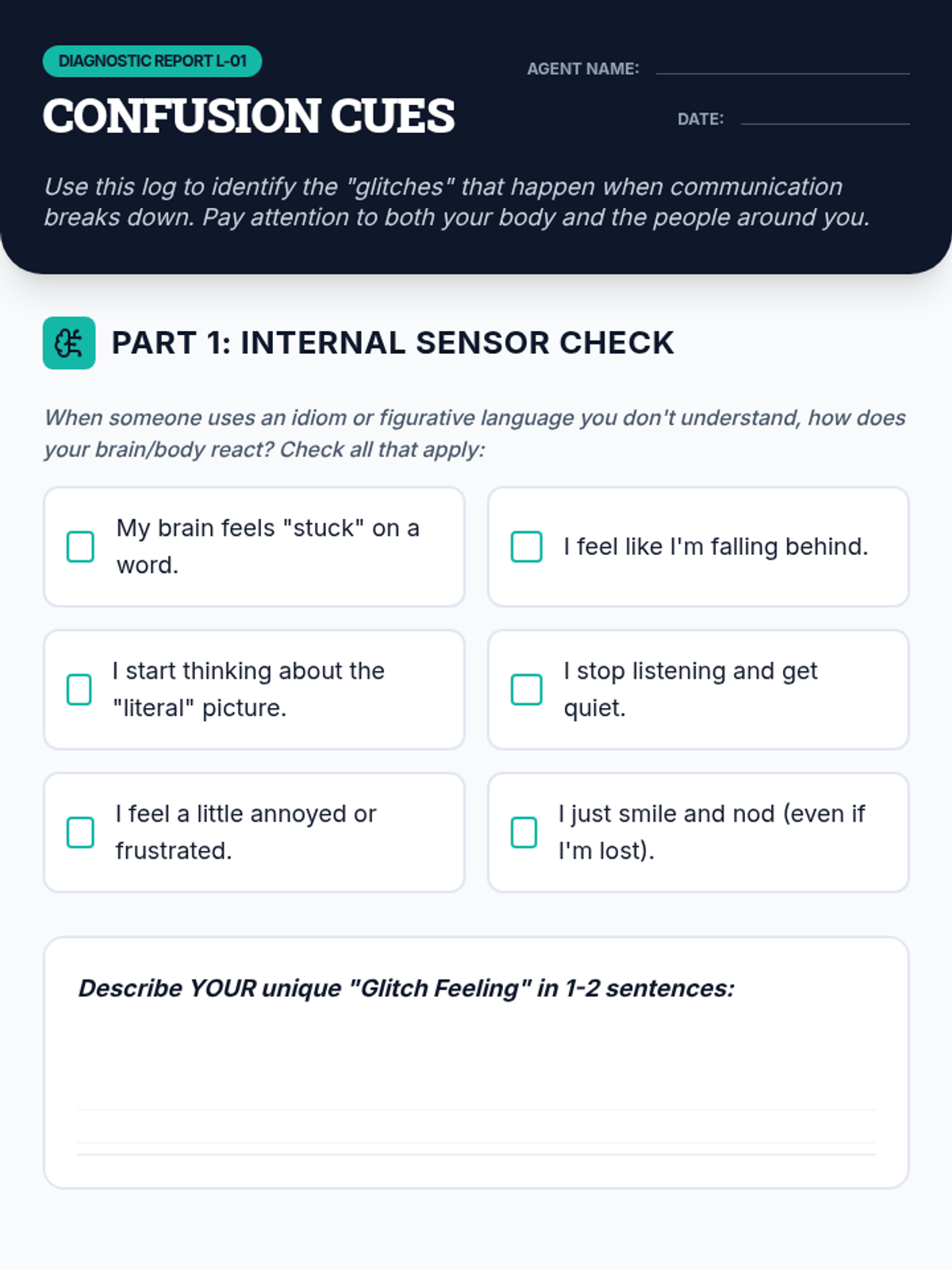
A 12th-grade social communication sequence focused on self-advocacy and repair strategies when encountering ambiguous or figurative language in real-world scenarios.
This sequence targets the complex social skill of interpreting sarcasm, irony, and tone, which relies heavily on non-verbal cues. Students will analyze video clips and audio recordings to detect discrepancies between words and meaning, progressing from identifying obvious vocal cues to reading subtle facial expressions and context.
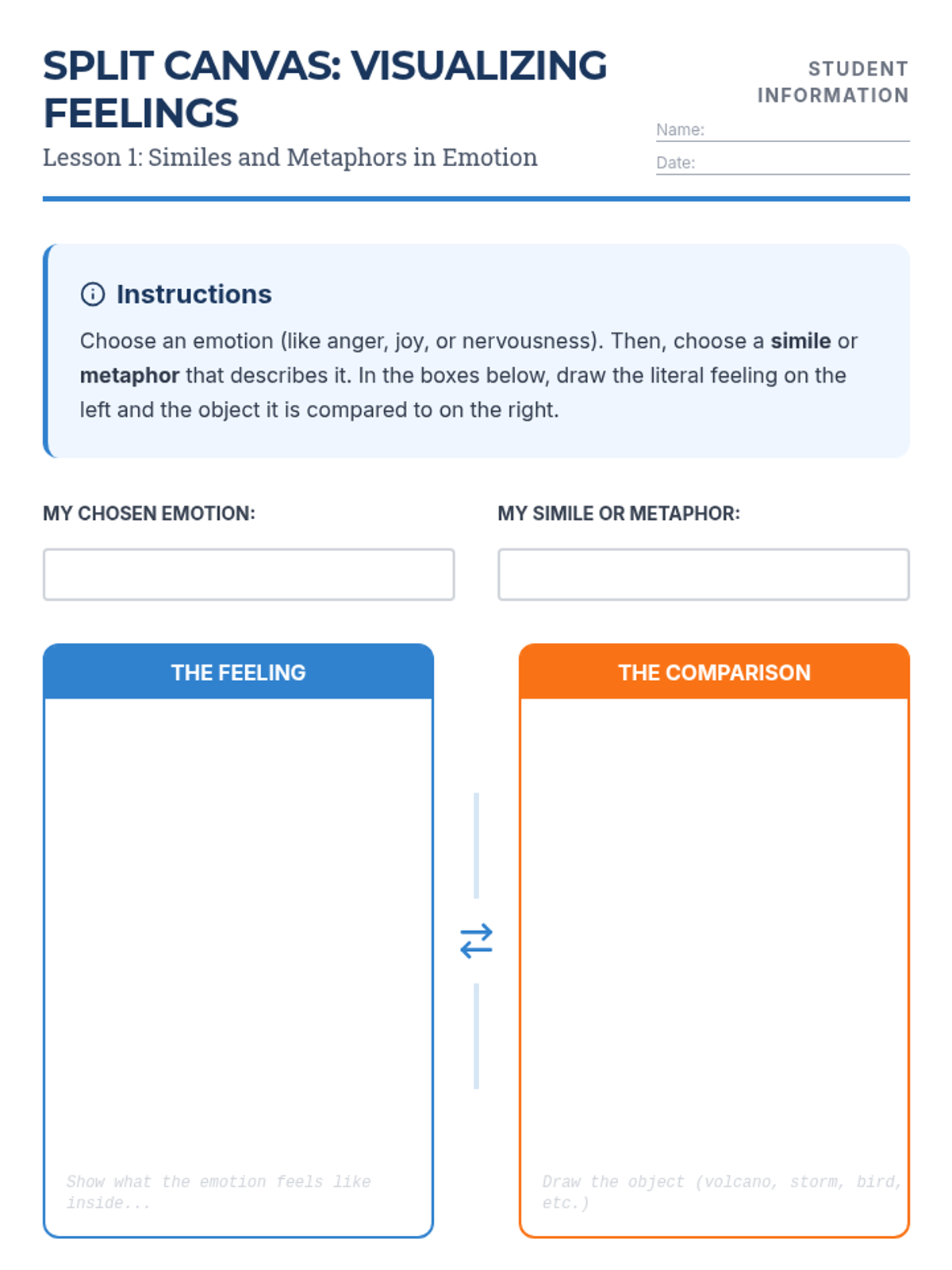
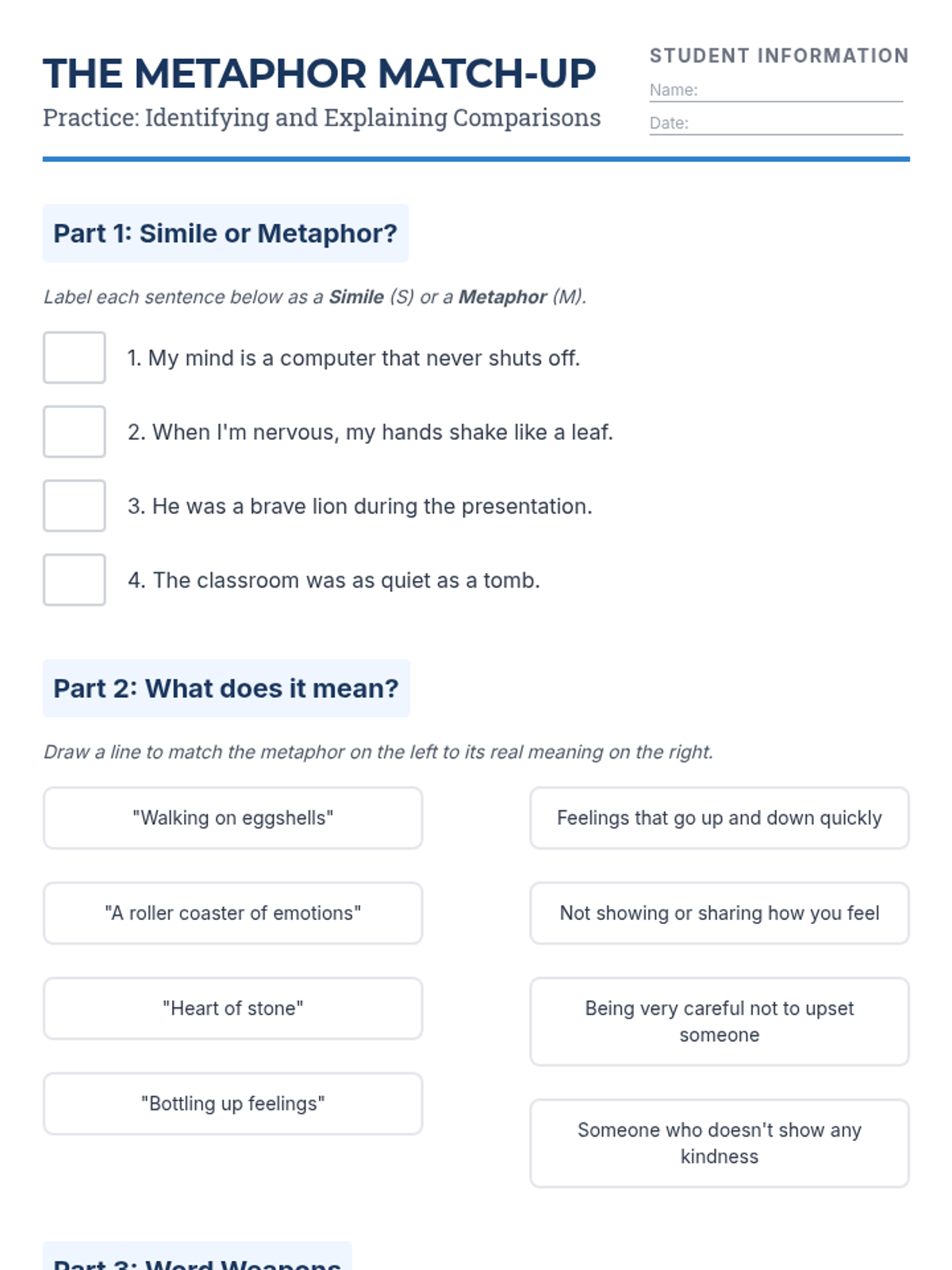
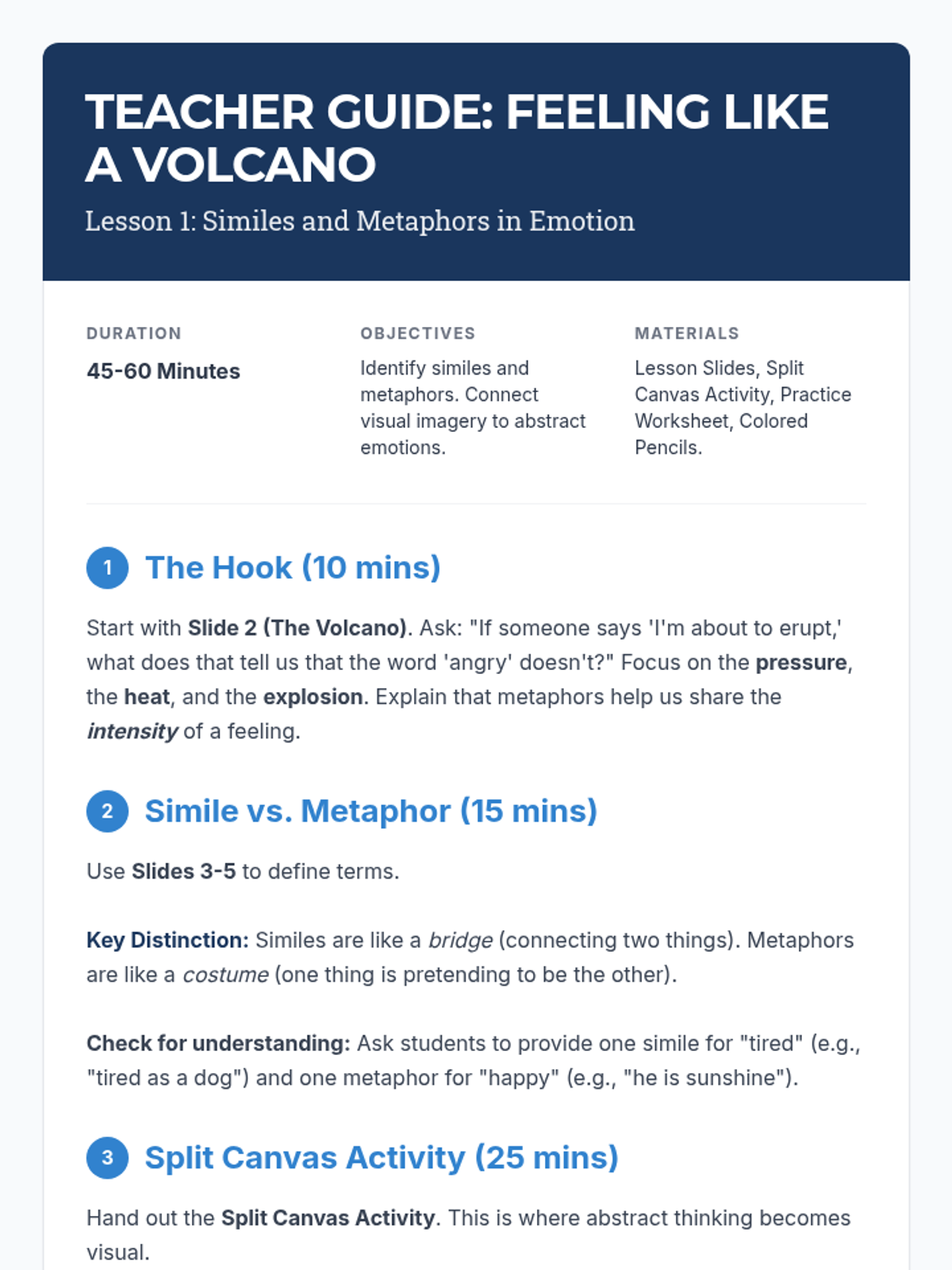
A 5-lesson sequence exploring metaphors and analogies to describe complex emotions and social situations, culminating in a self-advocacy 'User Manual' project. Students move from identifying comparisons to using them for self-expression and social navigation.
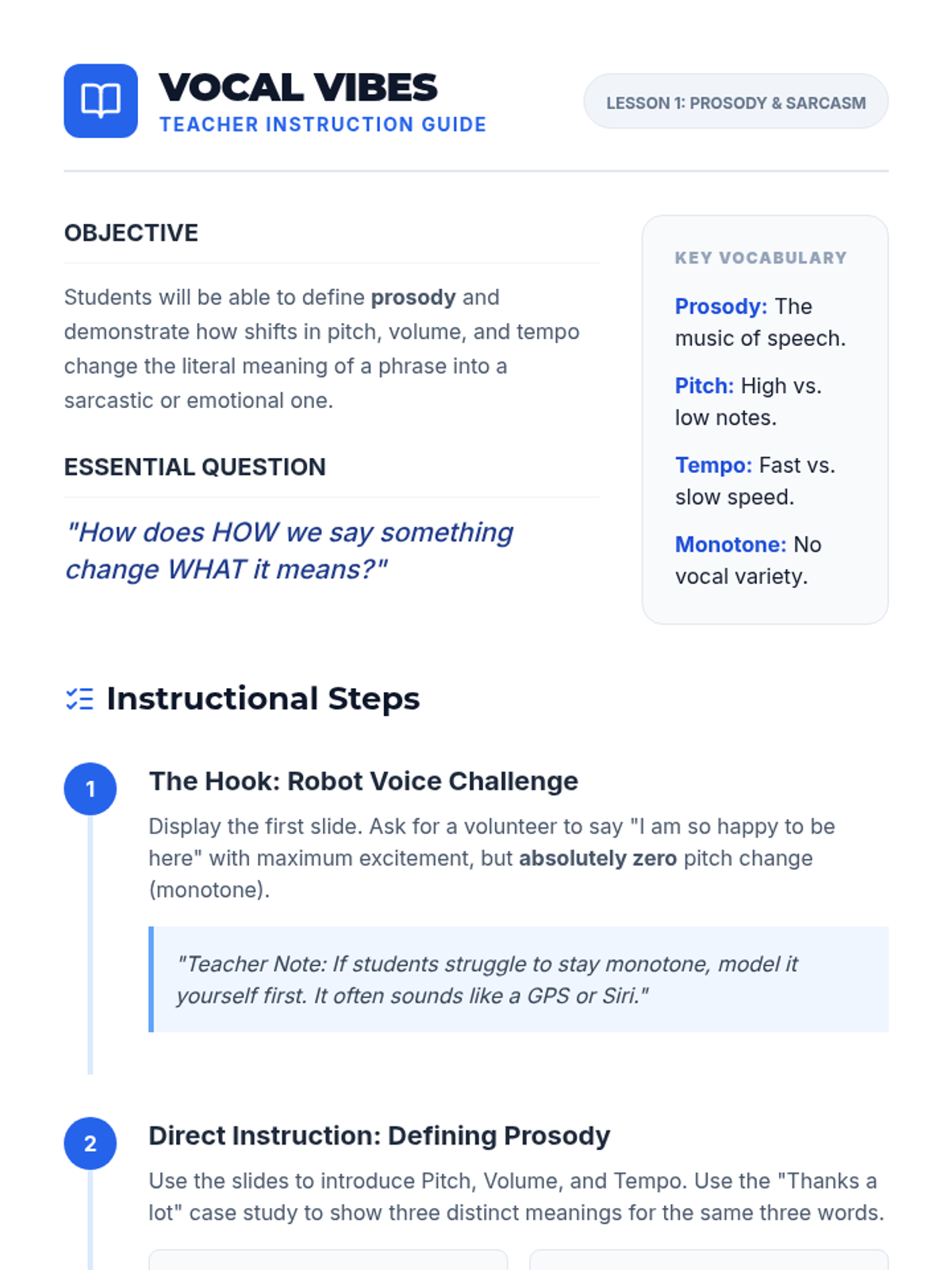
This sequence explores the nuances of social communication for 12th-grade students, focusing on how pitch, volume, and inflection (prosody) shape meaning. Through technical analysis, case studies, and field observations, students learn to detect sarcasm, regulate their own vocal delivery, and repair social misunderstandings in adult contexts.
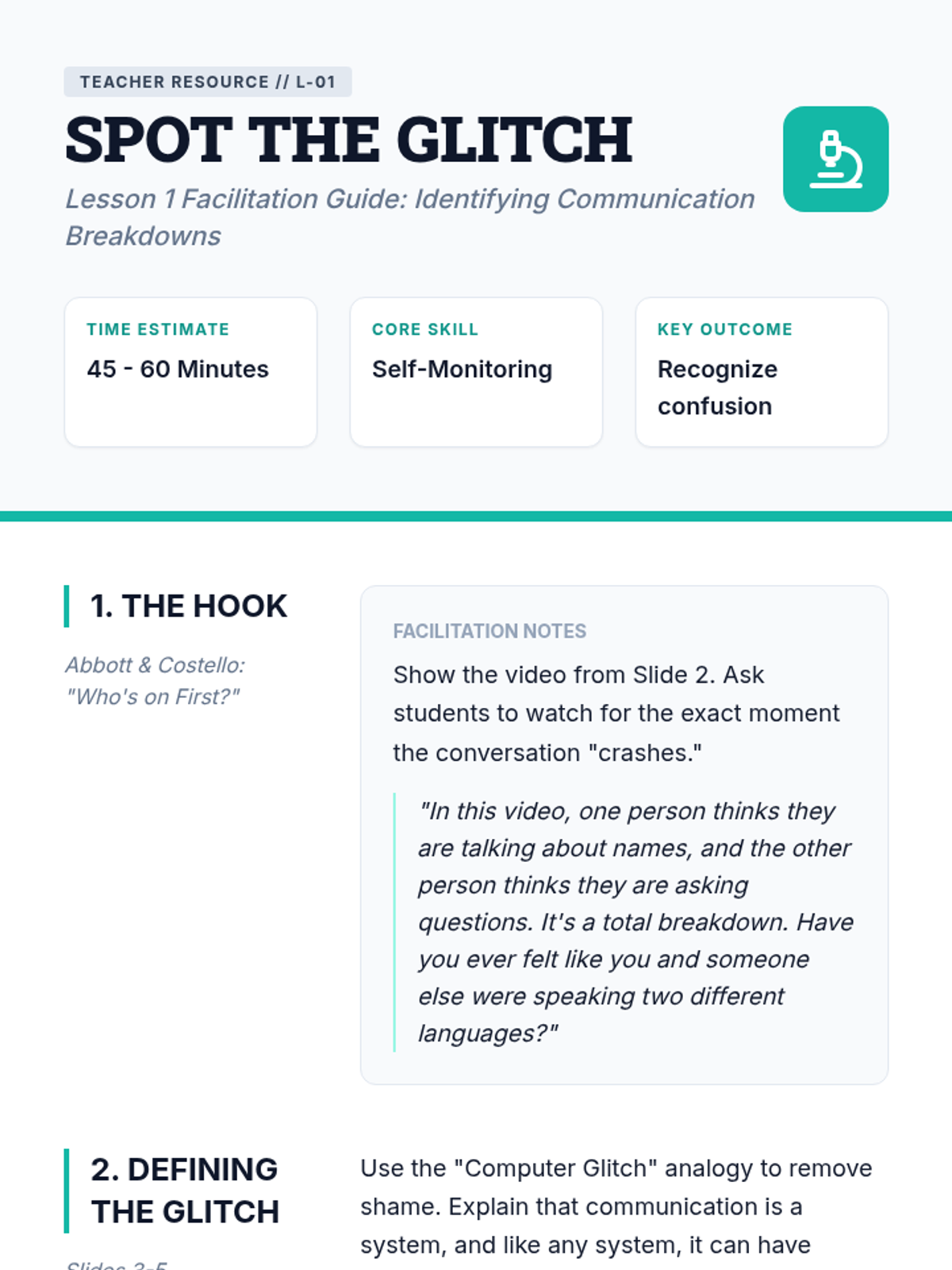
A comprehensive sequence focused on self-advocacy and repair strategies for students navigating social communication challenges. Students learn to identify breakdowns, use clarification scripts, and confidently explain their literal thinking style to others.
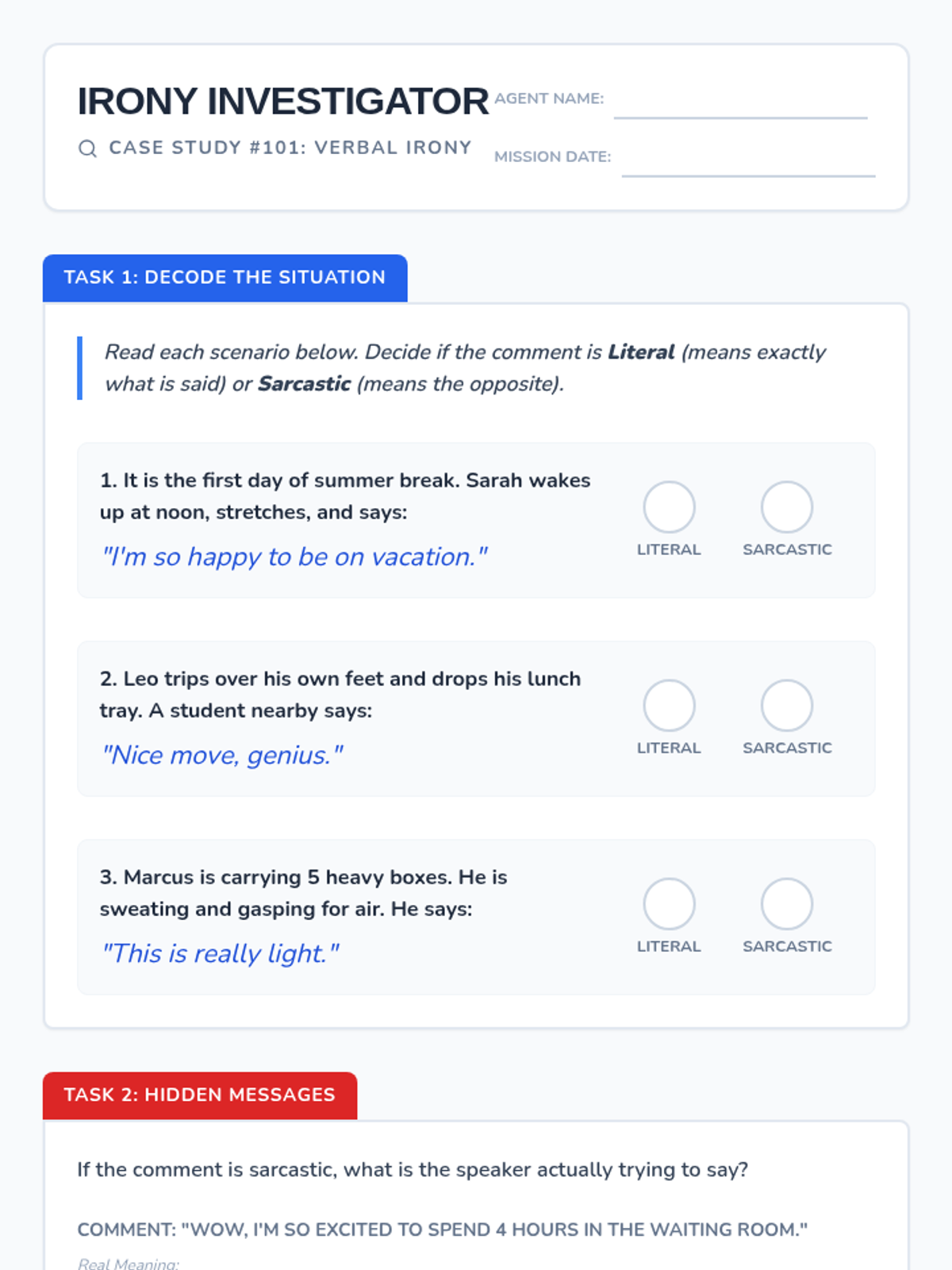
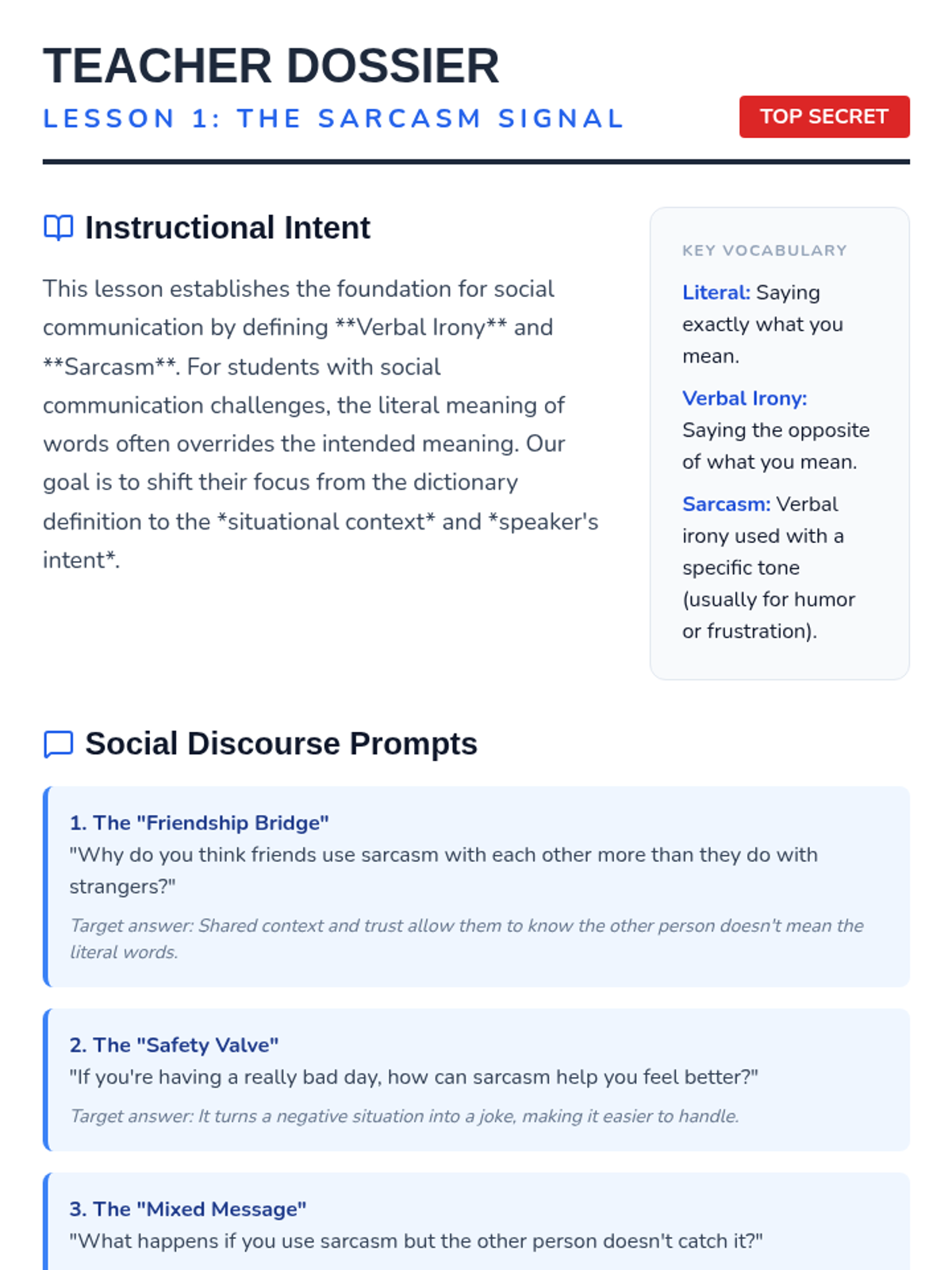
This sequence helps students with social communication challenges decode sarcasm and verbal irony by analyzing tone, facial expressions, and situational context. Students move from identifying the concept to actively role-playing social scenarios in a supportive environment.
A high-school level social skills sequence focused on navigating complex social nuances, empathy through perspective-taking, and practical scripting for conflict resolution and peer pressure. Students build a personal strategy portfolio to manage the 'grey areas' of teenage social life.
A 9th-grade social communication sequence focused on interpreting nonverbal signals, respecting physical boundaries, and navigating group dynamics with a 'Social GPS' approach.
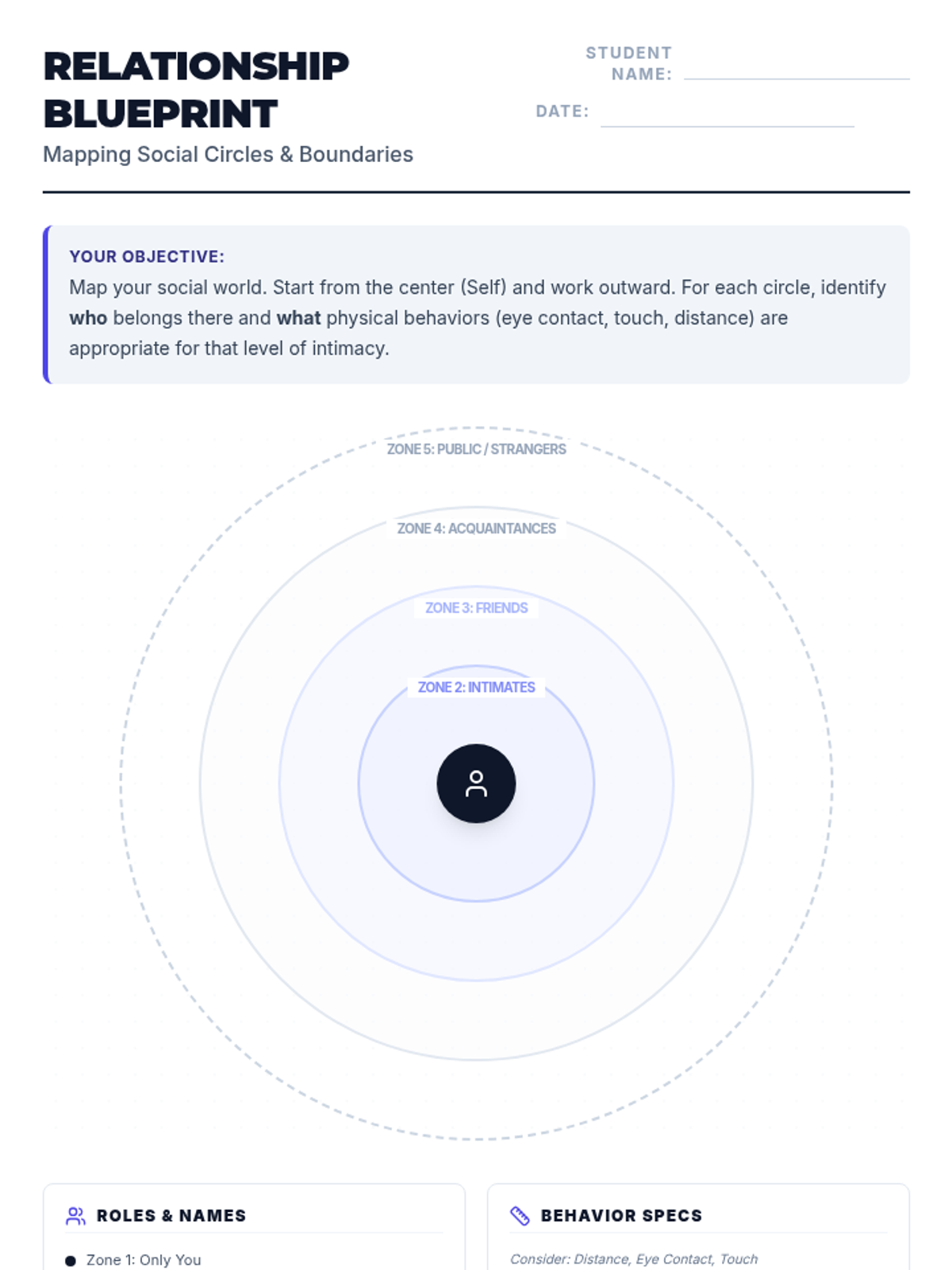
This sequence helps 12th-grade students with social communication needs distinguish between various levels of intimacy and adjust their physical proximity and eye contact accordingly. Students learn to map relationships to specific social zones, practice mirroring social energy, decode the difference between politeness and romantic interest, and master the nuances of affirmative consent in personal space.
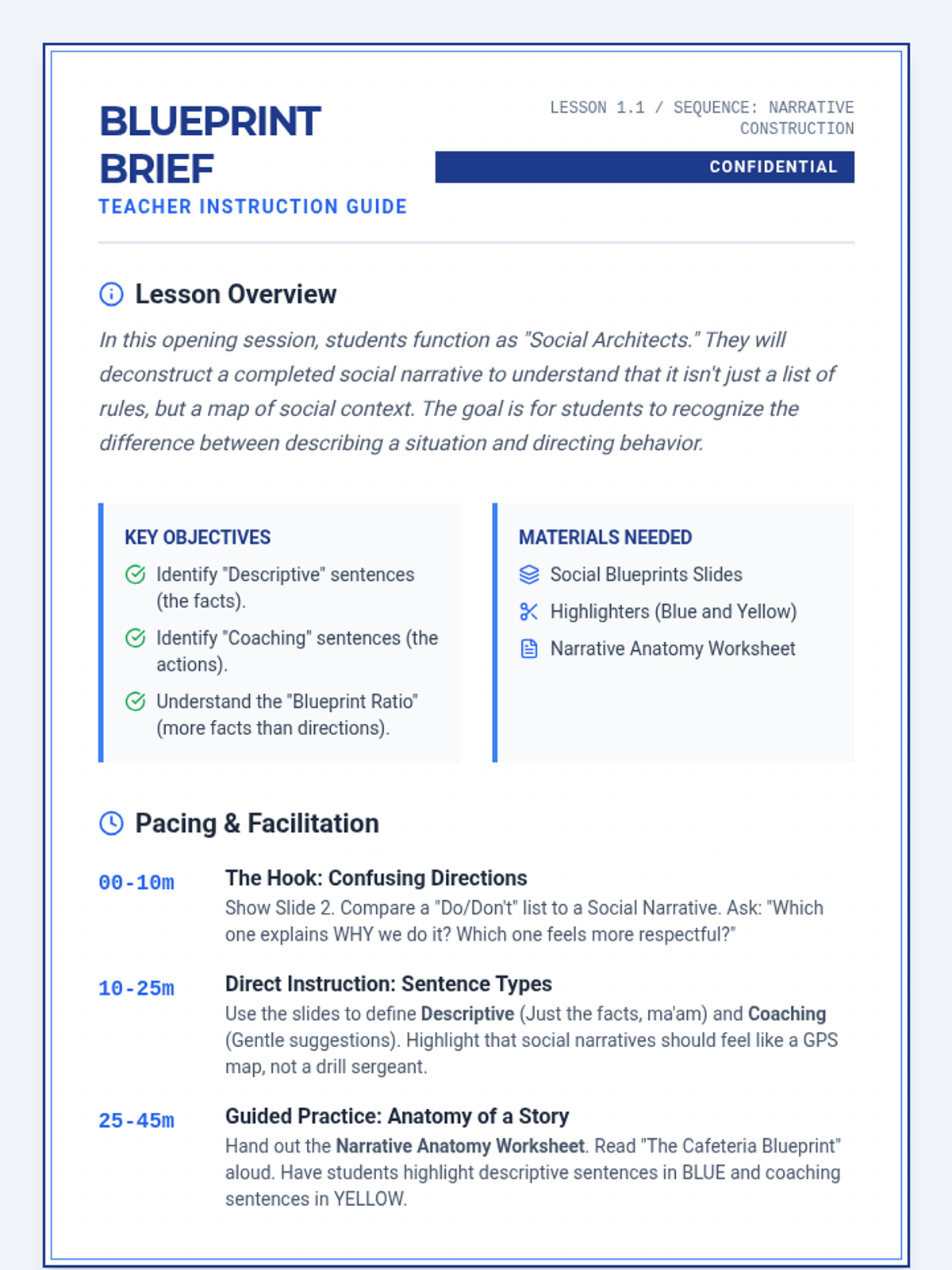
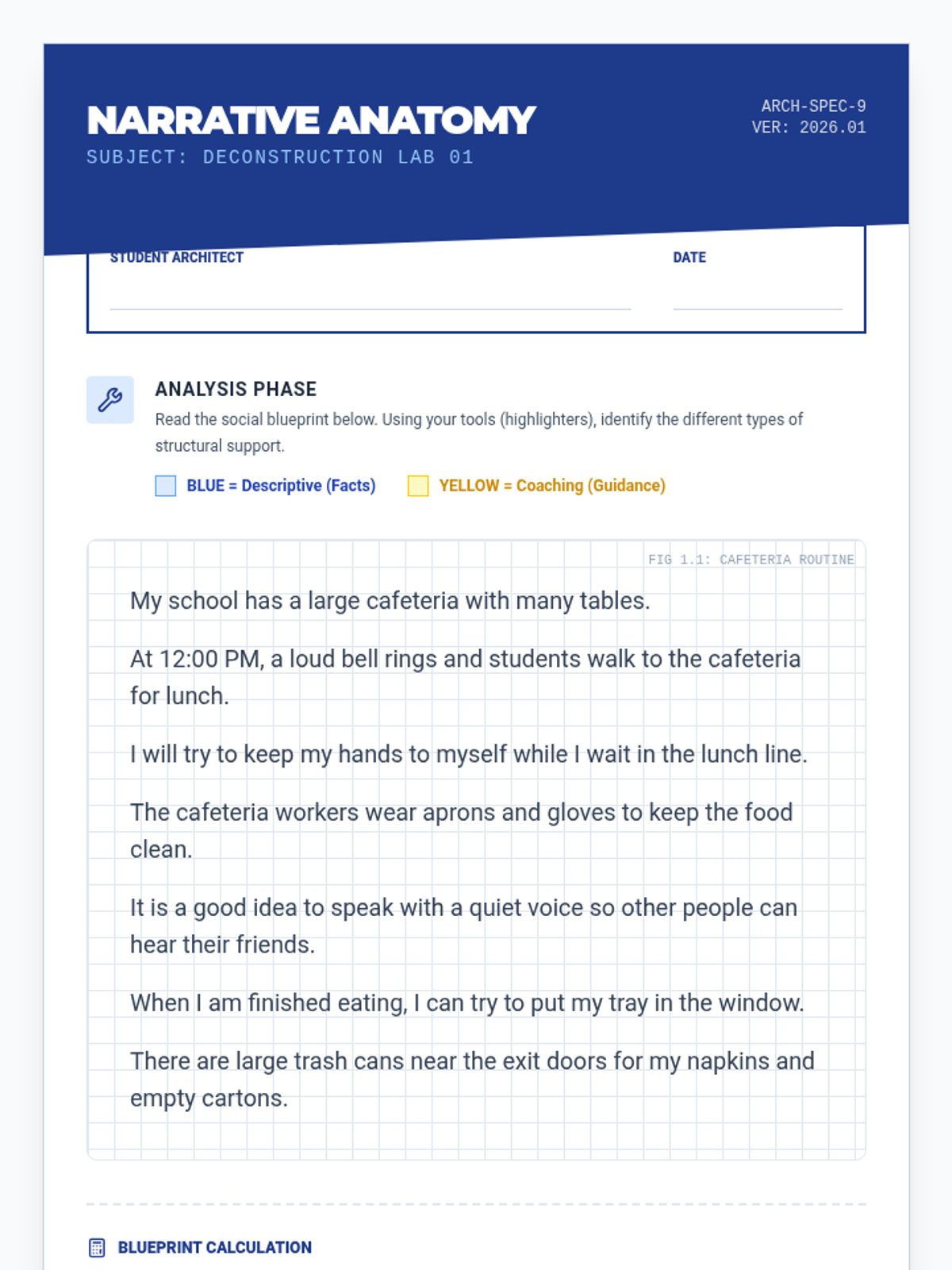
Students learn to create personalized social narratives to navigate high school social expectations. The sequence moves from deconstructing existing stories to drafting factual, perspective-based, and coaching sentences, culminating in a finished social blueprint.
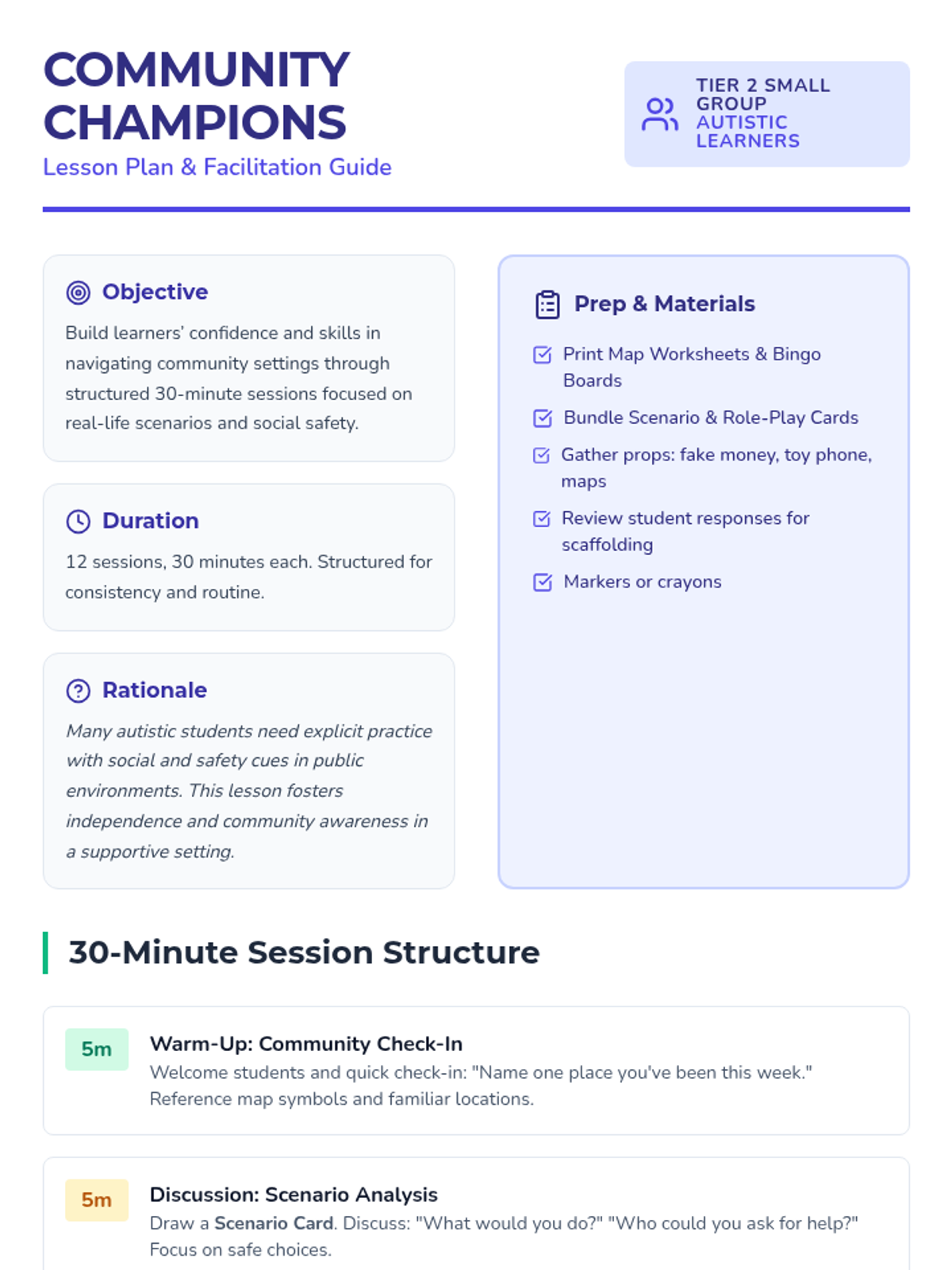
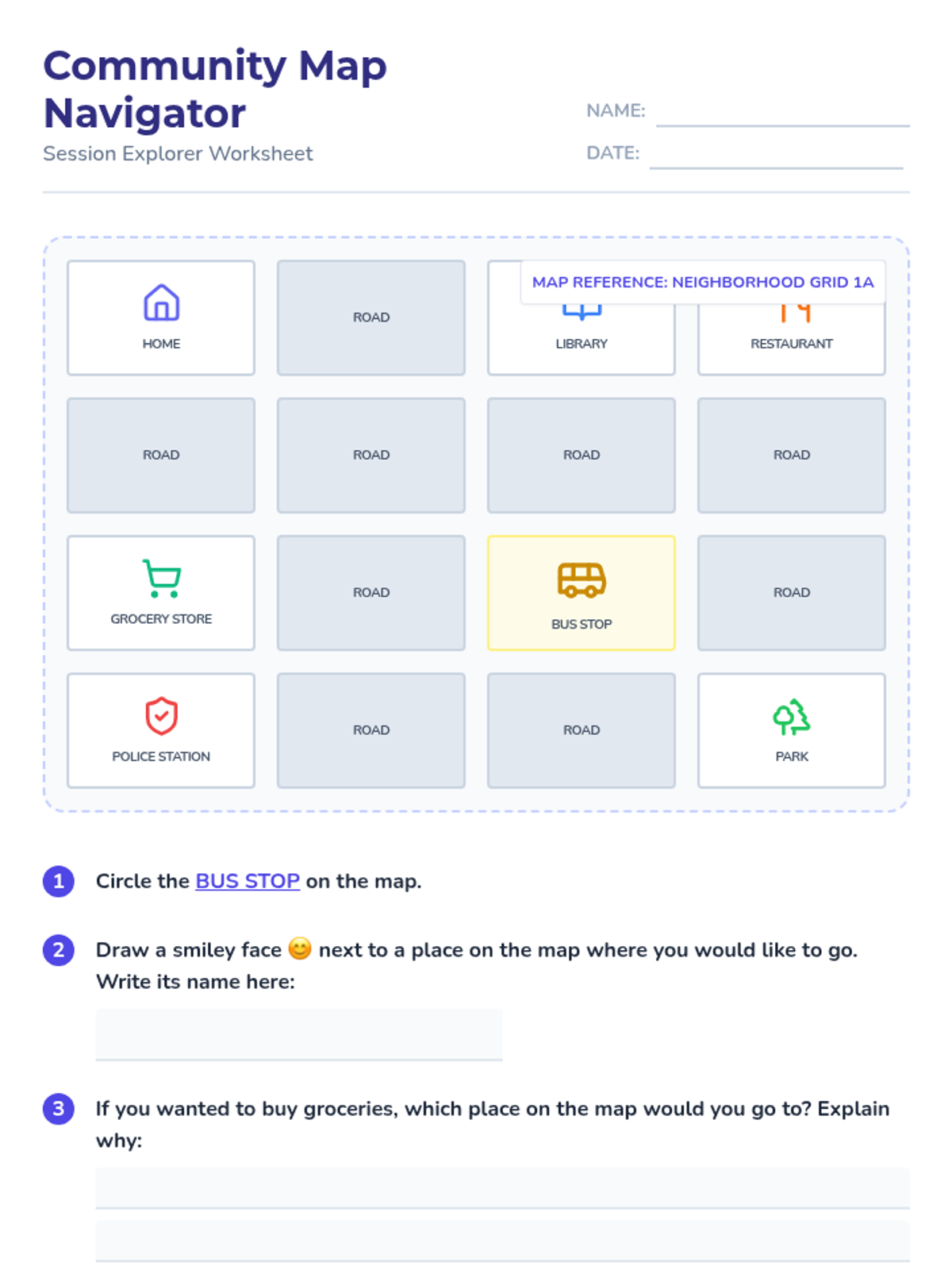
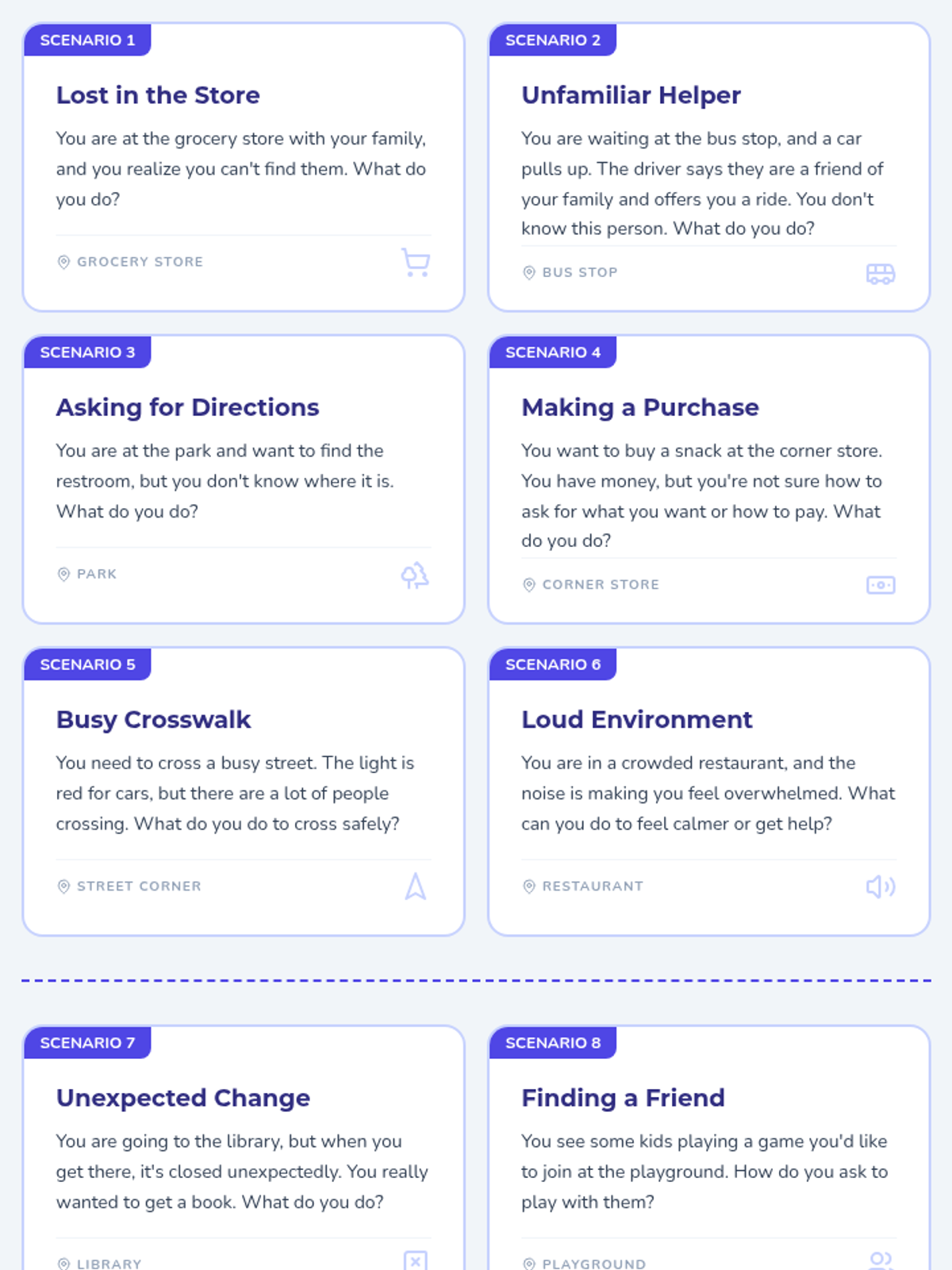
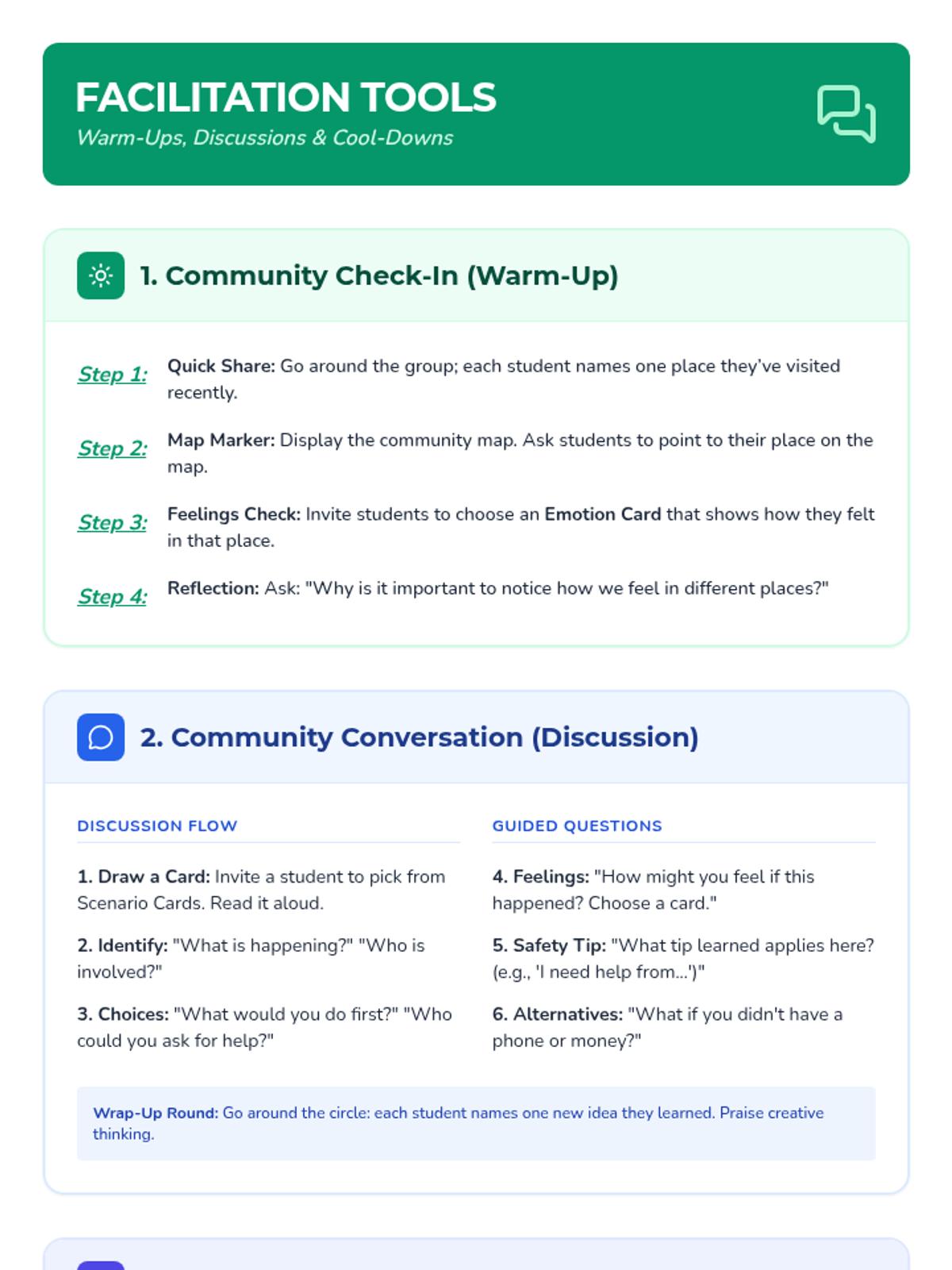
A 12-session Tier 2 small group program designed for autistic learners to develop social, safety, and independence skills in community settings. Through structured routines and hands-on activities, students build confidence navigating real-life scenarios.
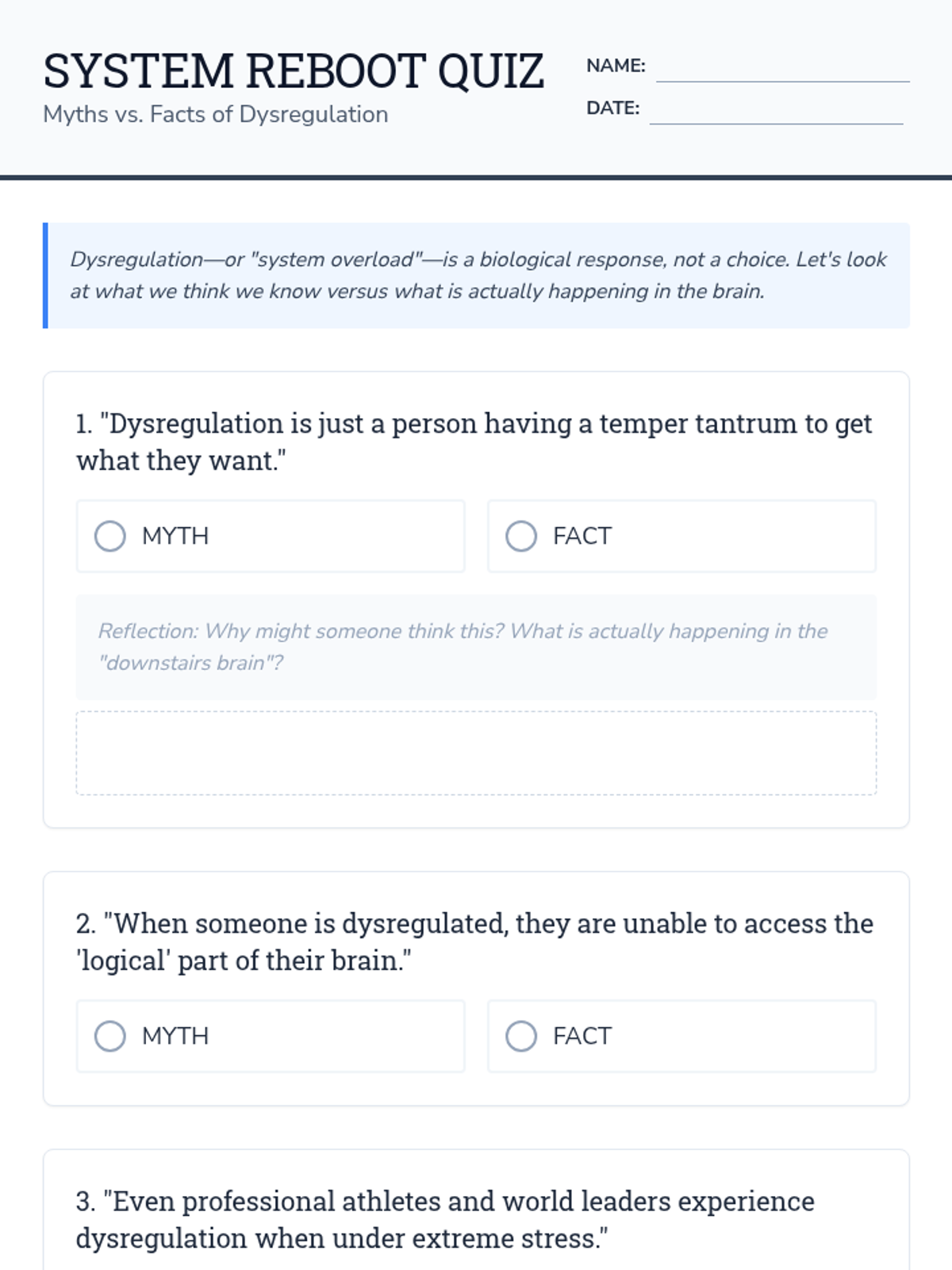
This sequence focuses on the restorative phase following a dysregulation event, emphasizing social-emotional repair and reintegration into the classroom community. Students explore how to process feelings of shame or embarrassment and how to debrief effectively with adults once baseline is restored.
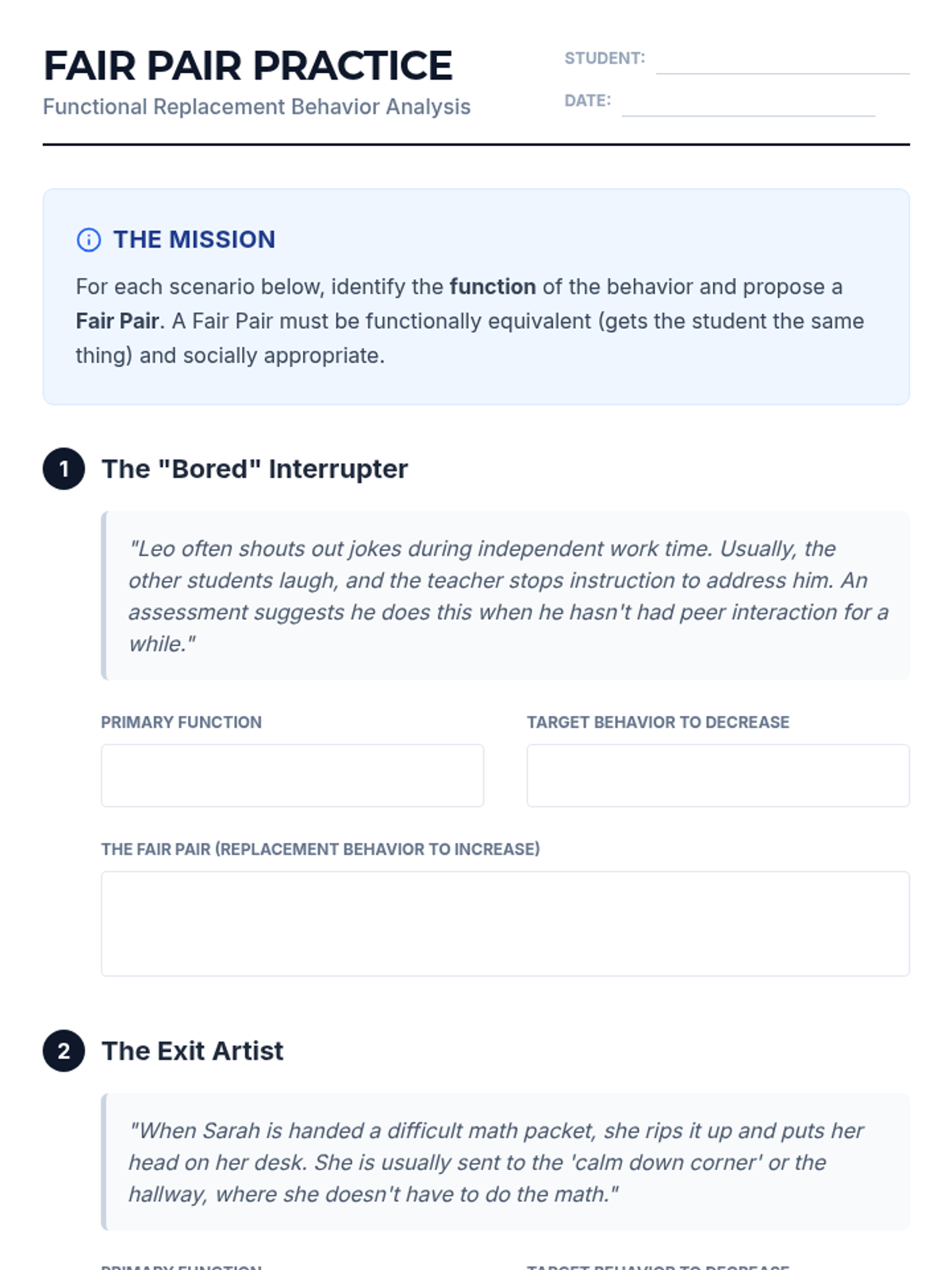
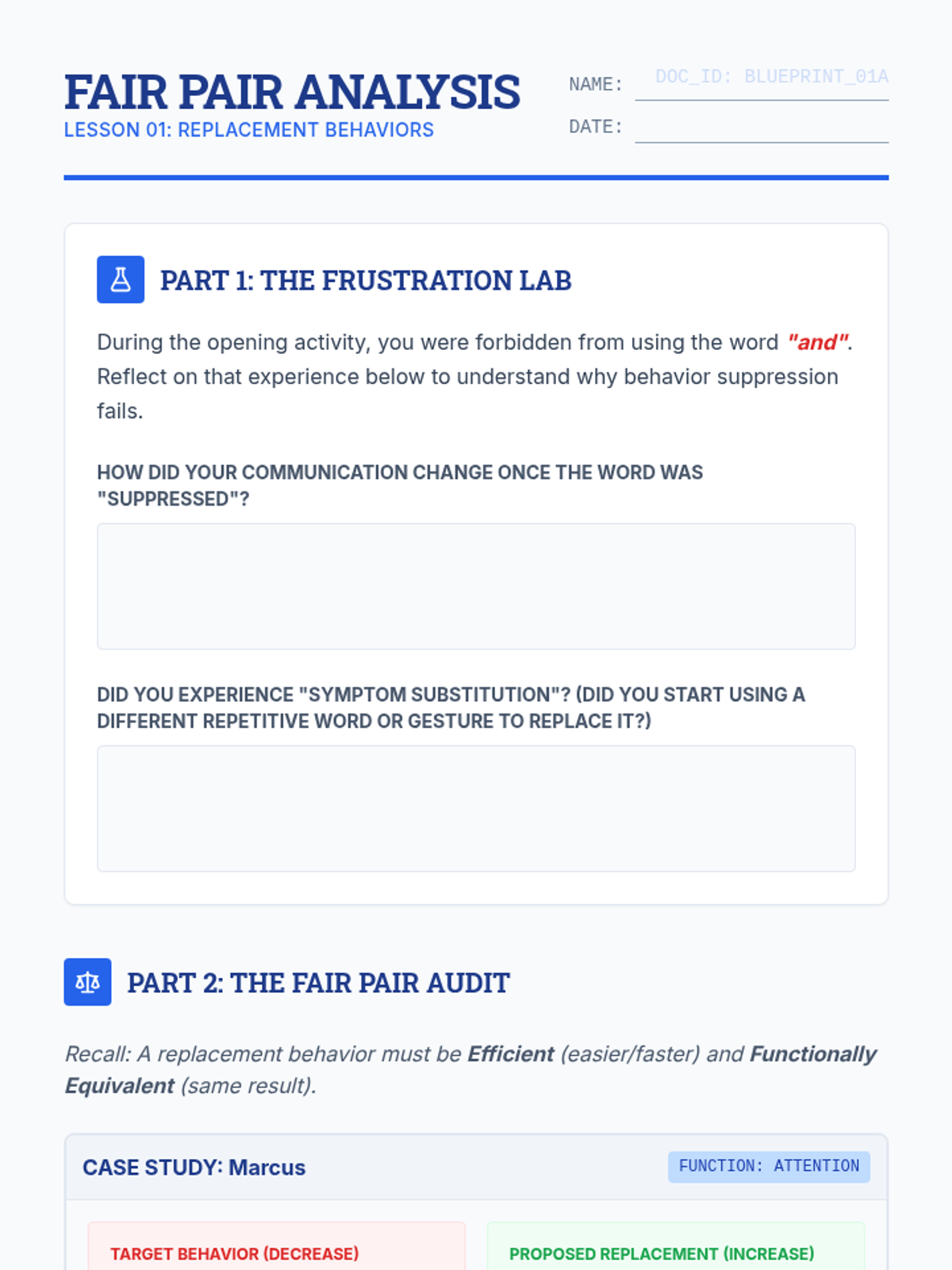
A comprehensive unit for high school students on the ethical and technical aspects of teaching replacement behaviors. Students move from the core philosophy of the 'Fair Pair' rule to technical skills like FCT, task analysis, and generalization planning.
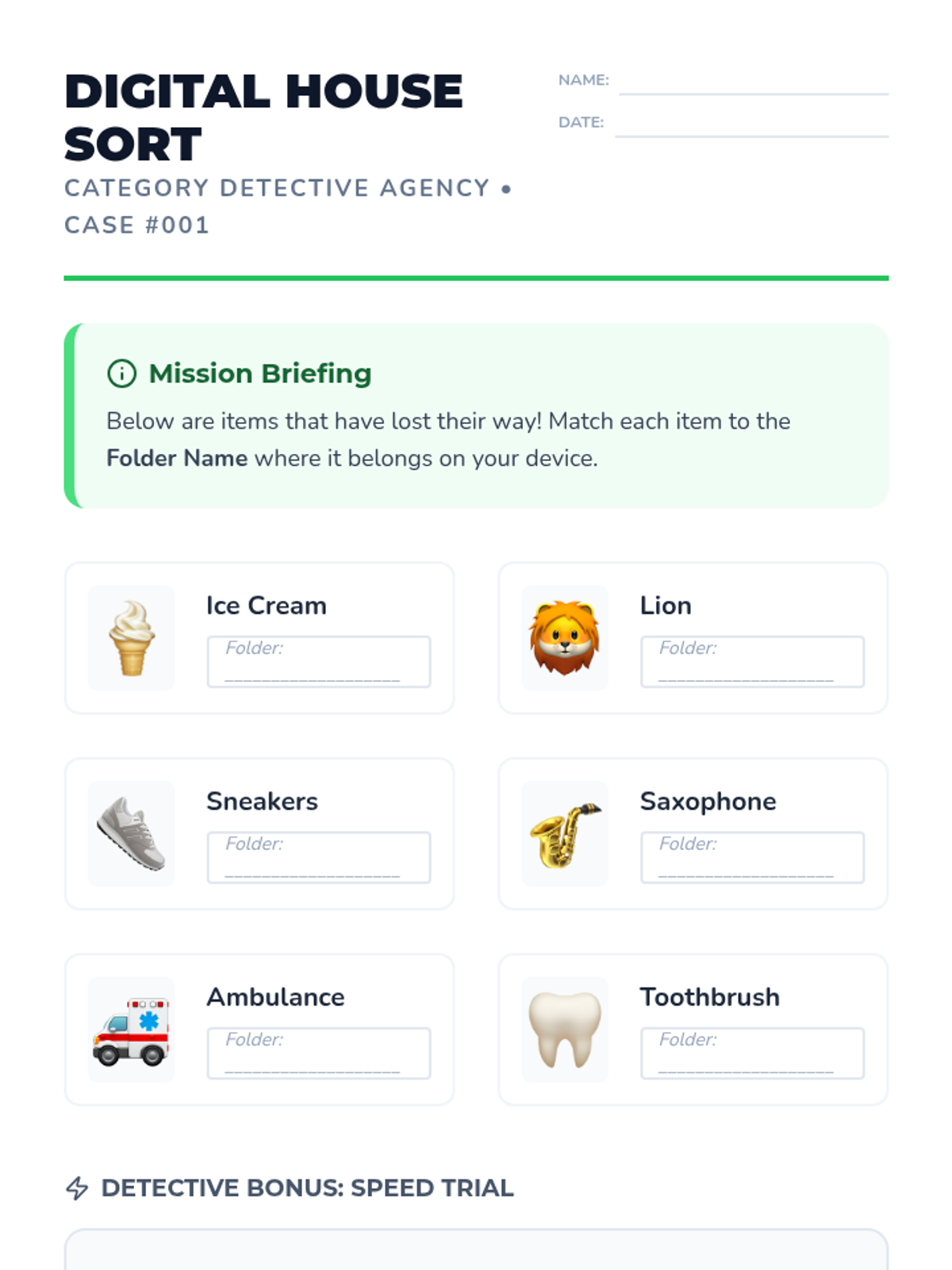
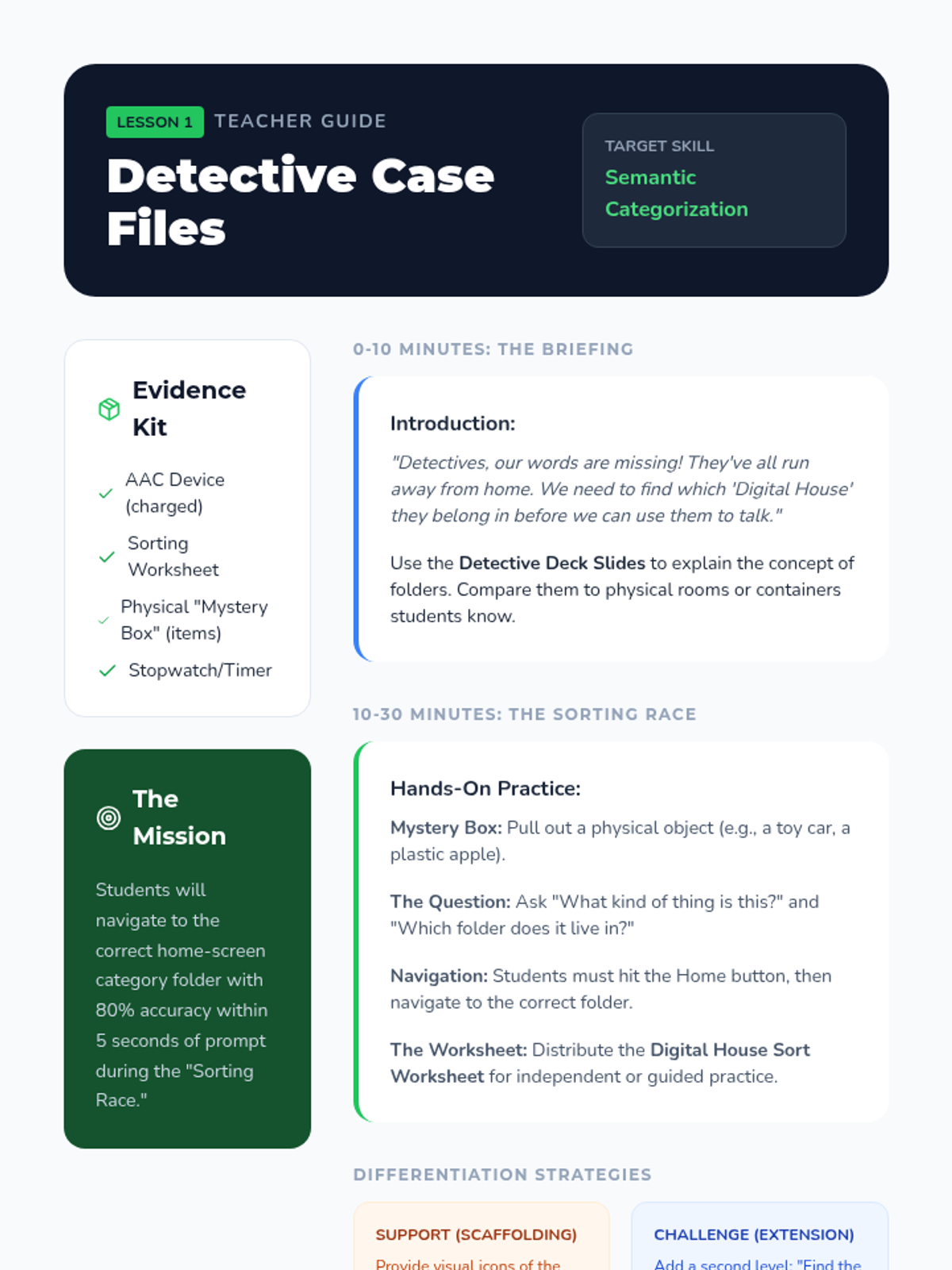
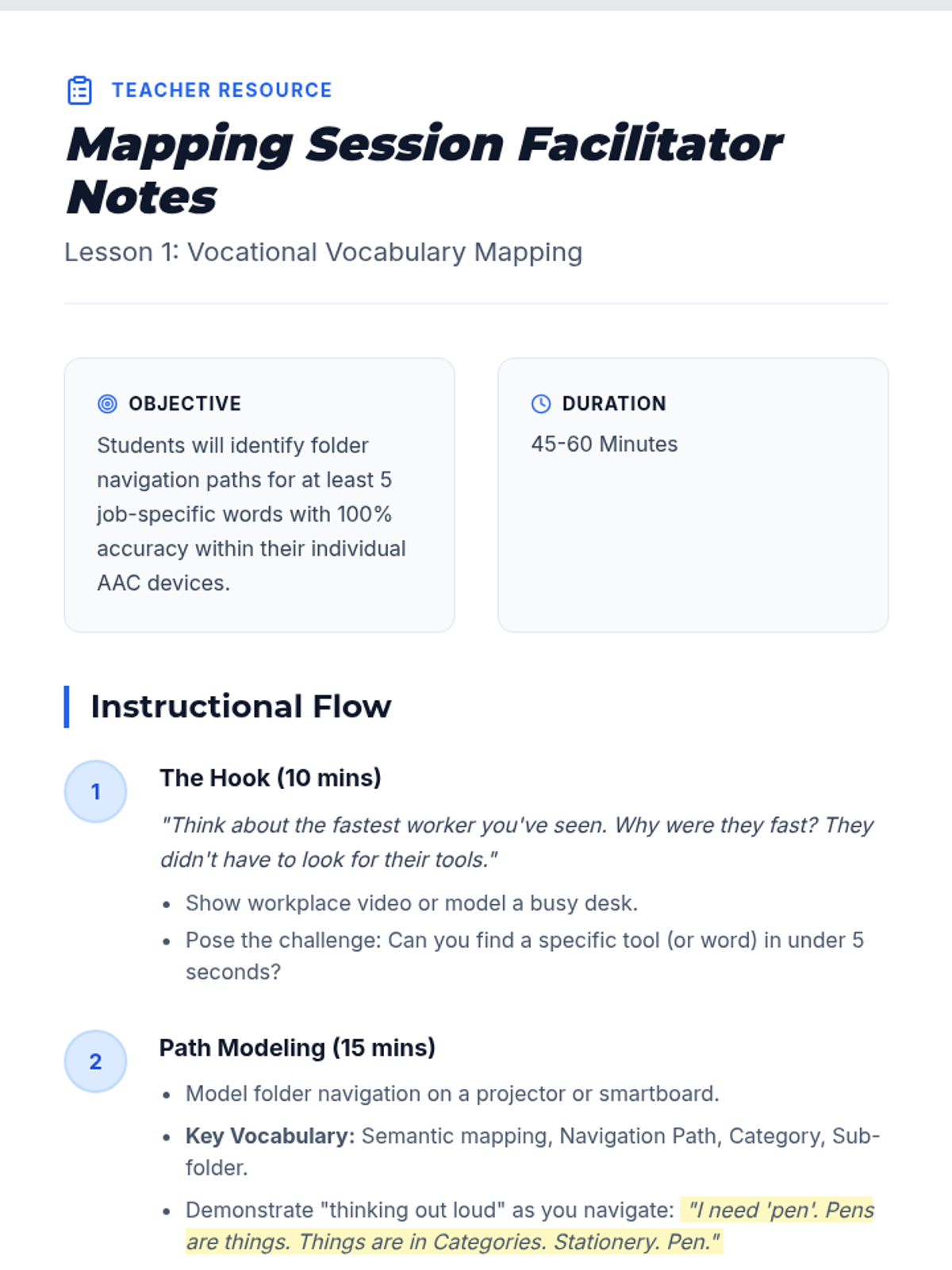
This sequence prepares 12th-grade transition students to navigate their AAC devices efficiently within workplace environments. It focuses on semantic mapping, rapid switching between social and functional folders, and context-dependent communication strategies.
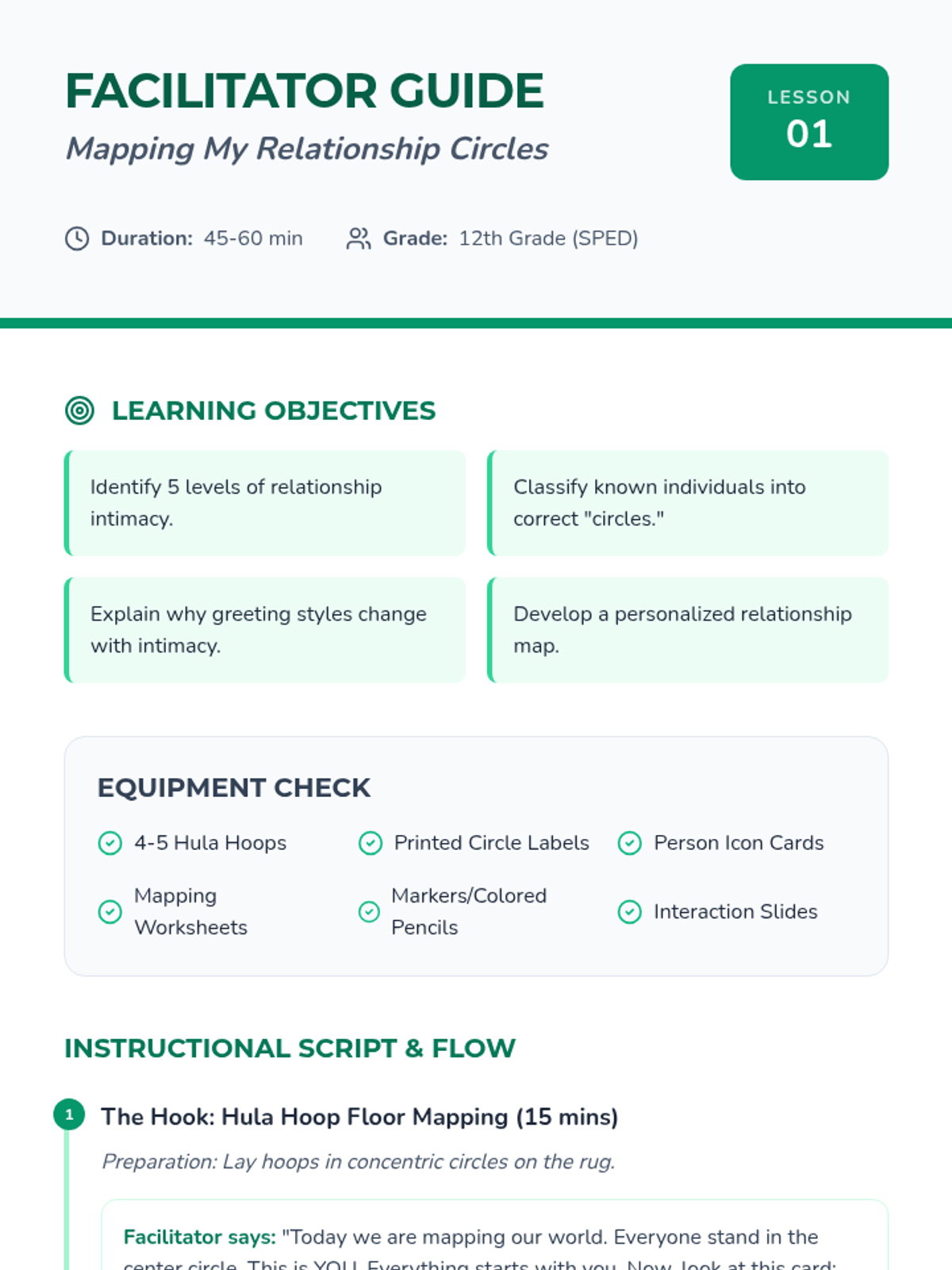
A sequence for 12th Grade Special Education students focused on navigating social boundaries and determining appropriate greetings based on relationship intimacy levels and safety. Students learn through the 'Circle of Relationships' model, practicing both non-verbal and verbal acknowledgments for various community scenarios.
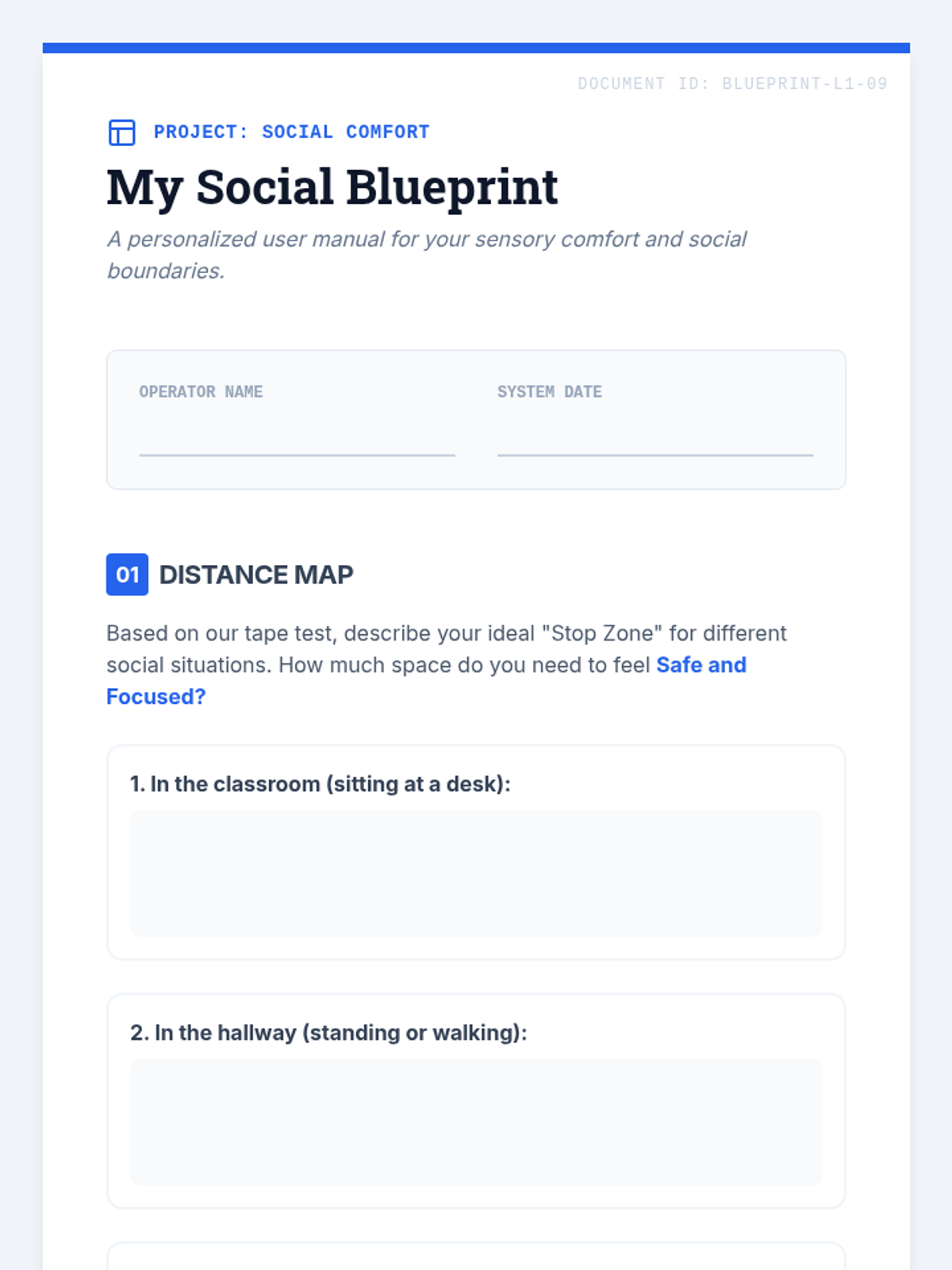
This sequence empowers neurodivergent students to navigate social interactions through self-advocacy and sensory management rather than forced compliance. Students learn to identify their spatial needs, utilize gaze alternatives, and verbalize their listening styles to reduce social anxiety and sensory overload.
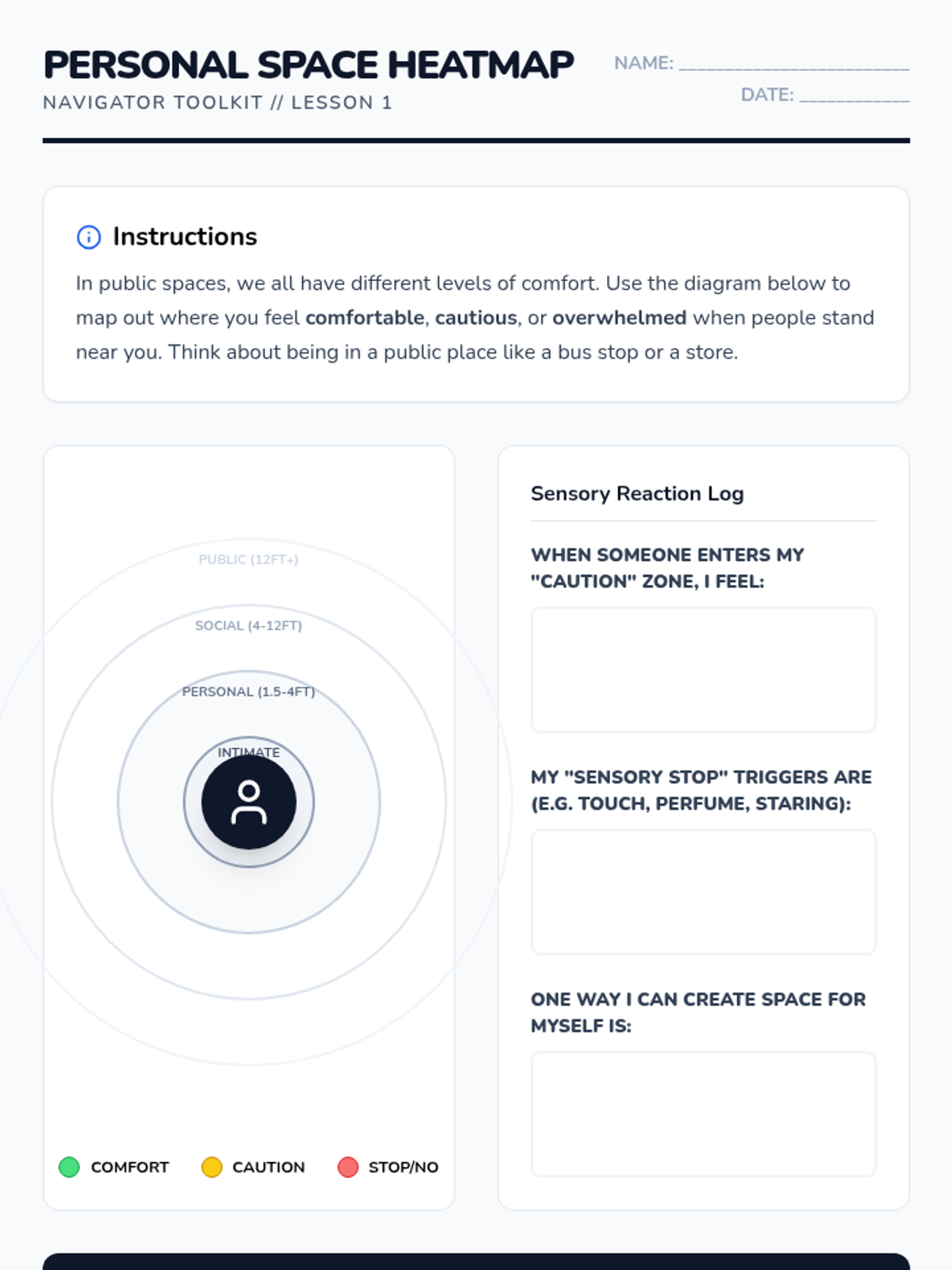
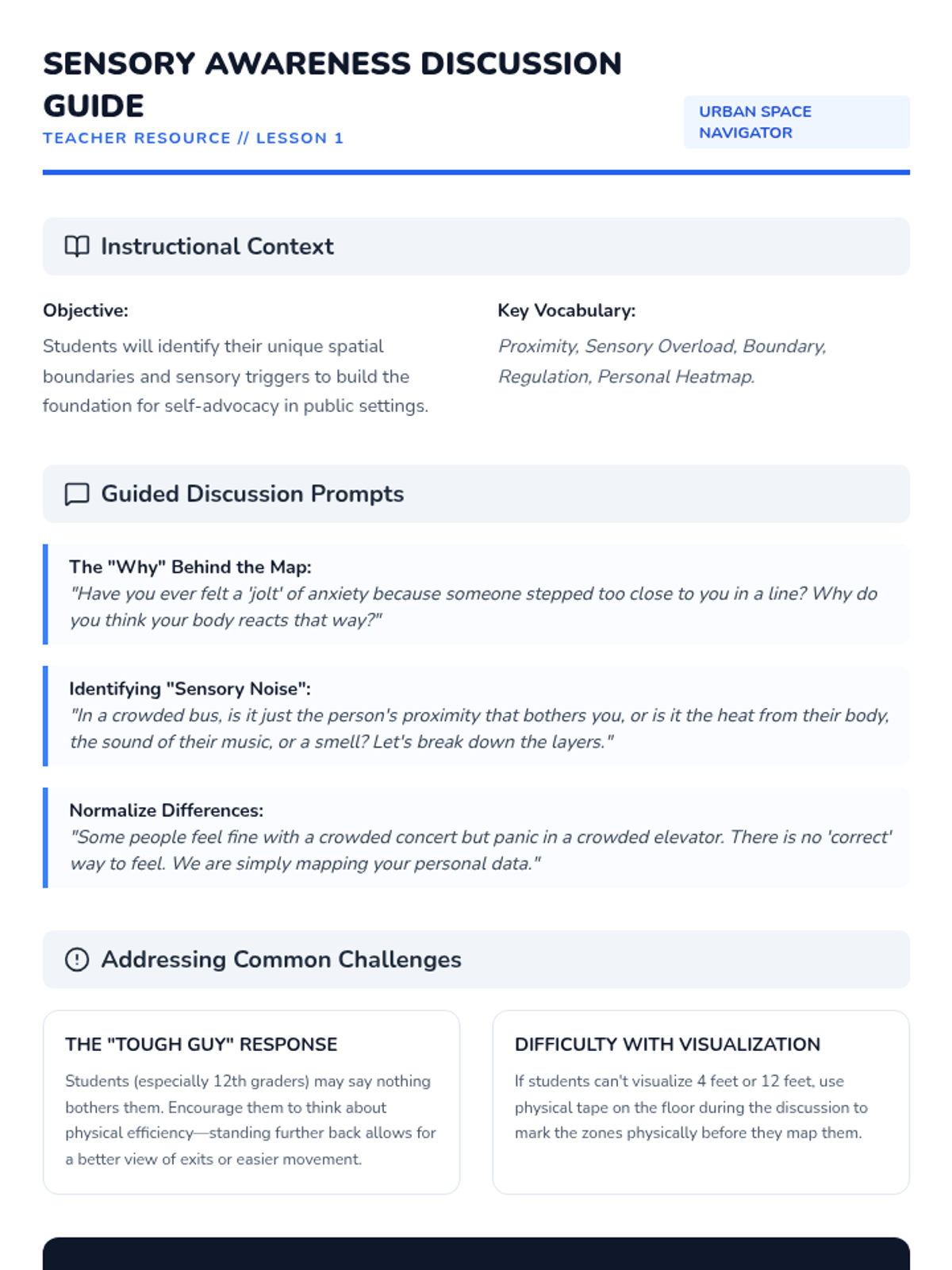
This workshop-style sequence for 12th graders focuses on navigating personal space and social gaze in public environments. It emphasizes self-advocacy, sensory awareness, and practical strategies for community independence and safety.
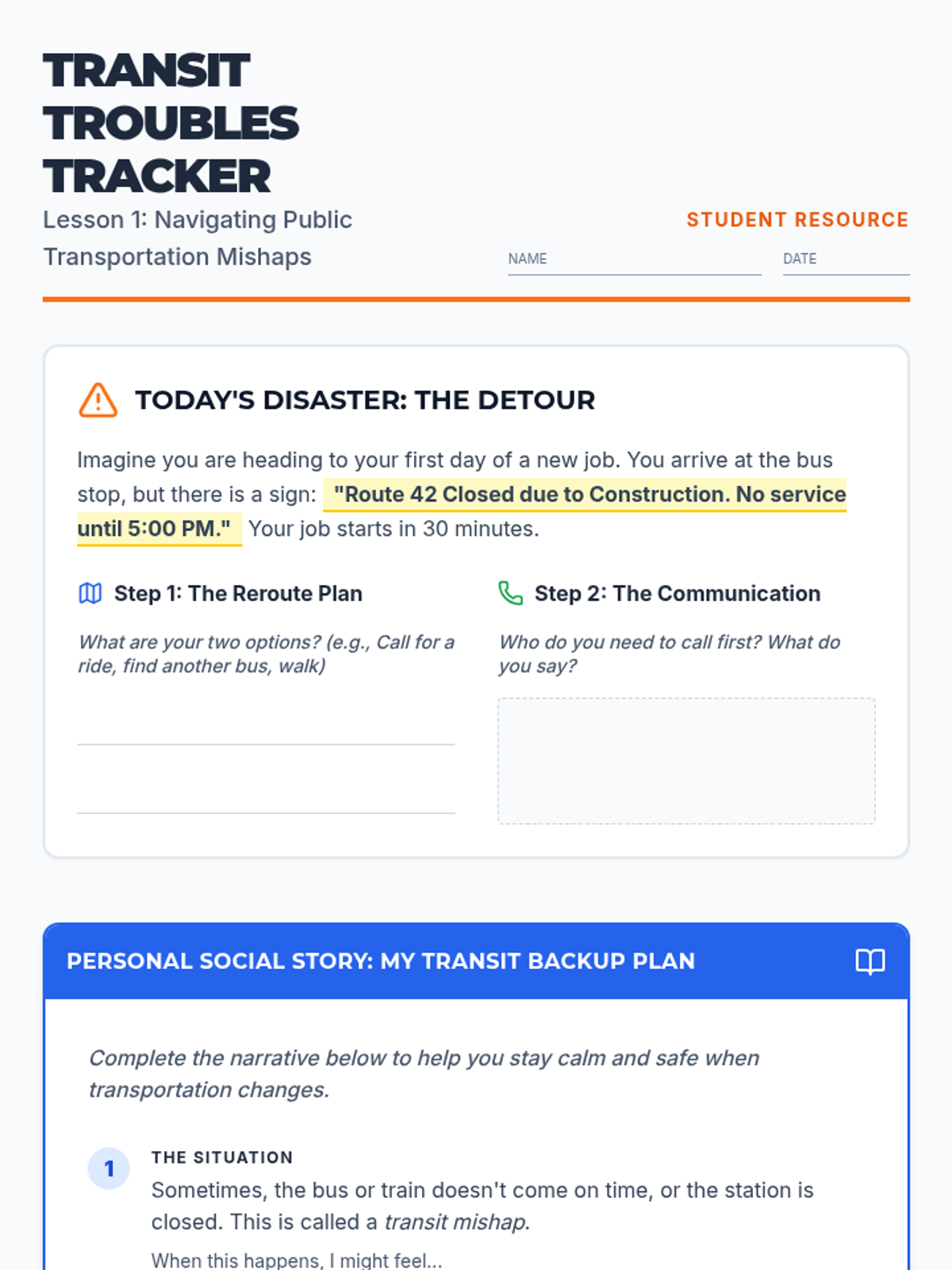
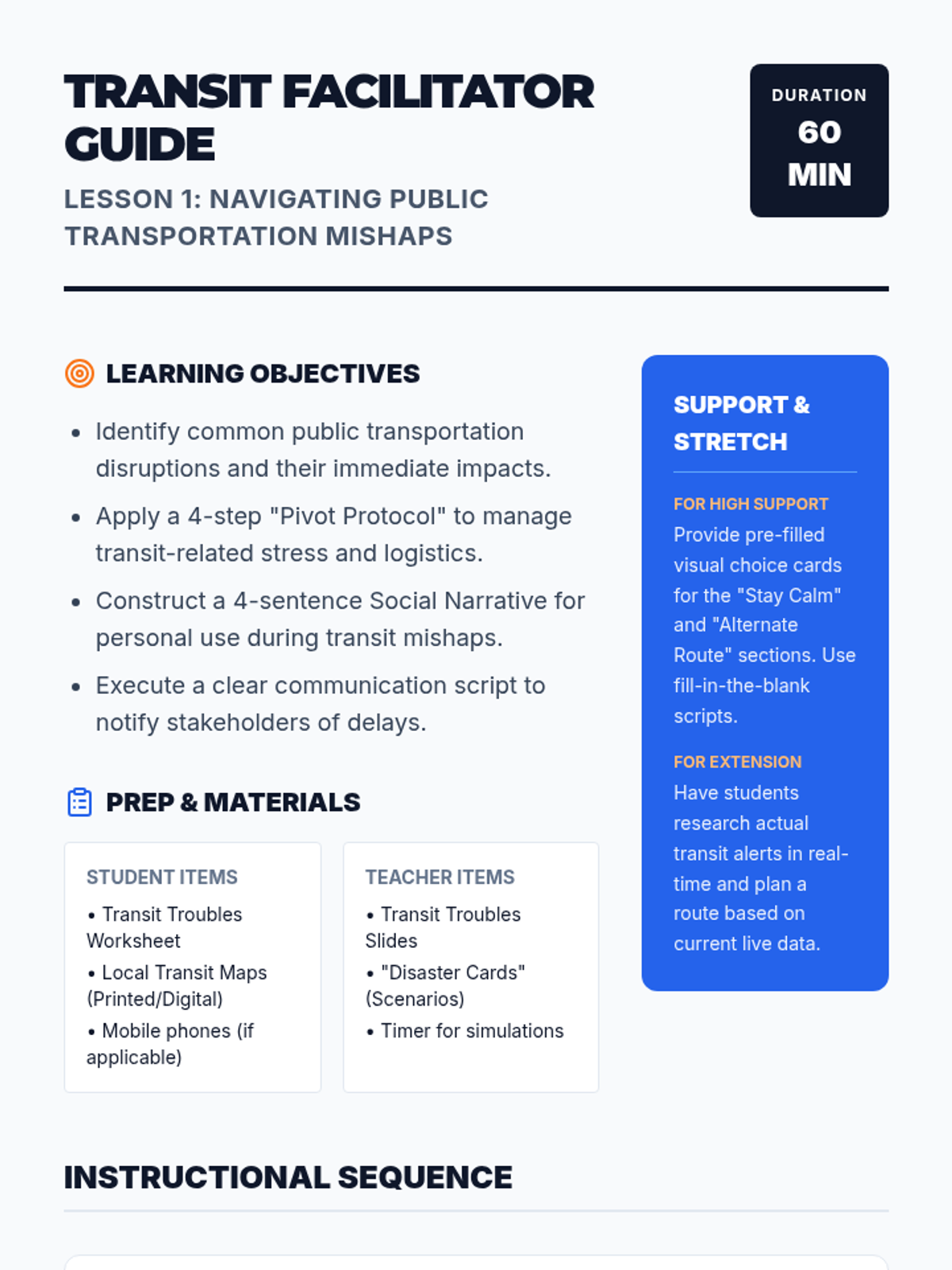
A 12th-grade Special Education sequence focused on transition-to-adulthood social stories. Students learn to create personal narratives for navigating transportation failures, authority interactions, consumer rights, roommate conflicts, and general community unpredictability to foster independence and safety.
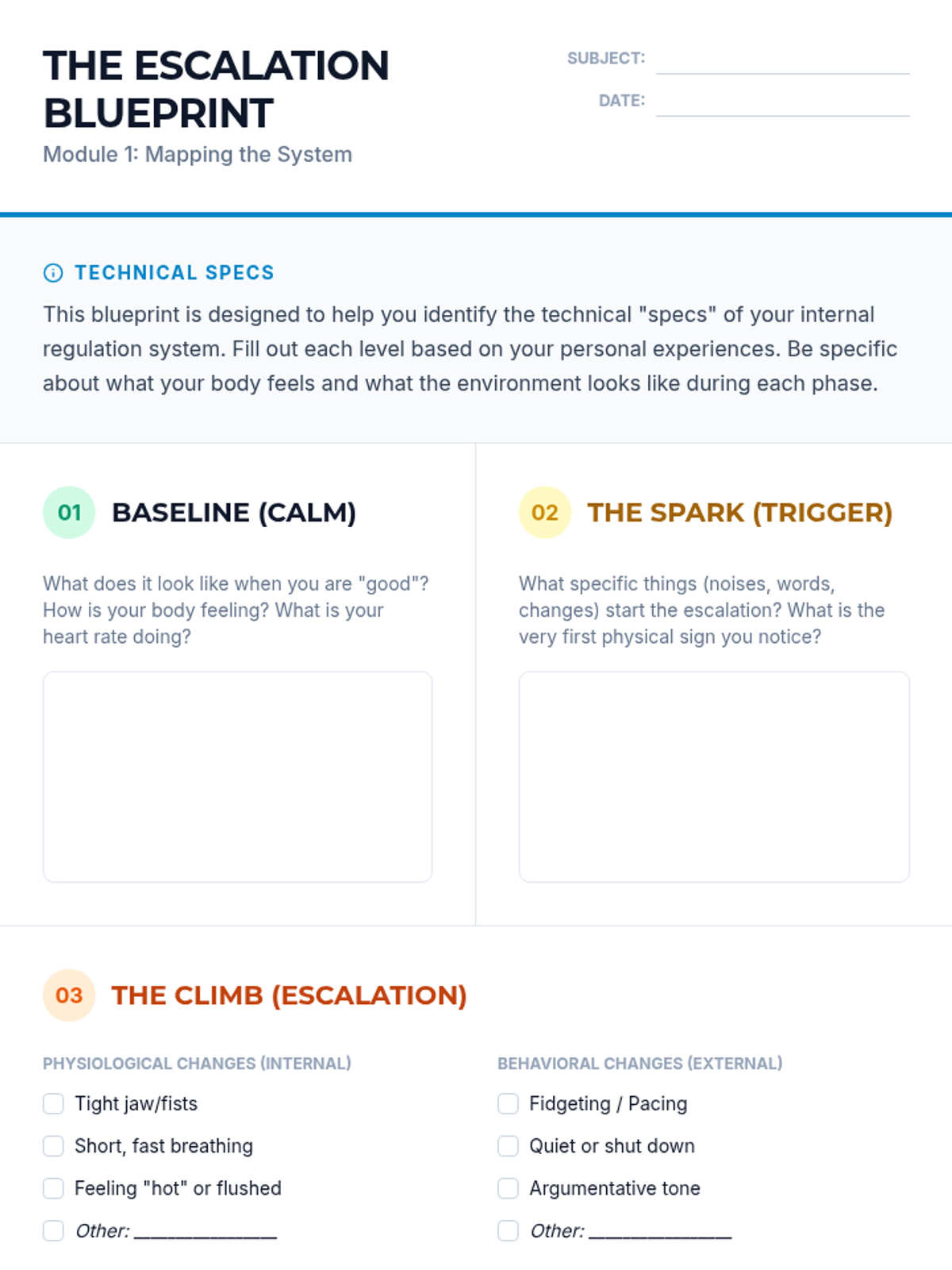
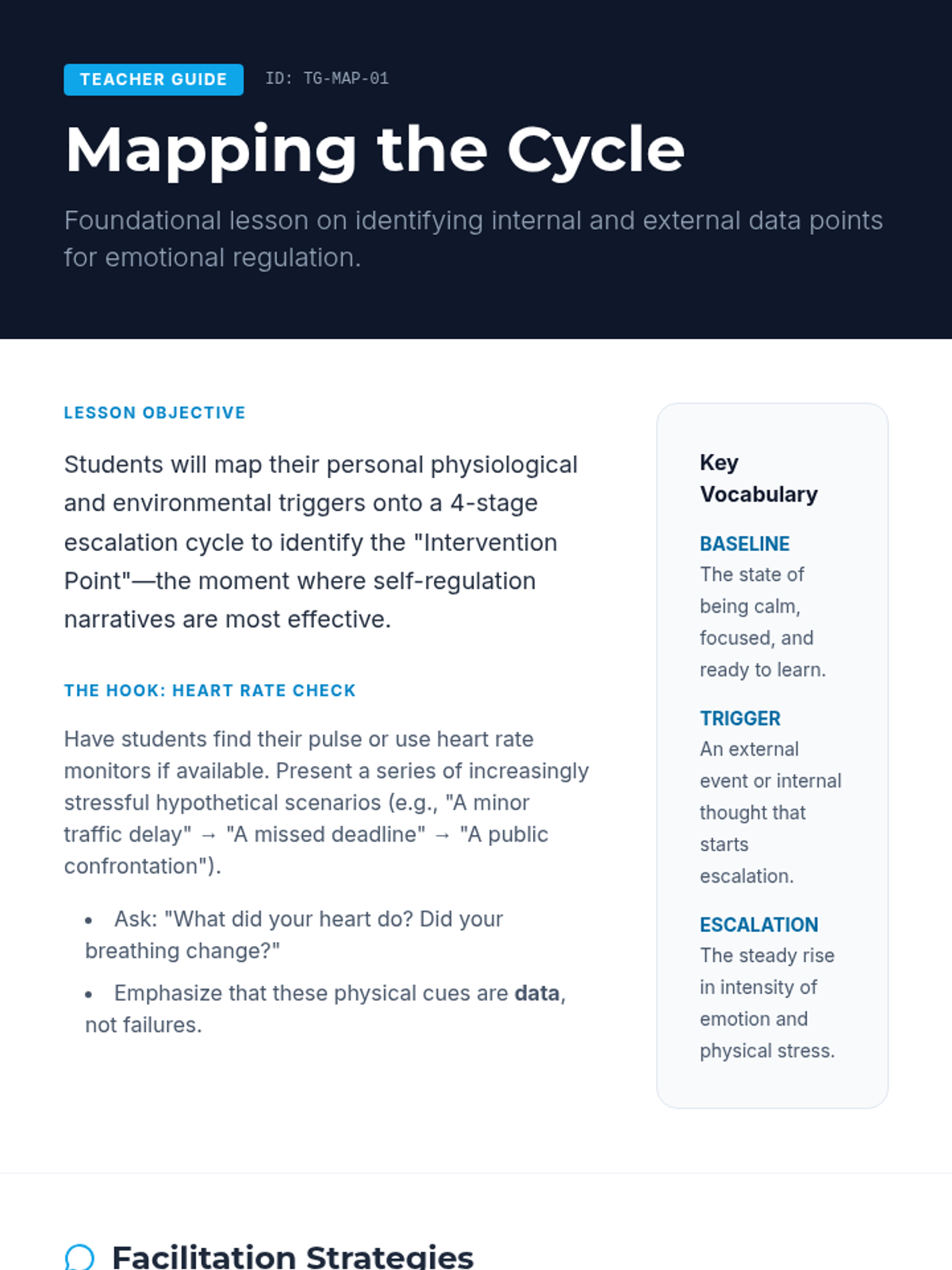
A comprehensive sequence for 12th-grade students to master emotional self-regulation through the creation of personalized social stories and 'if/then' narratives. Students progress from identifying physiological triggers to designing and simulating visual regulation protocols.
A 5-lesson series empowering 11th-grade students to master self-advocacy through script creation, legal literacy, and simulated real-world interactions as they prepare for the transition to adulthood.