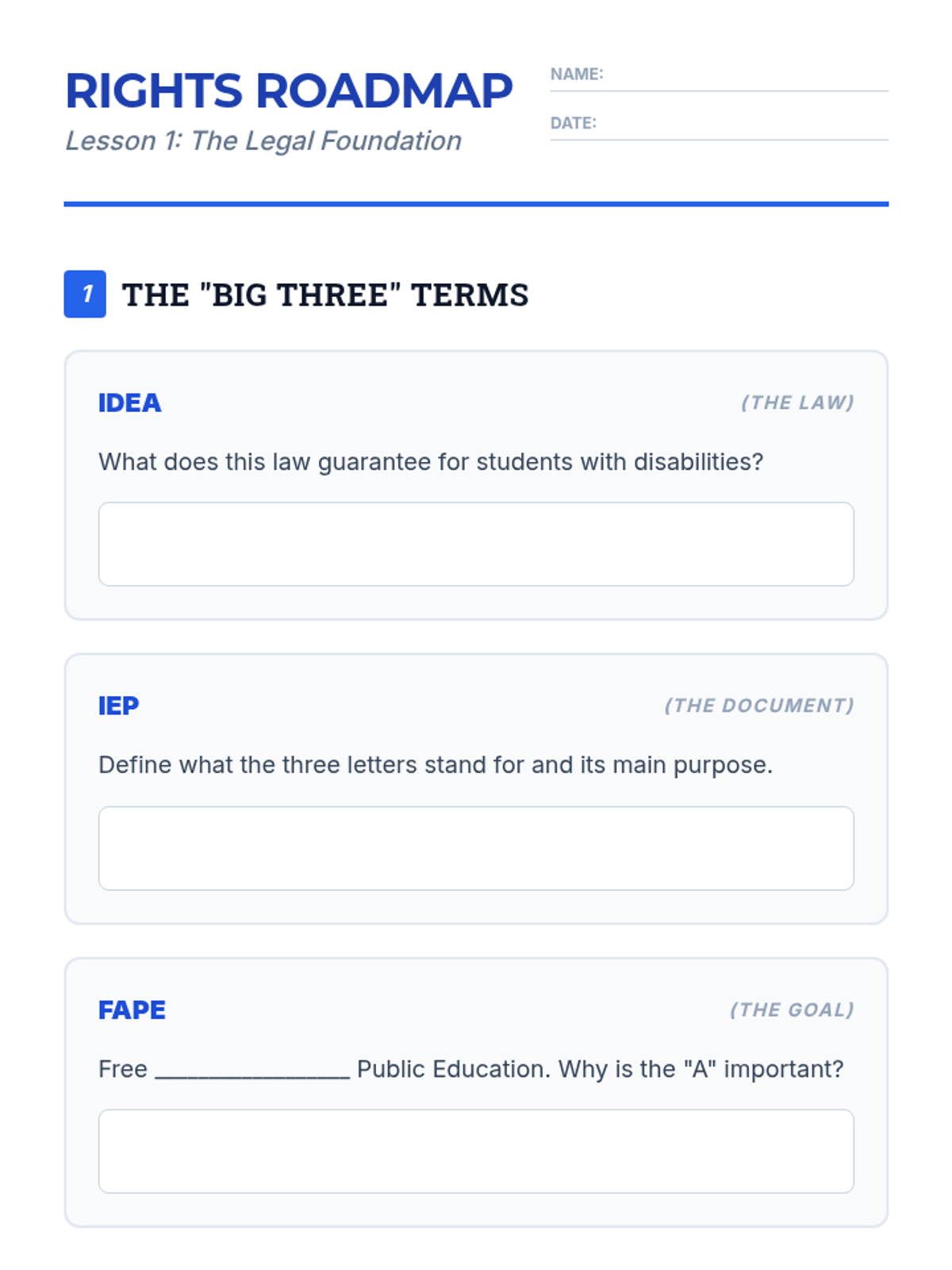
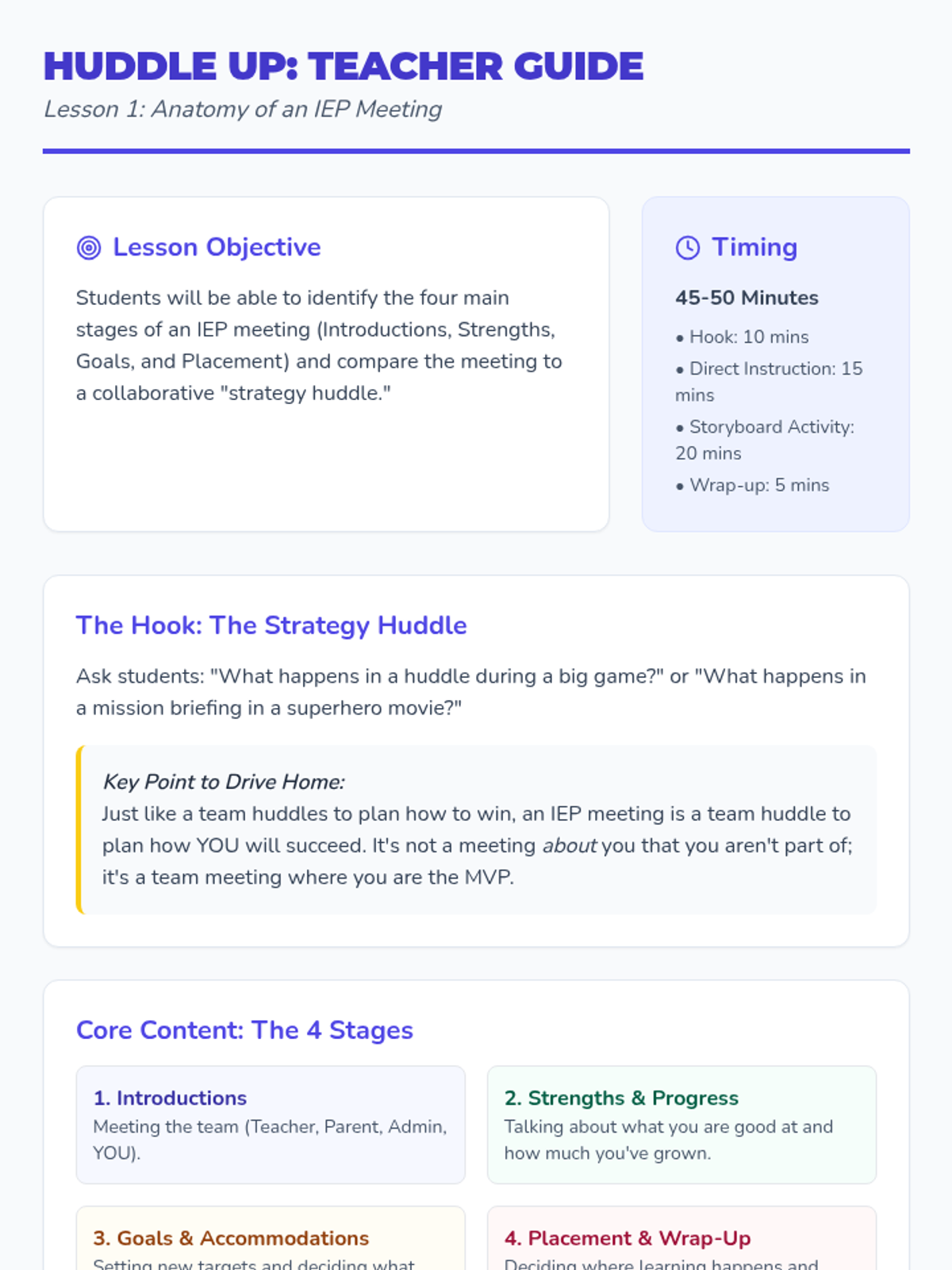
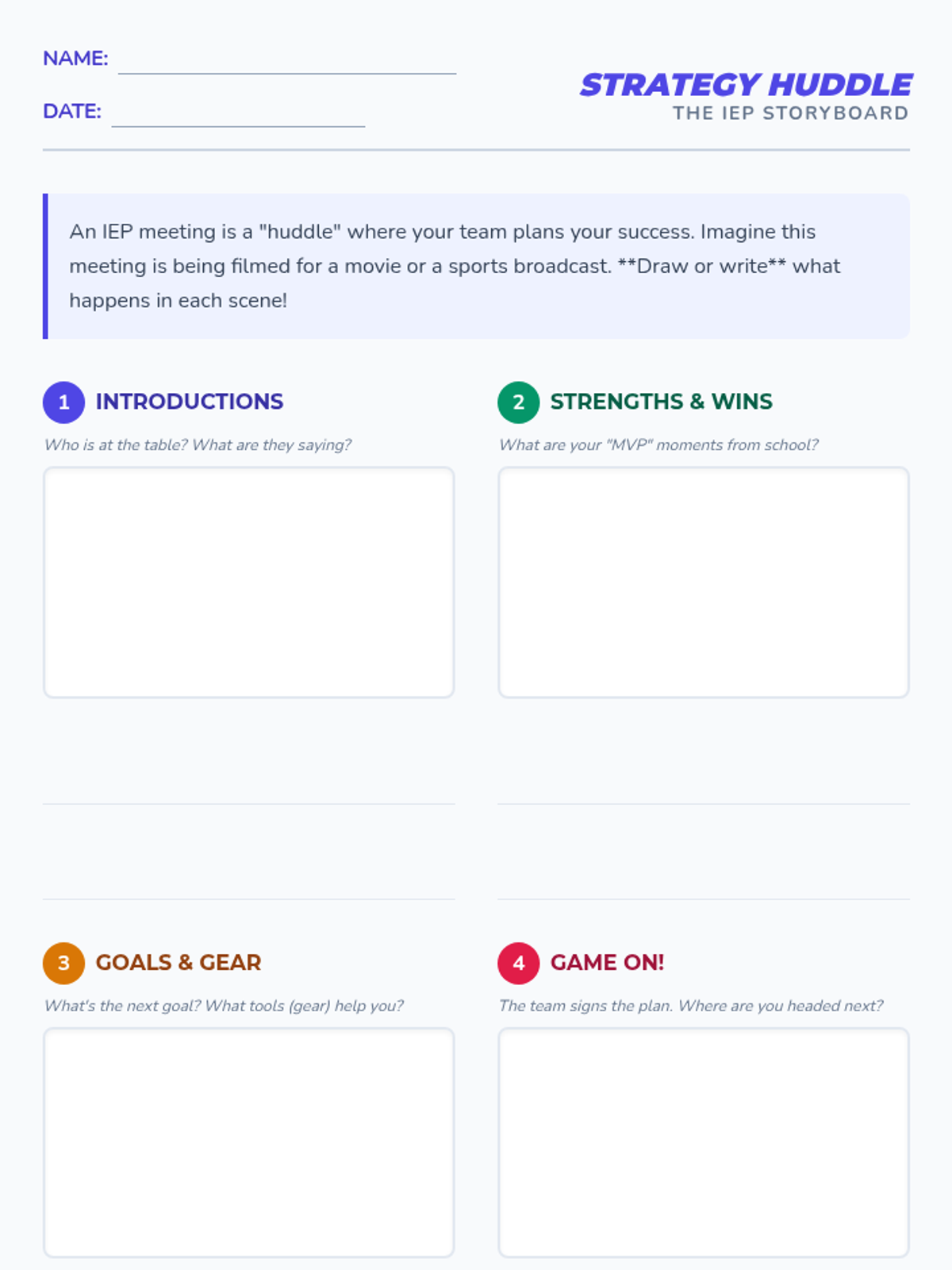
Legal frameworks under IDEA and Section 504 alongside essential IEP components like goals and accommodations. Equips stakeholders for collaborative advocacy and effective participation in IEP meetings.
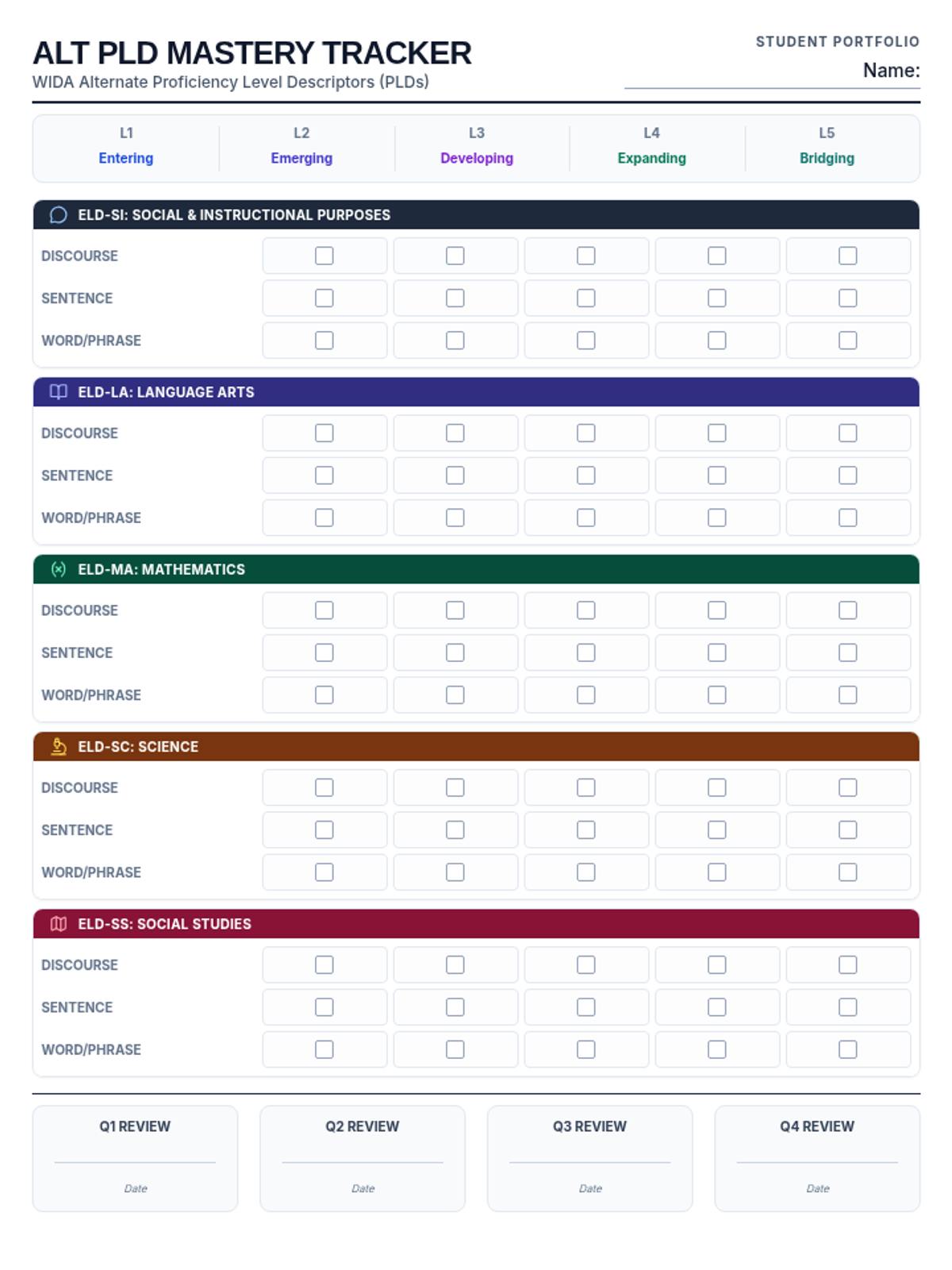
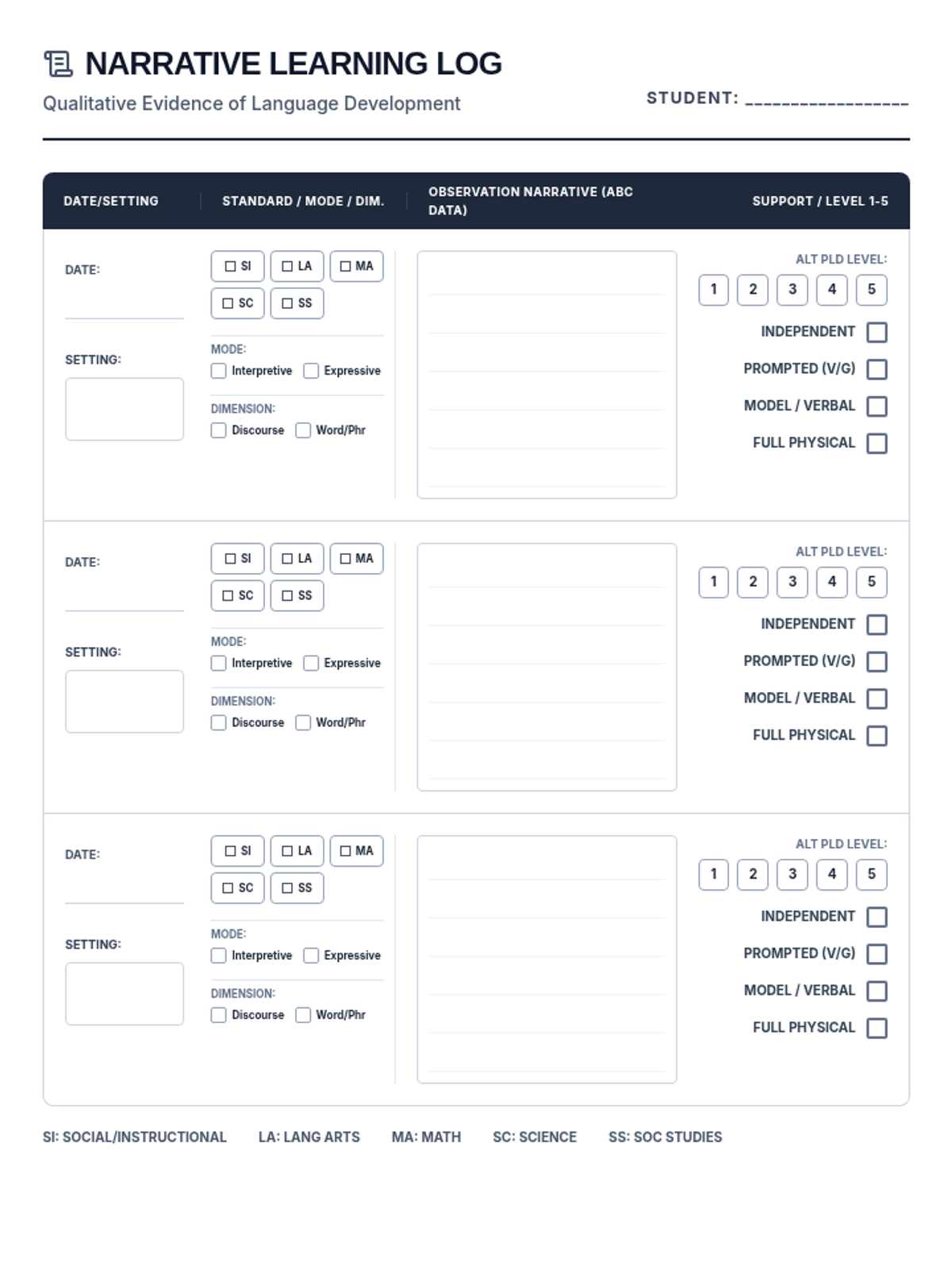
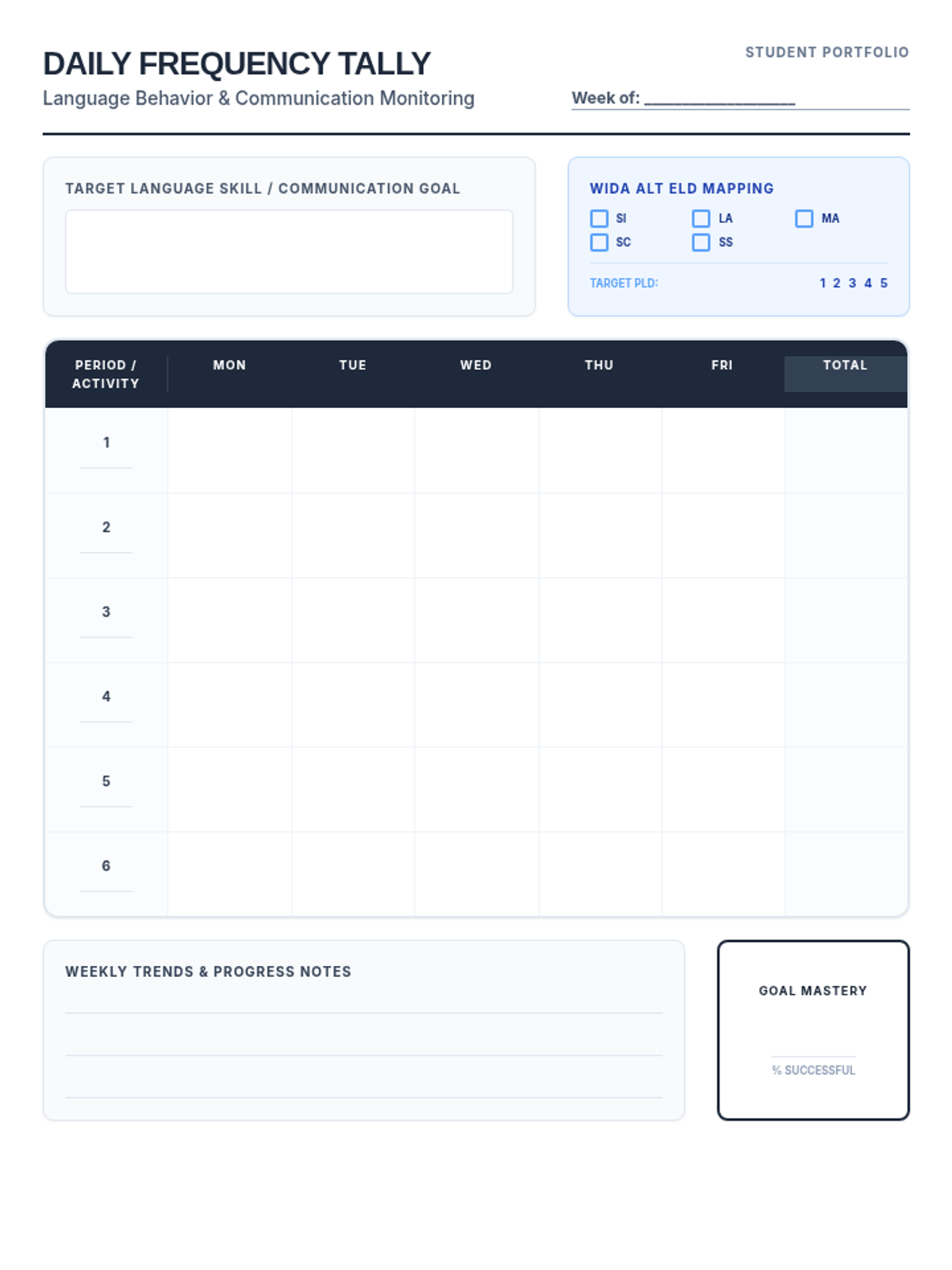
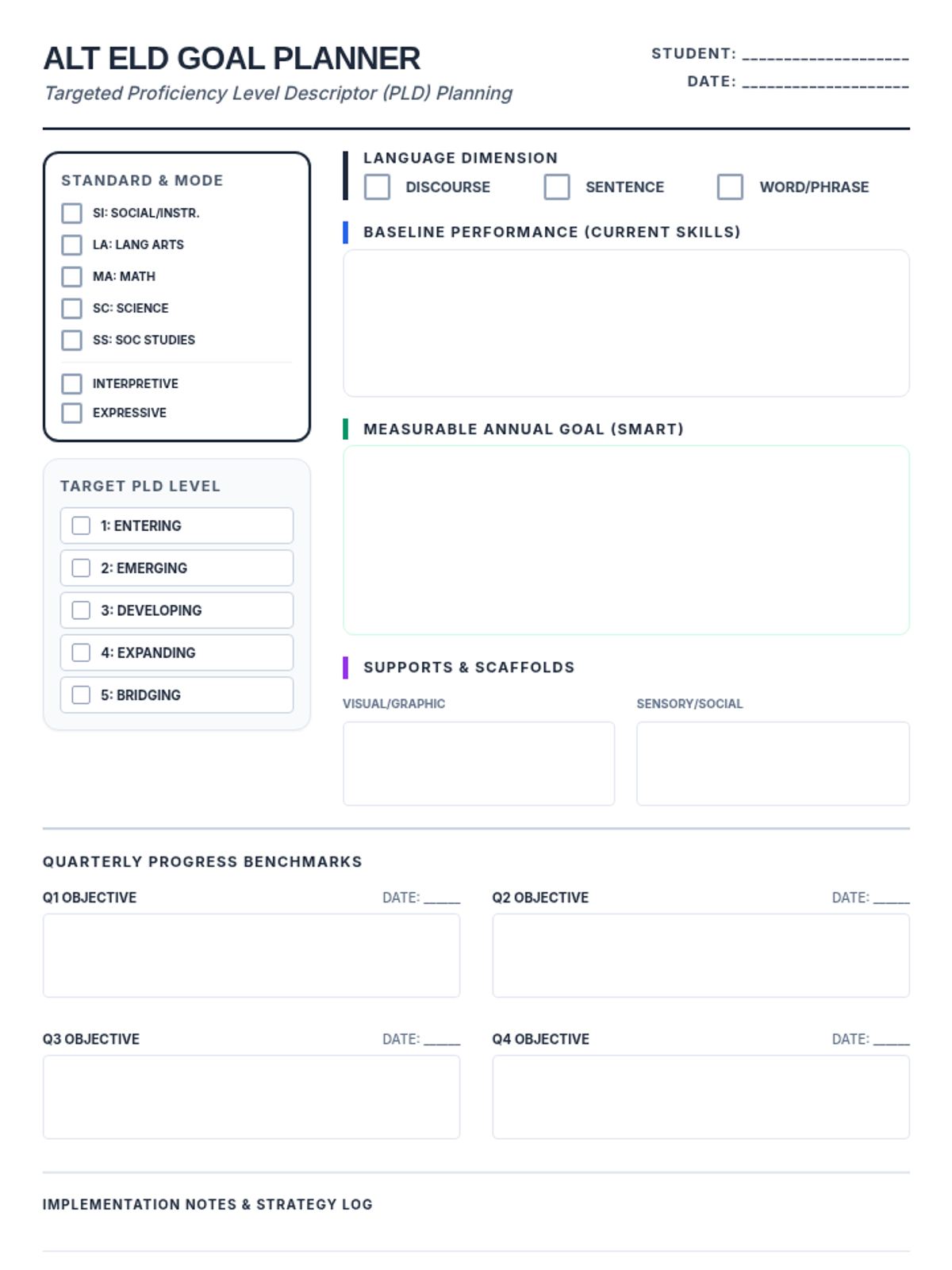
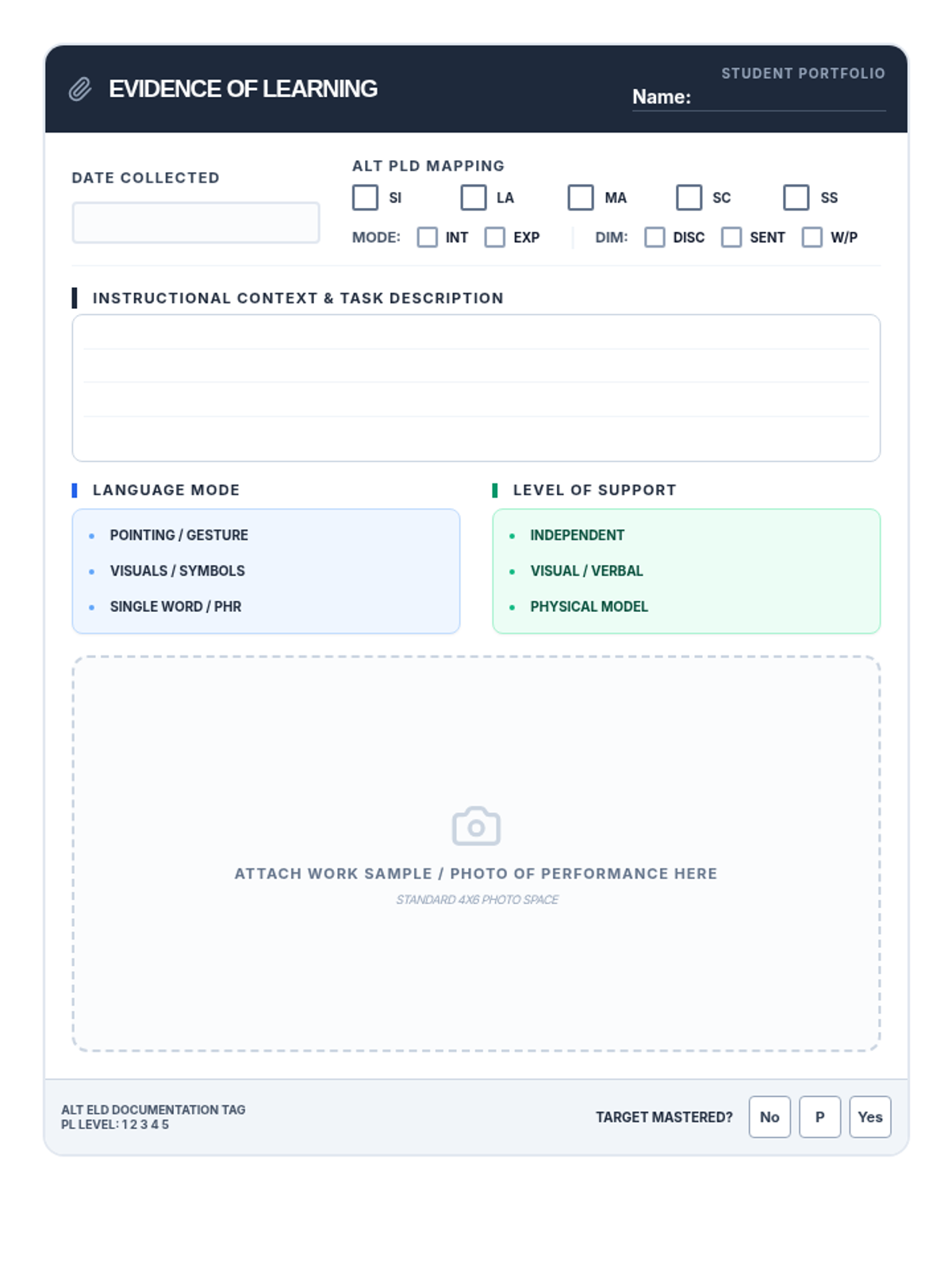
A comprehensive suite of progress tracking templates designed for students with ASD who are English Learners, aligned with the five WIDA Alternate ELD Standards. This set includes narrative logs, frequency tallies, and goal-setting sheets to simplify documentation and data-driven instruction.
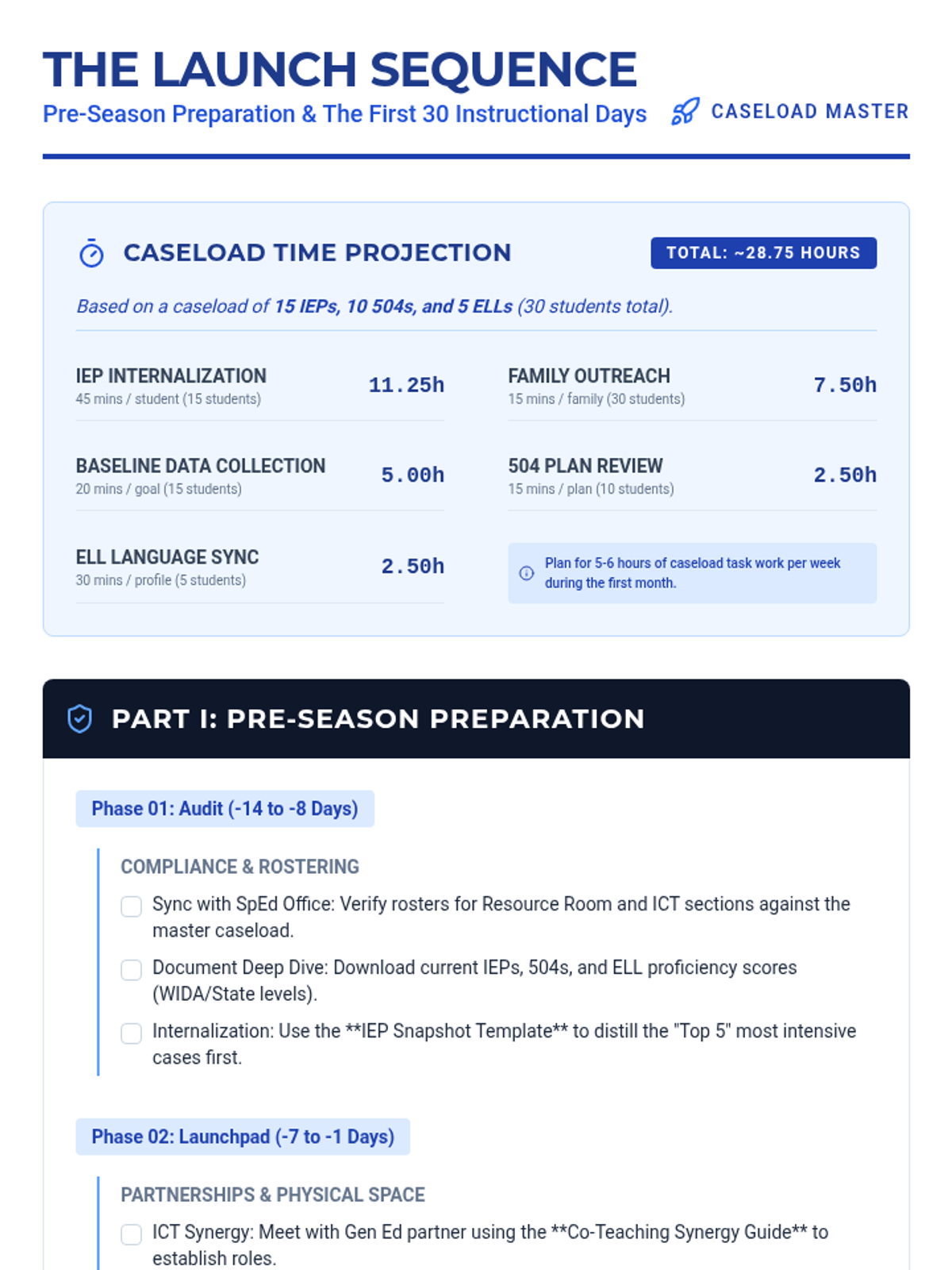
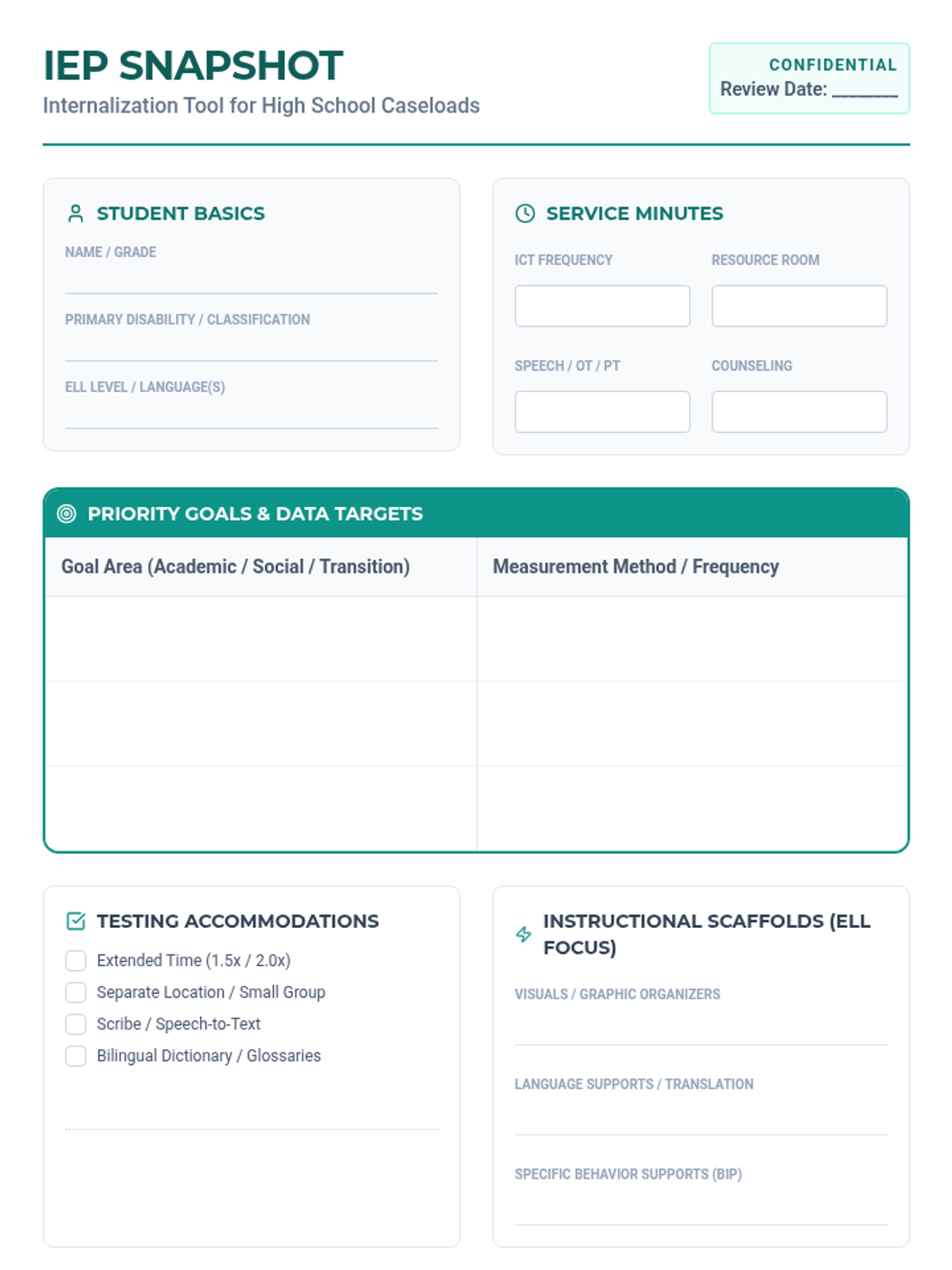
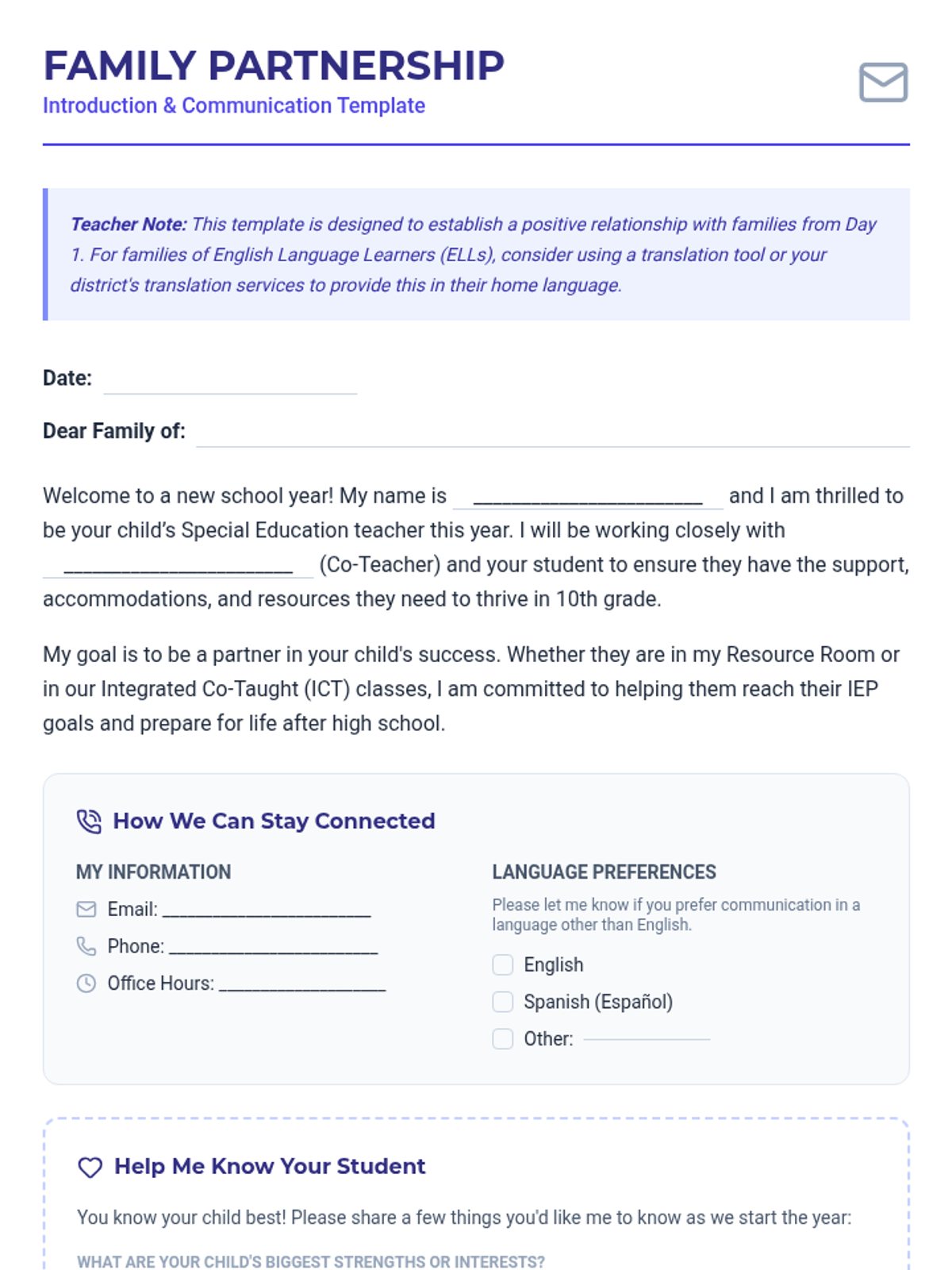
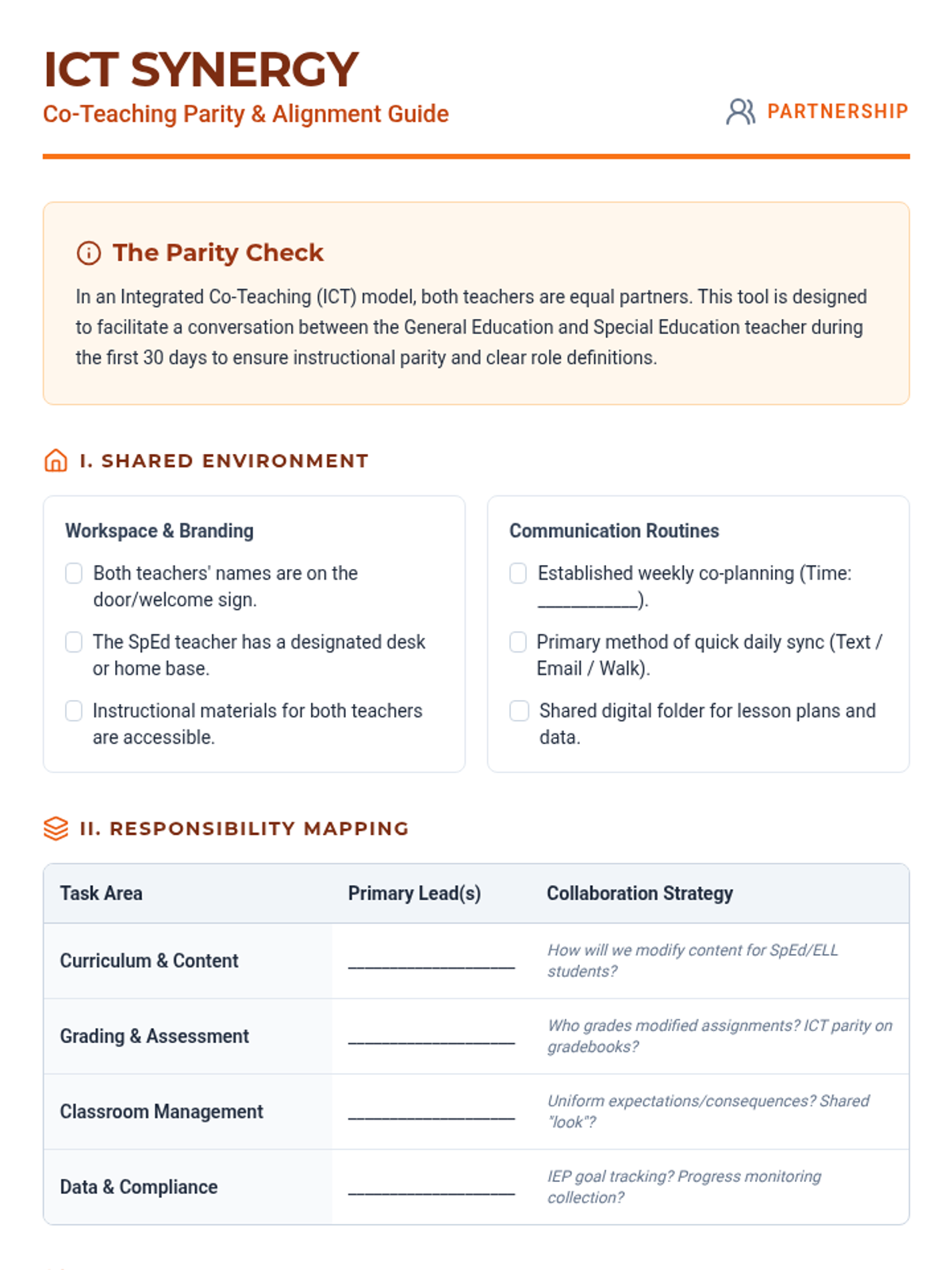
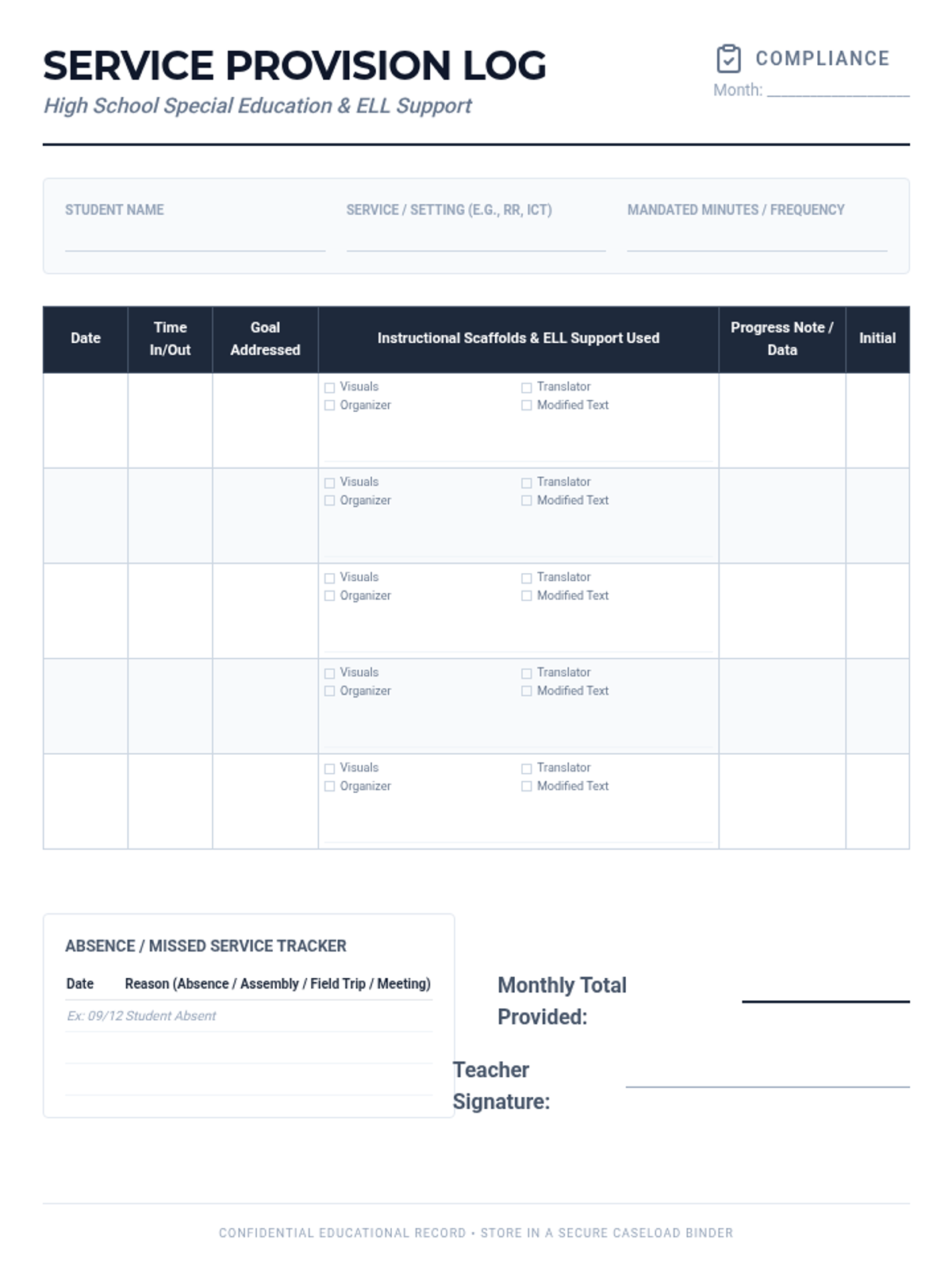
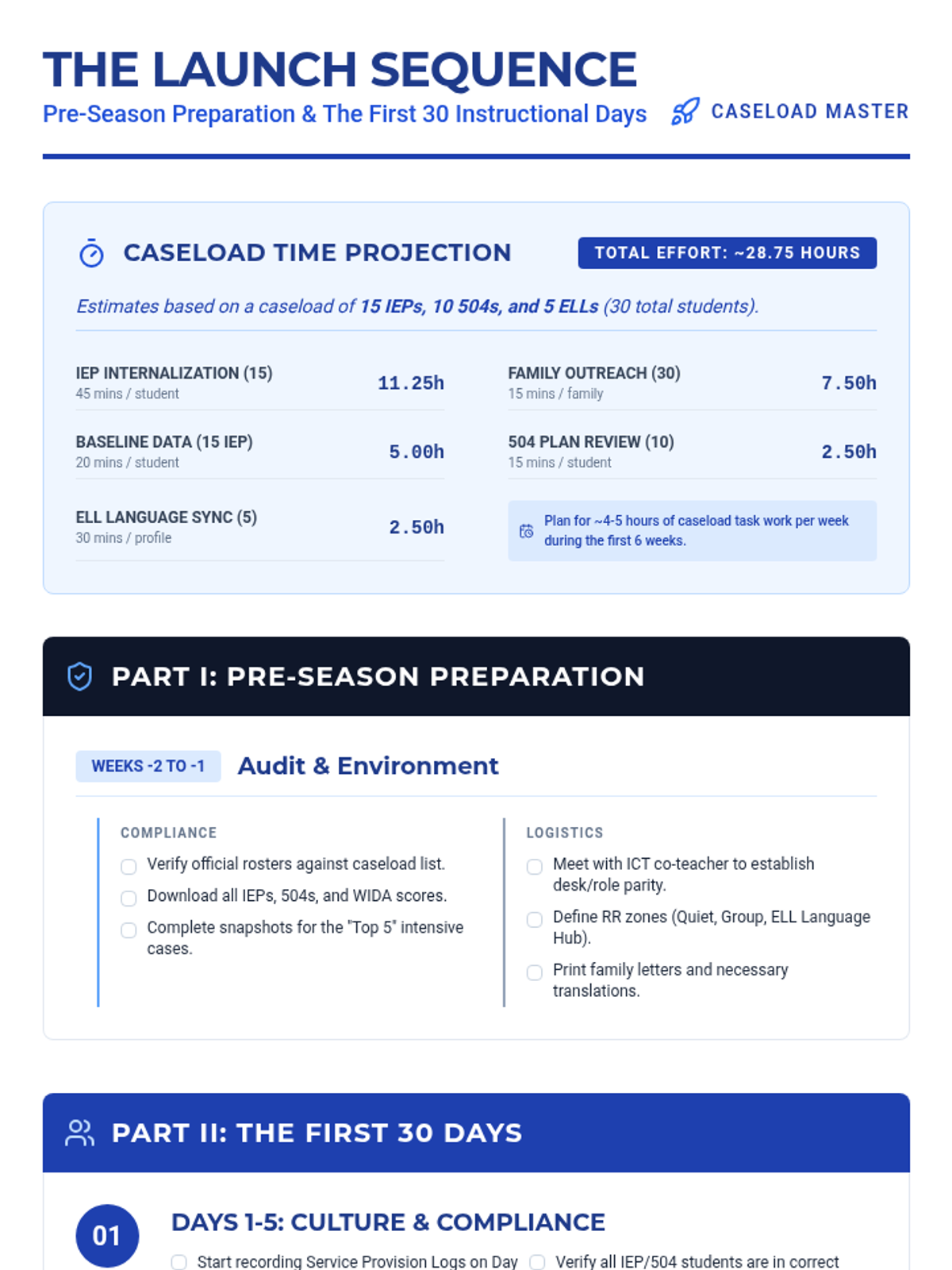
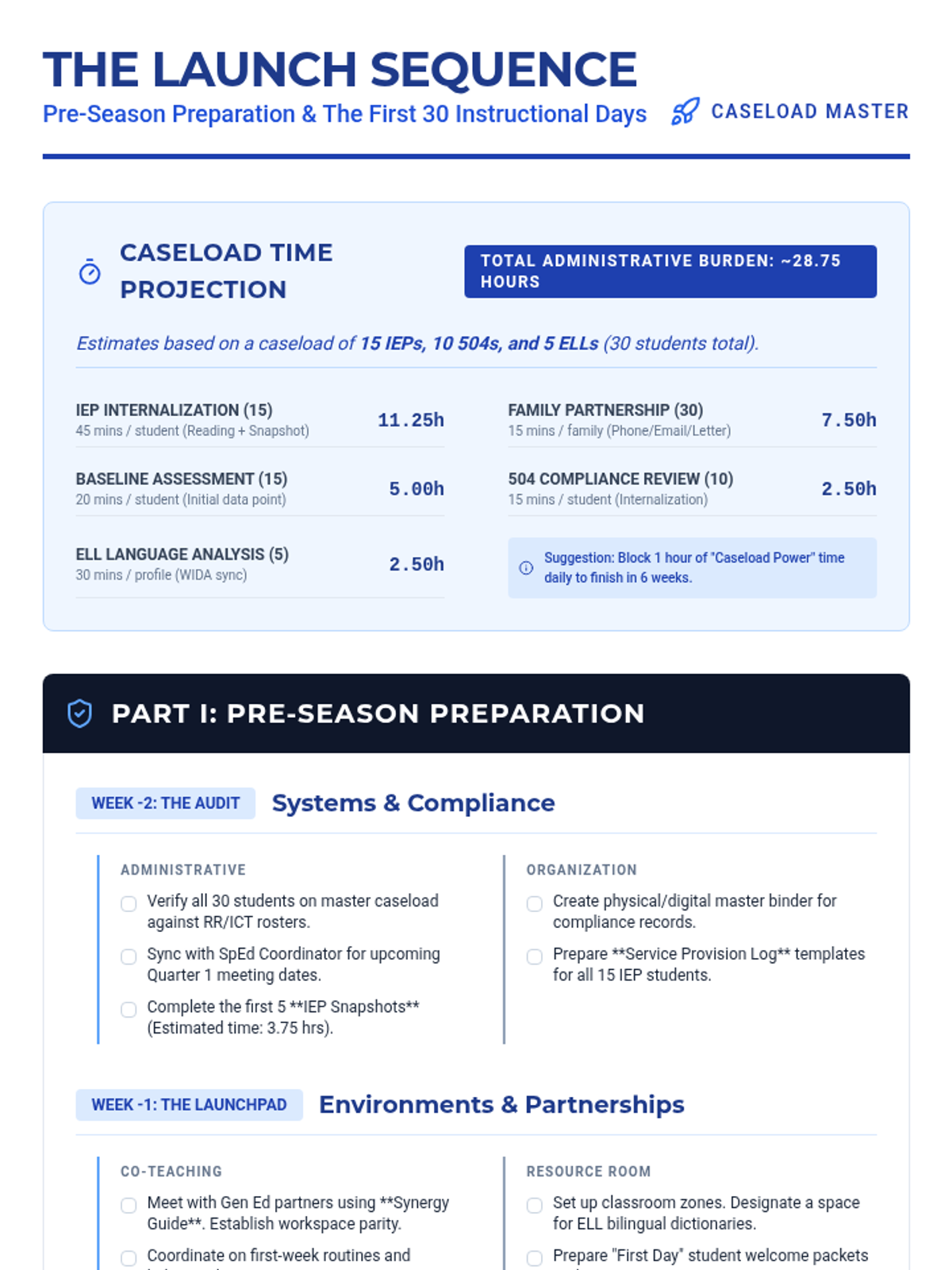
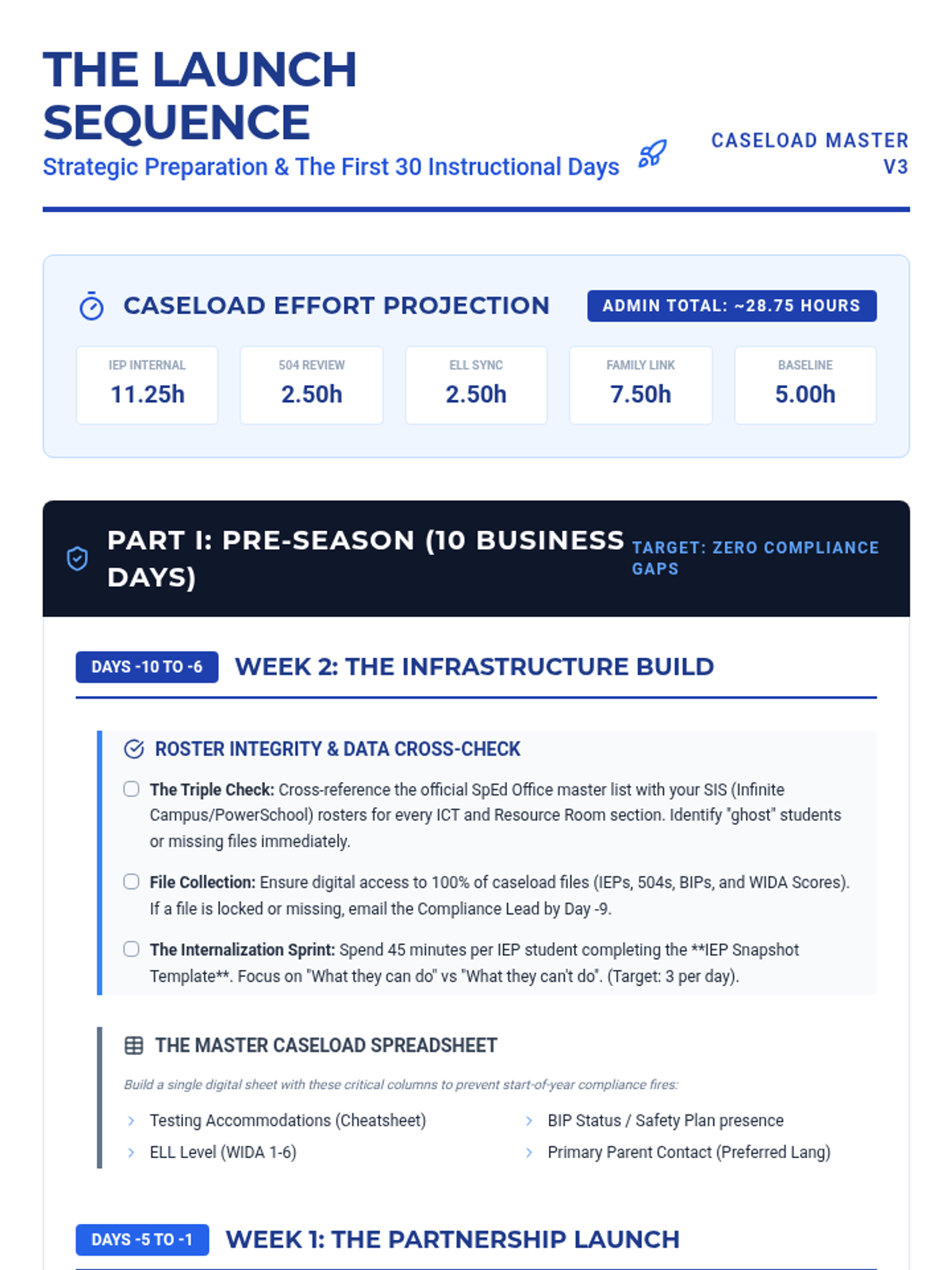
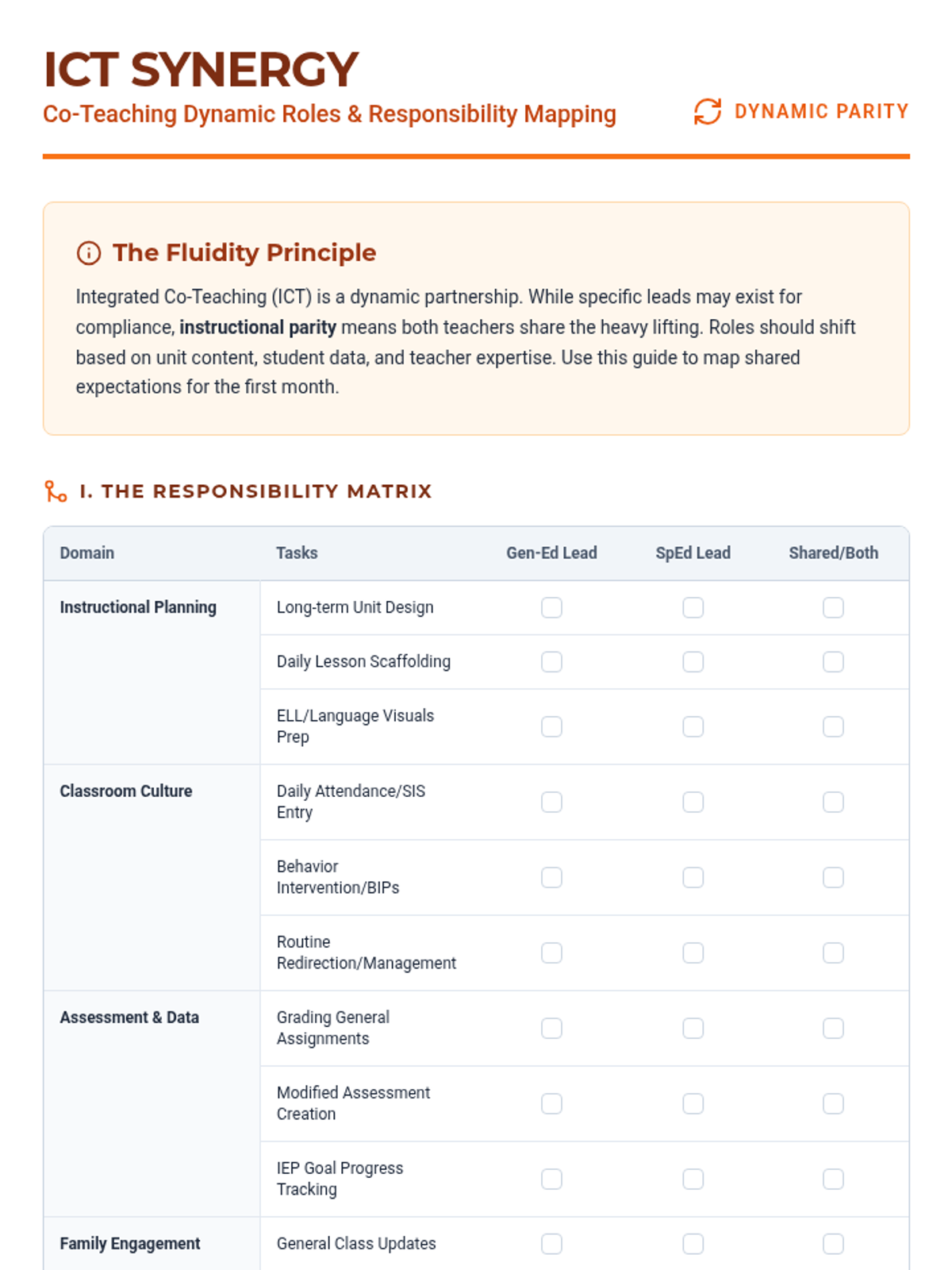
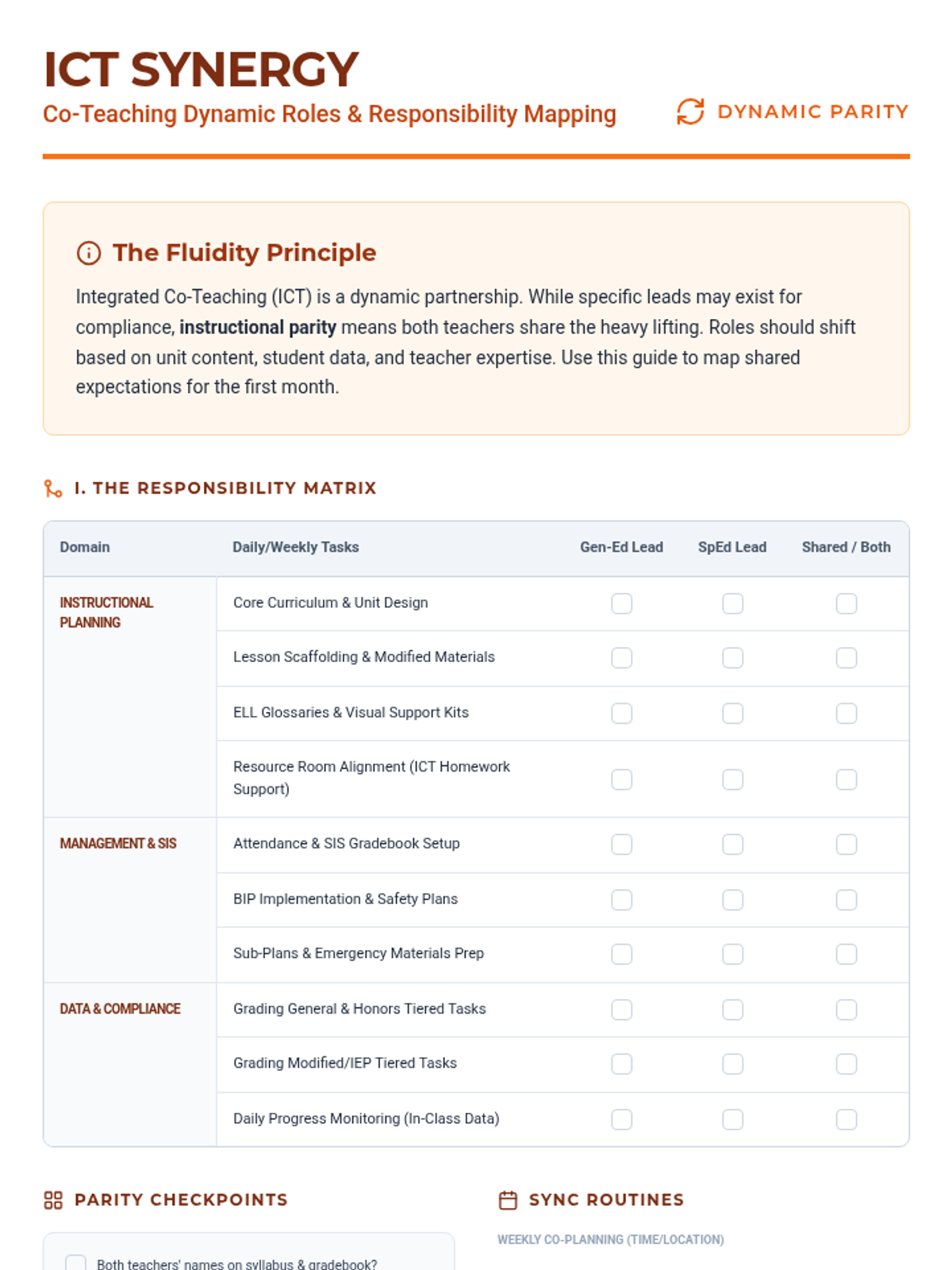
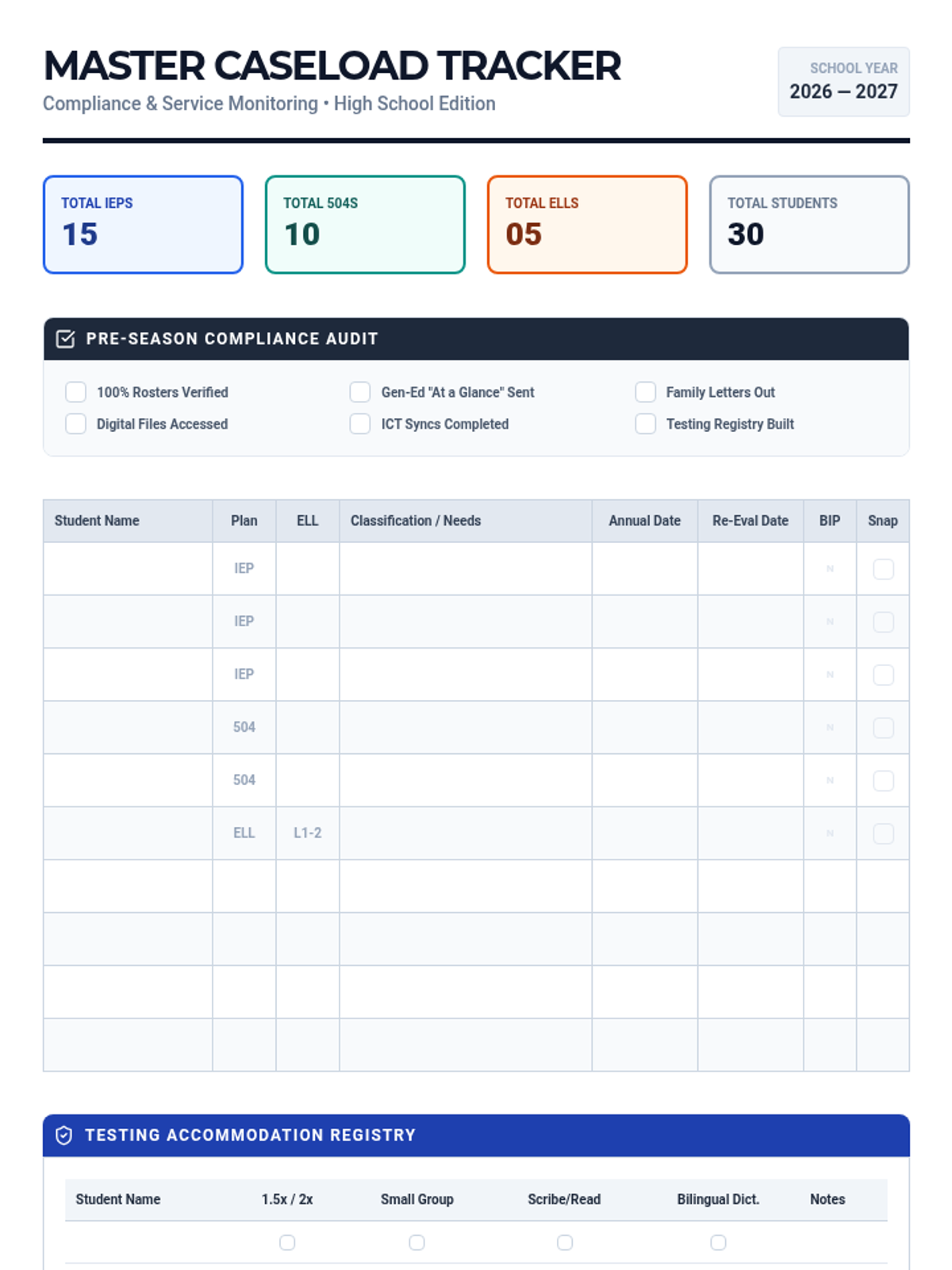
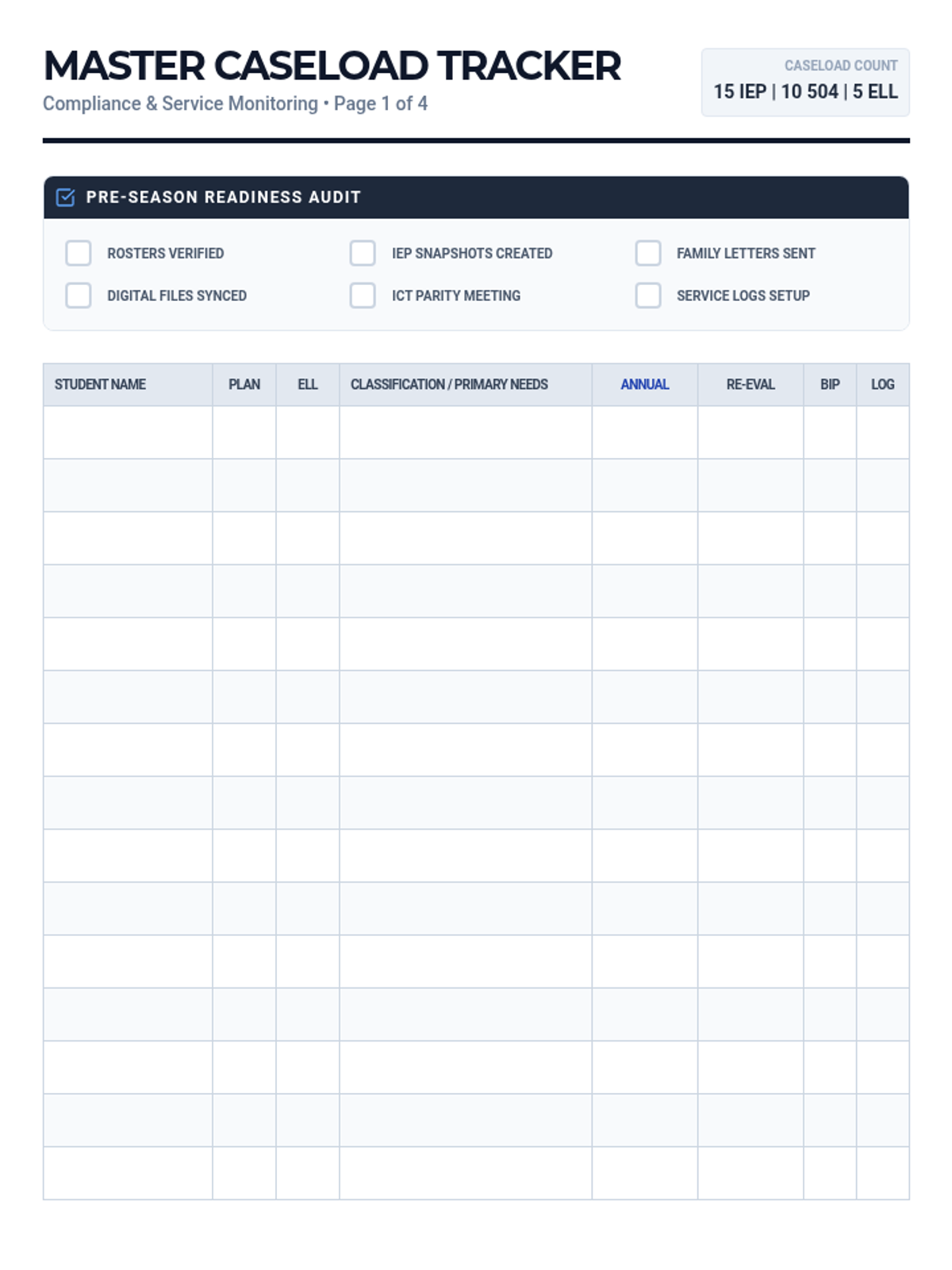
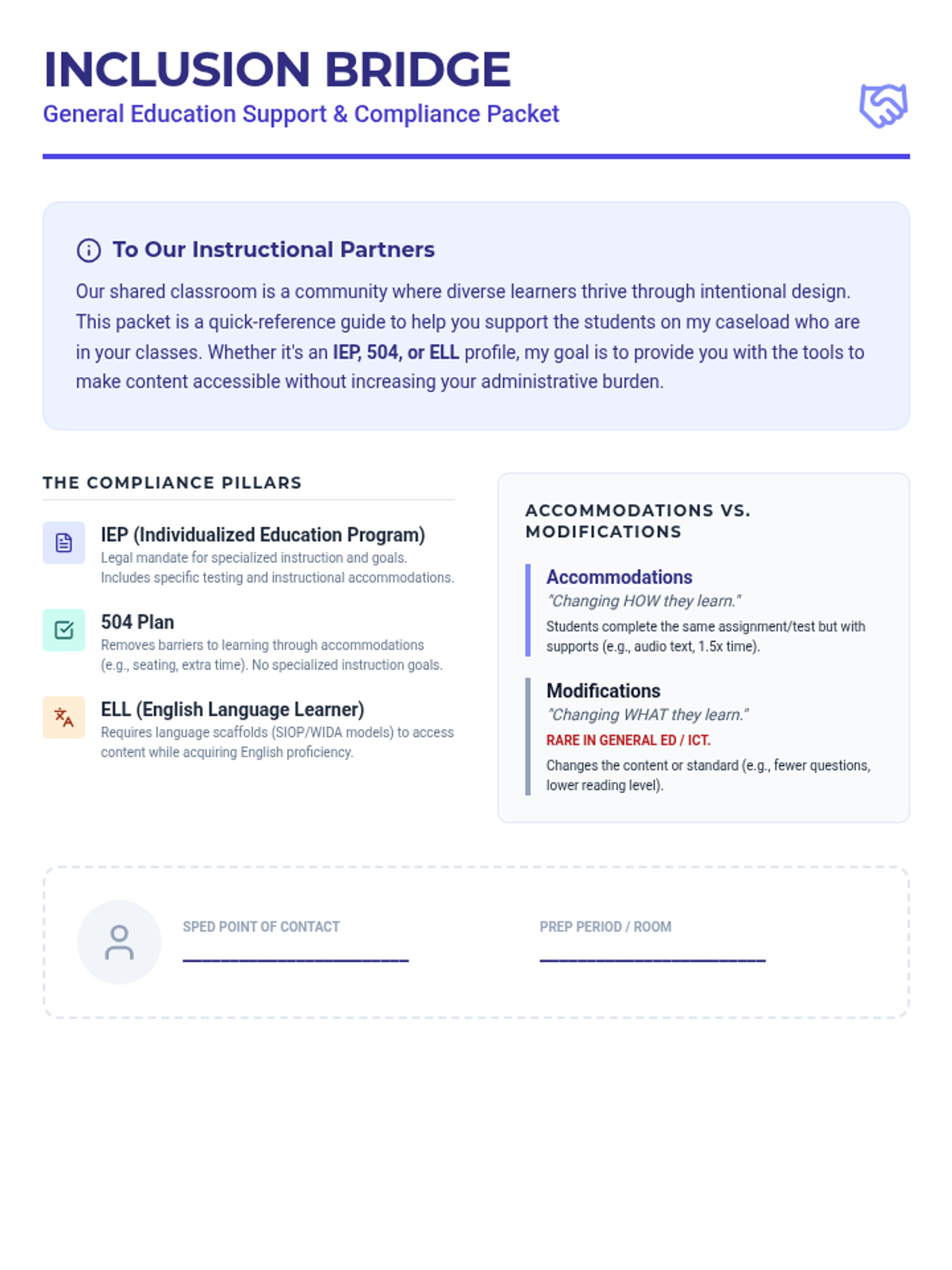
A comprehensive suite of resources for high school special education teachers to manage their caseload, internalize IEPs, and establish strong family and co-teaching partnerships during the first month of school.
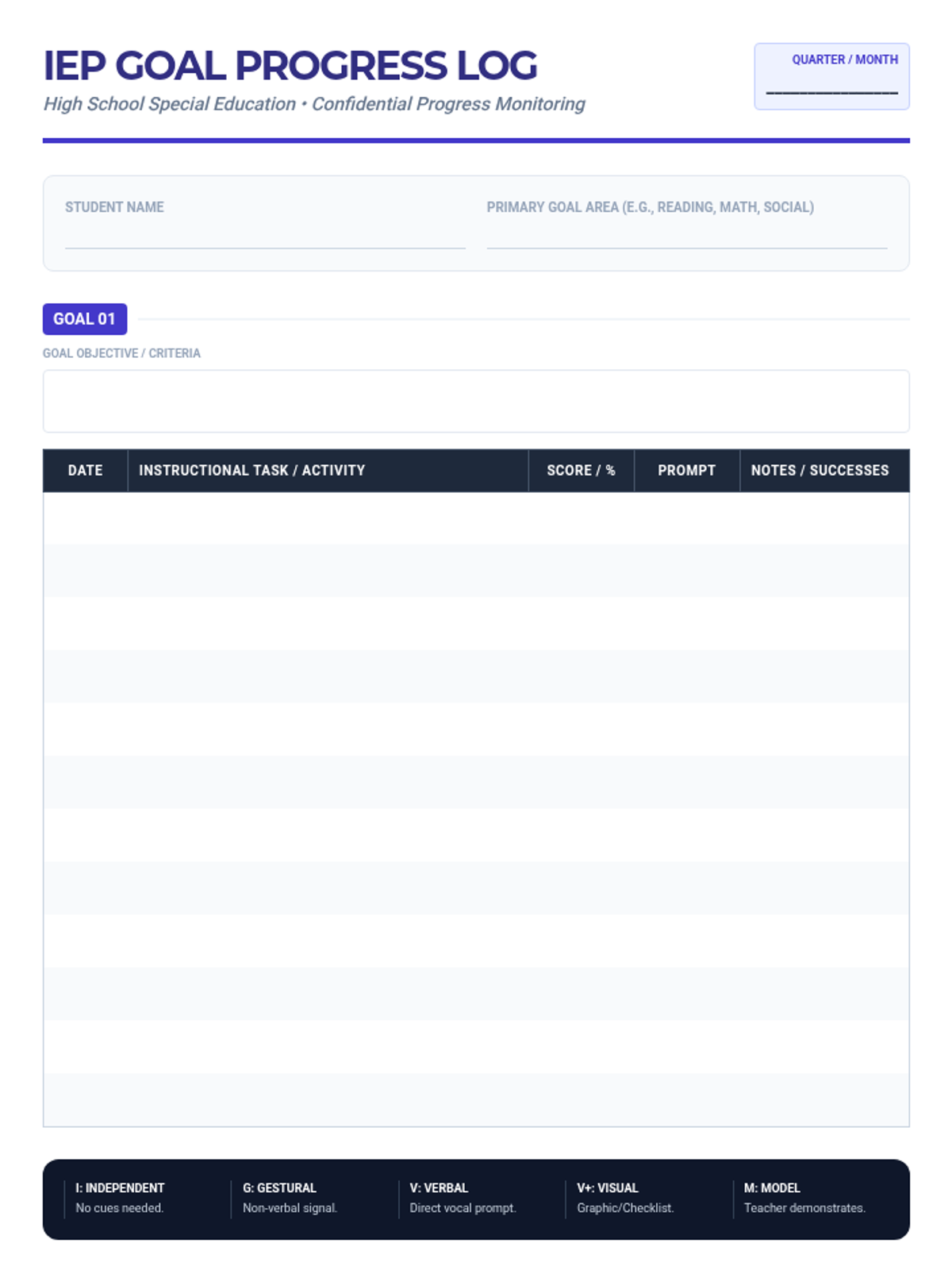
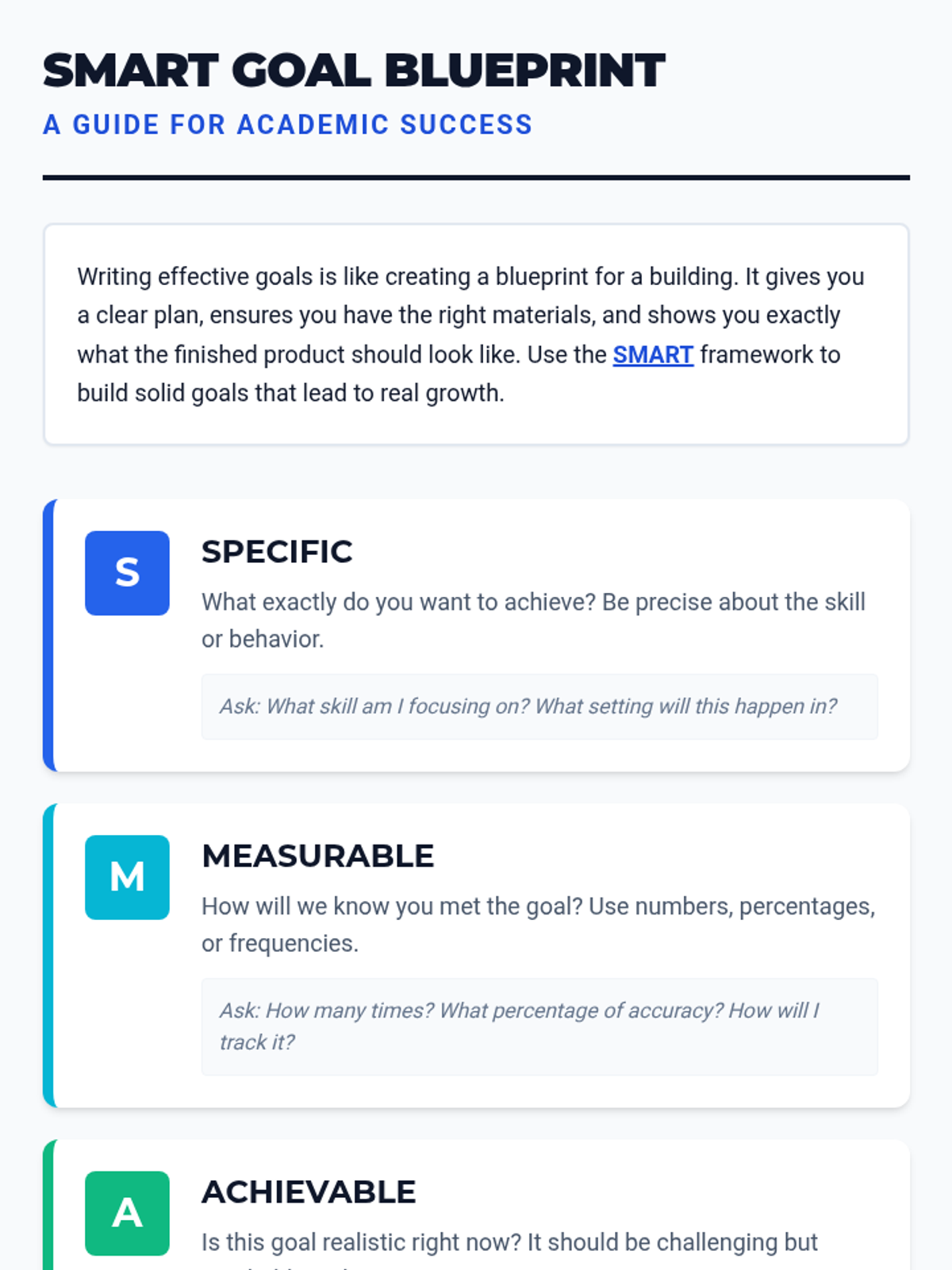
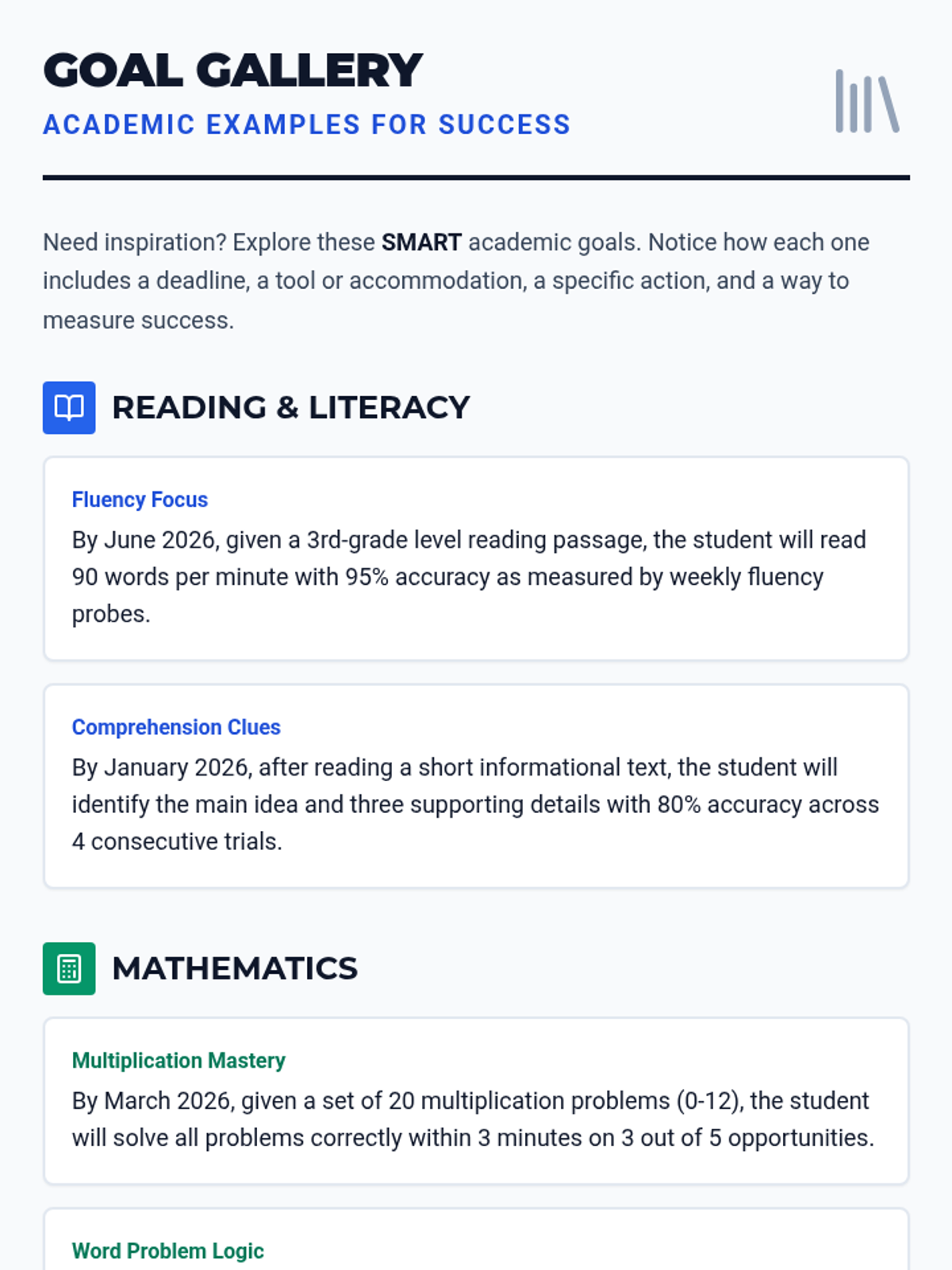
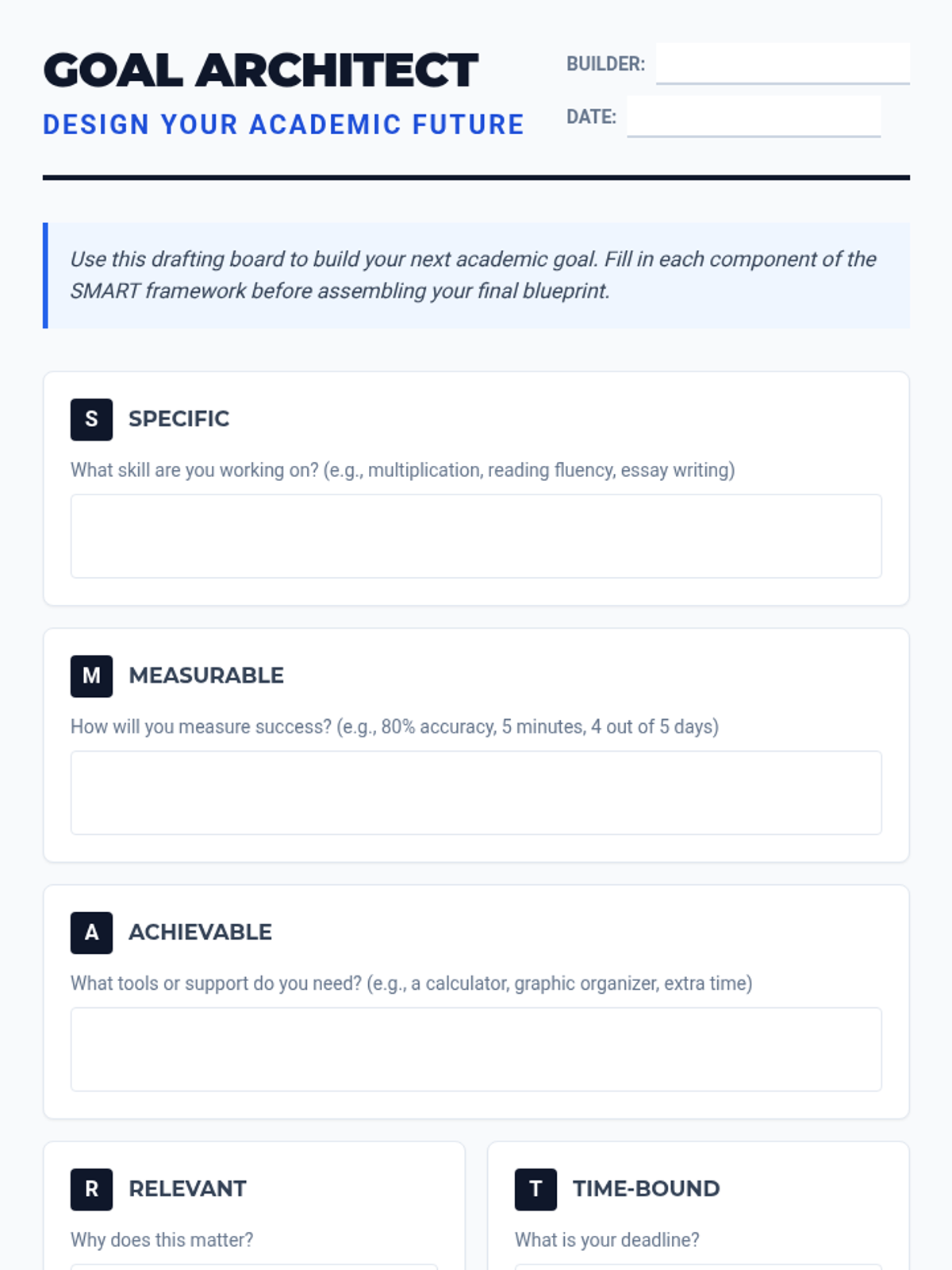
A series of resources designed to support special education students and their teachers in developing, tracking, and achieving meaningful academic milestones.
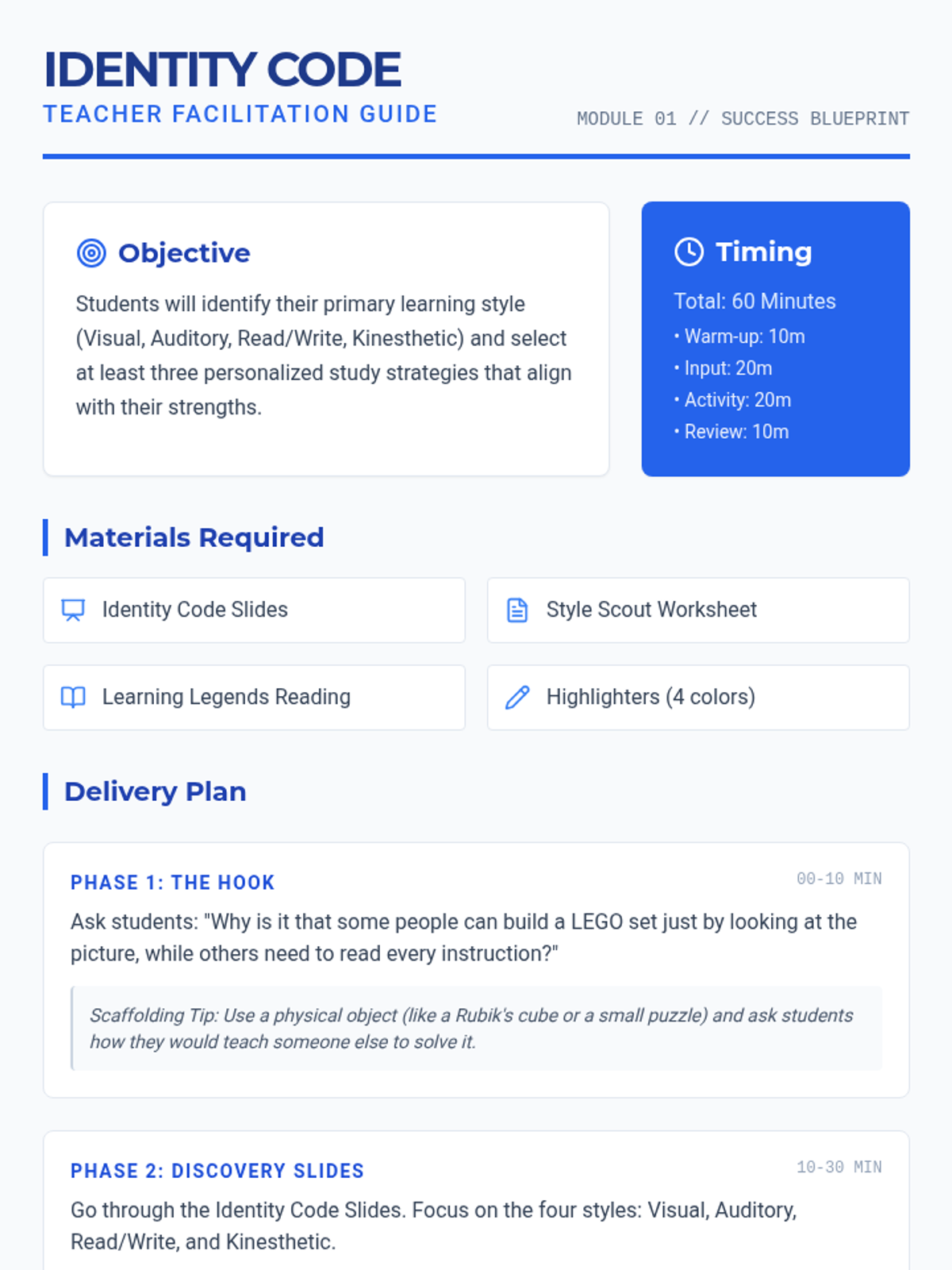
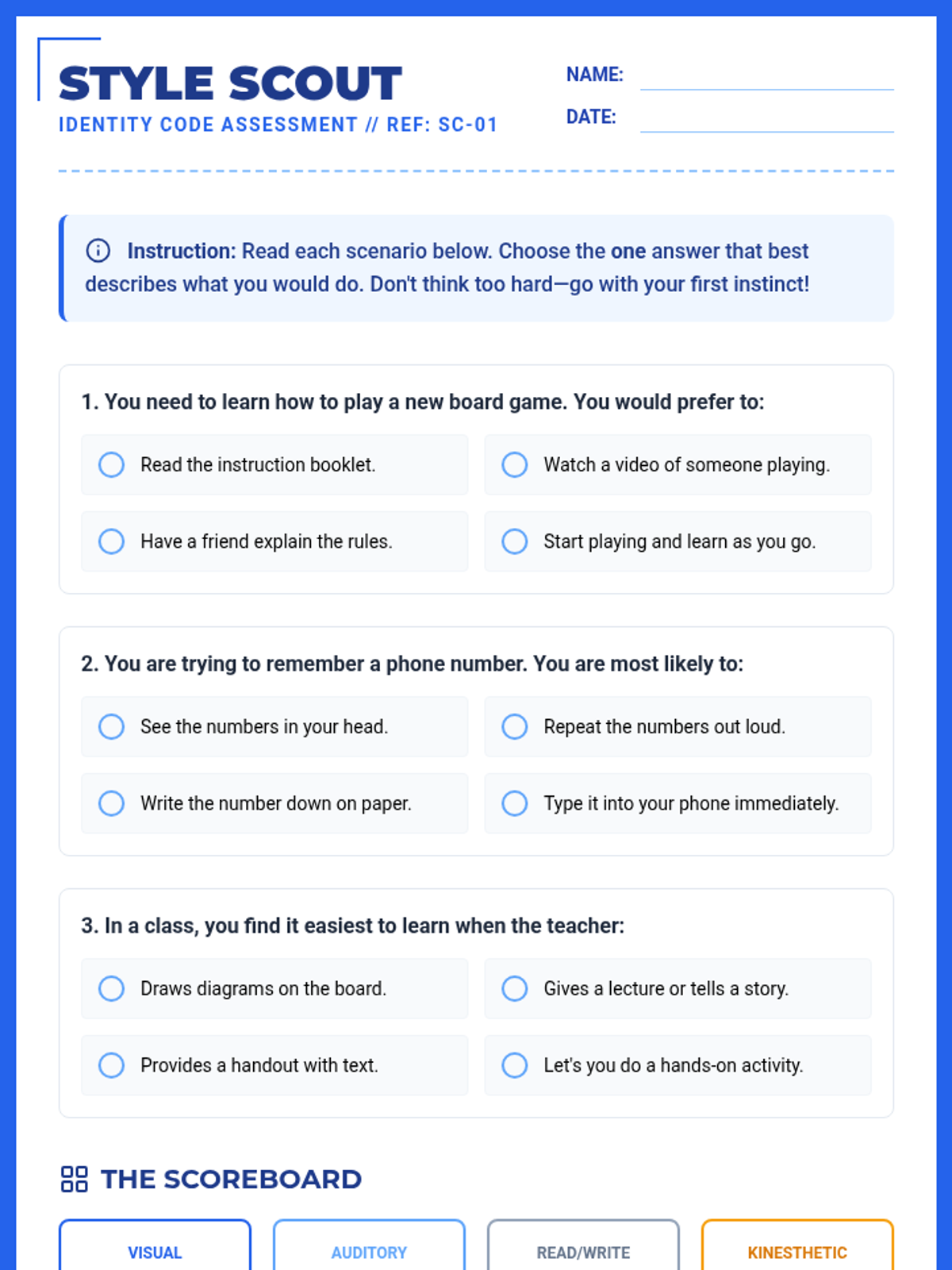
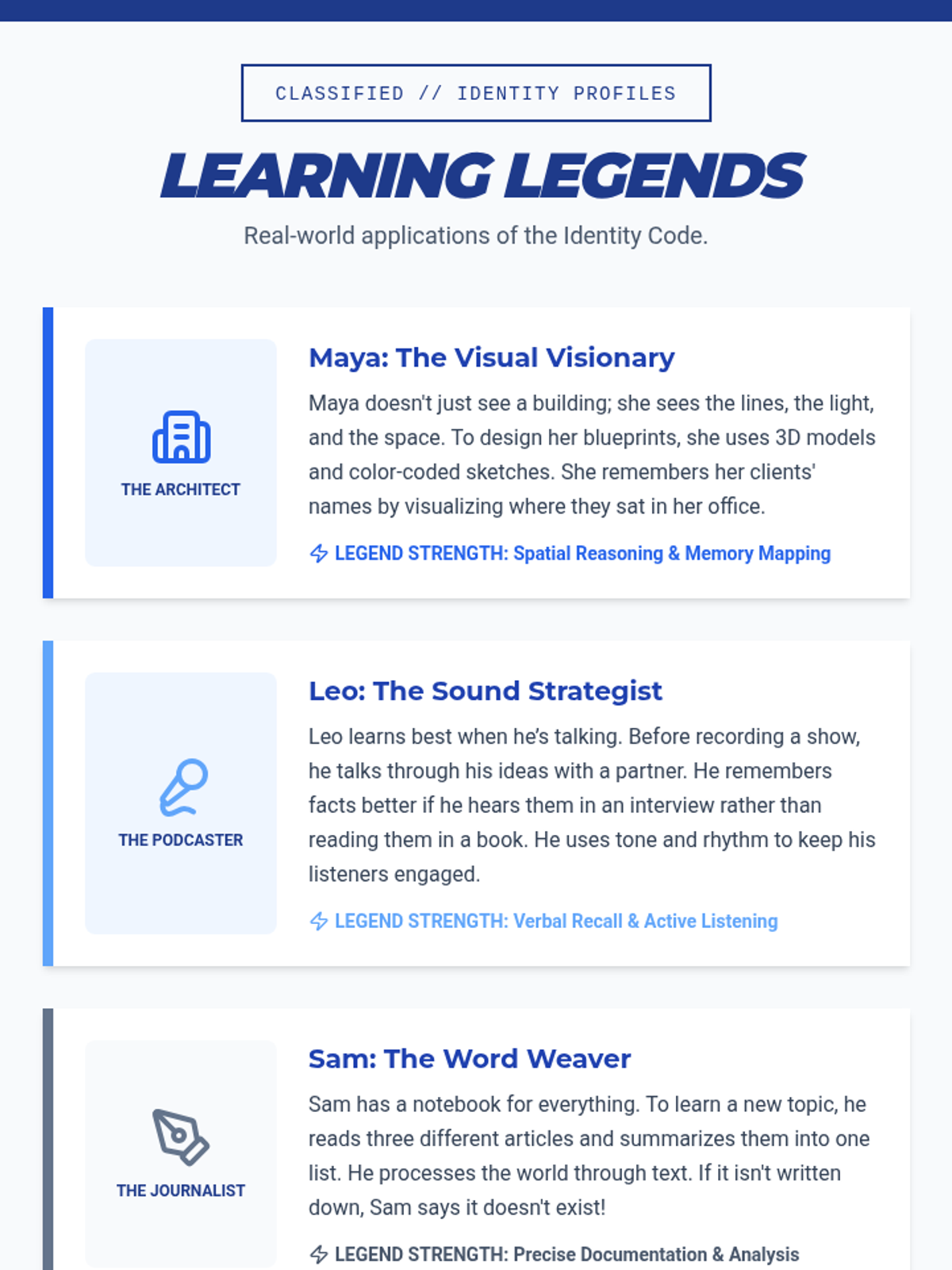
A comprehensive toolkit designed for high school special education students to master learning styles, study techniques, and test-taking strategies through a "Success Blueprint" theme.
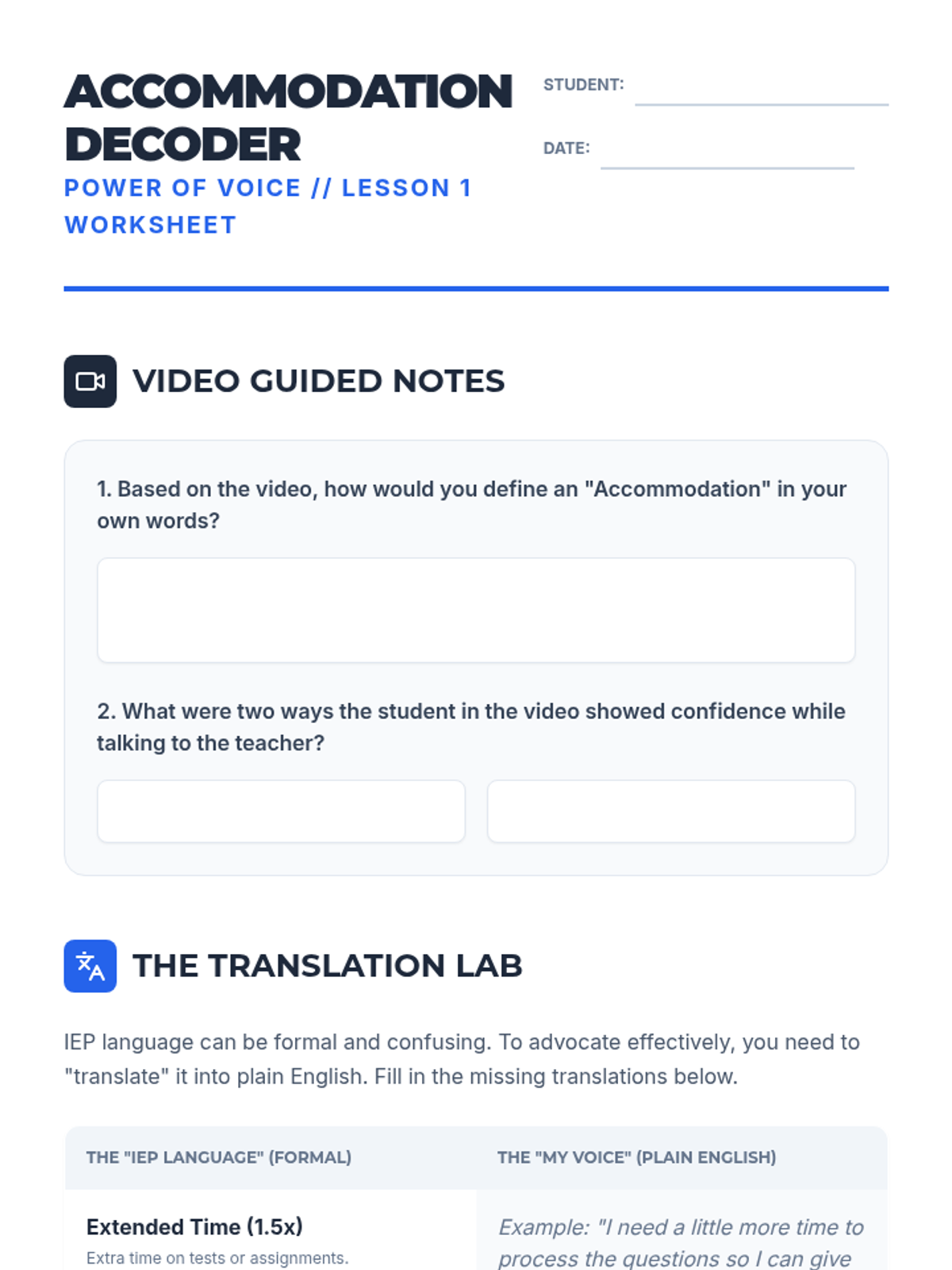
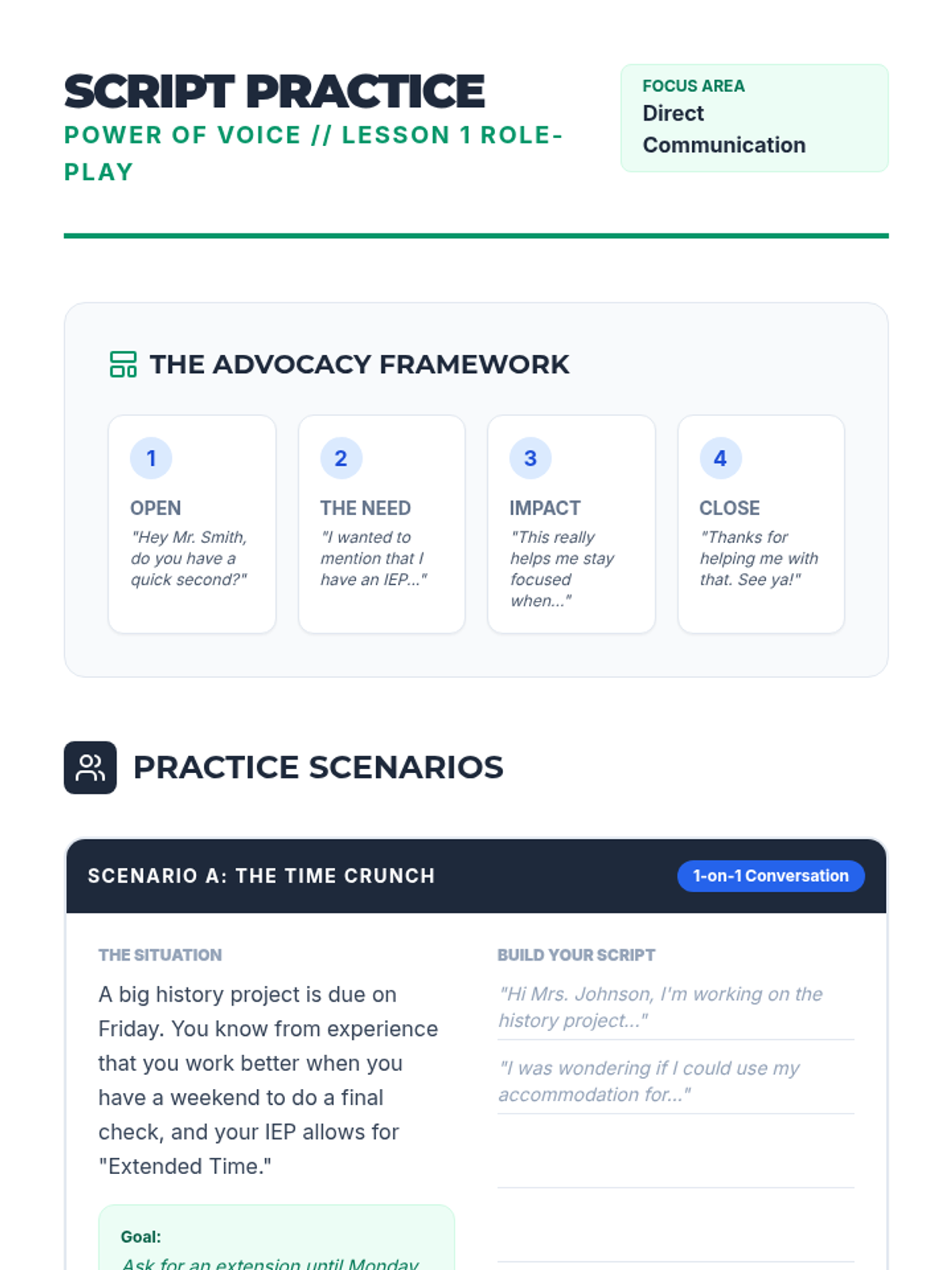
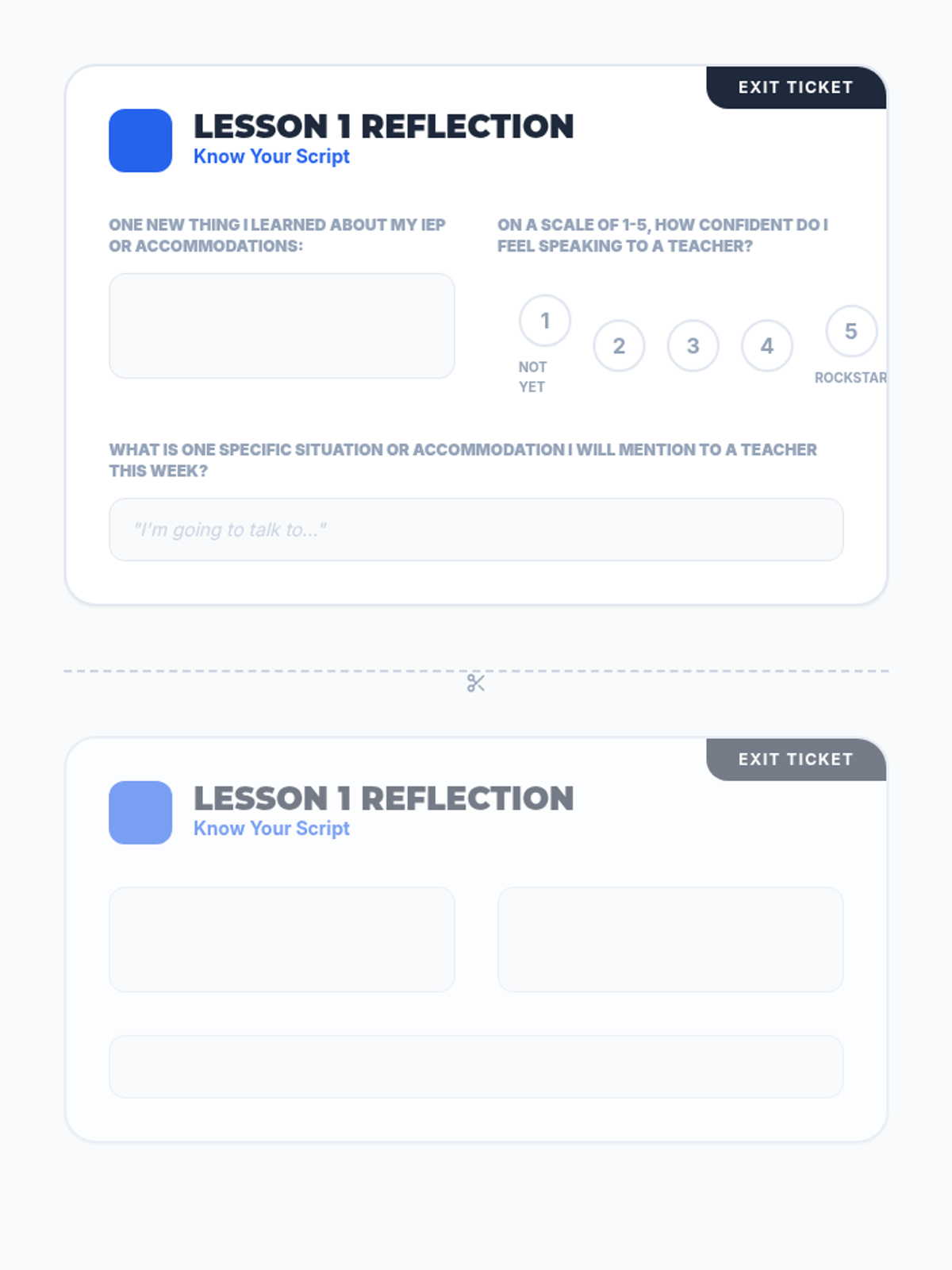
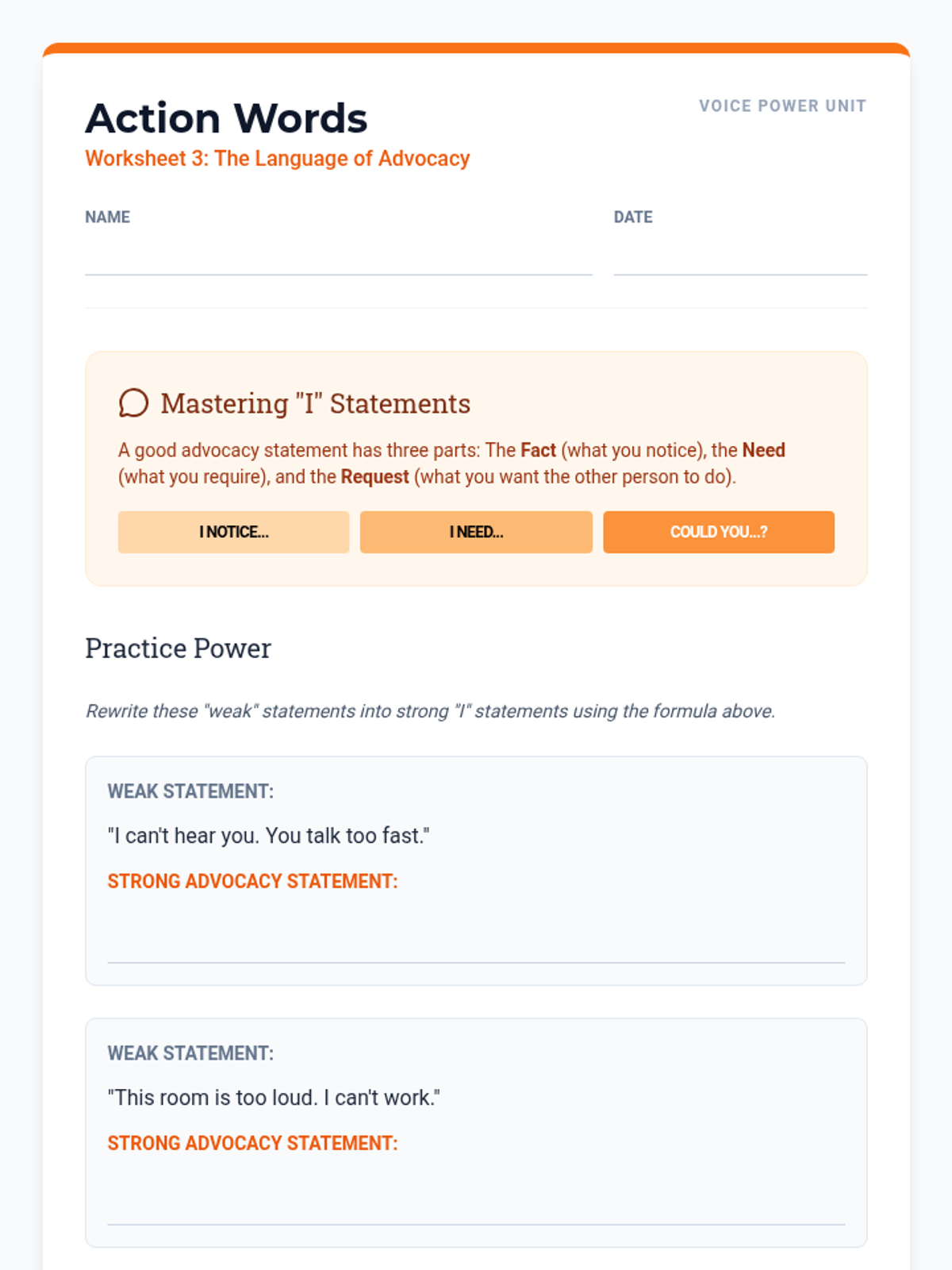
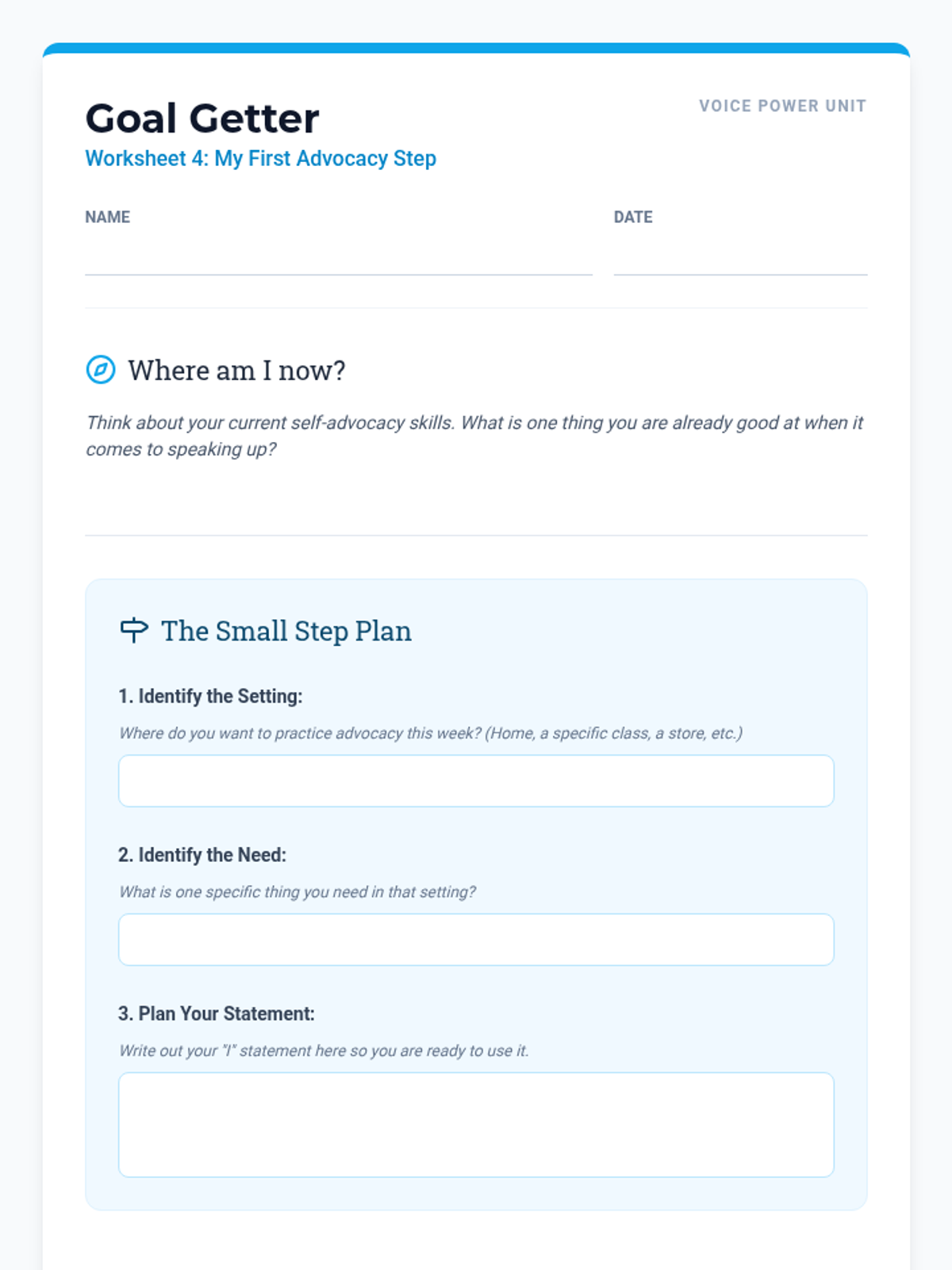
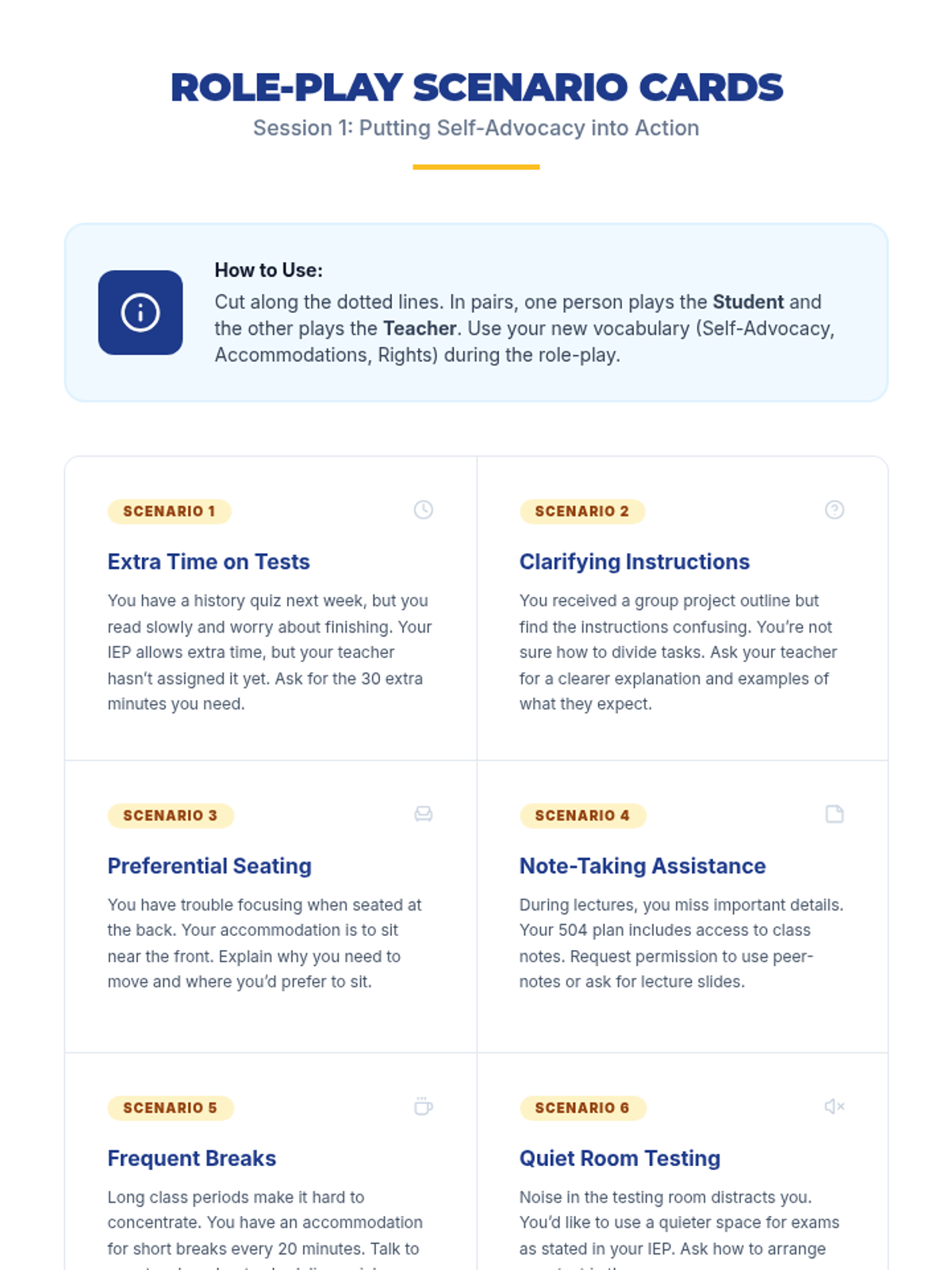
A comprehensive sequence designed to empower high school students on IEPs to communicate their needs, understand their accommodations, and collaborate effectively with teachers and staff.
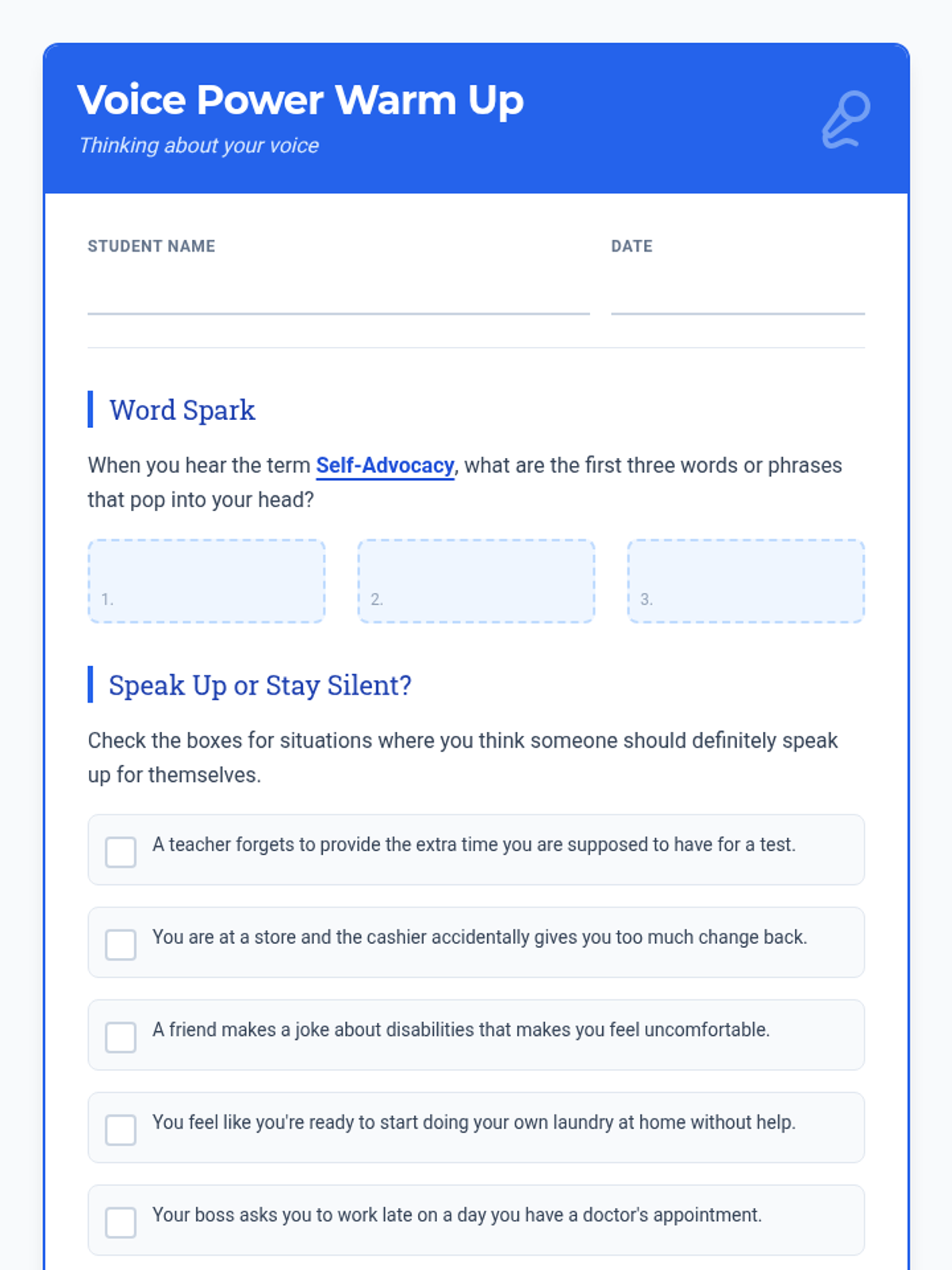
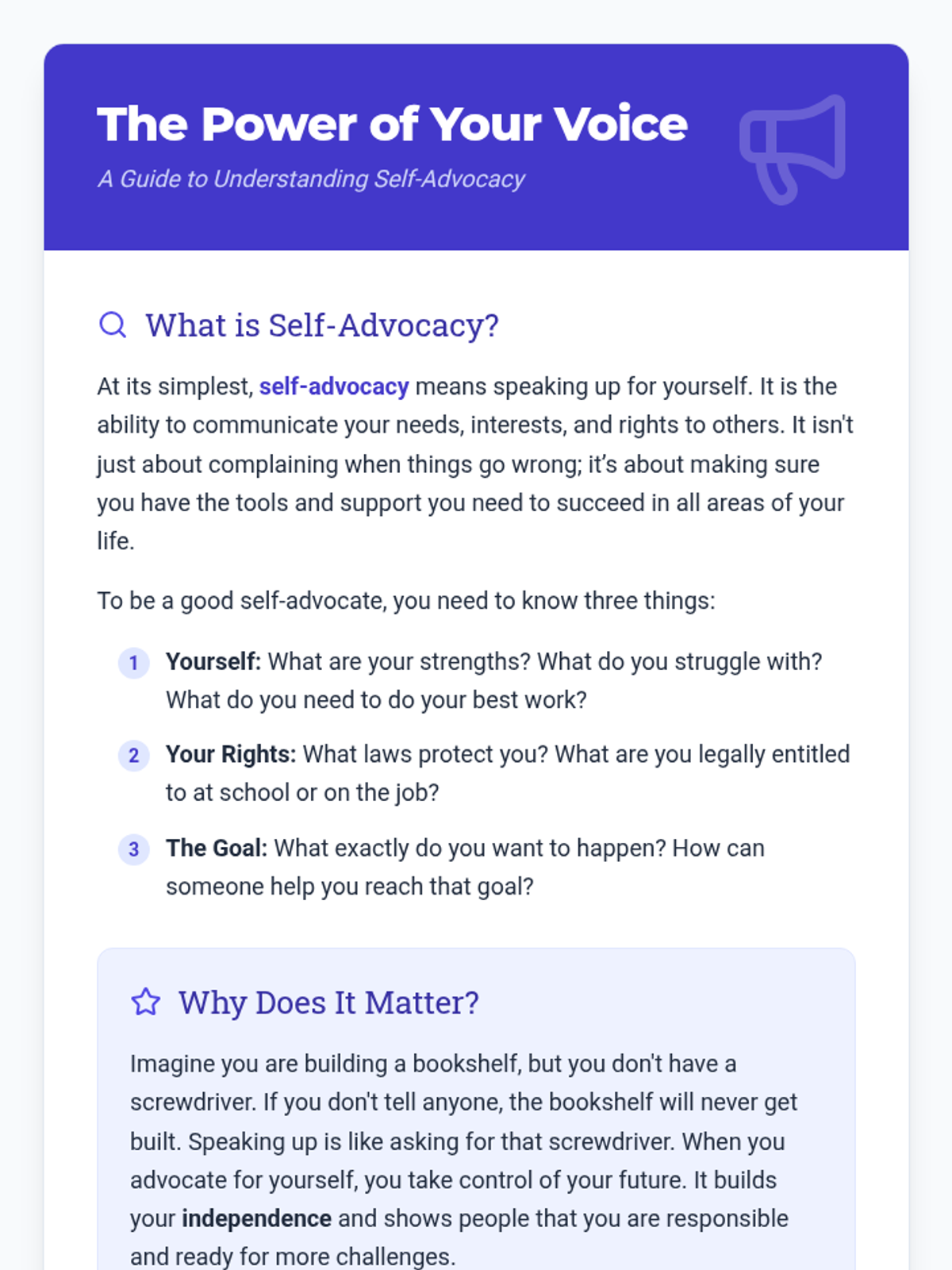
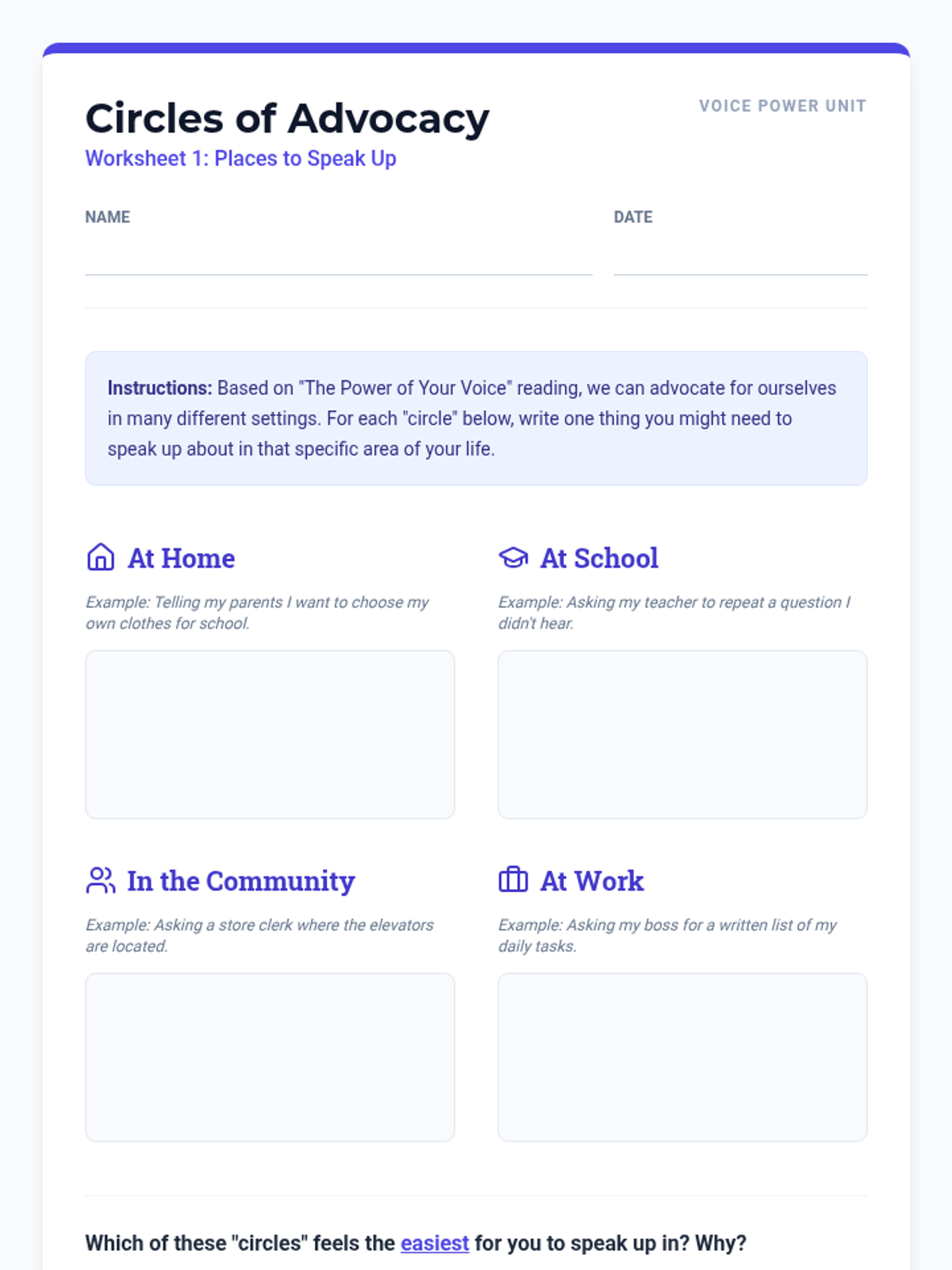
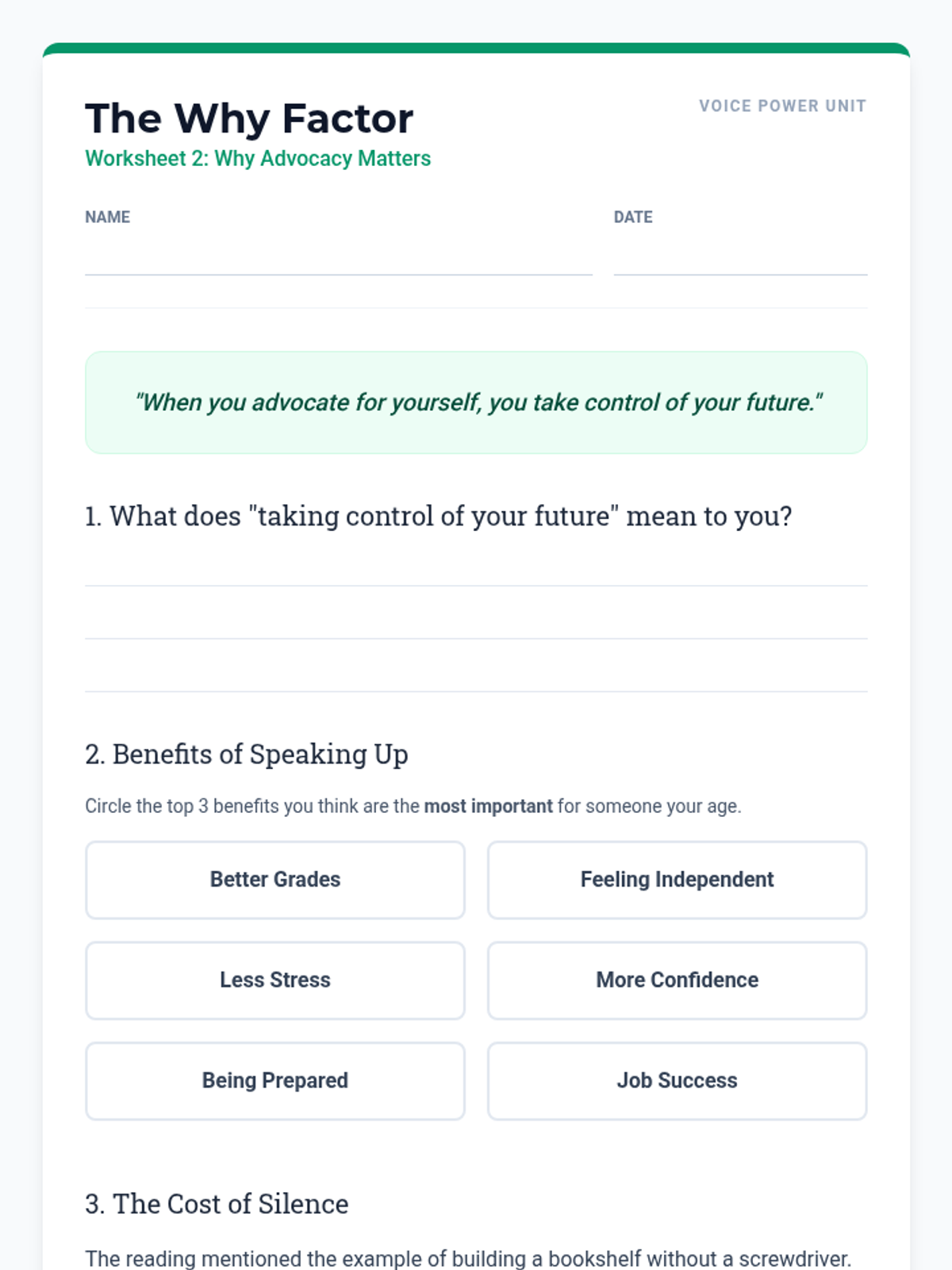
A comprehensive unit on self-advocacy and the ADA, helping students understand their rights in school, at home, and in the workplace. Students will learn how to navigate IEP accommodations, address non-compliance, and build independence.
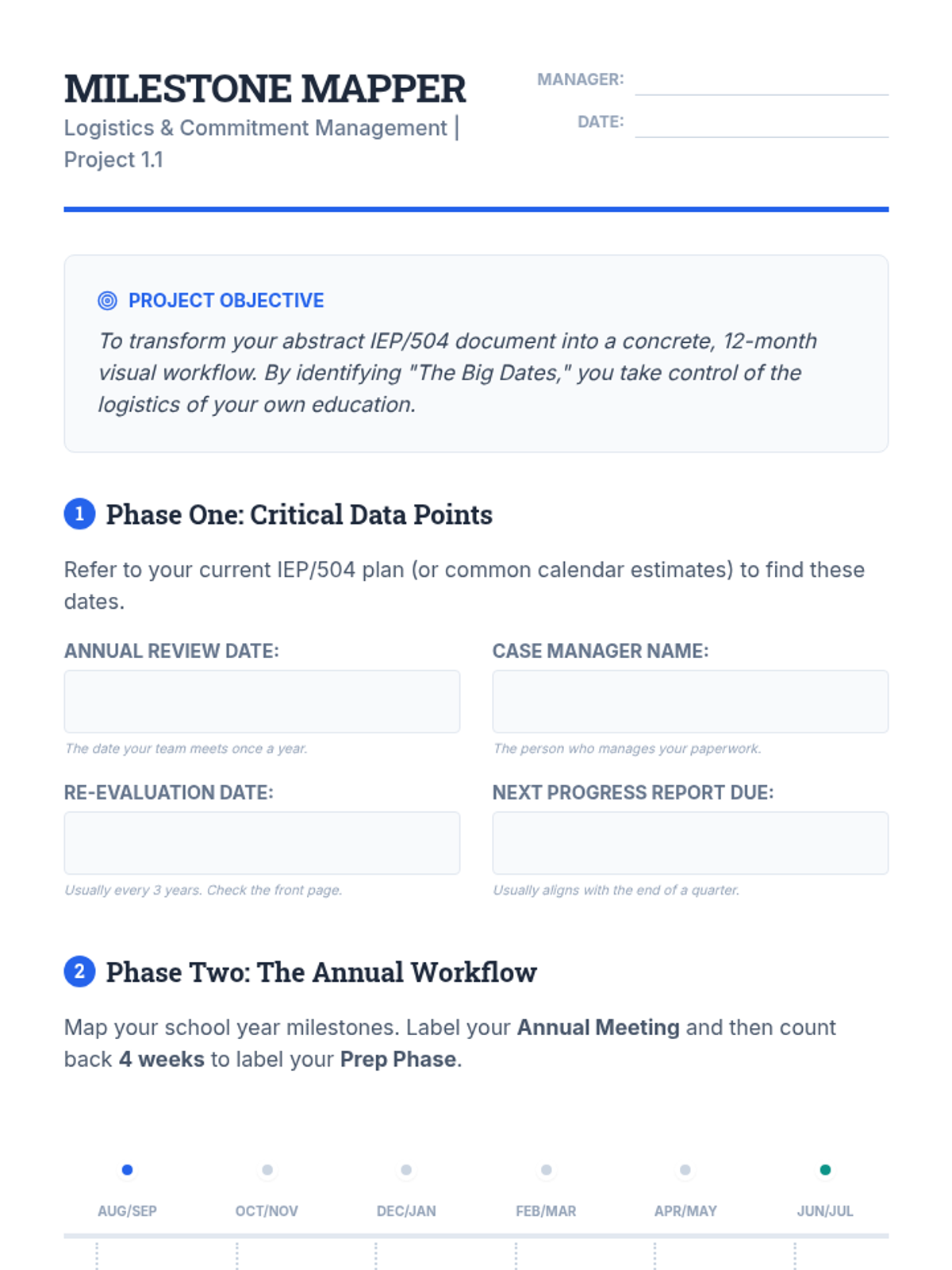
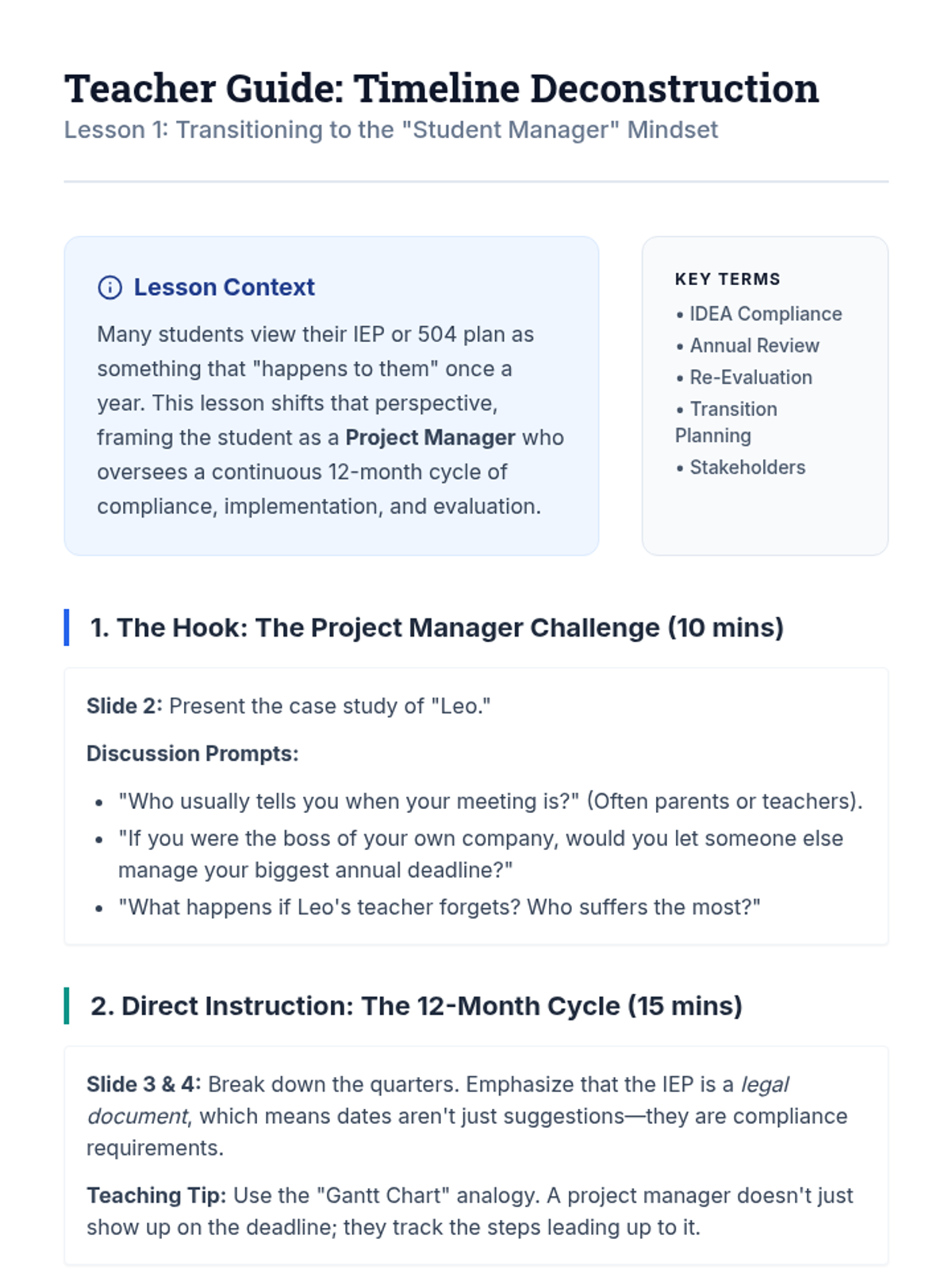
A 10th-grade sequence focused on empowering students to manage their own IEP/504 timelines, accommodations, and administrative responsibilities through the lens of project management. Students transition from passive recipients of services to active managers of their educational milestones.
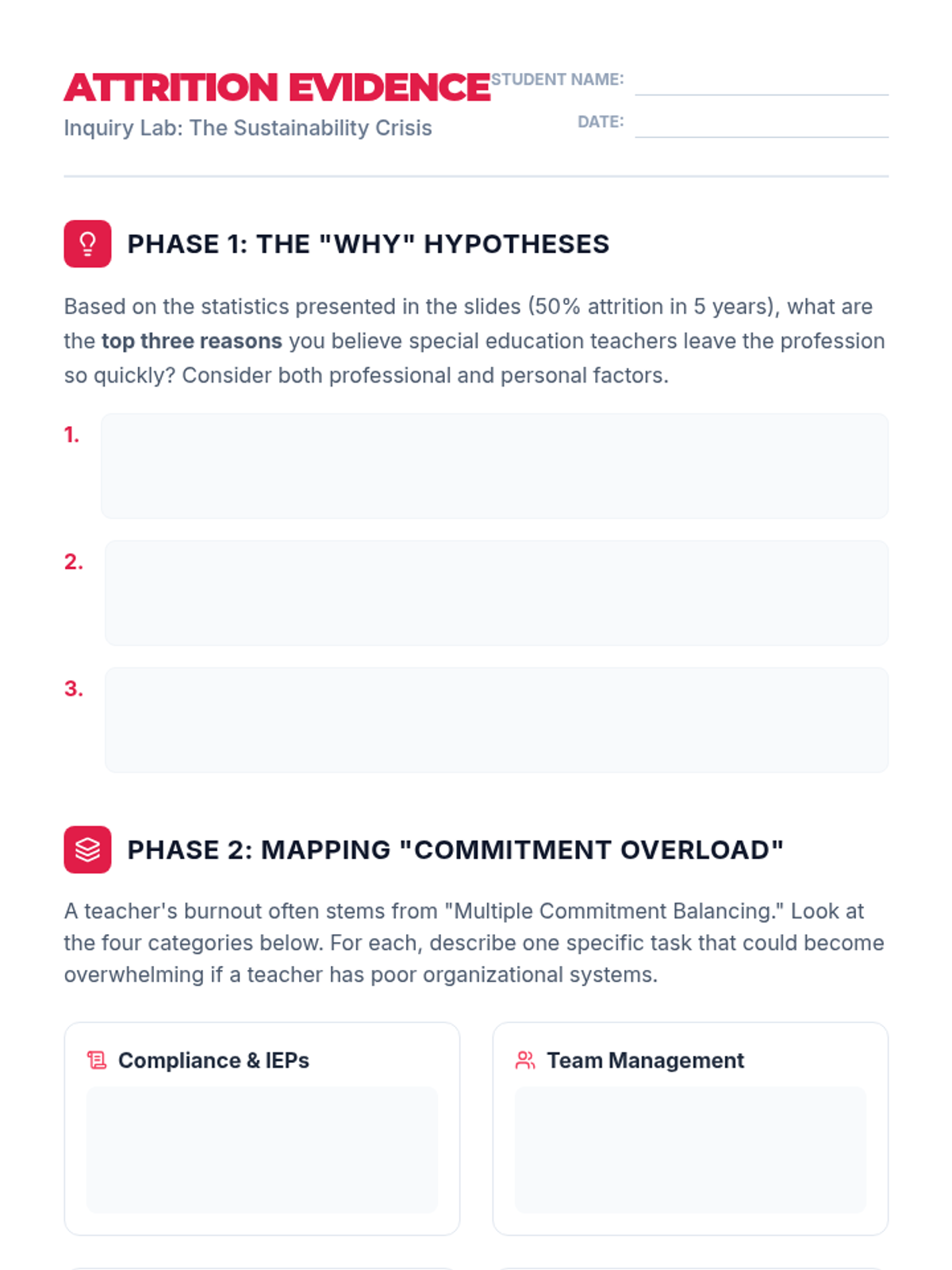
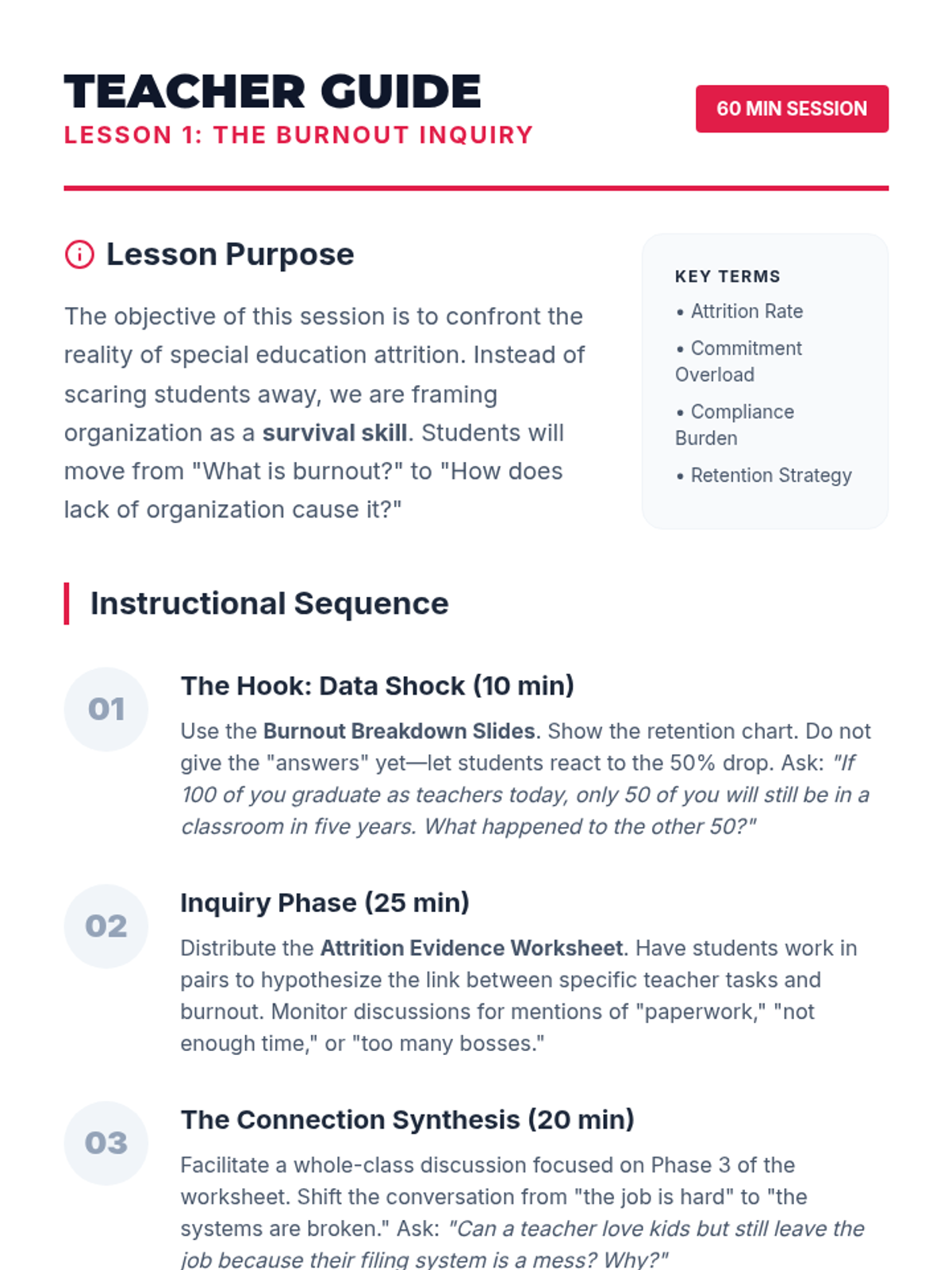
An inquiry-based exploration for 12th-grade students into the sustainability of the special education profession. Students investigate the causes of teacher burnout and develop strategic organization, delegation, and boundary-setting habits to ensure long-term career success and mental well-being.
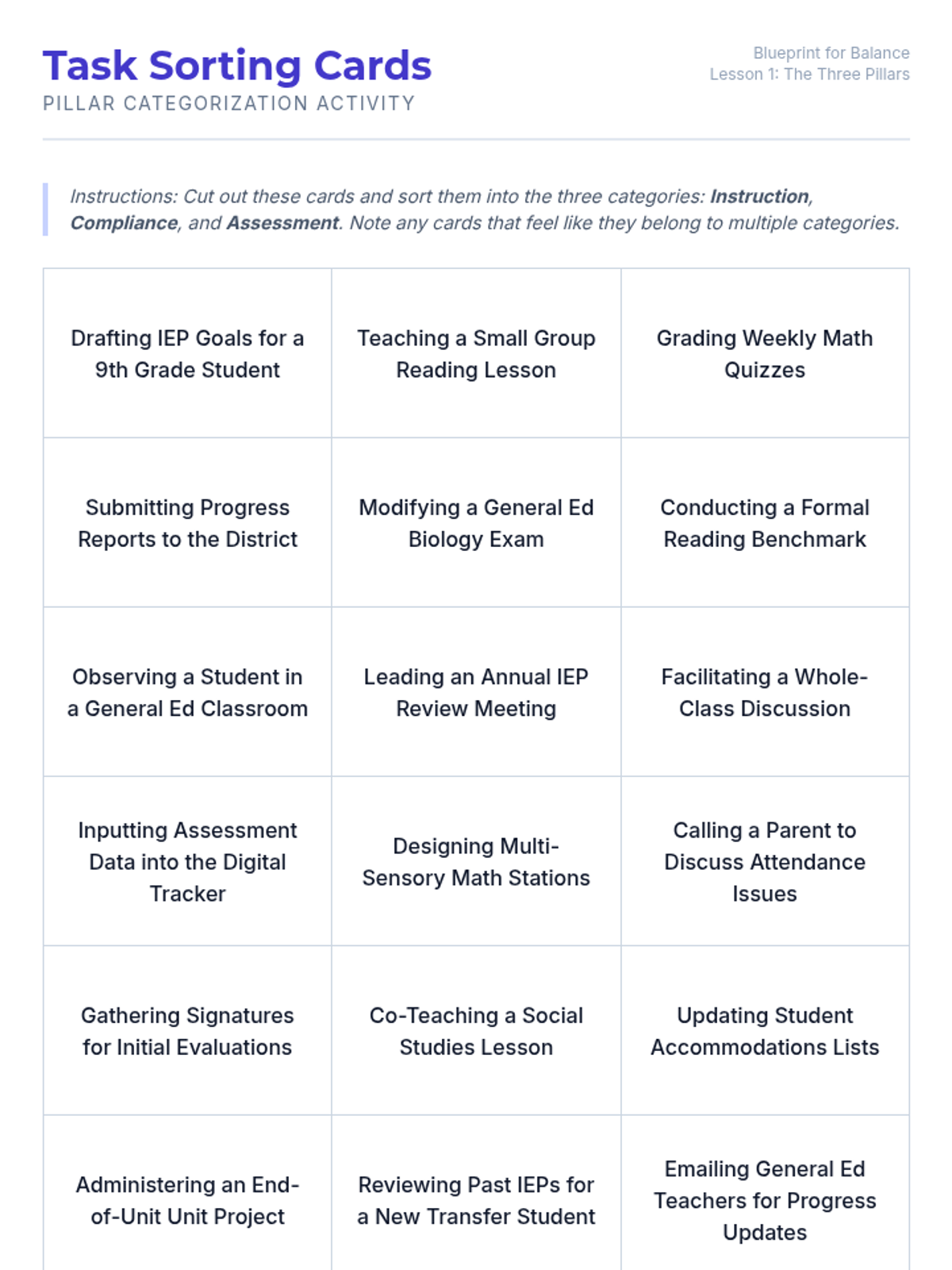
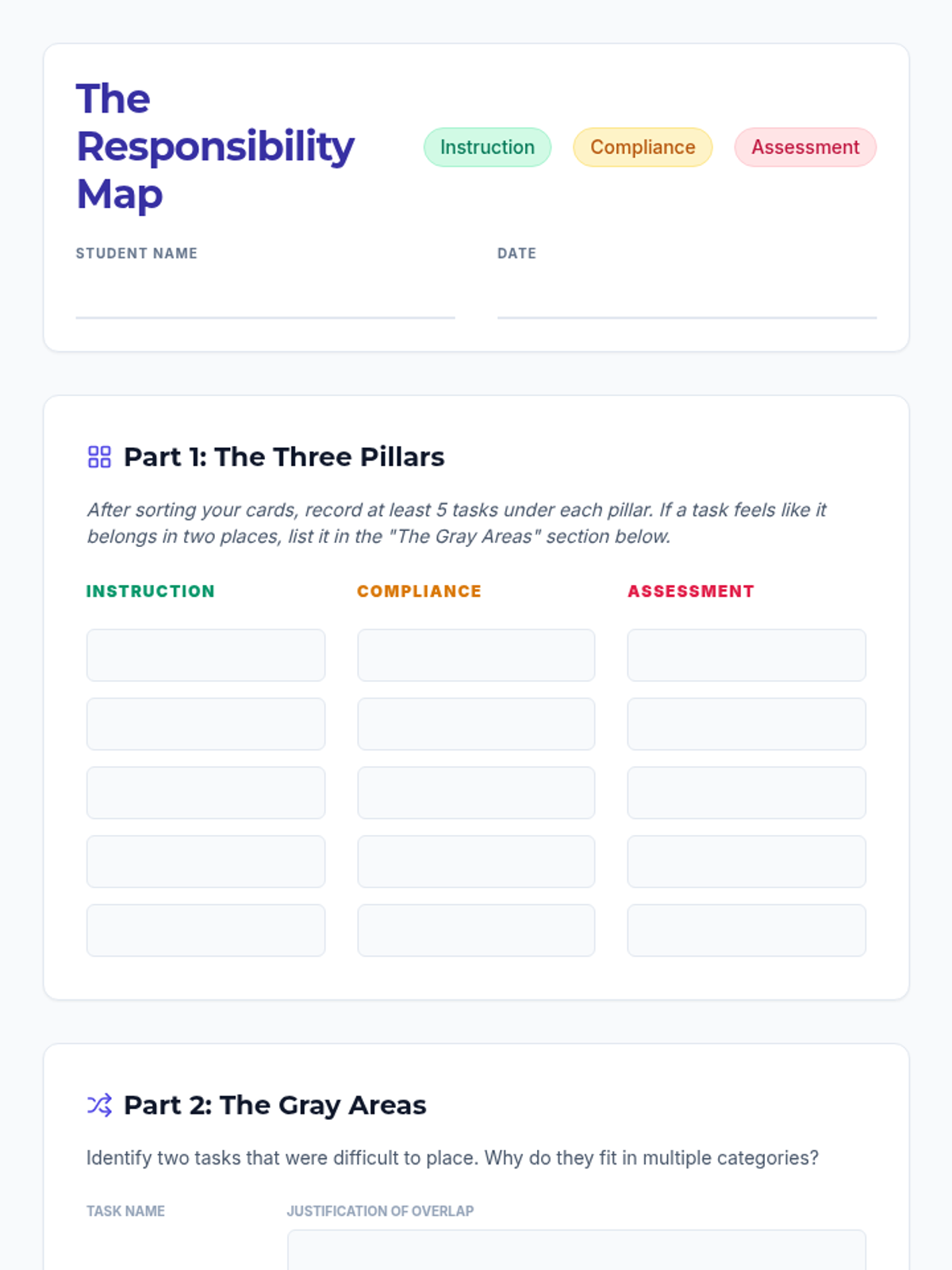
This sequence introduces 12th-grade students to the complex workload management required in Special Education. Students will learn to categorize tasks into instruction, compliance, and assessment pillars, improve their time estimation skills, and apply productivity strategies like time-blocking and task-batching to create a functional weekly schedule.
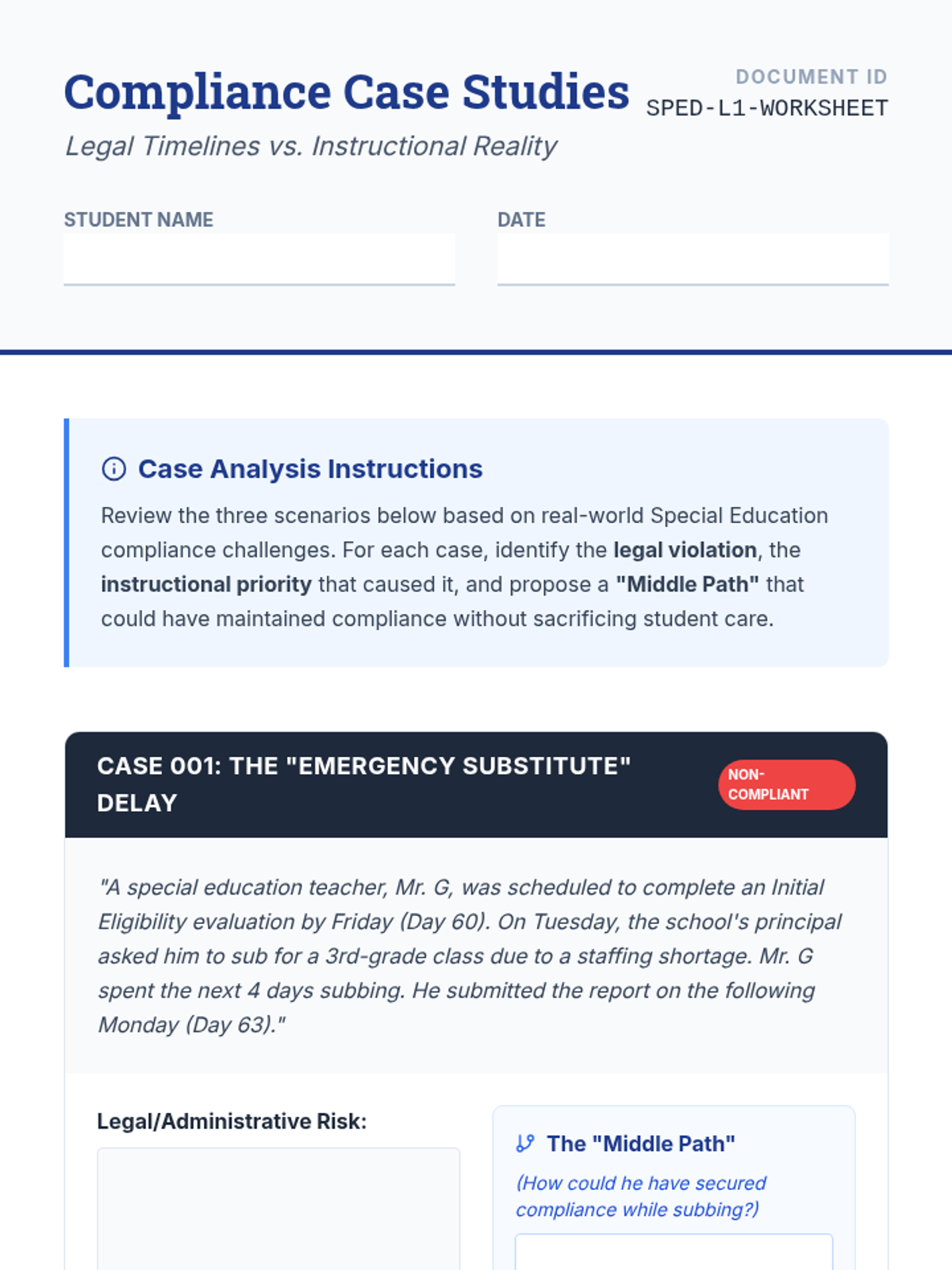
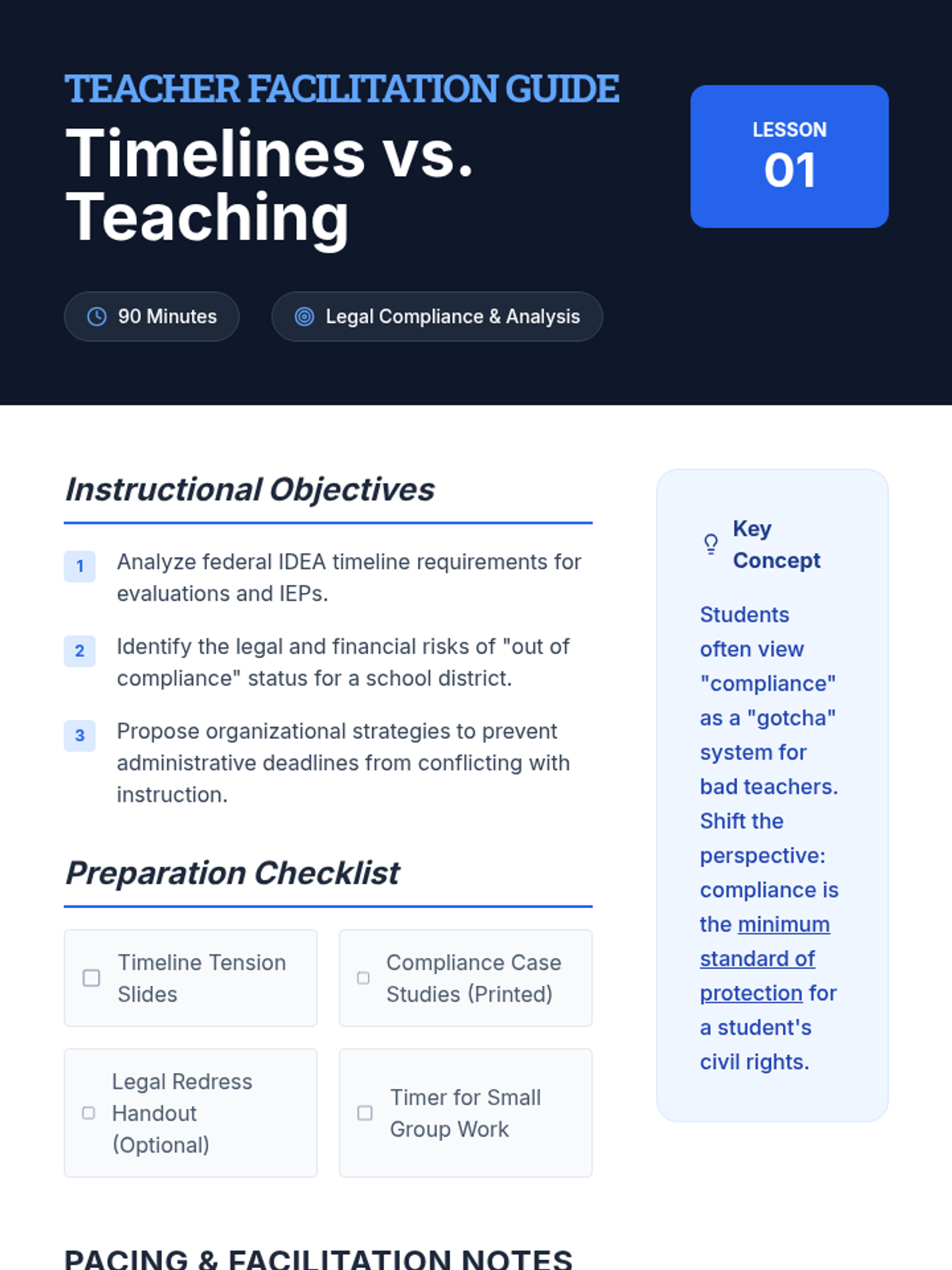
A case-study driven sequence for 12th-grade students exploring the professional and legal challenges of balancing special education administrative duties with direct student support. Students analyze IDEA timelines, ethical decision-making frameworks, and professional communication strategies to manage competing priorities effectively.
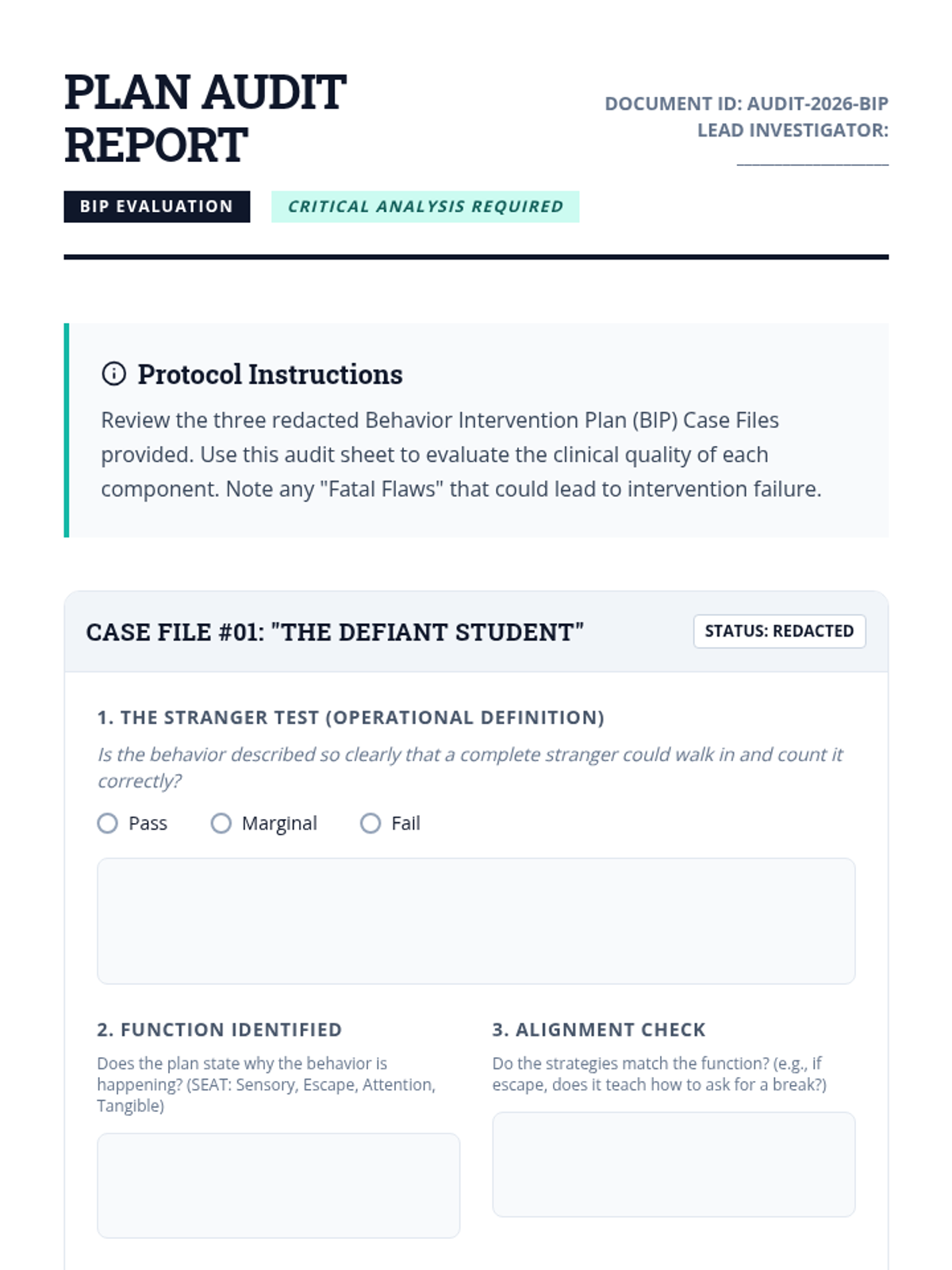
A comprehensive sequence for 12th-grade students on developing Behavior Intervention Plans (BIPs), covering components, consequence strategies, ethics, data monitoring, and a capstone simulation.
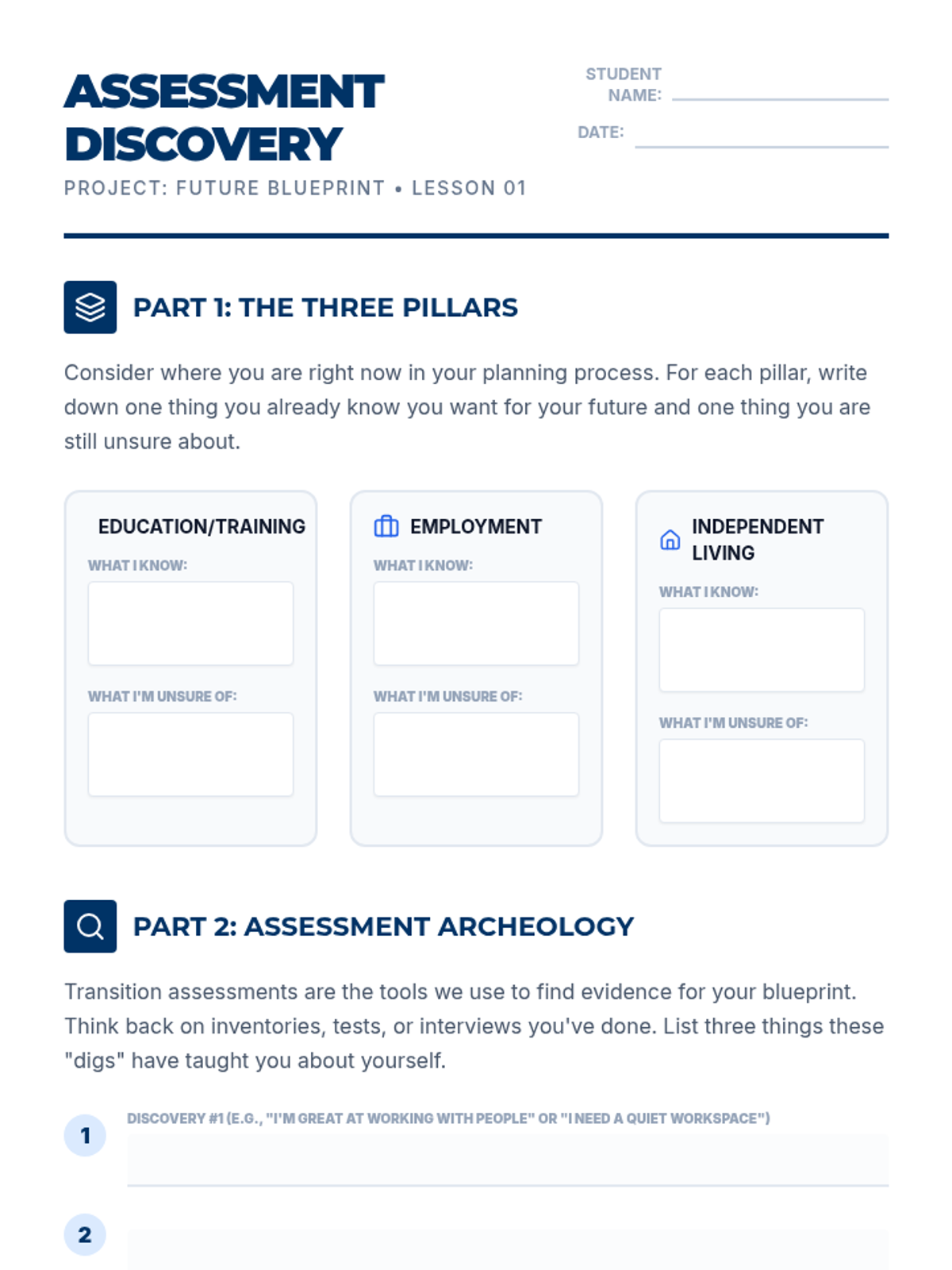
A comprehensive sequence designed for 12th-grade students to master the Transition Plan component of their IEP. Students move from understanding assessments to drafting goals, creating a Summary of Performance, practicing disability disclosure, and finally, learning to lead their own IEP meetings.
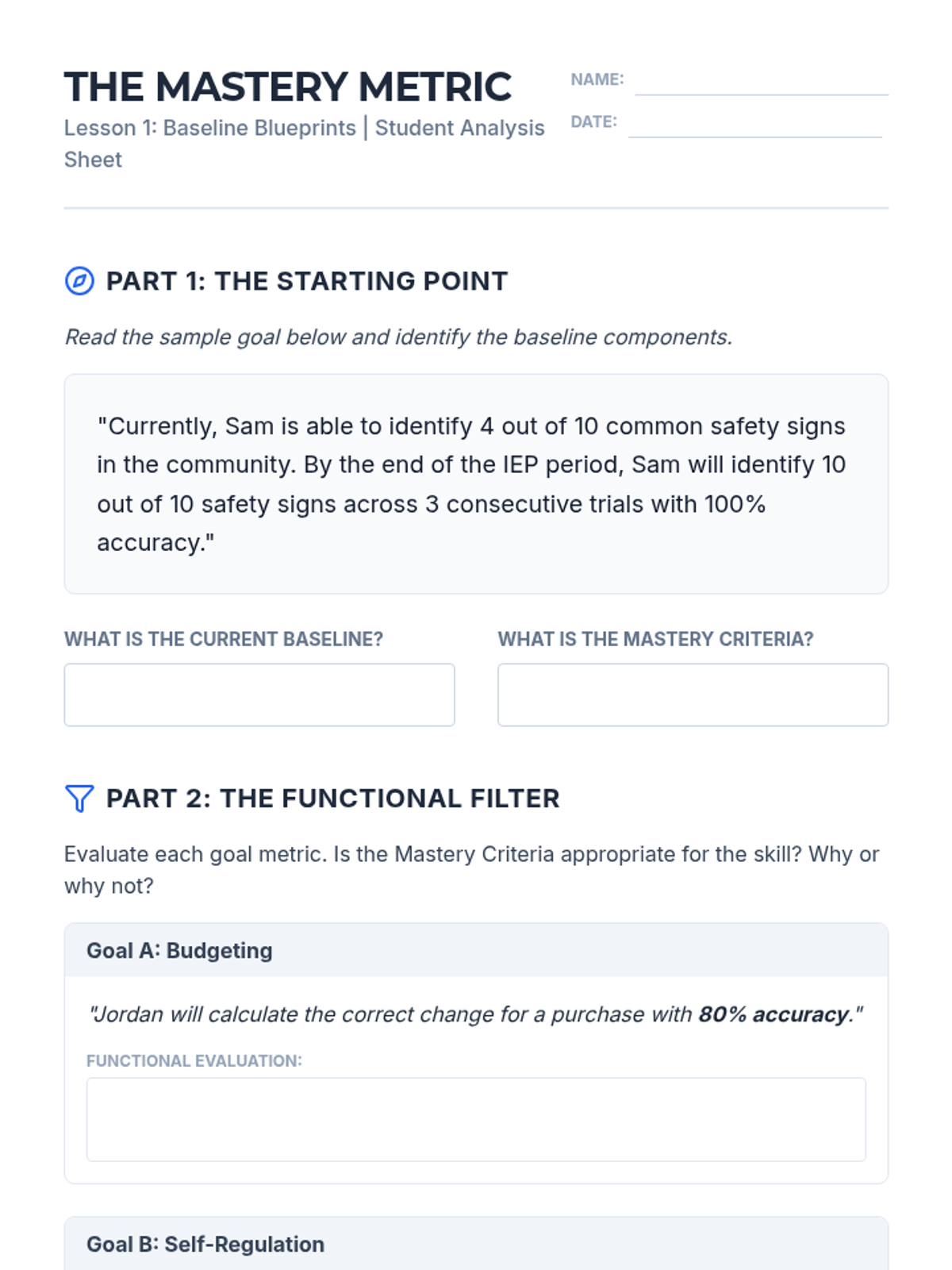
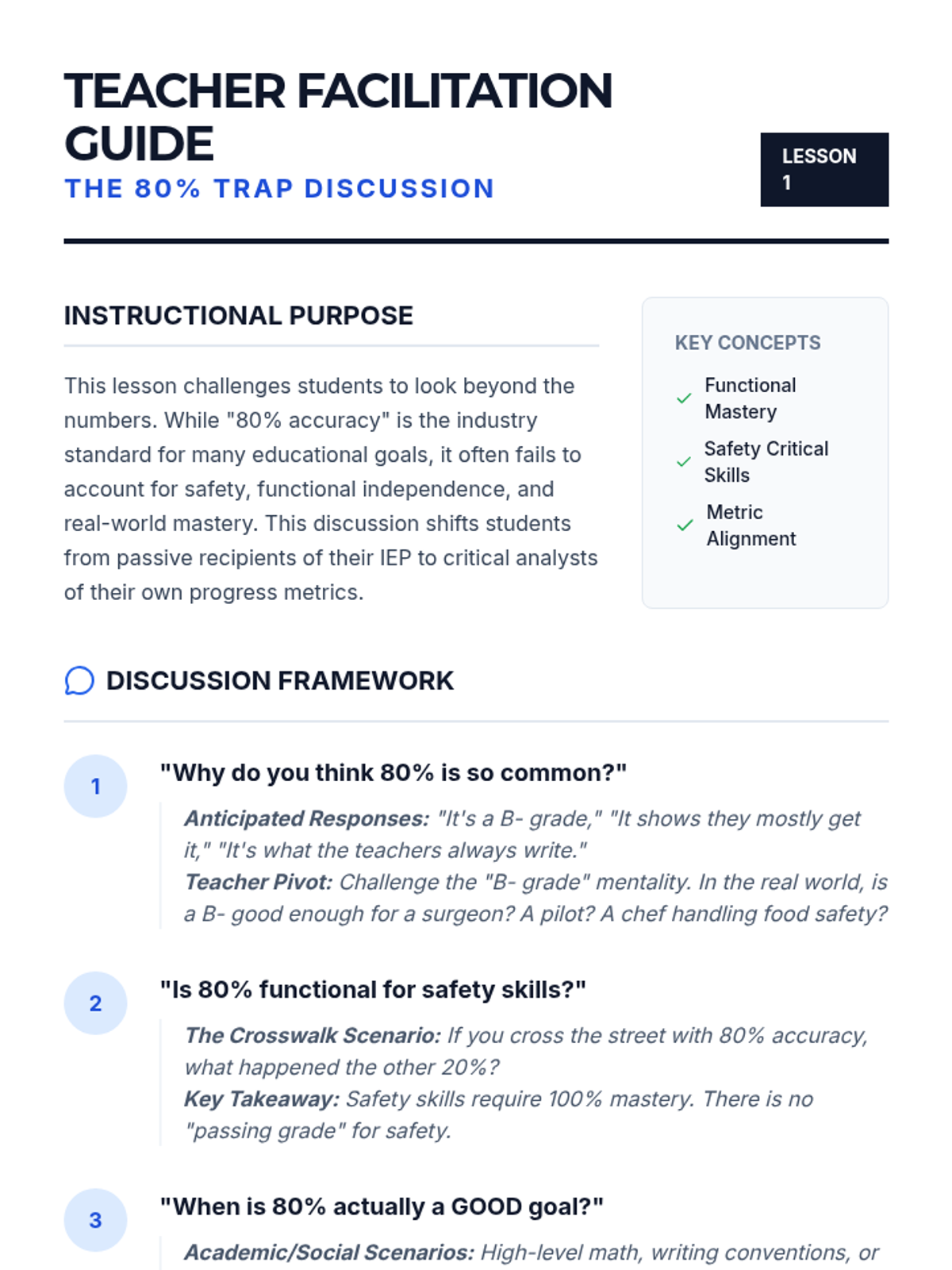
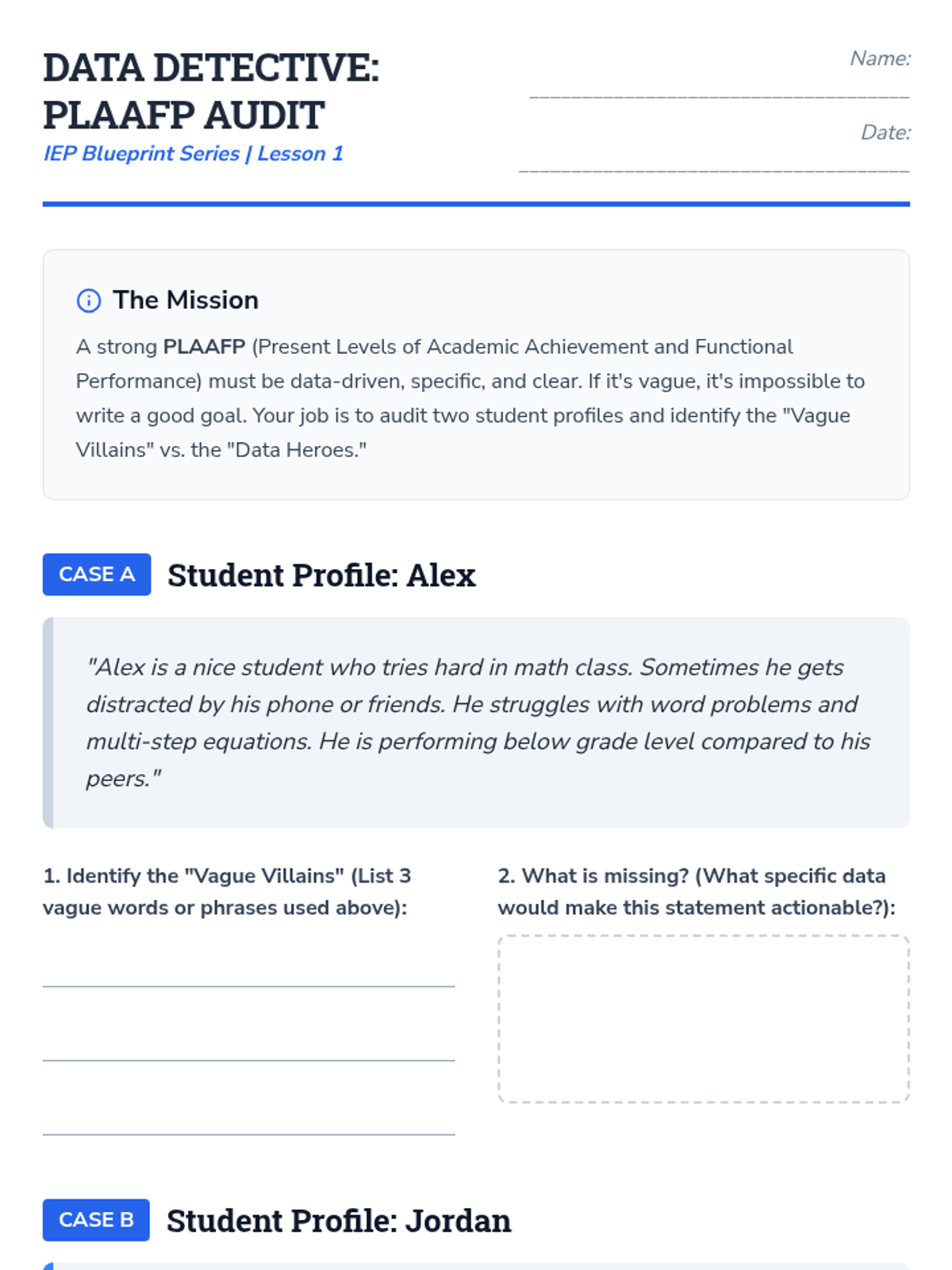
A project-based sequence for 12th-grade students focused on the data-driven nature of Special Education. Students learn to track, visualize, and analyze IEP goal progress to become effective self-advocates and informed participants in the IEP process.
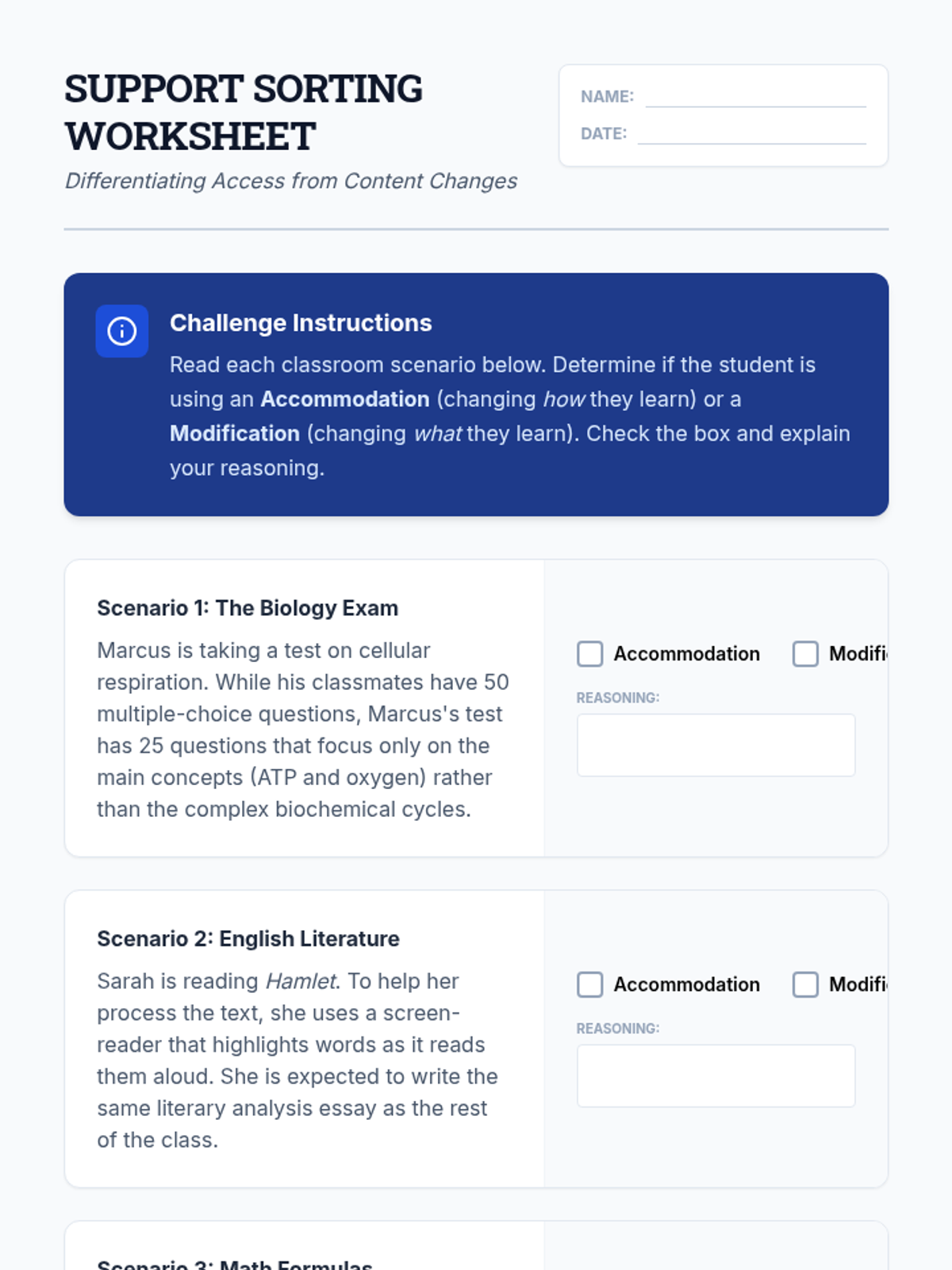
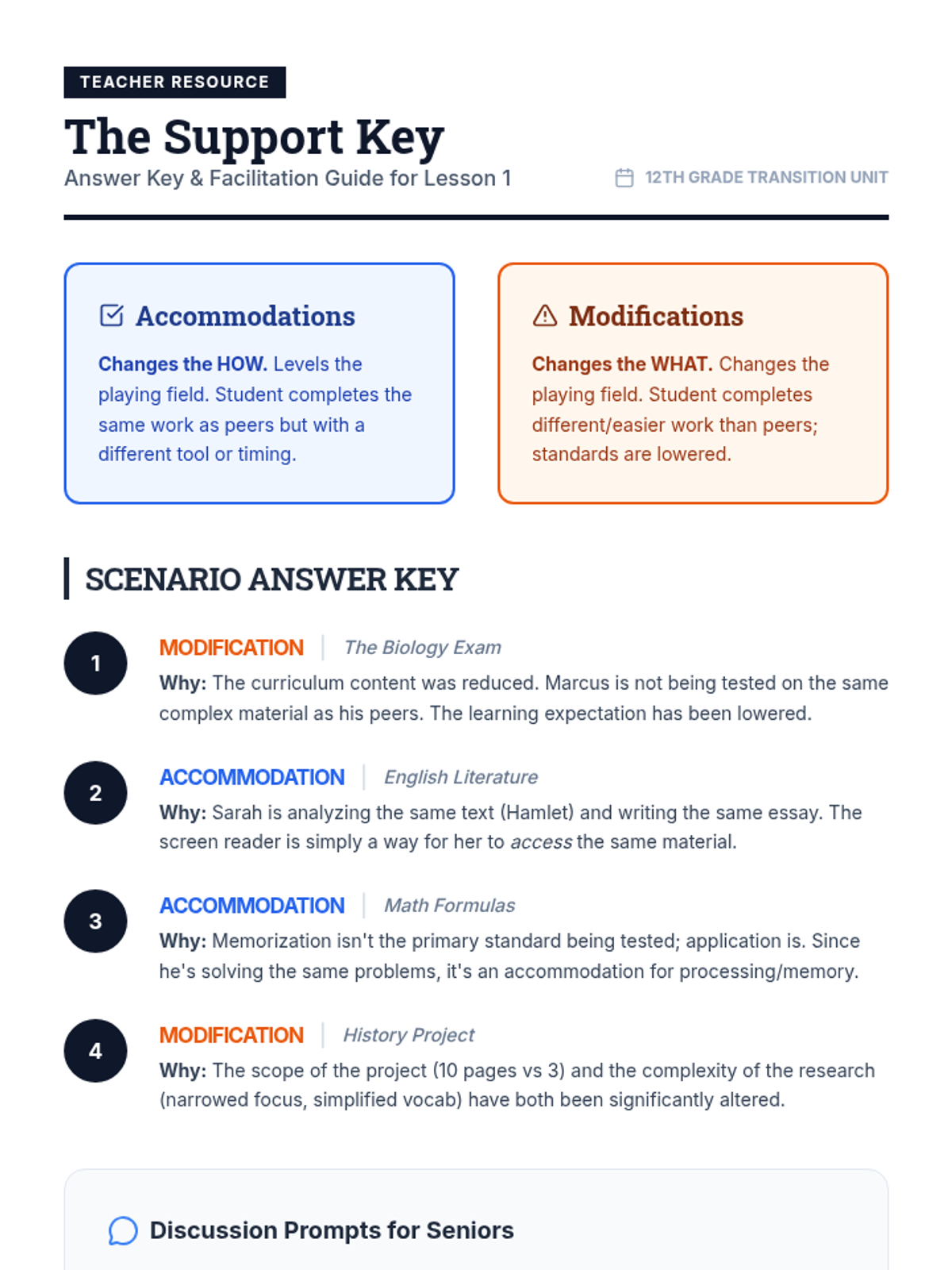
A comprehensive sequence for 12th-grade students exploring the differences between accommodations and modifications, their impact on grading and credits, and how student rights shift from IDEA to ADA in post-secondary environments.
A systematic dissection of the IEP document for 12th-grade students, focusing on the 'Golden Thread' of alignment between present levels, goals, and services. Students learn to audit IEPs for internal consistency and advocate for their own educational rights.
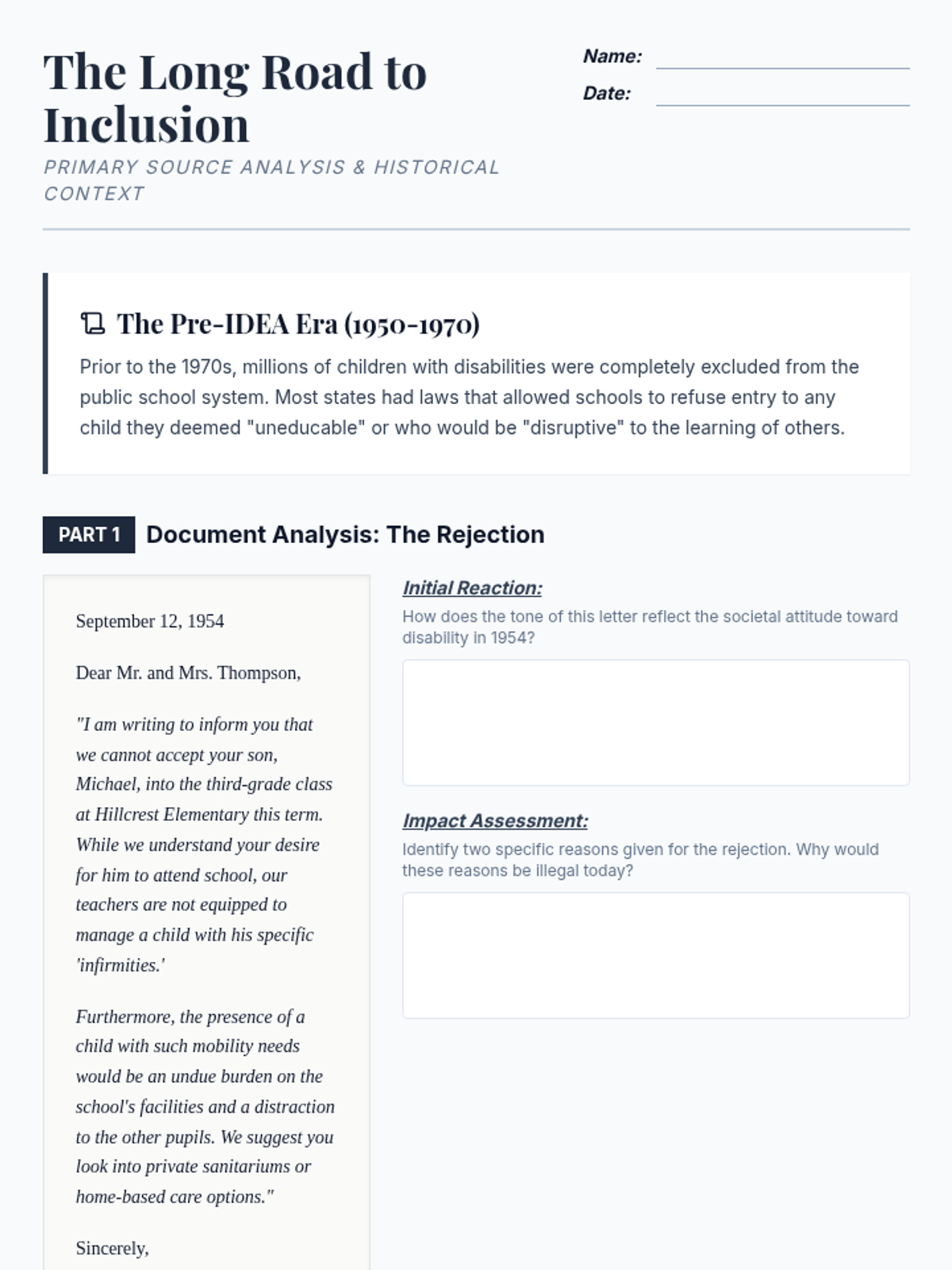
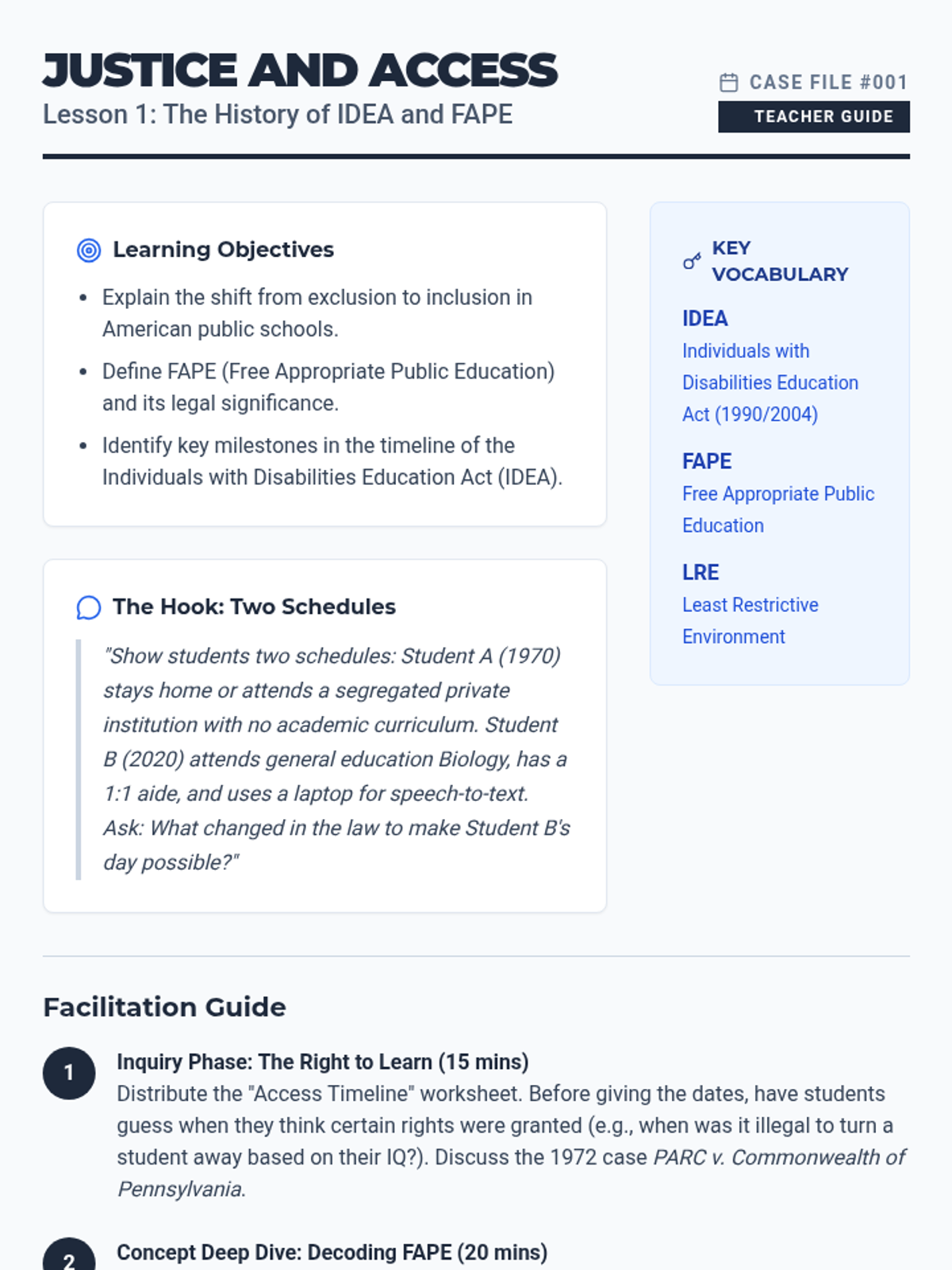
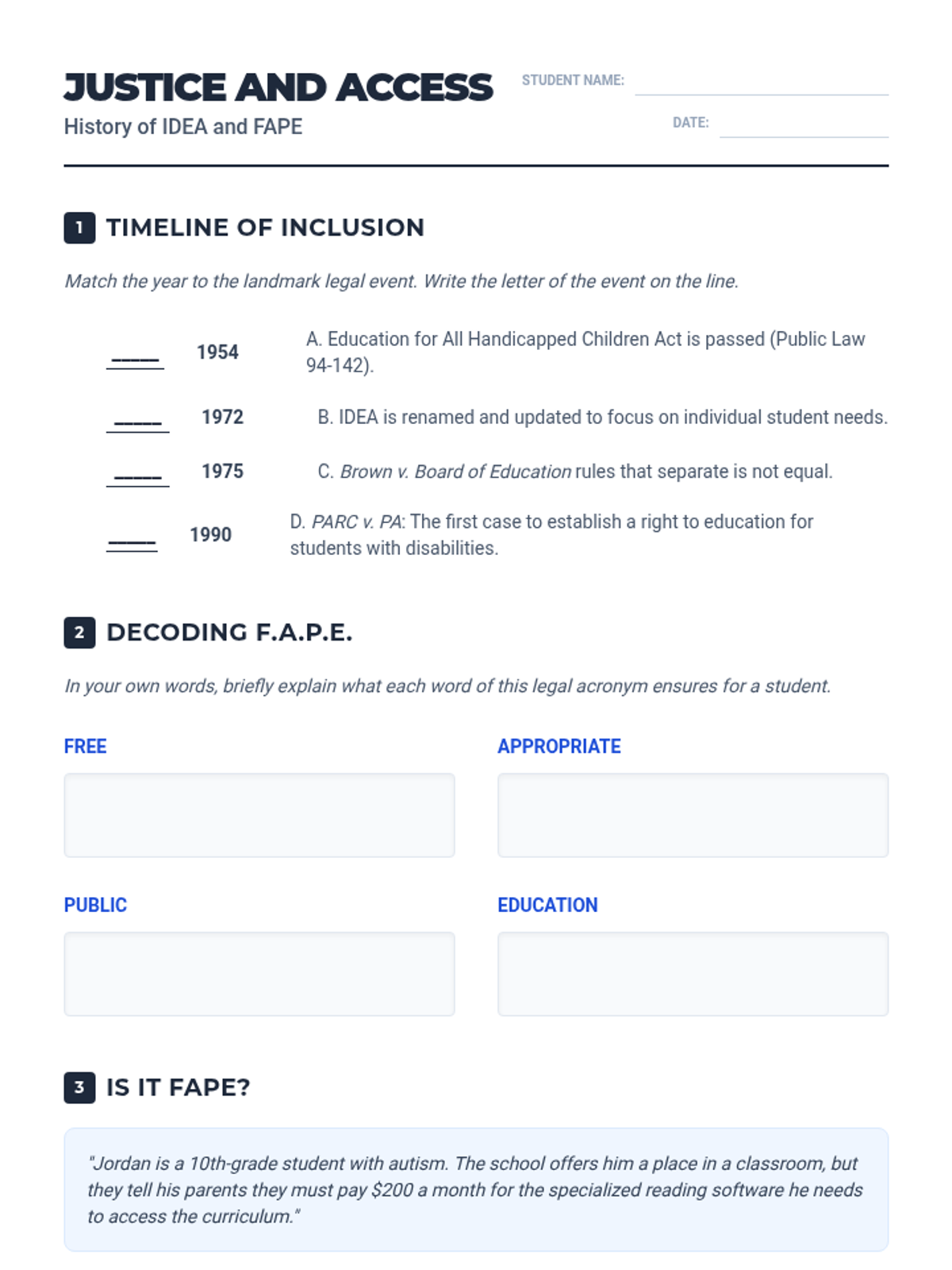
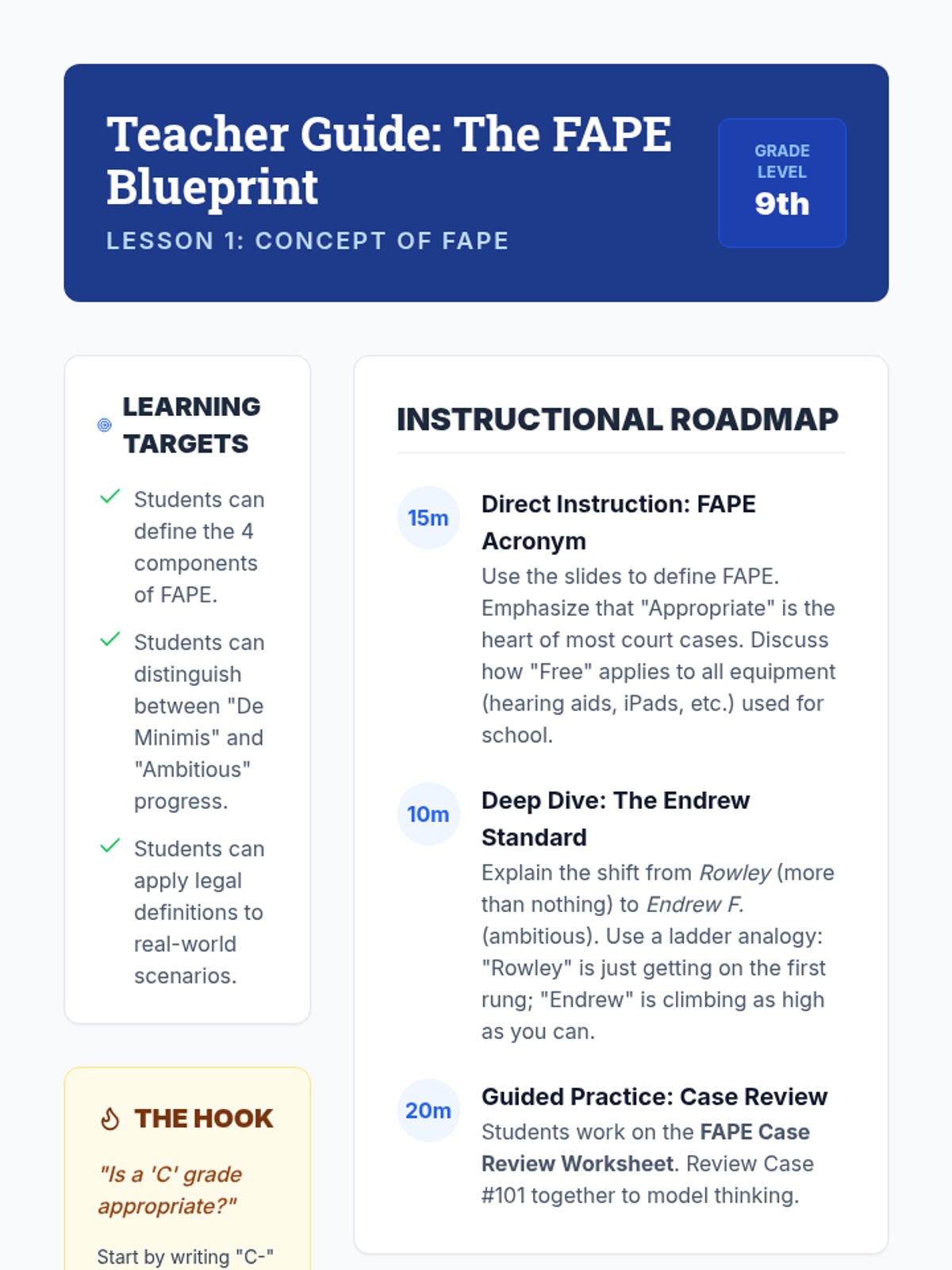
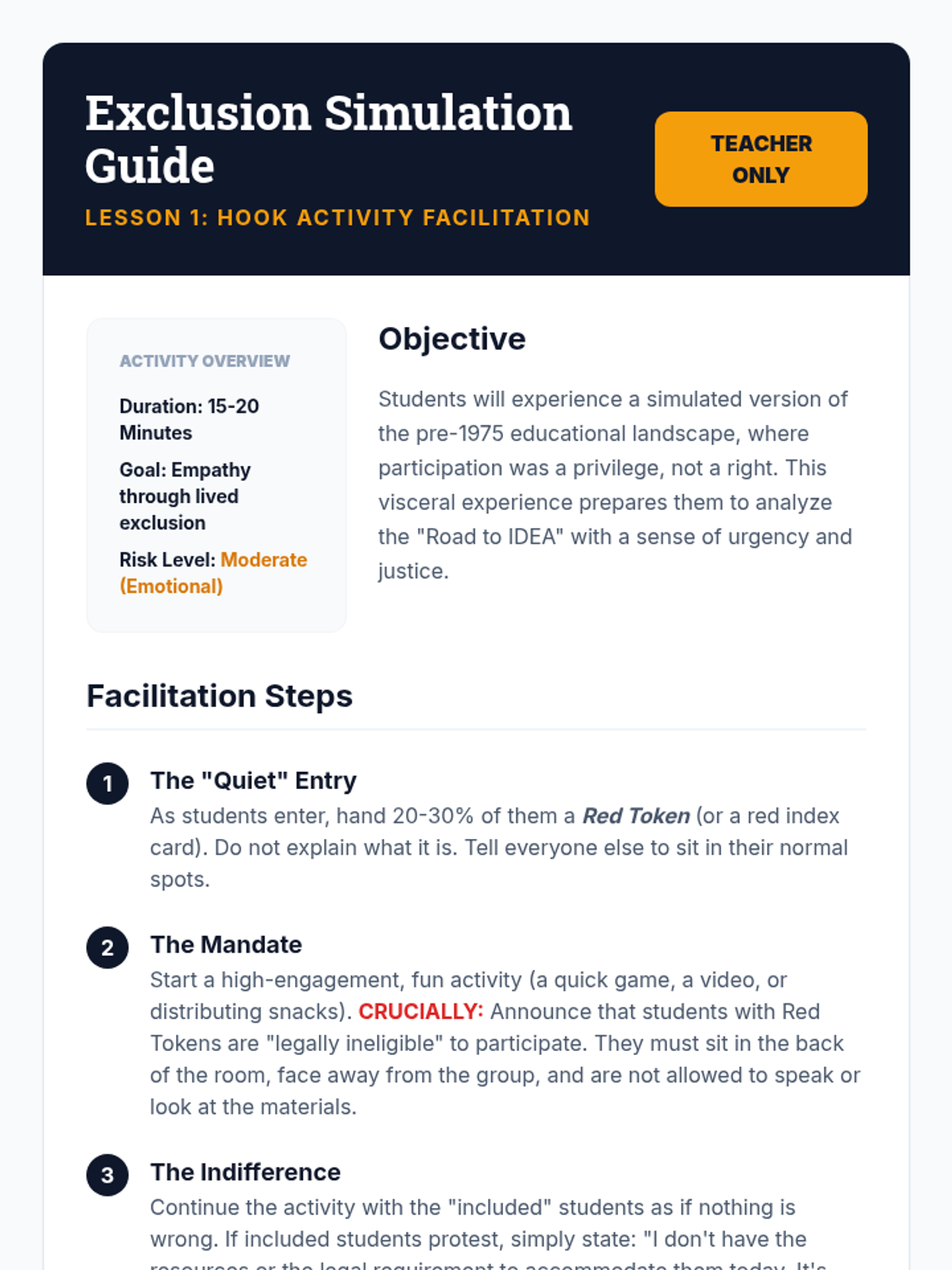
This sequence grounds students in the legal and historical foundations of Special Education, focusing specifically on the Individuals with Disabilities Education Act (IDEA). Students explore the evolution of student rights, moving from exclusion to inclusion, and analyze the core principles of Free Appropriate Public Education (FAPE) and Least Restrictive Environment (LRE).
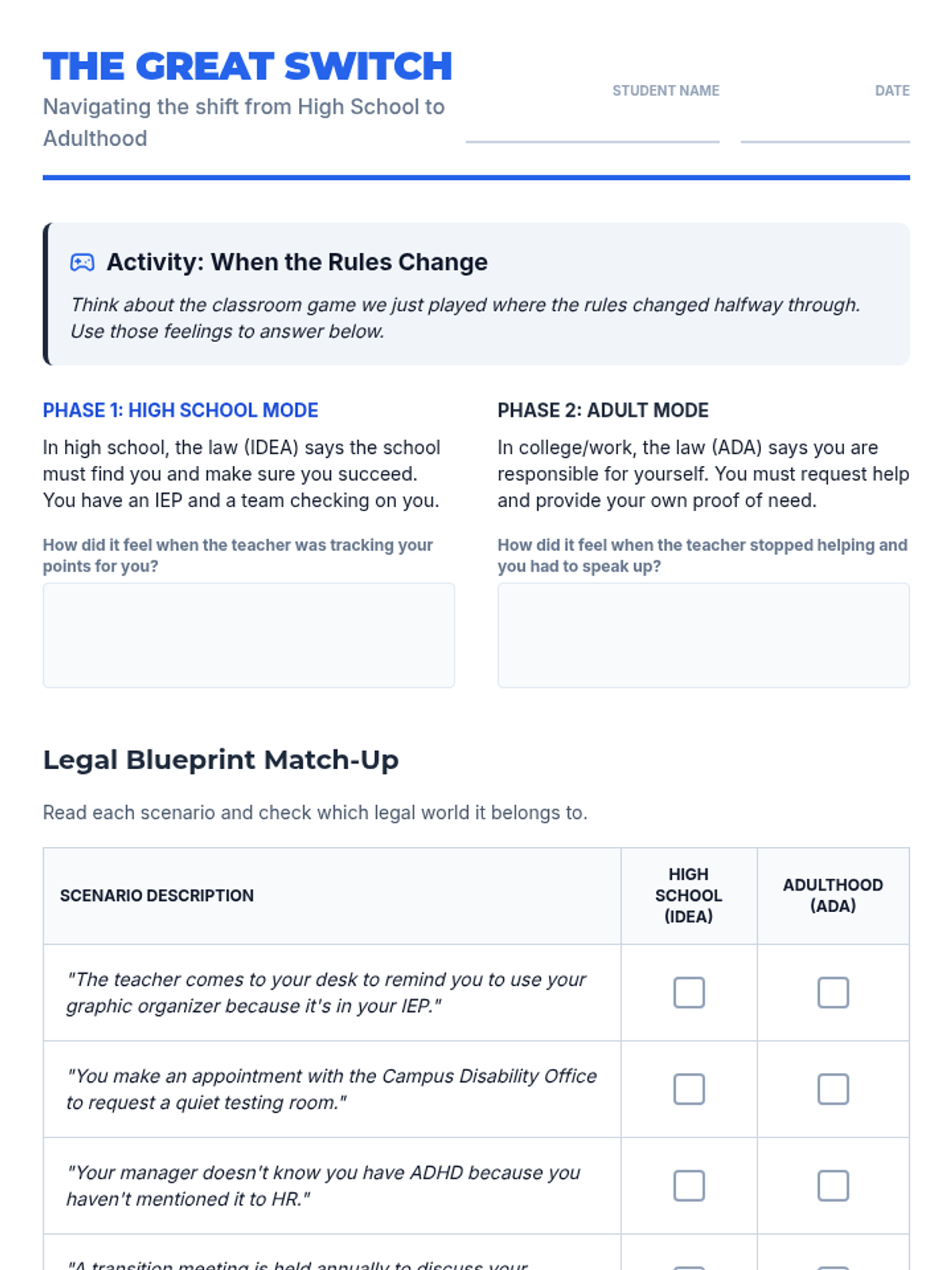
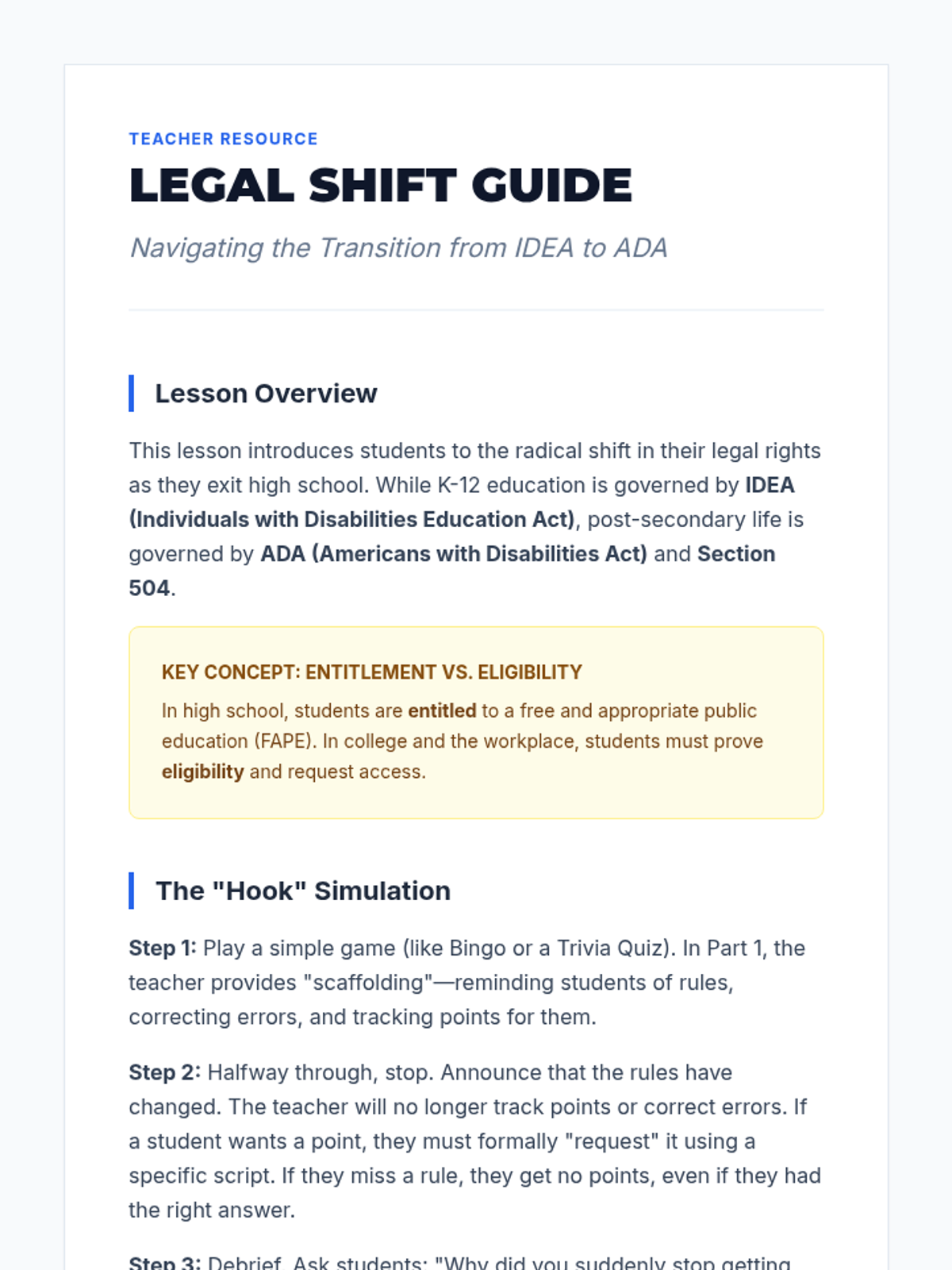
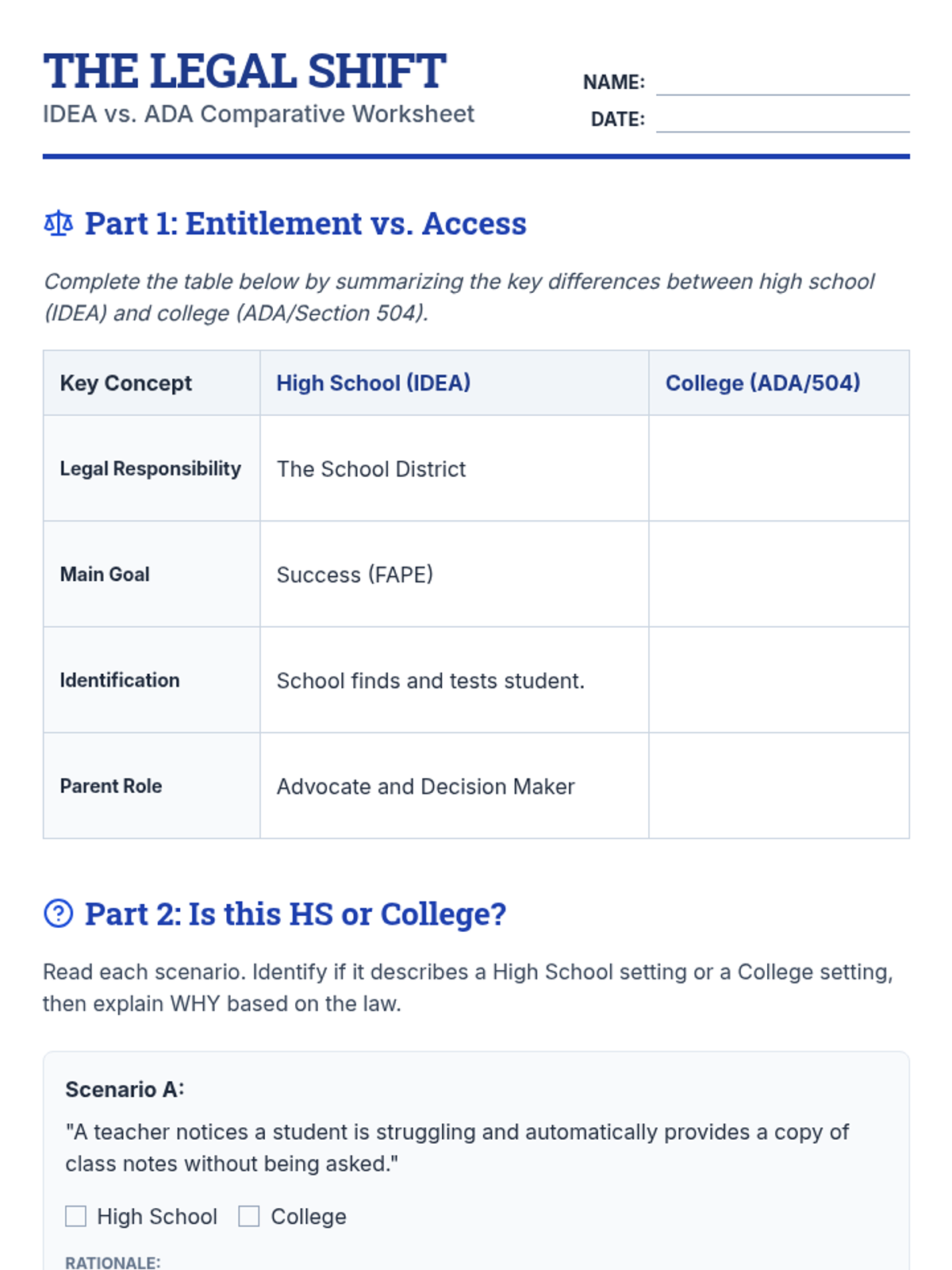
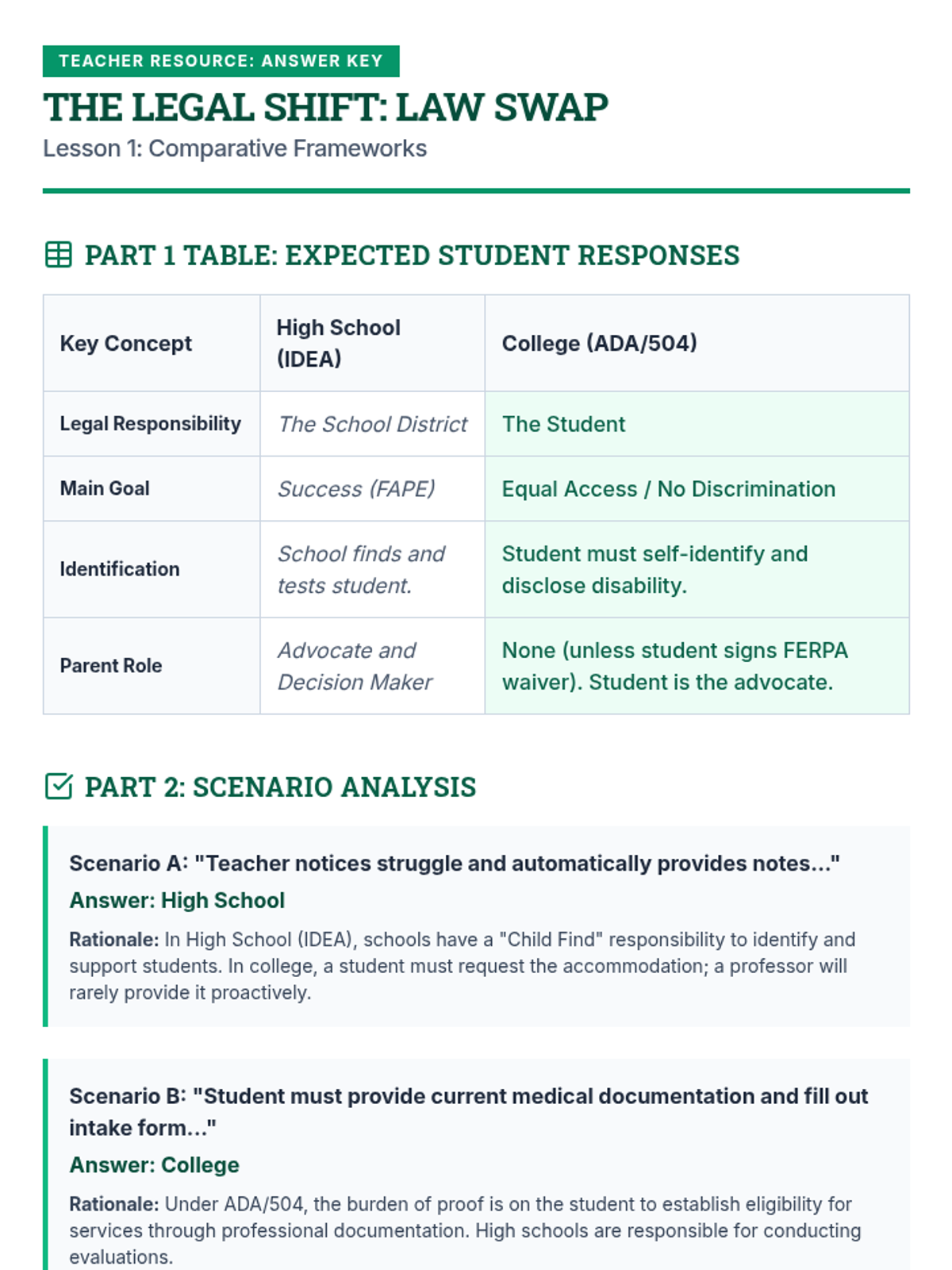
A comprehensive 9th-grade transition sequence focused on the legal shift from IDEA to ADA, helping students develop self-advocacy skills, understand their learning profiles, and practice requesting accommodations in post-secondary environments.
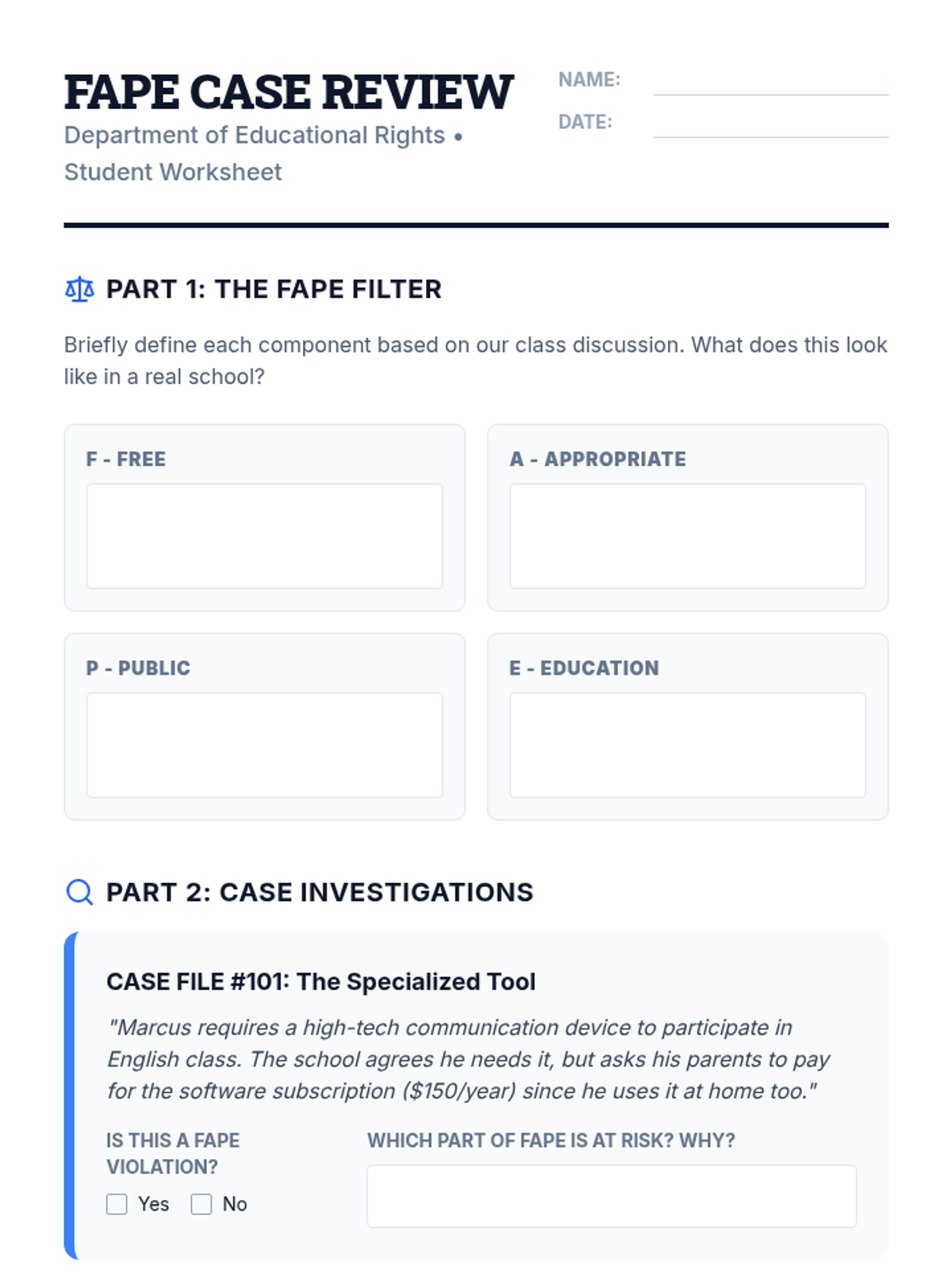
This sequence grounds students in the legal framework surrounding Individualized Education Programs (IEPs), focusing on the Individuals with Disabilities Education Act (IDEA) and the concept of a Free Appropriate Public Education (FAPE). Students explore the history of disability rights and analyze the critical legal components that make the IEP document binding.
A comprehensive 9th-grade sequence exploring the legal framework of special education, focusing on Free Appropriate Public Education (FAPE) and Least Restrictive Environment (LRE). Students learn to navigate their rights, understand procedural safeguards, and create resources to empower their peers.
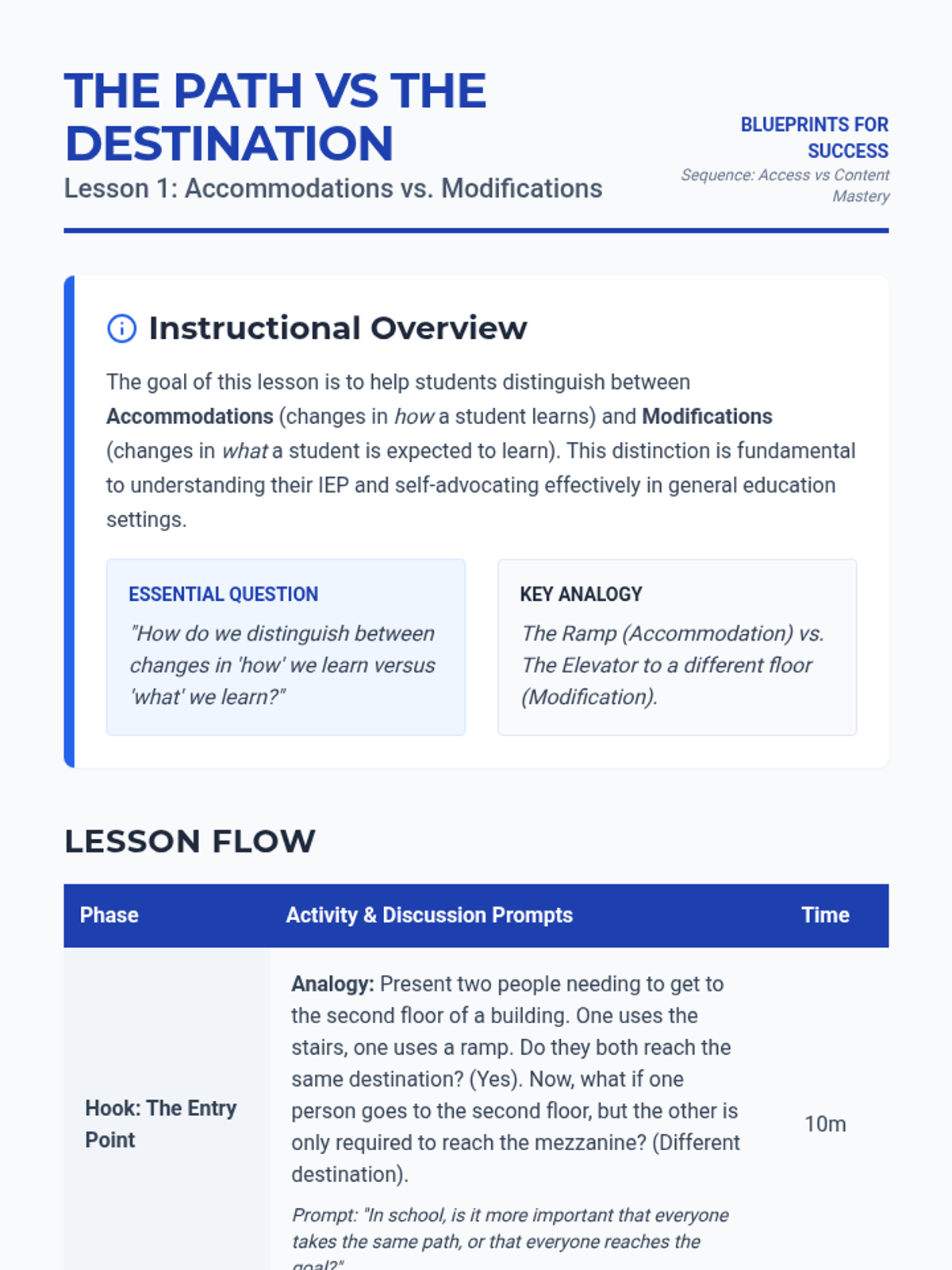
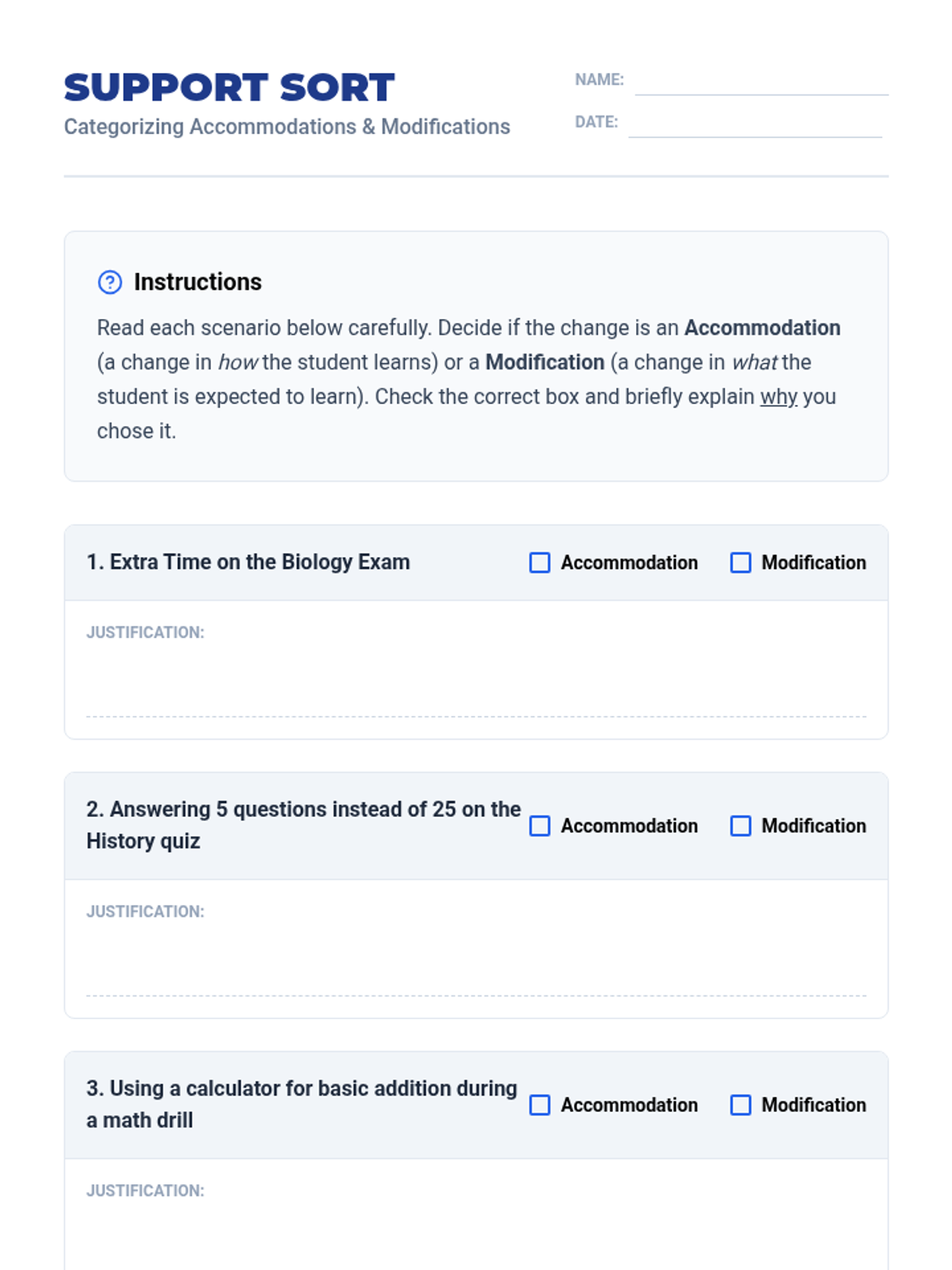
A 5-lesson unit for 9th graders exploring the critical differences between accommodations and modifications, focusing on self-advocacy and understanding personal IEP rights. Students move from basic definitions to role-playing teacher-student interactions.
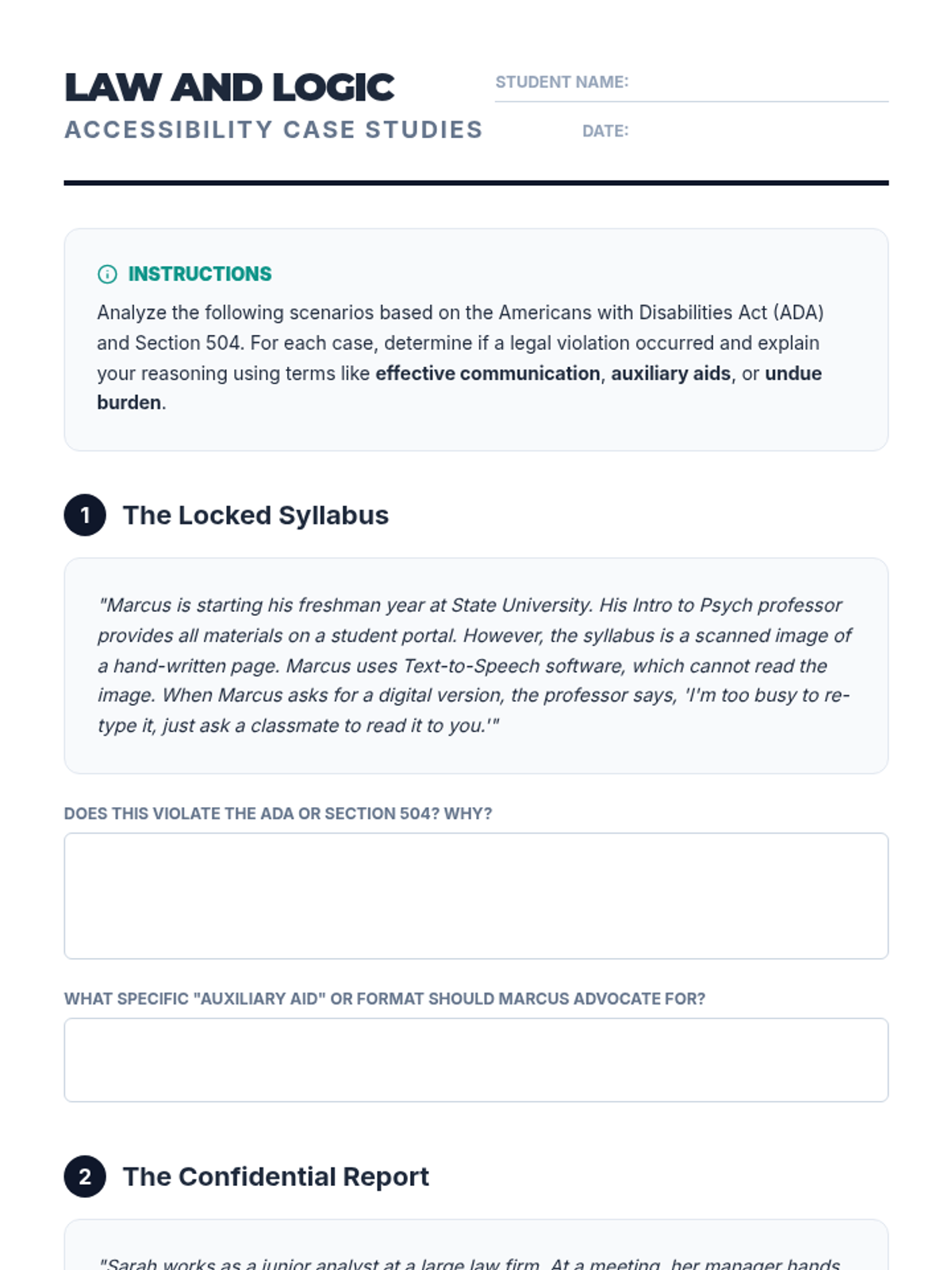
A comprehensive transition sequence for 12th-grade students focusing on the legal, professional, and practical aspects of using Text-to-Speech (TTS) and other assistive technologies in higher education and the workplace. Students learn to advocate for their rights under the ADA and Section 504 through role-play, professional writing, and portfolio building.
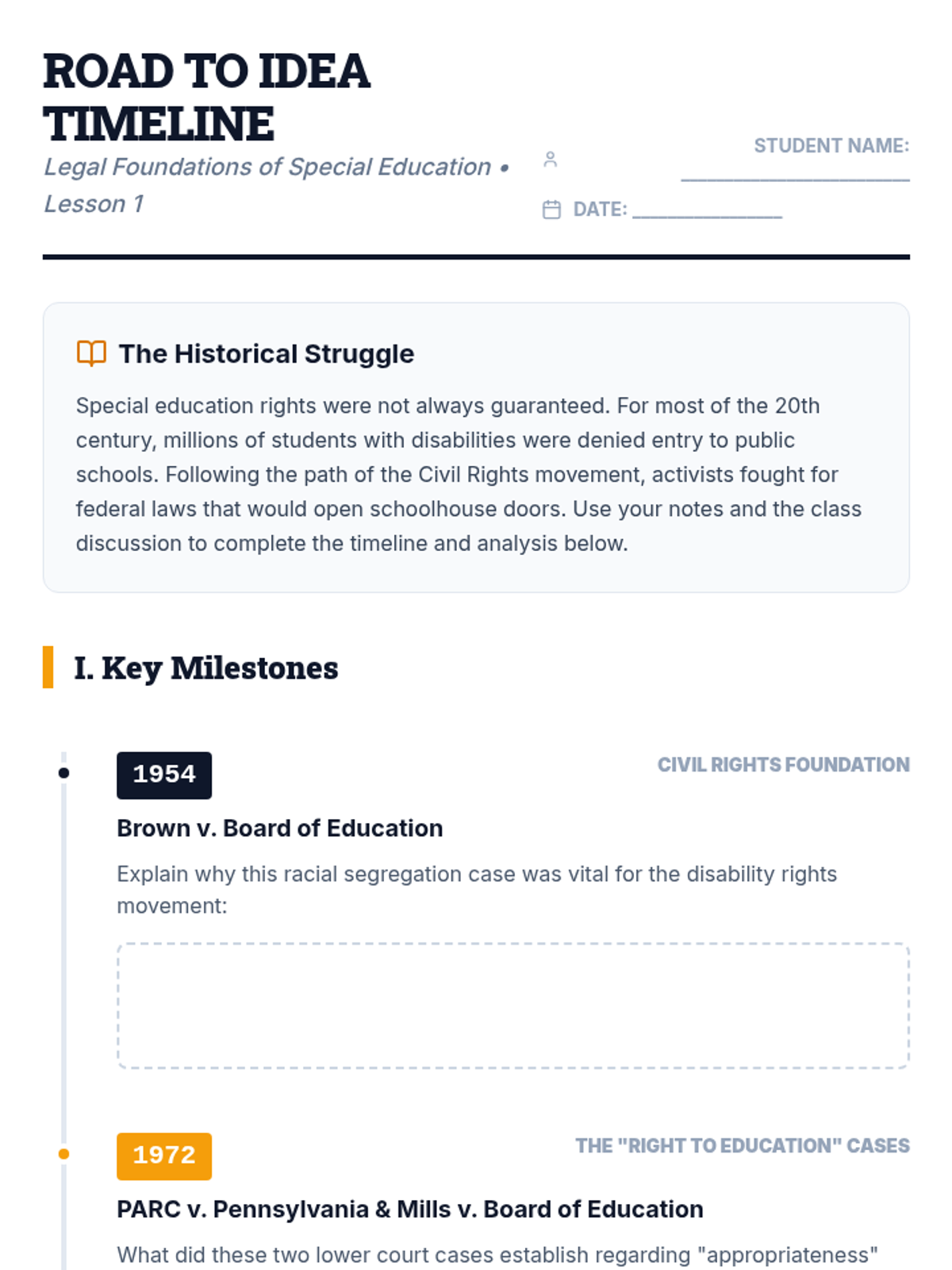
This sequence explores the legal evolution of special education in the United States, from historical exclusion to modern-day mandates like IDEA, FAPE, and LRE. Students analyze landmark Supreme Court cases and procedural safeguards to understand their rights and the framework that ensures equitable education for students with disabilities.
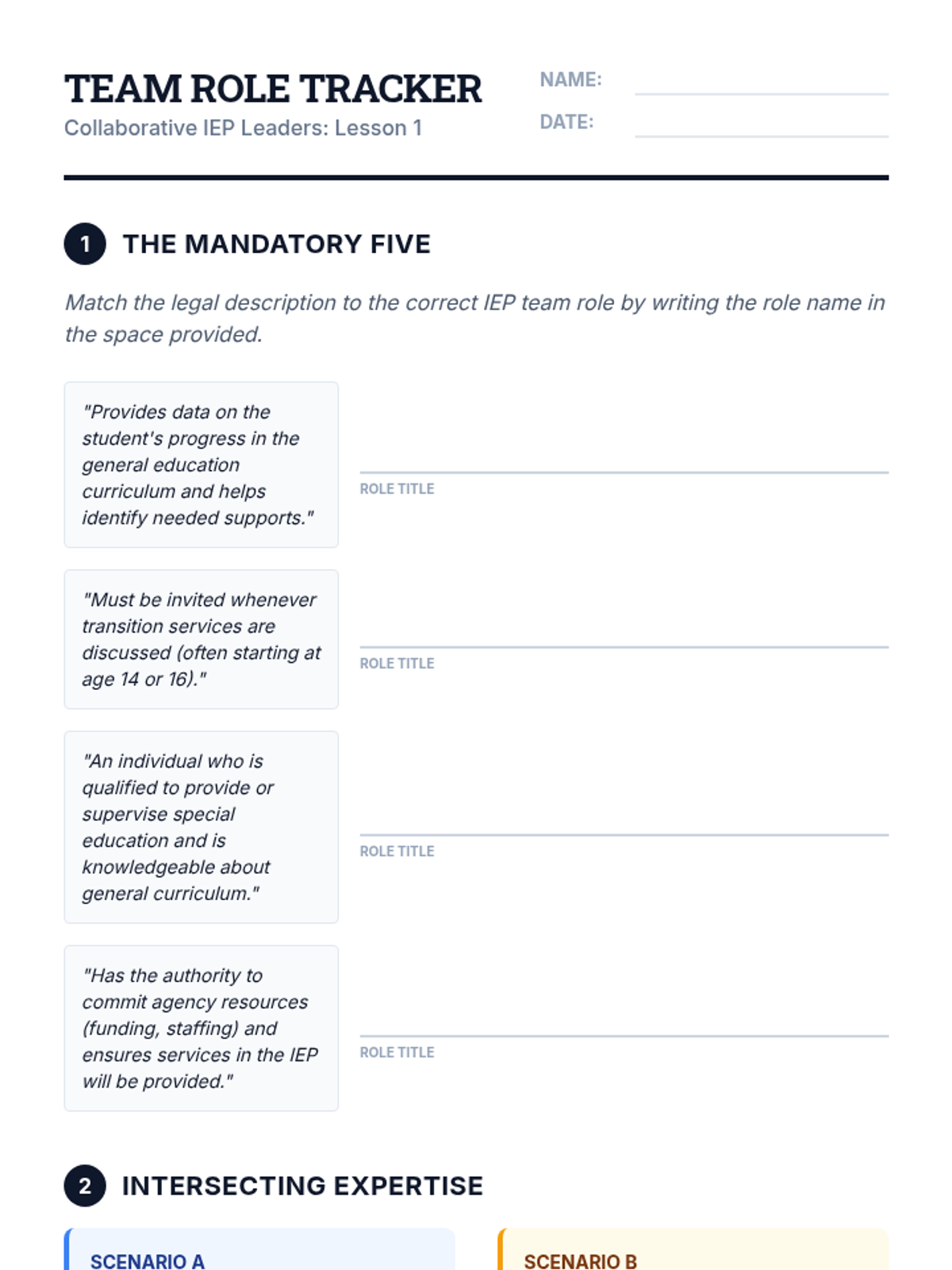
A comprehensive unit for high school students exploring the collaborative nature of IEP meetings. Students will master the roles of team members, the legal timeline of special education, self-advocacy strategies, and conflict resolution techniques, culminating in a professional mock IEP simulation.
This sequence introduces 9th-grade students to the structure and legal foundations of the Individualized Education Program (IEP). Students will move from understanding the history of disability rights to navigating complex legal documents and identifying their own support networks.
A sequence focused on empowering students to understand and participate in their IEP meetings through self-advocacy and communication skills. Students move from understanding the meeting structure to actively role-playing their participation.
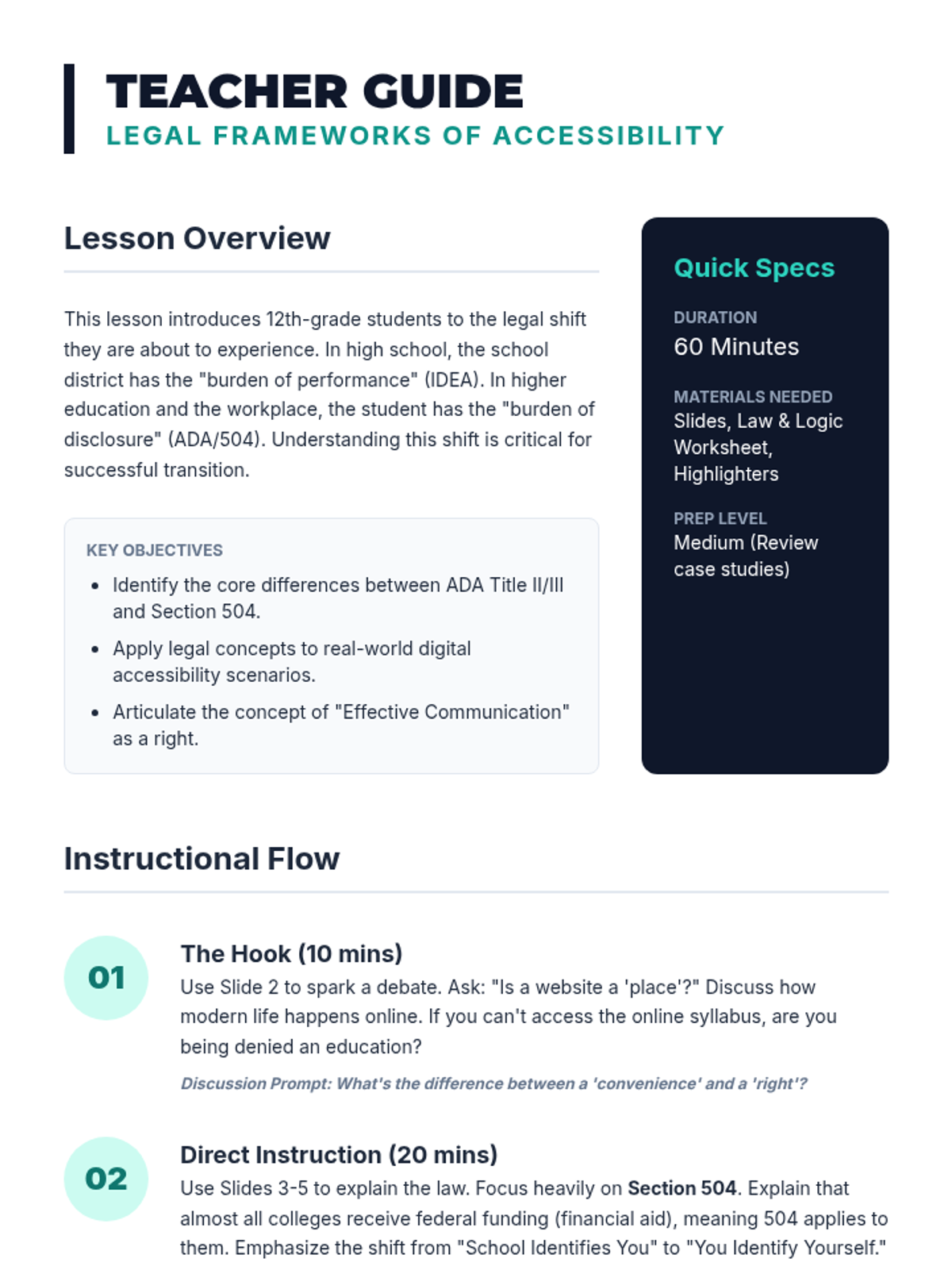
A comprehensive guide for 12th-grade students transitioning from IDEA-supported high school environments to ADA-protected post-secondary settings. This unit focuses on legal literacy, self-advocacy, and the practical steps required to secure disability services in college.
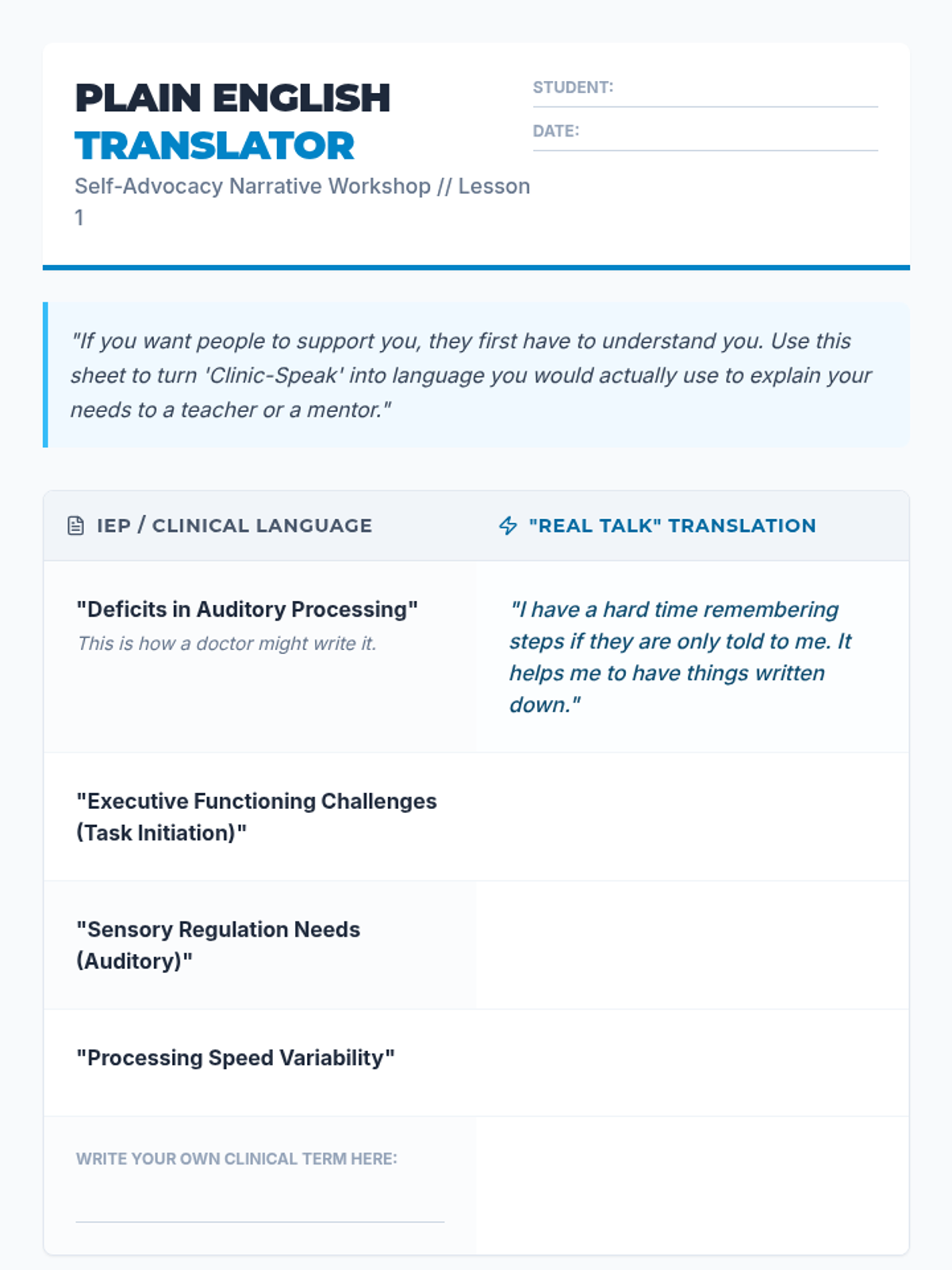
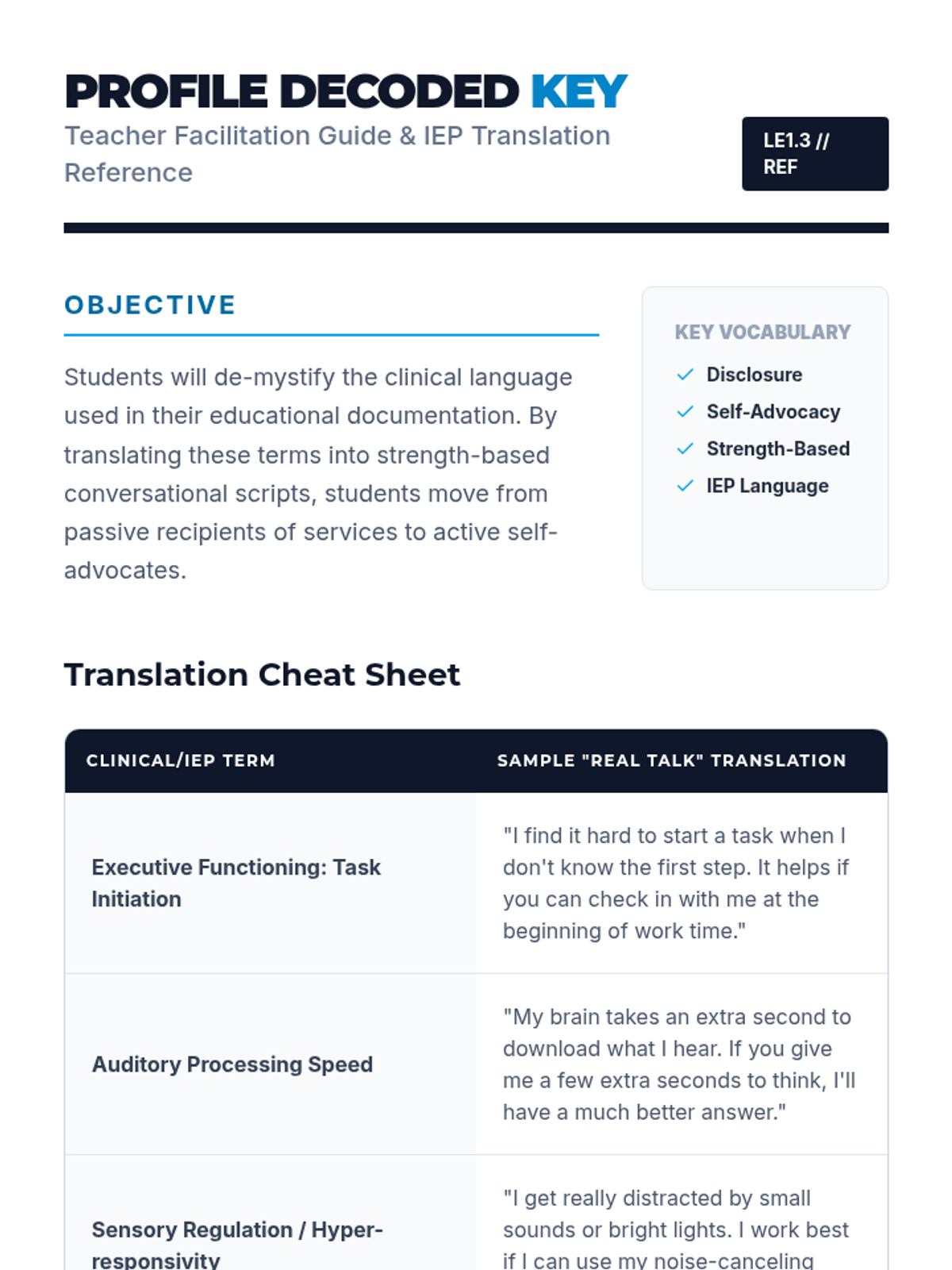
This sequence empowers students to write the most important narrative of all: the story of their own learning profile and needs. Focused on self-determination, students create 'Disclosure Narratives'—scripts used to explain their disability or accommodation needs to teachers, employers, or friends.
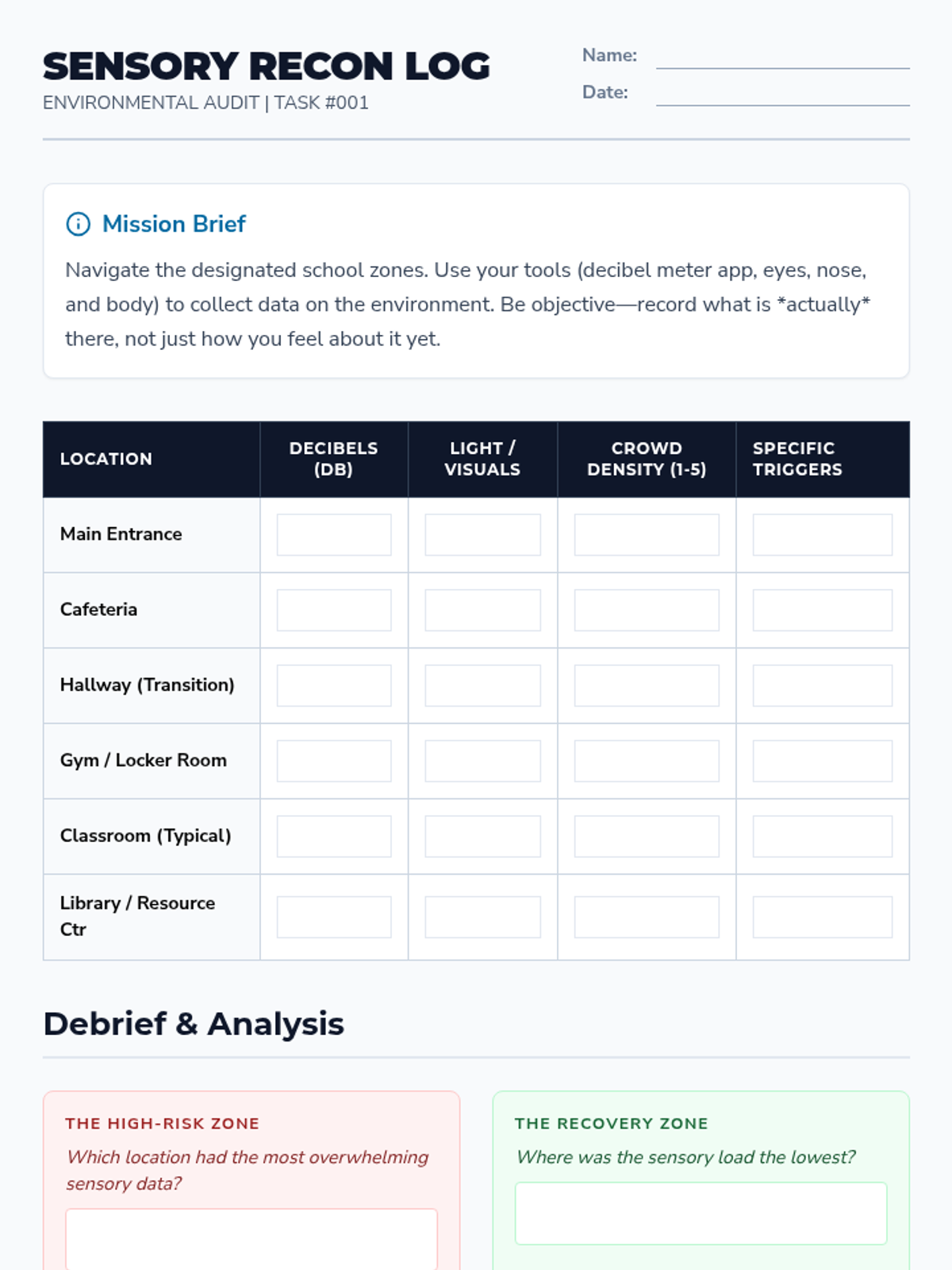
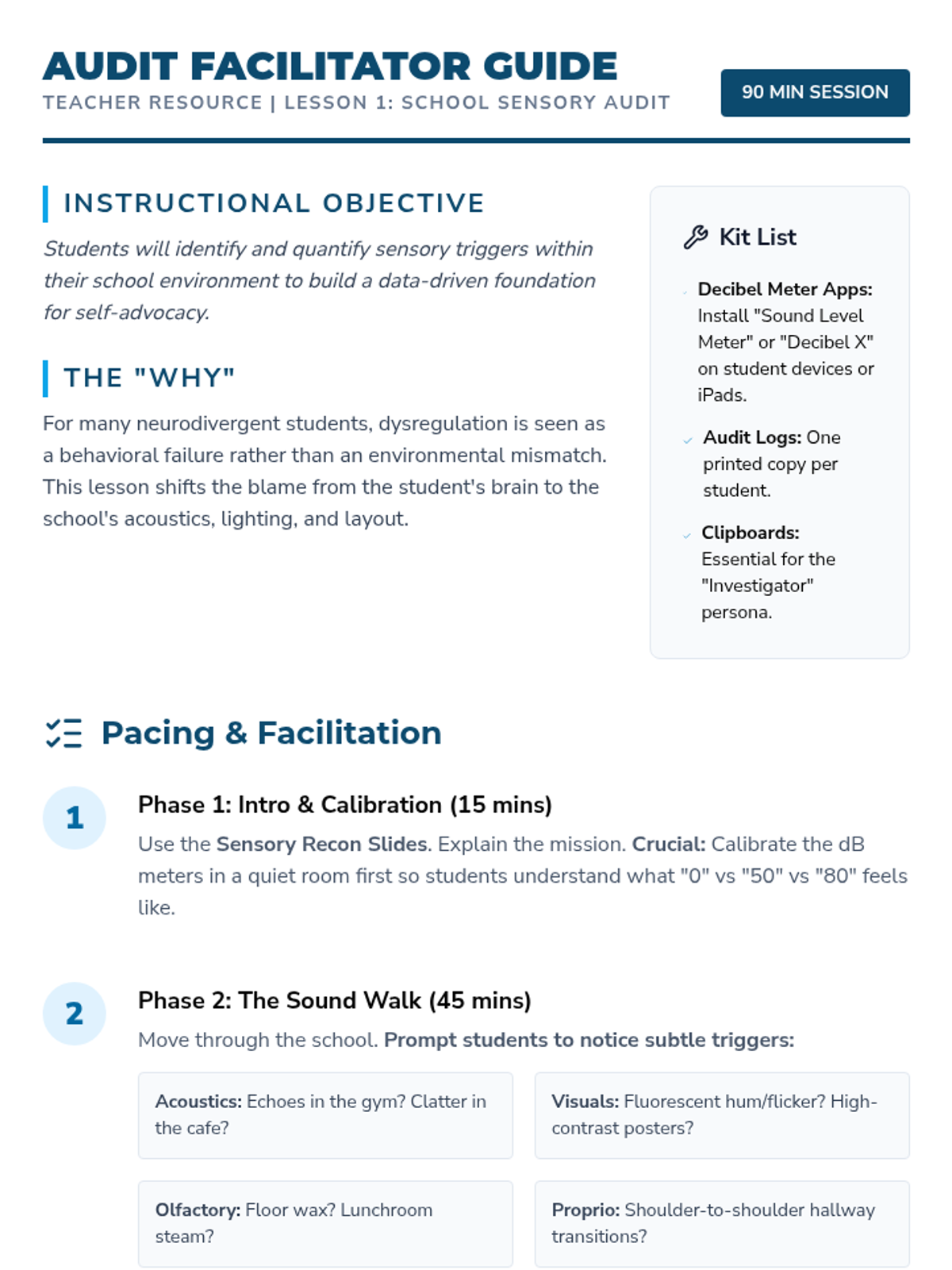
This 9th-grade sequence empowers students to analyze their school environment through a sensory lens and develop professional self-advocacy skills. Students move from identifying physical triggers to understanding their legal rights and practicing assertive communication for accommodations.
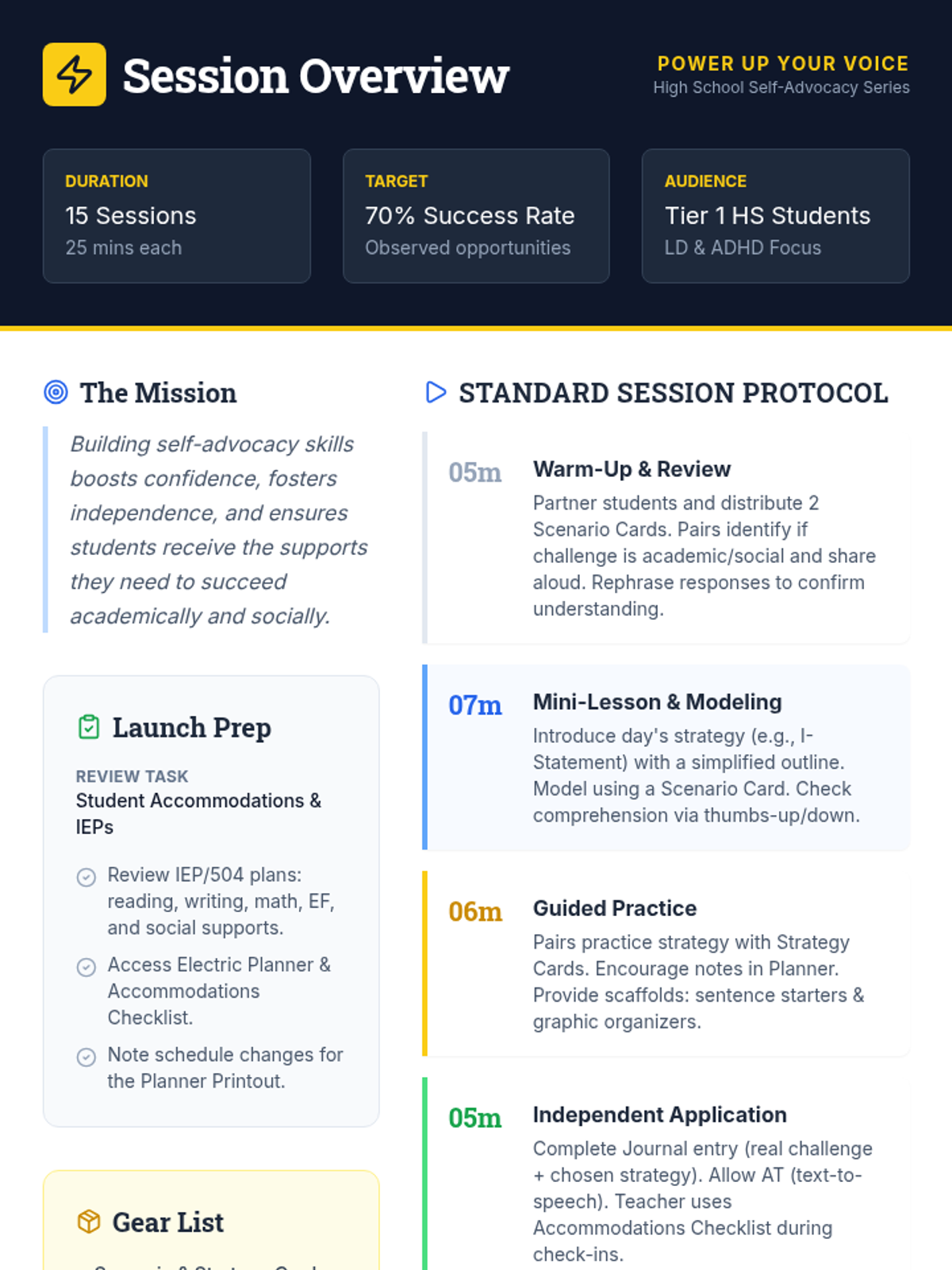
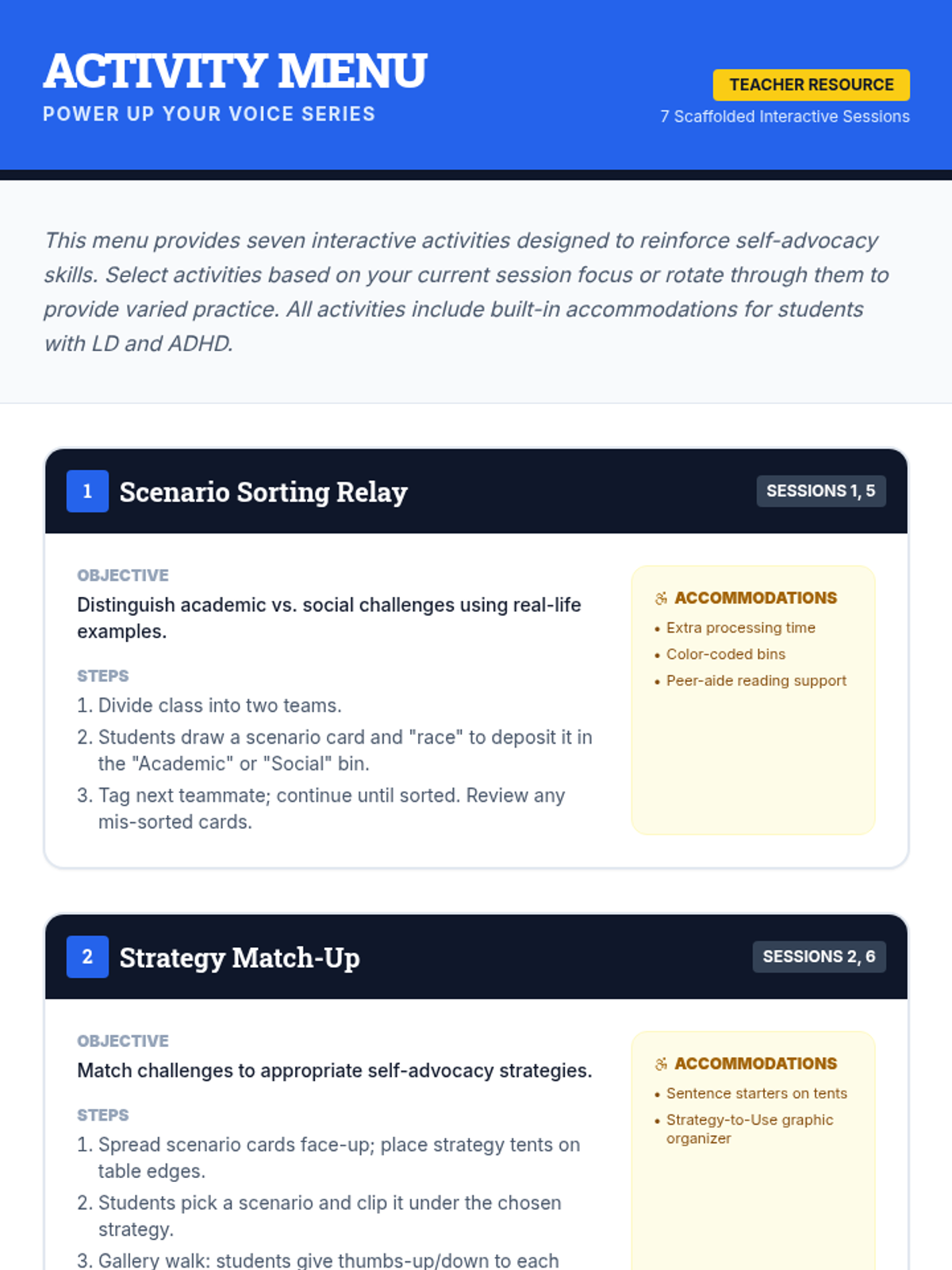
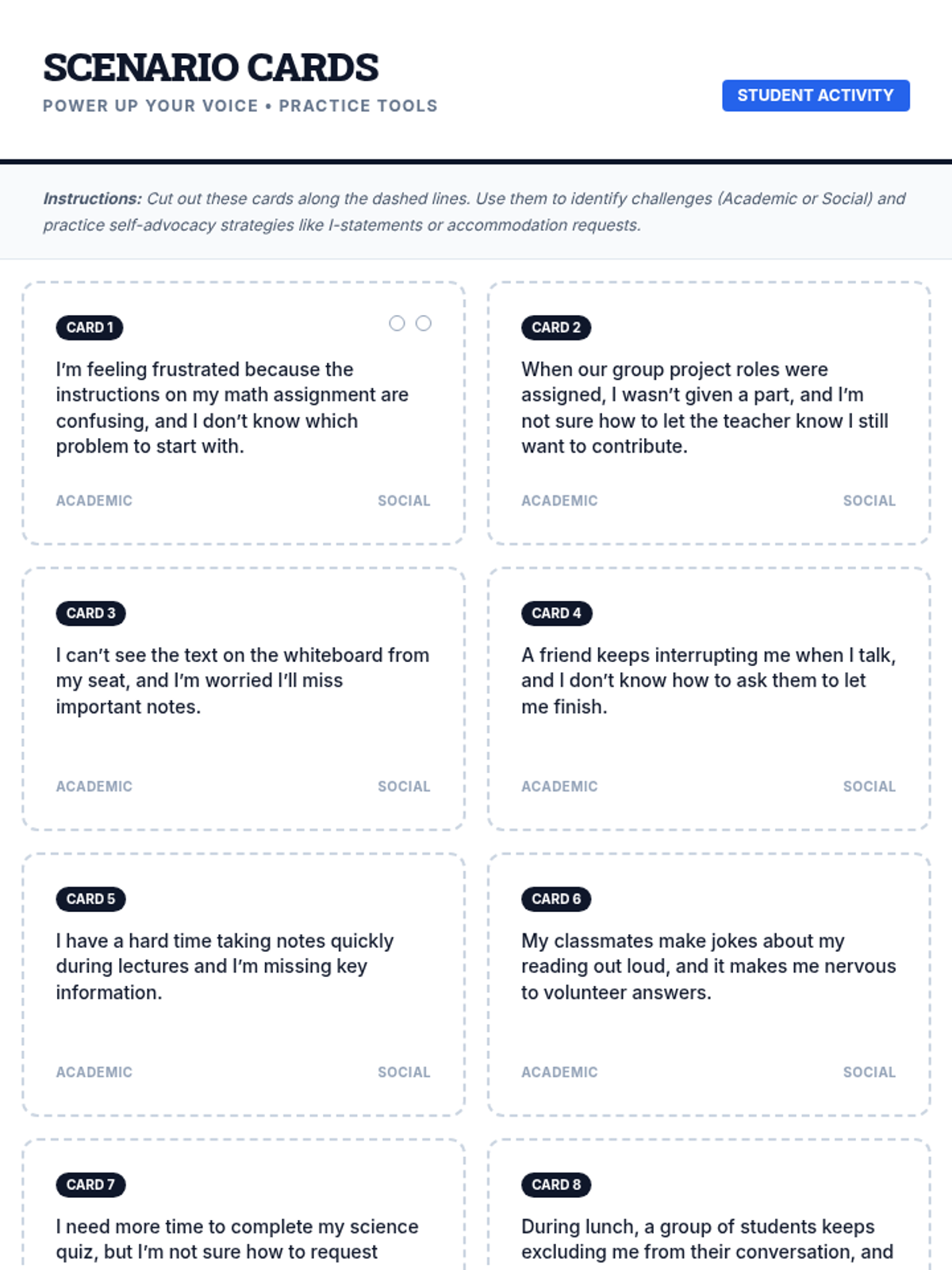
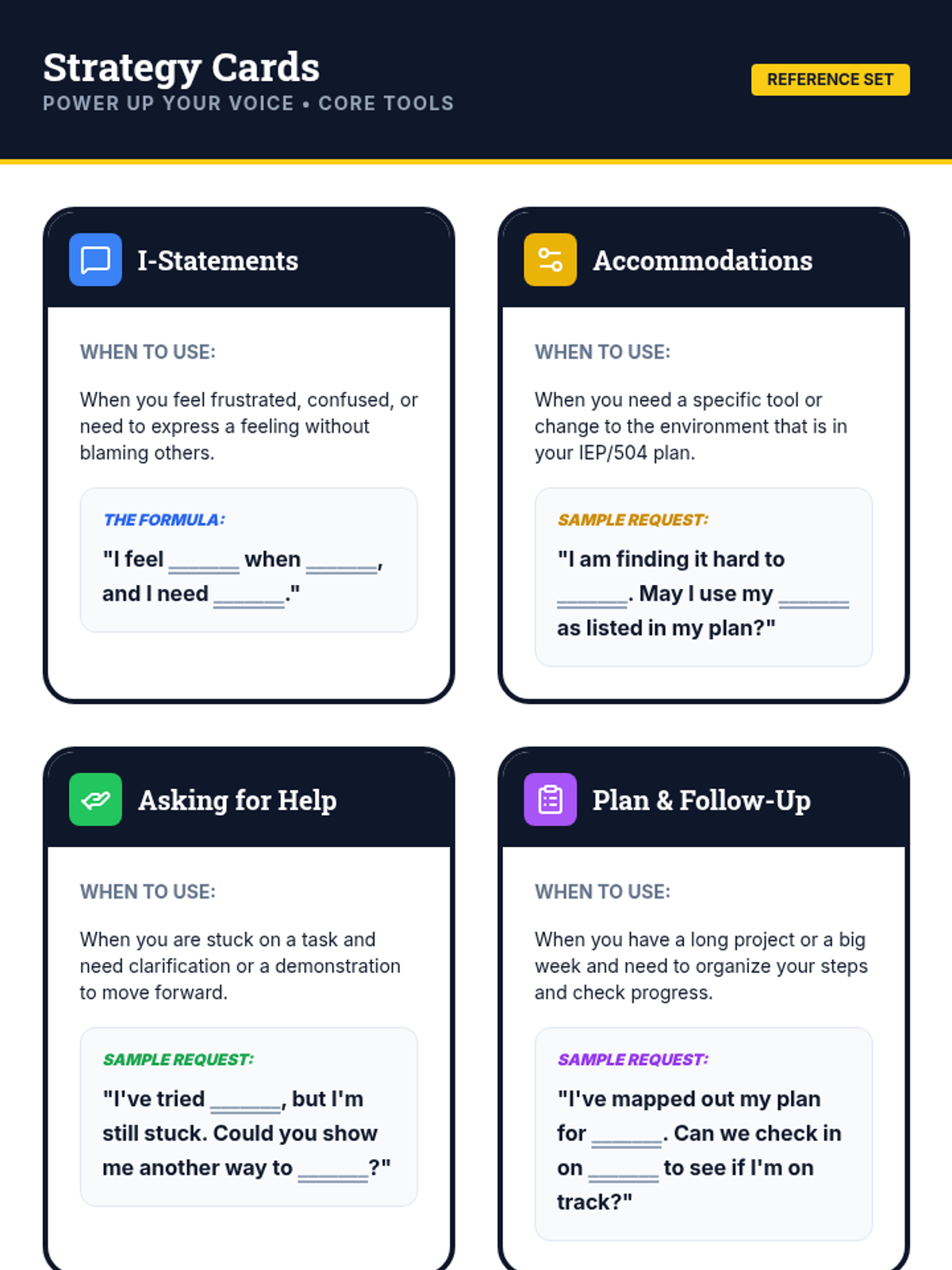
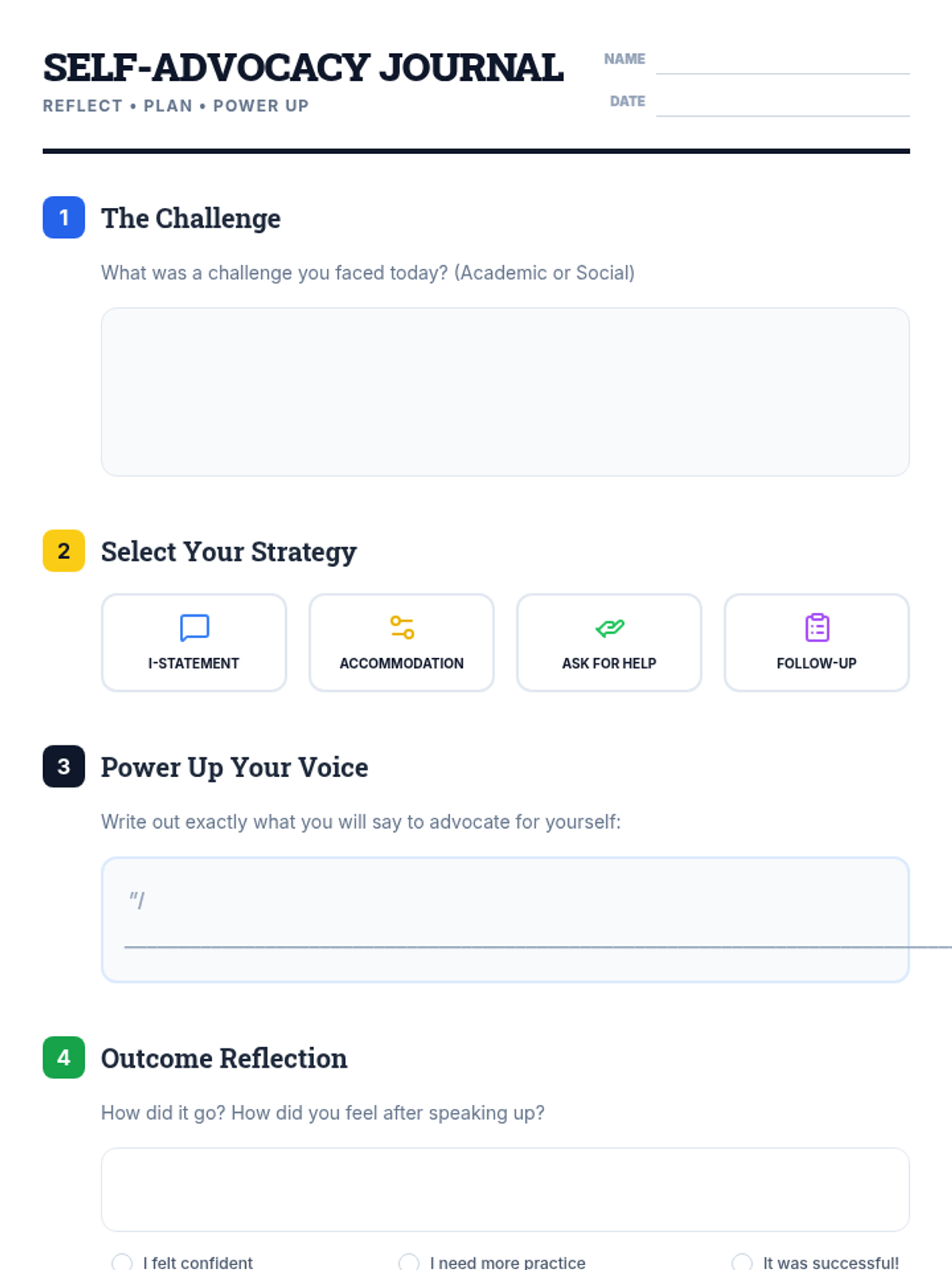
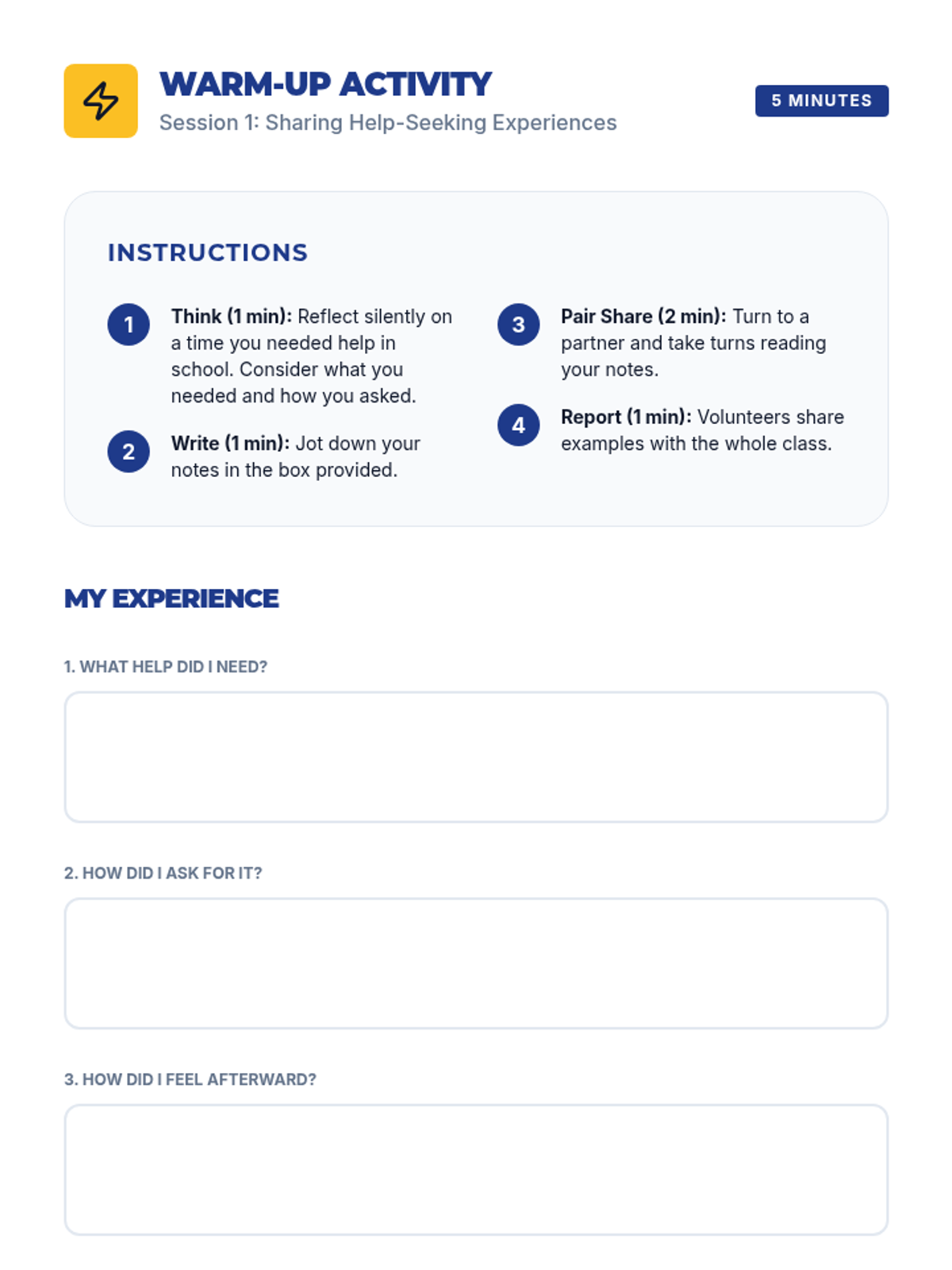
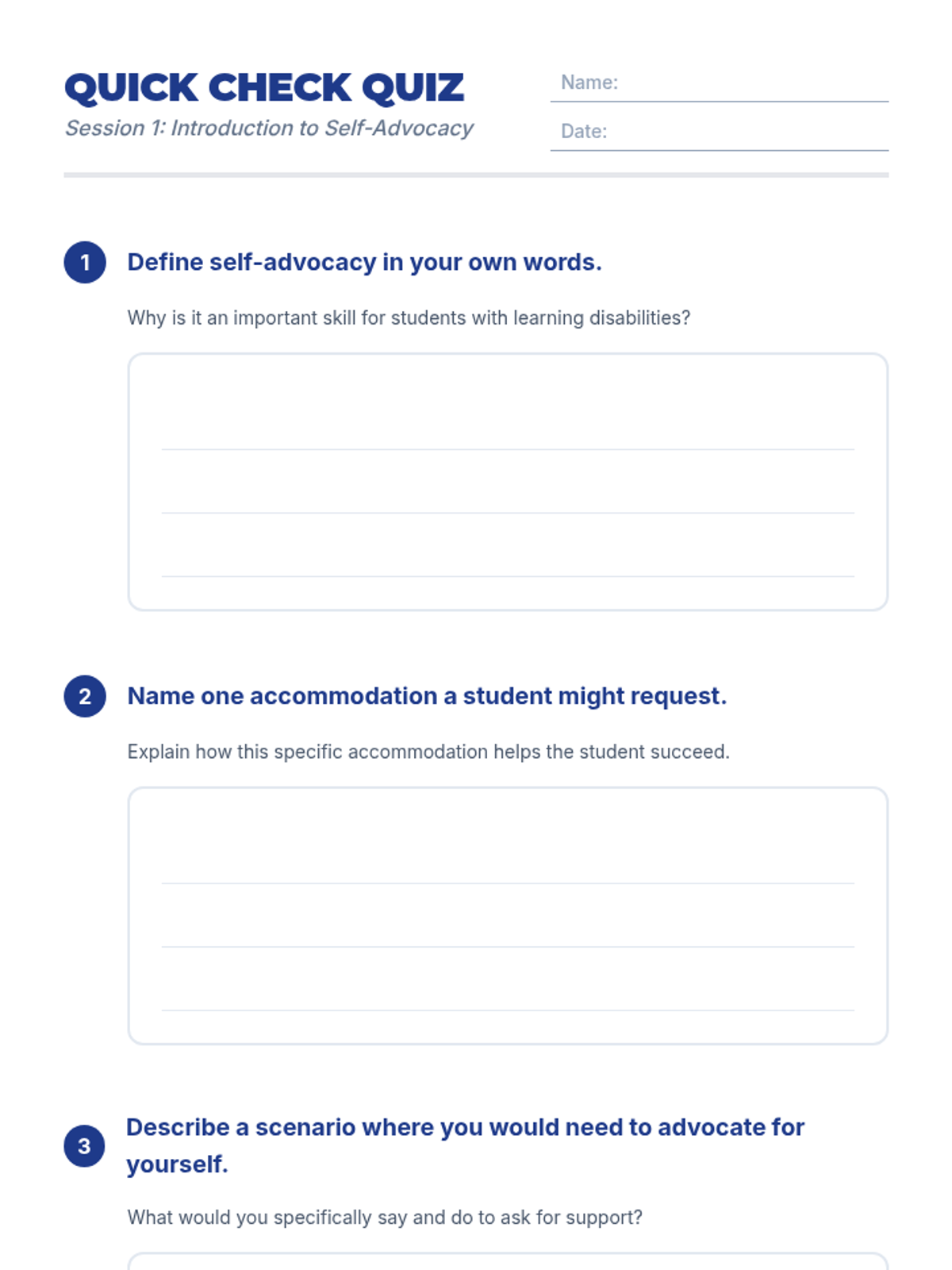
A comprehensive 15-session self-advocacy series designed for high school students with learning disabilities and ADHD, focusing on identifying challenges and requesting supports.
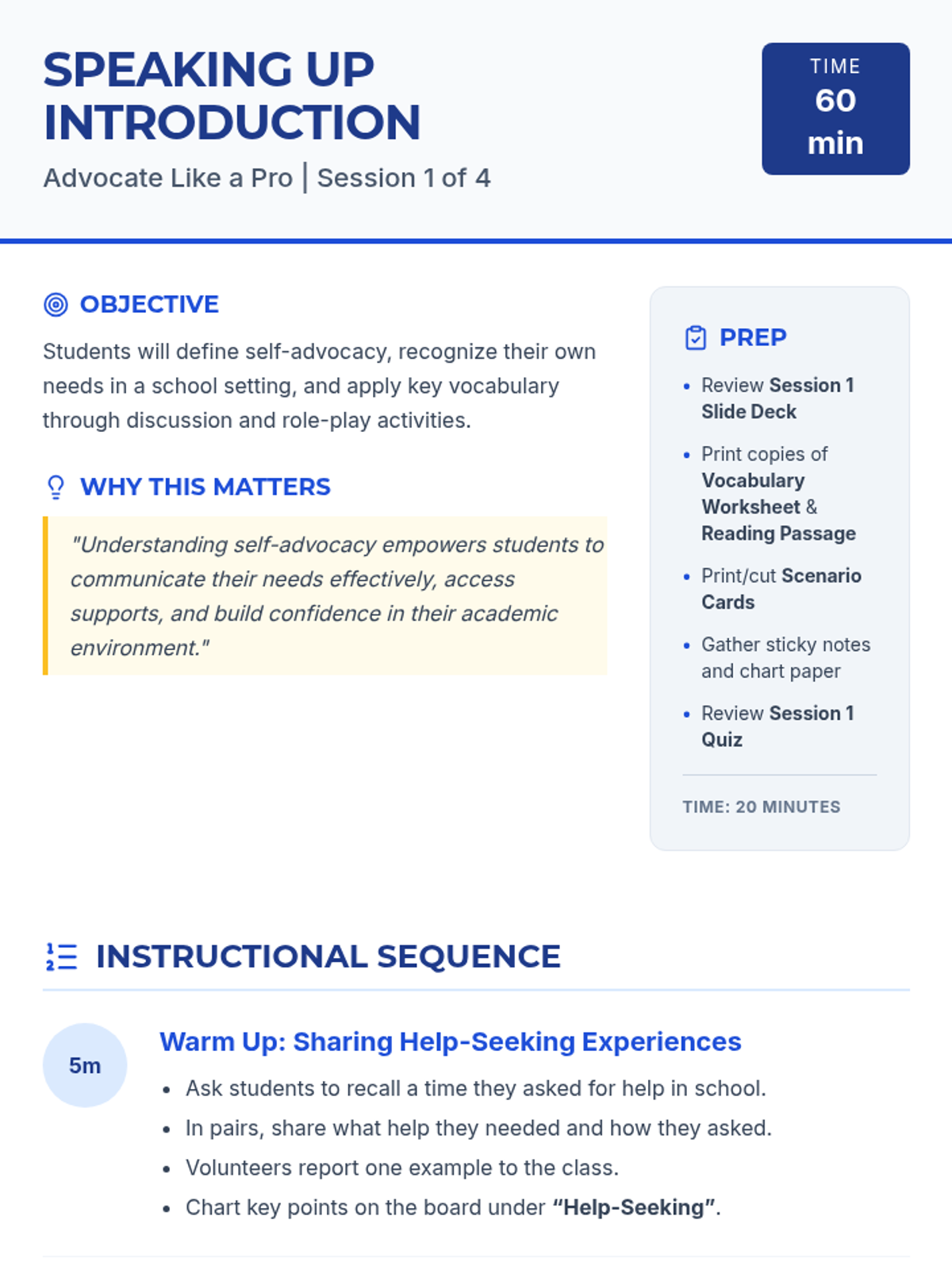
A 4-session self-advocacy course for high school students with learning disabilities, focusing on building confidence, understanding rights, and mastering communication to succeed in school.