Mnemonic strategies, information chunking, and visual supports for processing and retaining classroom information. Strengthens focus on complex tasks and multi-step directions through organized note-taking and graphic organizers.
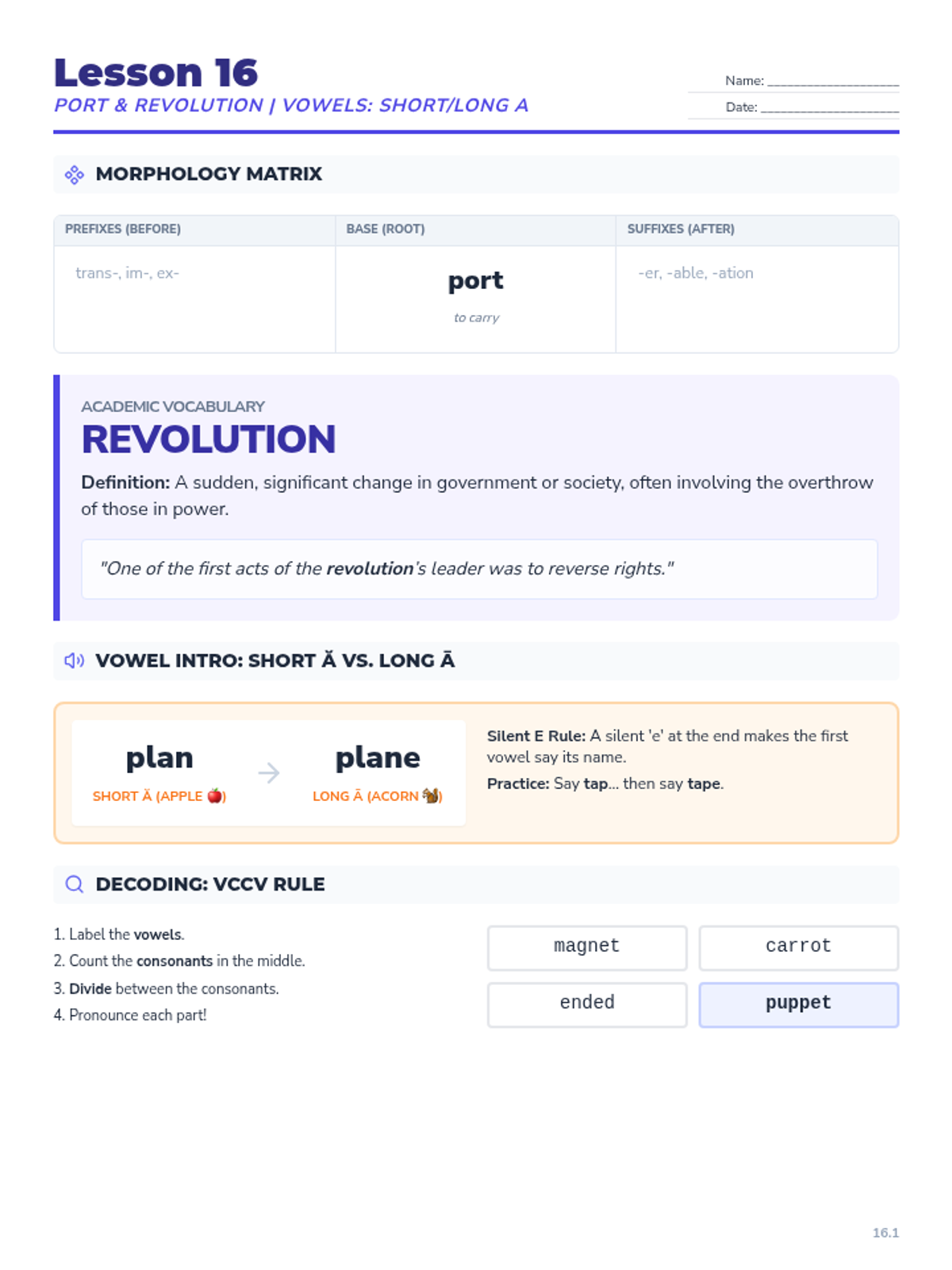
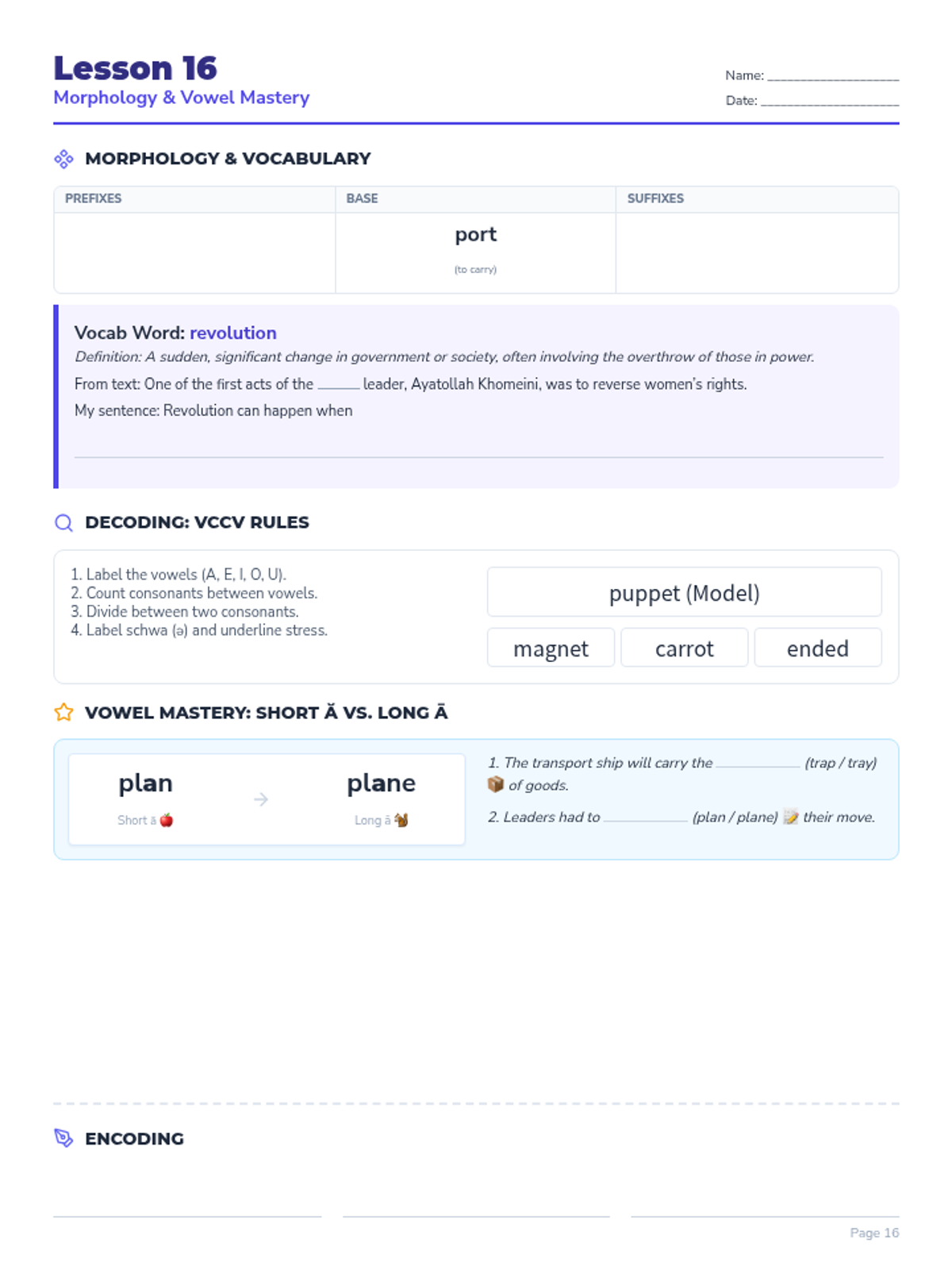
A comprehensive literacy intervention sequence for high school TESOL students (Lessons 16-25) focused on morphology, academic vocabulary, systematic decoding, and vowel mastery.
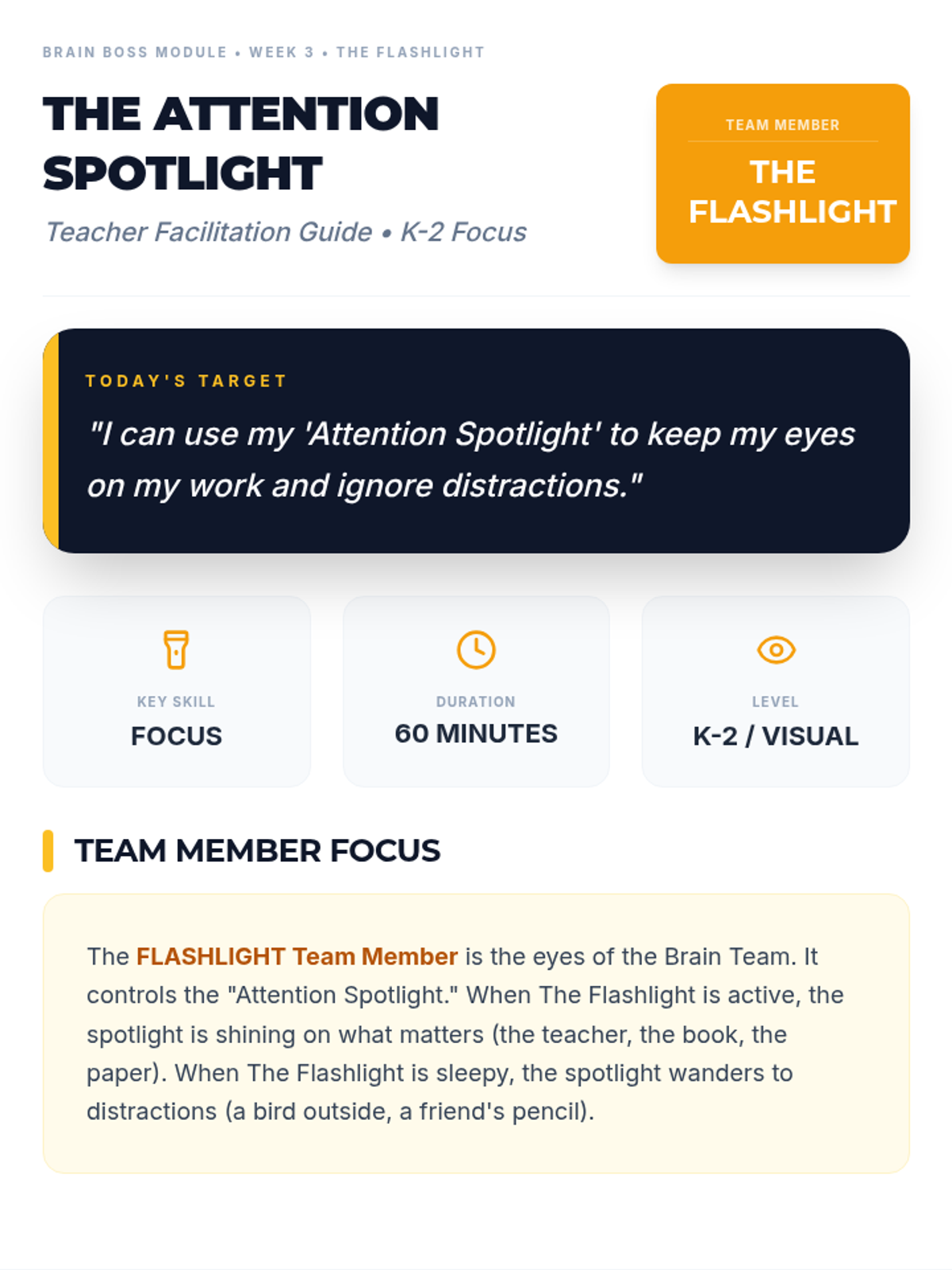
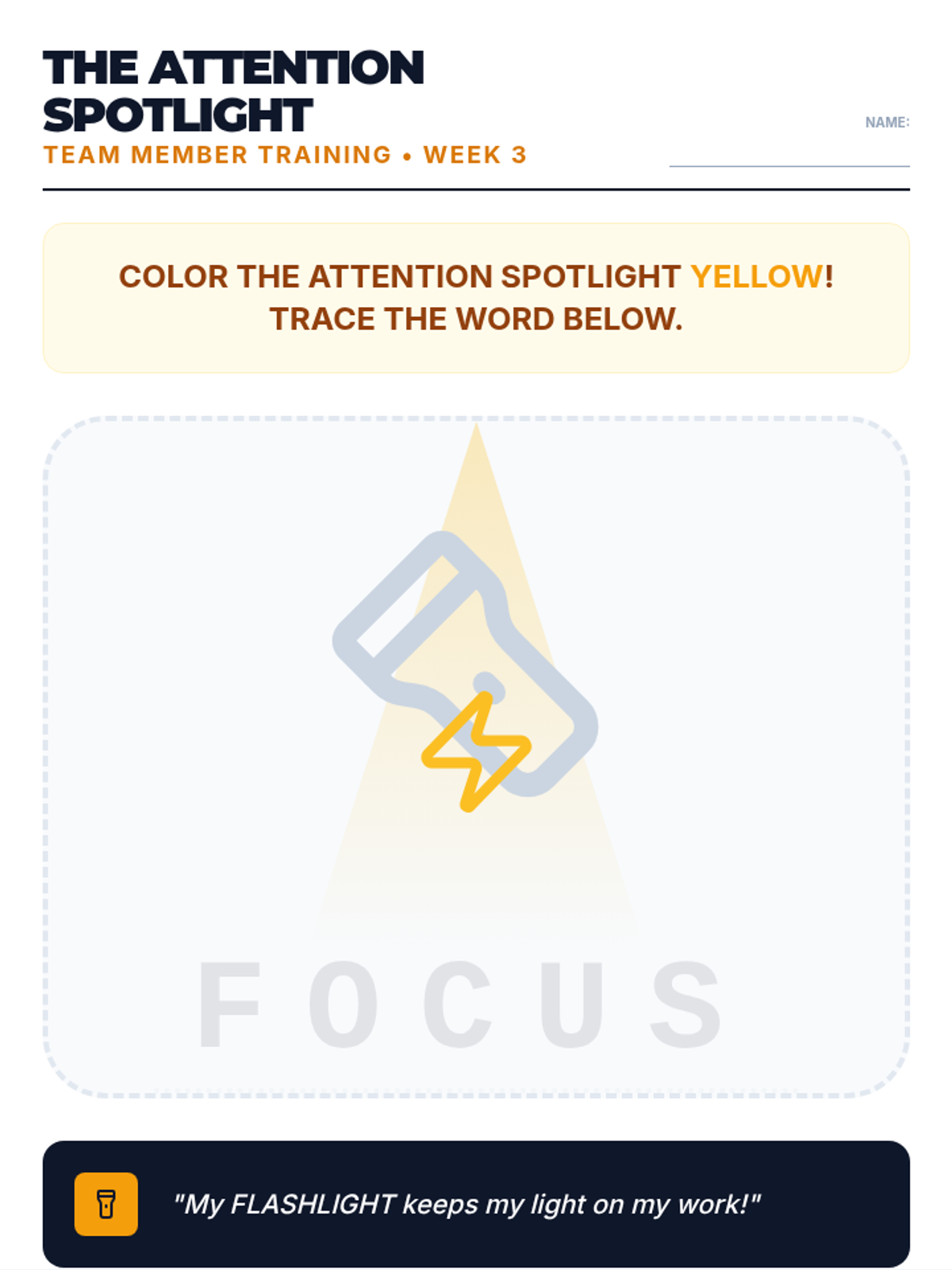
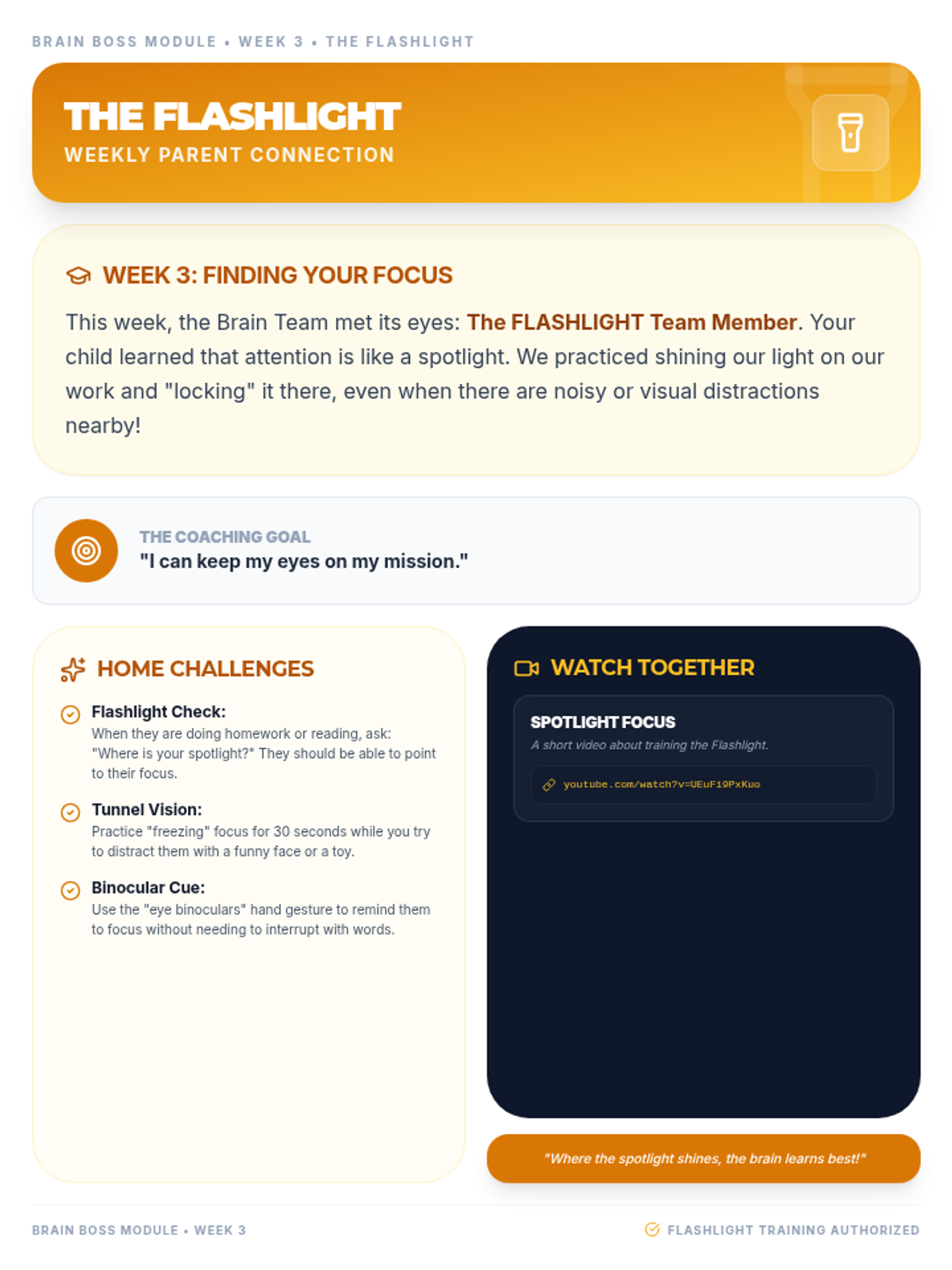
A dedicated training module focusing on executive function skills for K-2 students. Includes lessons on Focus (The Flashlight), Inhibition (The Stop Signal), Initiation (The Start Engine), Working Memory (The Recorder), Planning (The Mapmaker), Flexibility (The Play-Doh), and Emotional Control (The Volume Remote).
A comprehensive 10-week instructional module designed to build and refine 9 core executive functioning skills including goal setting, organization, and self-regulation.
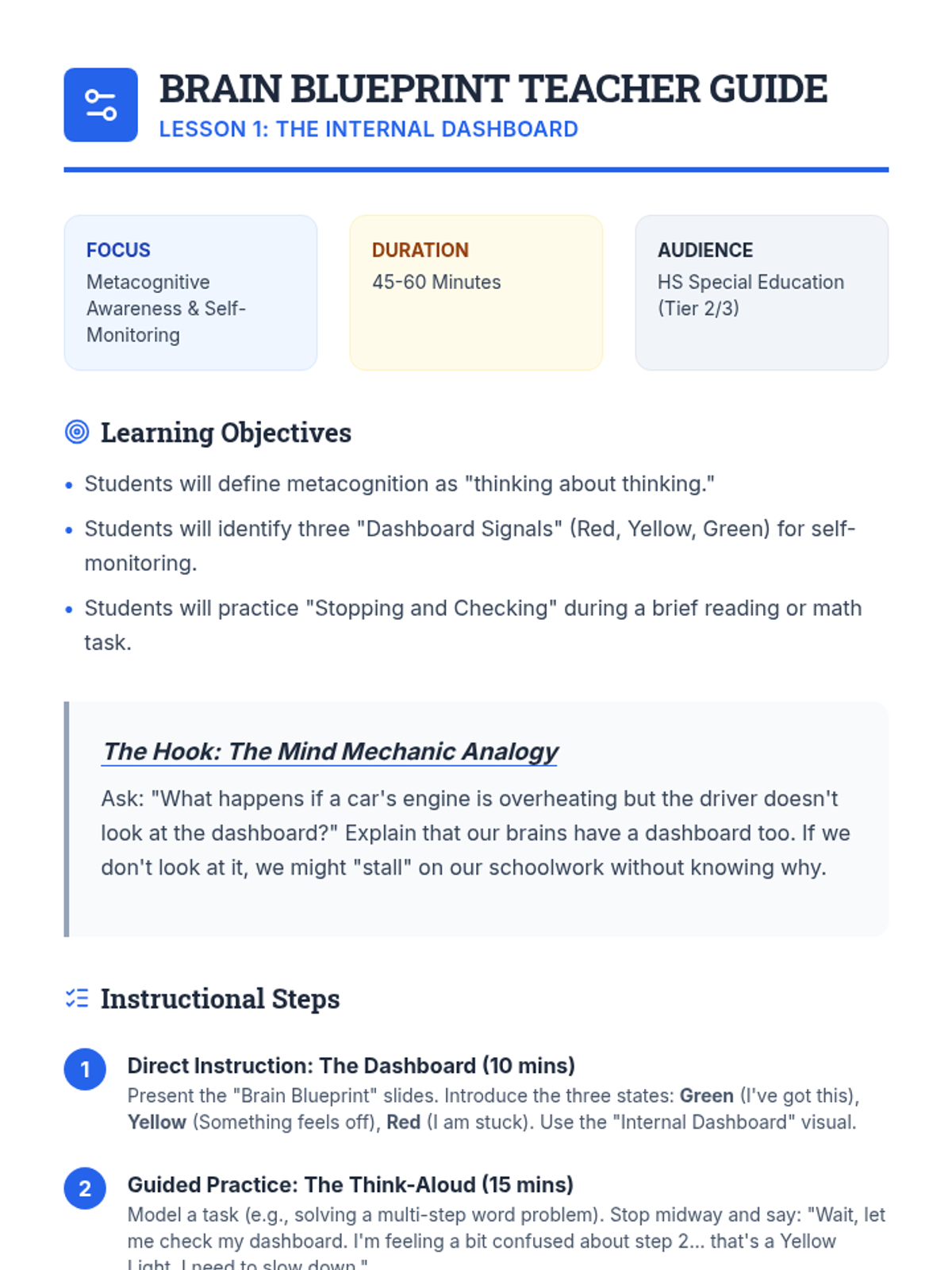
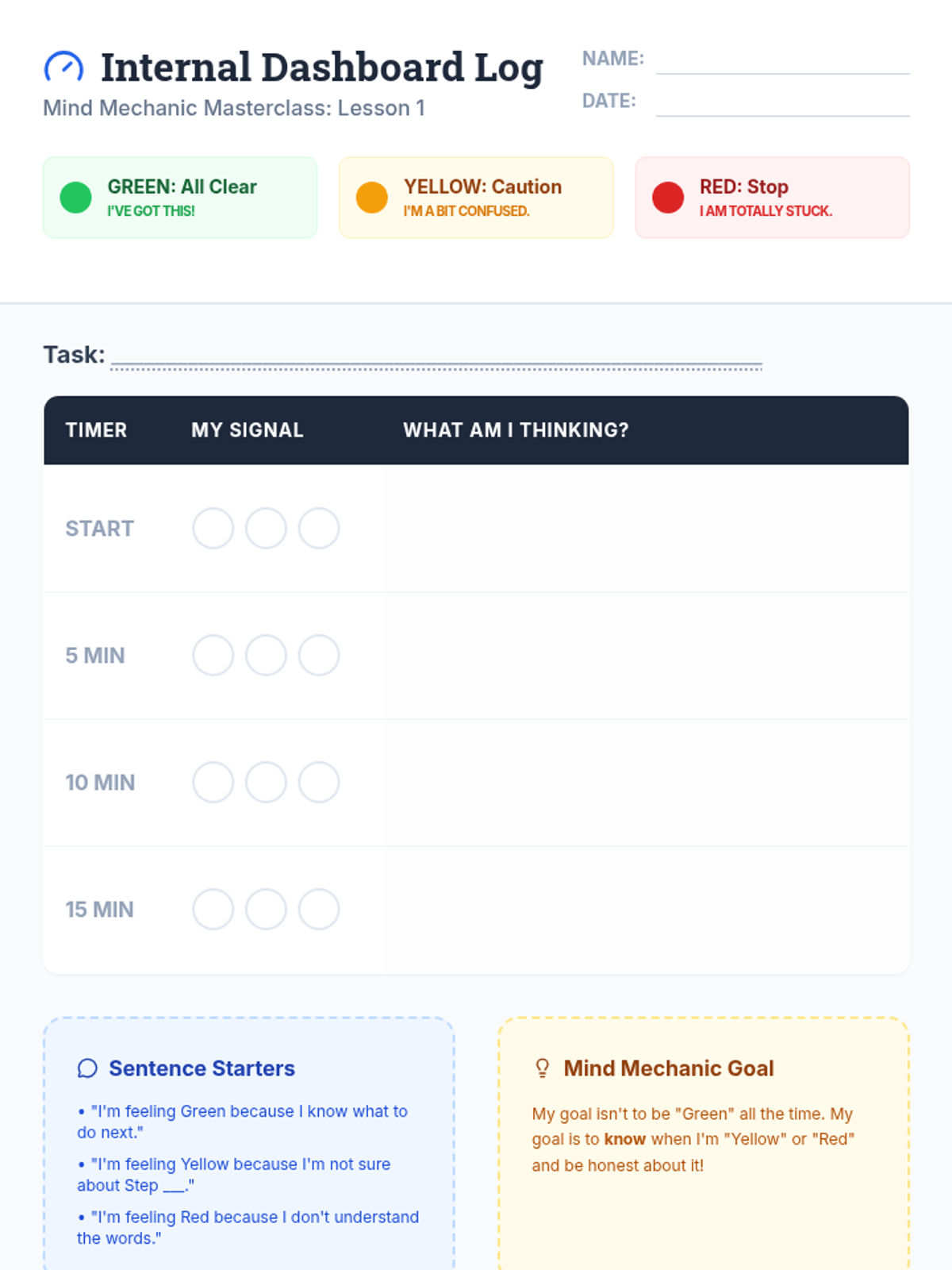
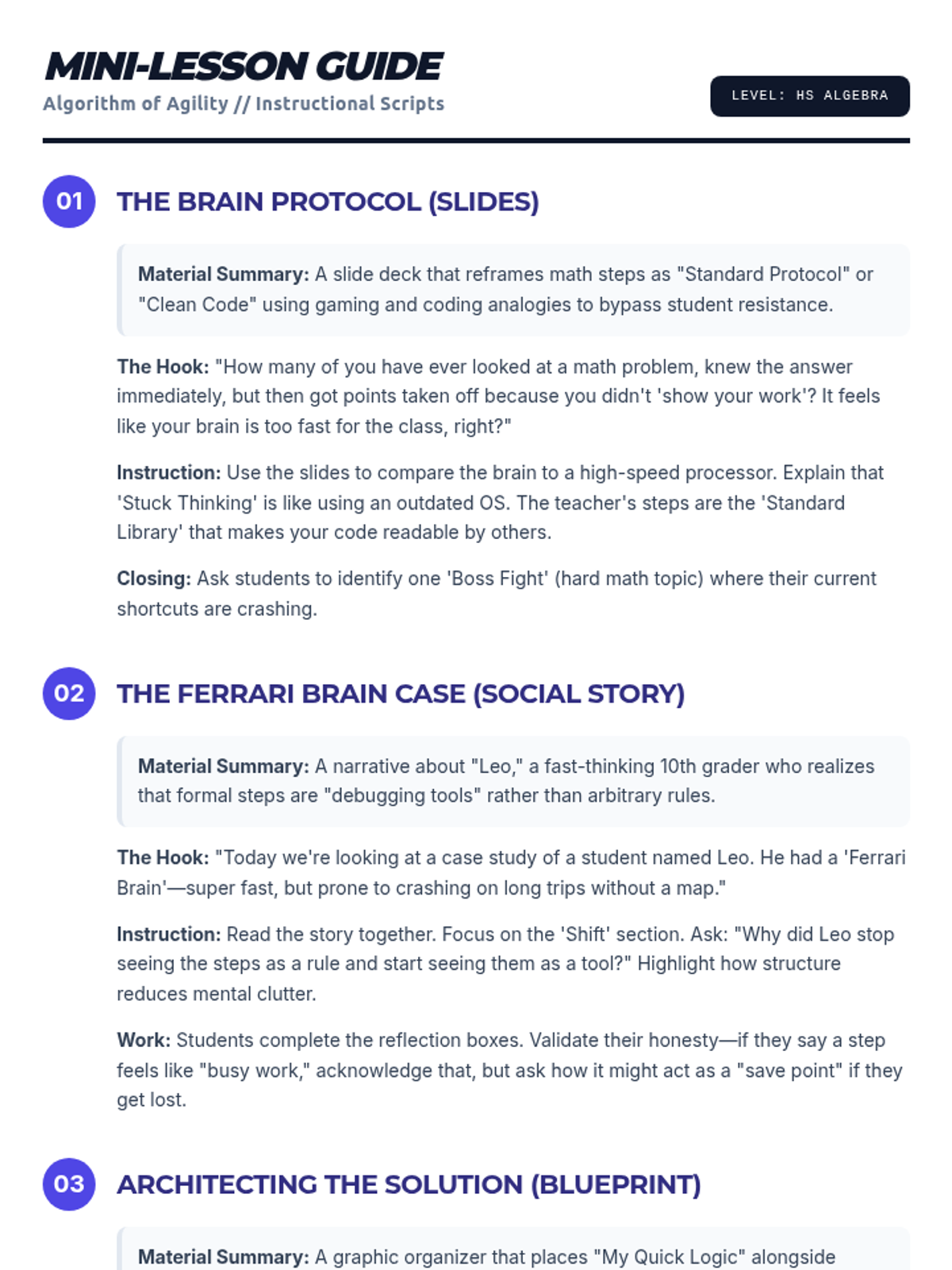
A comprehensive series of lessons designed for high school special education students to master metacognitive skills. The unit focuses on 'Mind Mechanics'—teaching students how to monitor their own thinking processes and build a personalized 'toolbox' of learning strategies.
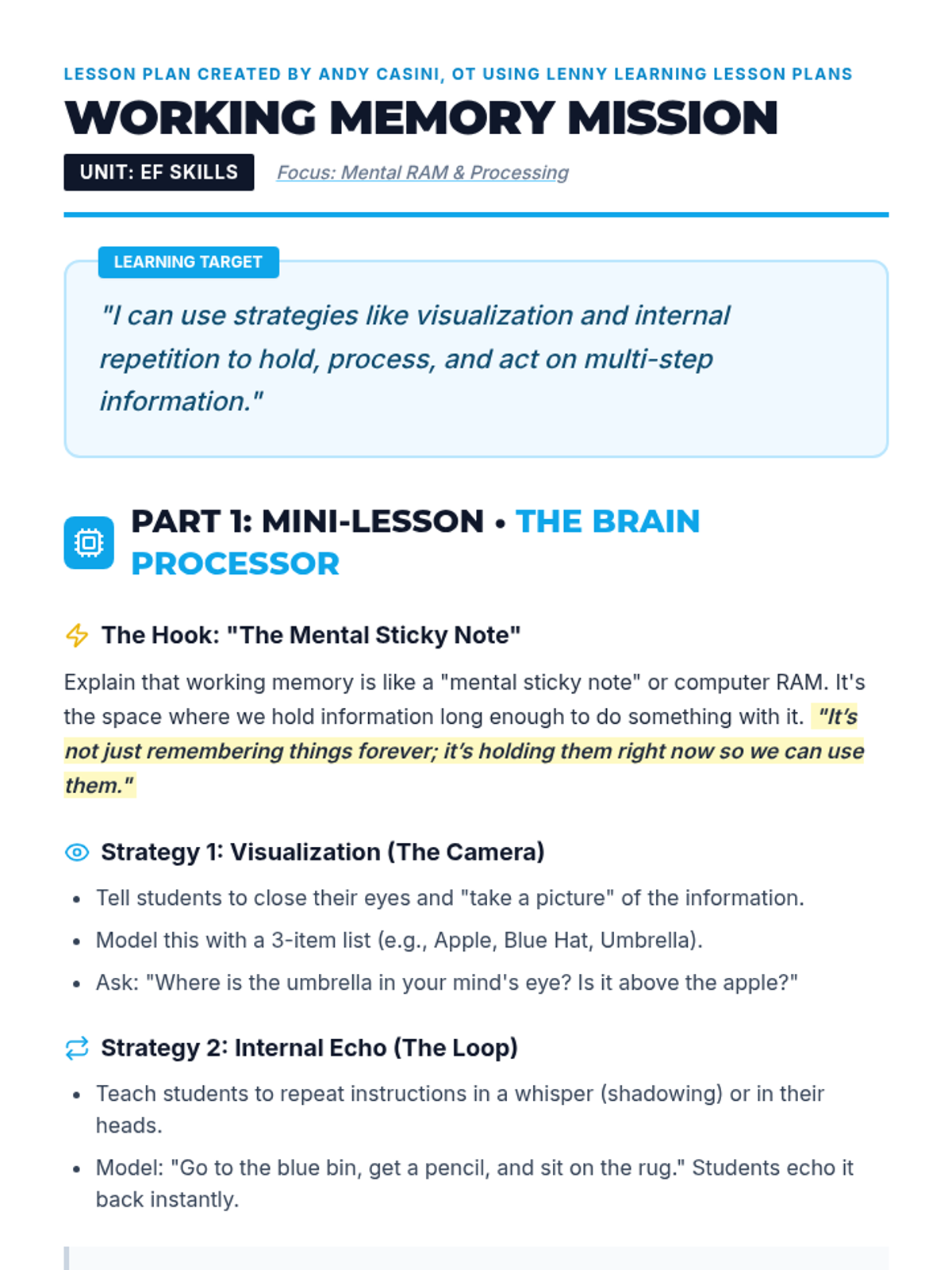
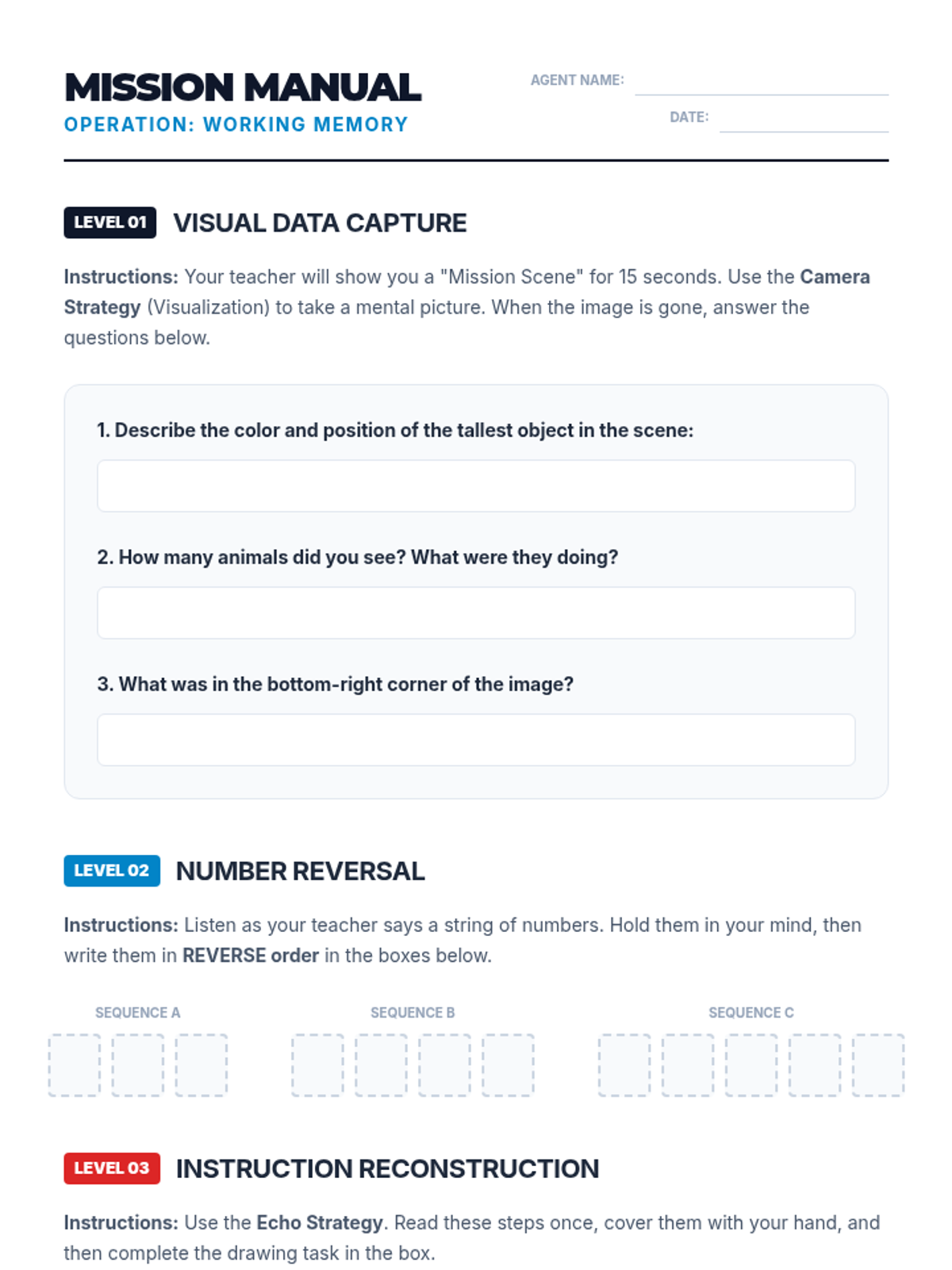
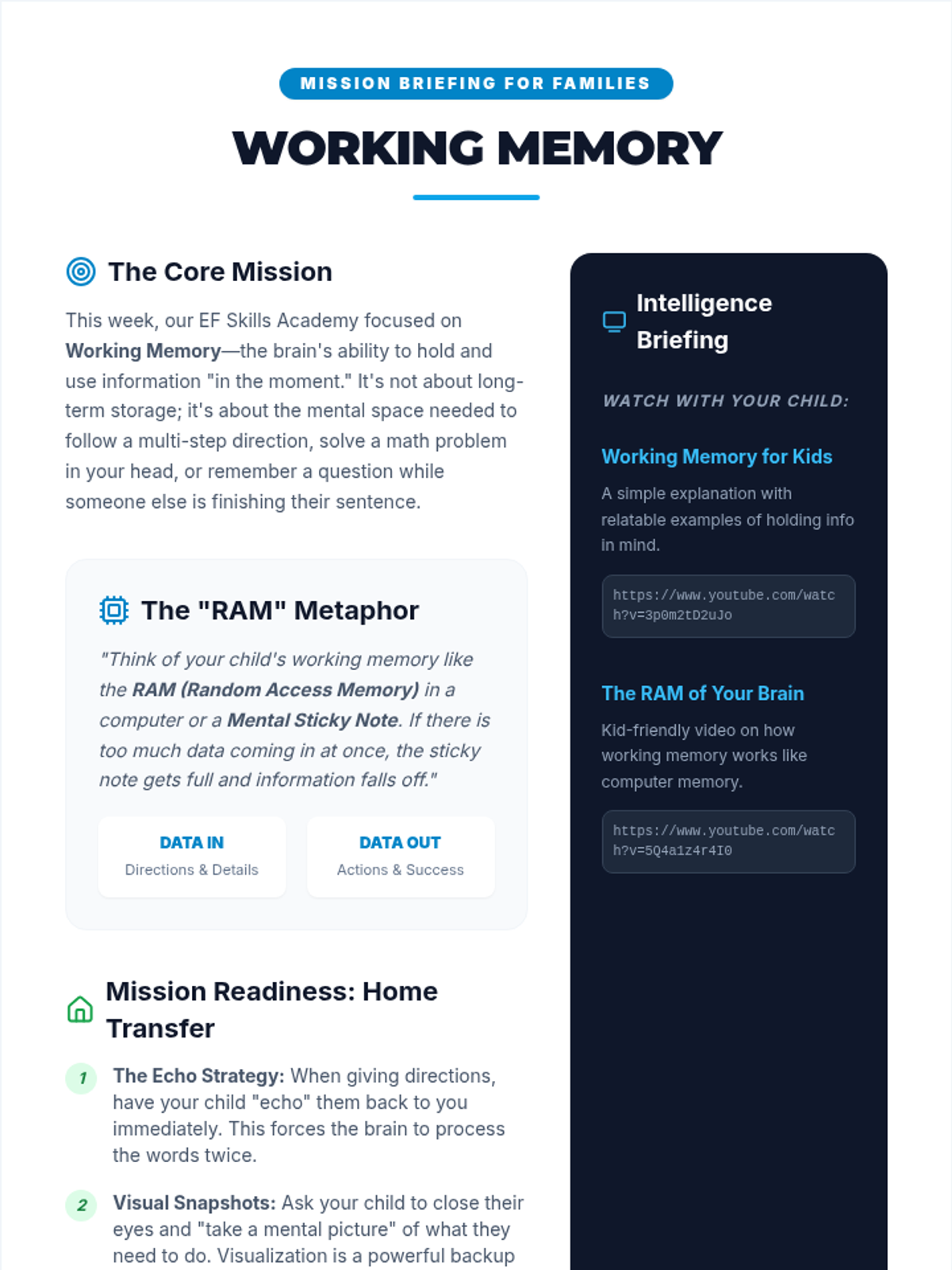
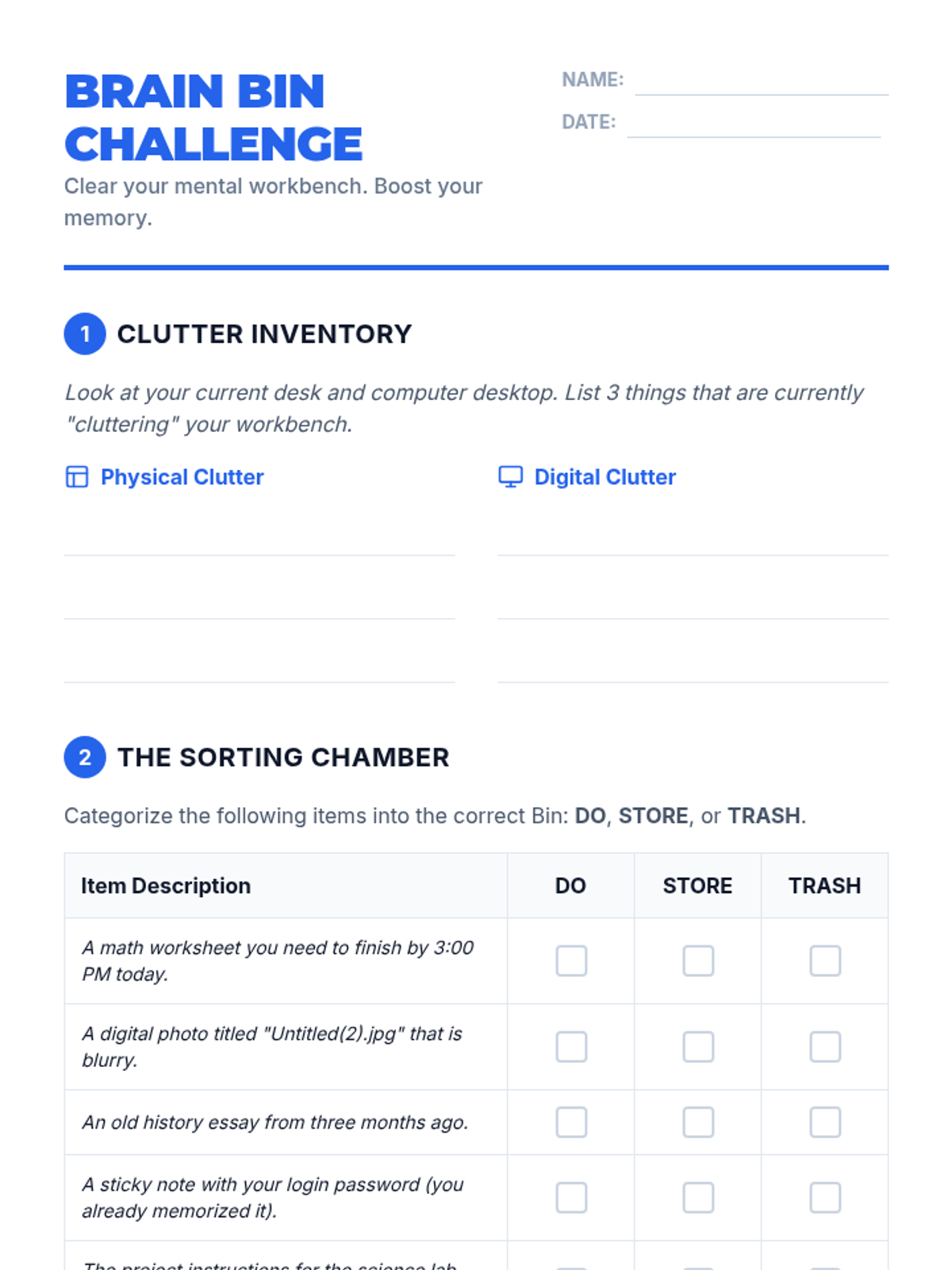
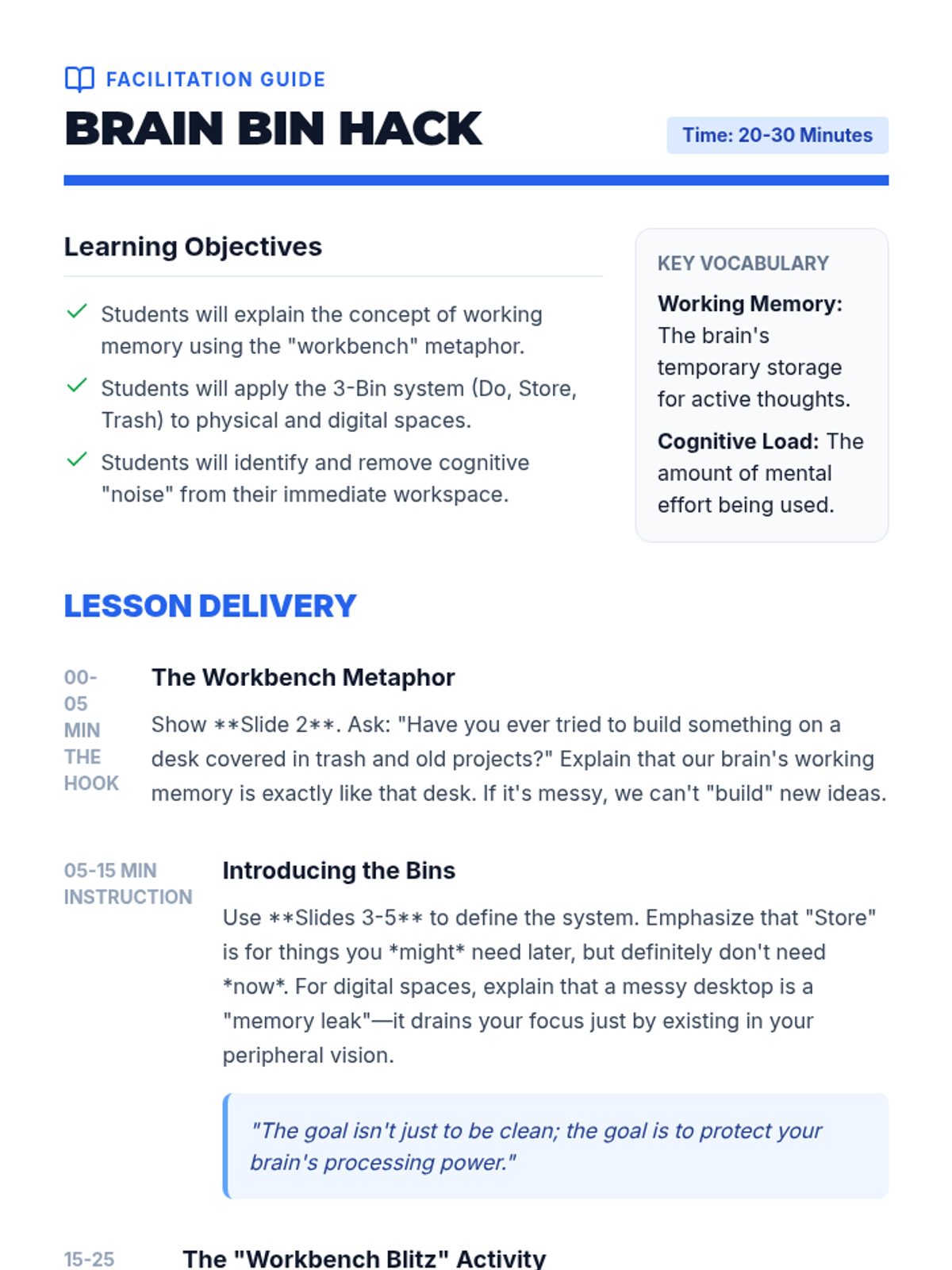
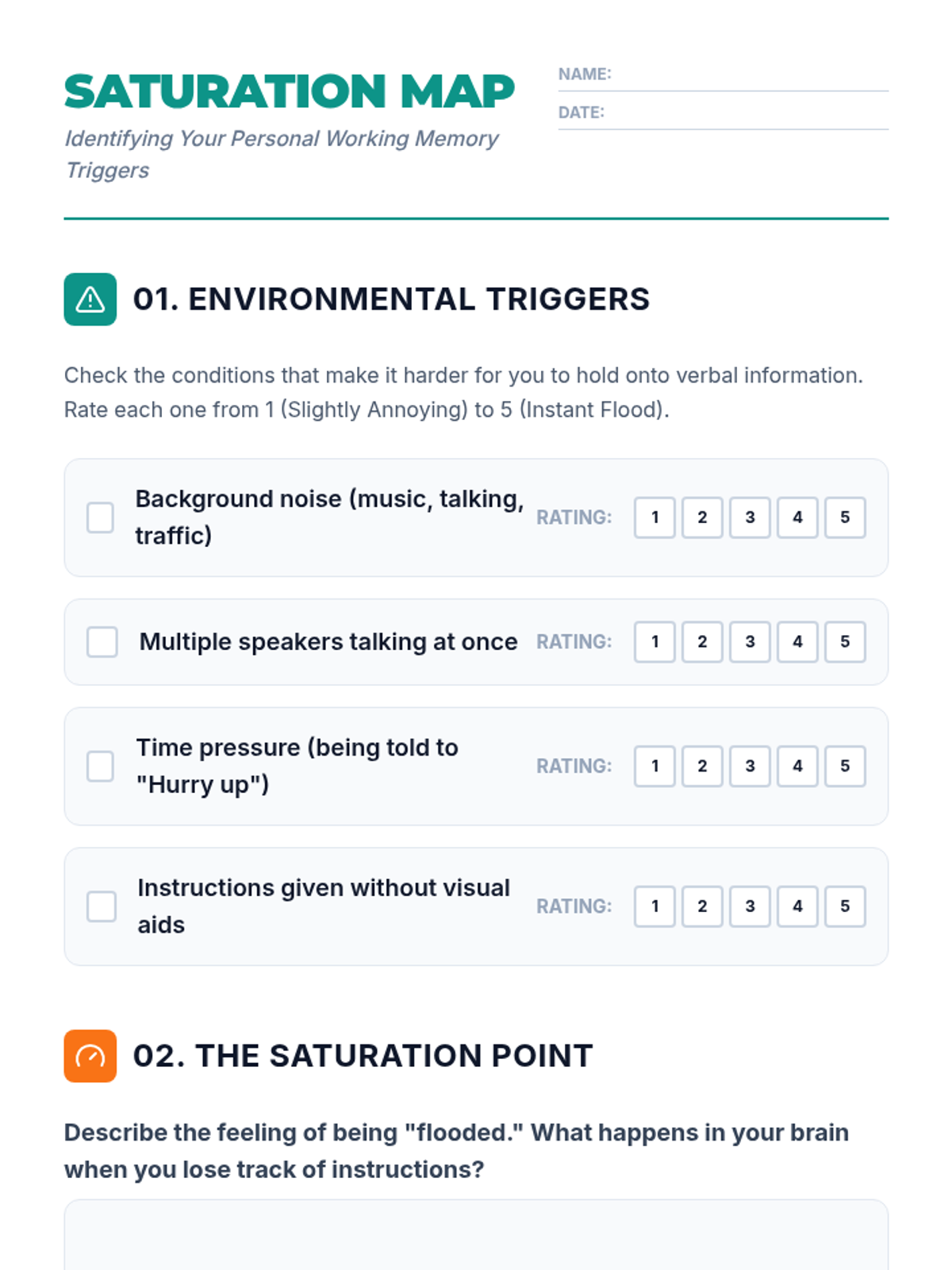
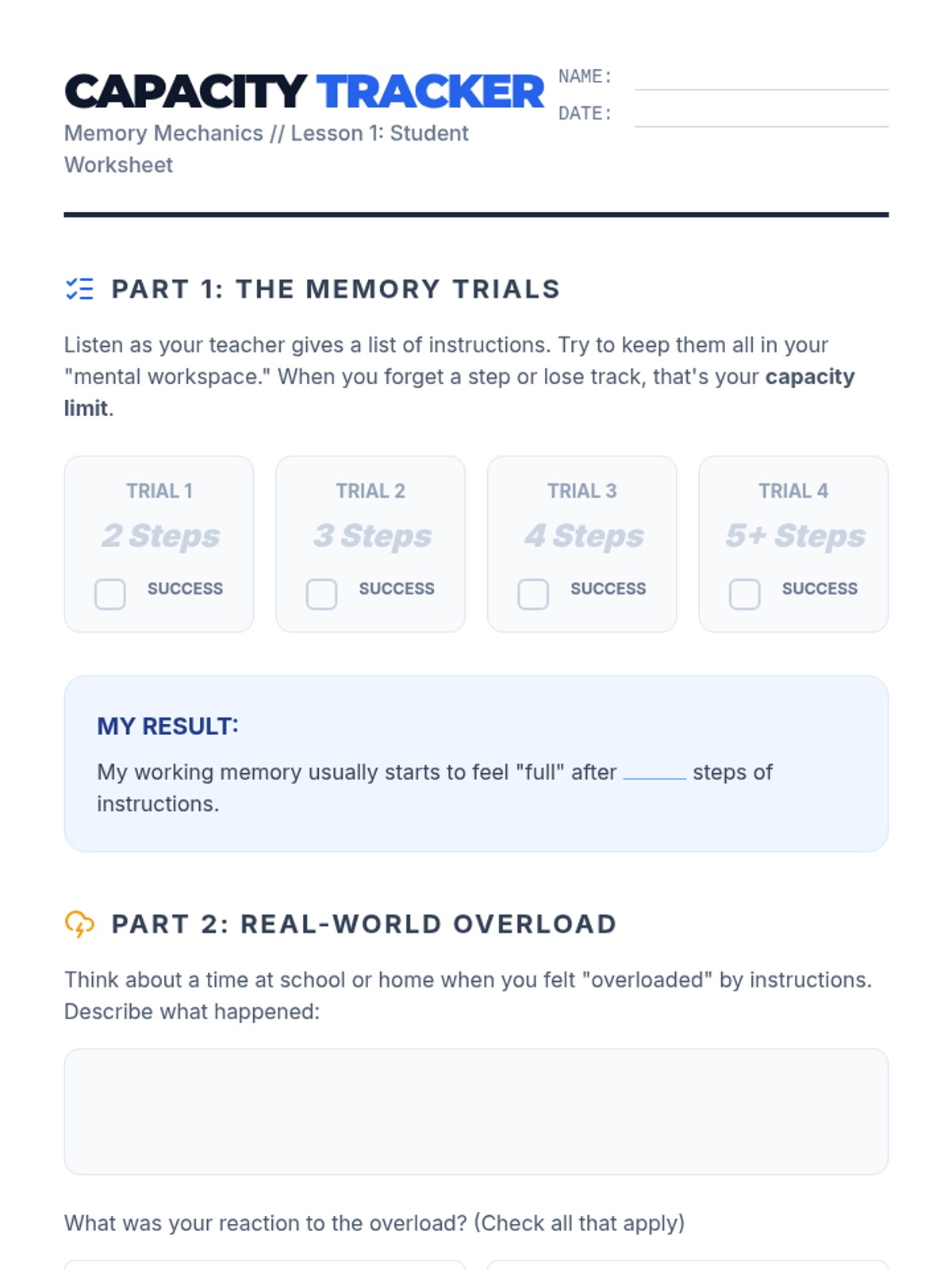
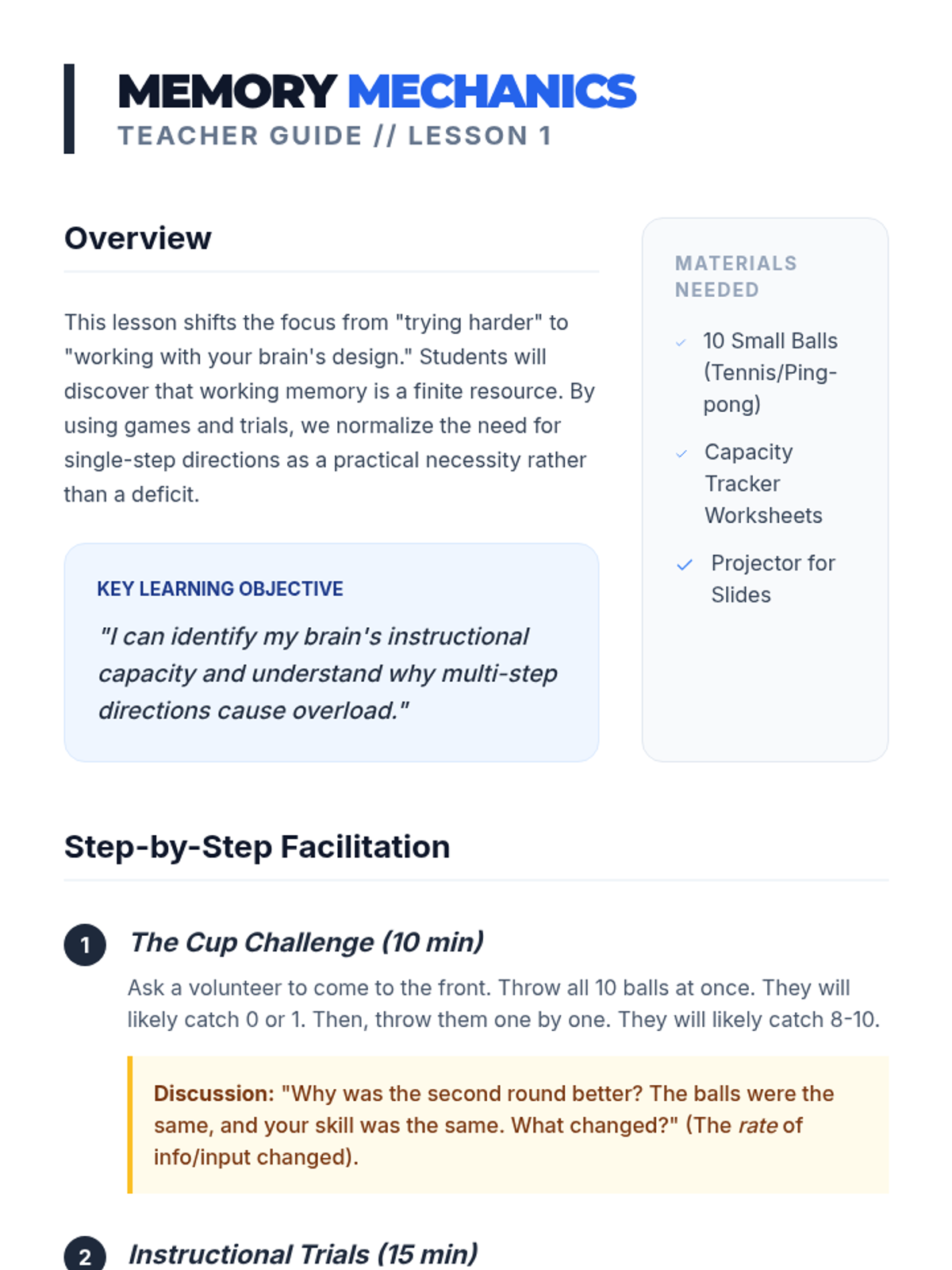
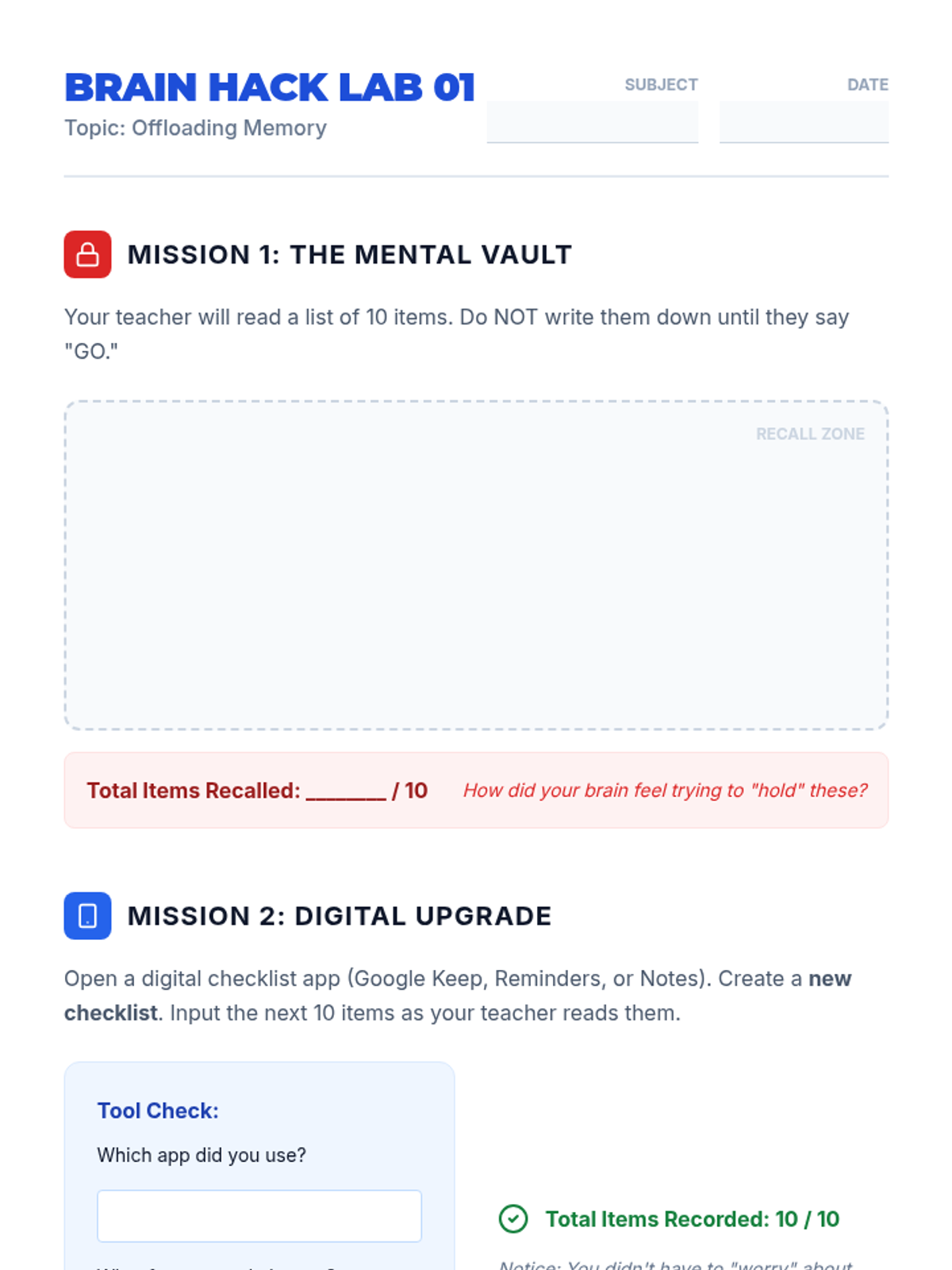
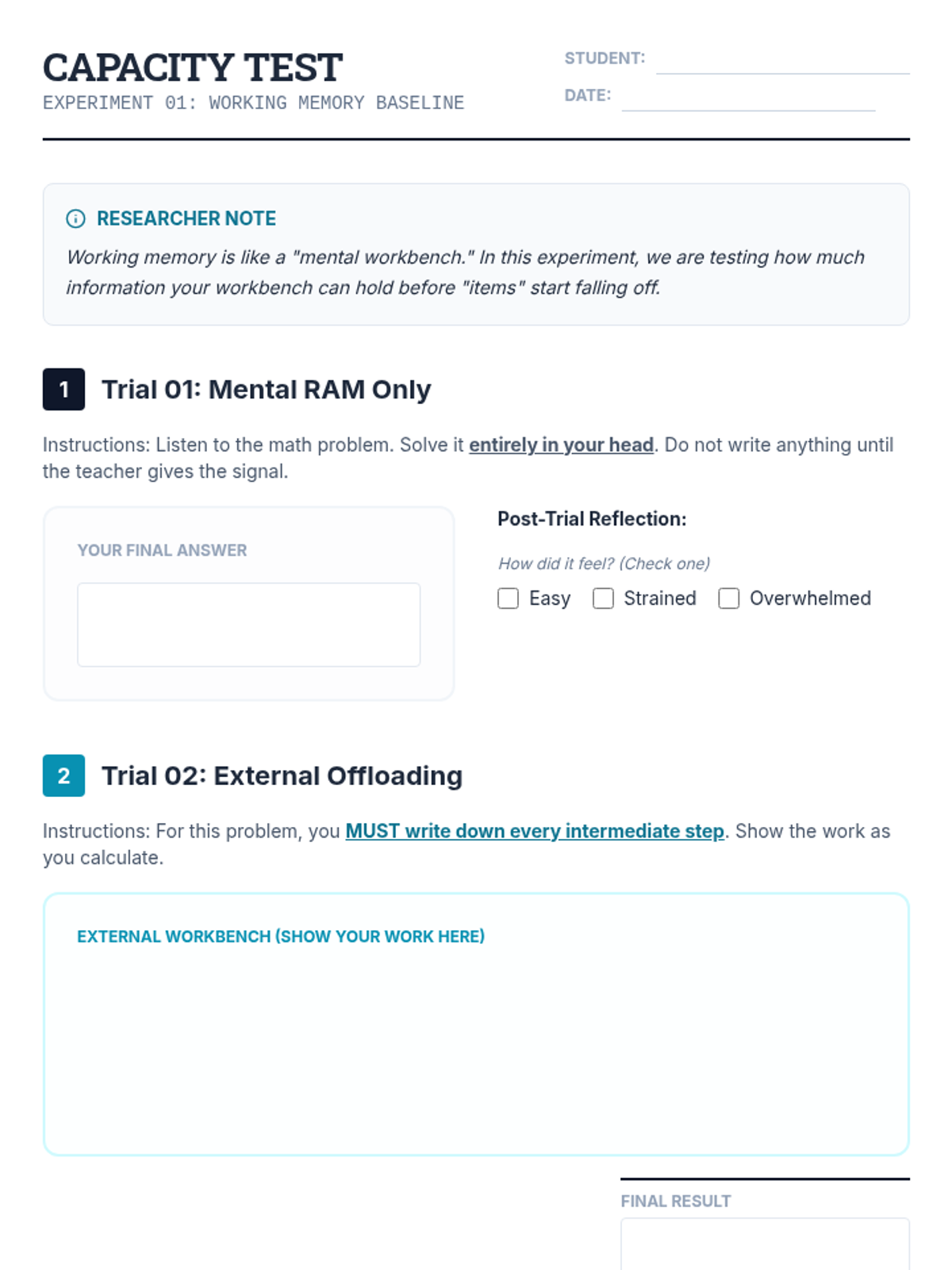
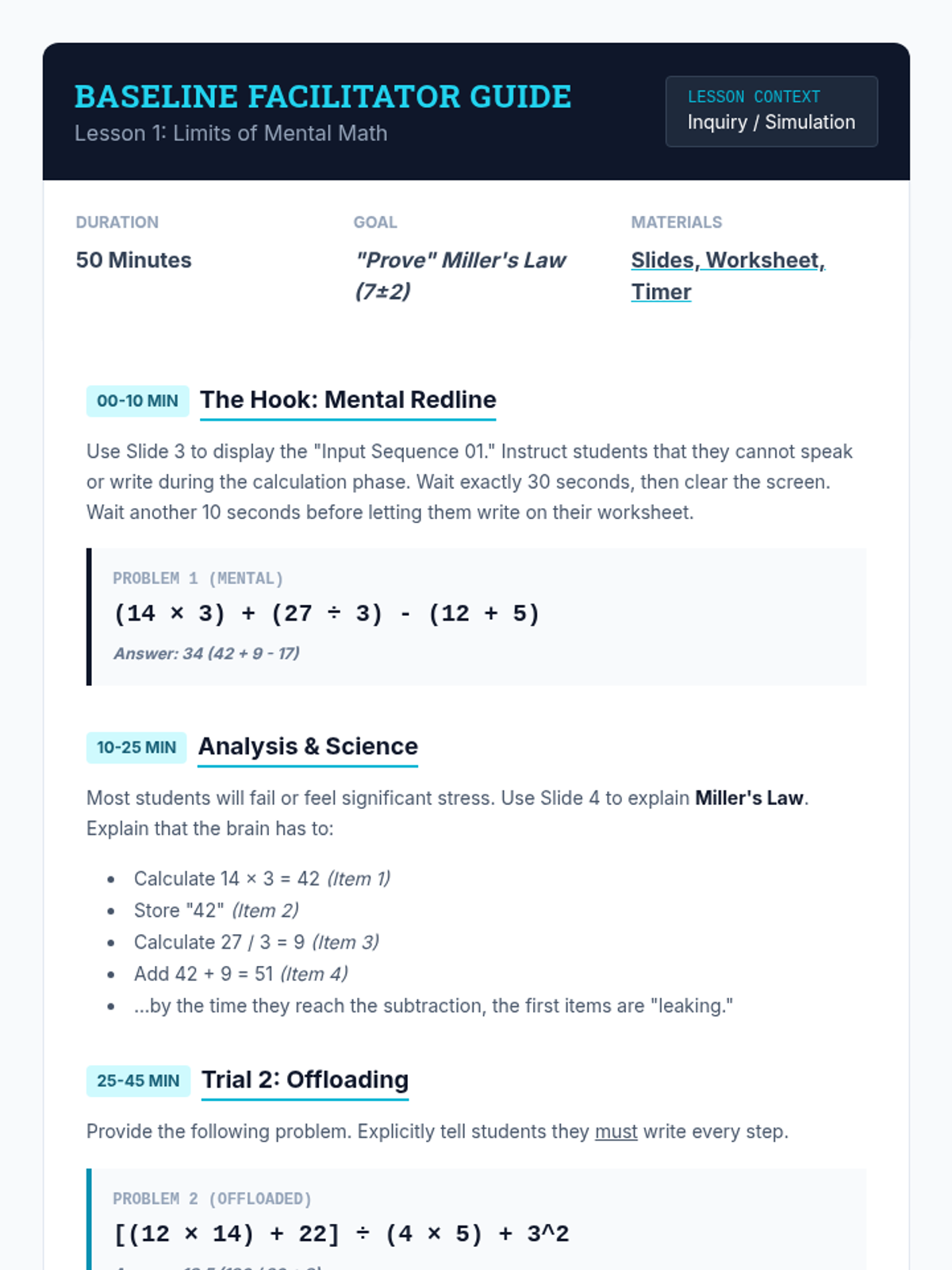
A series of mini-lessons designed to help students understand and optimize their working memory through environmental organization and cognitive strategies.
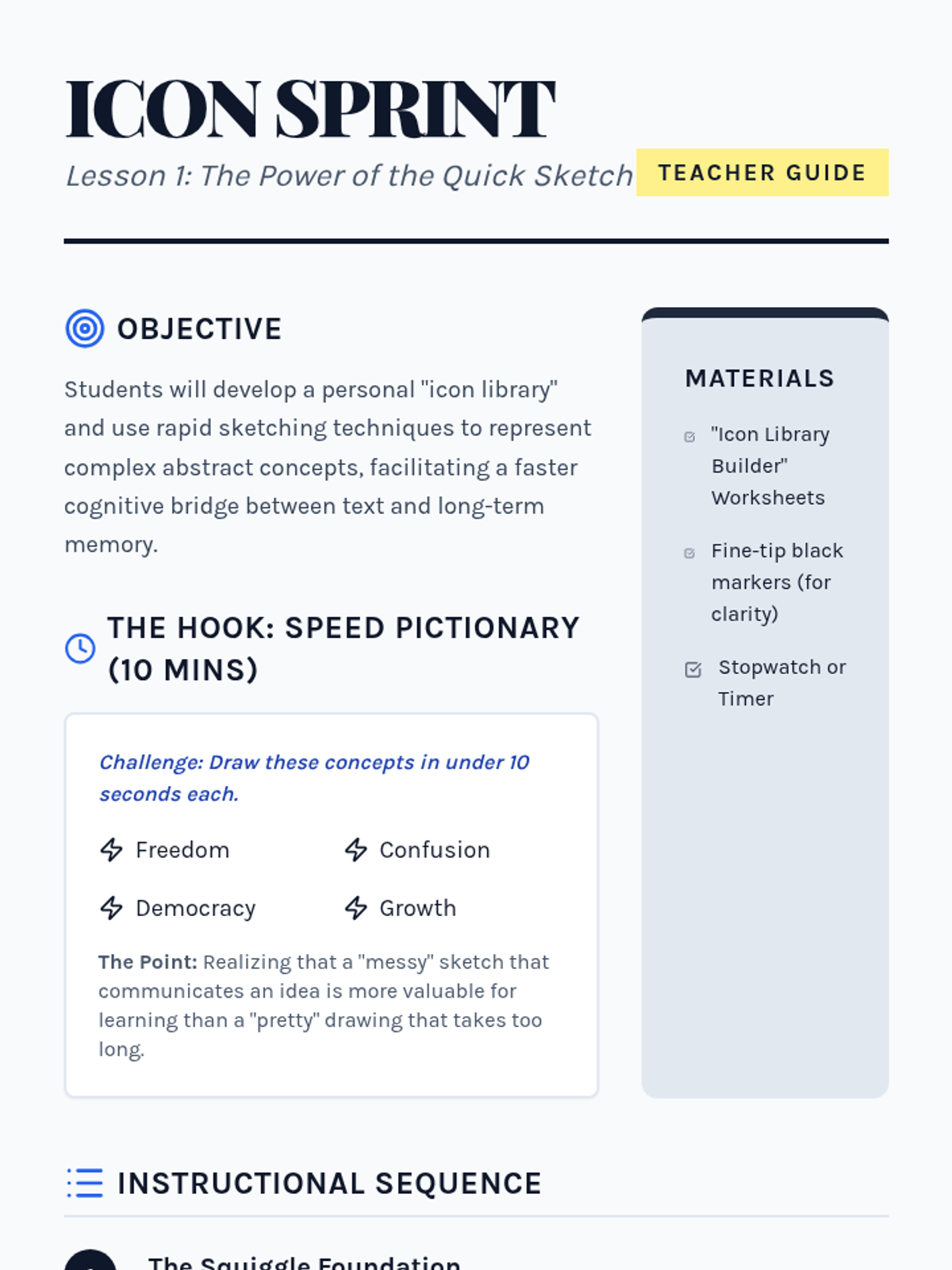
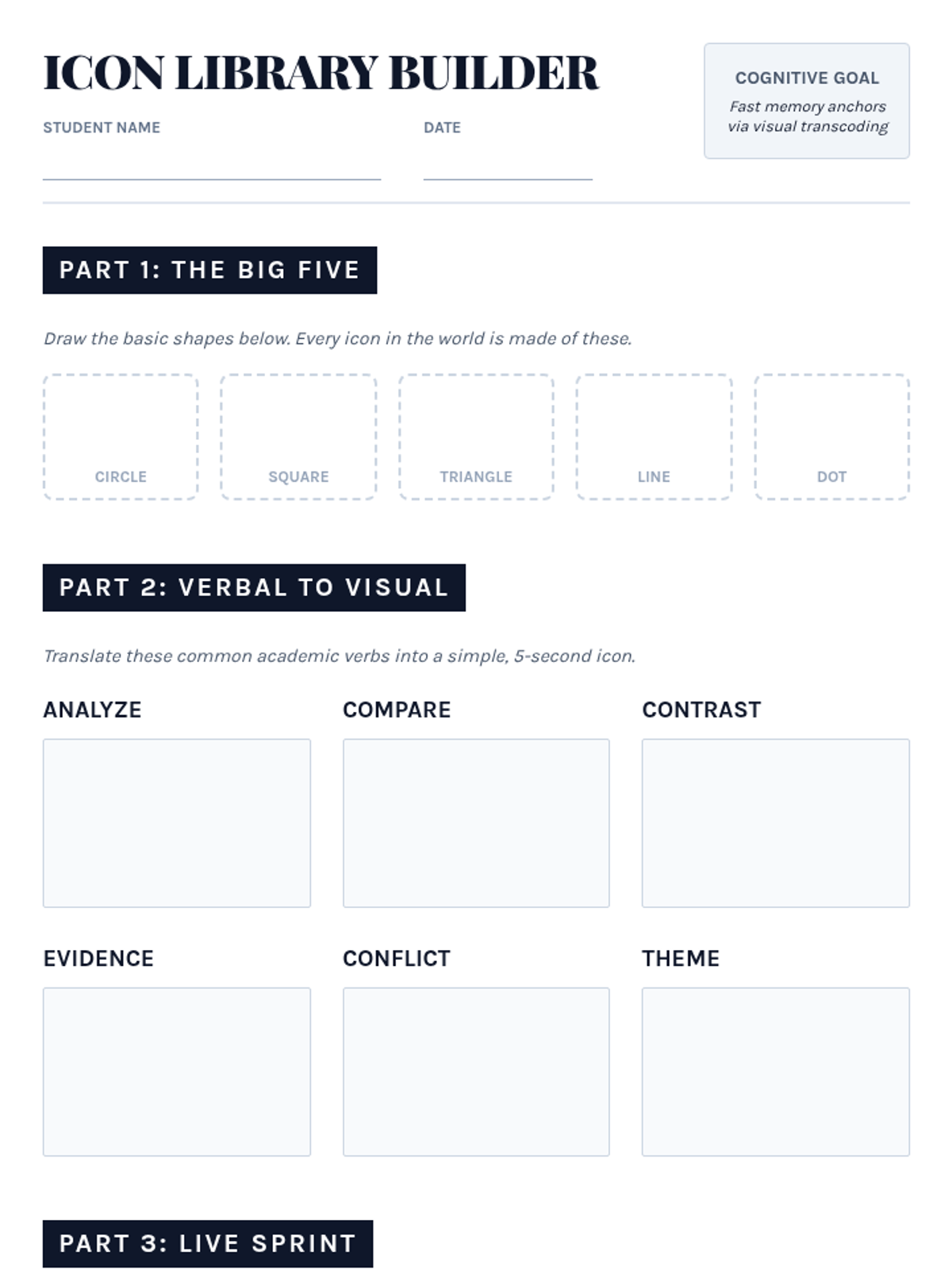
A specialized intervention sequence for 12th-grade students who struggle with verbal processing, focusing on 'Sketch-to-Stretch' strategies to improve memory retention and reading comprehension through visual transcoding. Students progress from simple icons to complex thematic maps, learning to anchor abstract academic concepts in physical drawings.
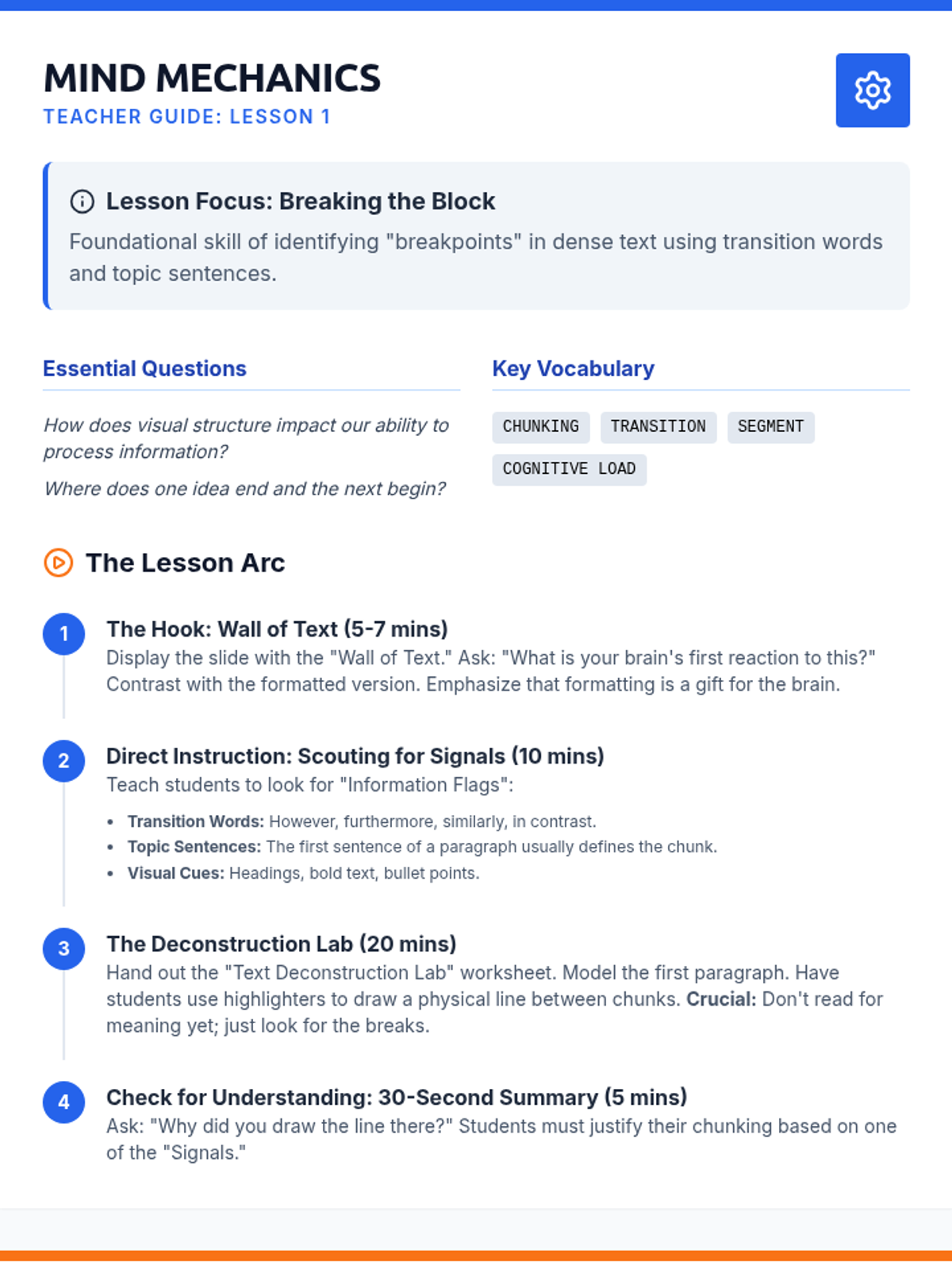
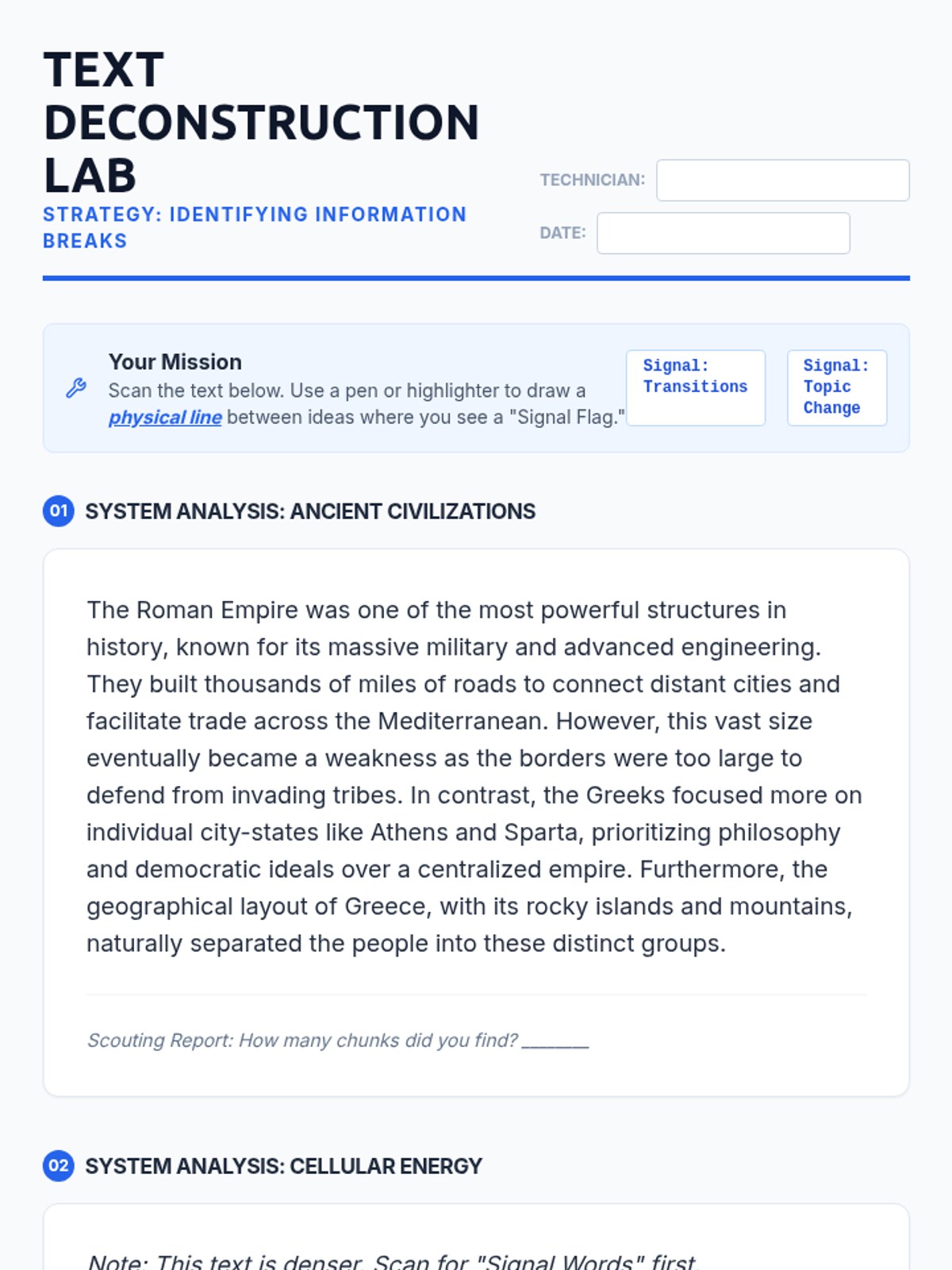
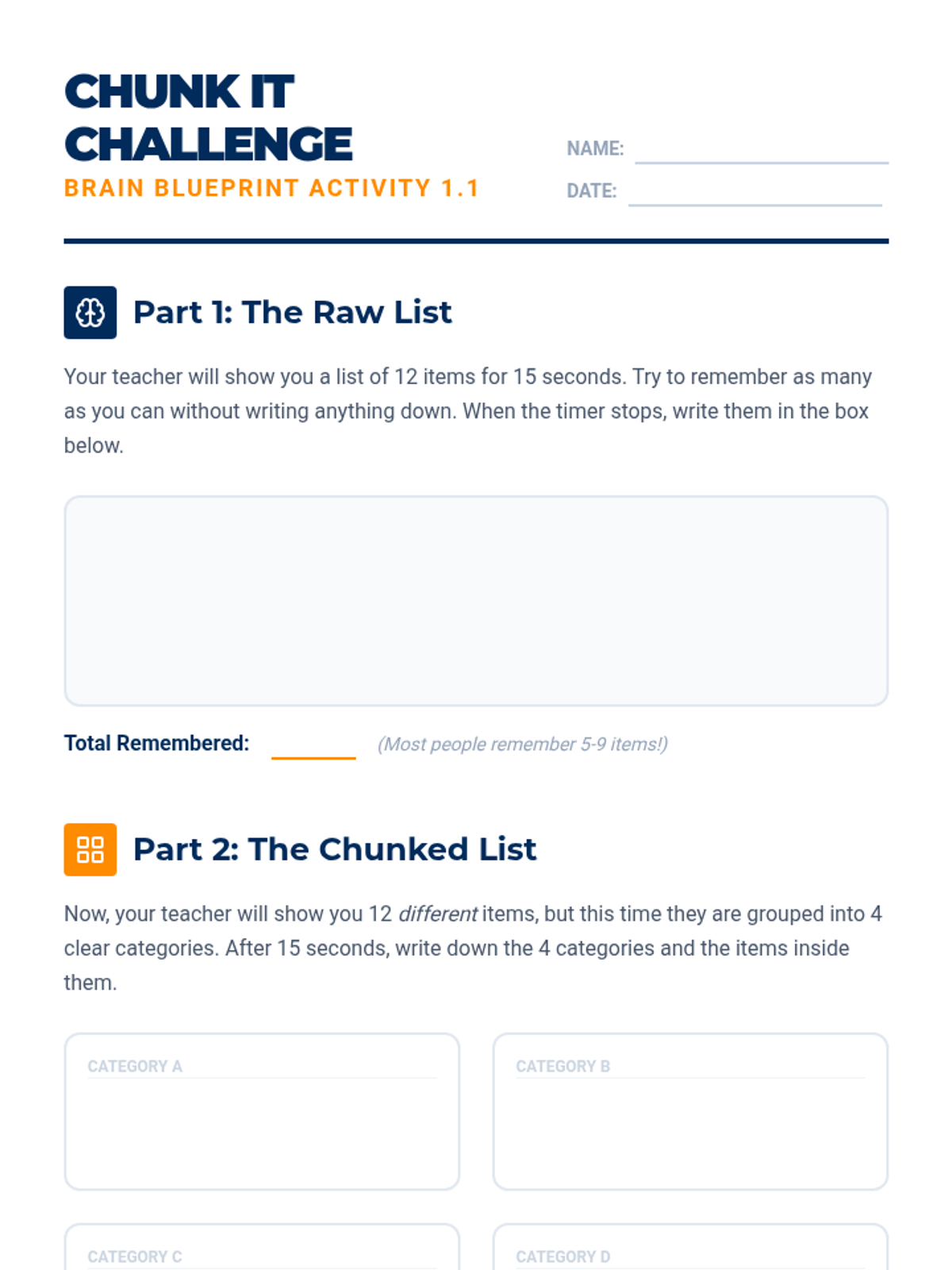
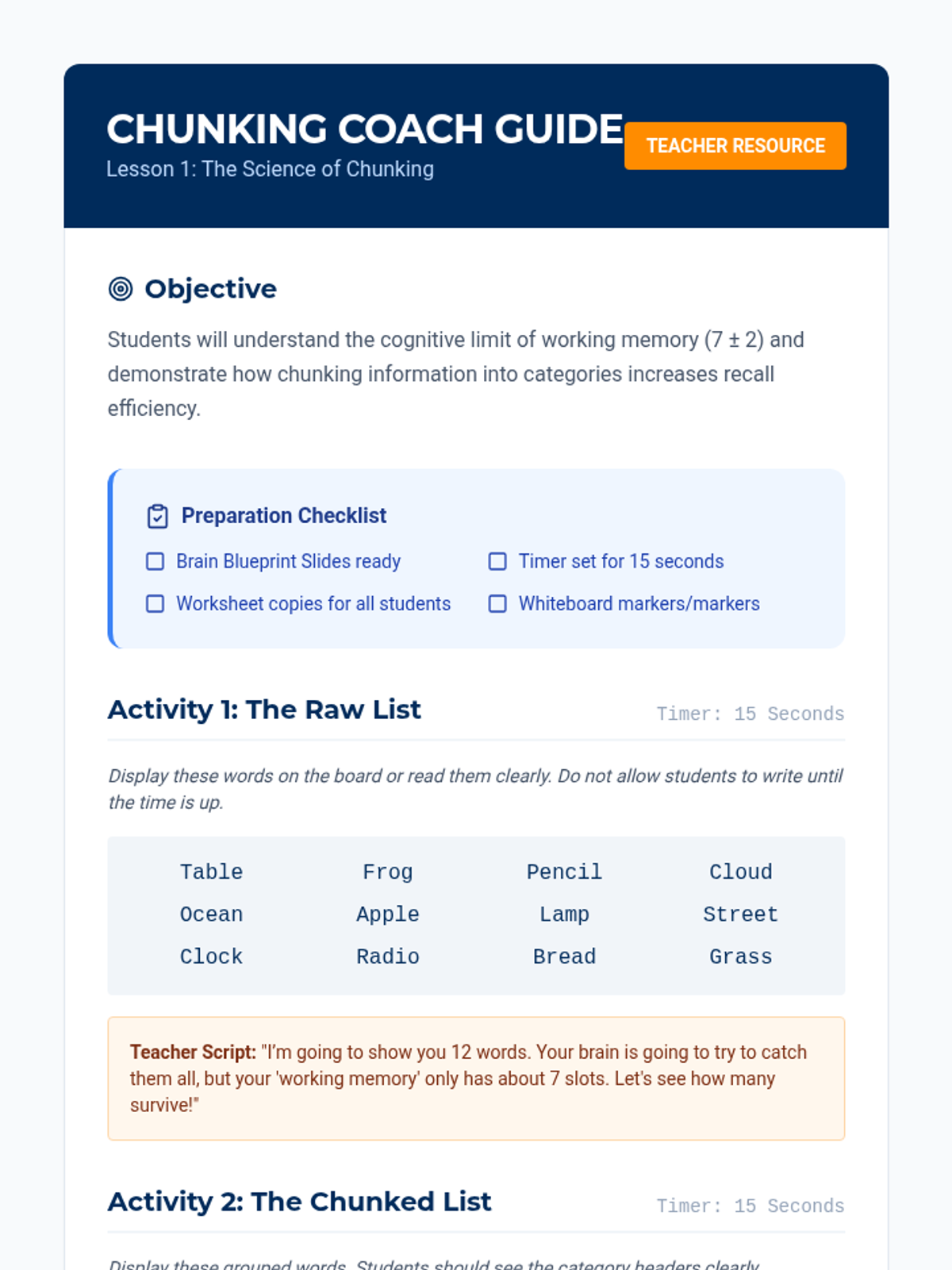
A comprehensive sequence designed to help 9th-grade students with working memory challenges master information chunking. Students move from identifying structural breaks in text to creating visual maps and summarizing auditory information, ultimately applying these strategies to their own academic coursework.
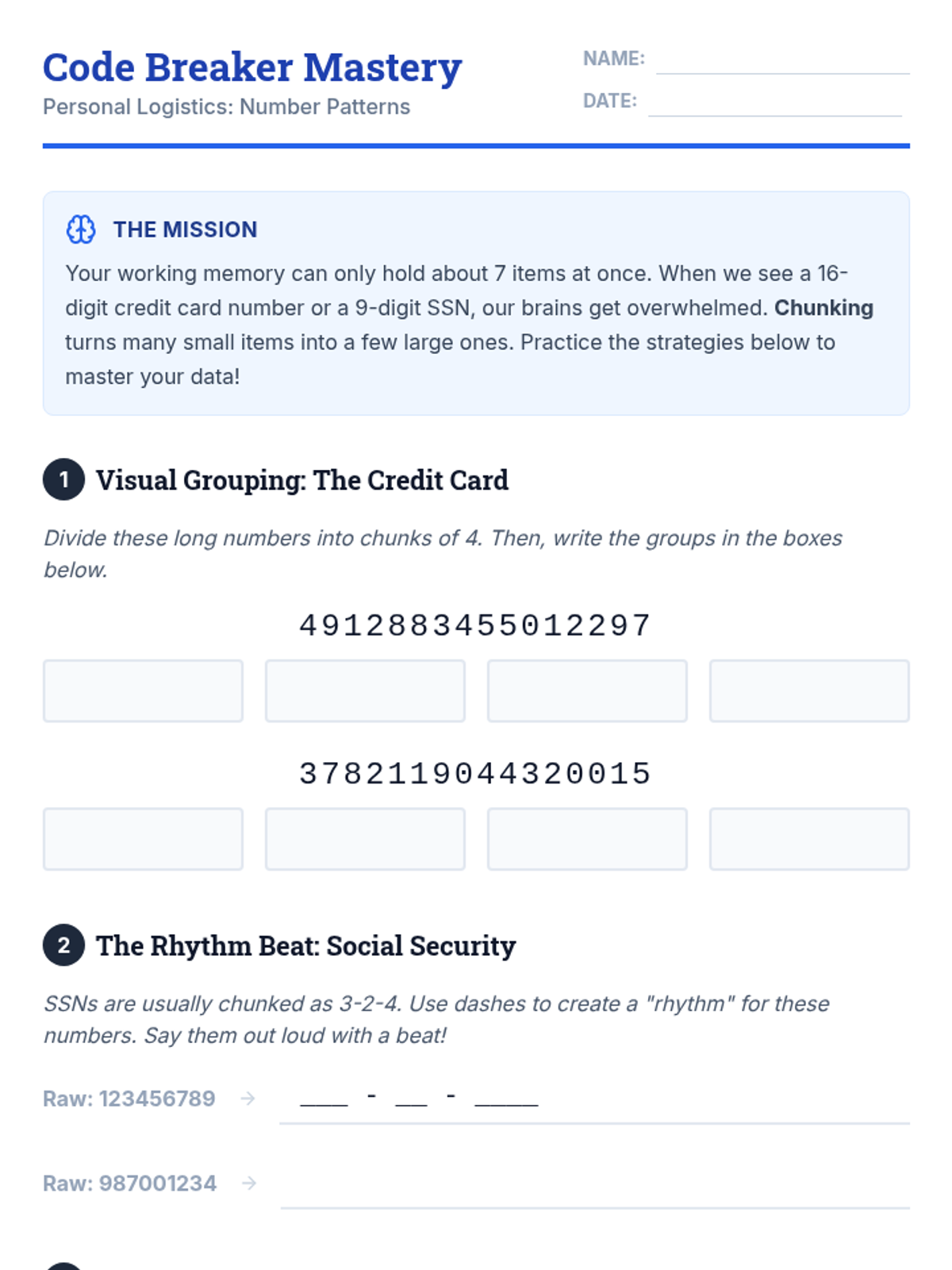
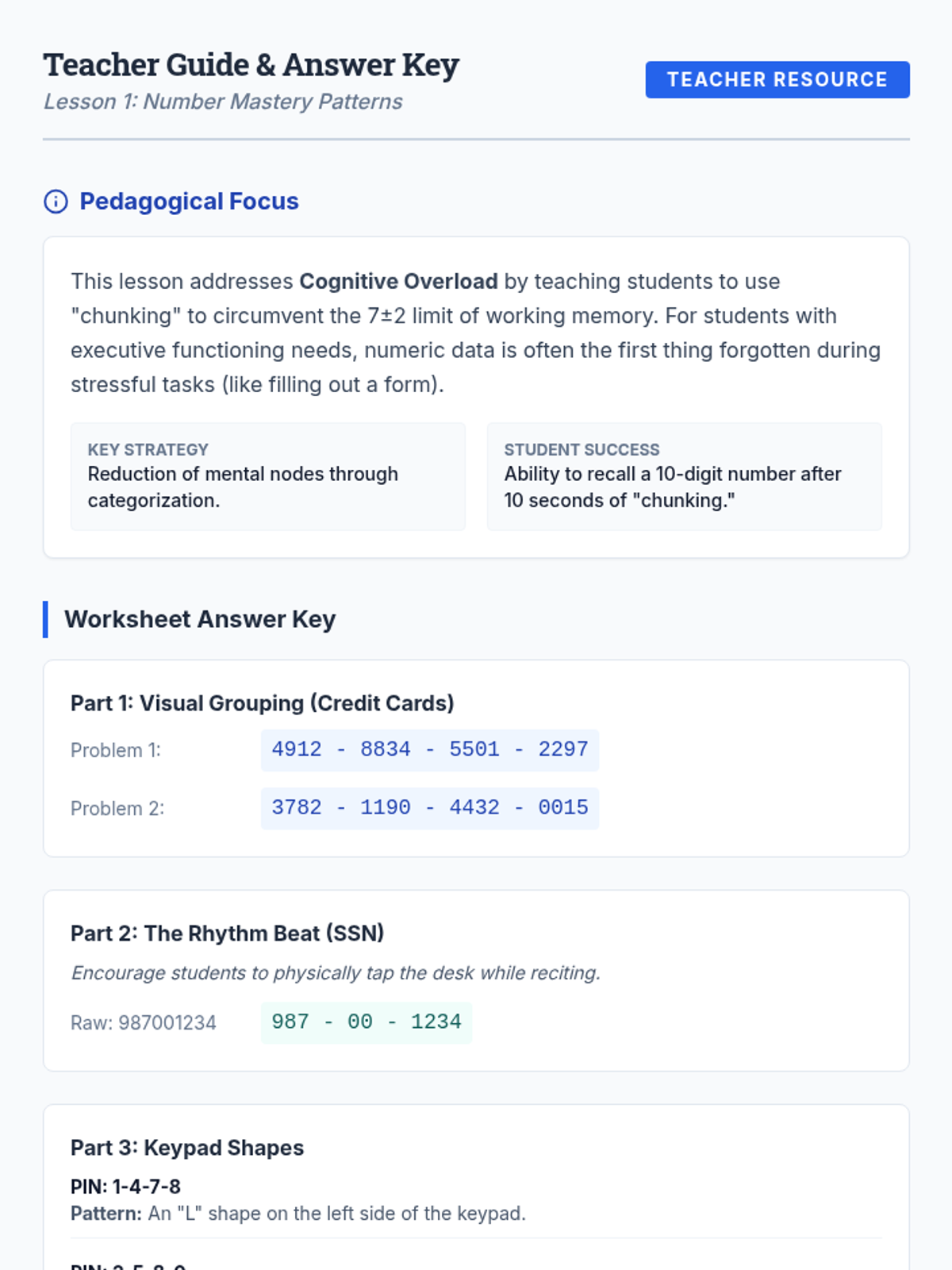
This sequence teaches 12th-grade students with working memory needs how to manage adult personal logistics (finances, scheduling, security) using information chunking and categorization strategies.
A comprehensive sequence designed for 9th-grade students to master long-term retention through spaced repetition and active recall. Students explore the science of memory, develop retrieval cues, implement the Leitner Box system, and leverage digital tools to optimize their working memory and study efficiency.
A high-school level sequence designed to build cognitive flexibility in algebra for students with ASD. The unit focuses on moving from a rigid 'one-way' mindset to exploring multiple valid problem-solving pathways to reduce resistance and increase engagement.
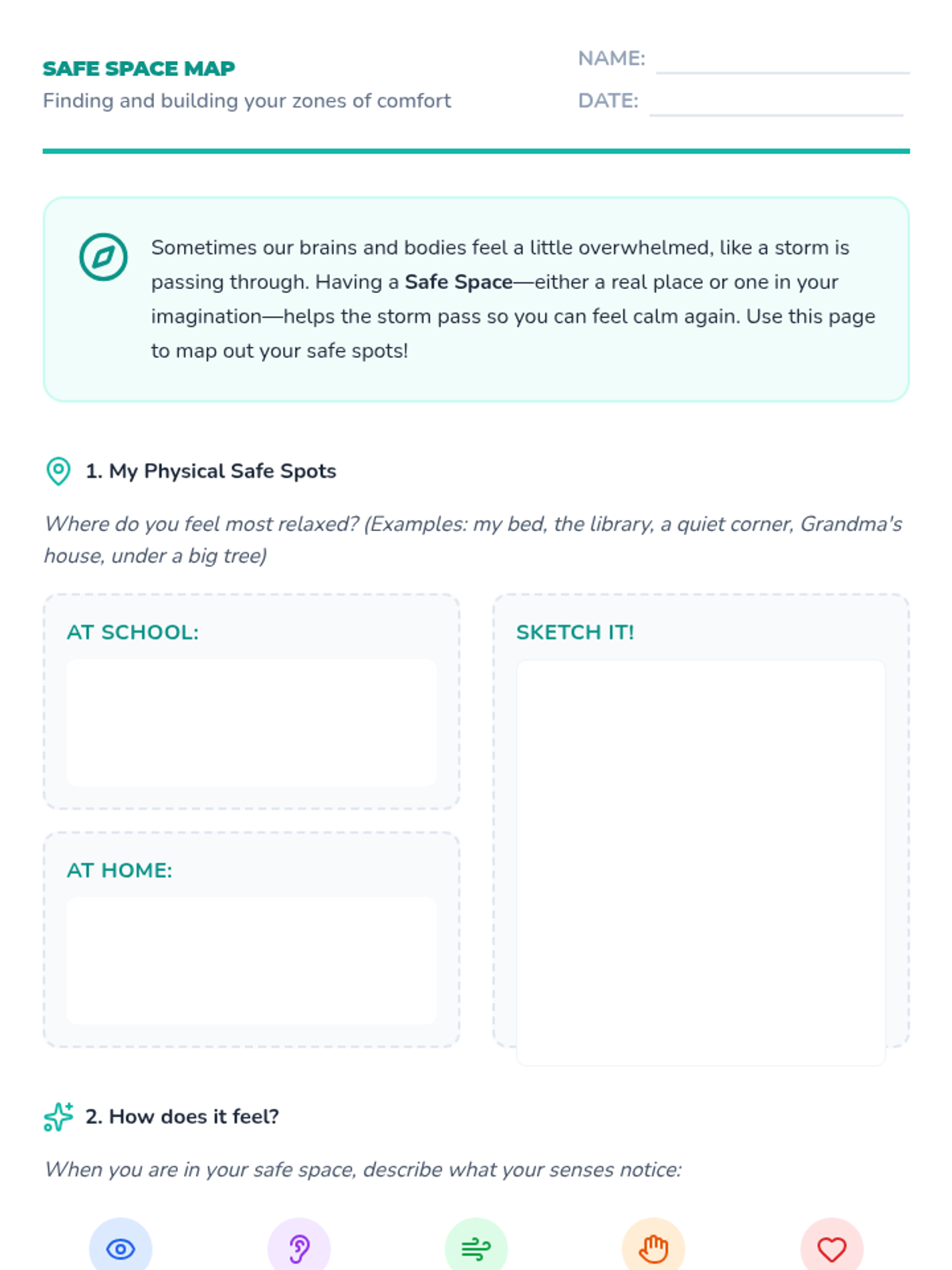
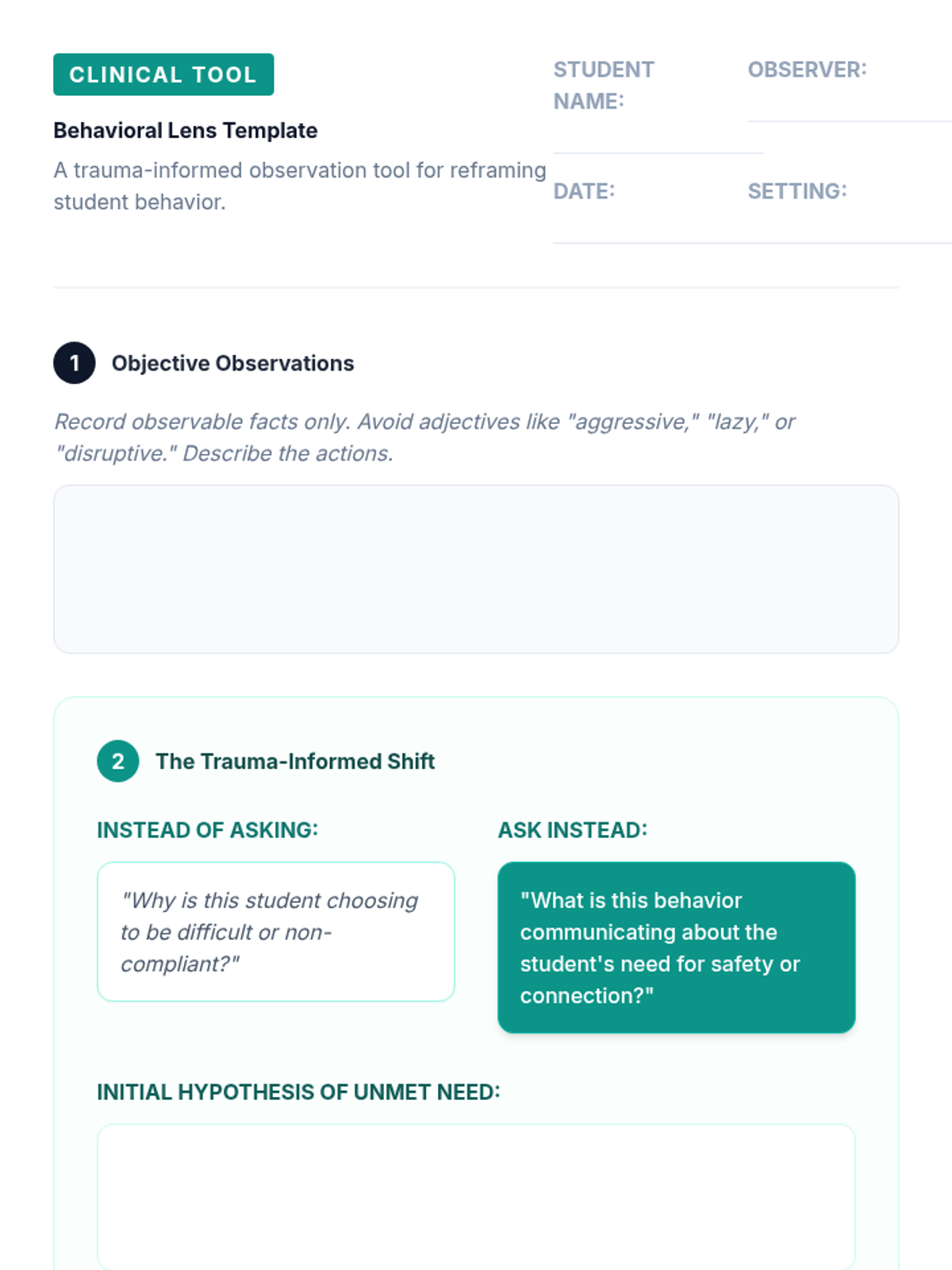
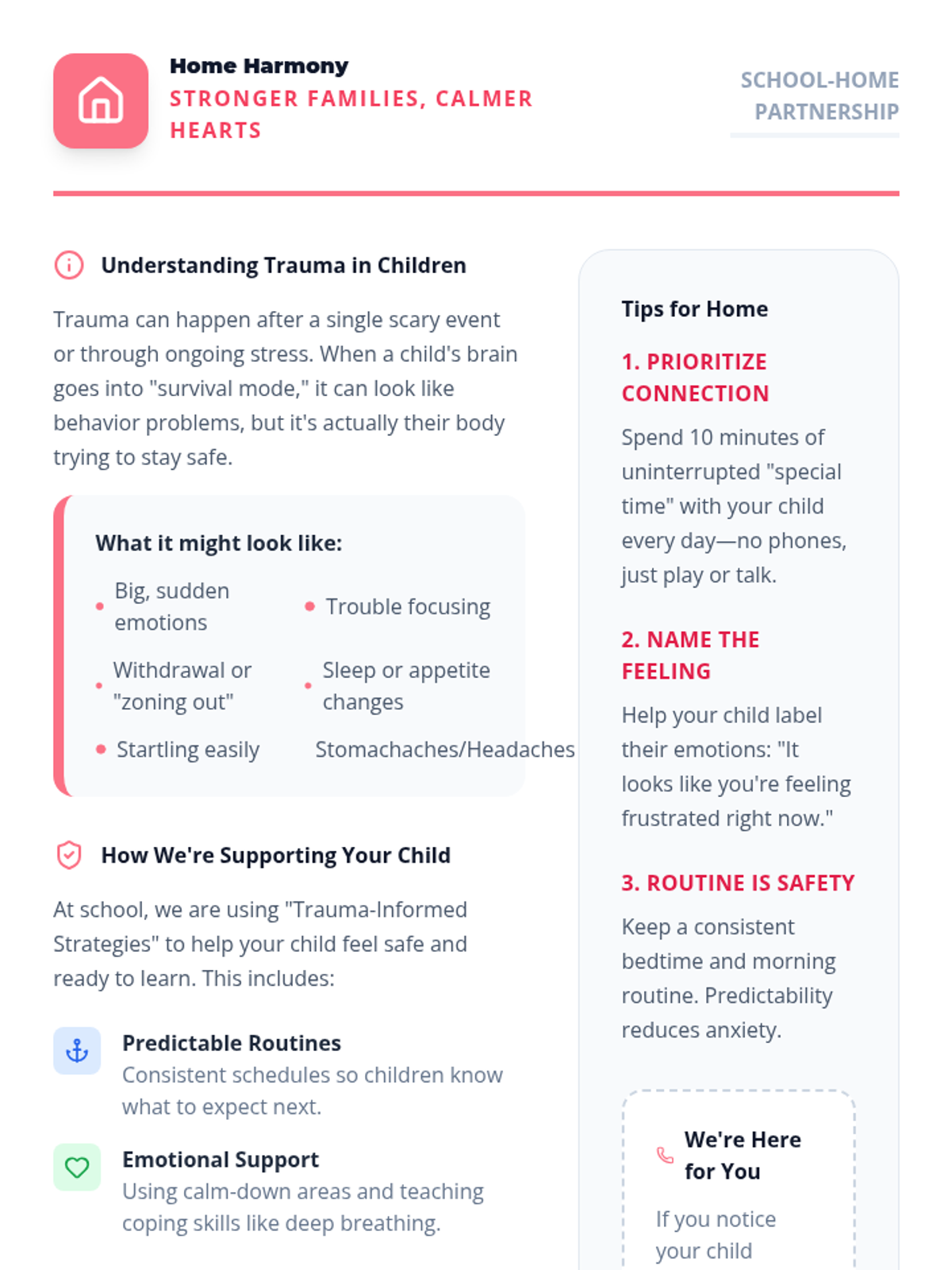
A comprehensive collection of resources for K-12 educators and staff focusing on trauma-informed care, social-emotional learning, neurodiversity, and crisis intervention. Includes training slides, student worksheets, clinical templates, and parent guides.
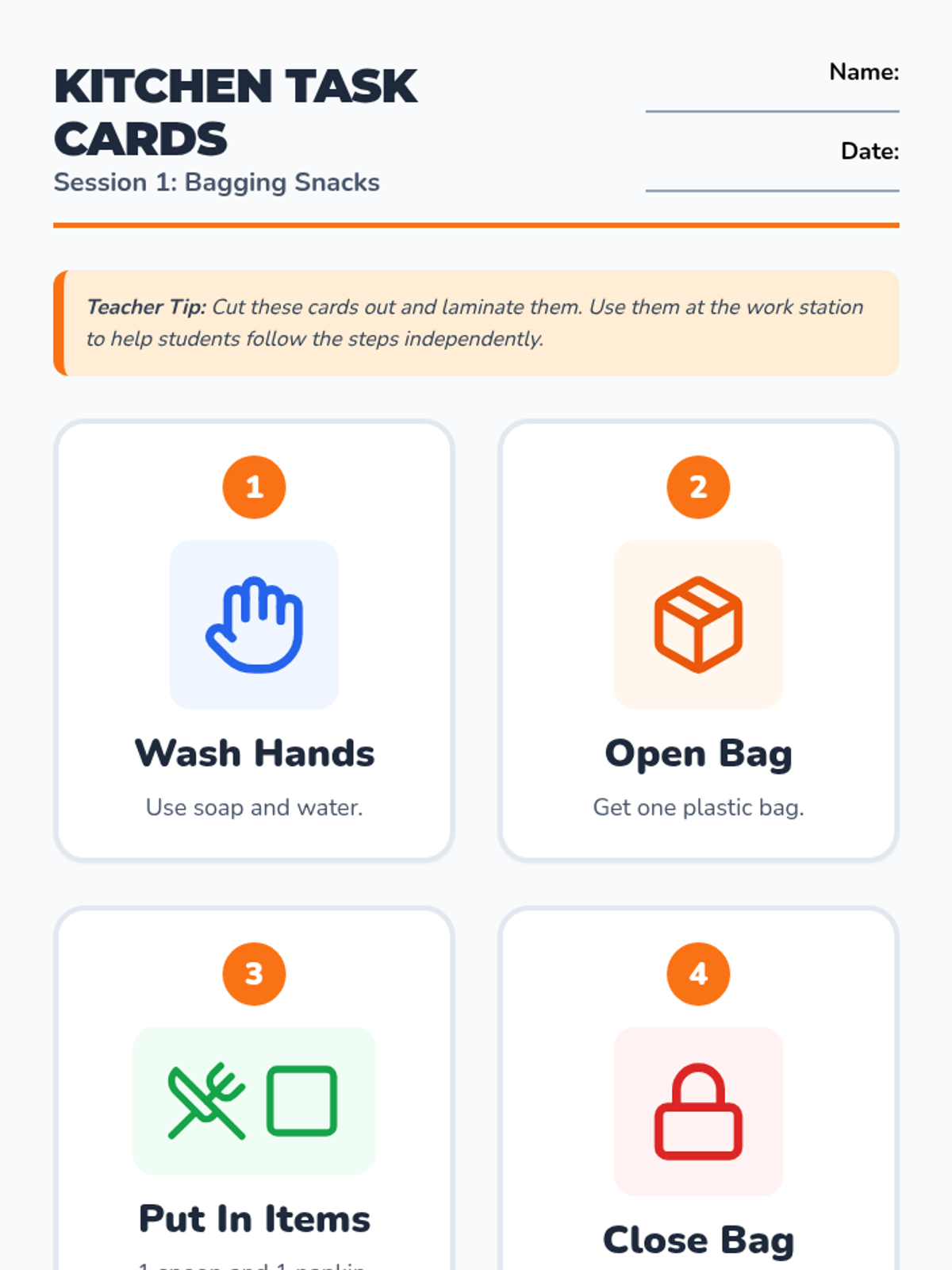
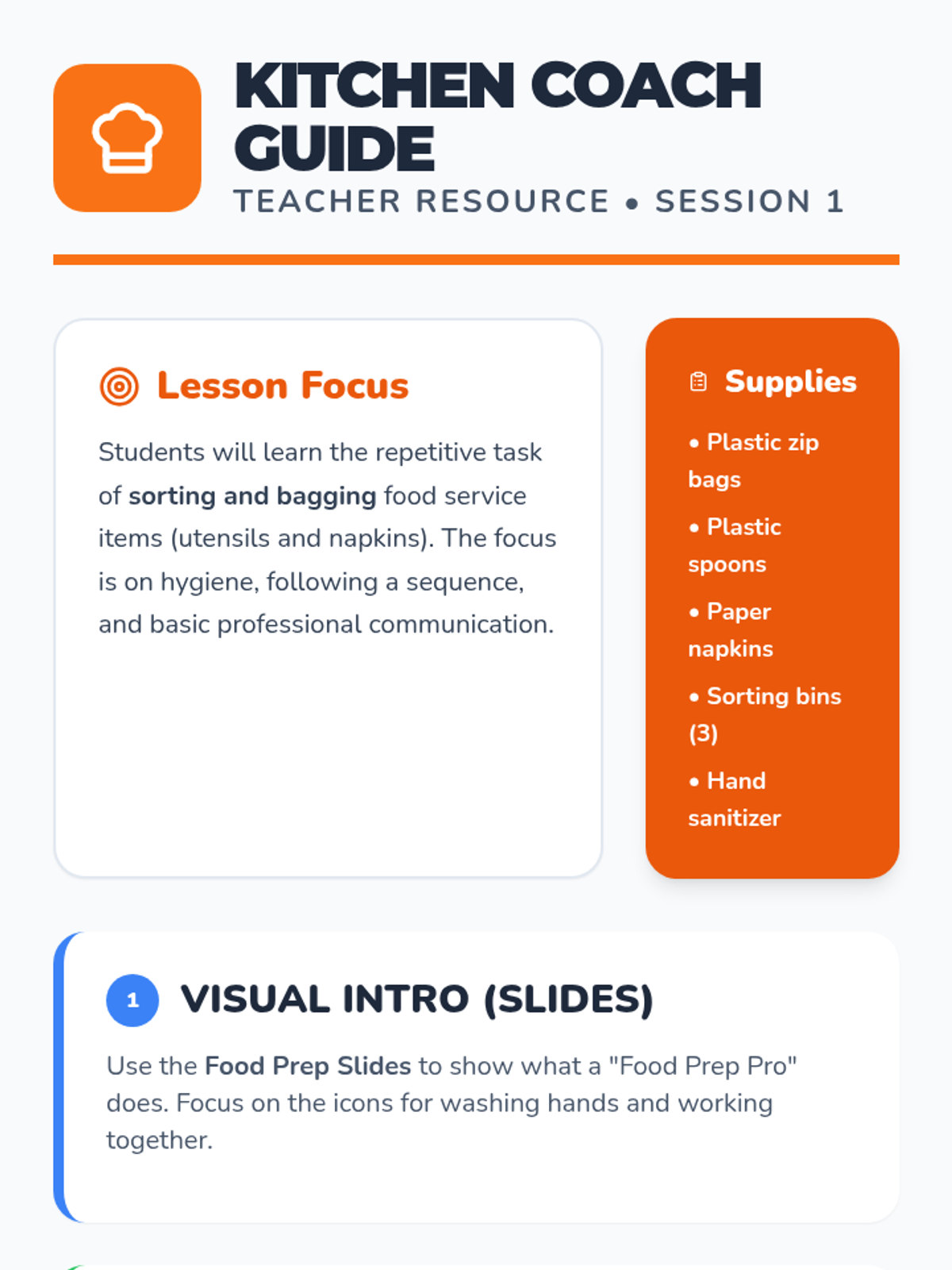
A 4-session career exploration program designed for high school students with significantly low cognitive profiles, focusing on hands-on, repetitive vocational skills through visual aids and role-playing.
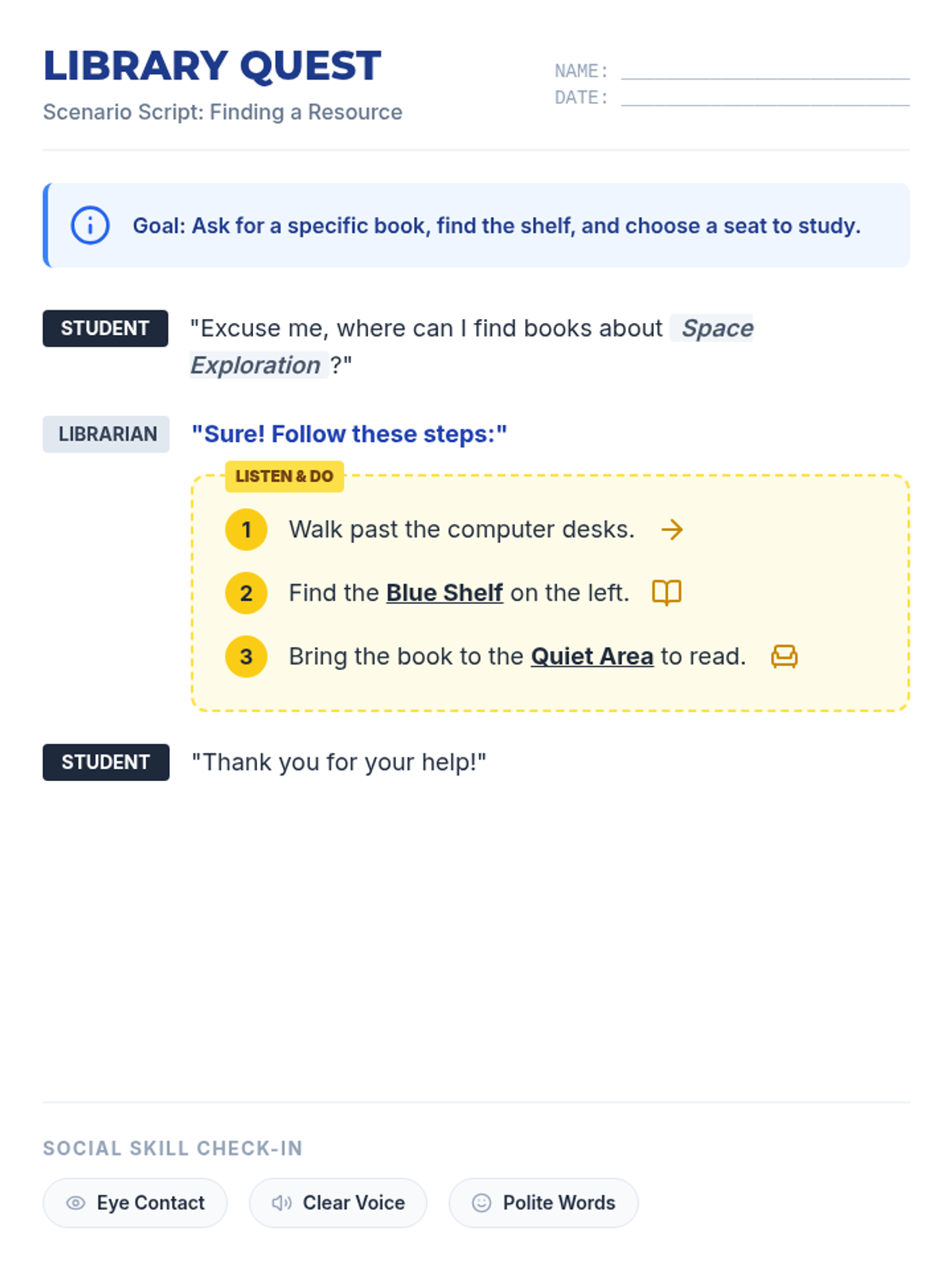
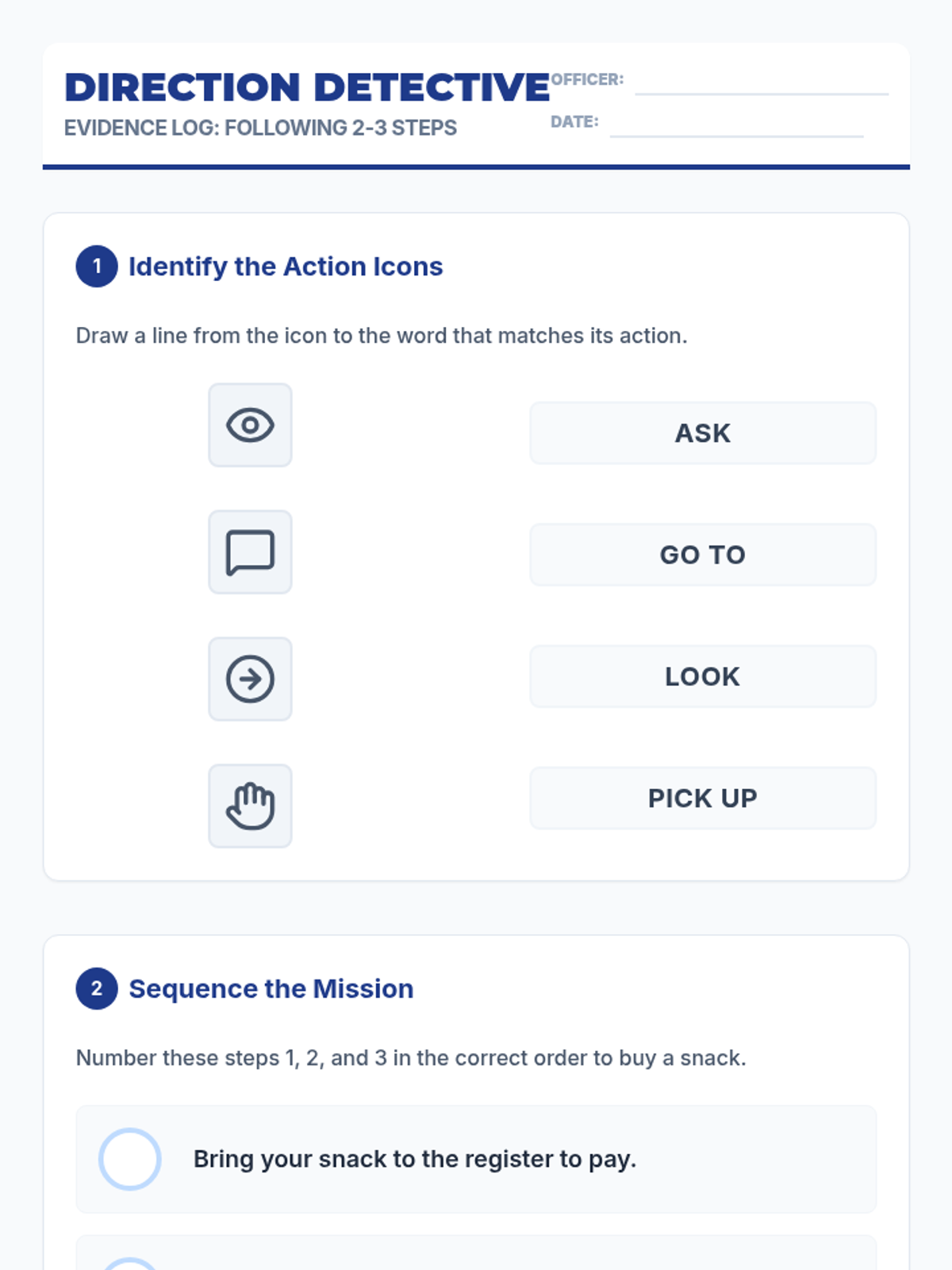
A comprehensive speech and language unit designed for high school students with special needs, focusing on following multi-step directions in functional, real-world environments like libraries and stores.
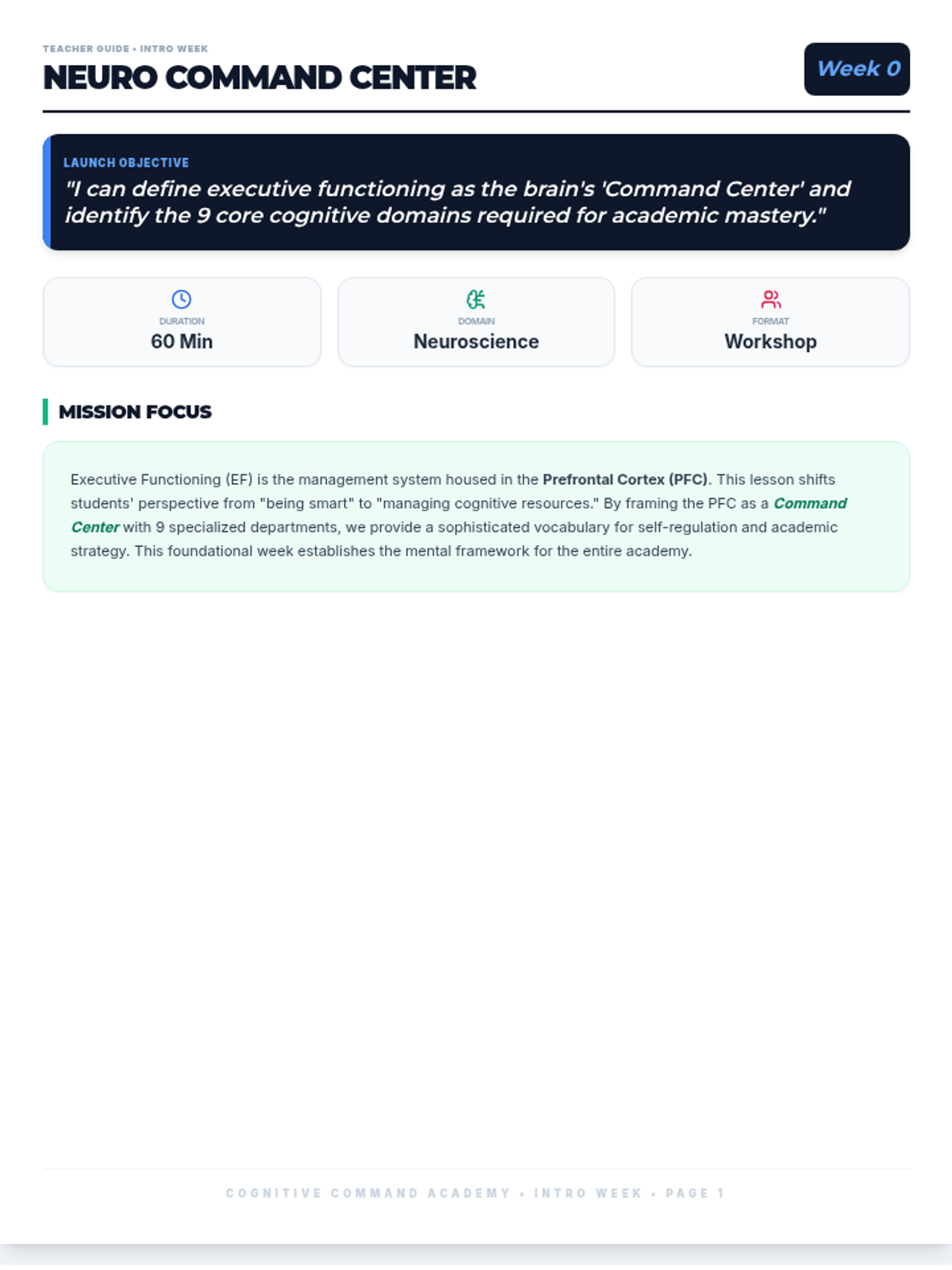
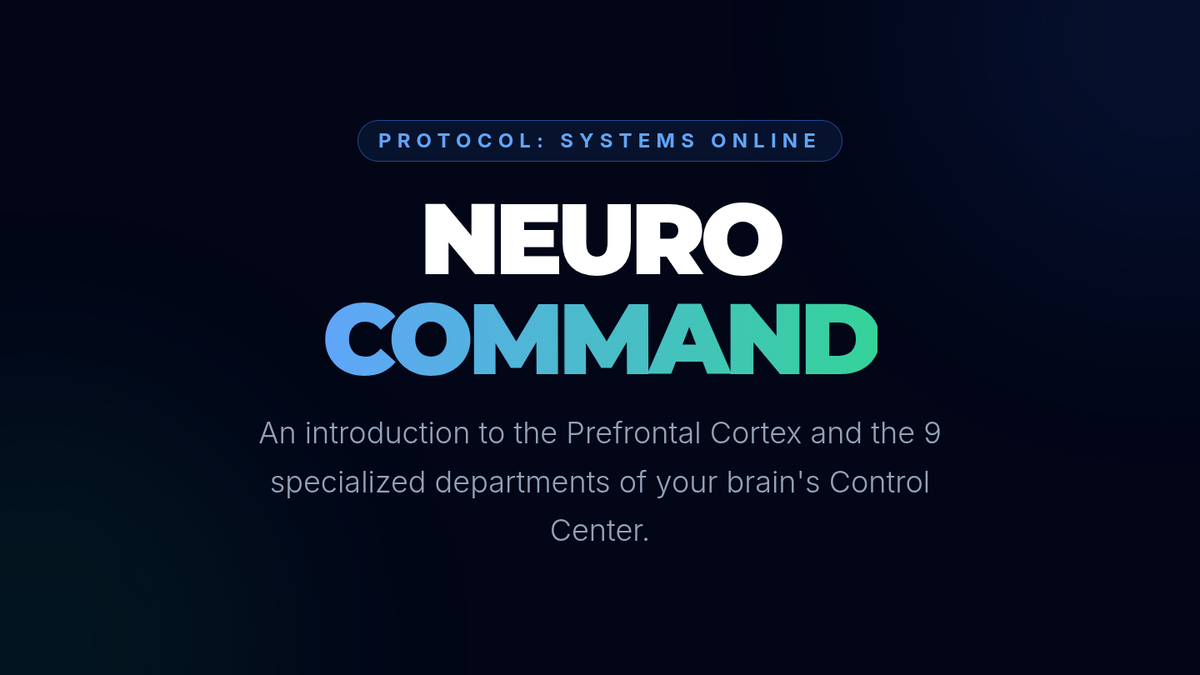
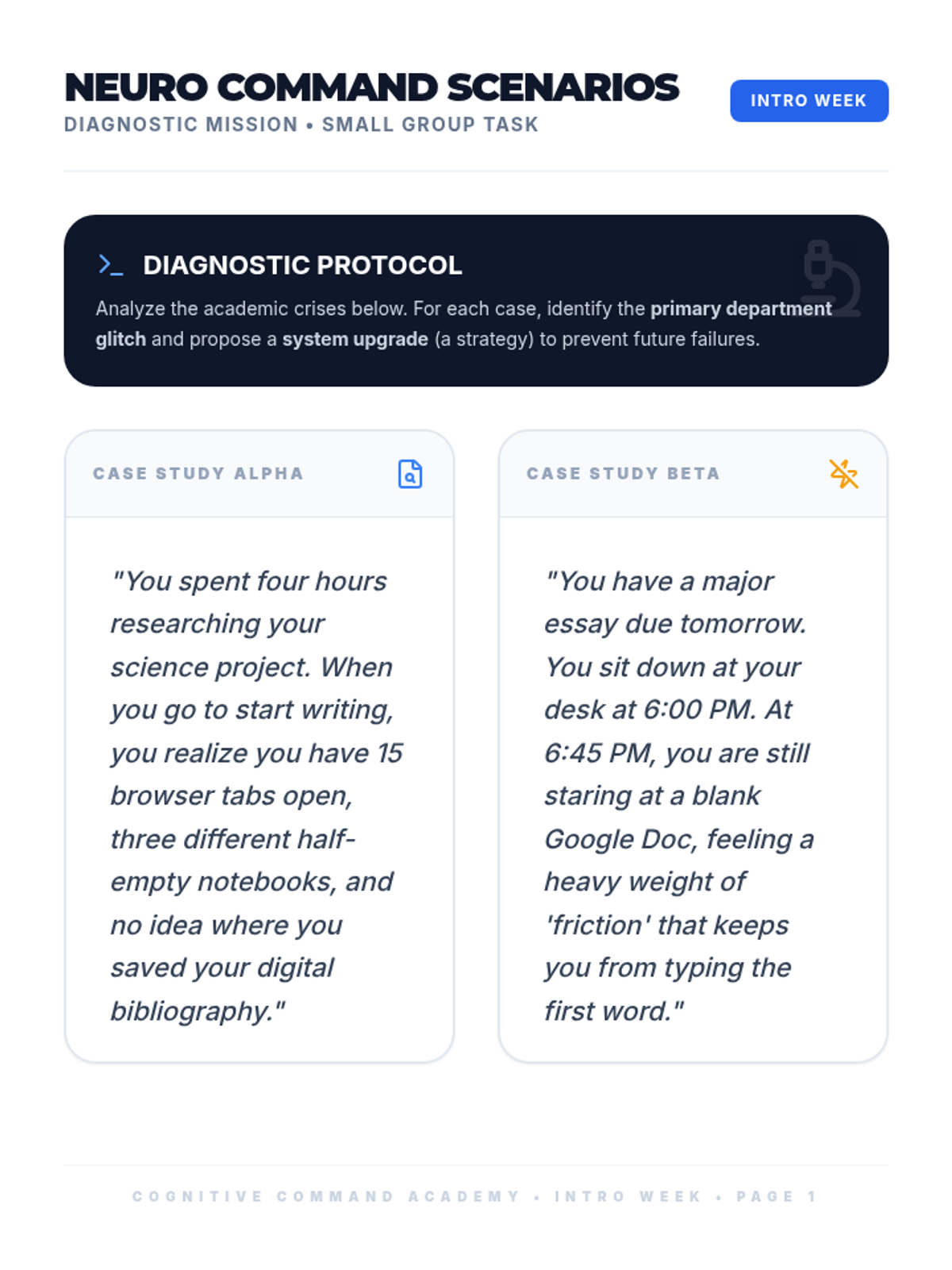
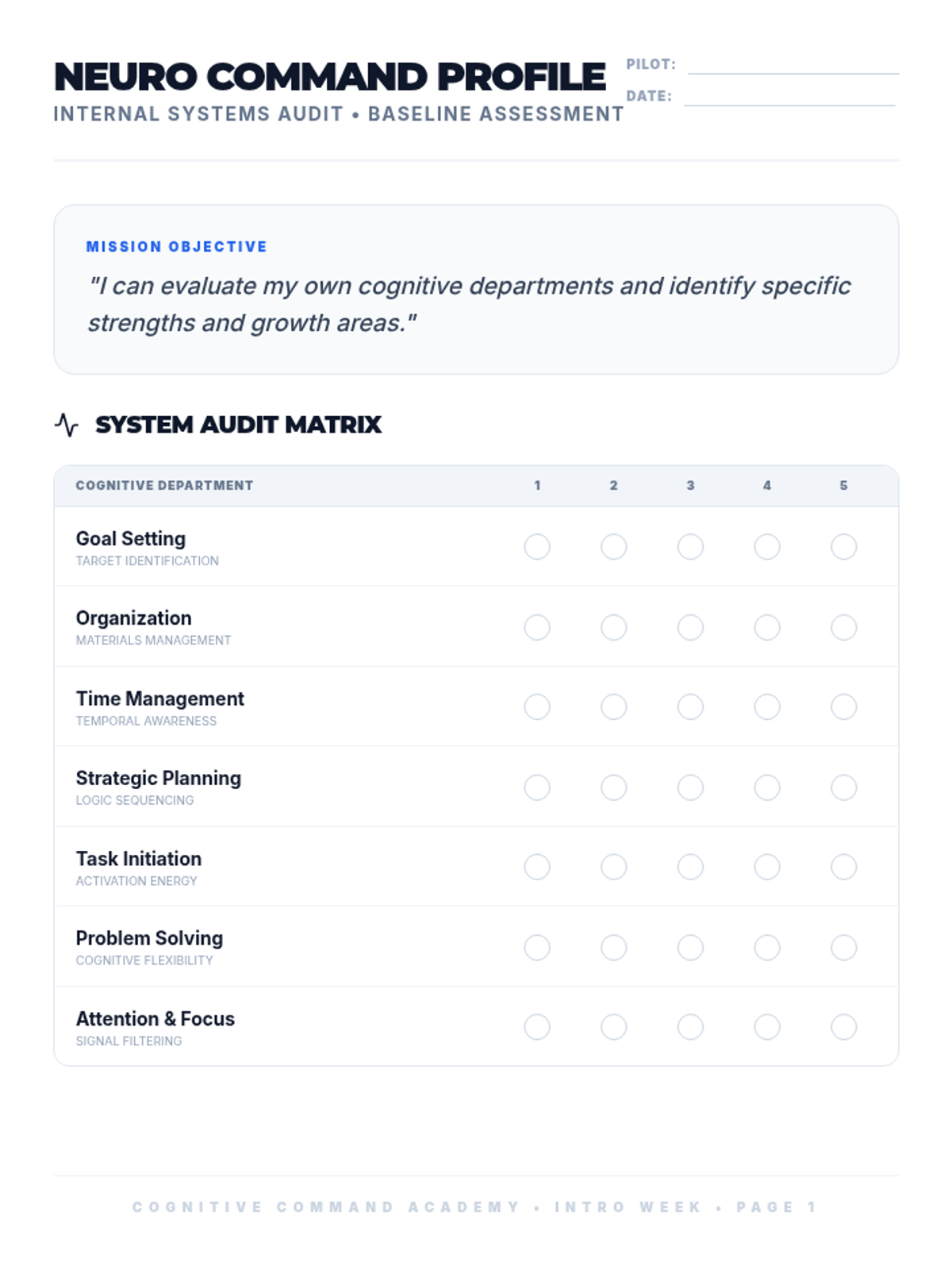
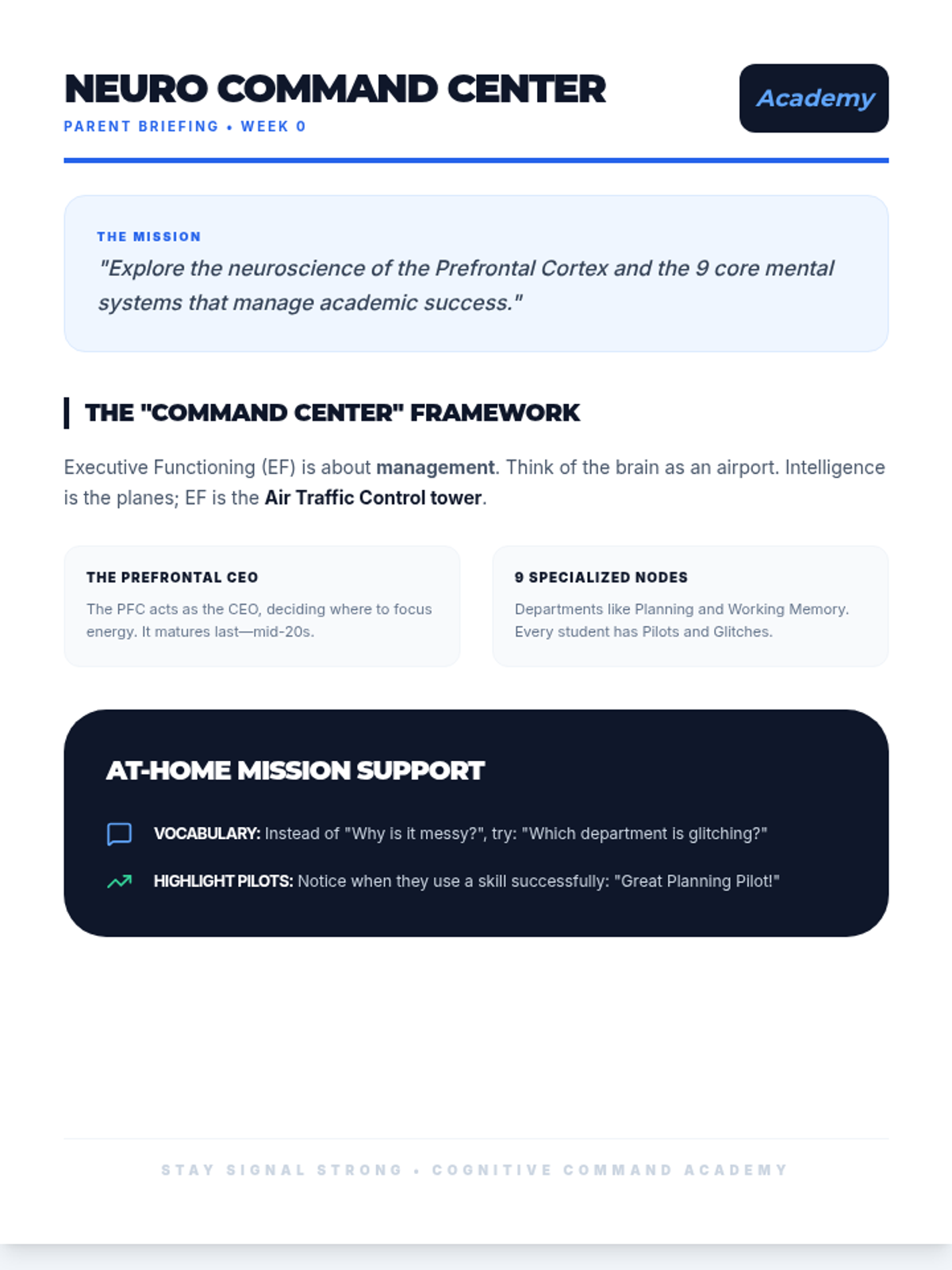
A comprehensive 11-lesson module (Intro, 9 skill weeks, and Review) designed for 6th-12th grade students to master executive functioning skills through a neuroscience-informed, "Command Center" framework. Each lesson balances theoretical understanding of the prefrontal cortex with practical, high-level strategies for academic and personal success.
A comprehensive K-12 curriculum focused on core executive functioning skills, providing a roadmap for skill development from early childhood through graduation. Includes frameworks, activity guides, and assessment tools.
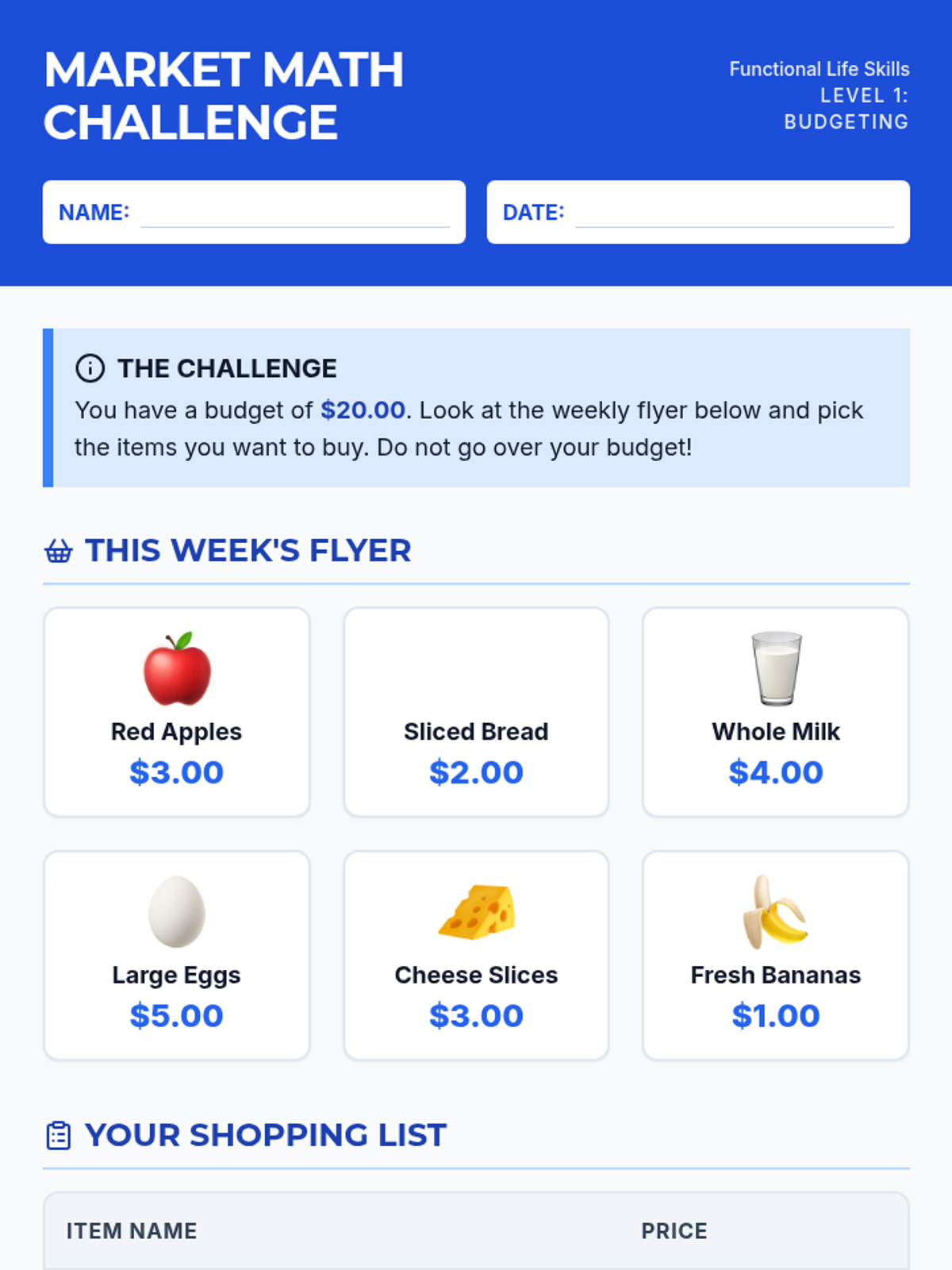
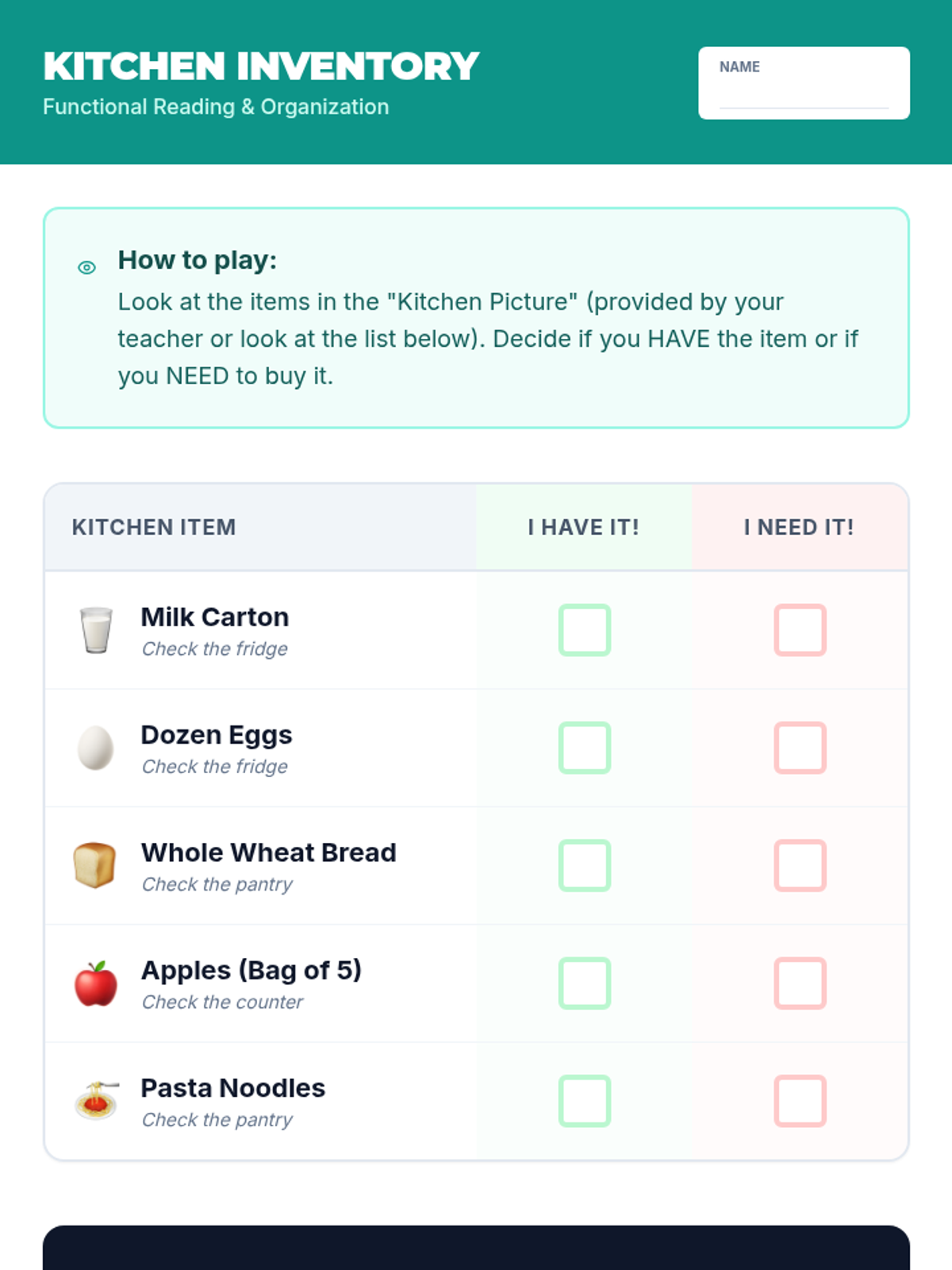
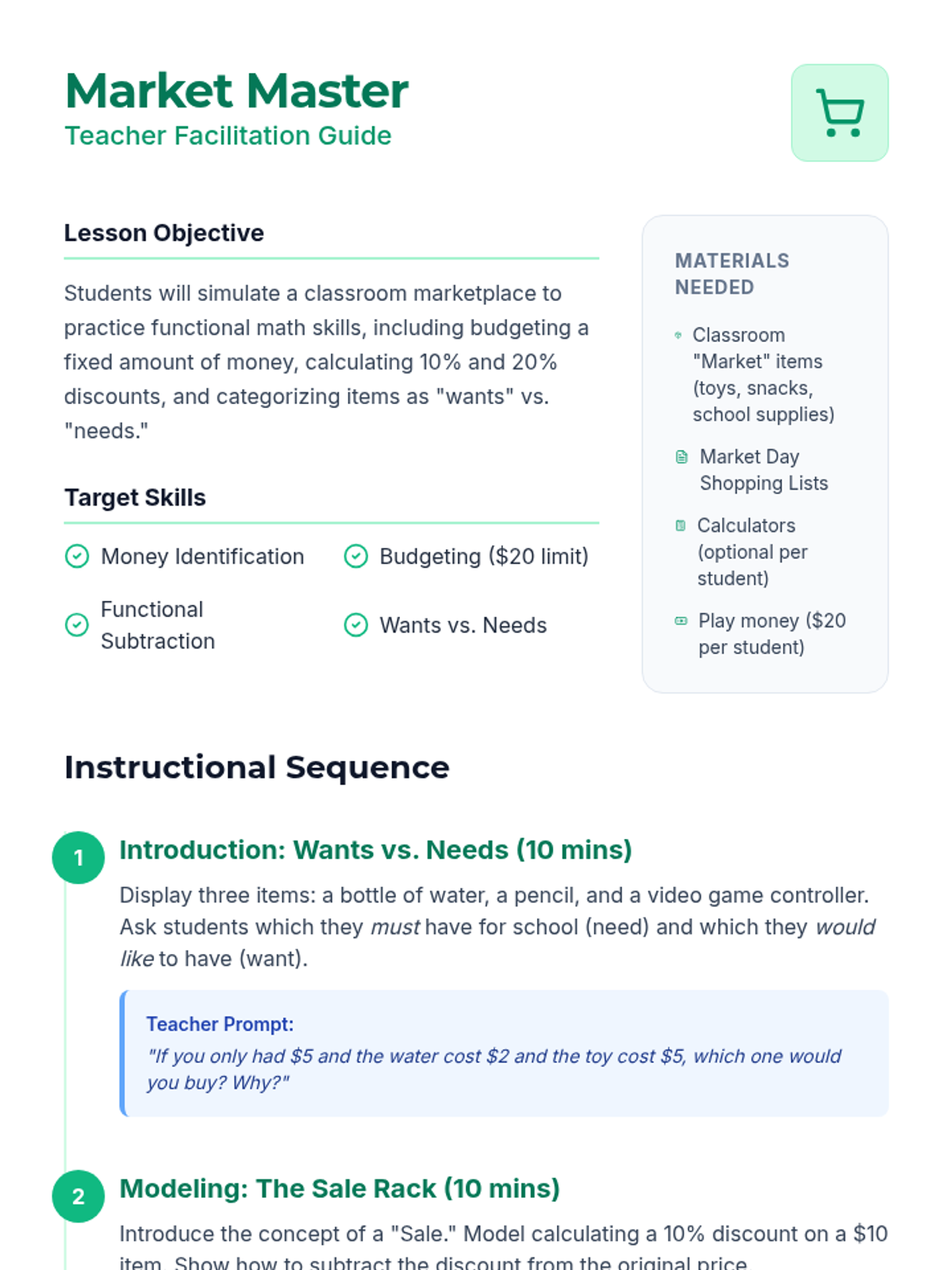
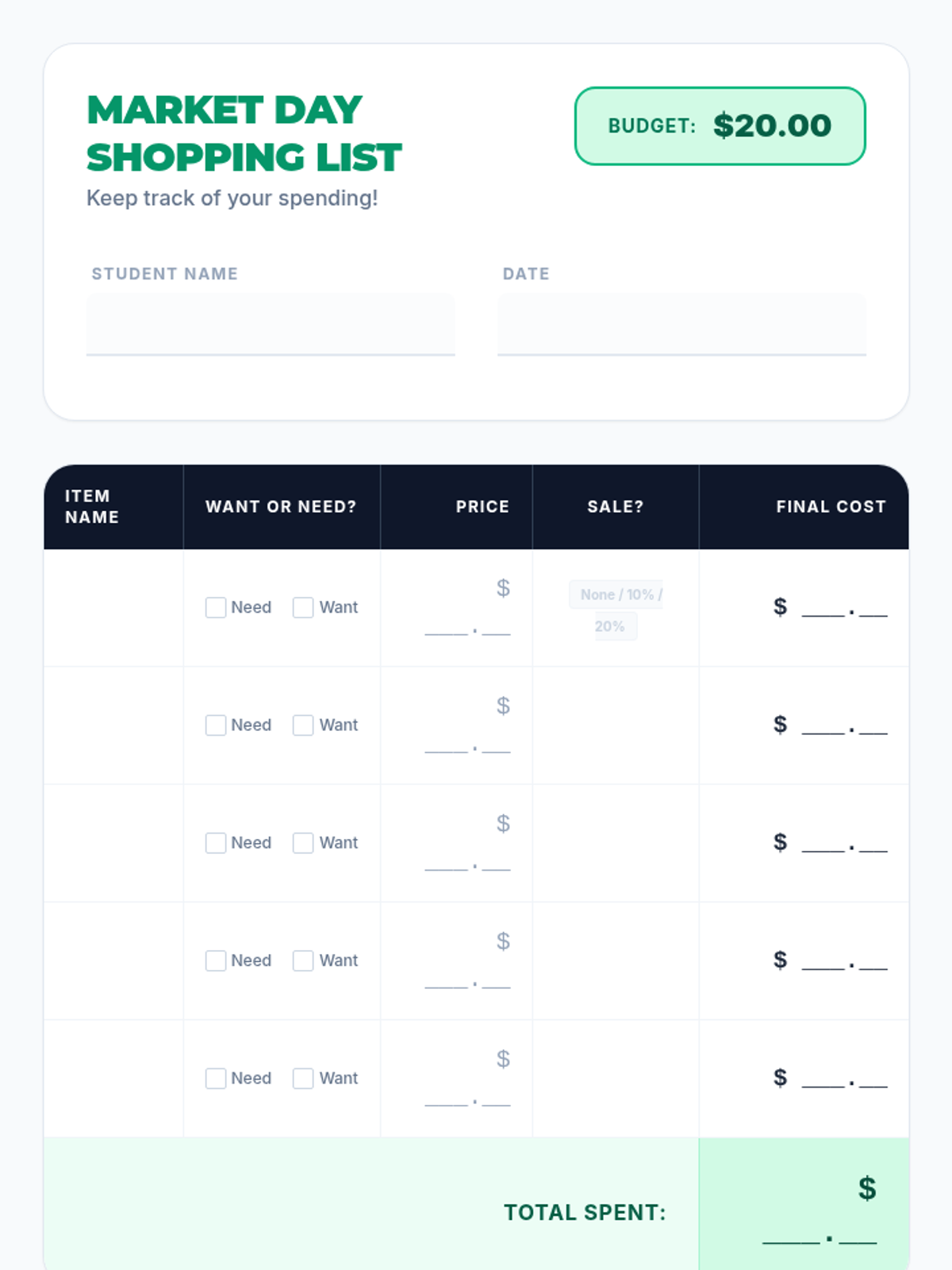
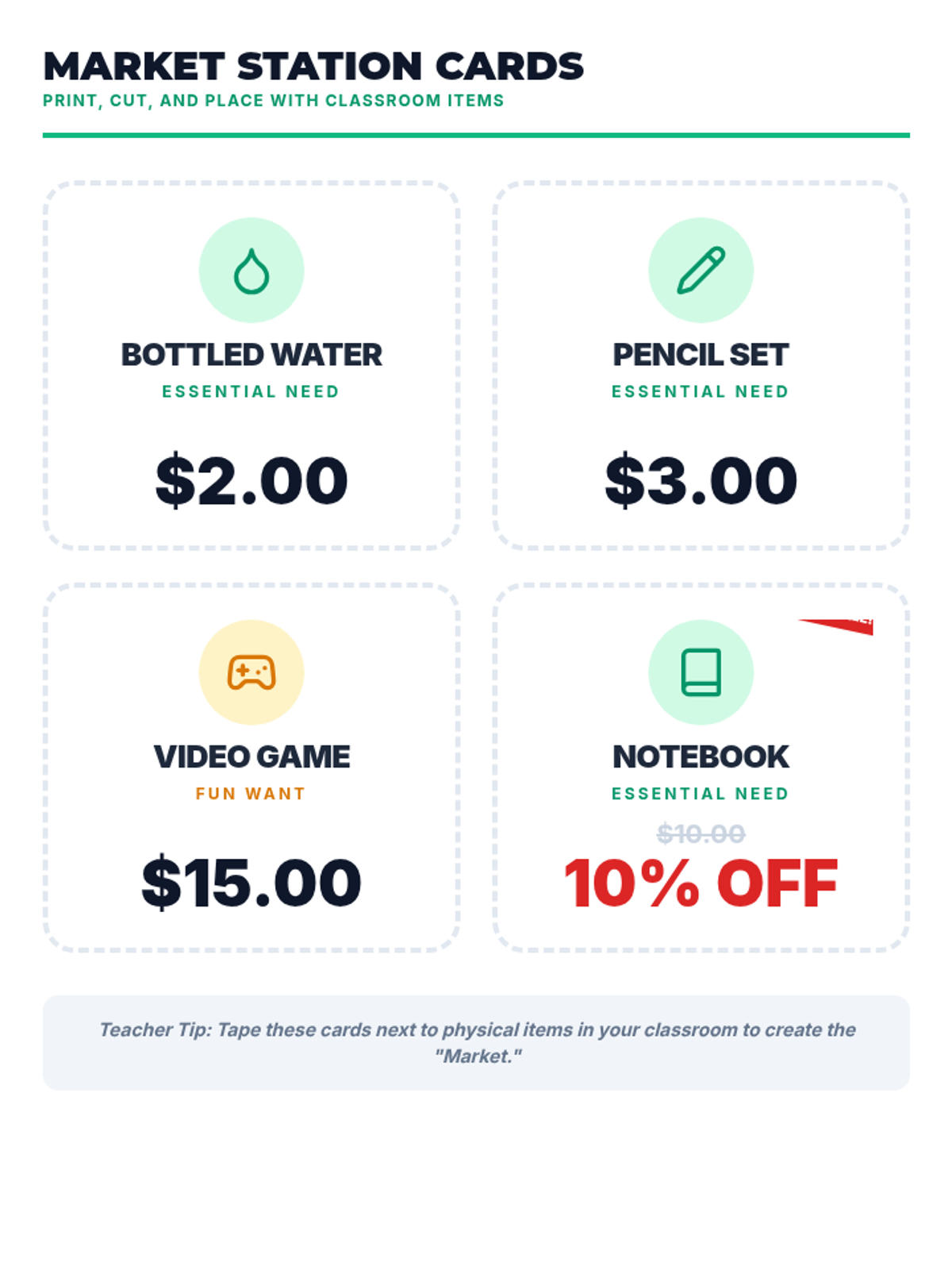
A comprehensive life skills unit focused on functional math and reading through the lens of grocery shopping, budgeting, and kitchen management. Designed specifically for high school special education students to build independence.
A comprehensive unit on functional math and financial literacy designed for special education students, focusing on real-world money management and life skills.
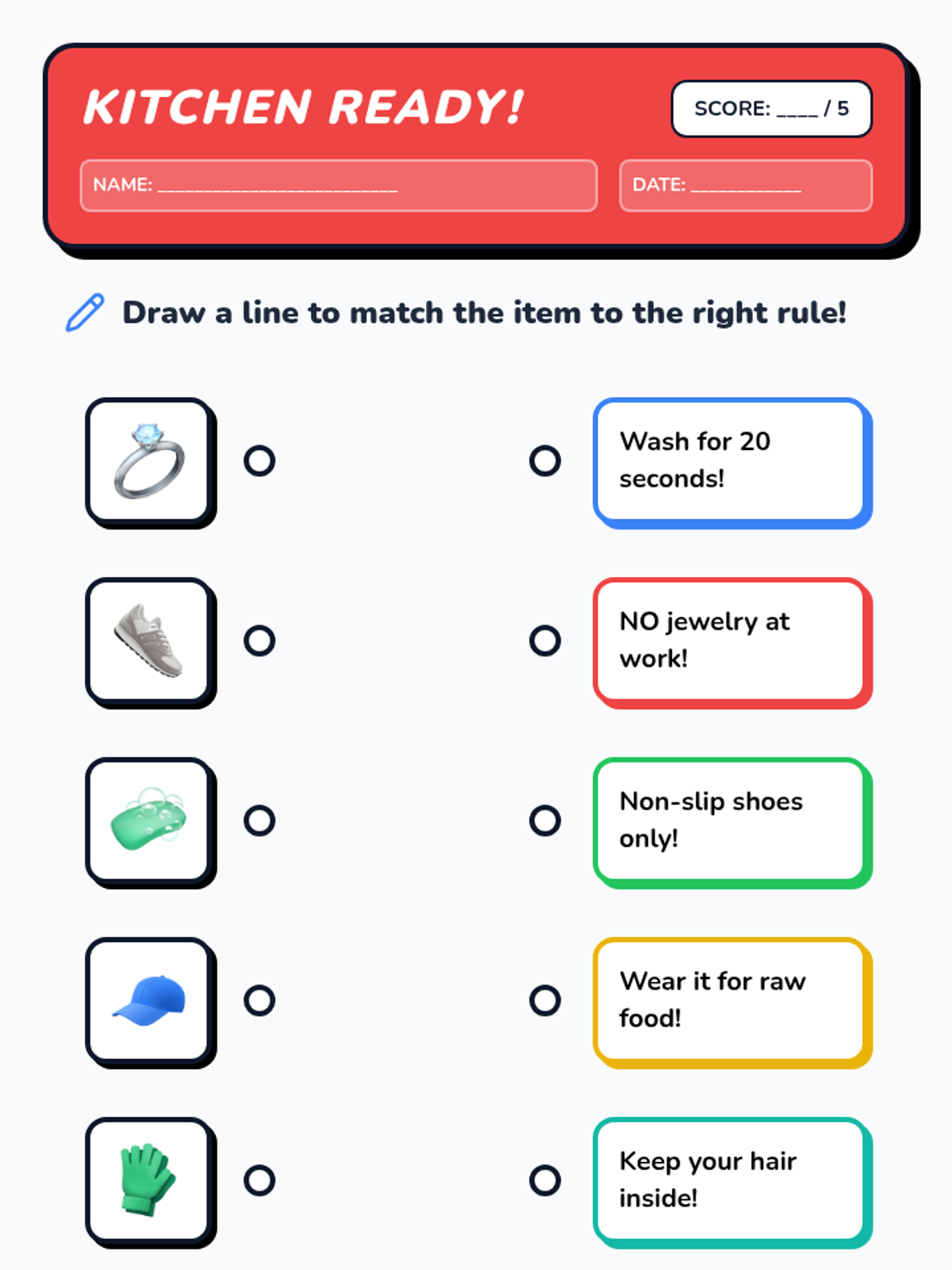
A comprehensive food safety training program designed for 18+ special education students, focusing on the essential skills needed to earn a food handlers card through visual learning and simplified concepts.
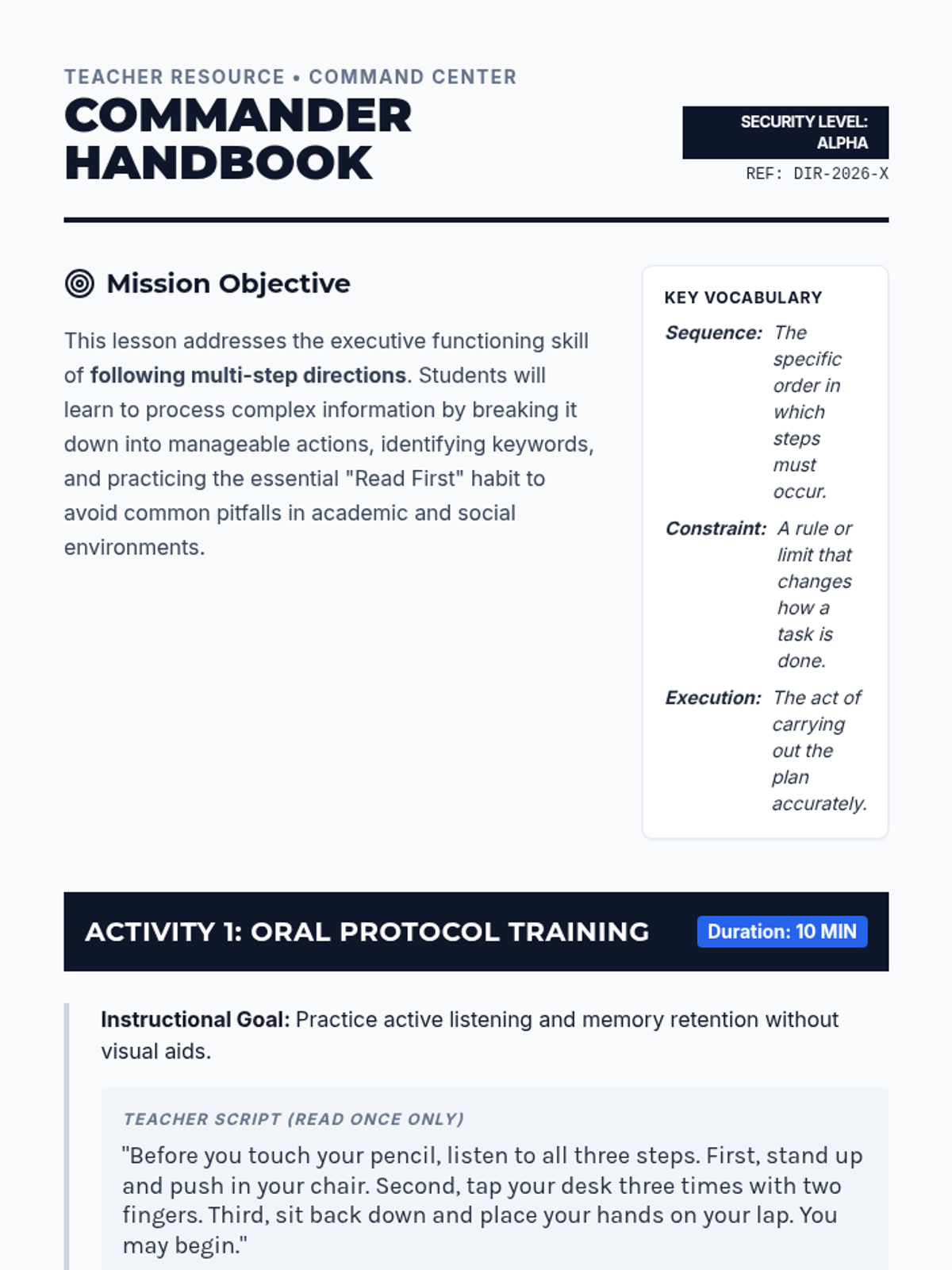
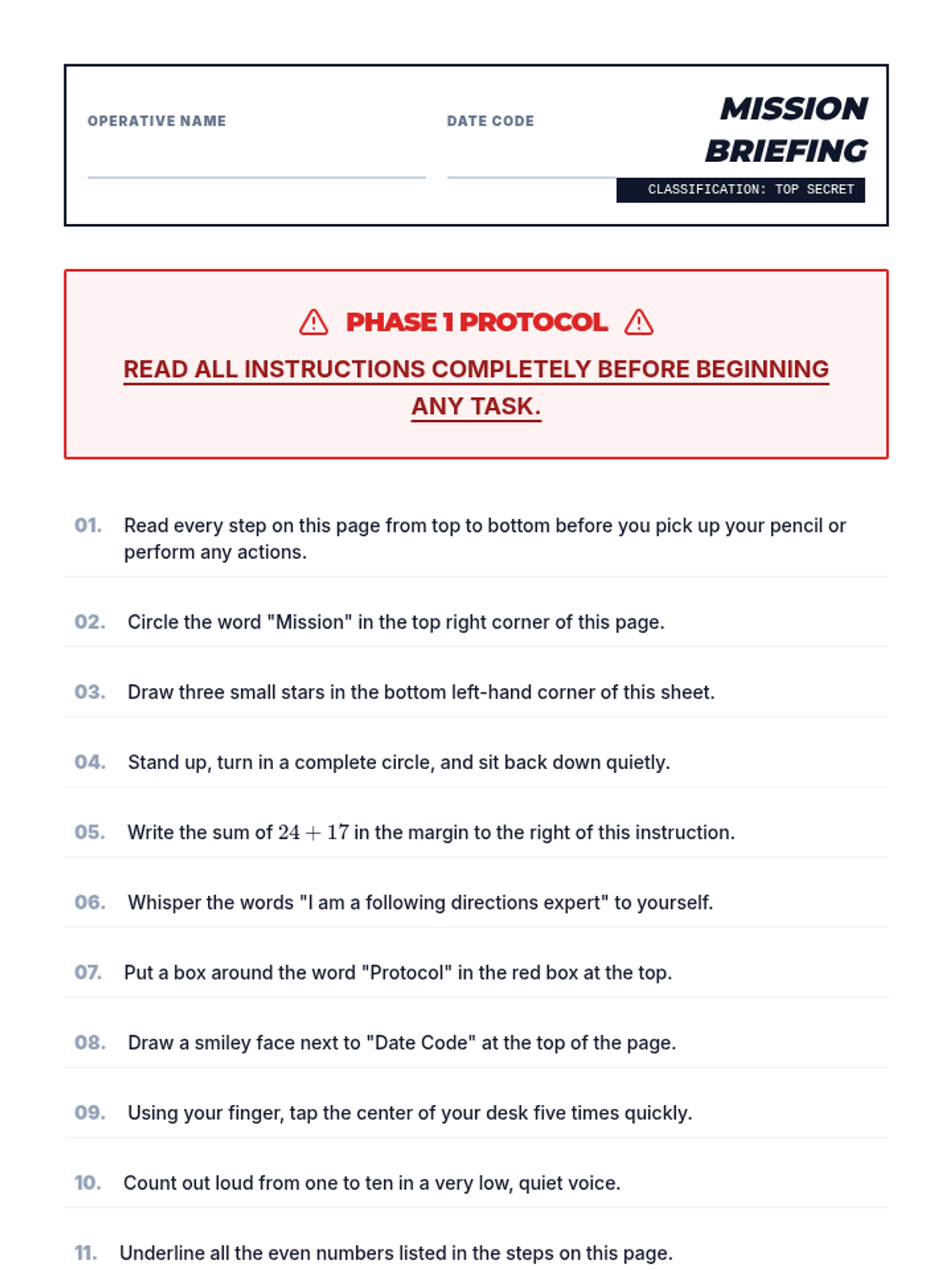
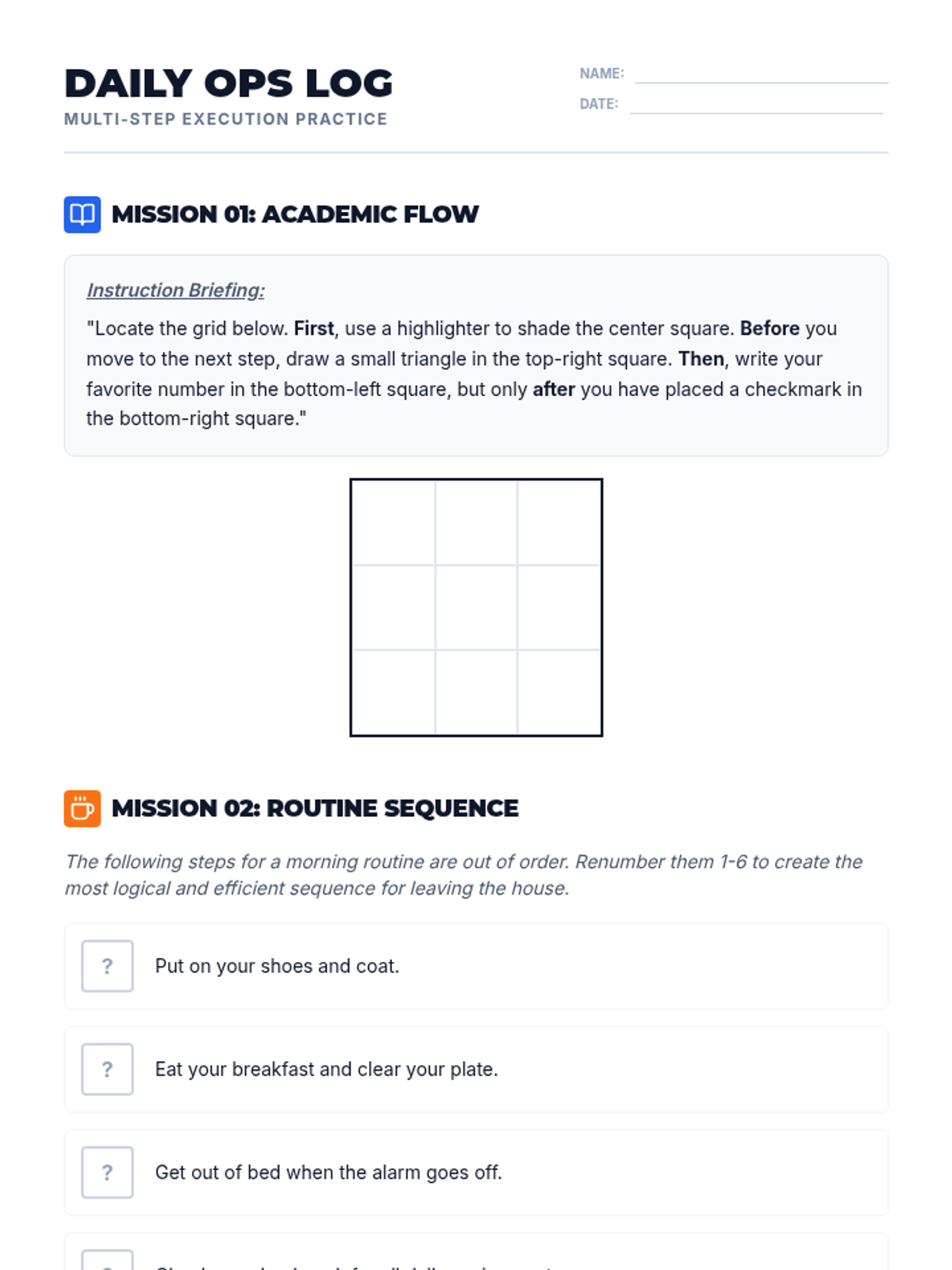
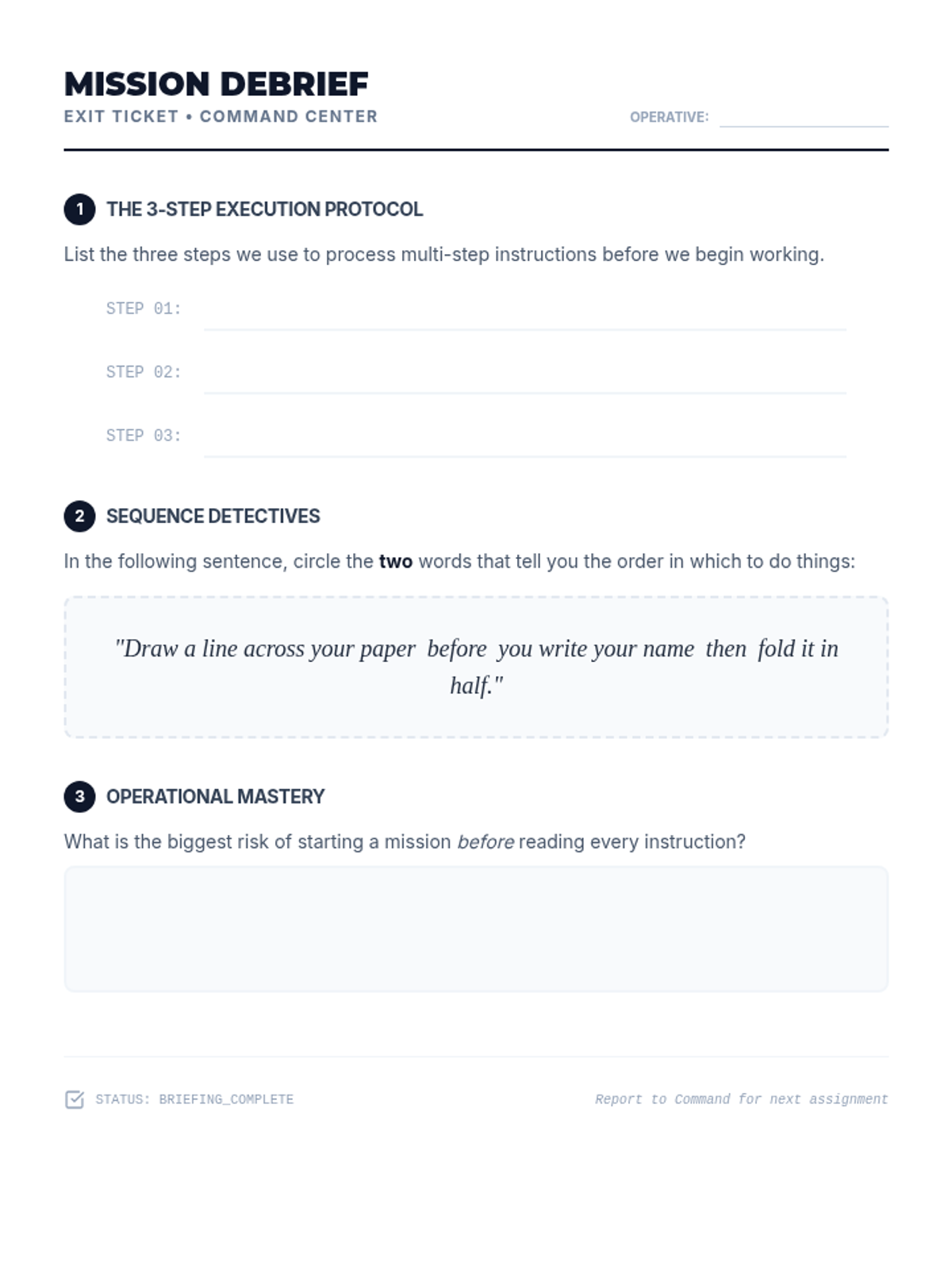
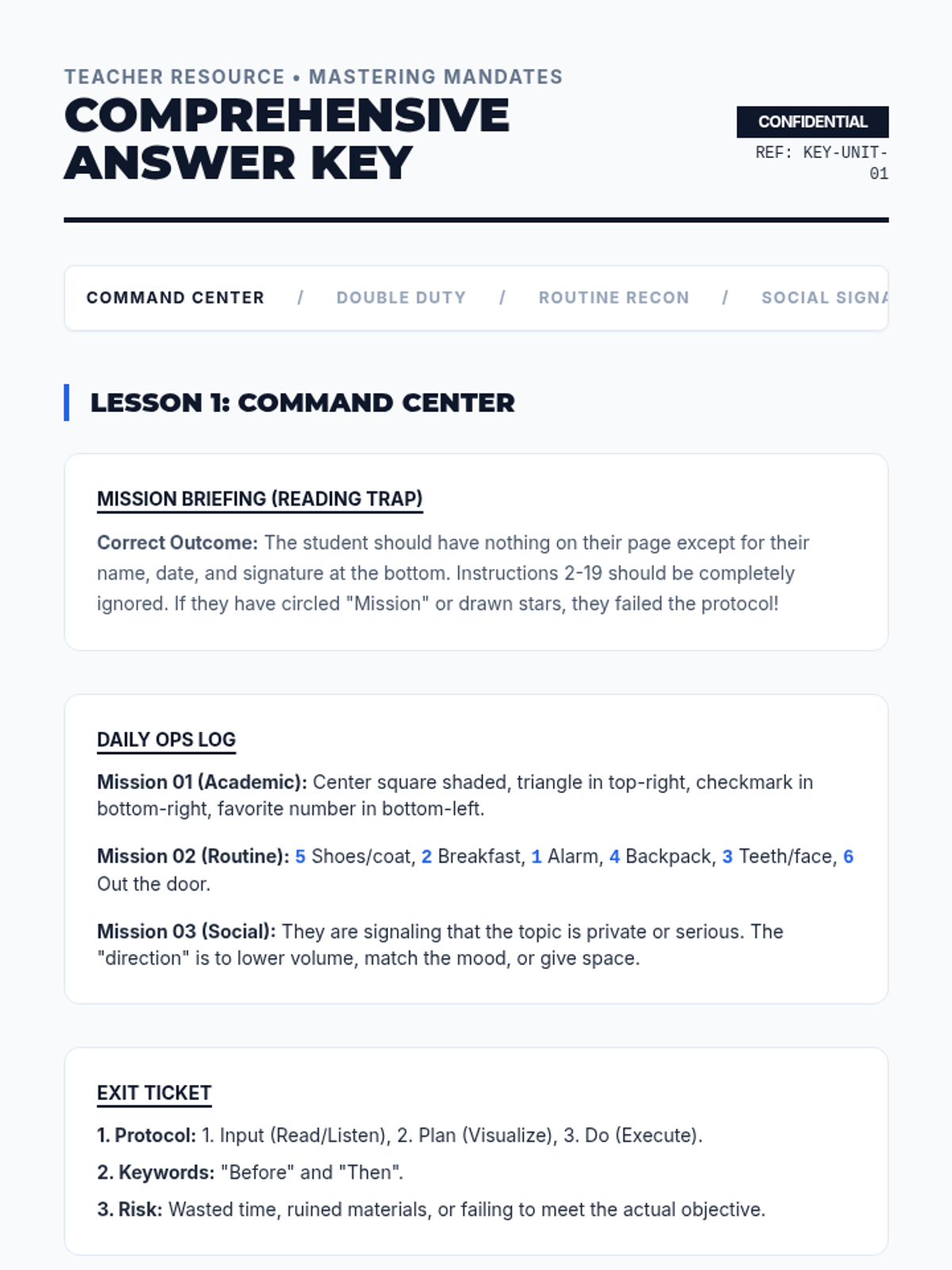
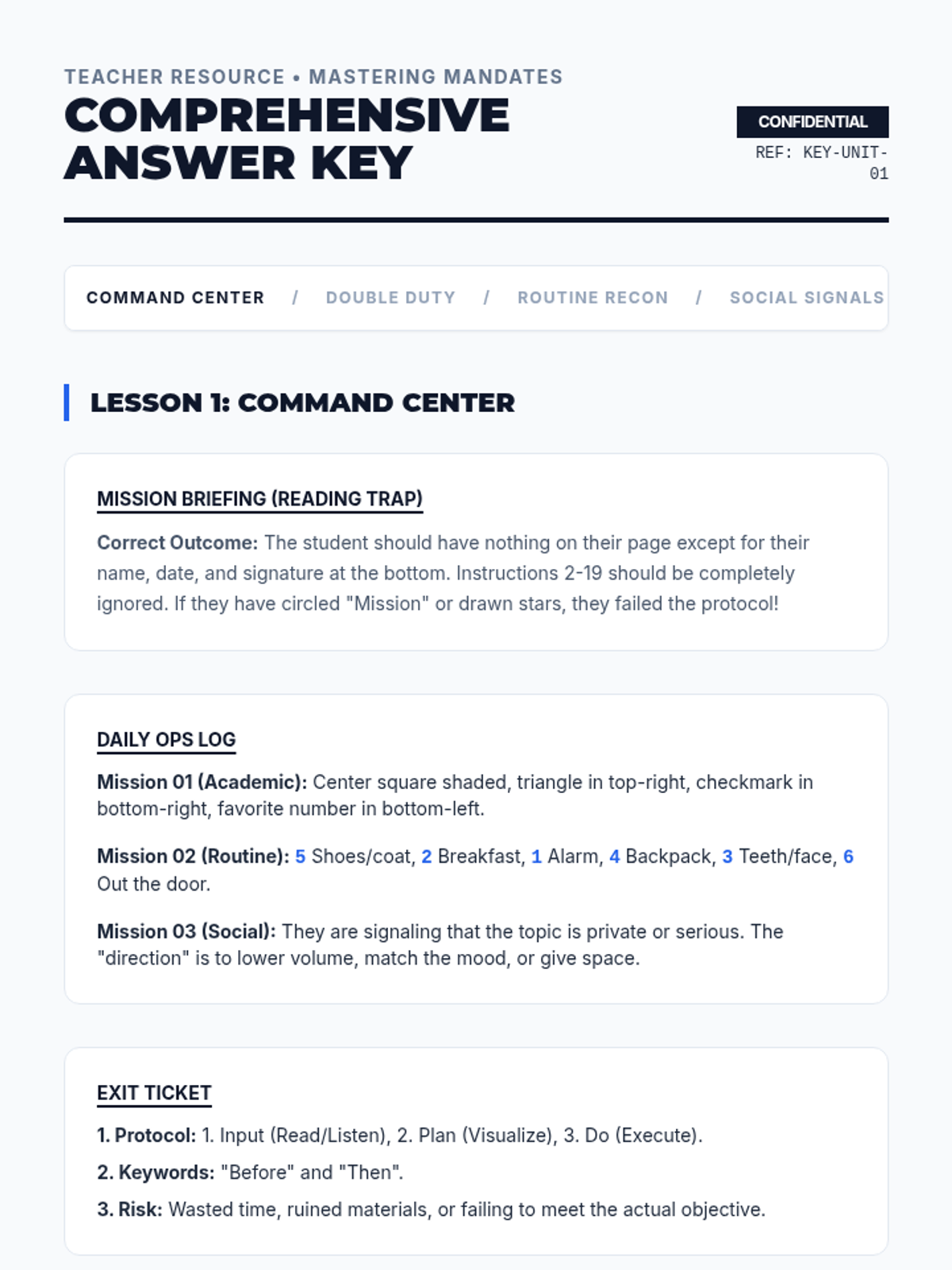
A comprehensive unit on executive functioning skills, focusing on active listening, reading comprehension for instructions, and sequence execution across academic and social settings.
A self-advocacy sequence for 11th-grade students to manage working memory challenges by requesting single-step directions and professional modifications in fast-paced environments.
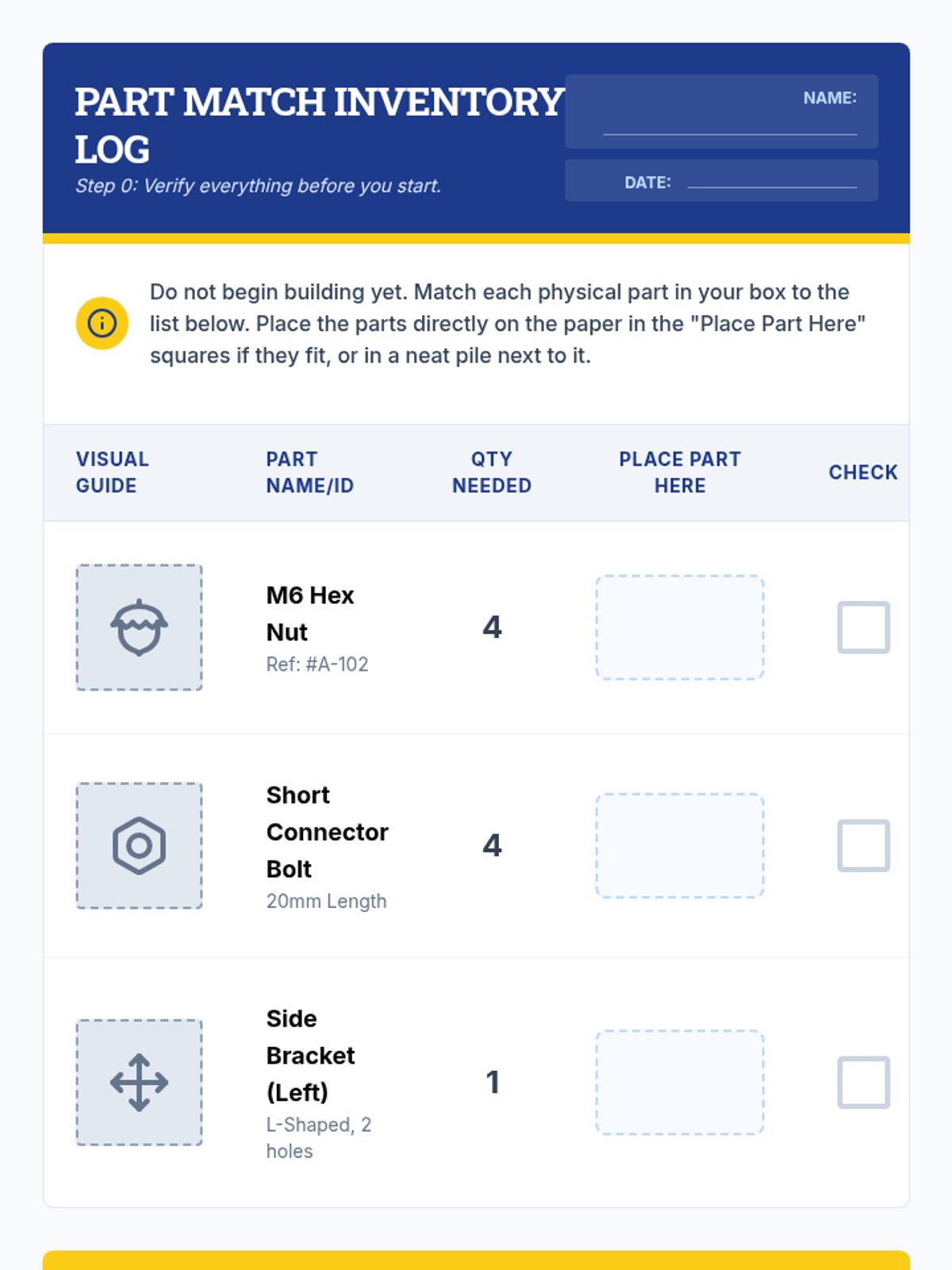
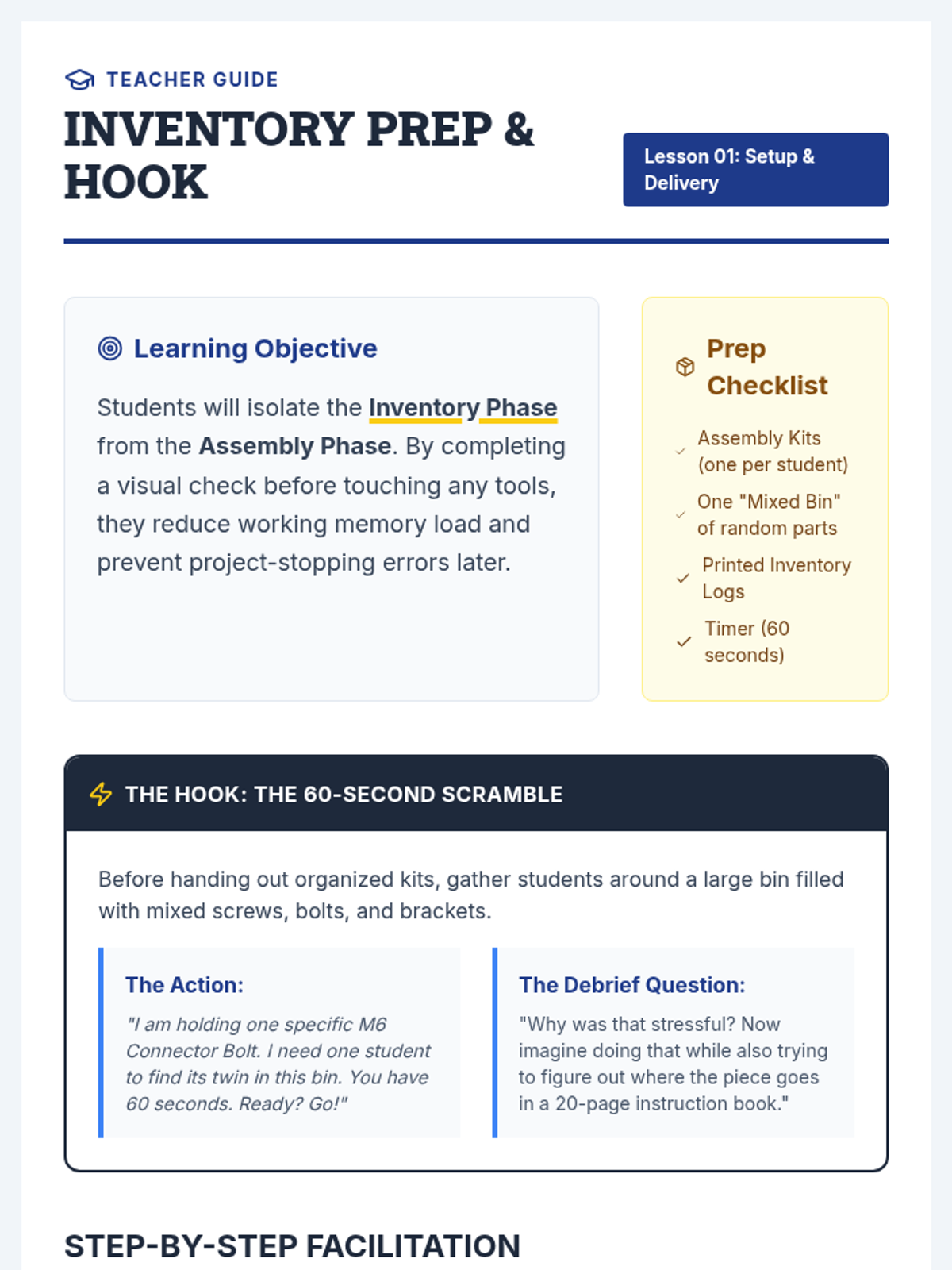
A vocational and life skills sequence focusing on procedural assembly for 12th-grade students with working memory needs. Students practice strict single-step adherence through inventory, fastening, partner systems, and spatial orientation tasks to ensure structural success.
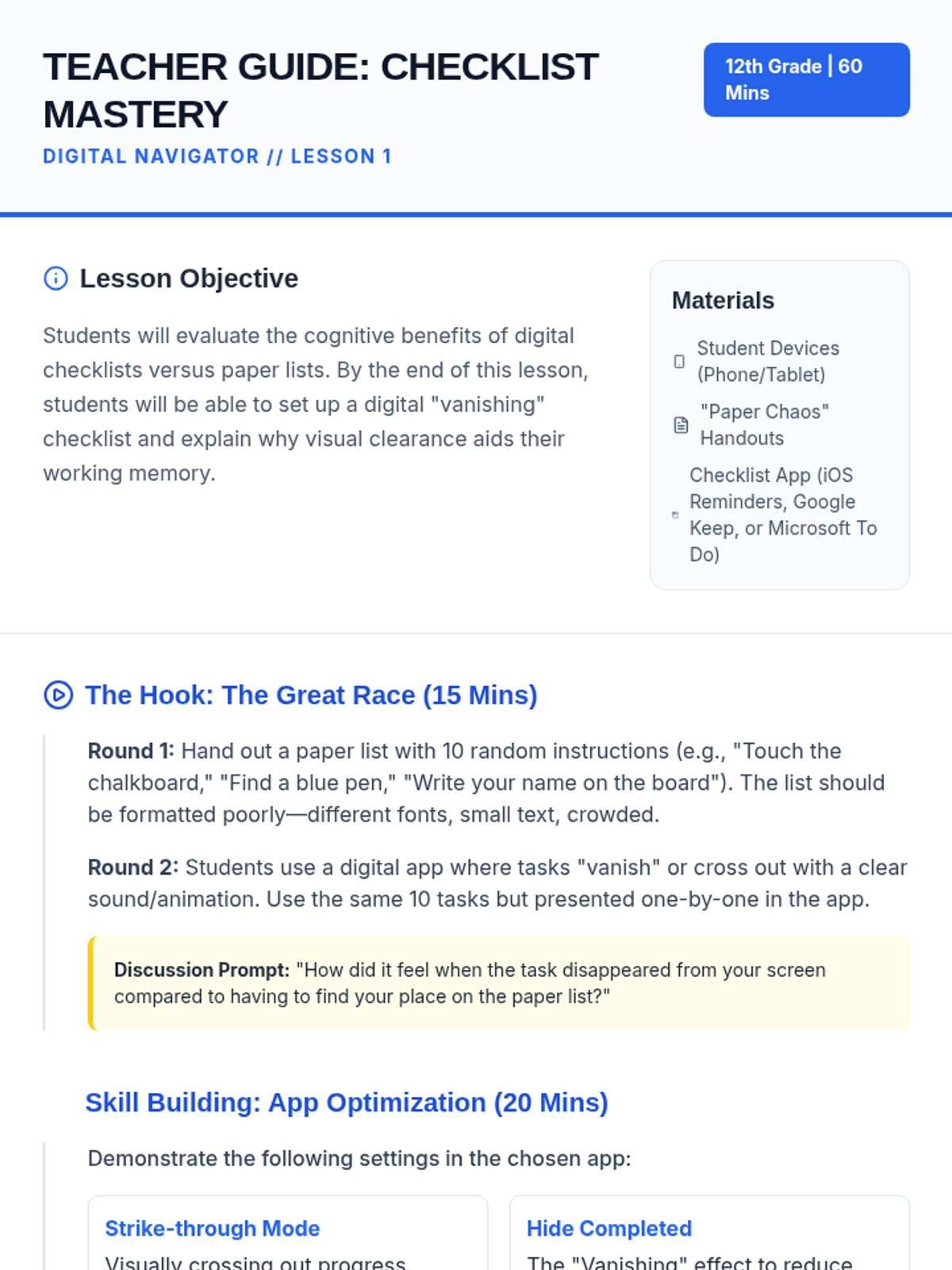
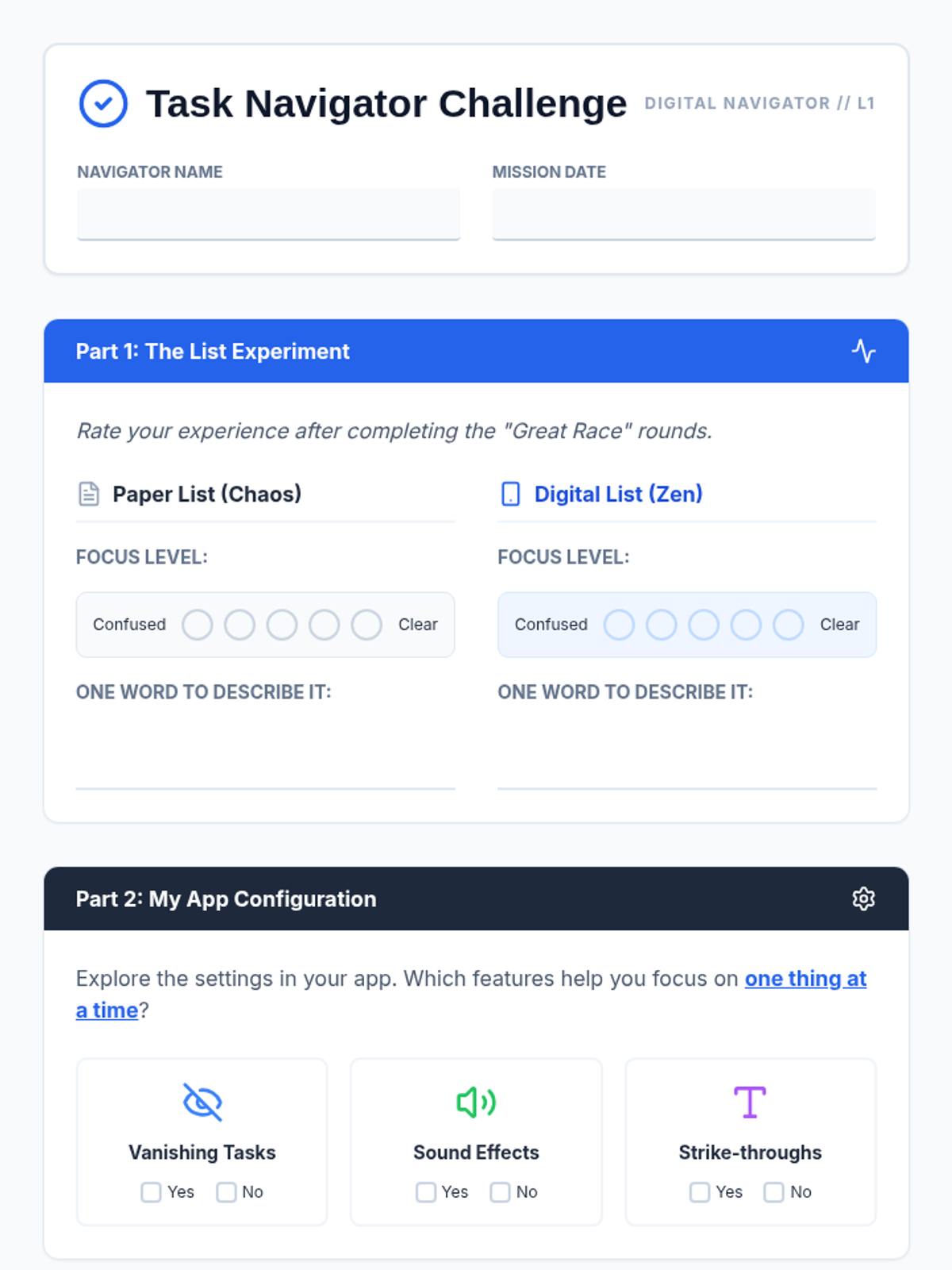
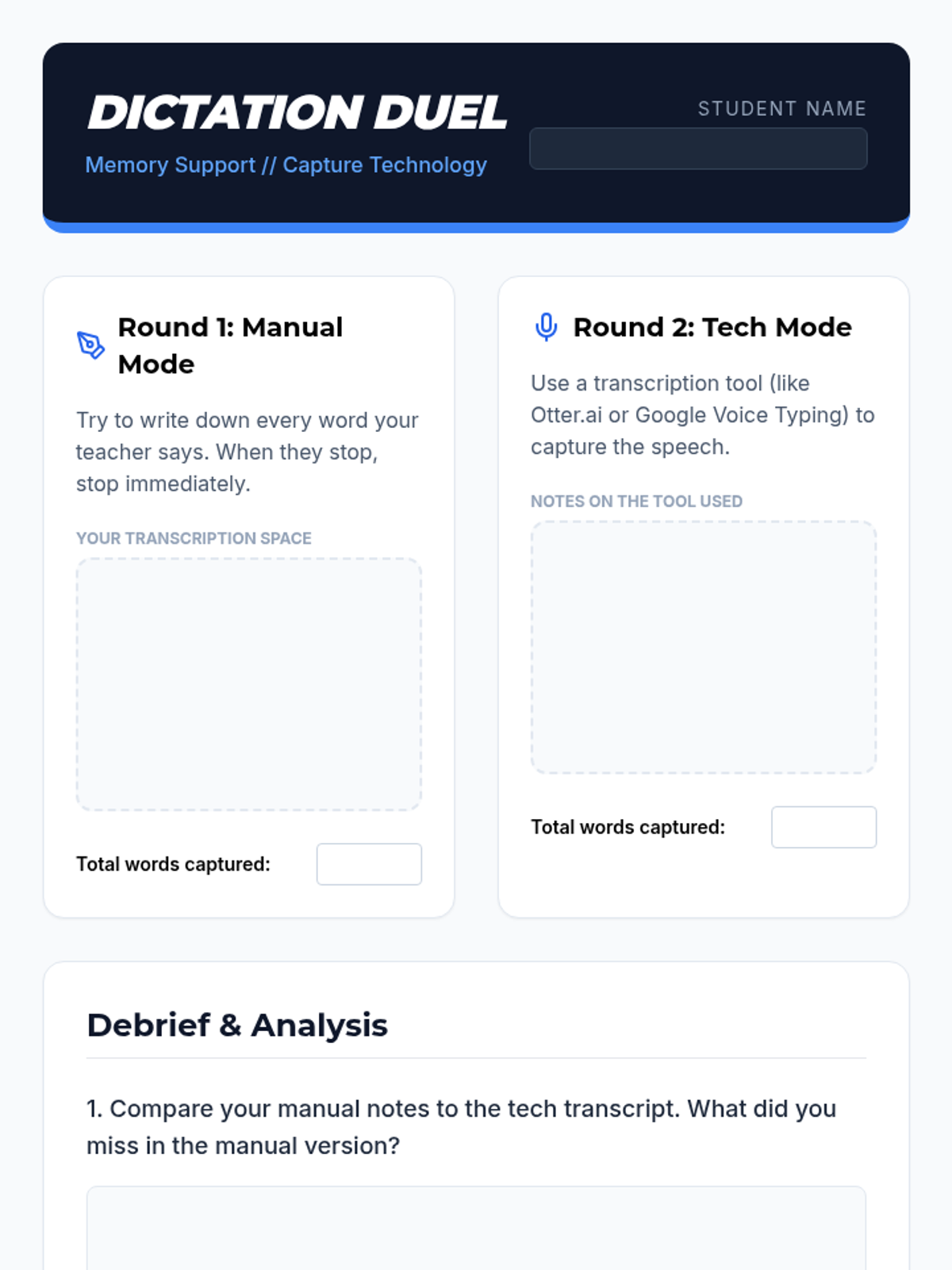
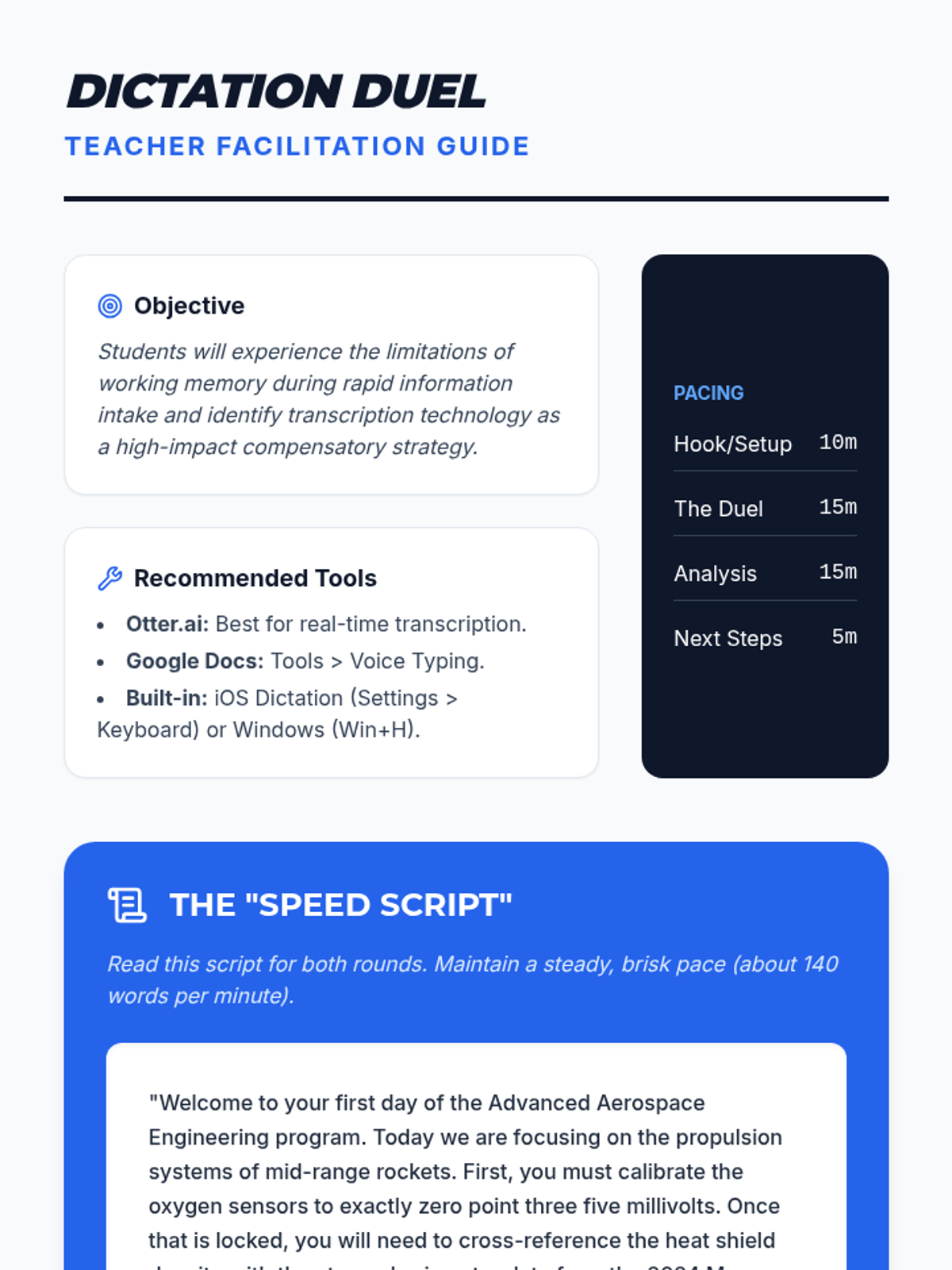
A 5-lesson sequence for 12th-grade students with working memory challenges, focusing on using assistive technology to break down complex tasks into manageable single-step directions. Students explore checklists, voice assistants, photo-based instructions, and QR codes to build independence through digital literacy.
A specialized instructional unit for 12th-grade students focusing on overcoming working memory challenges through single-step task execution. This sequence teaches students to use 'masking', task deconstruction, and binary decision-making to master complex home maintenance and independent living tasks.
This 5-lesson sequence empowers 9th-grade students to manage cognitive load through self-advocacy. Students explore working memory, identify overload signals, develop communication scripts, and practice negotiating accommodations for single-step directions.
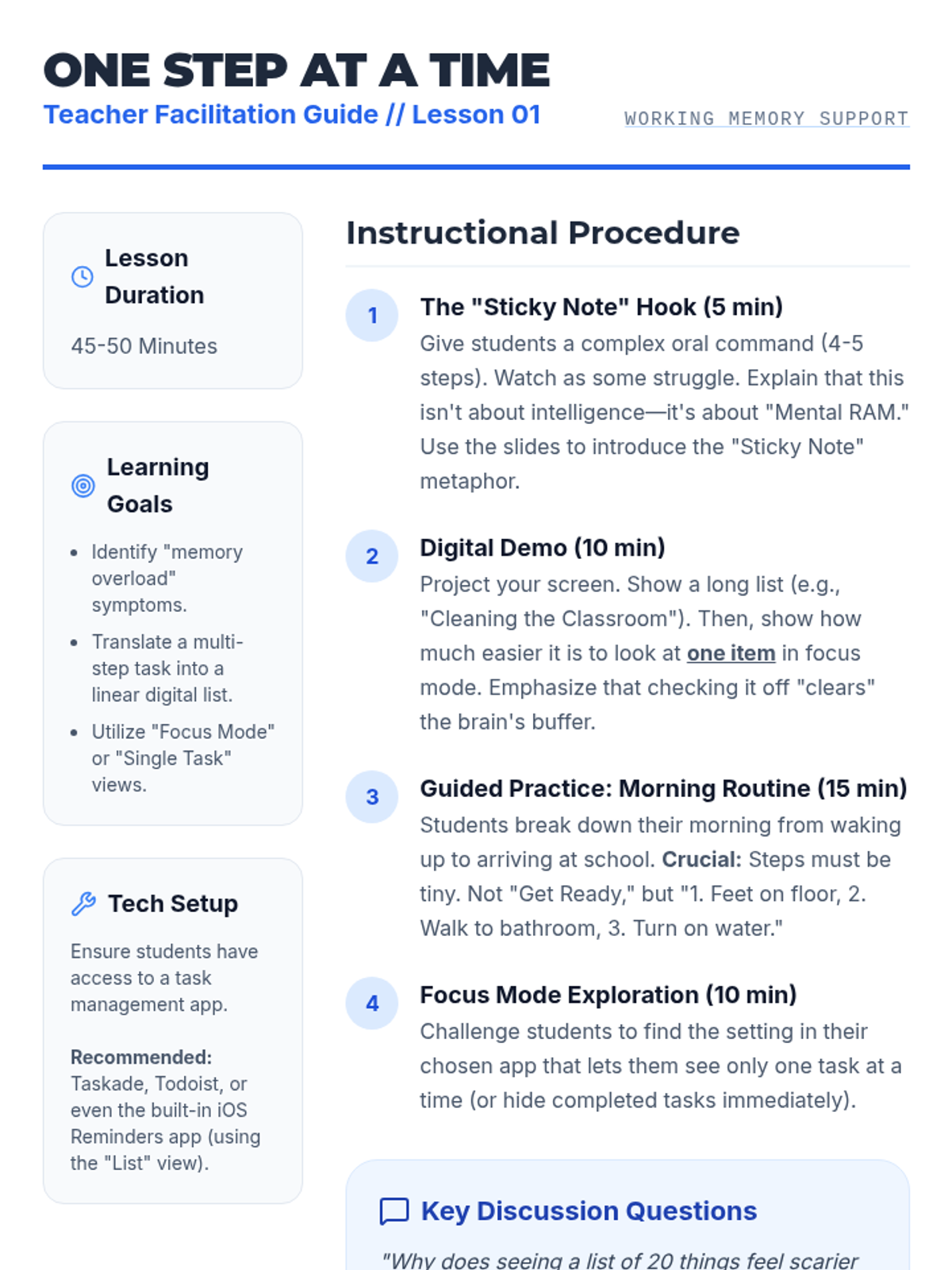
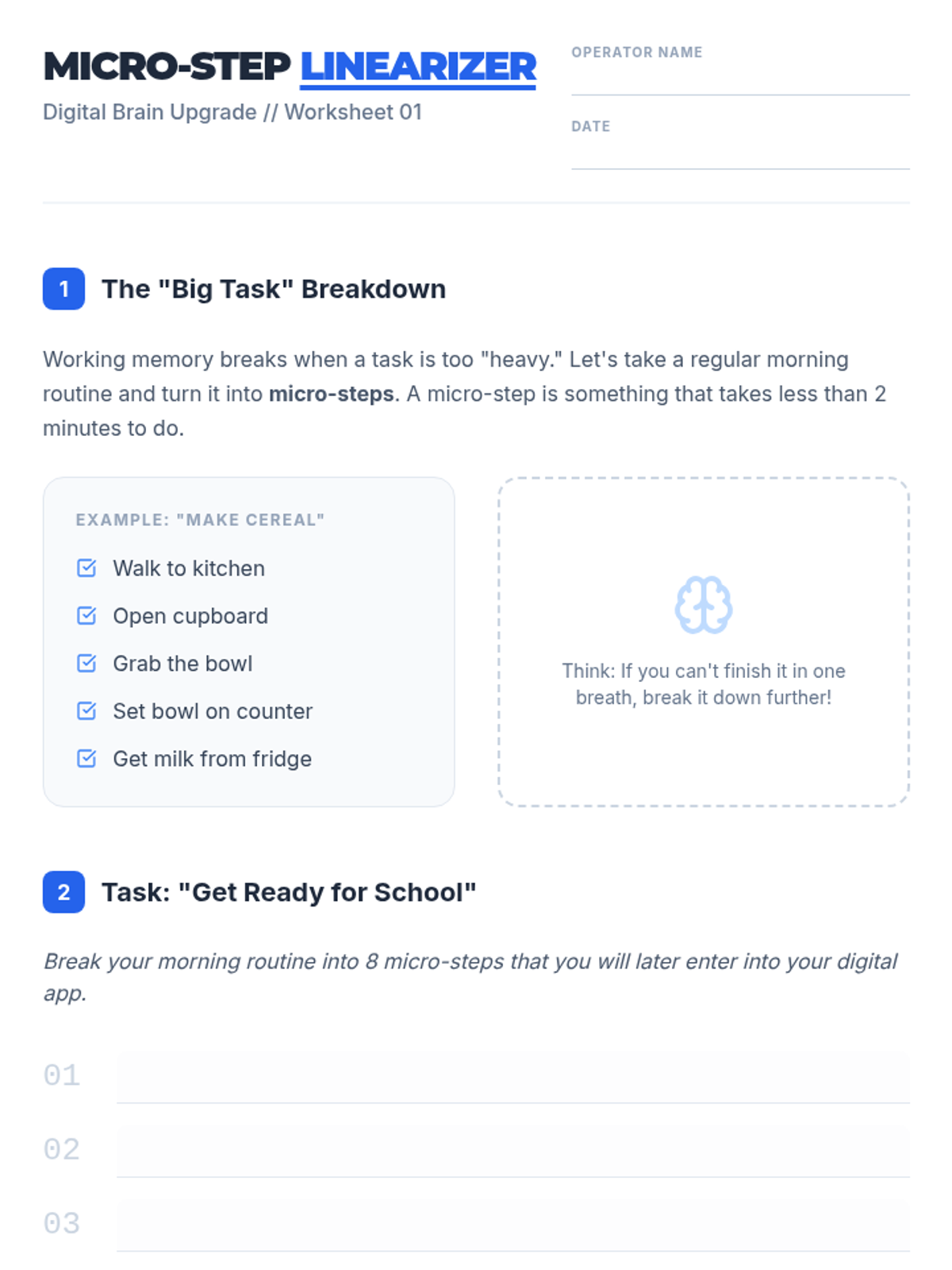
This sequence empowers students with working memory challenges to use digital tools to linearize tasks. Students learn to offload cognitive burden by using task managers, voice assistants, QR codes, and accessibility features to focus on one step at a time.
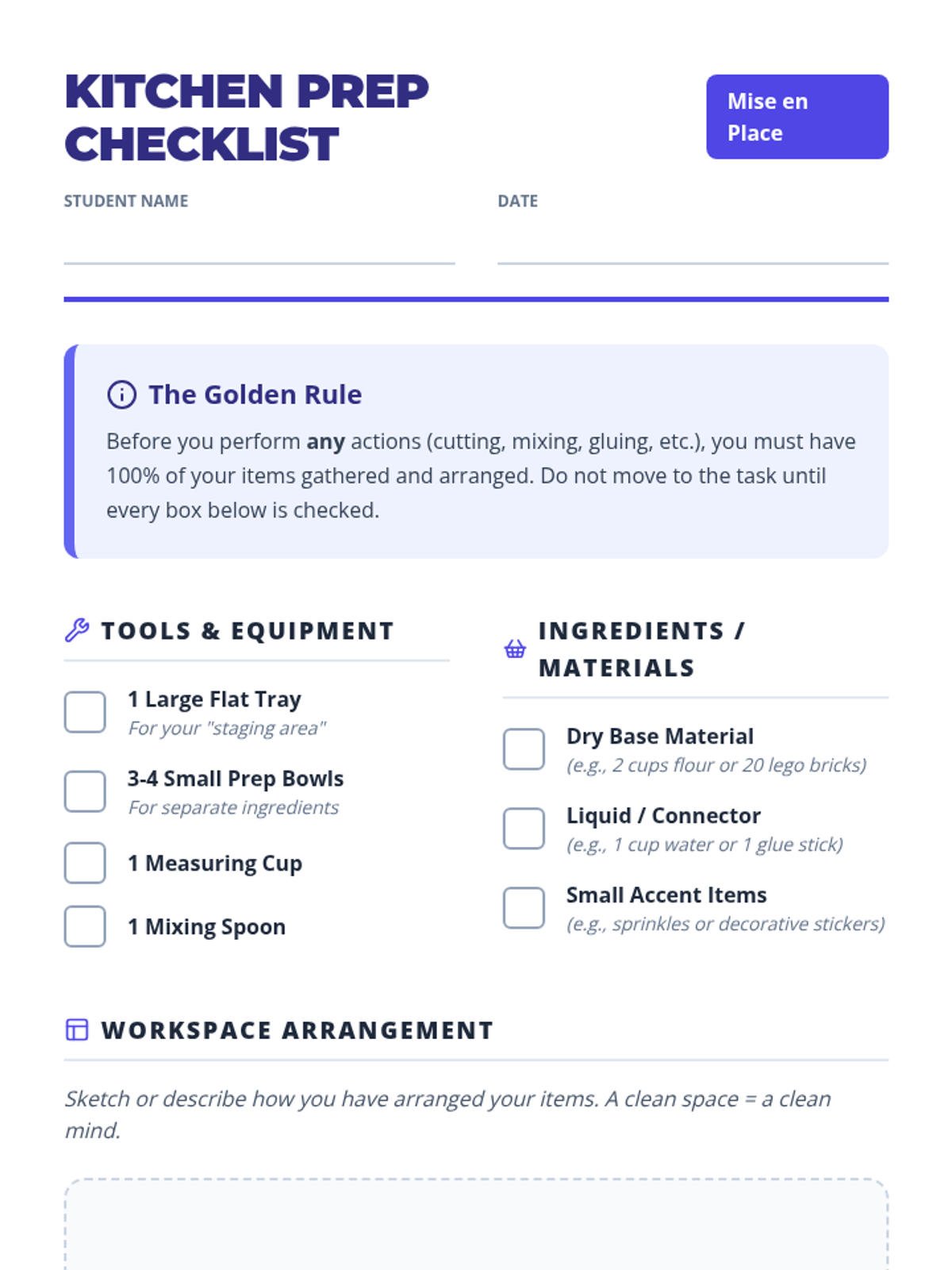
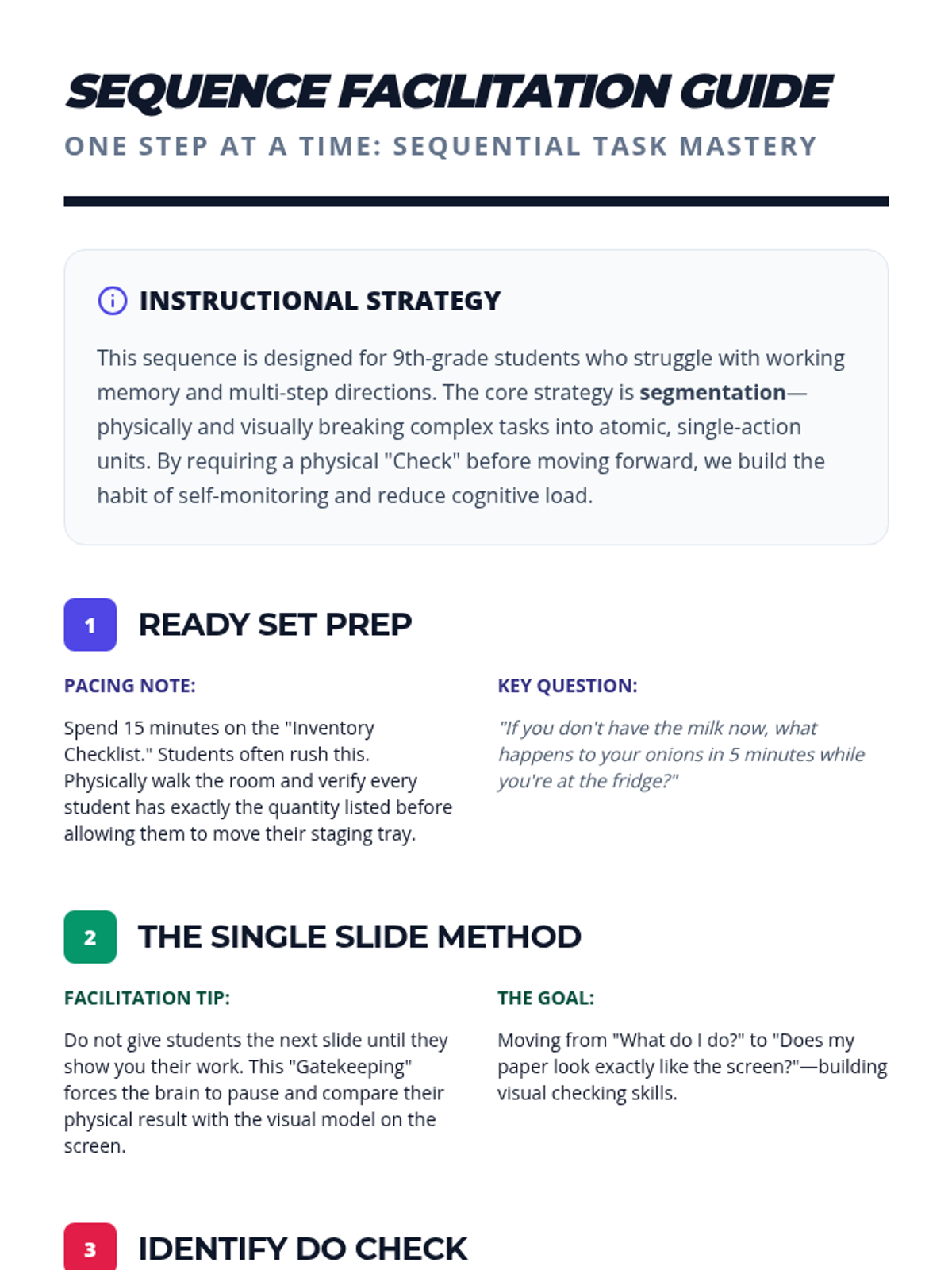
A 5-lesson sequence for 9th-grade students focusing on working memory through sequential task completion. Students learn to manage complex tasks by breaking them into single, manageable steps using culinary and assembly-based projects.
A comprehensive curriculum designed for high school students to develop cognitive flexibility in mathematics, specifically addressing the transition from intuitive problem-solving to structured algebraic methods.
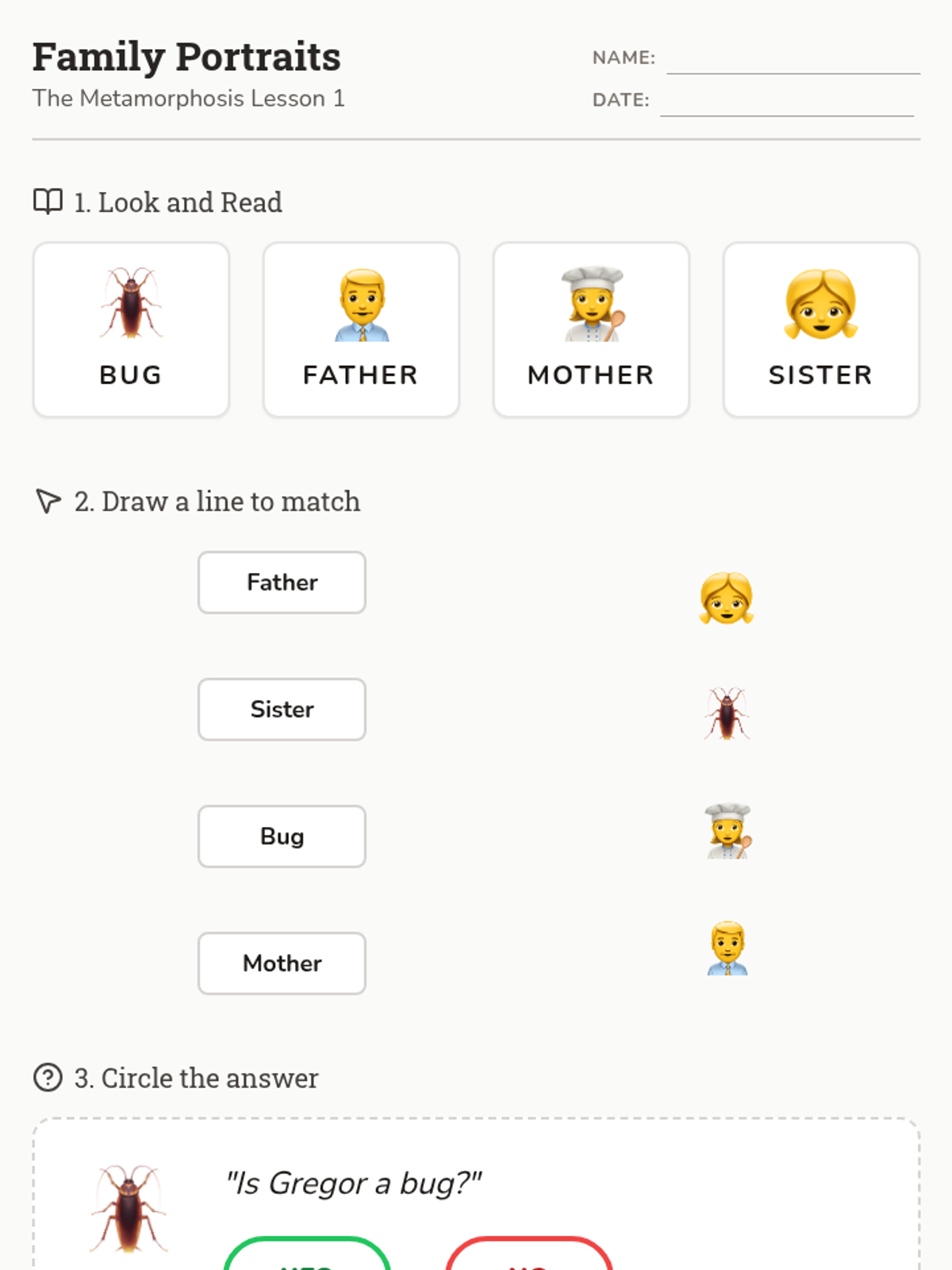
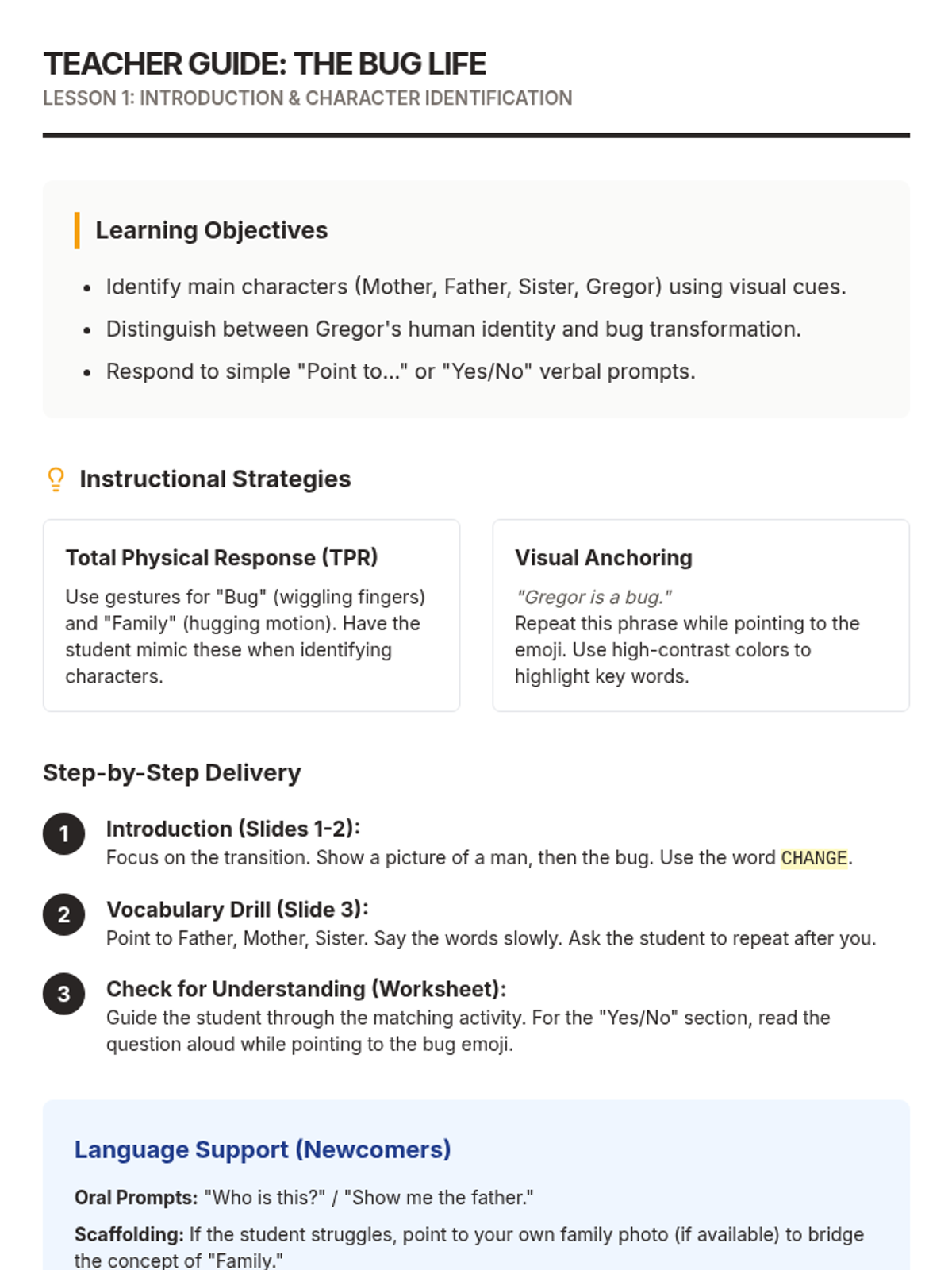
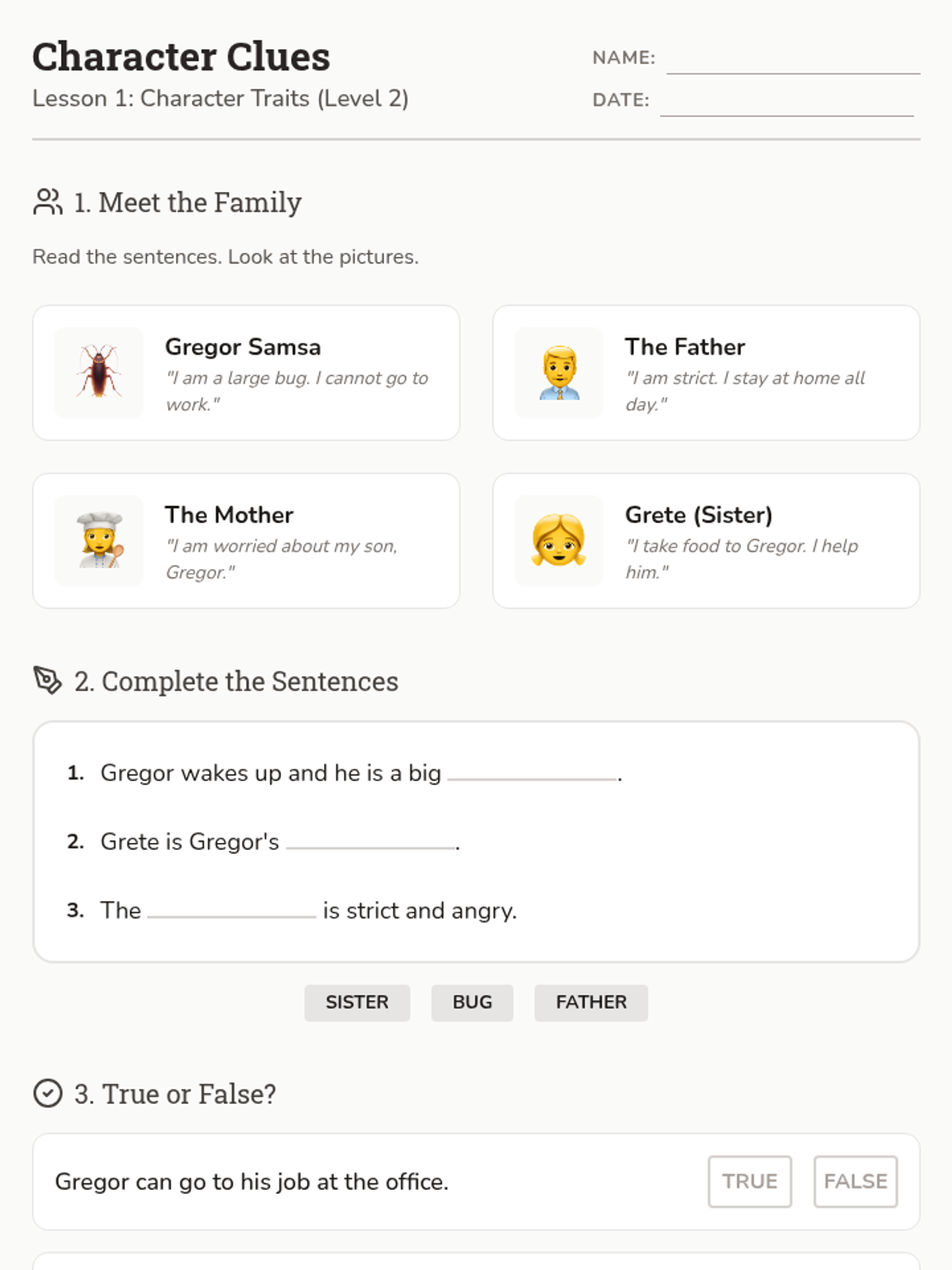
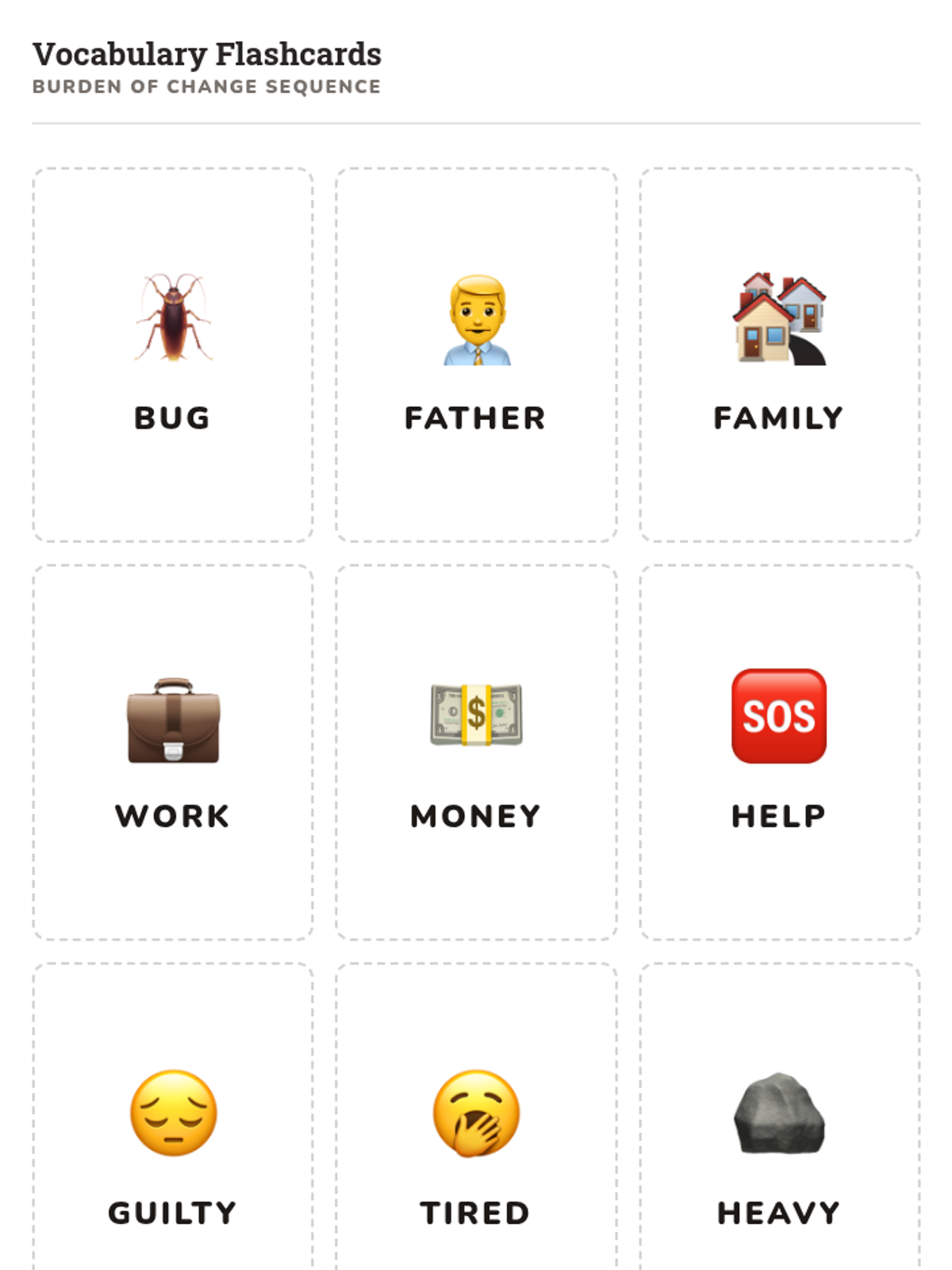
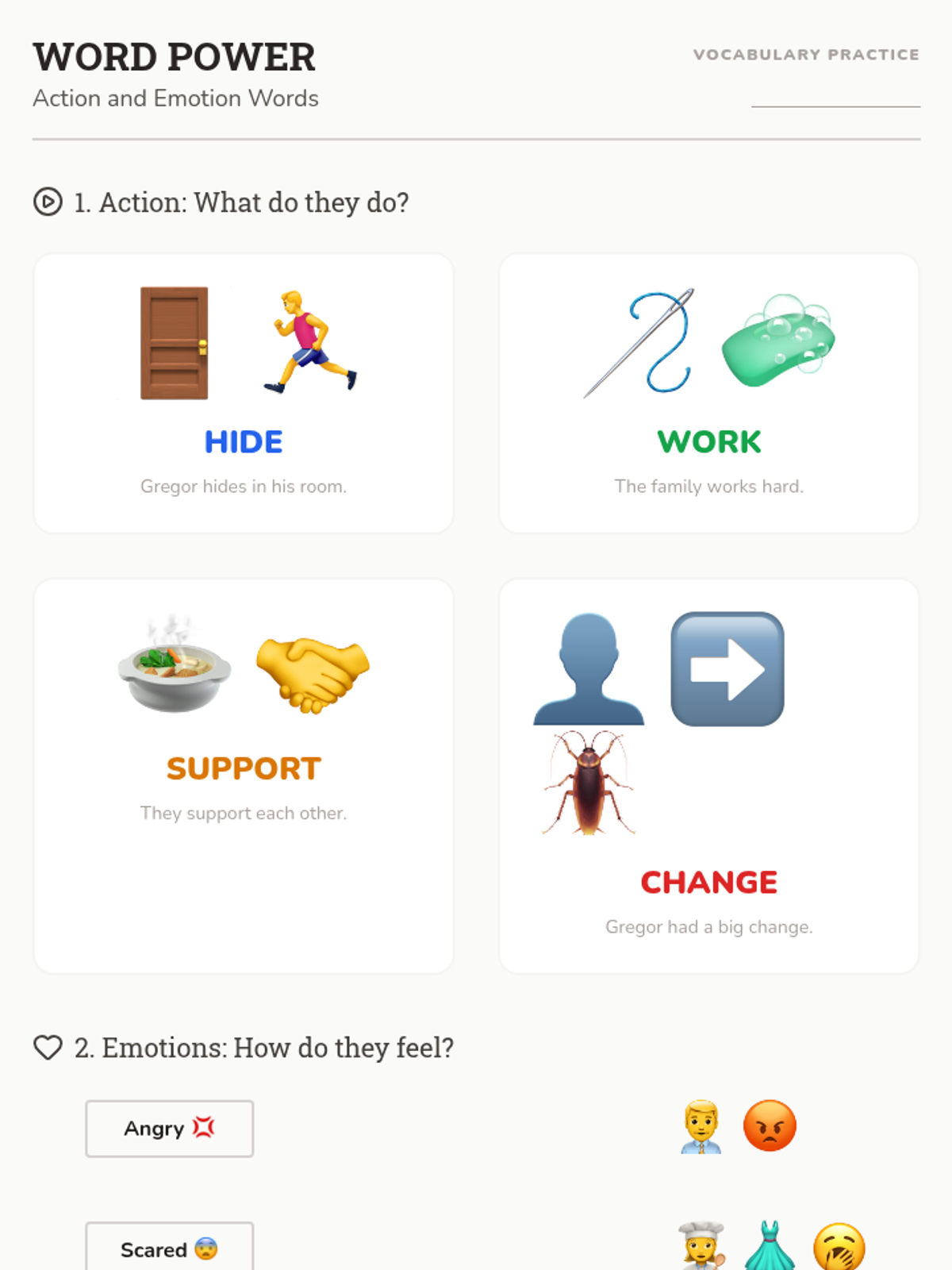
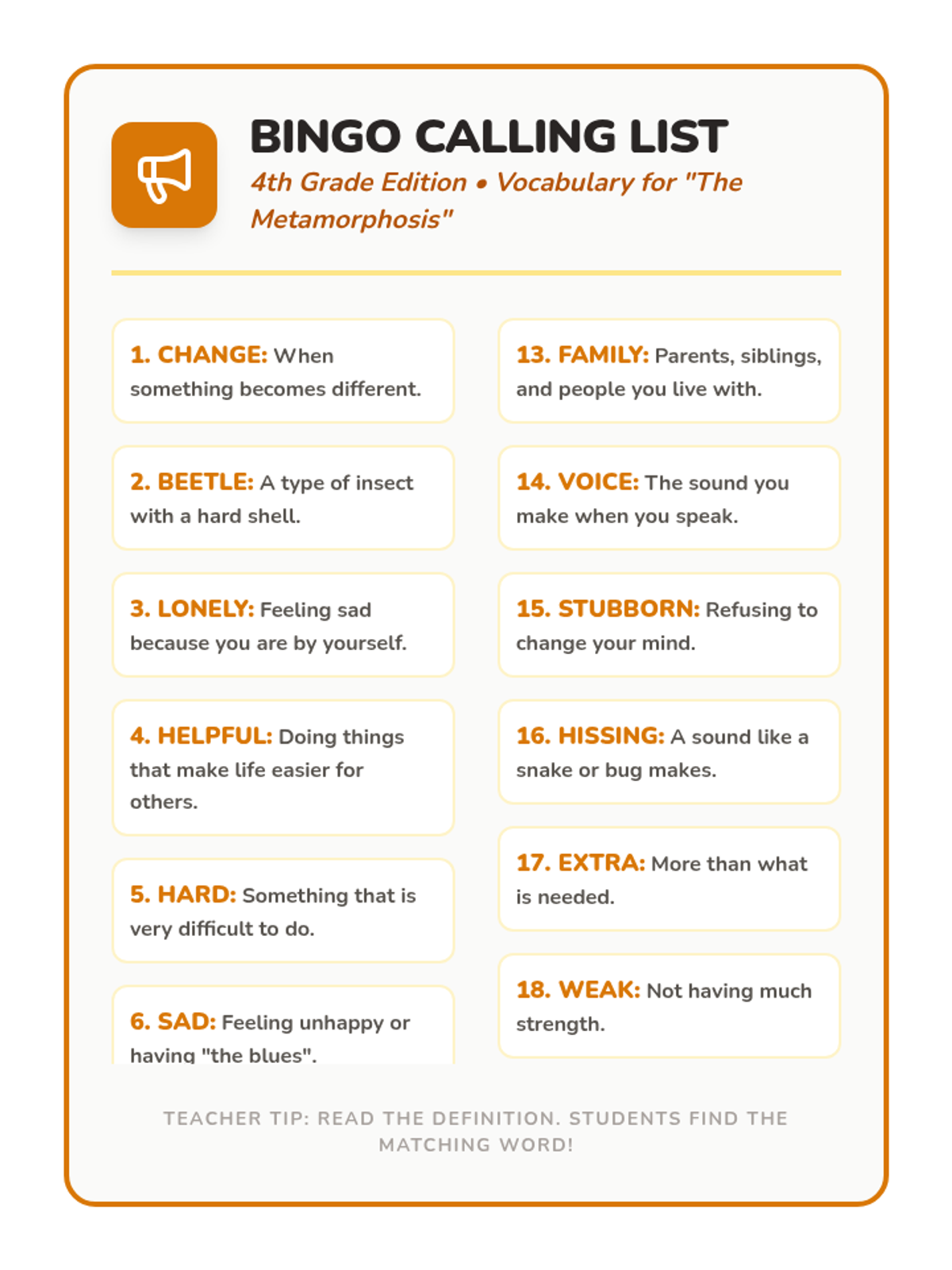
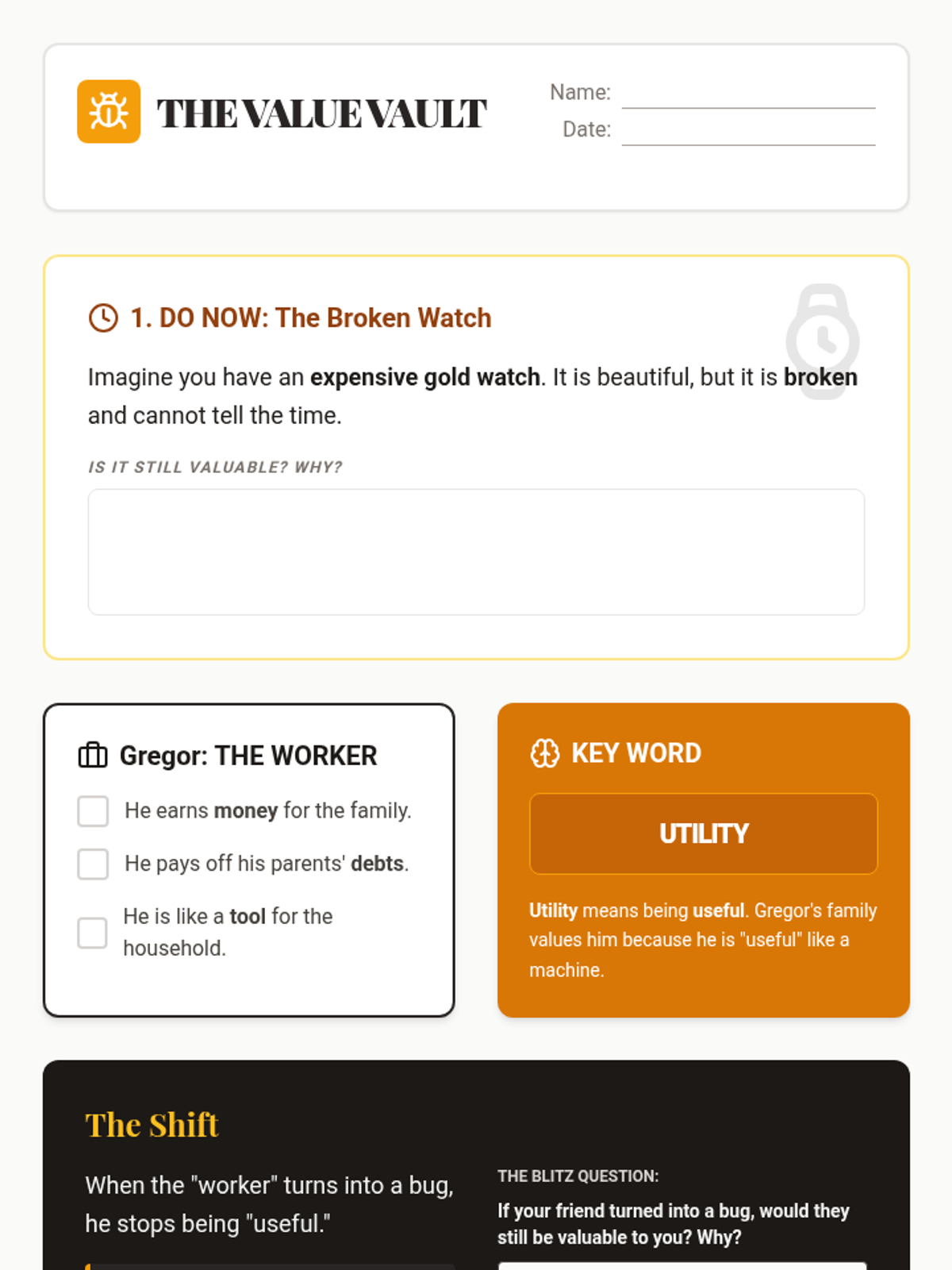
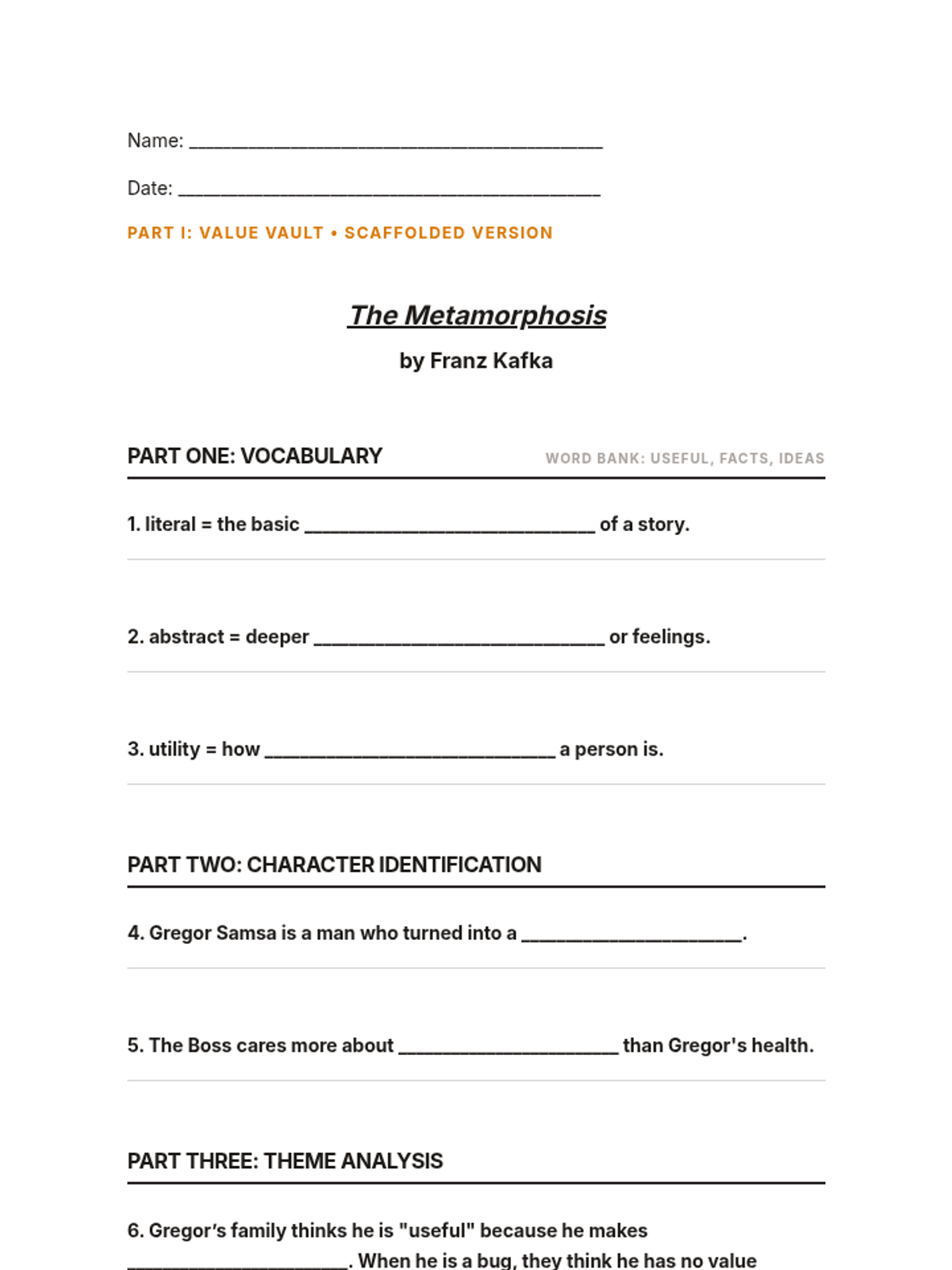
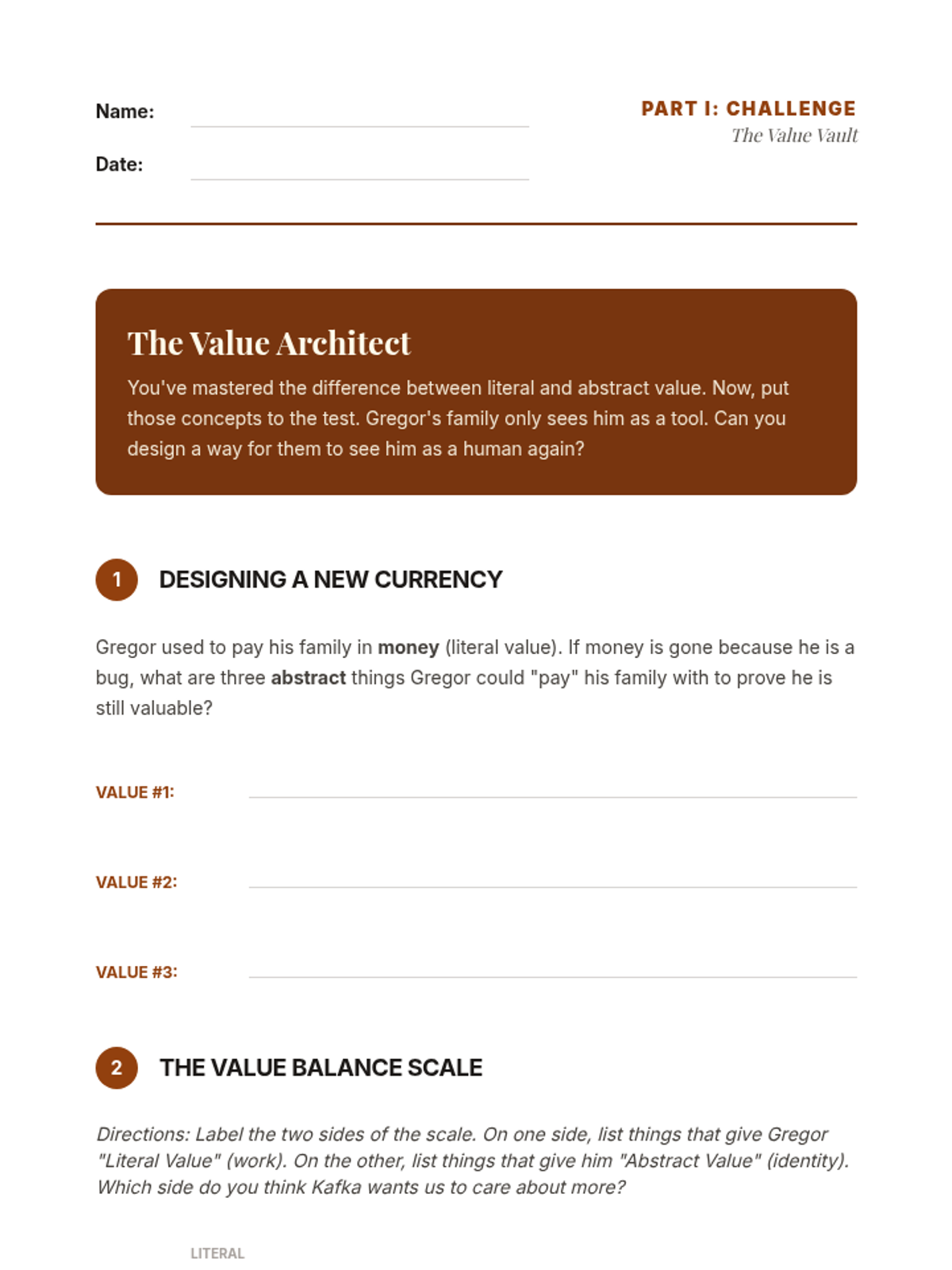
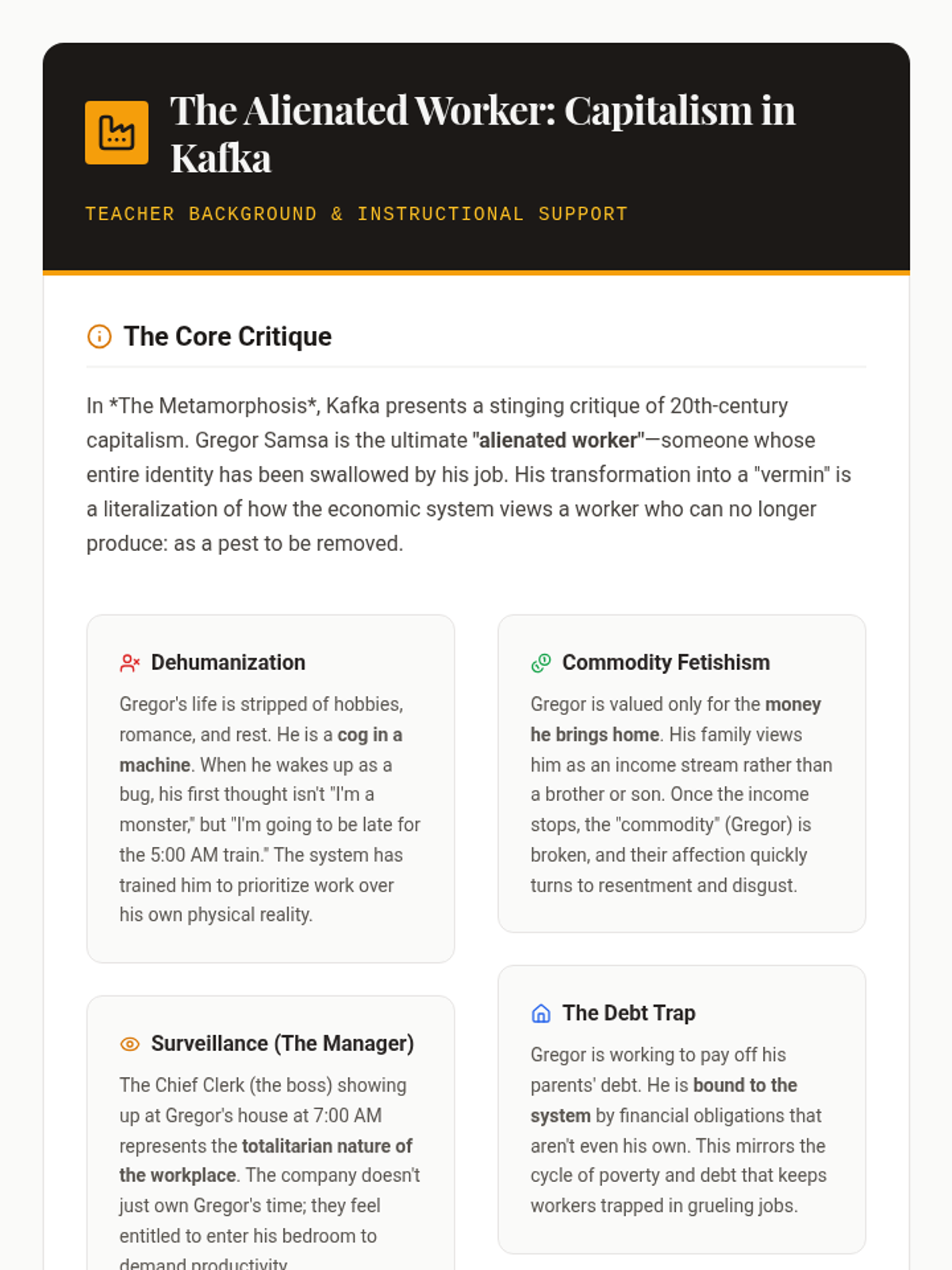
This 5-lesson sequence introduces a 10th-grade newcomer EL student to the theme of family responsibility and guilt in The Metamorphosis. Using heavy visual scaffolding, simple vocabulary, and structured graphic organizers, the lessons build toward a final Claim-Evidence-Reasoning paragraph.
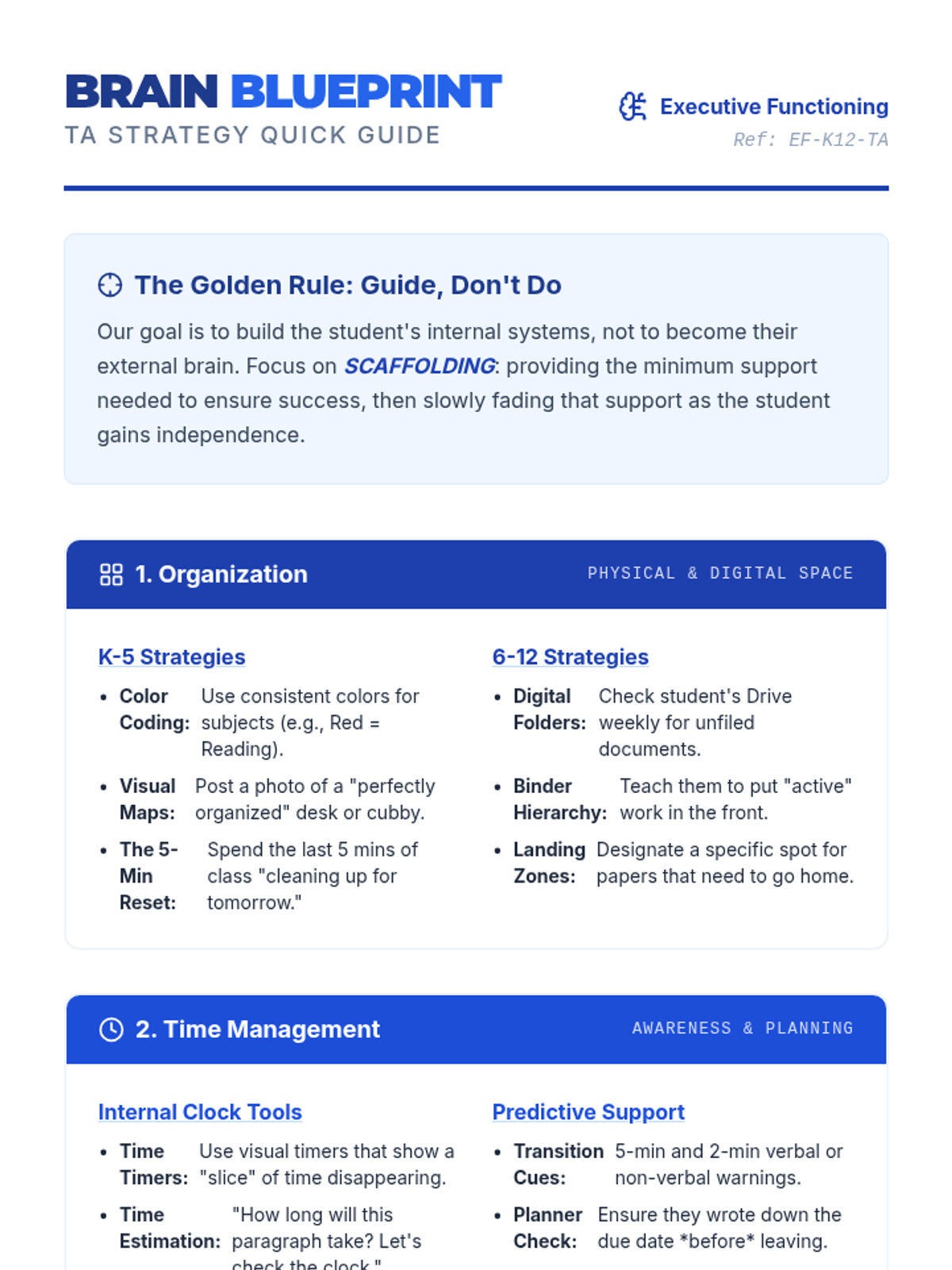
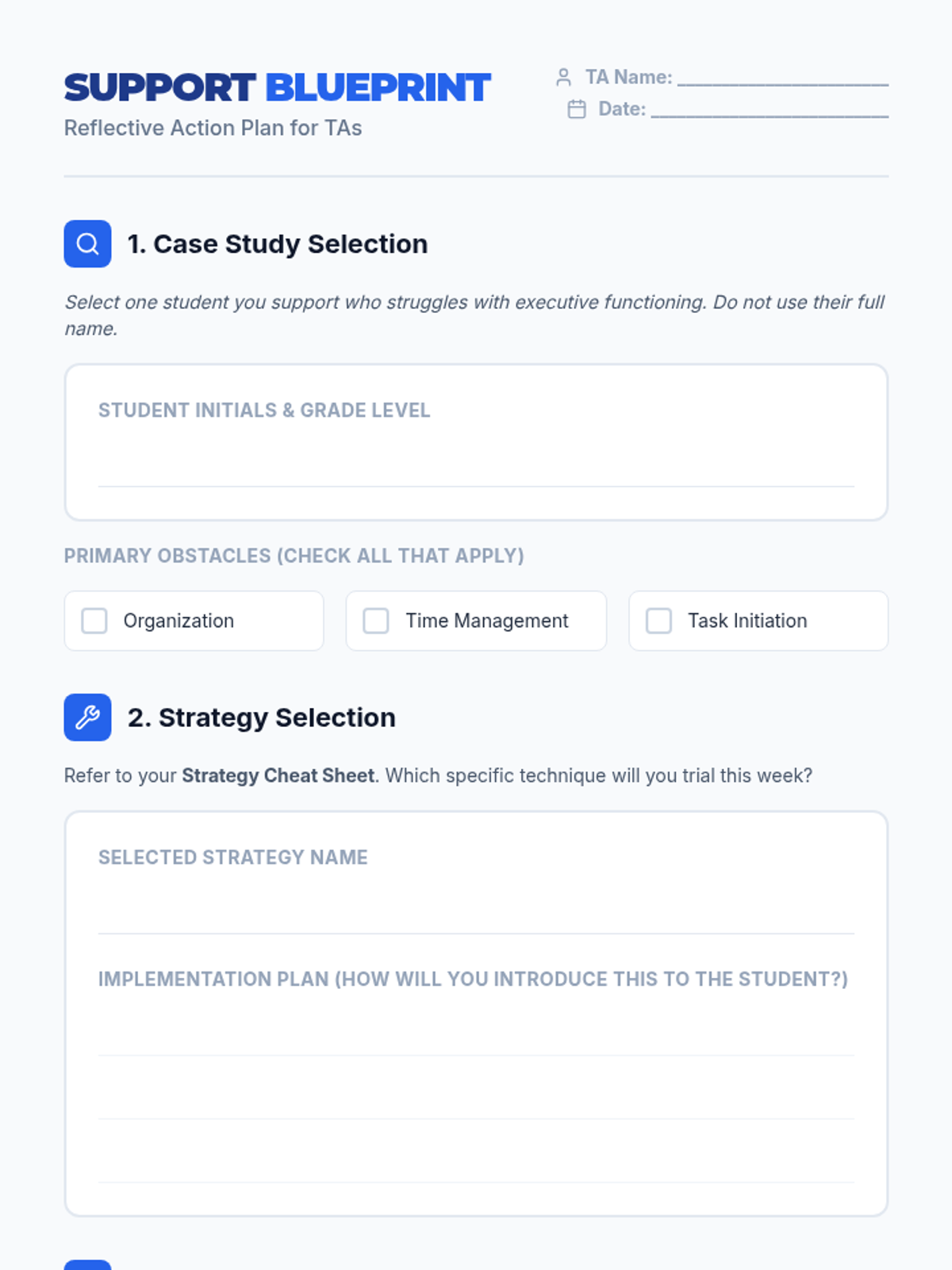
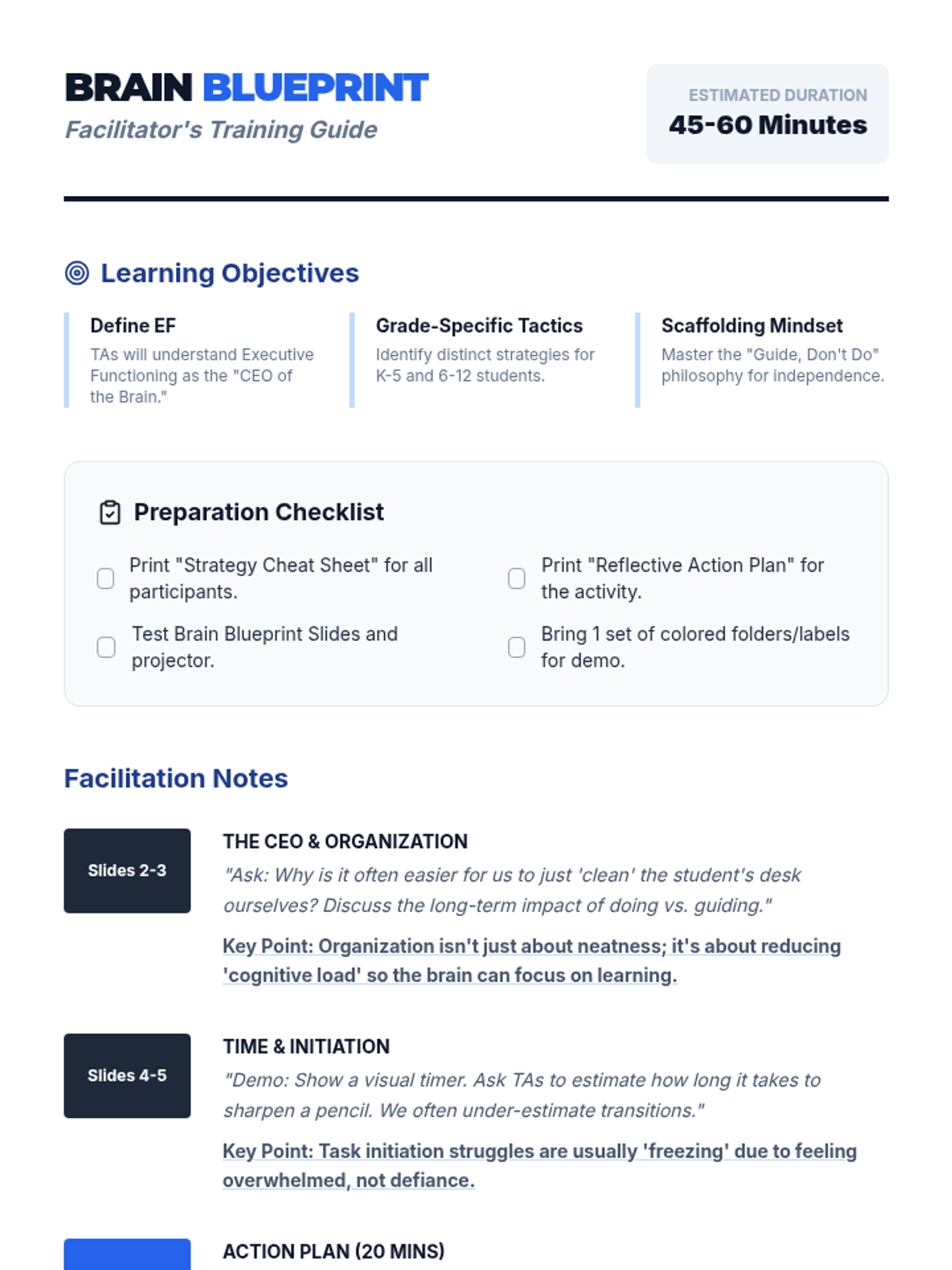
A professional development series designed to equip educational support staff with practical, grade-appropriate strategies for improving student independence and executive skills.
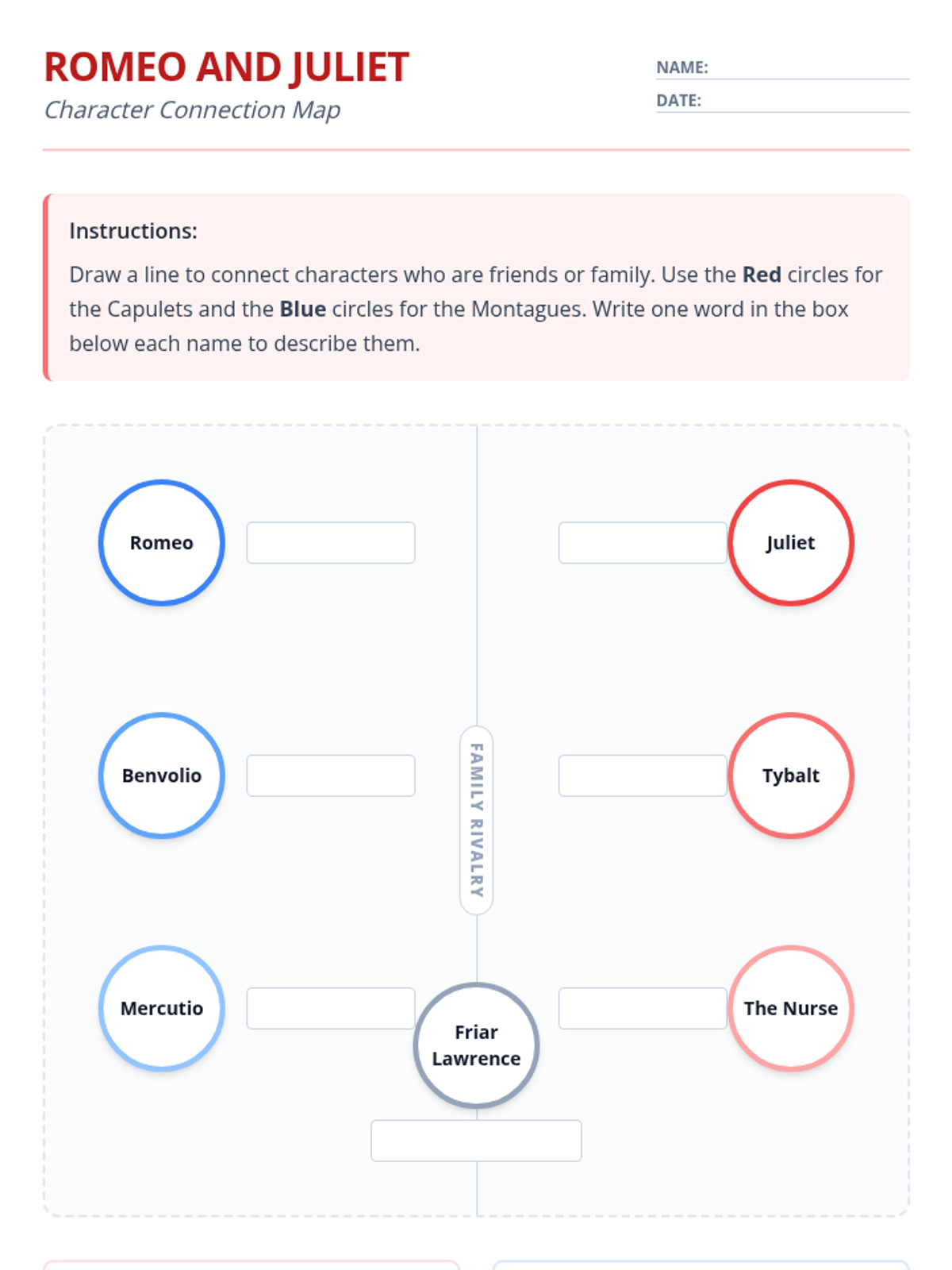
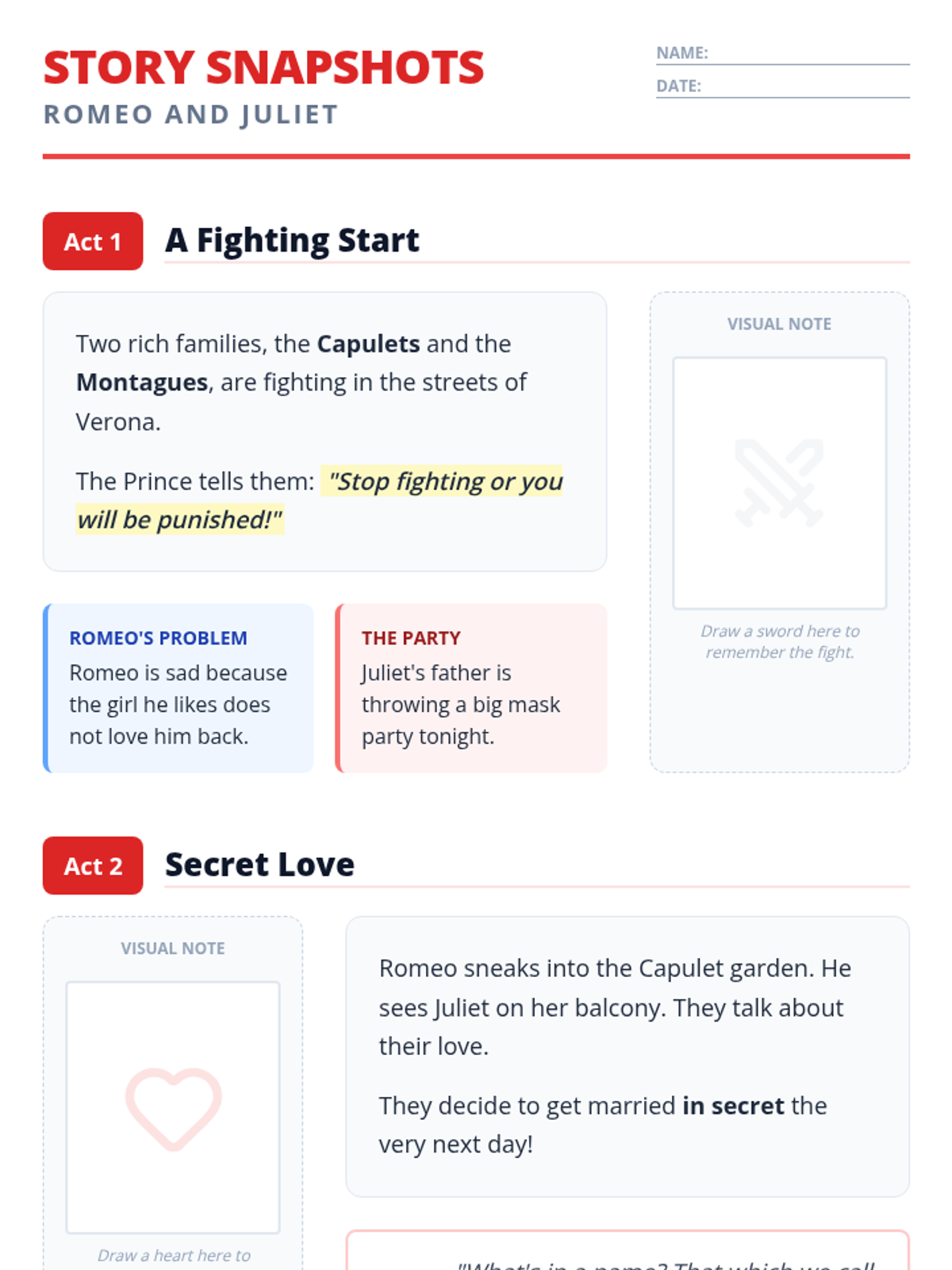
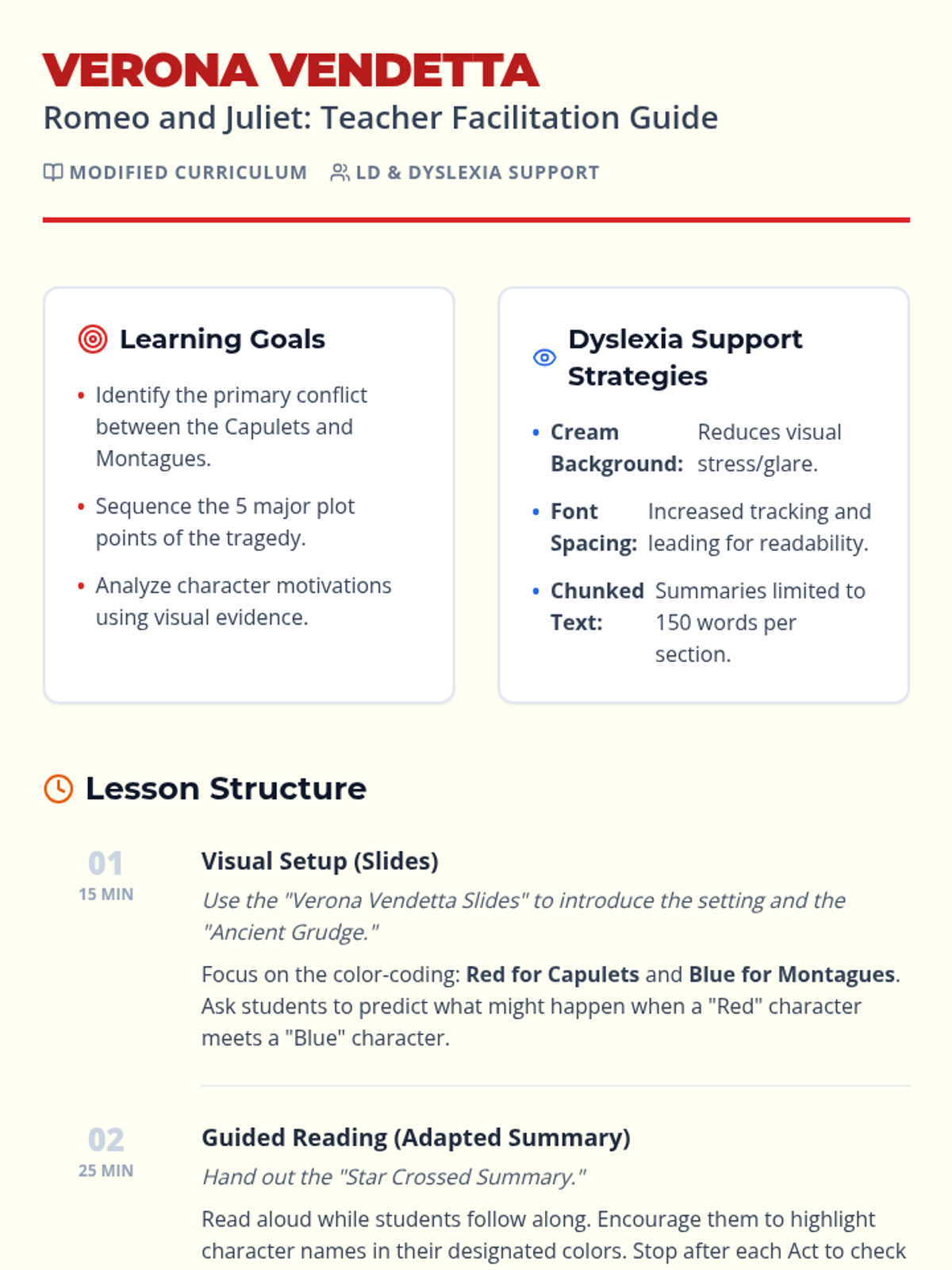
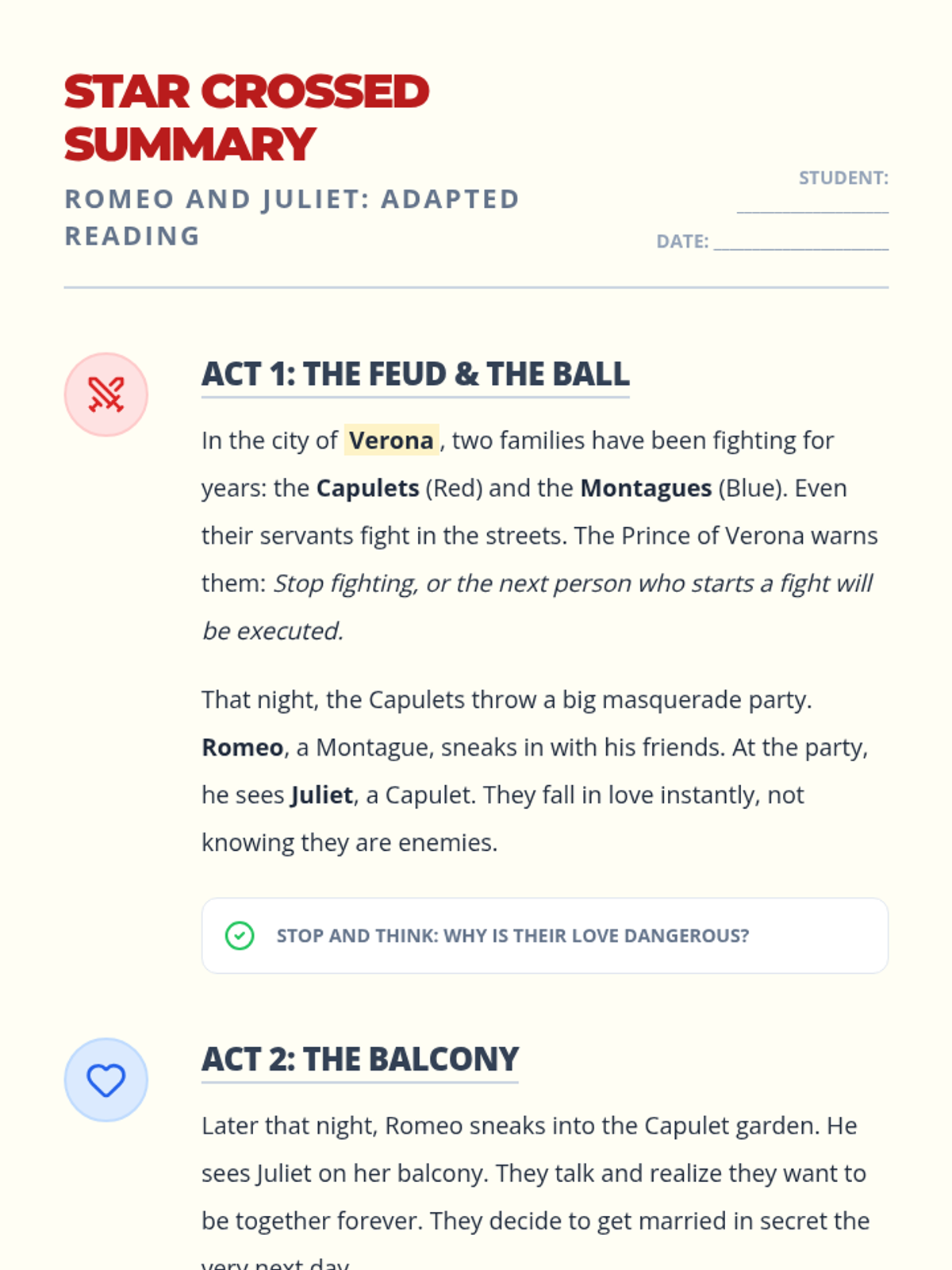
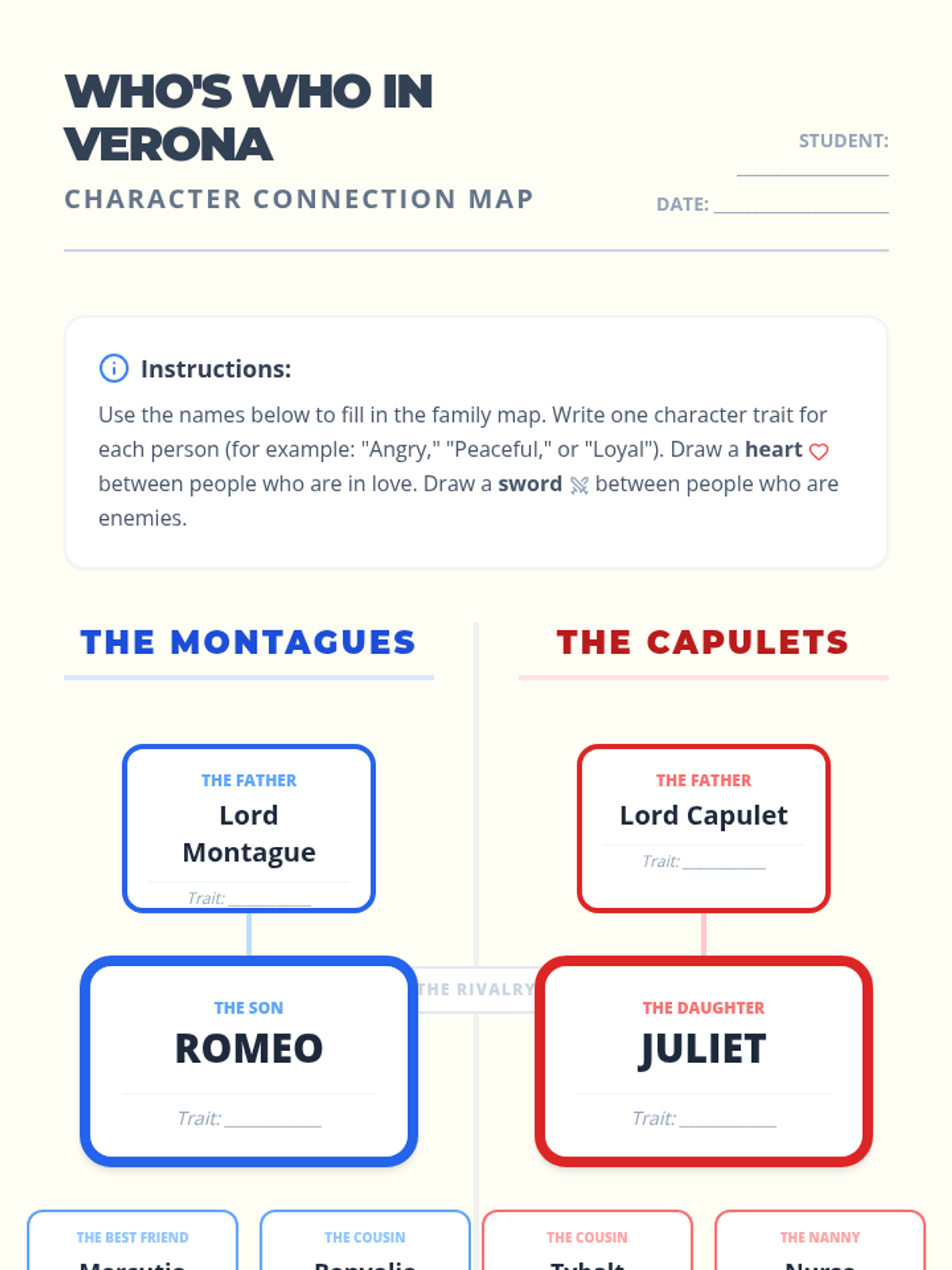
A collection of adapted literary resources for classic texts, specifically designed for students with dyslexia and learning disabilities. Features simplified language, high-visual graphic organizers, and structured reading guides.
A comprehensive unit providing modified resources for four foundational literary works, specifically designed for students with dyslexia and learning disabilities through visual aids, graphic organizers, and shortened reading passages.
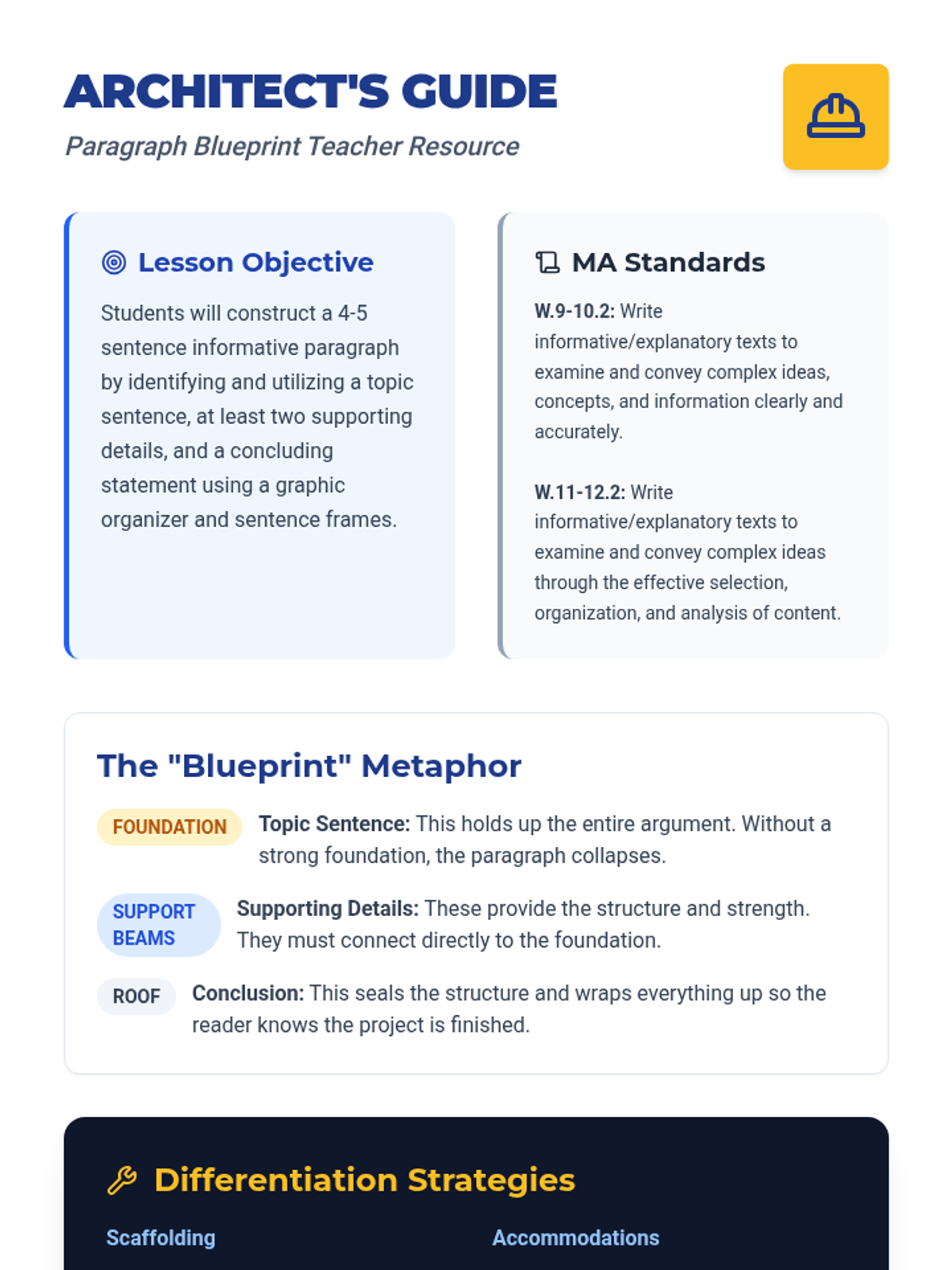
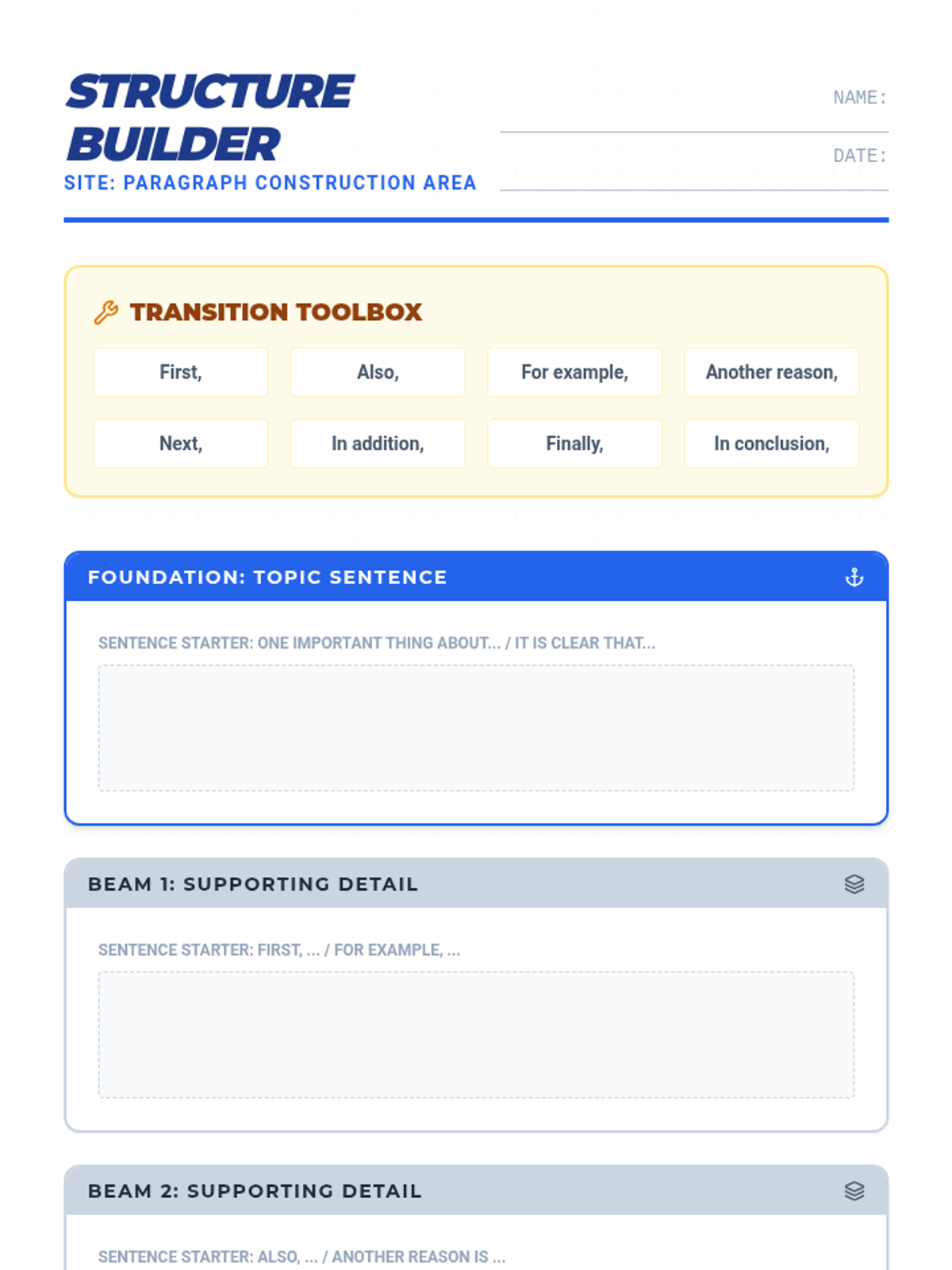
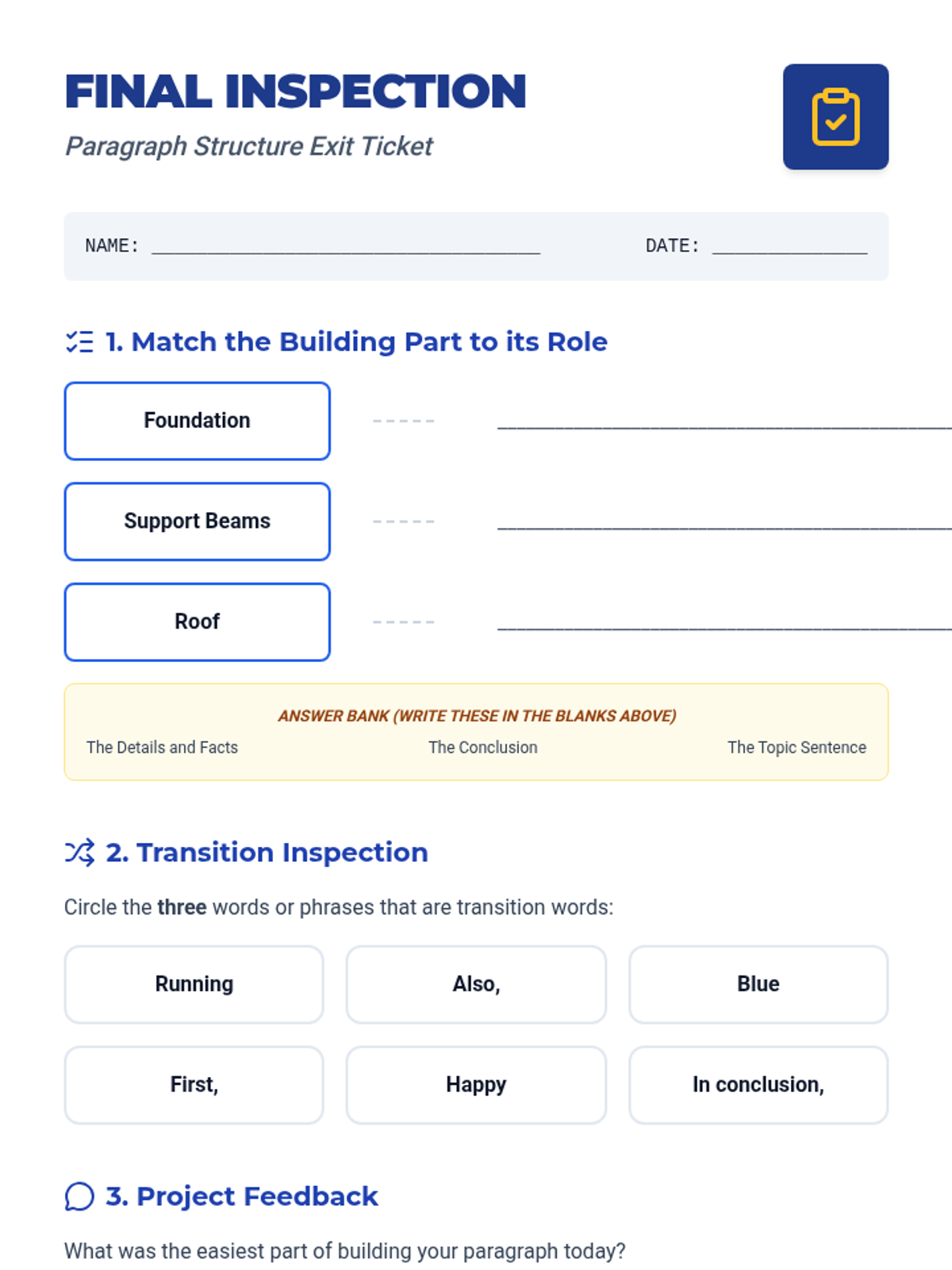
A comprehensive writing program designed for high school students with IEP goals, focusing on the structural 'blueprint' of a paragraph using graphic organizers and sentence frames. This sequence provides high-scaffolded support to help students transition from fragmented thoughts to cohesive written expression.
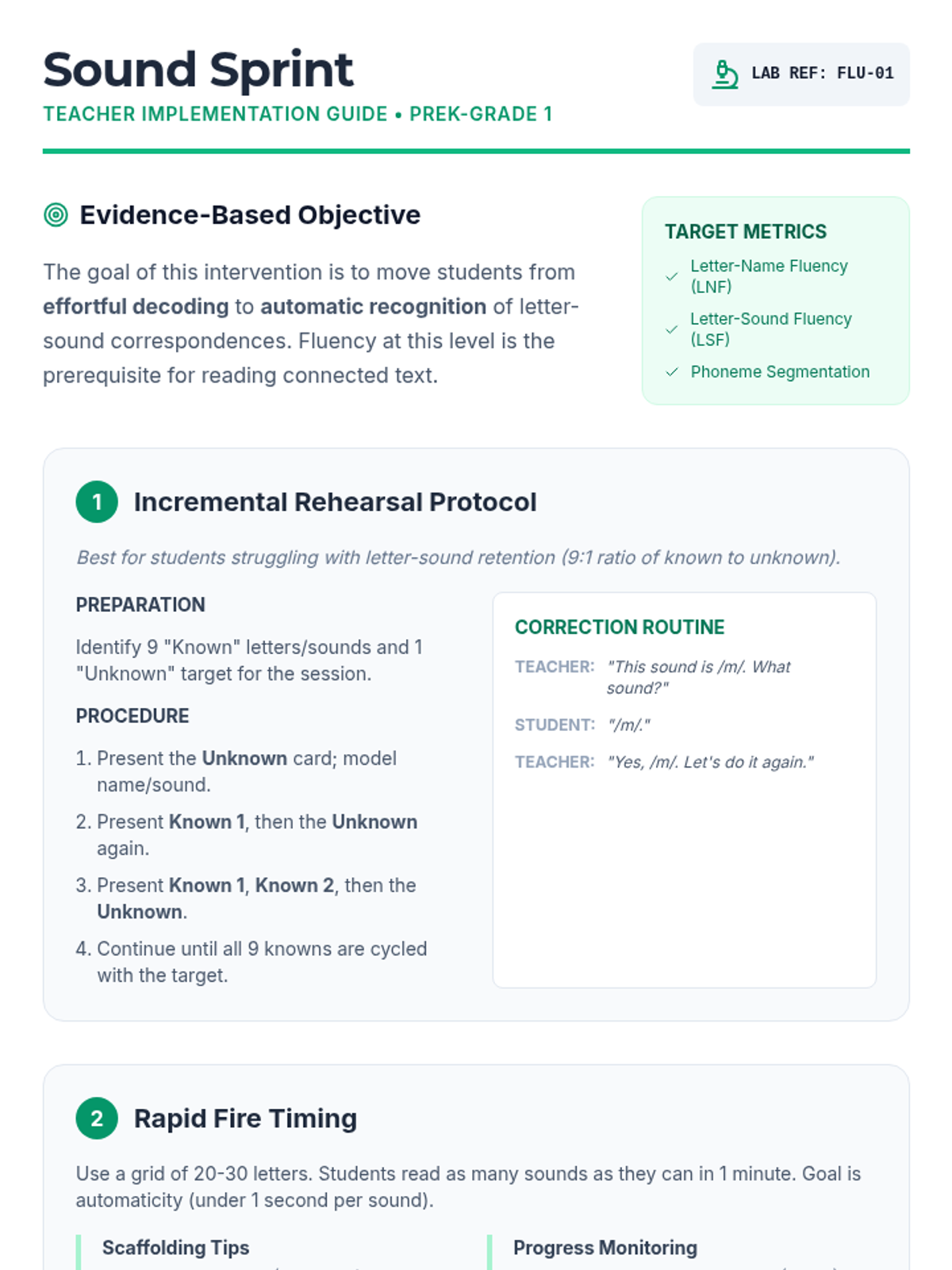
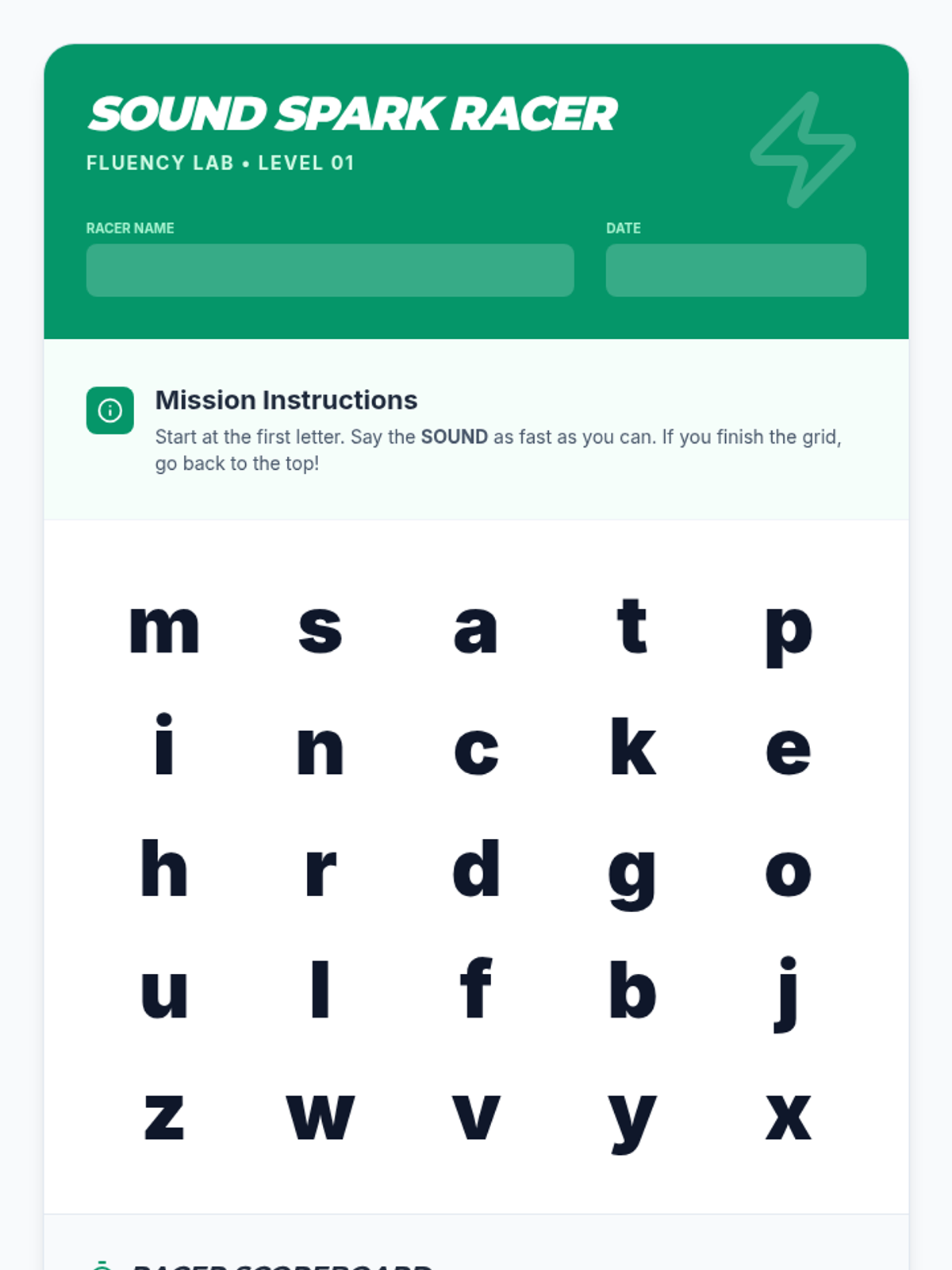
A comprehensive fluency intervention toolkit aligned with the Science of Reading, covering foundational automaticity for early learners through advanced prosody for secondary students. Includes instructional routines, visual aids, and student practice materials for small group settings.
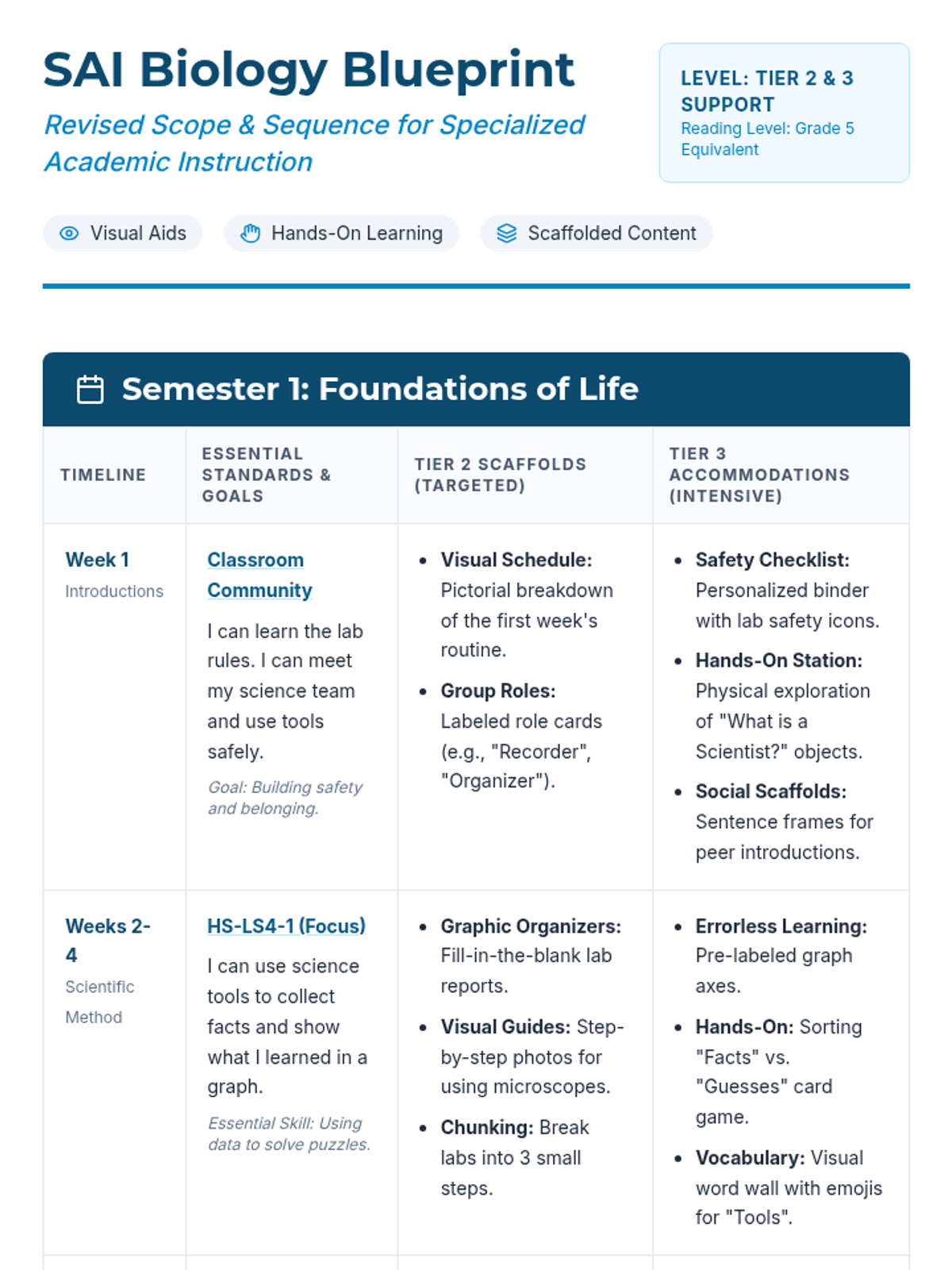
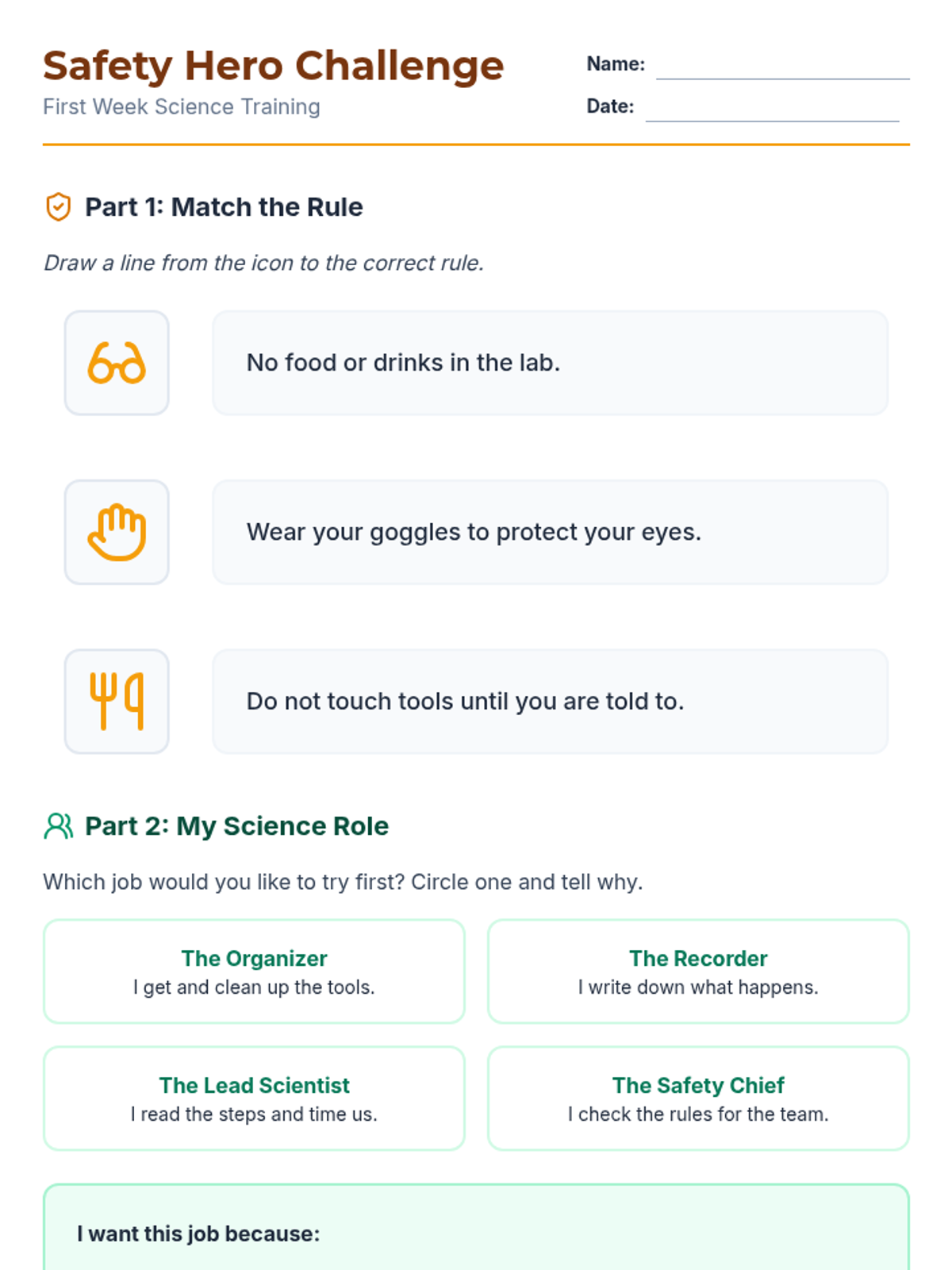
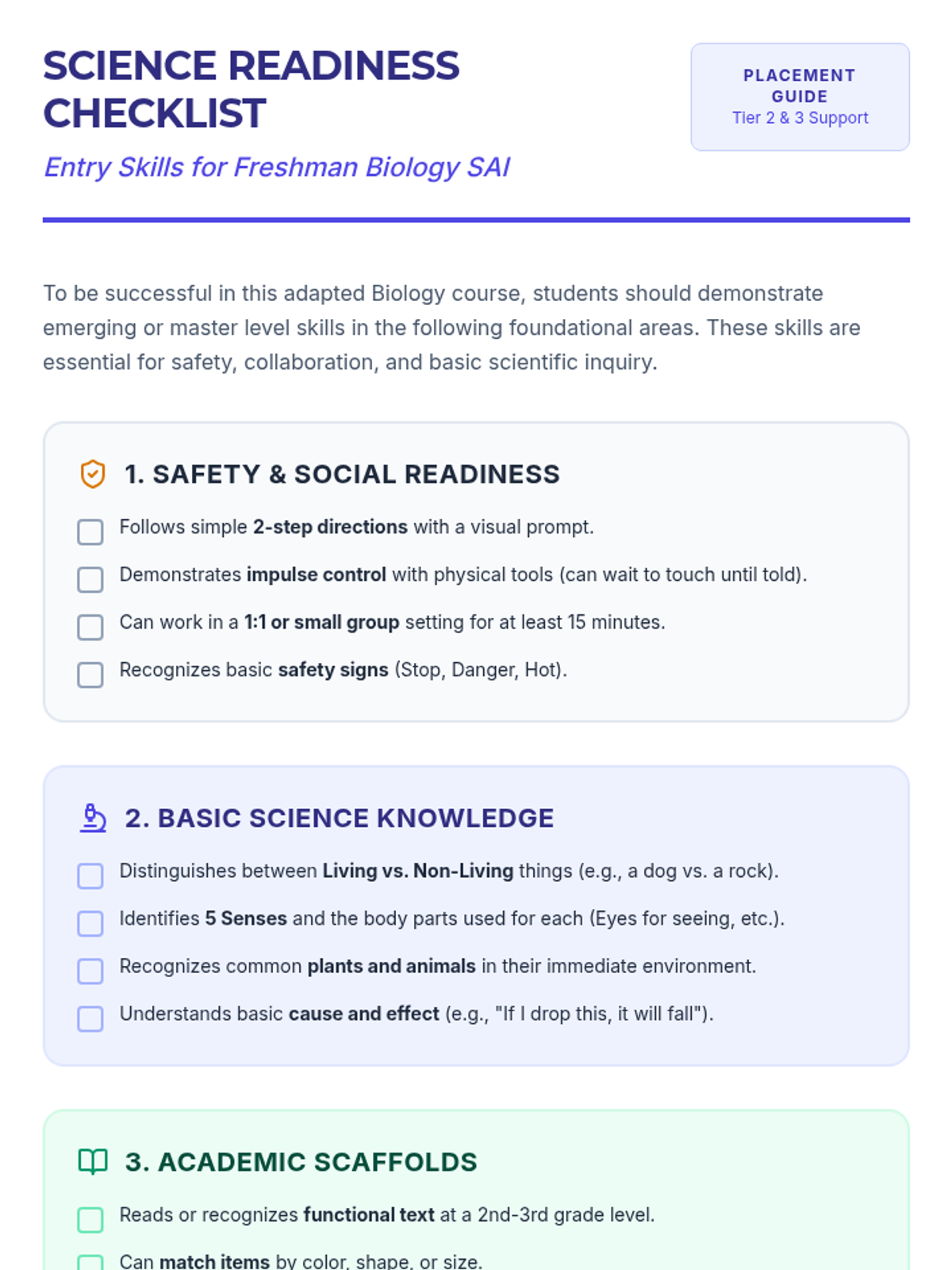
A comprehensive Freshman Biology sequence adapted for Specialized Academic Instruction (SAI), featuring a 5th-grade reading level, heavy visual support, and hands-on learning models across two semesters.
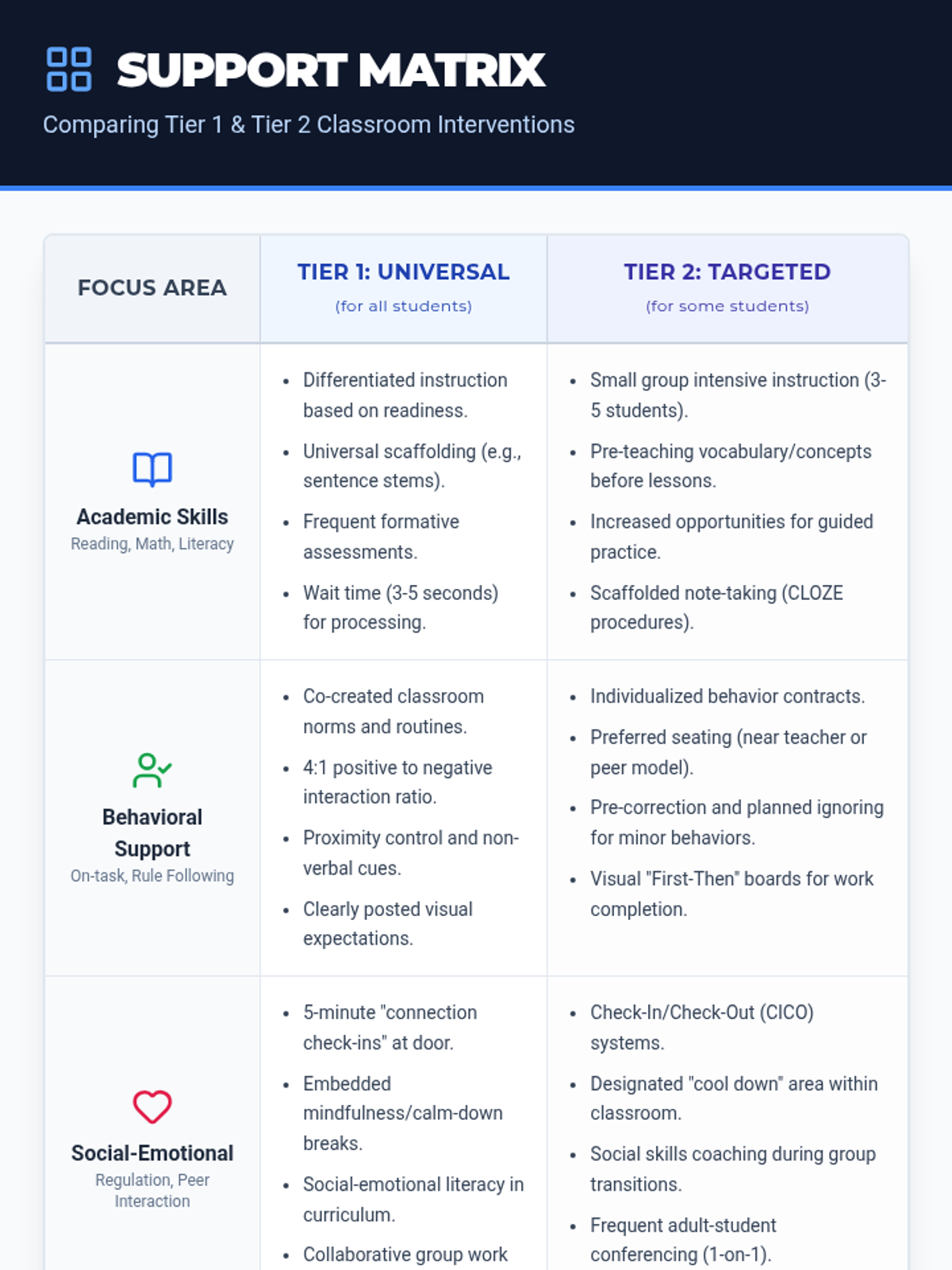
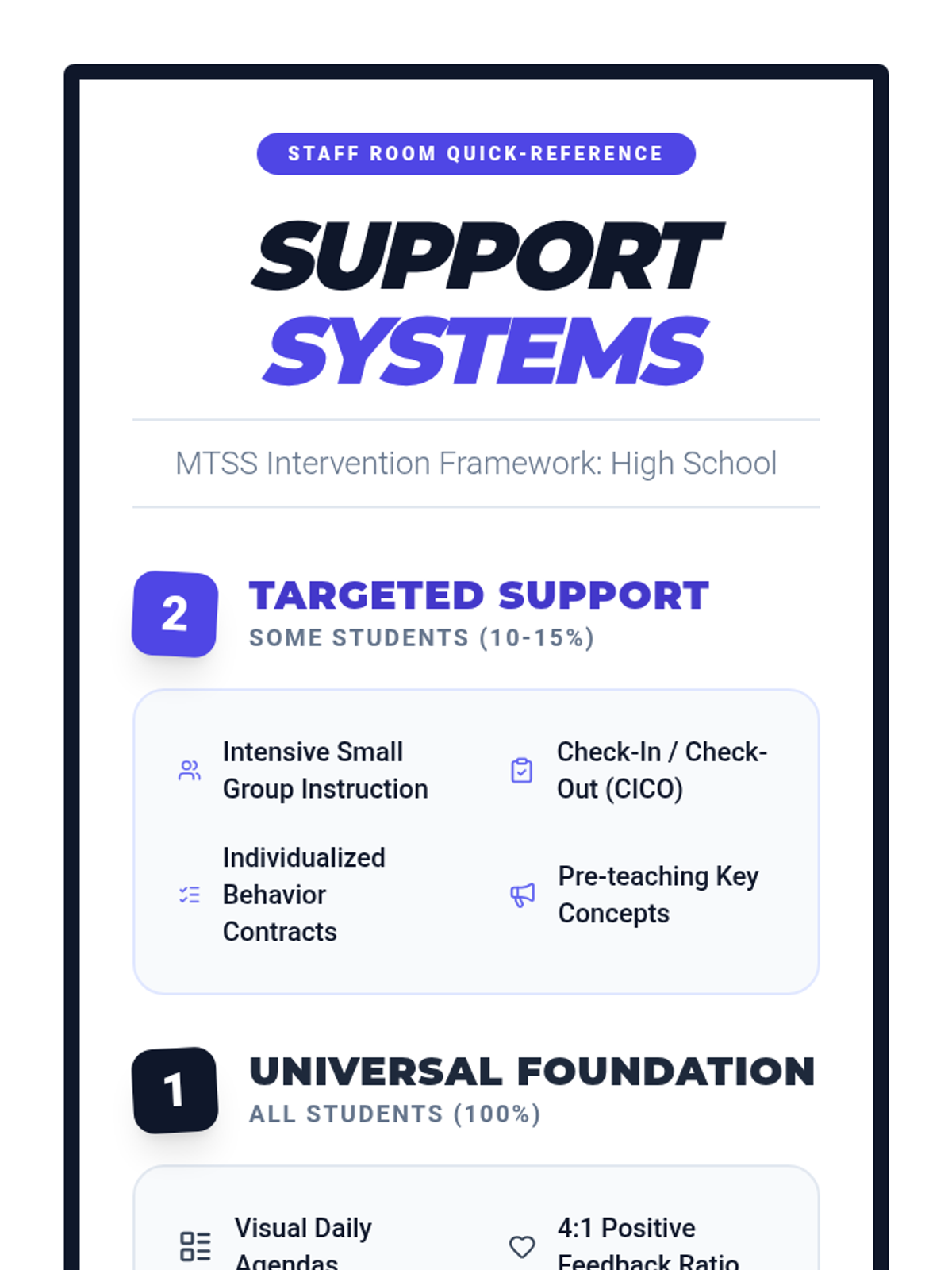
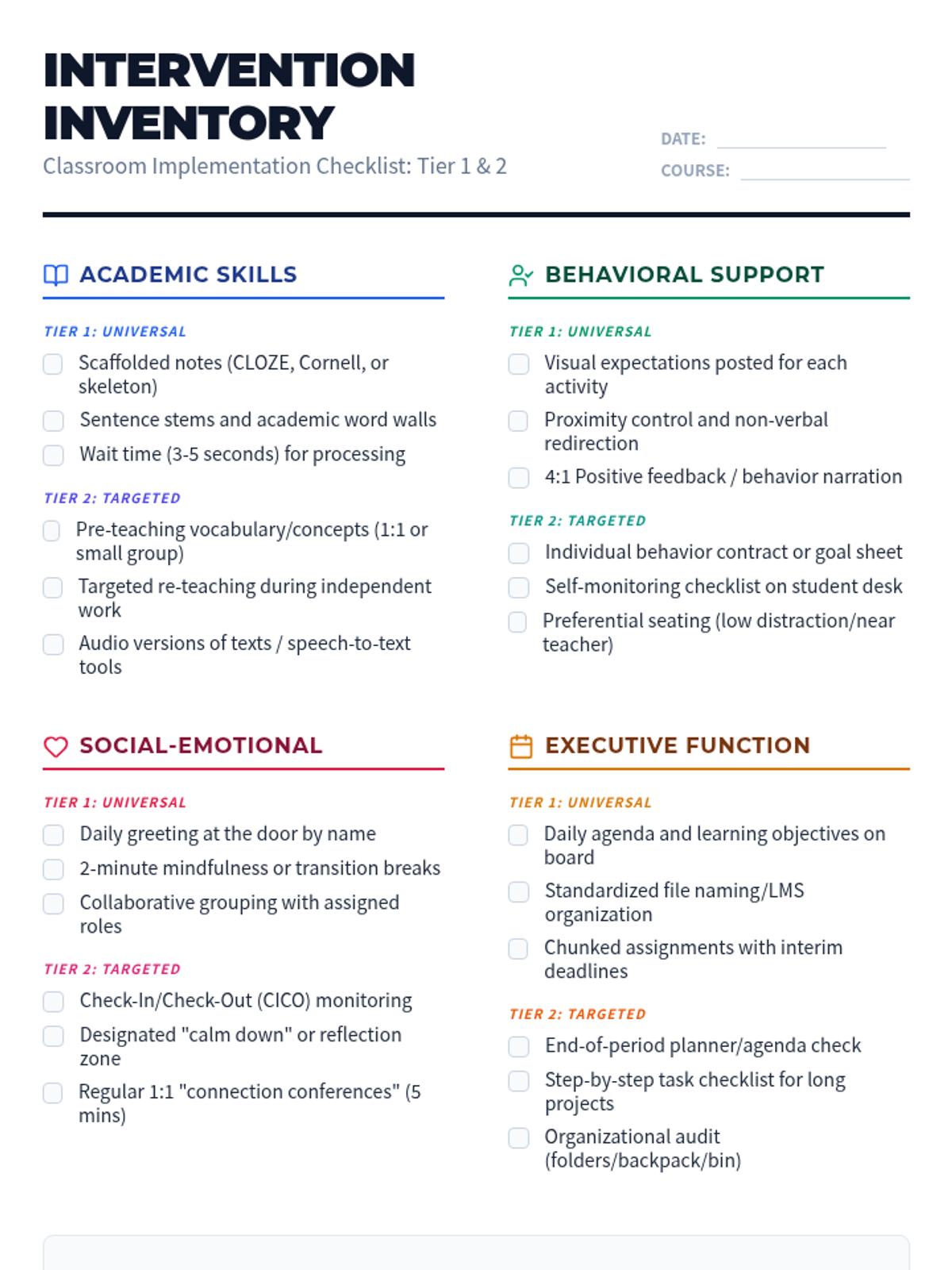
A professional development series focused on Multi-Tiered System of Supports (MTSS) in the high school classroom.
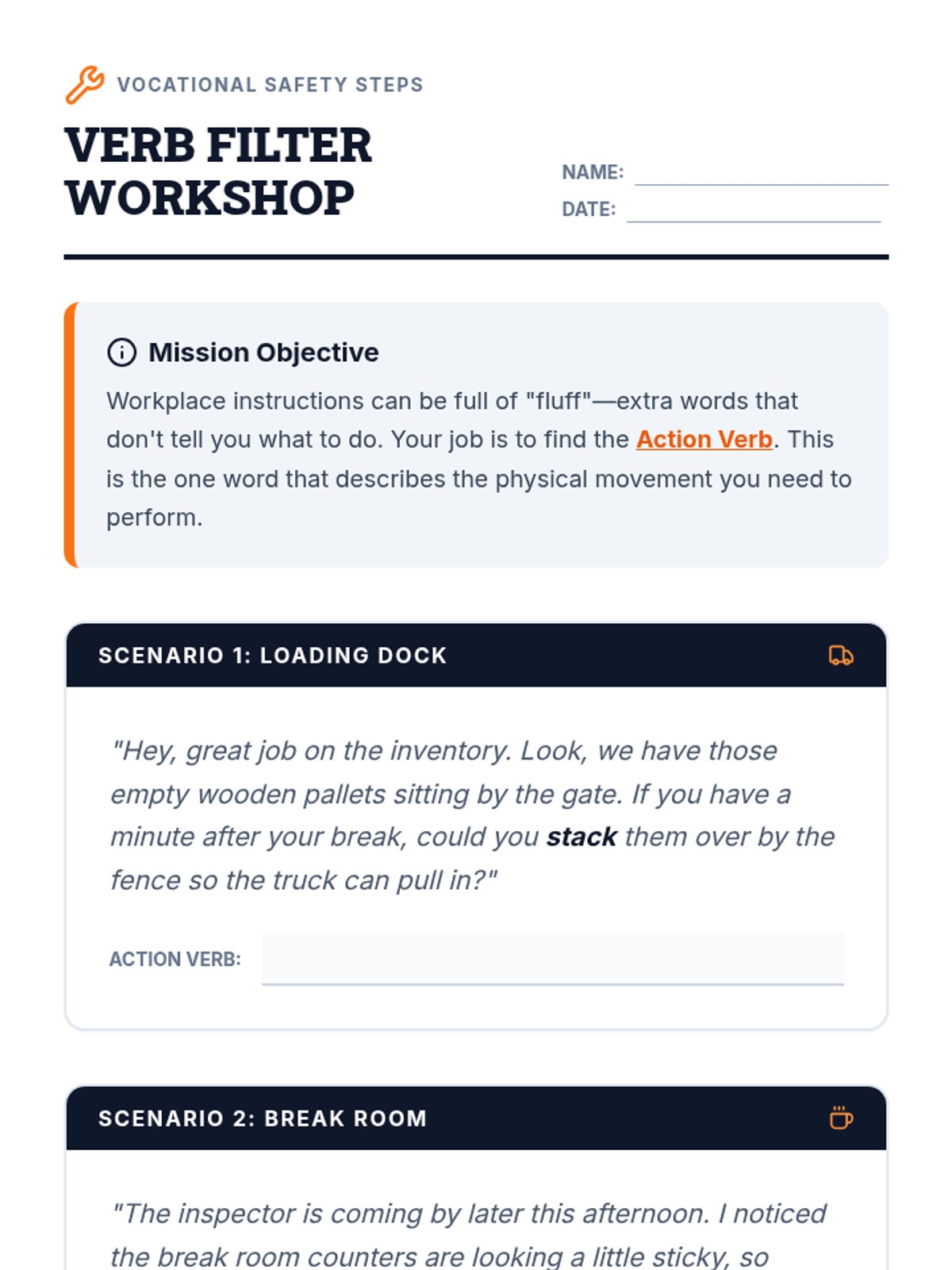
This sequence focuses on teaching 12th-grade students with working memory needs how to isolate, rehearse, and verify single-step verbal and visual instructions in a vocational setting. Through simulations and skill-building activities, students learn to filter extraneous information and prioritize safety and accuracy over speed.
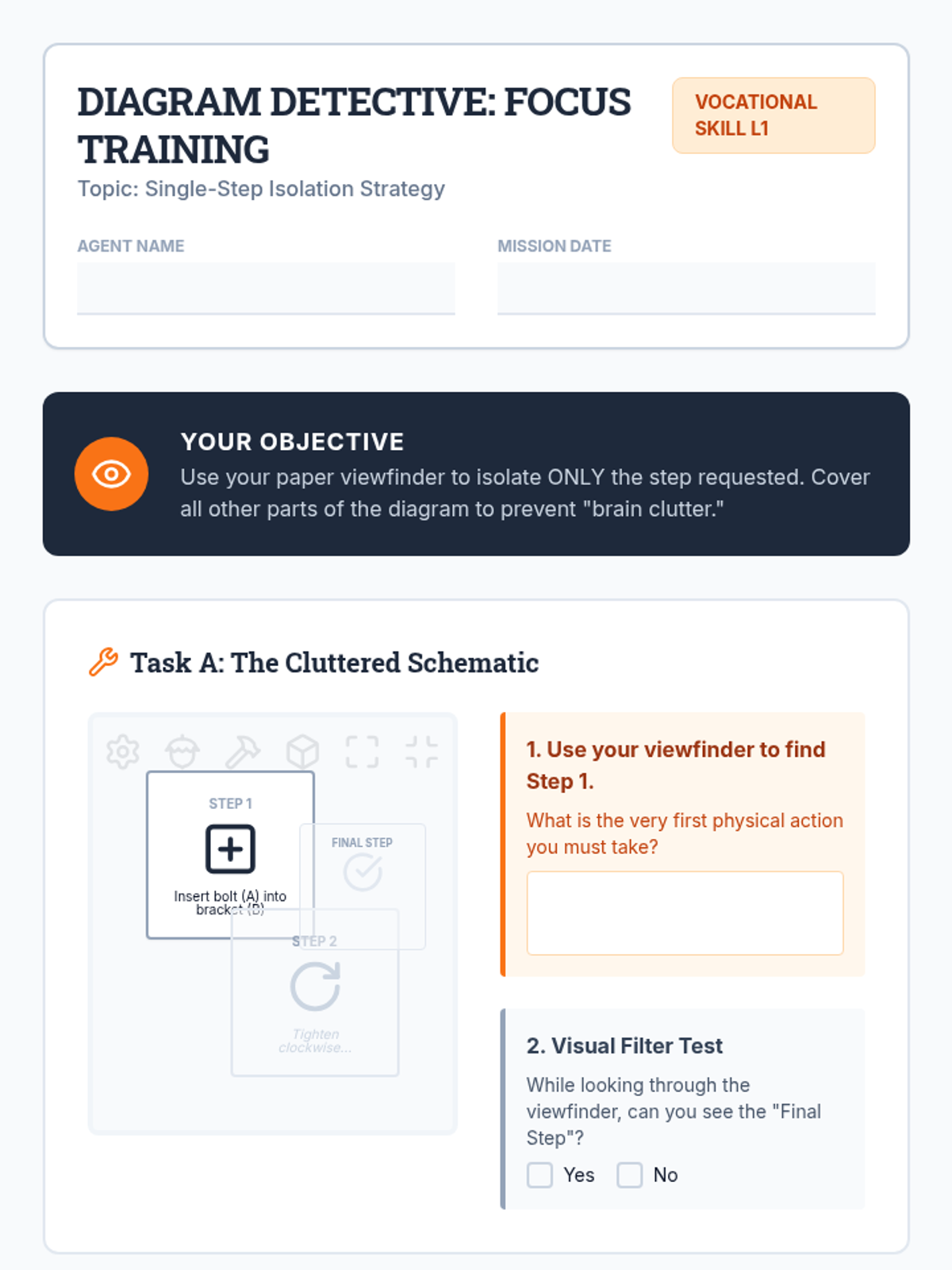
This sequence focuses on vocational and life skills, applying single-step direction following to physical assembly and procedural tasks. Students learn to navigate technical diagrams and standard operating procedures by isolating one action at a time to support working memory.
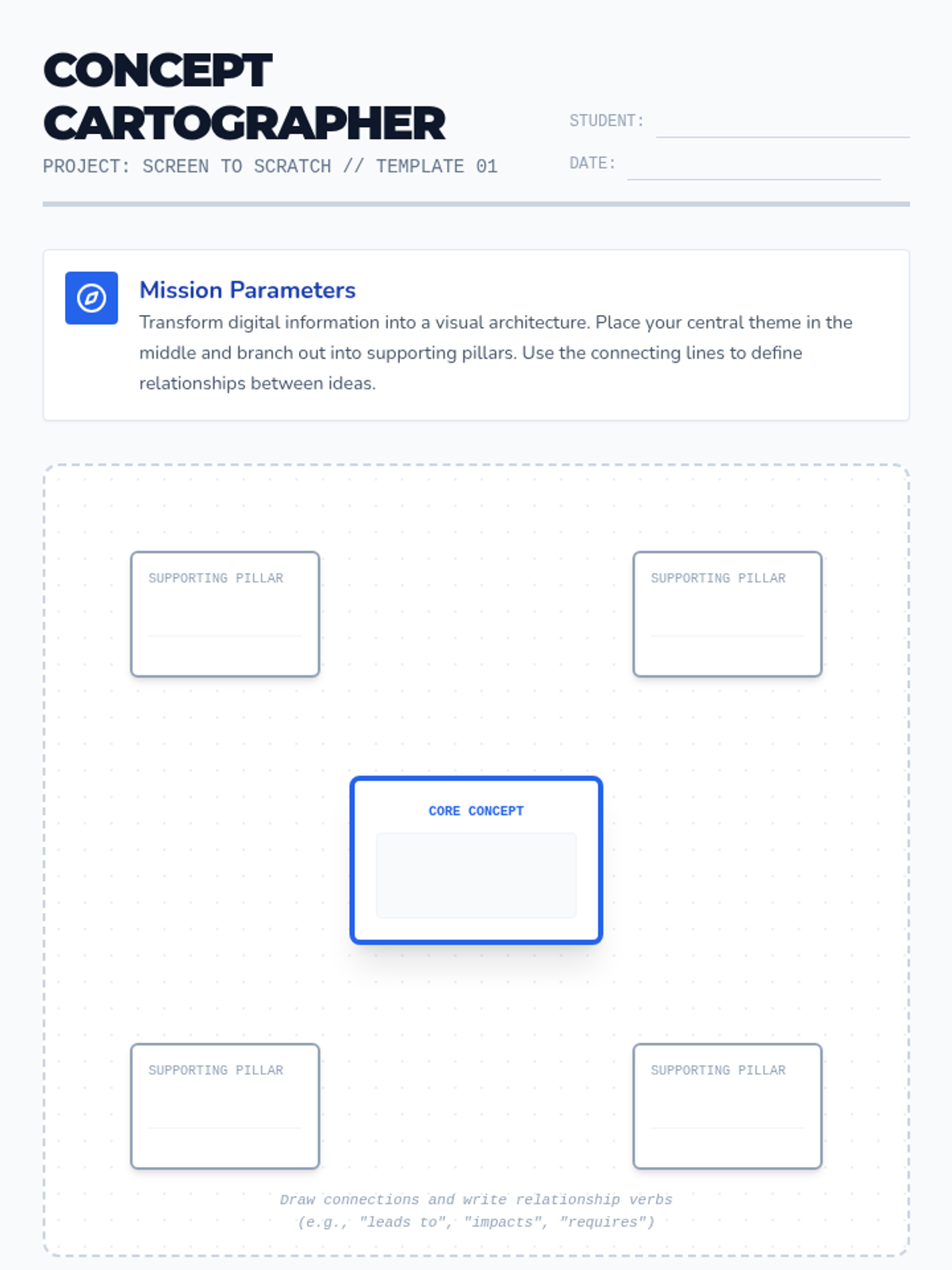
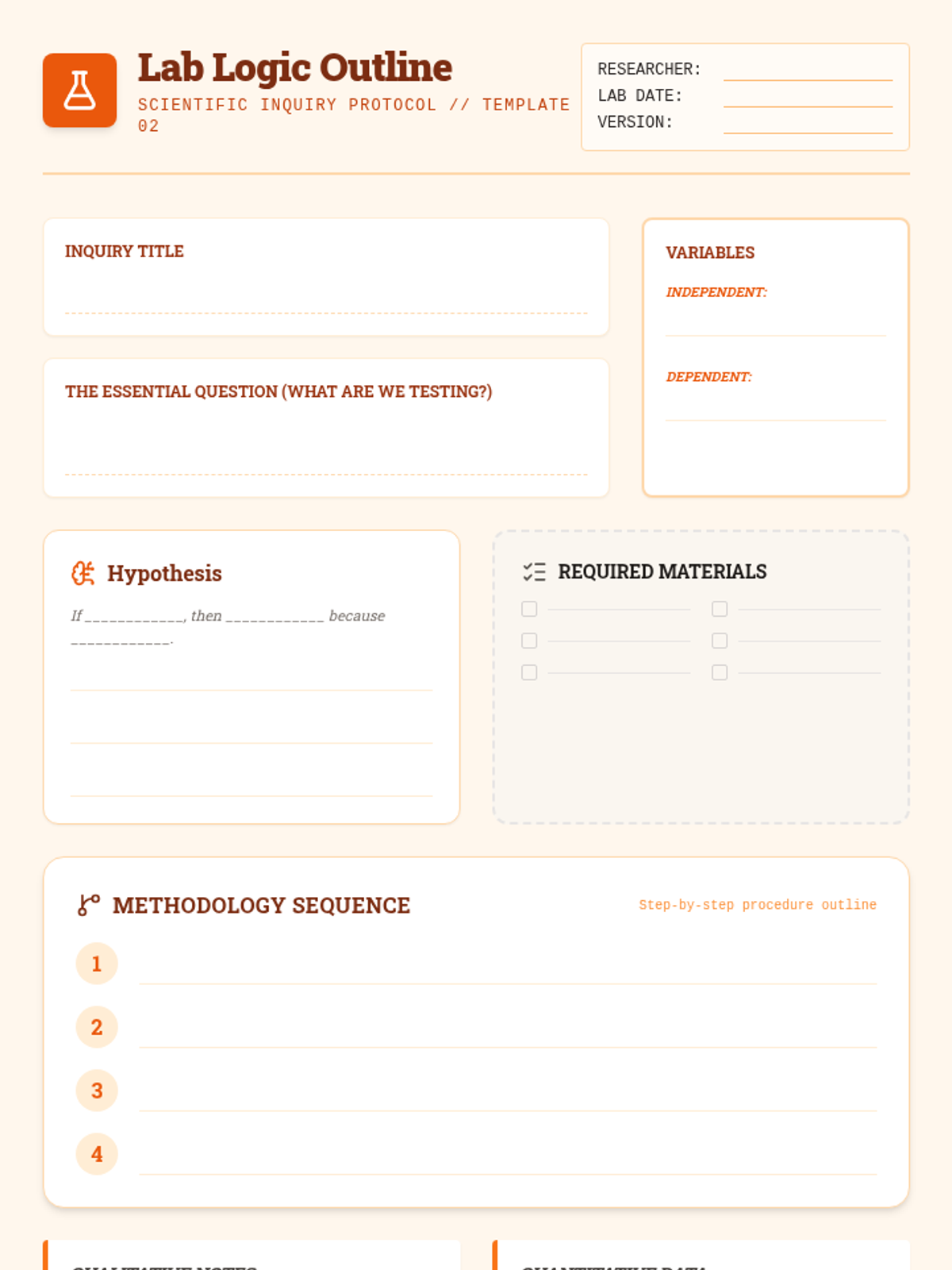
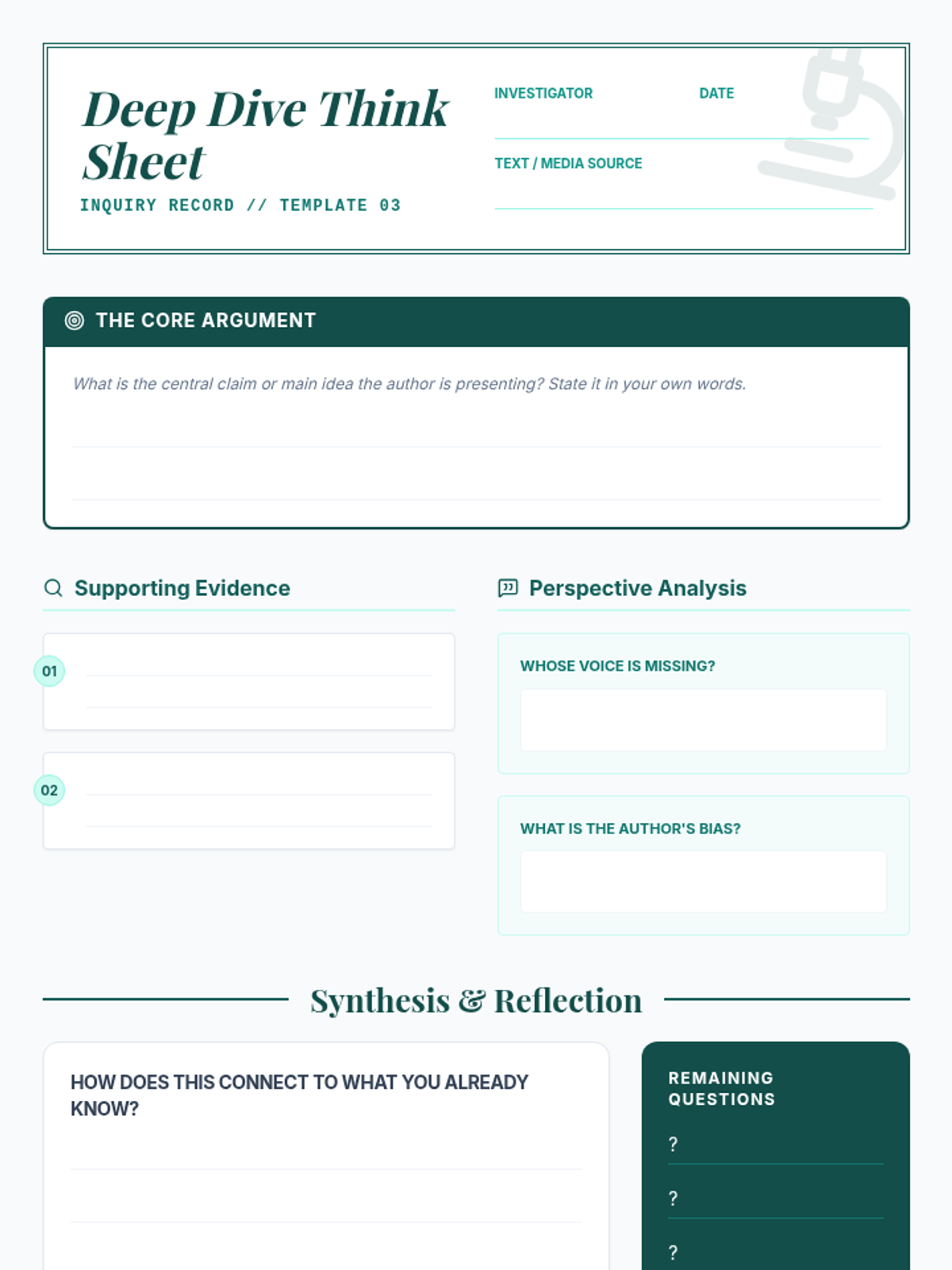
A collection of scaffolded templates designed to bridge the gap between digital consumption and active, handwritten synthesis. These resources help students organize complex ideas, structure scientific inquiries, and engage deeply with texts through structured thinking frameworks.
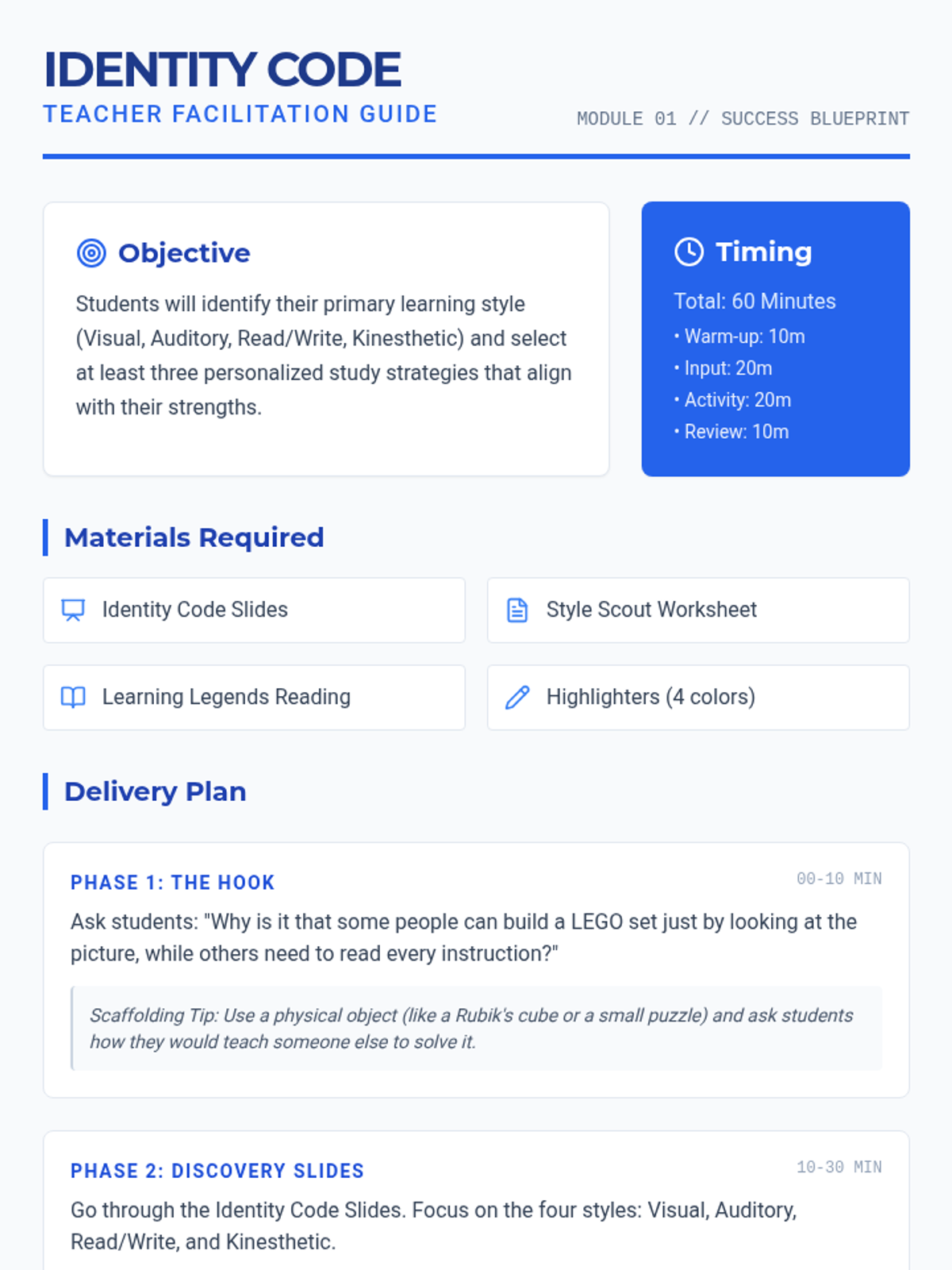
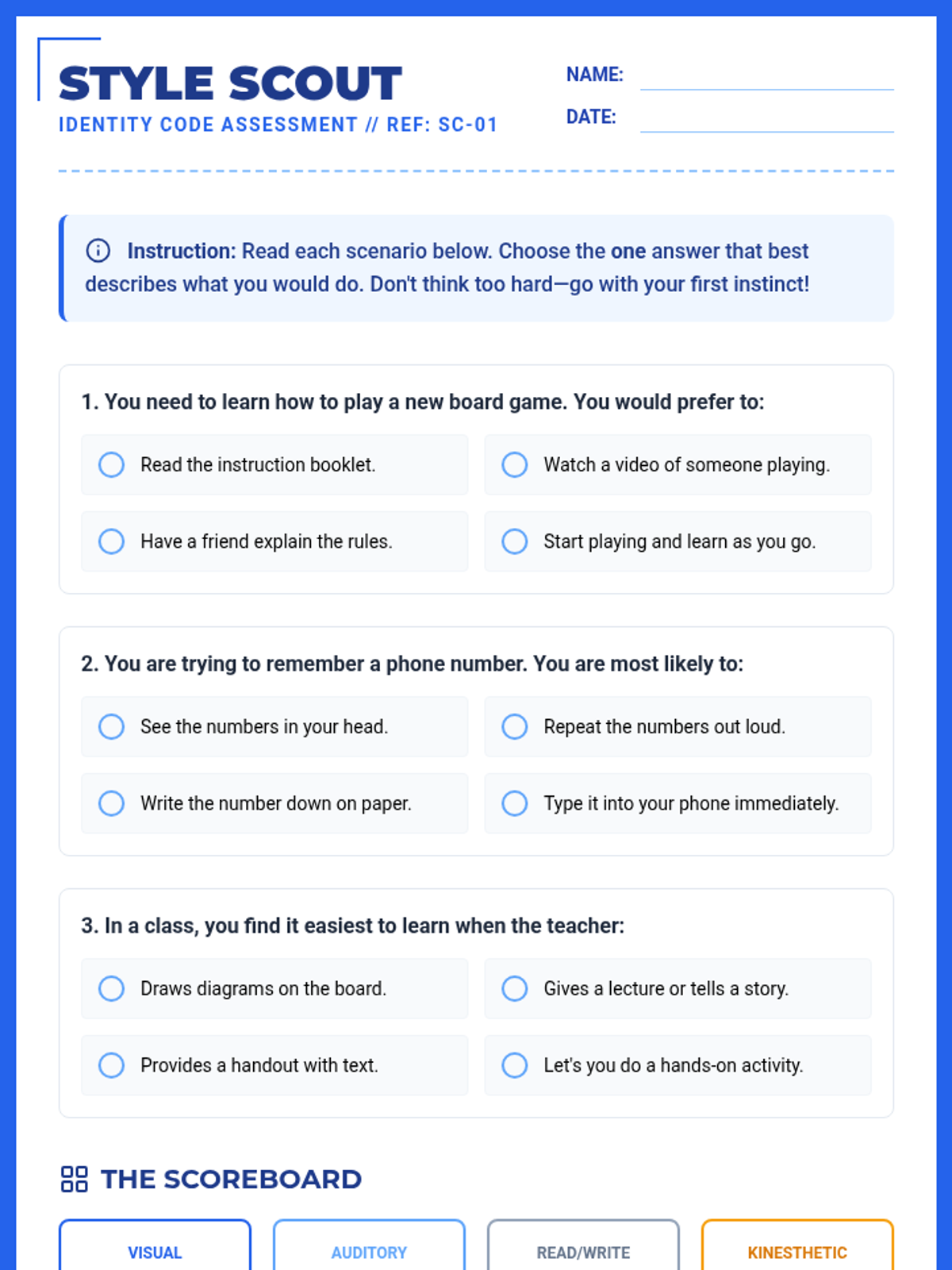
A comprehensive toolkit designed for high school special education students to master learning styles, study techniques, and test-taking strategies through a "Success Blueprint" theme.
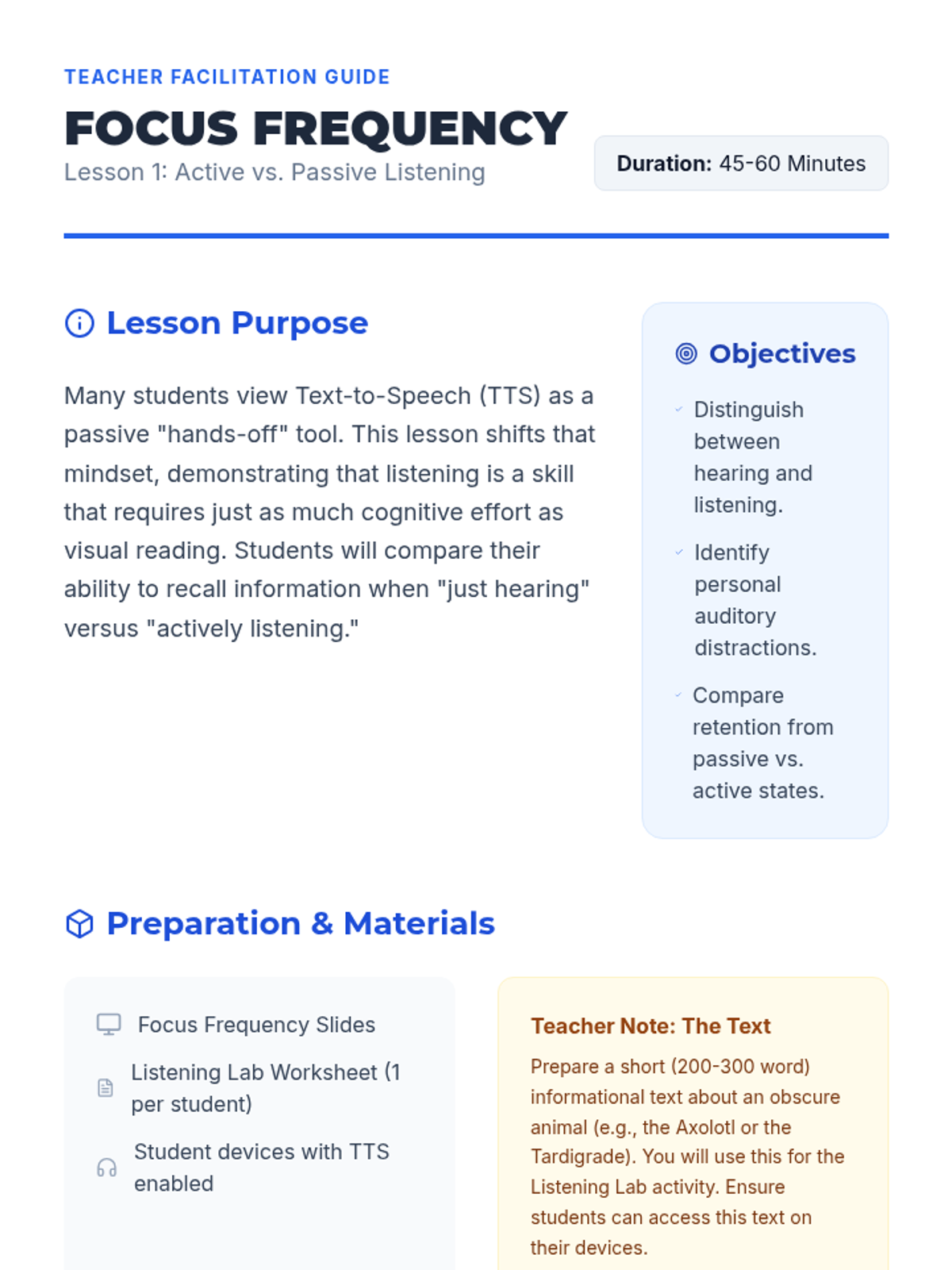
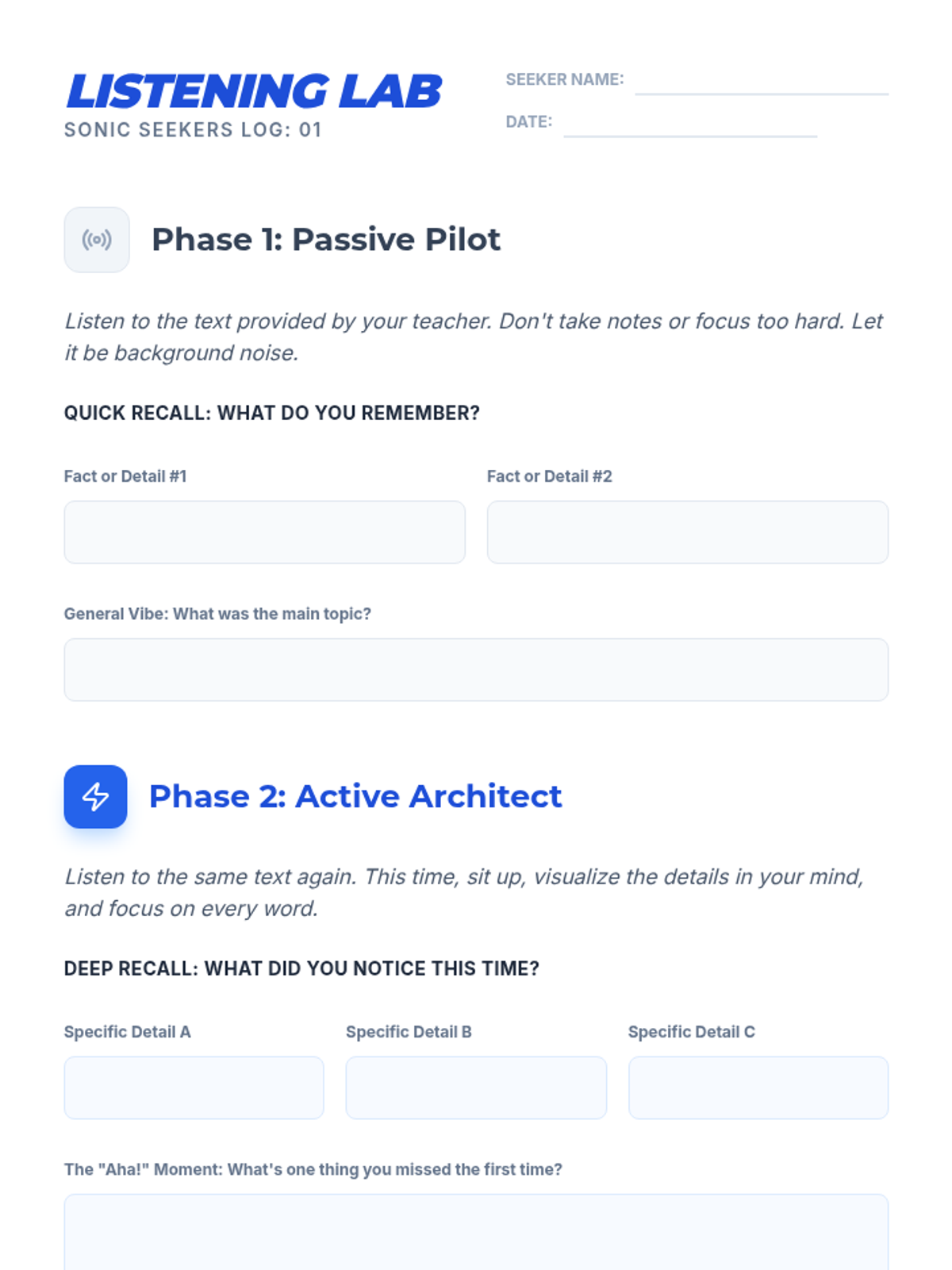
This sequence shifts the focus from assistive technology to the cognitive strategies required for auditory learning. Students engage in inquiry-based activities to distinguish between passive hearing and active listening, applying specific comprehension strategies while using text-to-speech (TTS) to access grade-level texts.
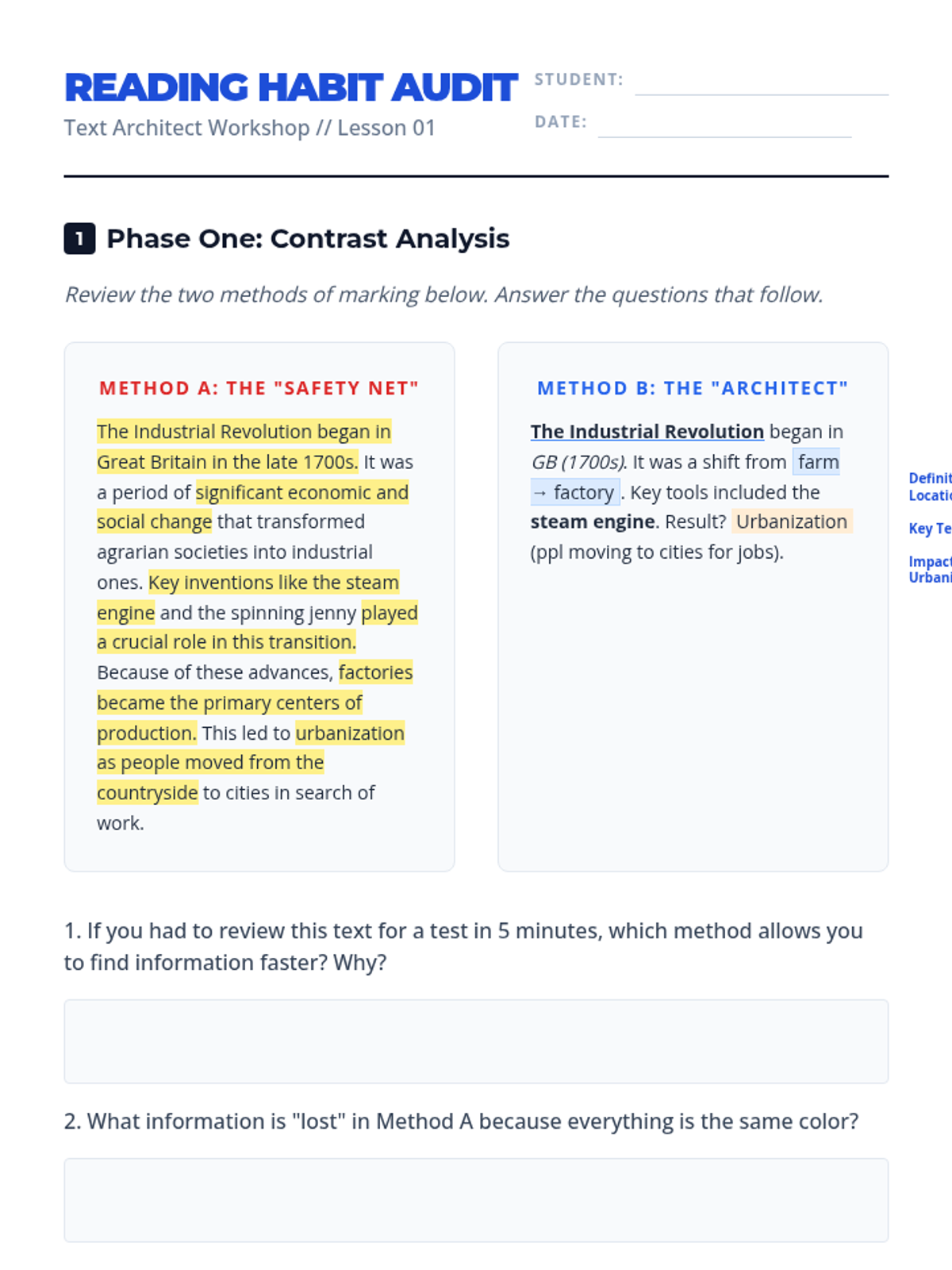
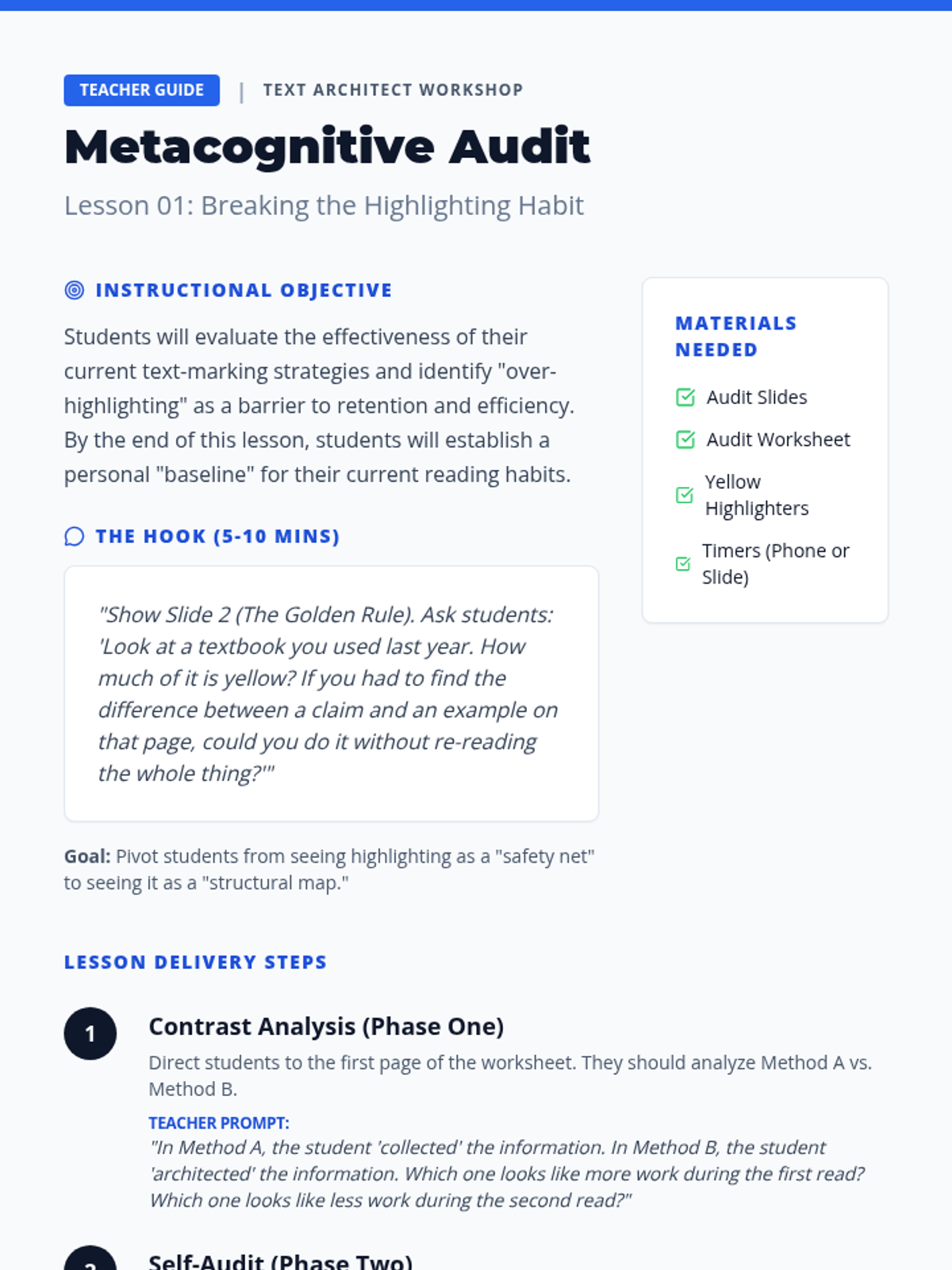
An advanced workshop sequence for high school seniors to transition from passive reading to active text analysis. Students develop personalized systems for color-coding, marginalia, and strategic filtering to navigate complex academic texts.
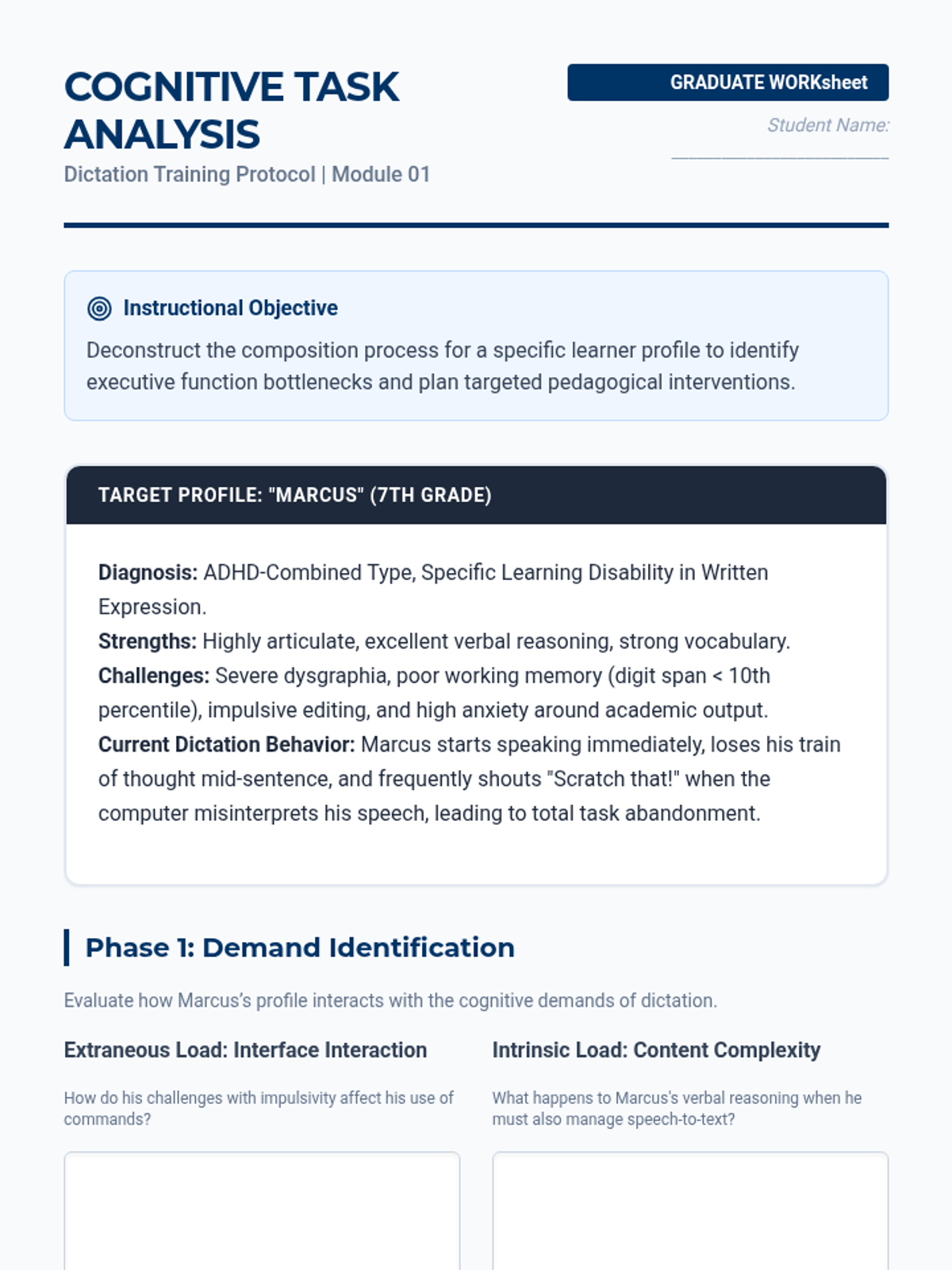
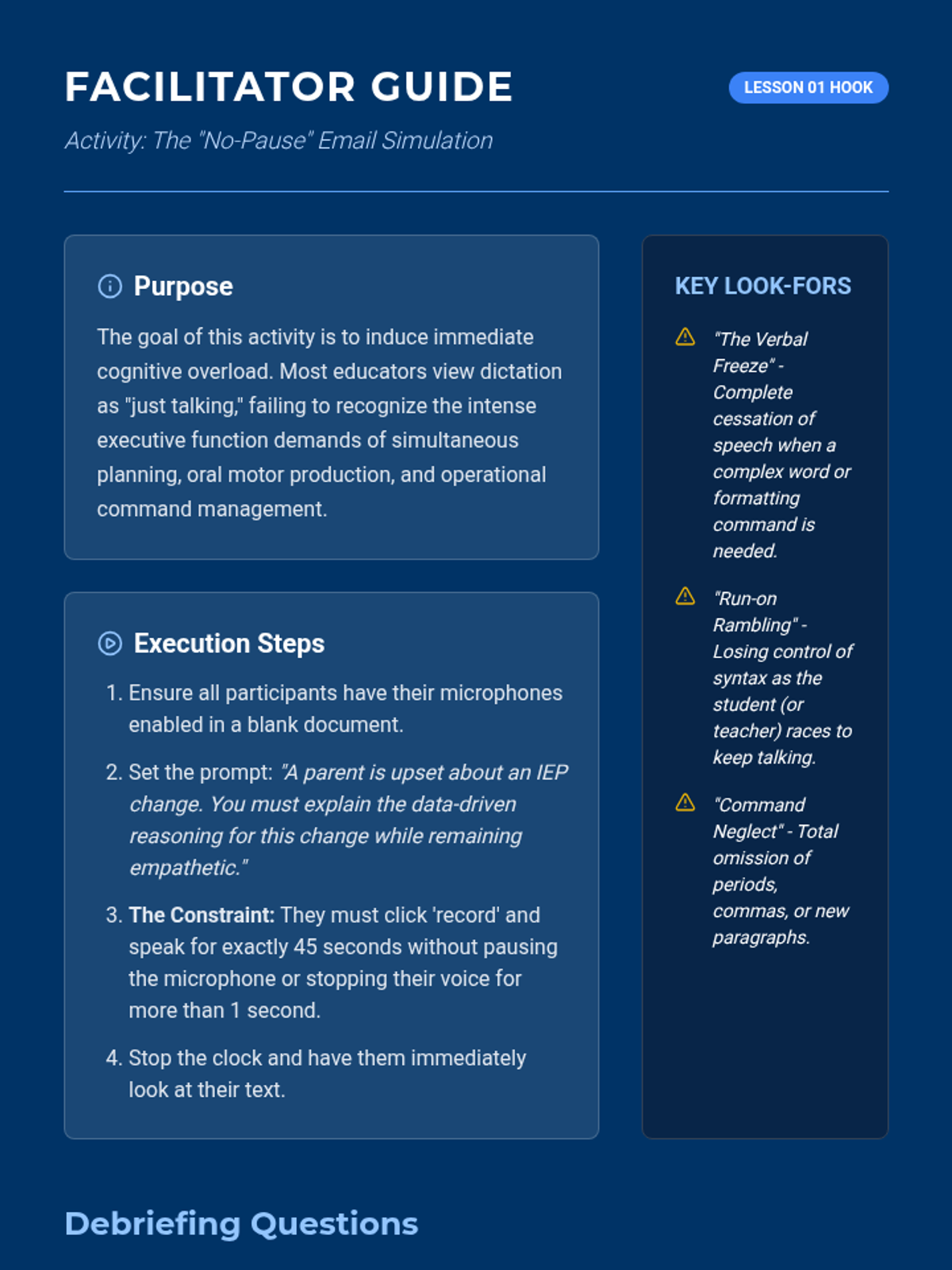
A graduate-level sequence focused on the pedagogy of speech recognition. Students shift from learning the technology to designing instructional protocols that address the cognitive demands of oral composition, specifically for K-12 learners with executive function challenges.
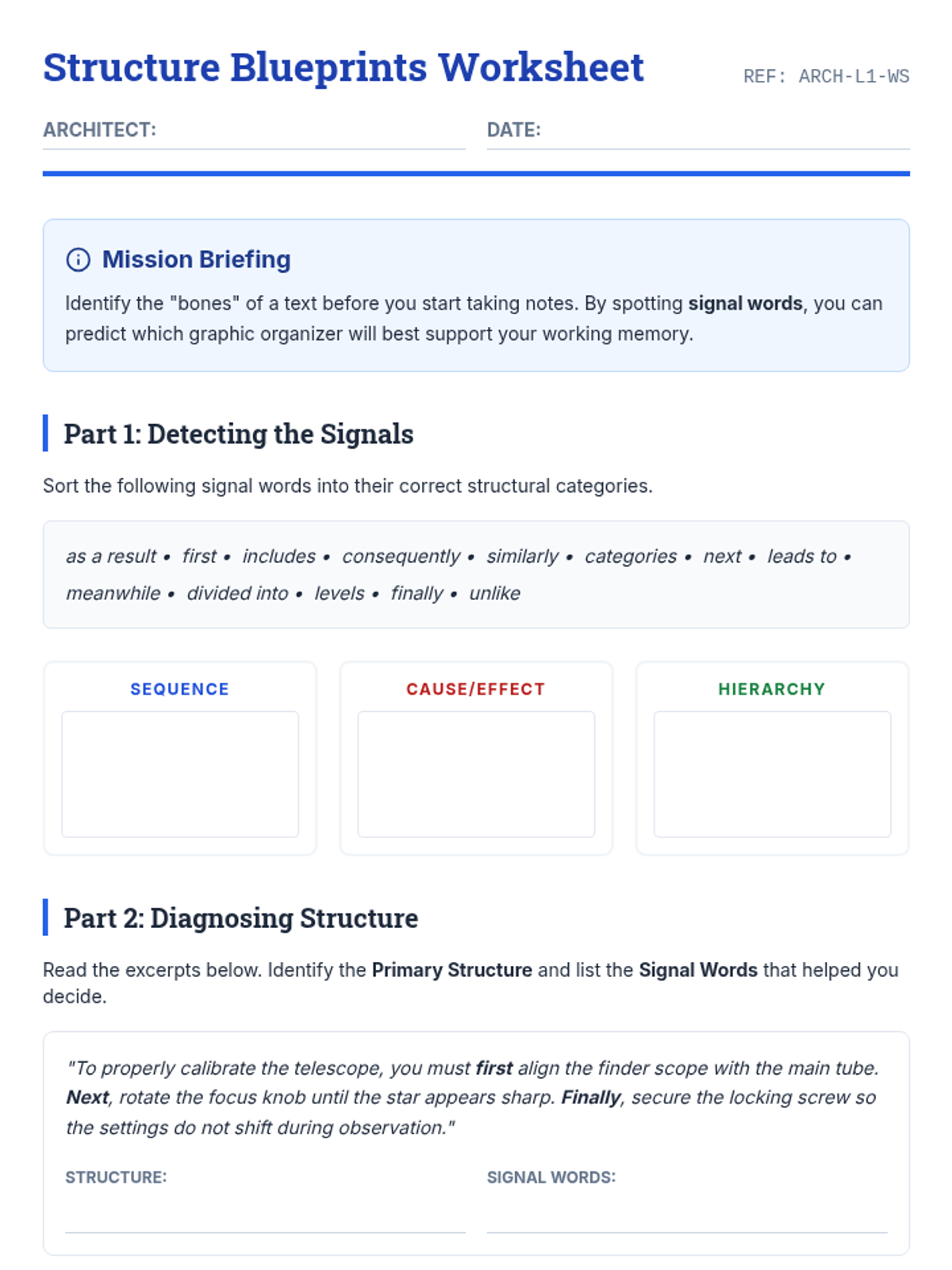
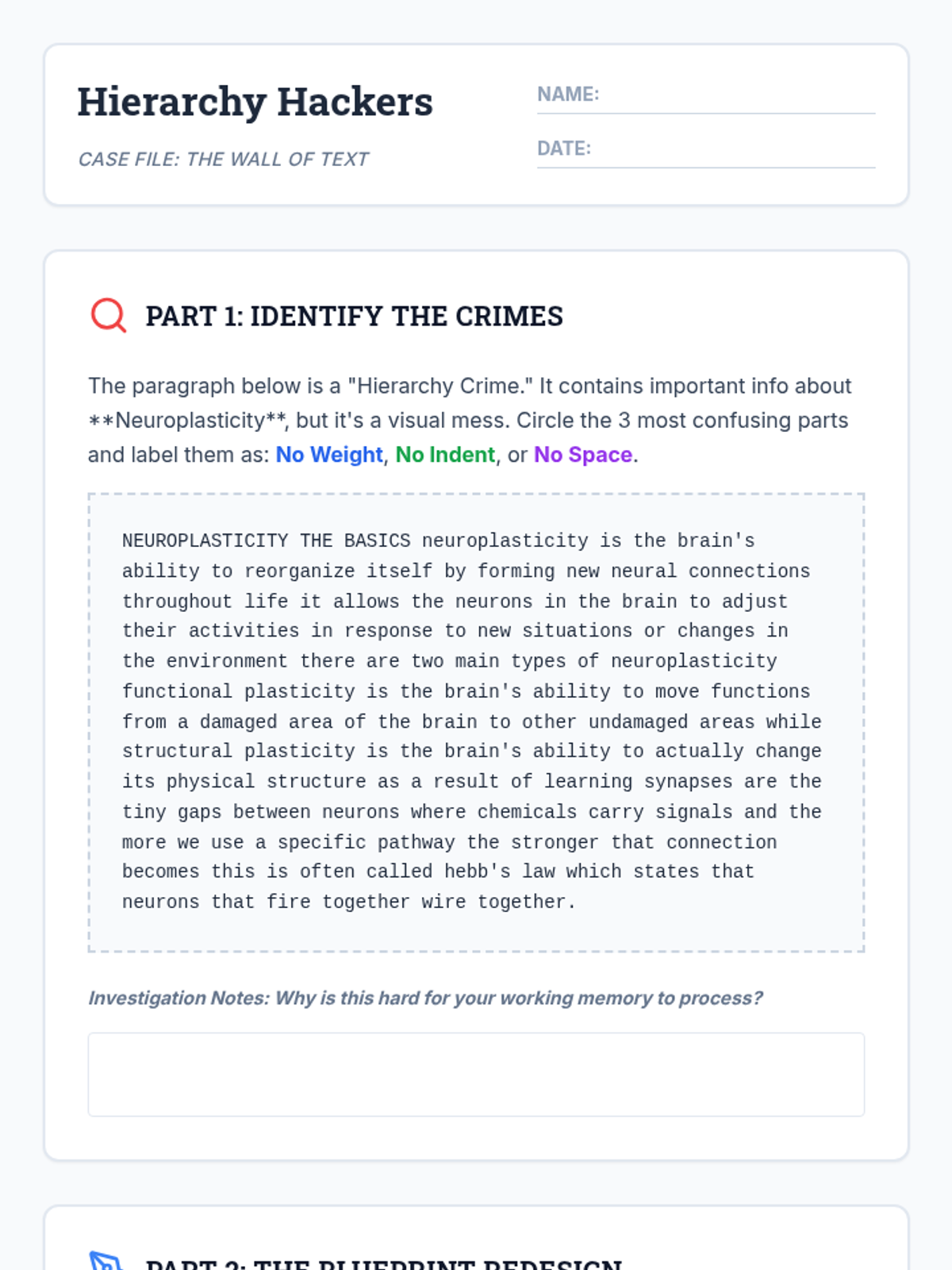
A sequence focused on reducing cognitive load for 10th-grade students by teaching them to align graphic organizers with informational text structures. Students learn to recognize structures, filter noise, and select visual scaffolds that support working memory during complex reading tasks.
A 5-lesson sequence for 8th-grade students focused on using graphic organizers to reduce cognitive load and support working memory. Students move from understanding memory limitations to independently selecting and creating visual scaffolds for complex information.
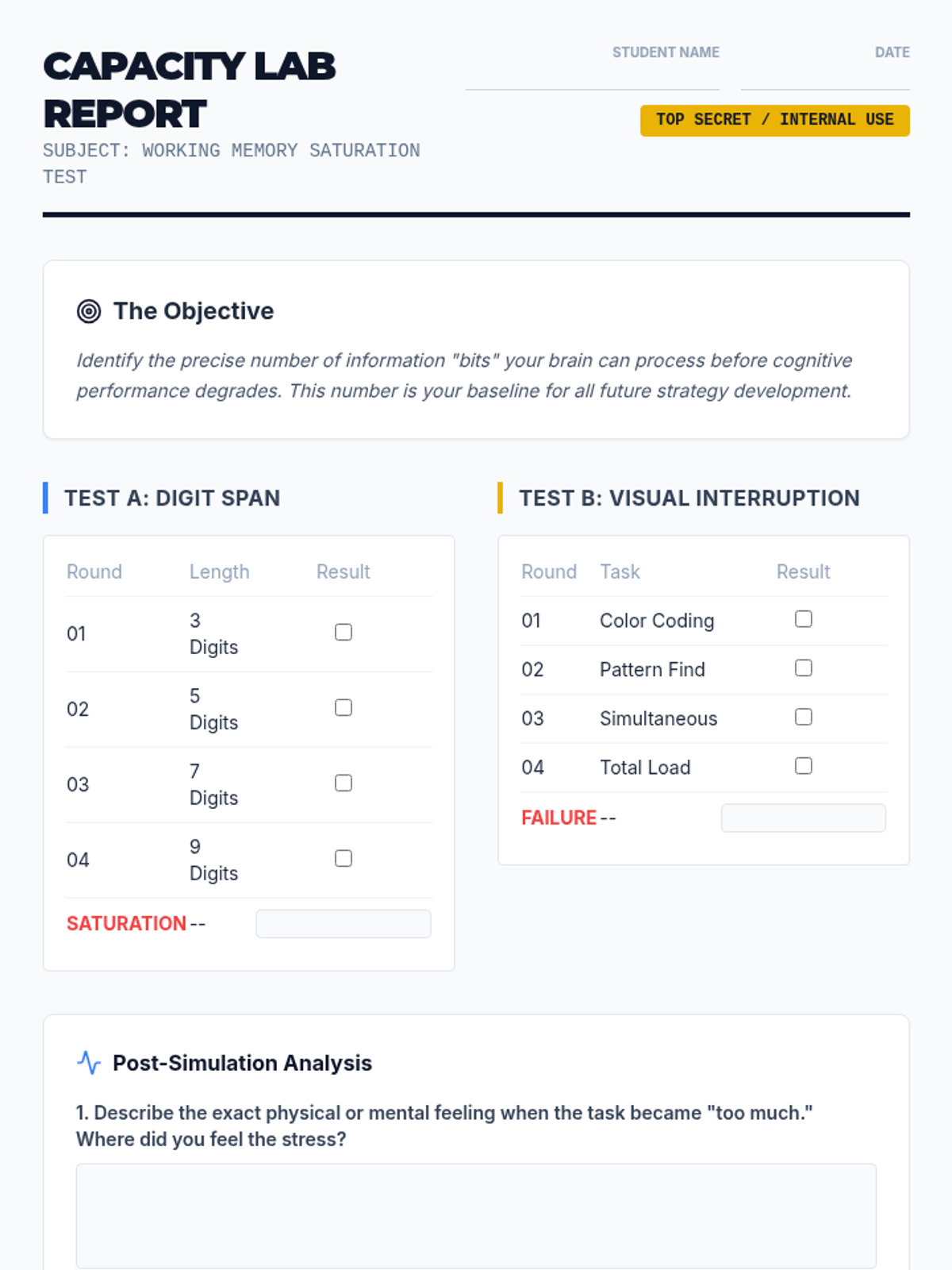
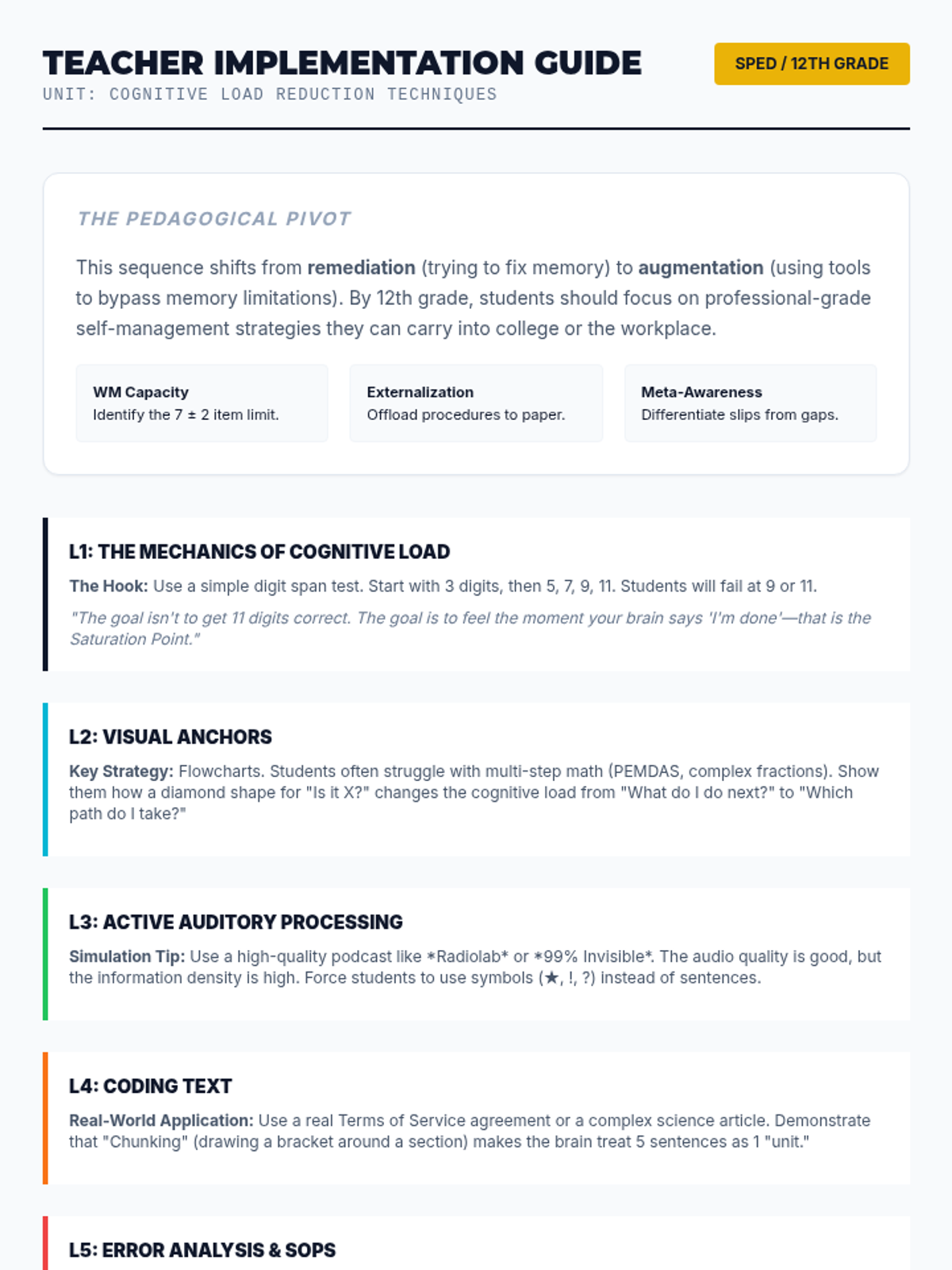
A metacognitive workshop for 12th-grade students to master cognitive load theory and develop personal 'Standard Operating Procedures' for complex academic tasks. The sequence focuses on externalizing working memory demands through visual anchors, active processing, and self-correction protocols.
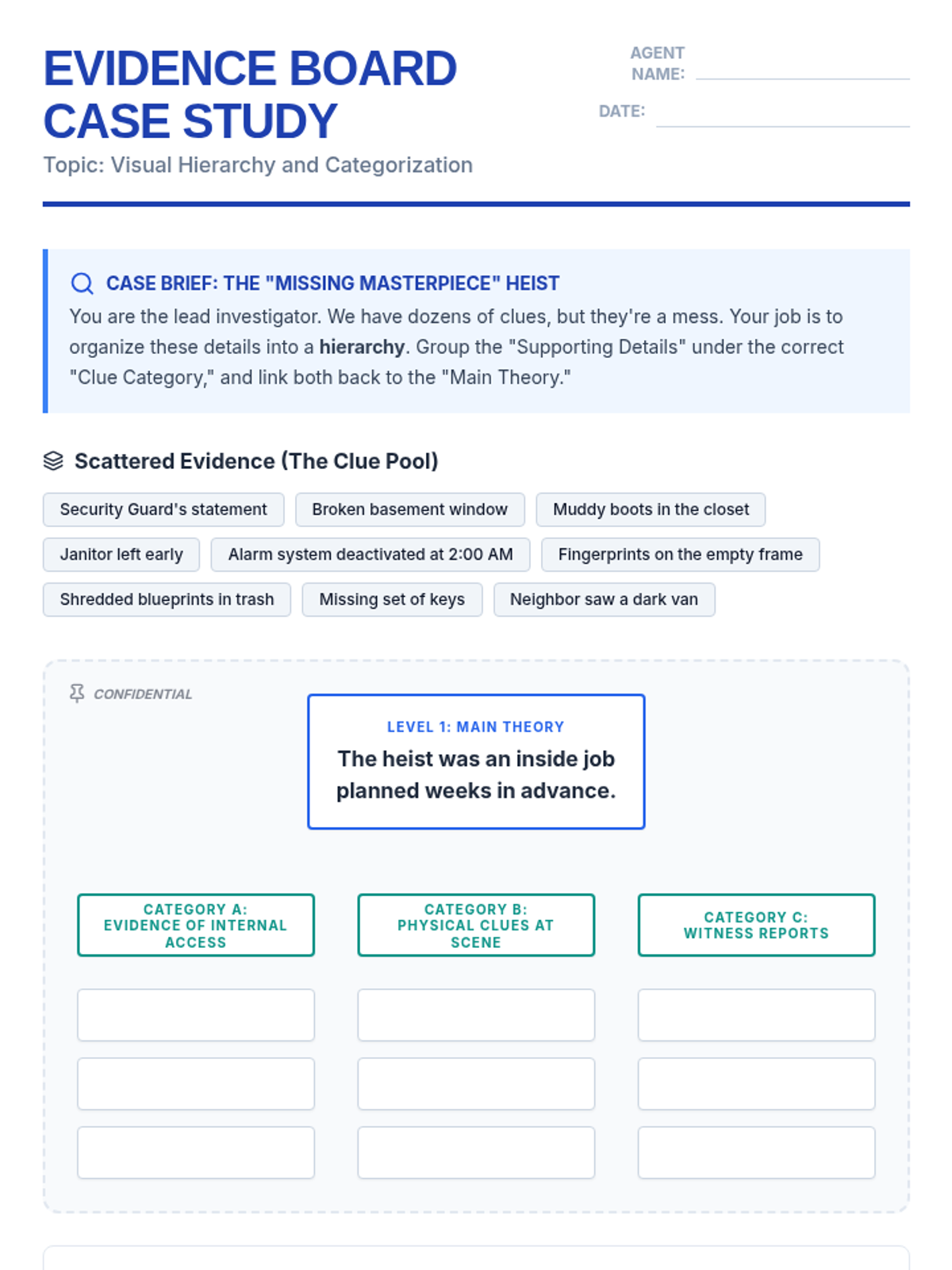
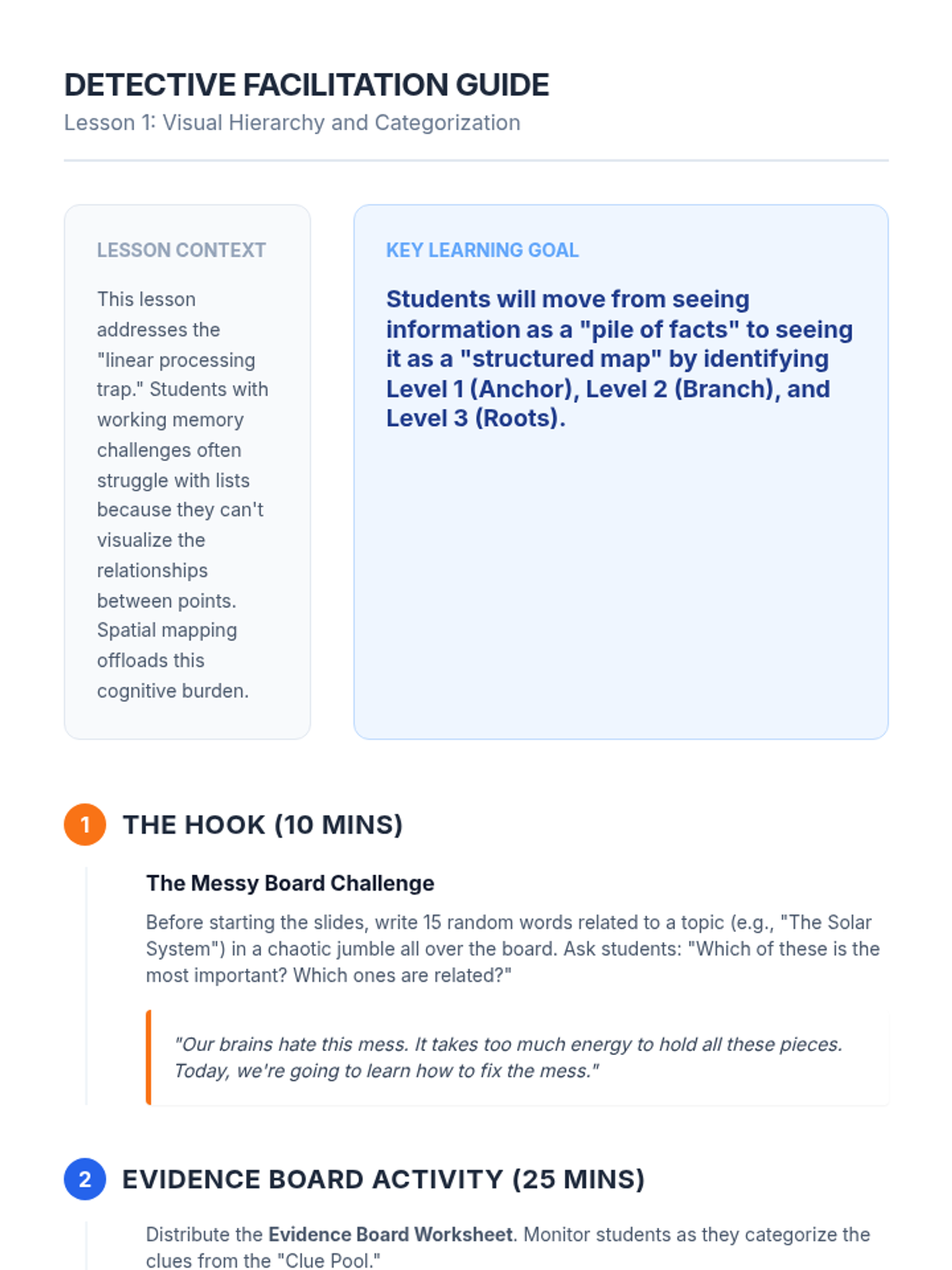
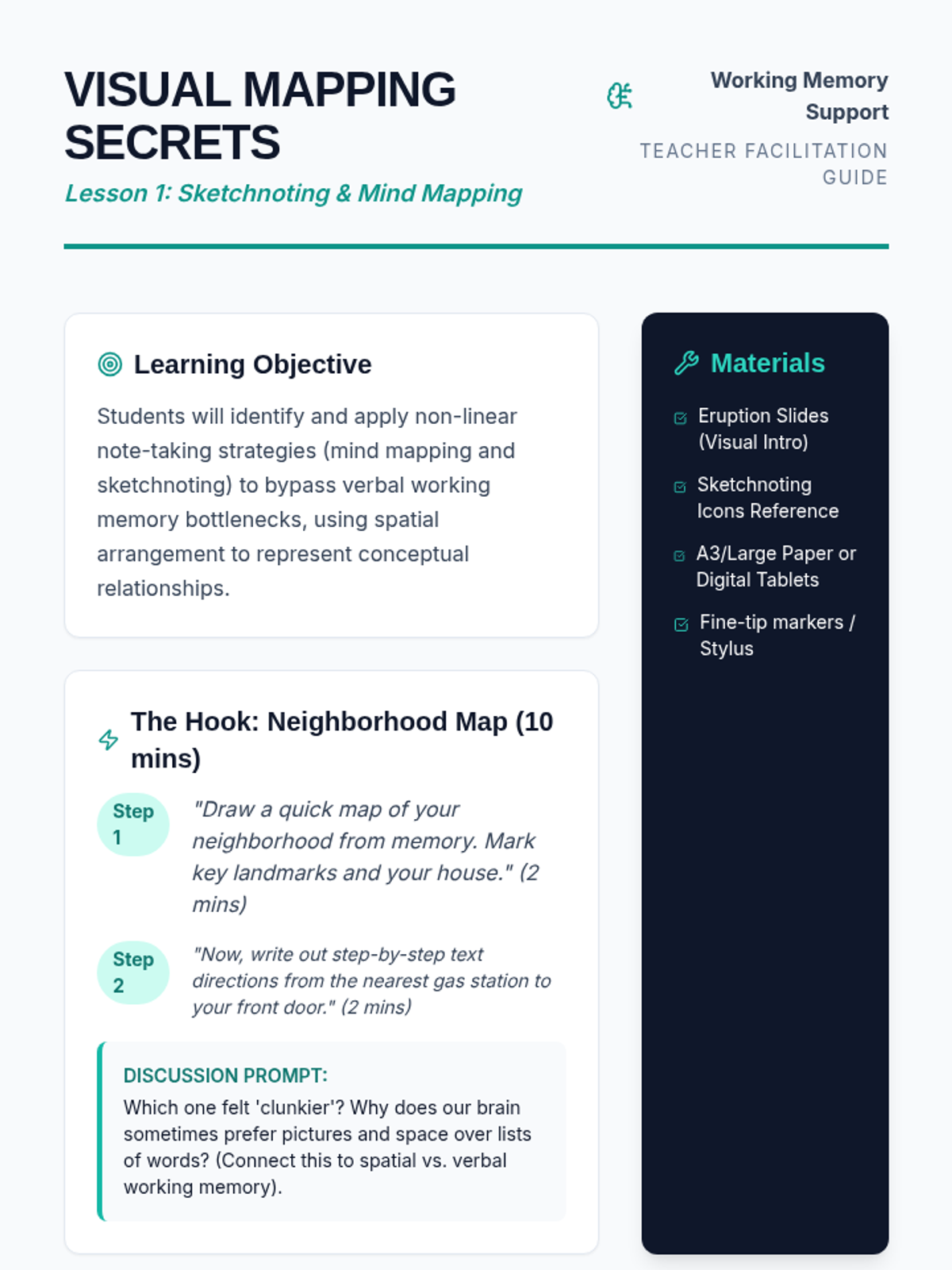
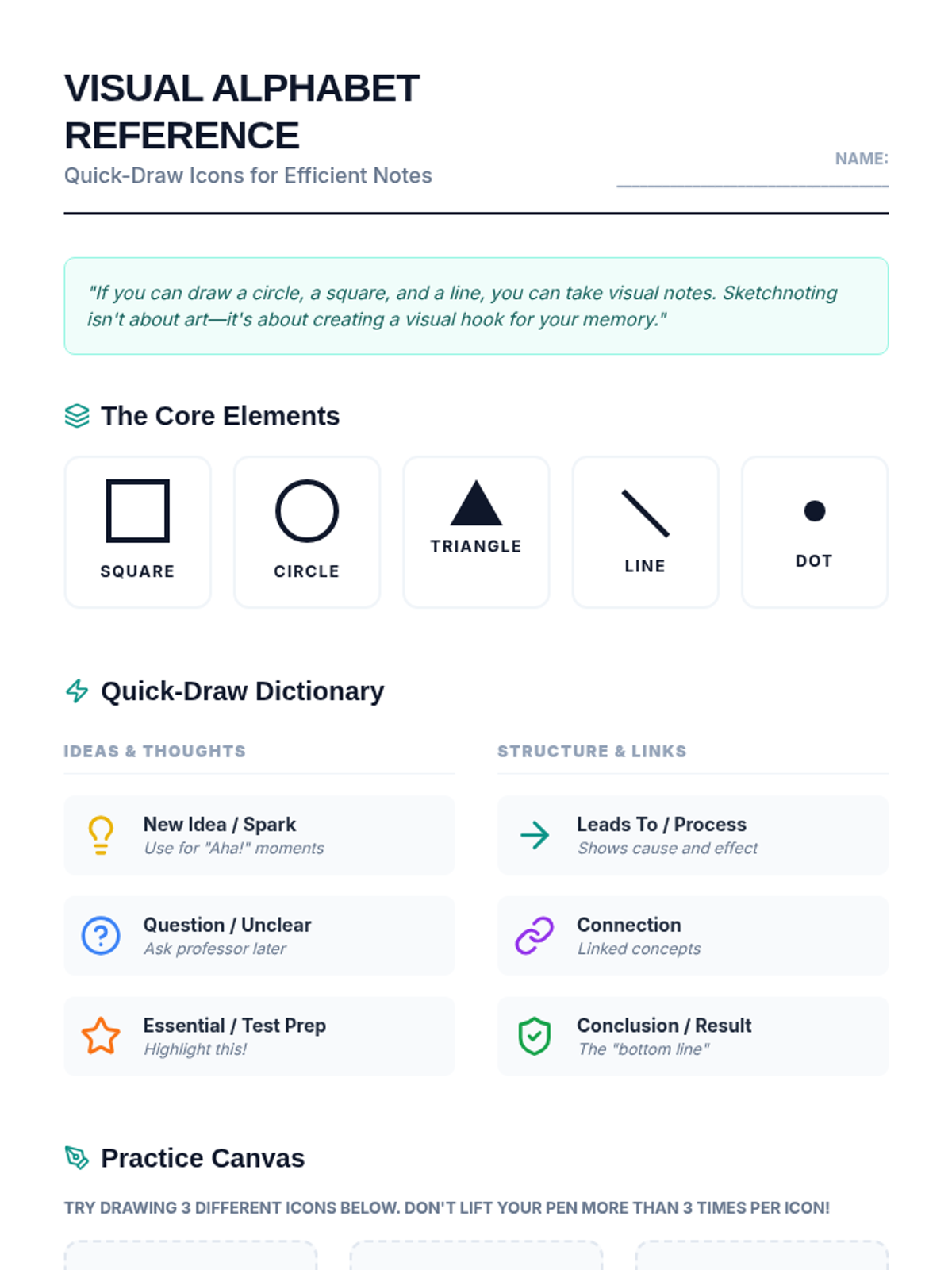
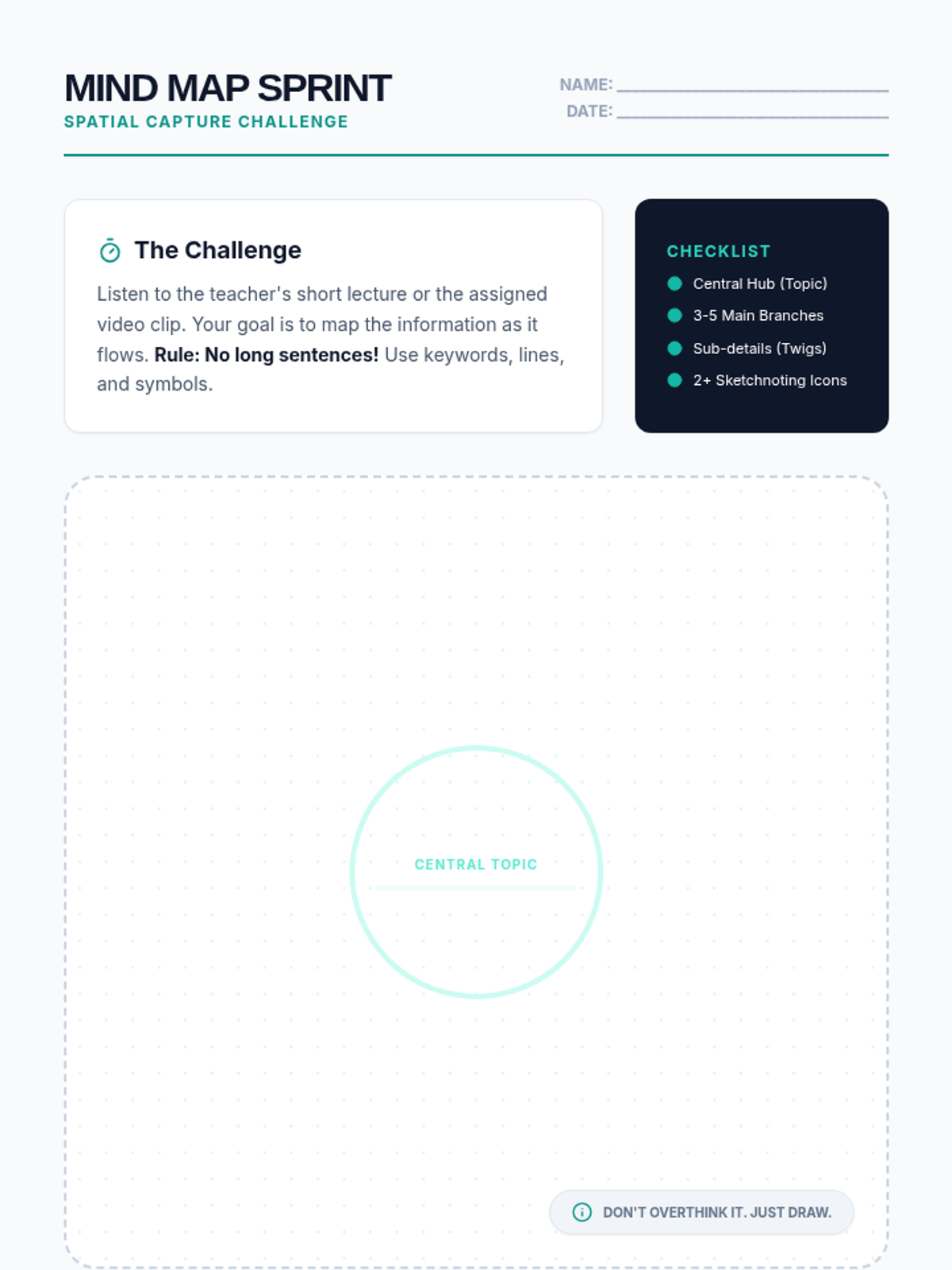
A comprehensive sequence designed for 9th-grade students who struggle with working memory and linear note-taking. This unit focuses on visual mapping, mind mapping, sketchnoting, and flowcharting as strategies to spatialized information and reduce cognitive load.
This sequence explores non-linear and technology-assisted strategies for students who struggle with traditional text-based recording, moving from visual mapping to digital tools and personalized systems. Students develop a digital toolkit to mitigate working memory deficits in post-secondary environments.
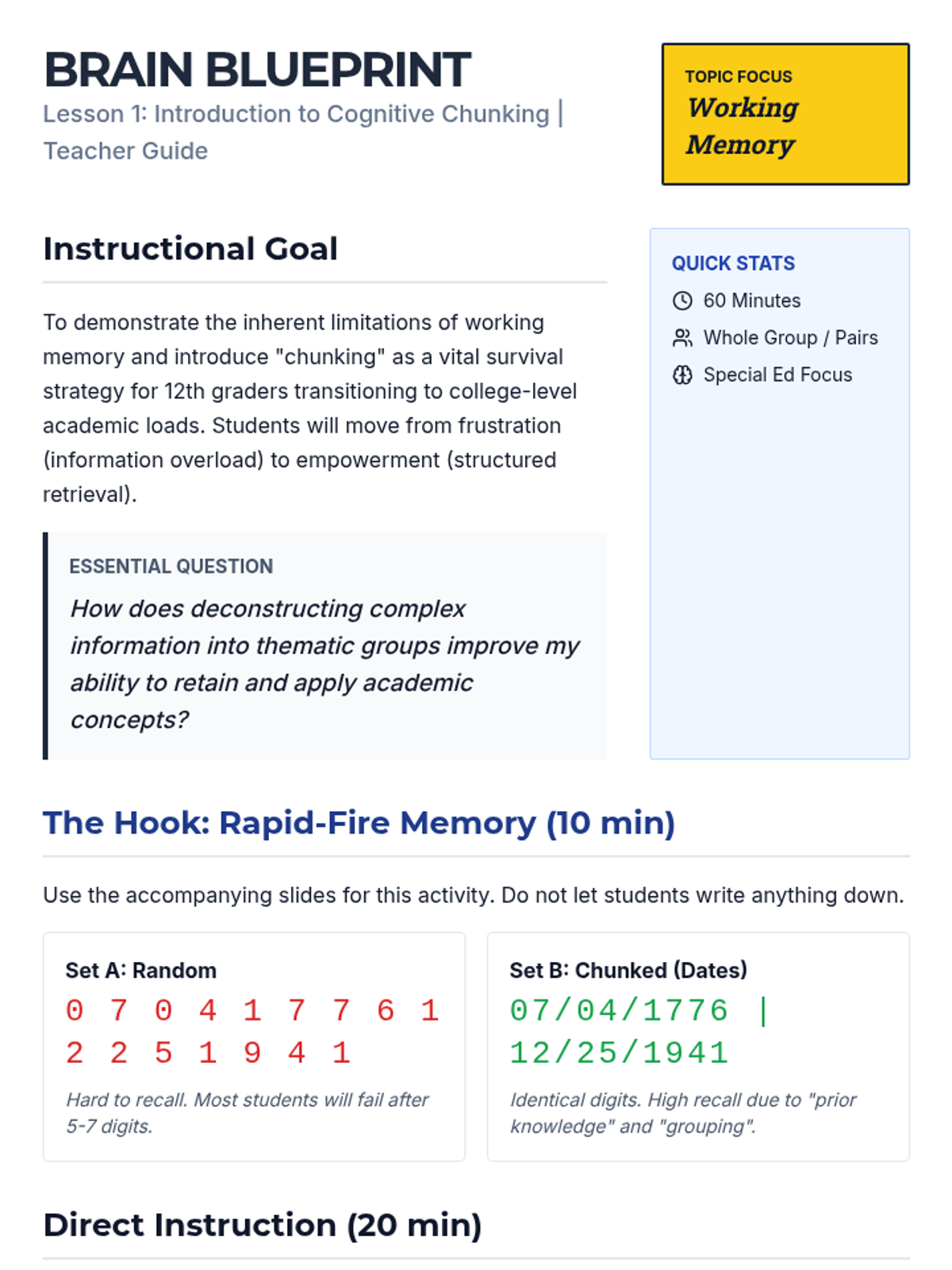
A specialized sequence for 12th-grade students to master cognitive chunking strategies, preparing them for the rigors of college-level reading and lectures by improving working memory efficiency.
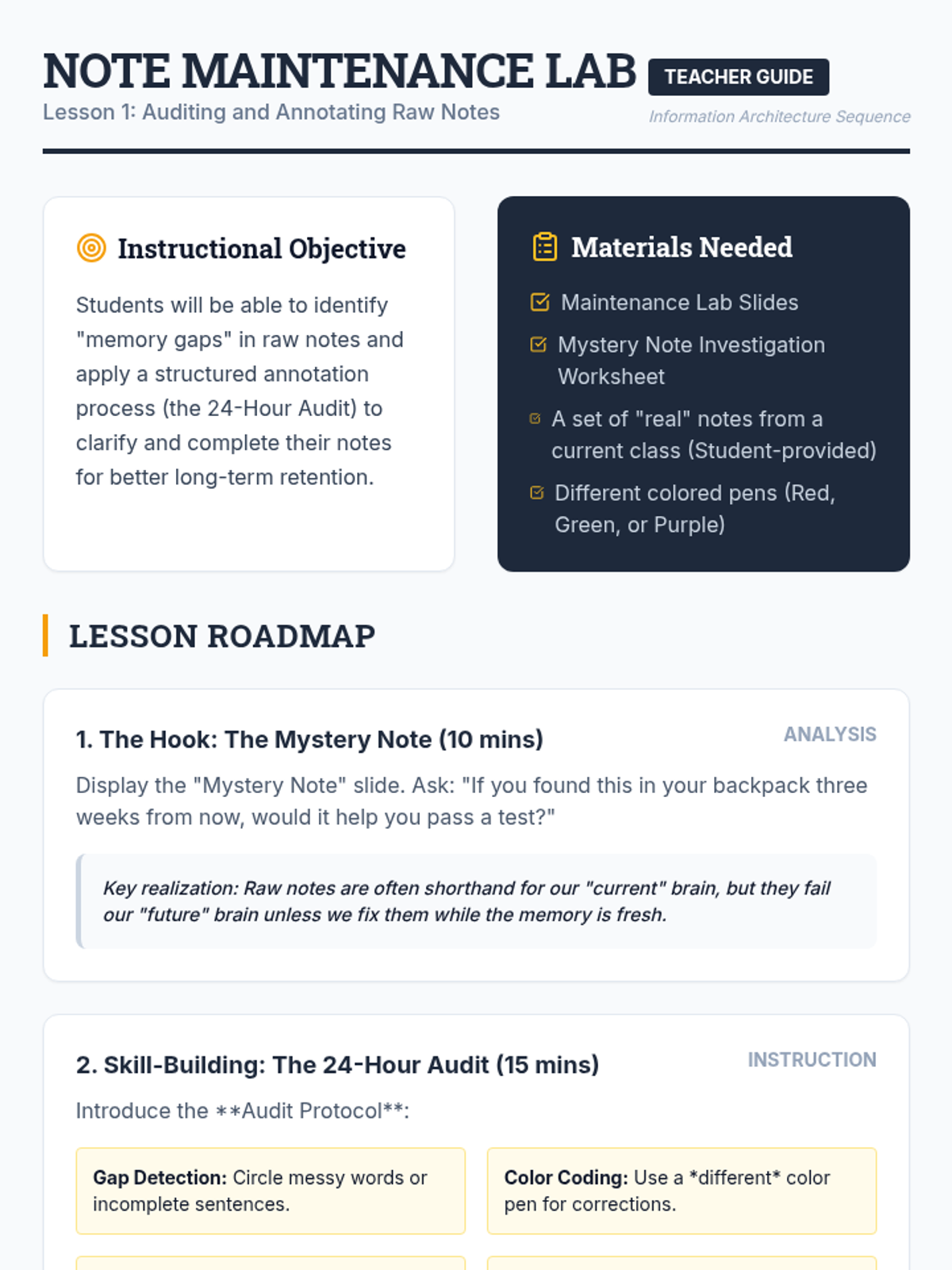
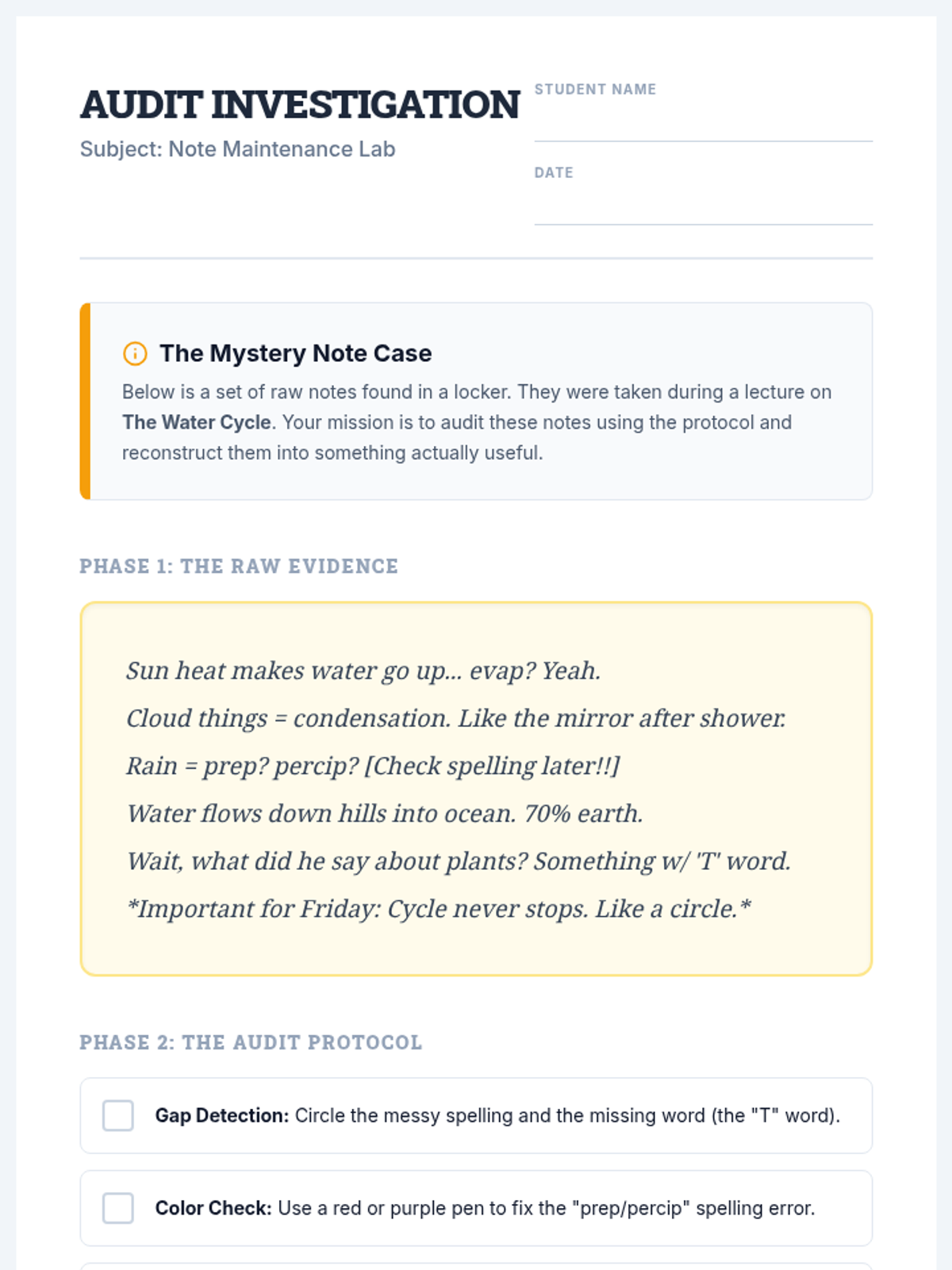
A 5-lesson sequence designed for 9th-grade students focusing on working memory support through note synthesis. Students progress from auditing raw notes to creating visual maps and condensed 'cheat sheets' to enhance retention and understanding.
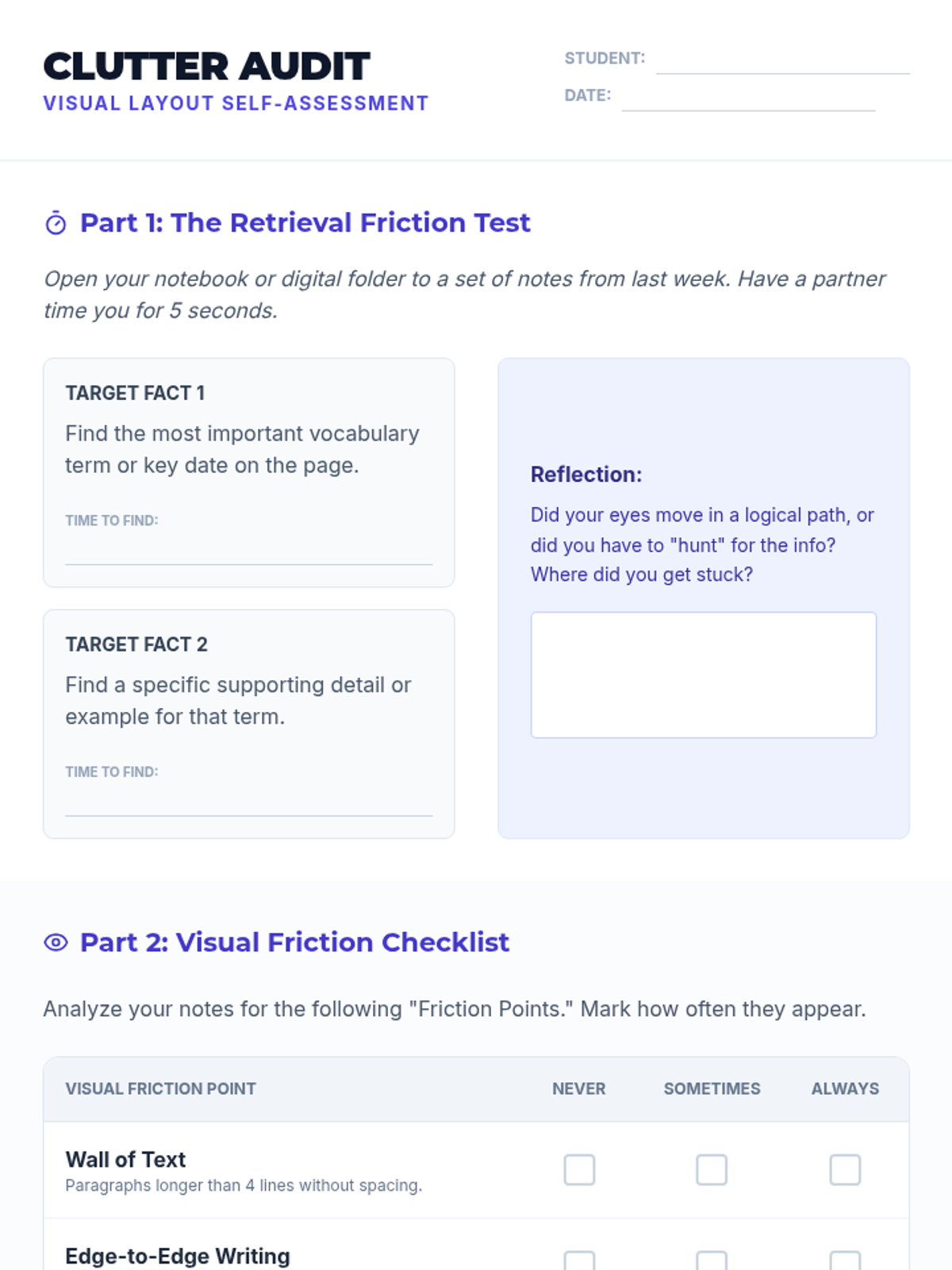
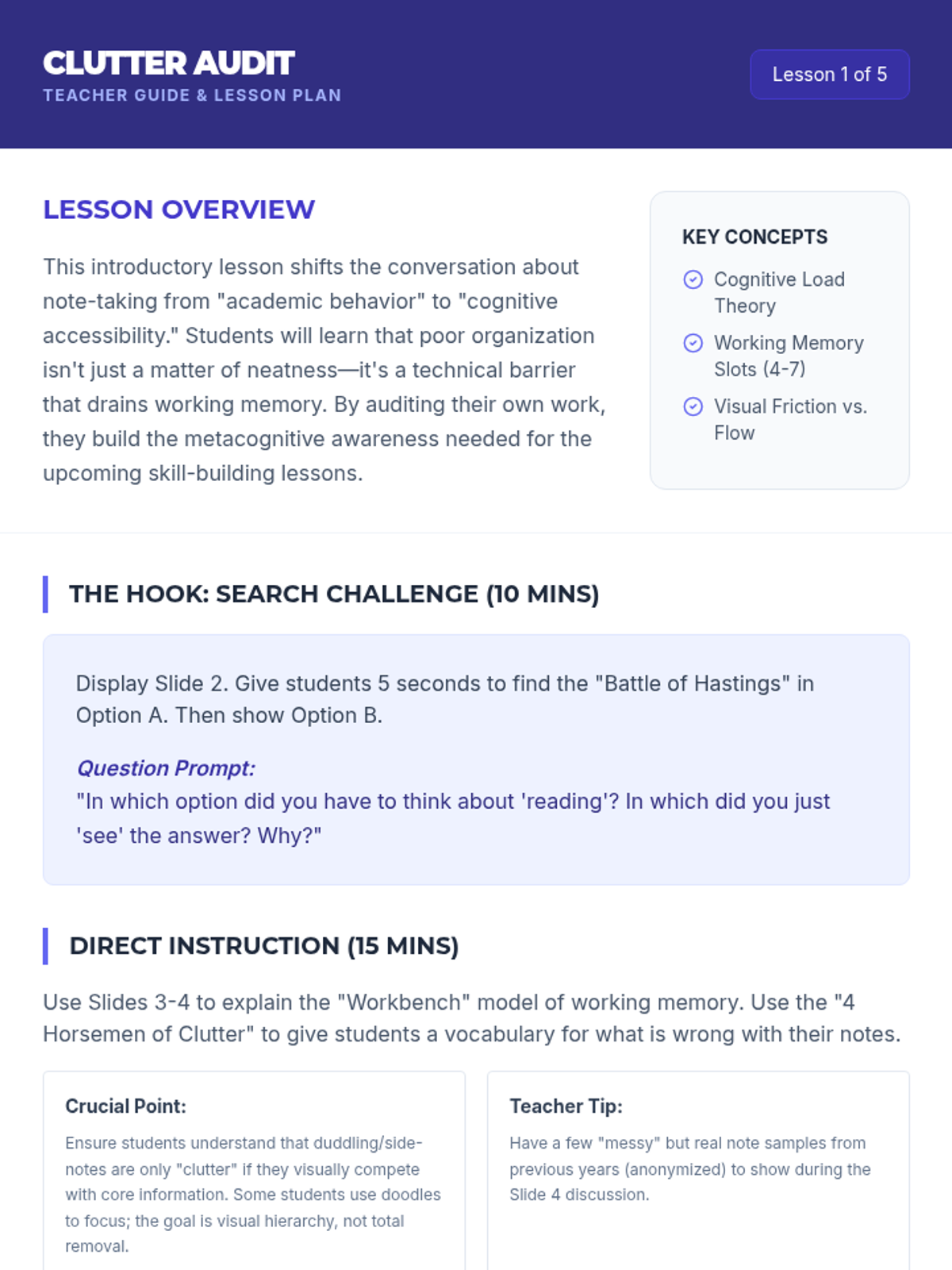
A 5-lesson sequence for 12th-grade students focusing on visual strategies to reduce cognitive load and support working memory through effective note-taking and organization. Students learn to audit clutter, use spatial organization, implement strategic color-coding, develop icon systems, and reformat complex information for accessibility.
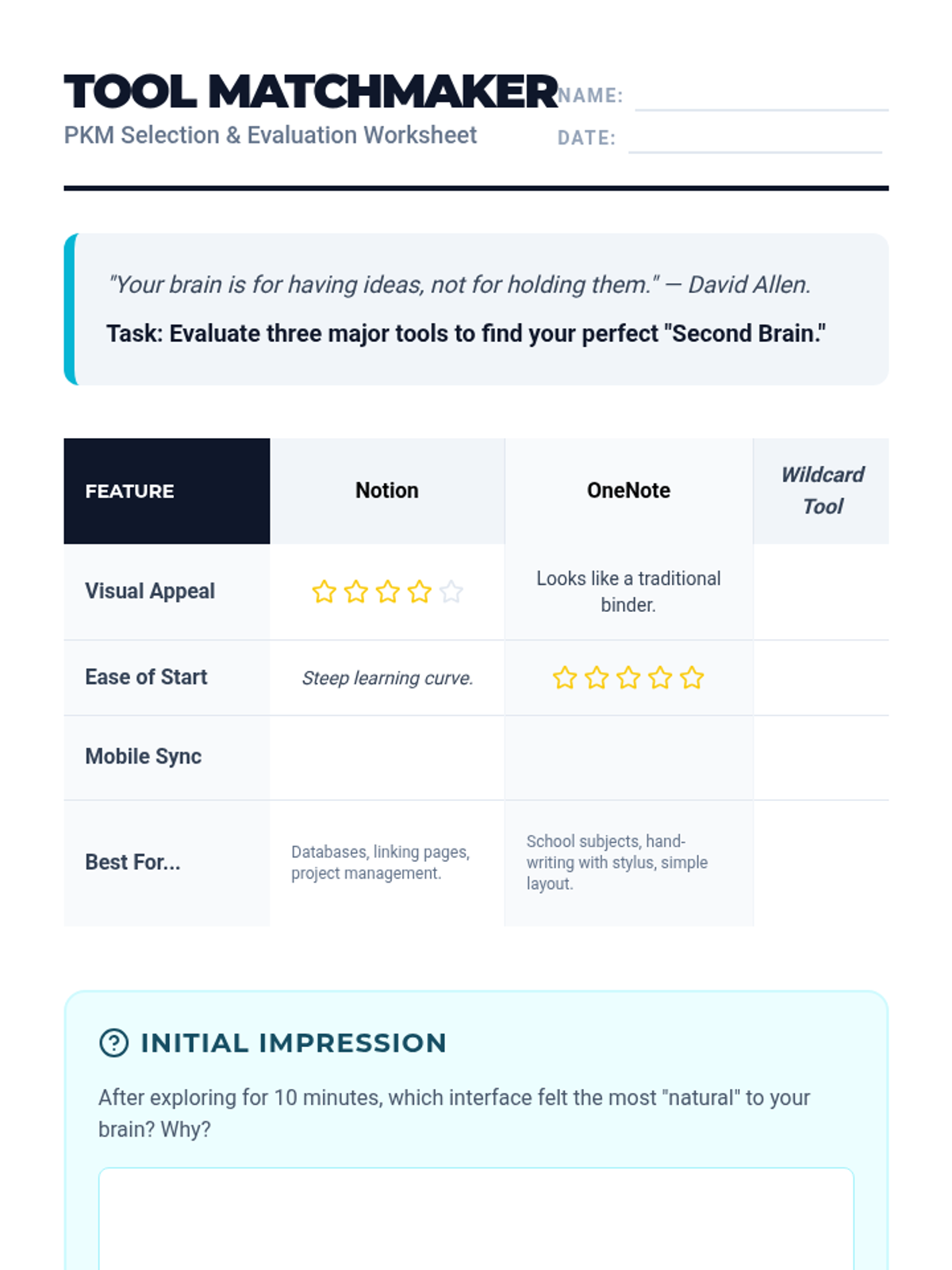
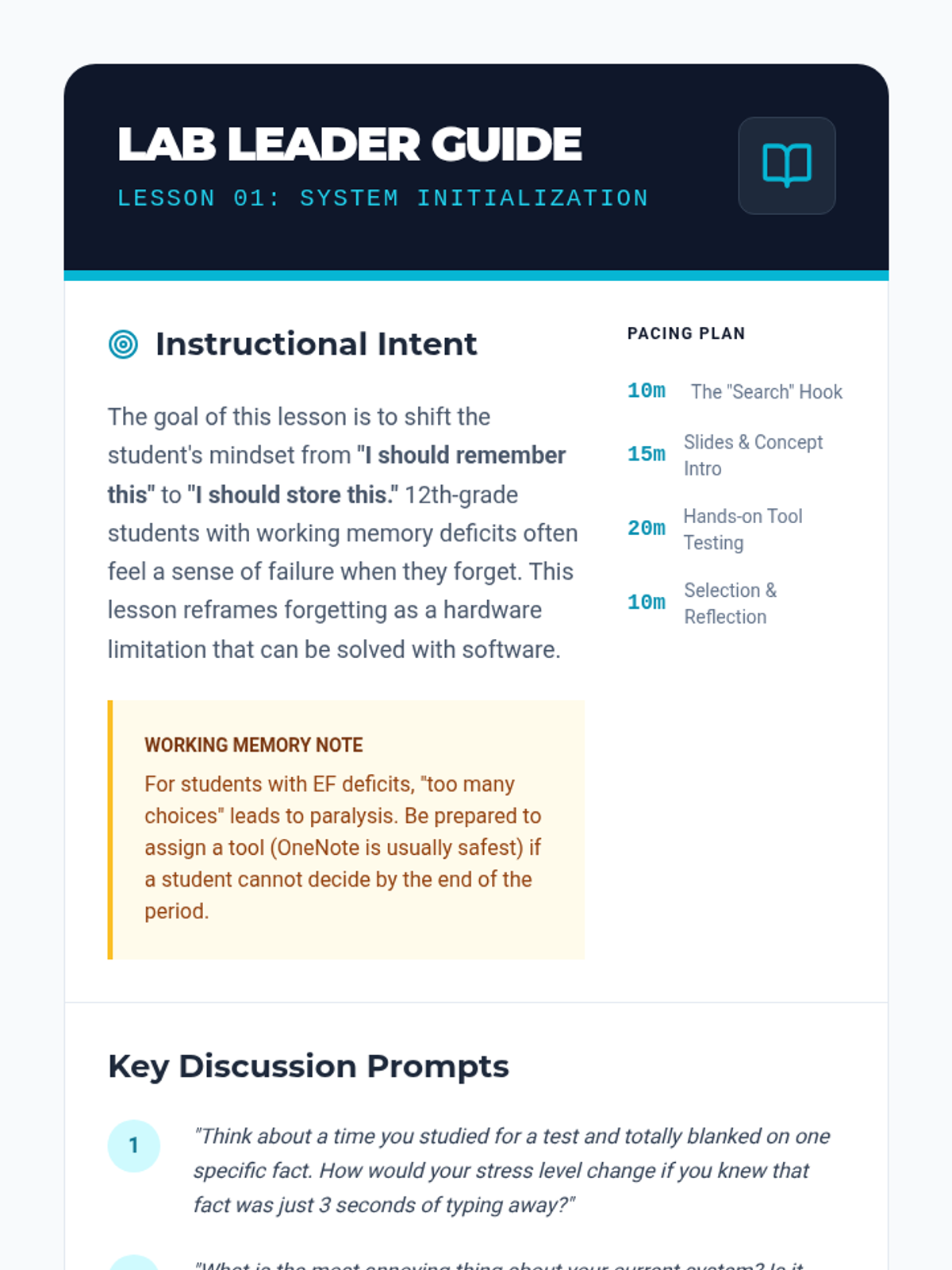
A 12th-grade Special Education sequence focused on leveraging technology to support working memory through Personal Knowledge Management (PKM). Students learn to build a 'second brain' by creating automated, searchable, and multimedia-rich digital systems for note organization and review.
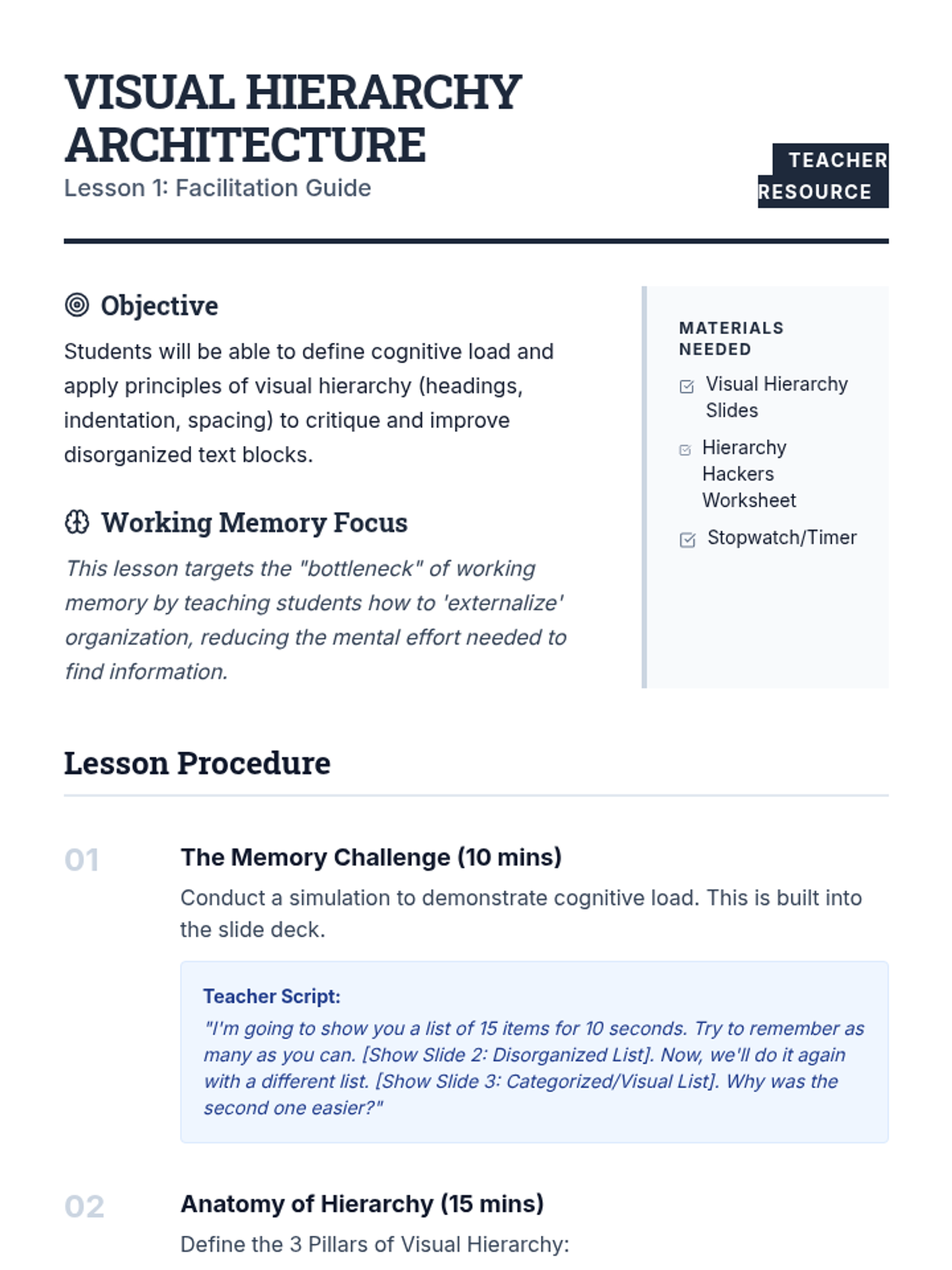
A 5-lesson sequence for 12th-grade students to master visual note-taking strategies that reduce cognitive load and support working memory through hierarchy, spatial organization, color-coding, and non-linear mapping.
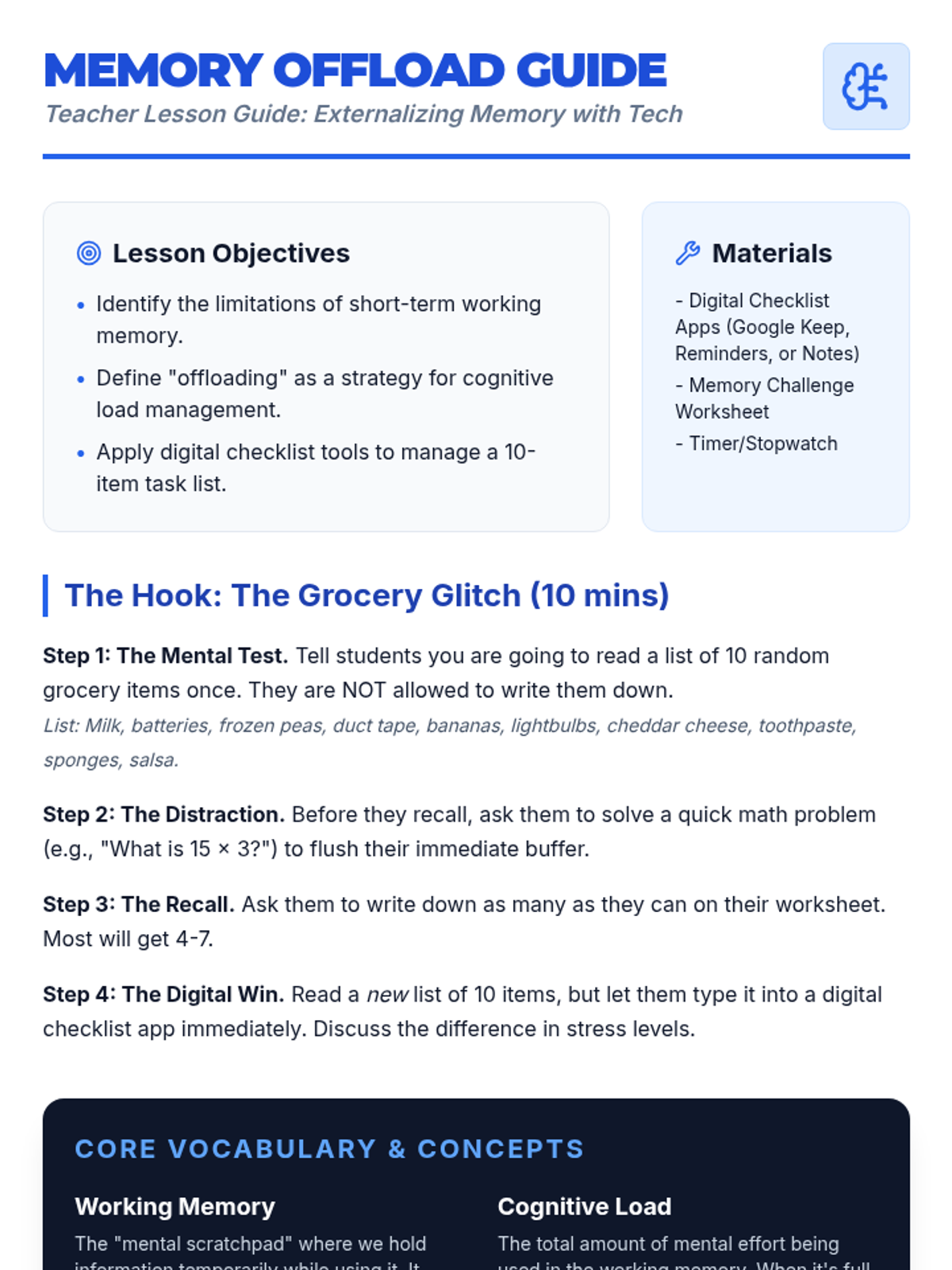
A 5-lesson unit for 8th-grade students focusing on using digital tools to offload working memory and manage cognitive load. Students learn to use task managers, focus modes, sequential reminders, and assistive speech technologies to create a personalized digital workflow for school success.
A 5-lesson sequence for 11th-grade students focused on working memory support through cognitive offloading. Students learn to externalize complex STEM processes using flowcharts, reference anchors, and error analysis to reduce mental load and improve accuracy.
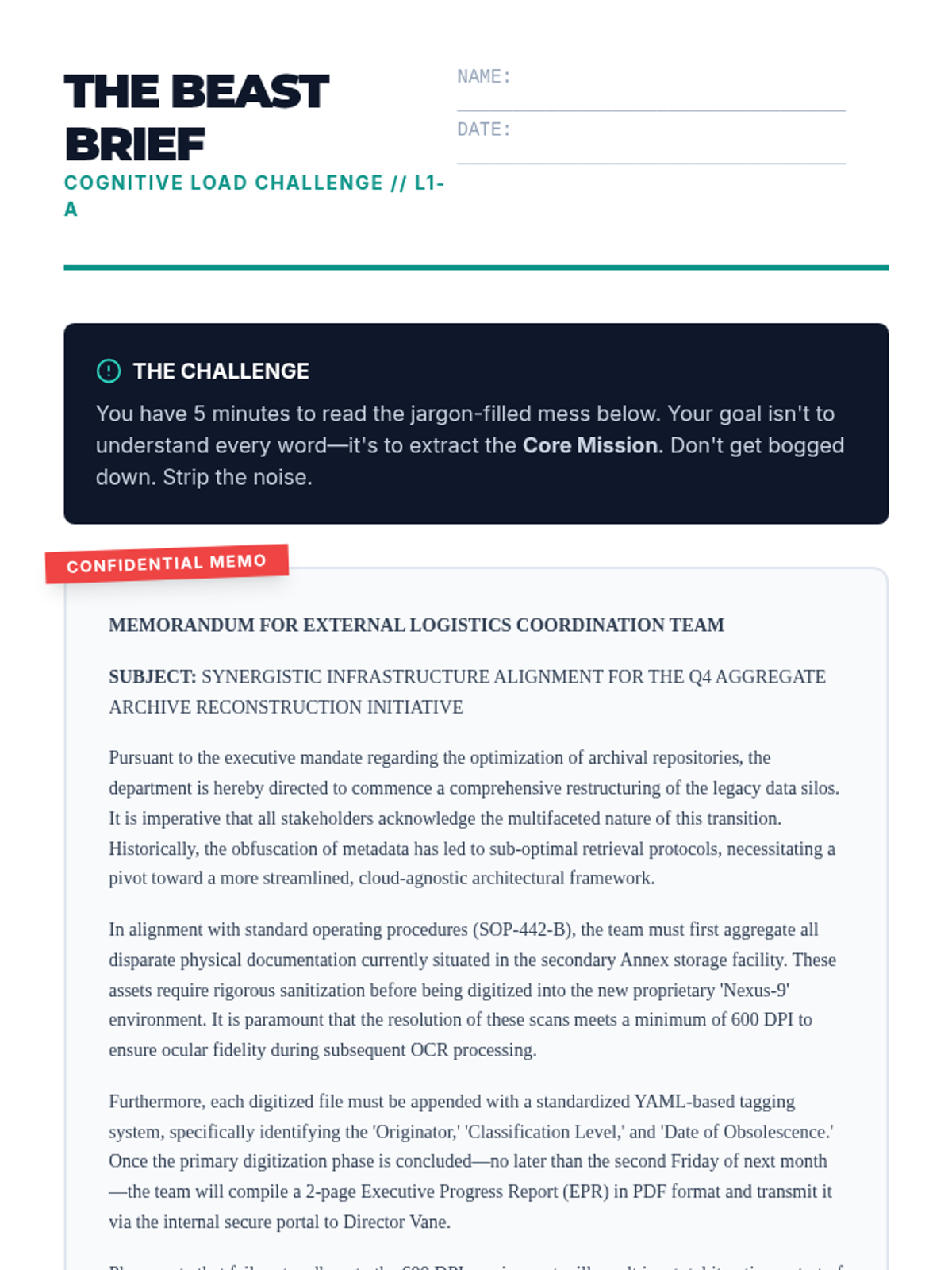
This sequence prepares 12th-grade students with working memory challenges for post-secondary life by teaching them how to deconstruct complex projects, externalize their executive functions, and monitor their own cognitive fatigue. Students progress from task analysis to a full independent workflow simulation, building a toolkit of strategies for sustained attention.
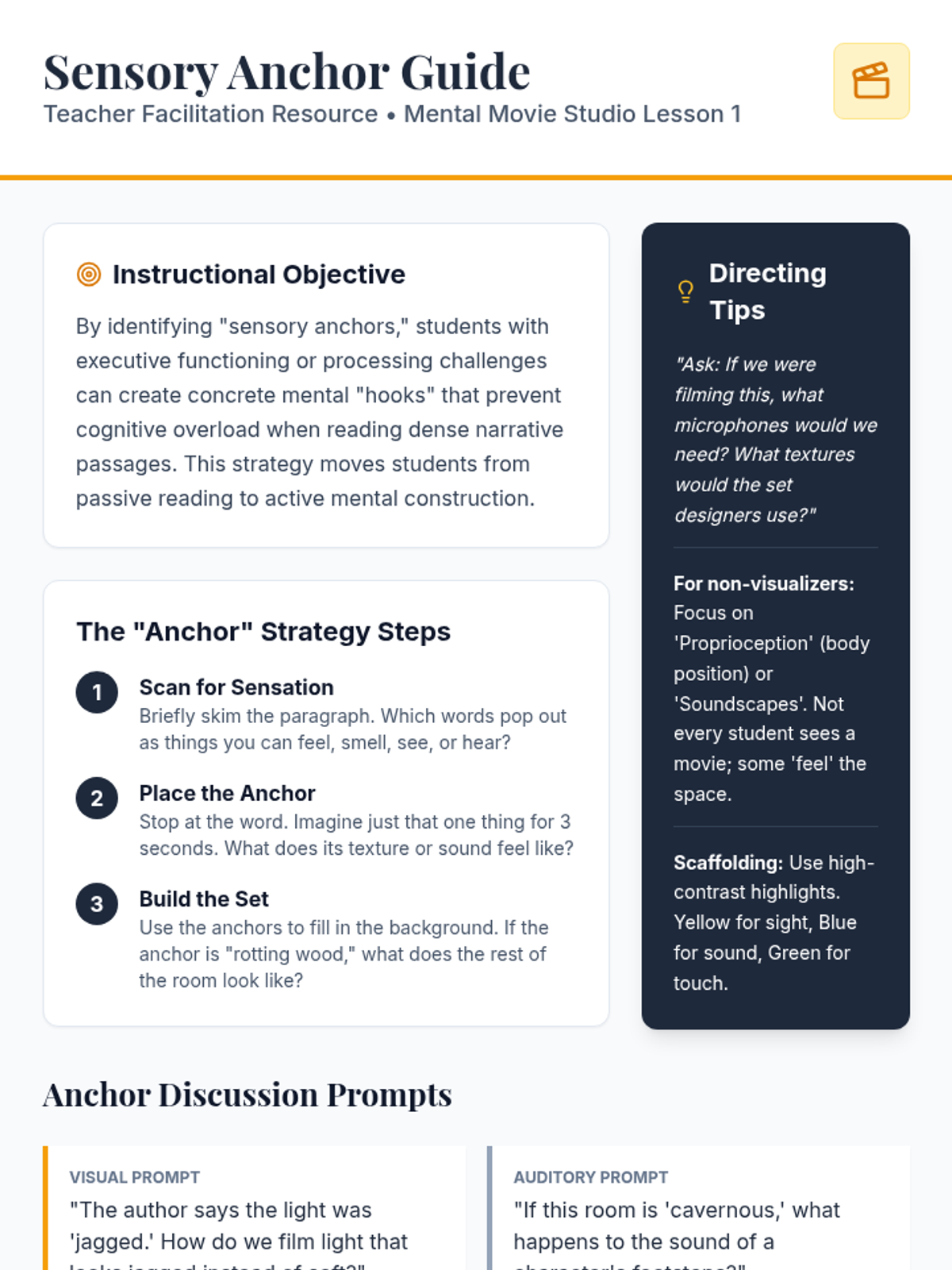
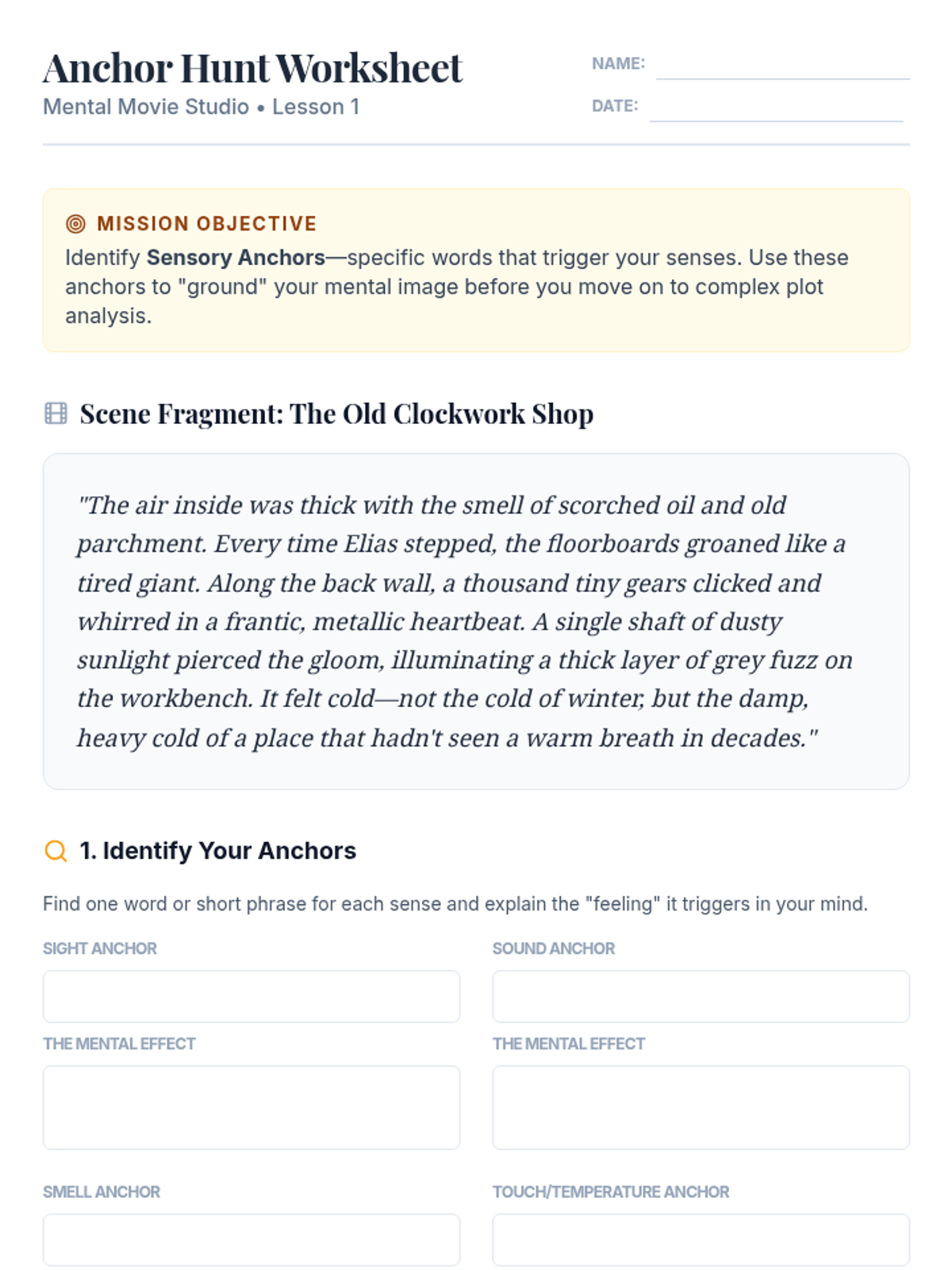
A specialized literacy sequence for 12th-grade students focused on using visualization strategies to decode and analyze complex narrative texts. Students adopt the persona of film directors to translate descriptive language into vivid mental imagery, enhancing comprehension, memory retention, and inference skills.
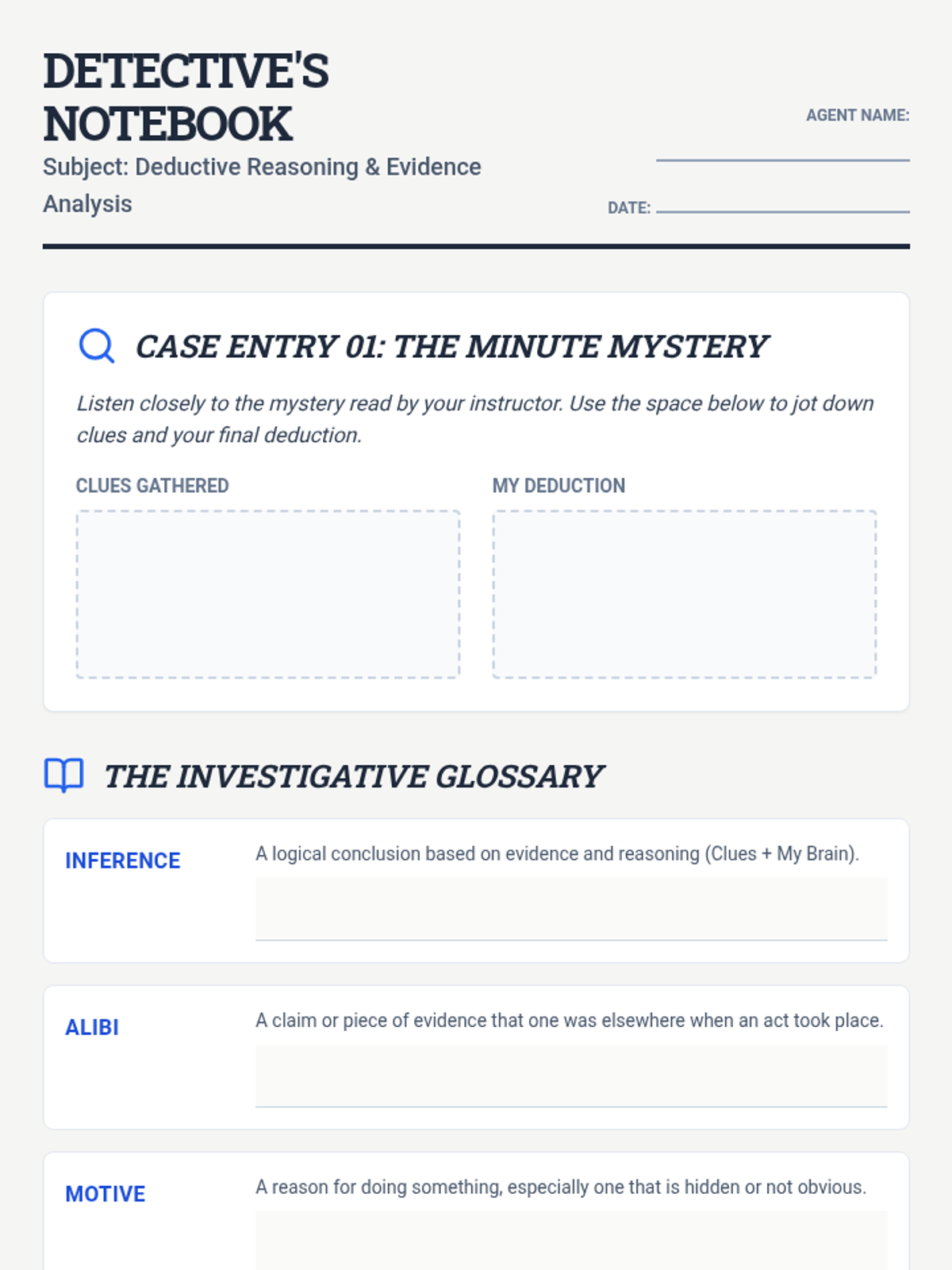
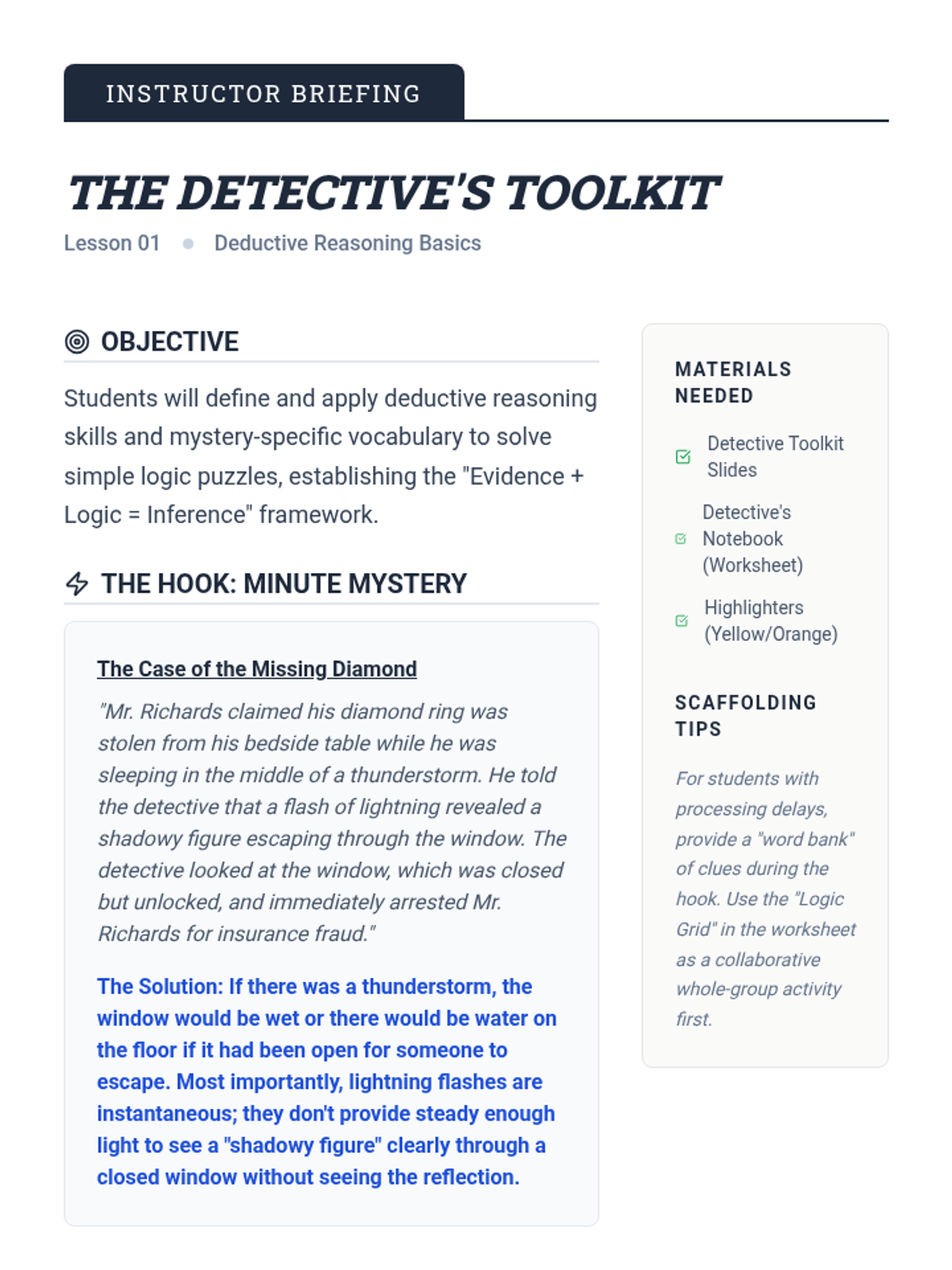
A 12th-grade Special Education sequence focused on reading comprehension through the lens of forensic investigation. Students learn to make inferences, detect unreliable narrators, and synthesize evidence using mystery-themed activities and case files.
A 9th-grade sequence focused on using digital tools and external aids to compensate for working memory limitations. Students learn to offload cognitive load using transcription, sequential reminders, logic-based planning, and strategic tutorial navigation to build a personalized 'external brain'.
A specialized sequence for 7th-grade students to master 'chunking' techniques, reducing cognitive load and supporting working memory through strategic note-taking and organization. Students progress from understanding cognitive limits to creating sophisticated one-page synthesis tools.
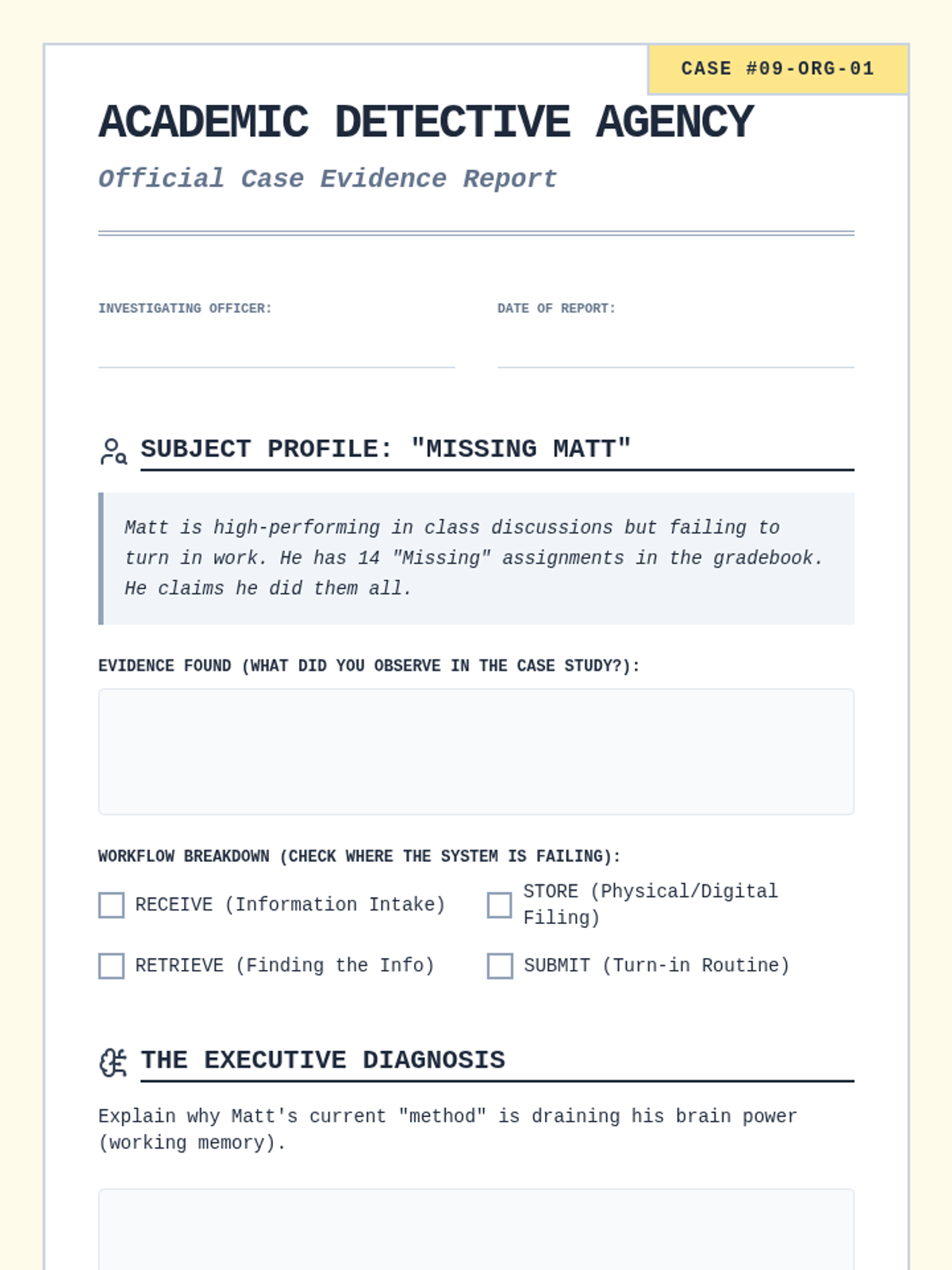
A metacognitive sequence helping students understand the executive functions behind organization through case studies, environmental analysis, digital management, and routine formation.
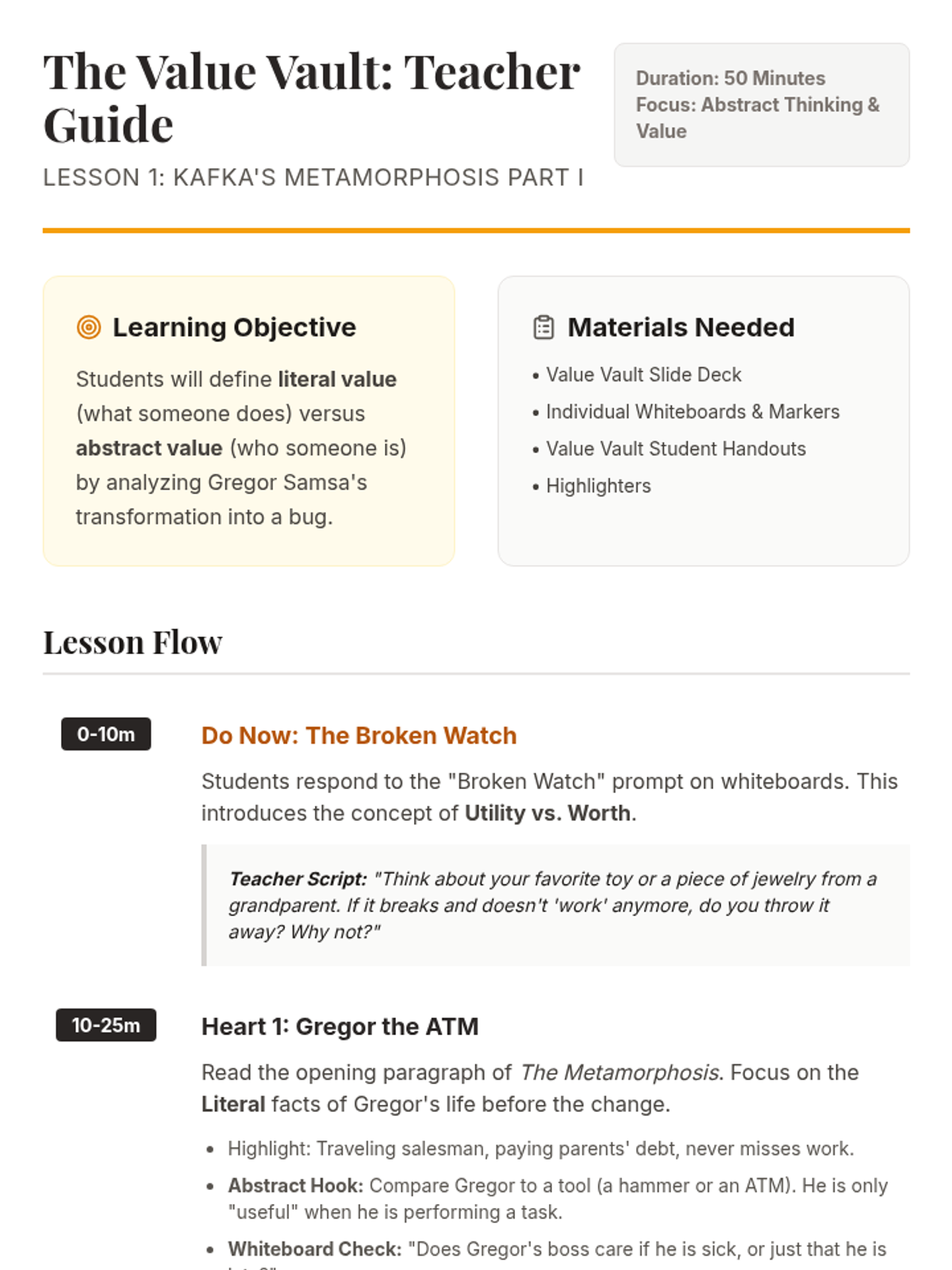
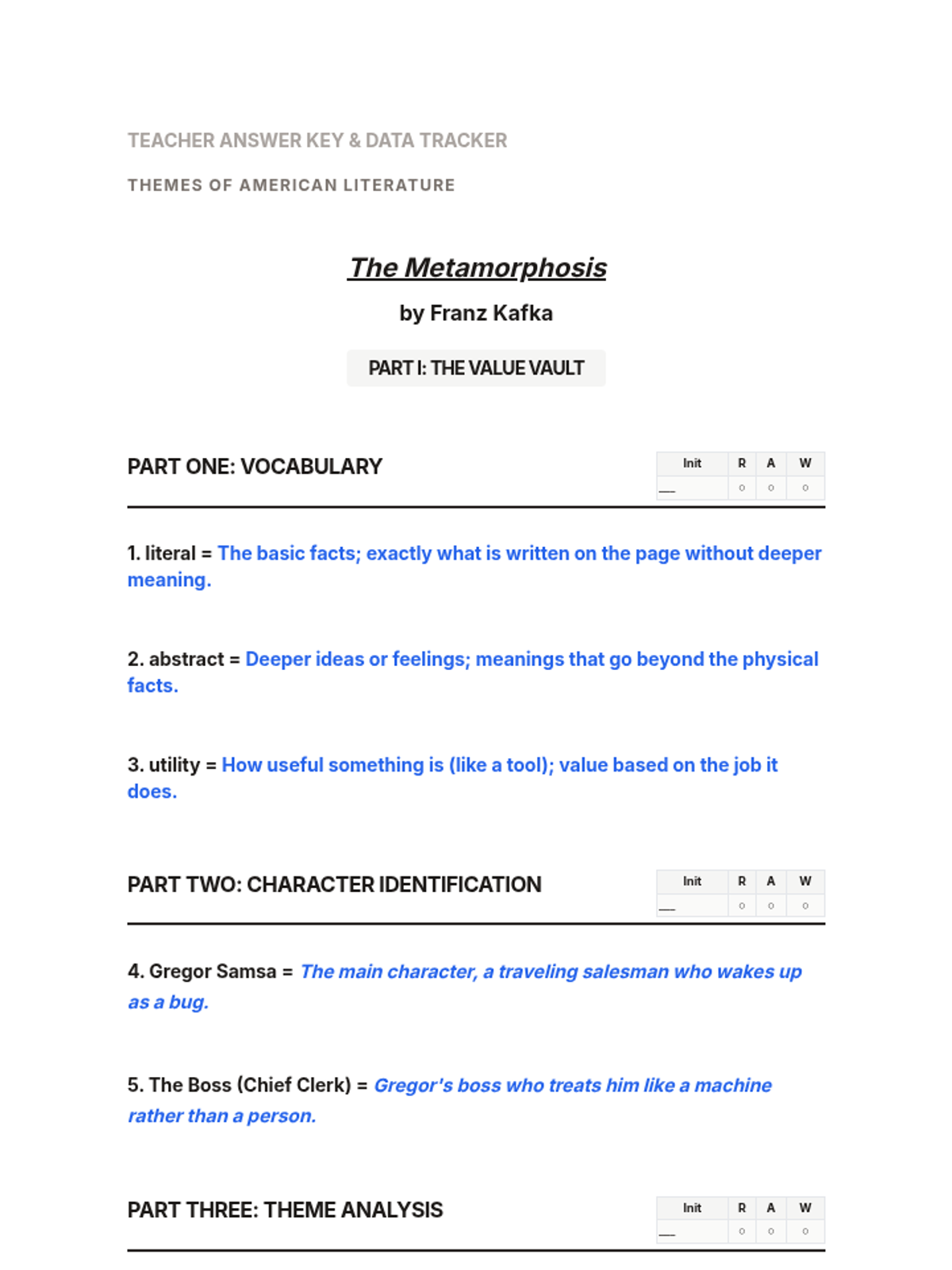
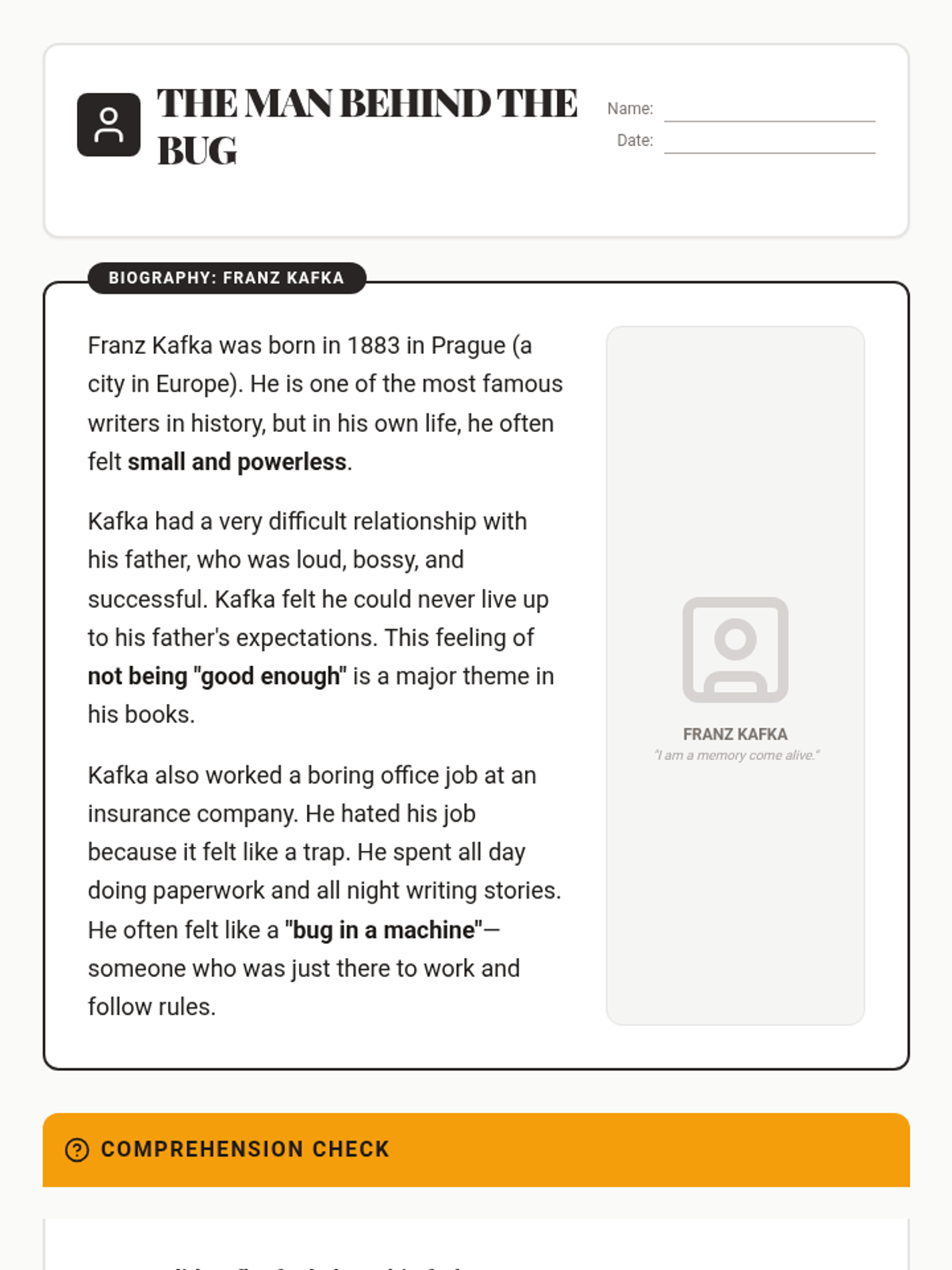
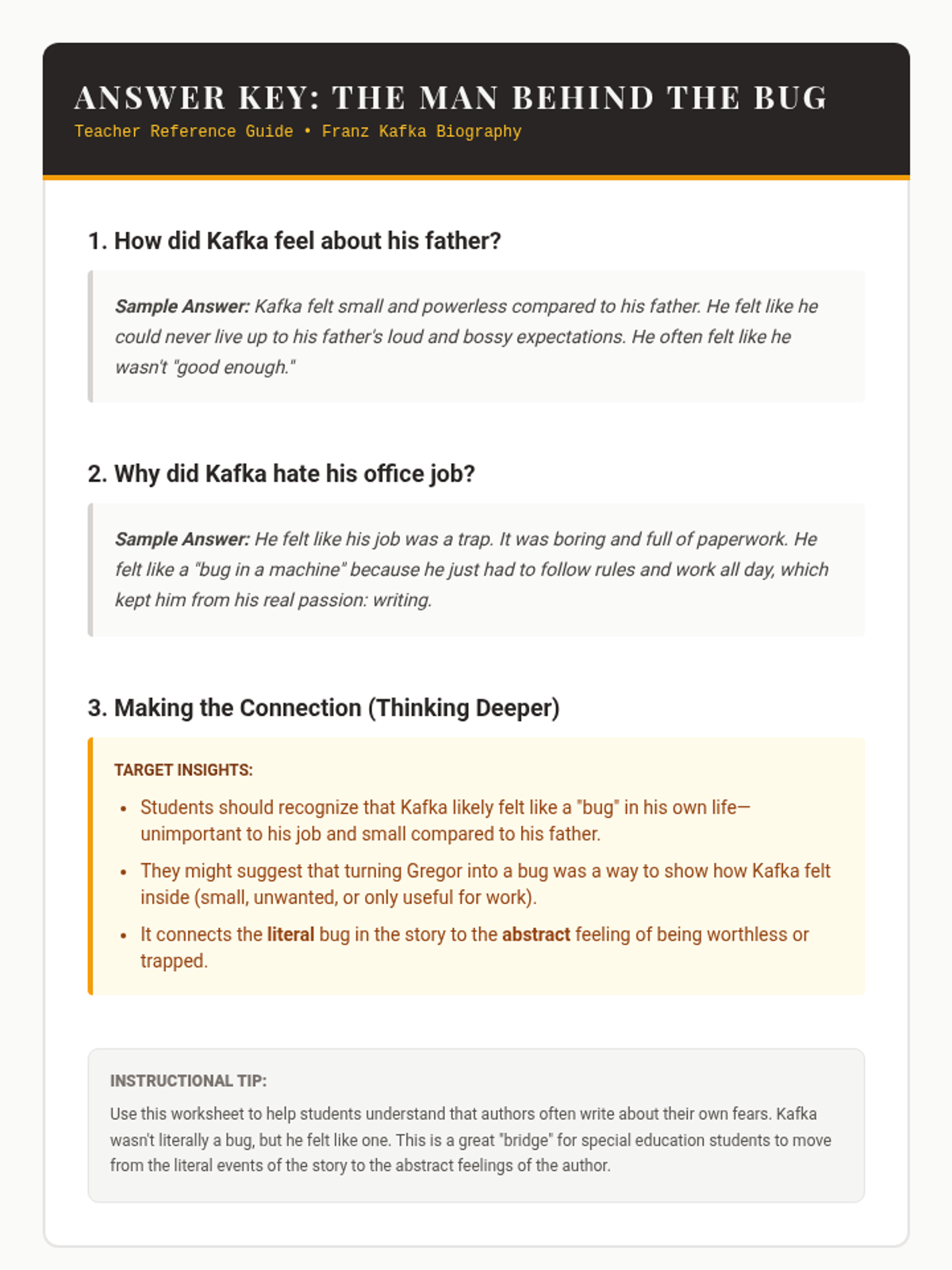
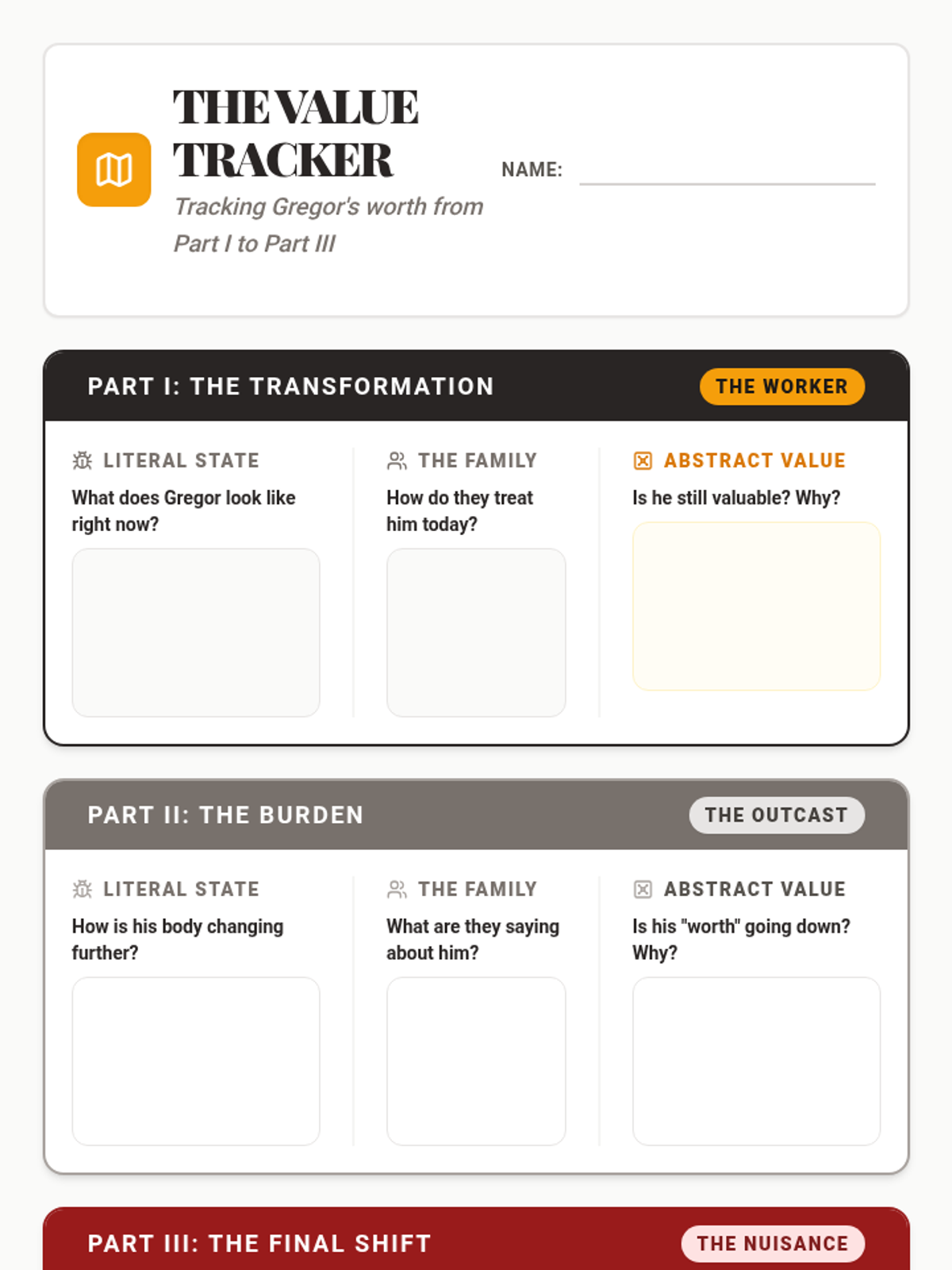
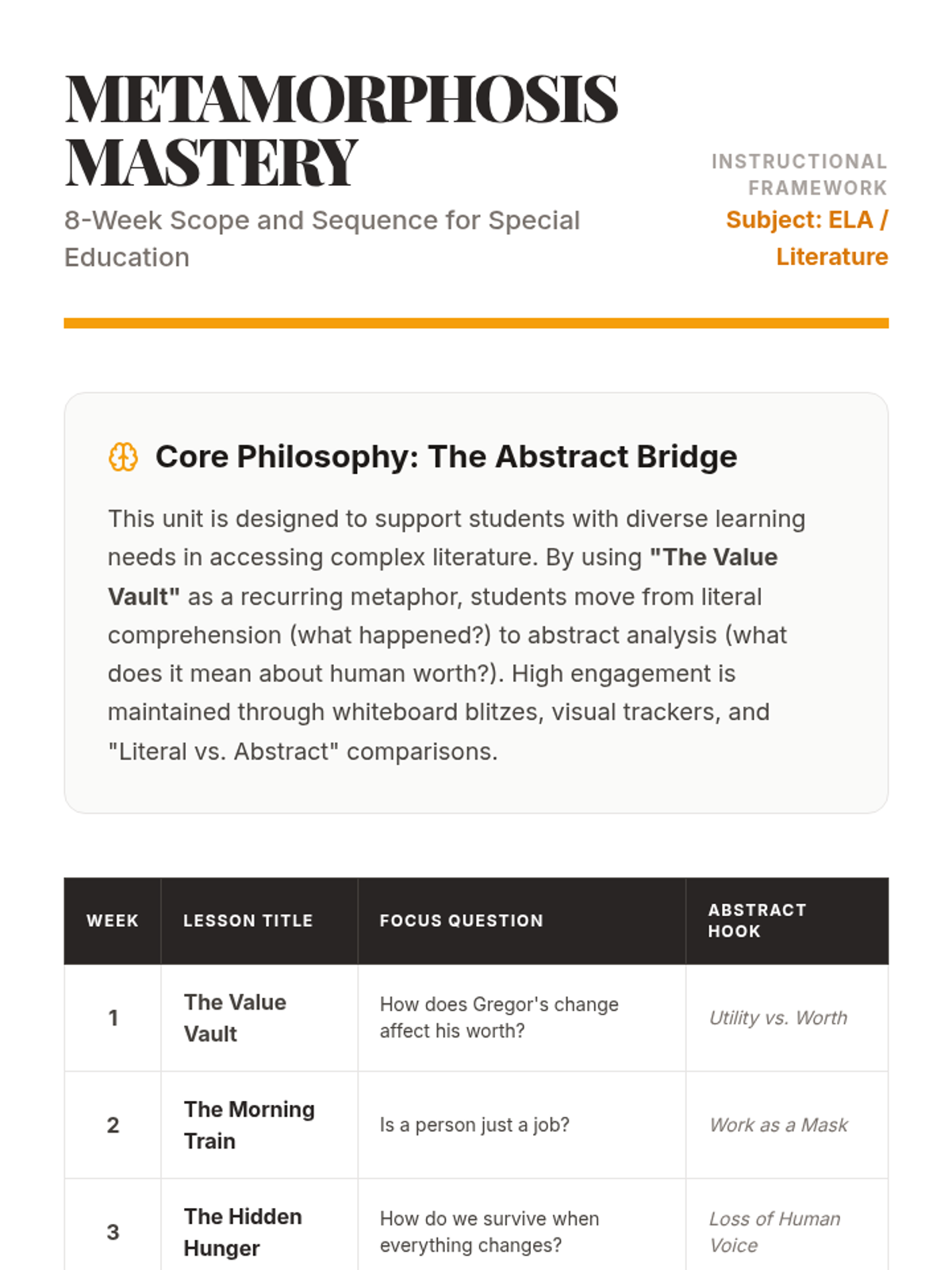
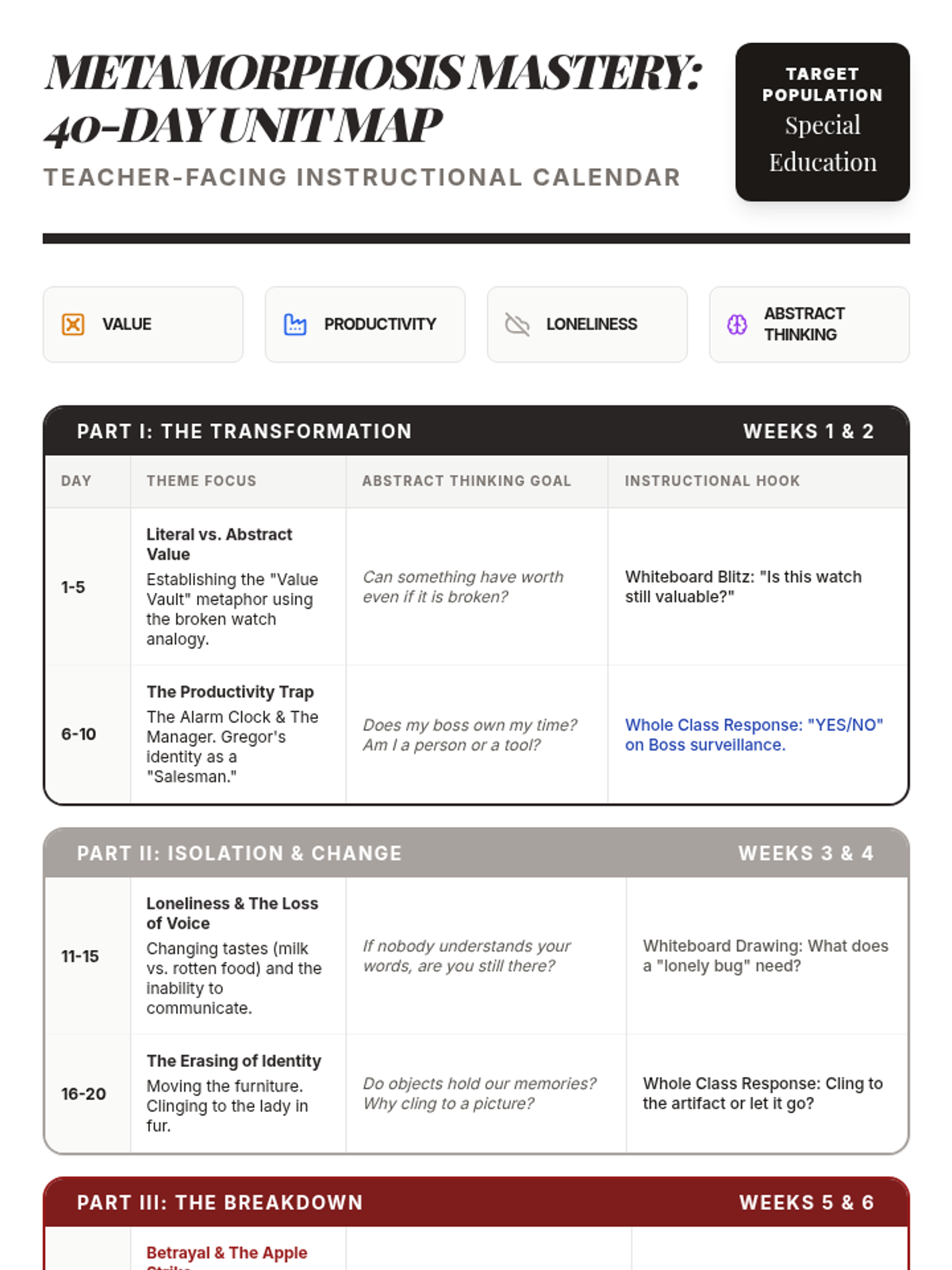
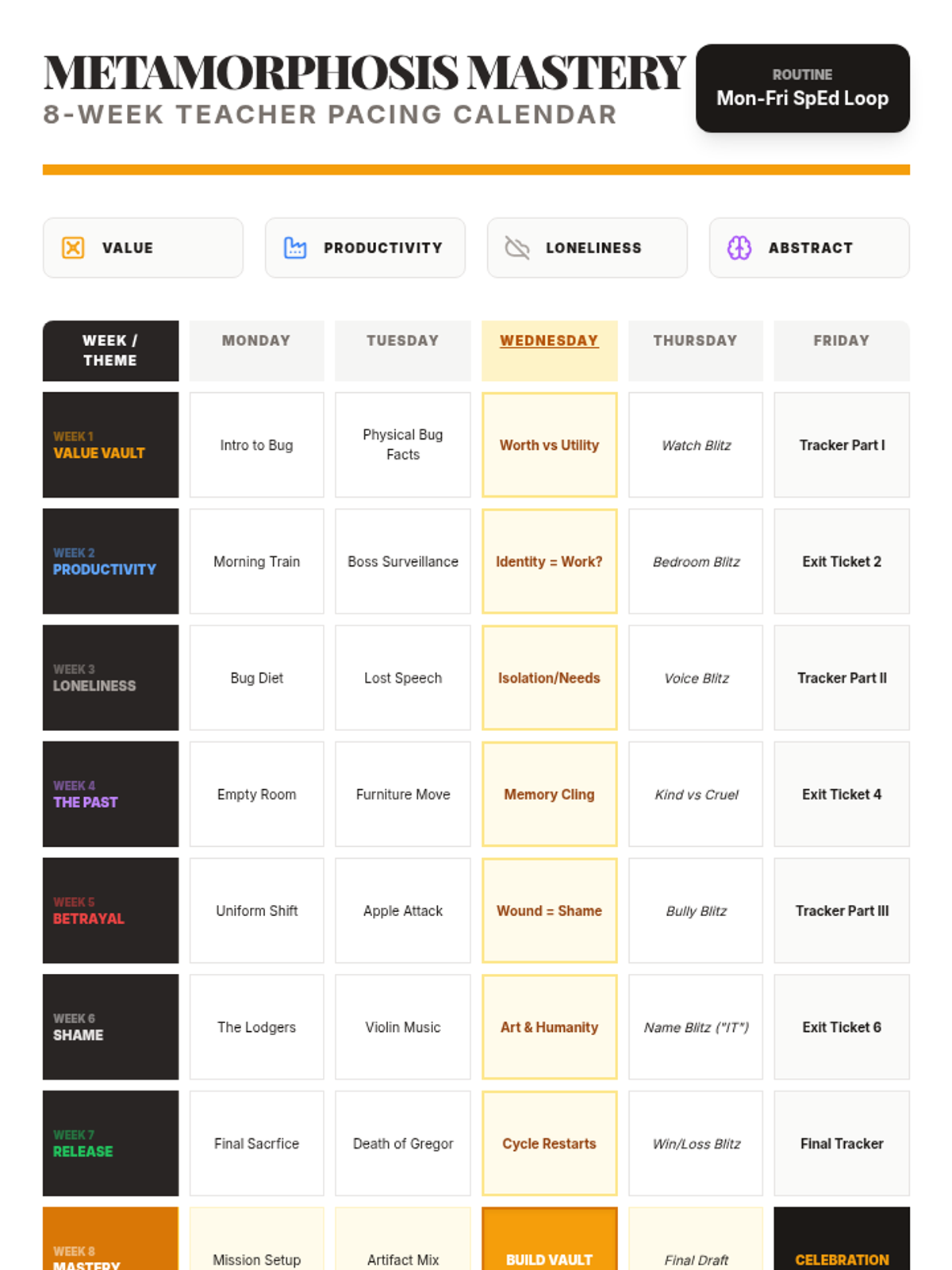
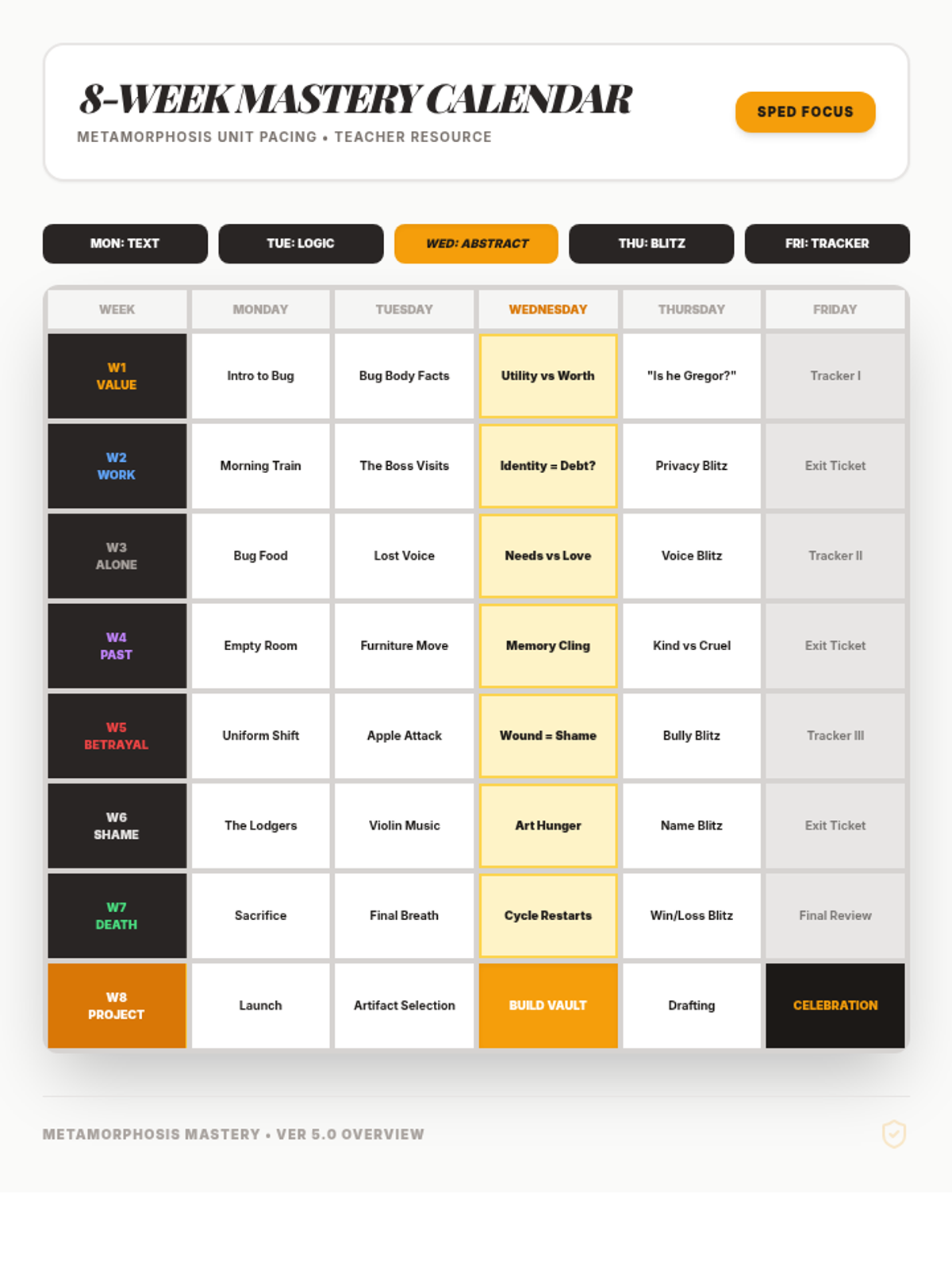
An 8-week deep dive into Kafka's Metamorphosis for special education students, focusing on abstract thinking, social value, and the human condition through high-engagement activities and visual organizers.