Mnemonic strategies, information chunking, and visual supports for processing and retaining classroom information. Strengthens focus on complex tasks and multi-step directions through organized note-taking and graphic organizers.
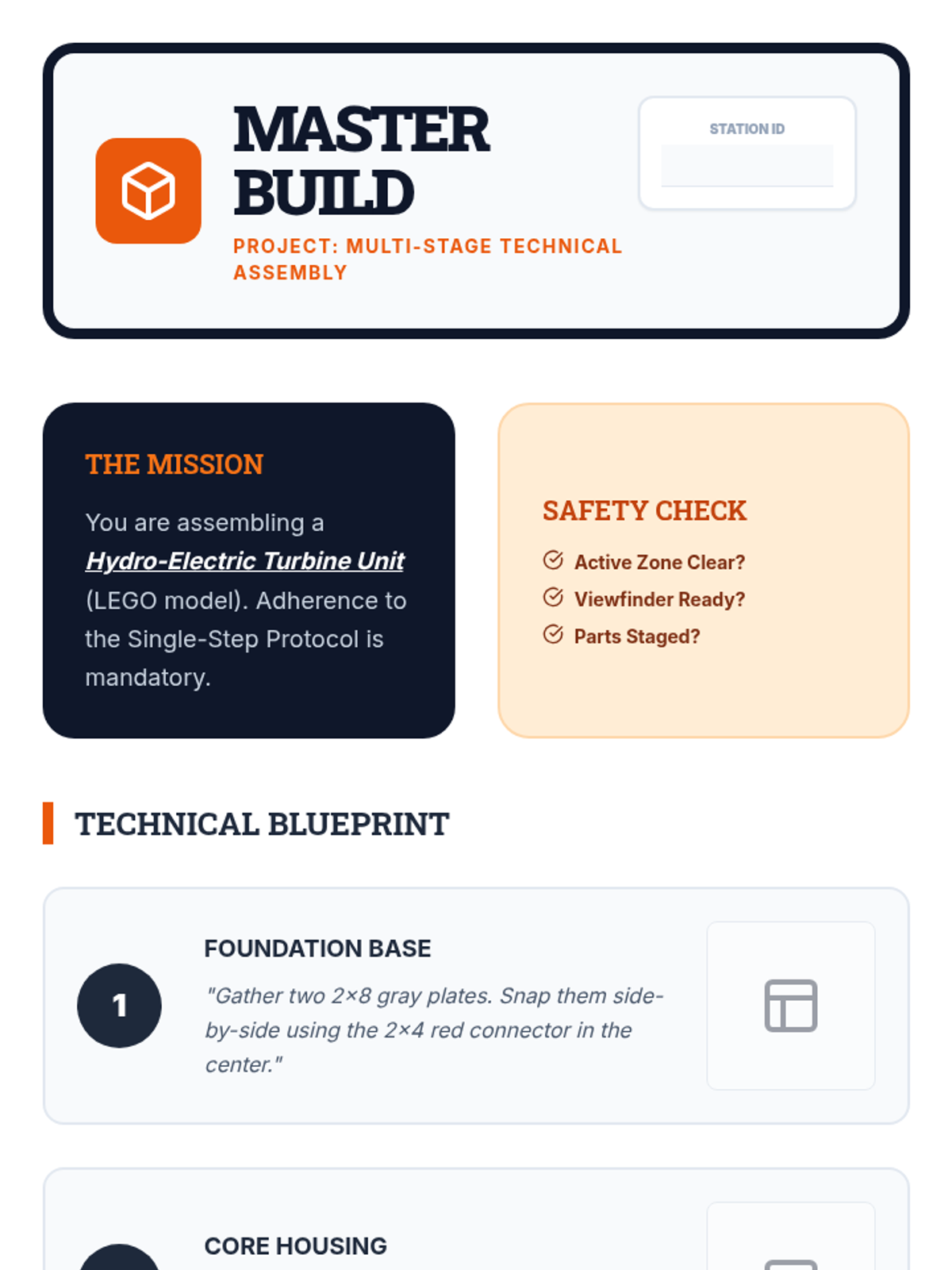
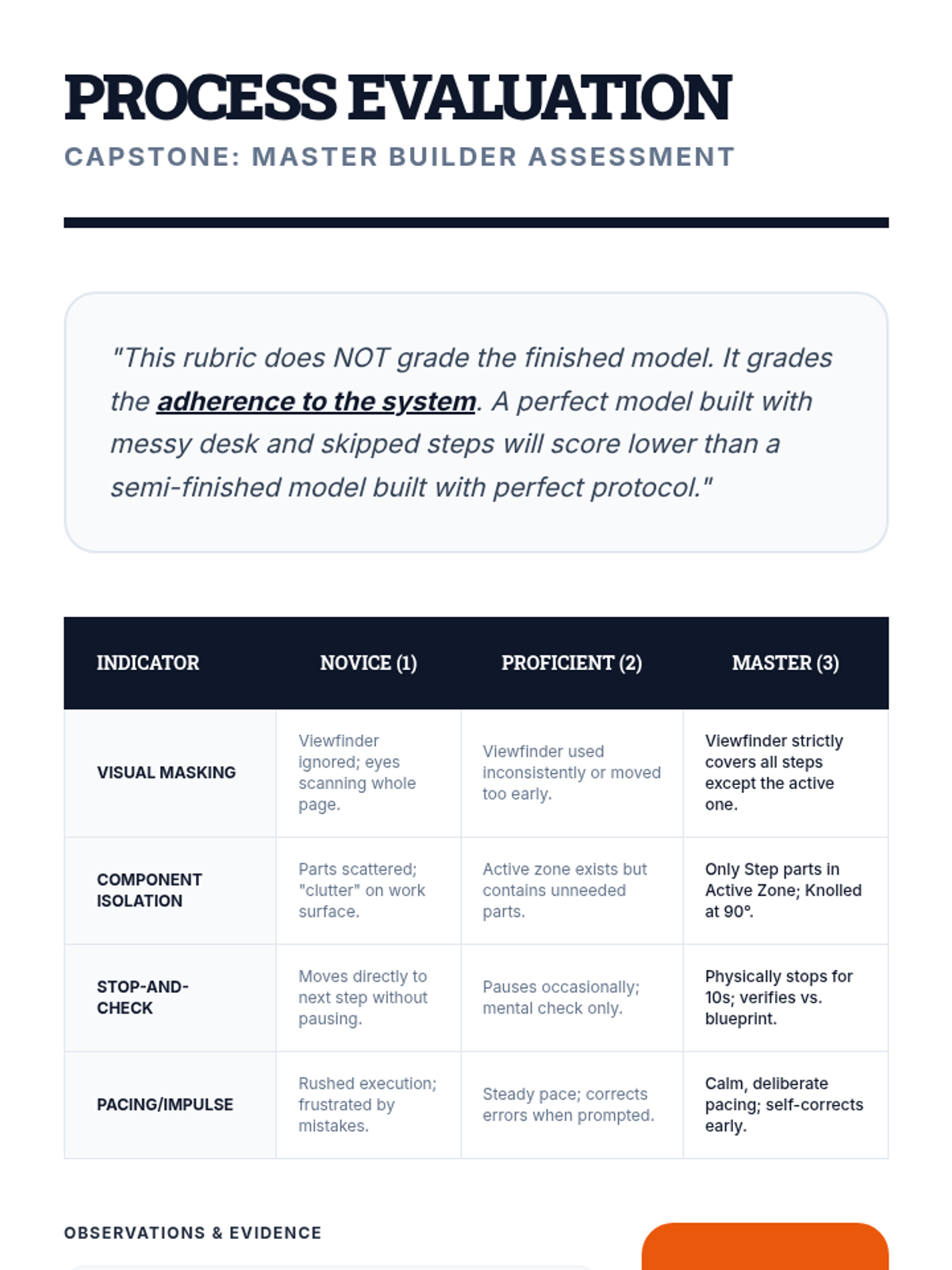
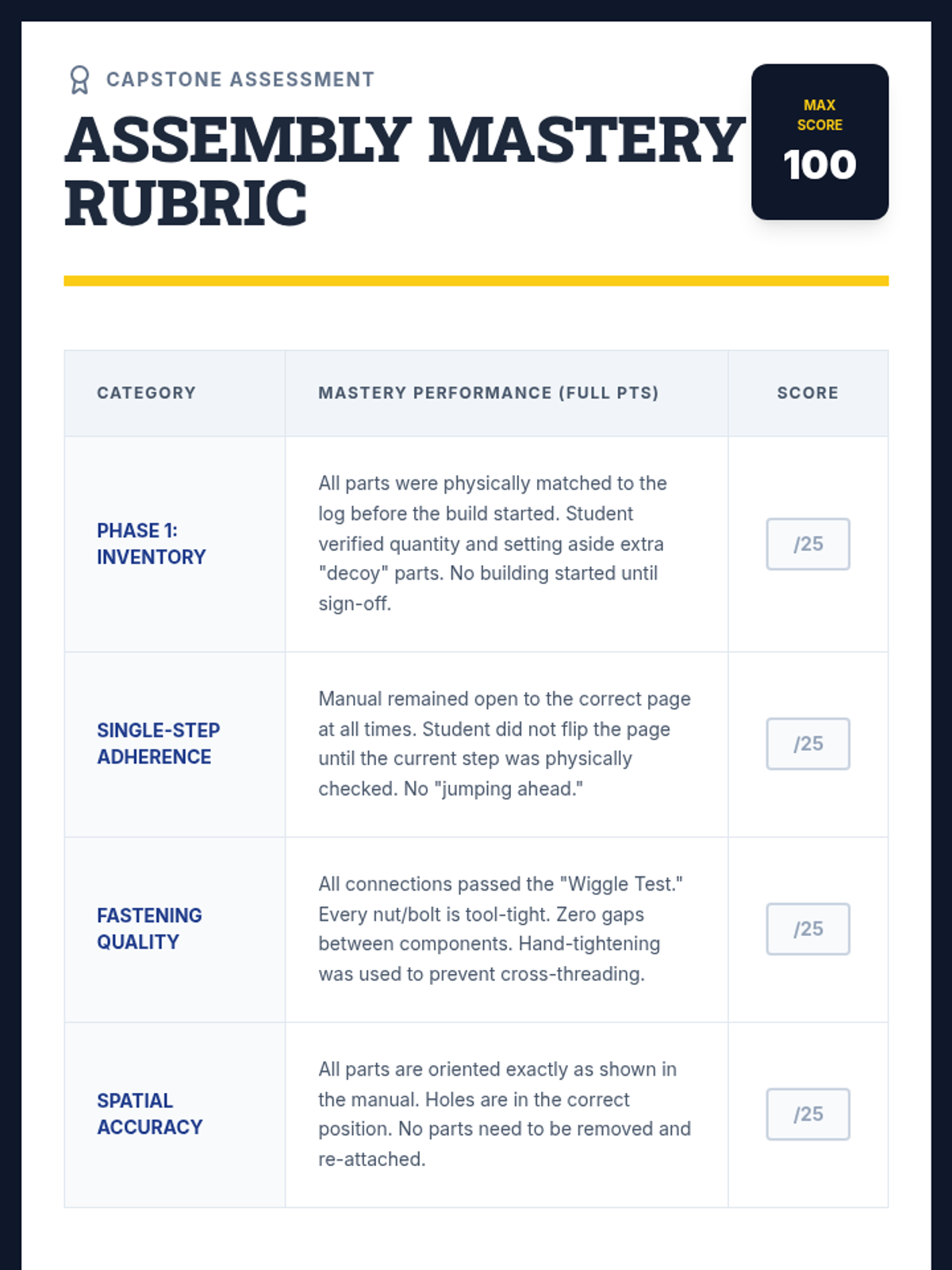
Students complete a multi-stage assembly project (e.g., a simple wood kit or circuit). They are assessed on their adherence to the single-step process rather than just the final product.
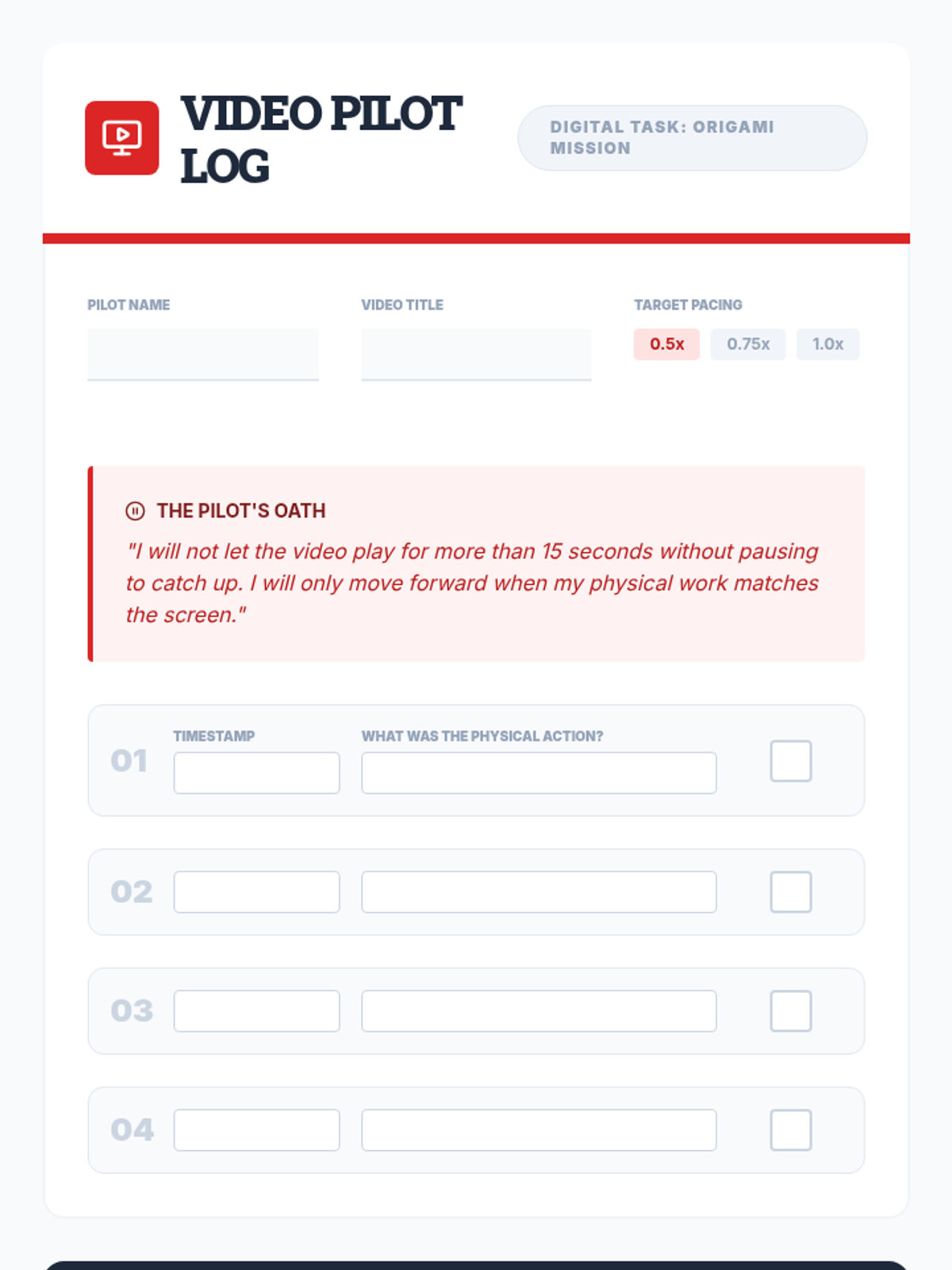
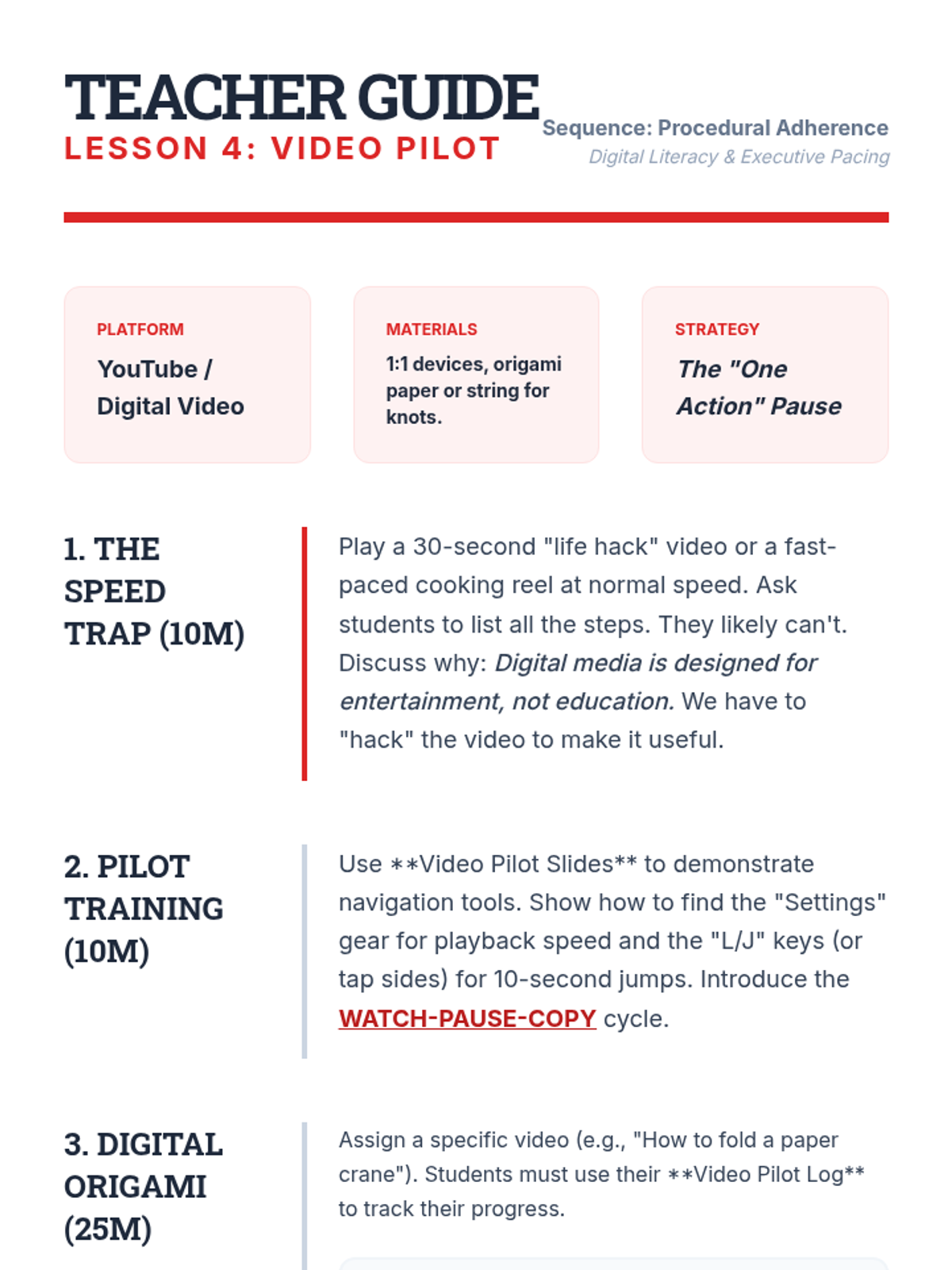
Students follow a video tutorial for a physical task (e.g., tie-dye or origami), practicing the skill of pausing the video to complete a single action before allowing the playback to continue.
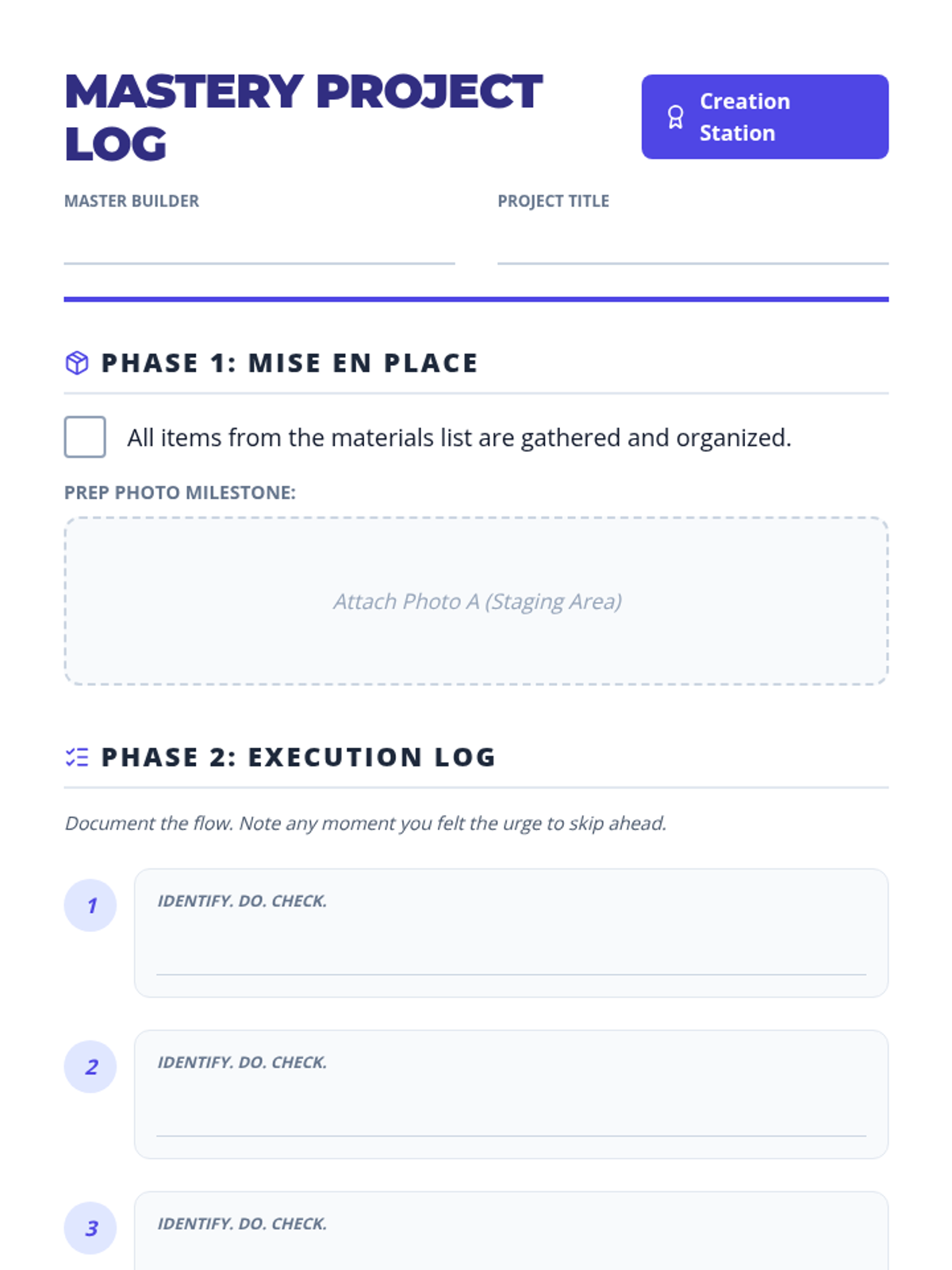
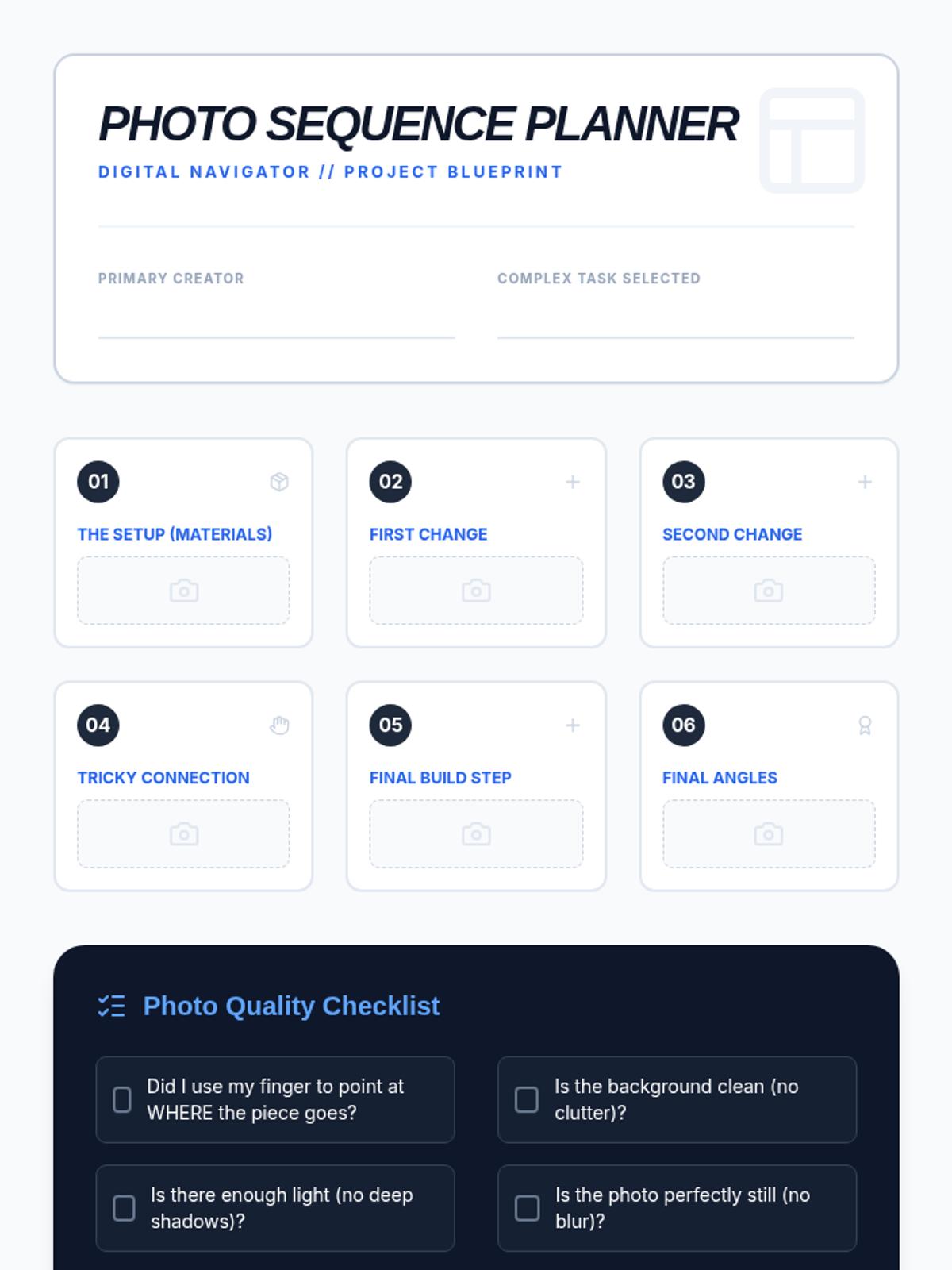
Students select a DIY project and follow a digital guide that utilizes single-step constraints. They document their process of 'one step at a time' through photos.
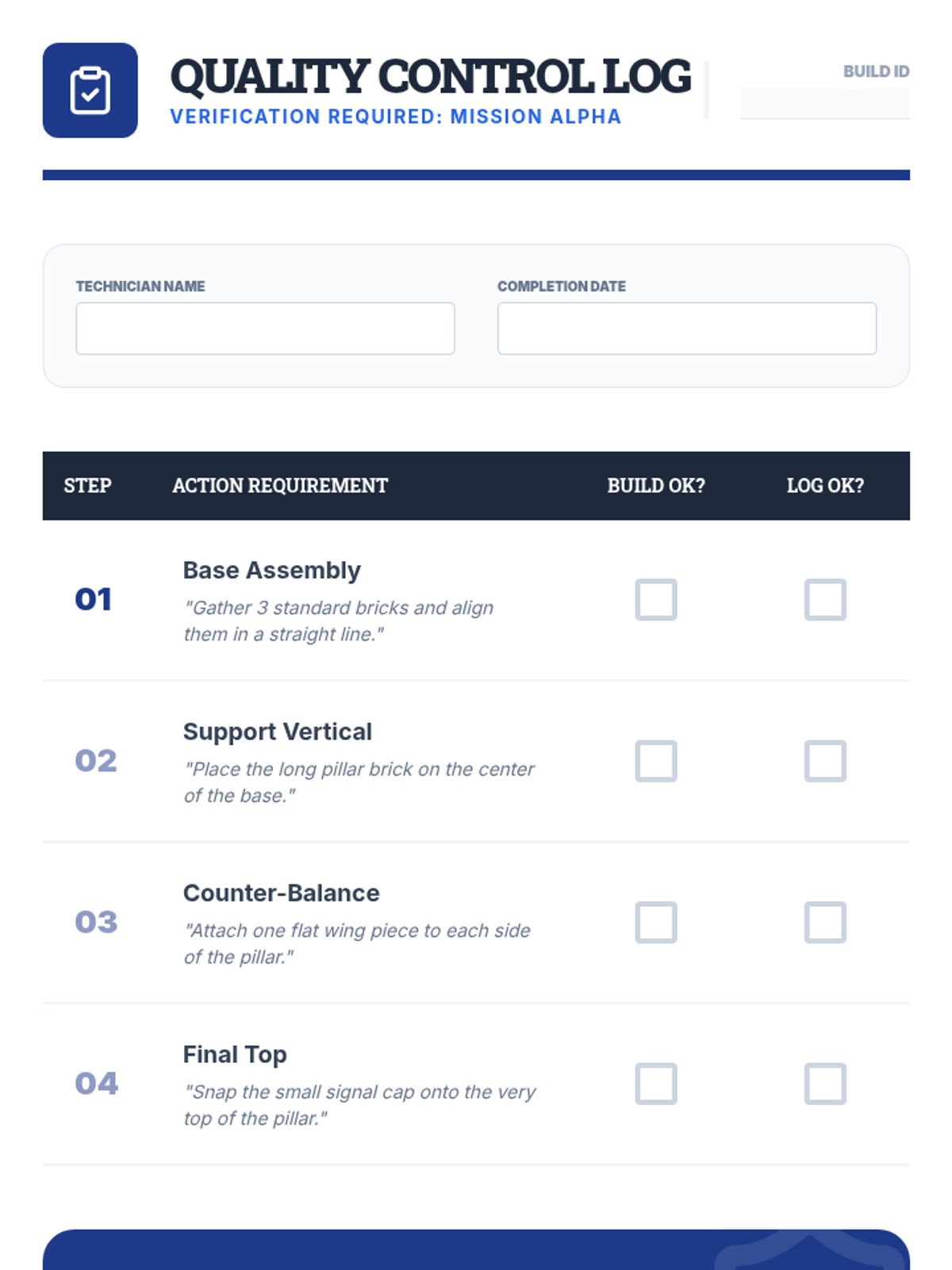
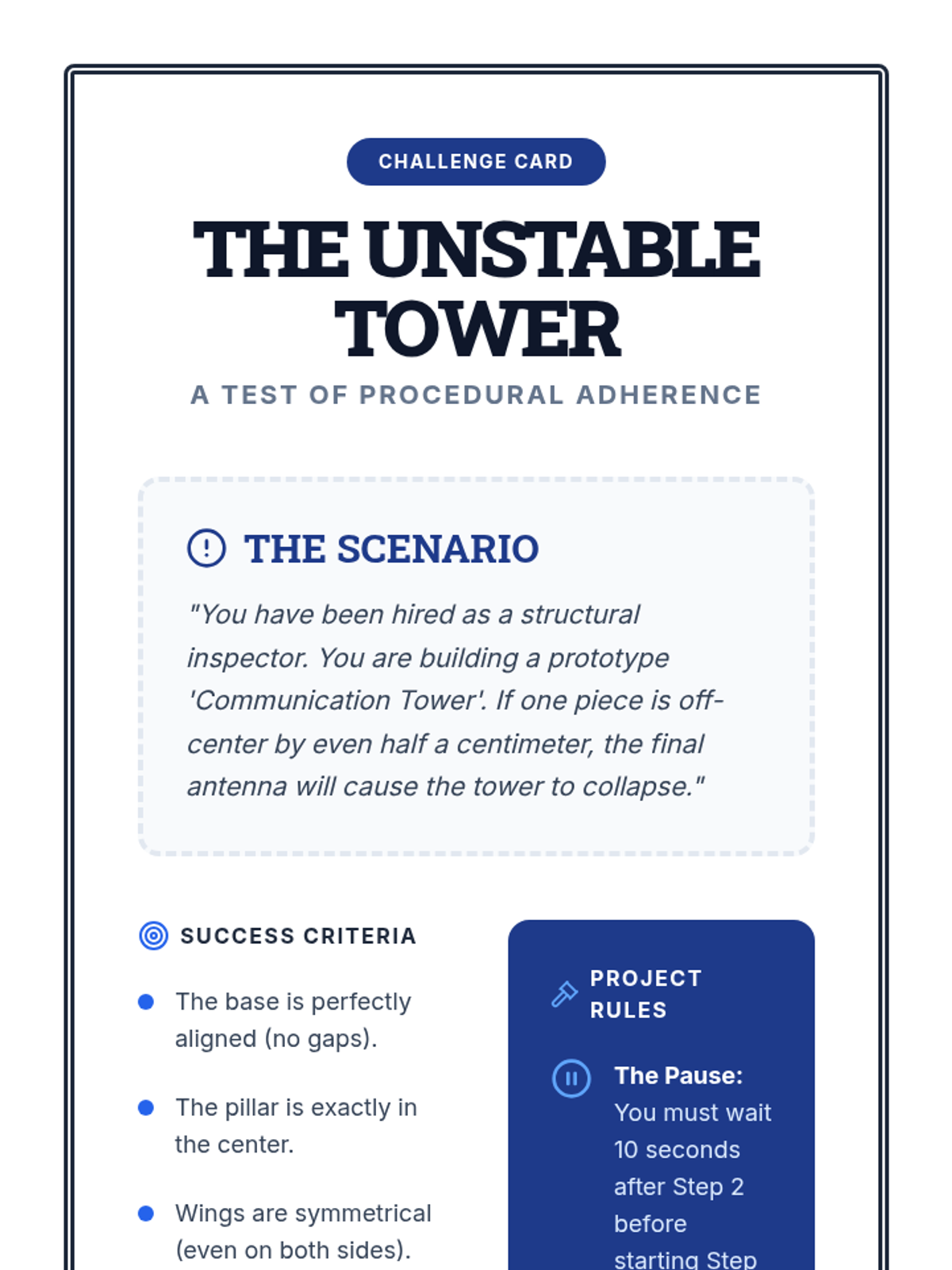
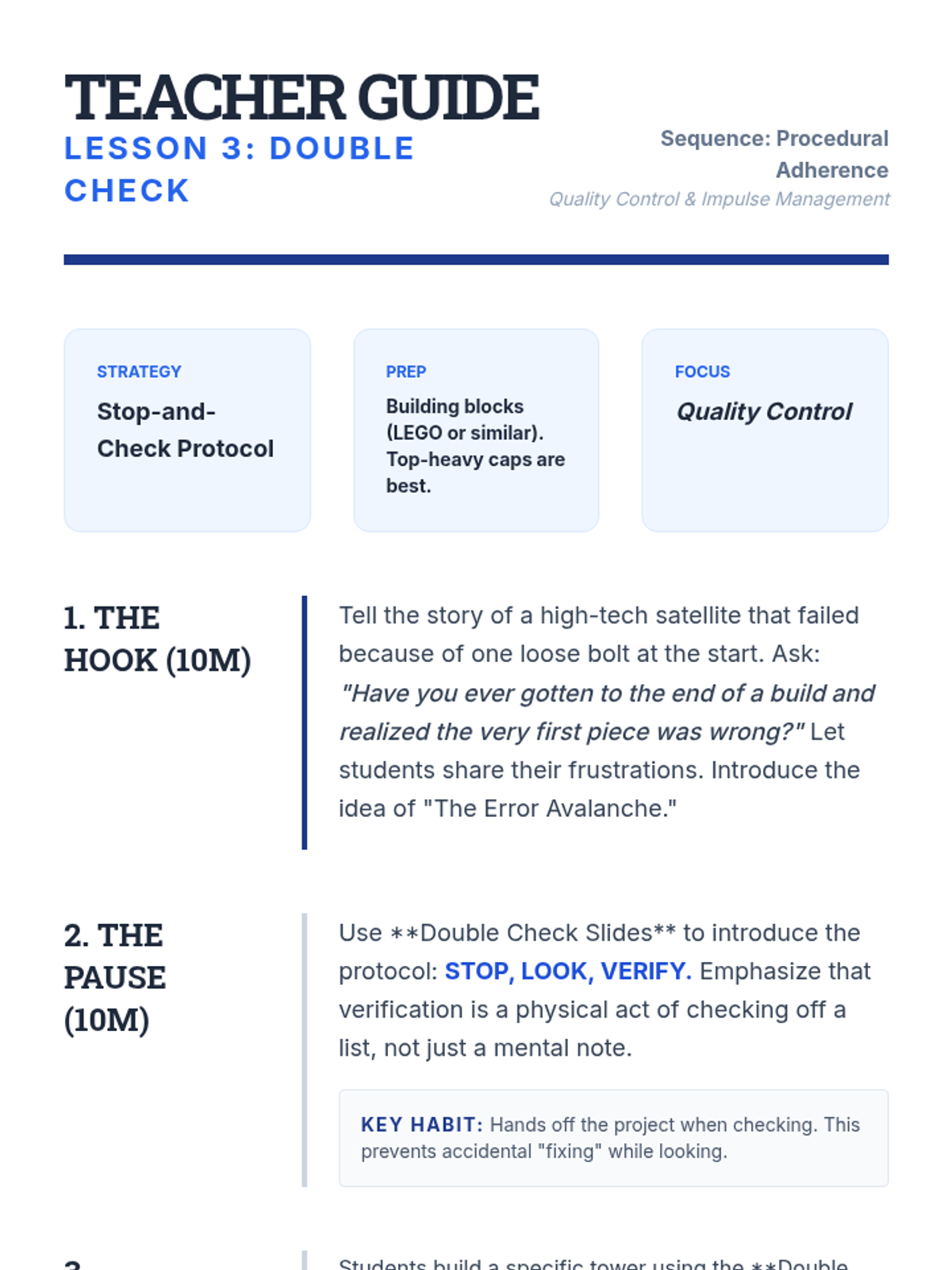
Students engage in a building task where they must physically pause and verify accuracy after every single step. This builds the habit of quality control and prevents compound errors.
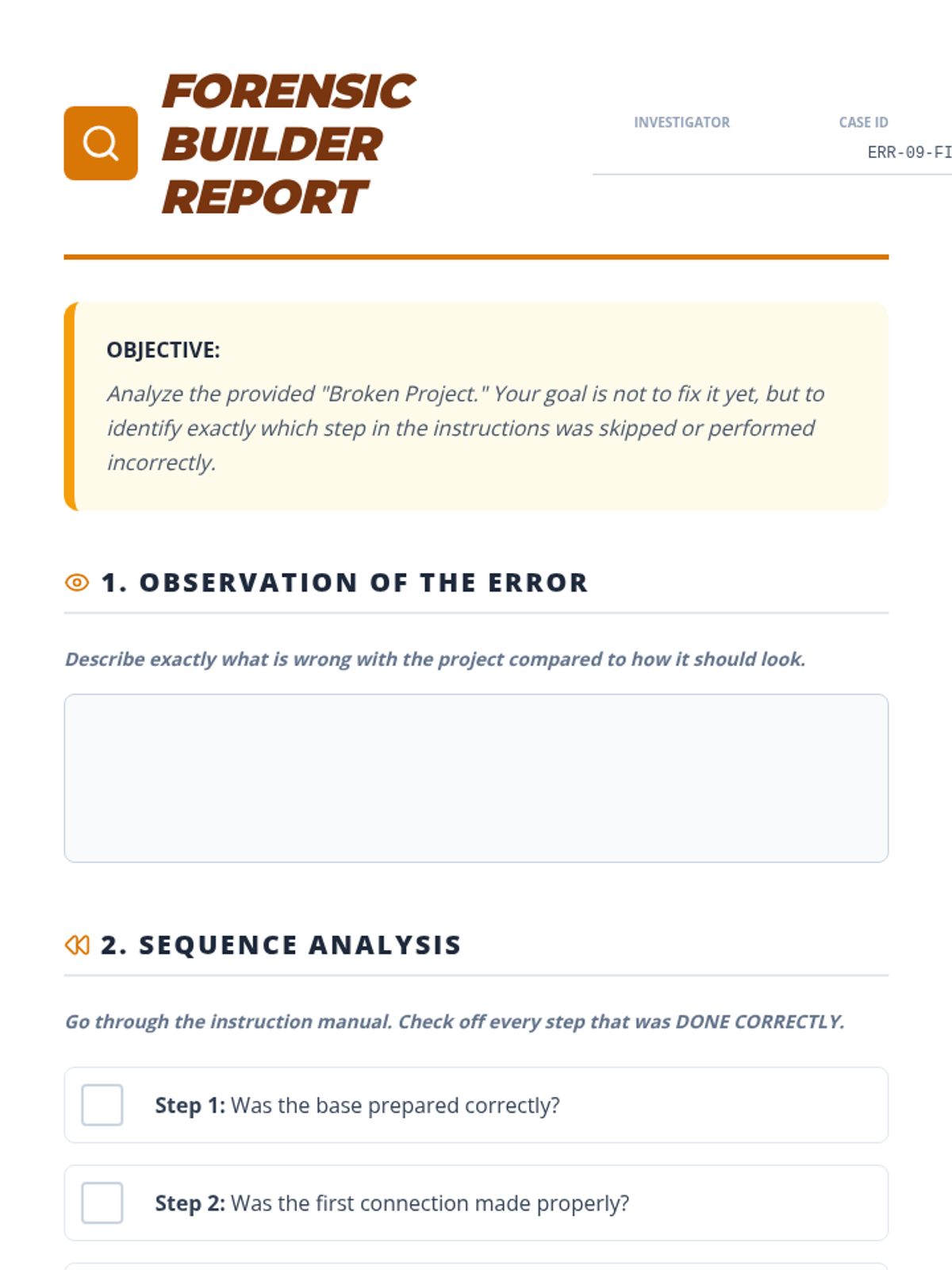
Students analyze a half-finished product that has an error. They must backtrack step-by-step to identify where the sequence was broken and determine the single step needed to fix it.
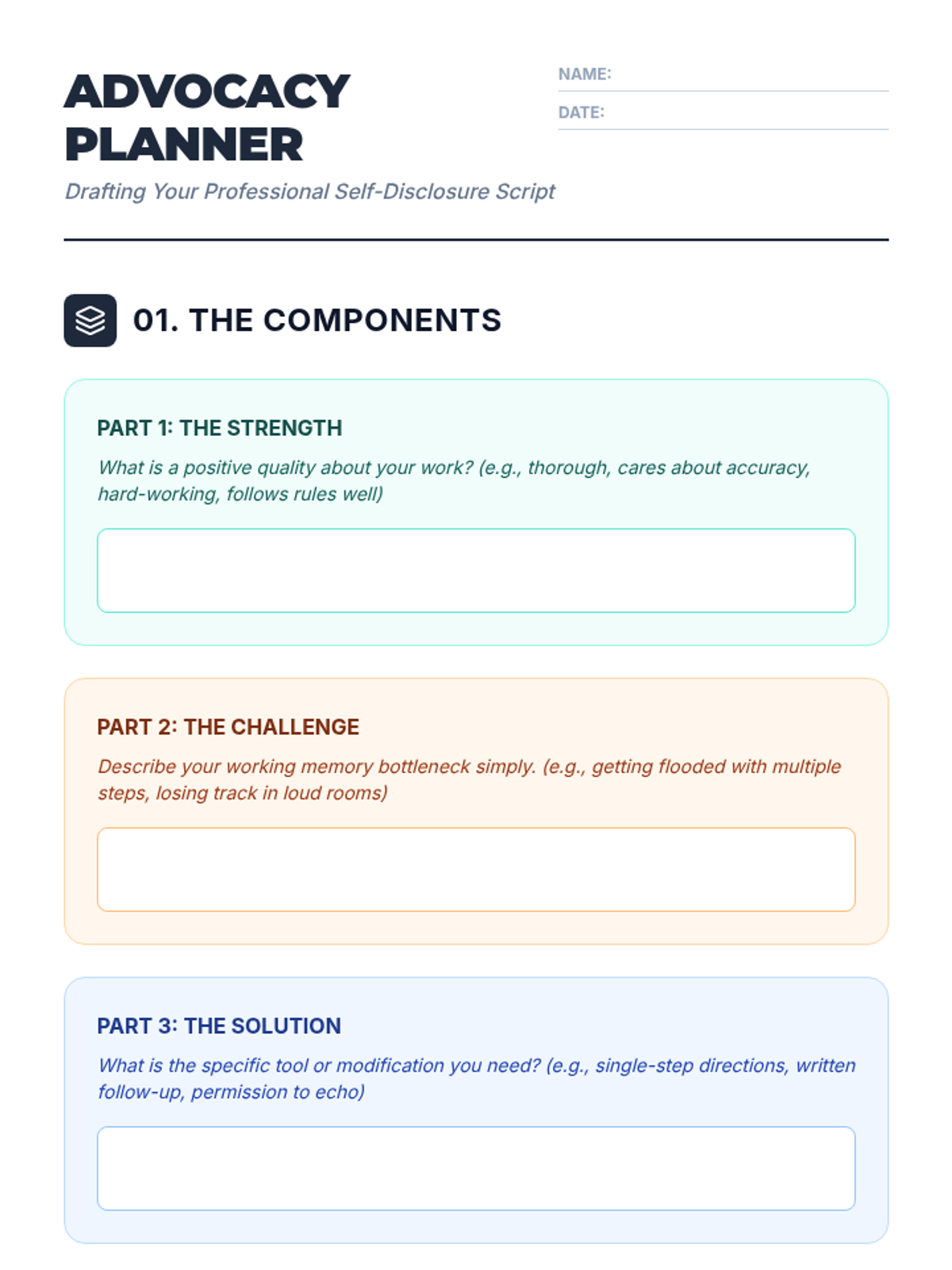
Students synthesize their skills into a personal disclosure script for use in interviews, IEP meetings, or workplace settings.
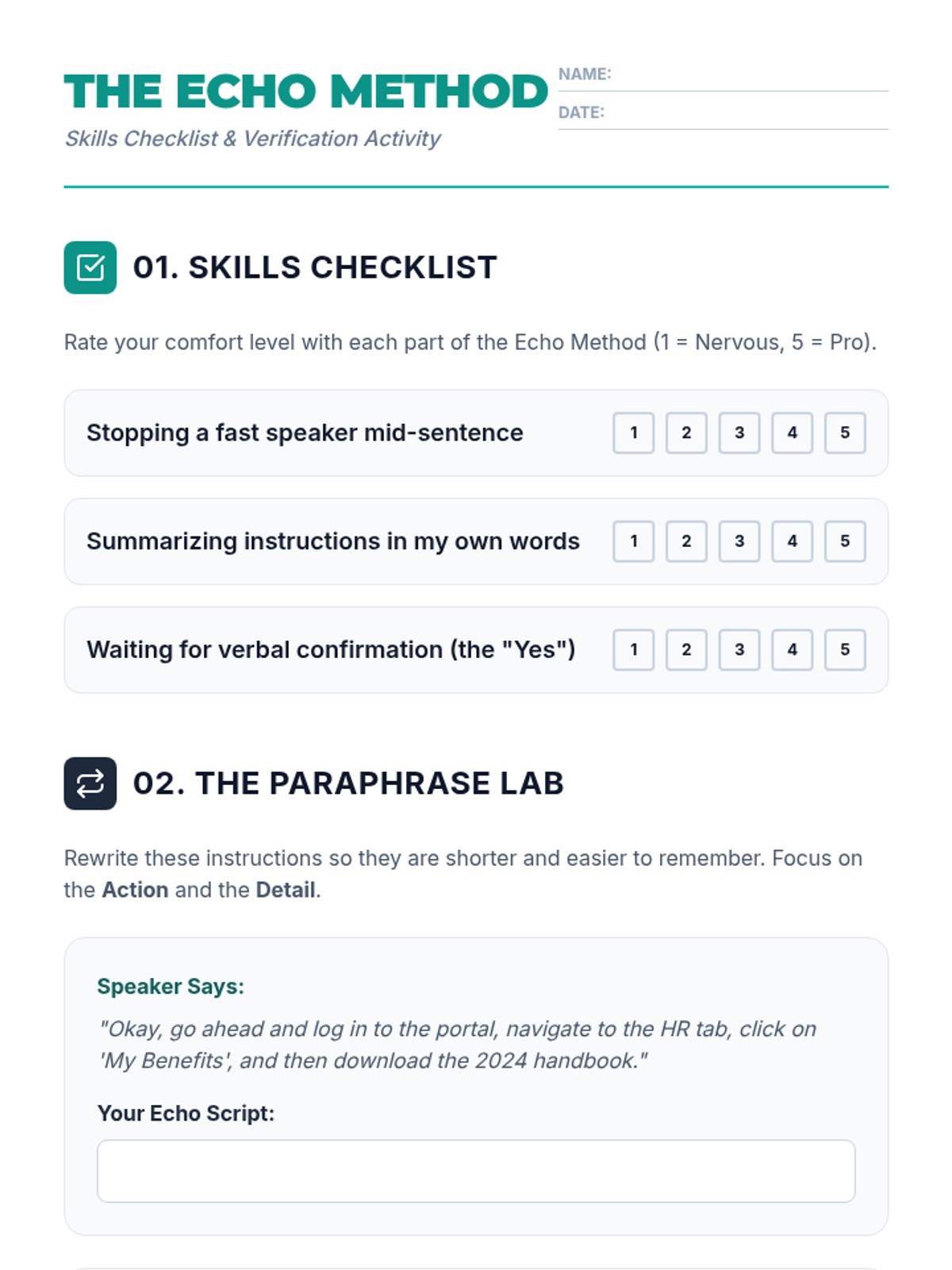
Students master the 'read-back' method to verify instructions and slow down information delivery.
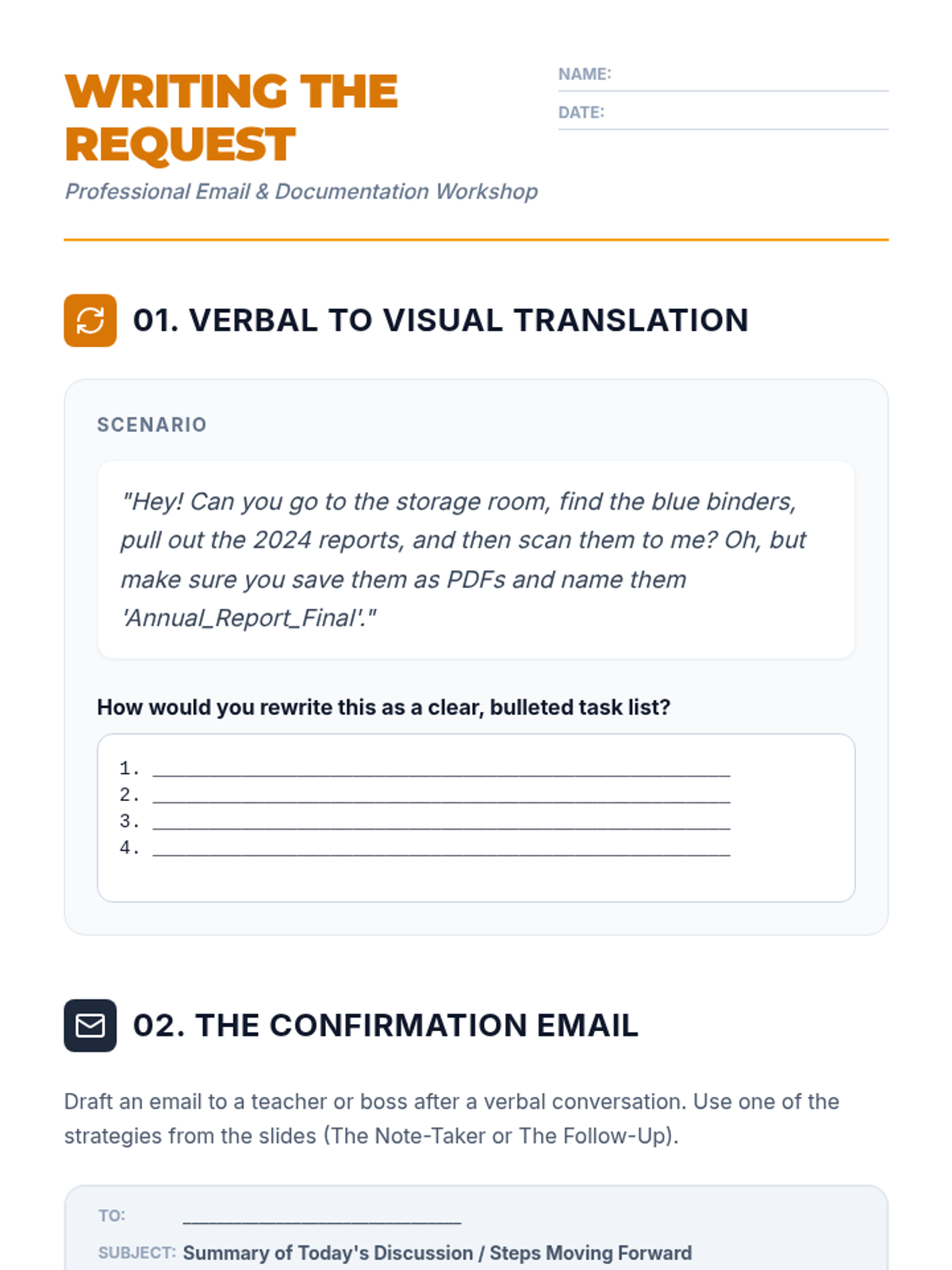
Students practice converting verbal instructions into written documentation through email templates and professional requests.
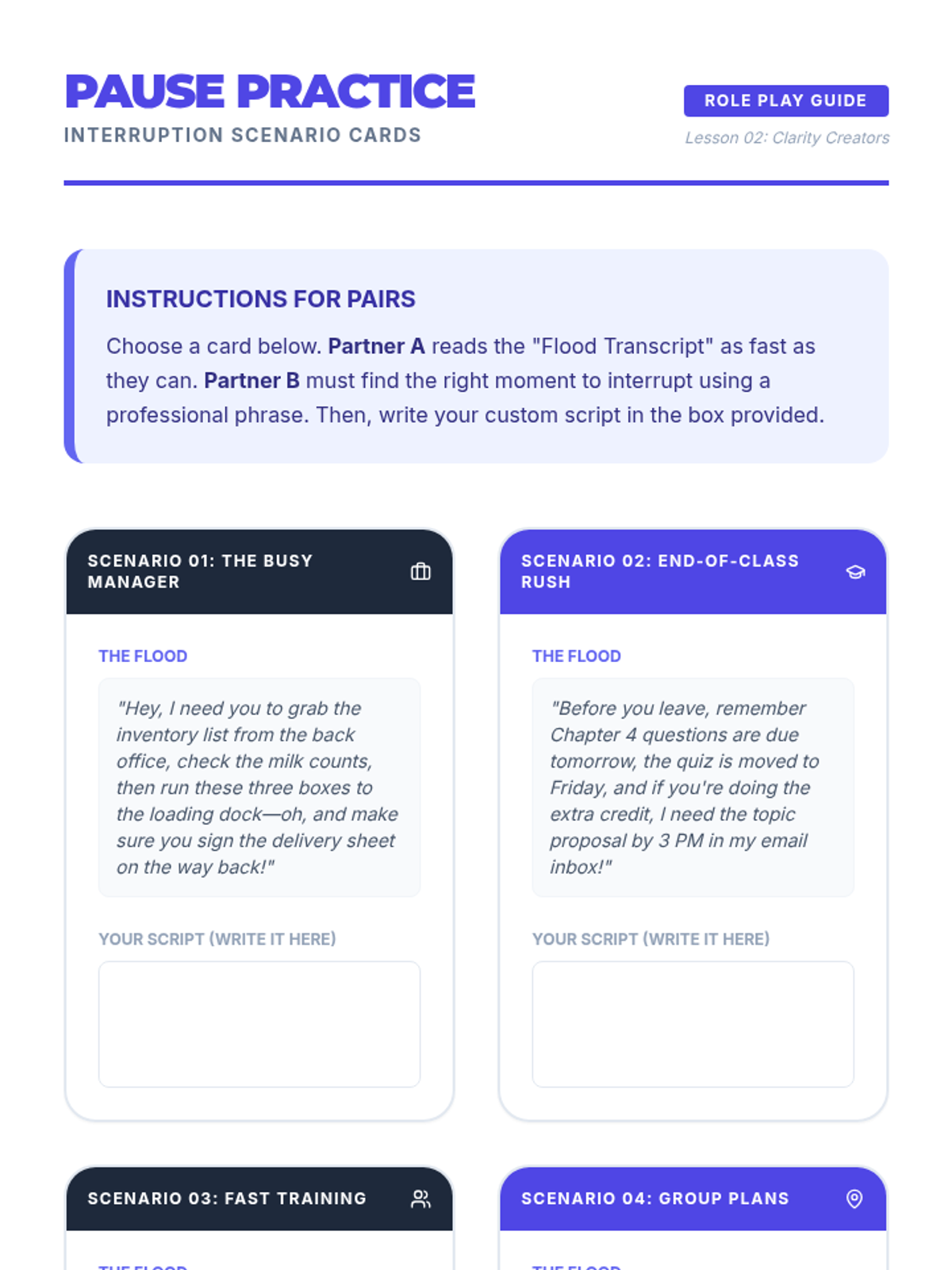
Students learn and practice professional interruption techniques to pause speakers and gain control over the flow of information.
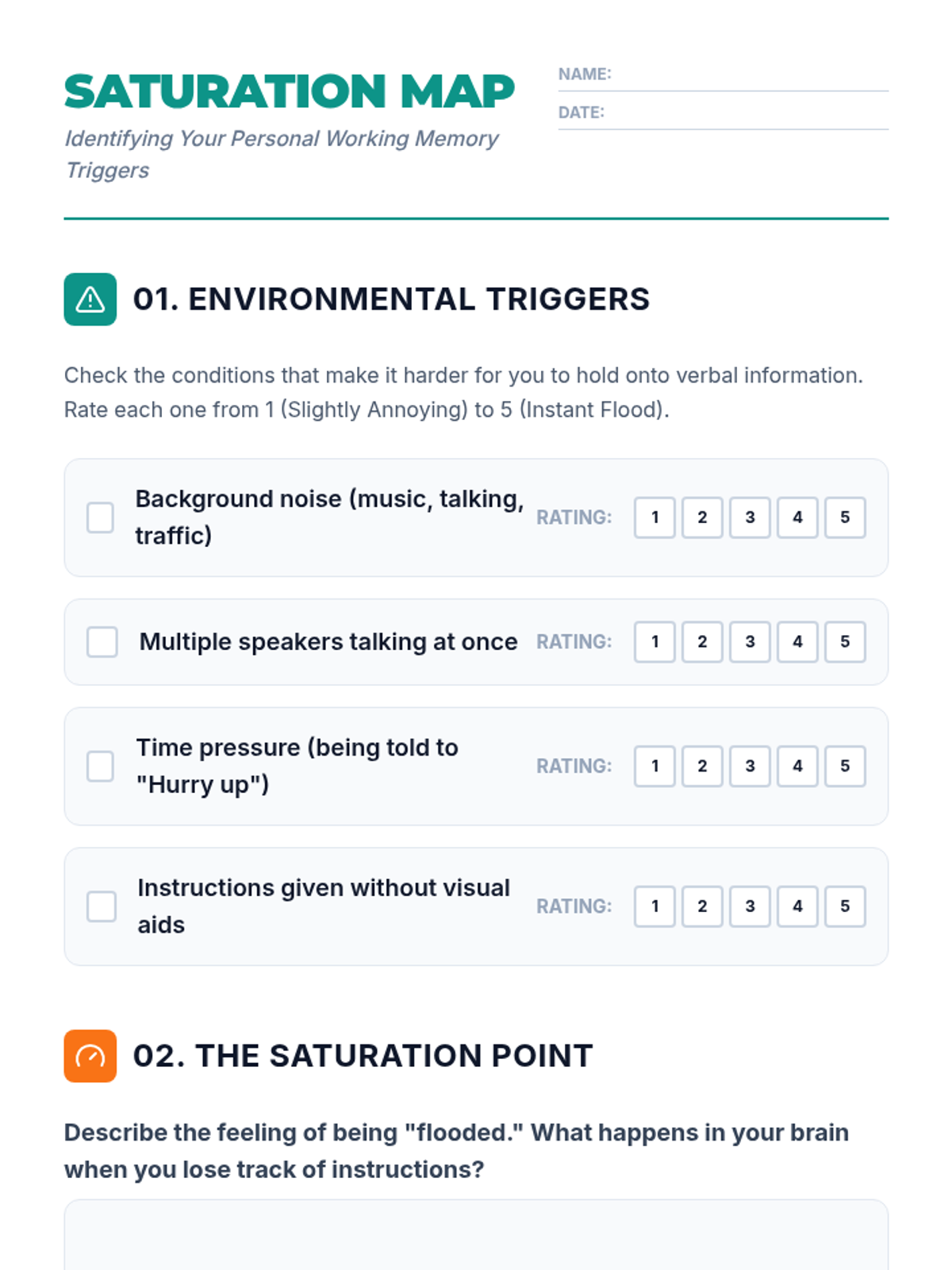
Students analyze high-pressure environments to identify working memory saturation and map their personal 'flooding' triggers.
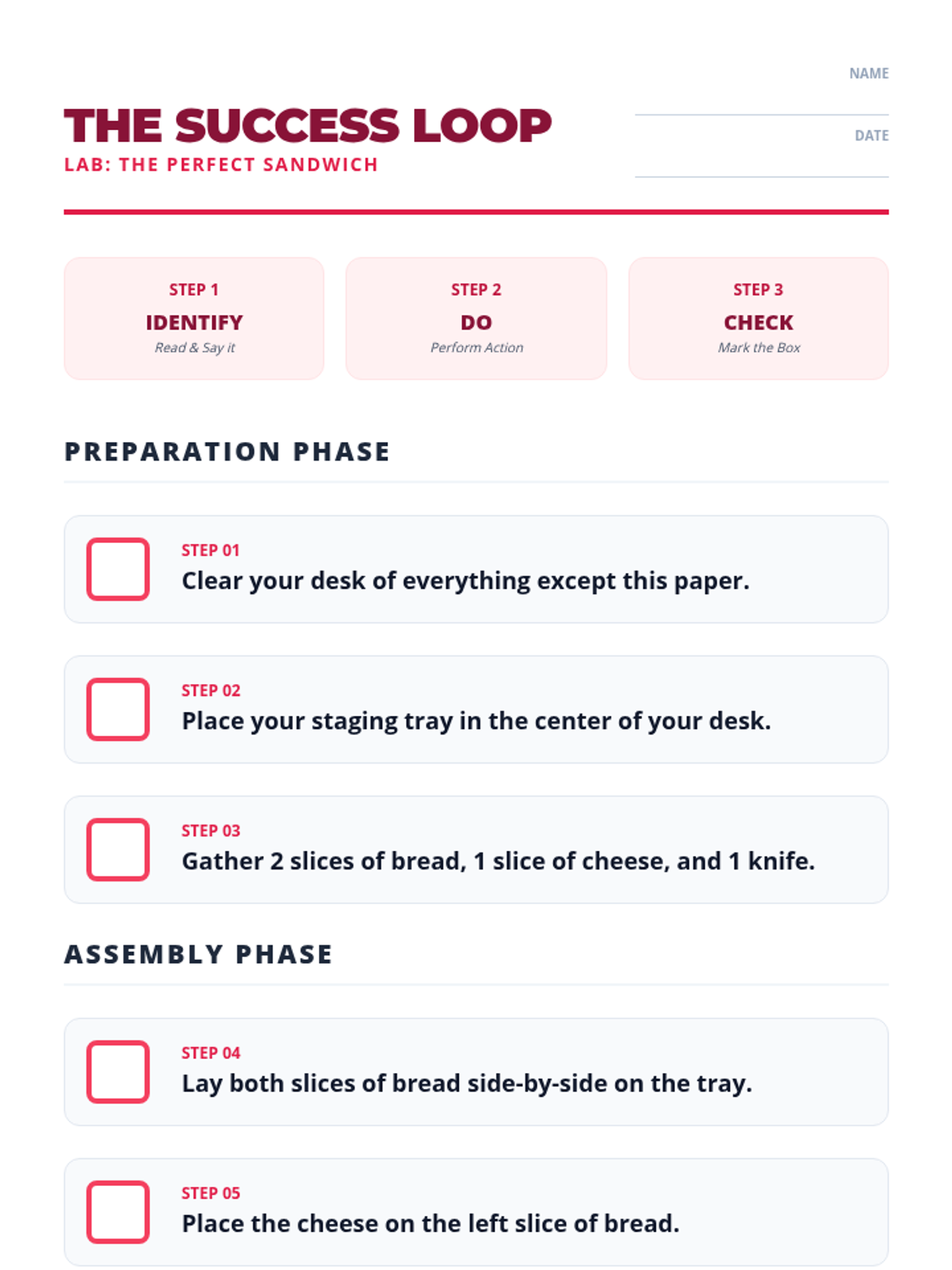
Students engage in a cooking activity using a checklist, physically checking off each step before moving to the next to reinforce sequencing and self-monitoring.
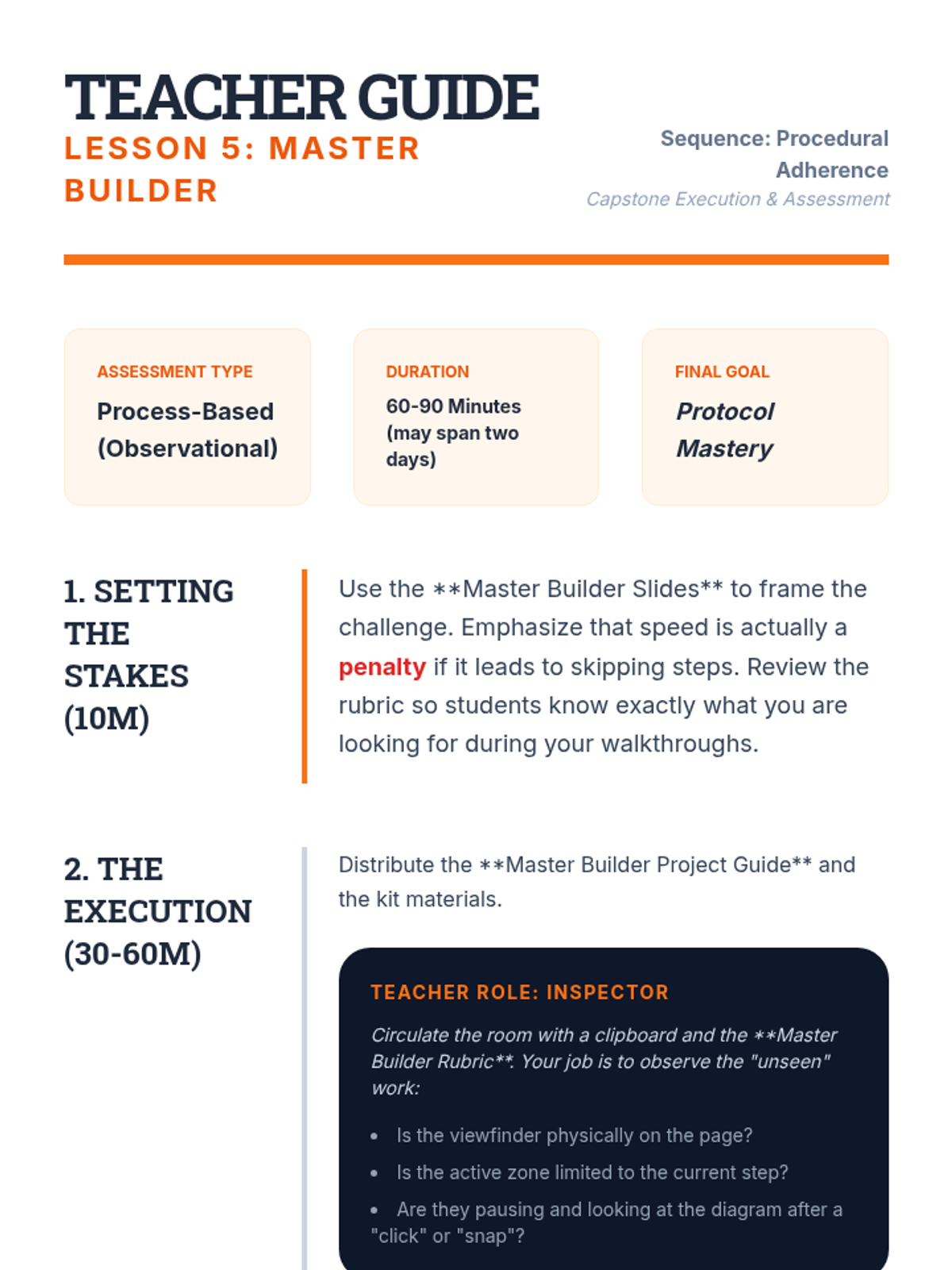
The capstone assembly challenge where students build a complex item using single-step instructions to demonstrate mastery of process adherence.
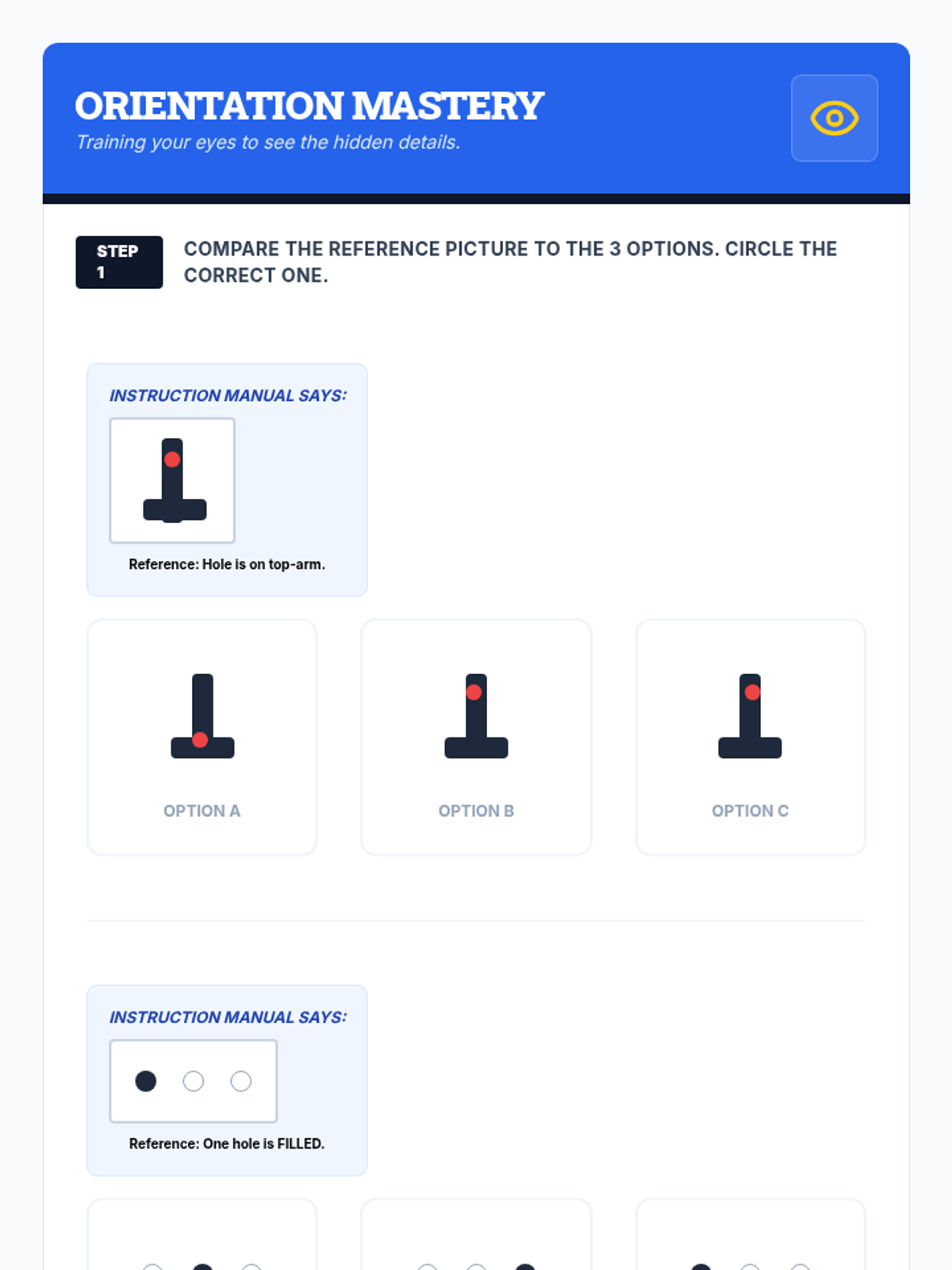
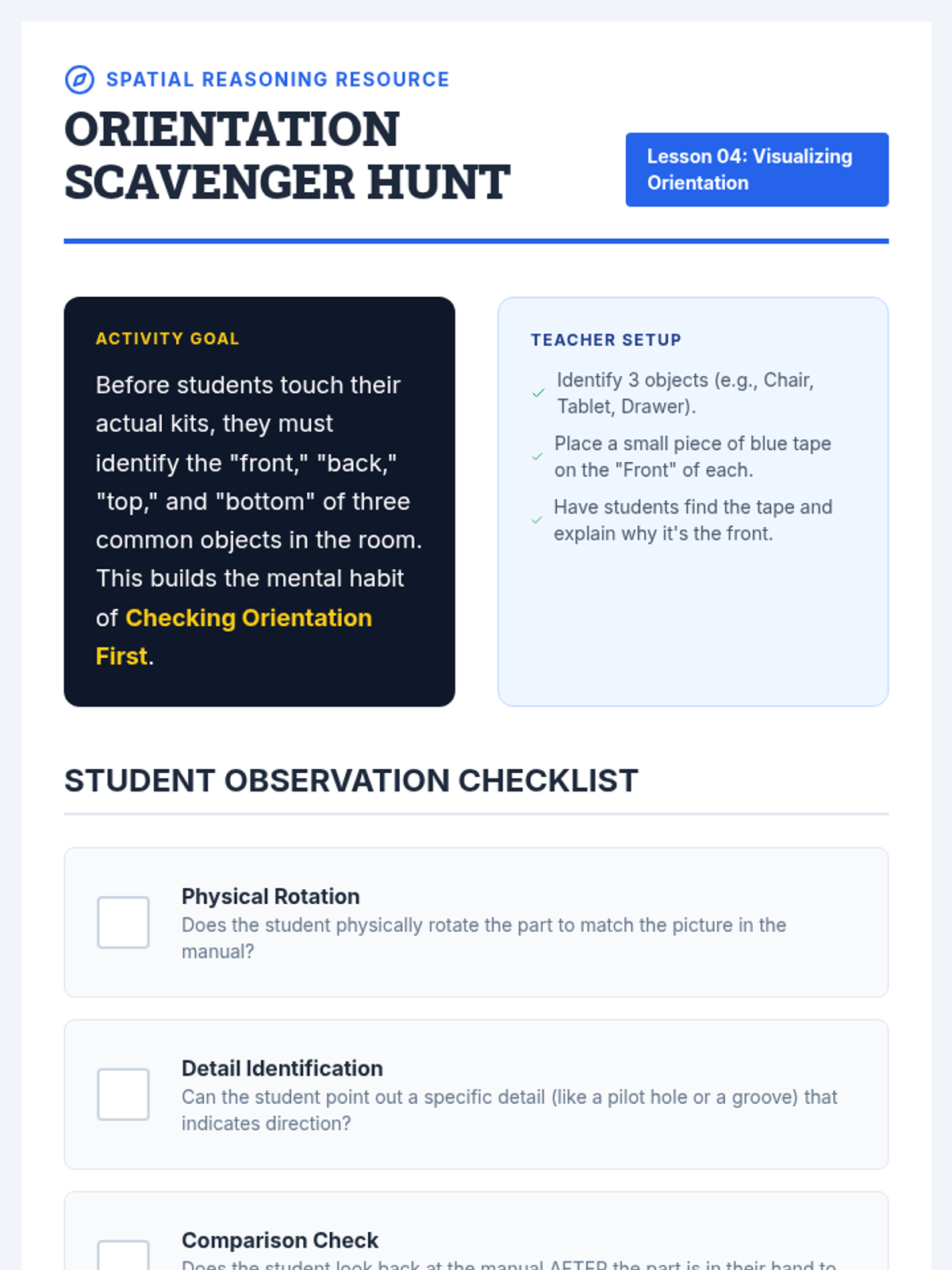
Emphasis on spatial reasoning and detail orientation, specifically focusing on the correct orientation of parts before attachment.
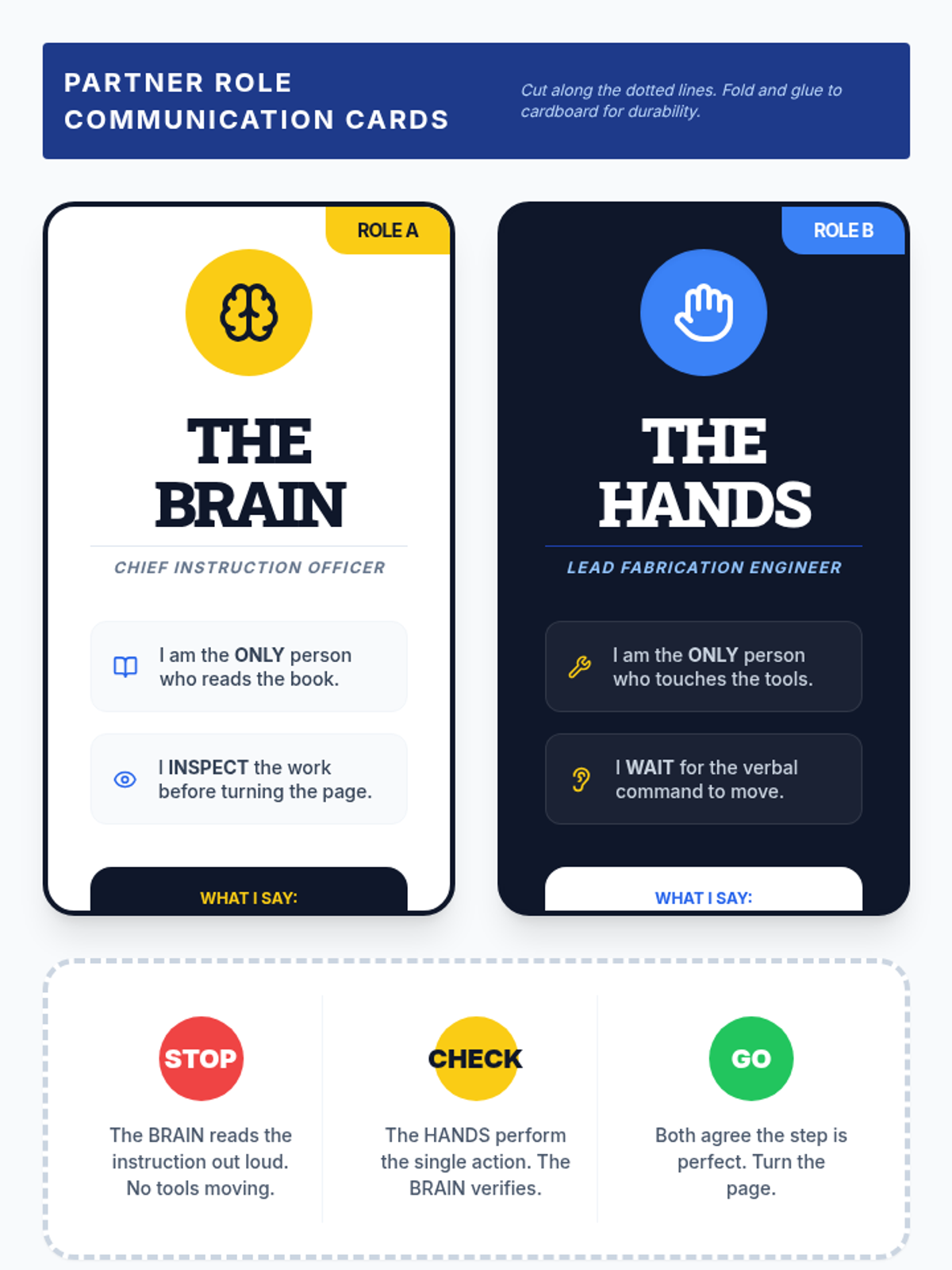
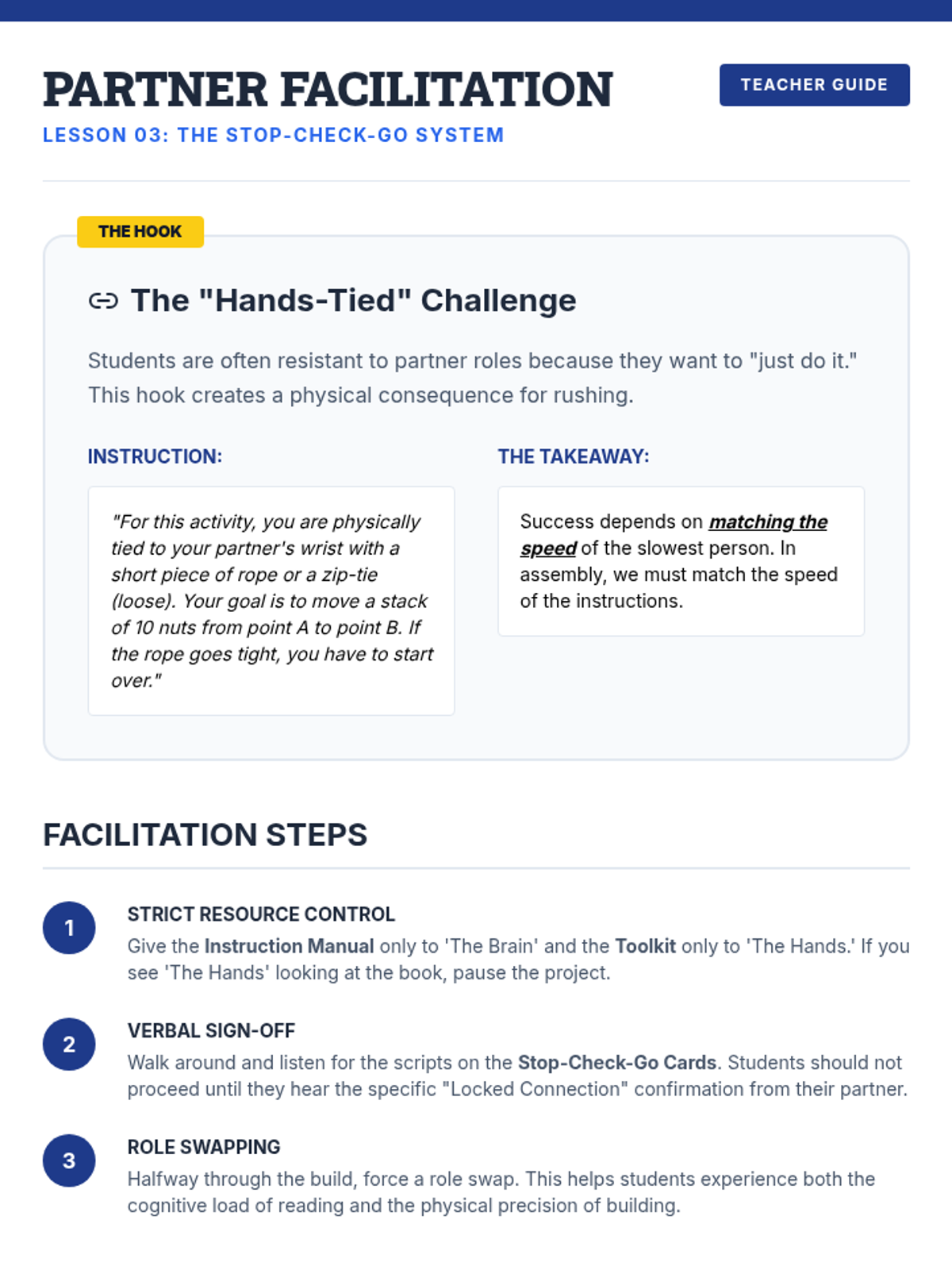
A collaborative build system where partners use verbal confirmation to ensure each step is completed perfectly before proceeding.
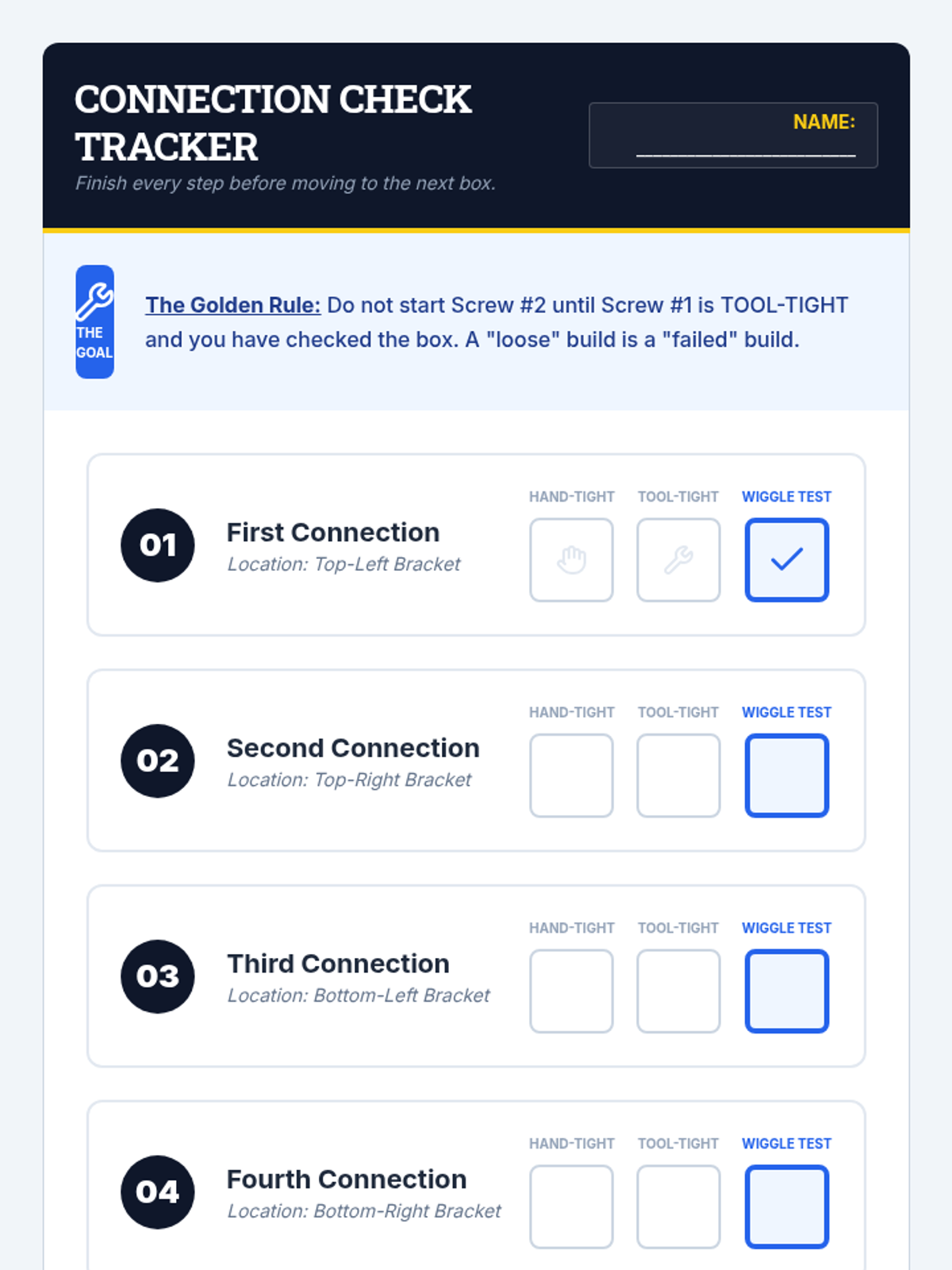
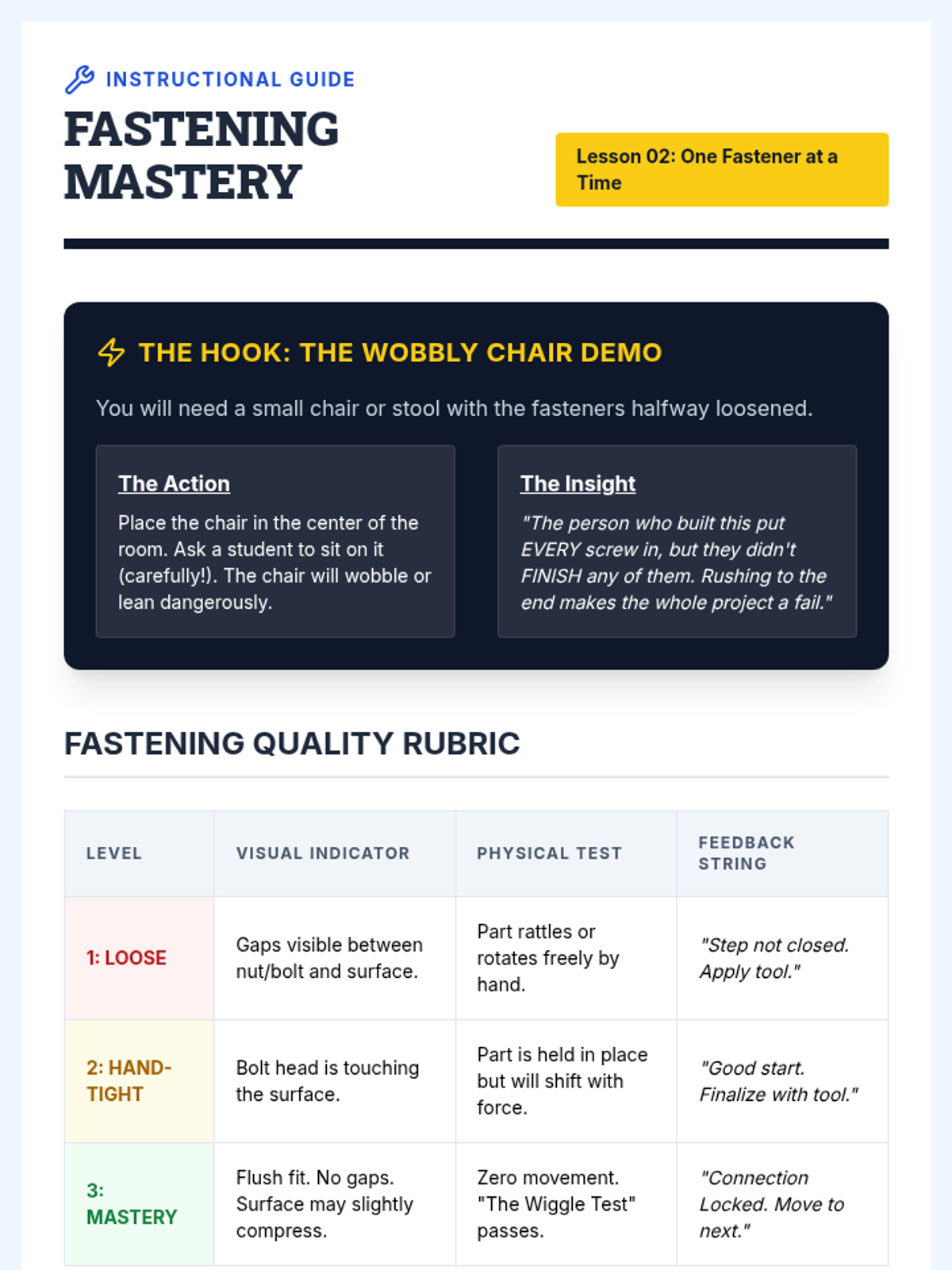
Focuses on the fine motor and cognitive discipline of fully securing one connection before moving to the next, preventing 'wobbly' structural failures.
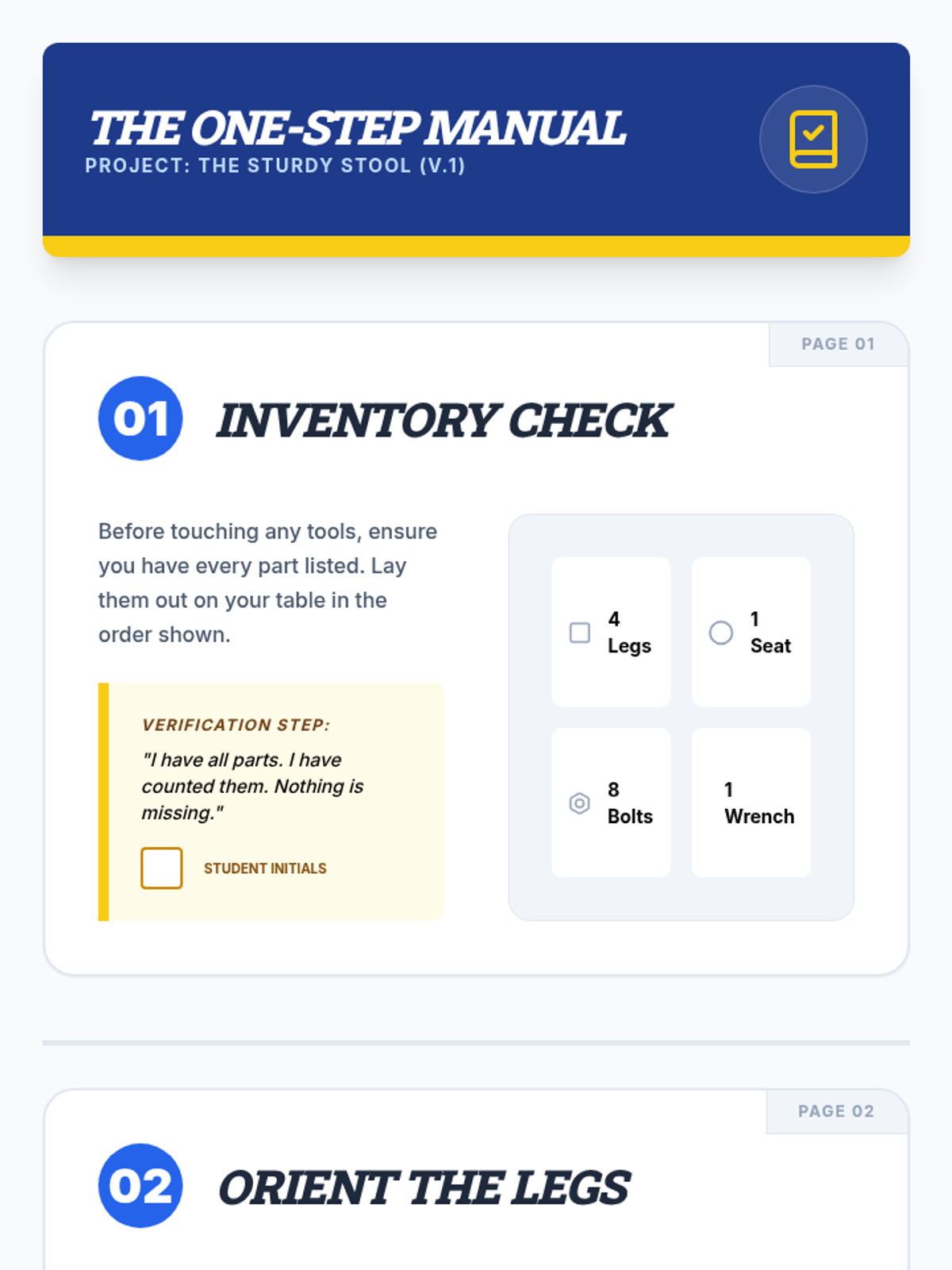
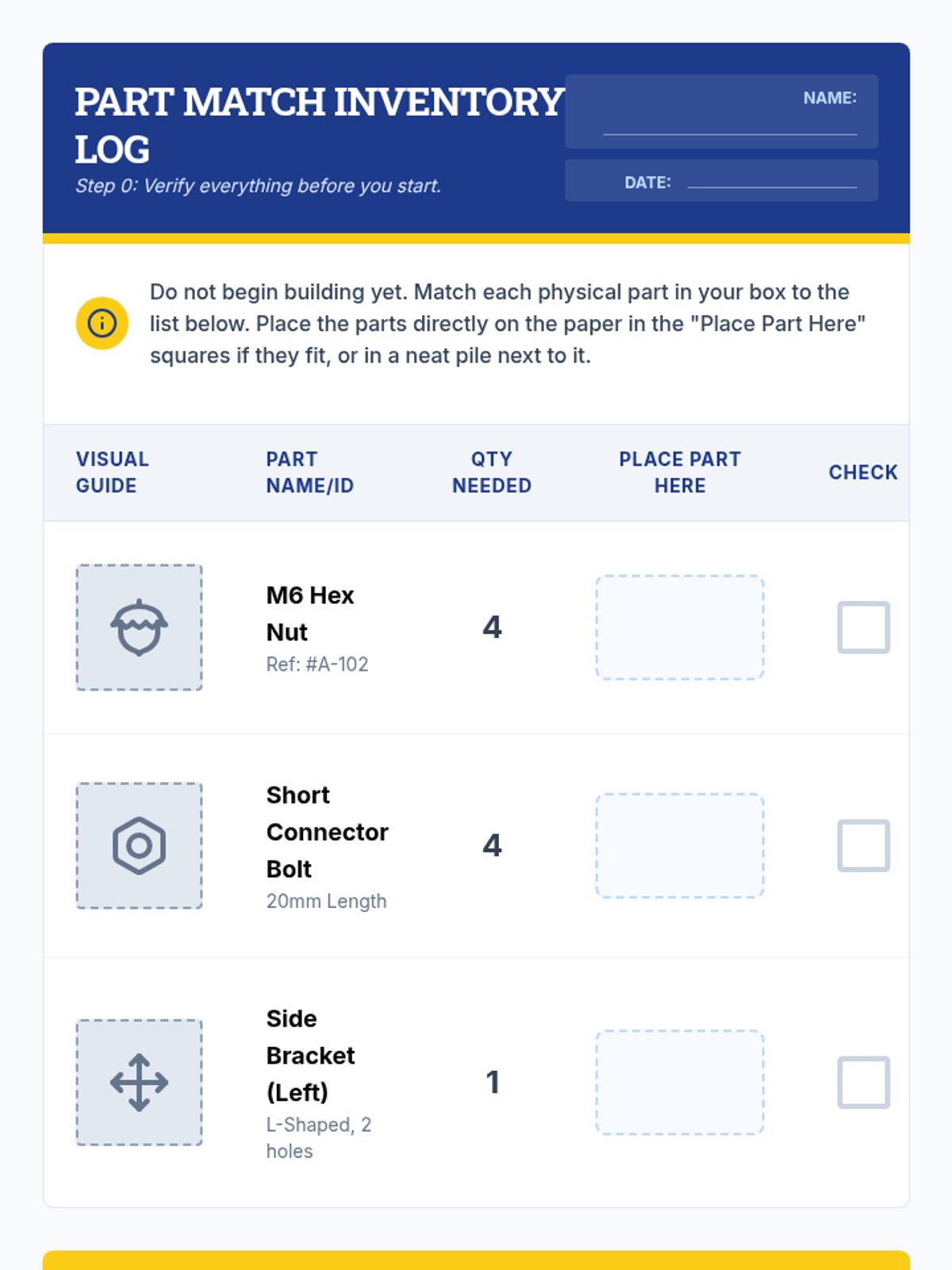
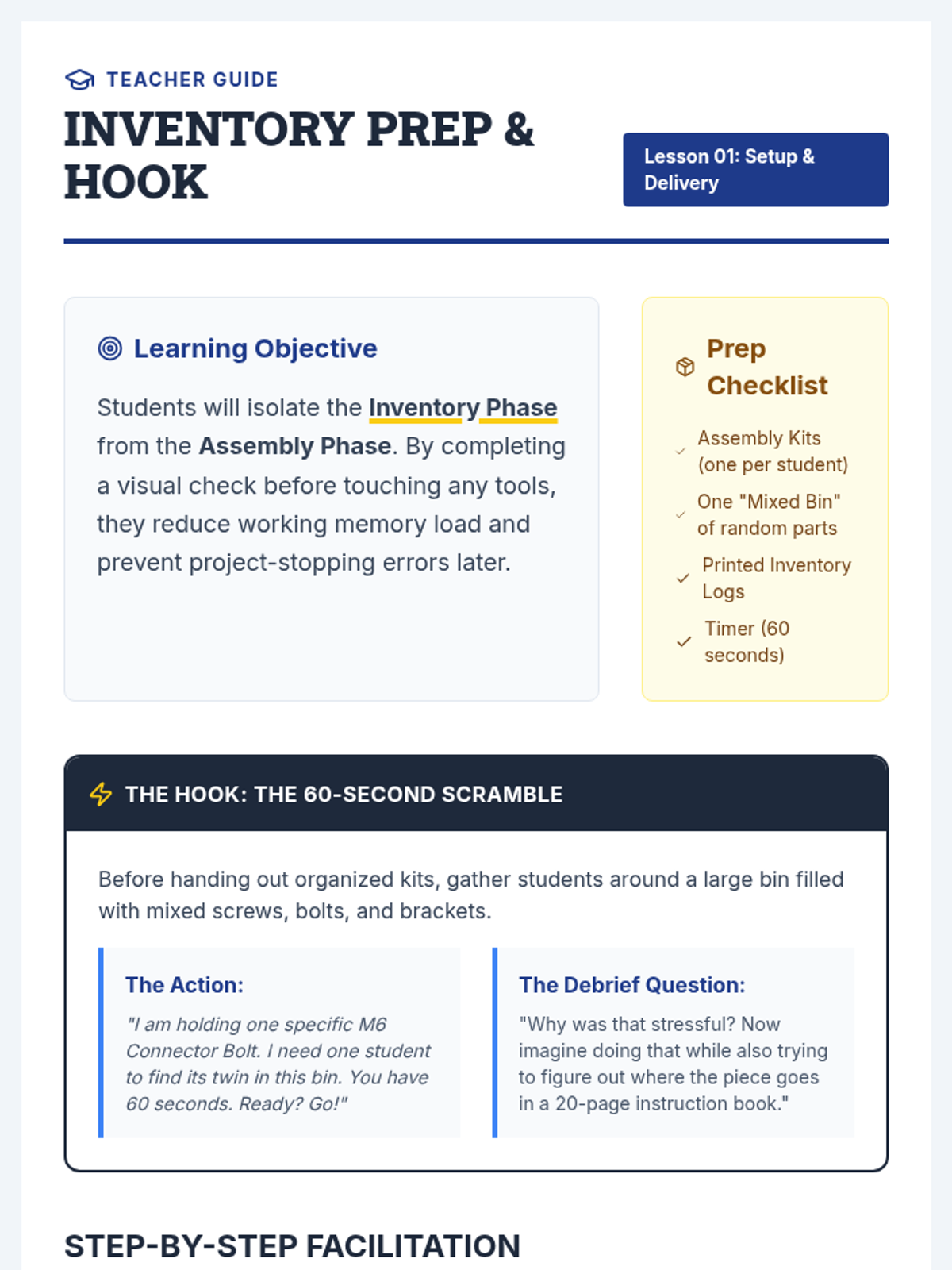
Students learn that the first single step of any build is an inventory check, matching parts to a visual list to prevent cognitive overload during assembly.
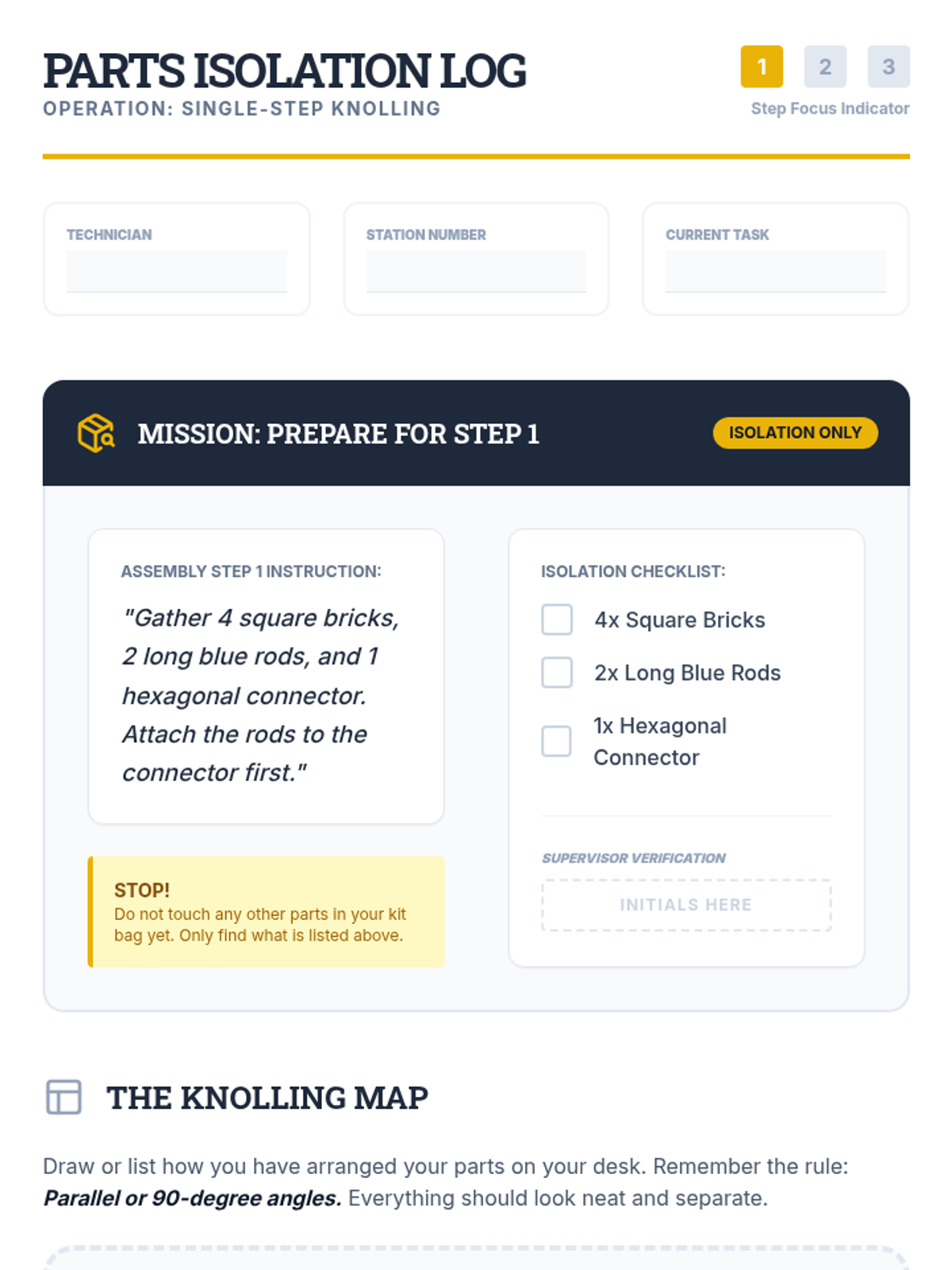
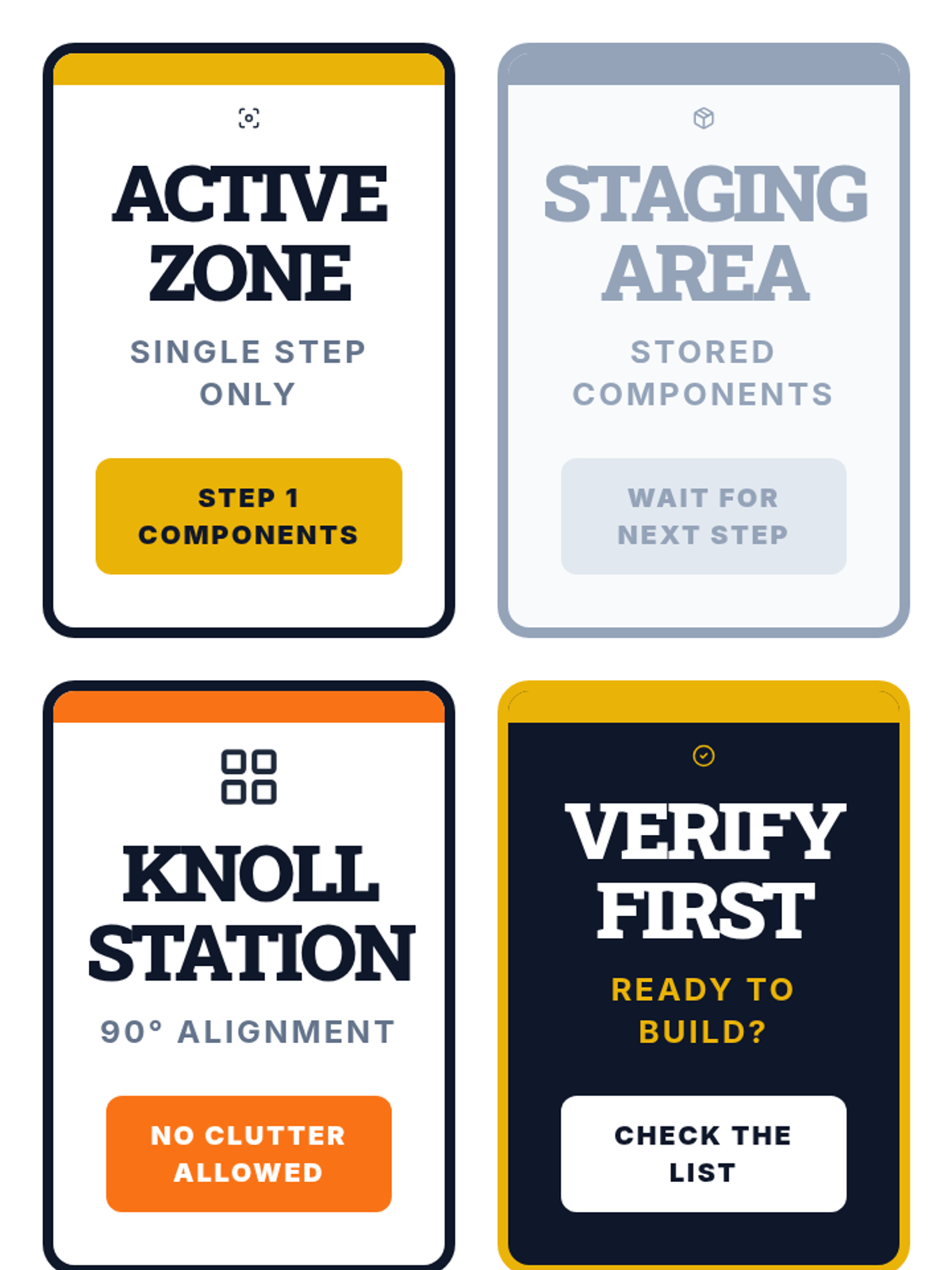
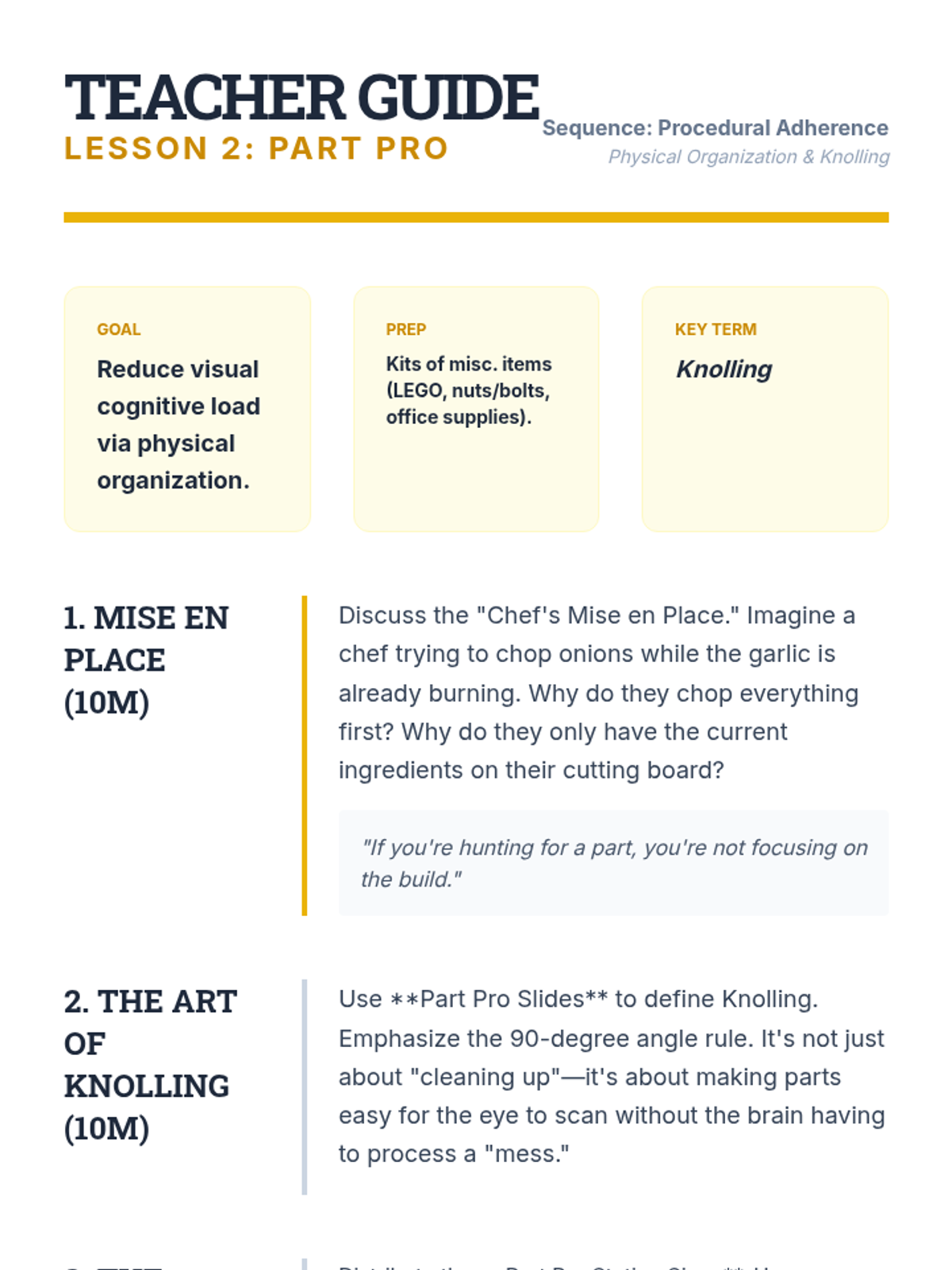
Before assembly, students practice 'knolling'—gathering and arranging only the parts needed for the immediate single step. This physical organization reduces cognitive clutter.
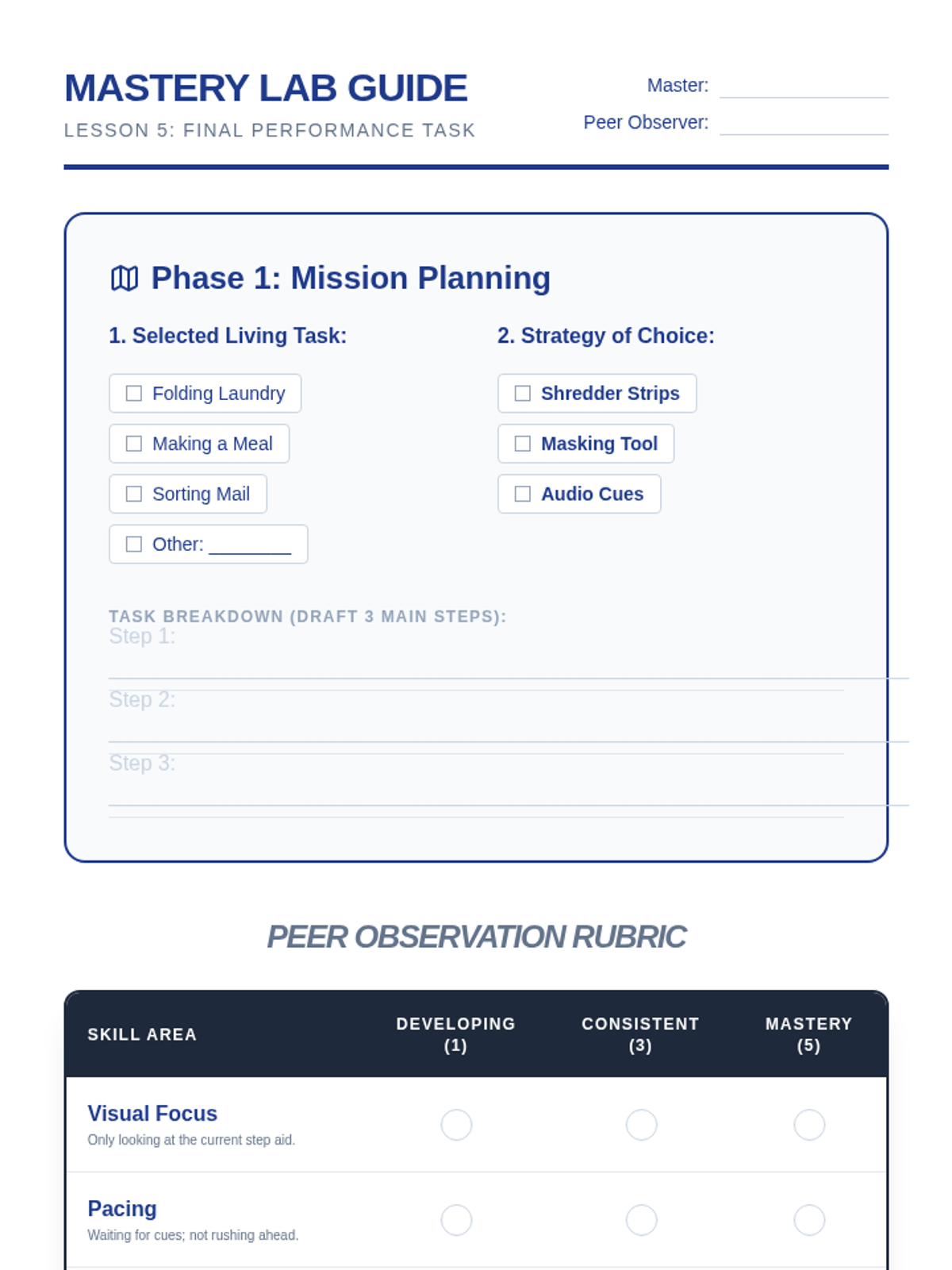
The capstone lesson where students apply their chosen single-step method to a real-world task, demonstrating mastery and peer-reviewed independence.
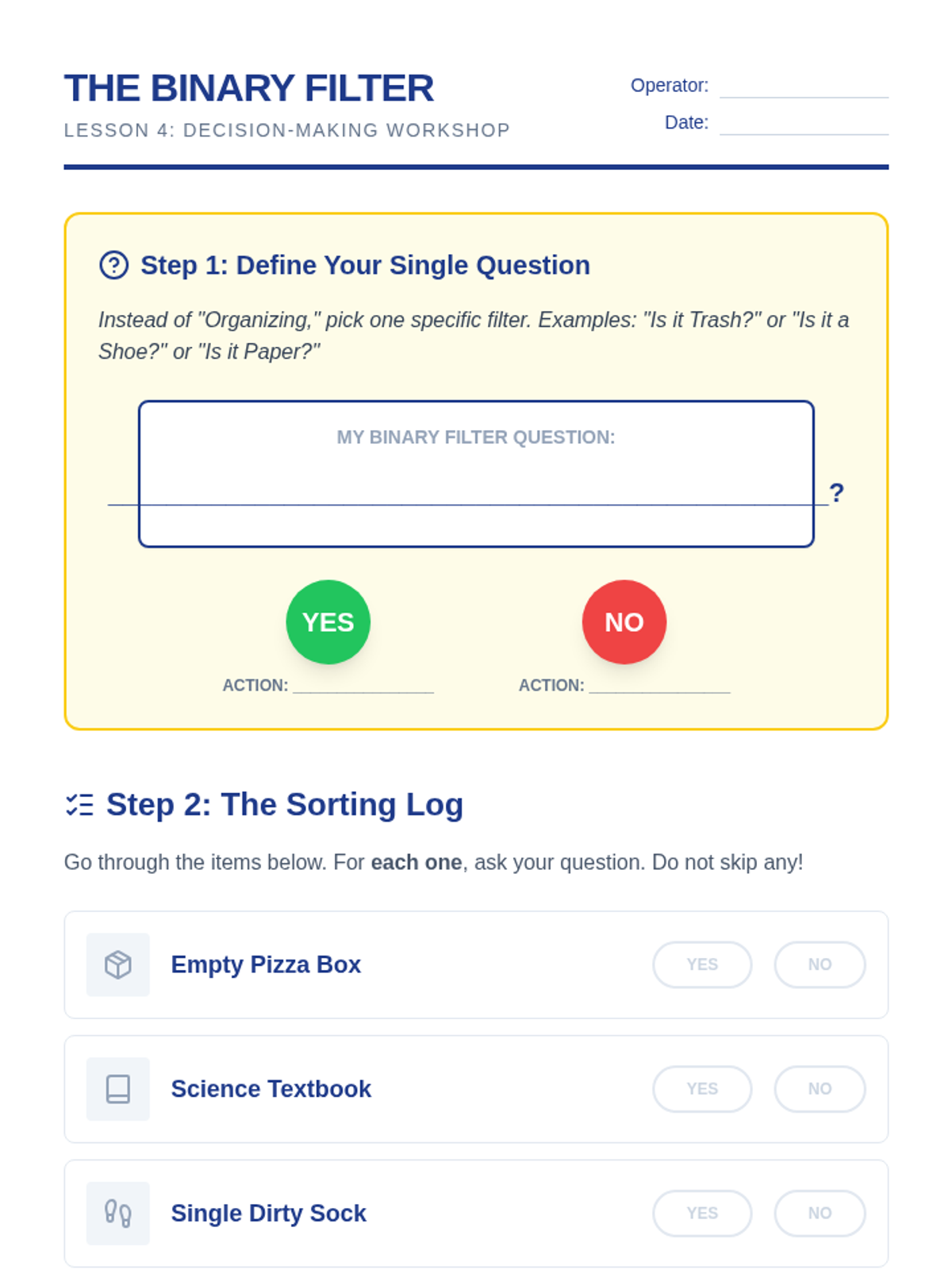
Teaches students to simplify complex organizational decisions into simple binary (Yes/No) questions to prevent decision fatigue.
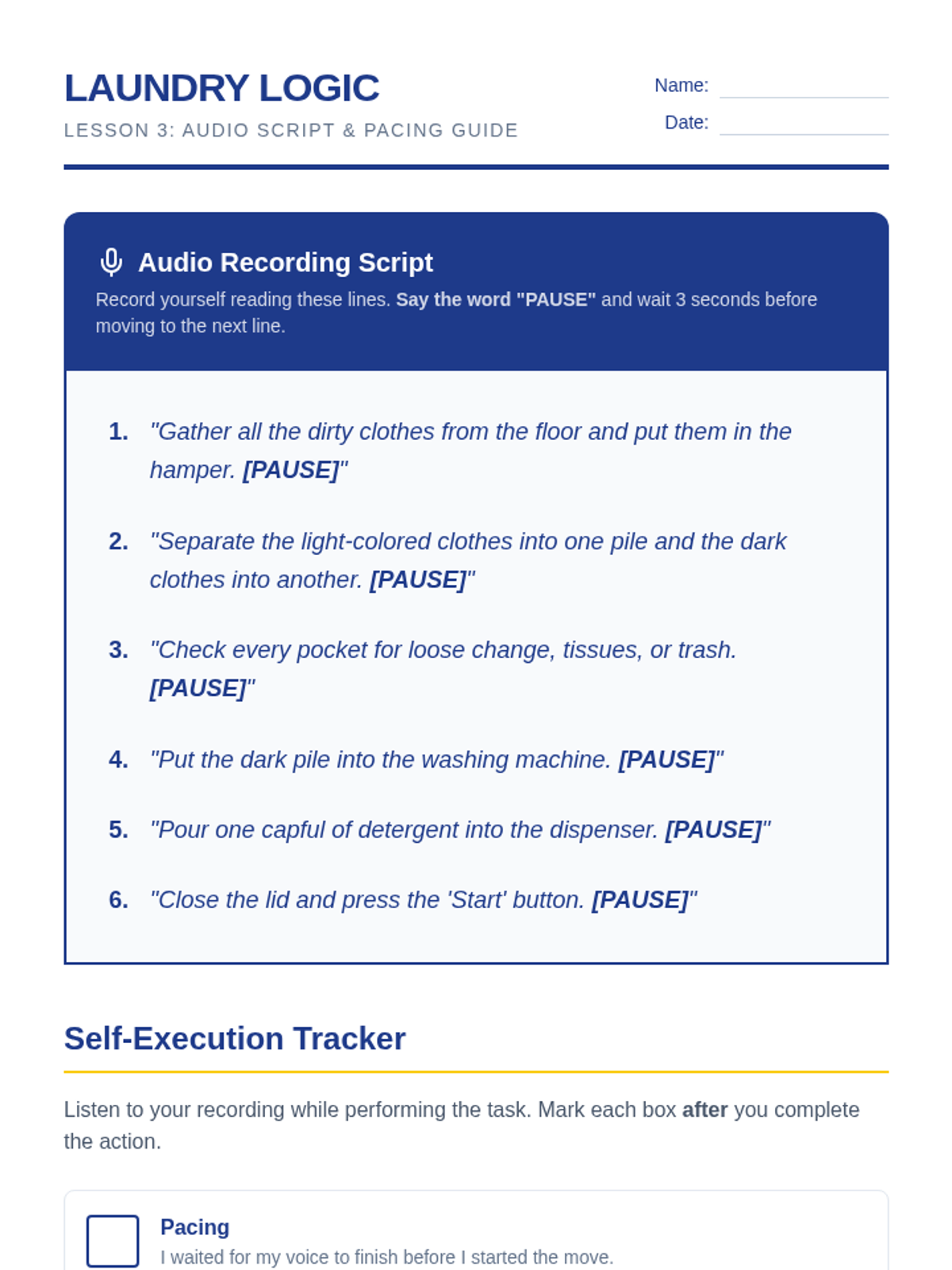
Explores the use of auditory cues and paced instruction to regulate execution speed and maintain focus on one task at a time.
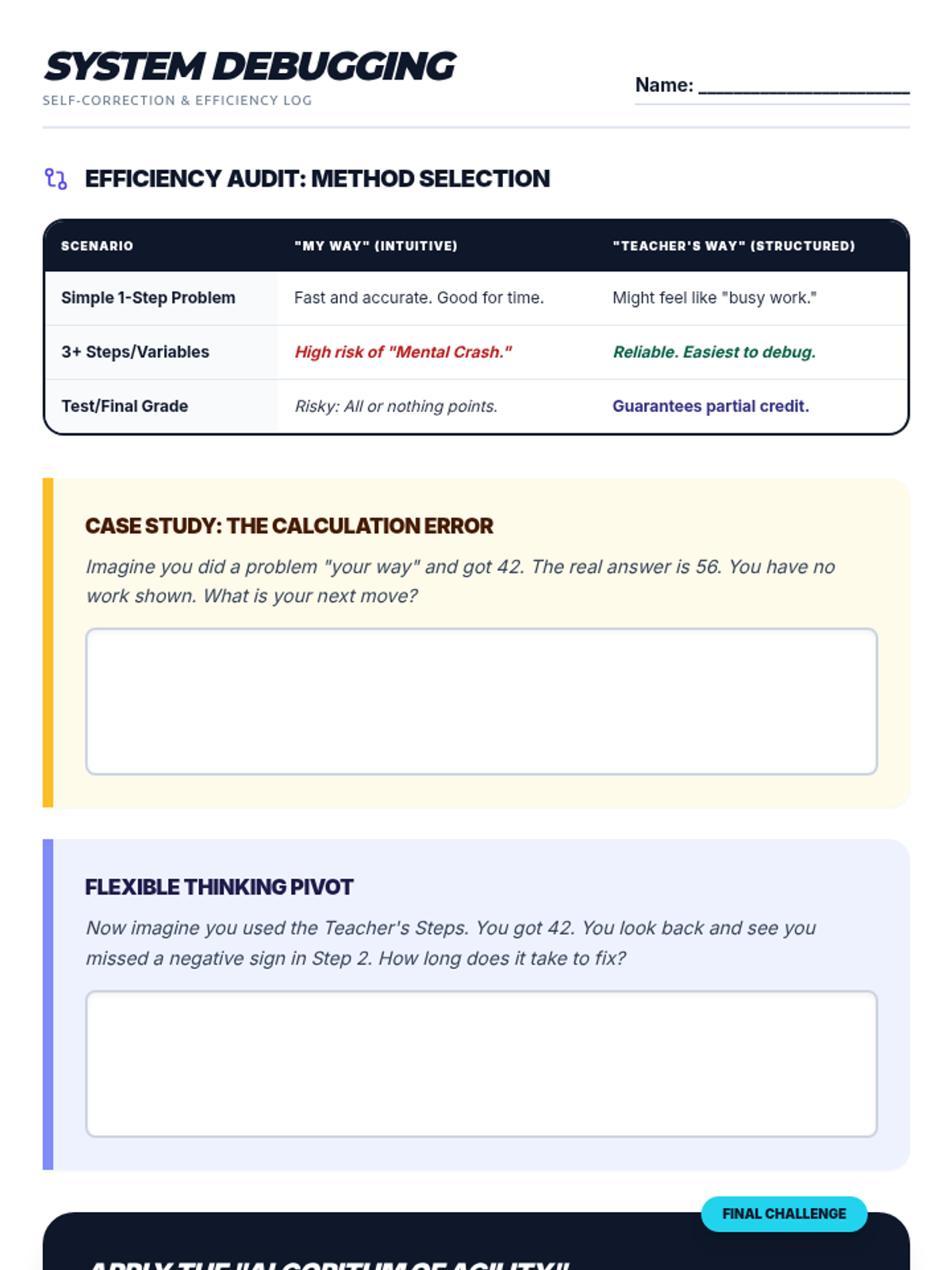
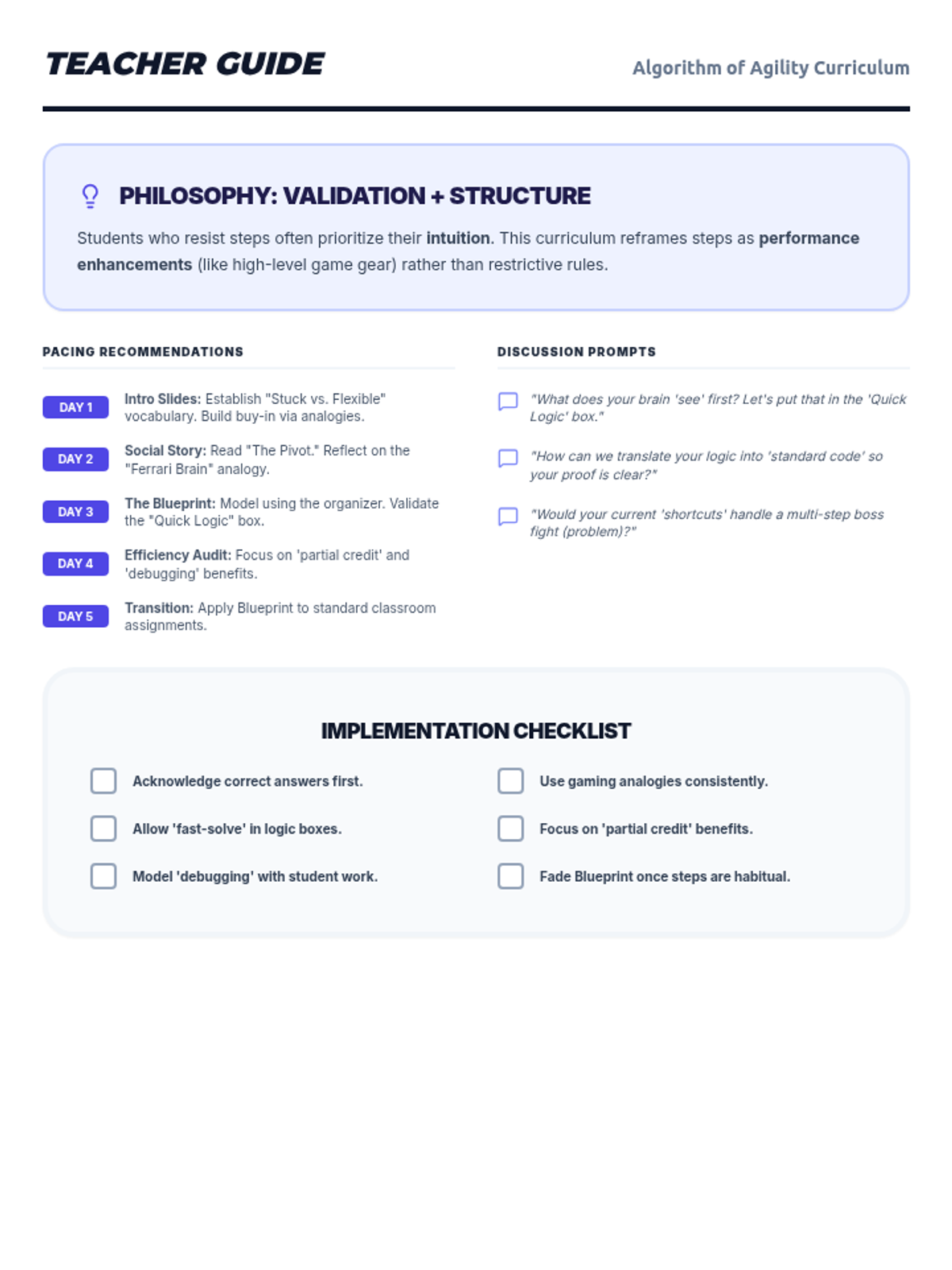
Evaluating the efficiency of different solving methods and practicing 'debugging' one's own thought process when encountering errors.
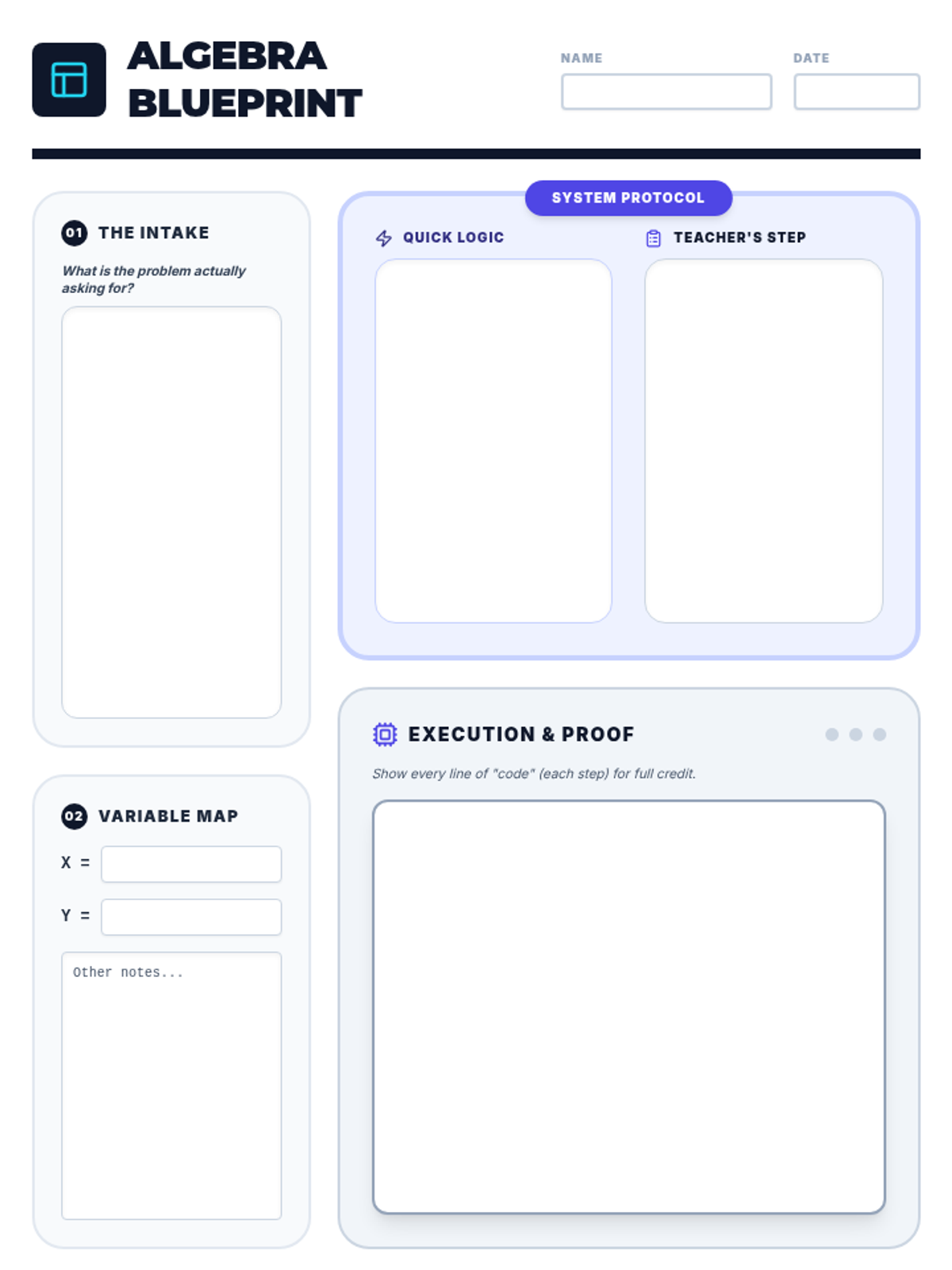
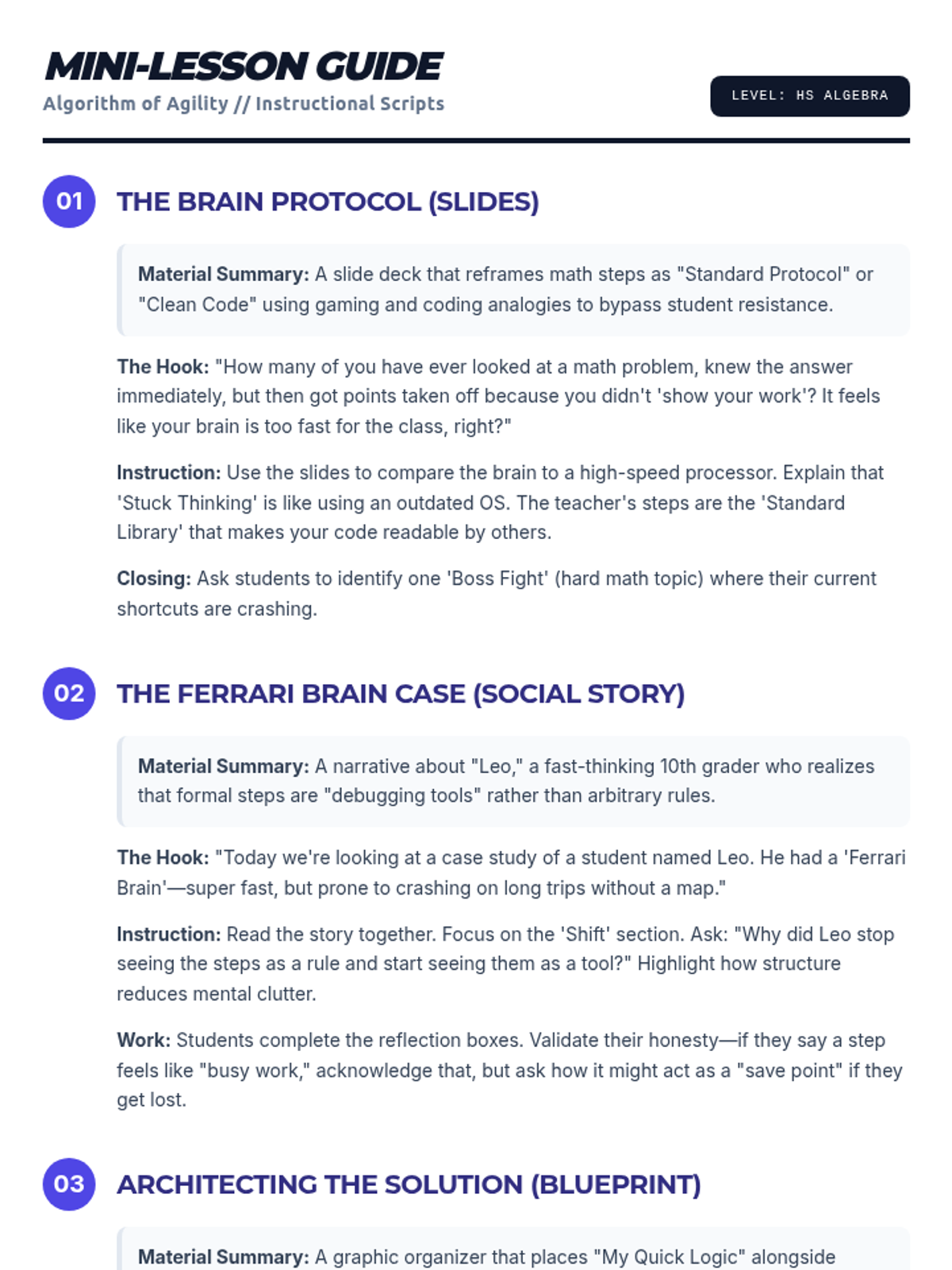
Direct application of flexible thinking to algebra word problems using a structured graphic organizer that bridges intuitive and formal methods.
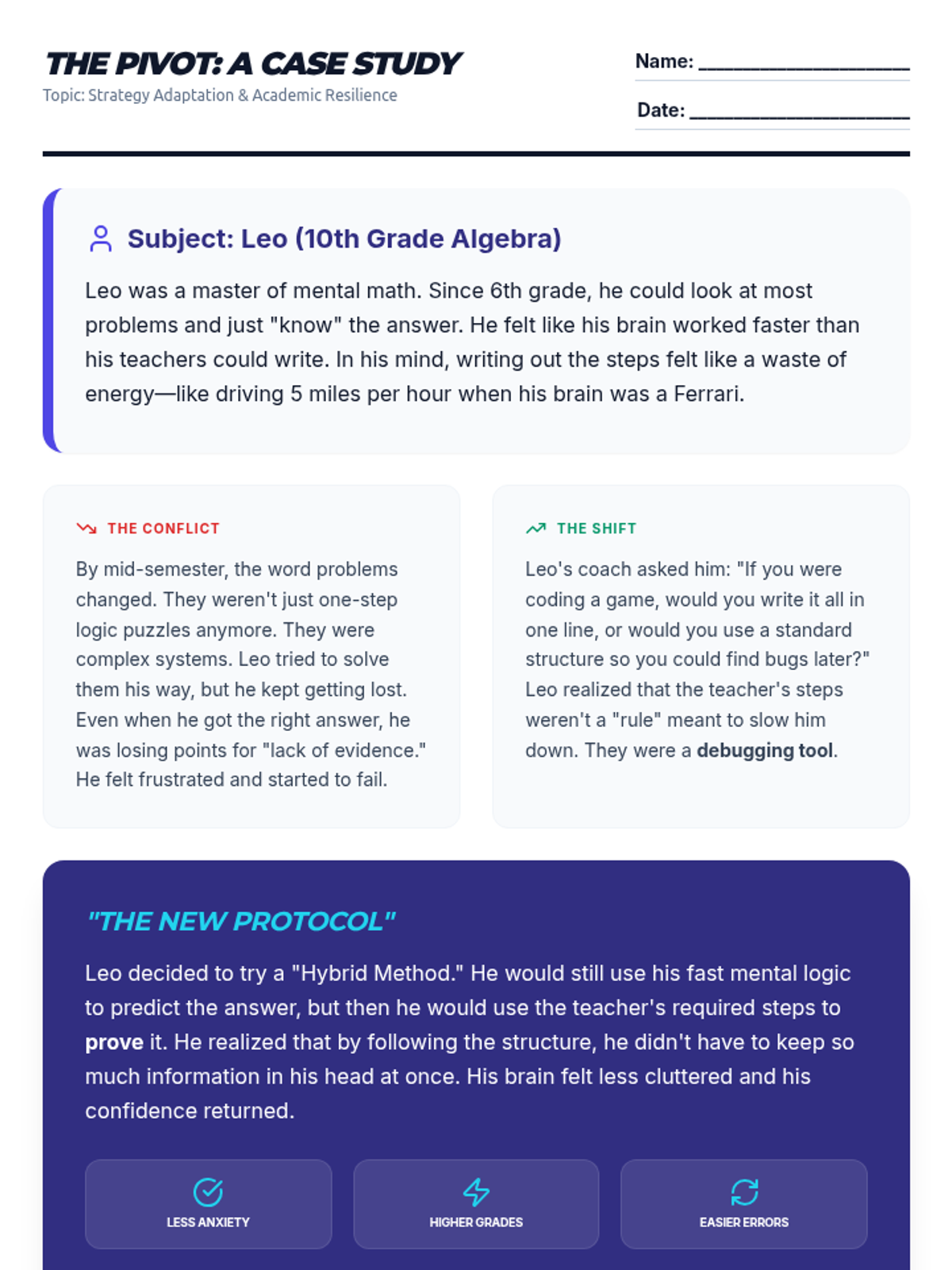
A narrative-based lesson exploring a peer-to-peer scenario of adapting math strategies to achieve academic goals.
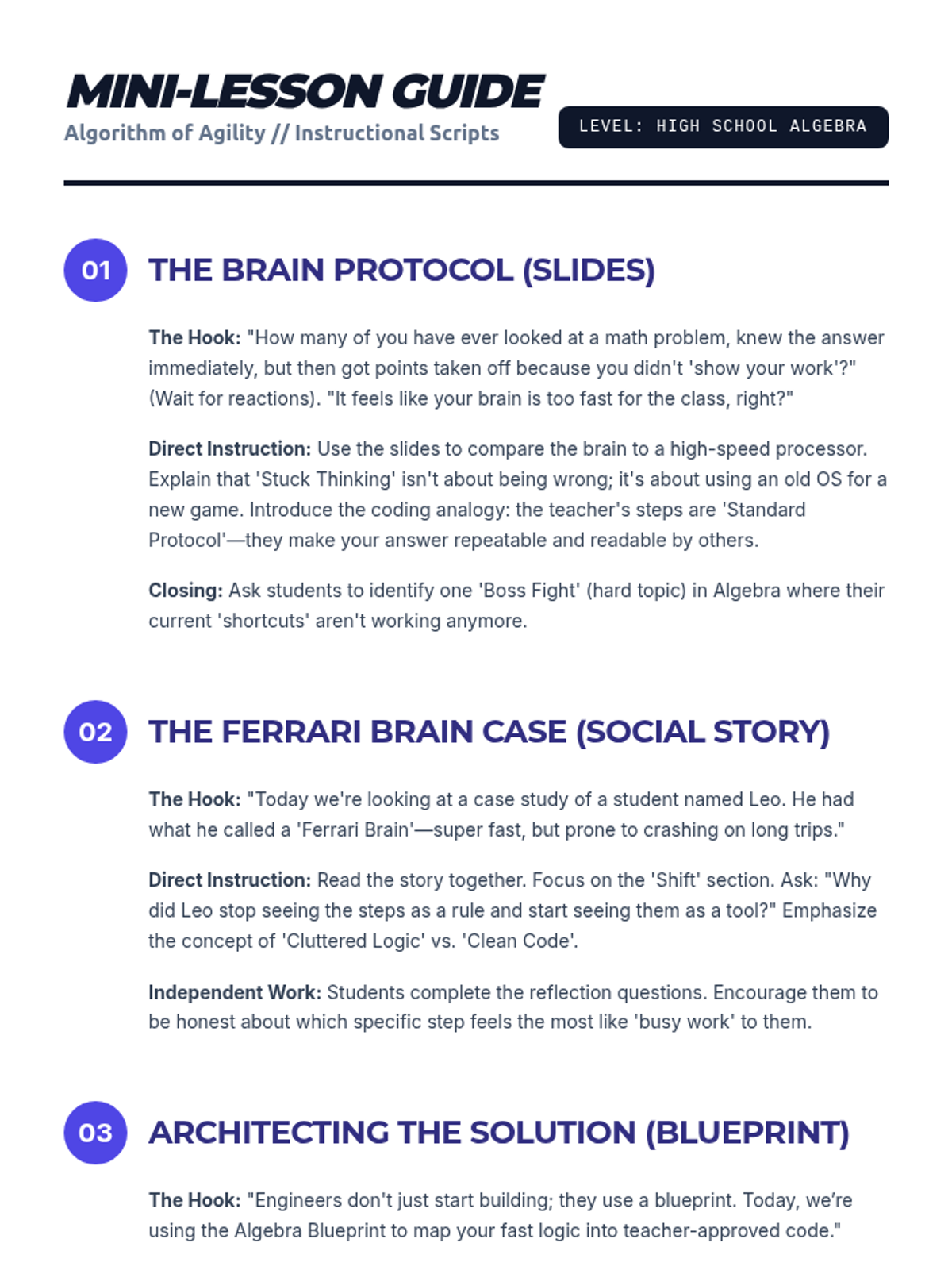
Introduction to cognitive flexibility through the lens of 'stuck' versus 'flexible' thinking, tailored for the logical environment of an algebra classroom.
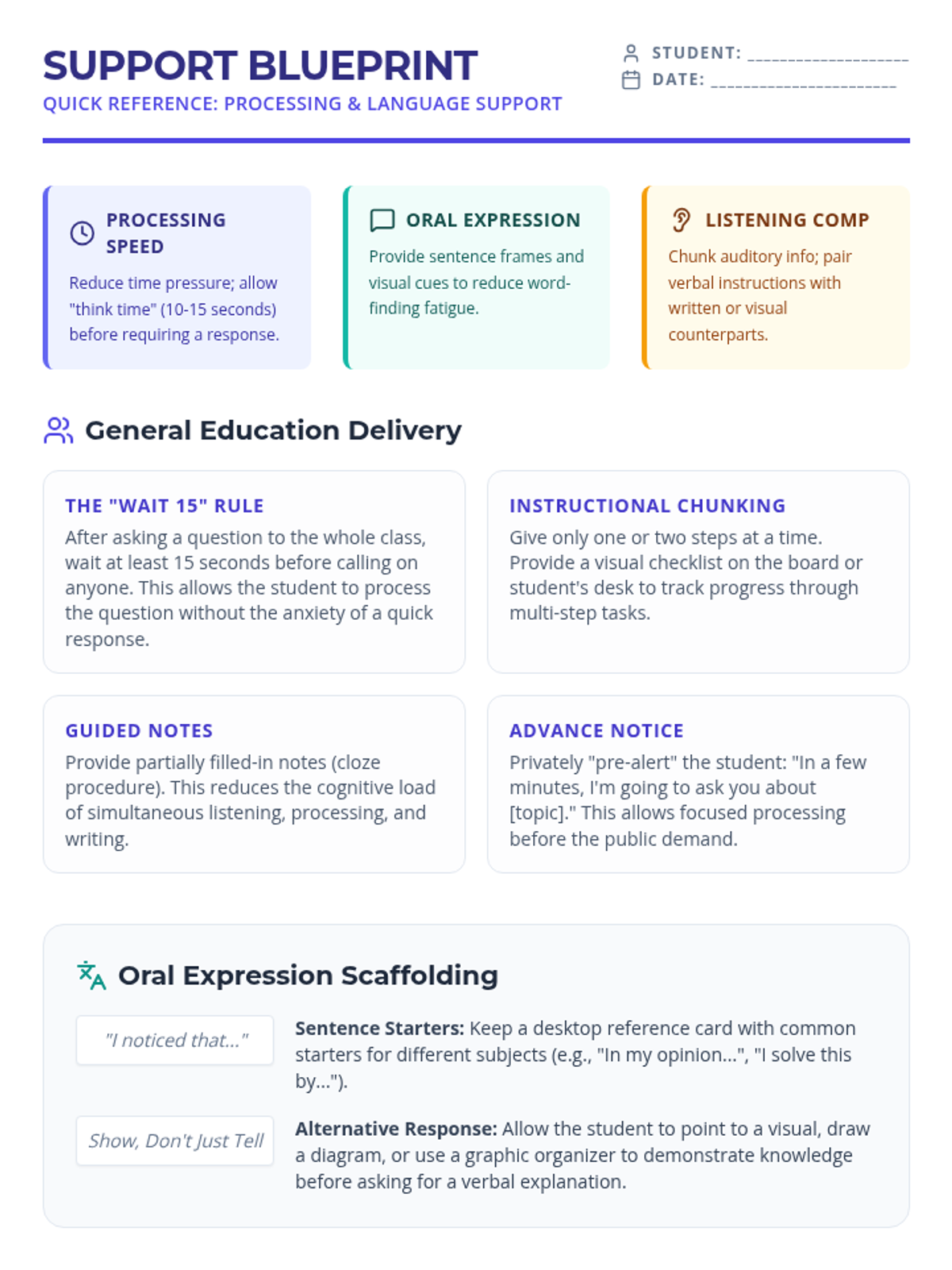
A comprehensive set of quick-reference strategies and monitoring tools for supporting students with low processing speed and oral language challenges in general education and small group settings.
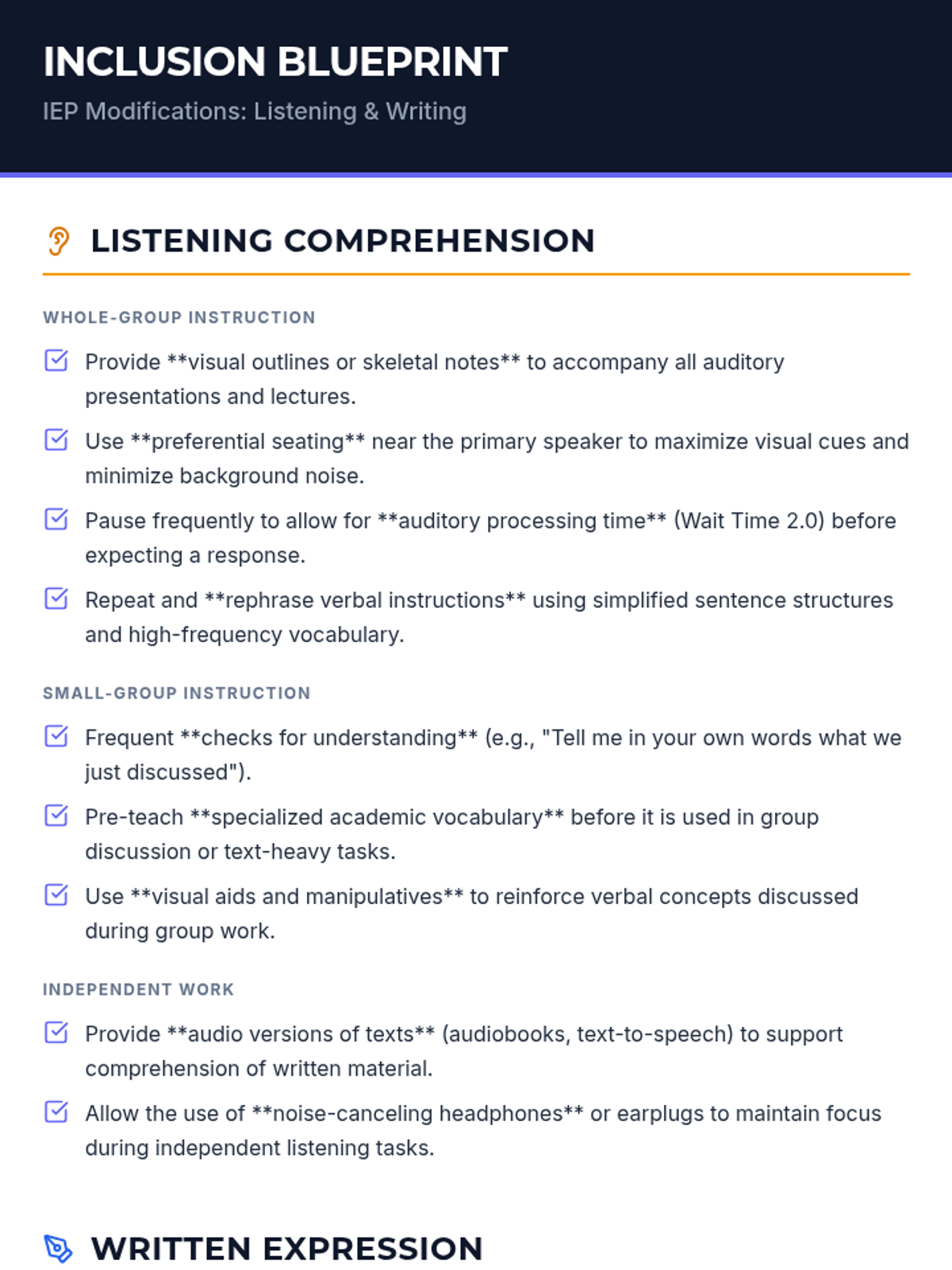
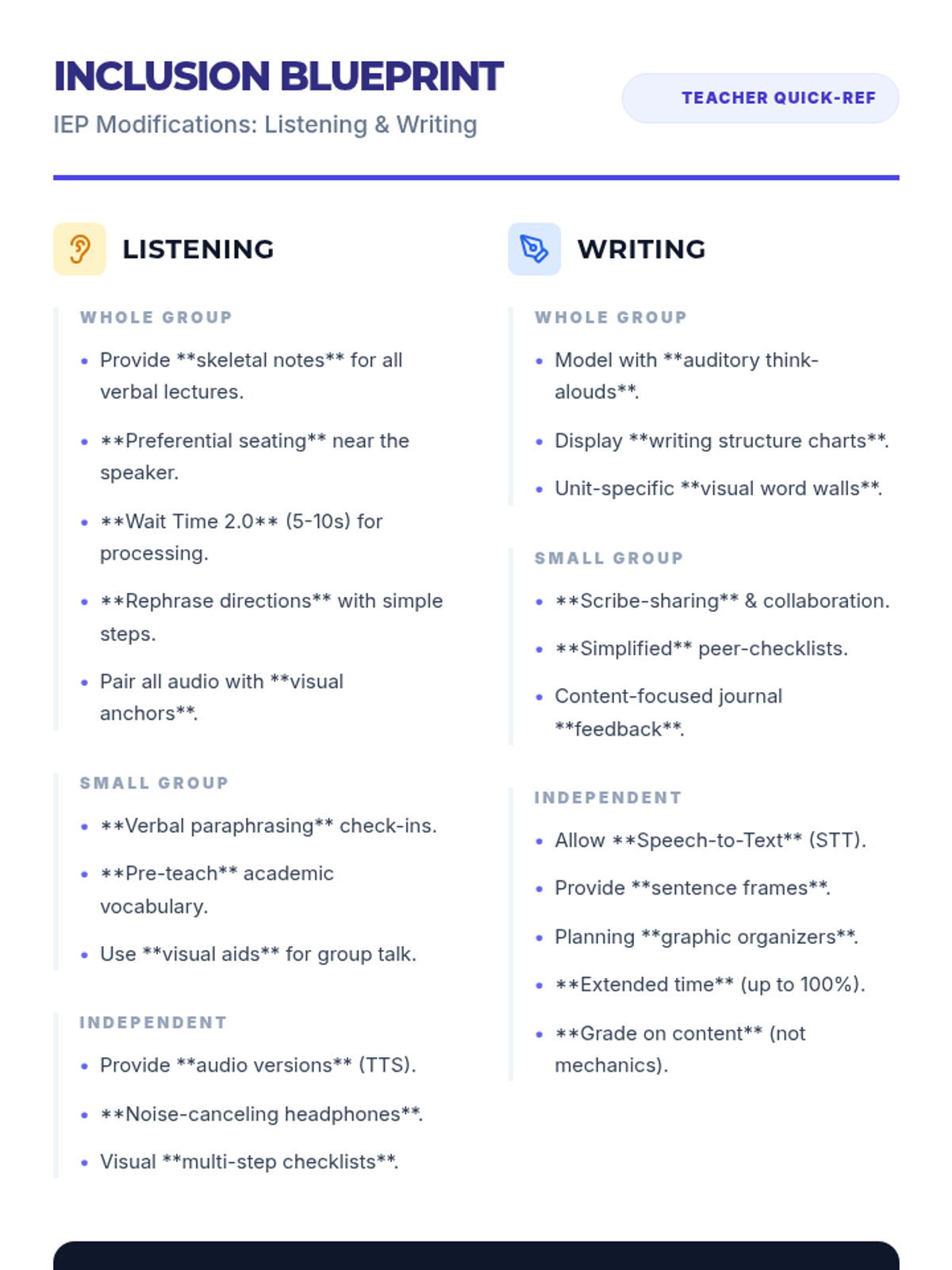
A collection of actionable IEP modifications and implementation strategies for students with Specific Learning Disabilities in listening and writing.
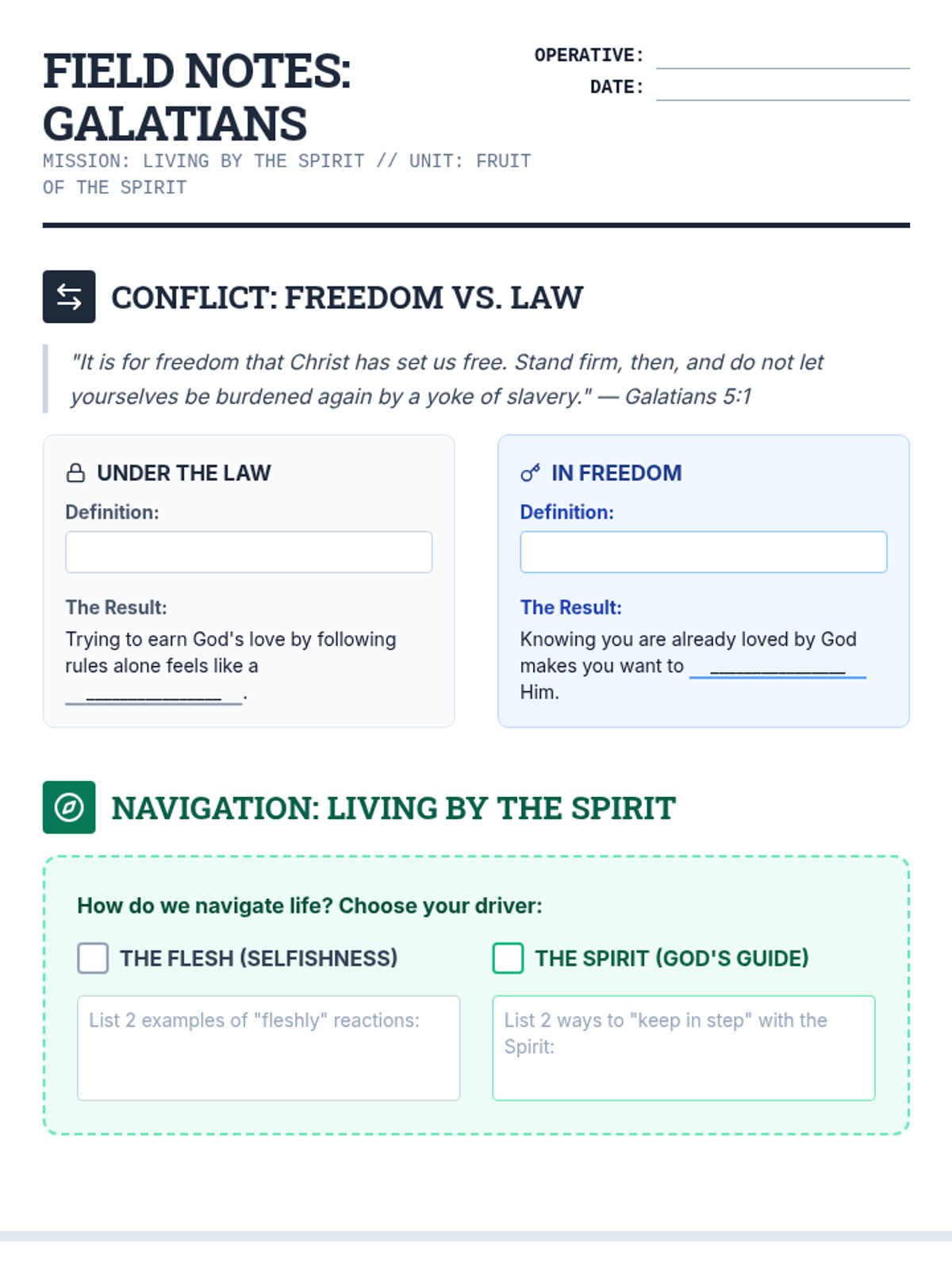
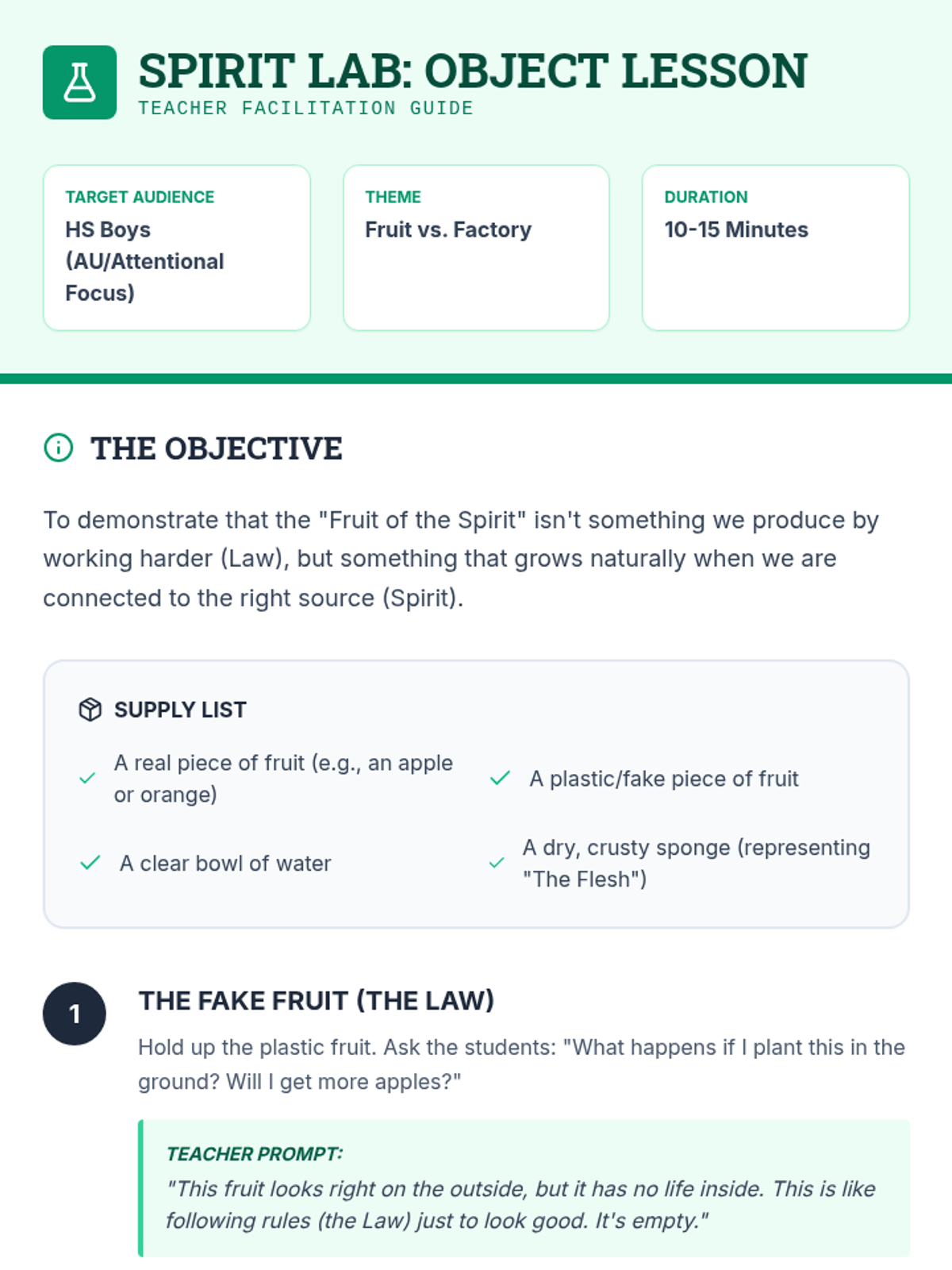
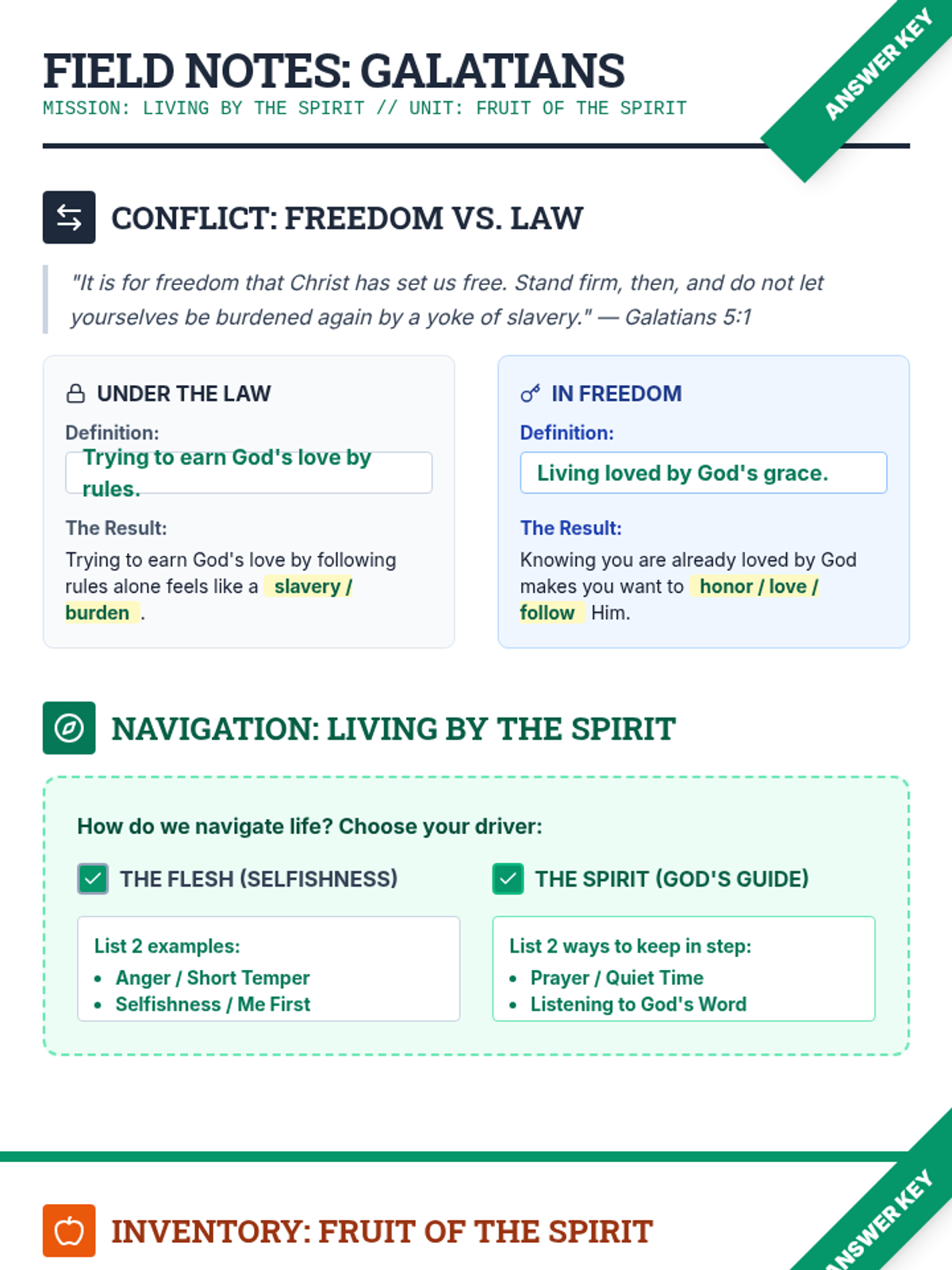
A structured, high-engagement lesson on Galatians focusing on the Fruit of the Spirit, Freedom vs. Law, and Living by the Spirit, designed specifically for high school boys with AU and attentional needs.
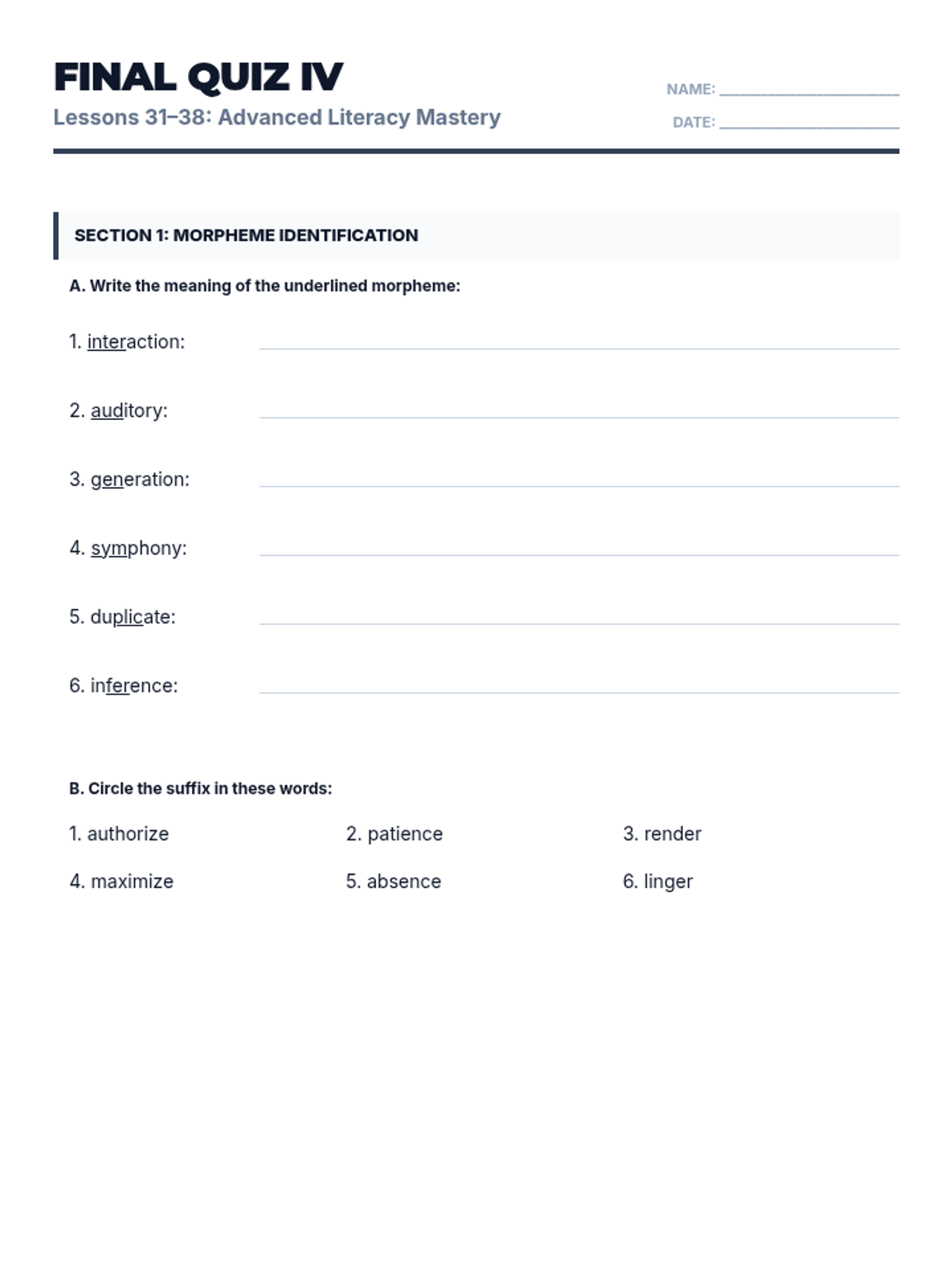
A final formal assessment for the Reading Power Pack, covering all morphology and complex vowel skills from Lessons 31-38.
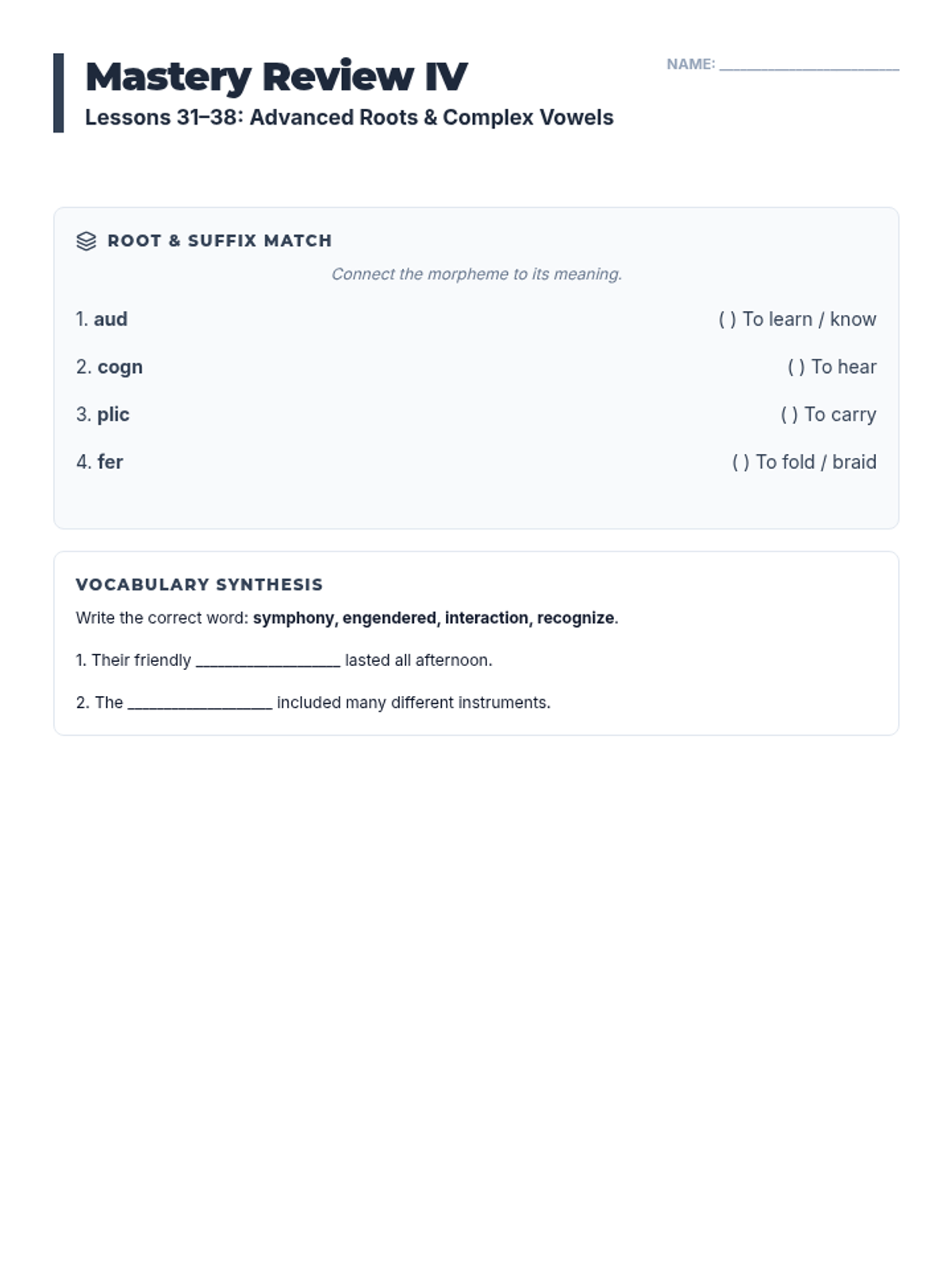
A comprehensive review of Lessons 31-38, covering advanced morphology and complex vowel teams (diphthongs).
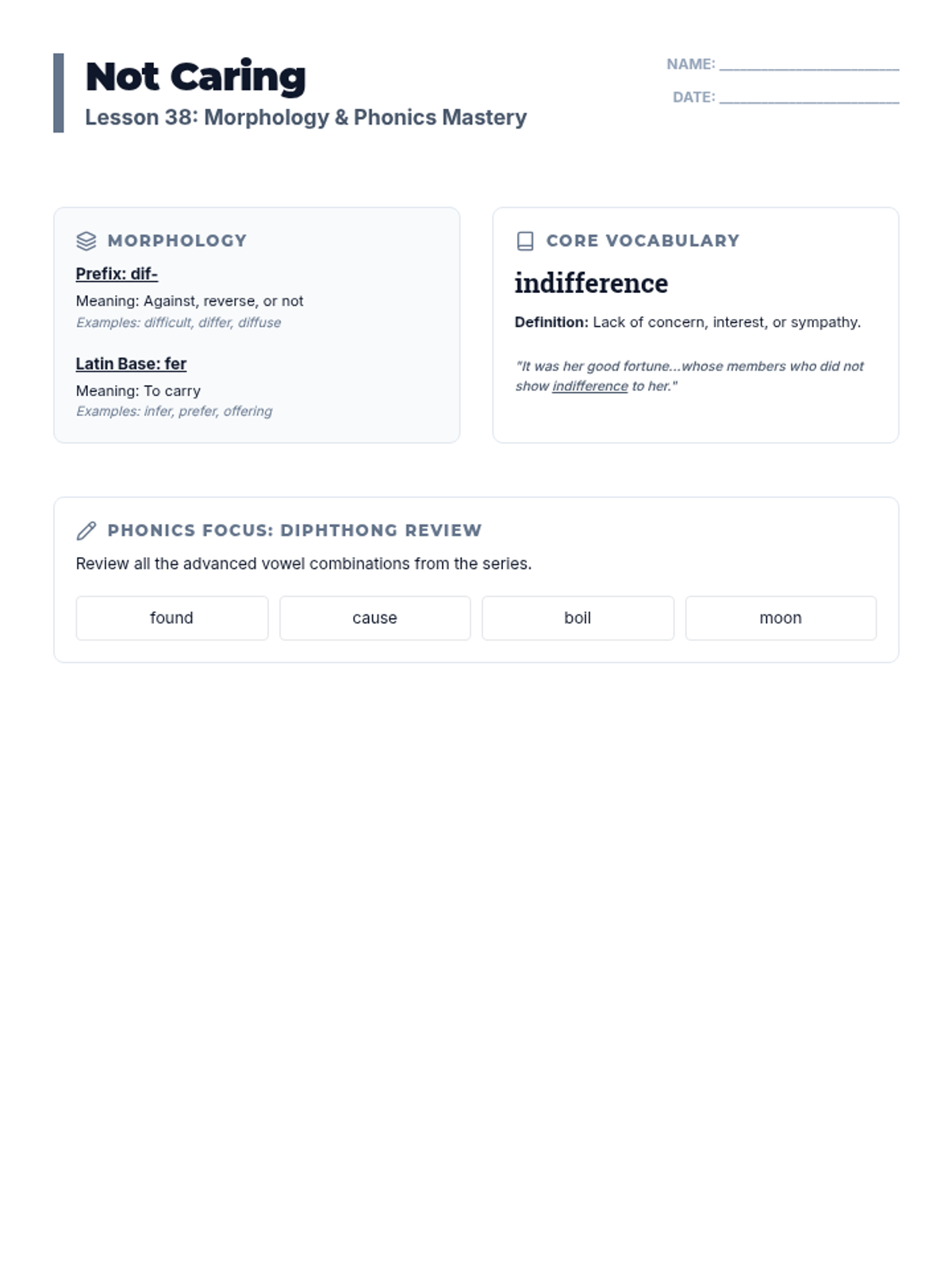
Focuses on the prefix dif- and root fer, with the vocabulary word 'indifference'. Teaches synthesis of complex vowel patterns.
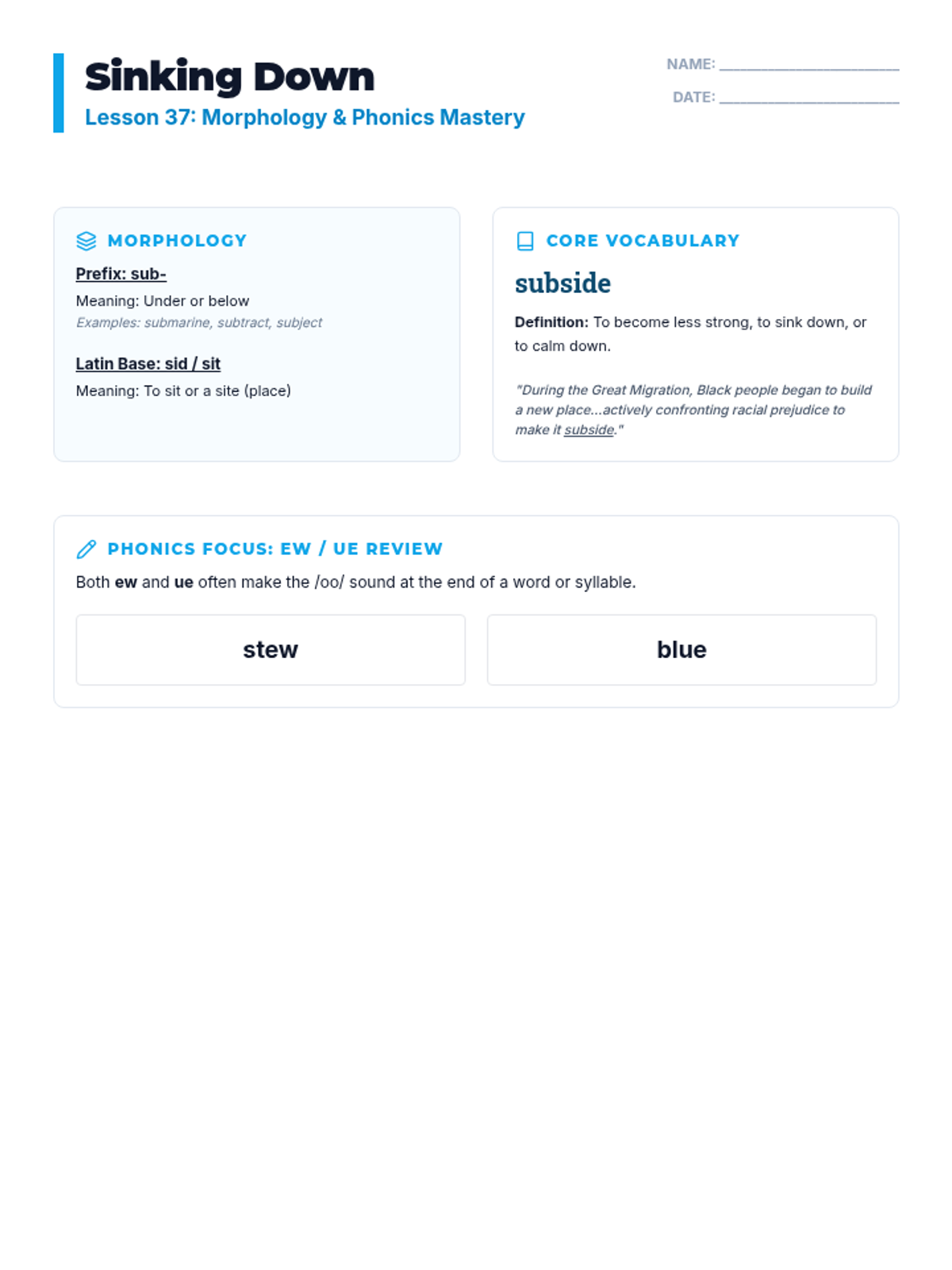
Focuses on the prefix sub- and root sid/sit, with the vocabulary word 'subside'. Teaches diphthongs ew and ue review.
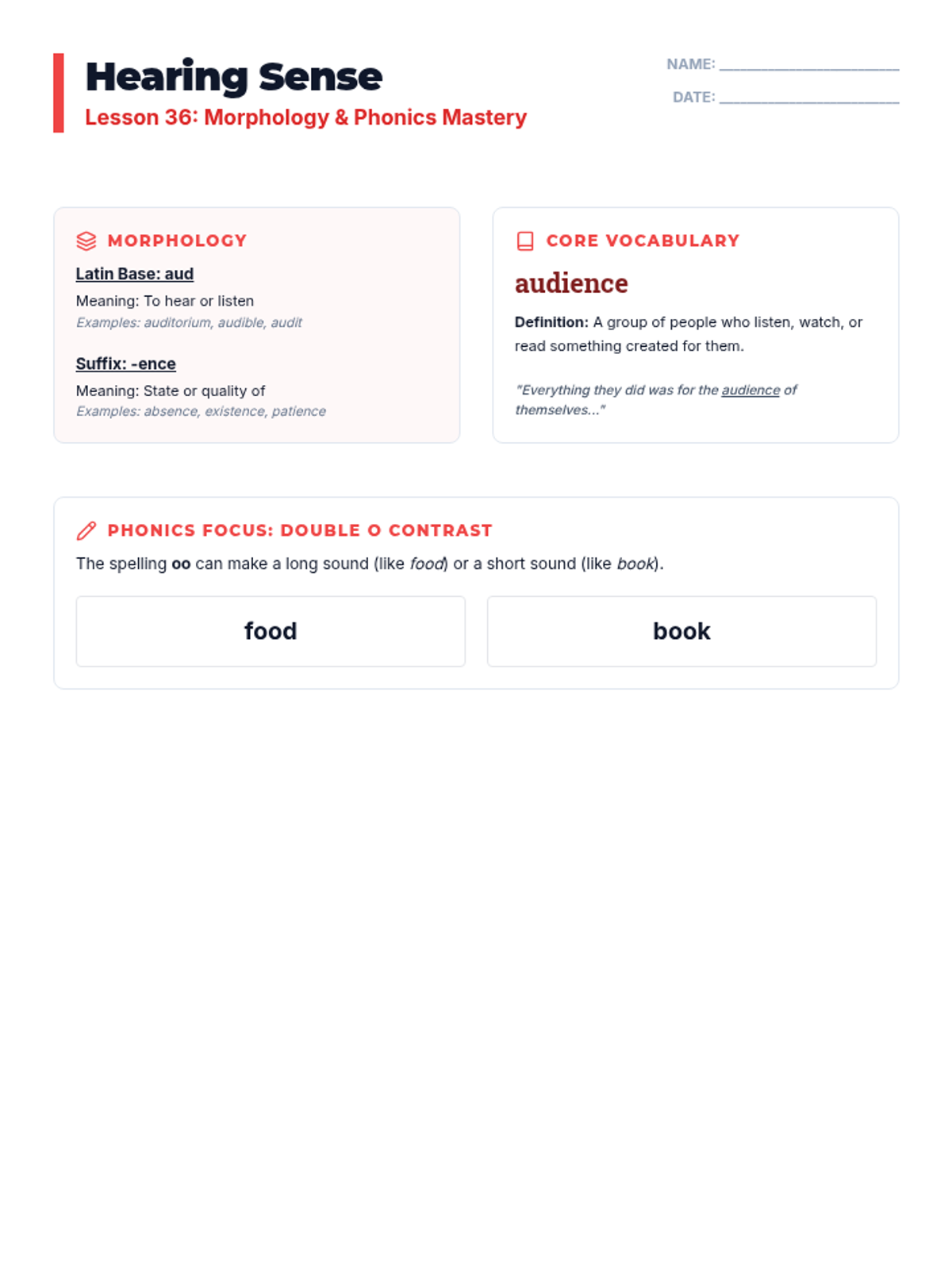
Focuses on the root aud and suffix -ence, with the vocabulary word 'audience'. Teaches the diphthong oo (food vs book).
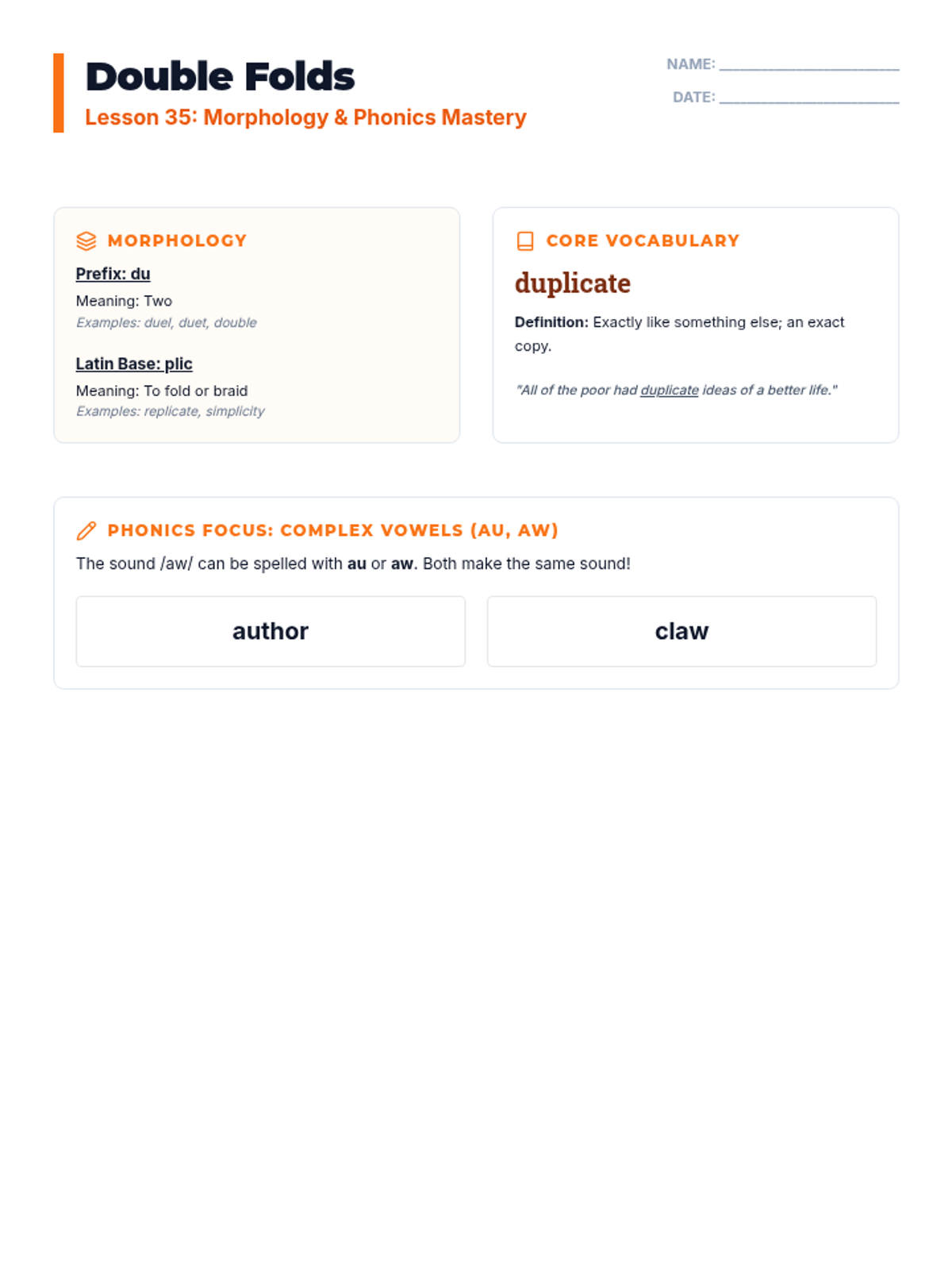
Focuses on the prefix du and root plic, with the vocabulary word 'duplicate'. Teaches diphthongs au and aw.
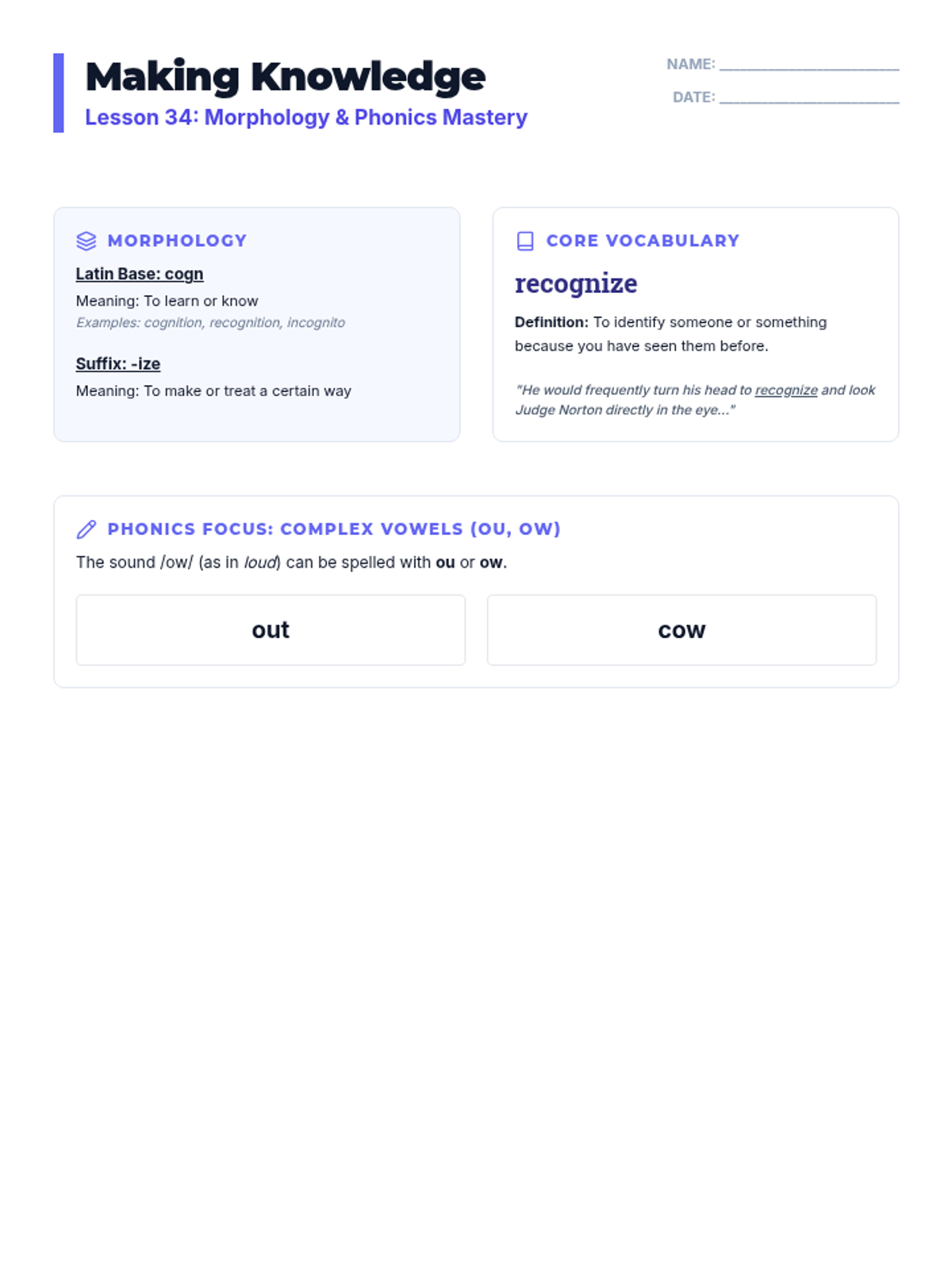
Focuses on the root cogn and suffix -ize, with the vocabulary word 'recognize'. Teaches diphthongs ou and ow.
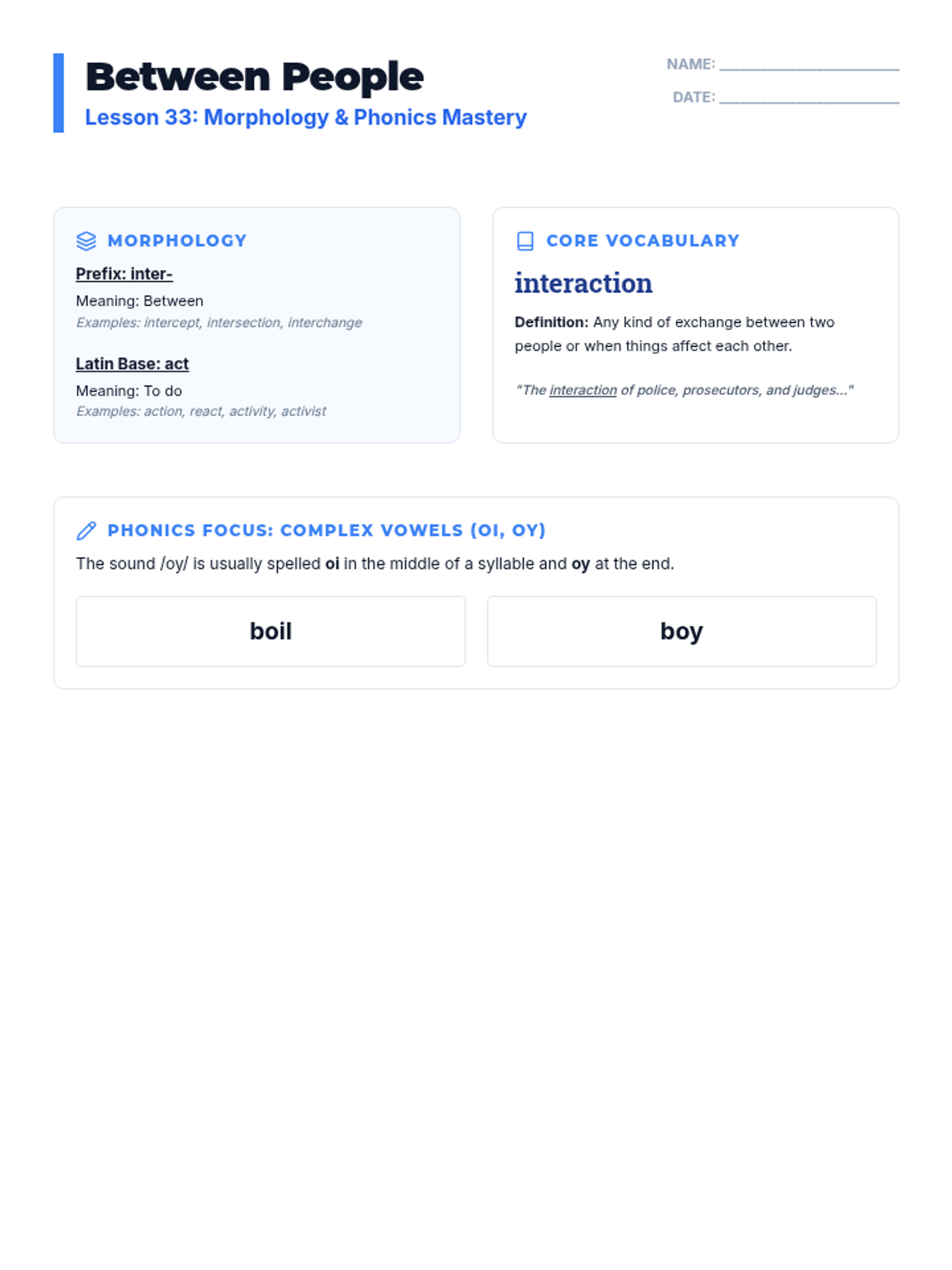
Focuses on the prefix inter- and root act, with the vocabulary word 'interaction'. Teaches diphthongs oi and oy.
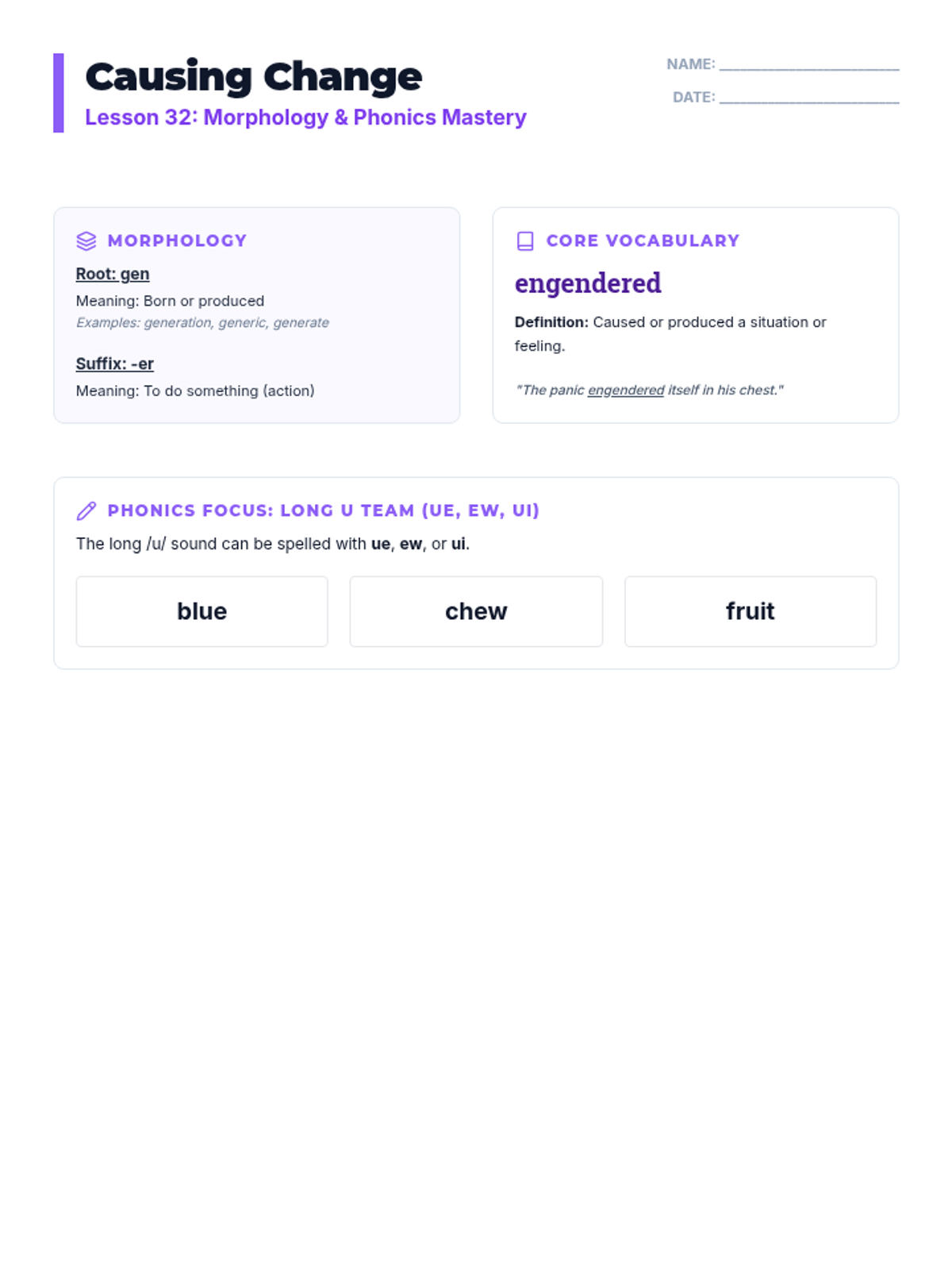
Focuses on the root gen and suffix -er, with the vocabulary word 'engendered'. Teaches Long U vowel teams (ue, ew, ui).
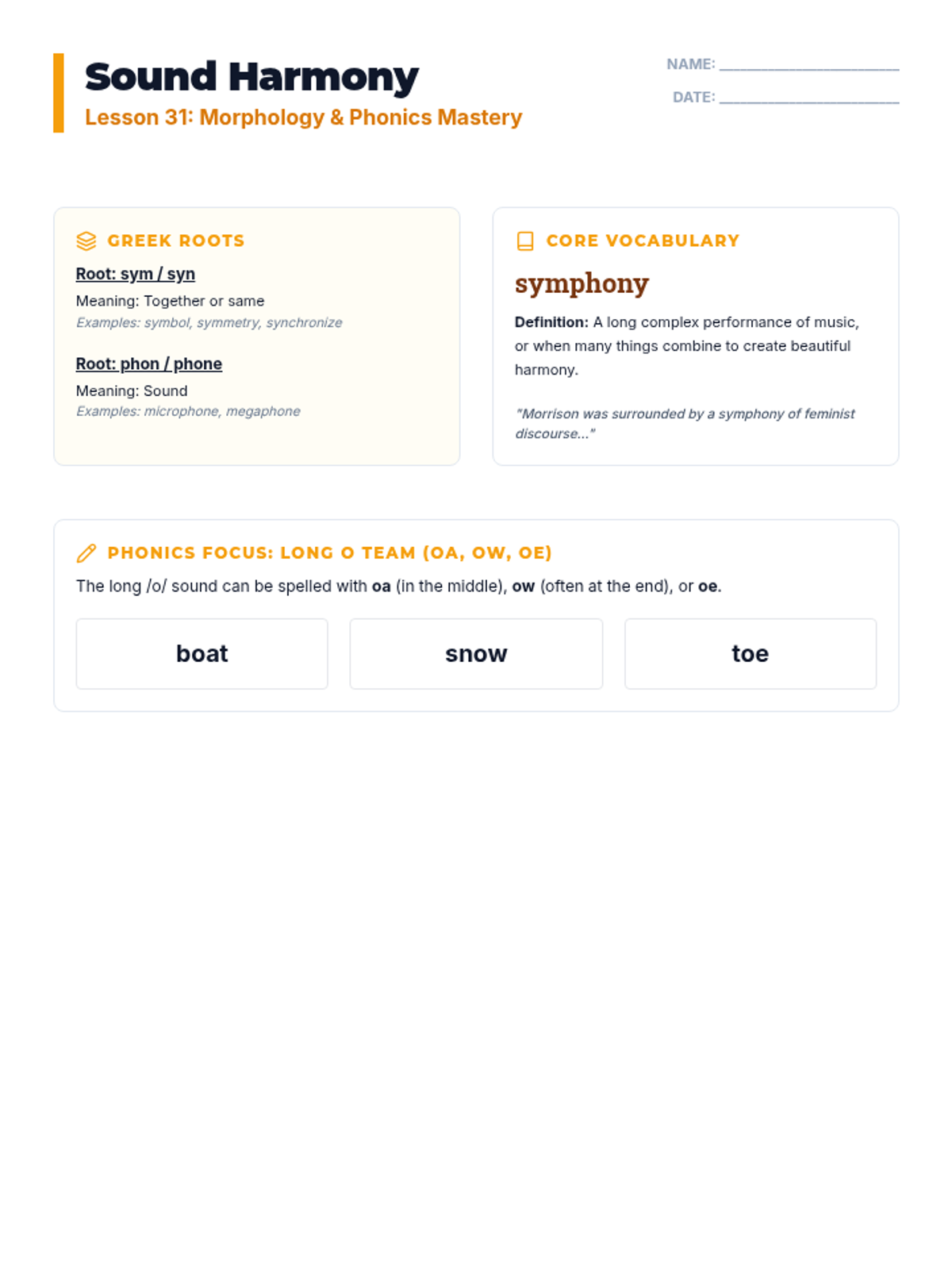
Focuses on the roots sym/syn and phon/phone, with the vocabulary word 'symphony'. Teaches Long O vowel teams (oa, ow, oe).
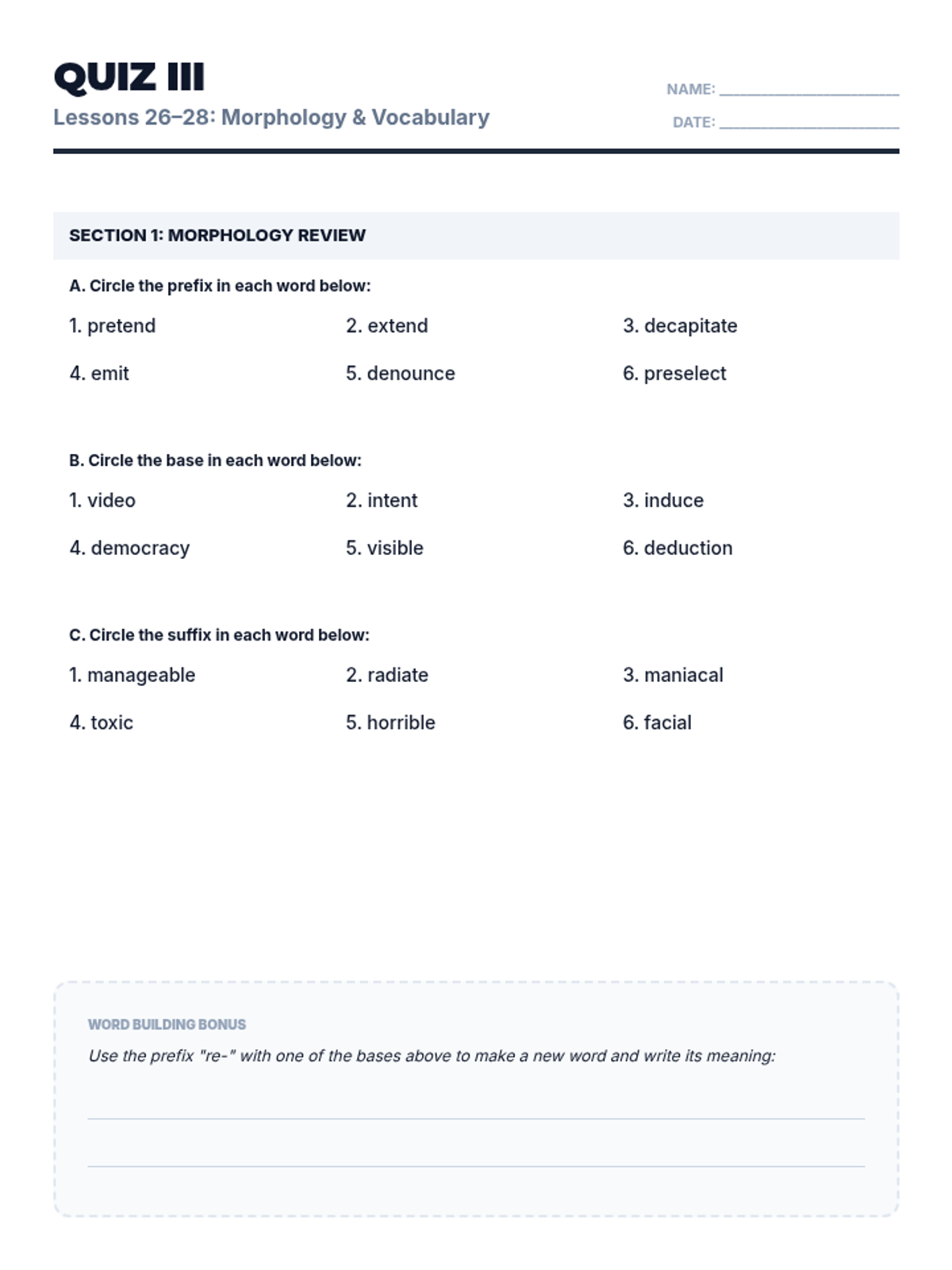
A formal assessment covering morphology, vocabulary, and vowel team decoding for Lessons 26-28.
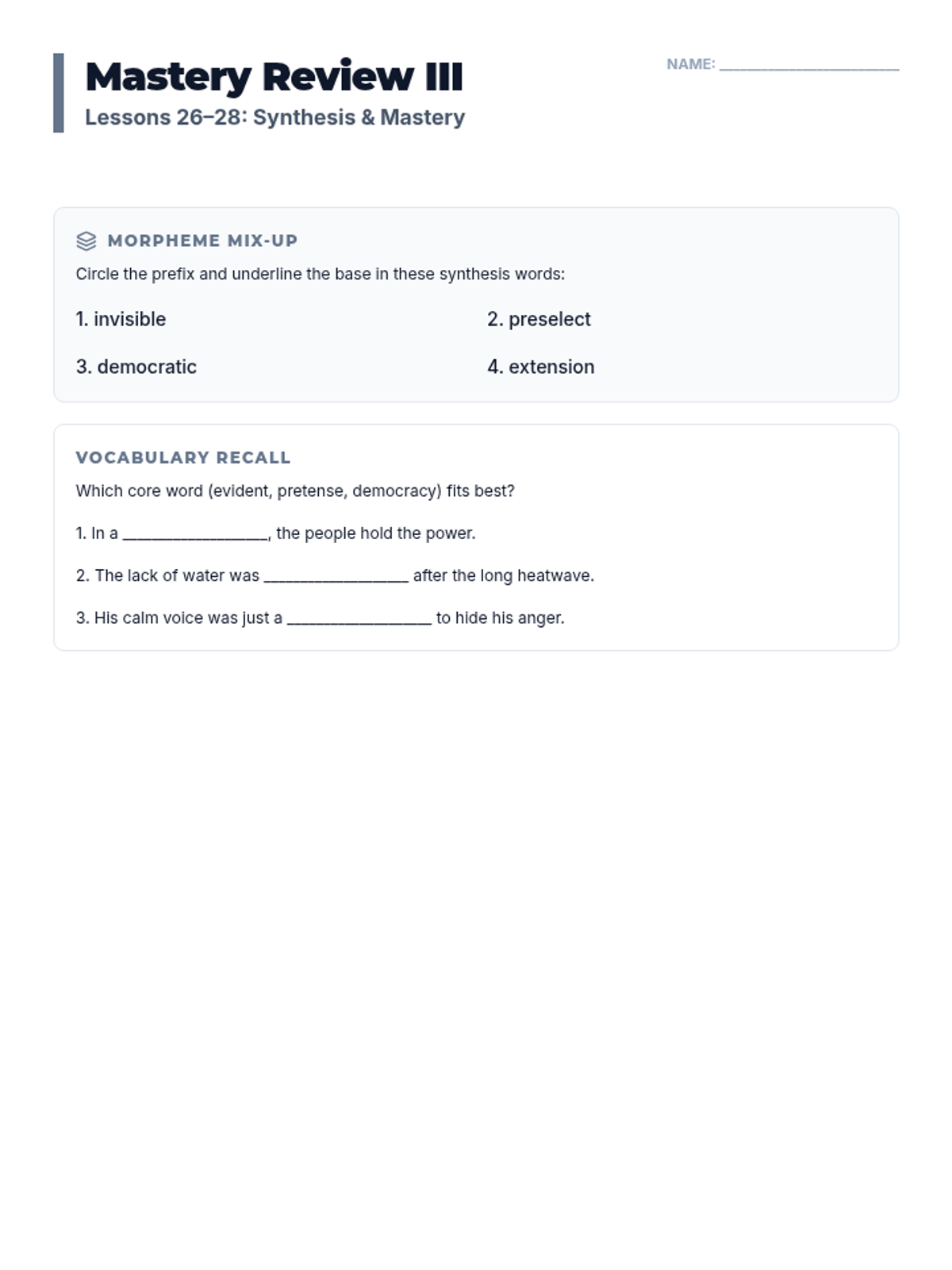
A comprehensive review of Lessons 26-28, covering morphology (e-, pre-, dem, crat), vocabulary, and Long A, E, and I vowel teams.
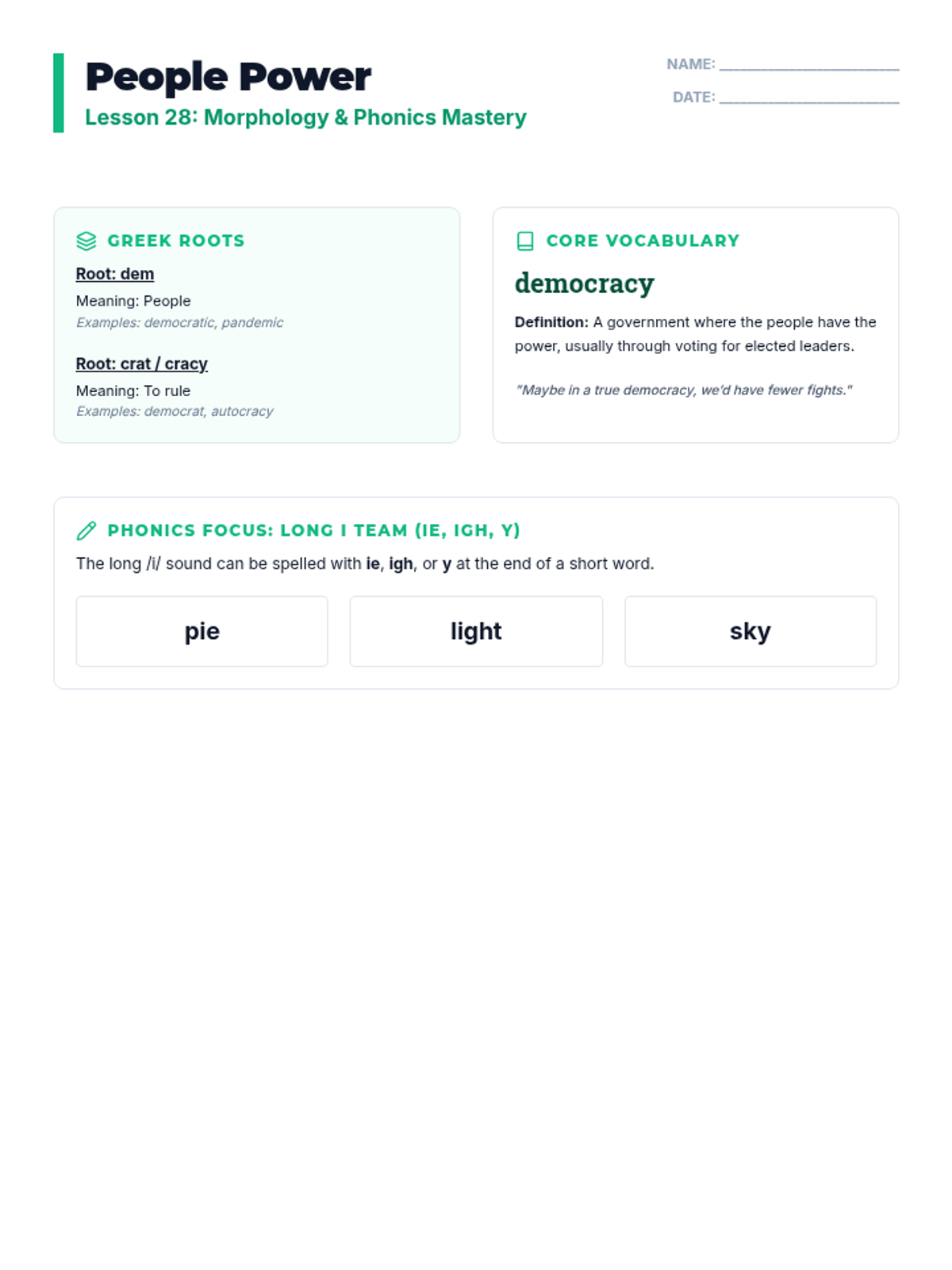
Focuses on the roots dem and crat/cracy, with the vocabulary word 'democracy'. Teaches Long I vowel teams (ie, igh, y).
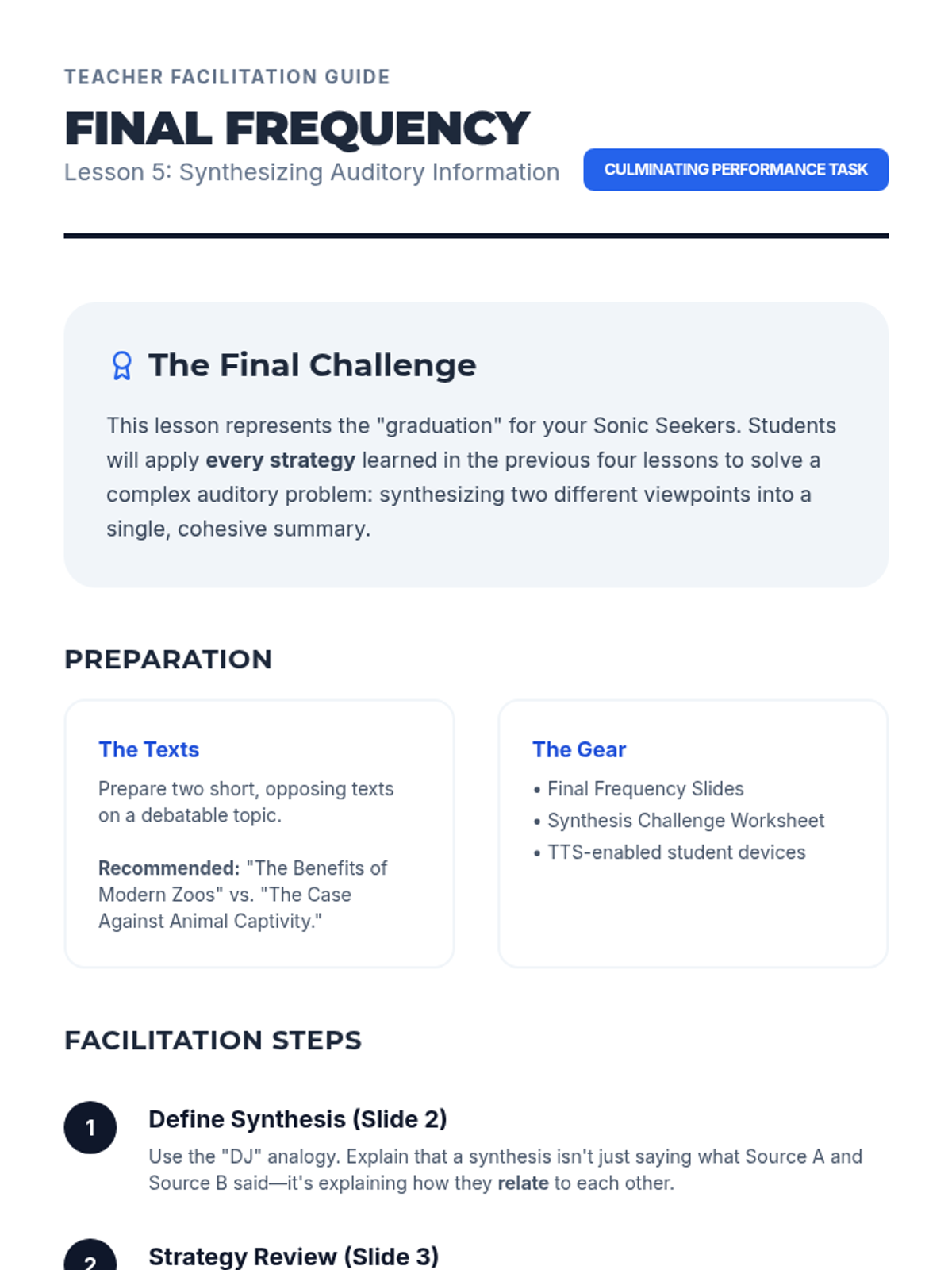
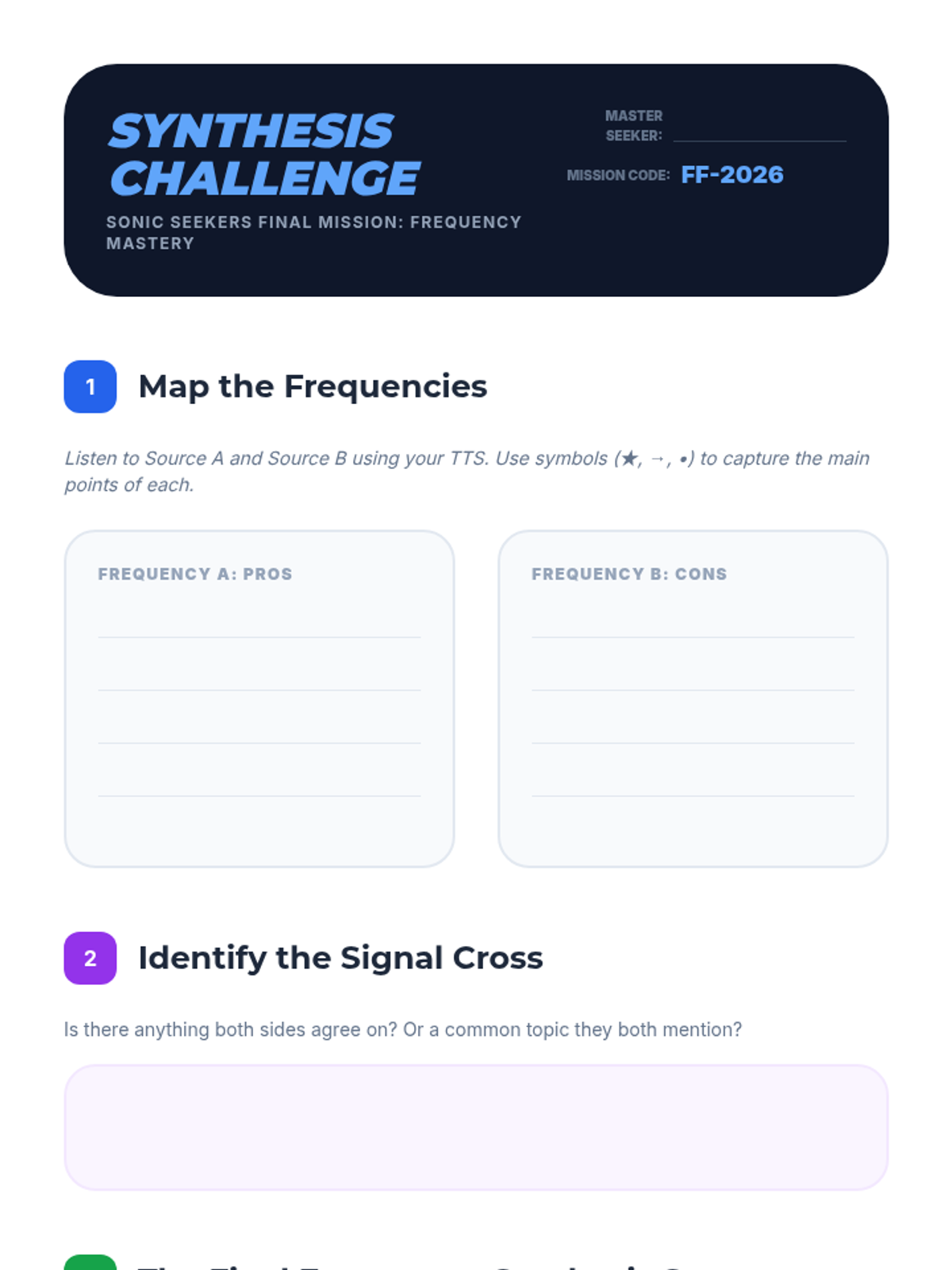
Students listen to two contrasting viewpoints on a topic using TTS and synthesize the information into a coherent summary. This tests their ability to maintain focus and organize auditory information over a longer duration.
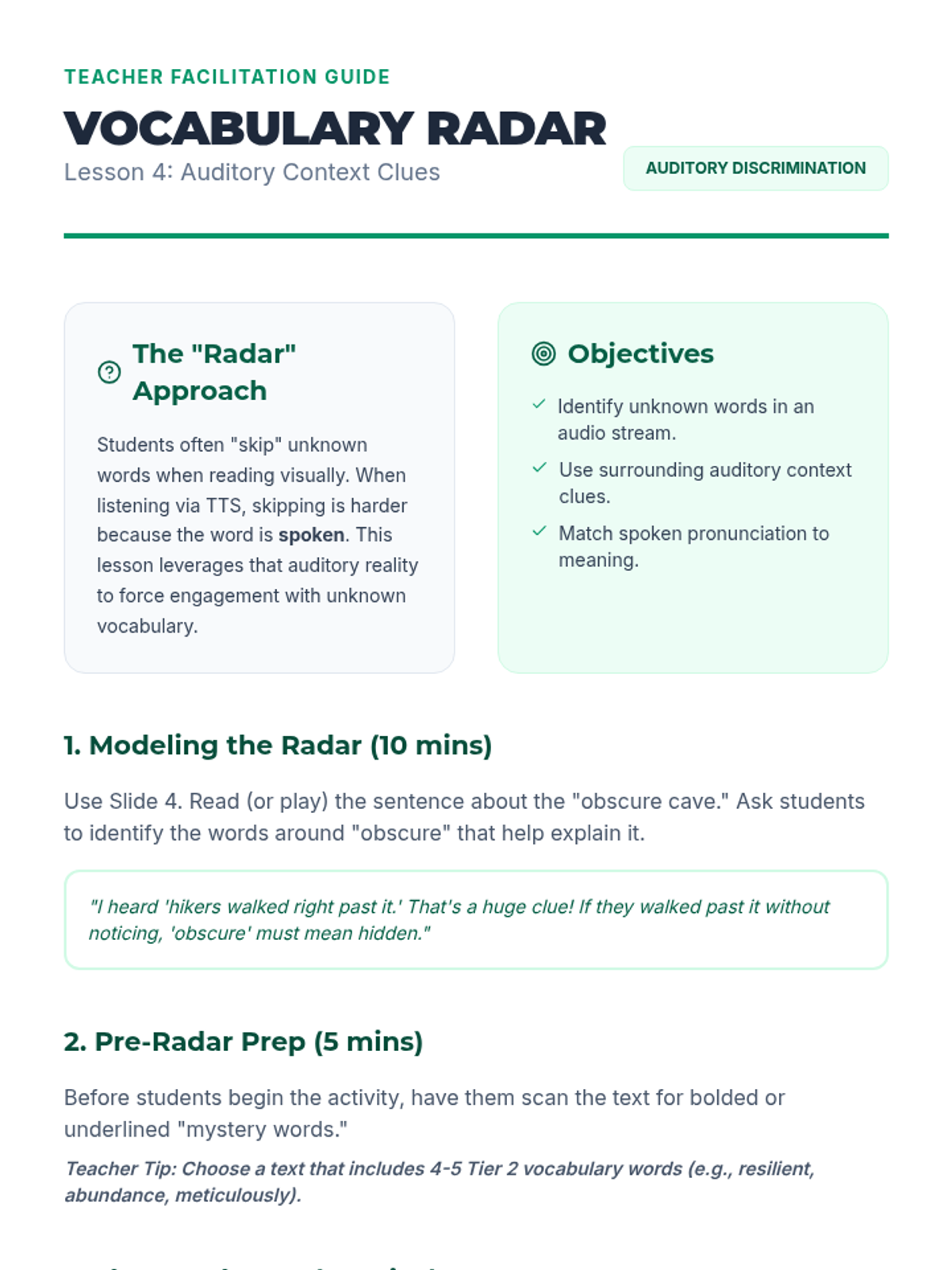
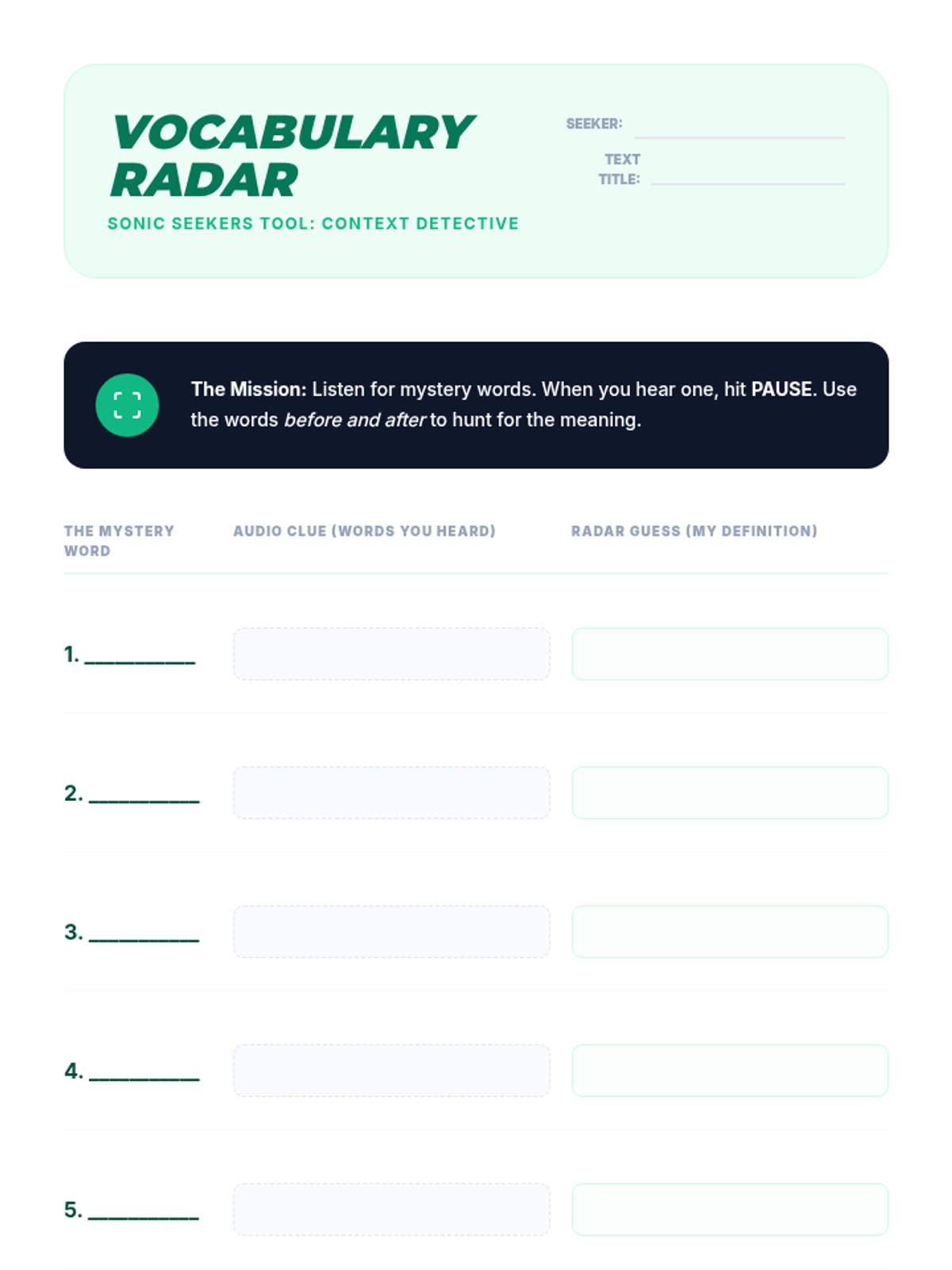
Students encounter challenging vocabulary words within a text. They use TTS to hear proper pronunciation and use context clues from the audio flow to define words before checking definitions.
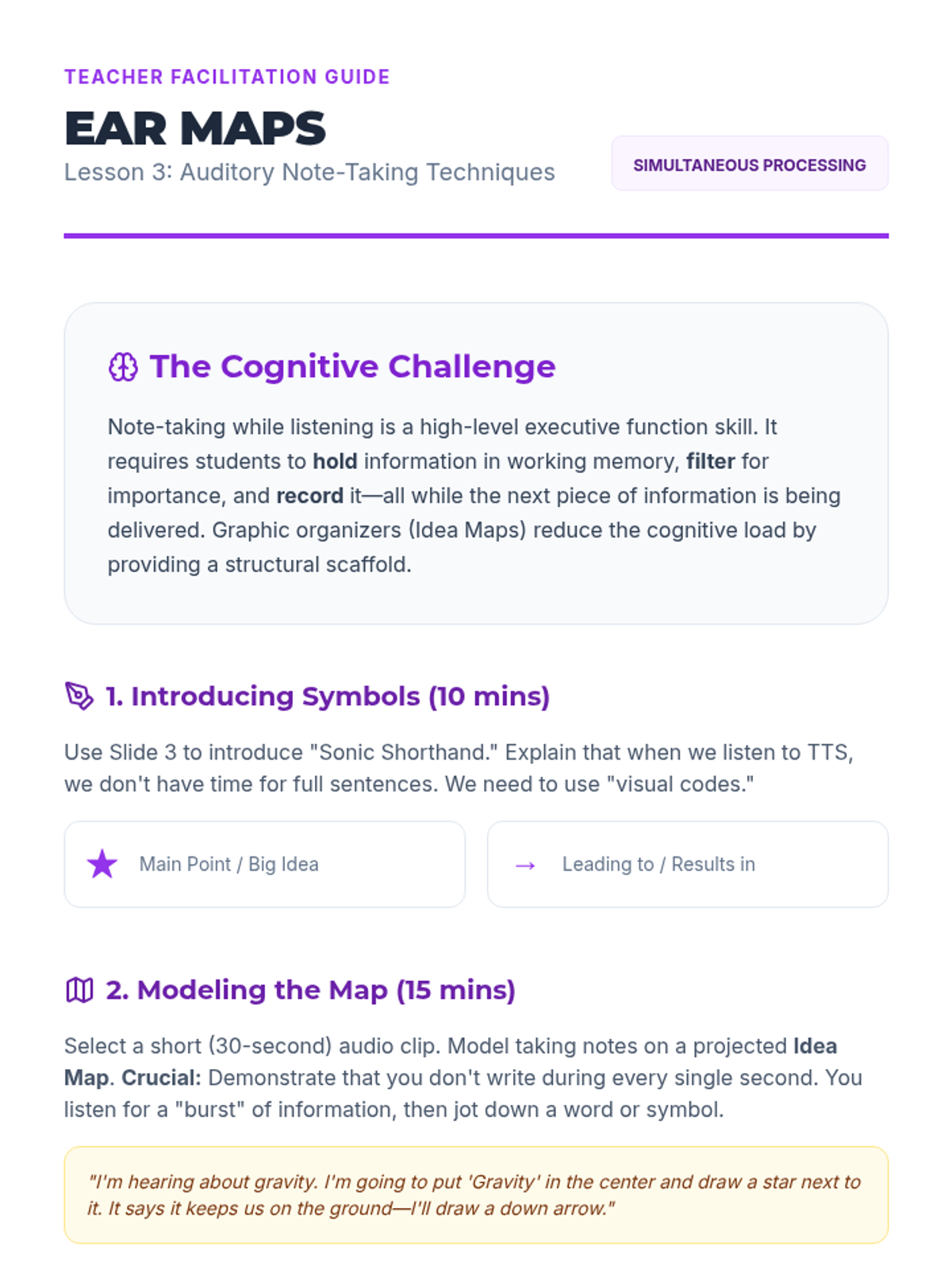
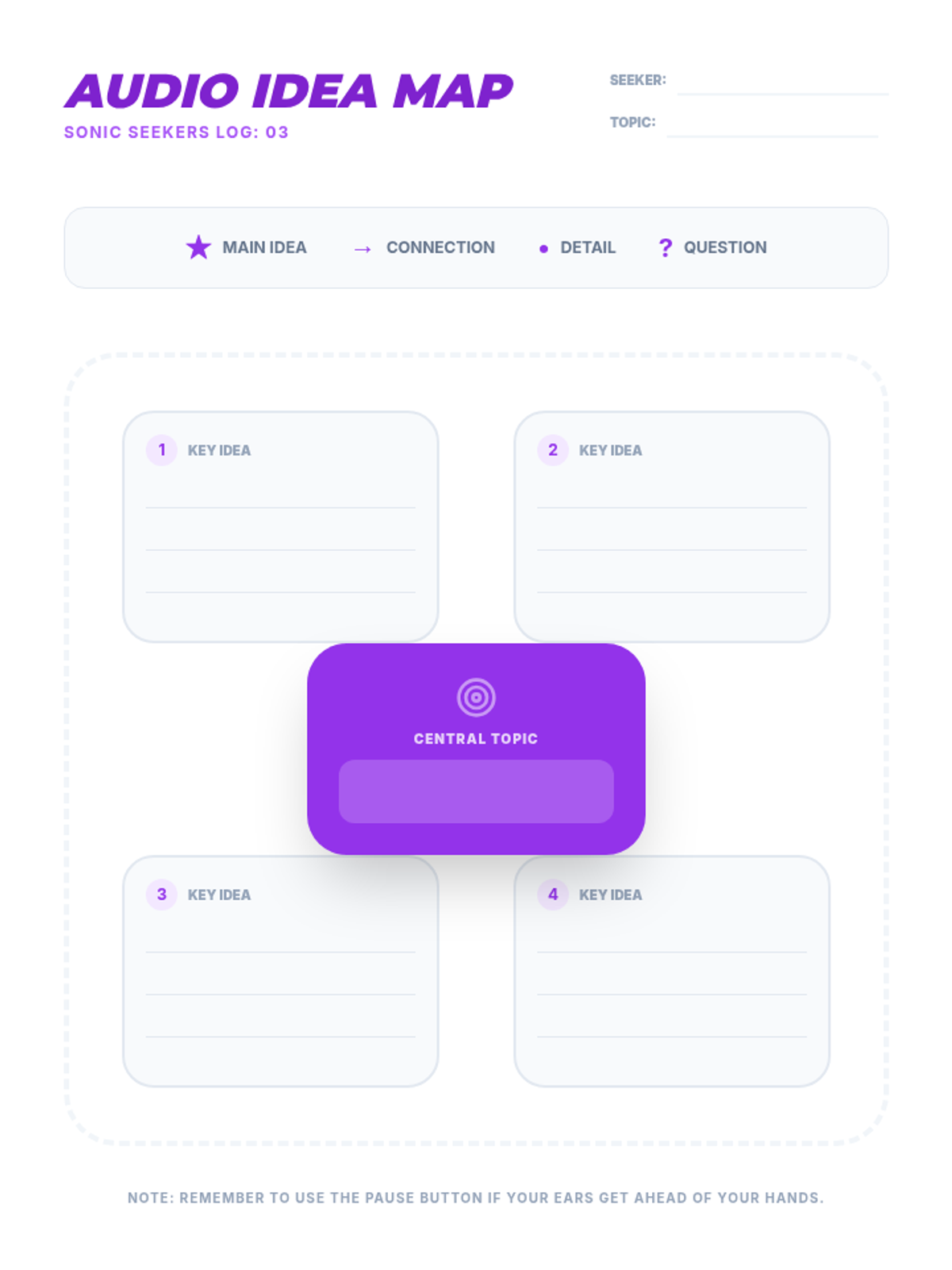
This lesson introduces graphic organizers designed for auditory learners. Students practice listening to a TTS-read article and simultaneously mapping out key ideas and supporting details.
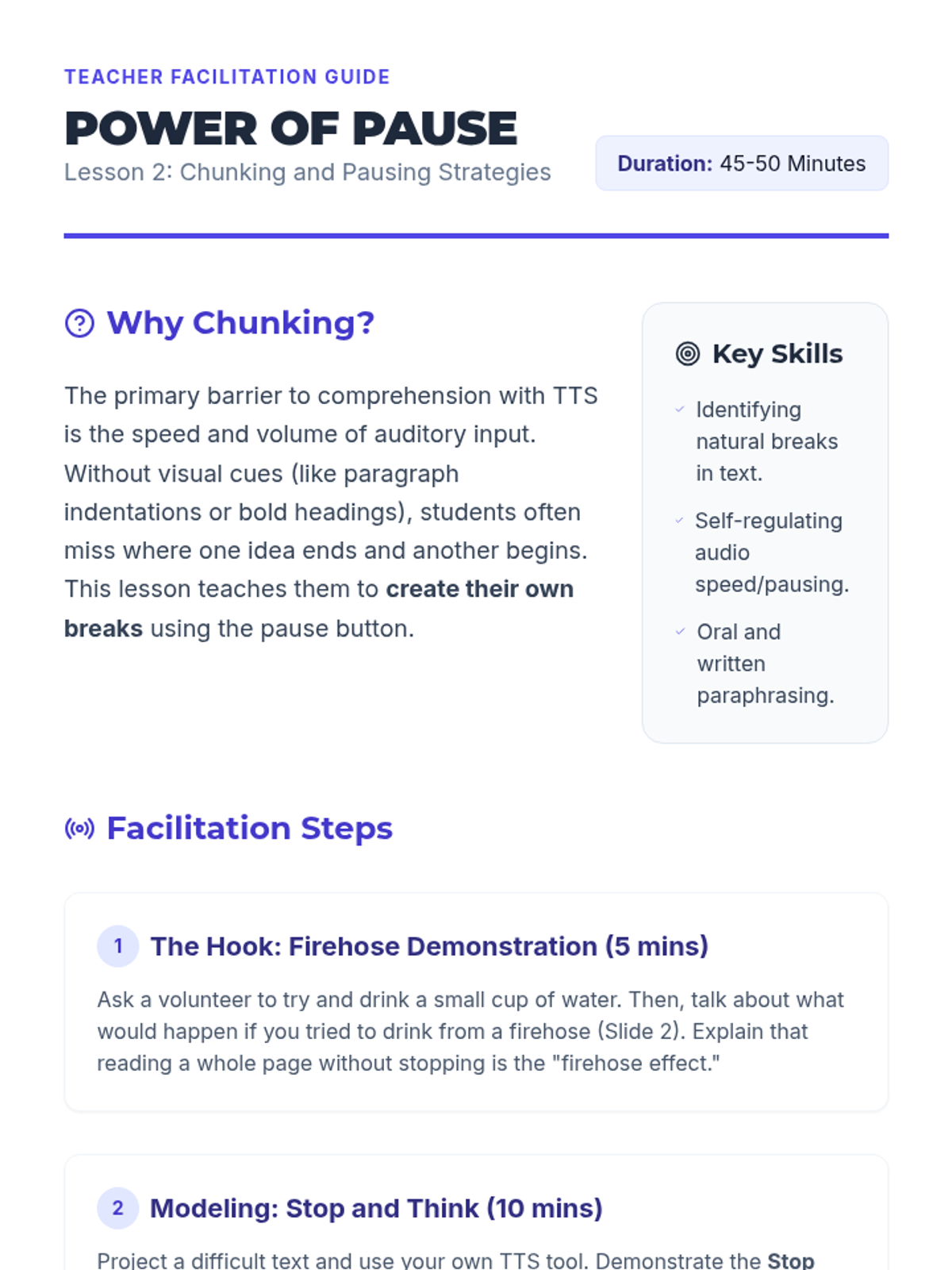
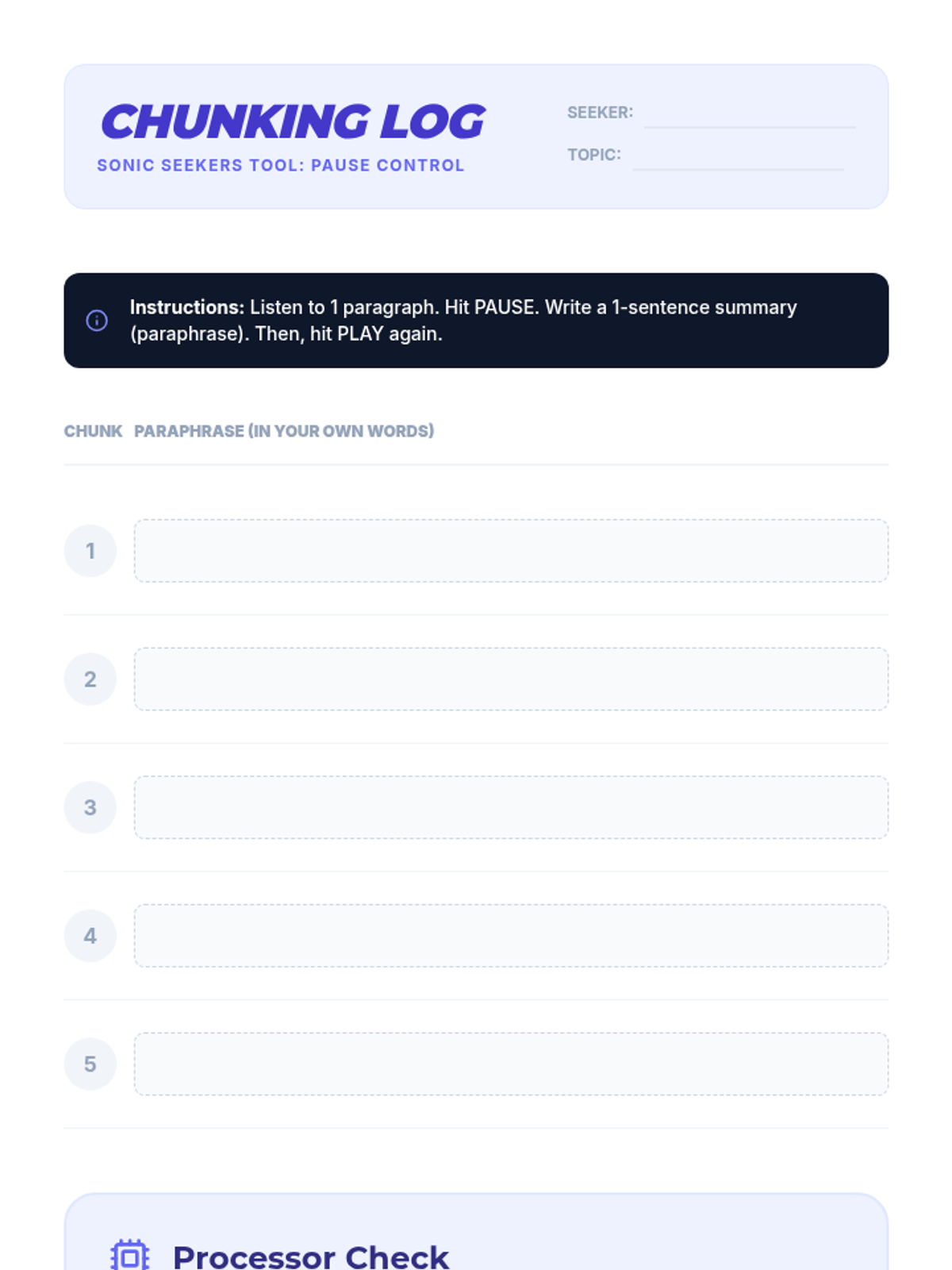
Students learn the 'Stop and Think' method, using the pause button to break dense text into manageable chunks. They practice paraphrasing orally or in writing after every segment played by the TTS tool.
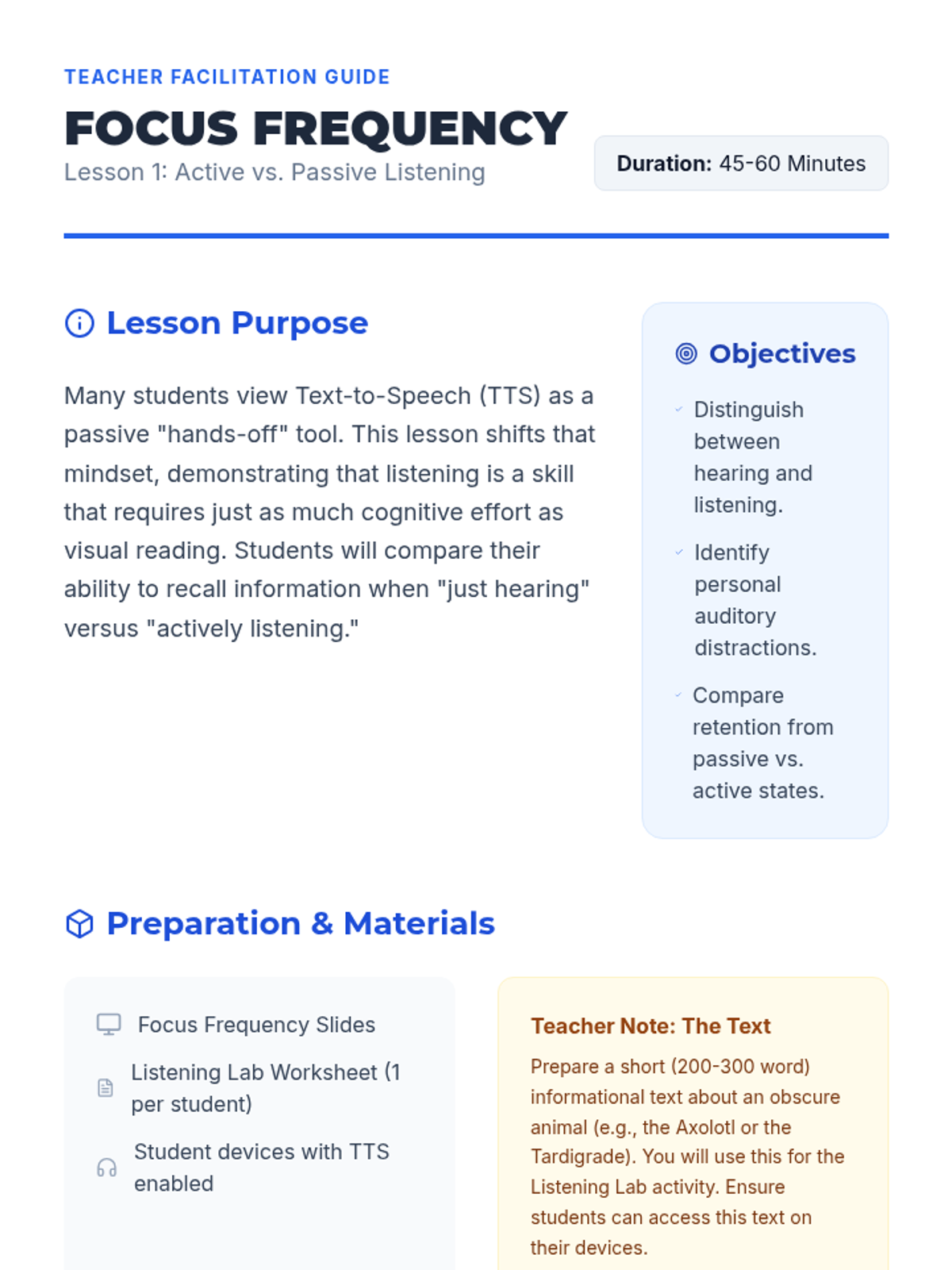
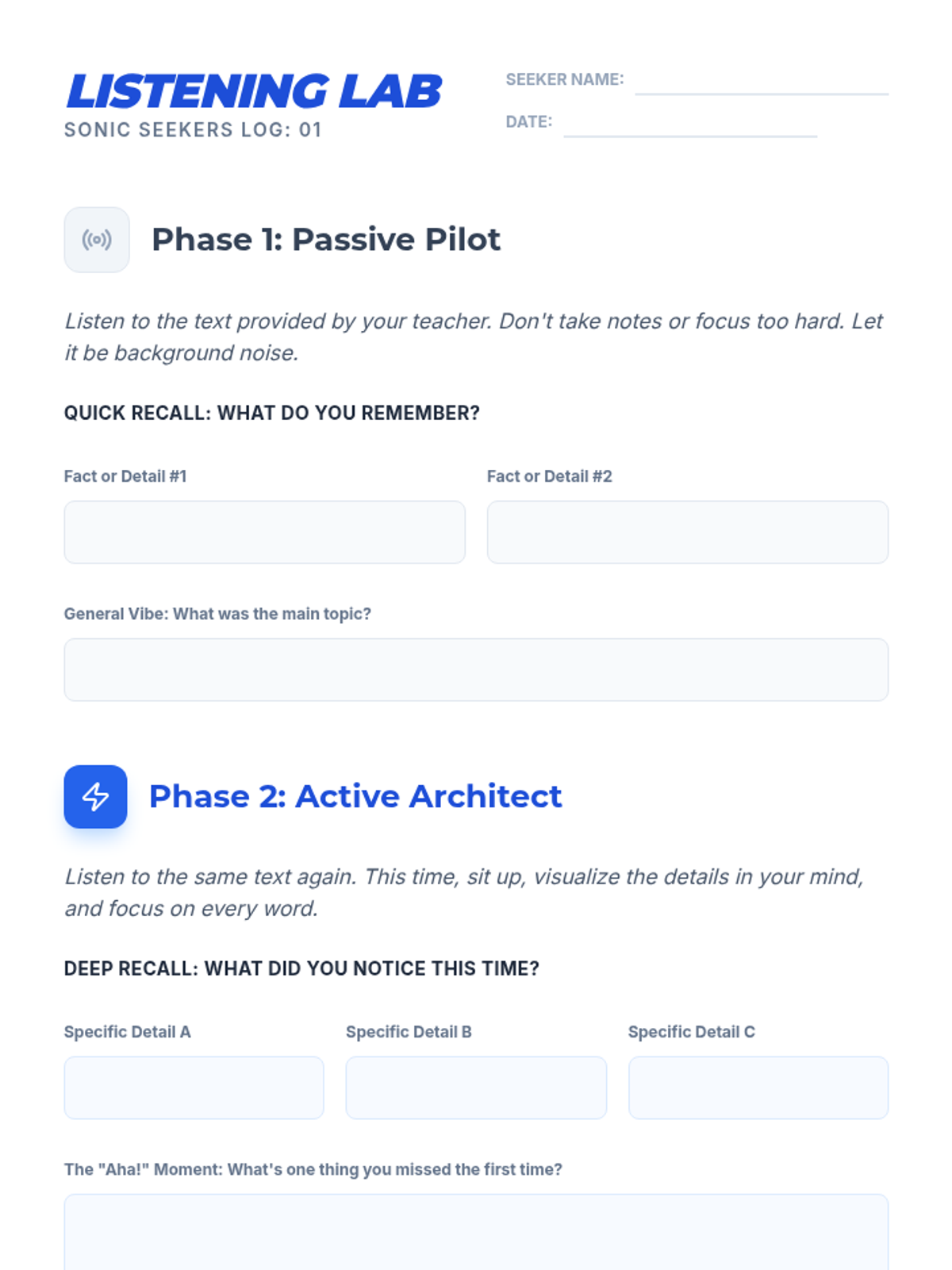
Students compare retention when passively listening to TTS versus active engagement. They identify distractions and brainstorm environments and behaviors that support deep listening.
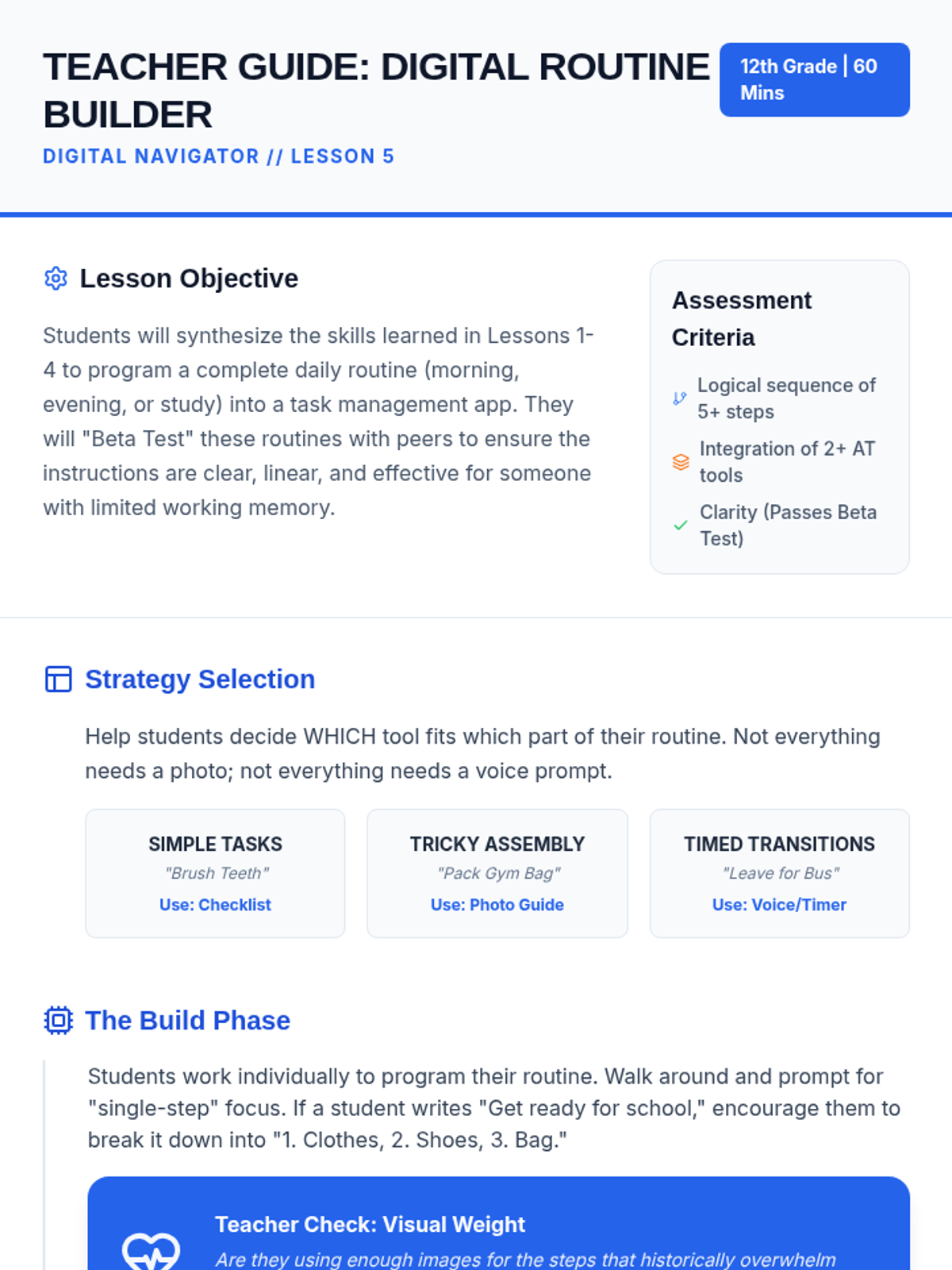
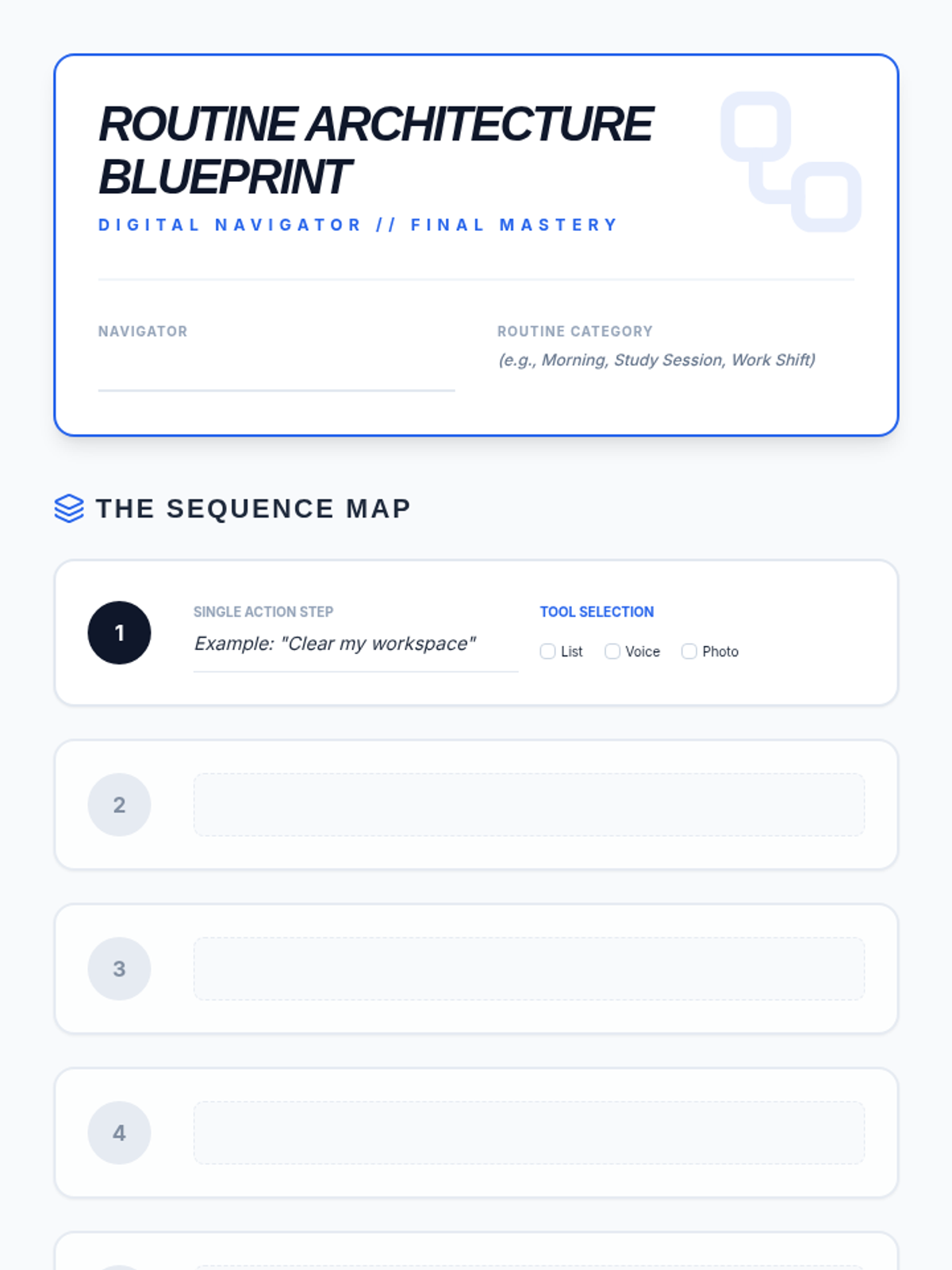
Students synthesize their learning by programming a full daily routine into a task management app and testing it for clarity and functionality.
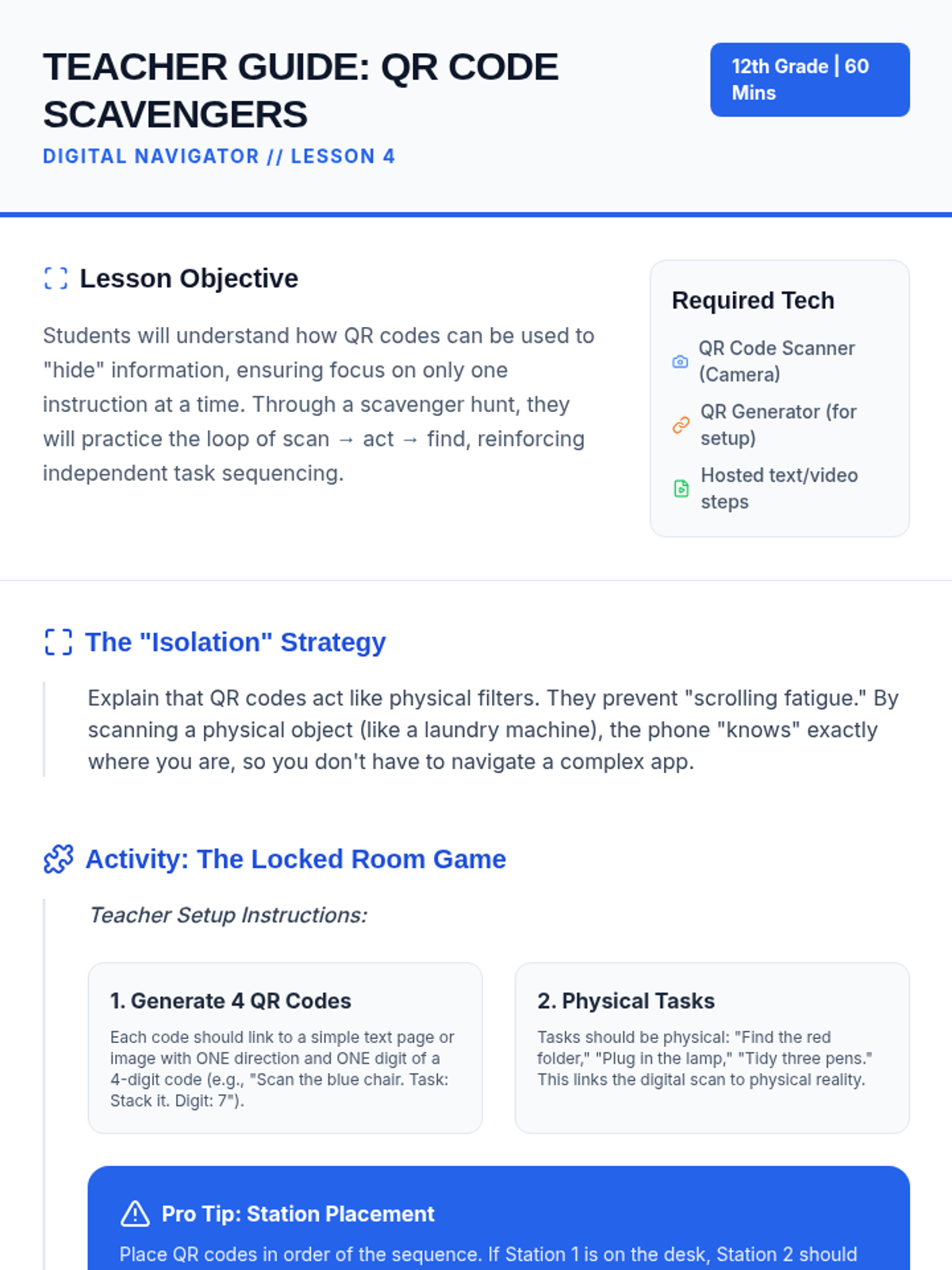
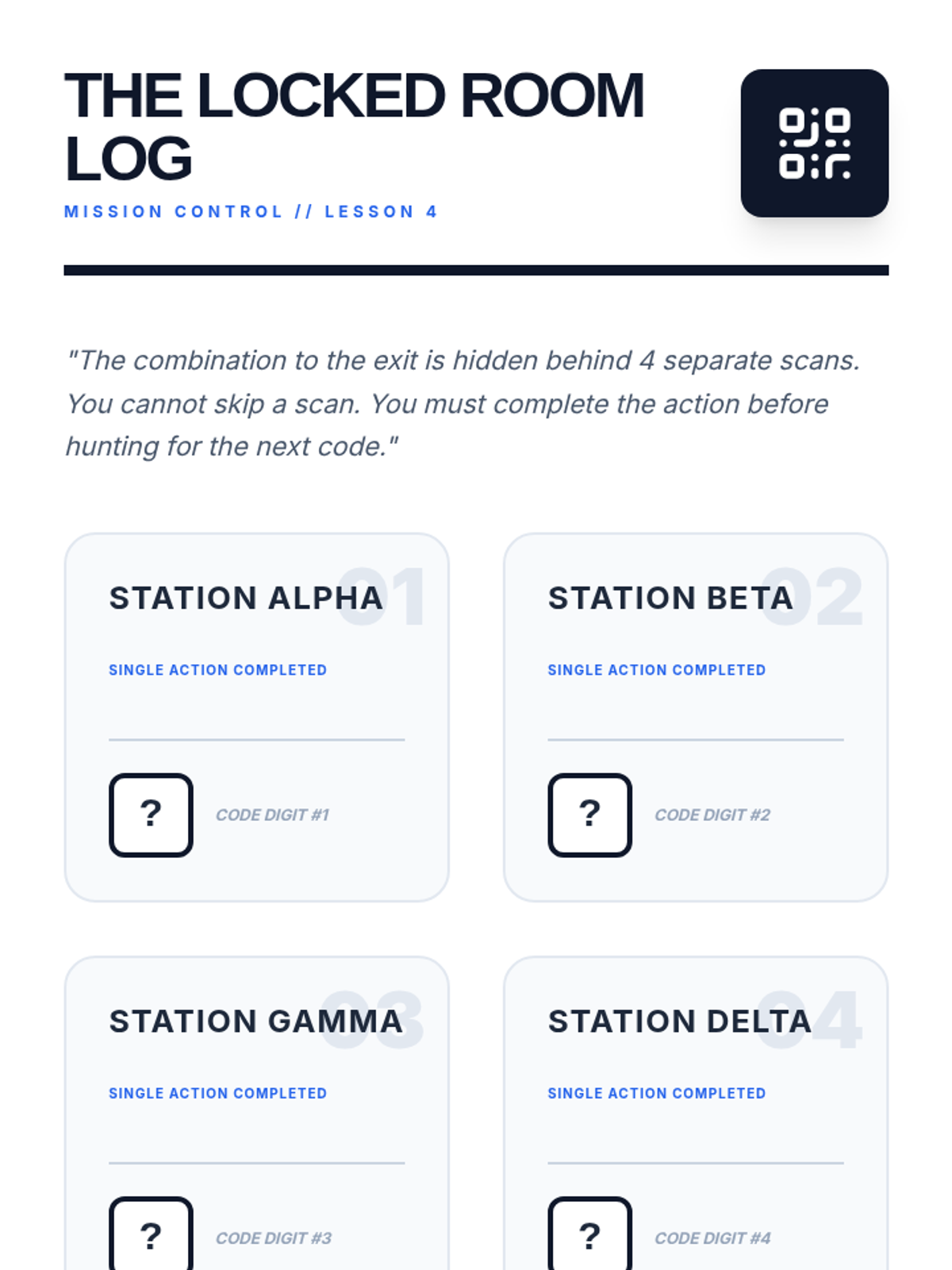
A game-based exploration of using QR codes to isolate single instructions, ensuring students complete one step before moving to the next.
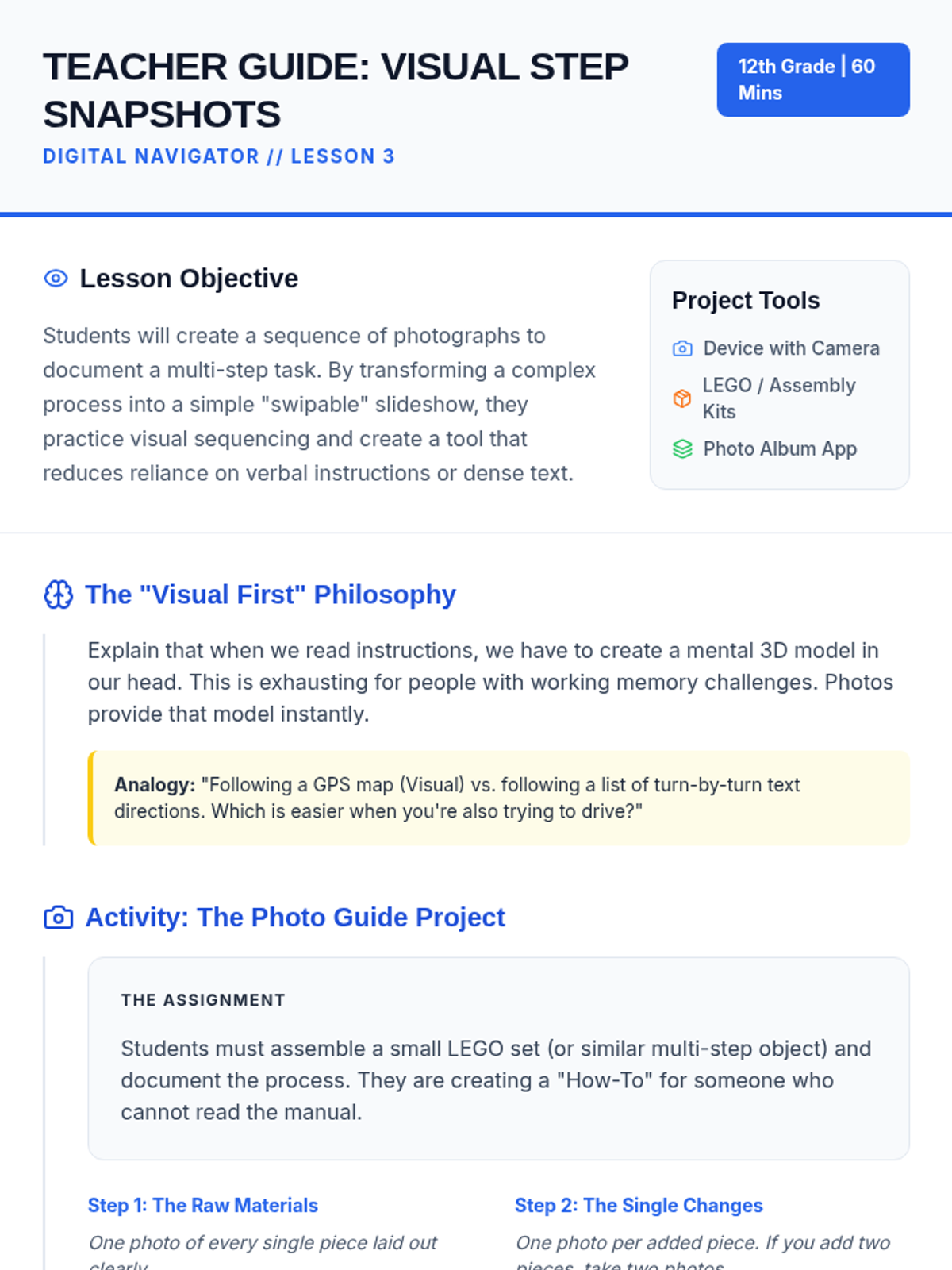
Students create visual, step-by-step guides using photography to transform complex processes into a simple series of swipable images.
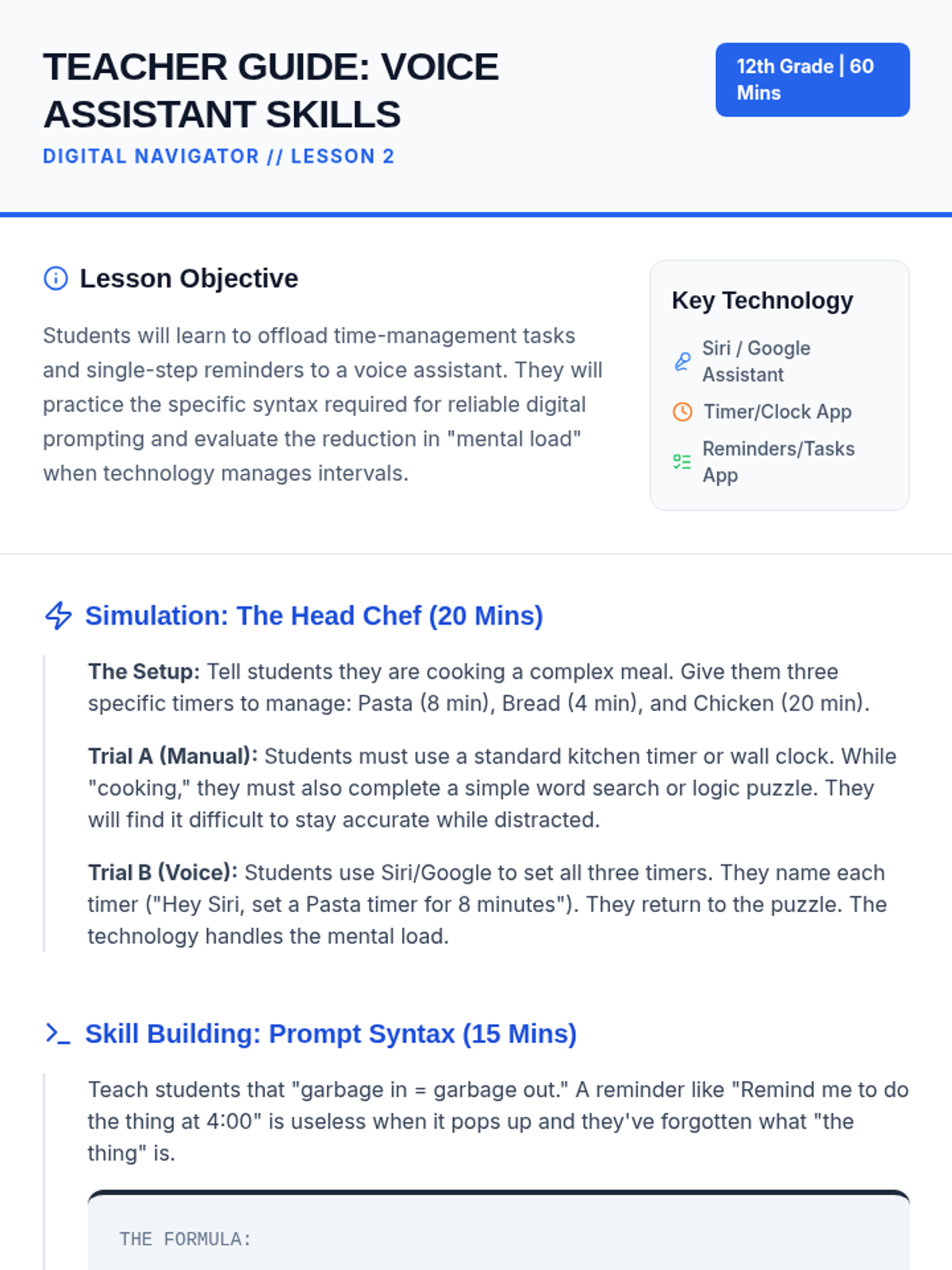
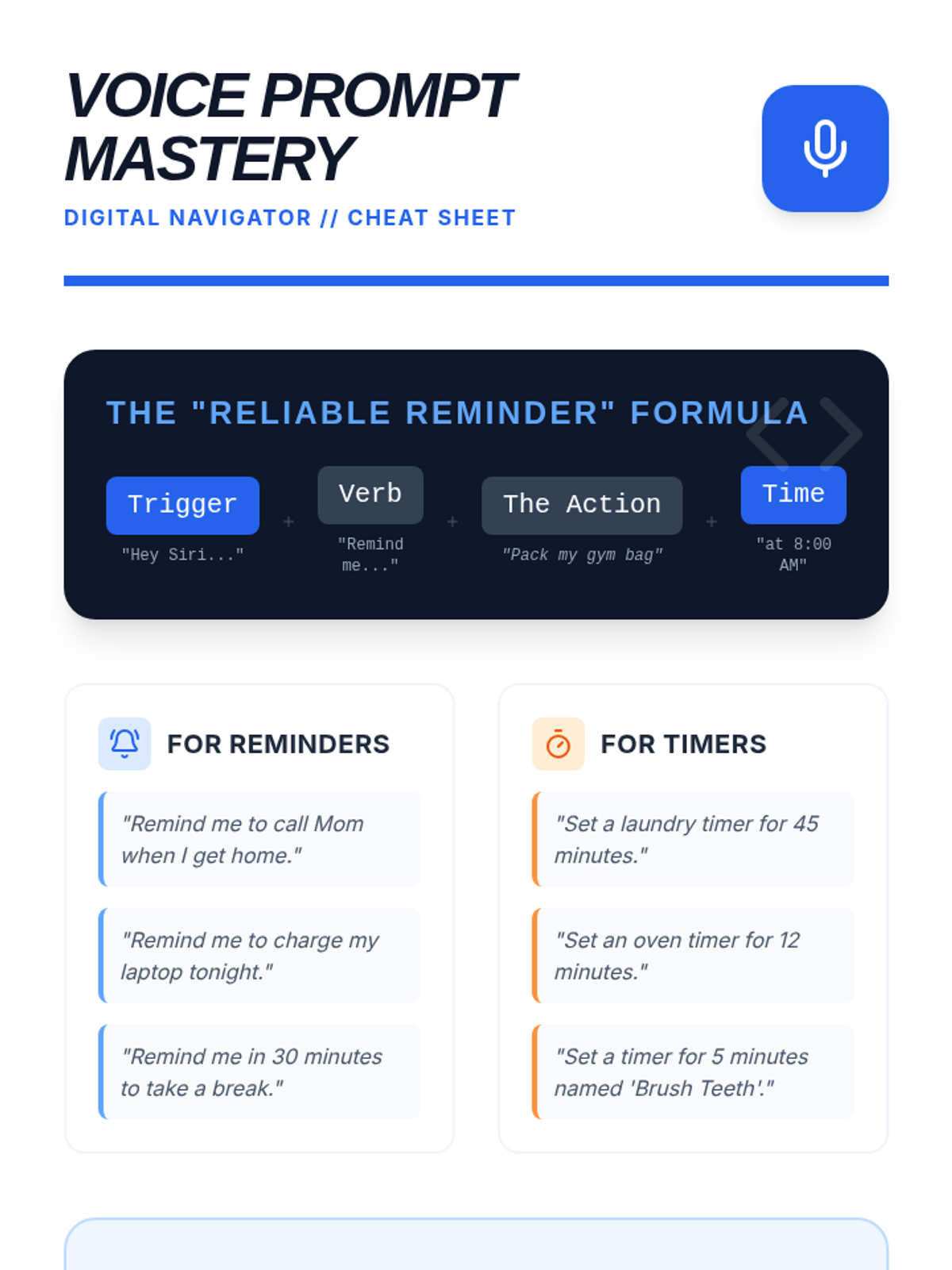
Learners practice using voice-activated technology to set reminders and timers, offloading the mental effort of time management to digital assistants.
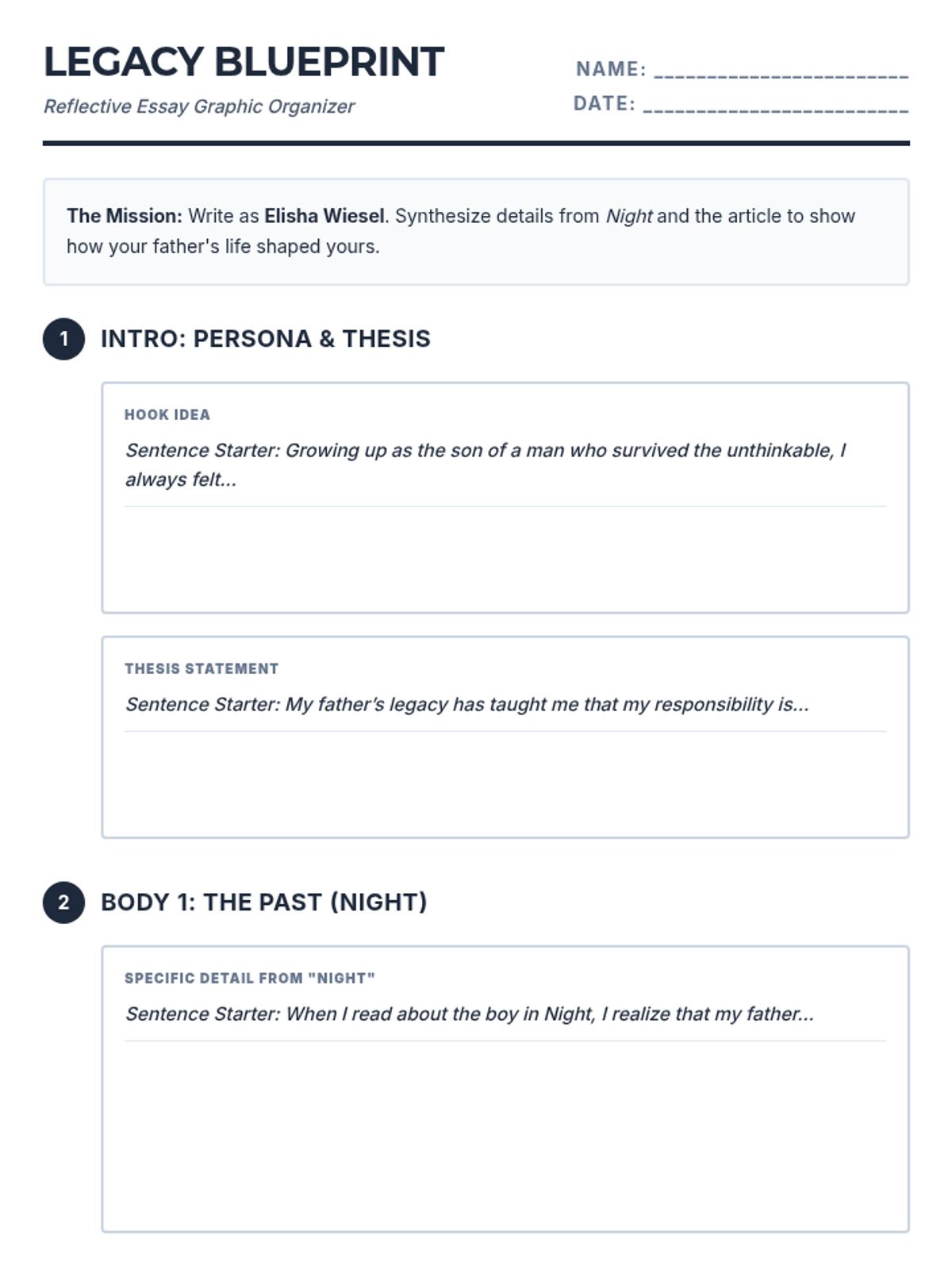
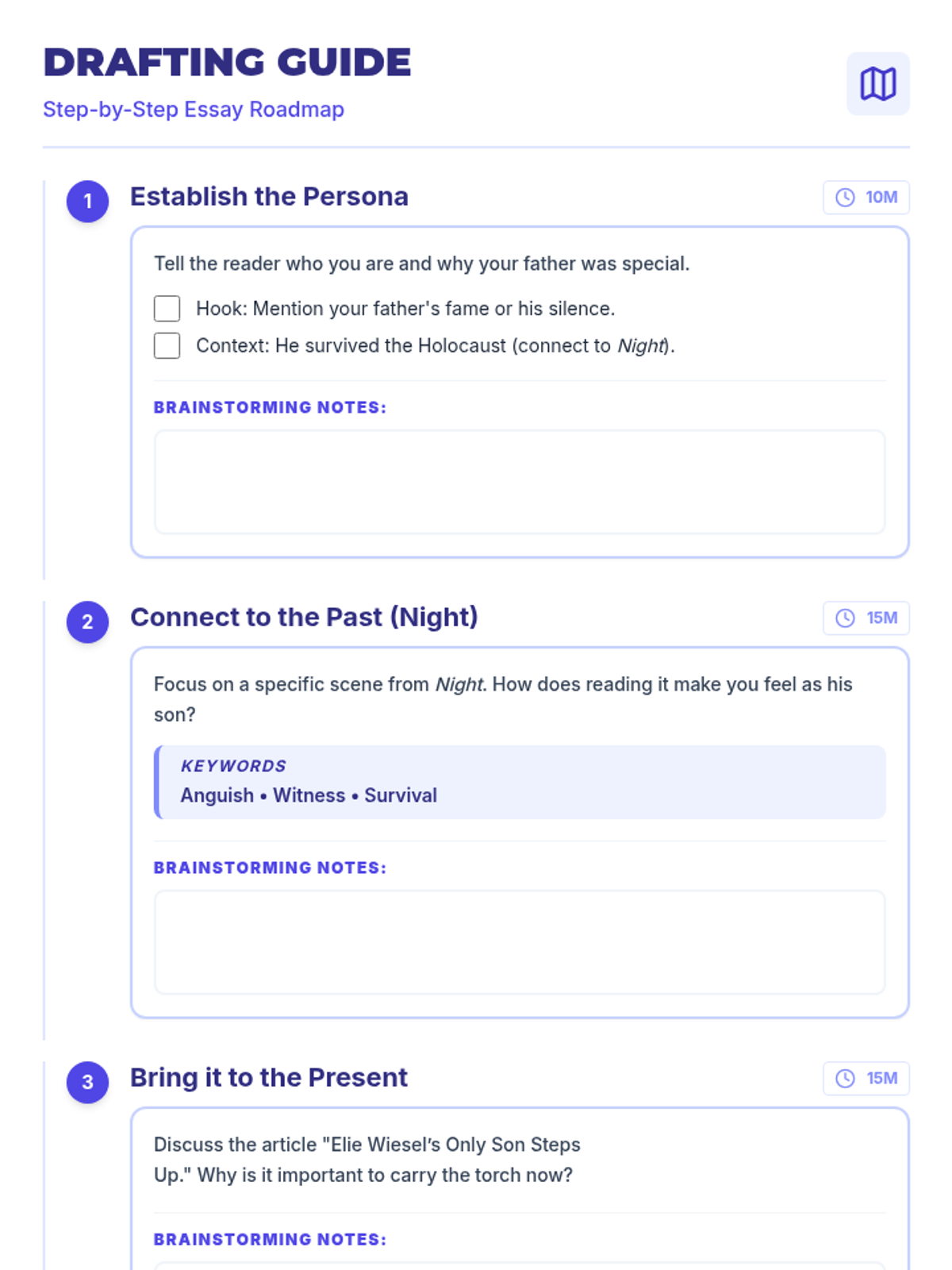
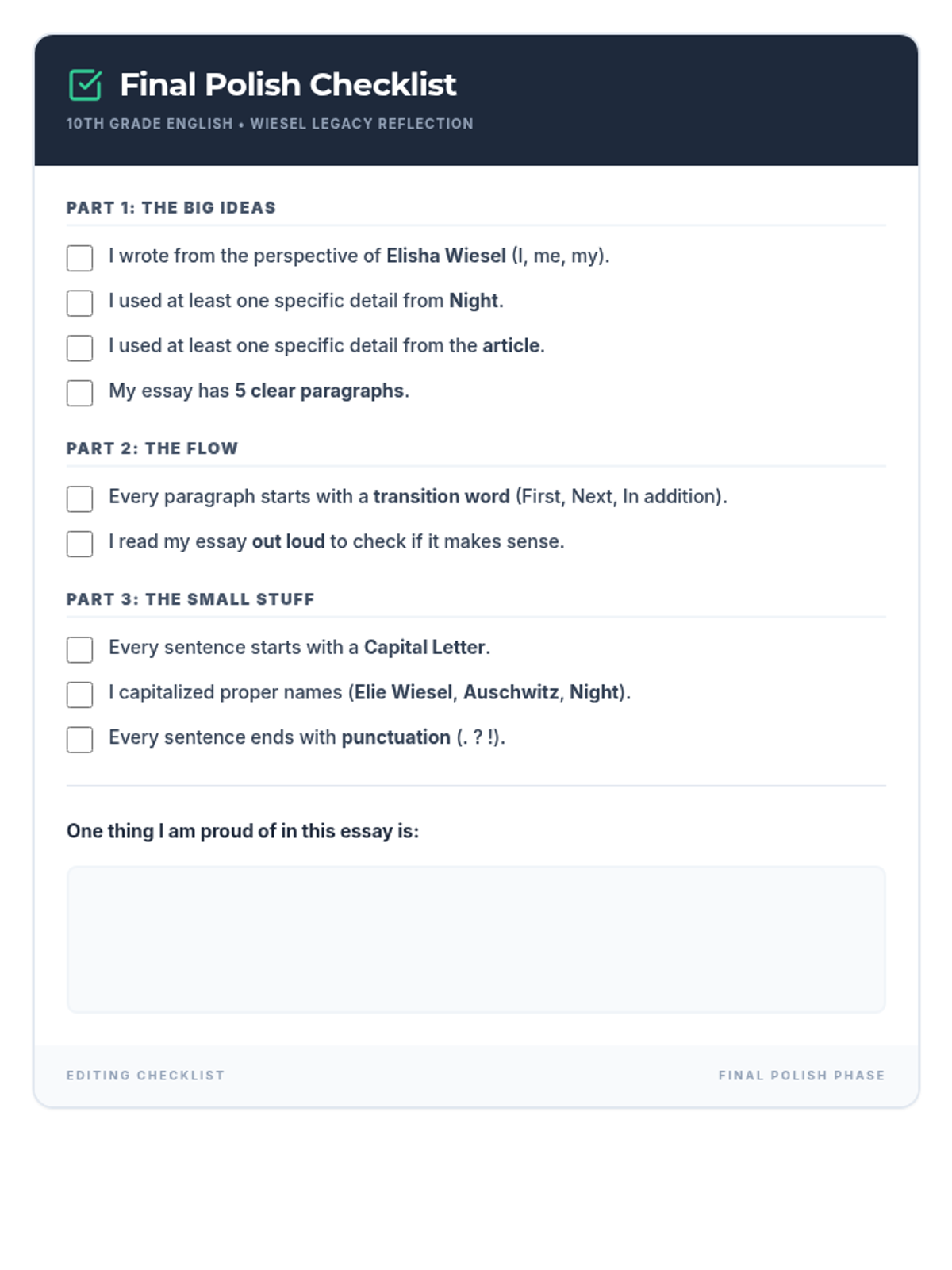
A set of scaffolded writing resources designed to help students with ADHD and SLD craft a 5-paragraph reflective essay from the perspective of Elisha Wiesel. The materials focus on synthesizing themes from 'Night' and a contemporary article about Wiesel's legacy.
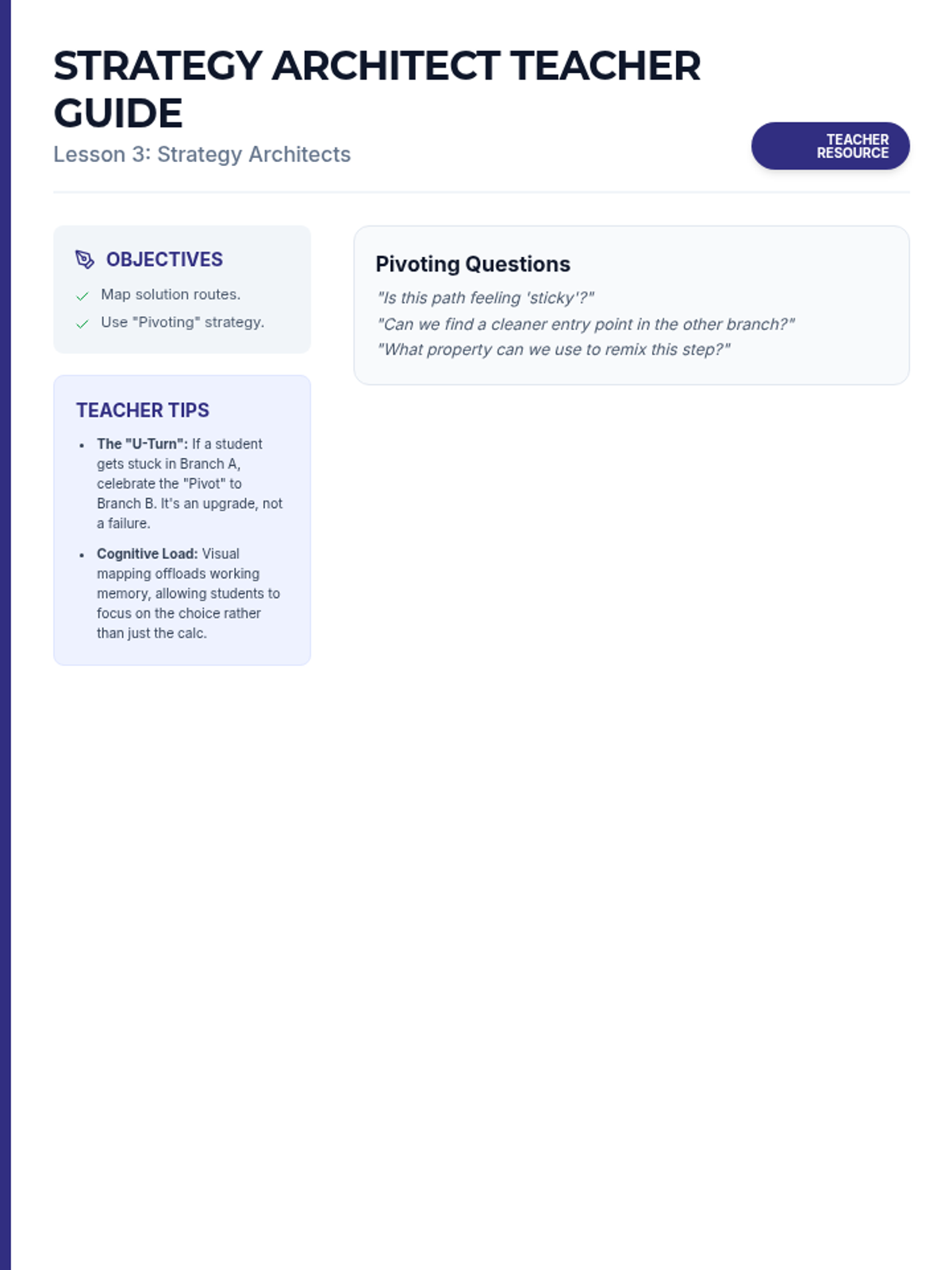
Synthesizes flexible thinking into multi-step problems, using visual graphic organizers to map out different routes to the same solution.
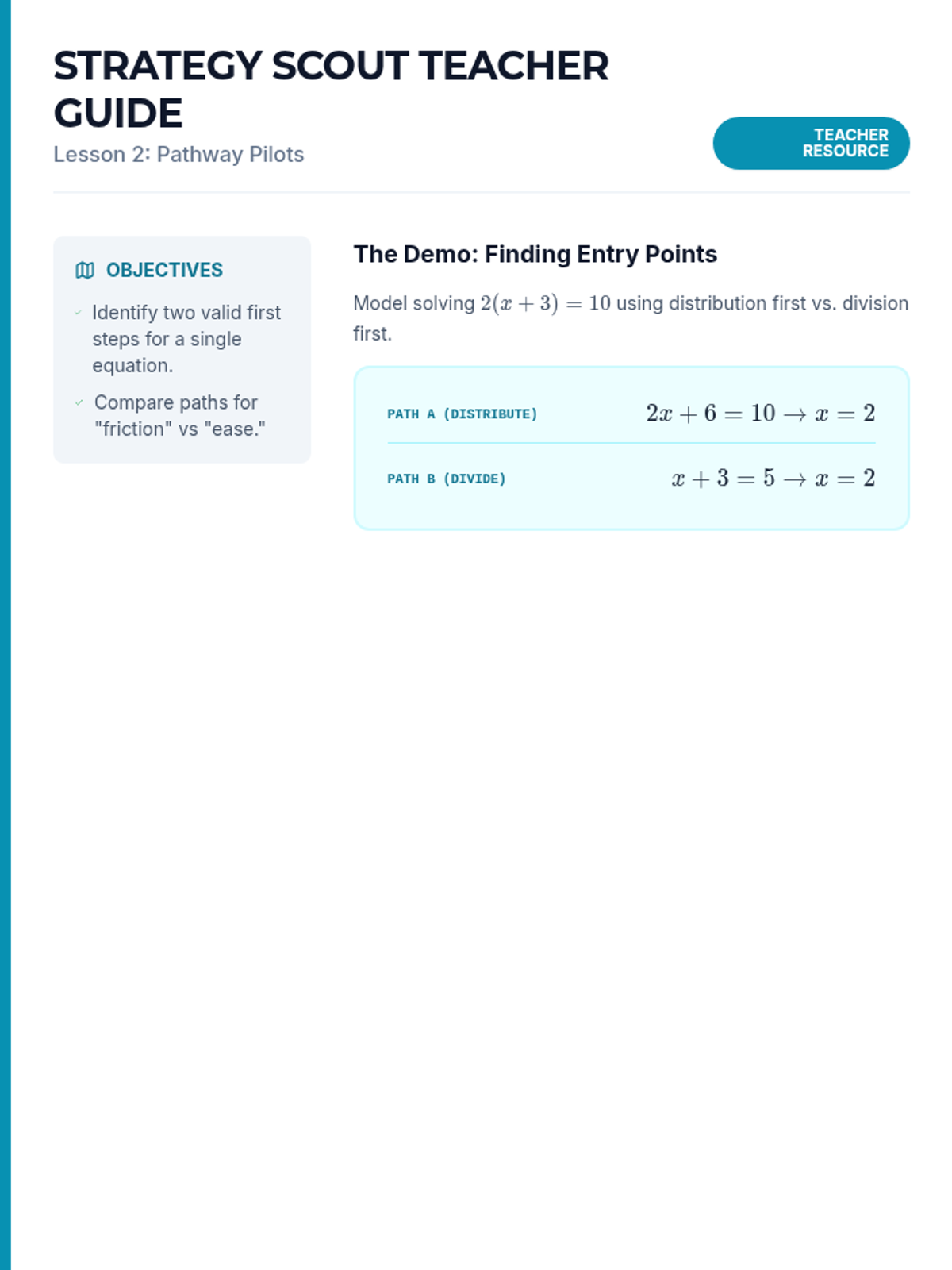
Focuses on the 'first step' of algebra equations, demonstrating that there are multiple valid ways to begin a problem.
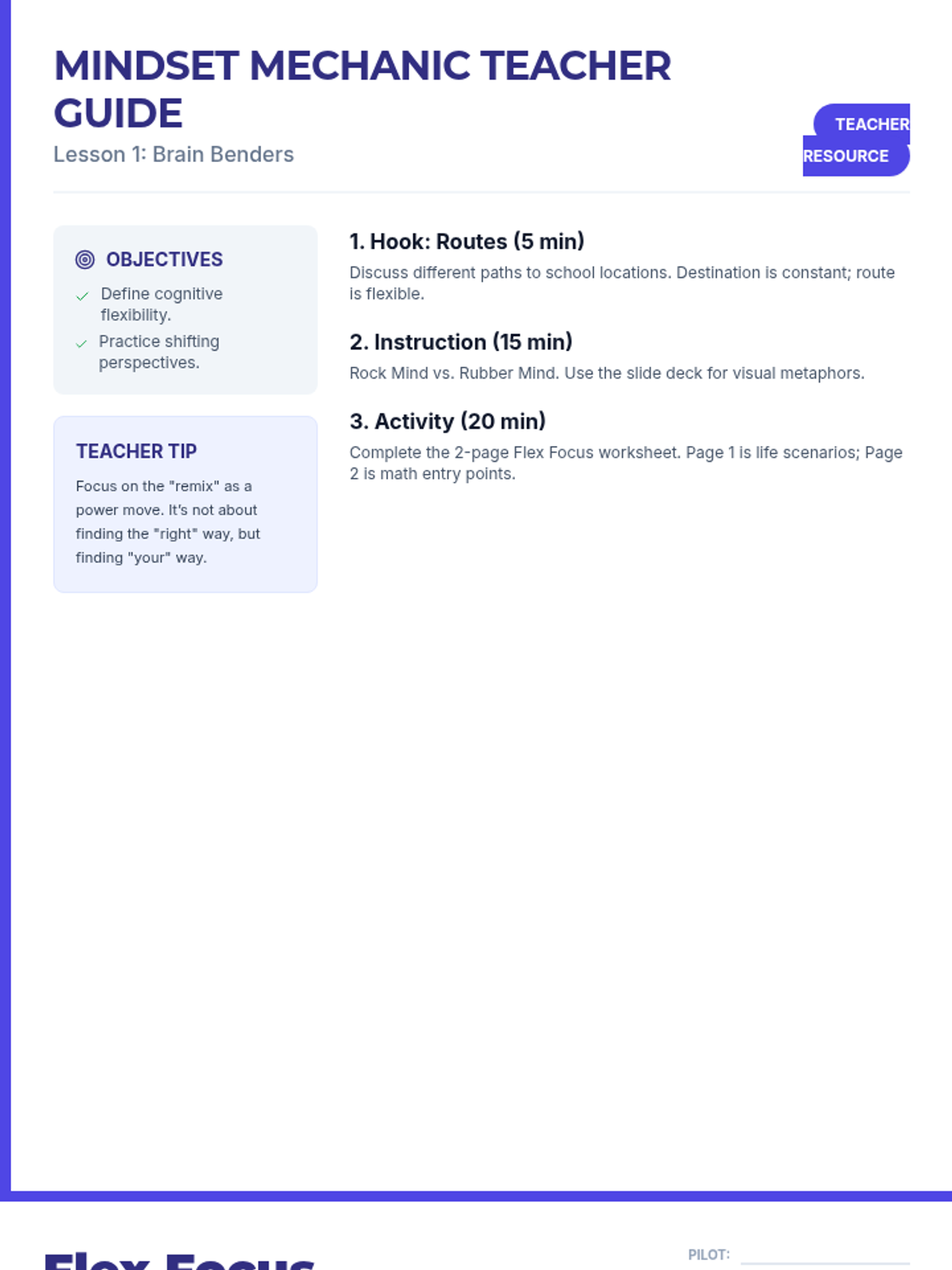
Introduction to the concept of cognitive flexibility using real-world analogies, helping students understand that 'different' doesn't mean 'wrong.'
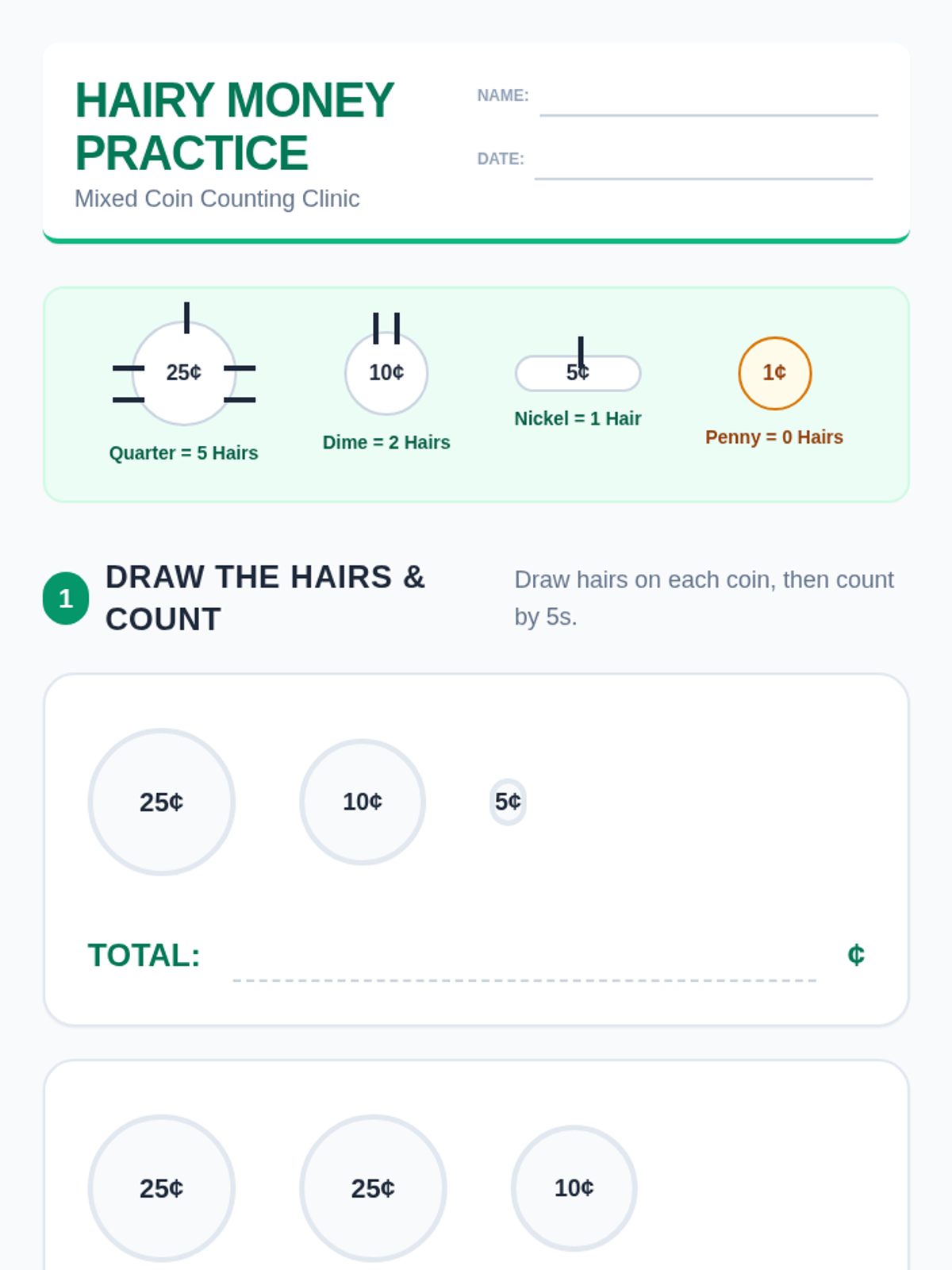
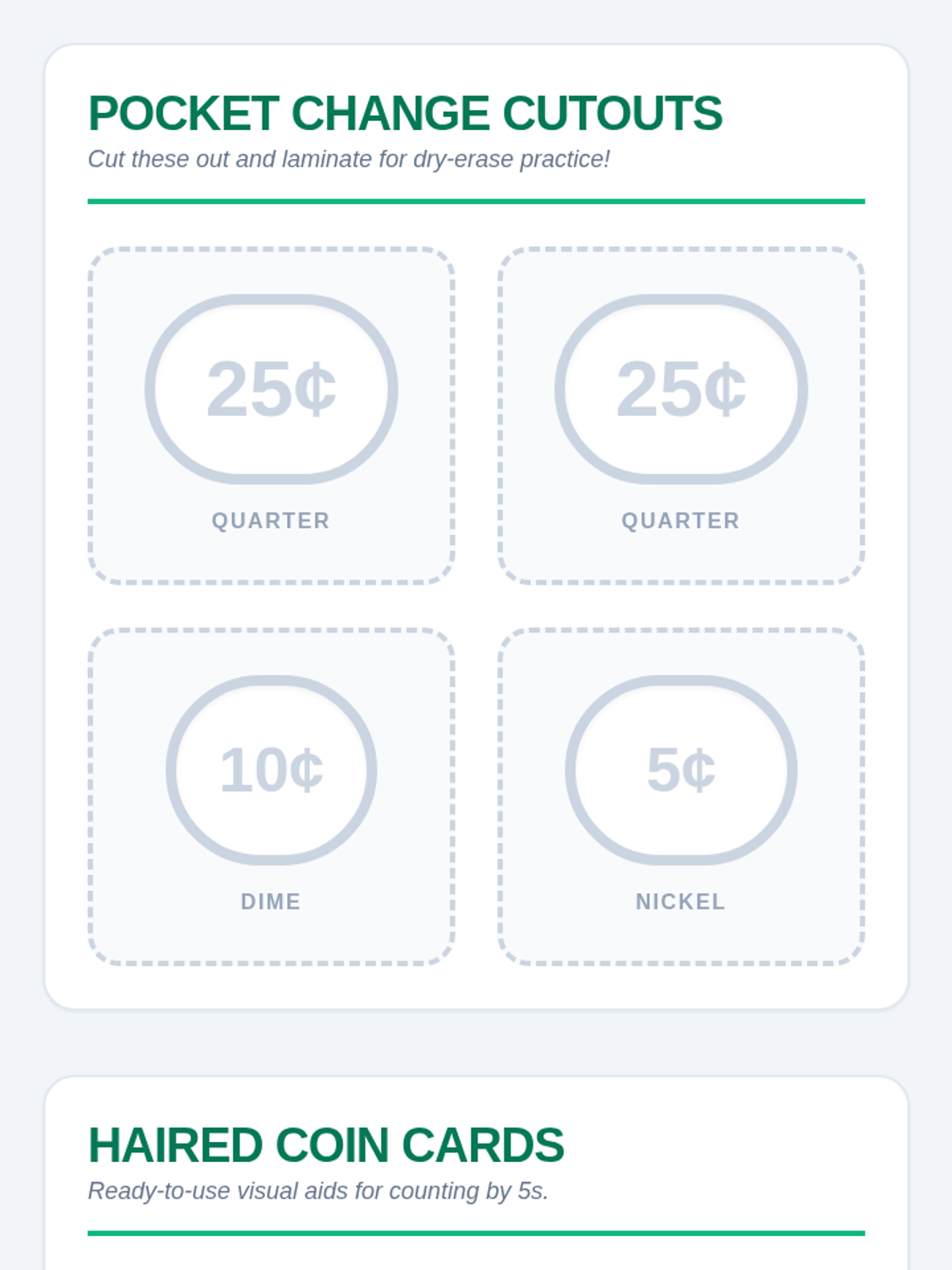
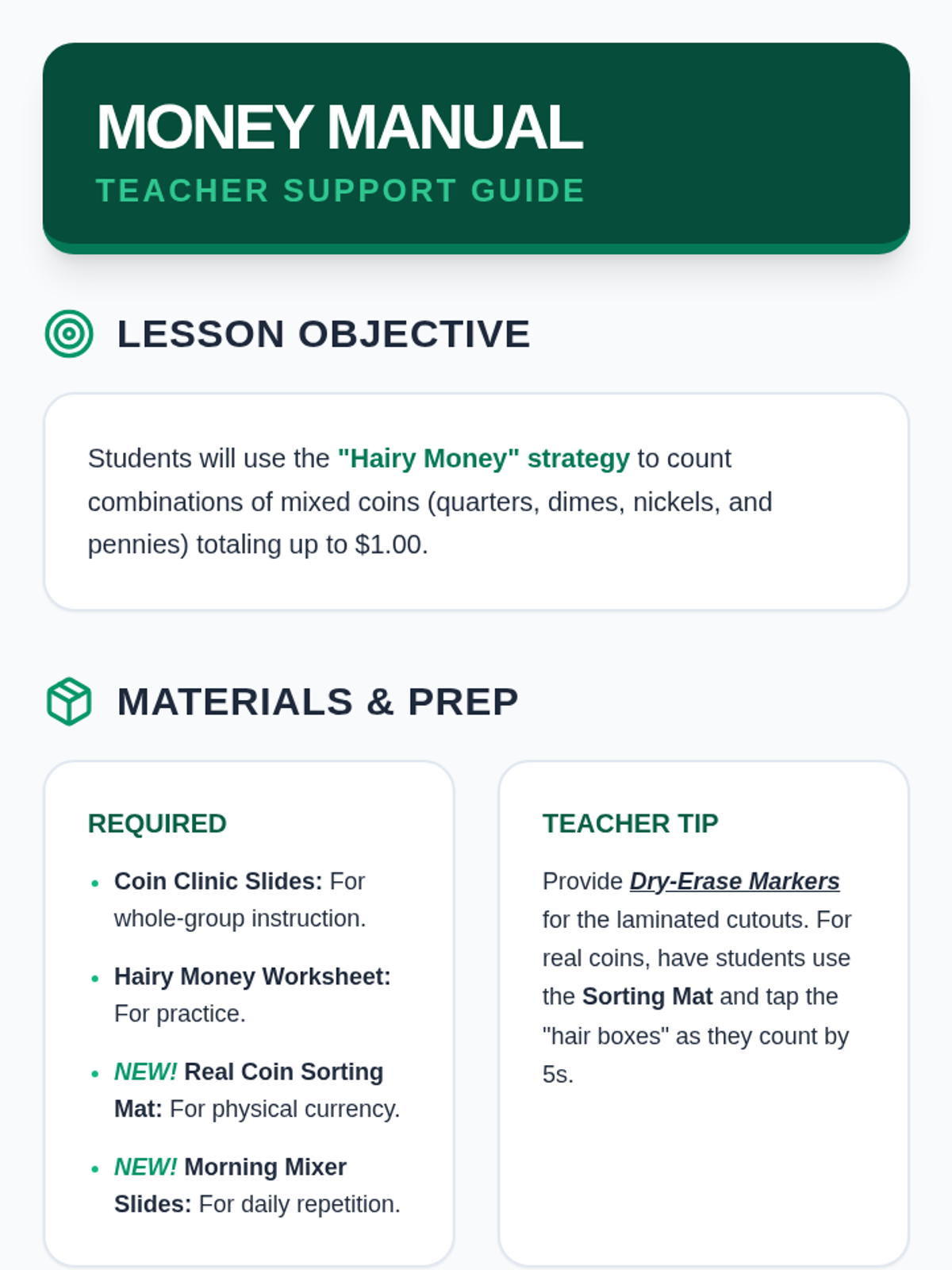
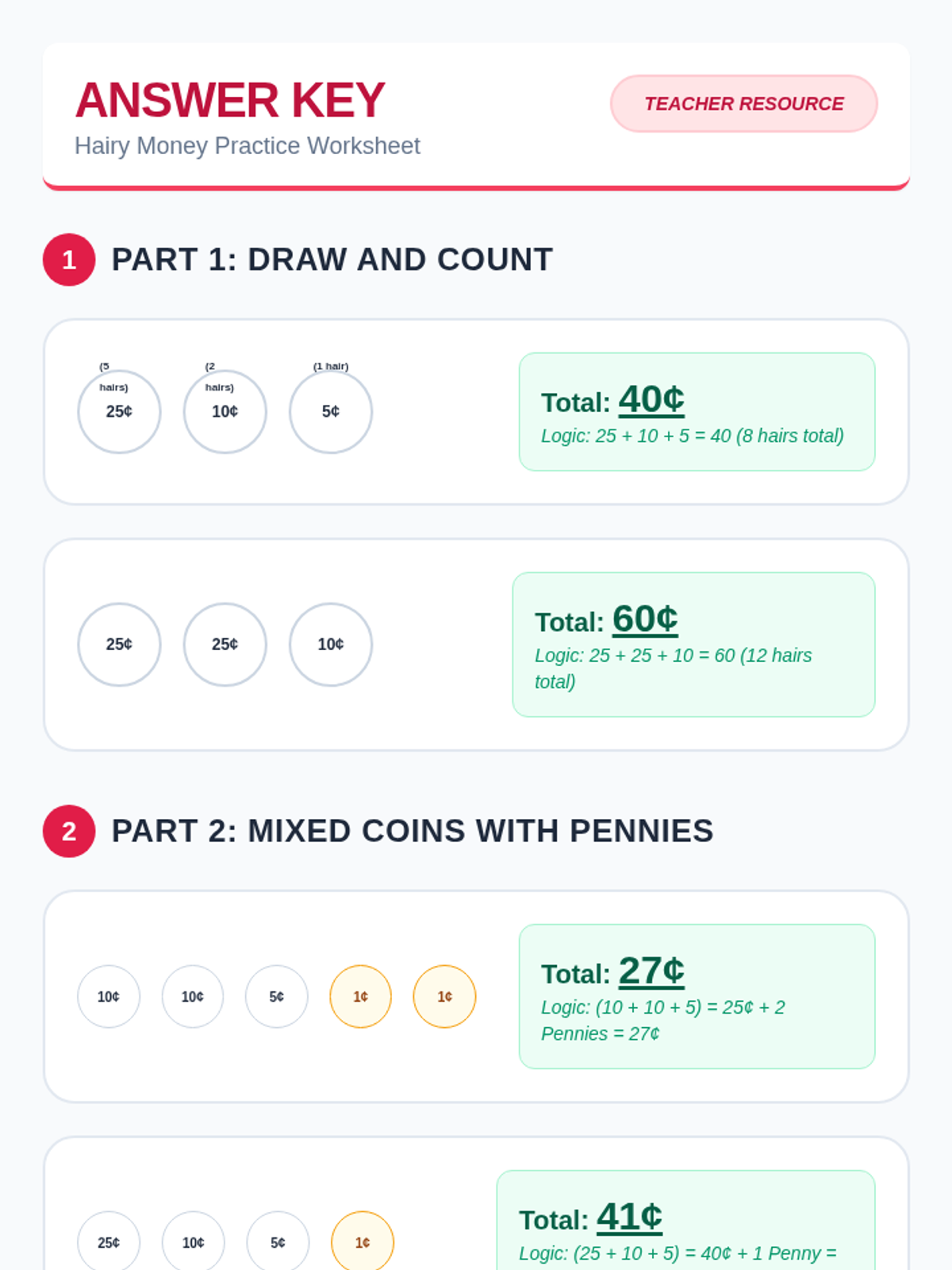
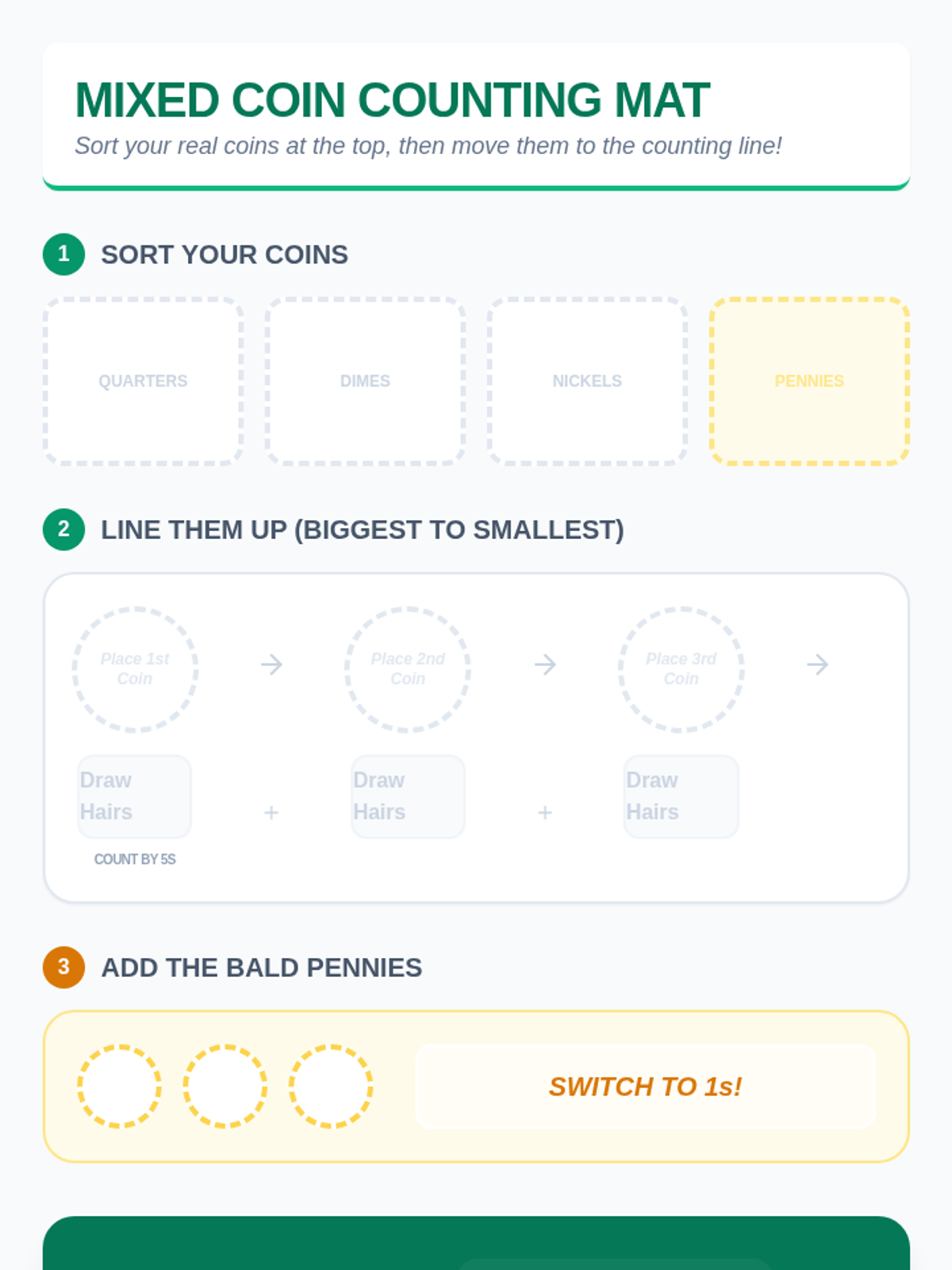
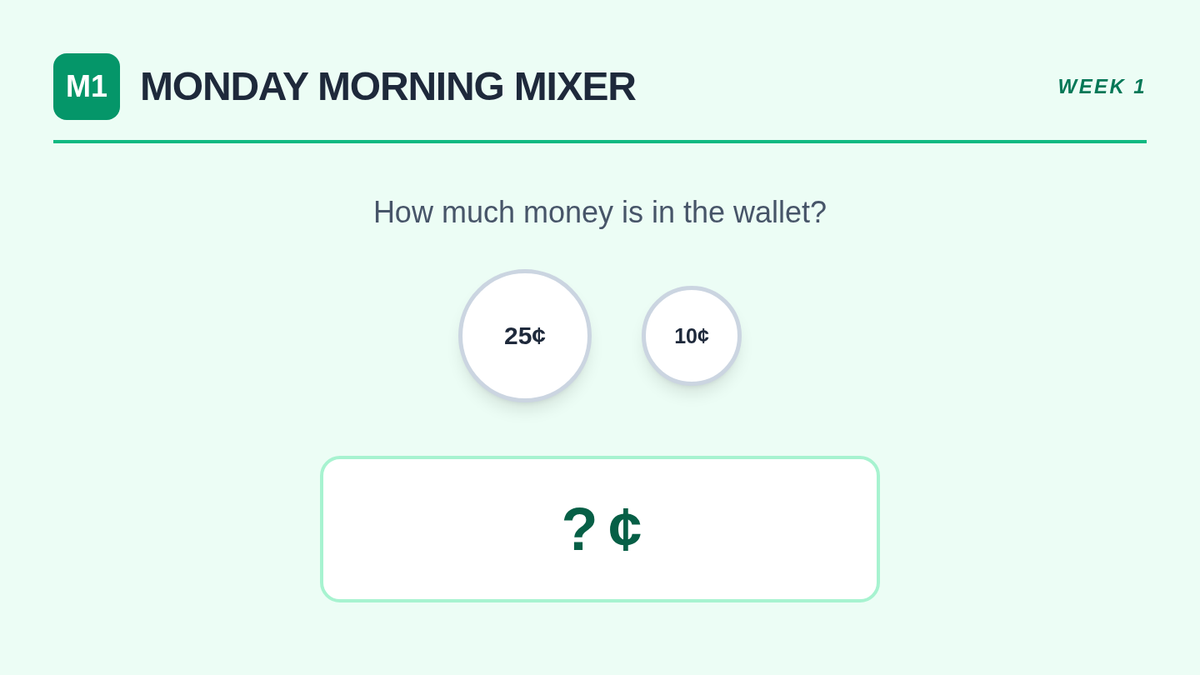
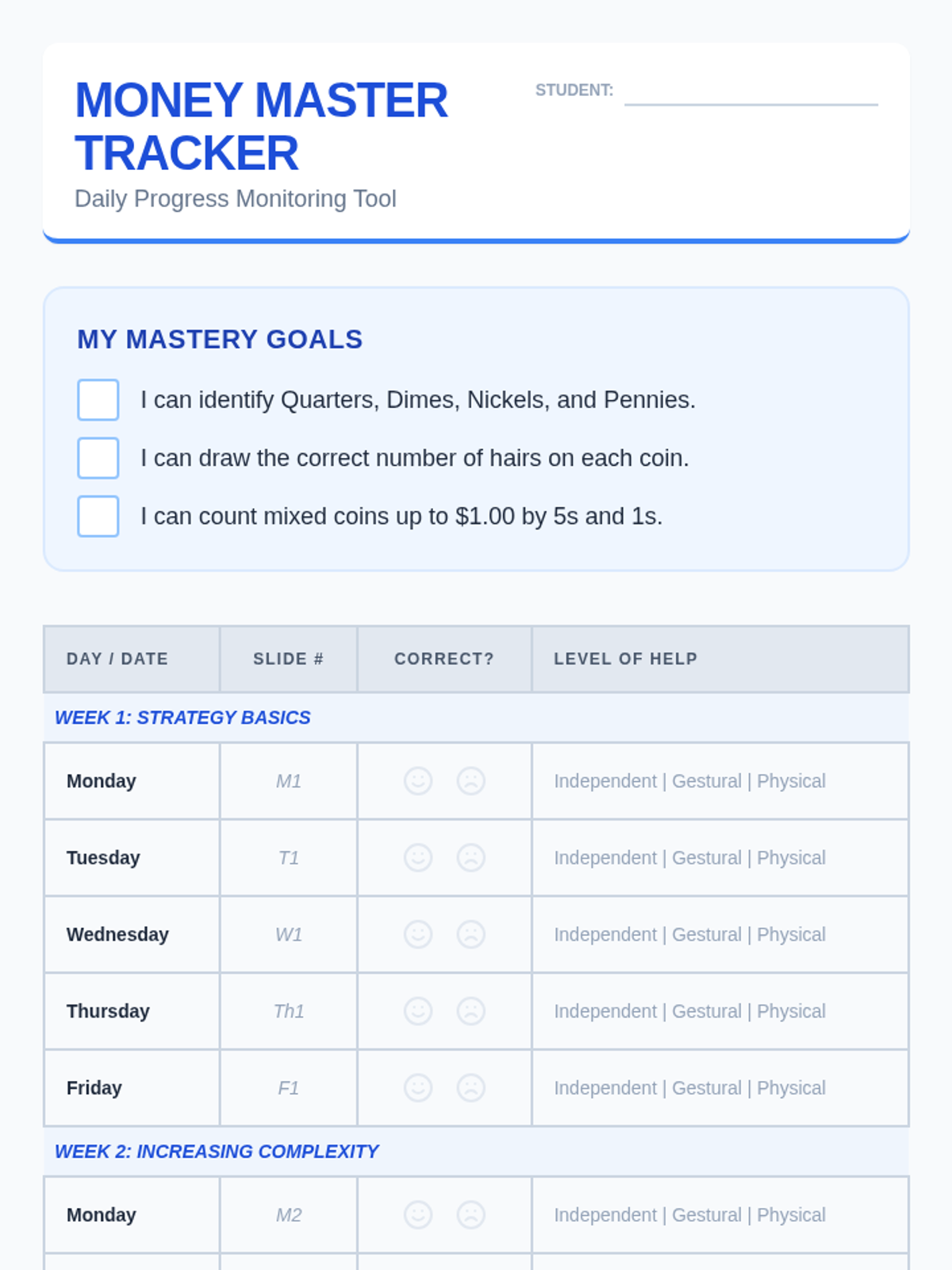
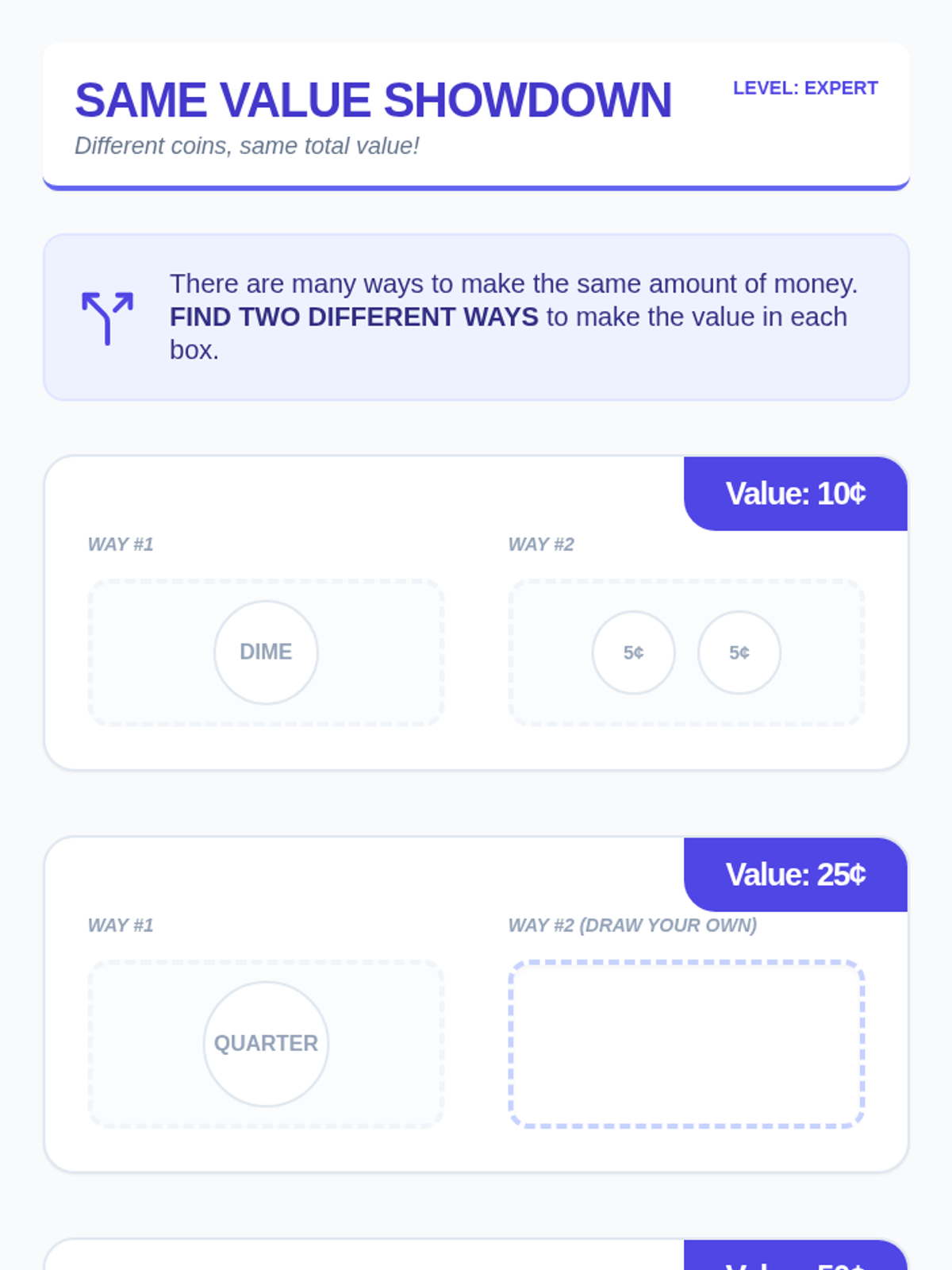
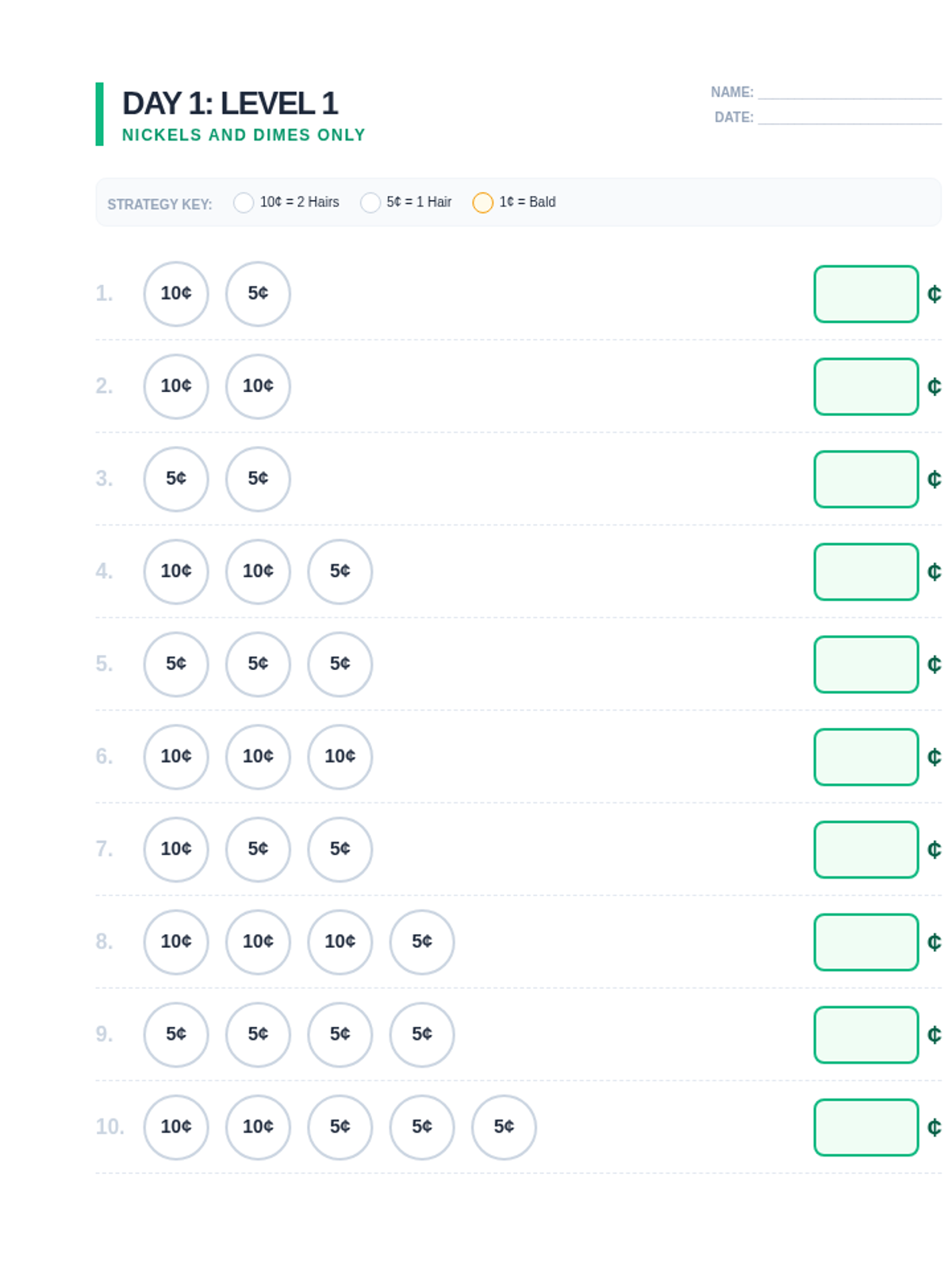
A comprehensive lesson designed to help high school special needs students master counting mixed coins up to $1.00 using the Hairy Money visual strategy. Includes instructional slides, practice worksheets, and printable manipulatives.
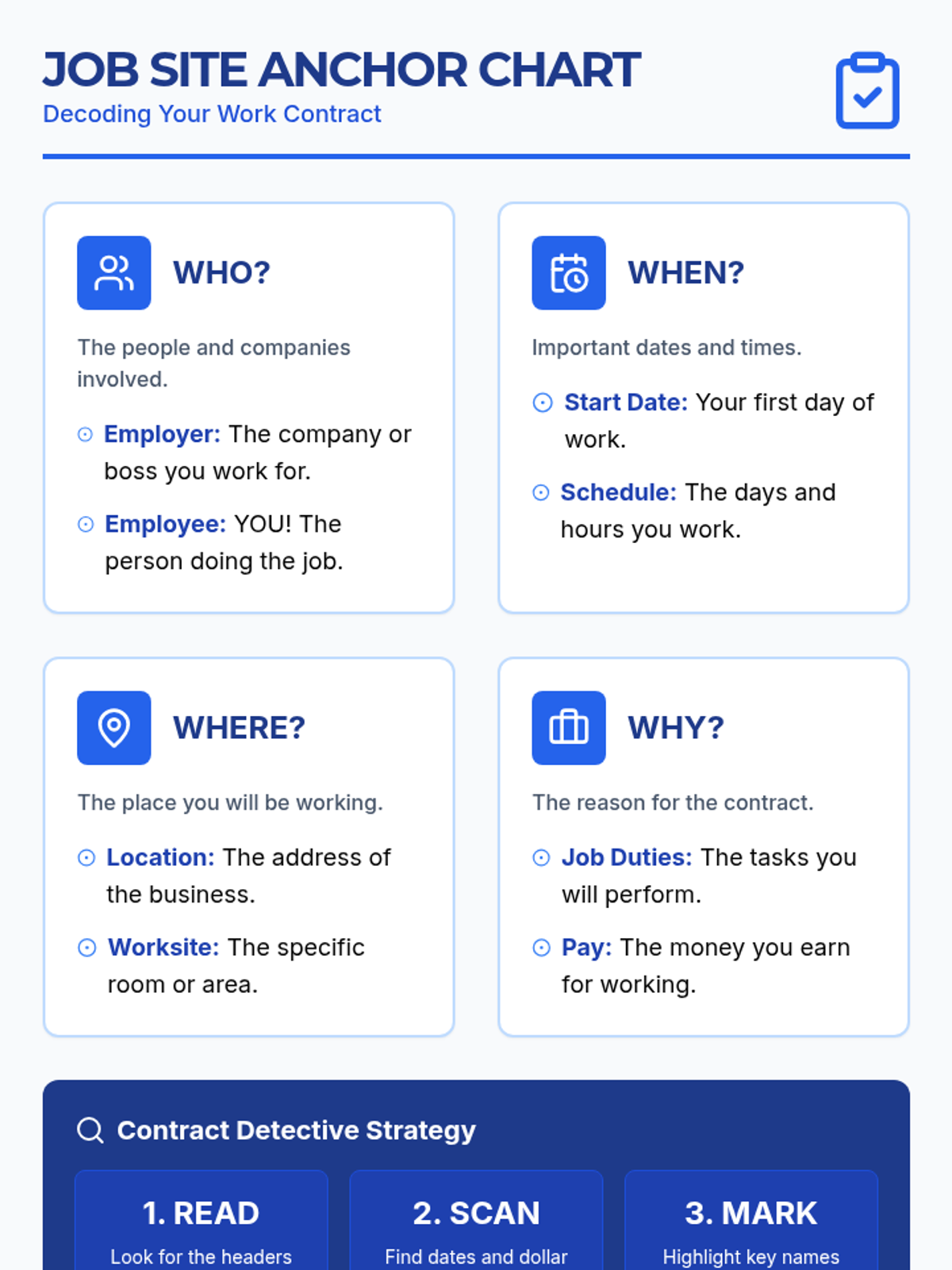
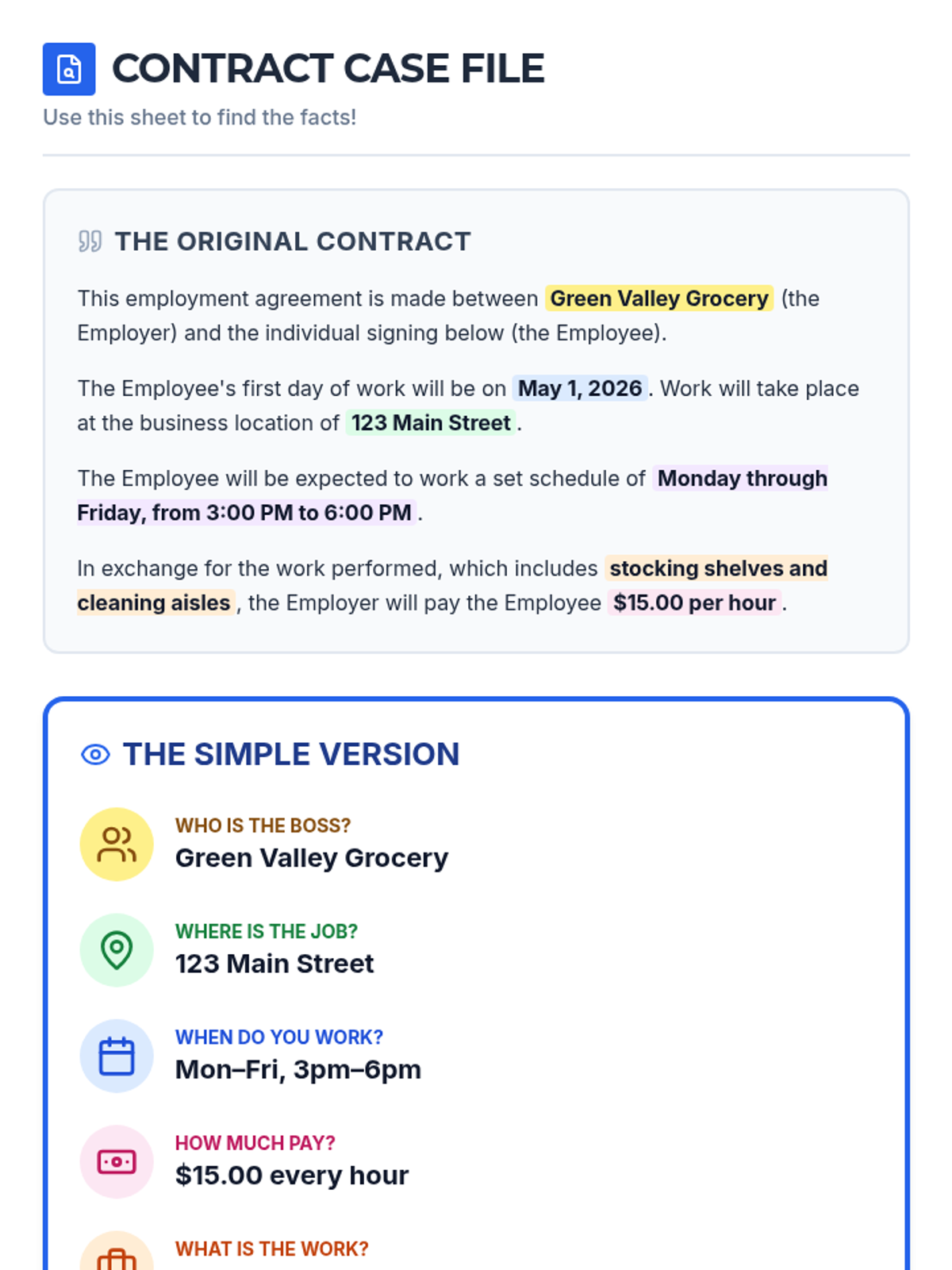
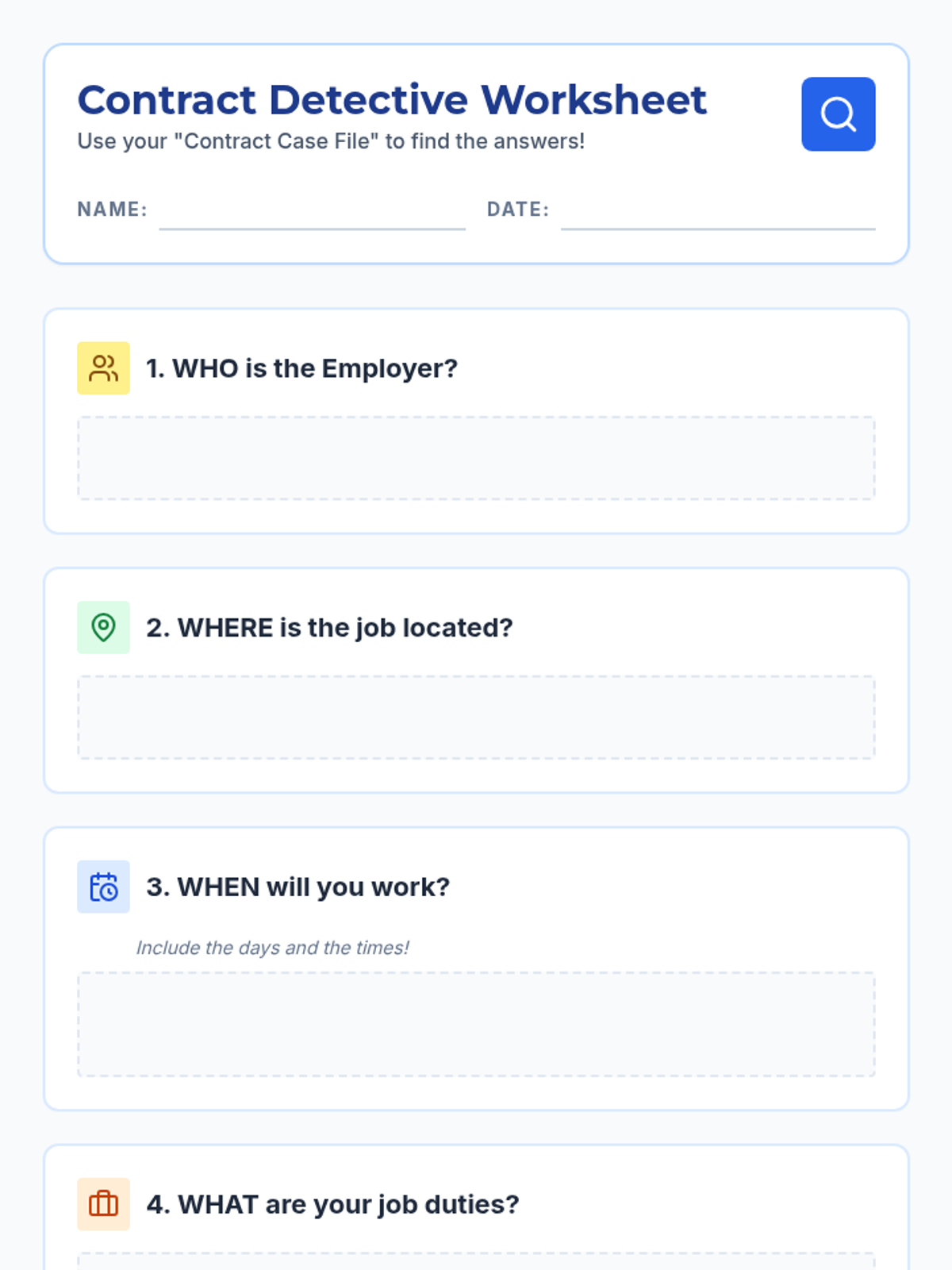
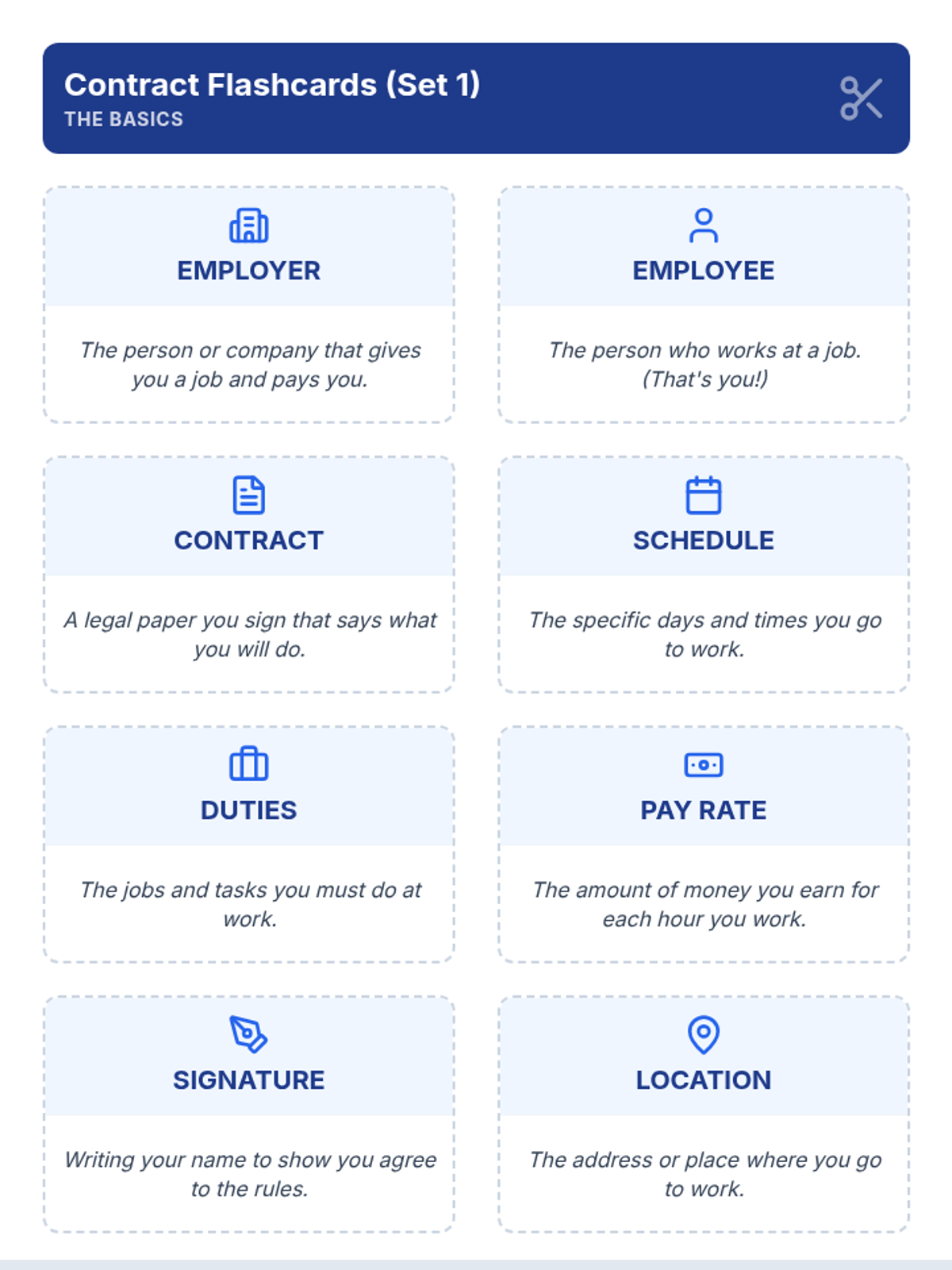
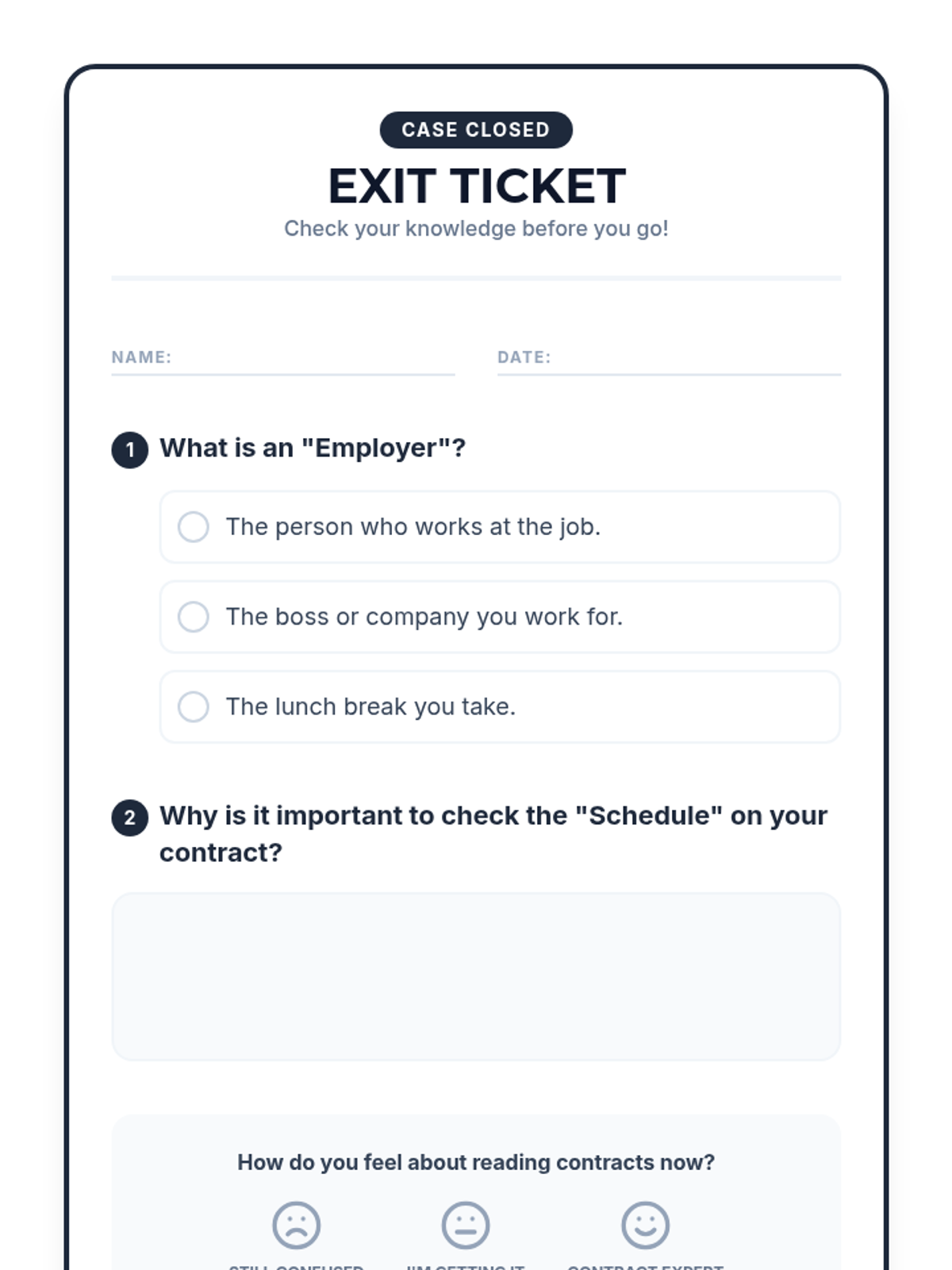
A practical reading comprehension lesson for high school students with special needs, focusing on identifying the 'Who, When, Where, and Why' of a standard work contract using visual supports and guided practice.
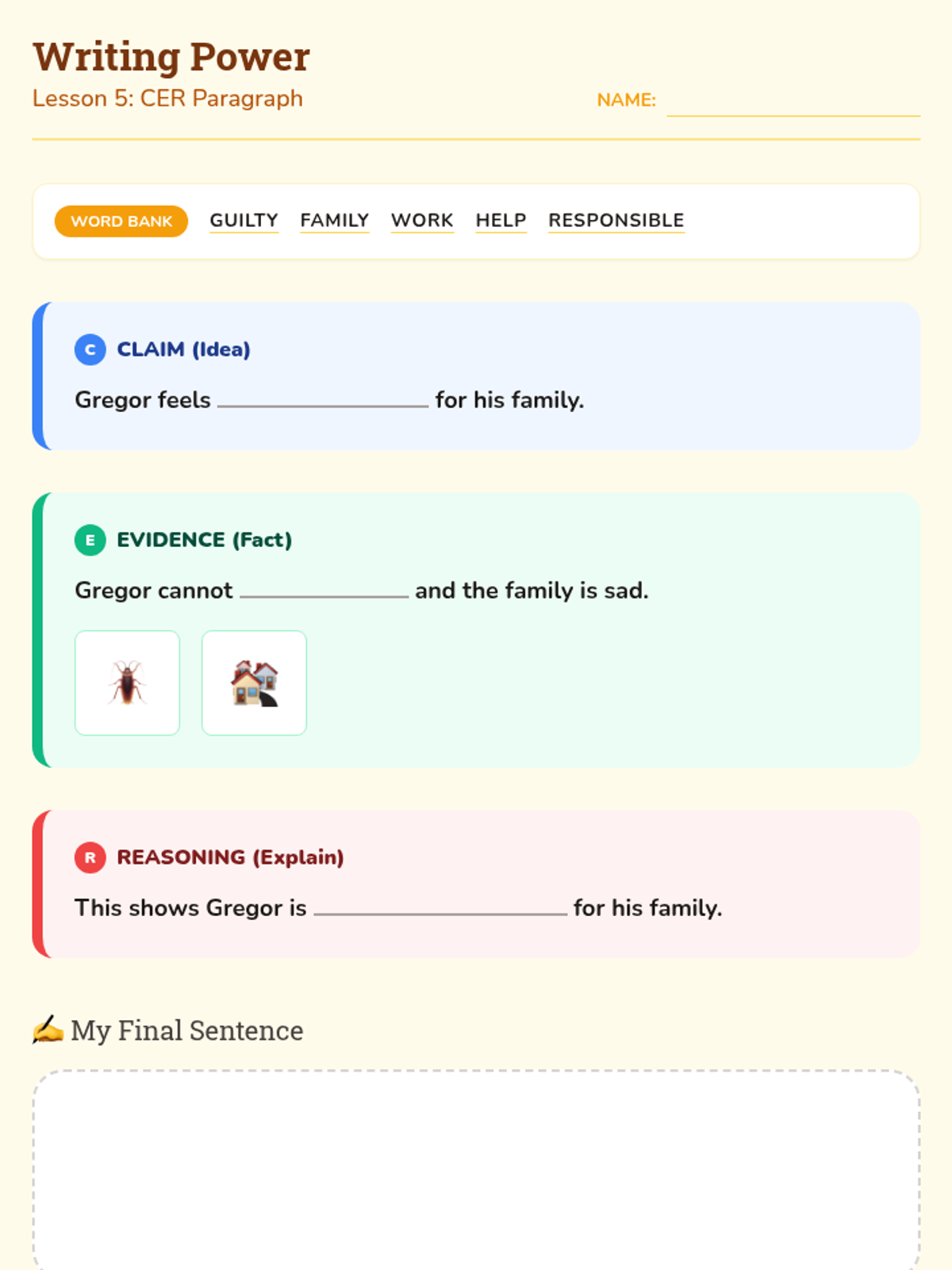
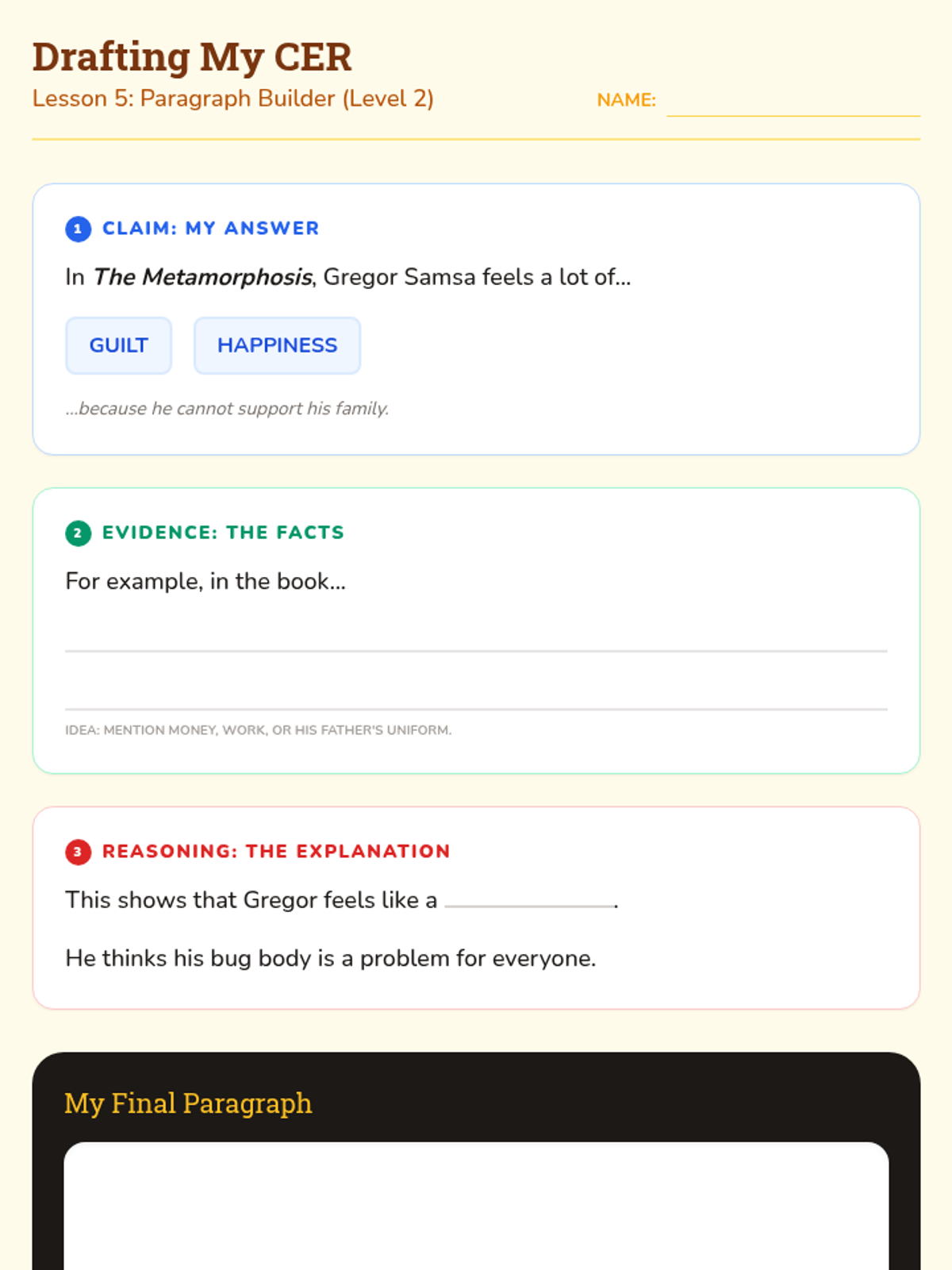
Guides the student through the construction of a Claim-Evidence-Reasoning paragraph using a highly scaffolded template and word bank.
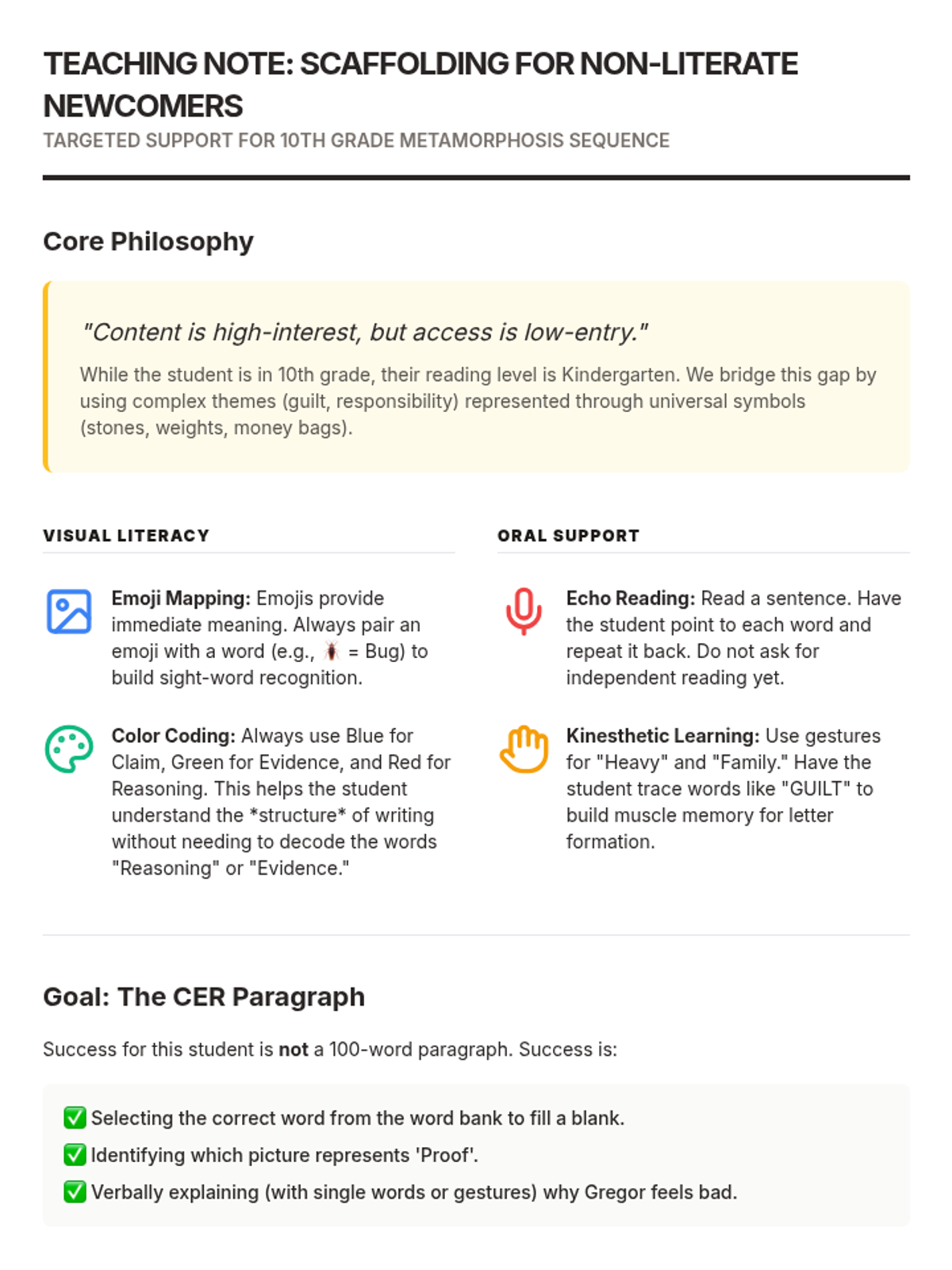
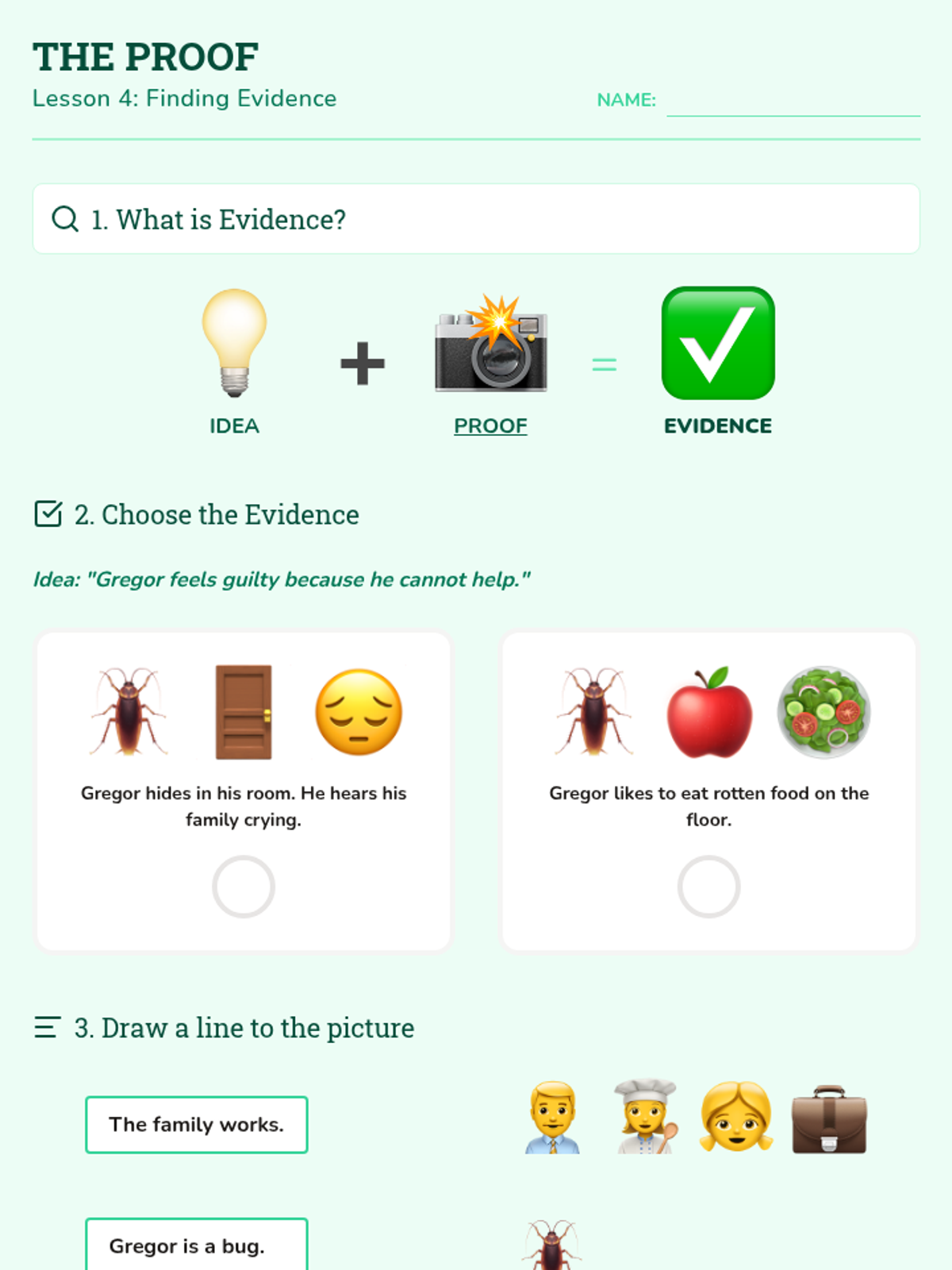
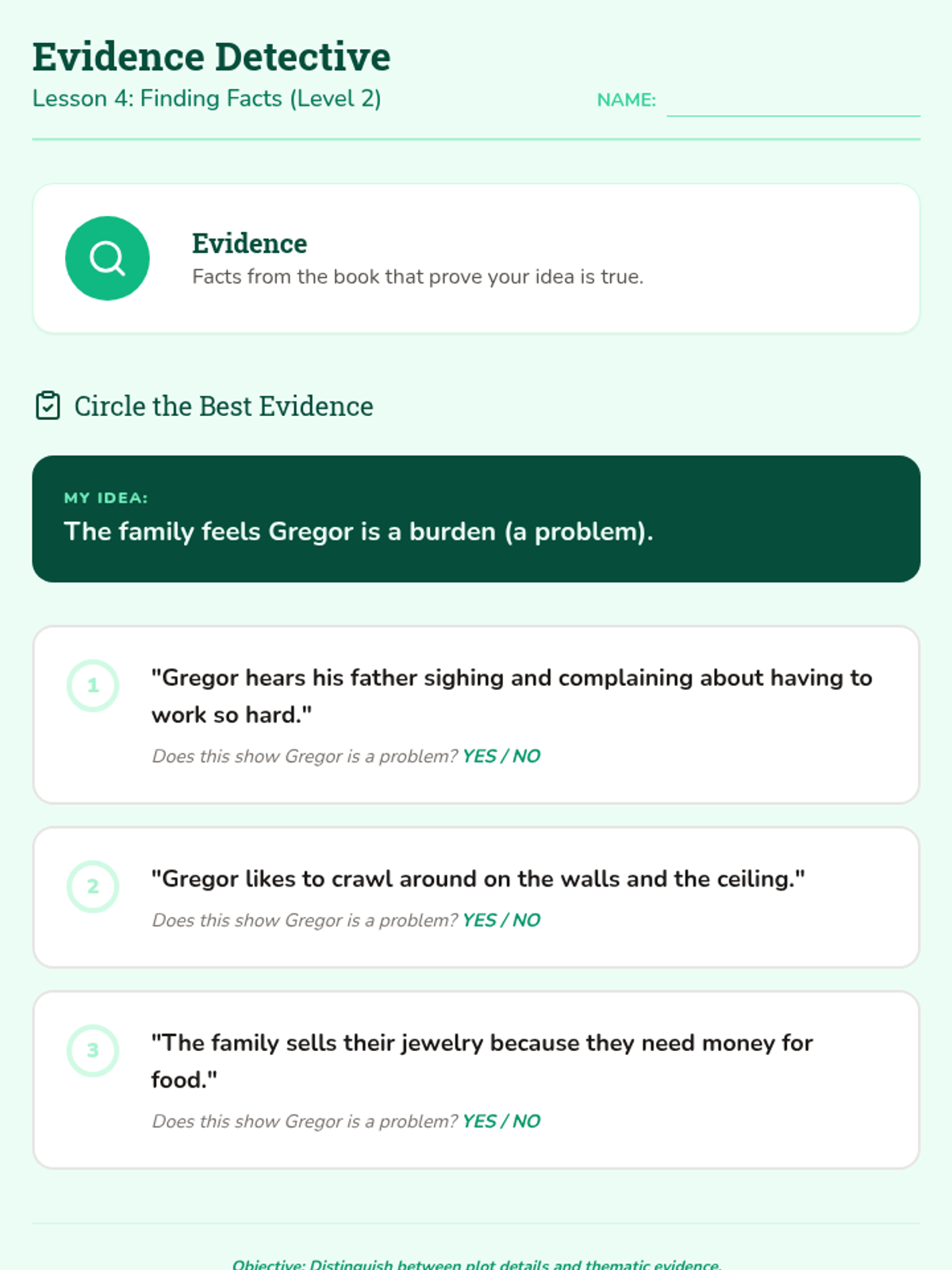
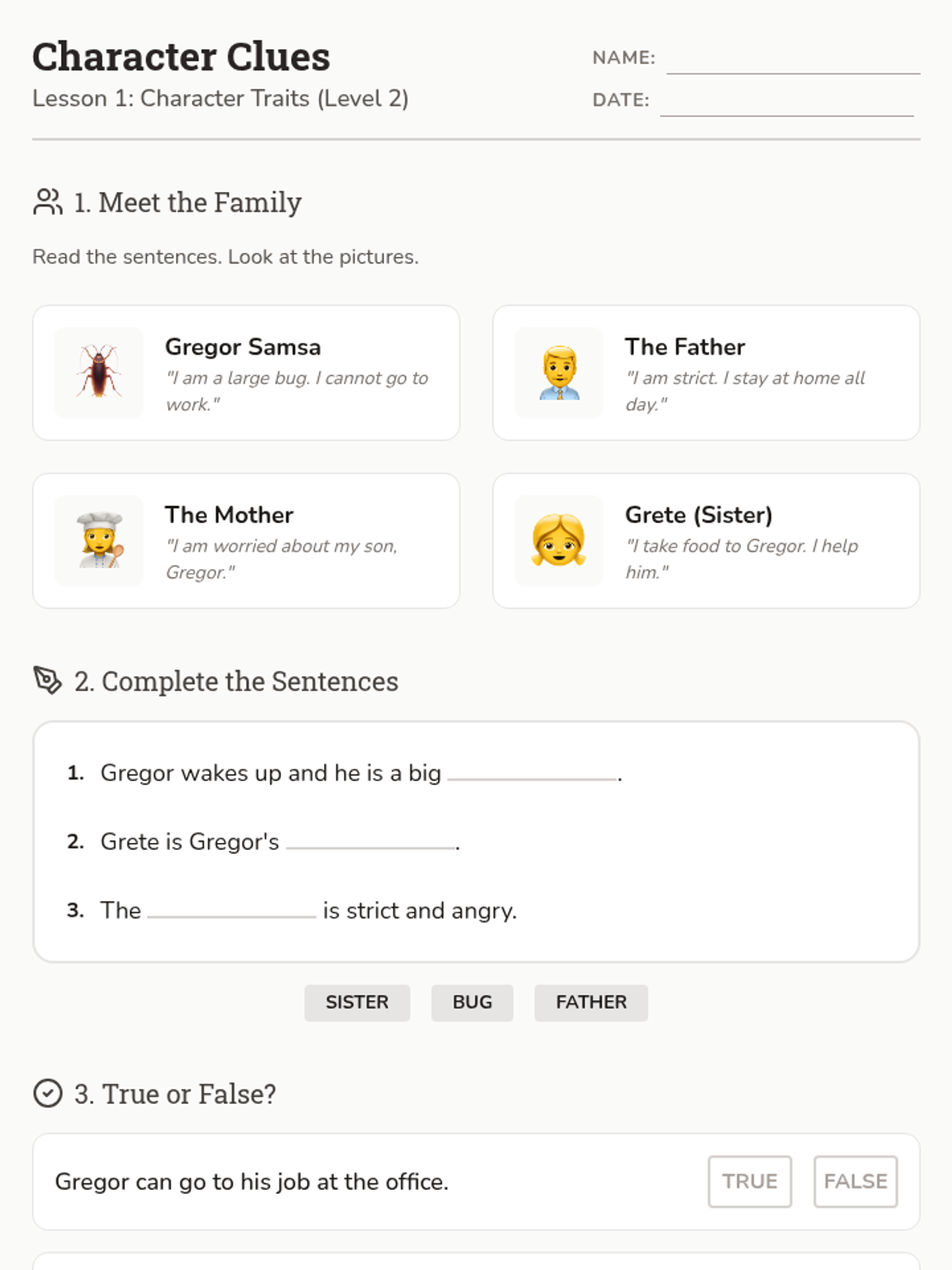
Teaches the student how to identify 'evidence' by selecting images and simple phrases that show family tension and responsibility.
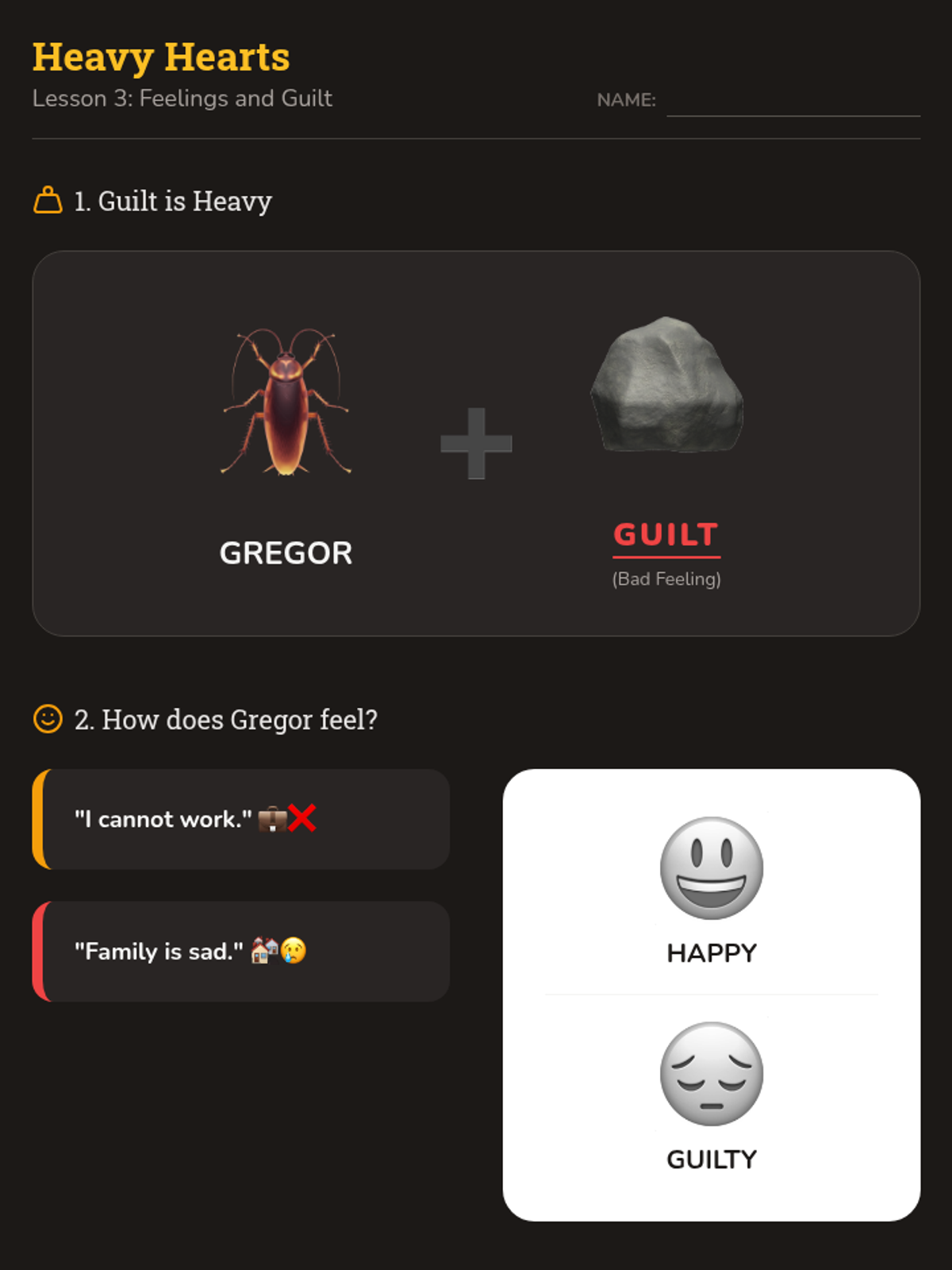
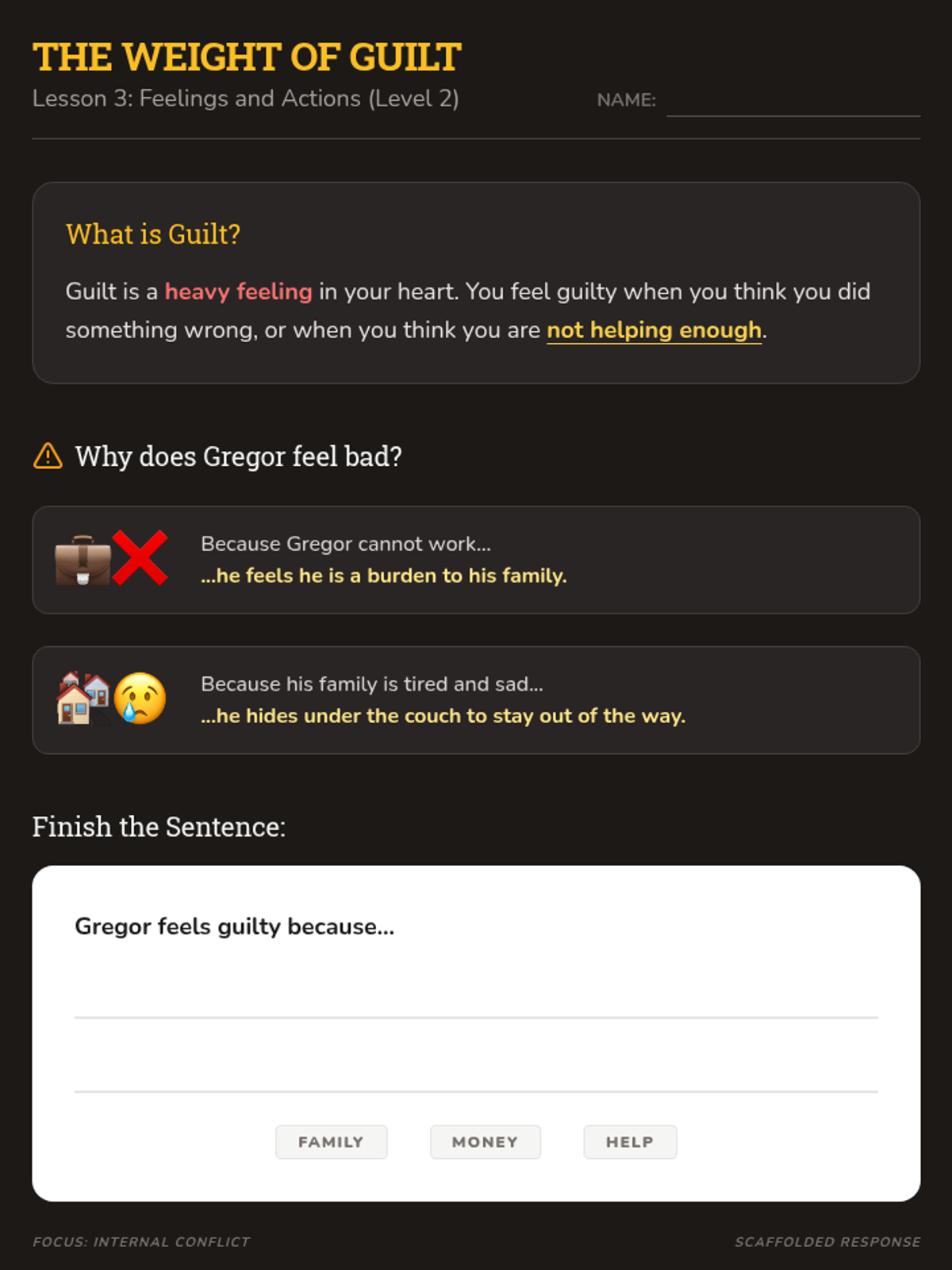
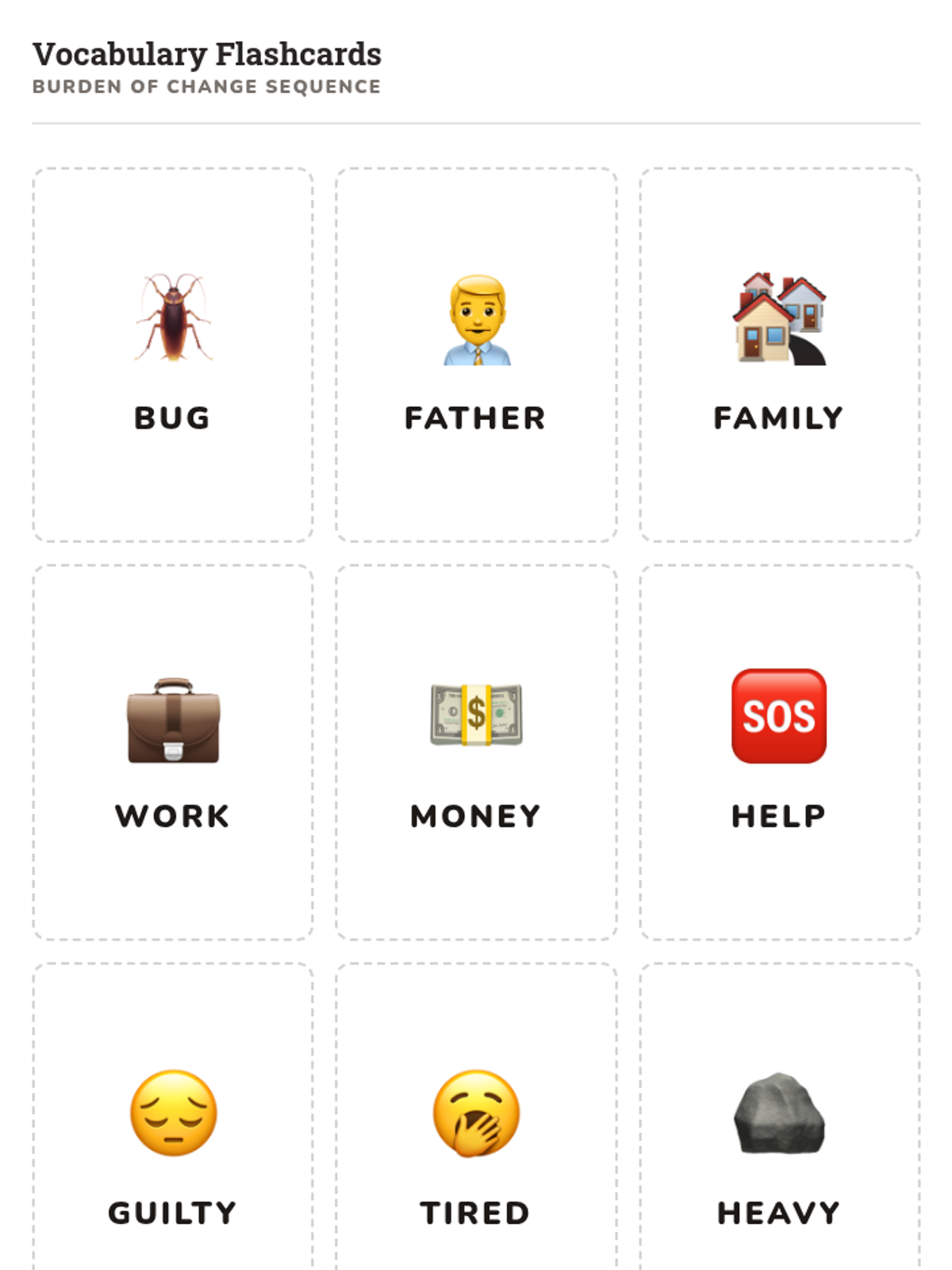
Introduces the abstract concept of guilt using visual metaphors and simple emotion words to describe Gregor's internal state.
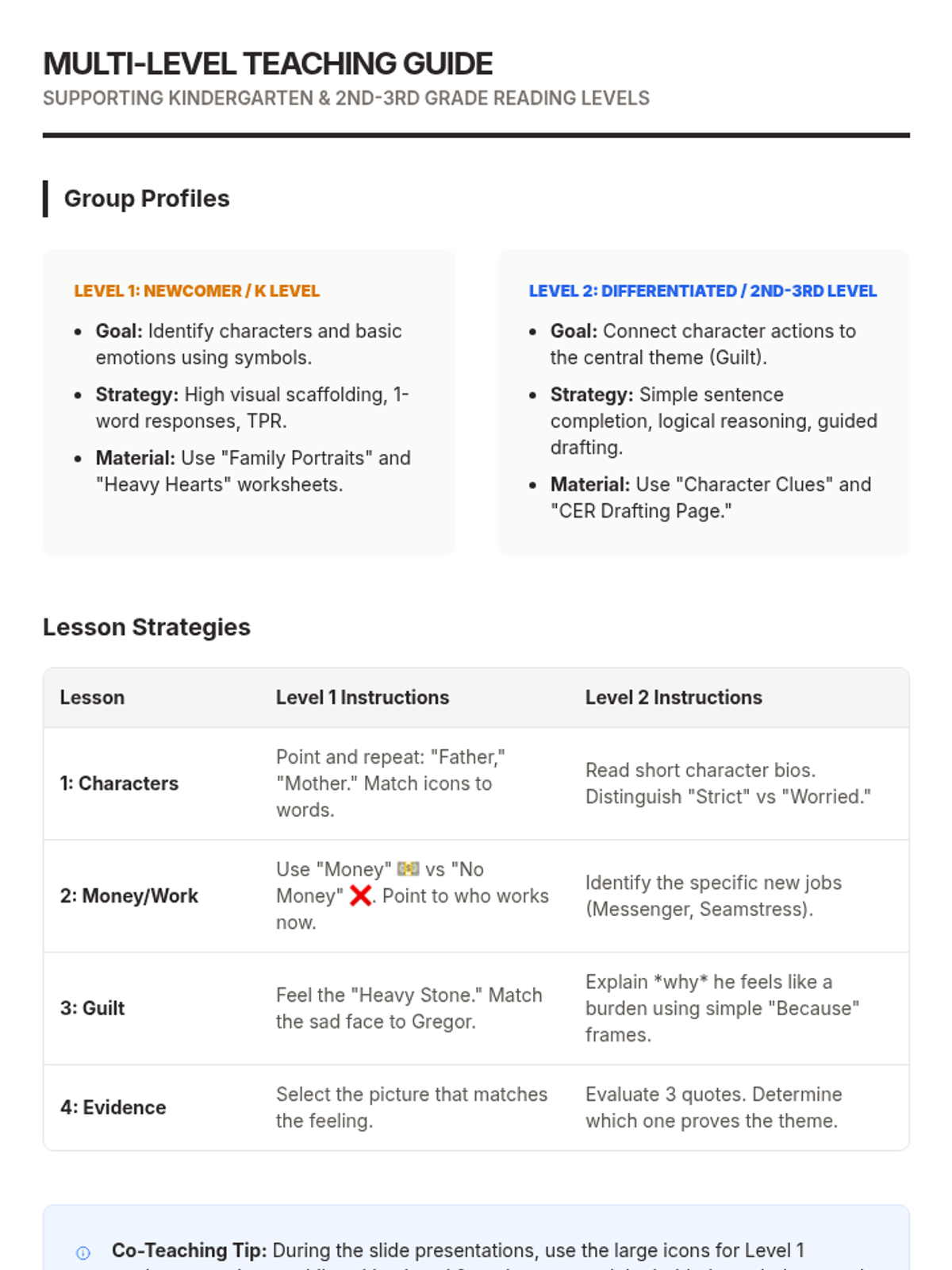
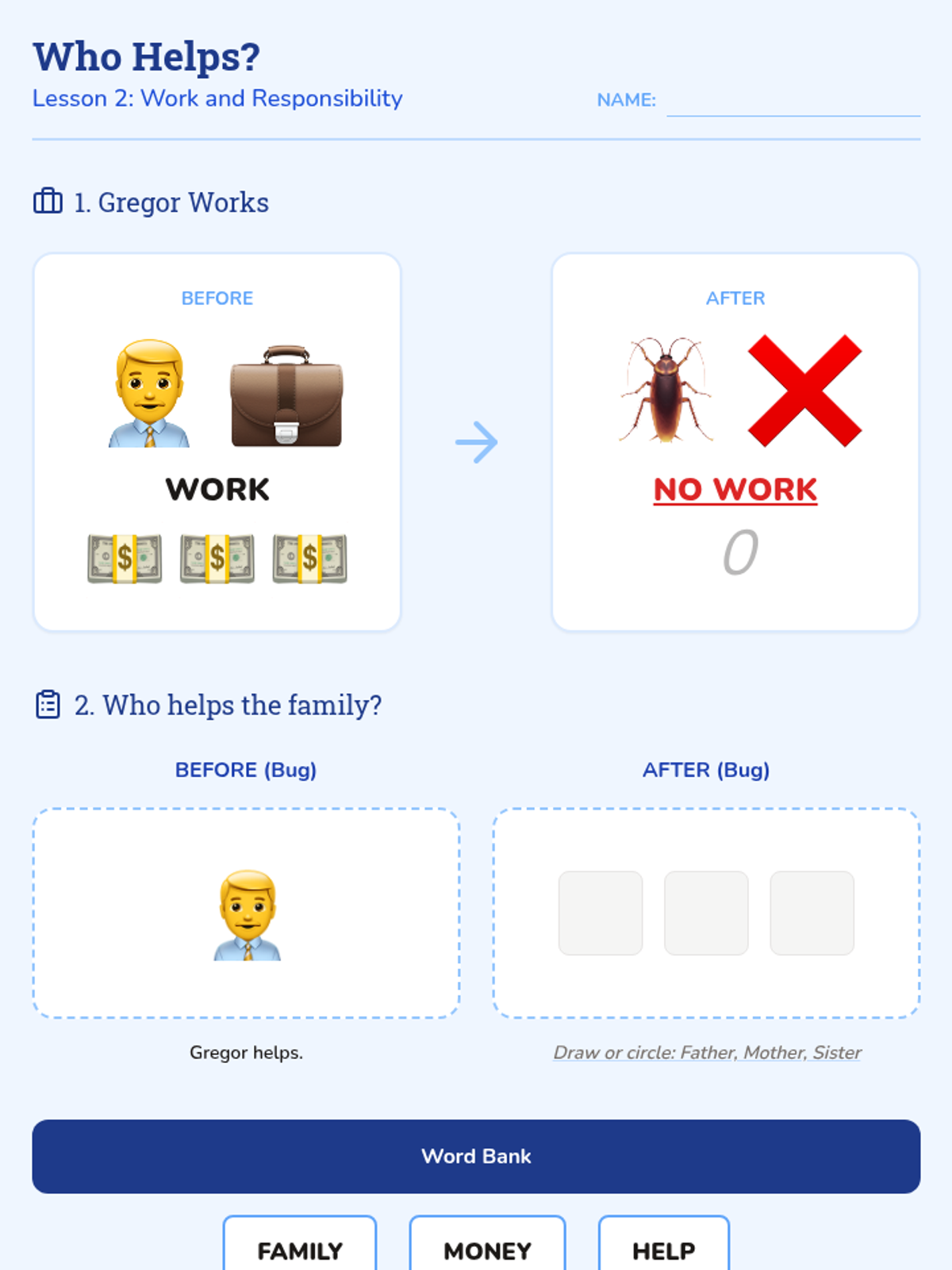
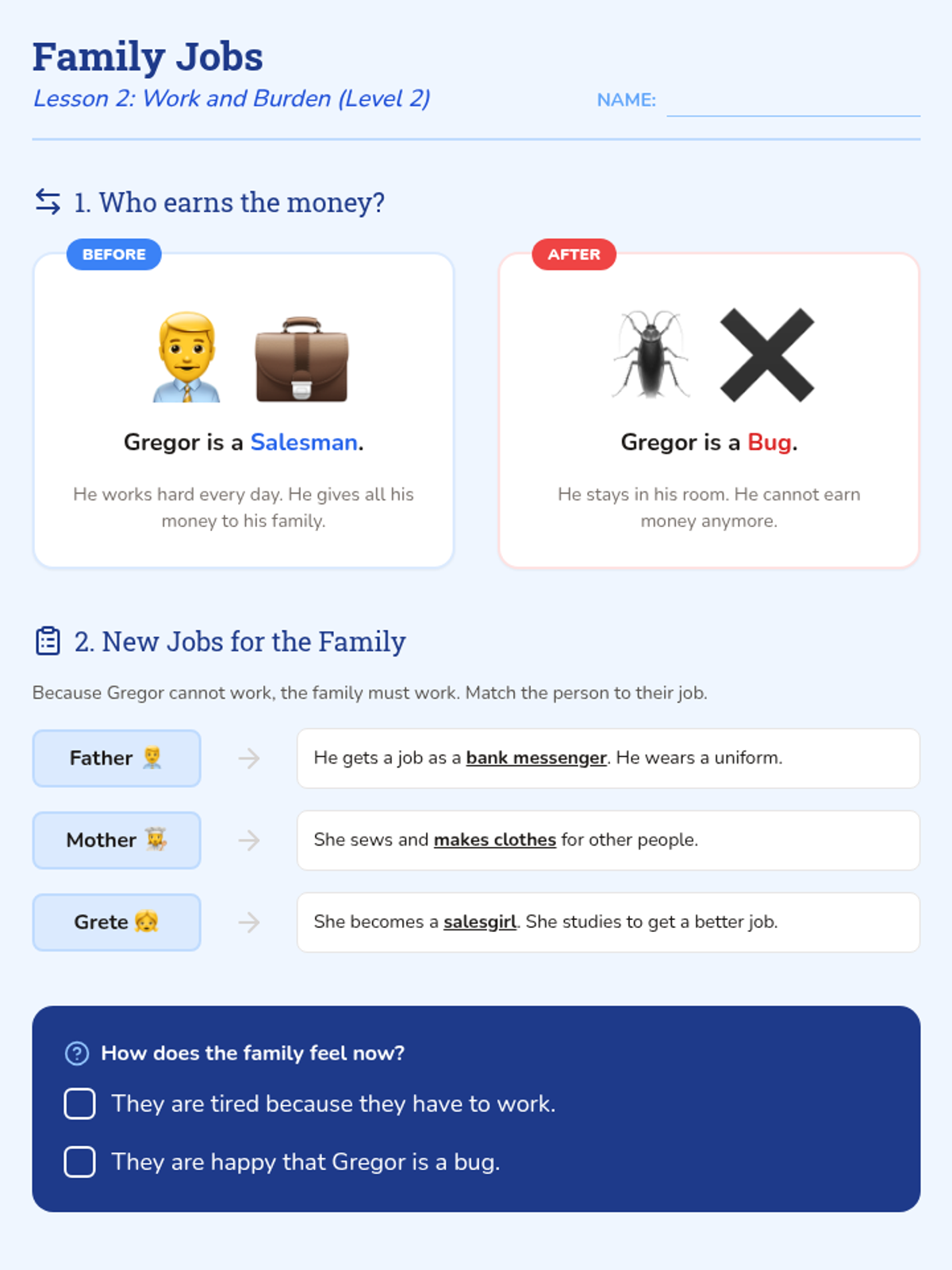
Explores the concept of responsibility through the lens of money and work, contrasting Gregor's role before and after his transformation.
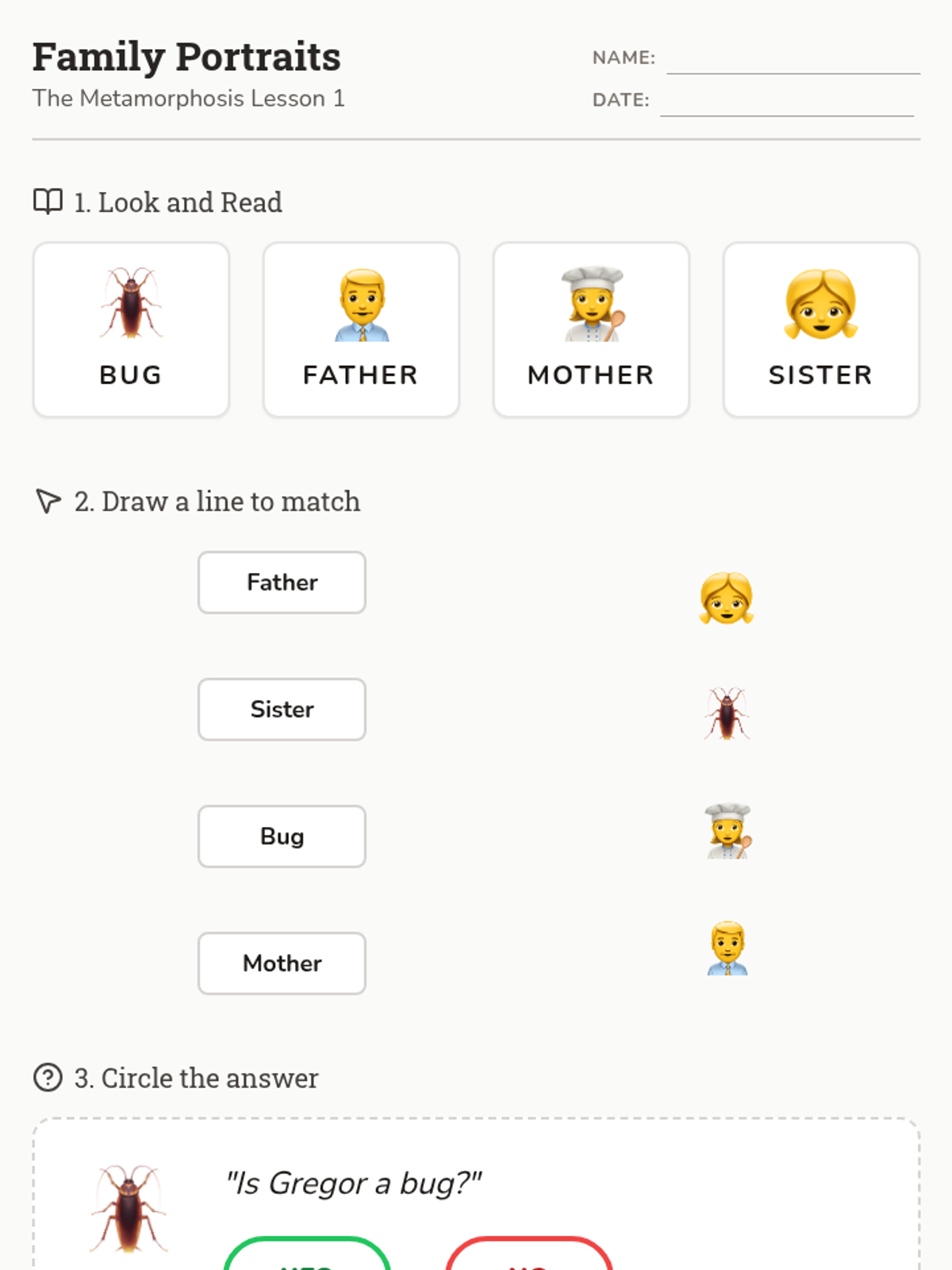
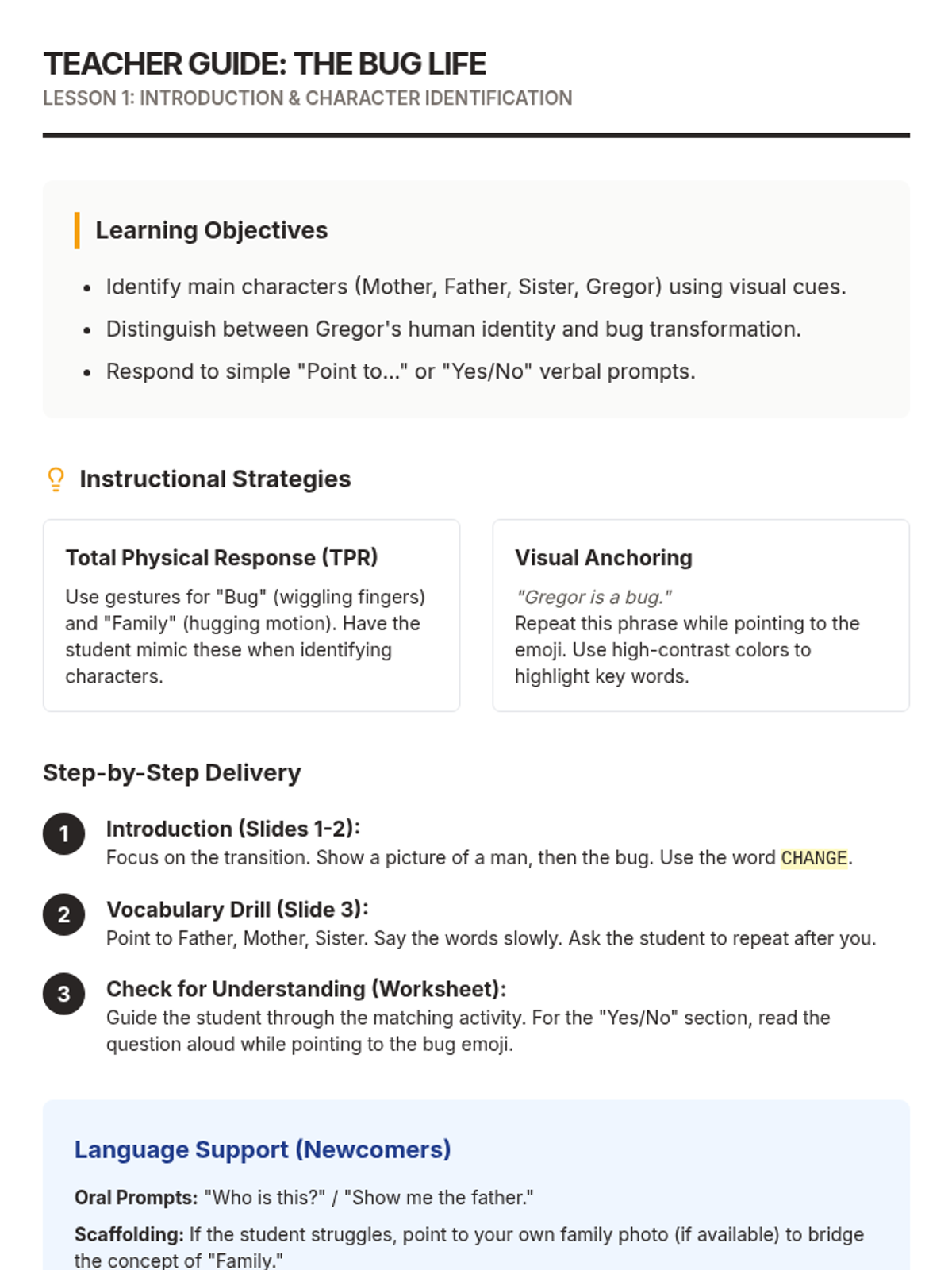
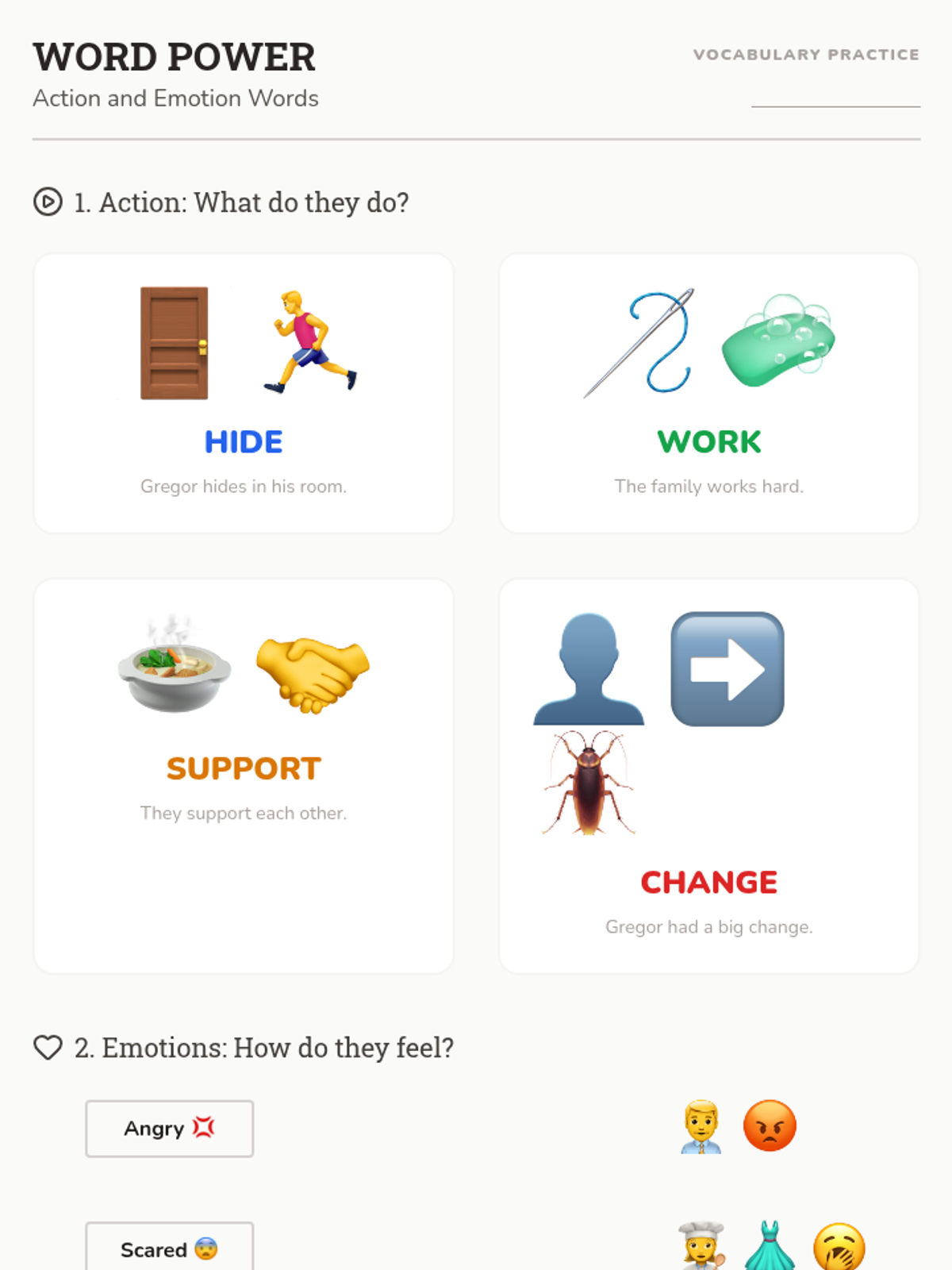
Introduces Gregor and his family members through high-frequency vocabulary and visual matching to establish the premise of the story.
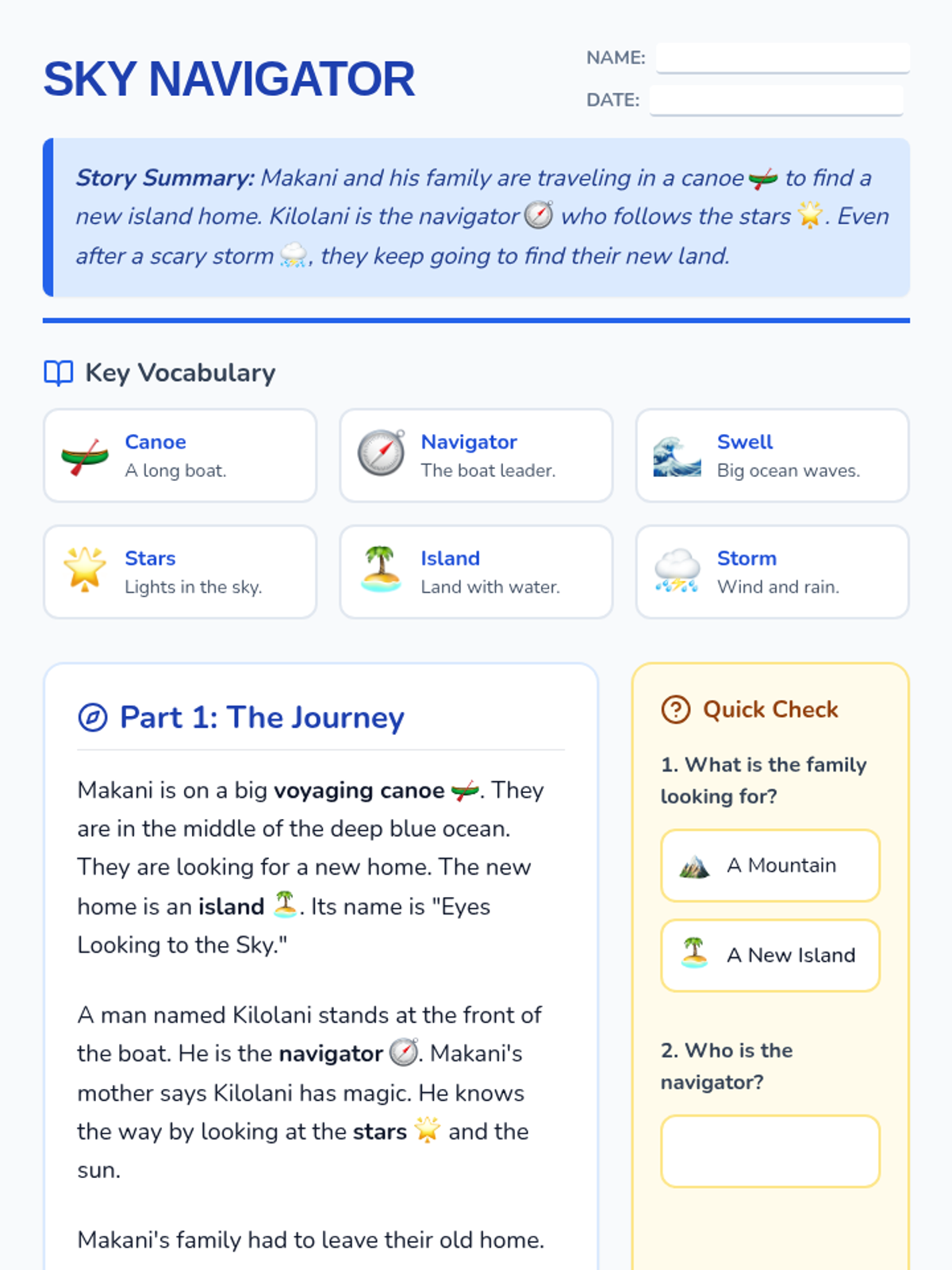
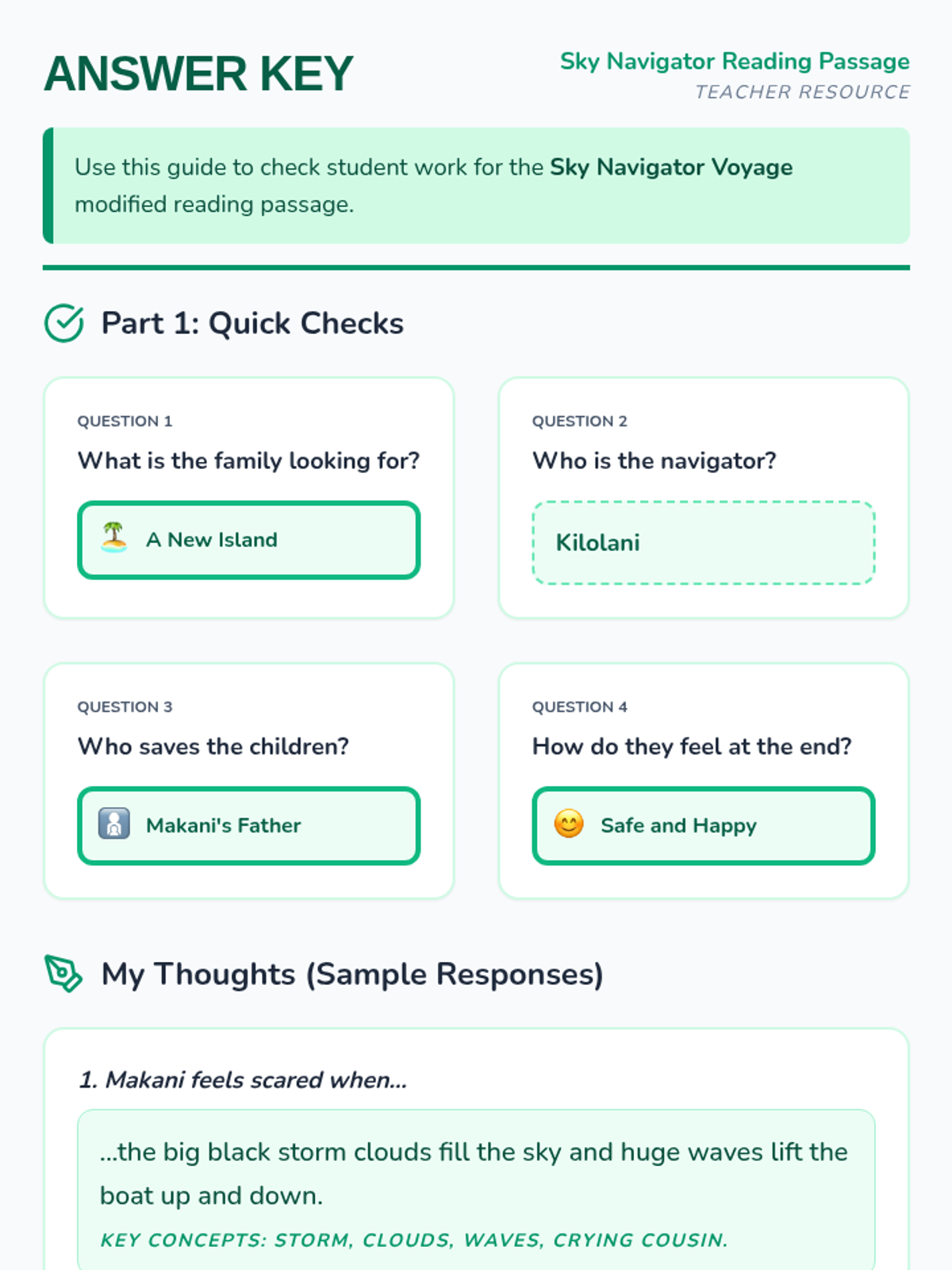
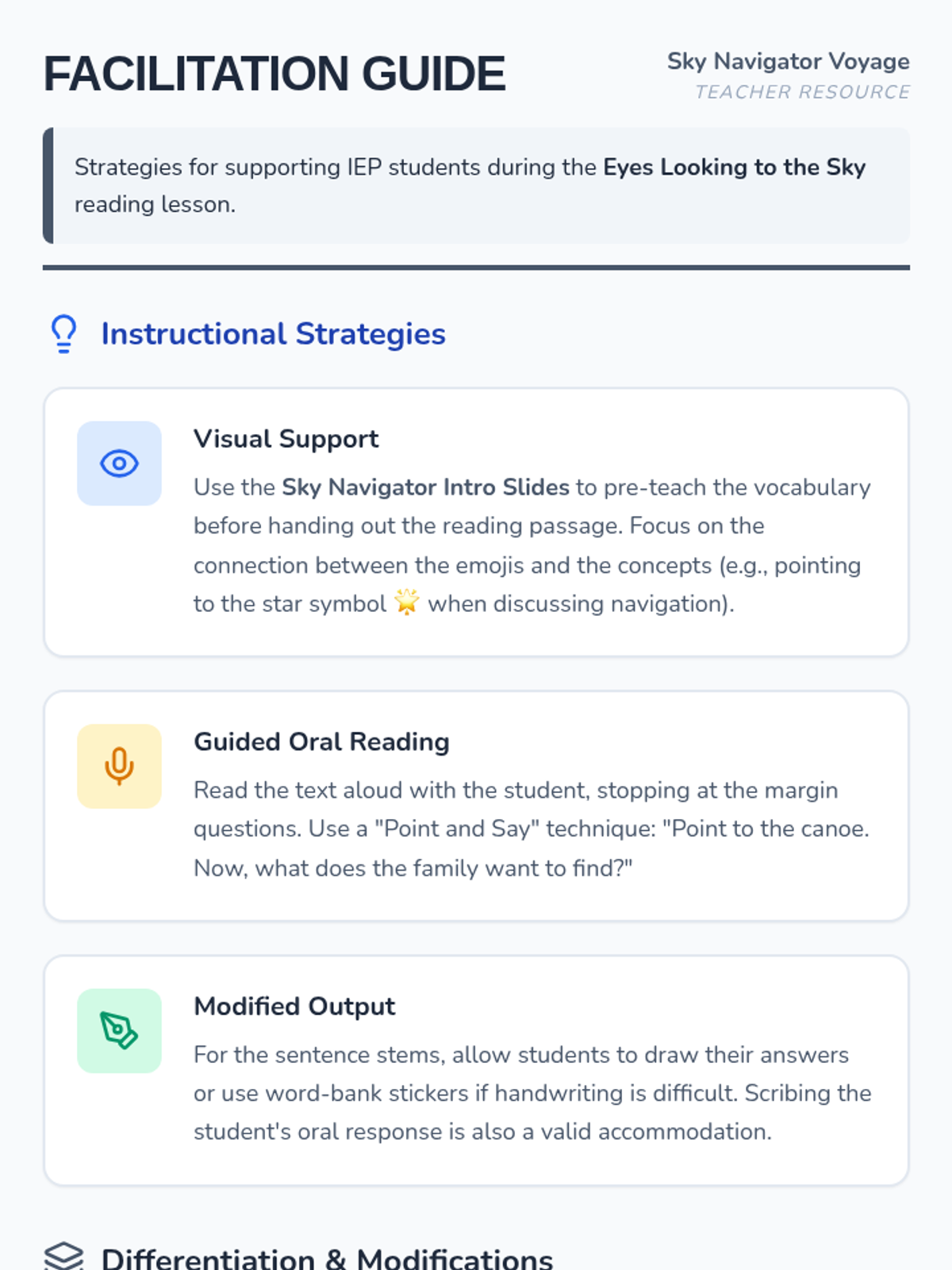
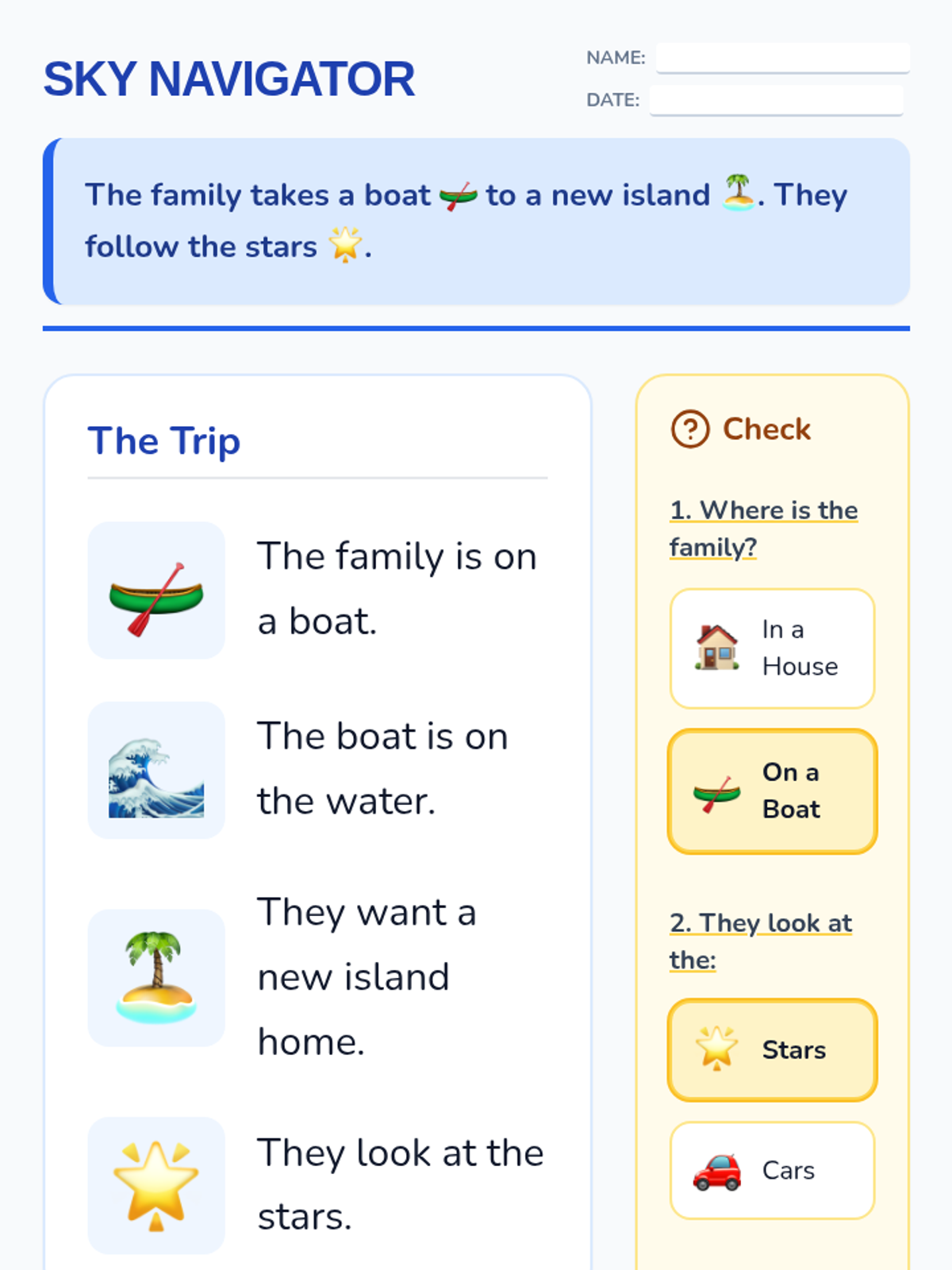
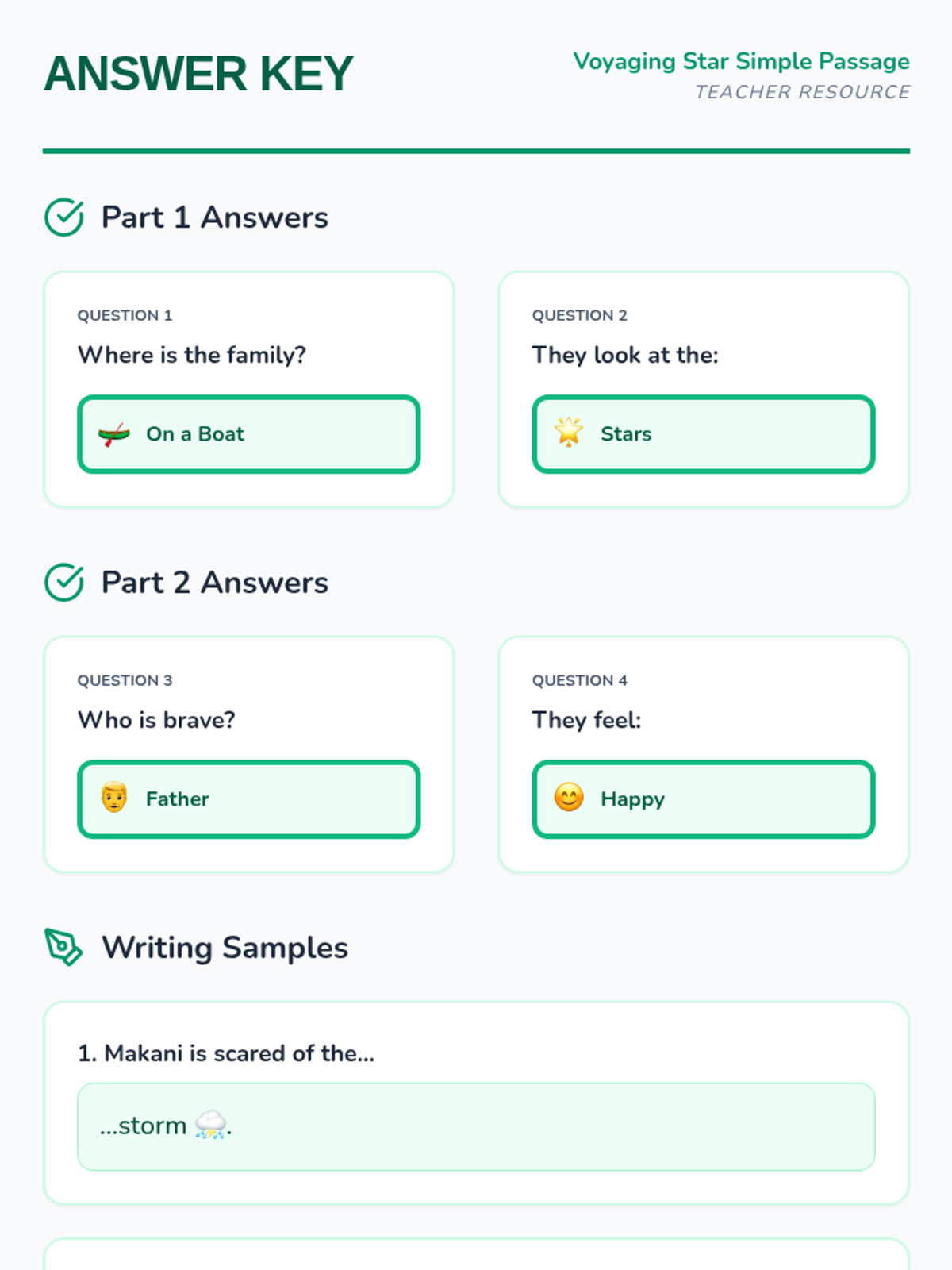
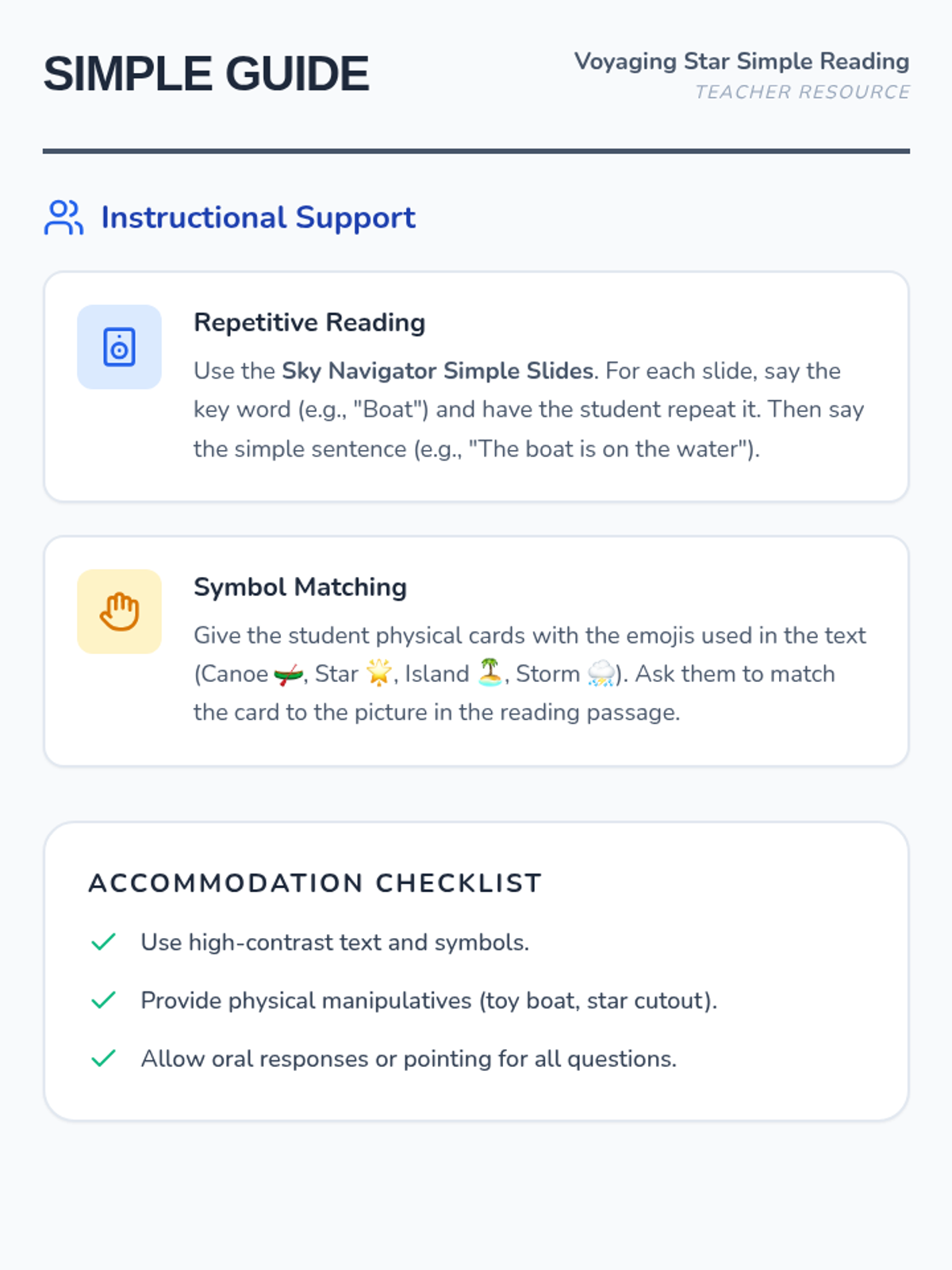
This lesson focuses on a simplified version of 'Eyes Looking to the Sky,' using visual supports, scaffolded questions, and sentence stems to help students with IEPs understand the themes of navigation and journey.
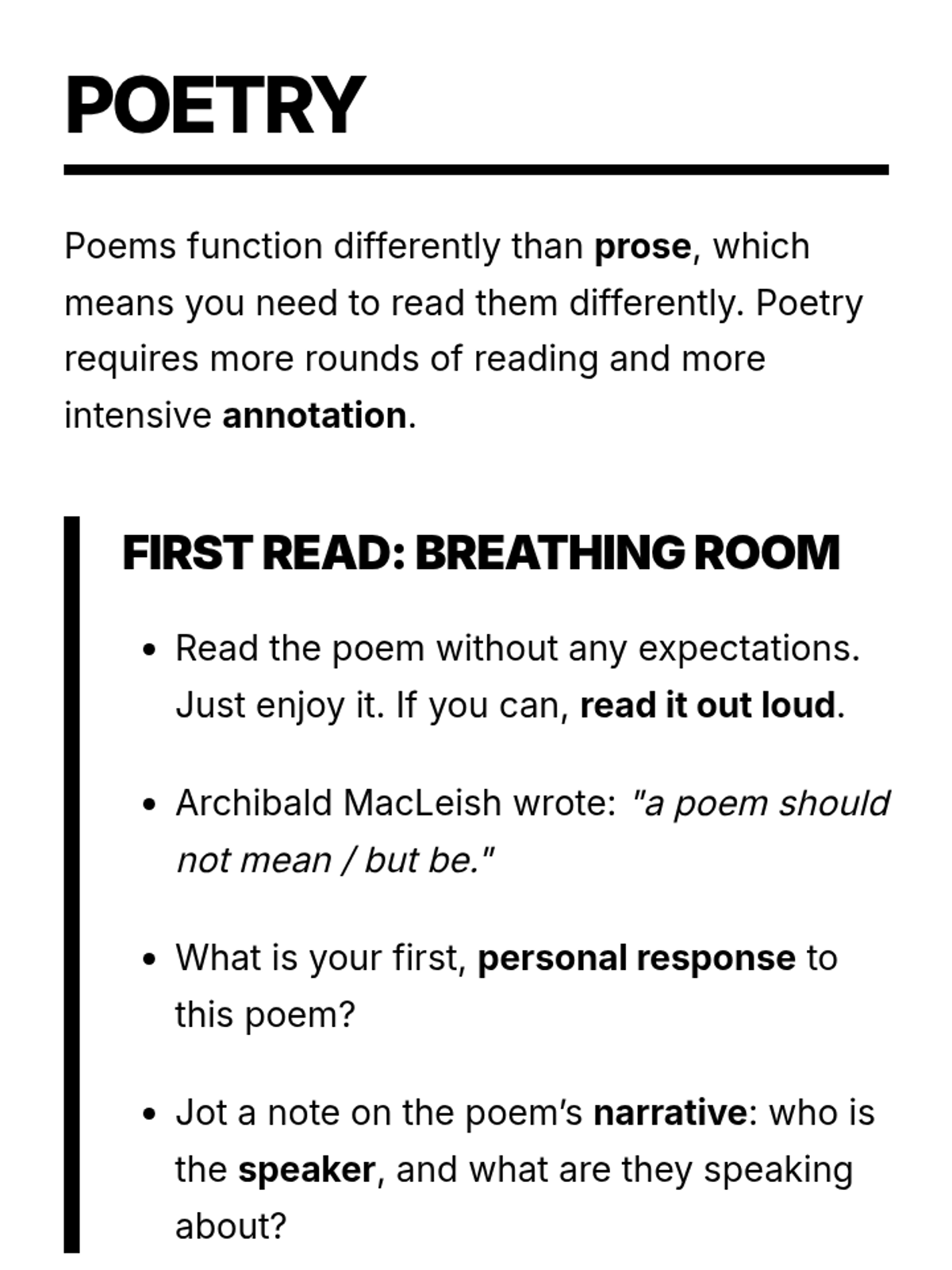
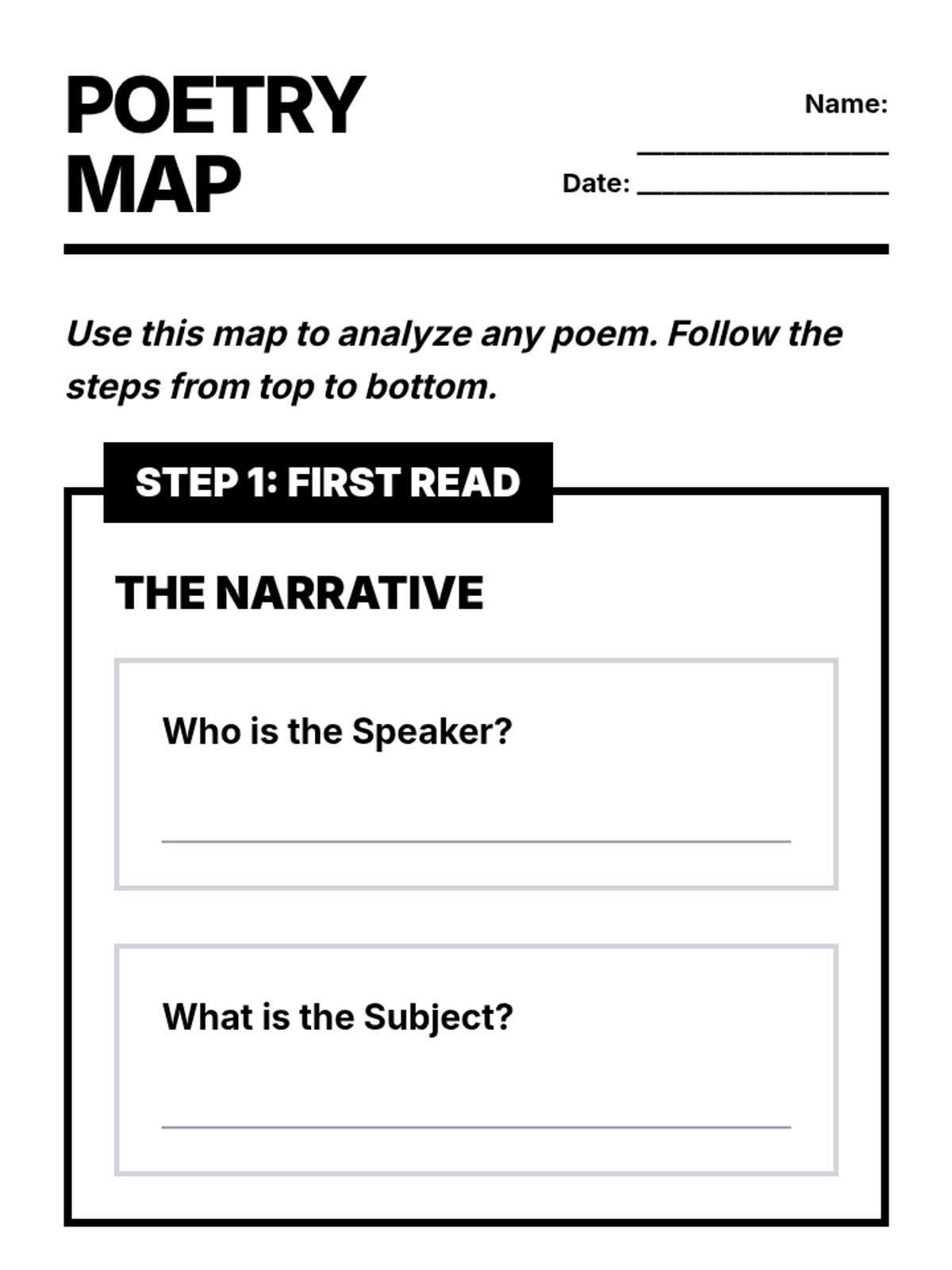
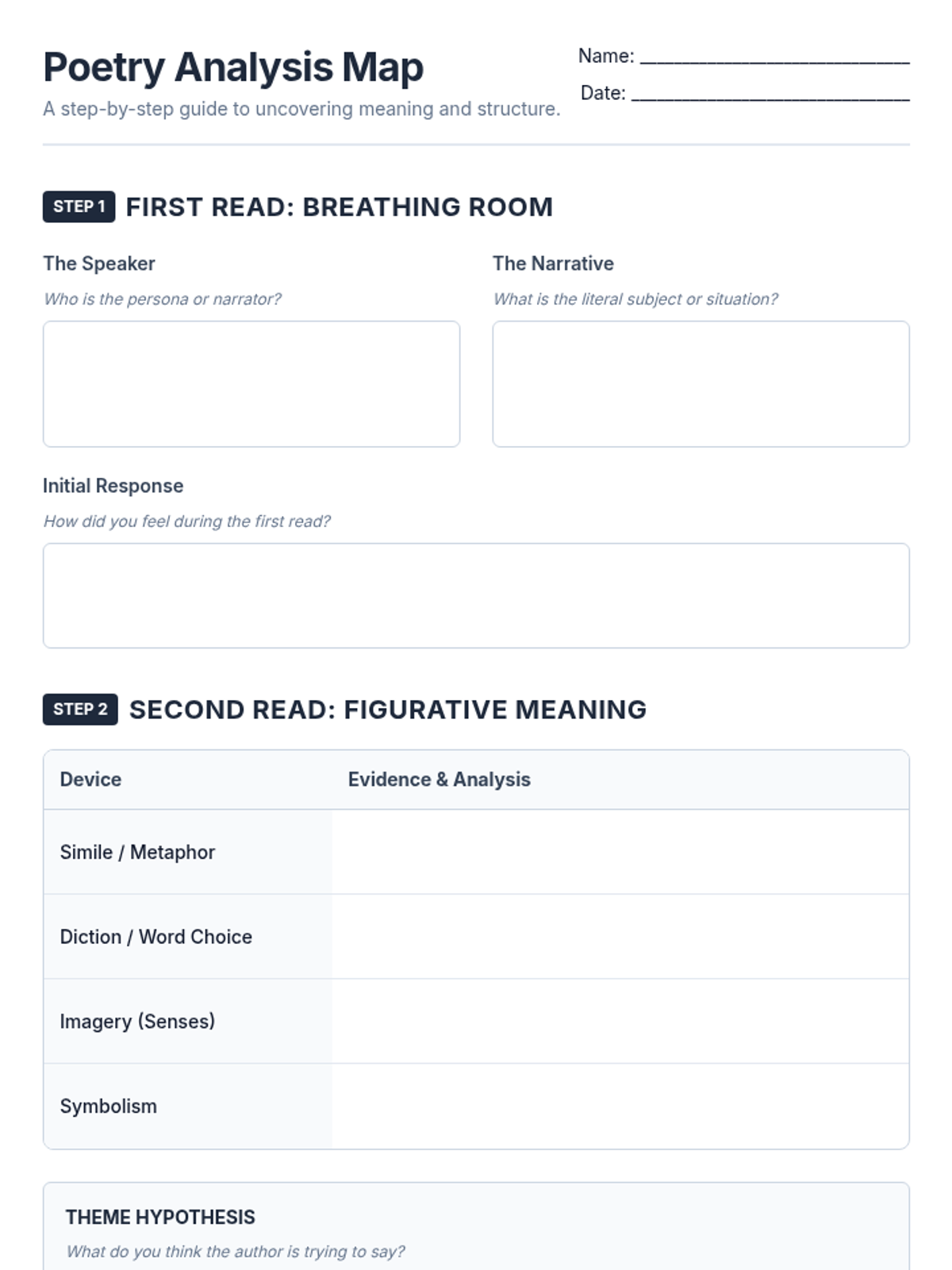
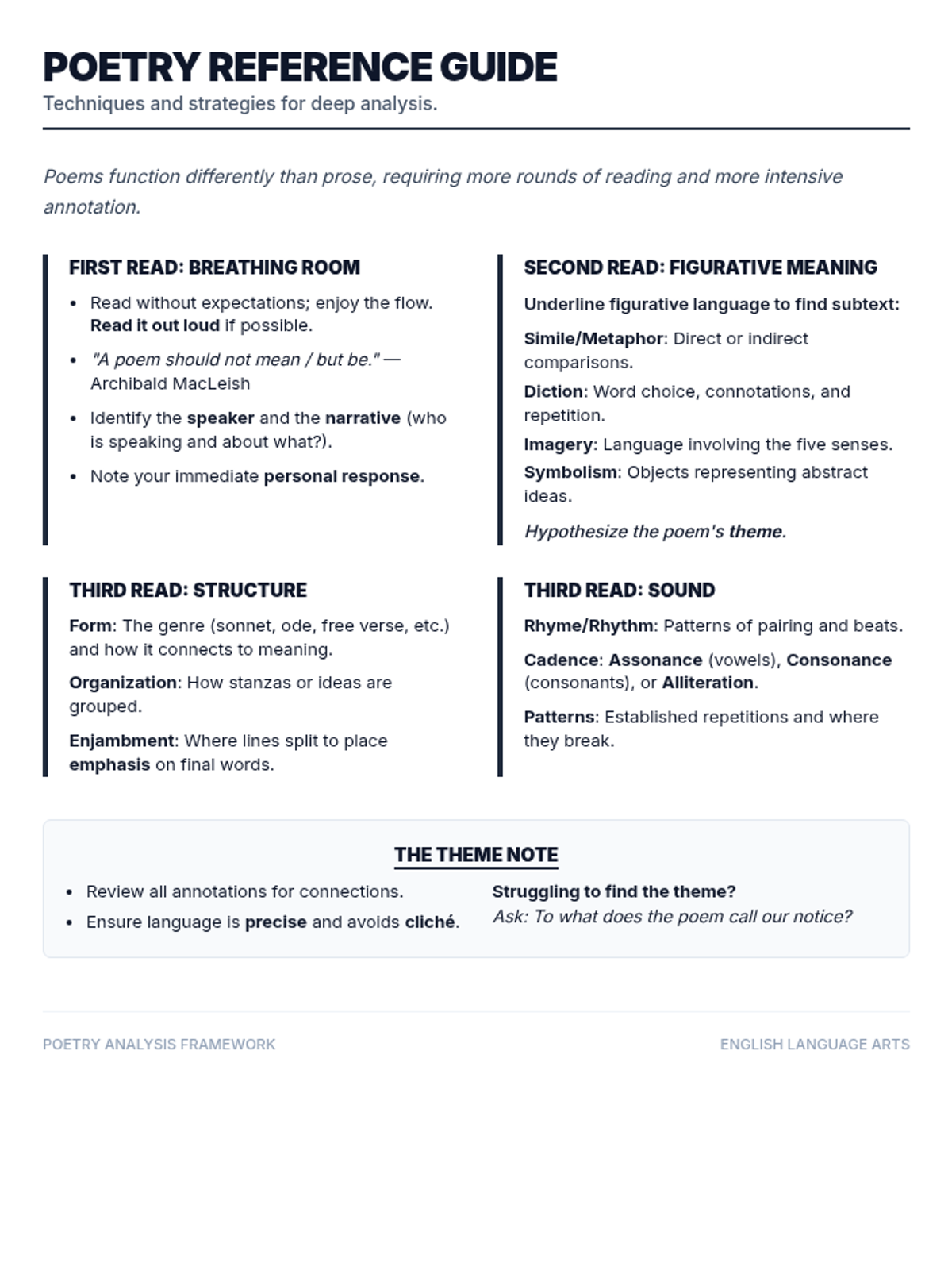
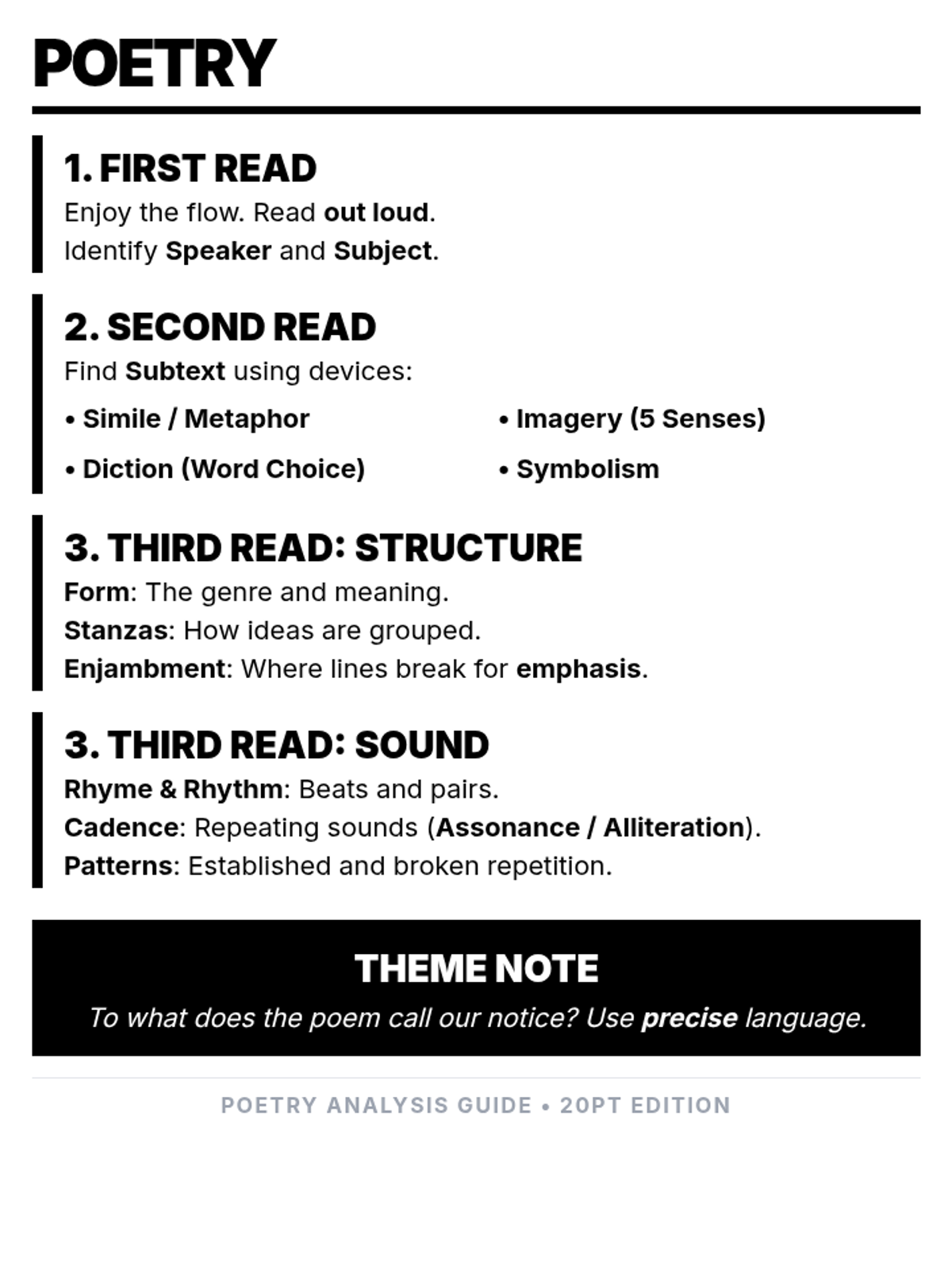
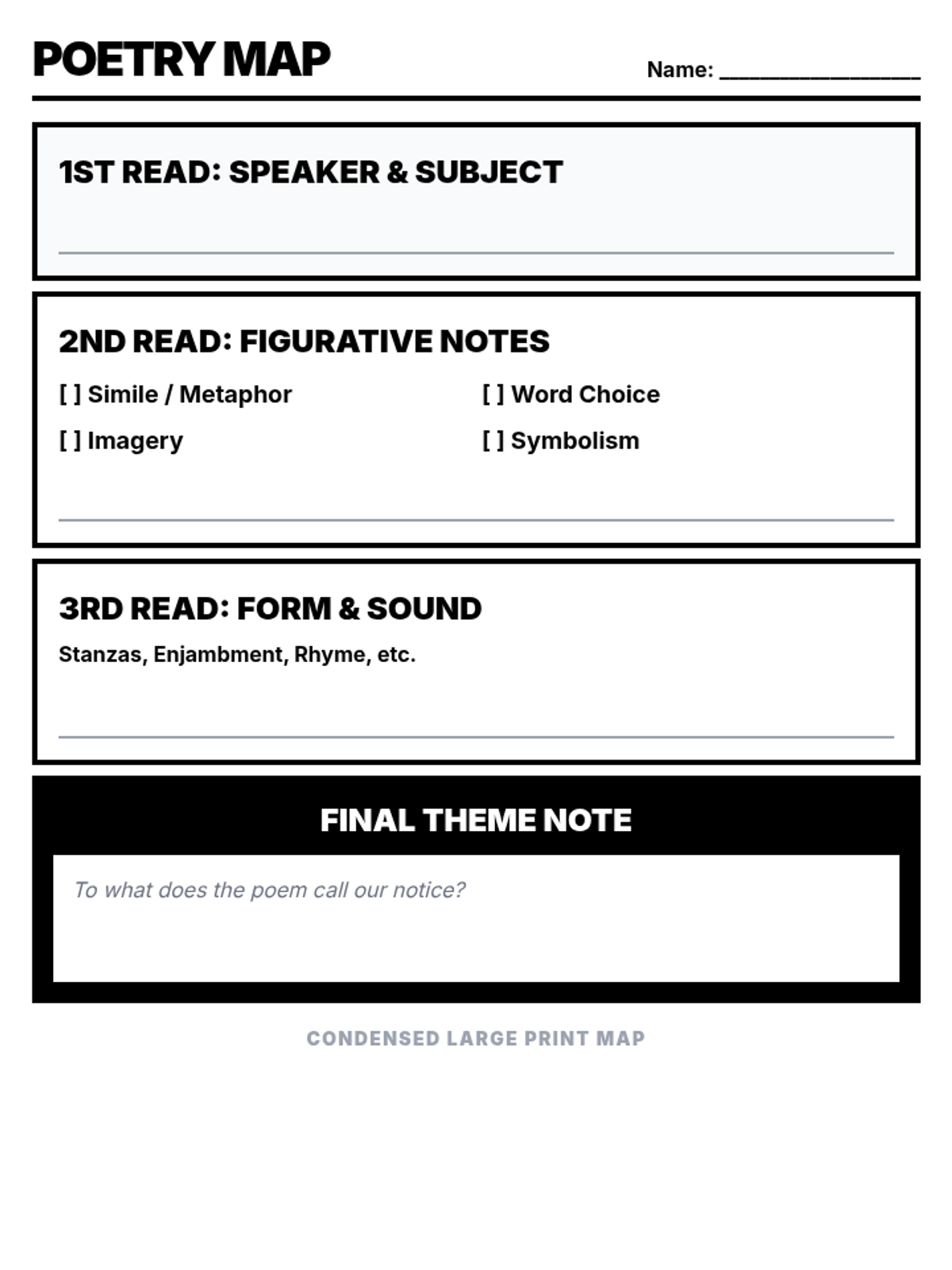
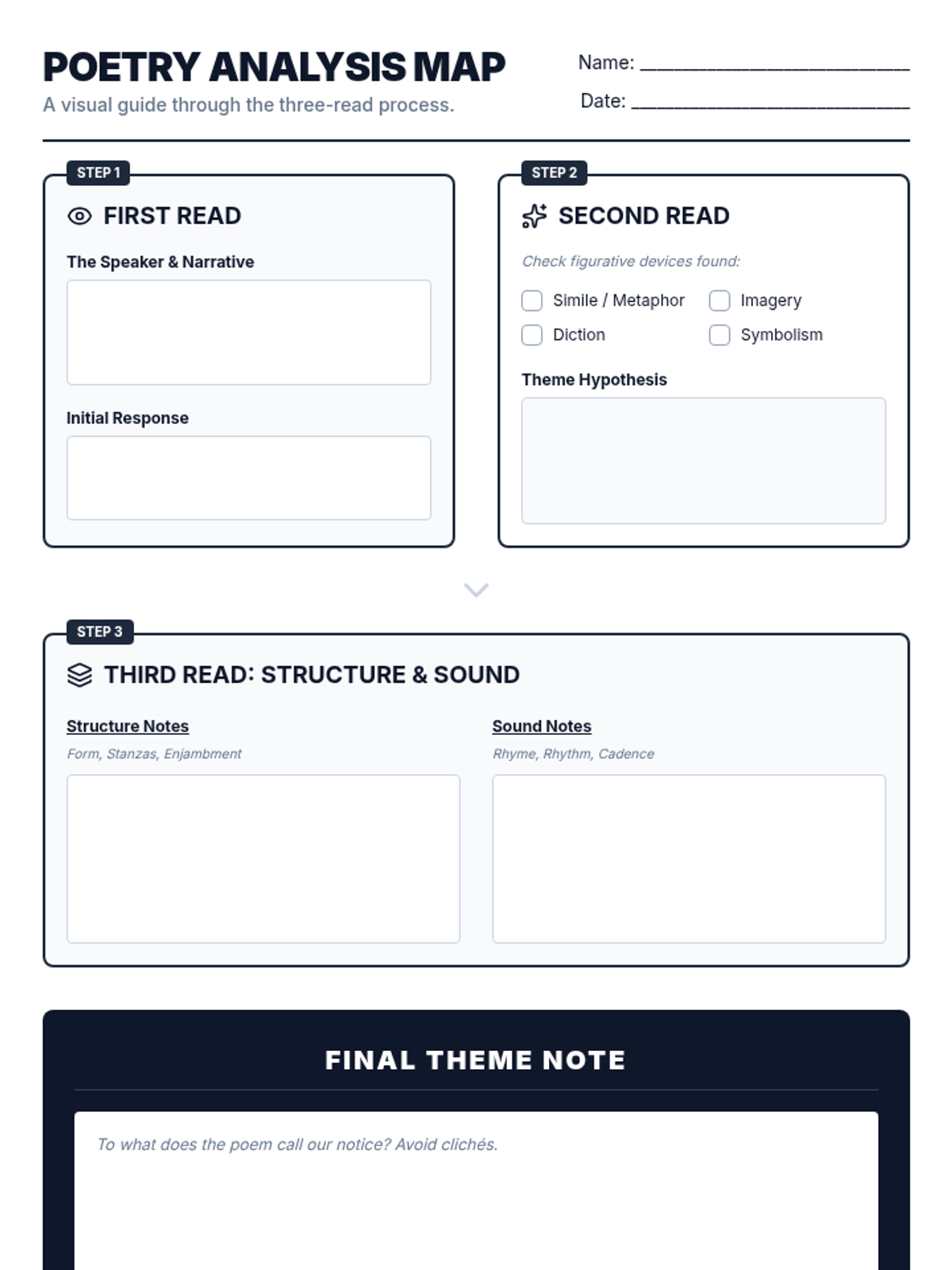
A comprehensive guide and reference set for reading and analyzing poetry, specifically formatted for students with visual impairments.
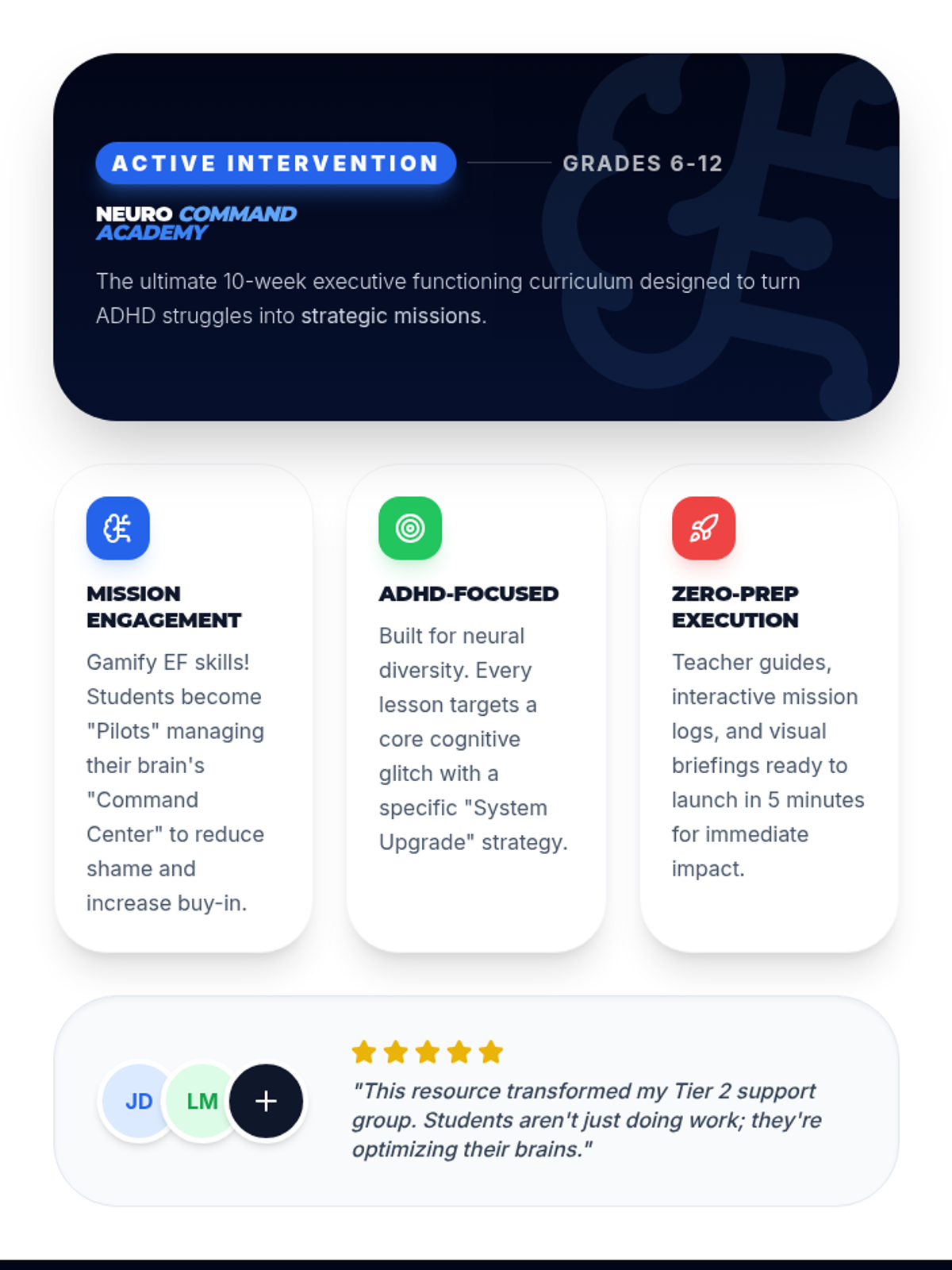
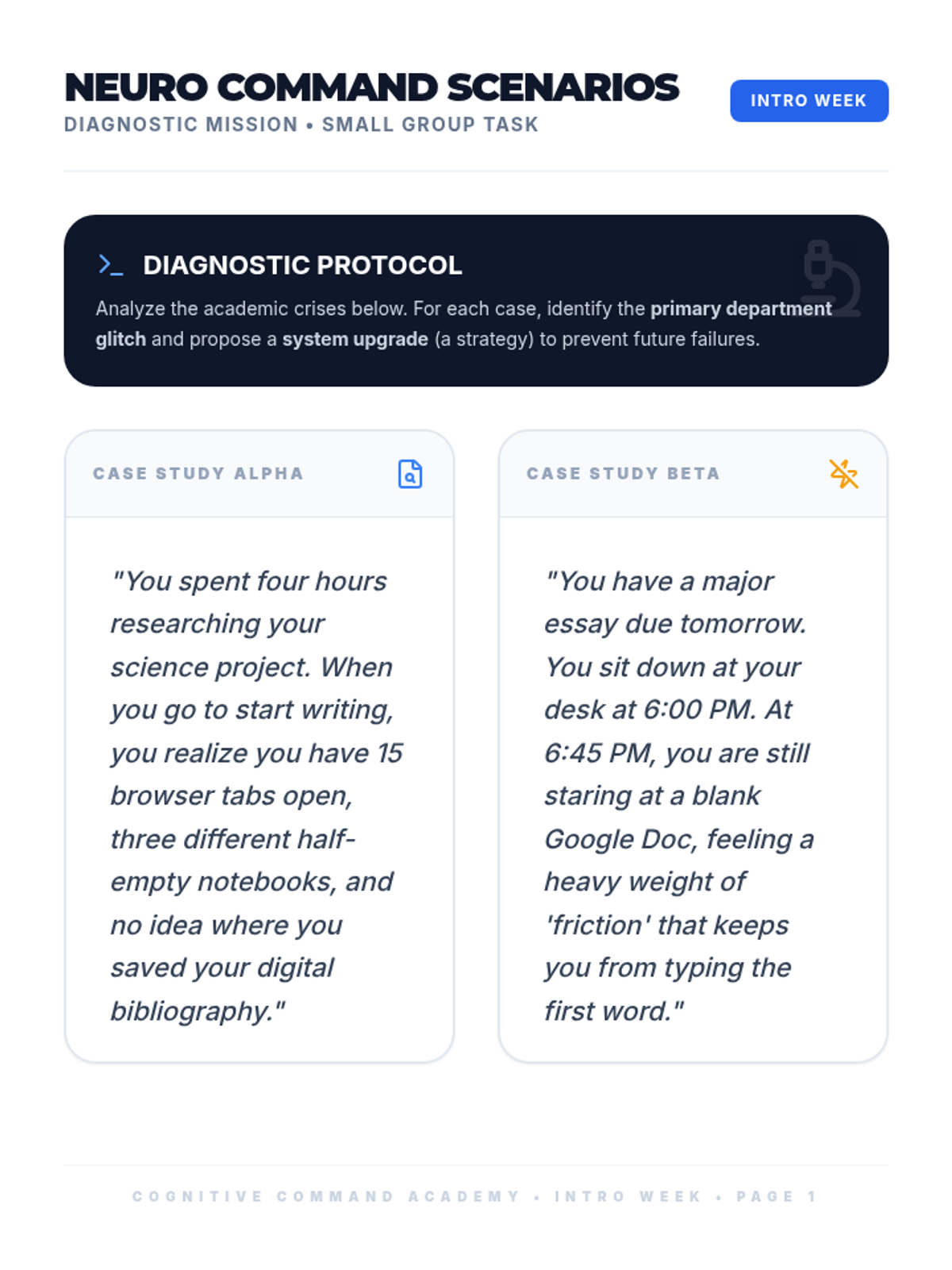
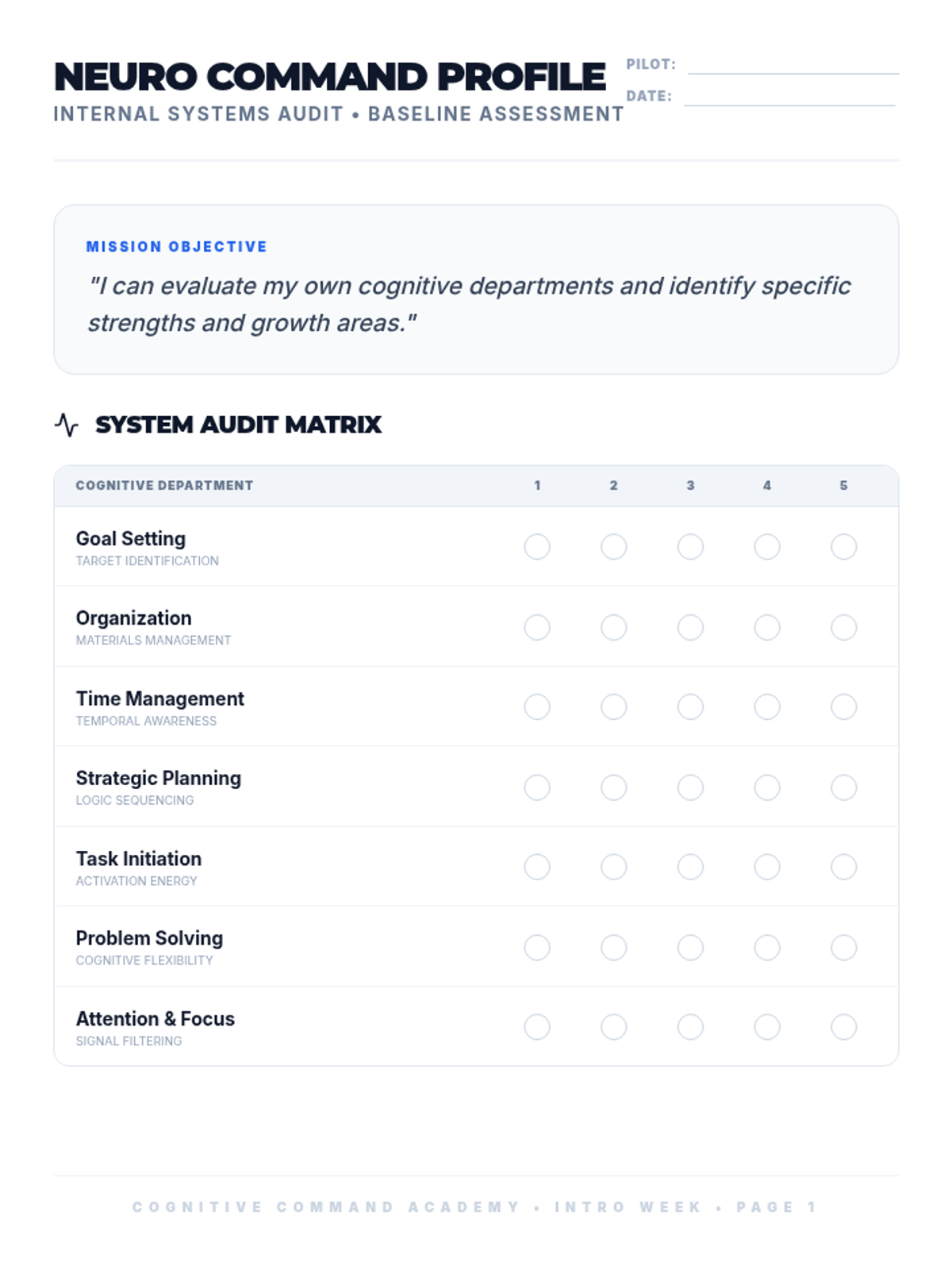
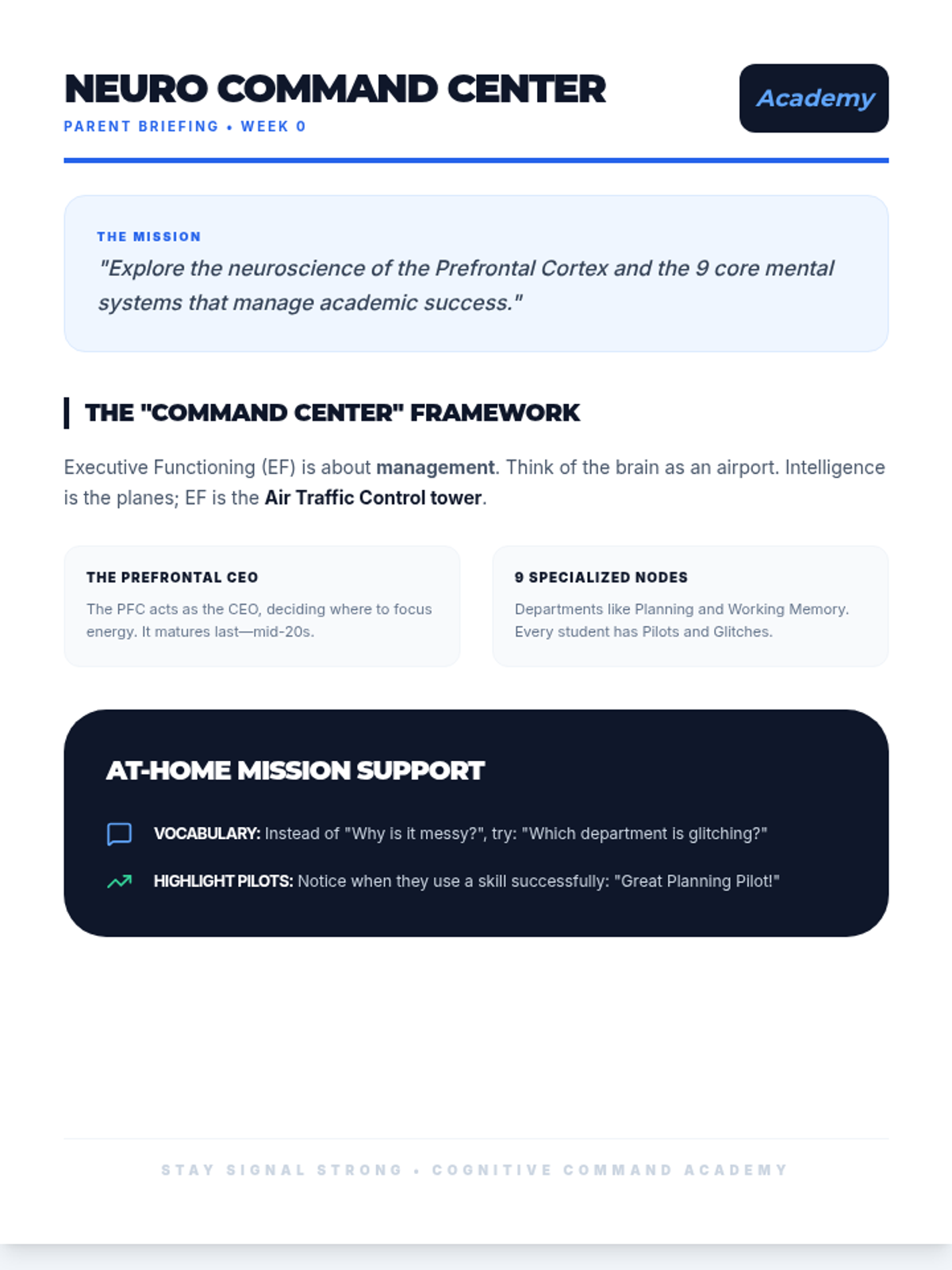
A comprehensive resource kit for the 'Neuro Command Academy' 10-week curriculum, including high-impact TPT product pages and standards-aligned guides.
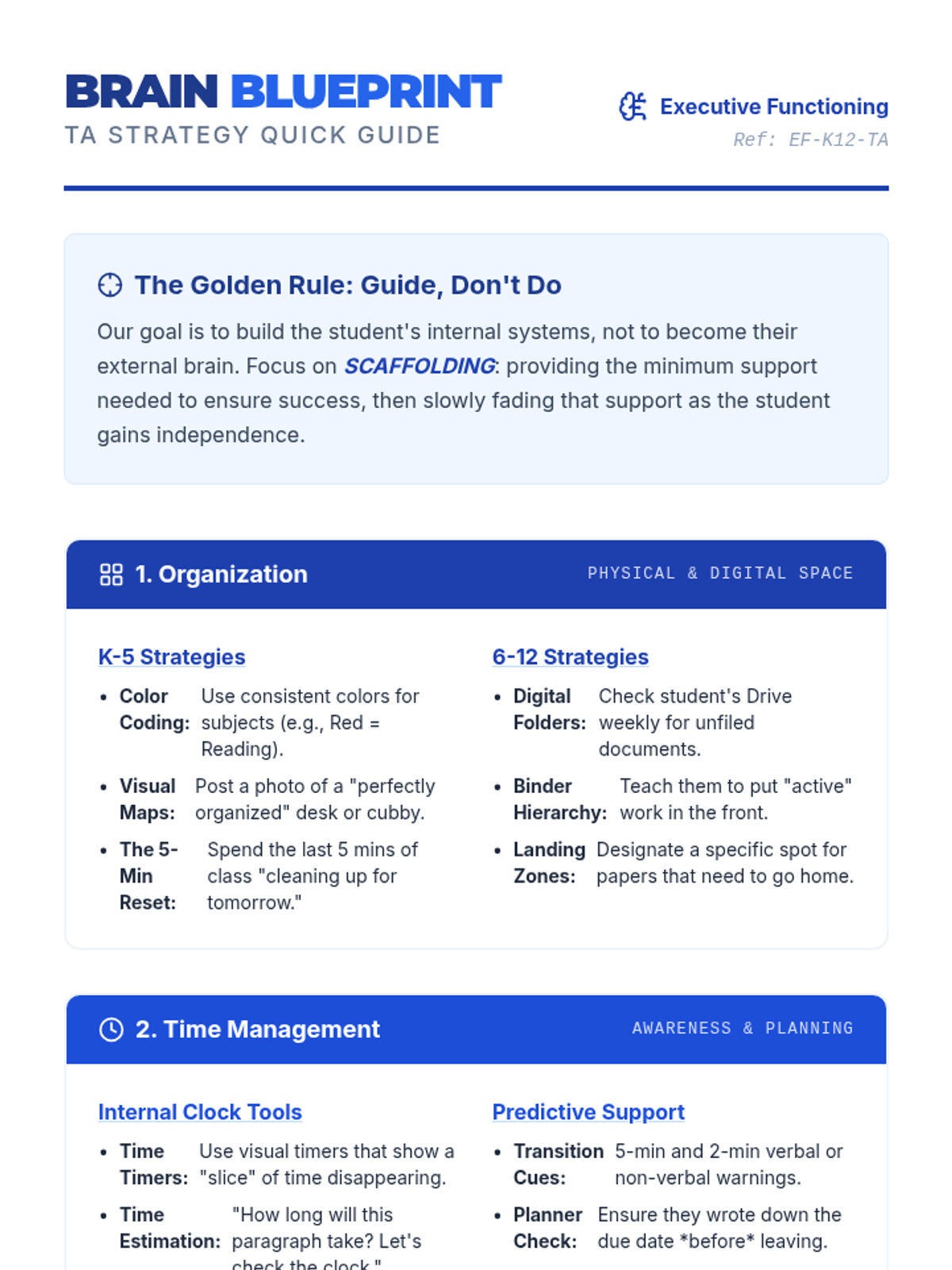
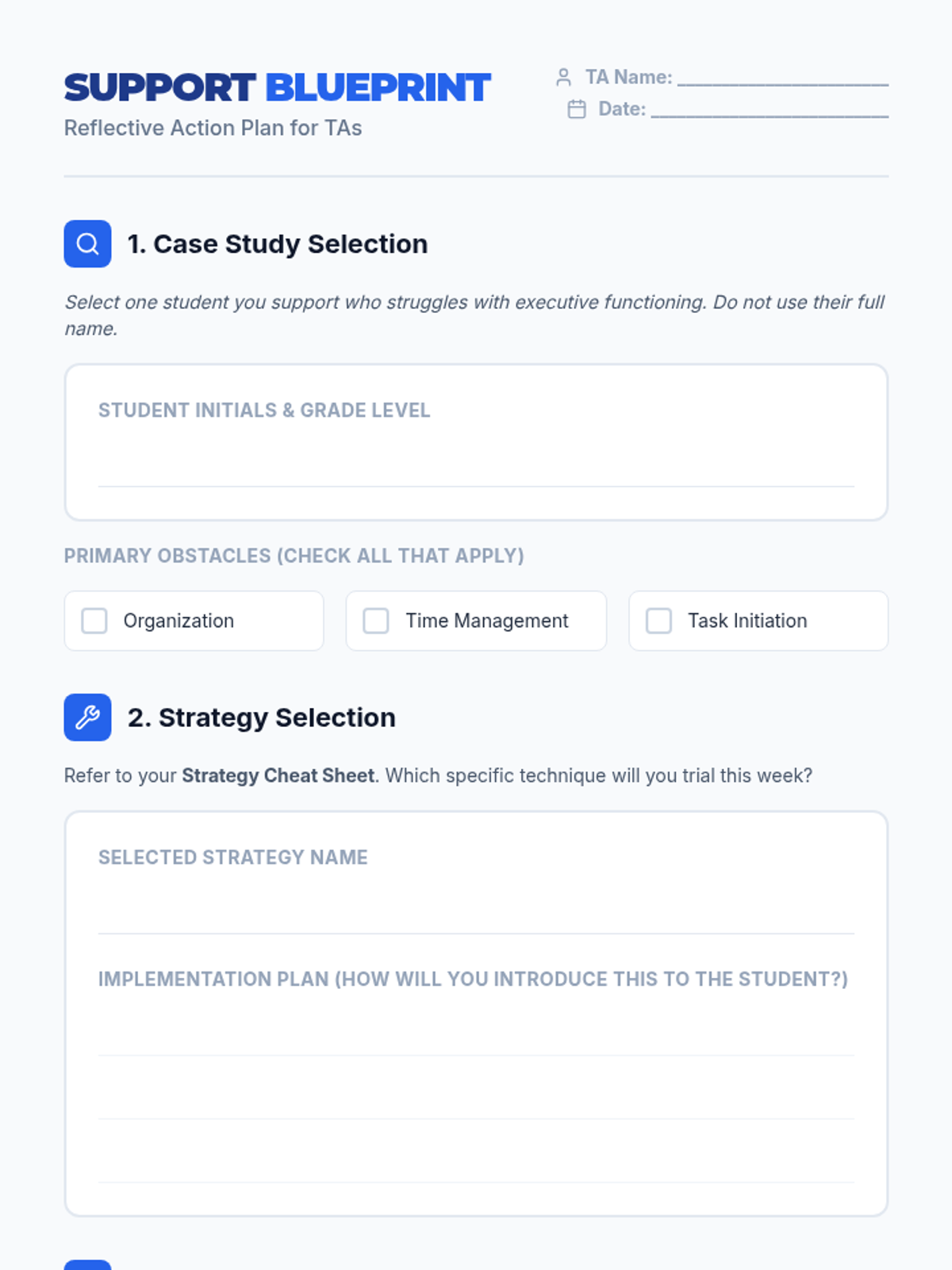
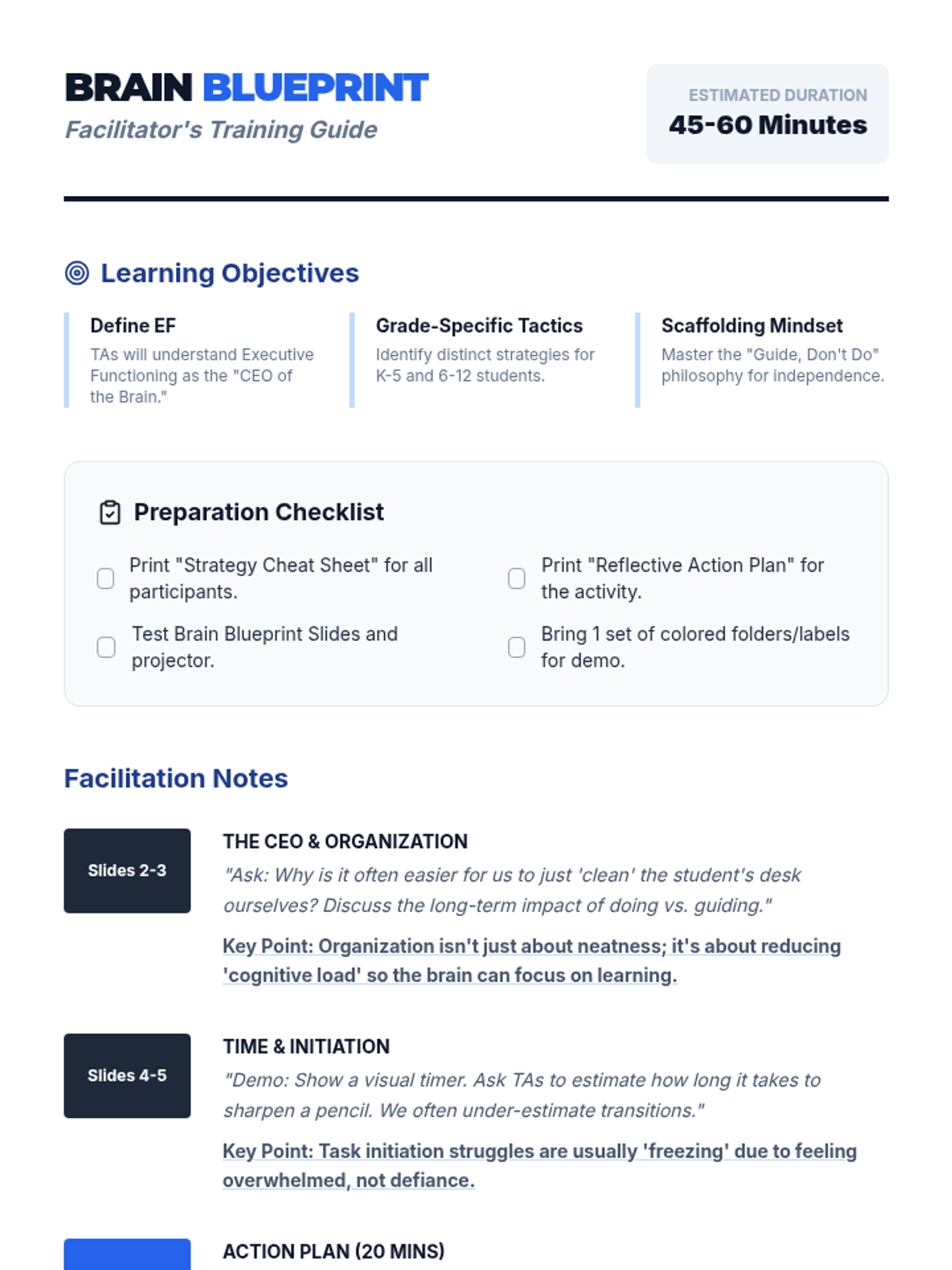
A comprehensive training program for Teaching Assistants to master the art of supporting student executive functioning, focusing on organization, time management, and task initiation across K-12.
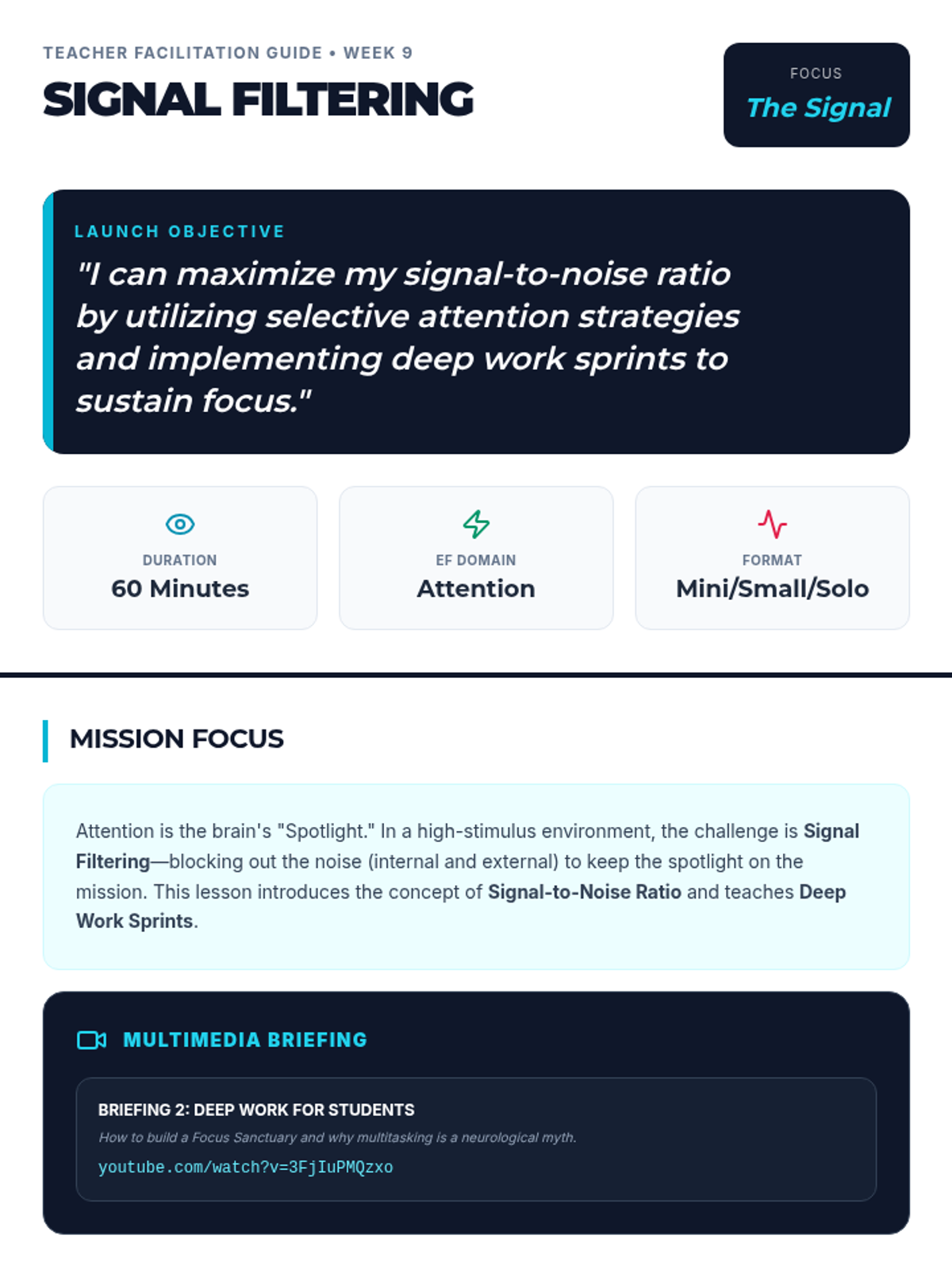
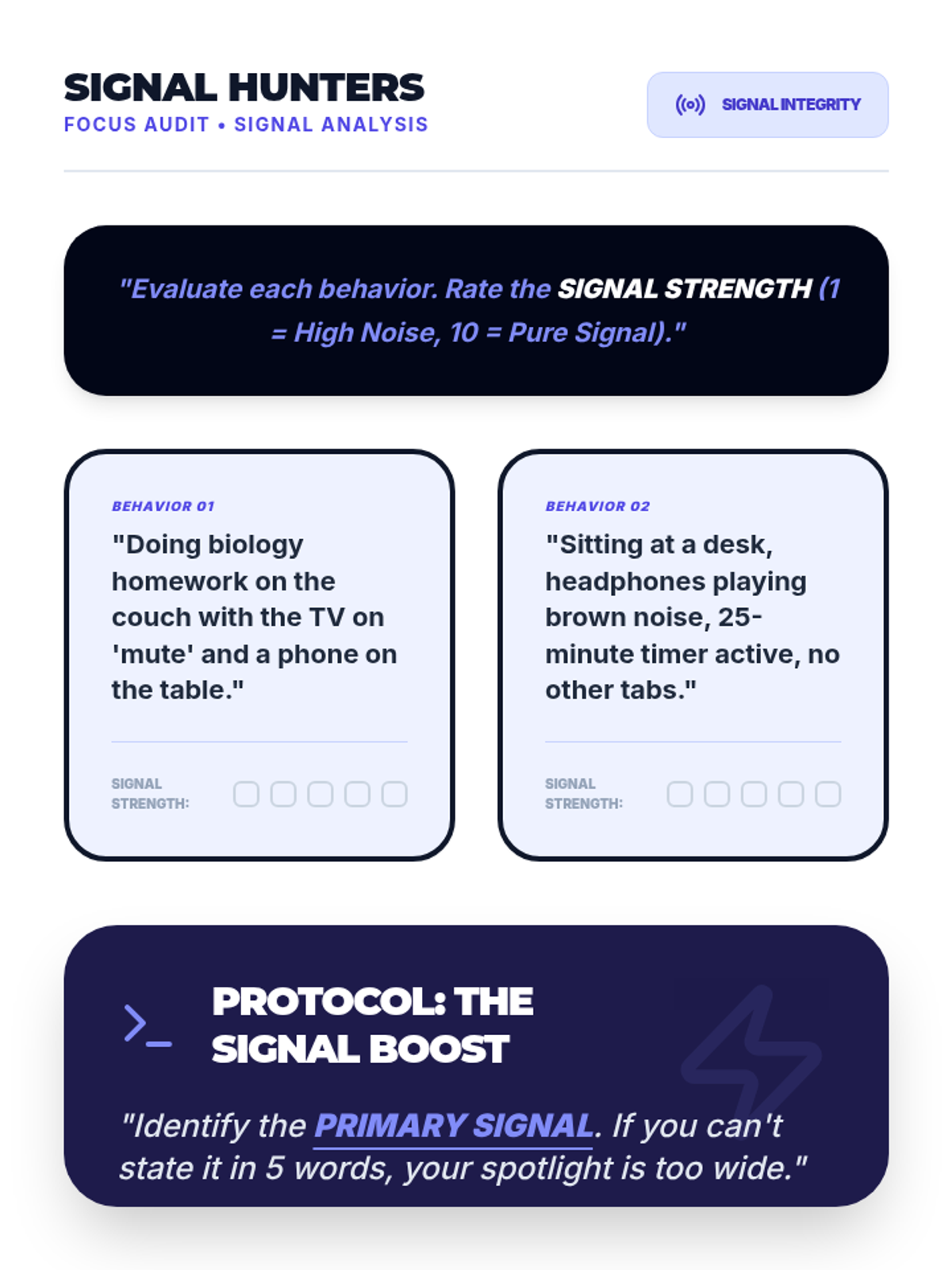
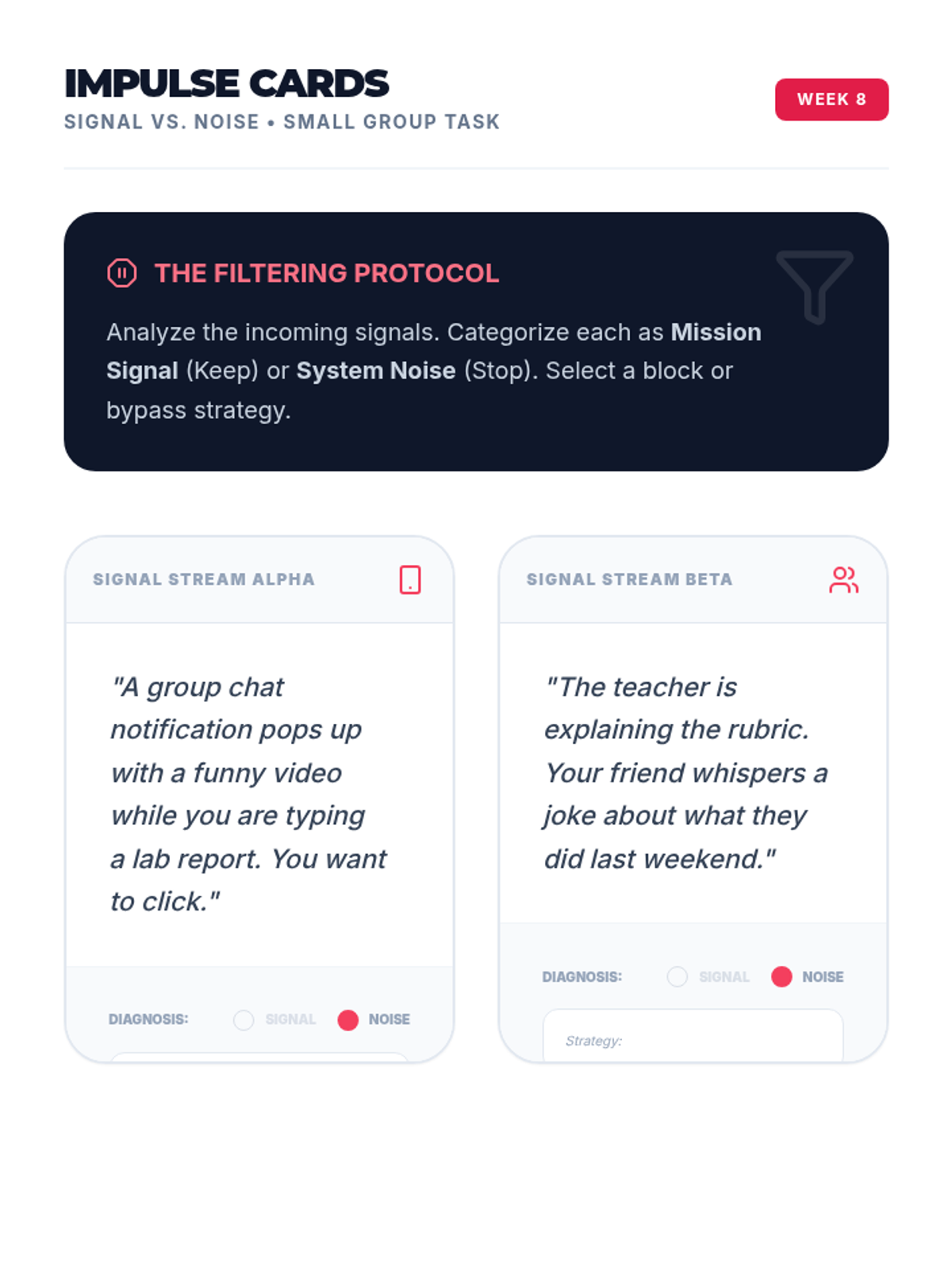
Develops sustained focus and signal filtering strategies to protect the brain's neural spotlight from internal and external noise.
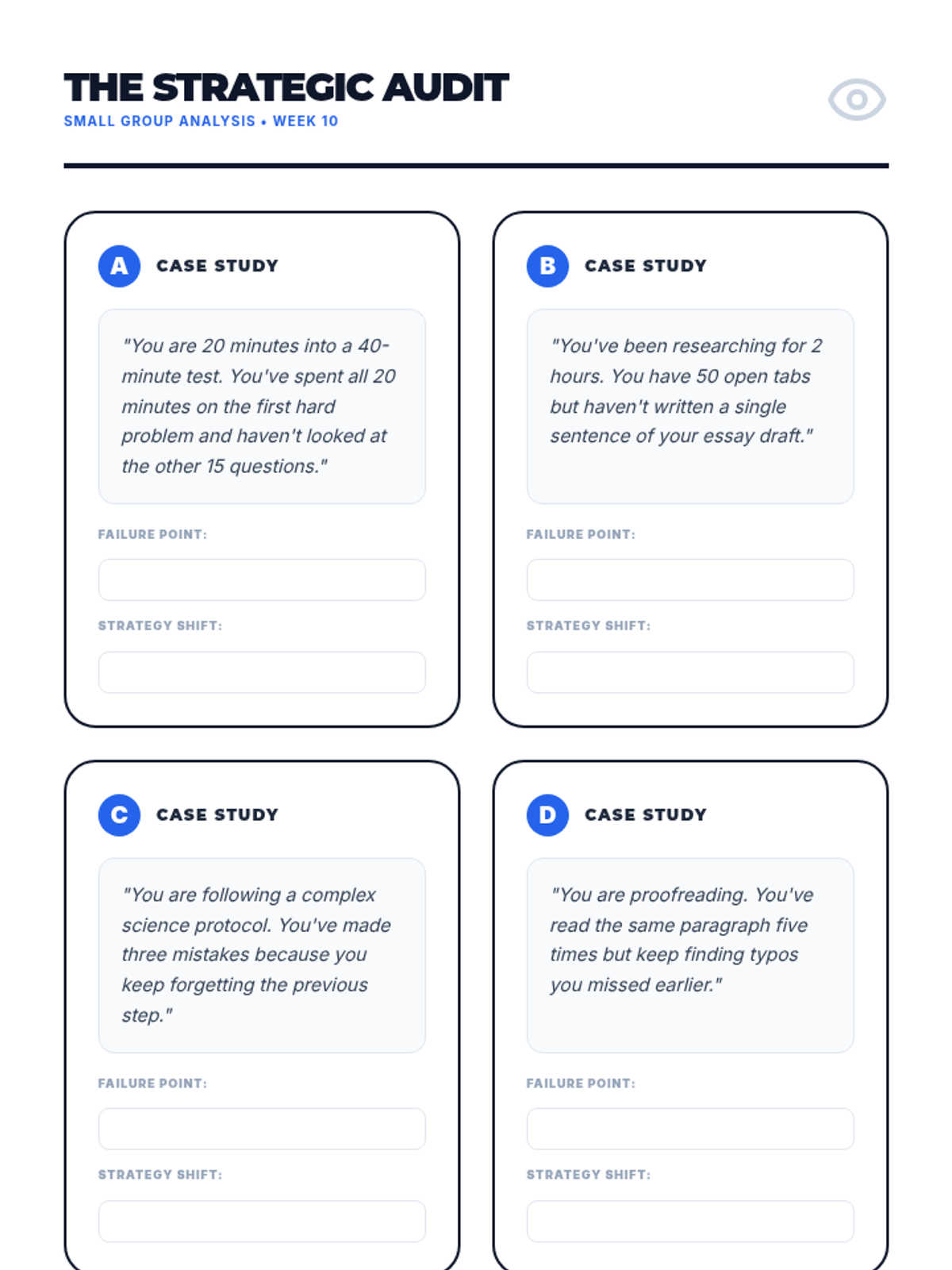
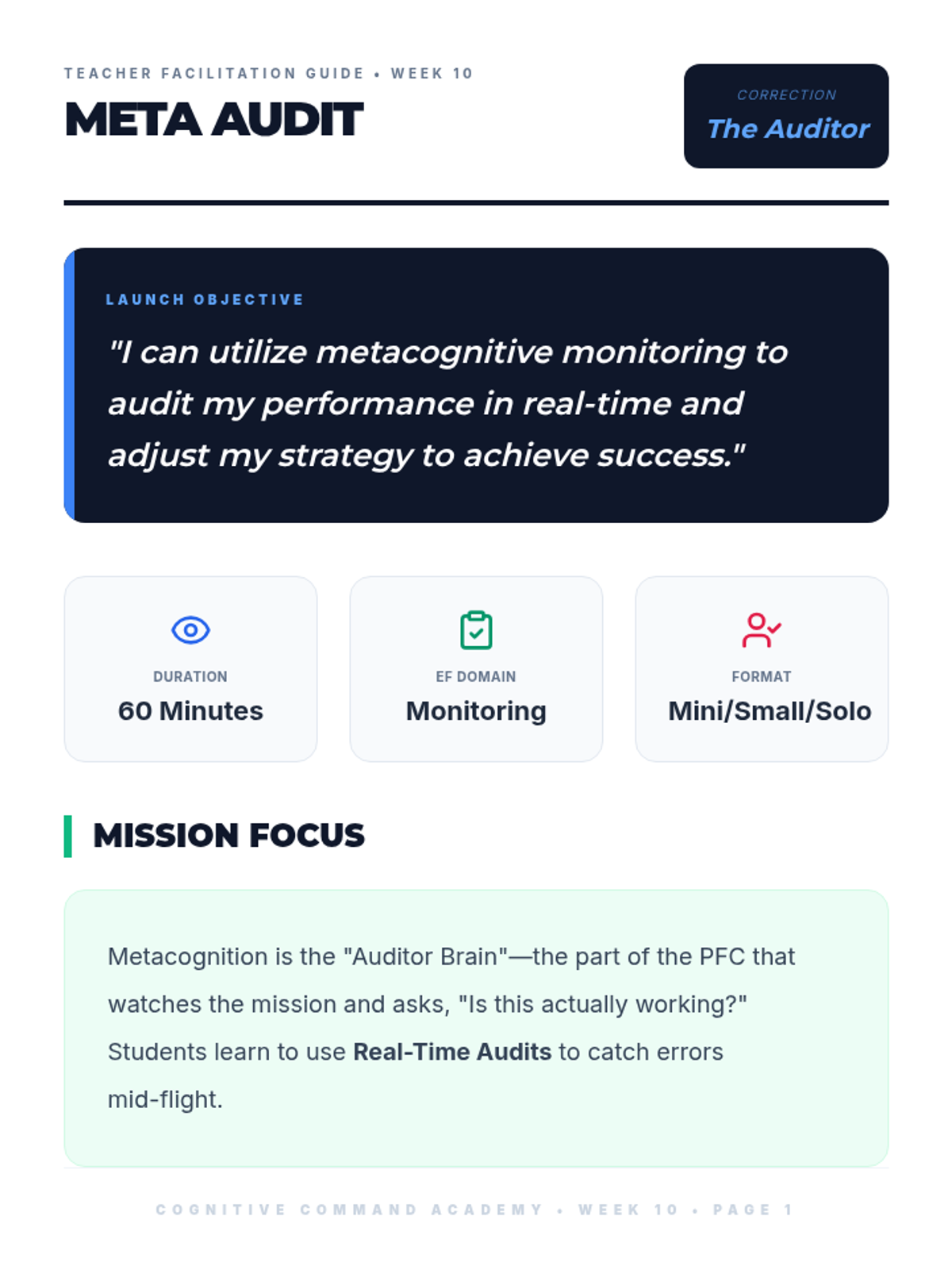
Focuses on self-monitoring and metacognitive awareness, teaching students how to audit their own cognitive performance and adjust strategies mid-mission.
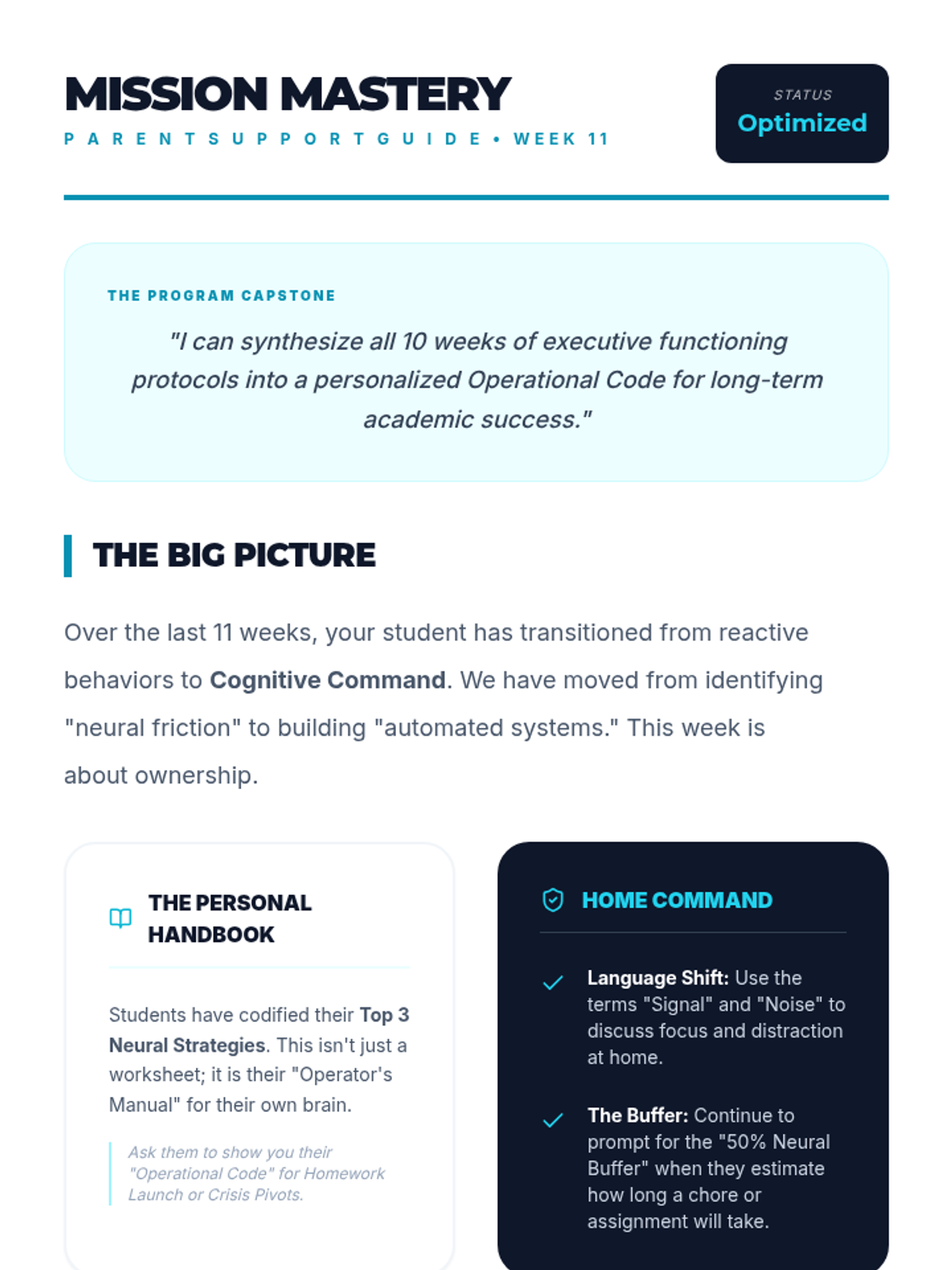
A cumulative review of the Cognitive Command framework, where students synthesize their skills into a personalized executive function handbook for future use.
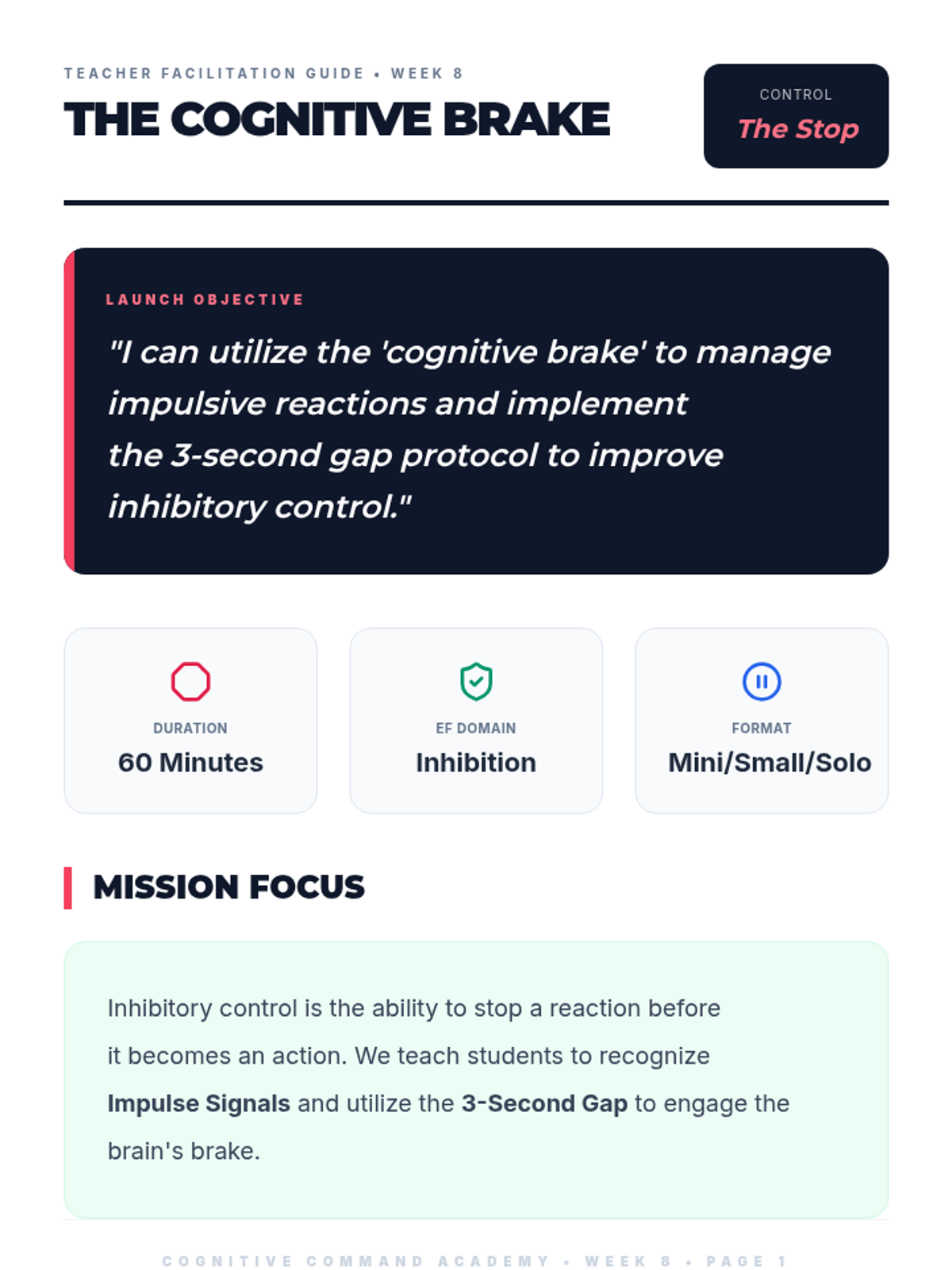
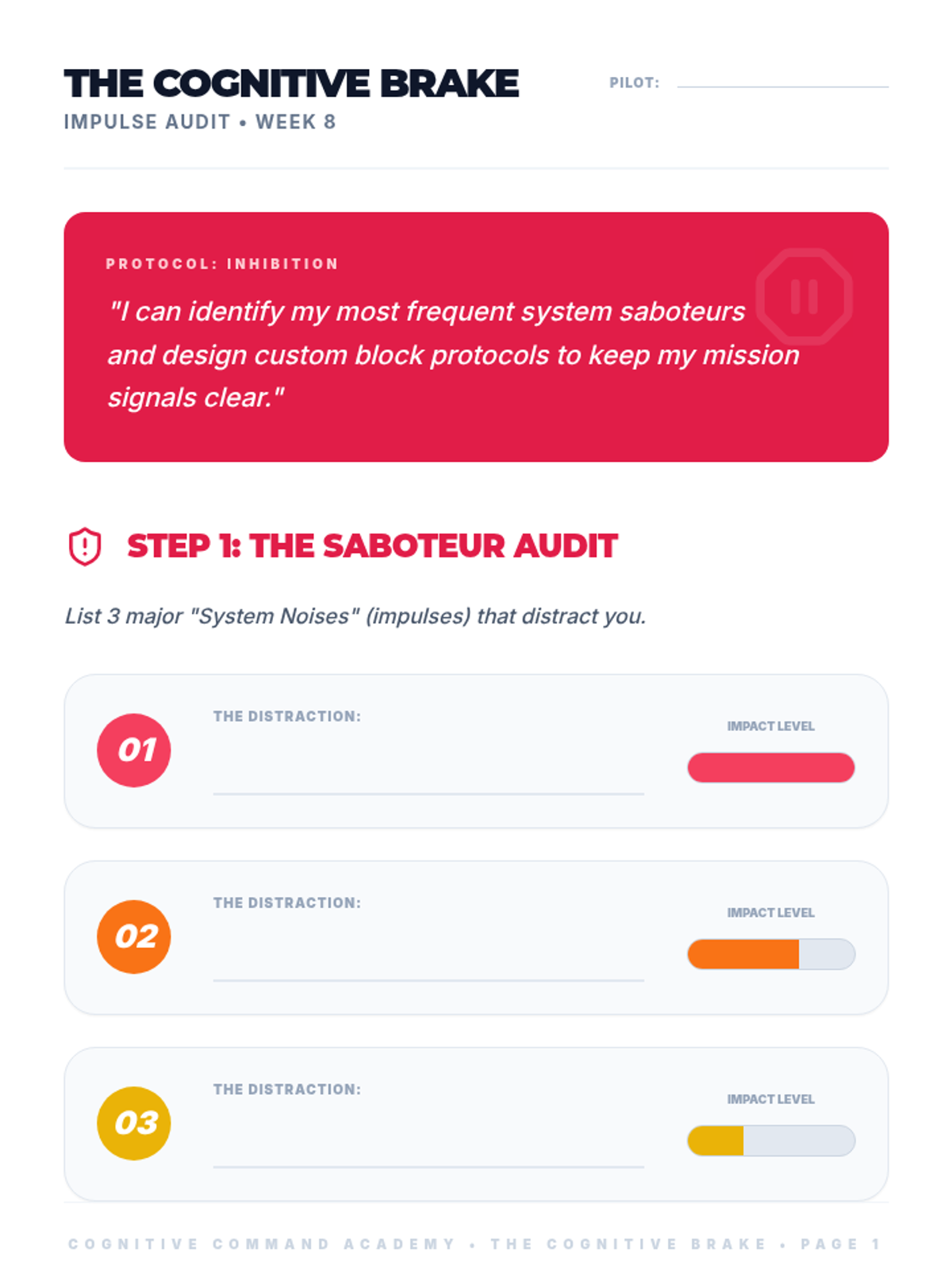
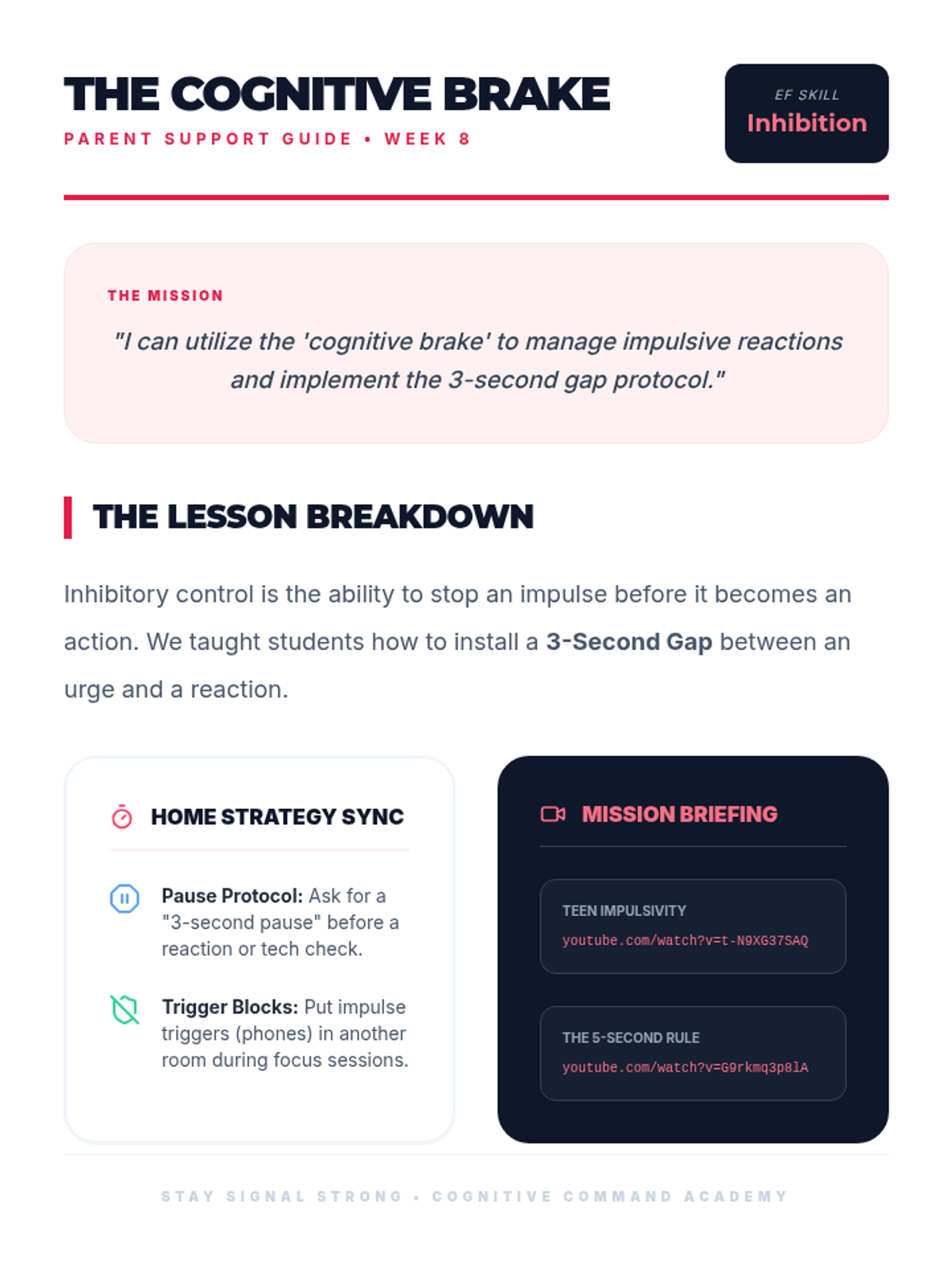
Develops the 'cognitive brake' to manage impulsive reactions and implement pause protocols to improve inhibitory control.
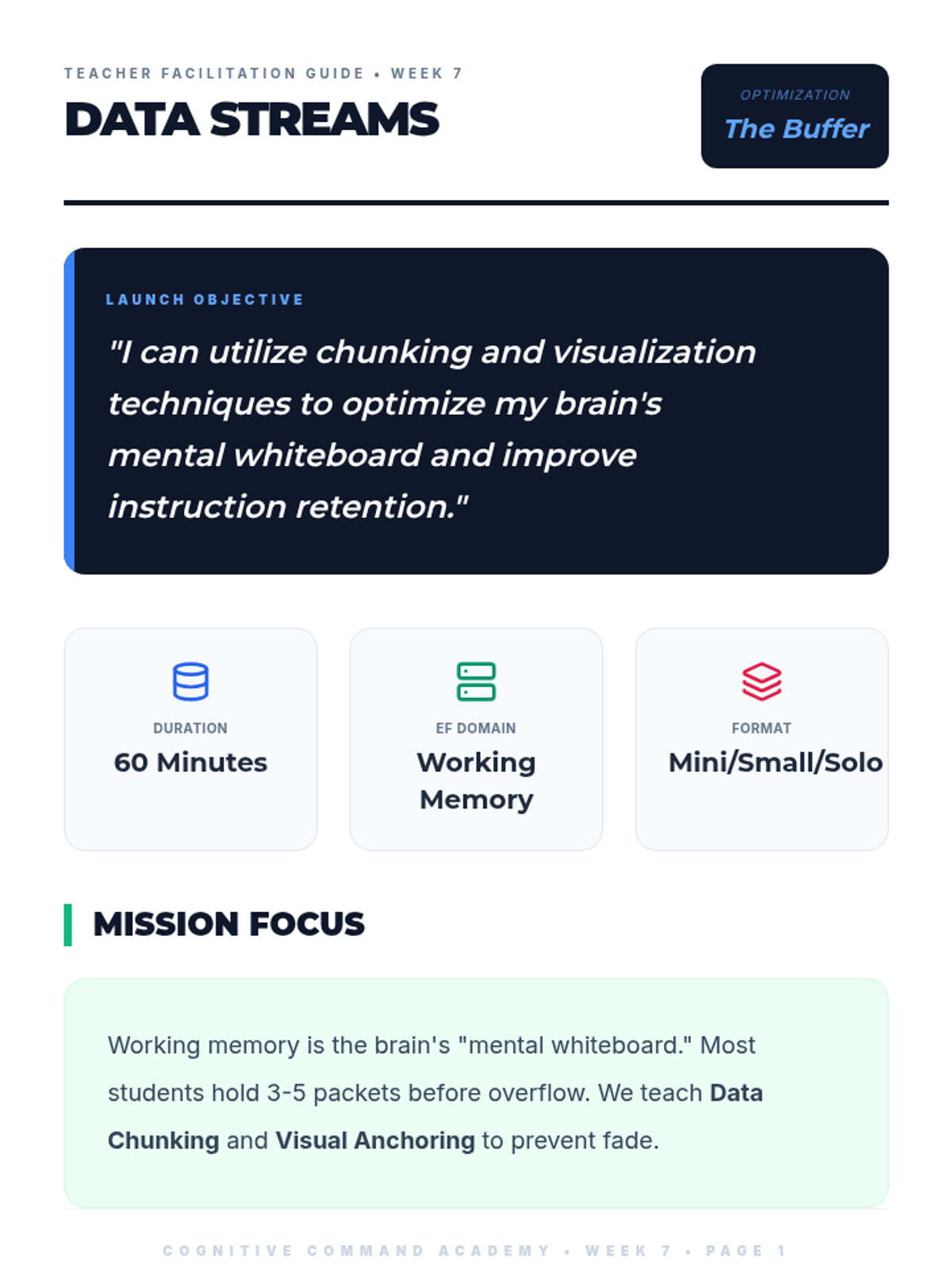
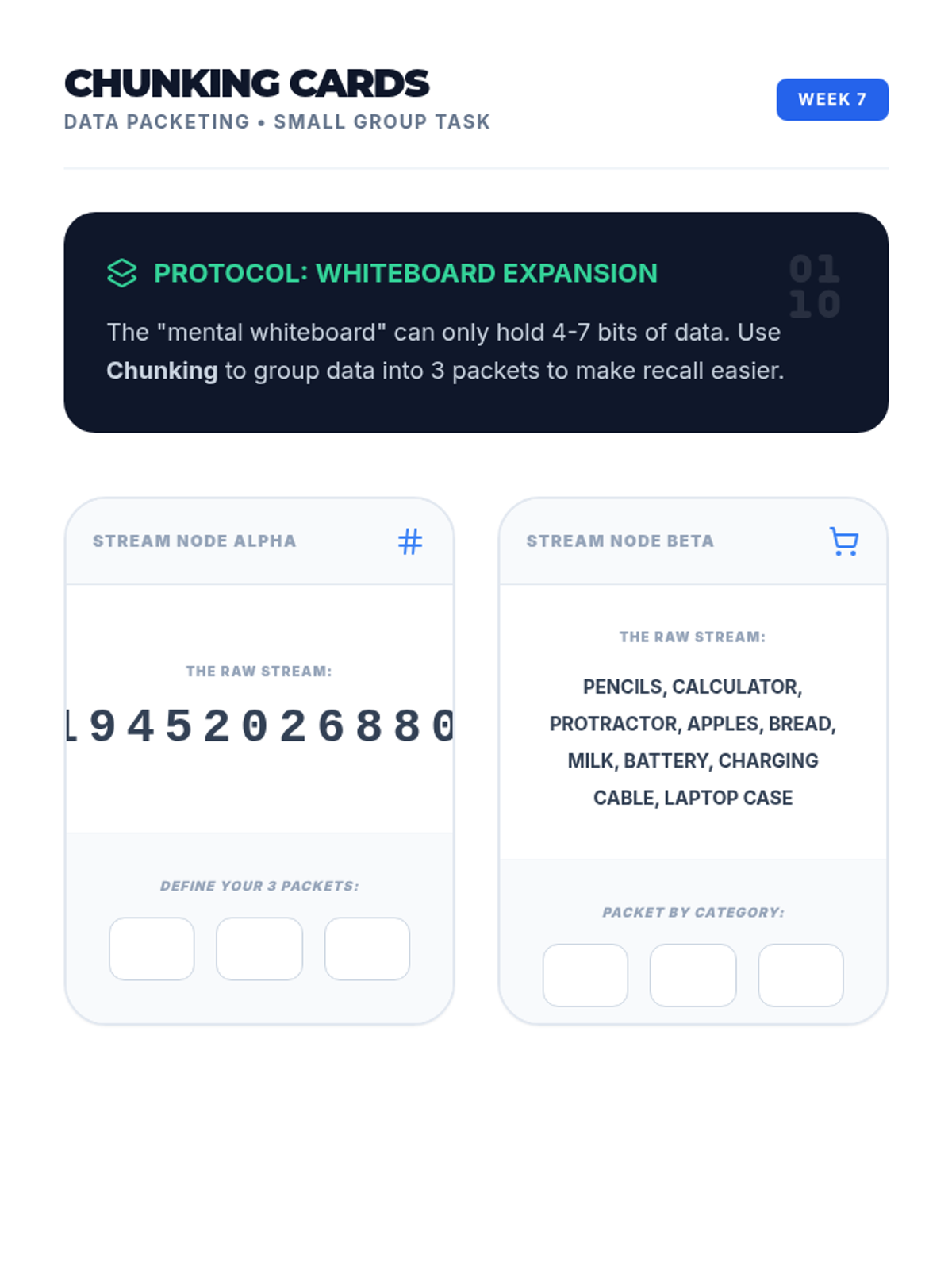
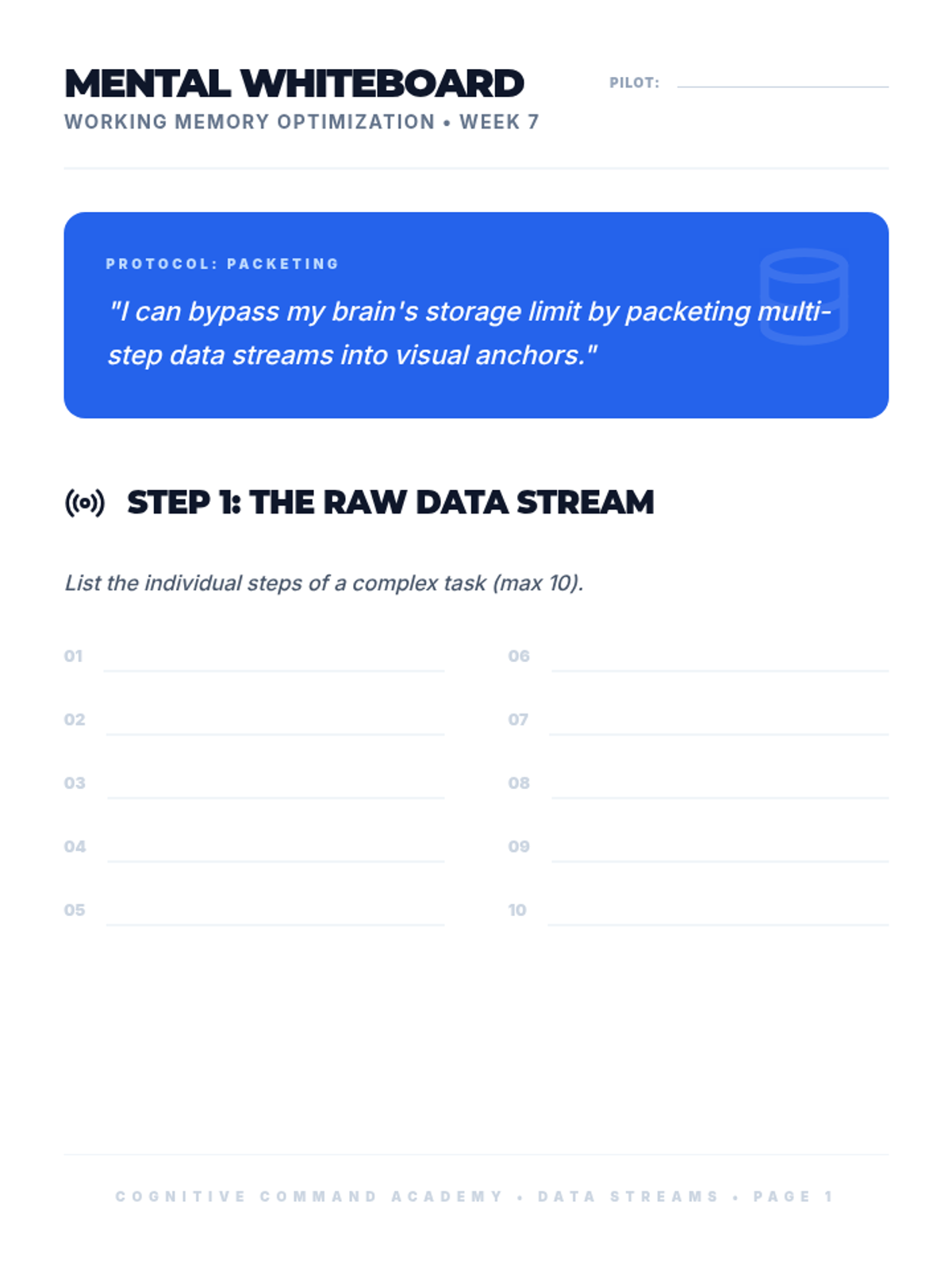
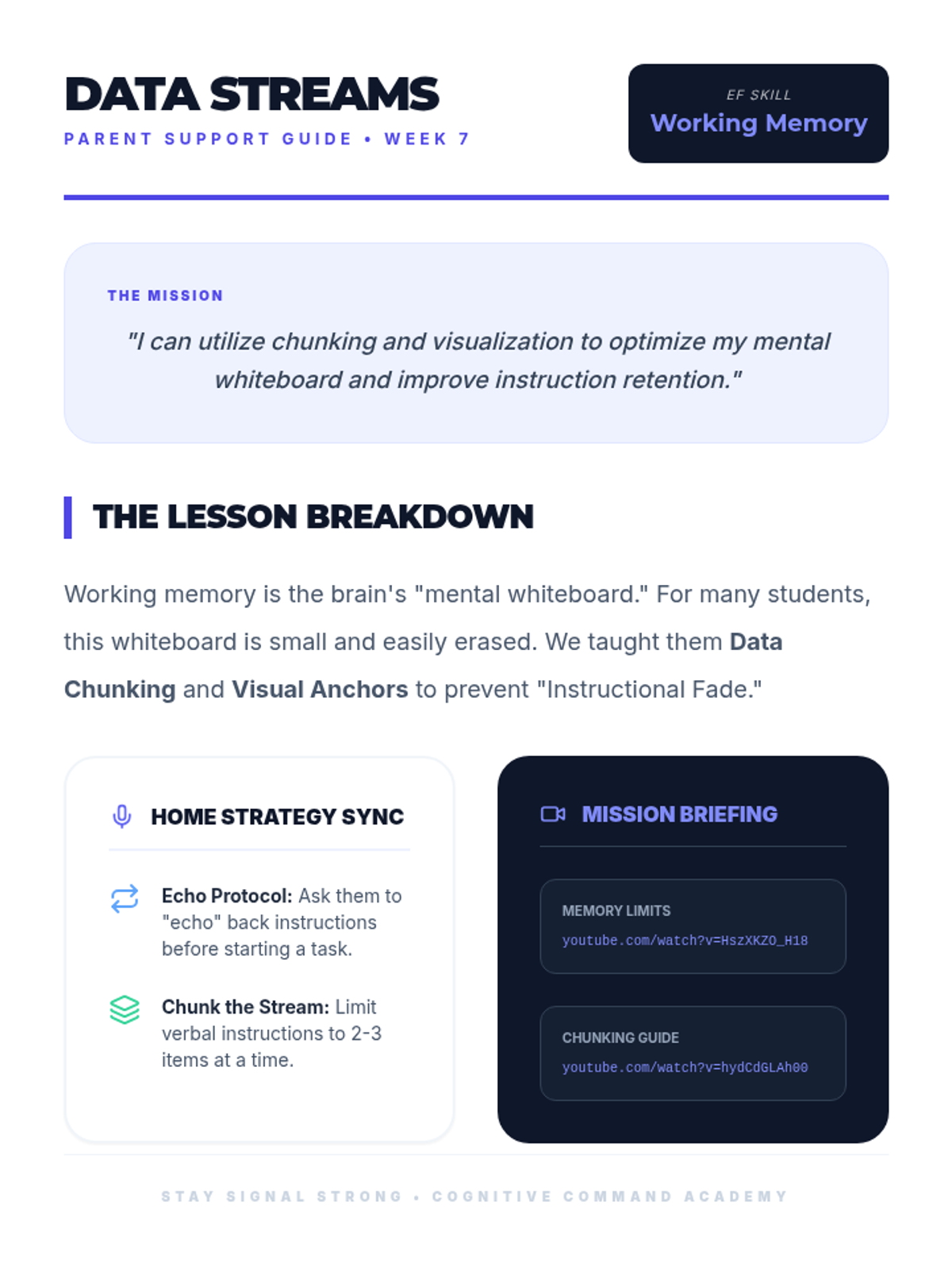
Optimizes the brain's 'mental whiteboard' through chunking and visualization techniques to improve information retention during multi-step tasks.
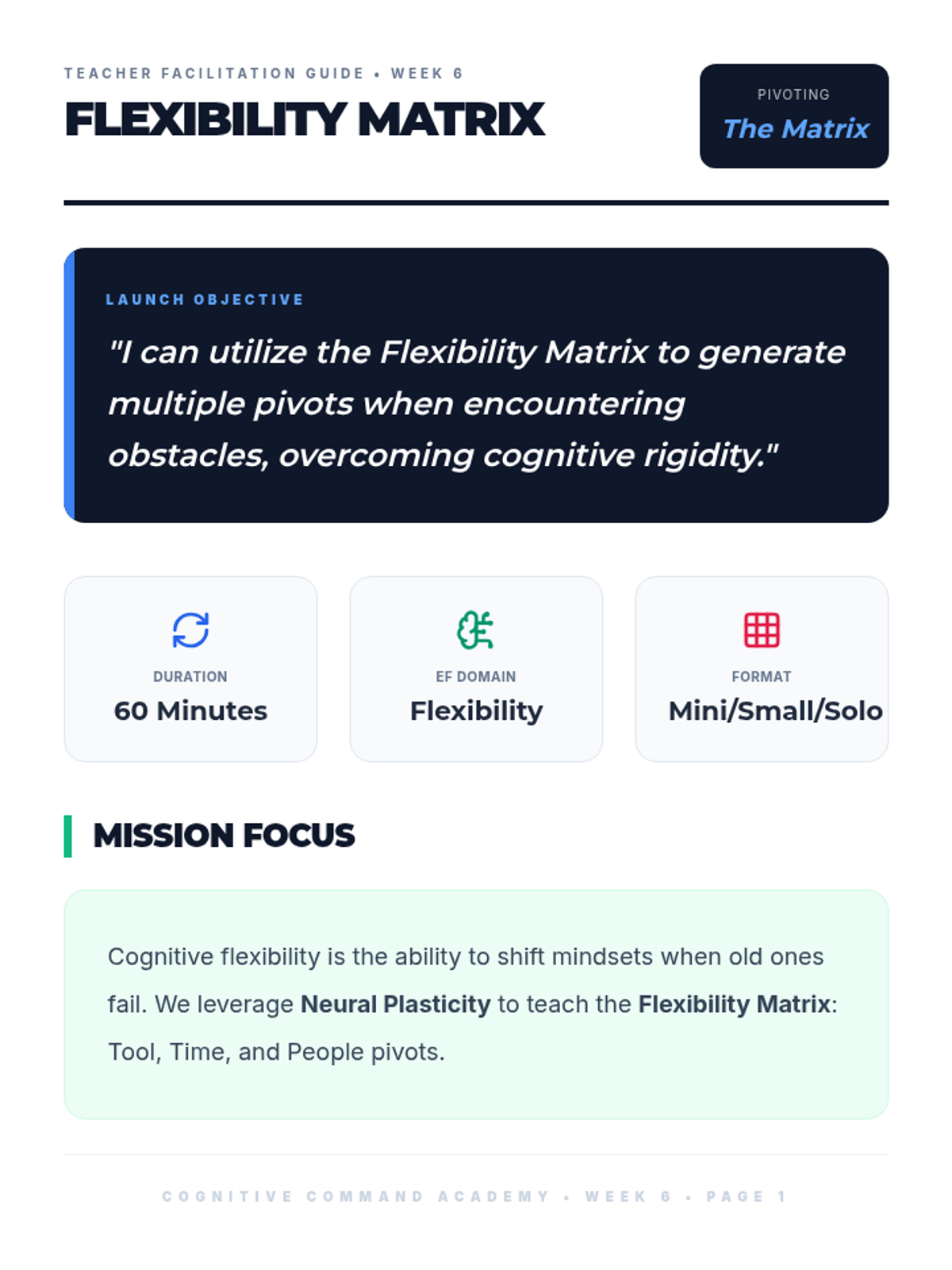
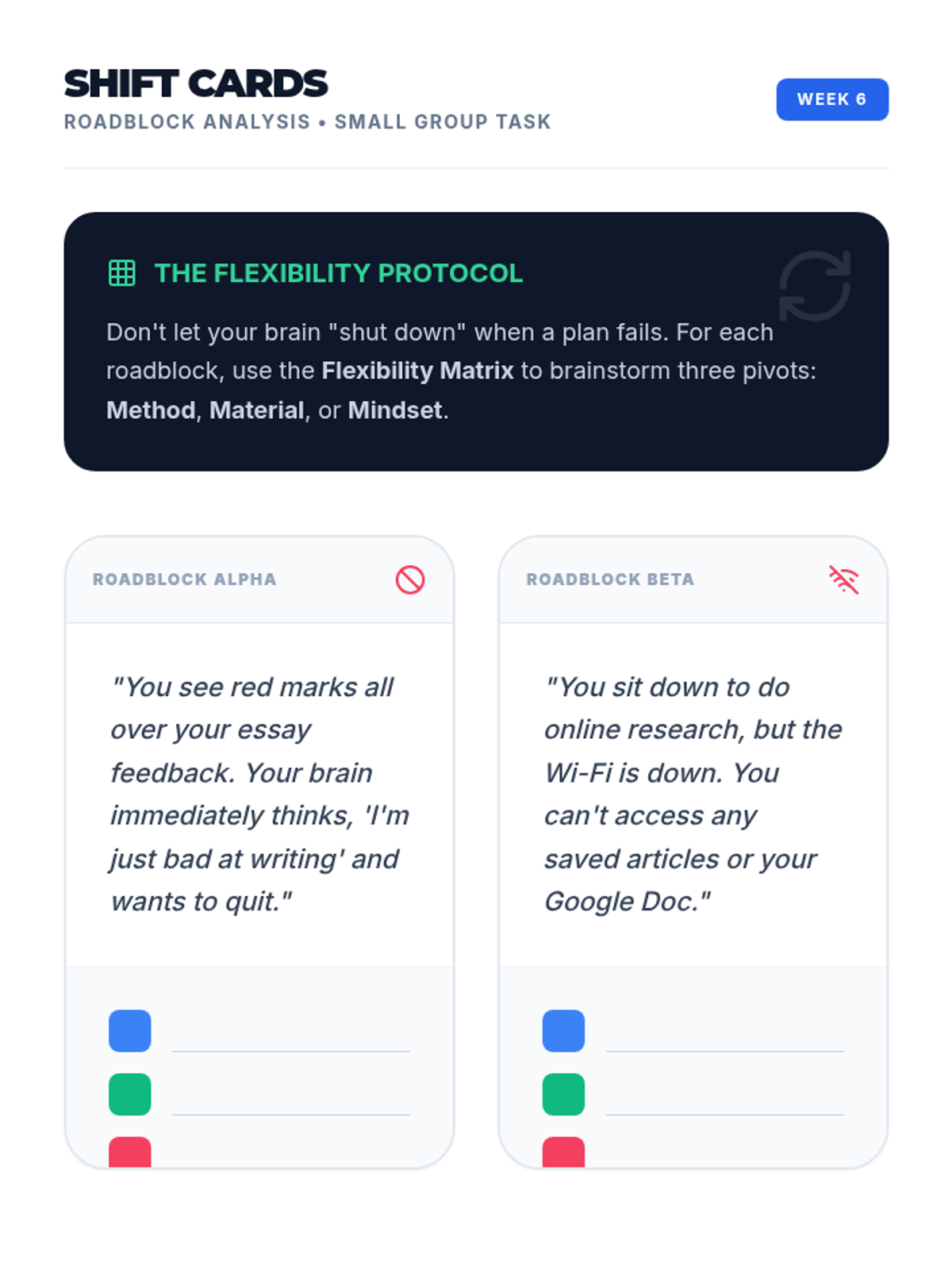
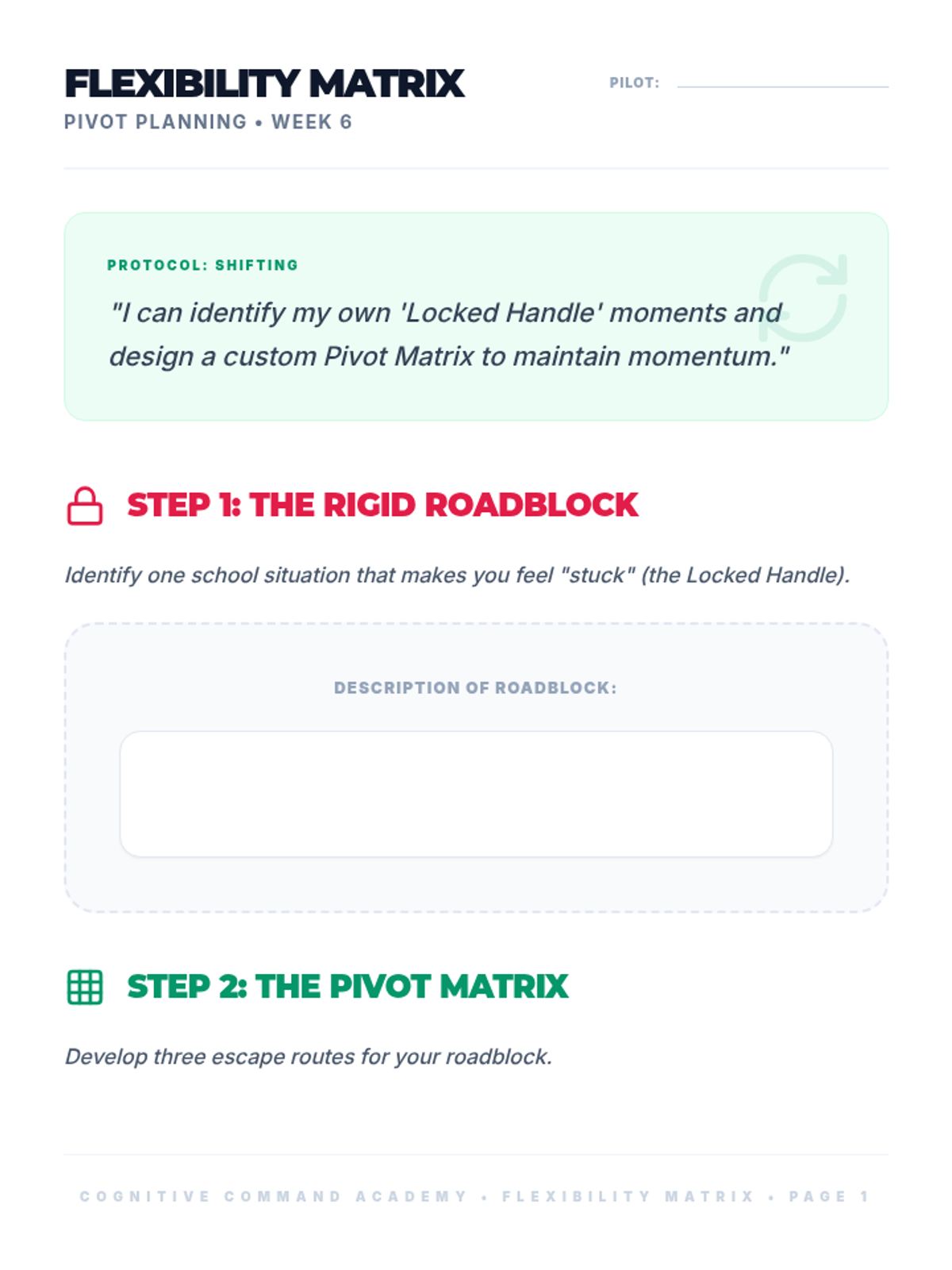
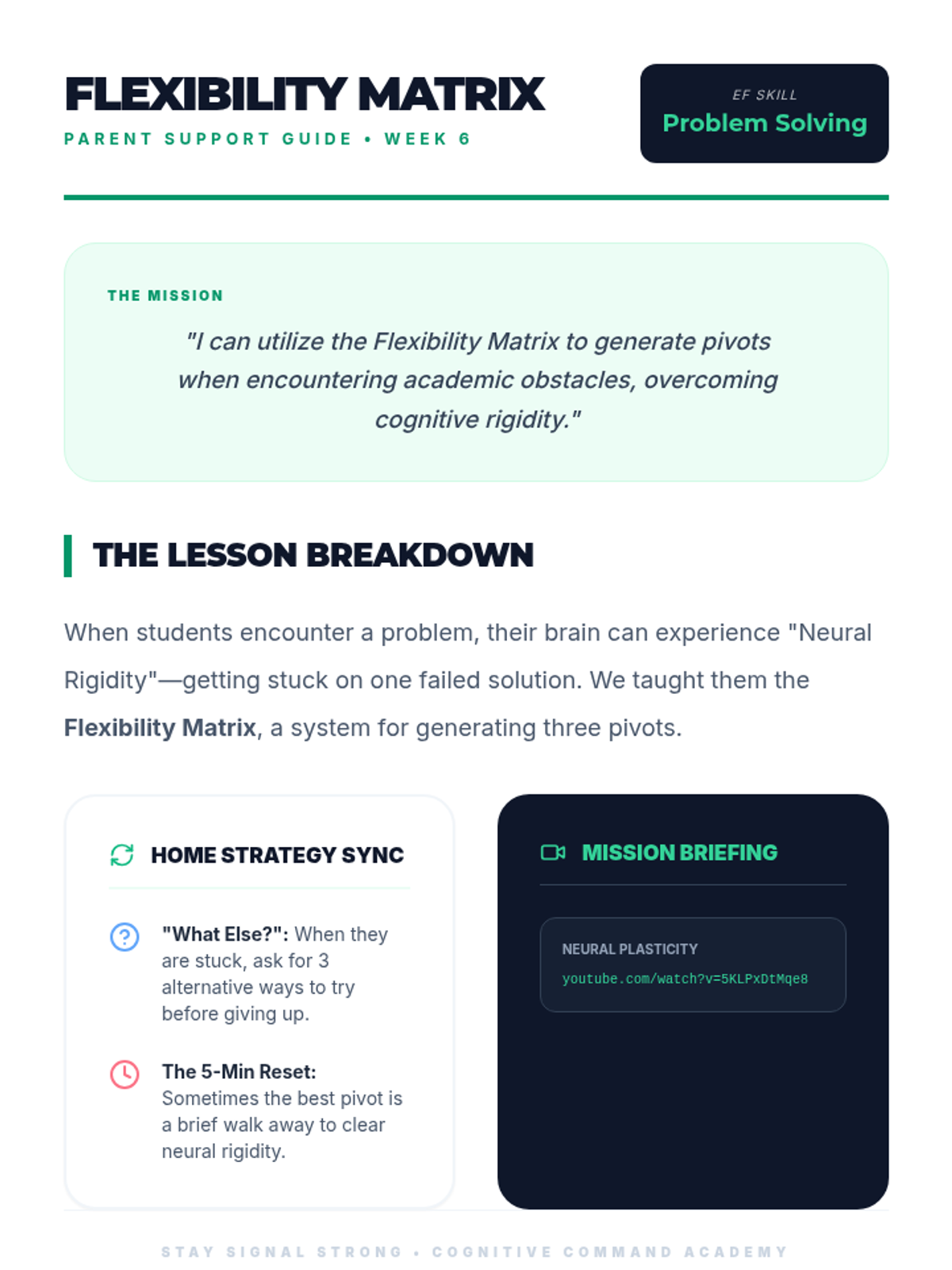
Enhances cognitive flexibility and the ability to shift mindsets when encountering obstacles, fostering resilient problem-solving frameworks.
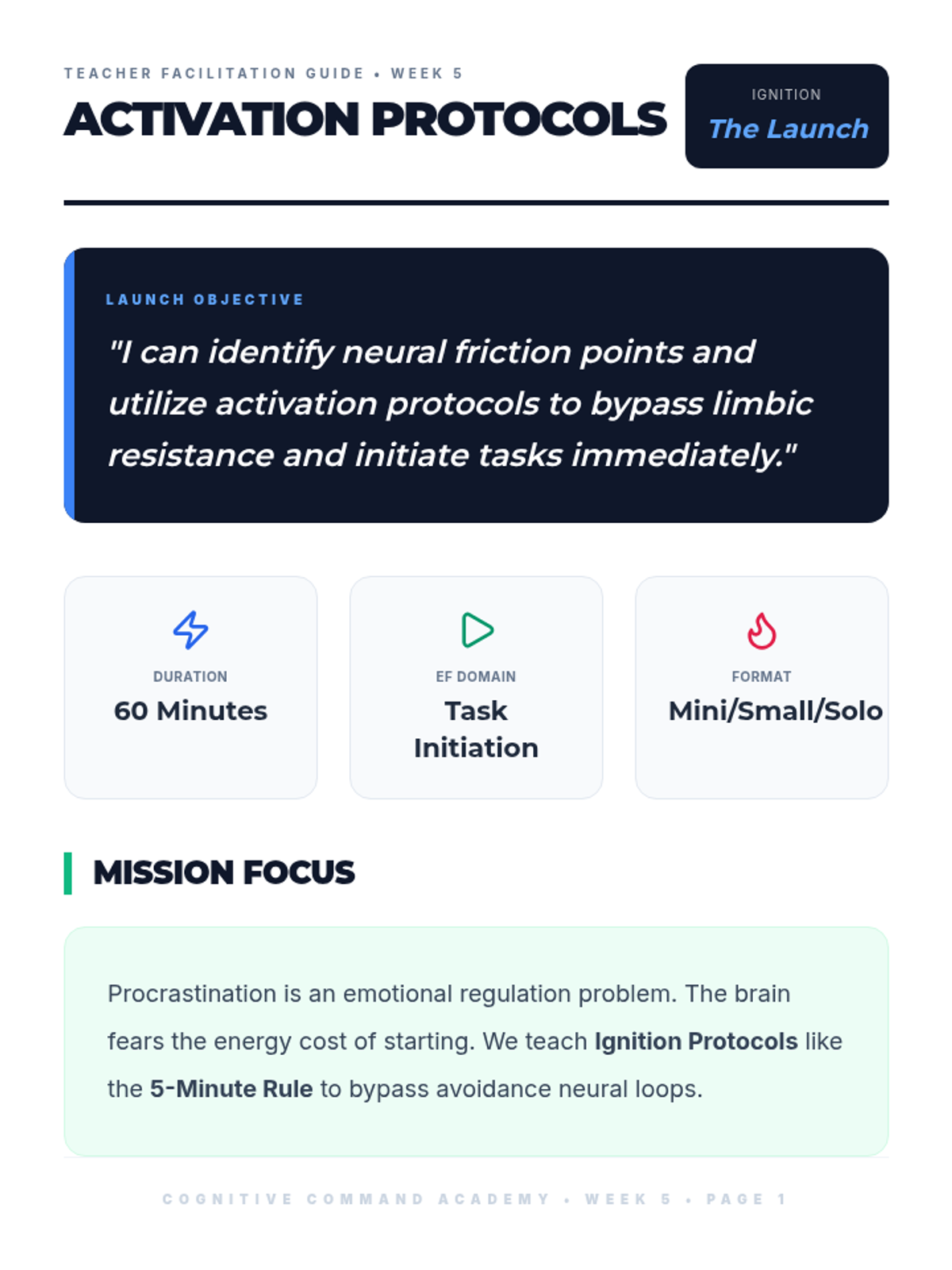
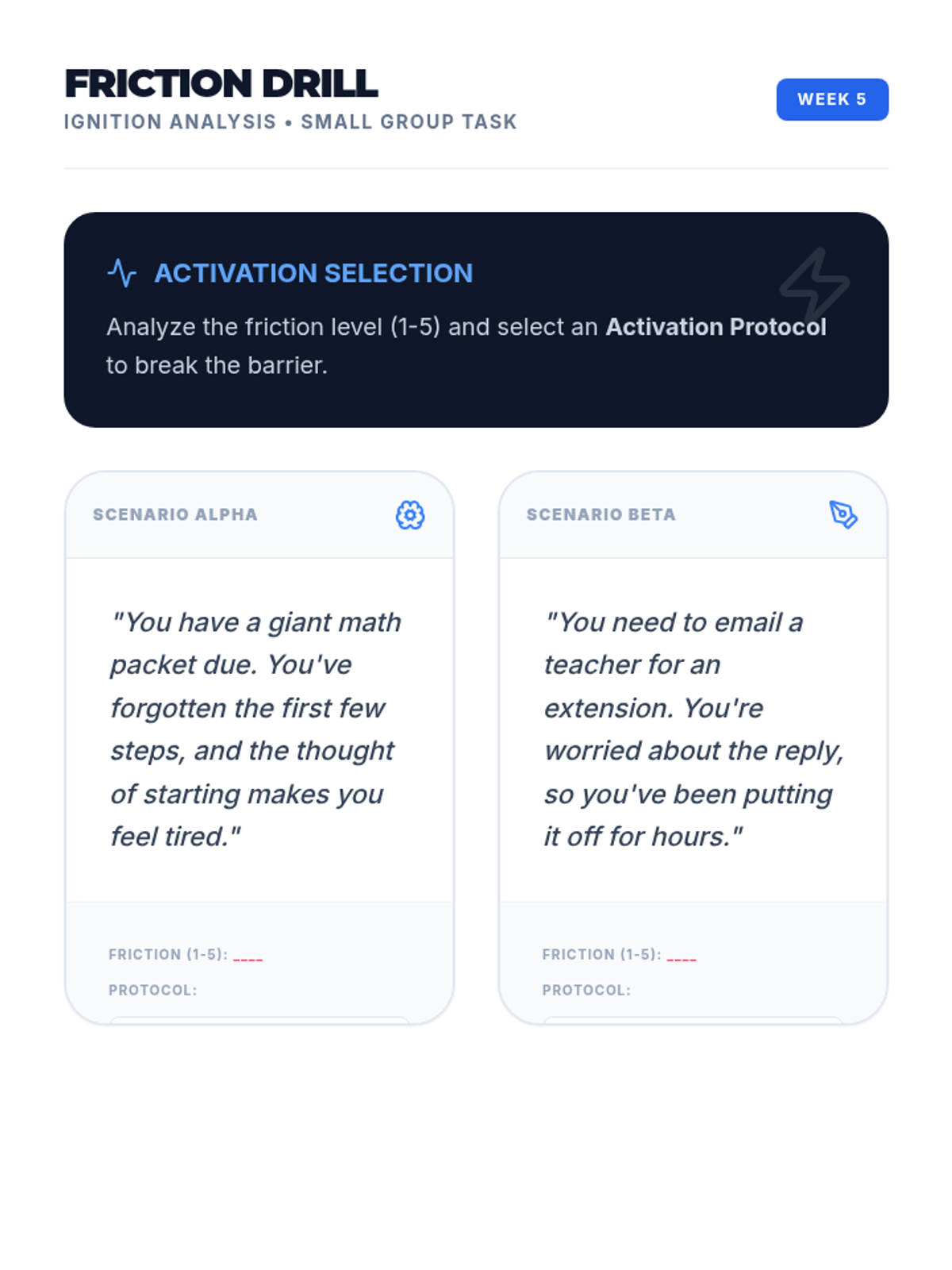
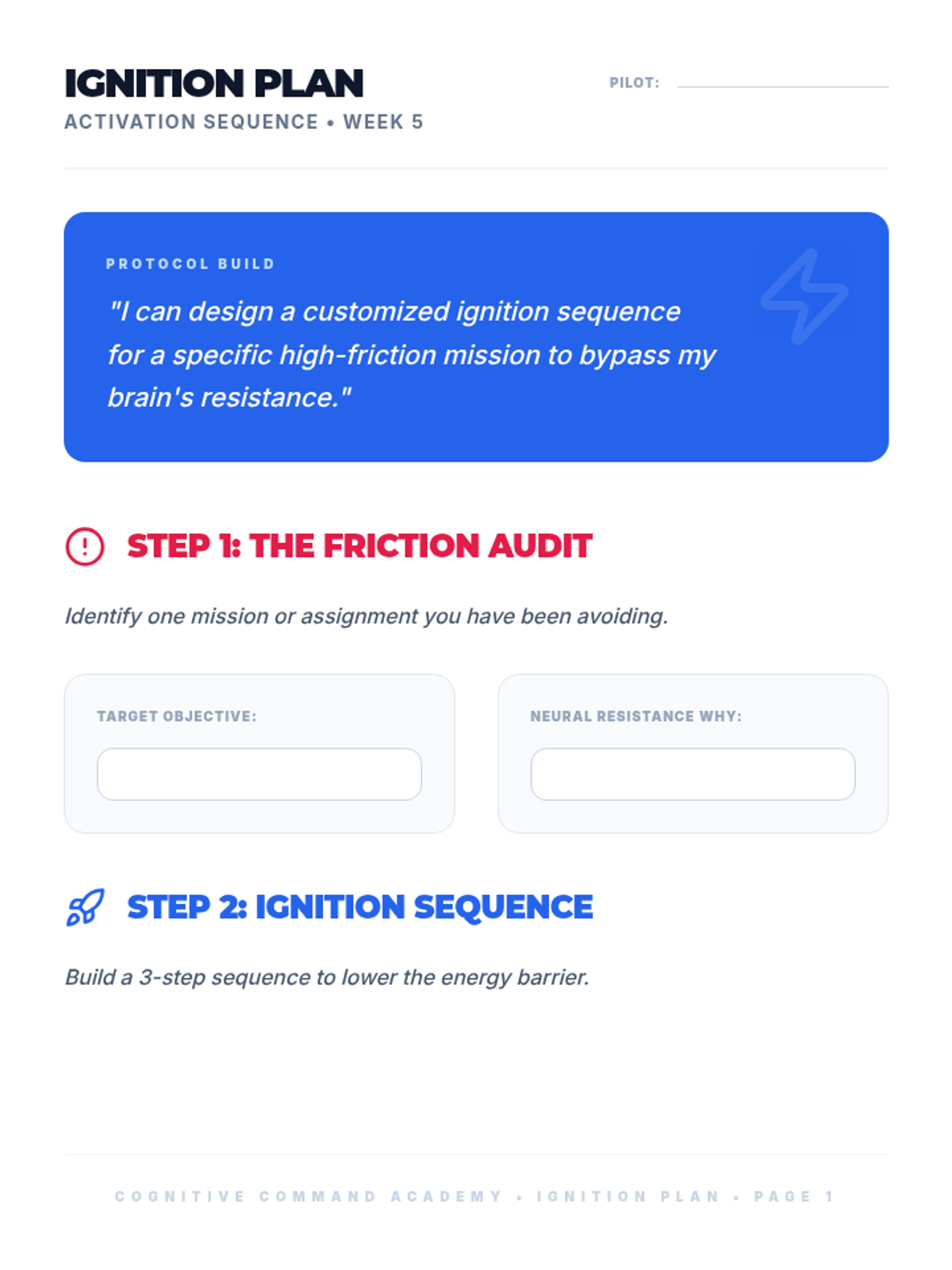
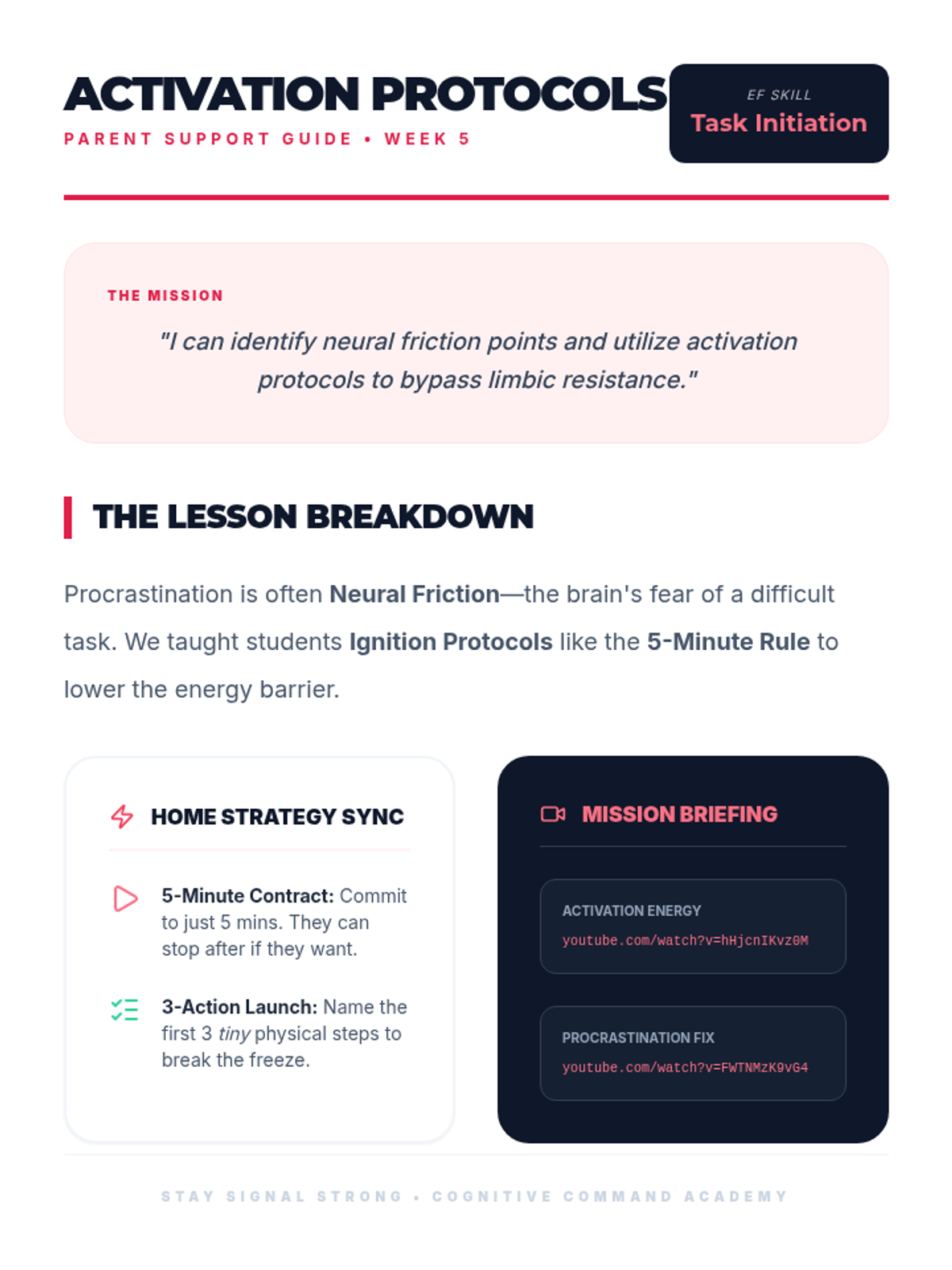
Addresses the 'activation energy' required to start tasks, utilizing neuroscience strategies to overcome procrastination and limbic system resistance.
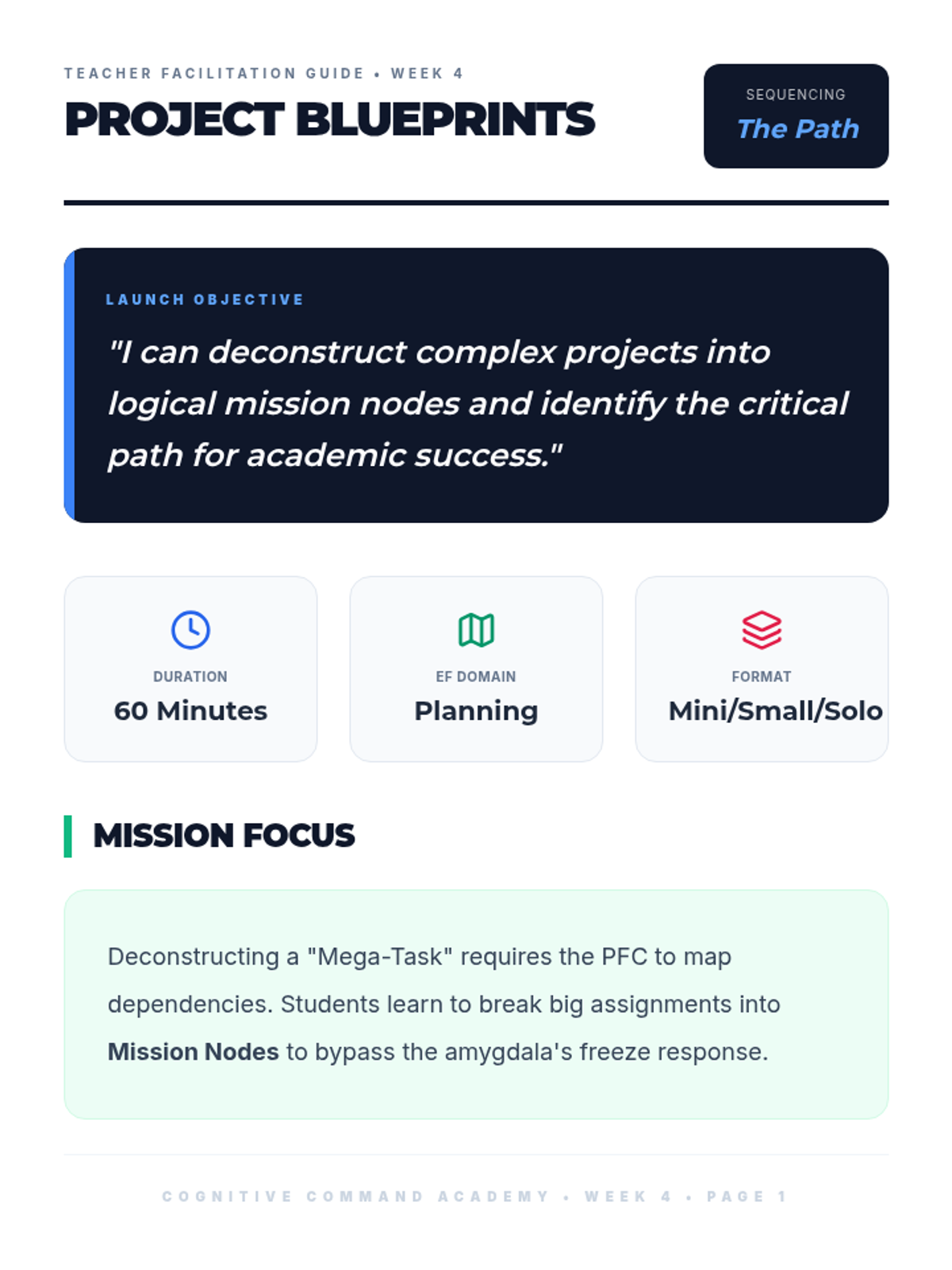
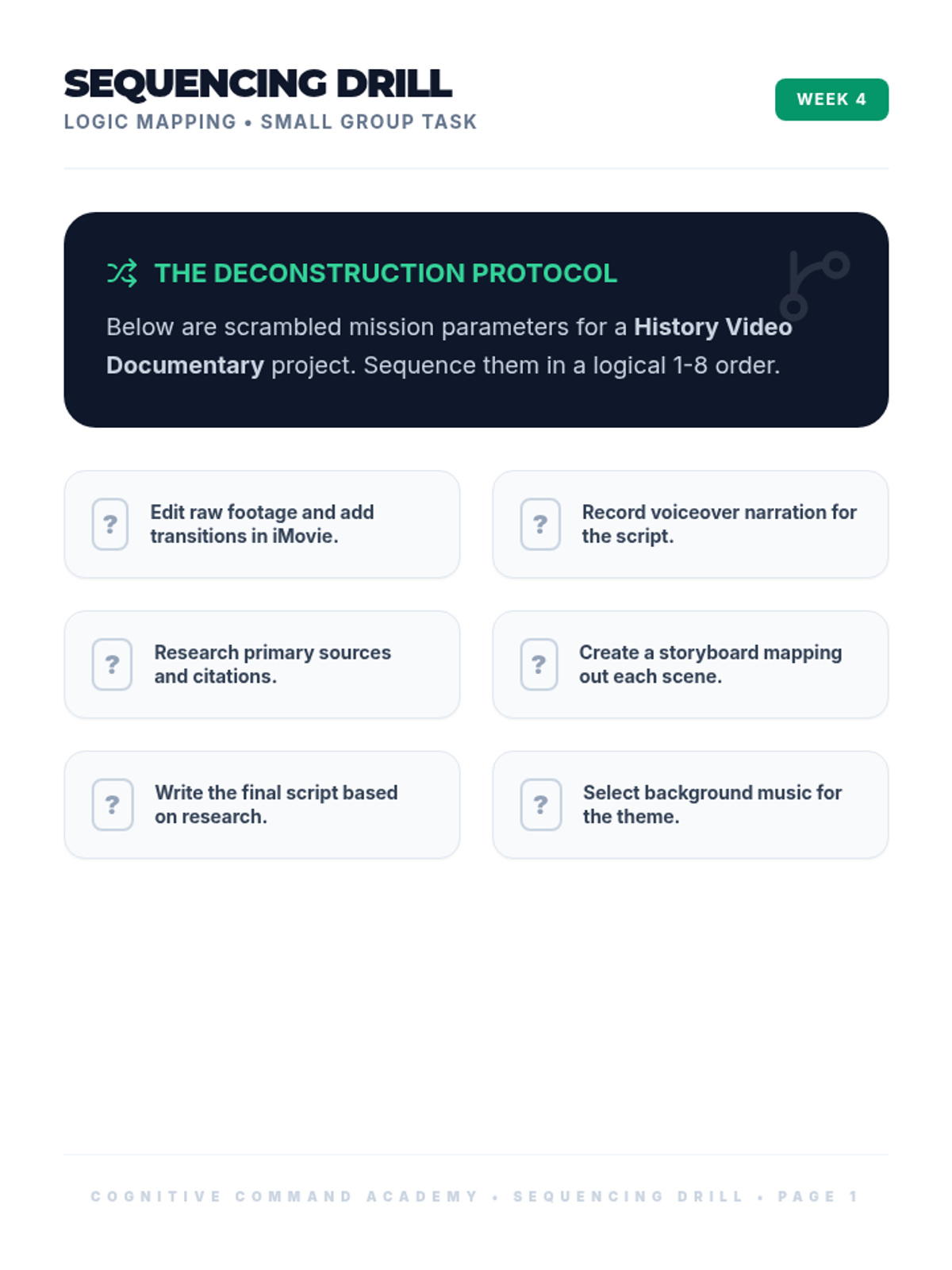
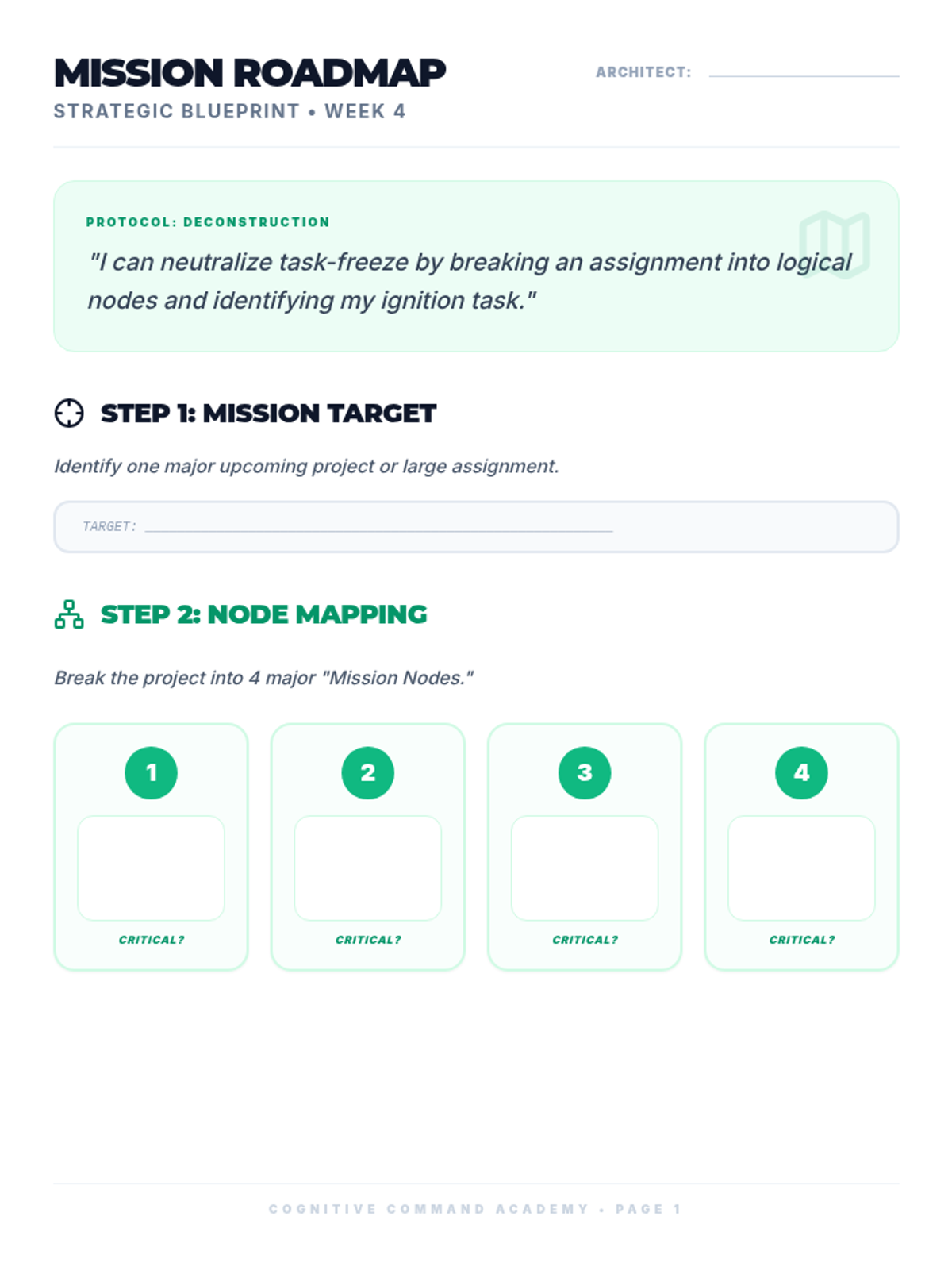
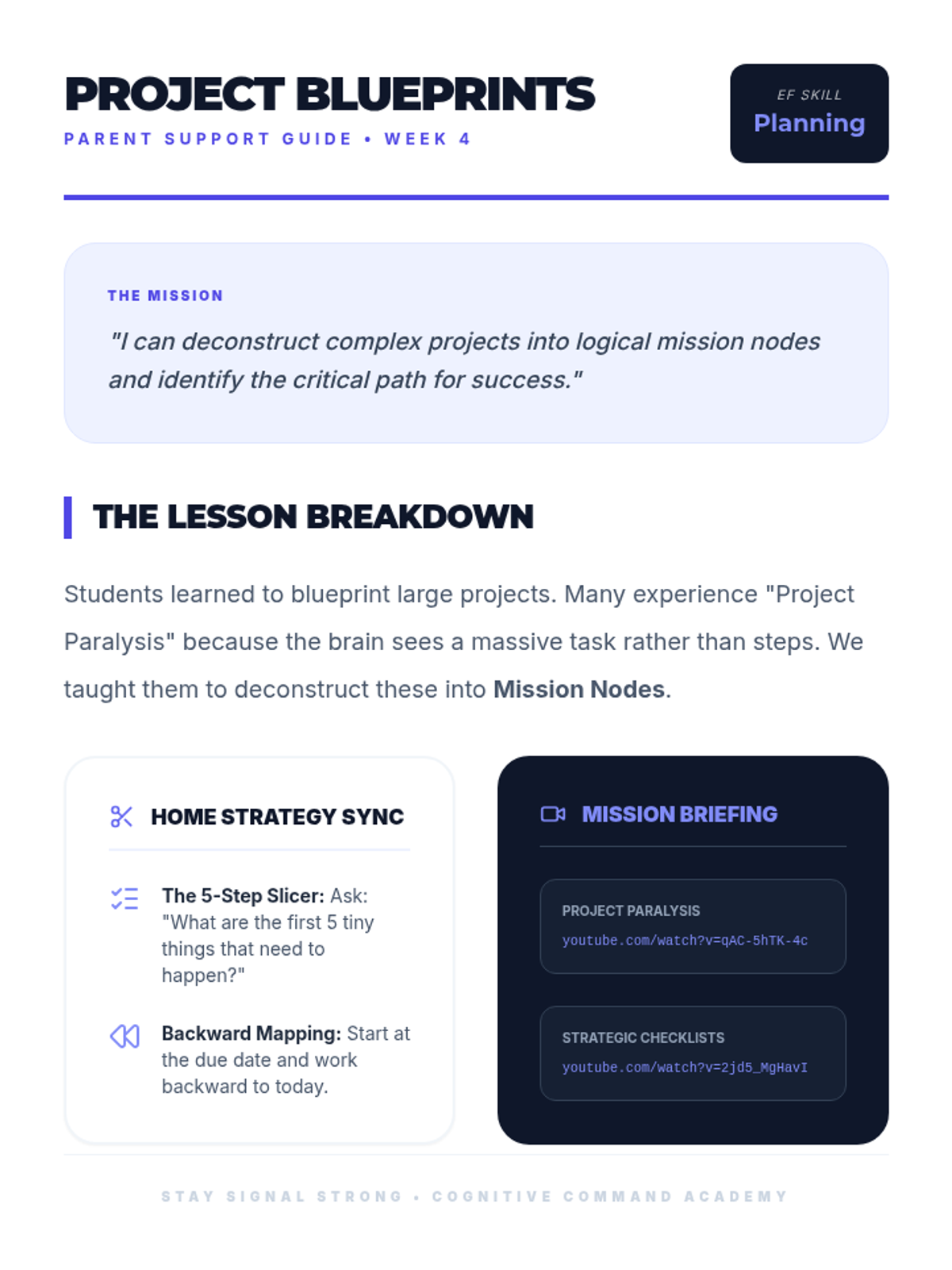
Covers the sequencing and prioritization of complex tasks, teaching students how to deconstruct large projects into manageable neural pathways.
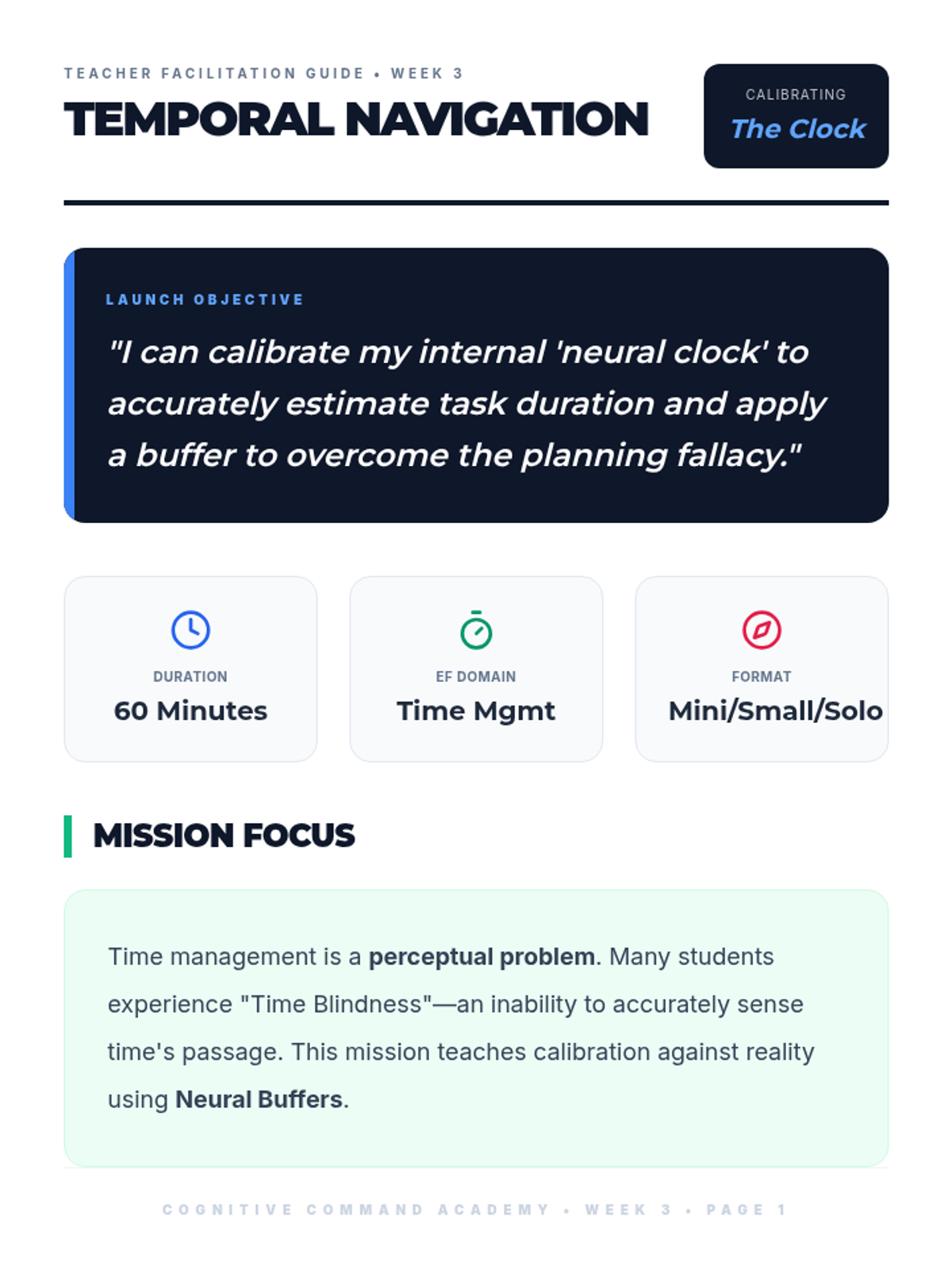
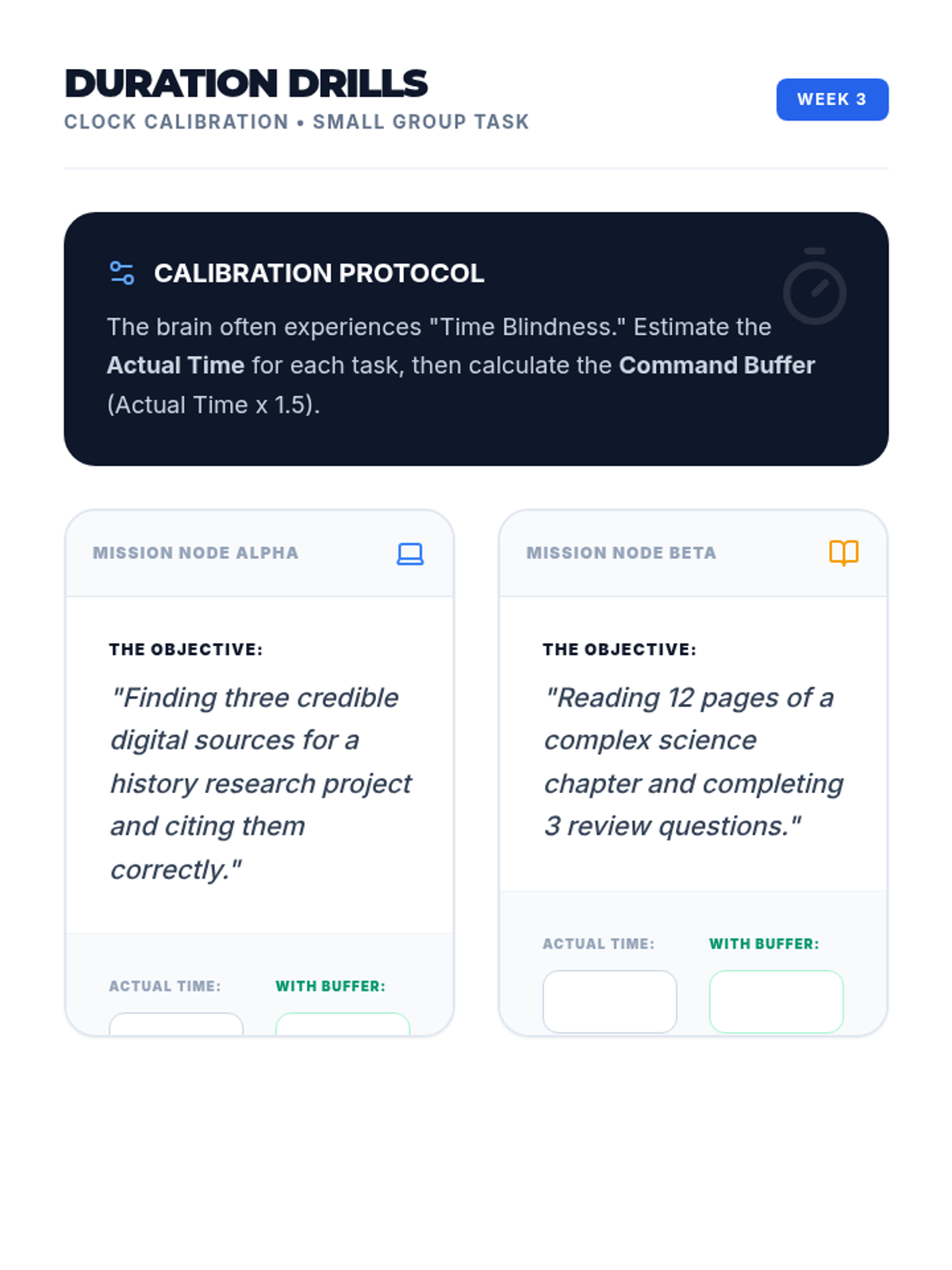
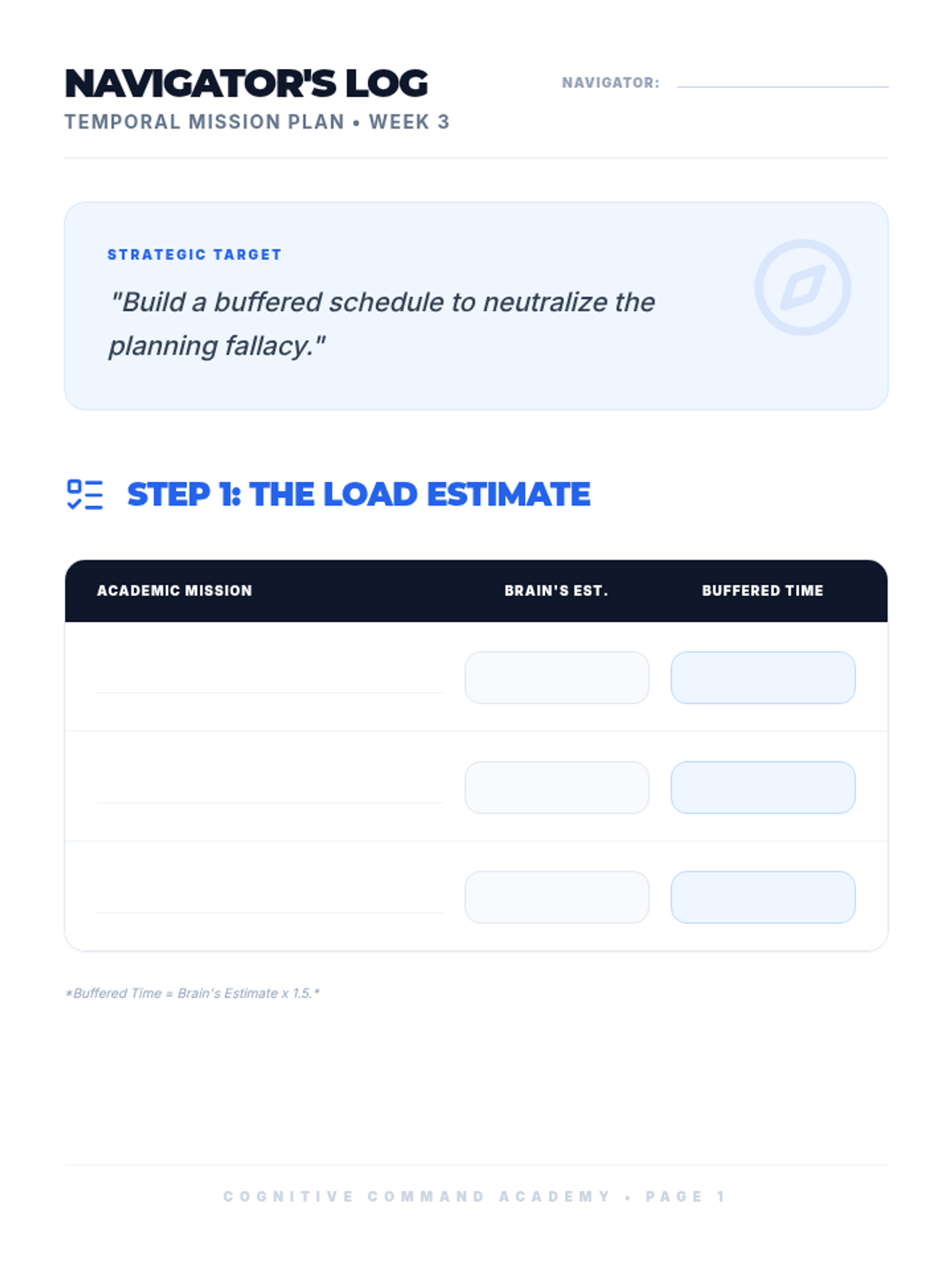
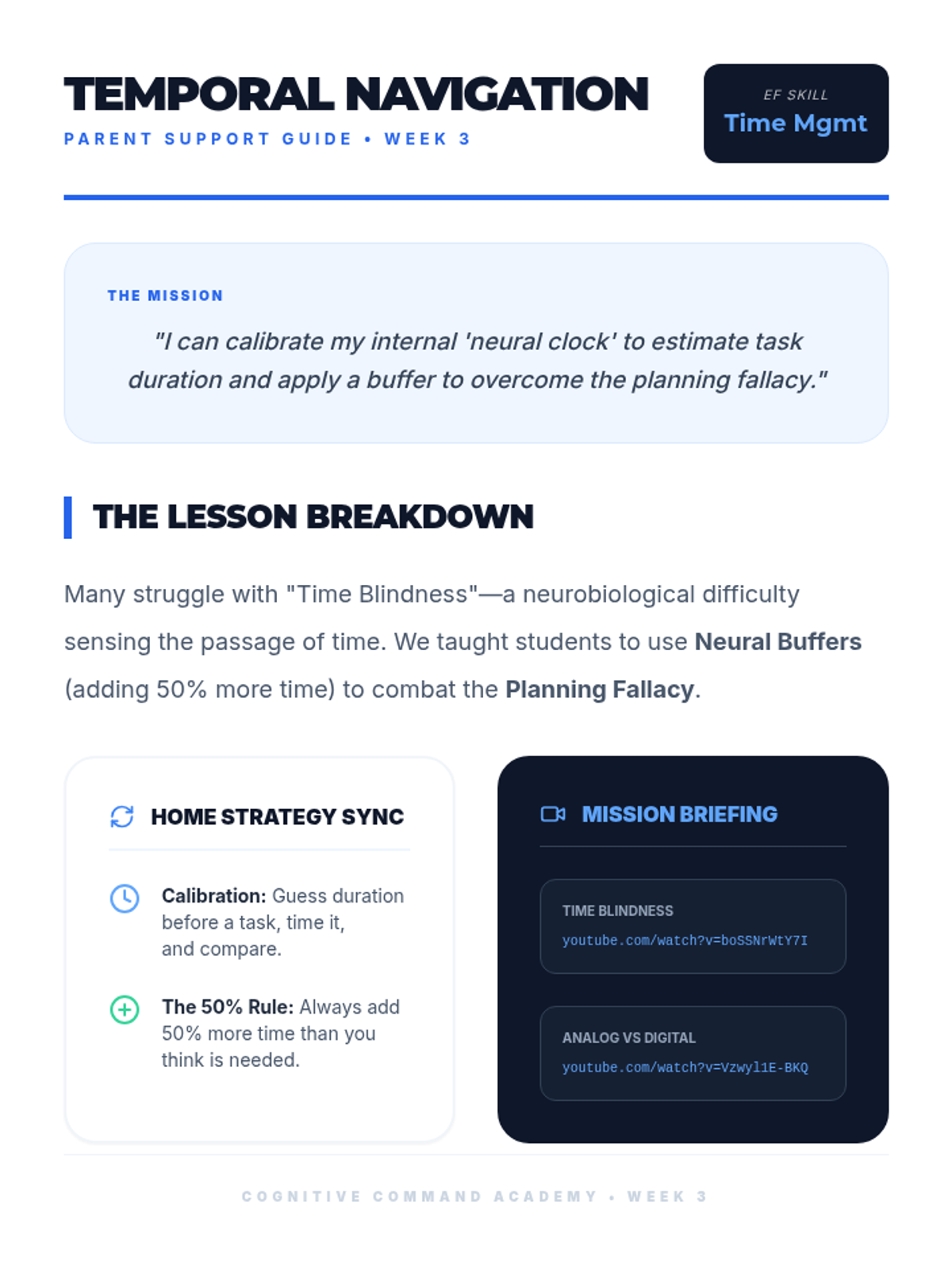
Explores temporal awareness and the estimation of task duration, providing tools to navigate deadlines and combat the 'planning fallacy.'
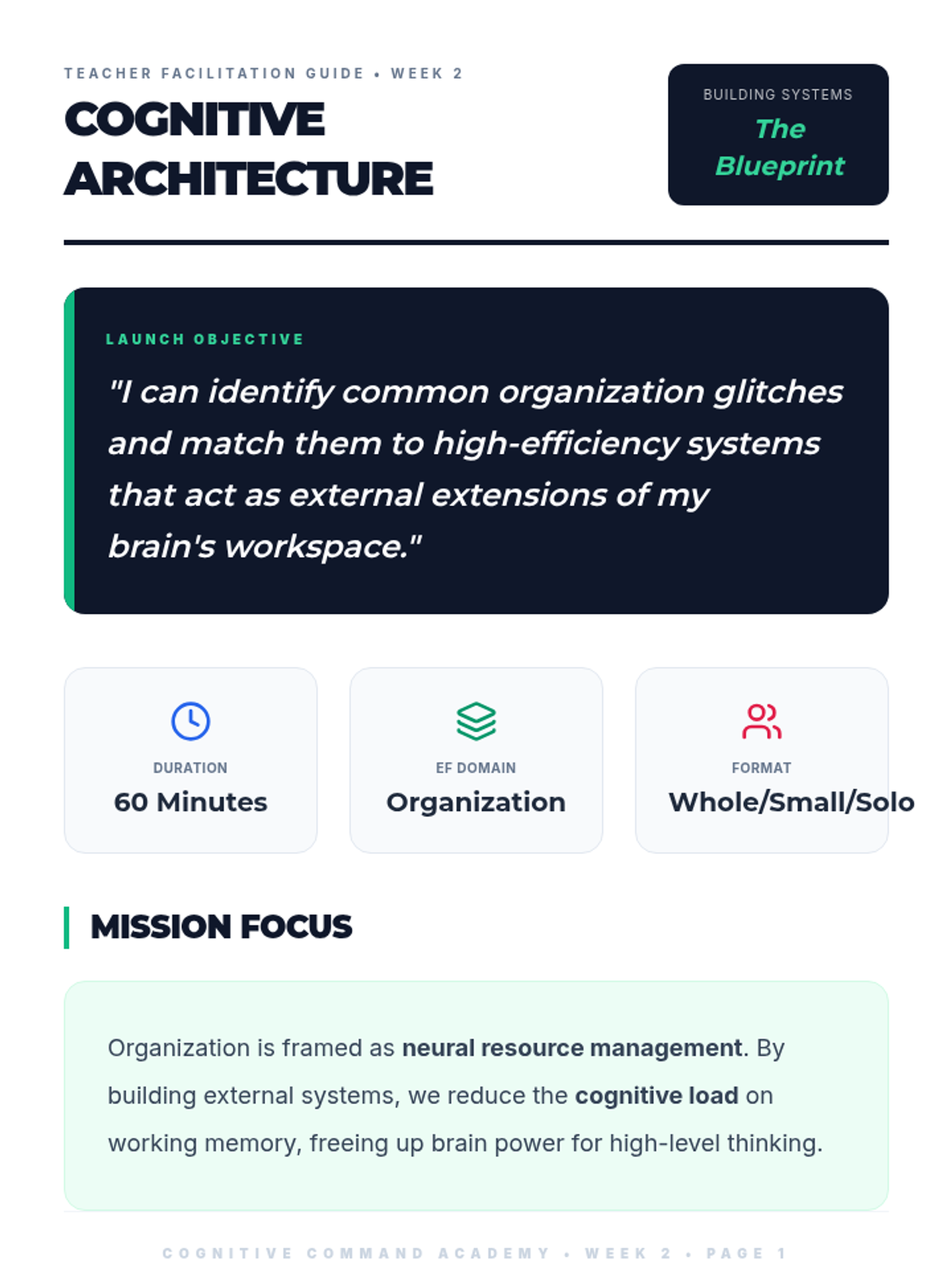
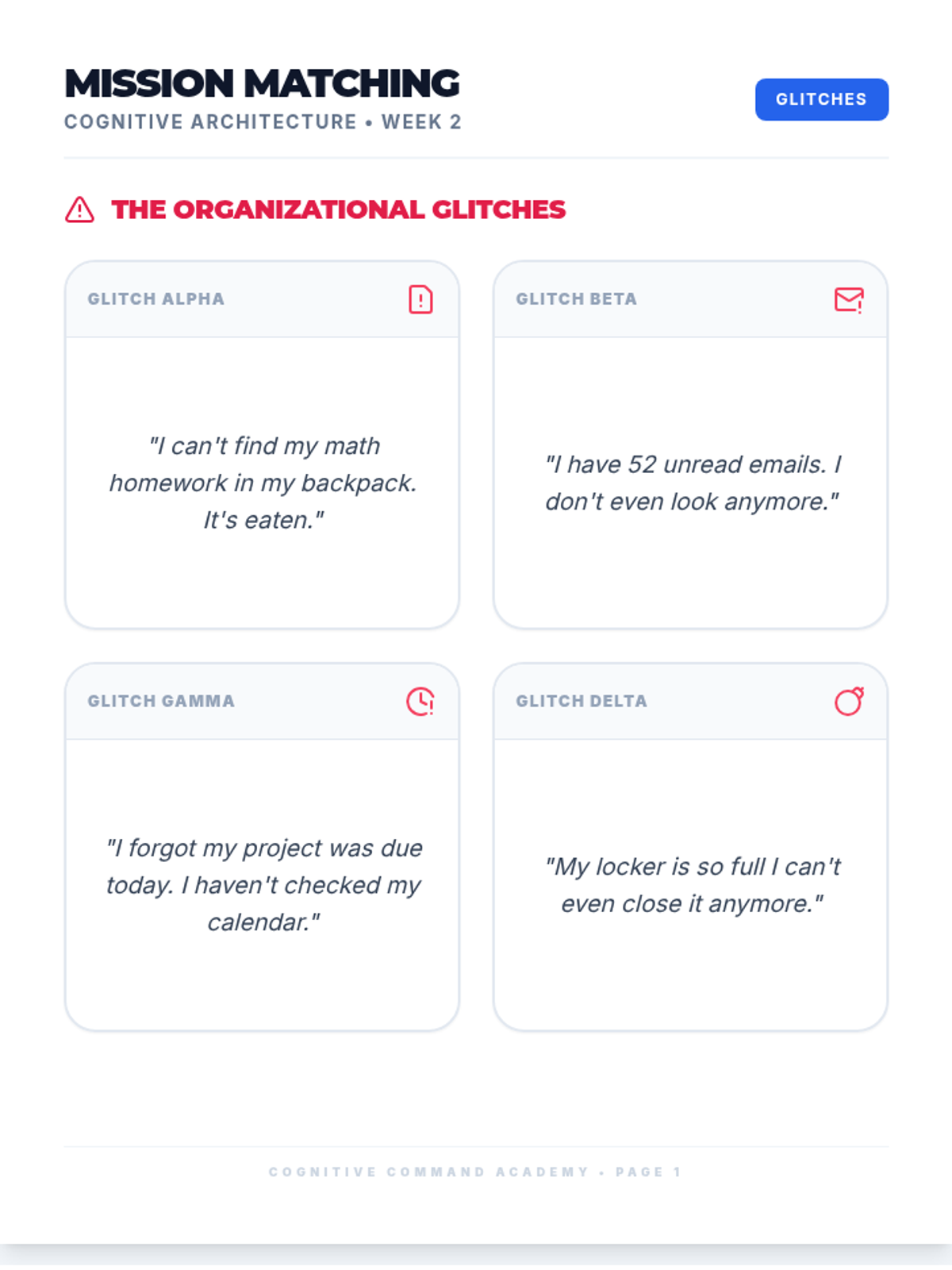
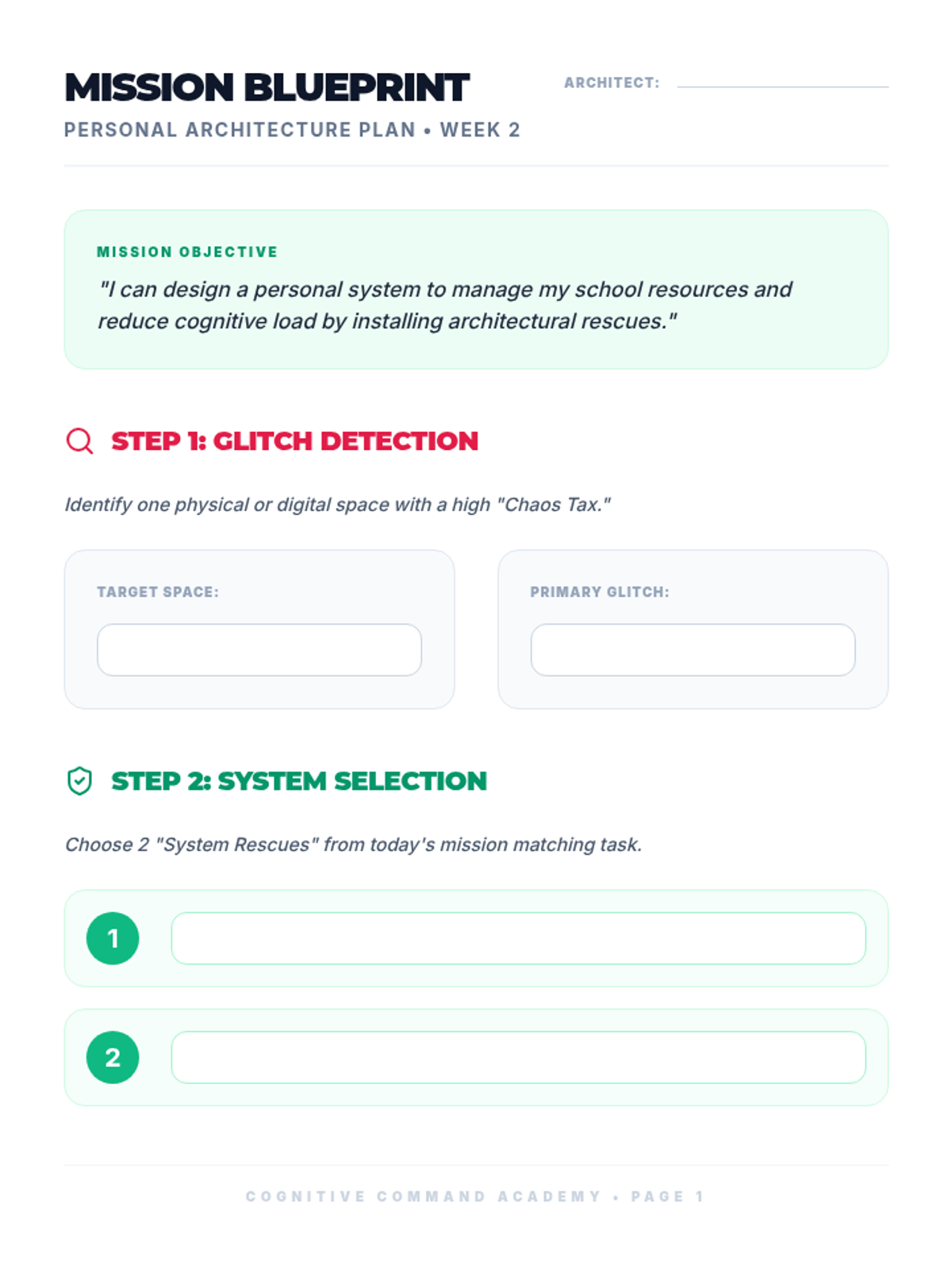
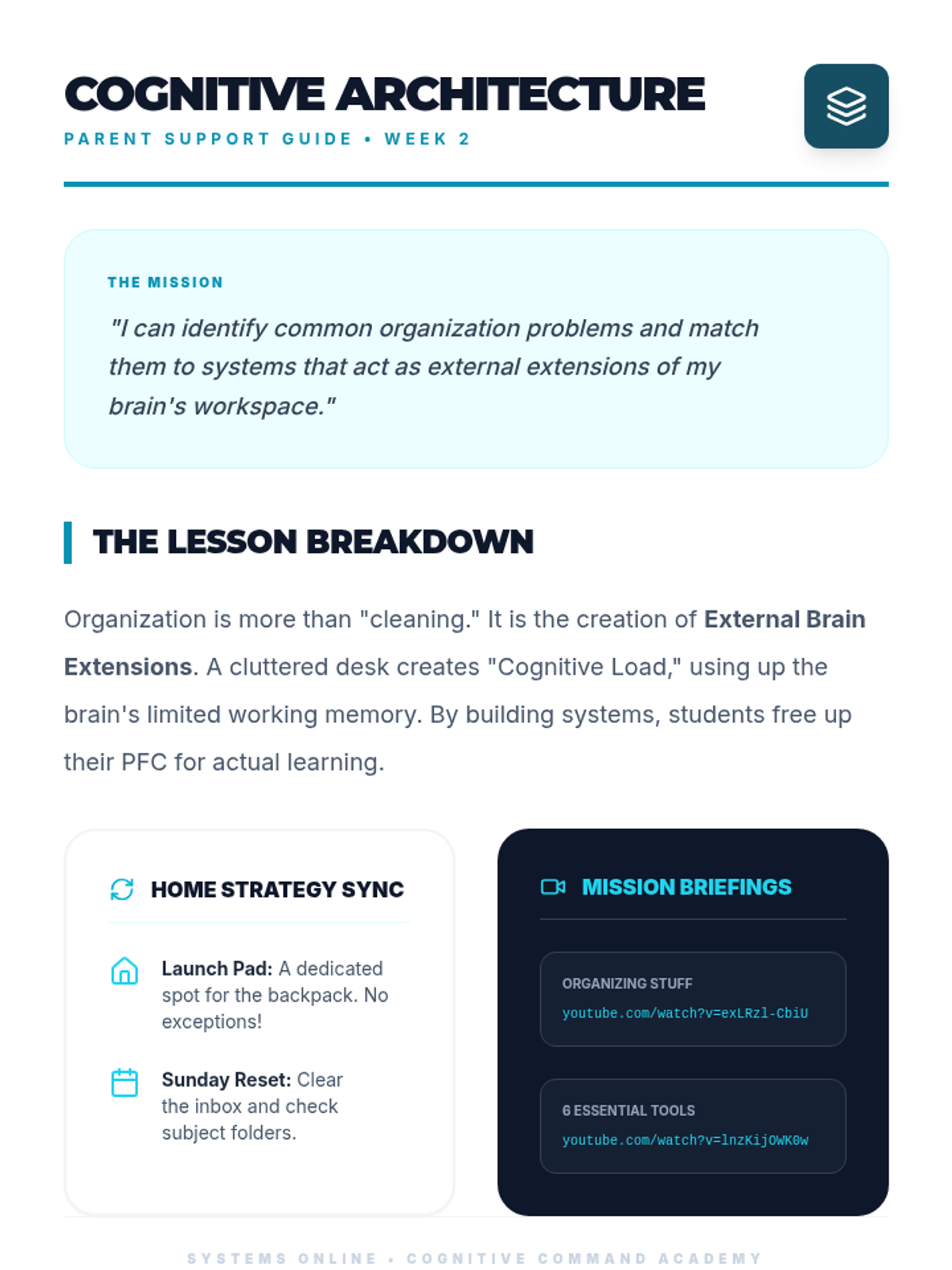
Develops external systems to reduce cognitive load, transforming physical and digital environments into efficient extensions of the brain's workspace.
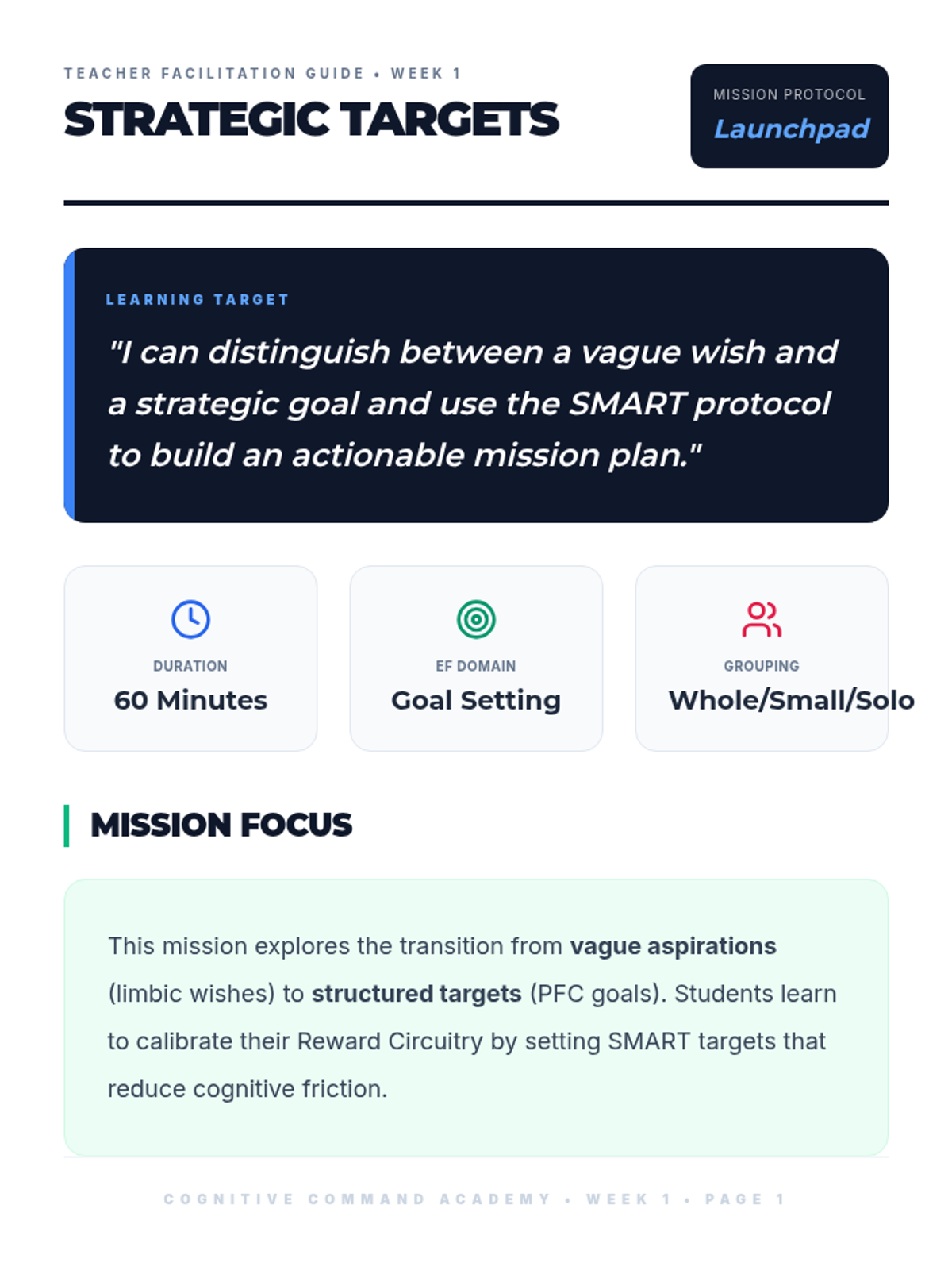
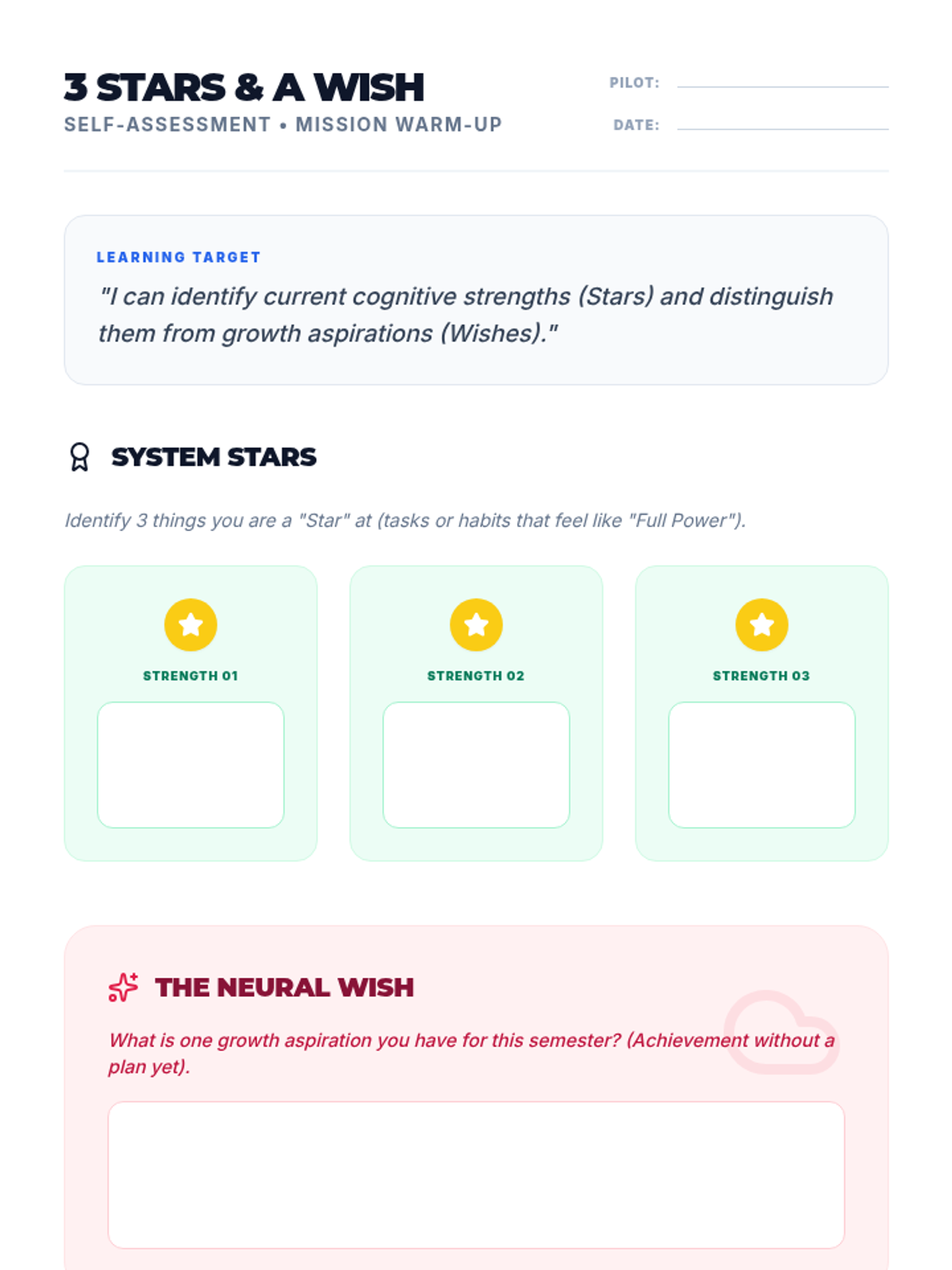
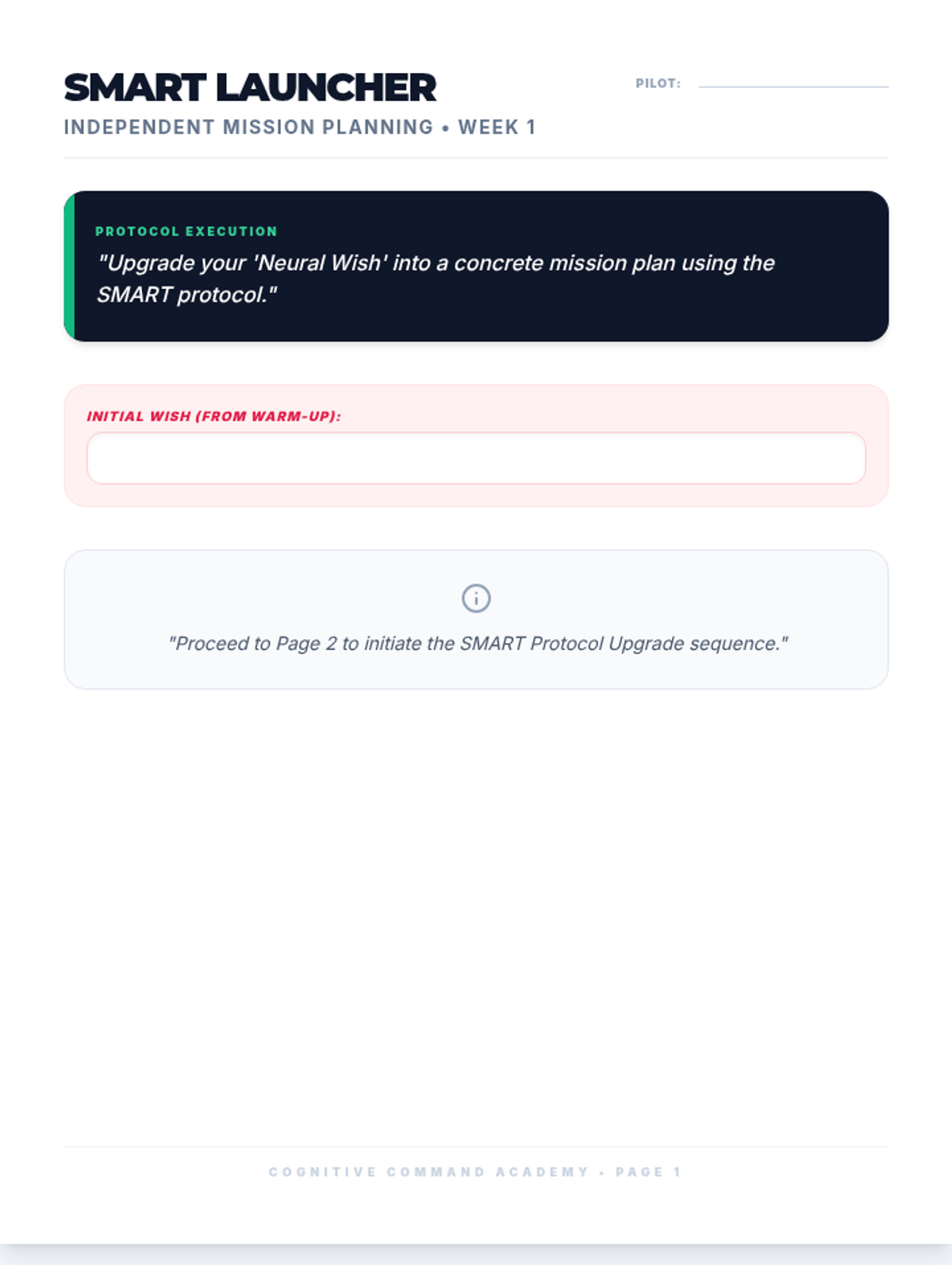
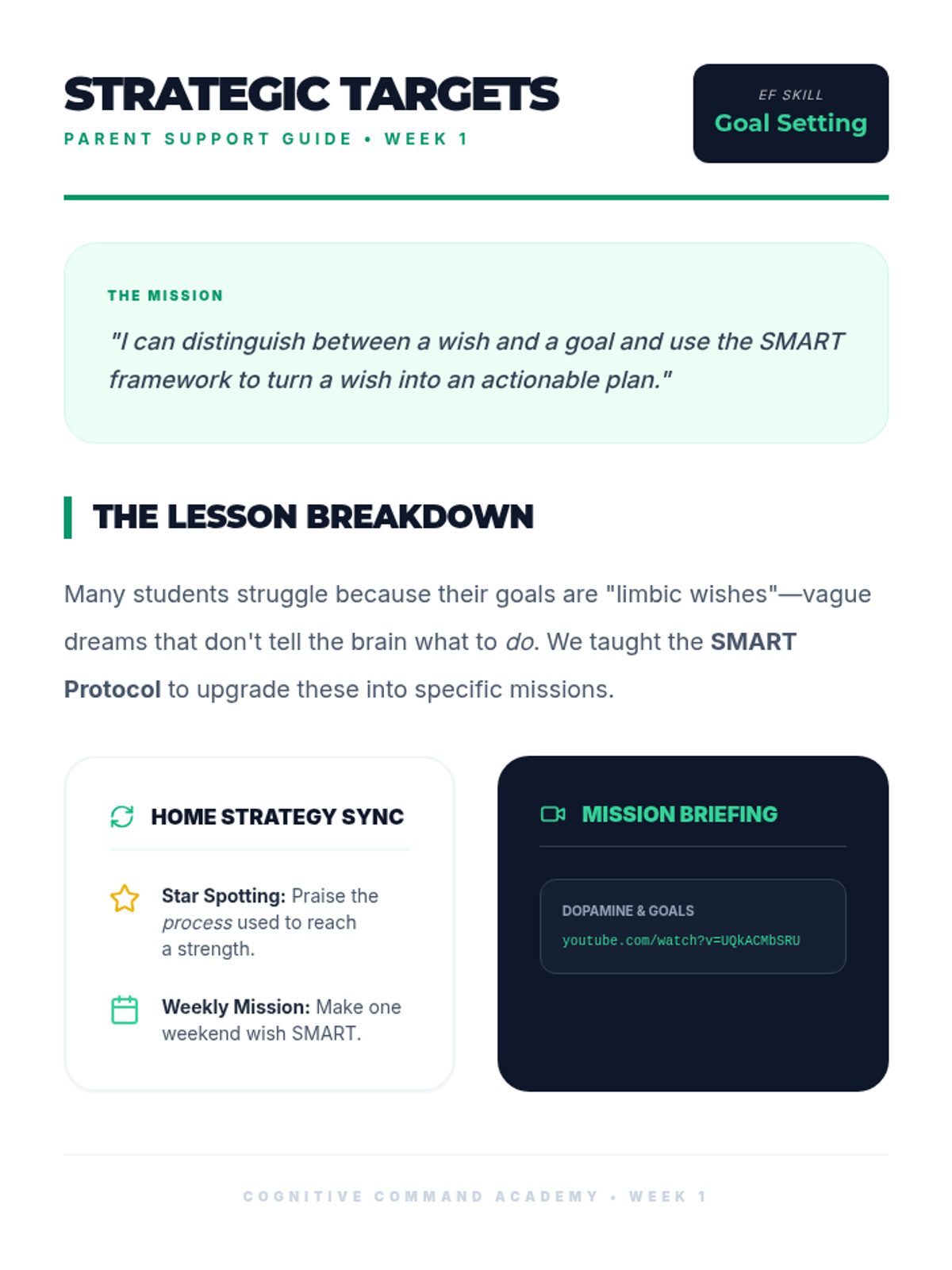
Focuses on the transition from vague aspirations to structured SMART targets, emphasizing the role of the brain's reward system in goal attainment.
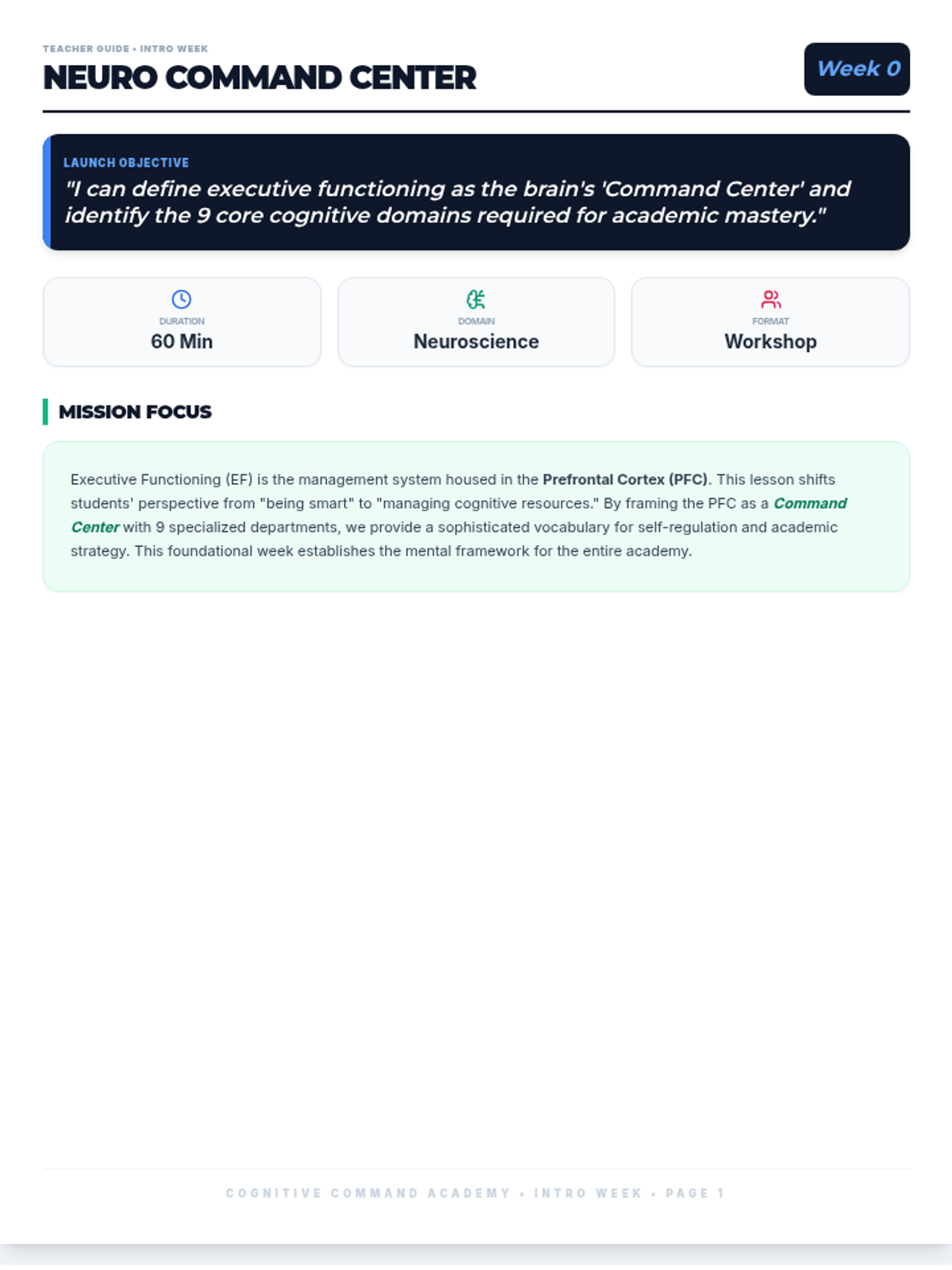
An introductory lesson exploring the neurobiology of executive functioning, centering on the prefrontal cortex as the brain's Command Center and identifying the core cognitive domains.
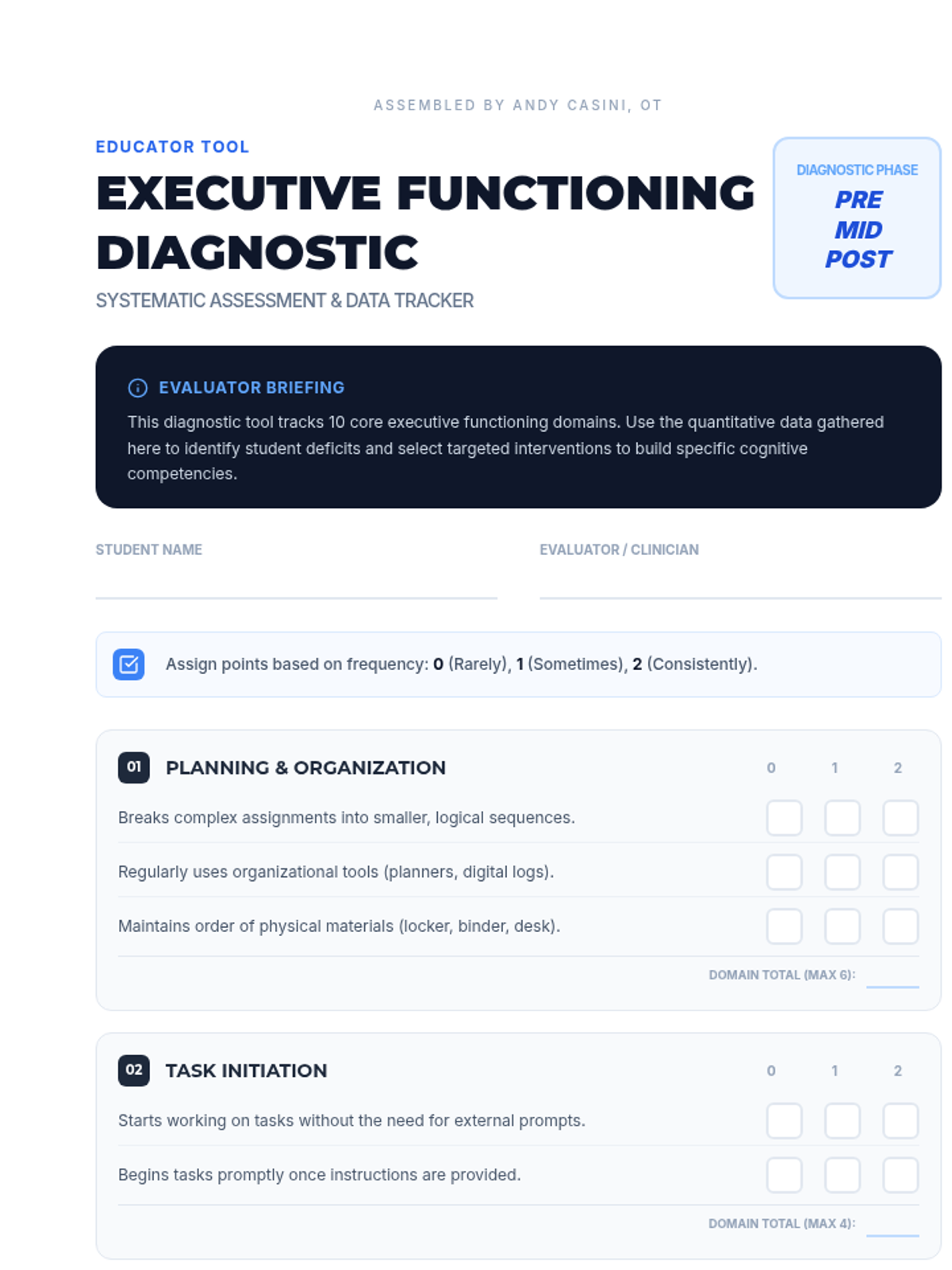
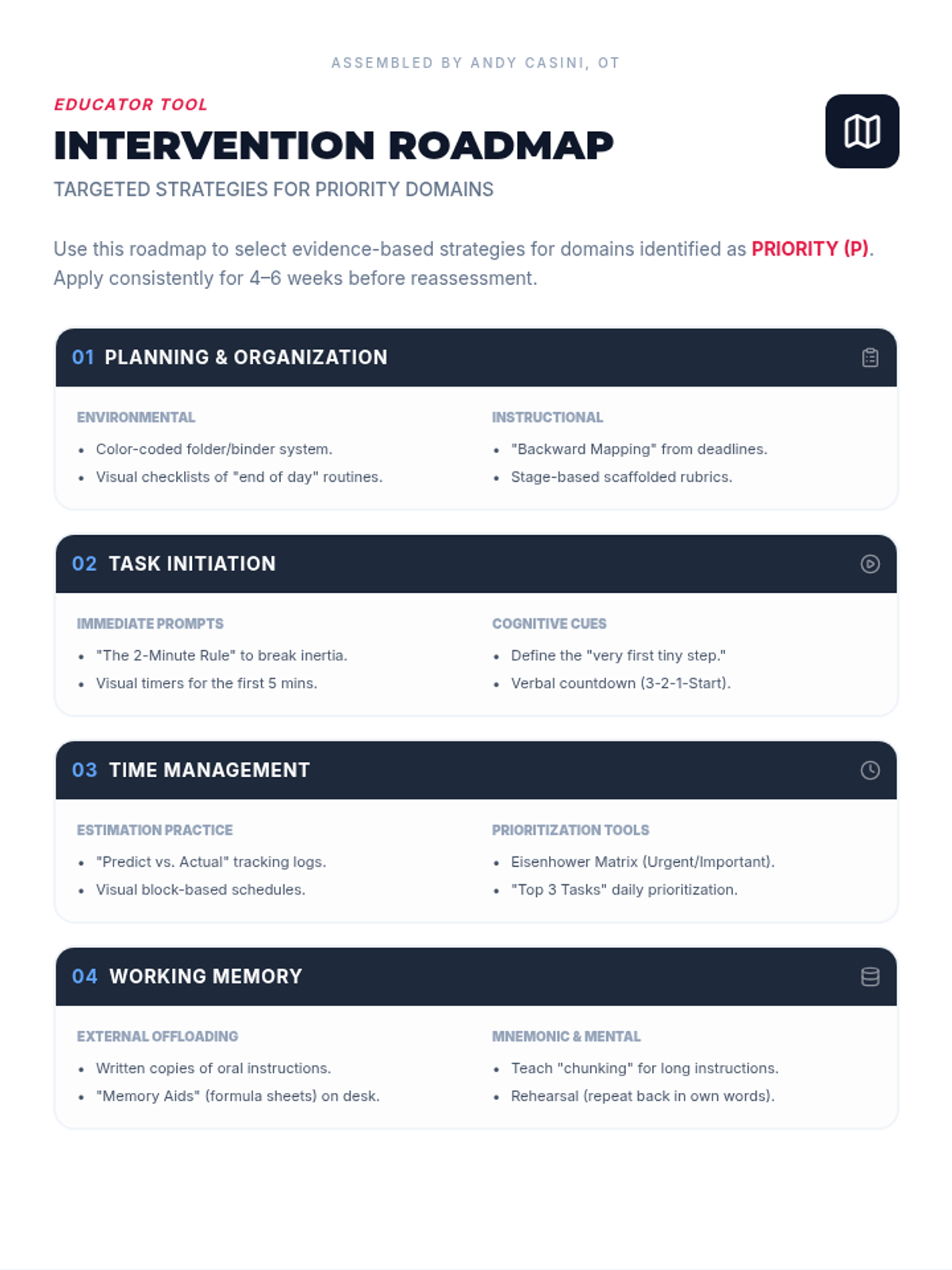
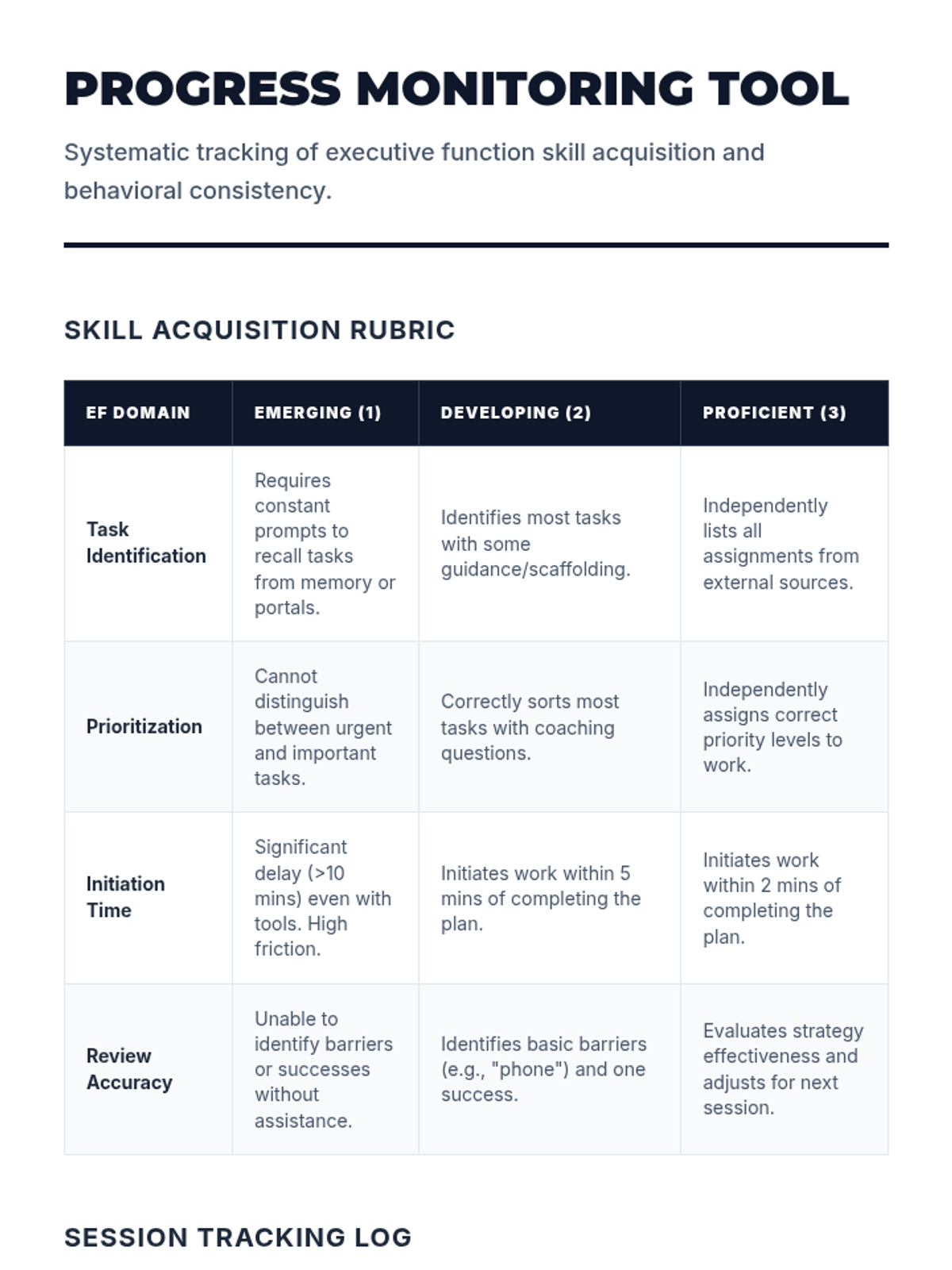
A comprehensive professional diagnostic tool for tracking and analyzing 10 core executive functioning domains, including targeted intervention strategies for identified deficits.
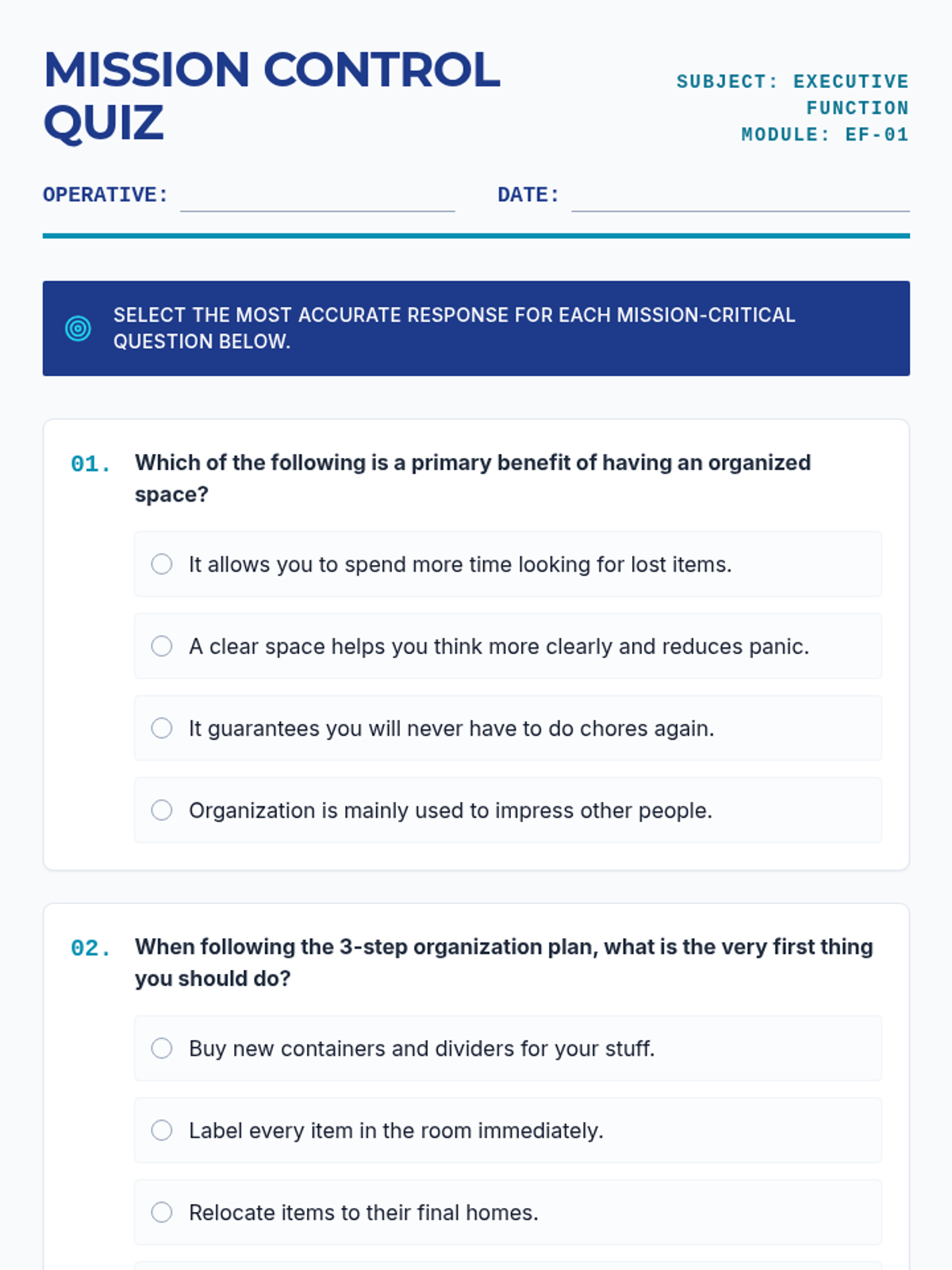
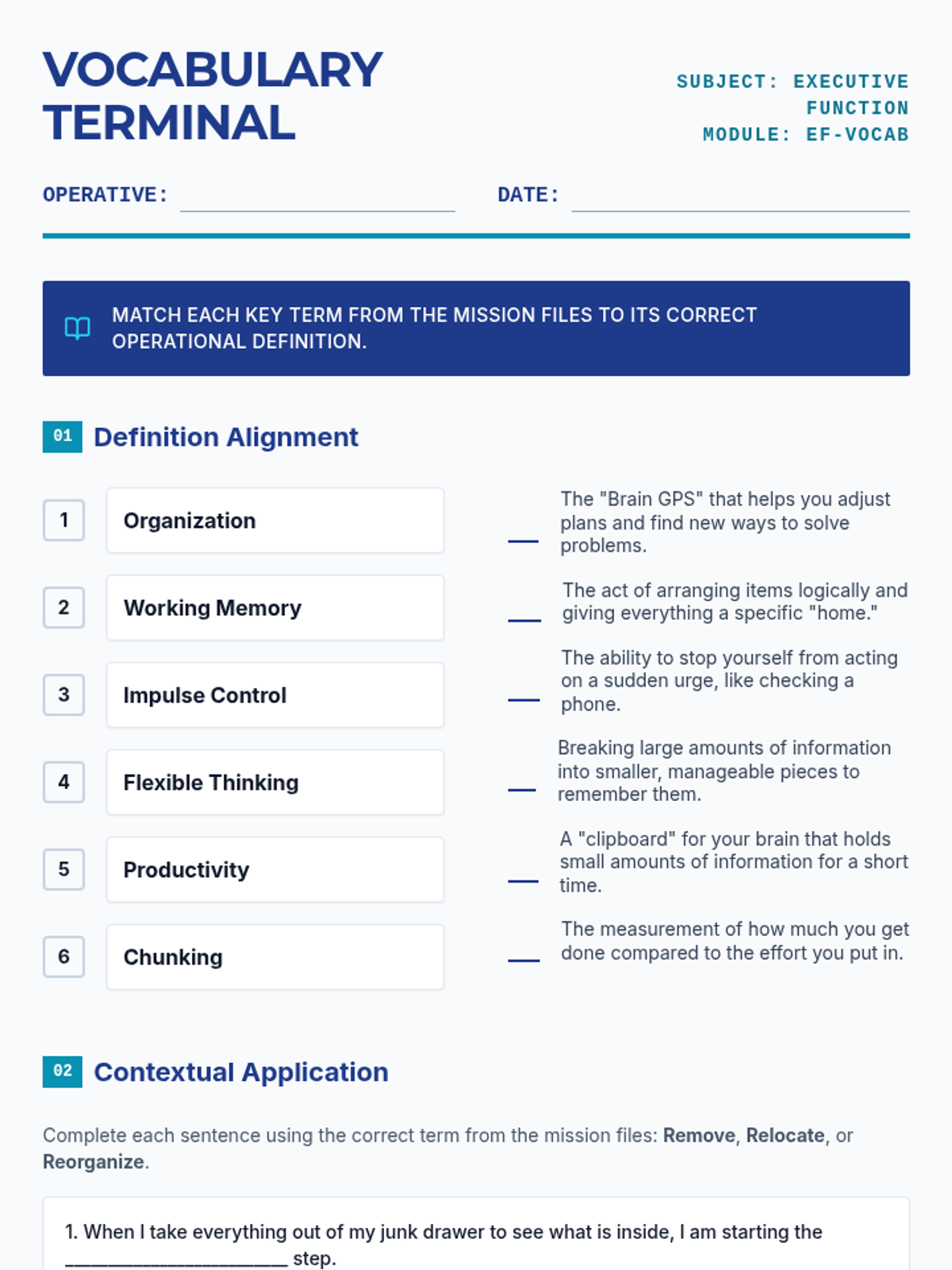
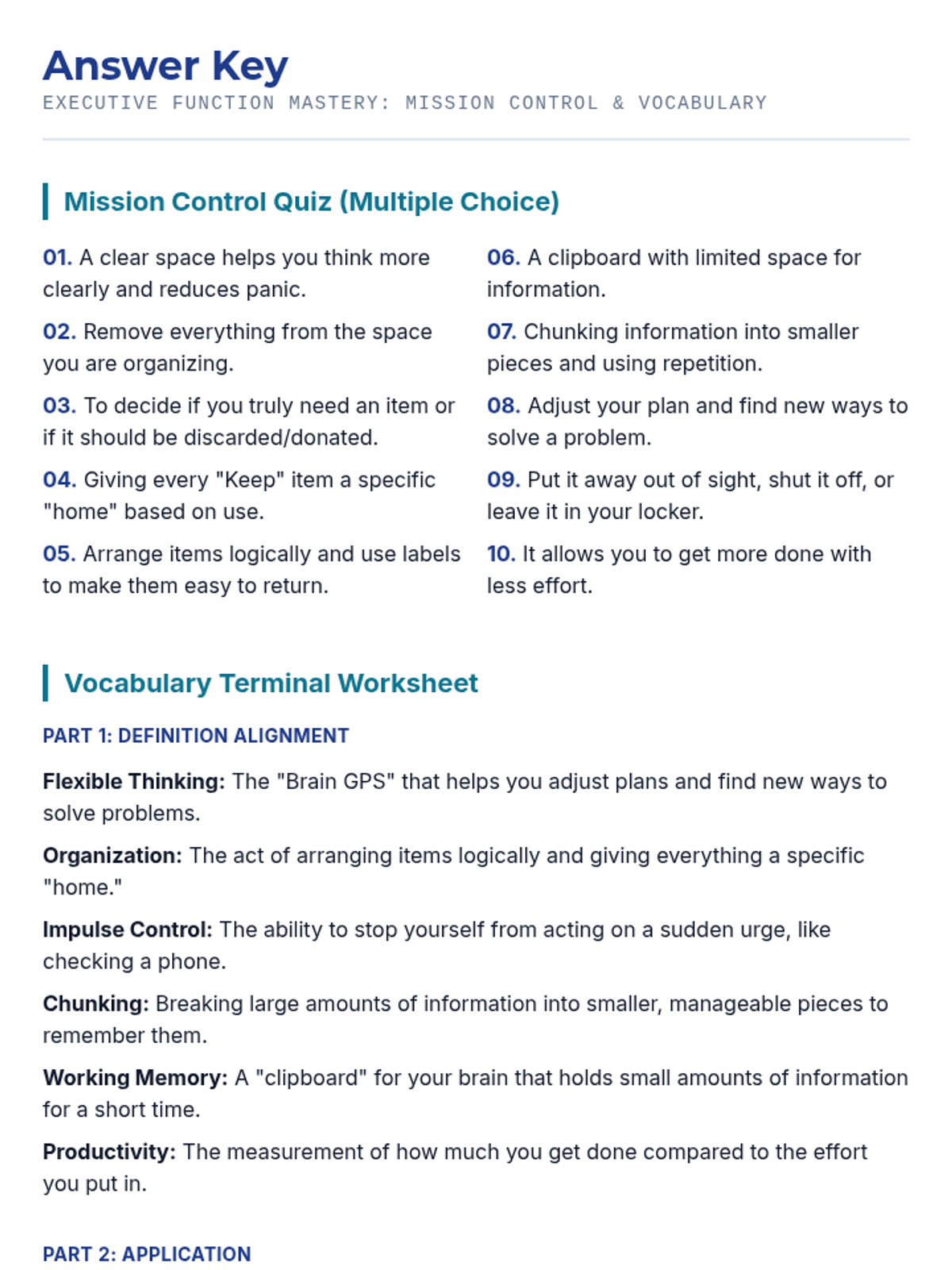
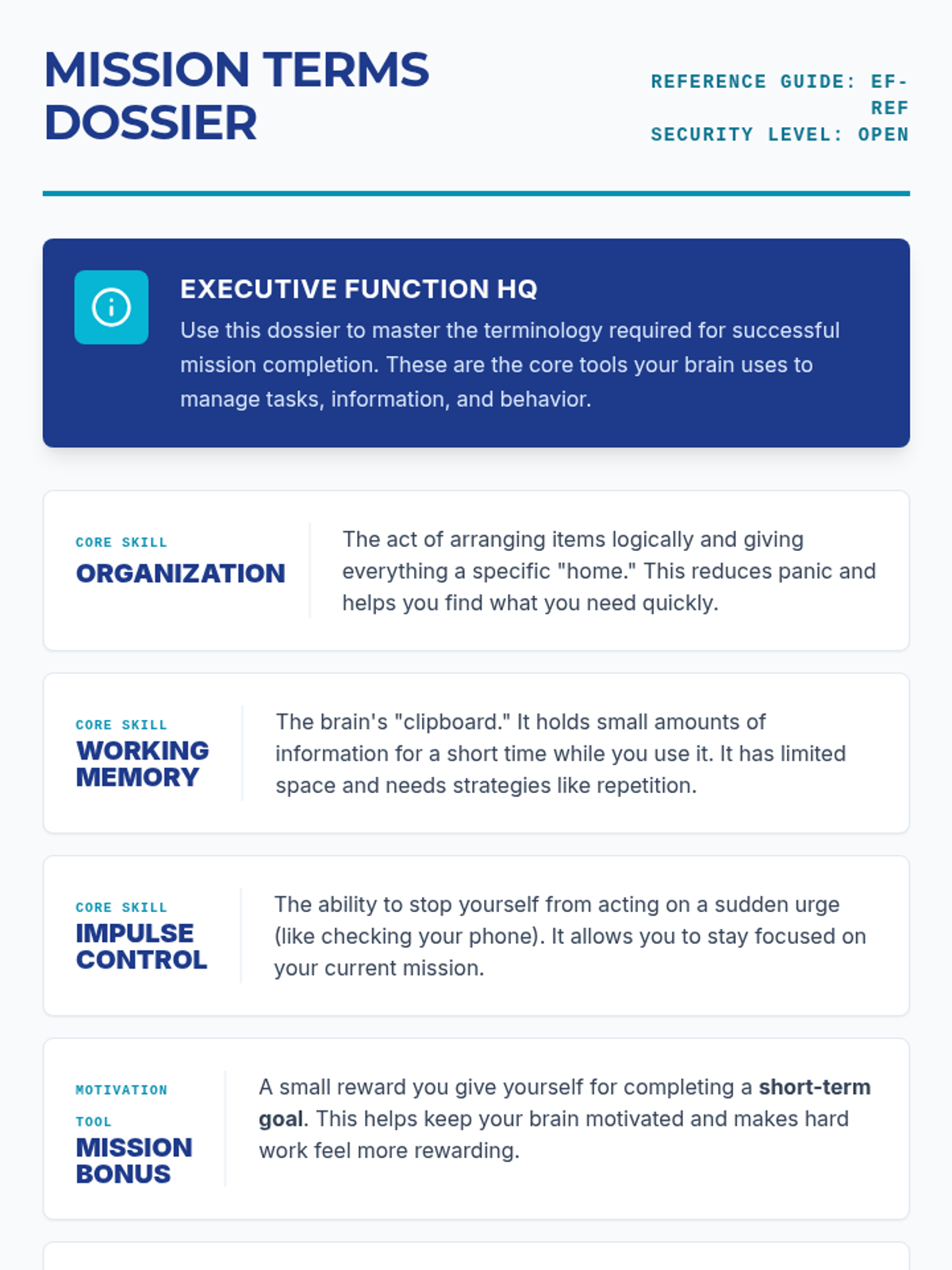
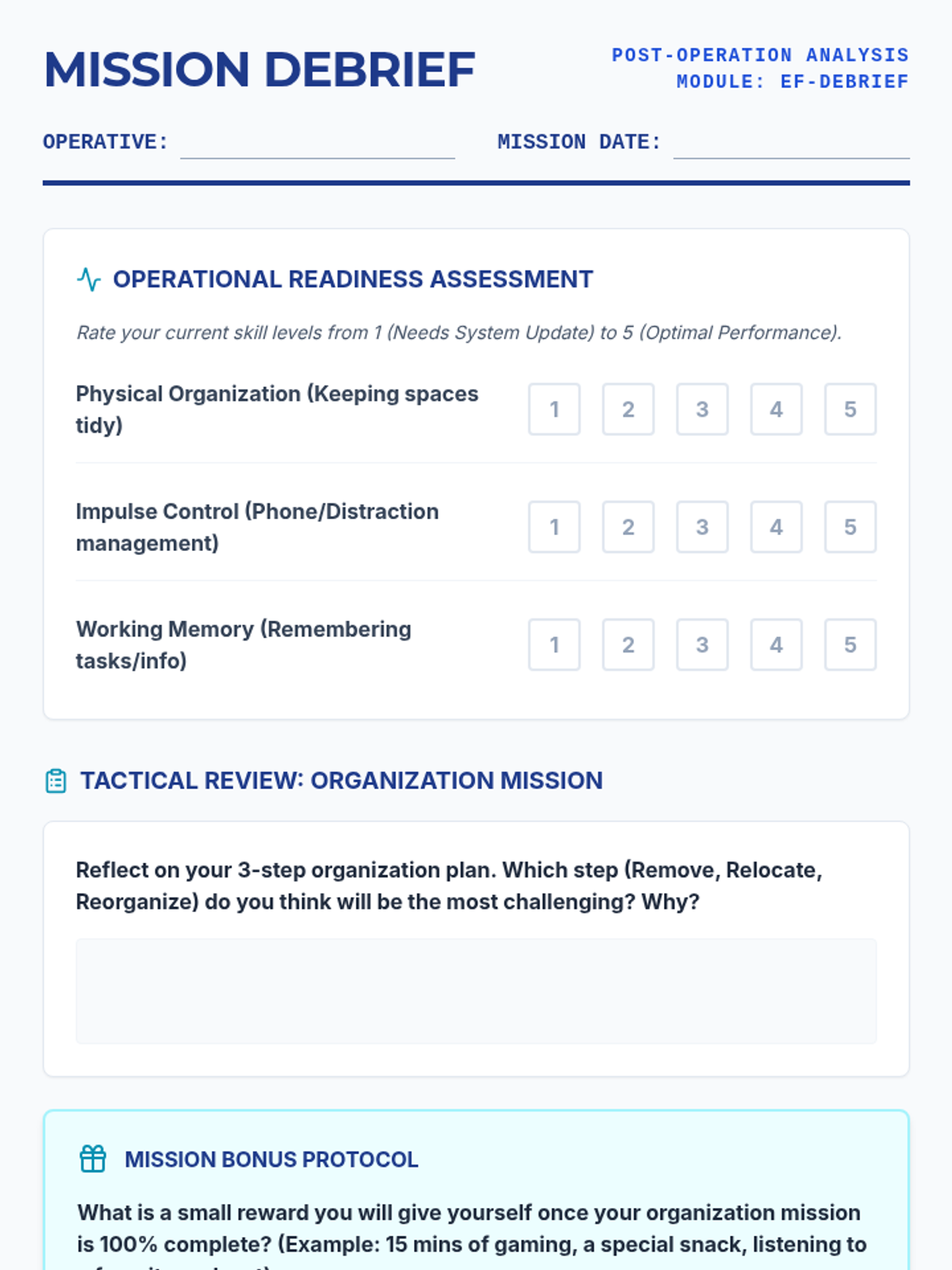
A lesson focusing on key executive function skills including organization, planning, working memory, and impulse control, featuring a 'Mission Control' theme.
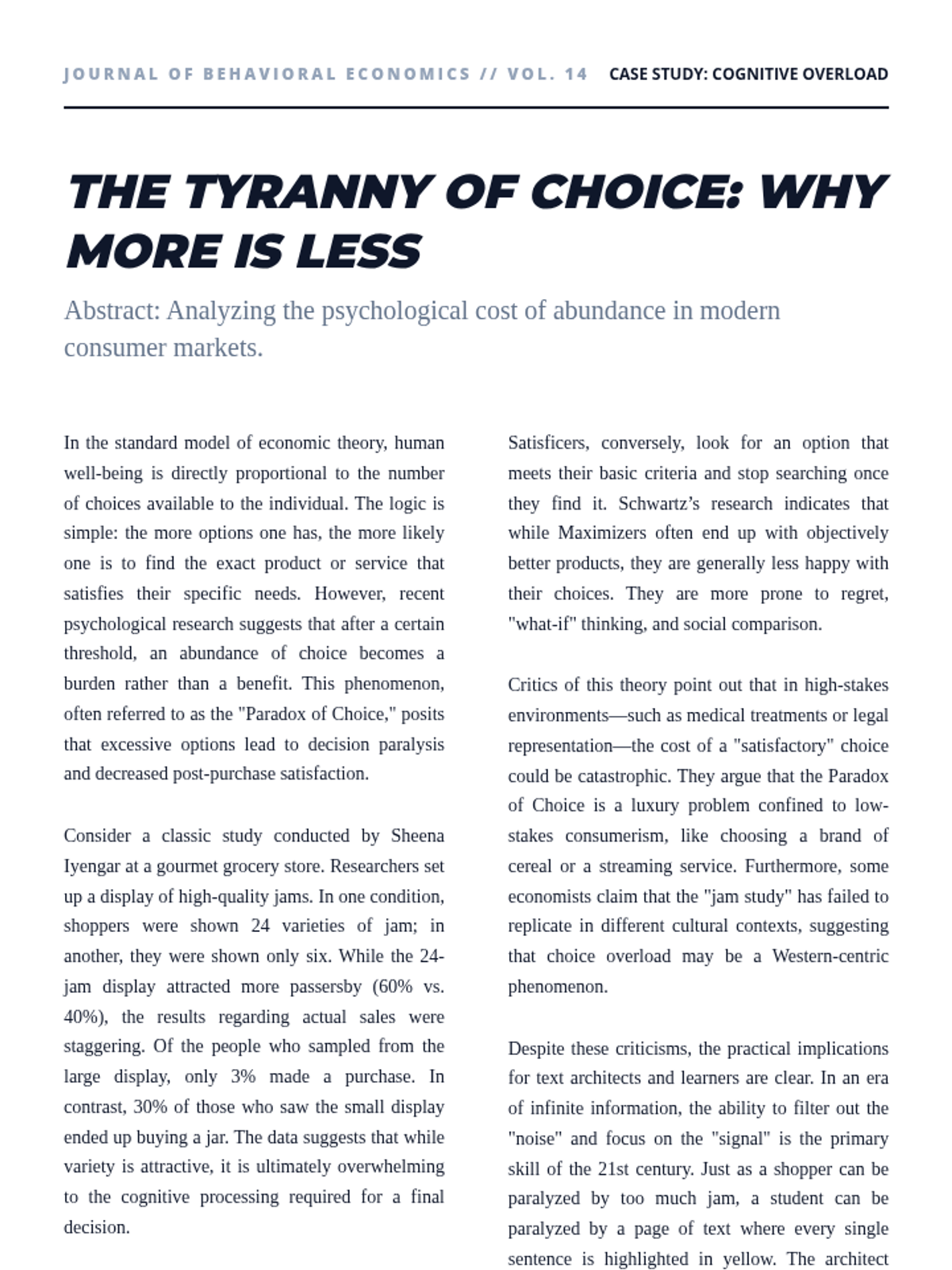
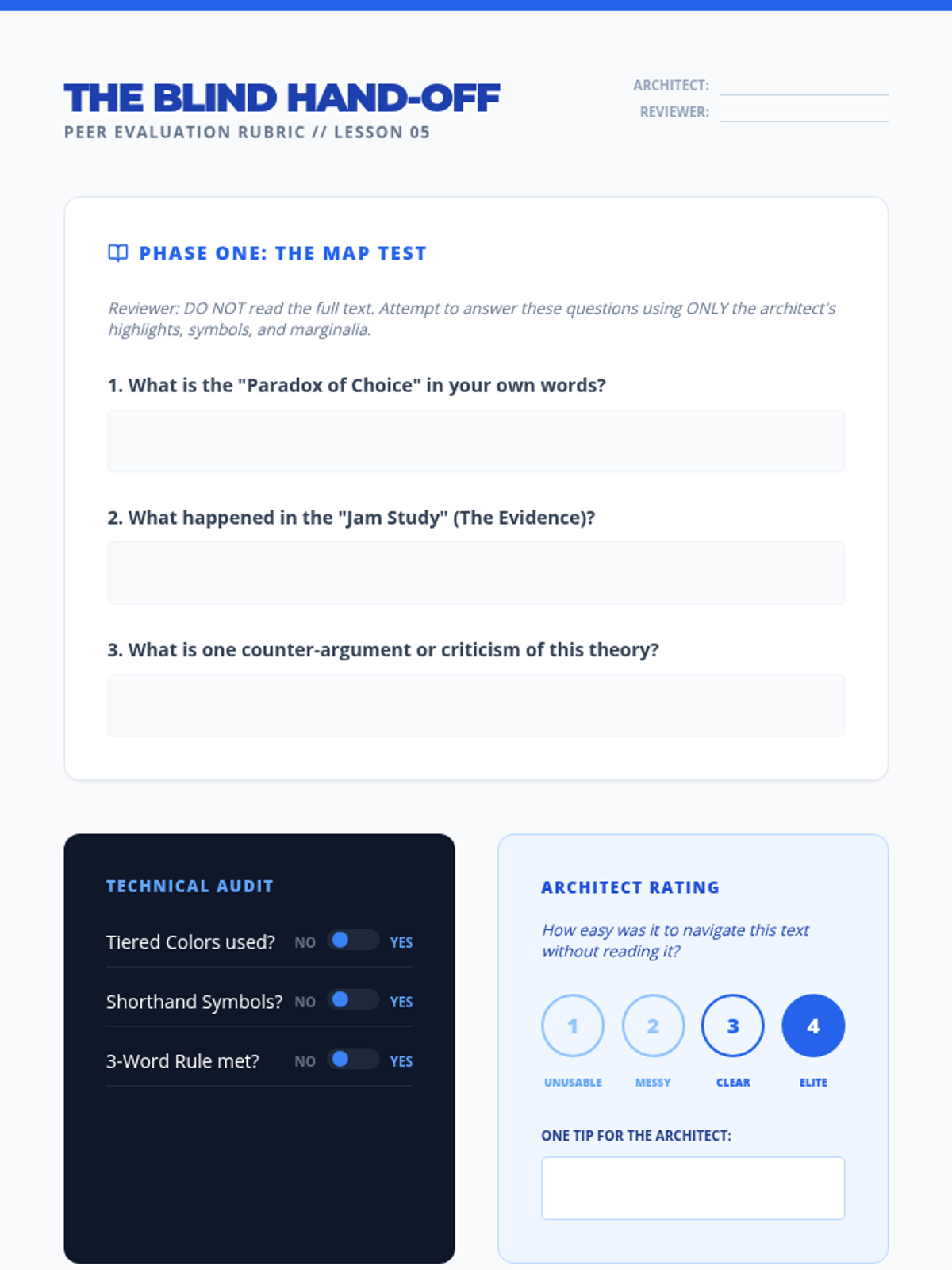
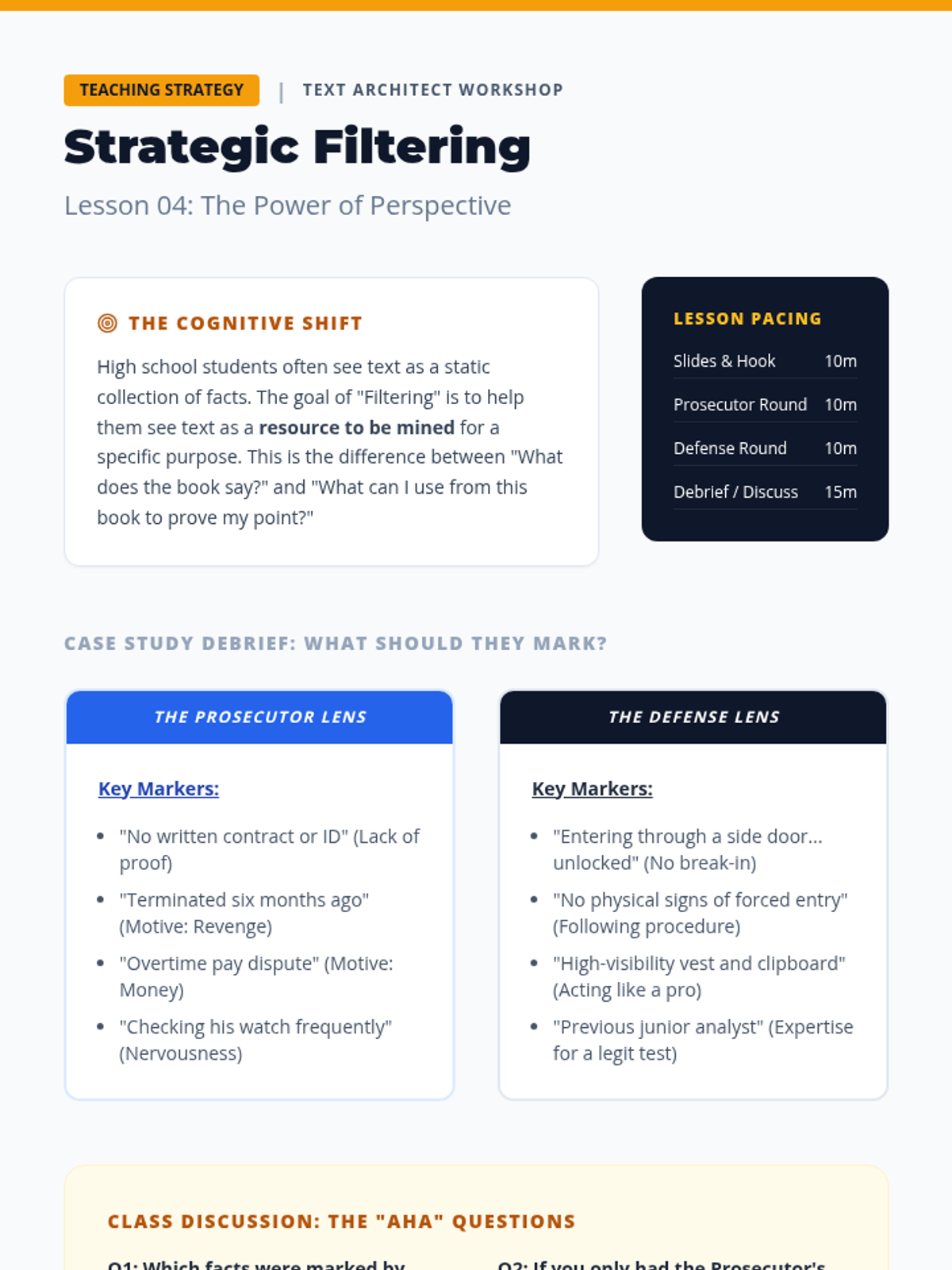
A culminating workshop where students apply their full toolkit to a college-level journal article and undergo peer evaluation.
Students learn to adjust their annotation strategies based on specific reading goals using a 'two-lens' approach.
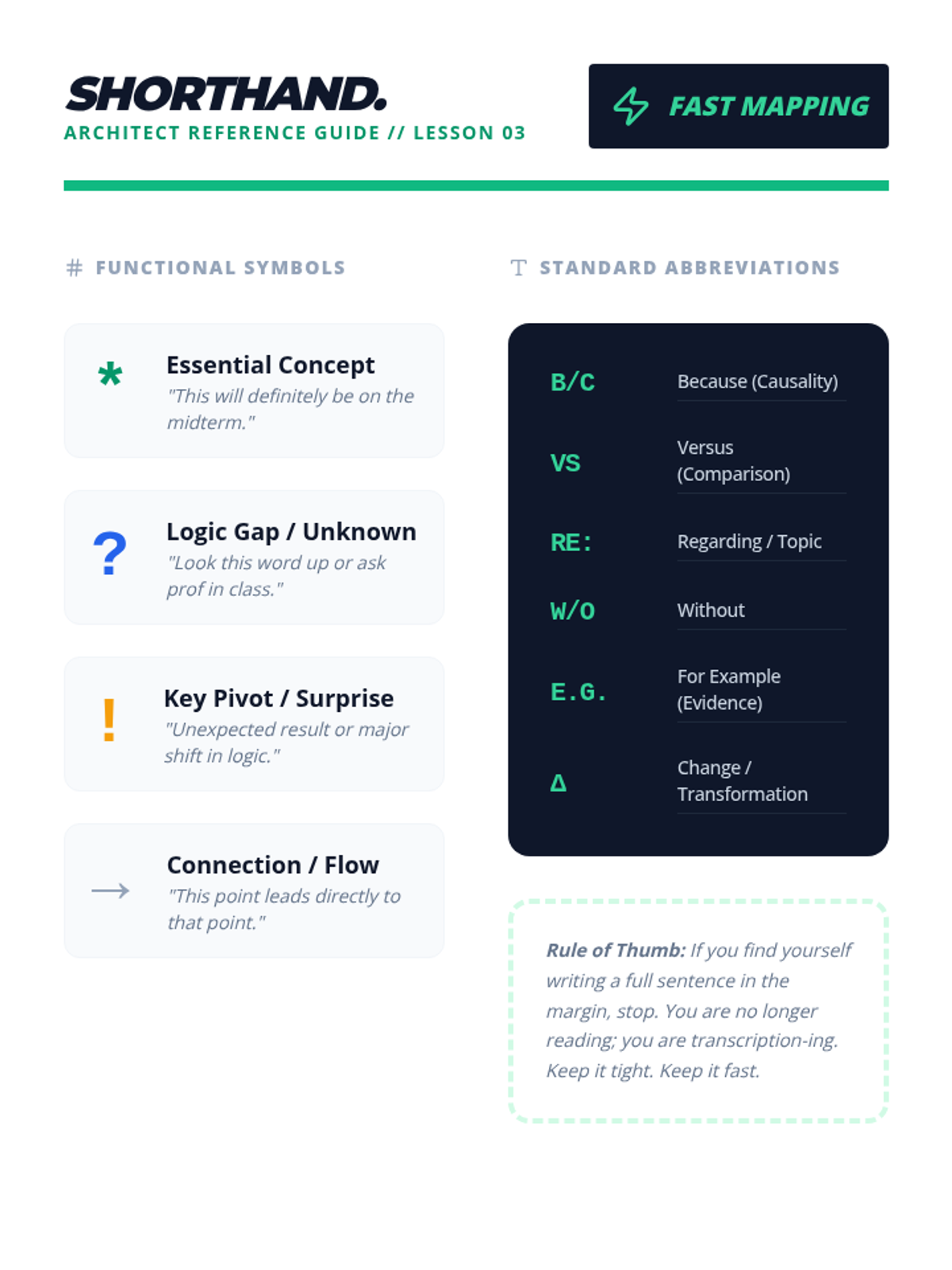
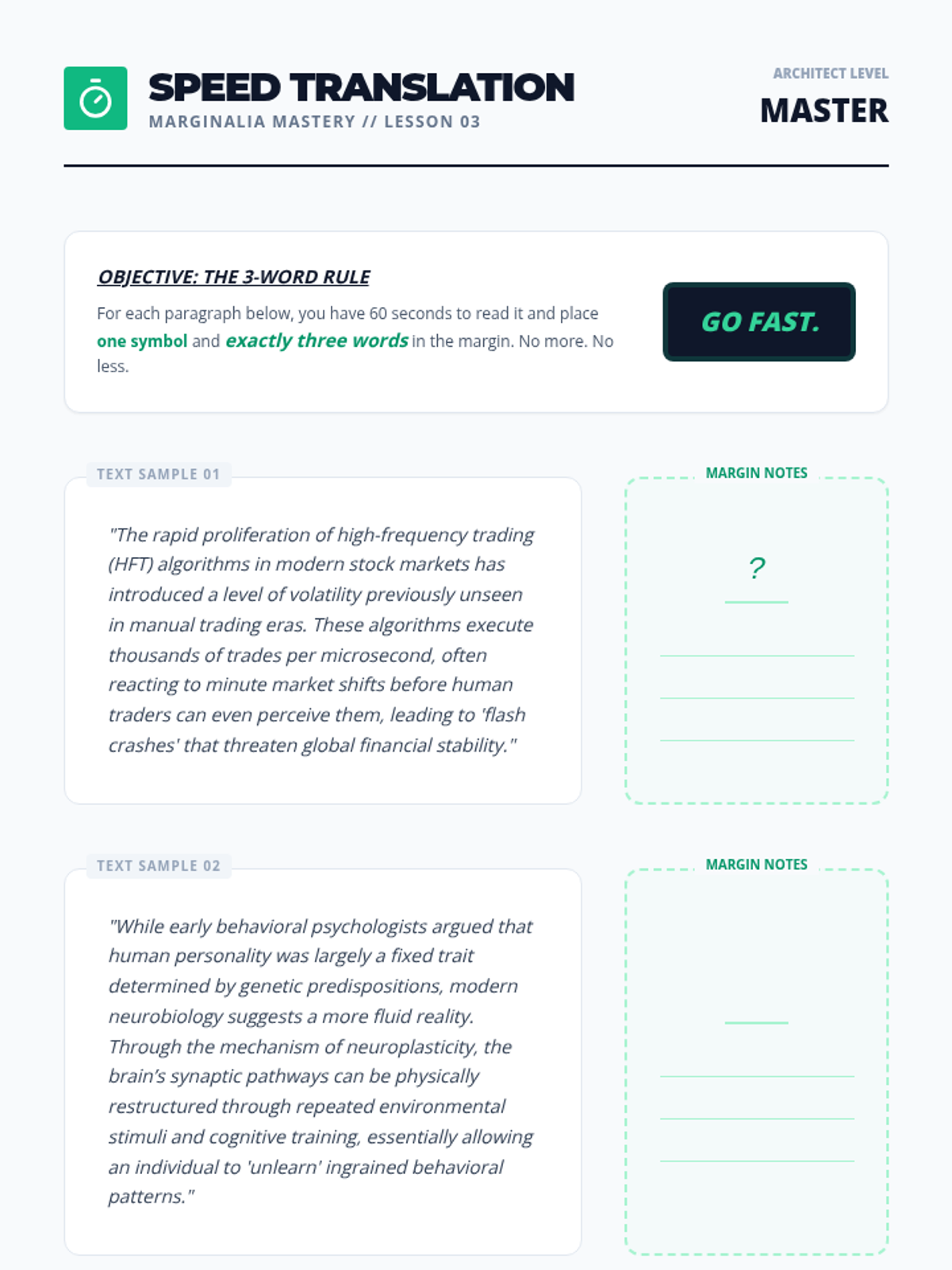
Introduction of symbol shorthand and rapid marginalia techniques to synthesize complex ideas into concise notes.
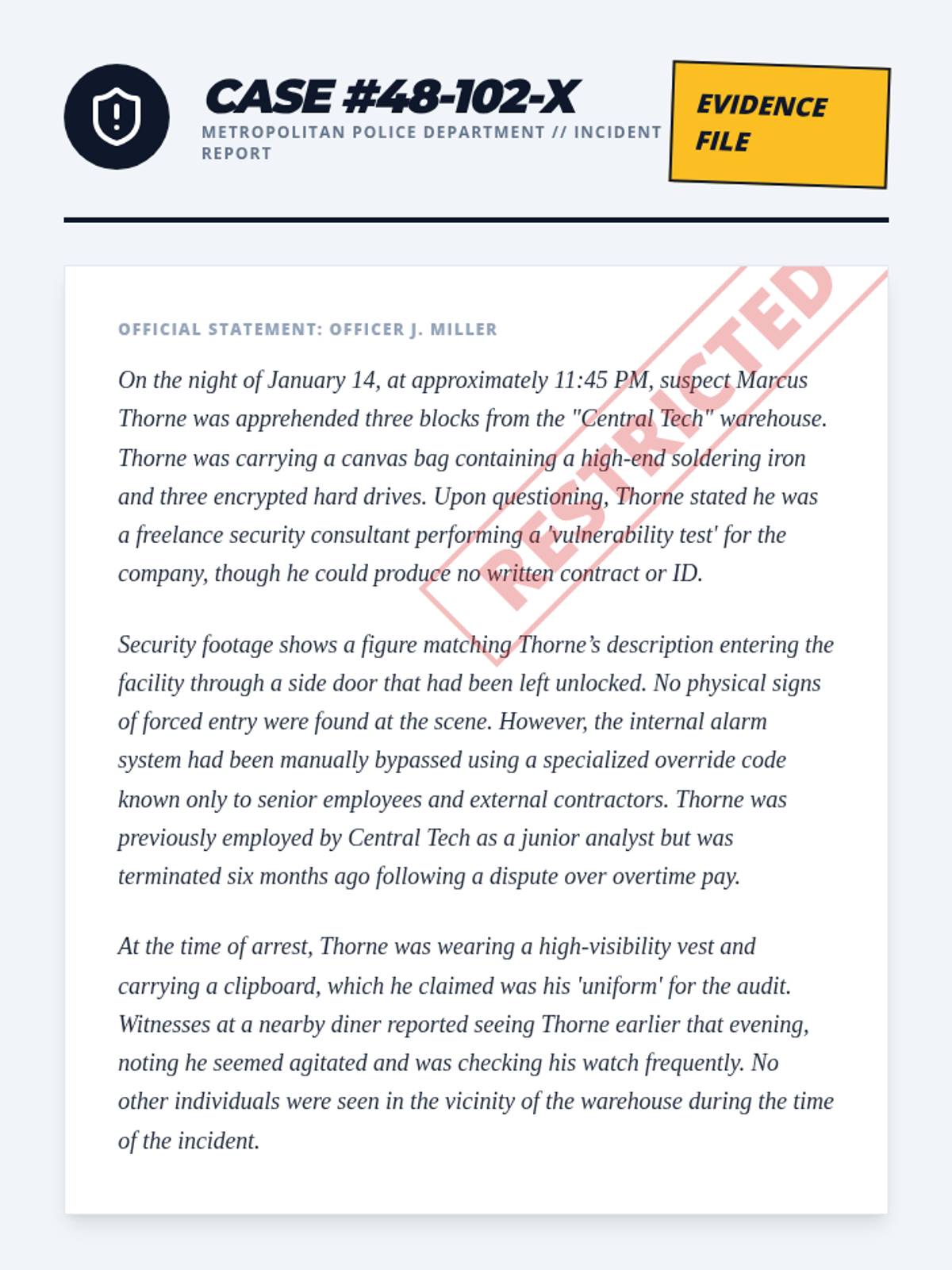
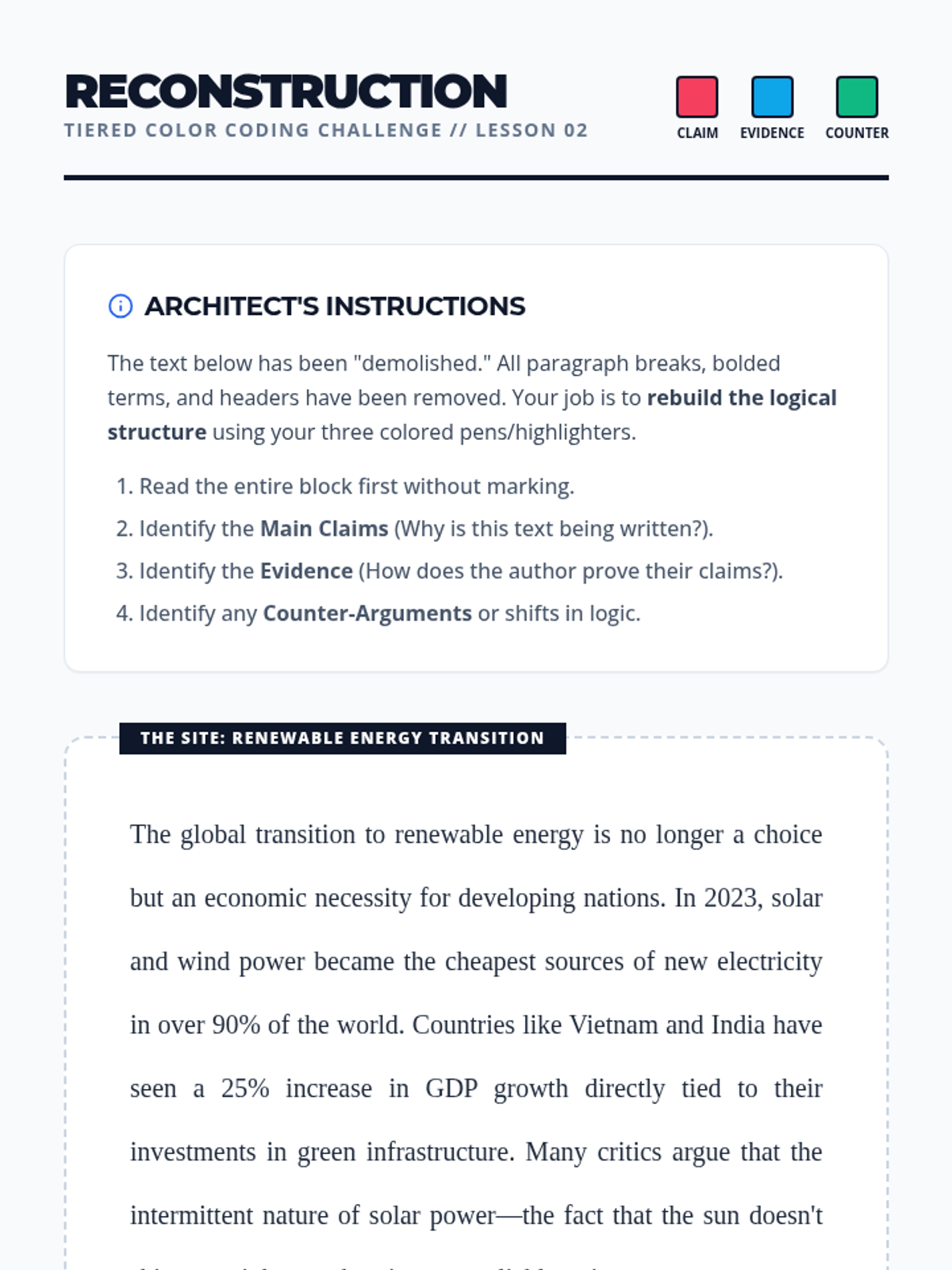
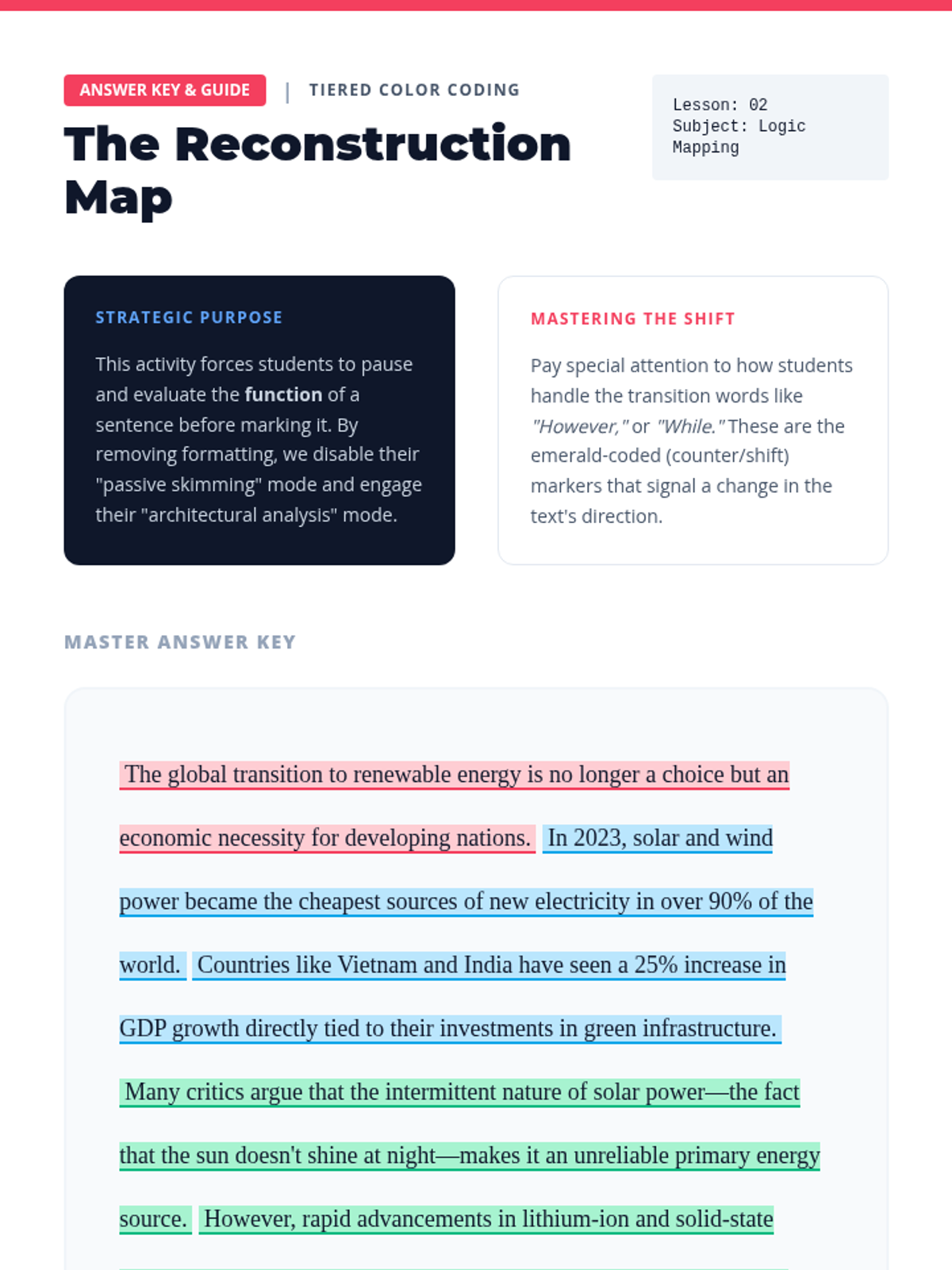
Students practice a three-color system to distinguish claims, evidence, and counter-arguments in a text.
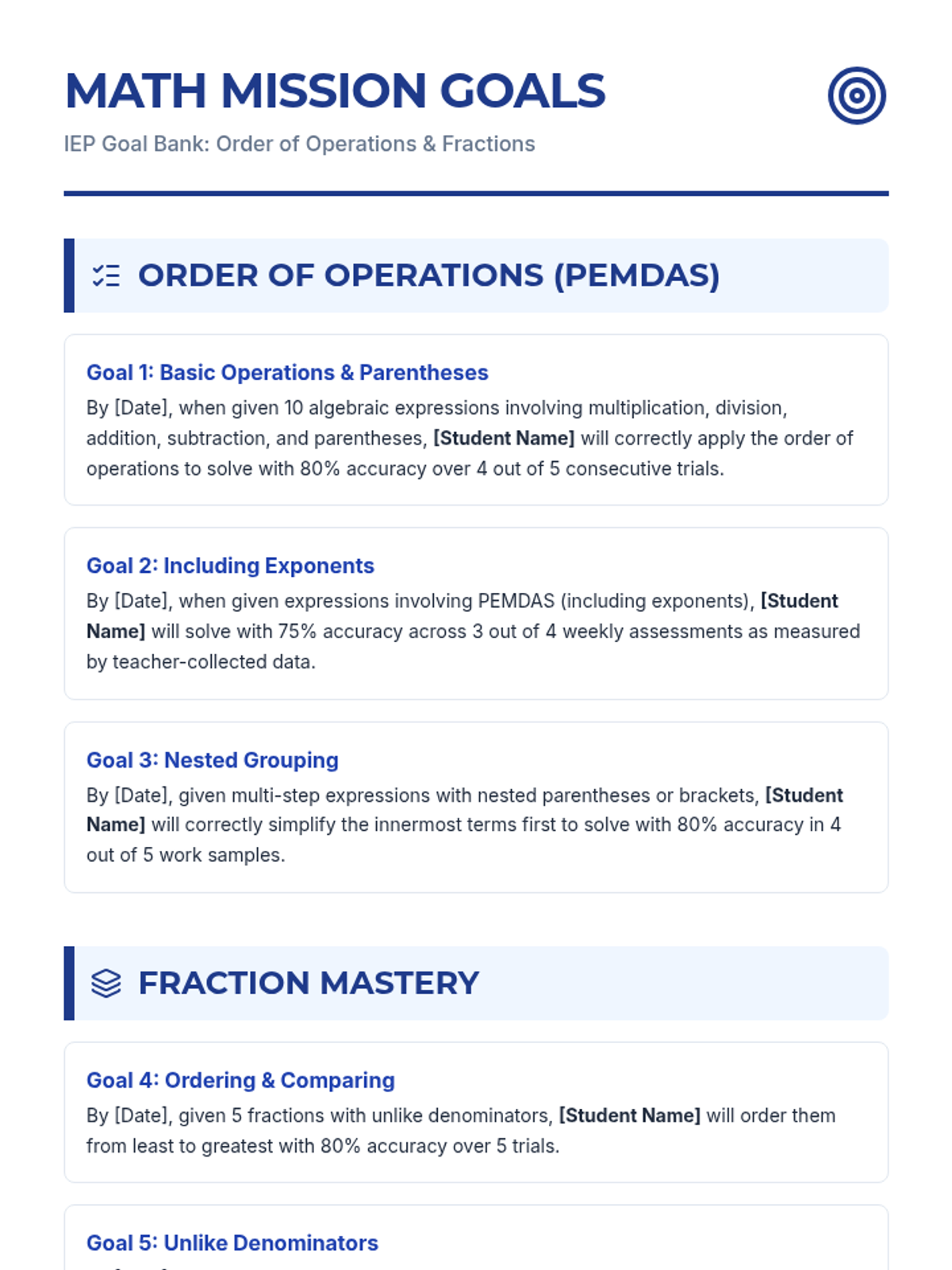
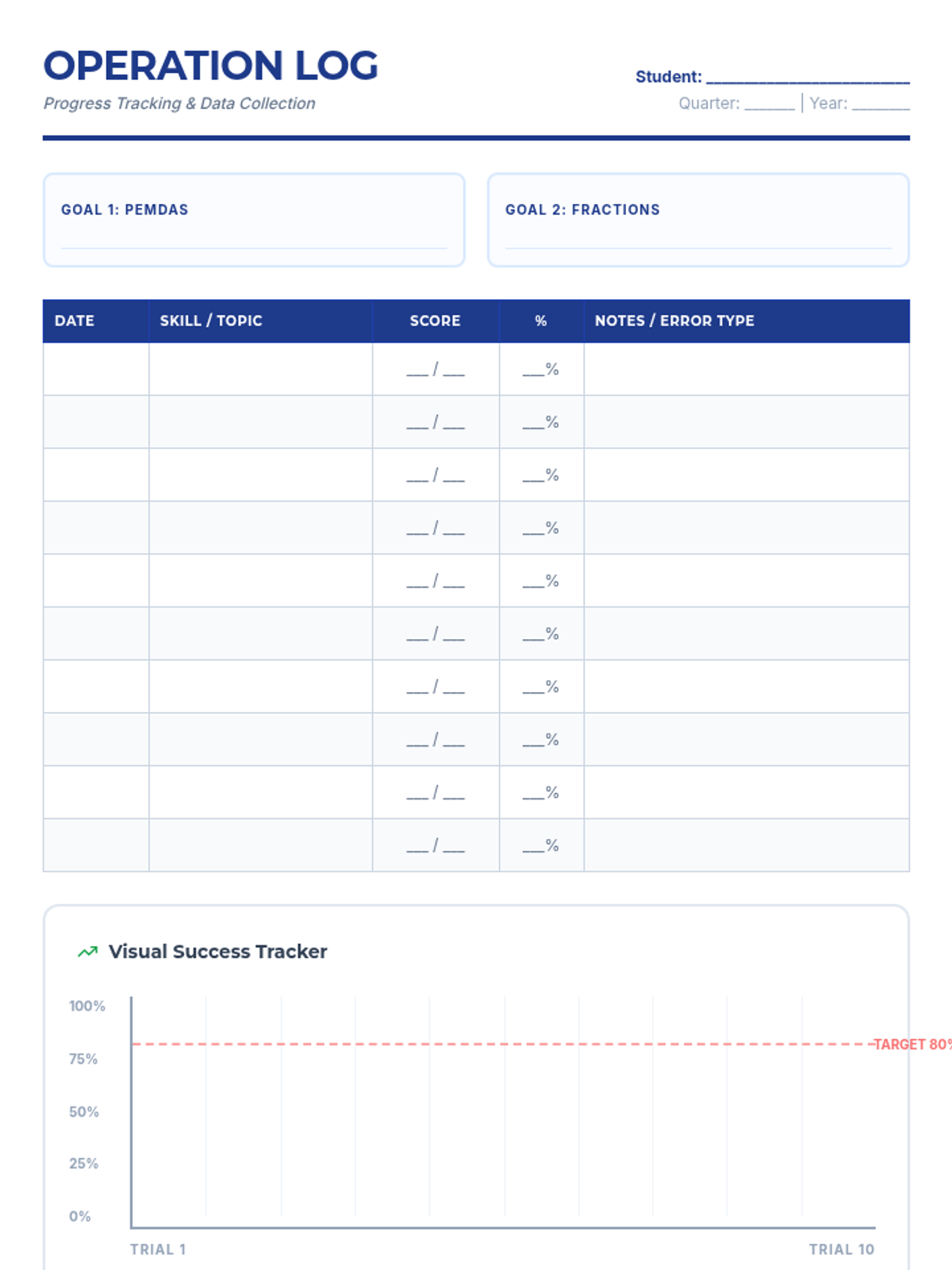
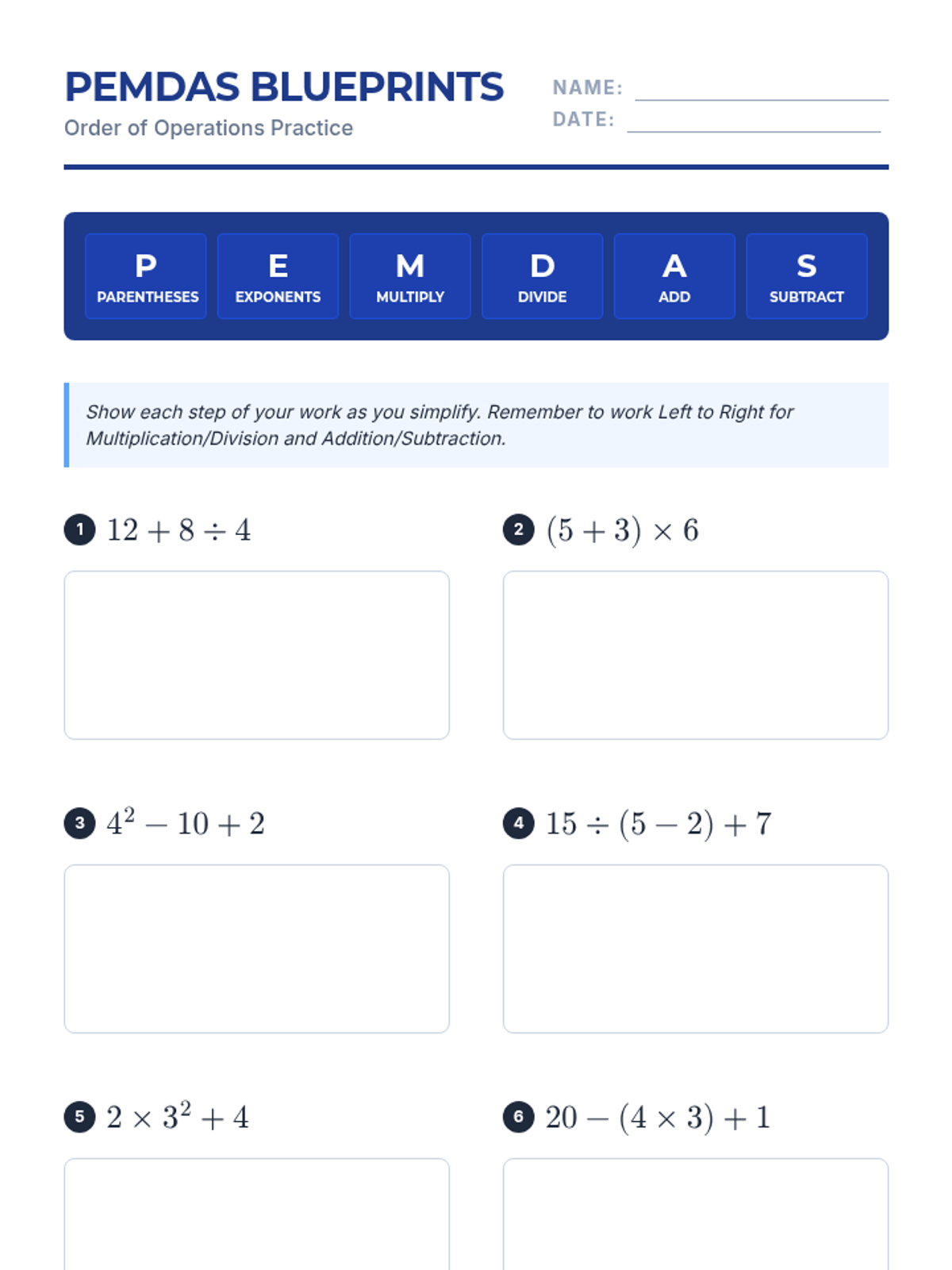
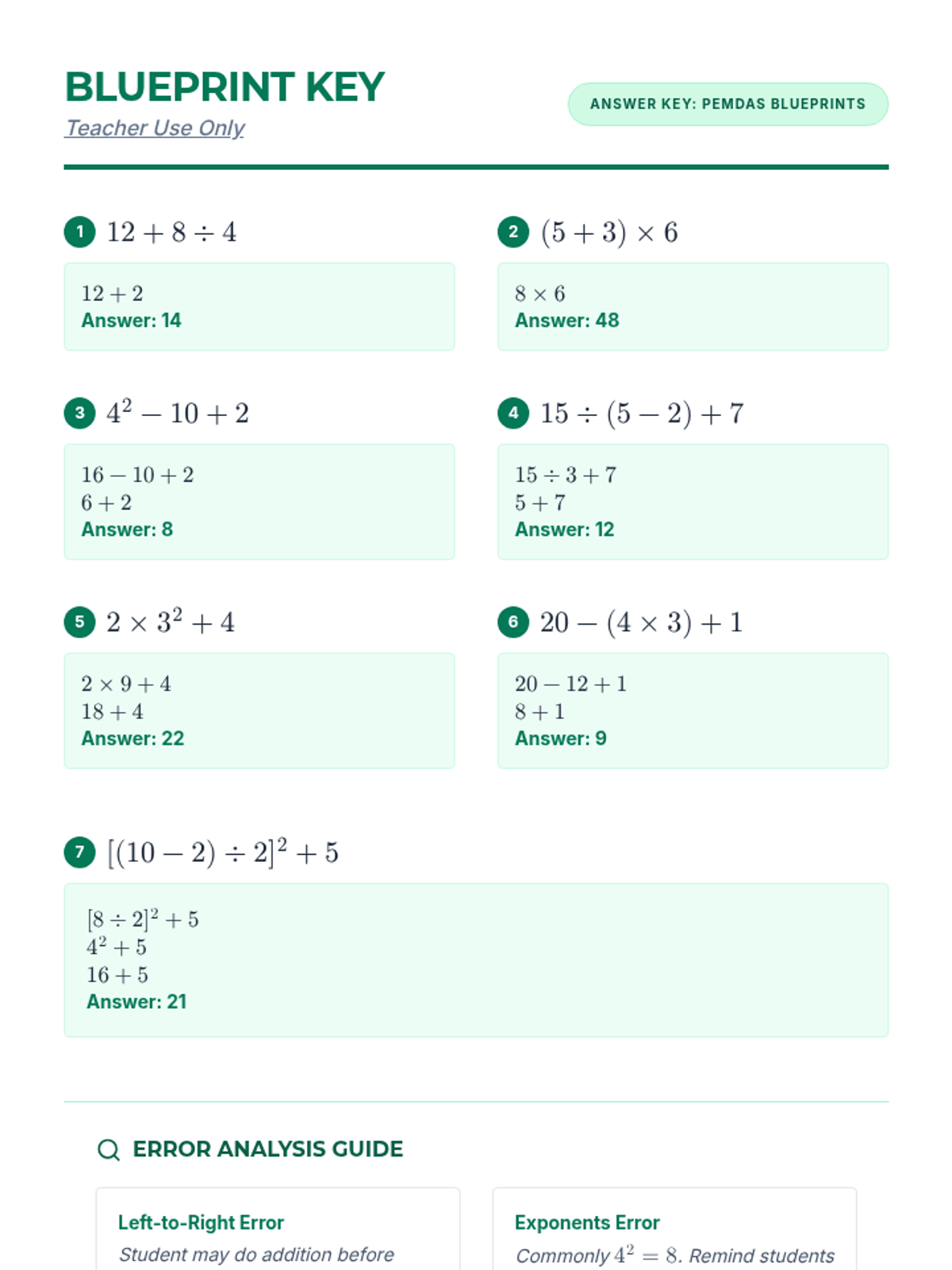
A comprehensive kit for tracking and mastering the Order of Operations (PEMDAS) and fractional operations, designed for high school students needing foundational support.
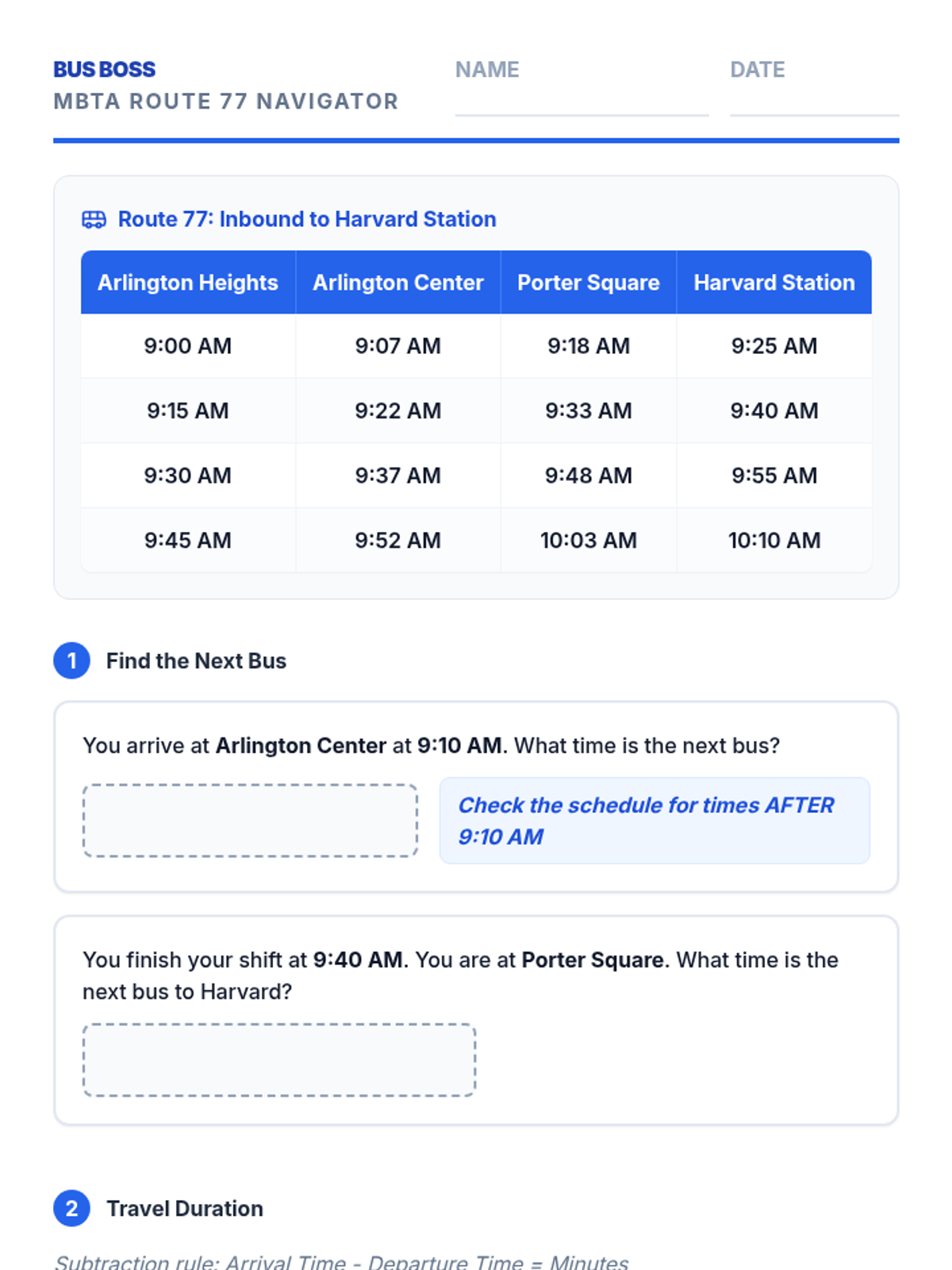
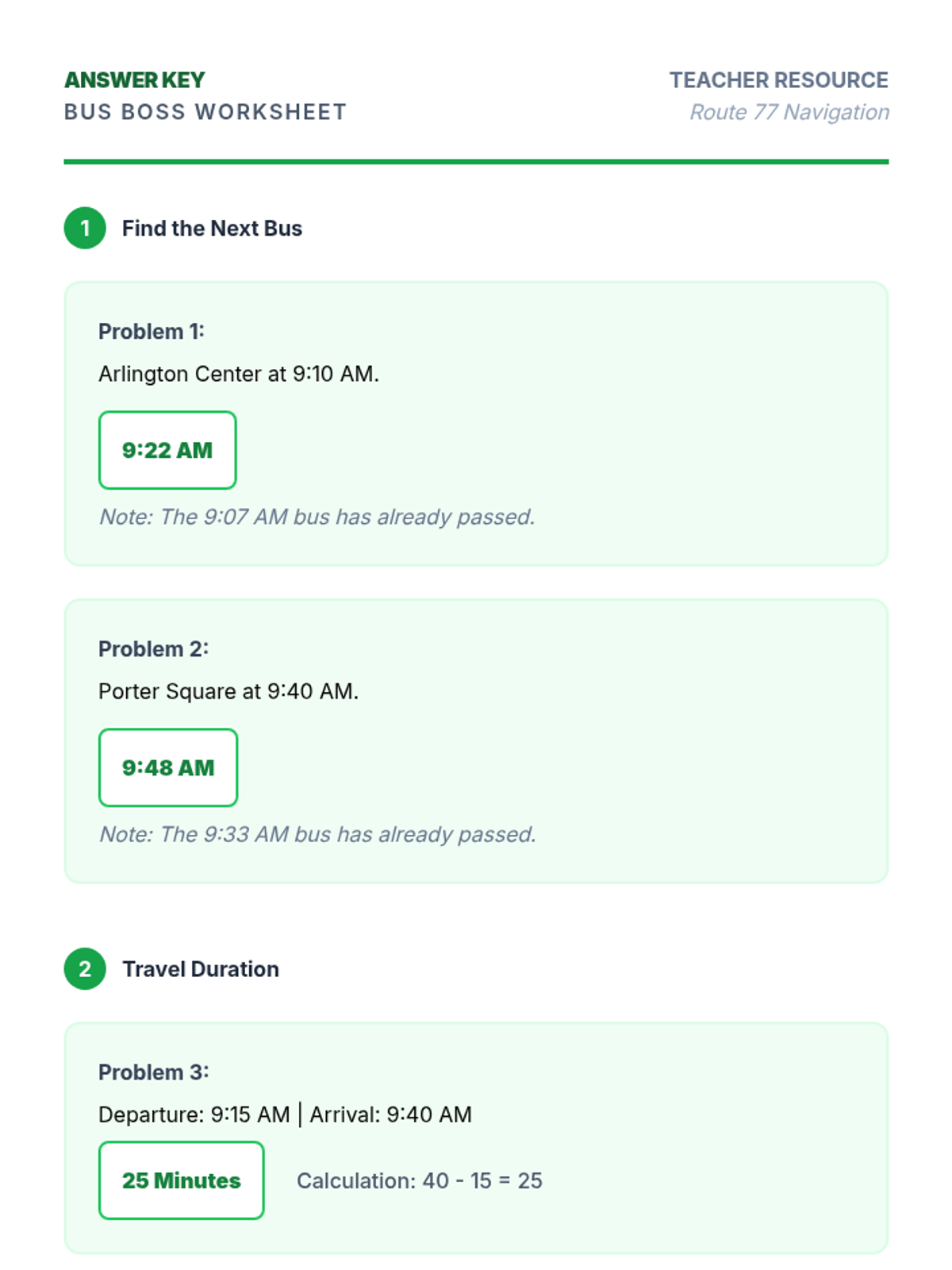
A functional academics lesson focused on navigating the MBTA Route 77 bus, teaching students how to read schedules, identify departure times, and calculate travel duration for community independence.
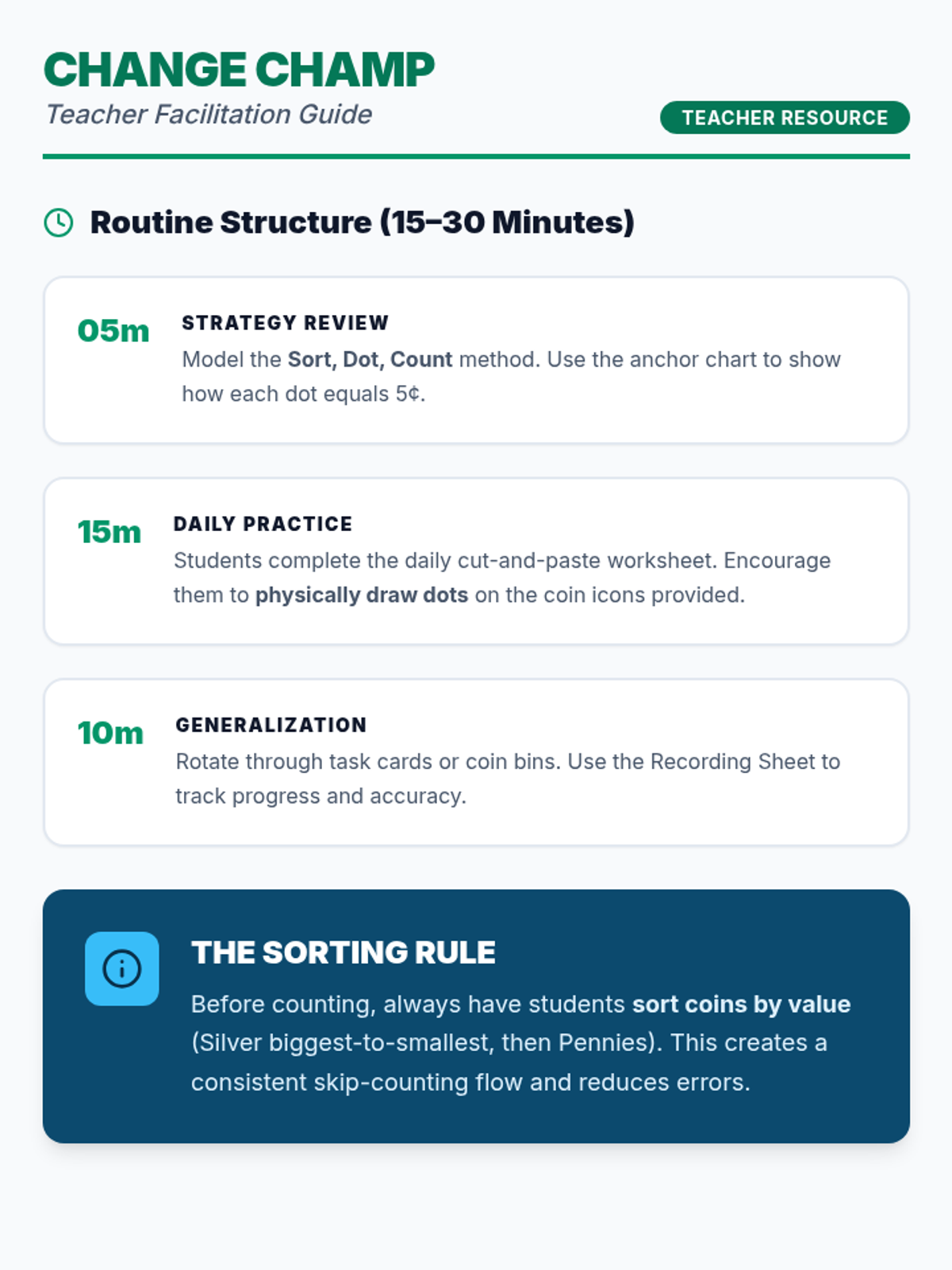
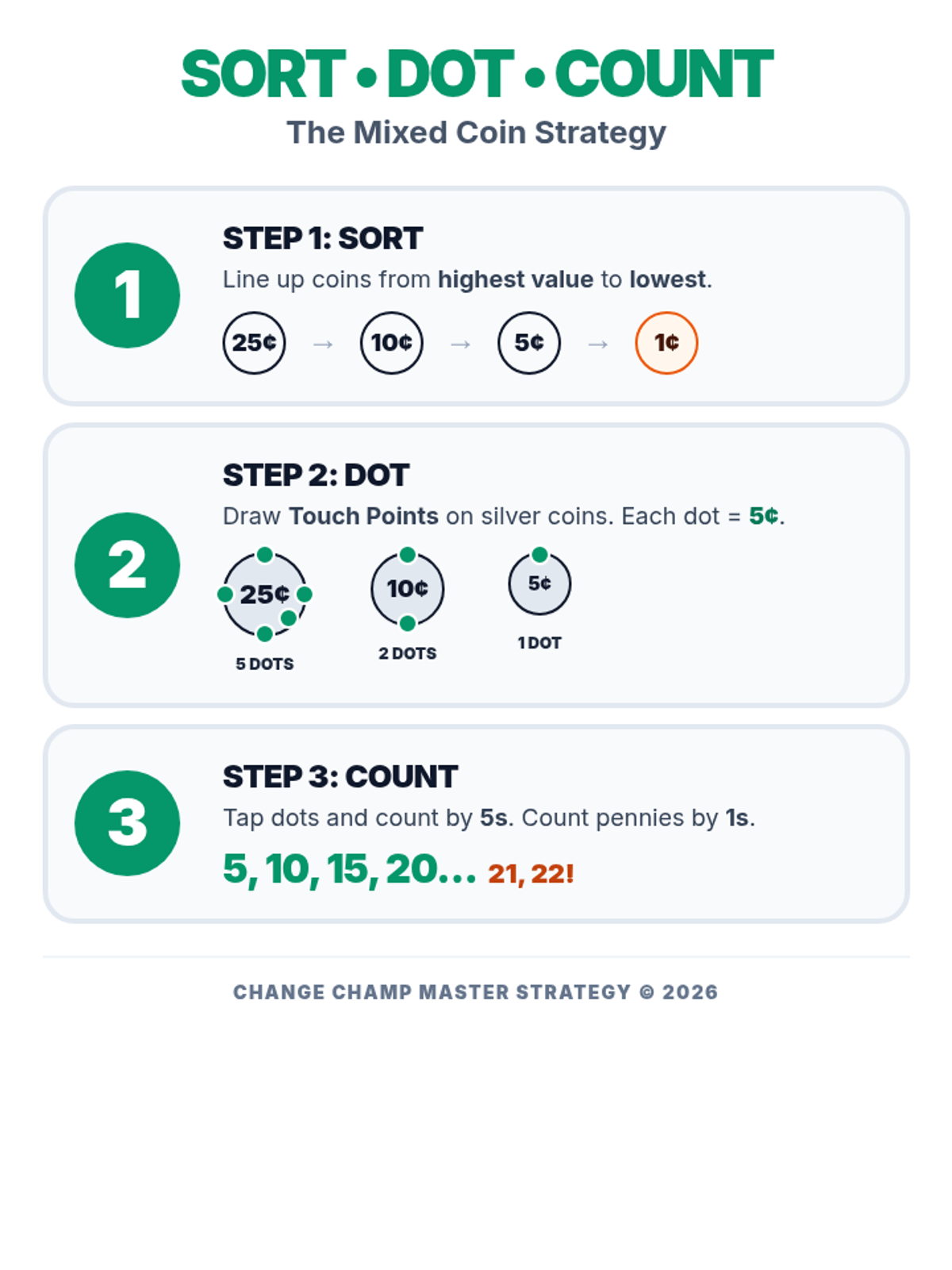
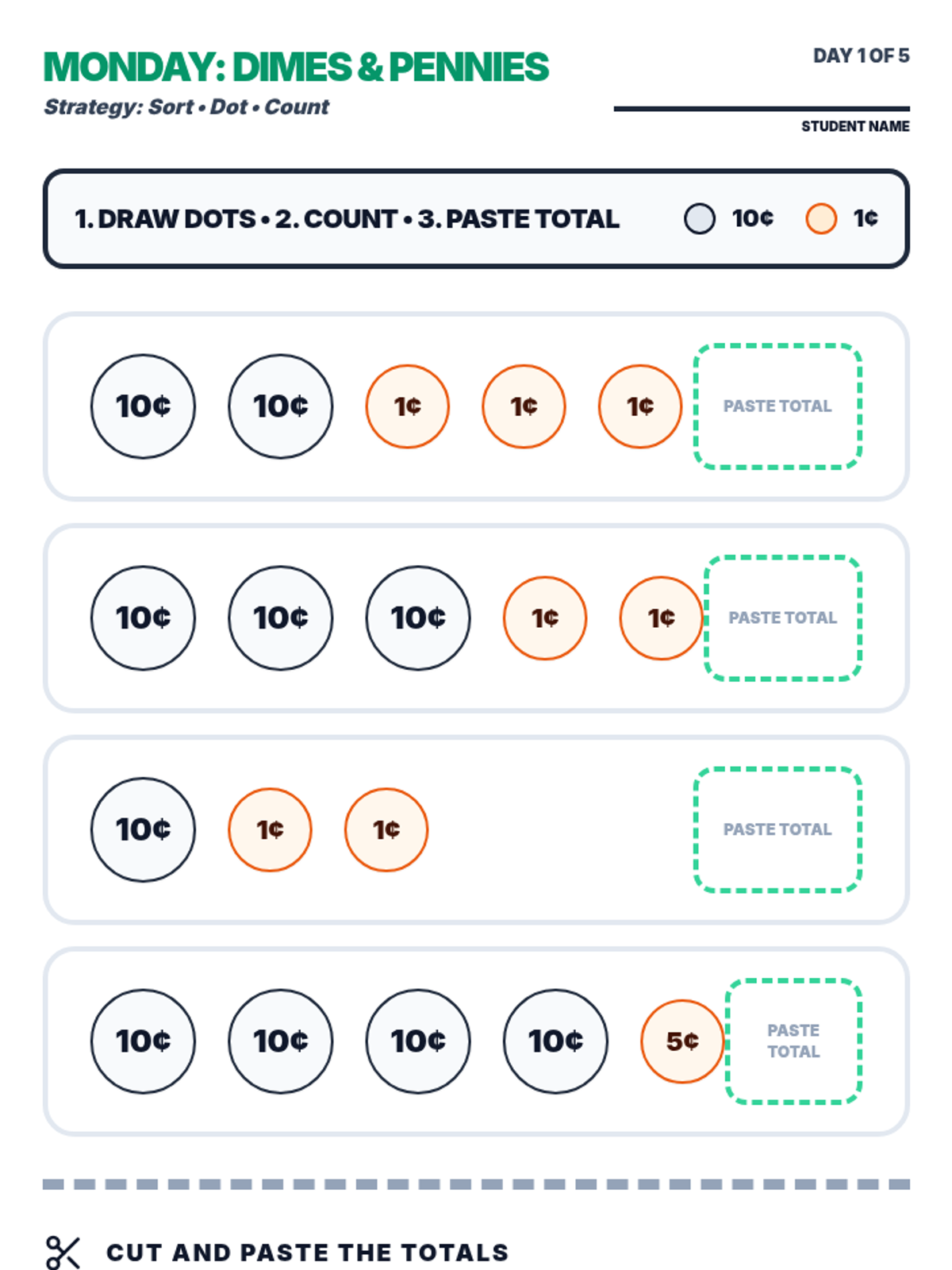
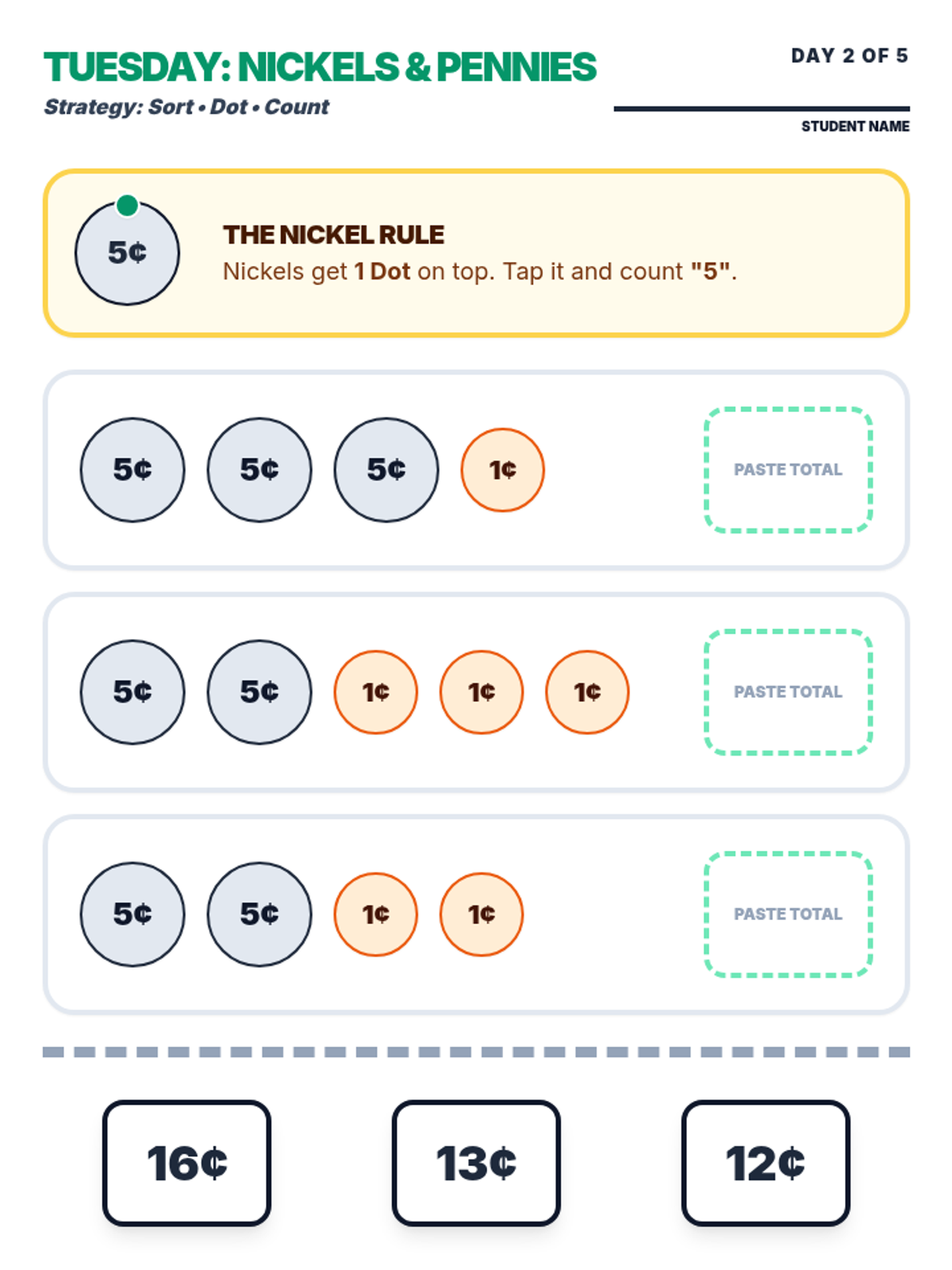
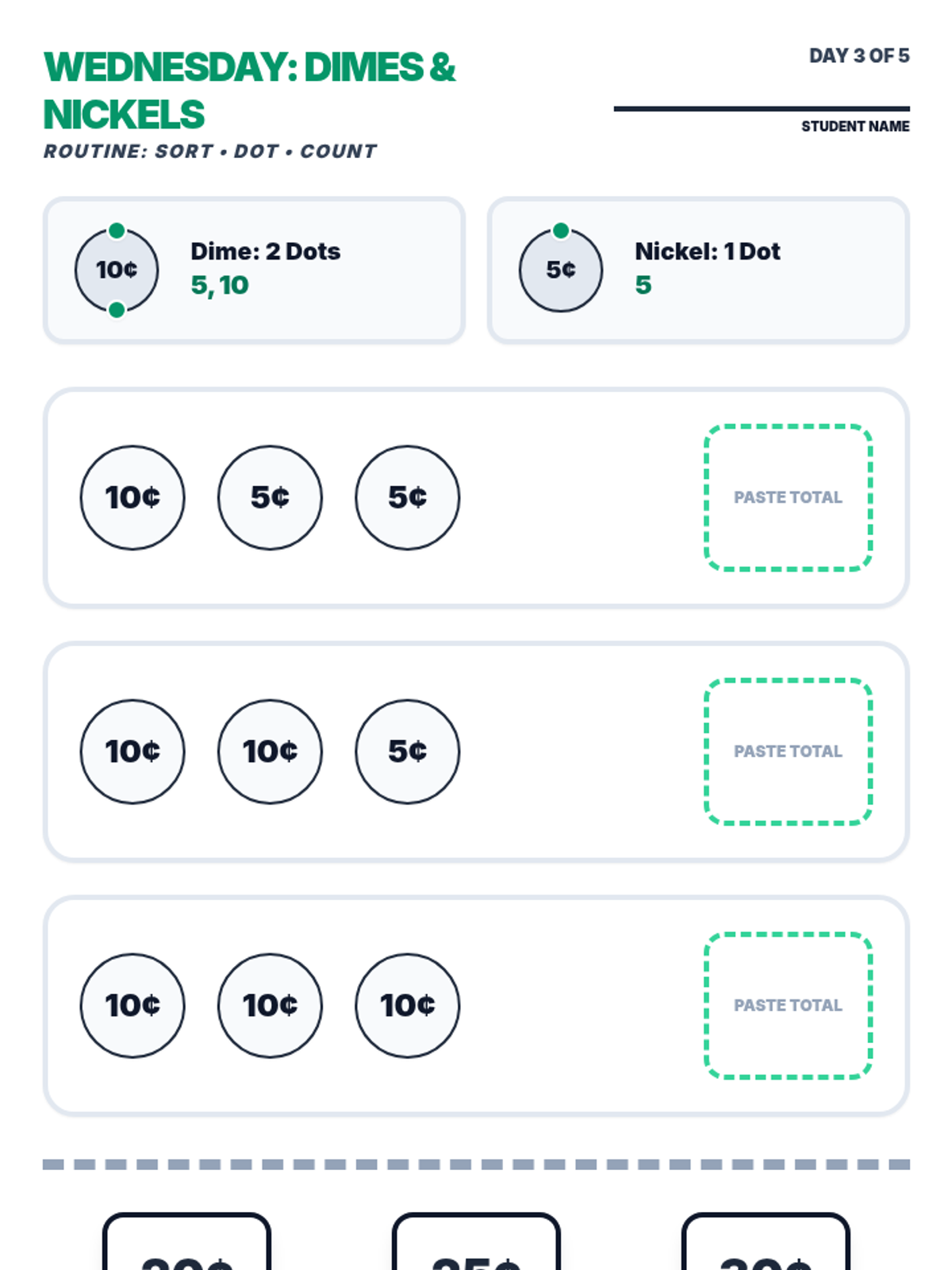
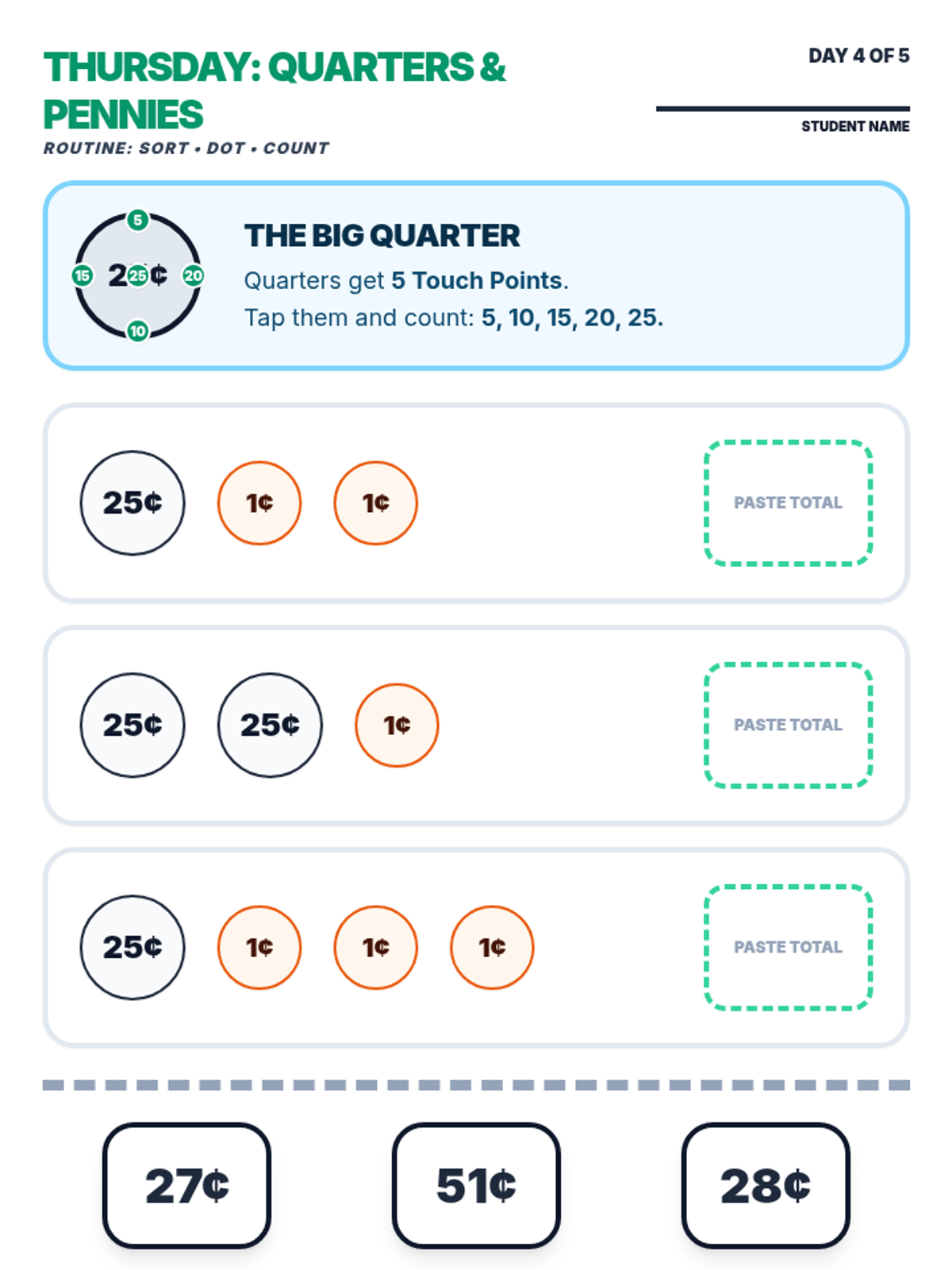
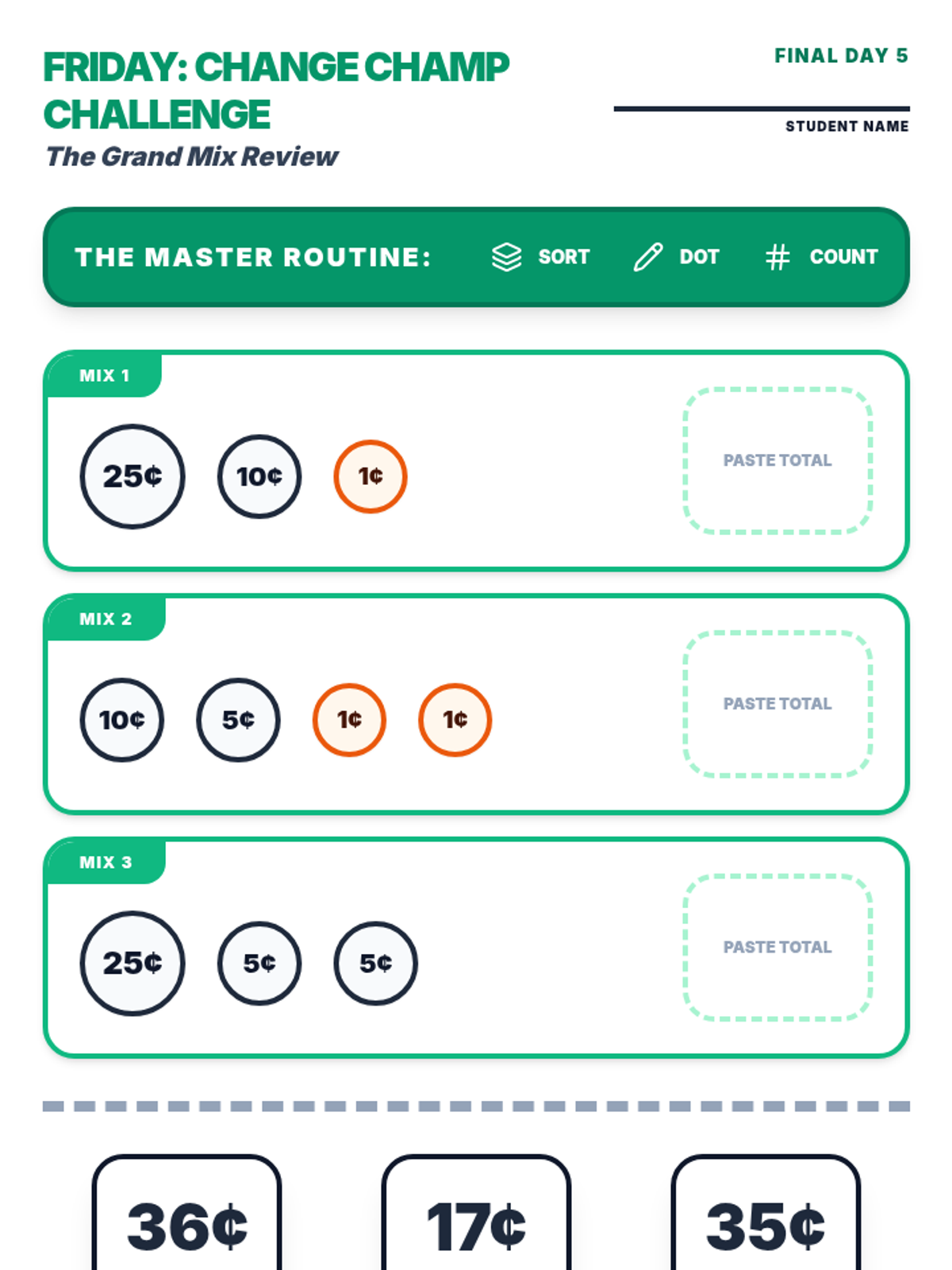
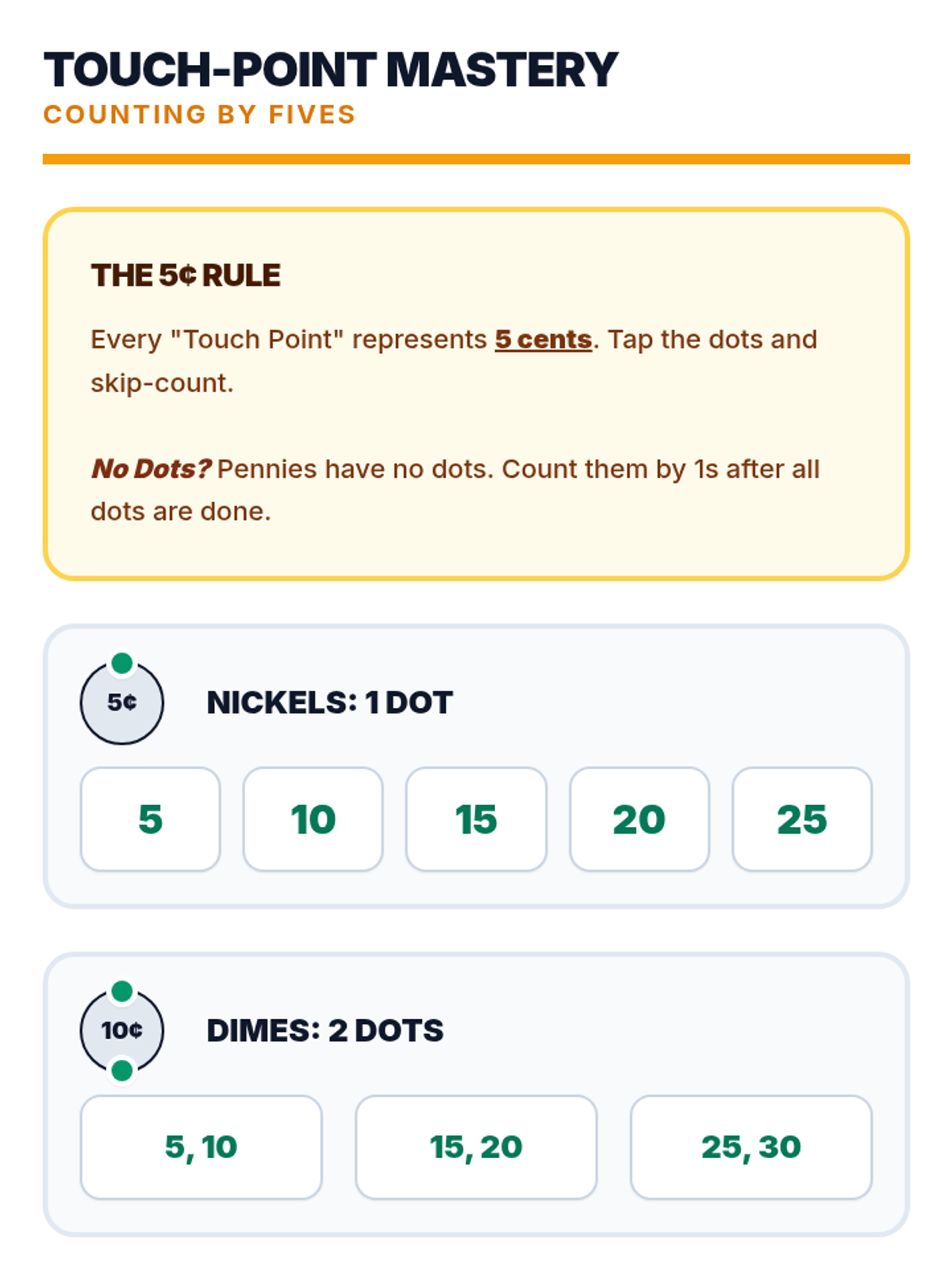
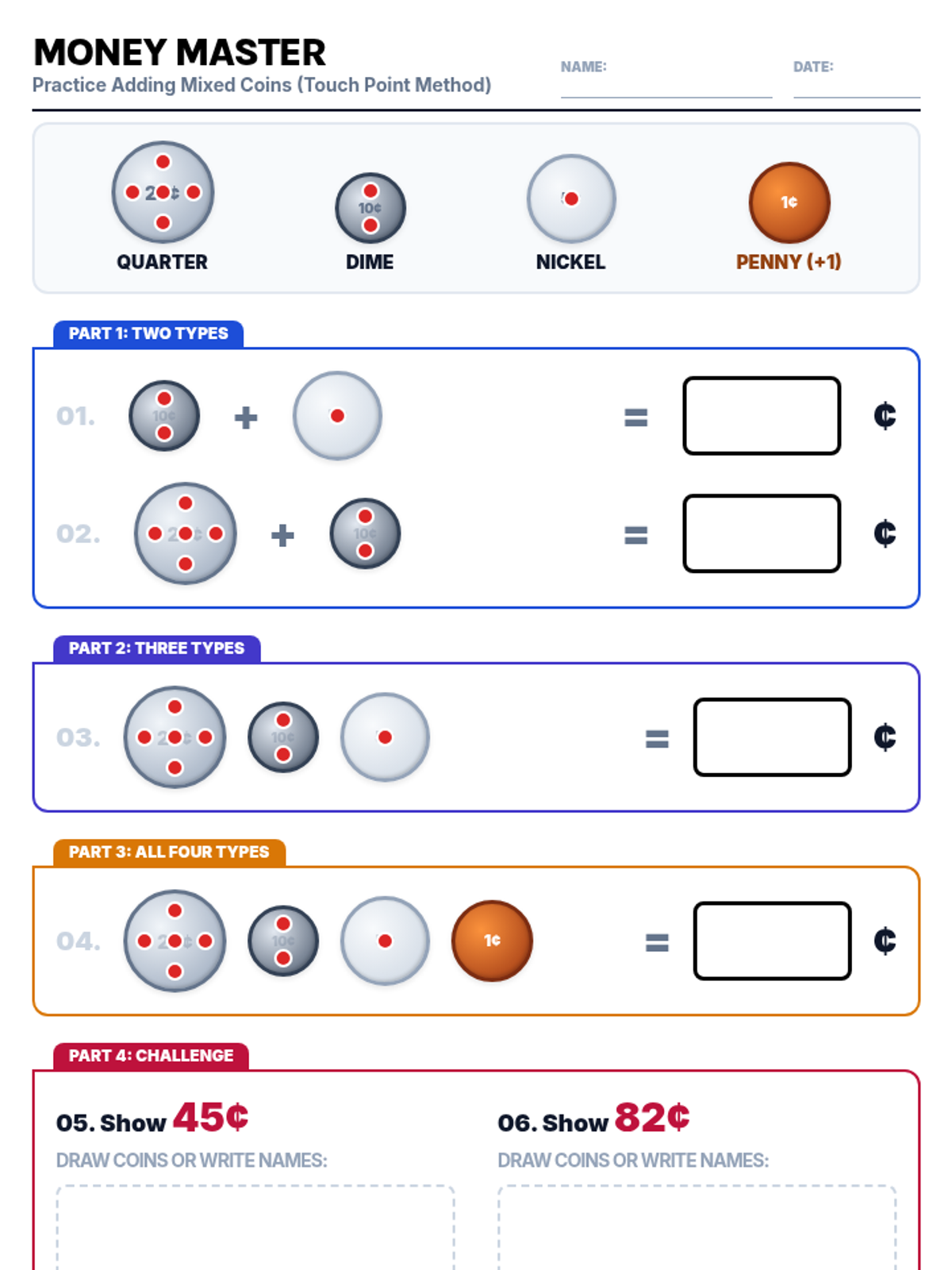
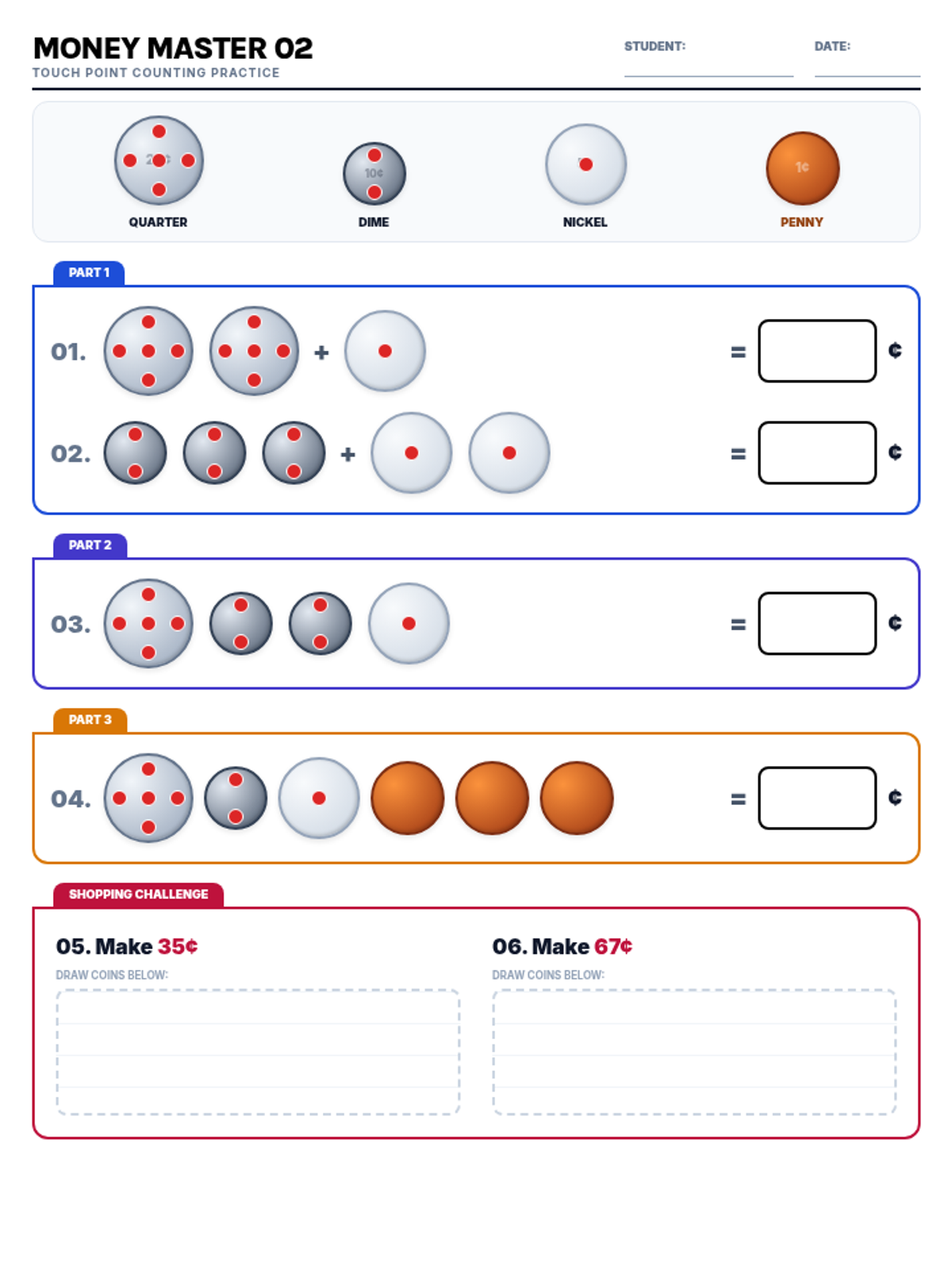
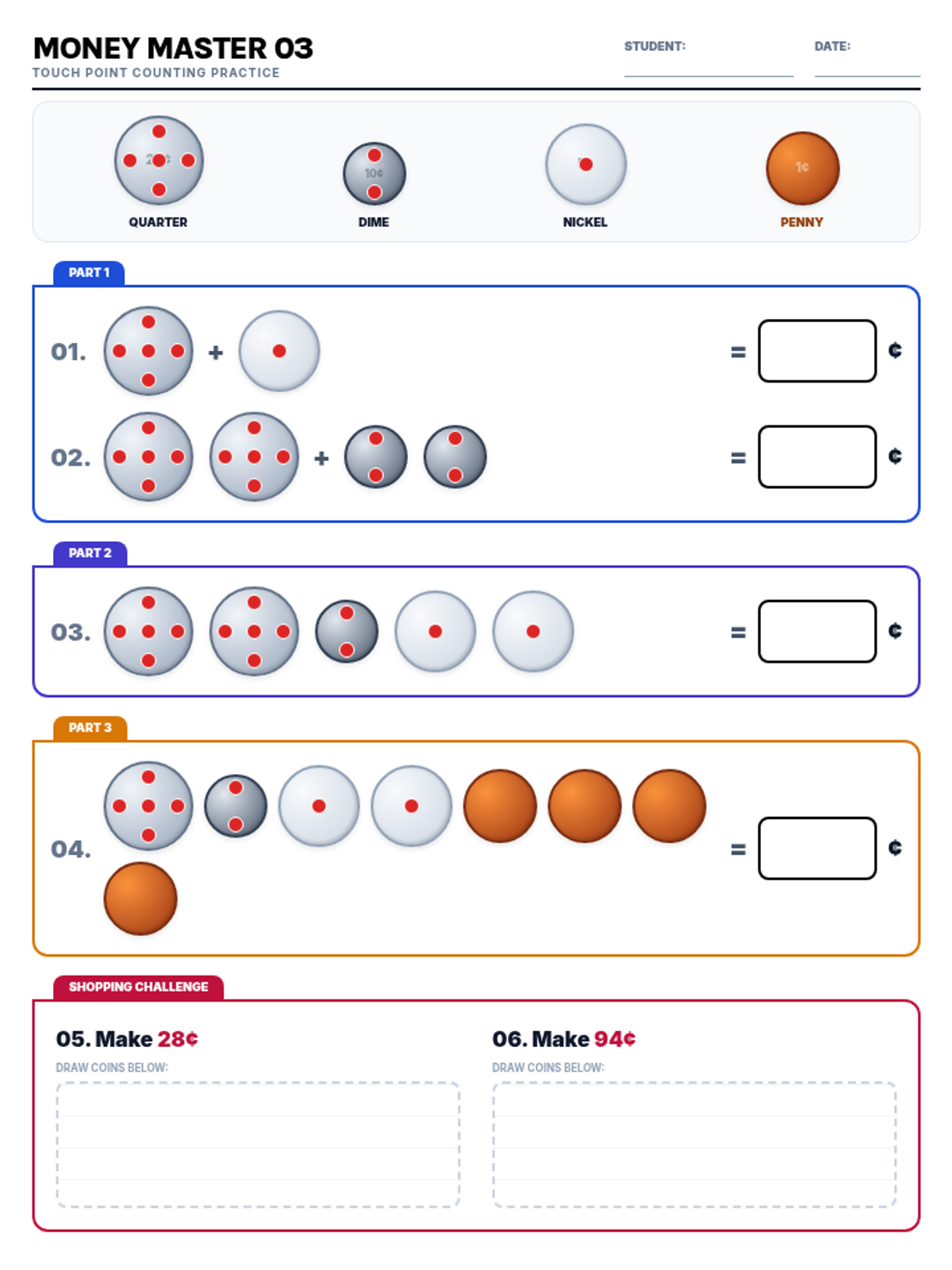
A comprehensive 5-day morning routine designed for high school special needs students to master counting mixed coins using the Touch-Point method and sorting strategies.
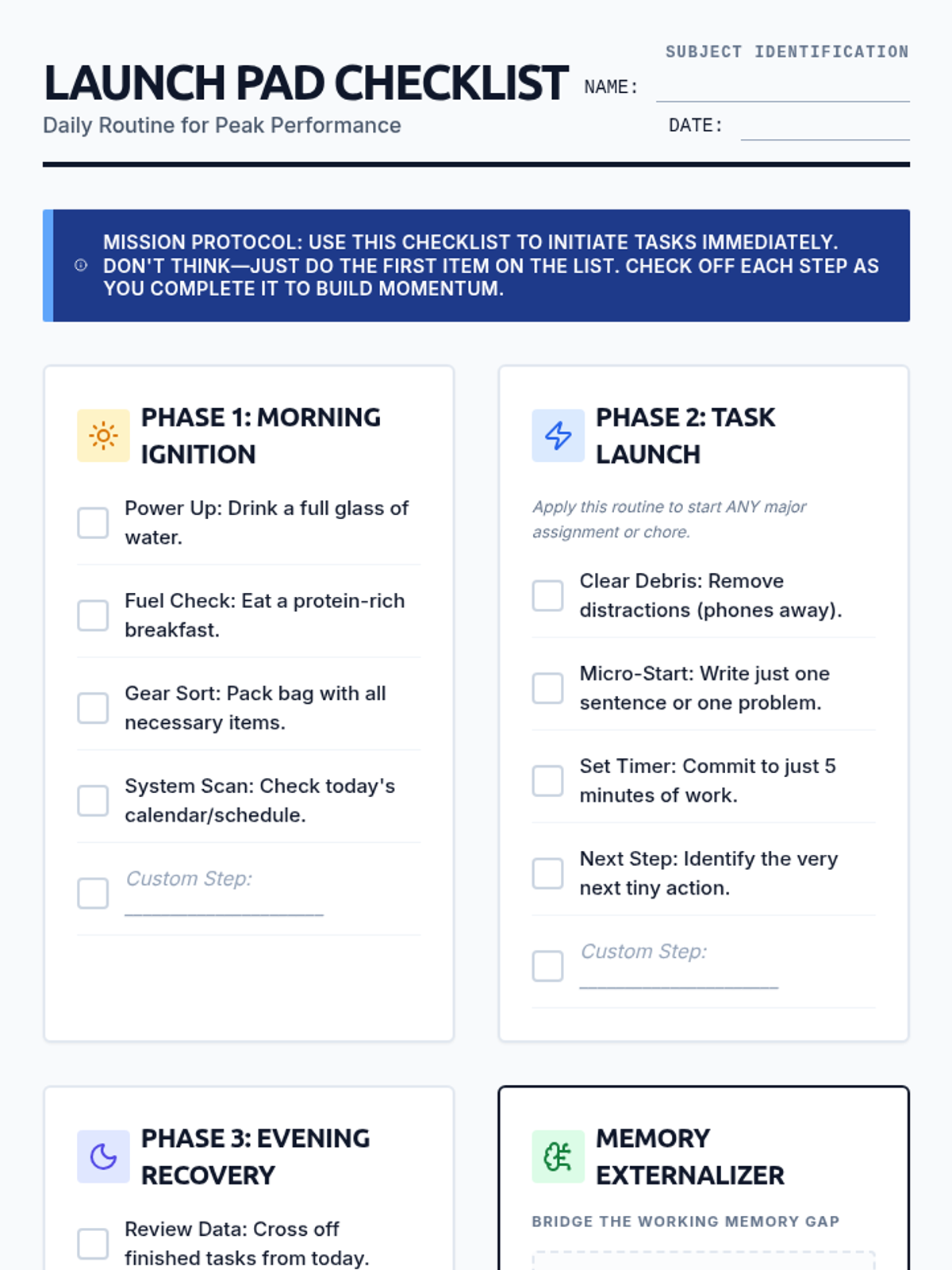
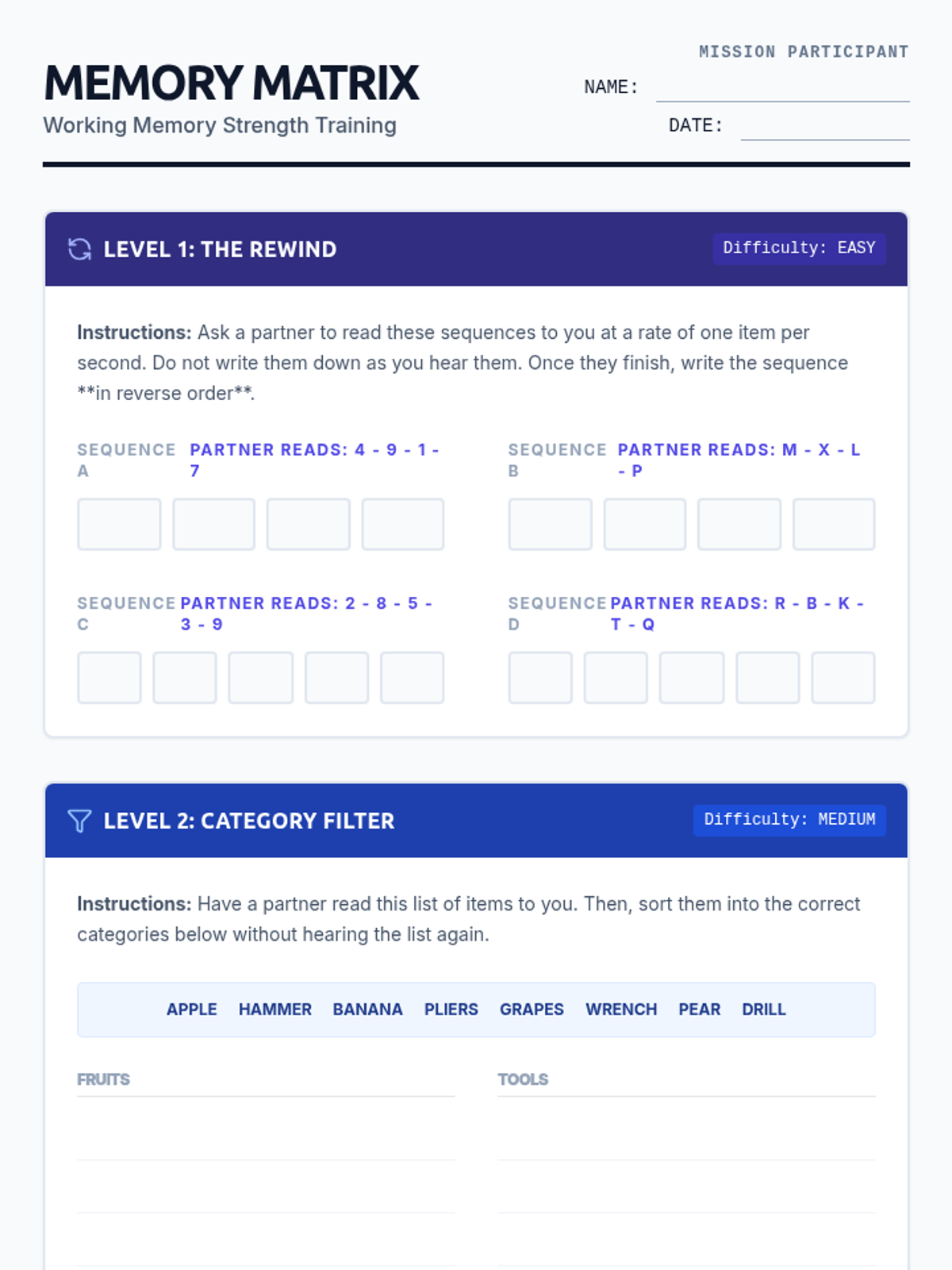
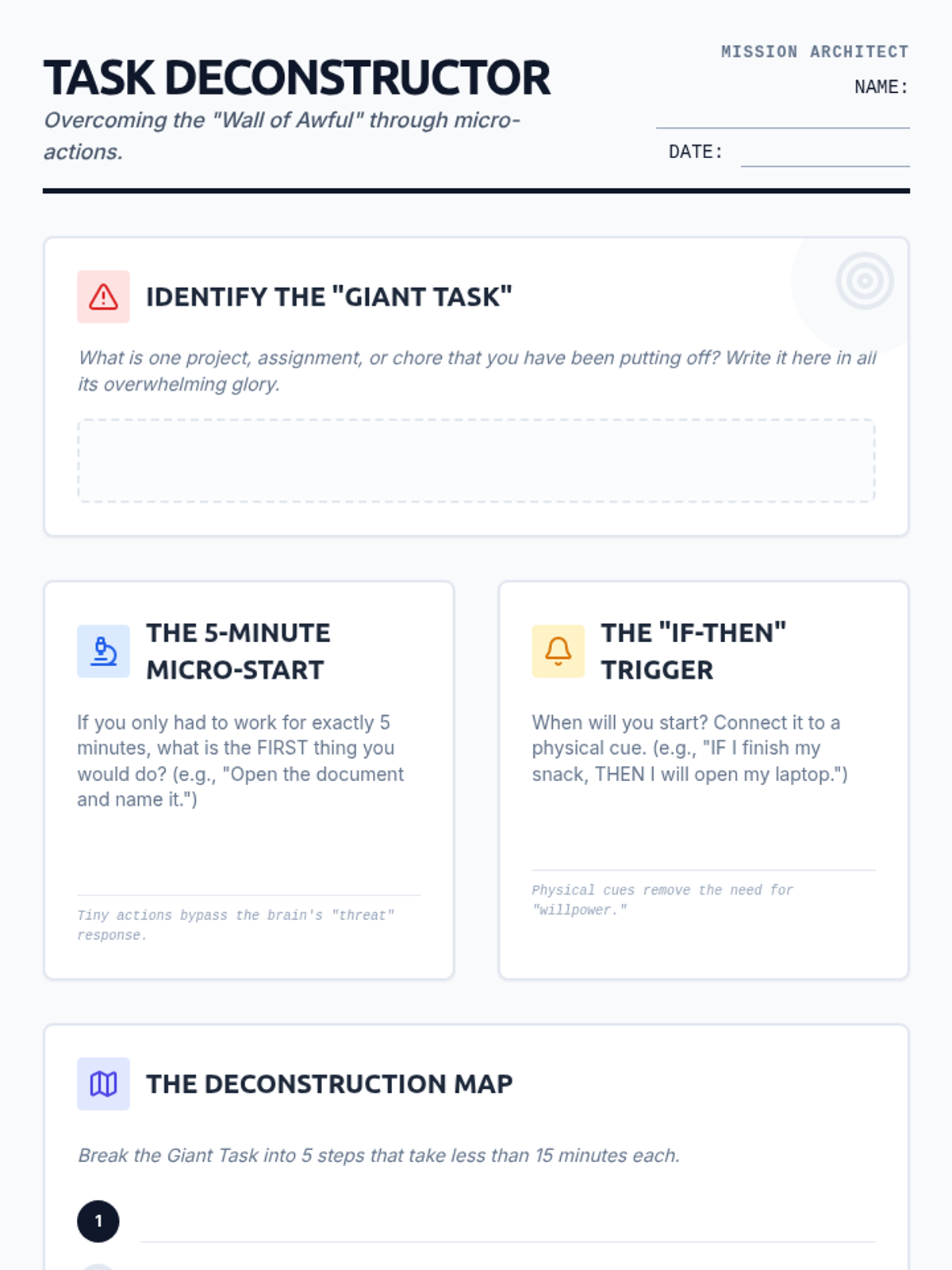
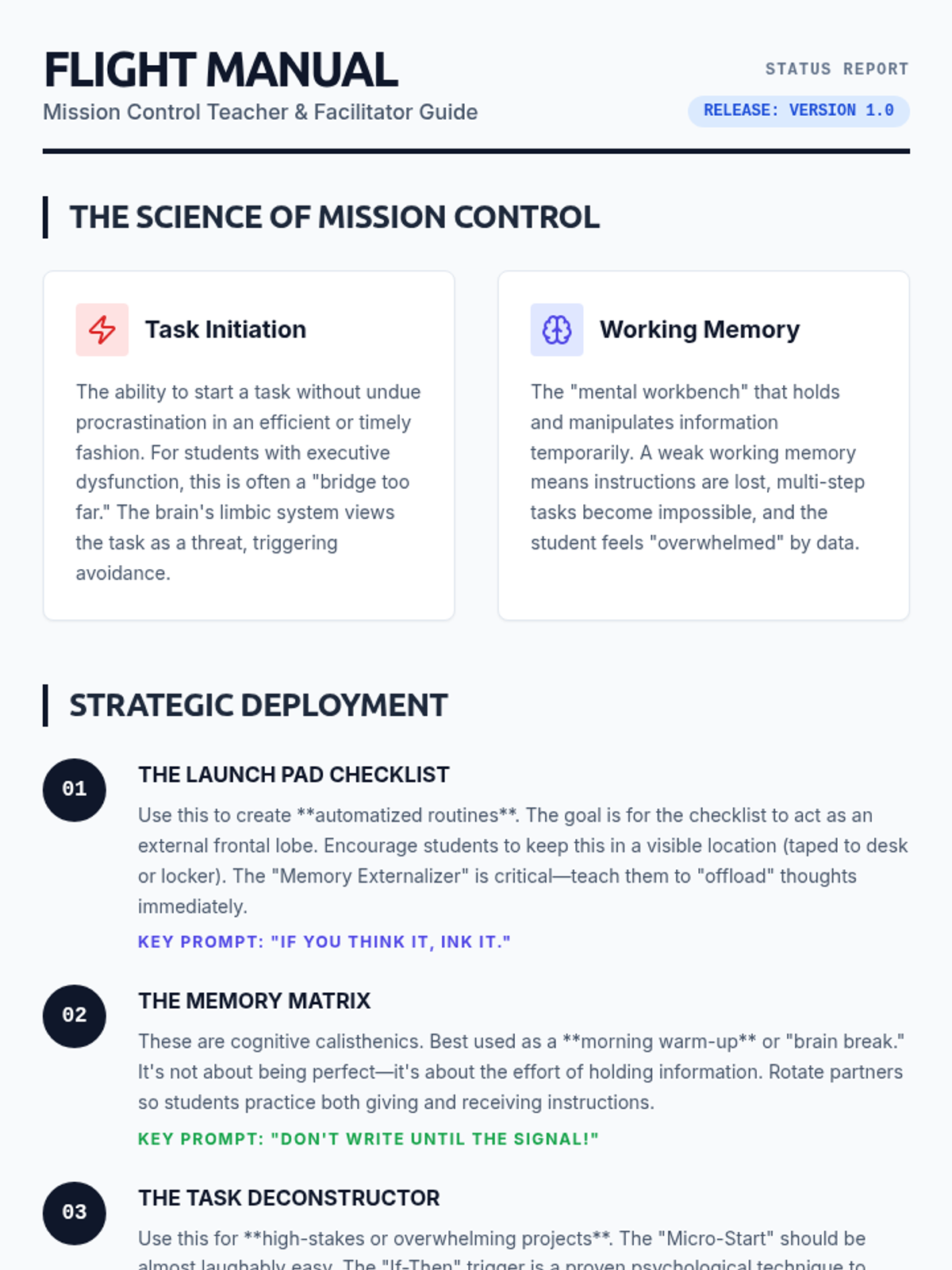
A comprehensive toolkit designed to help students master task initiation and working memory through structured routines and cognitive exercises. These resources provide practical strategies for overcoming procrastination and improving information retention.
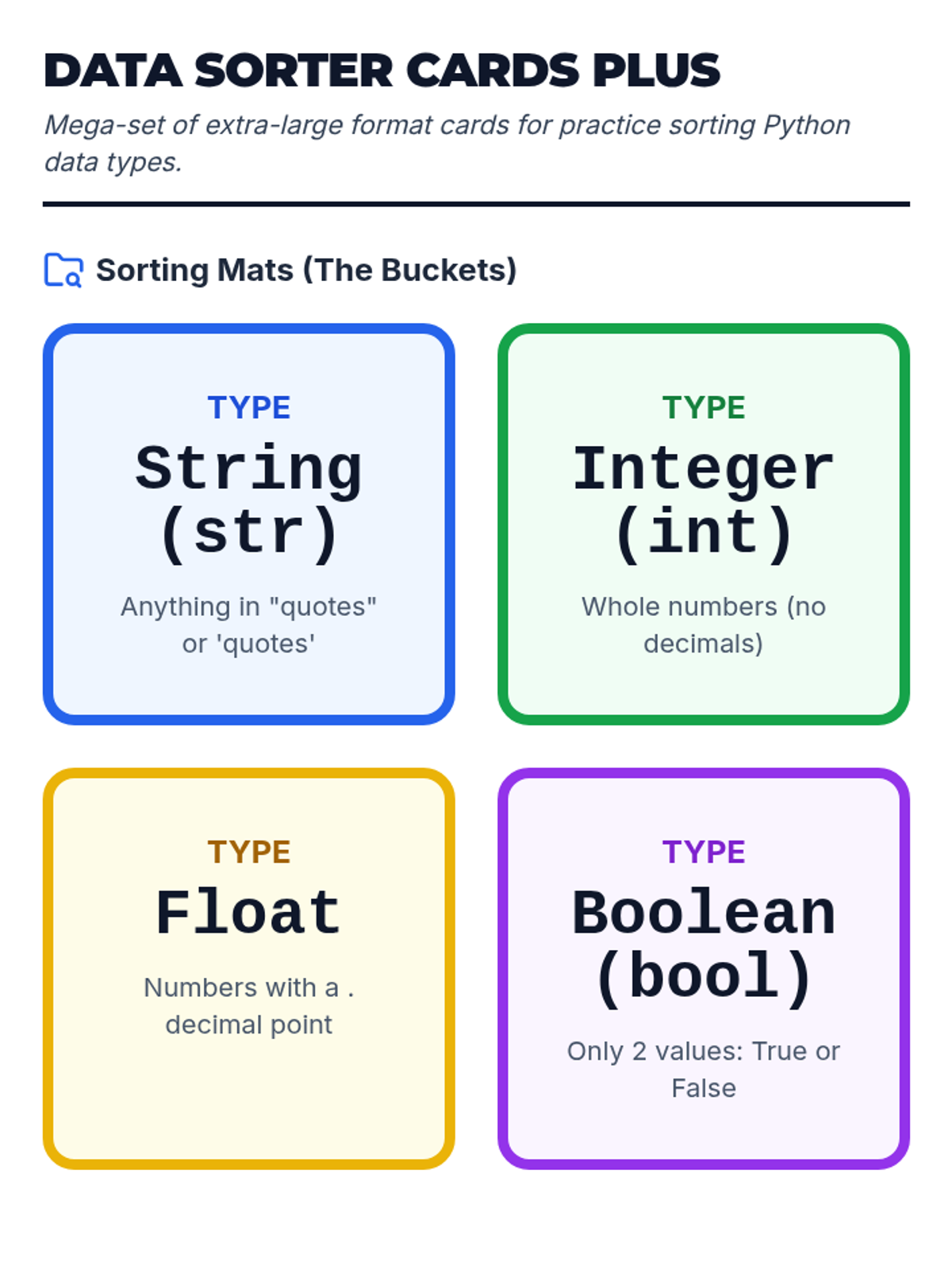
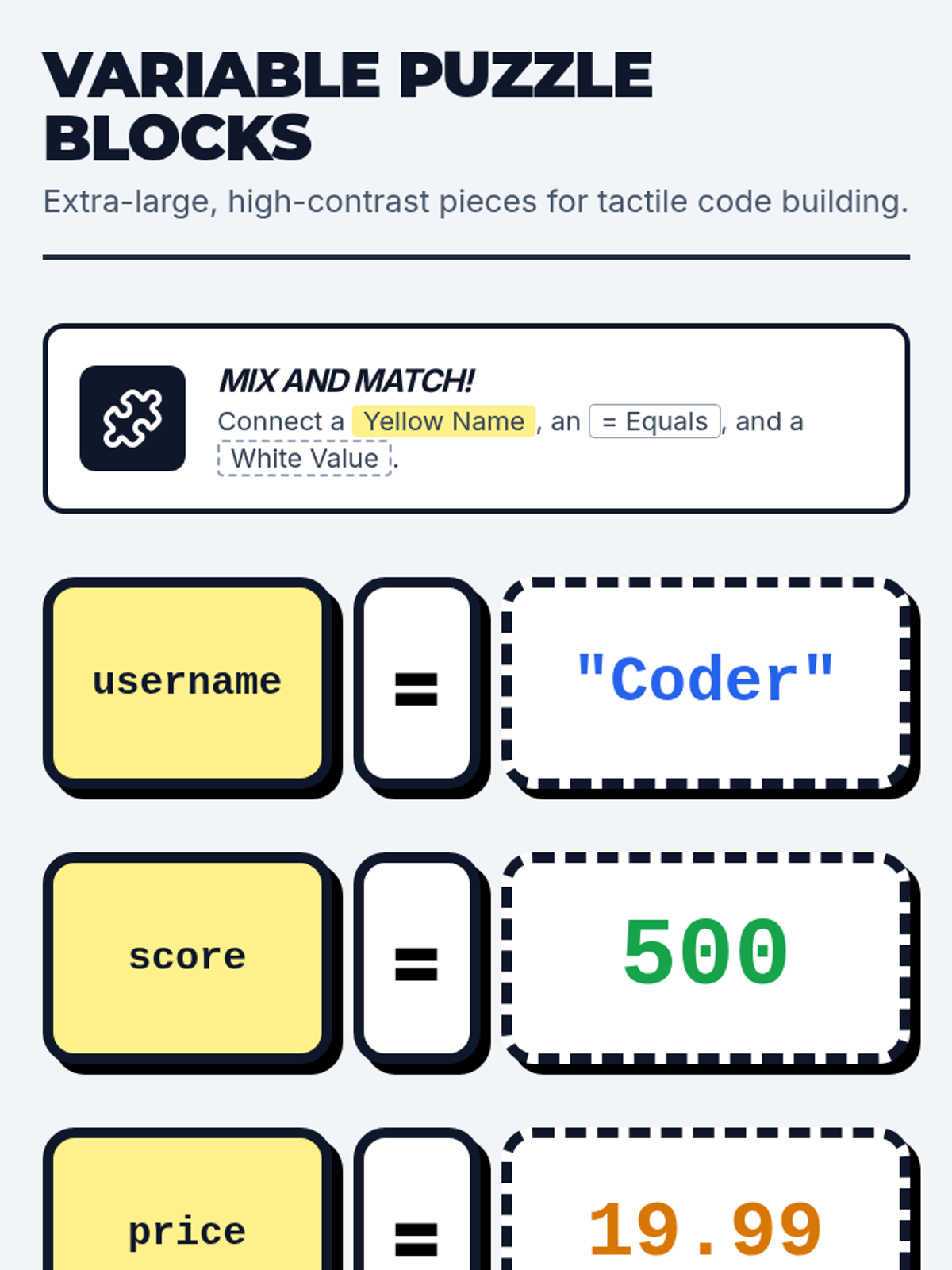
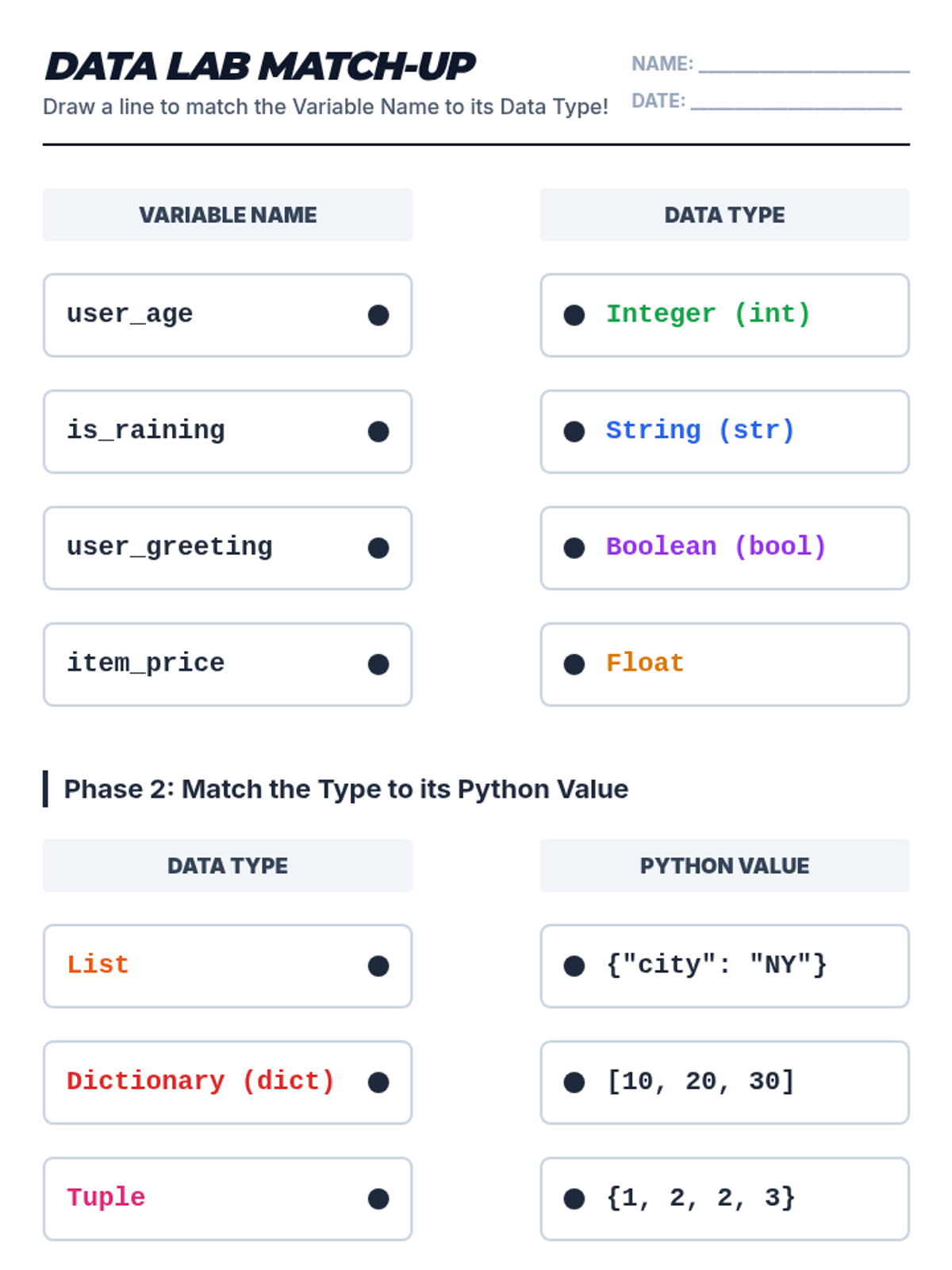
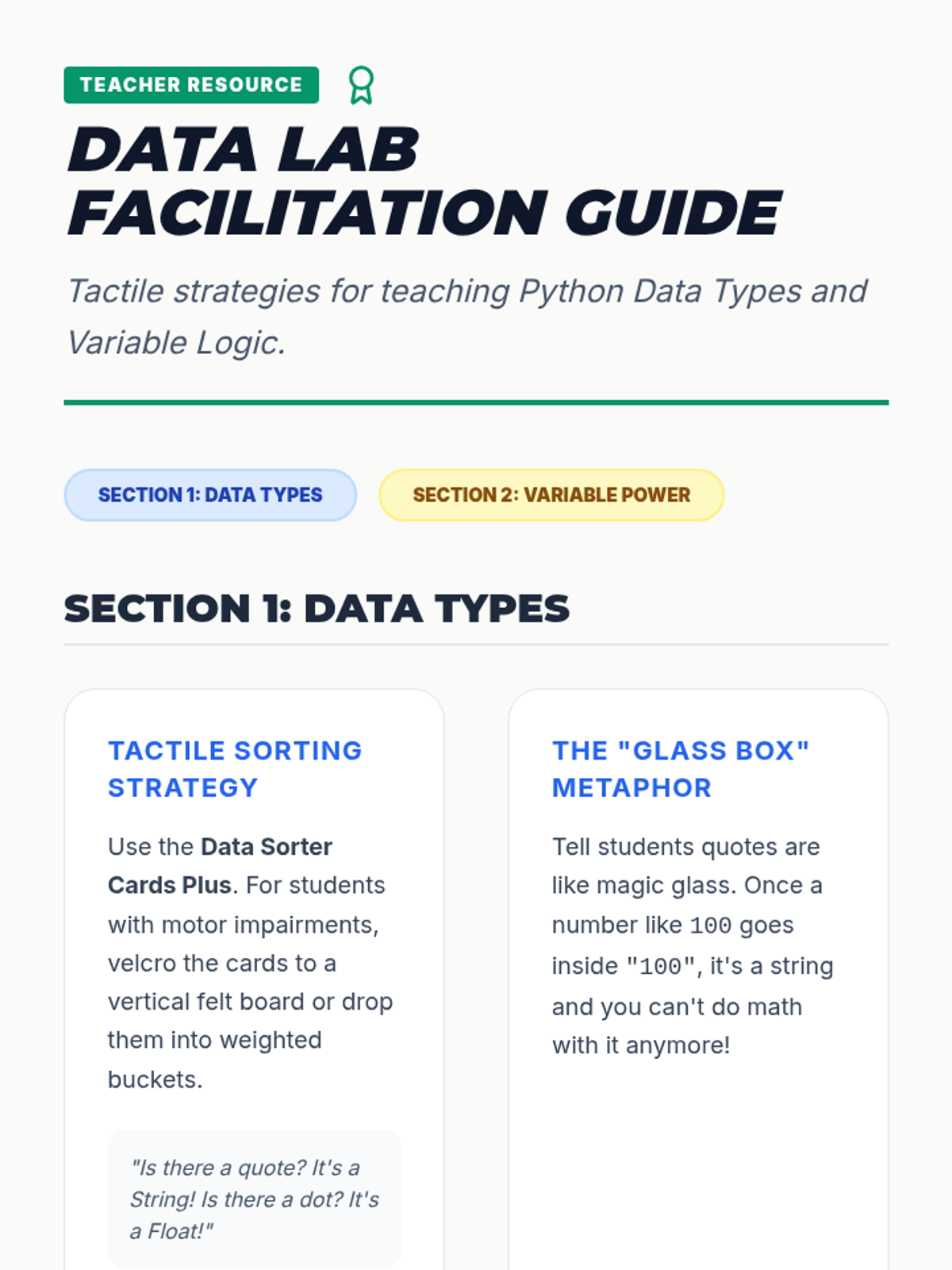
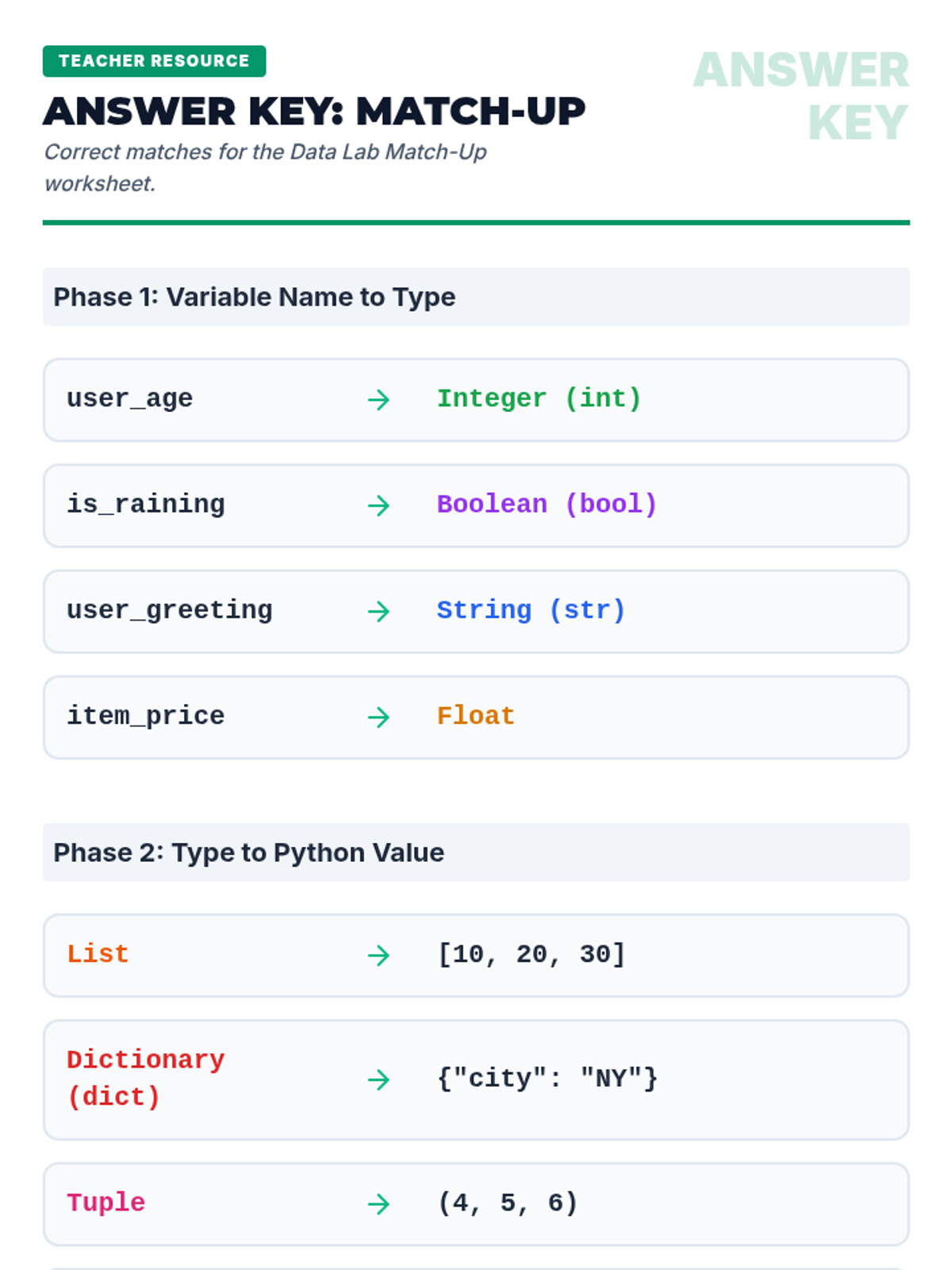
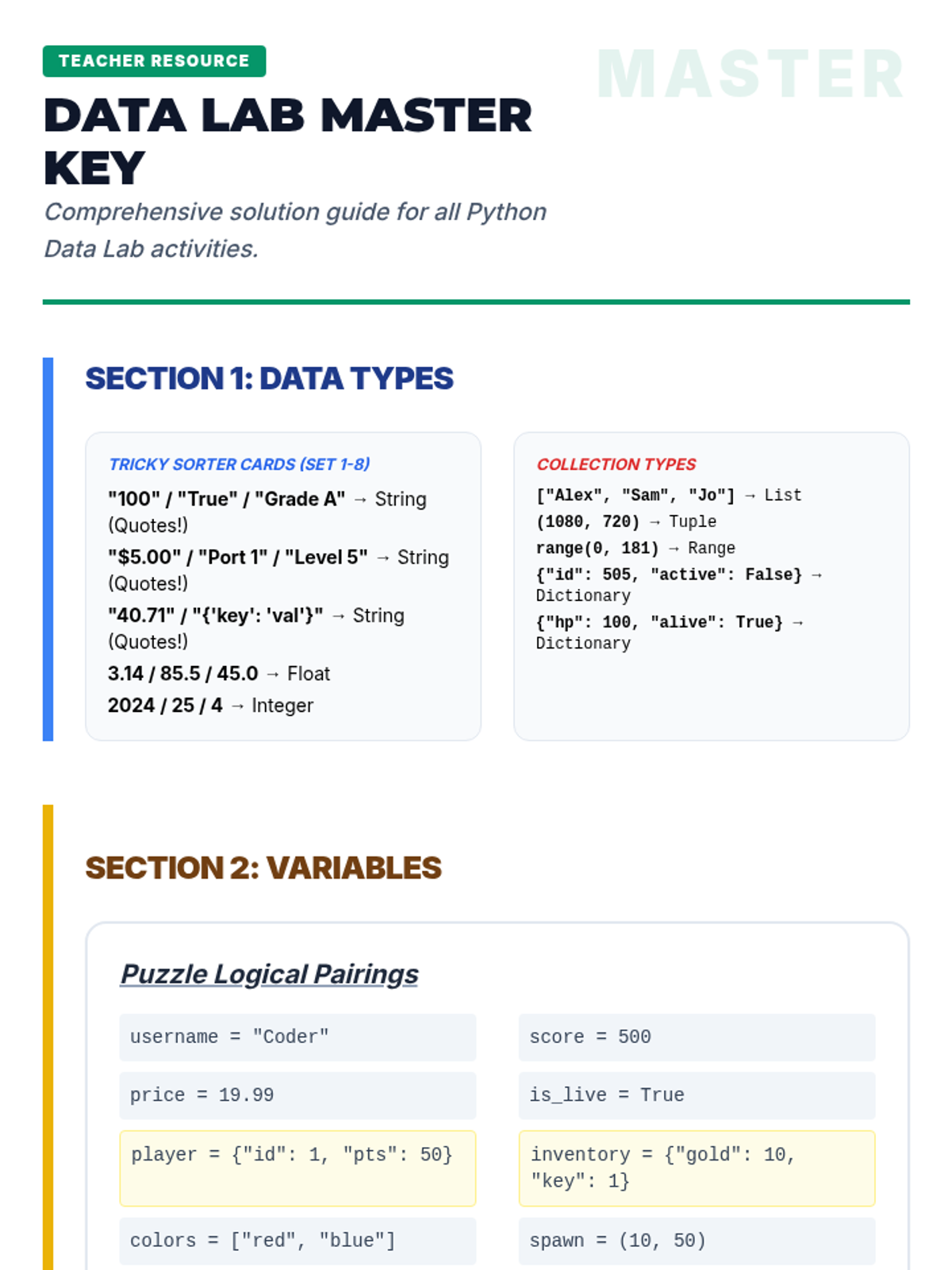
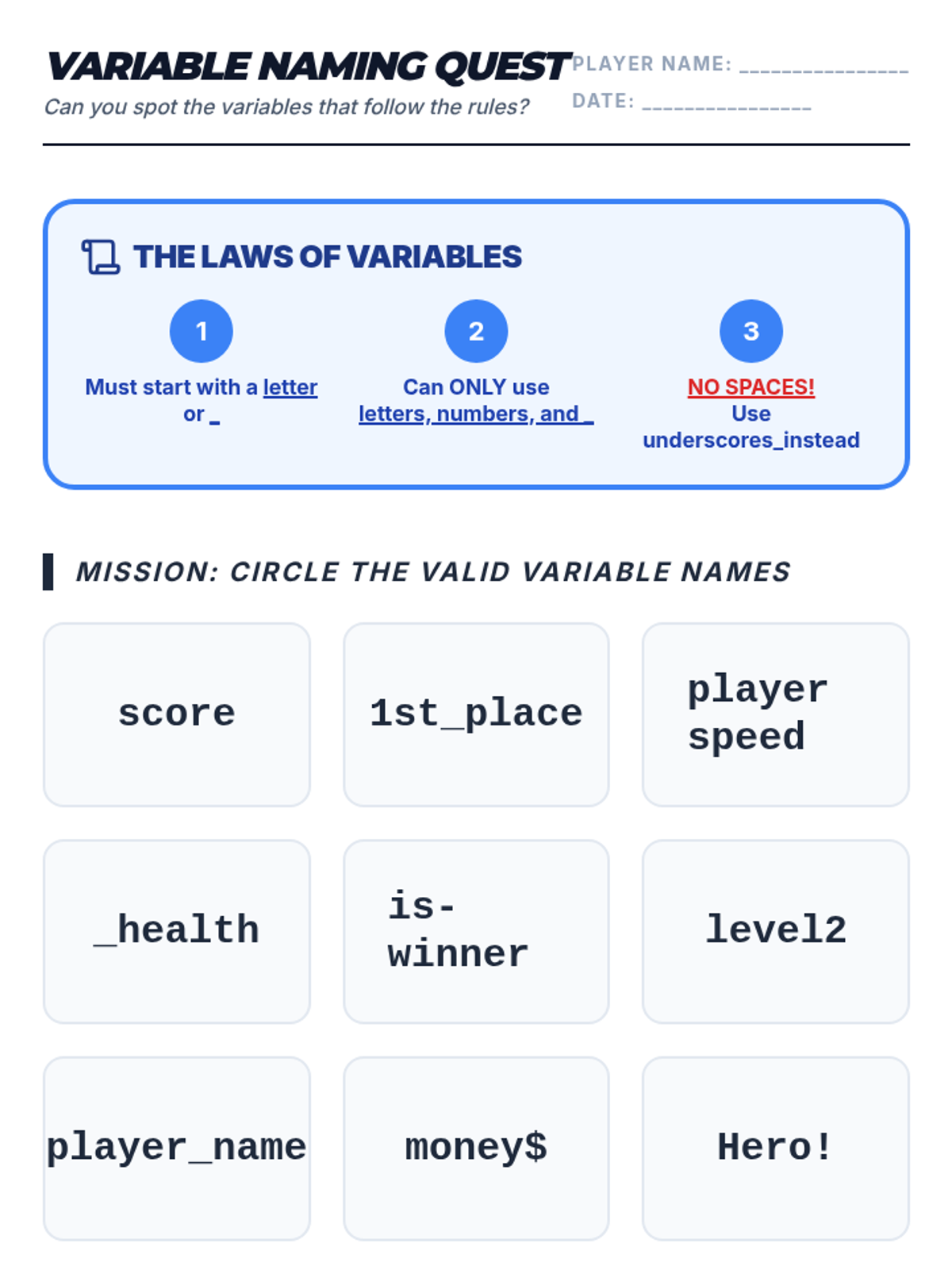
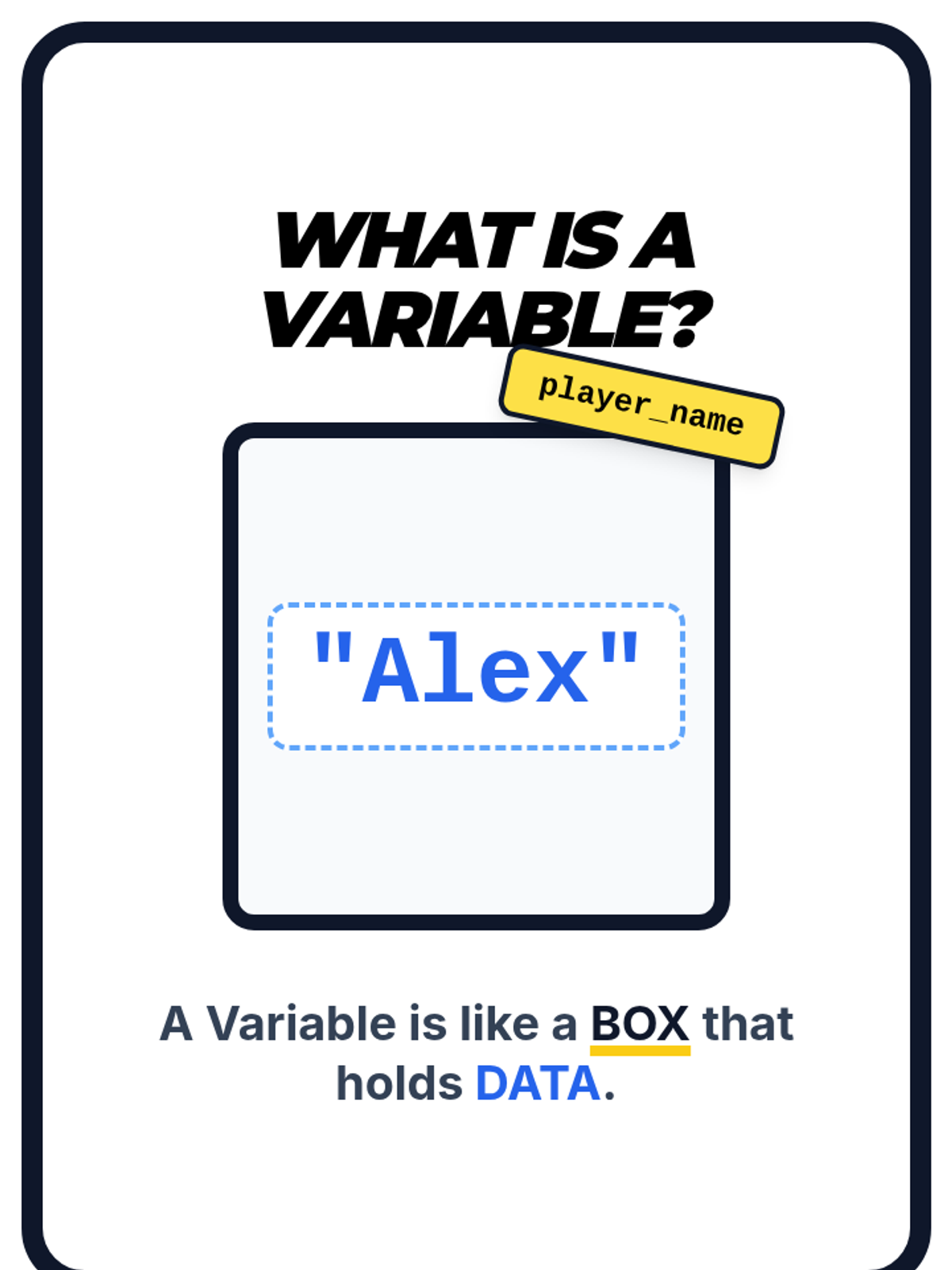
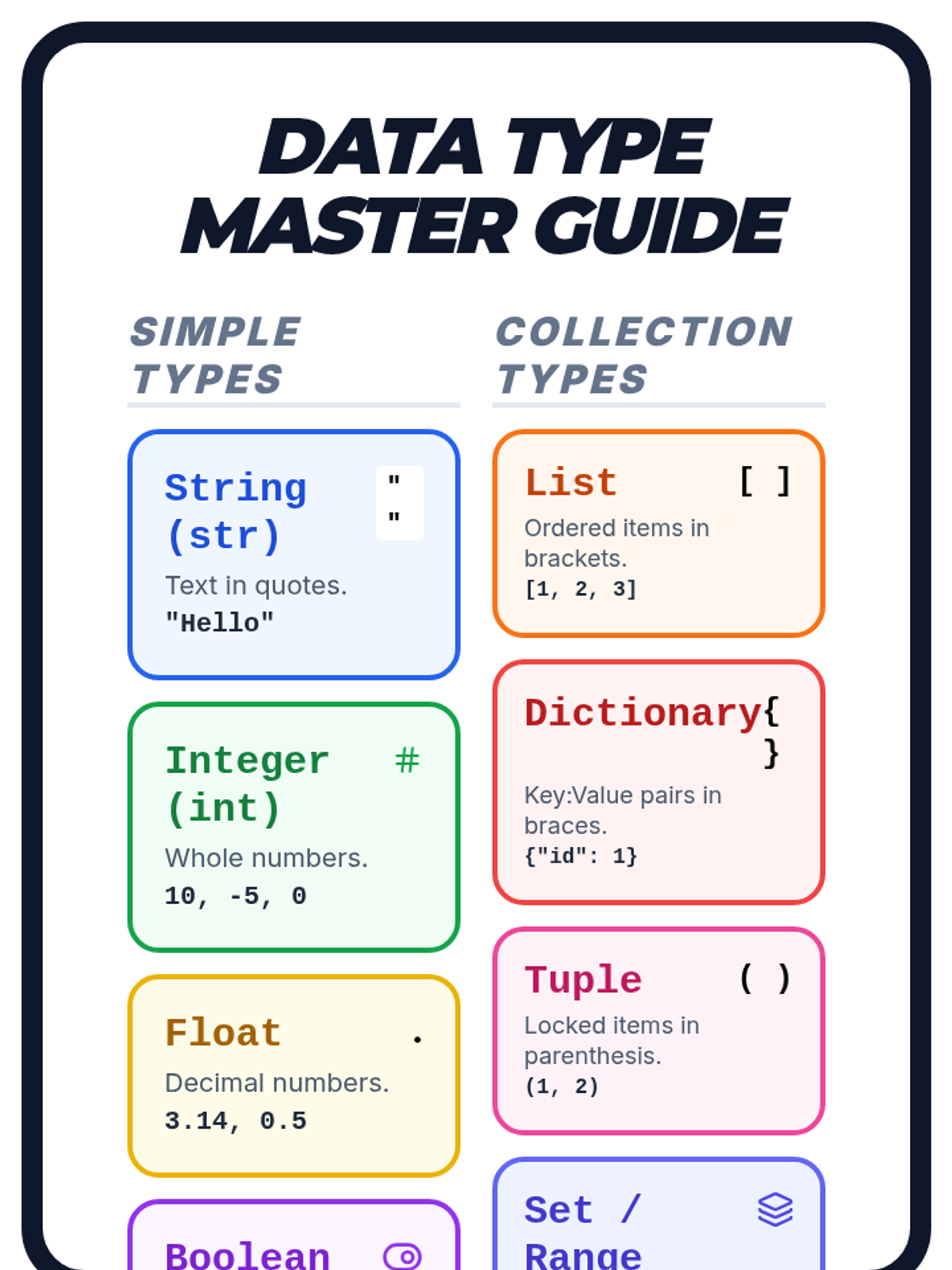
A series of hands-on, unplugged activities designed to teach Python data types and variables through tactile sorting, logic puzzles, and matching games. Focused on accessibility and clarity for students with diverse learning needs.
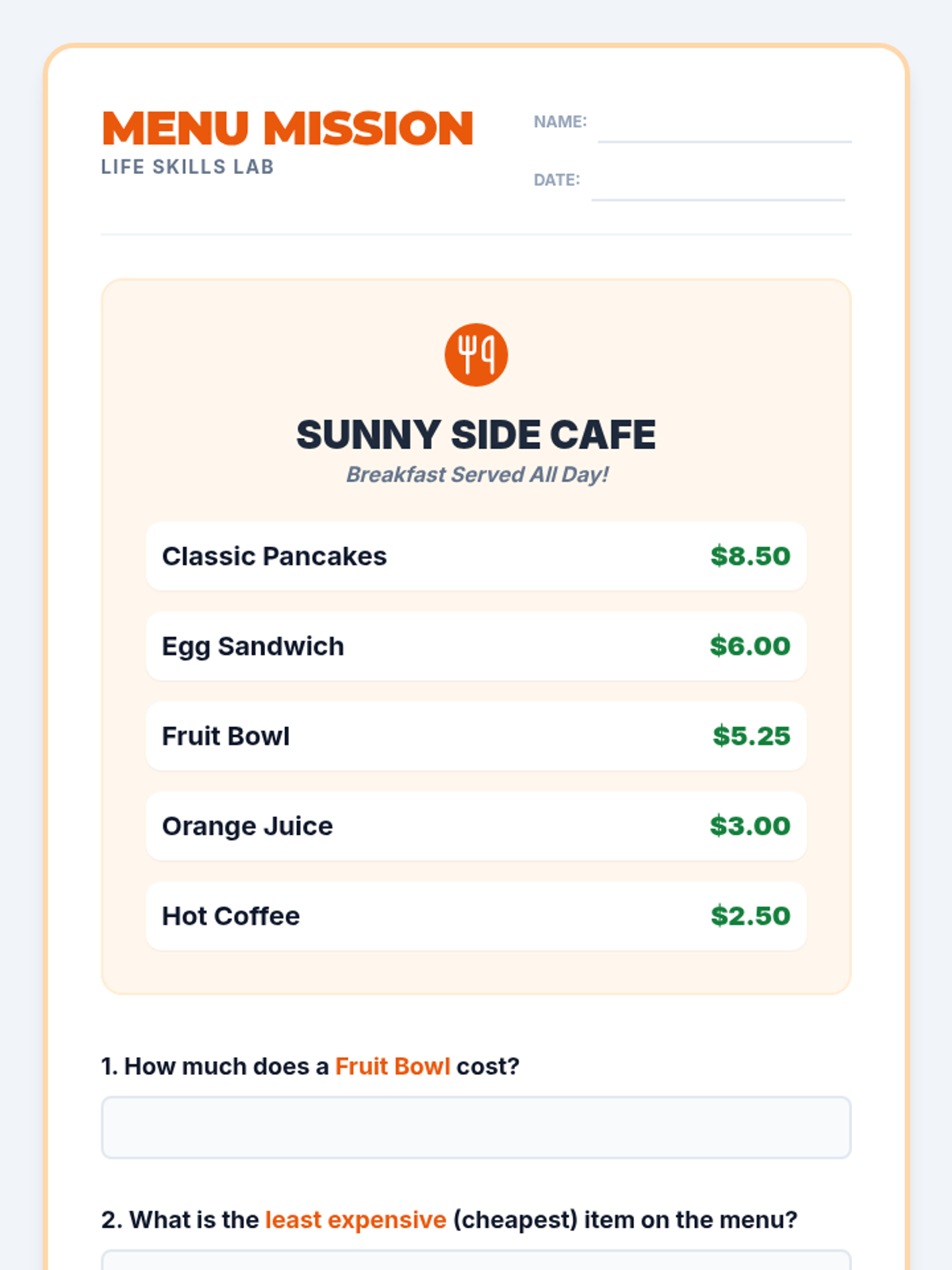
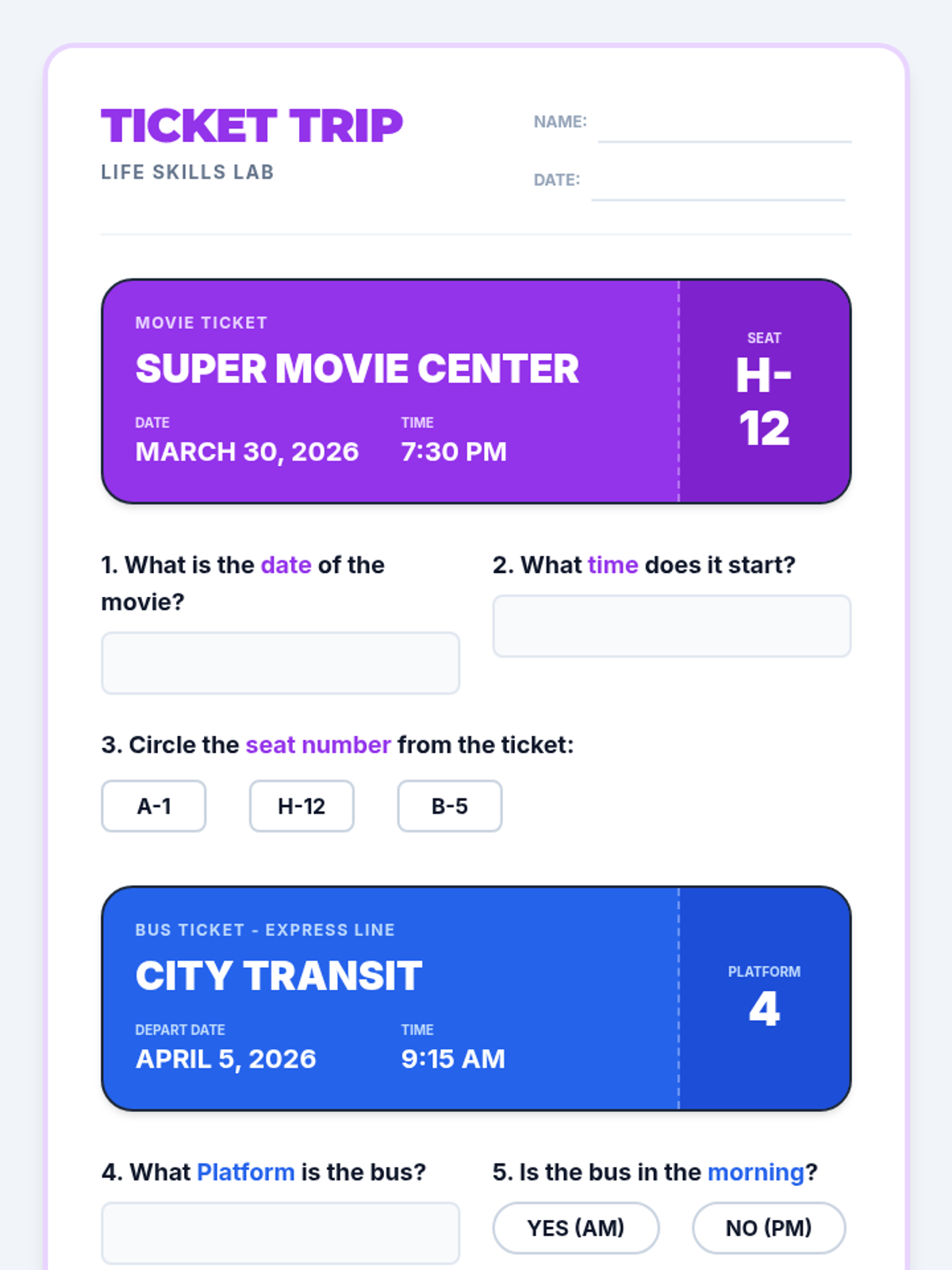
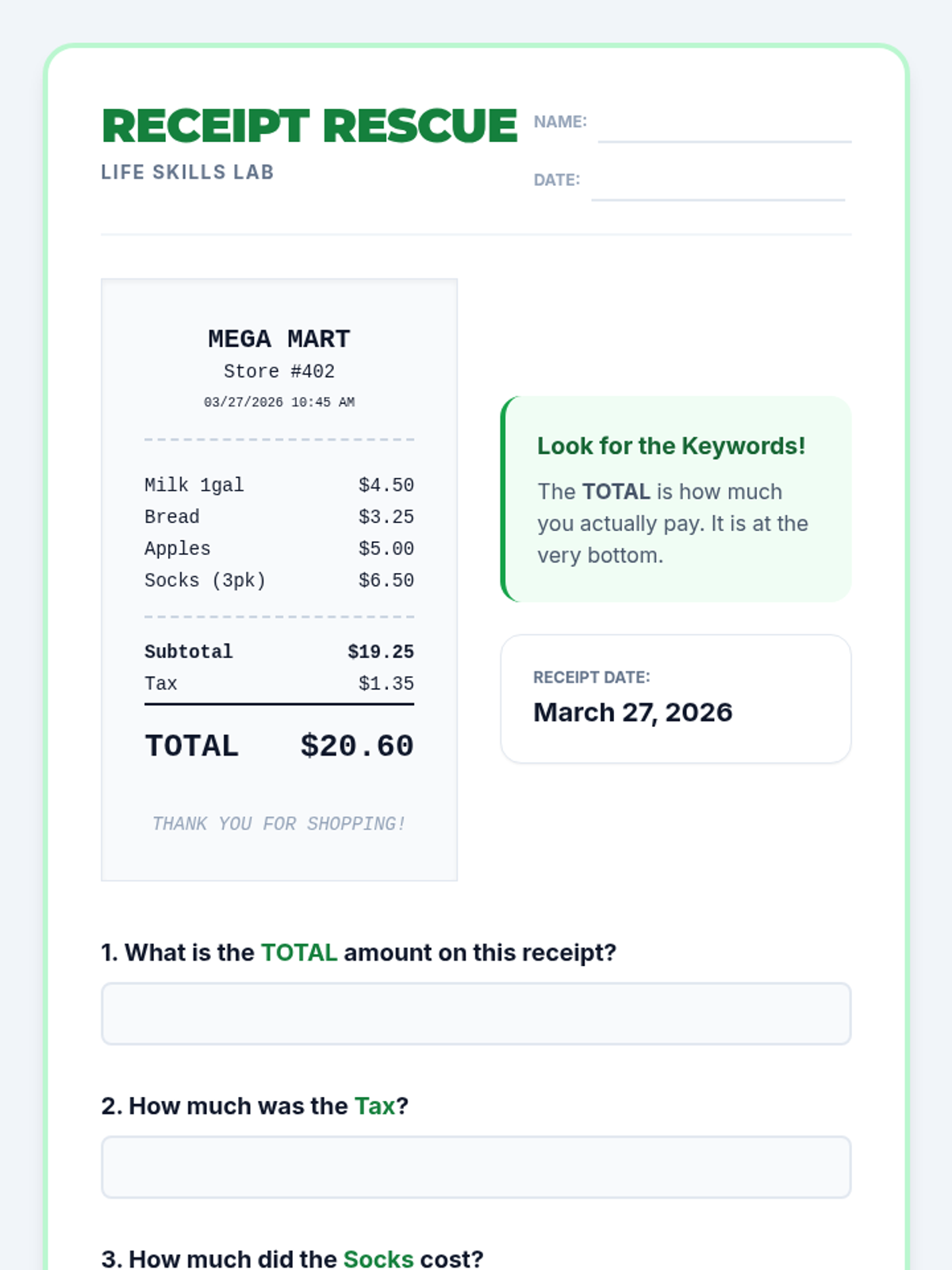
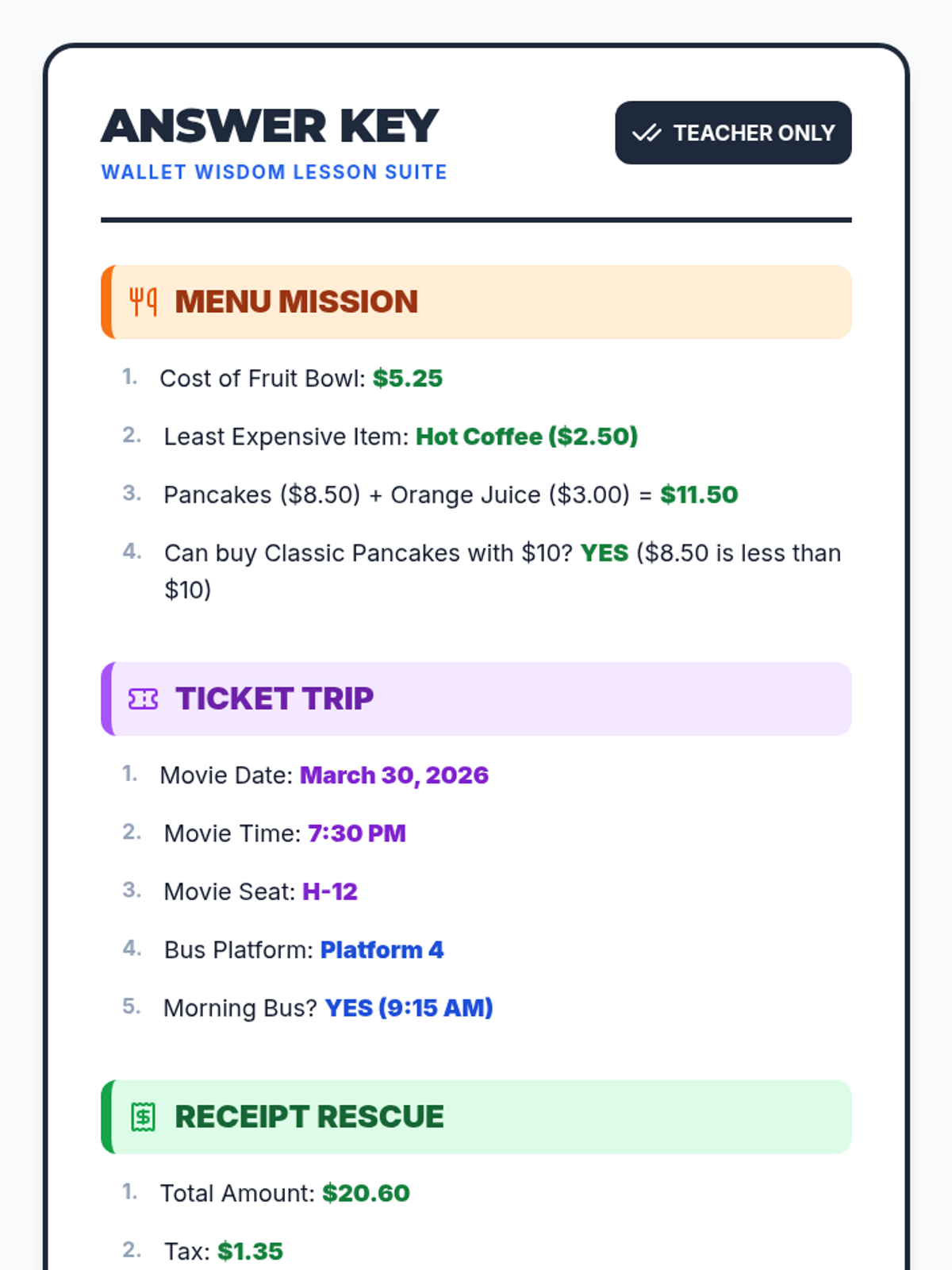
A practical lesson for high school students with special needs, focusing on functional reading and math skills needed for navigating menus, event tickets, and shopping receipts. Students will practice locating key information like dates, seat numbers, and prices to build independence in community settings.
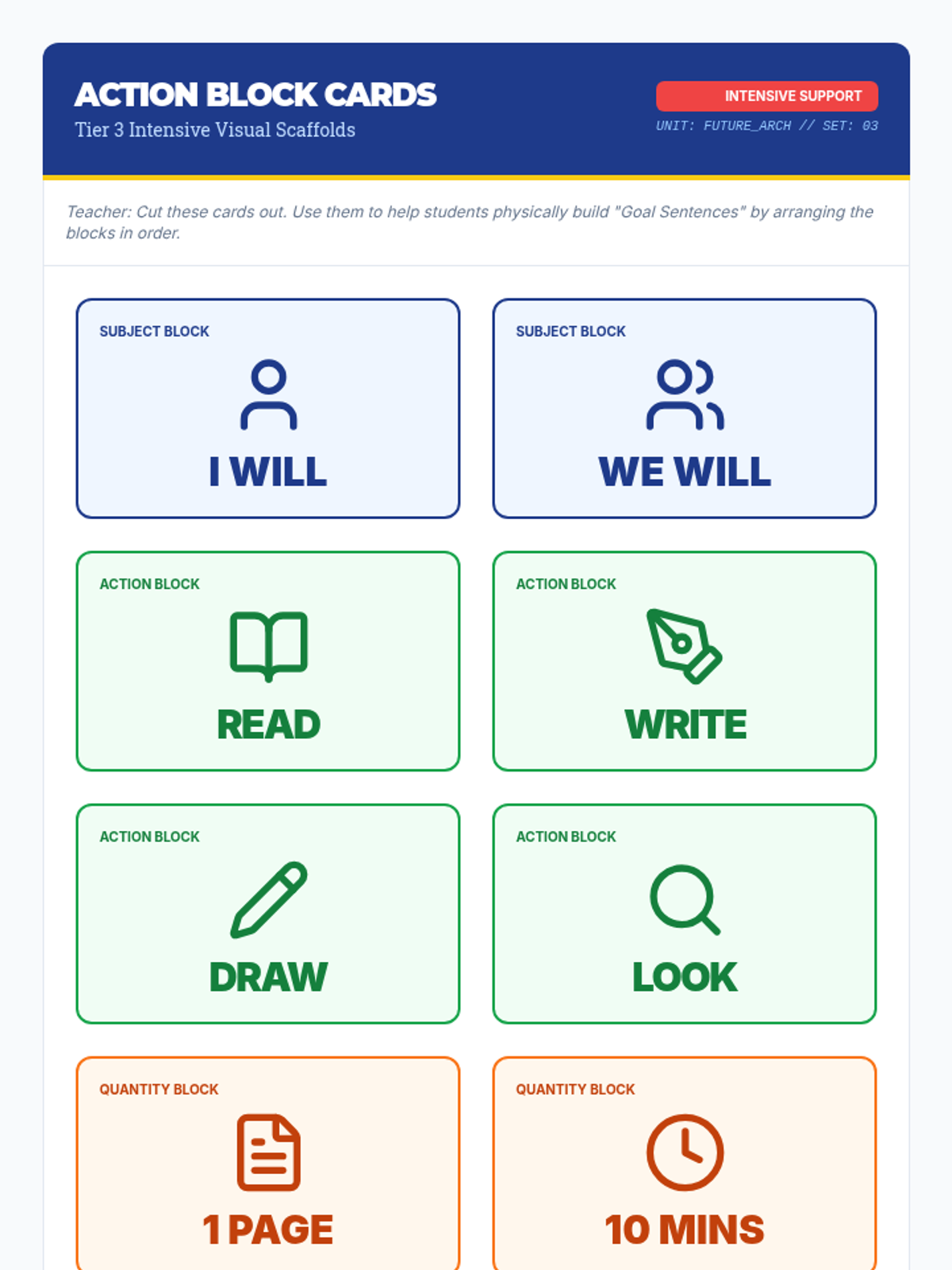
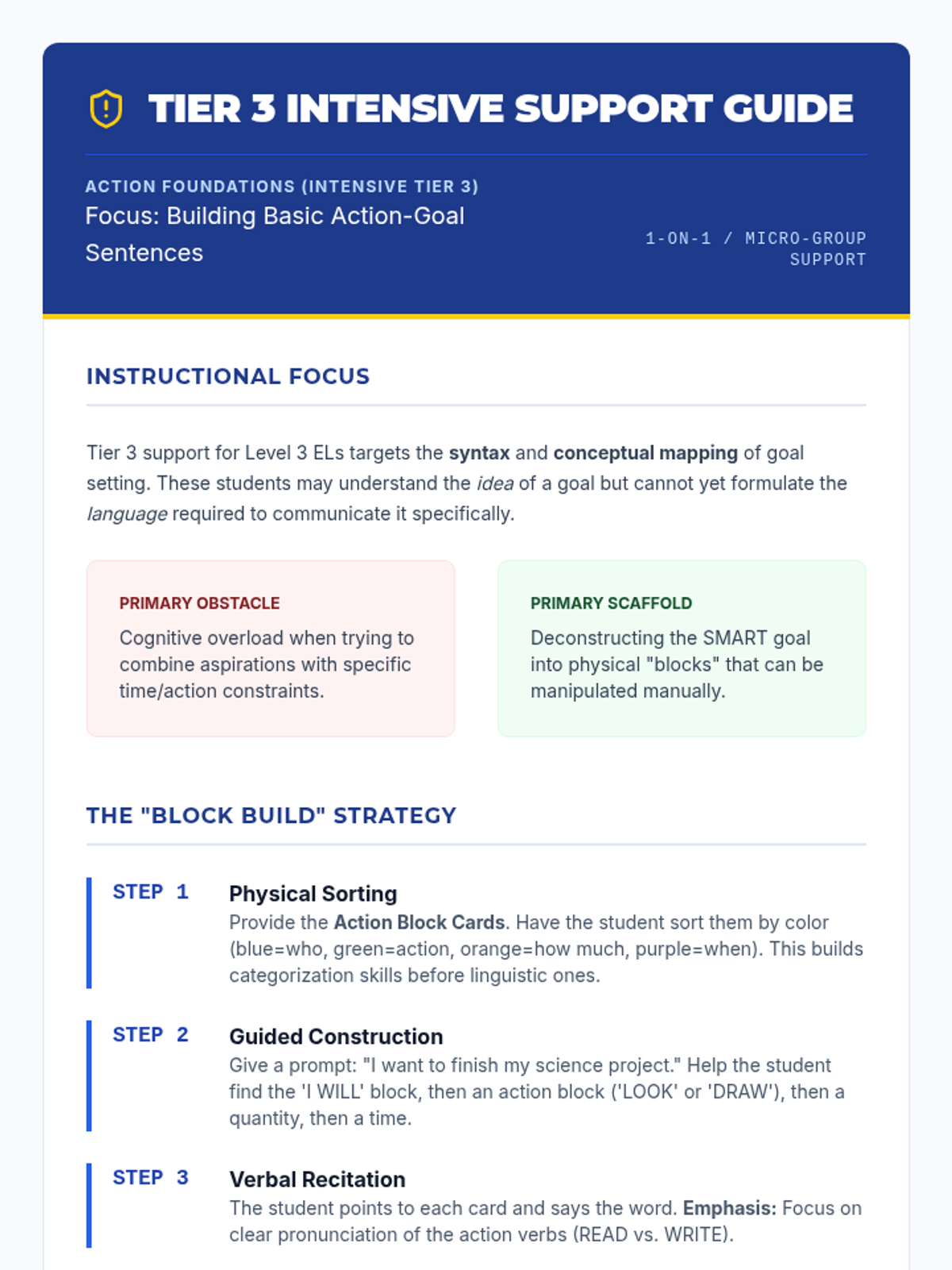
Tier 3 intensive instruction for students requiring the highest level of linguistic and cognitive scaffolding. This lesson focuses on the fundamental 'subject-verb-object' structure of goal setting through highly visual, interactive 'action blocks' and one-on-one facilitation.
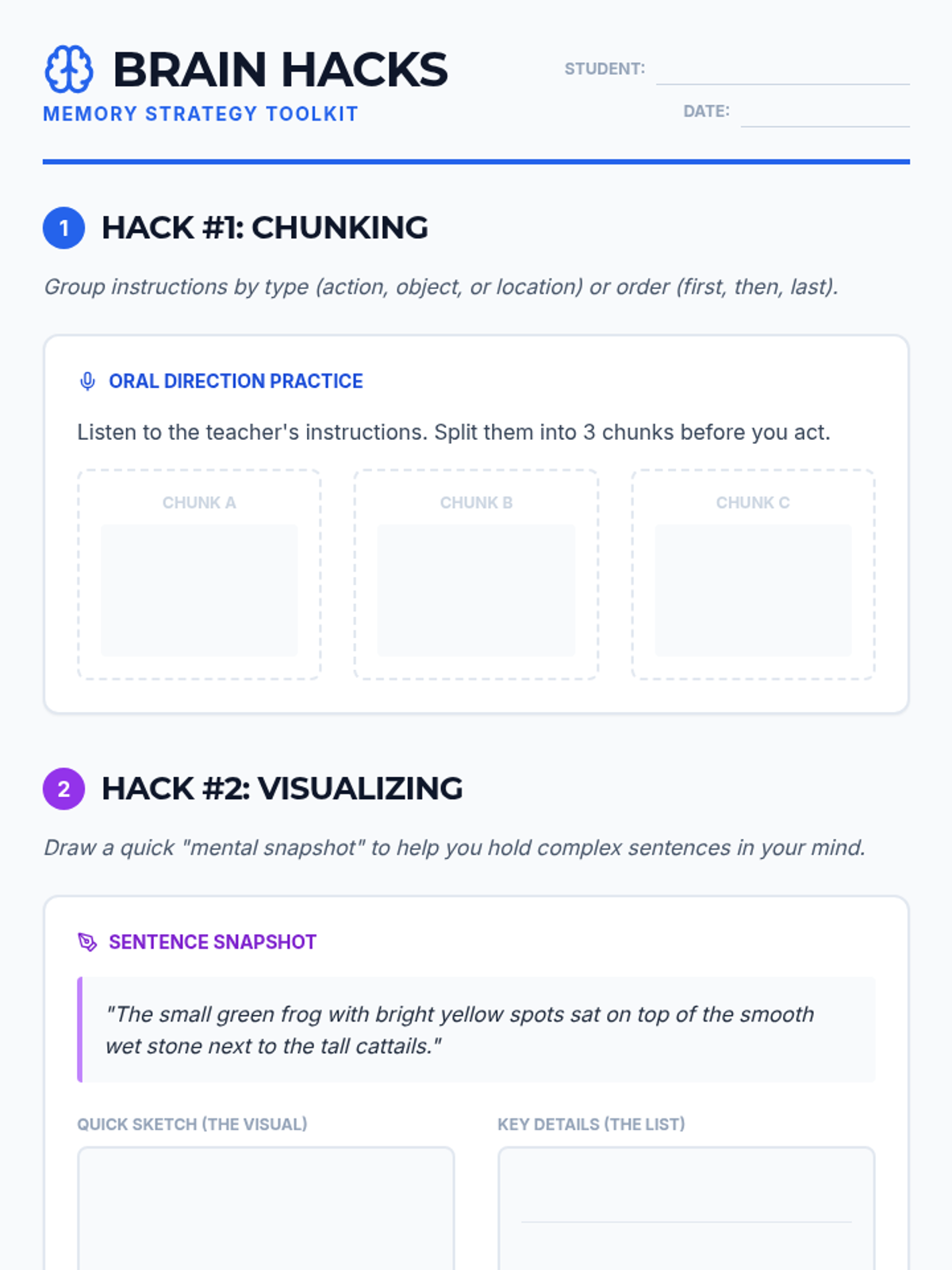
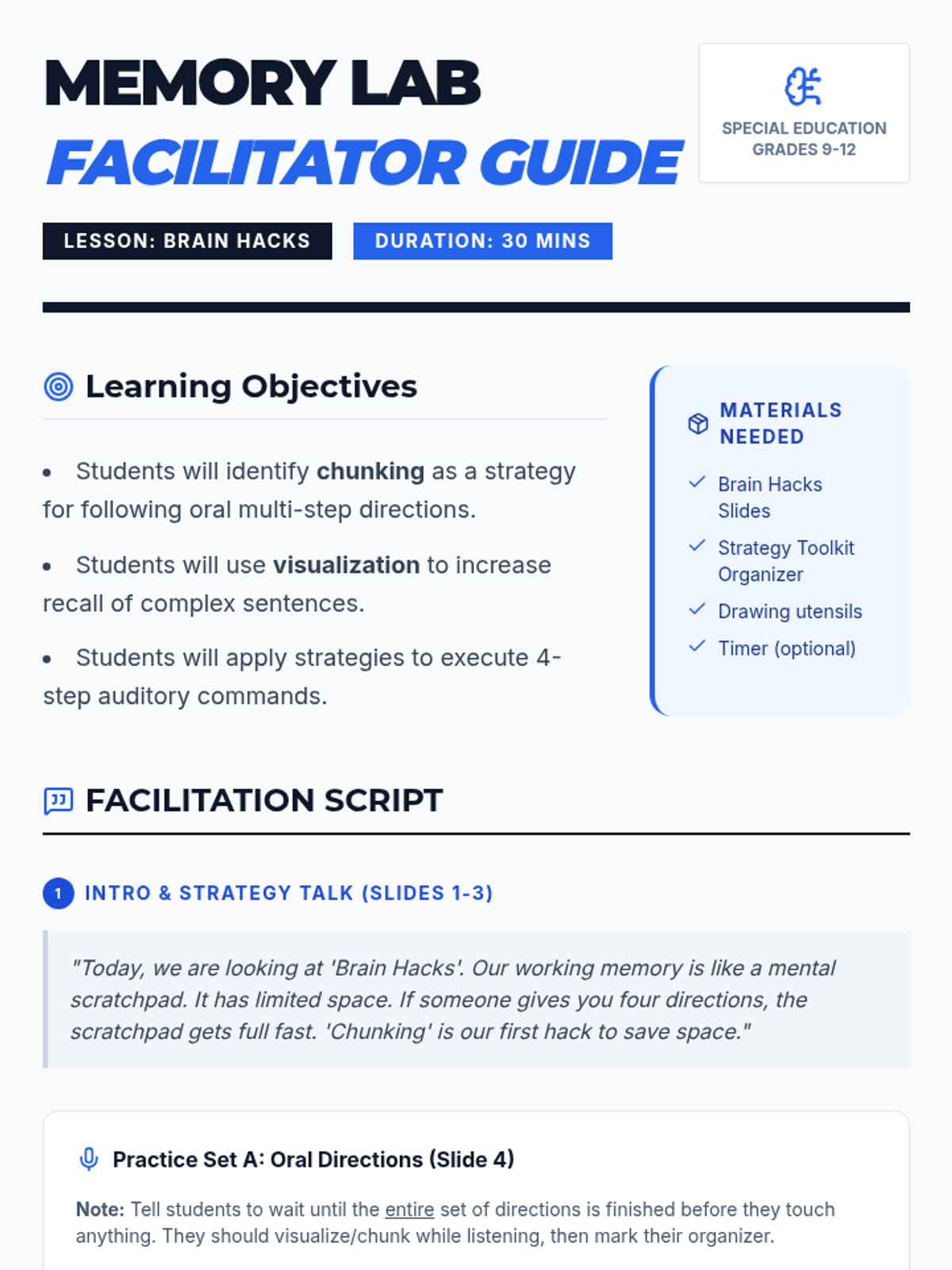
A 30-minute high school special education lesson focused on strengthening auditory and reading working memory through 'chunking' and 'visualizing' strategies. Students practice following multi-step directions and retaining information from complex sentences.
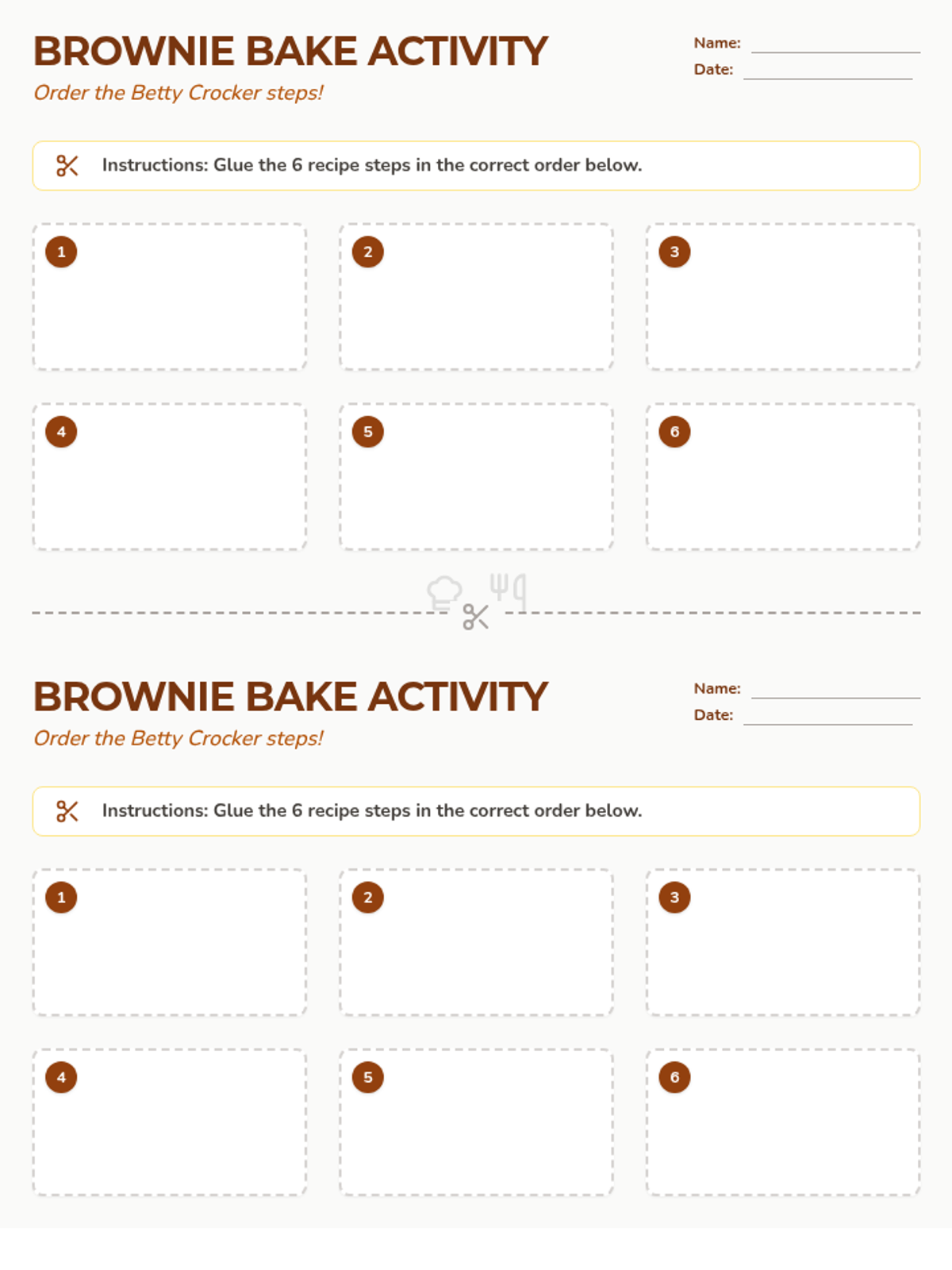
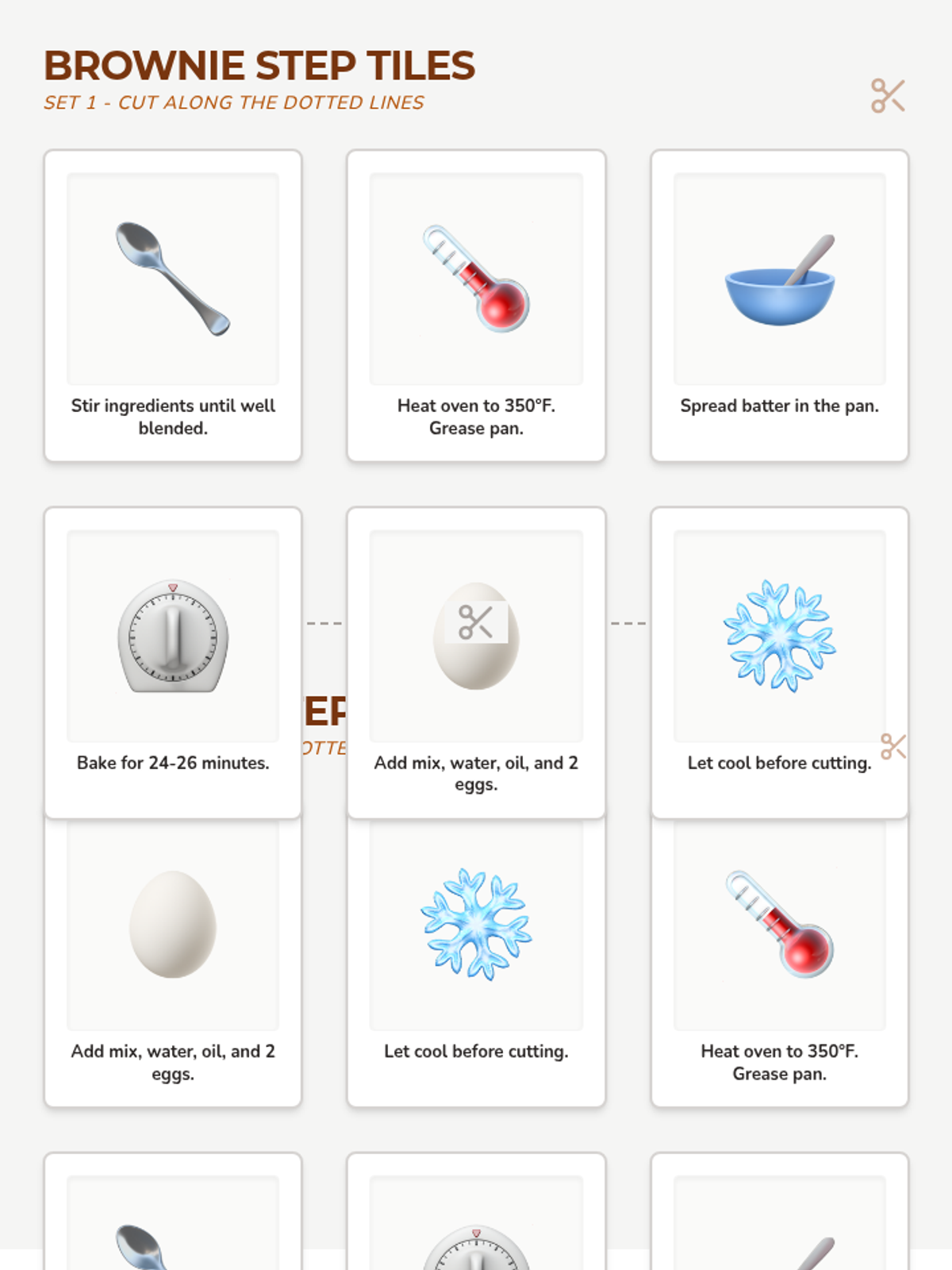
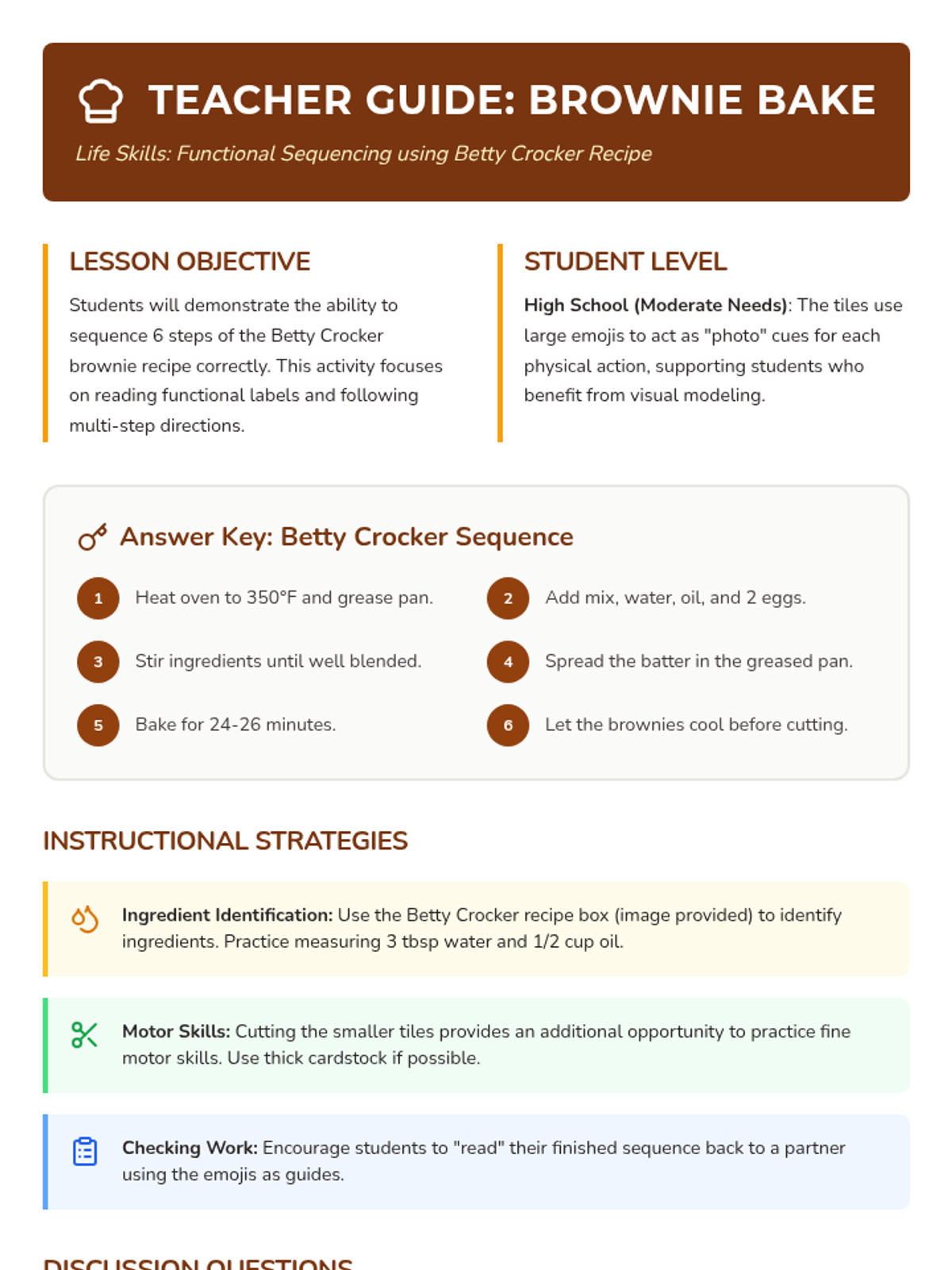
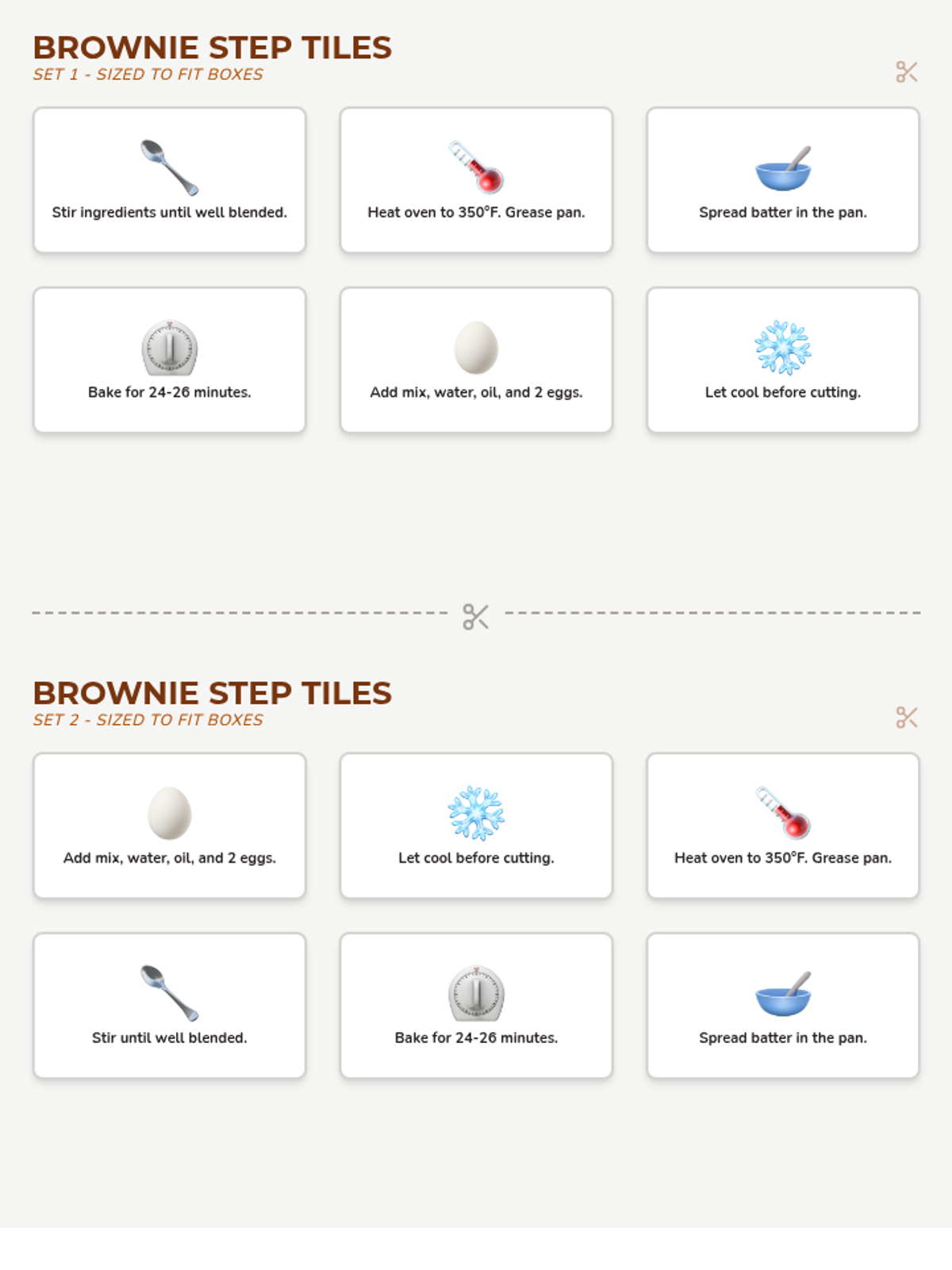
A life skills lesson focused on kitchen safety, following recipe directions, and sequencing steps for baking brownies. Designed for high school students with moderate support needs.
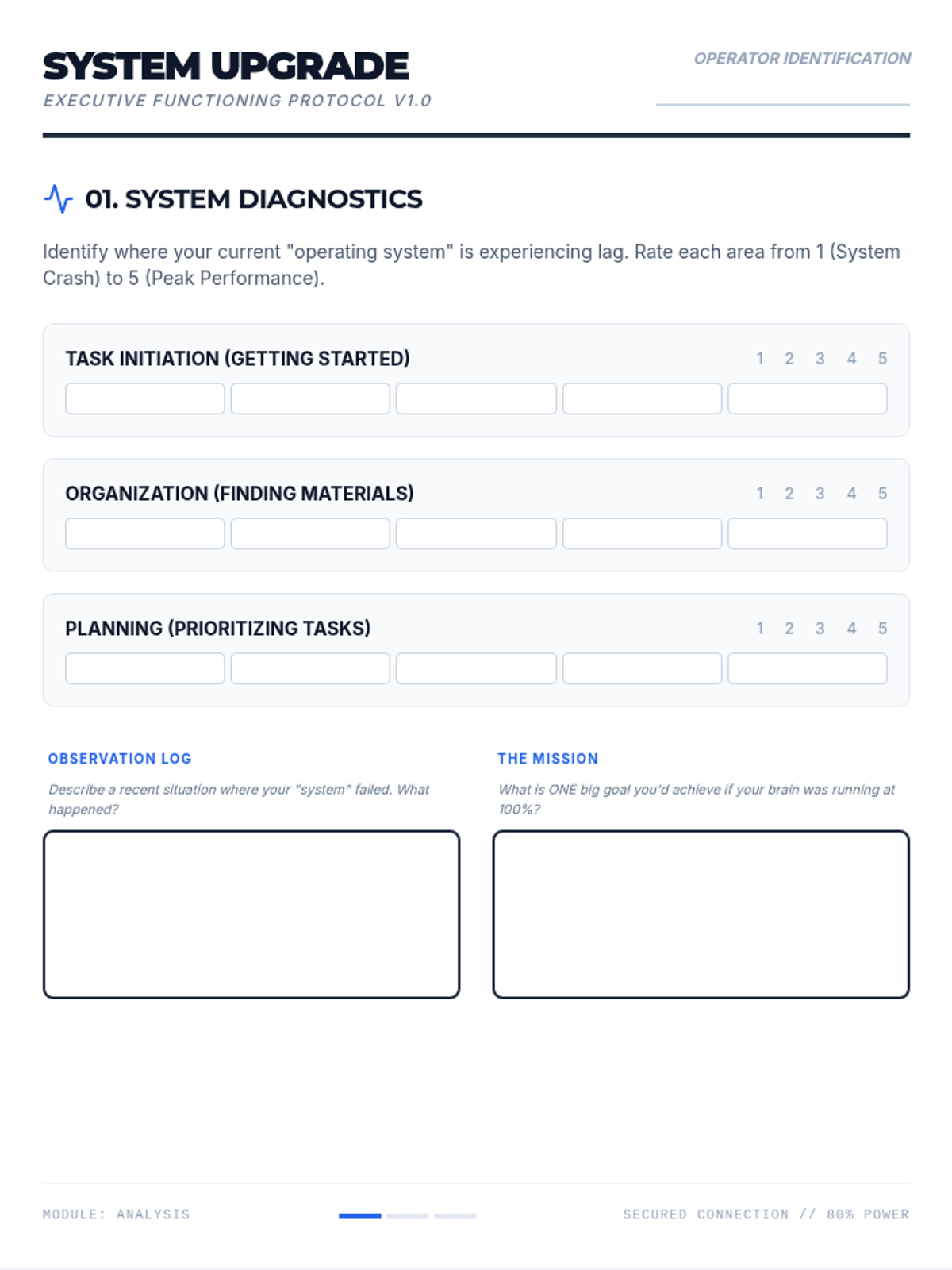
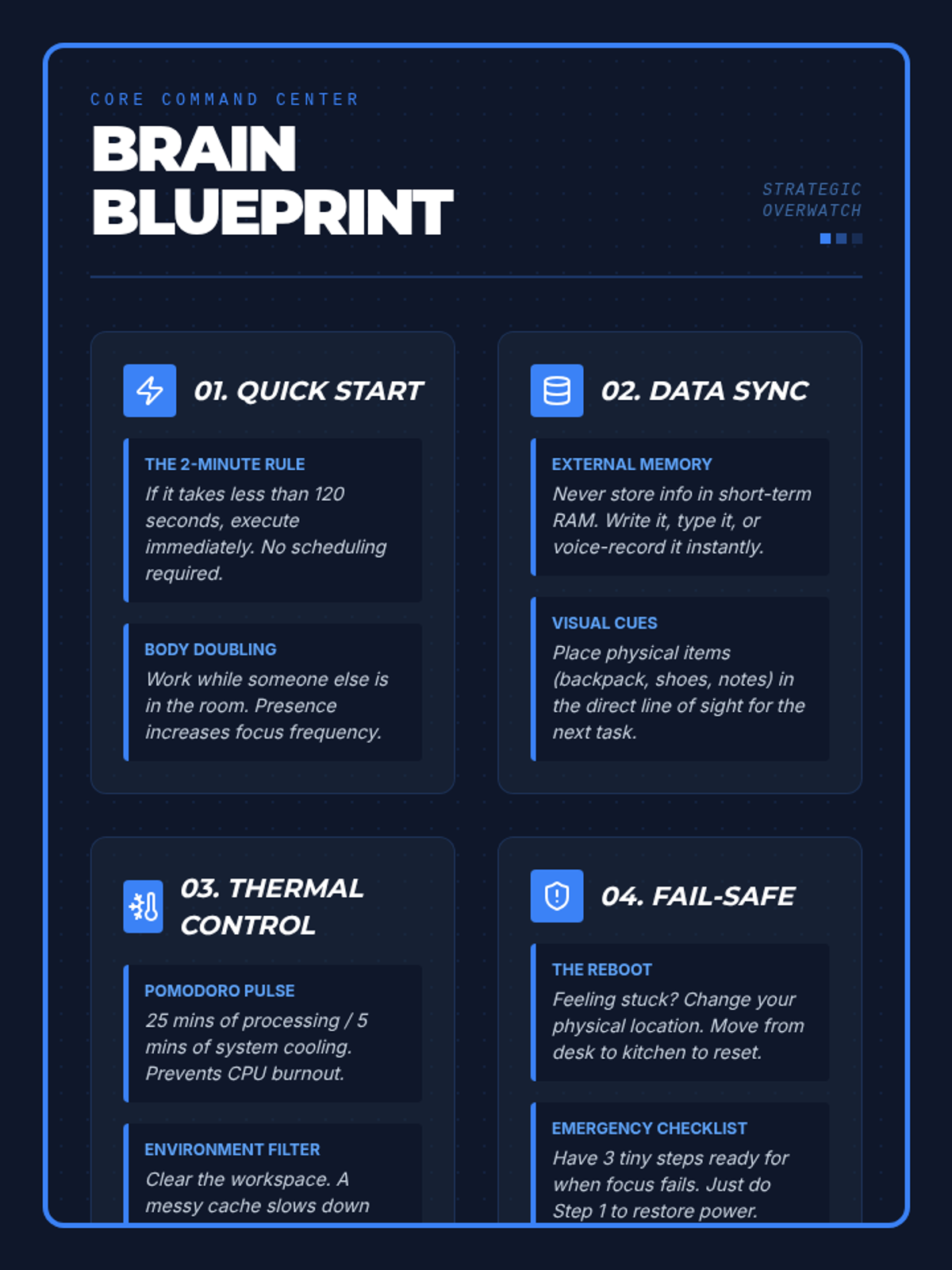
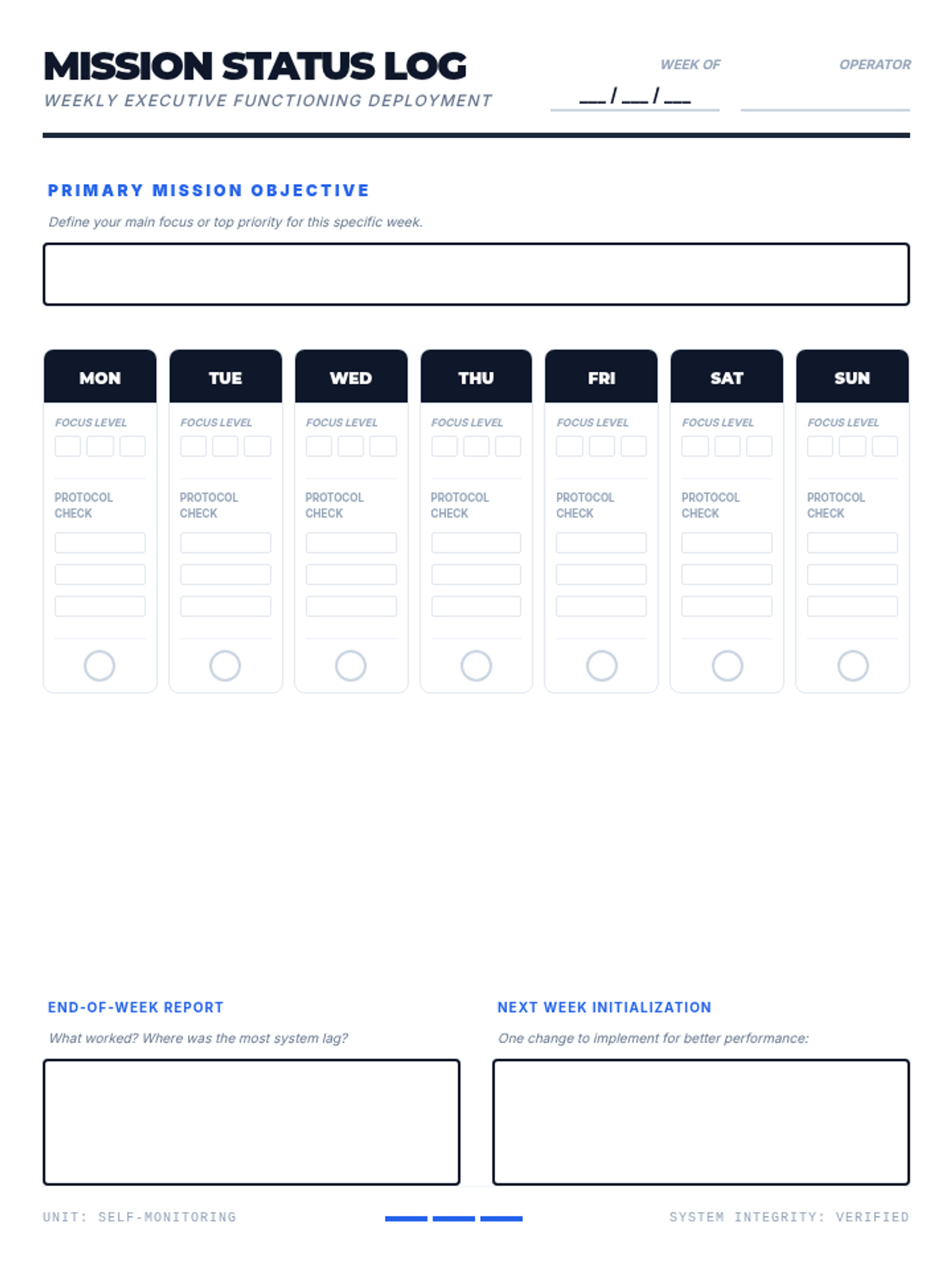
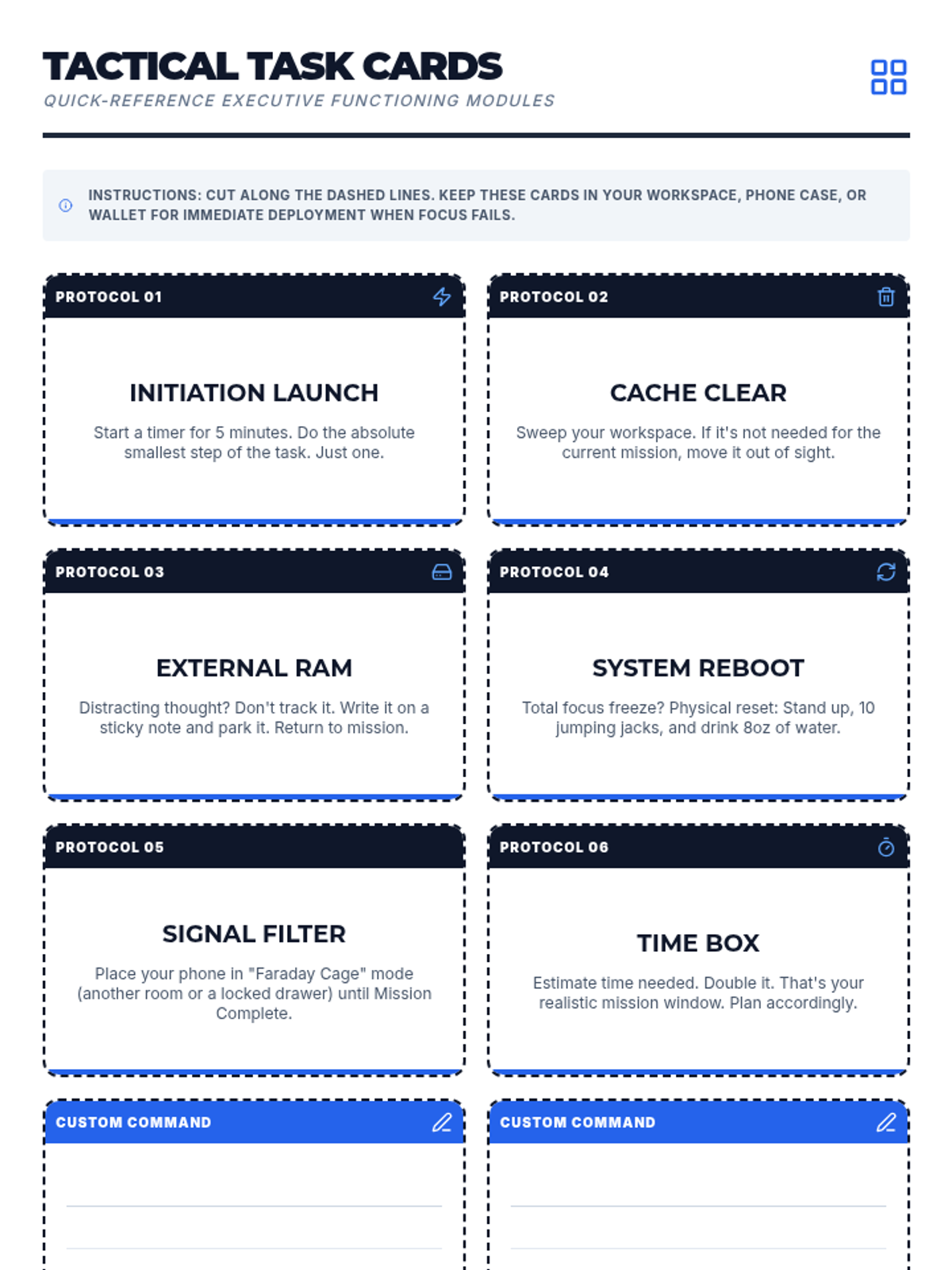
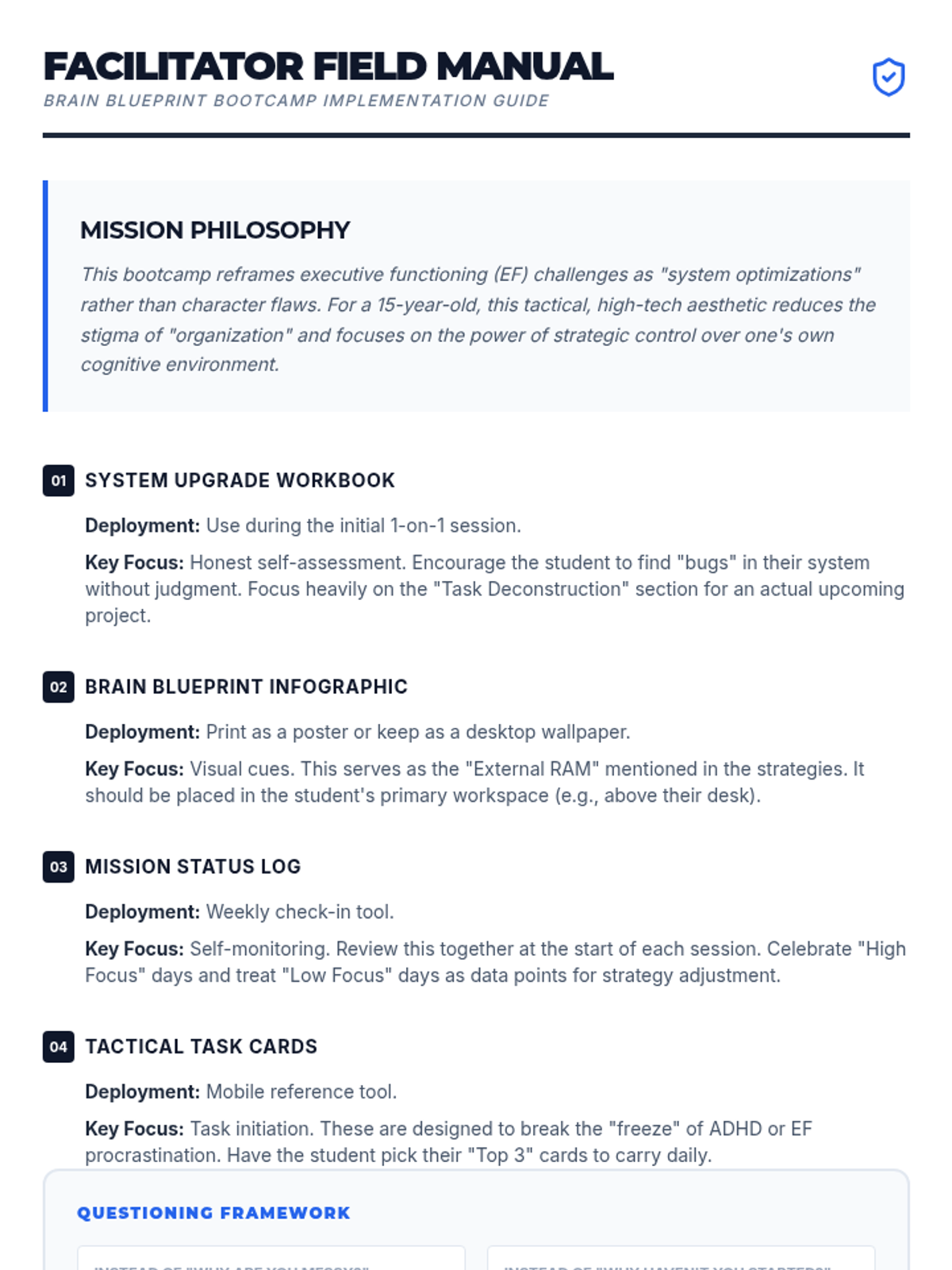
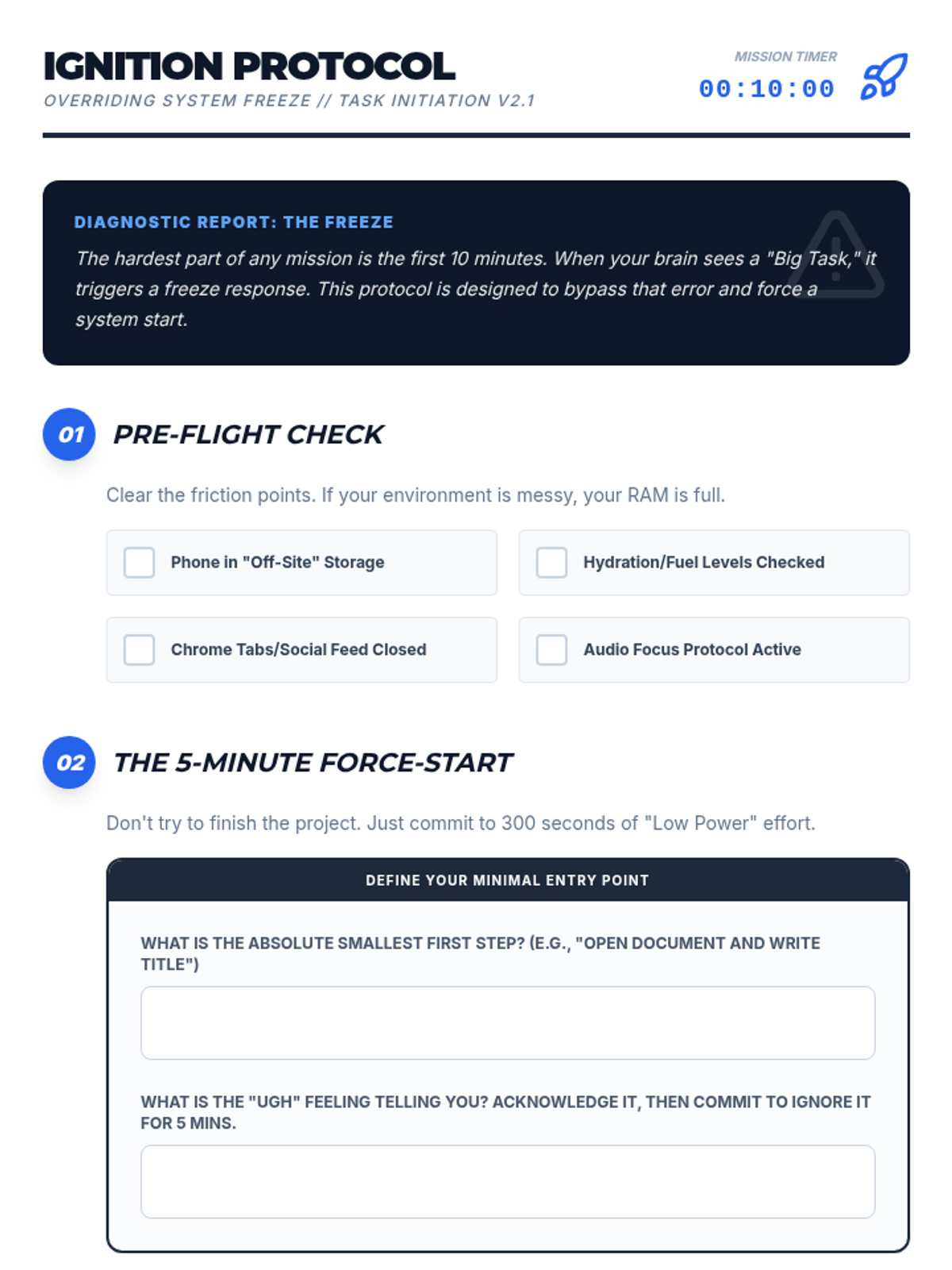
A comprehensive set of tools designed to help teenagers master executive functioning skills, focusing on task management, environmental organization, and self-monitoring using a high-tech, tactical aesthetic.
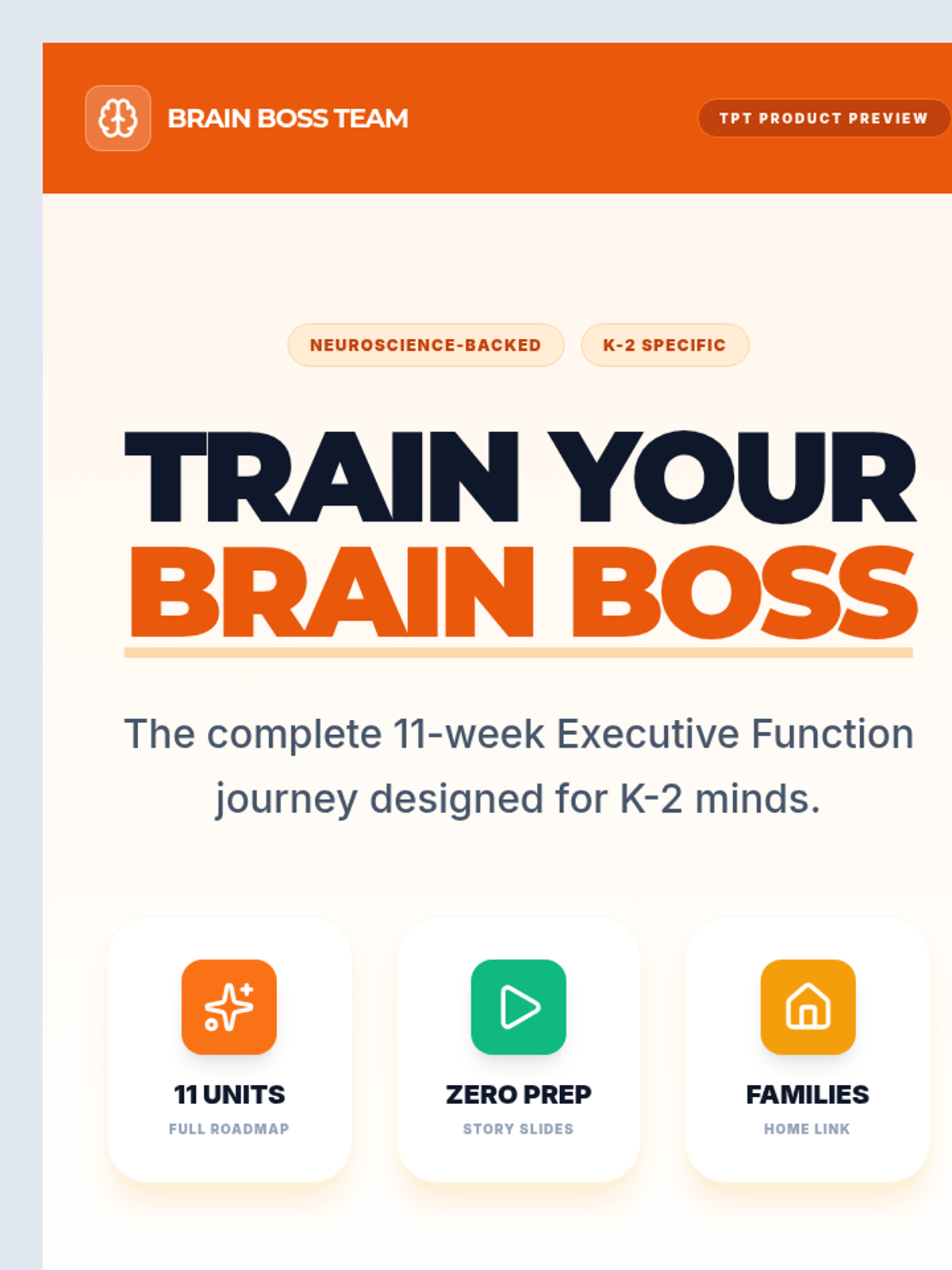
A collection of marketing and administrative resources for the Brain Boss and Neural Nexus curriculum, including product previews and implementation overviews.
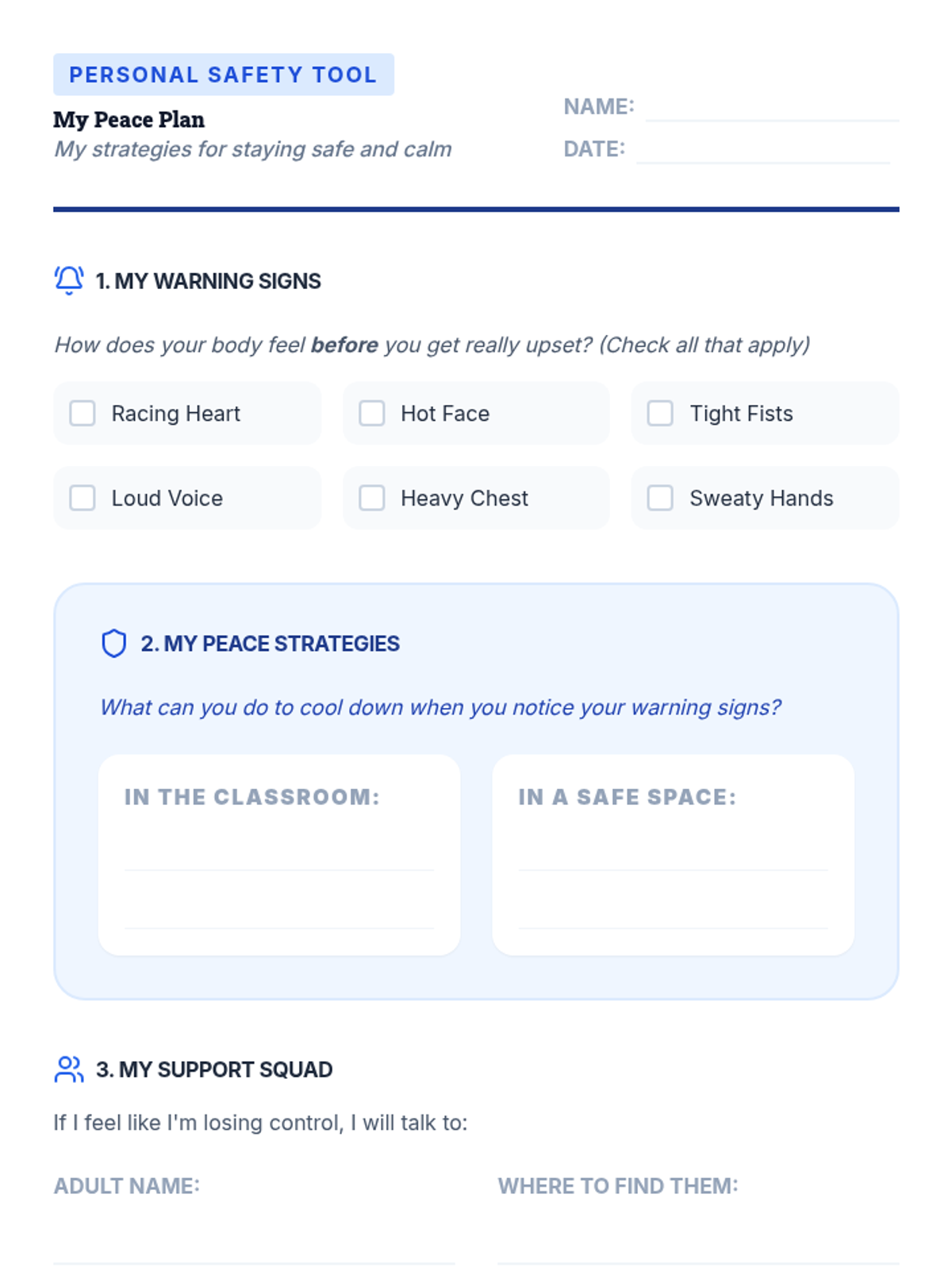
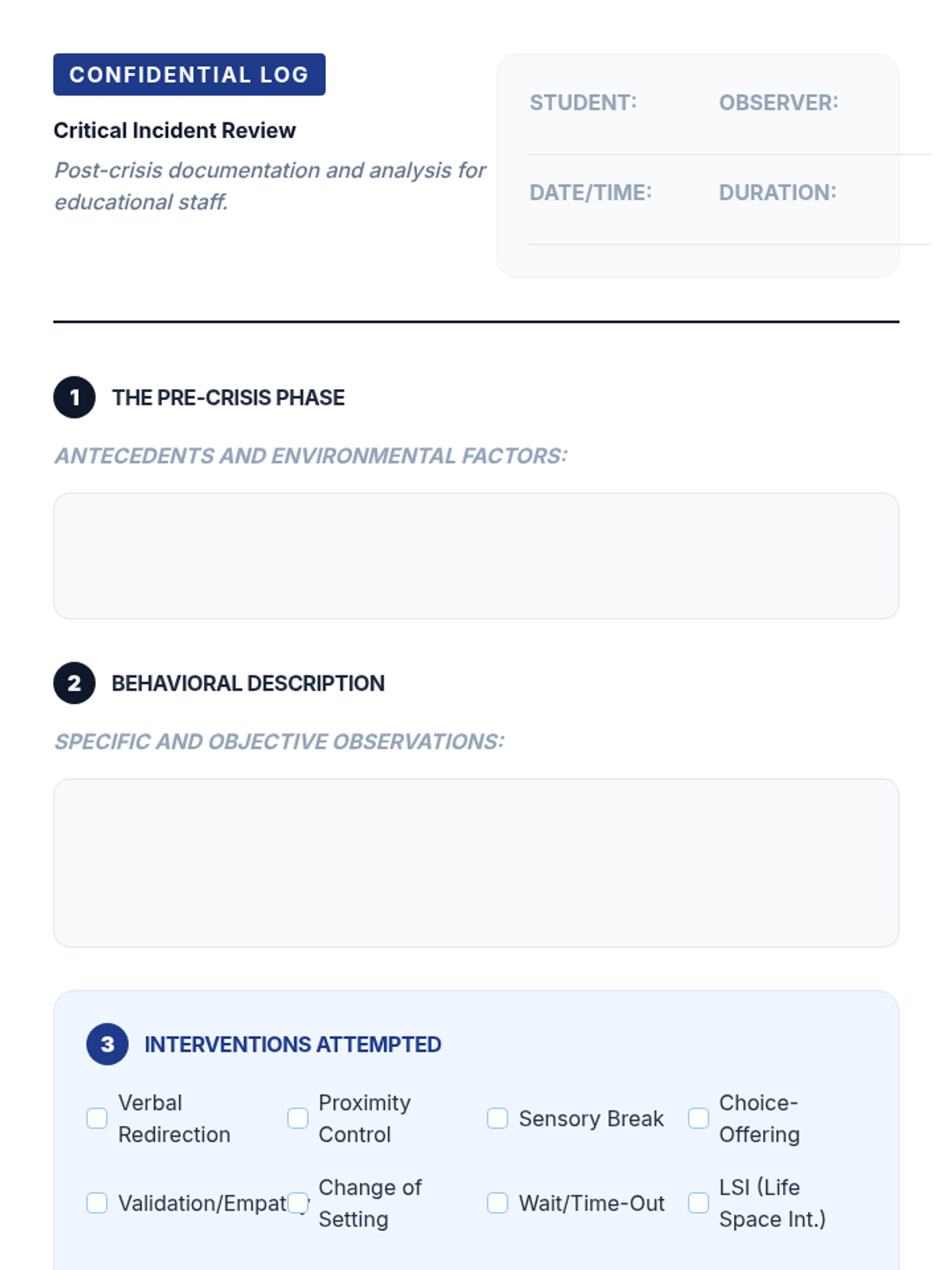
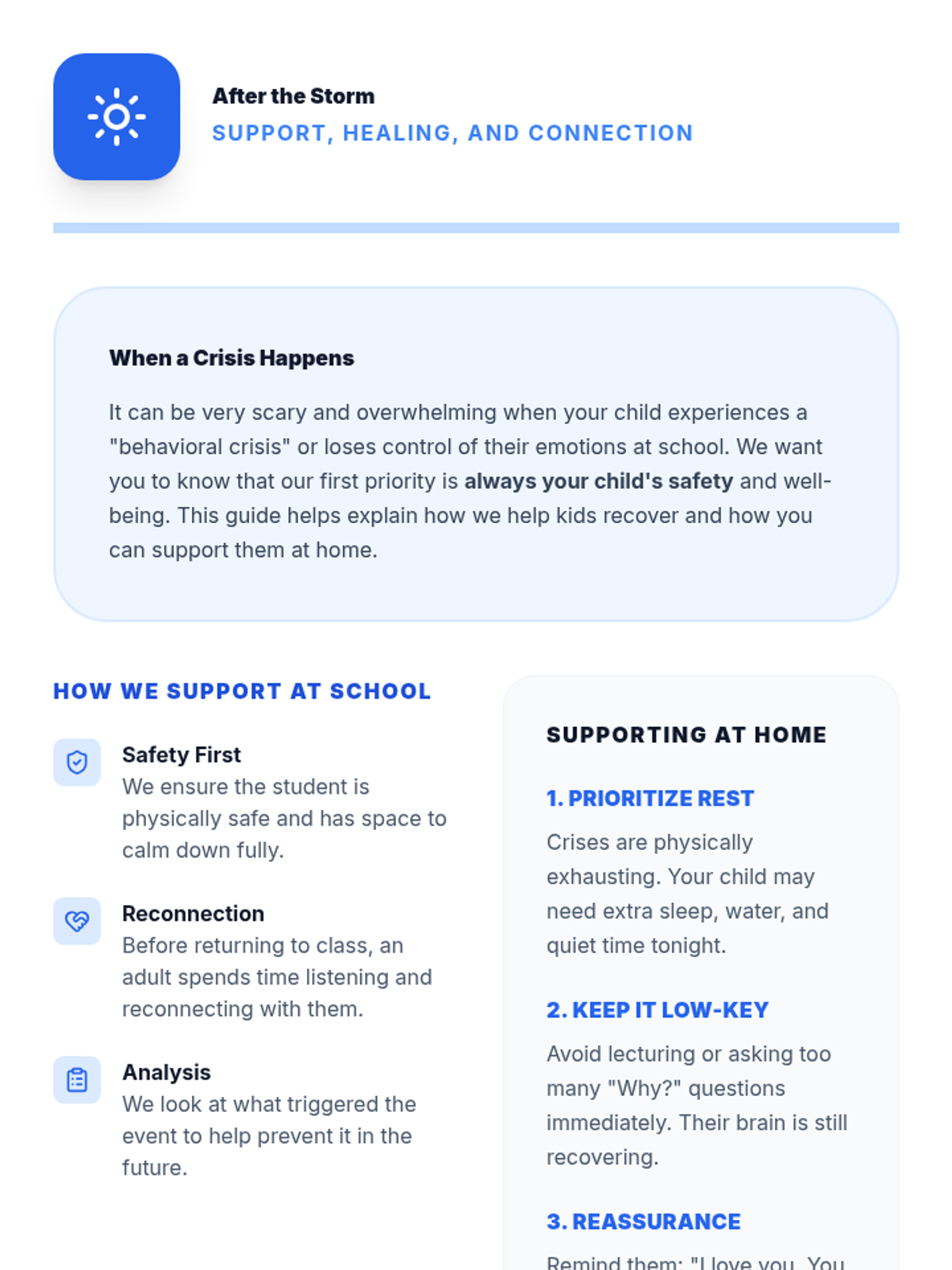
Provides clear protocols for staff to follow during student behavioral crises, focusing on de-escalation, safety, and recovery. Includes tools for student safety planning.
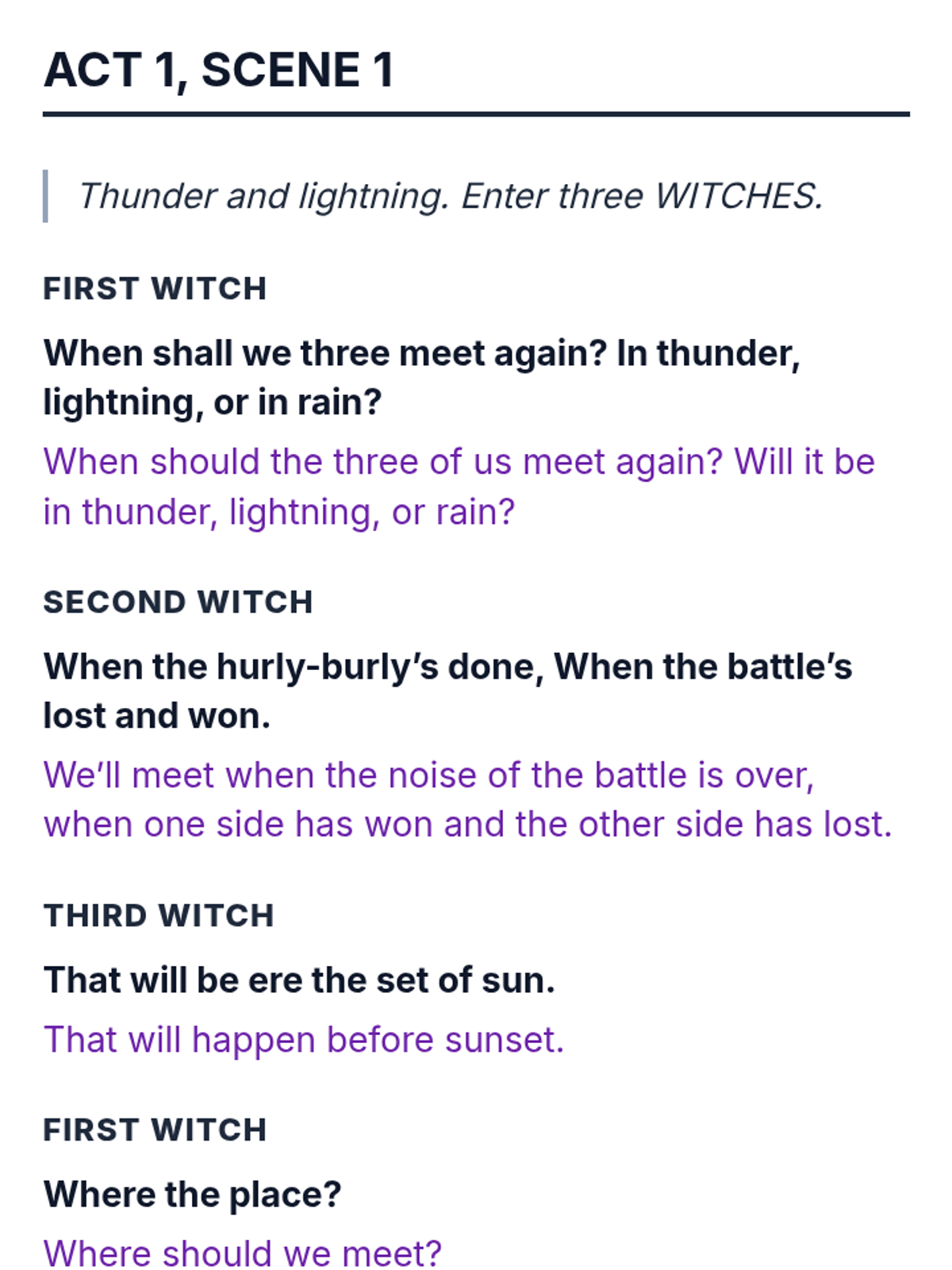
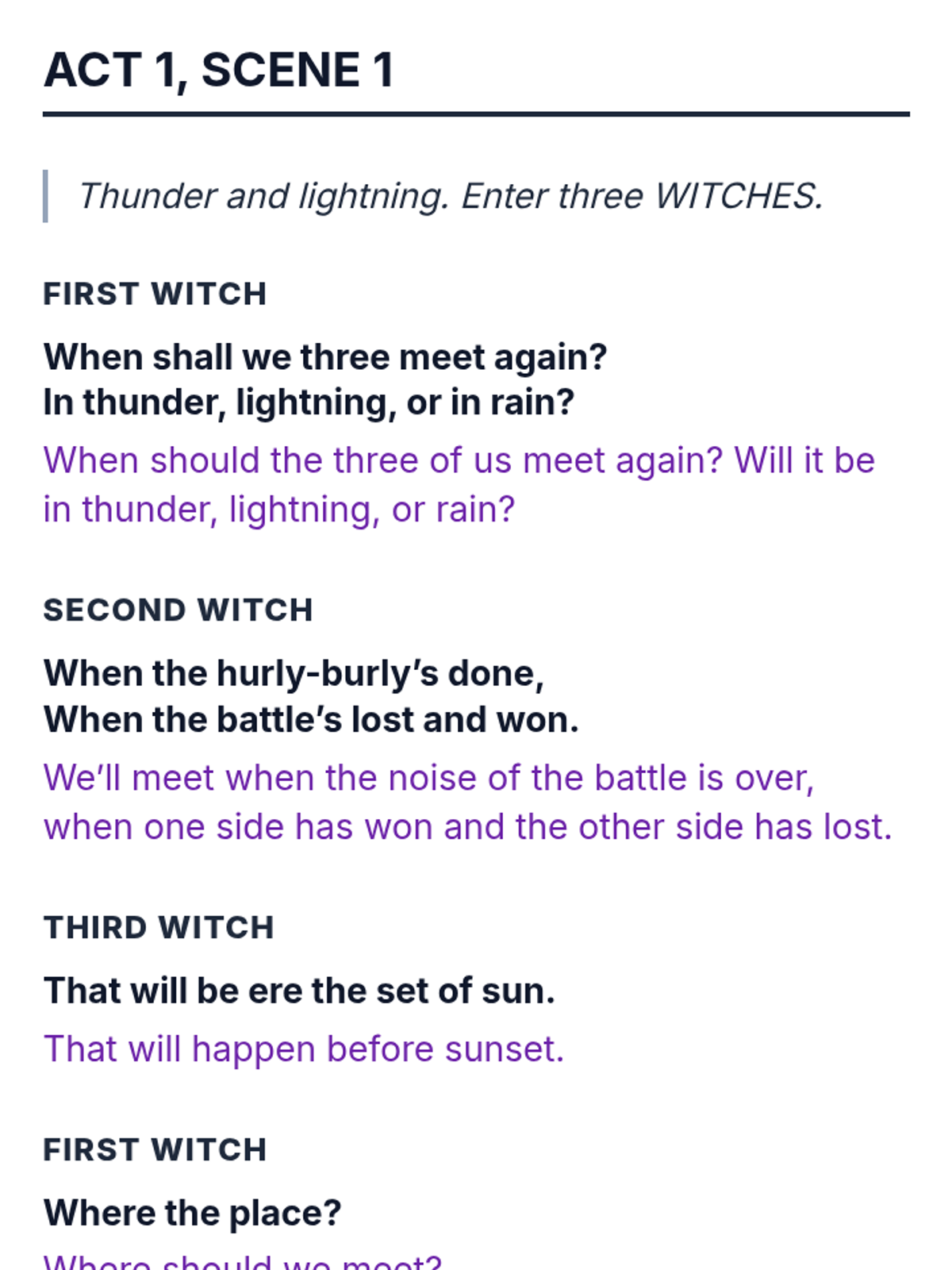
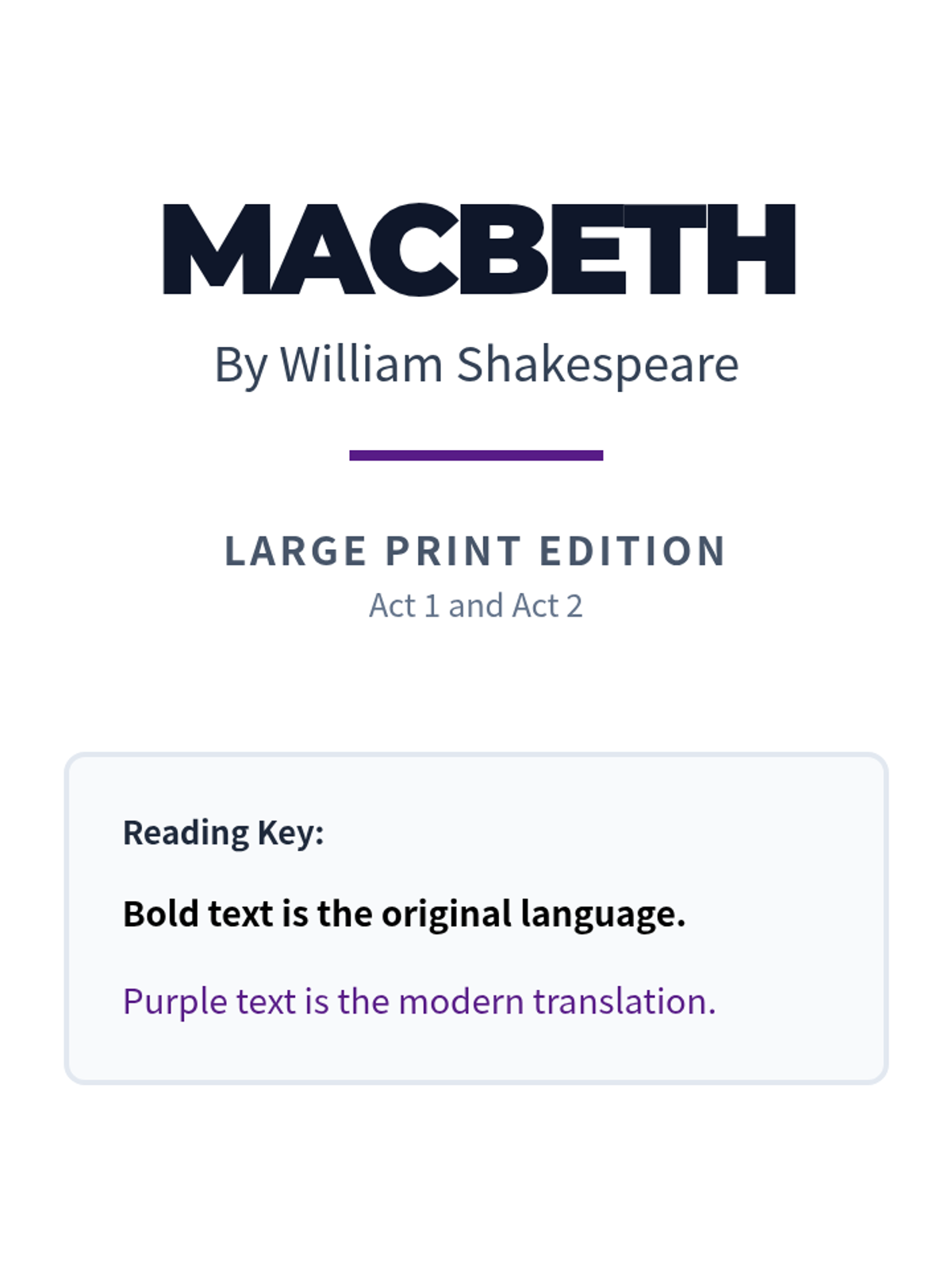
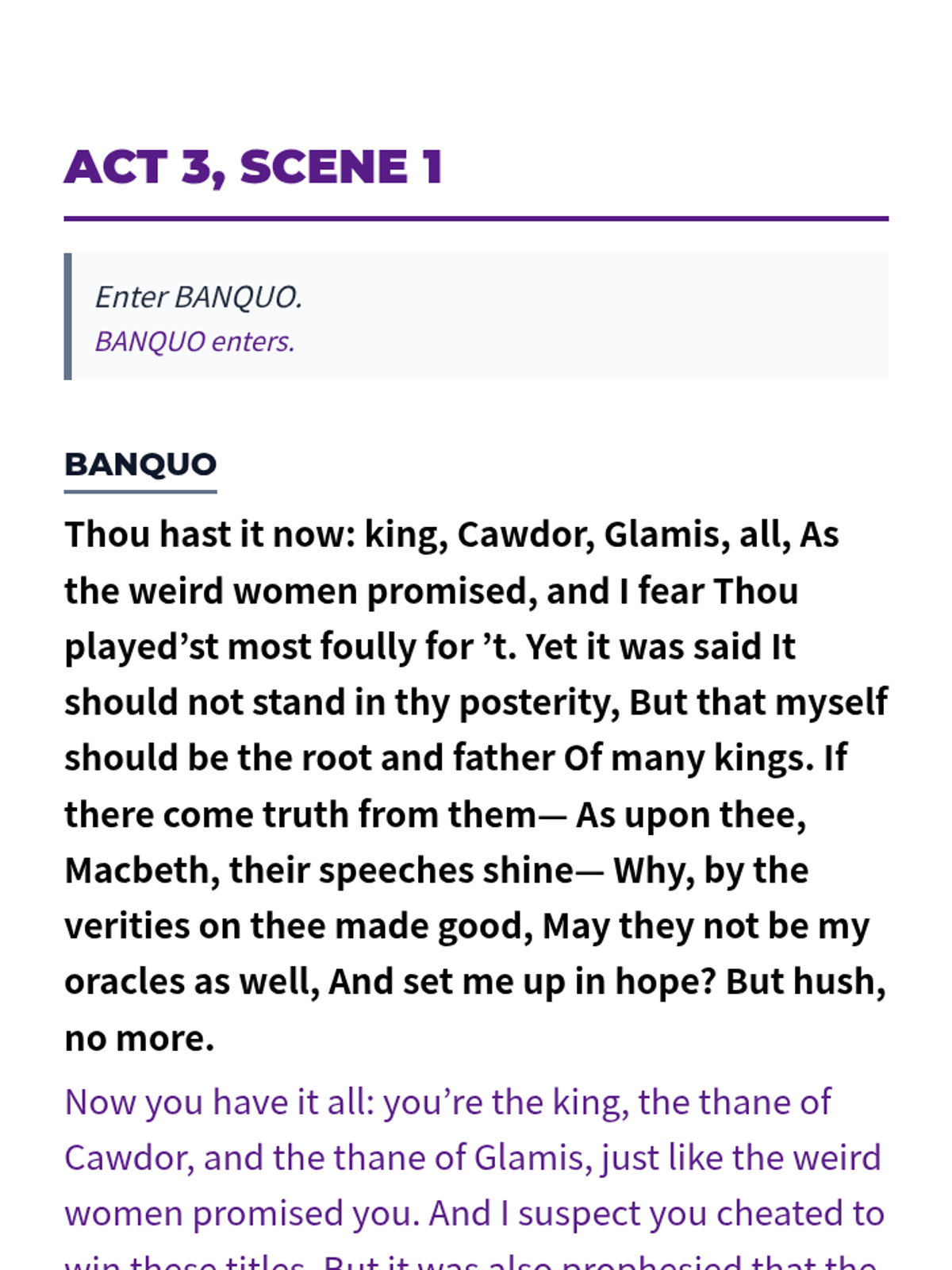
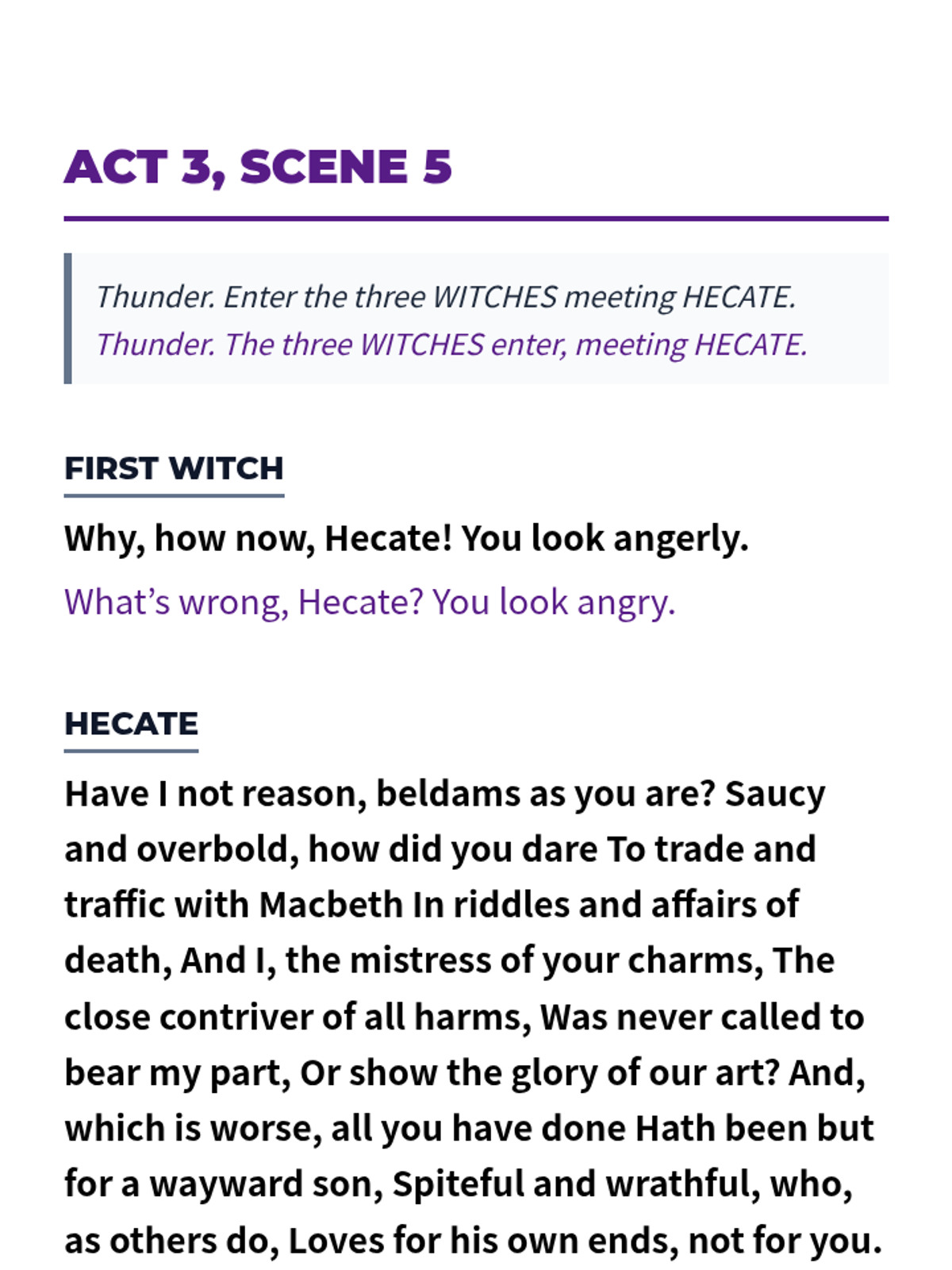
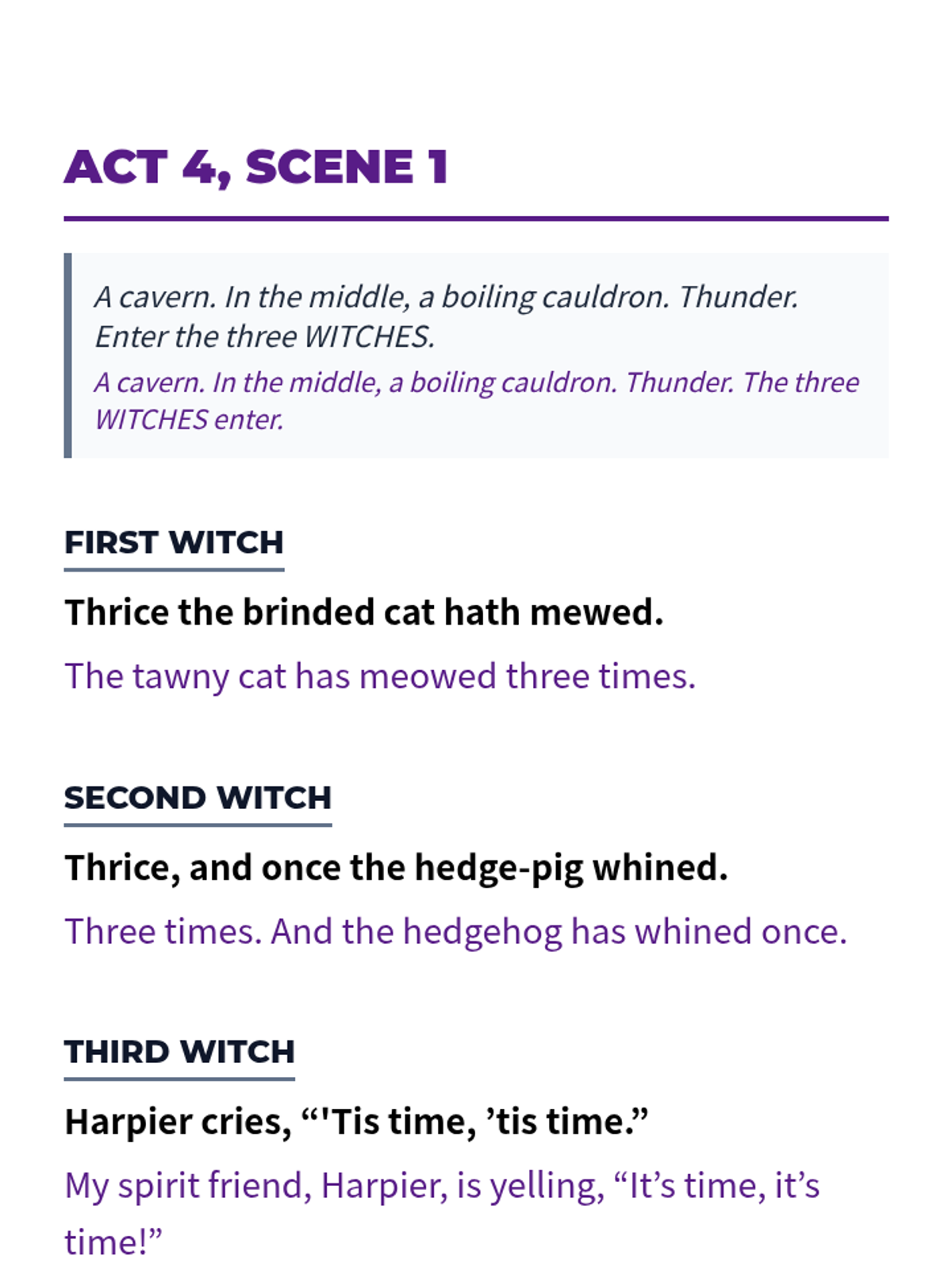
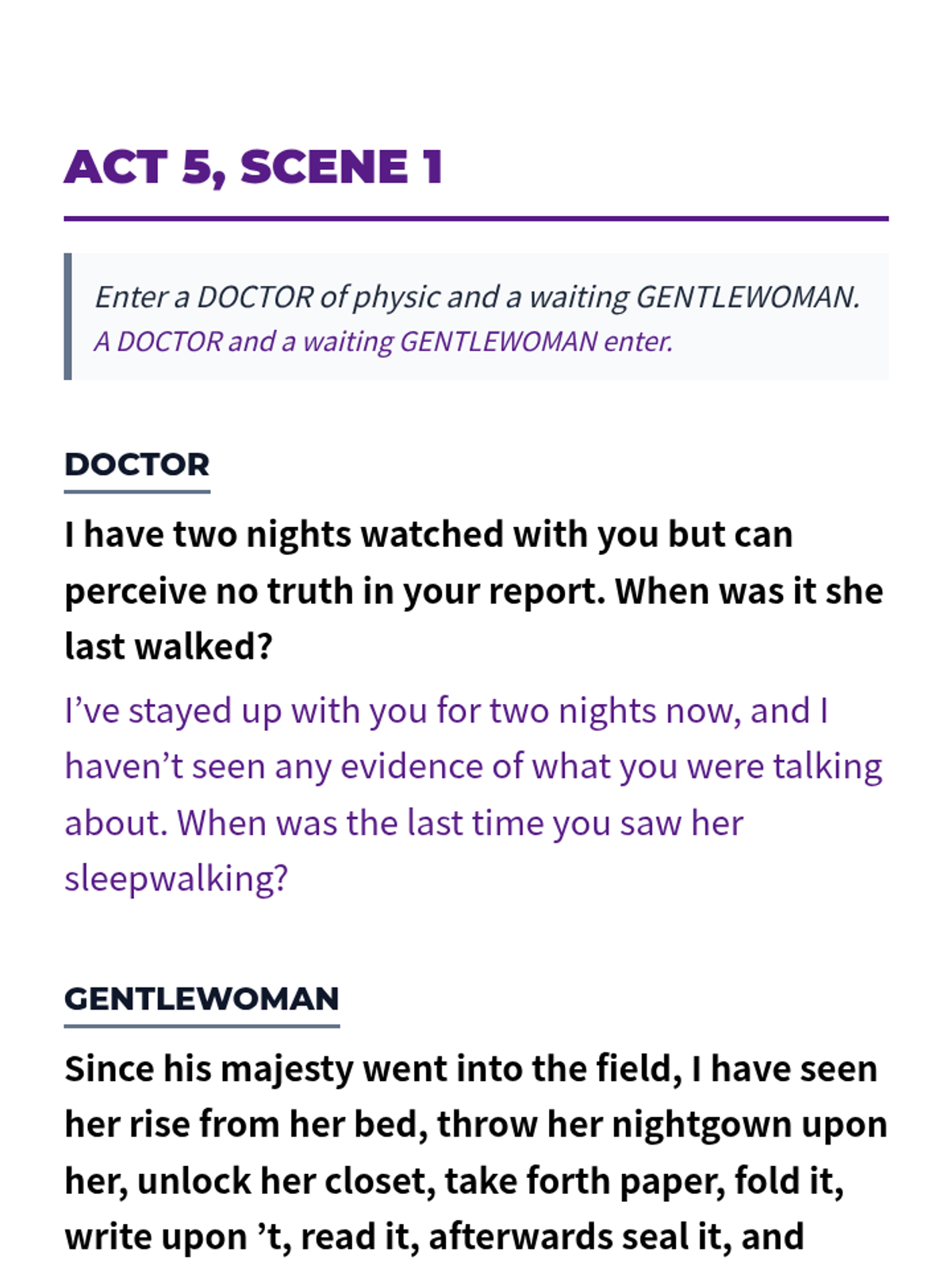
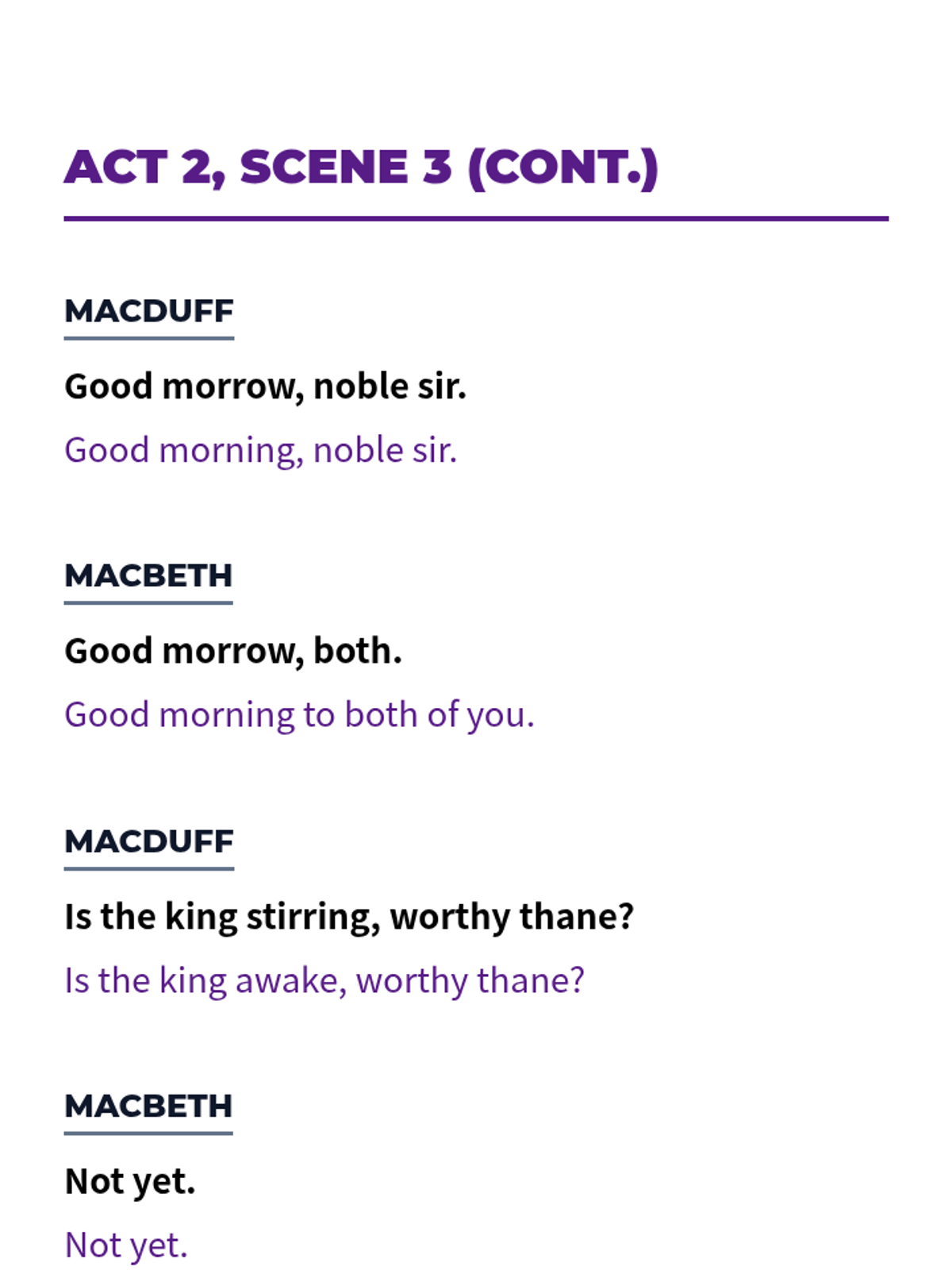
A collection of accessible Macbeth resources designed for students with visual impairments, including large-print versions with modern translations.
A collection of accessible reading materials for Shakespeare's Macbeth, specifically tailored for students requiring large print and modern translations. This lesson ensures all students can navigate and comprehend the play during classroom instruction.
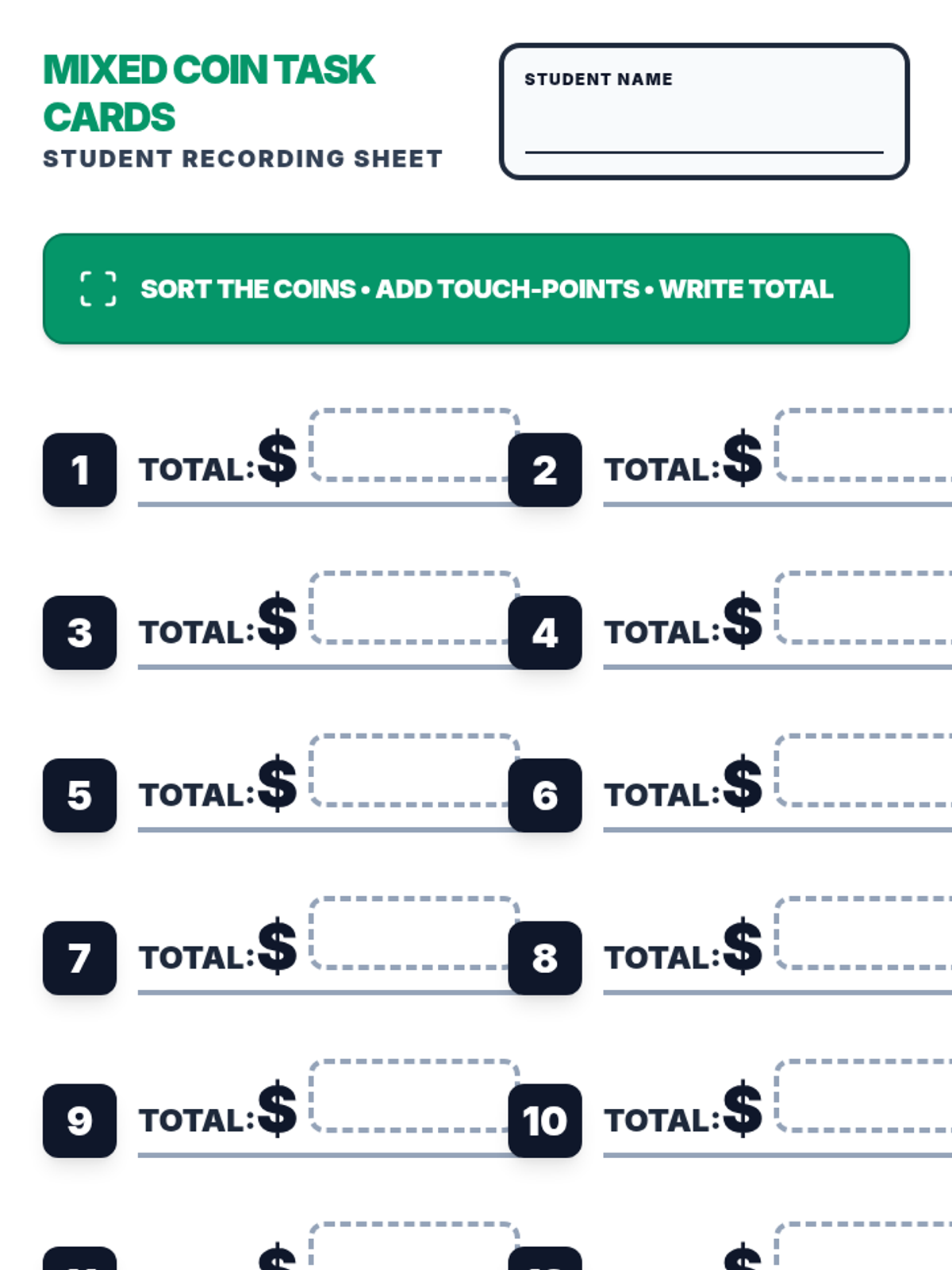
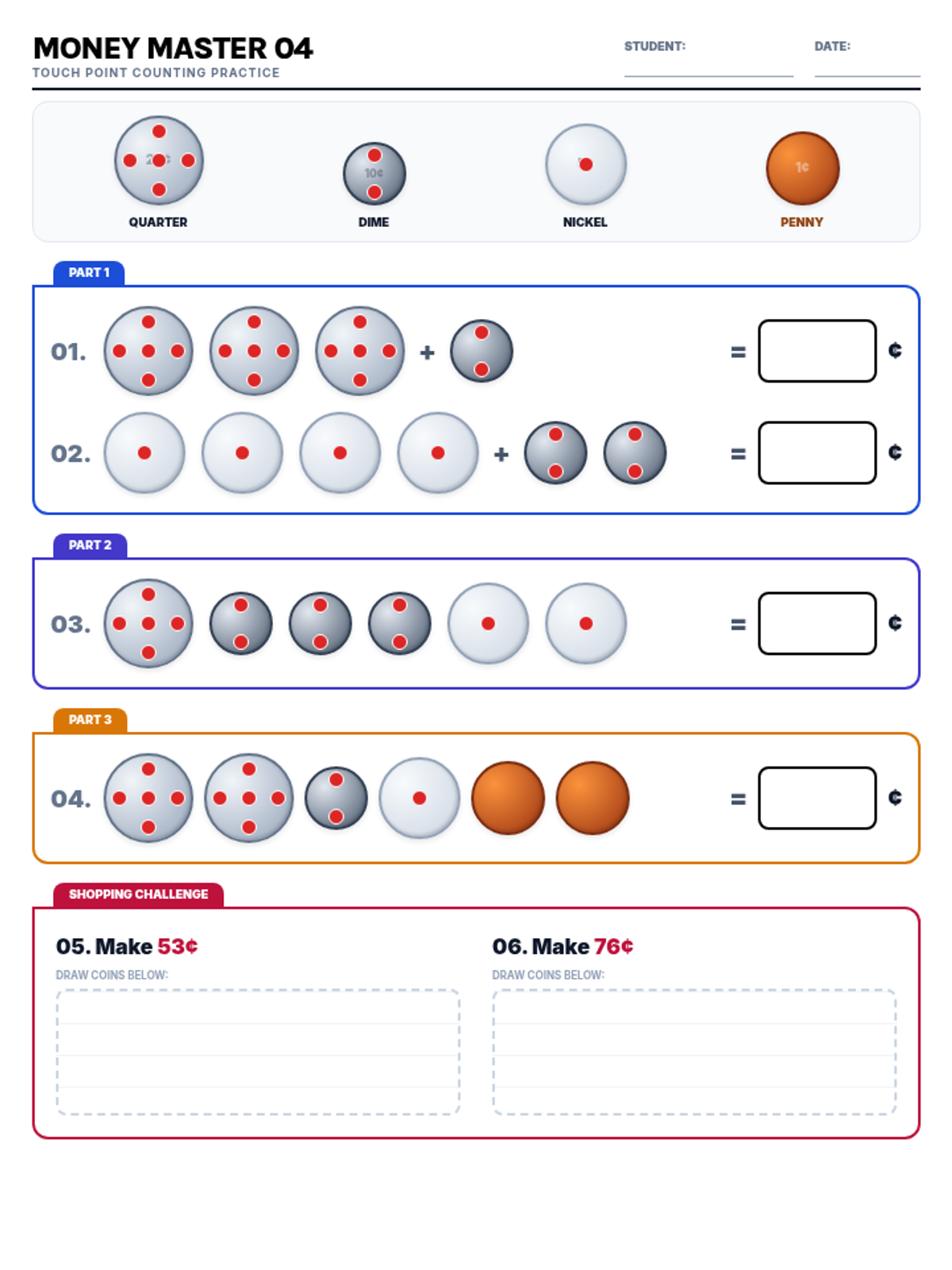
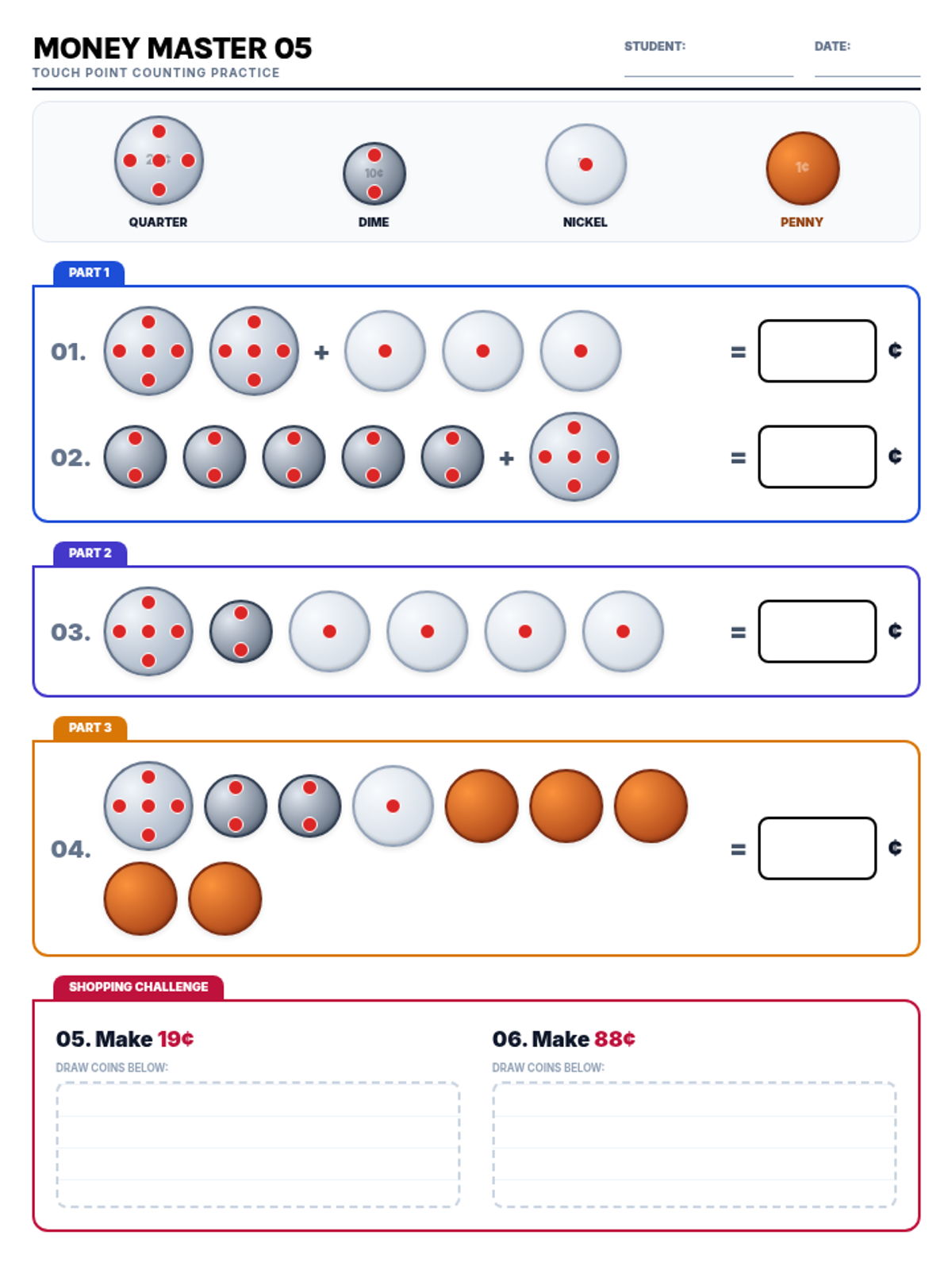
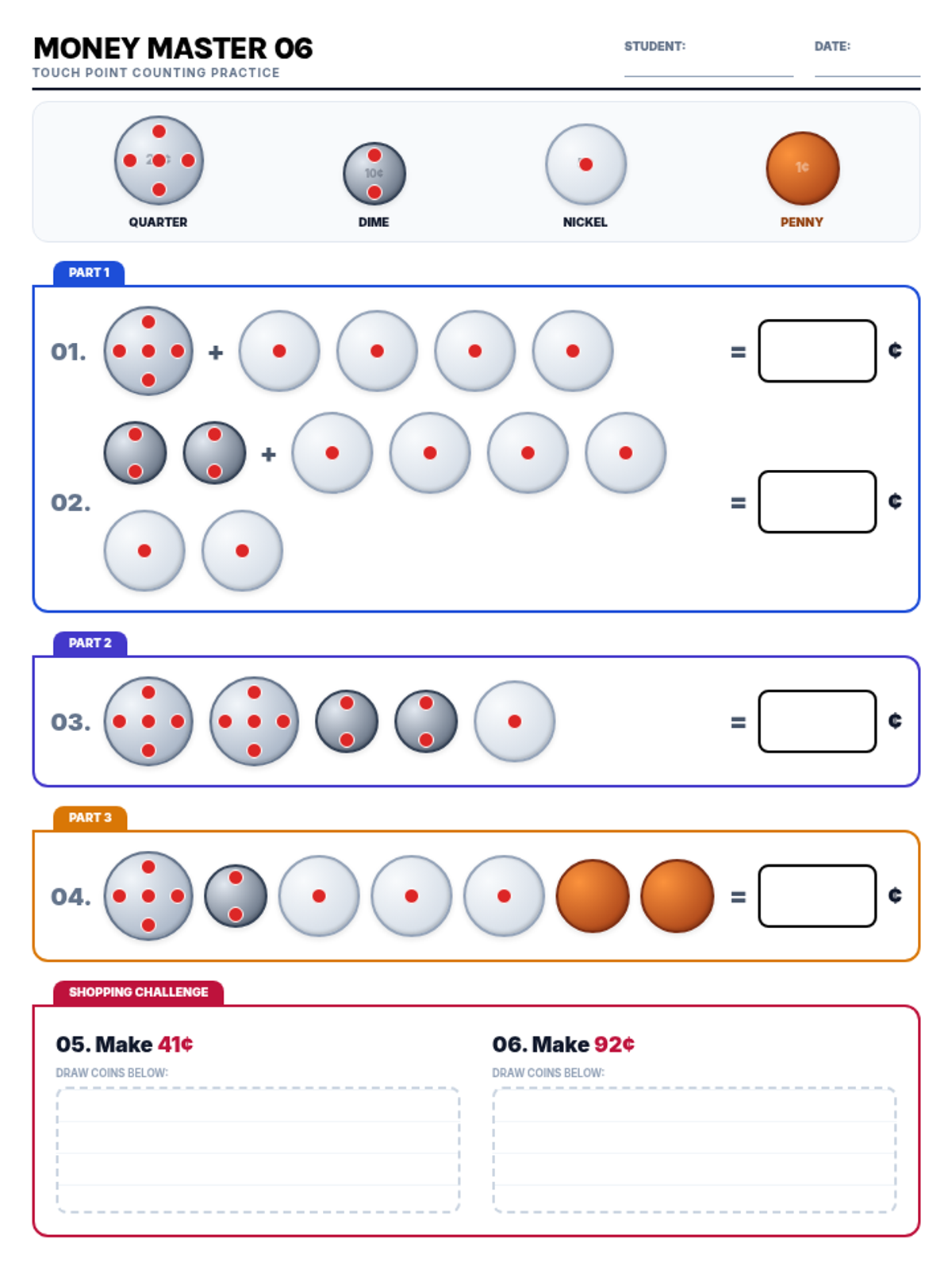
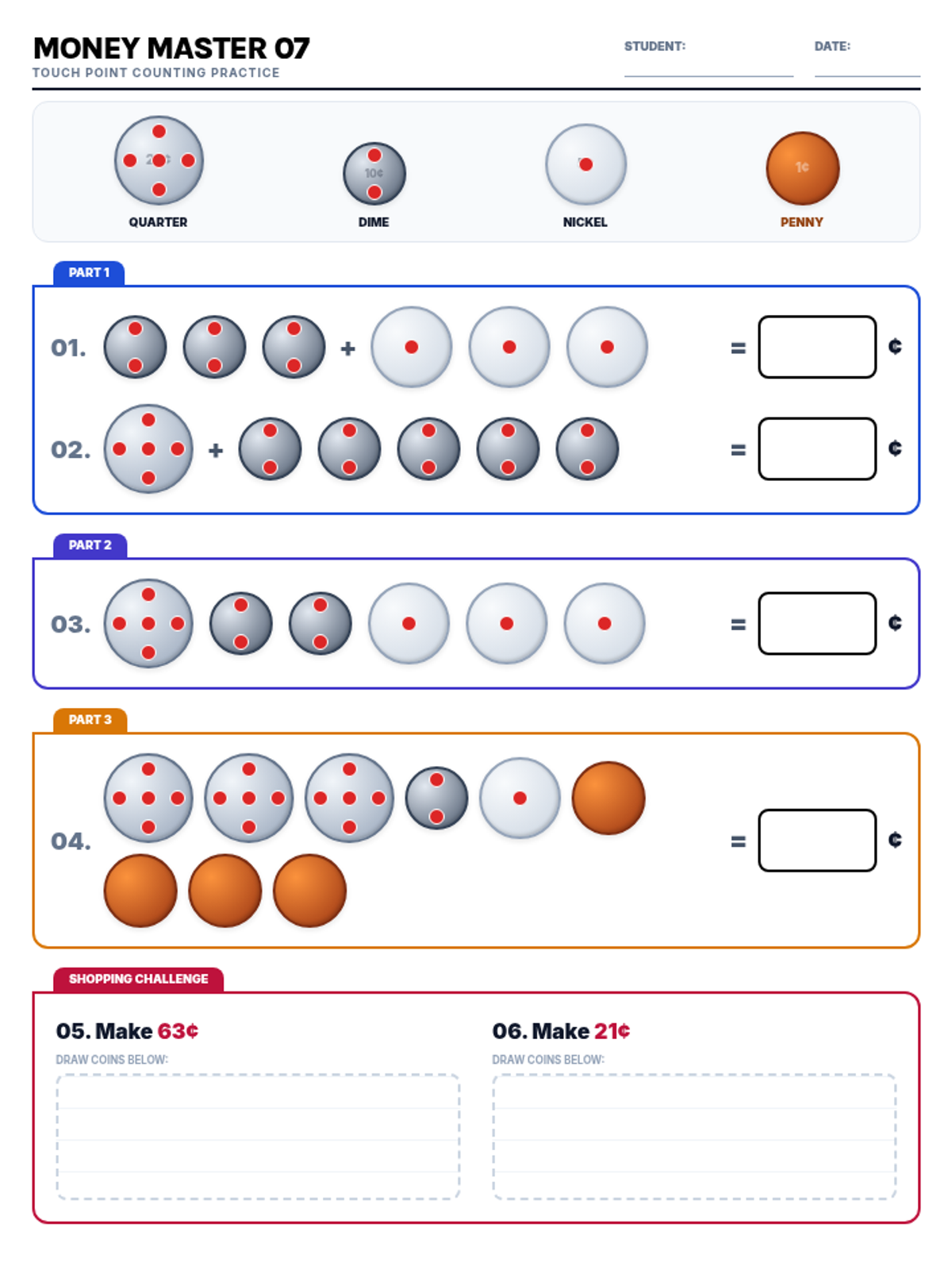
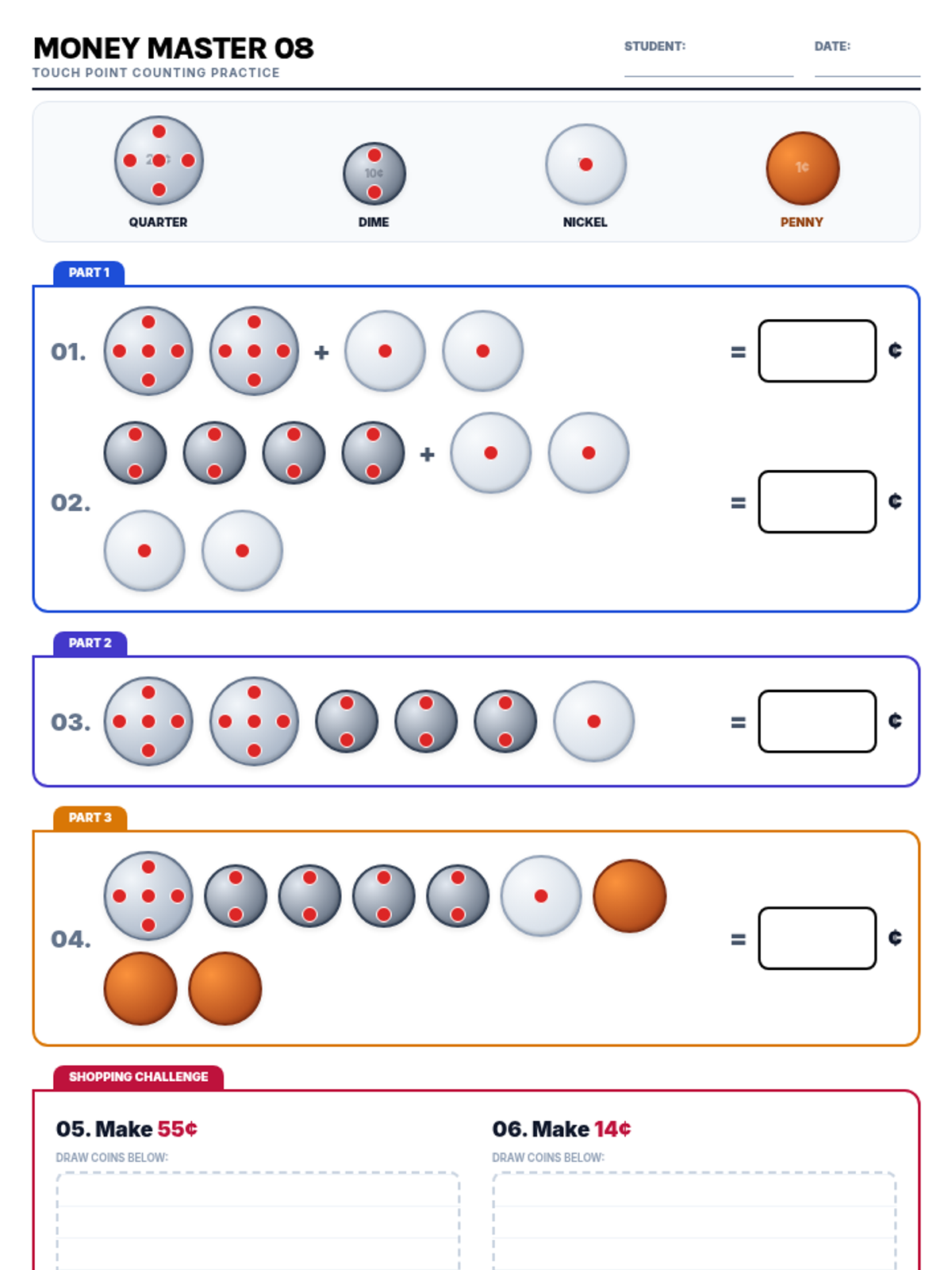
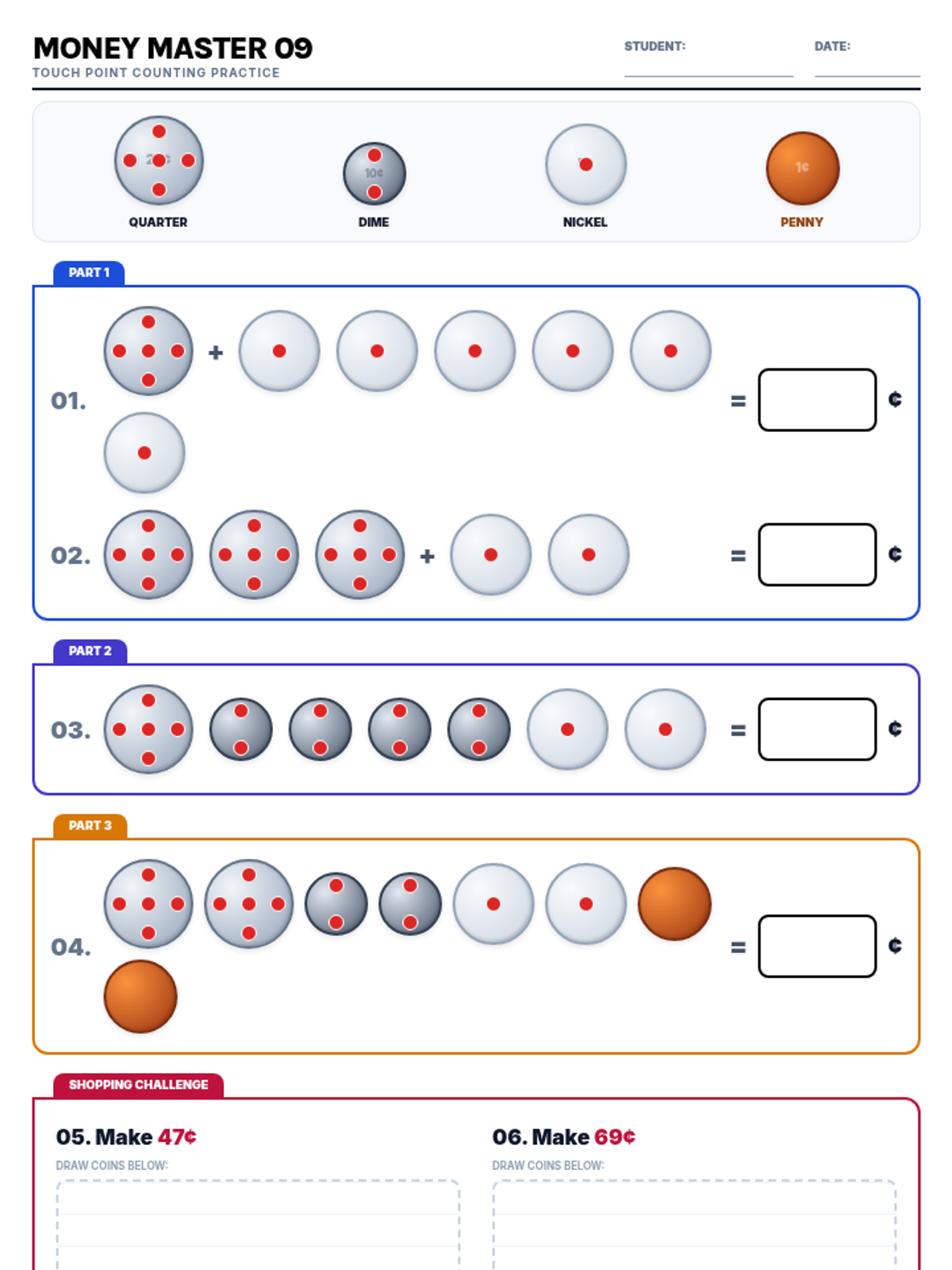
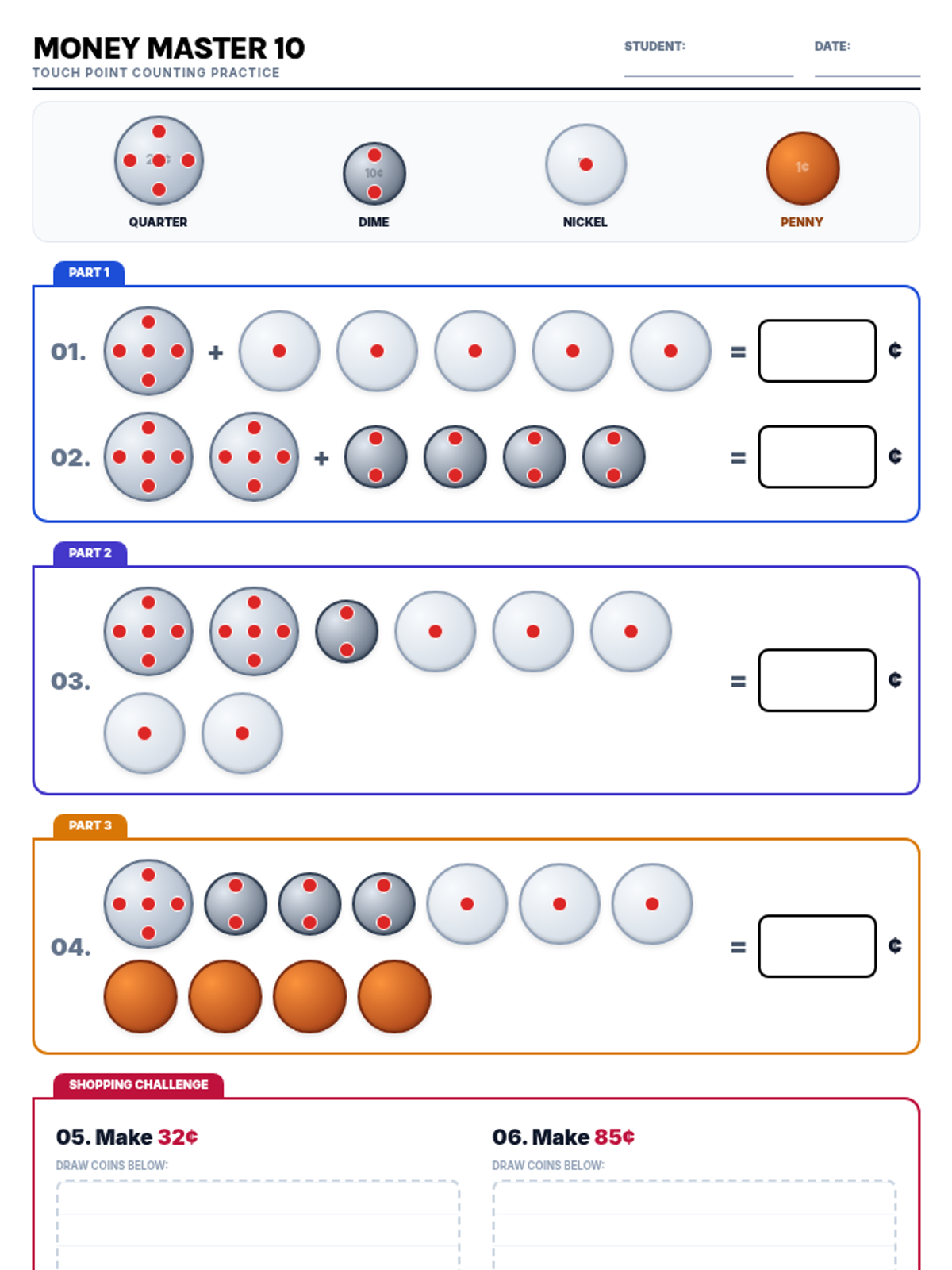
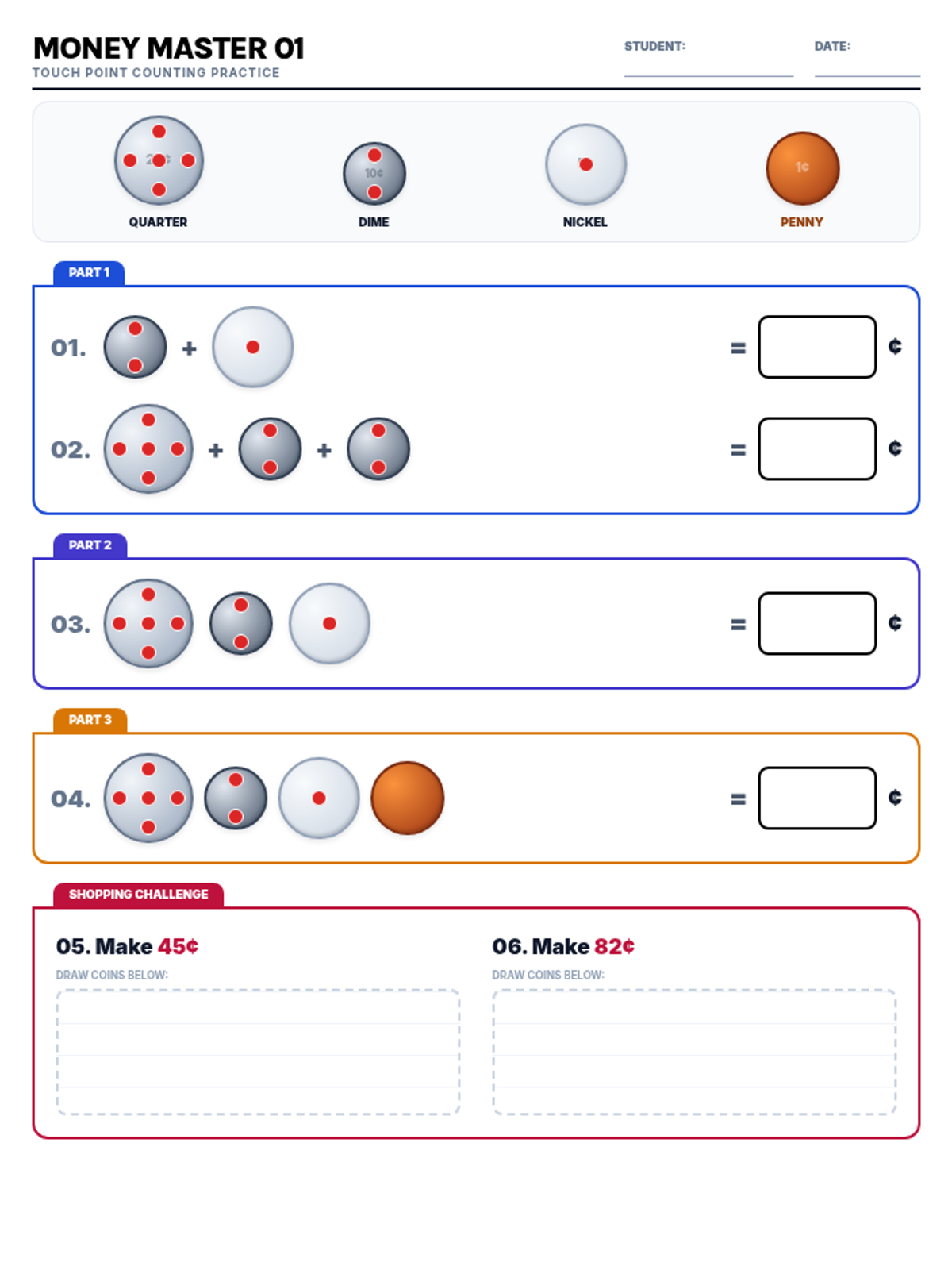
A series of progressive worksheets for high school special needs students to master adding mixed US coins using the Touch Point method. each worksheet increases in complexity, covering two, three, and four coin types including pennies.
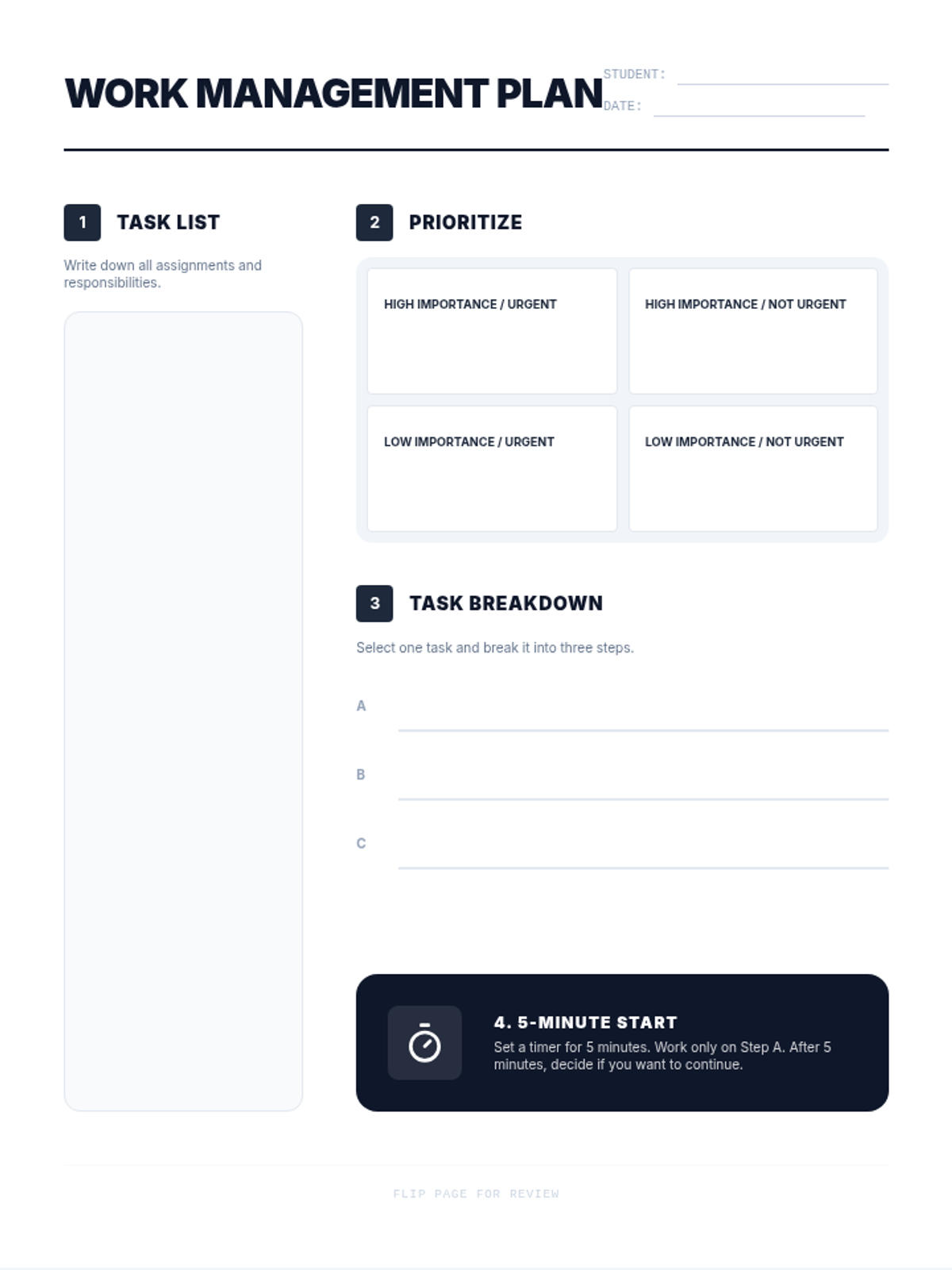
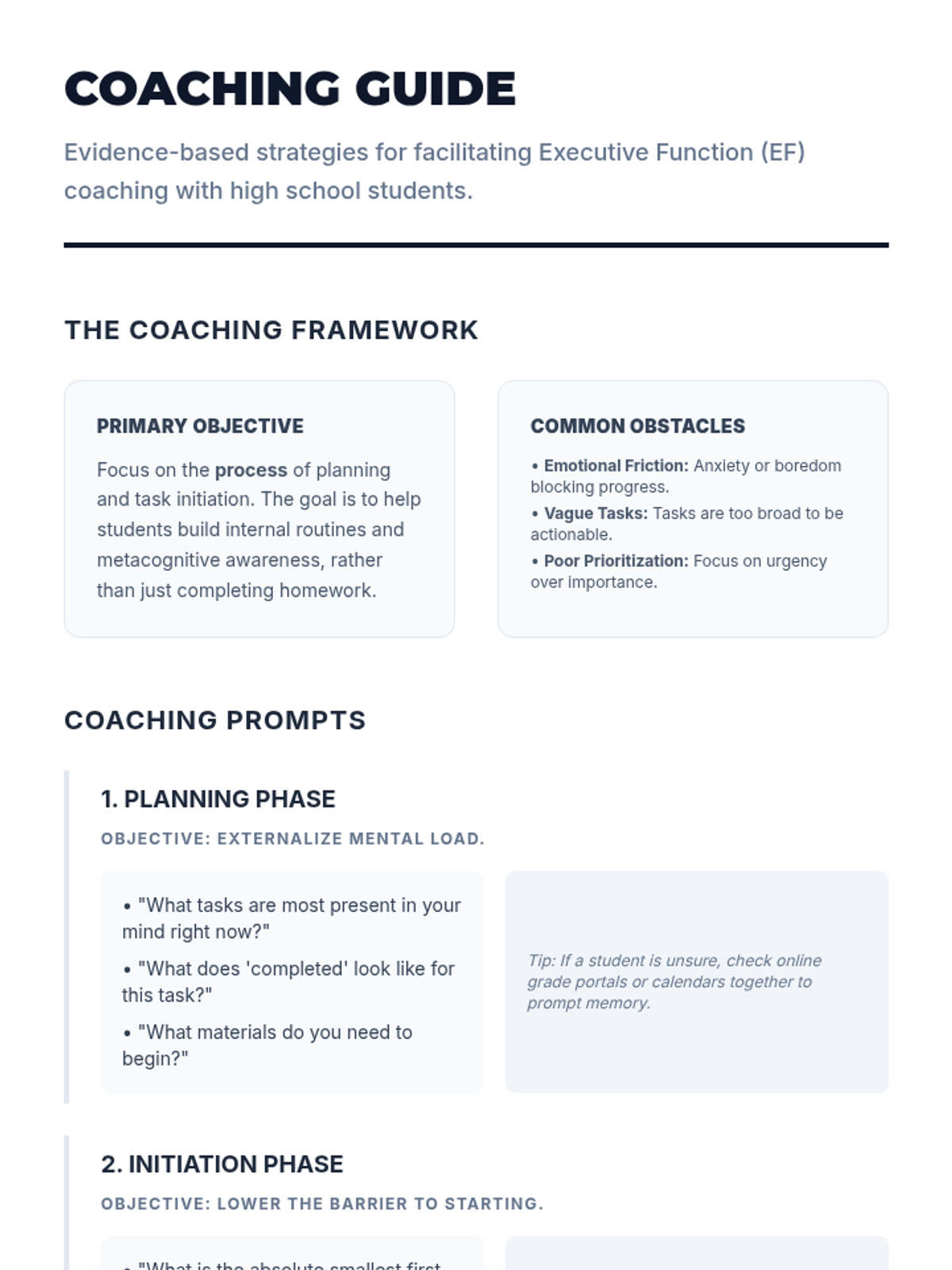
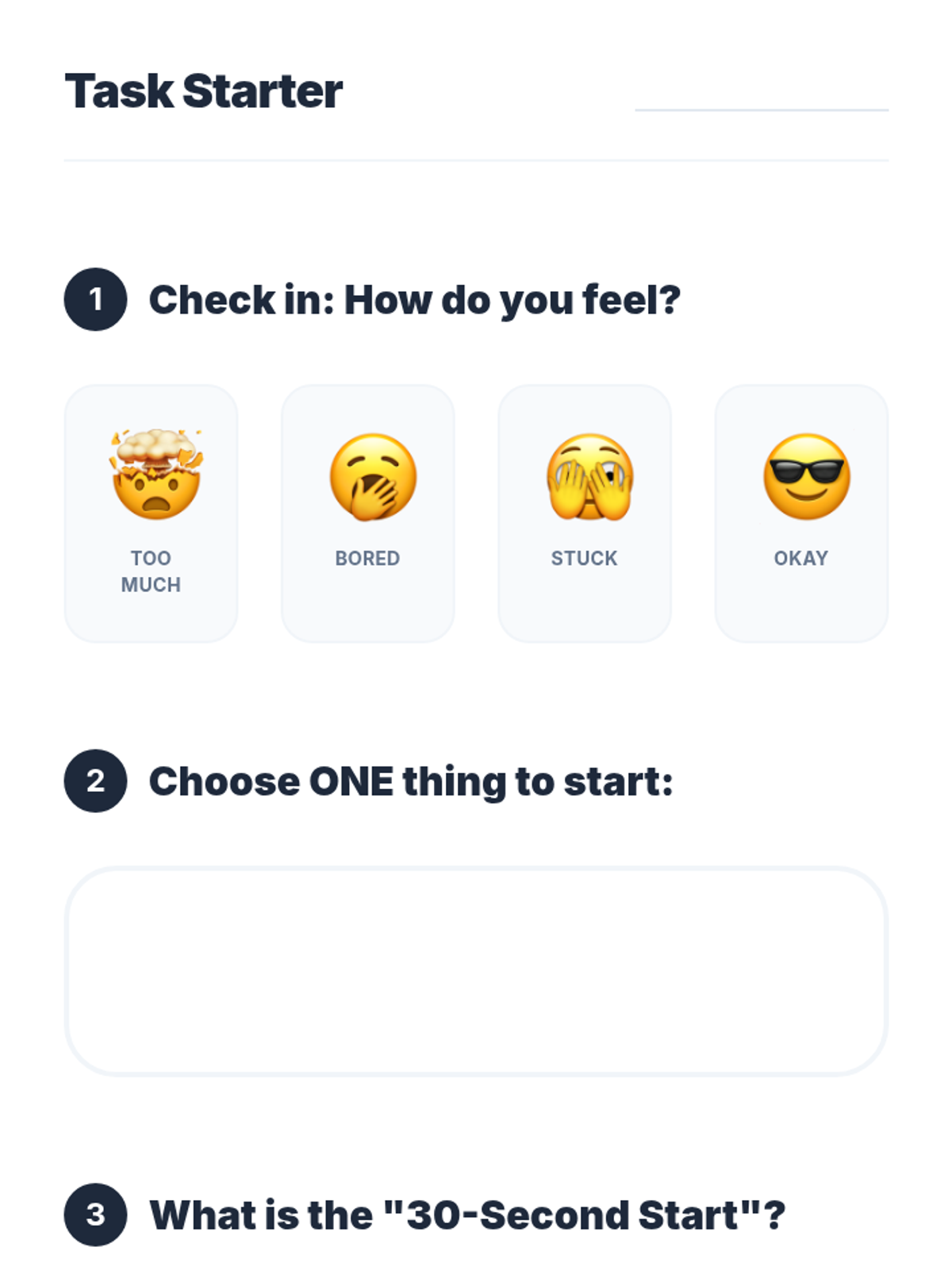
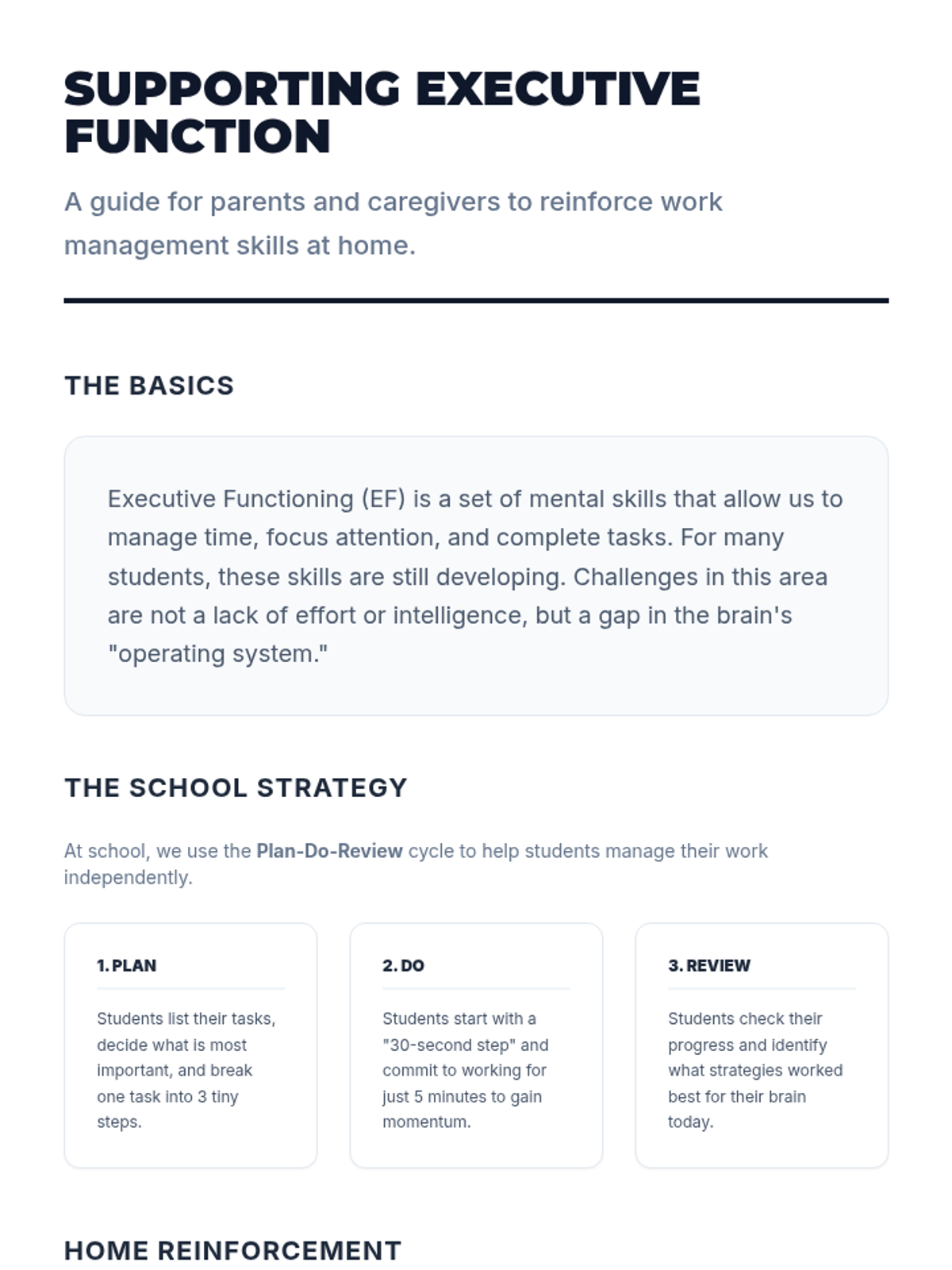
A comprehensive executive function support system for high school students, focusing on metacognitive coaching strategies to manage task initiation, prioritization, and workflow completion. Students move from feeling overwhelmed to having a clear, actionable strategic plan for their schoolwork.
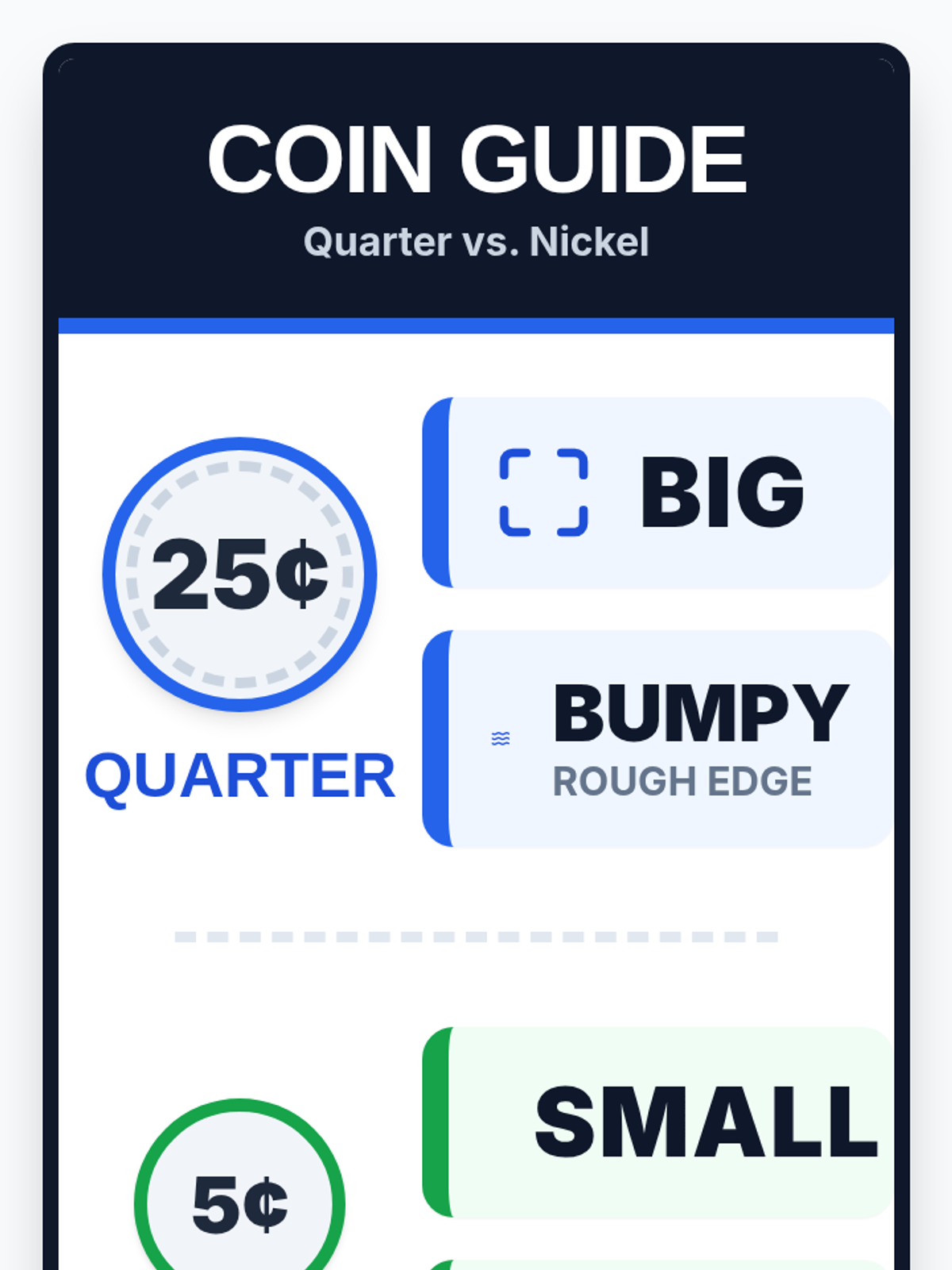
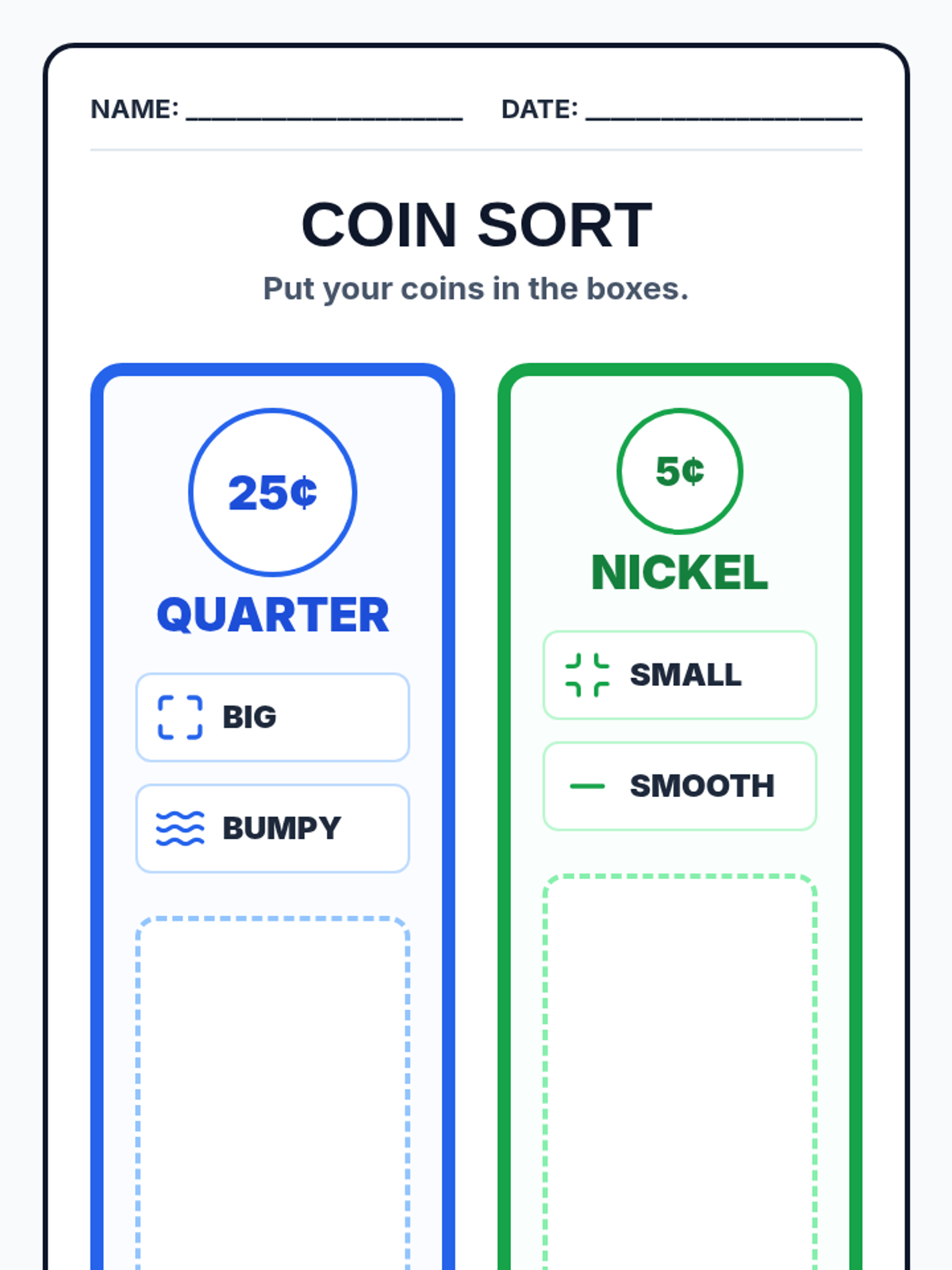
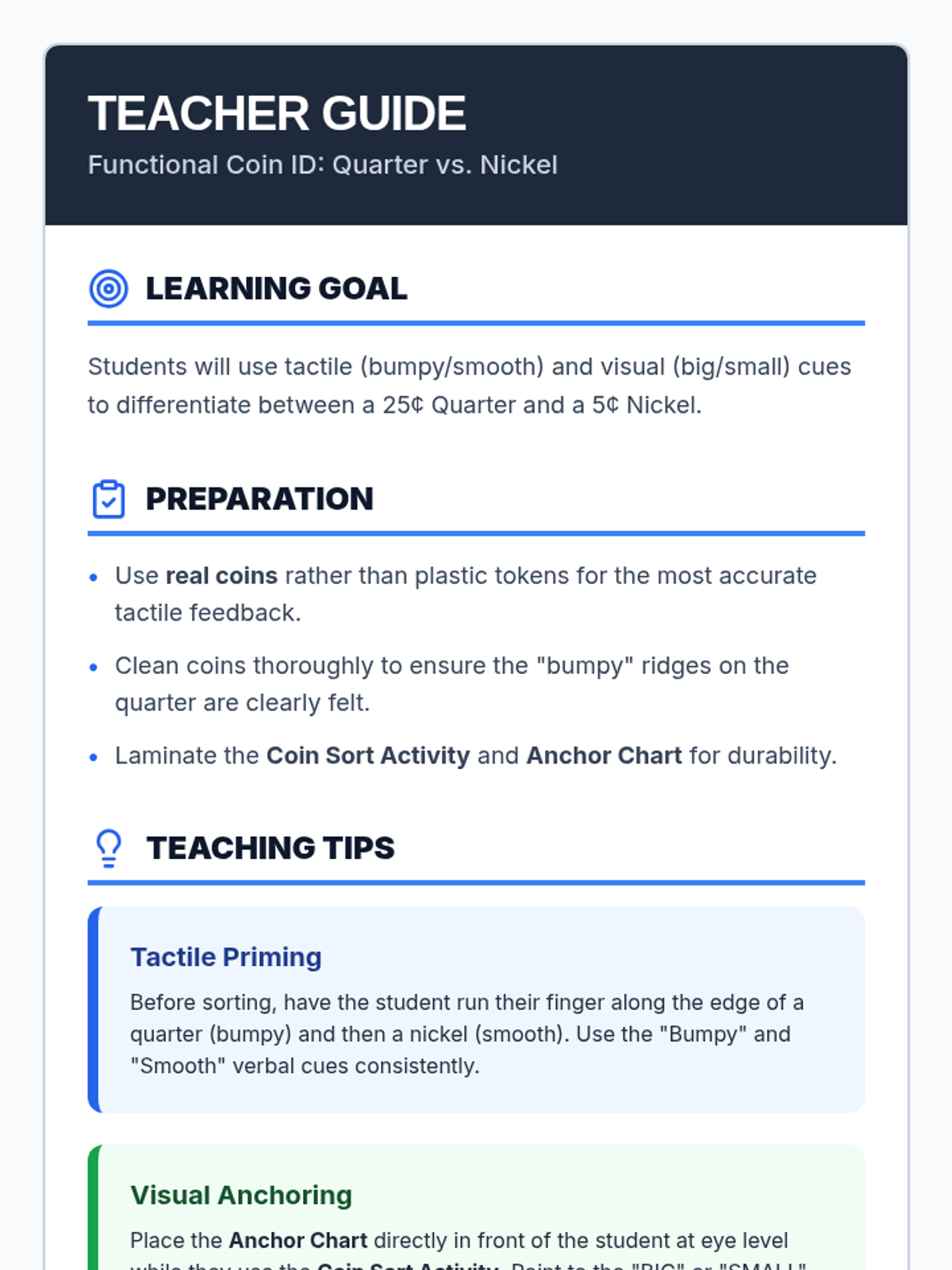
A focused lesson on differentiating quarters and nickels using visual and tactile cues, specifically designed for students with severe intellectual disabilities.
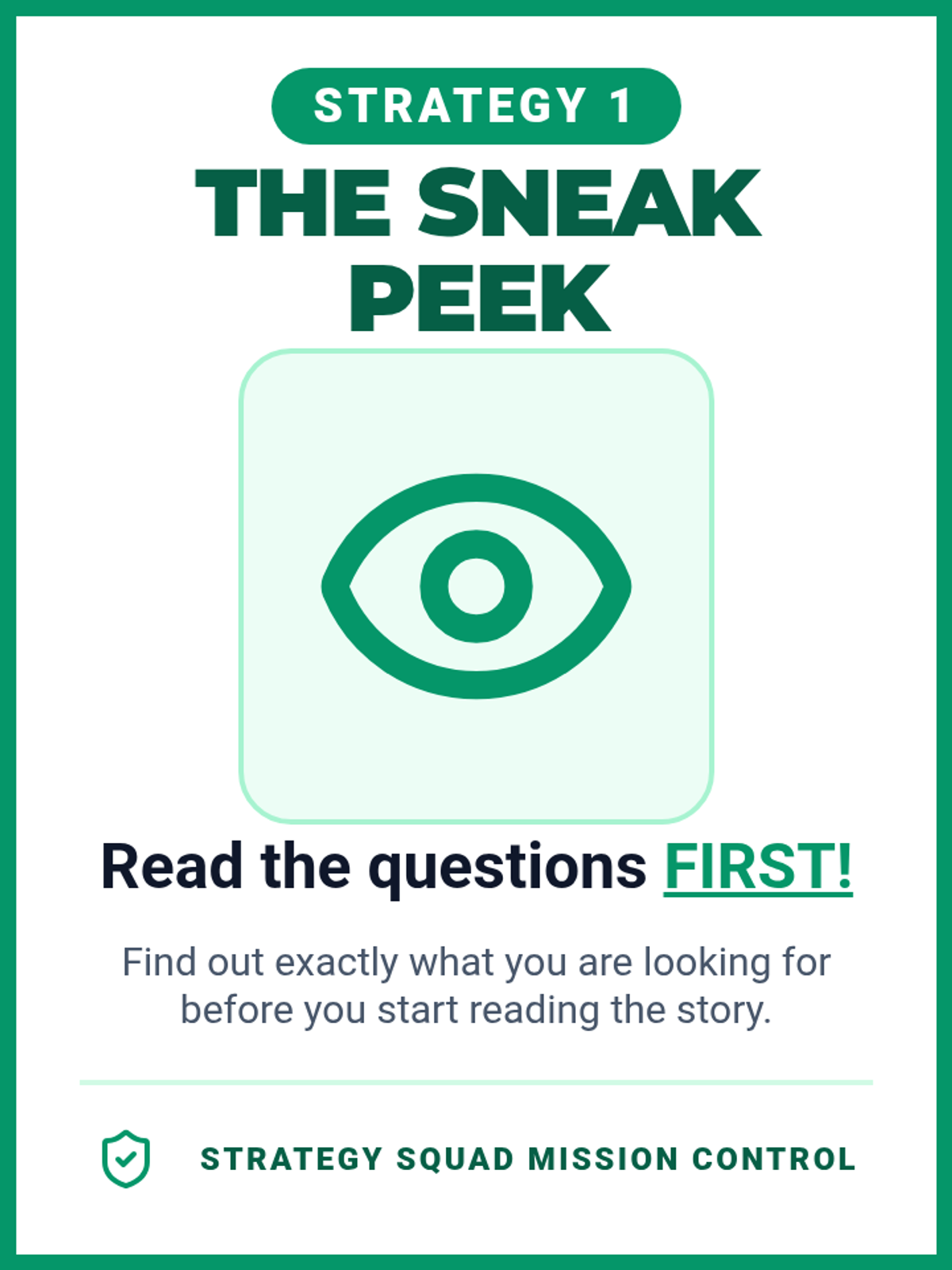
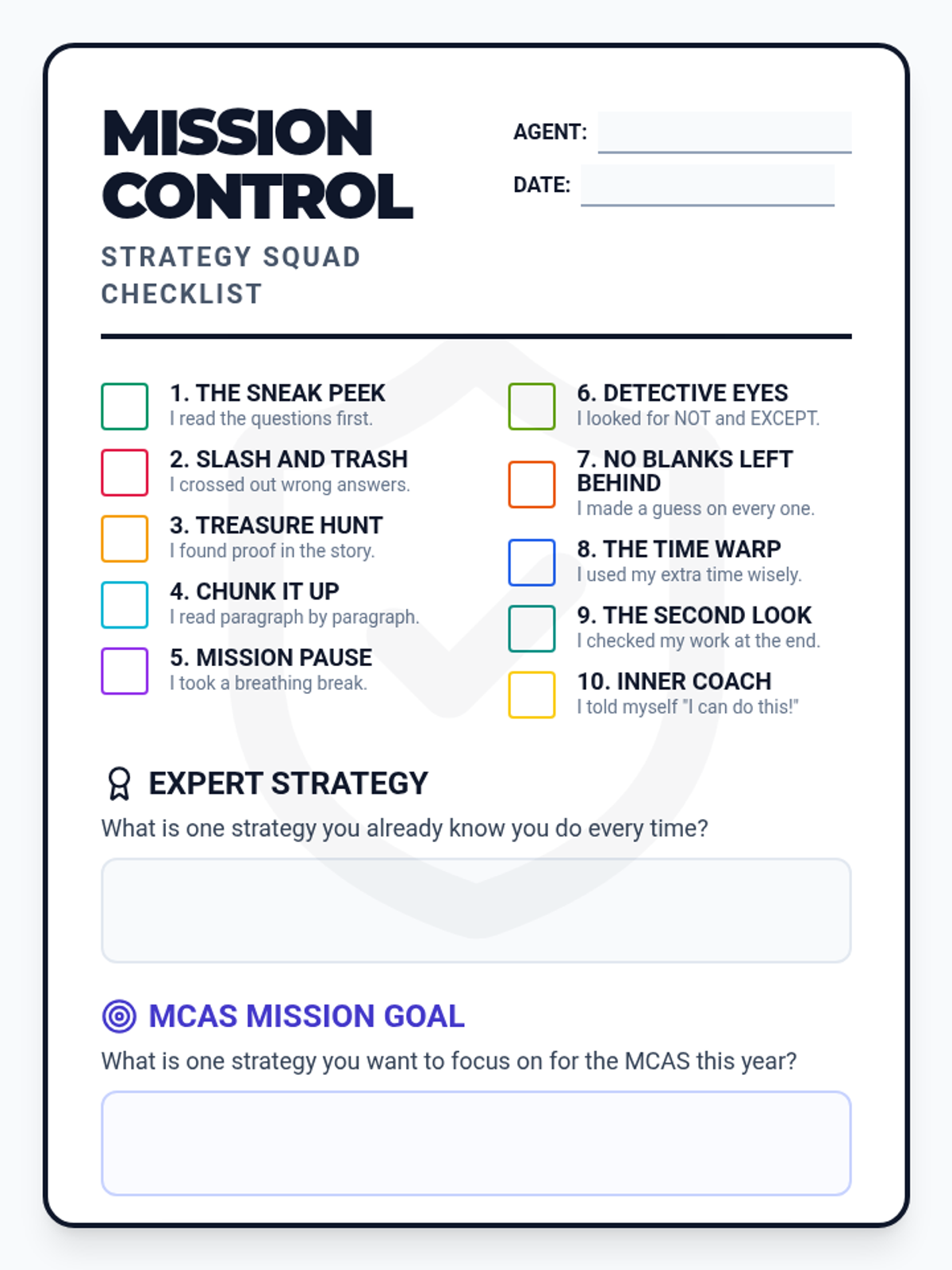
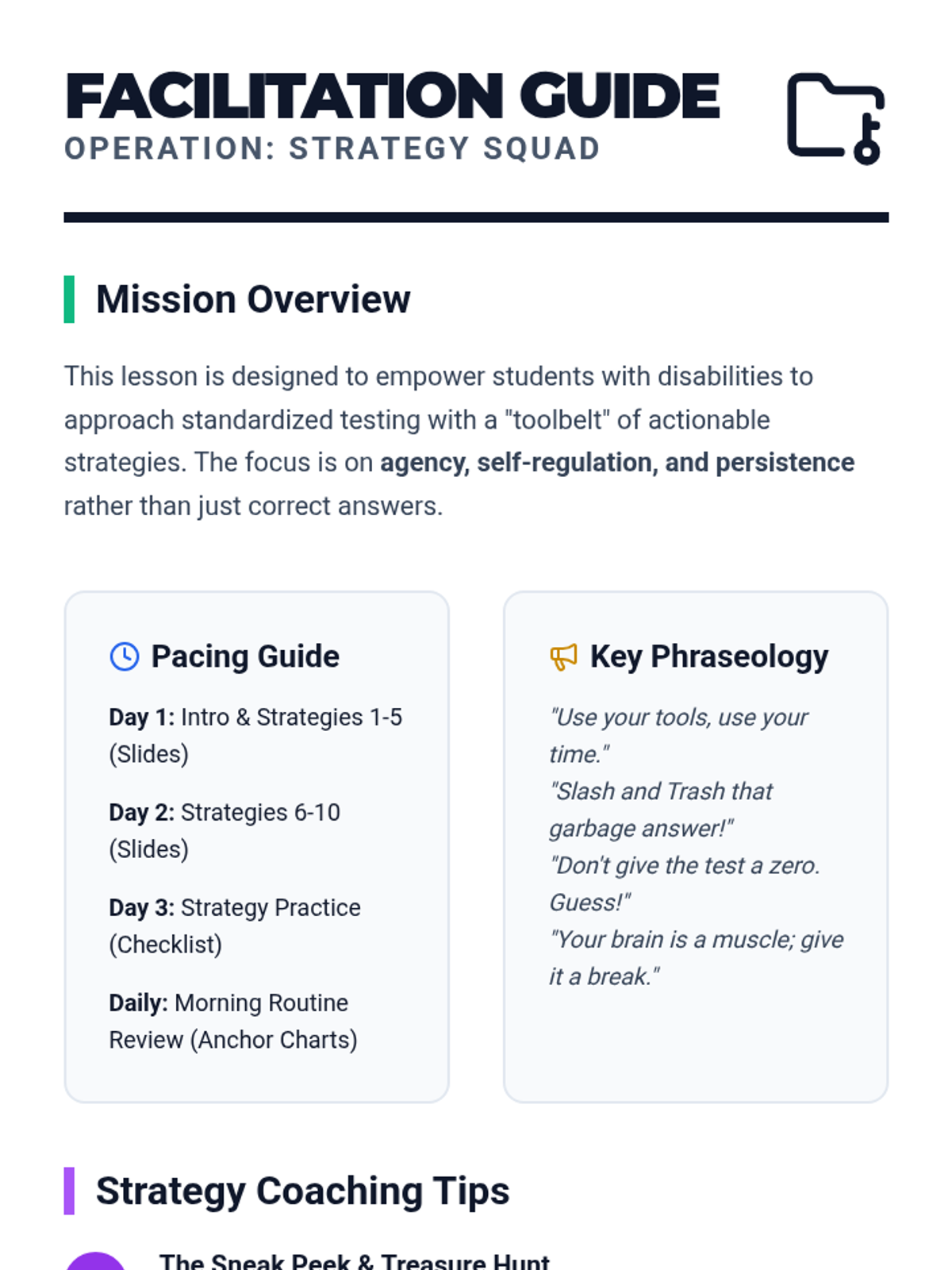
A comprehensive set of strategies designed to empower students with disabilities to tackle standardized tests with confidence, focus, and effective tools. Includes a mission-themed slide deck and visual anchor charts for the classroom.
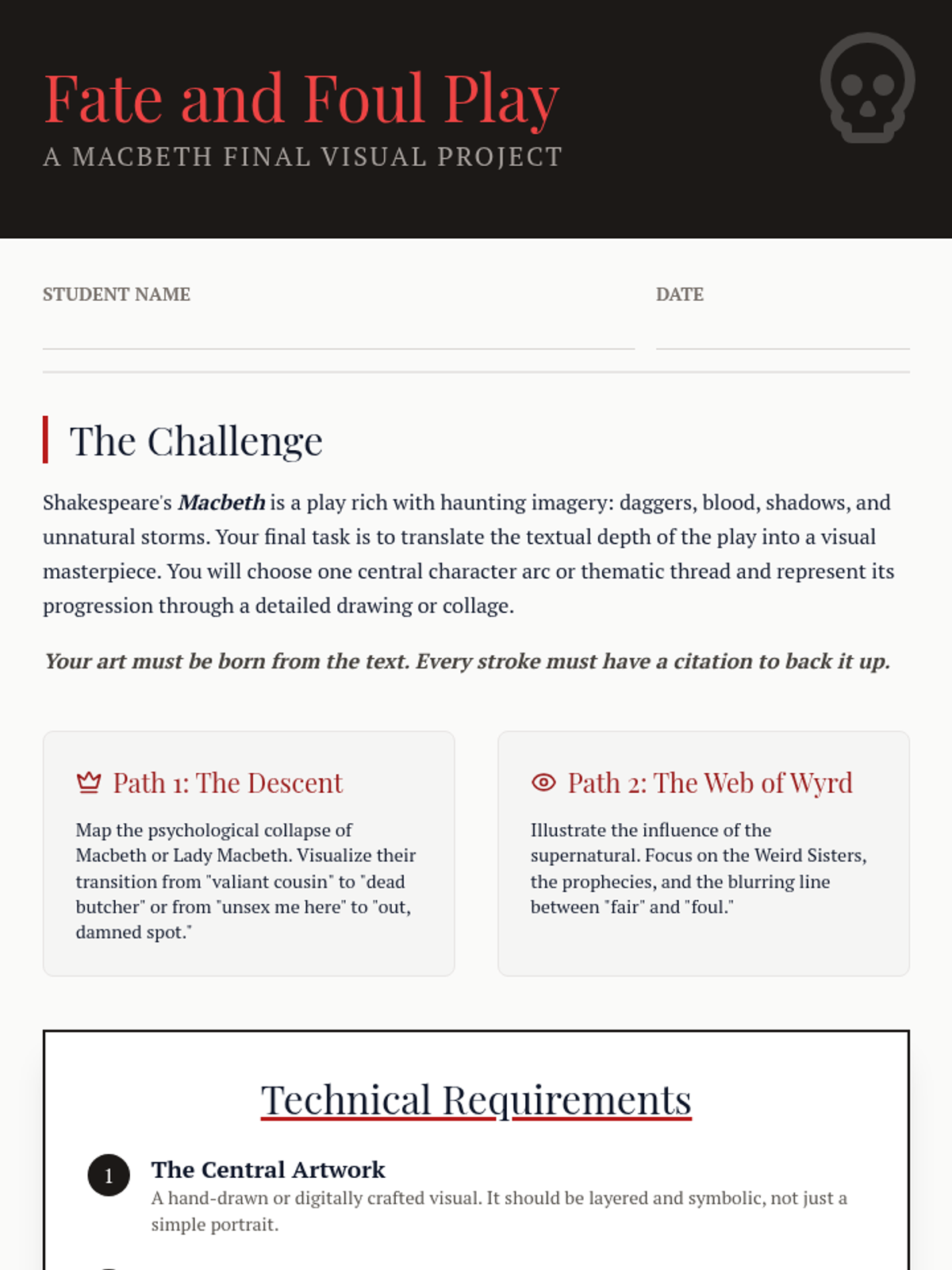
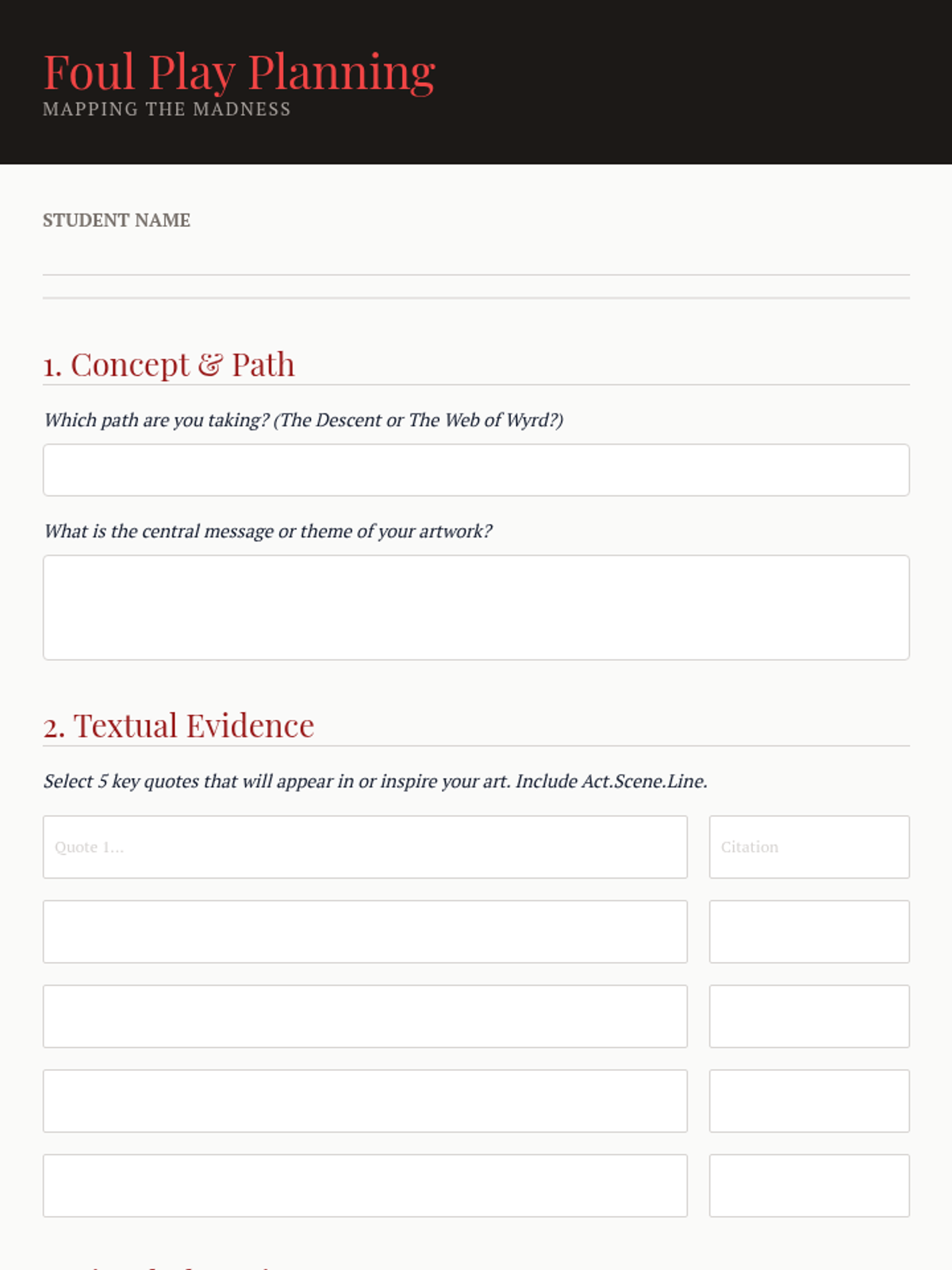
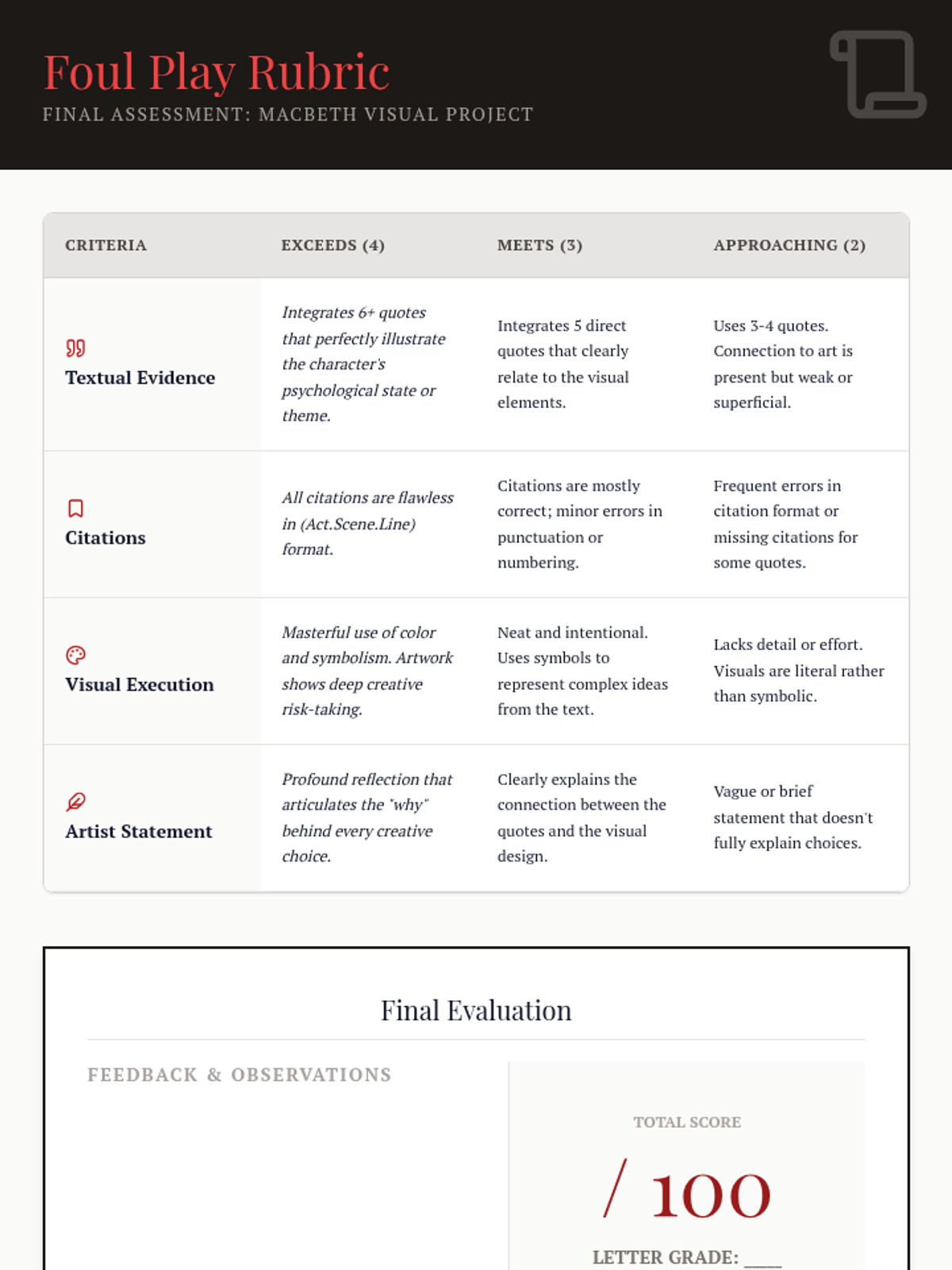
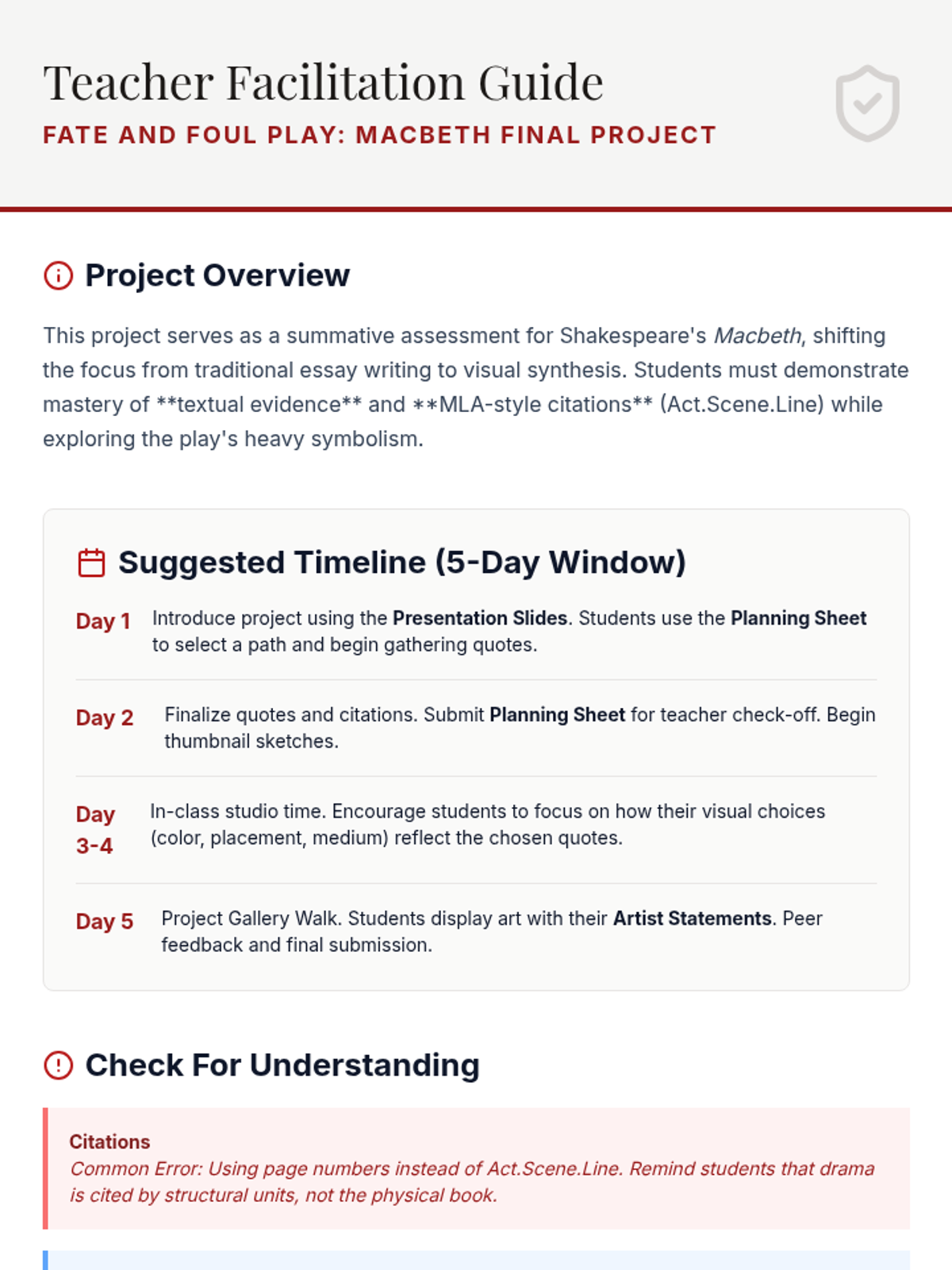
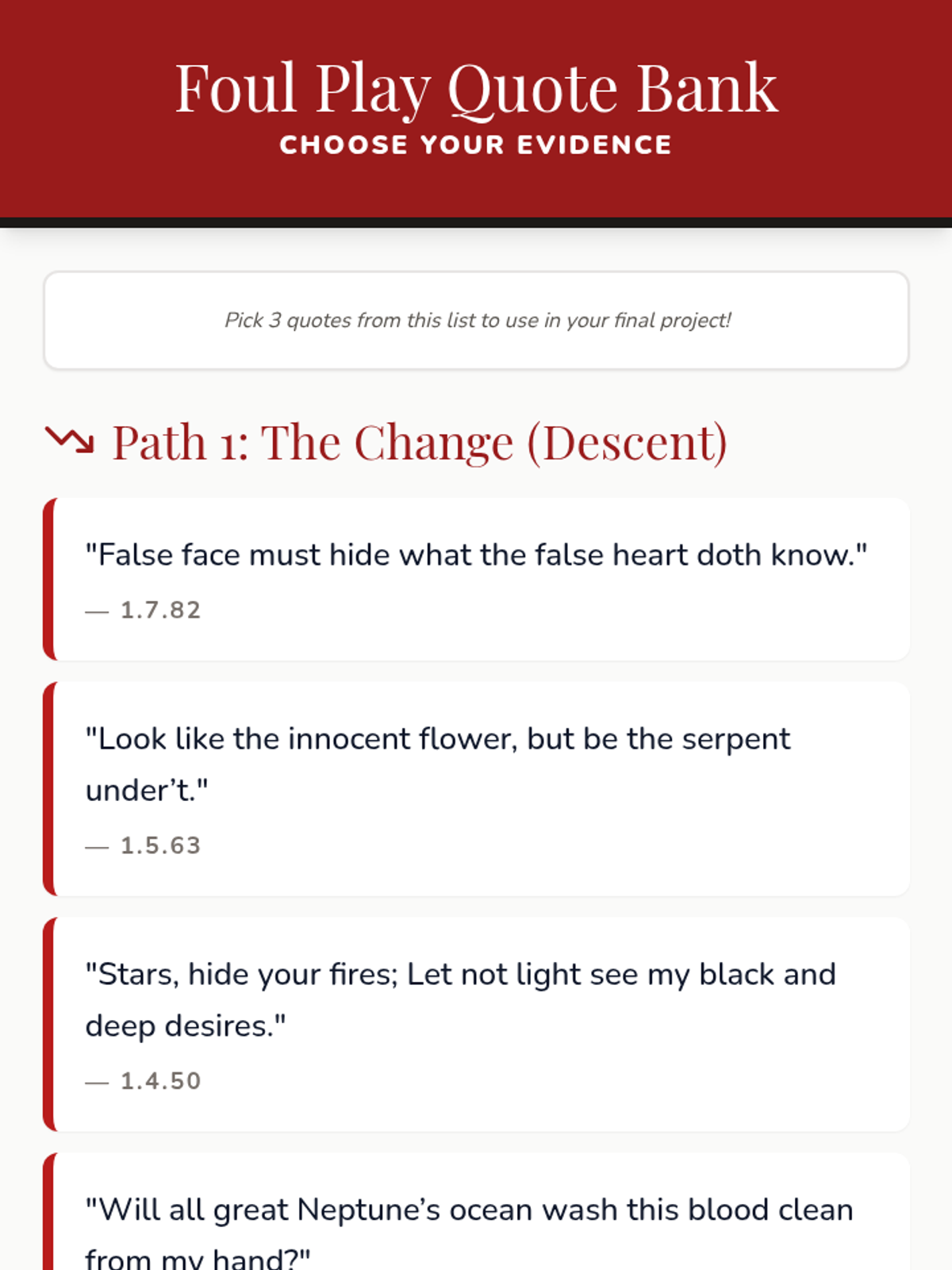
A creative final project for Shakespeare's Macbeth that requires students to synthesize textual evidence with visual art. Students choose a central theme or character arc to illustrate, supporting their artistic choices with cited quotes from the play.
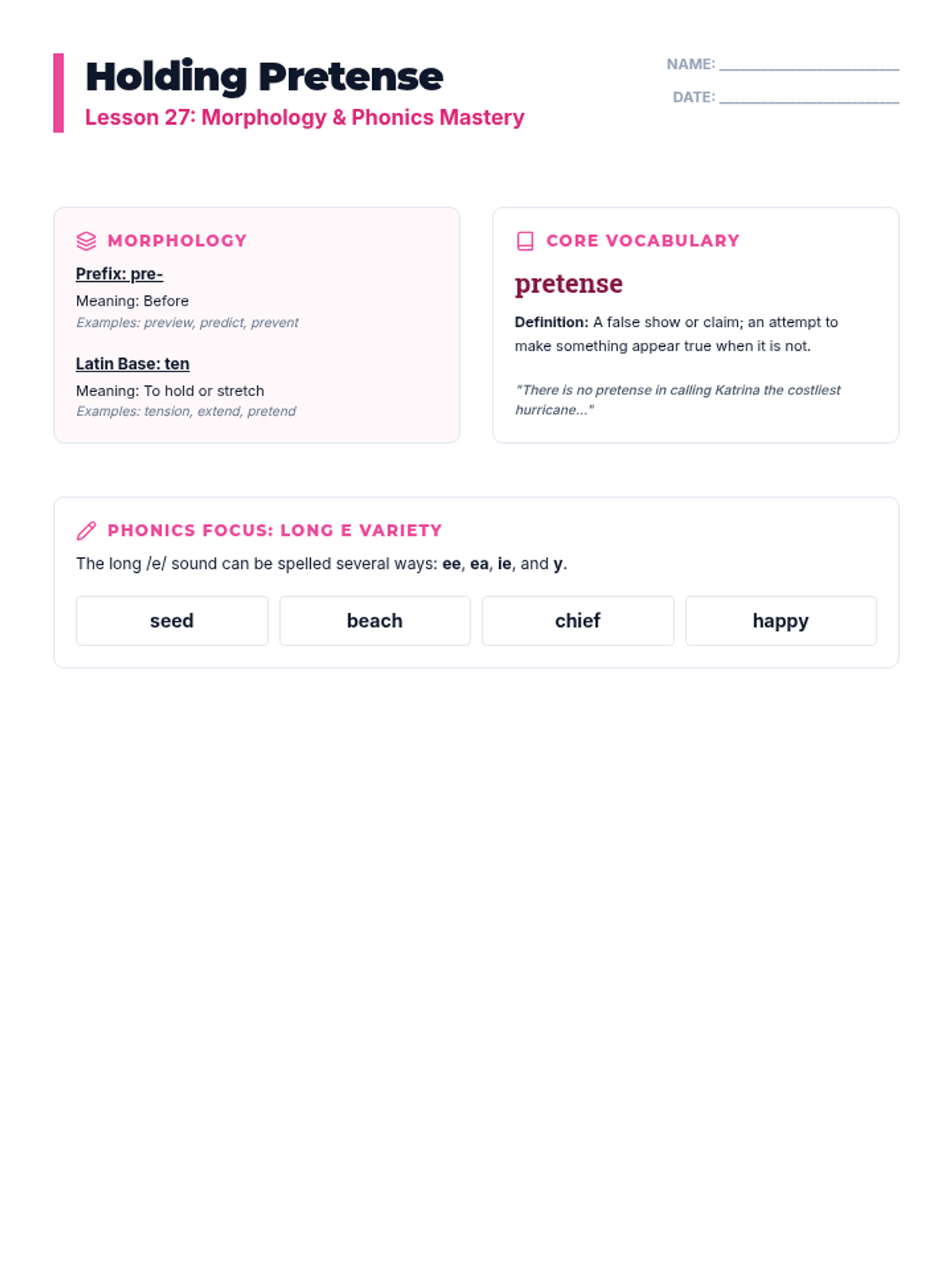
Focuses on the prefix pre- and the root ten, with the vocabulary word 'pretense'. Teaches Long E vowel teams (ee, ea, ie, y).
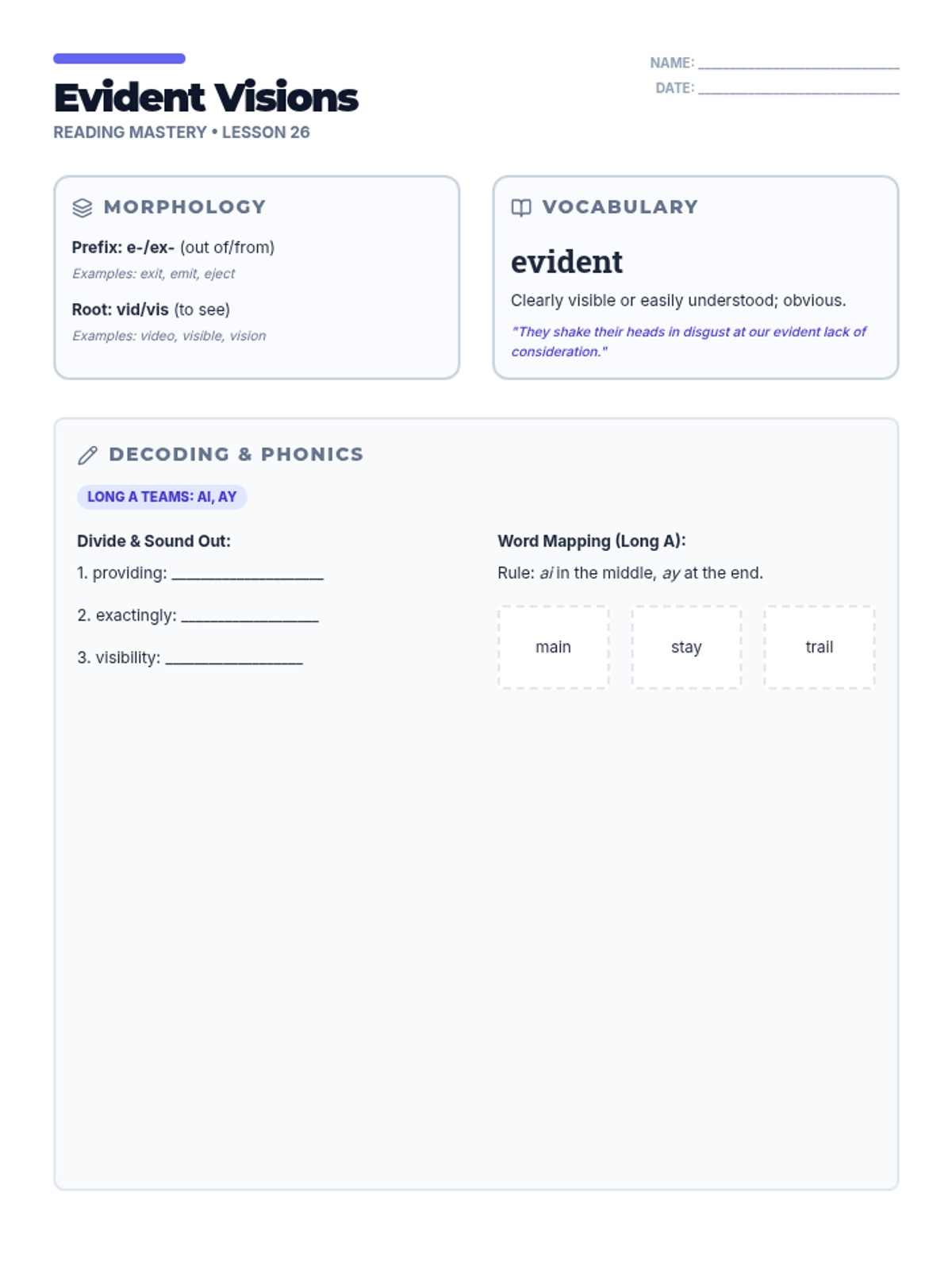
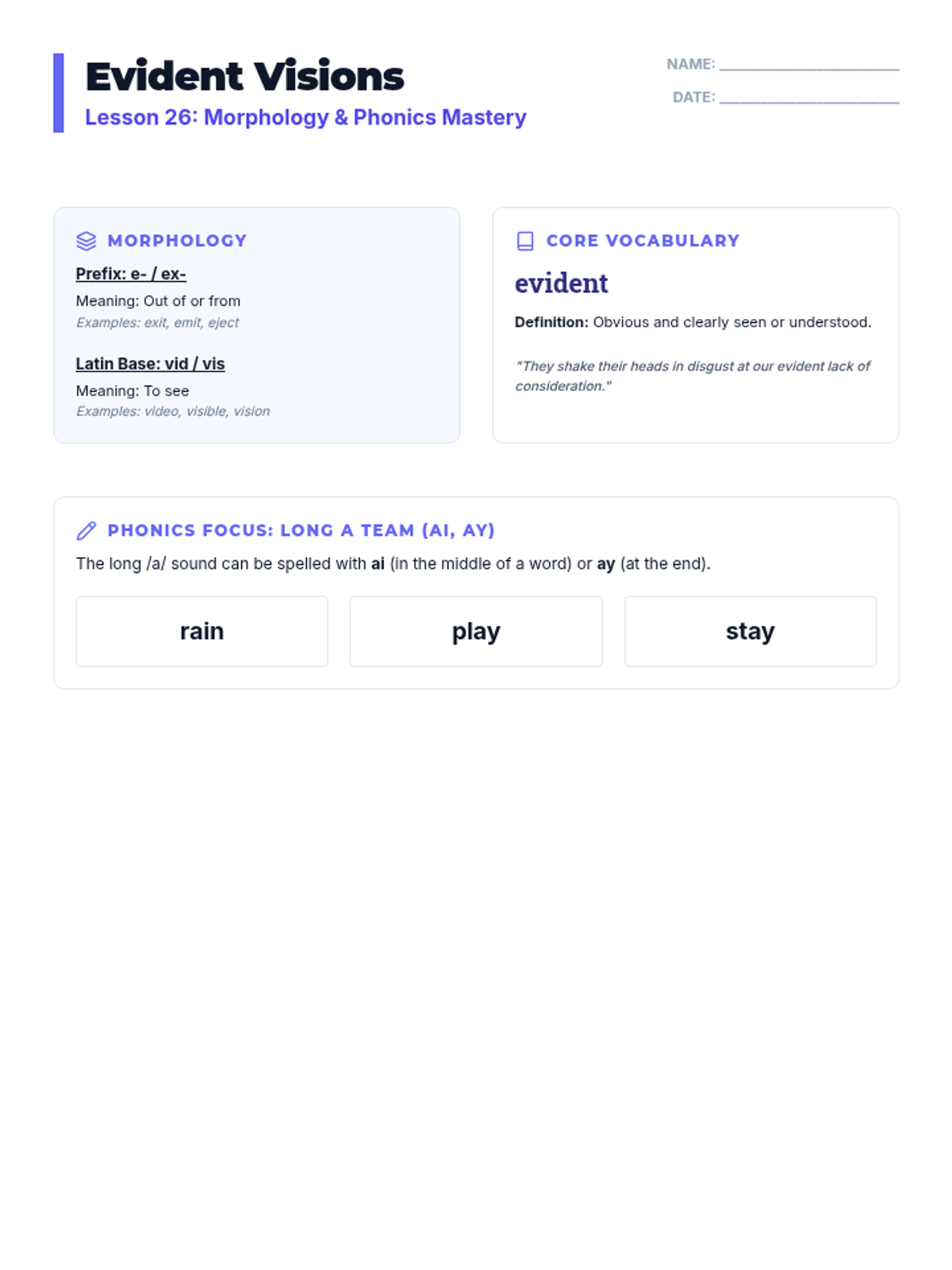
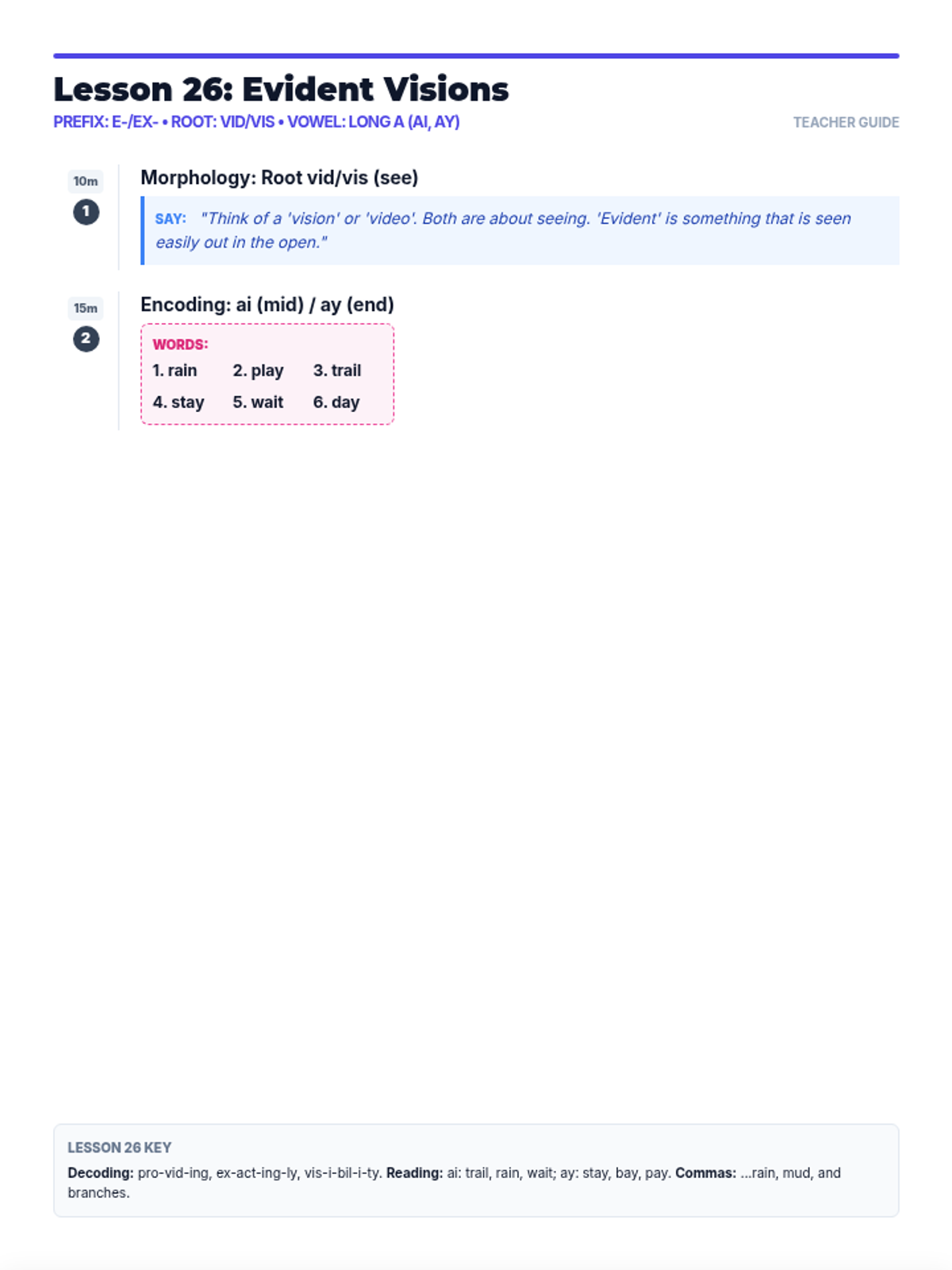
Focuses on the prefix e-/ex- and the root vid/vis, with the vocabulary word 'evident'. Teaches Long A vowel teams (ai, ay).