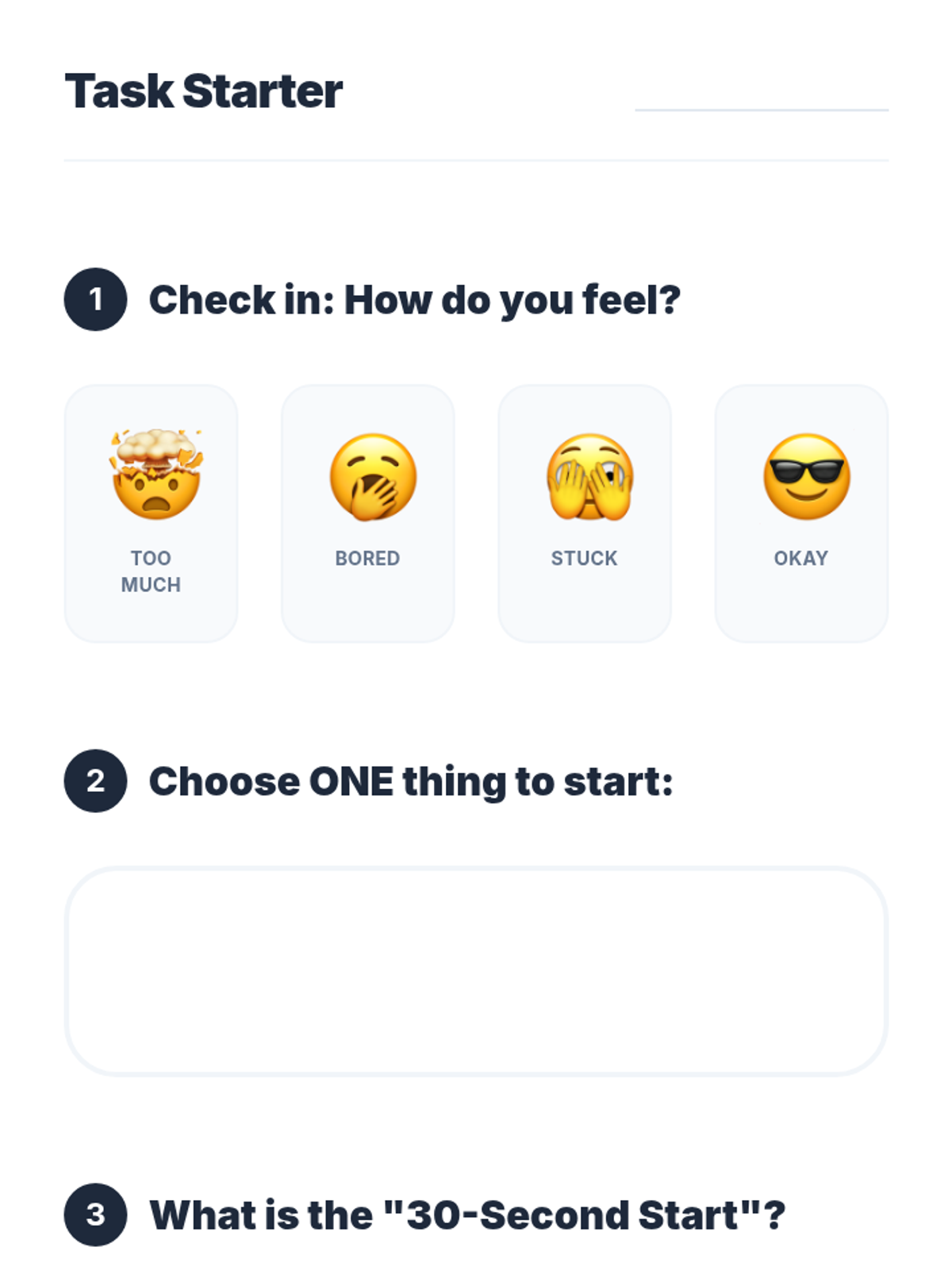
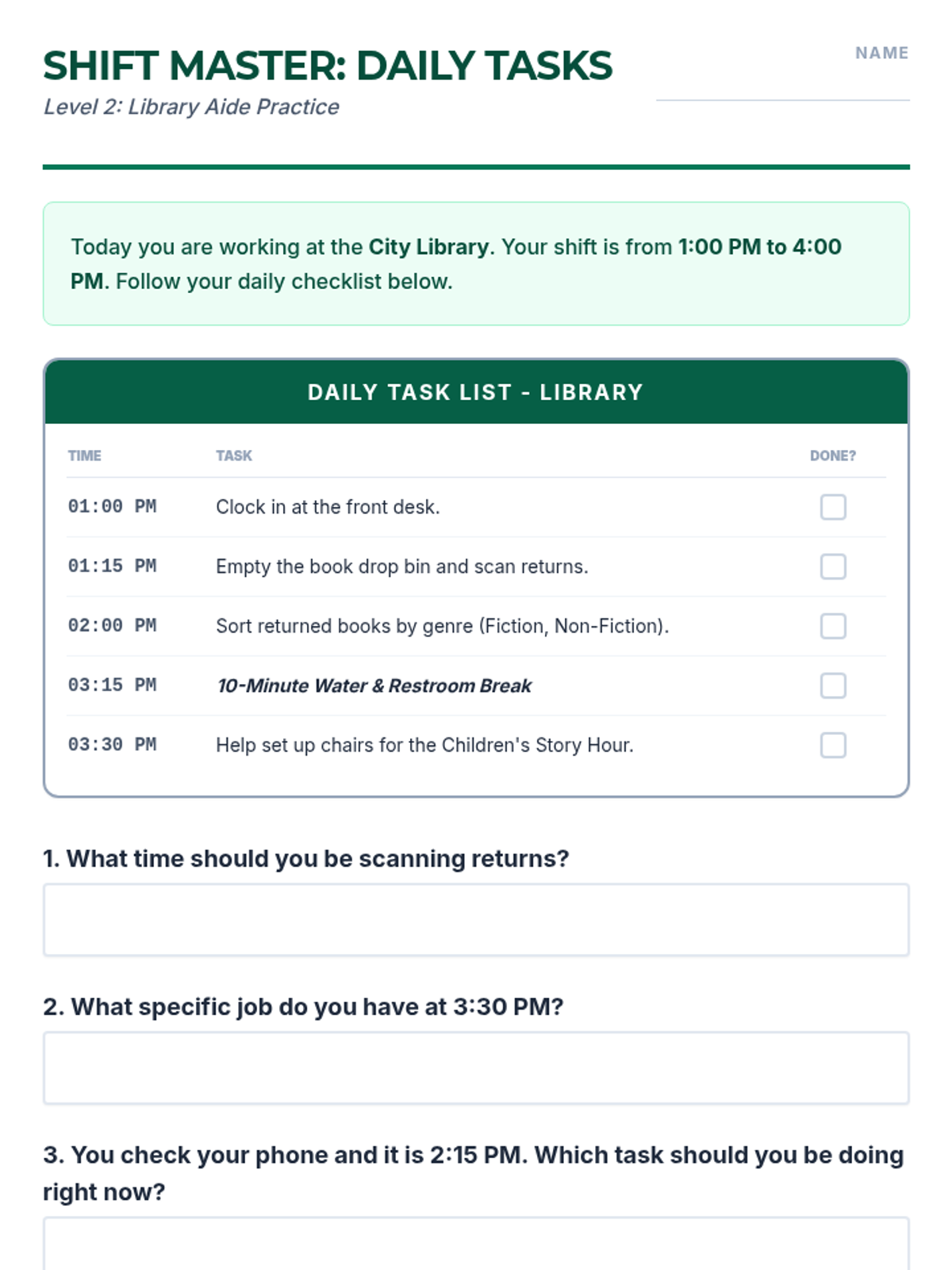
Techniques for task initiation, strategic break management, and navigating transitions through minimal prompting and self-talk strategies. Addresses multi-day project completion, adaptive planning, and problem-solving when facing obstacles.
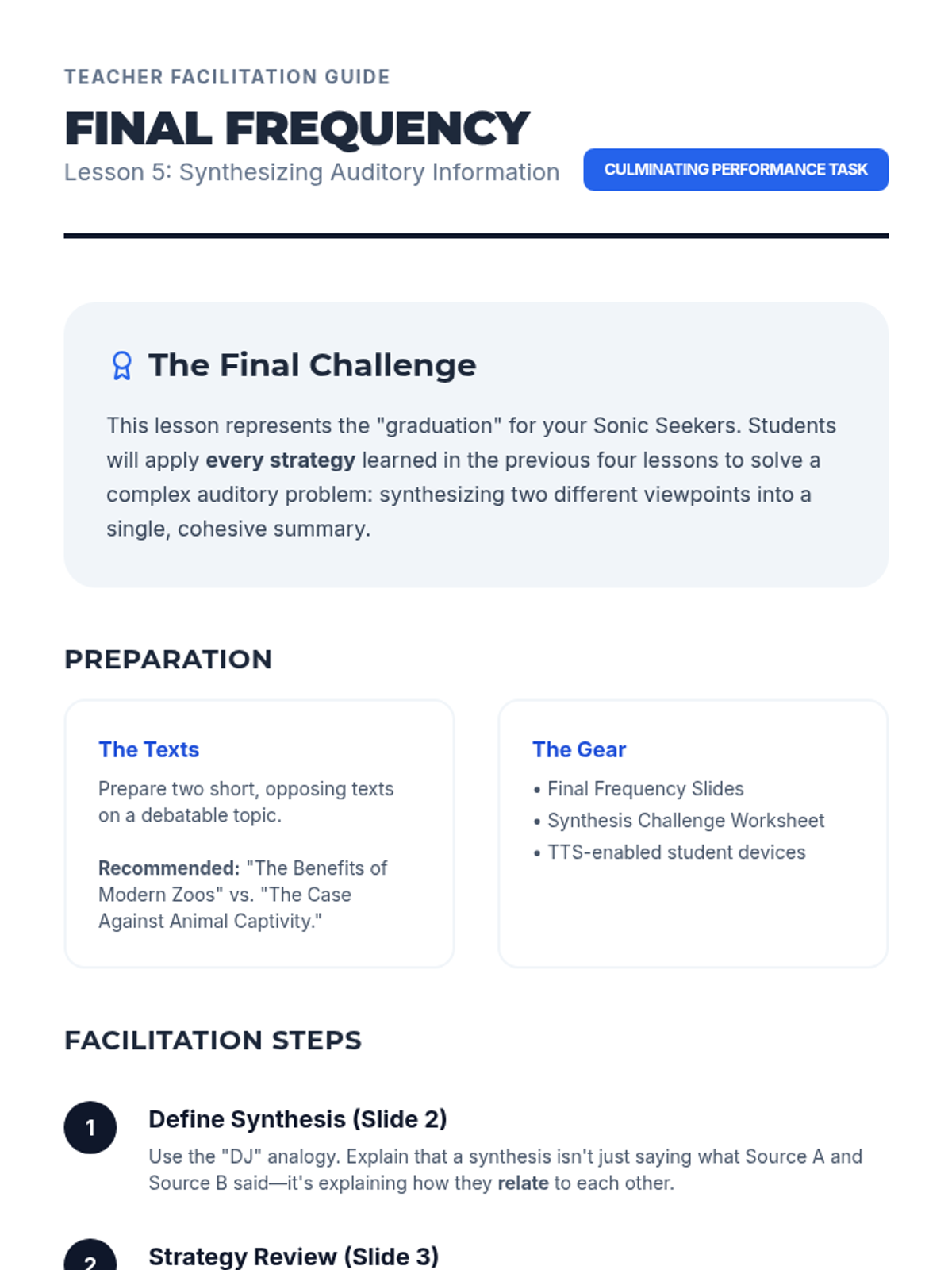
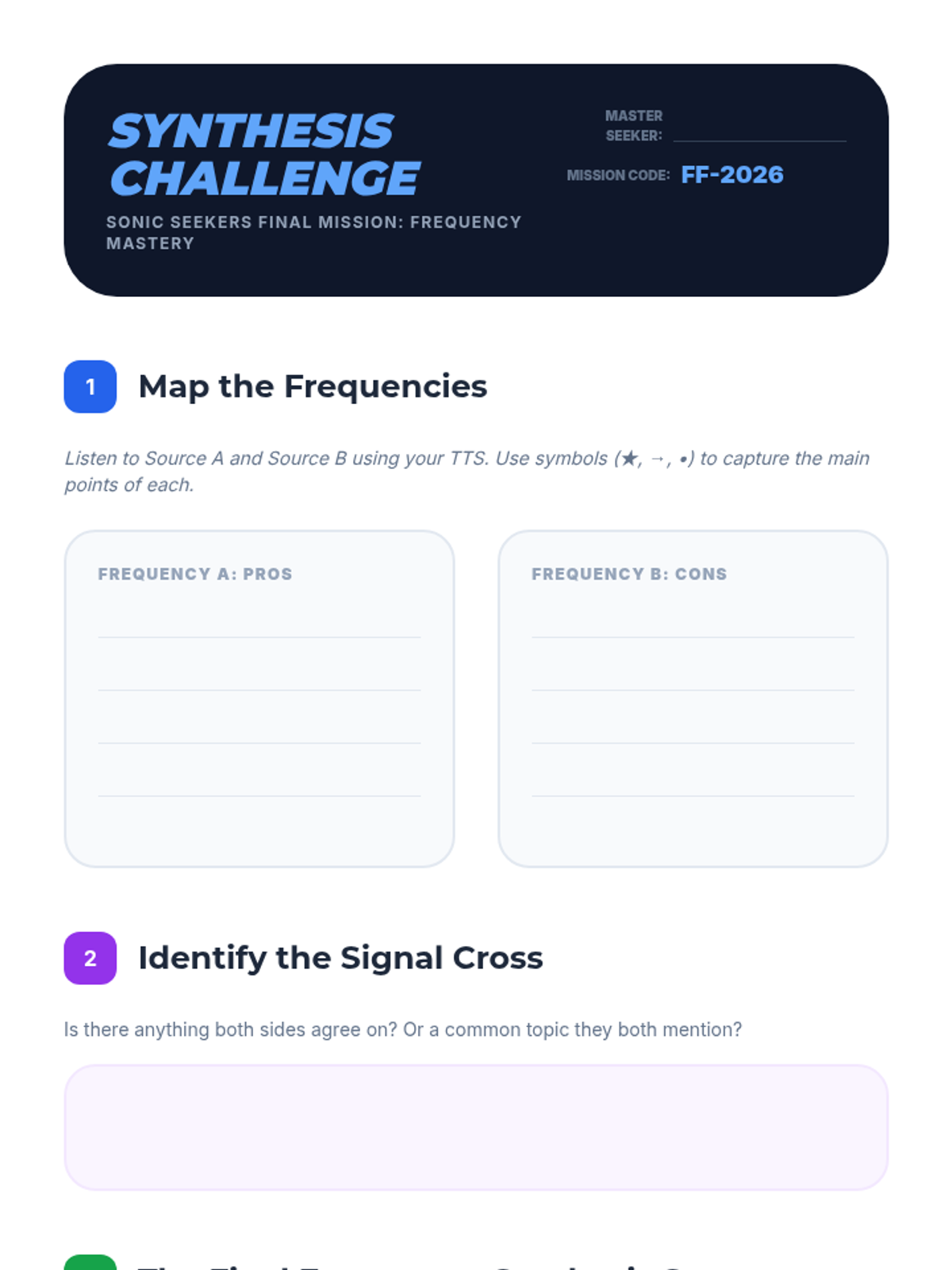
Students listen to two contrasting viewpoints on a topic using TTS and synthesize the information into a coherent summary. This tests their ability to maintain focus and organize auditory information over a longer duration.
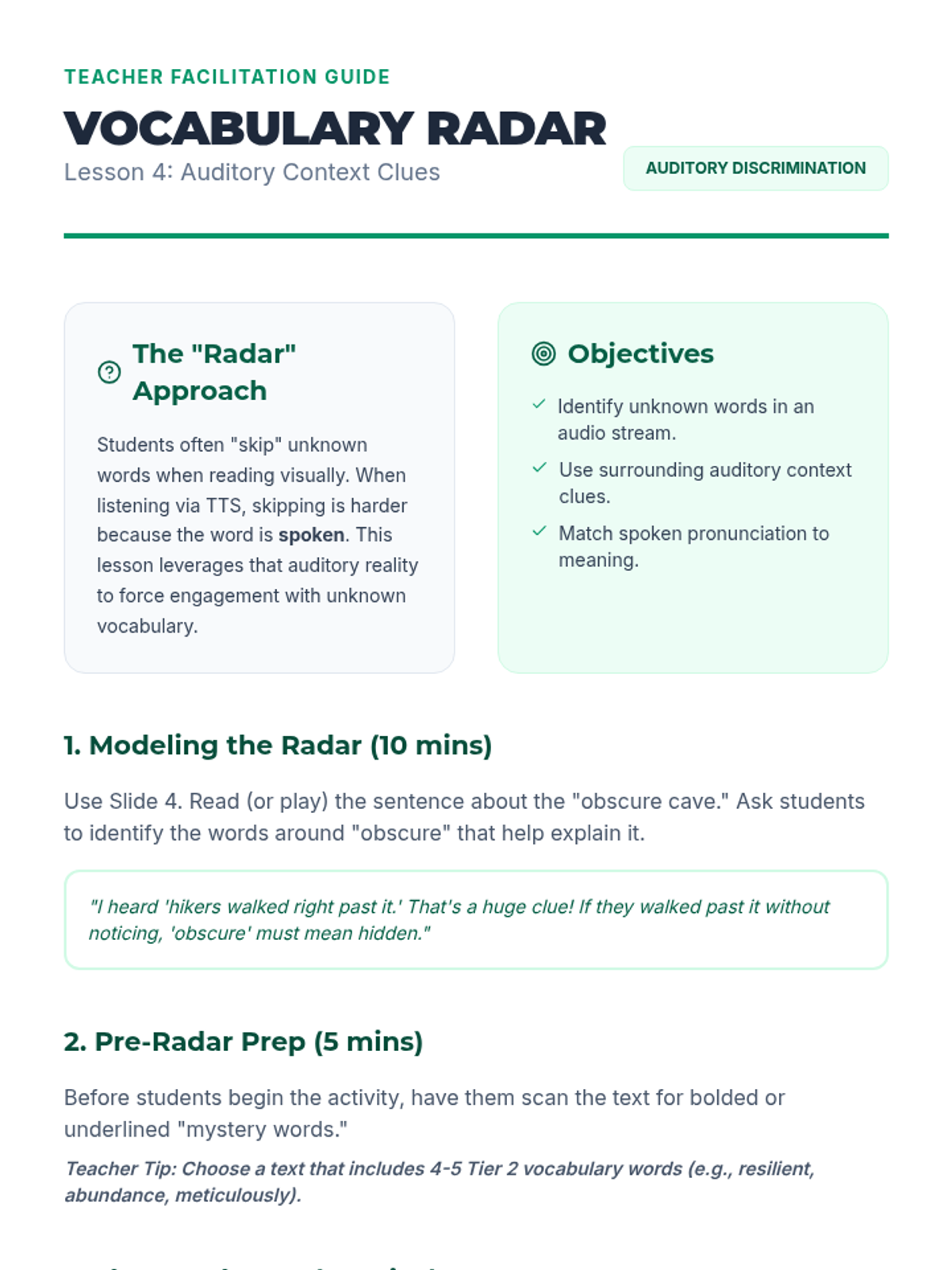
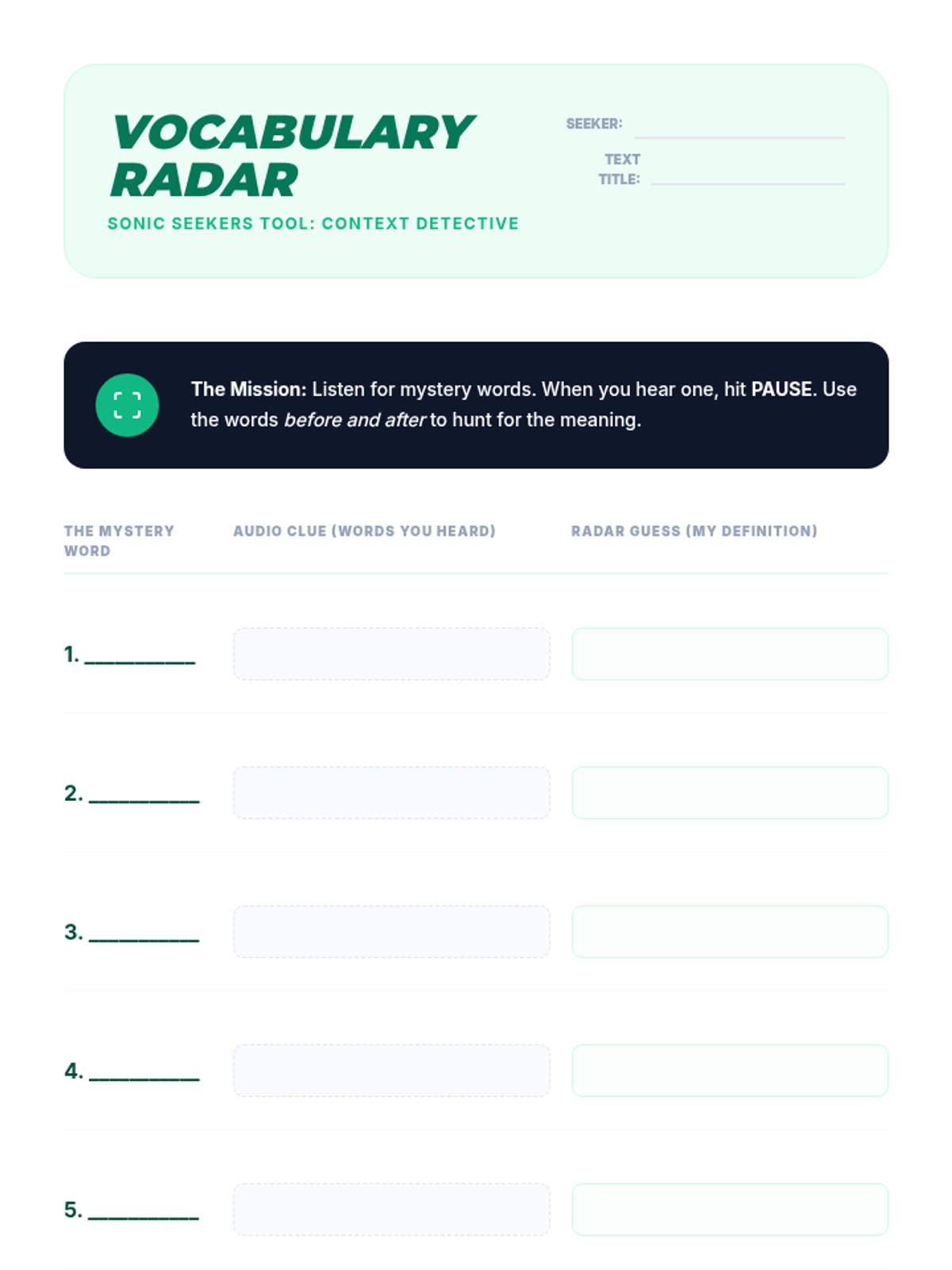
Students encounter challenging vocabulary words within a text. They use TTS to hear proper pronunciation and use context clues from the audio flow to define words before checking definitions.
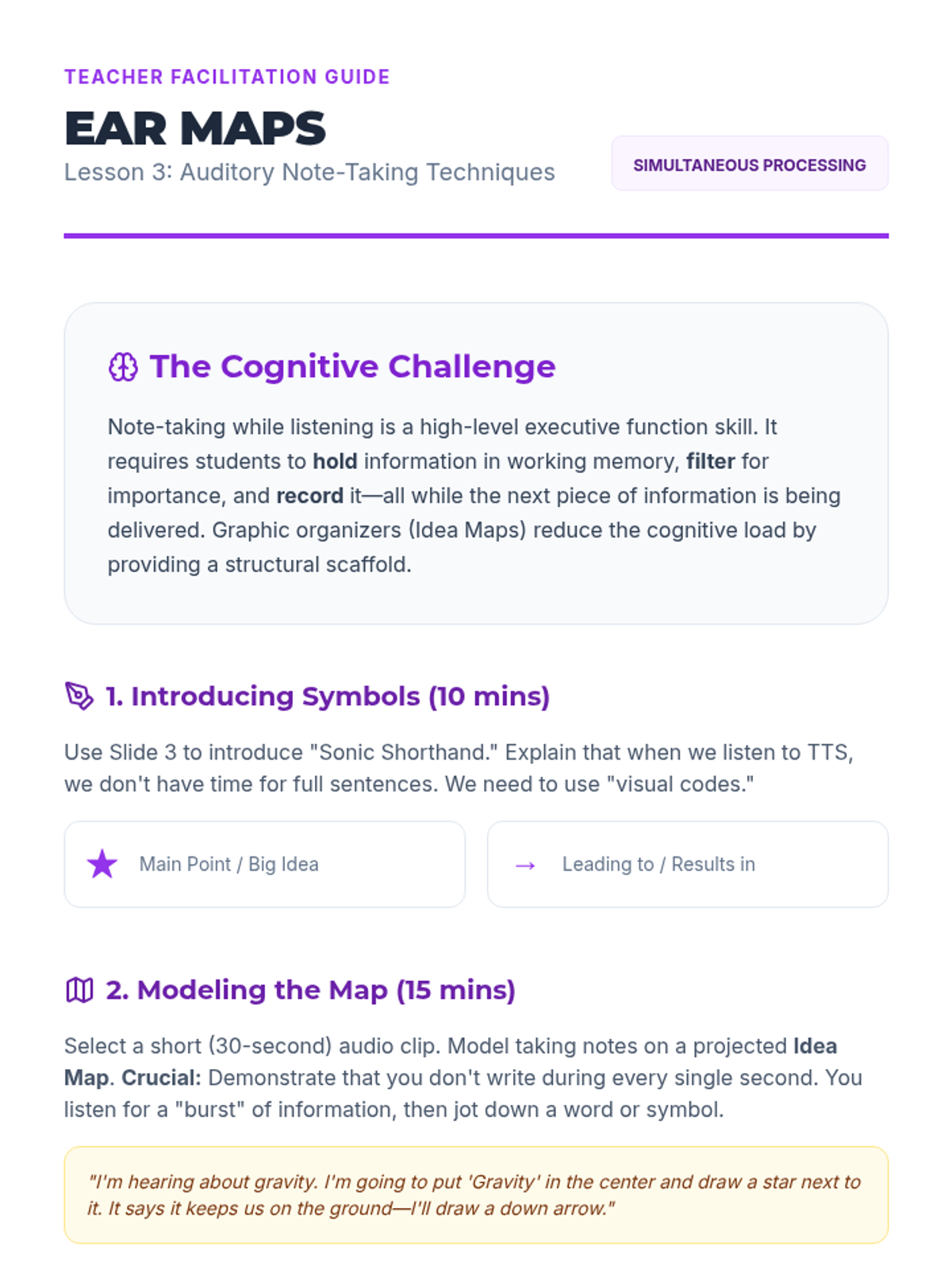
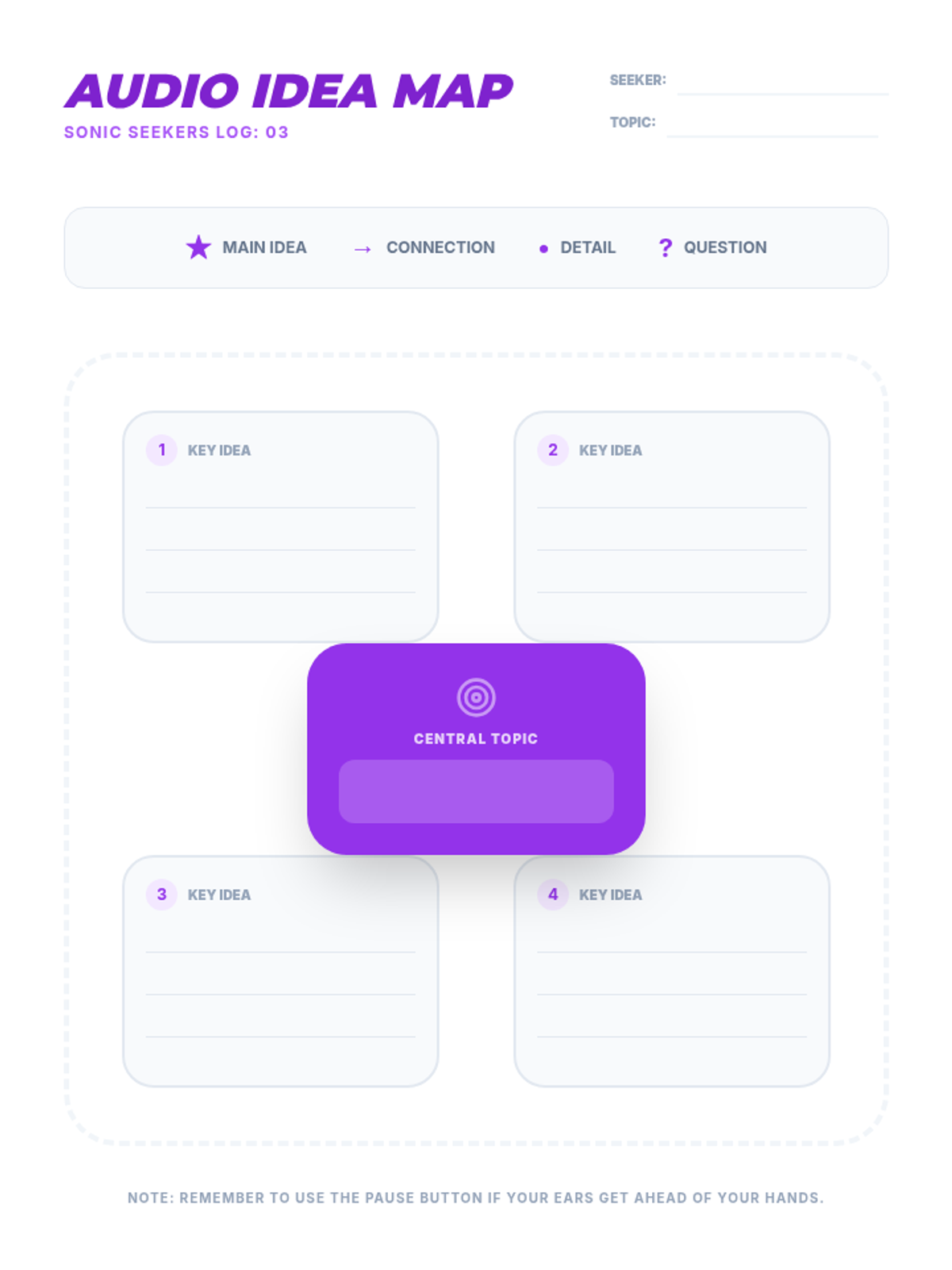
This lesson introduces graphic organizers designed for auditory learners. Students practice listening to a TTS-read article and simultaneously mapping out key ideas and supporting details.
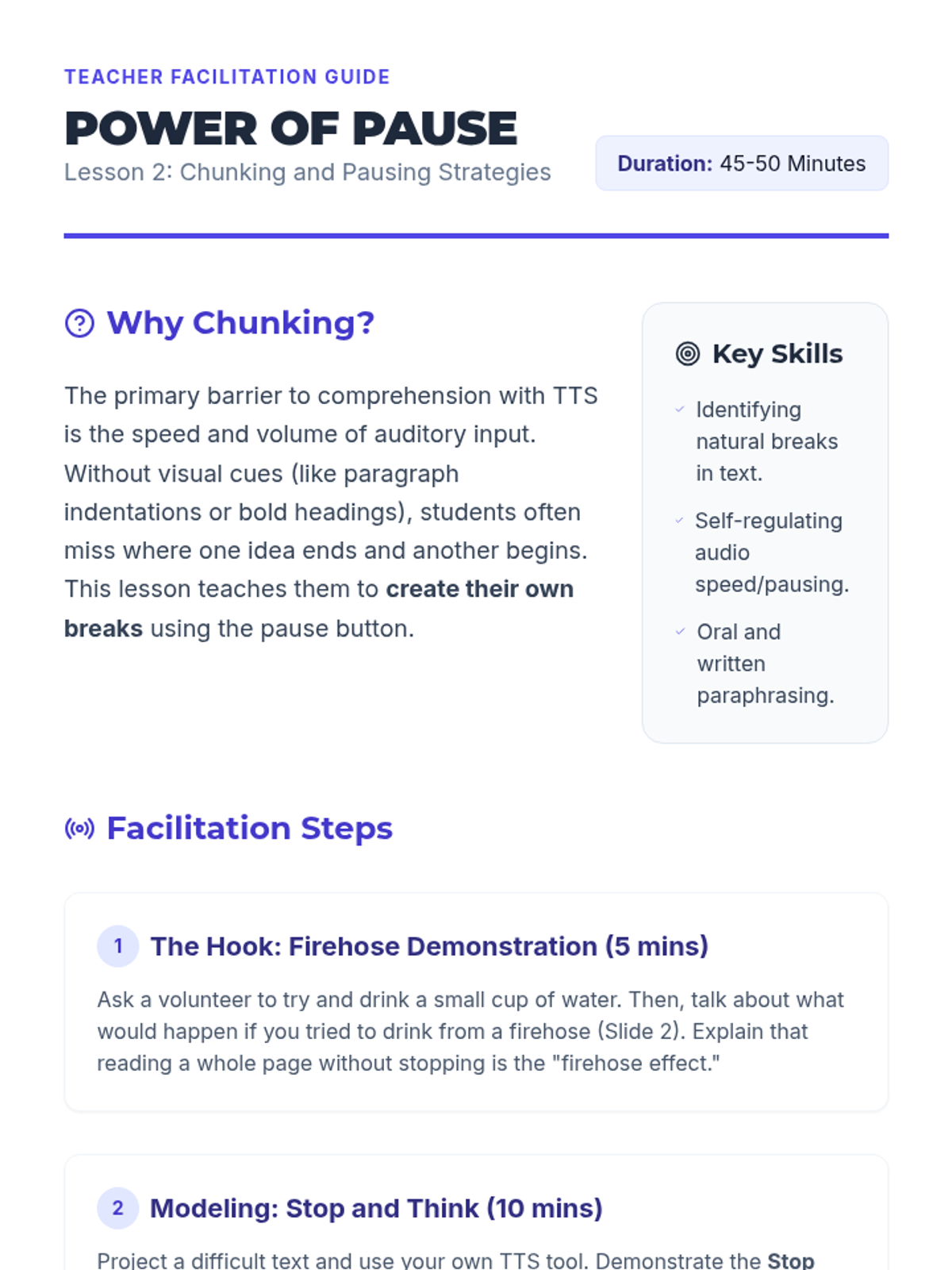
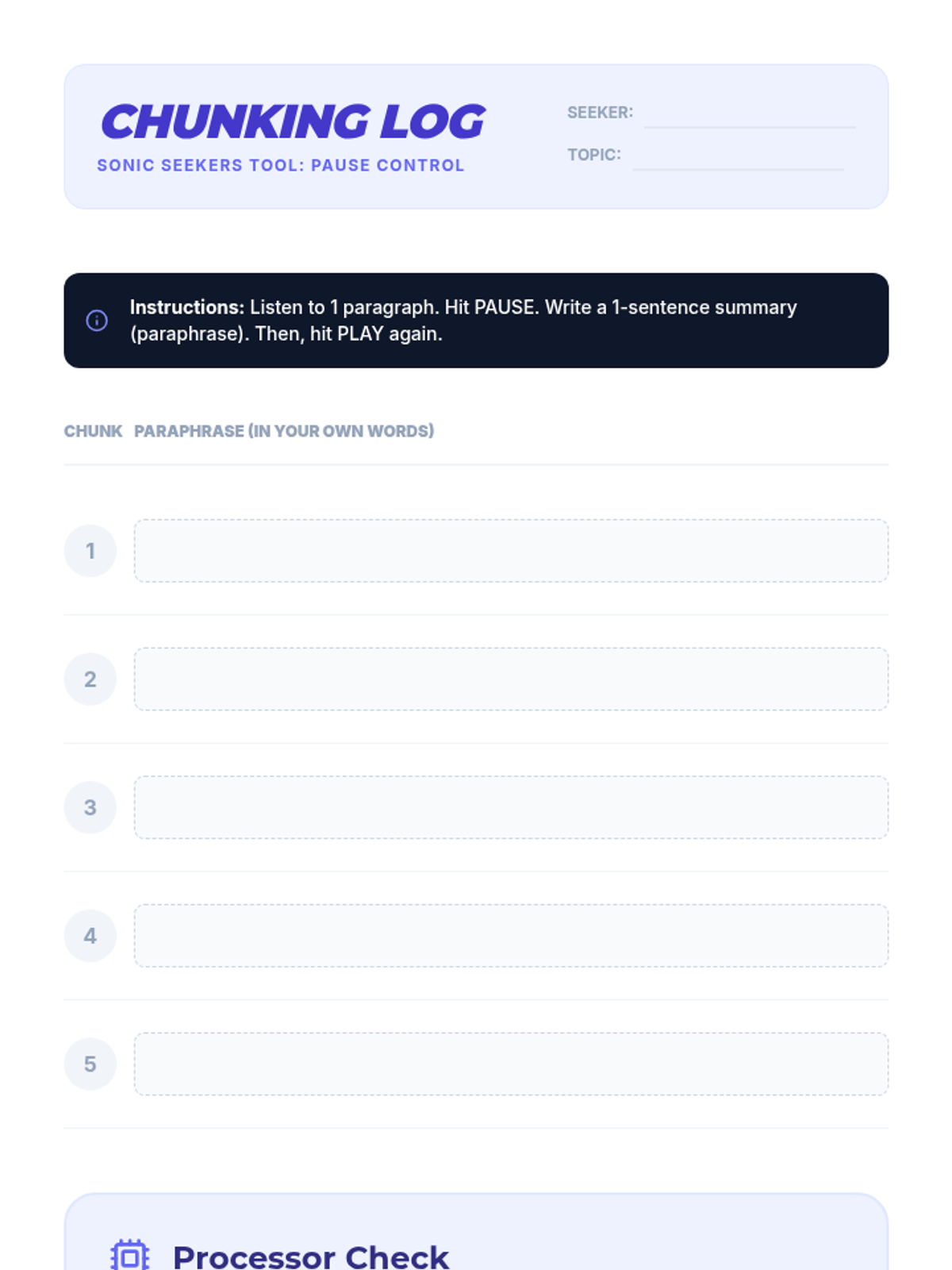
Students learn the 'Stop and Think' method, using the pause button to break dense text into manageable chunks. They practice paraphrasing orally or in writing after every segment played by the TTS tool.
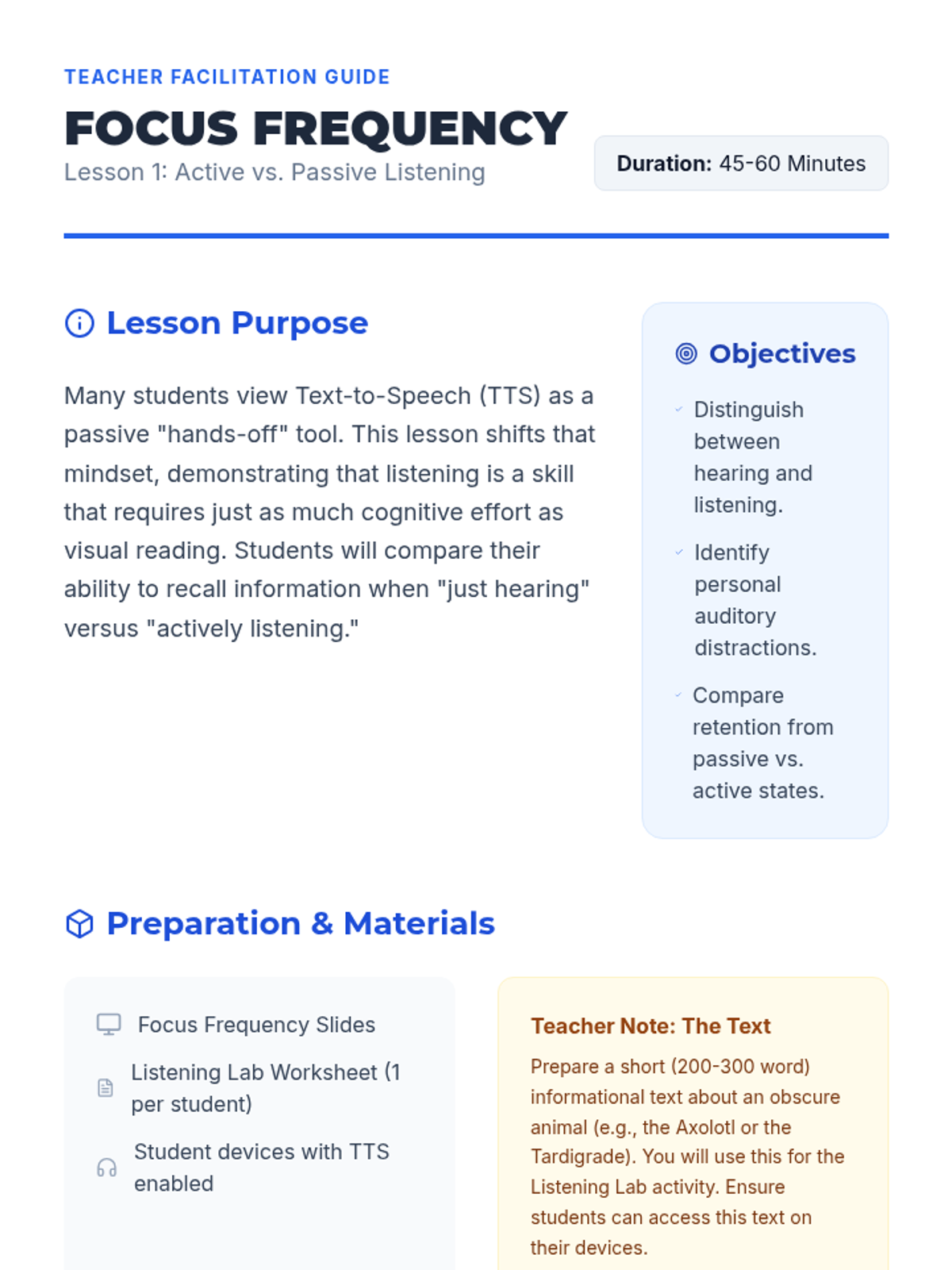
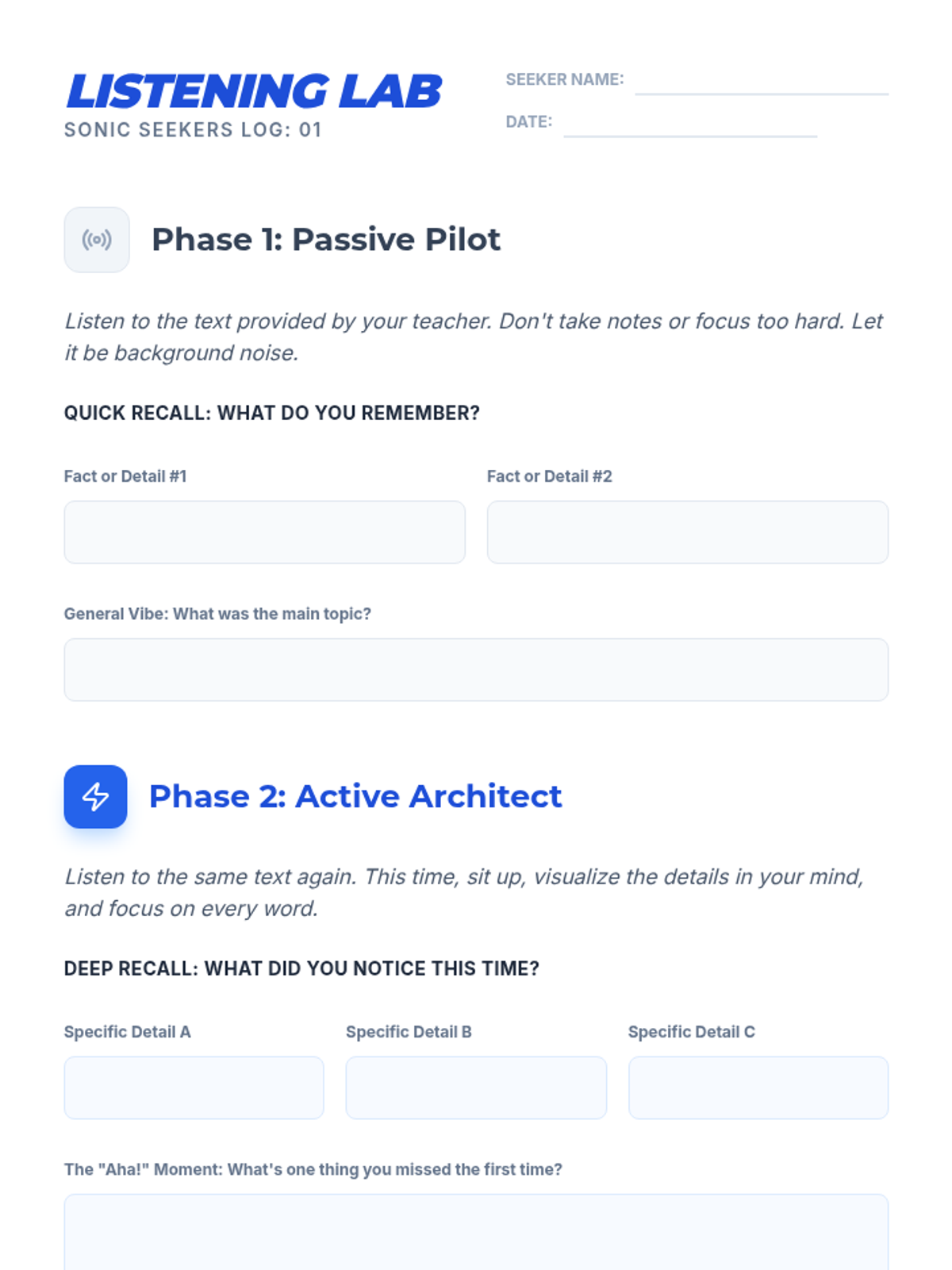
Students compare retention when passively listening to TTS versus active engagement. They identify distractions and brainstorm environments and behaviors that support deep listening.
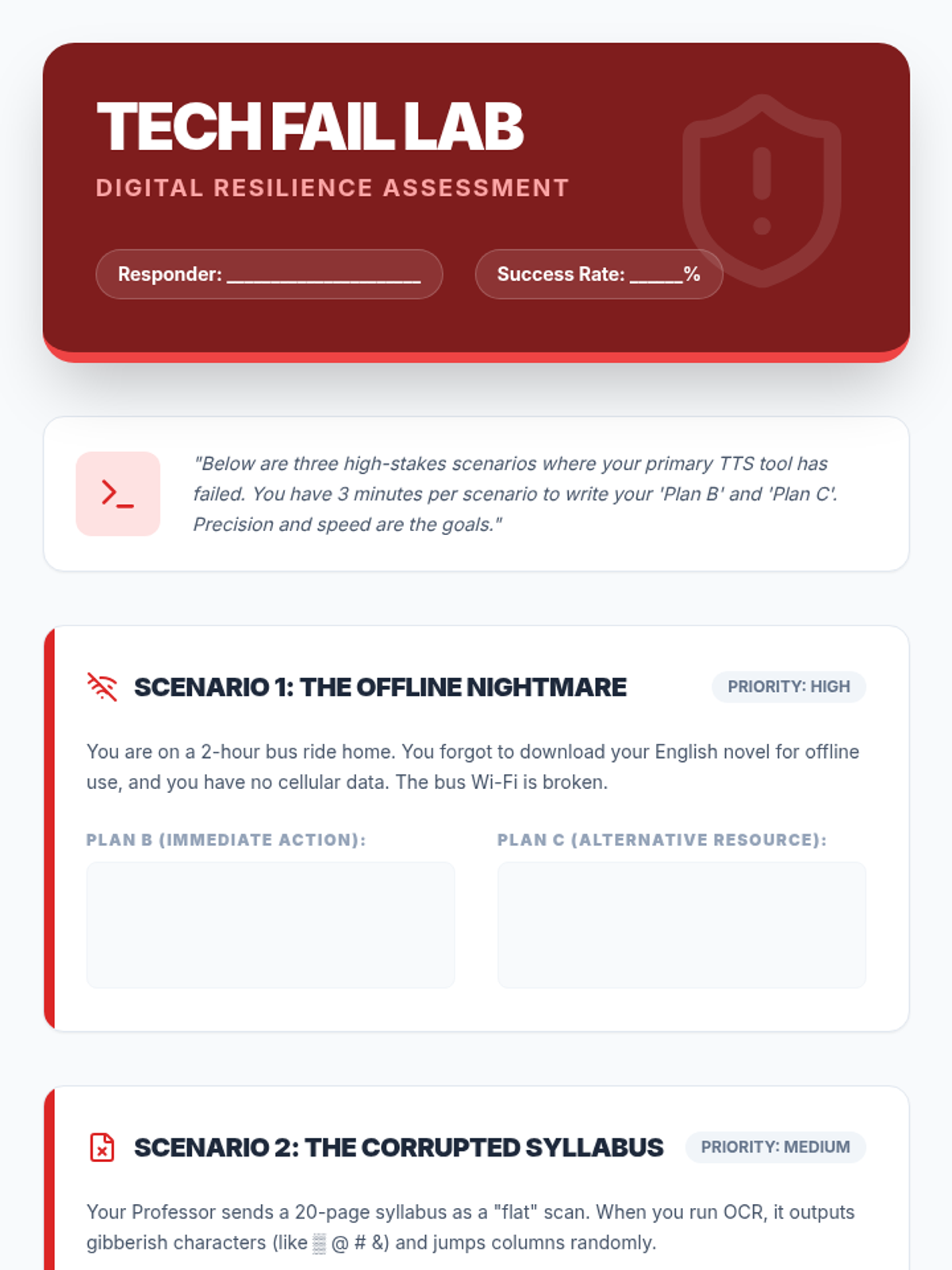
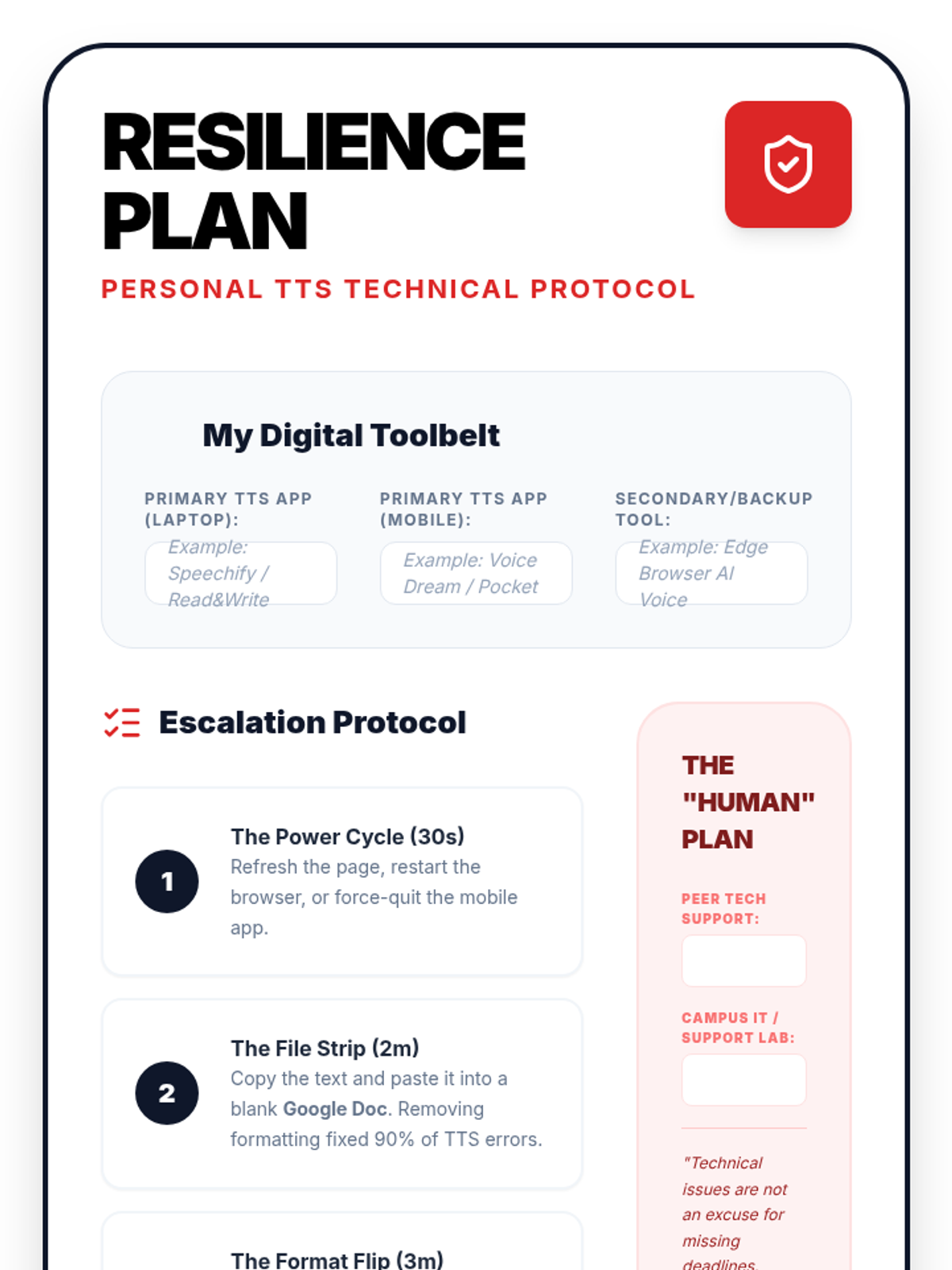
In this final lesson, students practice solving common TTS technical failures. They develop 'digital resilience' by creating backup plans for high-stakes academic situations.
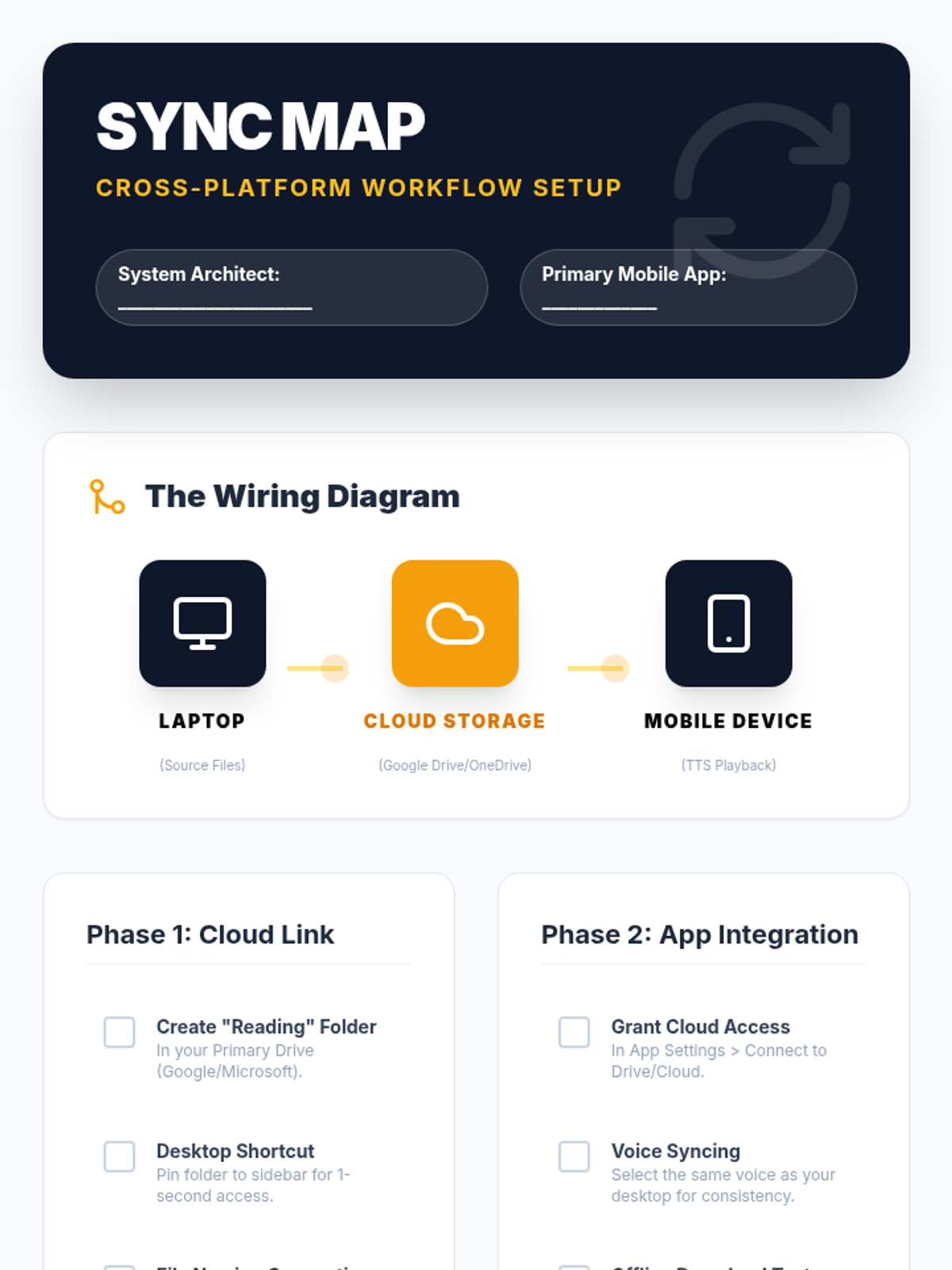
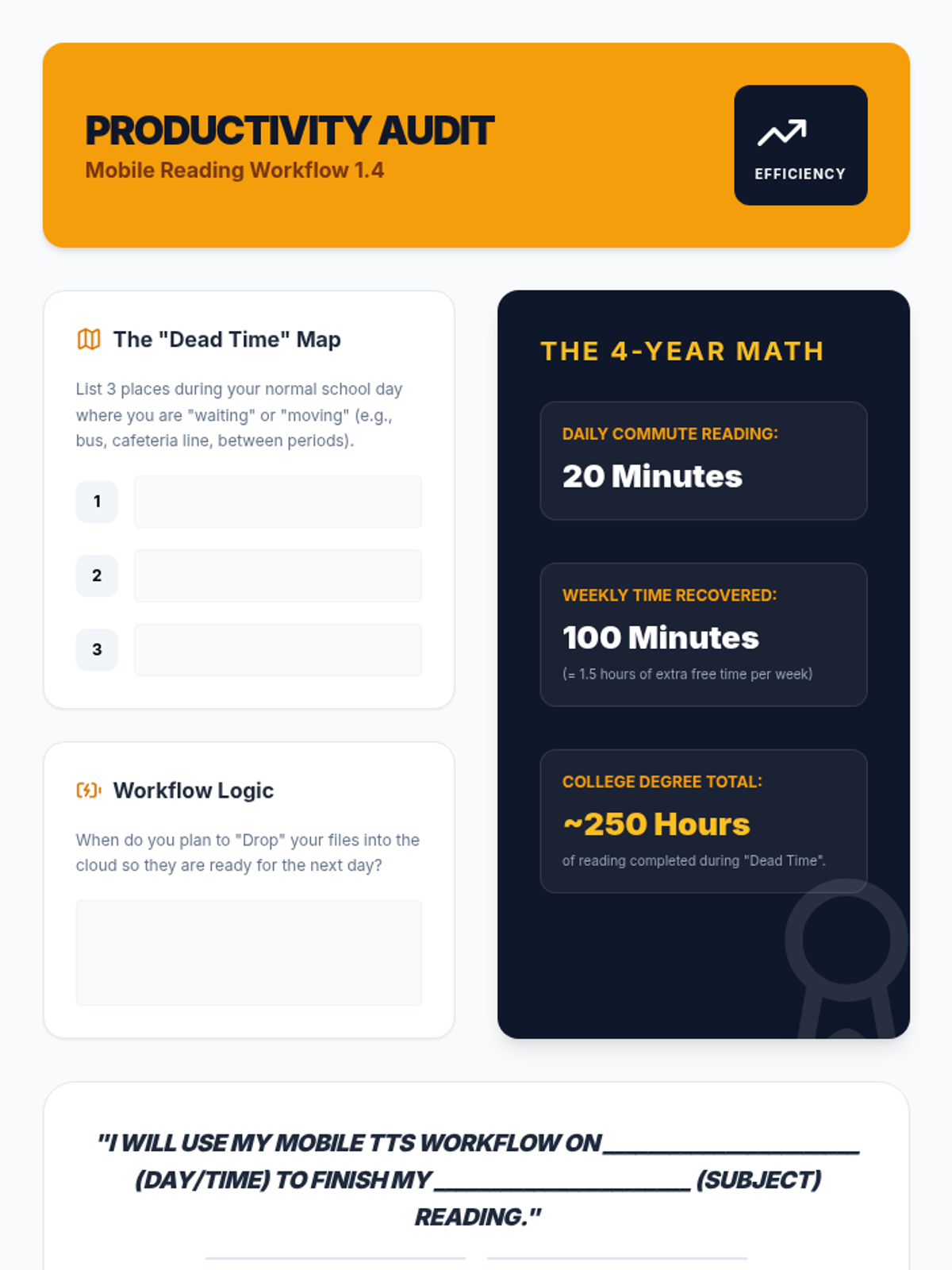
Students set up mobile reading ecosystems, syncing their computer-based reading lists with mobile devices for on-the-go learning and effective time management.
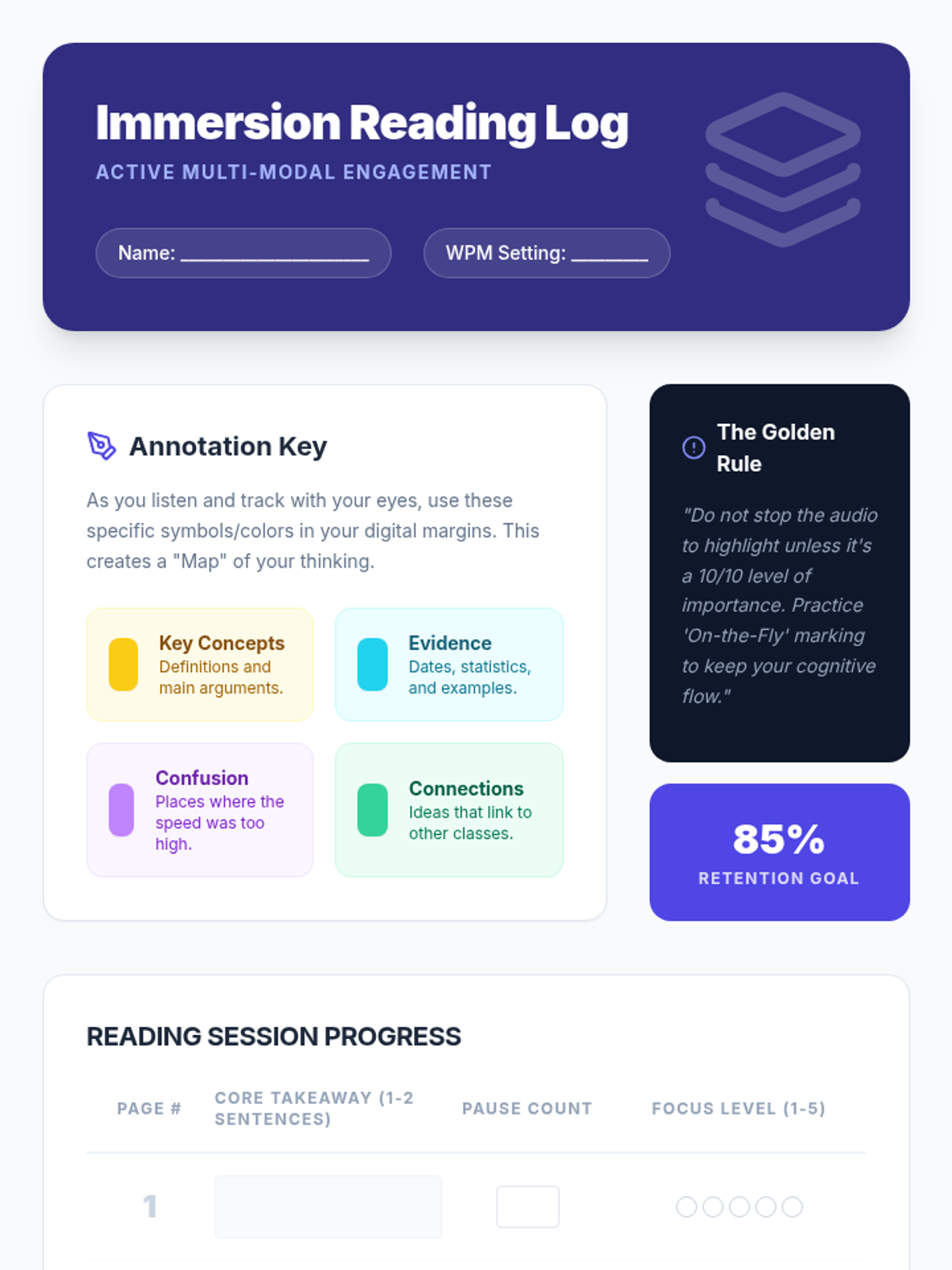
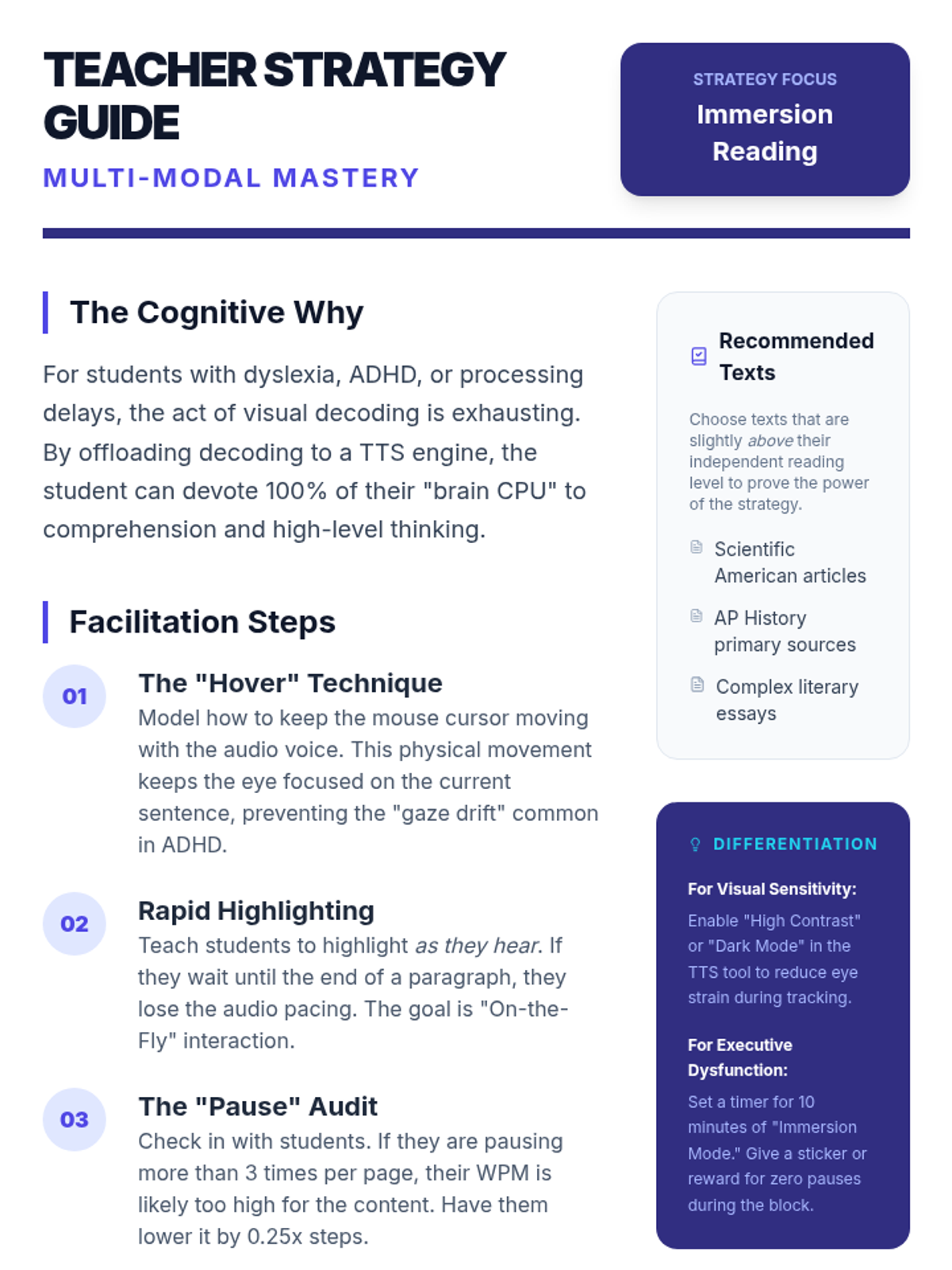
This lesson focuses on 'immersion reading'—the simultaneous use of auditory and visual input. Students learn to use digital annotation tools to mark up text while listening.
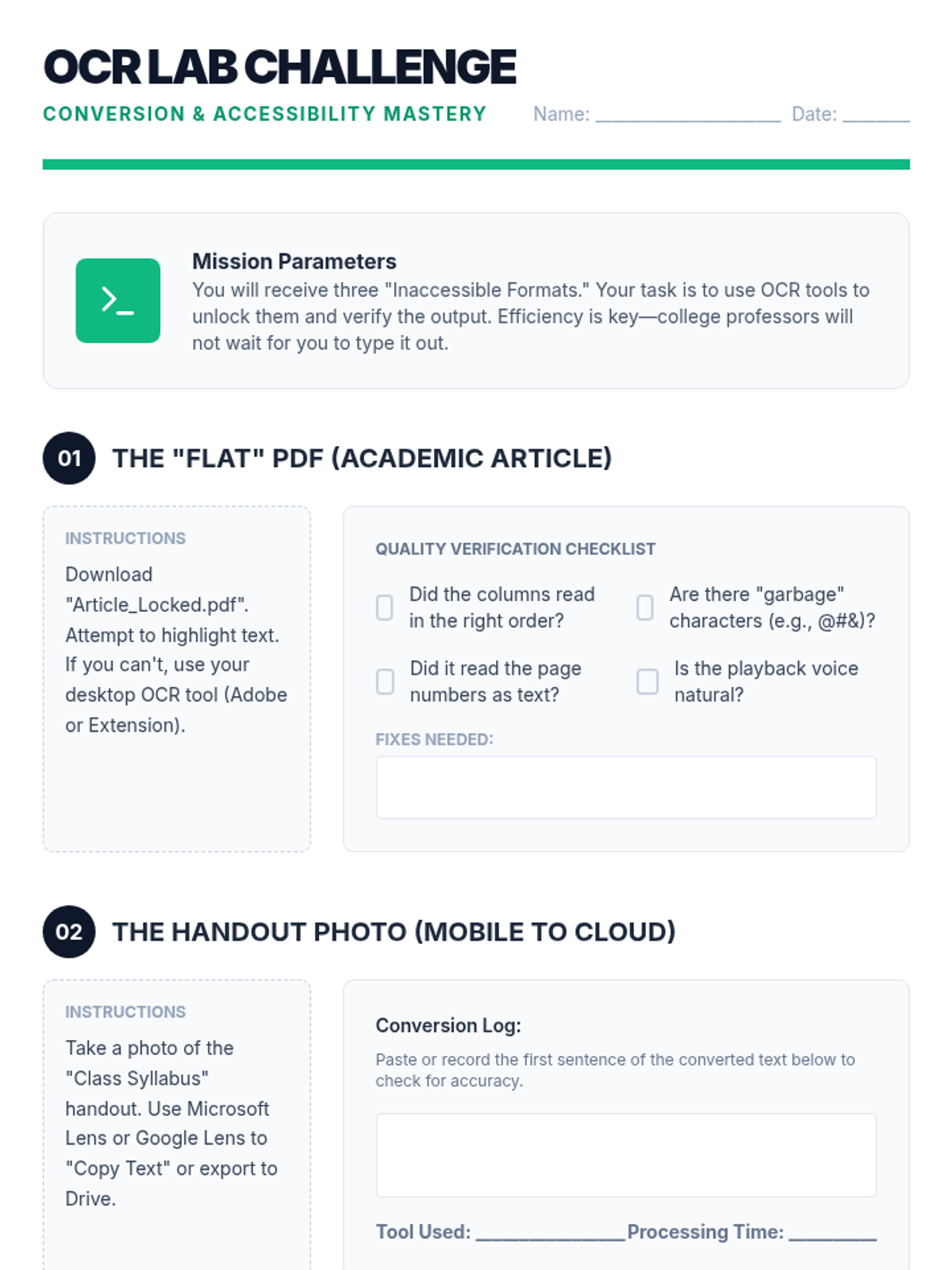
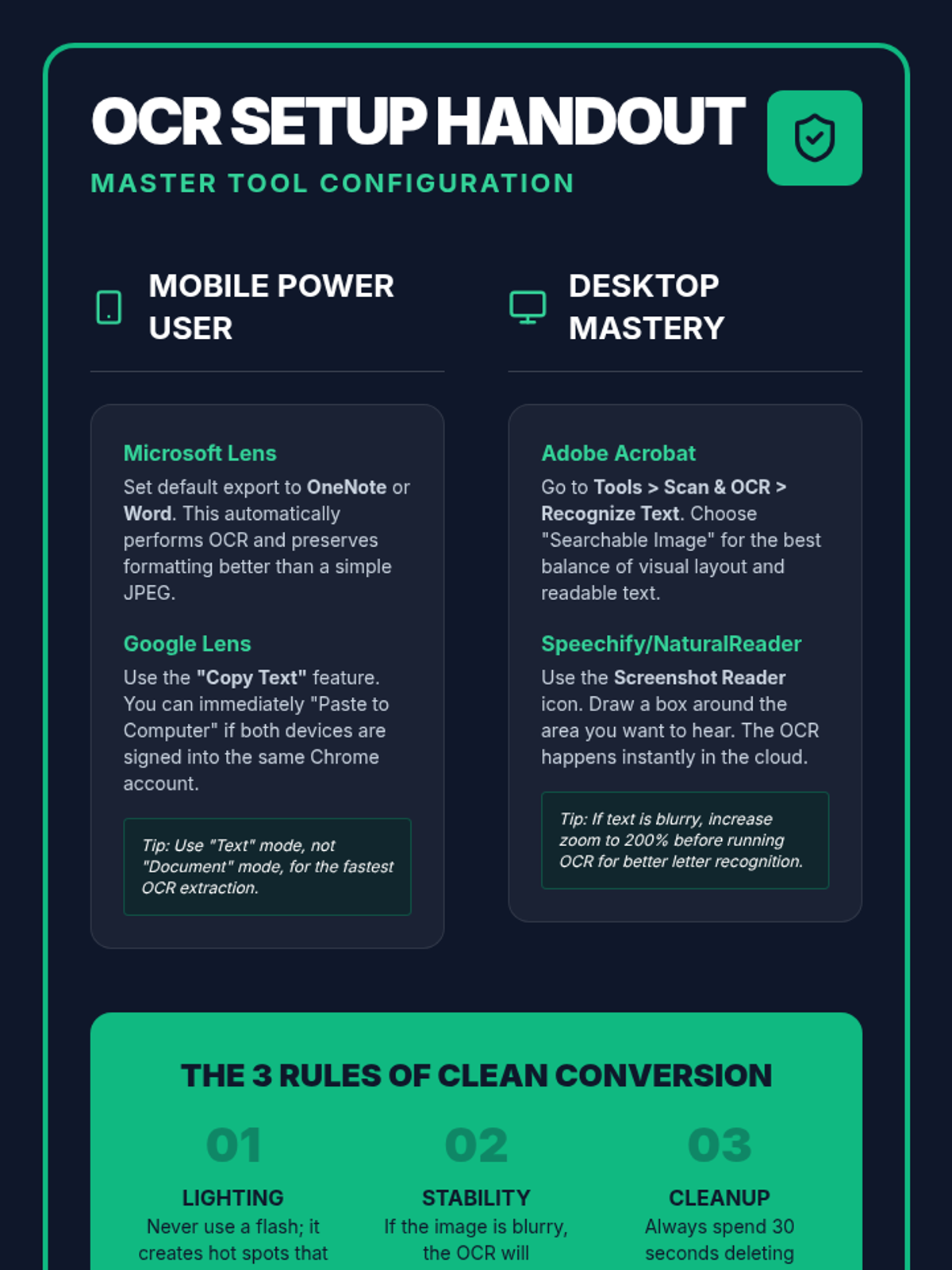
Students tackle inaccessible text formats using Optical Character Recognition (OCR). They will learn to convert images and flat PDFs into editable, readable text for TTS tools.
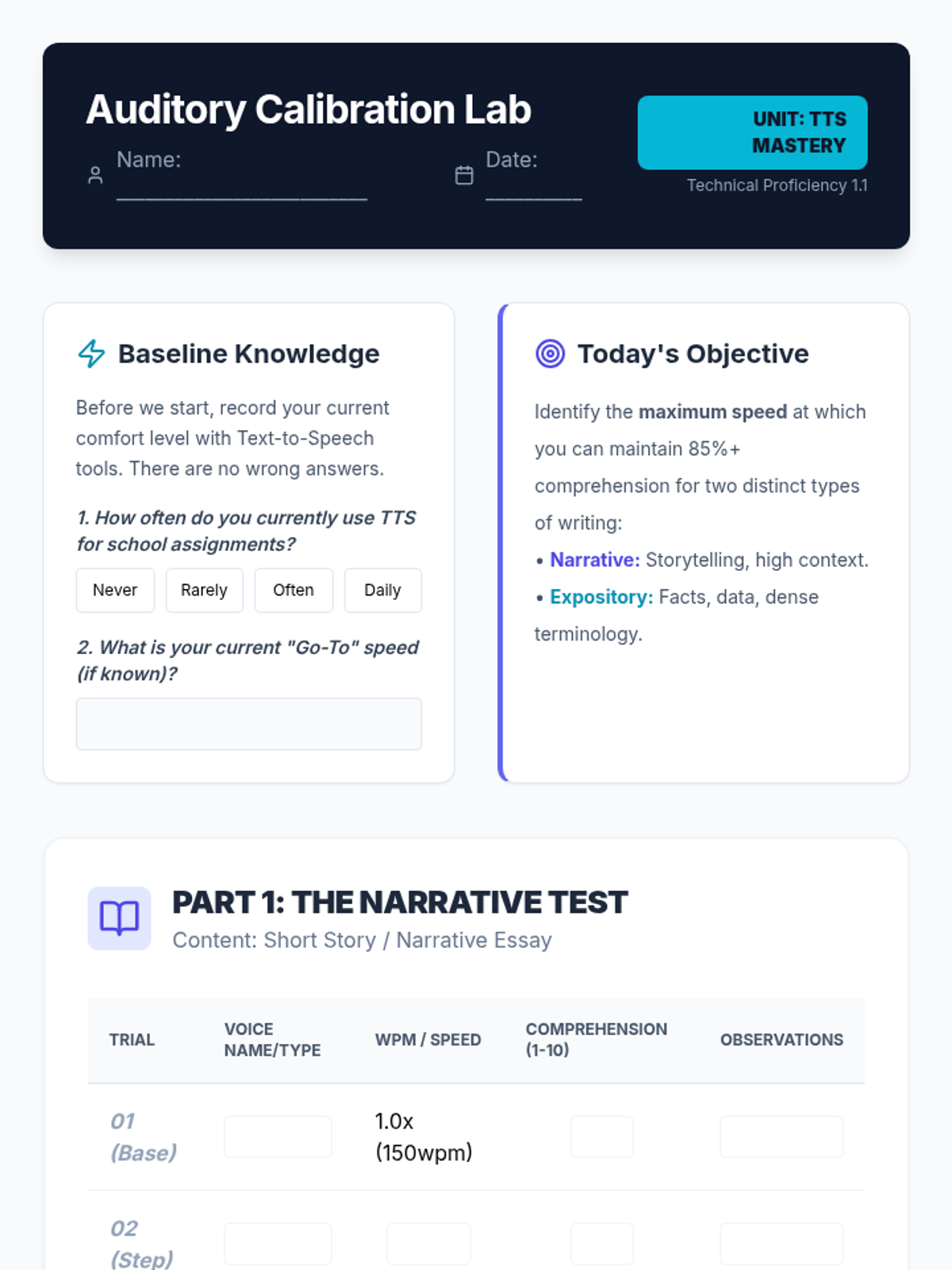
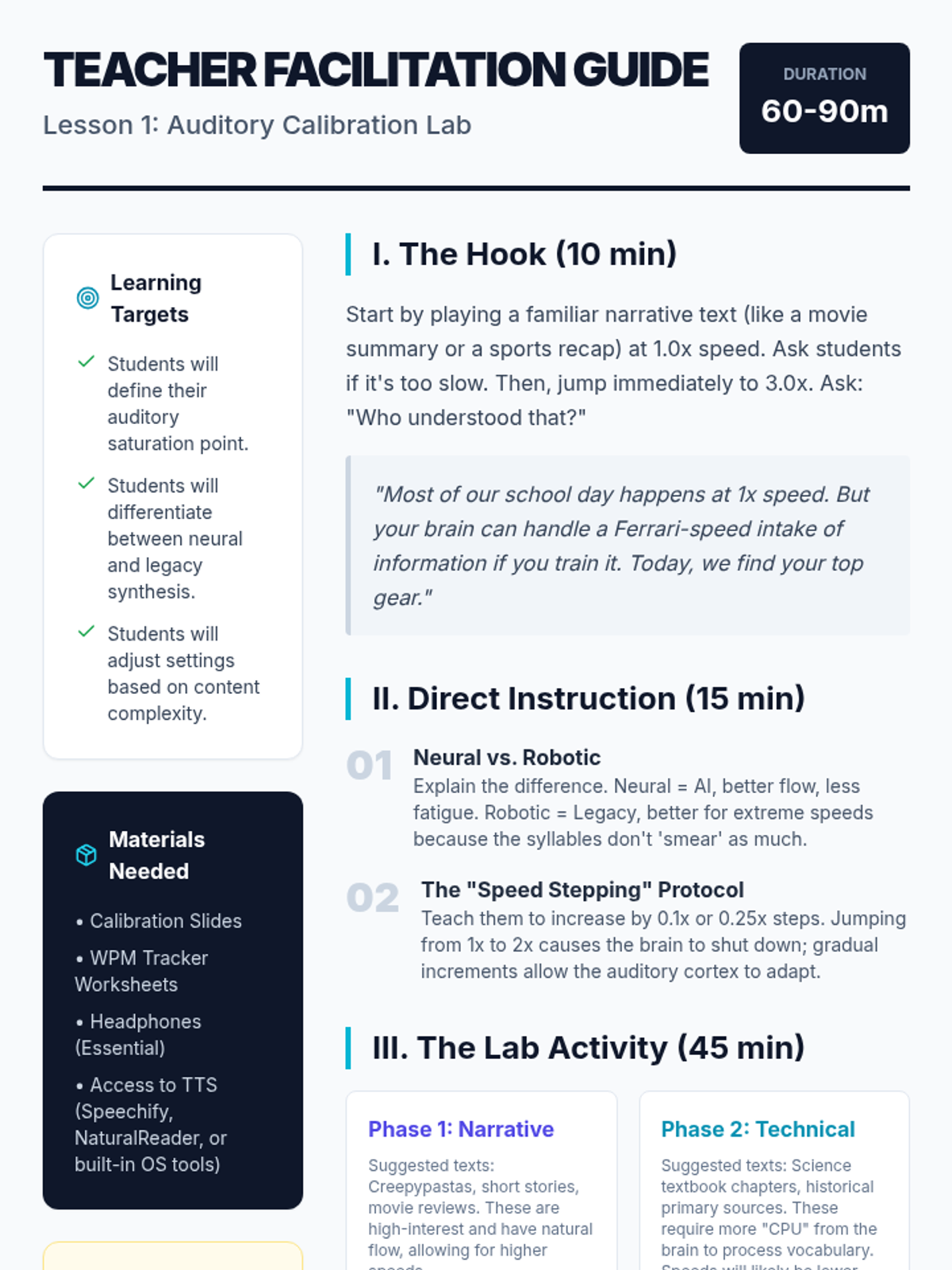
Students explore the impact of voice selection and playback speed on comprehension. They will determine their personal 'sweet spot' for different genres, learning to maximize efficiency without sacrificing retention.
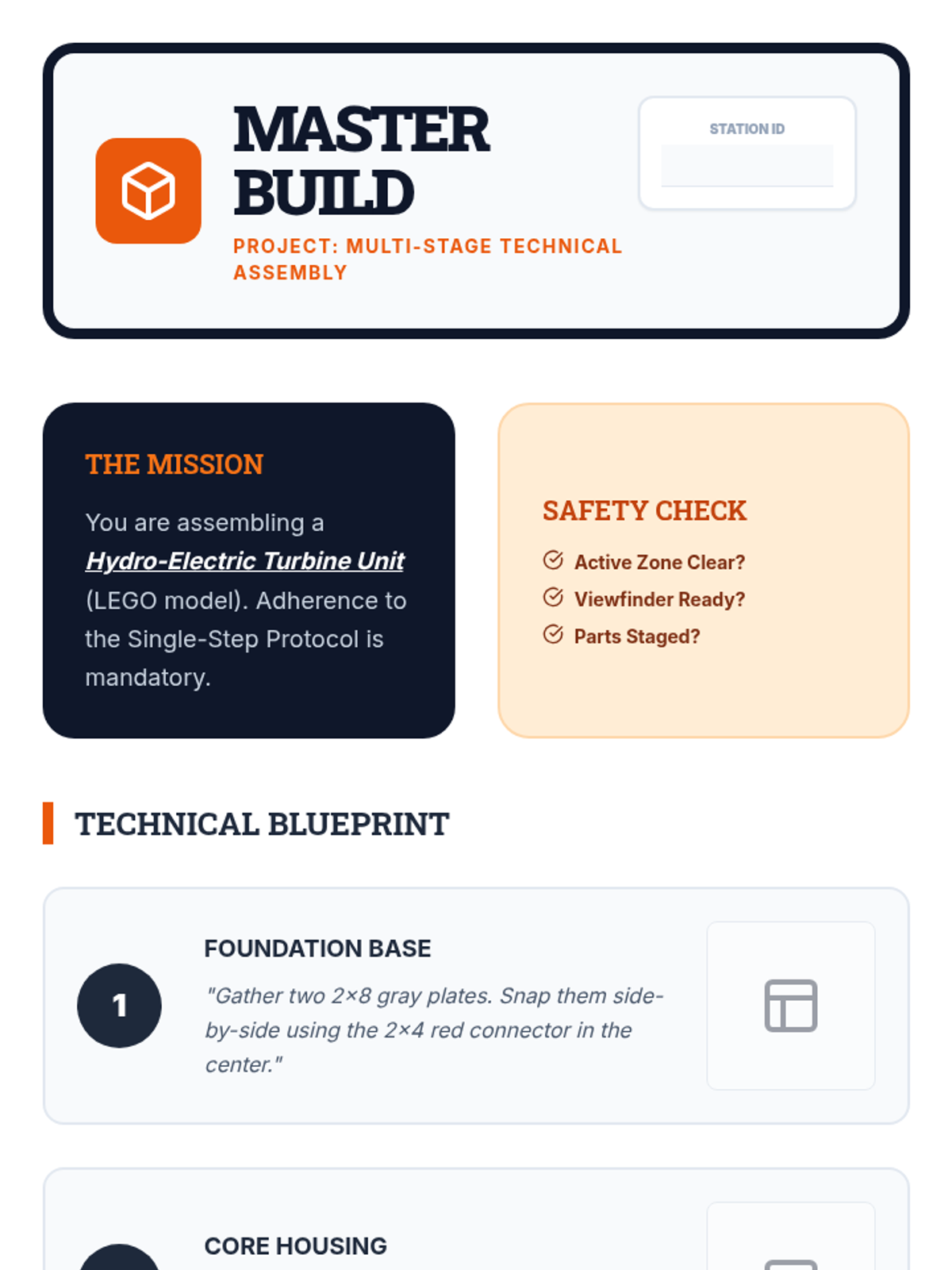
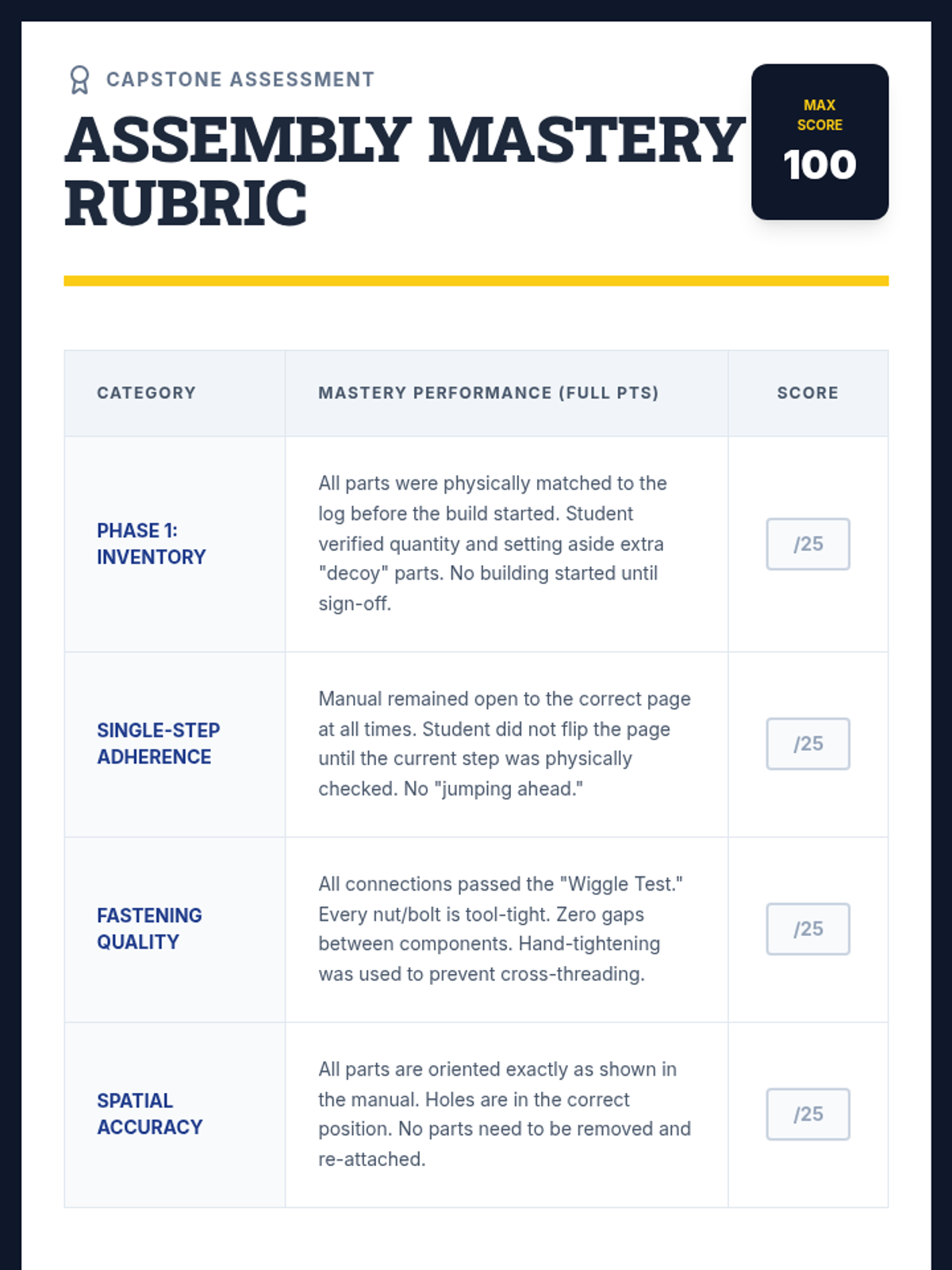
Students complete a multi-stage assembly project (e.g., a simple wood kit or circuit). They are assessed on their adherence to the single-step process rather than just the final product.
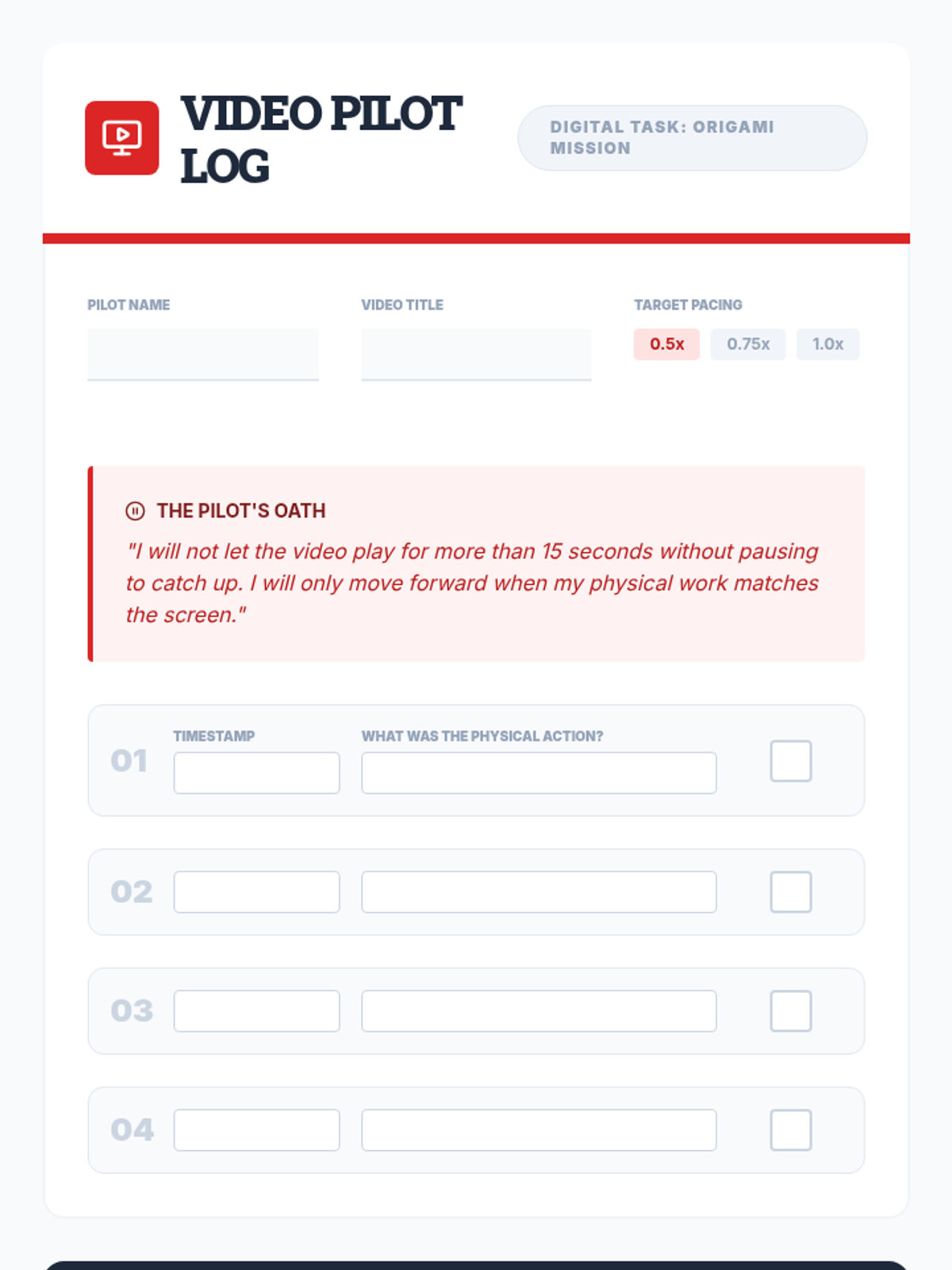
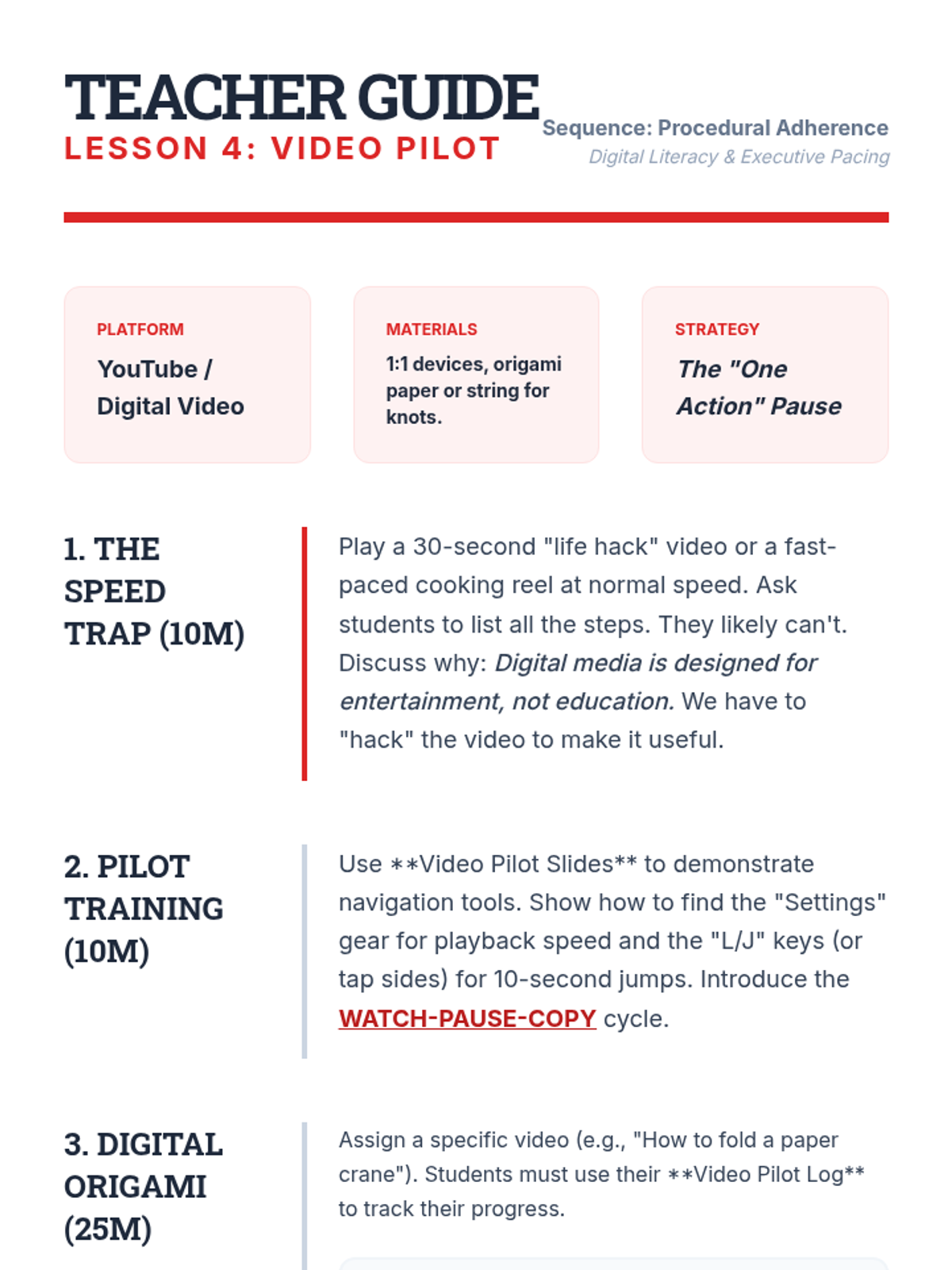
Students follow a video tutorial for a physical task (e.g., tie-dye or origami), practicing the skill of pausing the video to complete a single action before allowing the playback to continue.
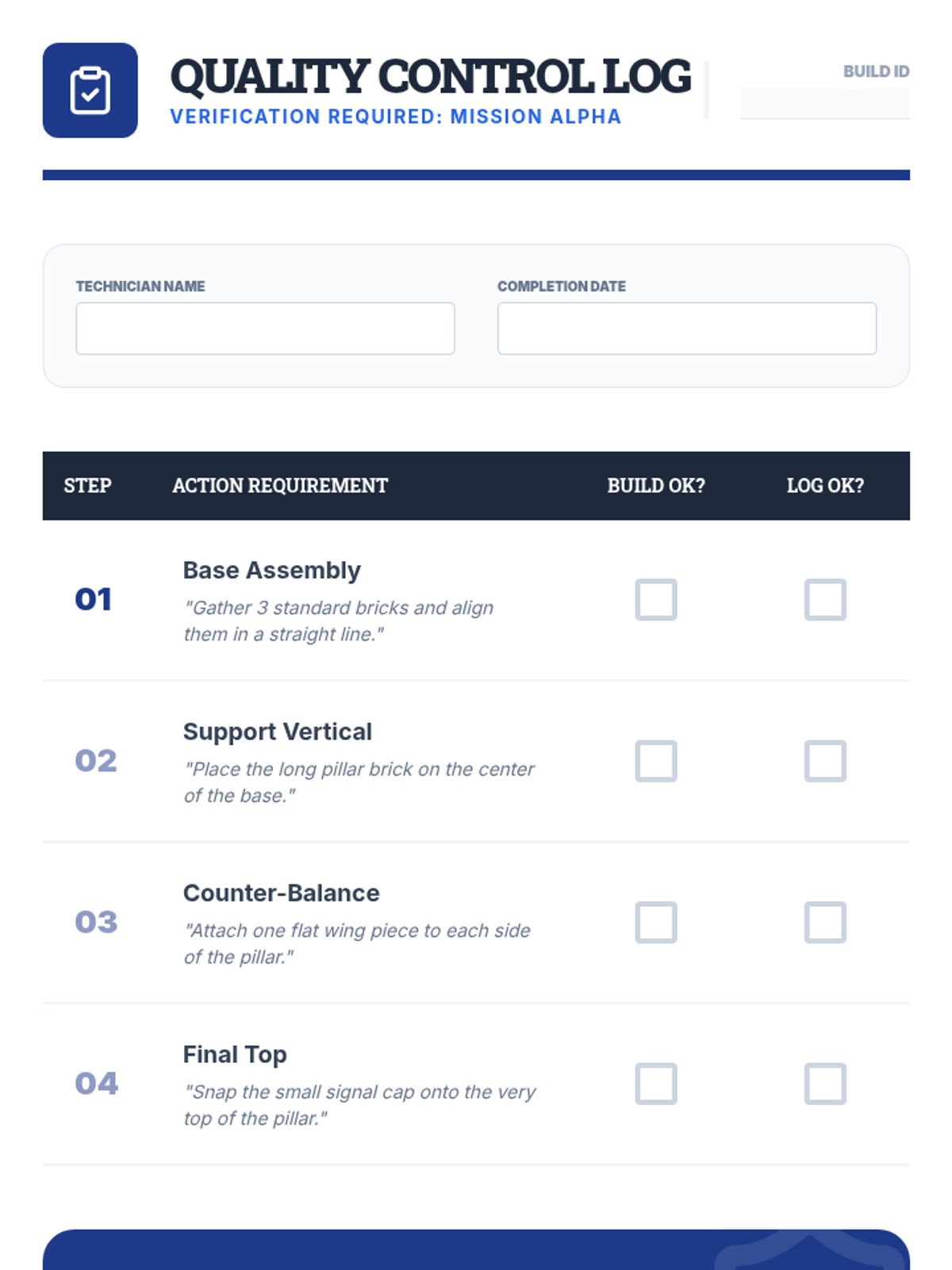
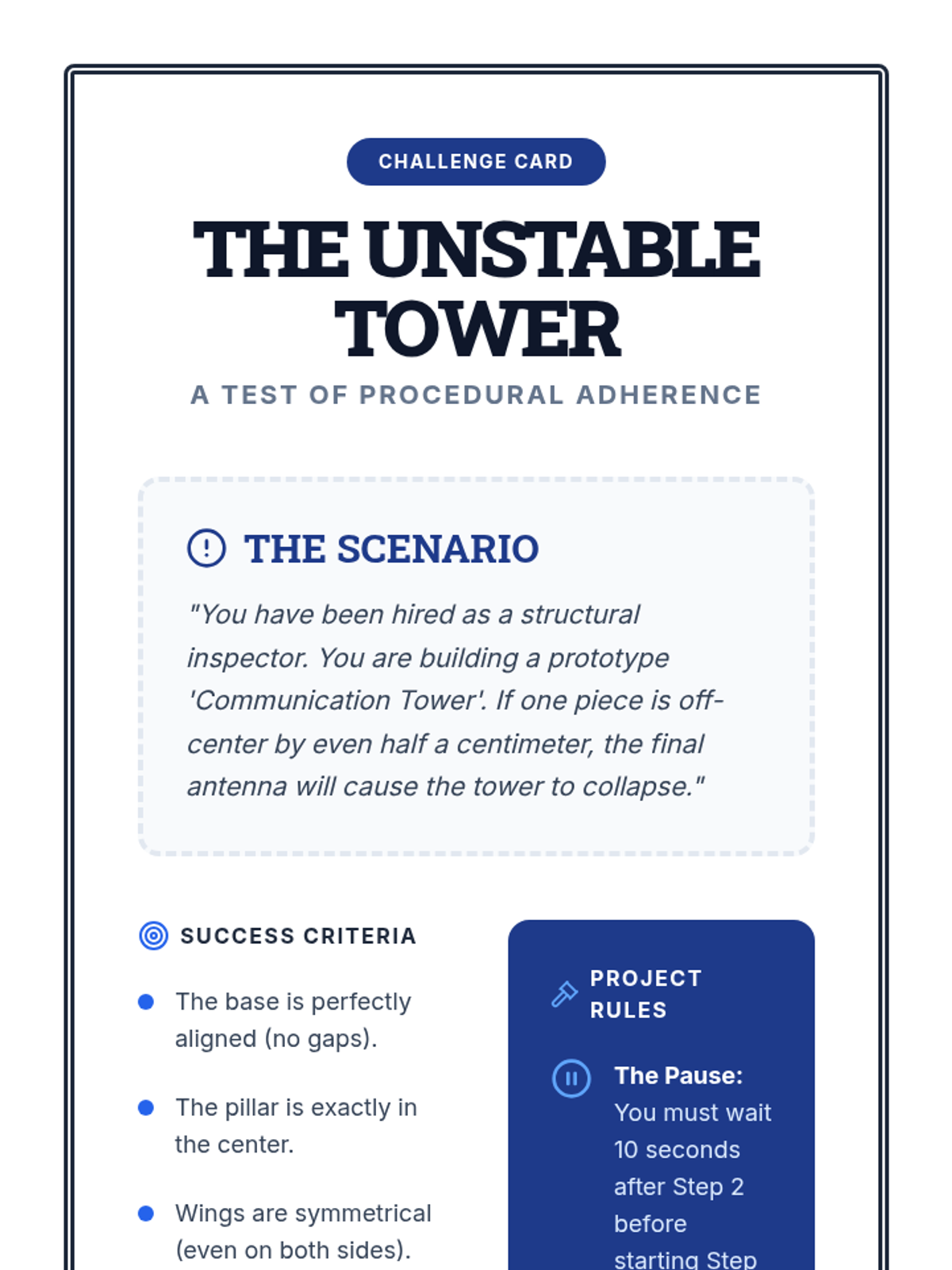
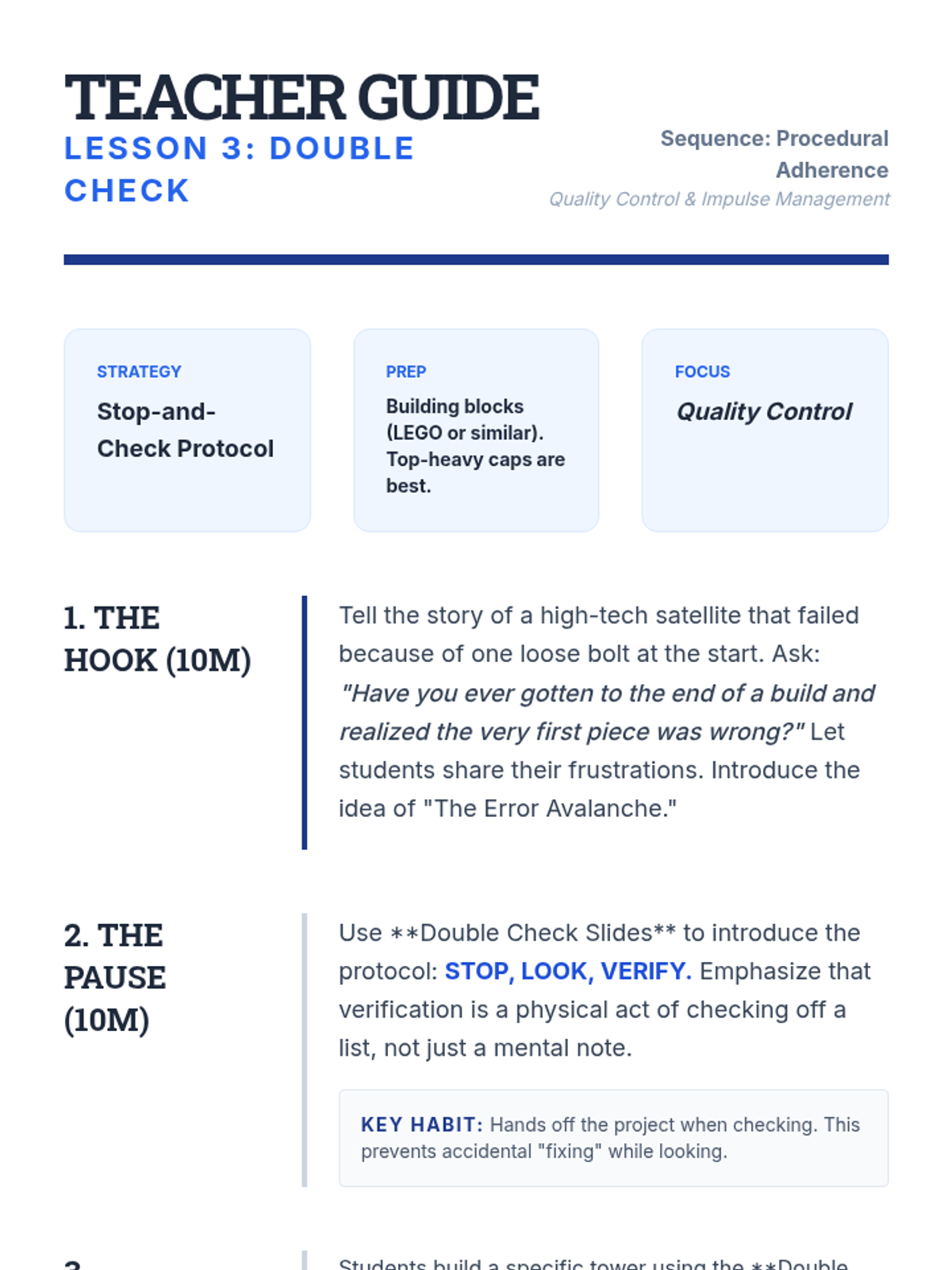
Students engage in a building task where they must physically pause and verify accuracy after every single step. This builds the habit of quality control and prevents compound errors.
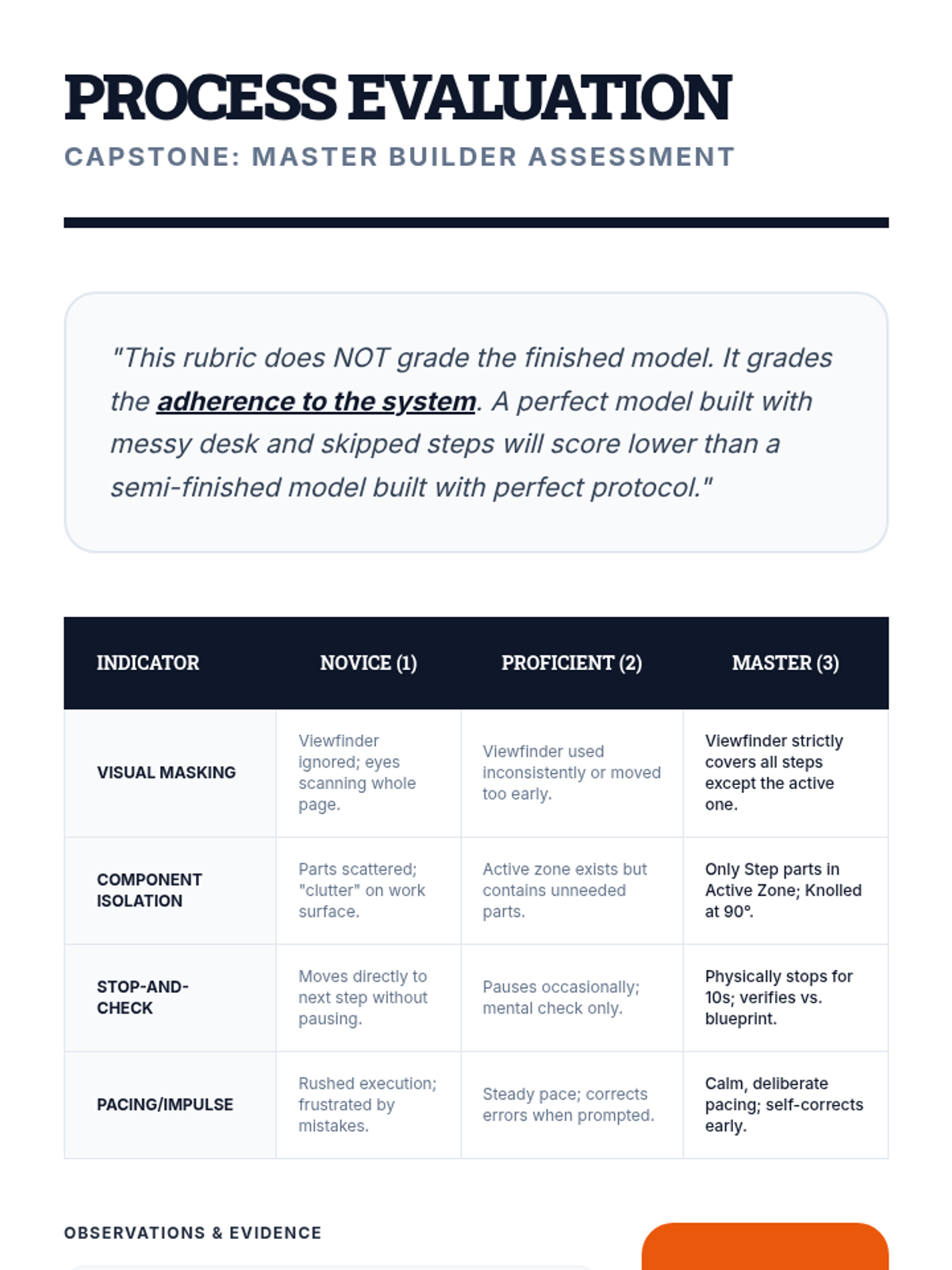
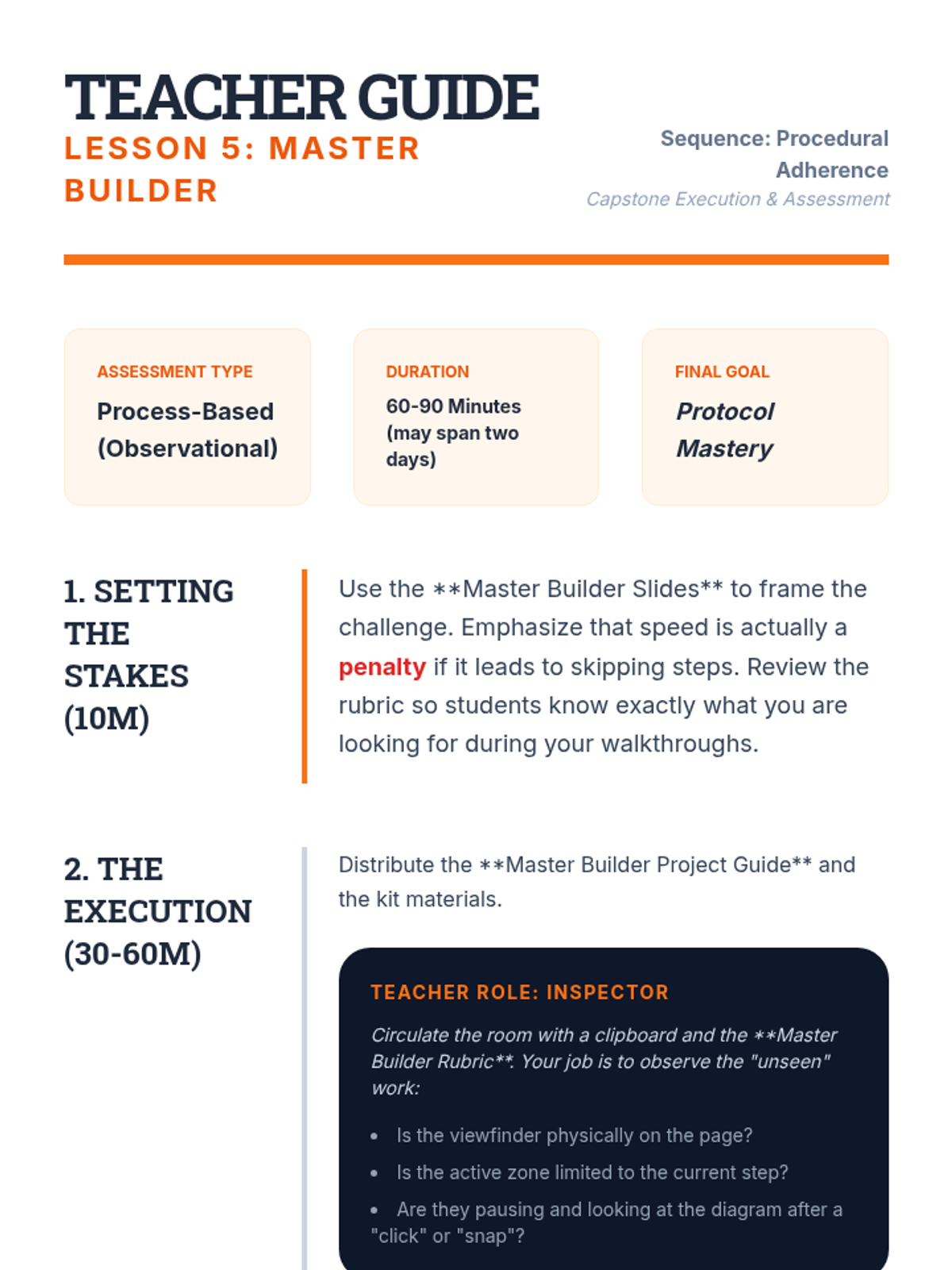
The capstone assembly challenge where students build a complex item using single-step instructions to demonstrate mastery of process adherence.
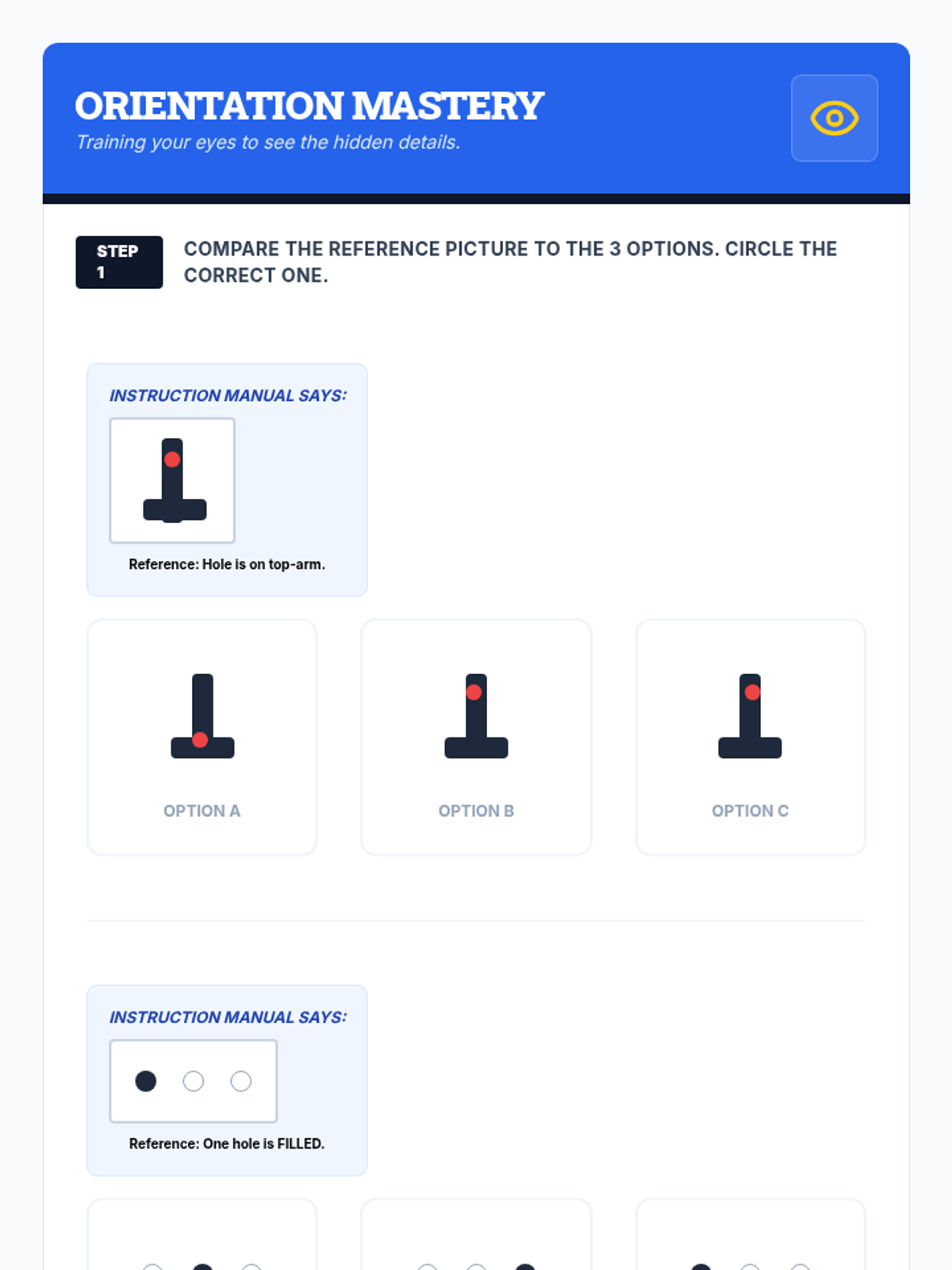
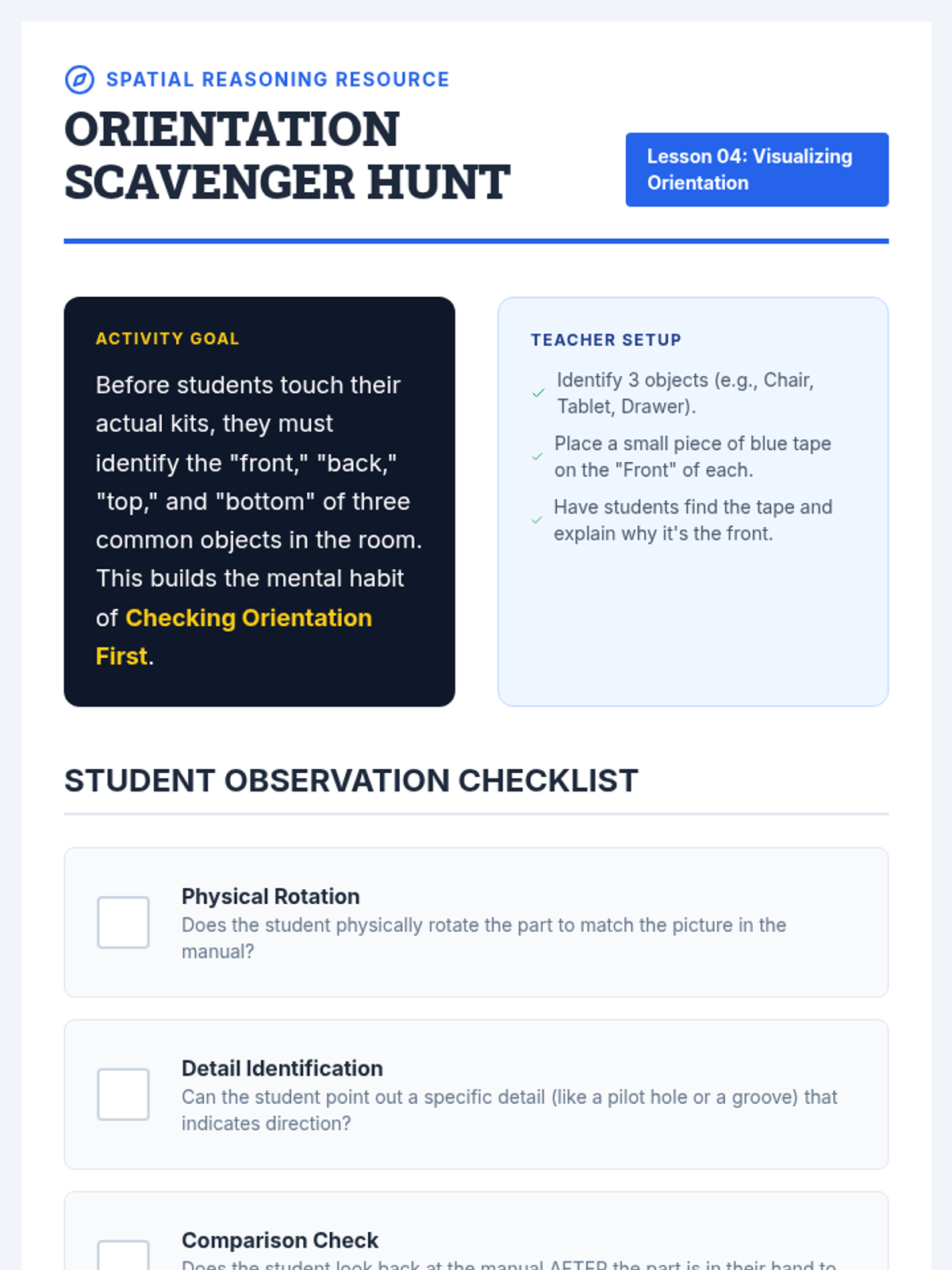
Emphasis on spatial reasoning and detail orientation, specifically focusing on the correct orientation of parts before attachment.
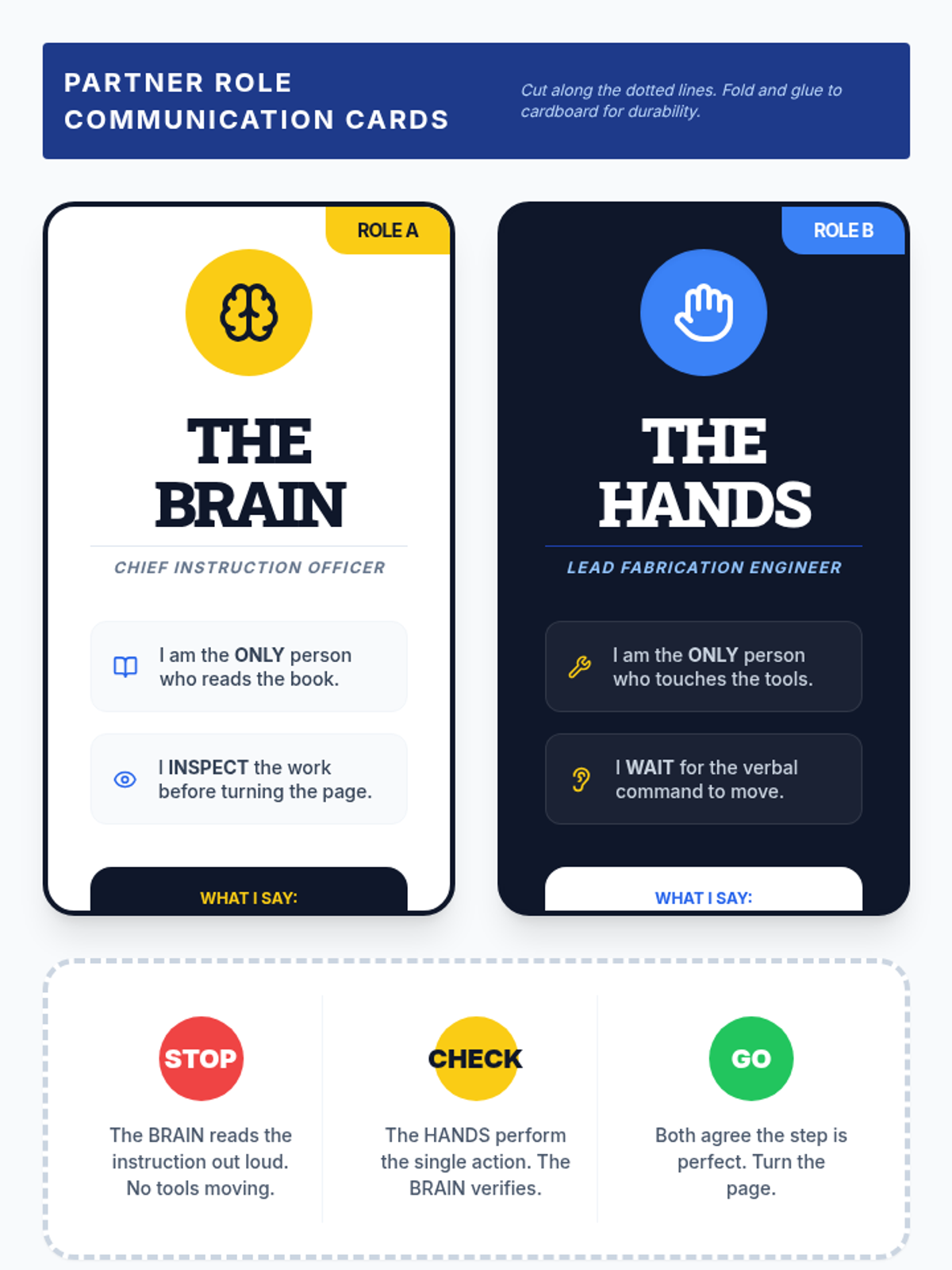
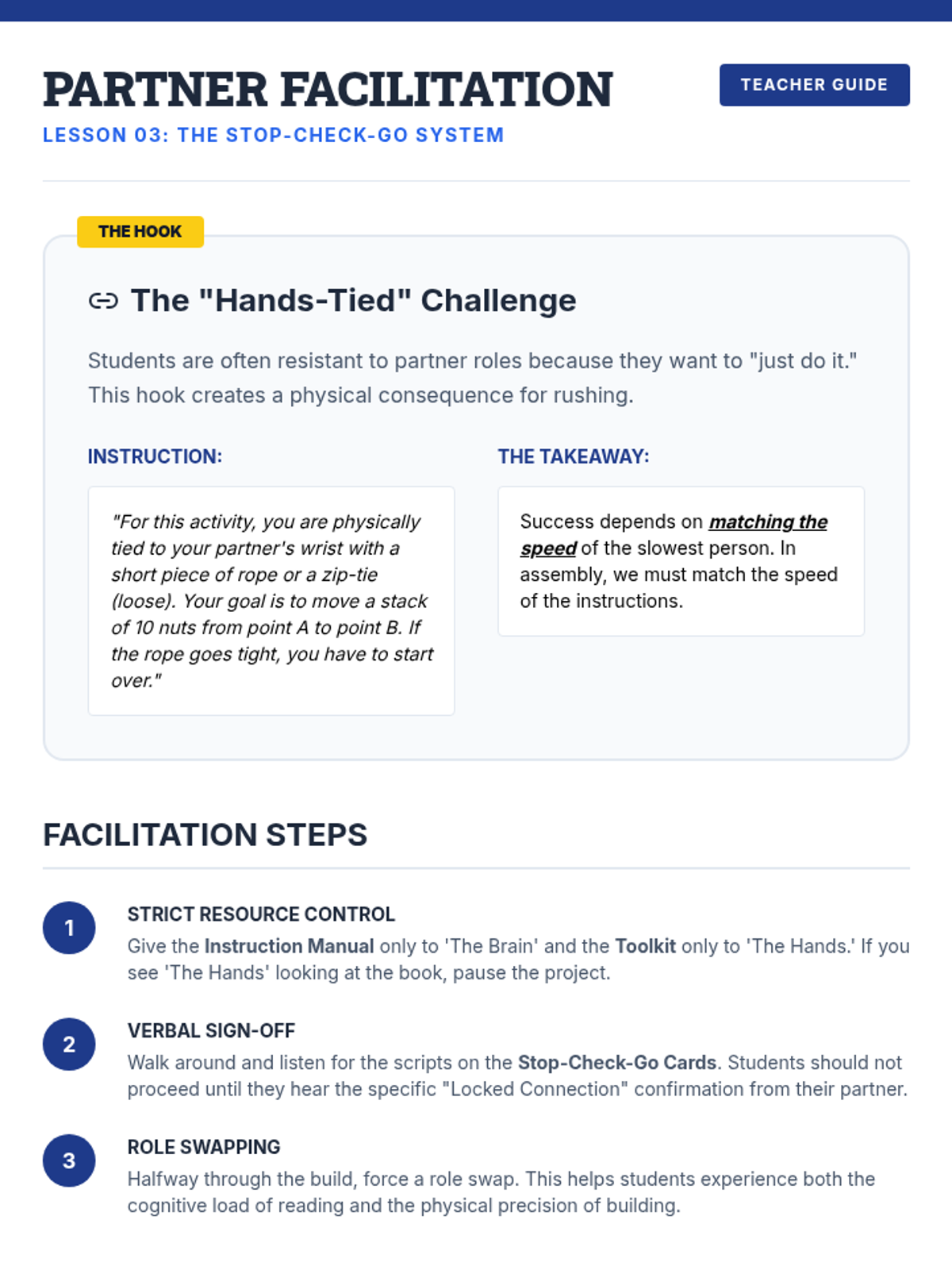
A collaborative build system where partners use verbal confirmation to ensure each step is completed perfectly before proceeding.
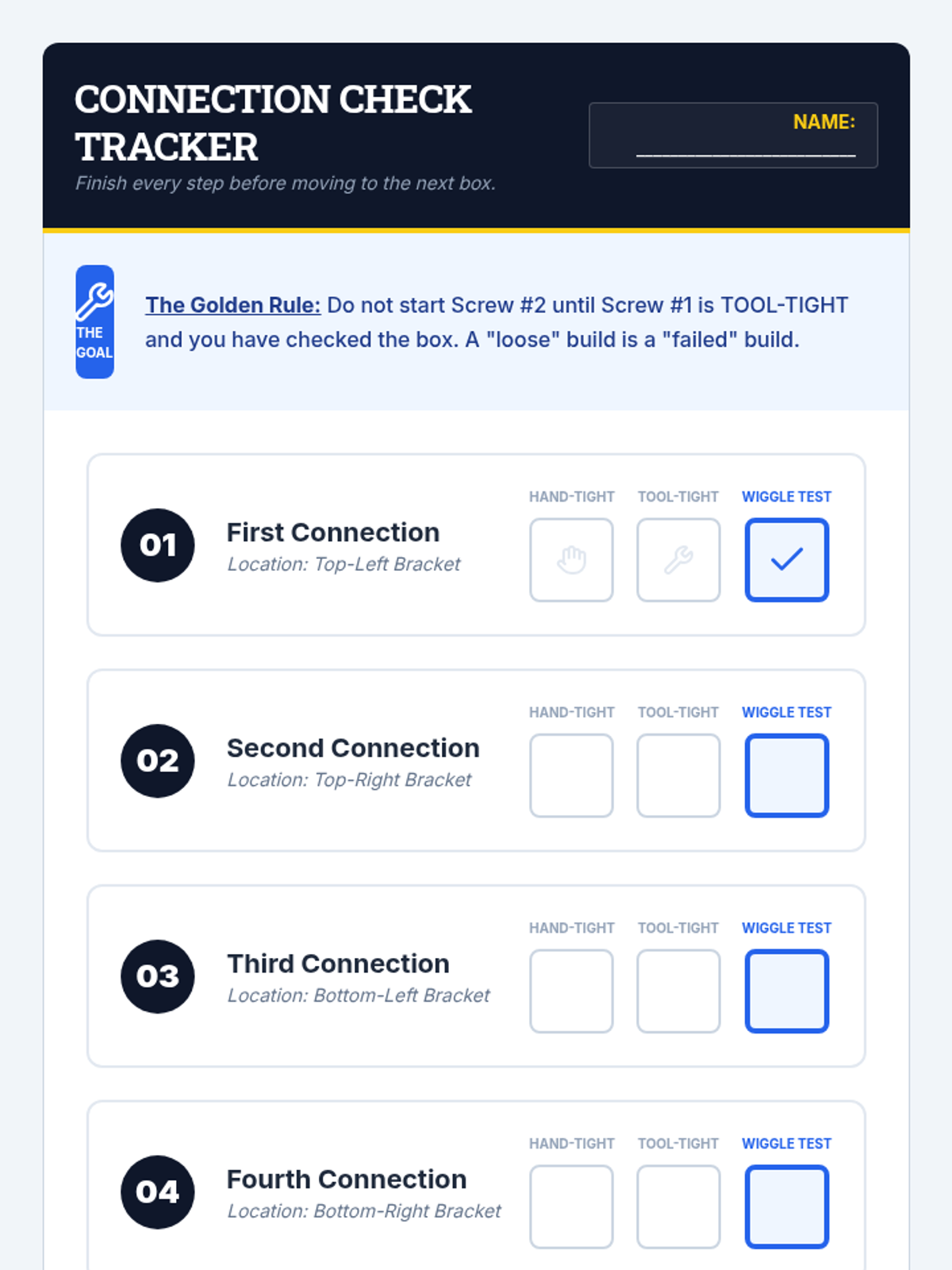
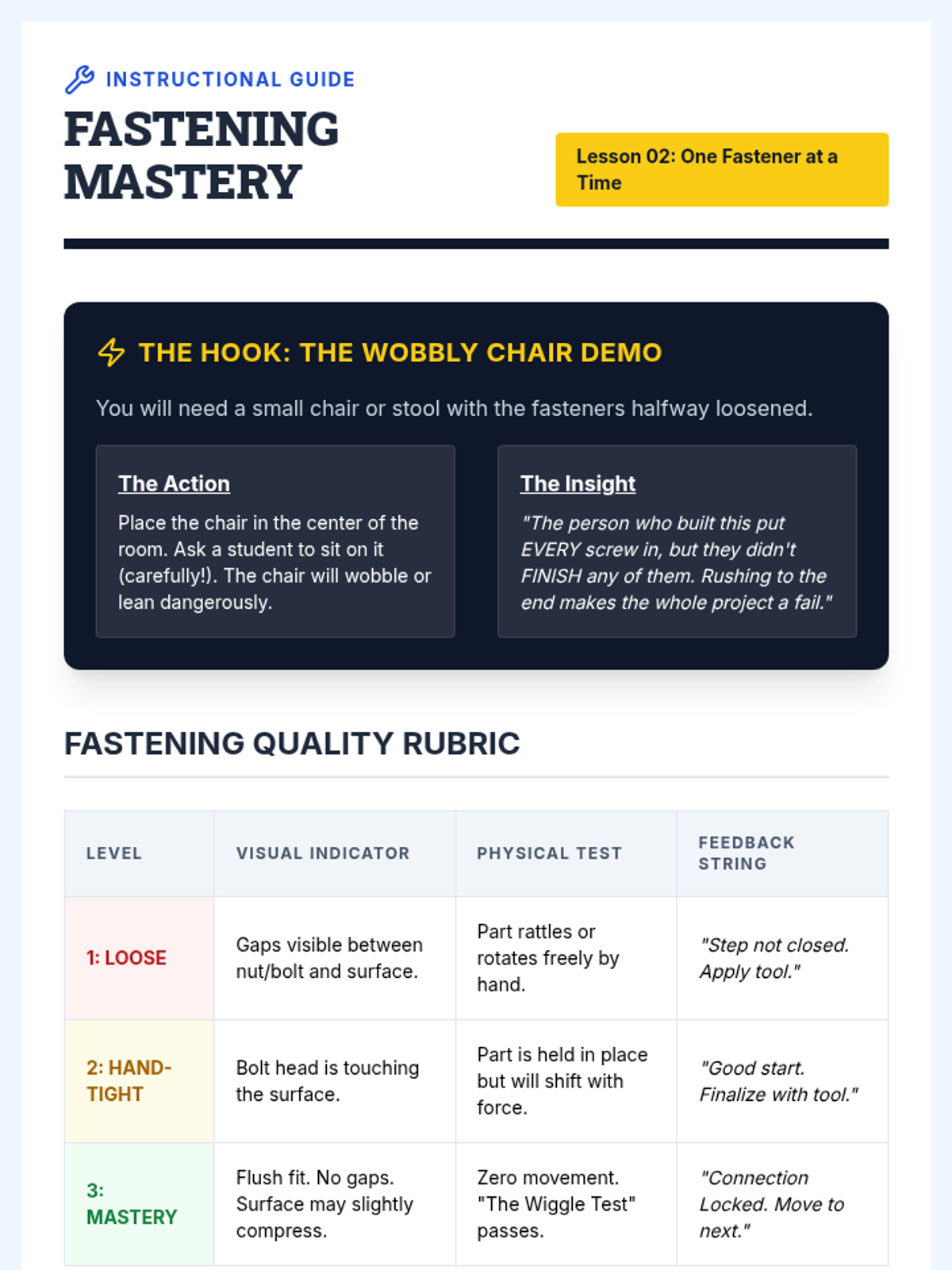
Focuses on the fine motor and cognitive discipline of fully securing one connection before moving to the next, preventing 'wobbly' structural failures.
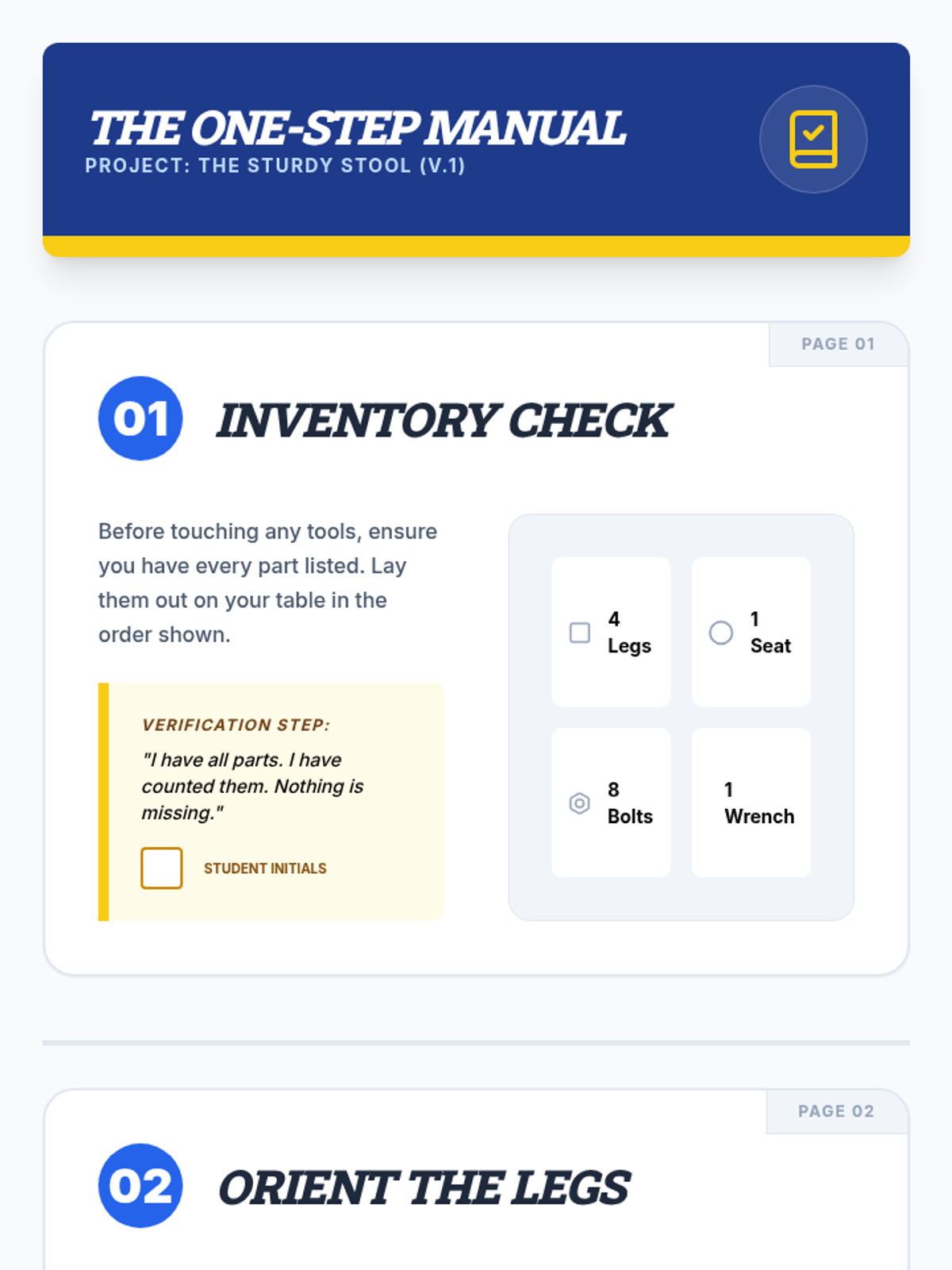
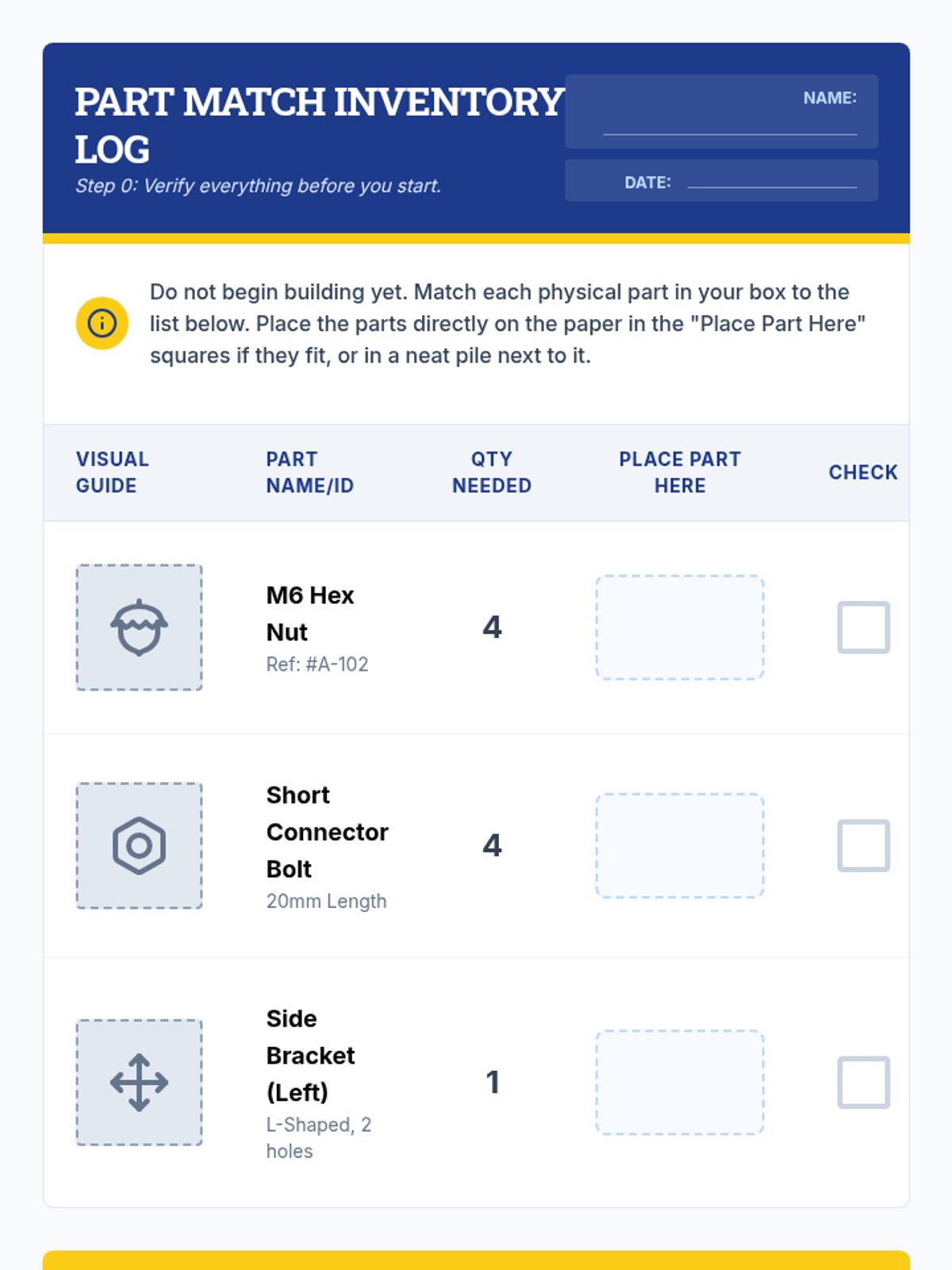
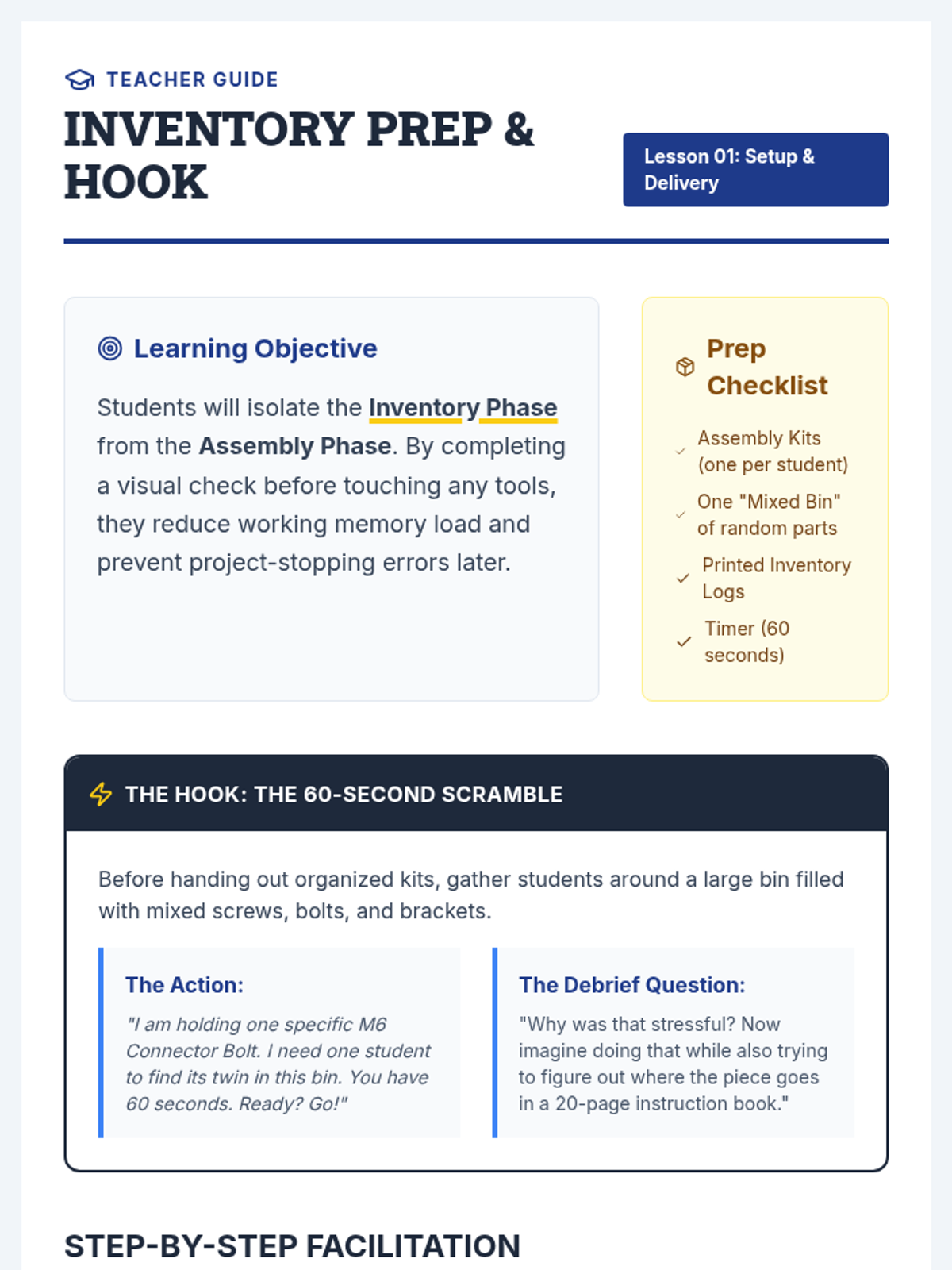
Students learn that the first single step of any build is an inventory check, matching parts to a visual list to prevent cognitive overload during assembly.
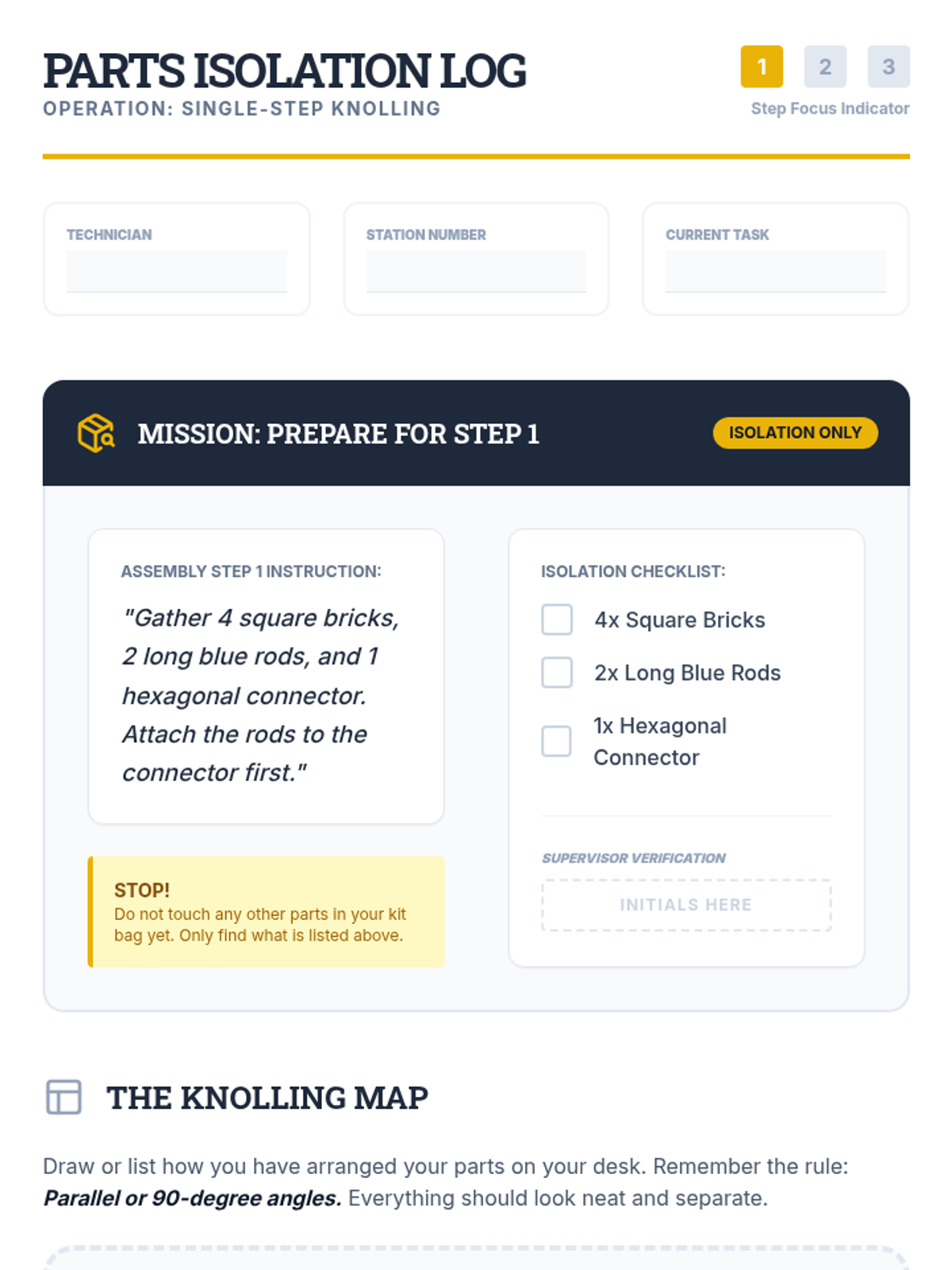
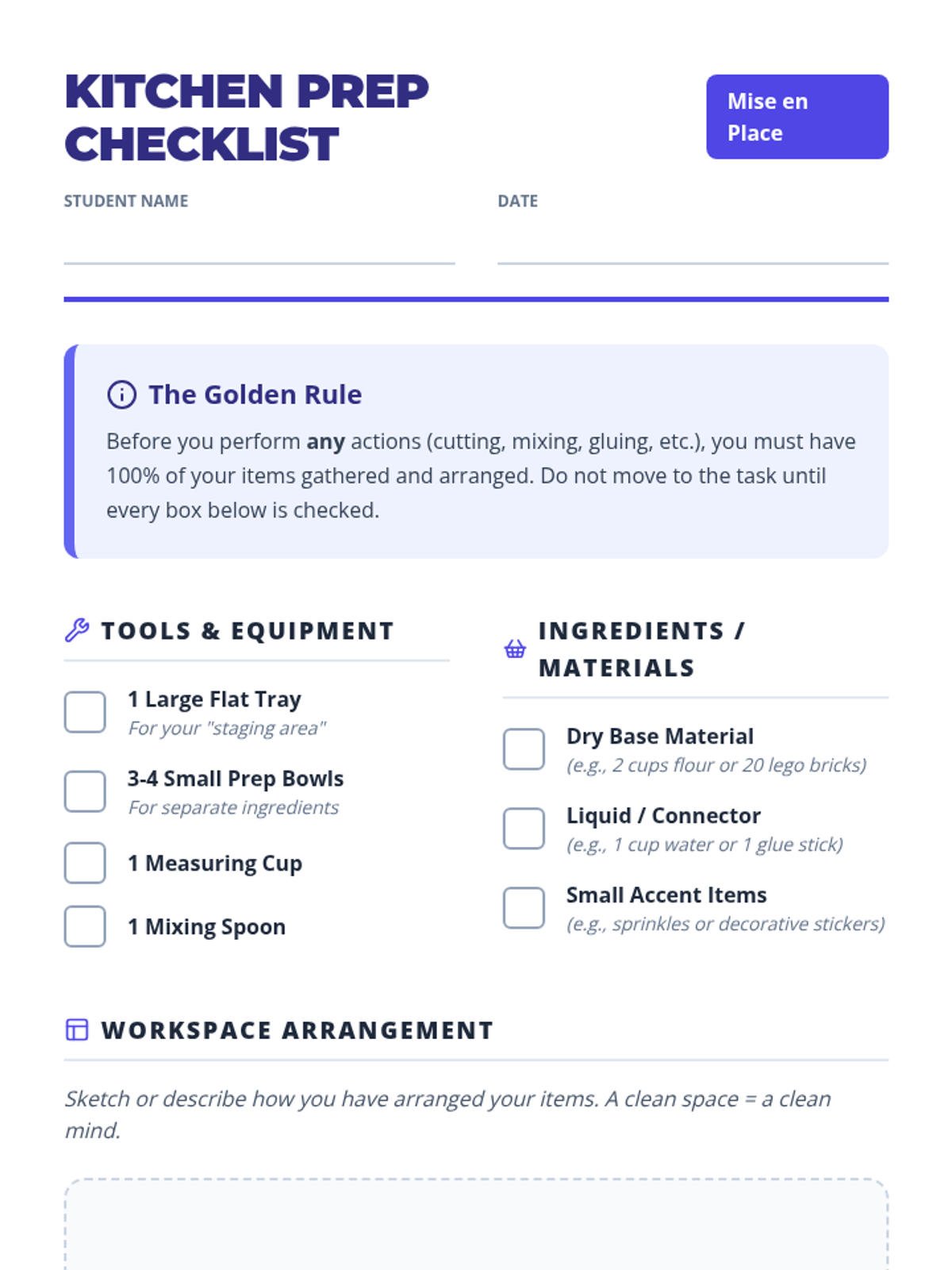
Before assembly, students practice 'knolling'—gathering and arranging only the parts needed for the immediate single step. This physical organization reduces cognitive clutter.
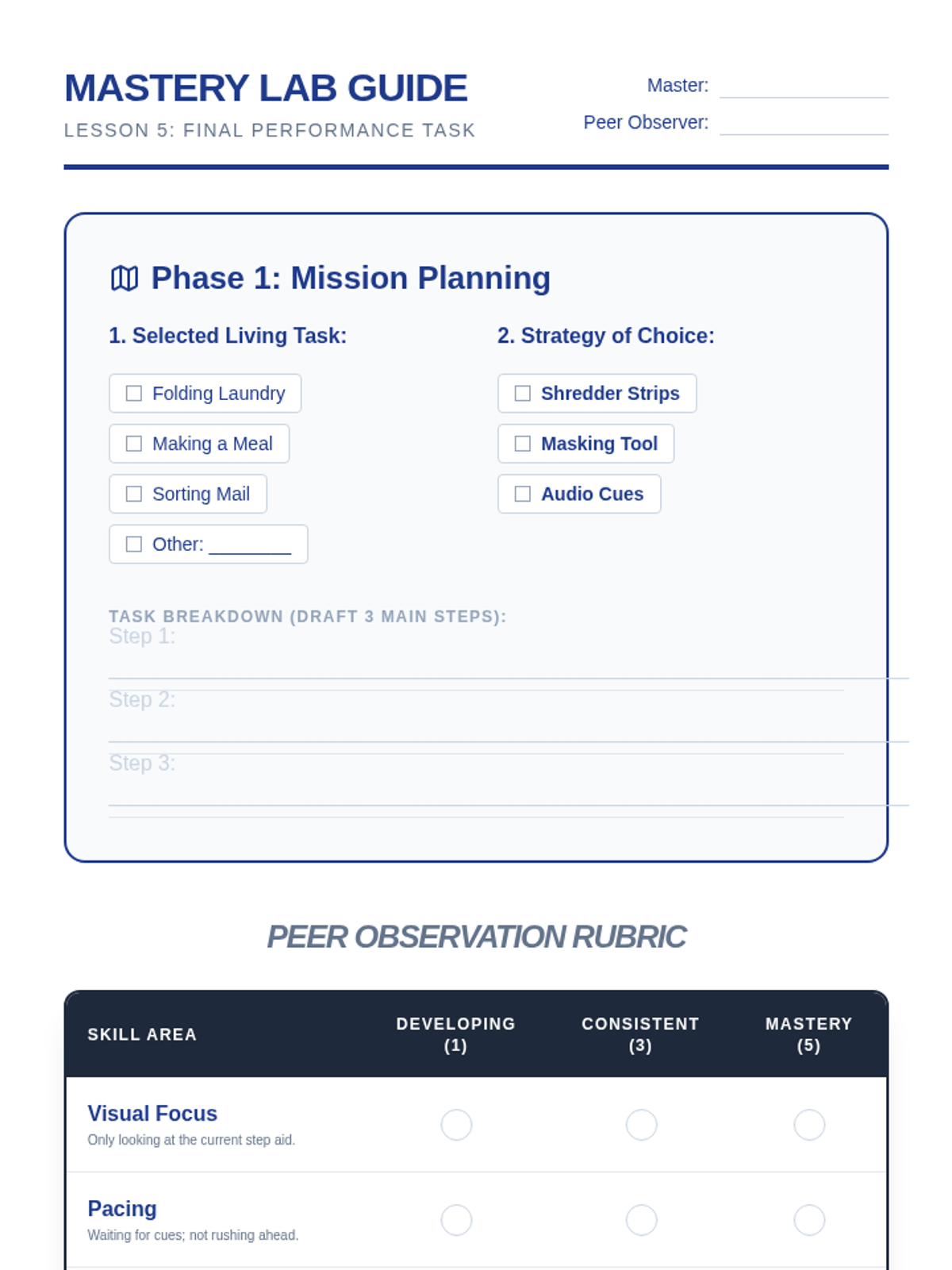
The capstone lesson where students apply their chosen single-step method to a real-world task, demonstrating mastery and peer-reviewed independence.
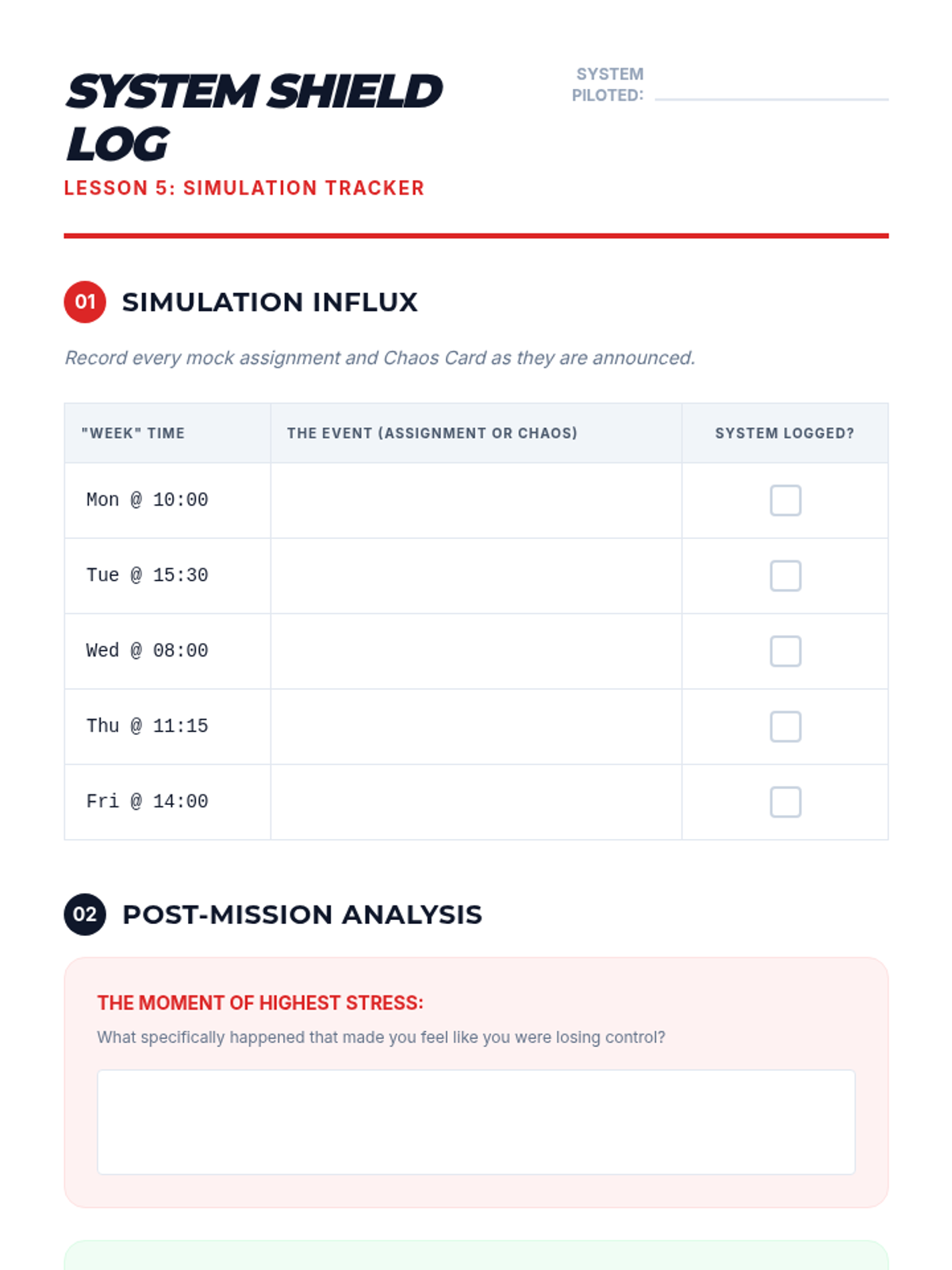
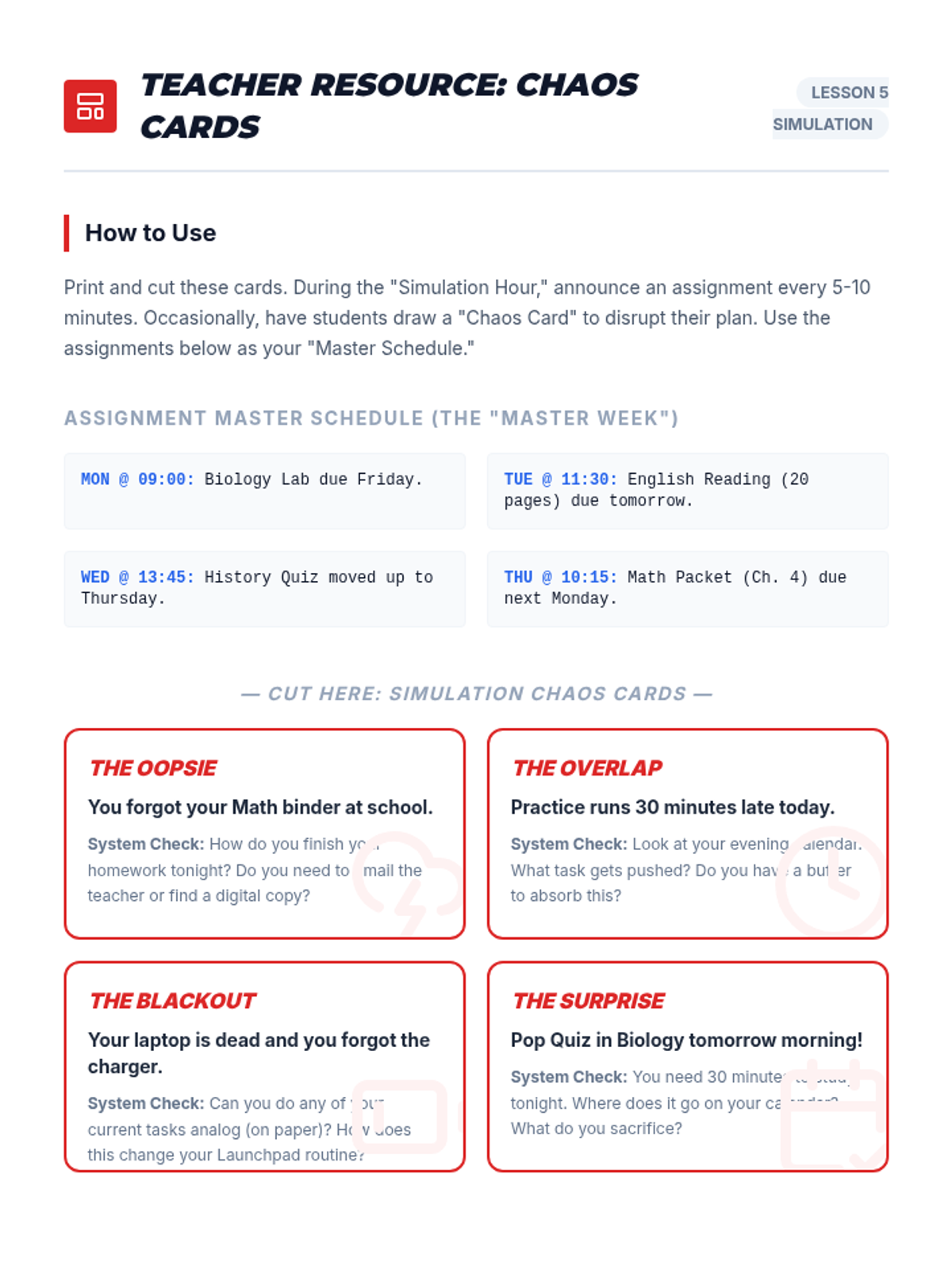
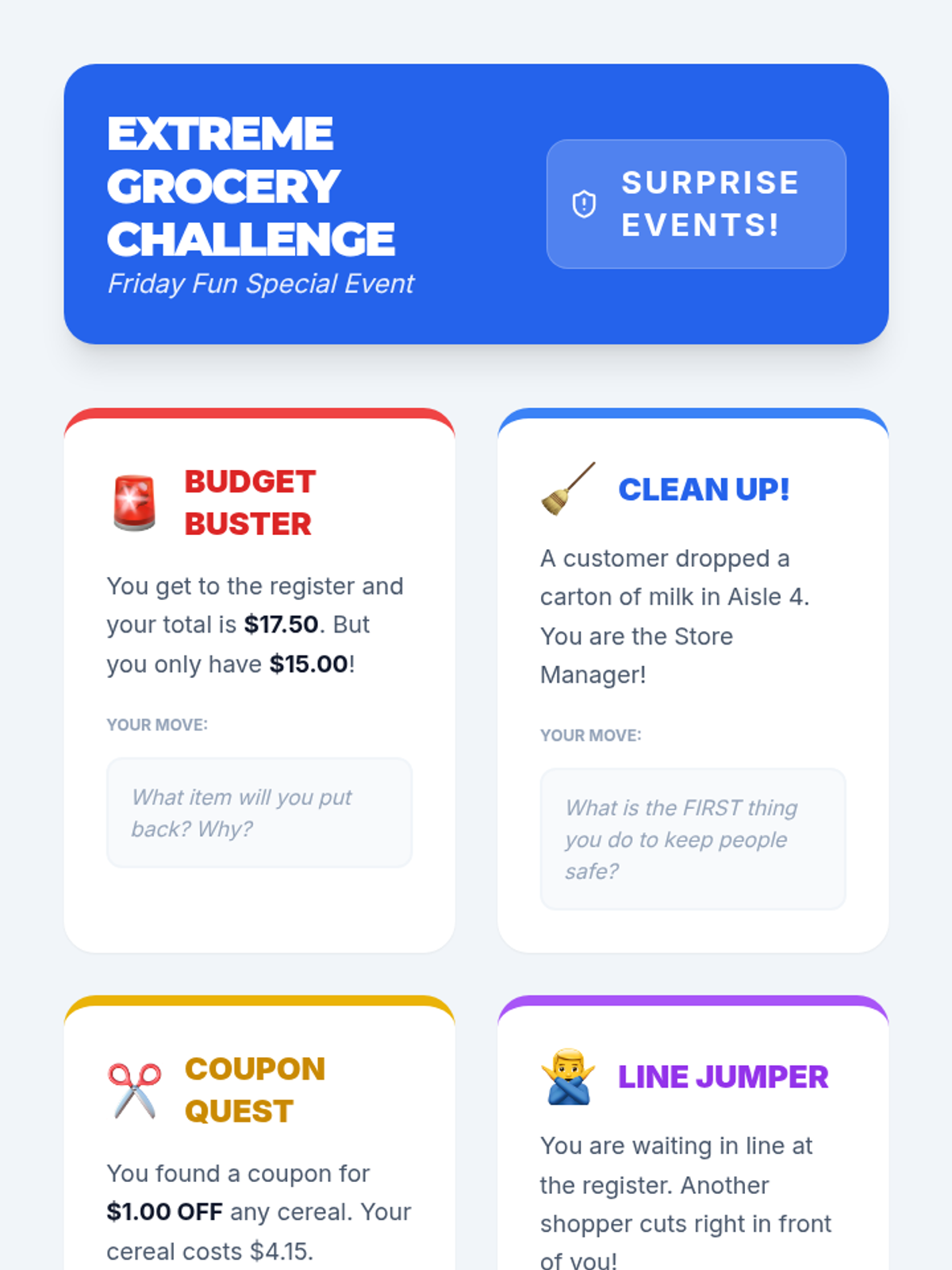
Students put their systems to the test with a 'Simulated Week' activity involving mock assignments and surprise events, followed by reflection.
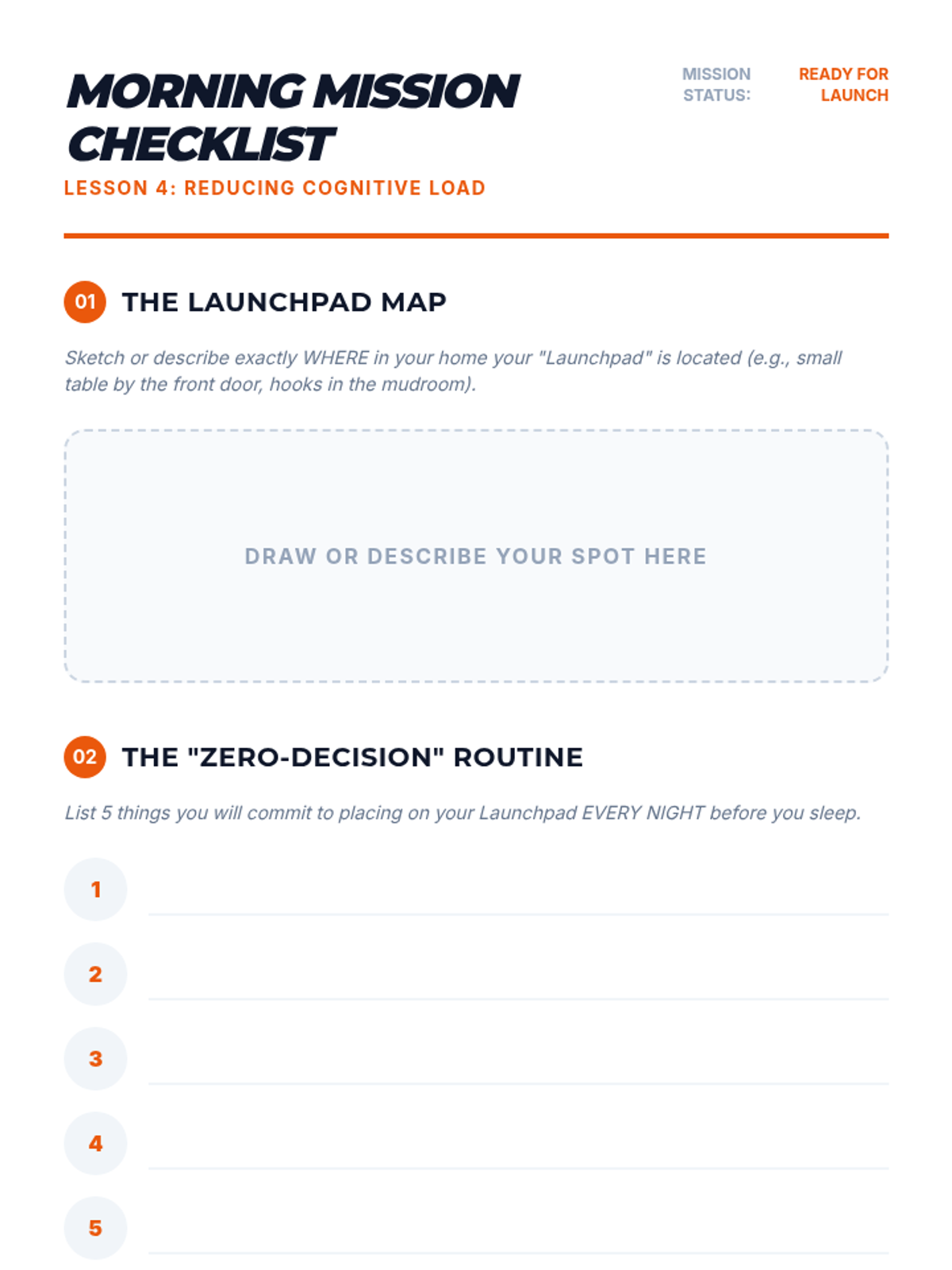
Students develop systems for physical materials, including binder organization and a 'launchpad' routine to reduce morning cognitive load.
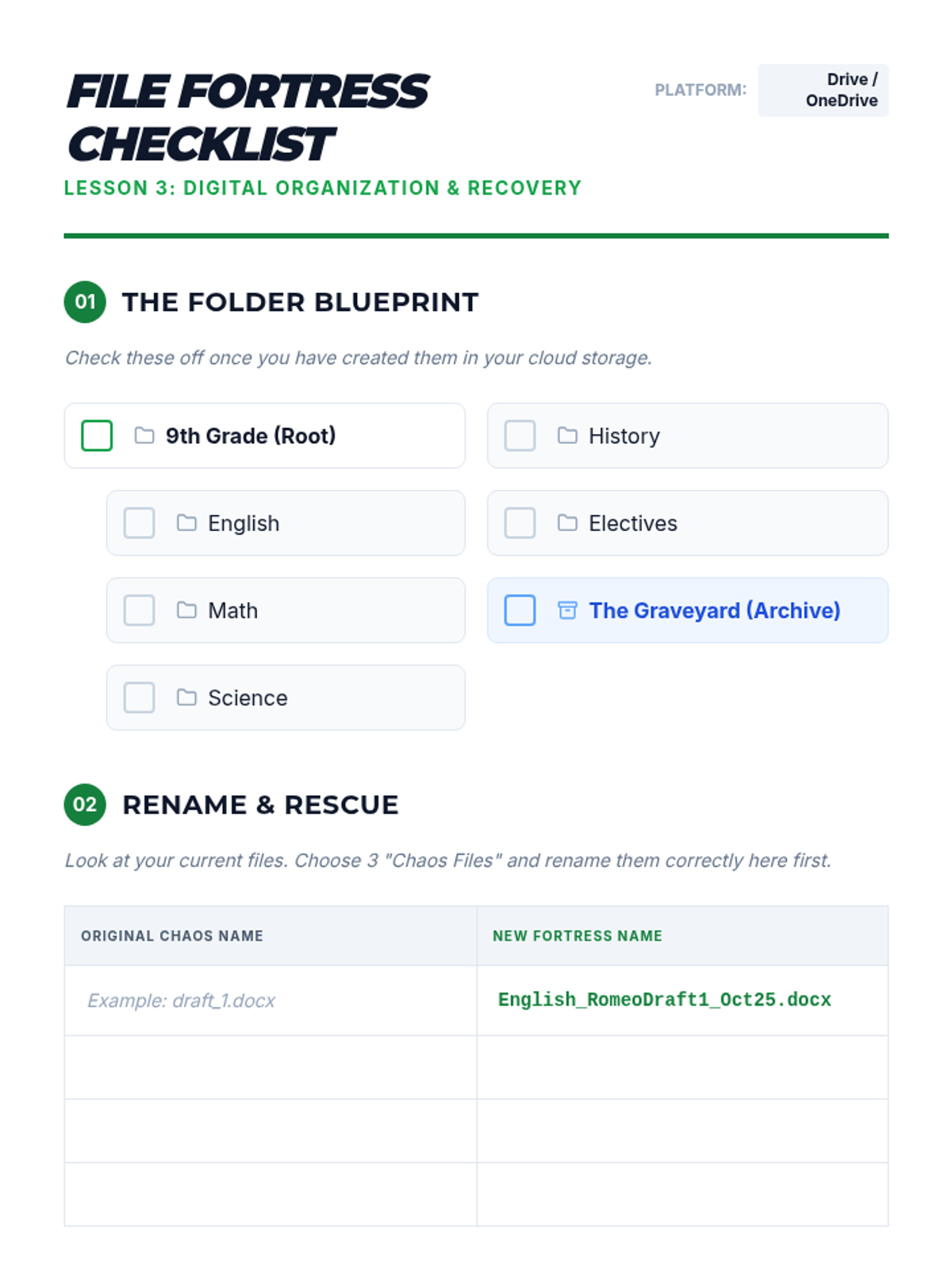
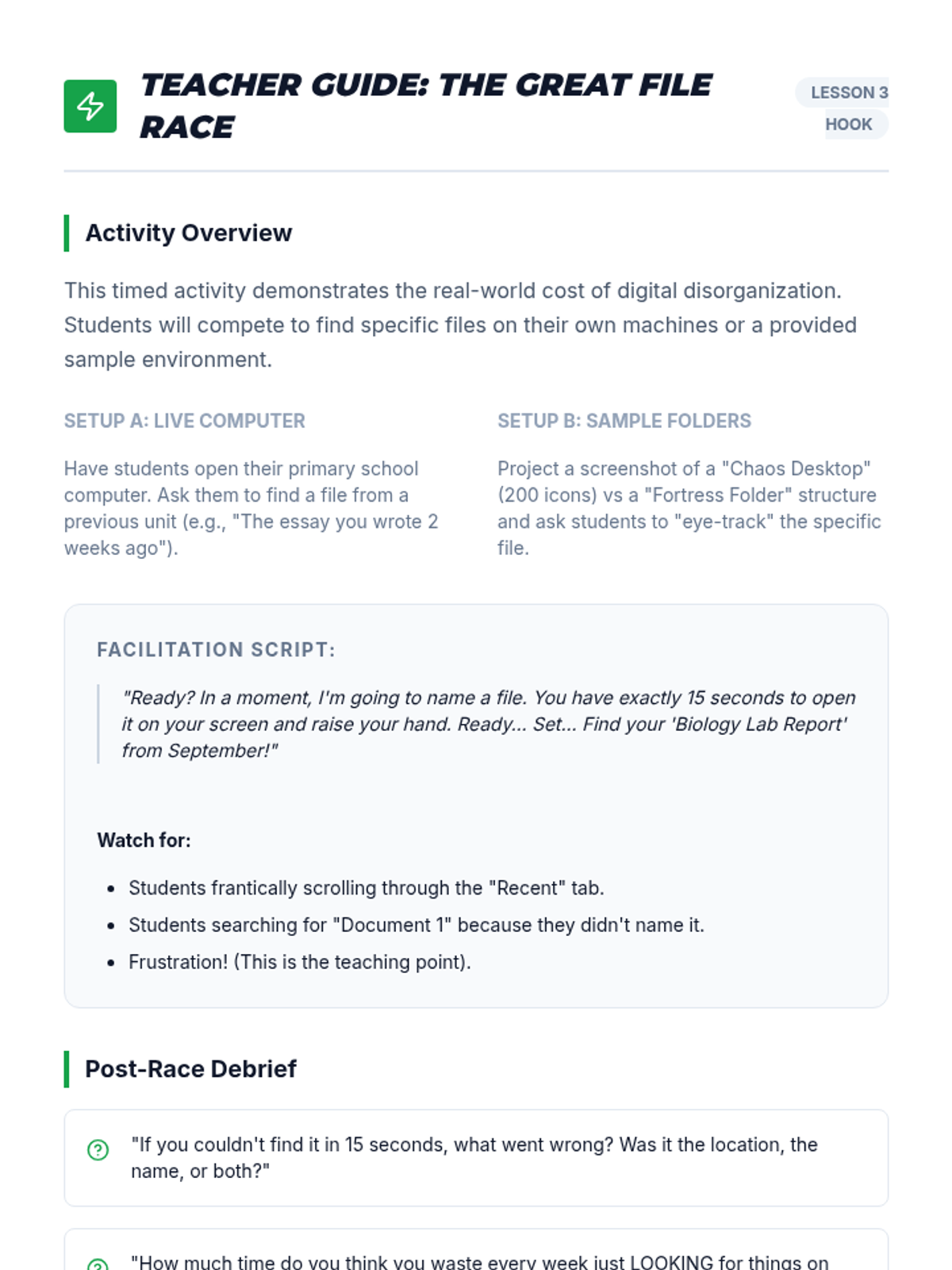
Students learn naming conventions and folder hierarchies for digital storage, focusing on quick retrieval to avoid the 'missing homework' cycle.
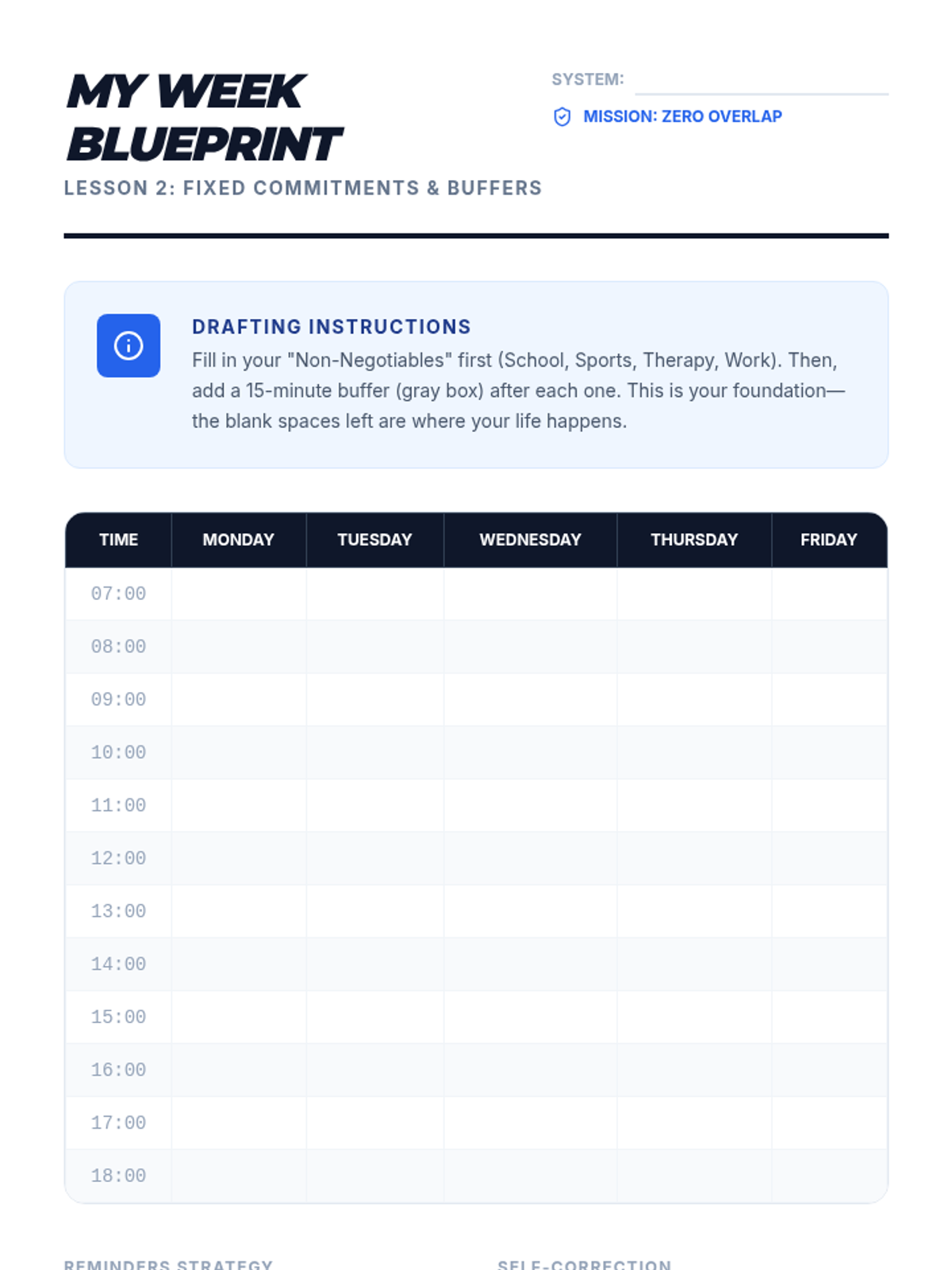
A workshop where students populate a calendar with fixed commitments, learning to set effective reminders and buffers for transition times.
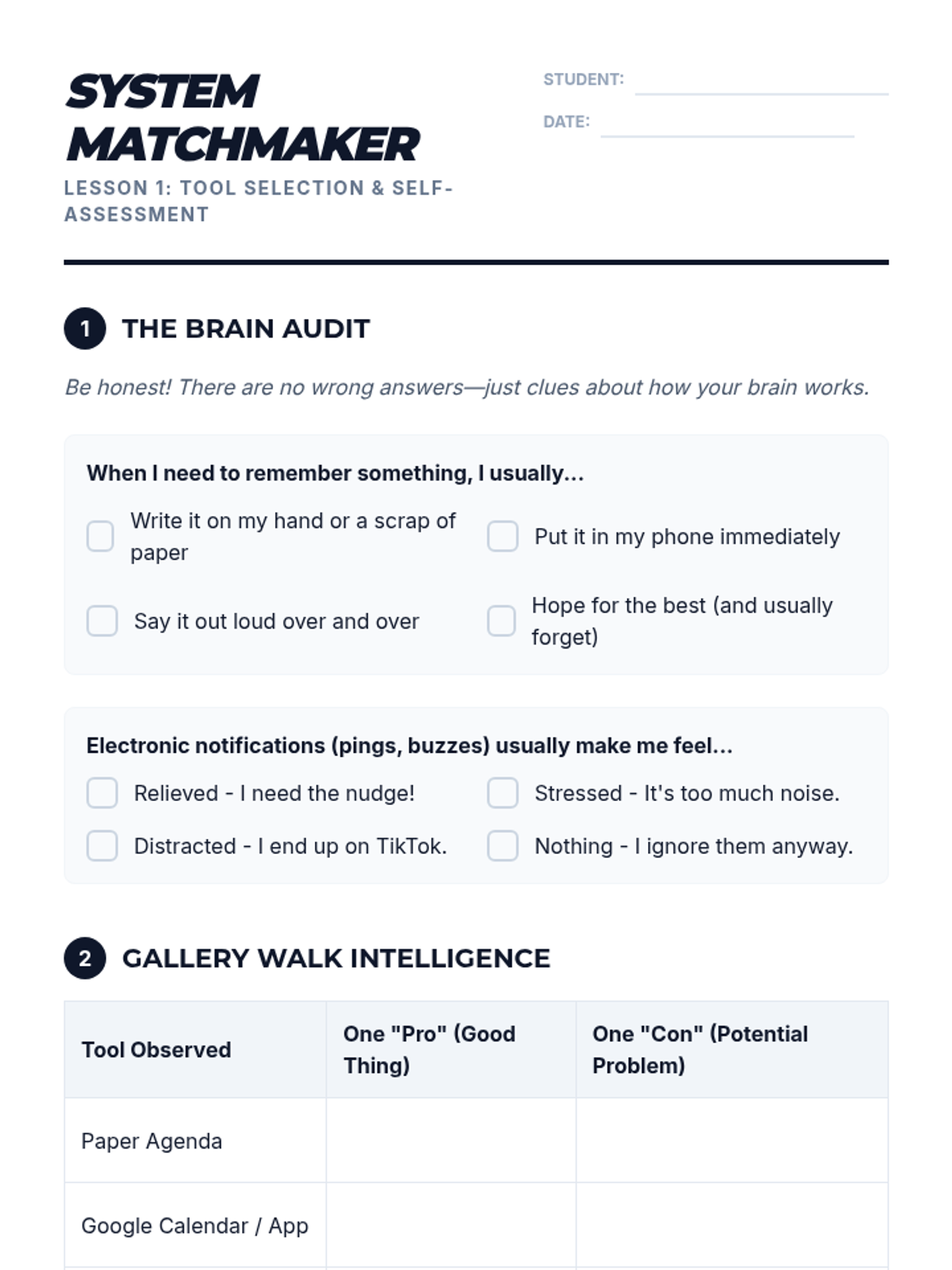
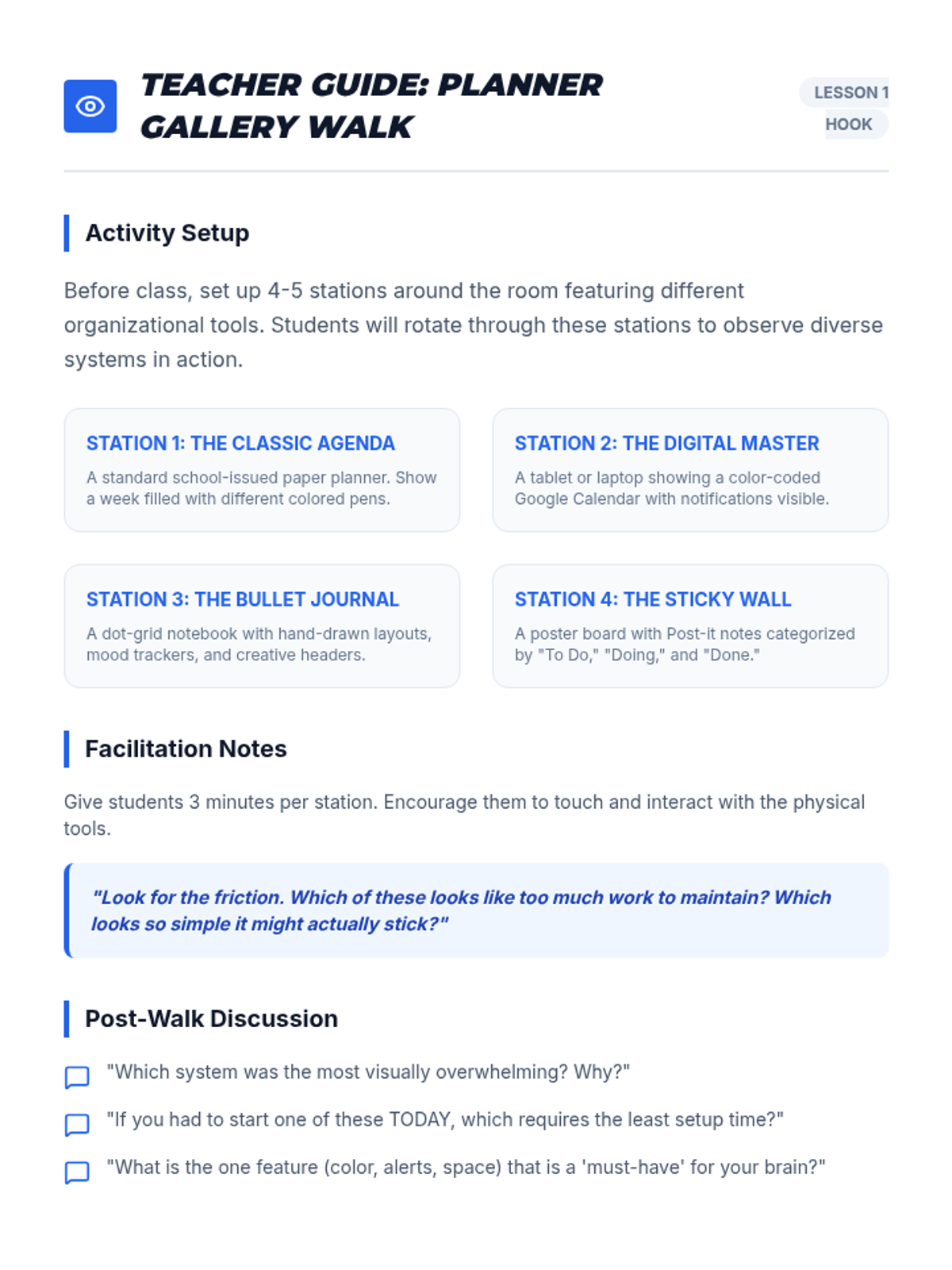
Students explore various planning tools, from paper agendas to apps, evaluating the pros and cons of each based on their own processing styles and accessibility needs.
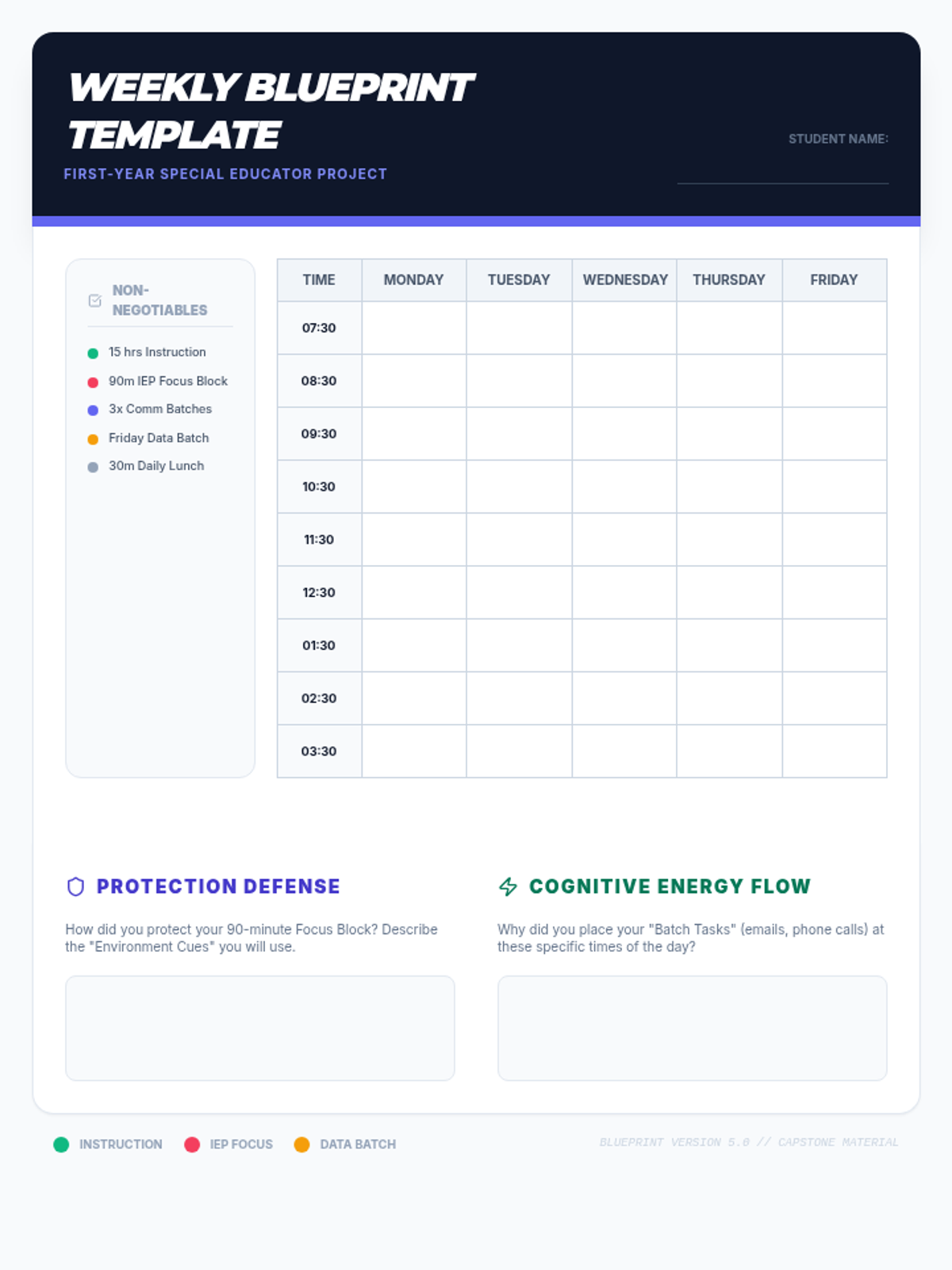
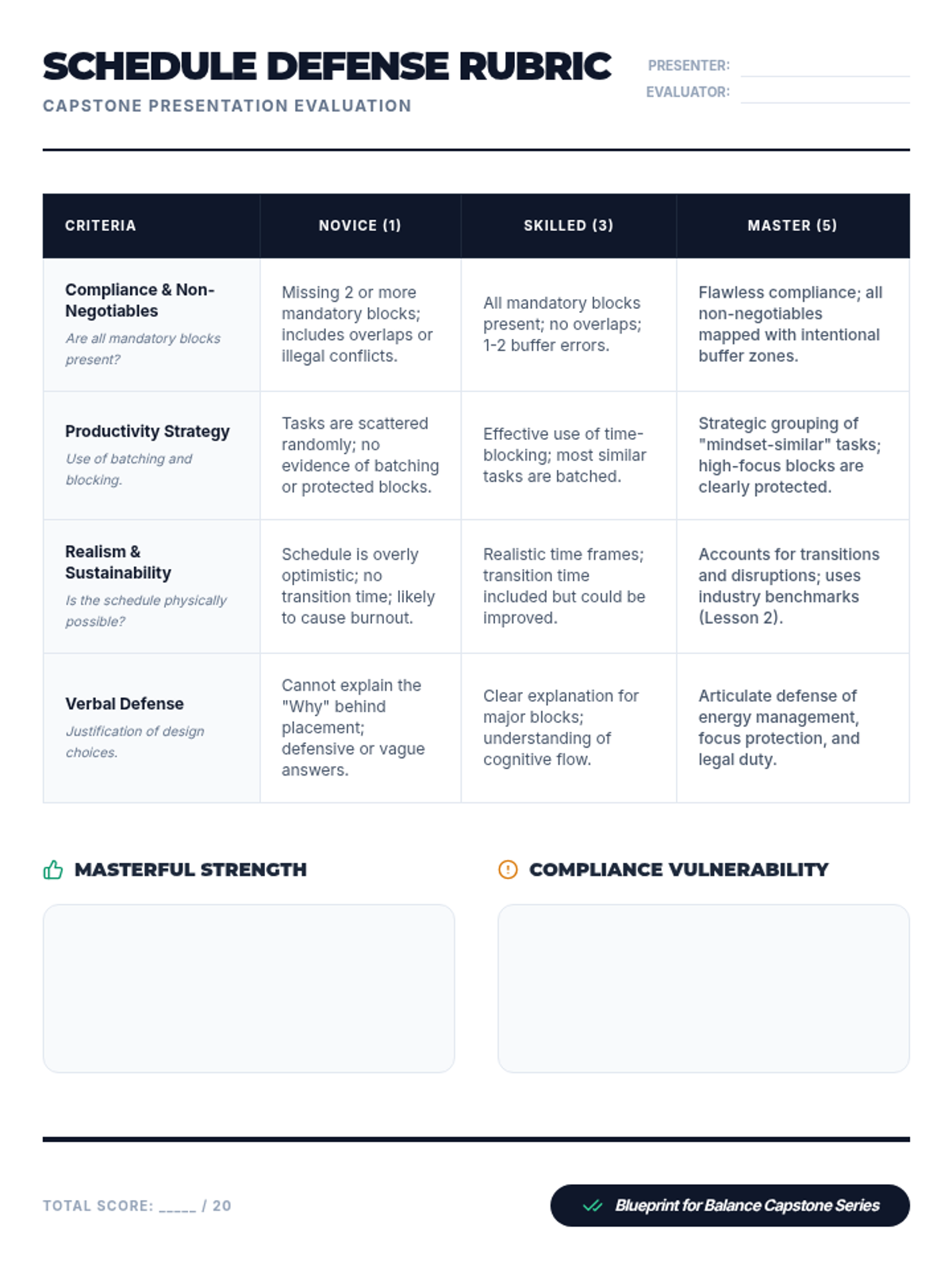
The capstone of the sequence where students design and defend a 'Perfect Week' schedule template that balances instruction with mandatory administrative time.
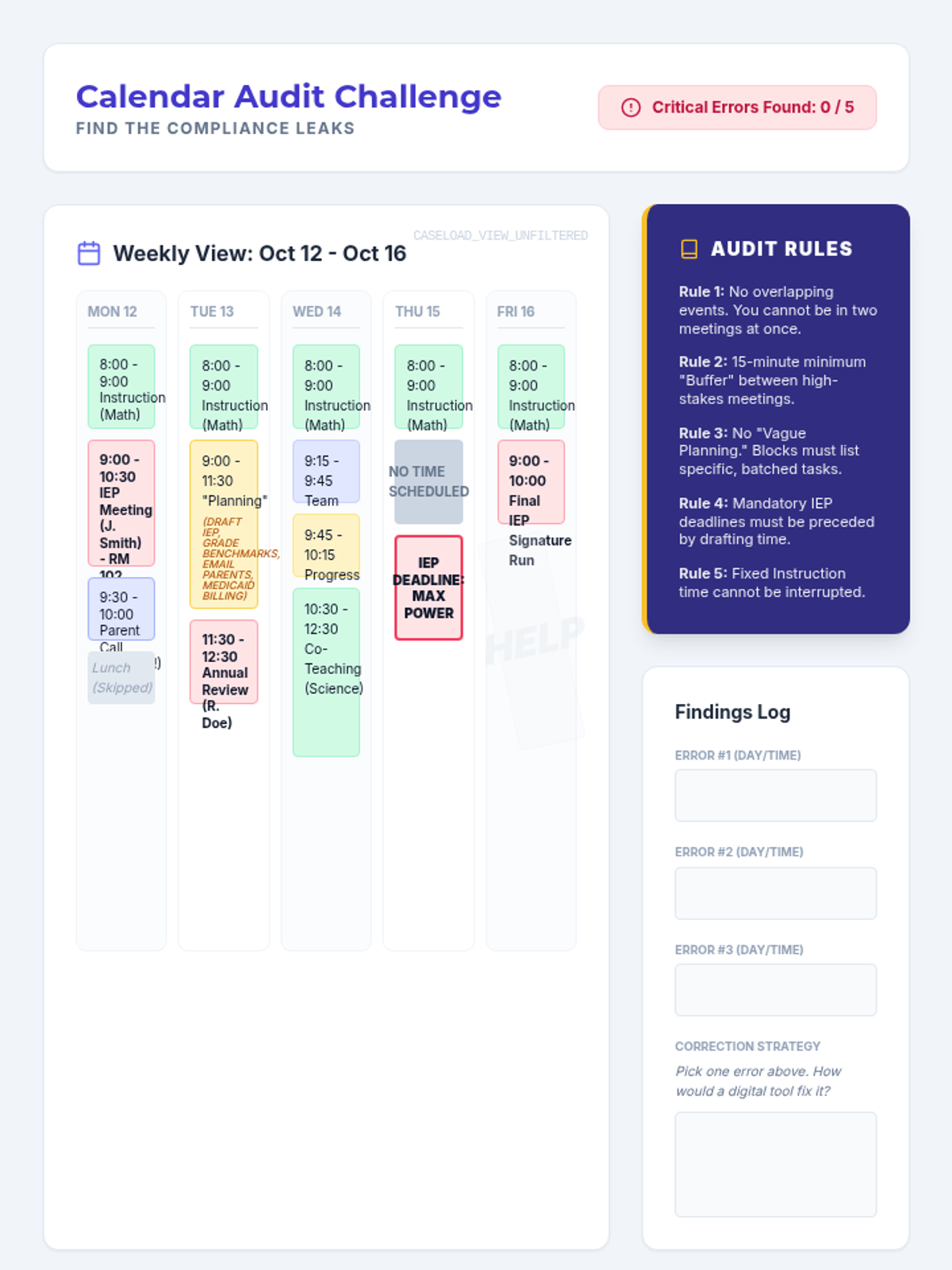
An exploration of digital platforms for organization, featuring a calendar audit where students identify critical compliance errors in a messy schedule.
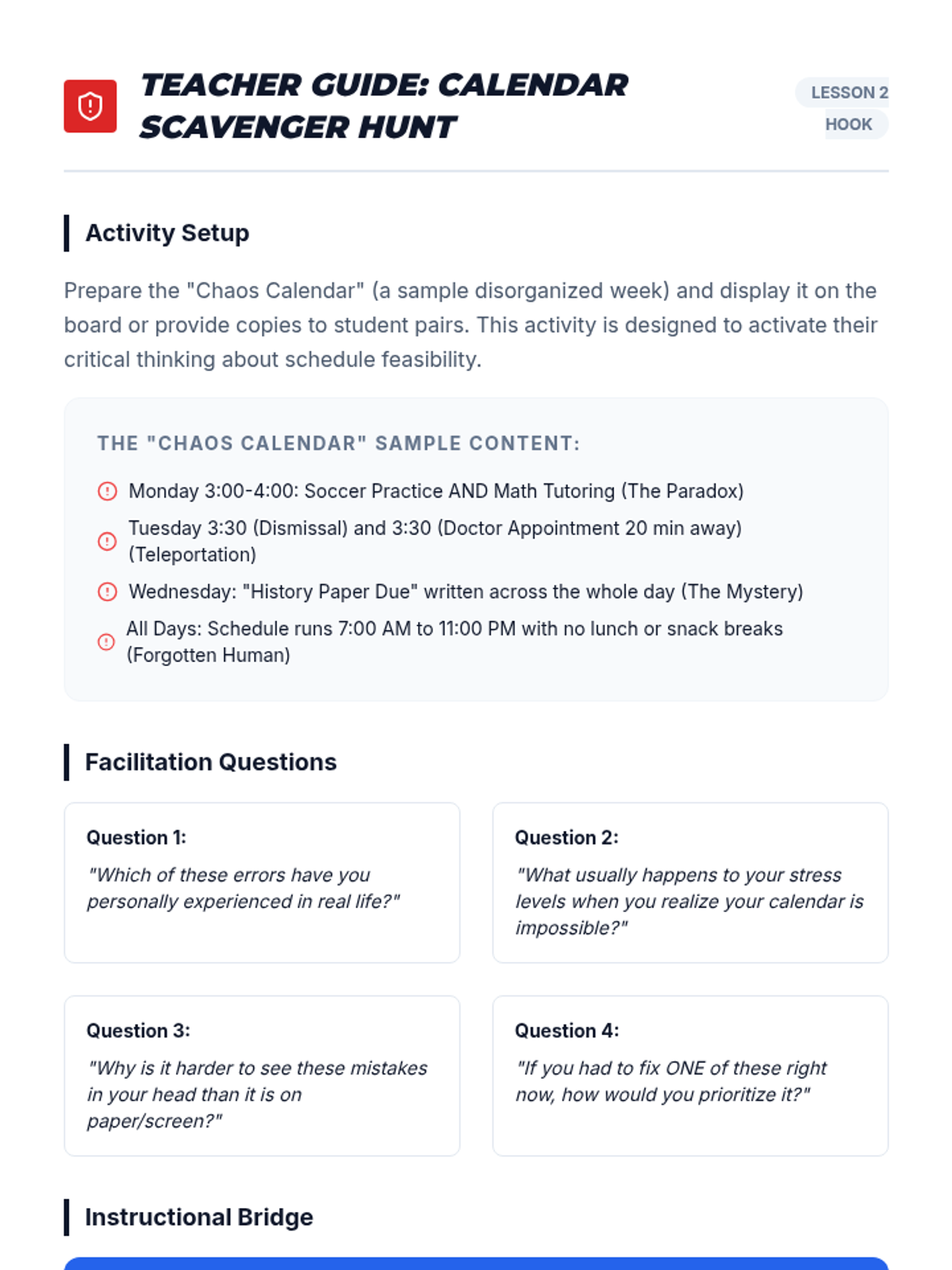
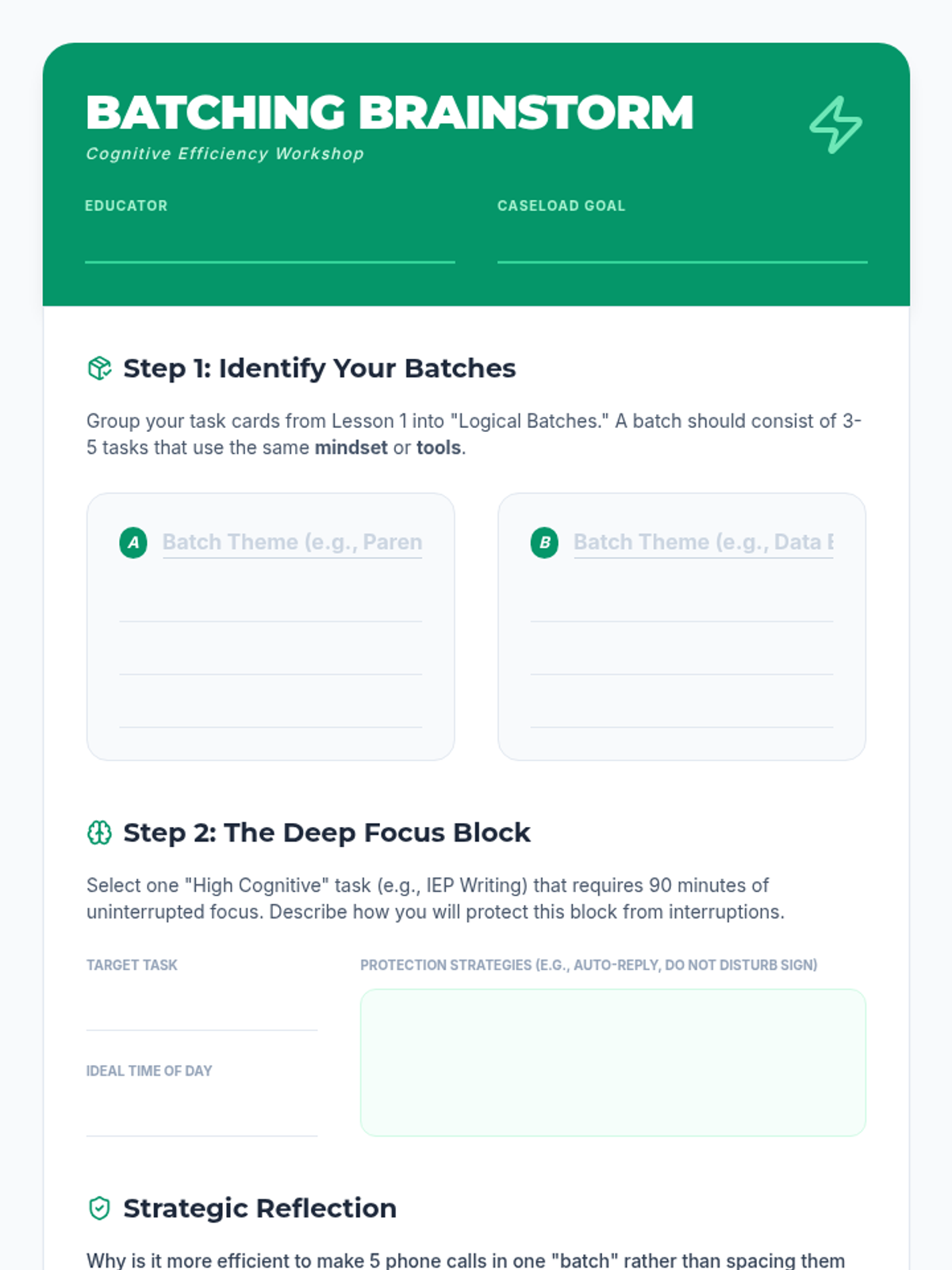
Focuses on cognitive efficiency by introducing time-blocking and task-batching techniques specifically for IEP development and caseload management.
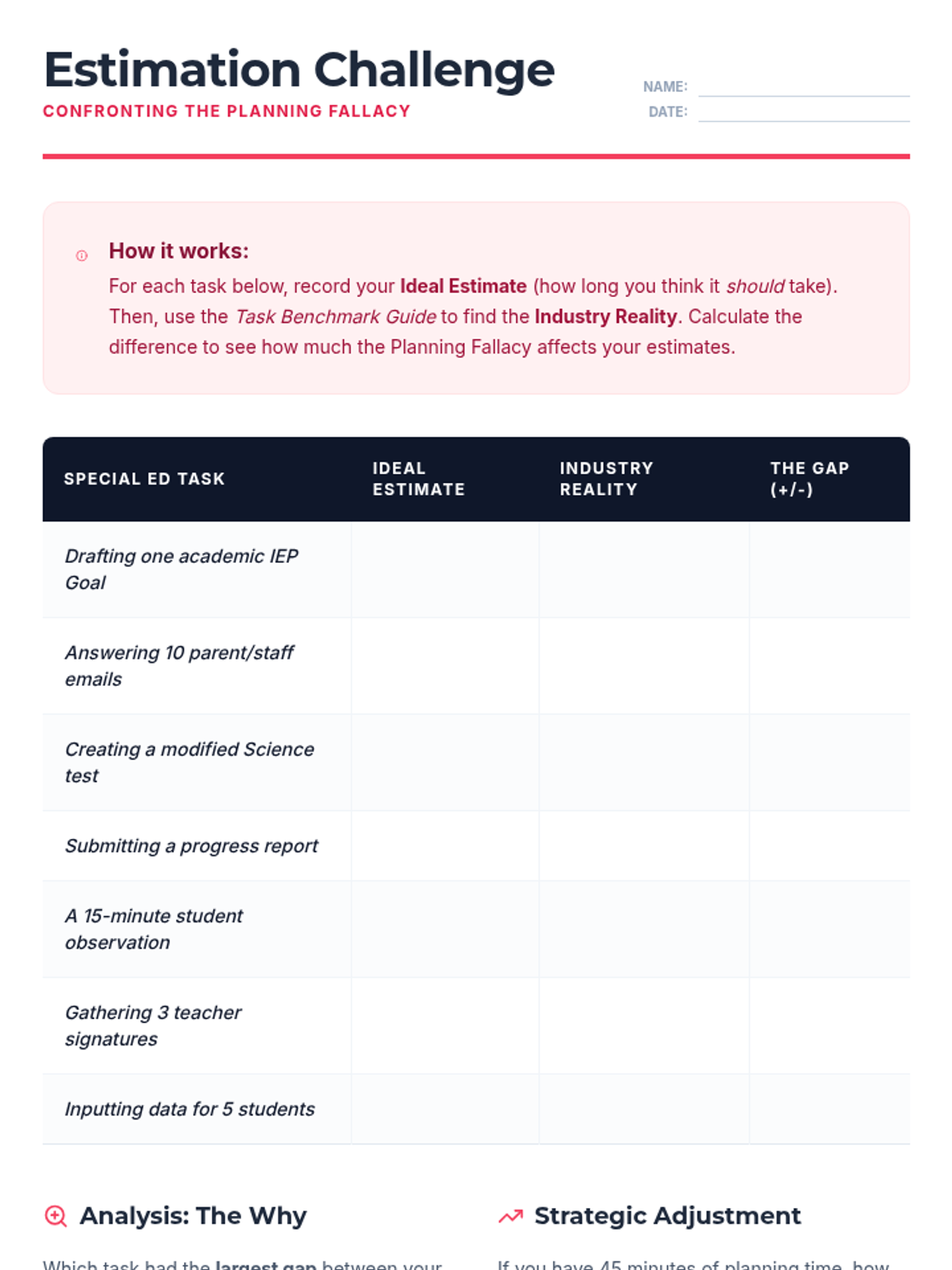
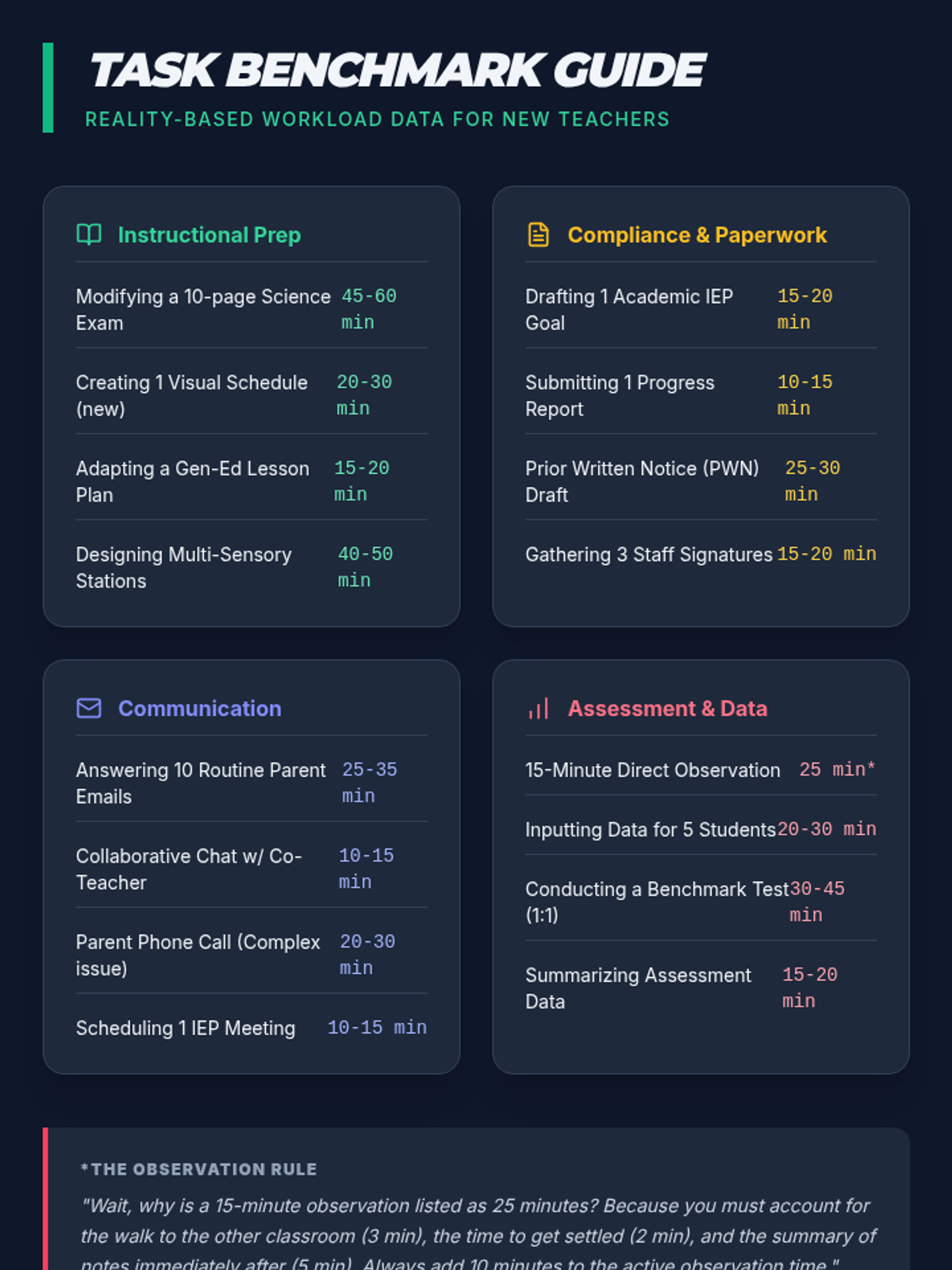
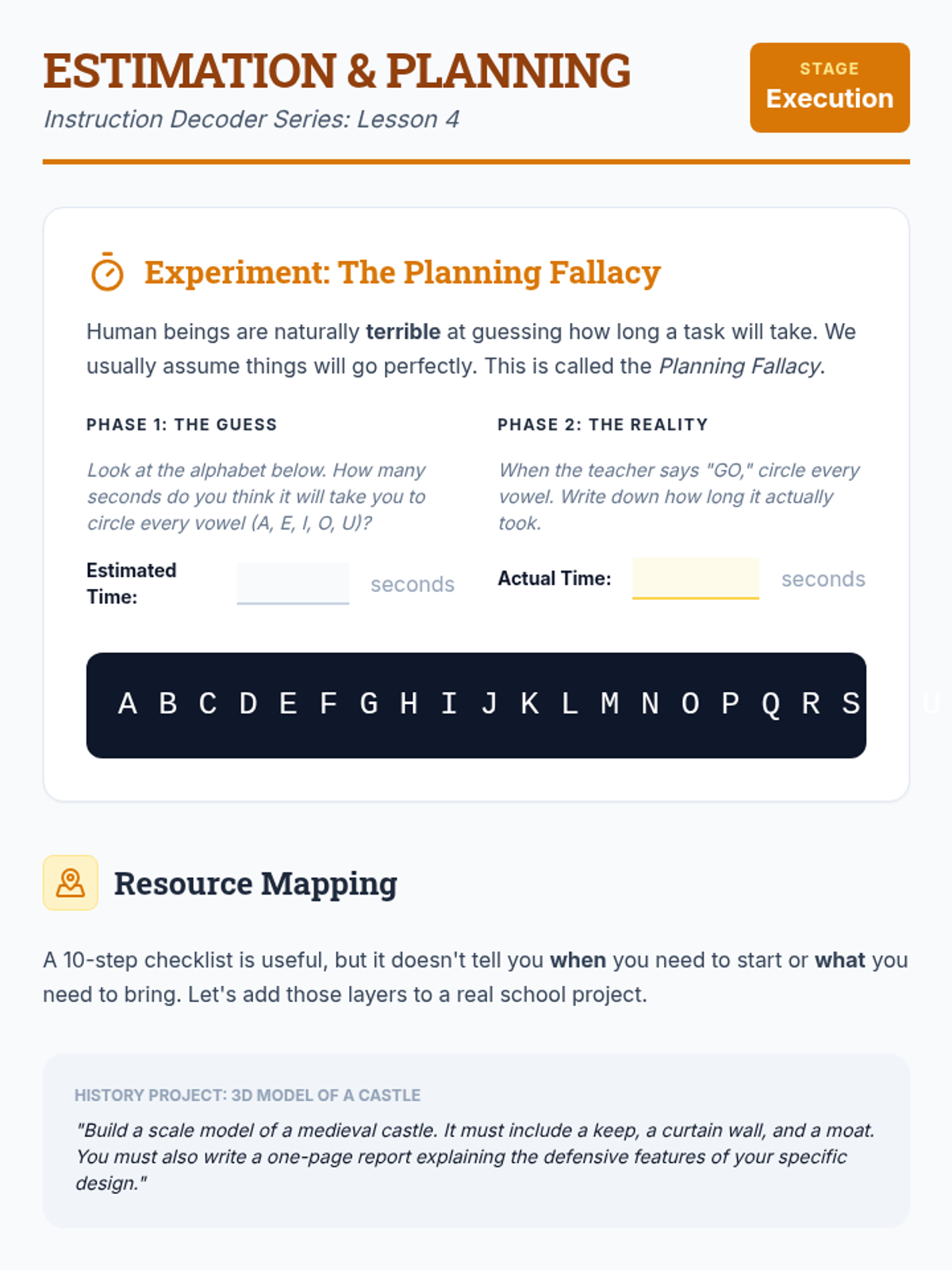
Students tackle the 'planning fallacy' by estimating task durations and comparing them to real-world teacher data, learning to account for transitions and interruptions.
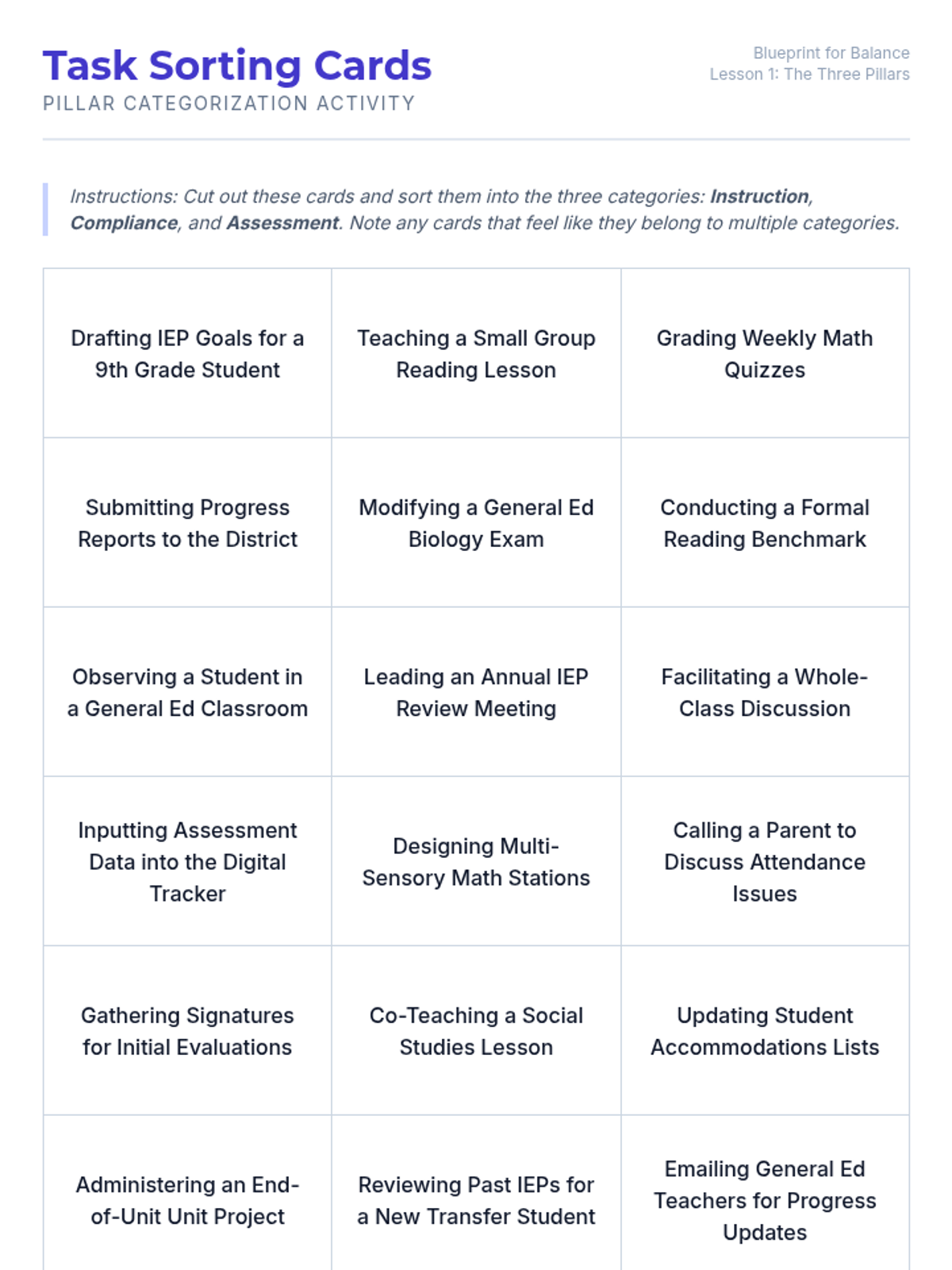
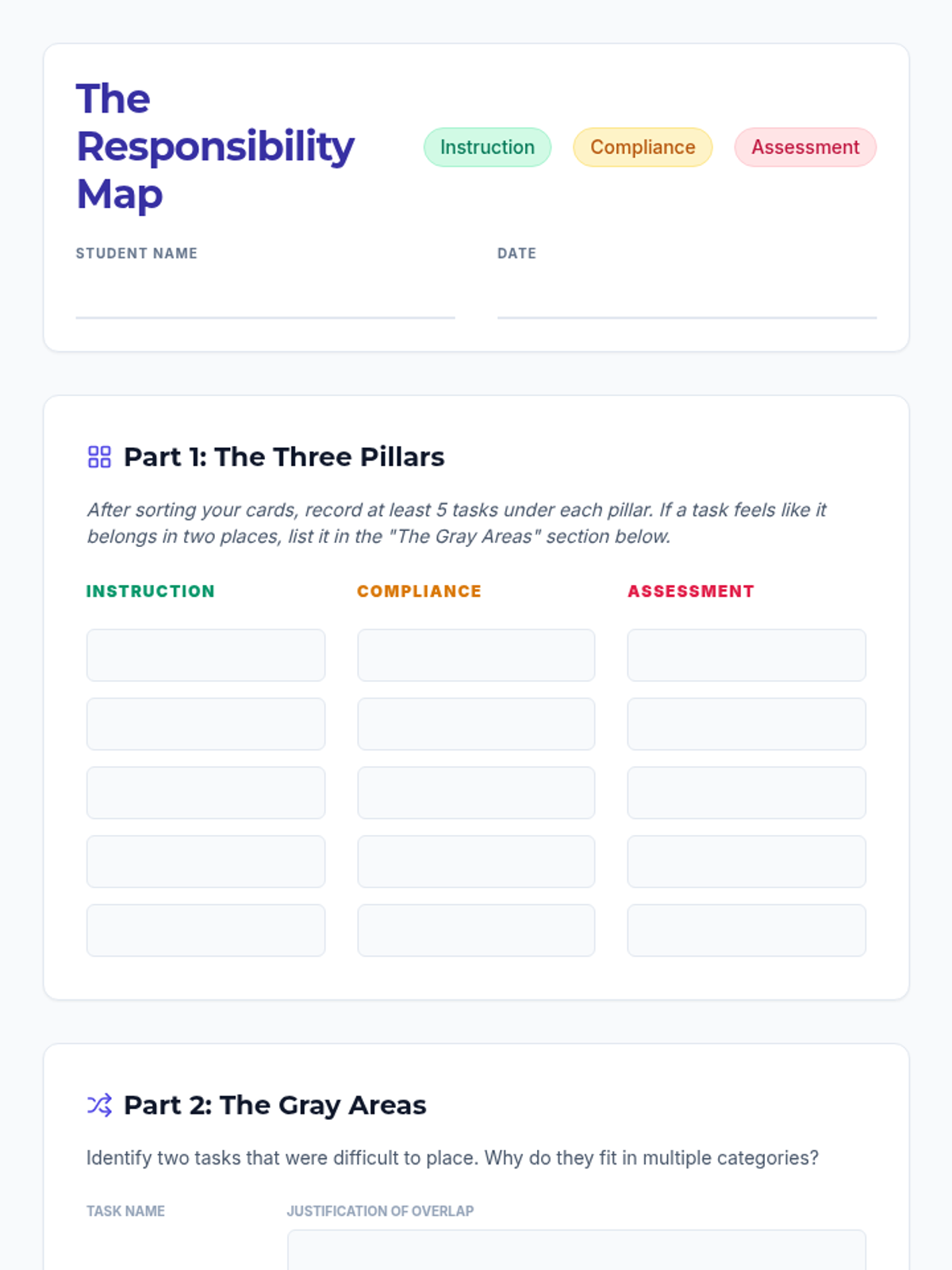
Students analyze the three pillars of special education (Instruction, Compliance, Assessment) and sort common teacher tasks to understand the diverse demands of the role.
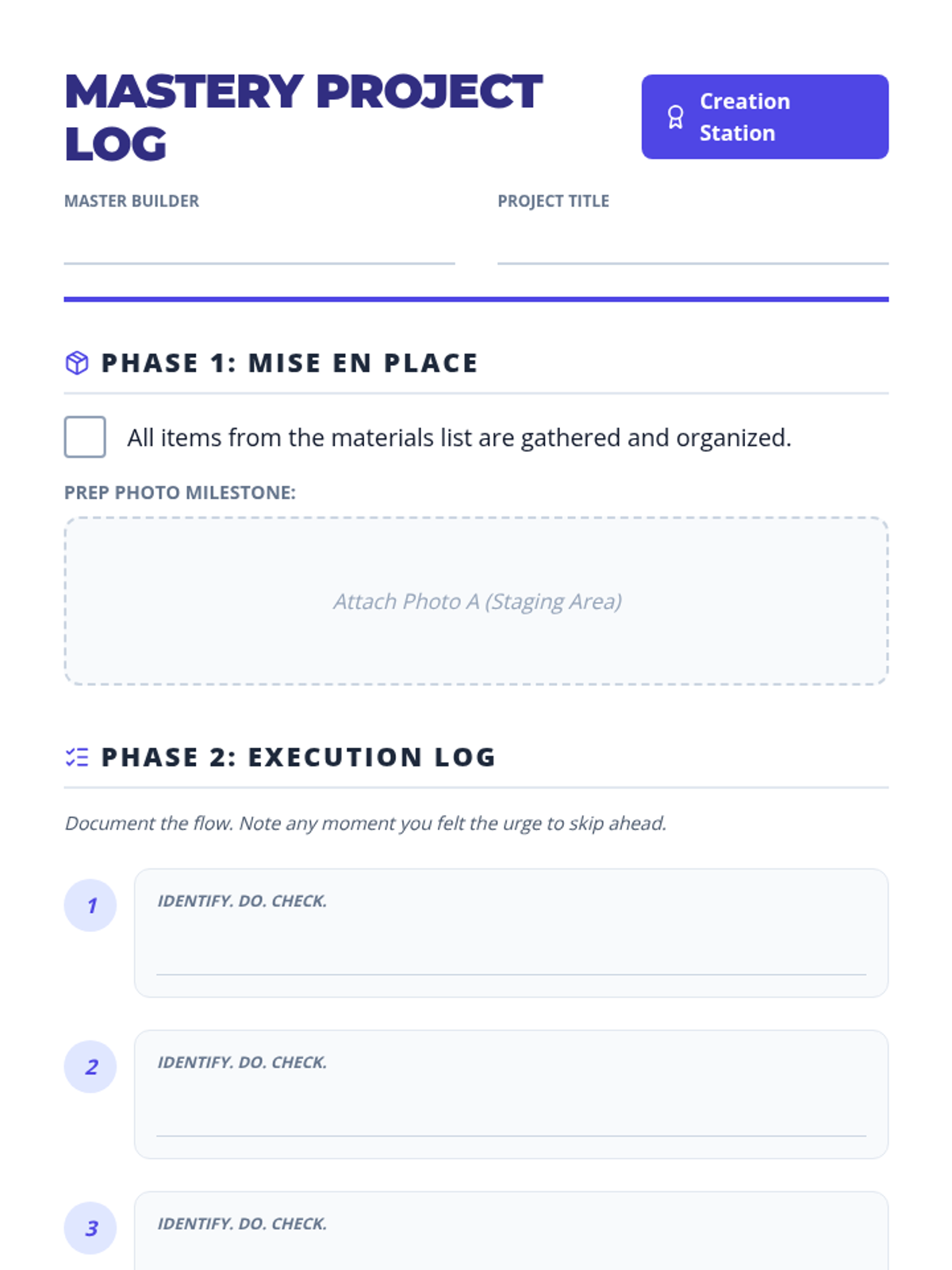
Students select a DIY project and follow a digital guide that utilizes single-step constraints. They document their process of 'one step at a time' through photos.
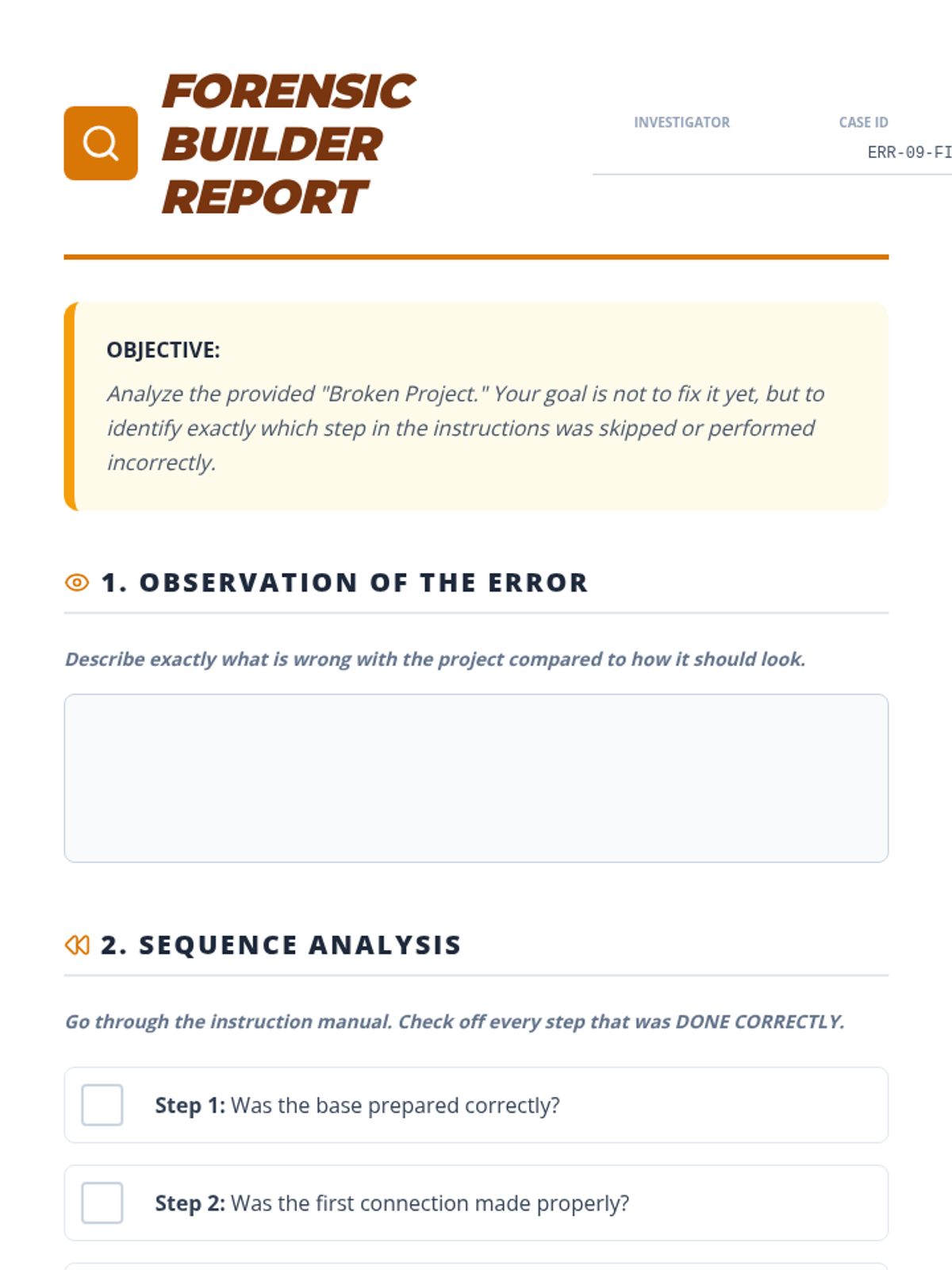
Students analyze a half-finished product that has an error. They must backtrack step-by-step to identify where the sequence was broken and determine the single step needed to fix it.
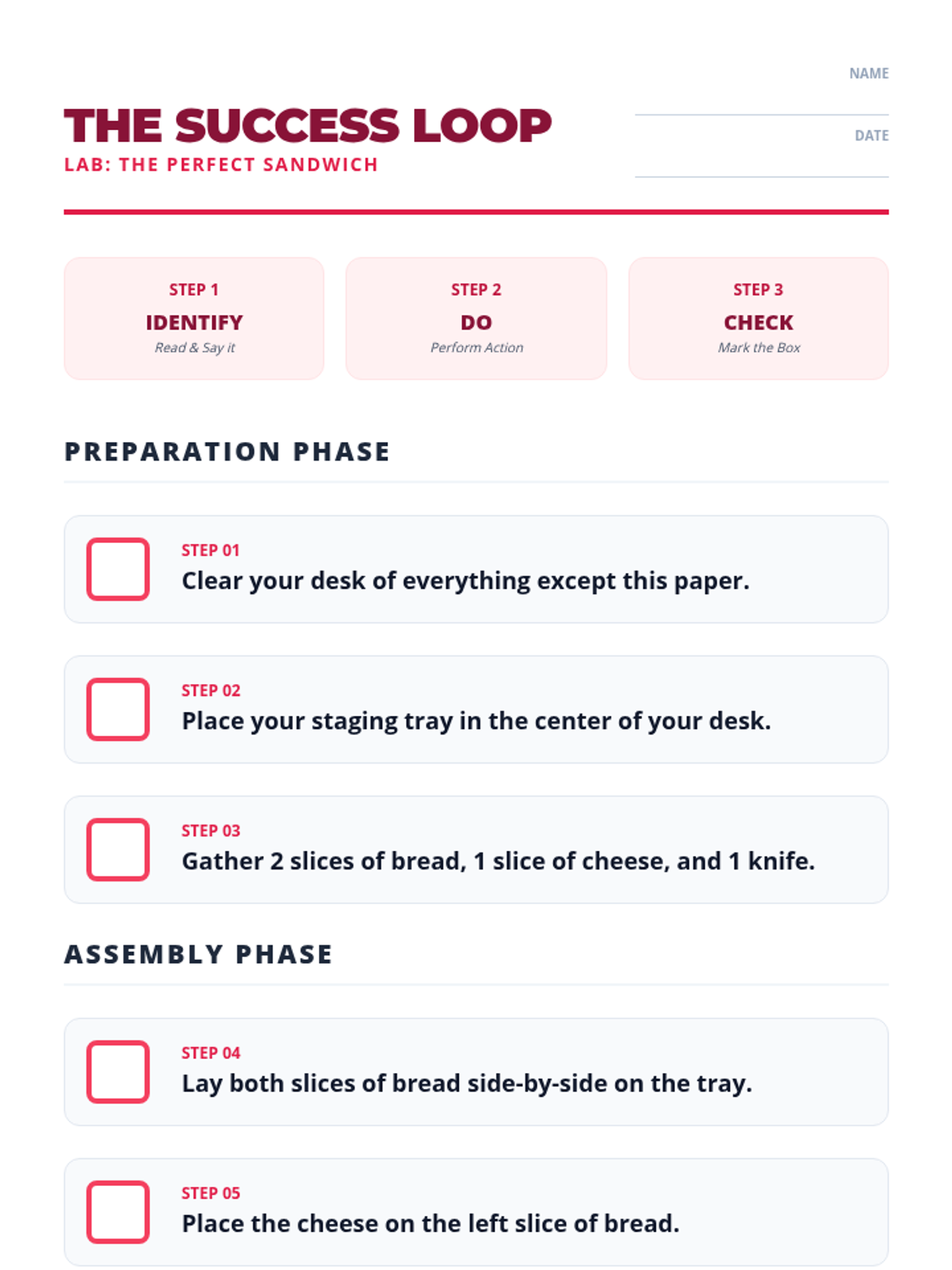
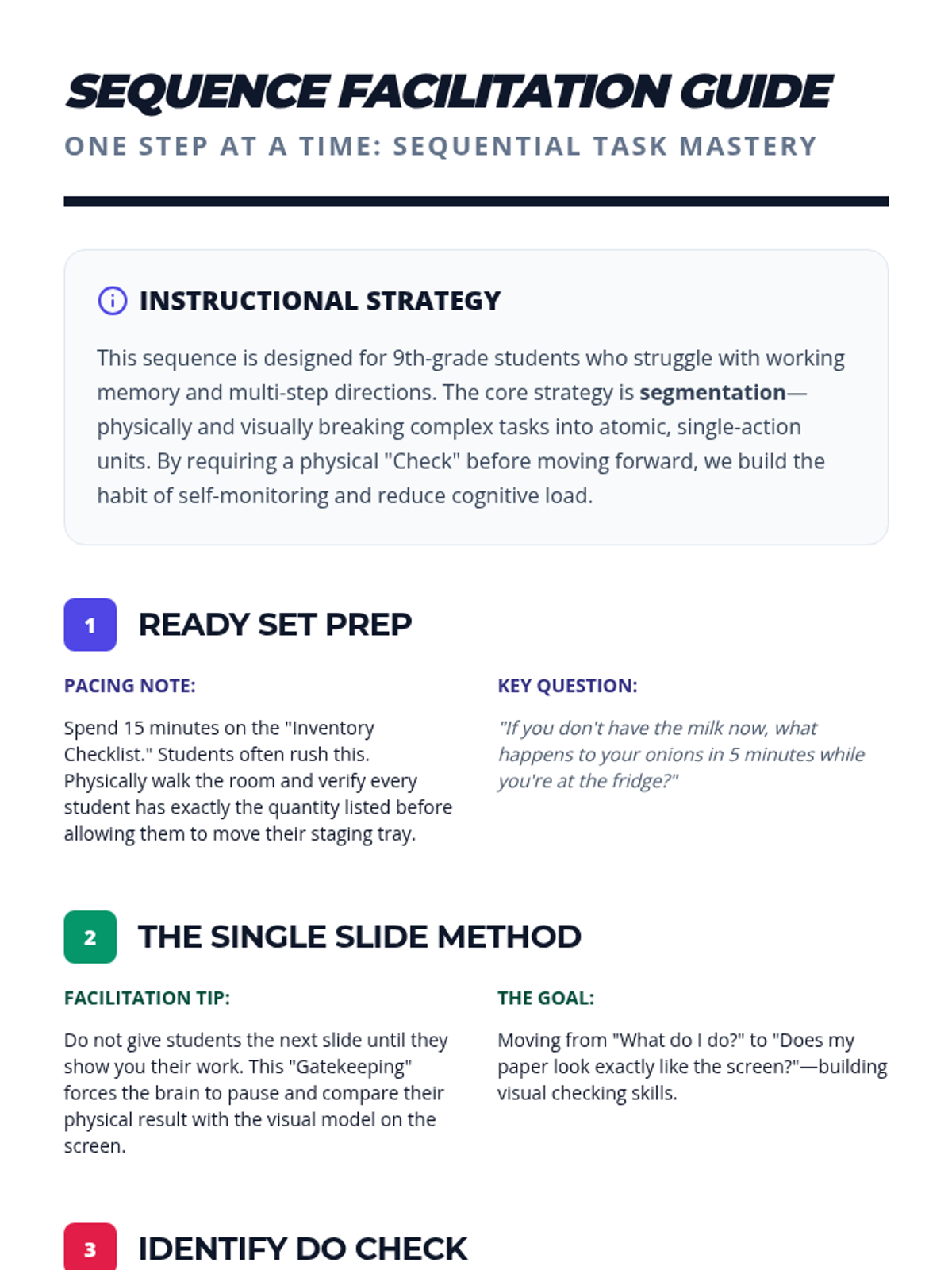
Students engage in a cooking activity using a checklist, physically checking off each step before moving to the next to reinforce sequencing and self-monitoring.
Students assemble a simple craft using a slide deck where each slide contains only one image and one sentence, reinforcing the discipline of single-step focus.
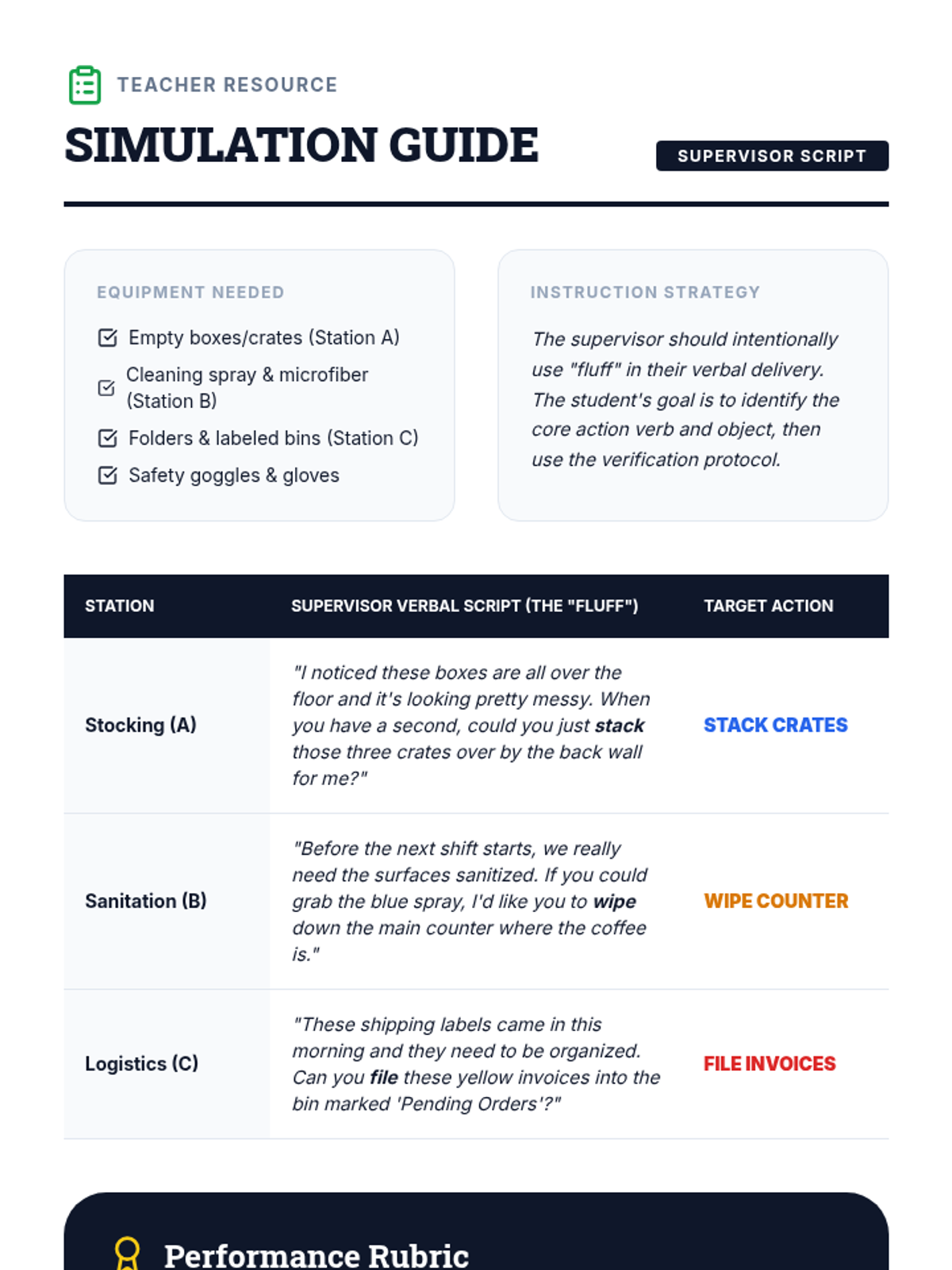
A culminating simulation where students rotate through work stations and follow single-step live instructions.
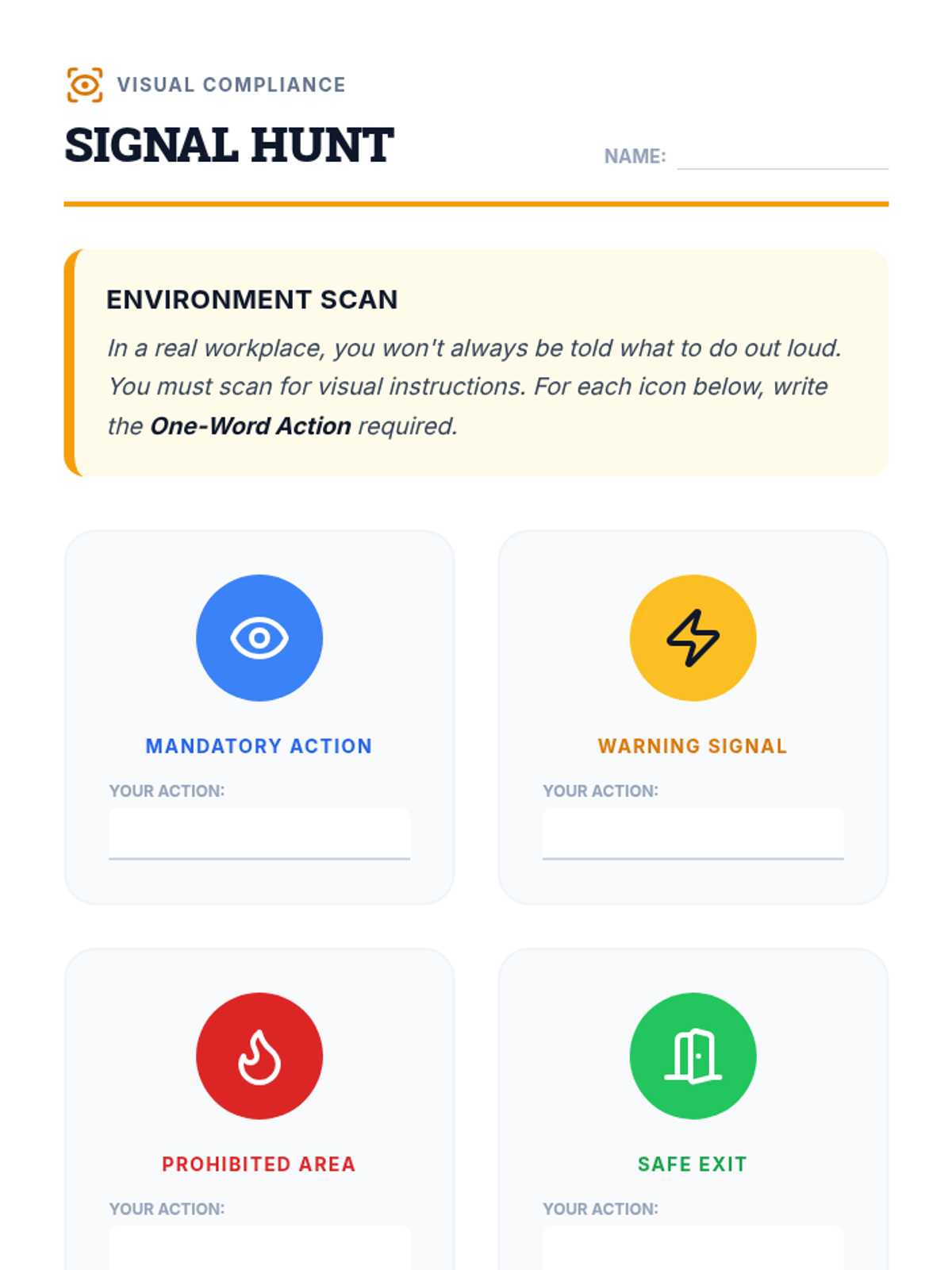
Focuses on identifying and responding to single-step visual safety cues and workplace signage.
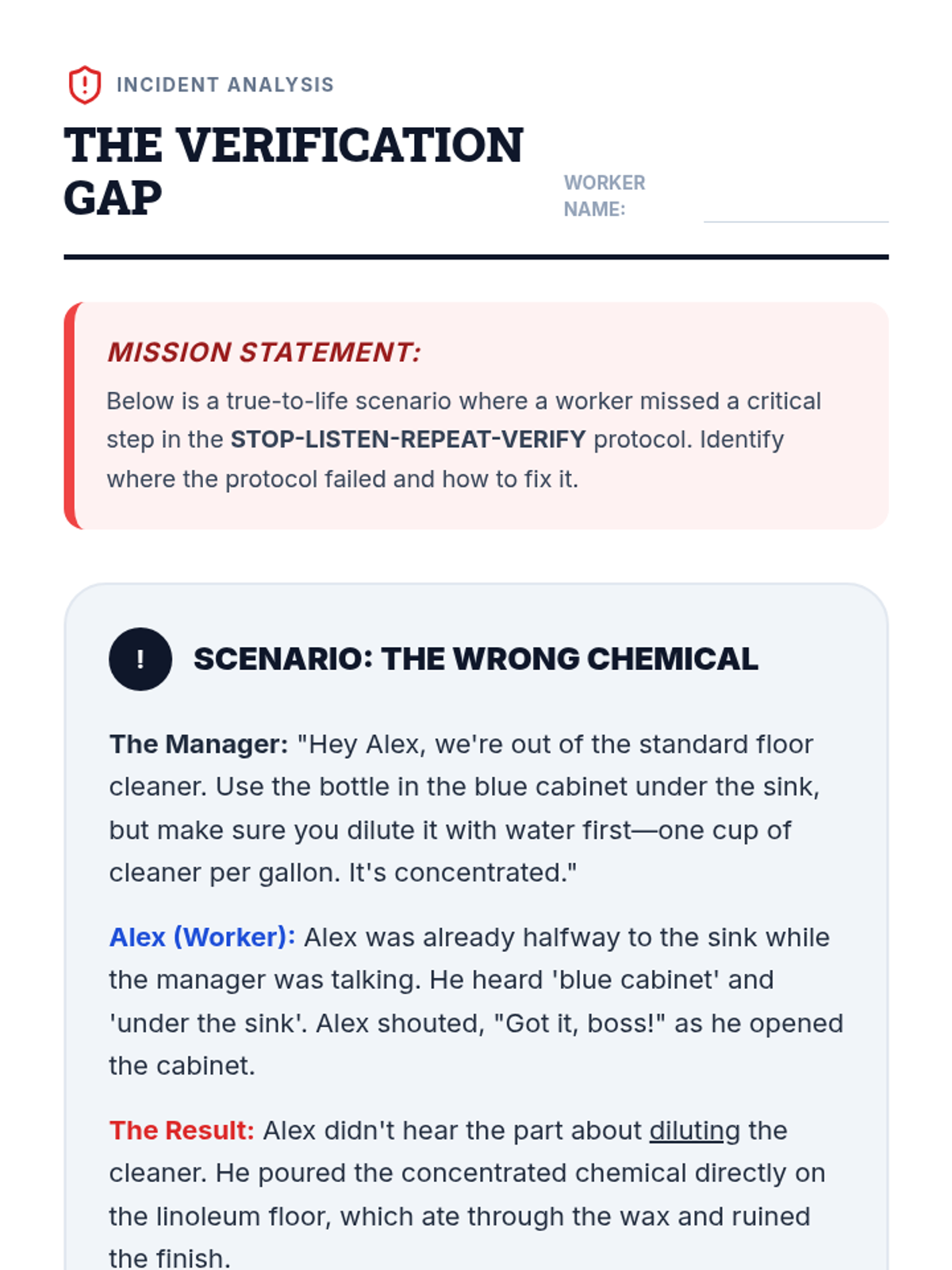
Students practice a formal communication protocol (Stop, Listen, Repeat, Verify) to ensure accuracy in high-stakes environments.
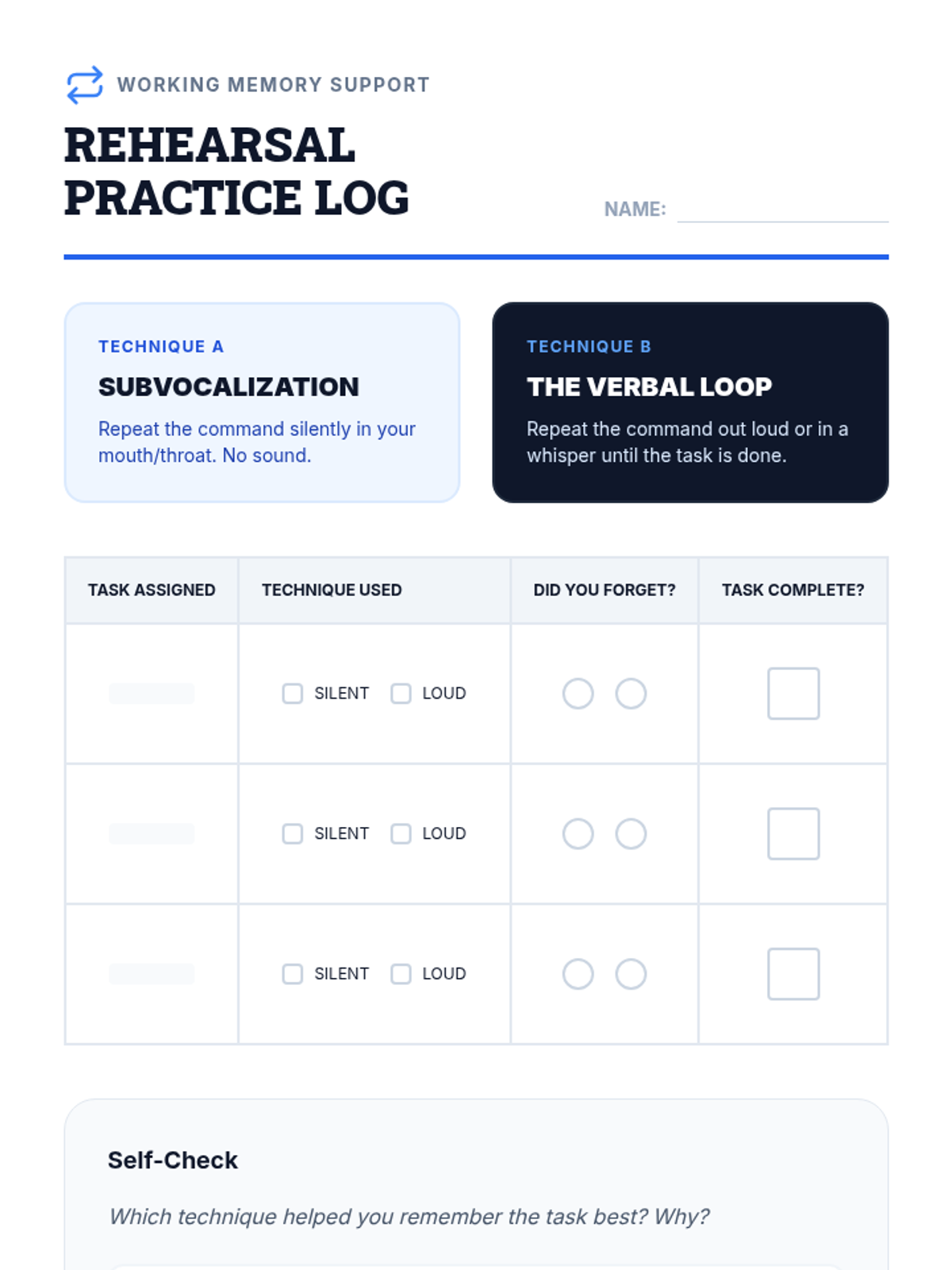
Introduces subvocalization and self-talk strategies to maintain a single instruction in working memory during task execution.
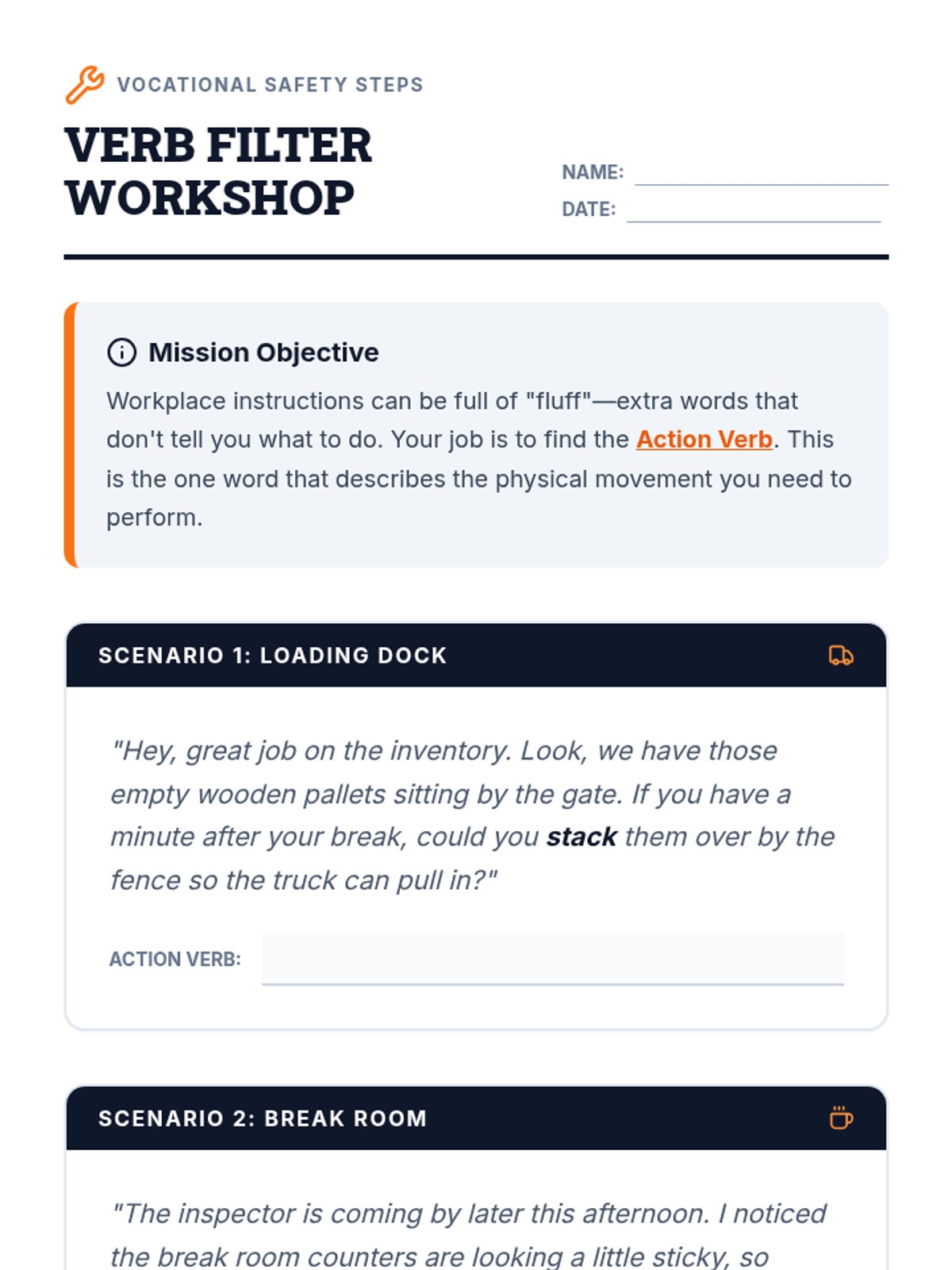
Students learn to filter out 'fluff' in verbal communication to identify the core action verb required in a workplace instruction.
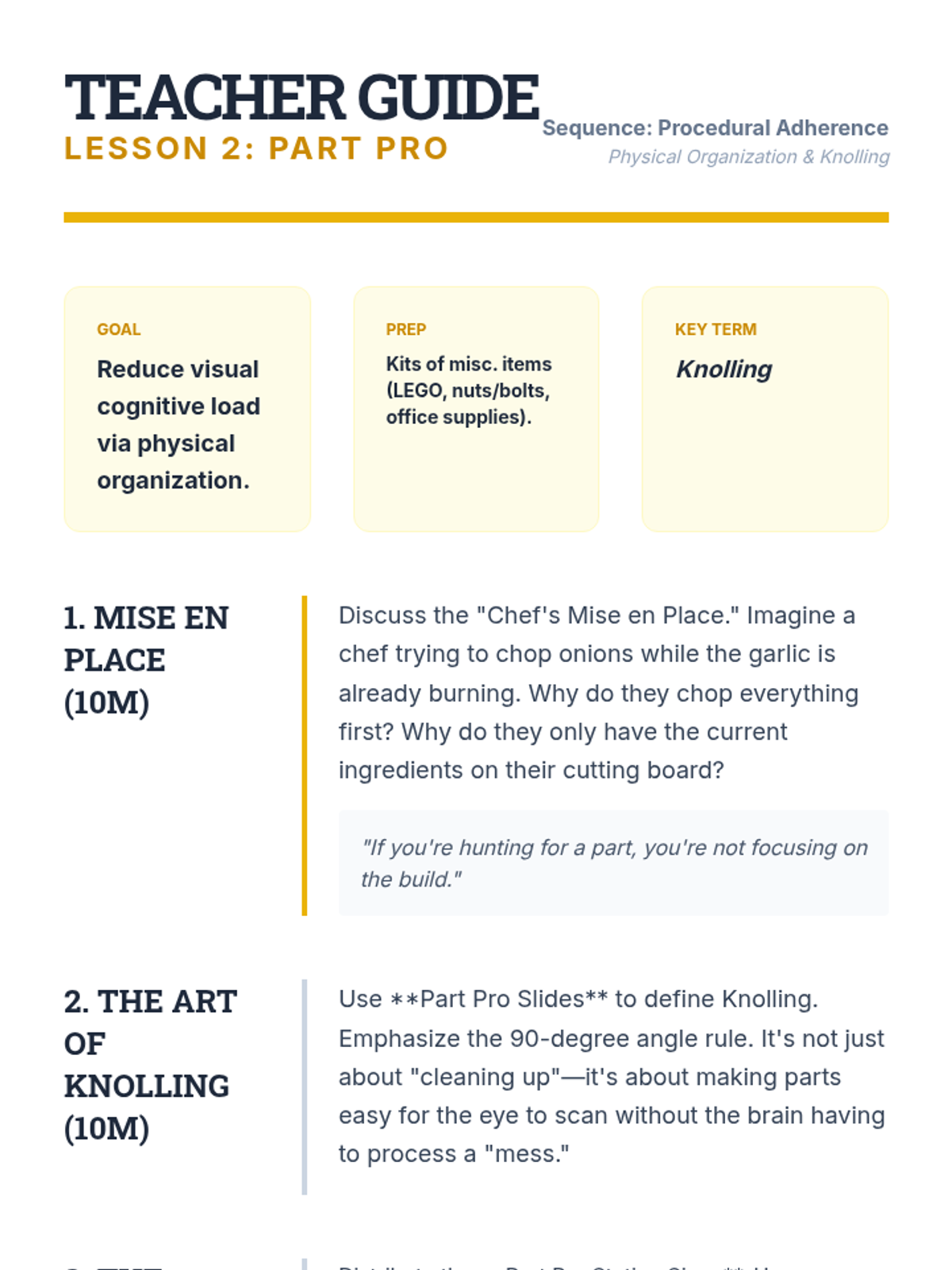
Students learn the concept of 'mise en place'—gathering and organizing all materials before starting a task—to reduce cognitive load during assembly.
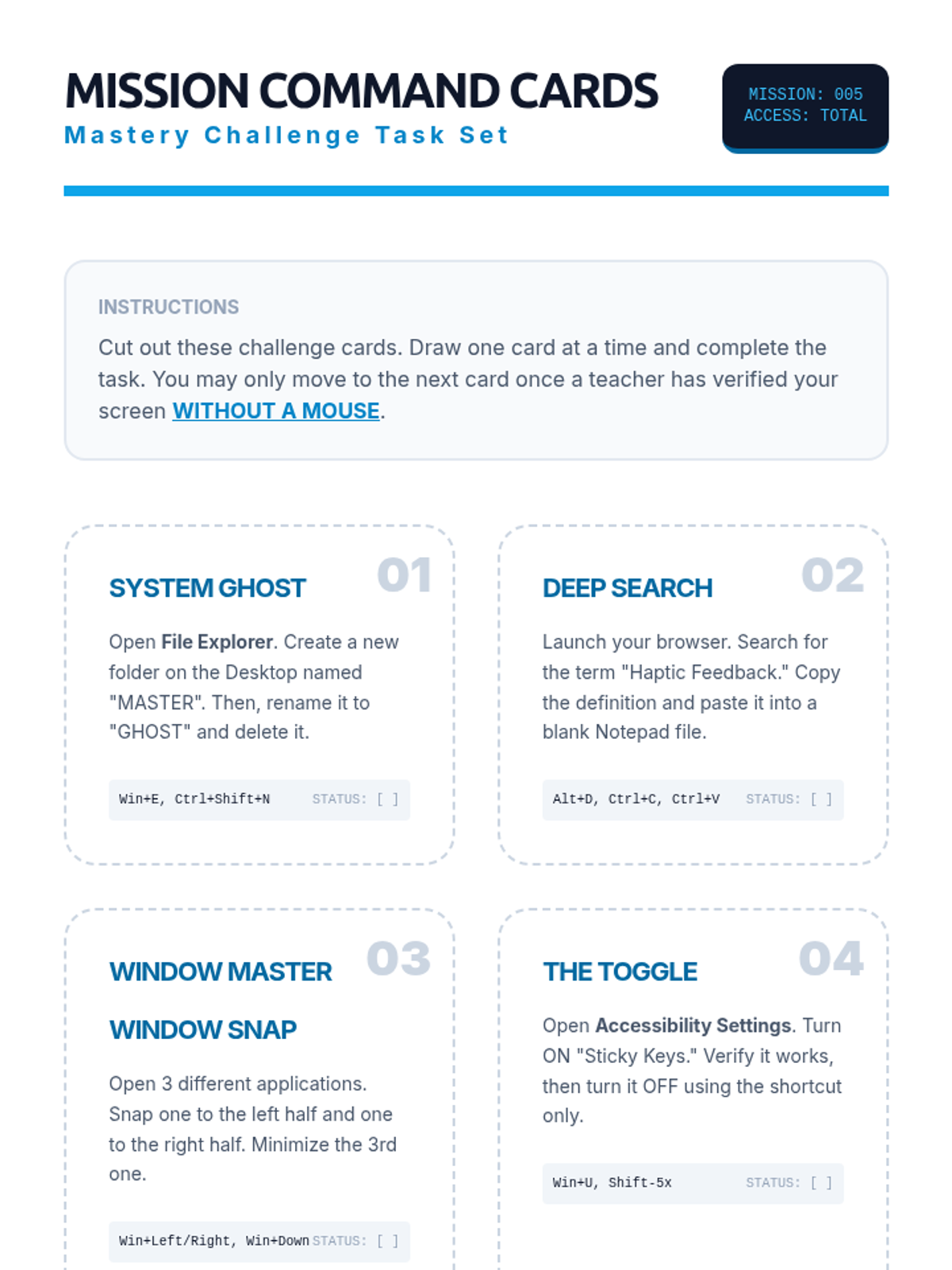
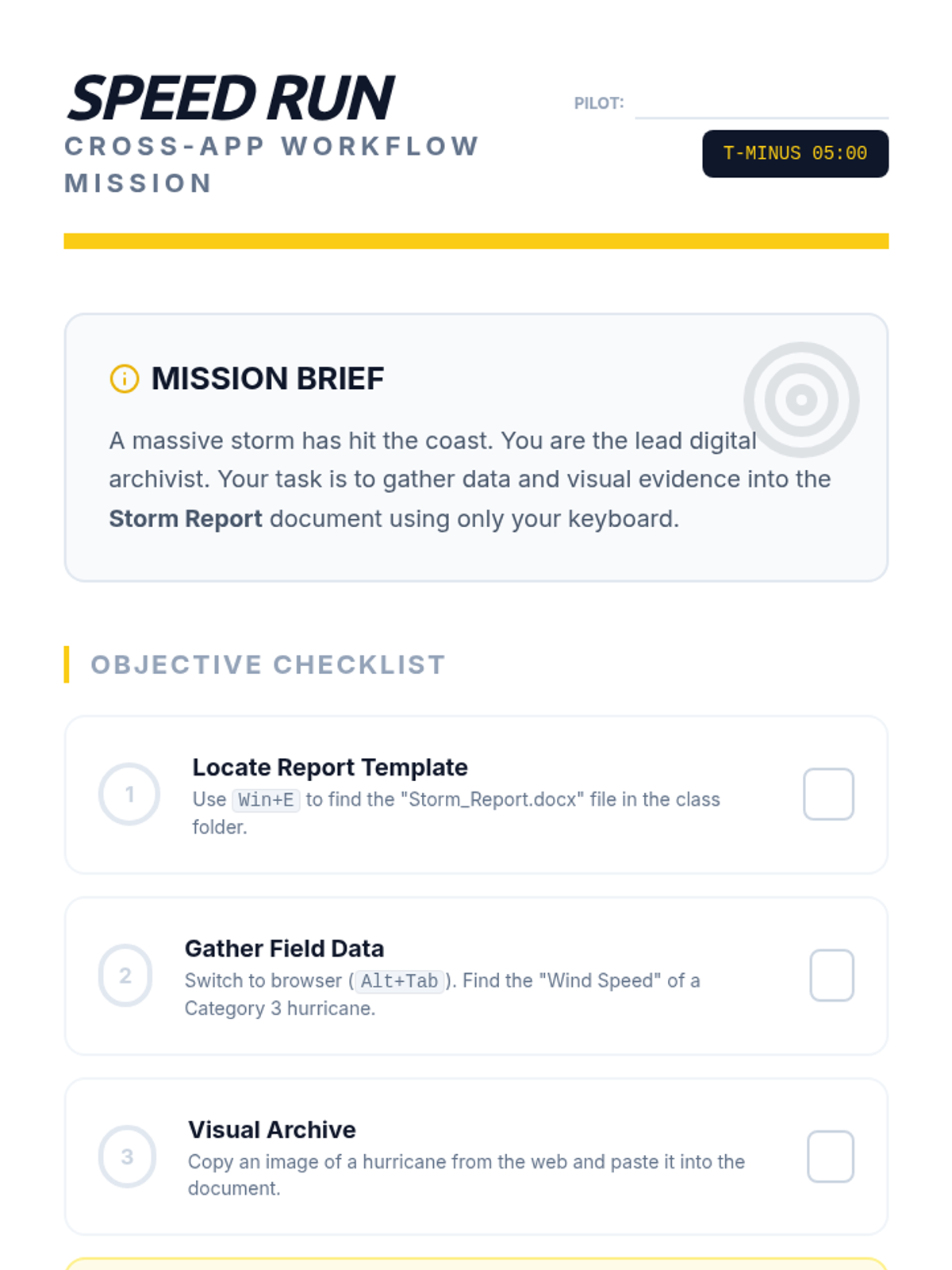
A final mastery challenge where students must complete a complex series of tasks across the operating system with their mouse unplugged.
A high-intensity practice session focused on switching between applications and managing data without using a mouse.
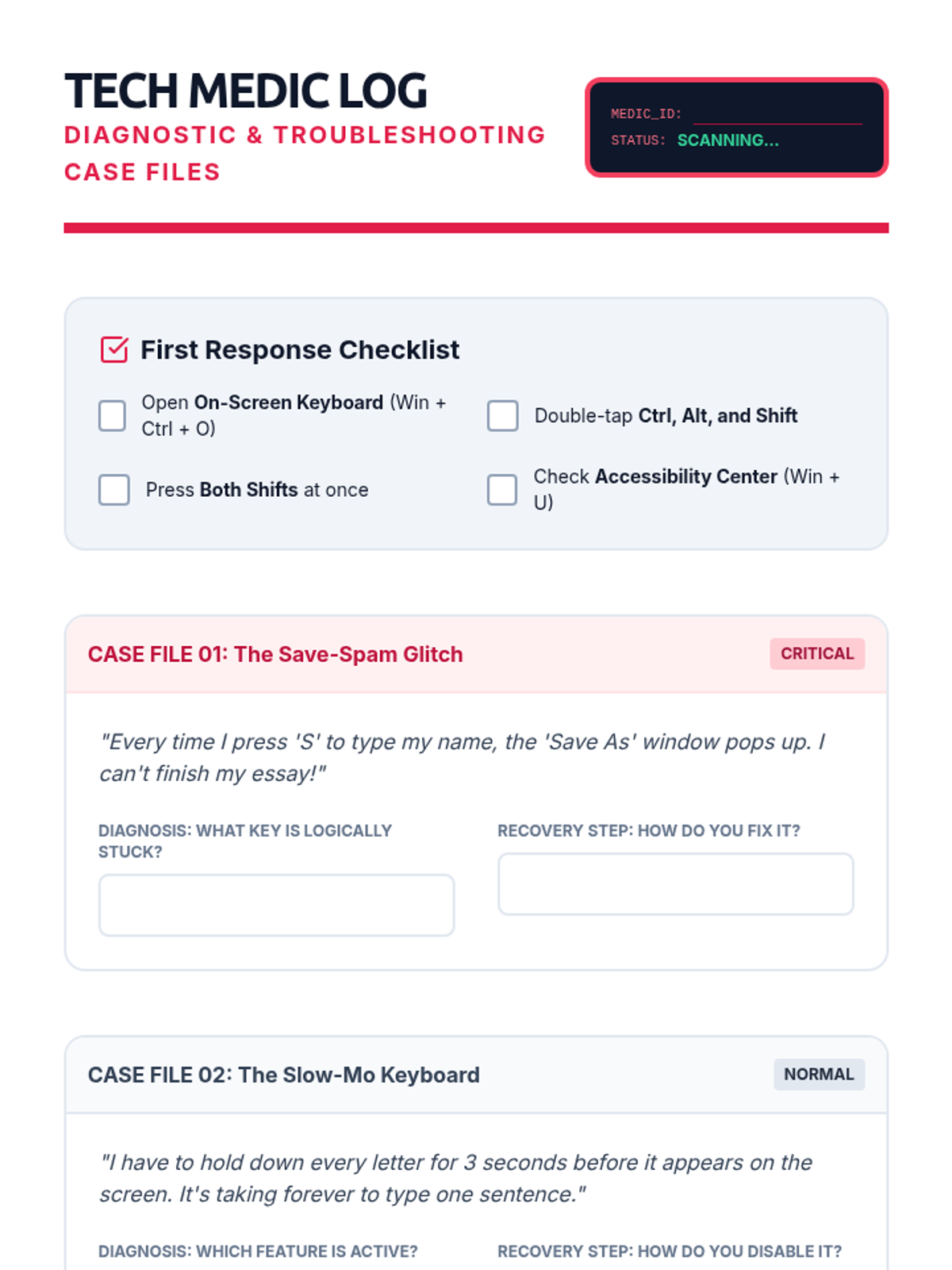
Students learn to diagnose and fix keyboard software issues, using the On-Screen Keyboard and resetting accessibility features.
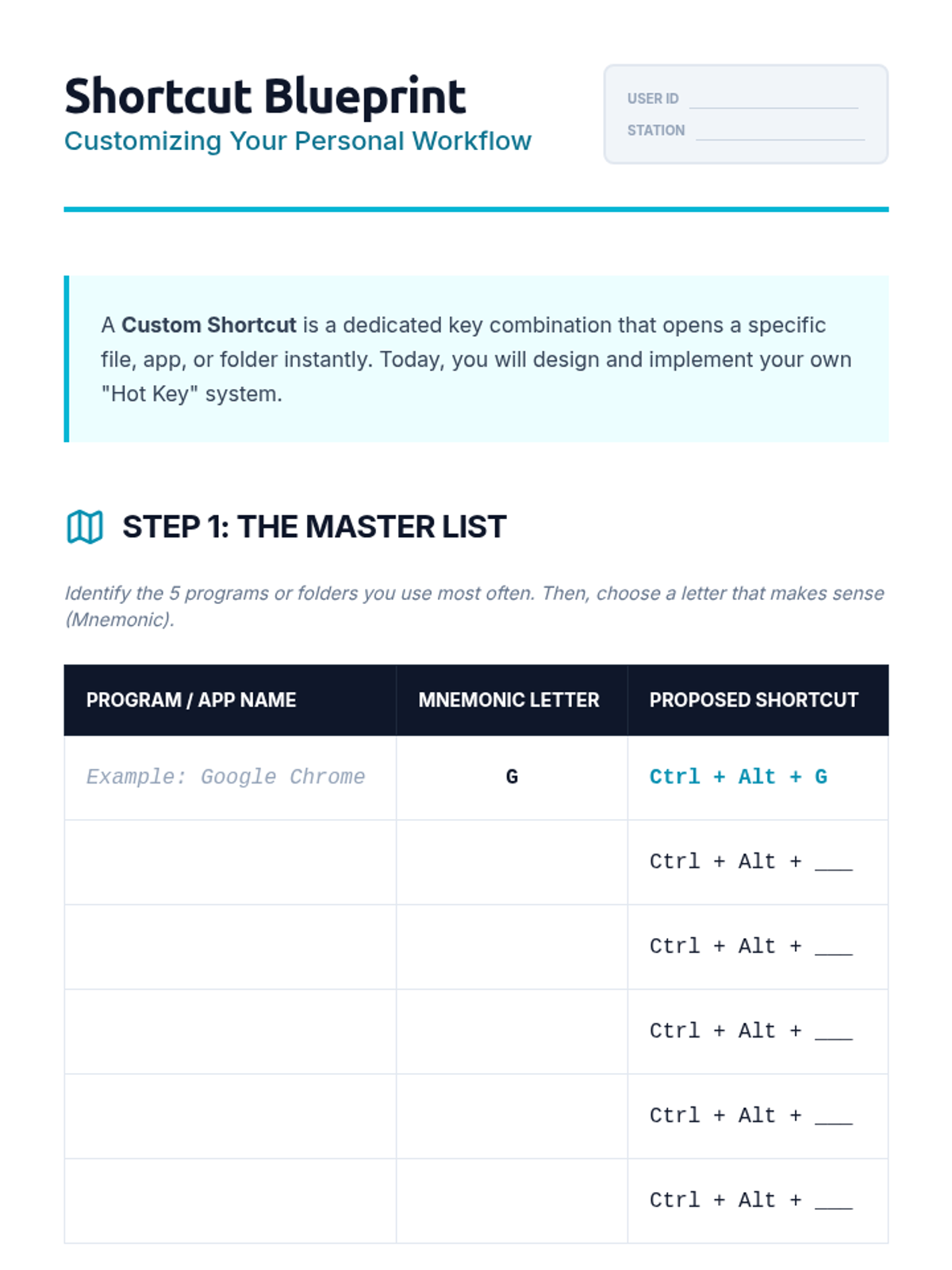
Students learn to create and map their own keyboard shortcuts to personalize their workflow and increase efficiency.
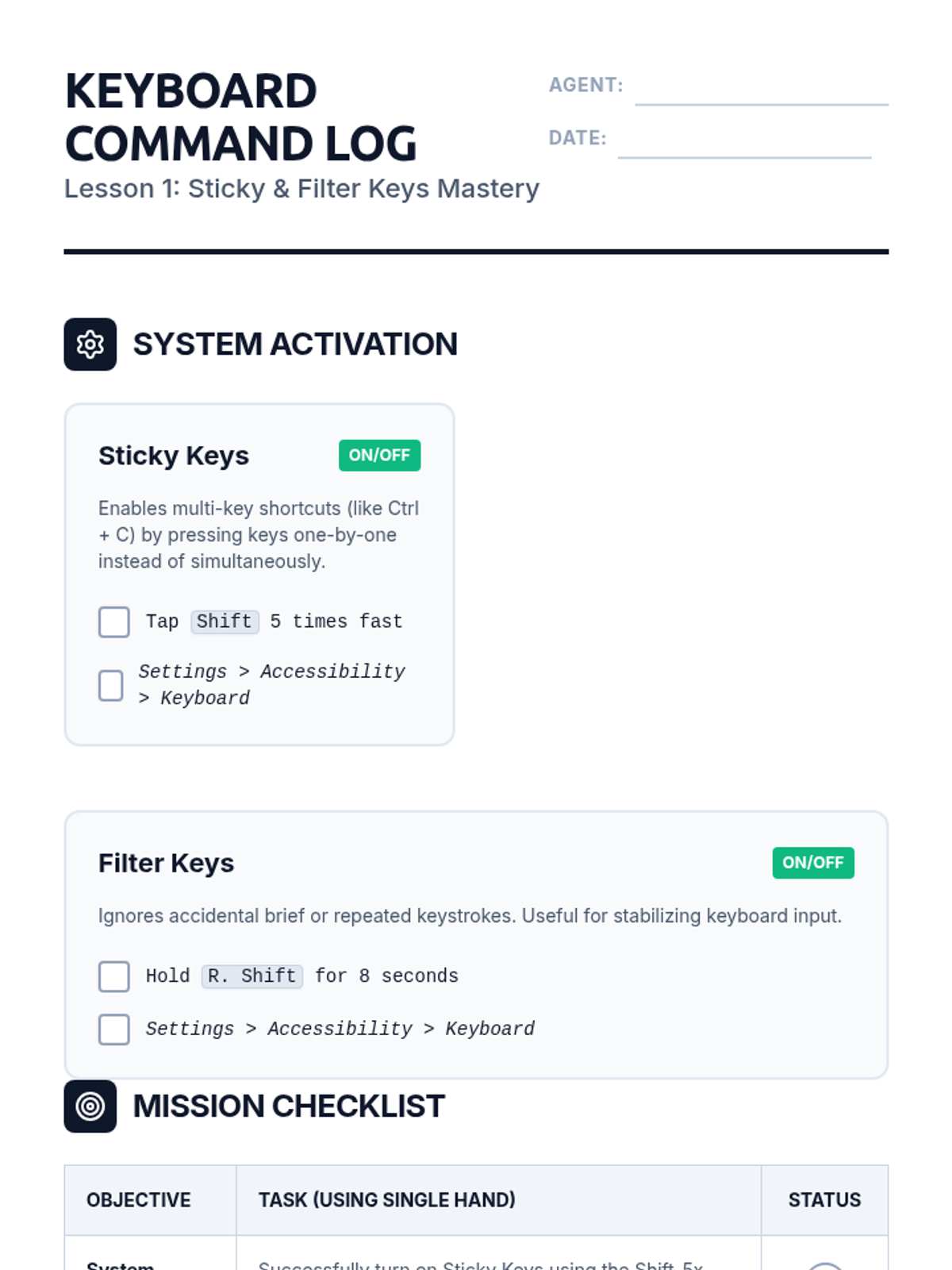
Students explore OS accessibility settings, learning how to activate and use Sticky Keys and Filter Keys to assist with physical keyboard navigation.
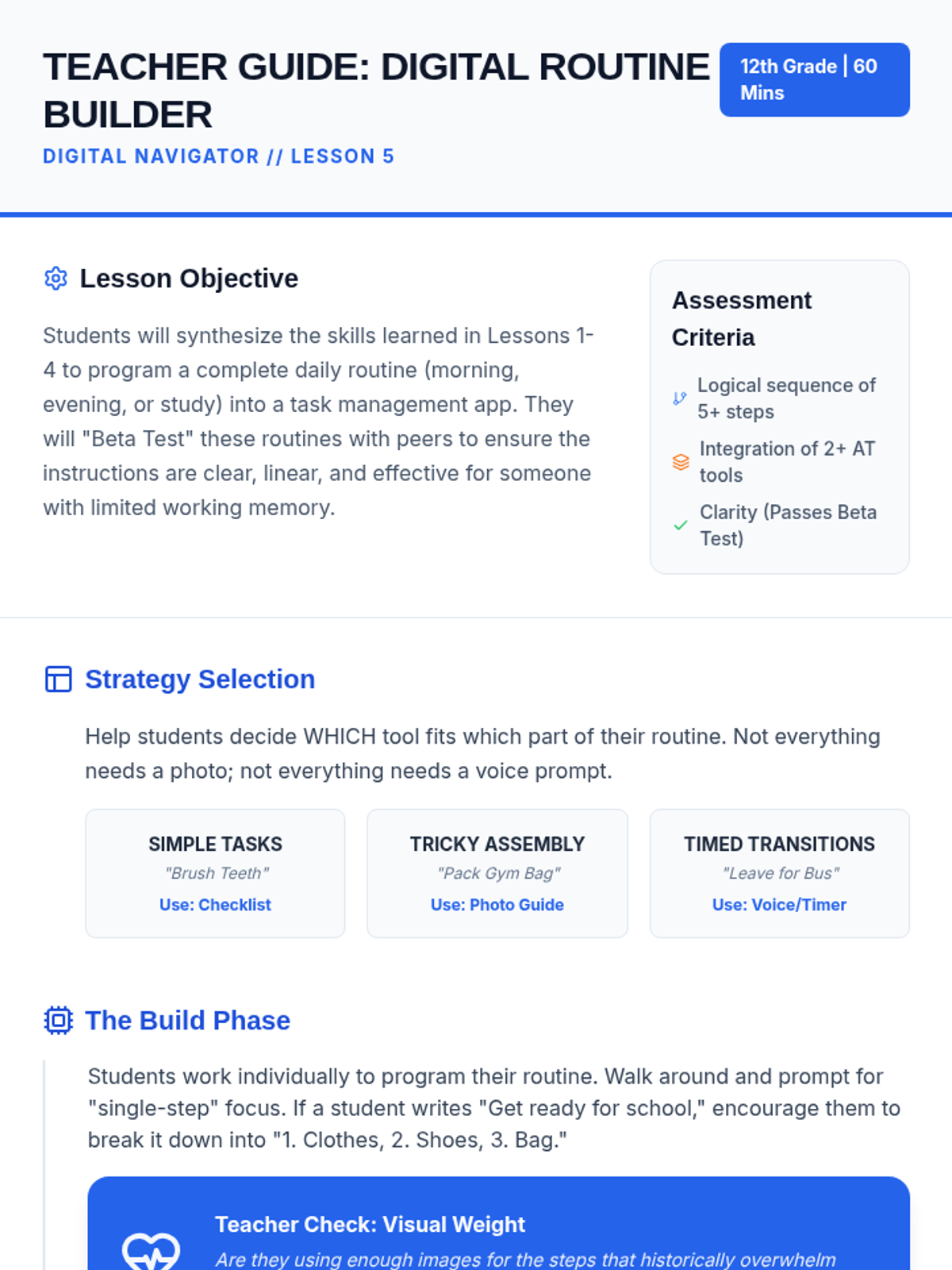
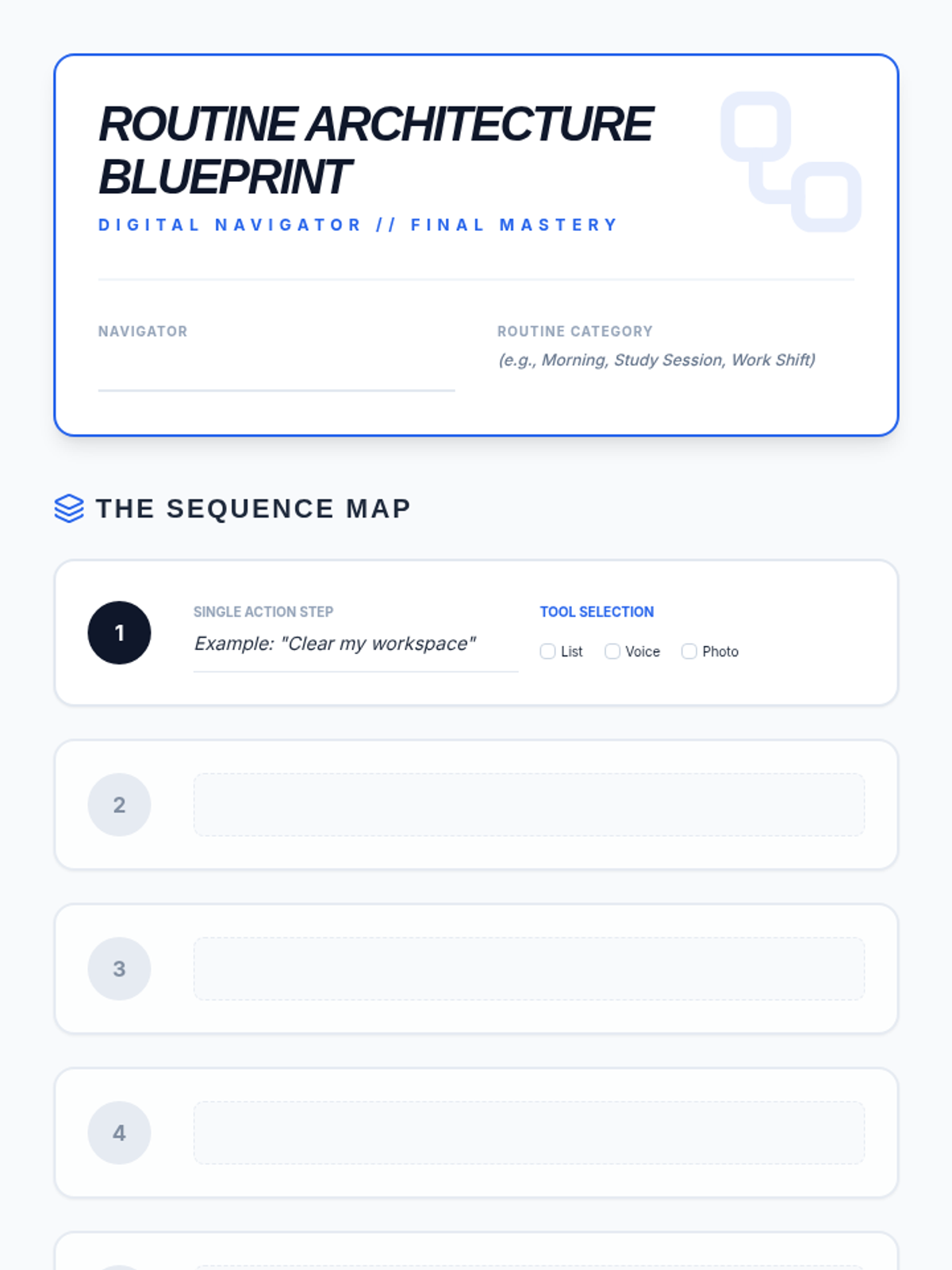
Students synthesize their learning by programming a full daily routine into a task management app and testing it for clarity and functionality.
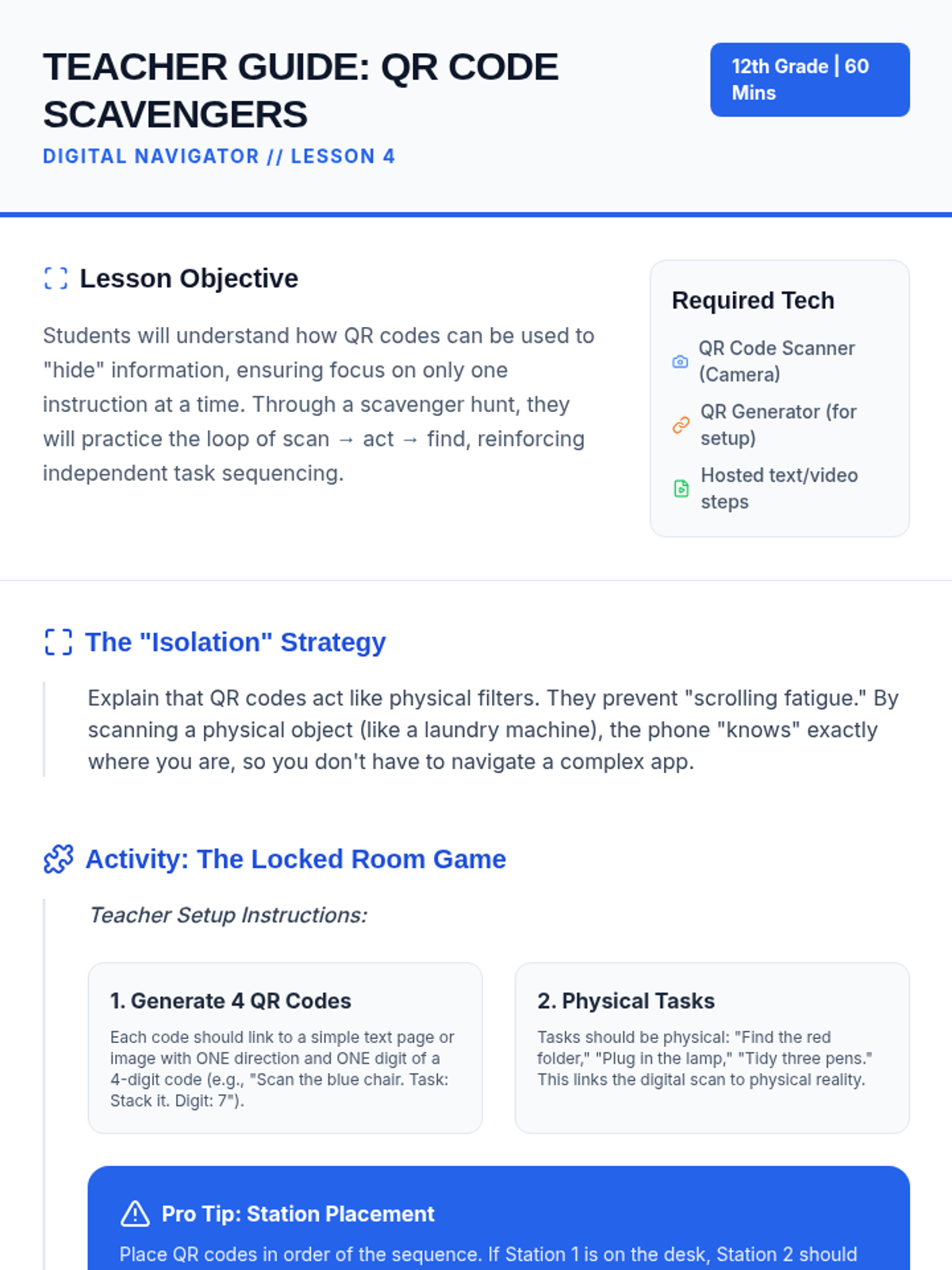
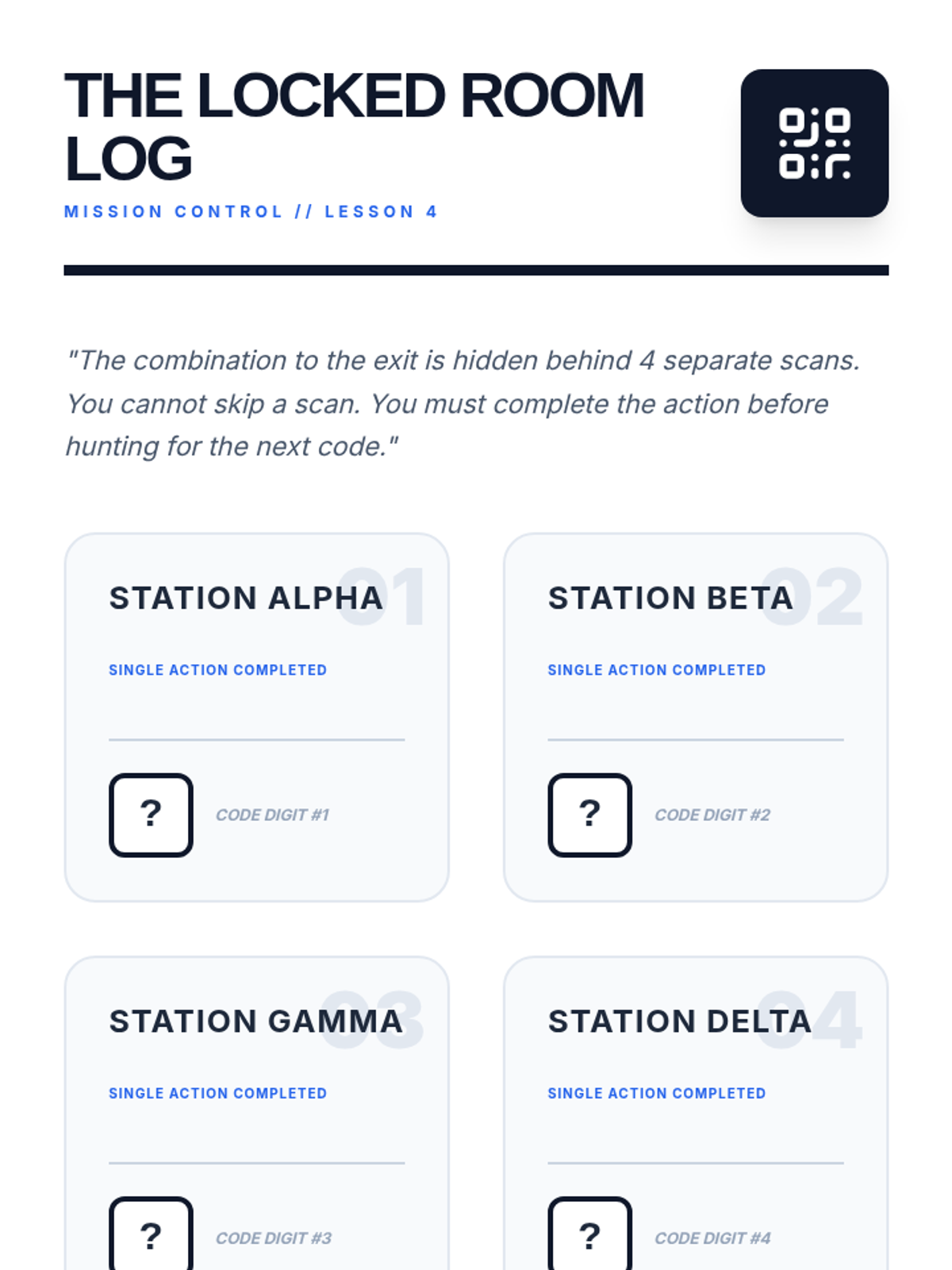
A game-based exploration of using QR codes to isolate single instructions, ensuring students complete one step before moving to the next.
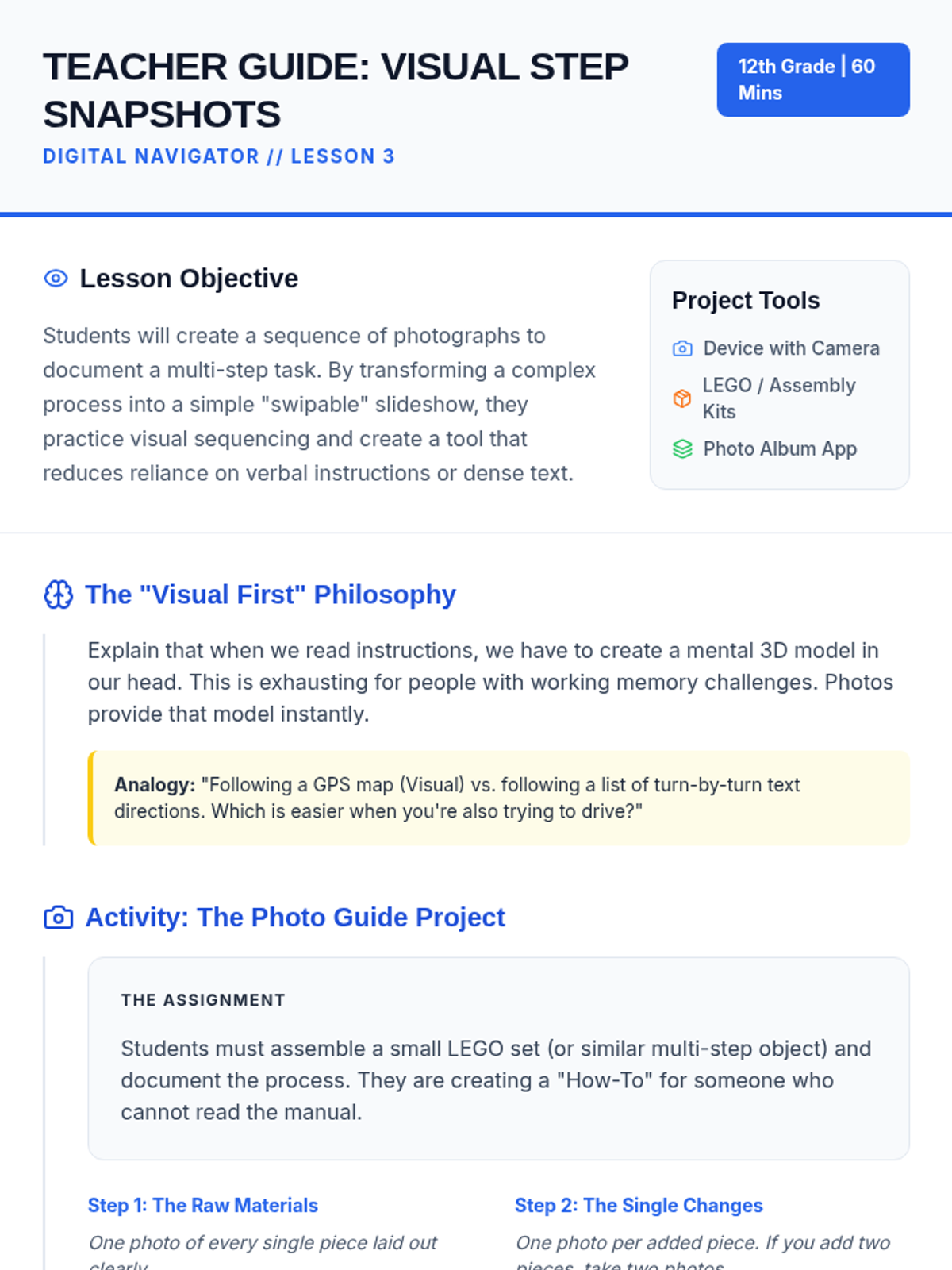
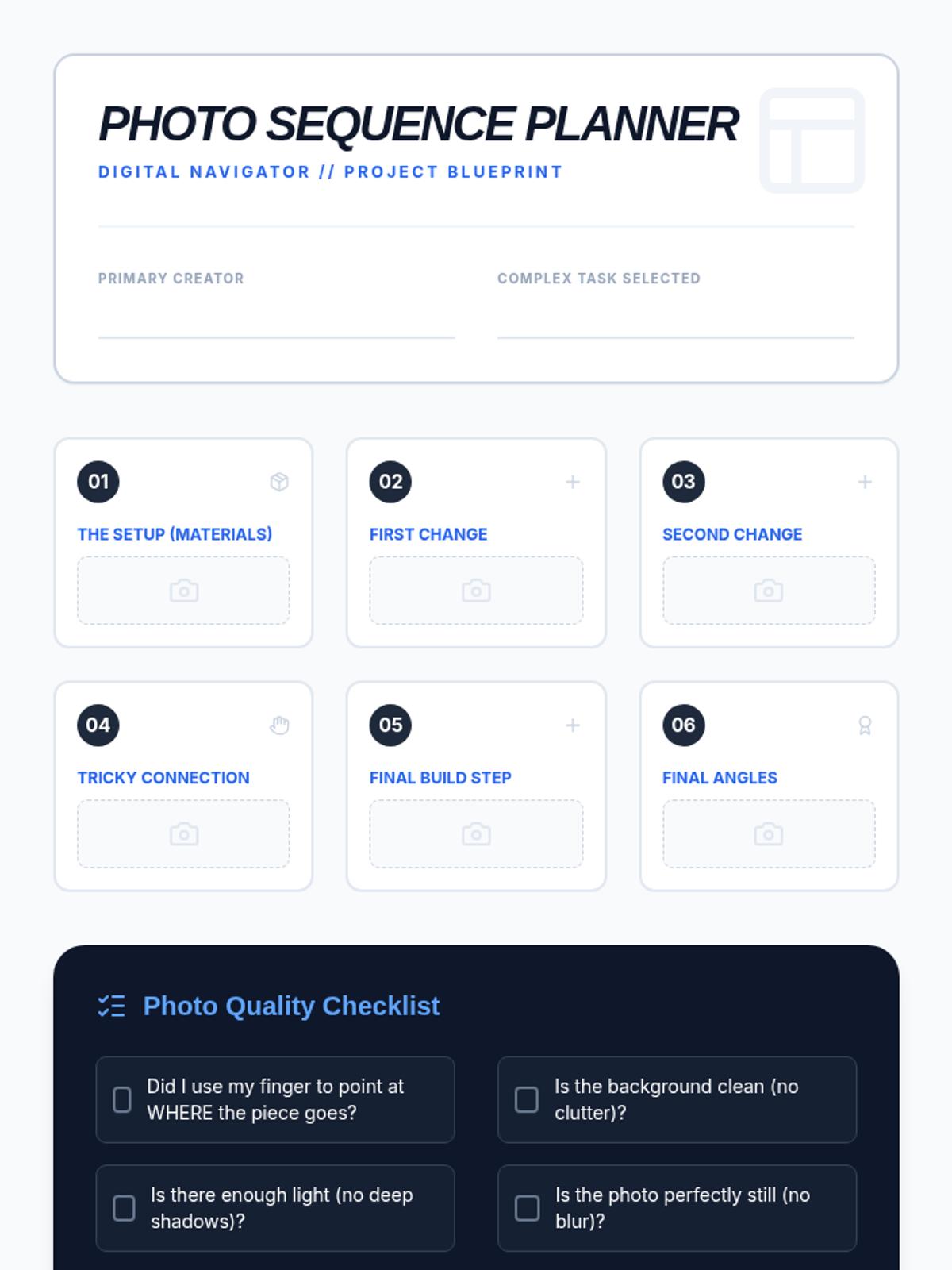
Students create visual, step-by-step guides using photography to transform complex processes into a simple series of swipable images.
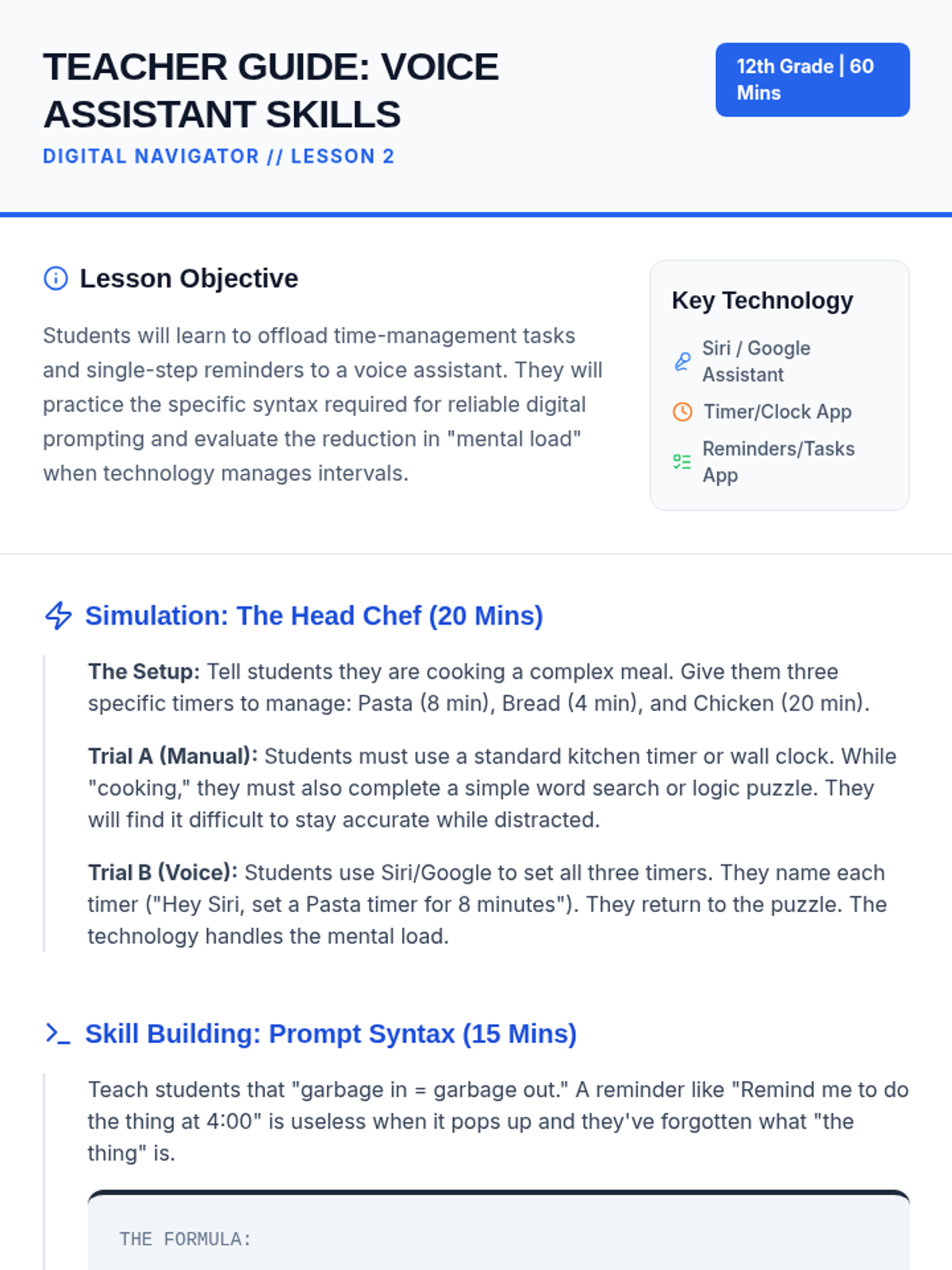
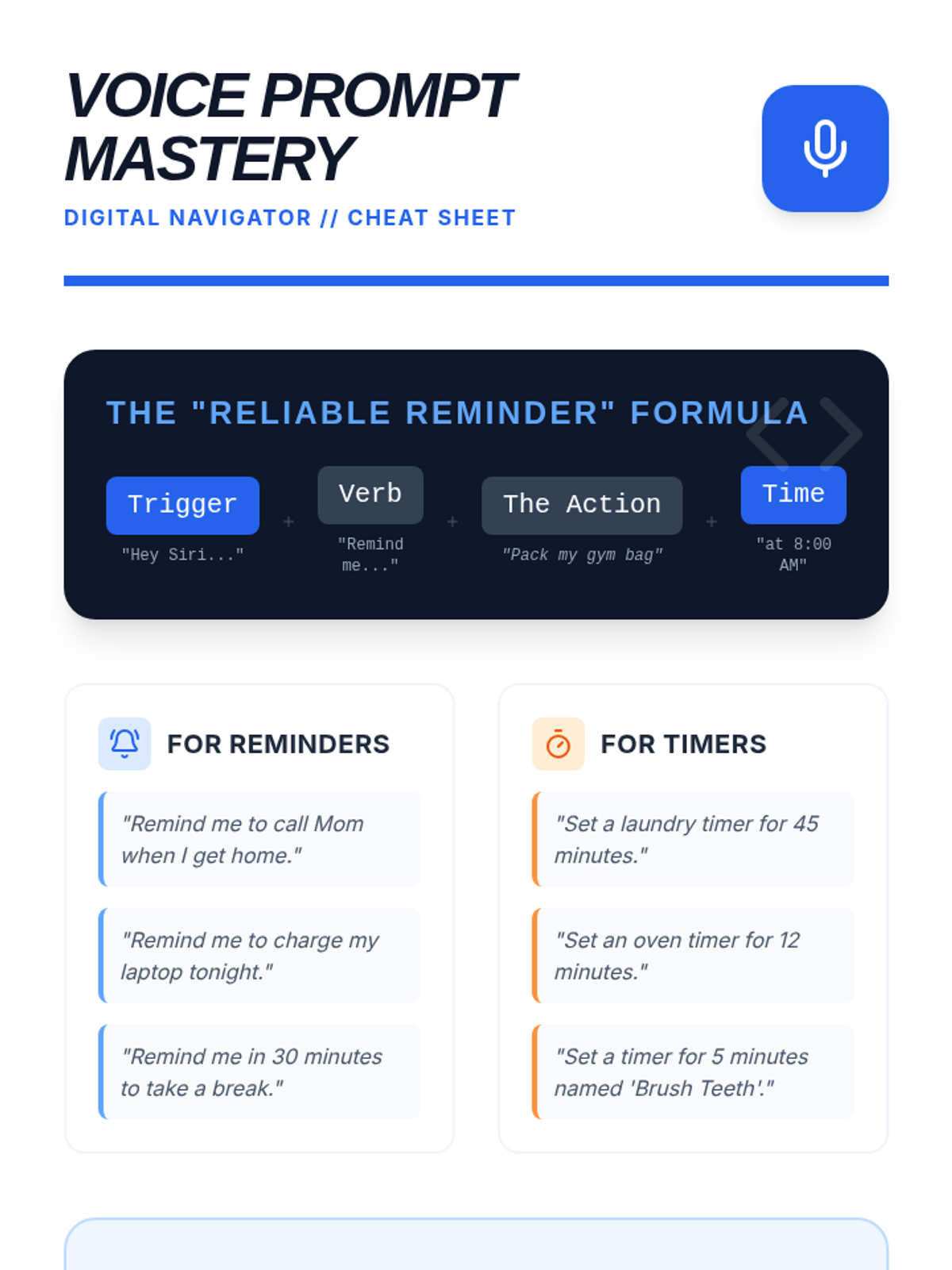
Learners practice using voice-activated technology to set reminders and timers, offloading the mental effort of time management to digital assistants.
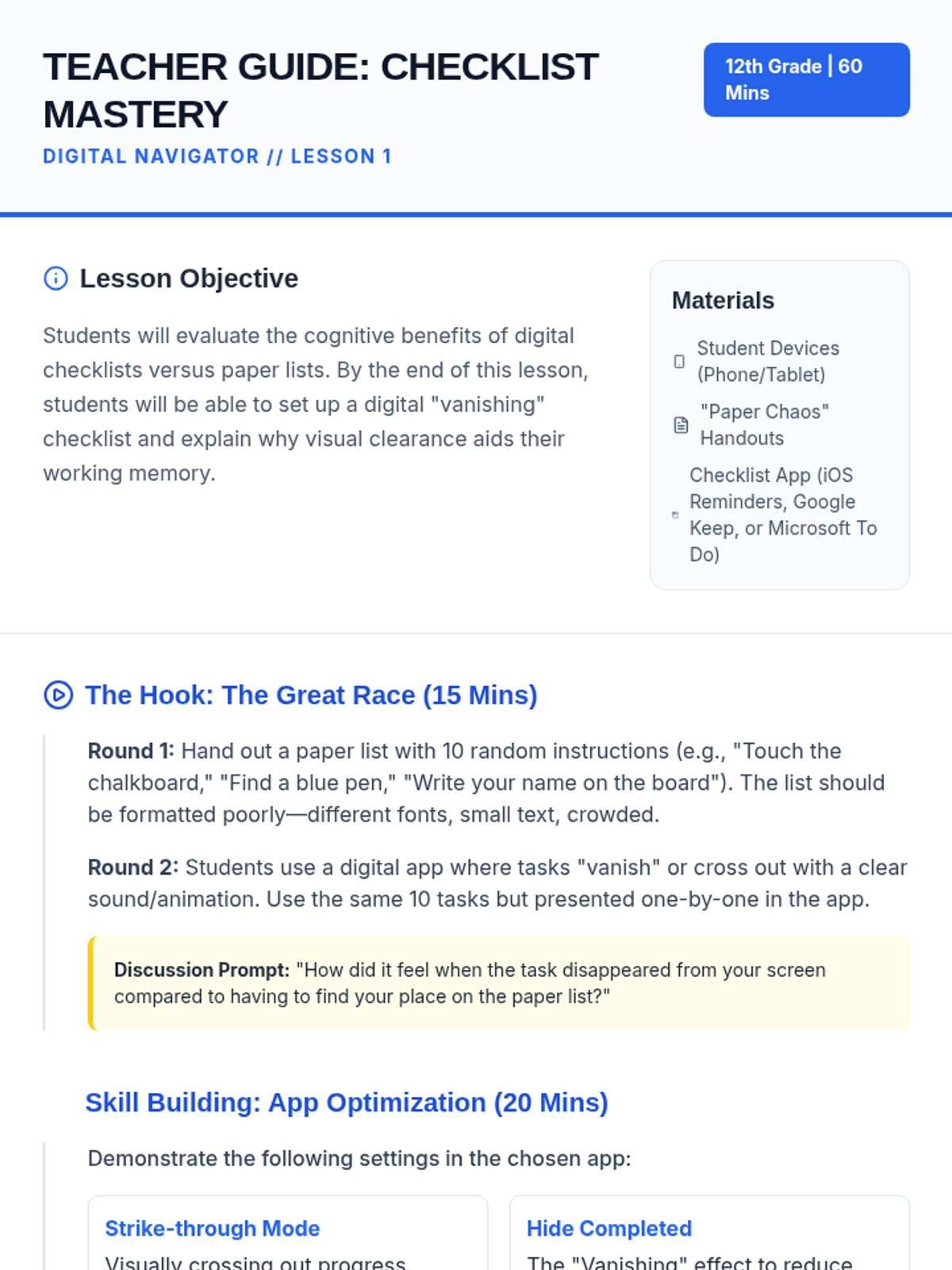
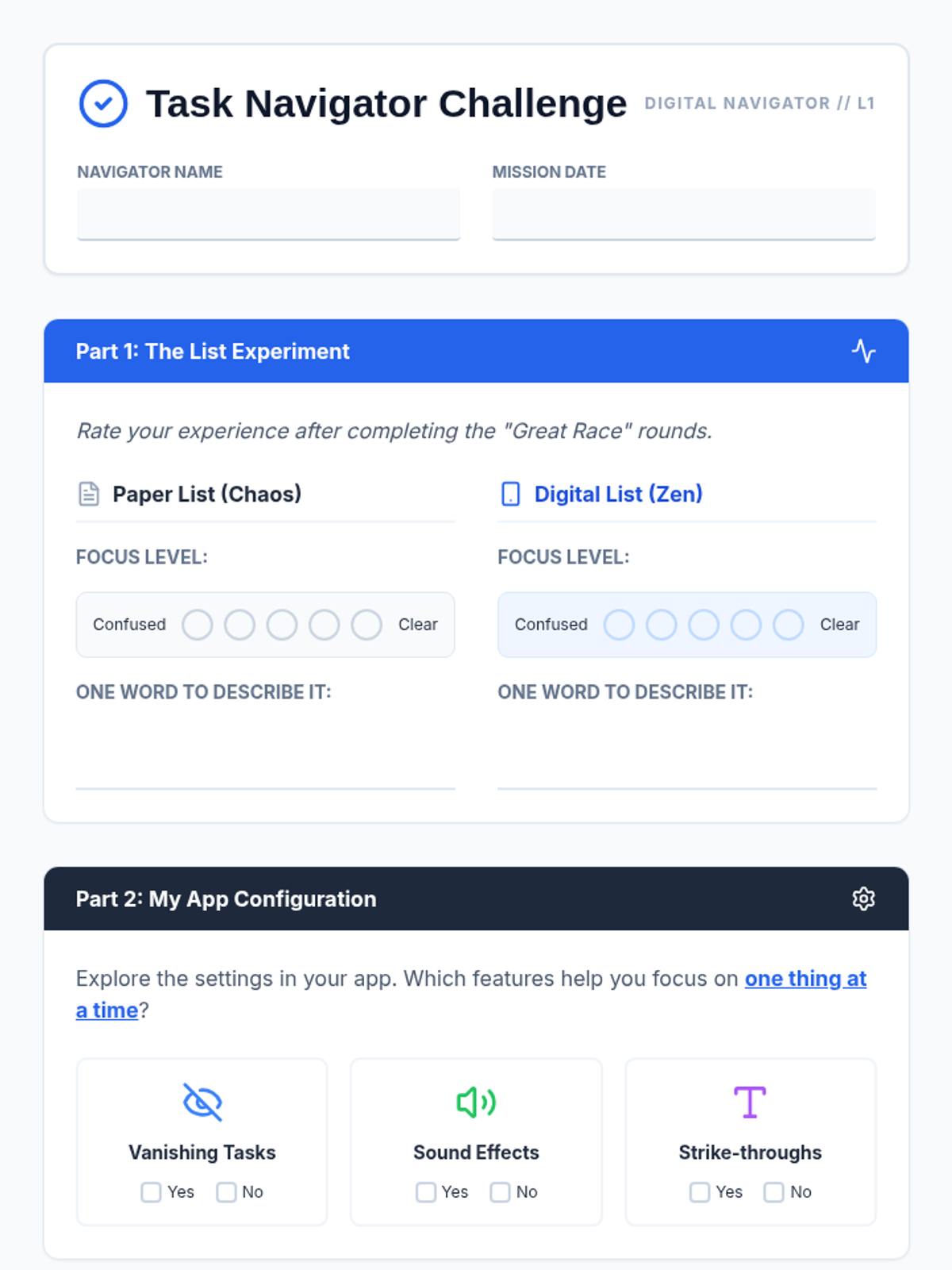
Students compare paper and digital checklists to understand how 'strike-through' and 'vanishing' features reduce cognitive load and help focus on one task at a time.
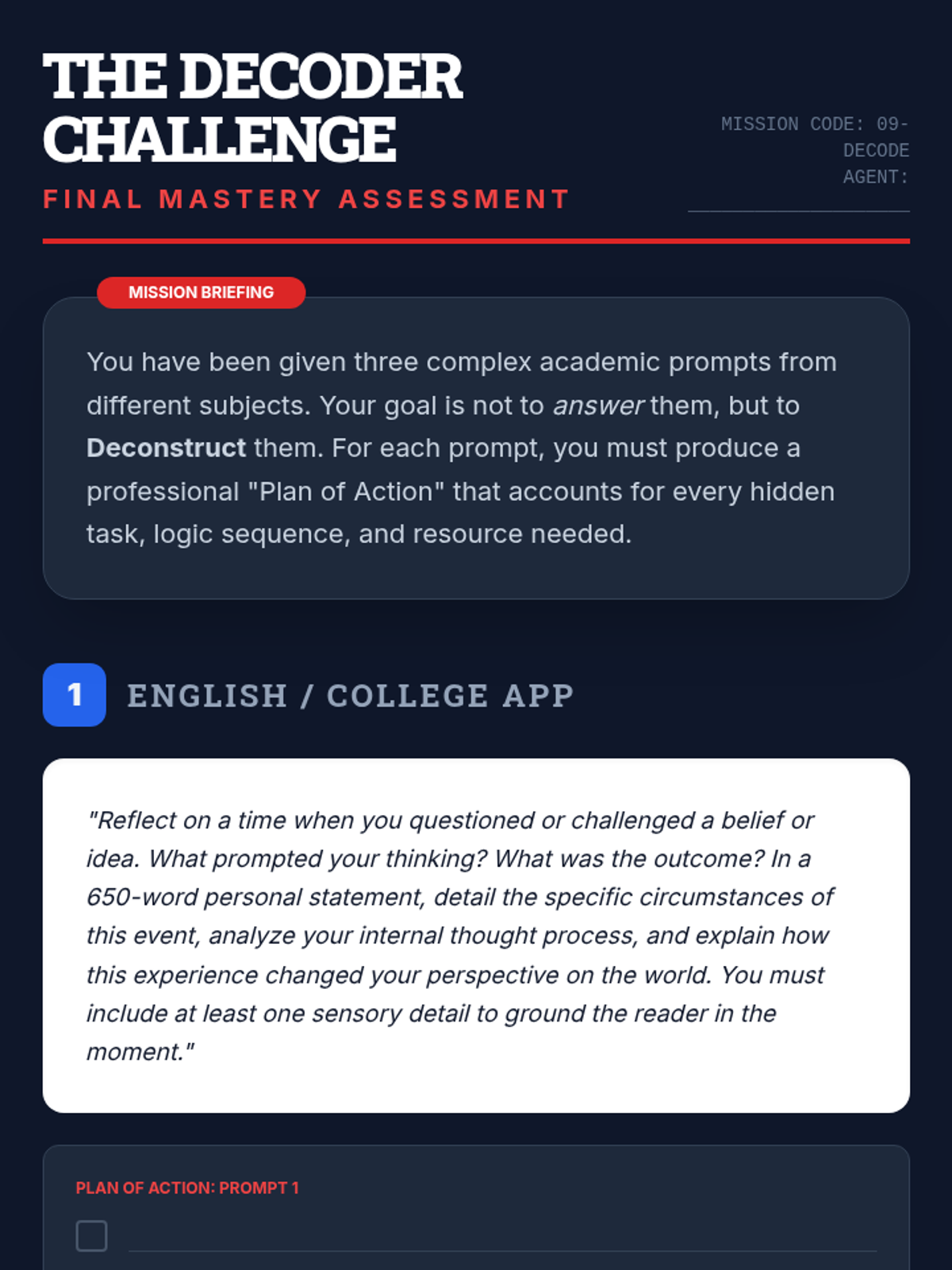
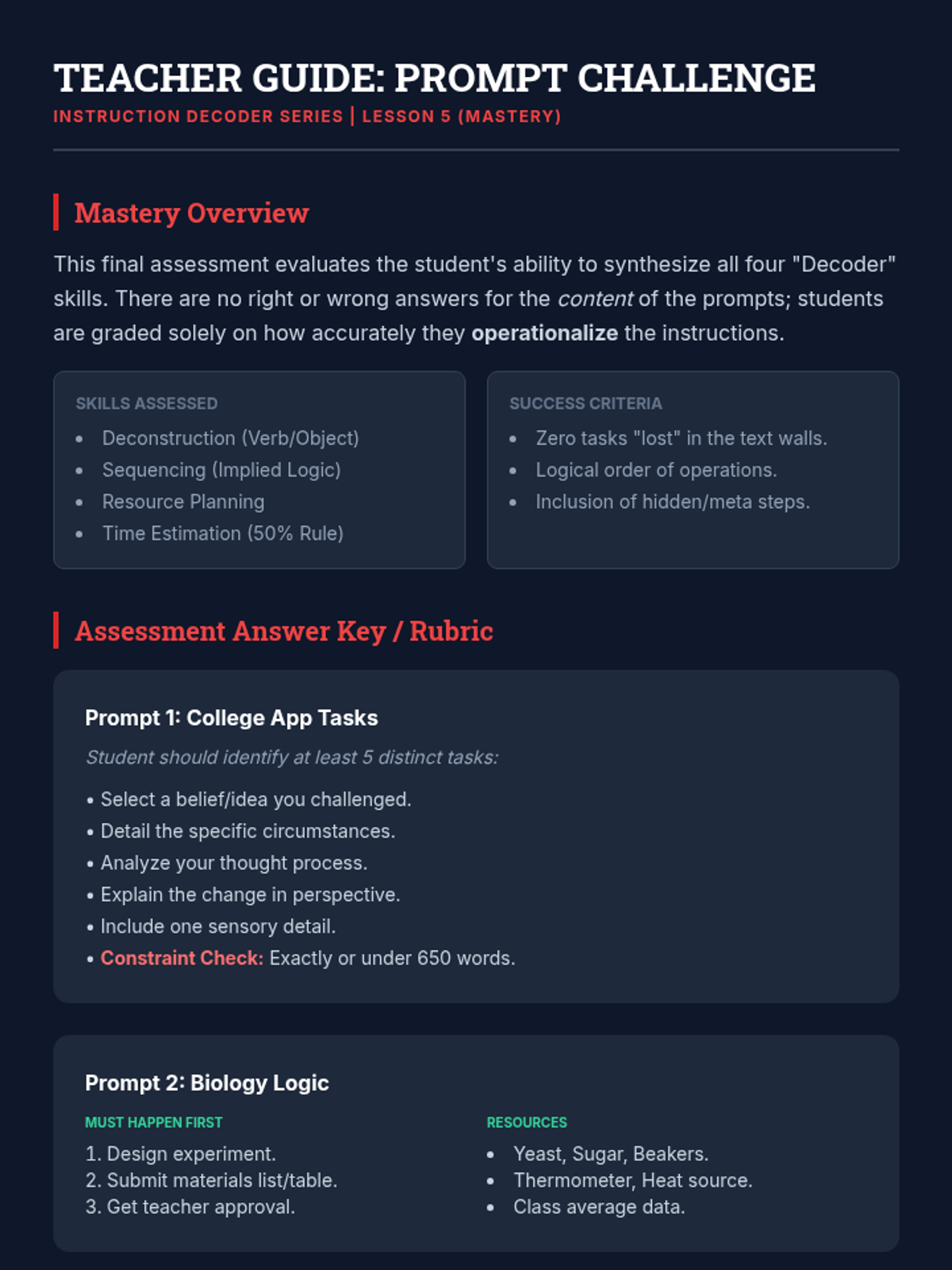
A mastery check where students apply deconstruction skills to high-school and college-level prompts, creating comprehensive 'Plans of Action'.
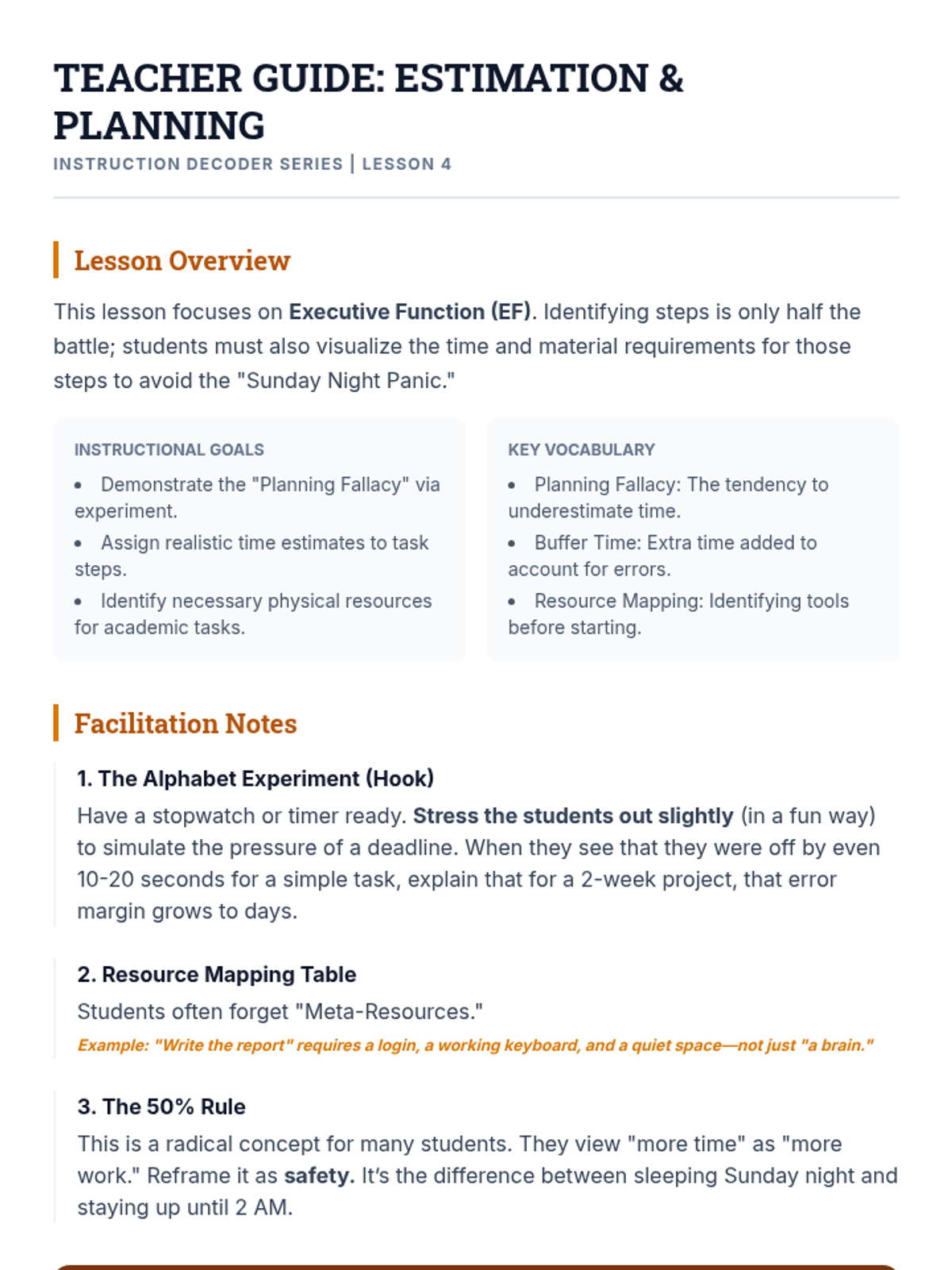
Students estimate the time and resources needed for identified steps, adding executive function layers to sequencing to prevent the planning fallacy.
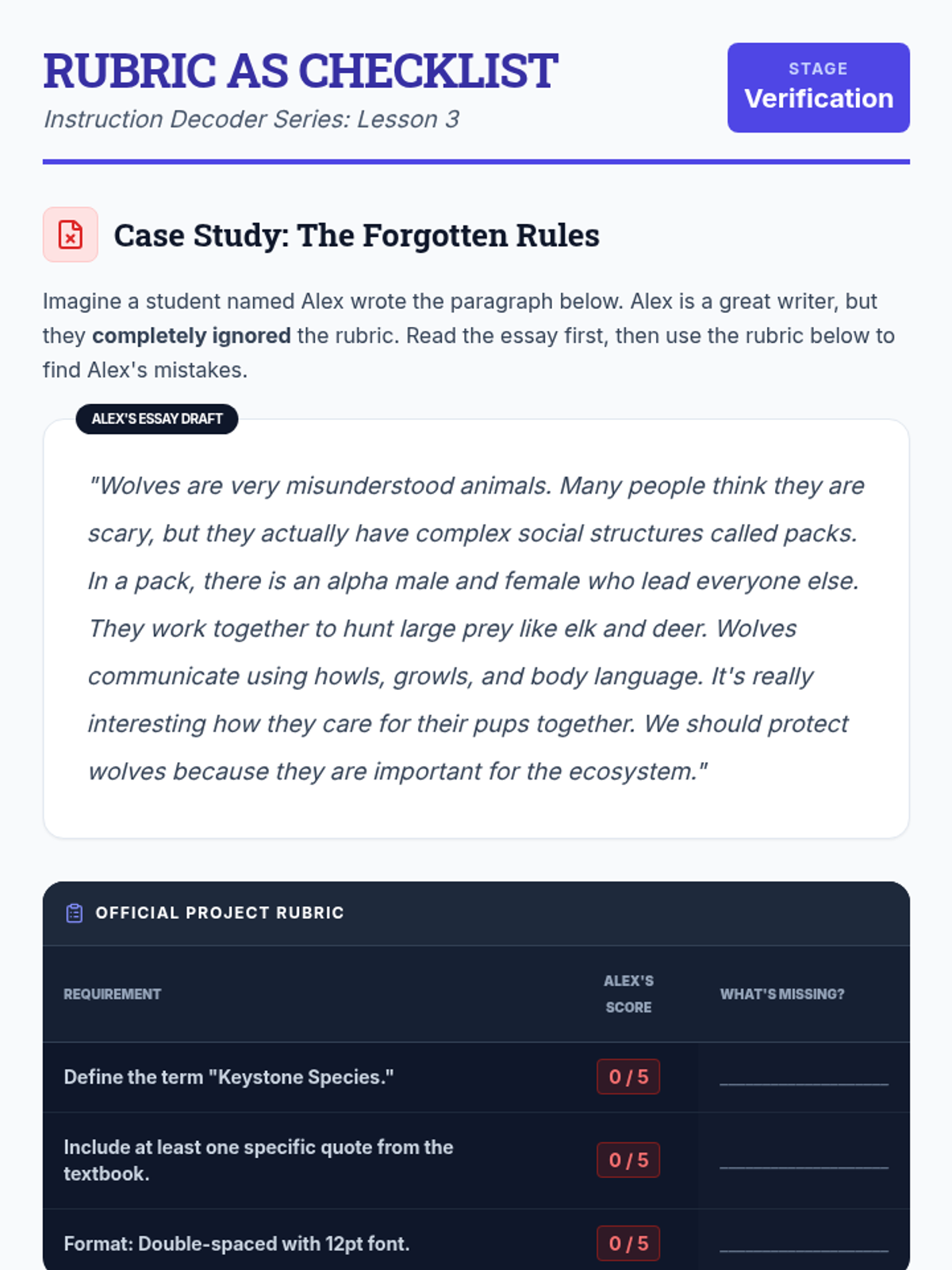
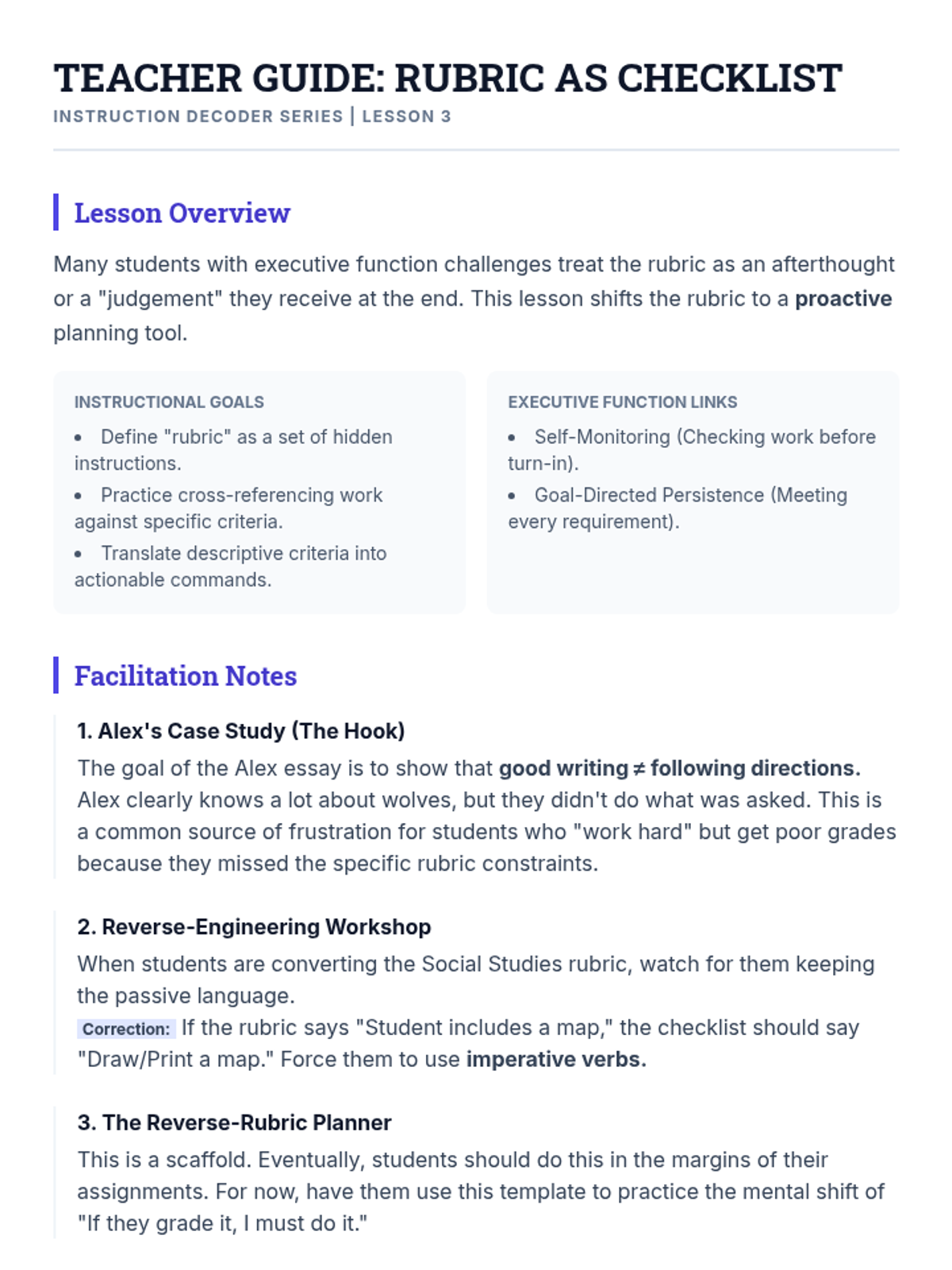
Students learn to use a grading rubric as a reverse-engineered checklist, practicing cross-referencing their output against specific criteria to ensure all instructions are followed.
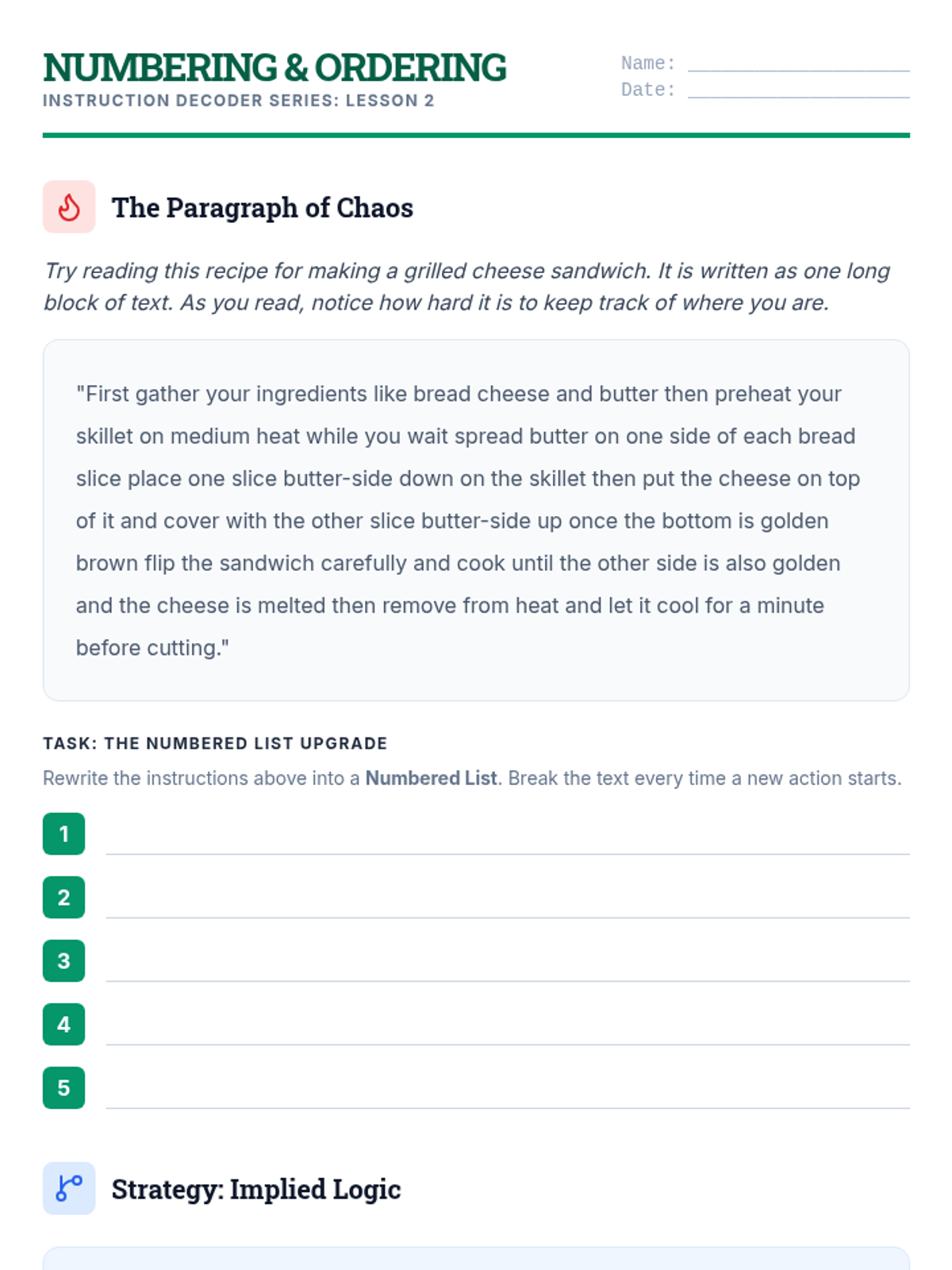
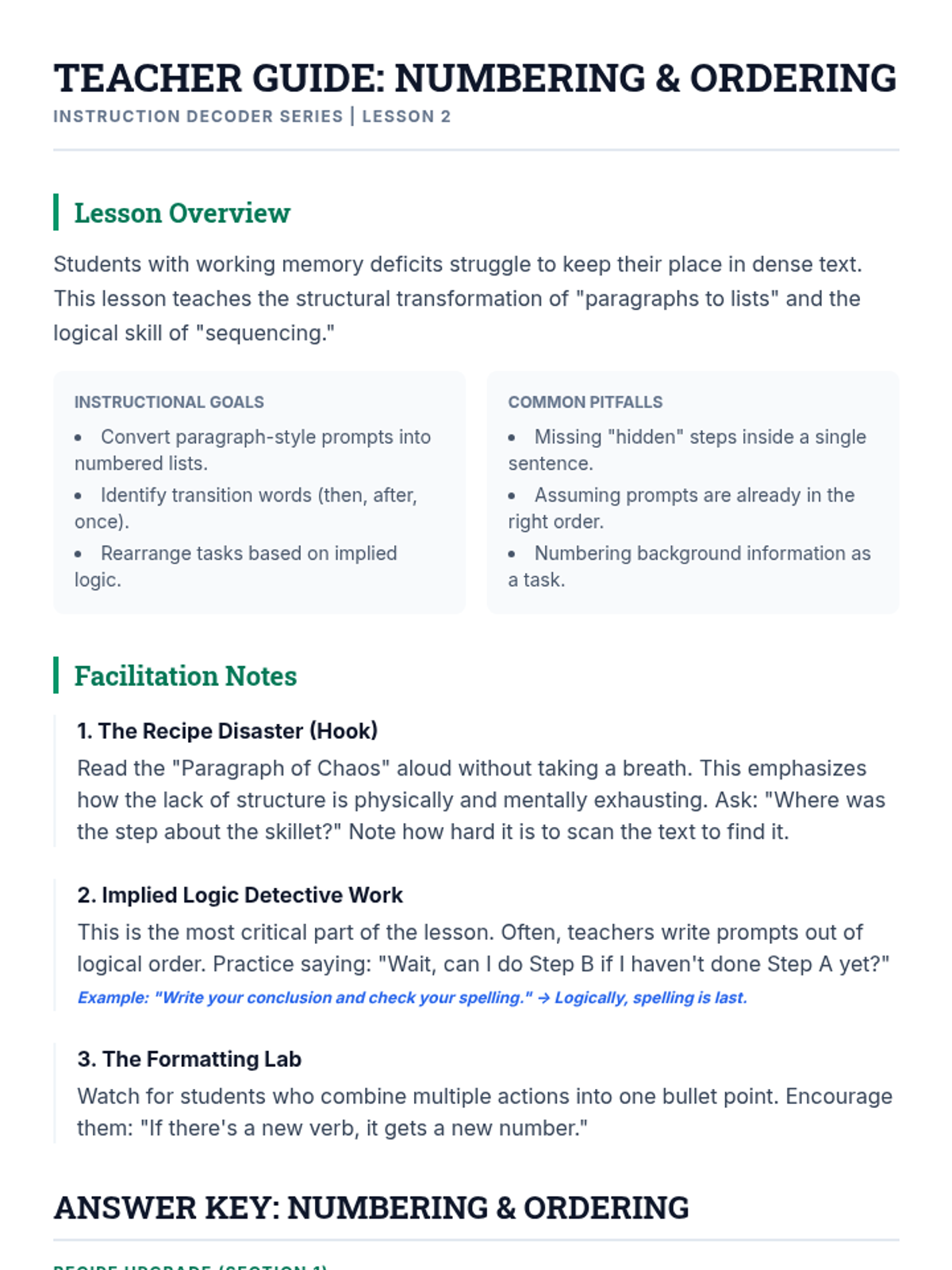
Students practice converting unformatted blocks of text instructions into numbered lists, identifying implied sequences where the order matters but isn't explicitly stated.
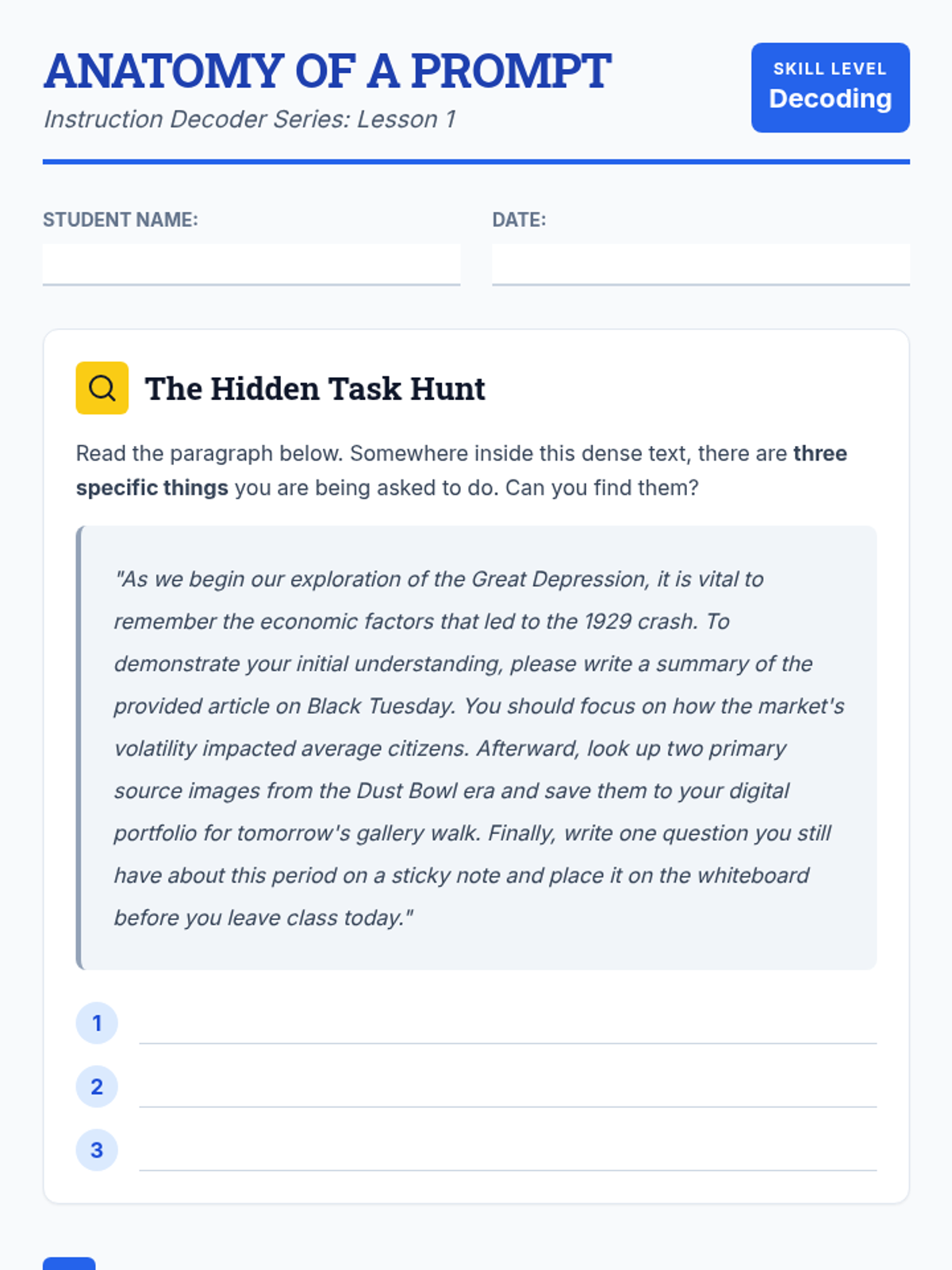
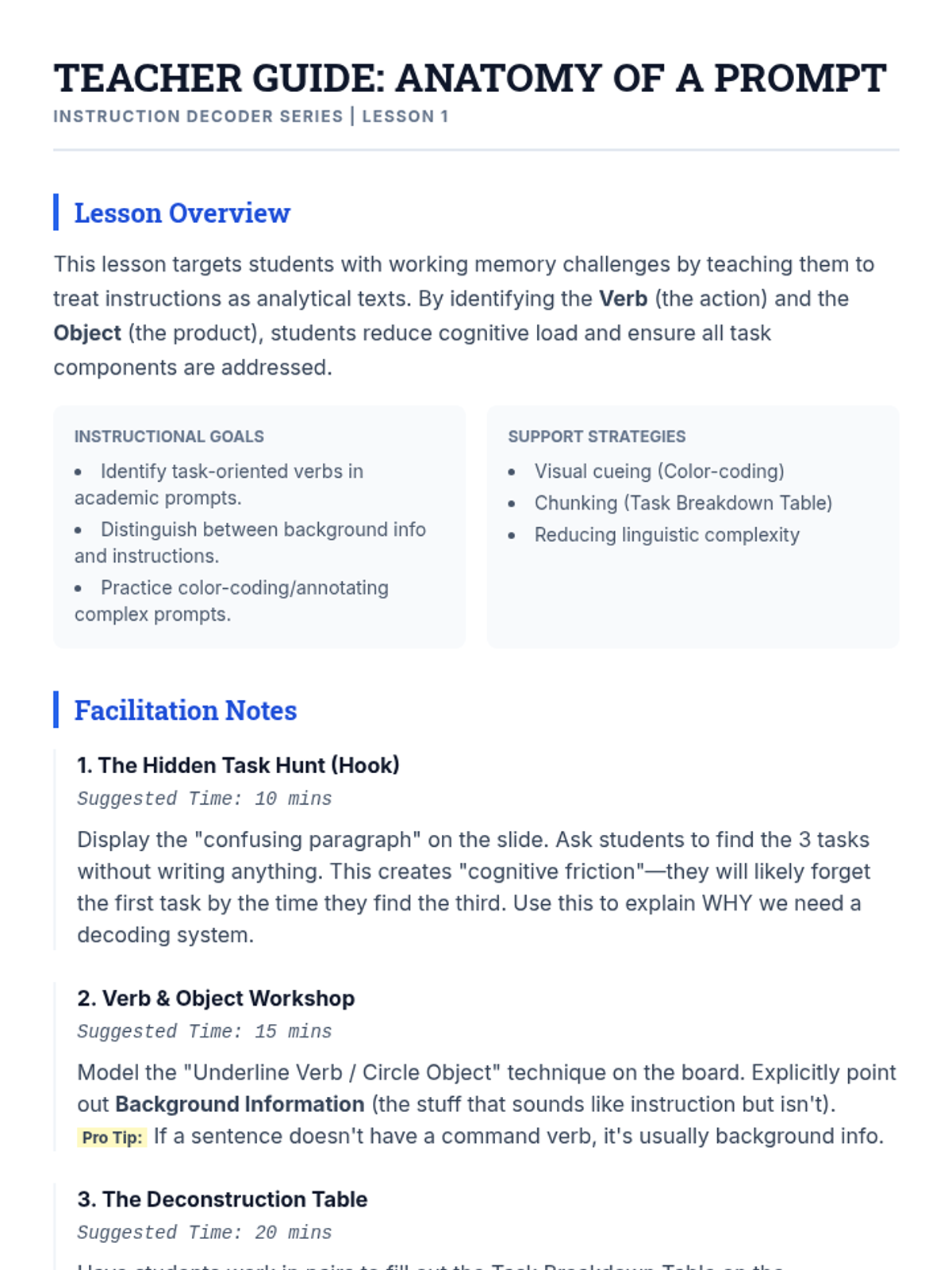
Students dissect multi-paragraph assignment prompts to identify the 'verb' (what to do) and the 'object' (what to do it to), using color-coding to separate background information from actionable steps.
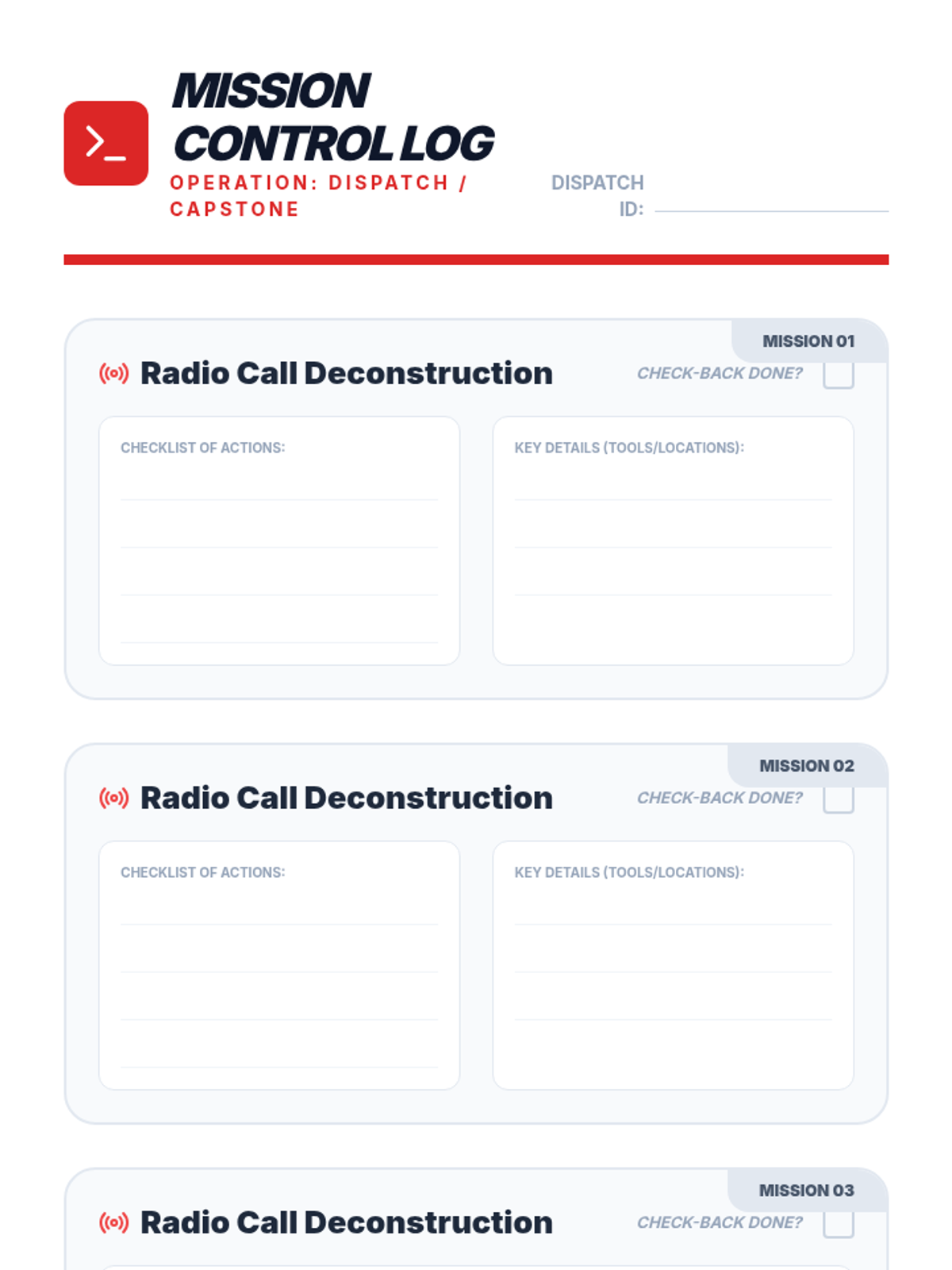
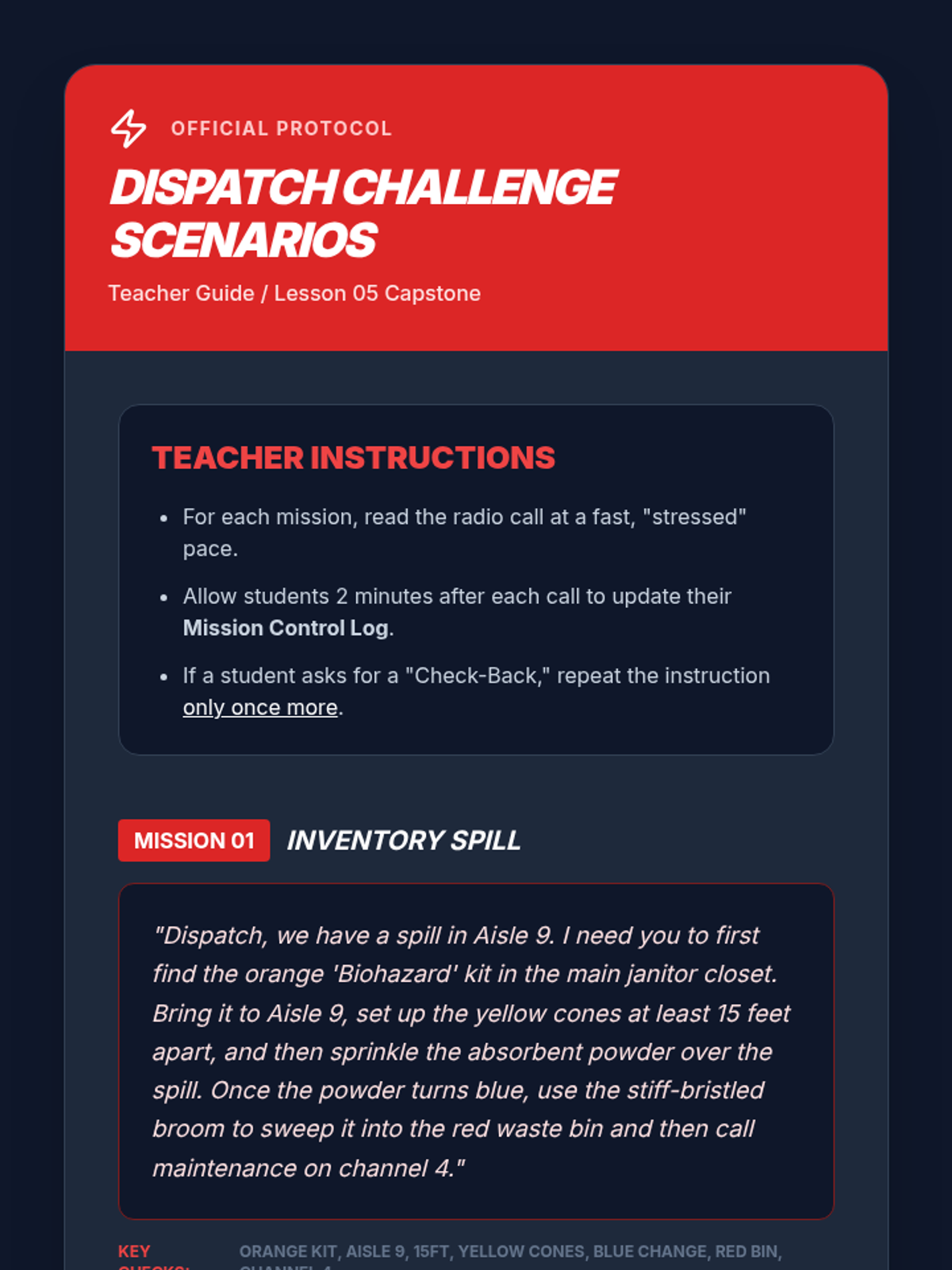
A culminating high-pressure simulation where students manage a 'dispatch center' environment using all learned strategies.
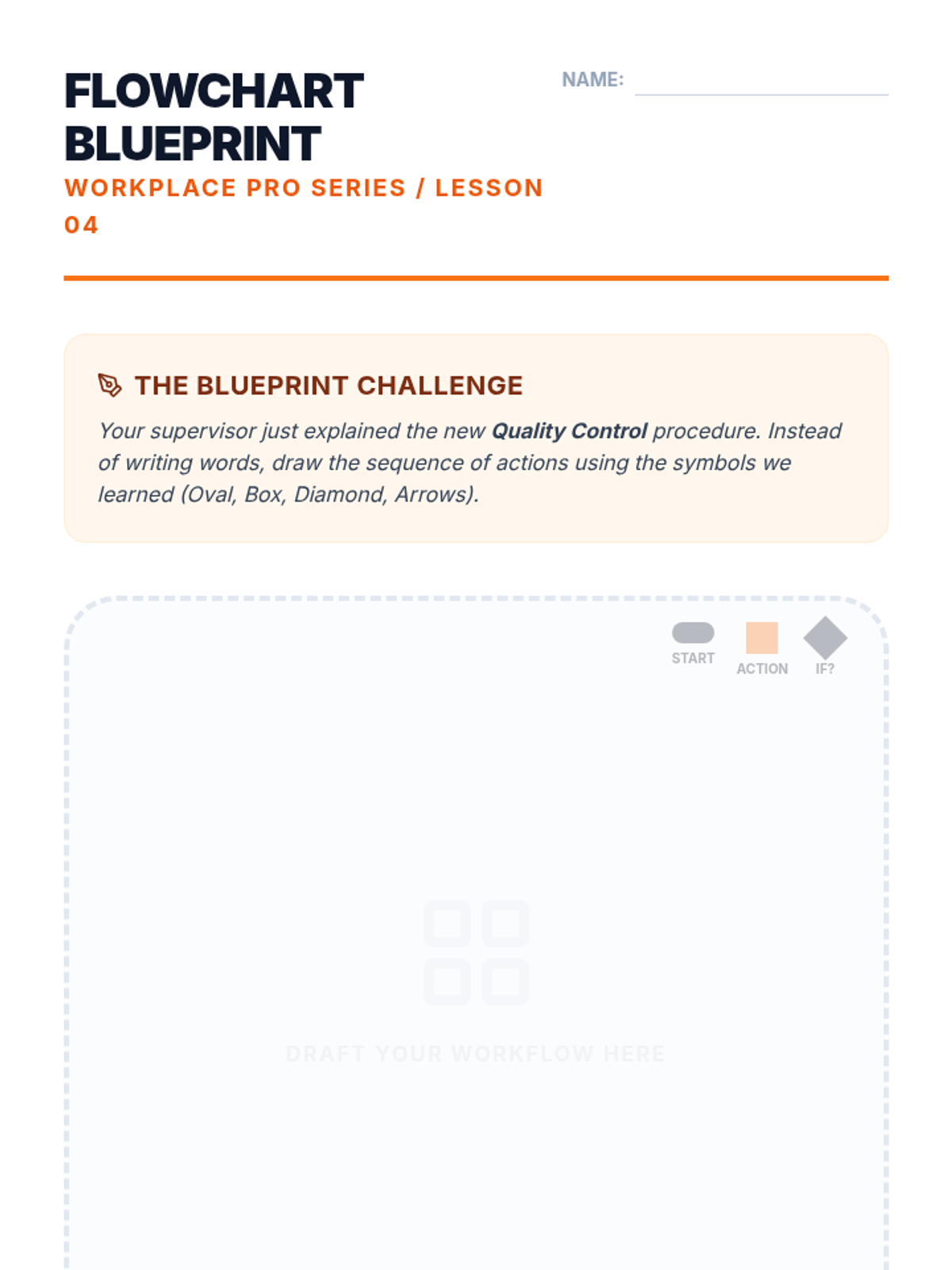
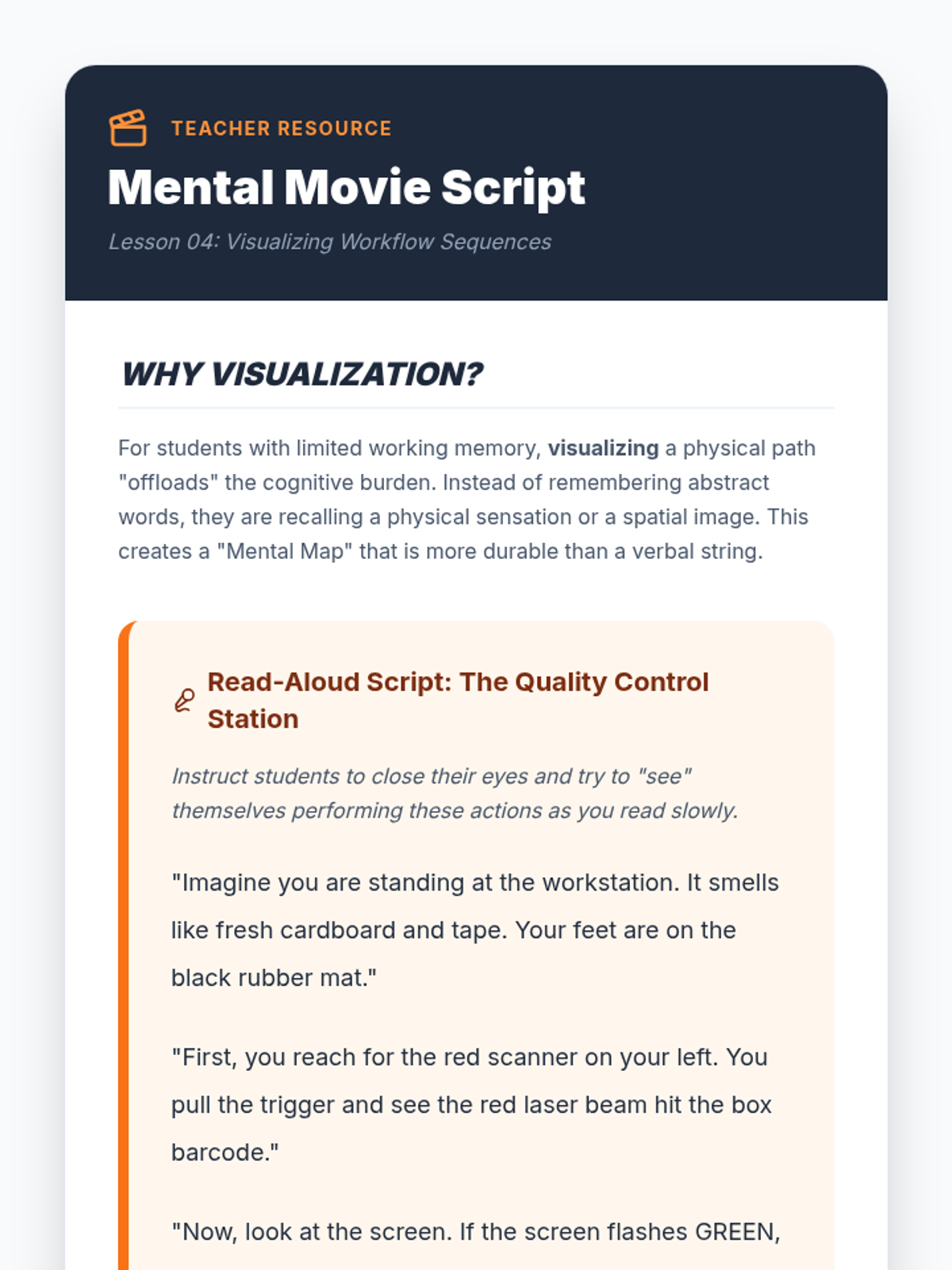
Focuses on mental visualization and flowcharting techniques to predict physical actions required for complex tasks.
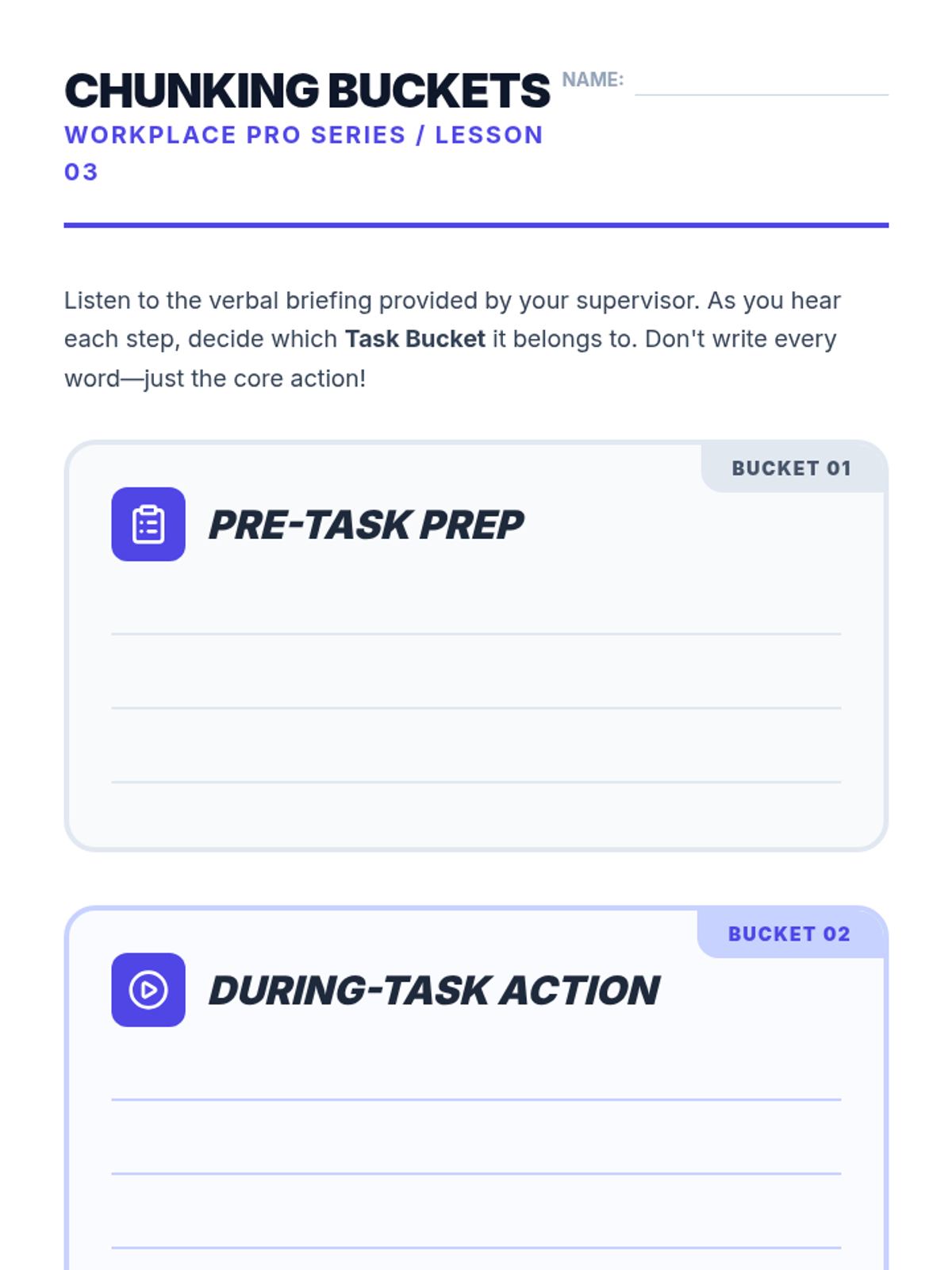
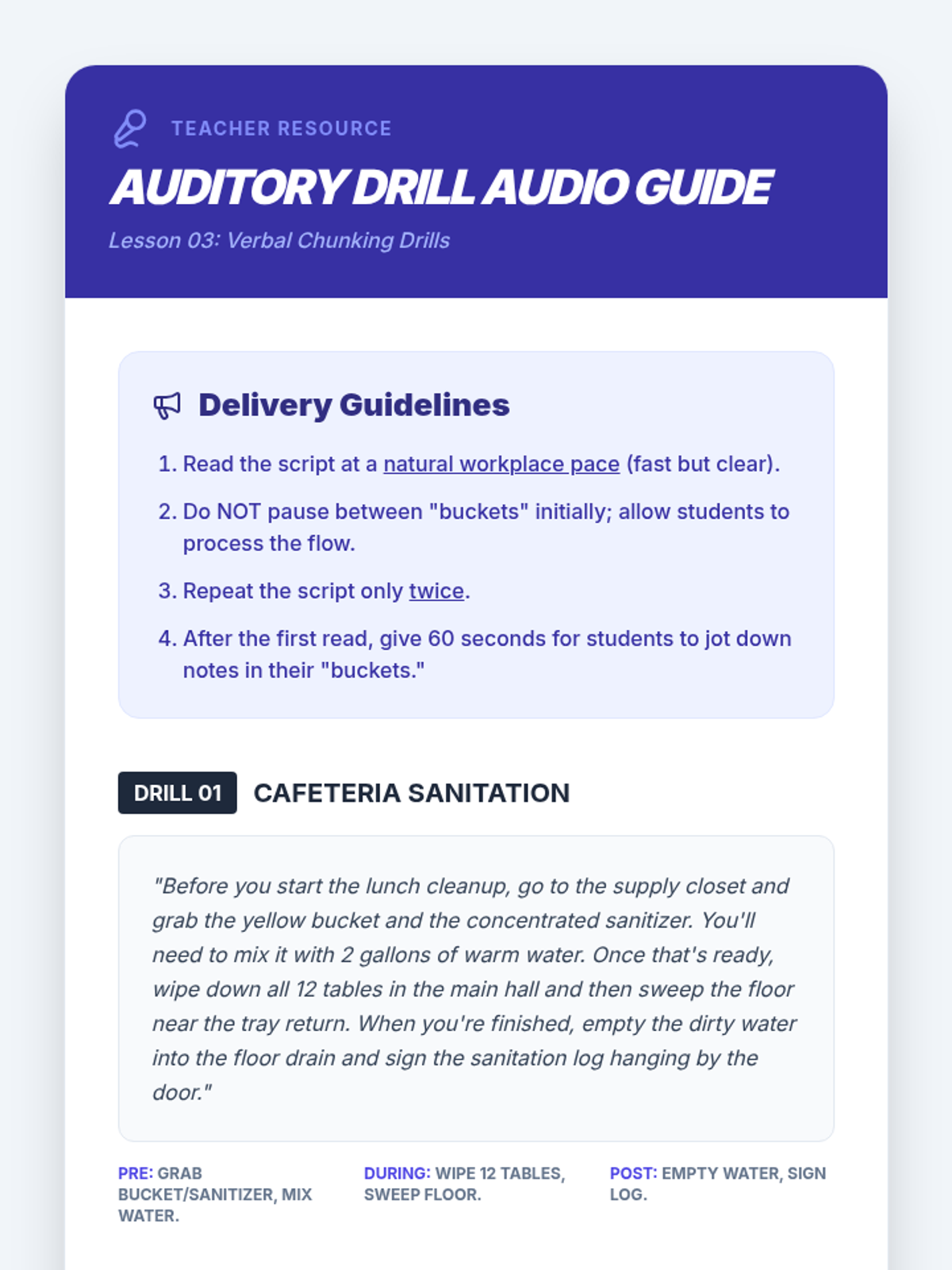
Teaches students to group auditory information into 'Pre-task', 'During-task', and 'Post-task' buckets to reduce cognitive load.
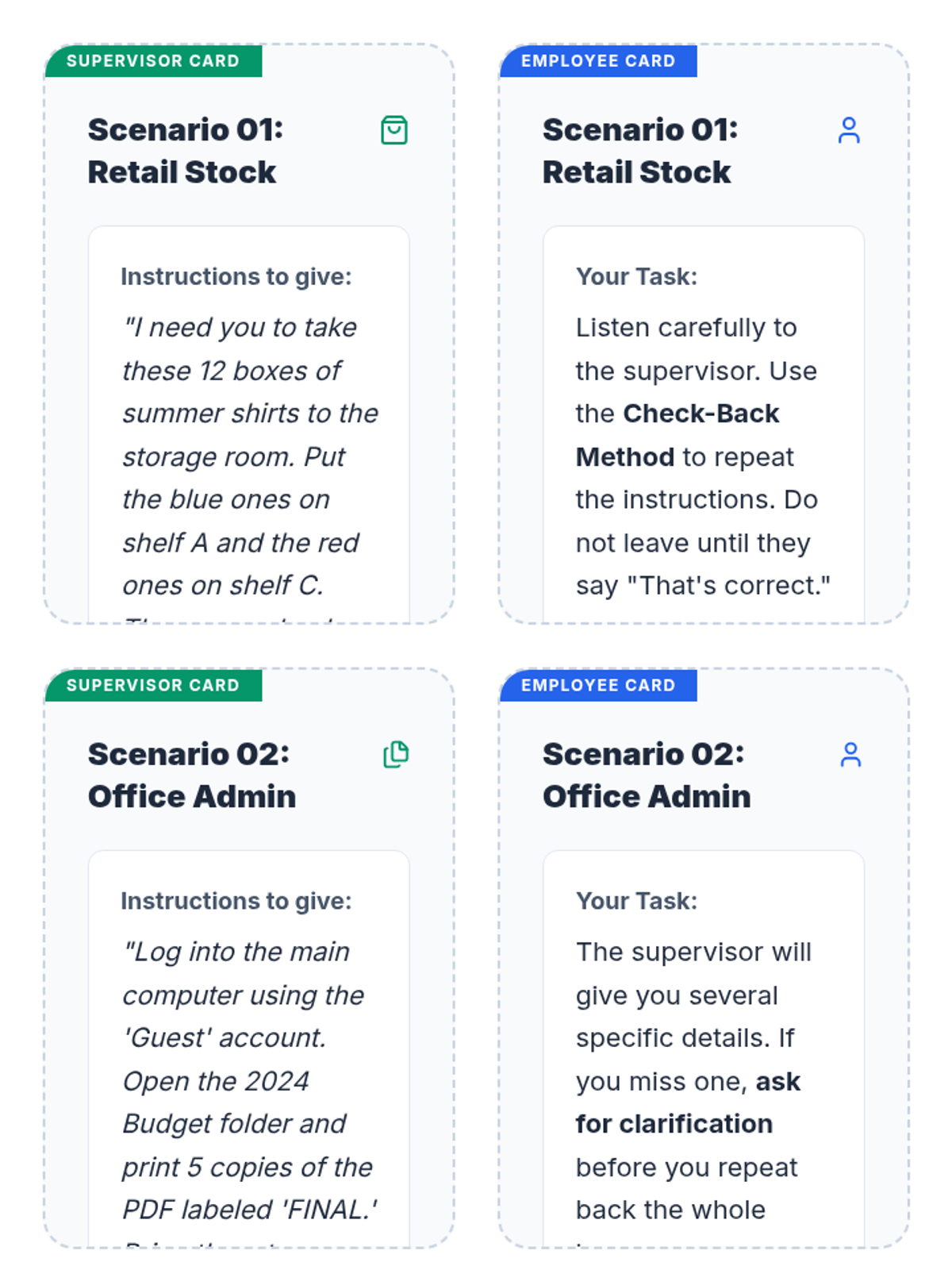
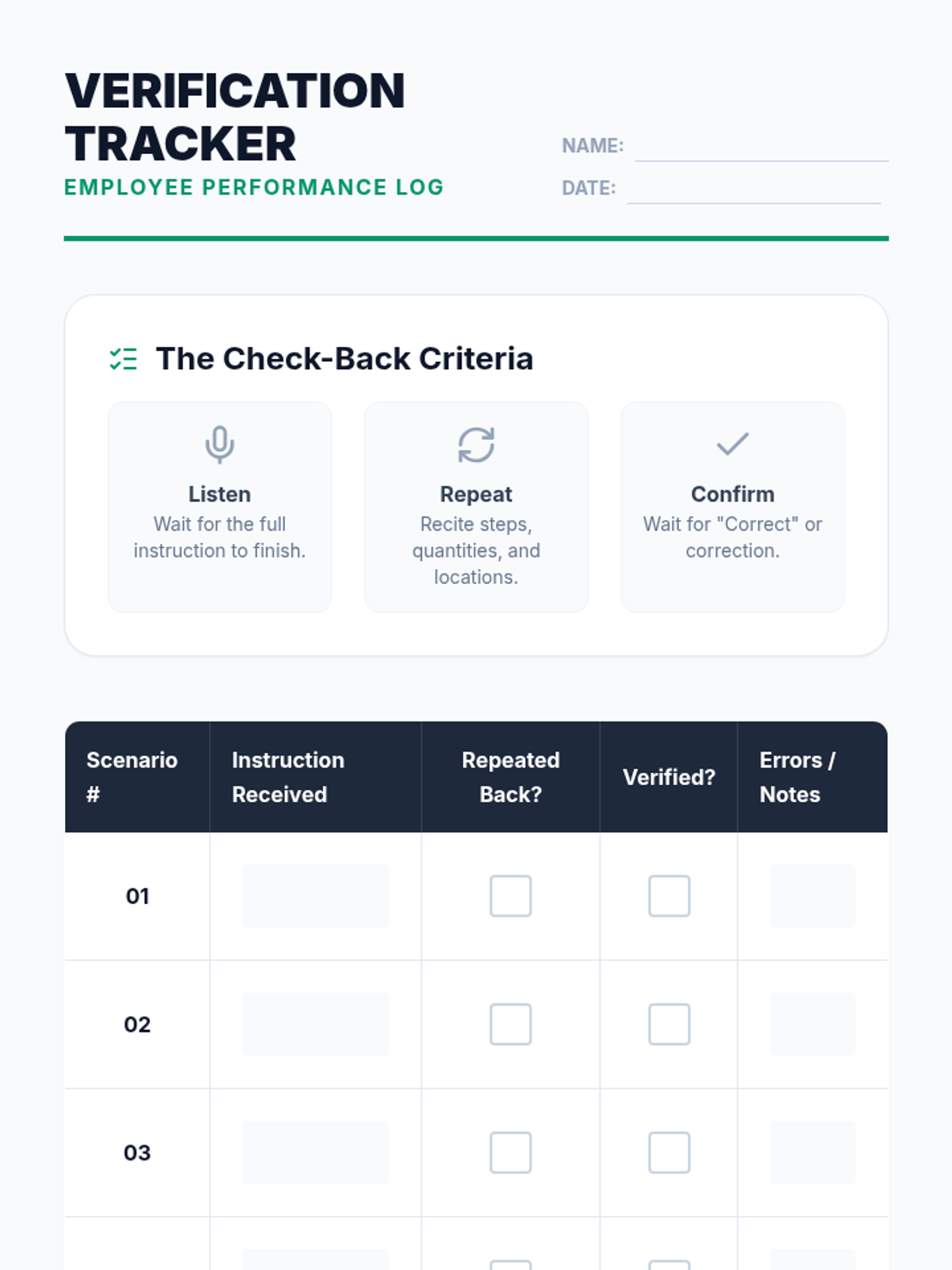
Focuses on the professional 'check-back' communication standard to verify auditory instructions and reduce errors in workplace scenarios.
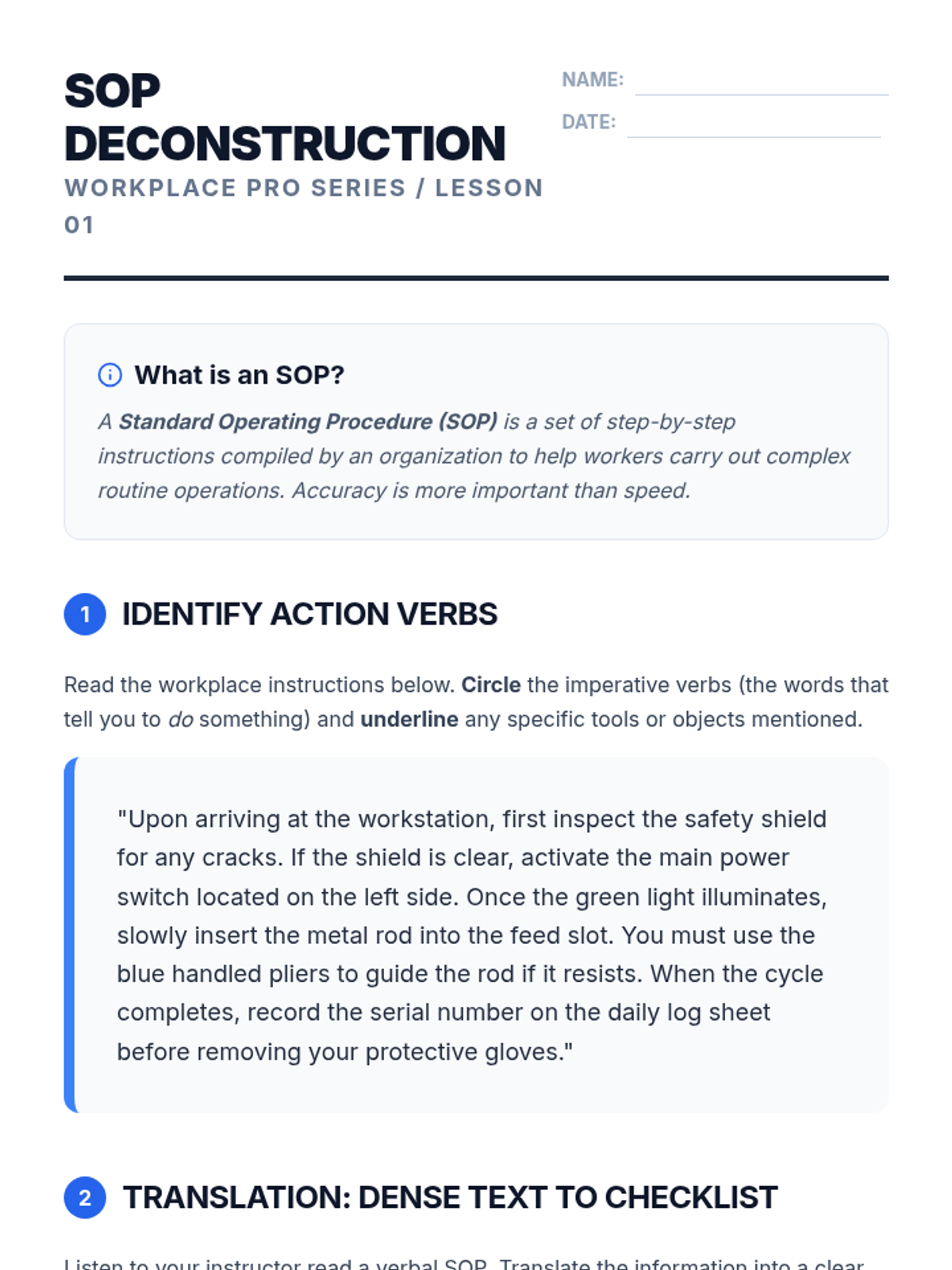
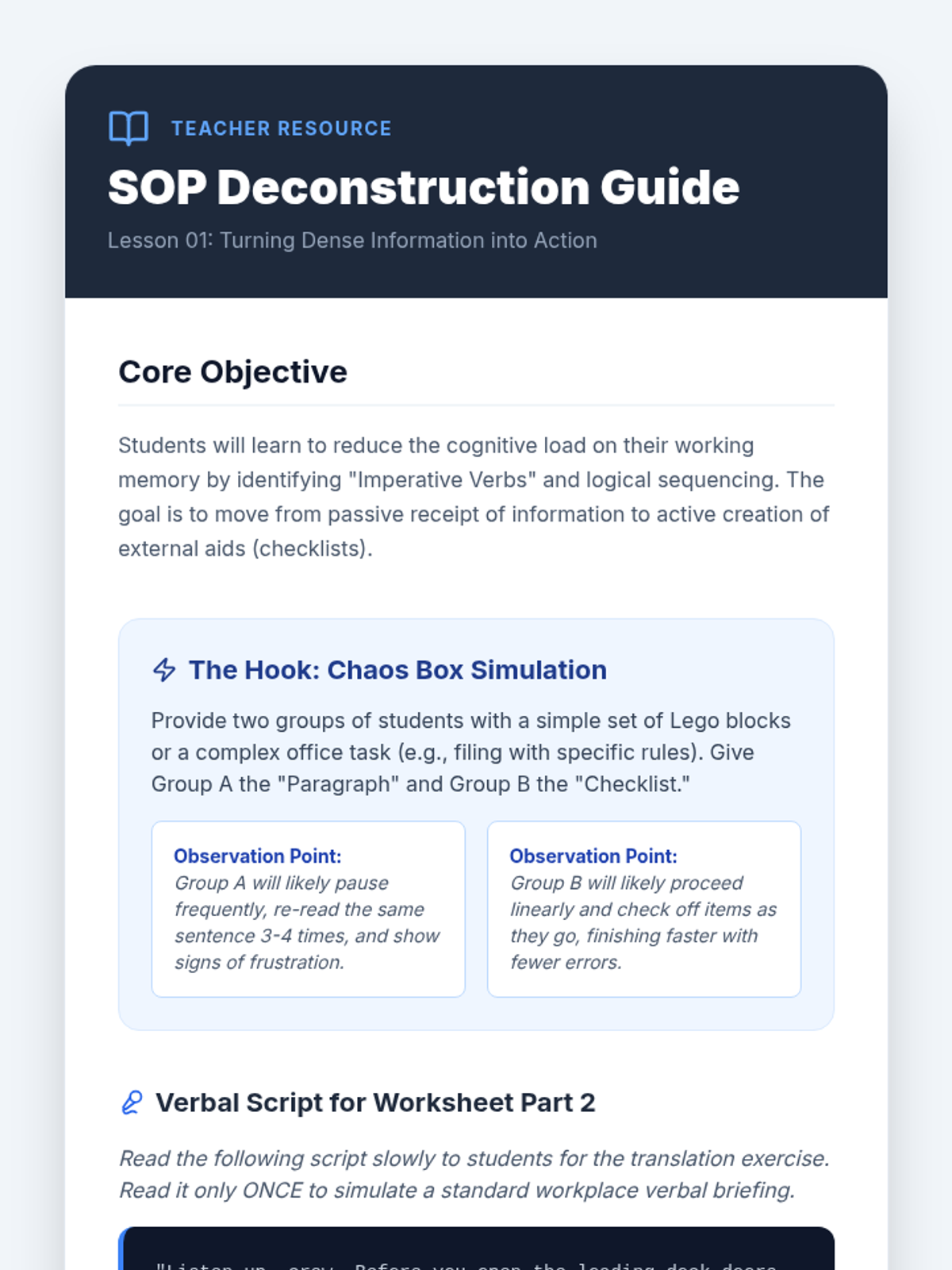
Students analyze written and verbal SOPs to identify imperative verbs and logical sequencing, practicing the transition from dense text to actionable checklists.
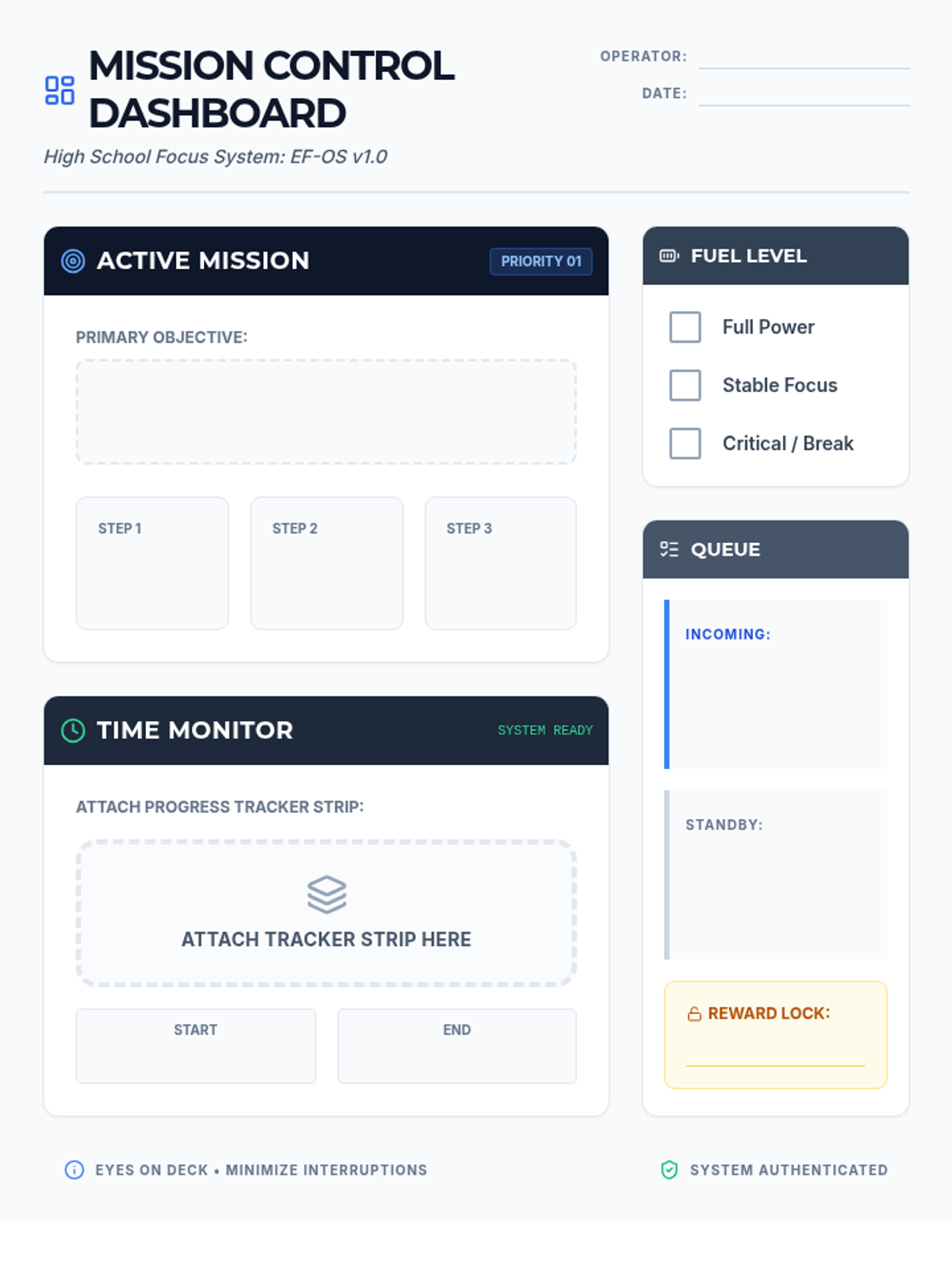
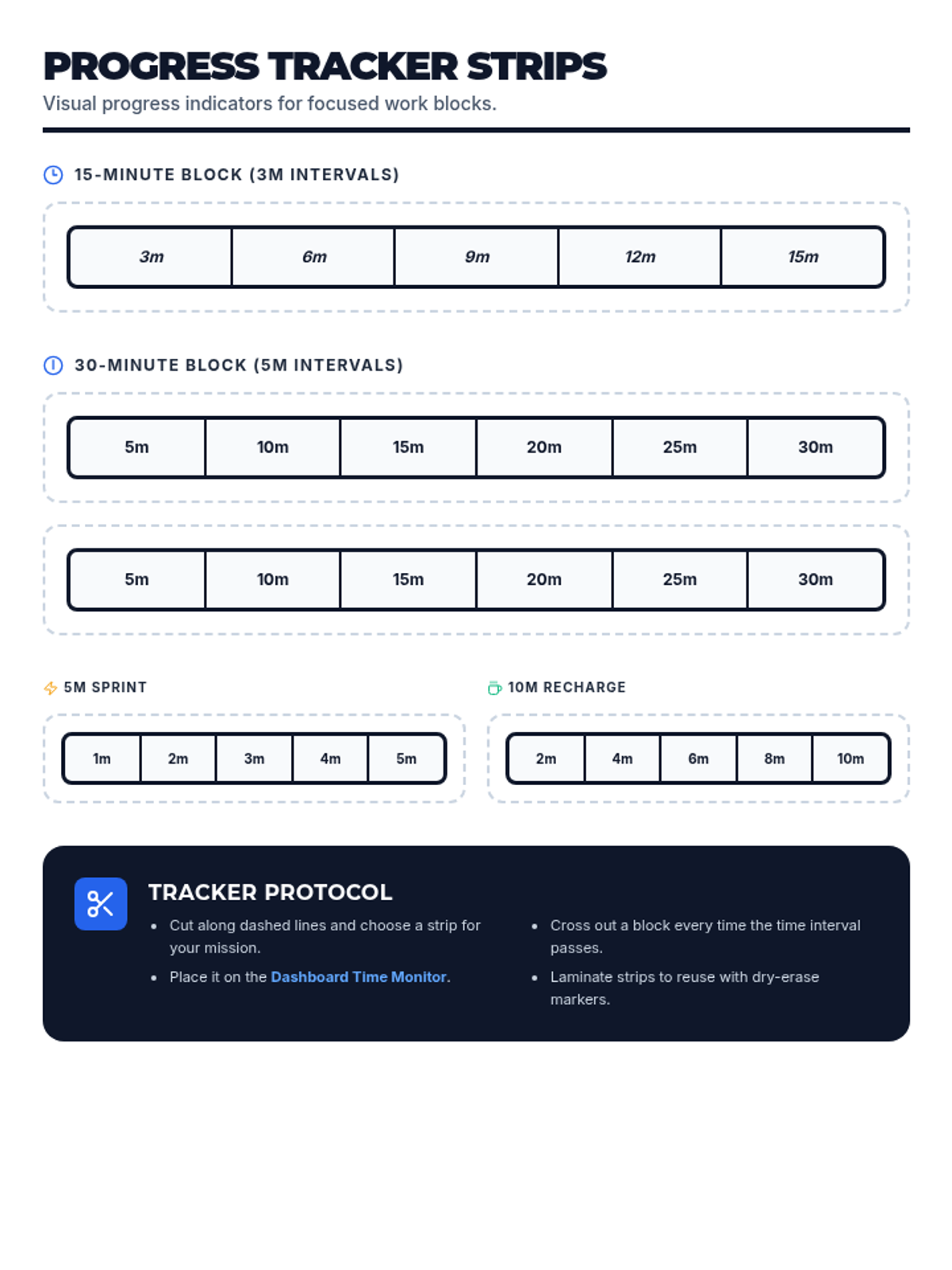
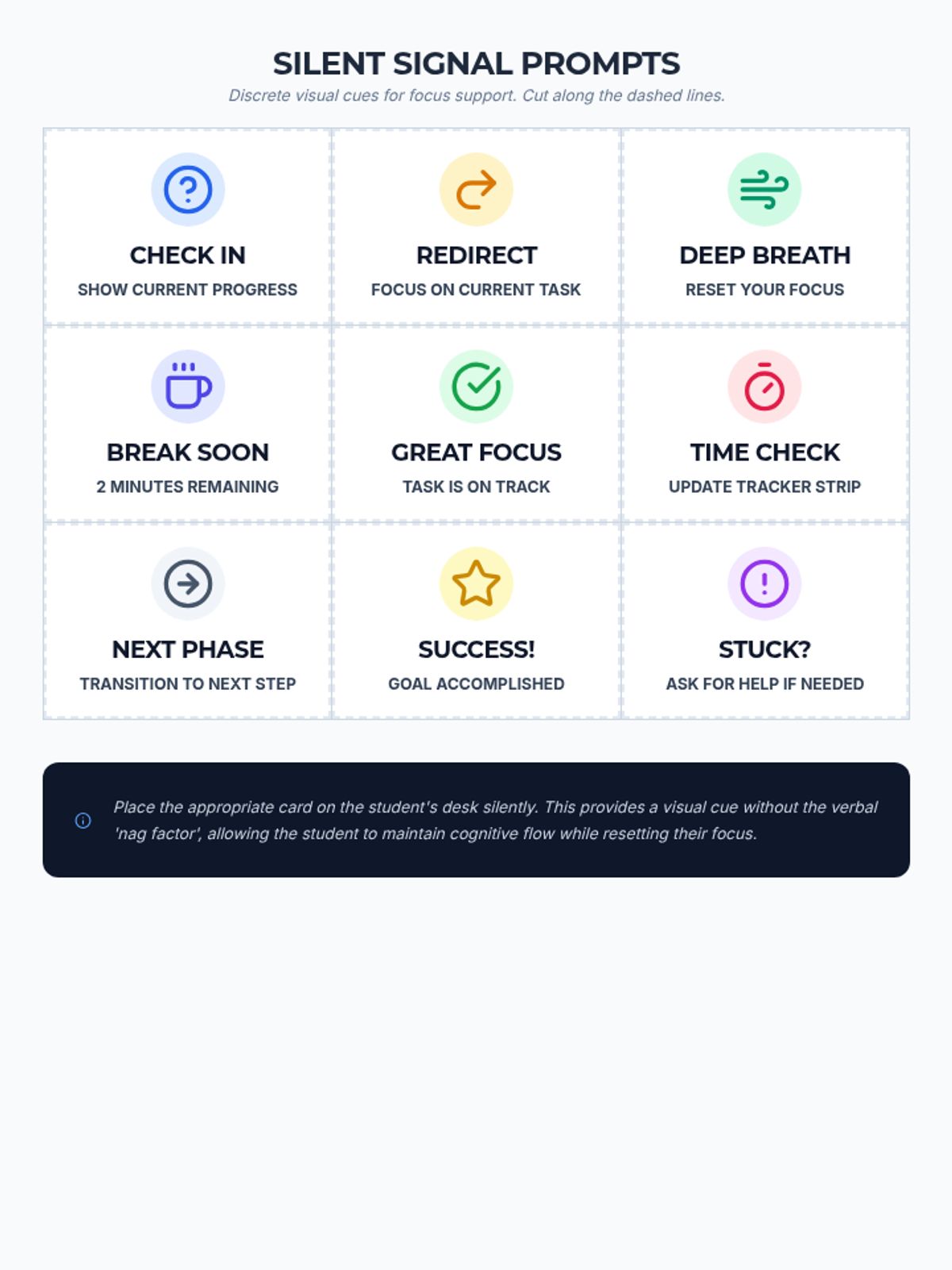
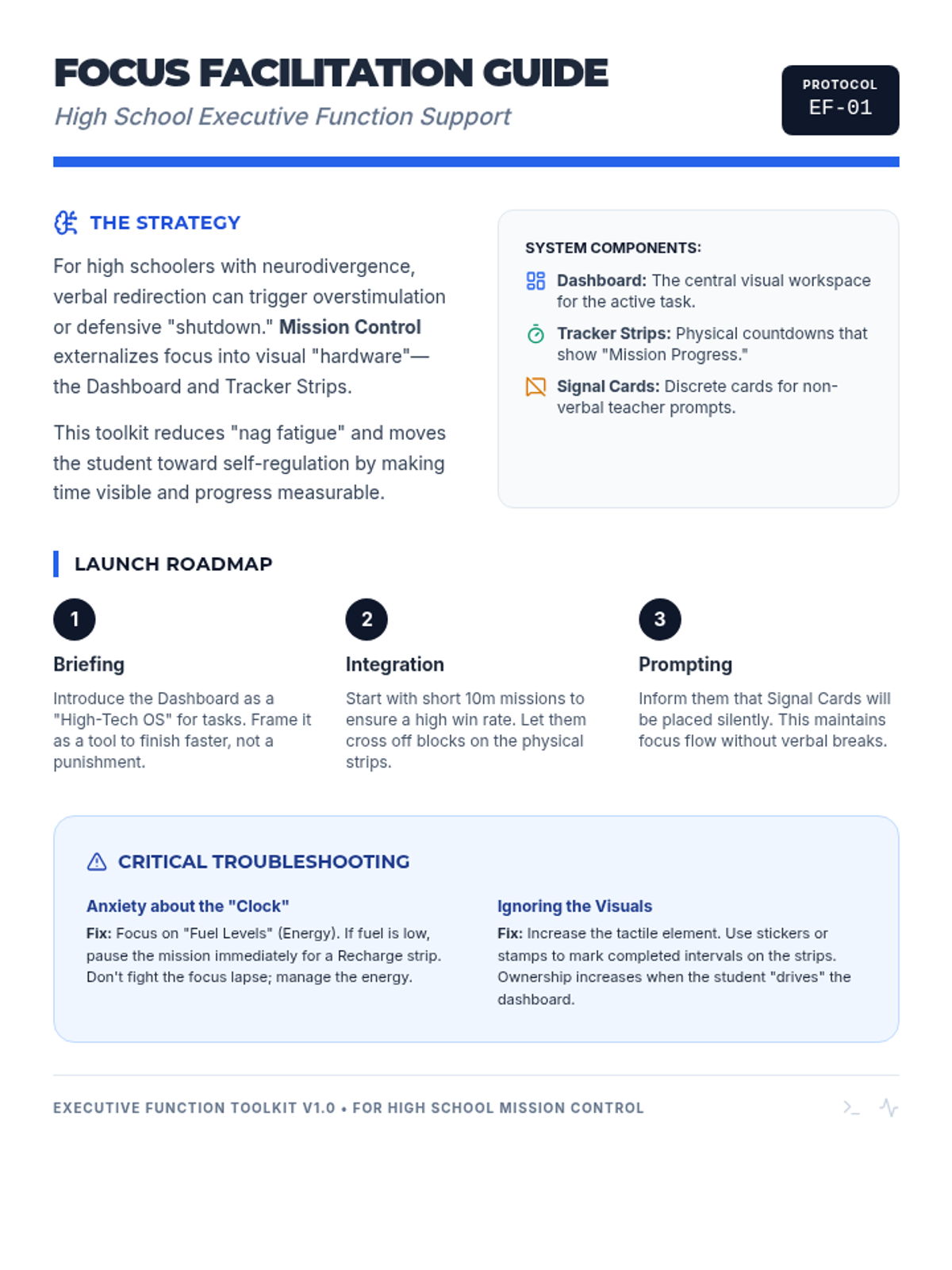
A comprehensive set of visual supports designed specifically for high school students with Autism and ADHD to manage time, stay on task, and respond to non-verbal redirection.
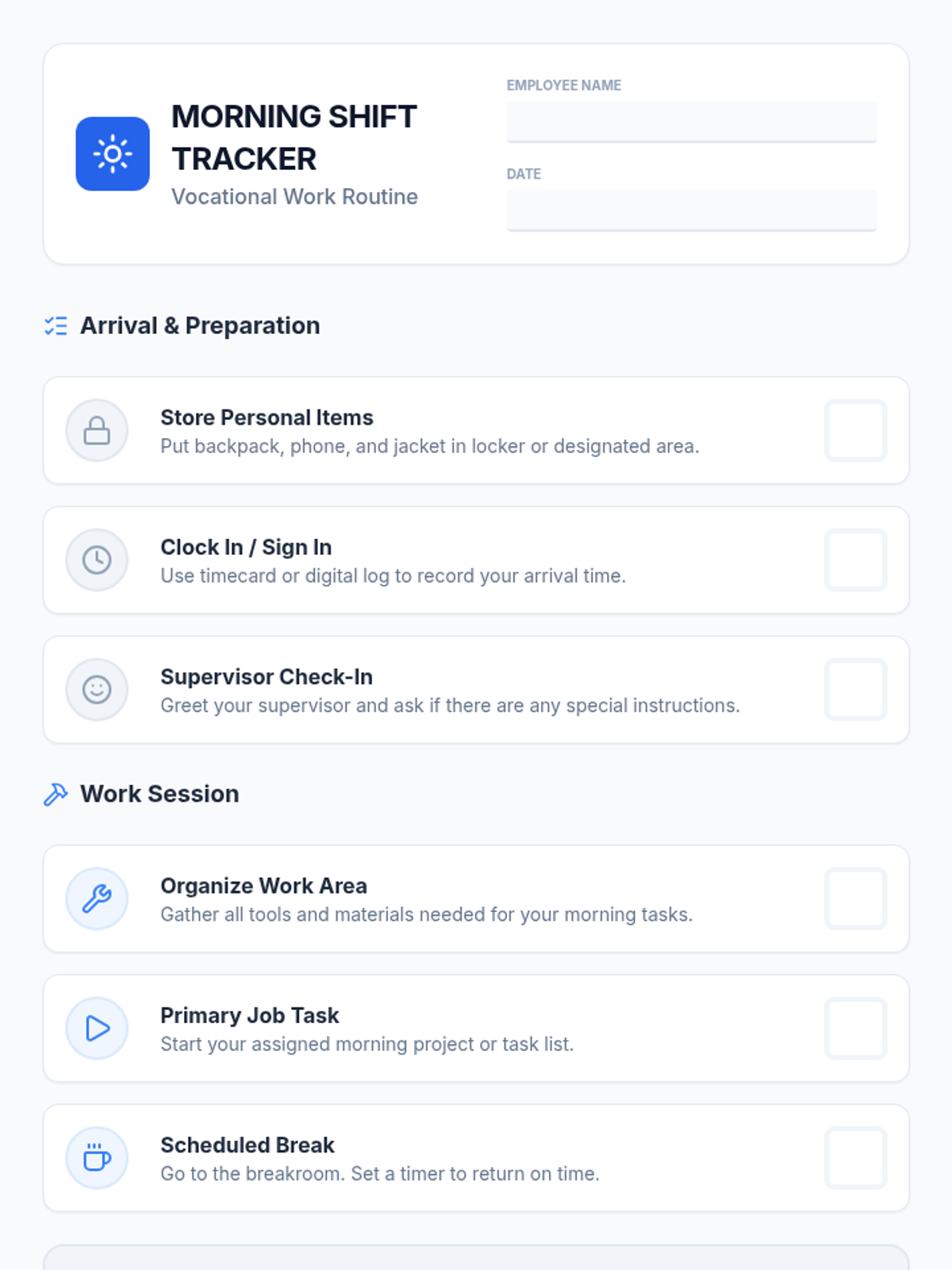
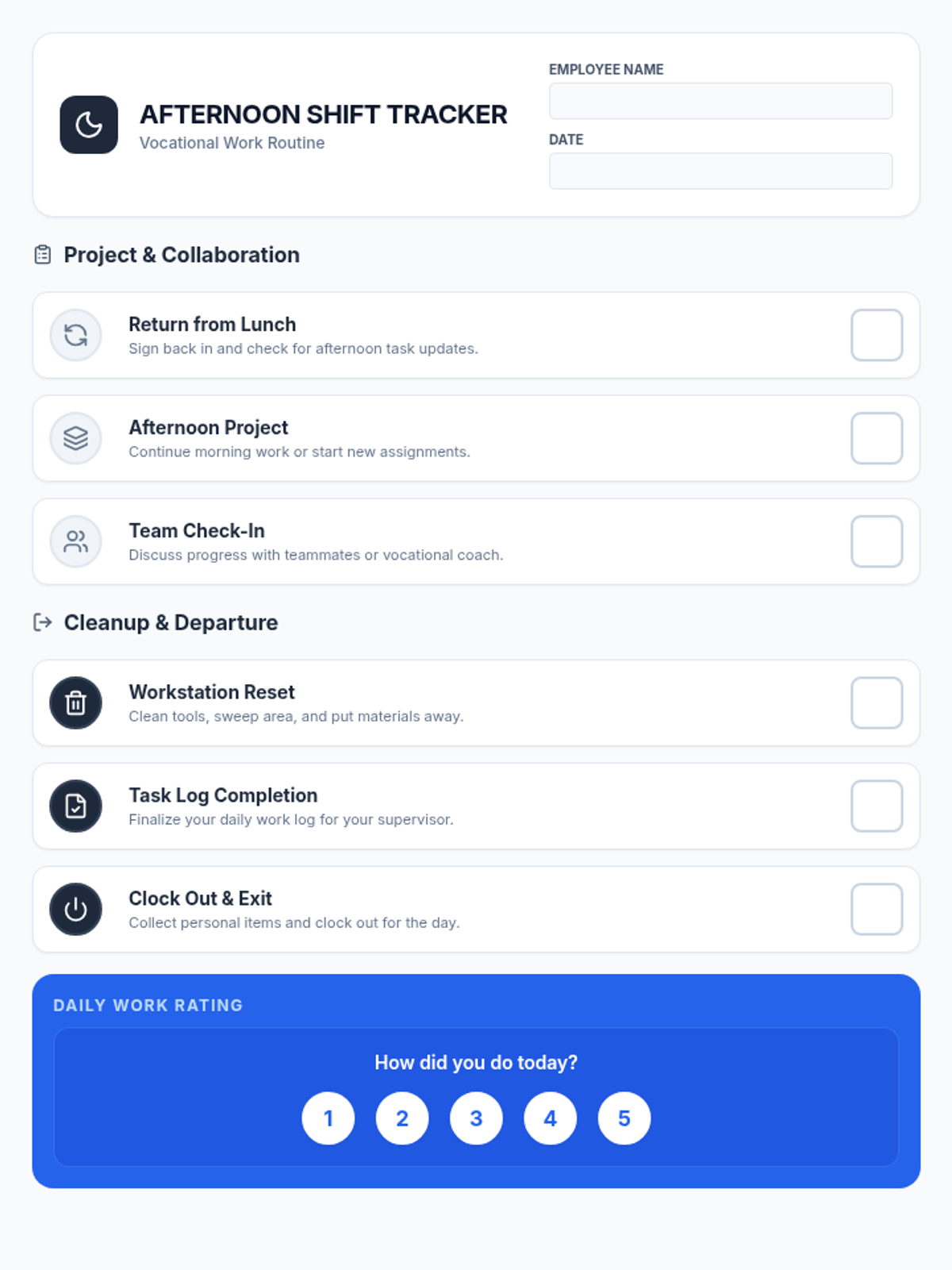
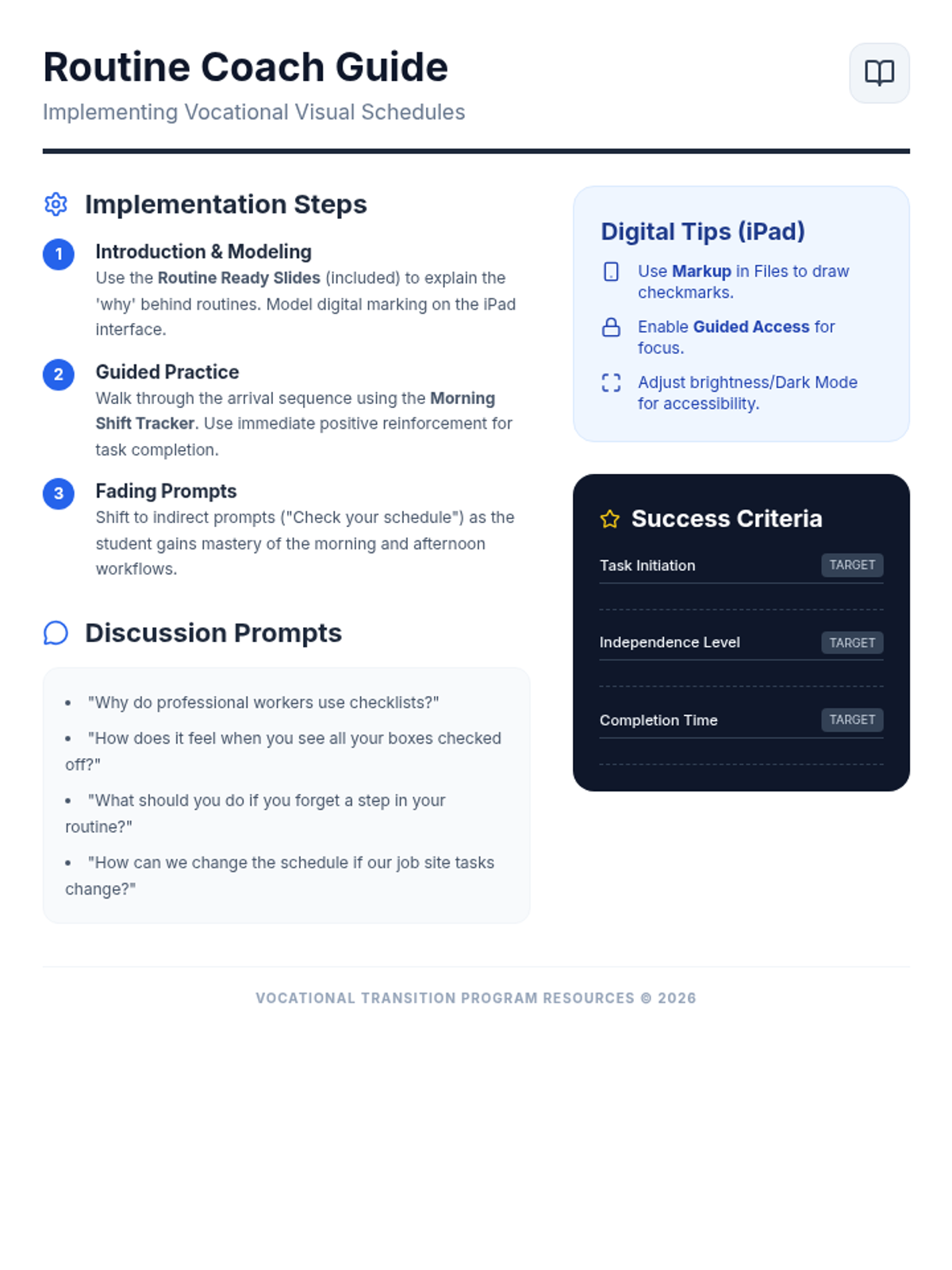
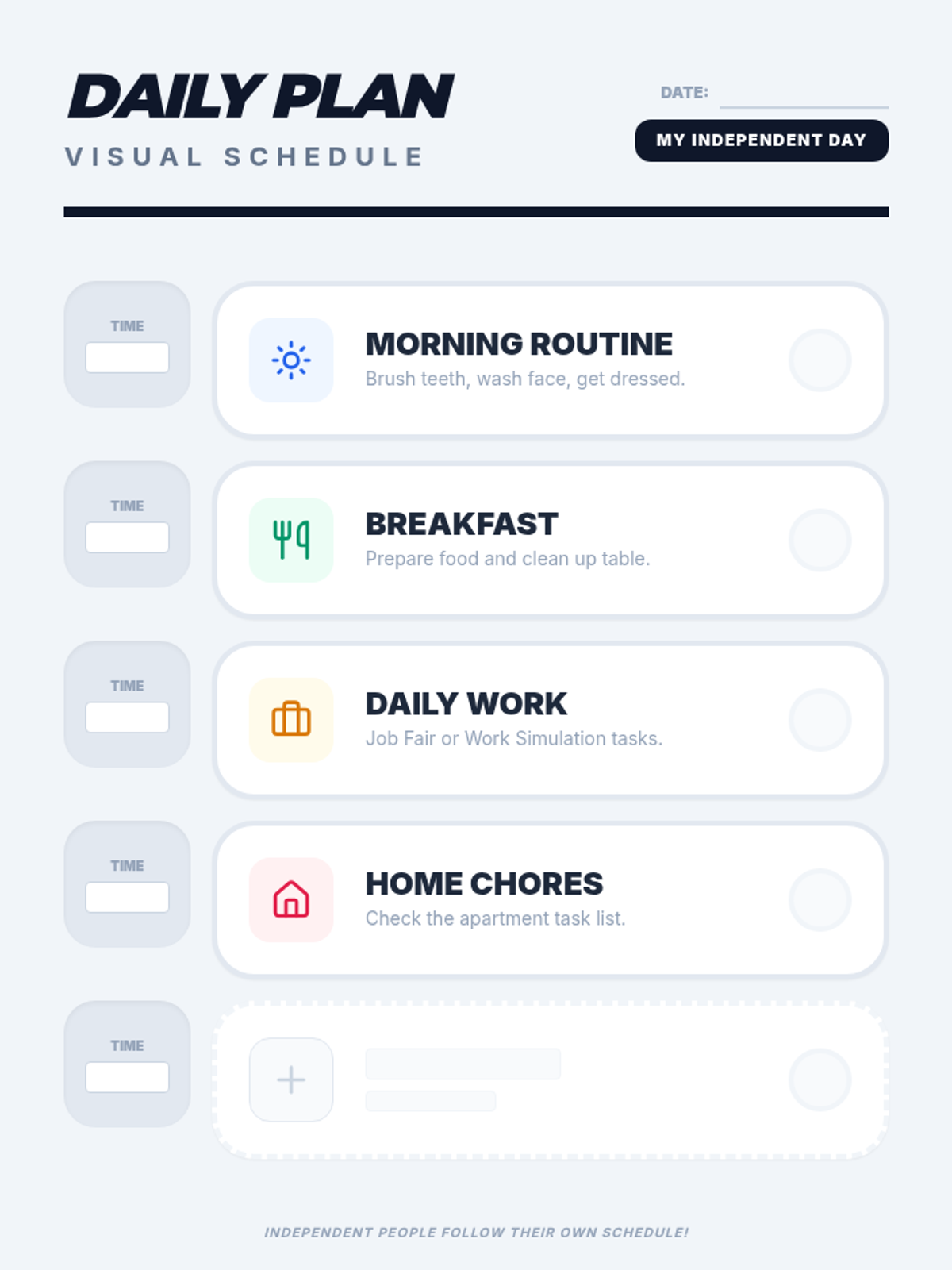
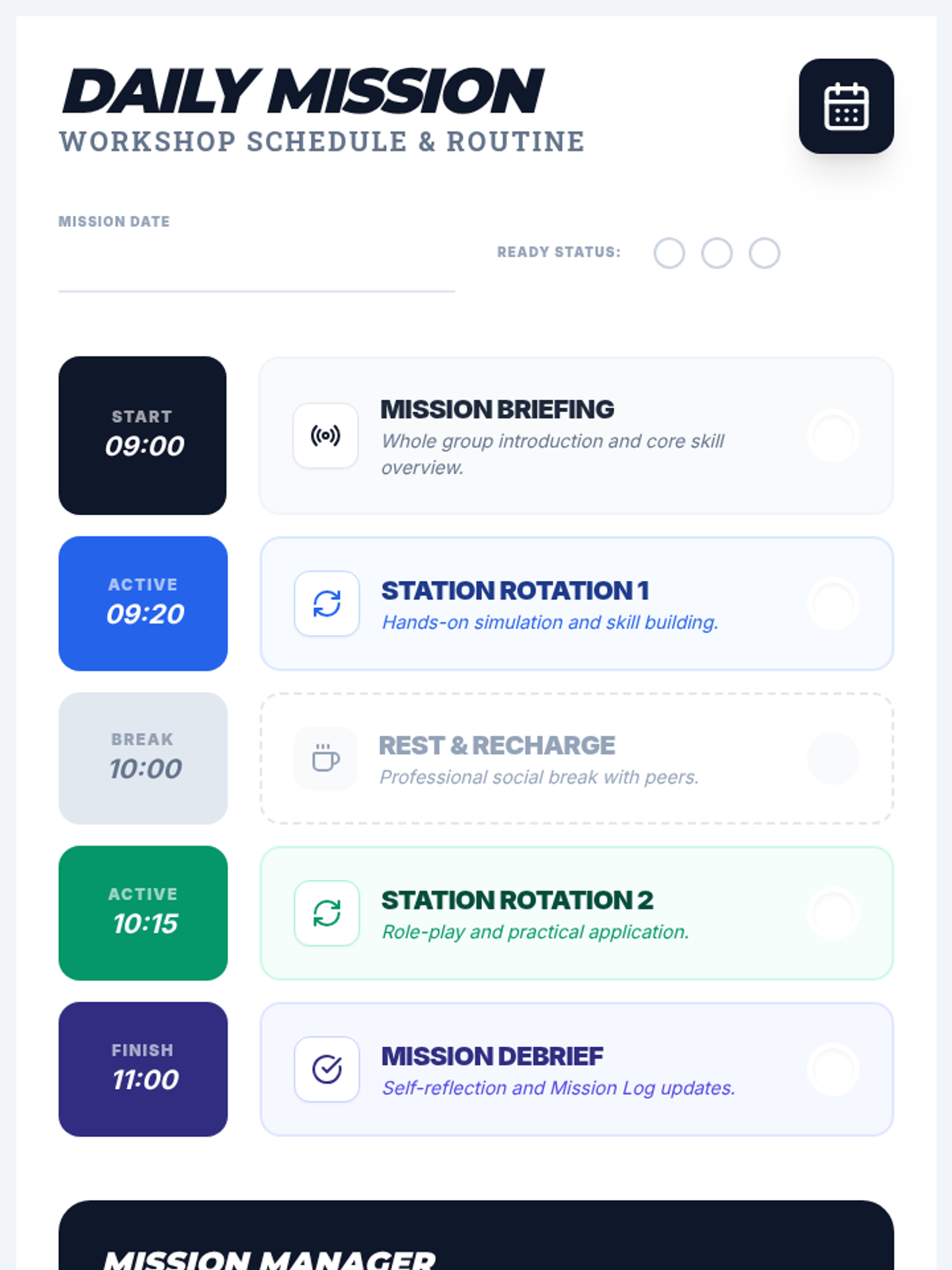
A comprehensive vocational training unit focused on establishing and maintaining daily routines for high school students in transition programs. This lesson provides visual supports and tracking tools designed for digital use on iPads or print.
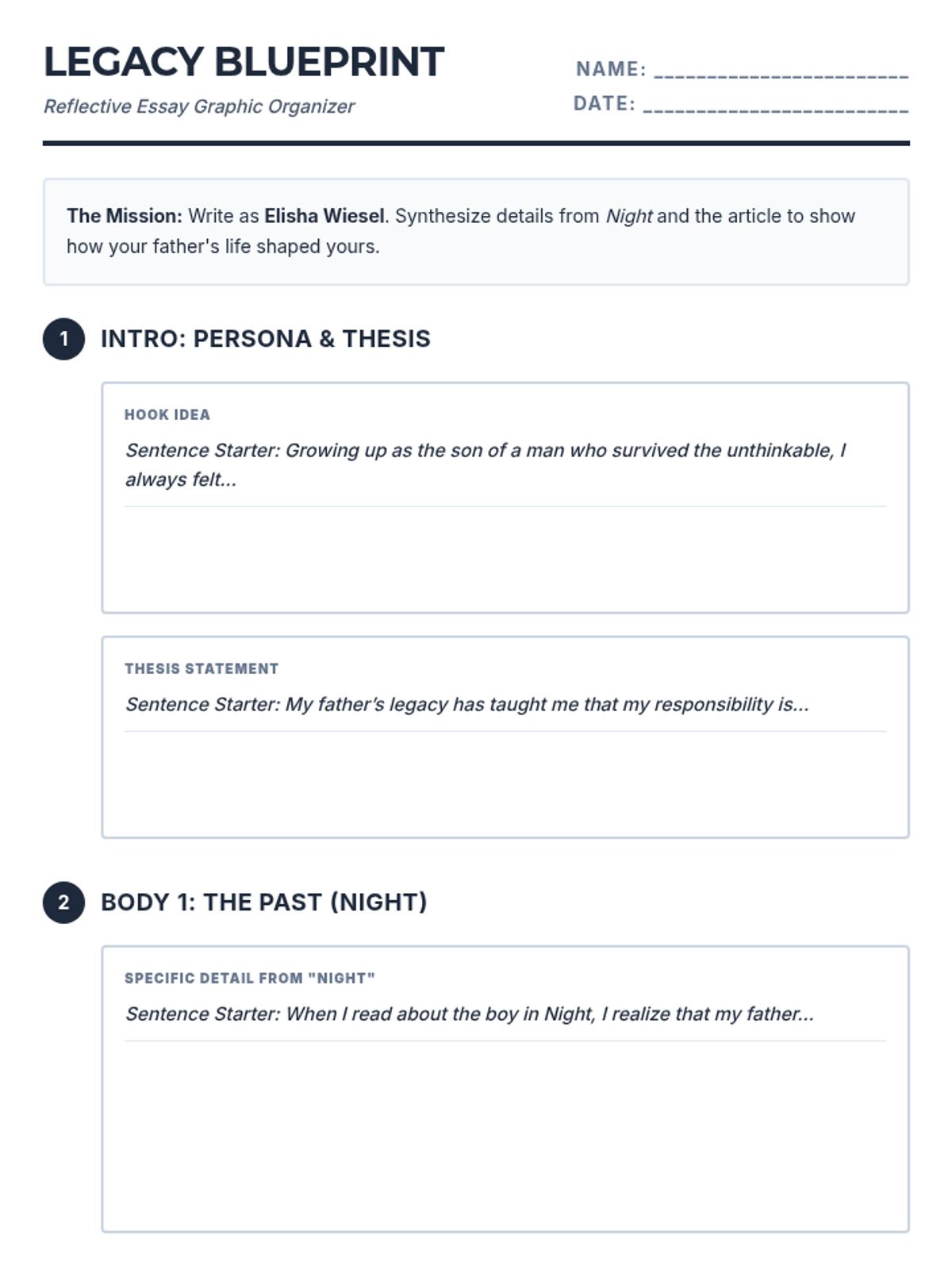
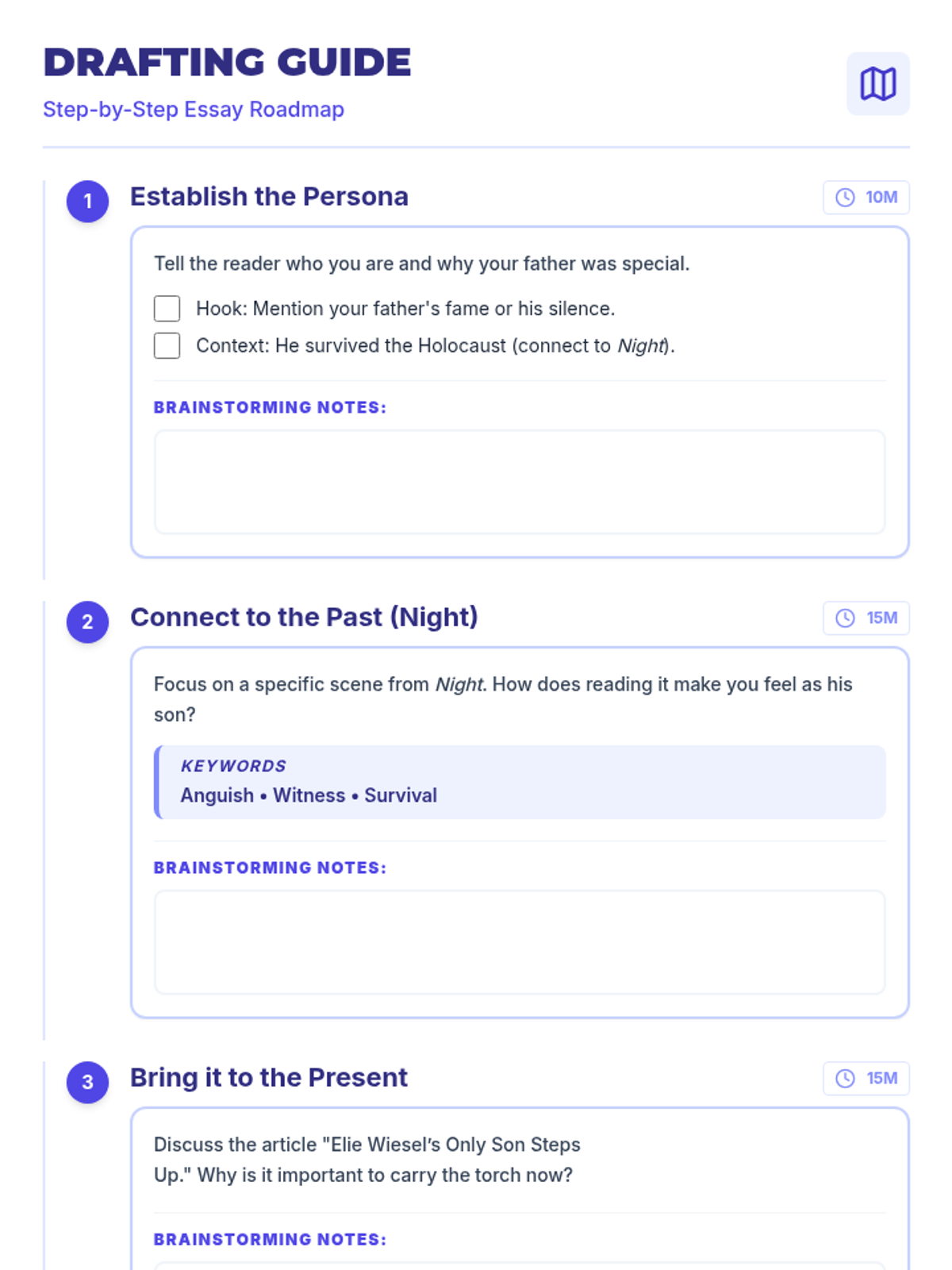
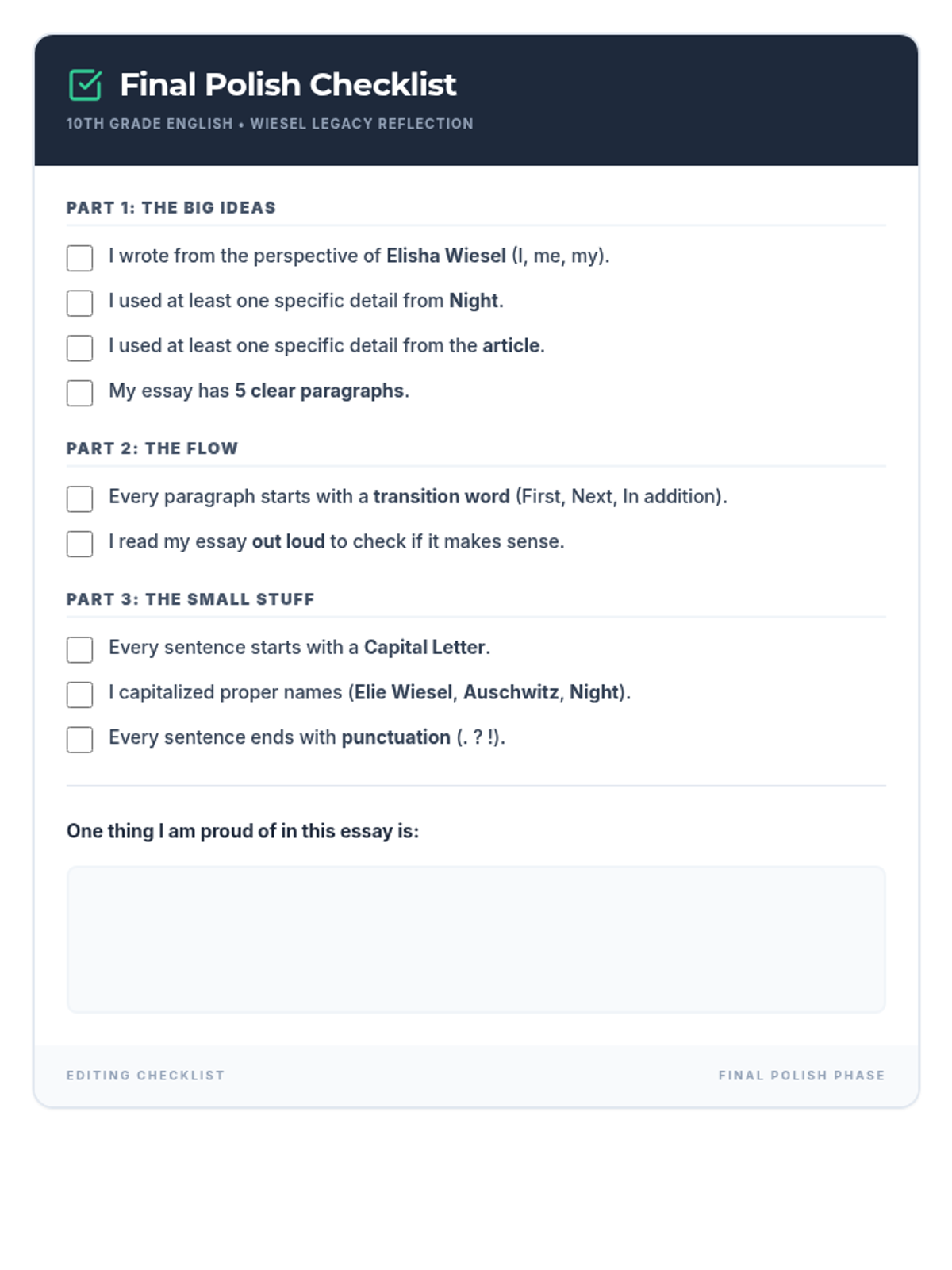
A set of scaffolded writing resources designed to help students with ADHD and SLD craft a 5-paragraph reflective essay from the perspective of Elisha Wiesel. The materials focus on synthesizing themes from 'Night' and a contemporary article about Wiesel's legacy.
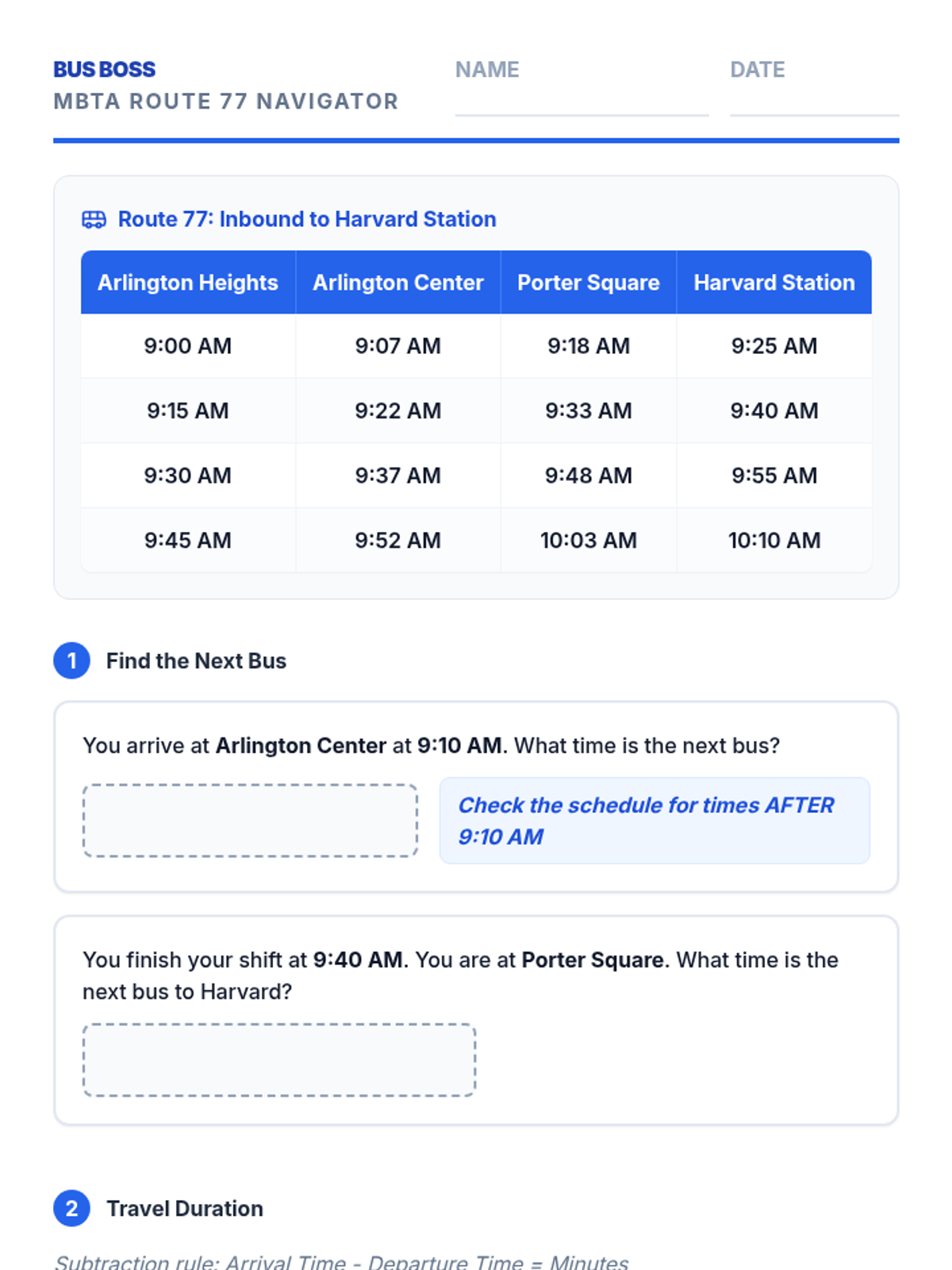
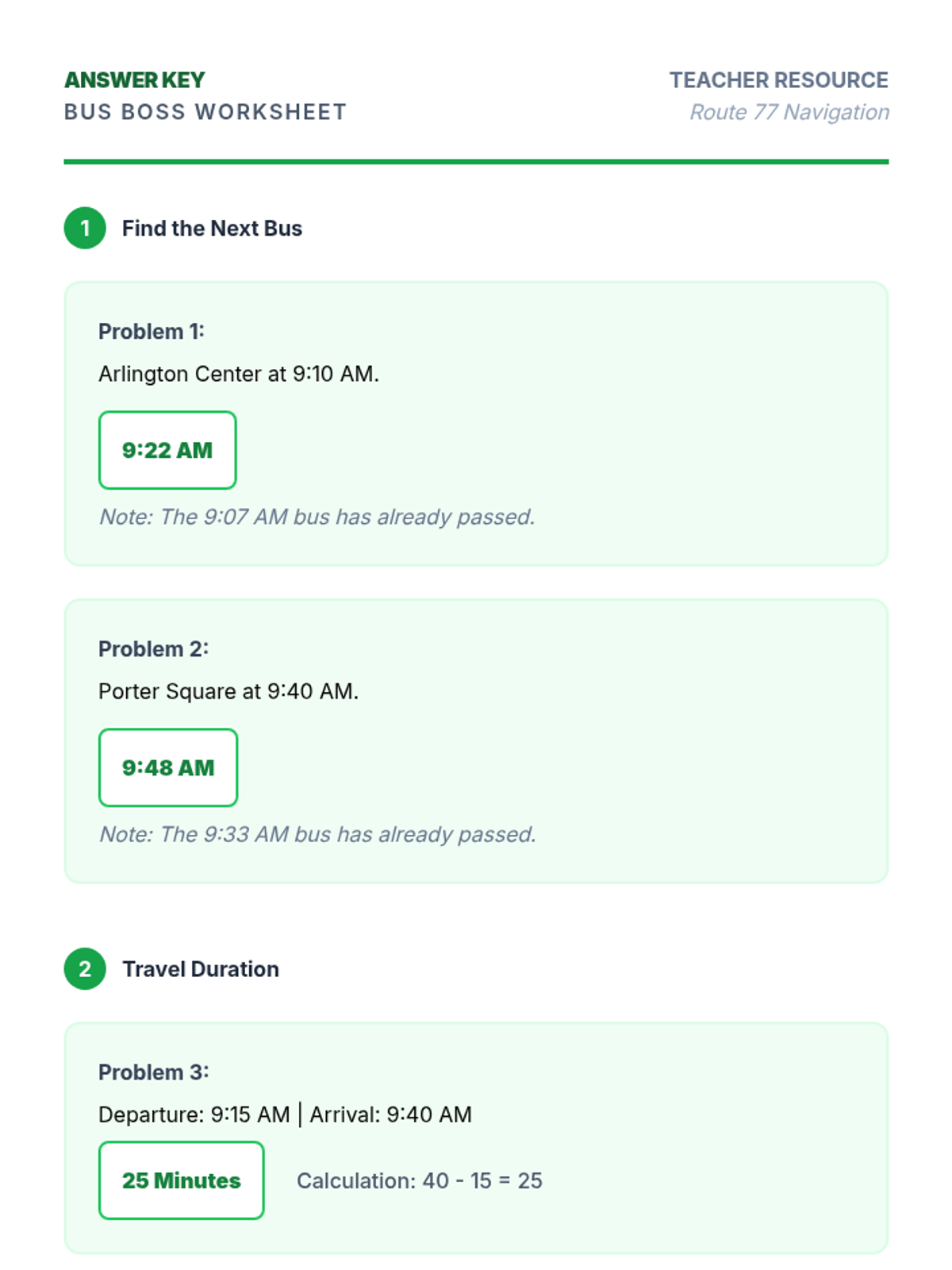
A functional academics lesson focused on navigating the MBTA Route 77 bus, teaching students how to read schedules, identify departure times, and calculate travel duration for community independence.
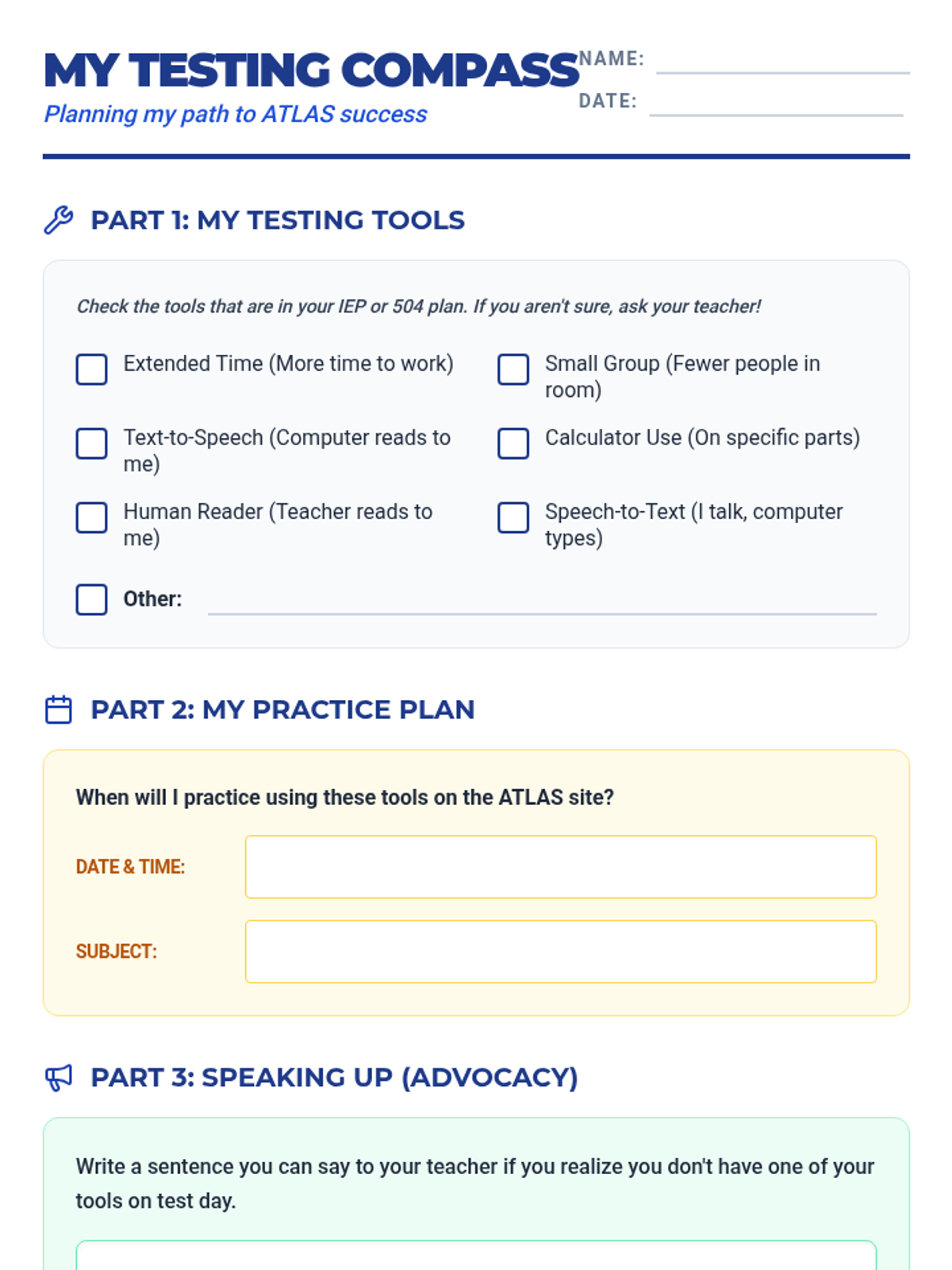
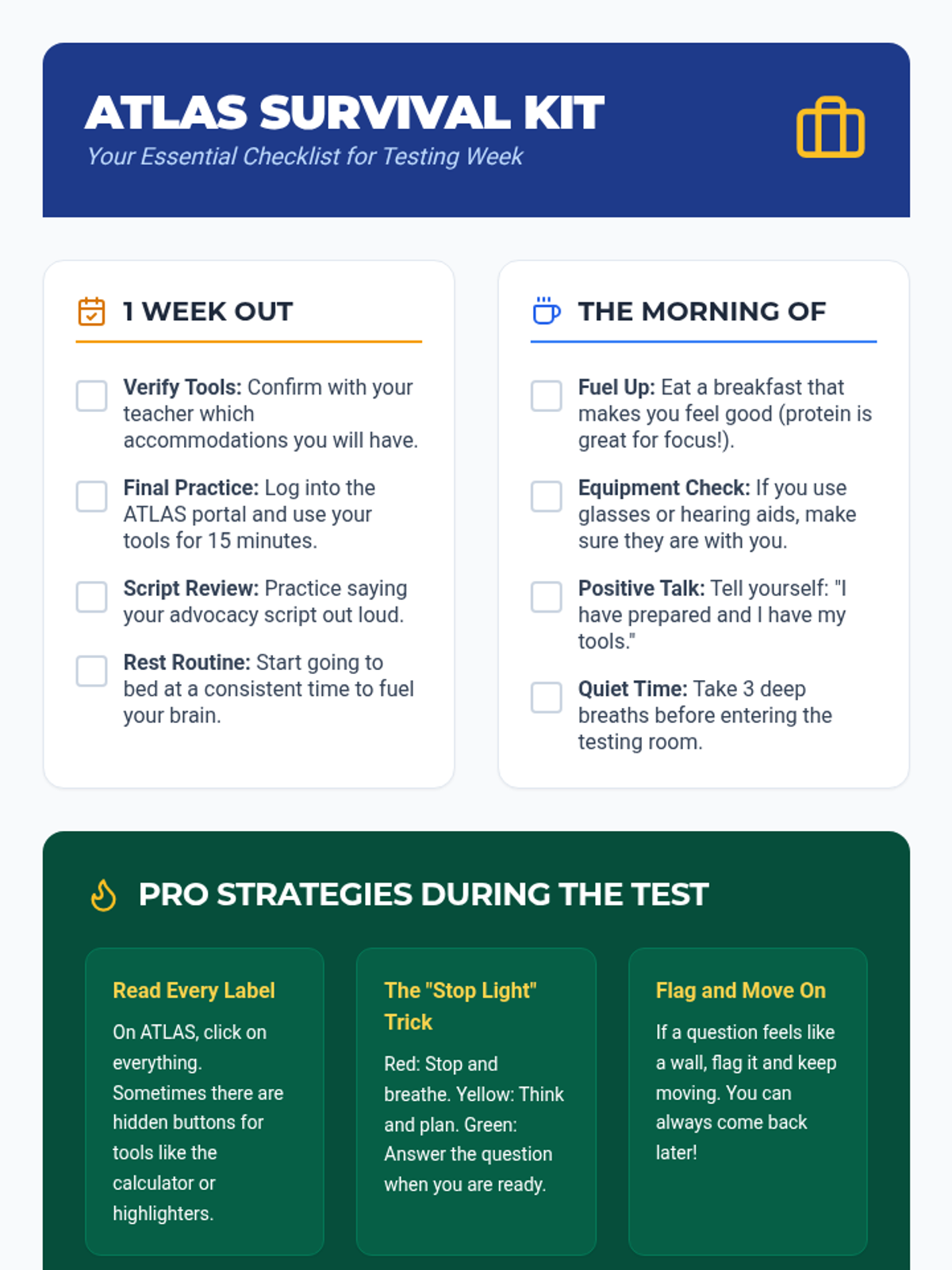
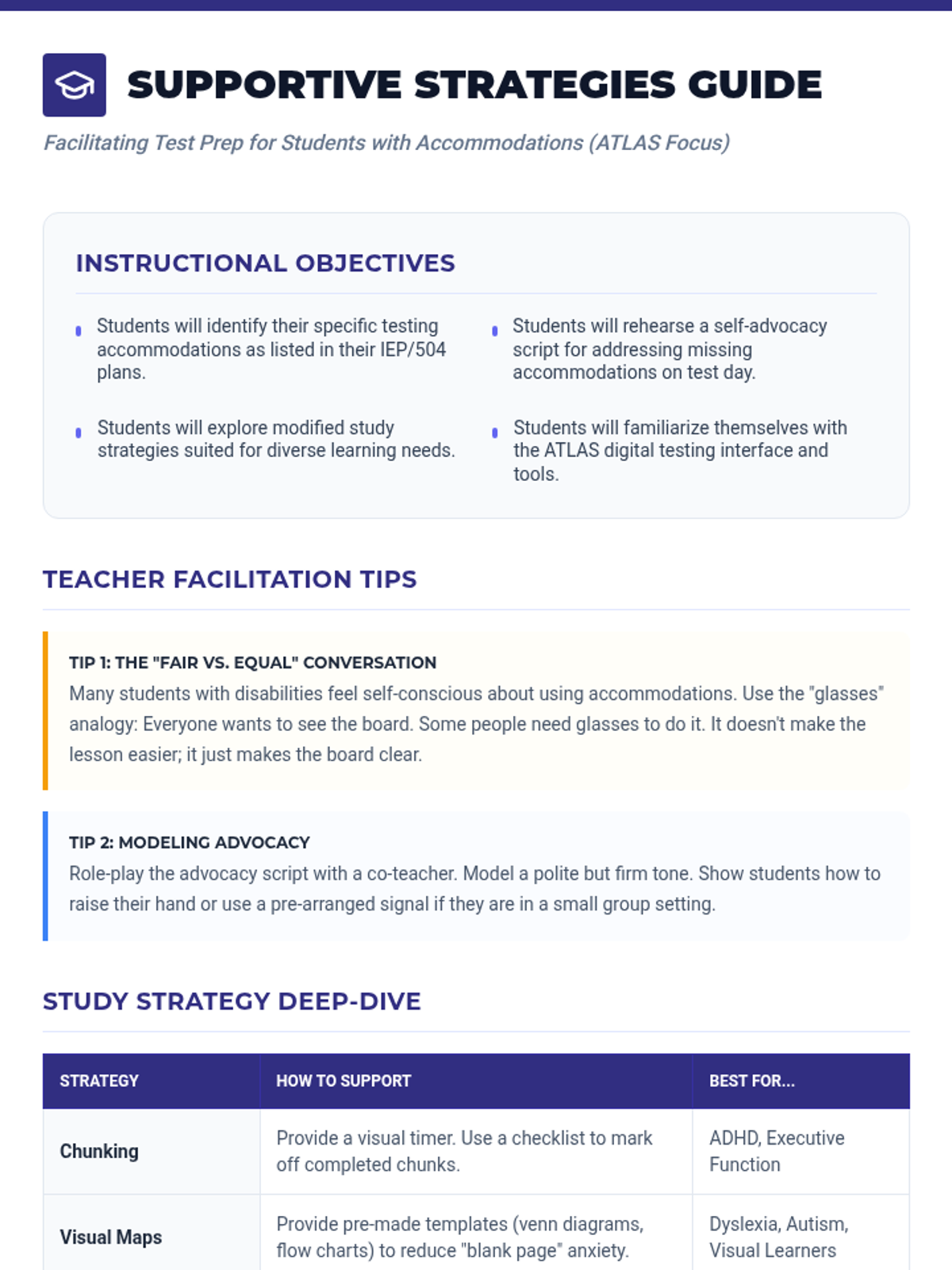
A supportive lesson designed for students with IEPs and 504 plans to navigate the Arkansas ATLAS assessments with confidence, focusing on accommodations, self-advocacy, and practical study strategies.
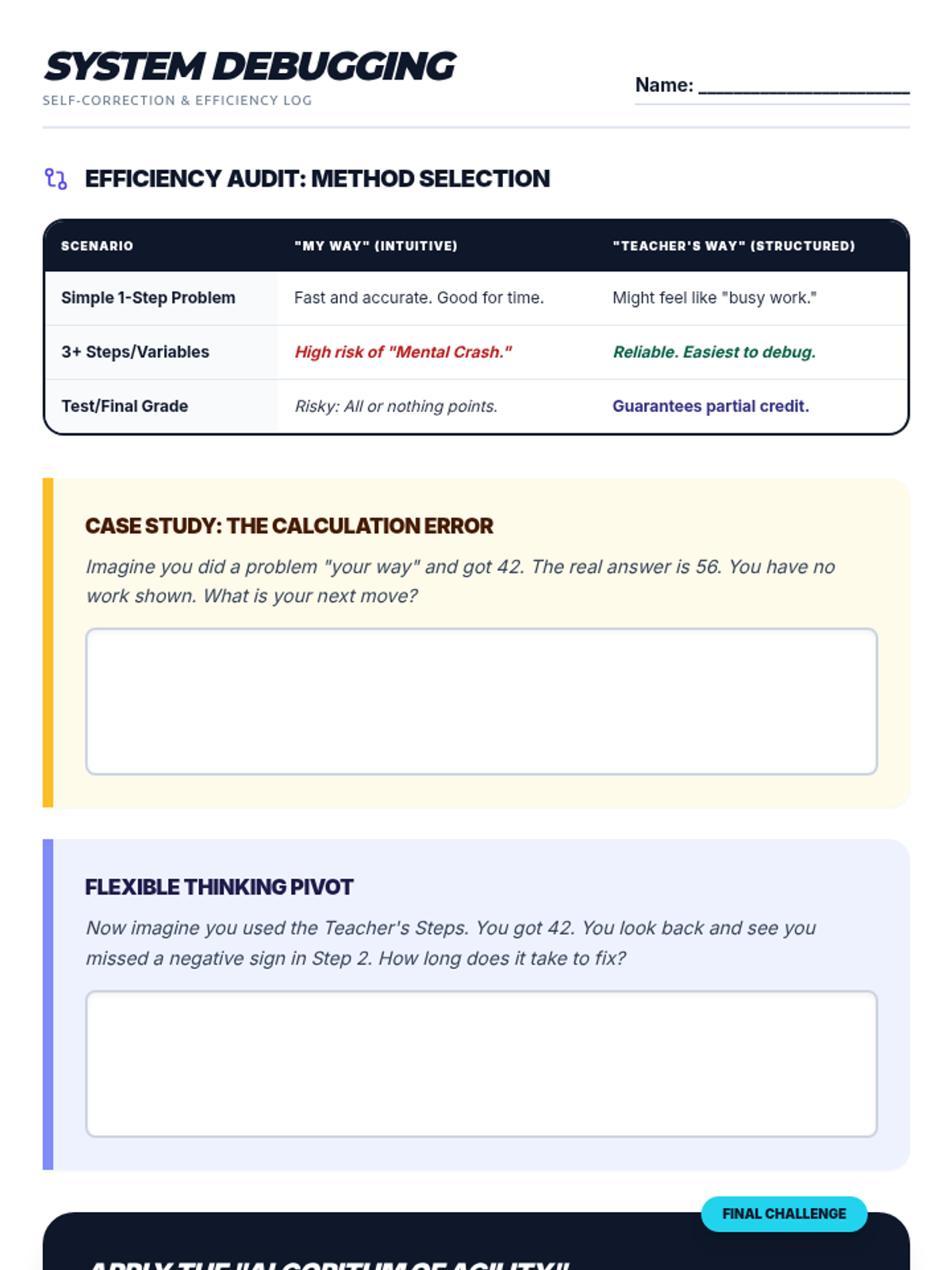
Evaluating the efficiency of different solving methods and practicing 'debugging' one's own thought process when encountering errors.
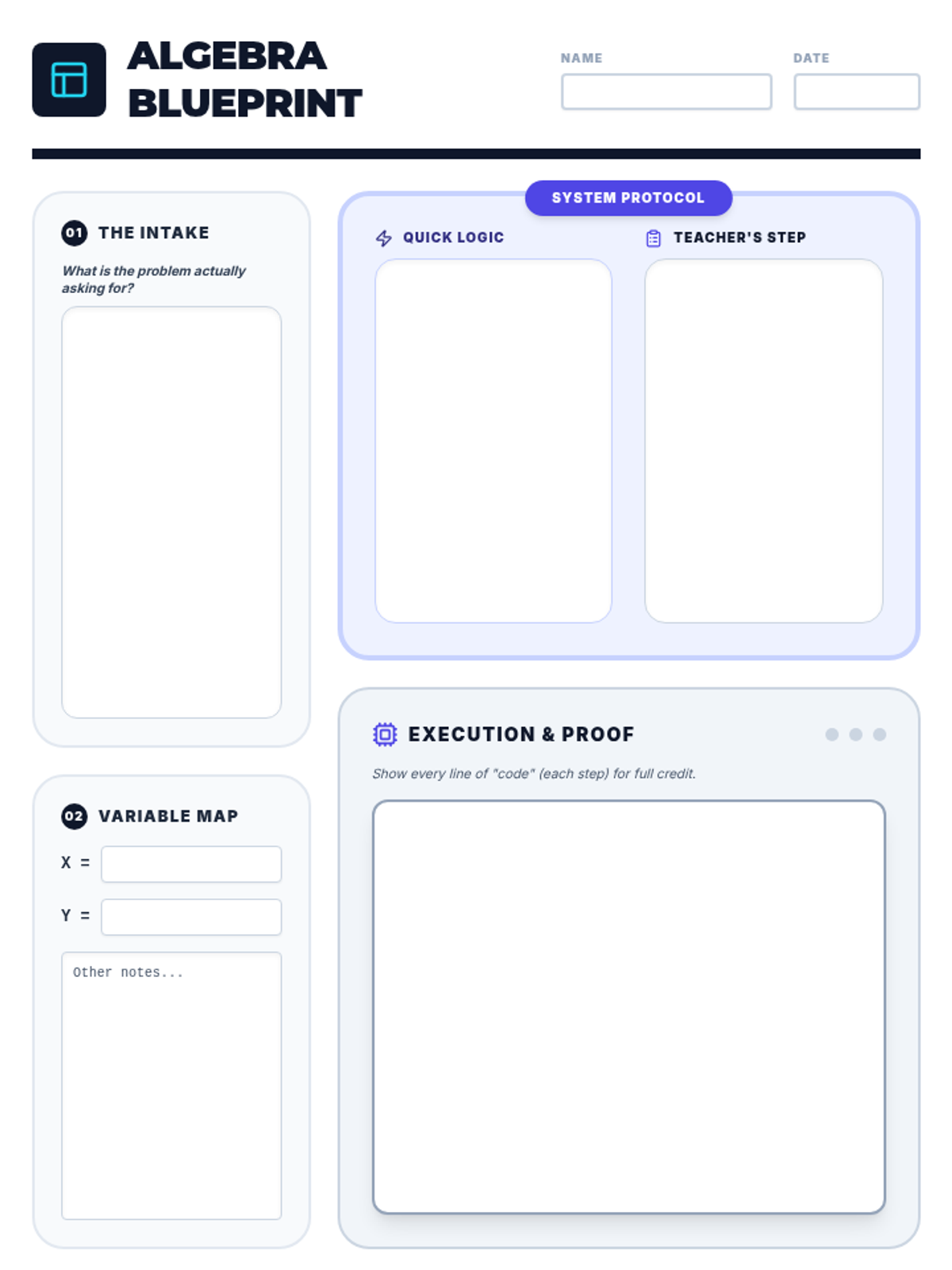
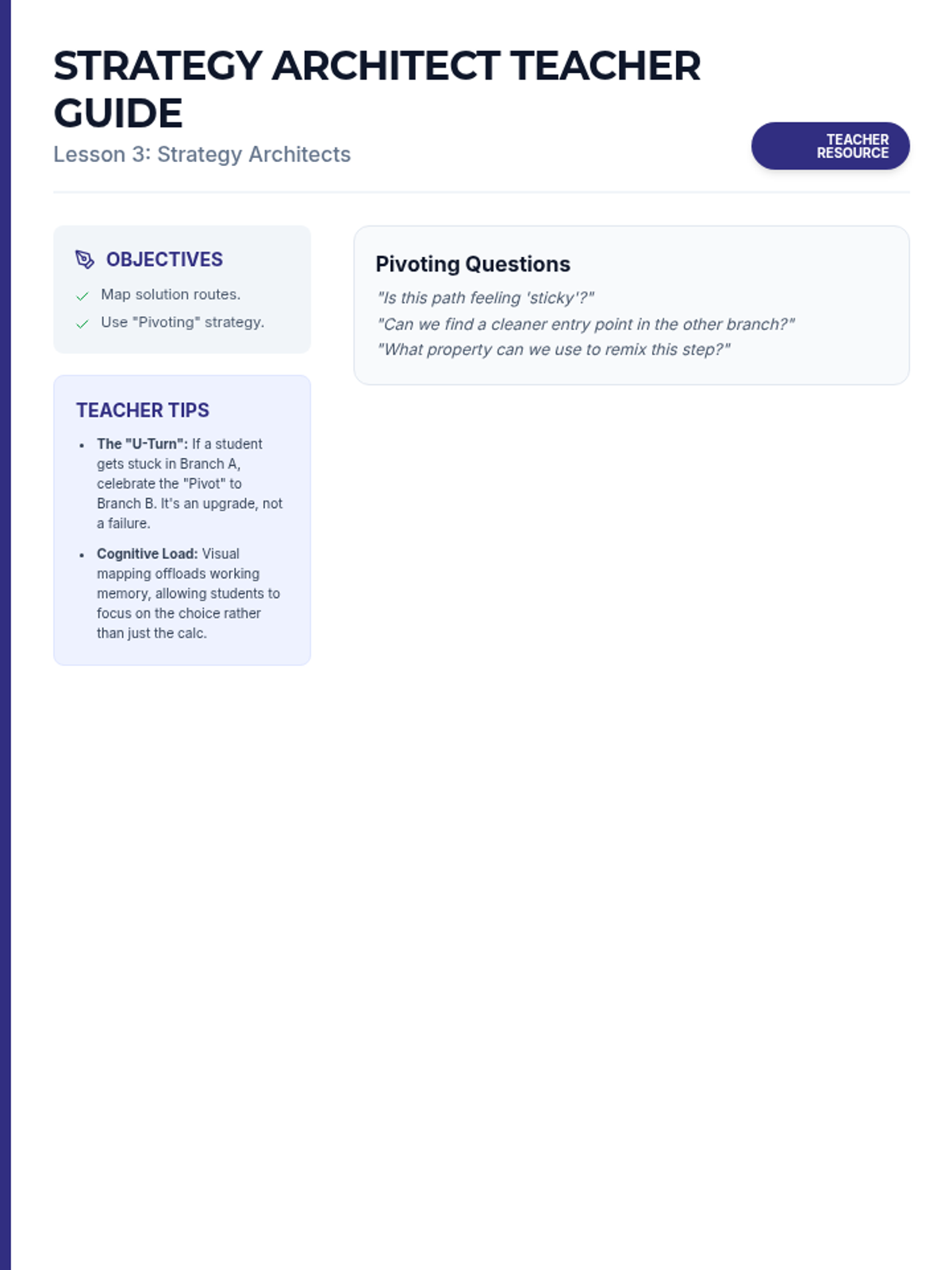
Direct application of flexible thinking to algebra word problems using a structured graphic organizer that bridges intuitive and formal methods.
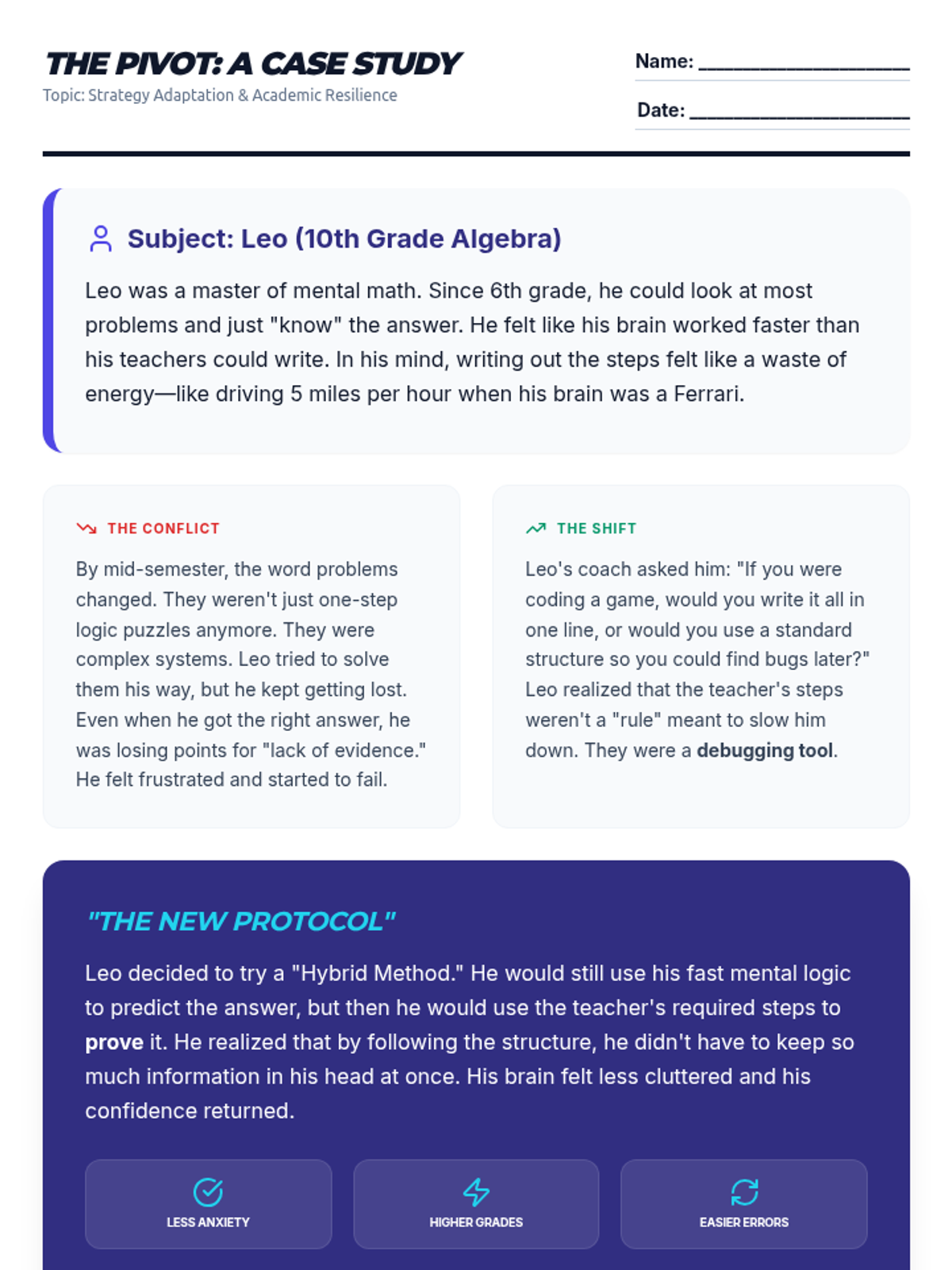
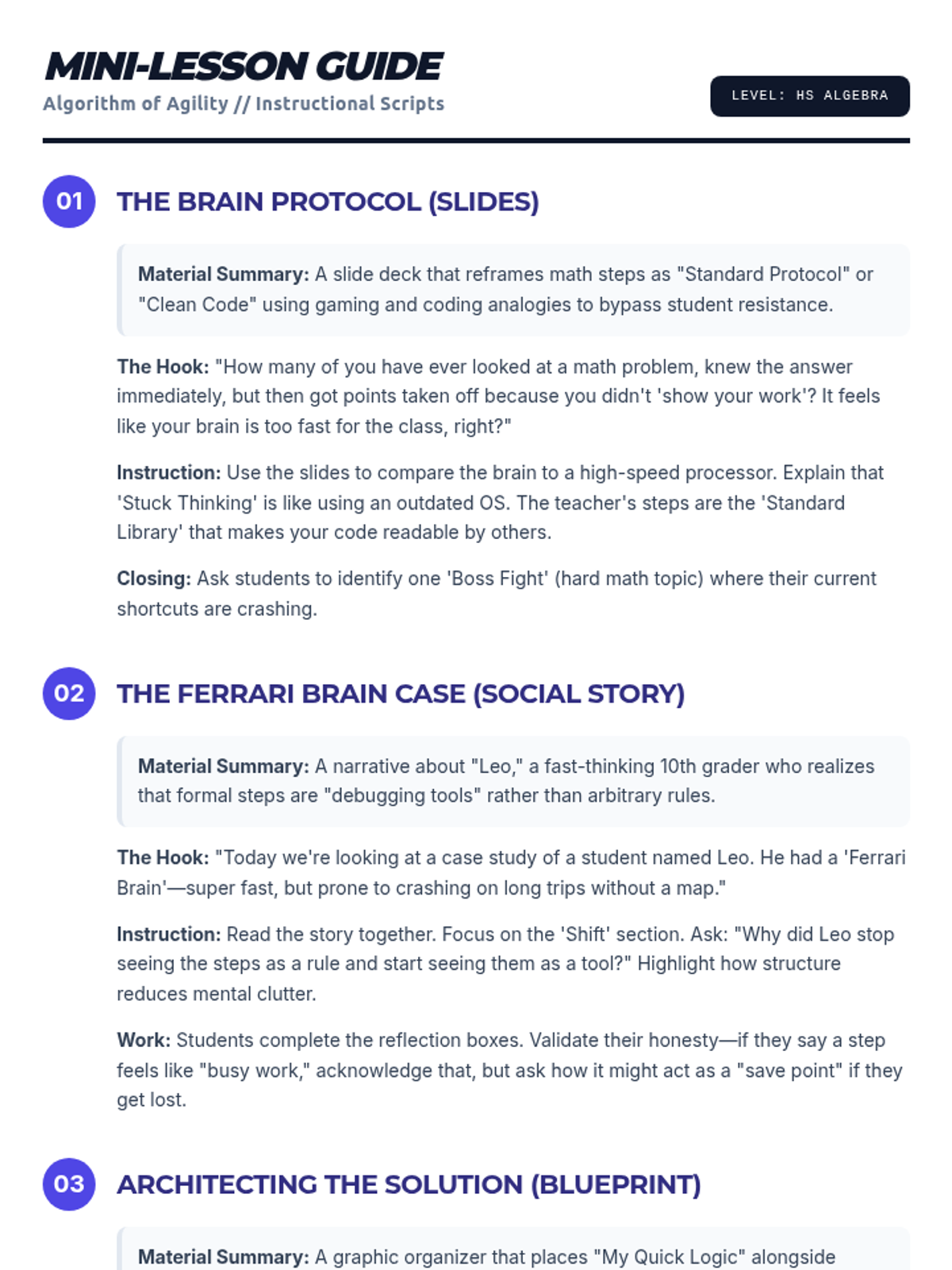
A narrative-based lesson exploring a peer-to-peer scenario of adapting math strategies to achieve academic goals.
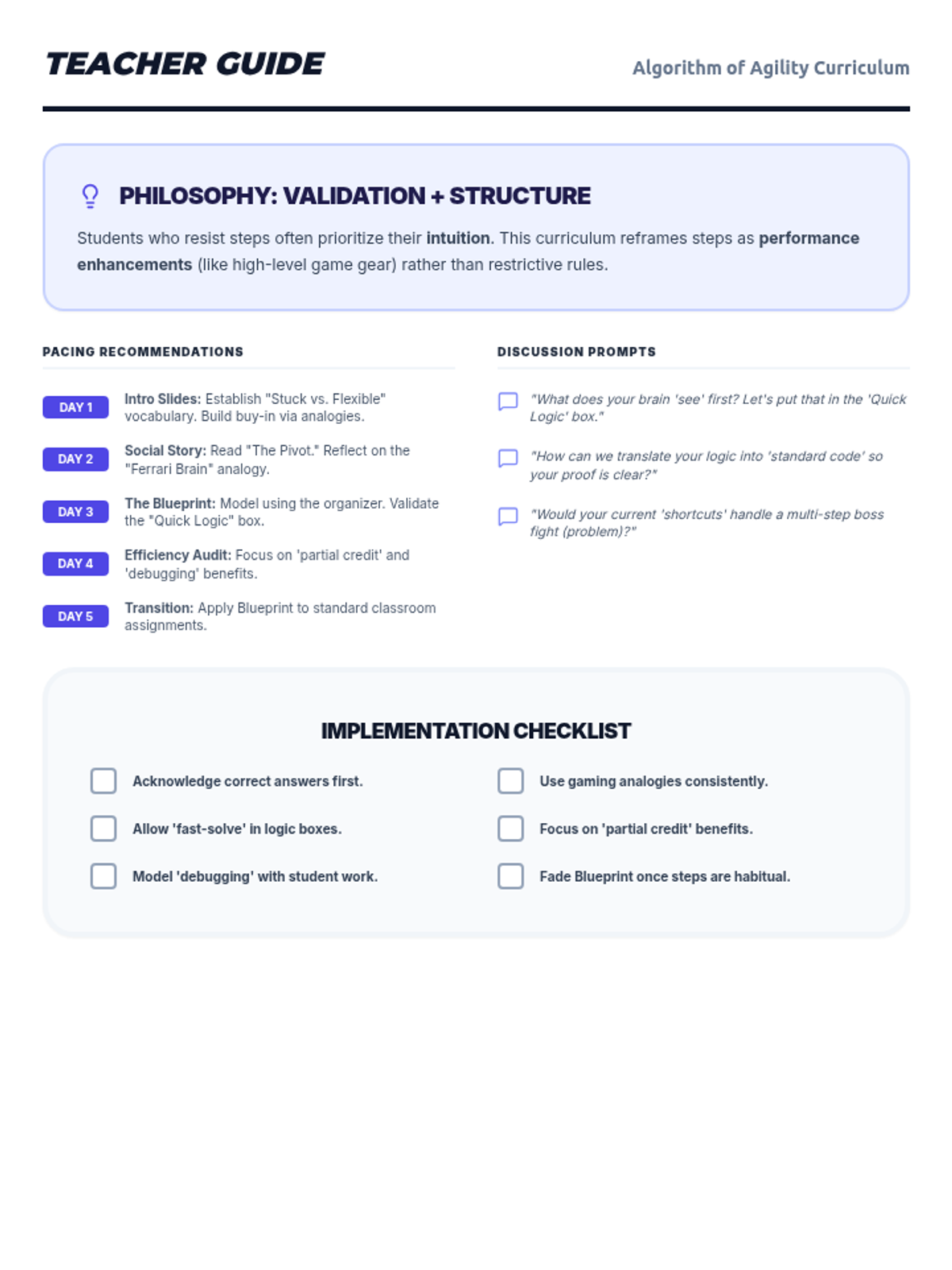
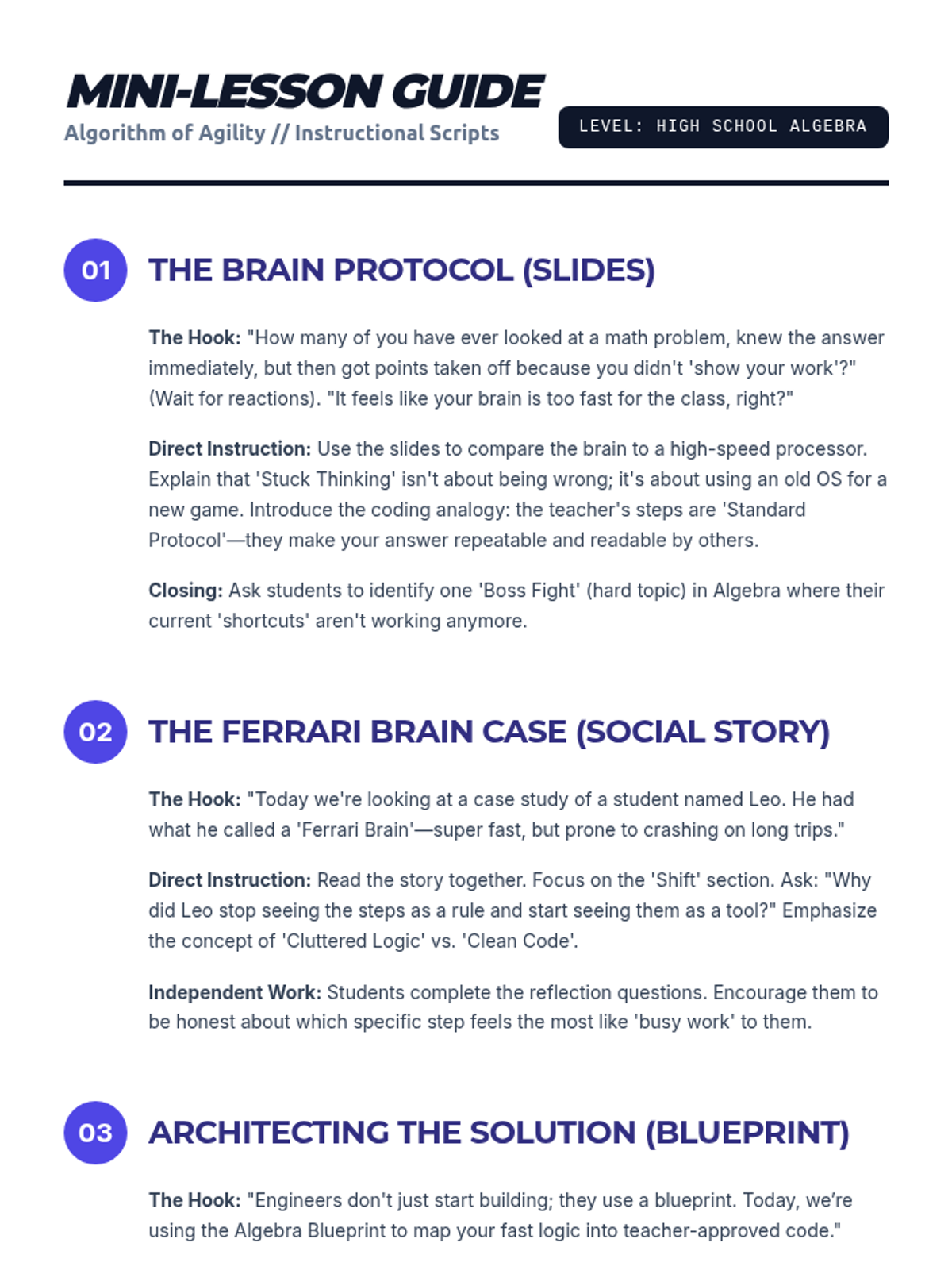
Introduction to cognitive flexibility through the lens of 'stuck' versus 'flexible' thinking, tailored for the logical environment of an algebra classroom.
Synthesizes flexible thinking into multi-step problems, using visual graphic organizers to map out different routes to the same solution.
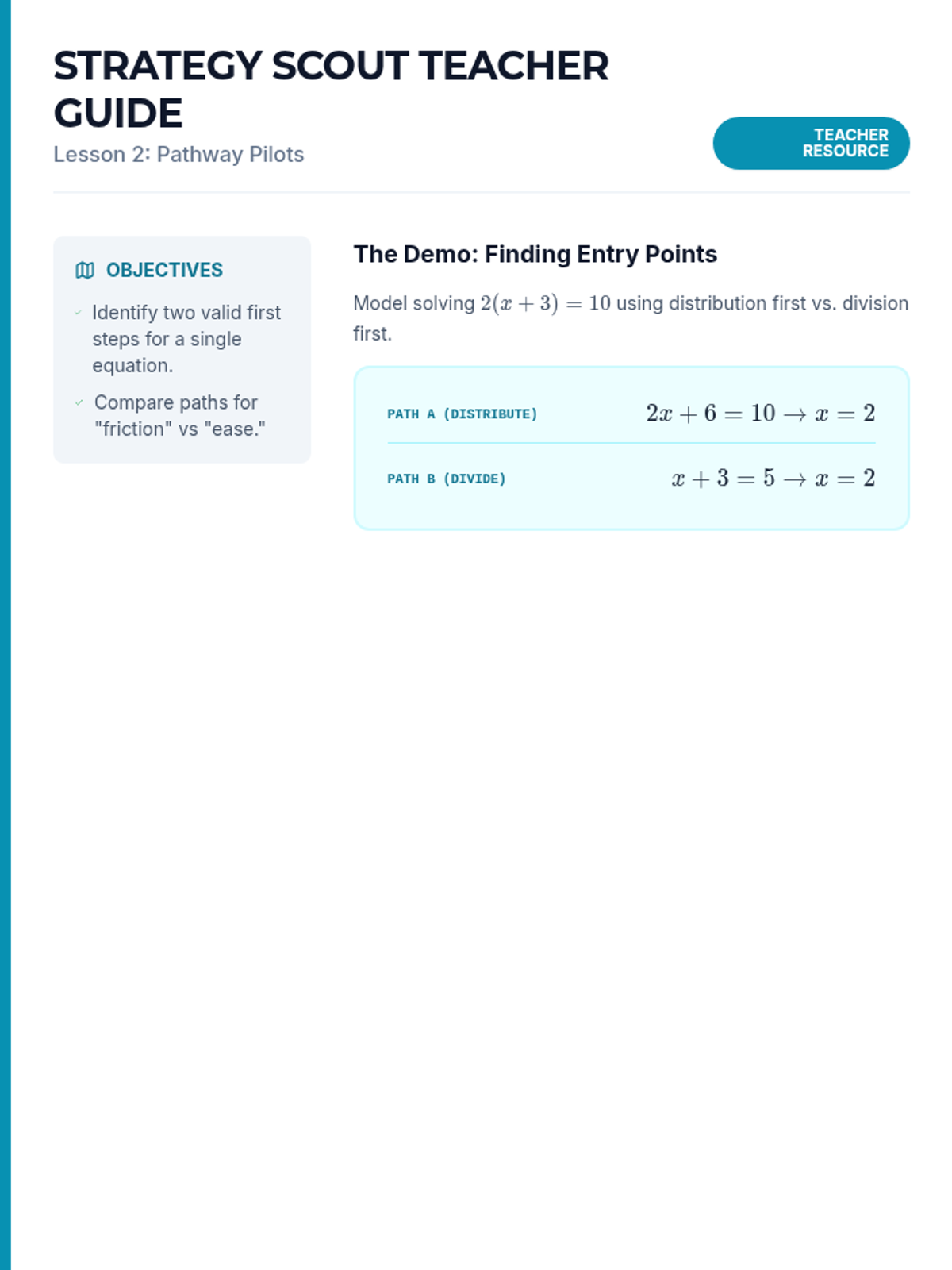
Focuses on the 'first step' of algebra equations, demonstrating that there are multiple valid ways to begin a problem.
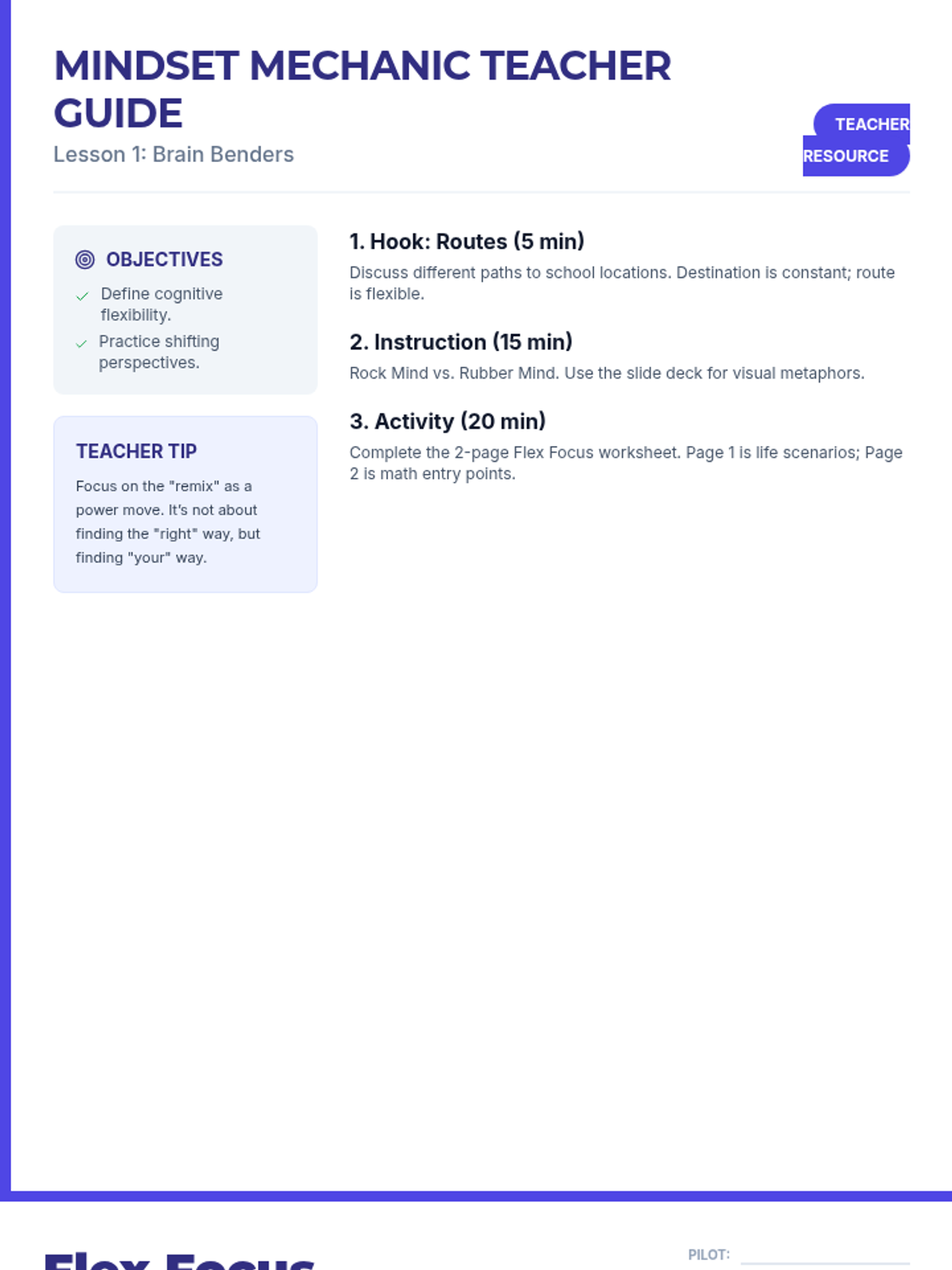
Introduction to the concept of cognitive flexibility using real-world analogies, helping students understand that 'different' doesn't mean 'wrong.'
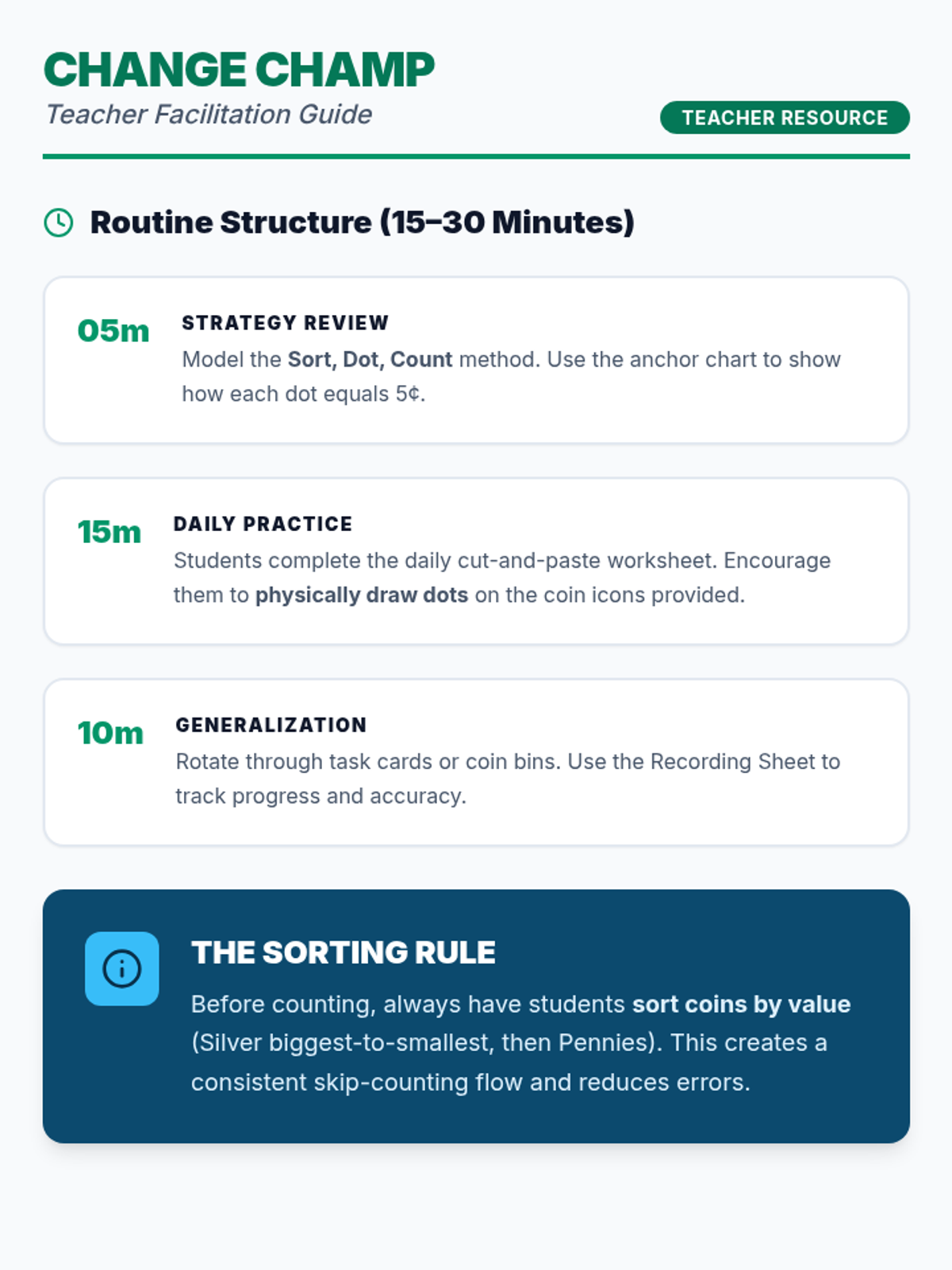
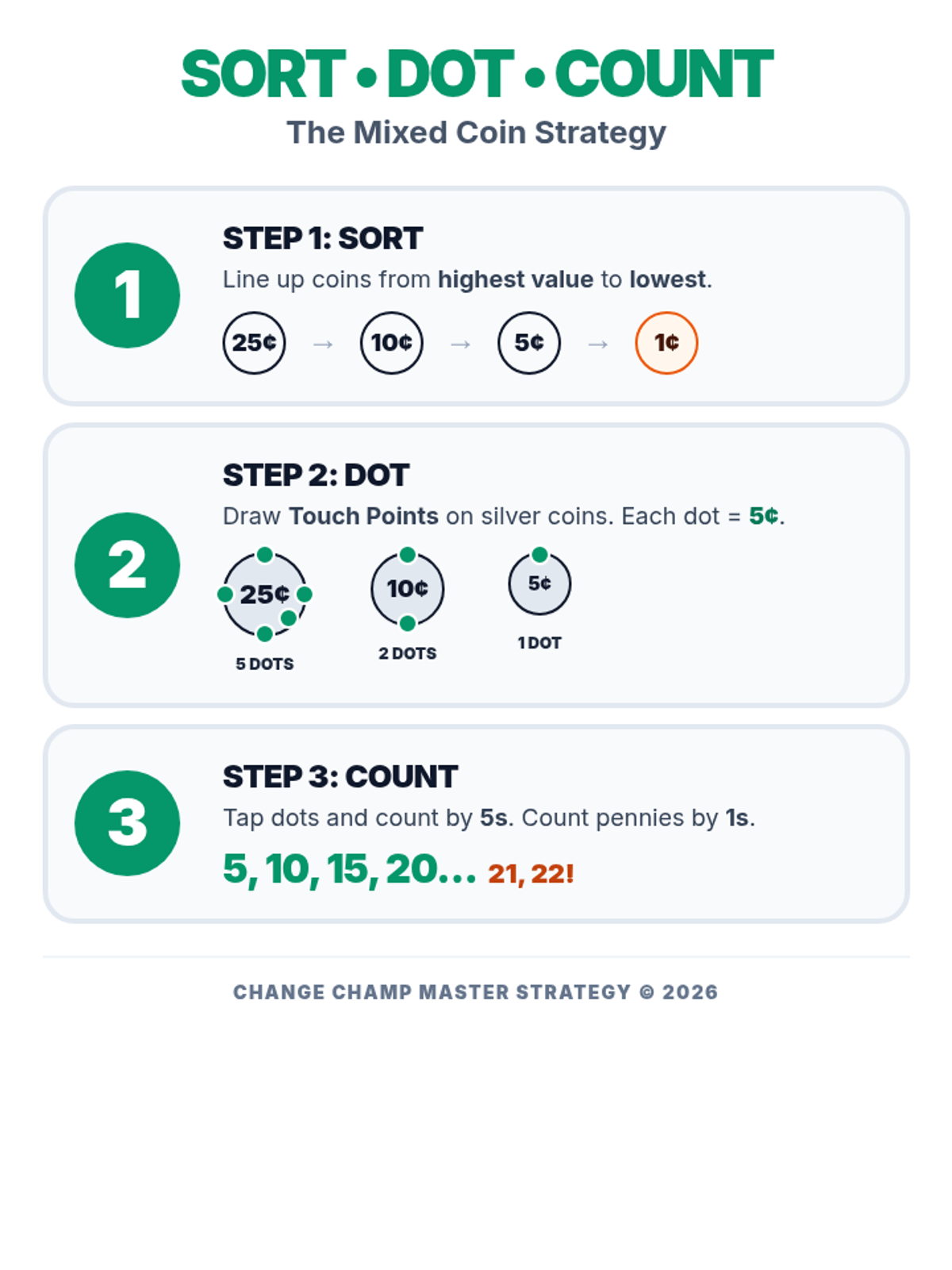
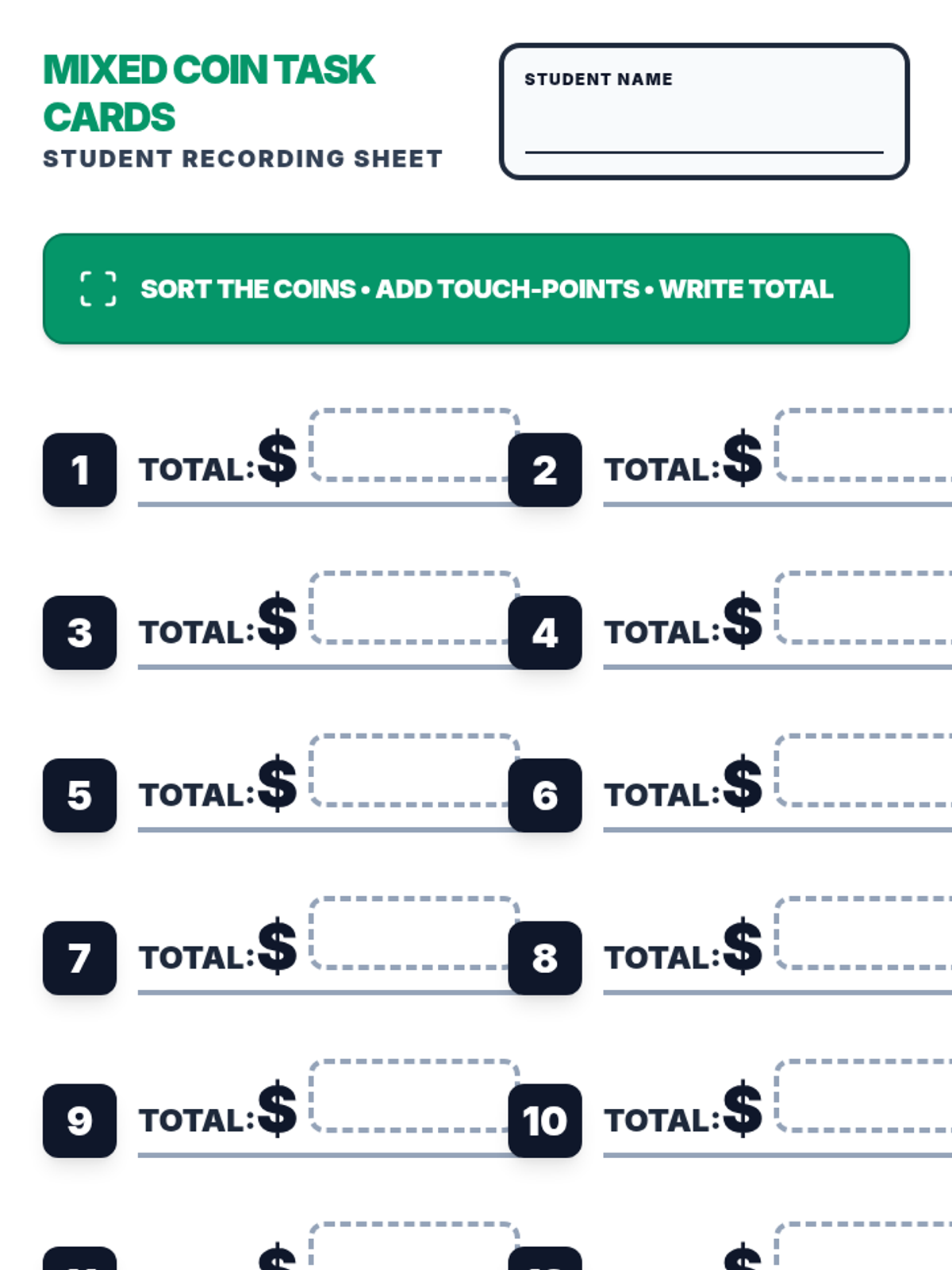
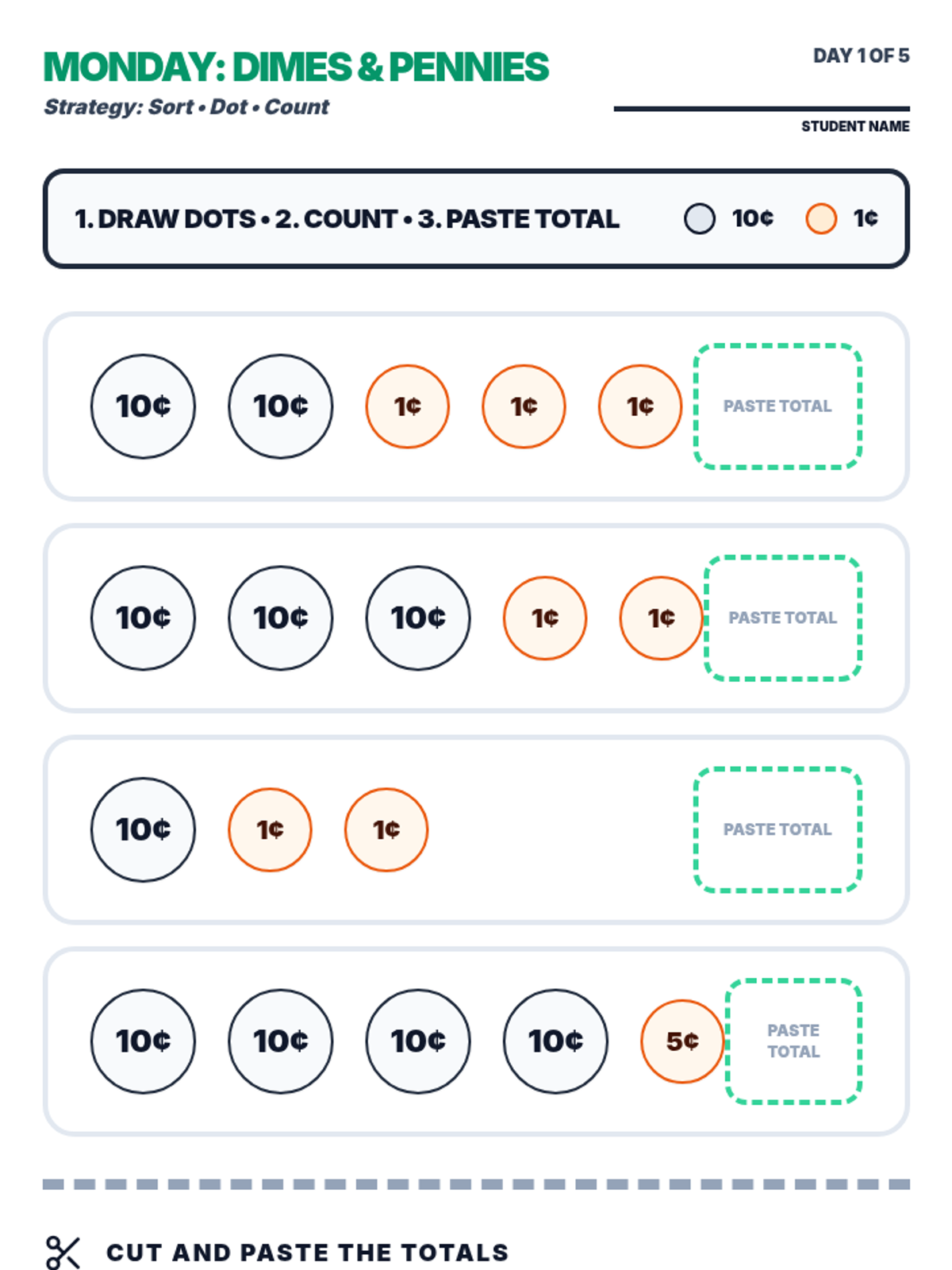
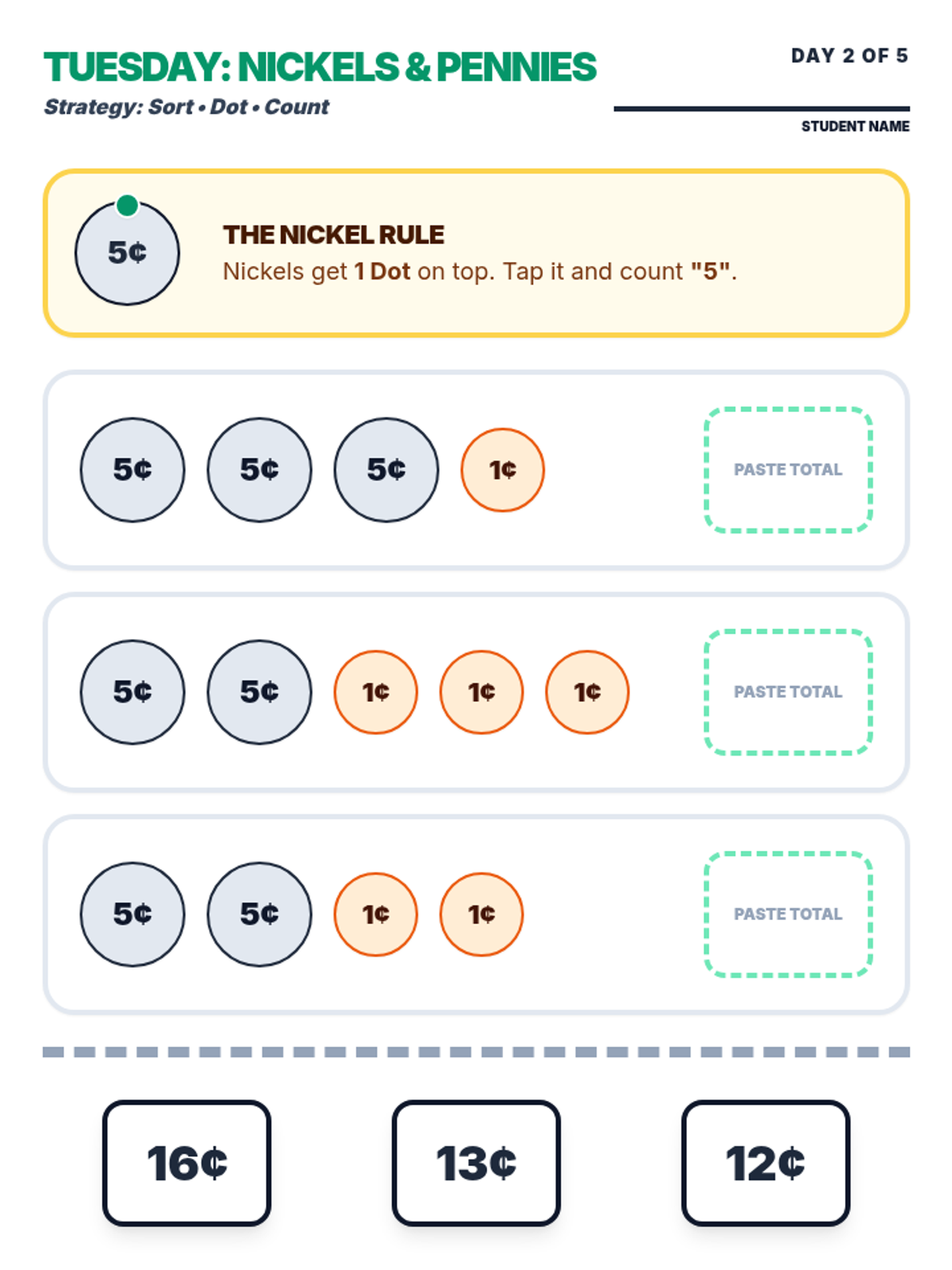
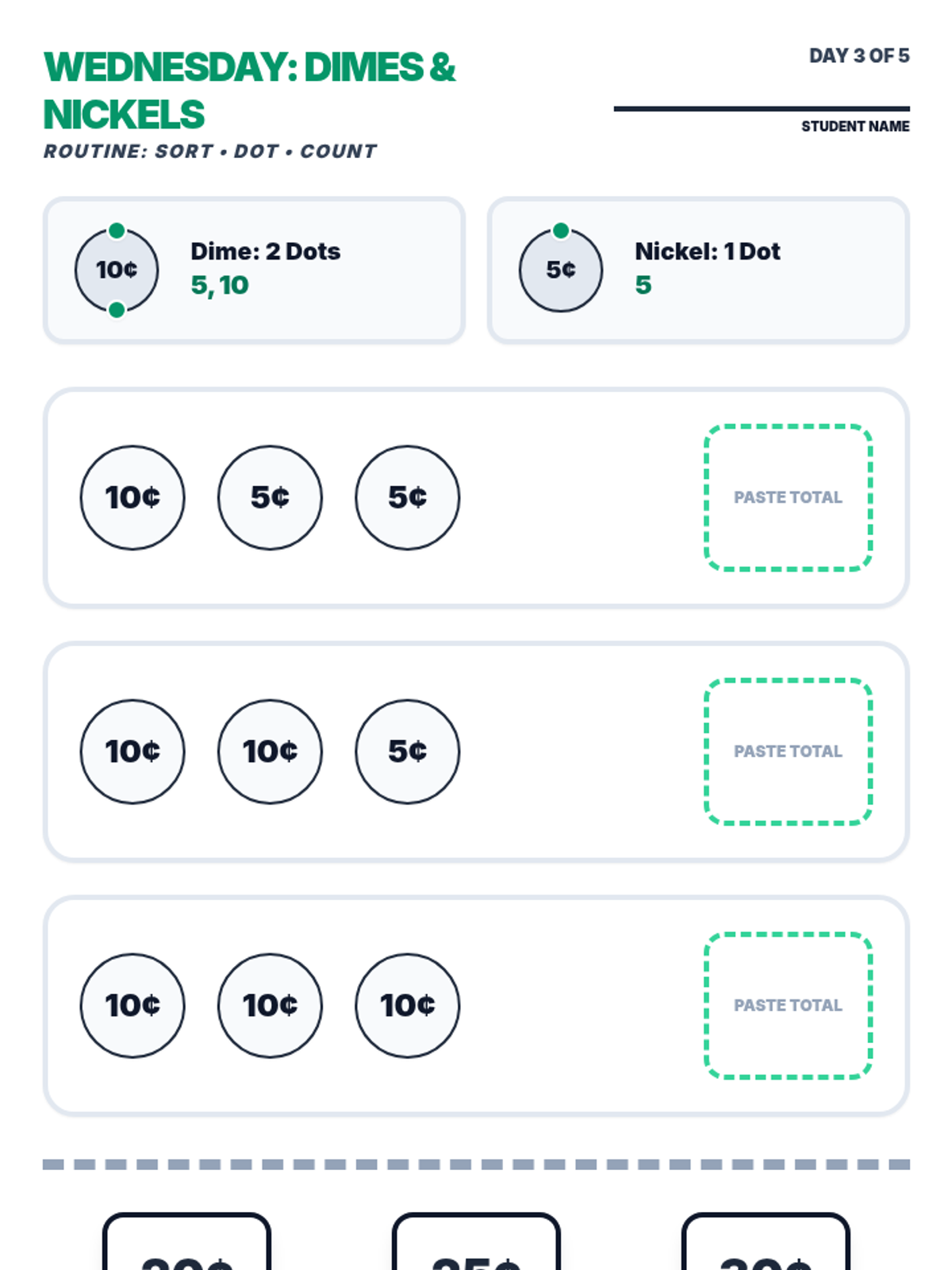
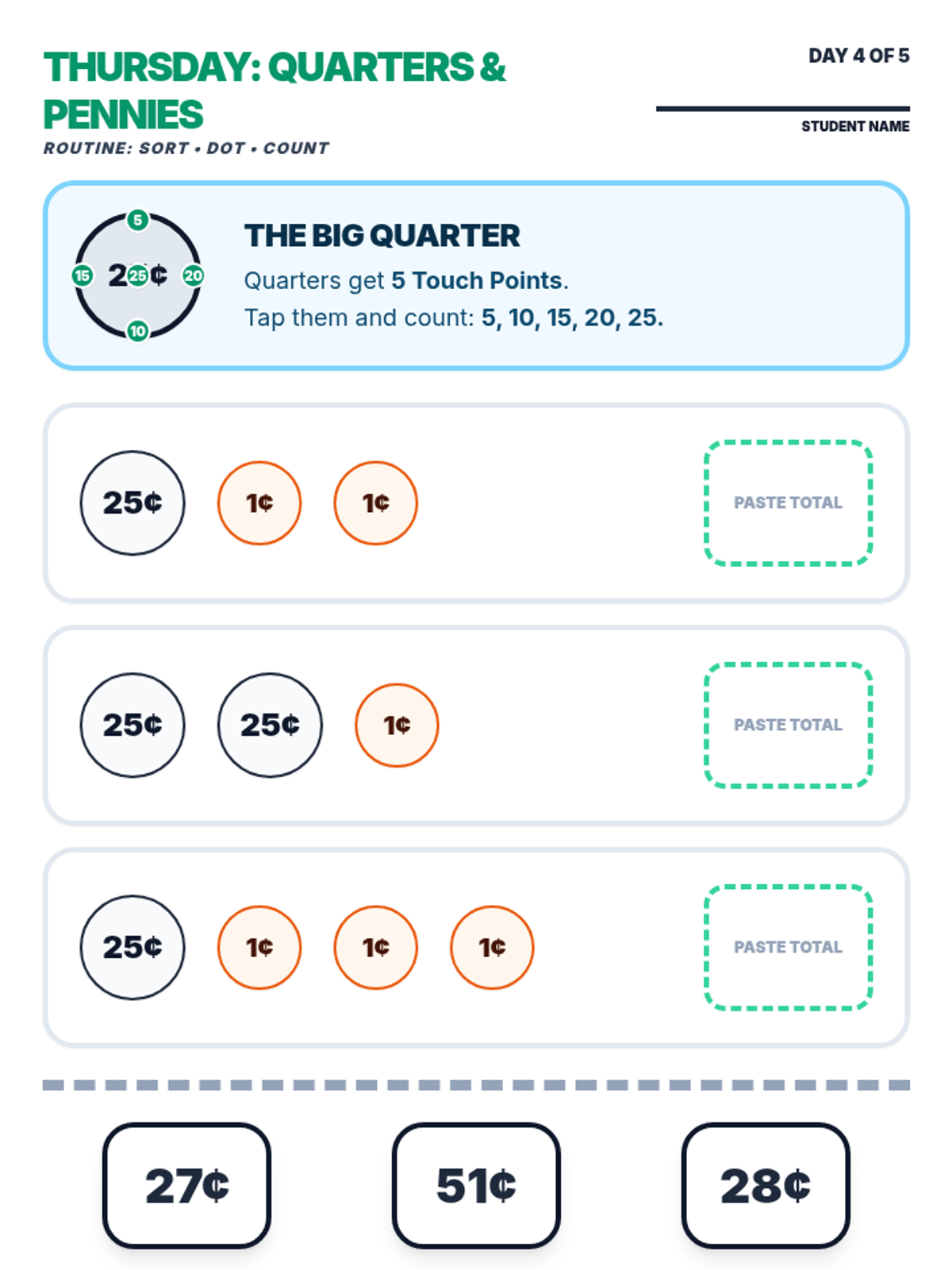
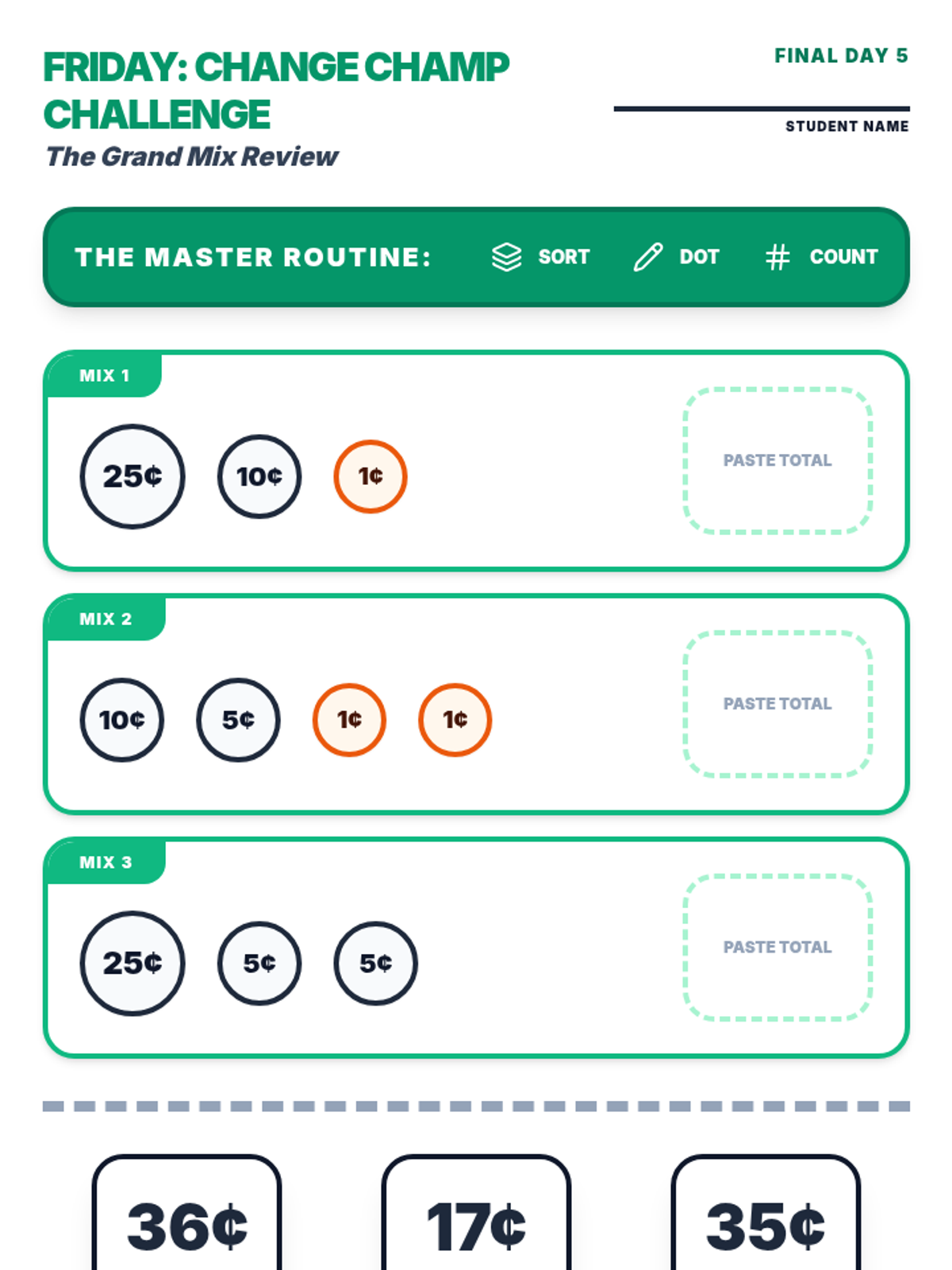
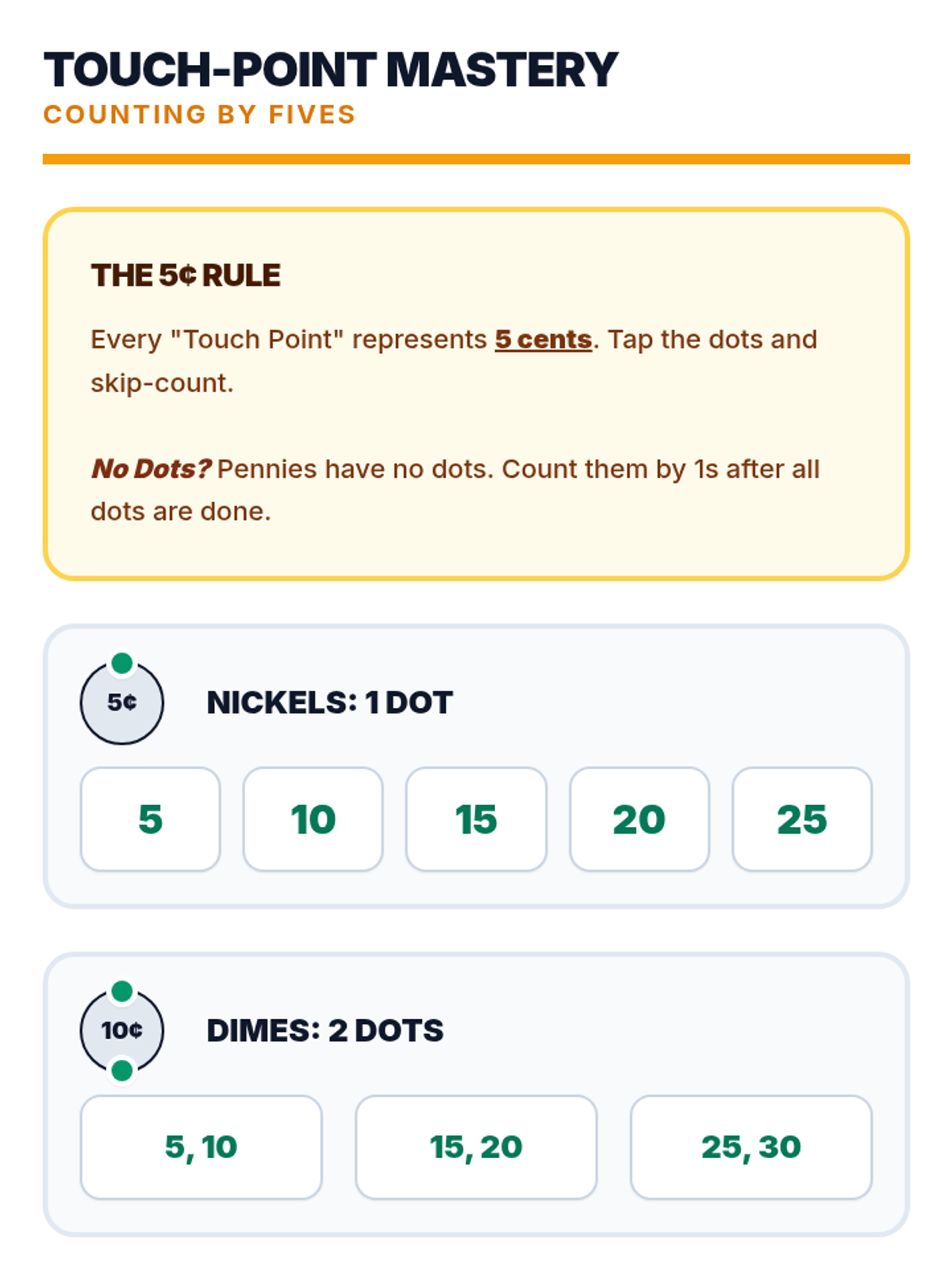
A comprehensive 5-day morning routine designed for high school special needs students to master counting mixed coins using the Touch-Point method and sorting strategies.
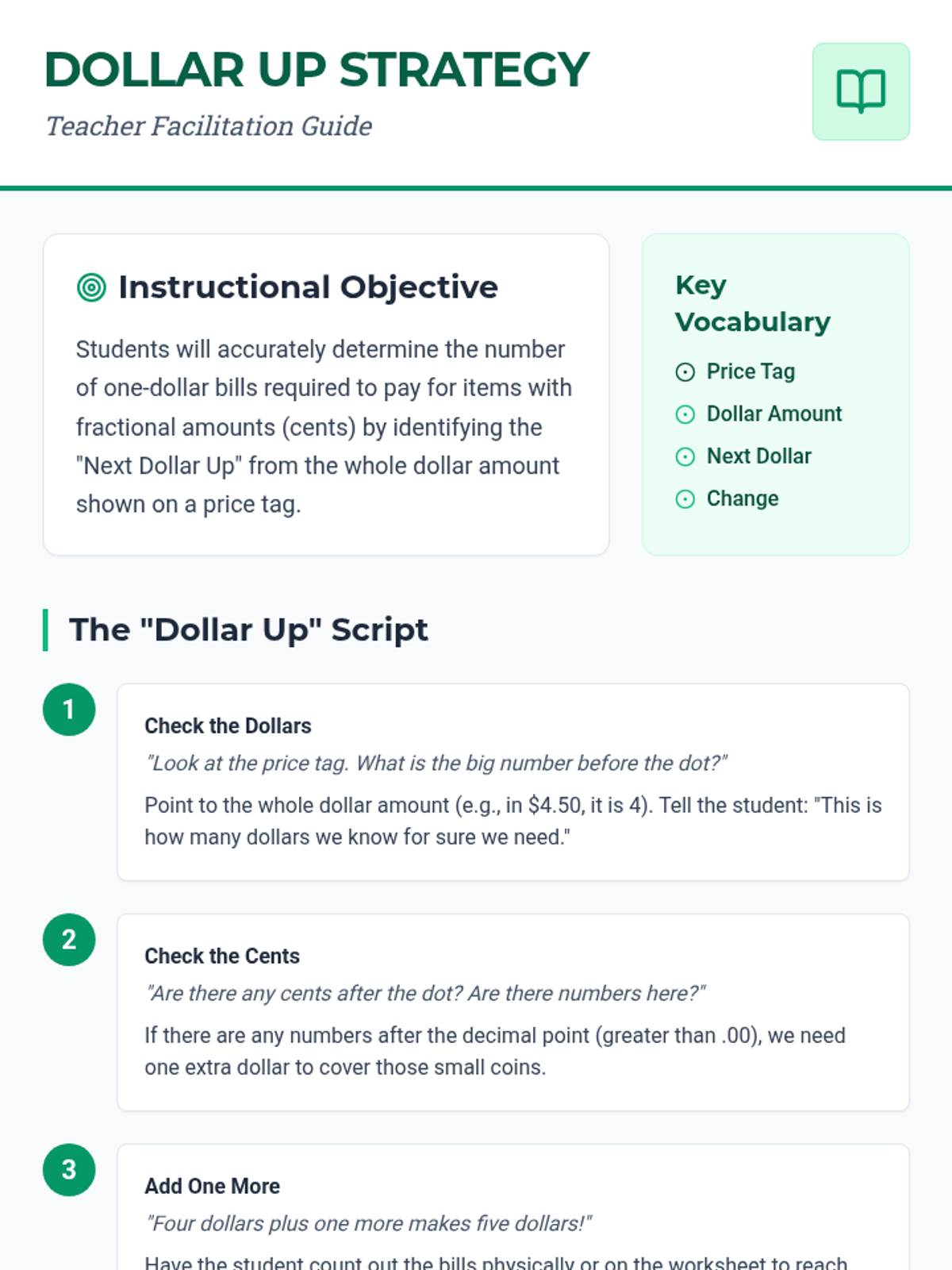
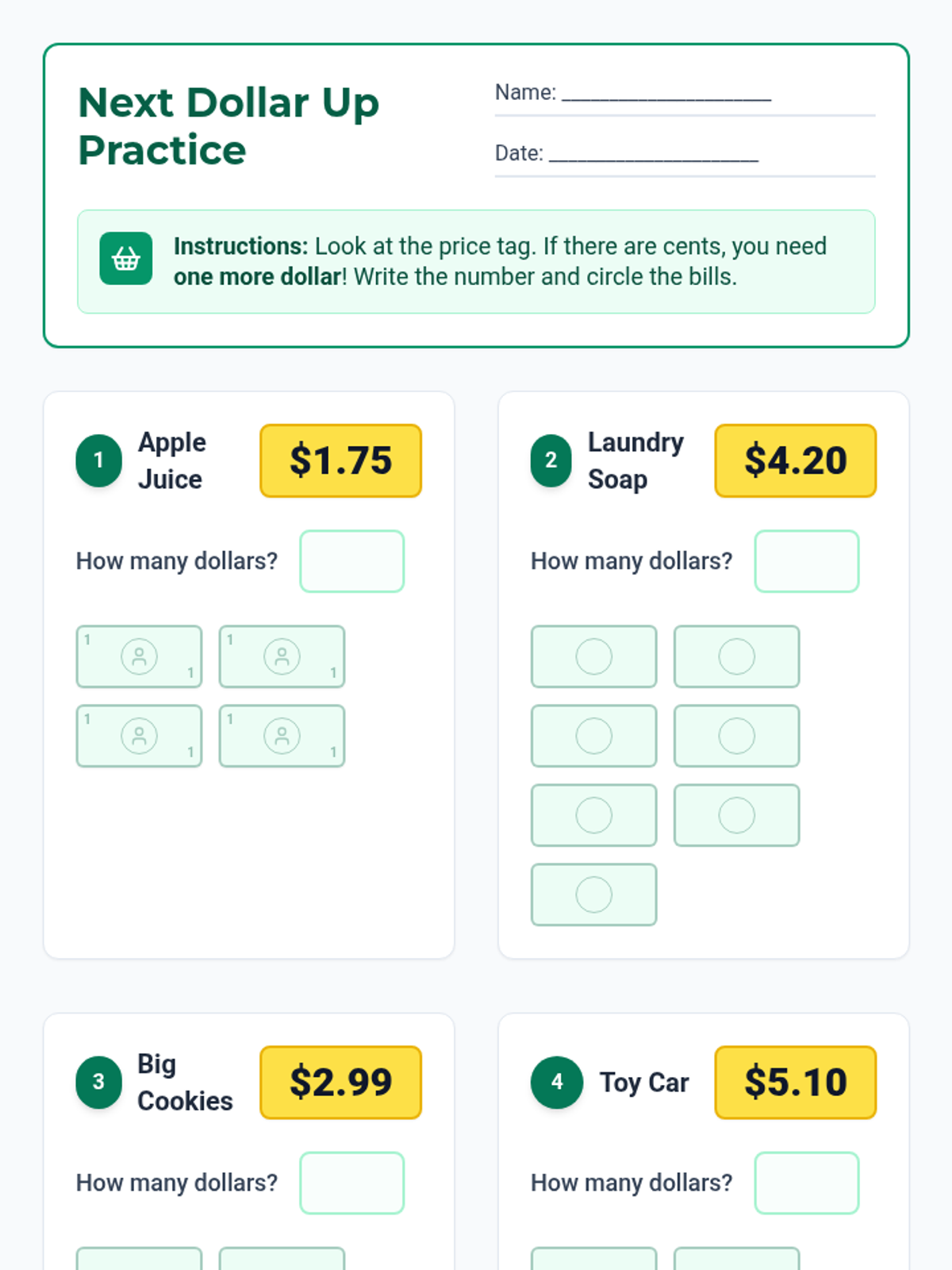
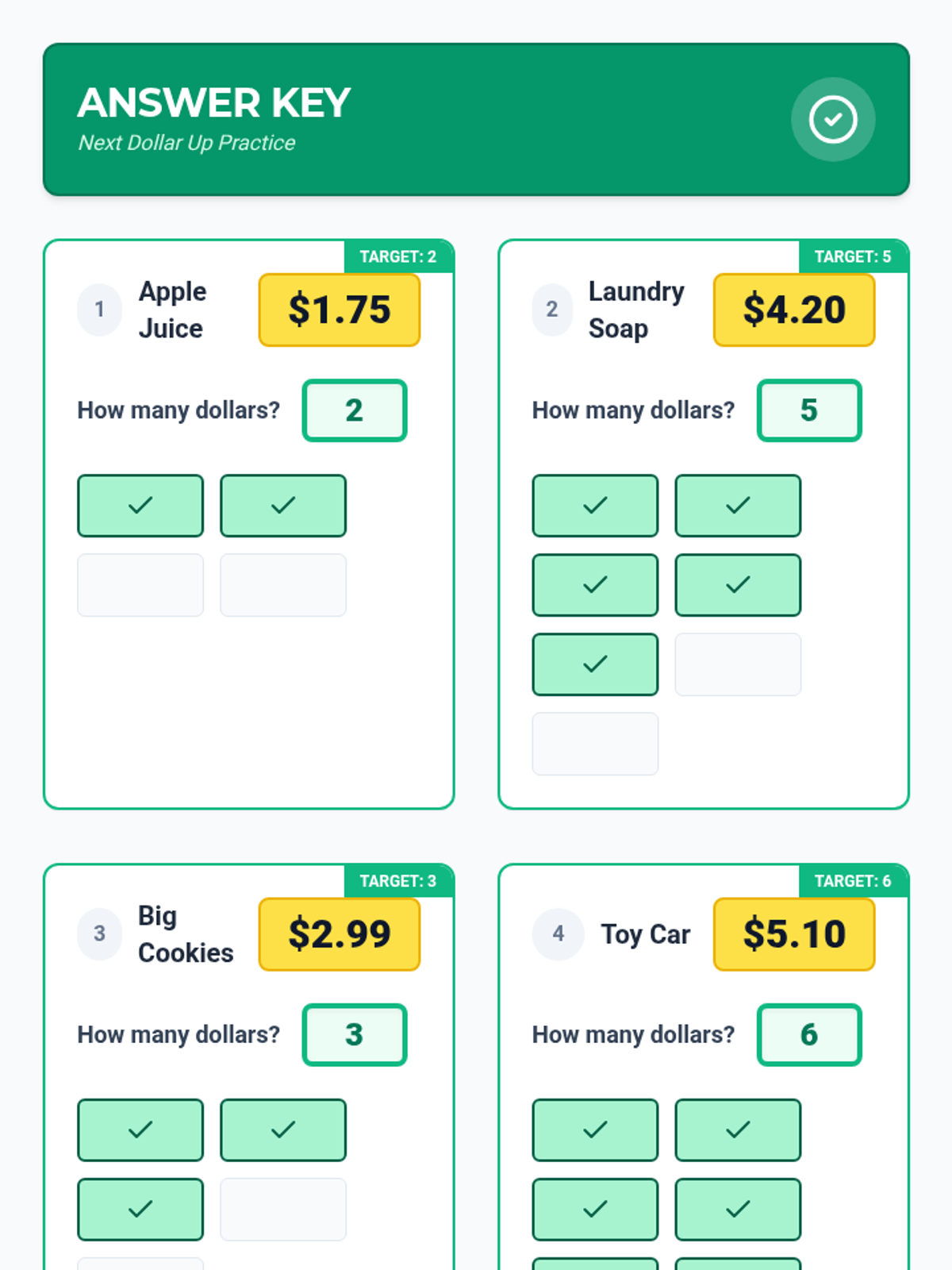
Teaching students the 'Next Dollar Up' strategy to successfully make purchases without needing to calculate exact change, focusing on items up to $10.
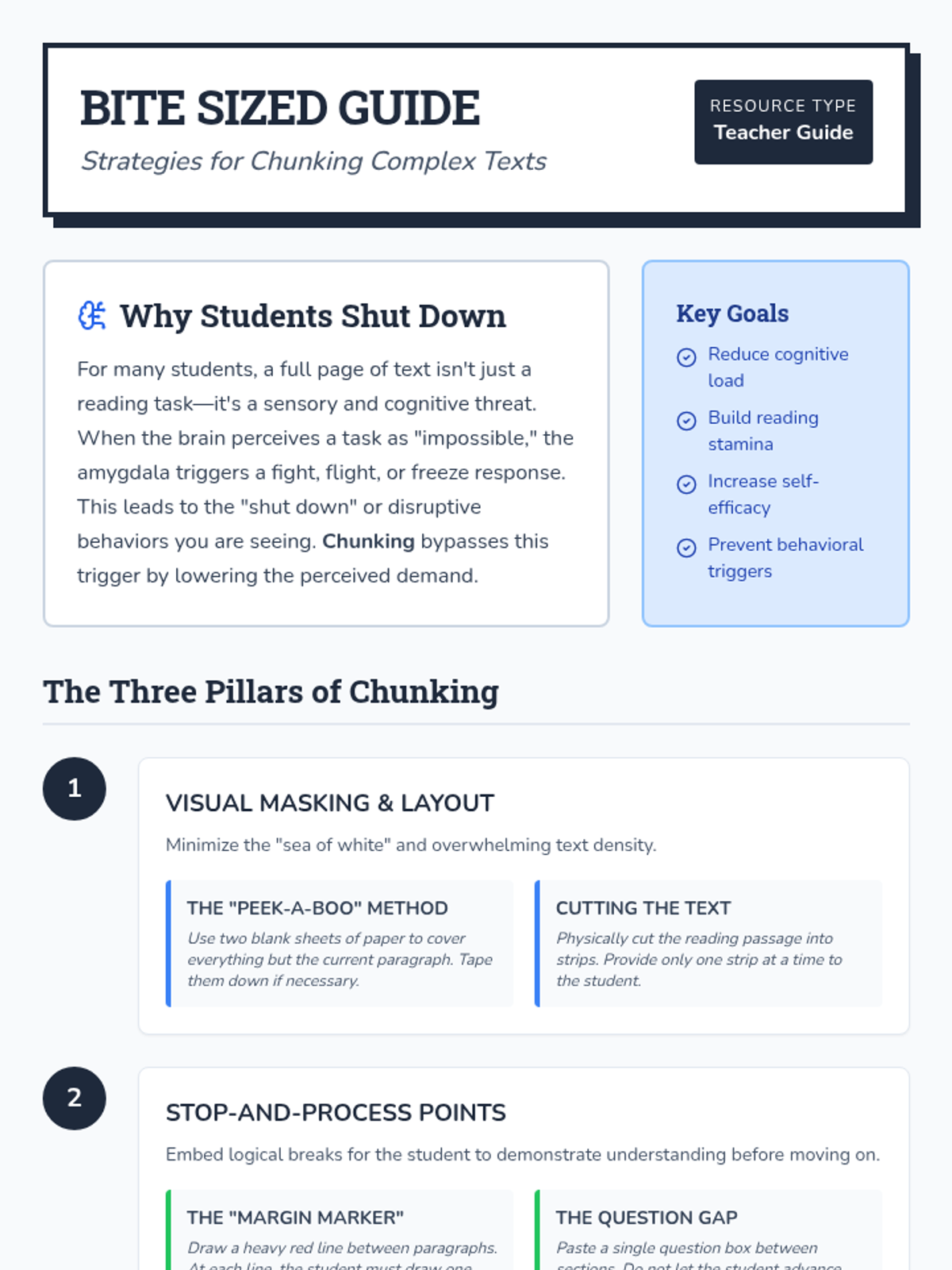
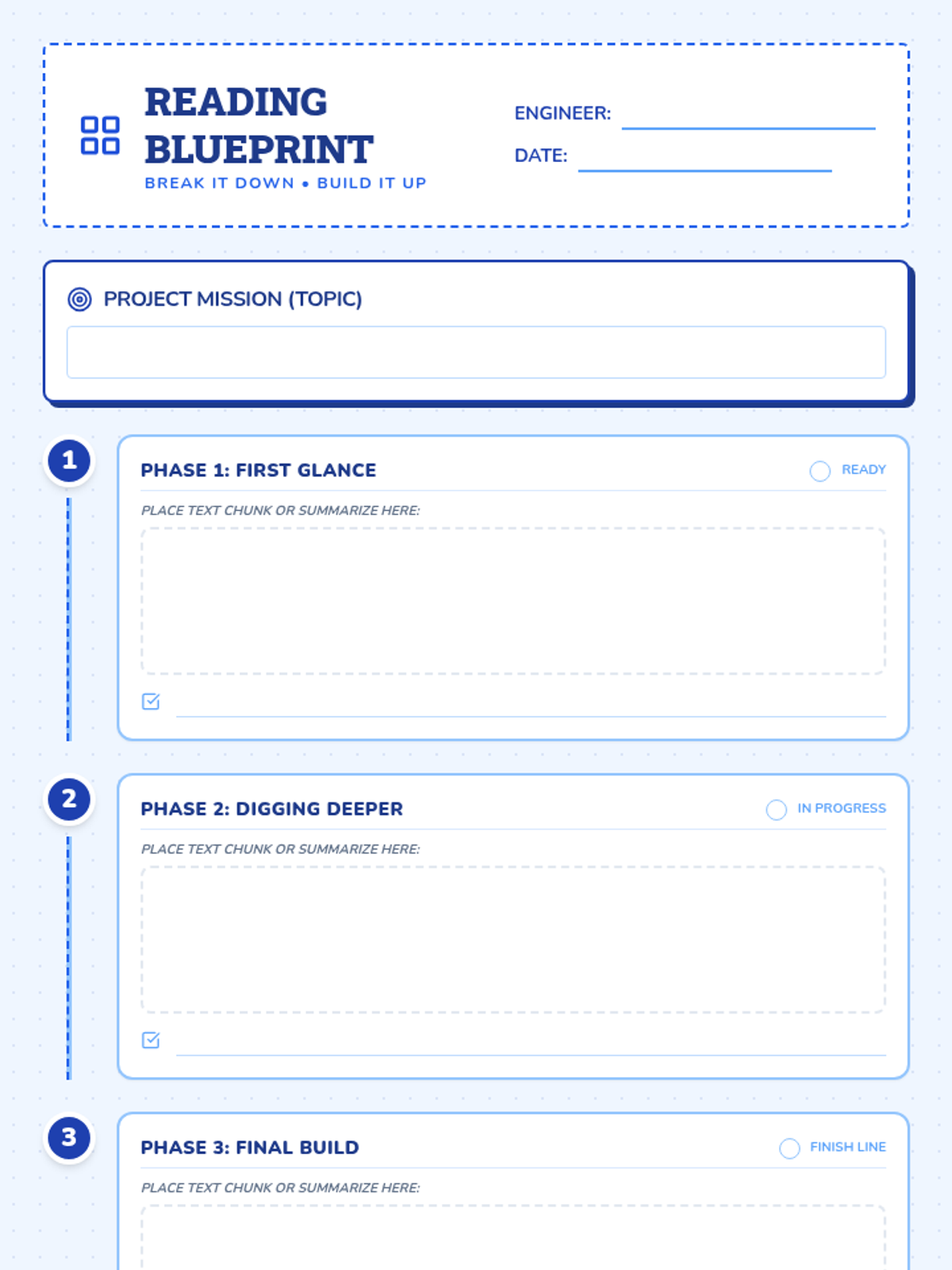
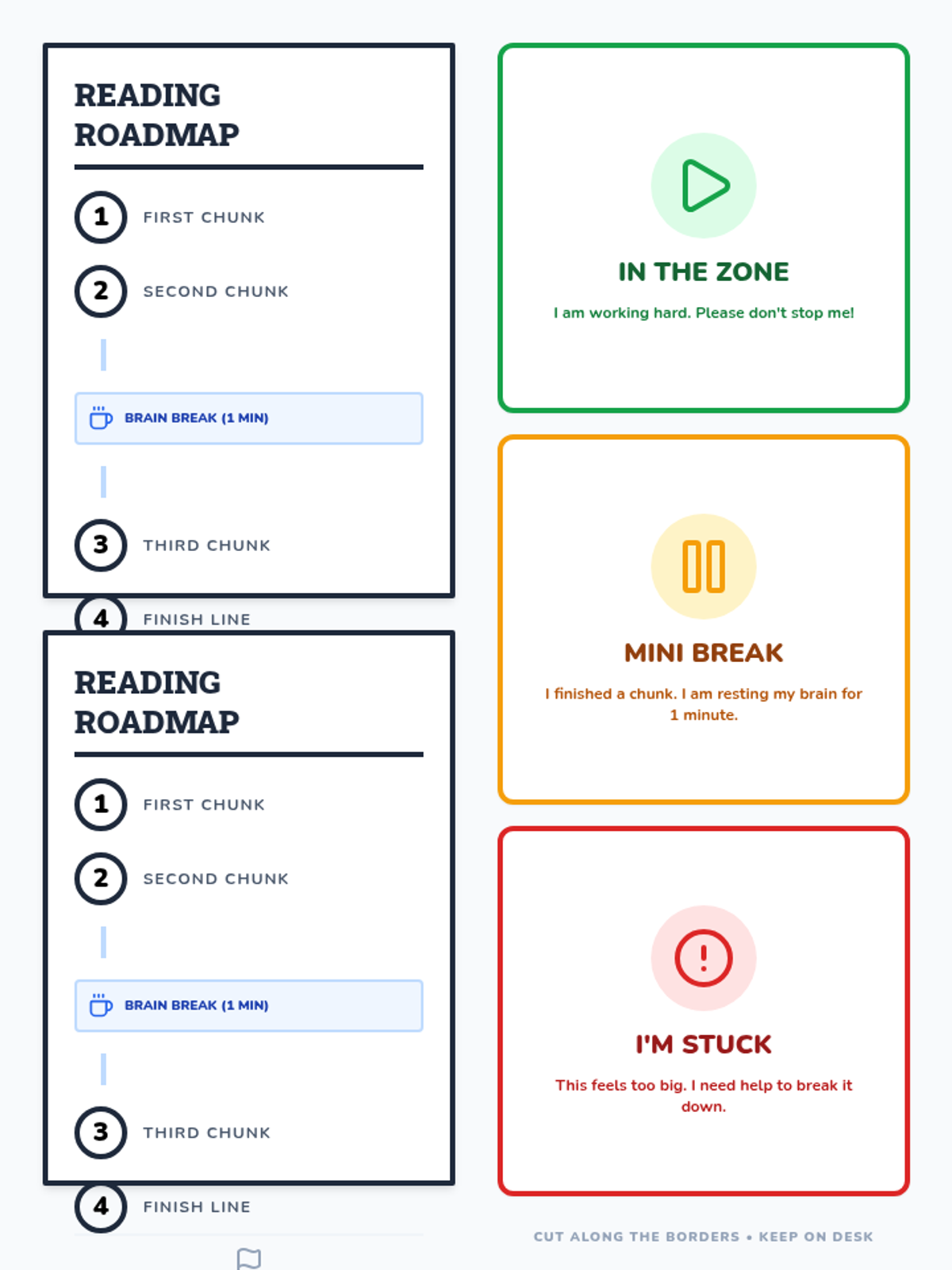
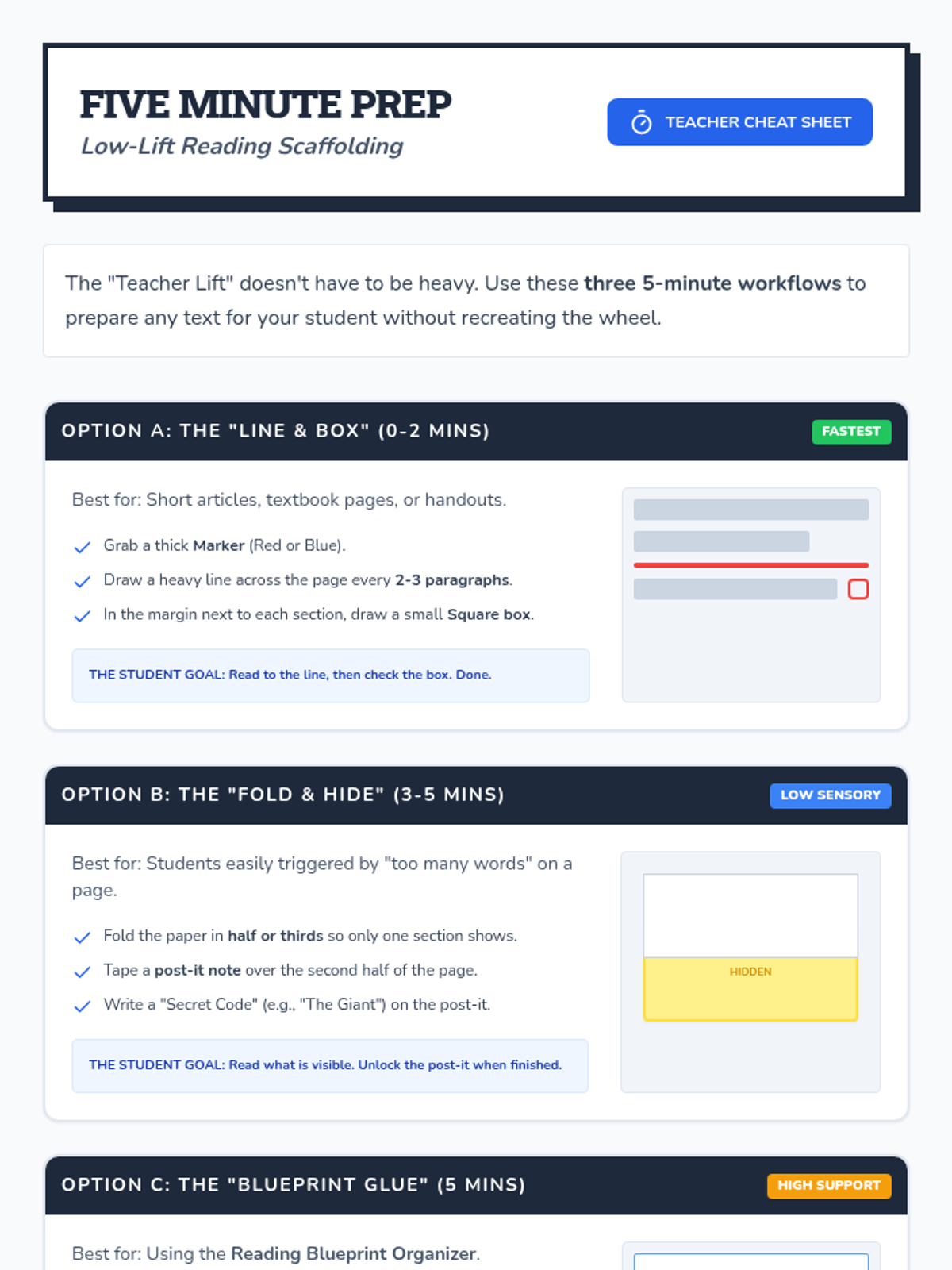
A comprehensive strategy set for educators to support students who struggle with long reading assignments through chunking, visual scaffolding, and self-regulation tools.
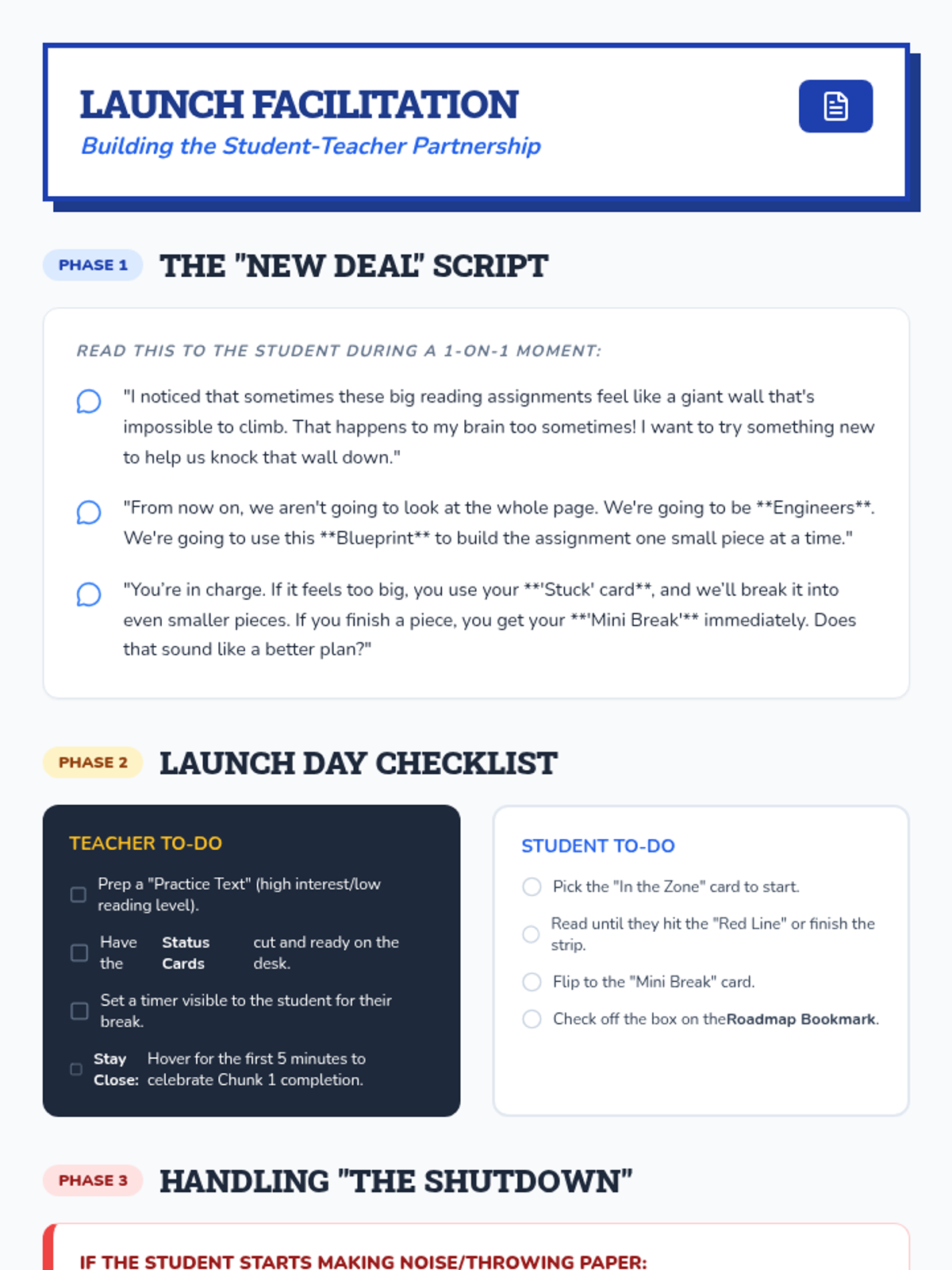
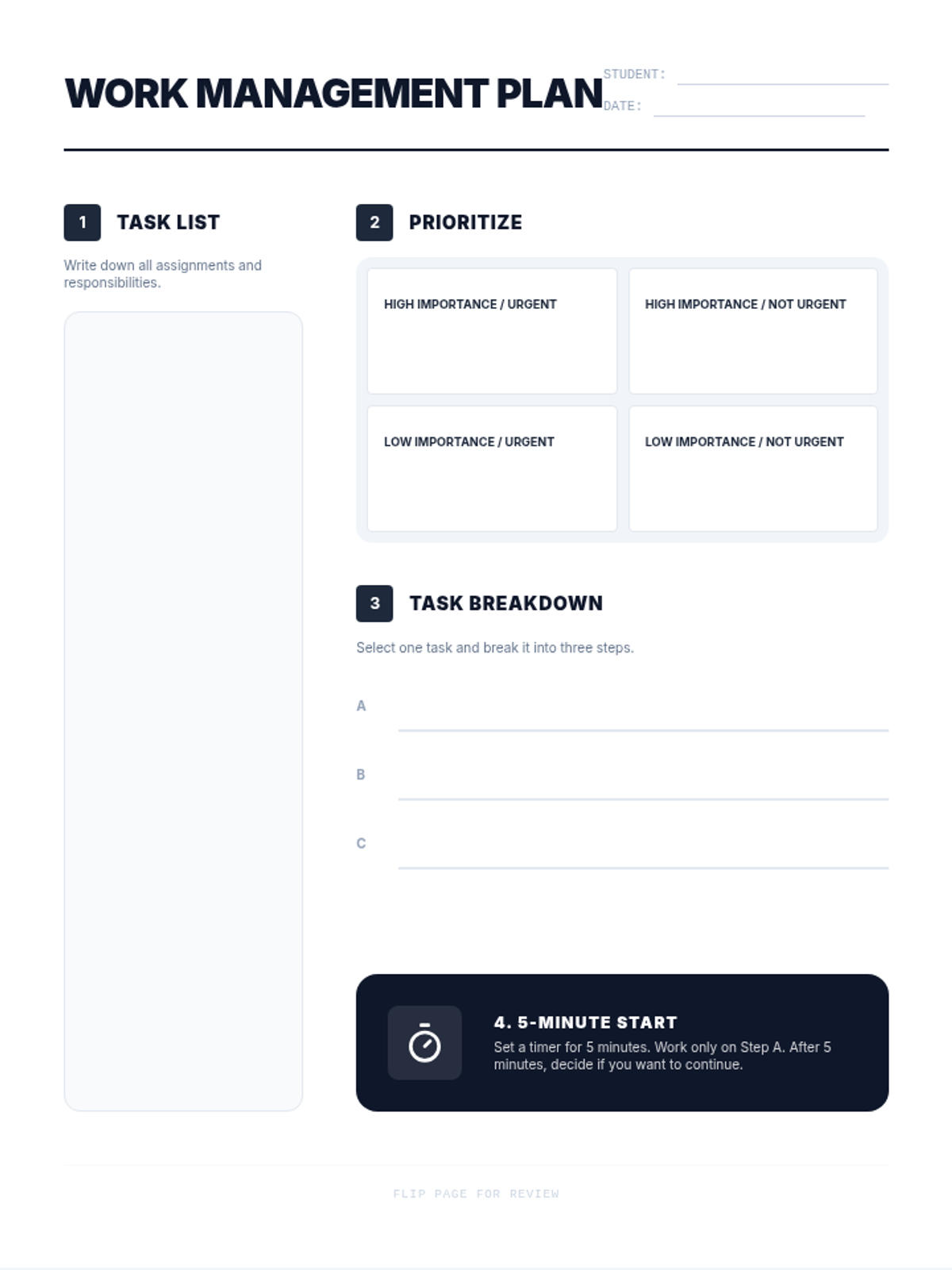
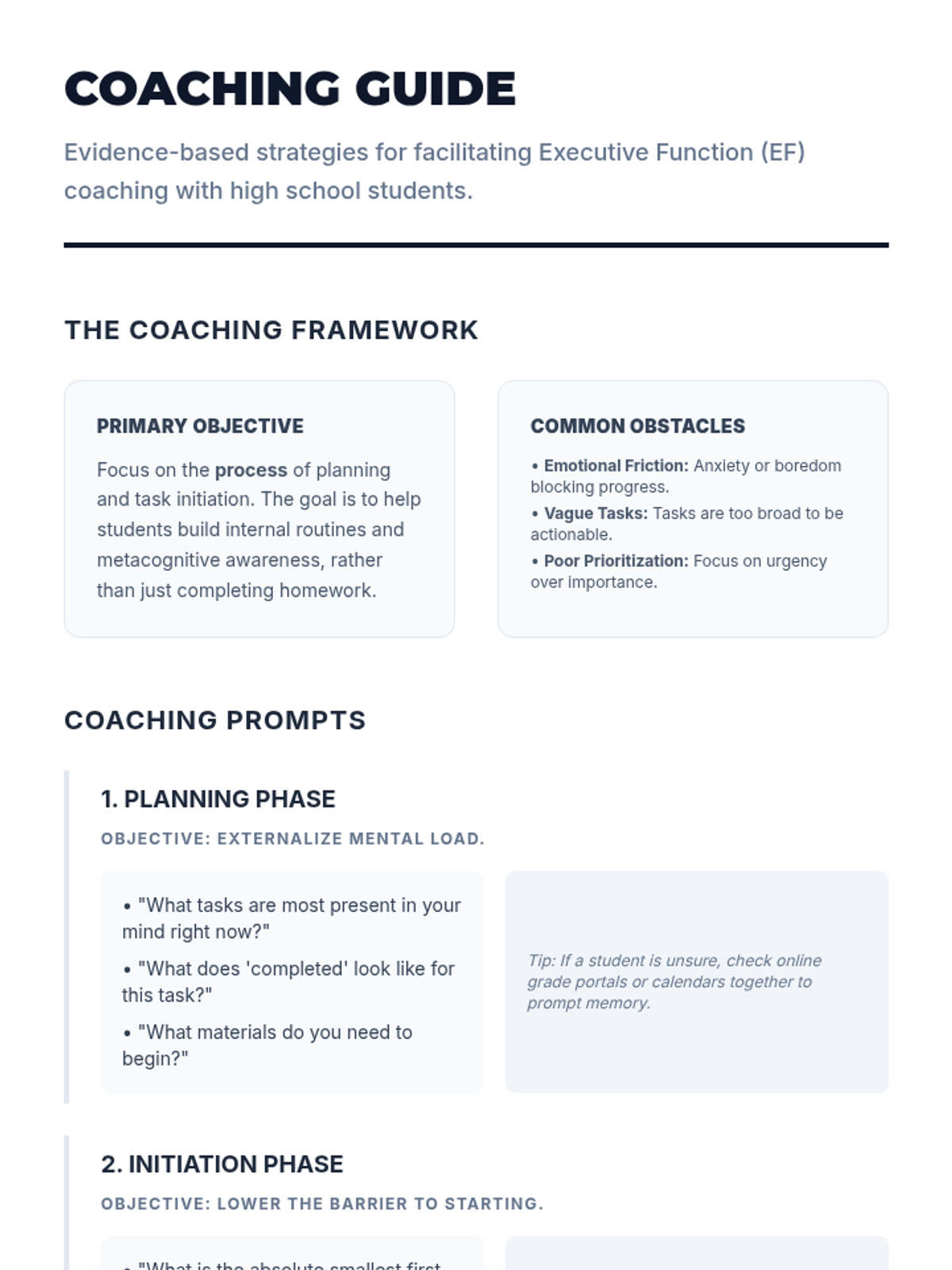
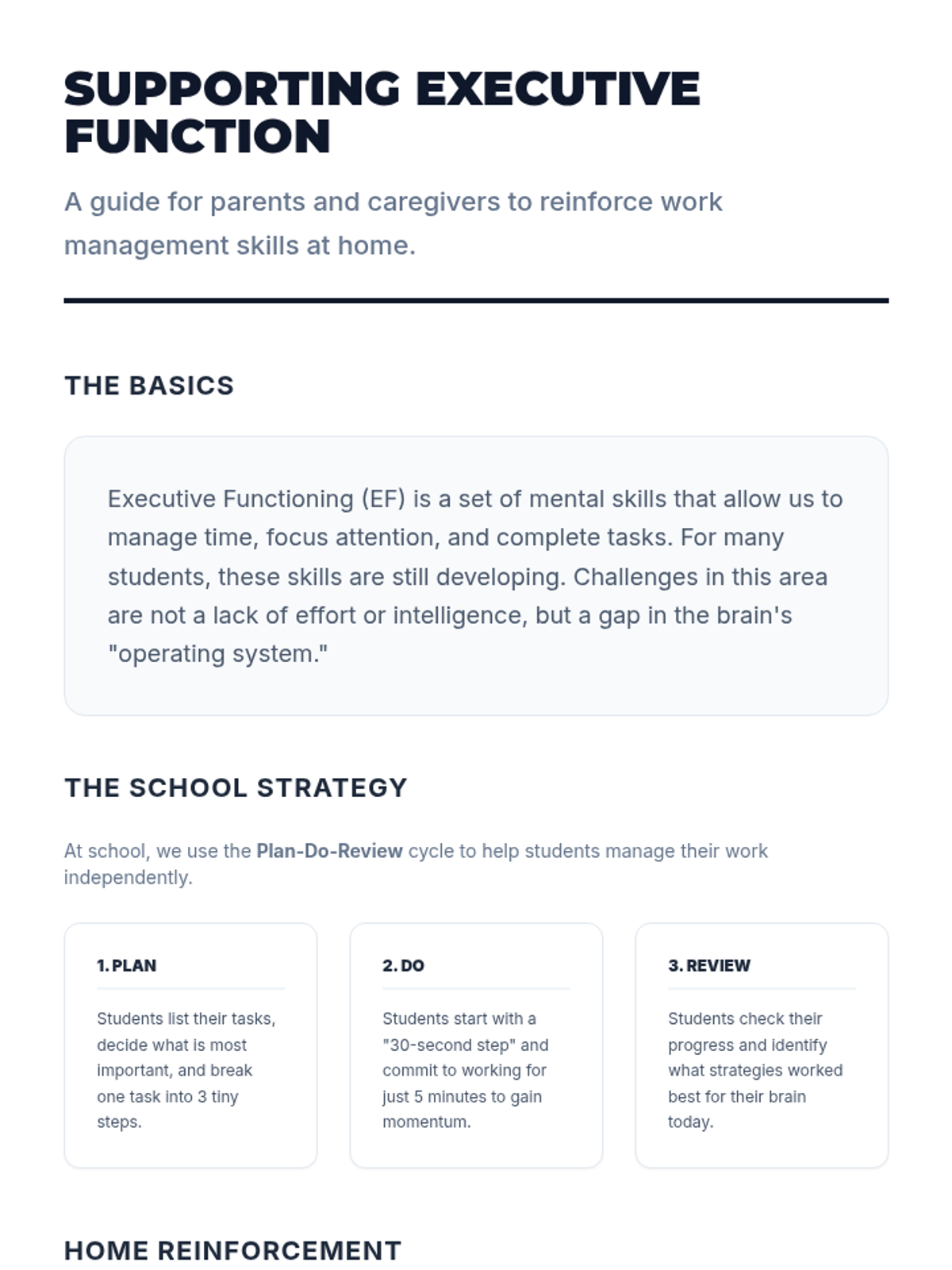
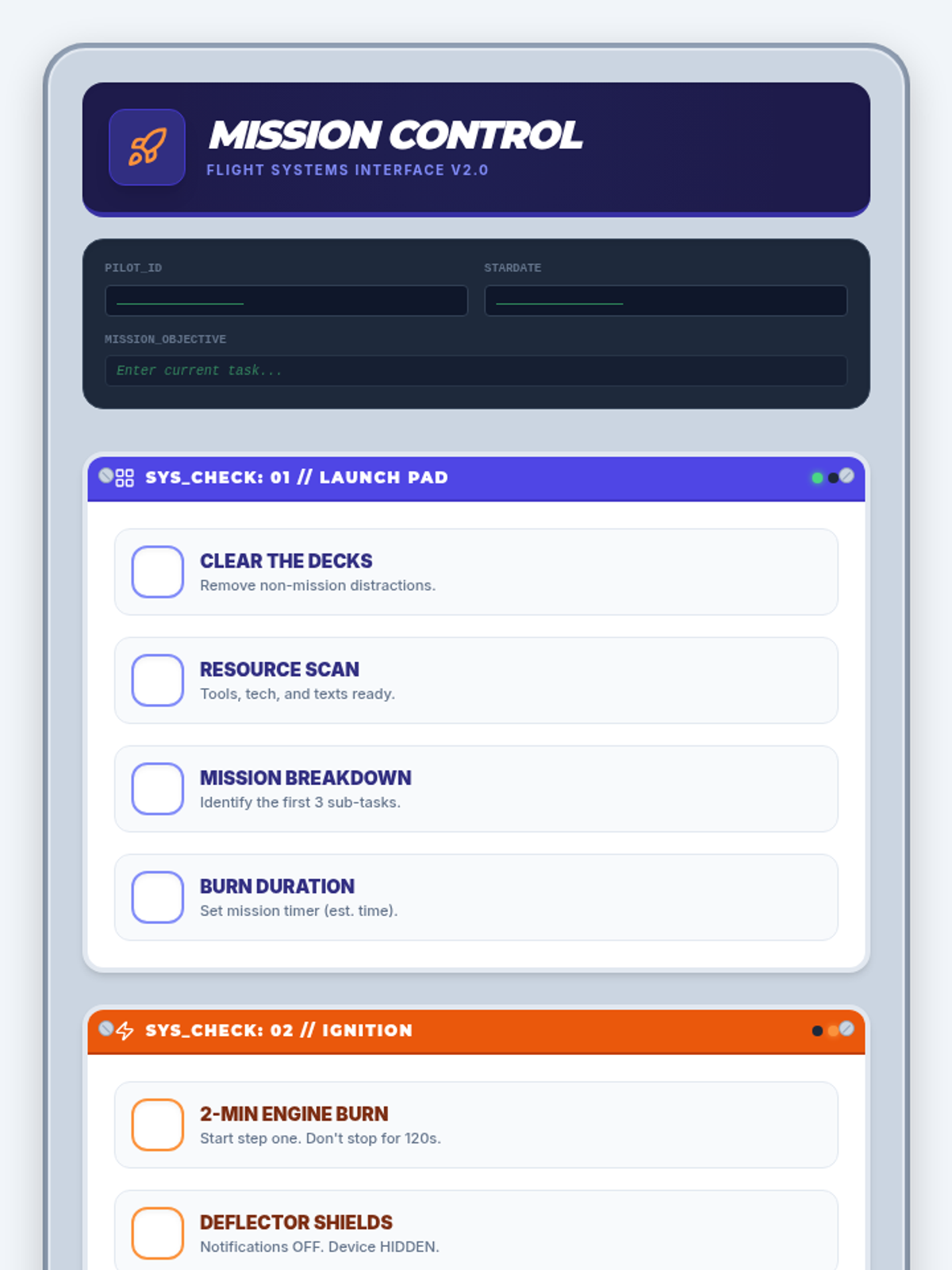
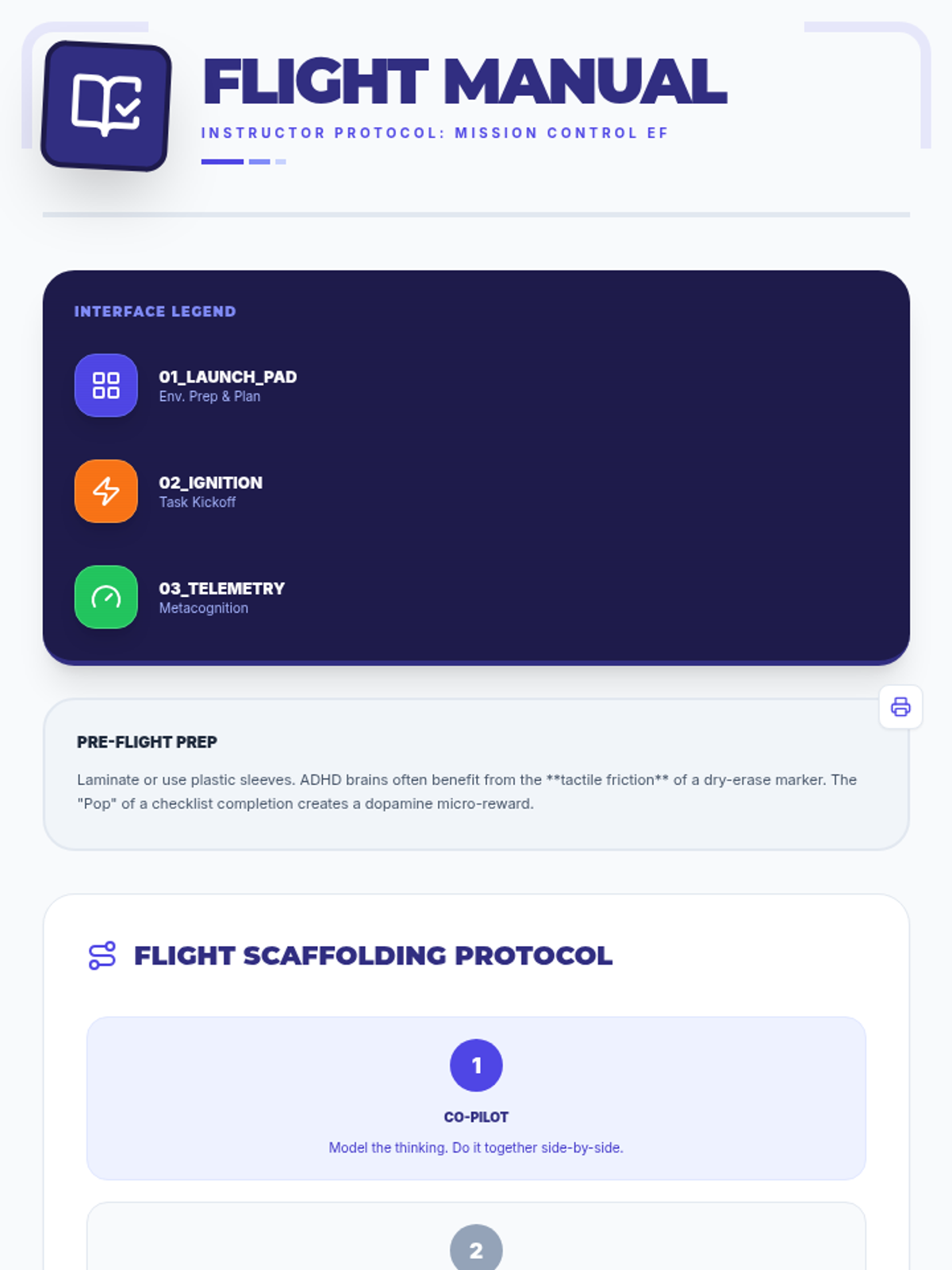
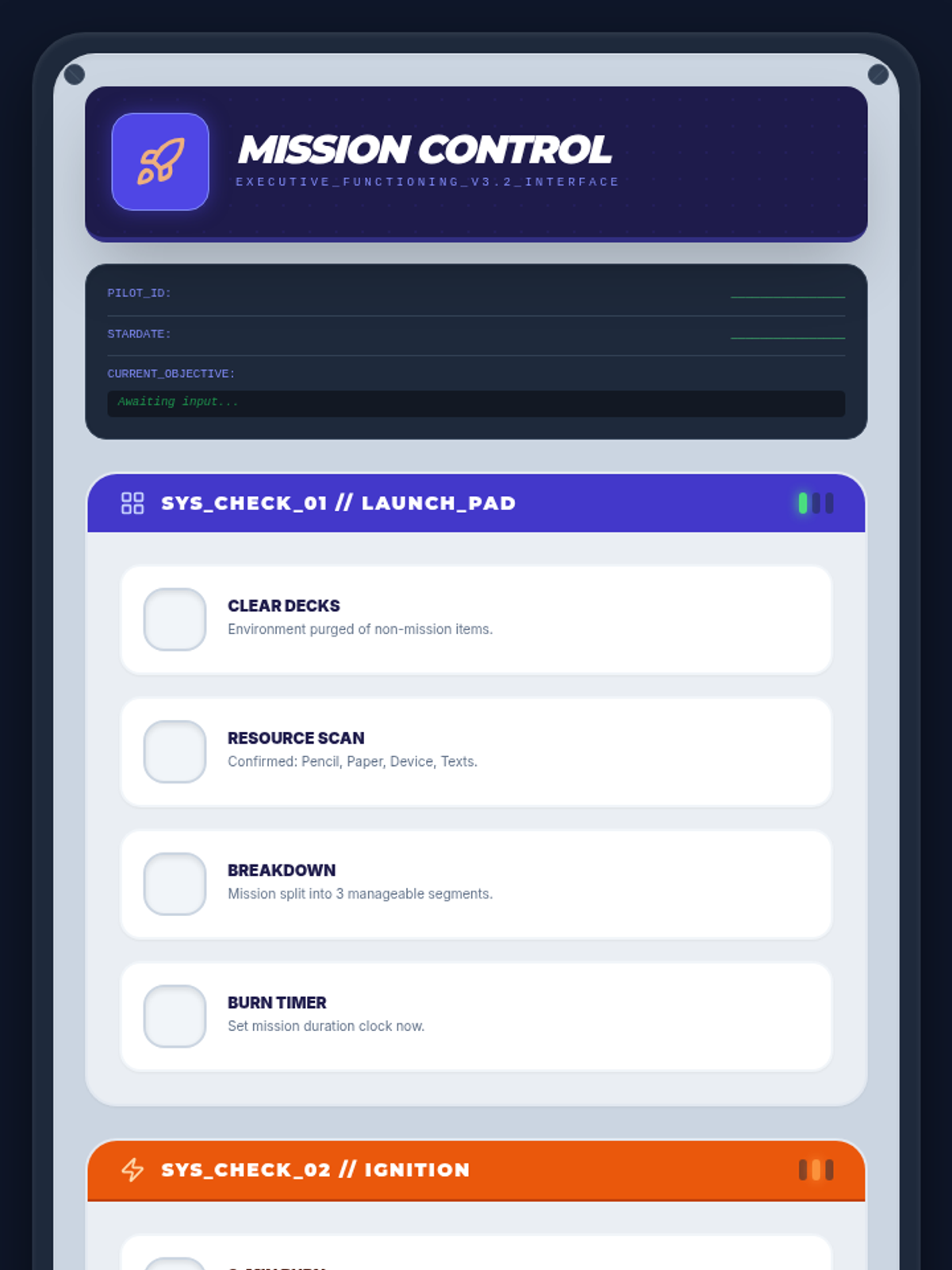
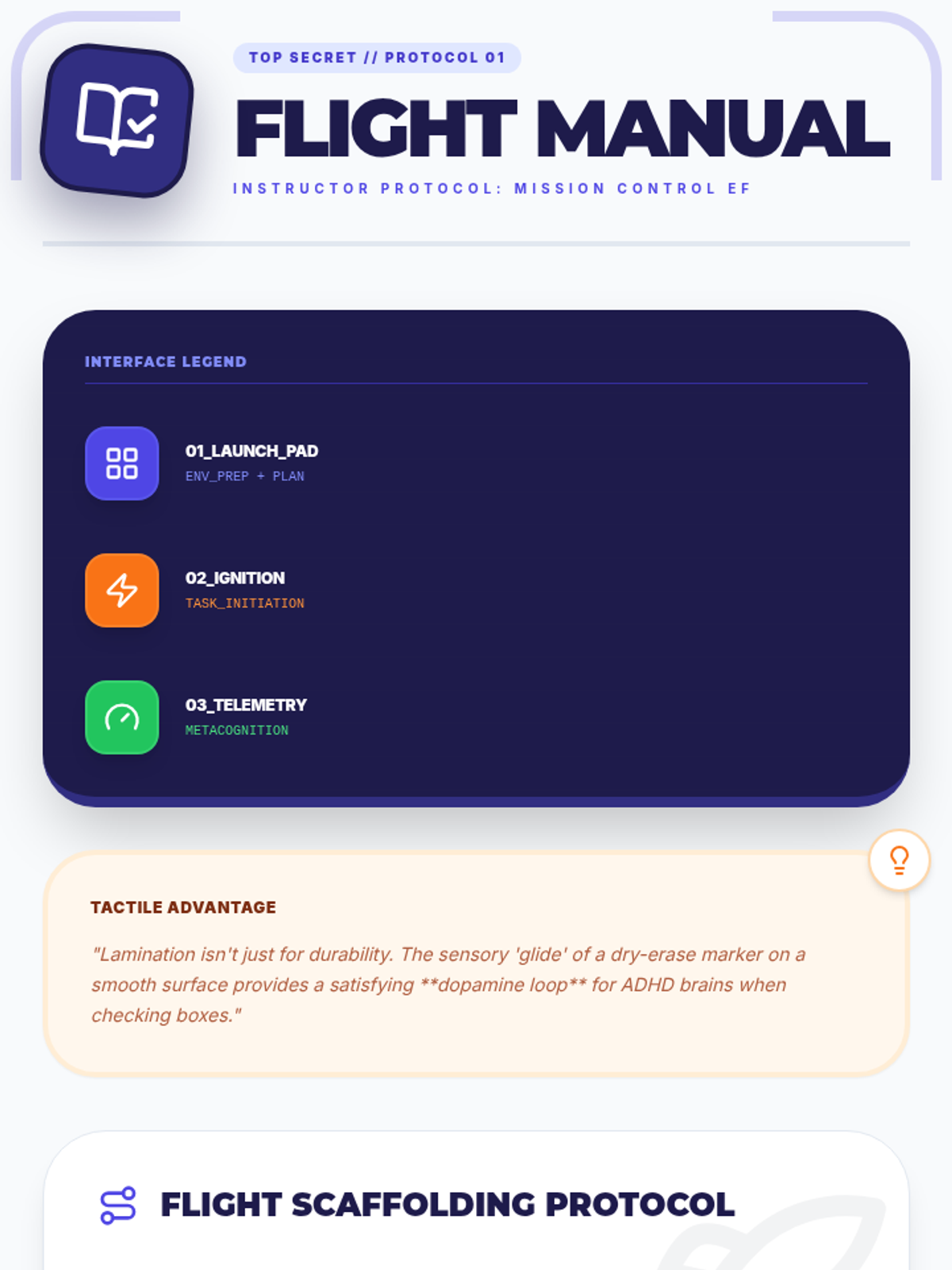
A comprehensive executive function support system for high school students, focusing on metacognitive coaching strategies to manage task initiation, prioritization, and workflow completion. Students move from feeling overwhelmed to having a clear, actionable strategic plan for their schoolwork.
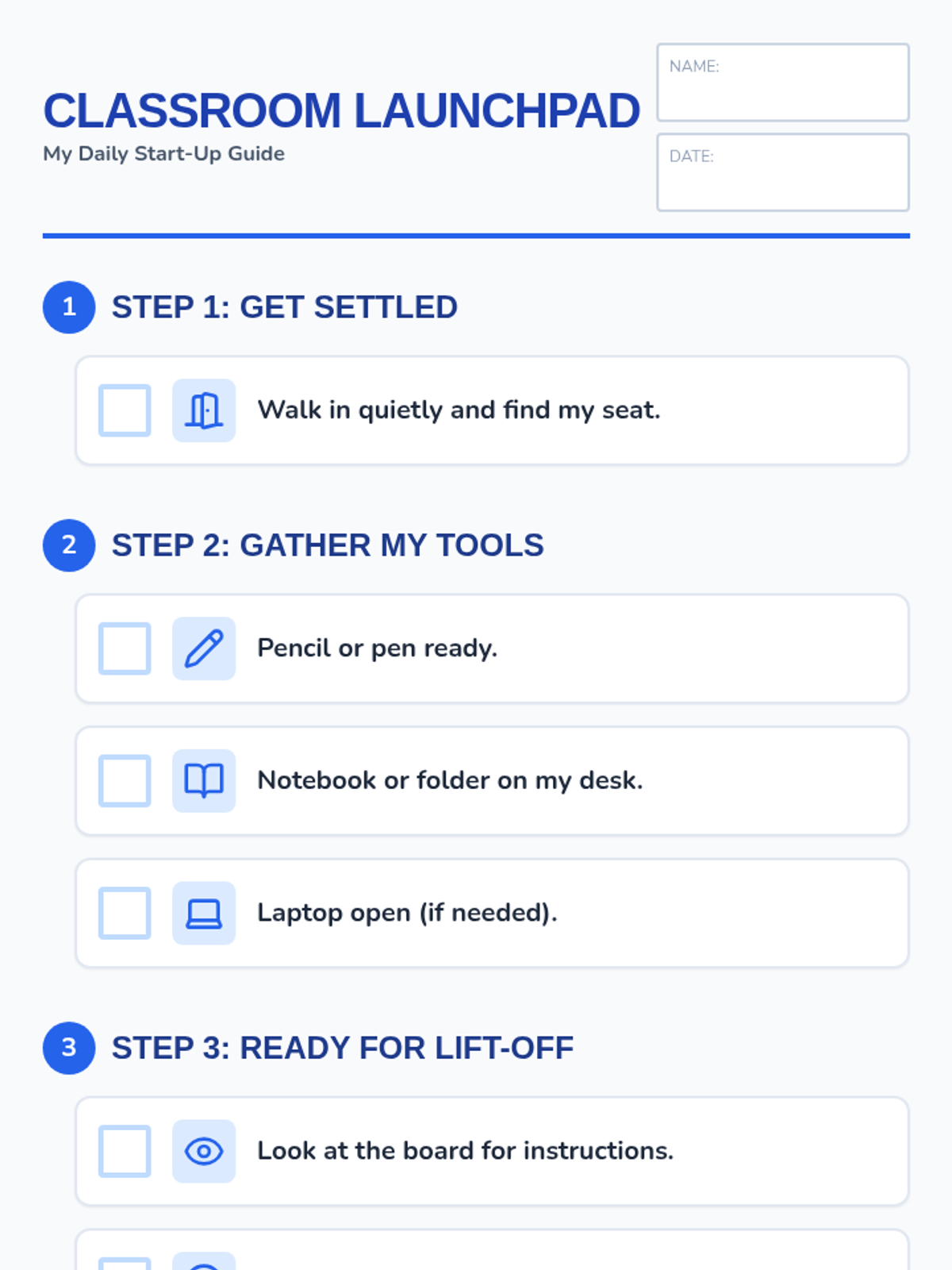
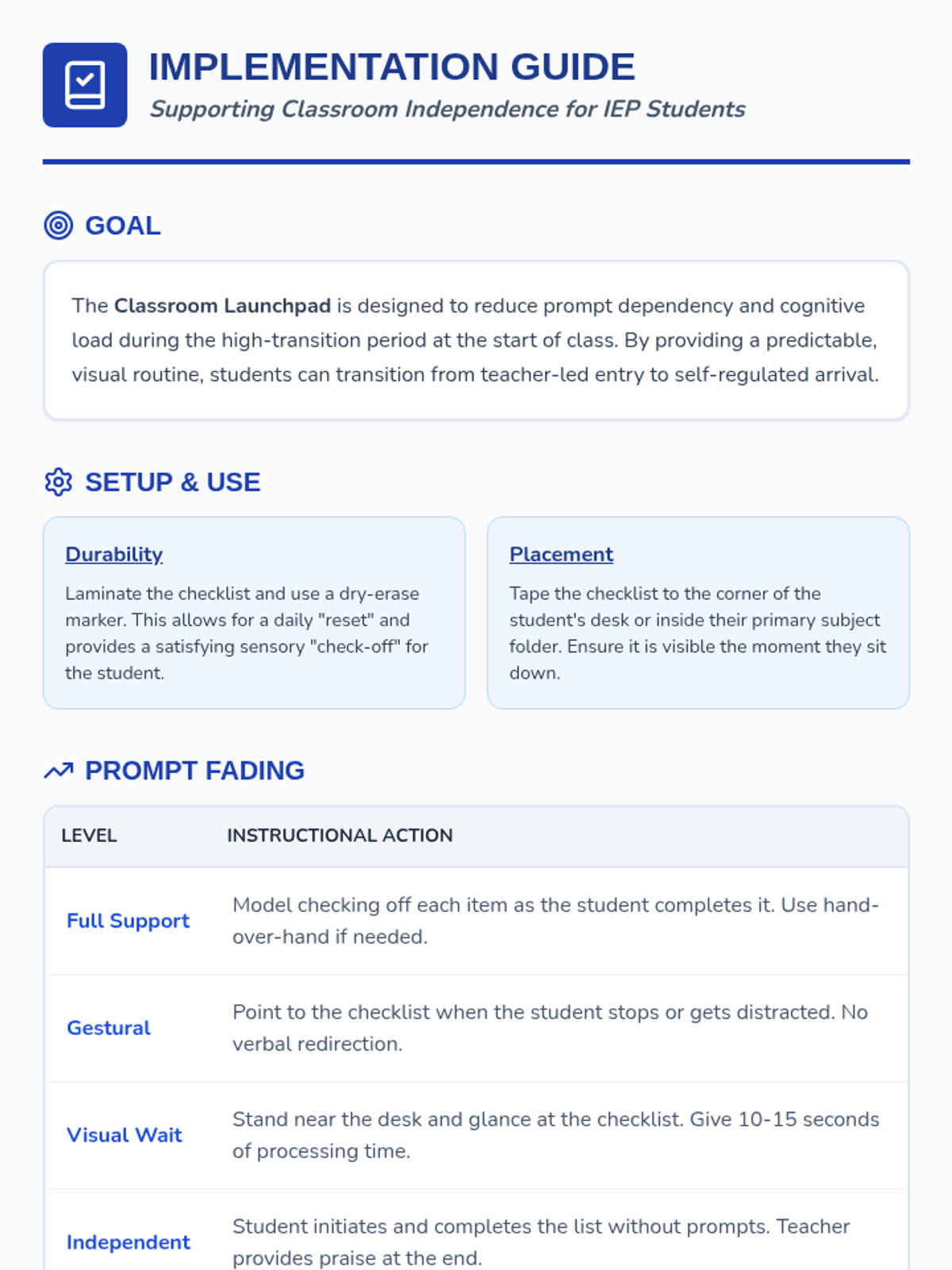
A collection of visual supports and implementation guides to help students with IEPs independently navigate the start of their class period.
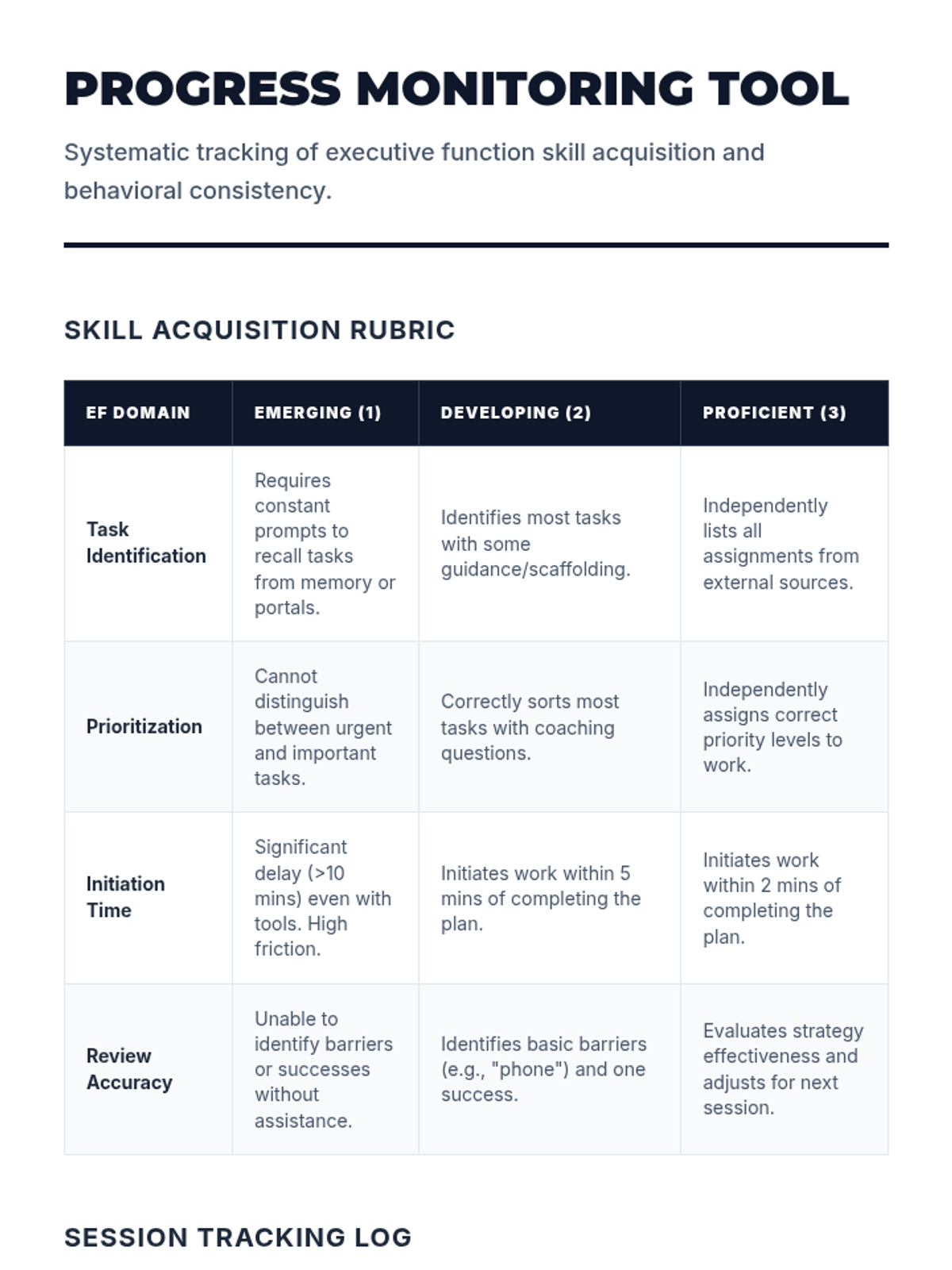
A set of tools designed to help students with ADHD improve their organization, planning, focus, and task initiation through structured self-monitoring.
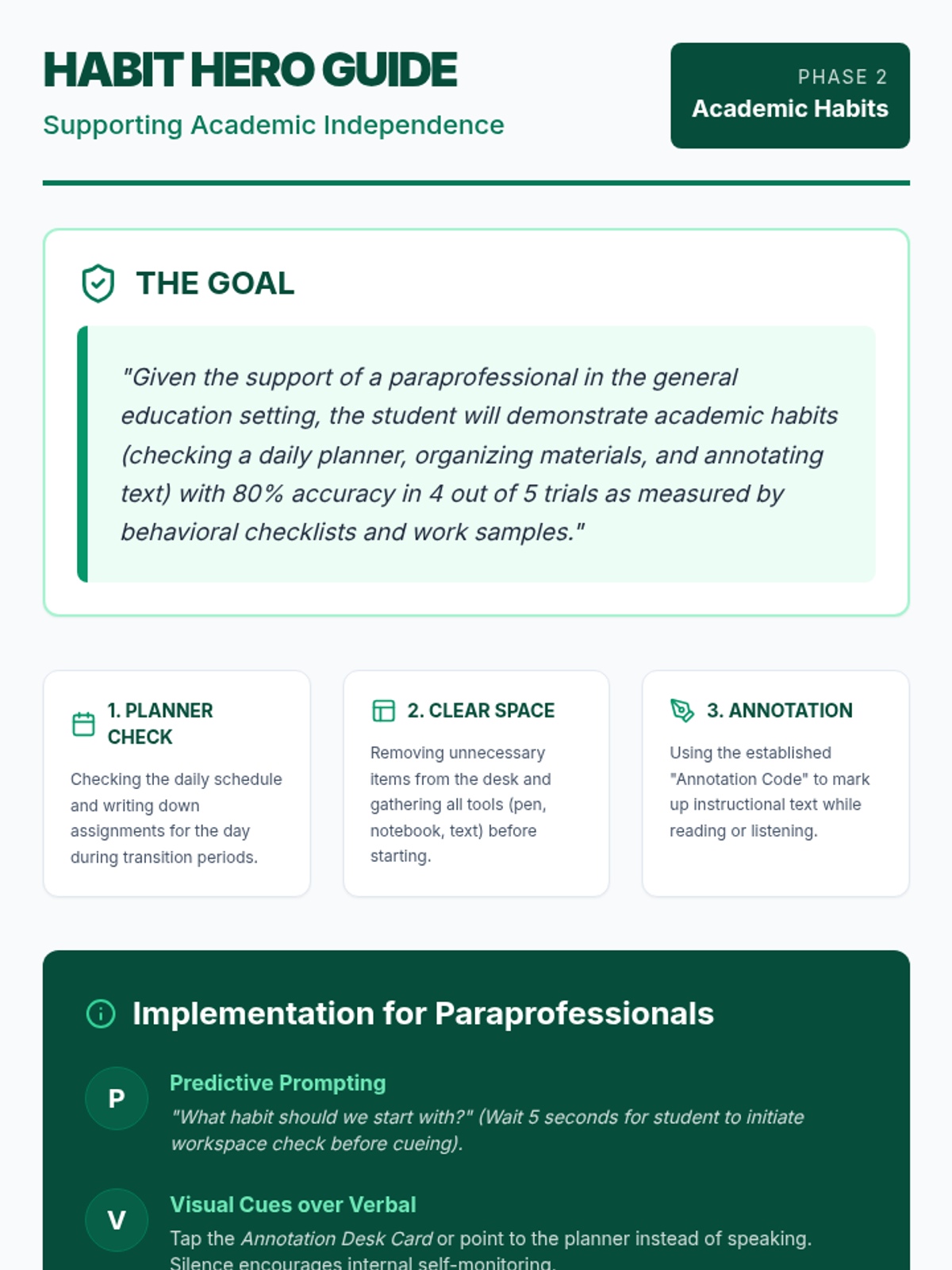
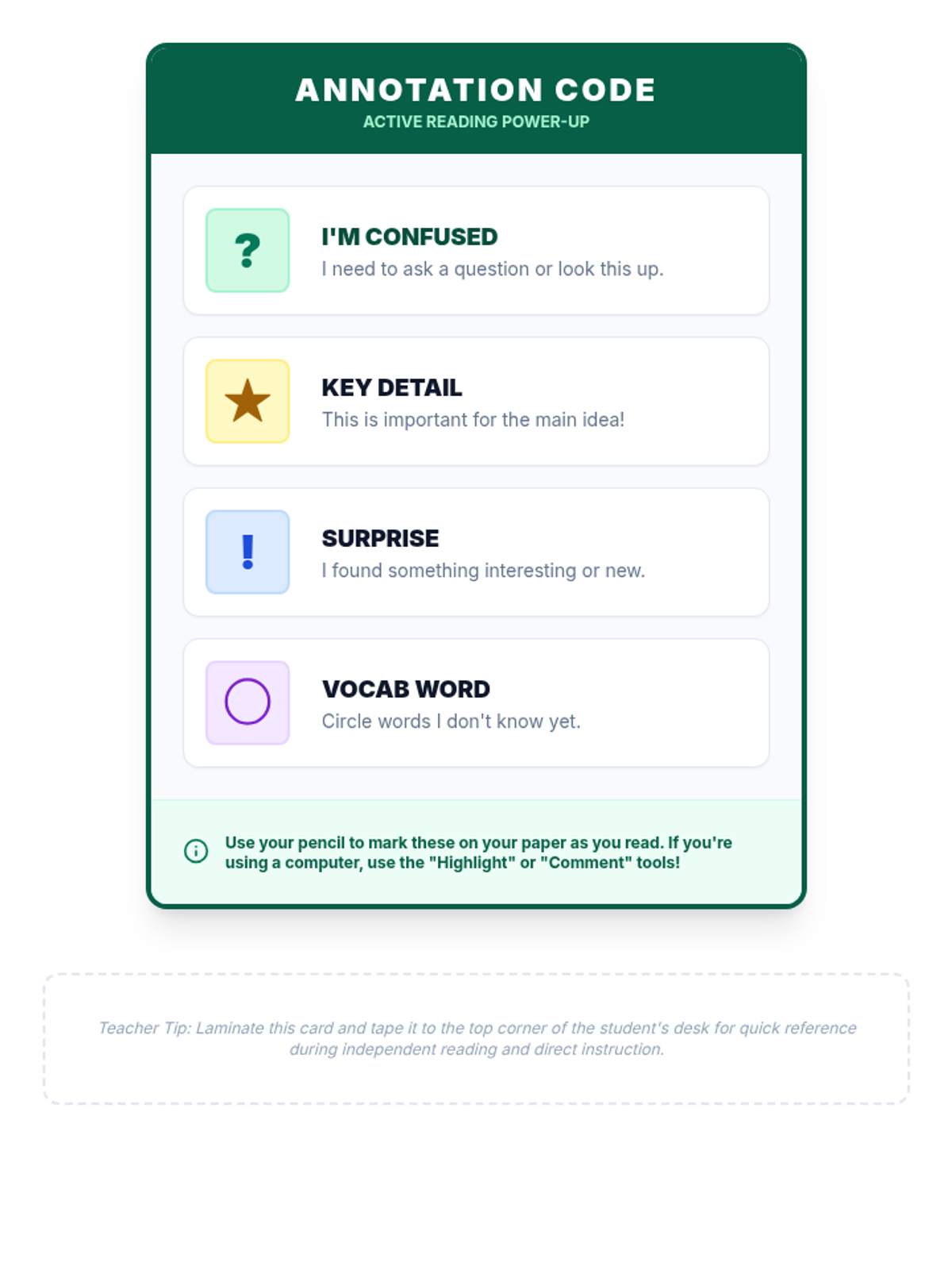
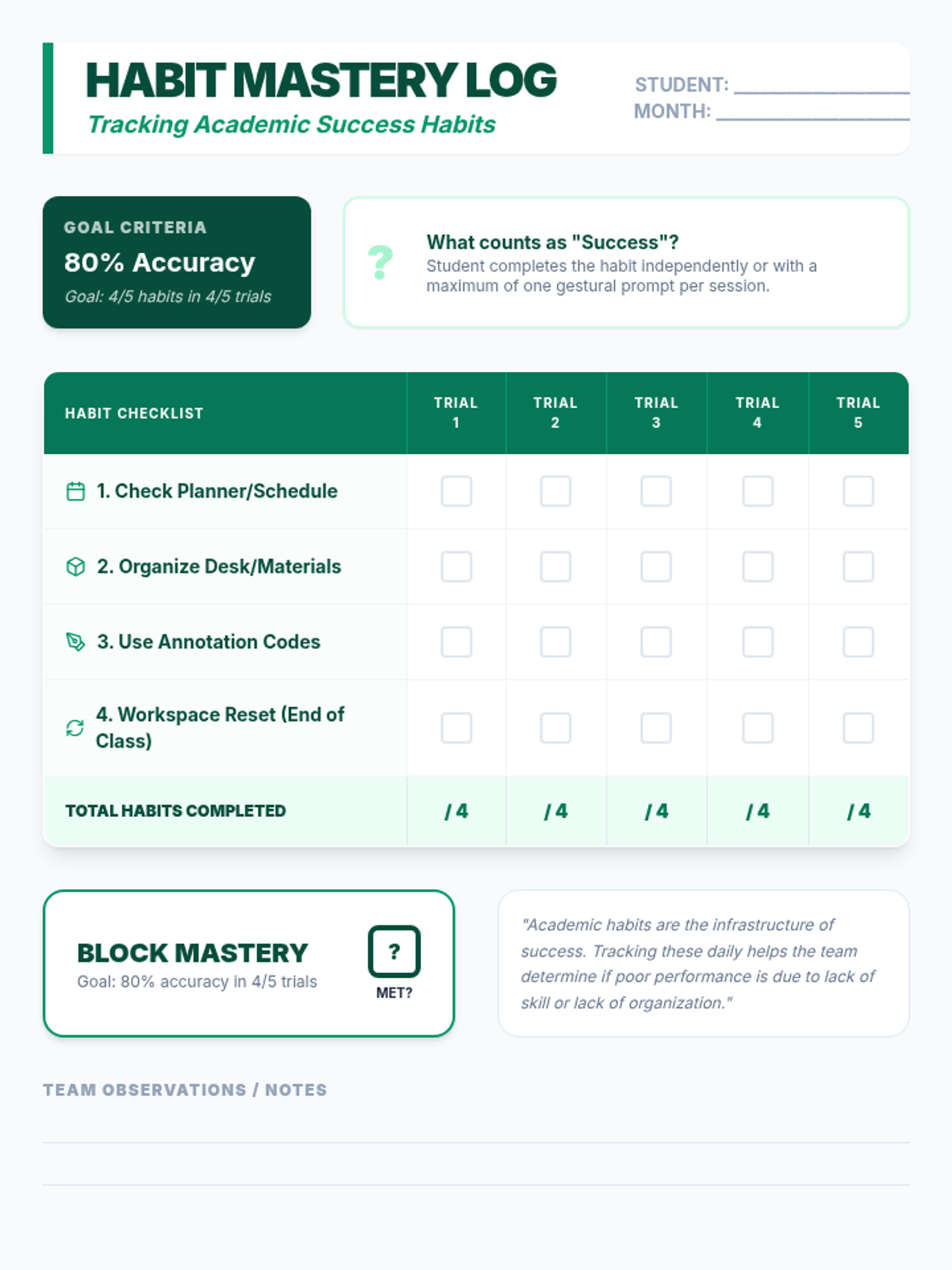
A lesson focused on teaching and tracking specific academic habits such as workspace organization, planner usage, and text annotation to increase student independence in the general education setting.
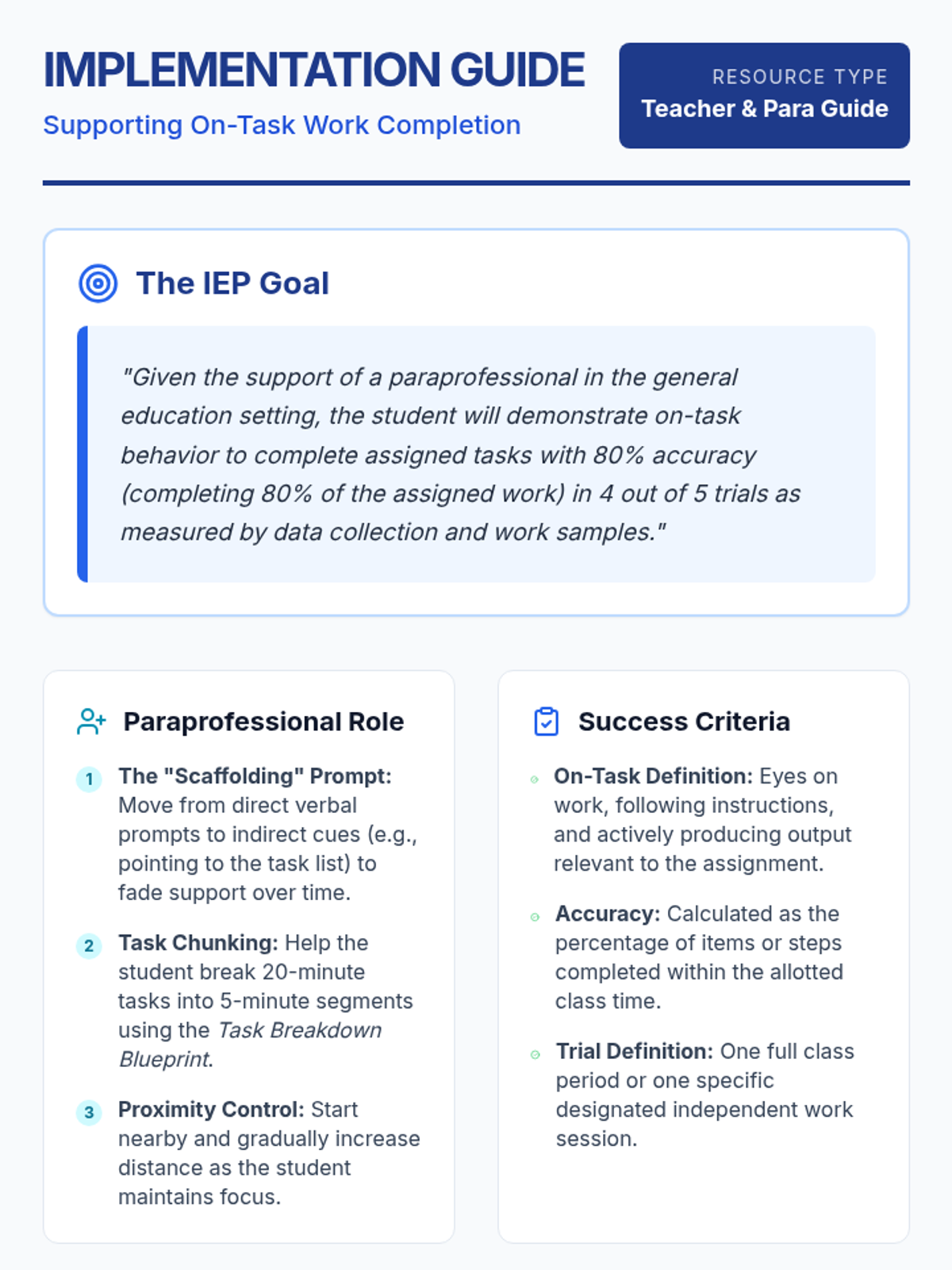
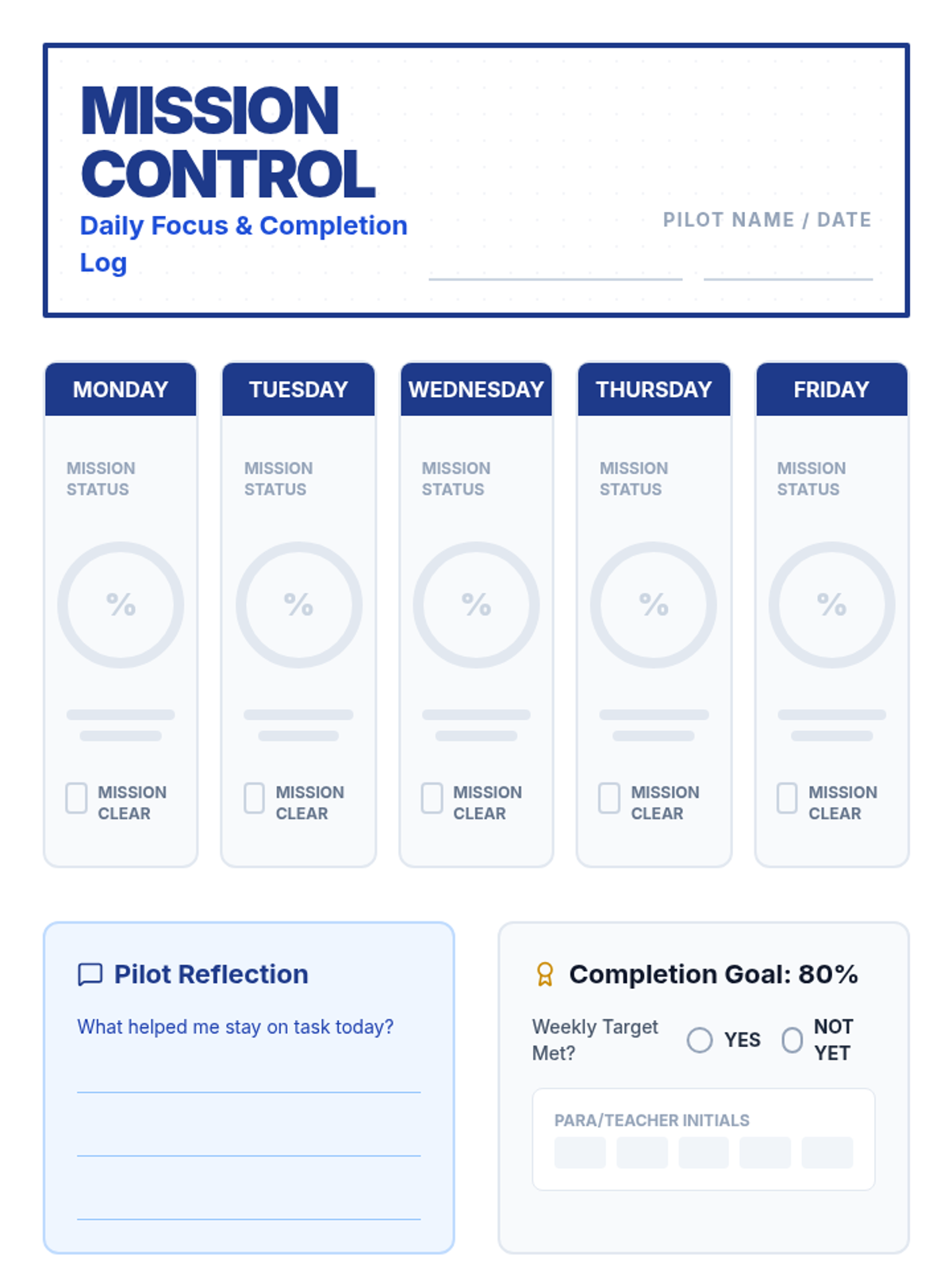
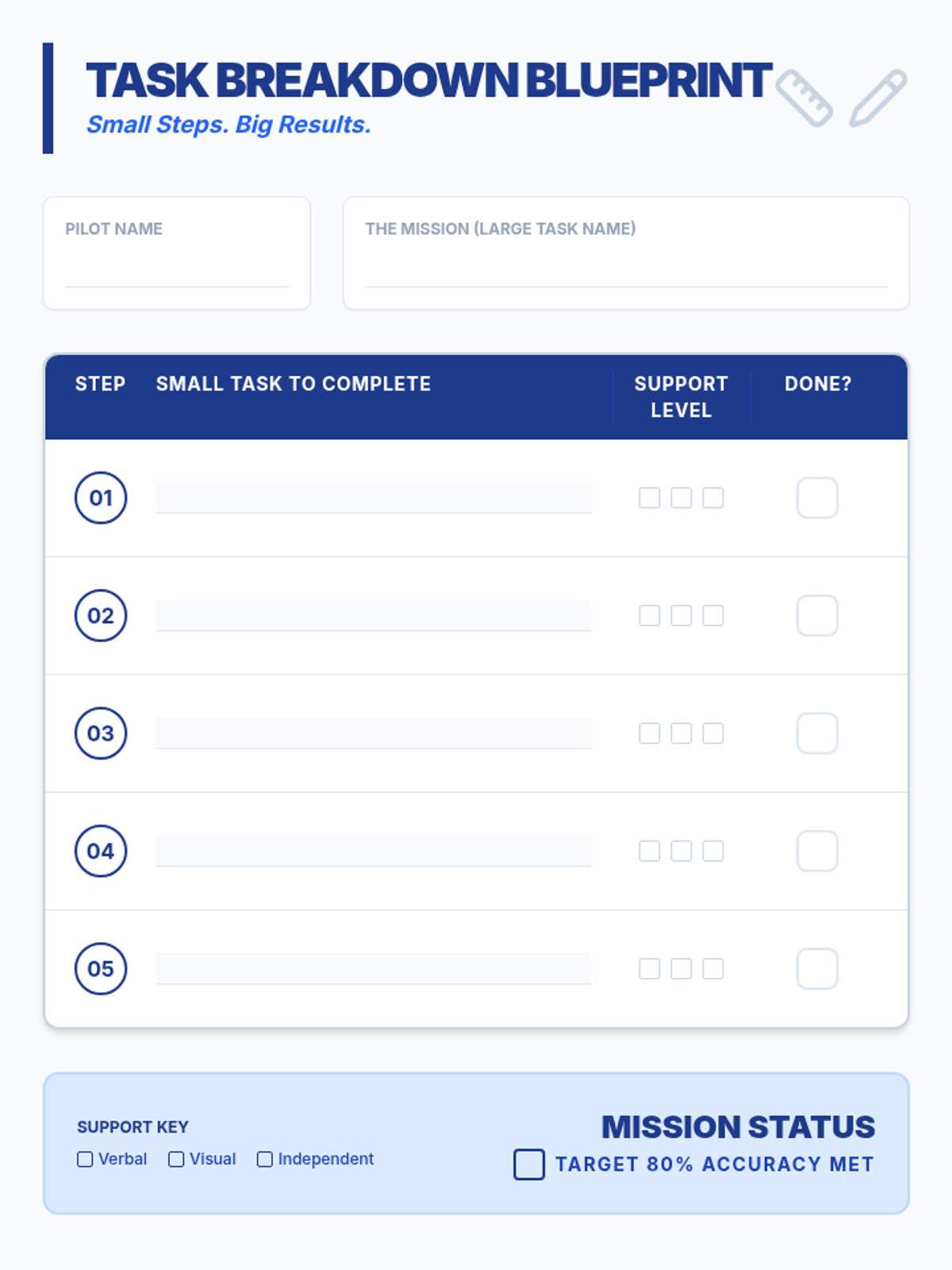
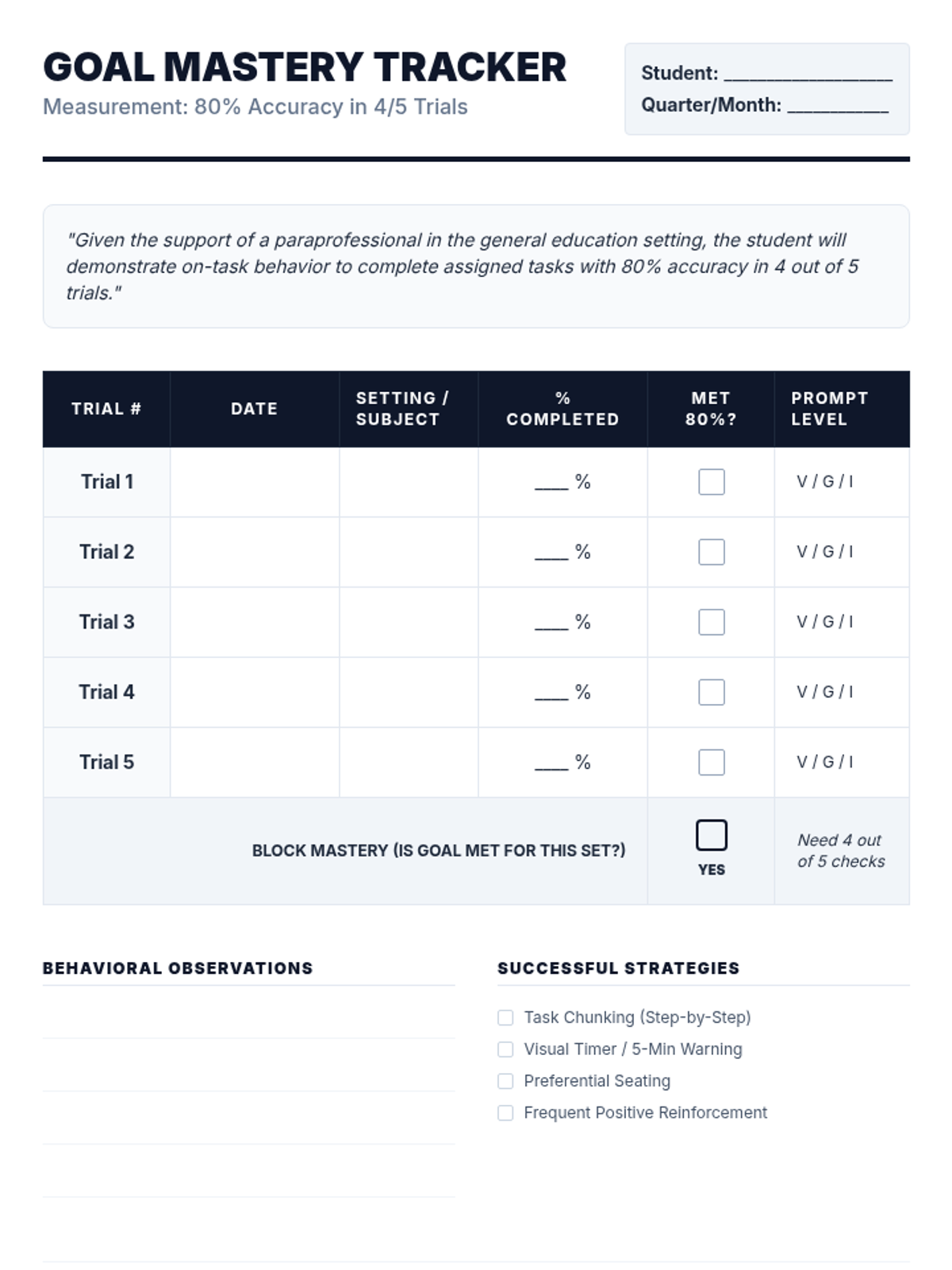
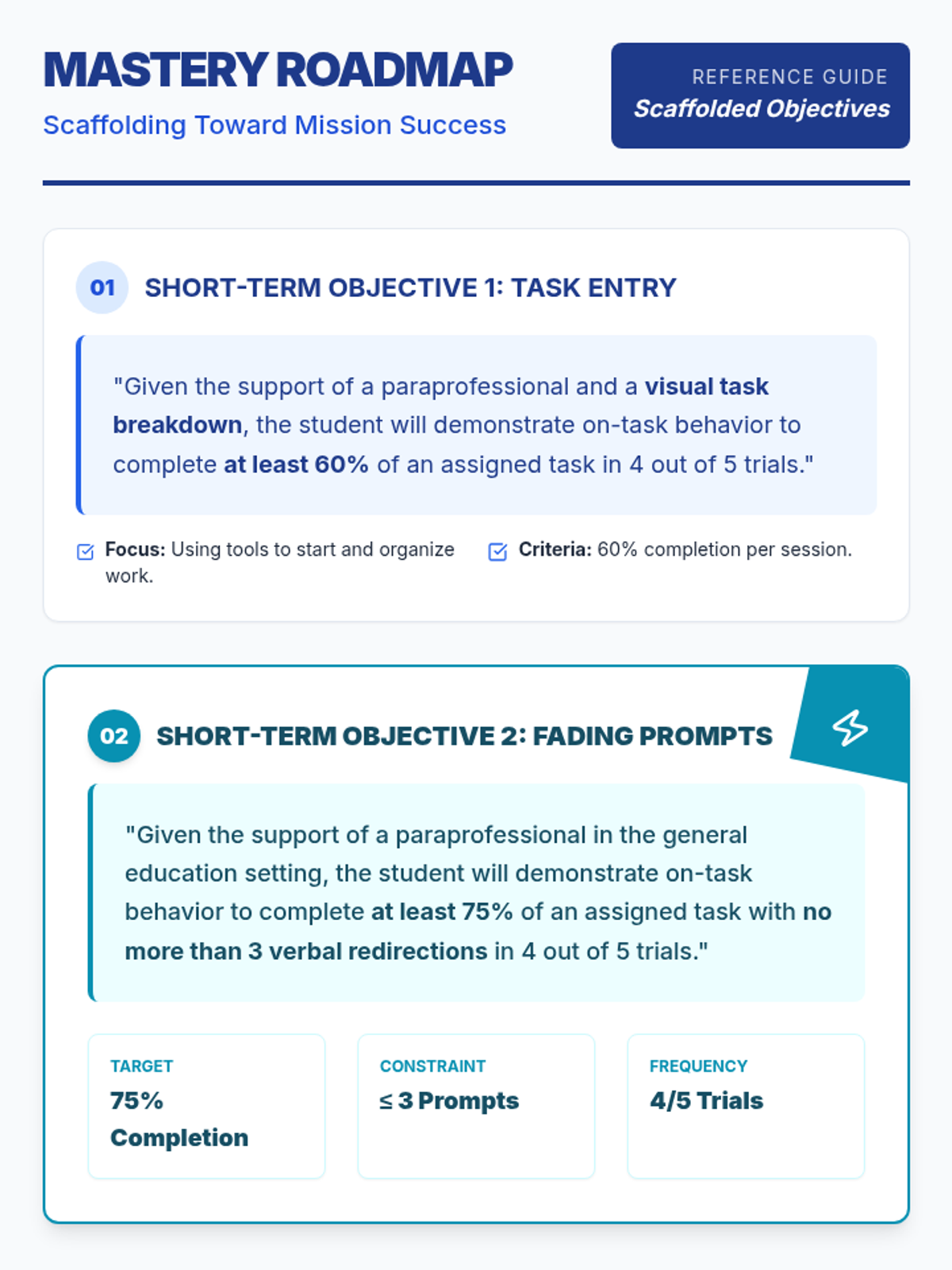
A comprehensive suite of tools designed to support a student and paraprofessional in achieving on-task work completion goals in a general education setting. Includes implementation strategies, task organizers, and data tracking systems.
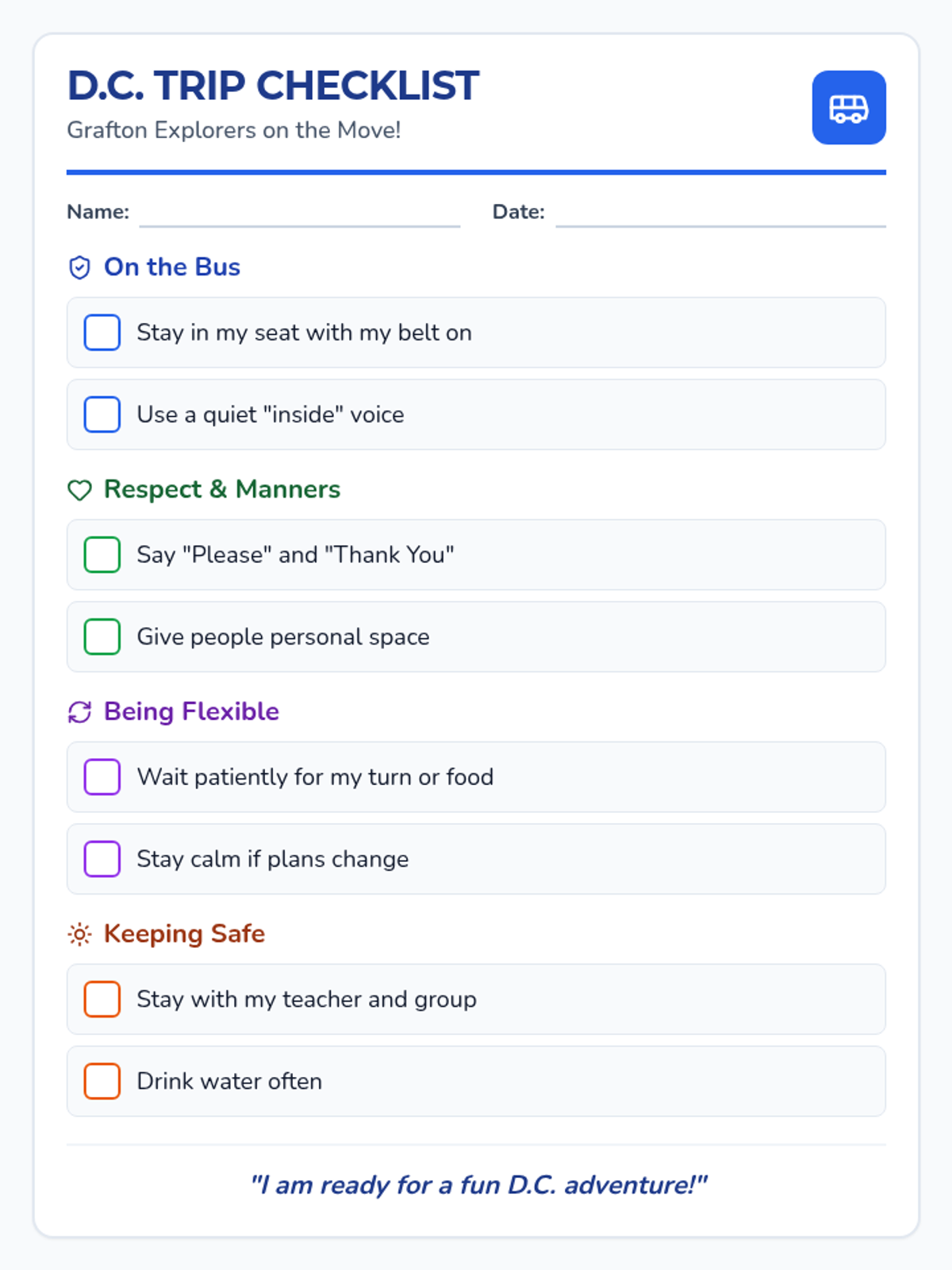
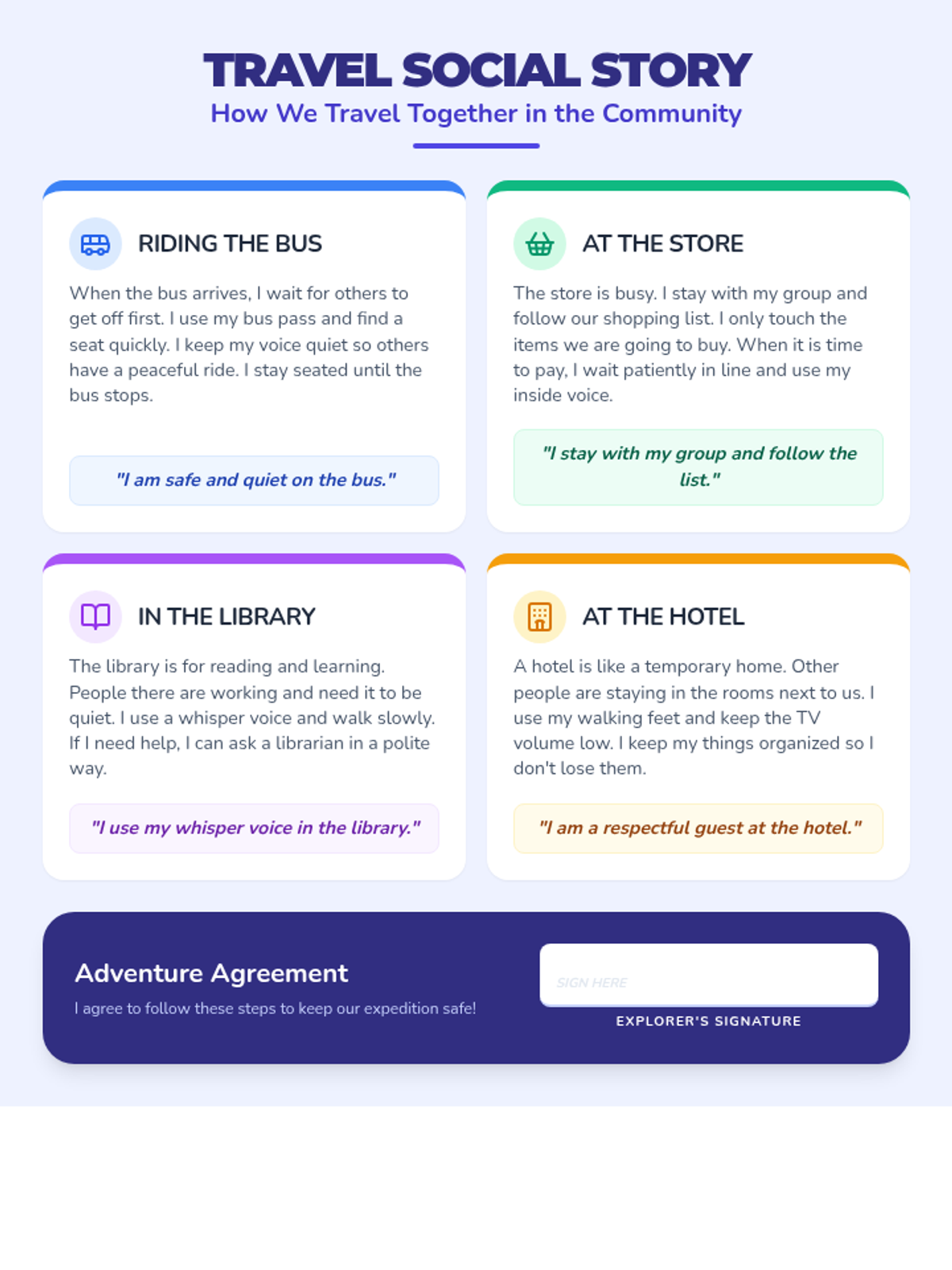
A set of social stories and visual aids to prepare students with Down Syndrome and Autism for a school field trip from Grafton, MA to Washington, D.C., focusing on patience, endurance, and manners.
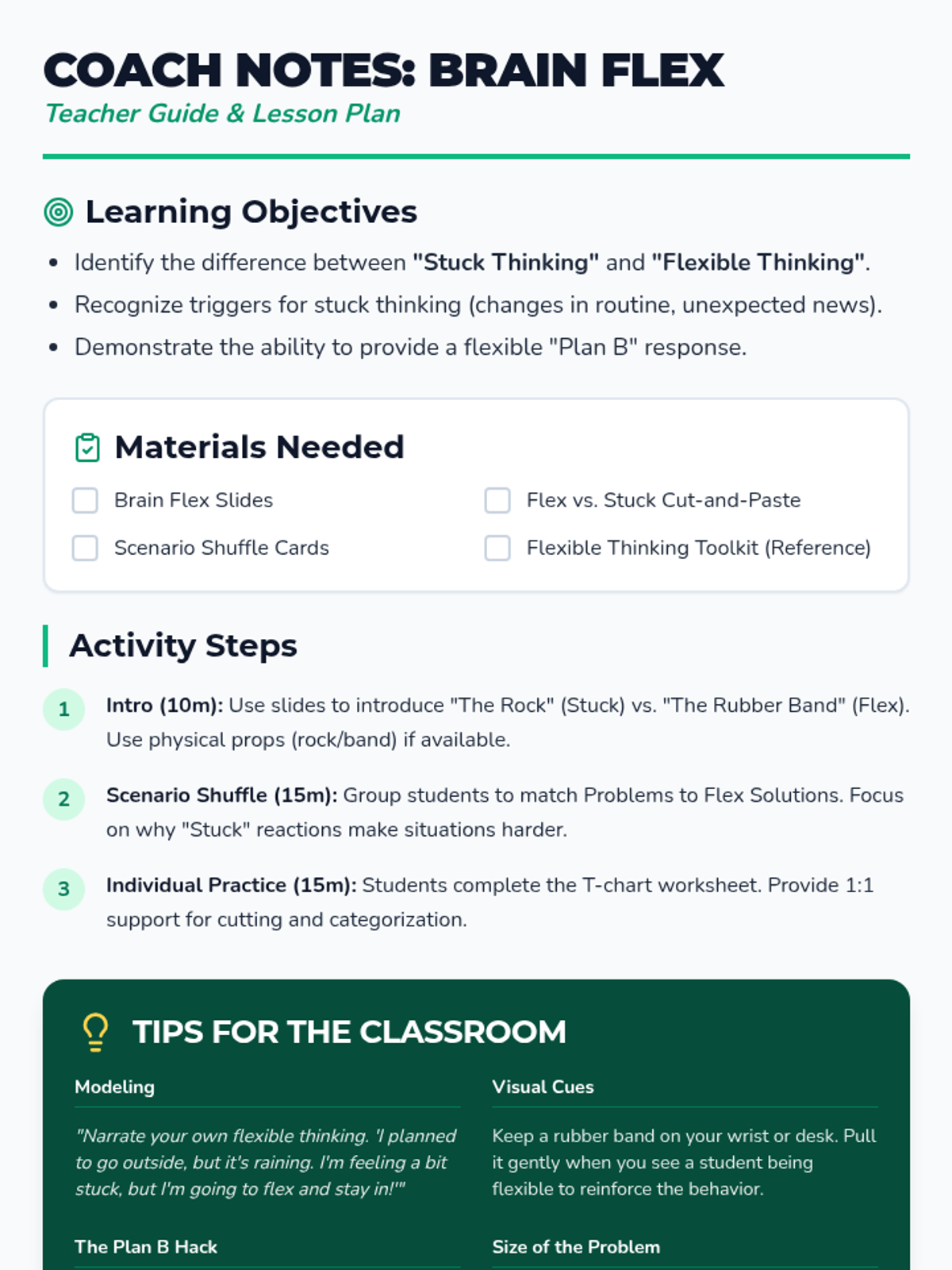
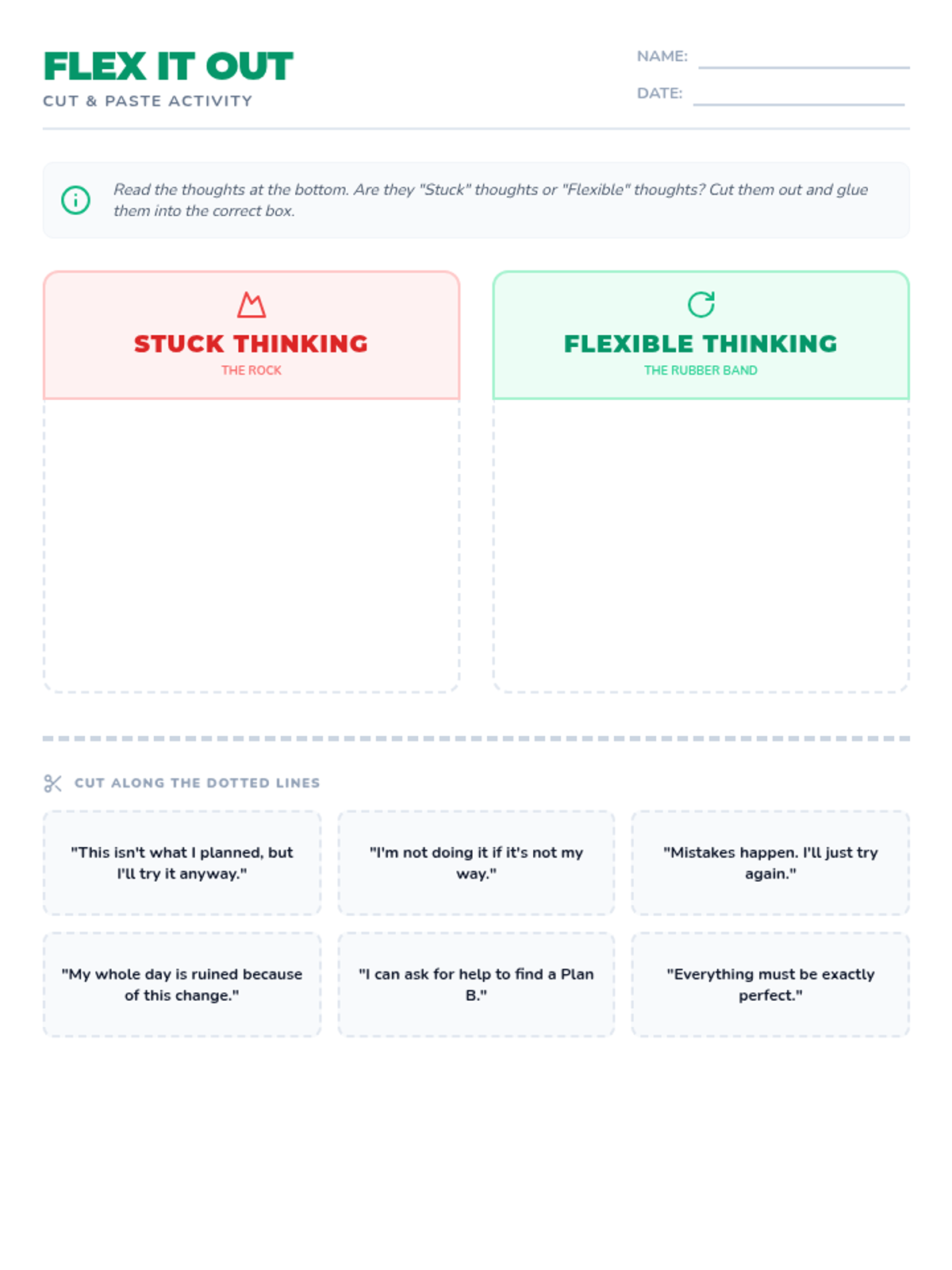
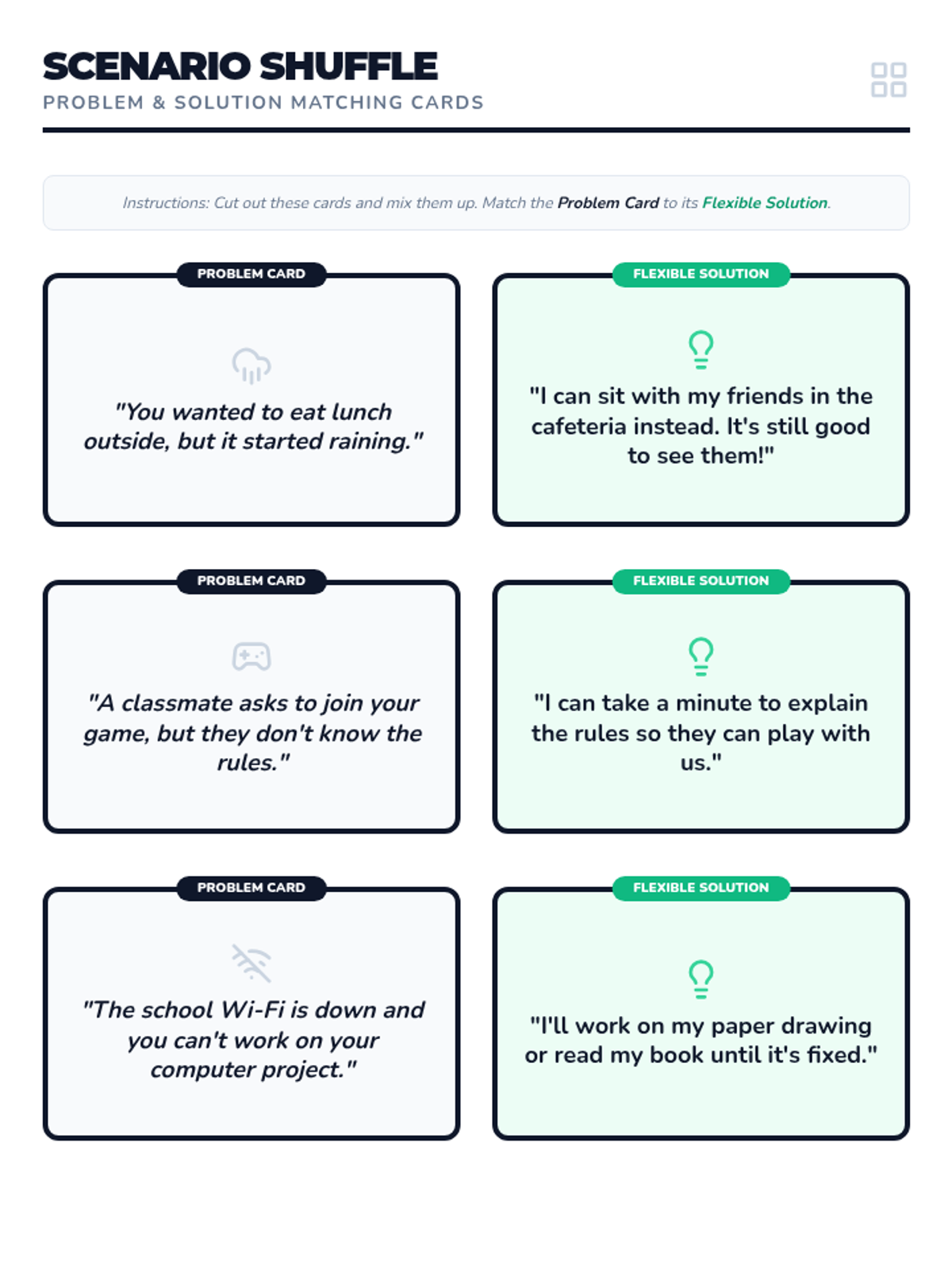
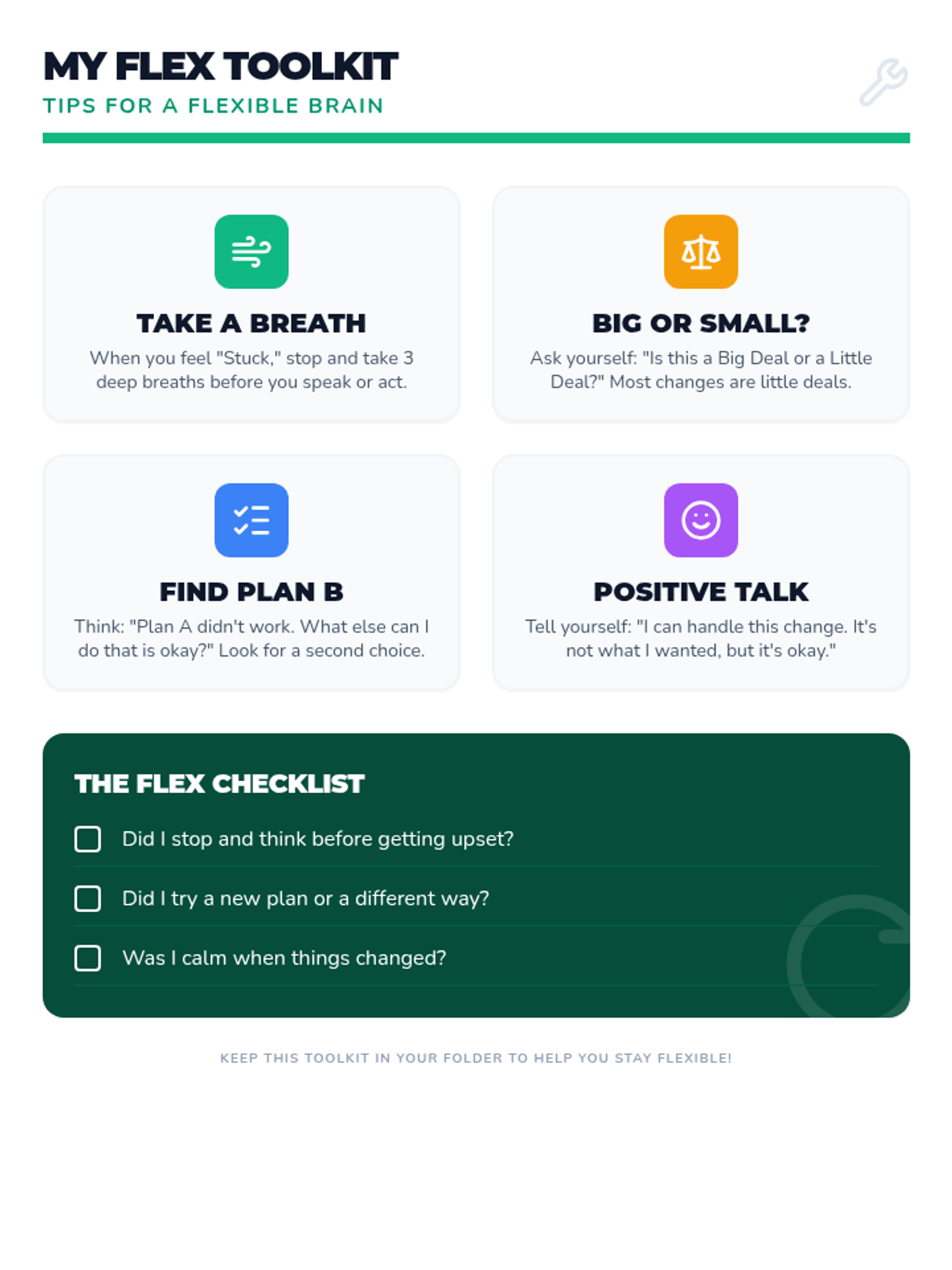
A lesson designed for high school special education students to distinguish between 'stuck' and 'flexible' thinking patterns. Students will learn strategies to adapt to changes and social challenges through interactive slides and hands-on sorting activities.
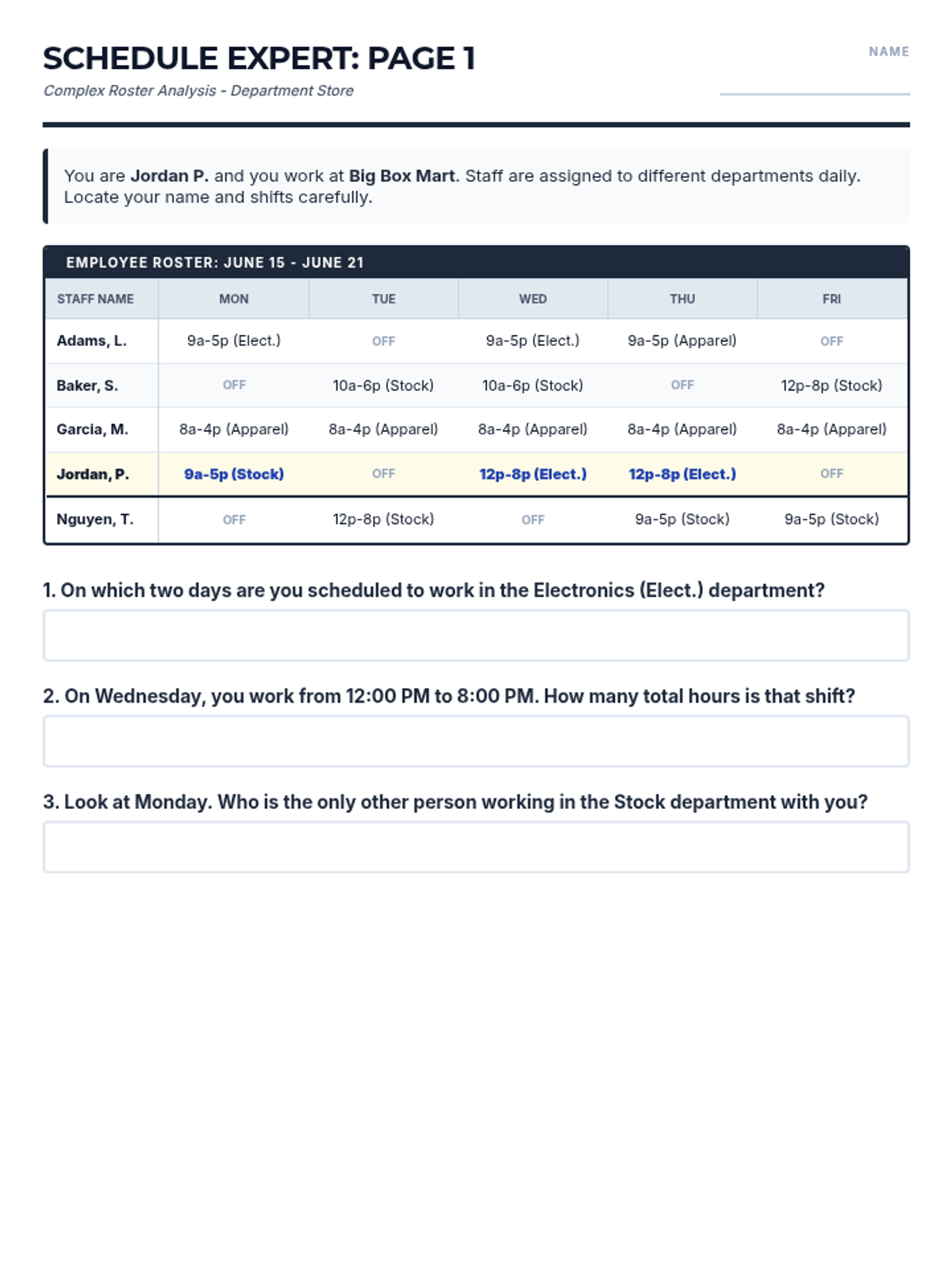
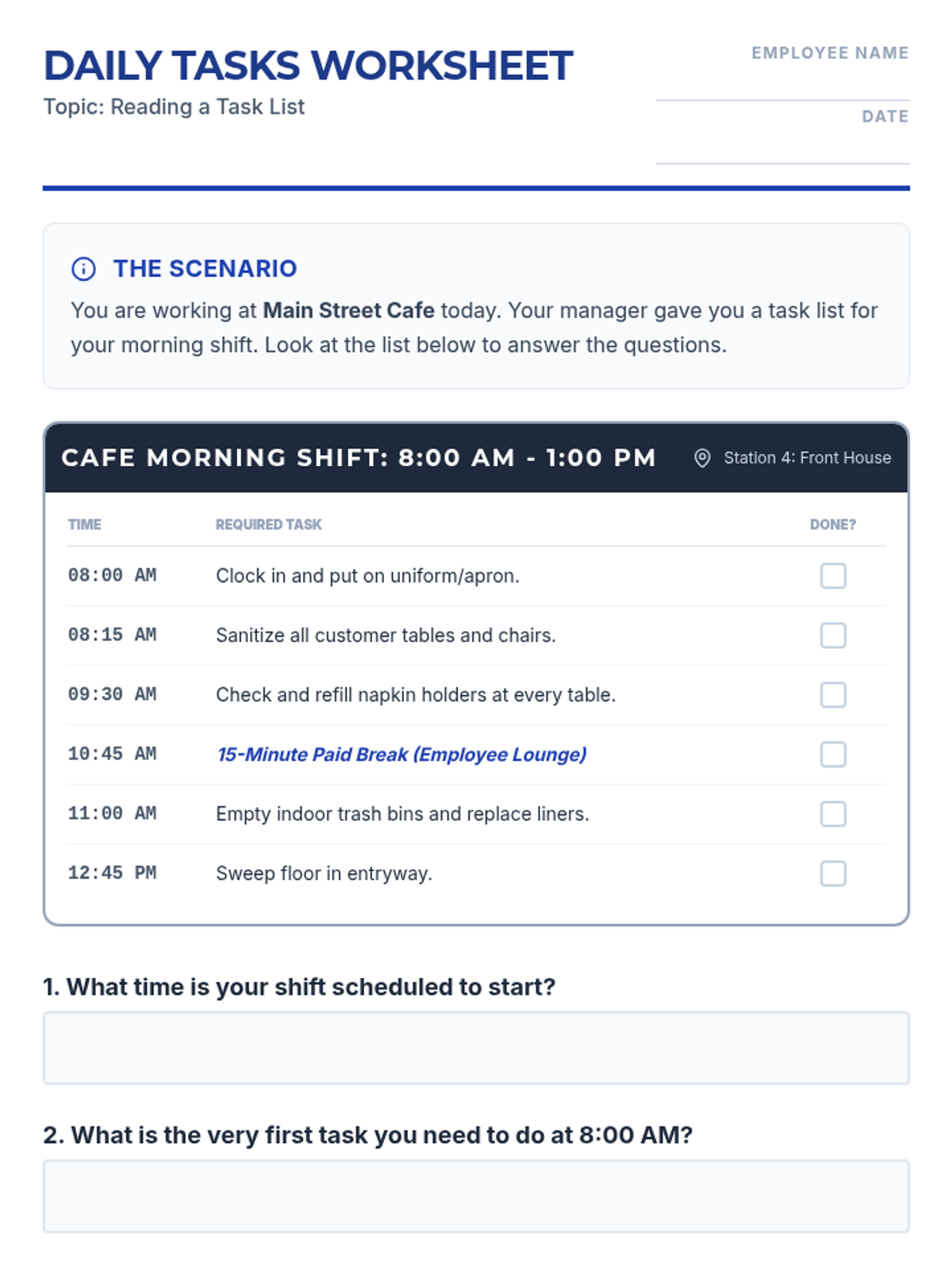
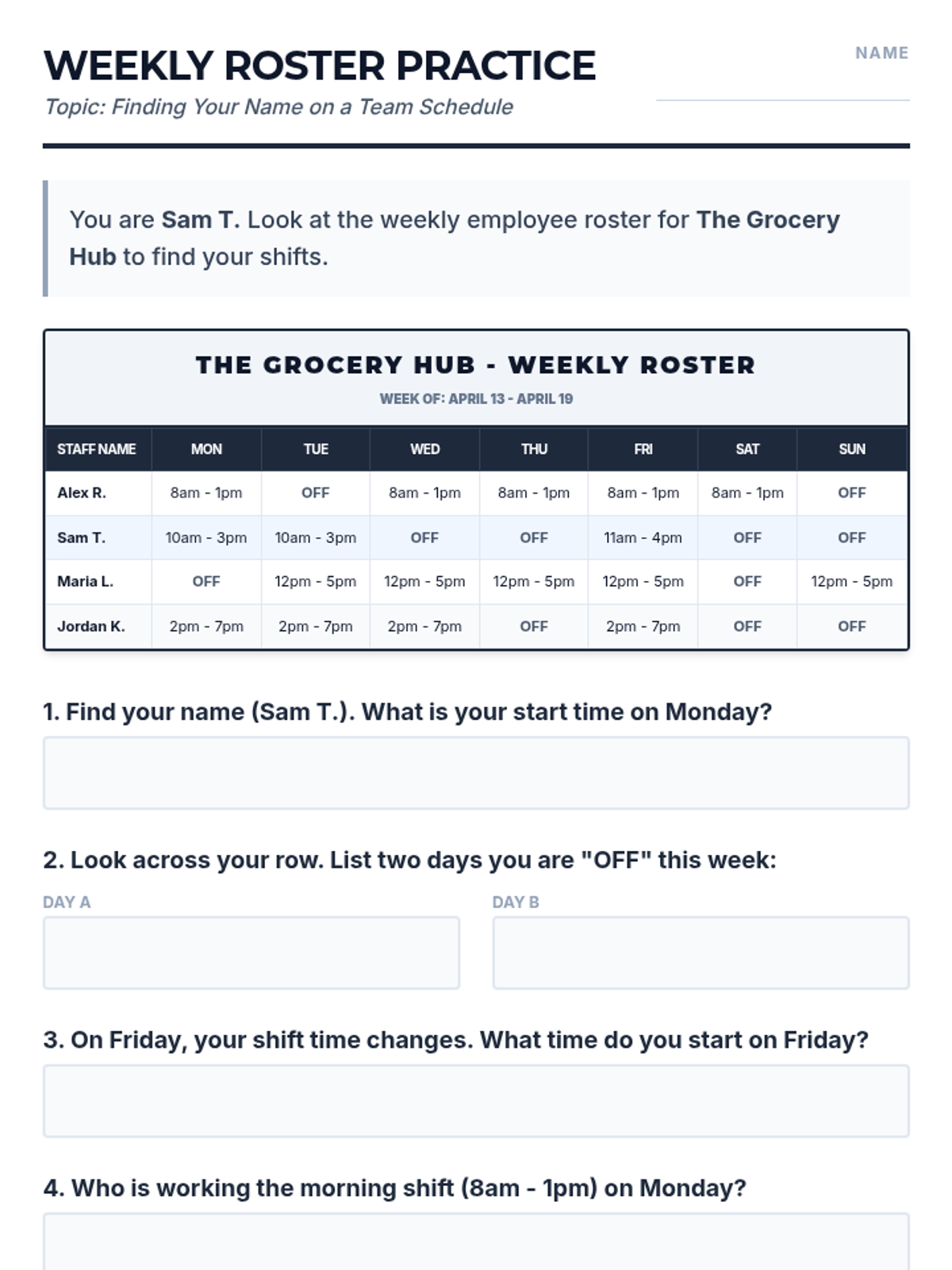
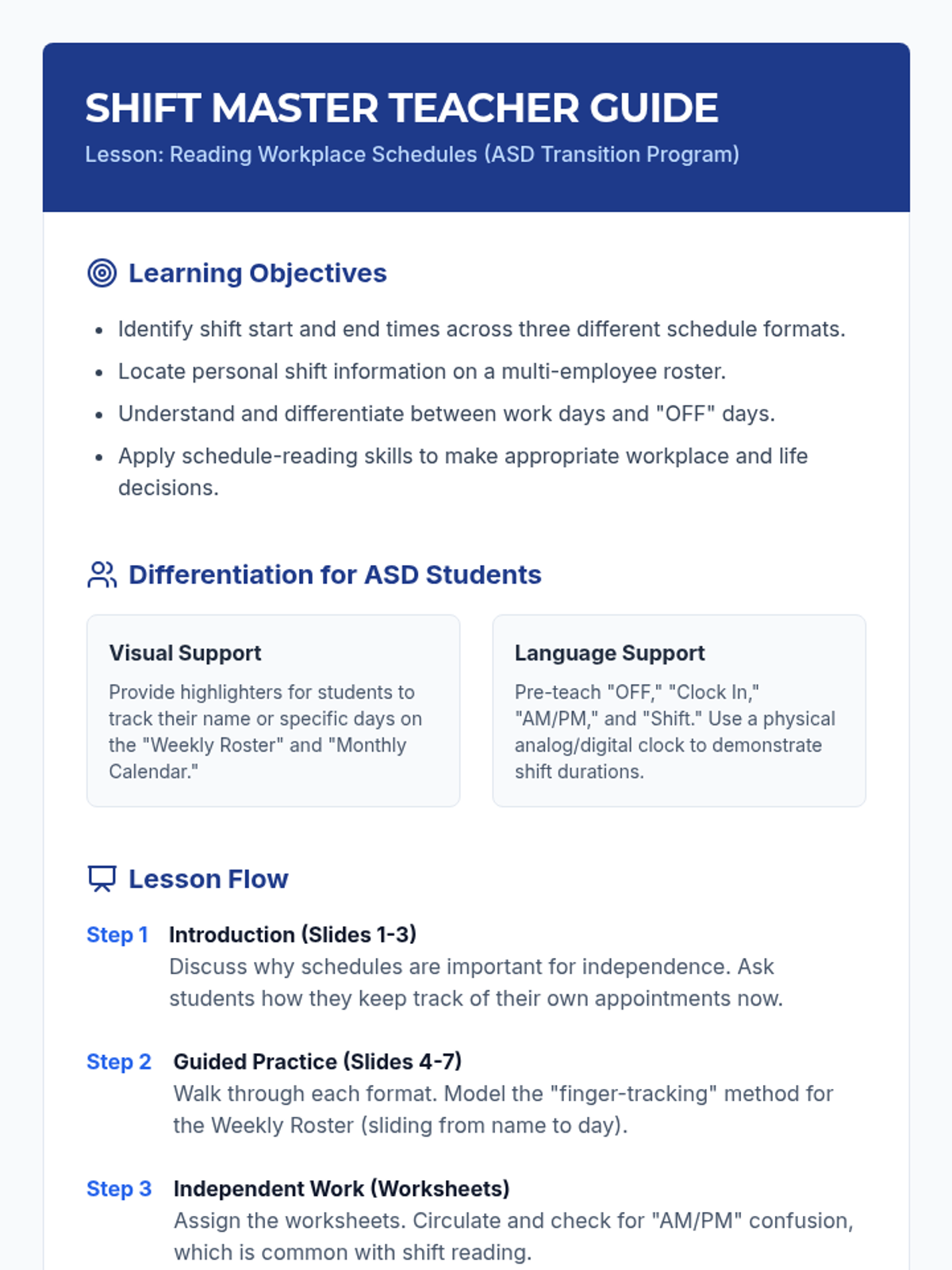
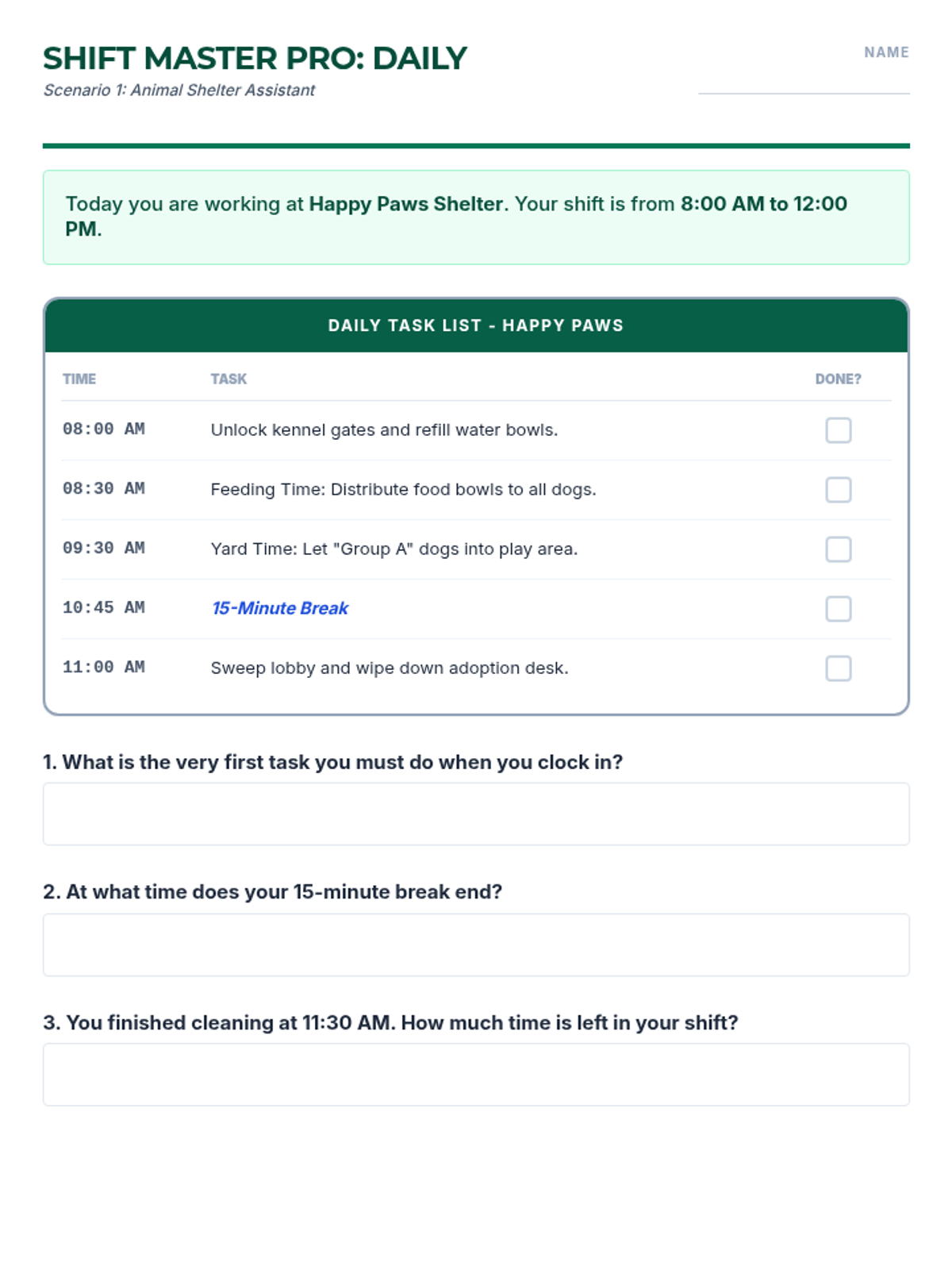
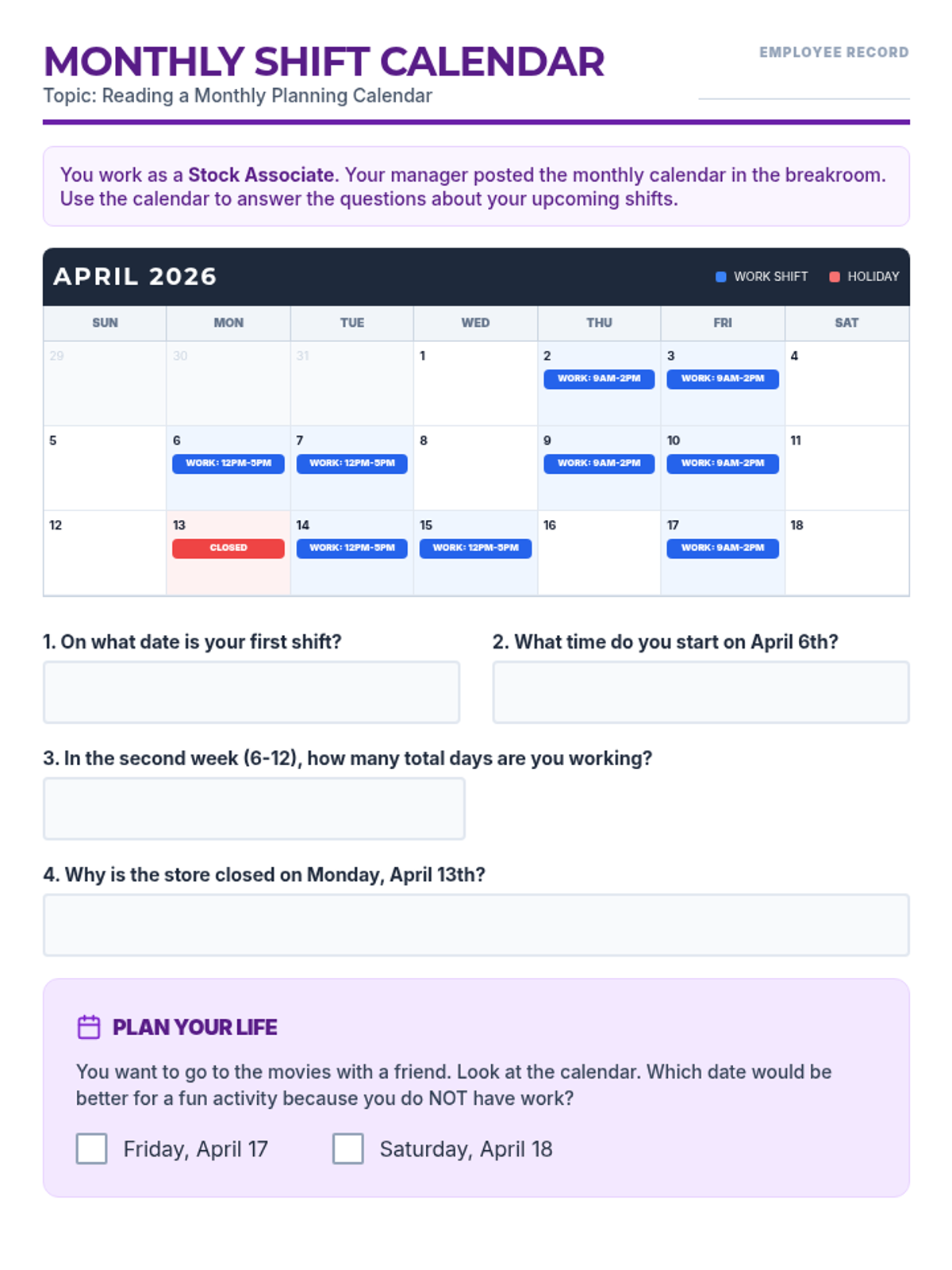
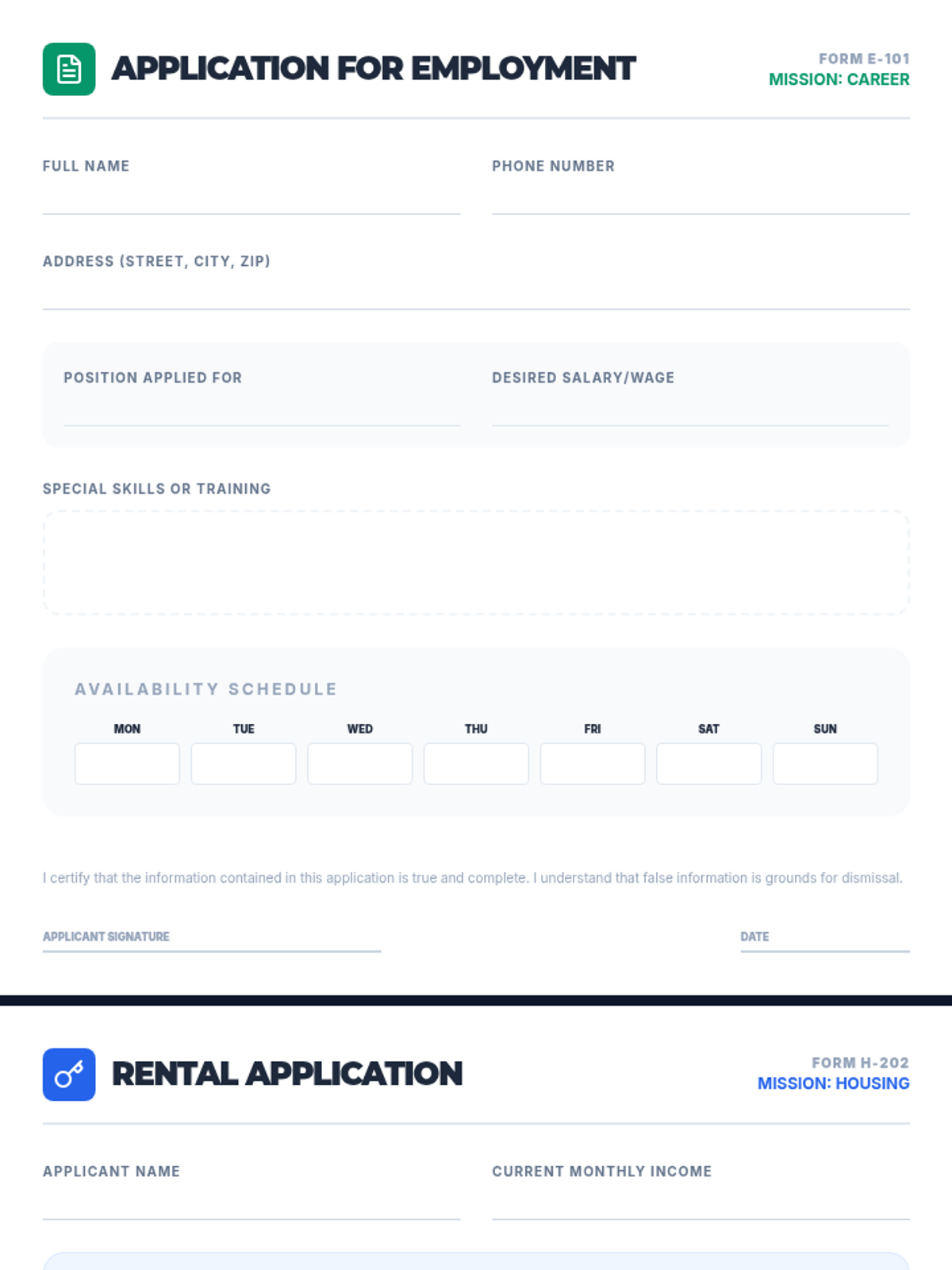
A comprehensive lesson for transition-age students to master reading daily, weekly, and monthly work schedules through realistic workplace scenarios.
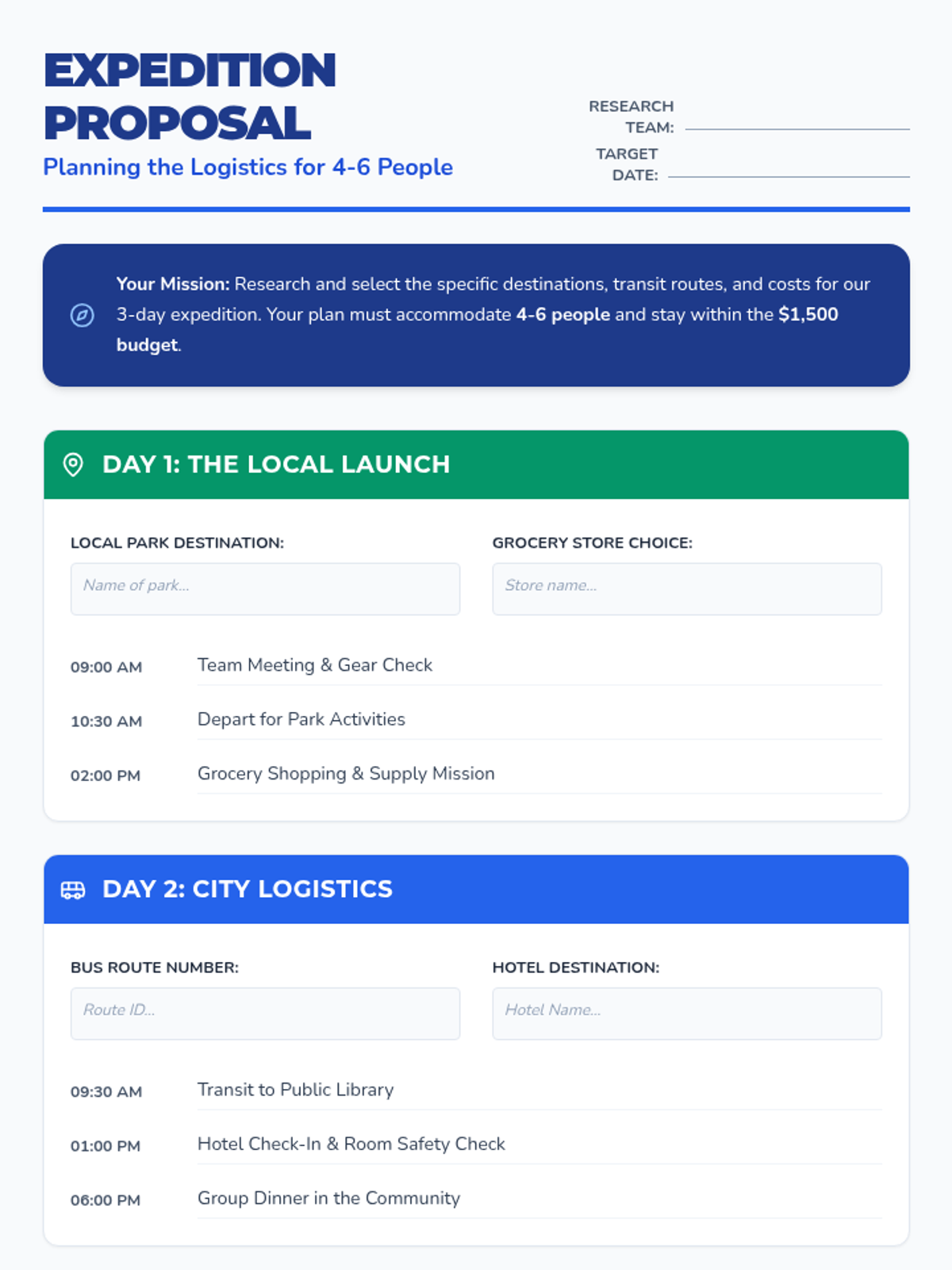
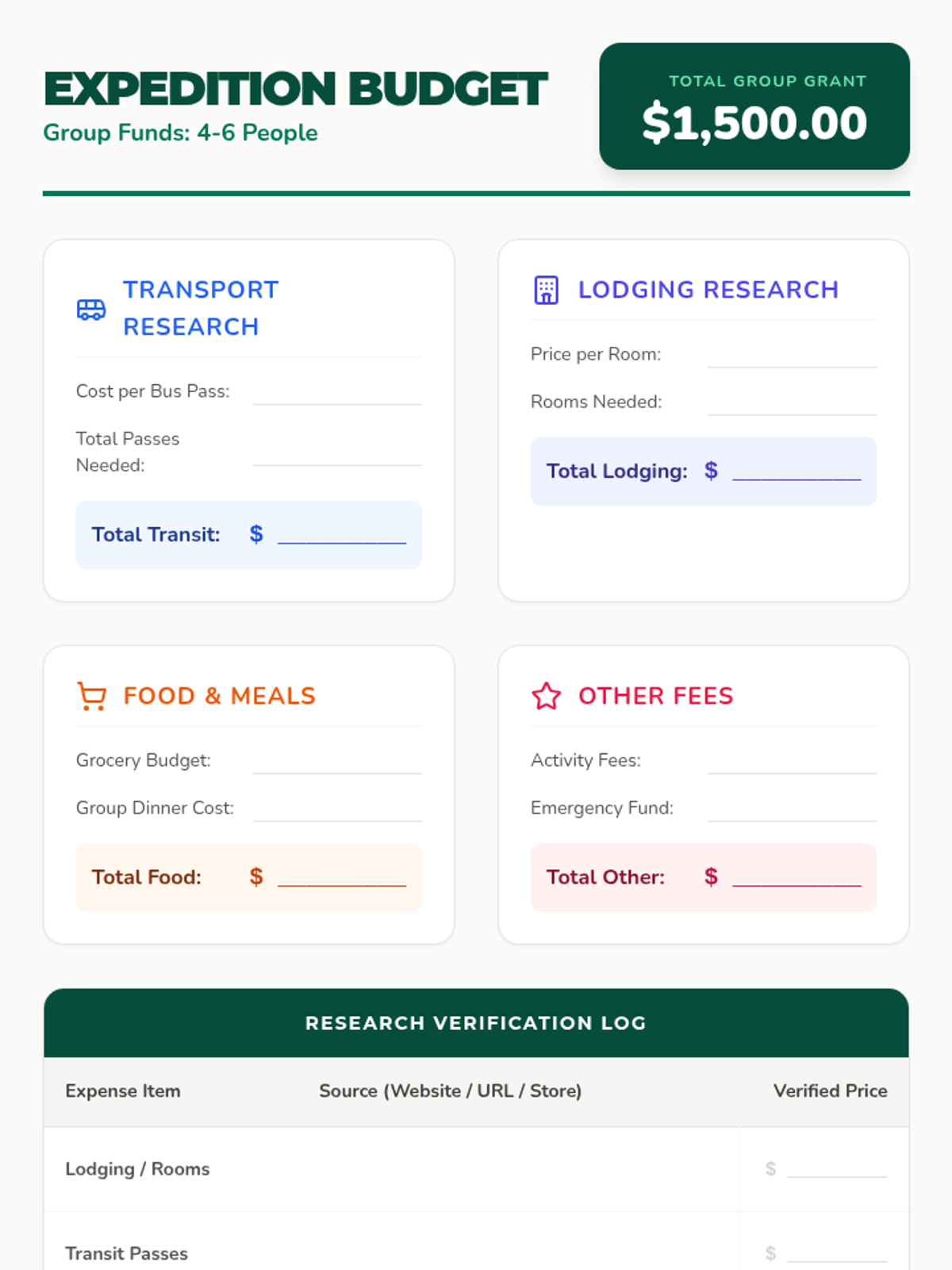
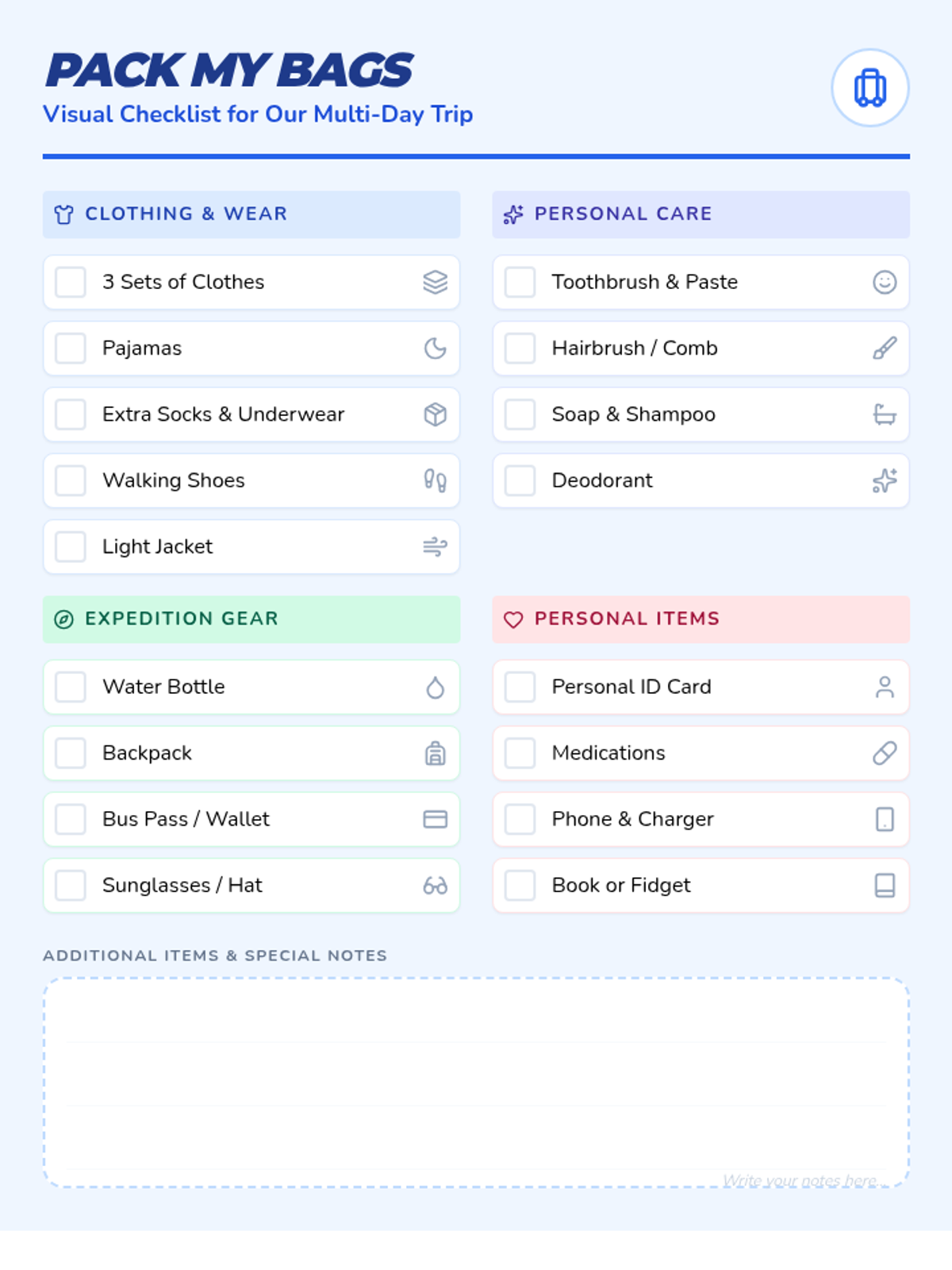
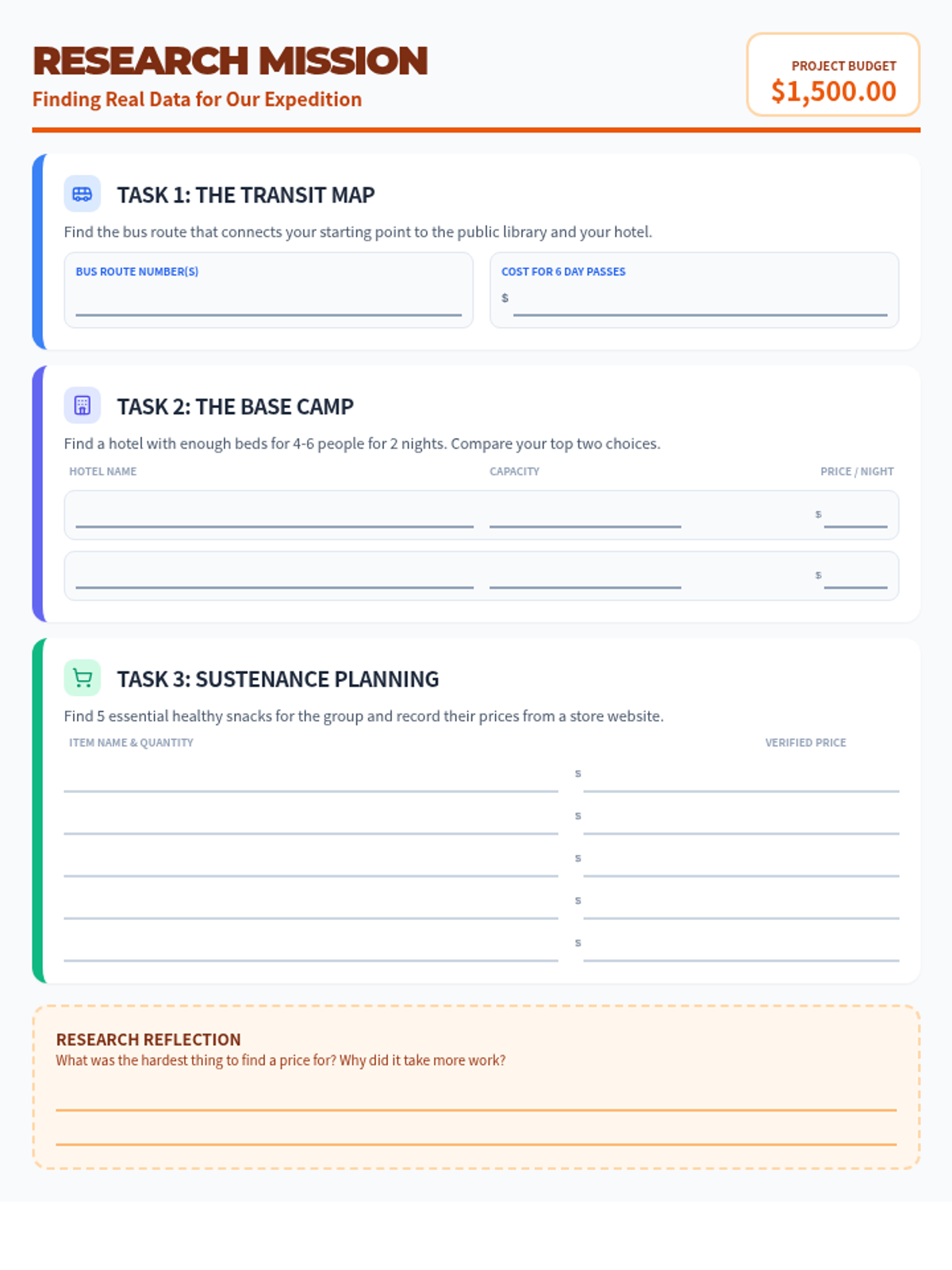
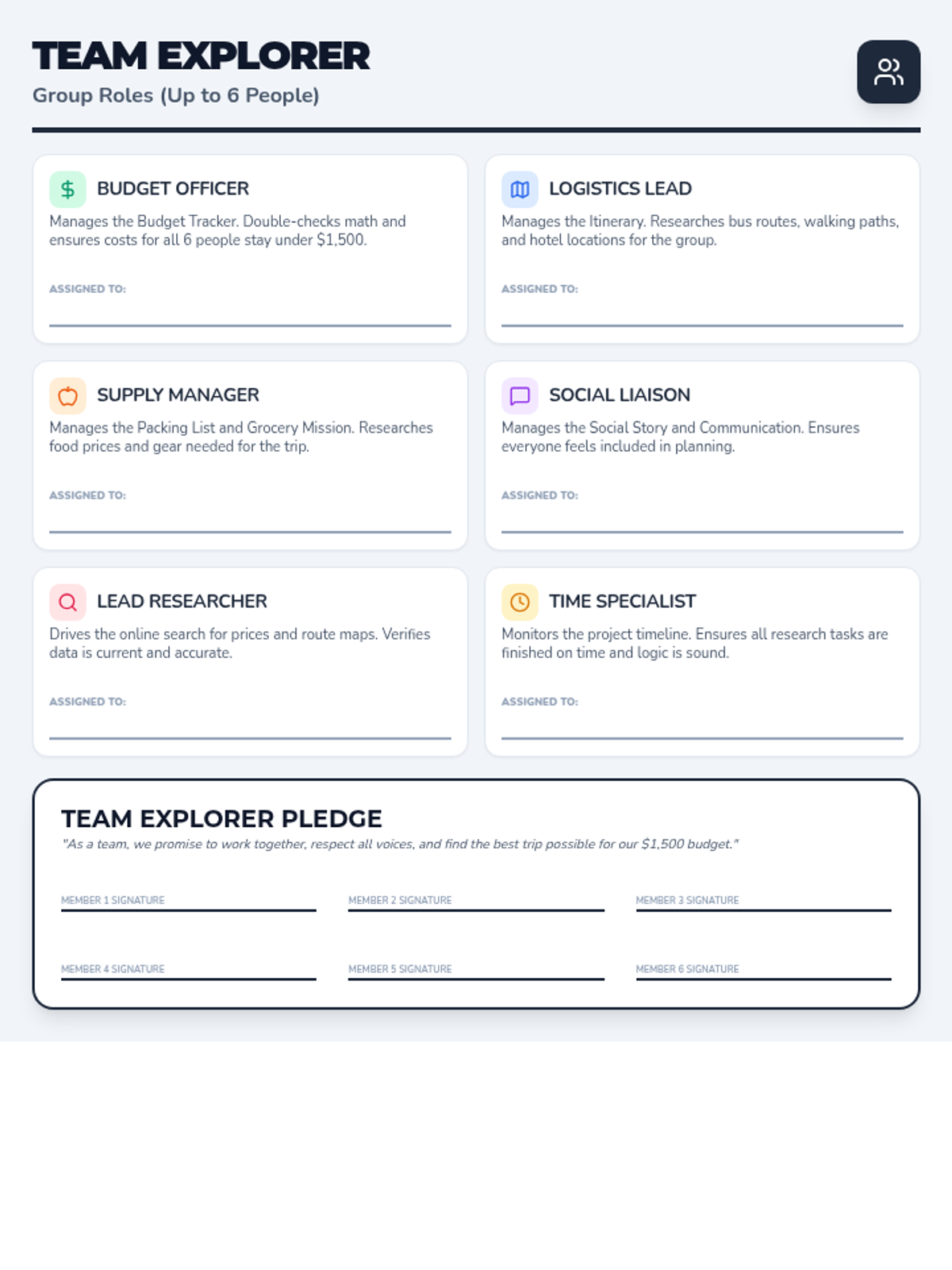
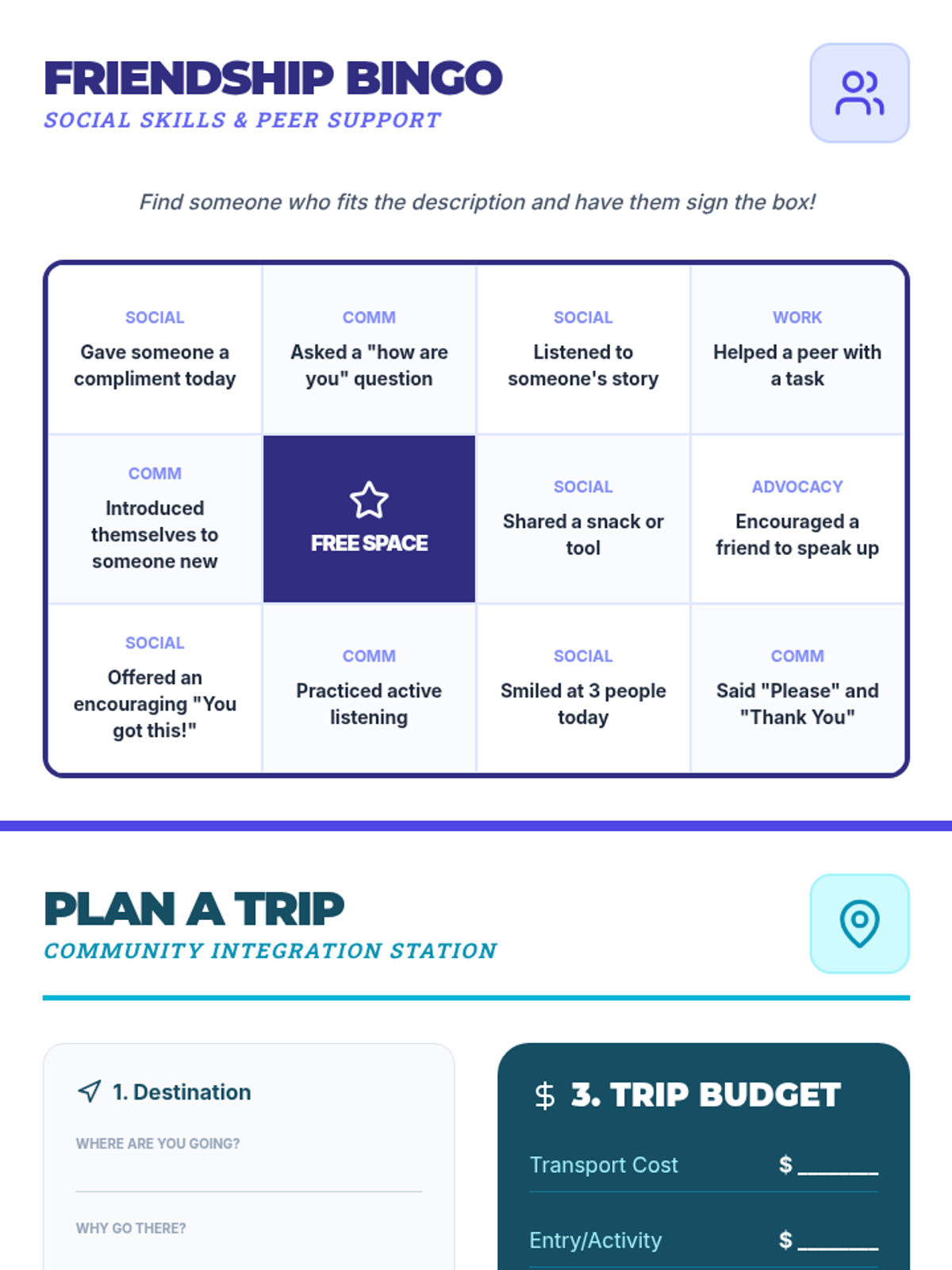
A comprehensive set of tools for planning and executing a multi-destination community trip, focusing on life skills, budgeting, and social expectations.
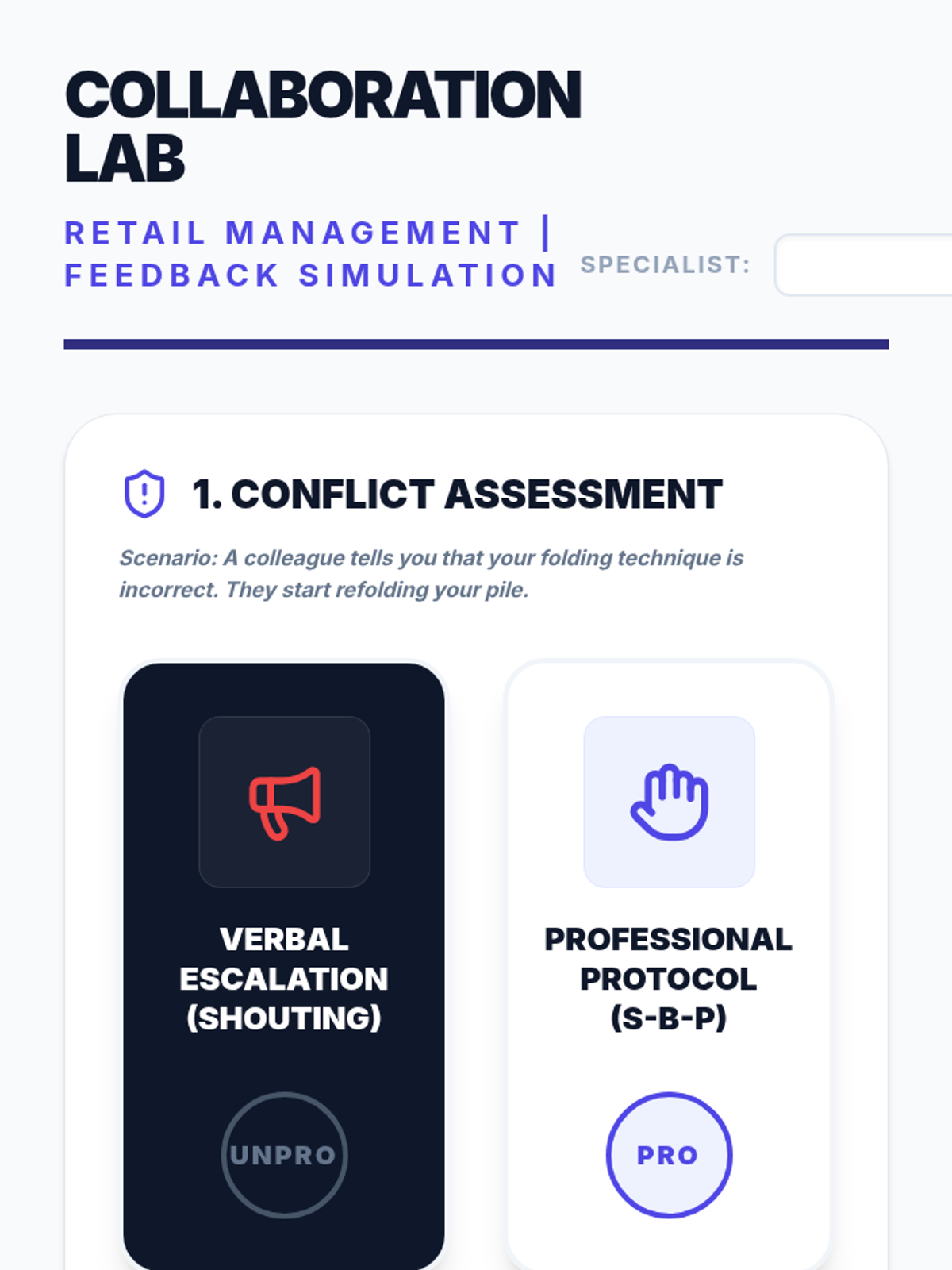
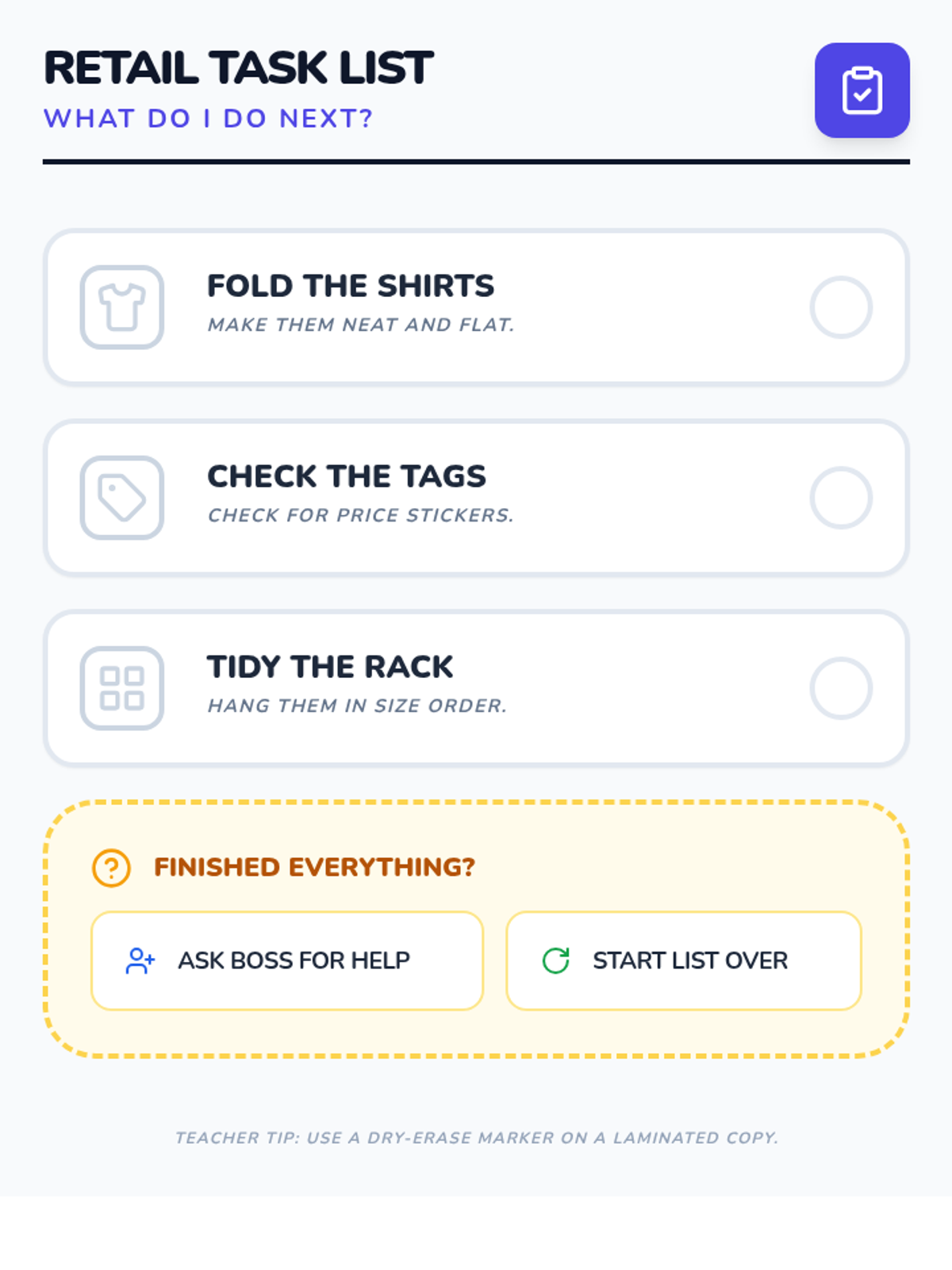
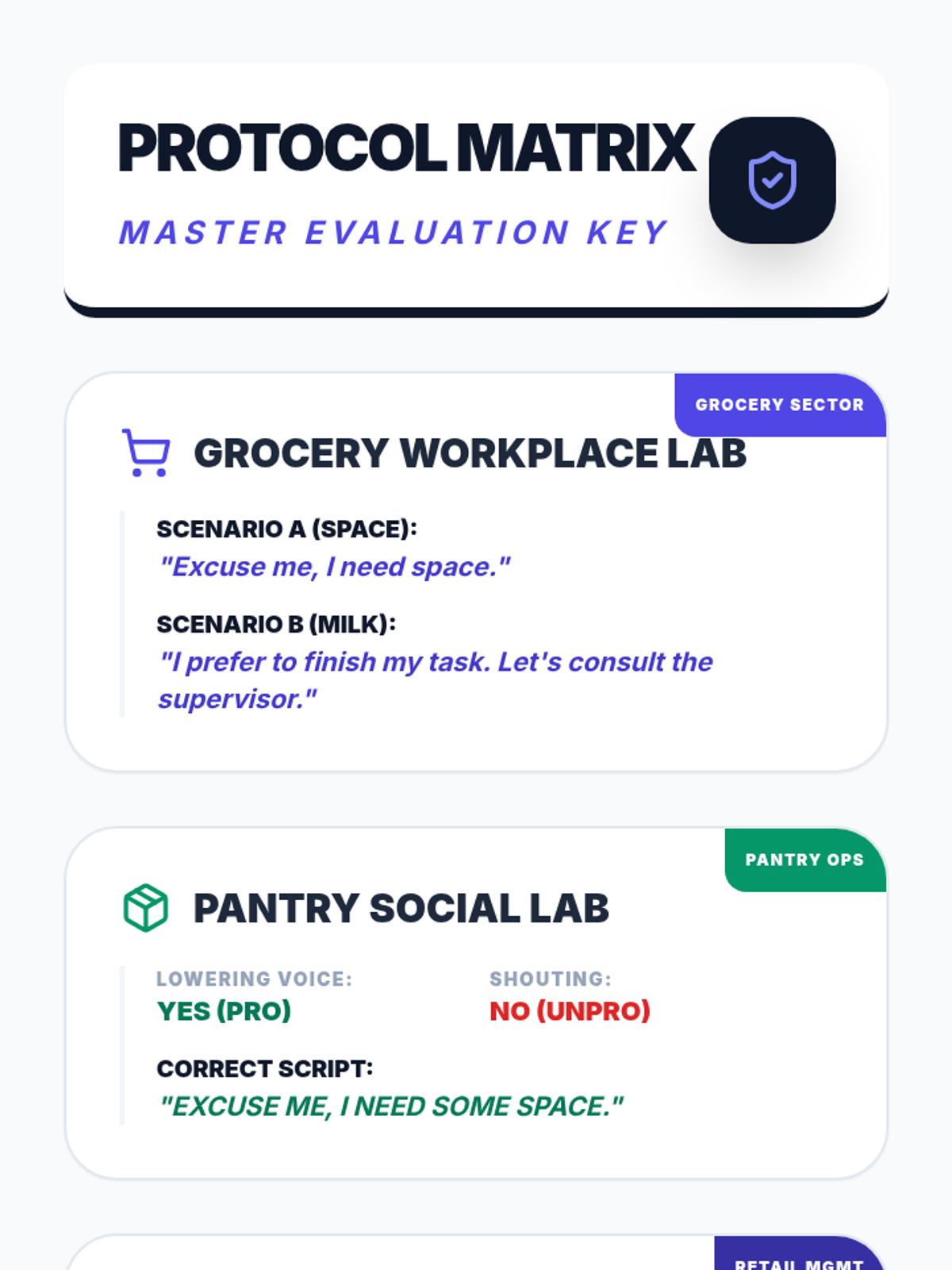
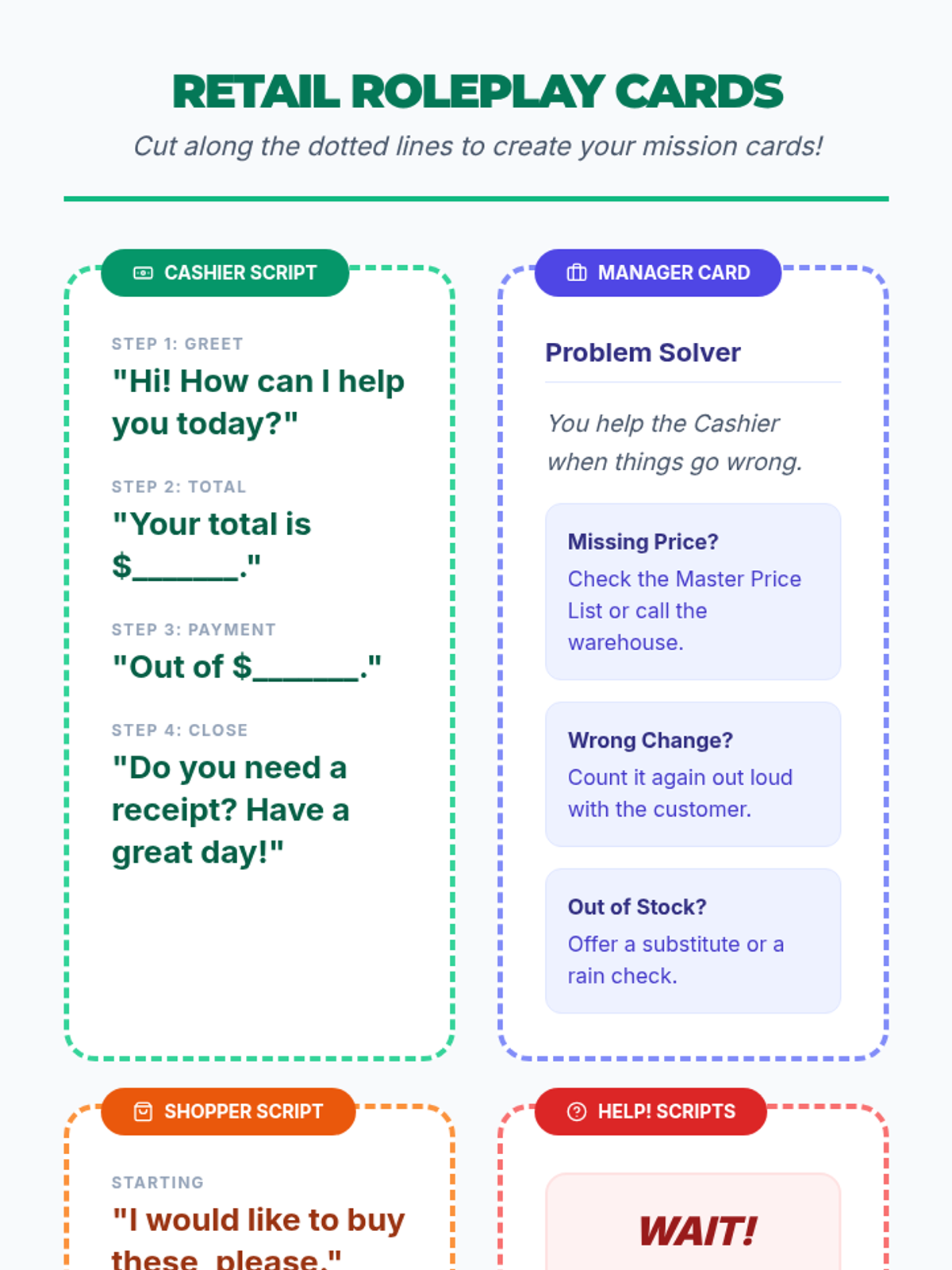
Focuses on managing customer-facing conflicts and changes in tasks within a department store setting.
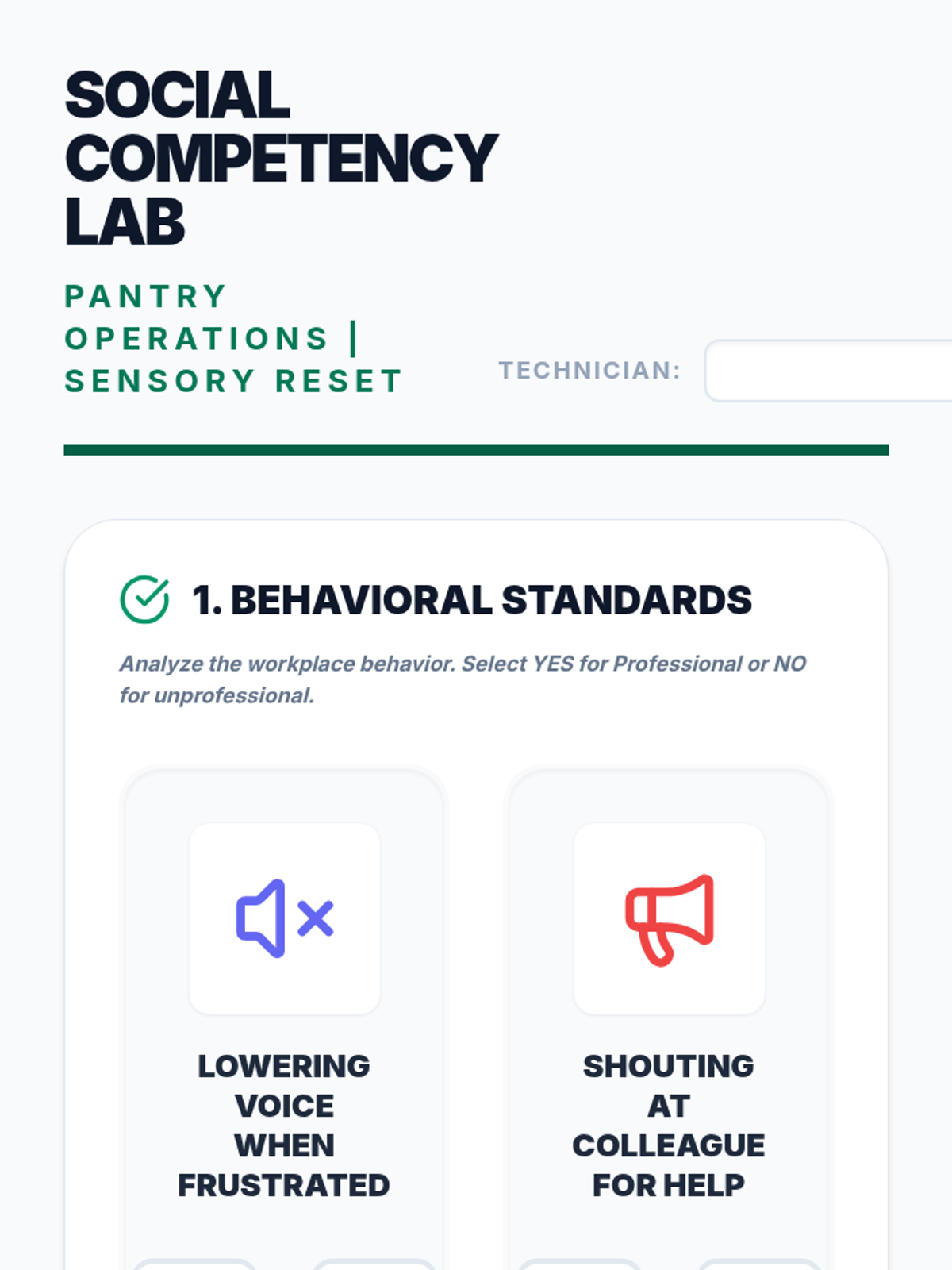
Focuses on navigating interpersonal and task-based conflicts in a food pantry environment using visual support scripts.
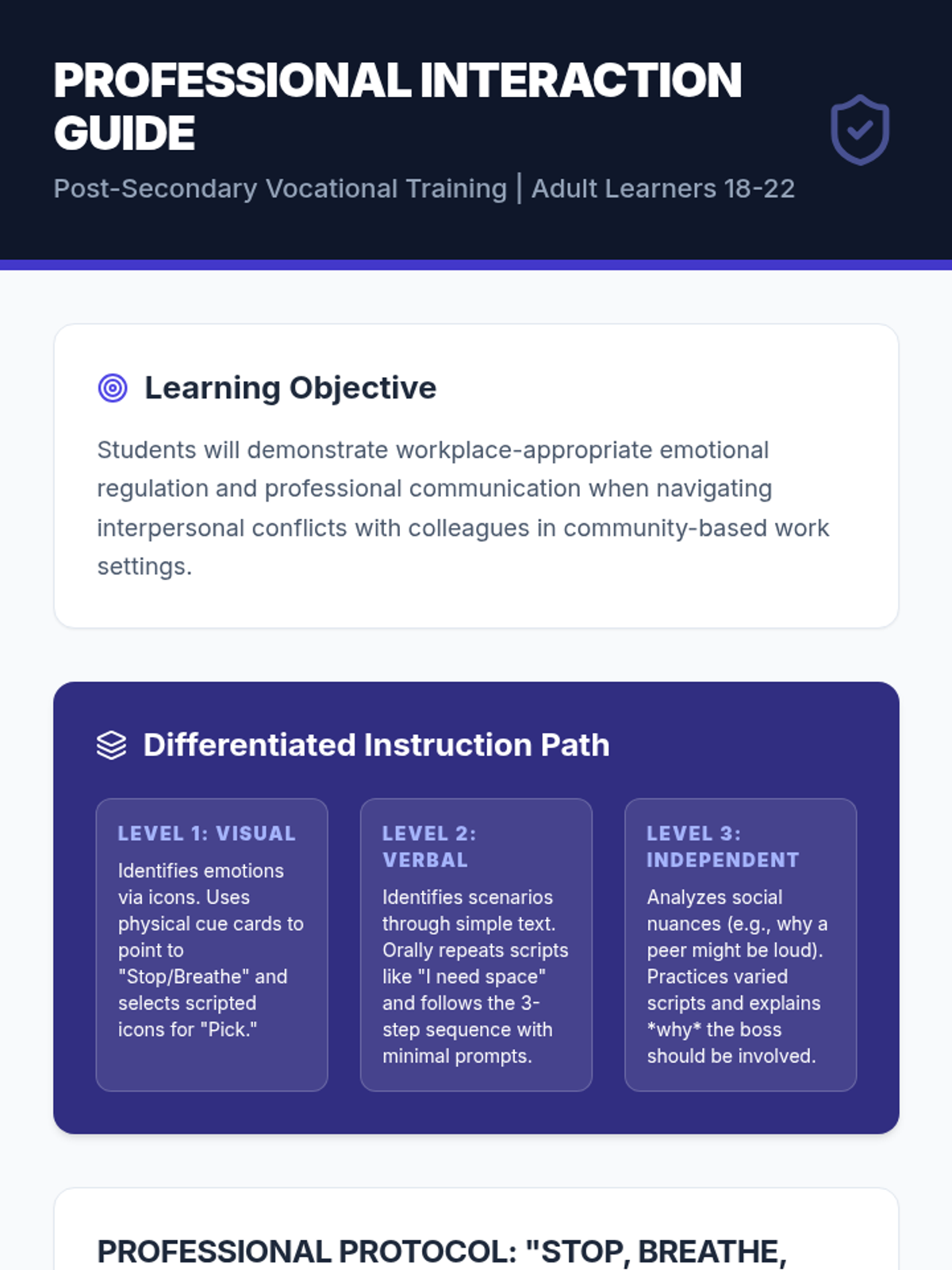
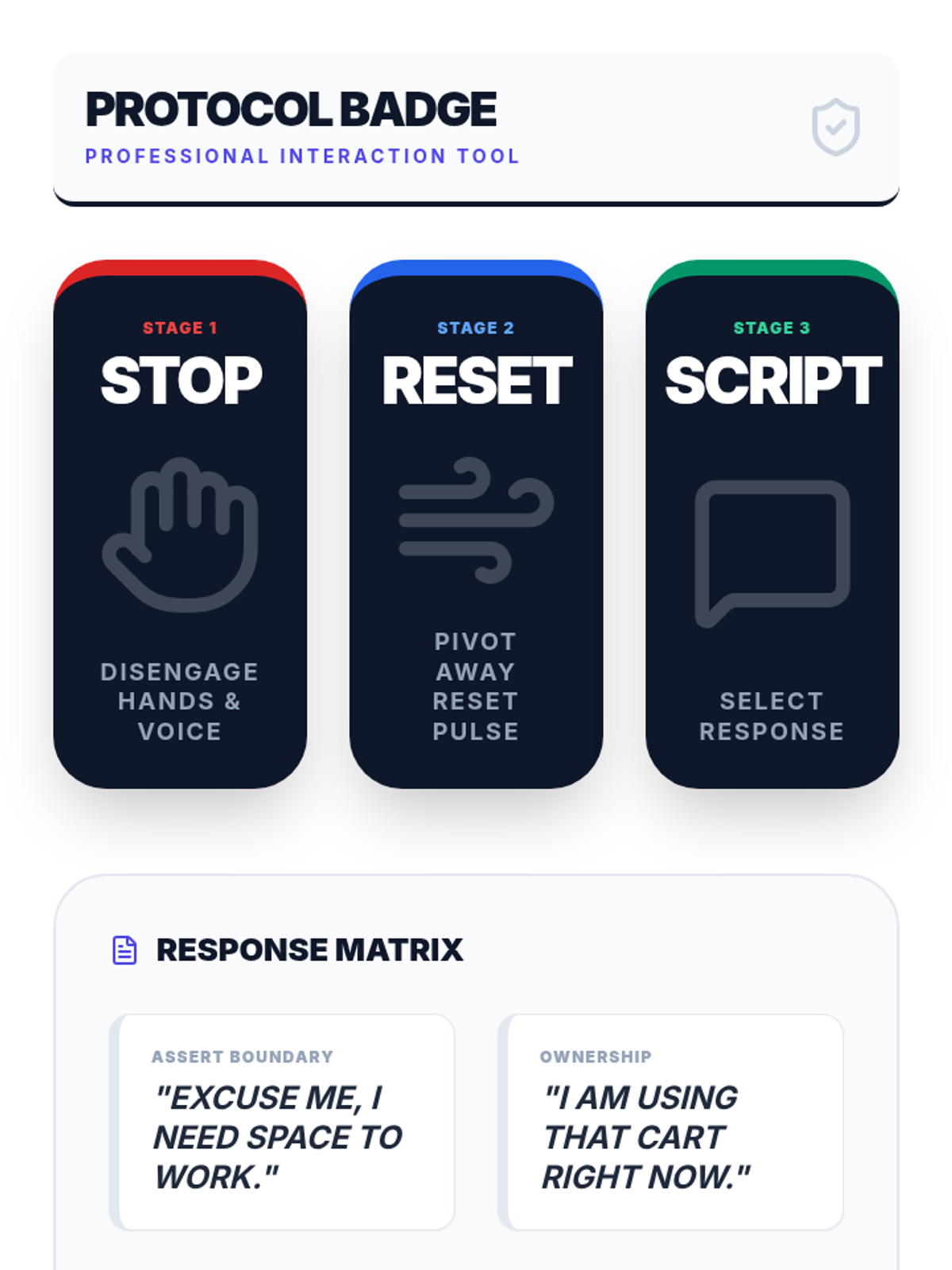
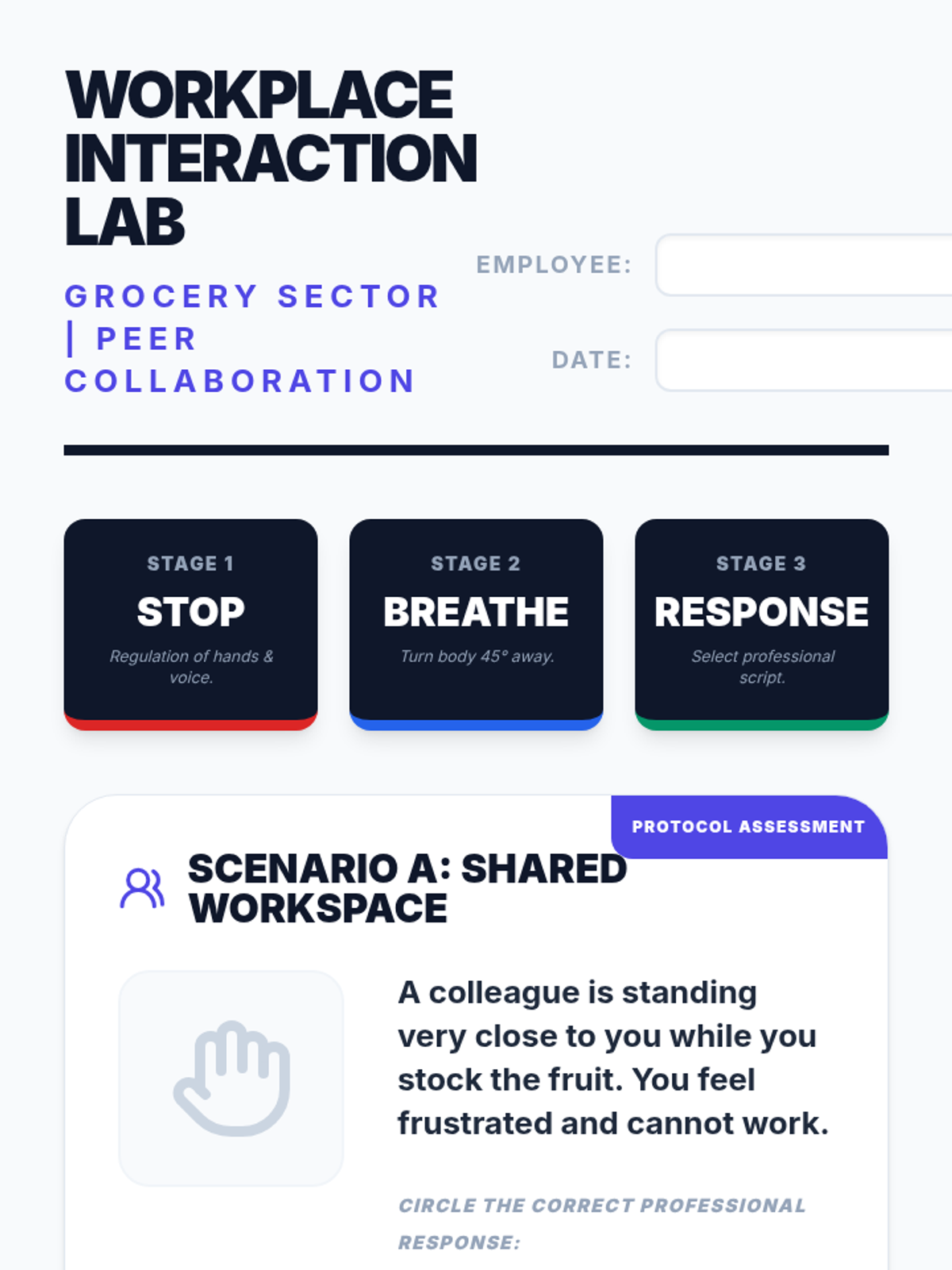
Focuses on identifying workplace conflicts in a grocery store setting and introducing the 'Stop, Breathe, Pick' visual strategy.
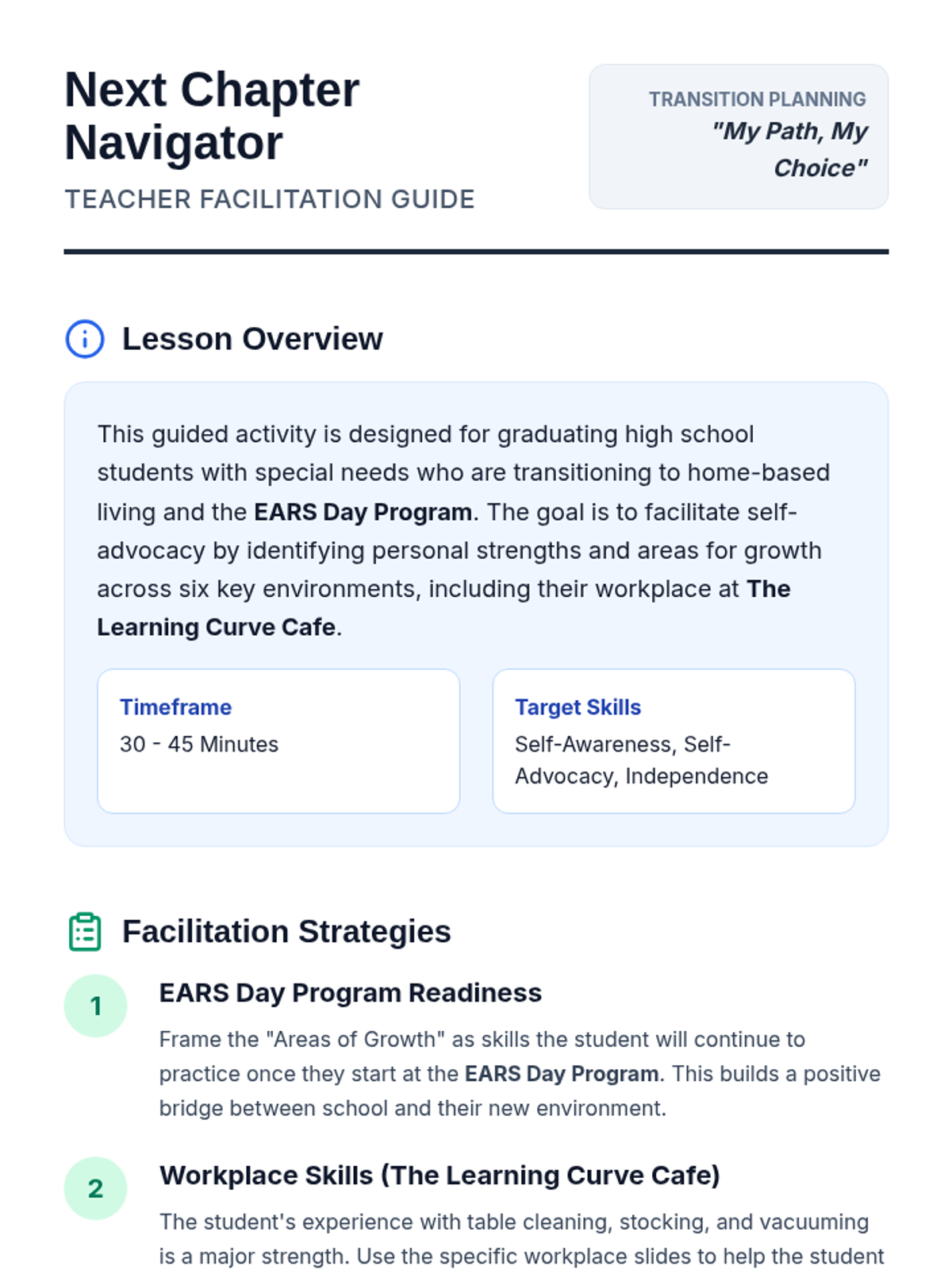
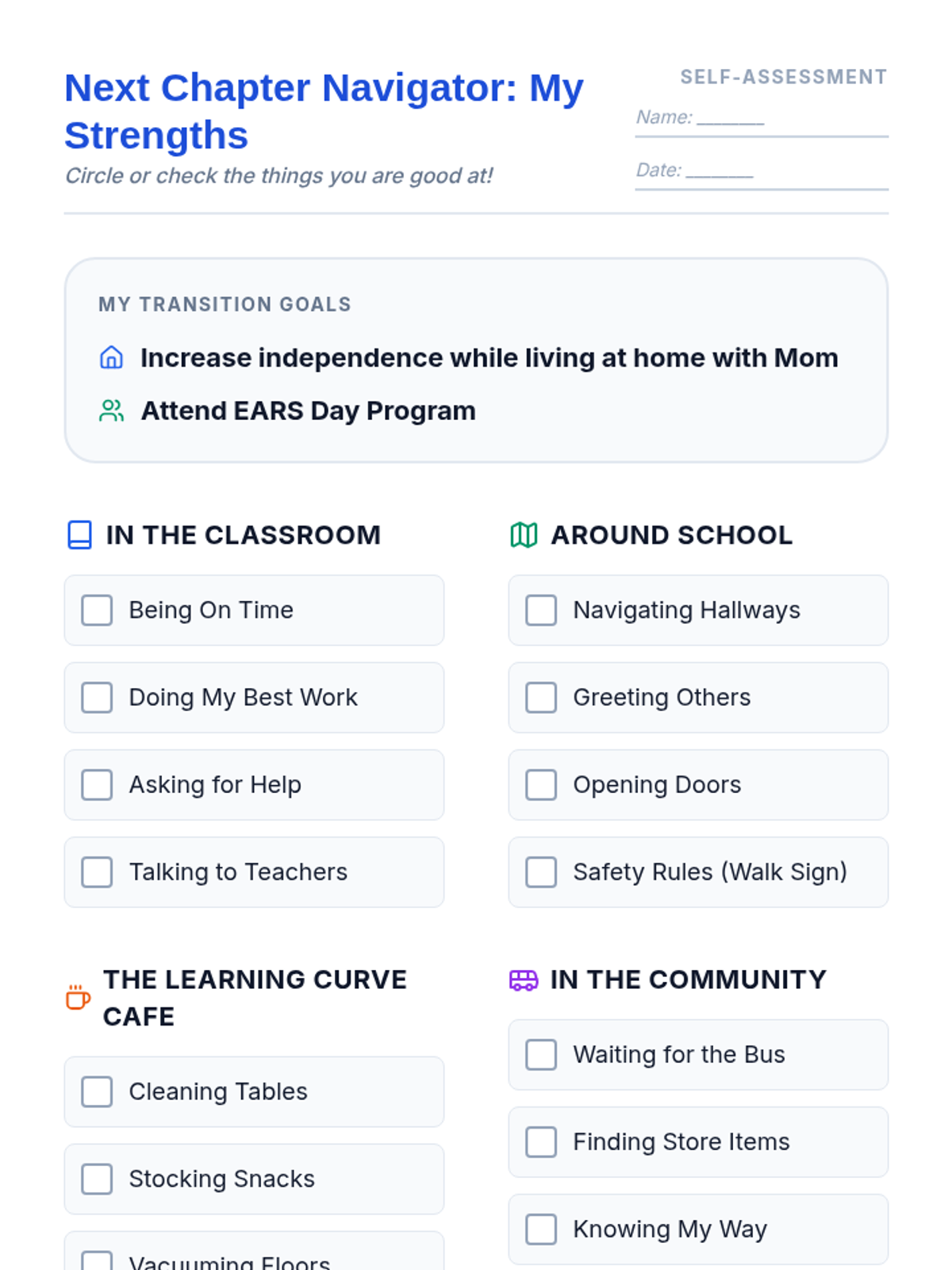
A guided transition planning lesson for graduating students to identify their personal strengths and areas for growth across different environments as they prepare for life at home and in a day program.
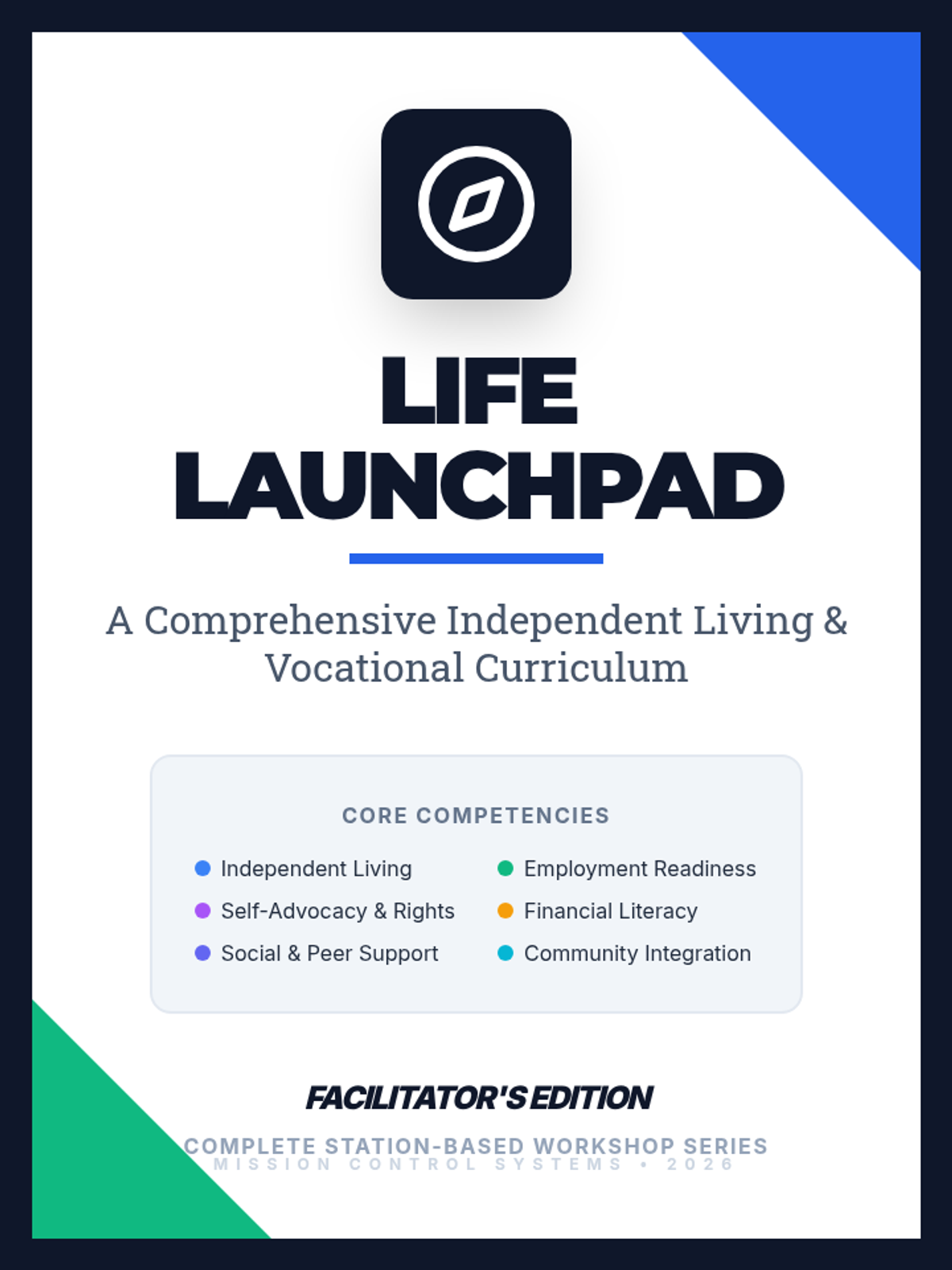
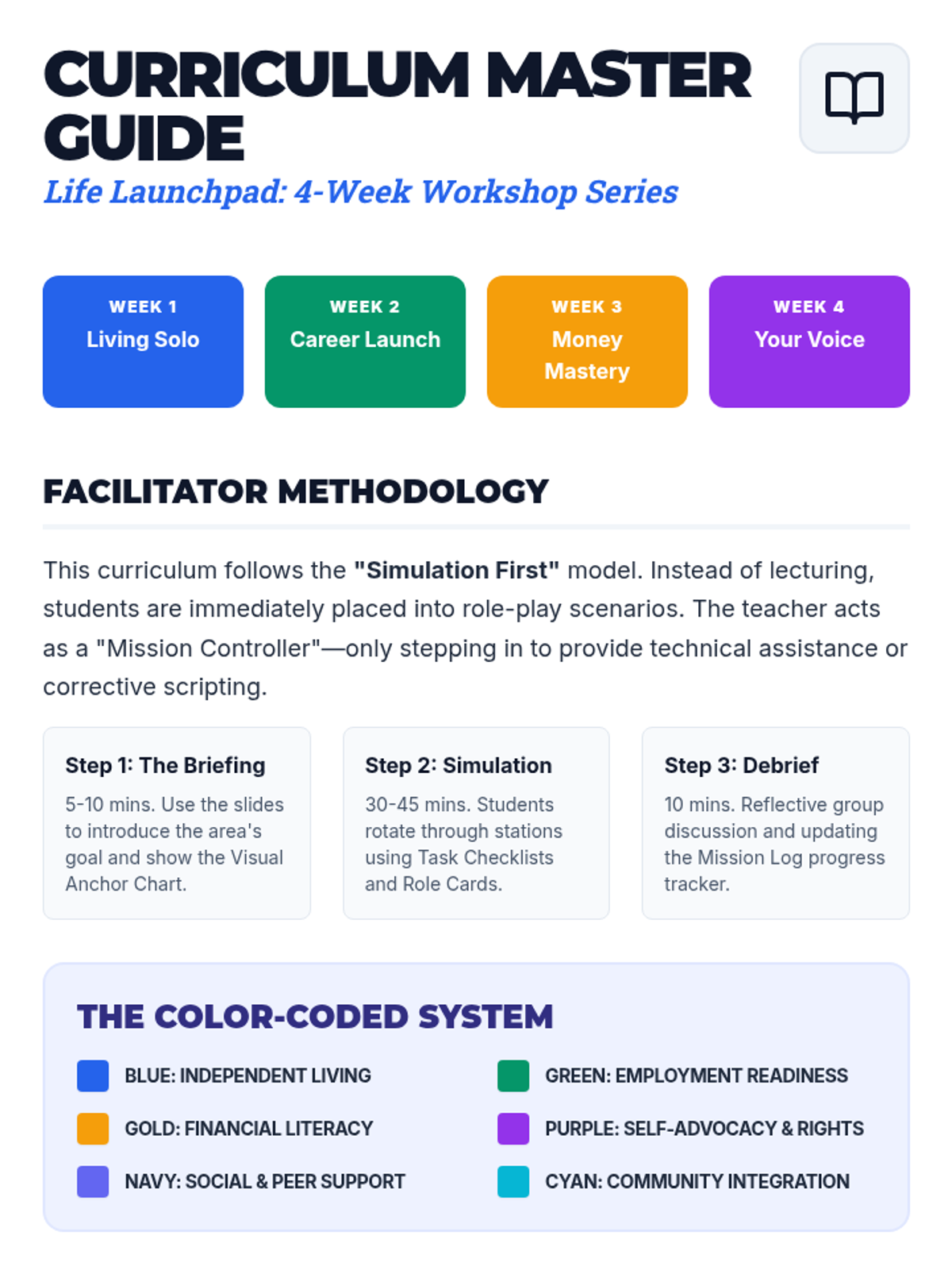
Foundational materials for the Life Skills Launchpad, including binder covers, dividers, and sequence-wide tracking systems.
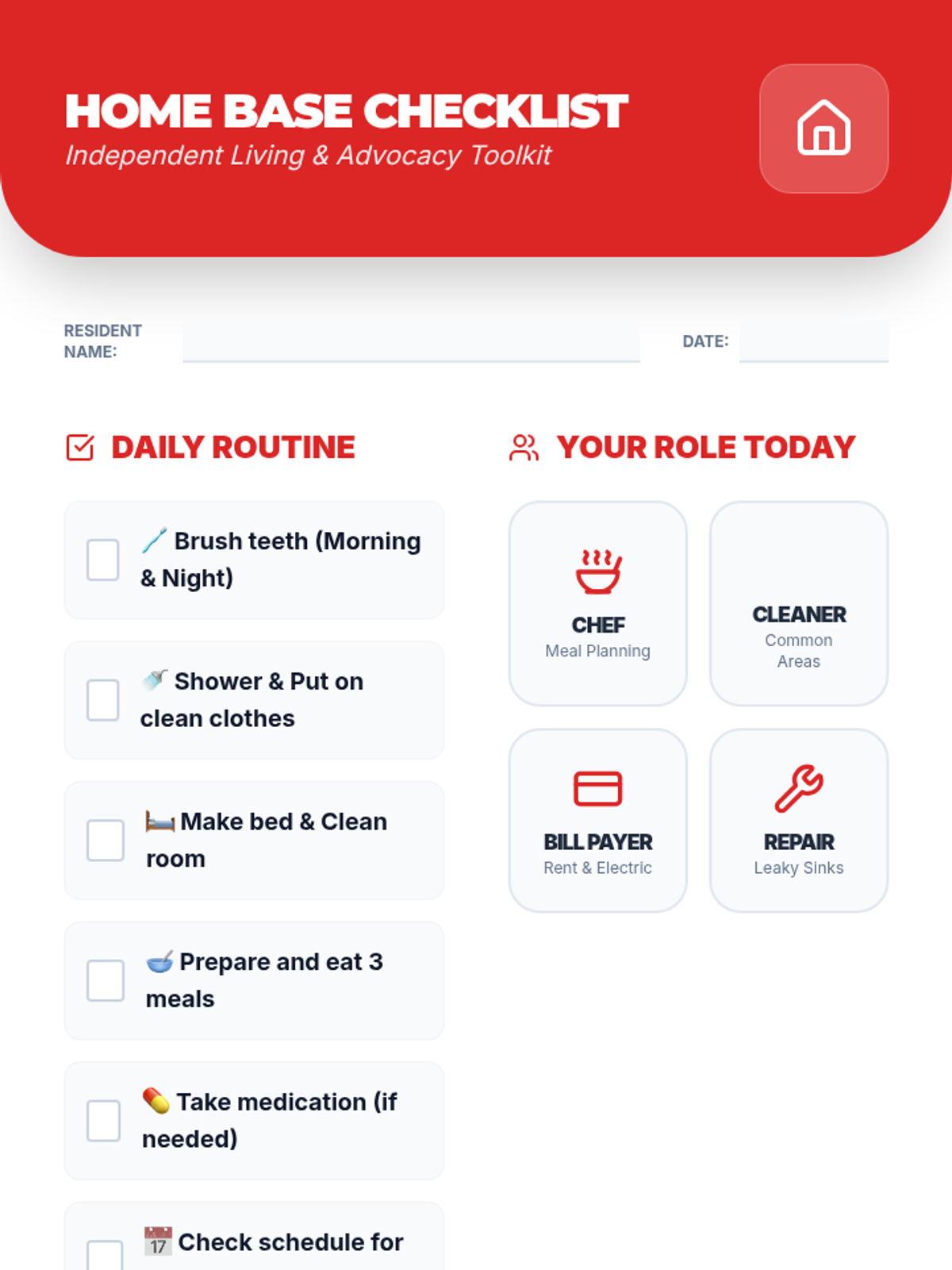
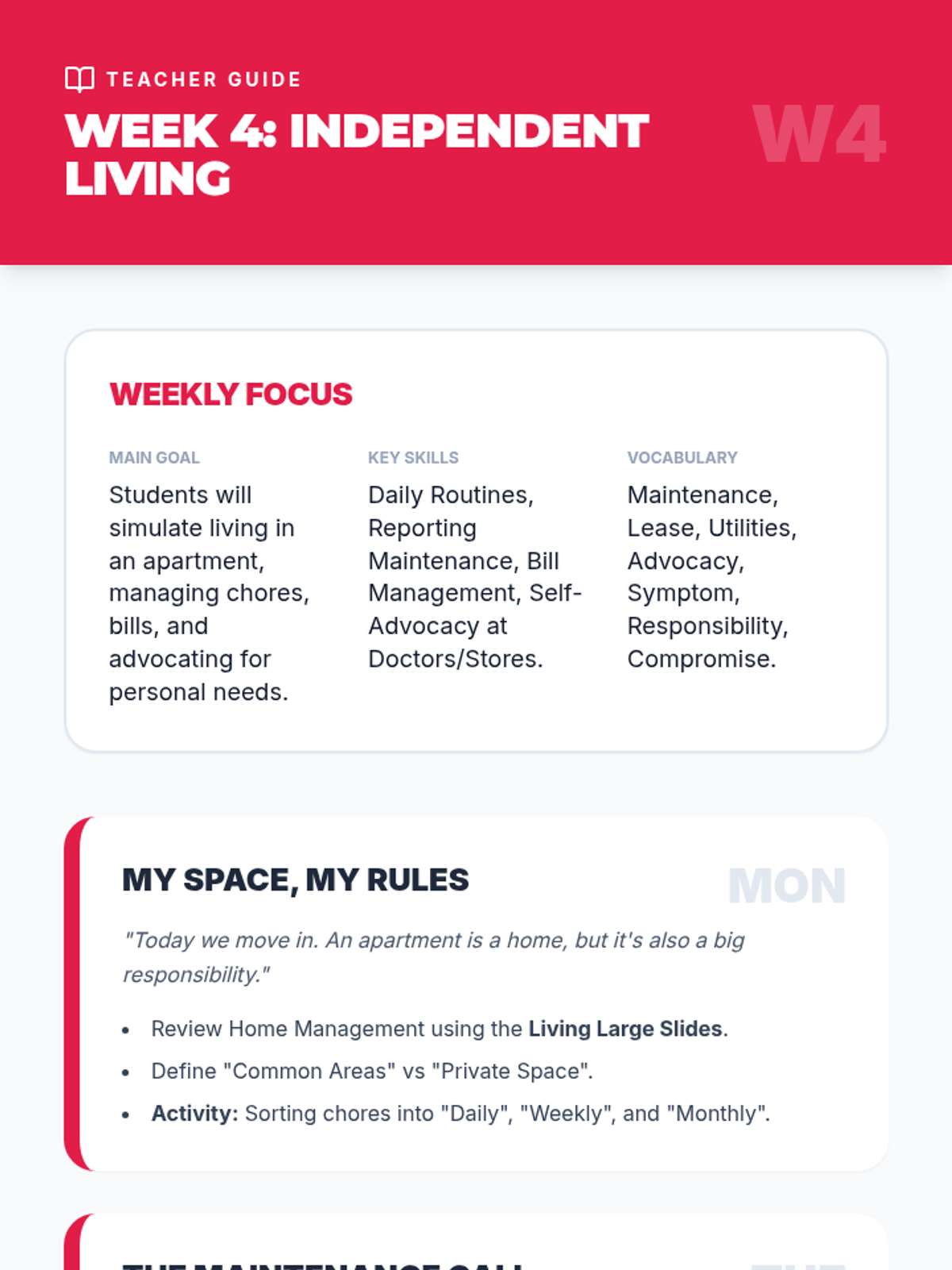
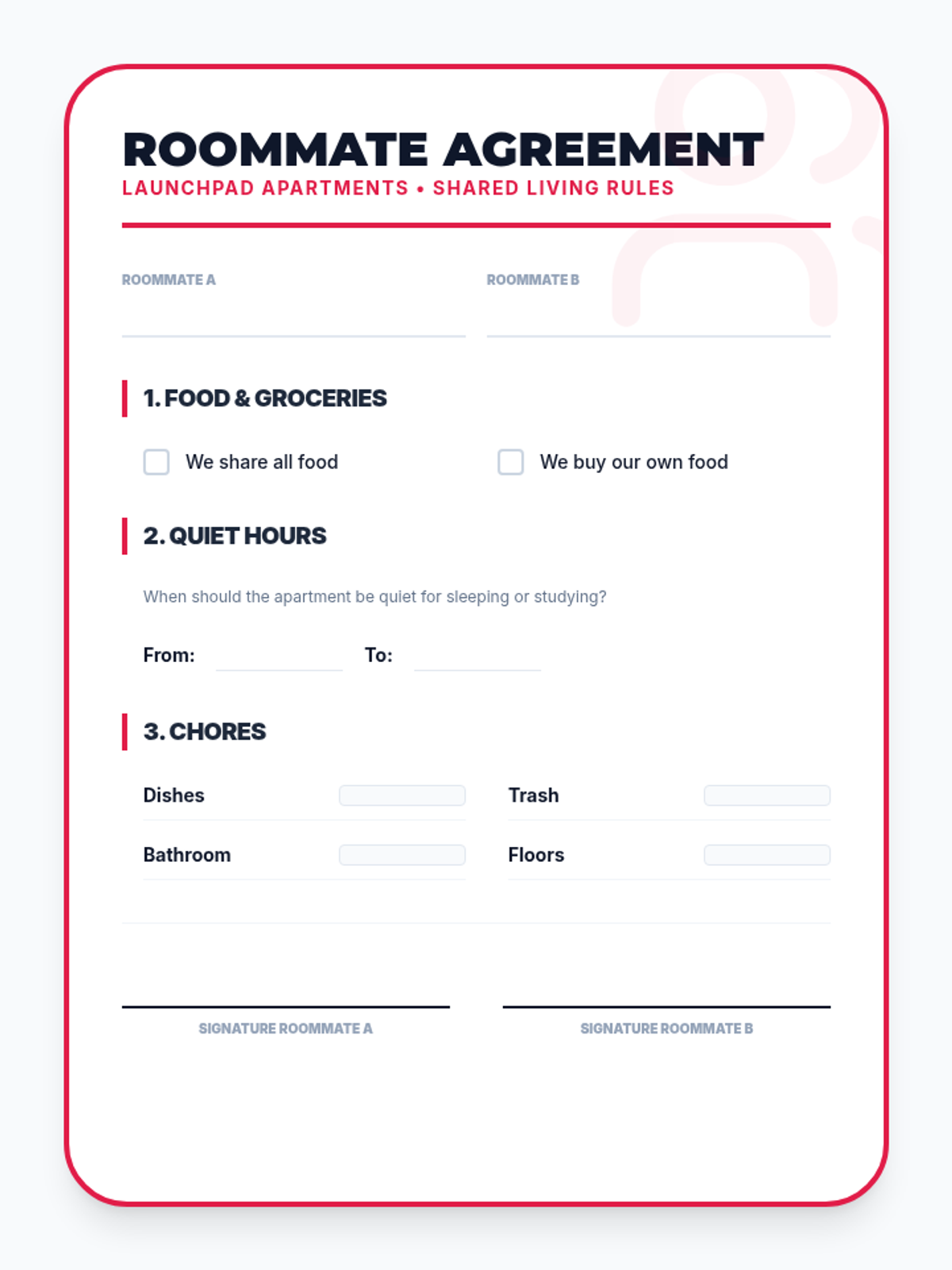
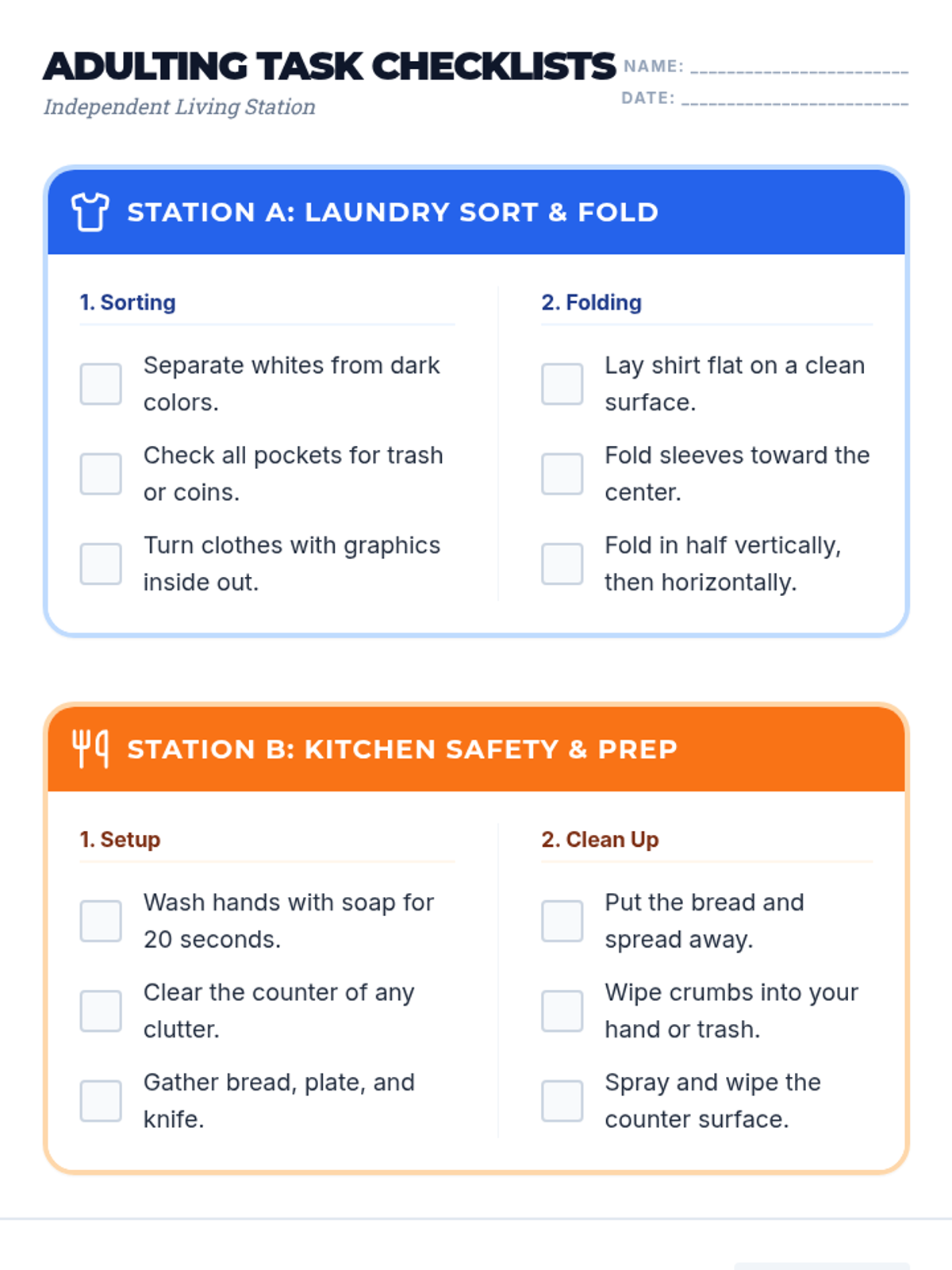
Practicing the core skills of independent living, including home maintenance, personal advocacy, and daily scheduling.
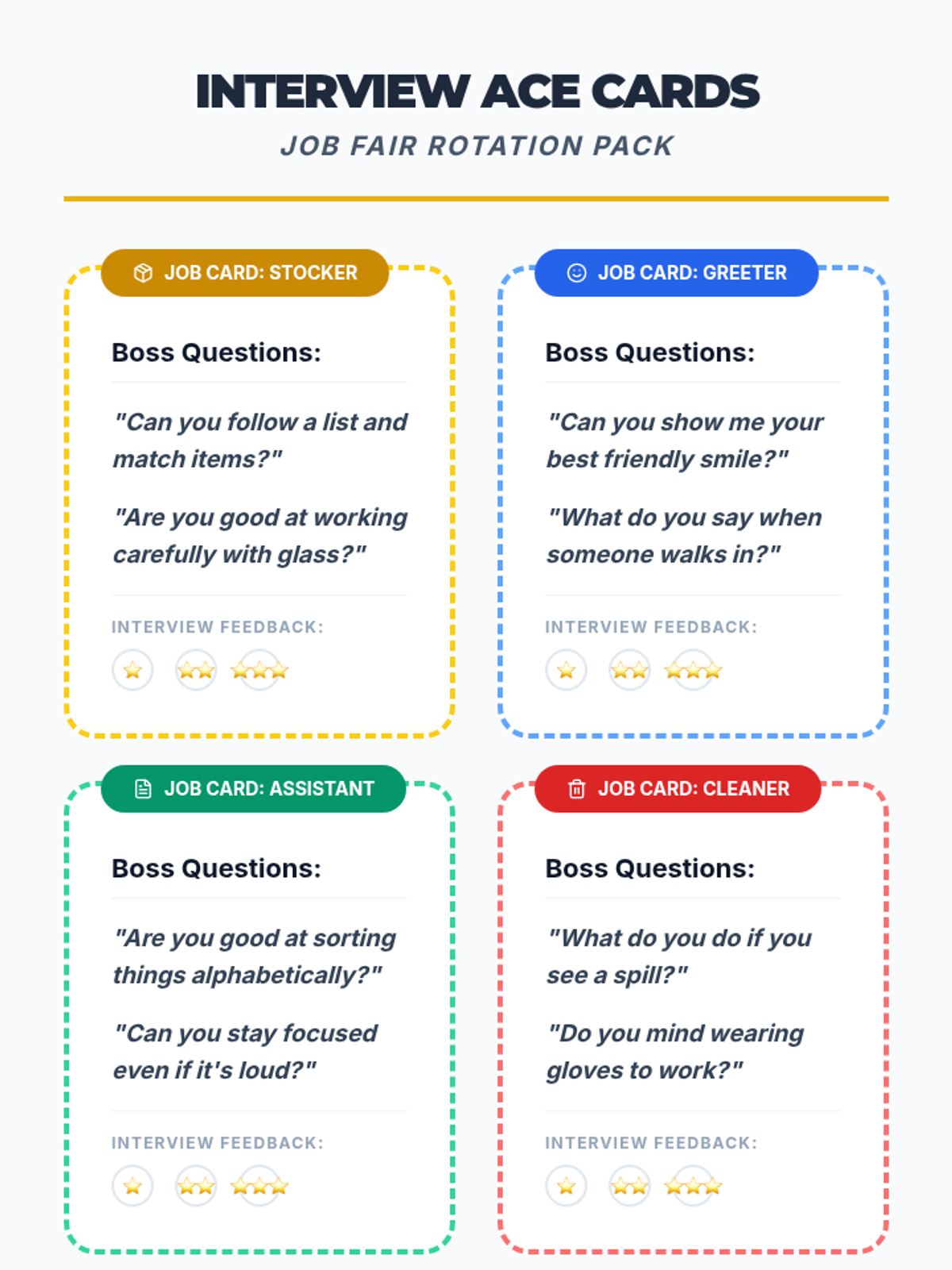
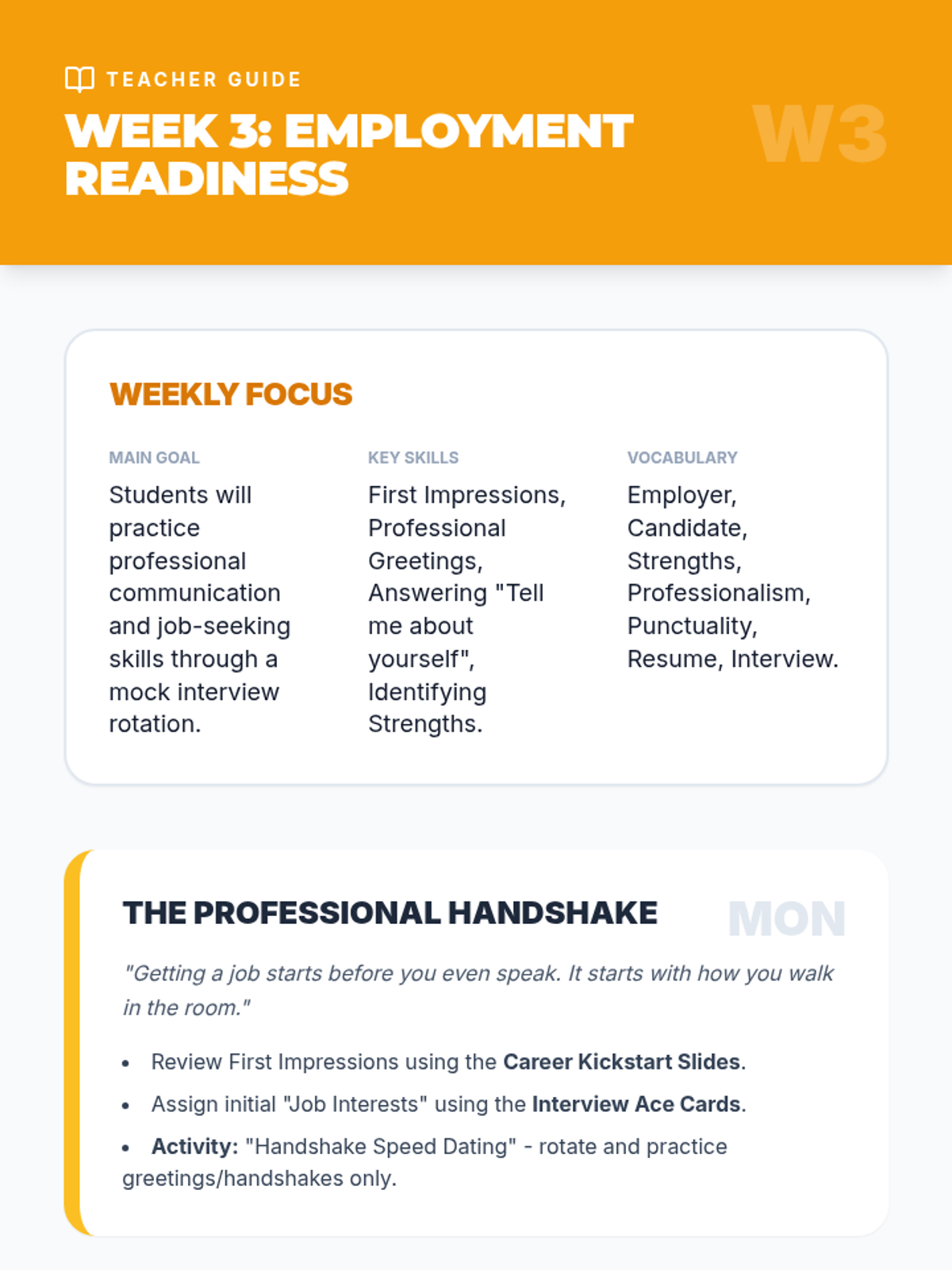
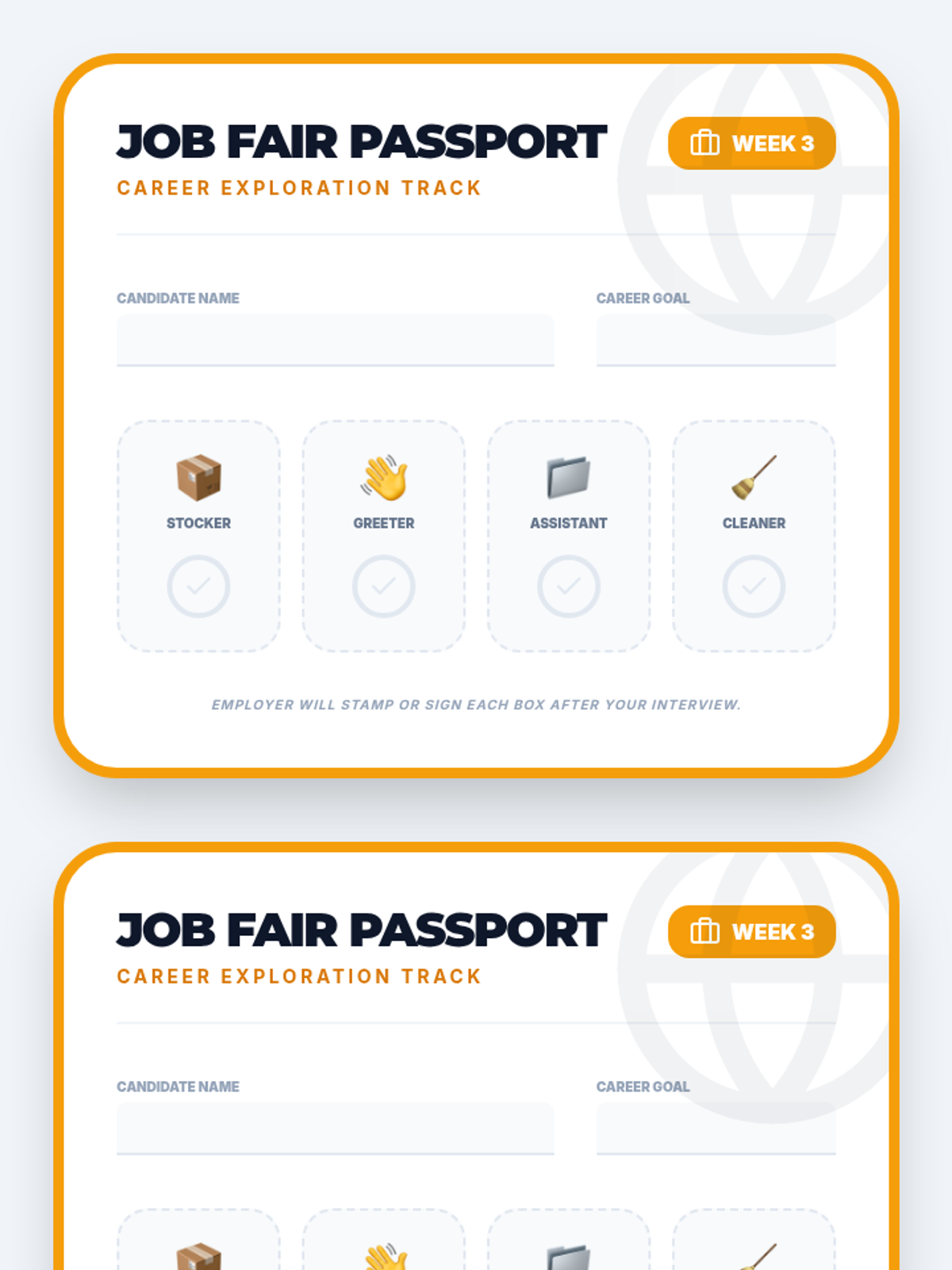
Preparing for the workforce with mock interviews, professional communication practice, and on-the-job simulations.
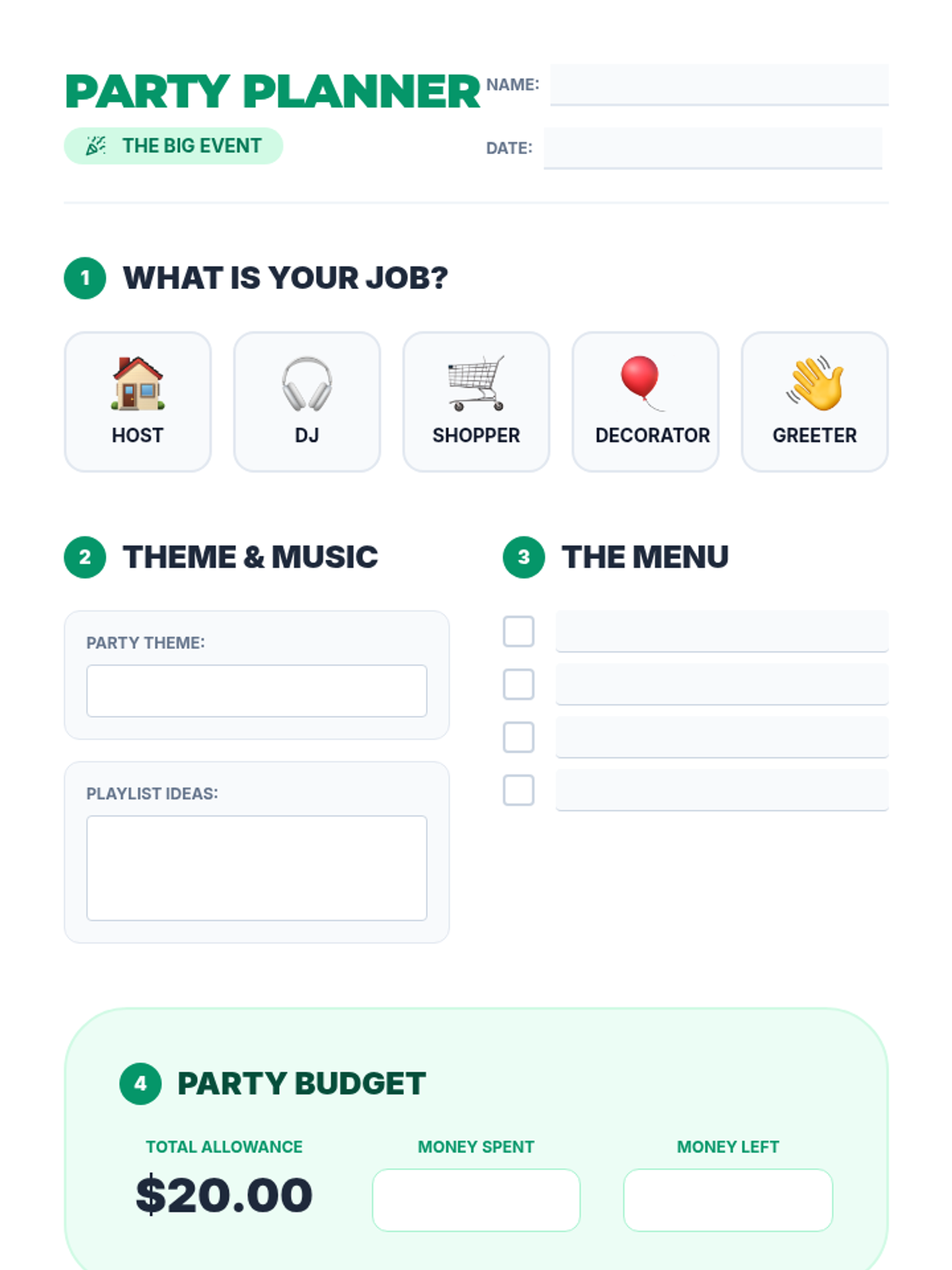
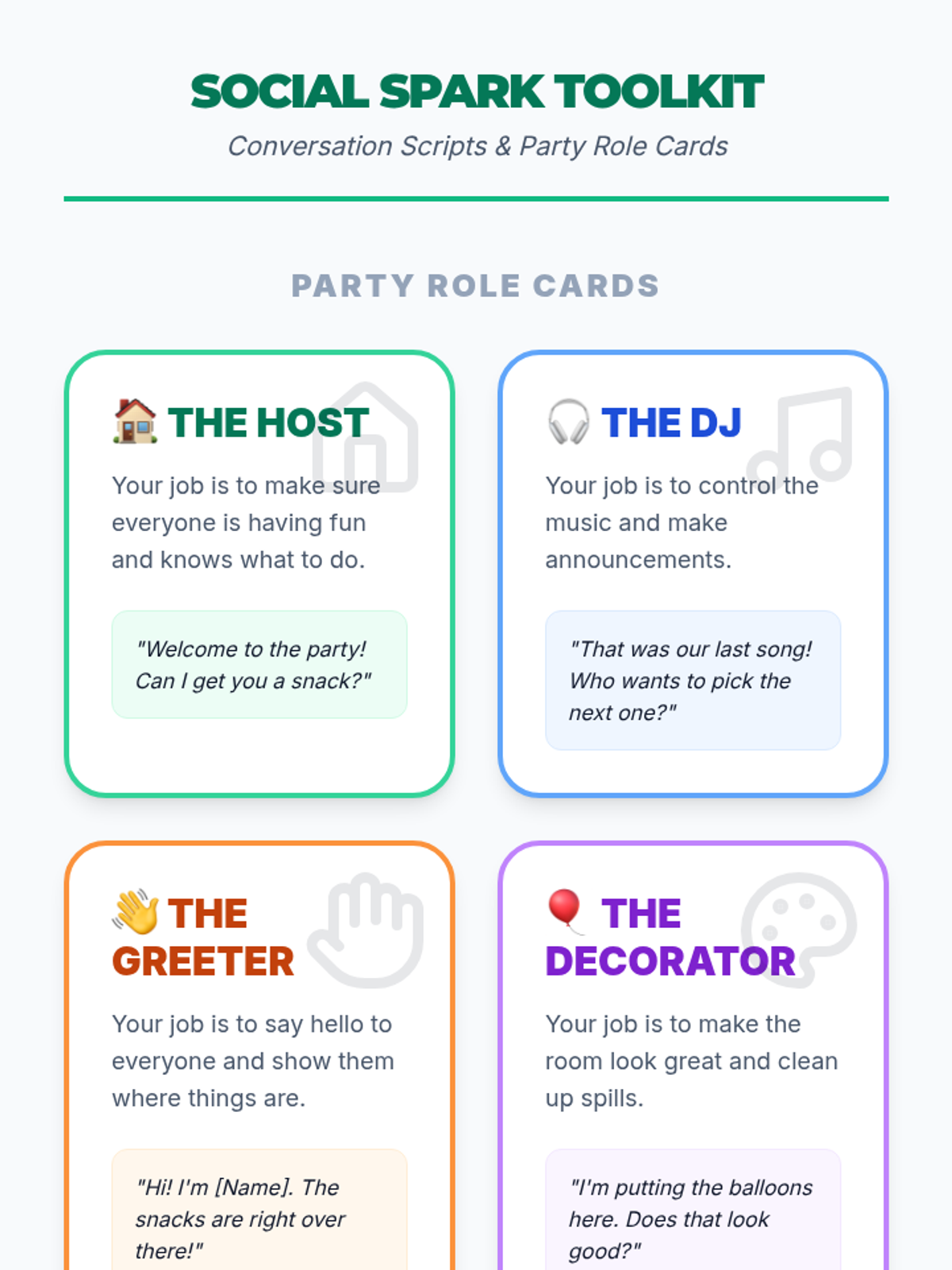
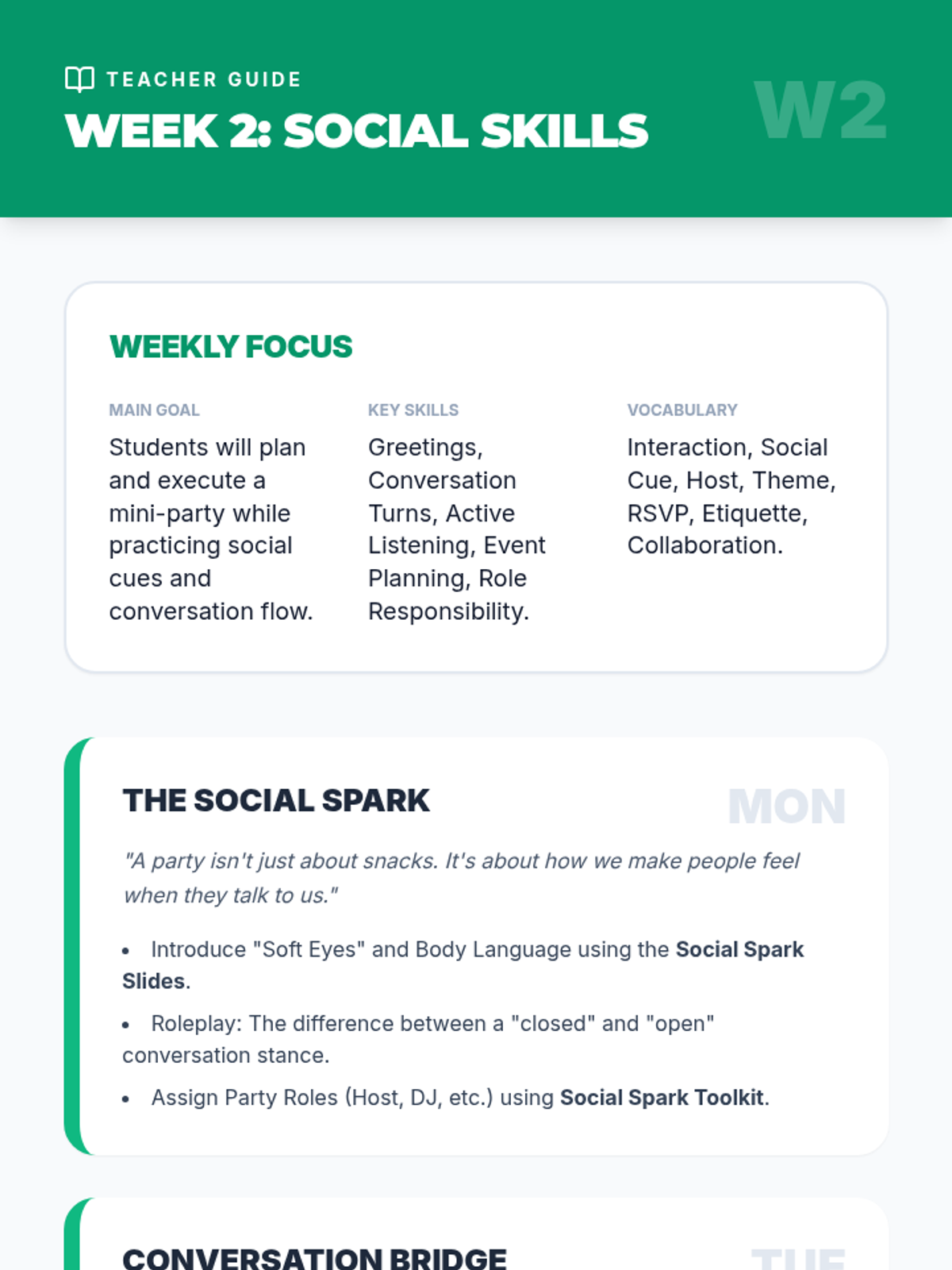
Developing social-emotional awareness through event planning, role-play conversations, and meaningful peer interactions.
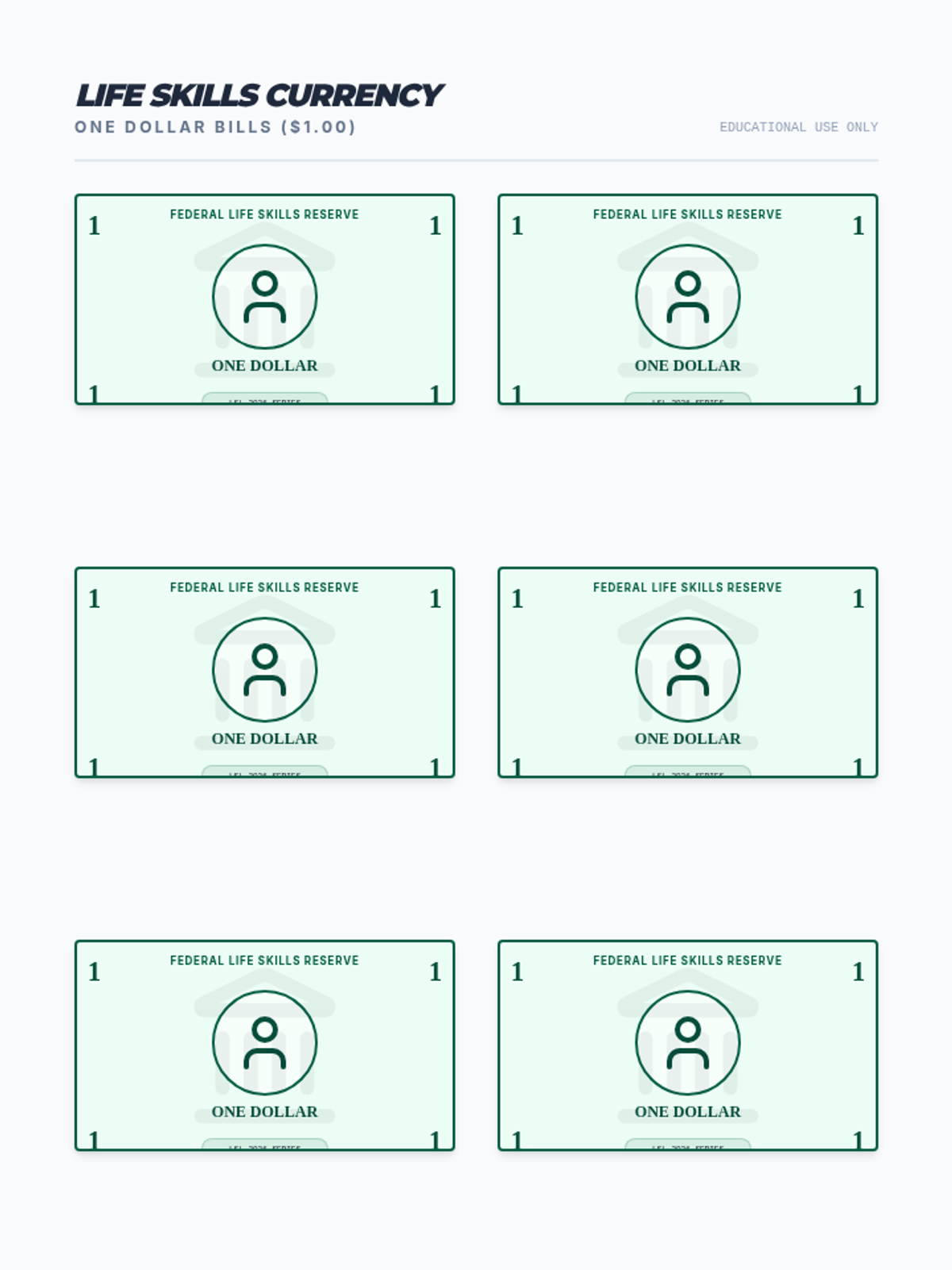
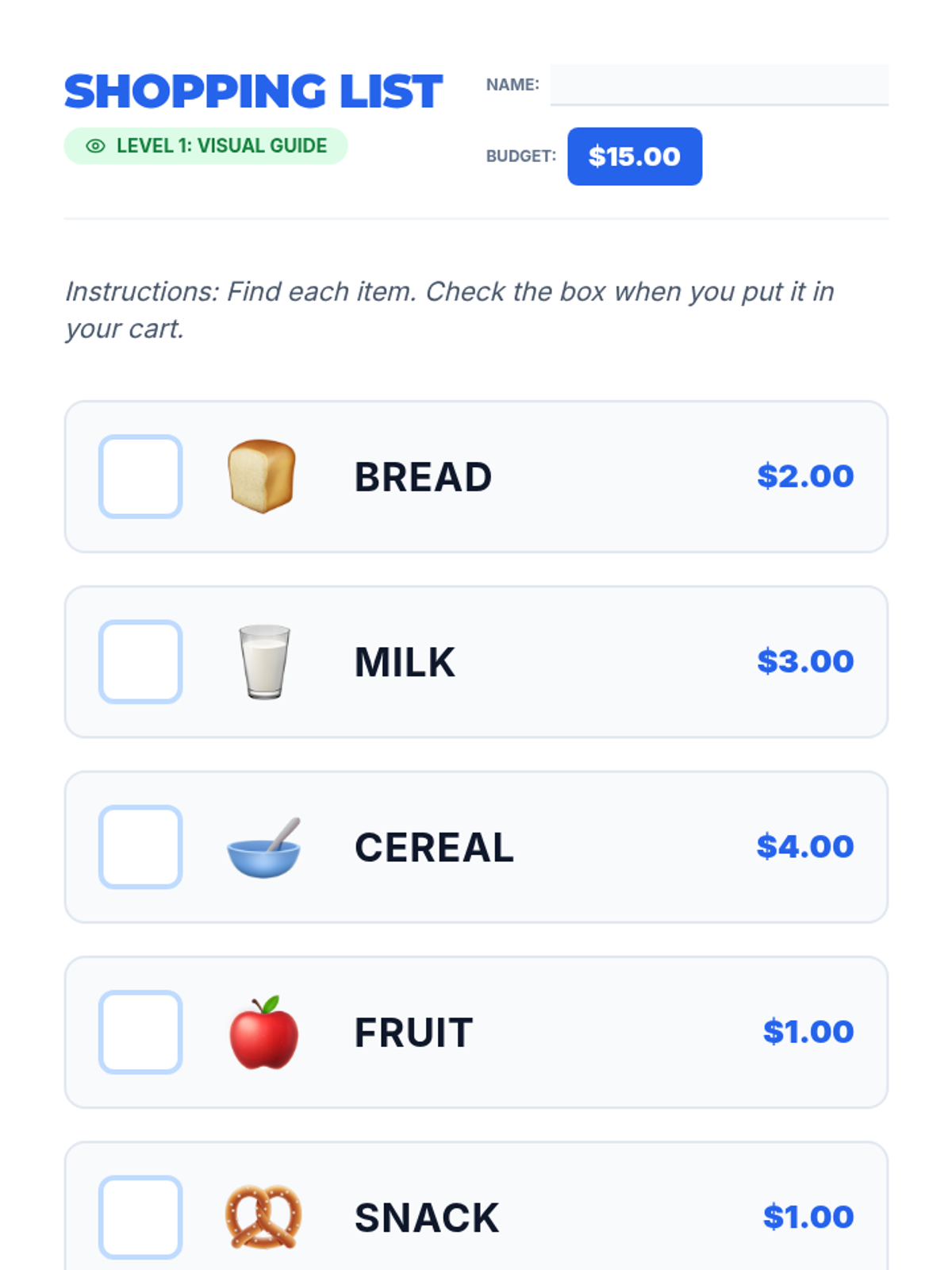
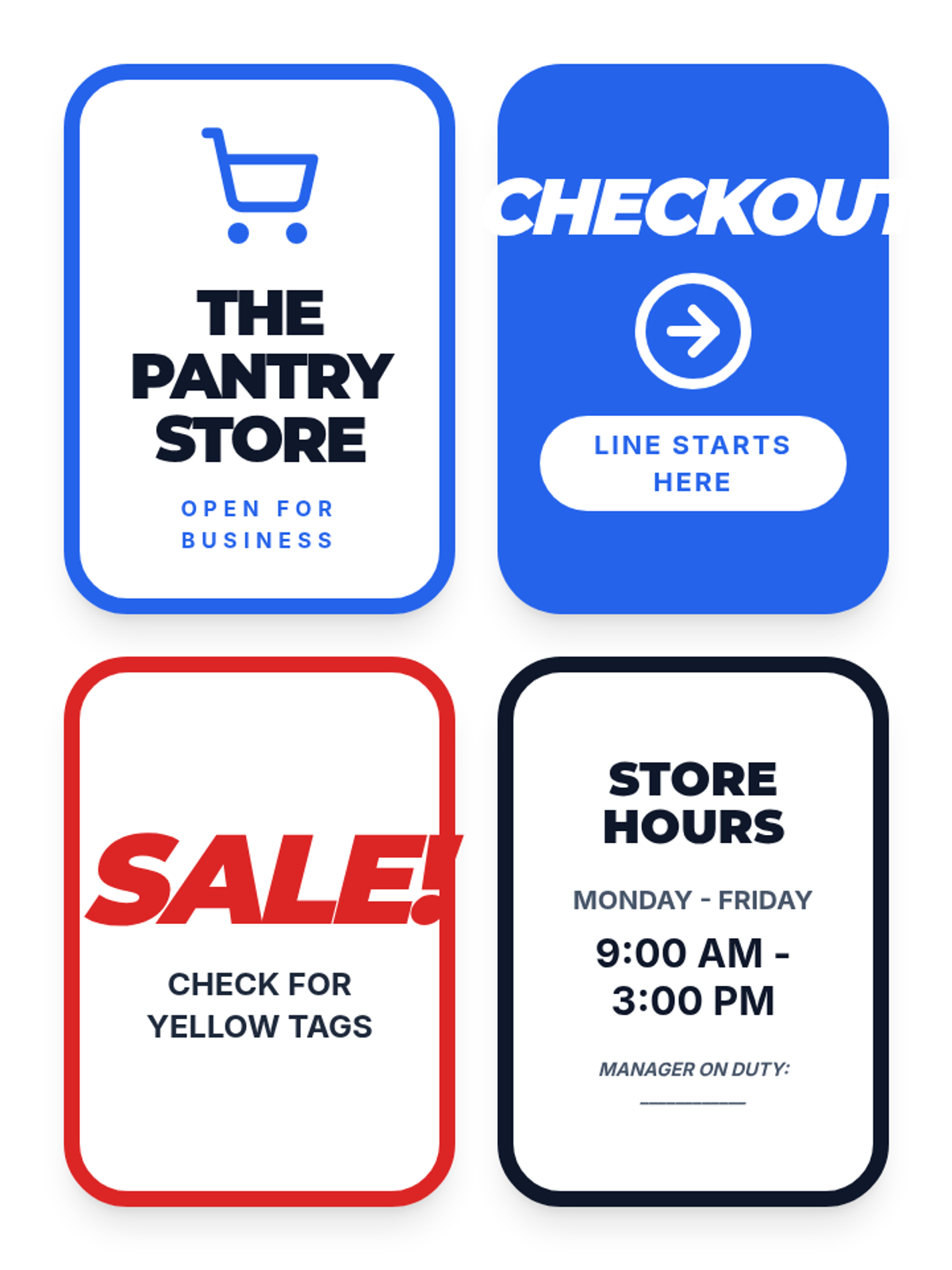
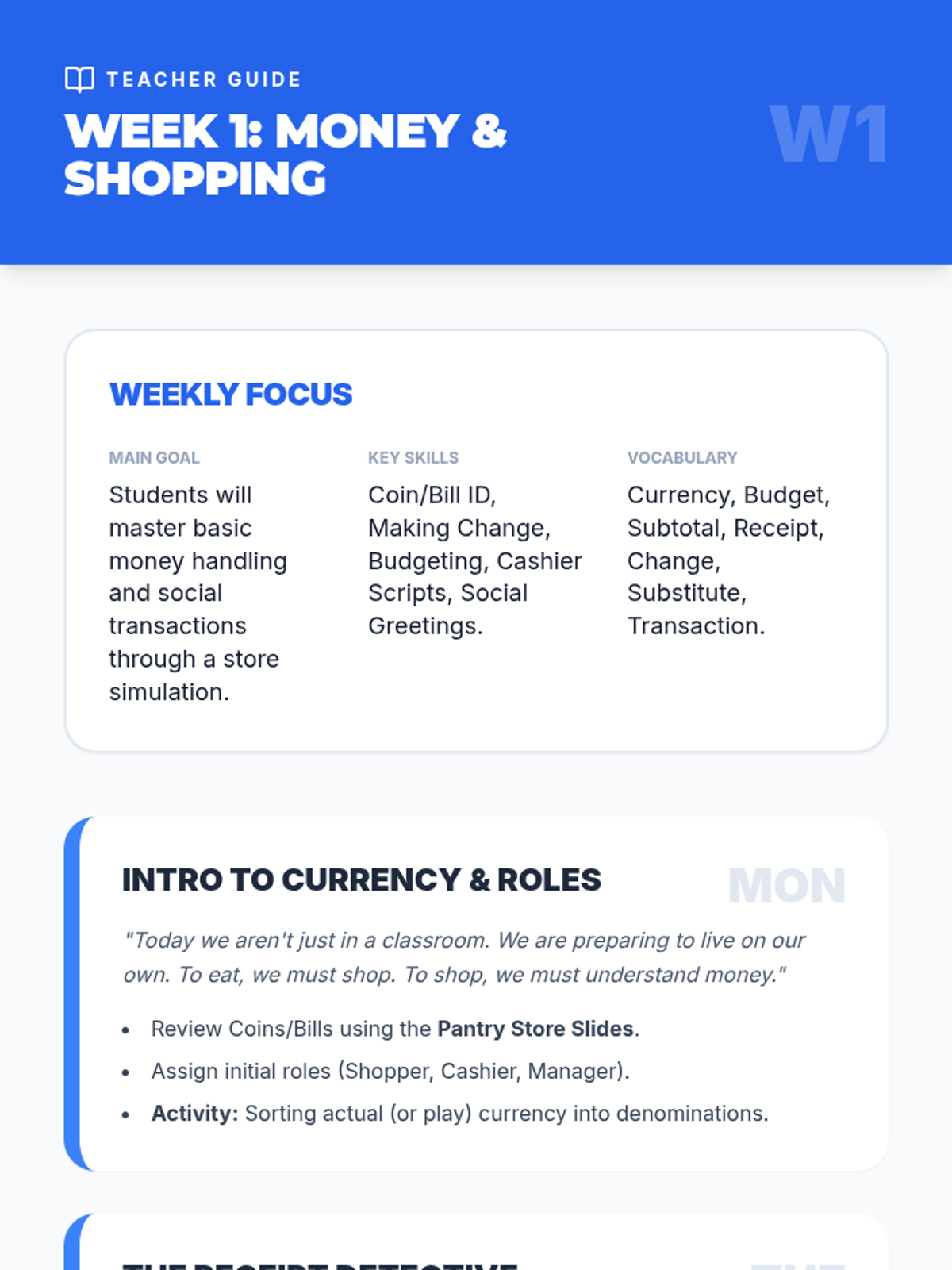
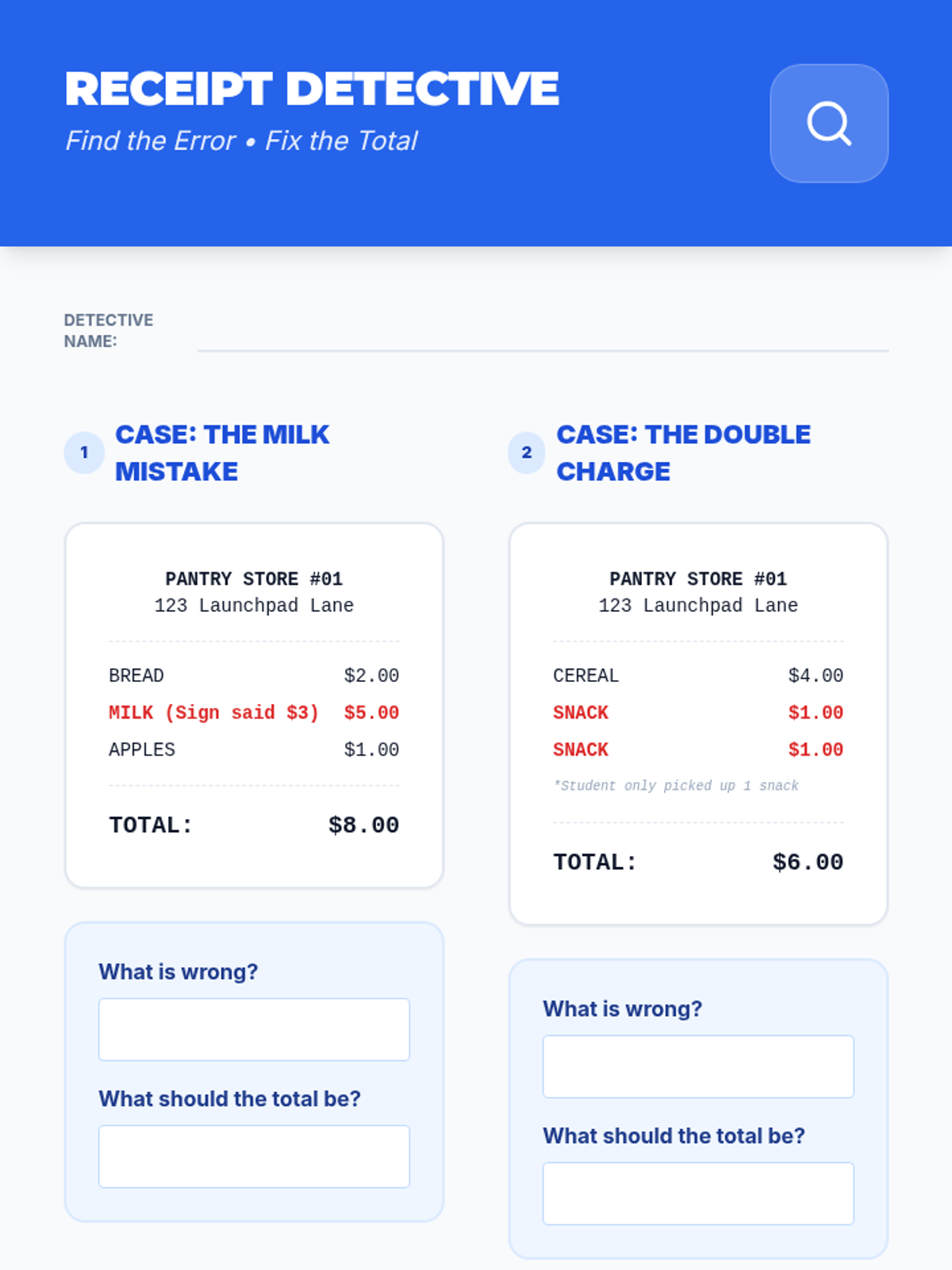
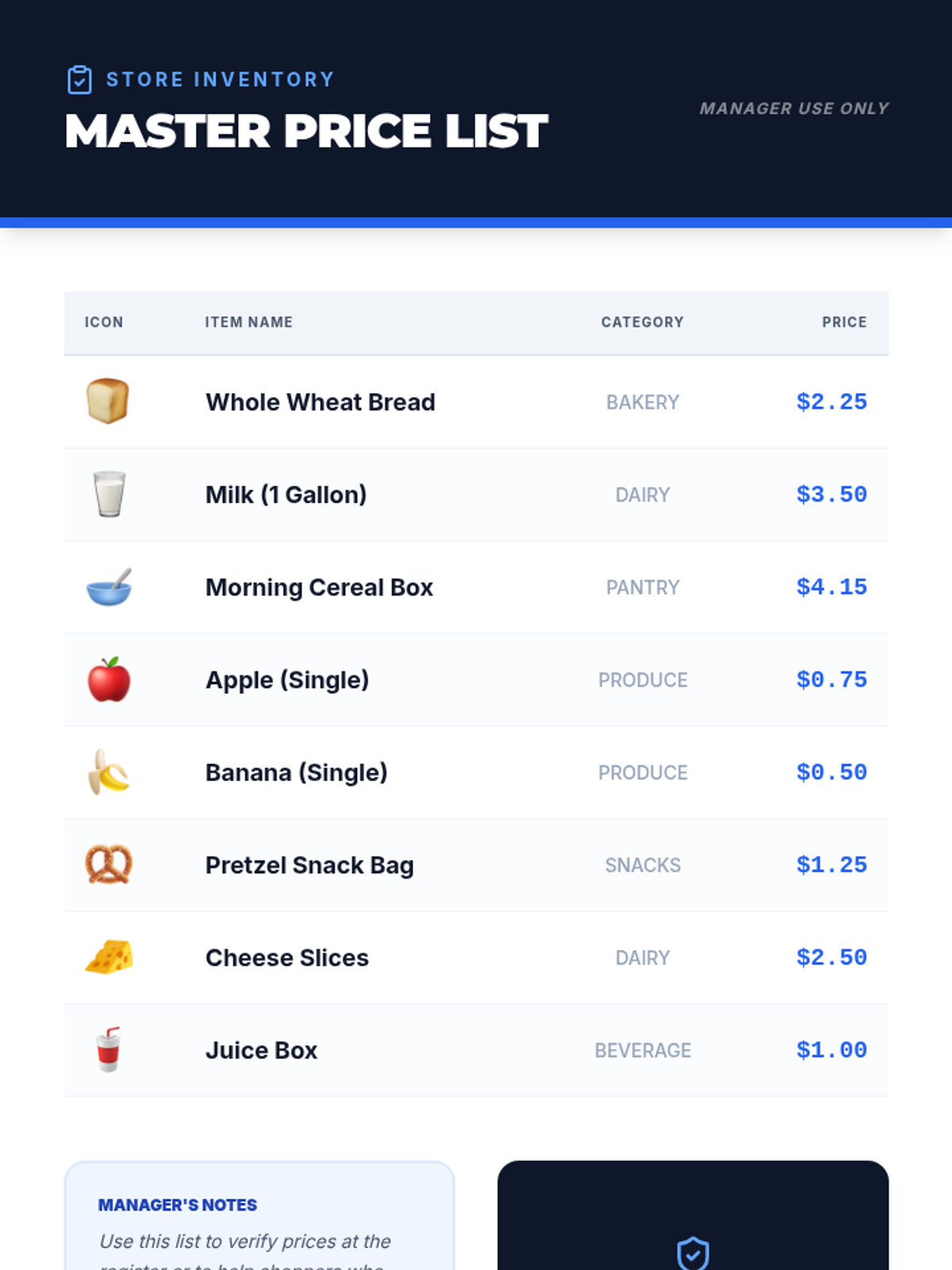
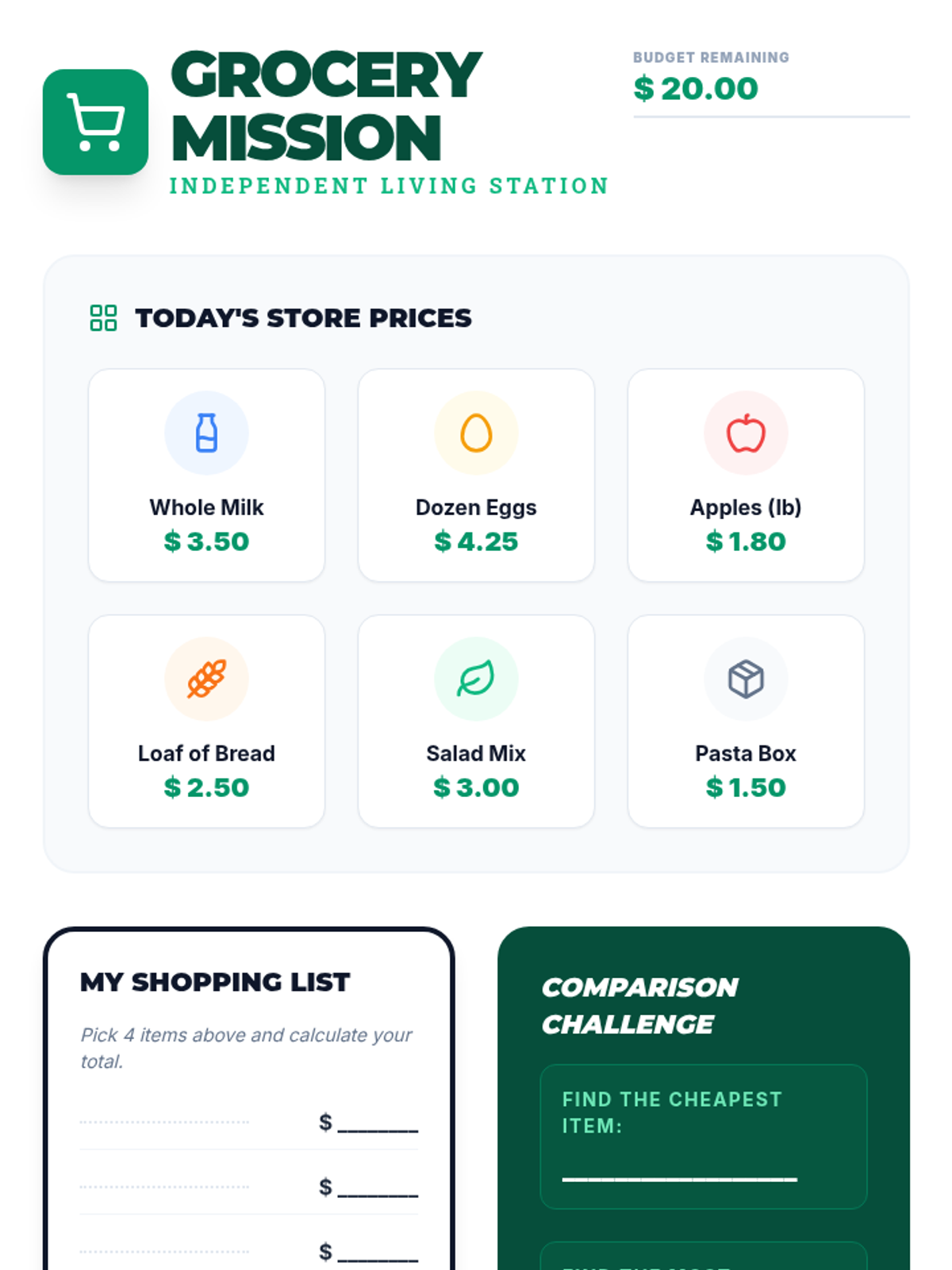
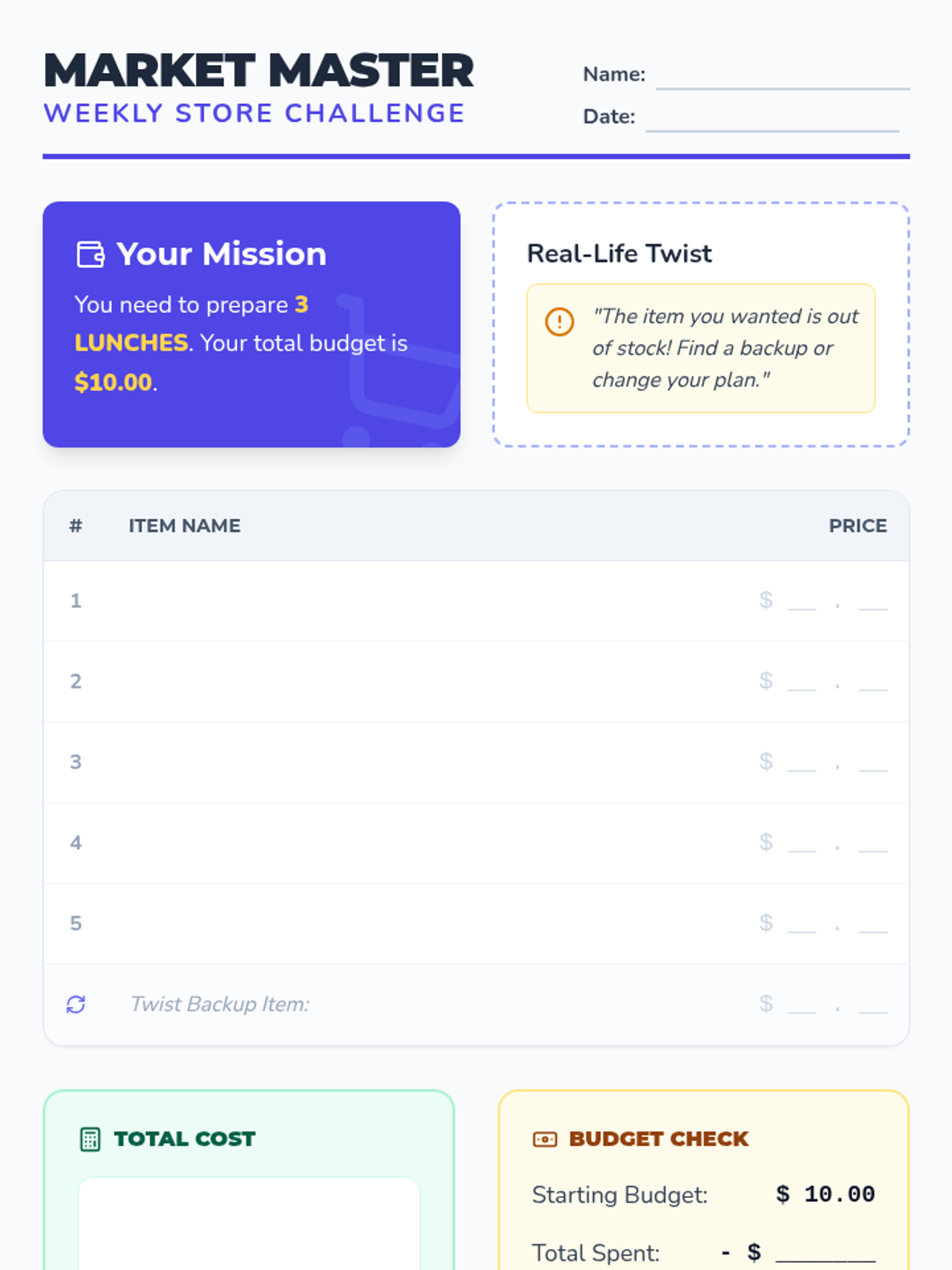
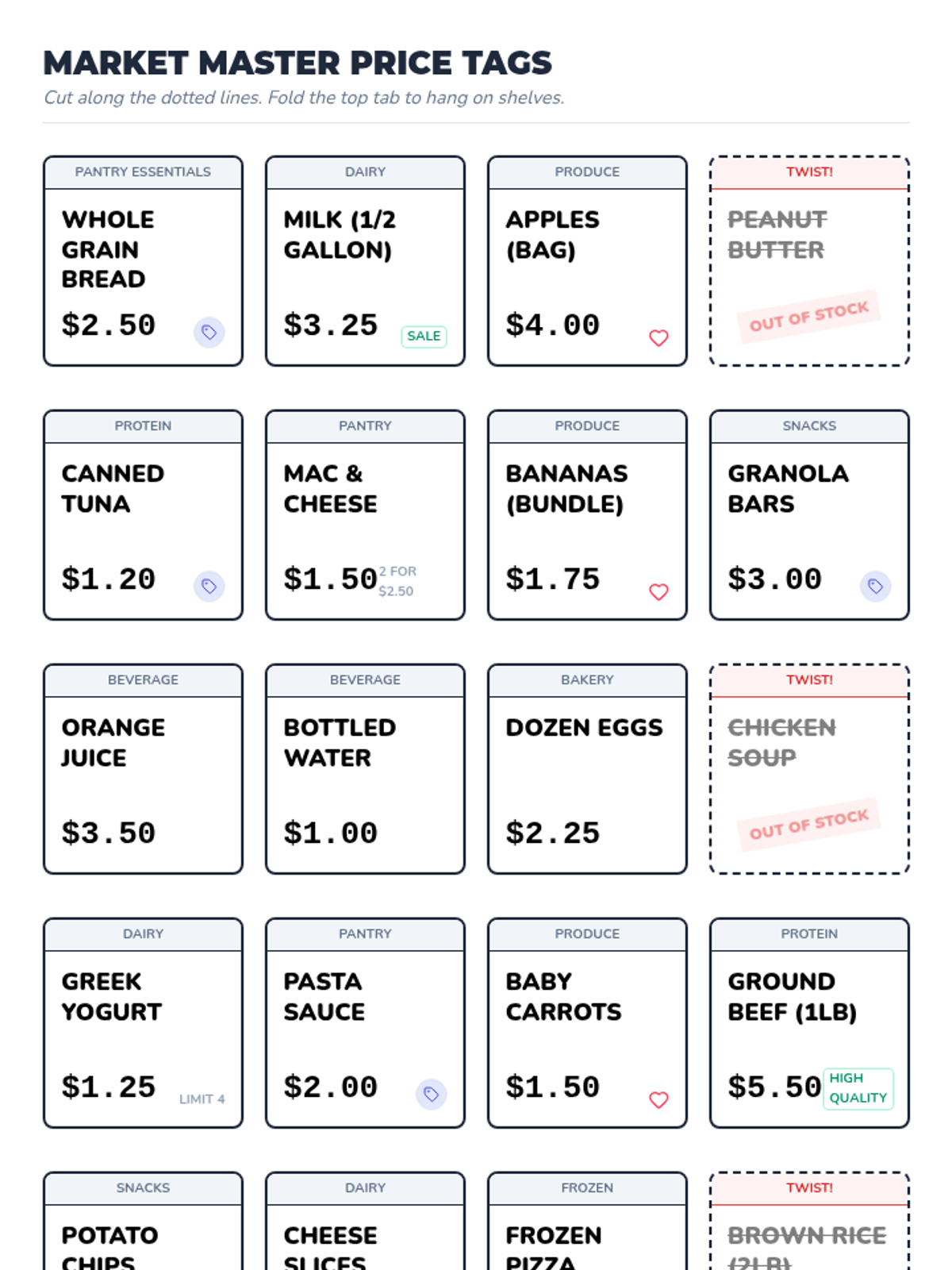
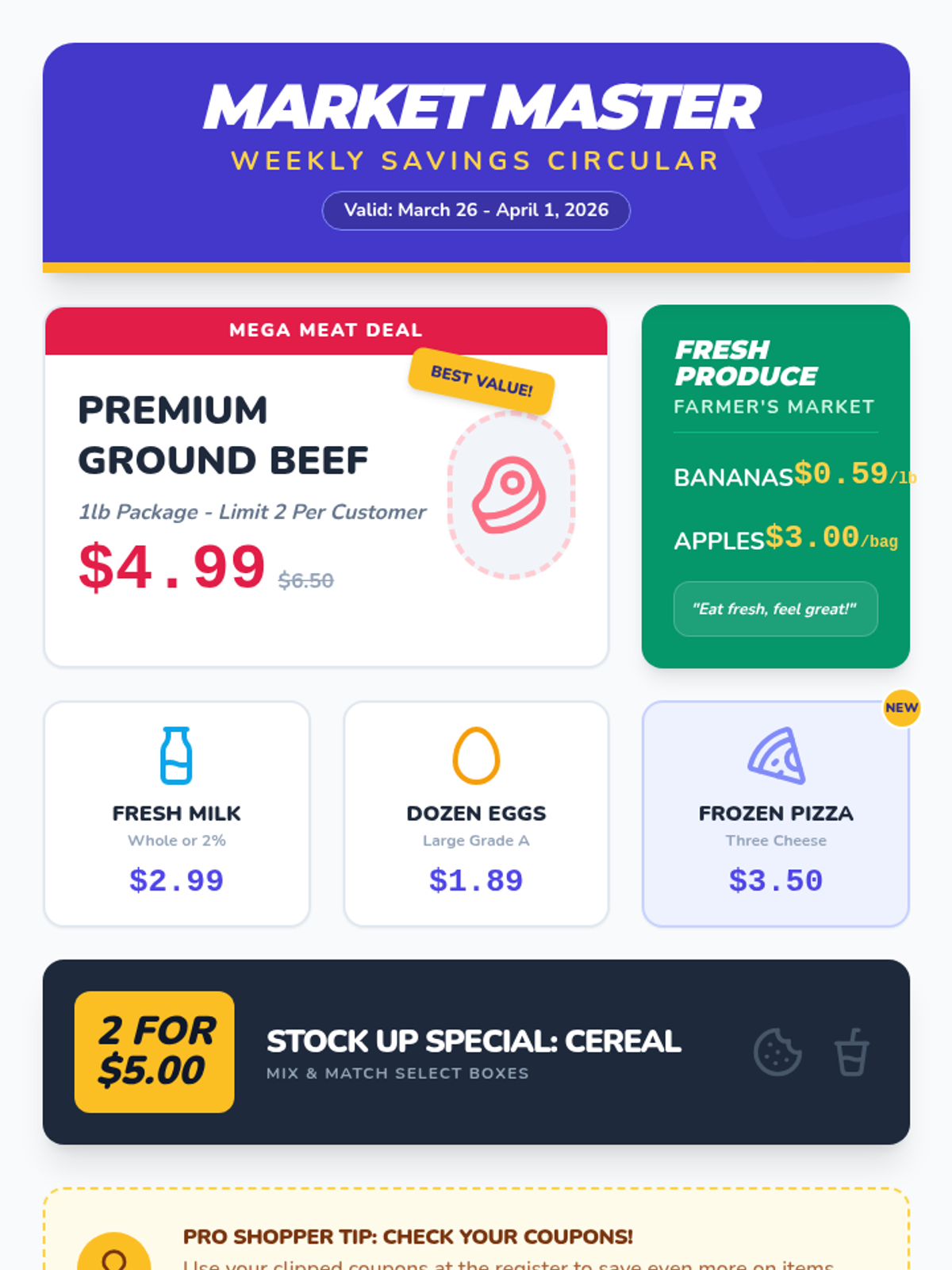
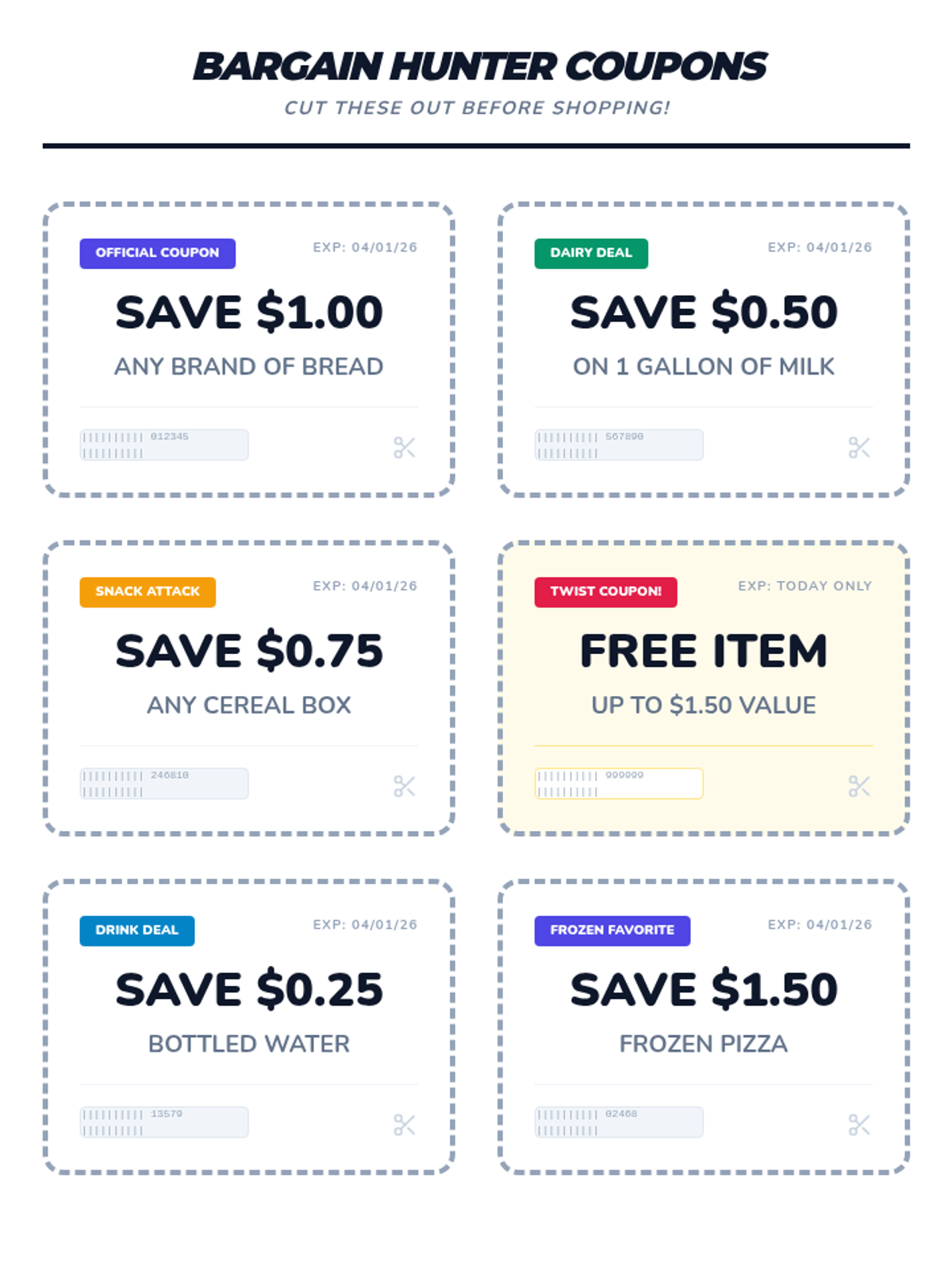
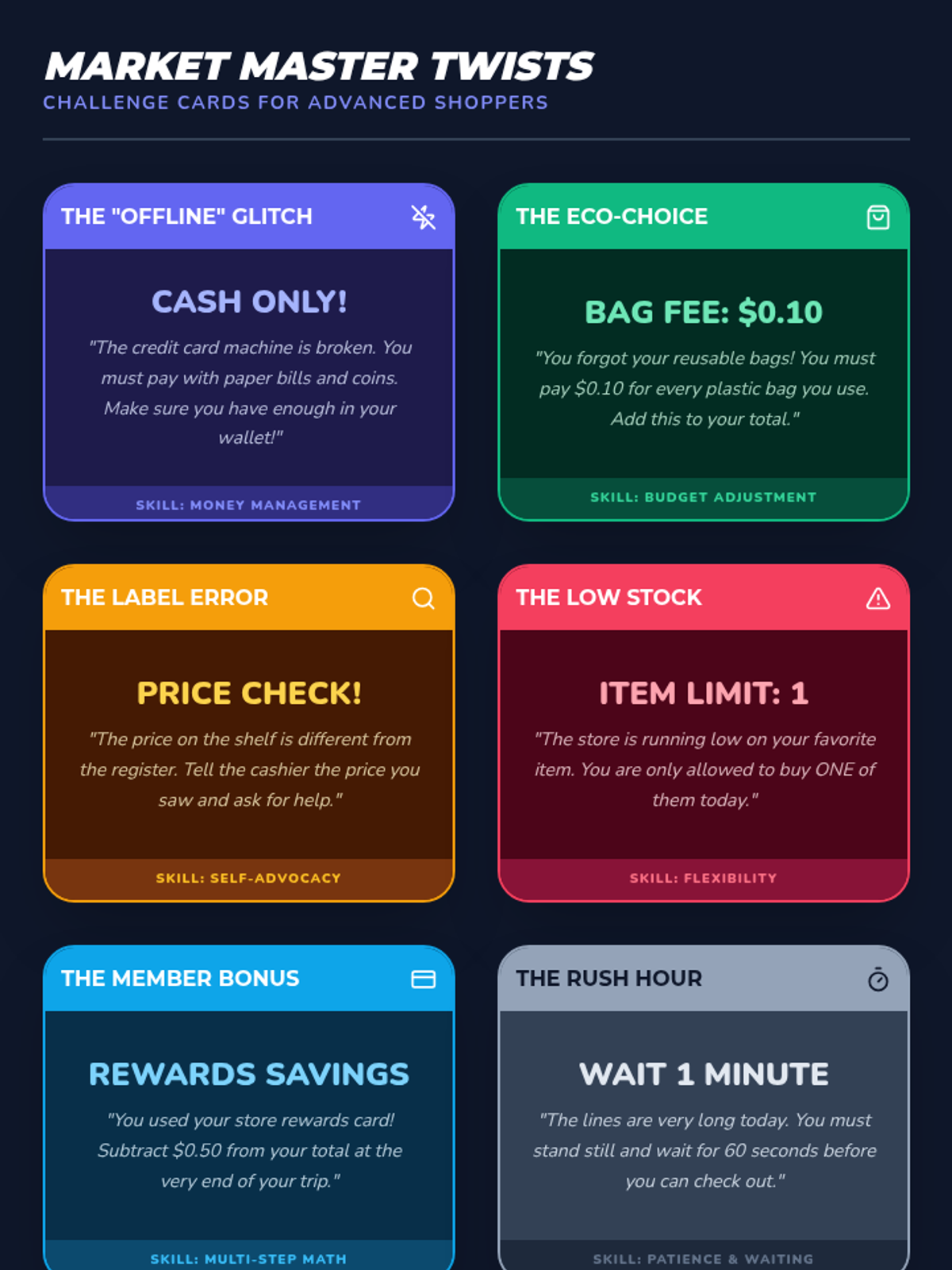
Mastering money identification, budgeting, and the mechanics of shopping through a pantry store simulation and real-world problem-solving.
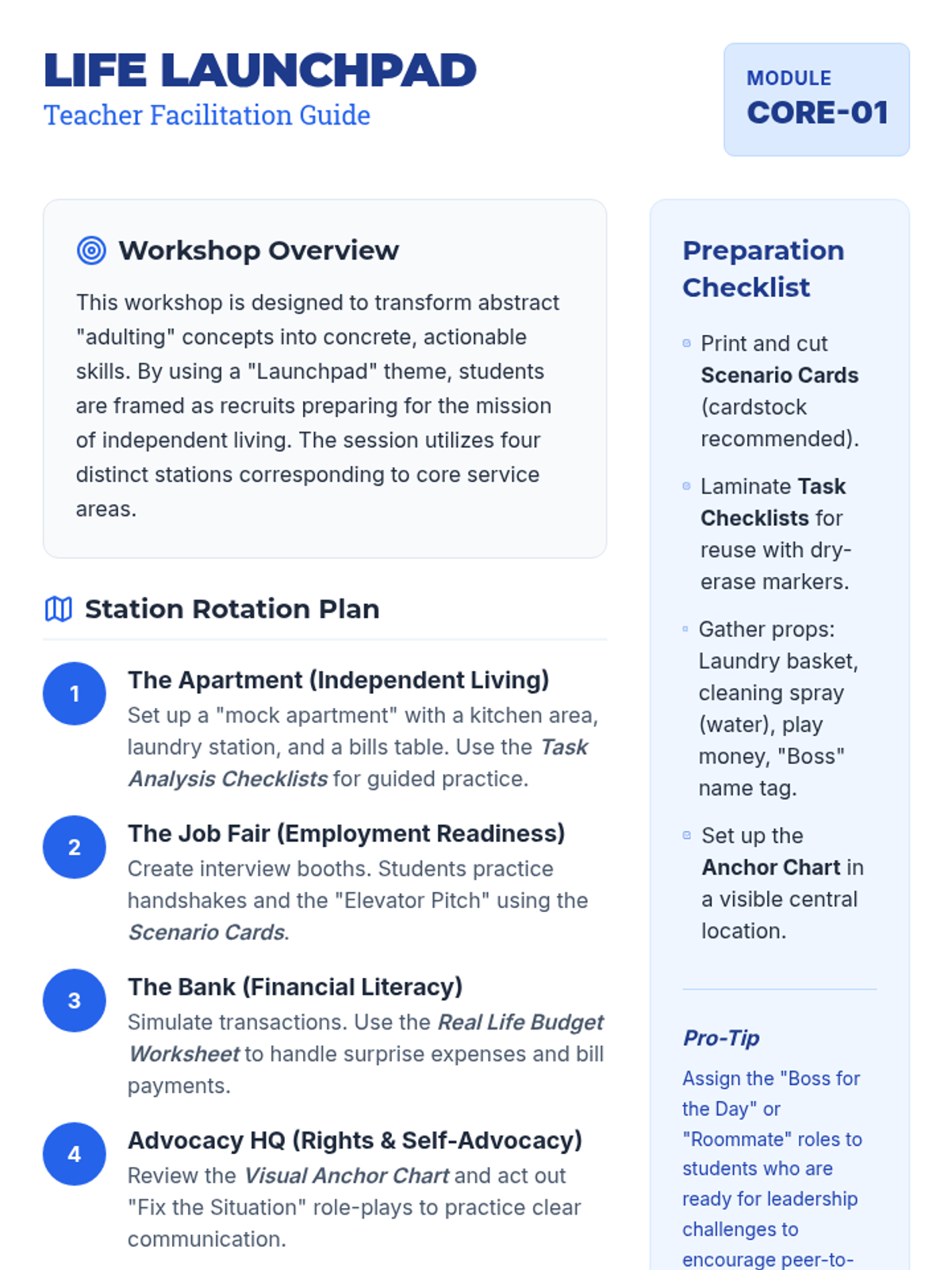
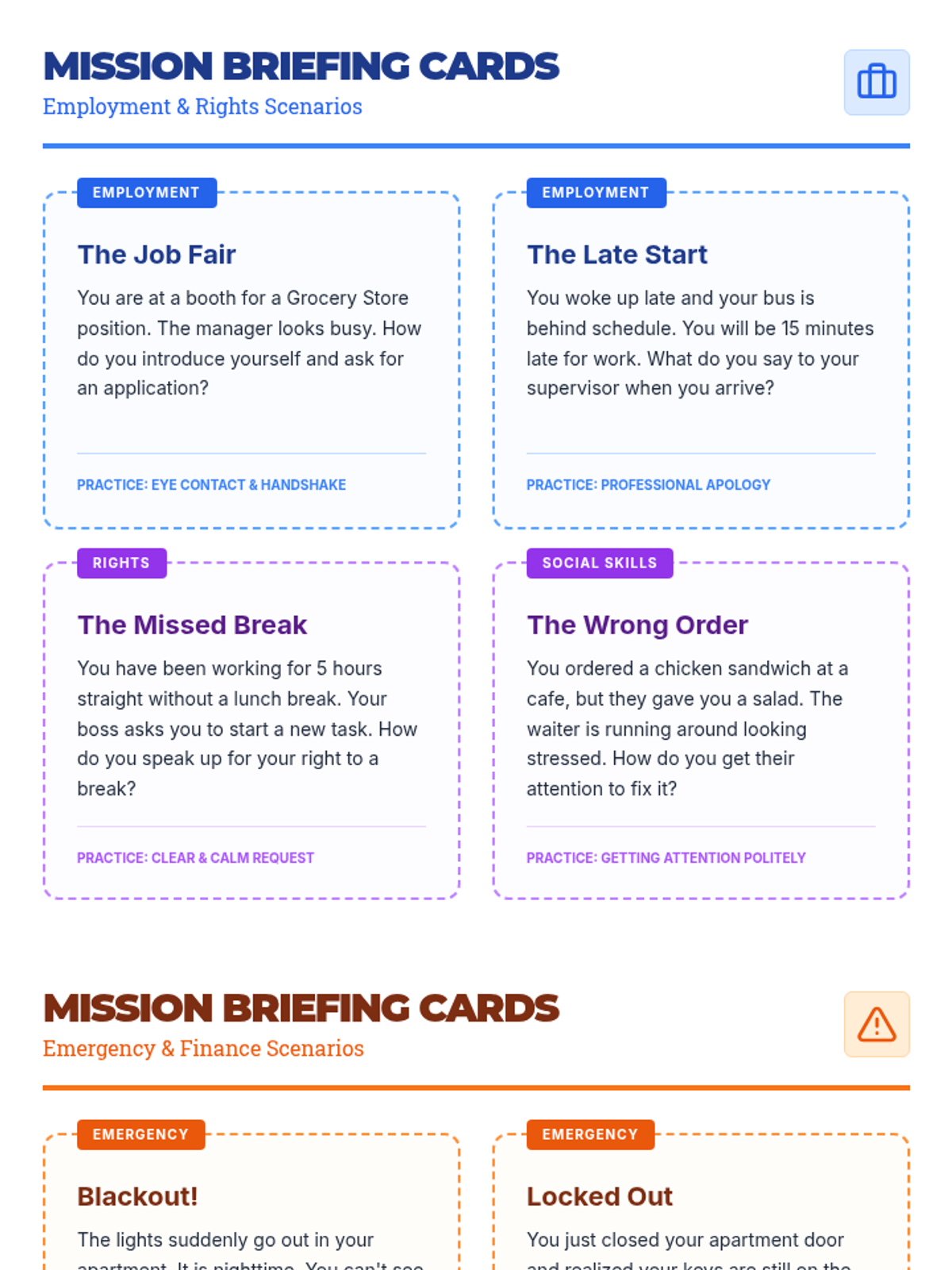
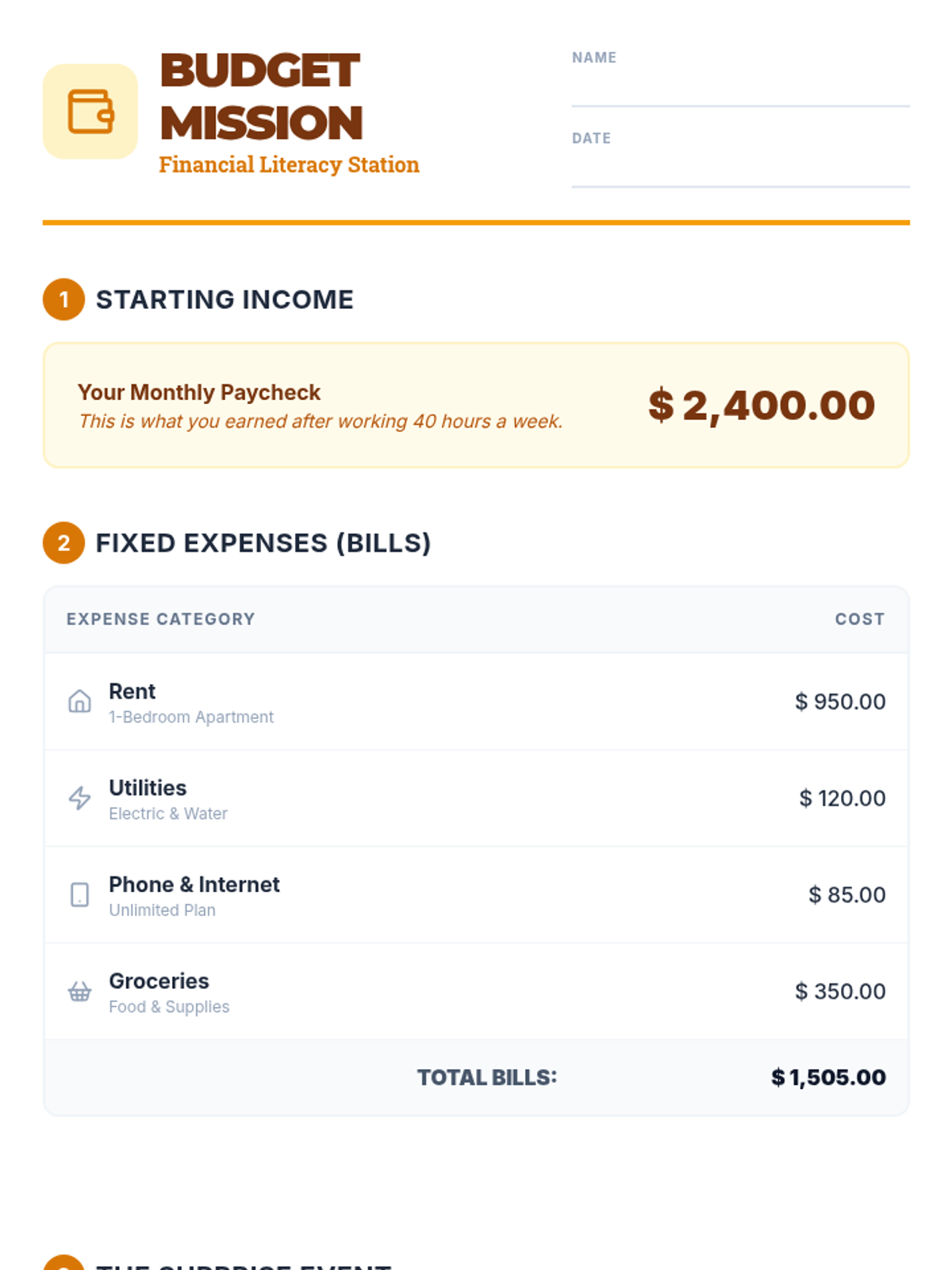
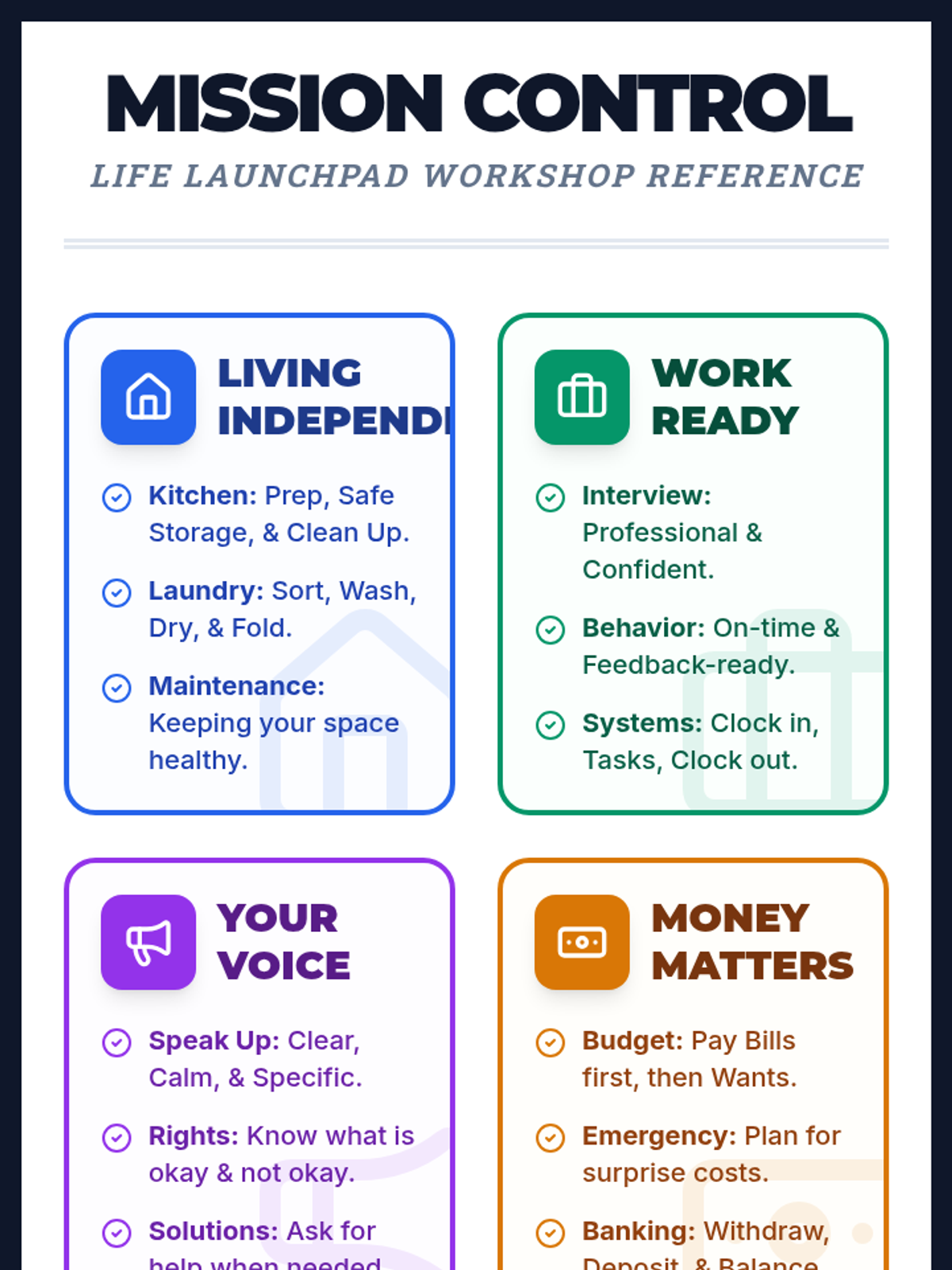
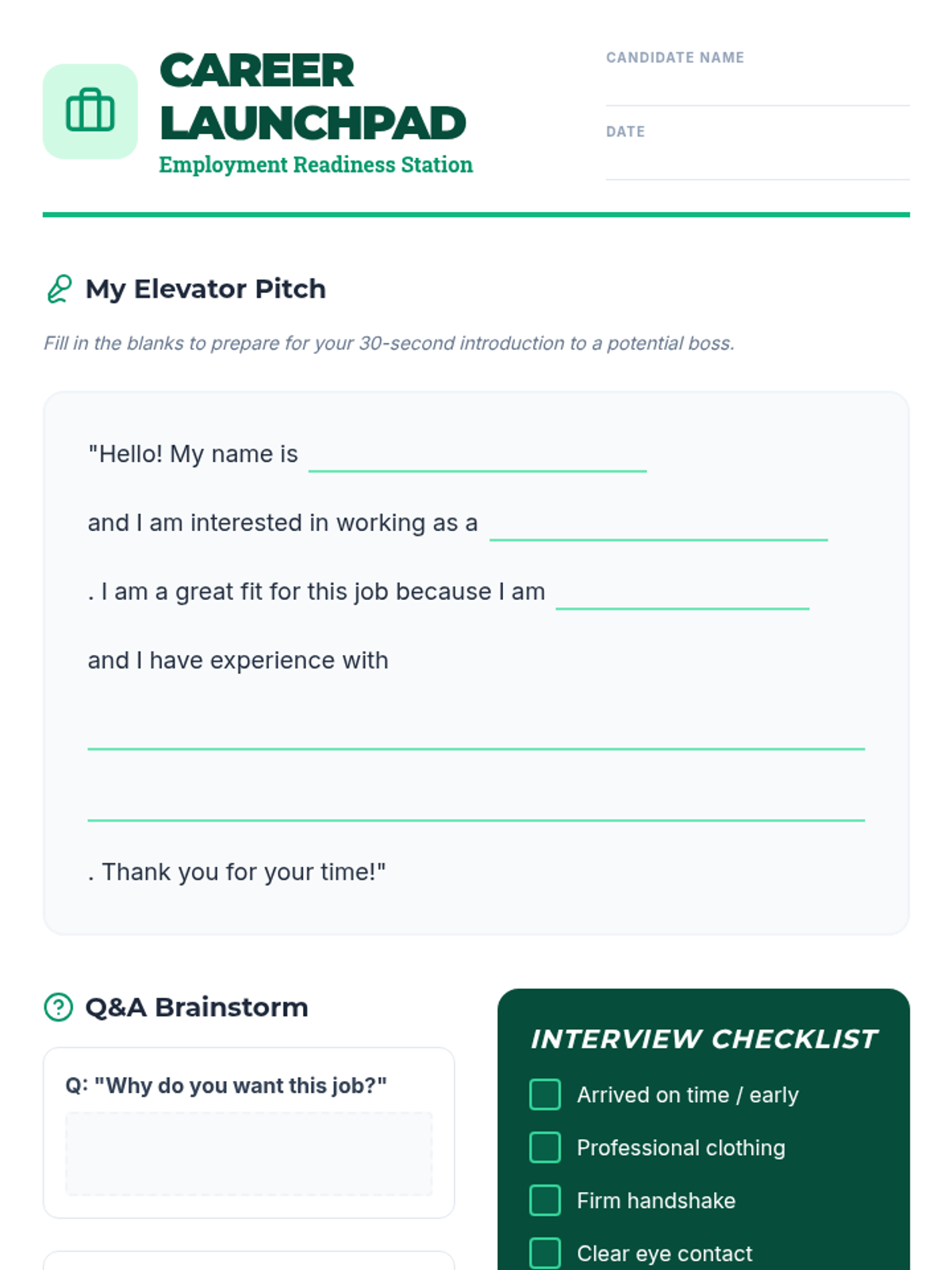
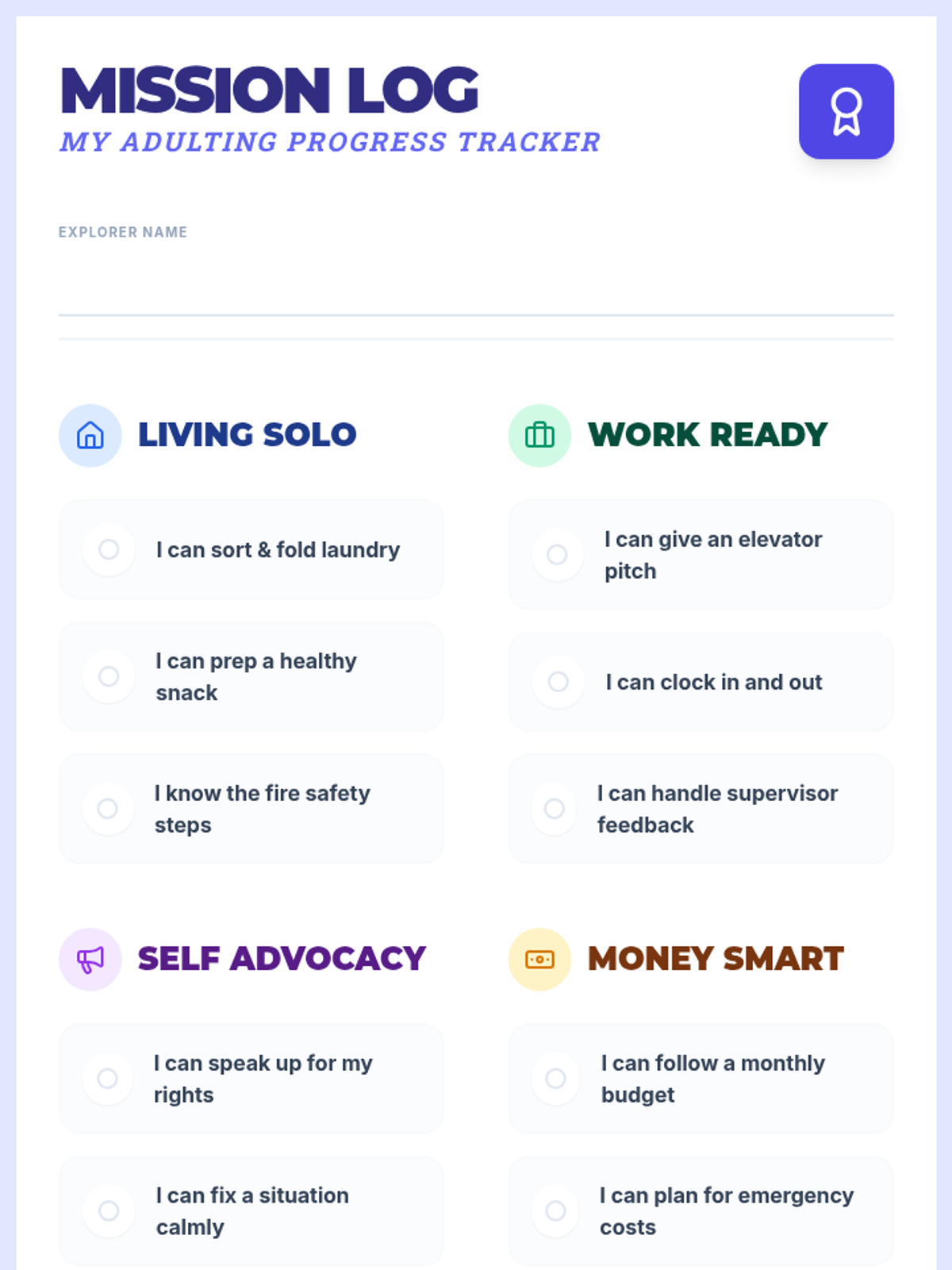
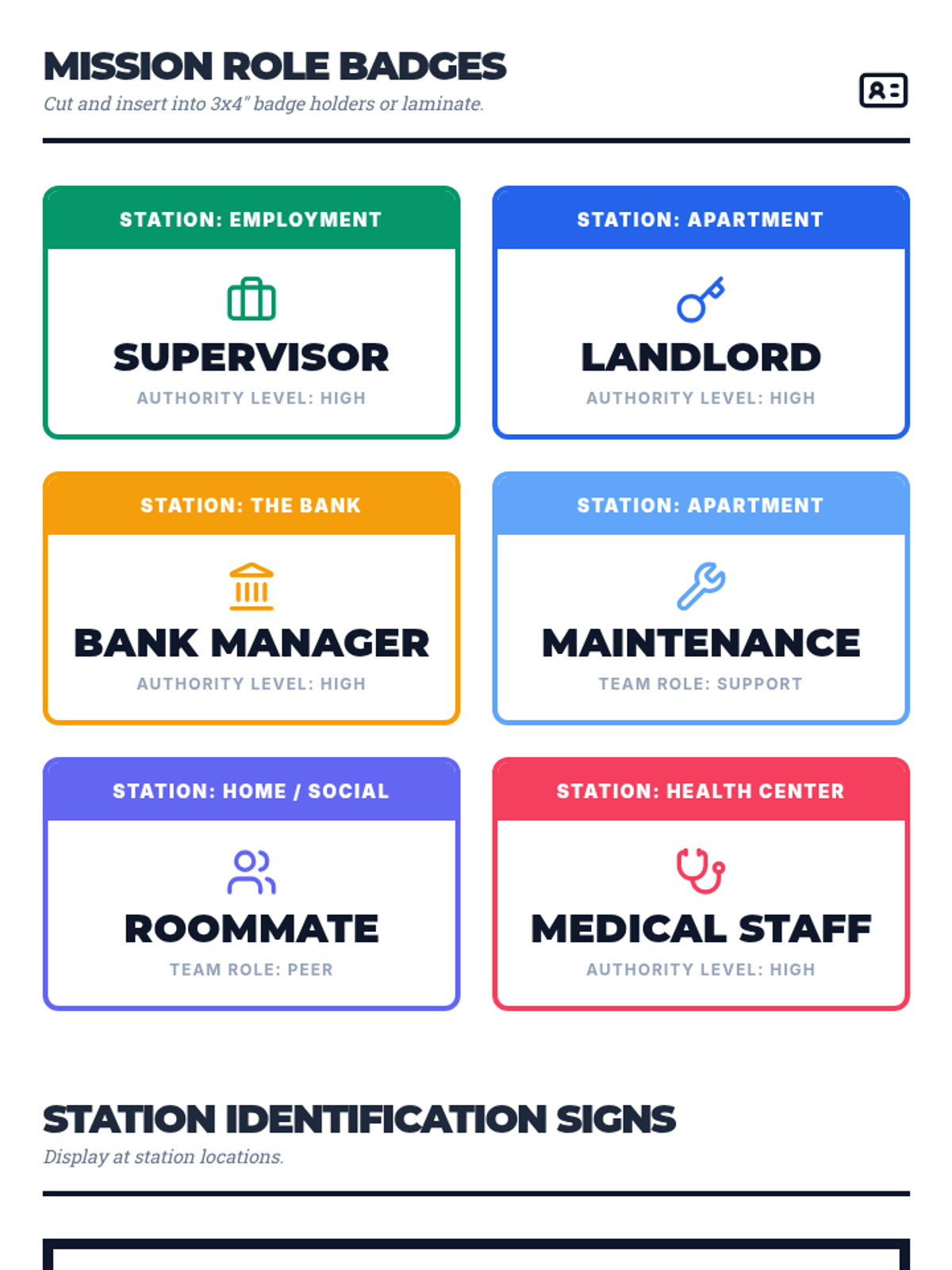
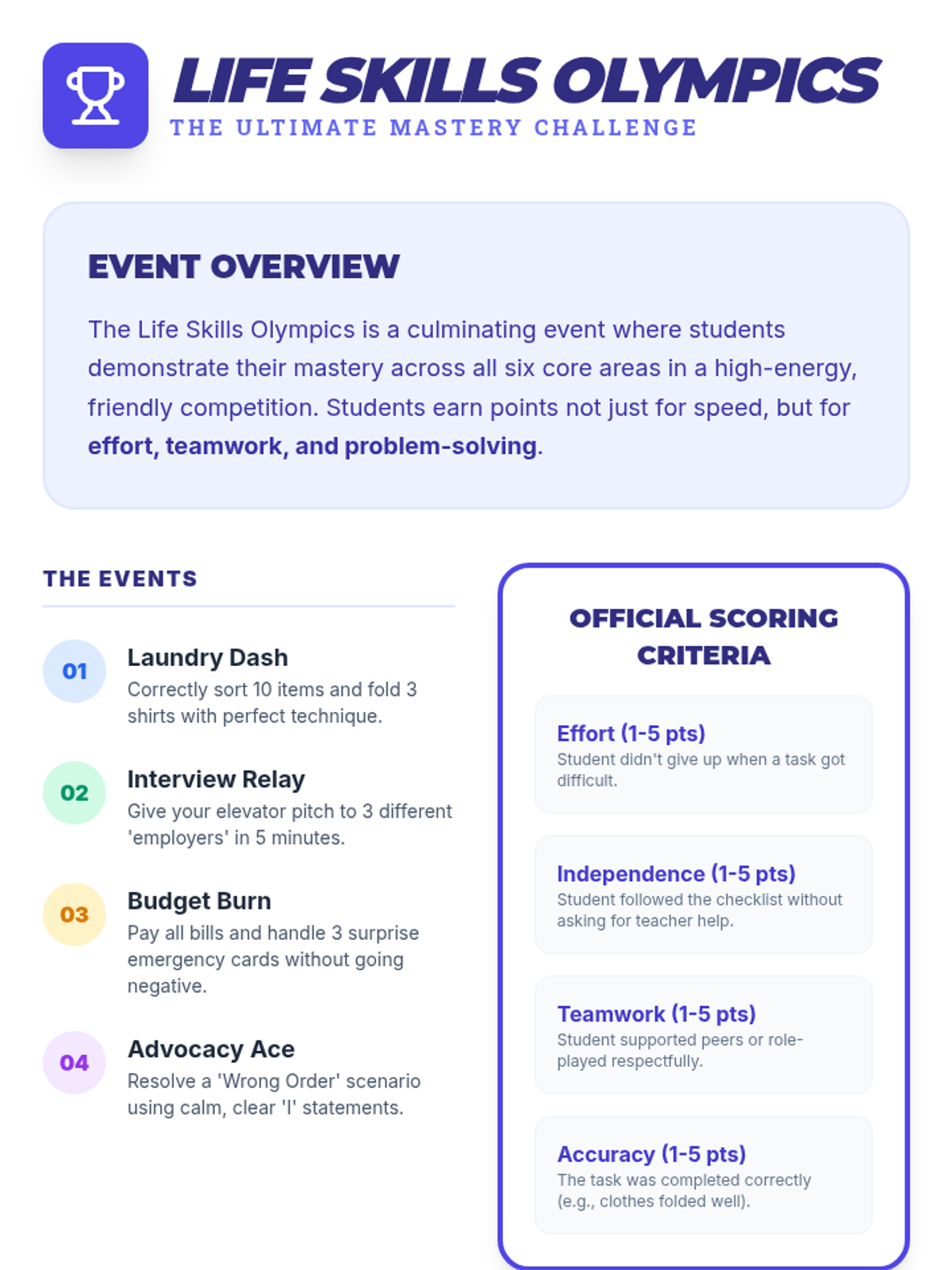
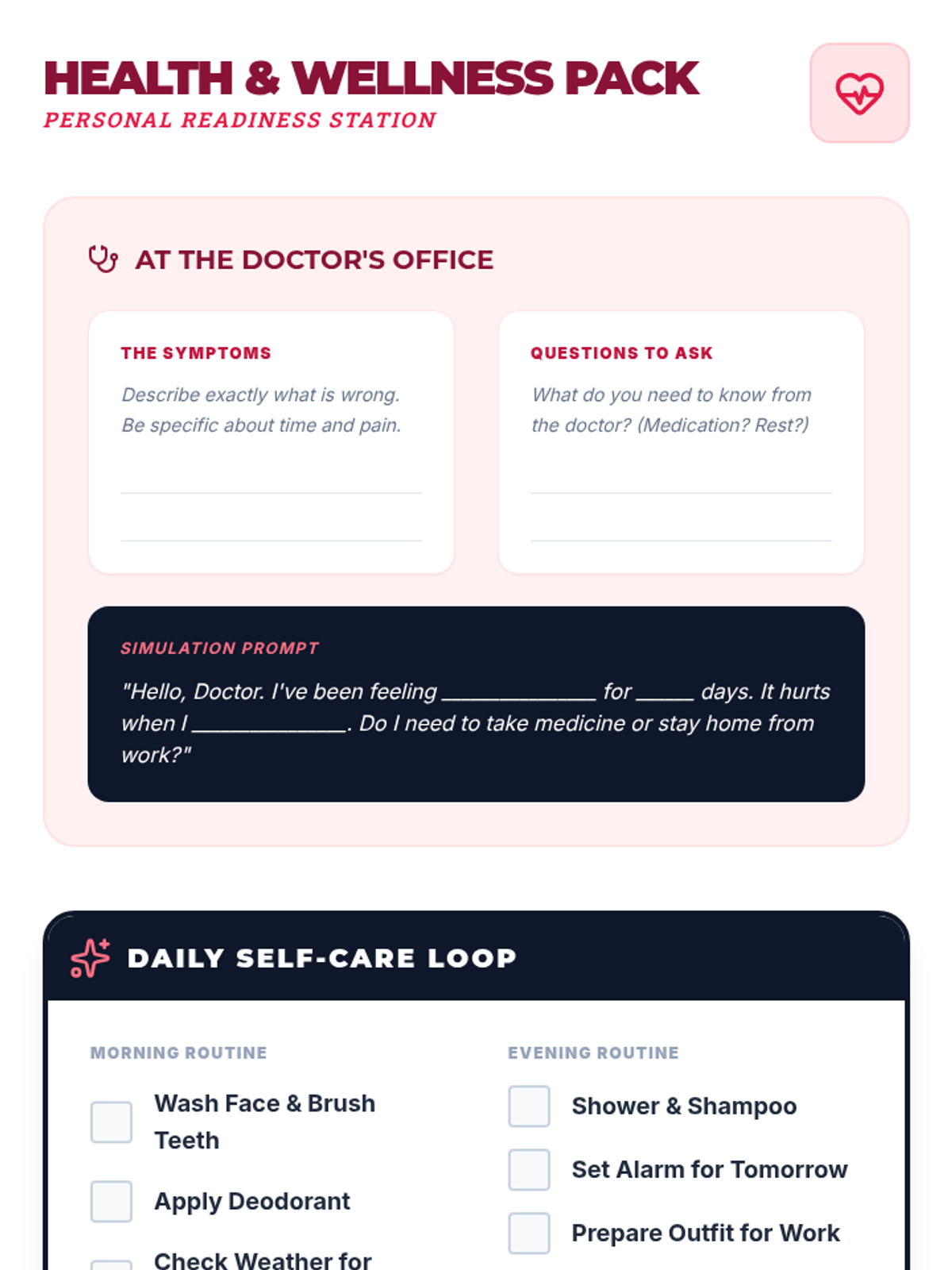
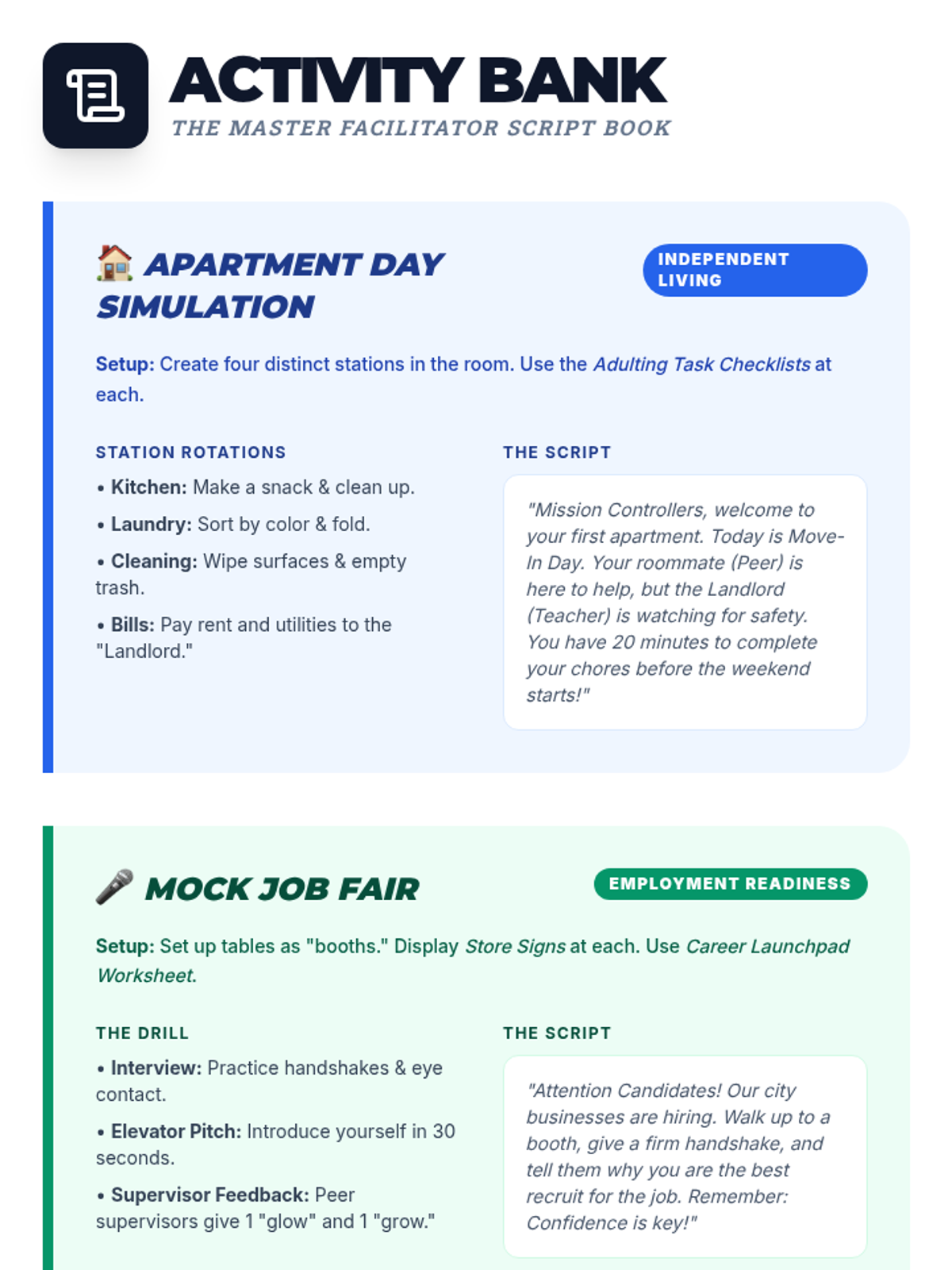
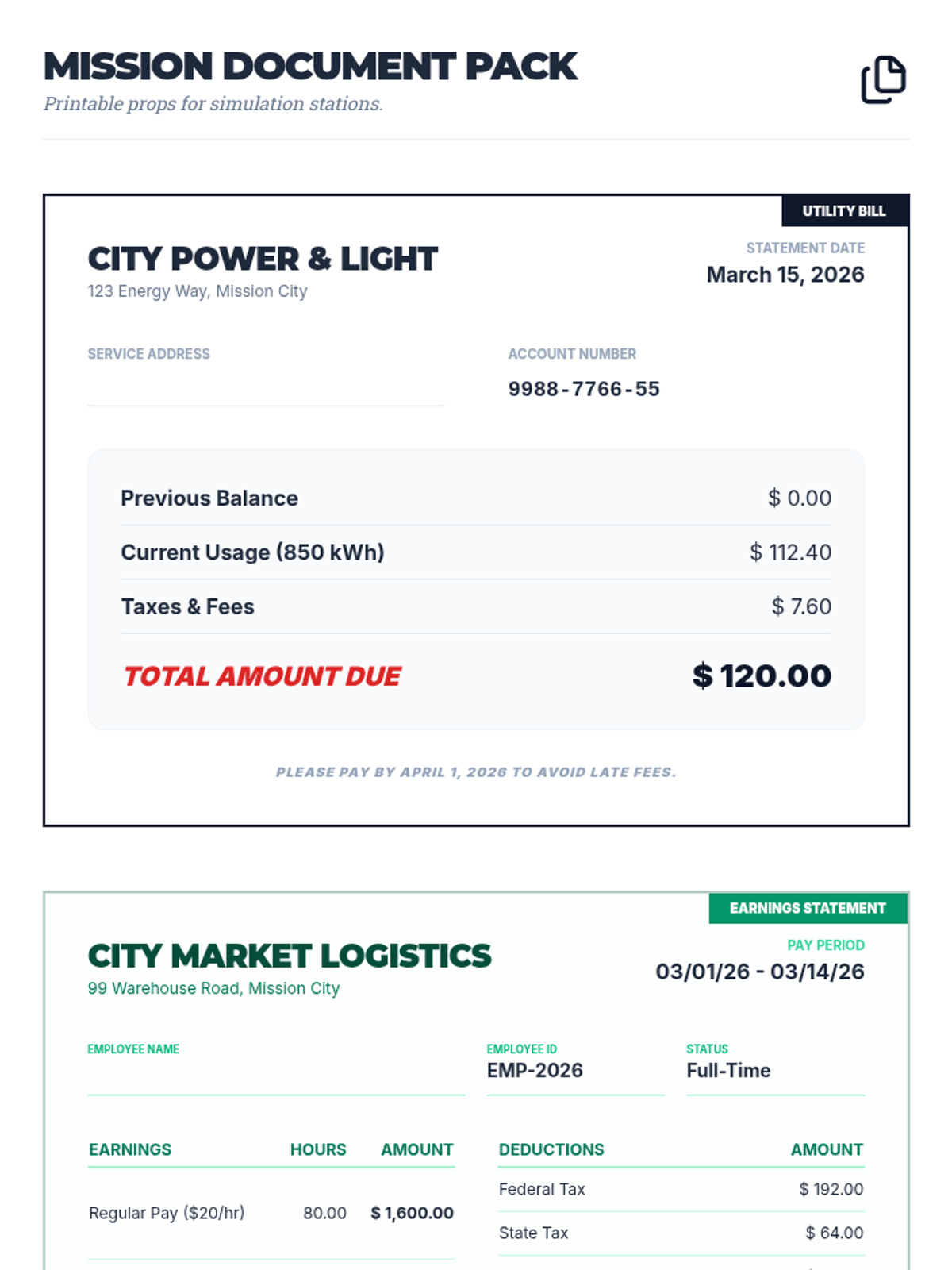
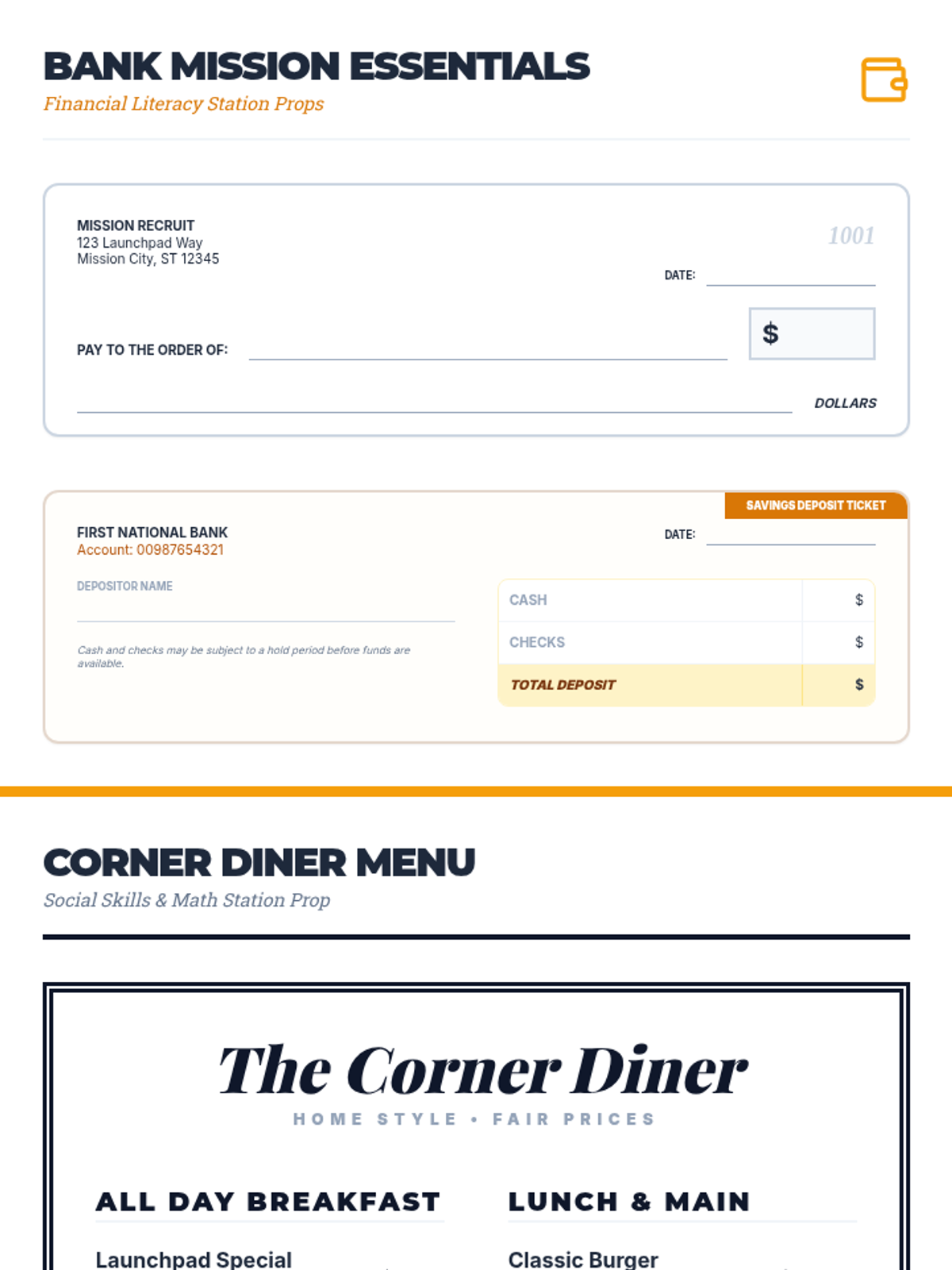
A comprehensive workshop focusing on essential adulting skills through immersive role-play, task simulations, and practical financial planning. This lesson covers Independent Living, Employment Readiness, Self-Advocacy, and Financial Literacy.
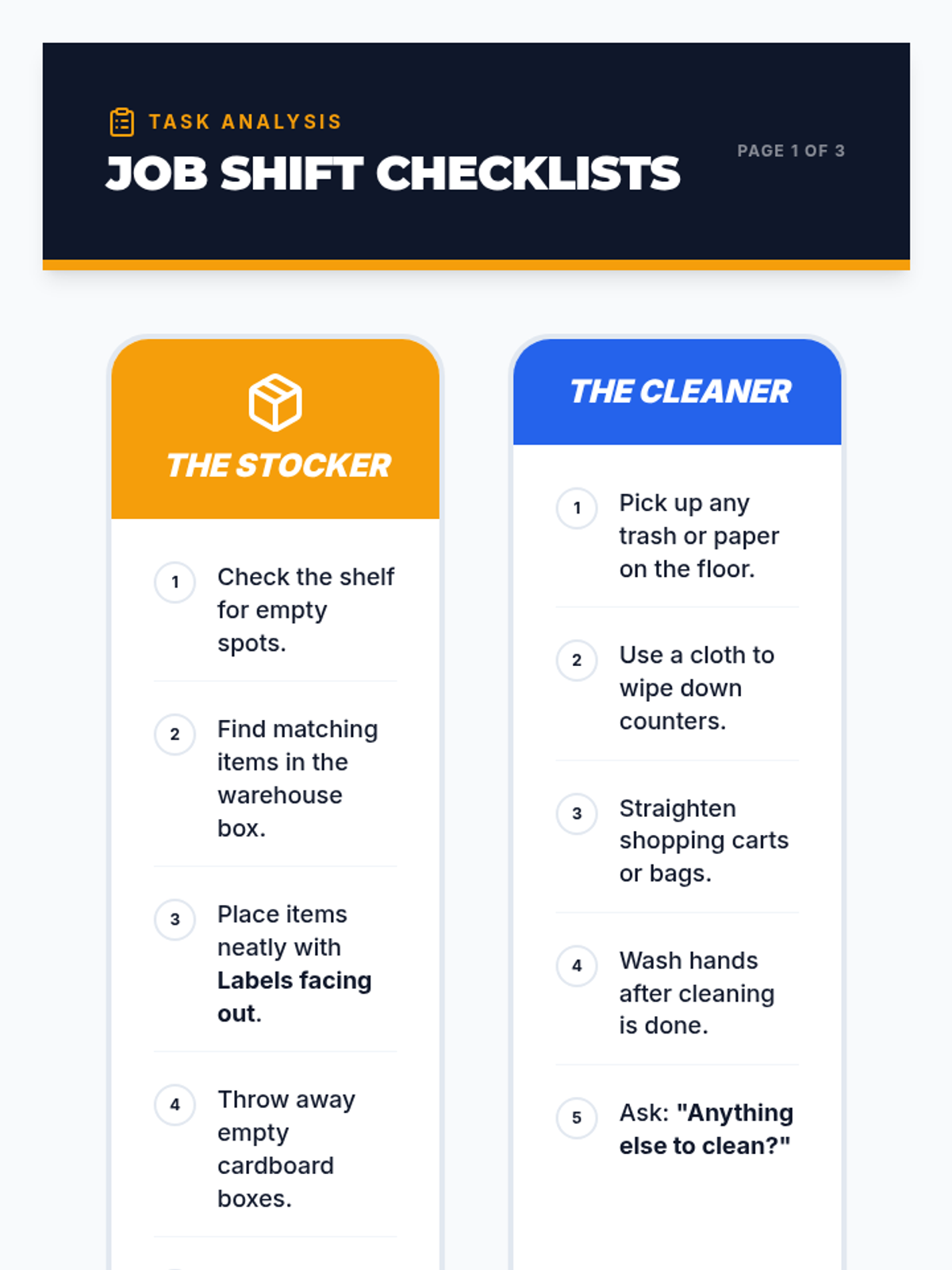
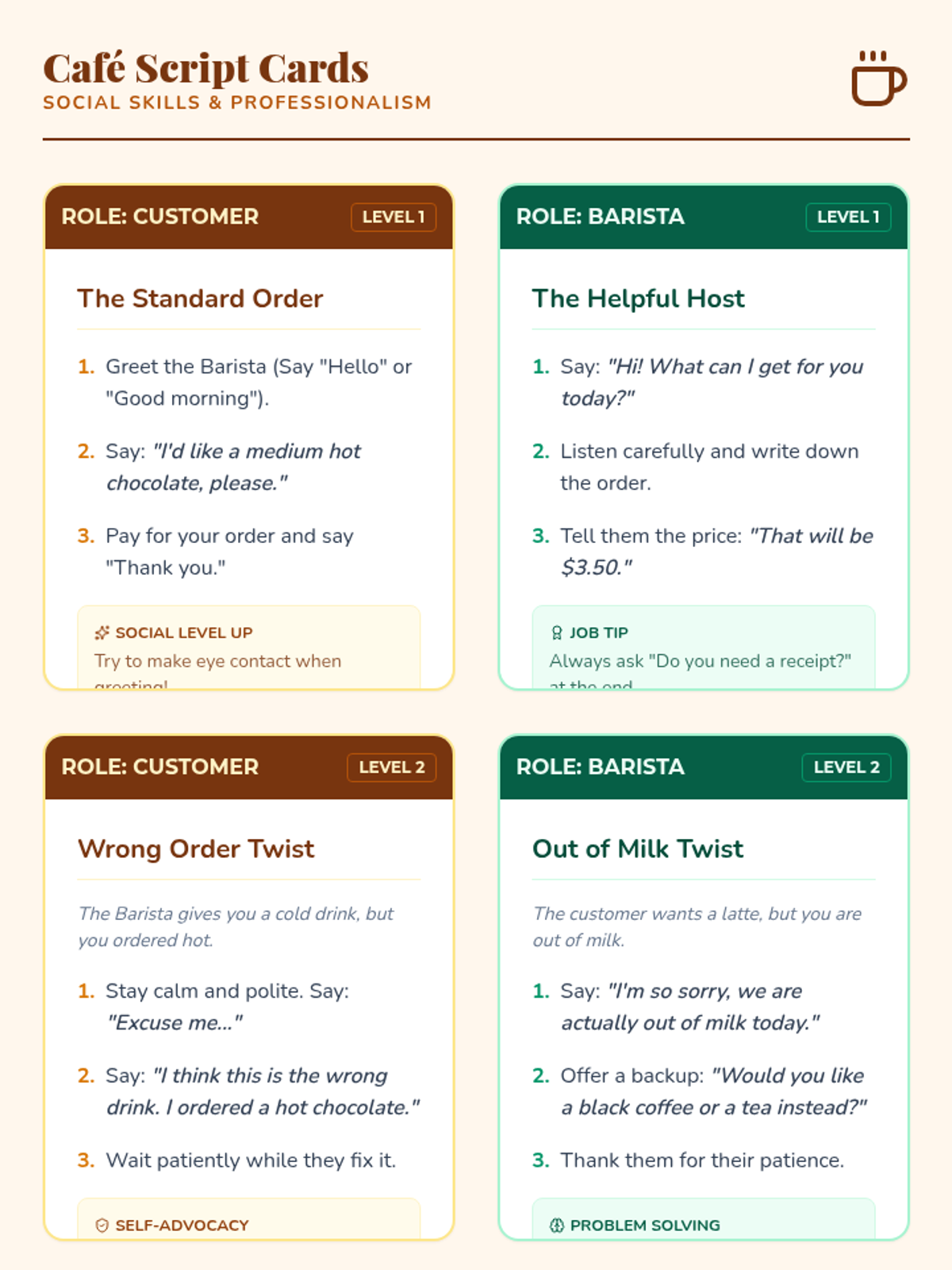
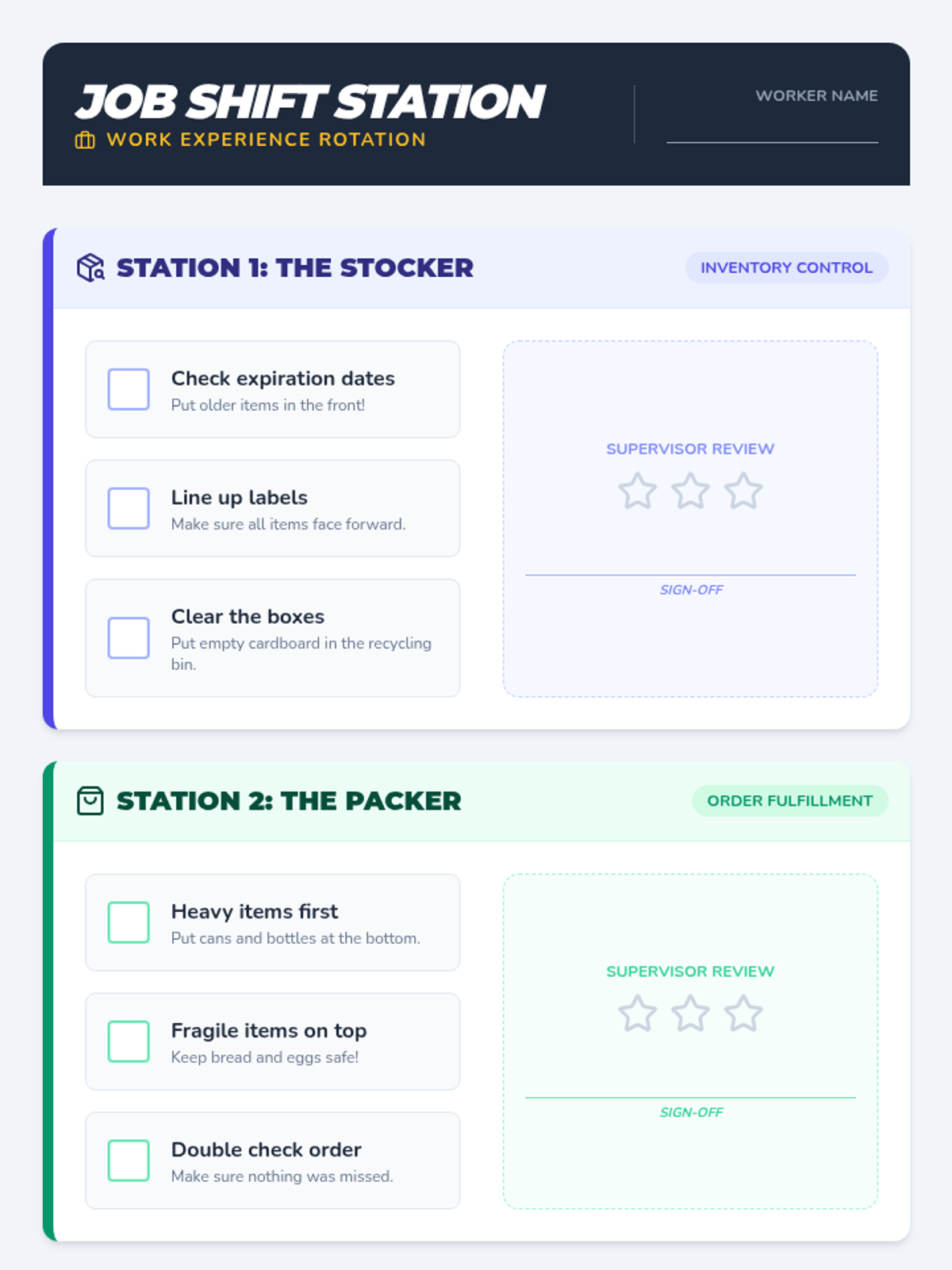
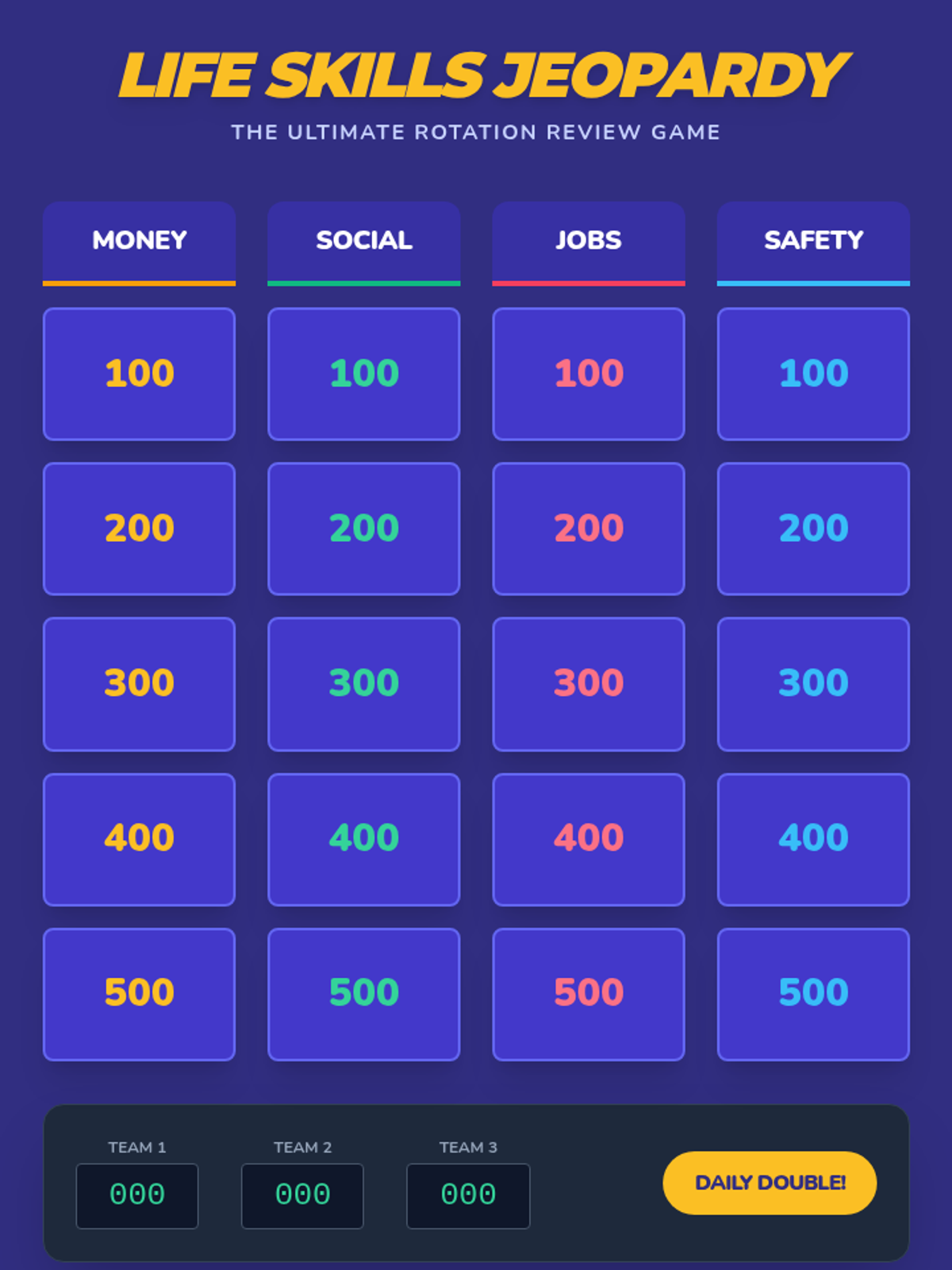
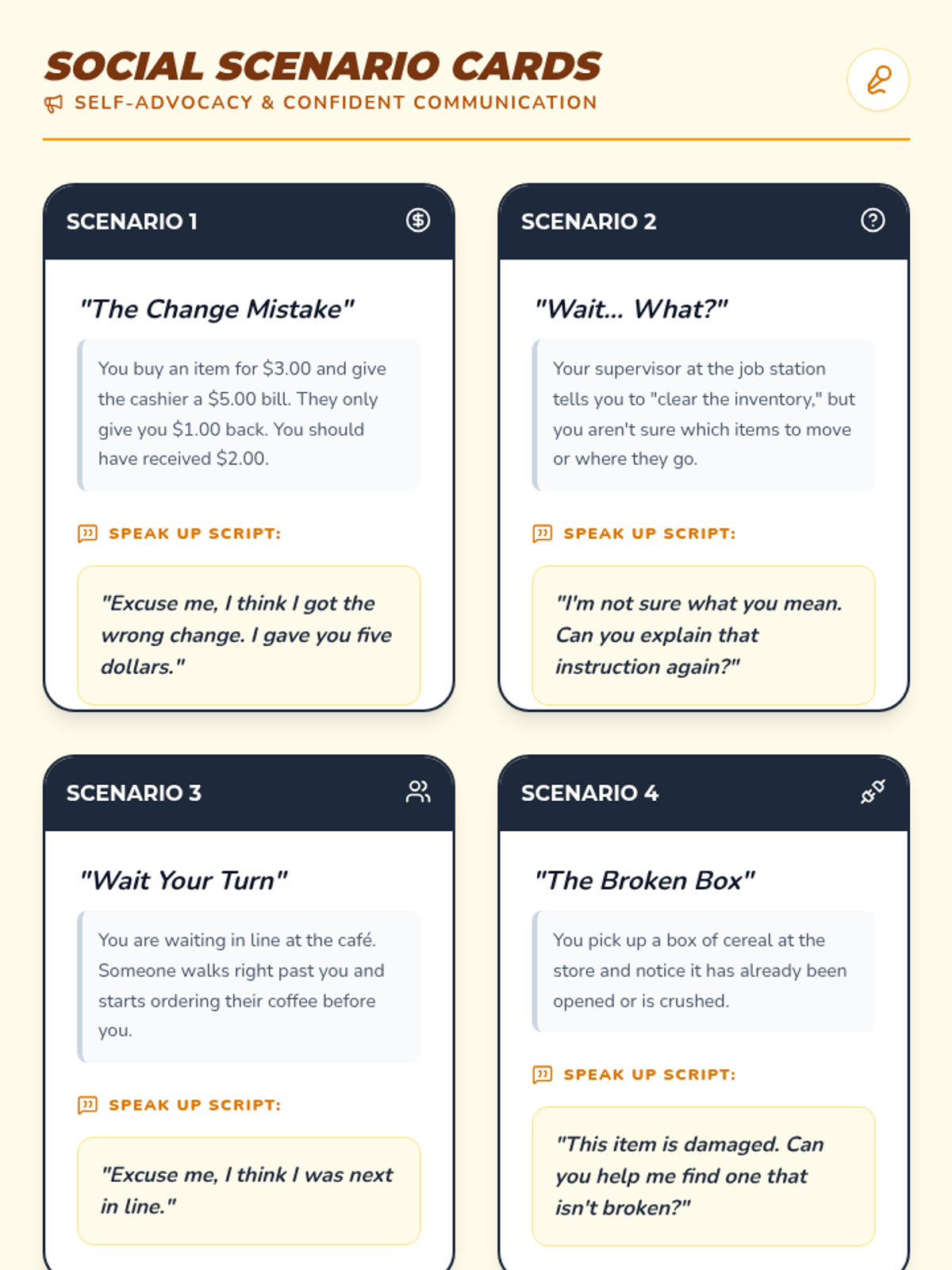
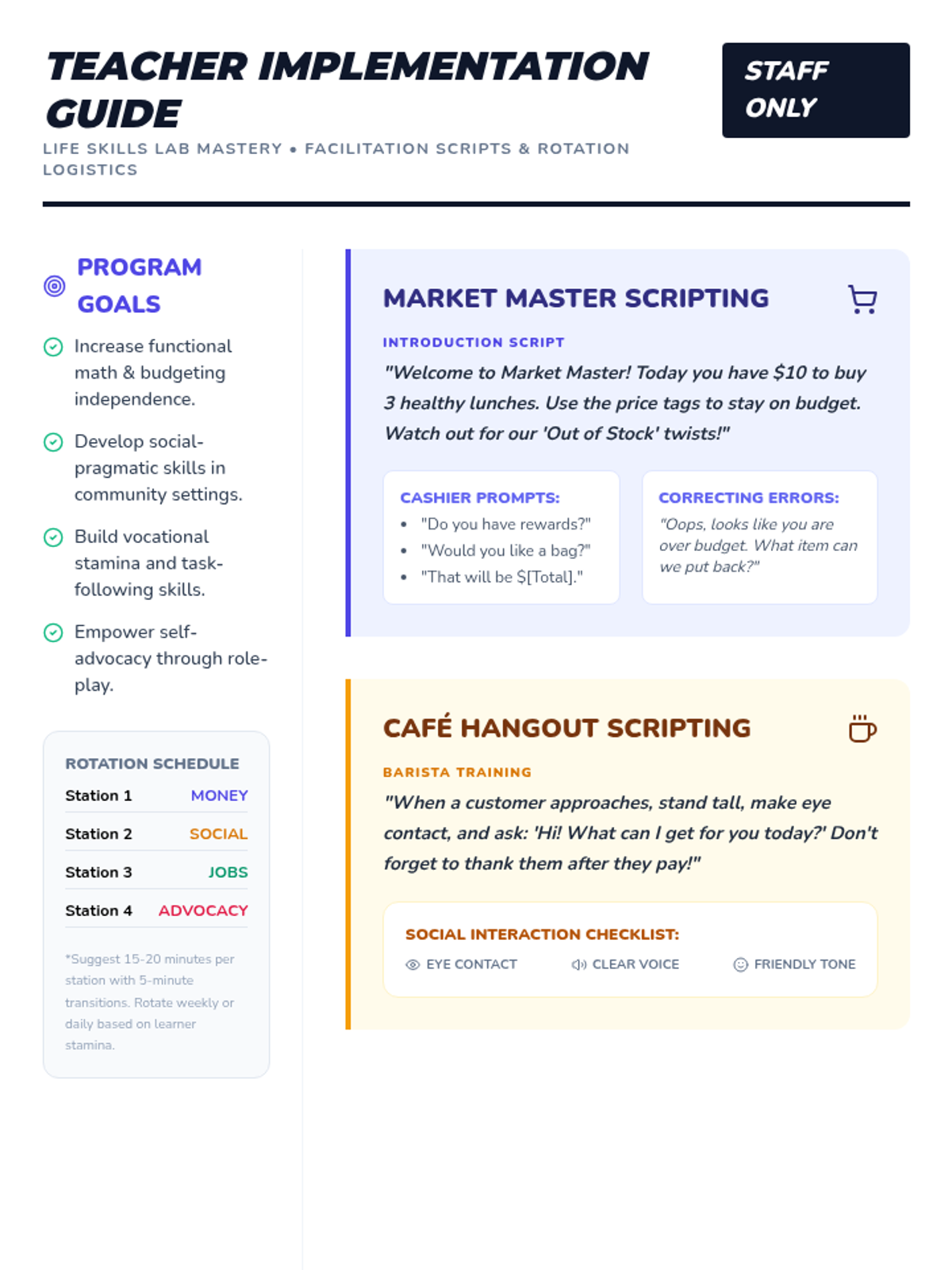
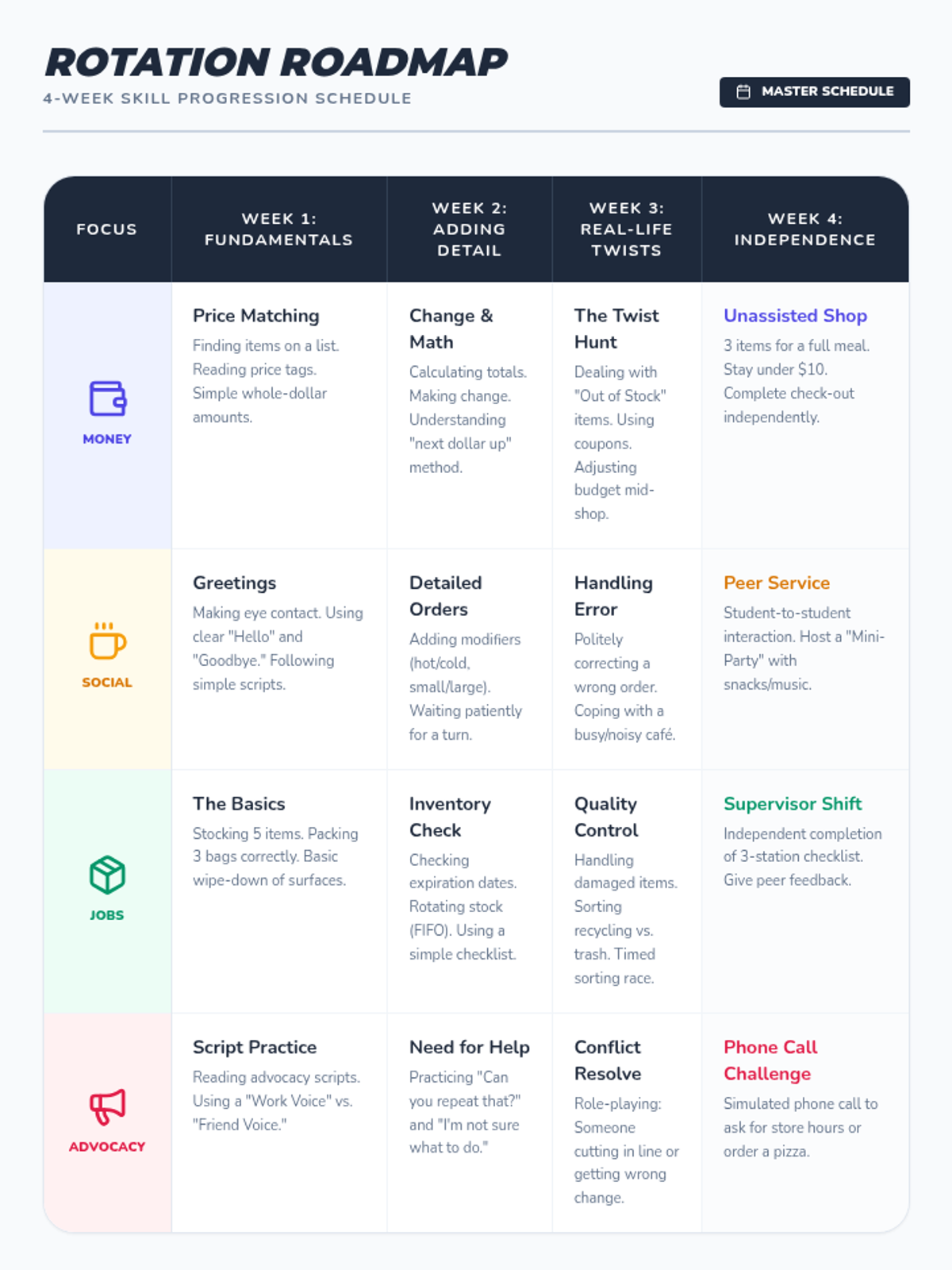
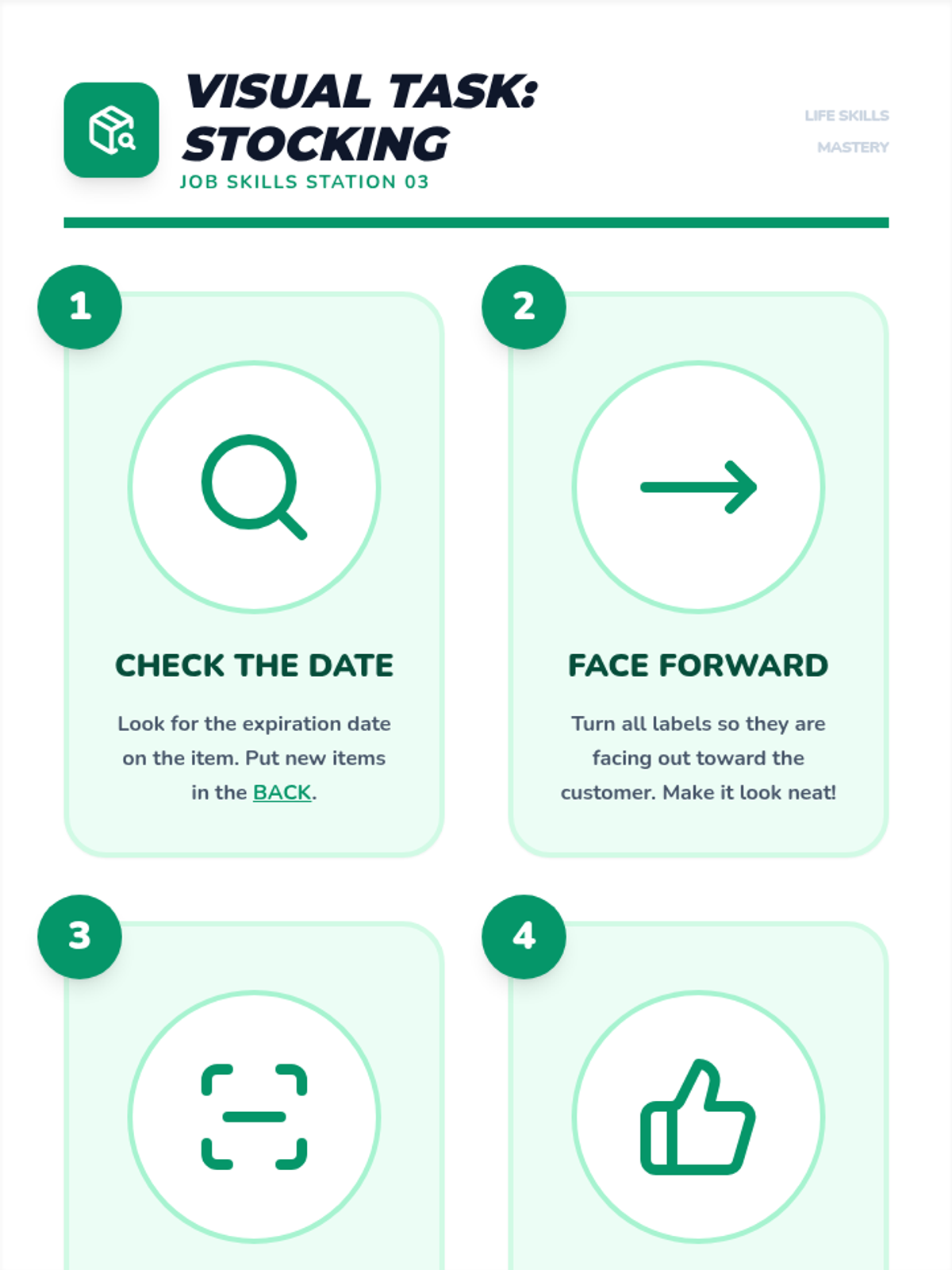
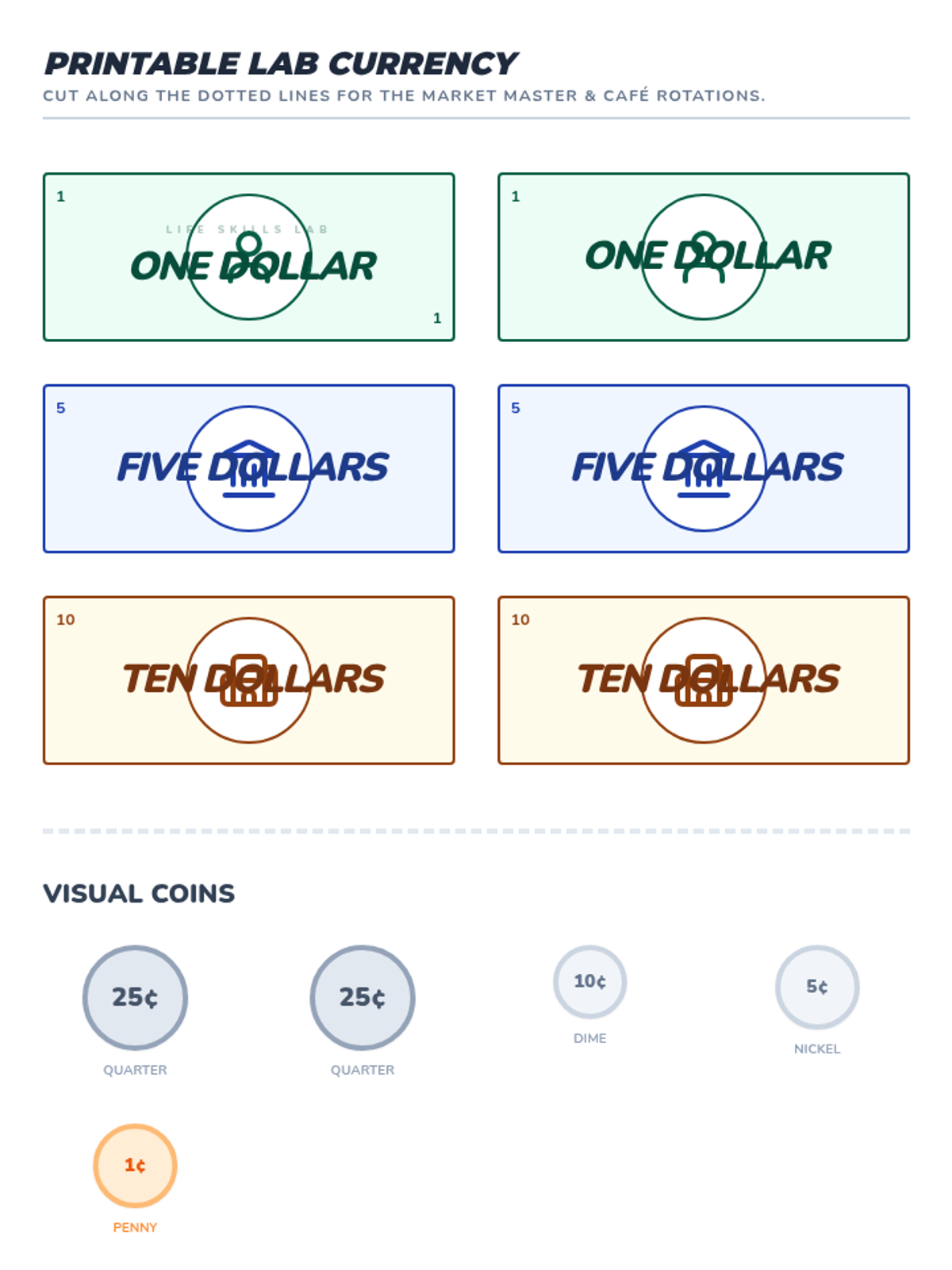
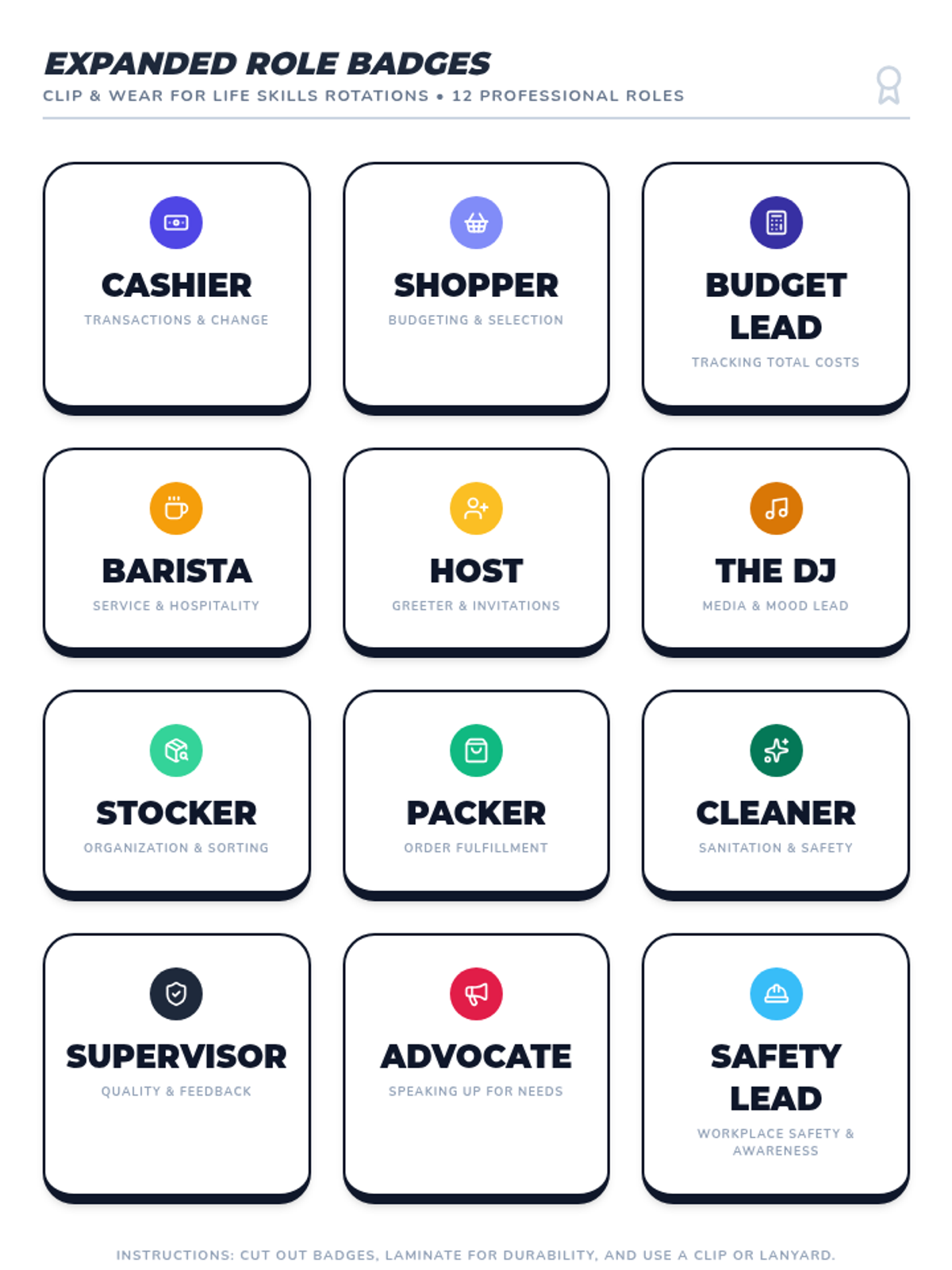
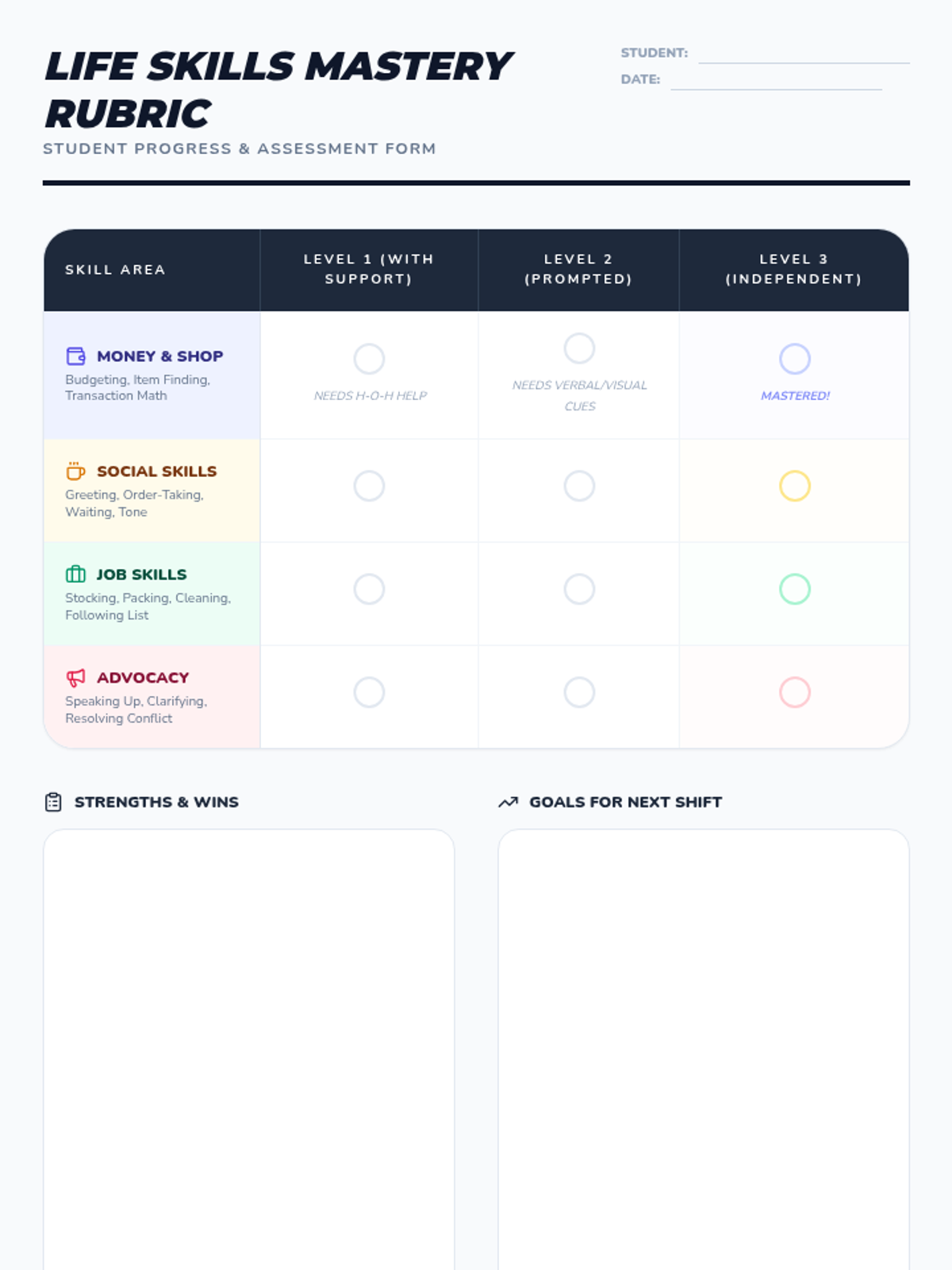
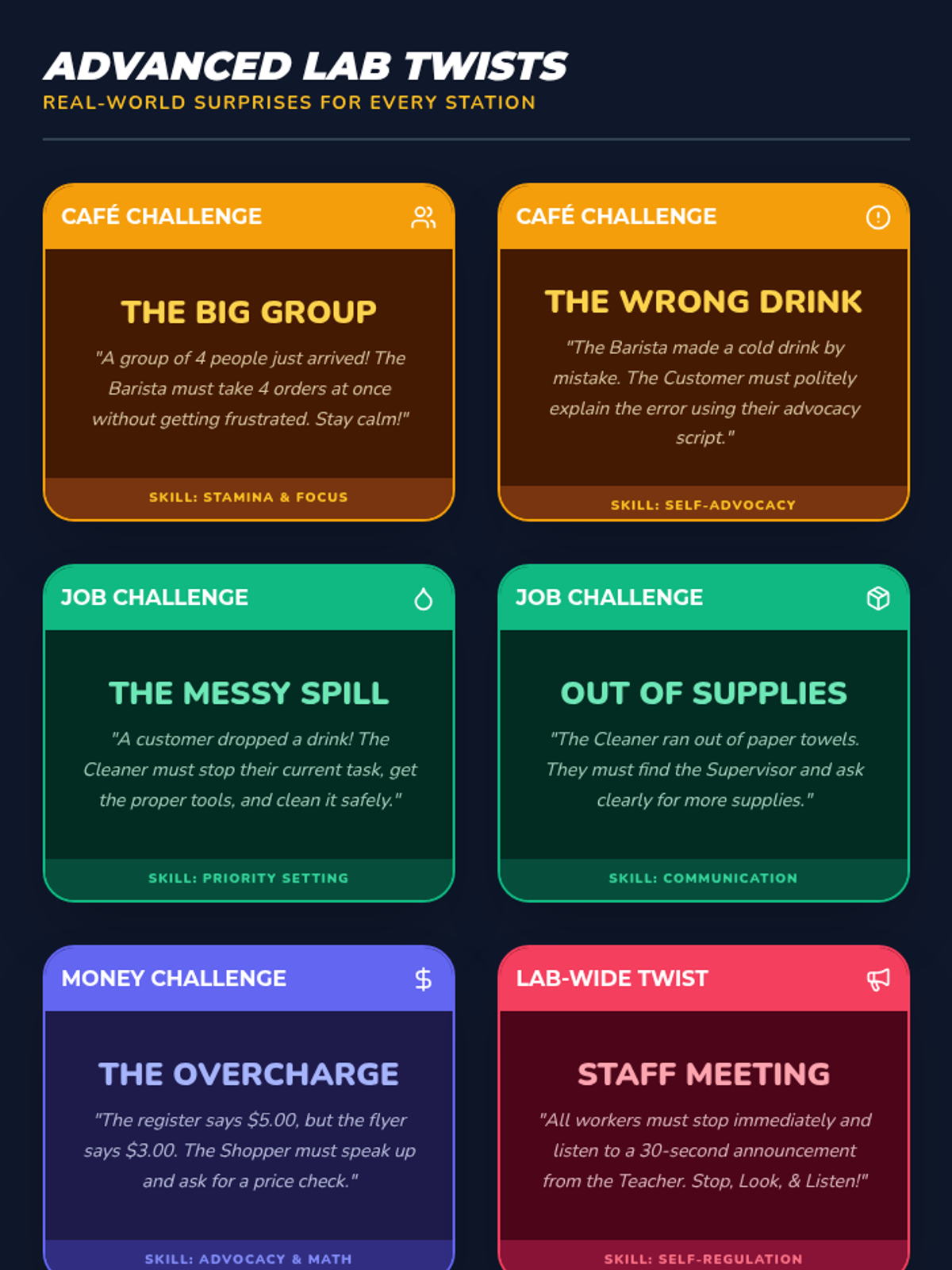
A comprehensive life skills rotation lesson covering budgeting, social interactions at a cafe, job skills (stocking/packing), and self-advocacy through role-play and game-based learning.
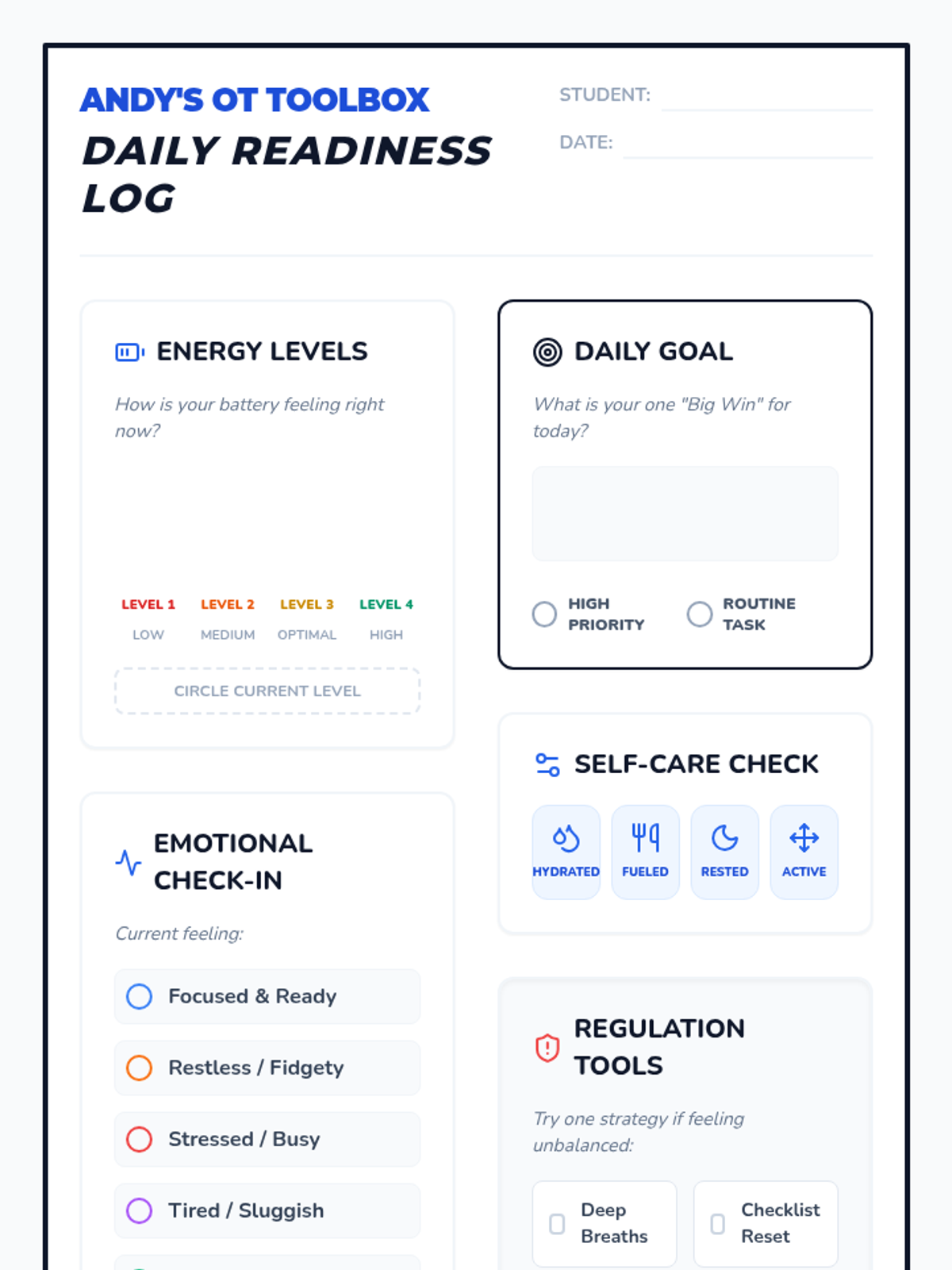
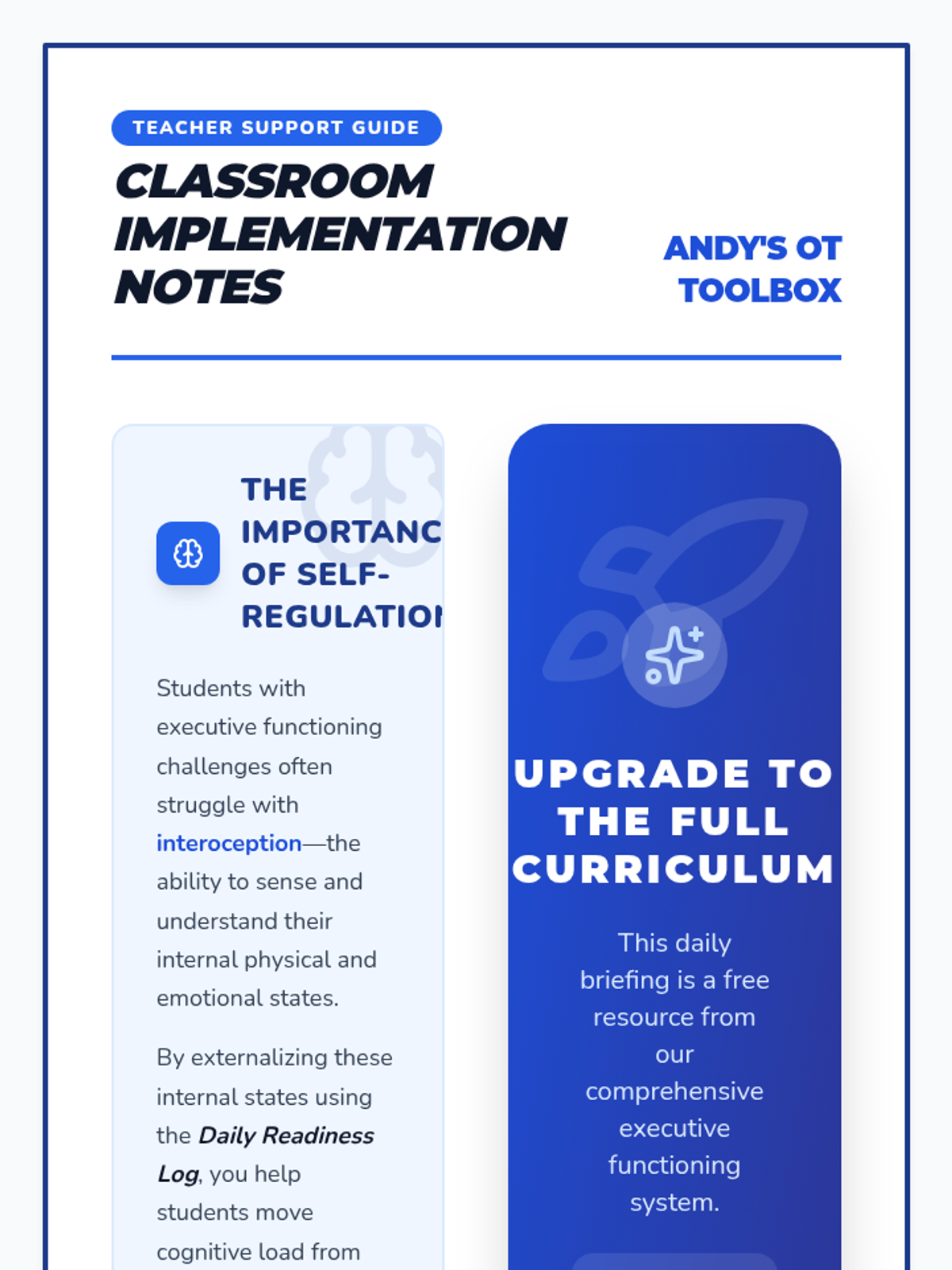
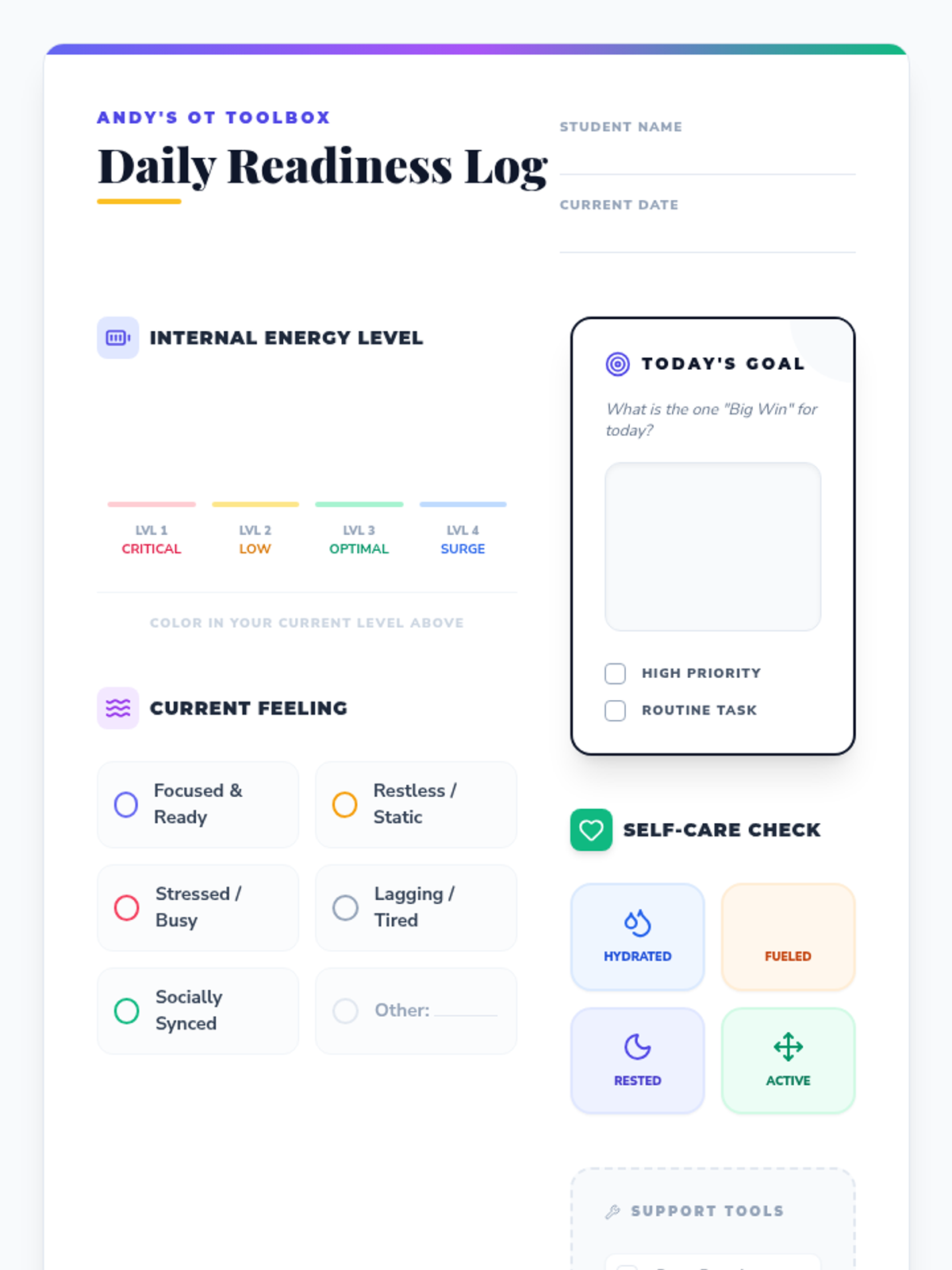
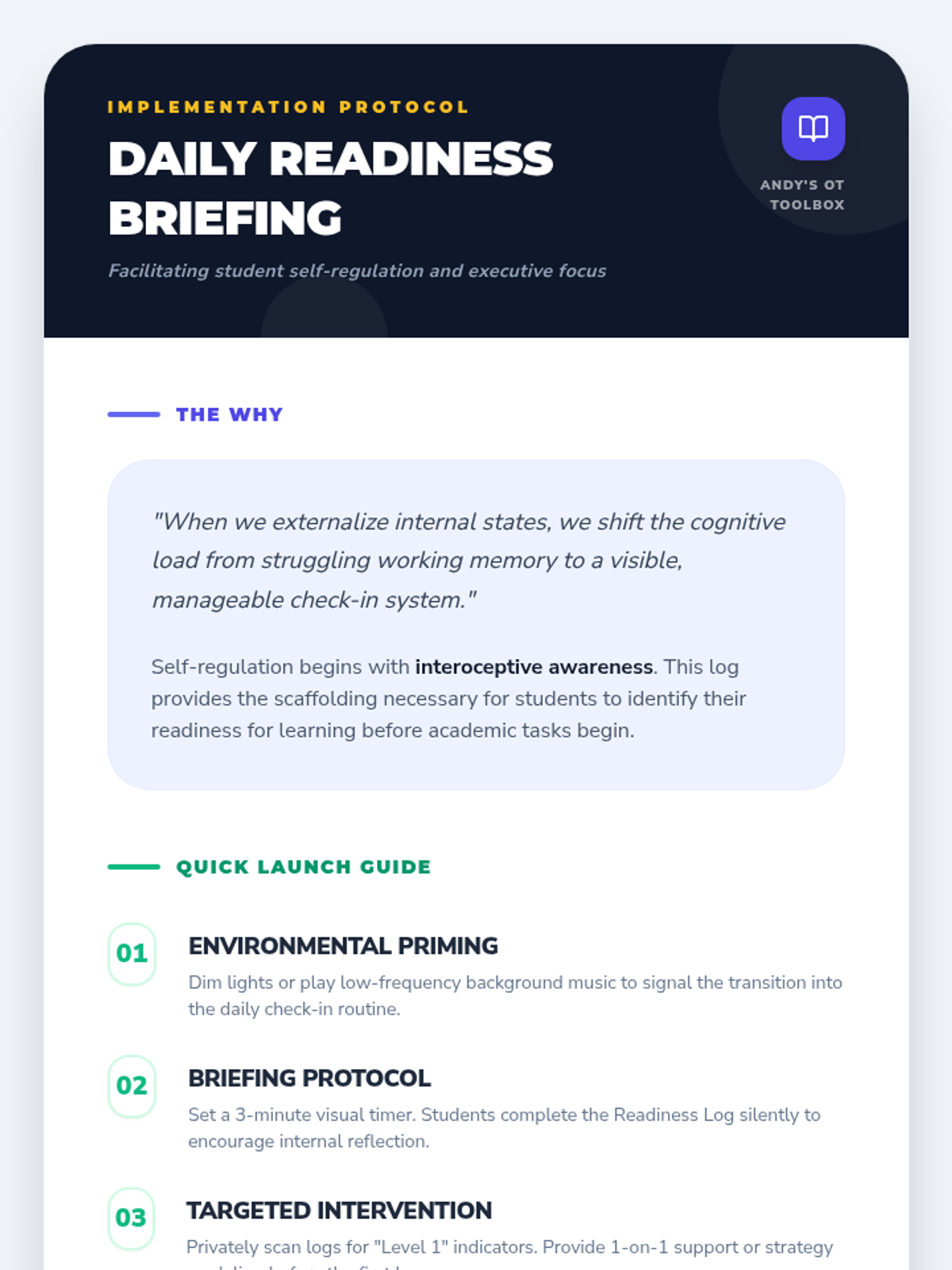
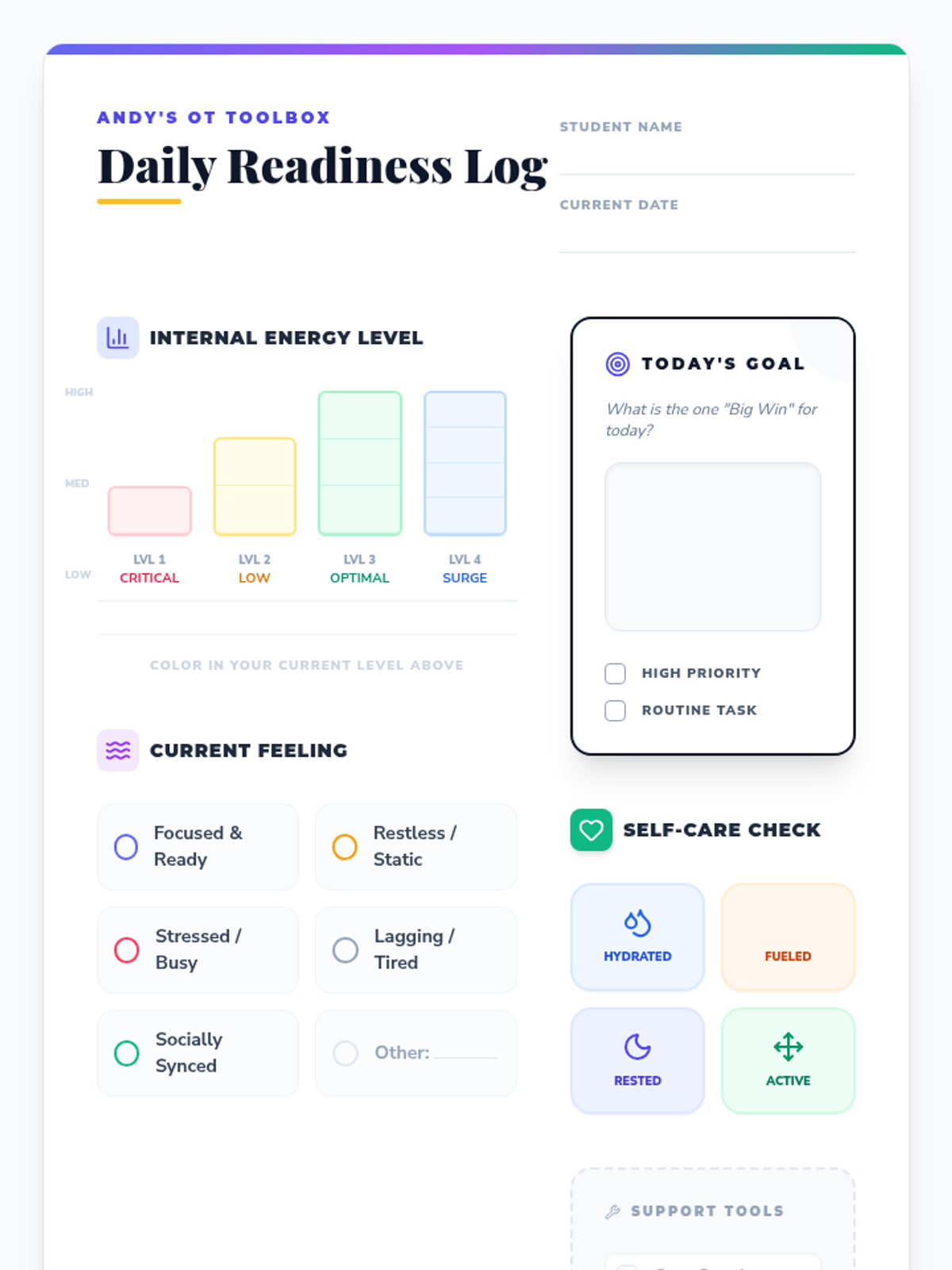
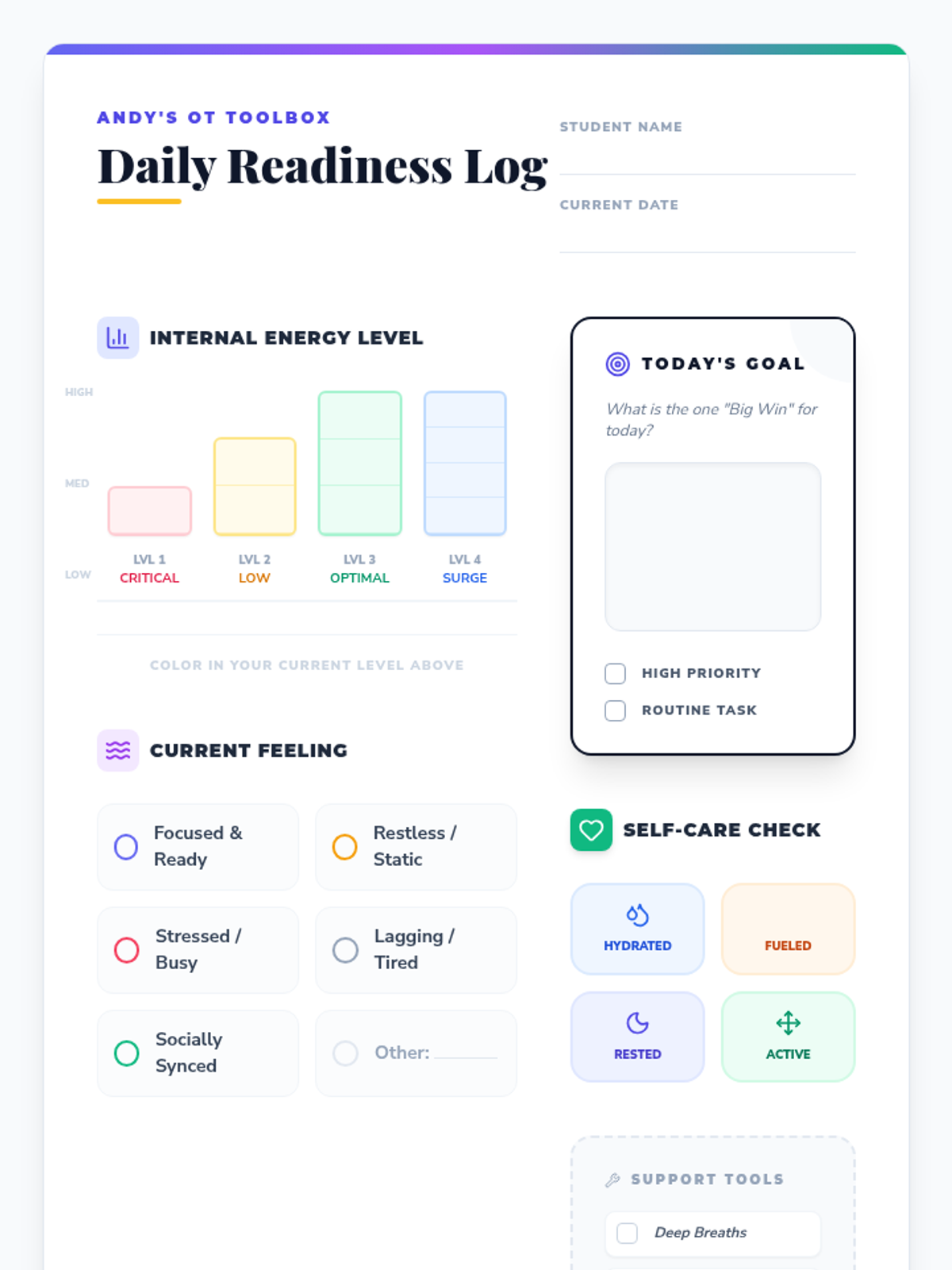
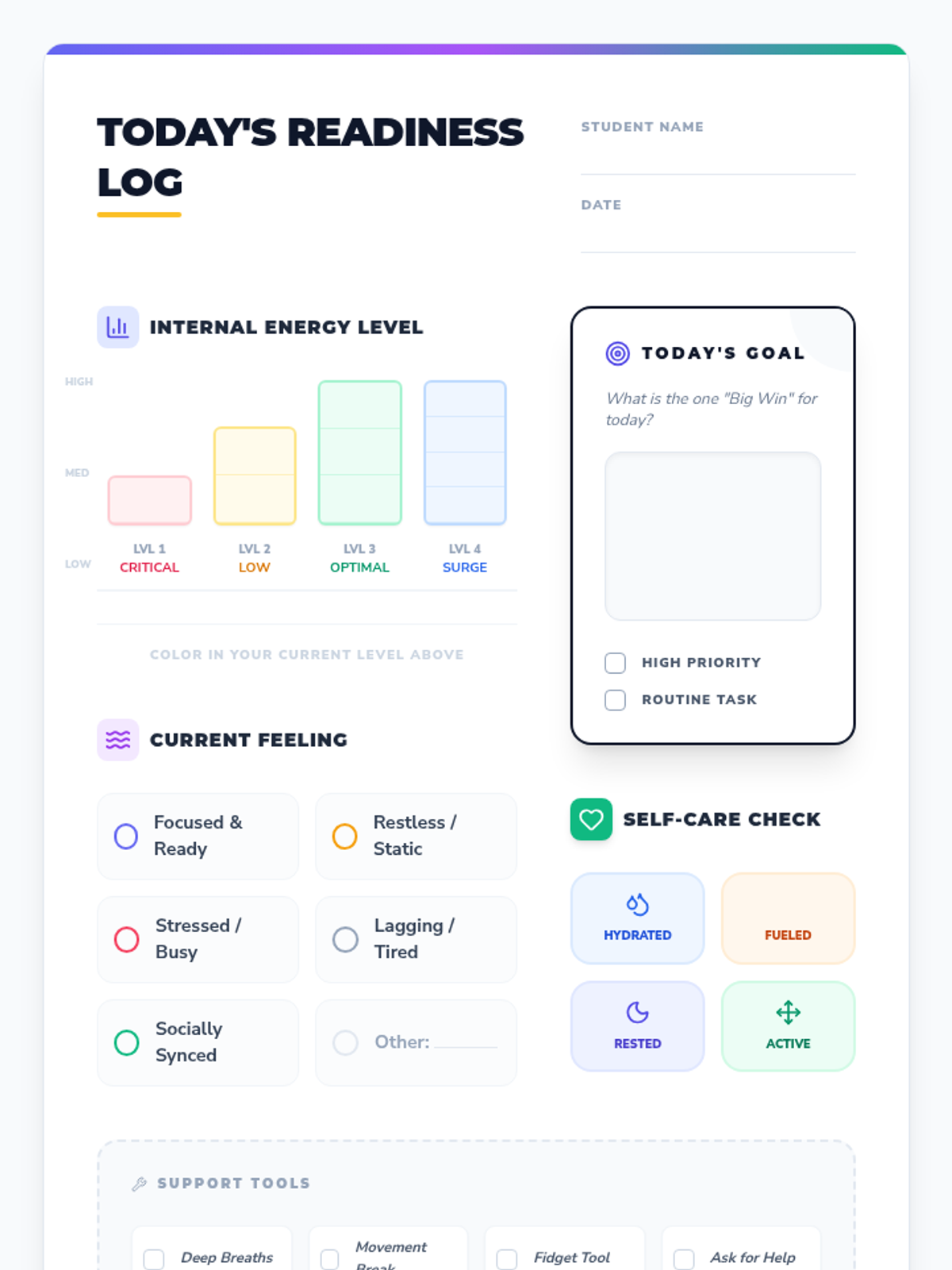
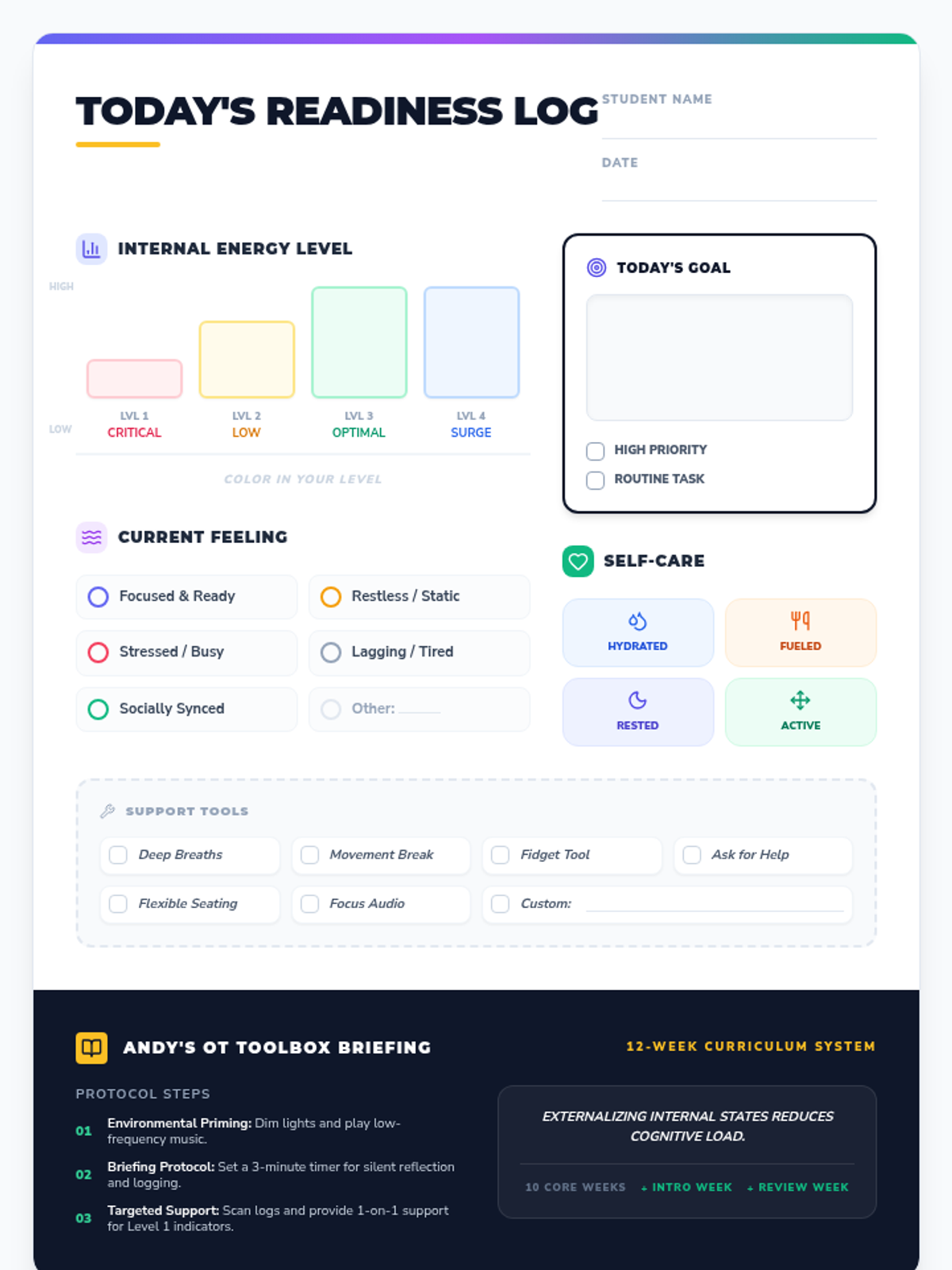
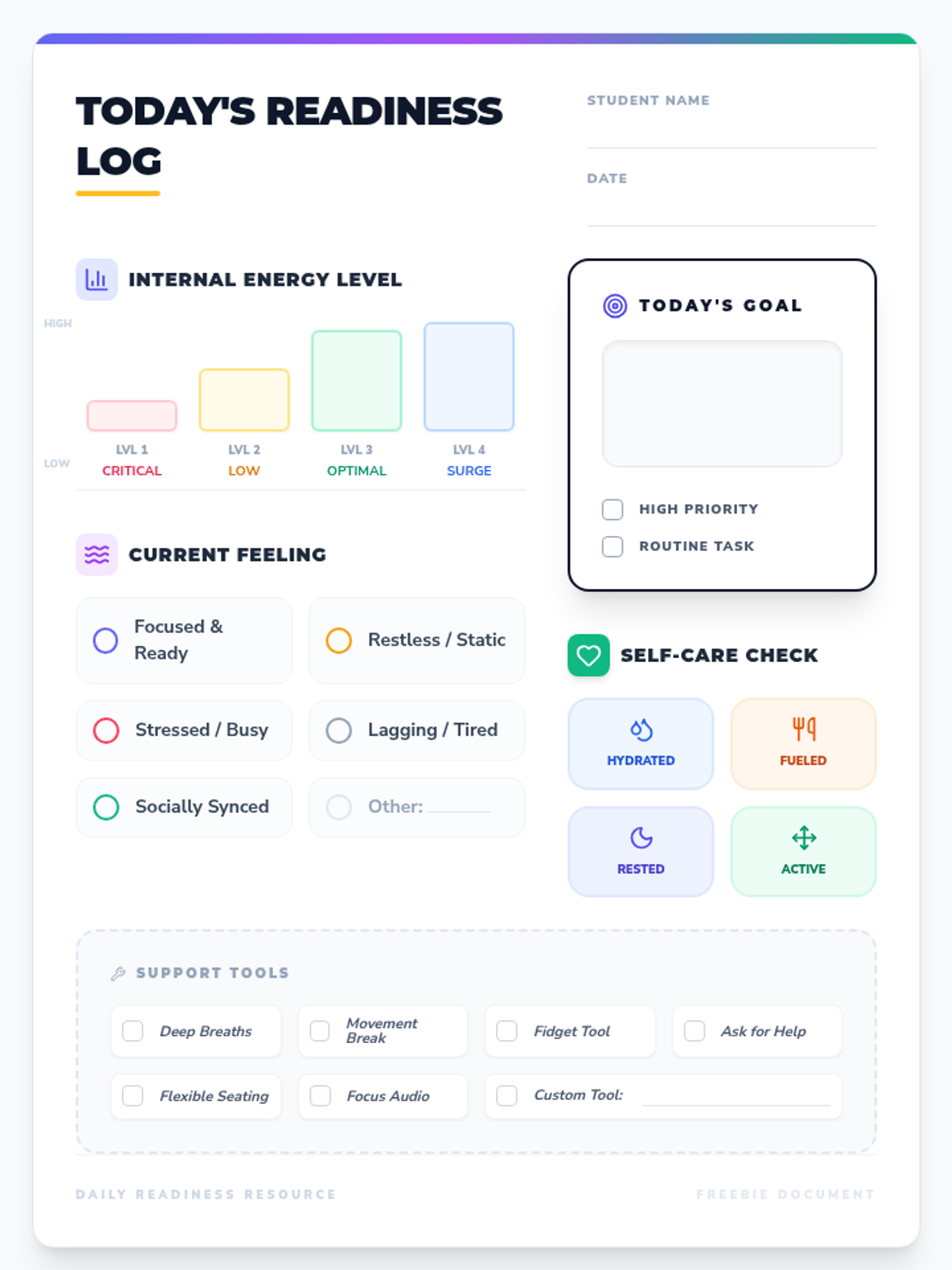
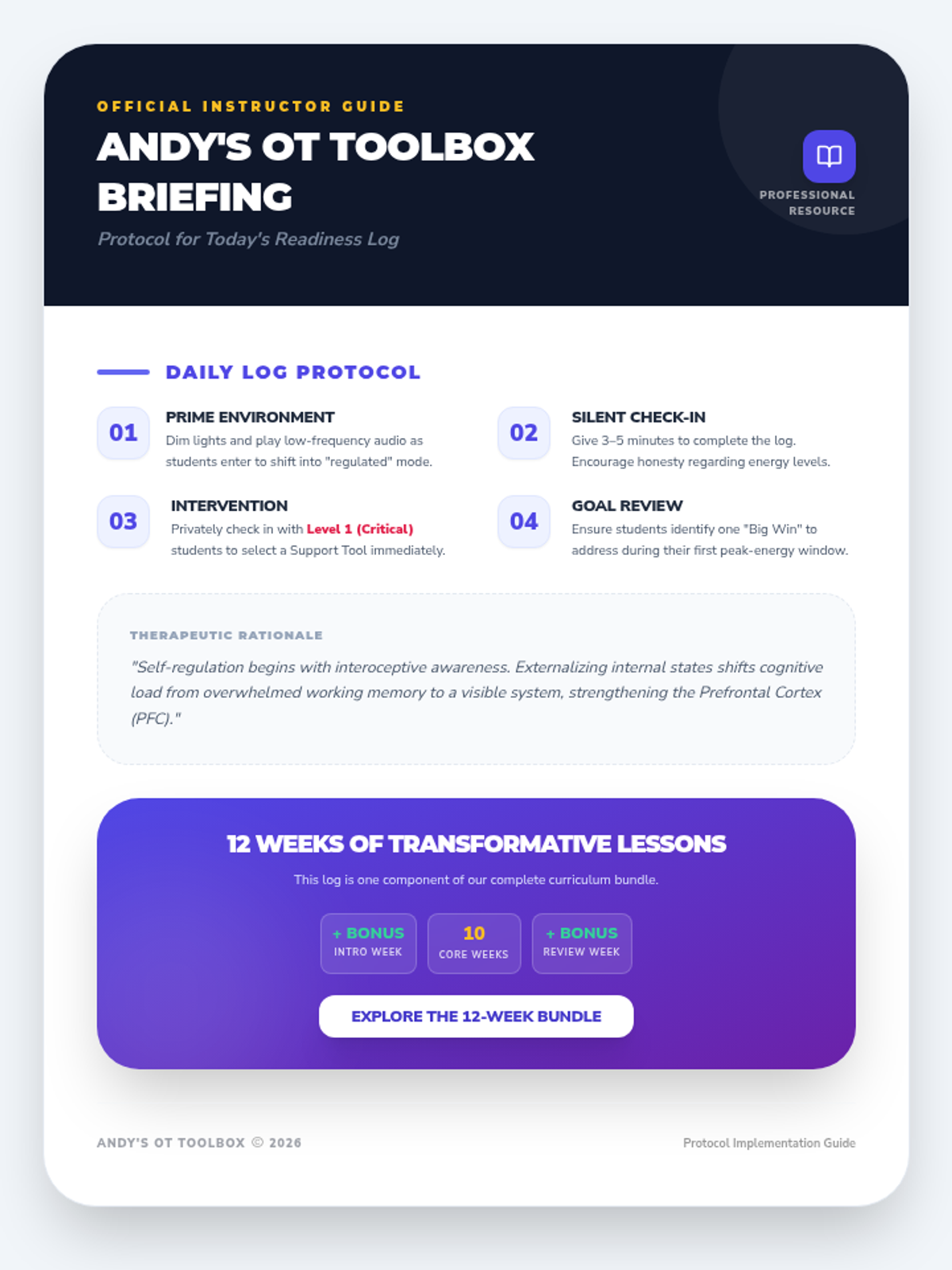
A daily check-in system designed to help students identify their energy levels, emotional states, and regulation needs. Includes a student log and a teacher implementation guide.
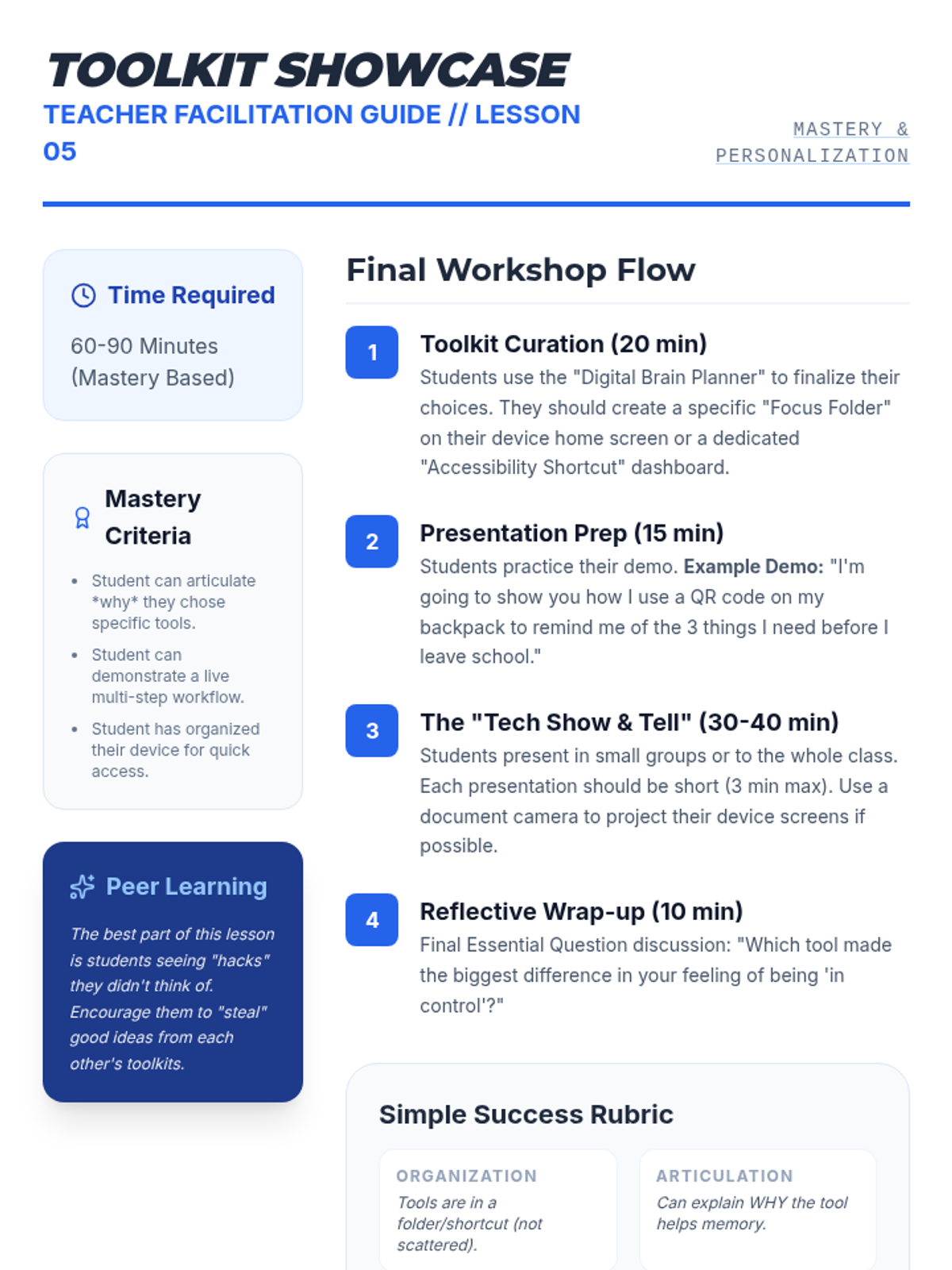
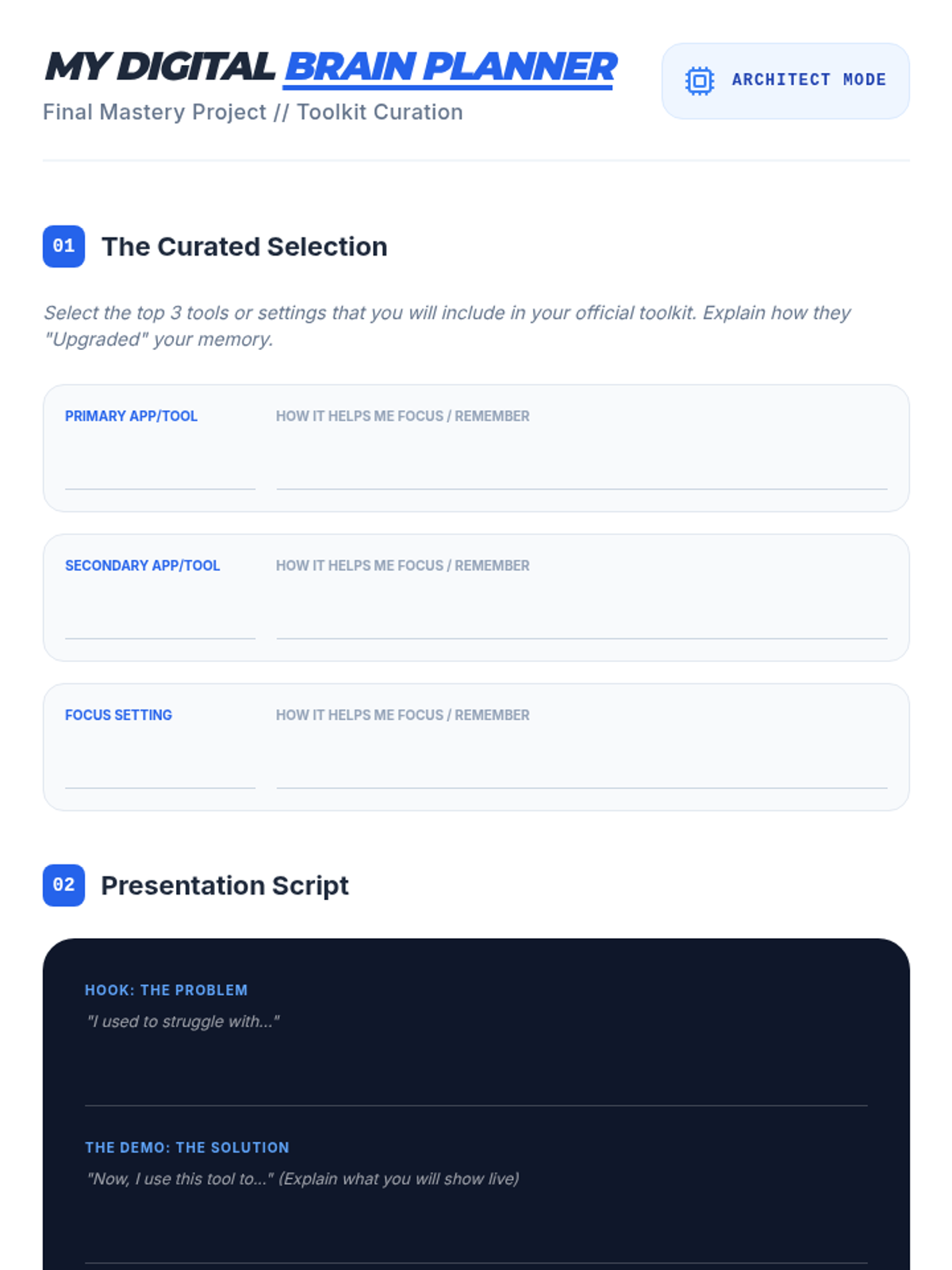
Students compile their favorite tools into a personalized digital support toolkit. They demonstrate their chosen features to the class, reinforcing their personal strategies for working memory support.
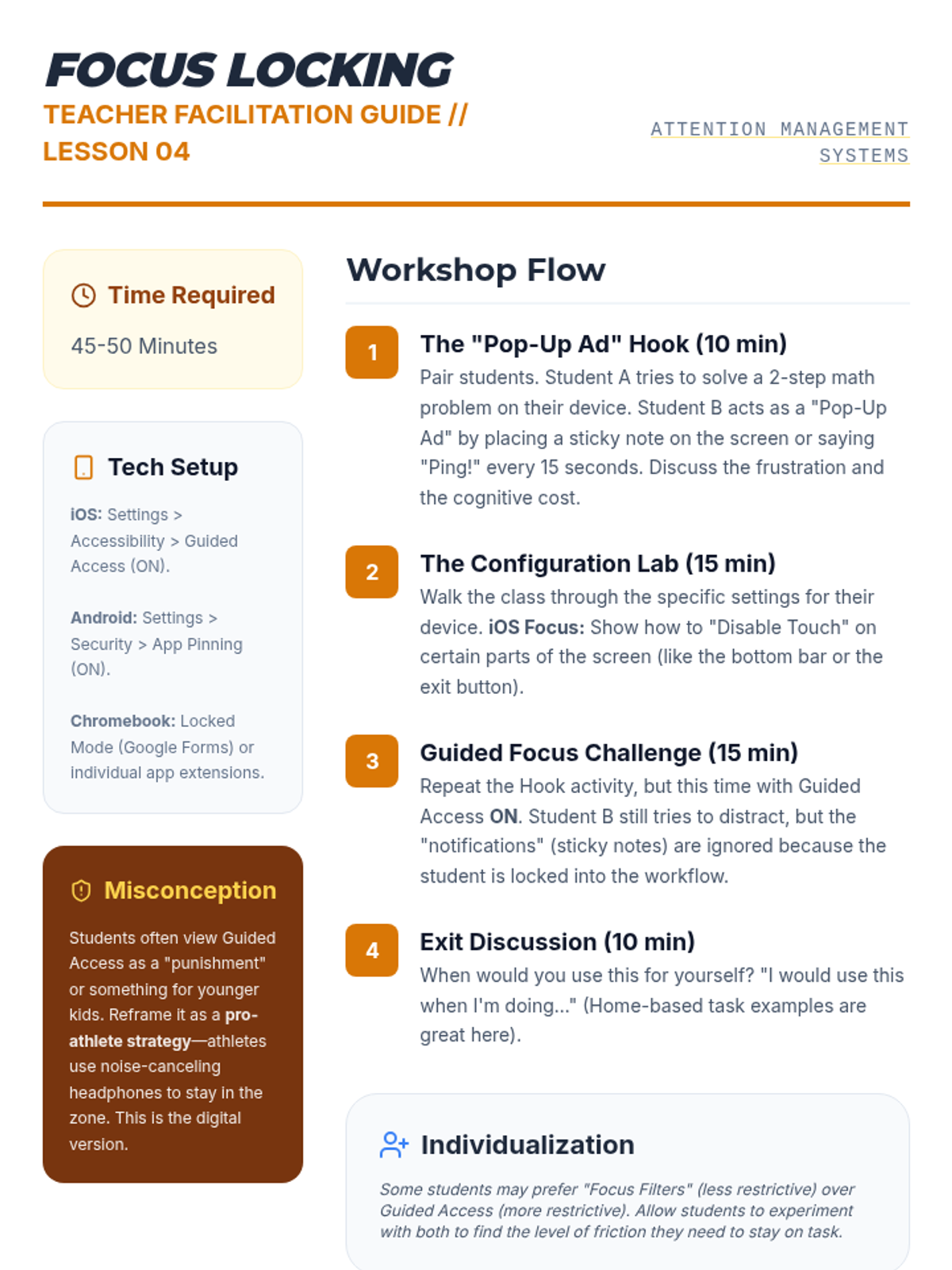
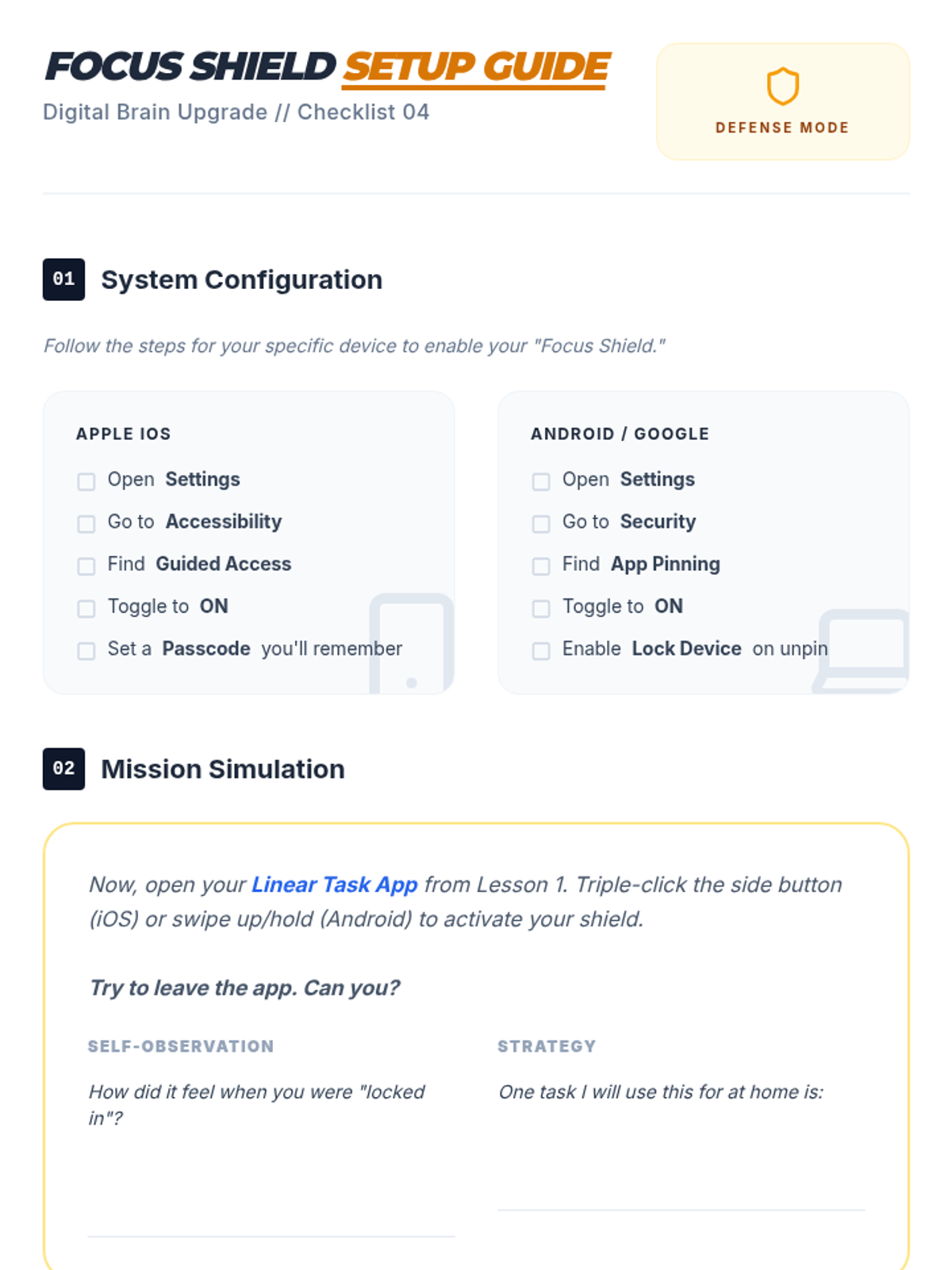
Students learn to use Guided Access and similar focus features to lock their devices into single apps. This environment control supports sustained attention on single-step tasks.
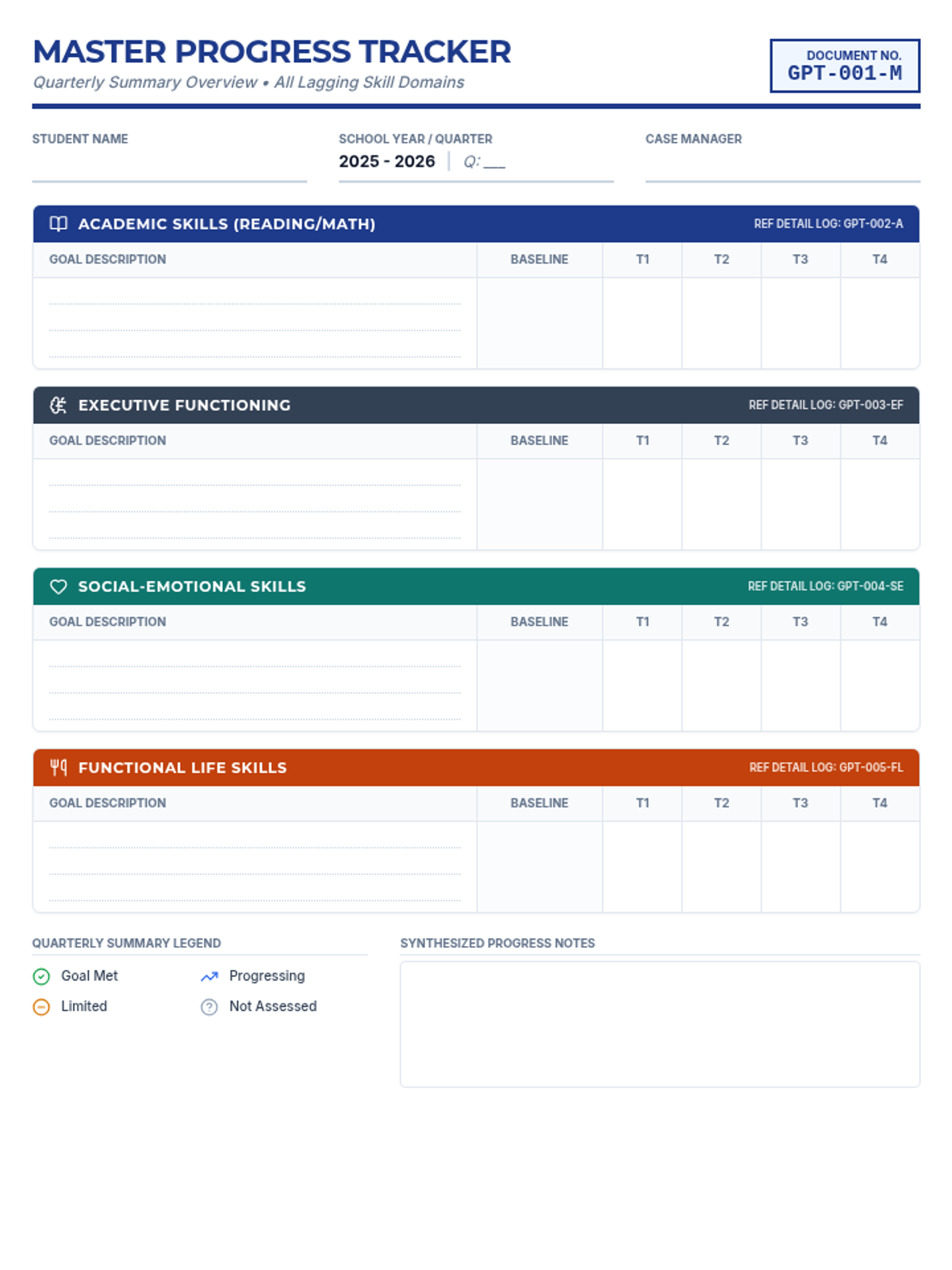
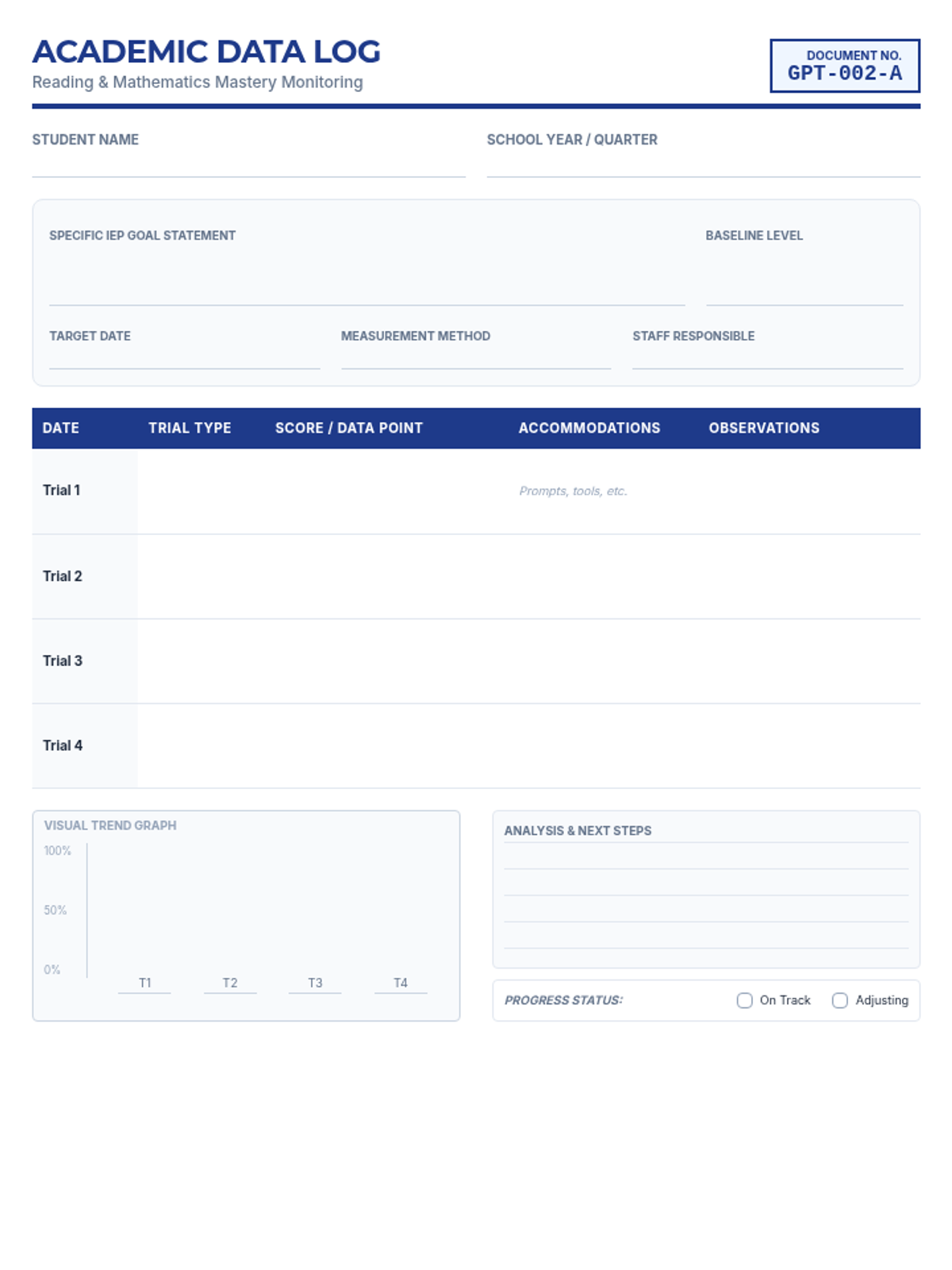
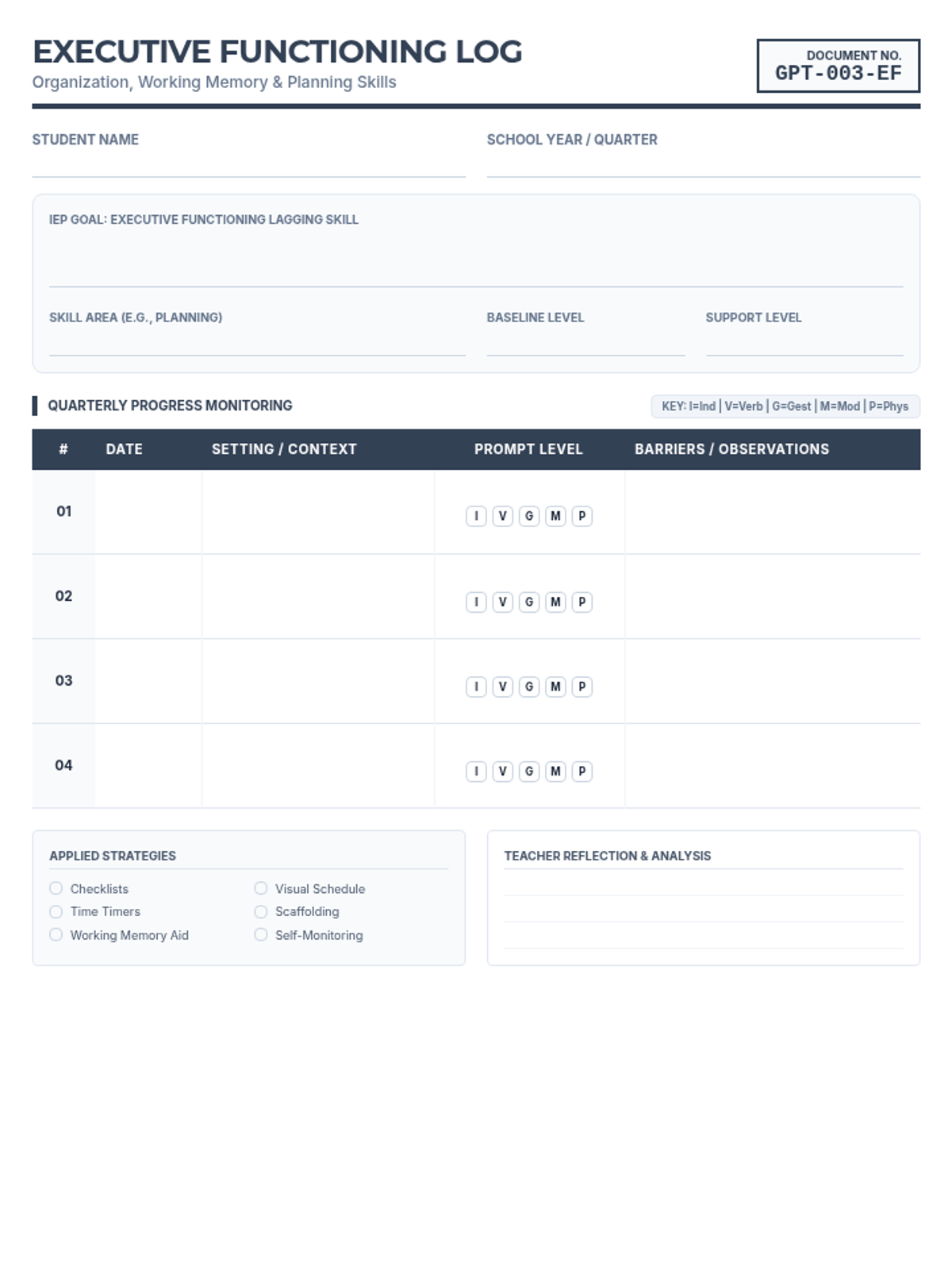
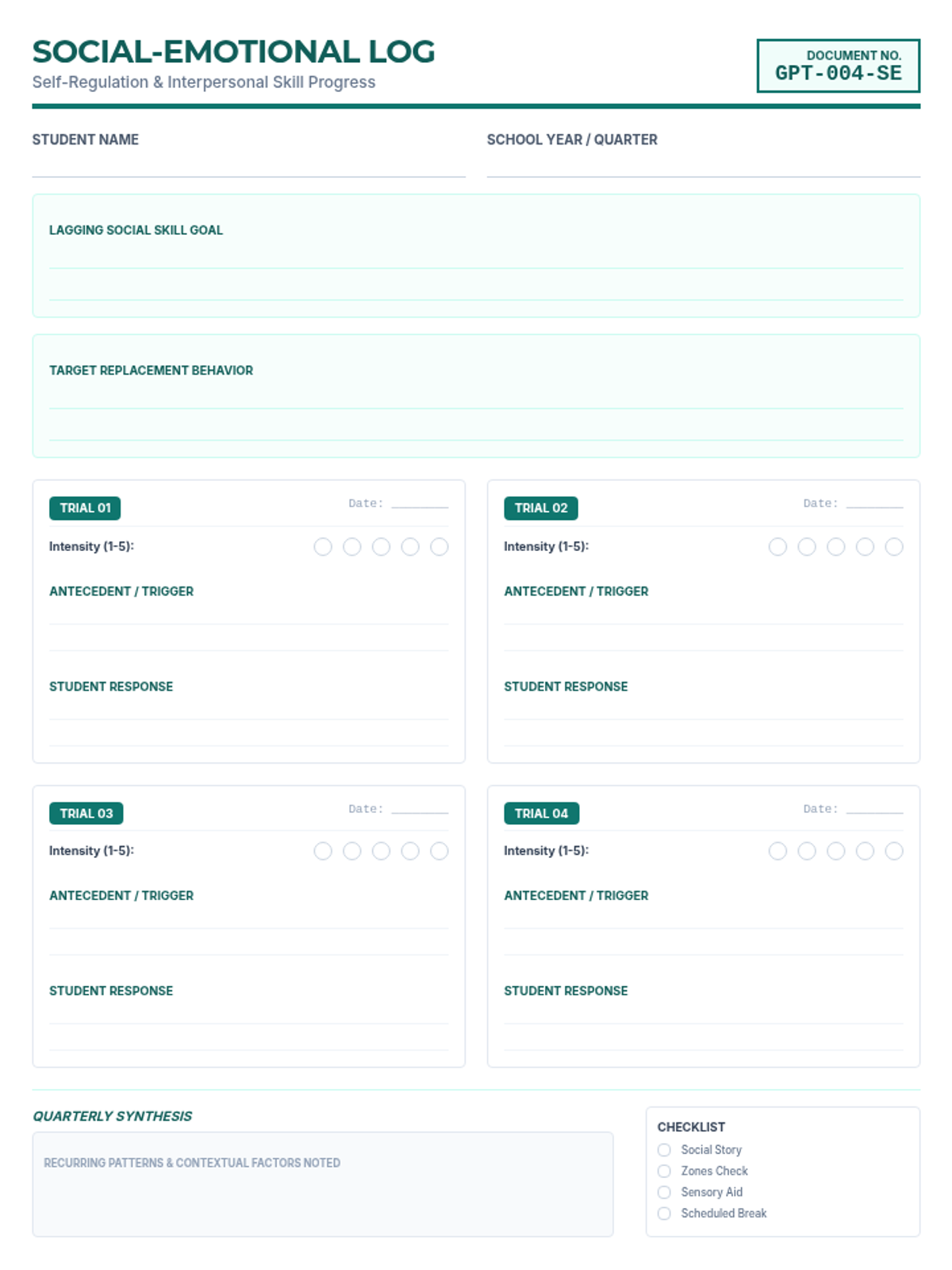
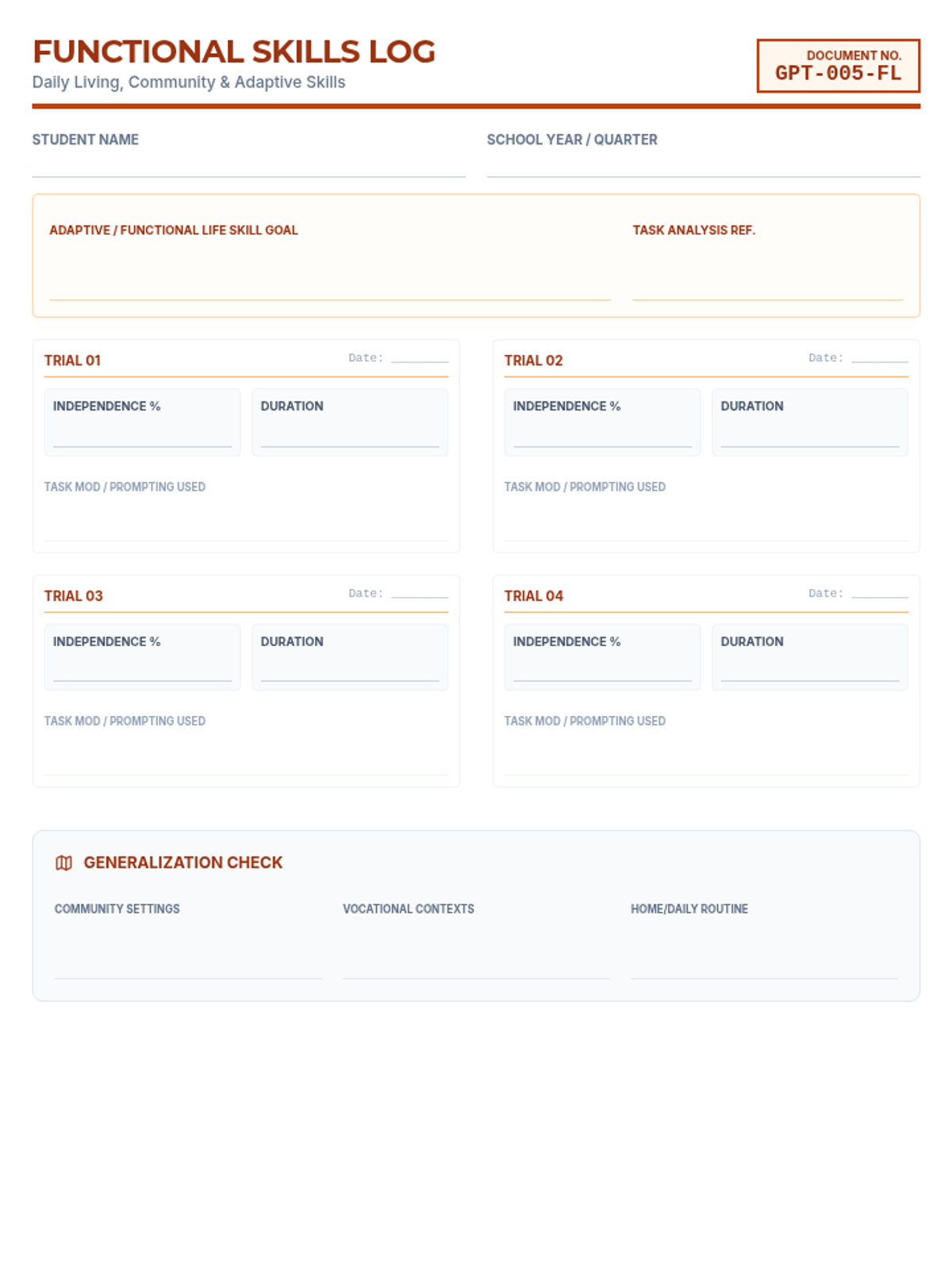
A comprehensive system for tracking IEP progress across multiple lagging skills, including a master overview and specialized data logs for Academic, Executive Functioning, Social-Emotional, and Functional Life Skills.
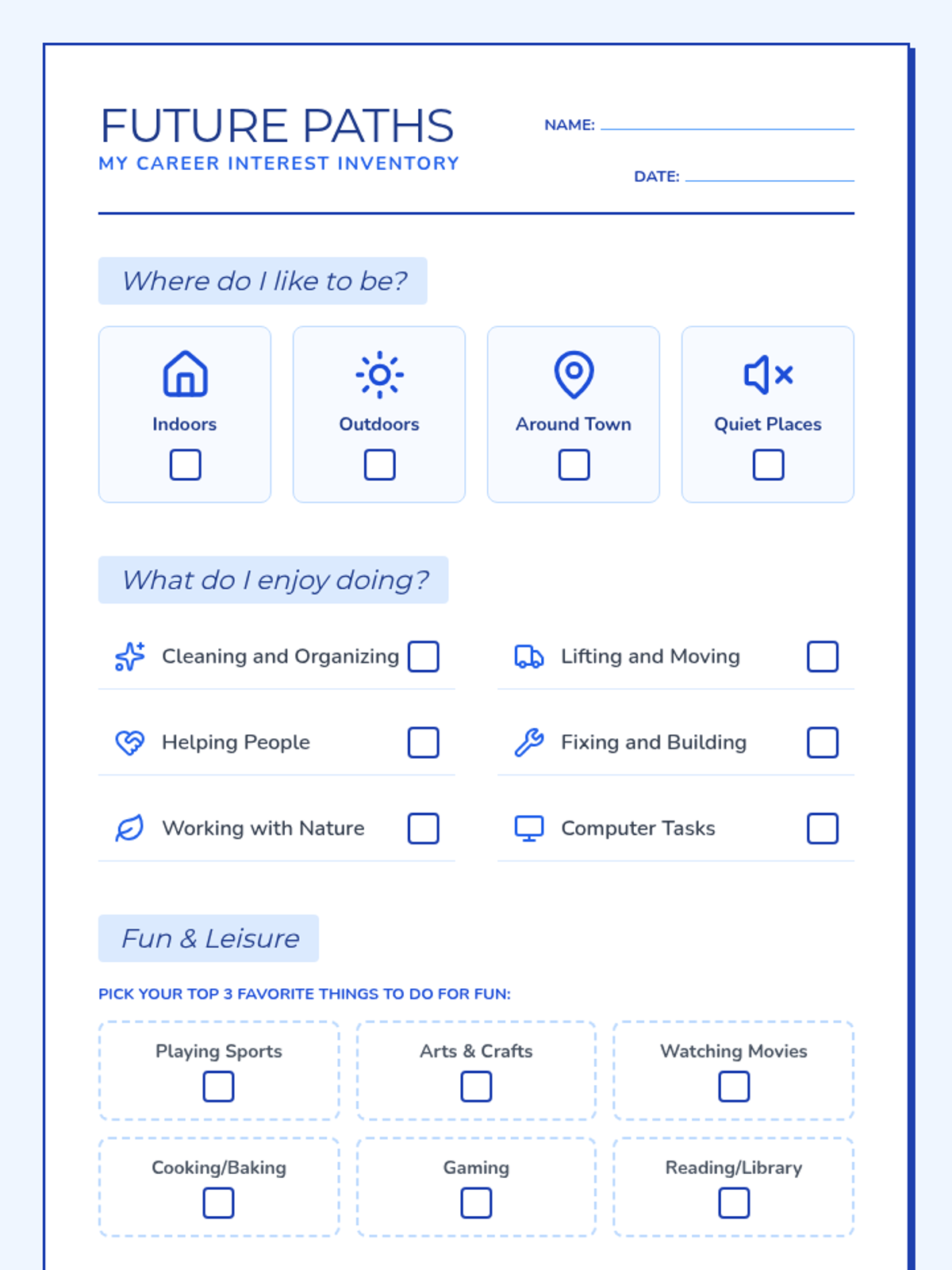
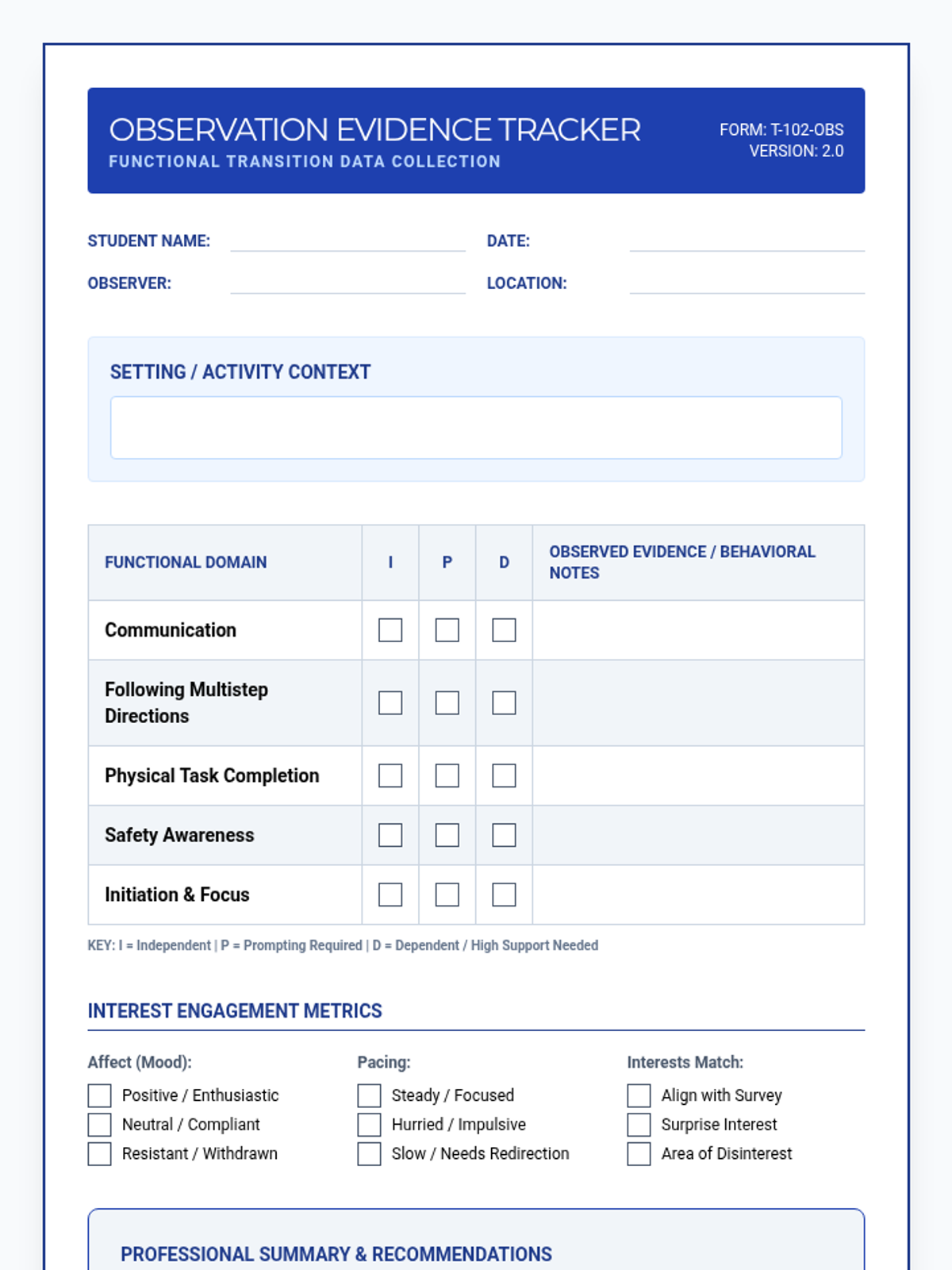
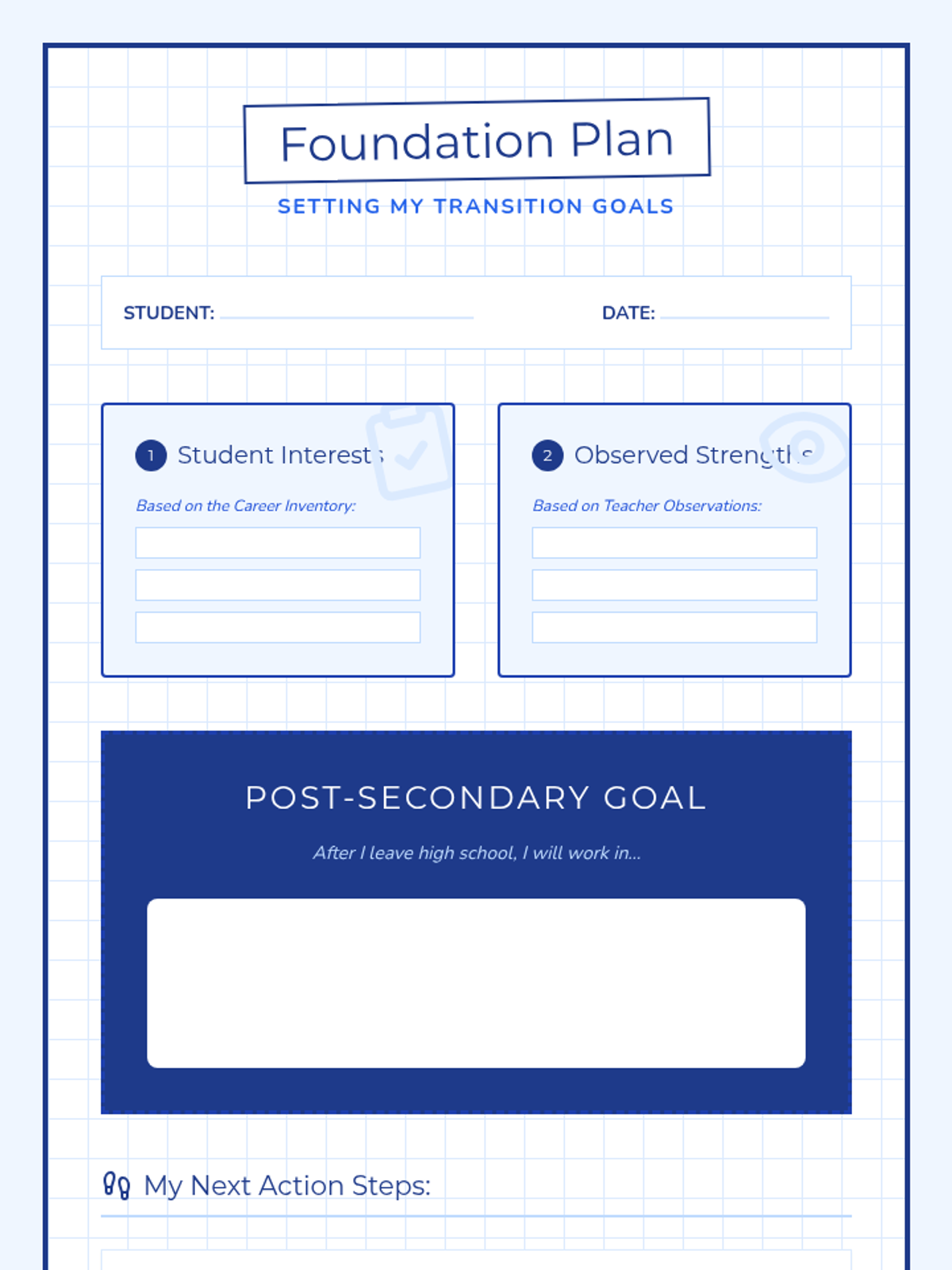
A comprehensive transition planning toolset focused on identifying community-based vocational interests and functional skills through student input and teacher observation.
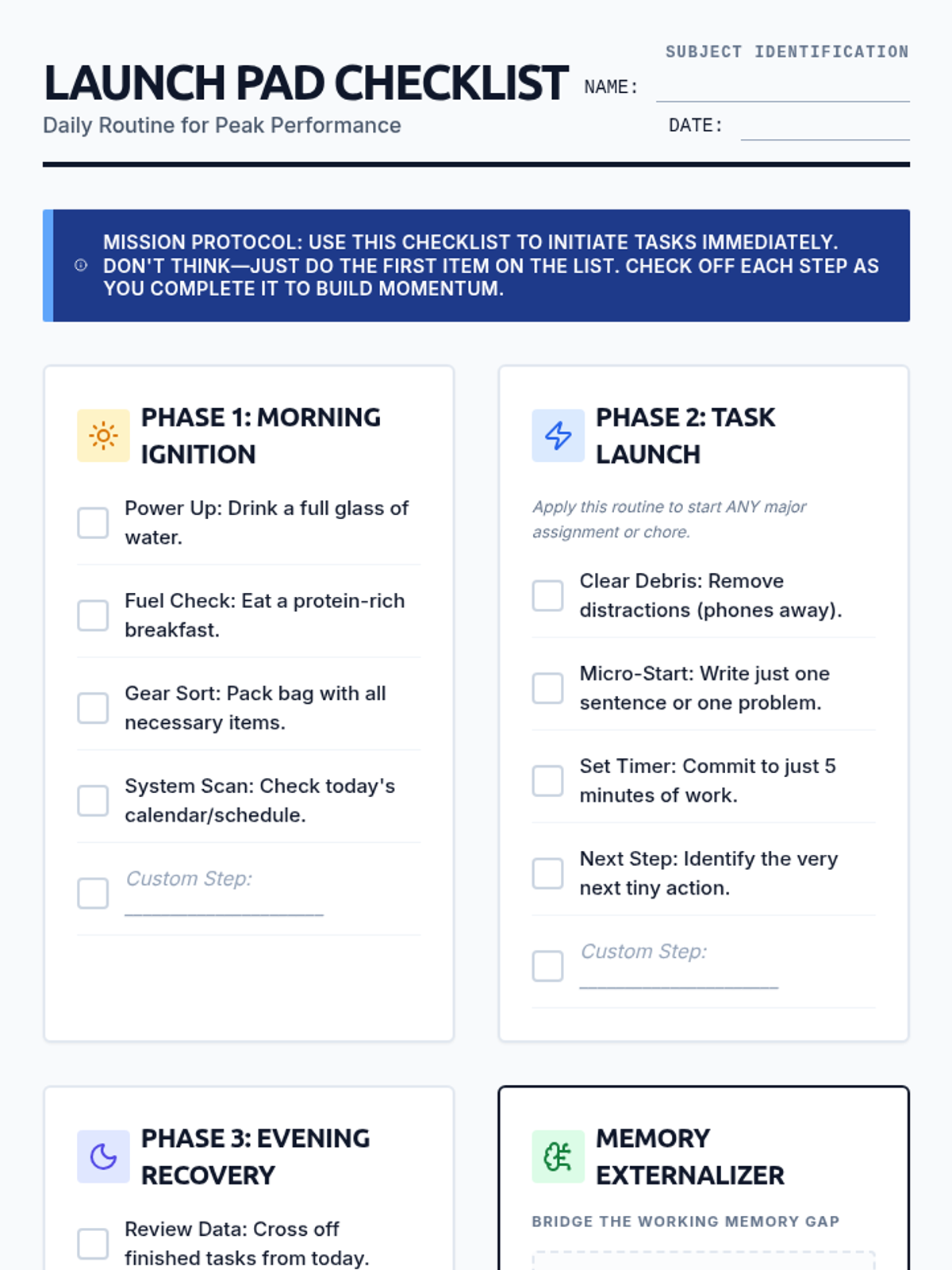
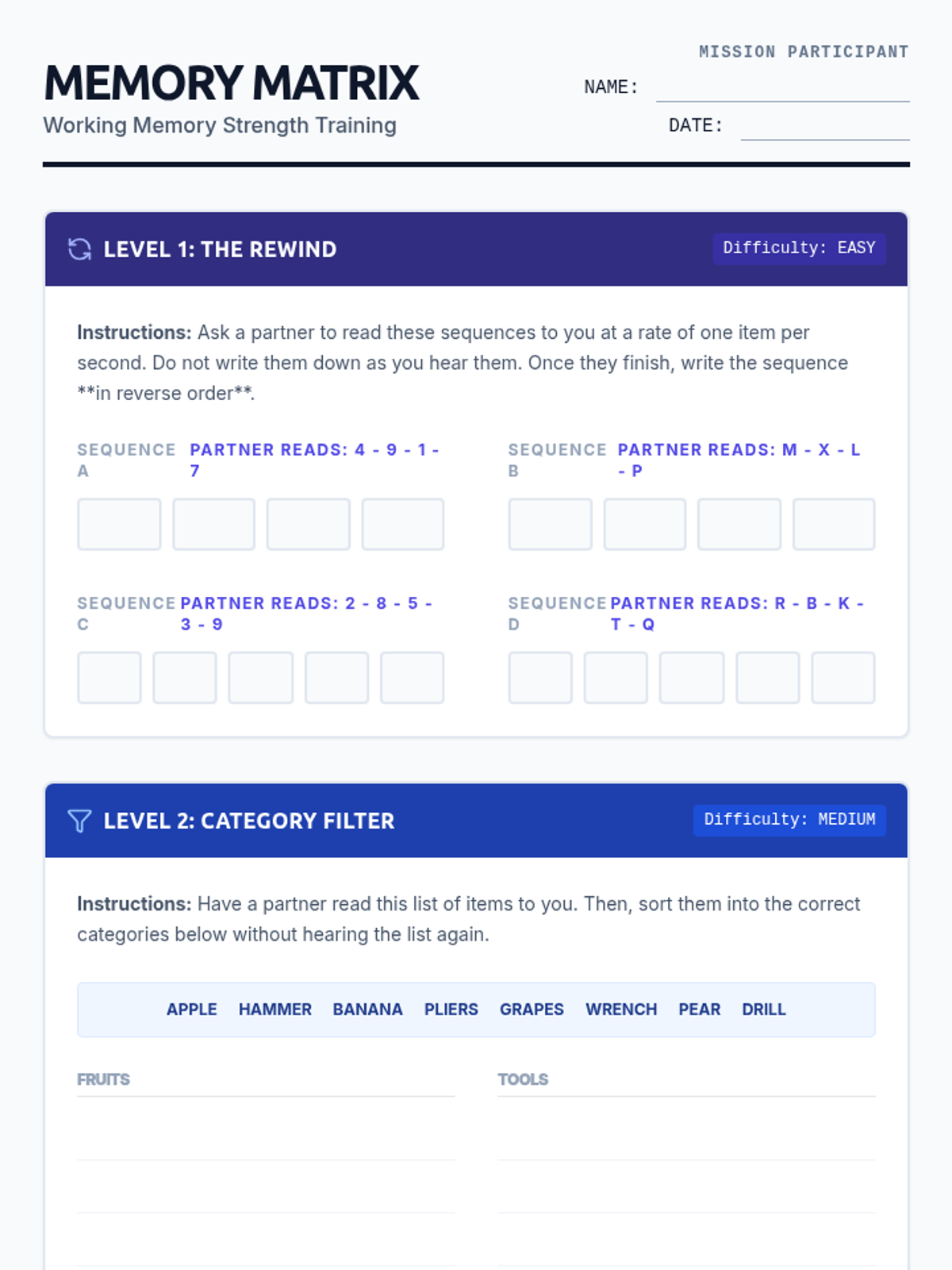
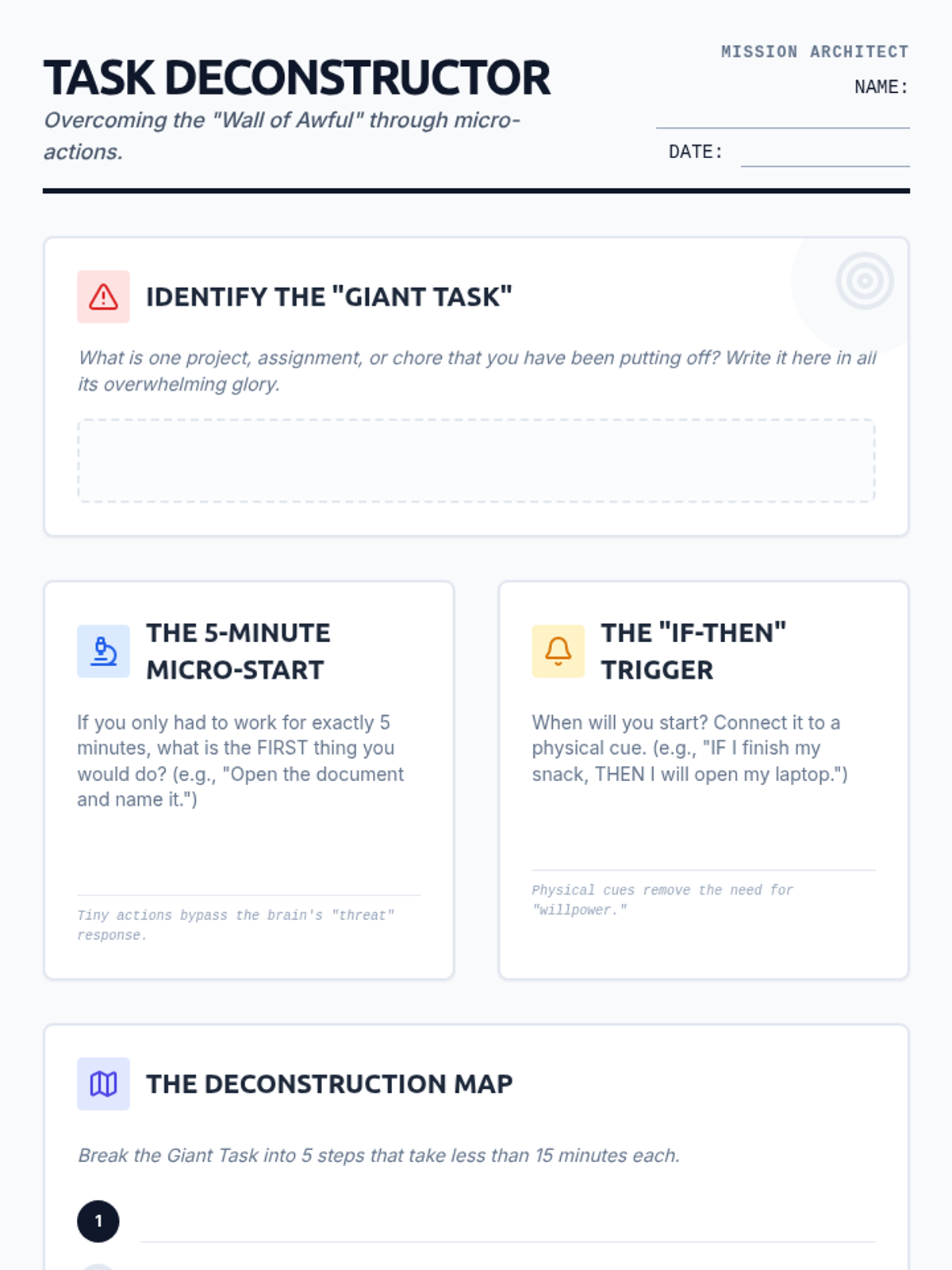
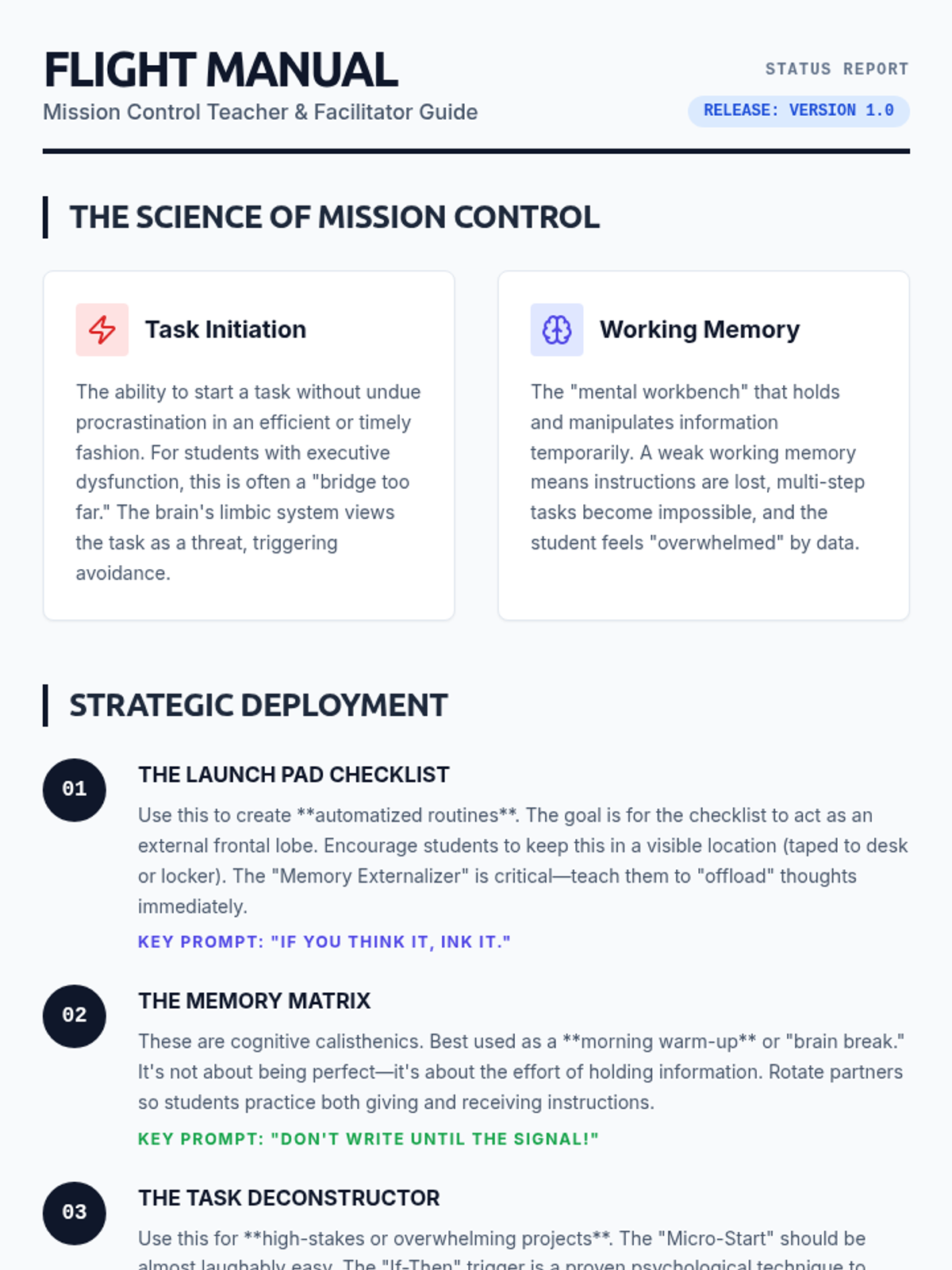
A comprehensive toolkit designed to help students master task initiation and working memory through structured routines and cognitive exercises. These resources provide practical strategies for overcoming procrastination and improving information retention.
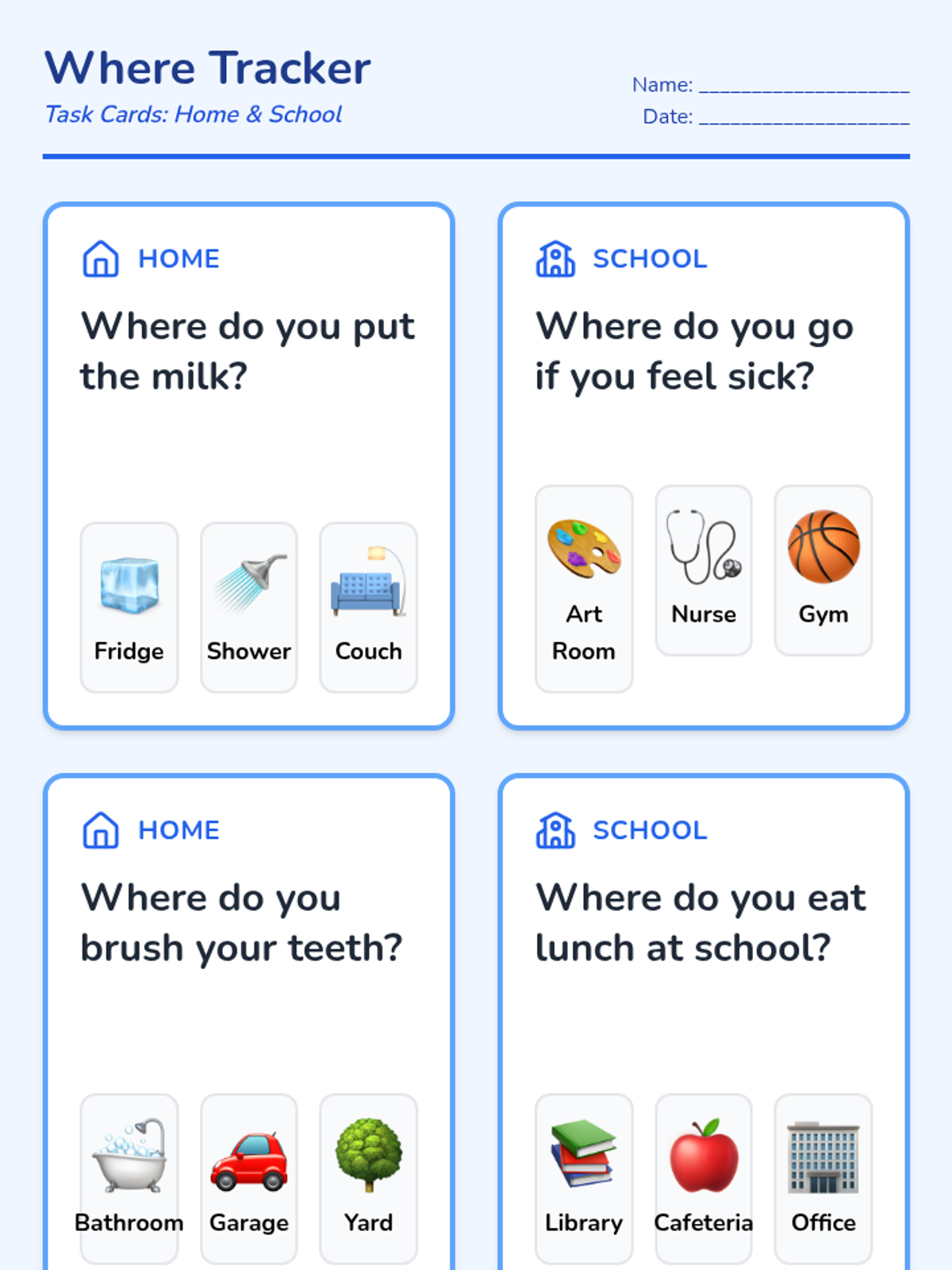
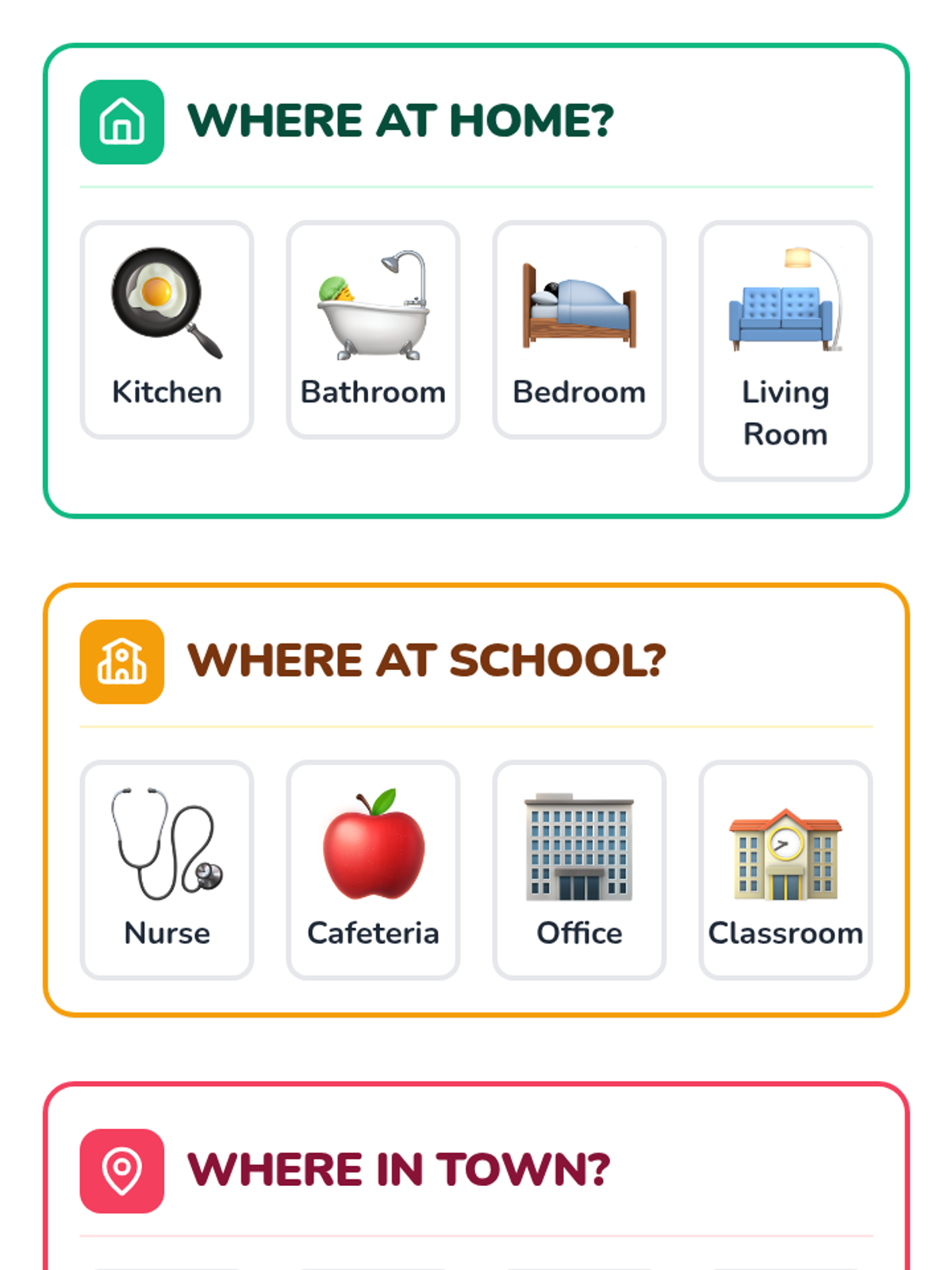
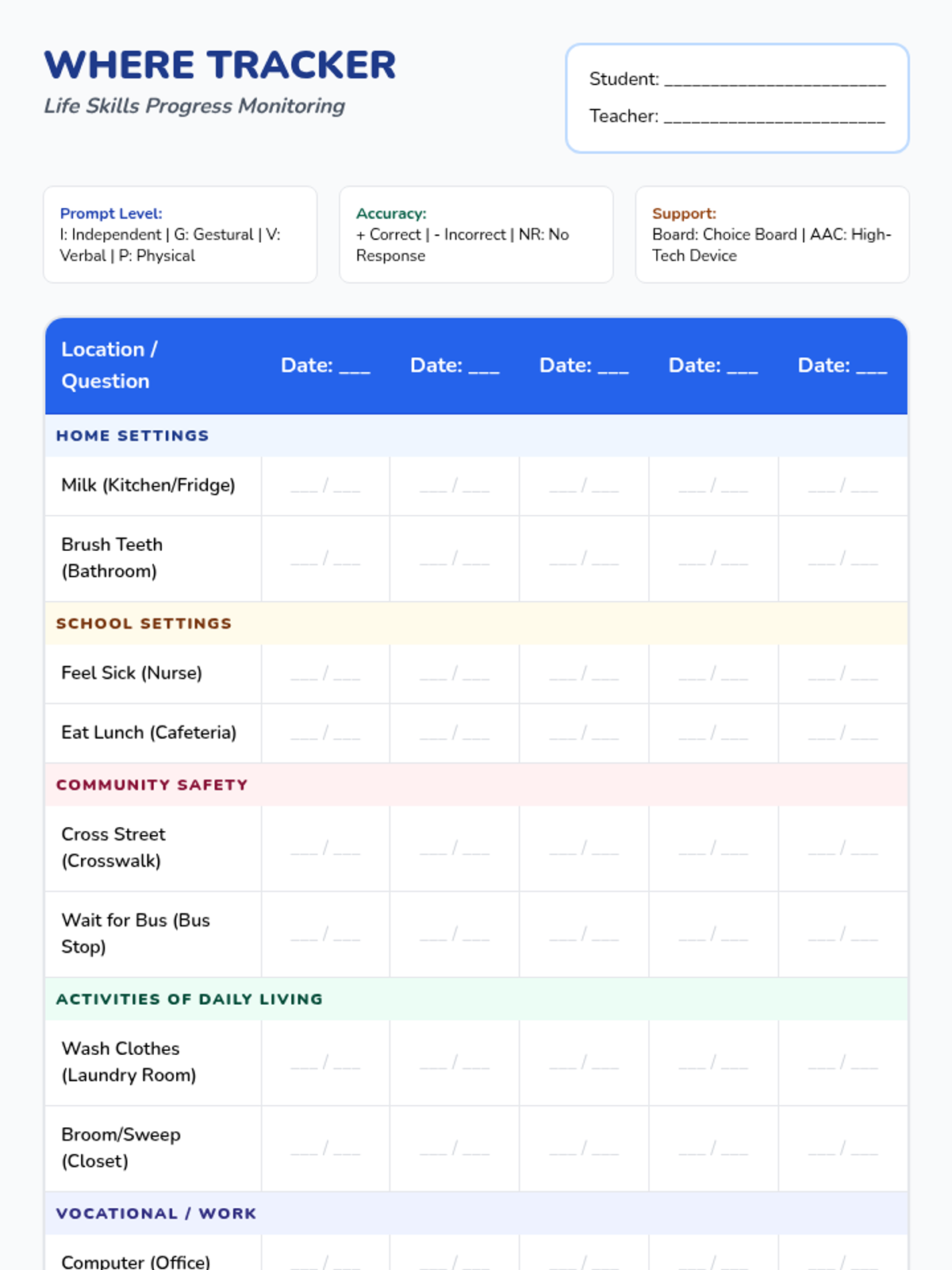
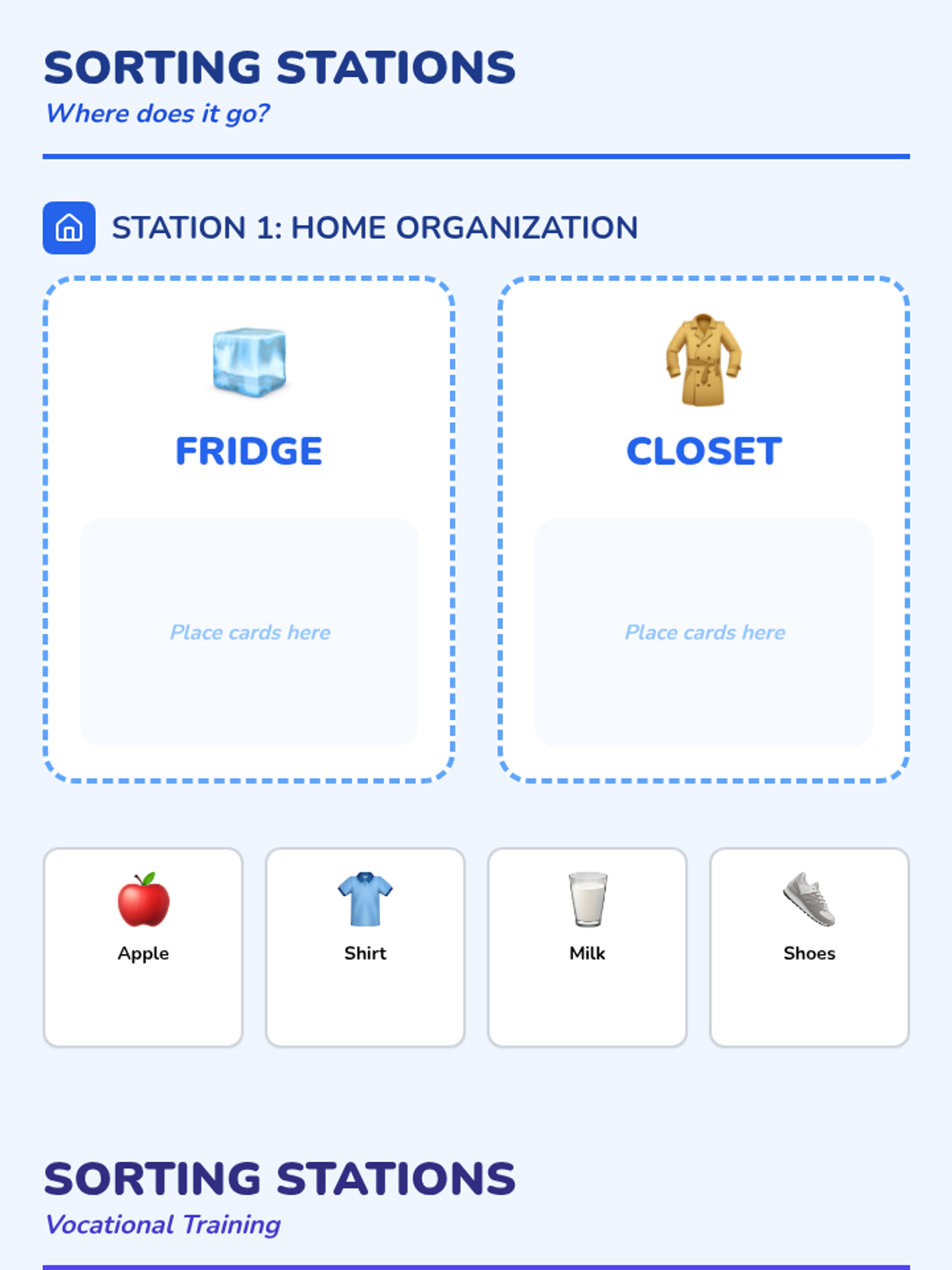
A collection of 'Where' question task cards and choice boards focusing on essential life skill environments including home, school, work, and community.
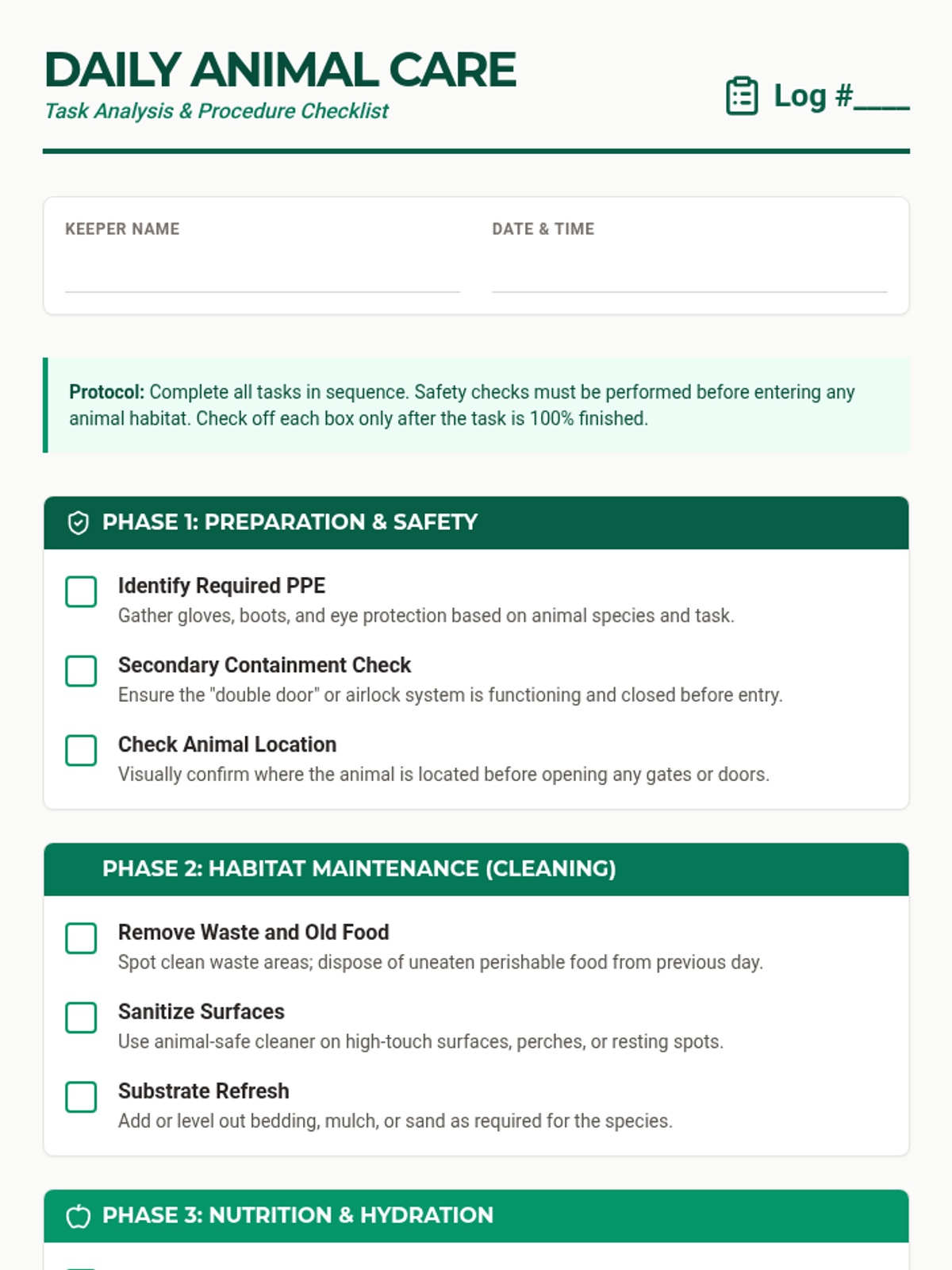
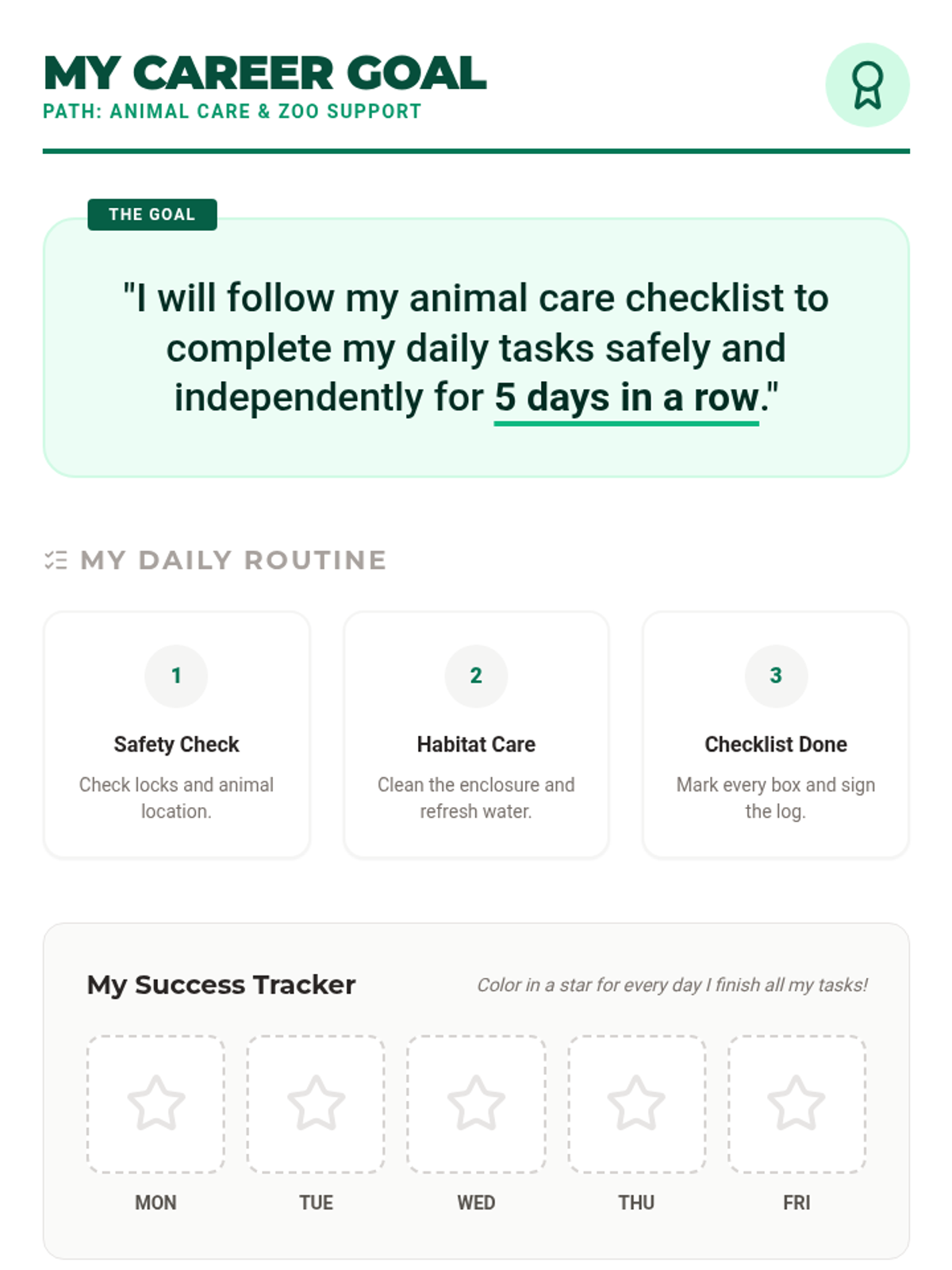
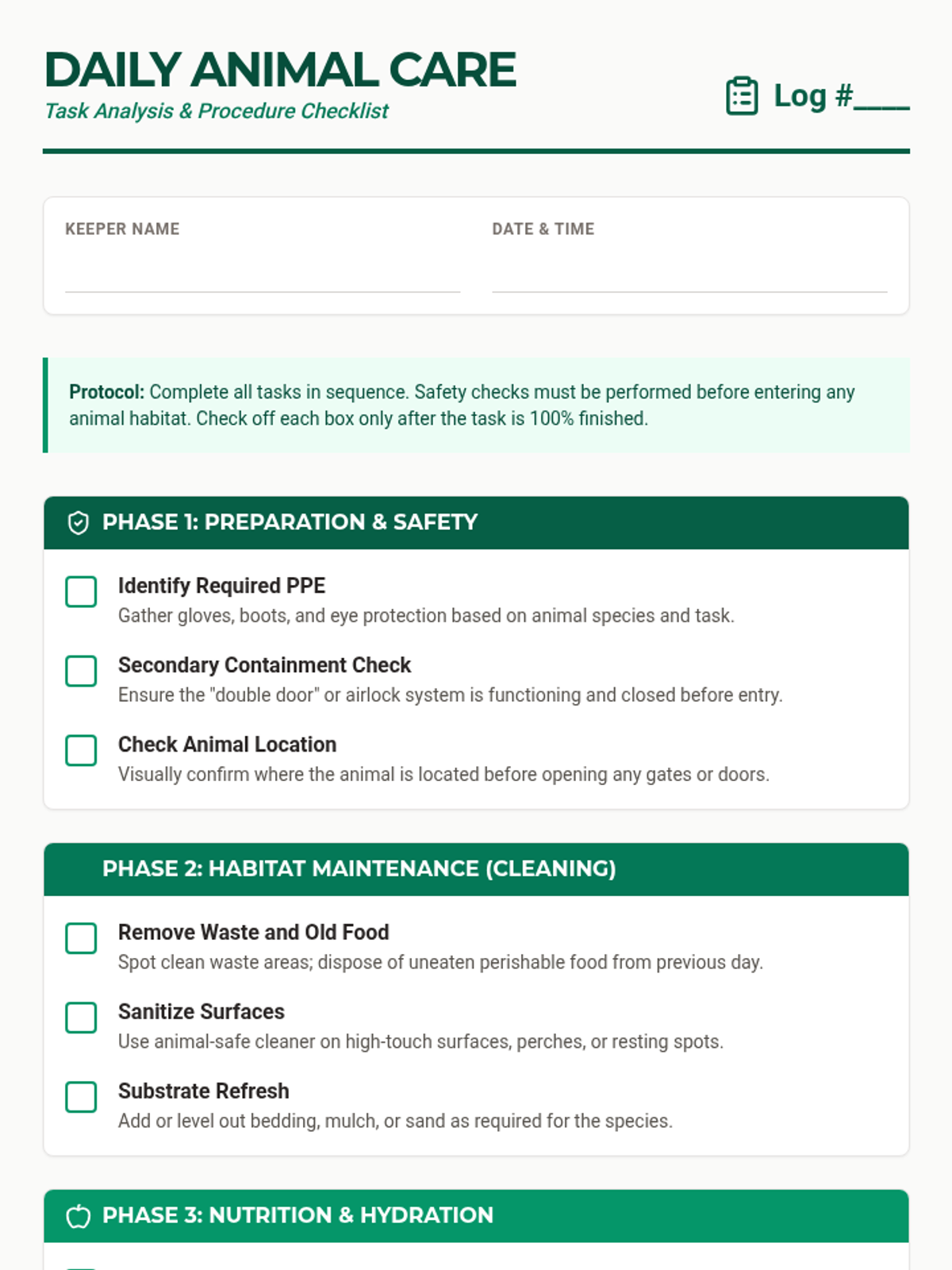
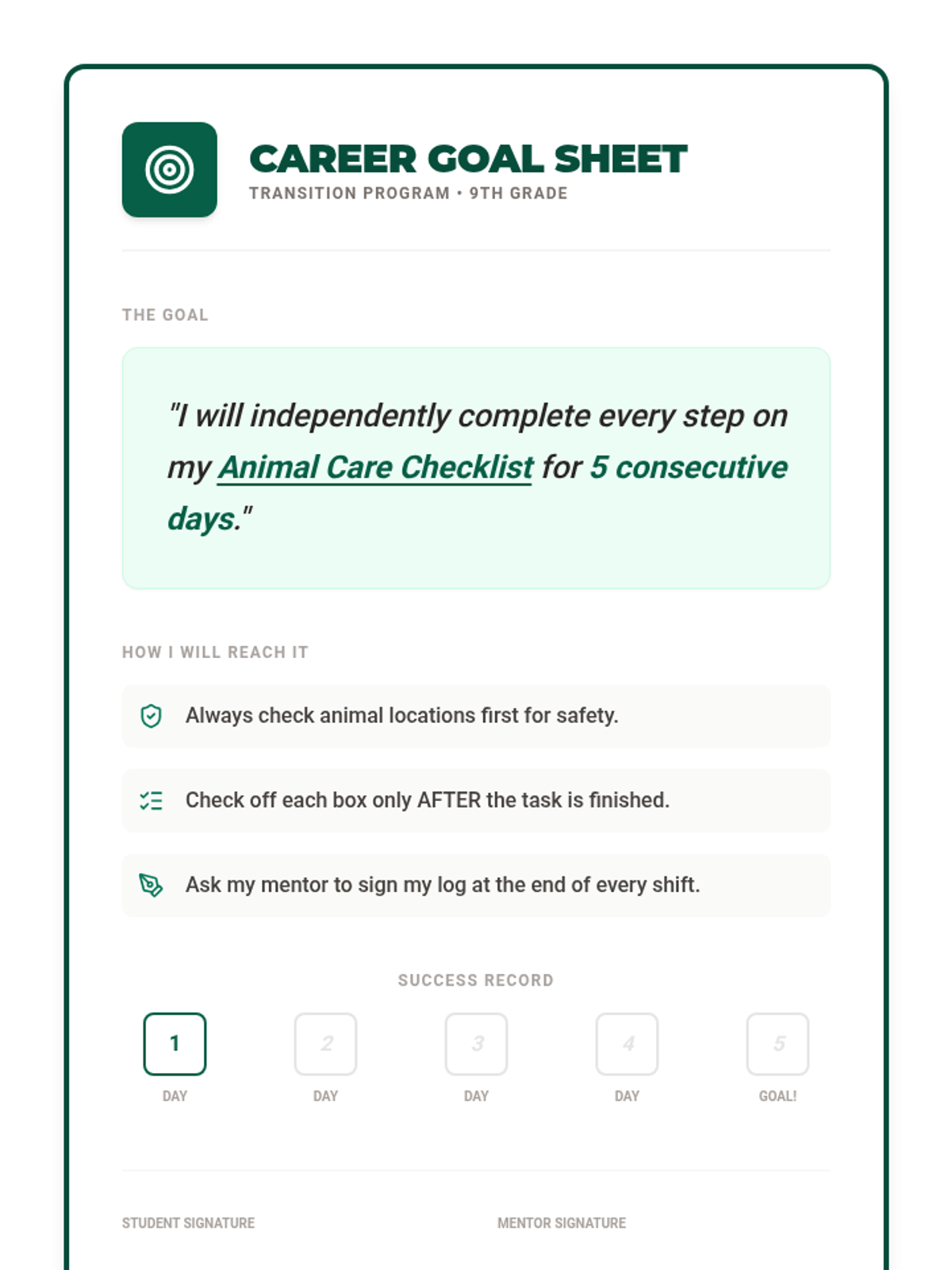
A transition-focused lesson designed for students interested in animal care and zoo careers. This lesson provides practical tools for mastering daily animal care tasks and exploring professional paths in zoology.