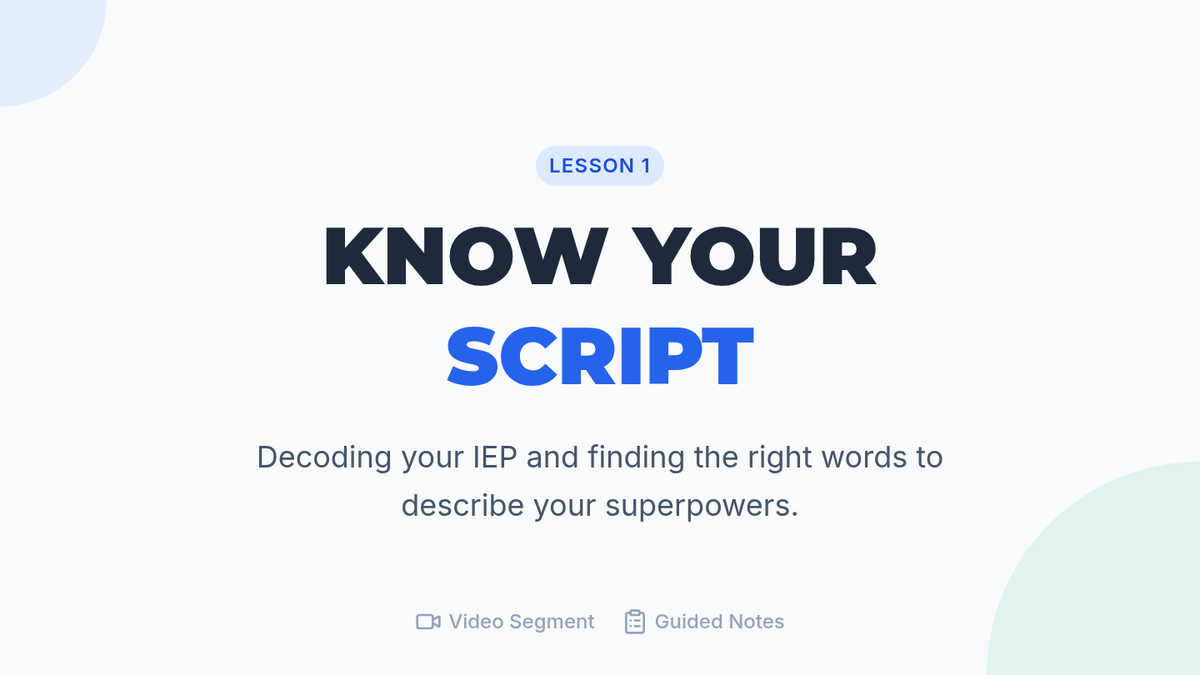
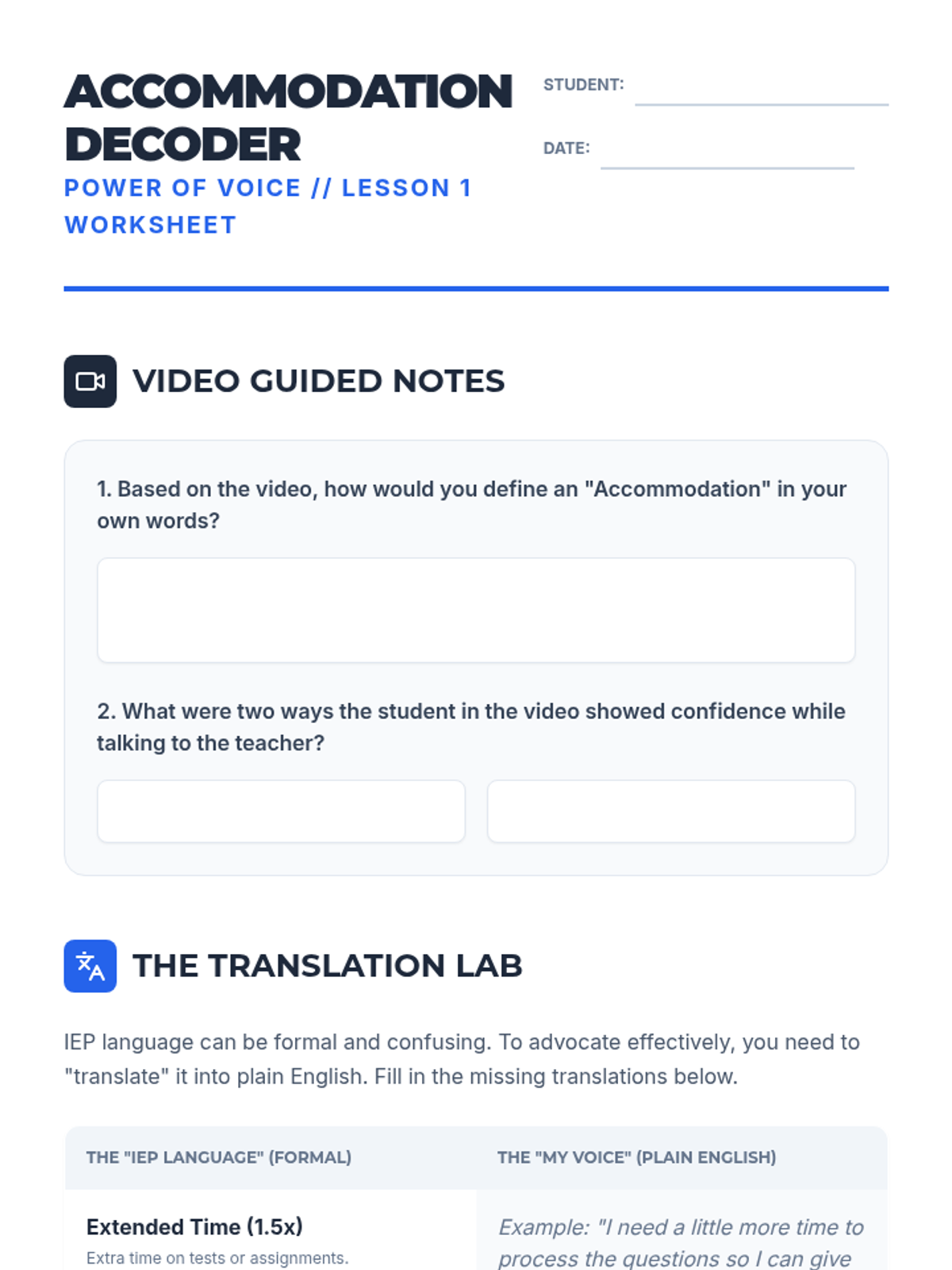
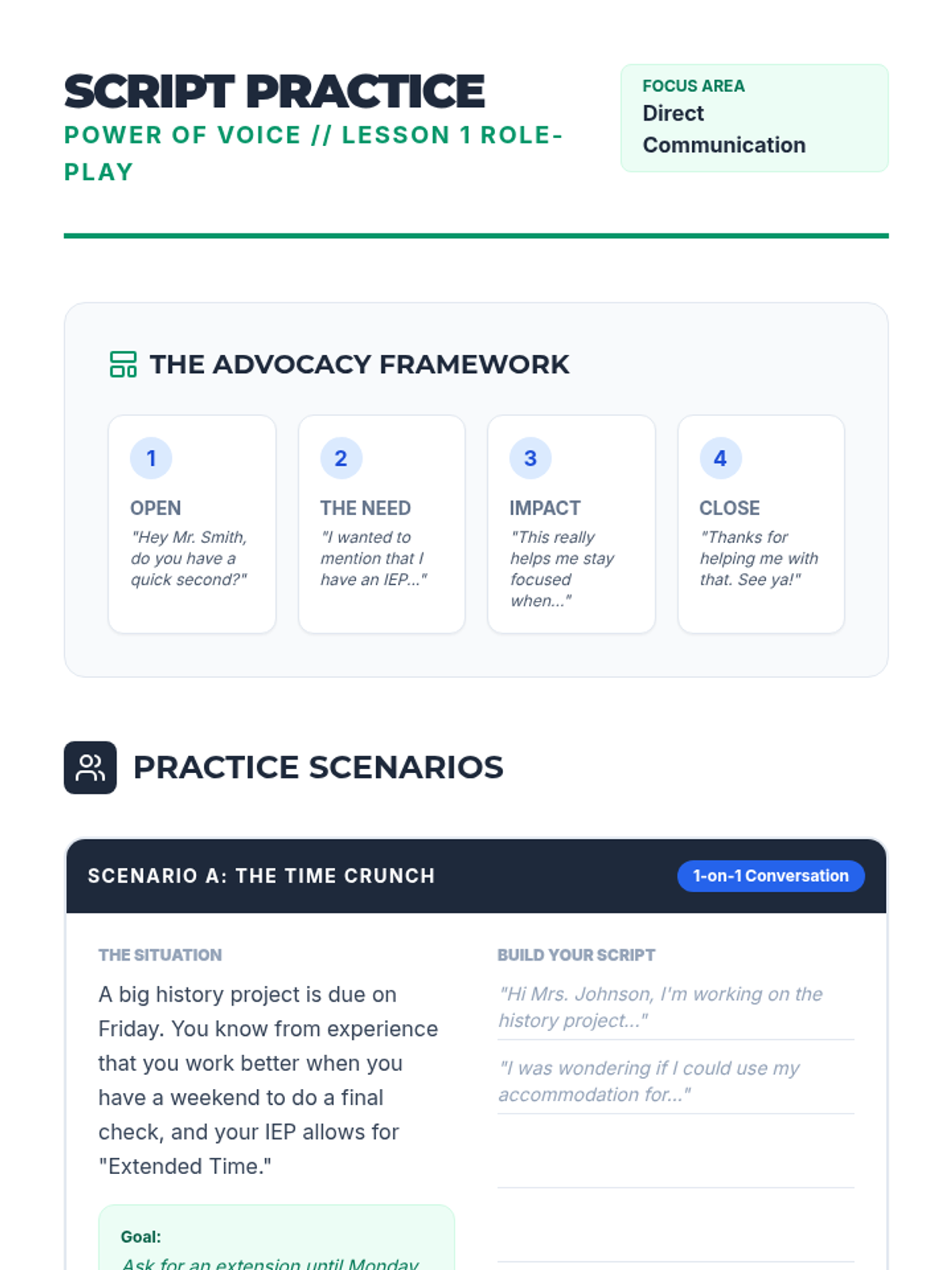
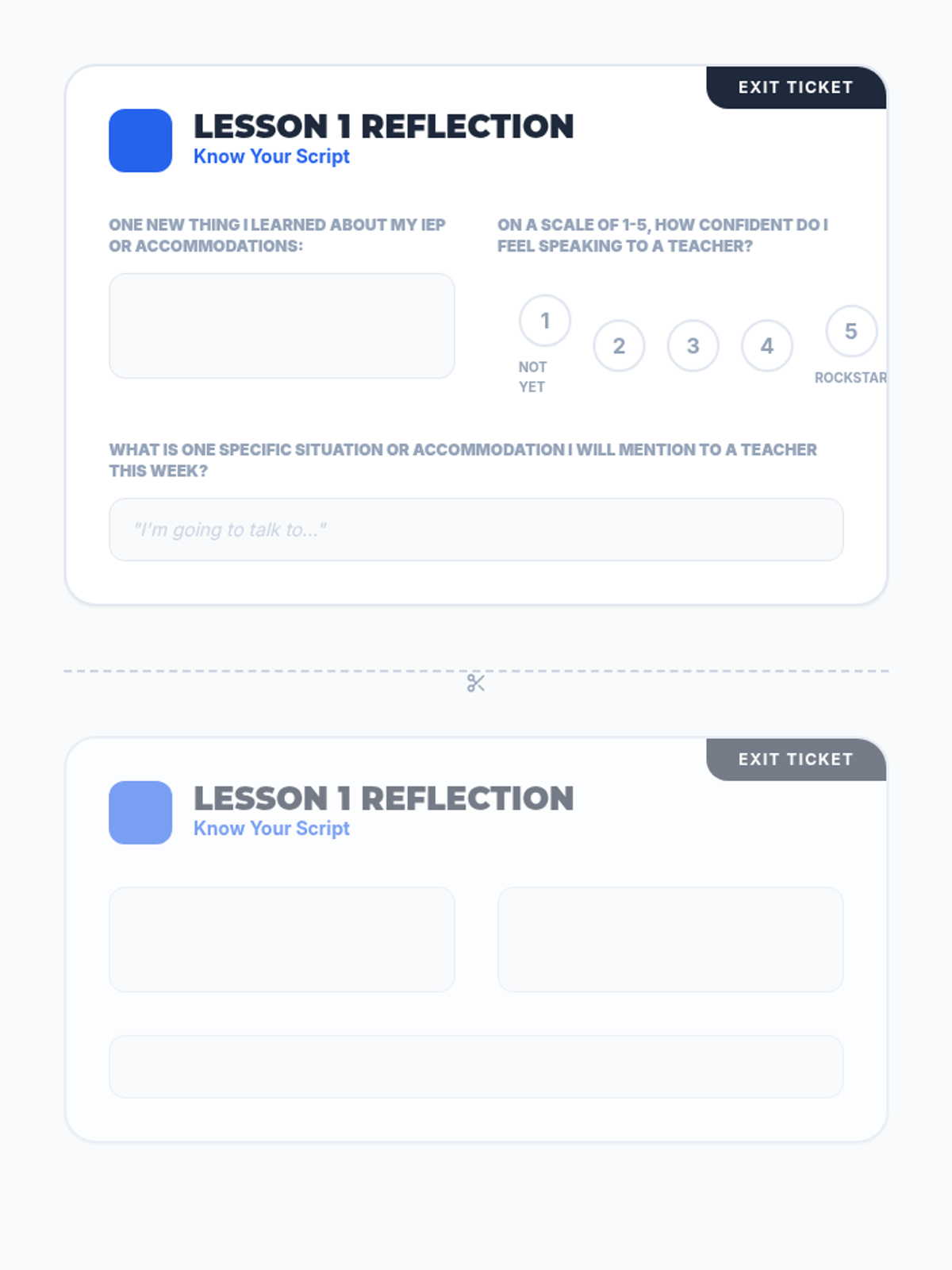
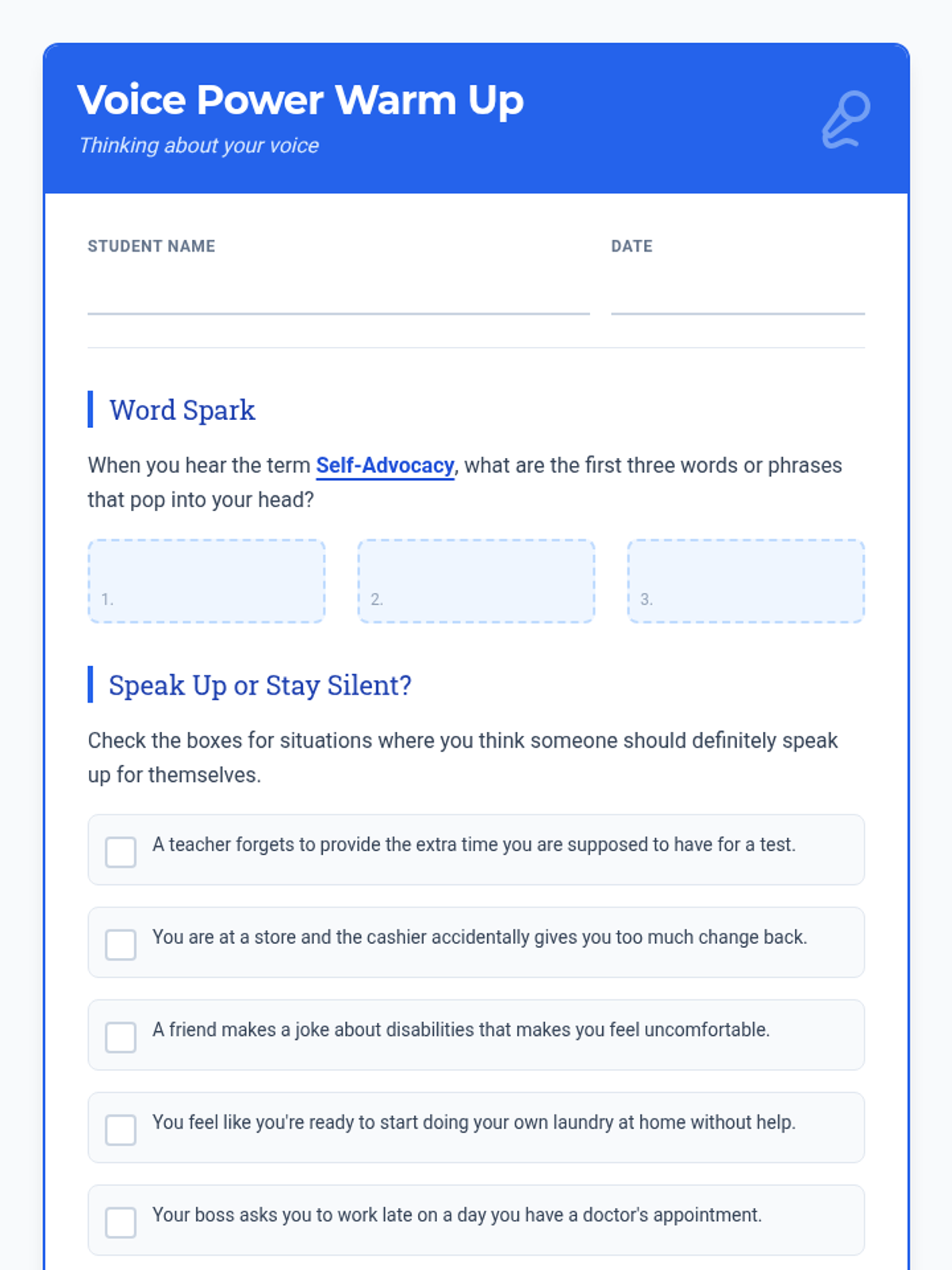
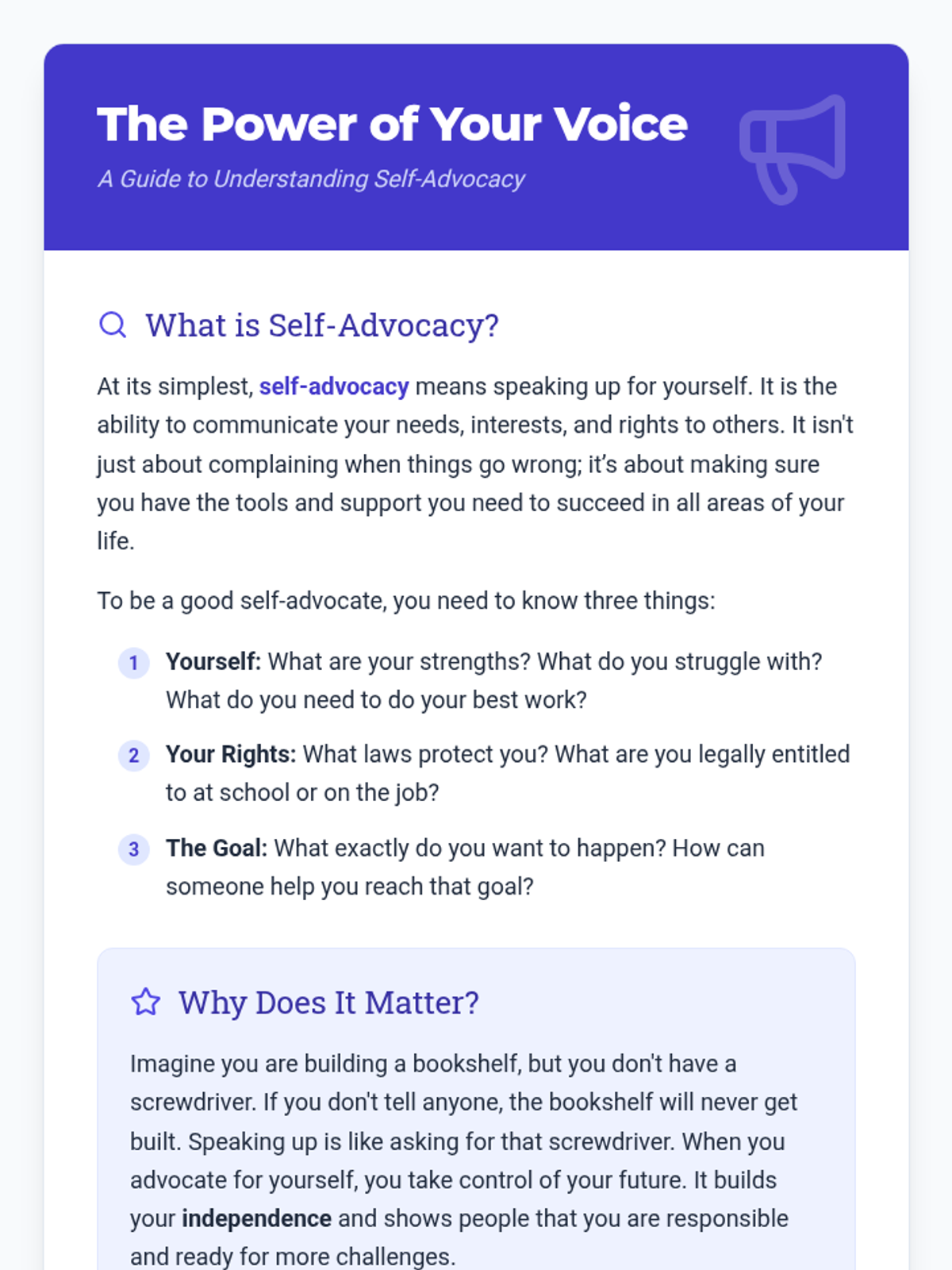
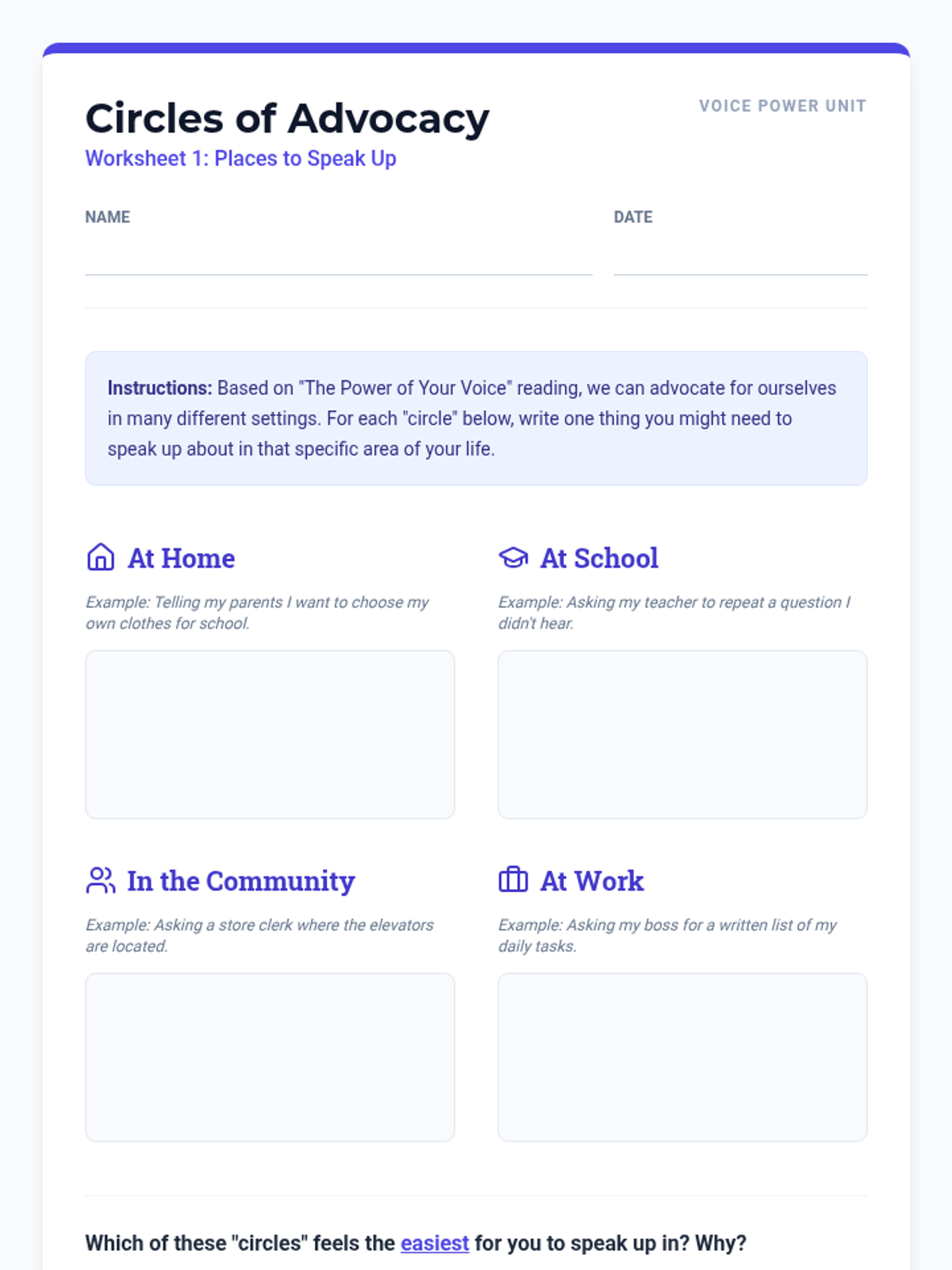
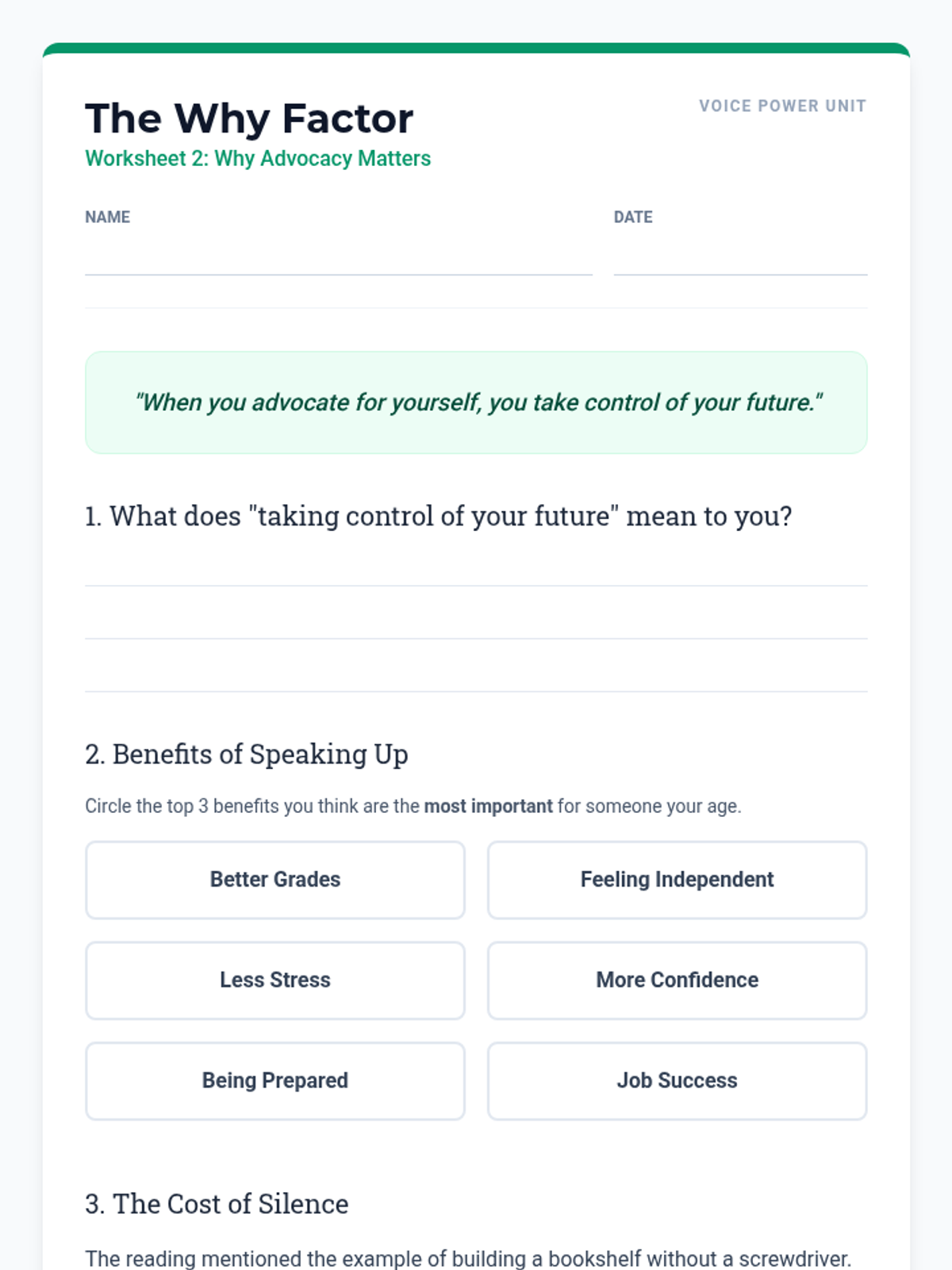
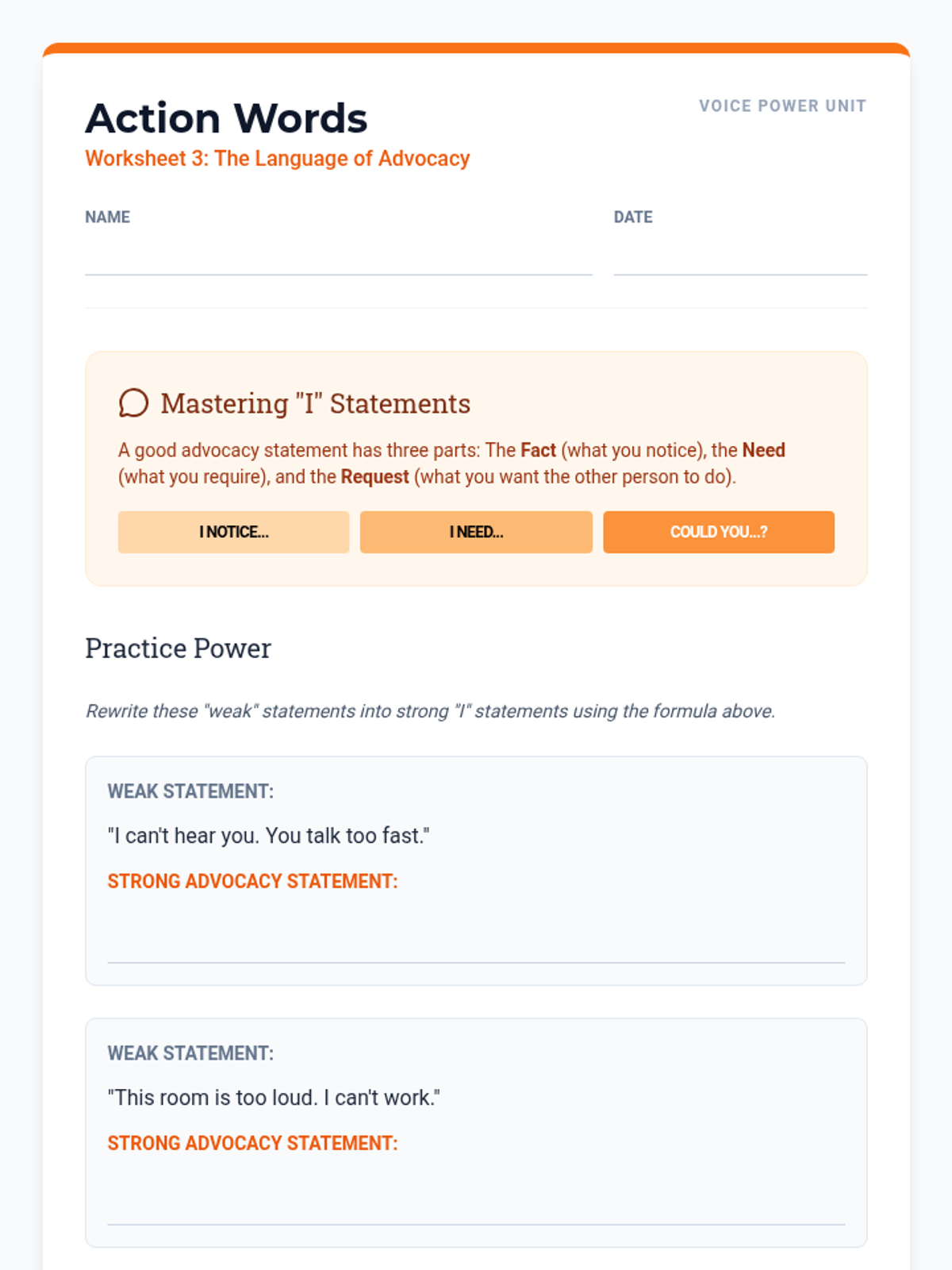
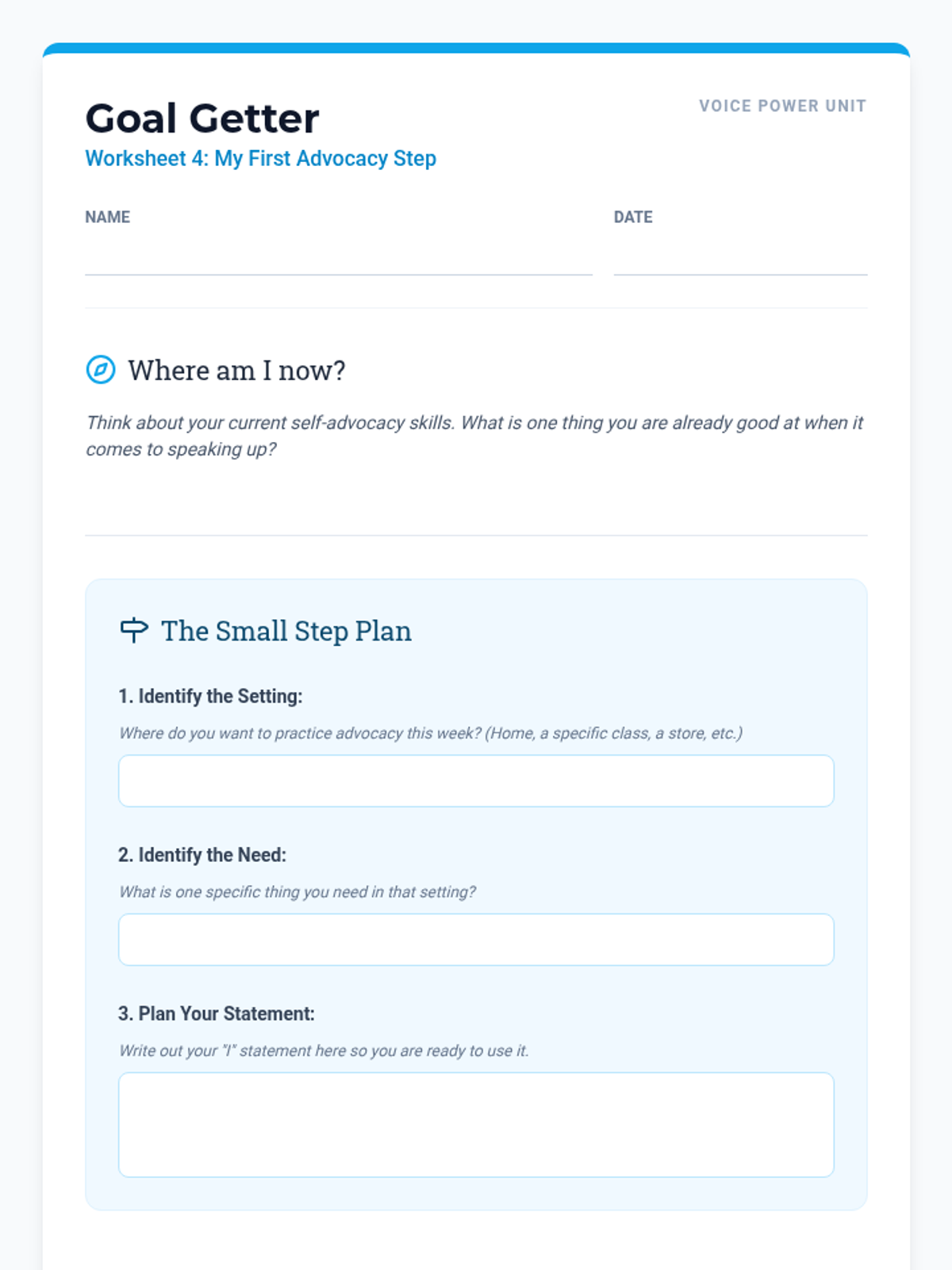
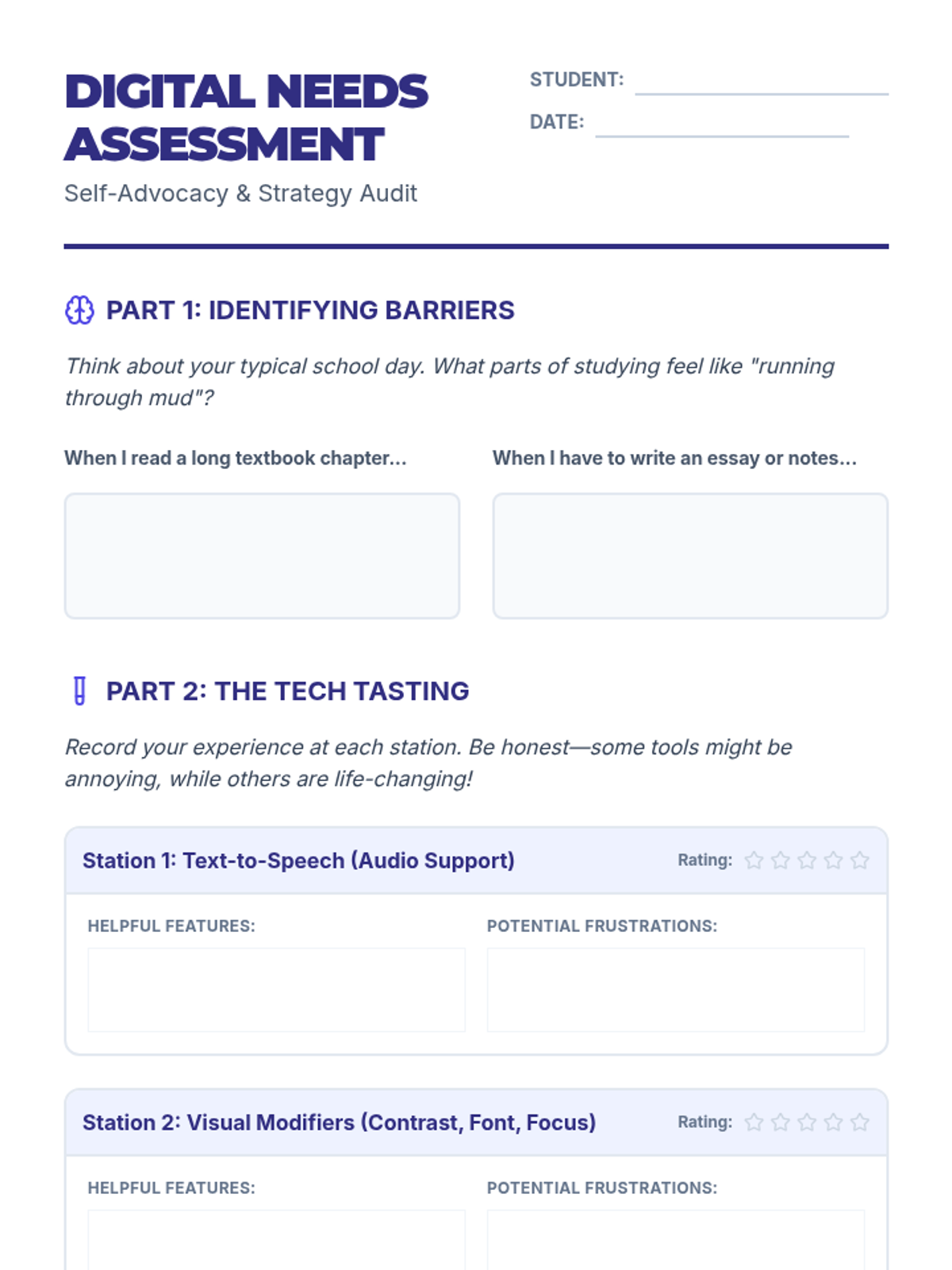
Strategies for identifying specific learning needs and articulating accommodation requests to educators. Equips students with communication skills to advocate for necessary environmental, academic, and social supports.
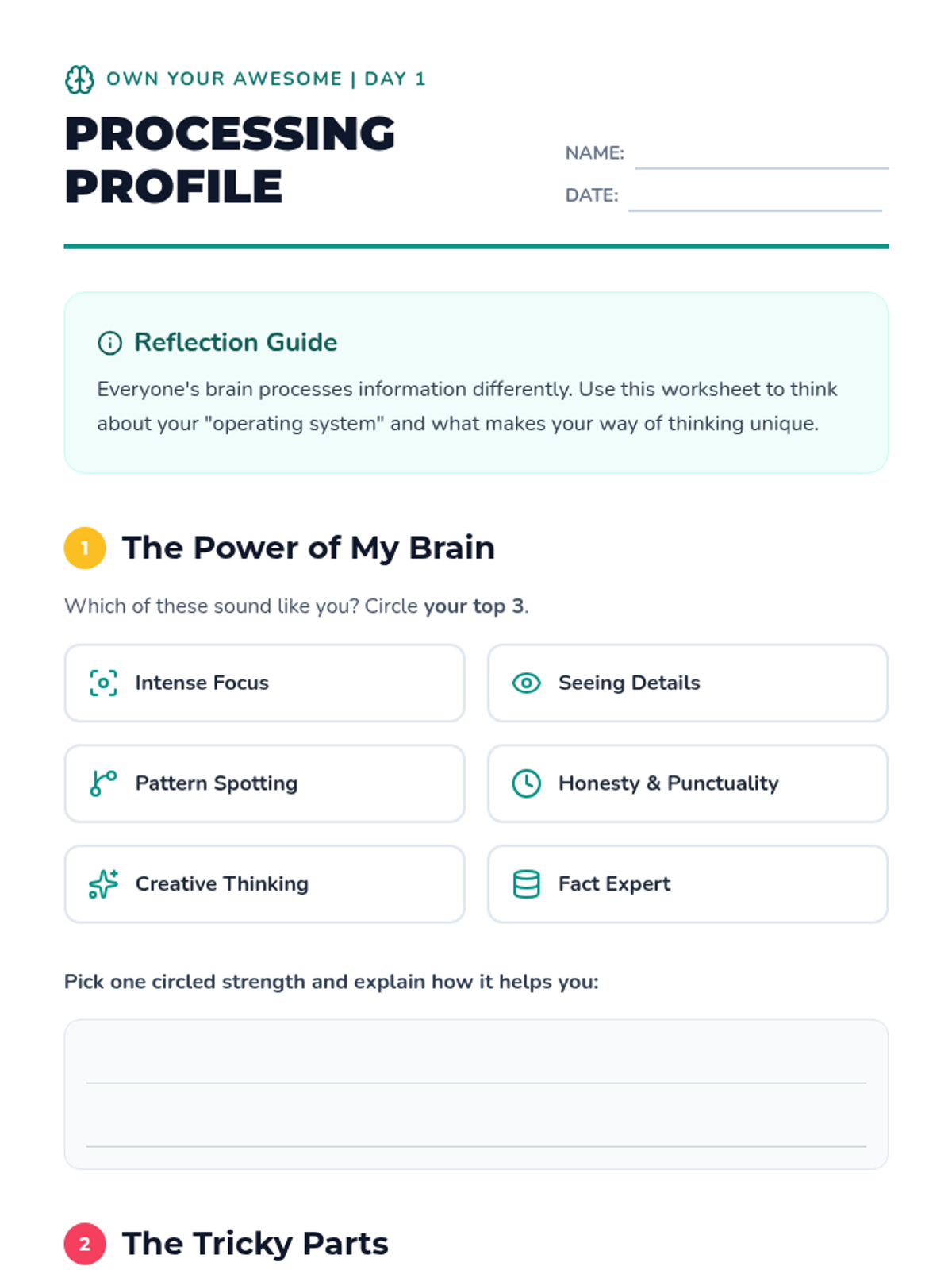
A comprehensive 2-week unit designed for autistic students to explore their identity, identify personal strengths and needs, and master self-advocacy skills in school, work, and community settings.
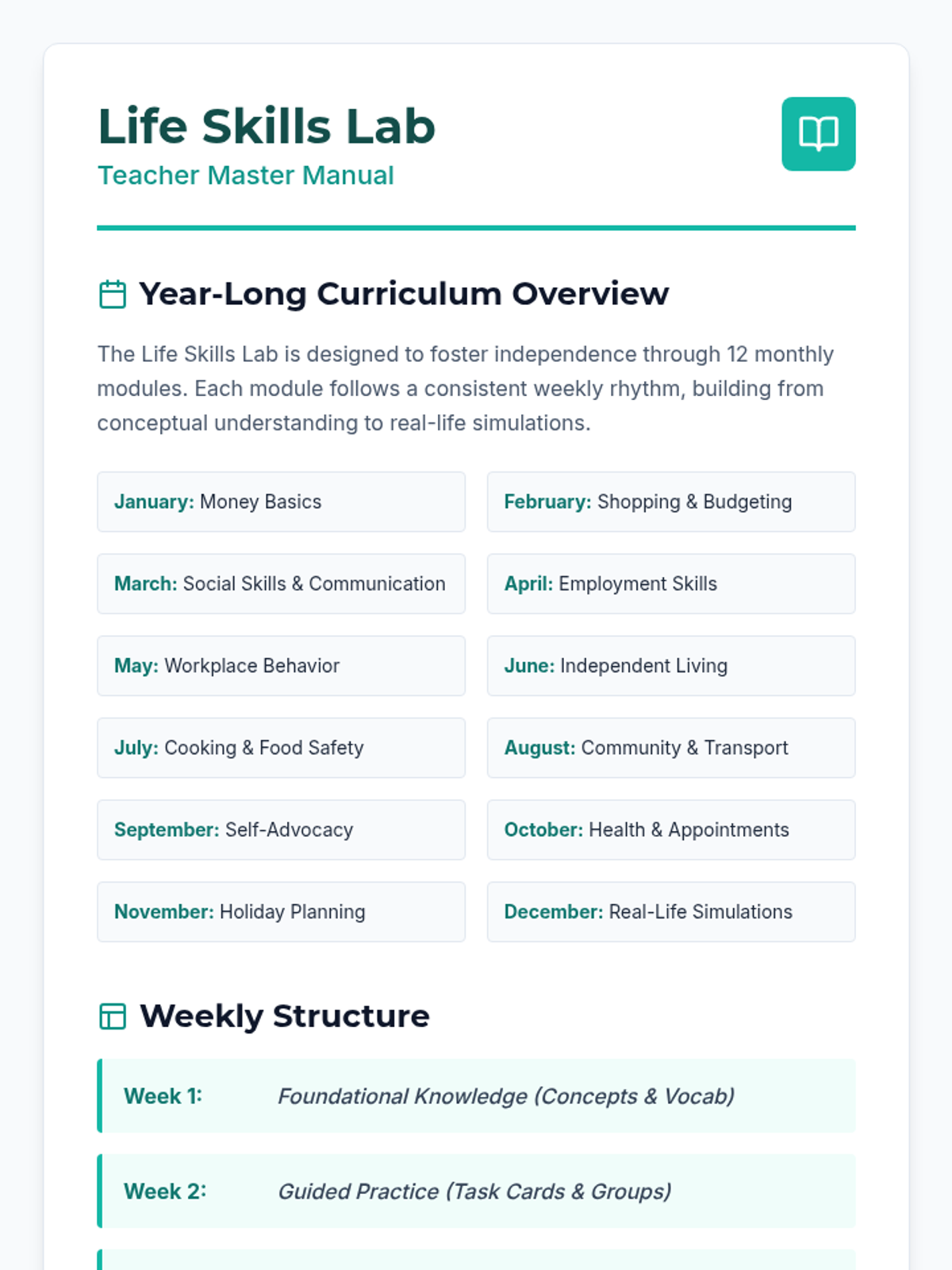
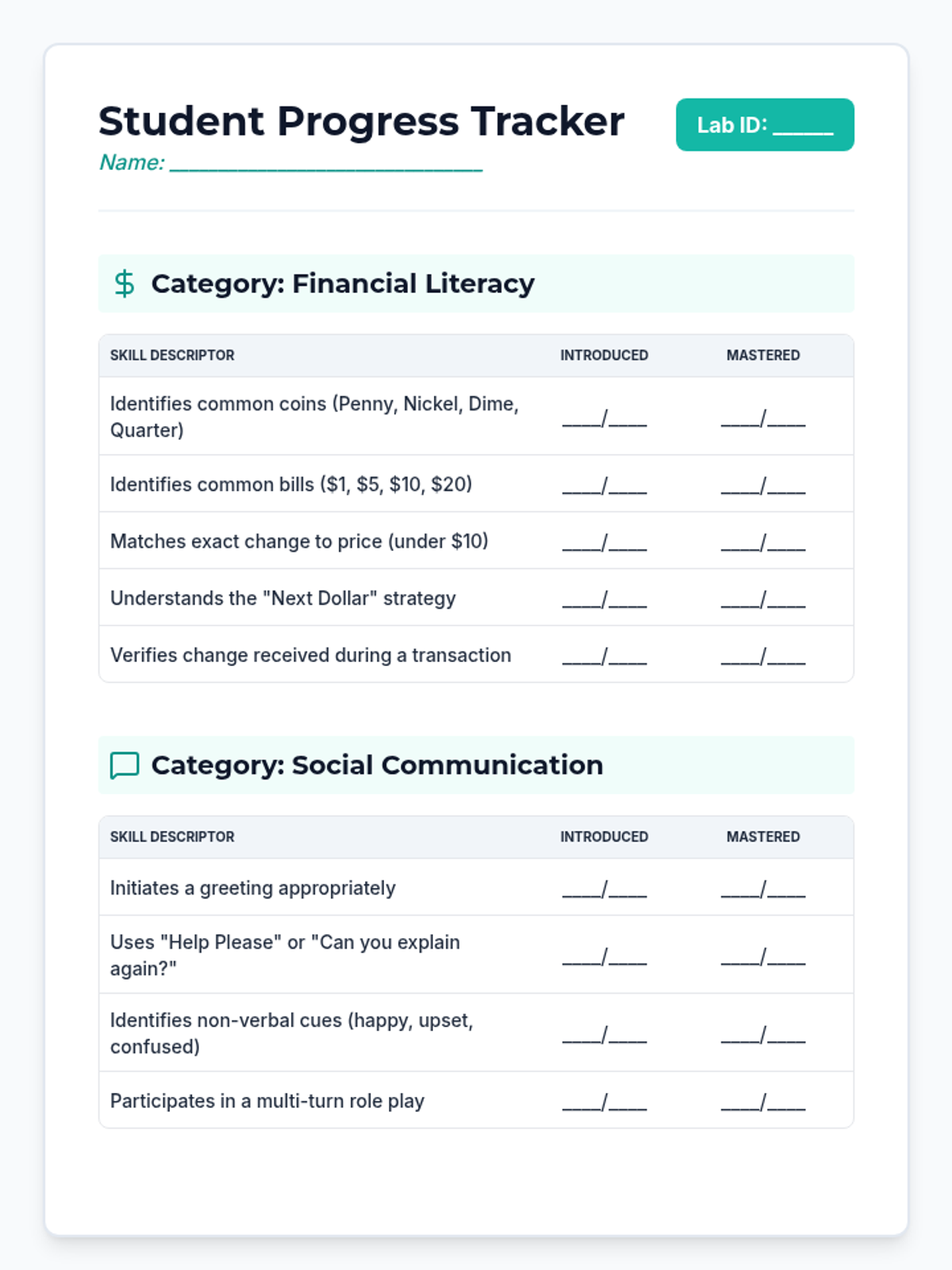
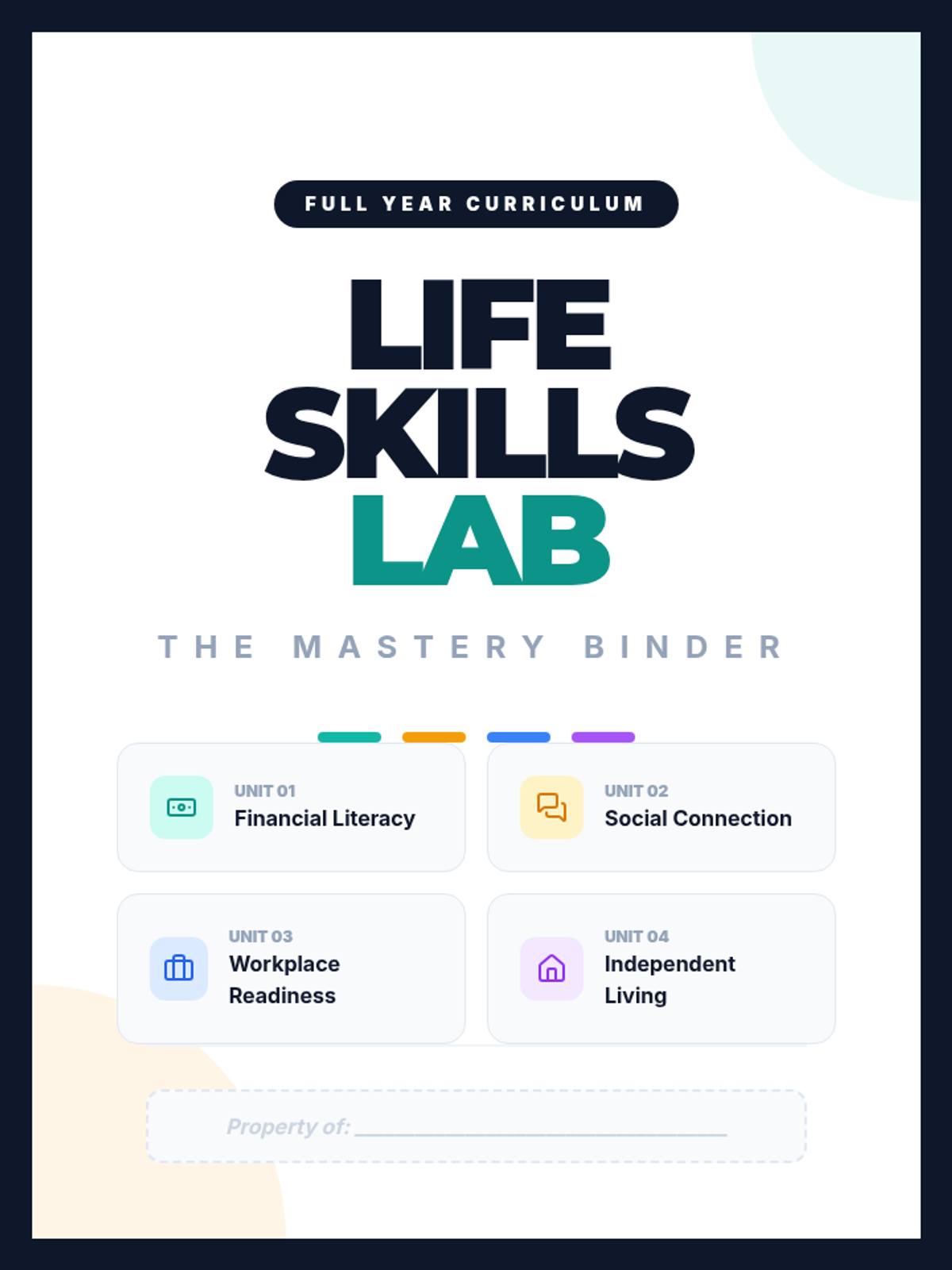
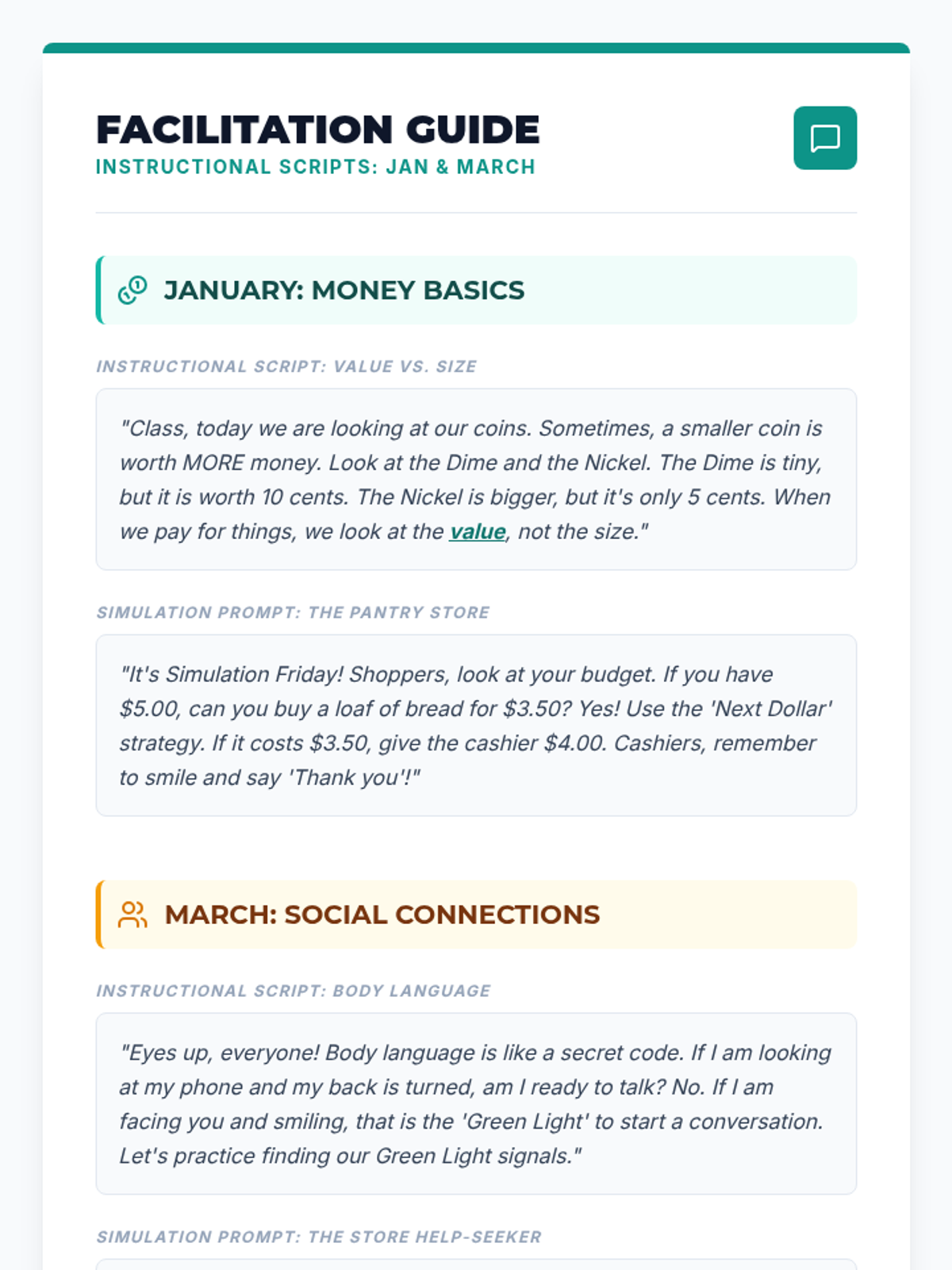
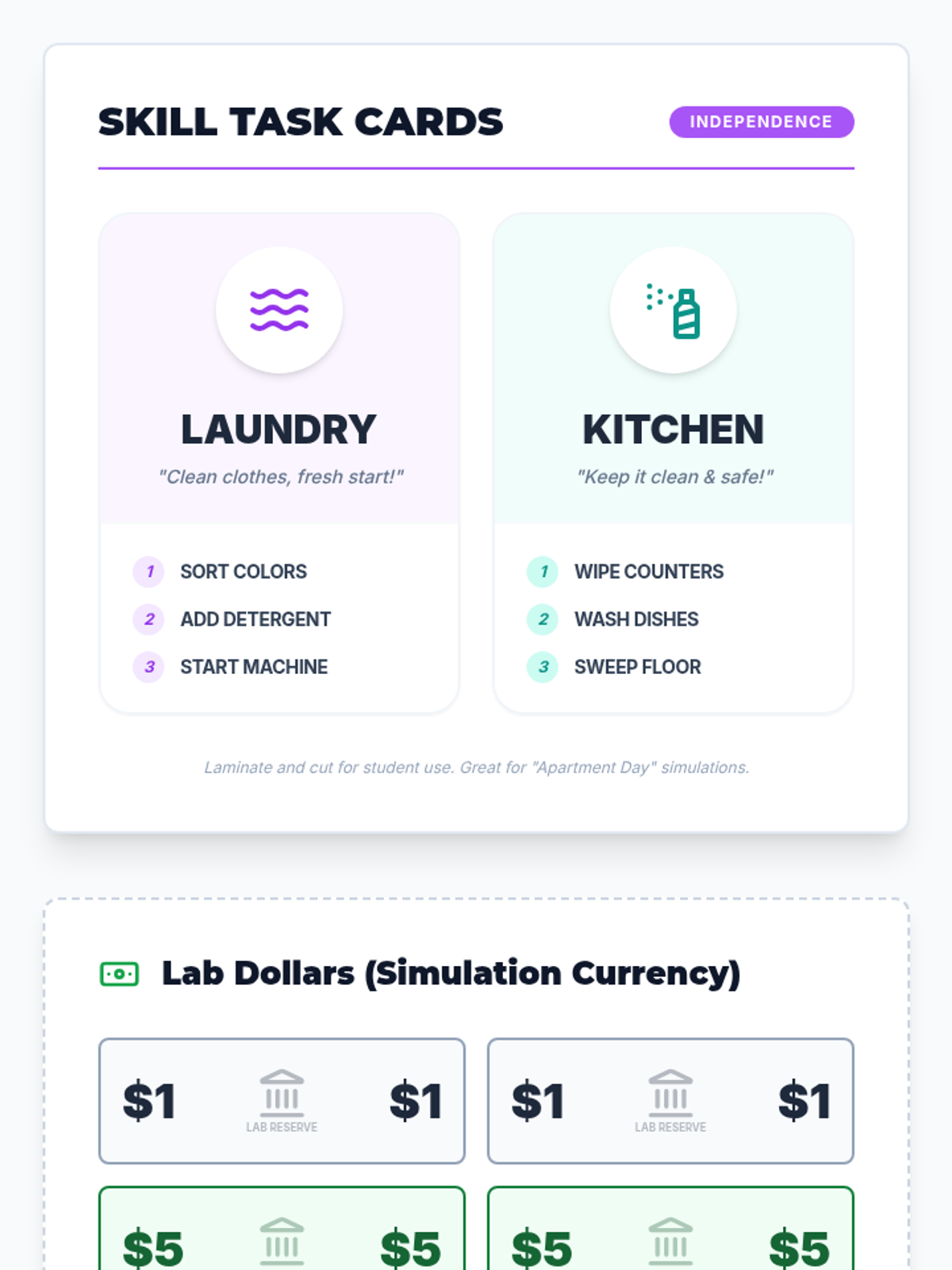
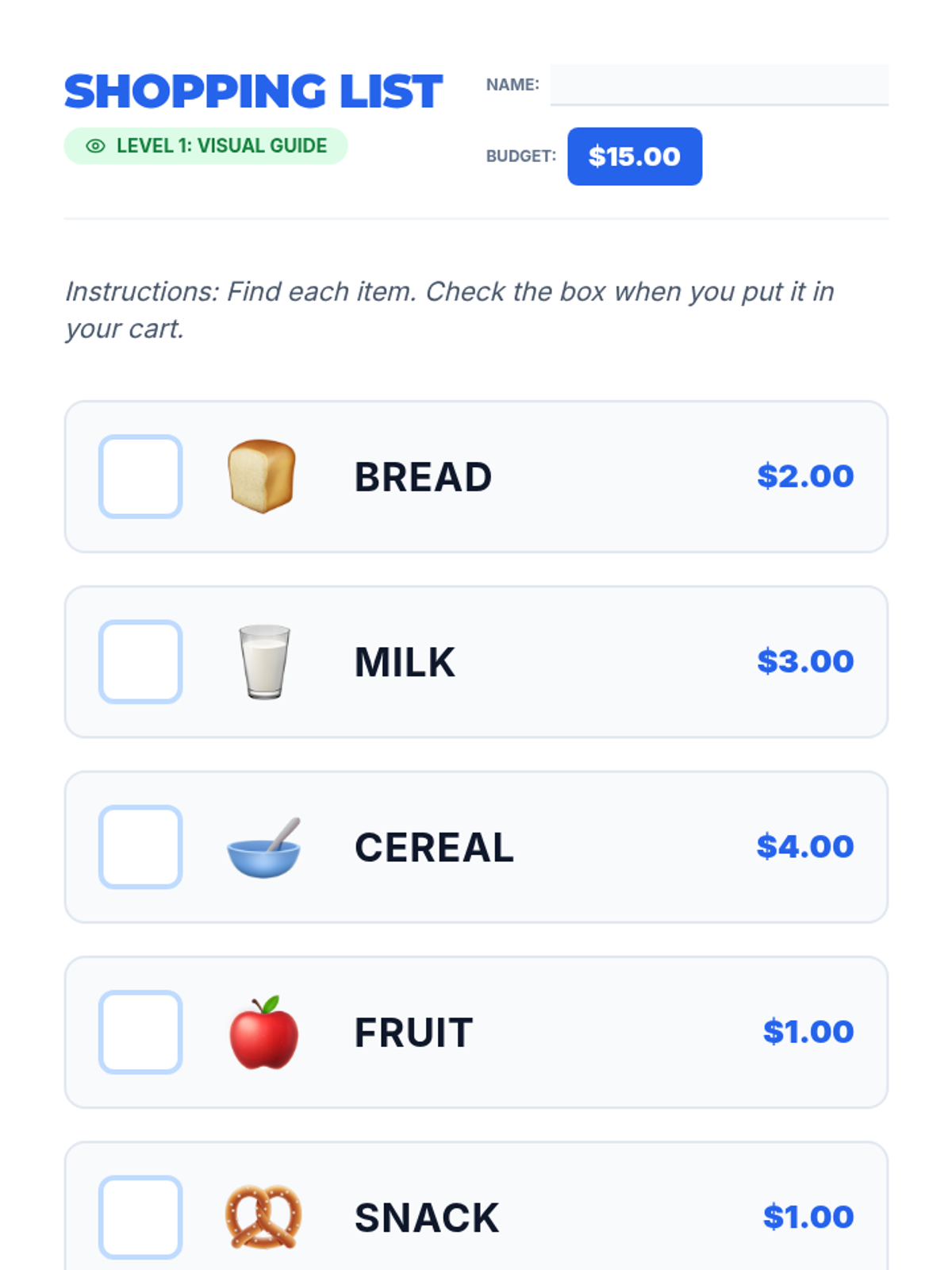
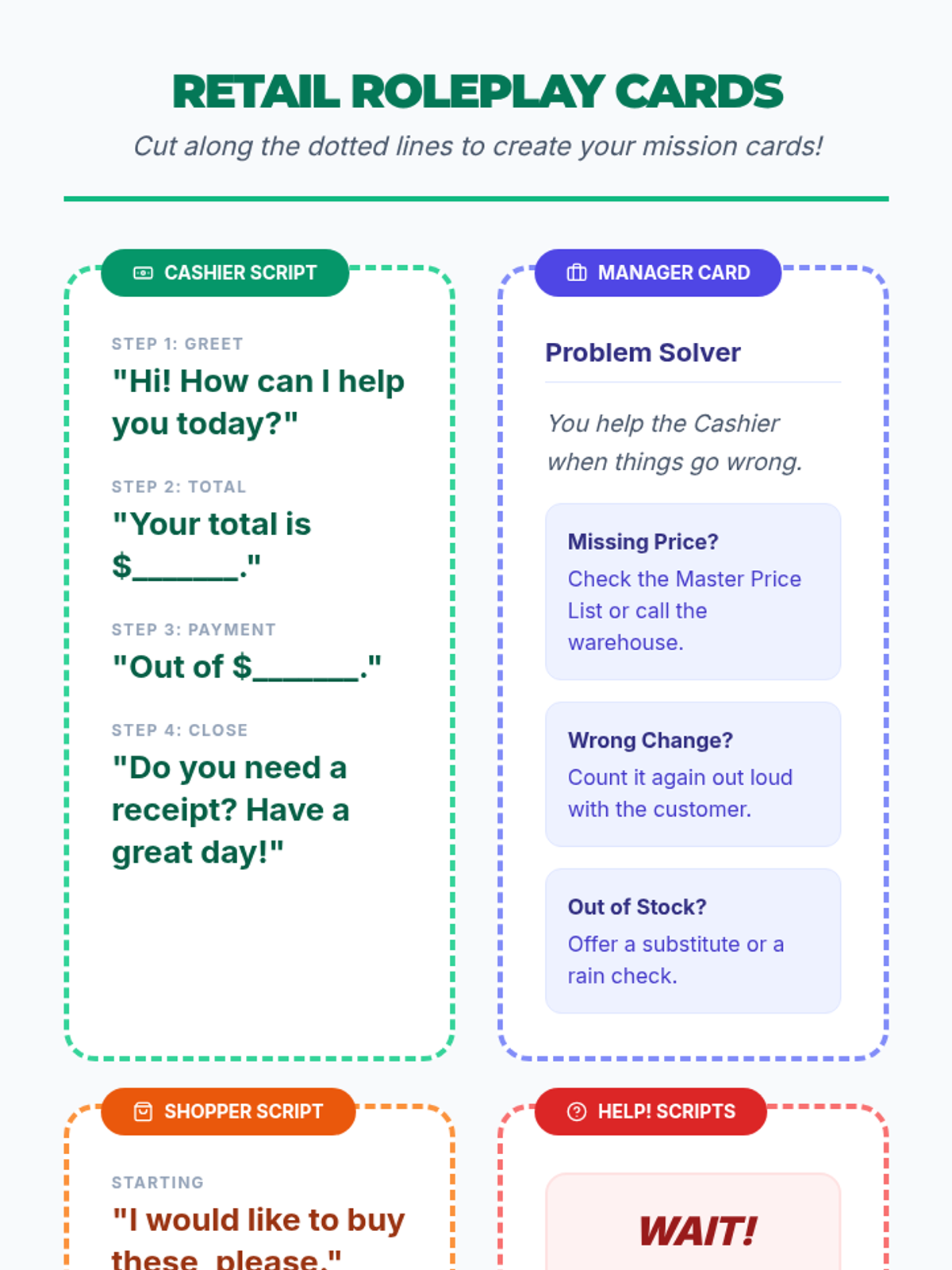
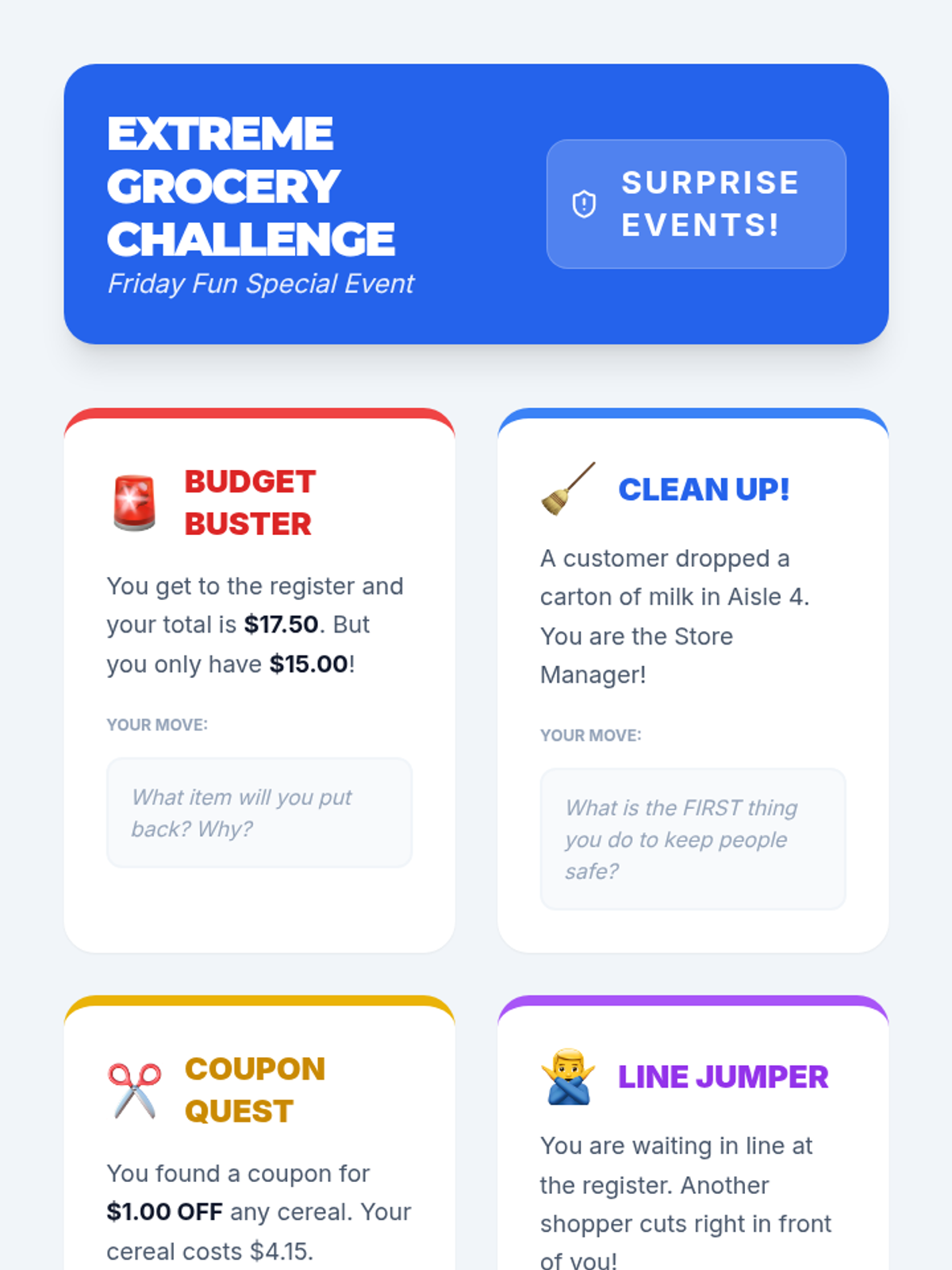
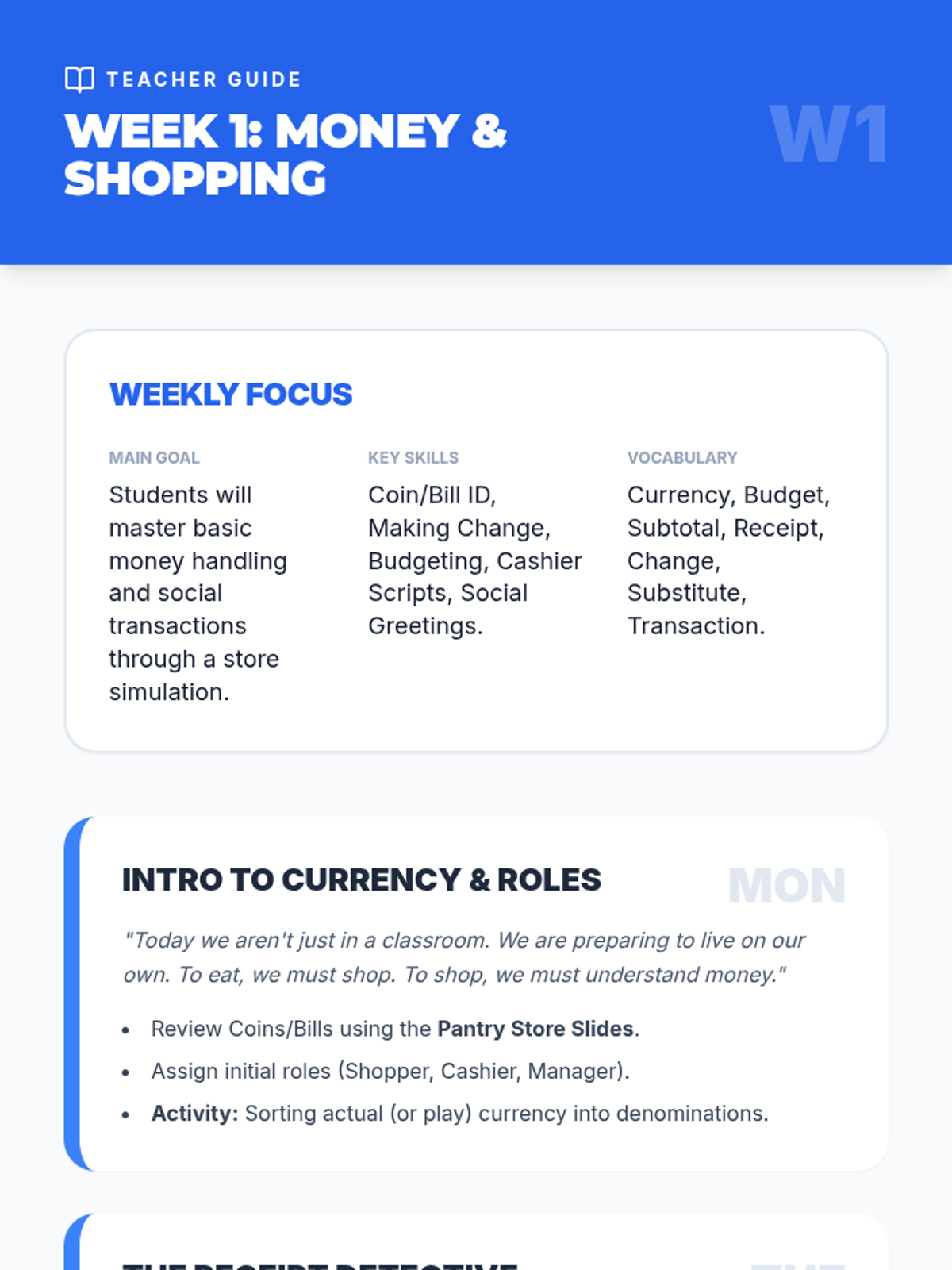
A comprehensive year-long curriculum designed to empower students with essential life skills for independence, focusing on financial literacy, social communication, and real-world simulations.
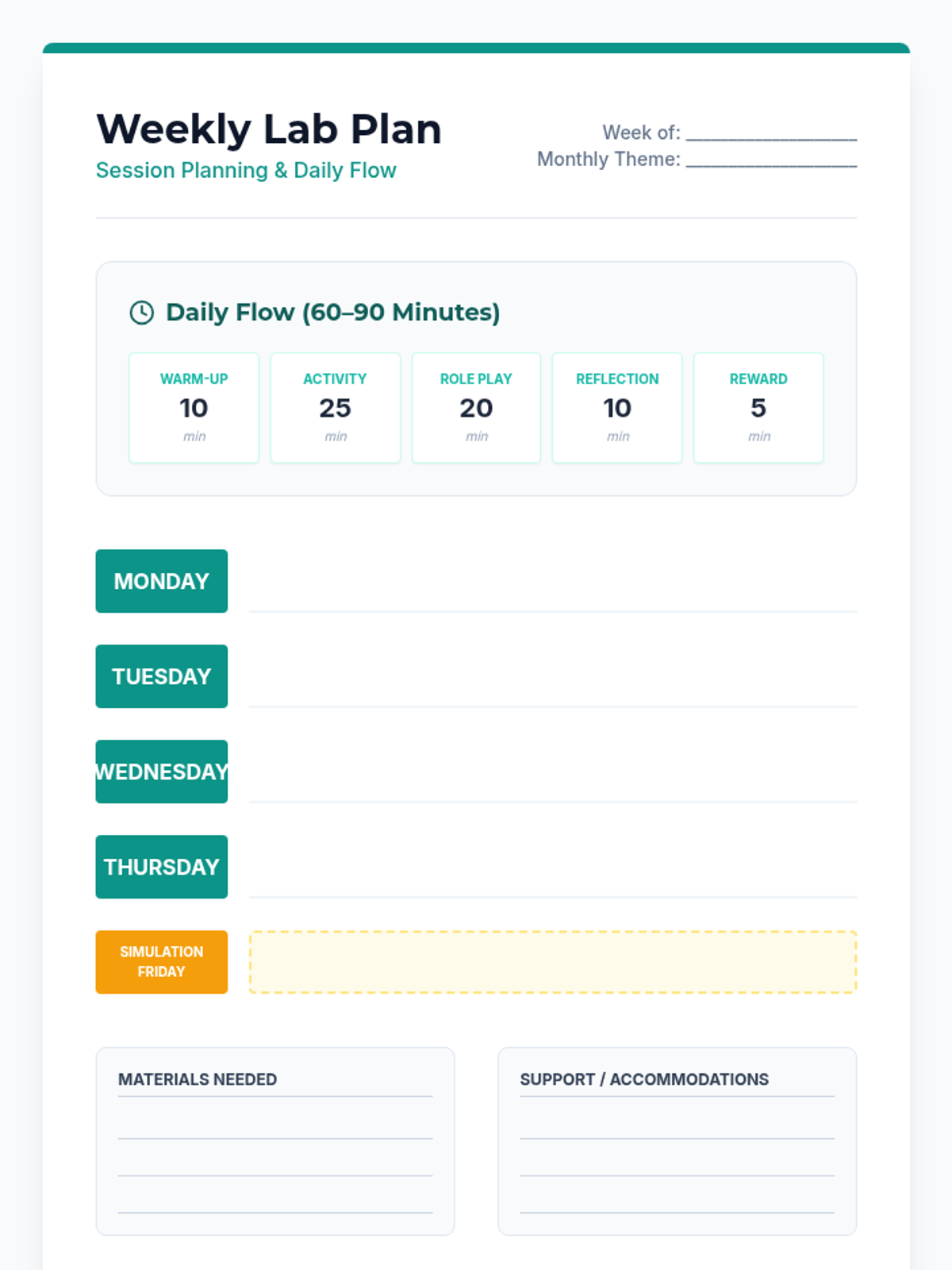
A full-month curriculum focused on developing independence through real-world simulations, role-playing, and practical application of functional life skills.
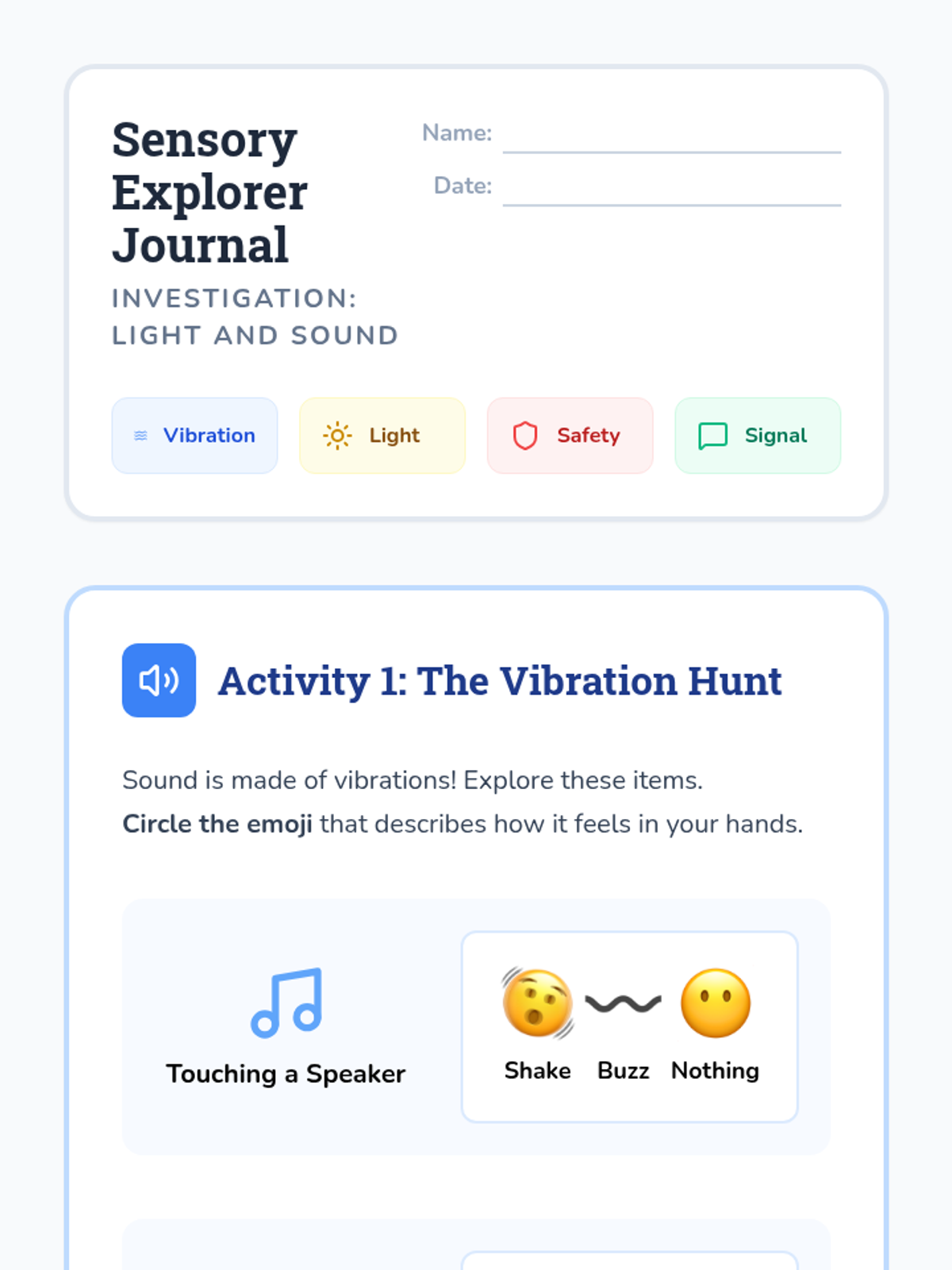
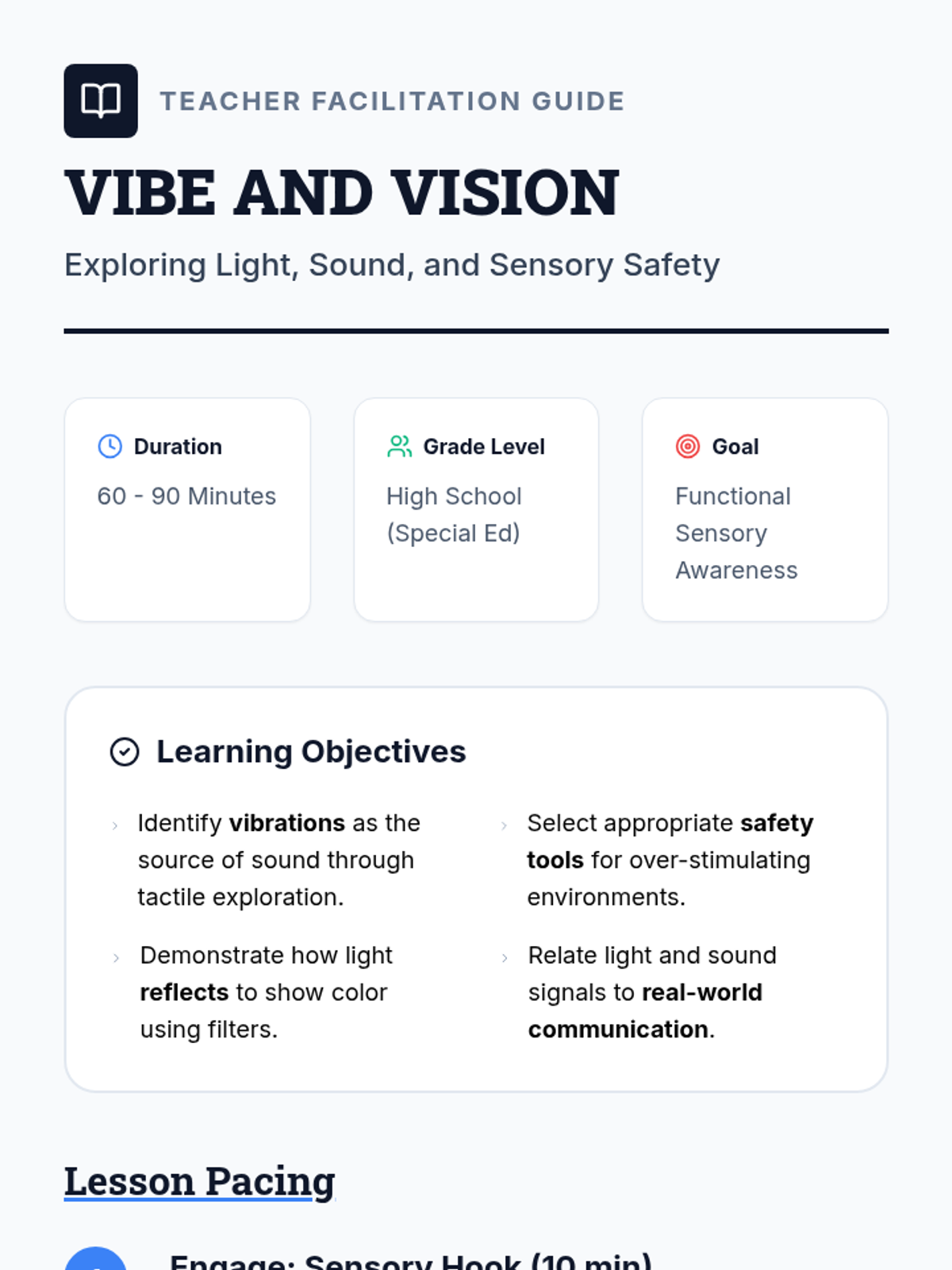
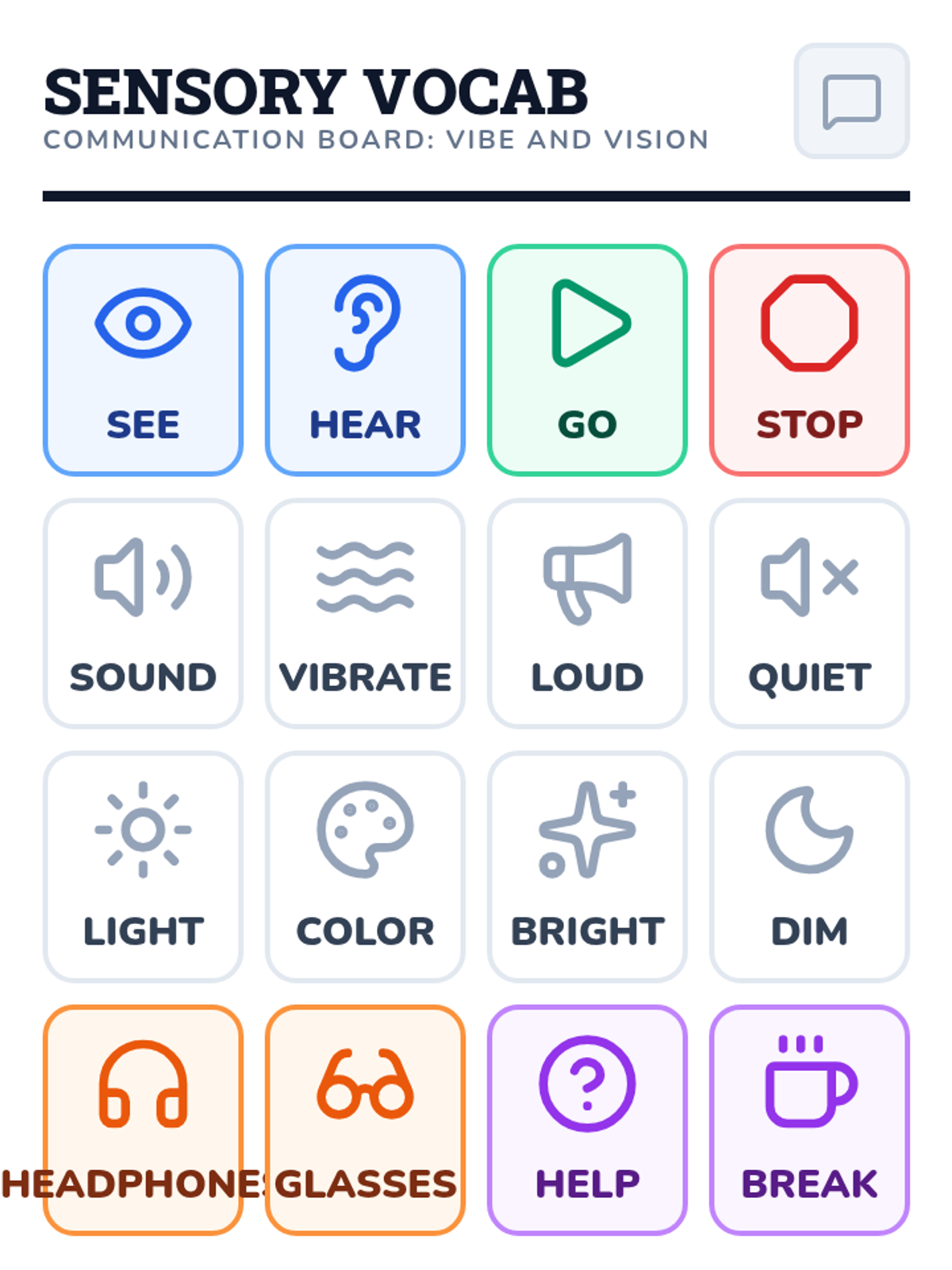
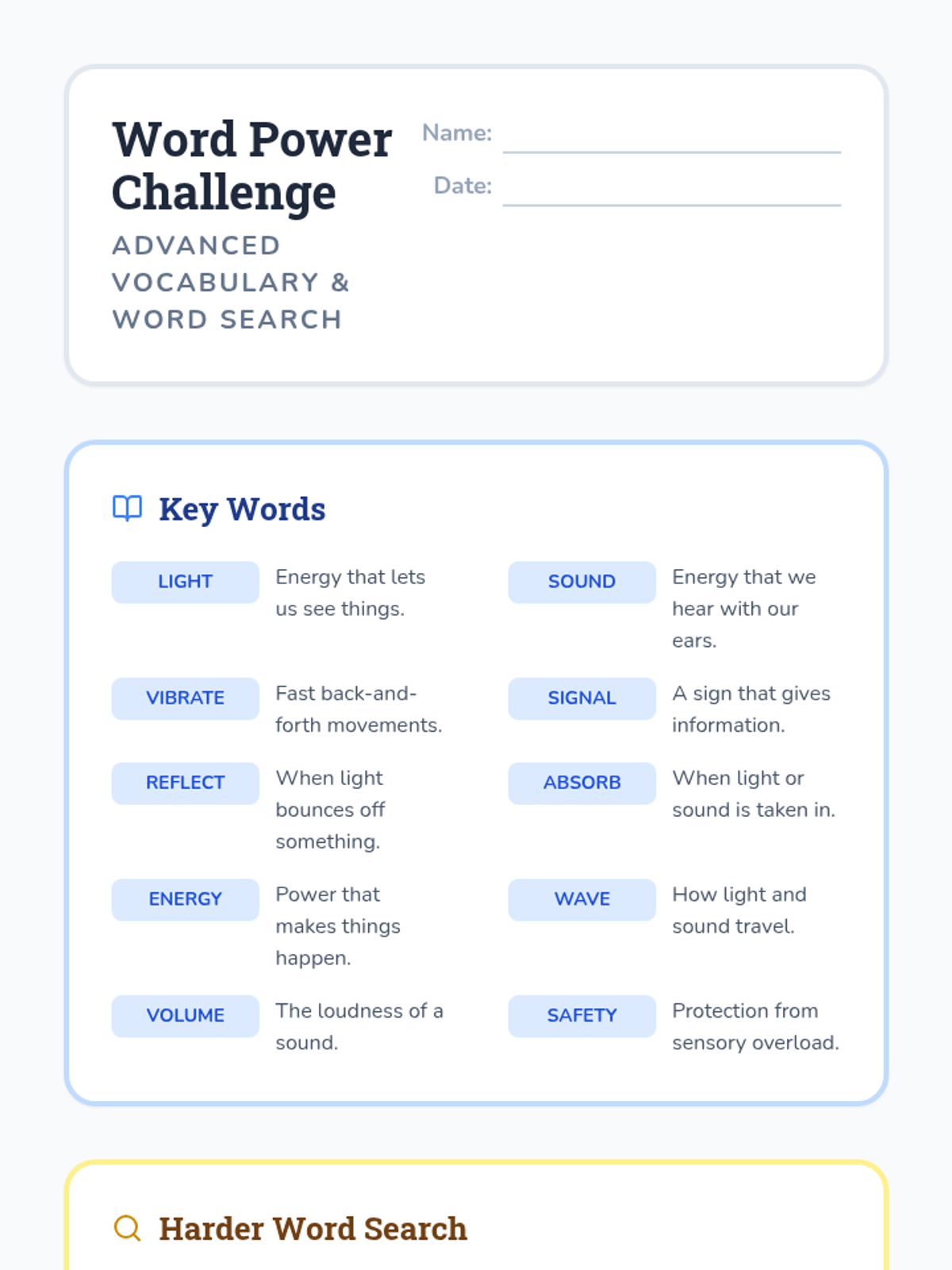
A series of lessons exploring how our senses interact with the physical world, designed for high school students with special educational needs.
A comprehensive sequence designed to empower high school students on IEPs to communicate their needs, understand their accommodations, and collaborate effectively with teachers and staff.
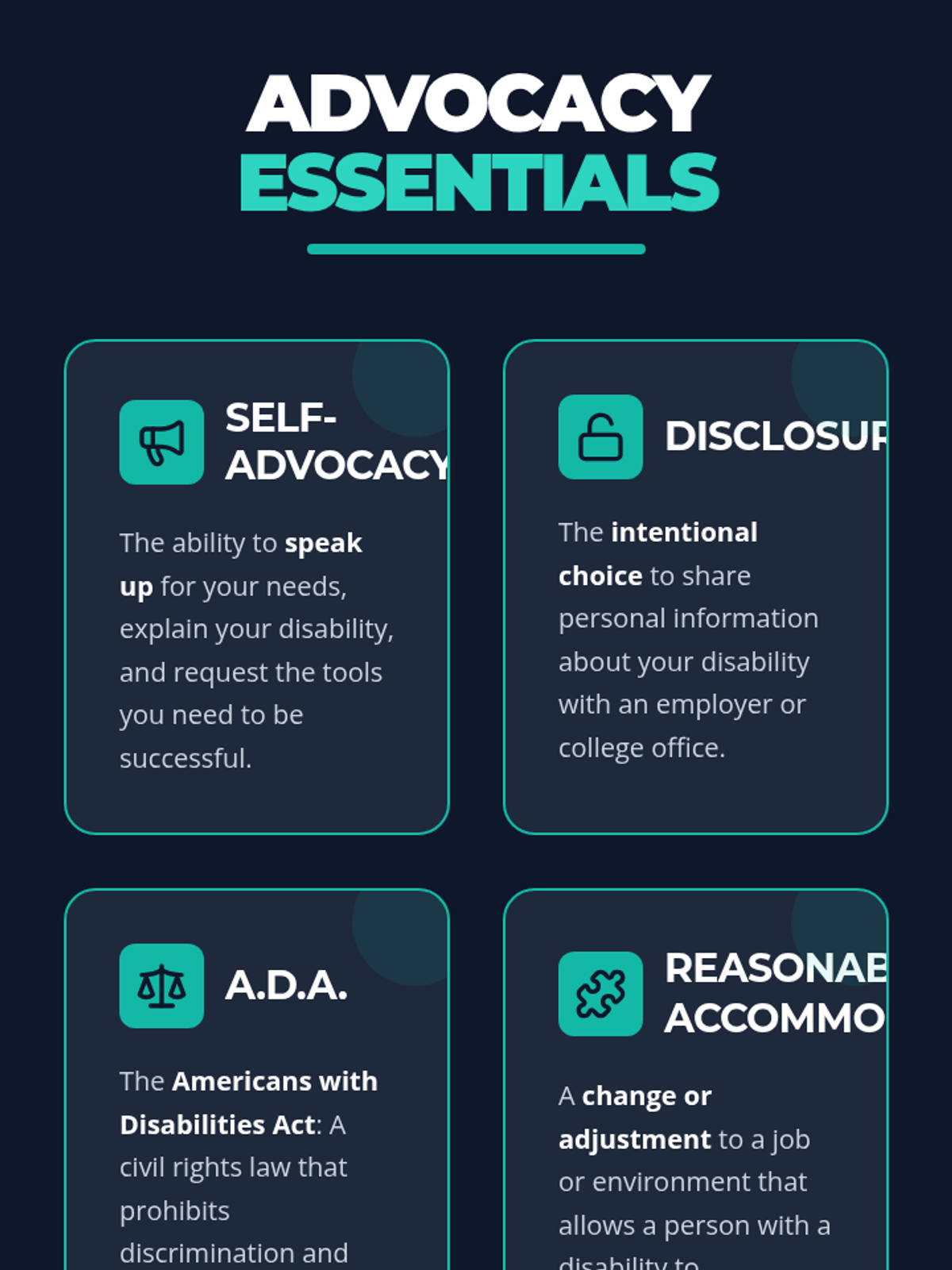
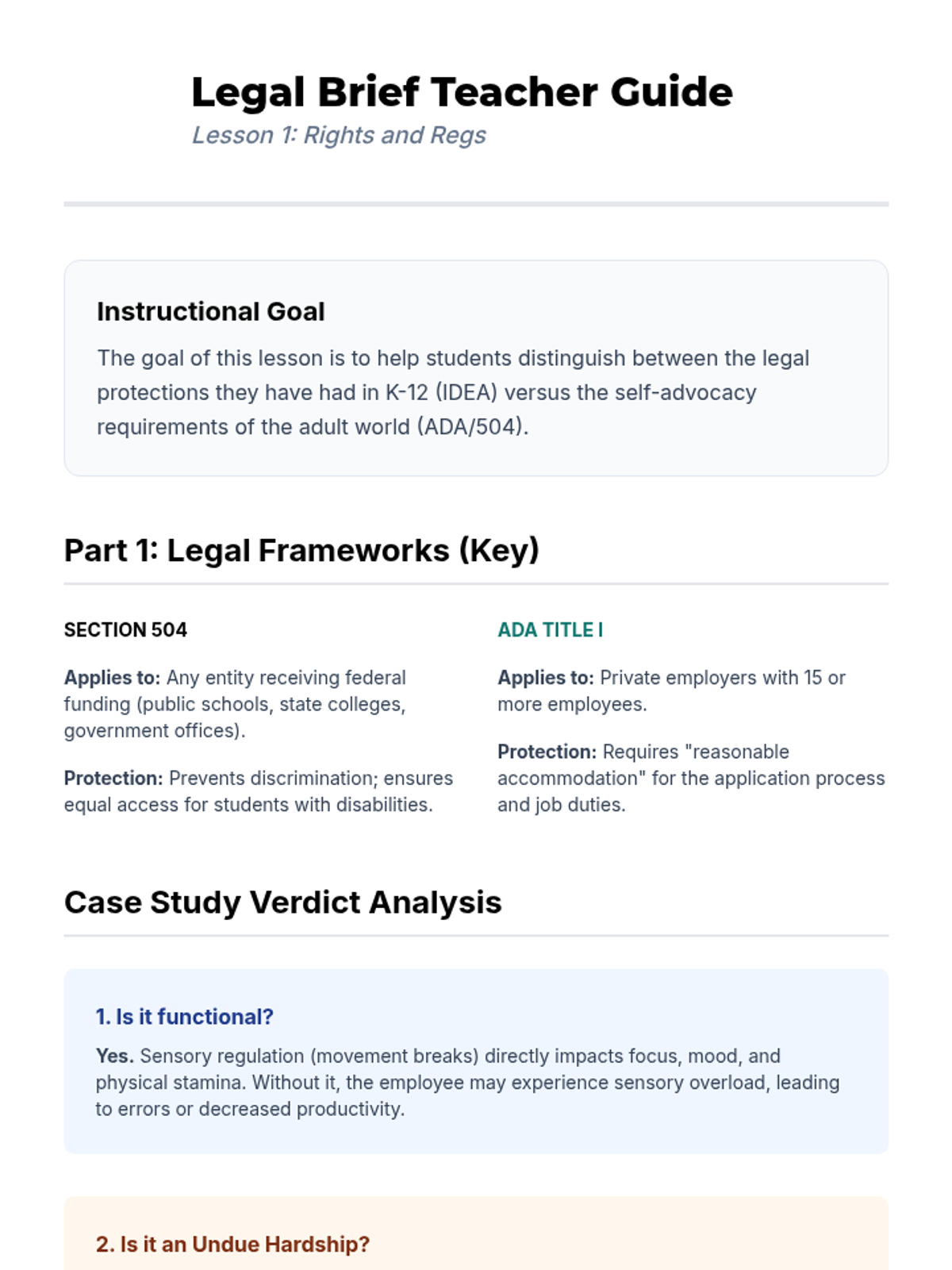
A comprehensive unit on self-advocacy and the ADA, helping students understand their rights in school, at home, and in the workplace. Students will learn how to navigate IEP accommodations, address non-compliance, and build independence.
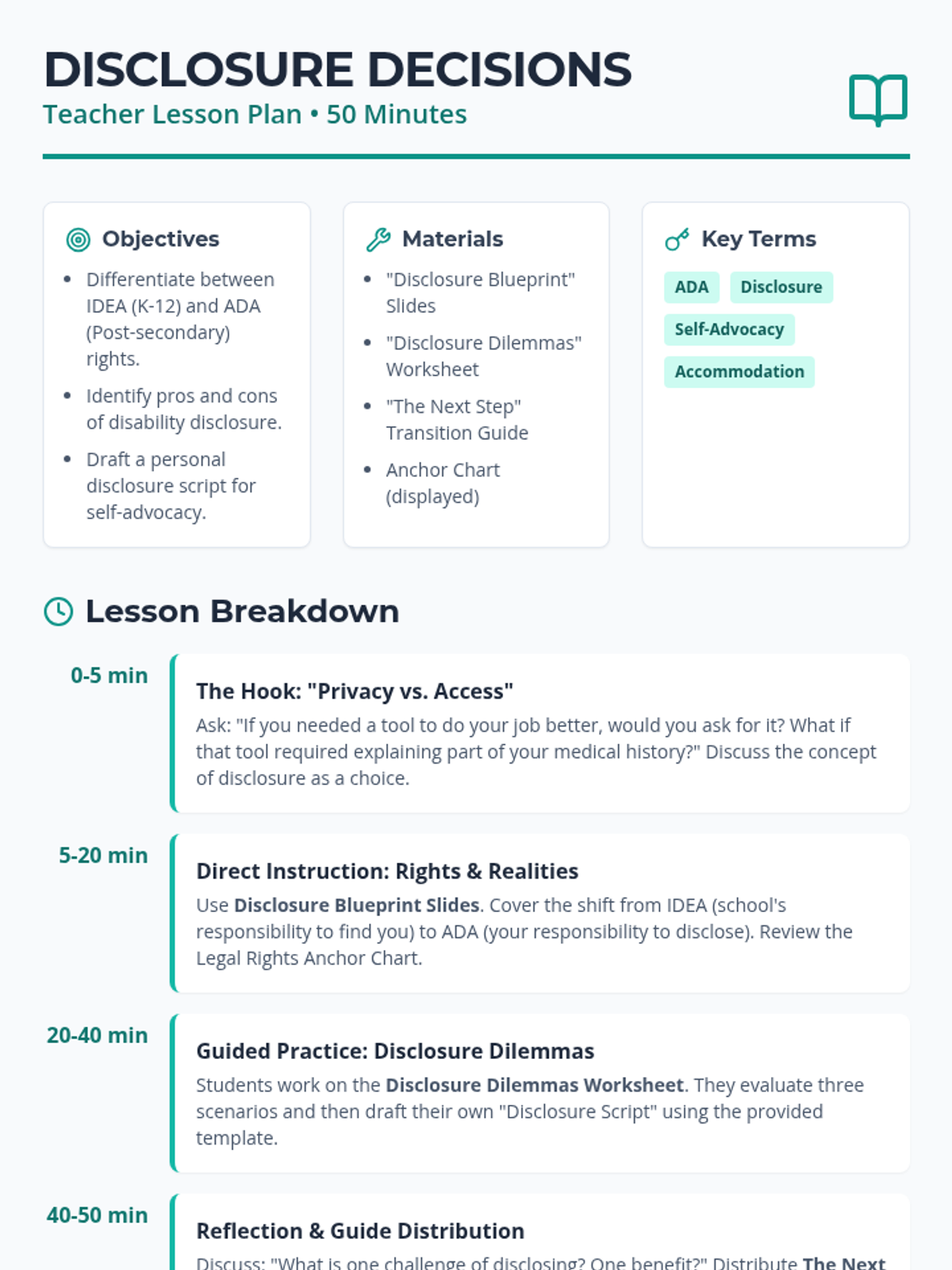
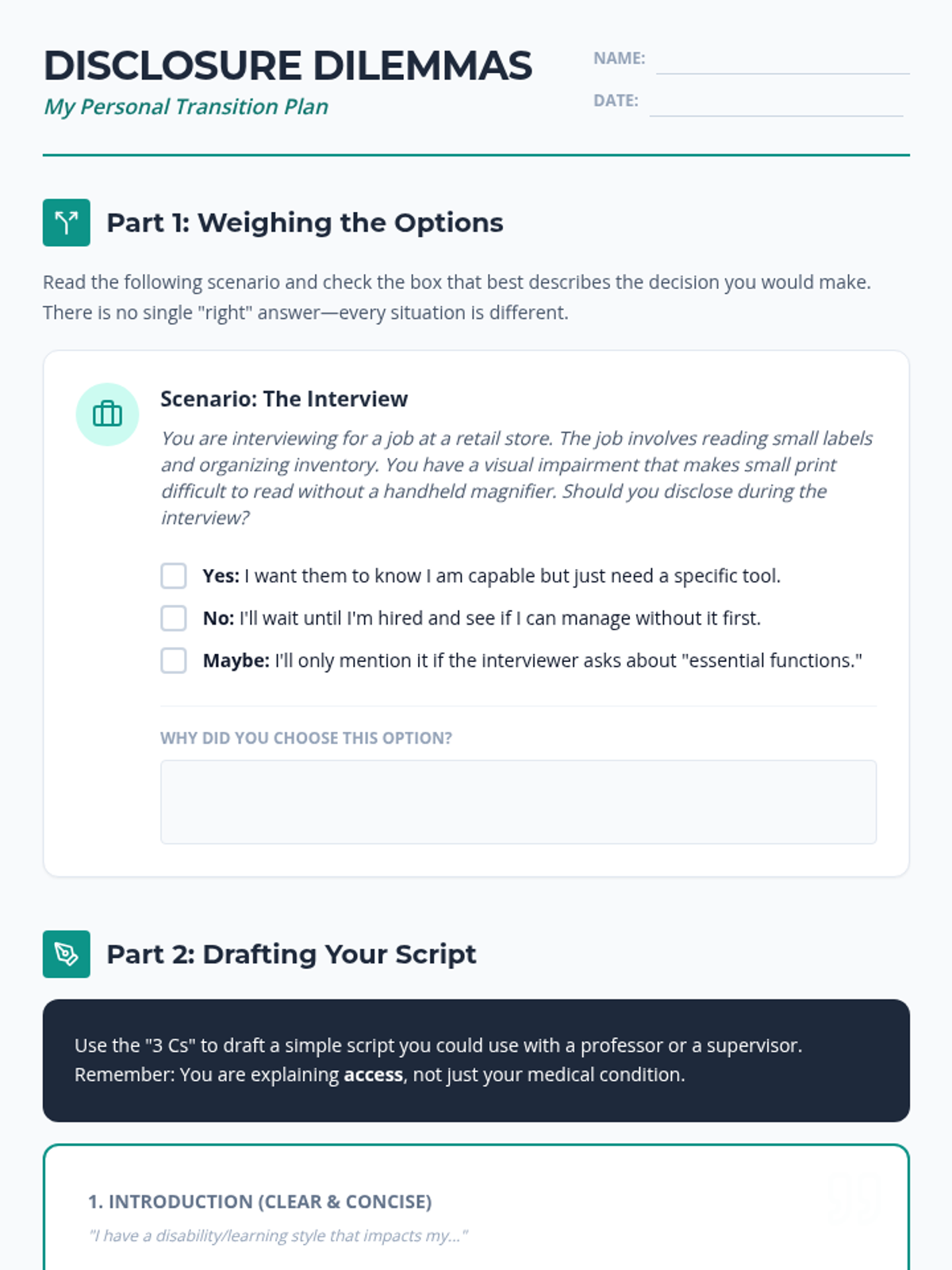
A comprehensive unit focused on preparing students with disabilities for the transition to post-secondary life, emphasizing self-advocacy, legal rights, and strategic disclosure.
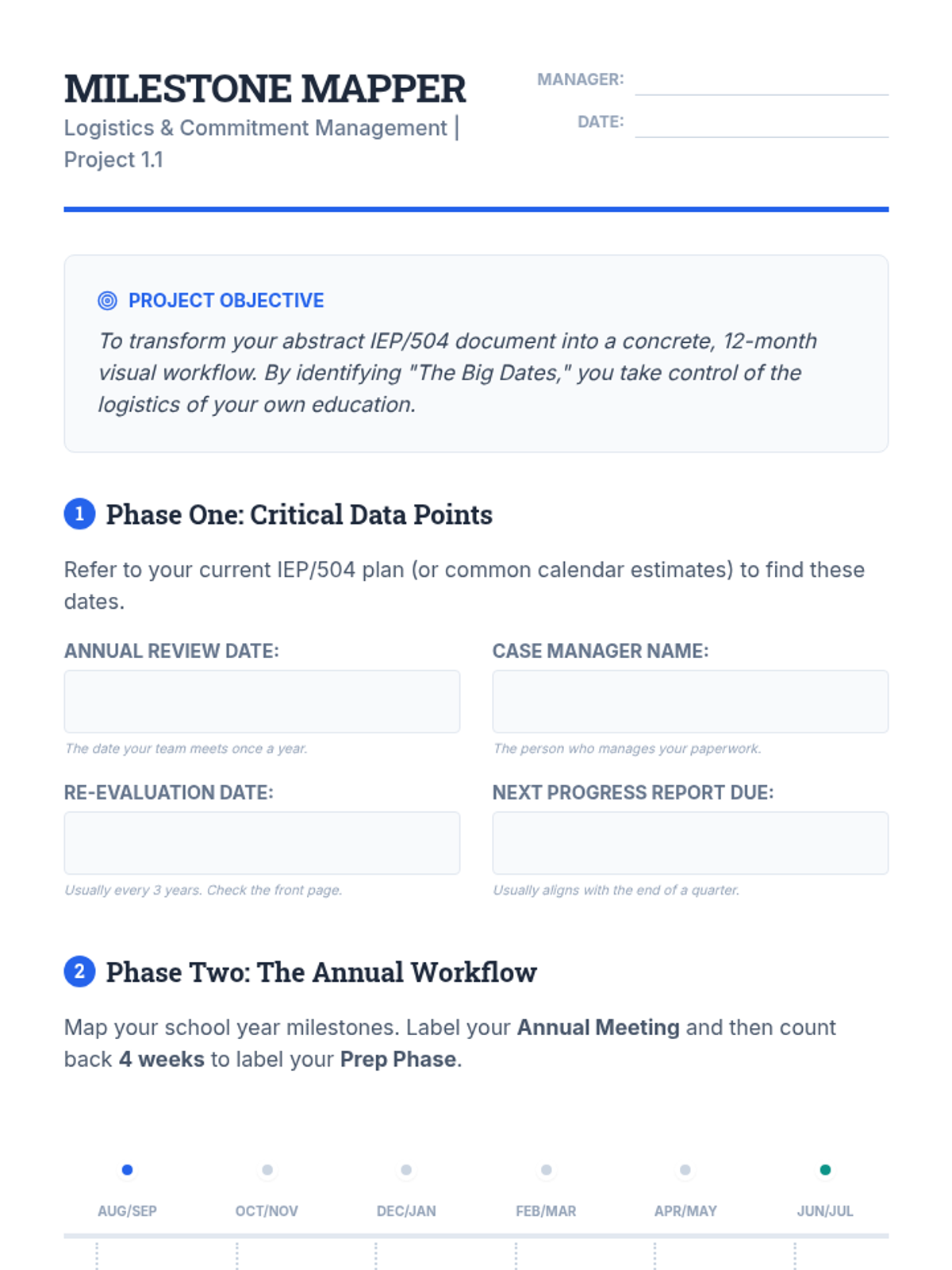
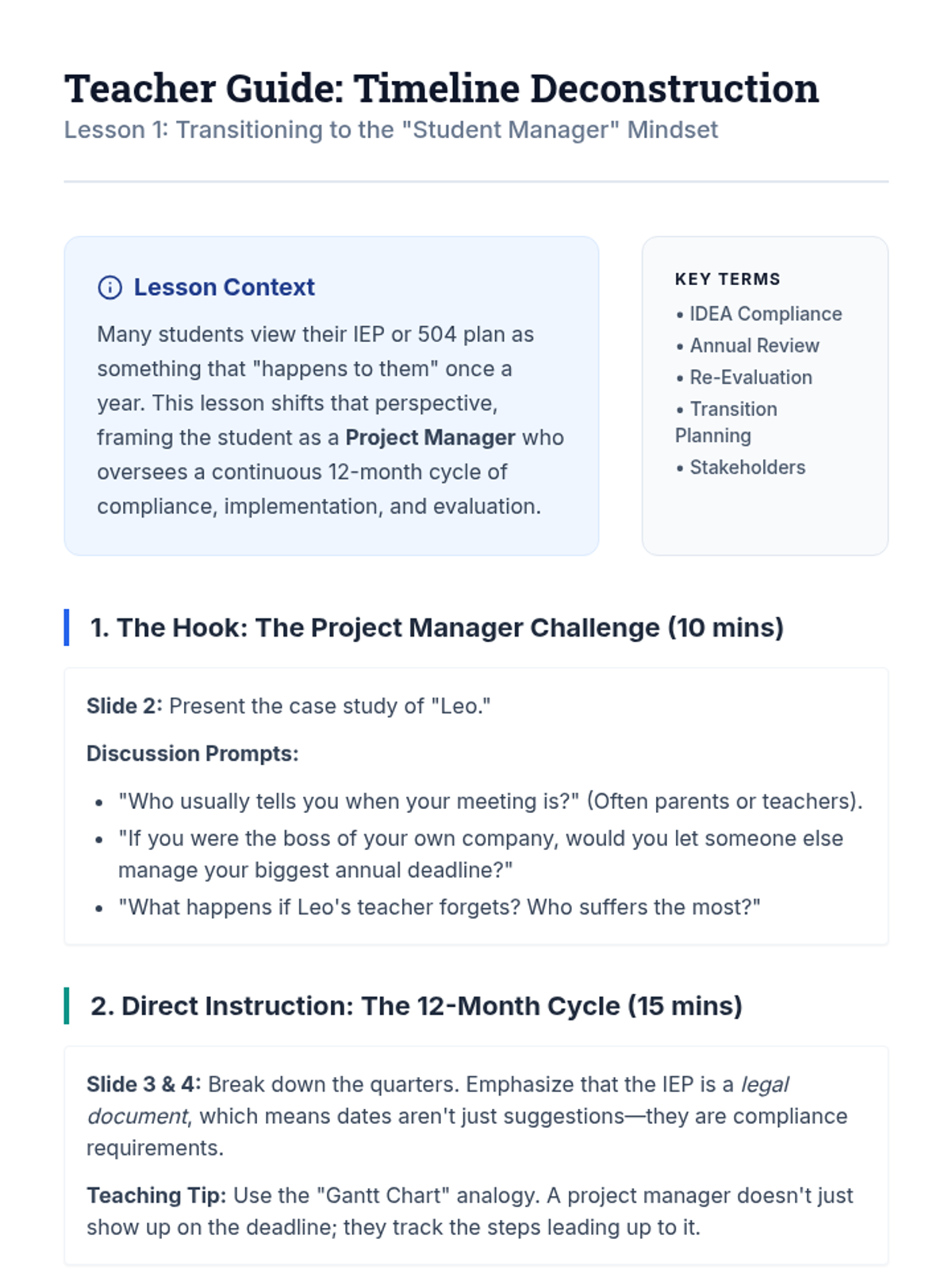
A 10th-grade sequence focused on empowering students to manage their own IEP/504 timelines, accommodations, and administrative responsibilities through the lens of project management. Students transition from passive recipients of services to active managers of their educational milestones.
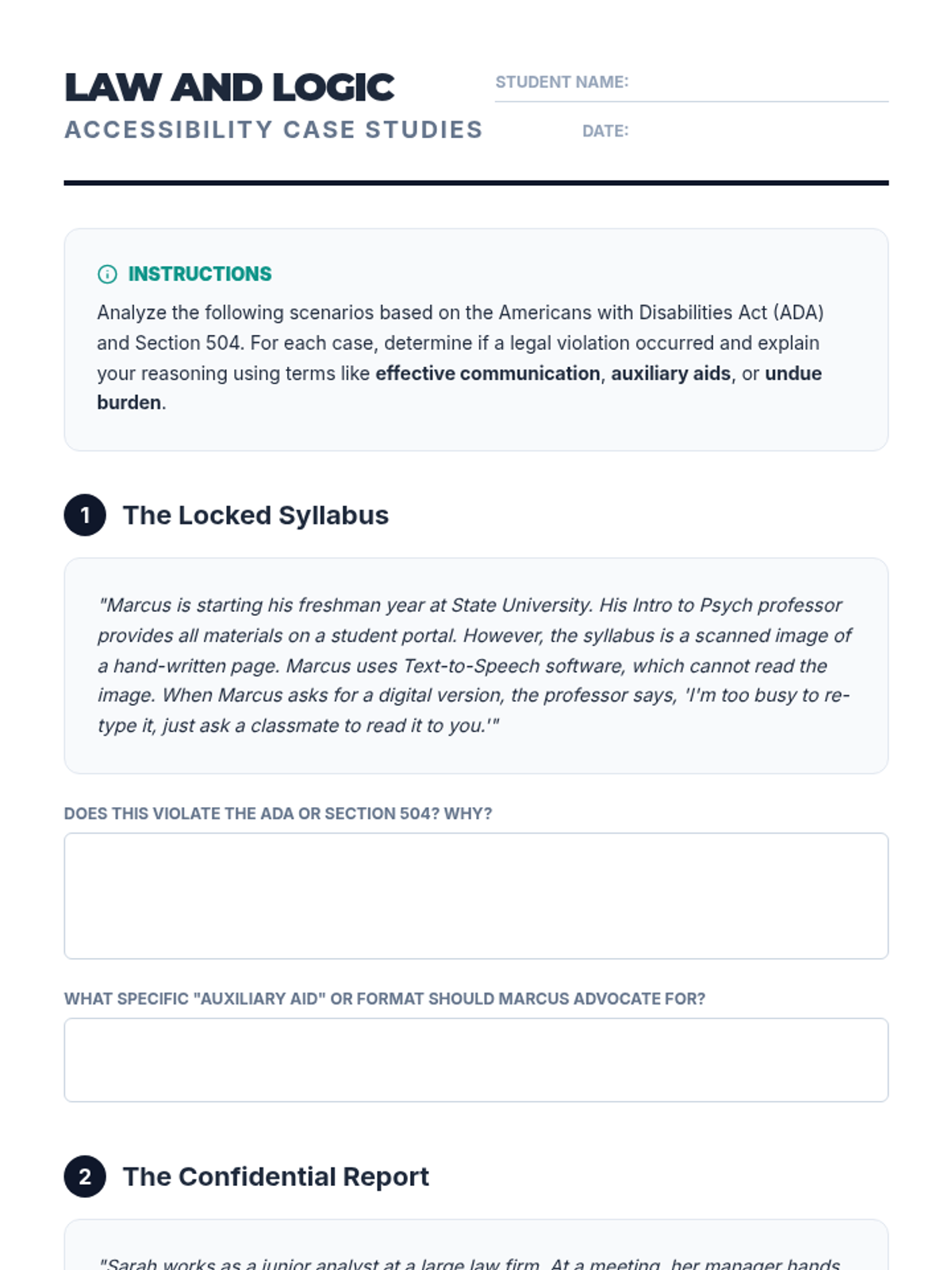
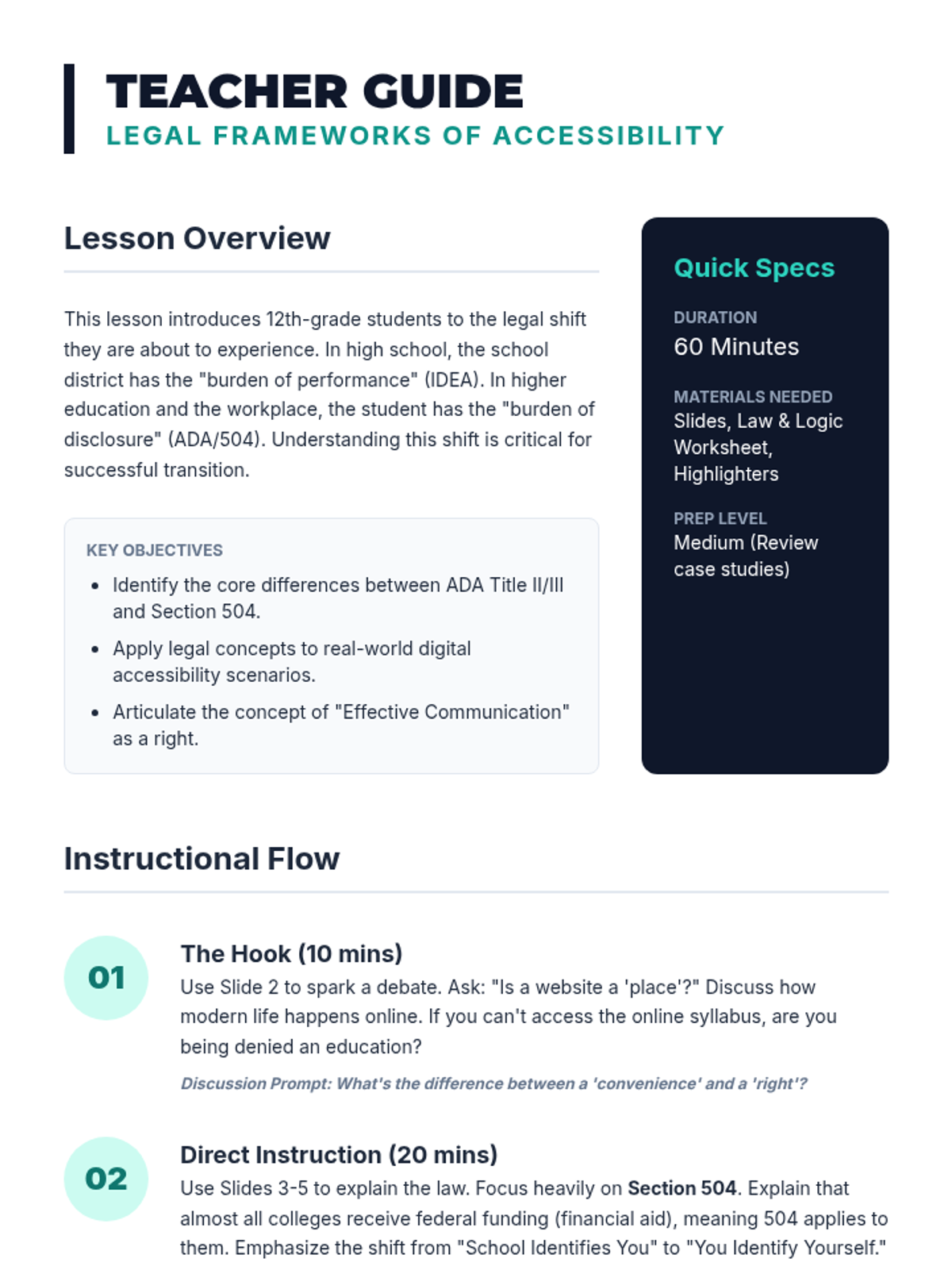
A comprehensive transition sequence for 12th-grade students focusing on the legal, professional, and practical aspects of using Text-to-Speech (TTS) and other assistive technologies in higher education and the workplace. Students learn to advocate for their rights under the ADA and Section 504 through role-play, professional writing, and portfolio building.
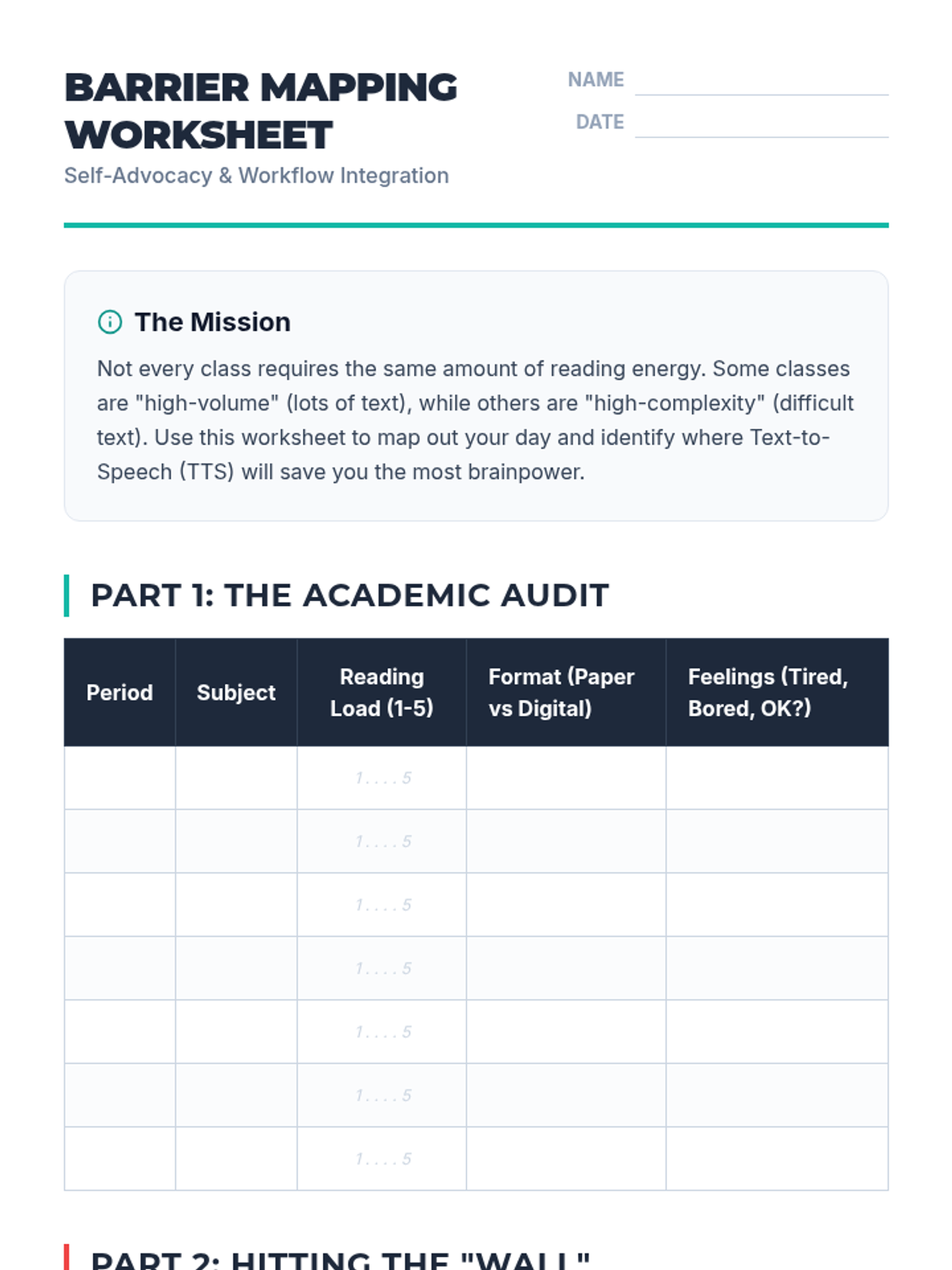
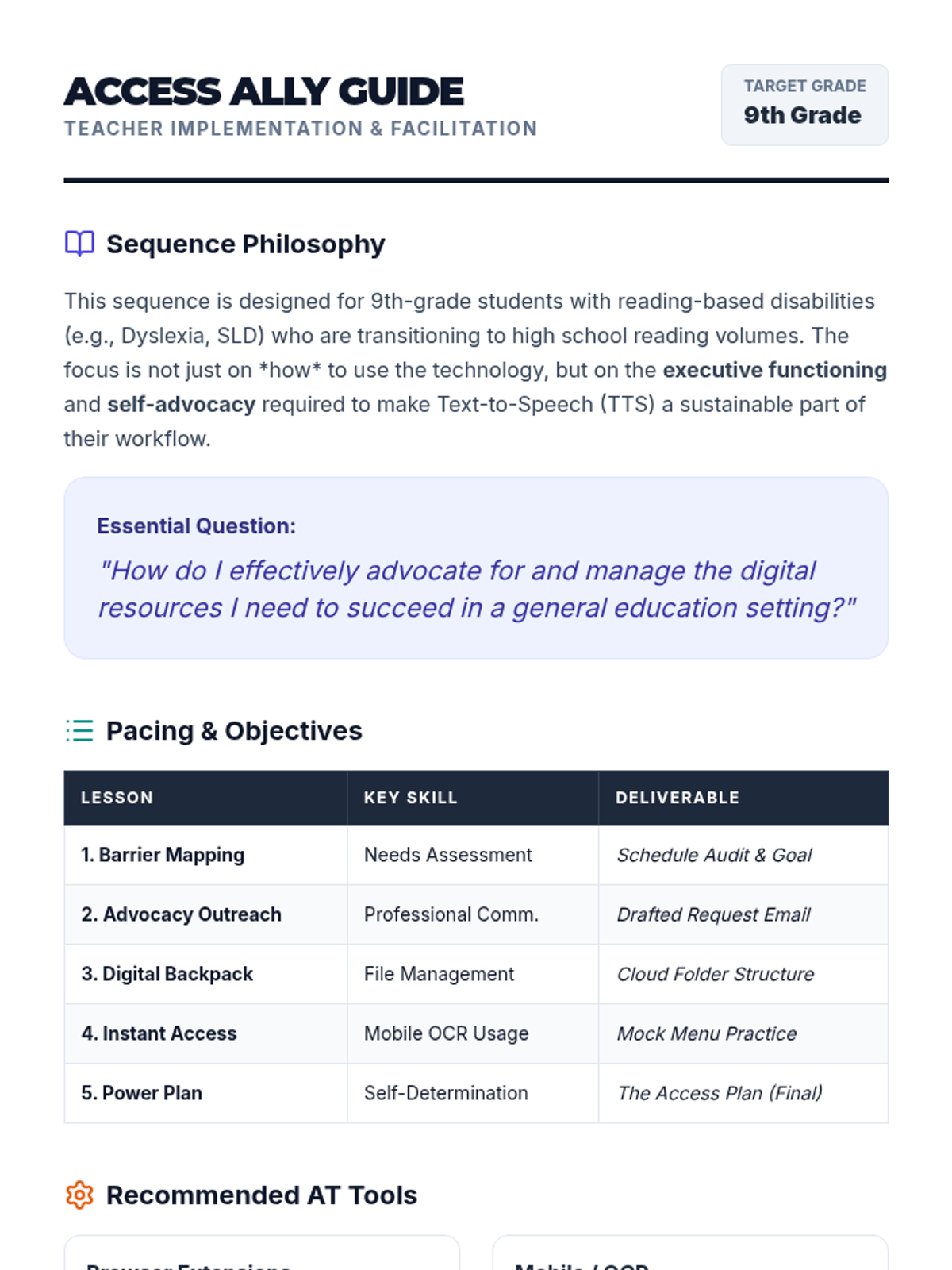
This sequence empowers 9th-grade students to integrate Text-to-Speech (TTS) into their high school workflows through self-advocacy and digital organization. Students move from identifying reading barriers in their schedules to creating a professional Access Plan for their teachers.
A self-advocacy sequence for 11th-grade students to manage working memory challenges by requesting single-step directions and professional modifications in fast-paced environments.
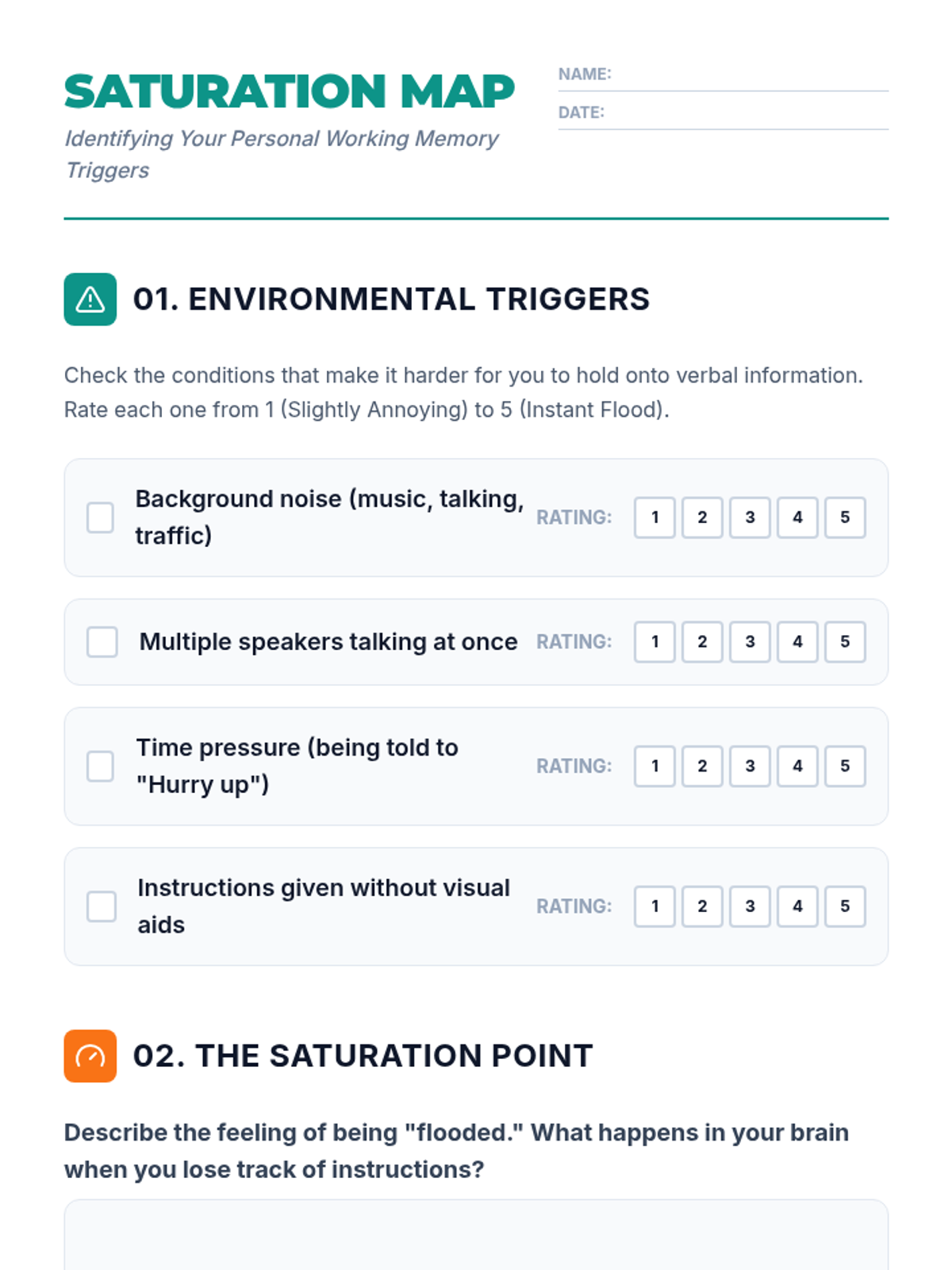
This 5-lesson sequence empowers 9th-grade students to manage cognitive load through self-advocacy. Students explore working memory, identify overload signals, develop communication scripts, and practice negotiating accommodations for single-step directions.
This sequence empowers 12th-grade students to identify and leverage digital accessibility tools for independent study. Students move from exploring assistive technology to curating a personalized digital study ecosystem, culminating in a self-advocacy portfolio for post-secondary success.
A metacognitive sequence for 12th-grade students to understand their working memory profiles and build a personalized 'external brain' toolkit for following multi-step directions. Students move from self-diagnosis to strategy mastery and finally to self-advocacy for transition to college or the workforce.
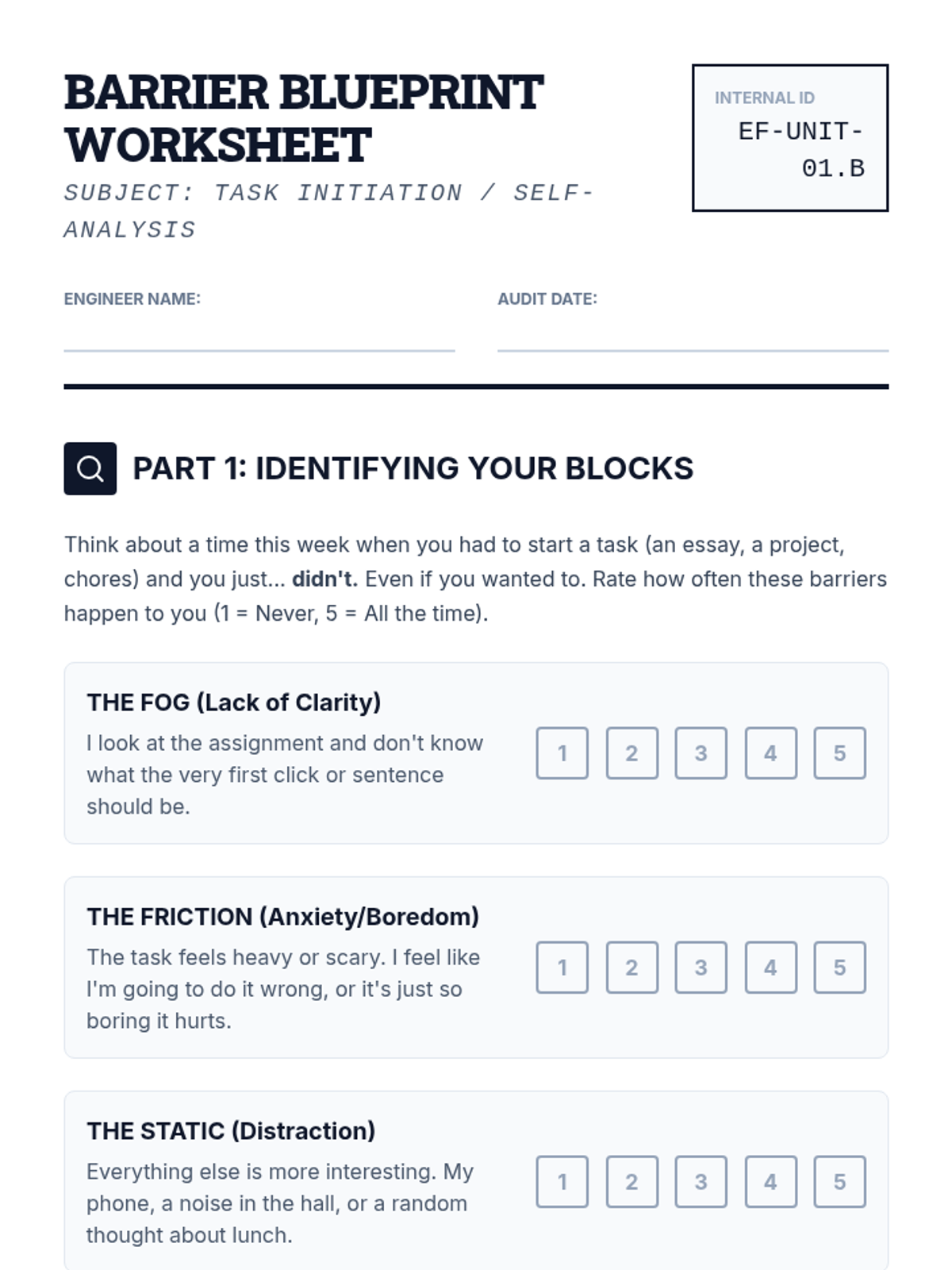
A metacognitive, project-based sequence where students investigate personal task initiation barriers and engineer custom 'Start Systems' to foster independence and reduce reliance on external prompting.
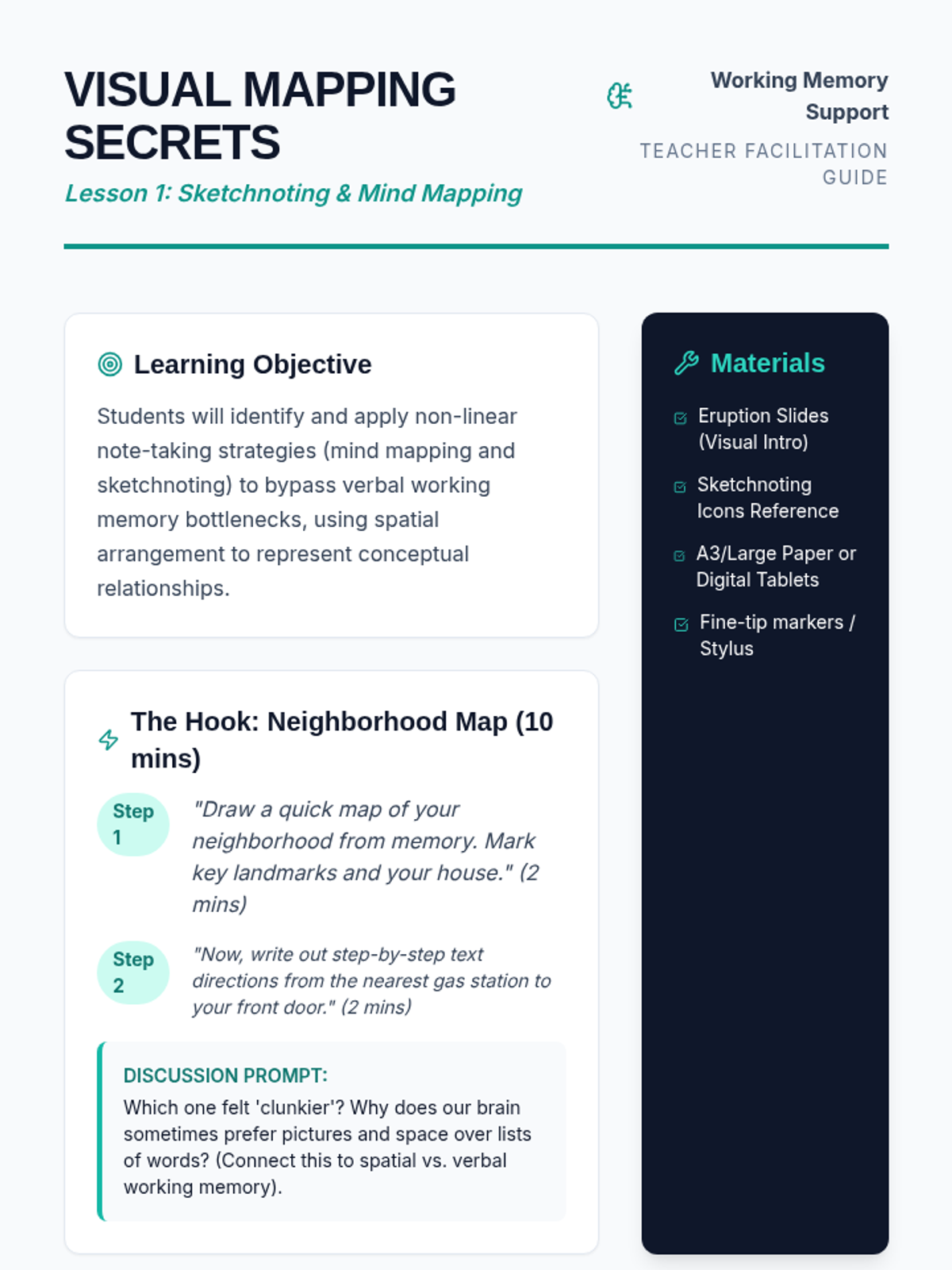
This sequence explores non-linear and technology-assisted strategies for students who struggle with traditional text-based recording, moving from visual mapping to digital tools and personalized systems. Students develop a digital toolkit to mitigate working memory deficits in post-secondary environments.
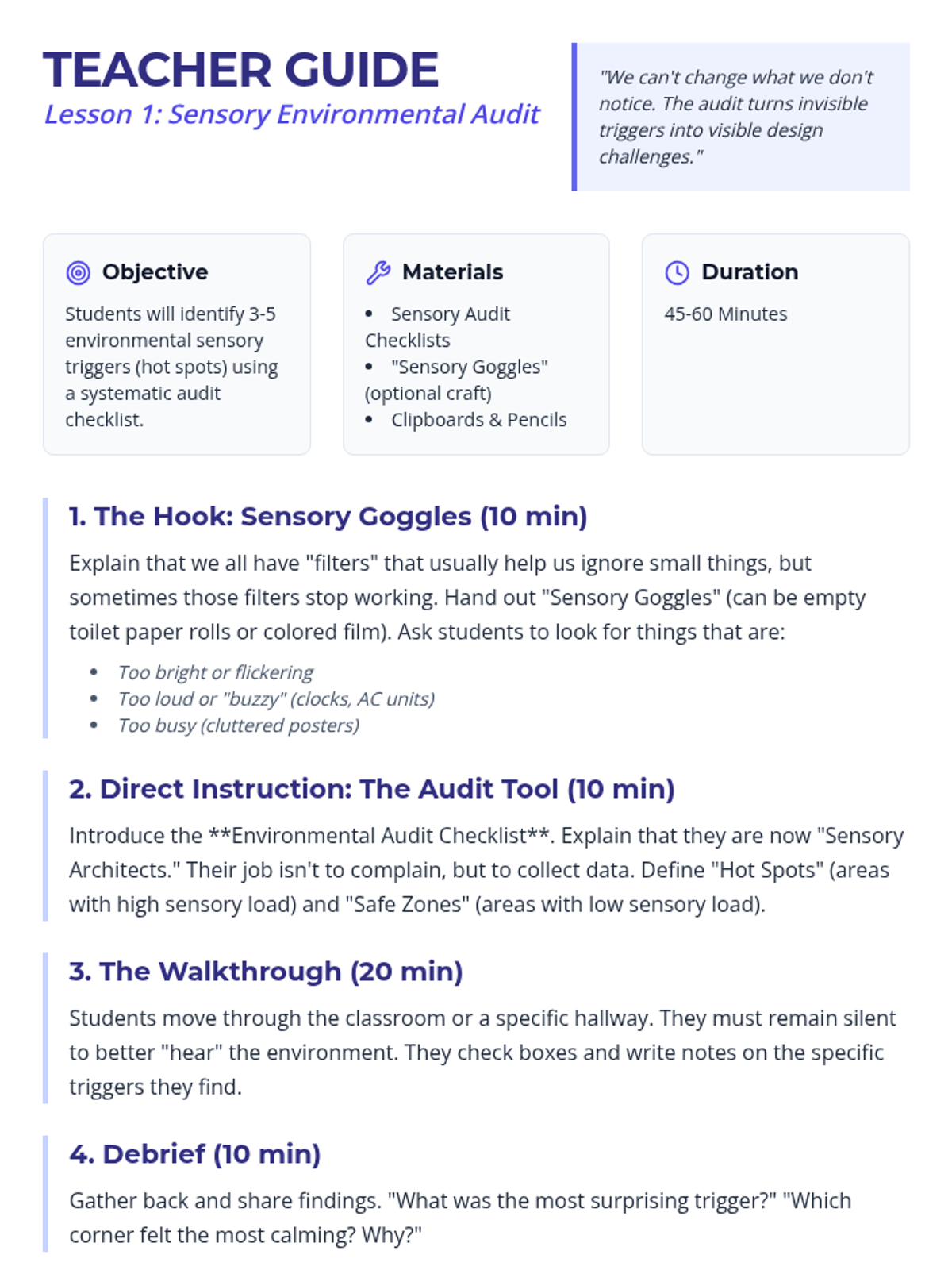
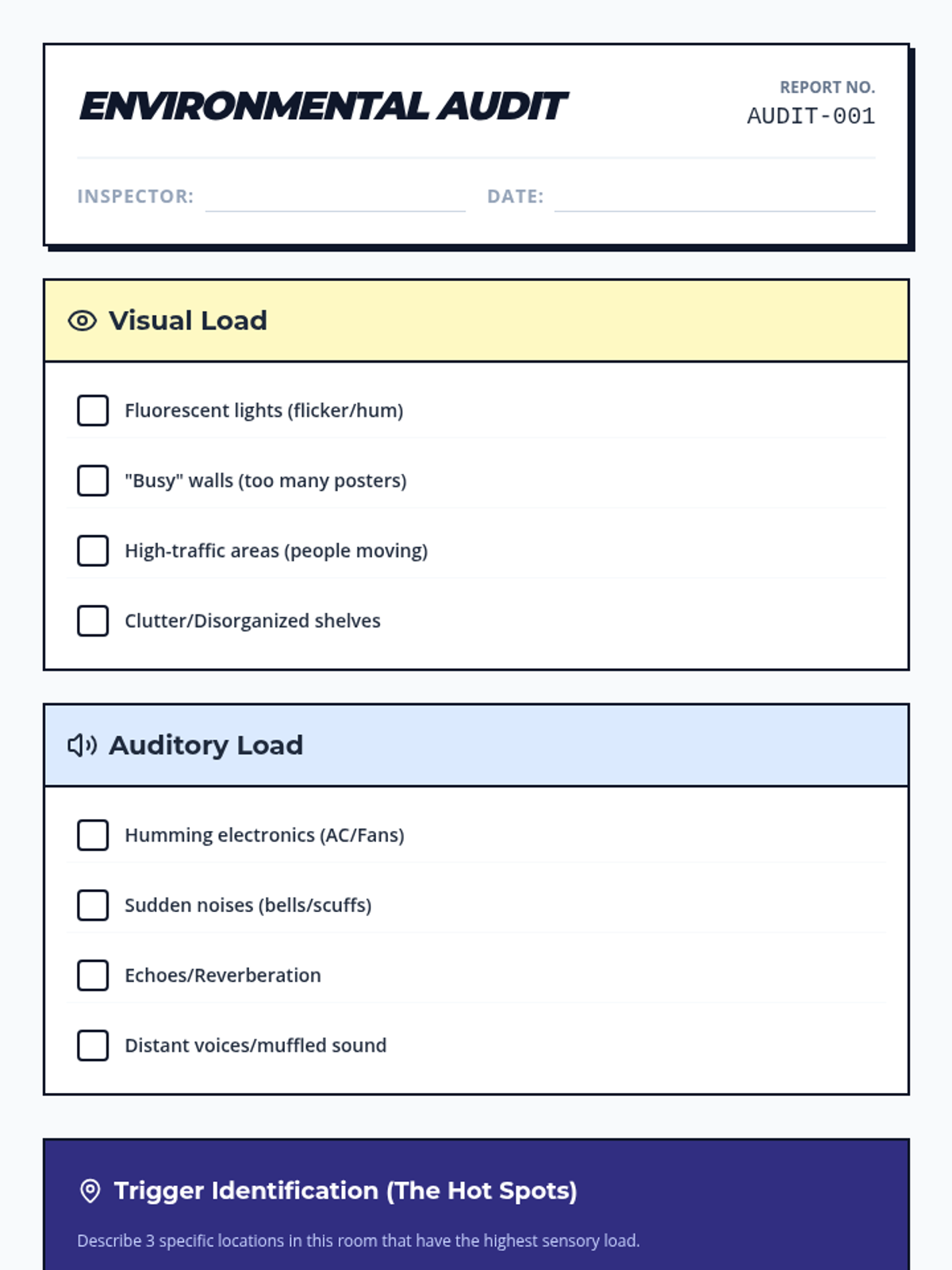
A project-based sequence where students act as environmental designers to analyze sensory loads and create 'Recovery Zones' that support dysregulation recovery through physical and digital modifications.
A comprehensive curriculum for transition-age learners (18–22) to develop essential independence skills across six domains: daily living, finance, work, communication, health, and community.
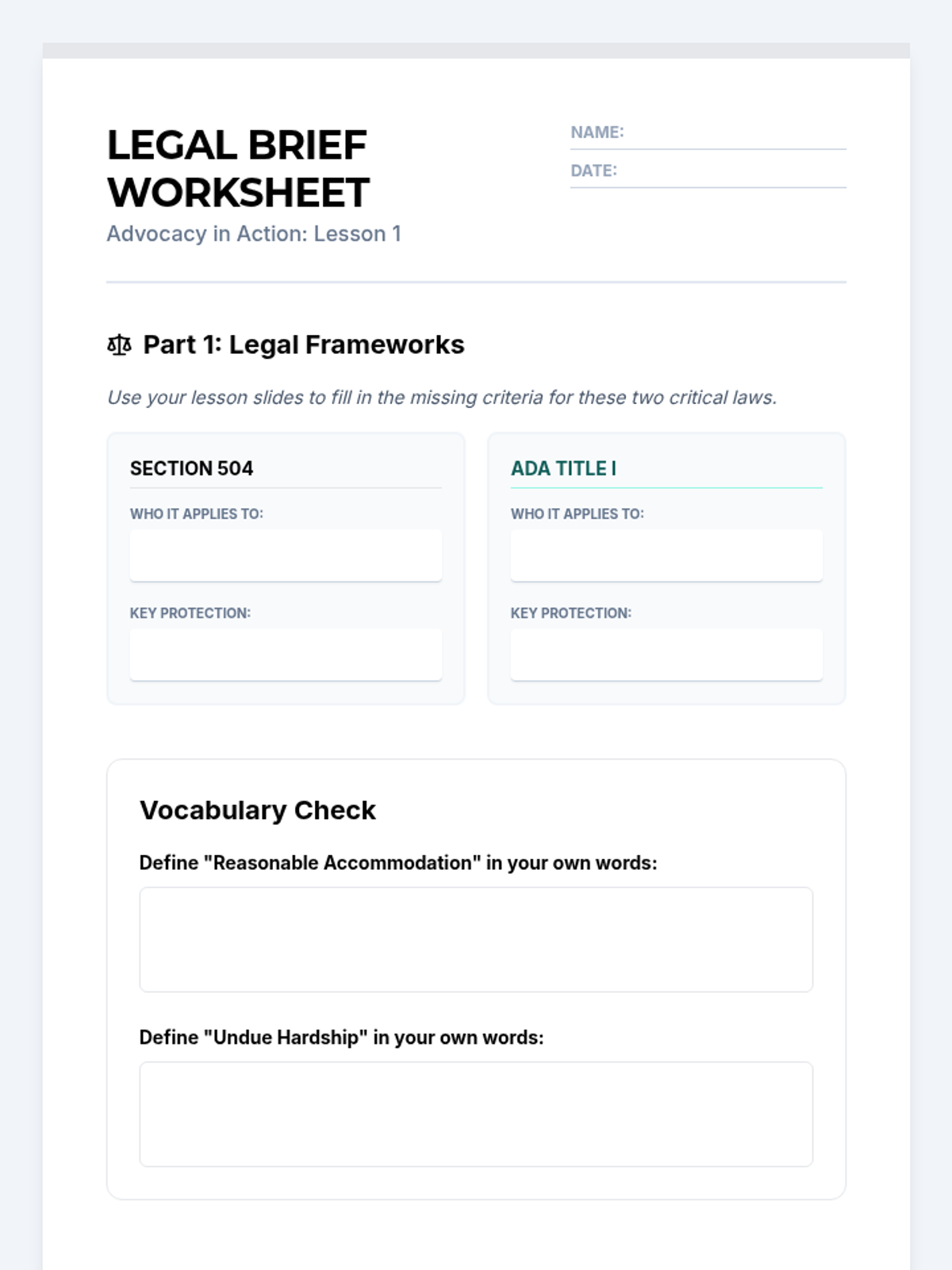
This sequence empowers 12th-grade students with sensory processing needs to transition into adulthood by teaching them the legal rights, communication strategies, and negotiation skills necessary to secure movement-based accommodations in higher education and the workplace. Students will move from understanding the ADA to practicing high-stakes simulations and building a personal support network.
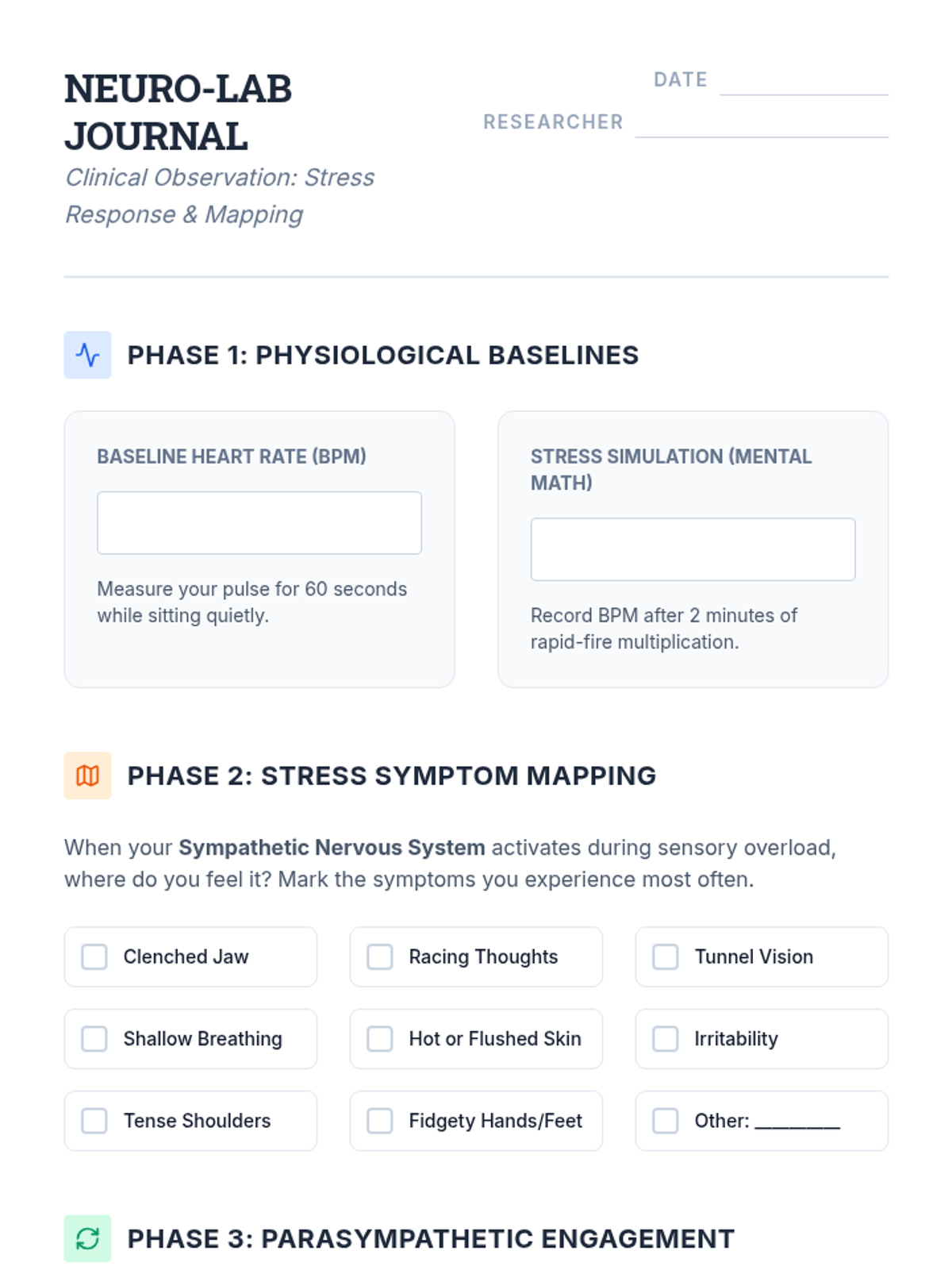
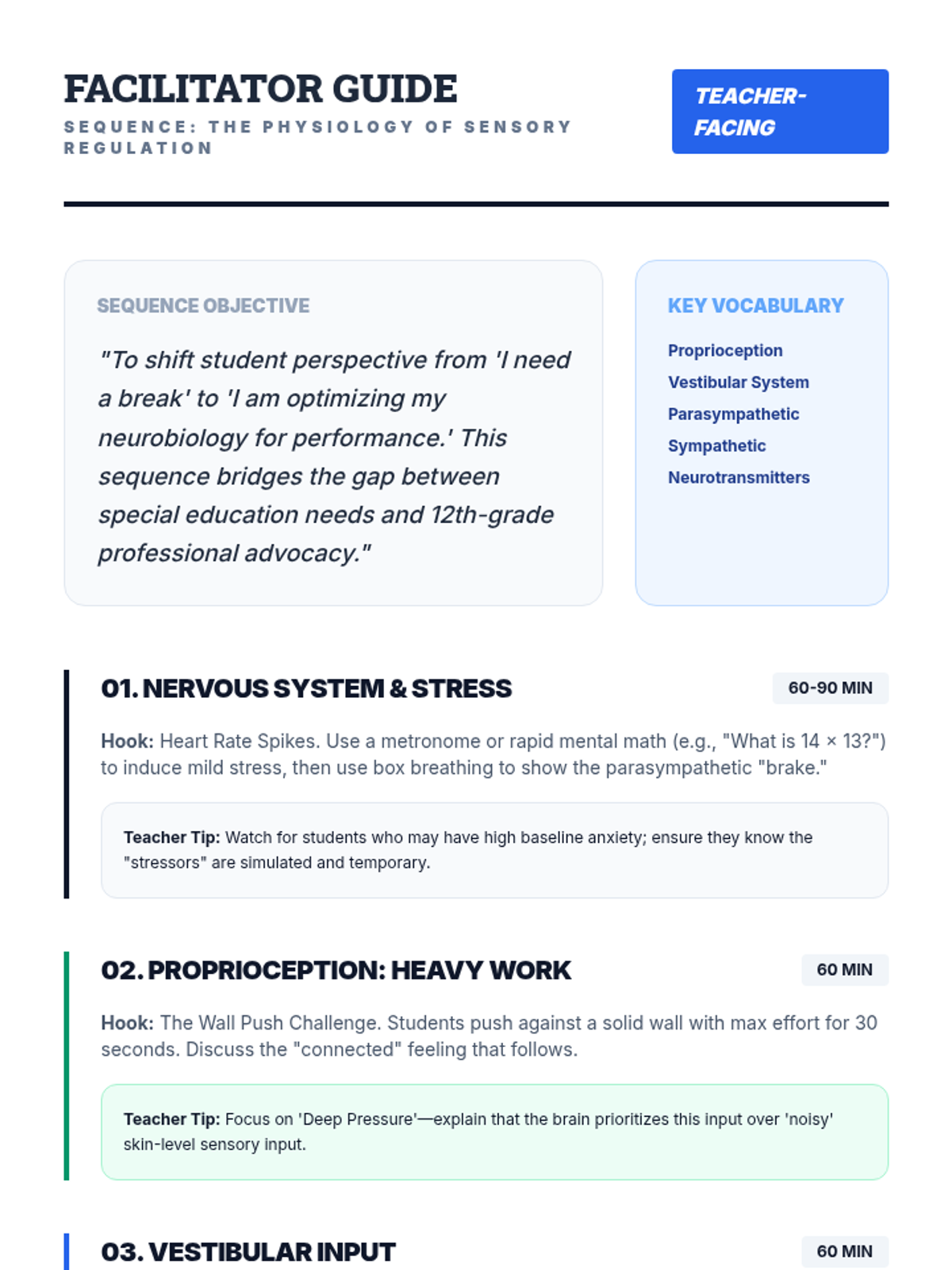
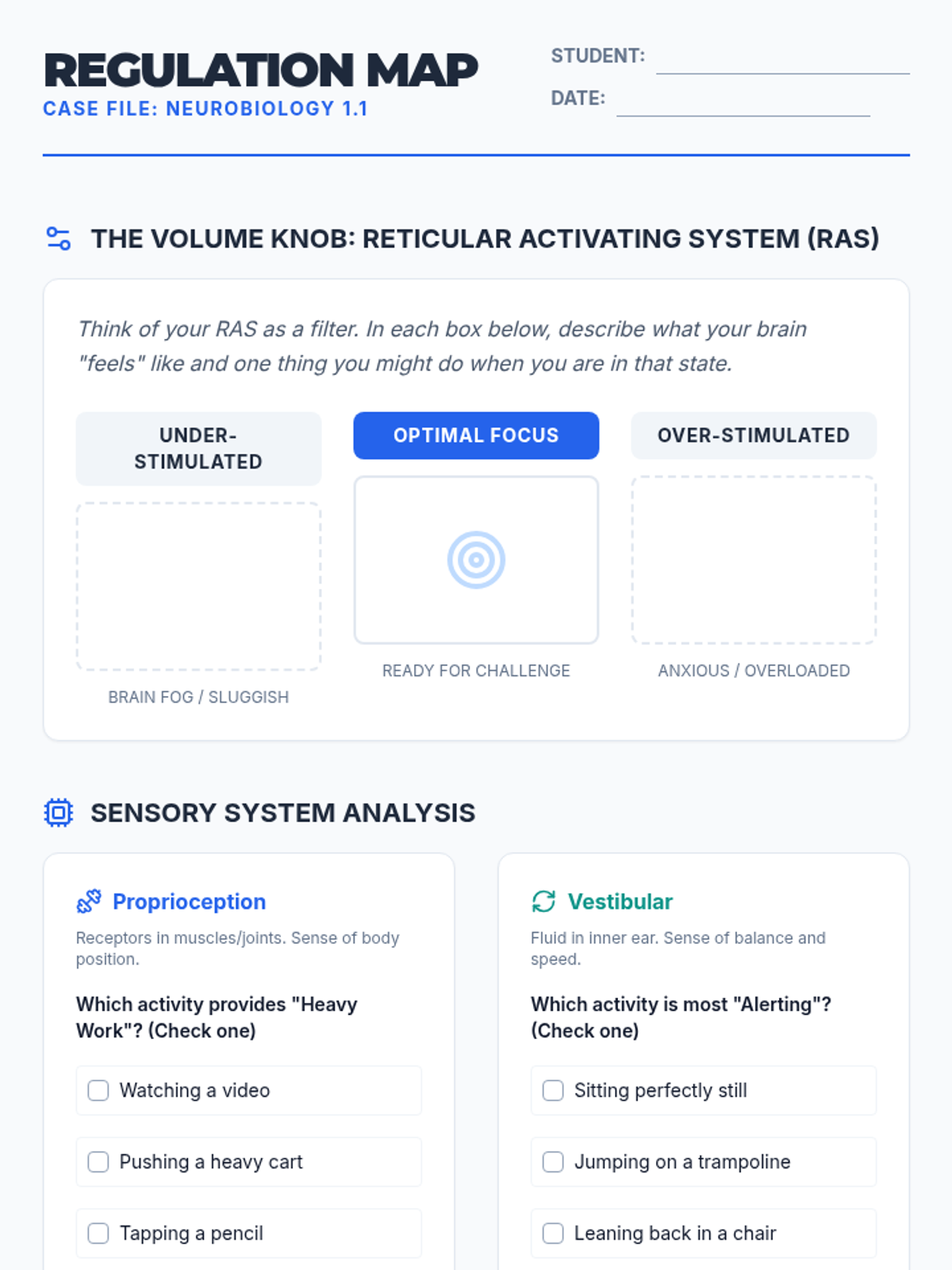
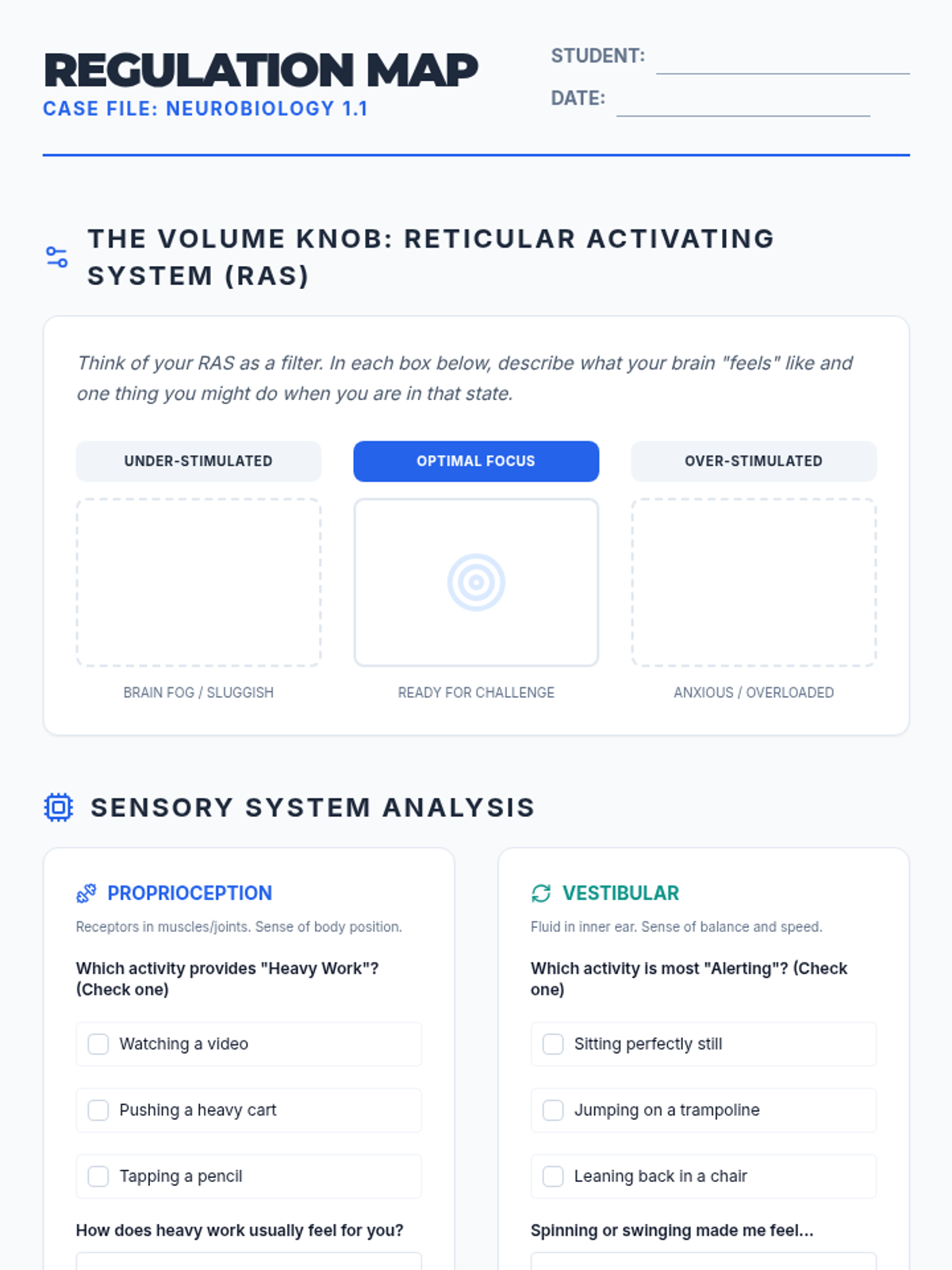
A 12th-grade sequence exploring the physiological basis of sensory regulation. Students investigate the nervous system, proprioception, and vestibular input to understand how movement breaks optimize cognitive performance and develop self-advocacy skills for adulthood.
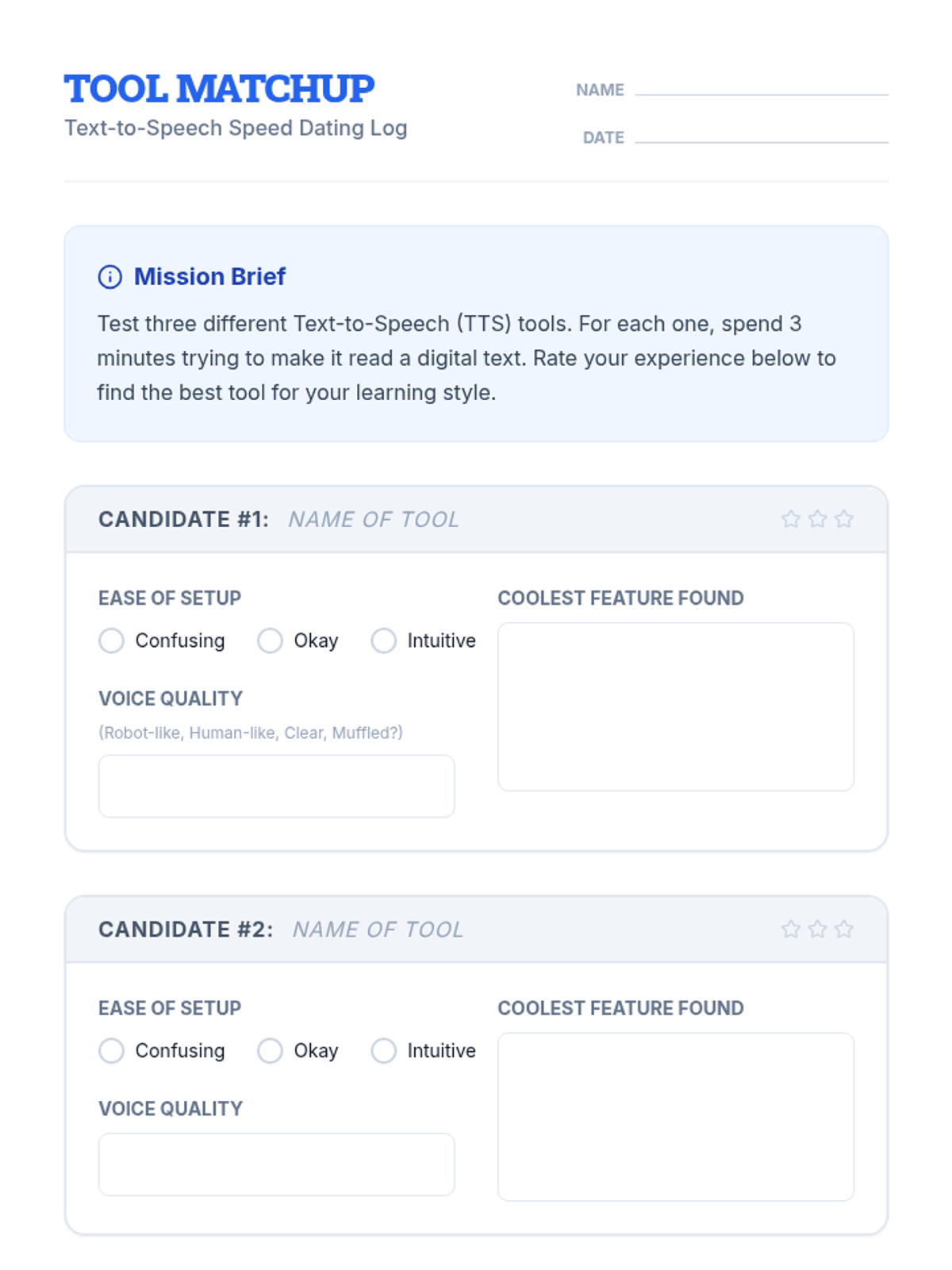
A technical sequence designed for high school students to master text-to-speech (TTS) tools. It covers tool selection, voice optimization, navigation shortcuts, troubleshooting inaccessible formats like PDFs, and ends with students creating a personal accessibility profile for independent academic success.
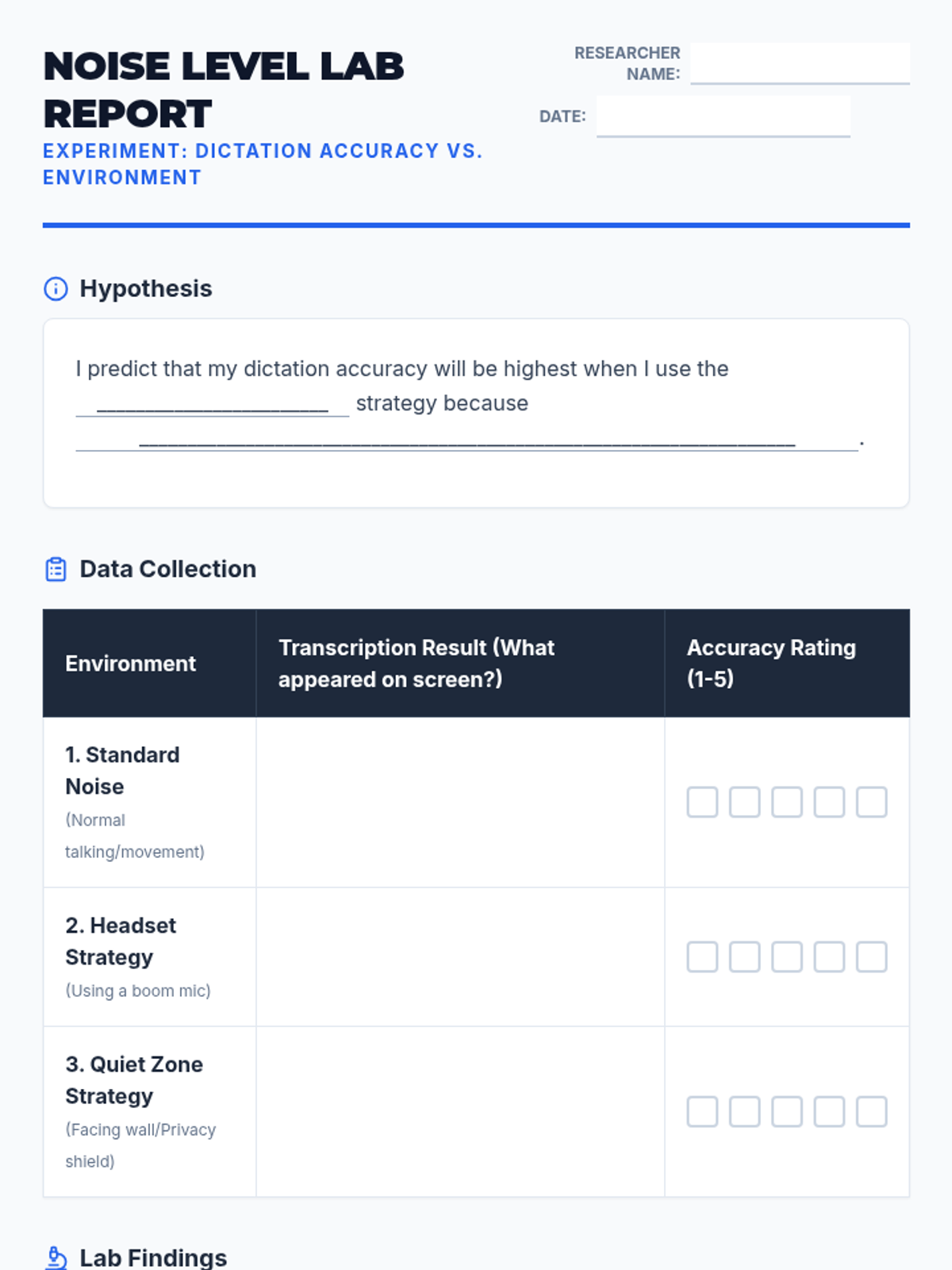
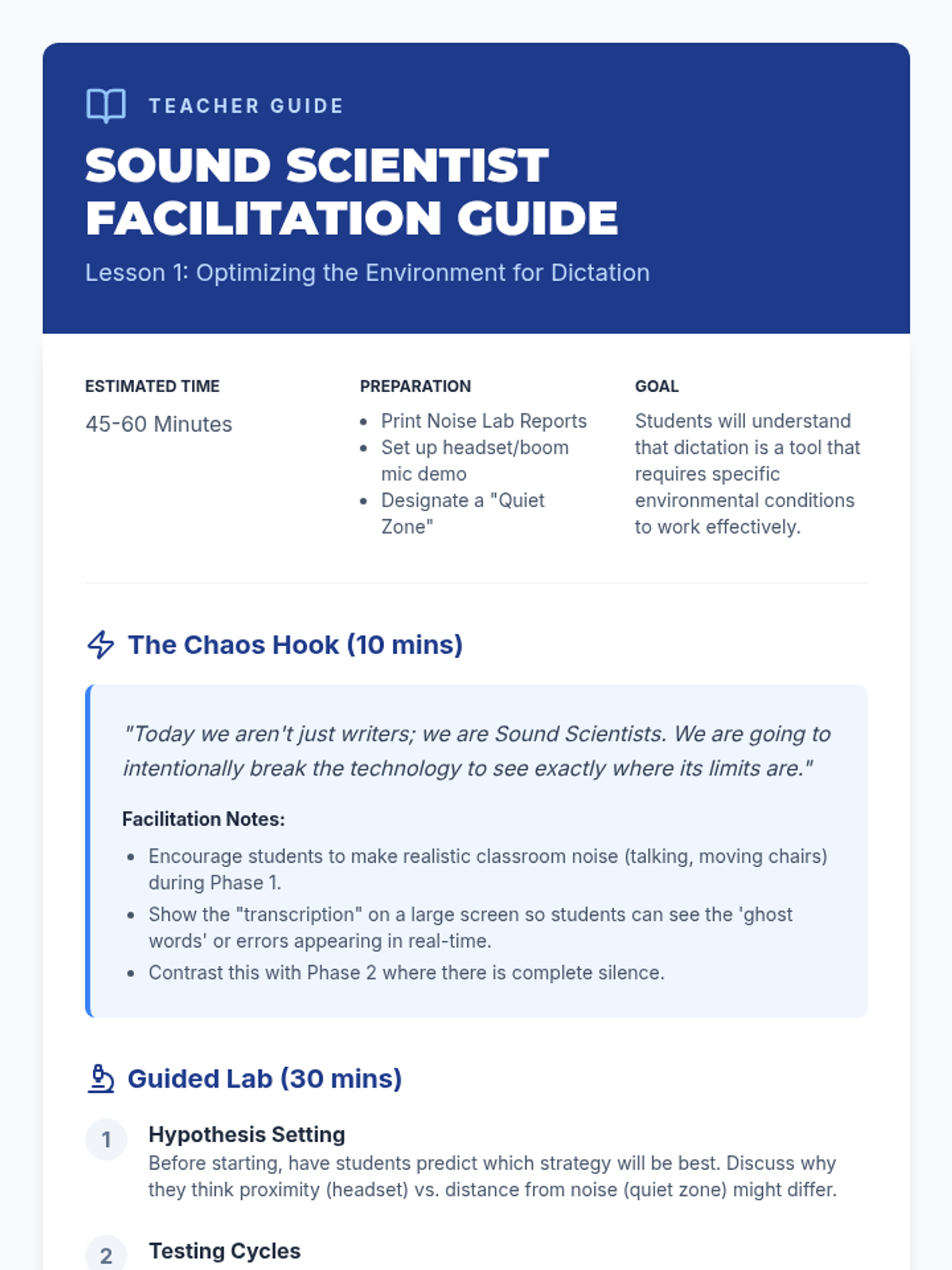
This sequence develops independence and troubleshooting skills for students using dictation software. Students learn to optimize their environment, solve technical glitches, handle complex vocabulary, and internalize a complete independent workflow.
A high school sequence exploring the neuroscience behind sensory processing and movement, empowering students to use movement as a strategic tool for self-regulation and academic focus.
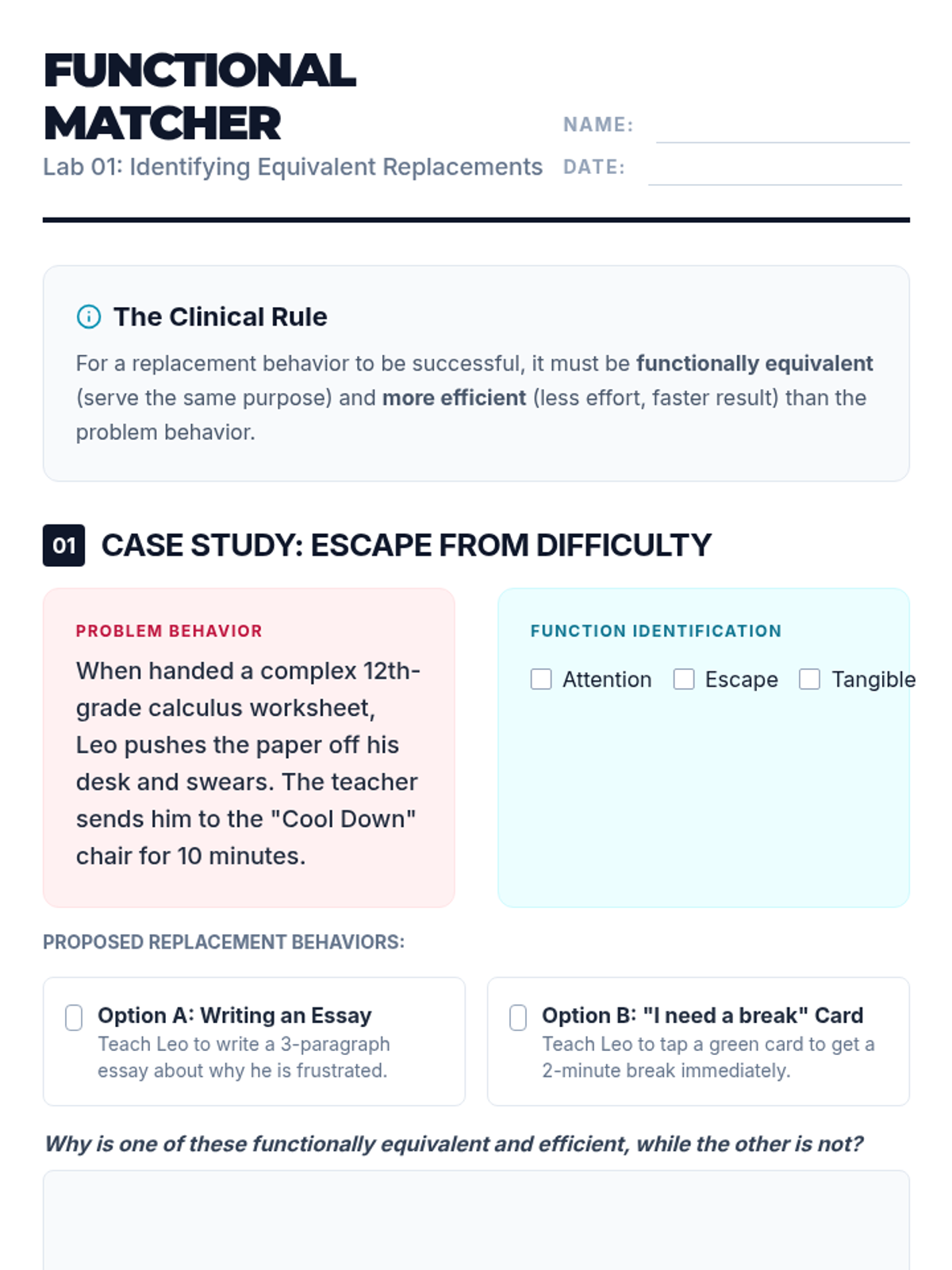
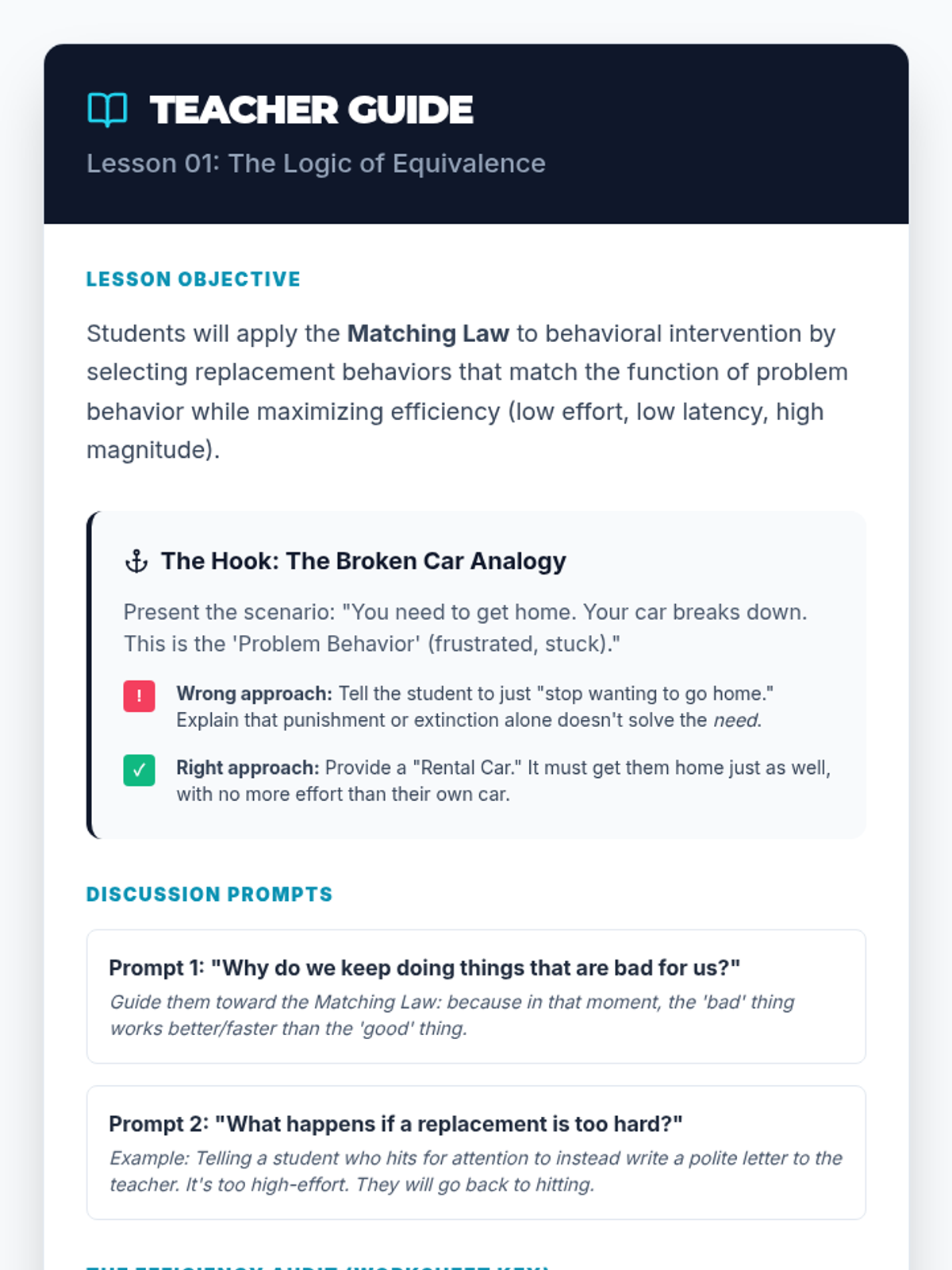
A comprehensive sequence for 12th-grade students on selecting and teaching replacement behaviors that serve the same function as maladaptive behaviors. Students learn to apply behavioral principles like the Matching Law, Functional Communication Training (FCT), and shaping to empower individuals with more effective ways to meet their needs.
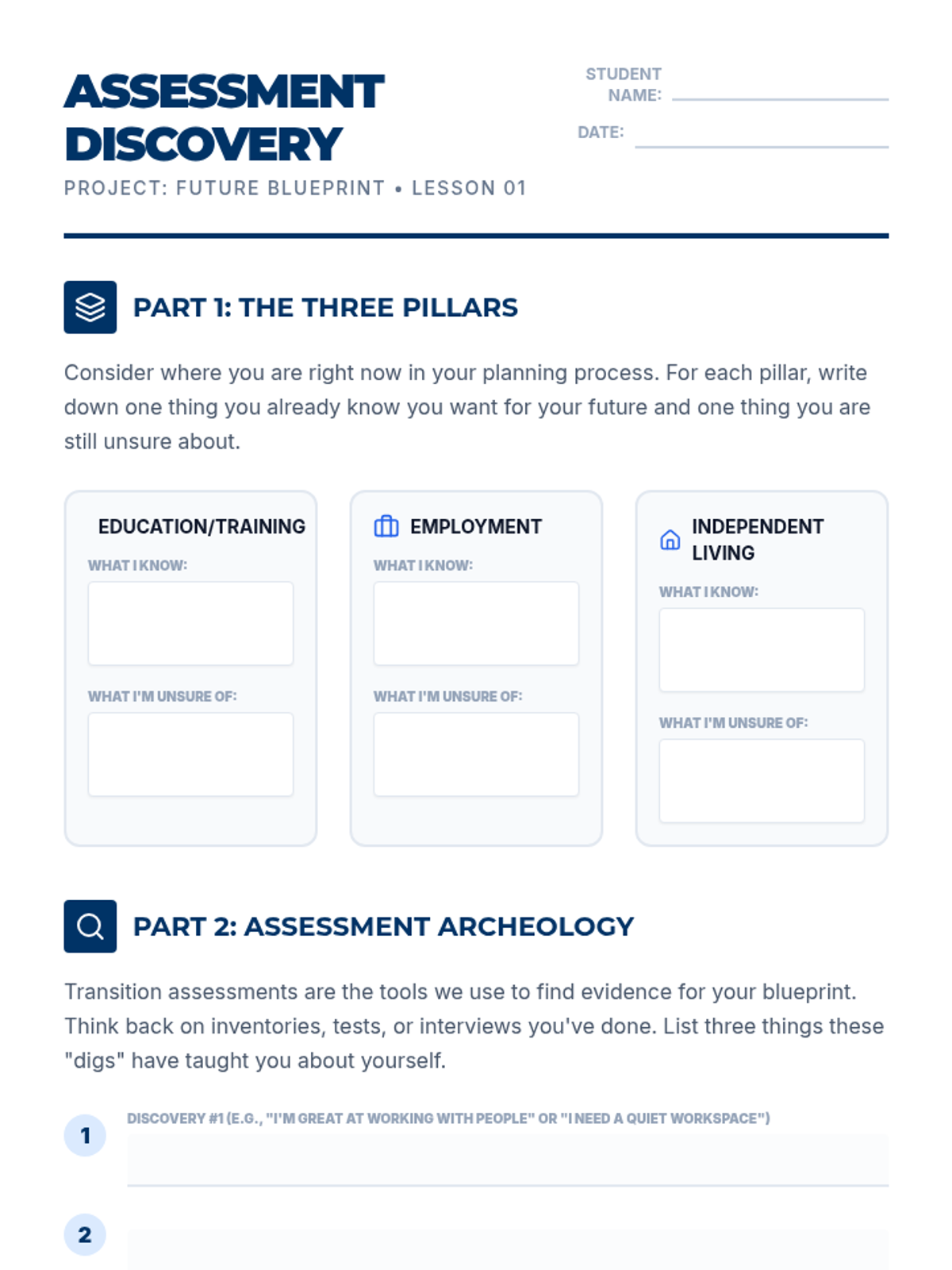
A comprehensive sequence designed for 12th-grade students to master the Transition Plan component of their IEP. Students move from understanding assessments to drafting goals, creating a Summary of Performance, practicing disability disclosure, and finally, learning to lead their own IEP meetings.
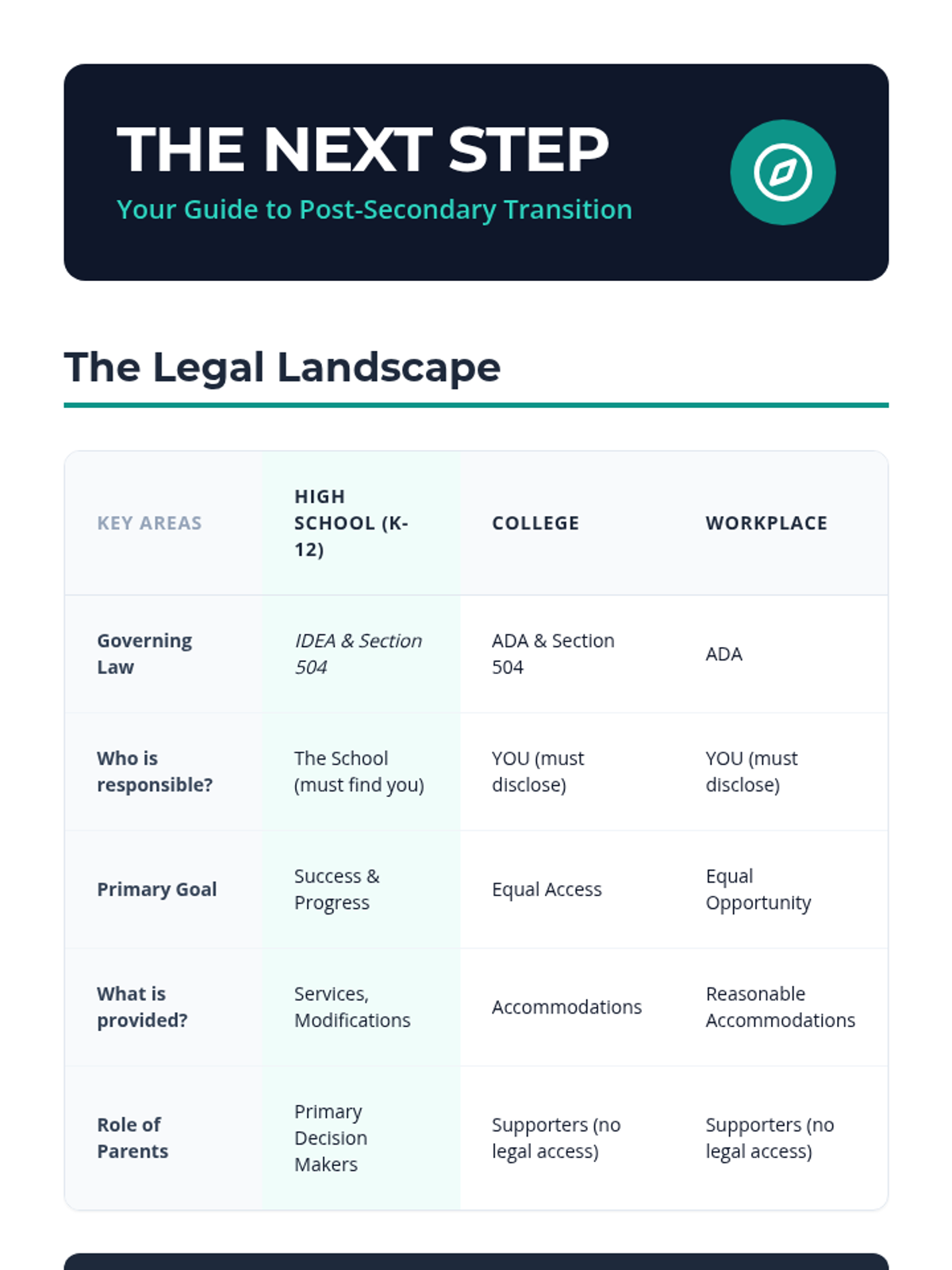
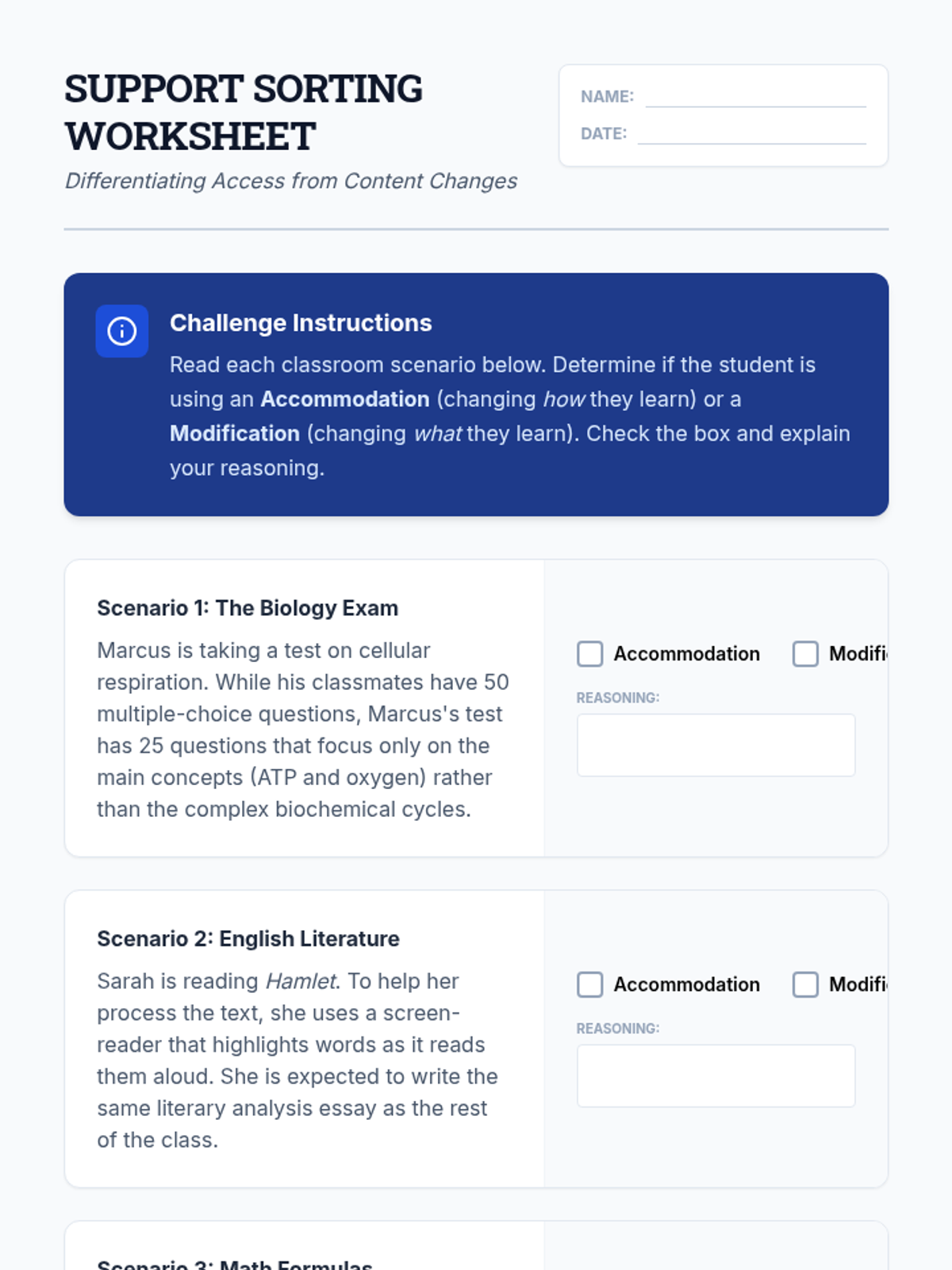
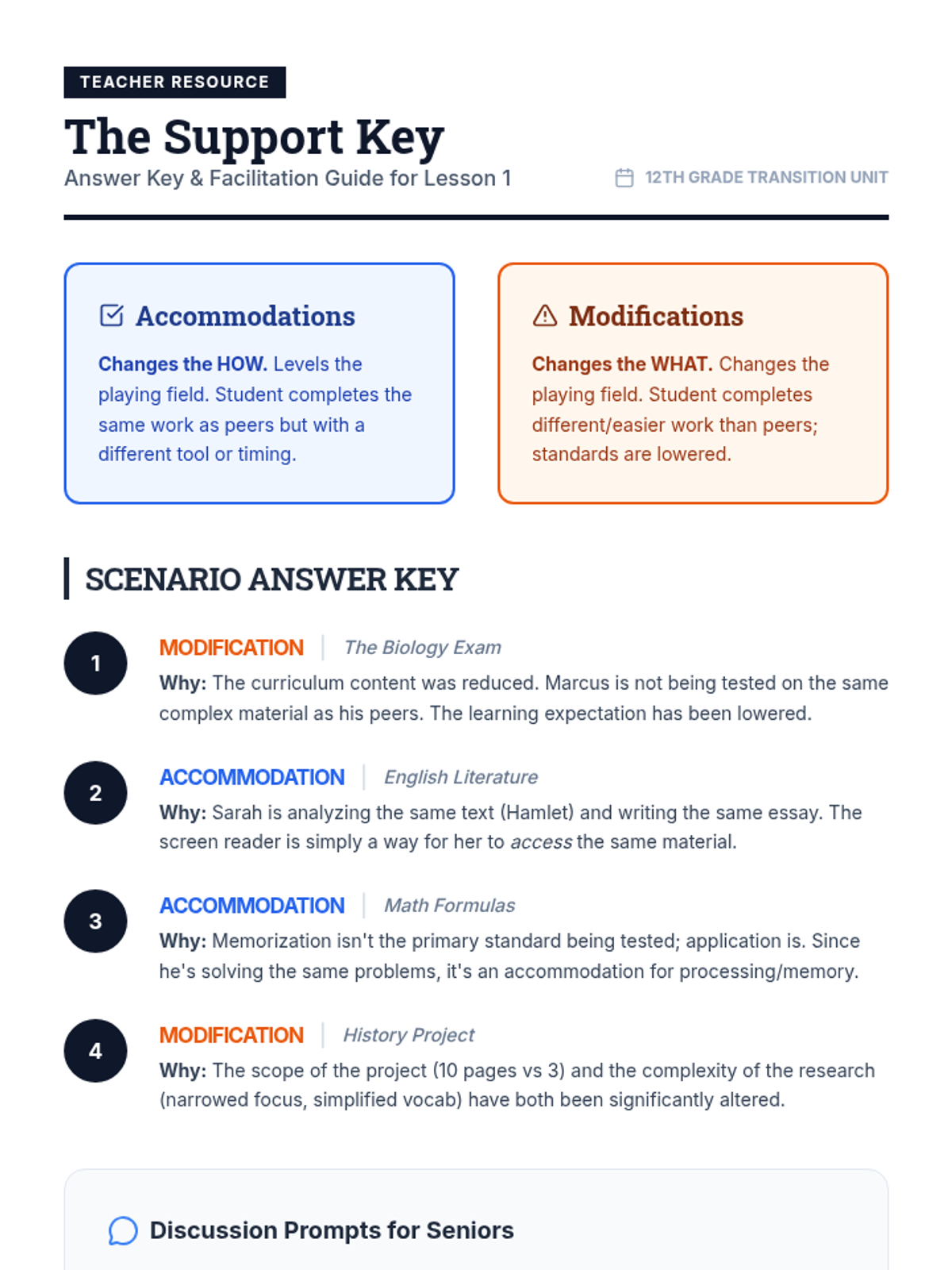
A comprehensive sequence for 12th-grade students exploring the differences between accommodations and modifications, their impact on grading and credits, and how student rights shift from IDEA to ADA in post-secondary environments.
A systematic dissection of the IEP document for 12th-grade students, focusing on the 'Golden Thread' of alignment between present levels, goals, and services. Students learn to audit IEPs for internal consistency and advocate for their own educational rights.
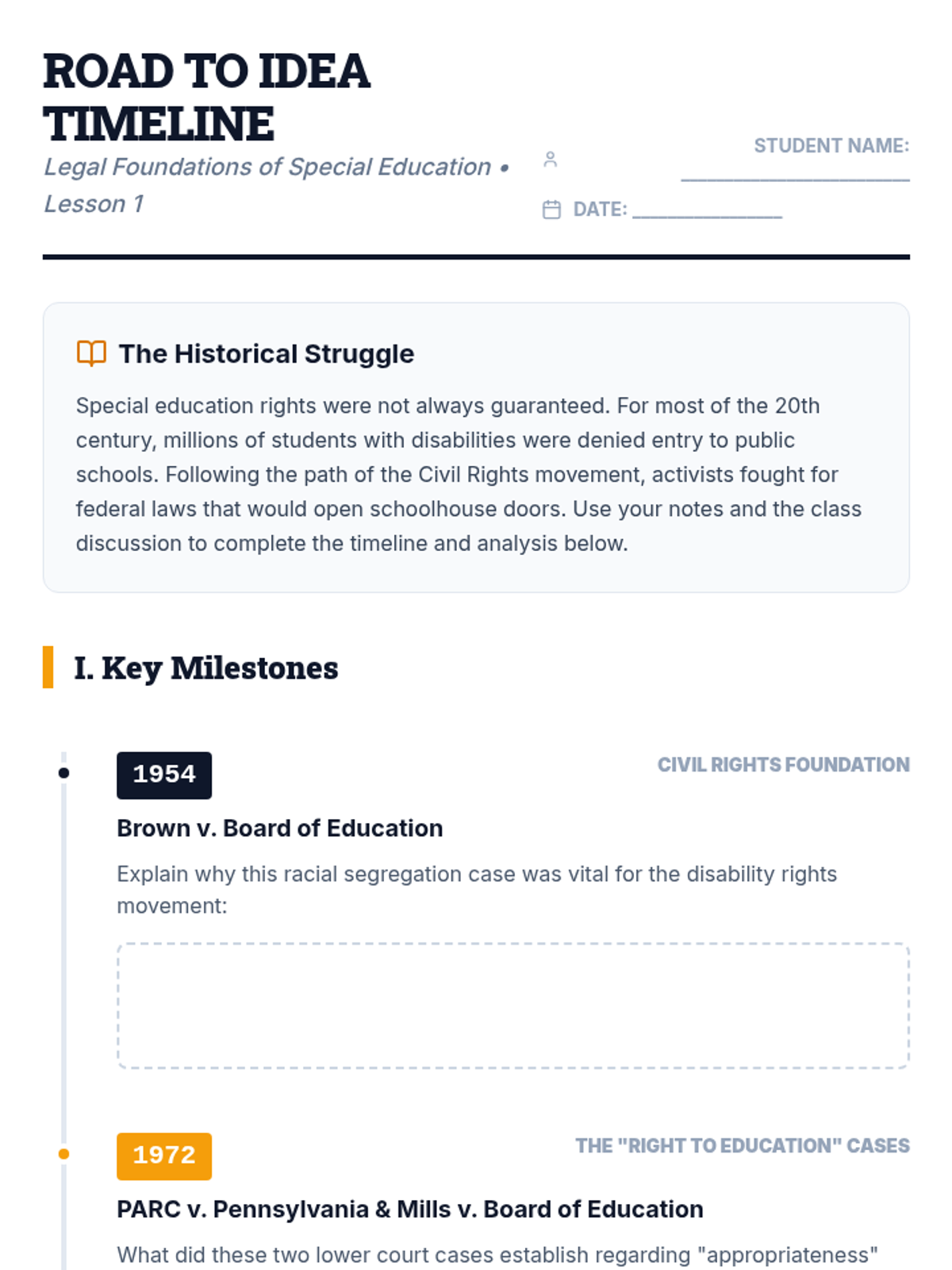
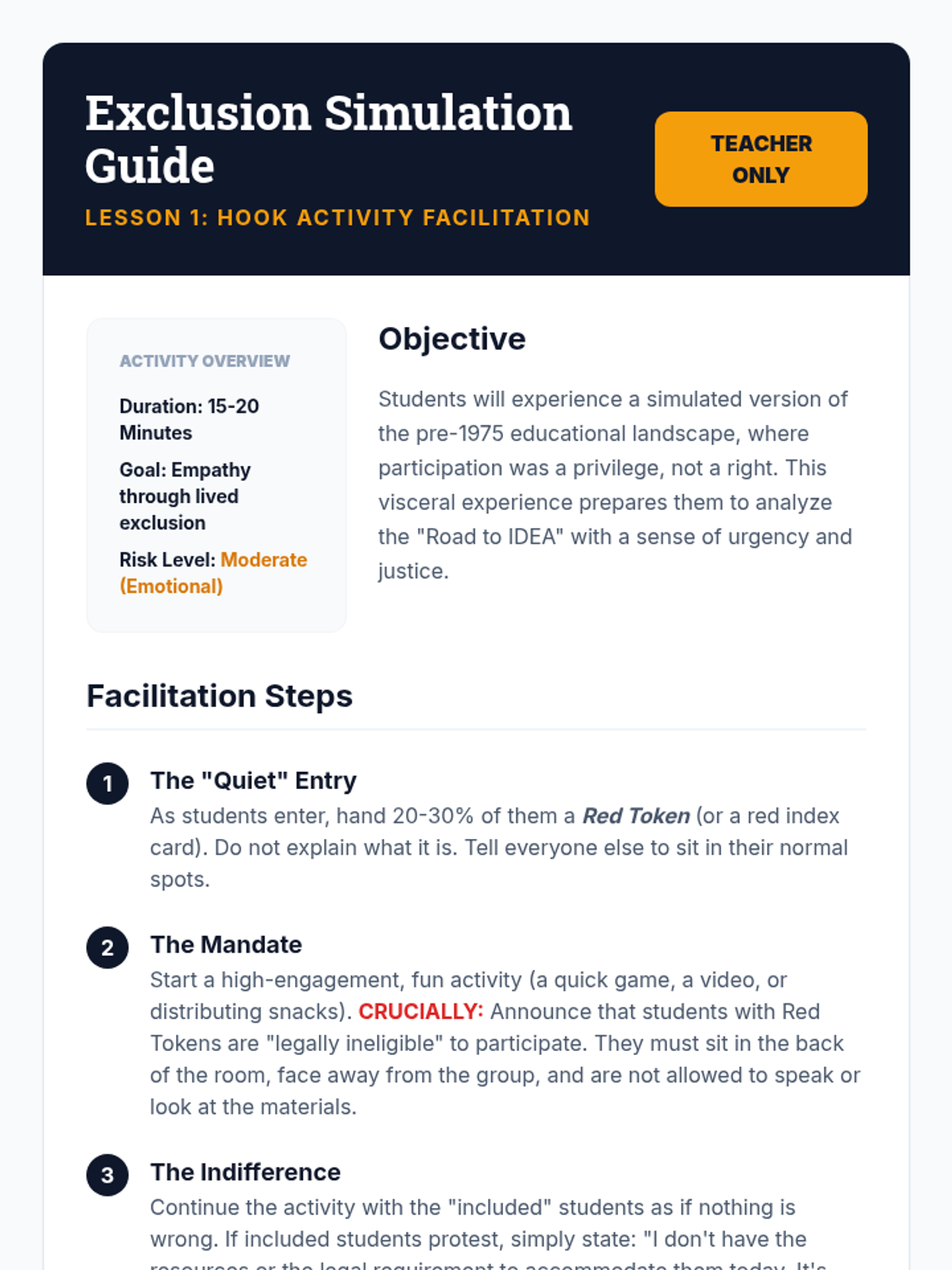
This sequence explores the legal evolution of special education in the United States, from historical exclusion to modern-day mandates like IDEA, FAPE, and LRE. Students analyze landmark Supreme Court cases and procedural safeguards to understand their rights and the framework that ensures equitable education for students with disabilities.
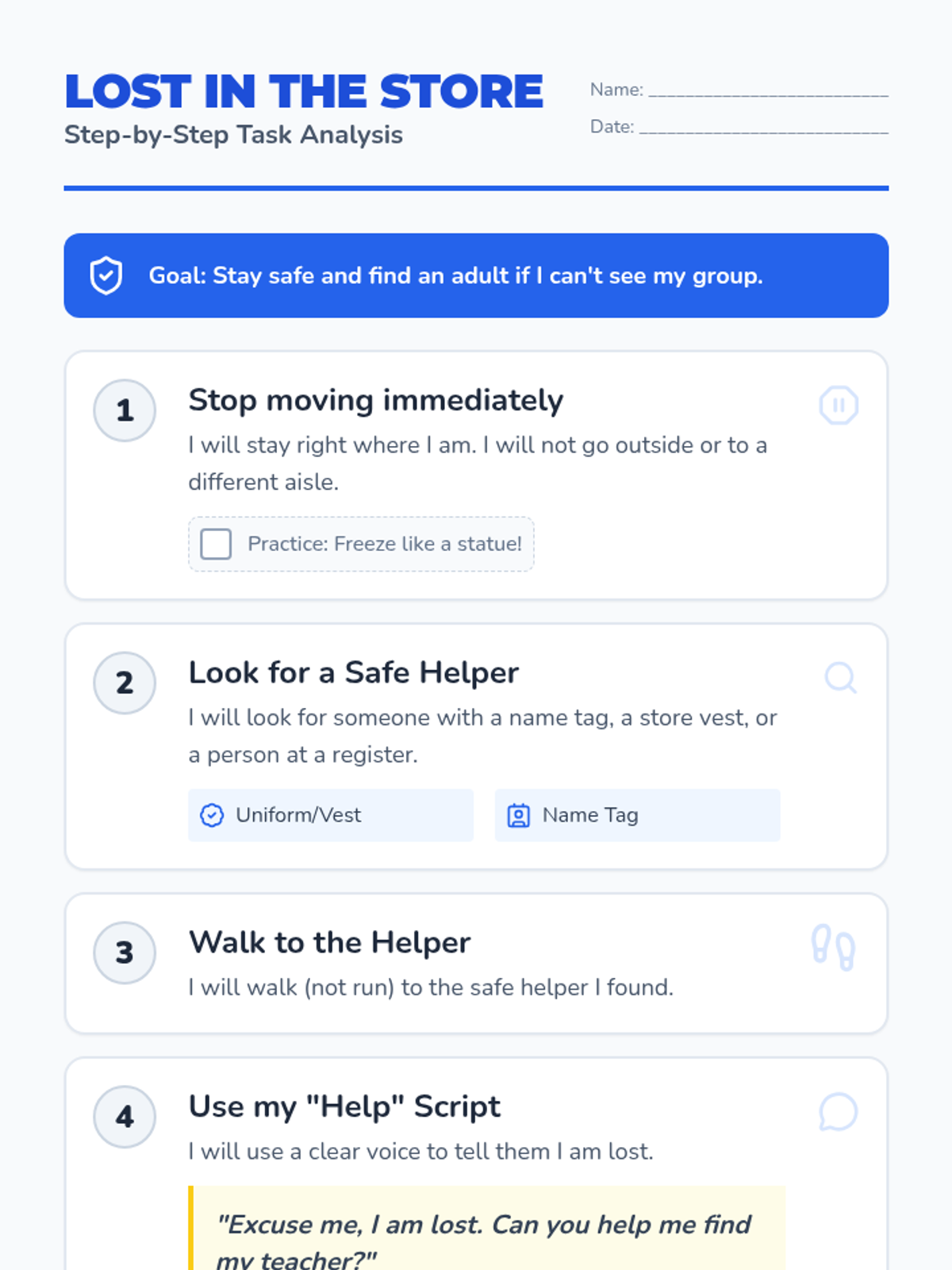
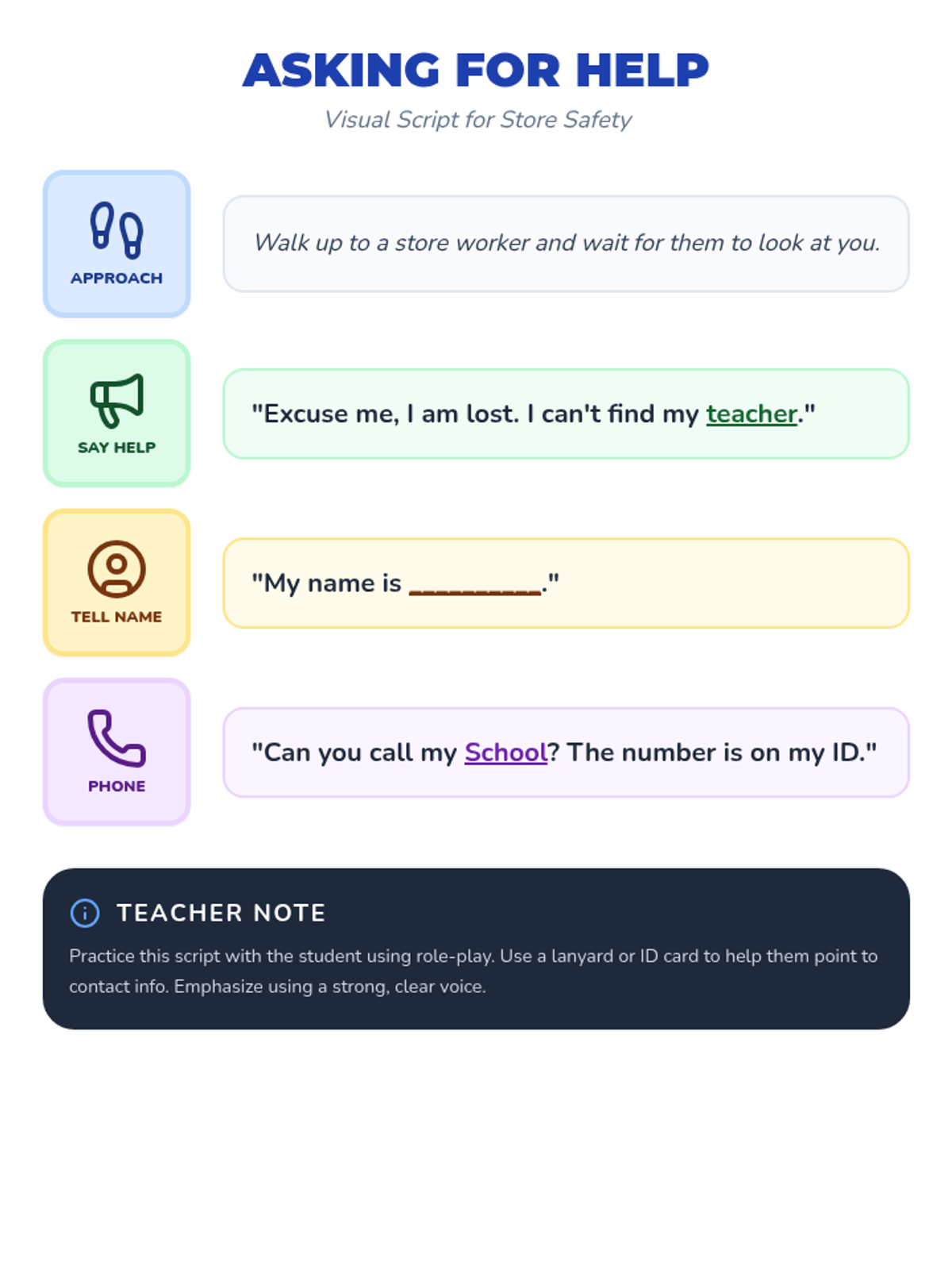
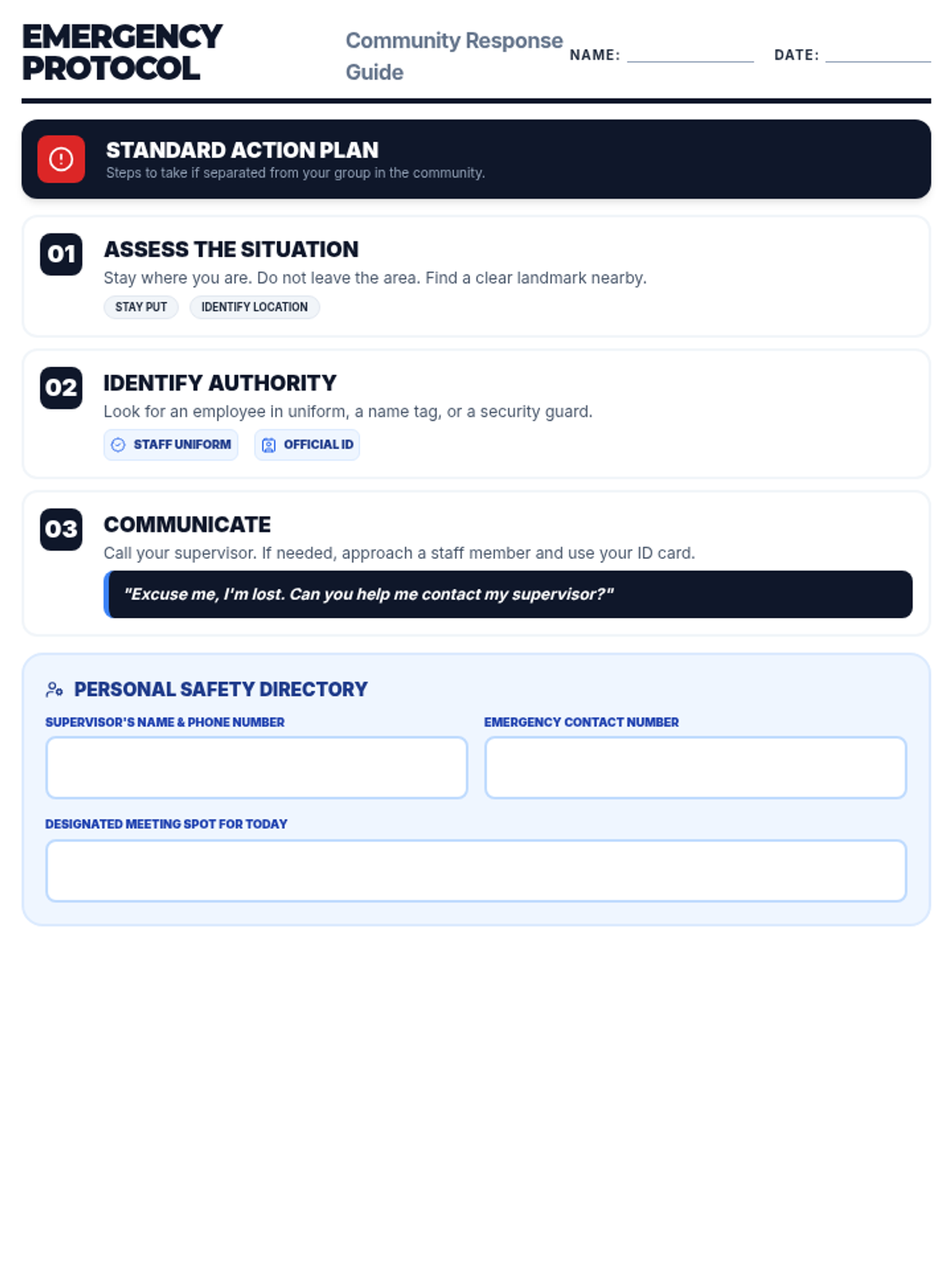
A transition-focused safety program for young adults (18-22), teaching independence in community settings and effective response to emergency situations including retail, outdoor, and transportation environments.
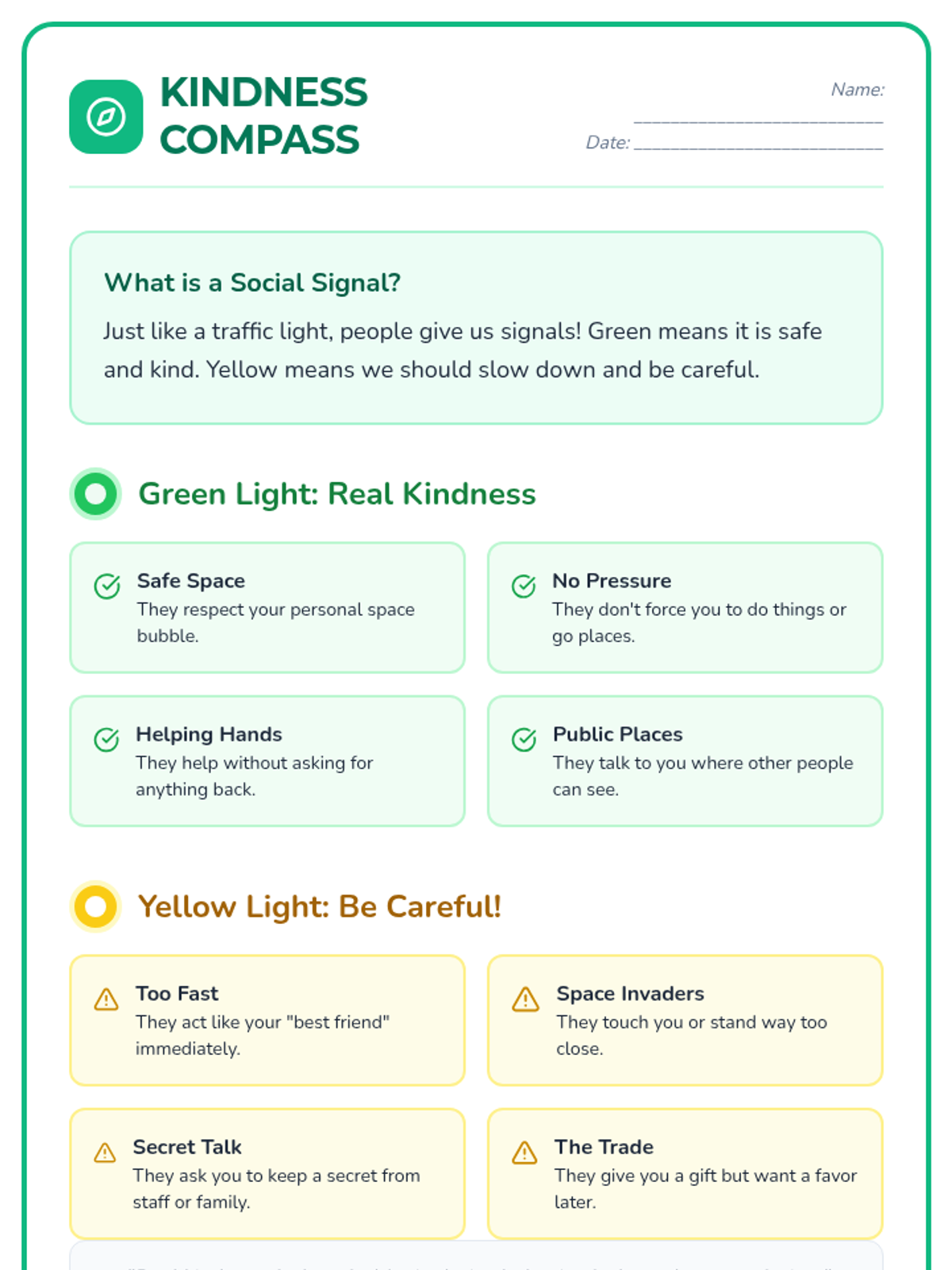
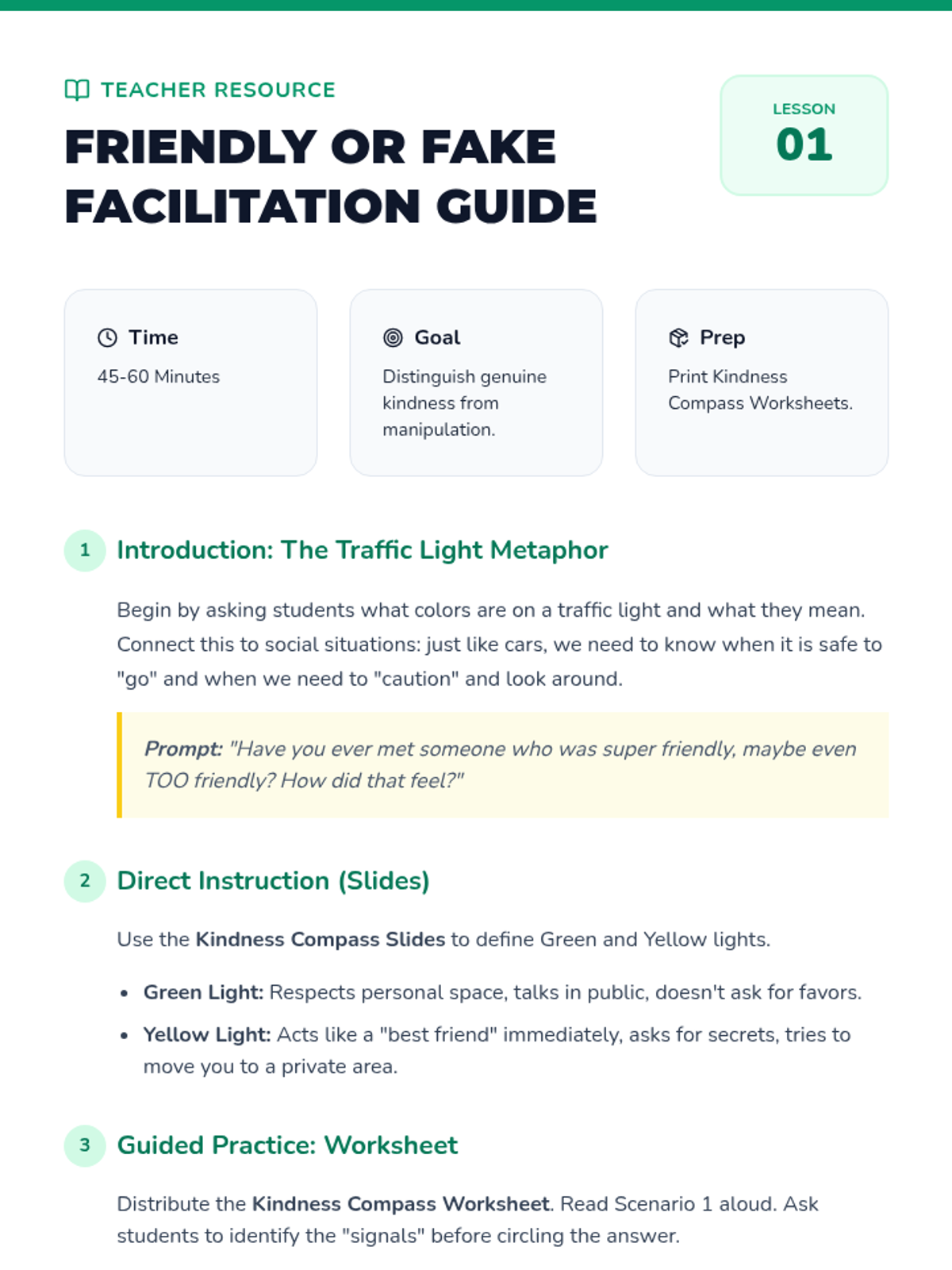
A comprehensive 5-lesson series designed for high school students with intellectual disabilities, Down Syndrome, and autism. The series uses a 'Social Signals' framework to help students distinguish between genuine kindness and manipulative behavior, fostering independence and safety in community settings.
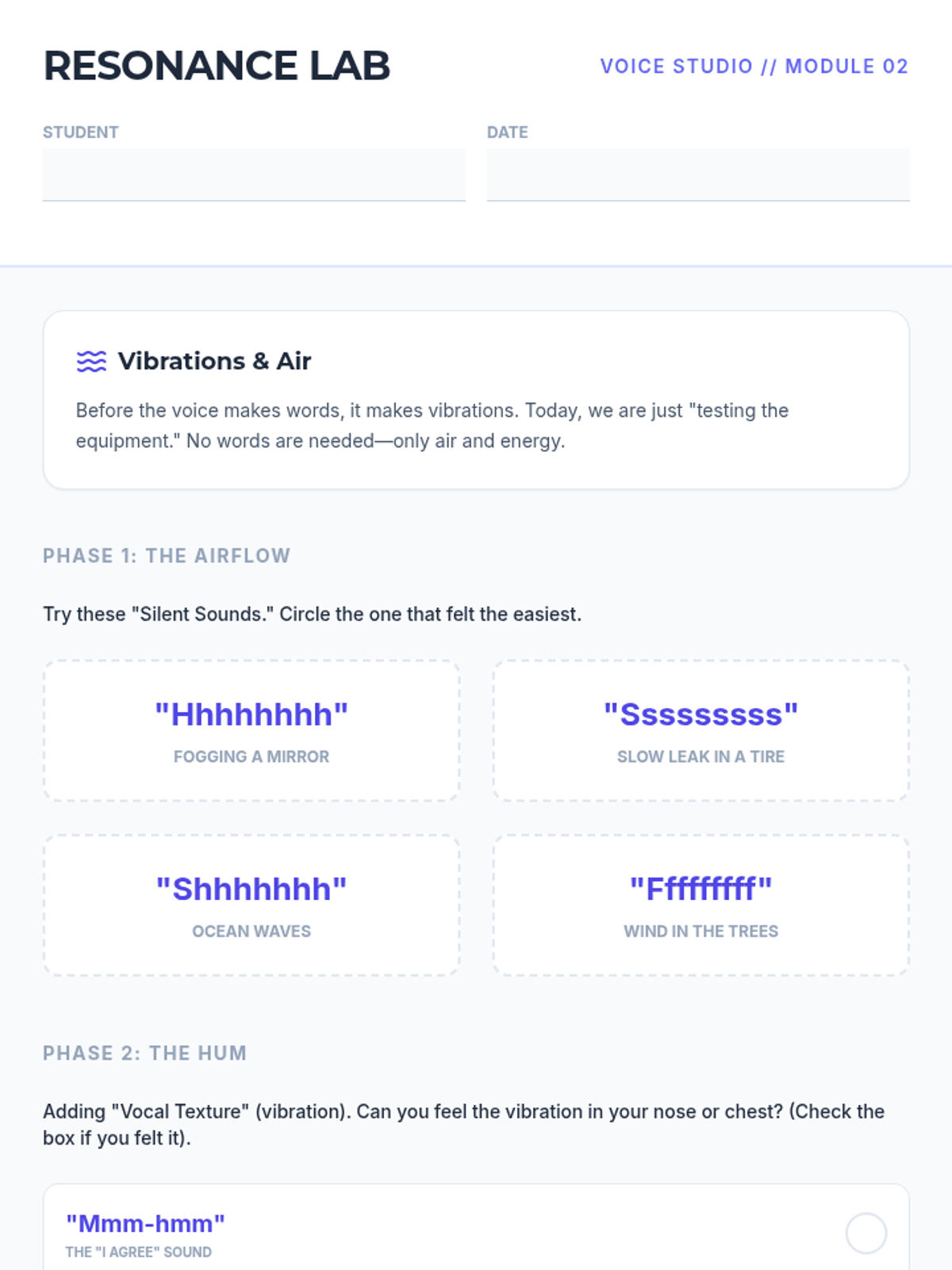
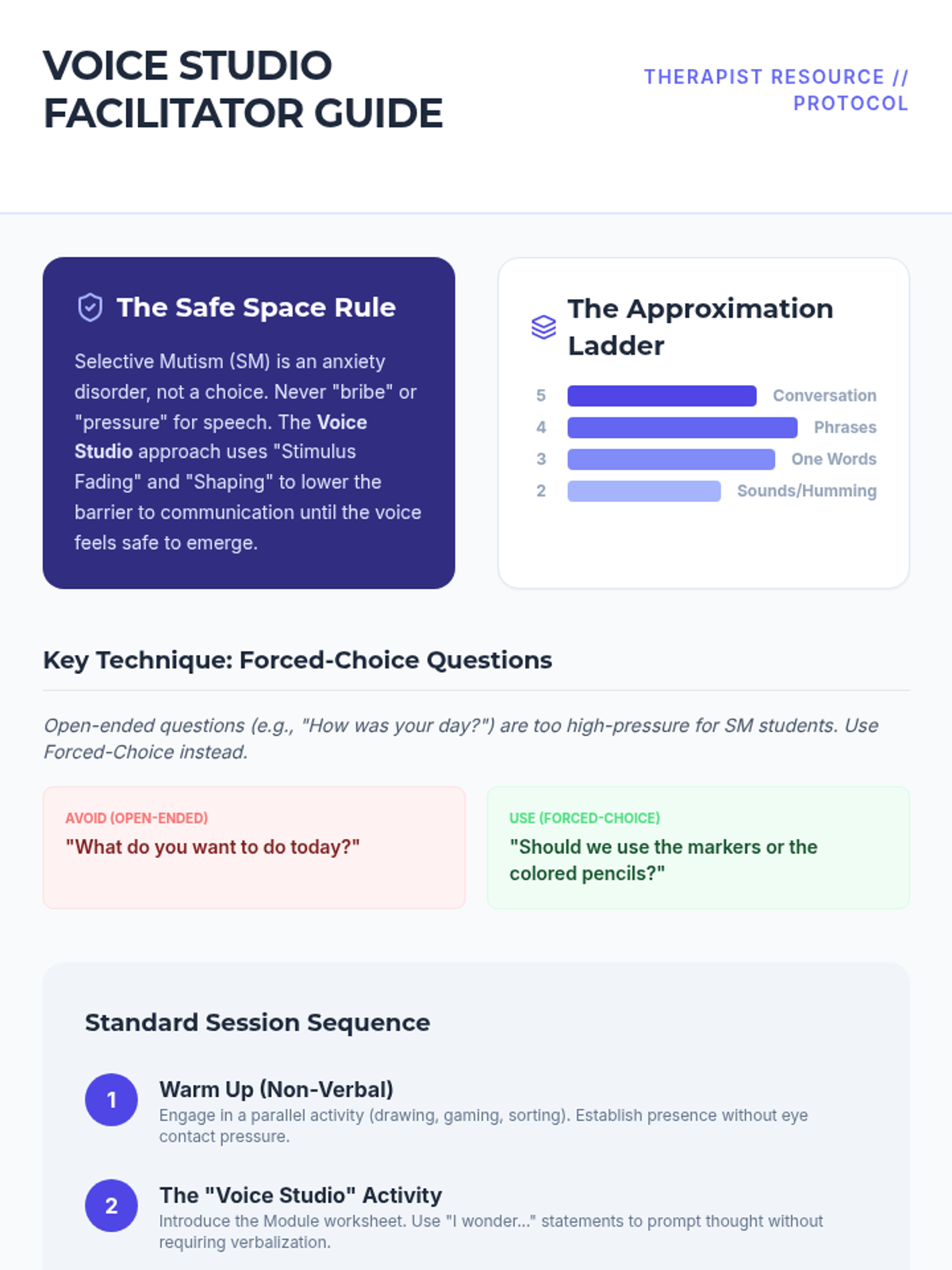
A gentle, evidence-based communication program for teens with Selective Mutism. It uses behavioral shaping and approximations to move from non-verbal rapport to functional vocalization in a low-pressure 1:1 environment.
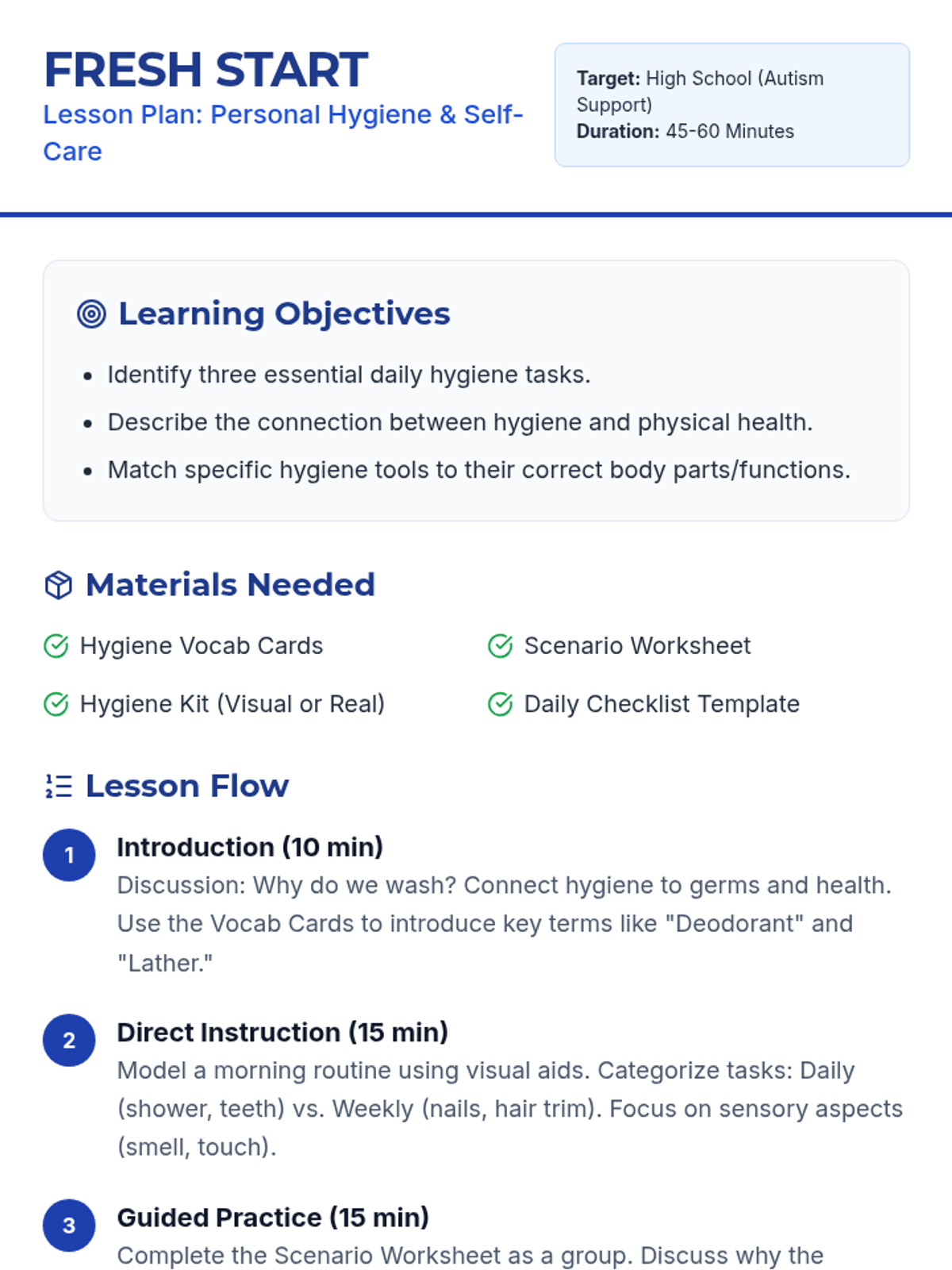
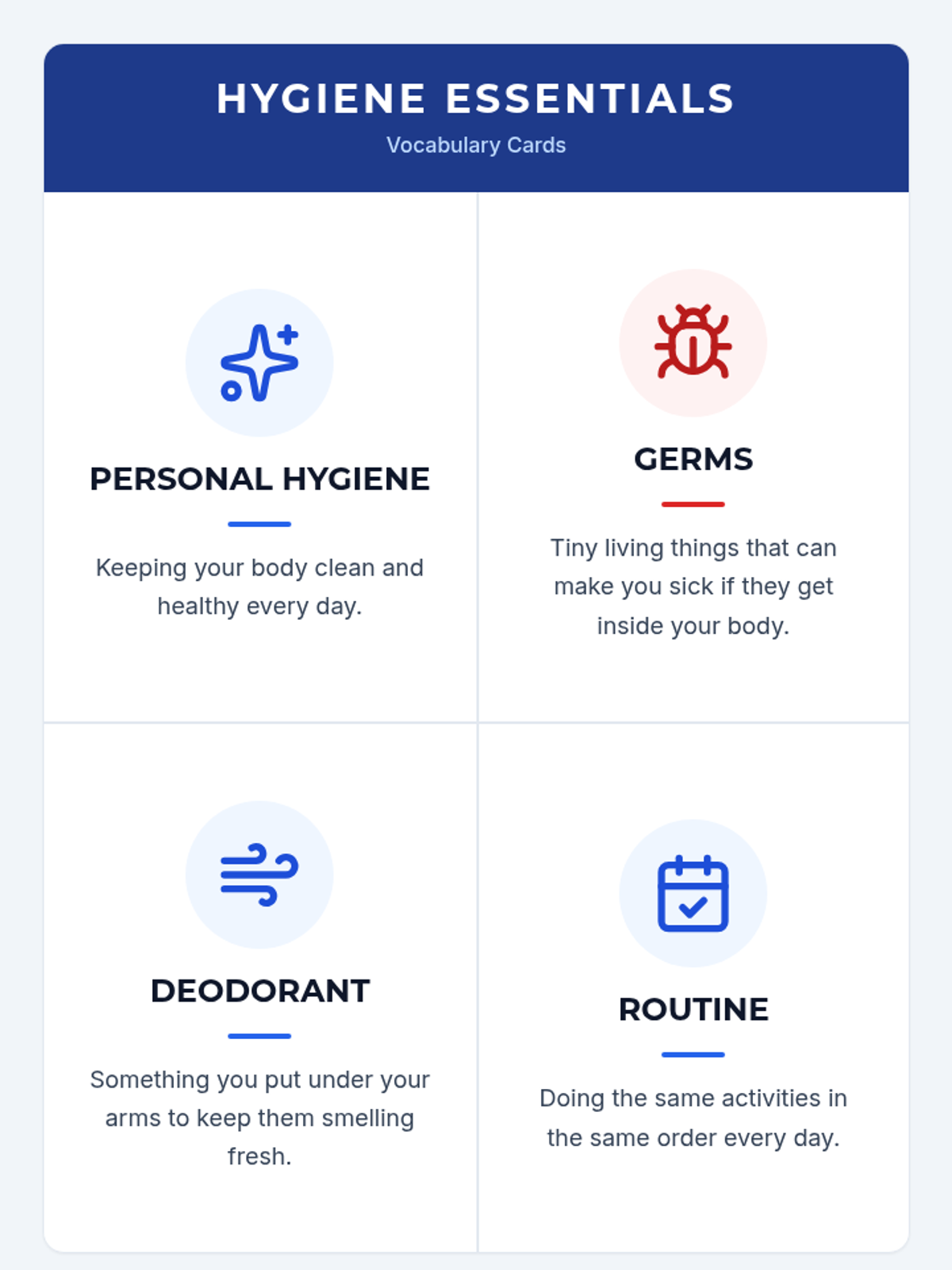
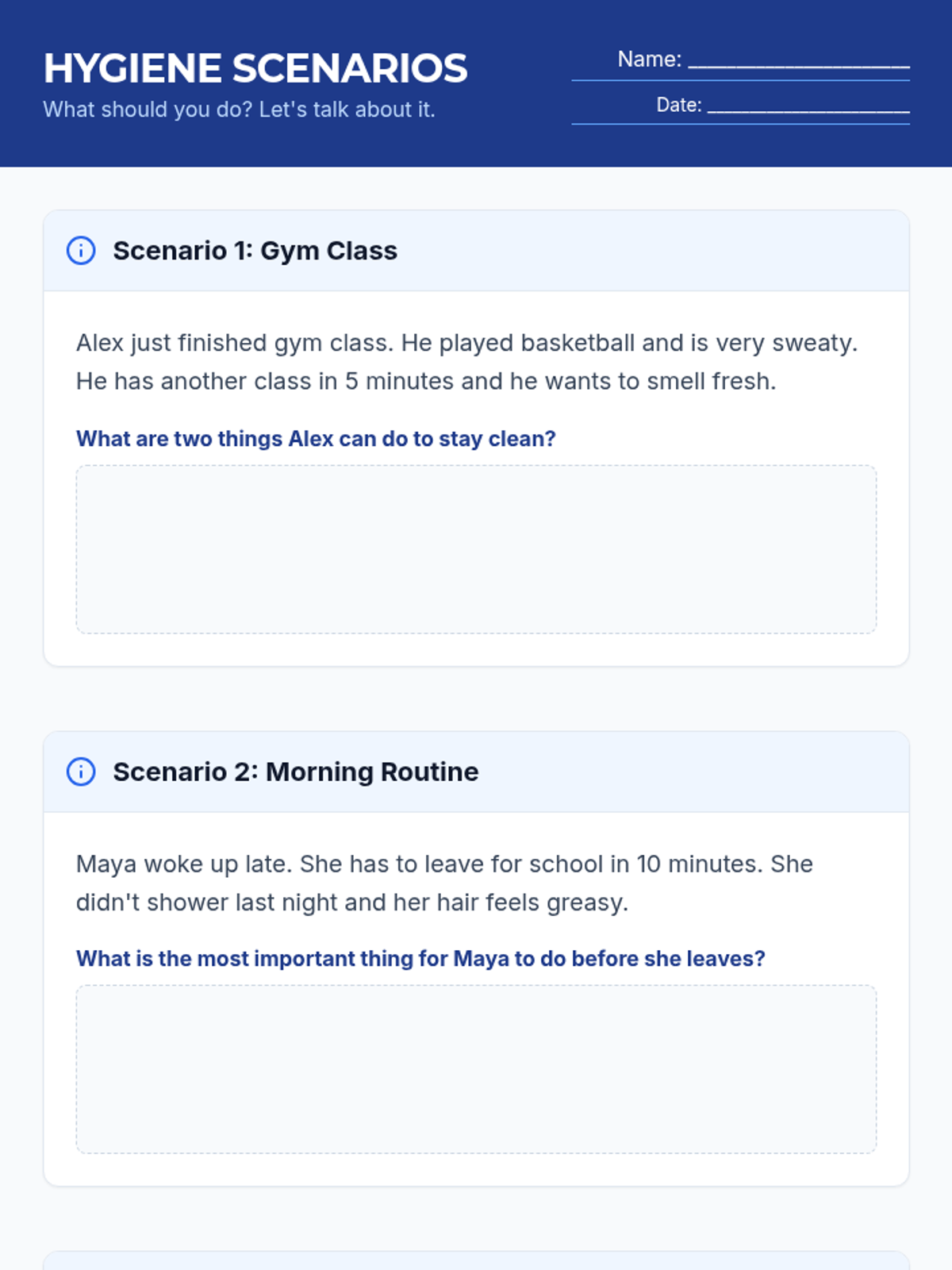
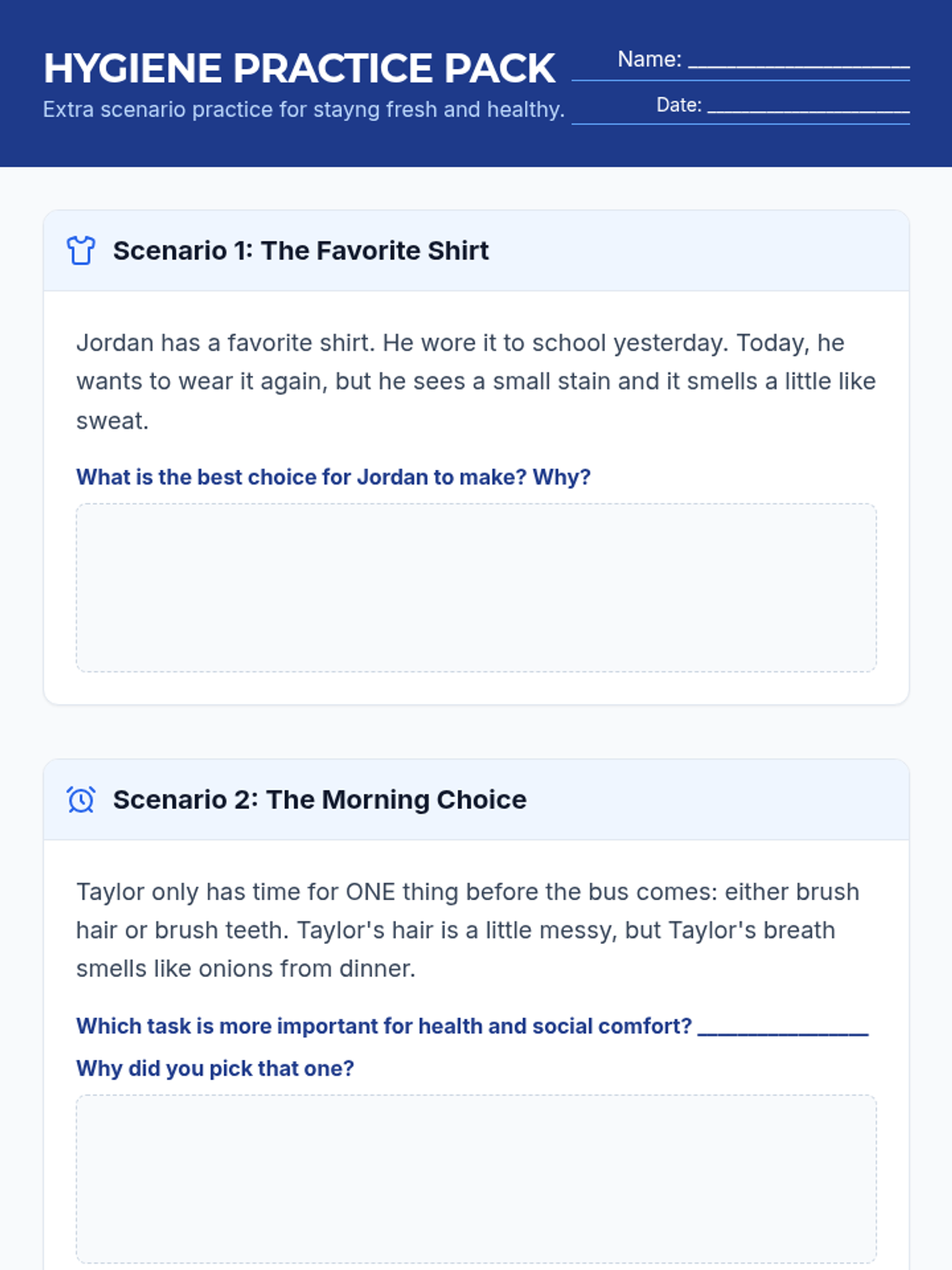
A comprehensive curriculum designed for high school students with autism, focusing on essential life skills including personal hygiene, social boundaries, healthy communication, and consent. The materials emphasize clear visuals, structured scenarios, and explicit vocabulary instruction.
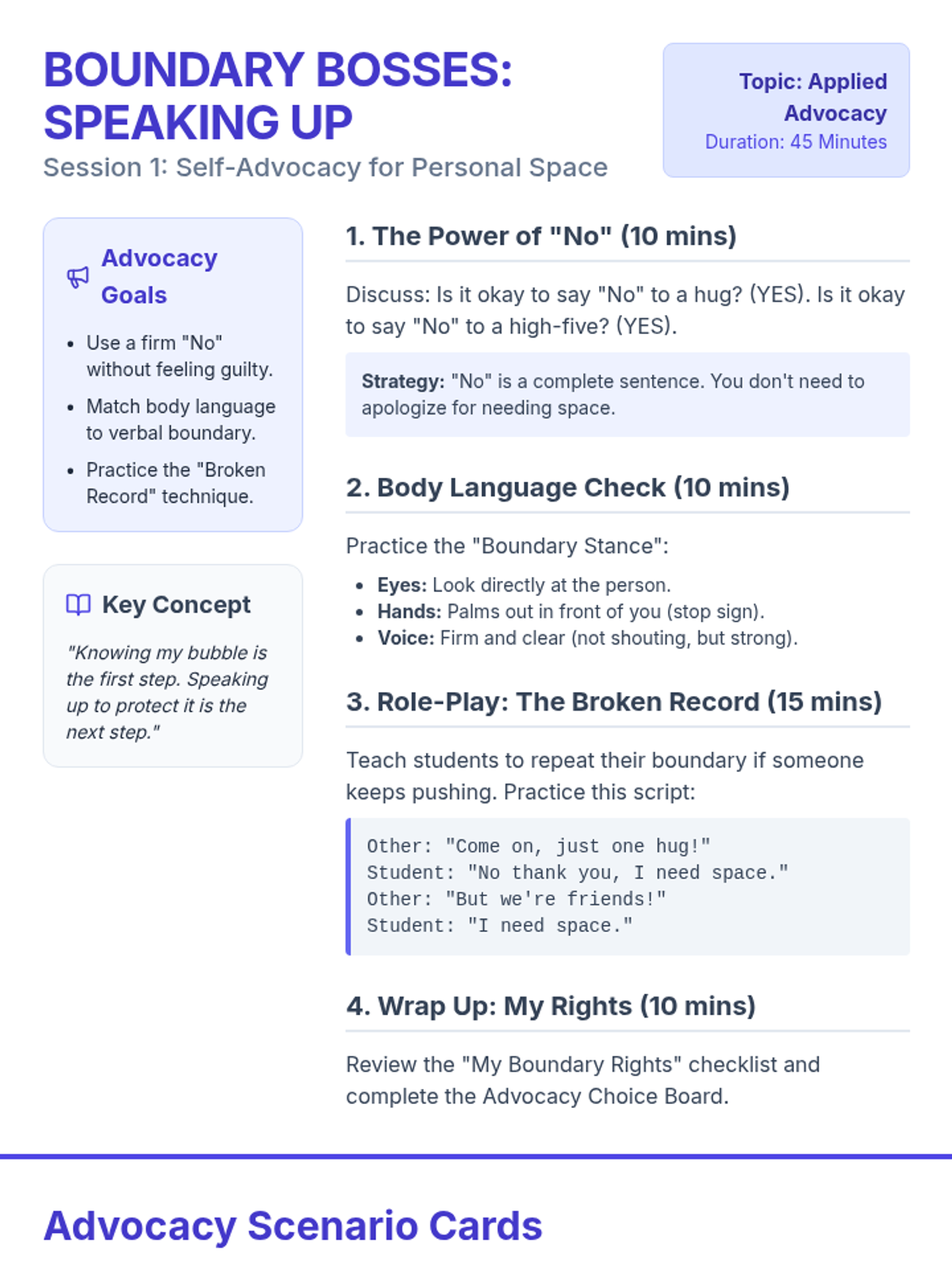
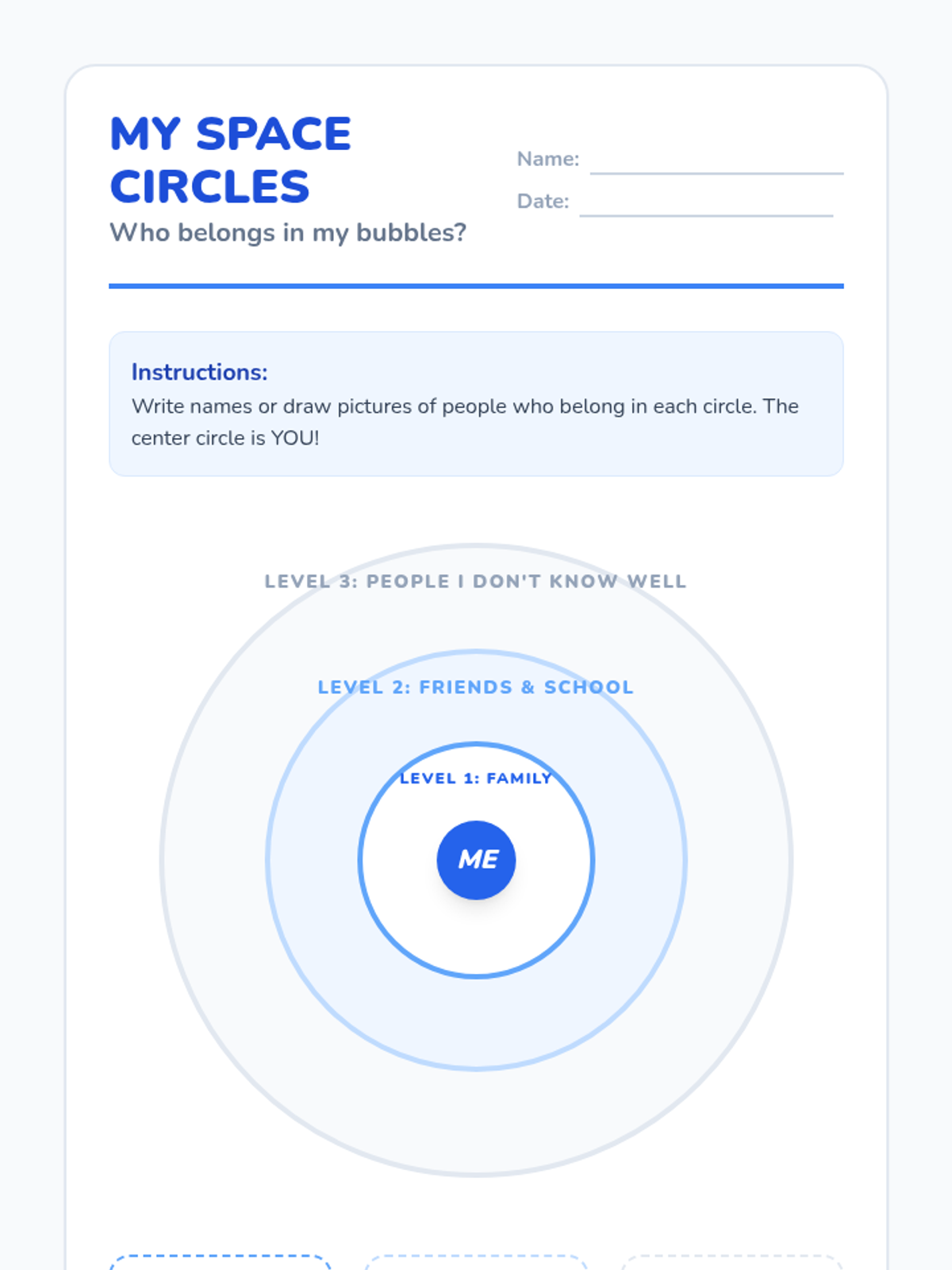
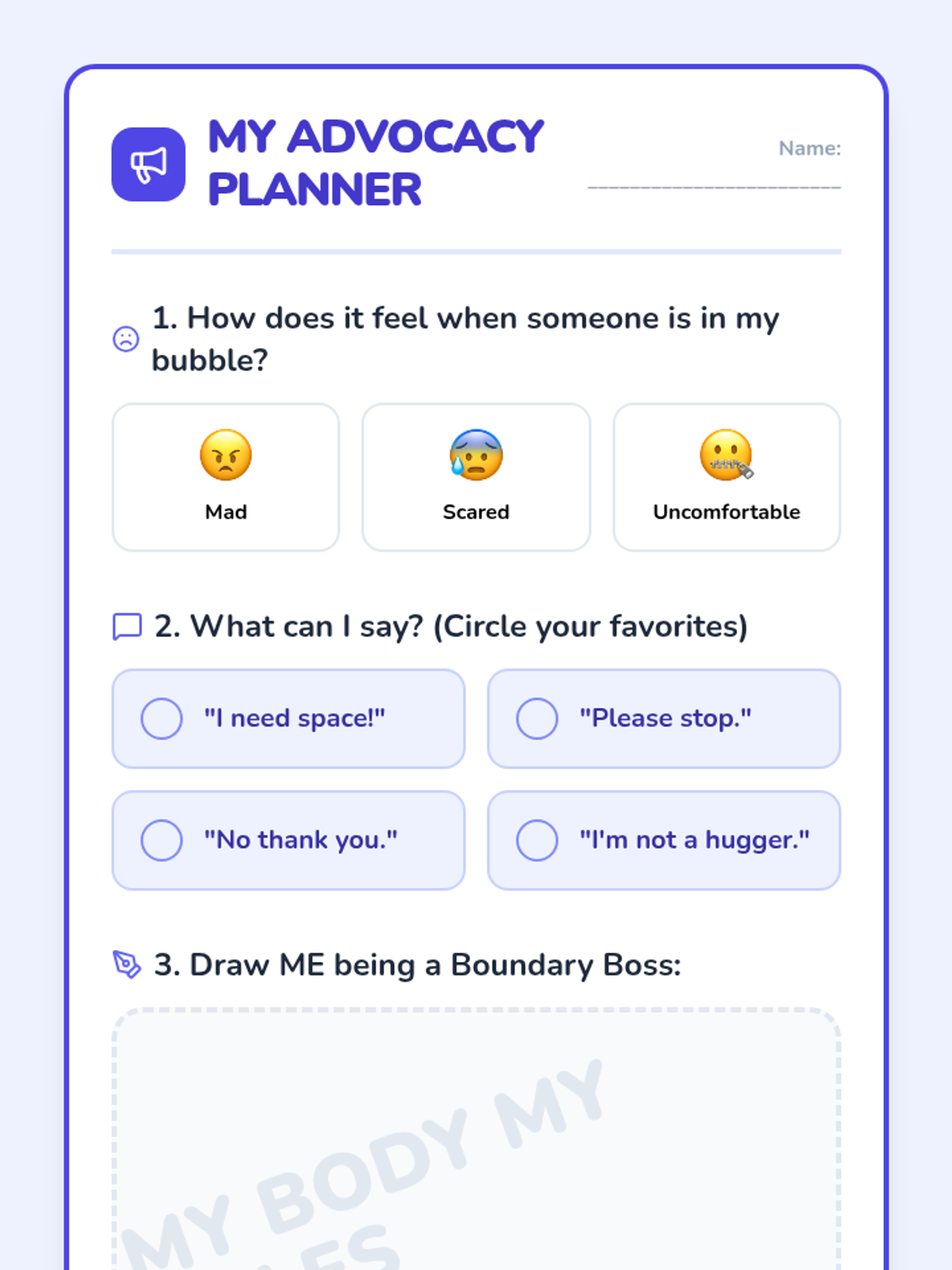
A two-session unit for high school students with IDD that applies knowledge of personal space and public vs. private settings to real-world self-advocacy skills, focusing on speaking up and setting firm boundaries.
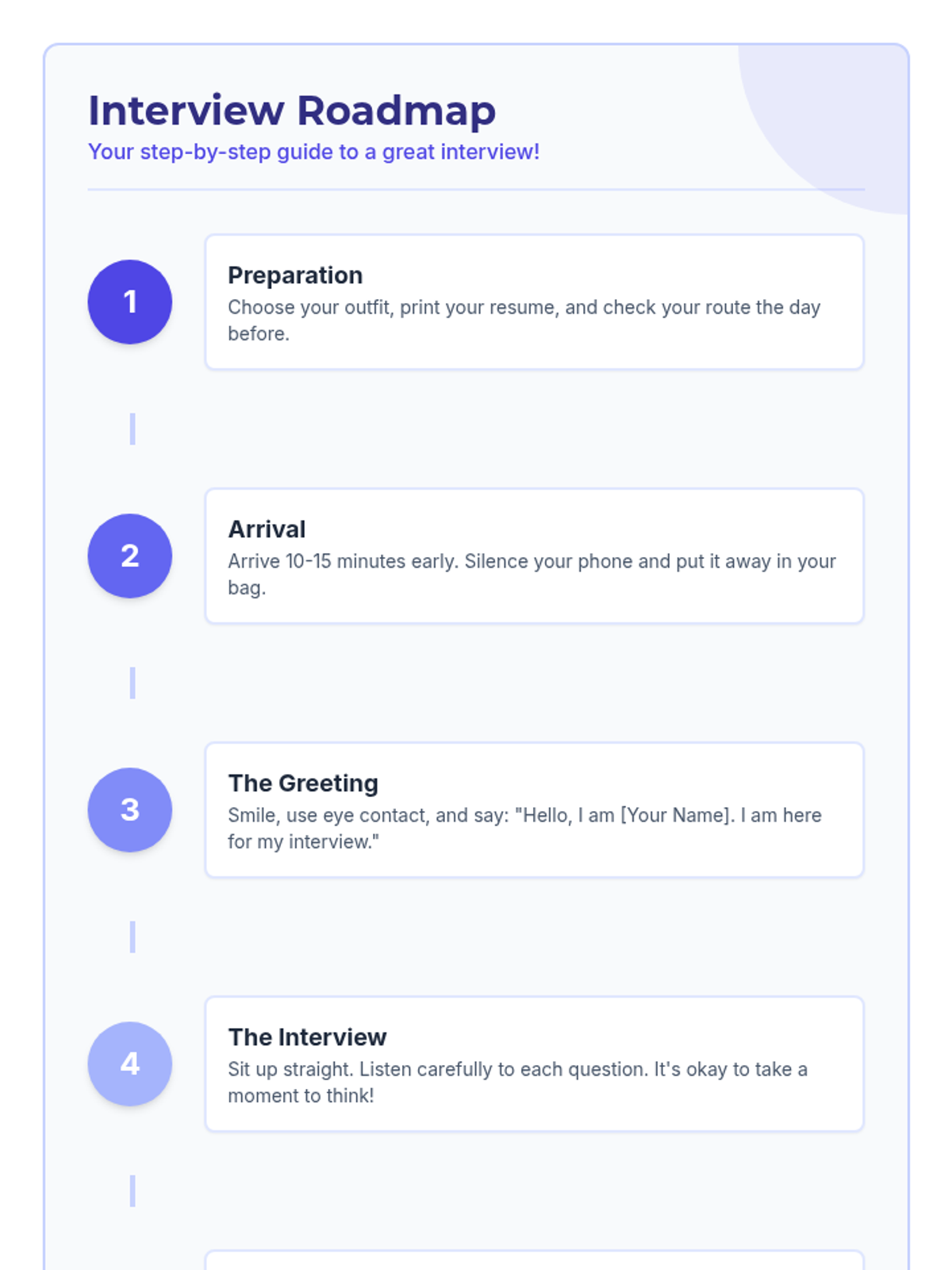
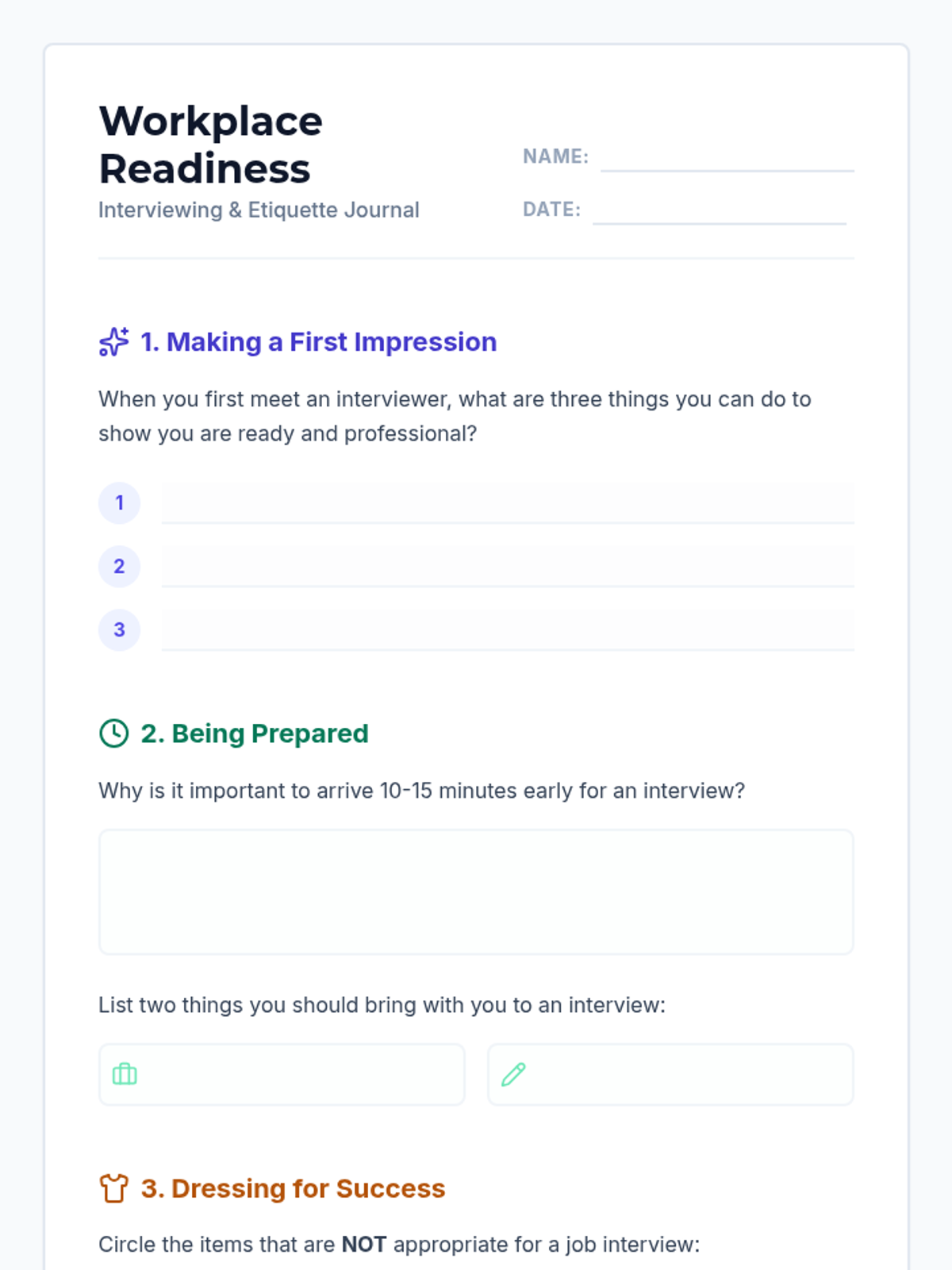
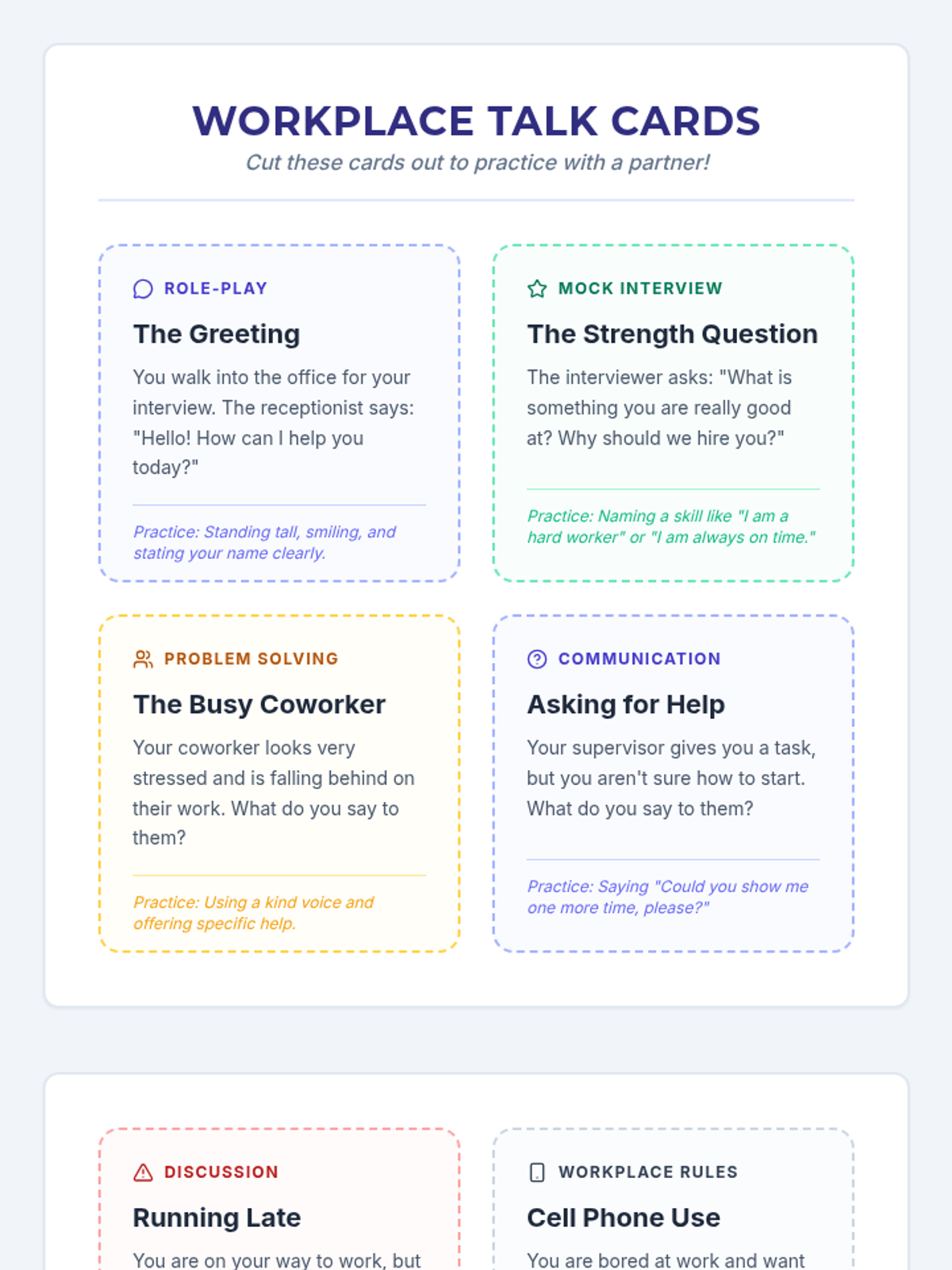
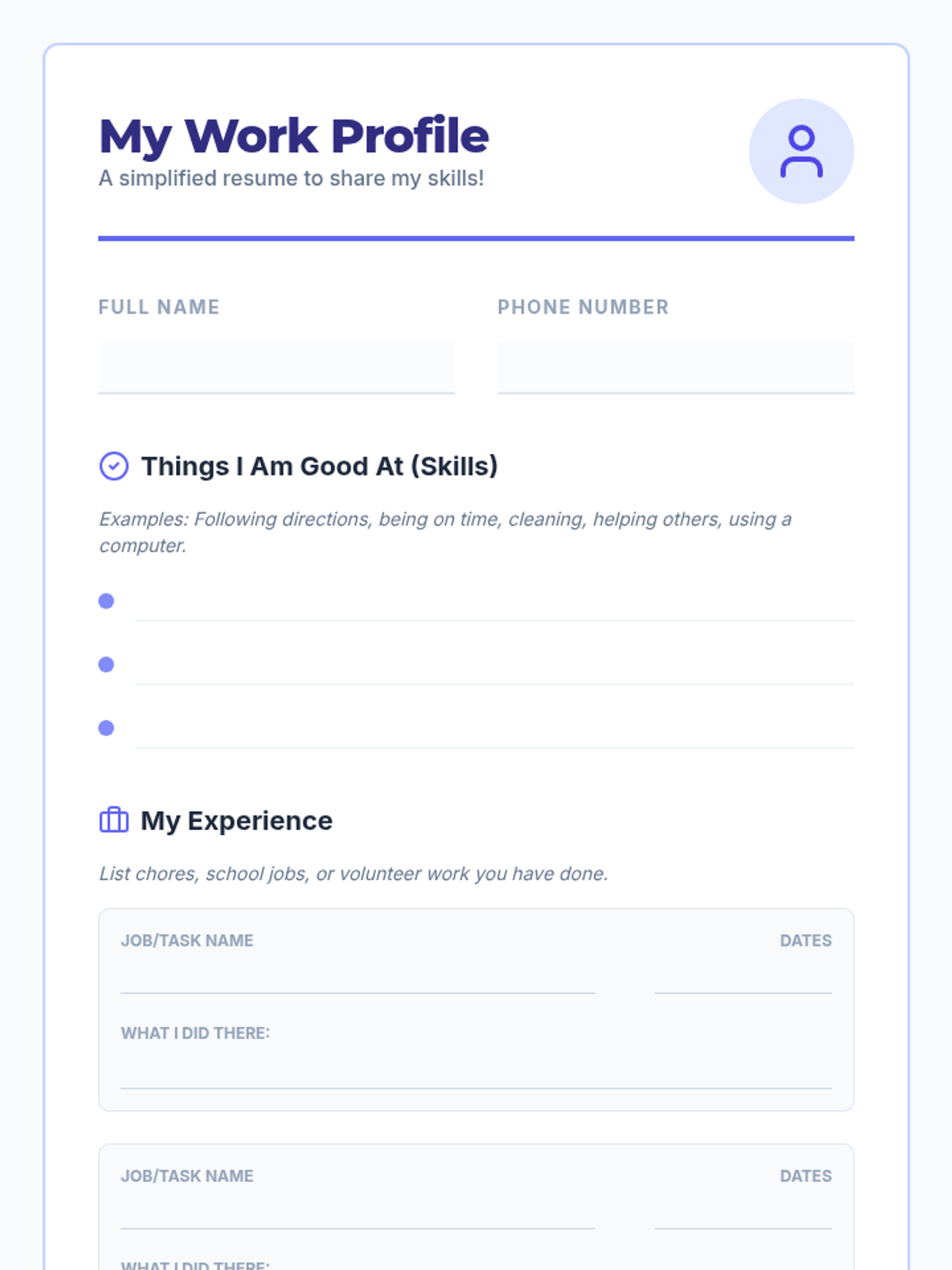
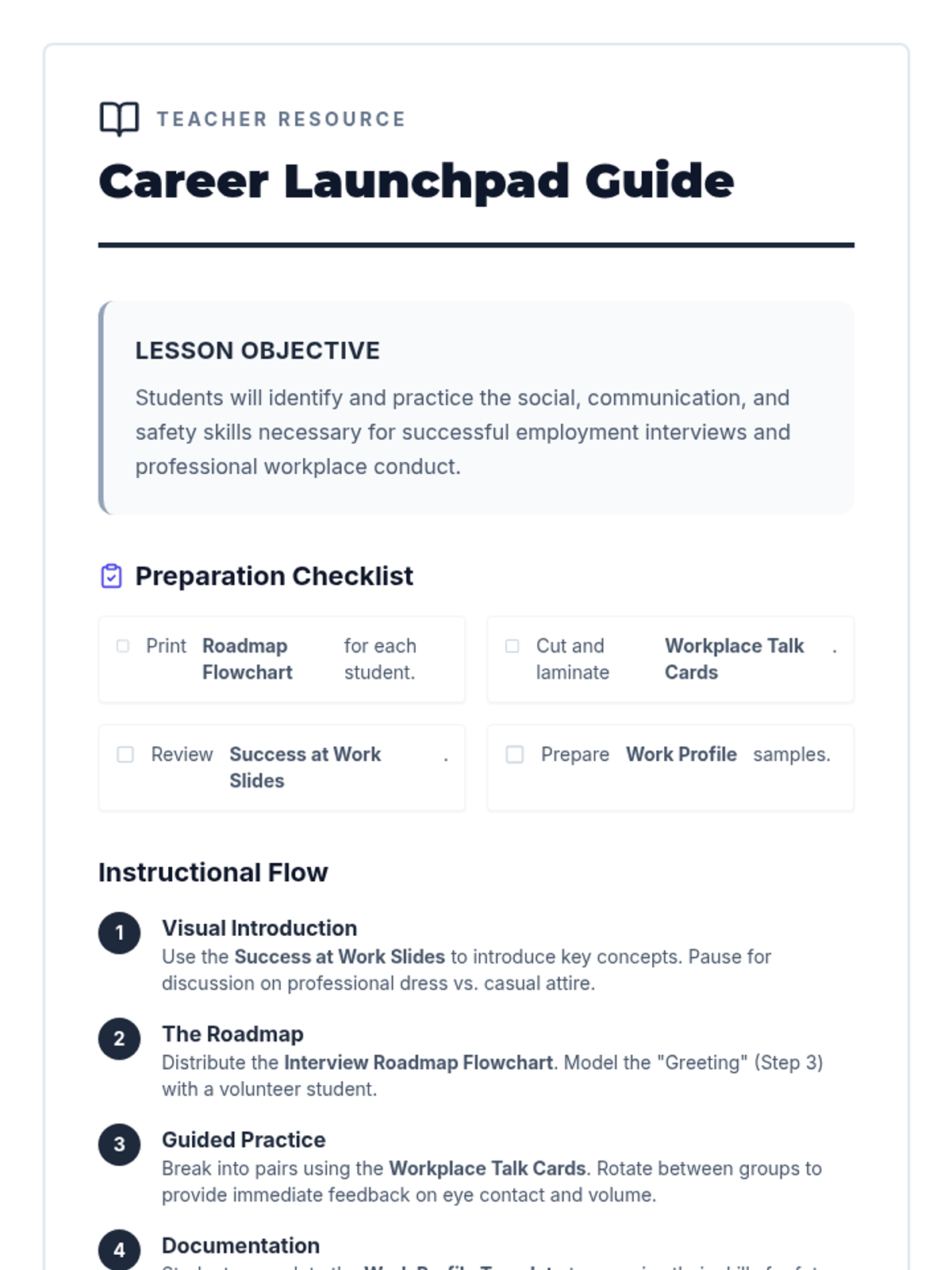
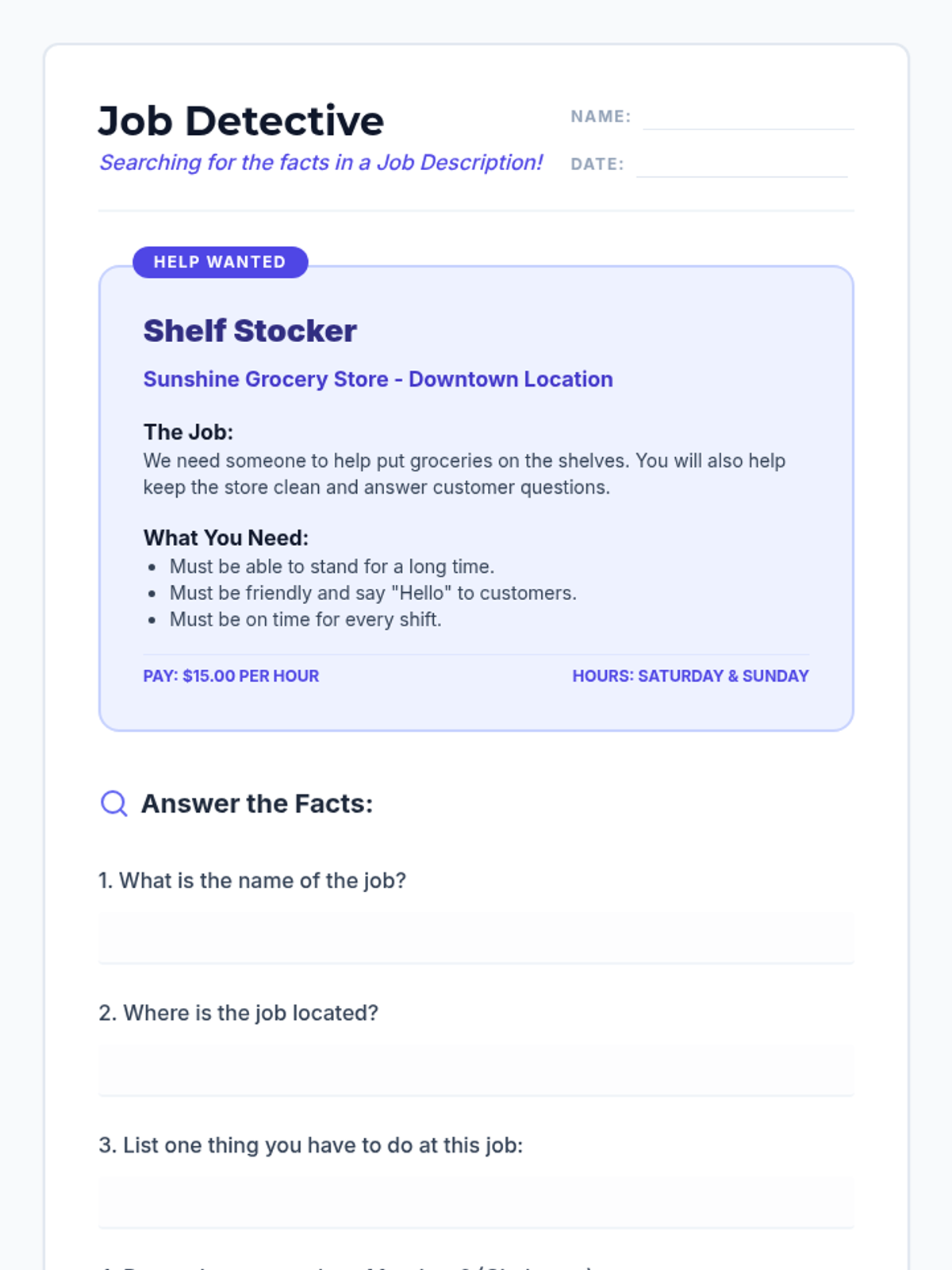
A series of lessons designed to prepare students with special needs for the transition to the workforce, focusing on communication, etiquette, and practical job-seeking skills.
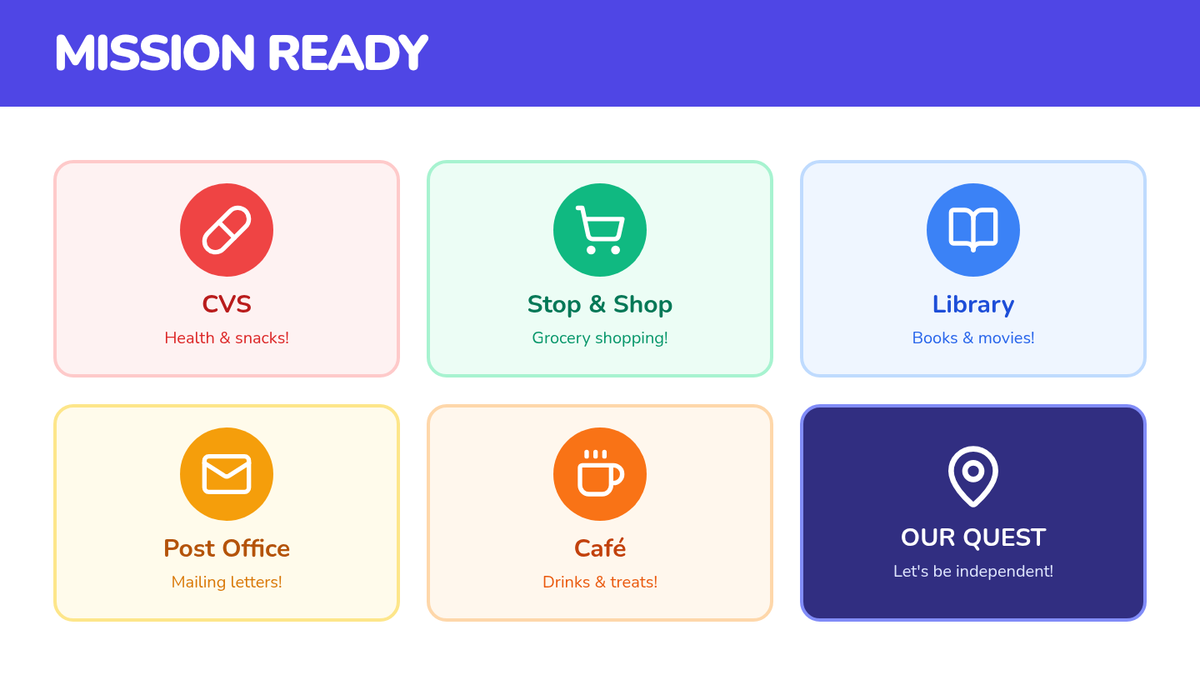
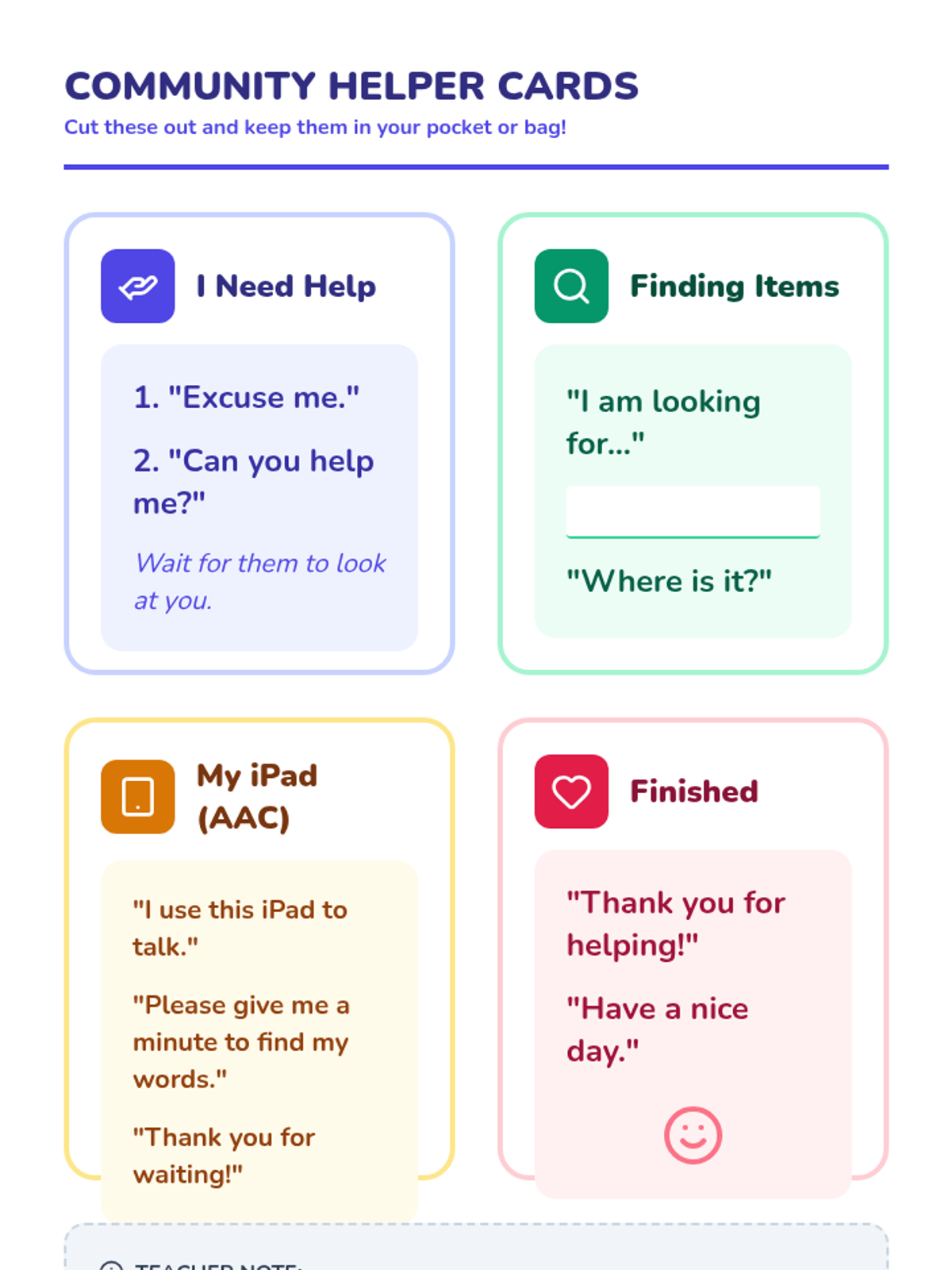
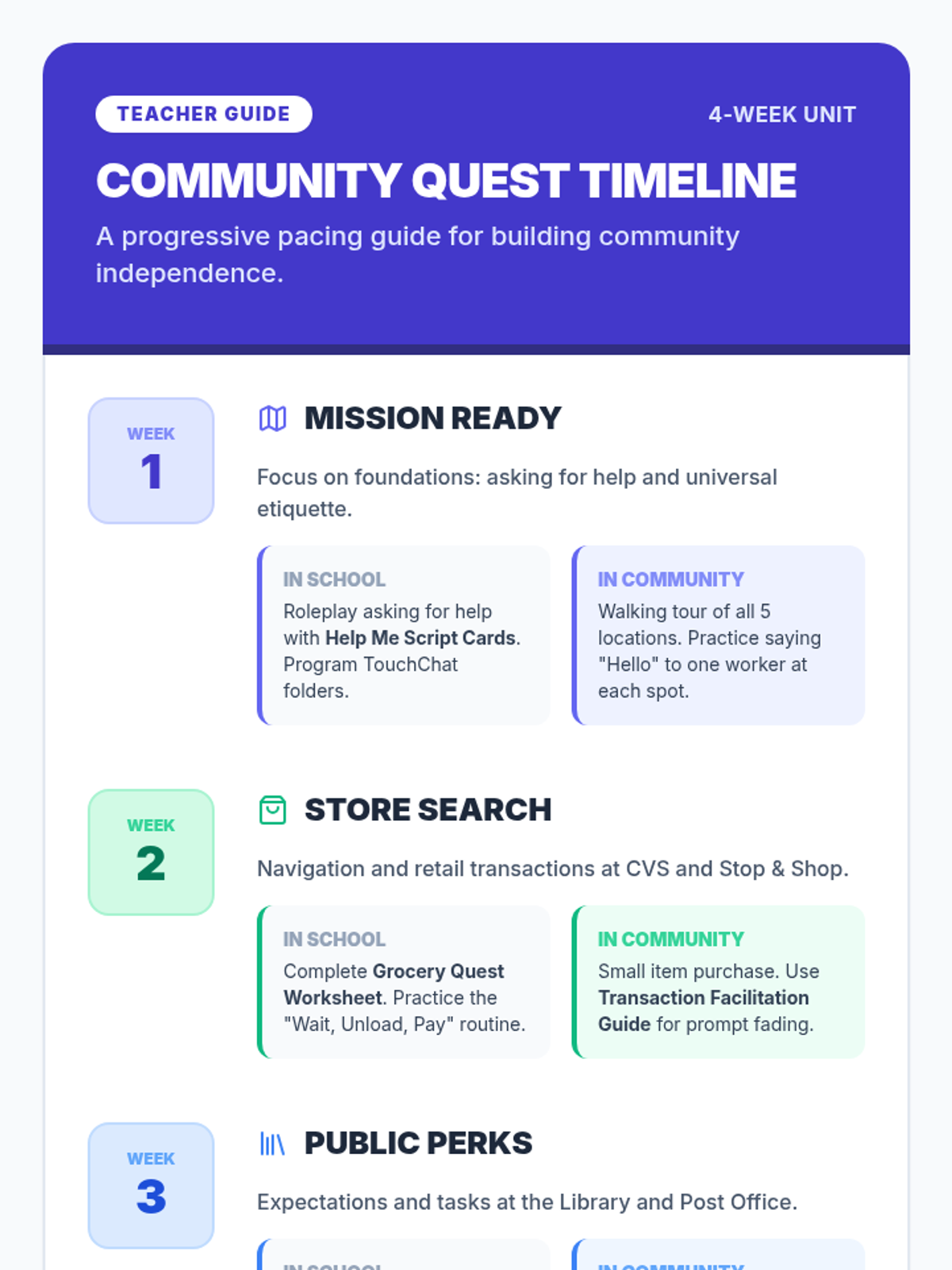
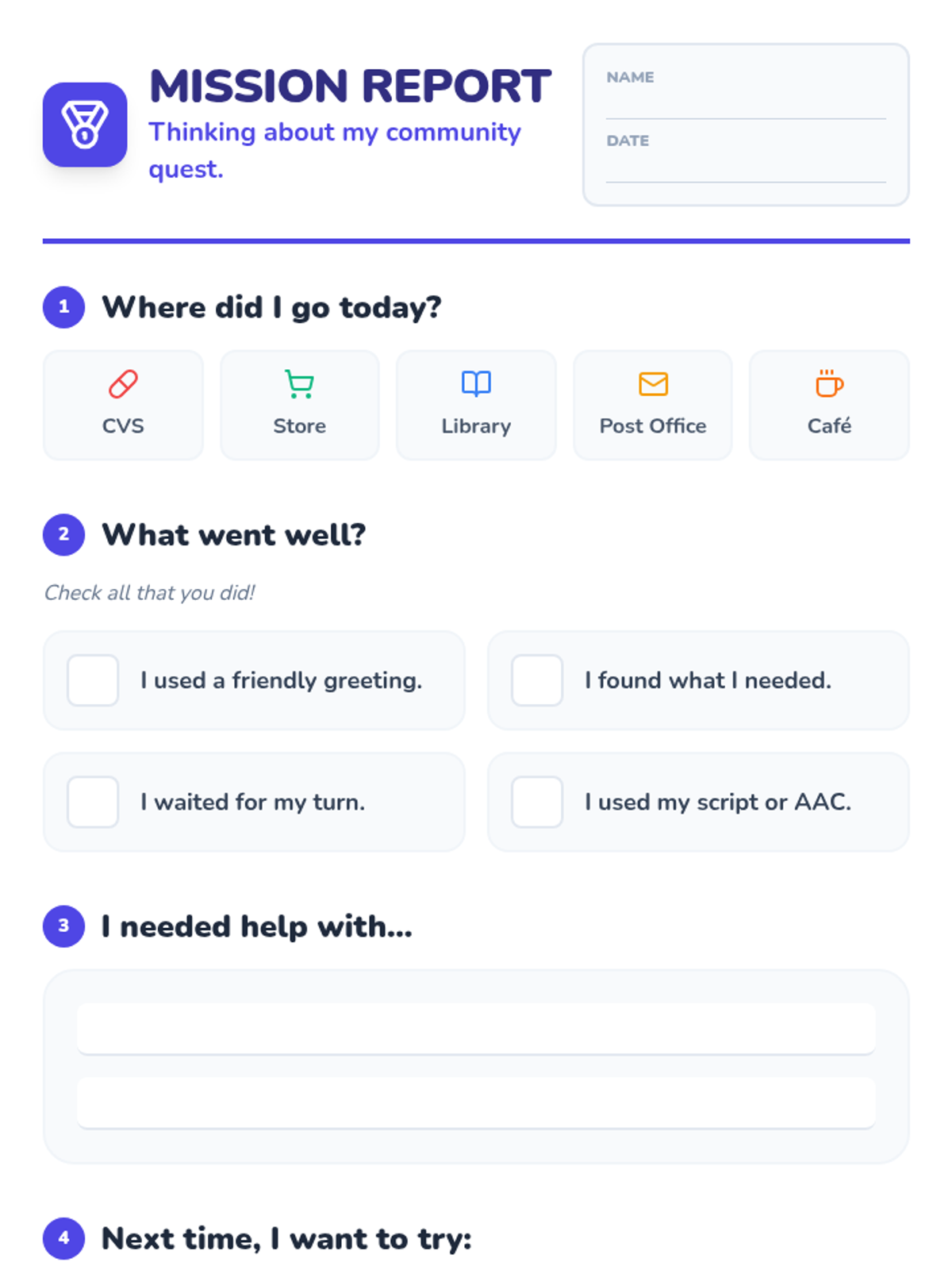
A comprehensive series of lessons designed to build community independence for students with intellectual disabilities, focusing on navigation, social interaction, and transactions in local spaces like CVS, the library, and cafes.
A 6-week life skills unit designed for high school students with low cognitive abilities, focusing on vocational readiness through visual resumes, on-campus job site visits, and simplified interview practice.