A comprehensive lesson on Earth's systems, focusing on the water cycle, weather patterns, and global atmospheric movements specifically aligned to NC 5th Grade Science standards (5.E.1).
A visual-heavy introduction to water-related vocabulary for ESL students, focusing on the states of matter and natural water forms.
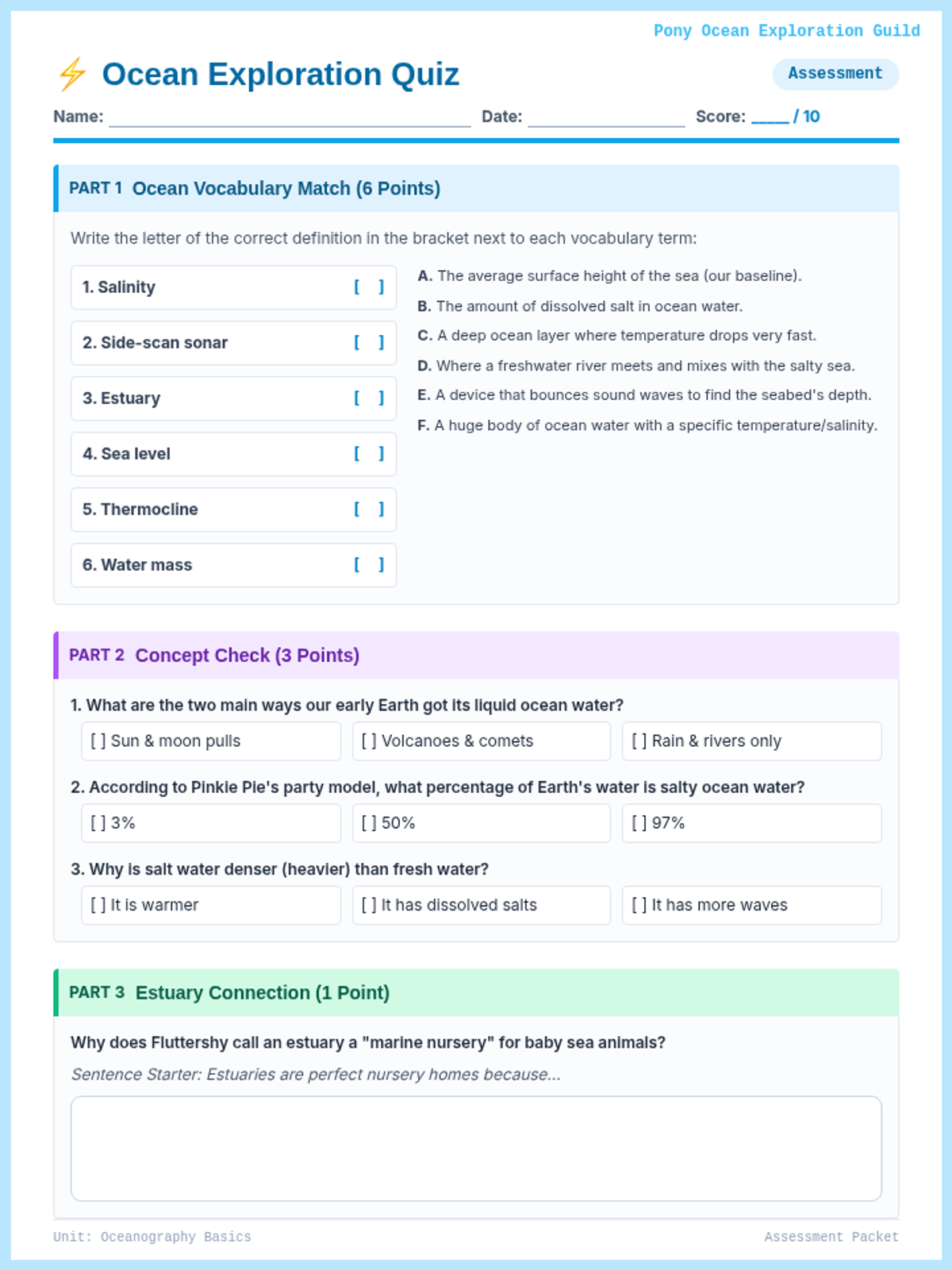
Final assessment of the unit through a formal quiz and the final evaluation of the 3D ear model project.
Students examine the social, emotional, and practical impacts of hearing loss on daily life and reflect on their own 3D project creation.
A deep dive into hearing technology, specifically comparing the functions and surgical/non-surgical aspects of hearing aids and cochlear implants.
An introduction to the field of audiology, where students learn how hearing is measured and practice reading and plotting data on an audiogram.
Students explore the anatomy of the ear and begin their journey into the 3D ear model project, learning how sound travels through the outer, middle, and inner ear.
A comprehensive lesson exploring the four terrestrial planets of our solar system: Mercury, Venus, Earth, and Mars. Students will learn about their unique physical characteristics, atmospheres, and how they compare to one another through a mission-themed presentation and interactive activities.
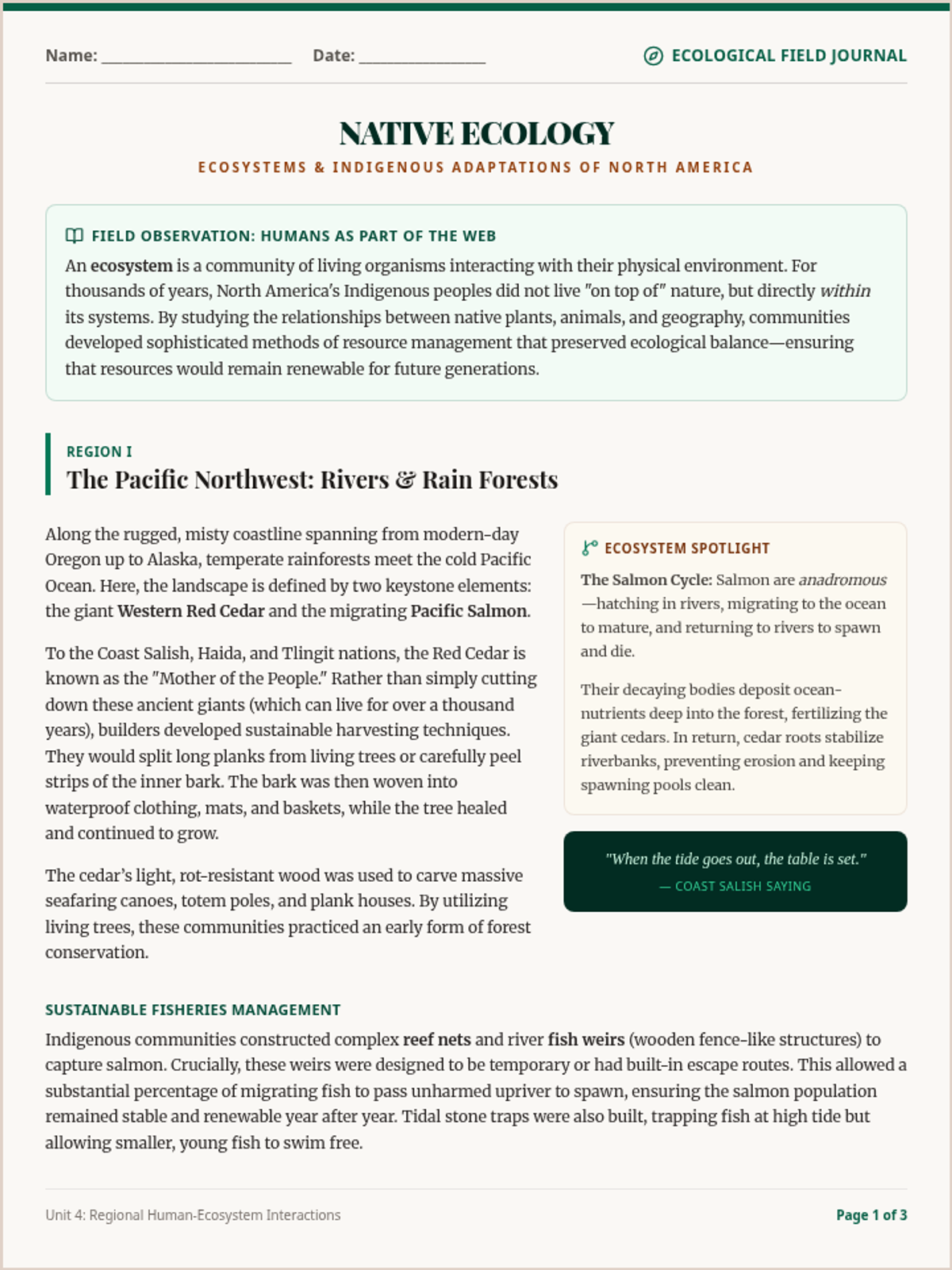
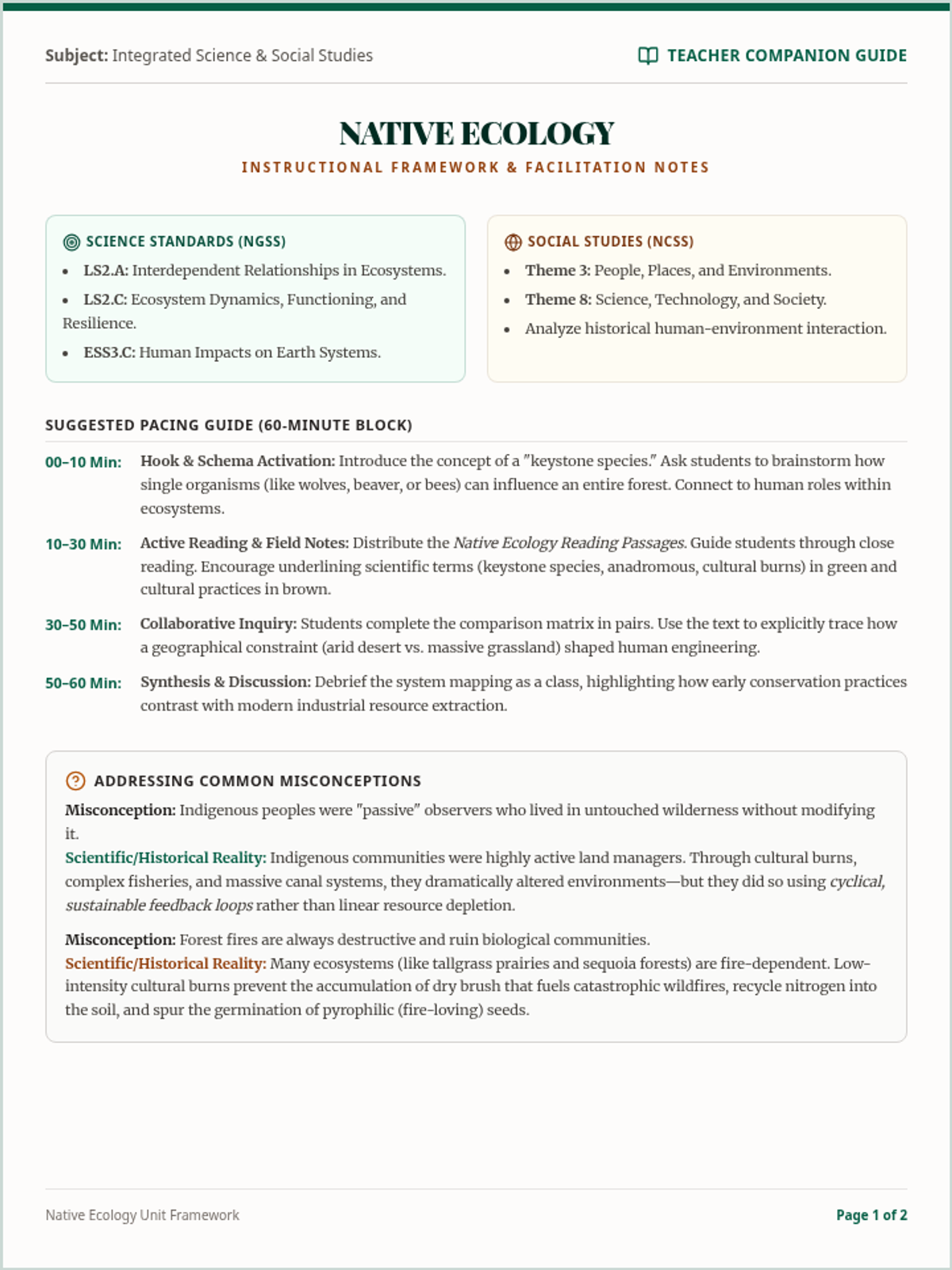
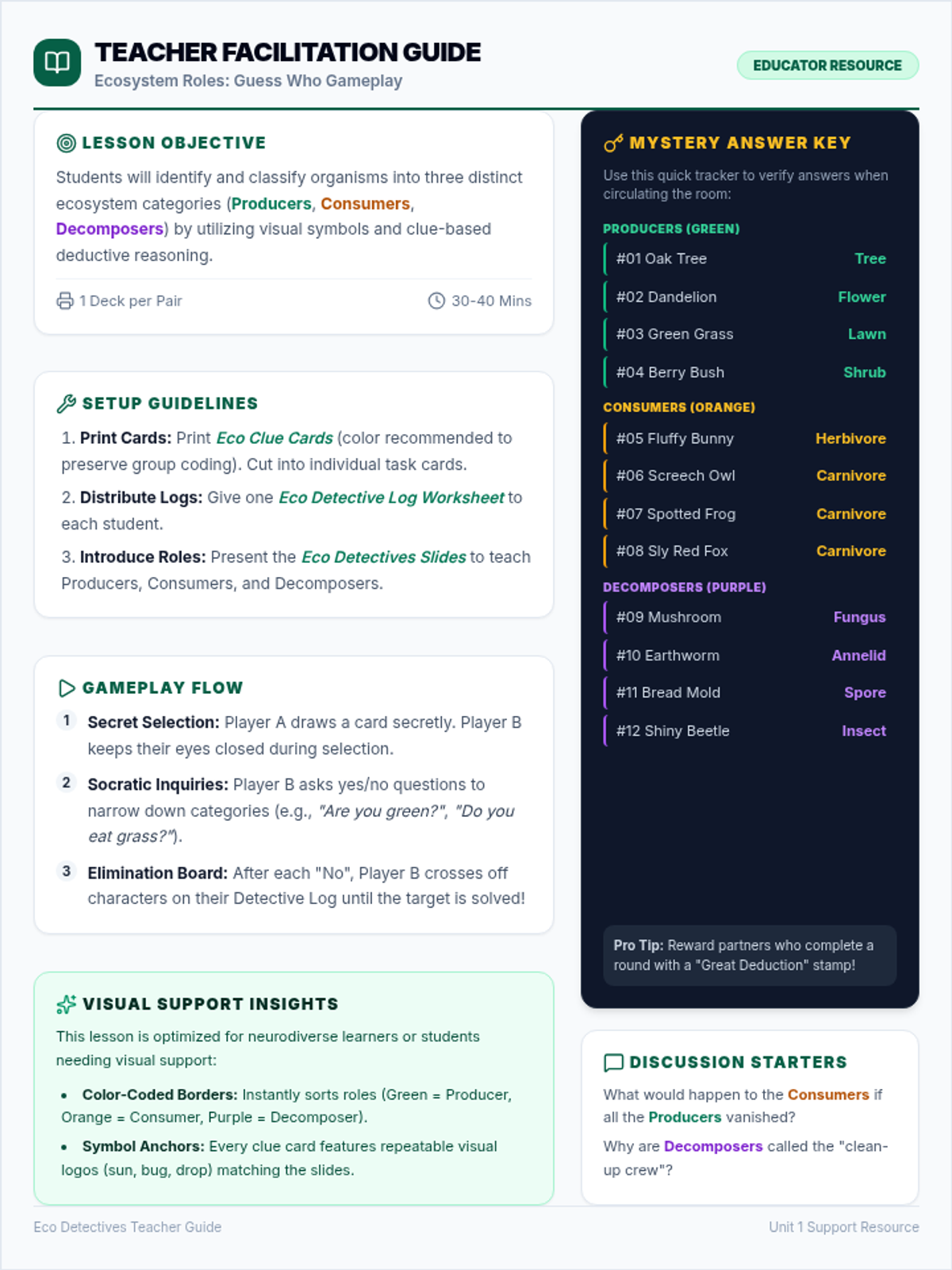
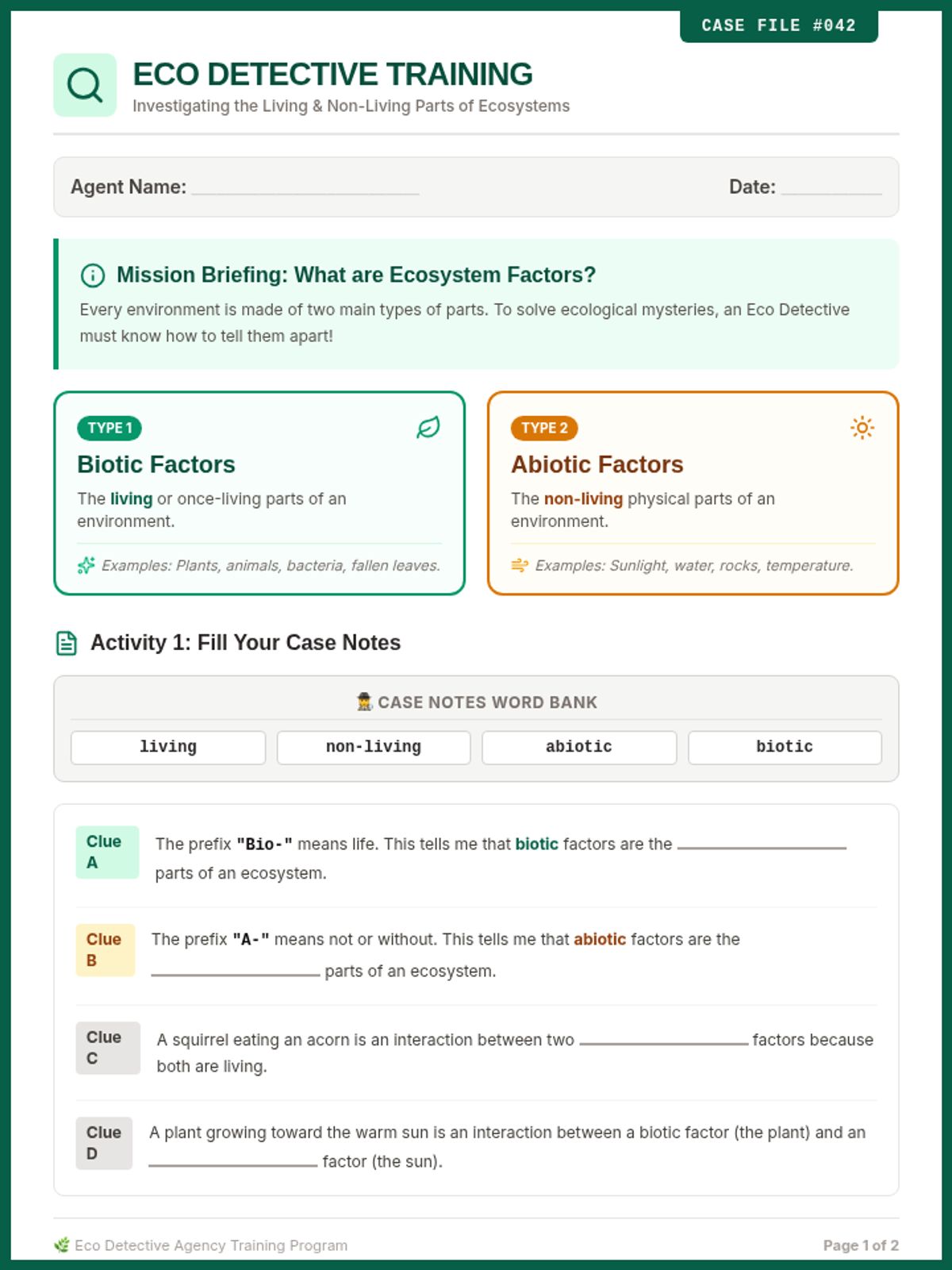
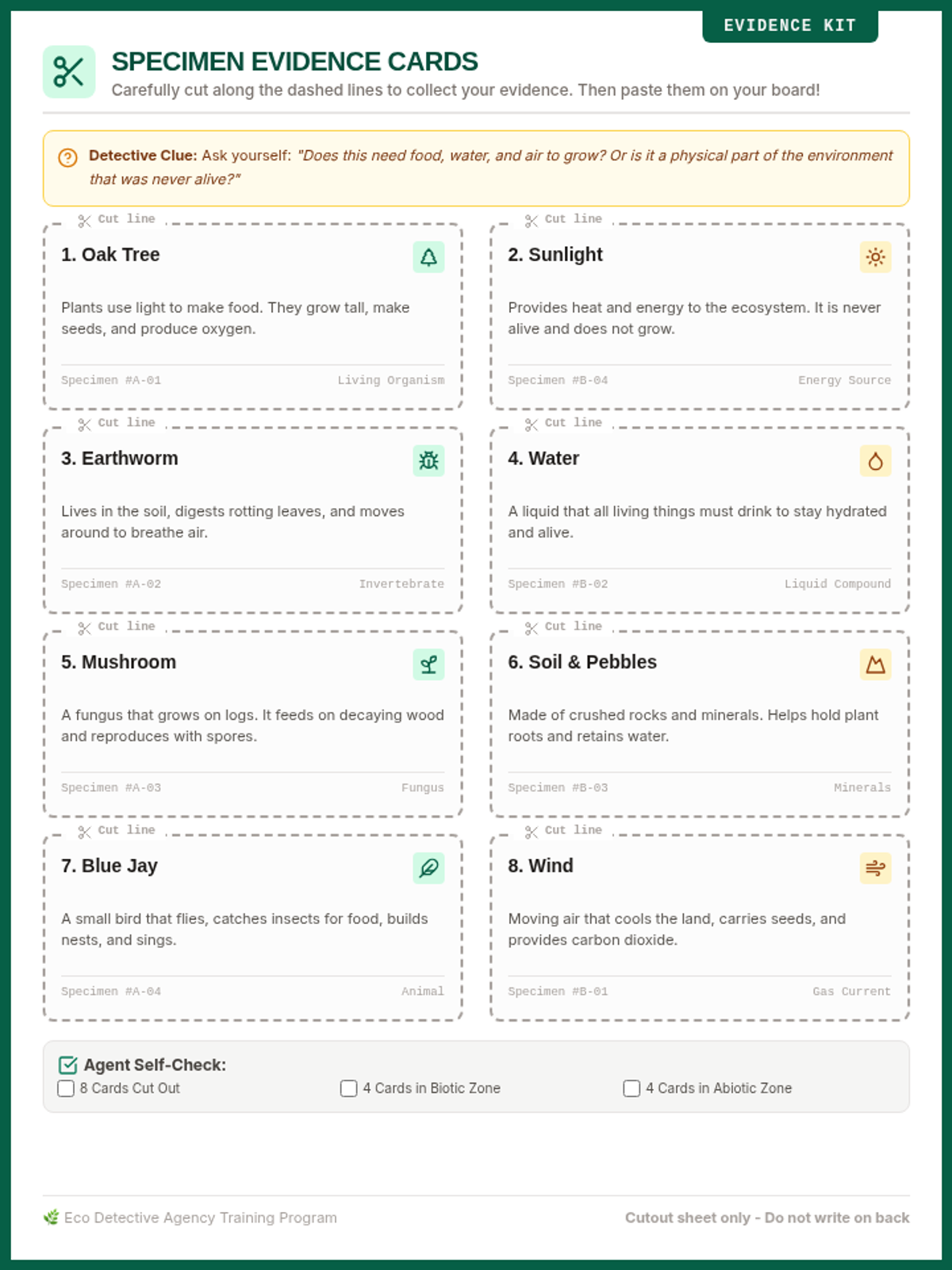
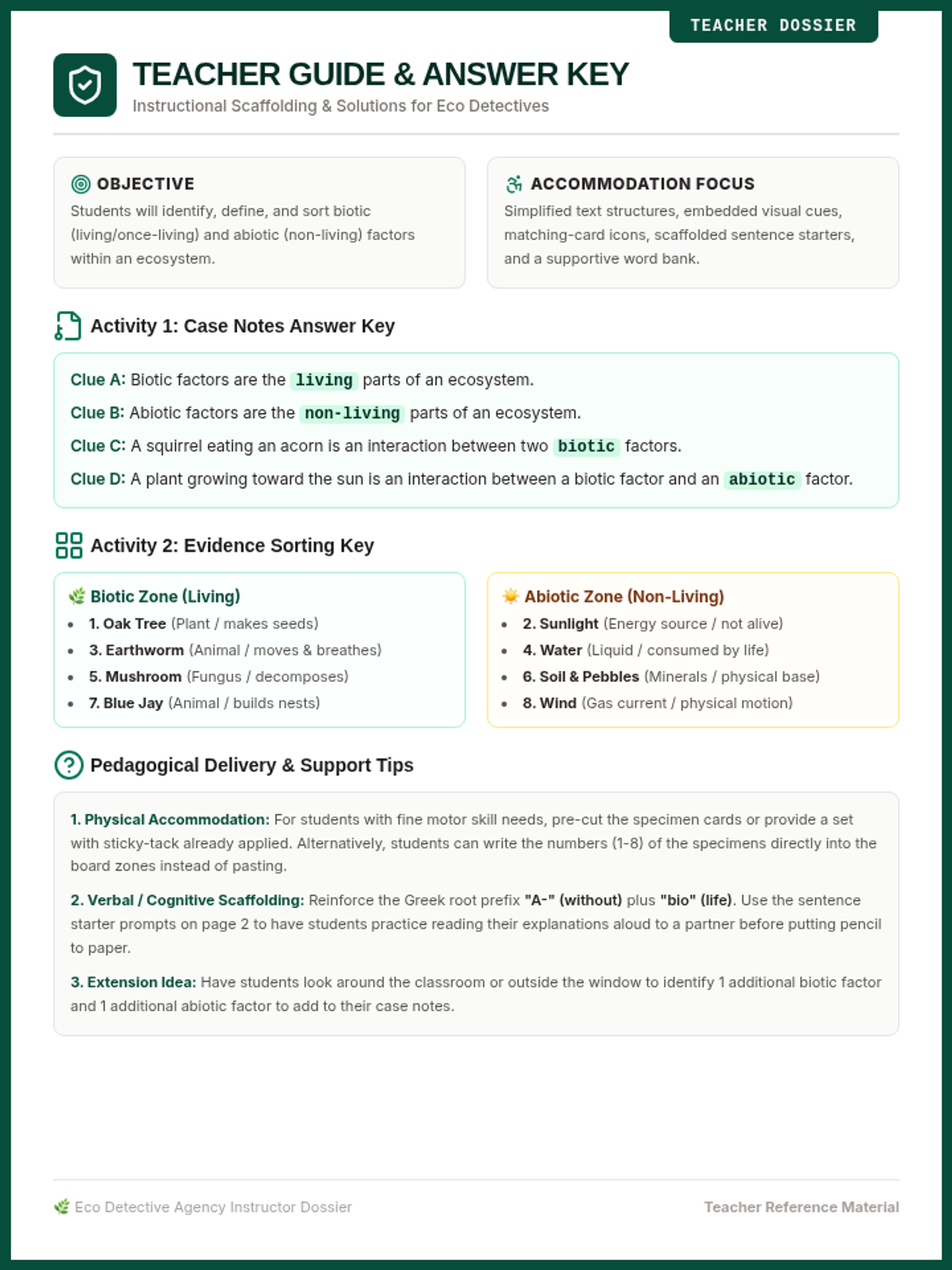
A cross-curricular lesson exploring modern ecosystems and the history of environmental conservation. Designed with ADHD and Dyslexia-friendly features like high-visual support, hands-on activities, and clear, structured tasks.
A hands-on STEAM lesson where emerging bilingual students use Ozobots to act out short scenarios, focusing on beginner-level English speaking, listening, reading, and writing skills.
A fast-paced, hands-on lab where students simulate the chemical and physical breakdown of food in the small intestine using common household materials to understand liquefaction and absorption.
A lesson exploring NASA's critical role in monitoring Earth's changing climate using satellite technology and data collection. Students will practice citing textual evidence while learning about global warming.
A comprehensive 5th-grade science lesson on matter, focusing on properties, states, conservation of mass, and chemical changes, specifically aligned to North Carolina Essential Standards 5.P.2.2 and 5.P.2.3 for EOG preparation.
A comprehensive 5th-grade science lesson focused on energy flow in ecosystems, featuring food webs, chains, and organism interactions aligned with NC Standard 5.L.2.
A lesson exploring the science of bioluminescence, focusing on how and why organisms produce their own light in nature. Students will learn about chemical reactions, deep-sea adaptations, and the diverse uses of light in the animal kingdom.
A cross-curricular lesson where students transform complex scientific processes into catchy songs. Students will use graphic organizers to map out lyrics and templates with vocabulary banks to ensure scientific accuracy in their musical compositions.
A cross-curricular lesson where students combine scientific observation with artistic detail to create labeled diagrams of flowering plants and animals. Students focus on identifying key parts of organisms while developing their drawing and labeling skills.
A high-energy gameshow lesson where students identify "ancient" tech artifacts and explore how they evolved into the devices we use today.
A comprehensive review of mixtures and solutions for 5th grade students, focusing on solubility, concentration, and chemical vs. physical reactions through a series of independent lab challenges.
A vocabulary-focused lesson introducing students to the concepts of environmental stewardship and nonrenewable resources. Students will learn to define and use these terms through interactive slides and oral practice.
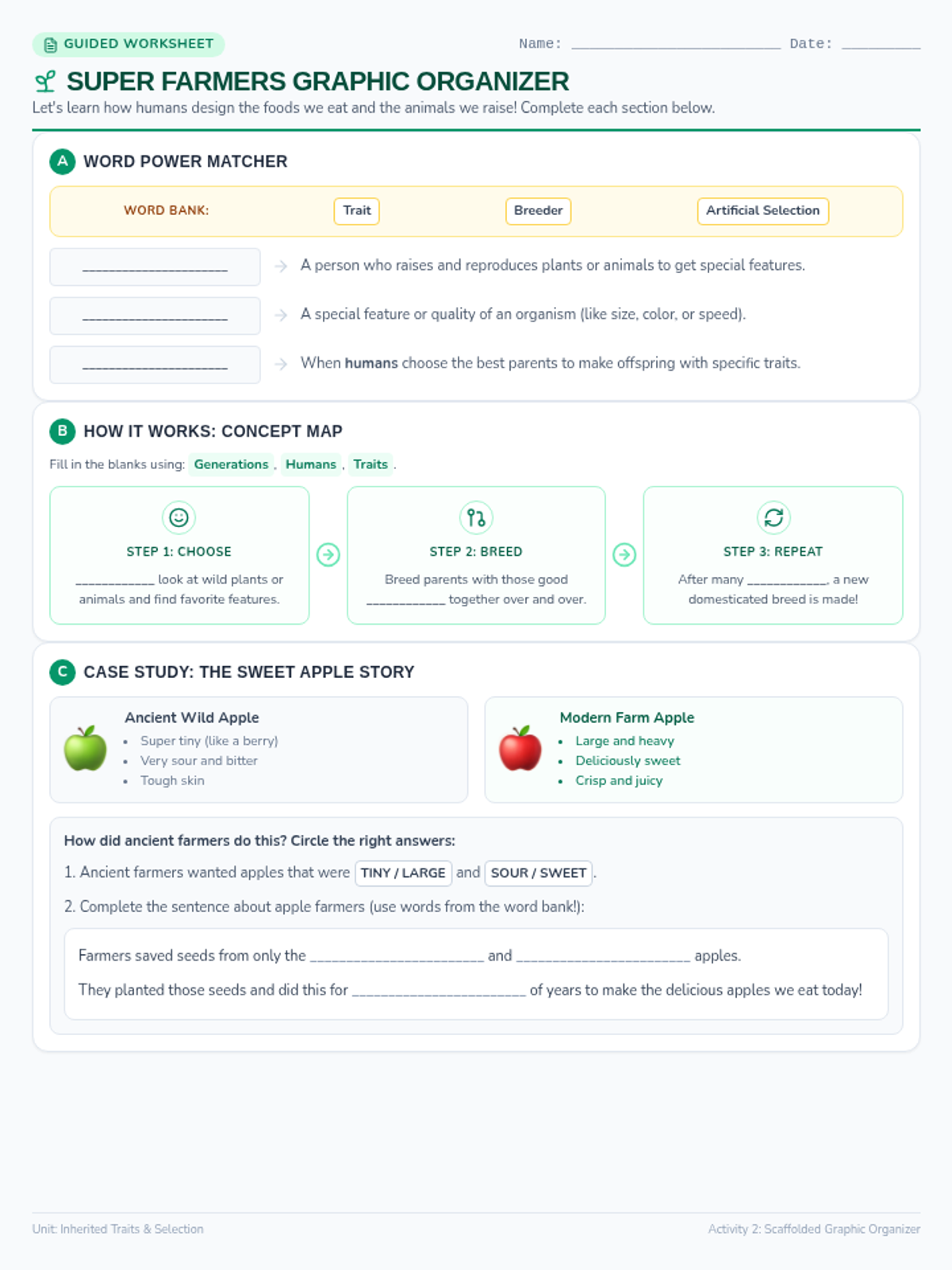
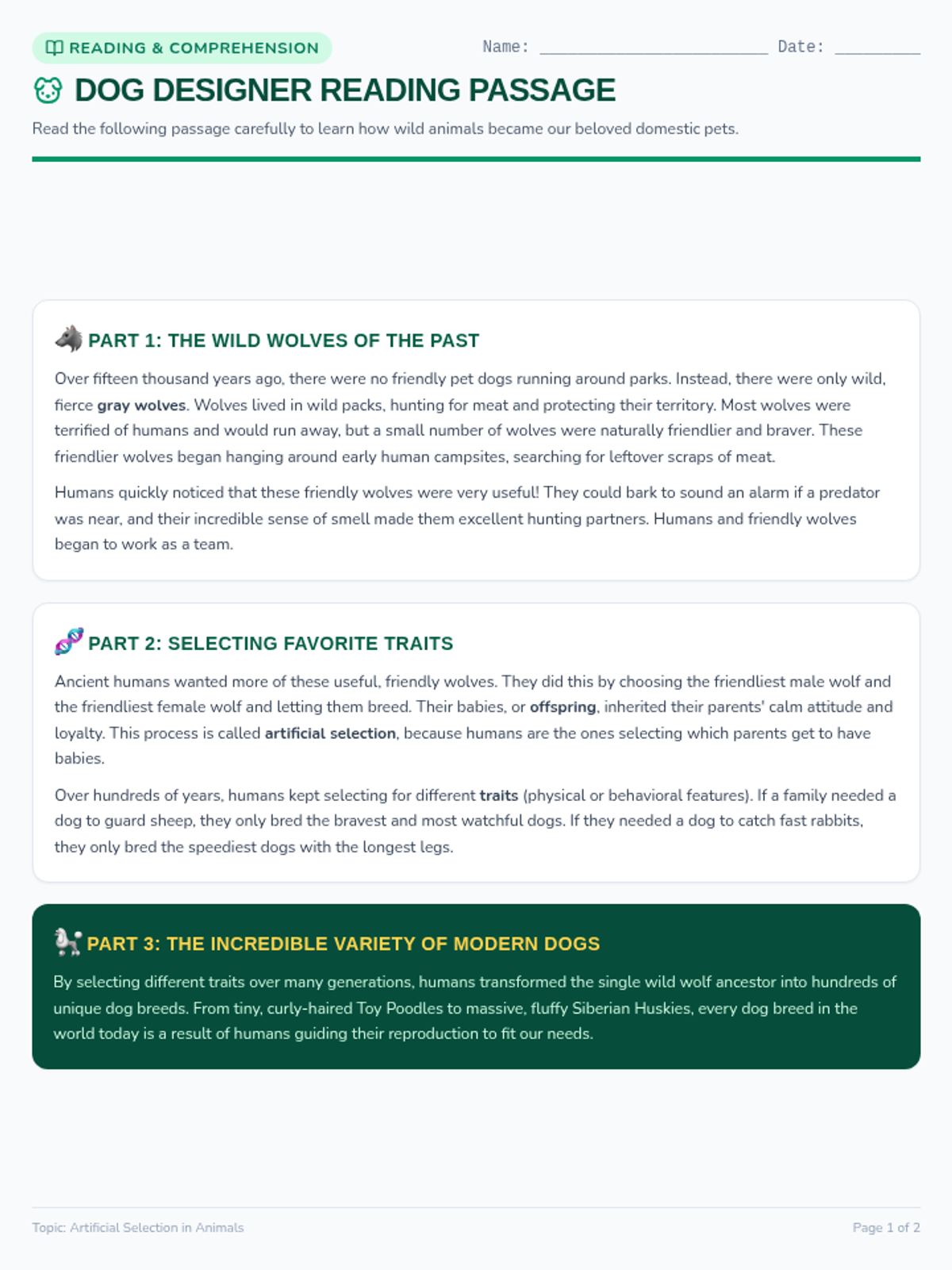
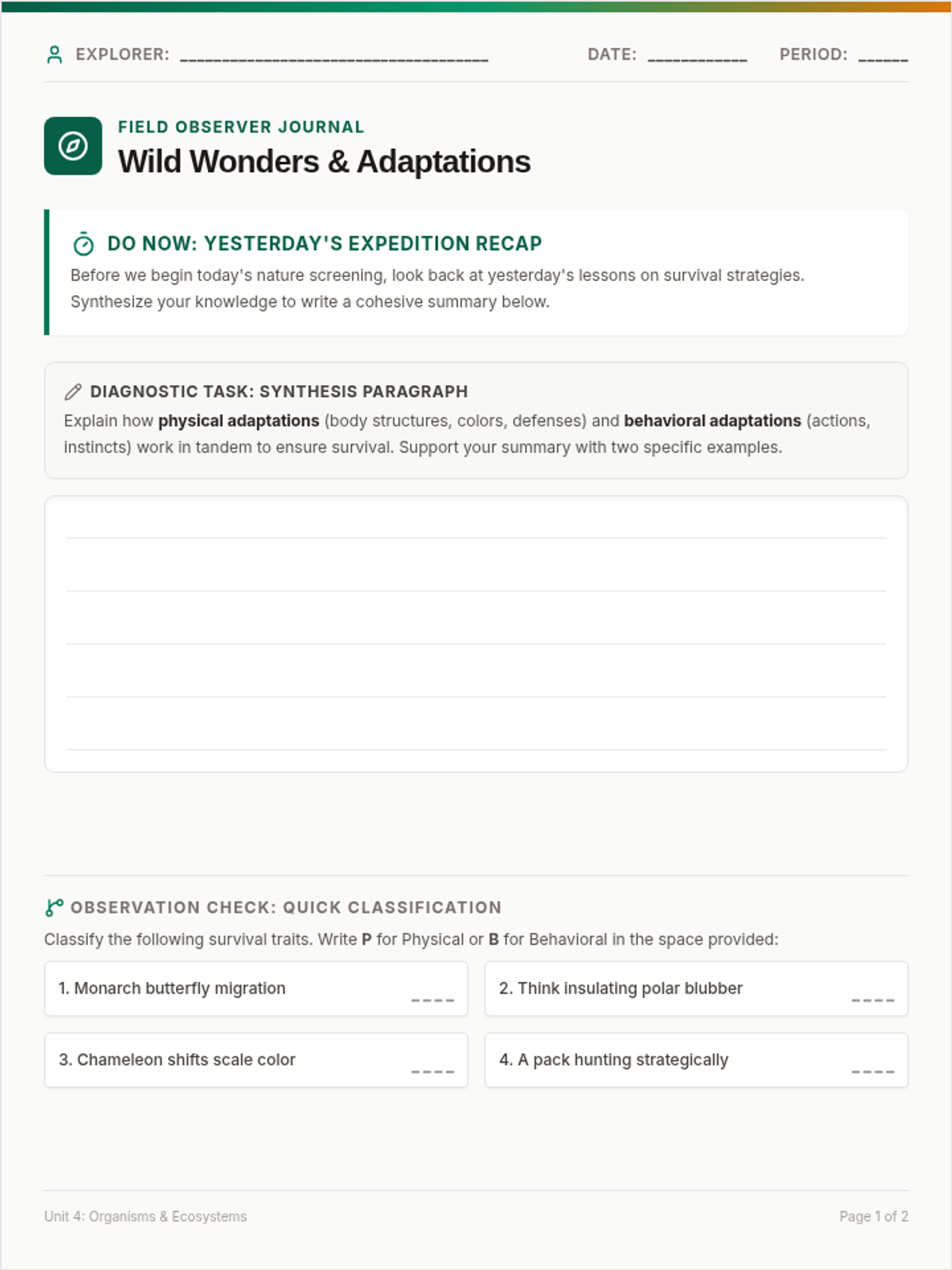
A lesson exploring the fundamental concepts of natural selection, evolution, and reproduction through interactive vocabulary practice and visual aids.
An introductory lesson on common electrical circuit symbols, their functions, and how they are represented in schematic diagrams.
A dedicated hub for educators featuring a K-12 curriculum scope, professional development guides, and quick-reference AI cheat sheets.
High school students analyze the impact of generative AI on careers and society, mastering advanced prompt engineering and debating complex ethical dilemmas.
Middle schoolers dive into the mechanics of neural networks and the ethical implications of AI in daily life, focusing on digital citizenship and algorithmic fairness.
Middle elementary students investigate how training data shapes AI behavior, identifying bias in simple systems and experimenting with basic prompt engineering.
Students in grades 1-2 explore how machines learn to recognize patterns and assist humans, introducing basic classification and the idea of helpful technology.
Introduces Kindergarteners to the concept of AI as a 'thinking' tool that follows instructions and learns from examples, focusing on the difference between robots and AI.
A comprehensive 5th Grade STAAR prep resource covering Math, RLA, and Science essentials, including TEI strategies and TEKS-aligned content.
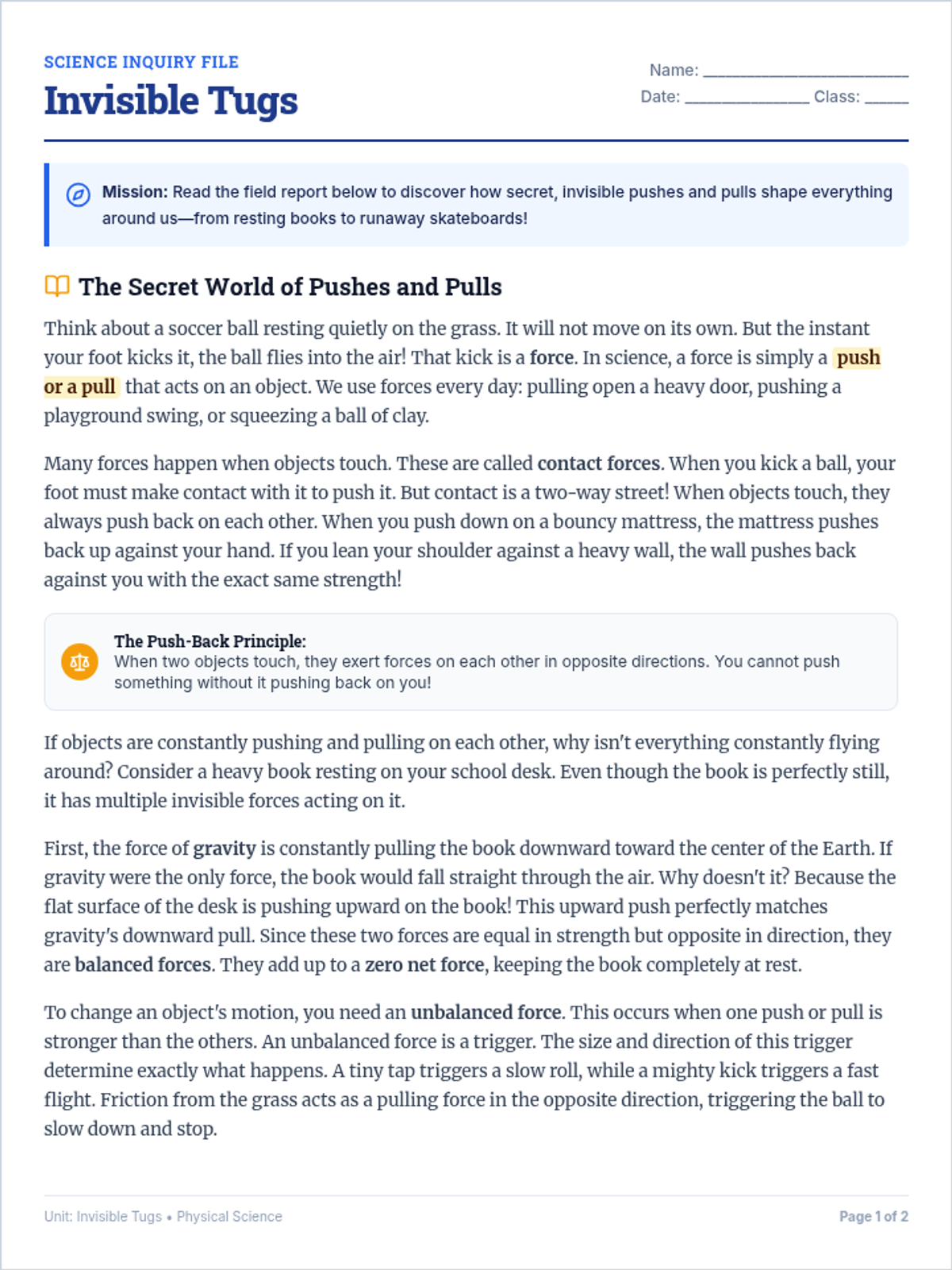
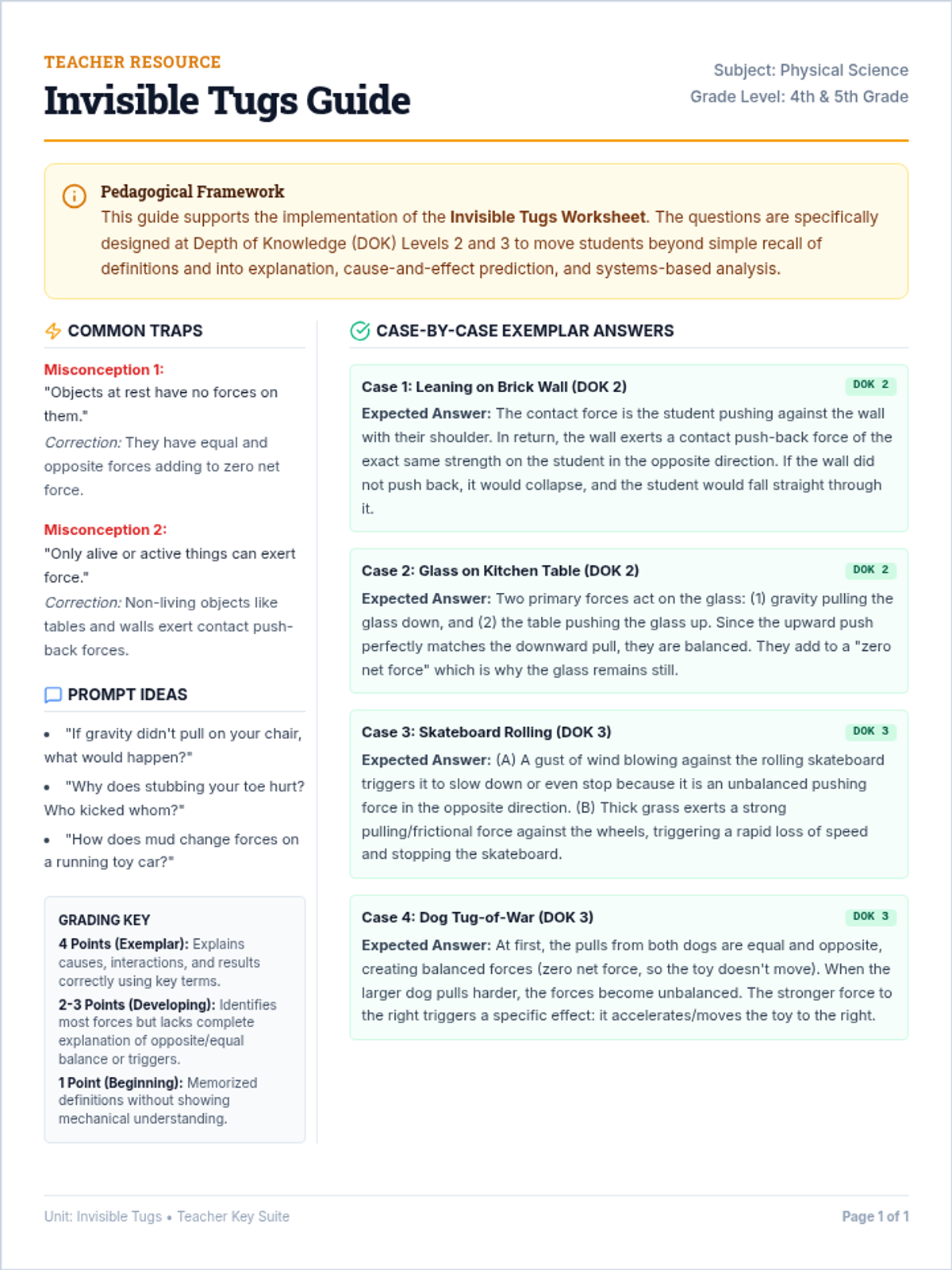
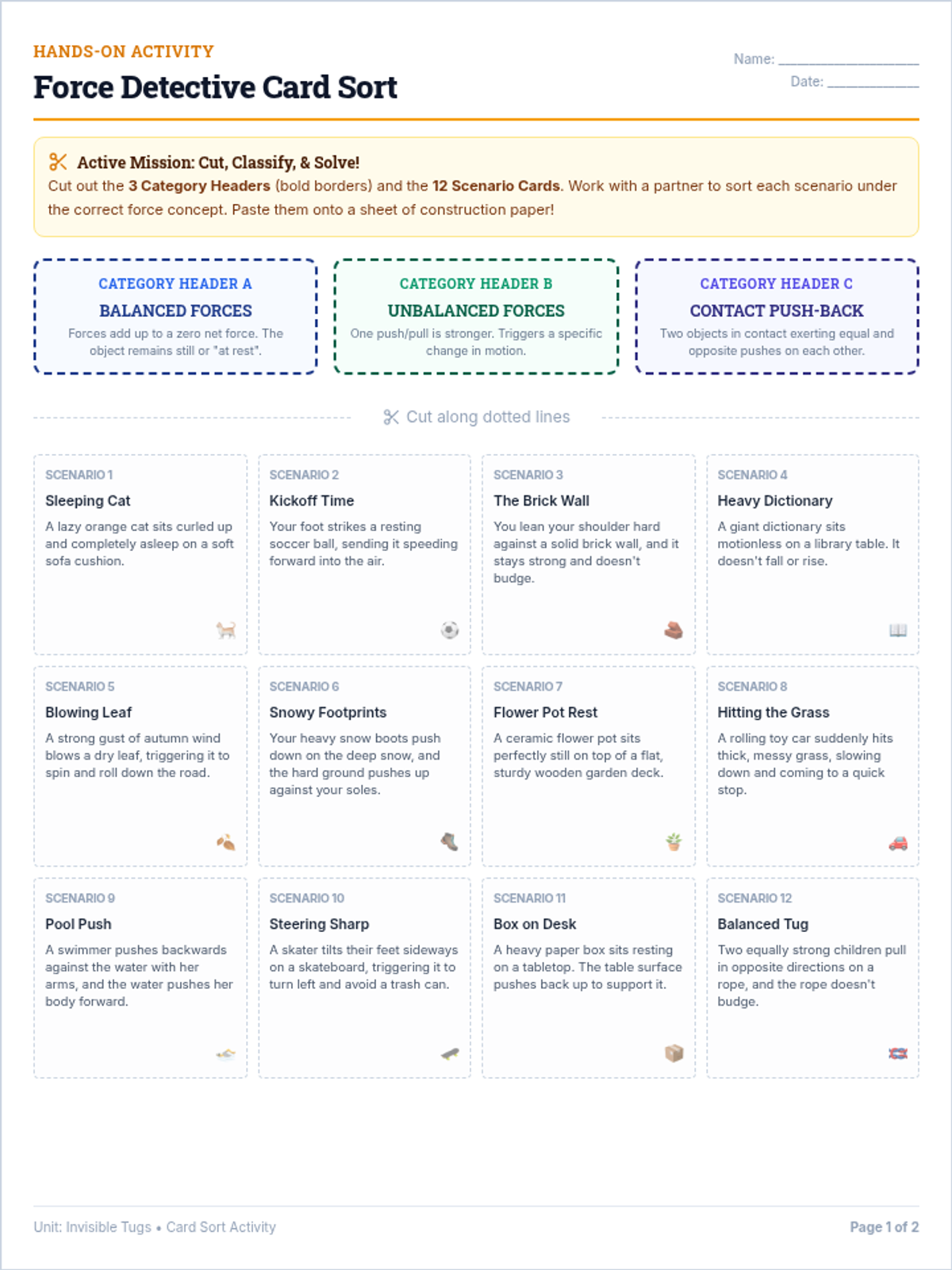
A comprehensive Grade 5 Science lesson focusing on the physics of motion, force, and energy. Students investigate balanced and unbalanced forces, friction, gravity, and simple machines through hands-on inquiry and real-world applications.
A comprehensive Grade 5 Science lesson covering Earth and space systems, including the water cycle, weather patterns, and the Sun-Earth-Moon system, designed for STAAR preparation. Students will analyze real Texas weather data, build water cycle models, and compare celestial bodies through a phenomenon-based lens.
A comprehensive 5th grade science lesson on the properties and changes of matter, featuring hands-on stations, mixtures and solutions investigations, and STAAR-aligned assessment. Students explore physical properties, separation techniques, and state changes using the CER framework.
A comprehensive TEKS-aligned Grade 5 life science lesson focusing on Texas Gulf Coast ecosystems, food webs, and adaptations through inquiry-based stations and STAAR-style practice.
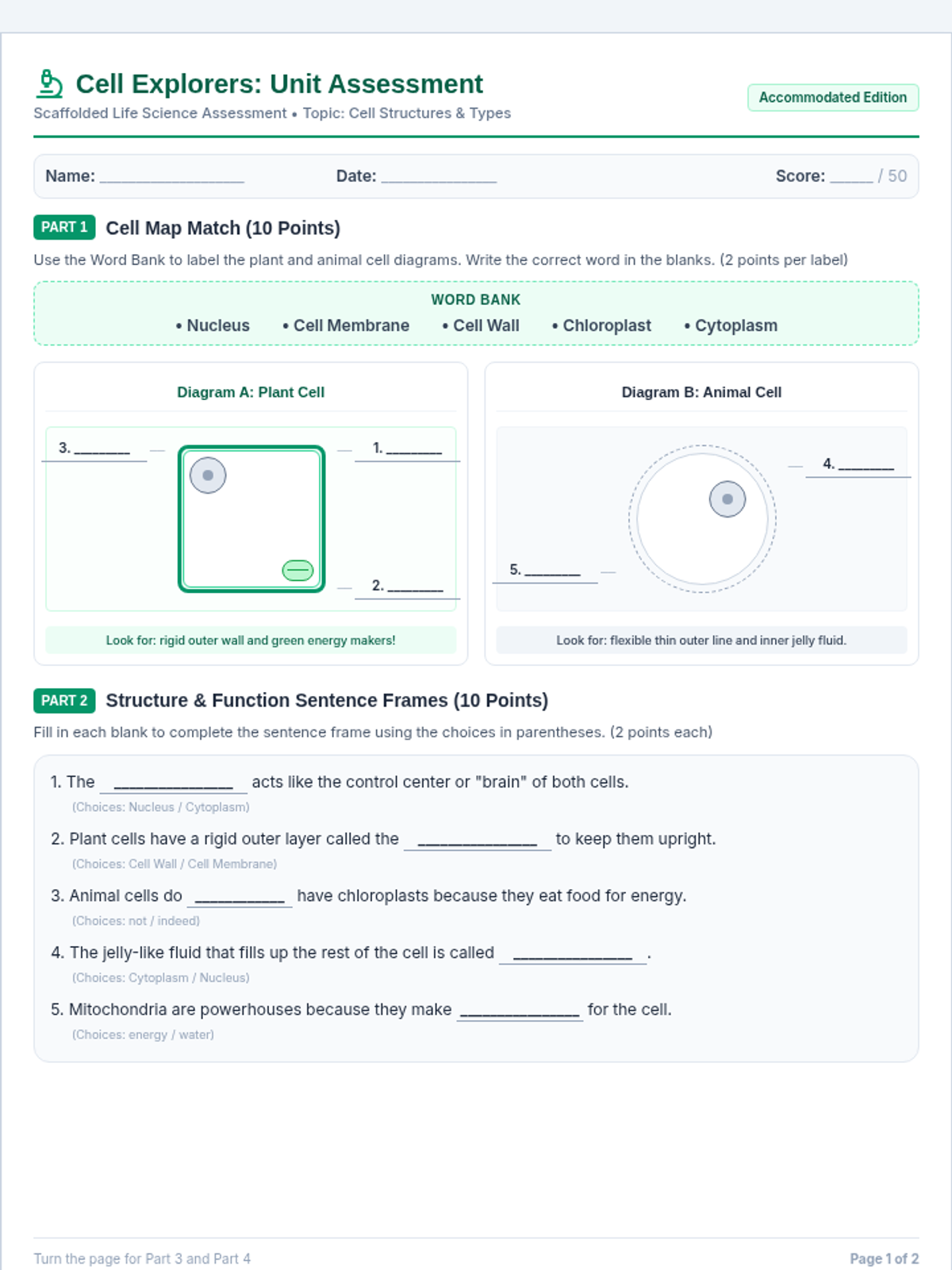
A hands-on laboratory experience where students use microscopes to observe and document biological and physical specimens at varying magnifications.
Reviewing the three types of heat transfer through interactive slides and a graphic organizer to connect concepts to everyday life.
A comprehensive individual review packet for 5th grade ecosystems. Students master vocabulary, analyze assessment diagrams, and complete choice missions independently. Includes a tracking cover page and a self-reflection to ensure assessment readiness.
A collection of kid-friendly science standards and "I Can" statements covering physical, earth, and life sciences for upper elementary students.