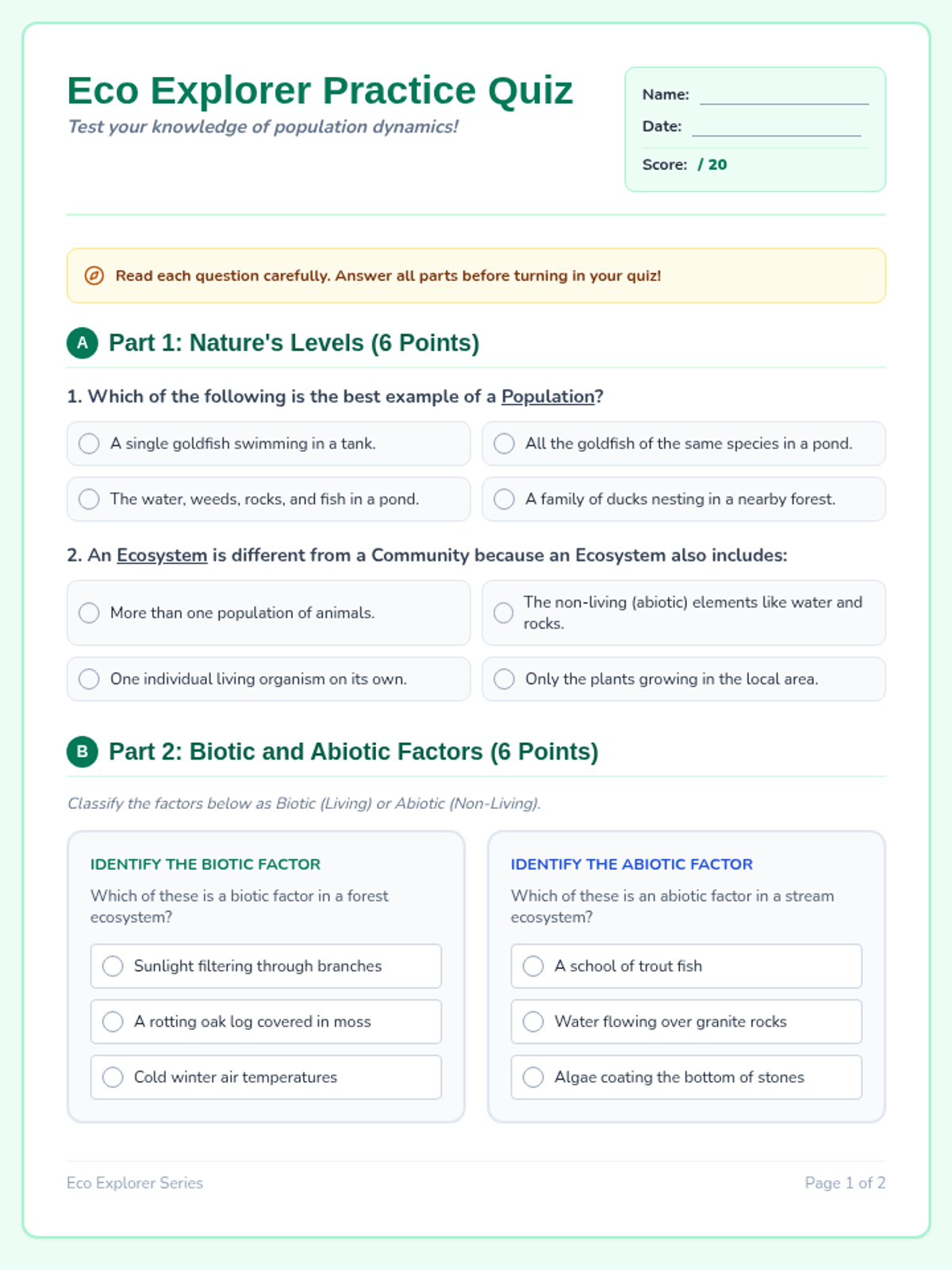
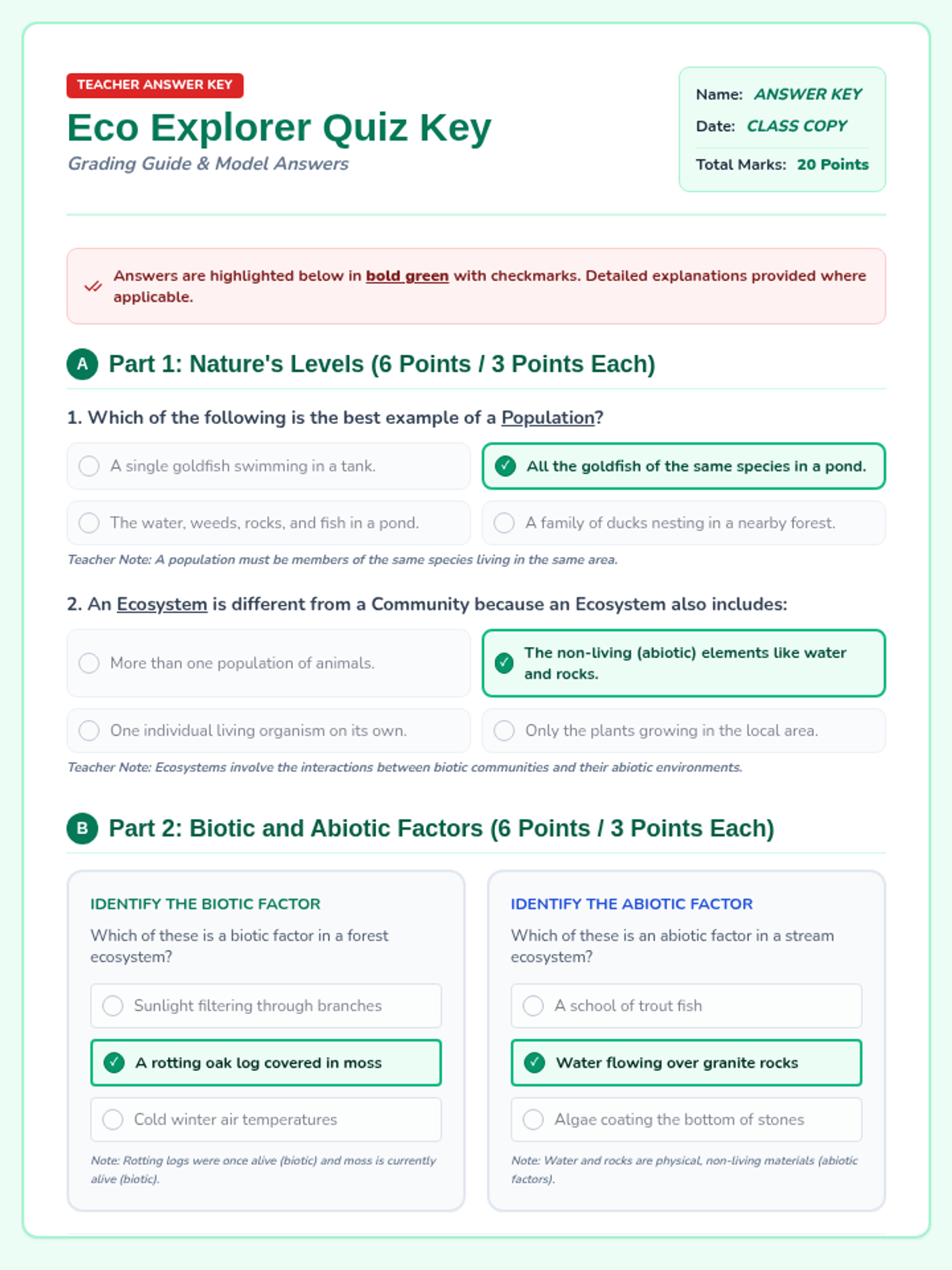
An interactive, scaffolded lesson introducing biotic and abiotic factors in ecosystems. Includes guided notes with sentence starters, a word bank, and a hands-on sorting activity designed for students requiring accommodation.
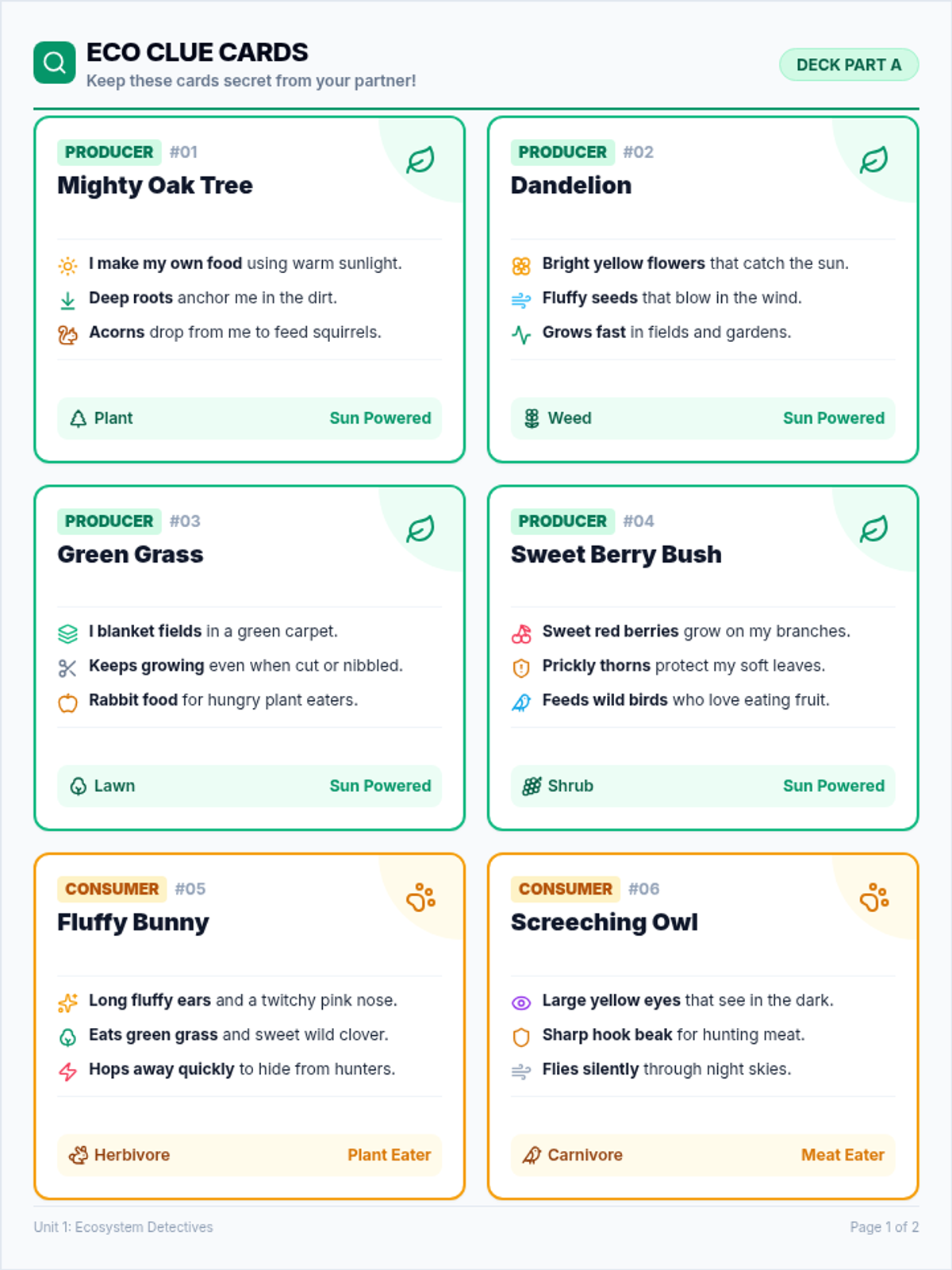
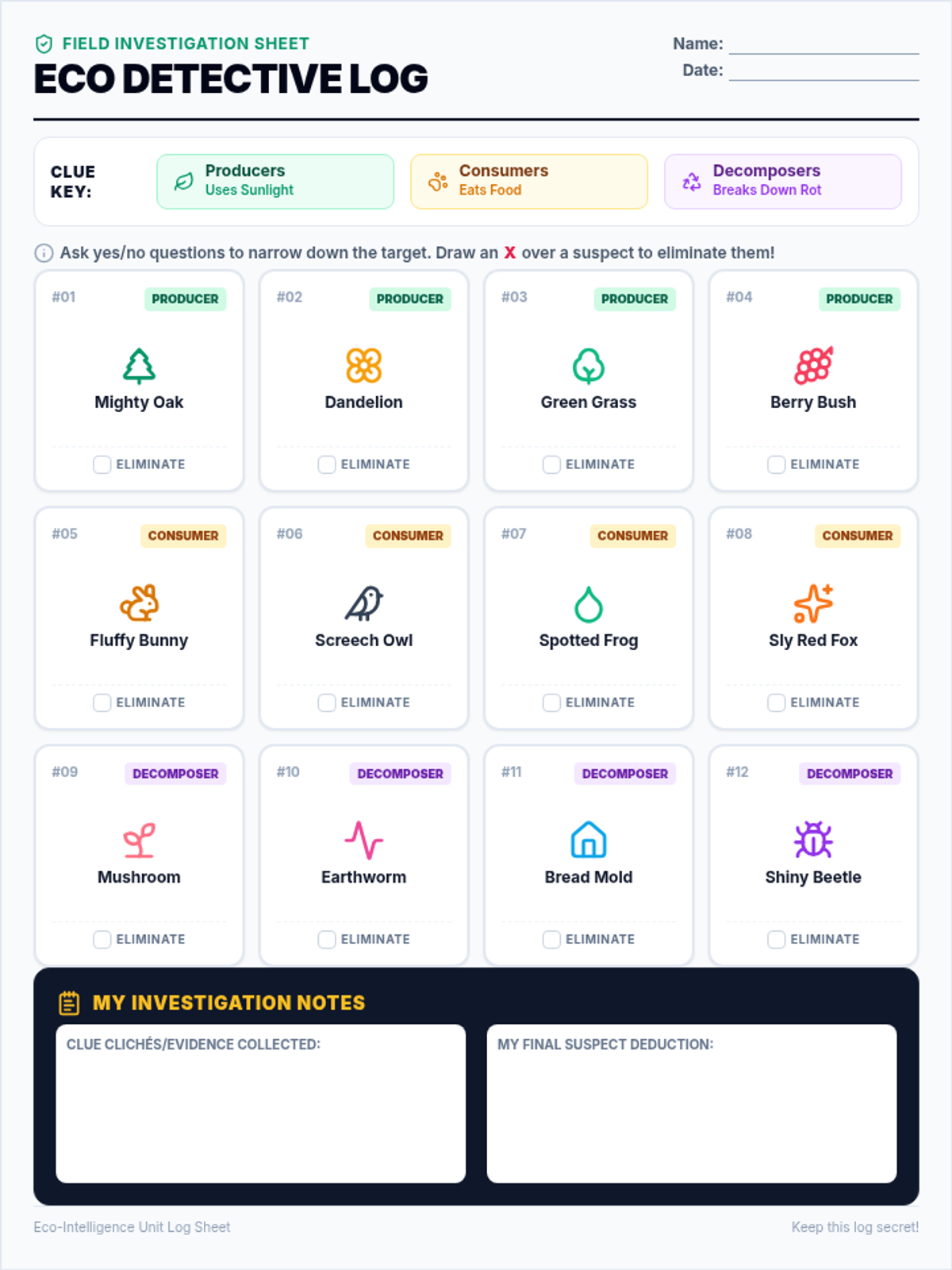
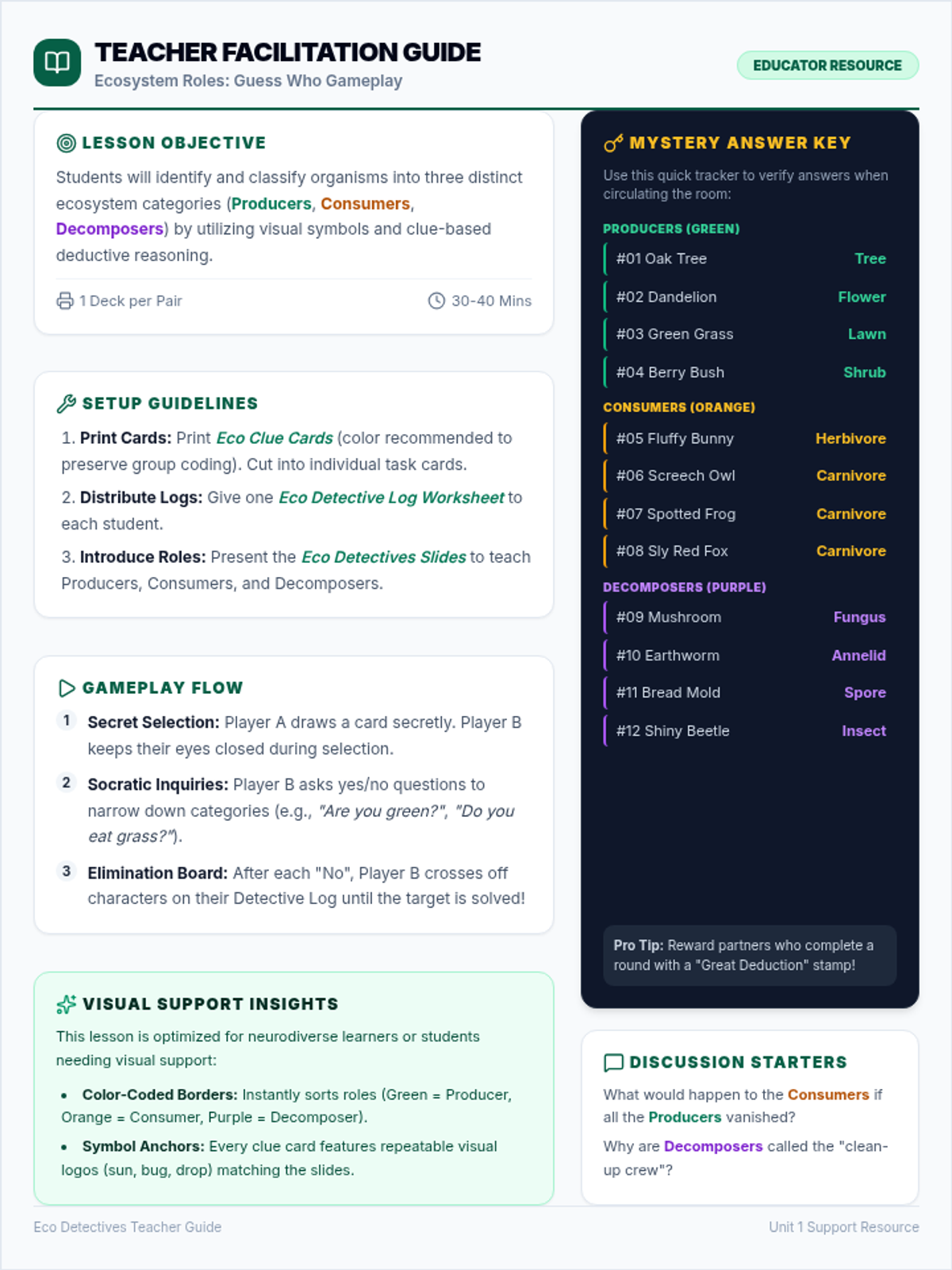
An interactive, visual-heavy lesson where students investigate ecosystem roles (producers, consumers, and decomposers) through an engaging 'Guess Who' style game. Includes visual-support clue cards, a detective tracking sheet, and a comprehensive teacher guide.
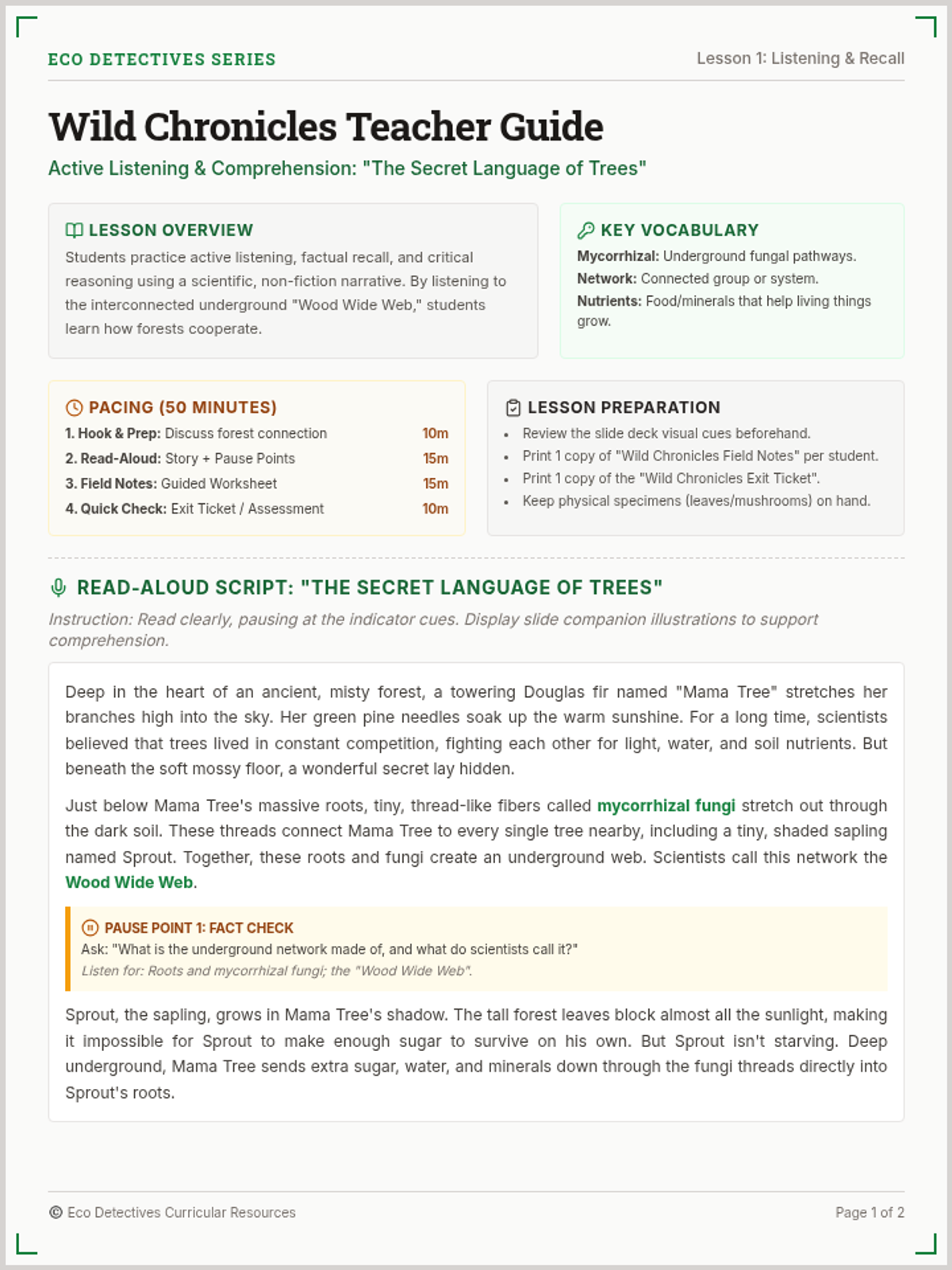
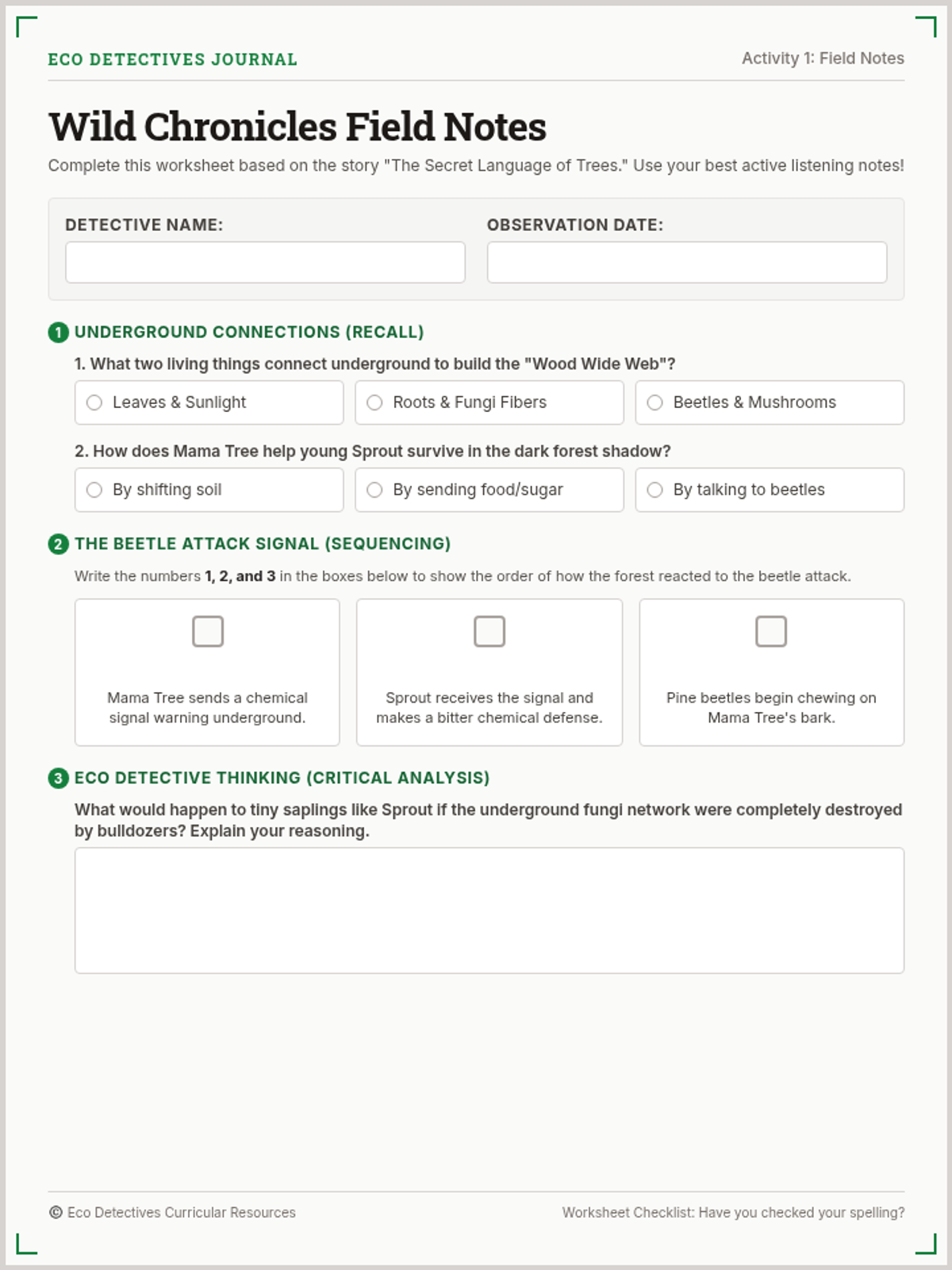
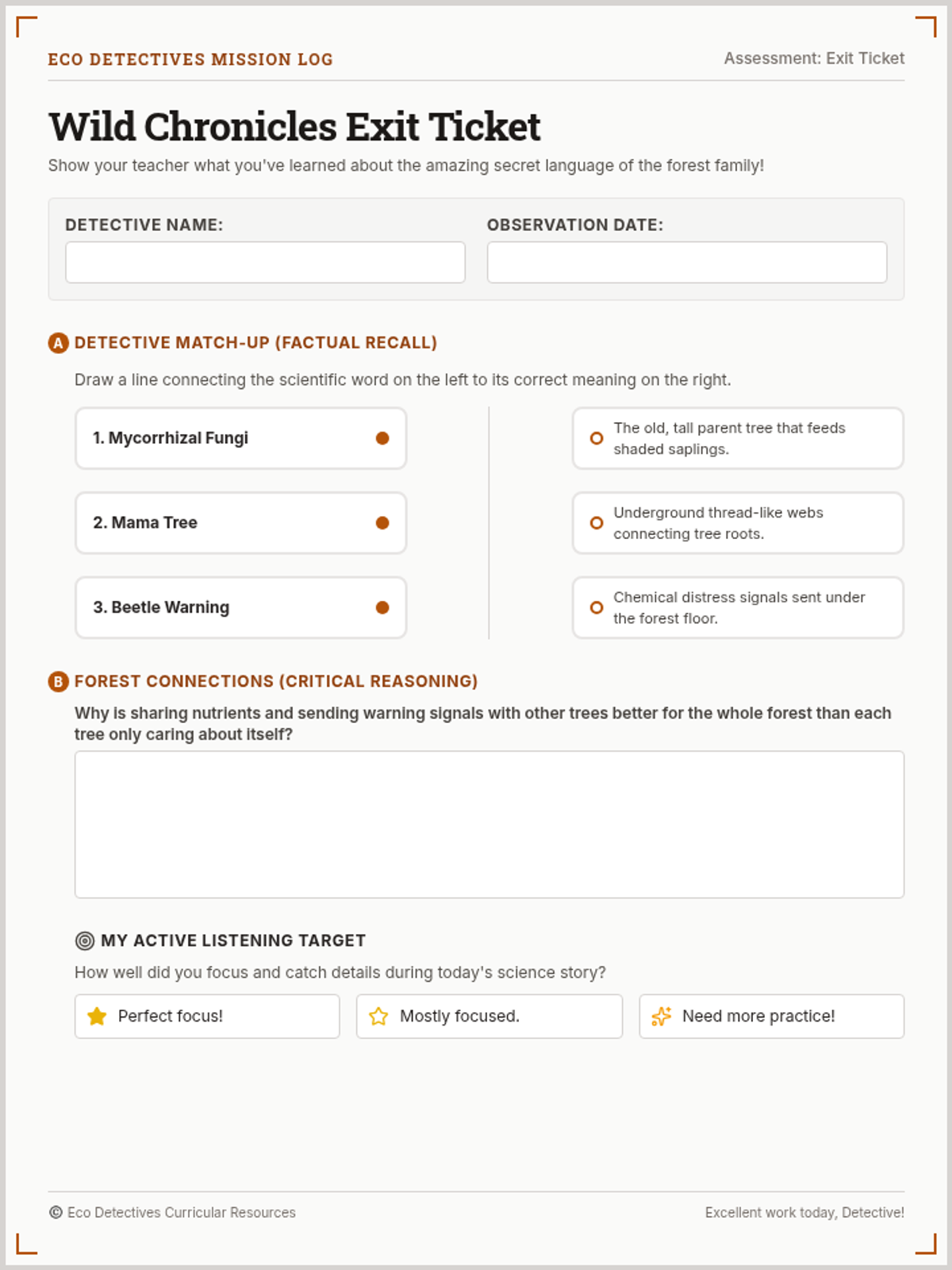
Students listen to 'The Secret Language of Trees', a non-fiction narrative about mycorrhizal networks, practicing active listening, recalling key facts, and thinking critically about ecosystem cooperation.
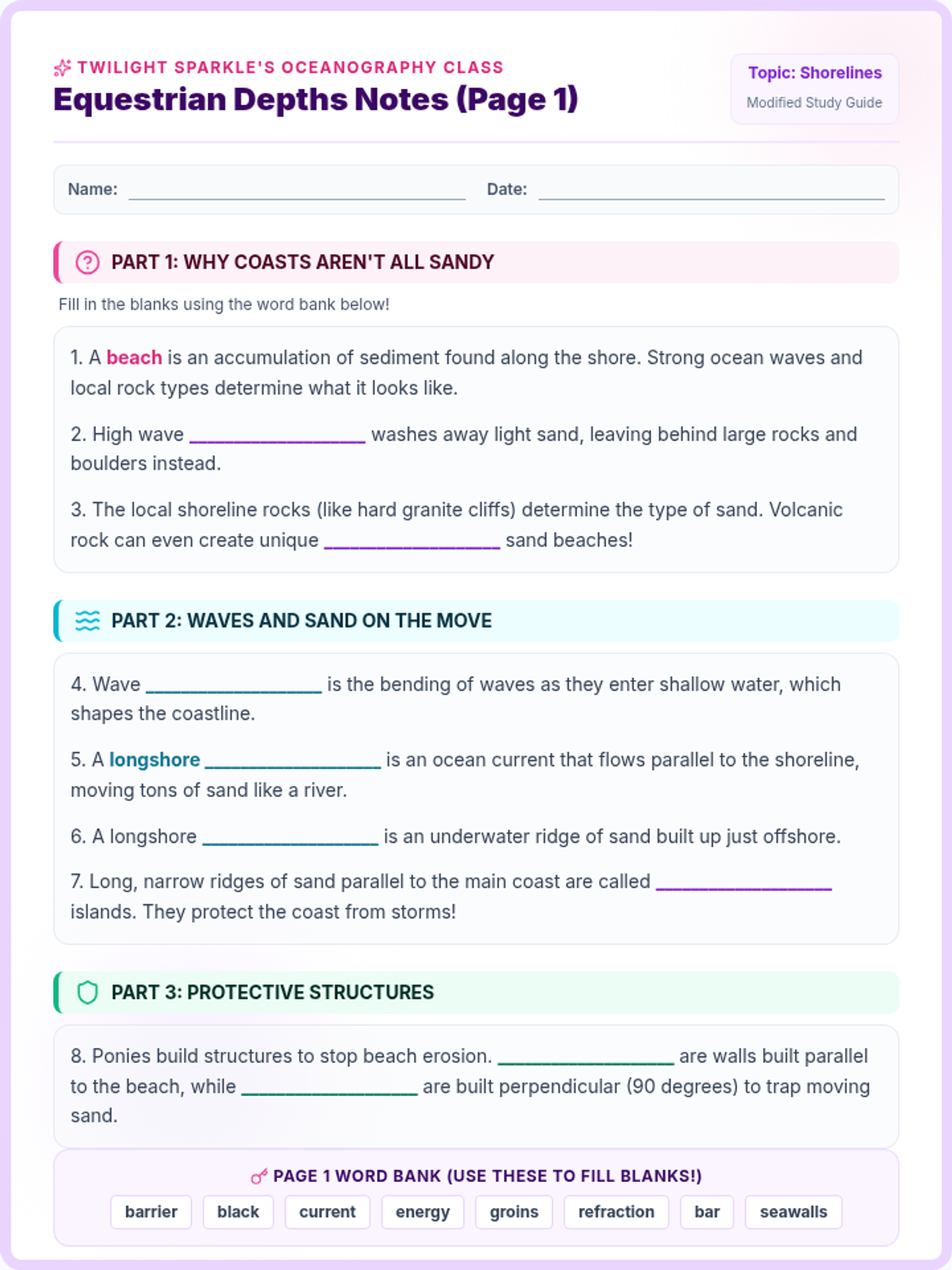
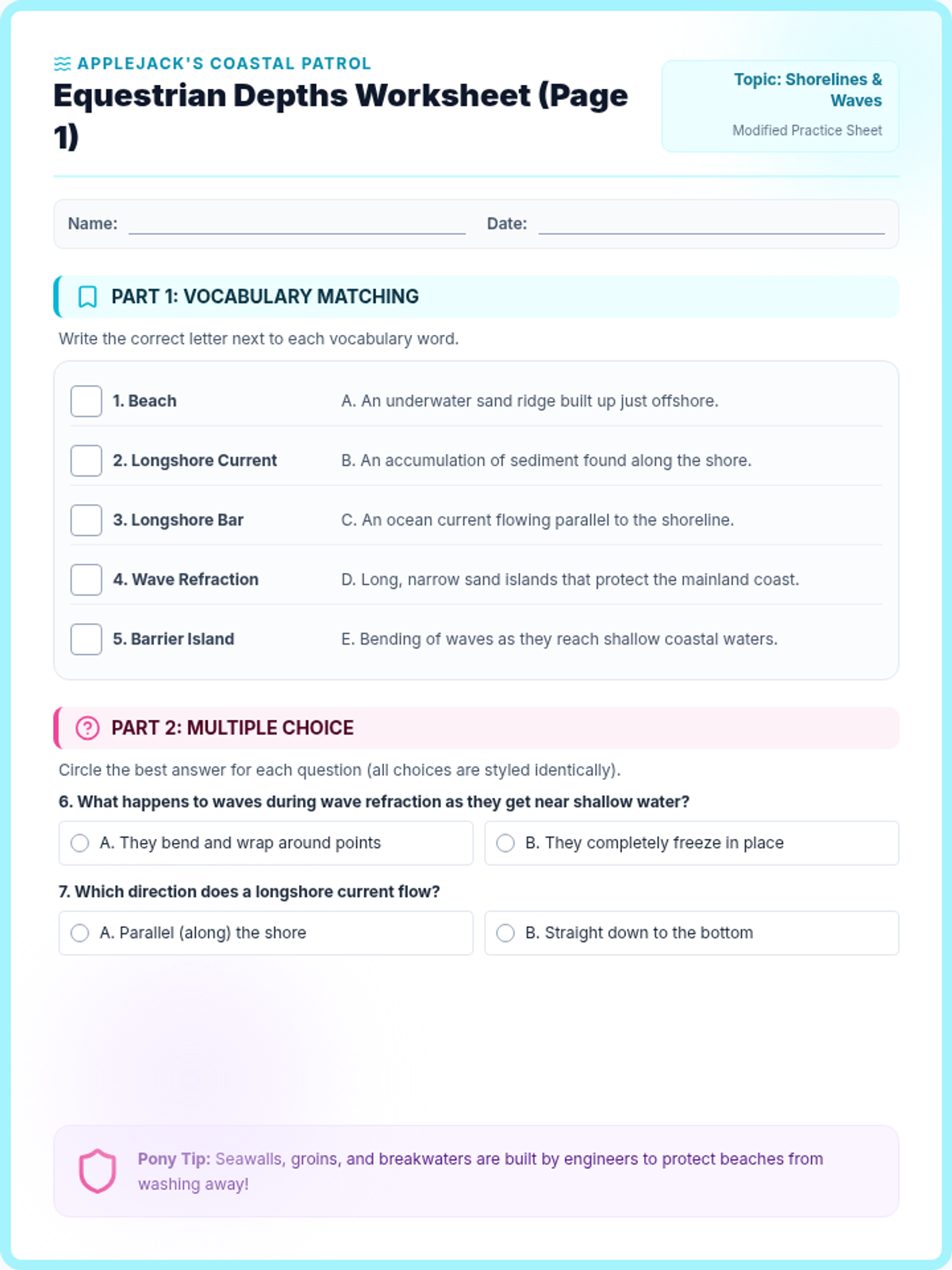
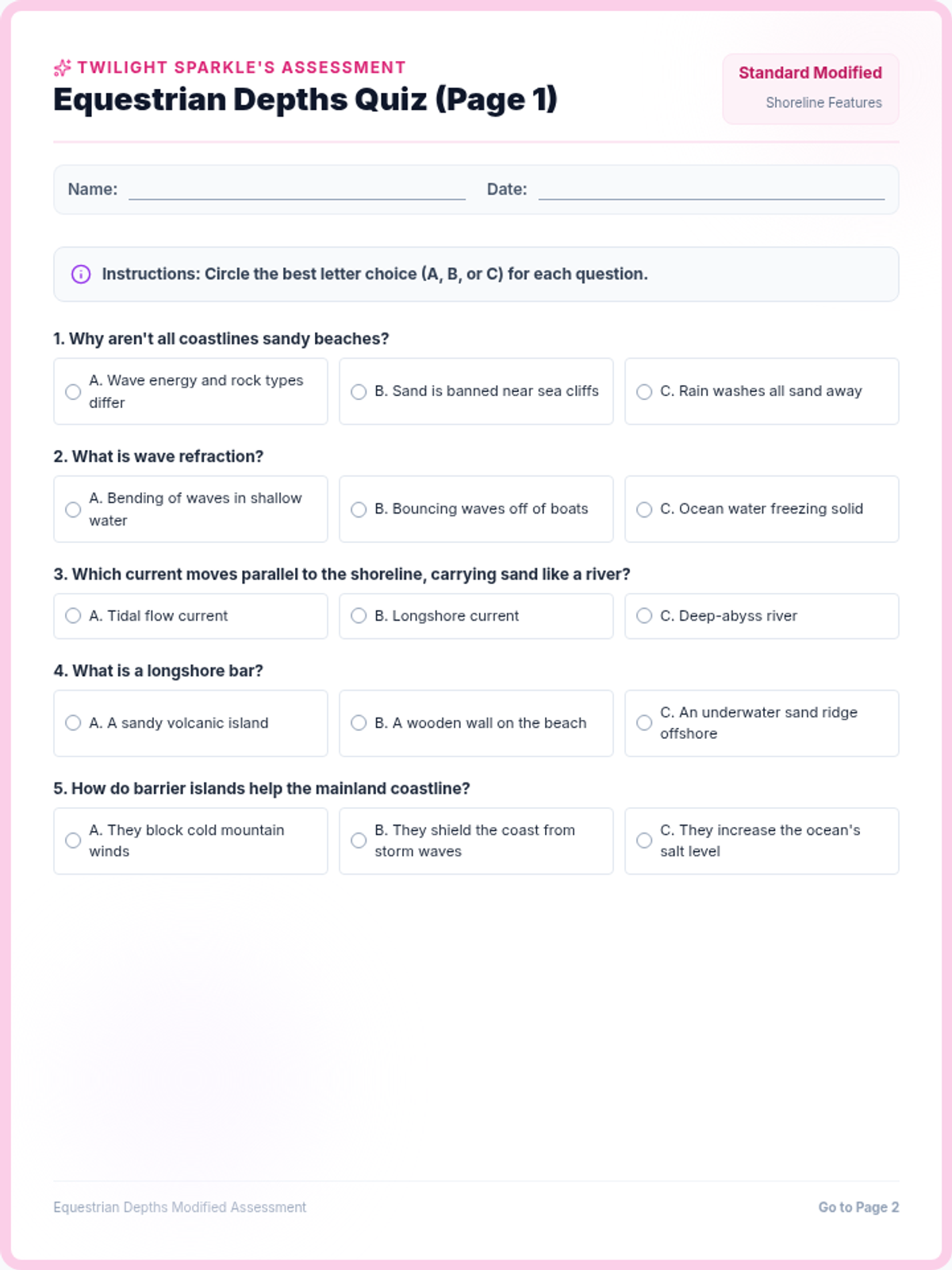
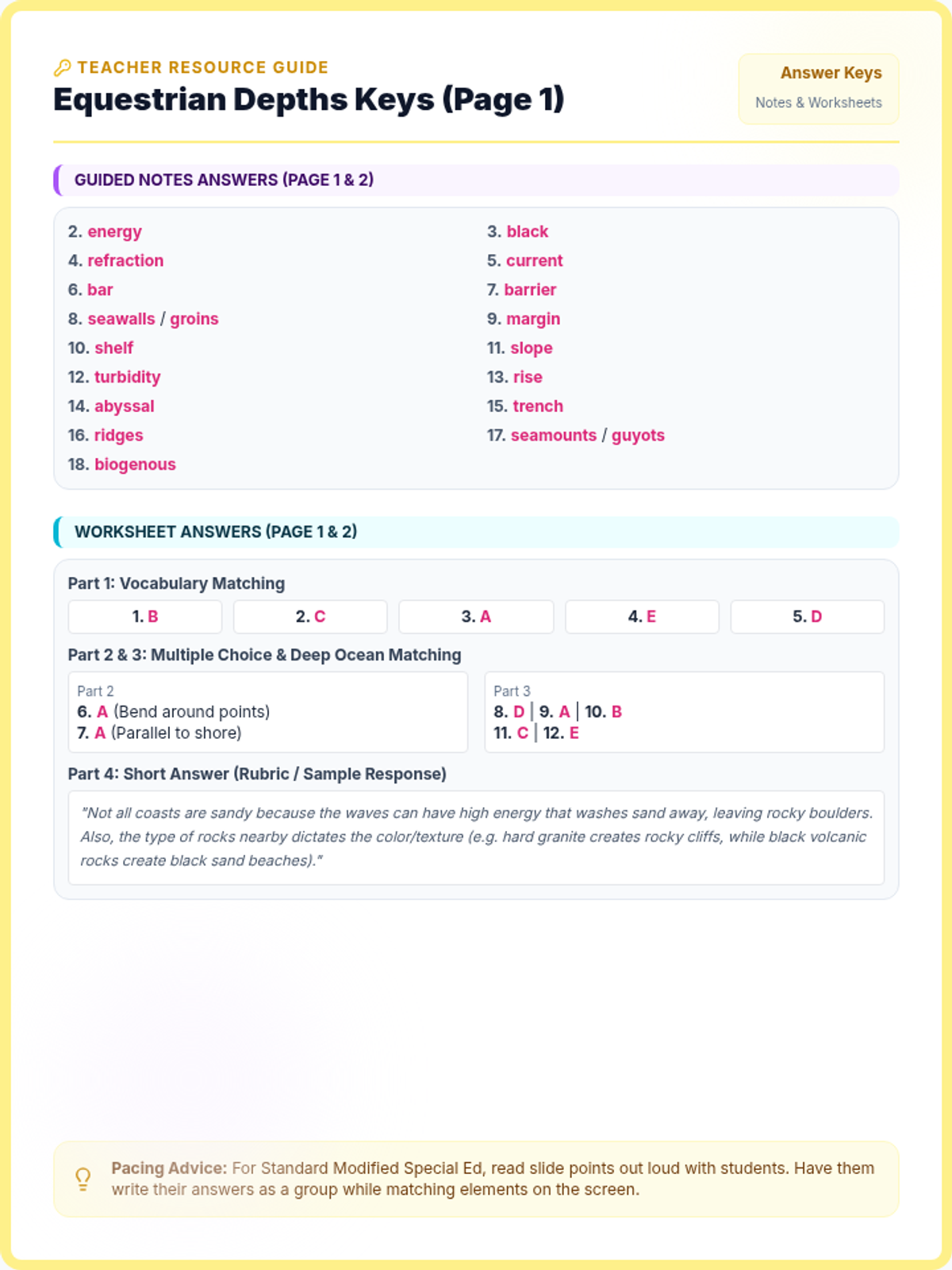
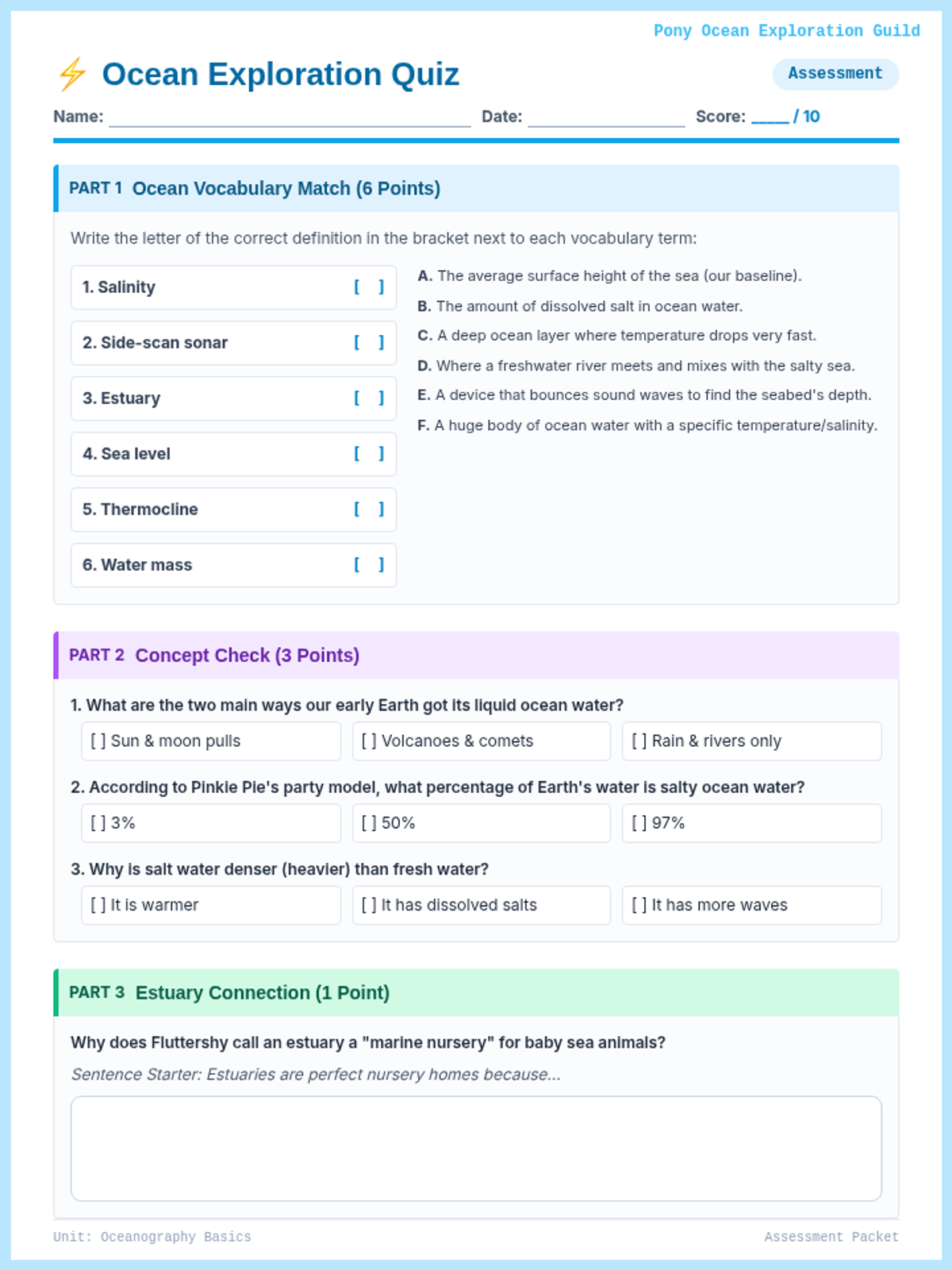
A lesson on oceanography covering shorelines, coastal features, and the deep seafloor, adapted with a friendly My Little Pony decorative theme and chunked, accessible text for Standard Modified Special Education students.
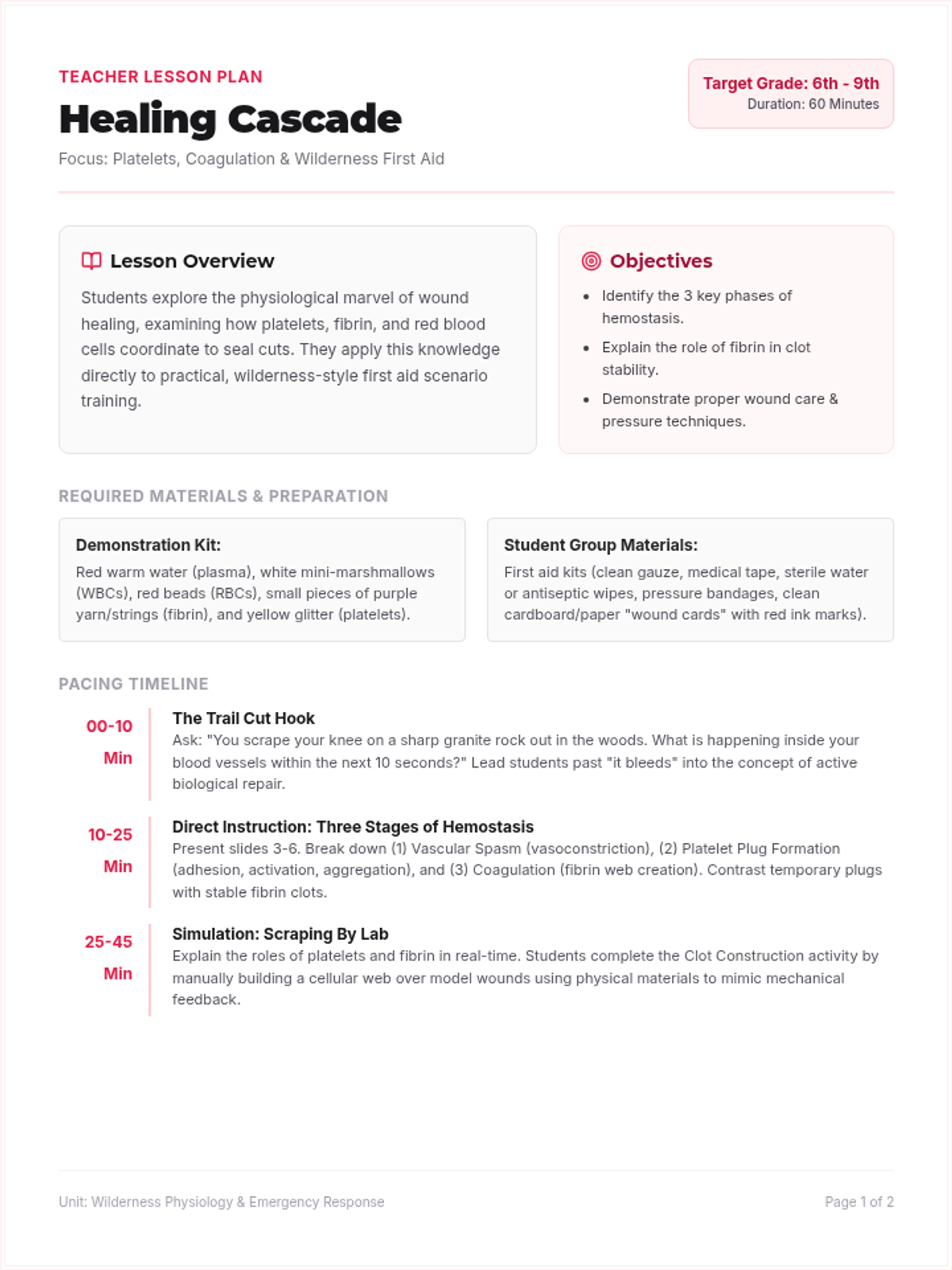
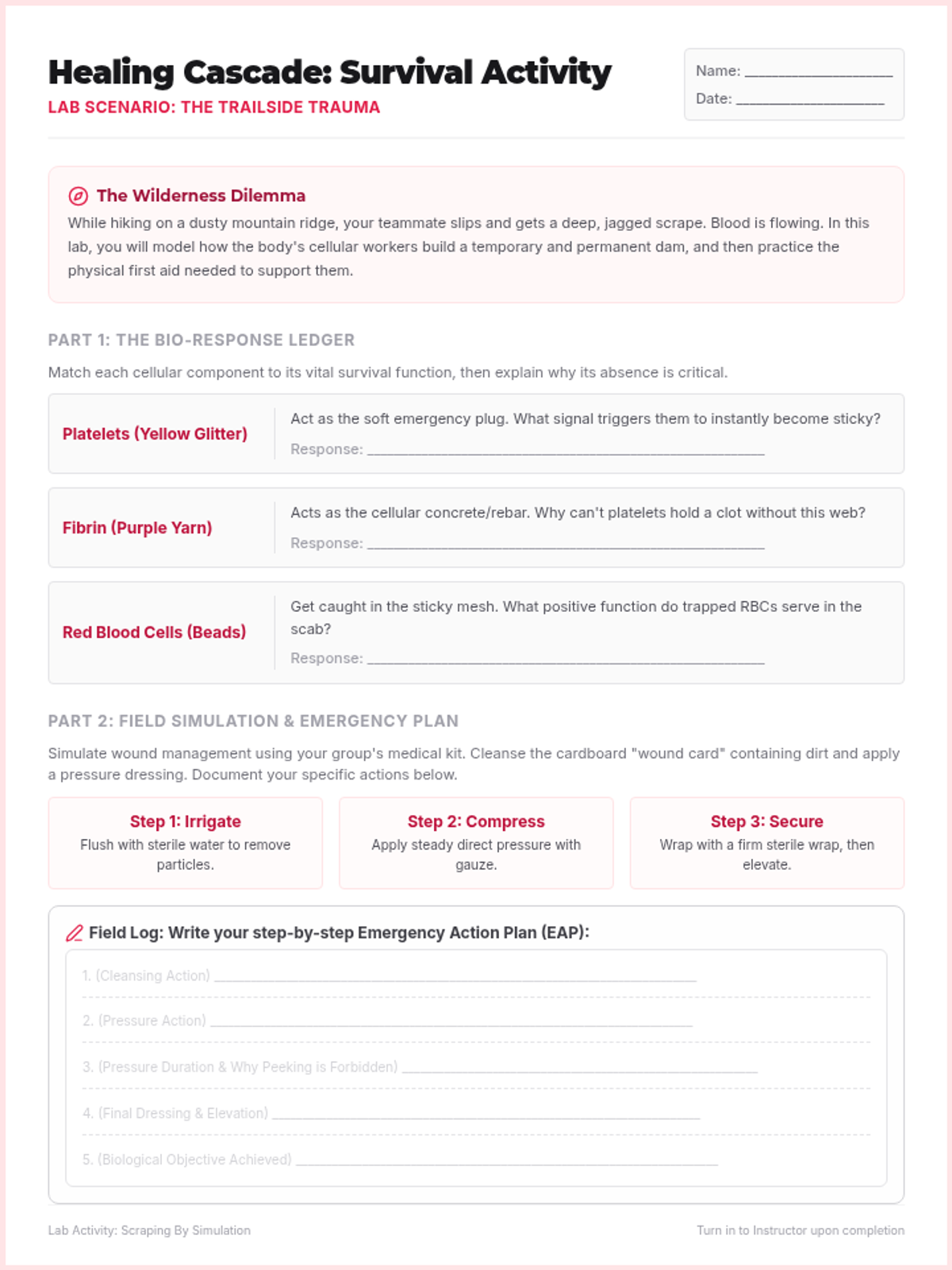
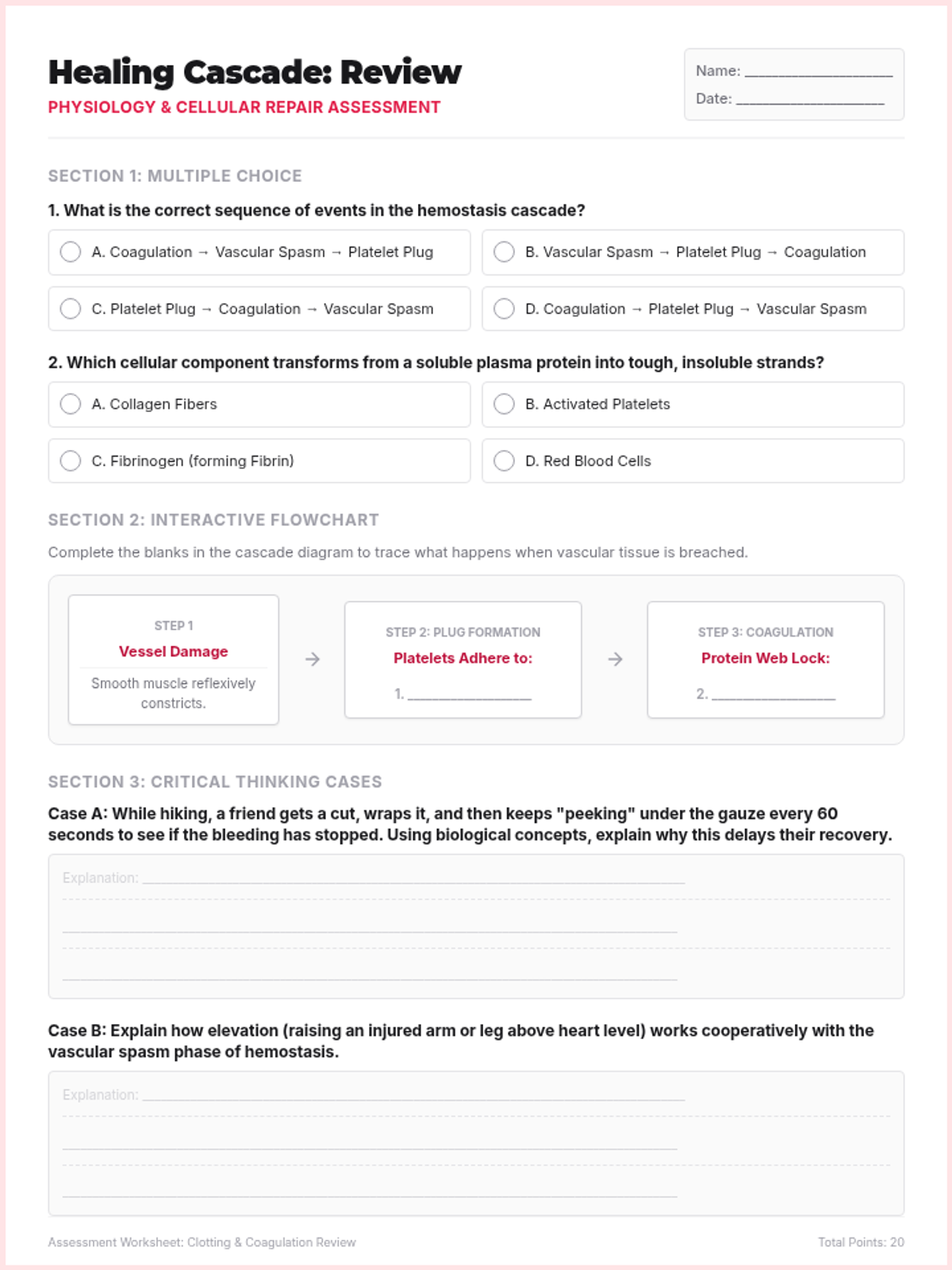
This lesson explores the physiological marvel of wound healing, focusing on platelets, coagulation, and cellular repair. Students learn how the body heals scrapes and cuts and apply this knowledge to practical, outdoors-focused first aid.
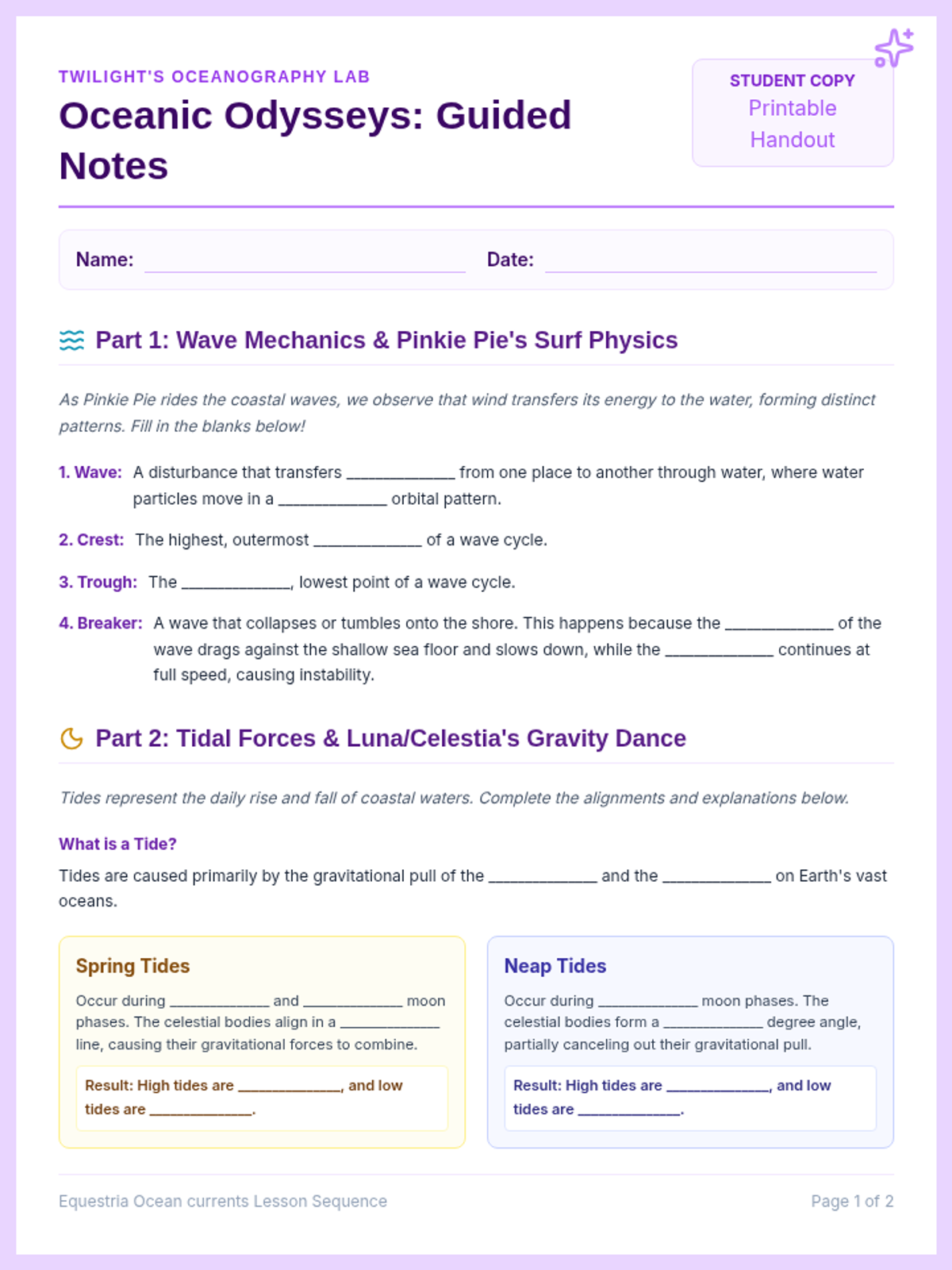
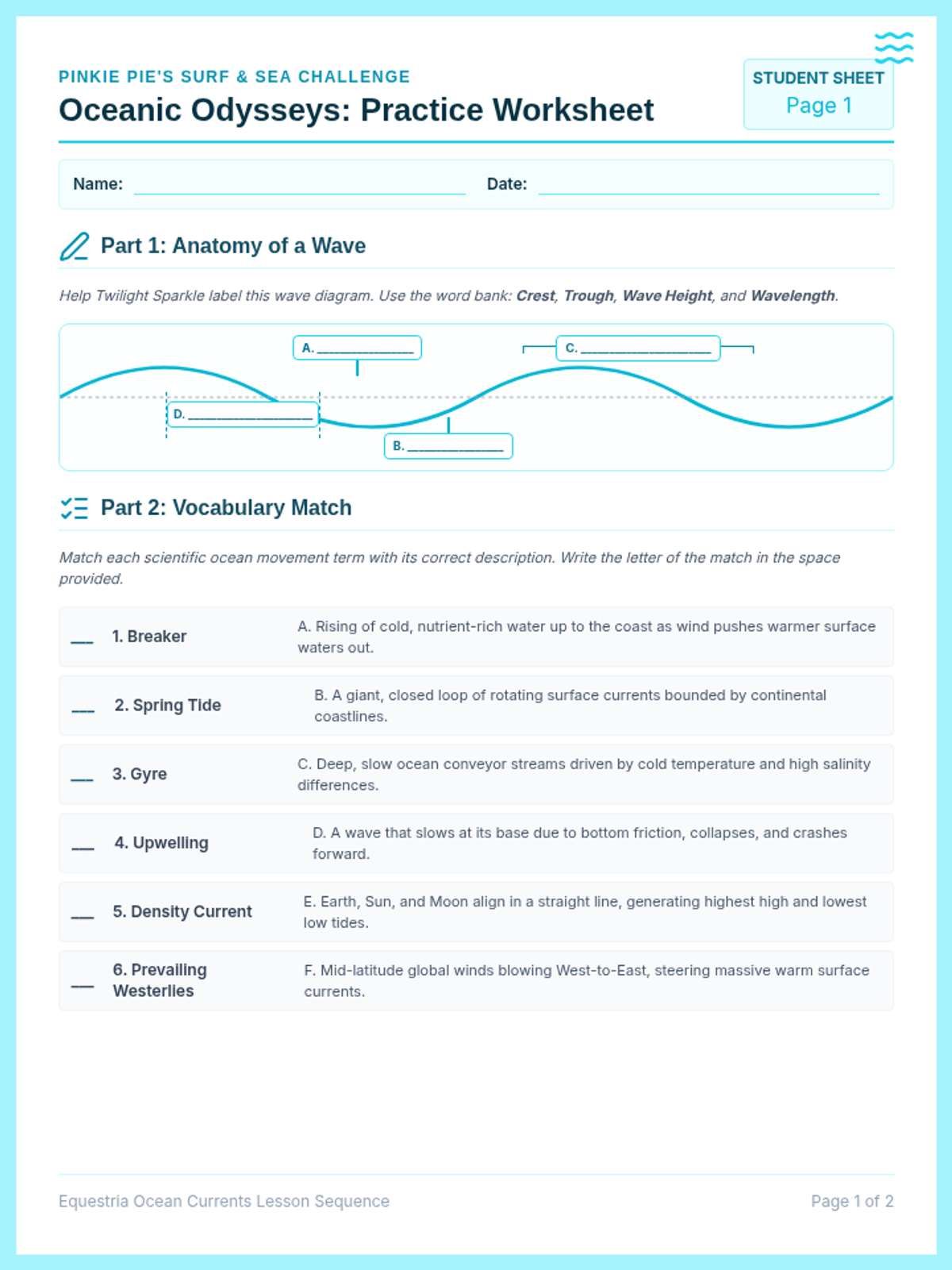
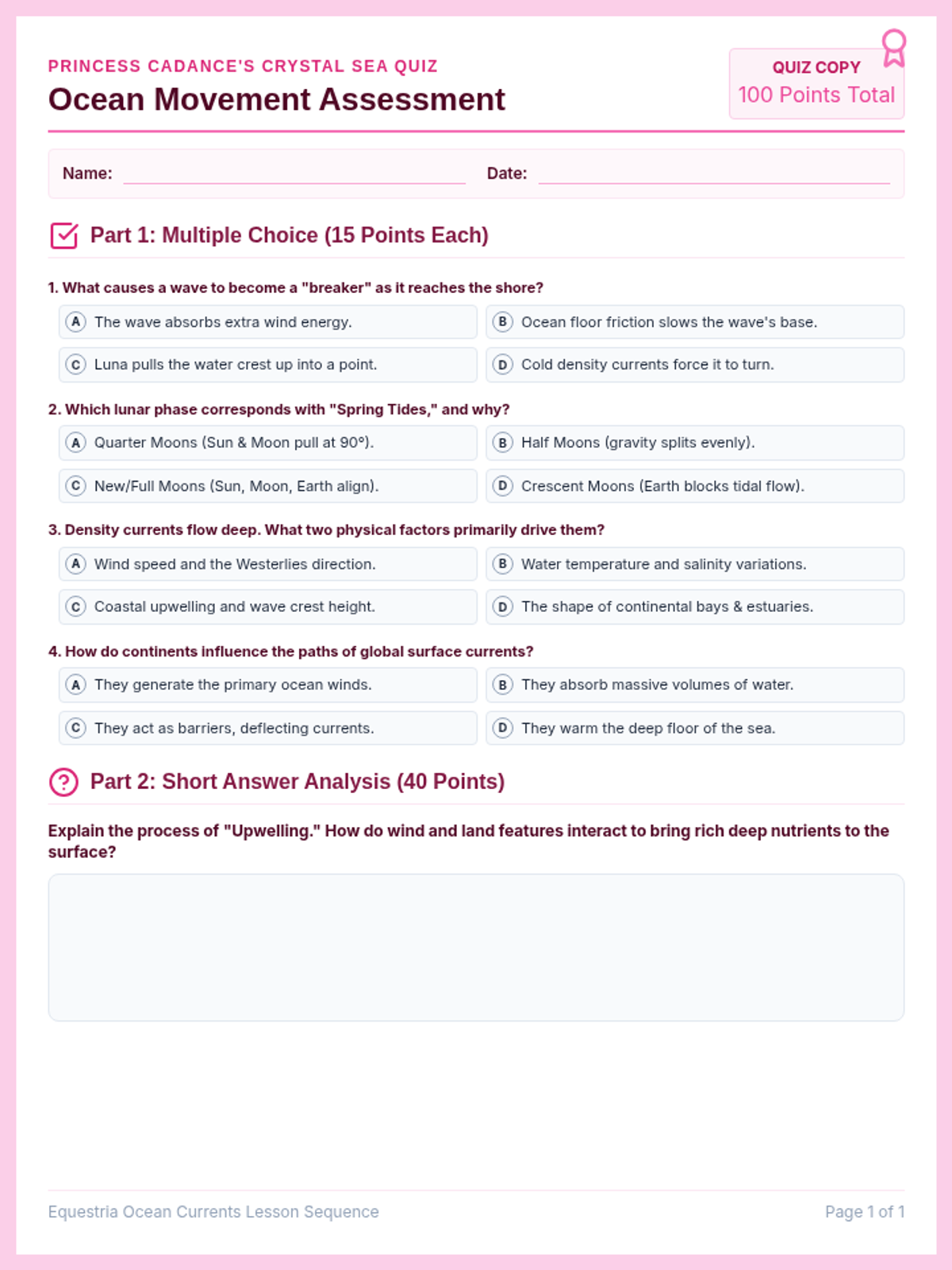
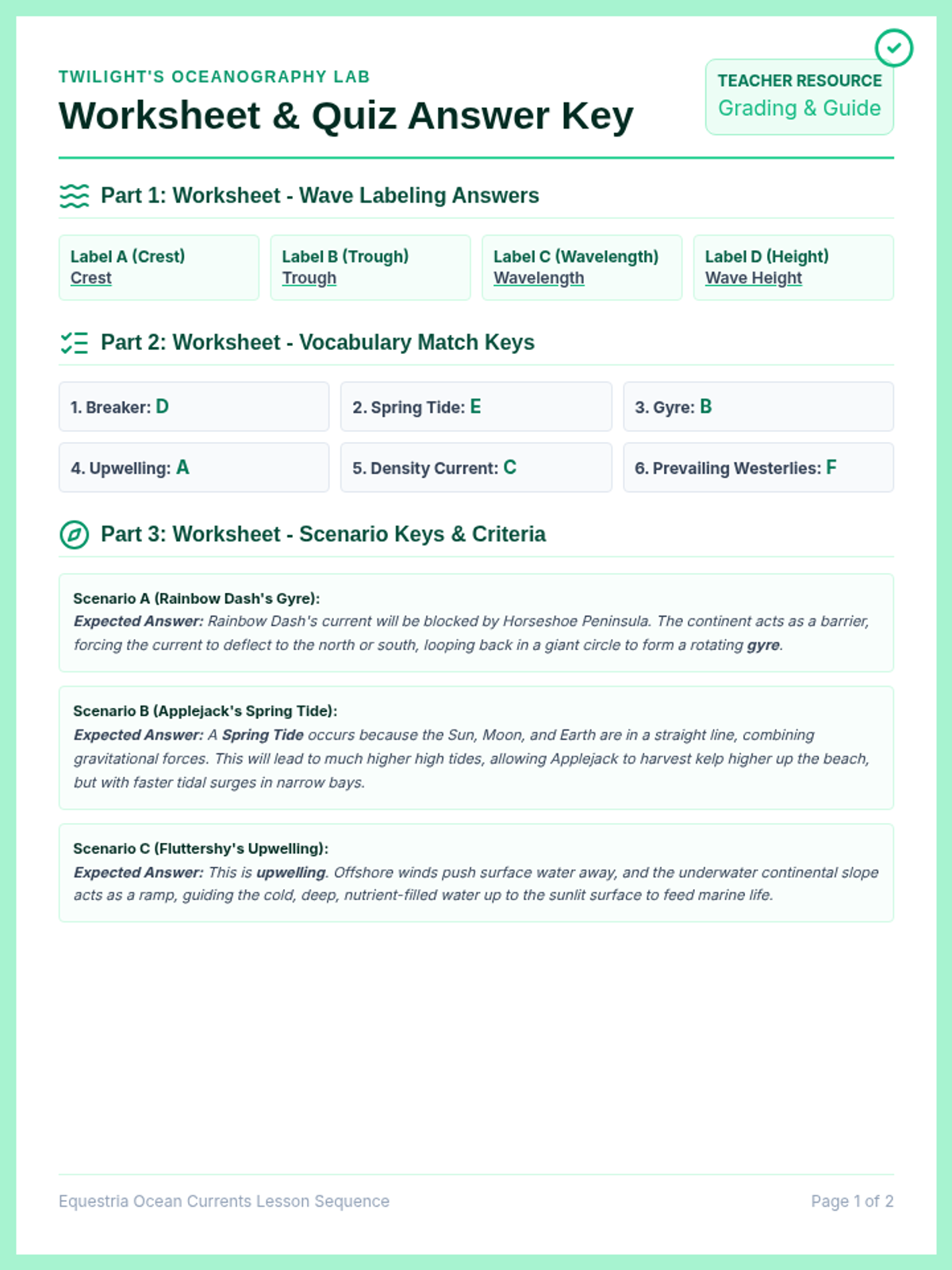
A comprehensive, MLP:FiM-themed lesson on ocean movement (waves, tides, currents, gyres, and land influences) featuring Twilight Sparkle and friends.
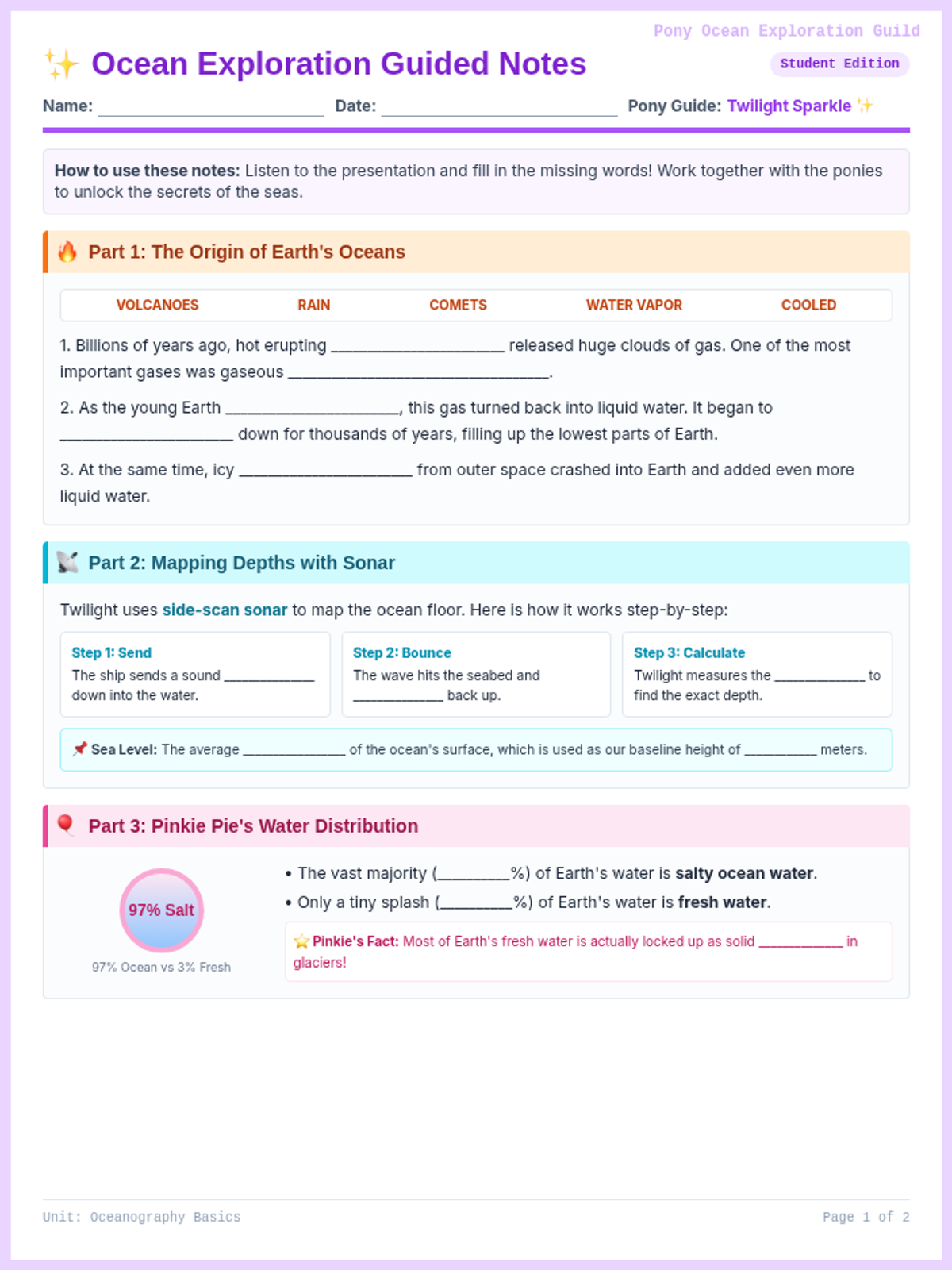
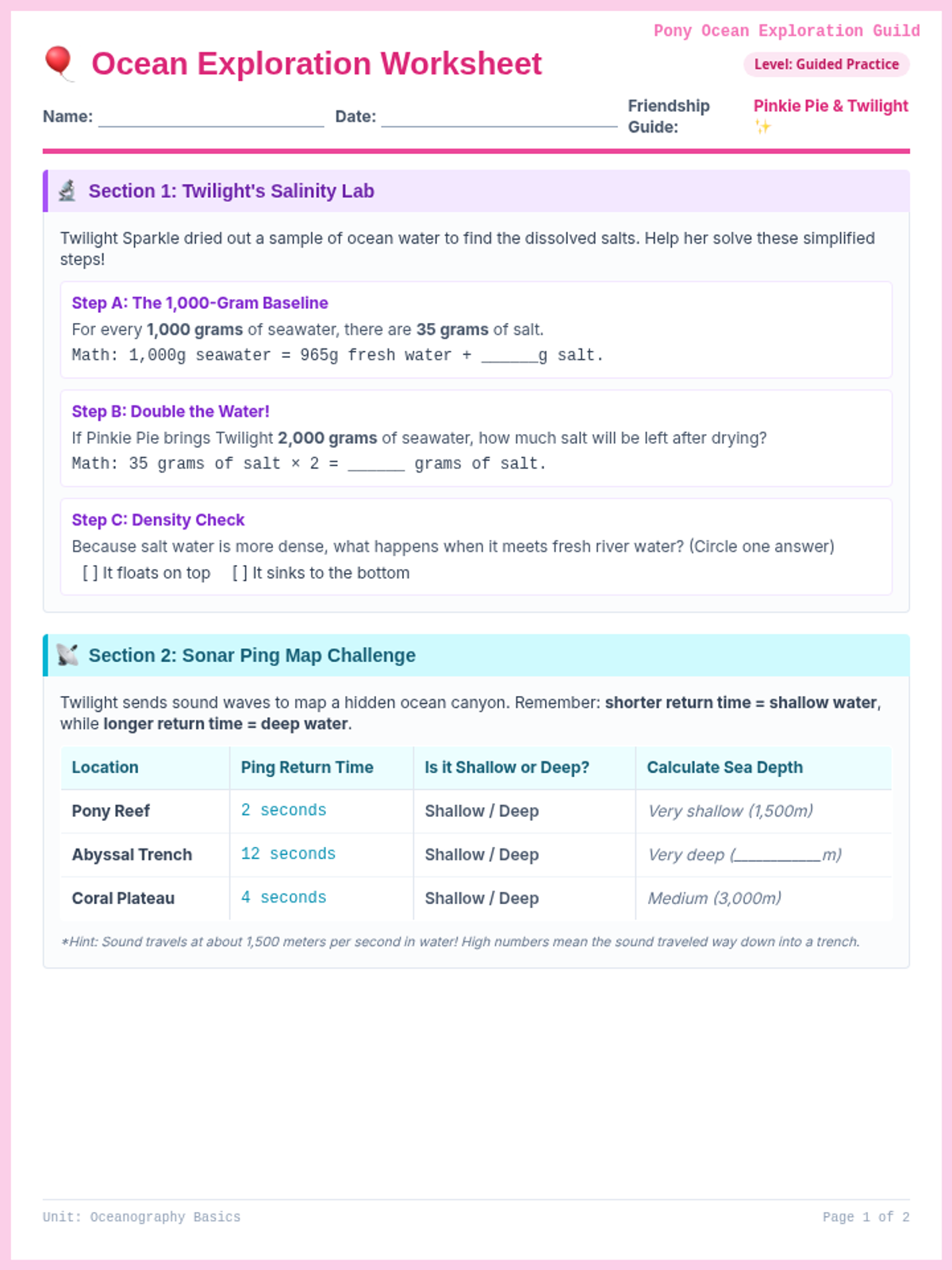
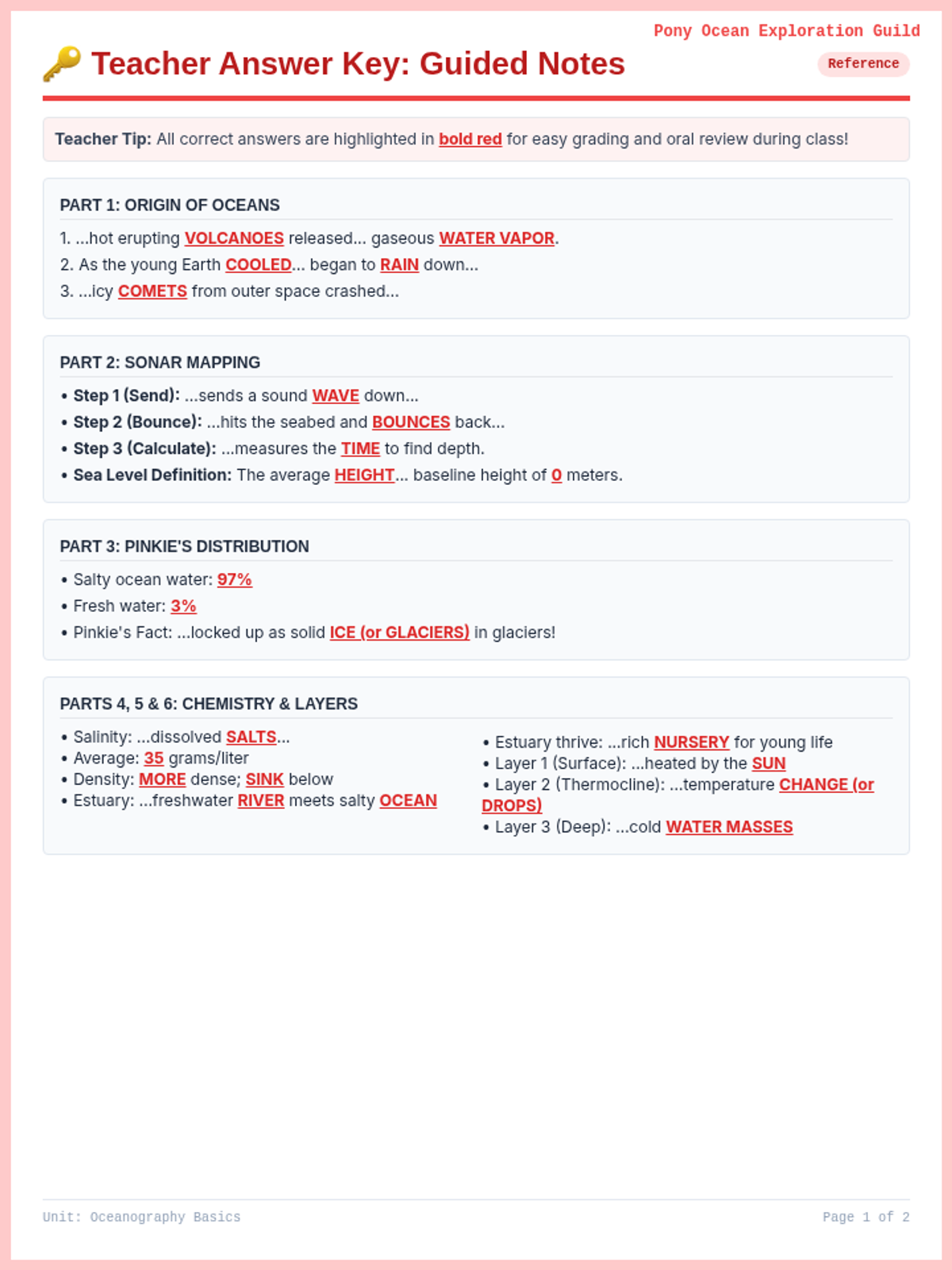
Join Twilight Sparkle, Pinkie Pie, Fluttershy, and Rainbow Dash as they explore the origin, composition, and structure of Earth's oceans. This lesson is highly visual, simplified, and carefully structured with guided practice, word banks, and sentence starters.
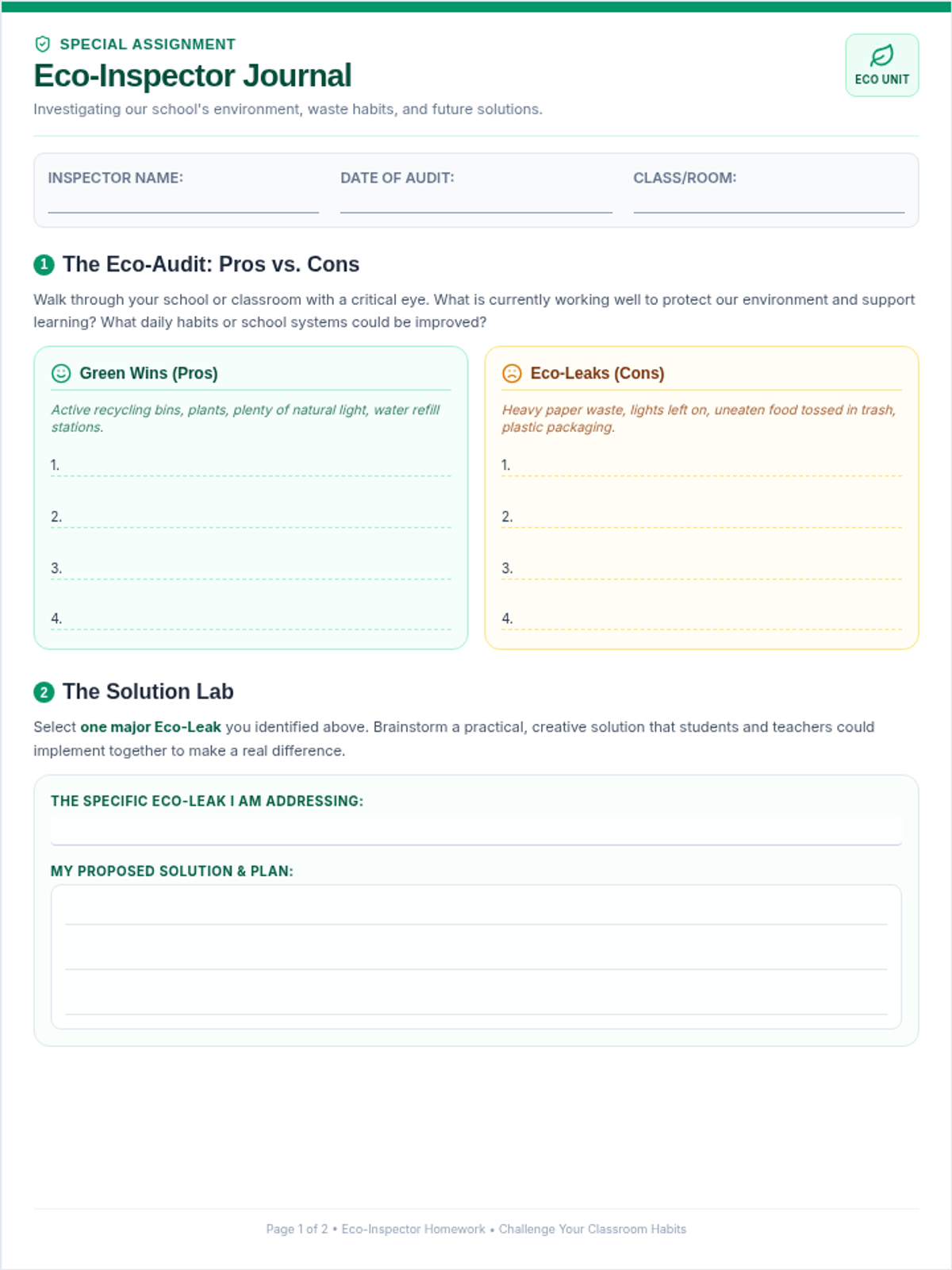
A homework-centered lesson where students investigate school environmental habits, conduct a mini-audit, and plan statistical data collection around waste and ecological impact.
A third-grade lesson aligned with OpenSciEd Lesson 8, focusing on identifying patterns in dog breeds (traits, environments, and behaviors) and synthesizing findings into a Claim-Evidence-Reasoning (CER) scientific explanation.
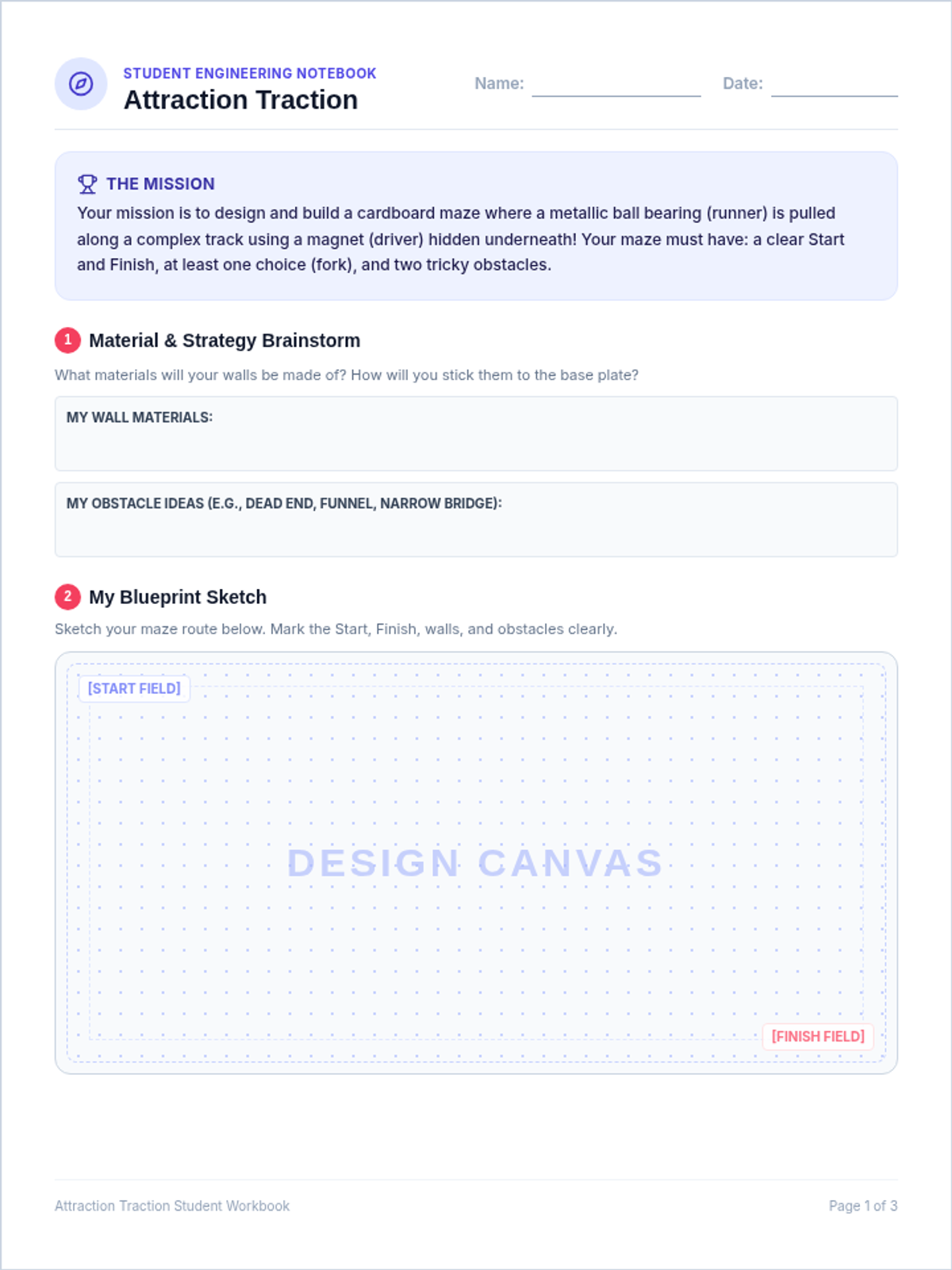
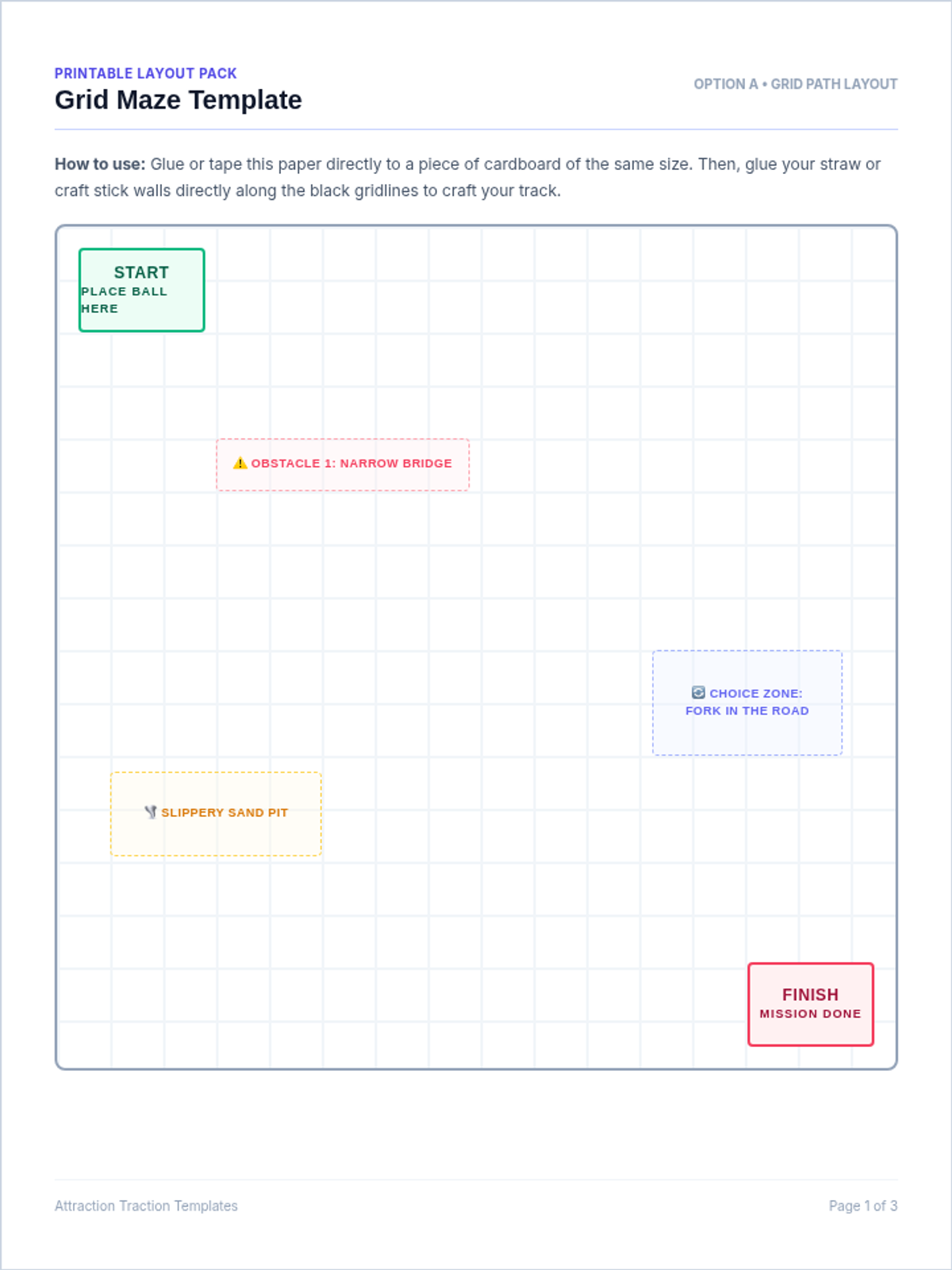
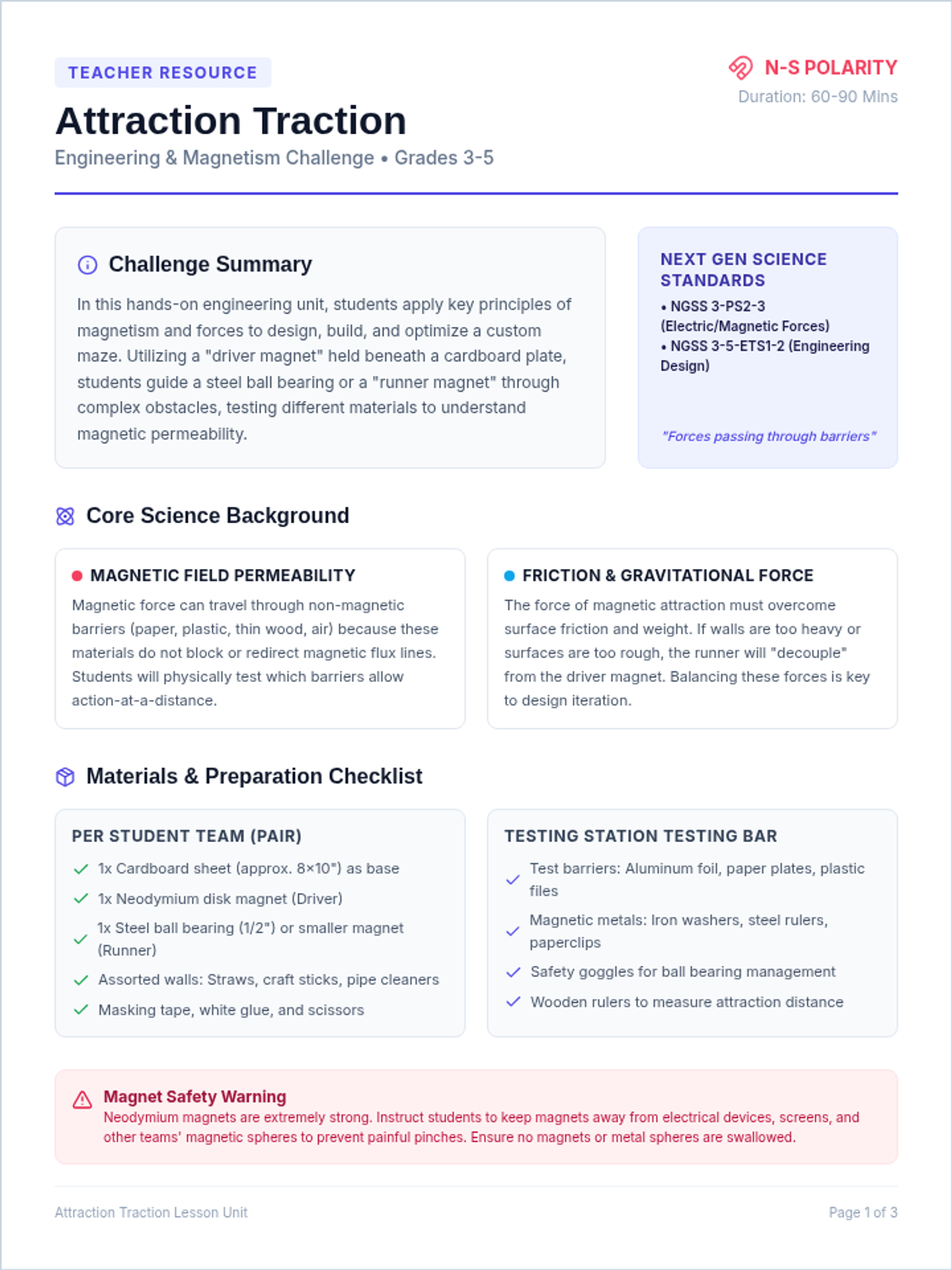
An engineering and physics lesson where students design, build, and test magnetic mazes to explore magnetic forces and the Engineering Design Process. Students investigate magnetic permeability and iterate on their designs to solve navigational challenges.
An engineering design challenge where students design, prototype, and test magnet mazes, exploring how different backing materials block or allow magnetic forces to pass through.
An upper elementary STEM lesson where students explore magnetic fields, poles, and non-contact forces by designing and building a physical magnet maze. Includes visual slides, a hands-on student design guide, and a comprehensive teacher lesson plan.
A highly engaging, hands-on lesson teaching the importance of precision, clarity, and chronological sequencing through the classic "Exact Instructions Challenge" using Marshmallow Fluff and Jelly. Students write step-by-step instructions, and the teacher follows them verbatim, humorously demonstrating how easily vague directions can go sticky.
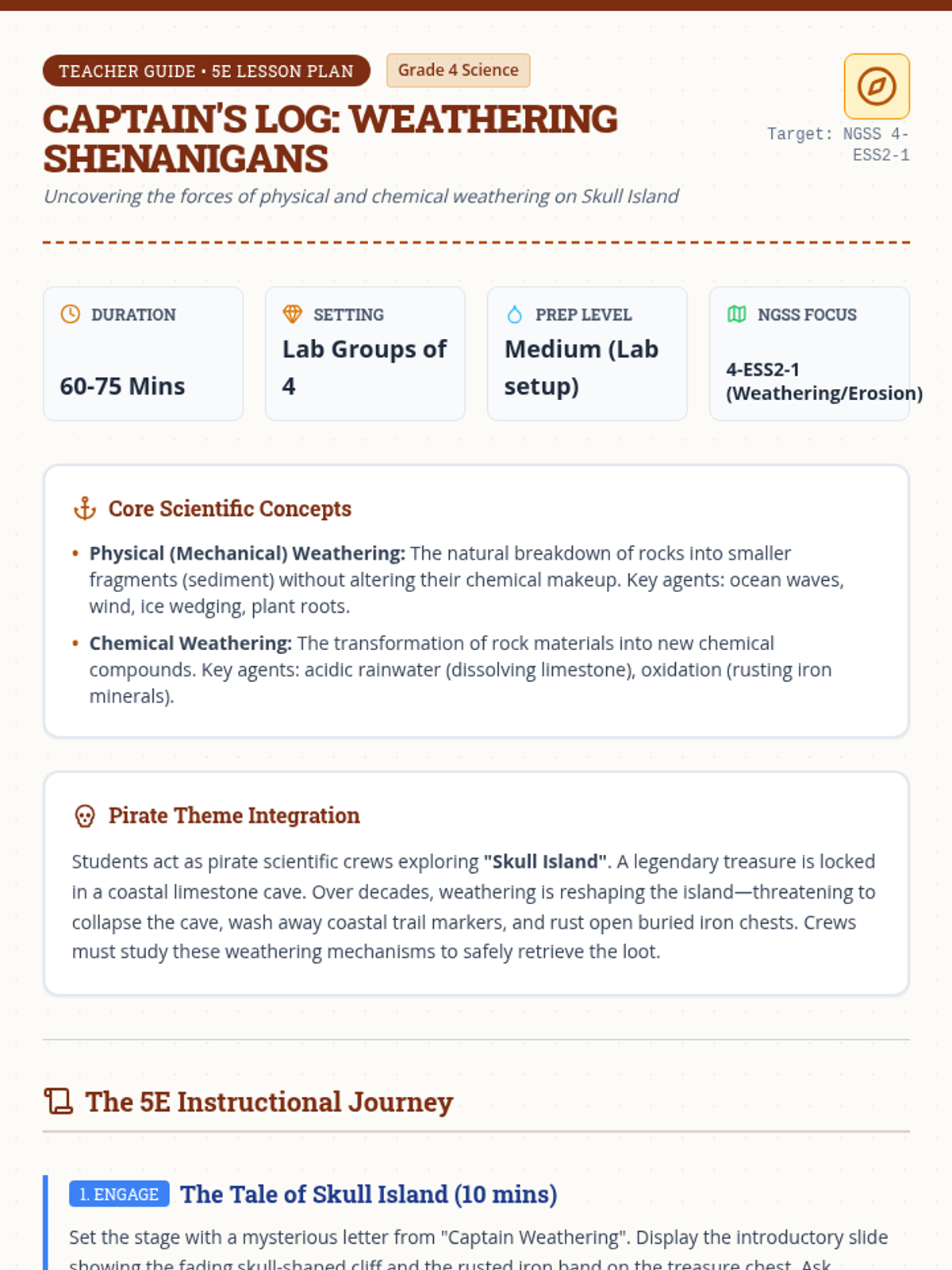
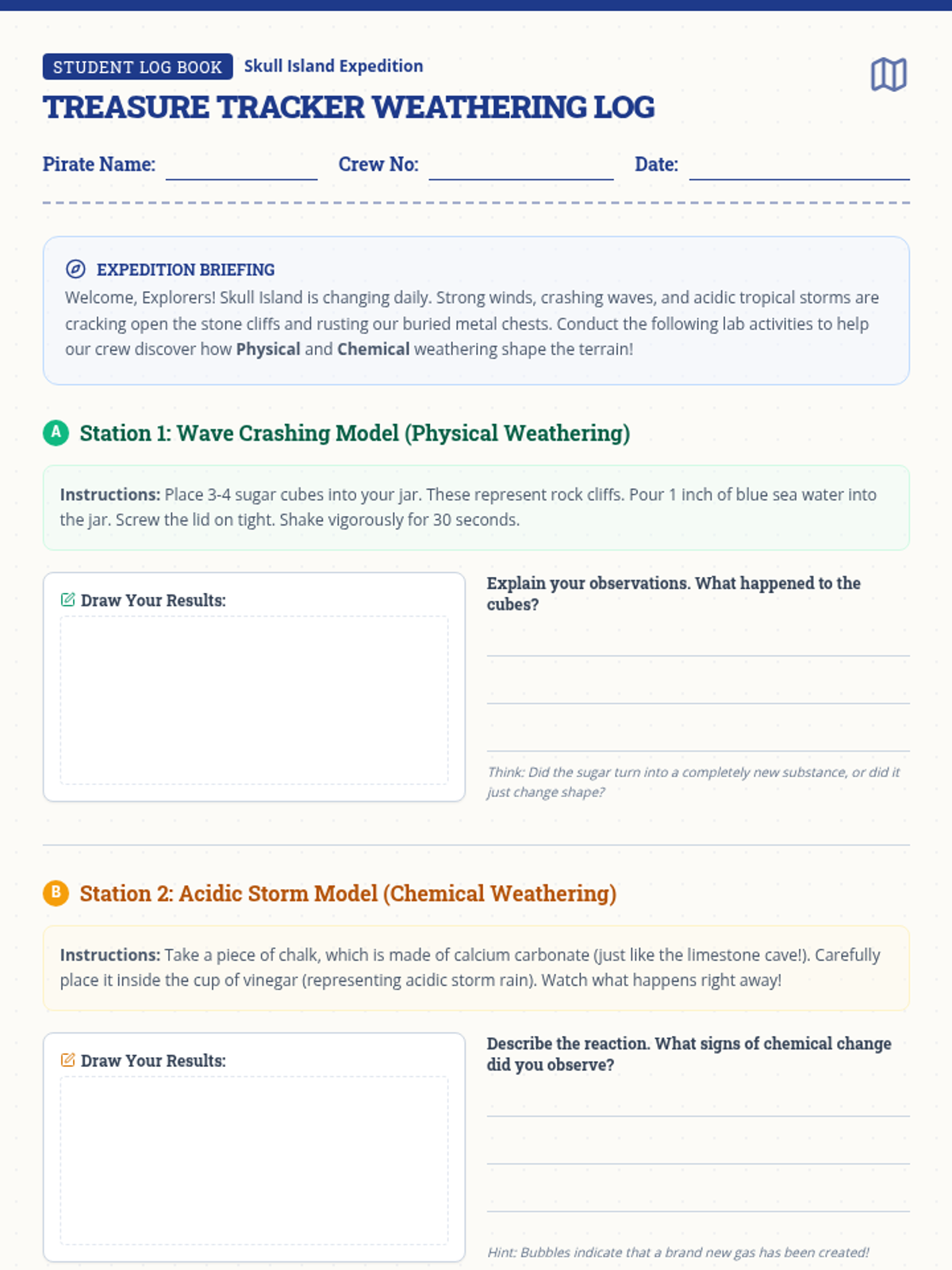
A 4th-grade science lesson structured around the 5E model, exploring physical and chemical weathering through a high-seas pirate theme. Students investigate how waves, wind, and chemical reactions shape 'Skull Island' and reveal or bury treasure.
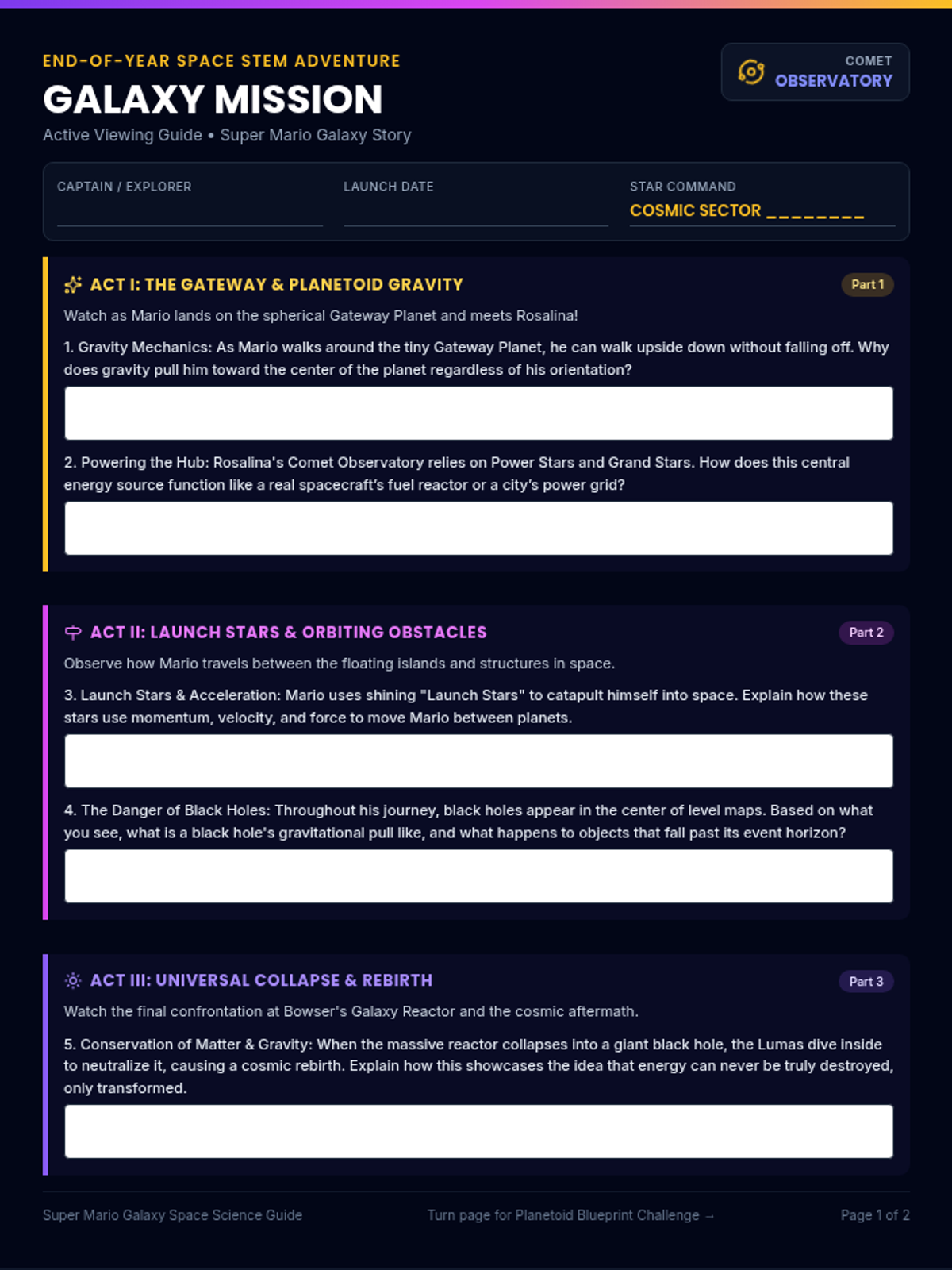
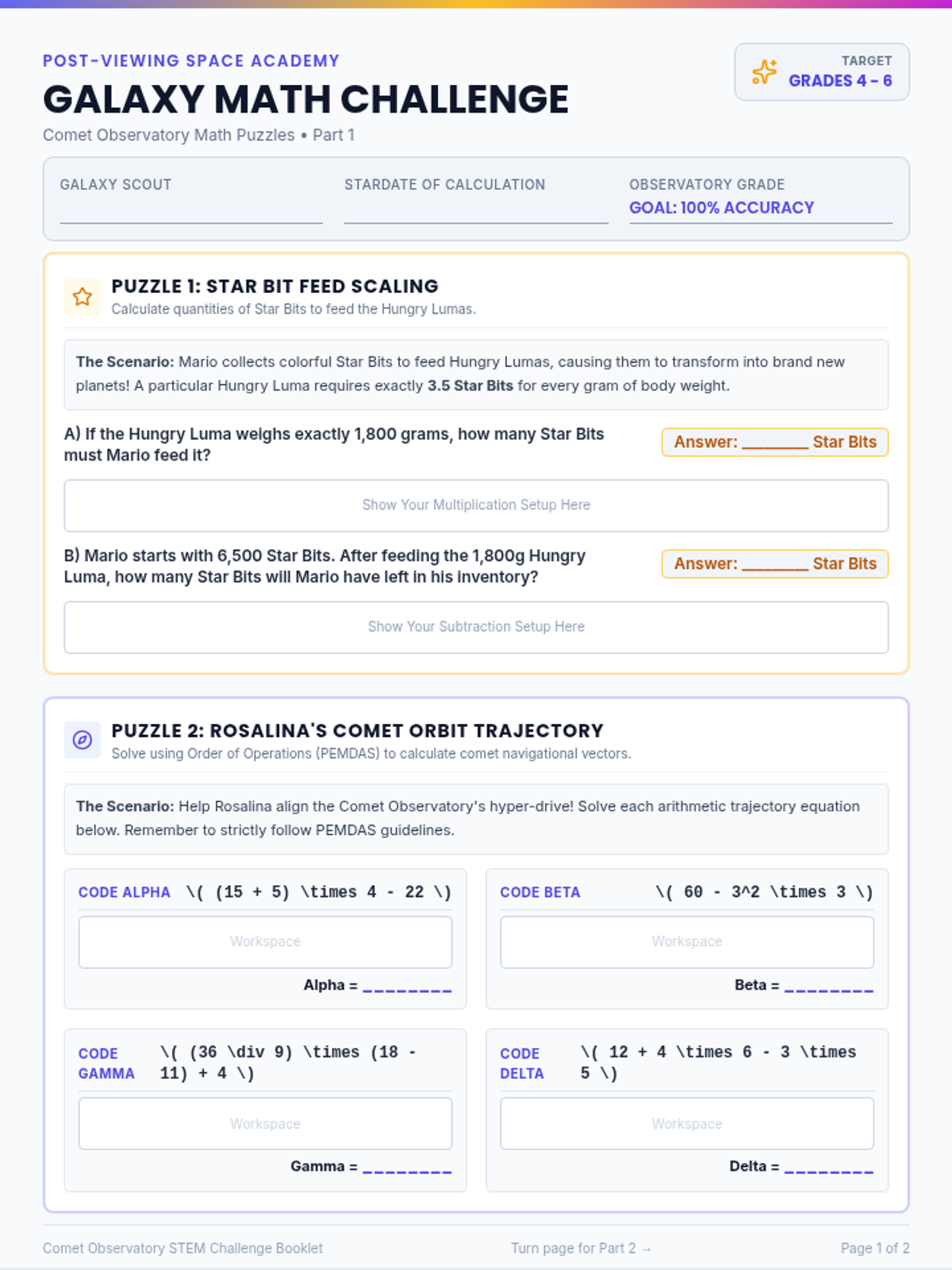
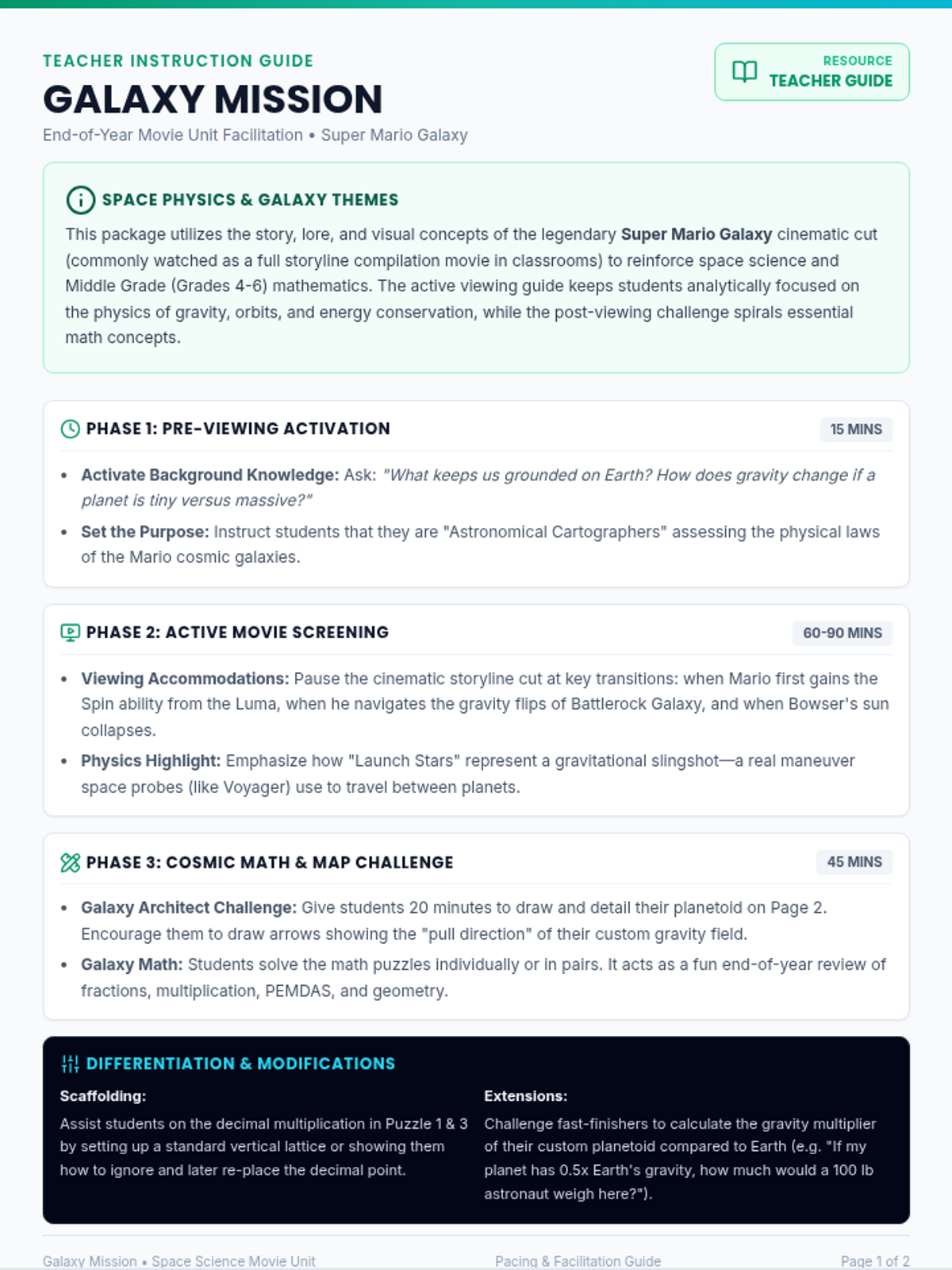
An end-of-year educational movie unit and math workbook based on the story of Super Mario Galaxy. Students explore gravity, orbits, and space physics through active viewing, followed by high-energy space-themed math puzzles.
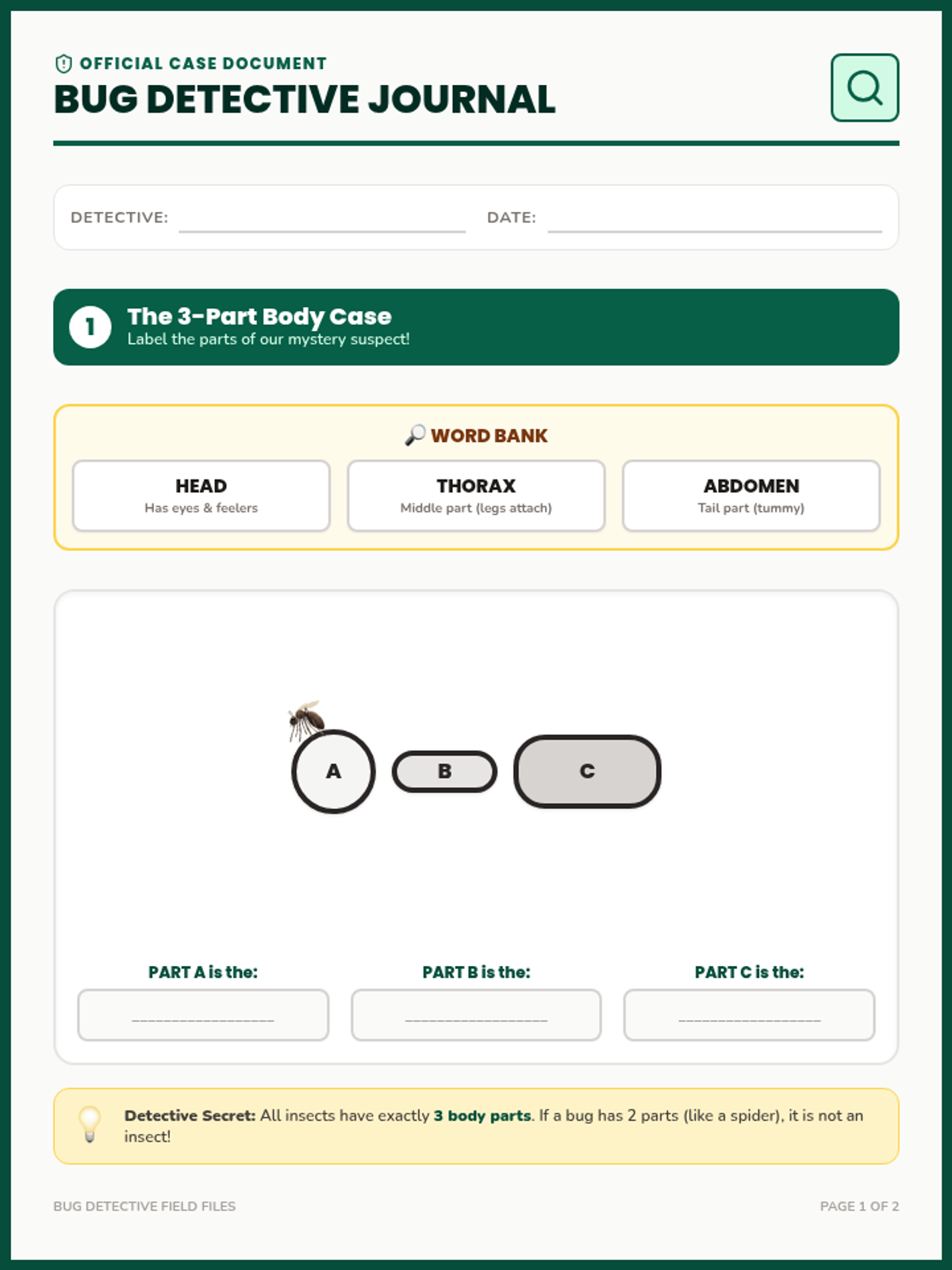
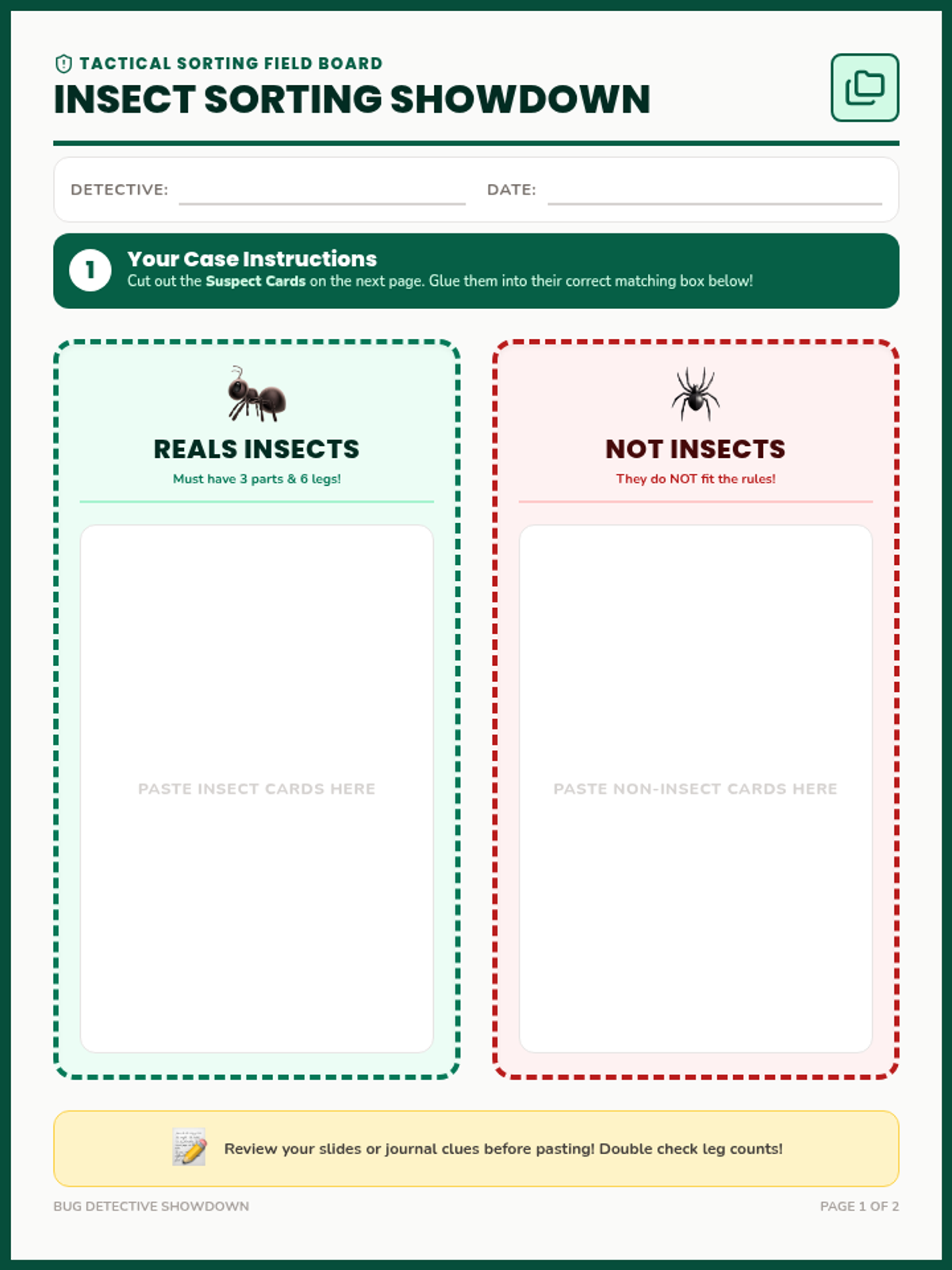
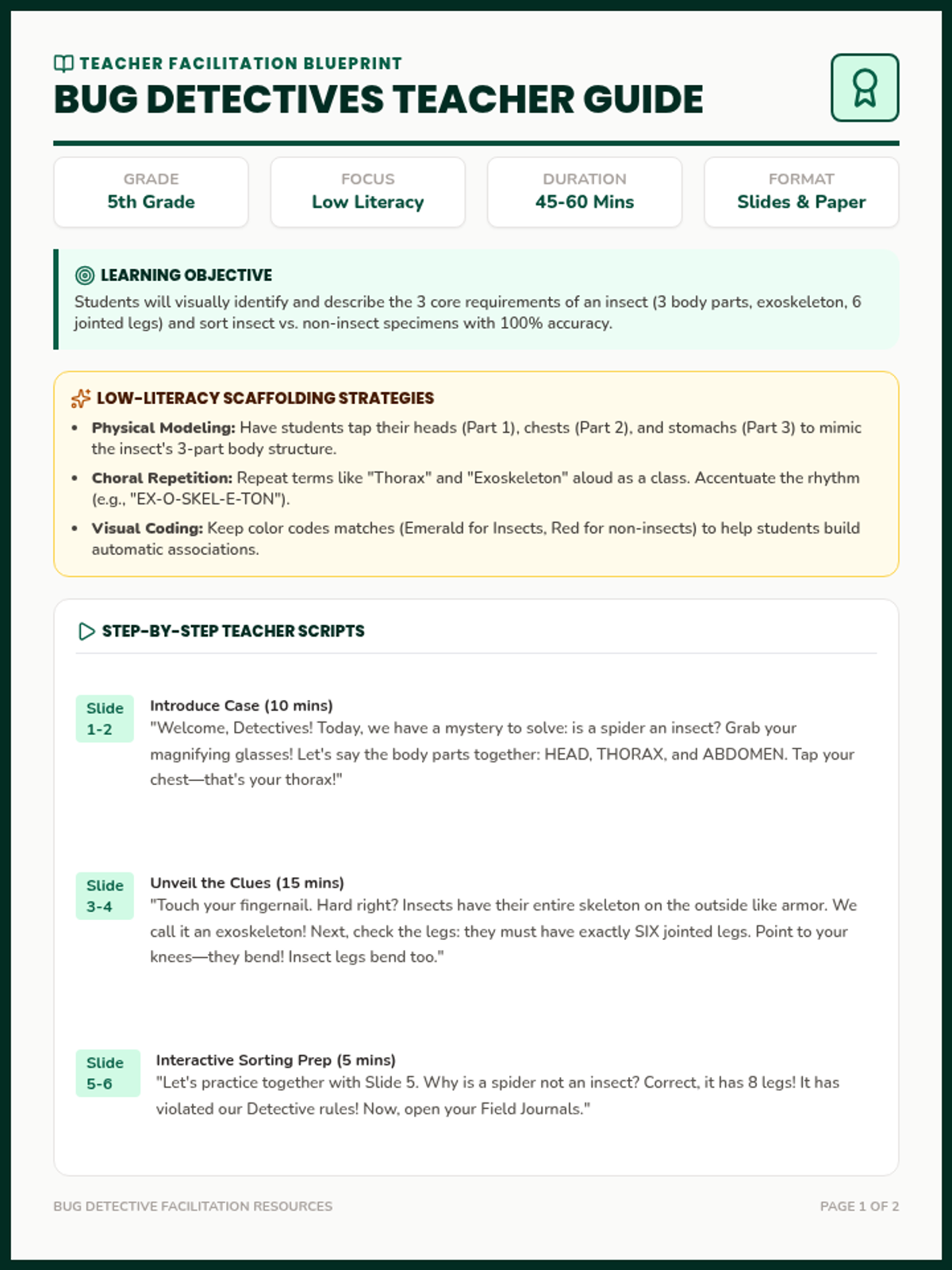
An introductory biology lesson for 5th-grade students with limited literacy, focusing on identifying the core characteristics of insects through highly visual materials. Students learn about the three body parts, exoskeletons, six jointed legs, and how to distinguish insects from non-insects.
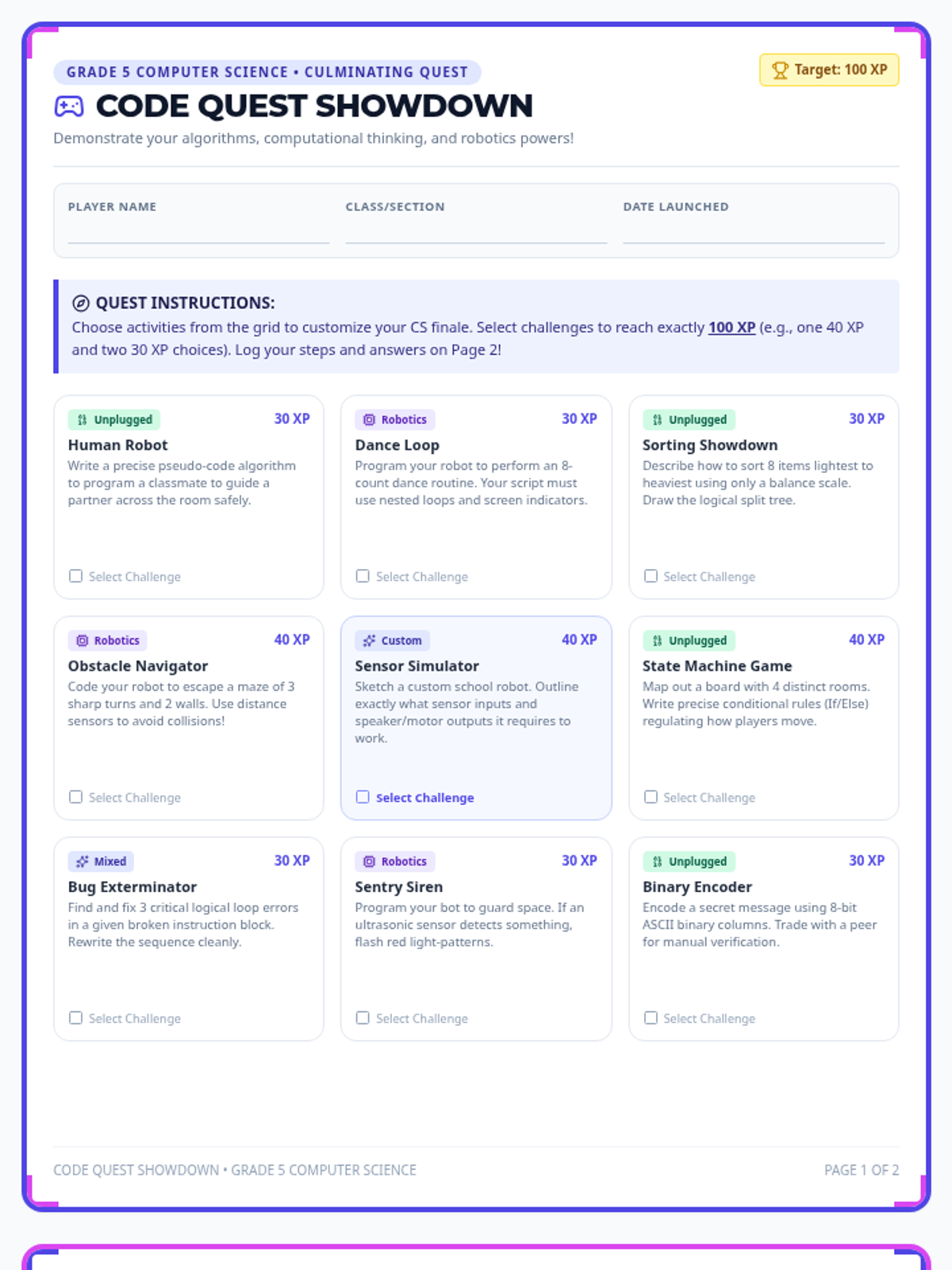
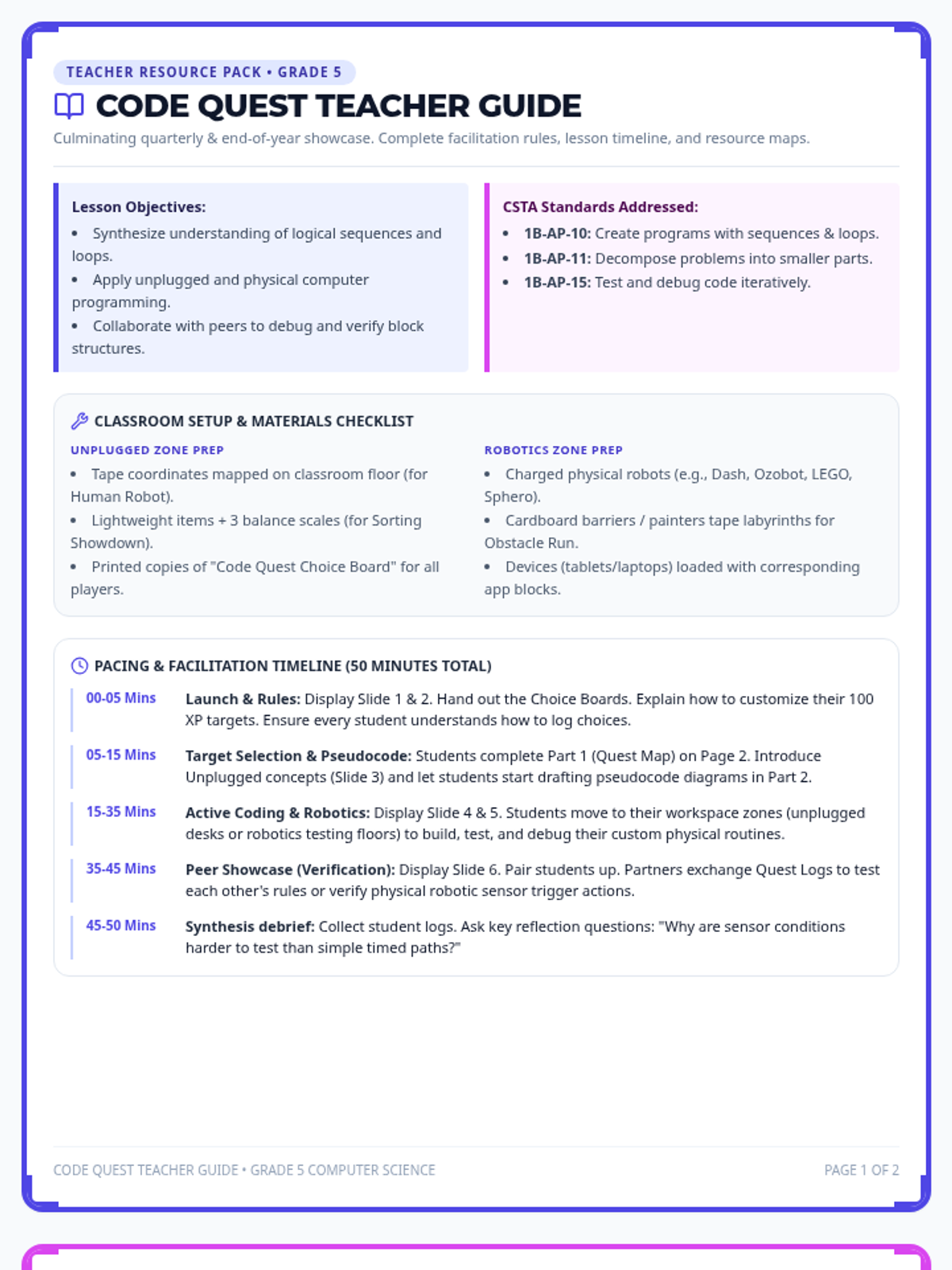
A culminating 5th-grade computer science activity celebrating computational thinking and robotics. Students choose their own adventures across unplugged algorithms and physical computing challenges in an arcade-themed finale.
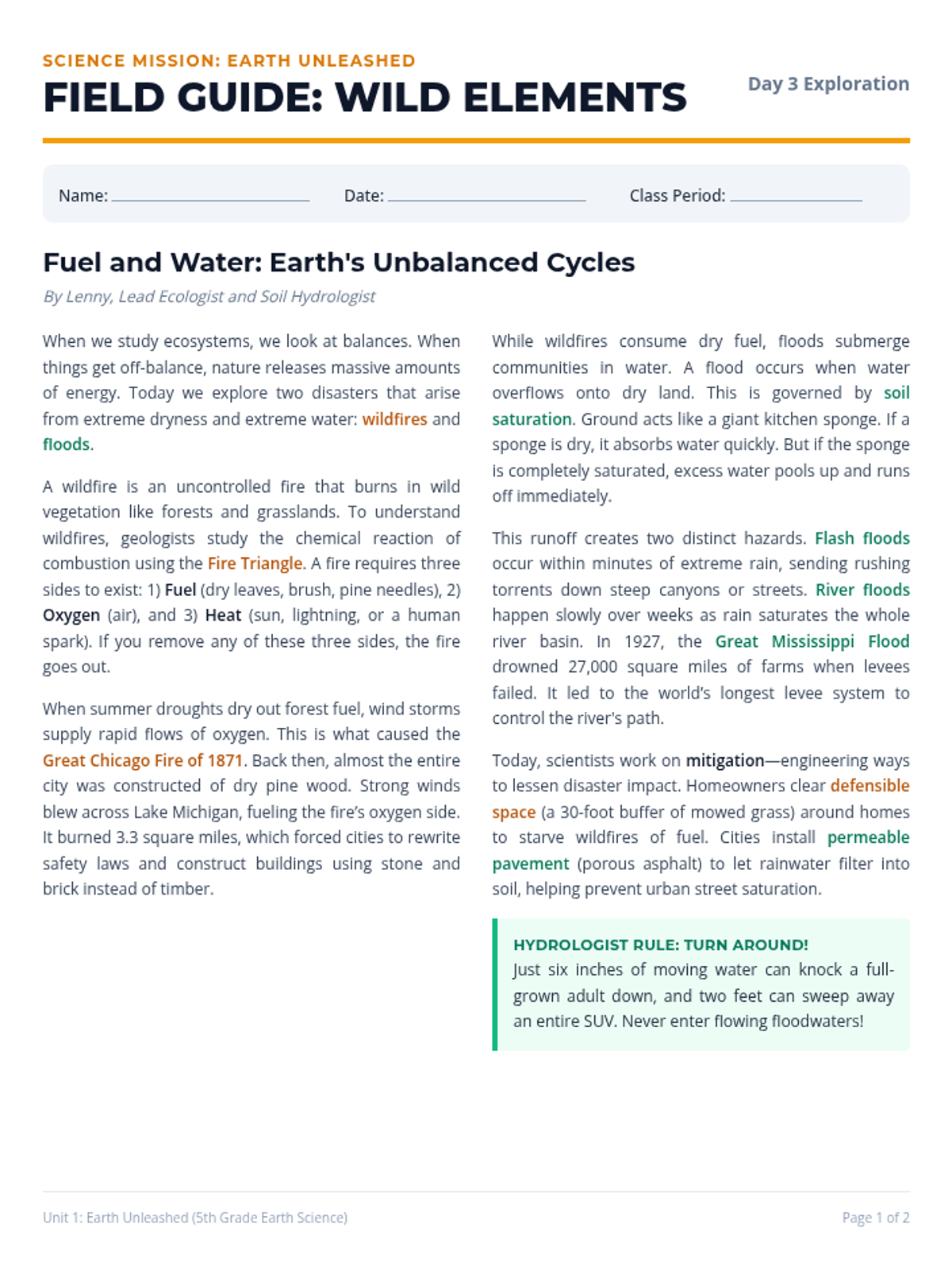
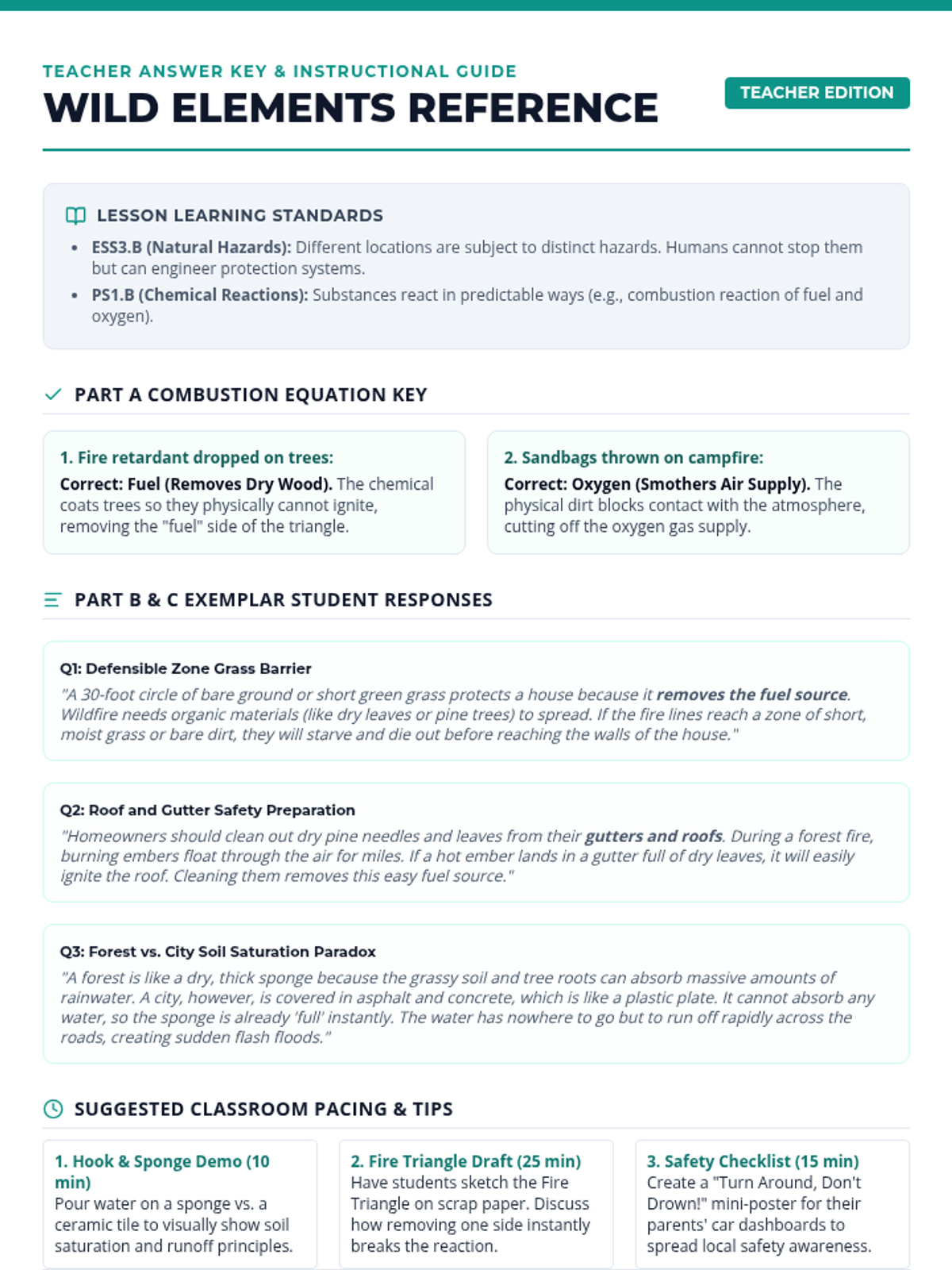
Examine the triggers and devastating impacts of wildfires and floods. Students learn about fuel sources, combustion, precipitation cycles, and flash floods, focusing on prevention, mitigation, and historical events.
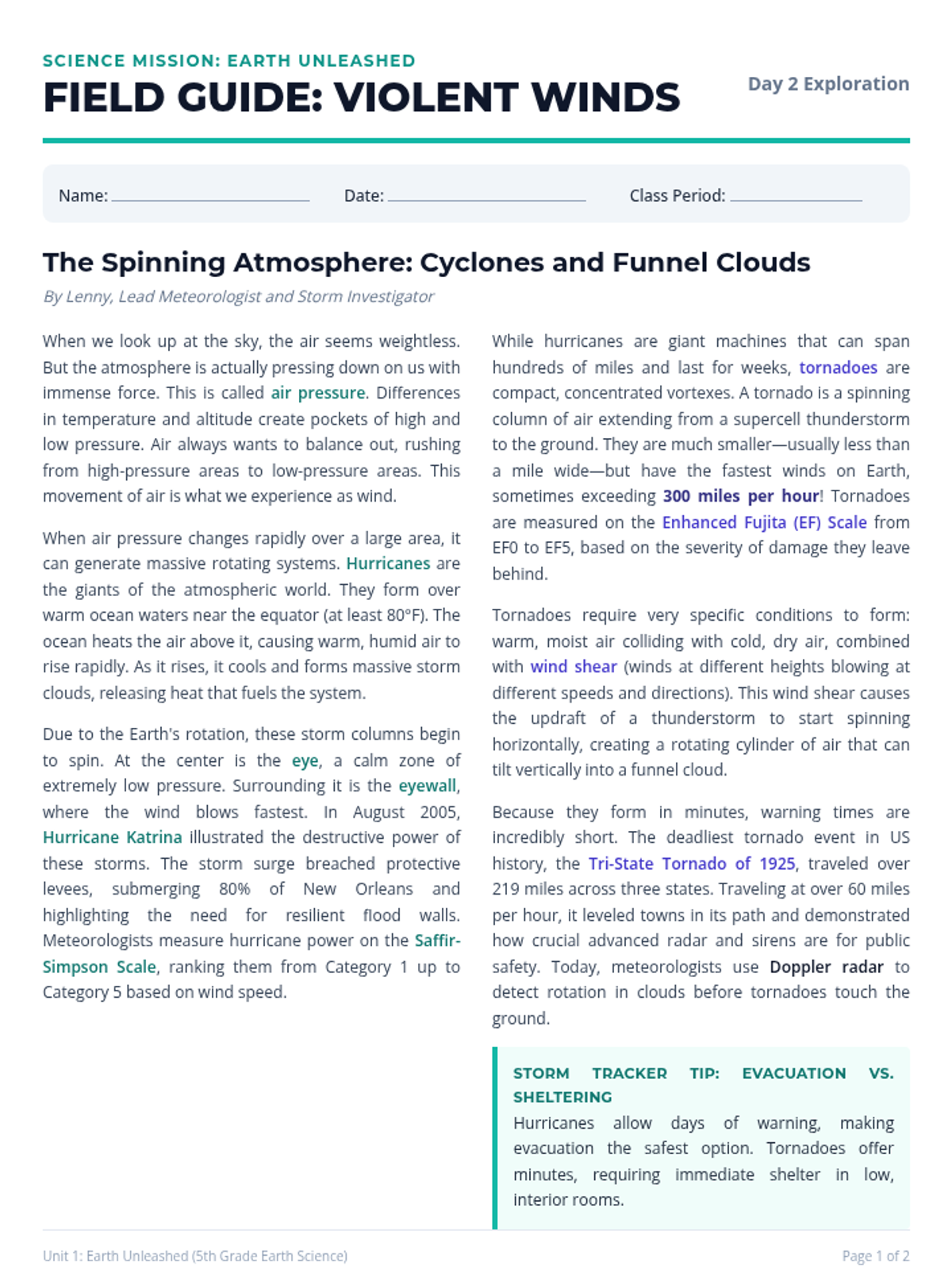
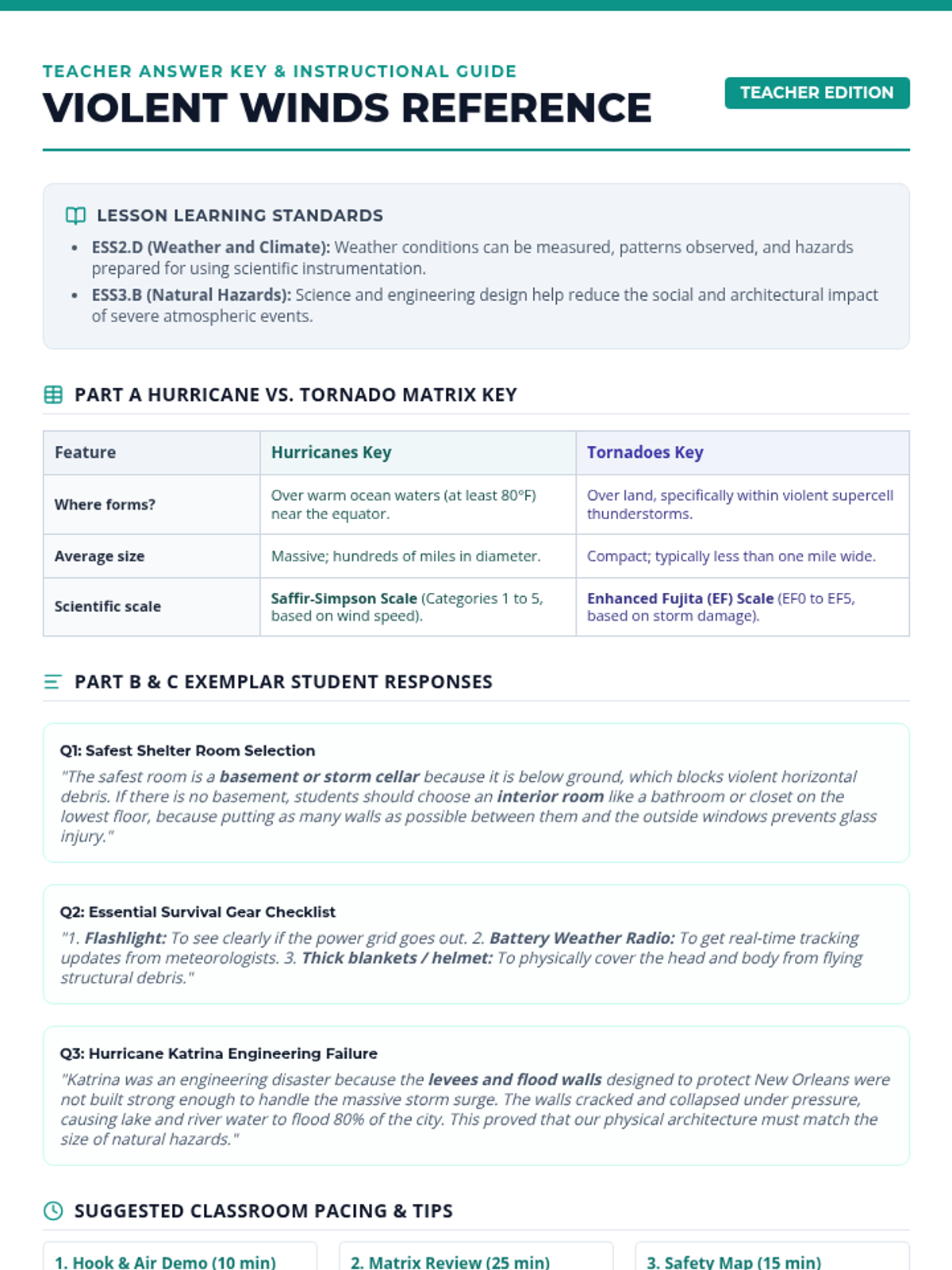
Investigate the atmospheric forces that create hurricanes and tornadoes. Students analyze weather patterns, pressure systems, and comparison charts, as well as the historical impacts of Hurricane Katrina and the Tri-State Tornado.
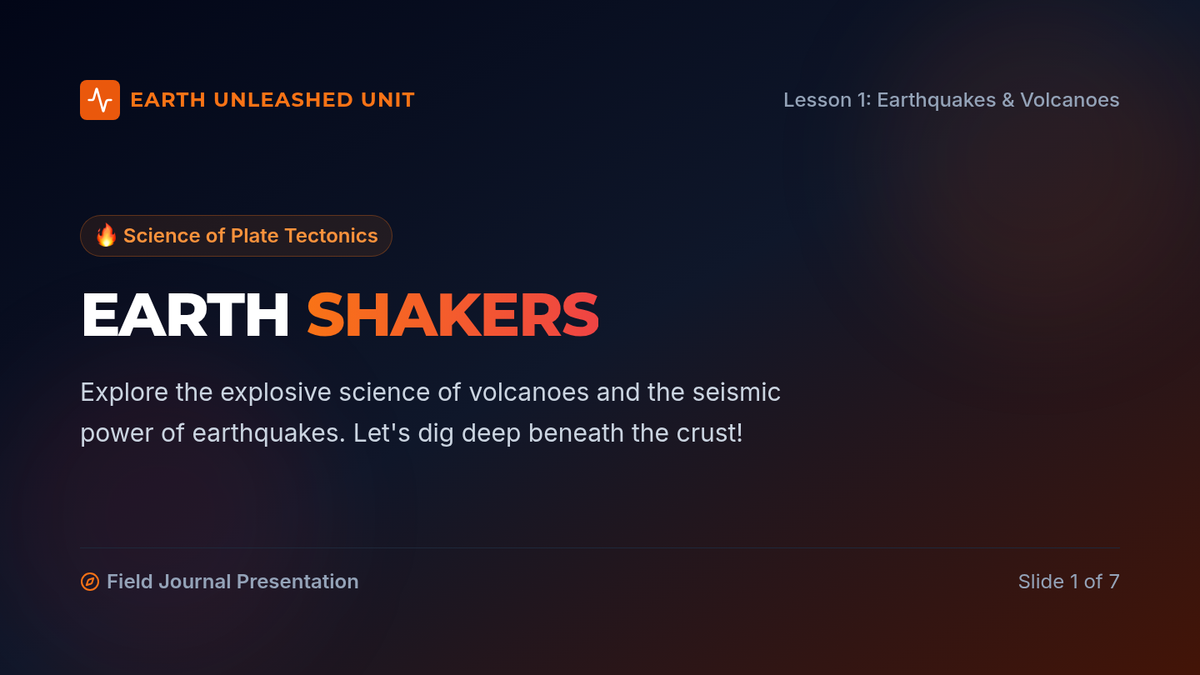
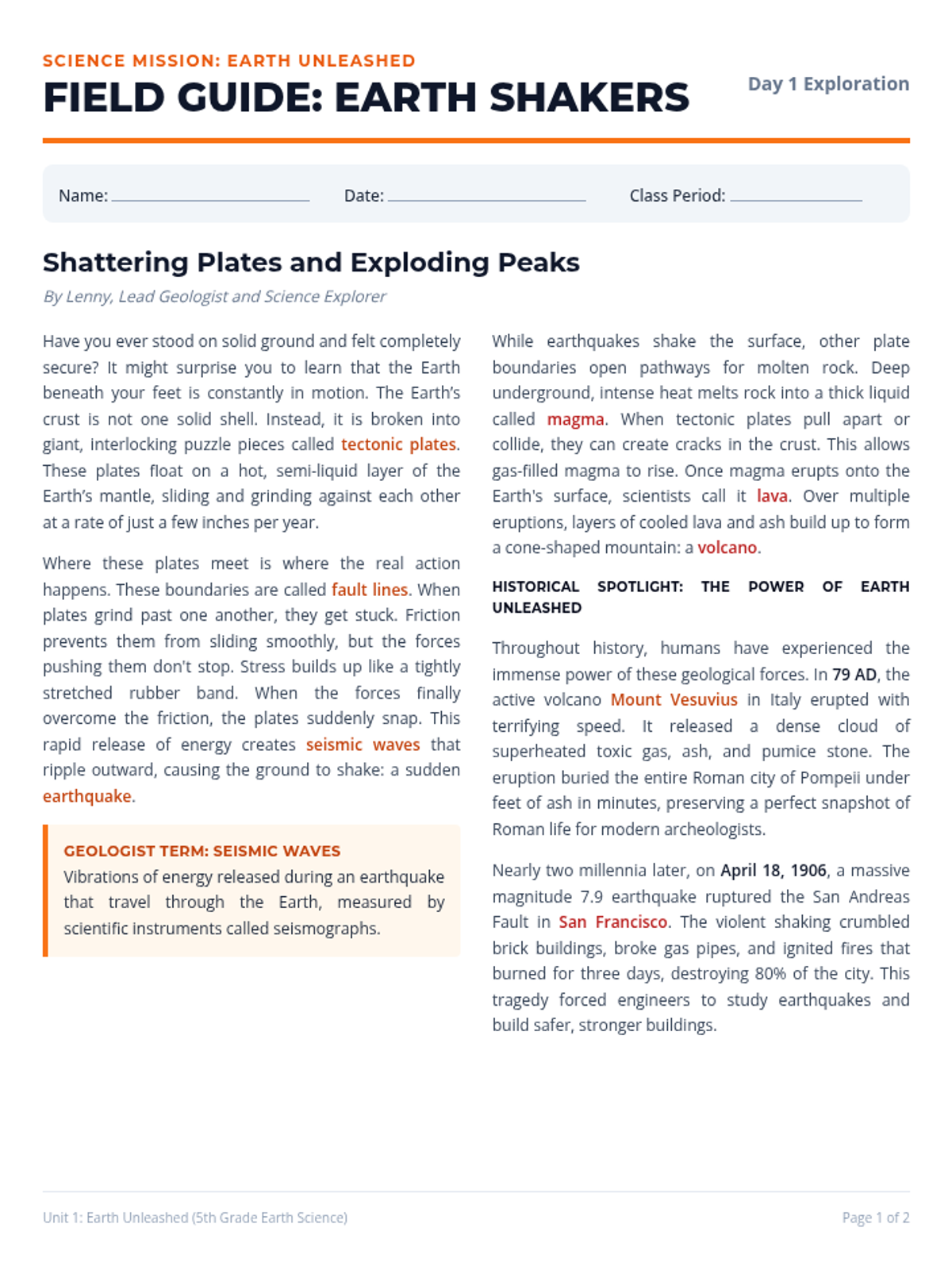
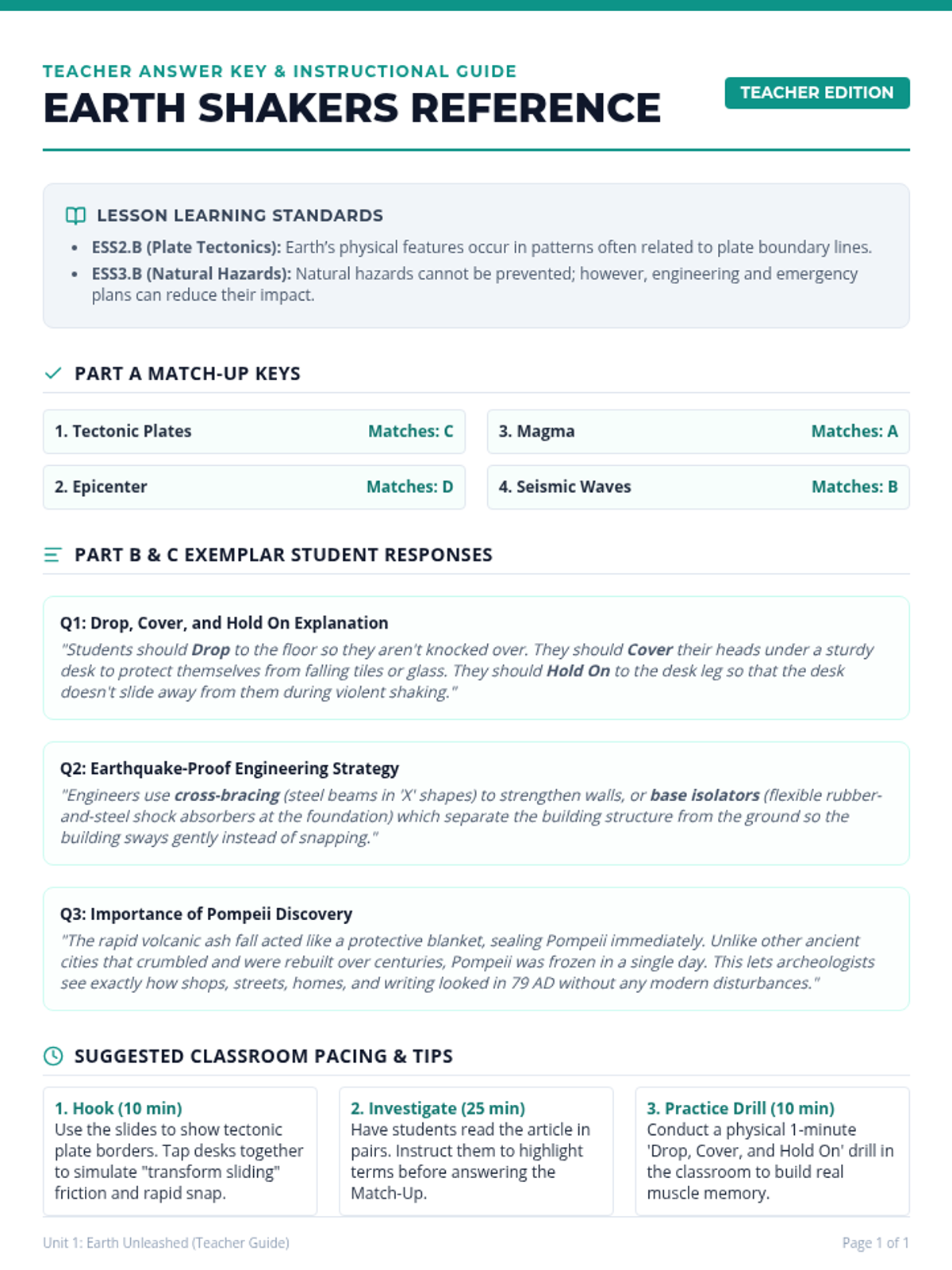
Explore the explosive science of volcanoes and the seismic power of earthquakes. Students learn about tectonic plates, magma chambers, seismic waves, and historical disasters like Mount Vesuvius and San Francisco.
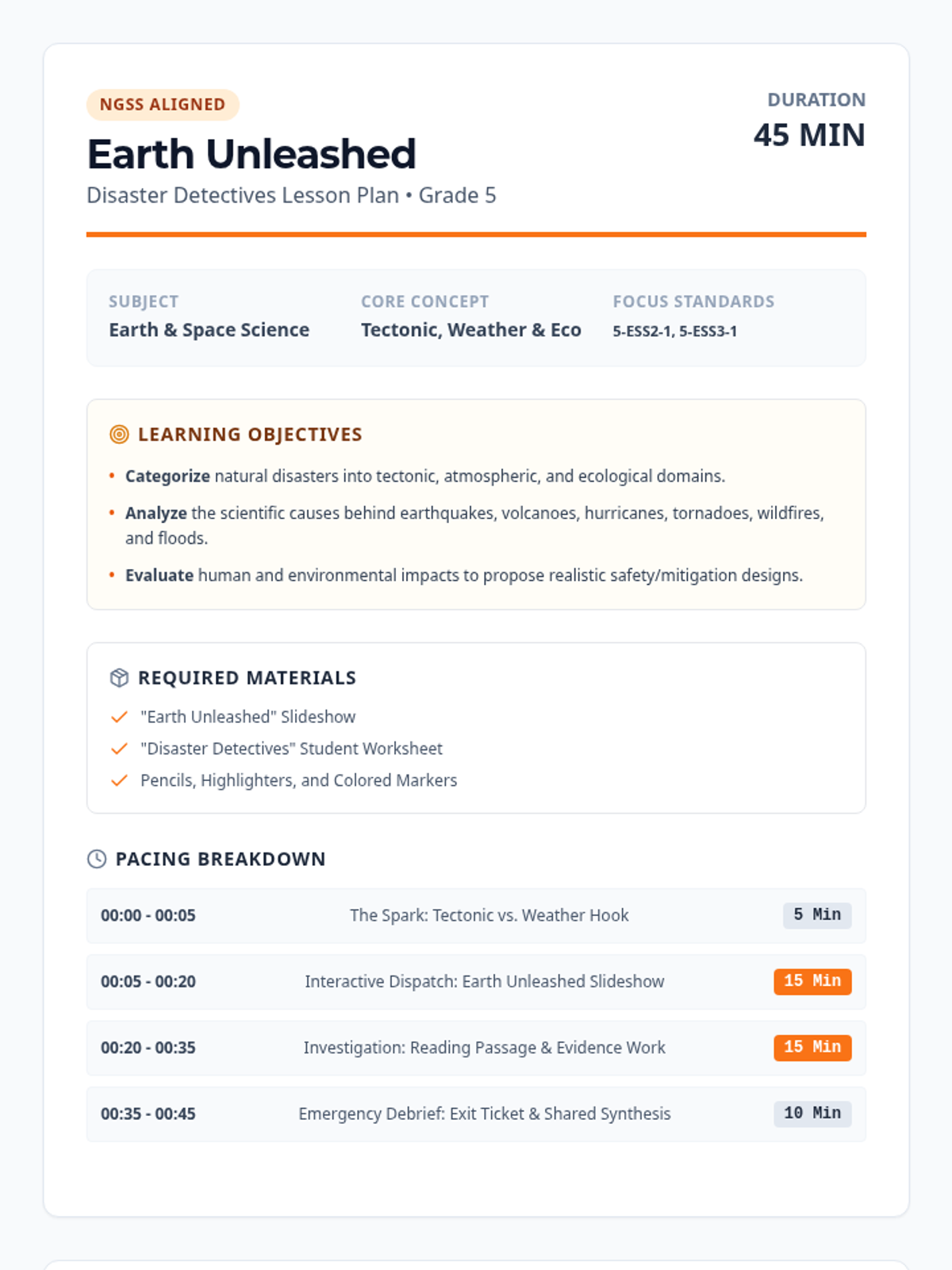
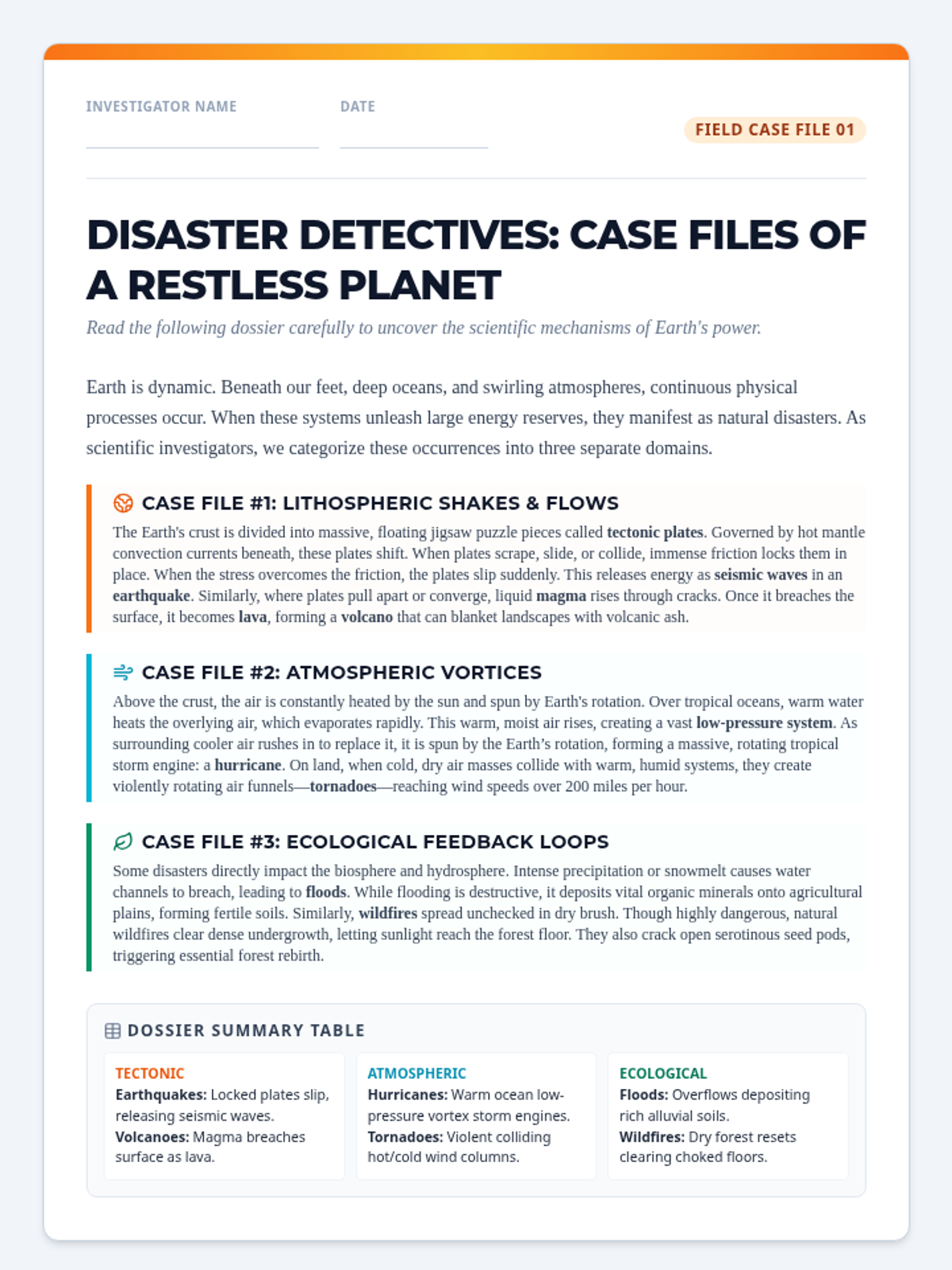
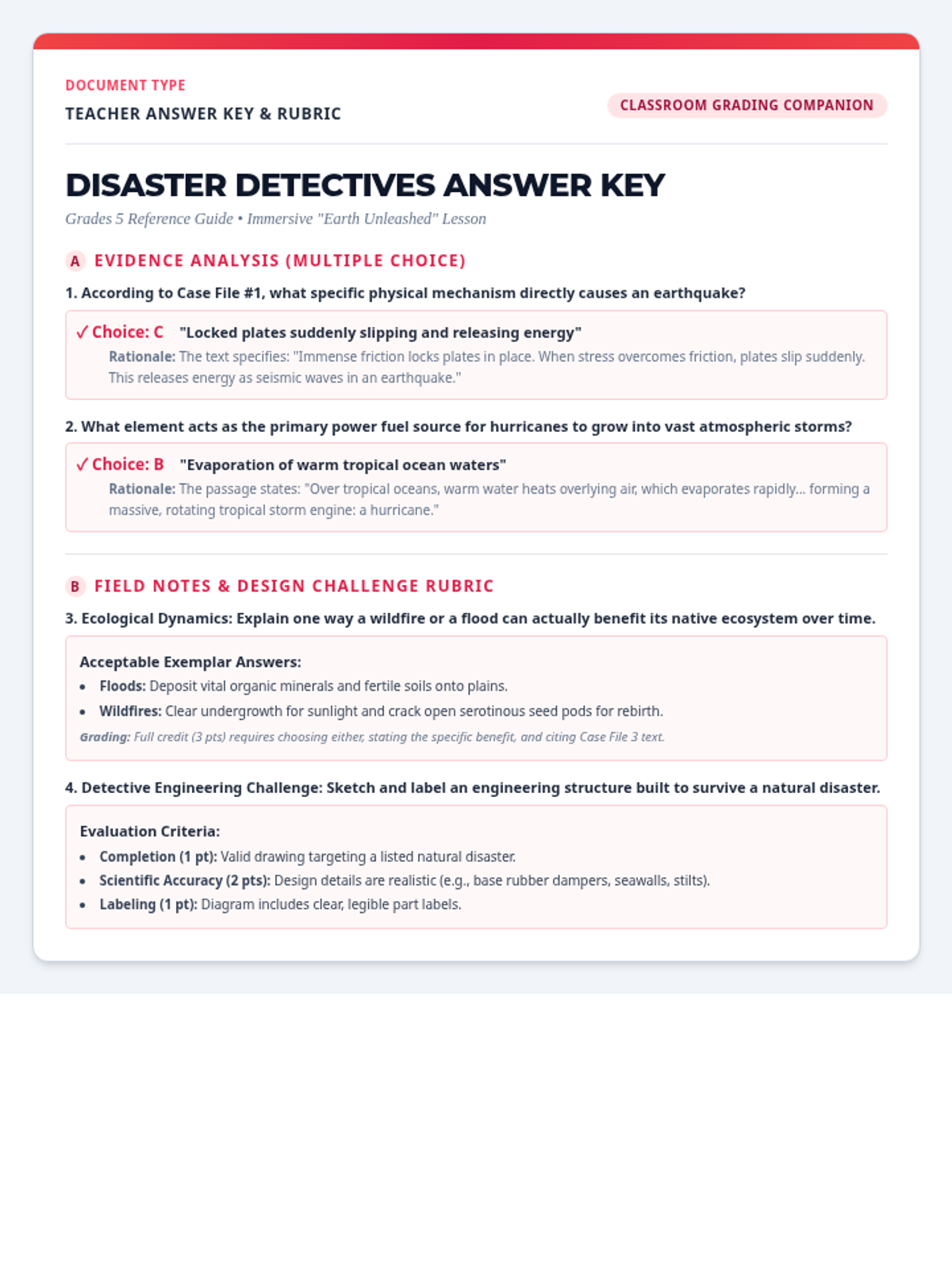
An immersive fifth-grade lesson exploring natural disasters across tectonic, atmospheric, and ecological domains. Students act as 'Disaster Detectives' to analyze the science behind volcanoes, earthquakes, hurricanes, tornadoes, wildfires, and floods.
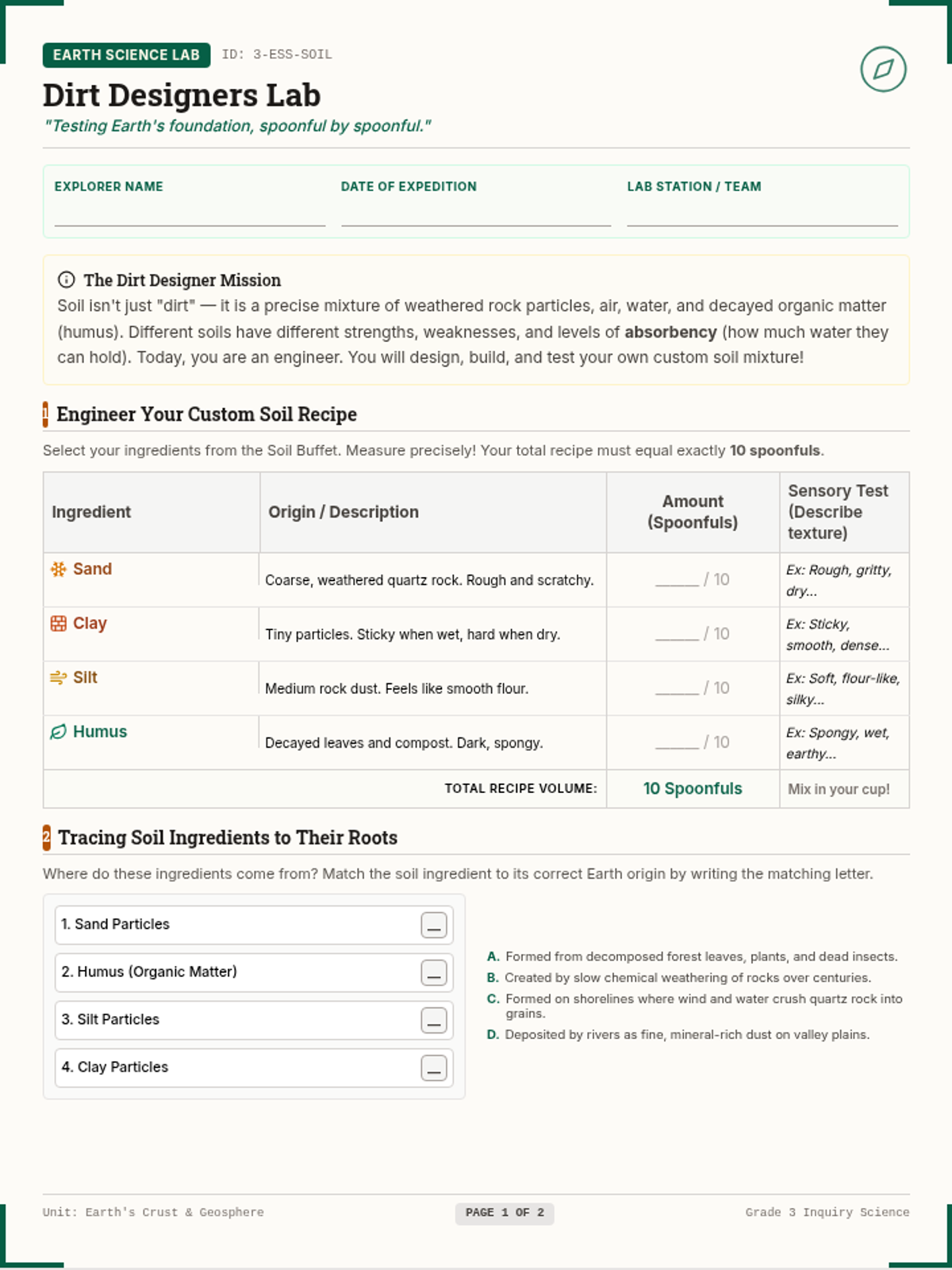
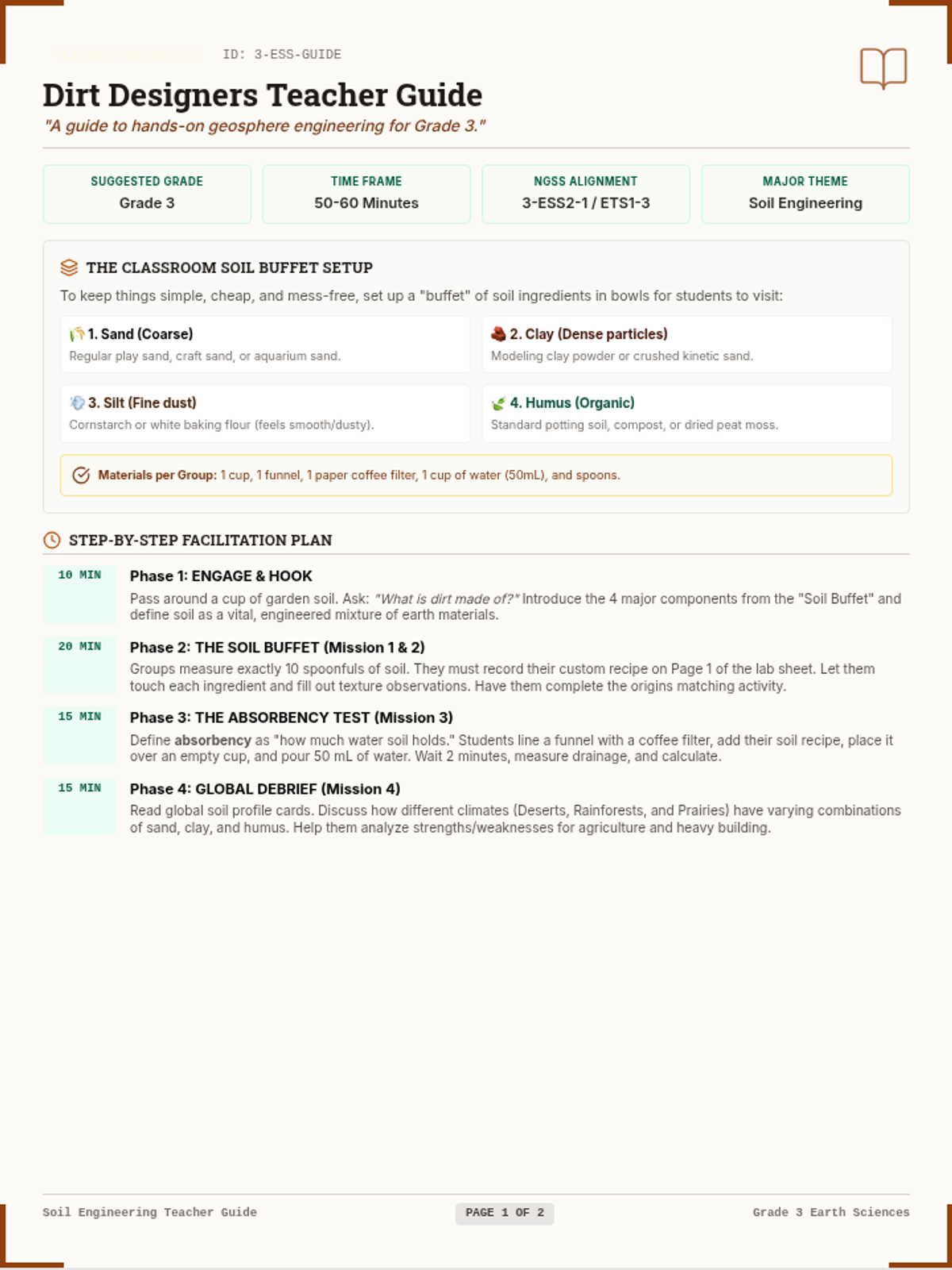
An inquiry-based science lesson where third graders engineer custom soil mixtures, test properties like absorbency, and explore global soil origins and characteristics.
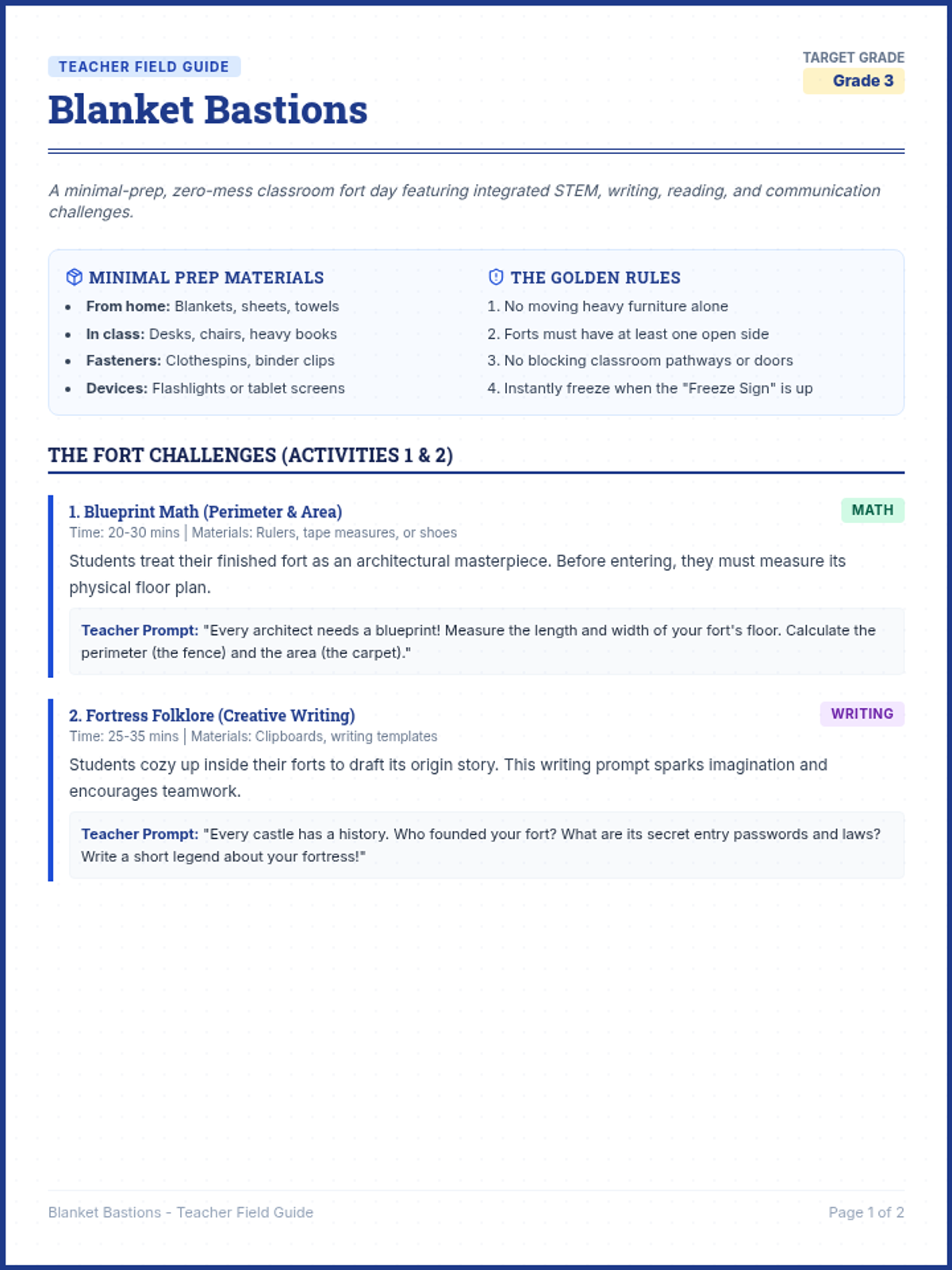
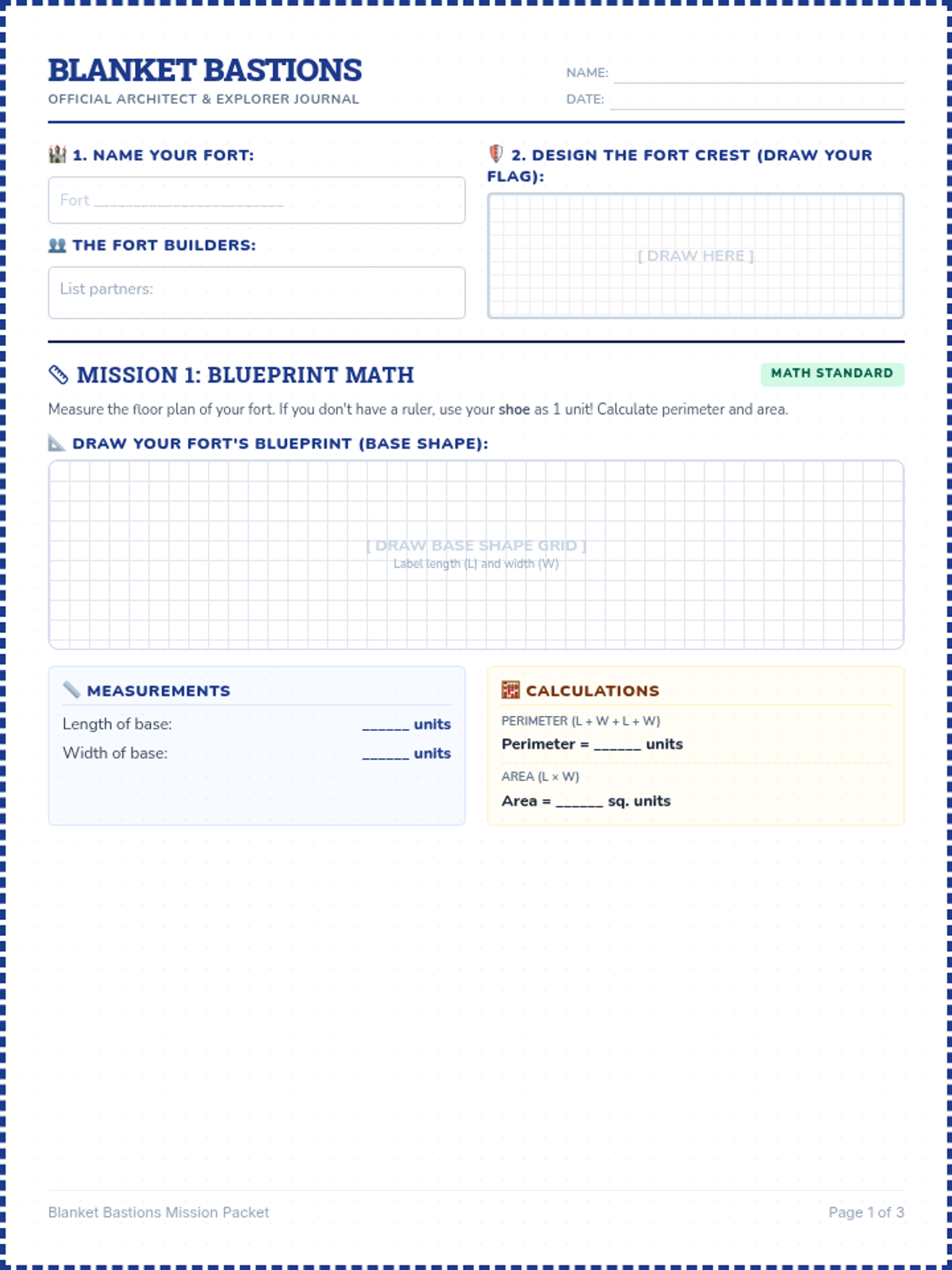
A multi-subject activity suite for third graders centered around building and playing in classroom blanket forts. Includes math, science, creative writing, reading, and team communication challenges that require minimal prep and create zero mess.
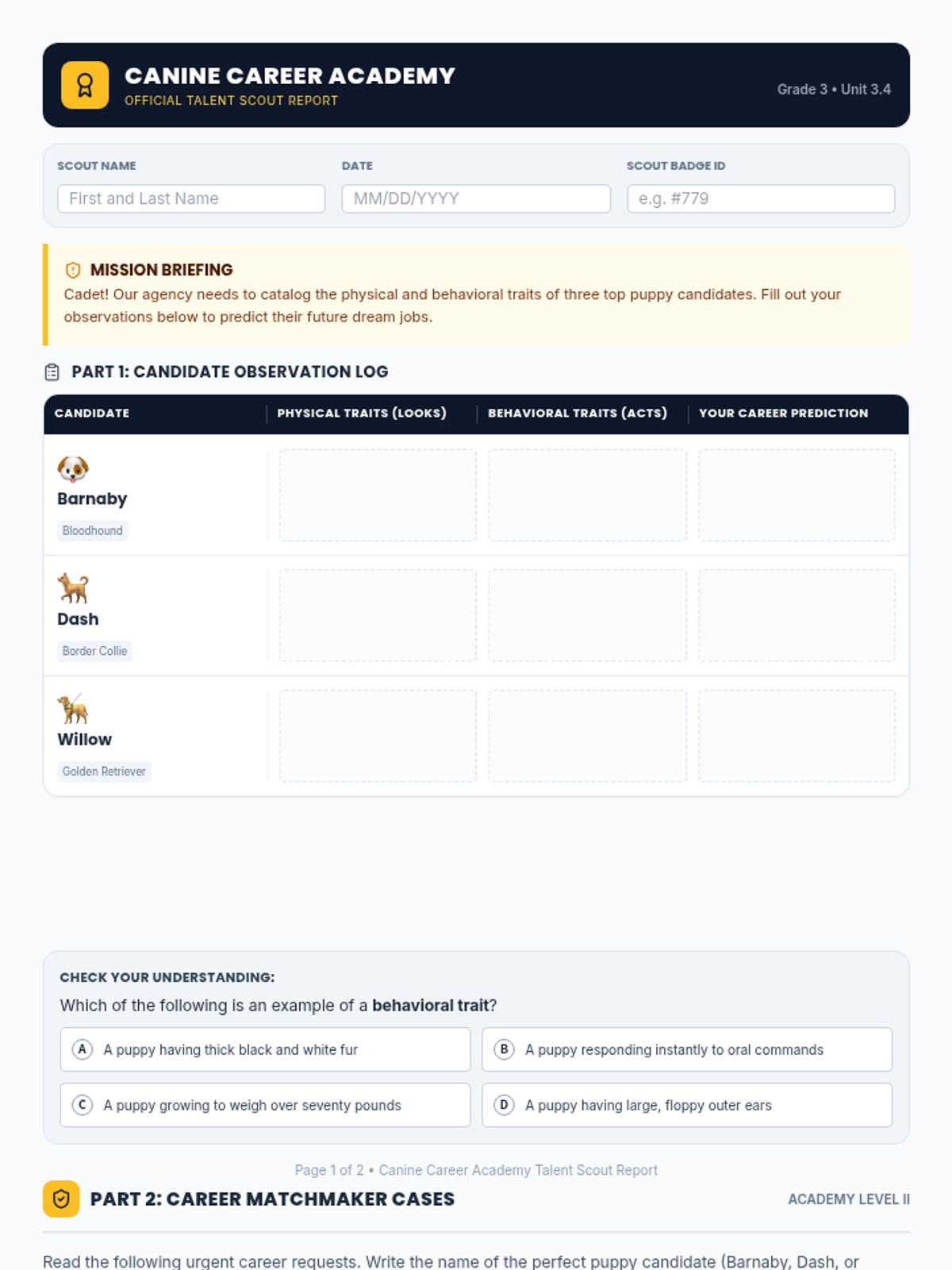
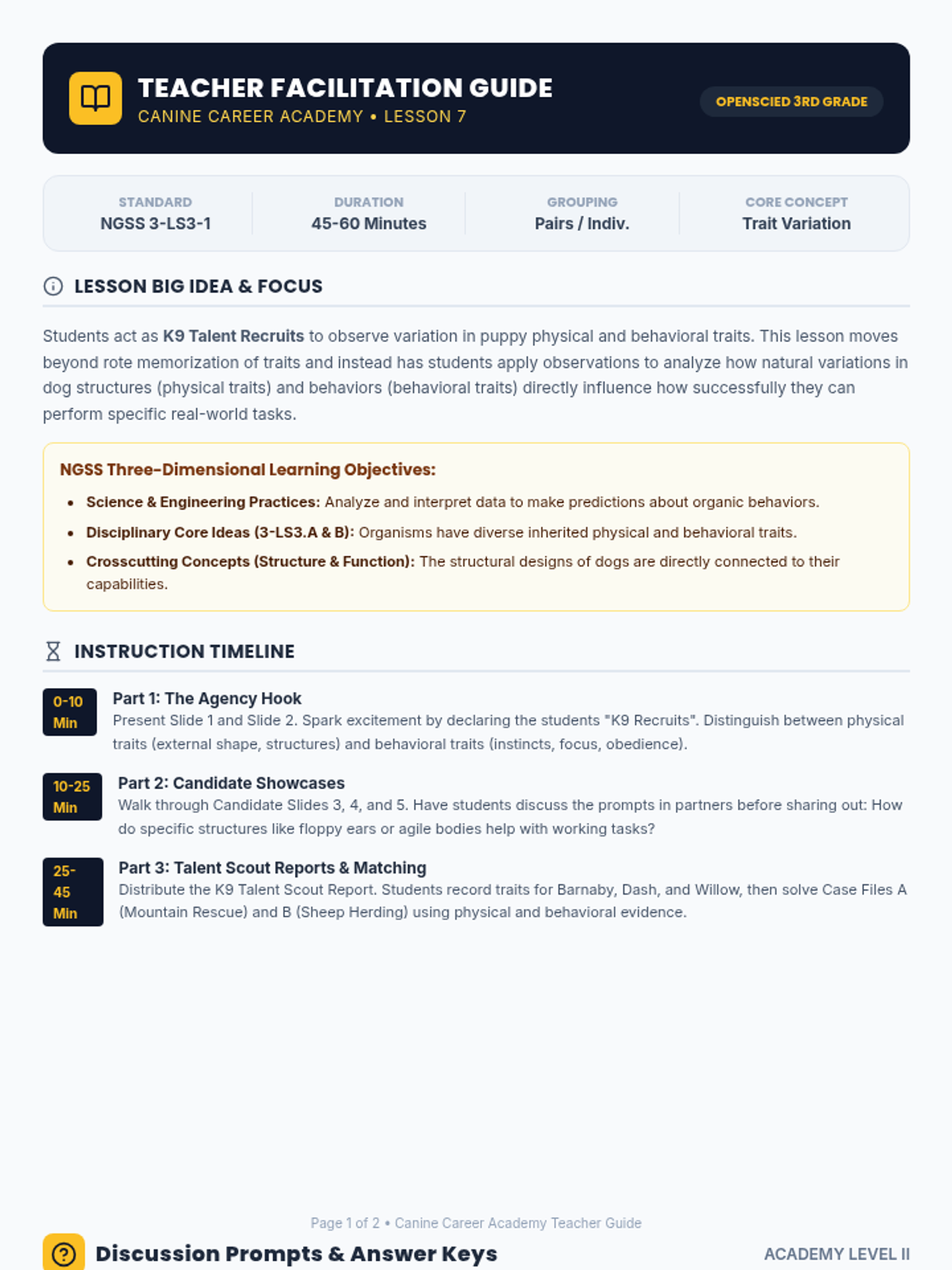
An engaging third-grade lesson where students act as canine talent scouts, observing physical and behavioral traits to predict and match dogs with specialized jobs.
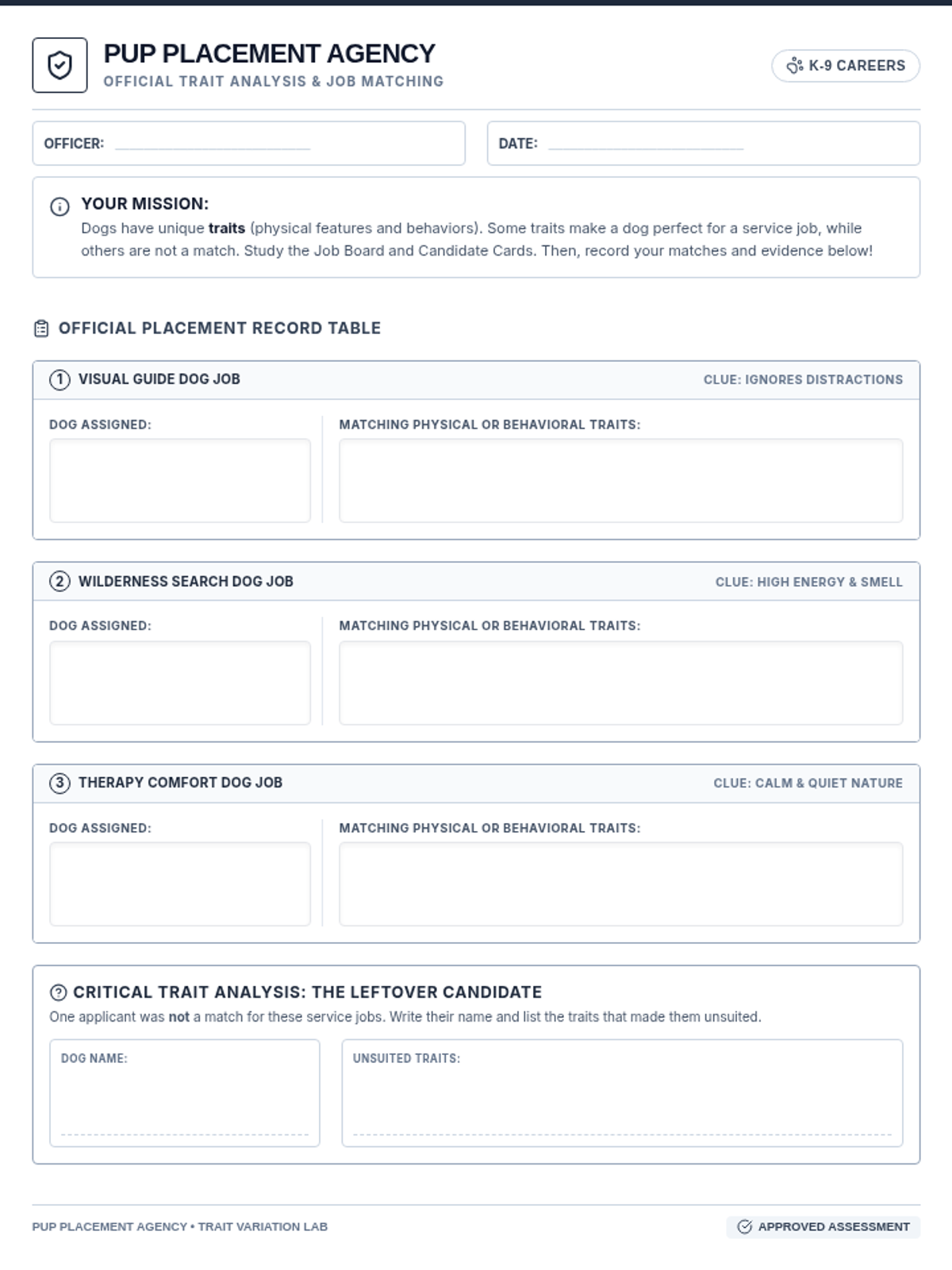
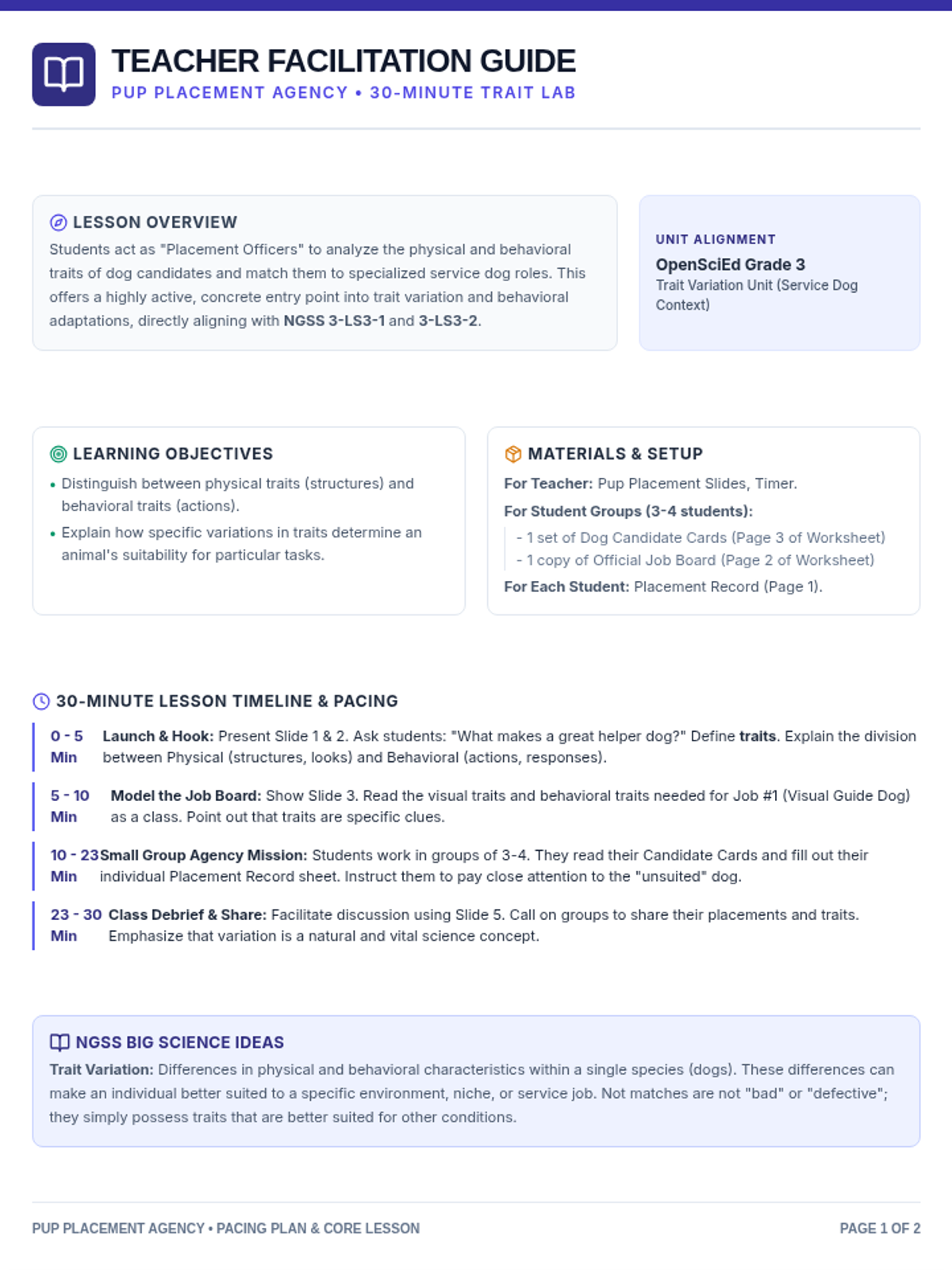
A highly differentiated 30-minute lesson where students act as 'Placement Officers' for the Pup Placement Agency. They analyze physical and behavioral traits of dog candidates and match them with appropriate service dog jobs, aligning with the OpenSciEd Grade 3 Trait Variation unit.
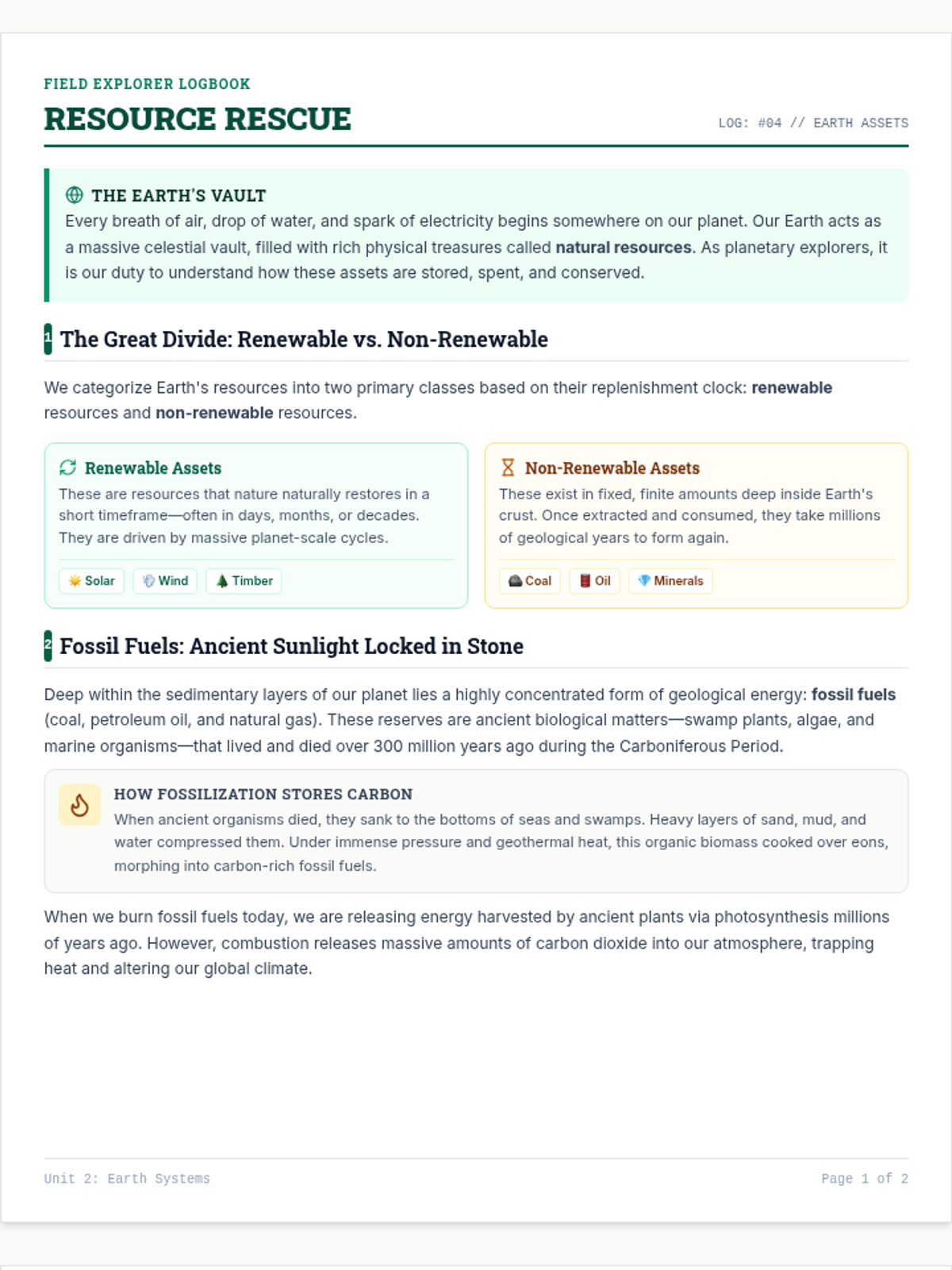
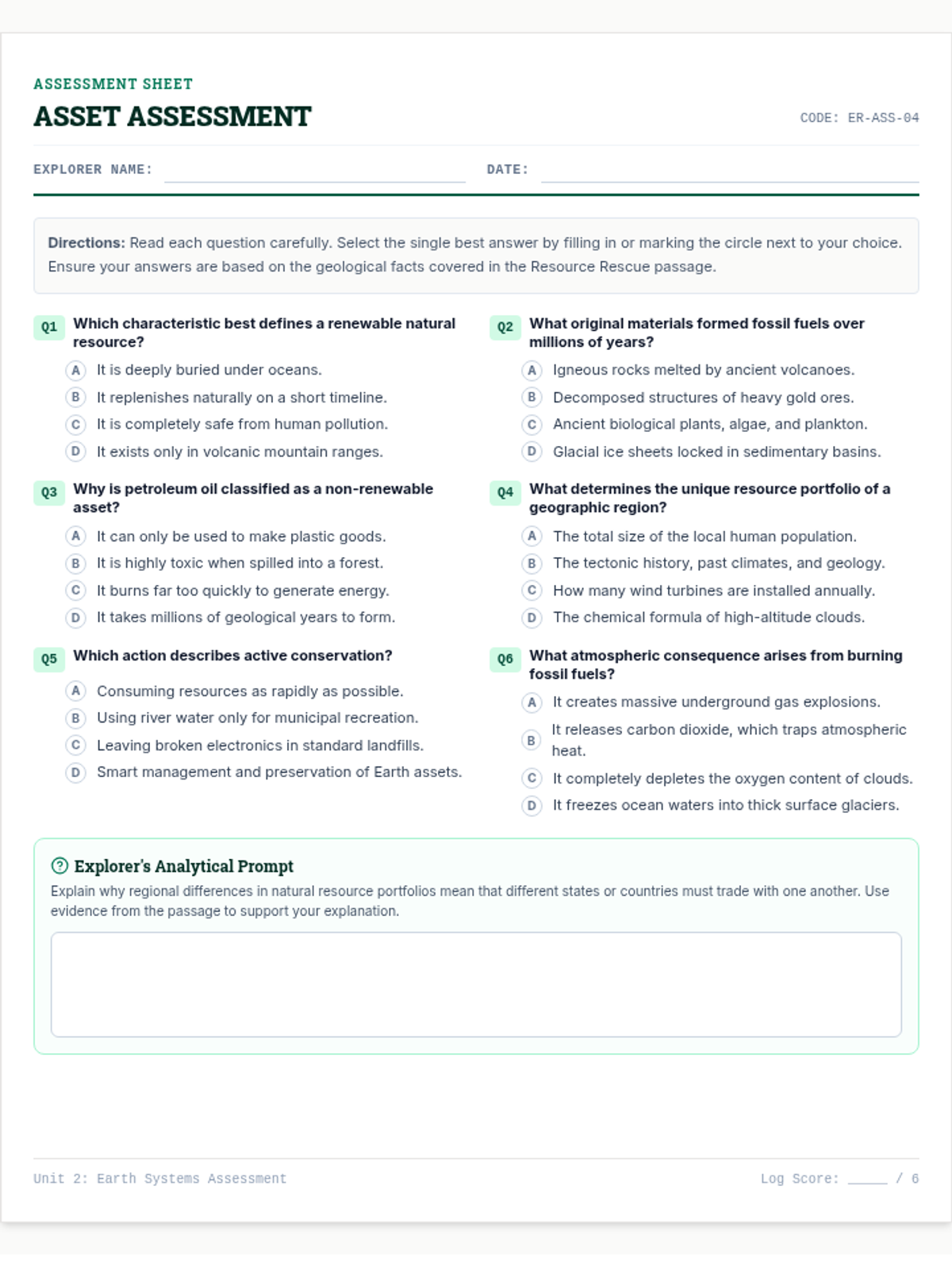
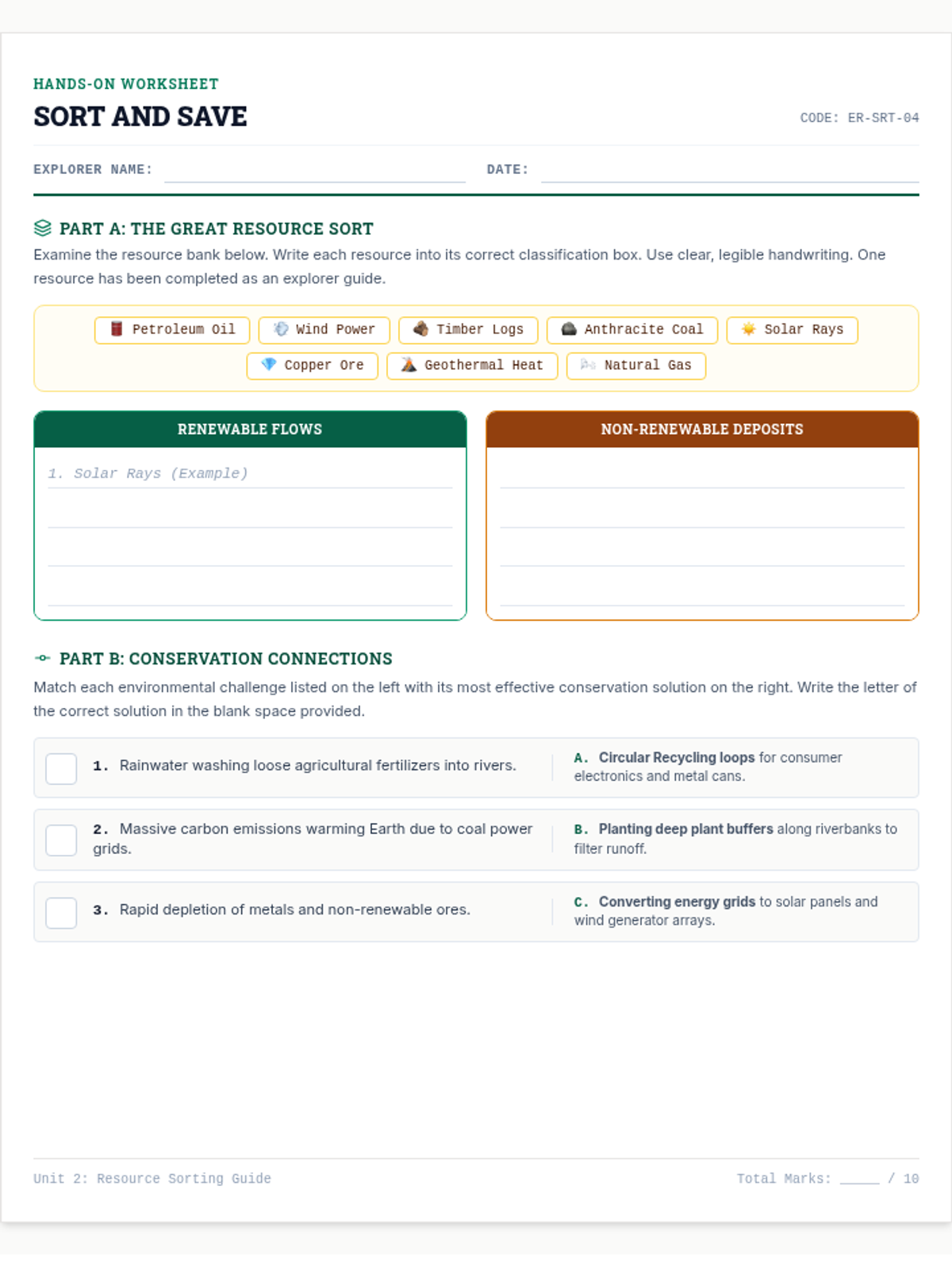
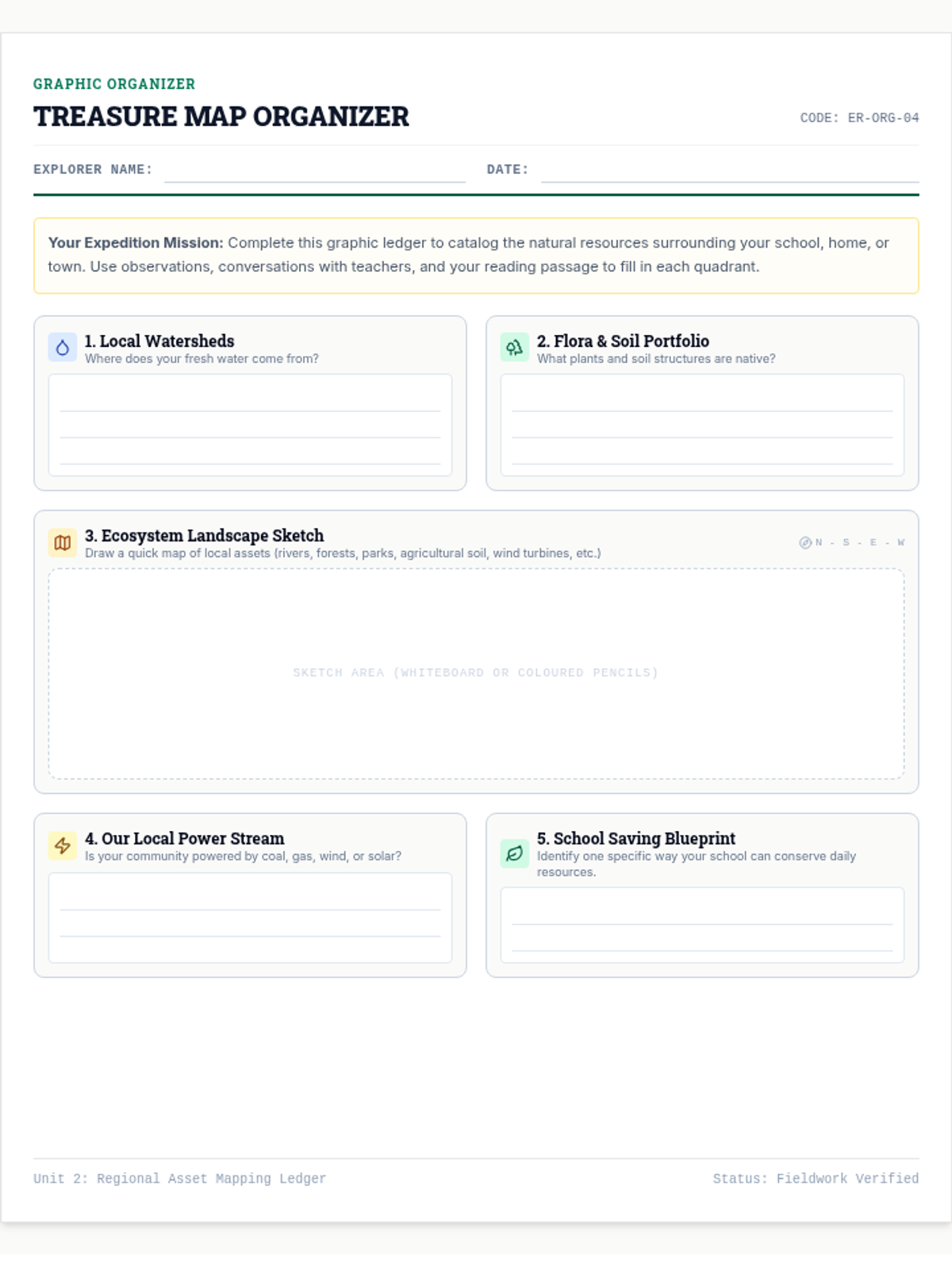
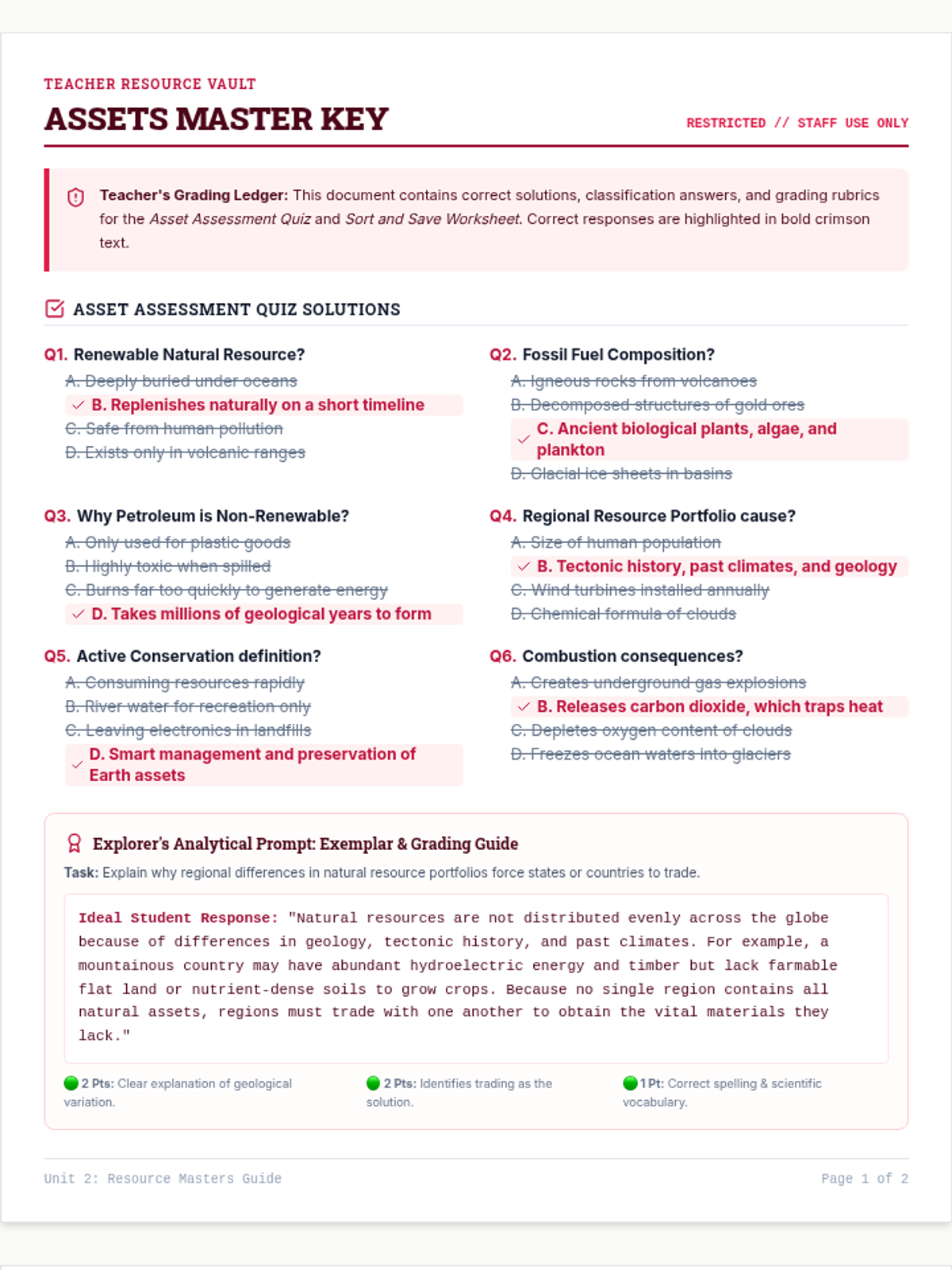
An engaging exploration of renewable and non-renewable natural resources, fossil fuels, and local conservation efforts through field-guide inspired readings, assessments, interactive sorting, and local mapping exercises.
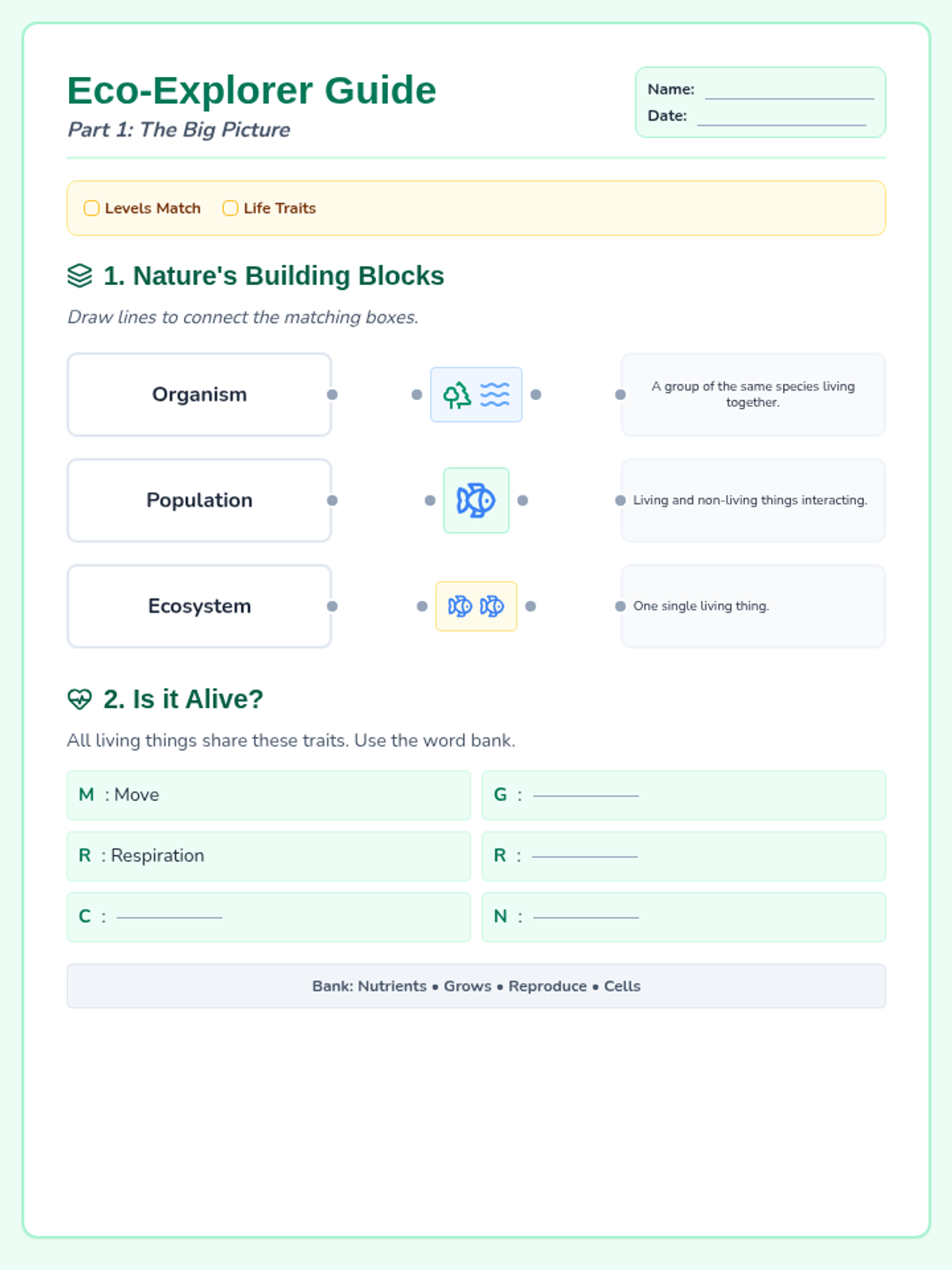
An introductory science lesson exploring ecological levels of organization, biotic versus abiotic factors, and population growth limits.