Students learn about 'tolerance'—the gap needed between fitting parts. They review their designs and adjust dimensions to ensure parts won't be too tight or too loose, simulating the revision cycle of engineering.
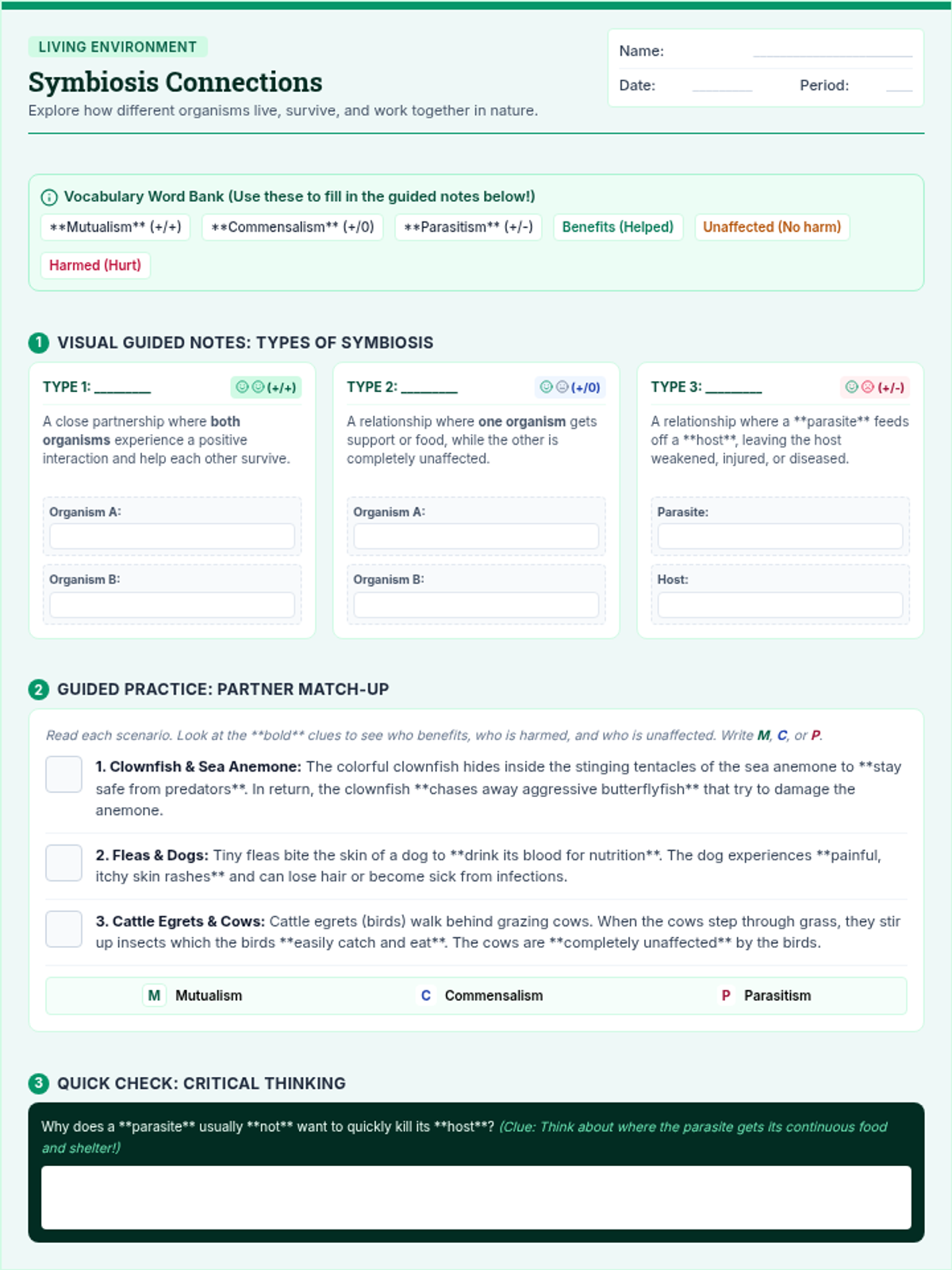
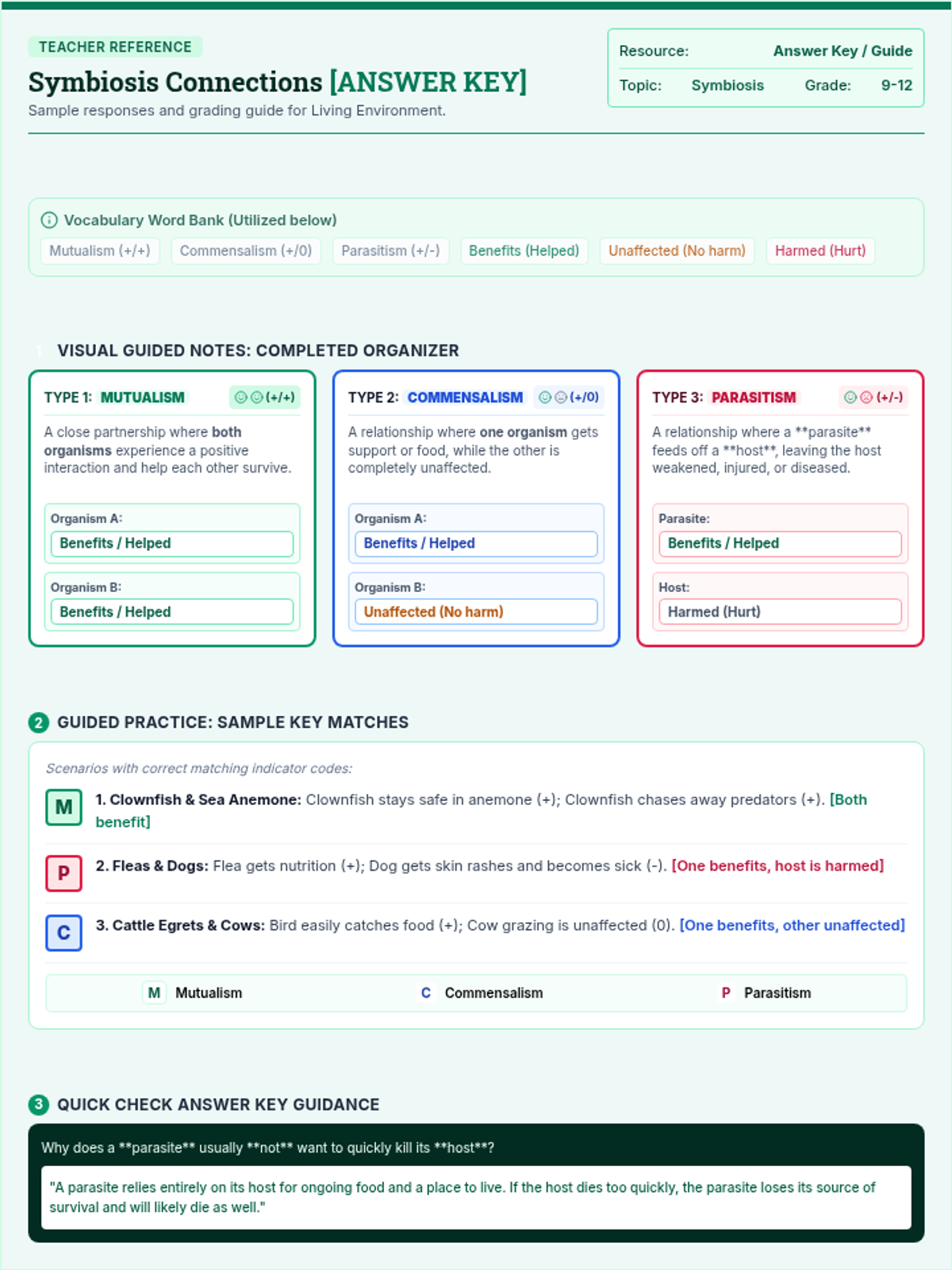
A lesson on ecological symbiotic relationships, featuring a student-facing graphic organizer with mild reading scaffolds and a teacher answer key.
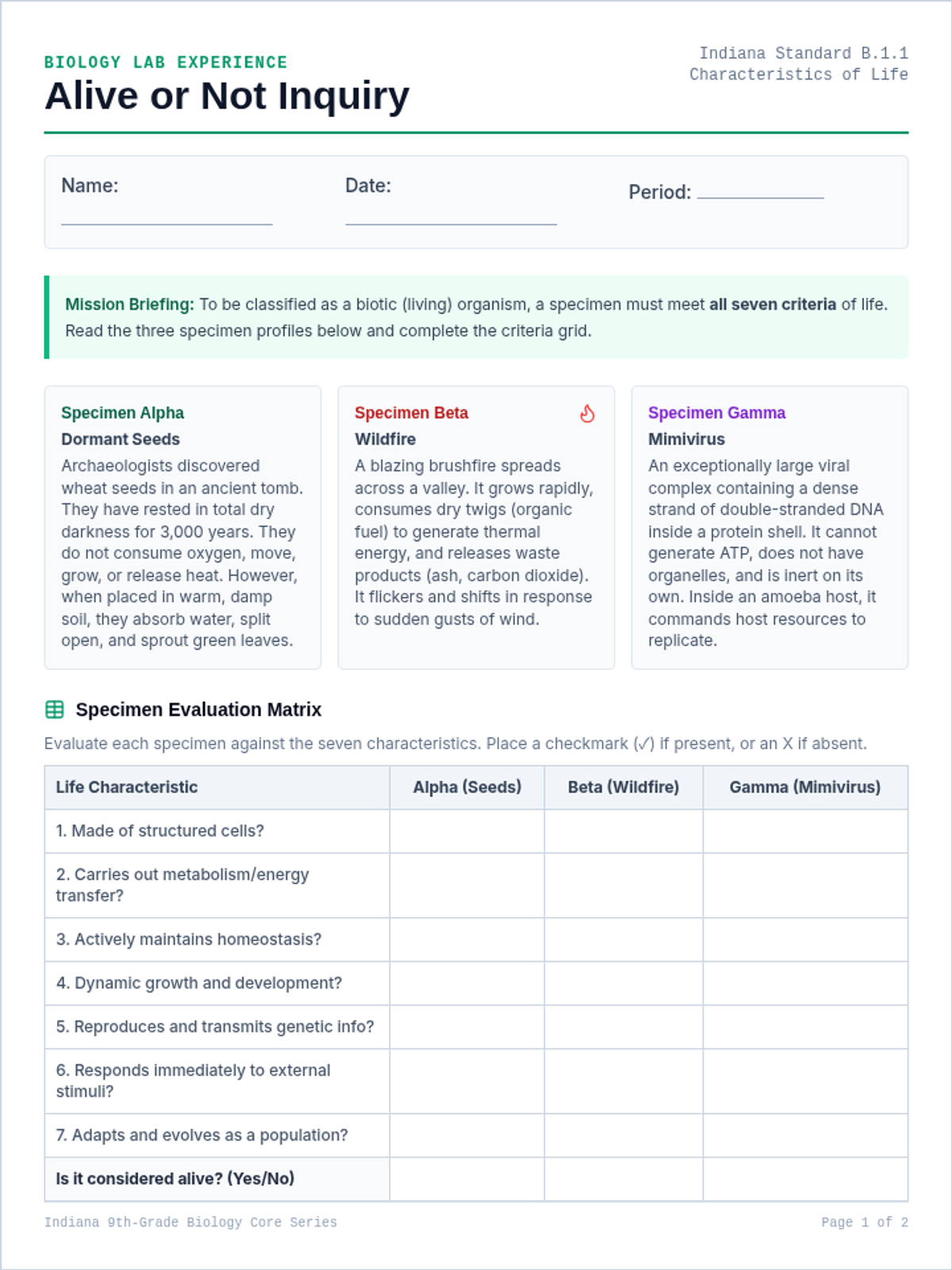
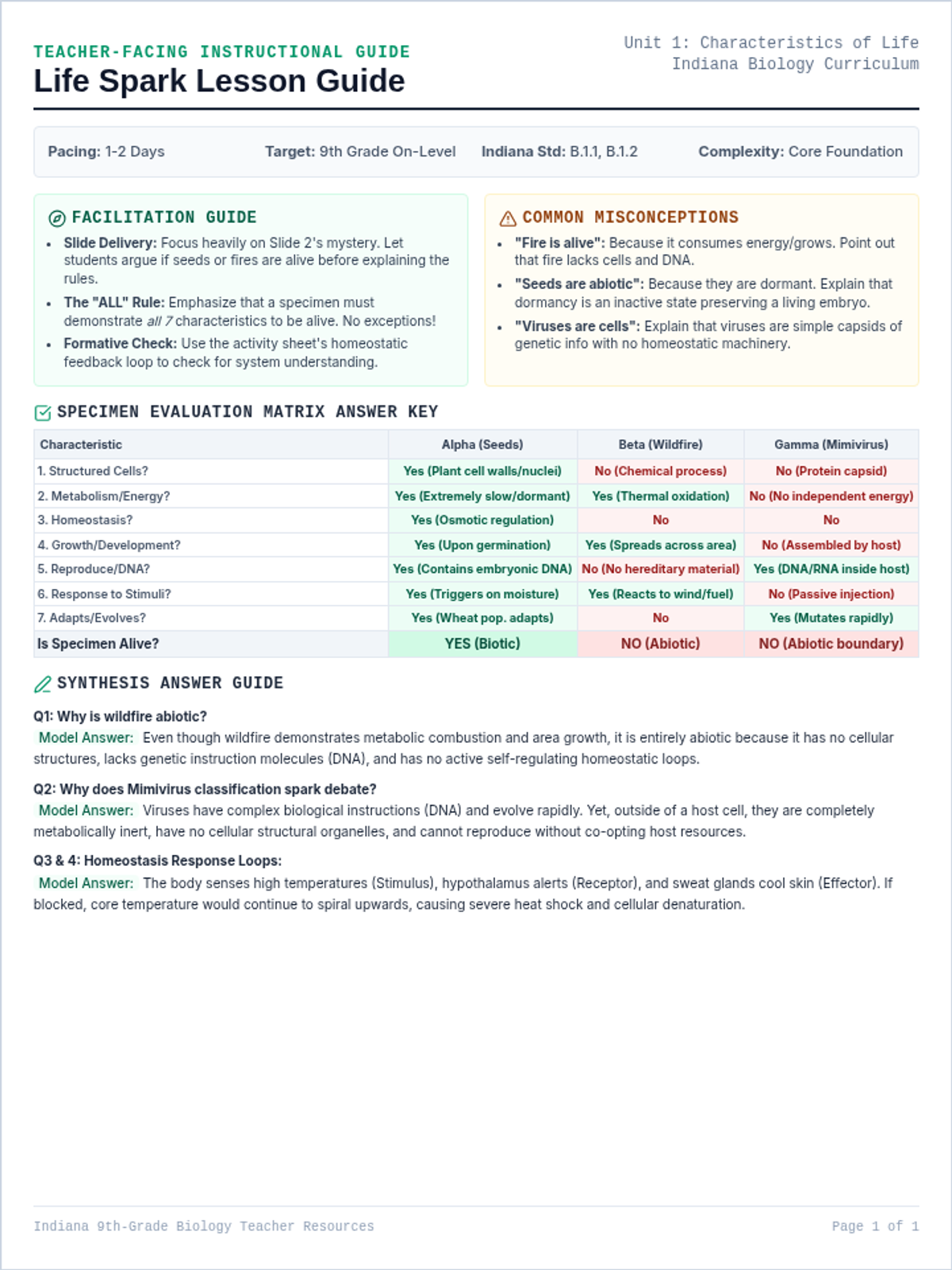
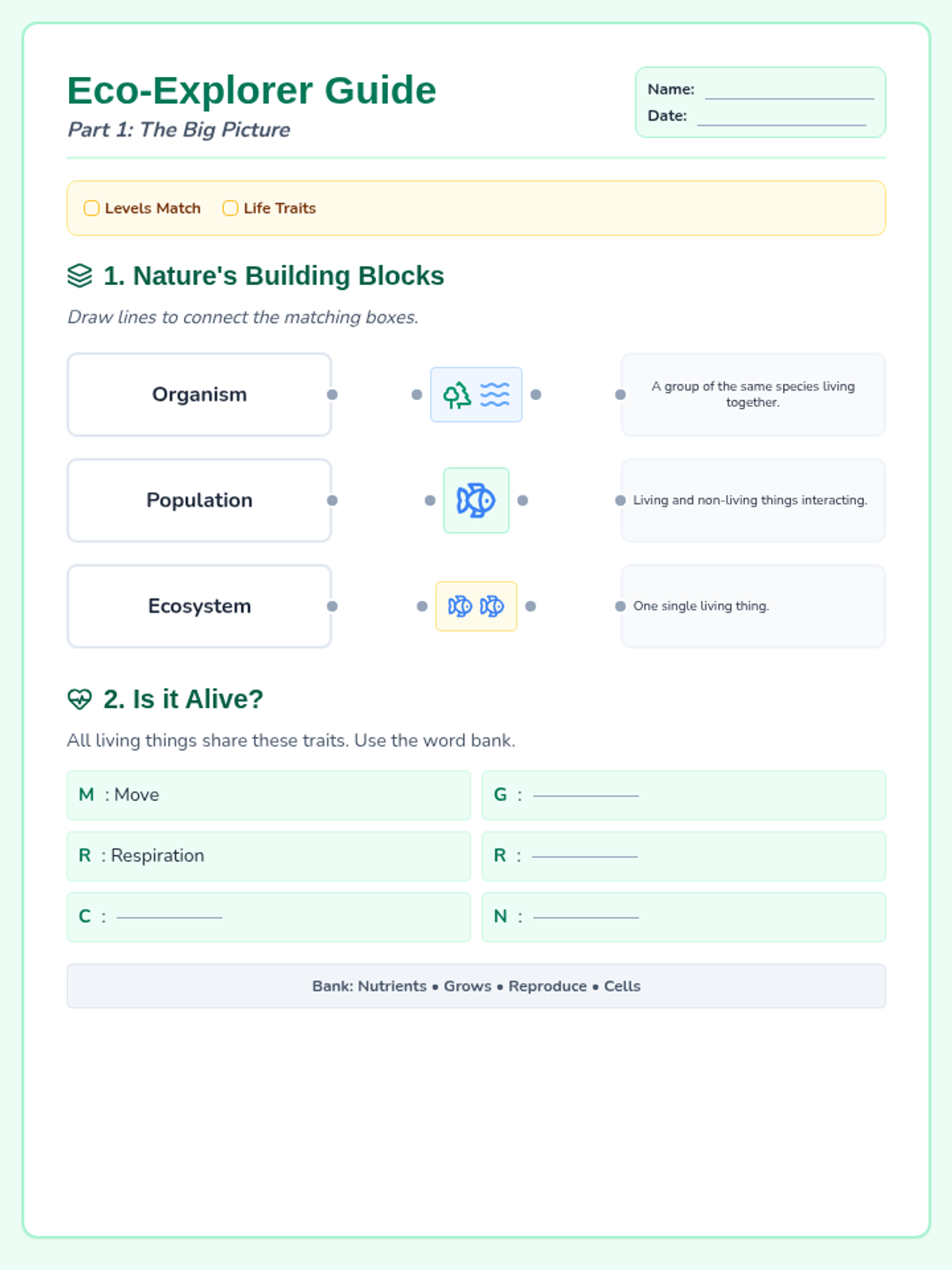
An introductory unit exploring the seven characteristics of living things, structural organization, and homeostatic balance in organisms, aligned with Indiana Academic Standards.
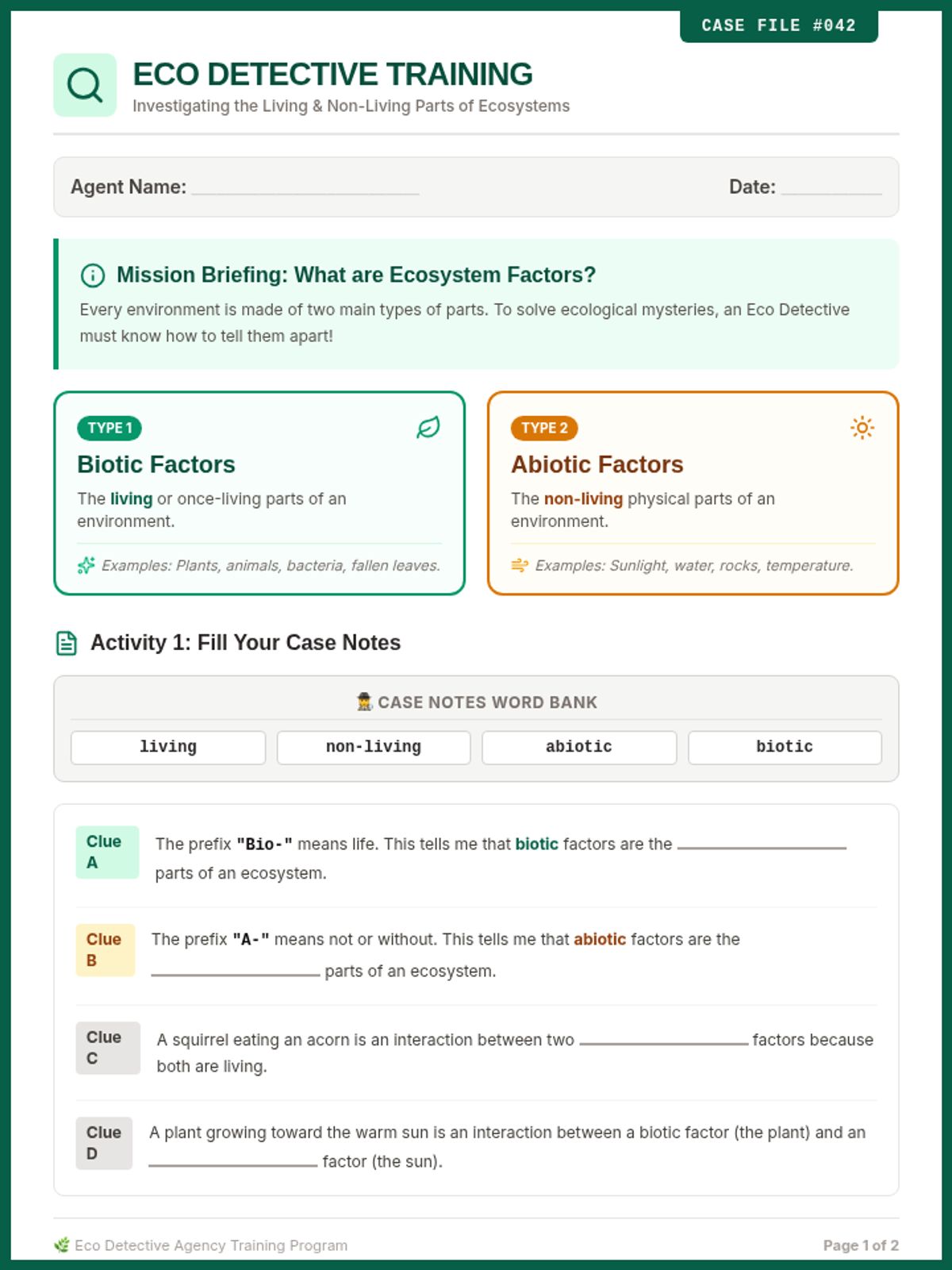
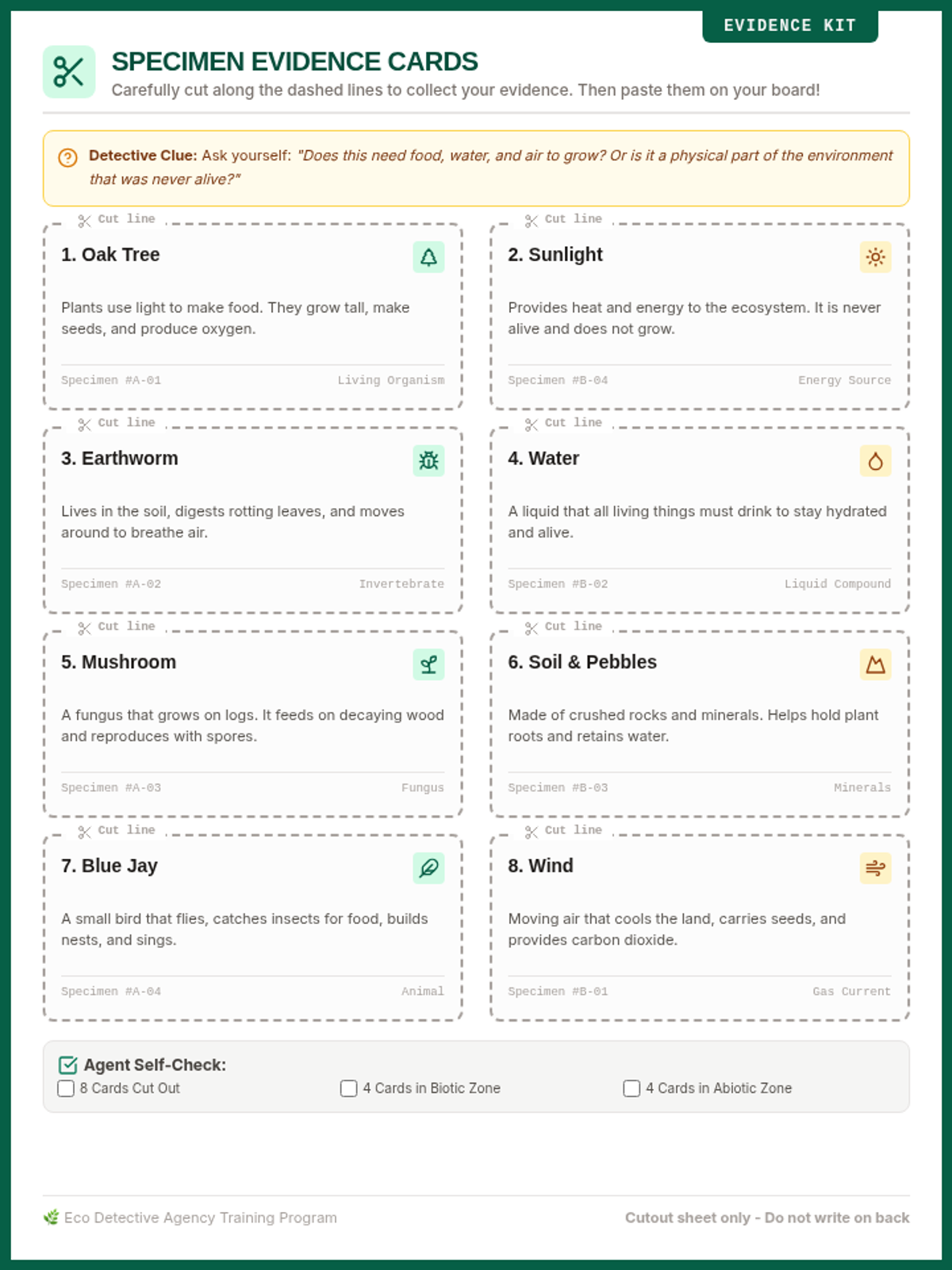
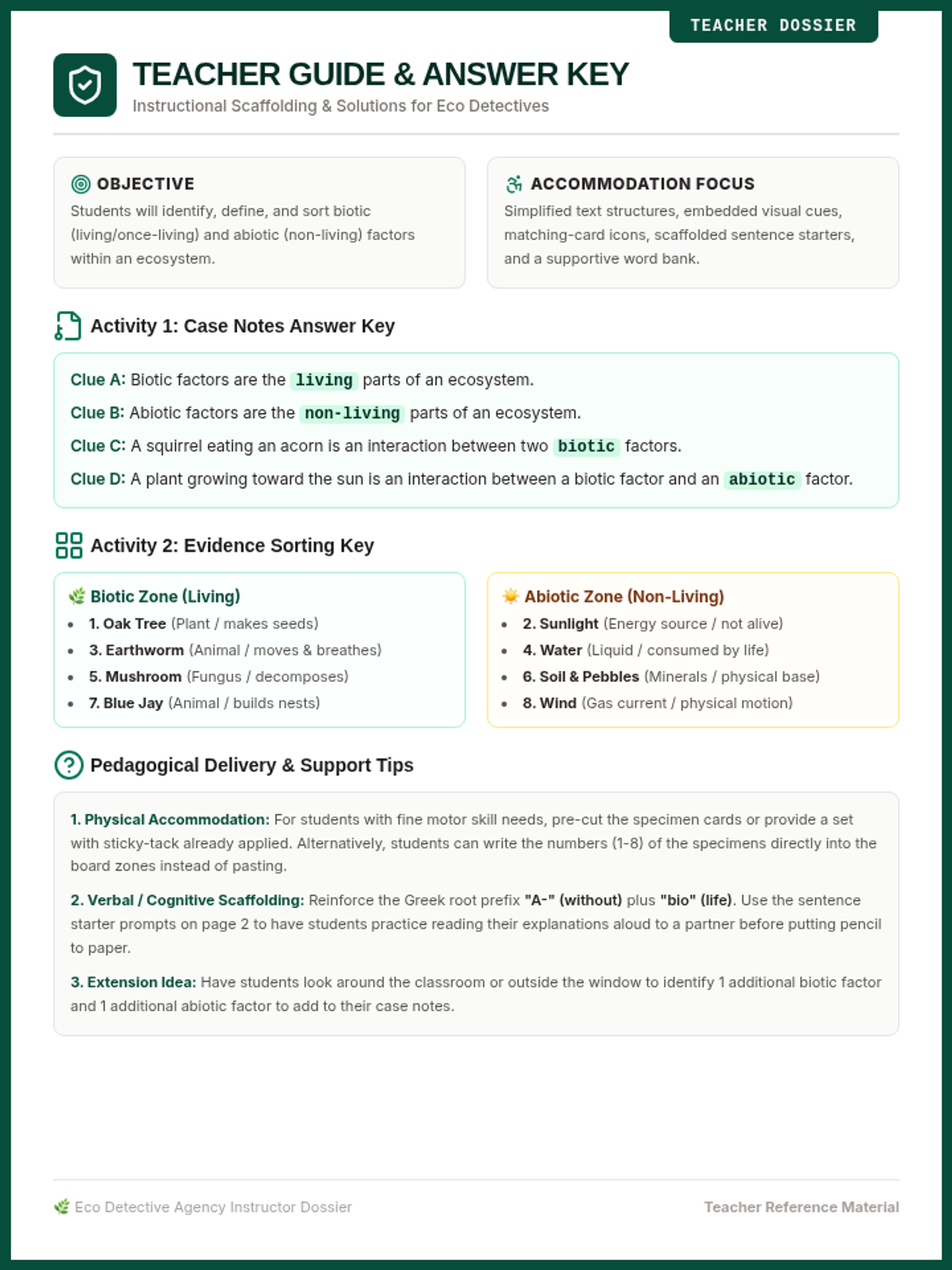
An interactive, scaffolded lesson introducing biotic and abiotic factors in ecosystems. Includes guided notes with sentence starters, a word bank, and a hands-on sorting activity designed for students requiring accommodation.
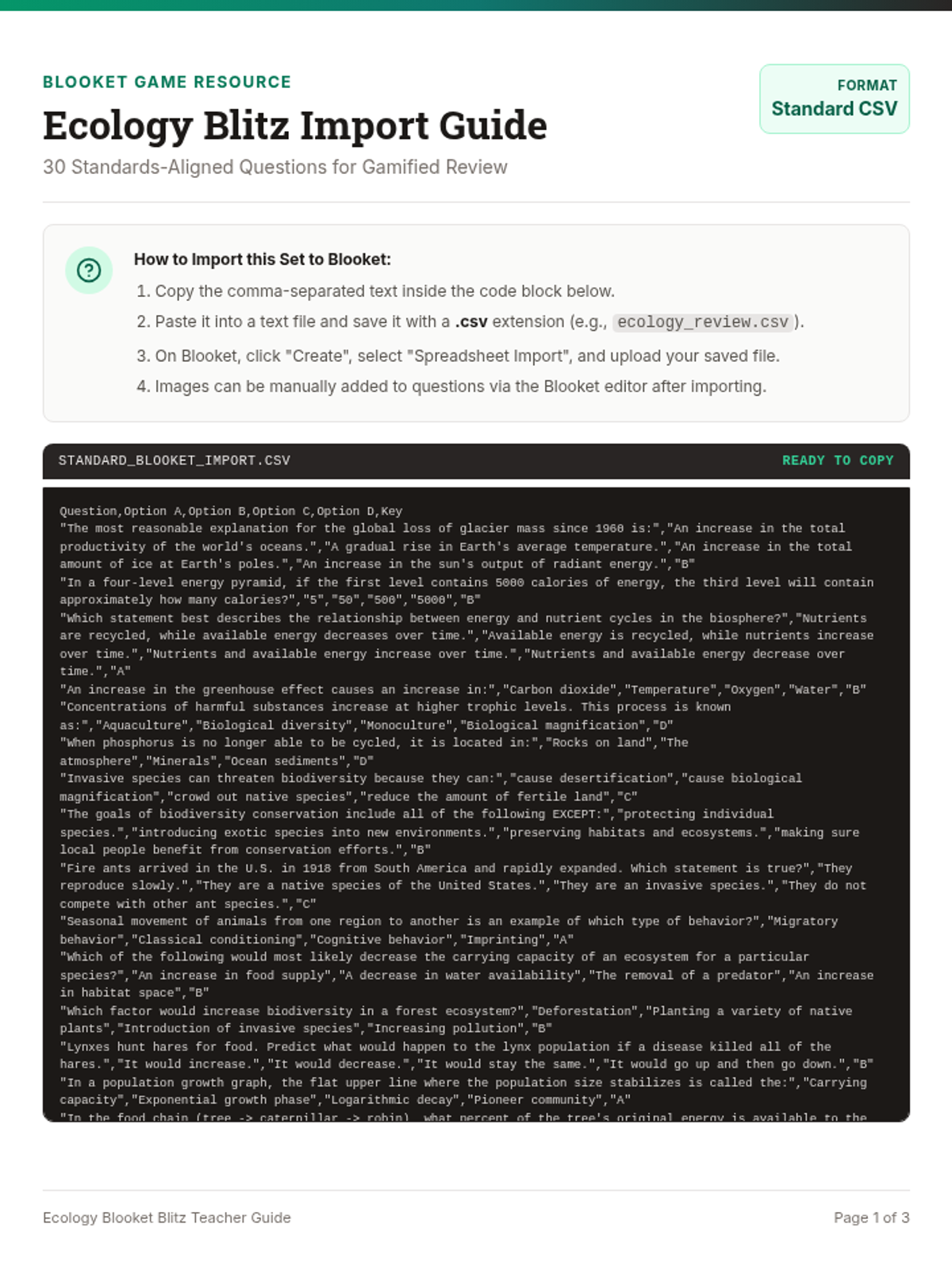
A high-energy ecology review lesson utilizing a gamified Blooket activity. It contains a complete Blooket-ready question bank and teacher guide featuring 30 standards-aligned ecology questions designed to evaluate understanding of ecosystems, energy pyramids, human impacts, and biochemical cycles.
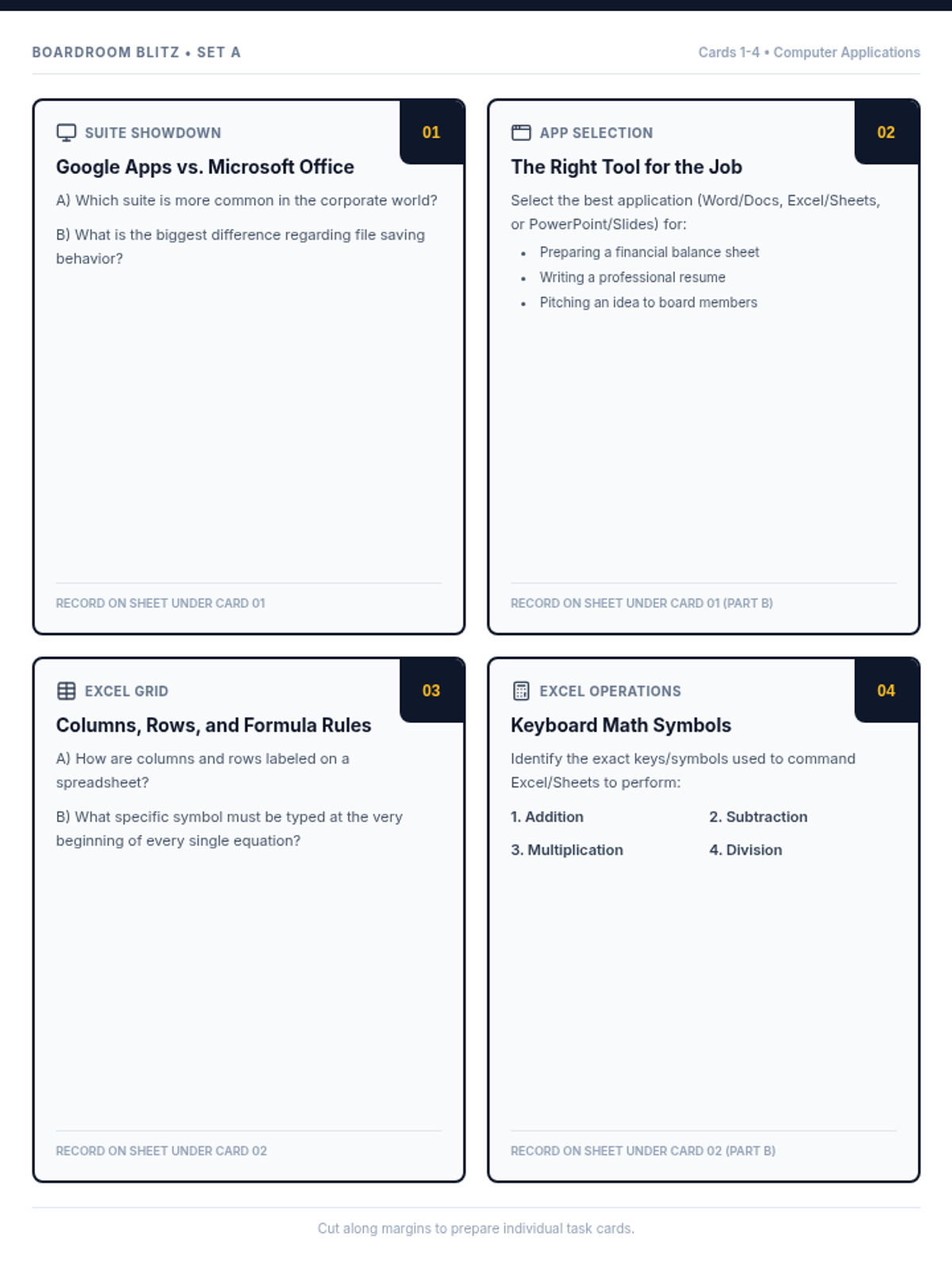
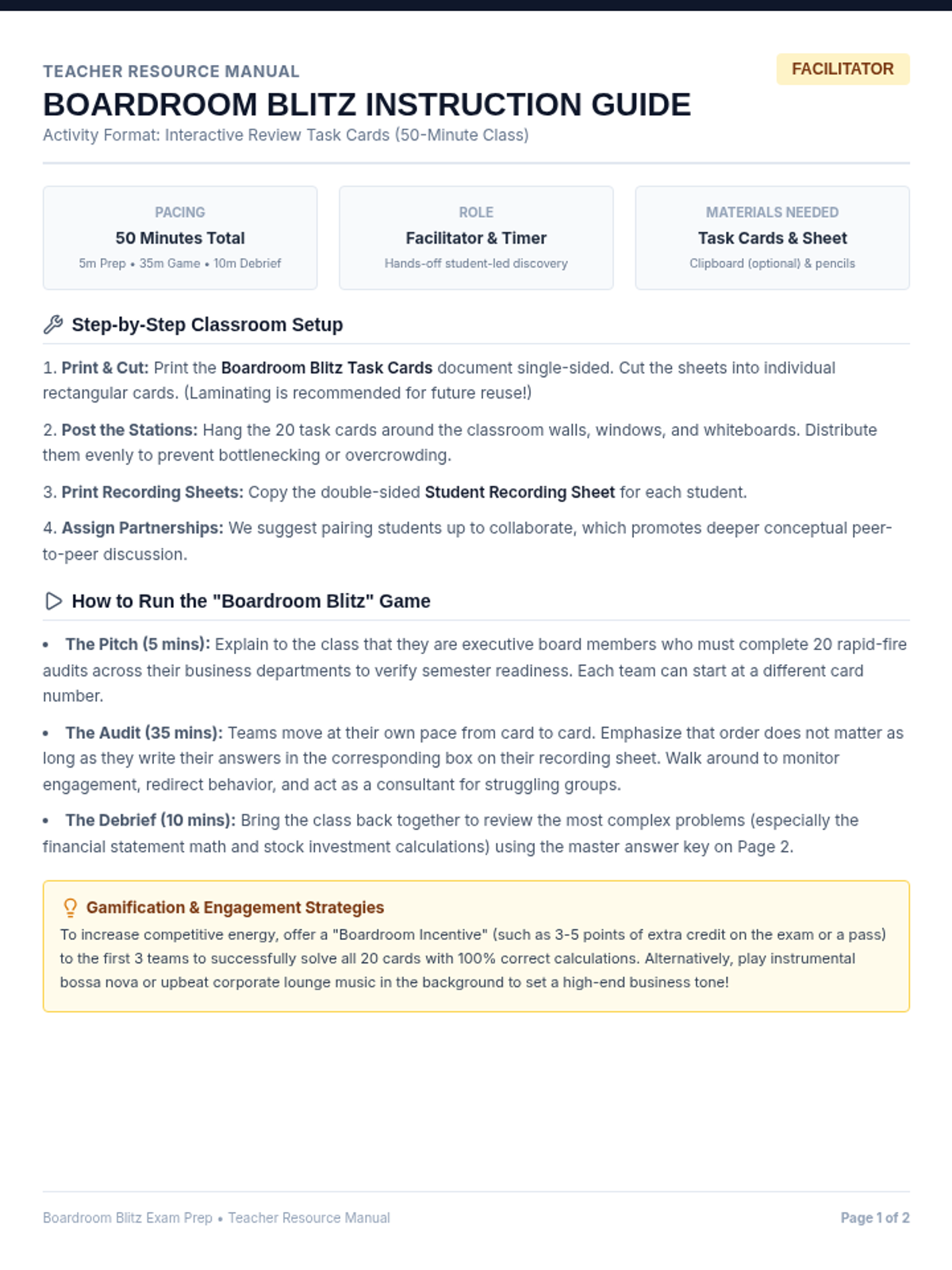
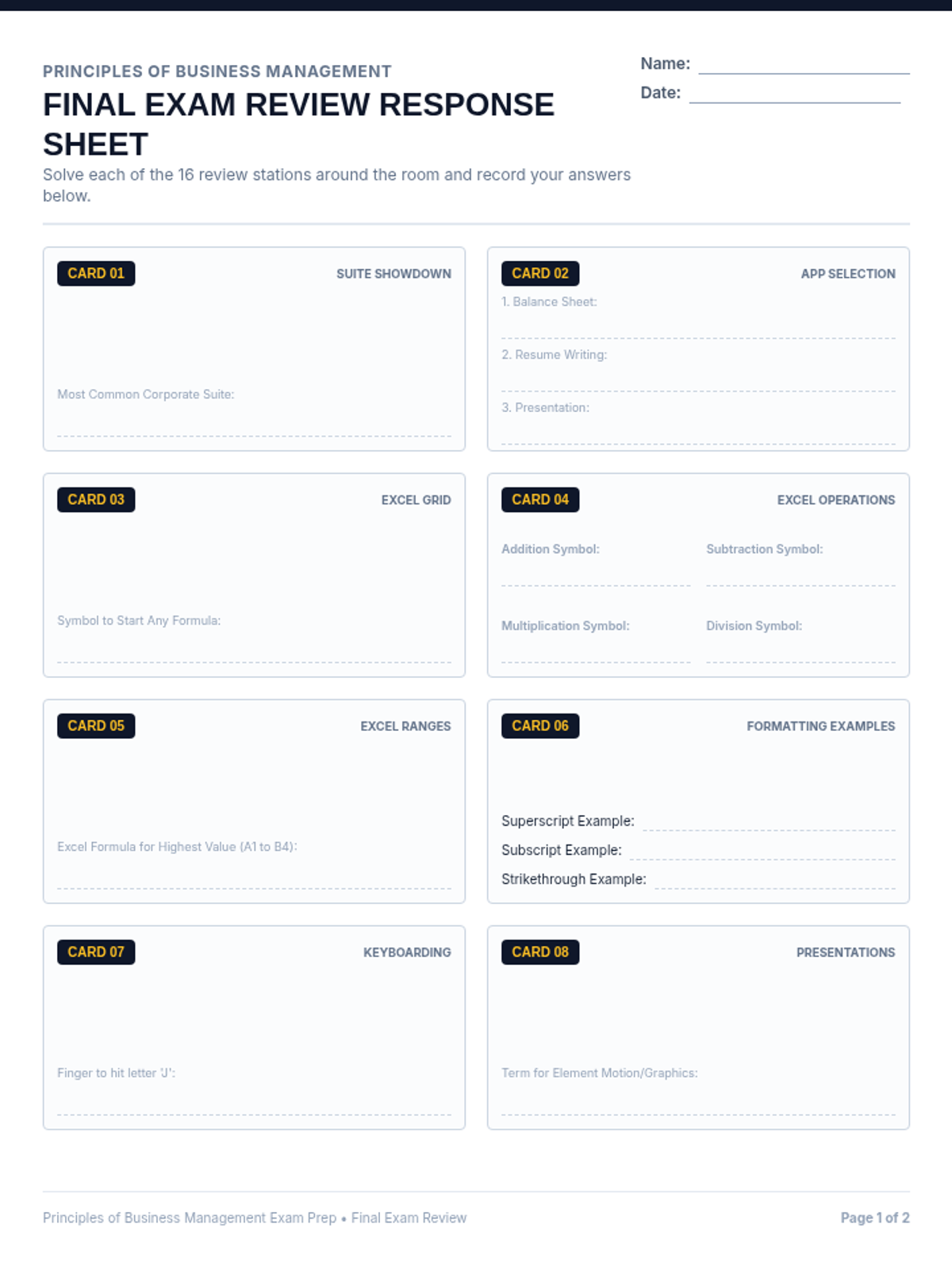
An engaging, student-led classroom game designed to review all semester 2 concepts for Principles of Business Management, including Computer Applications, HR, Business Organizations, Financial Management, and Financing.
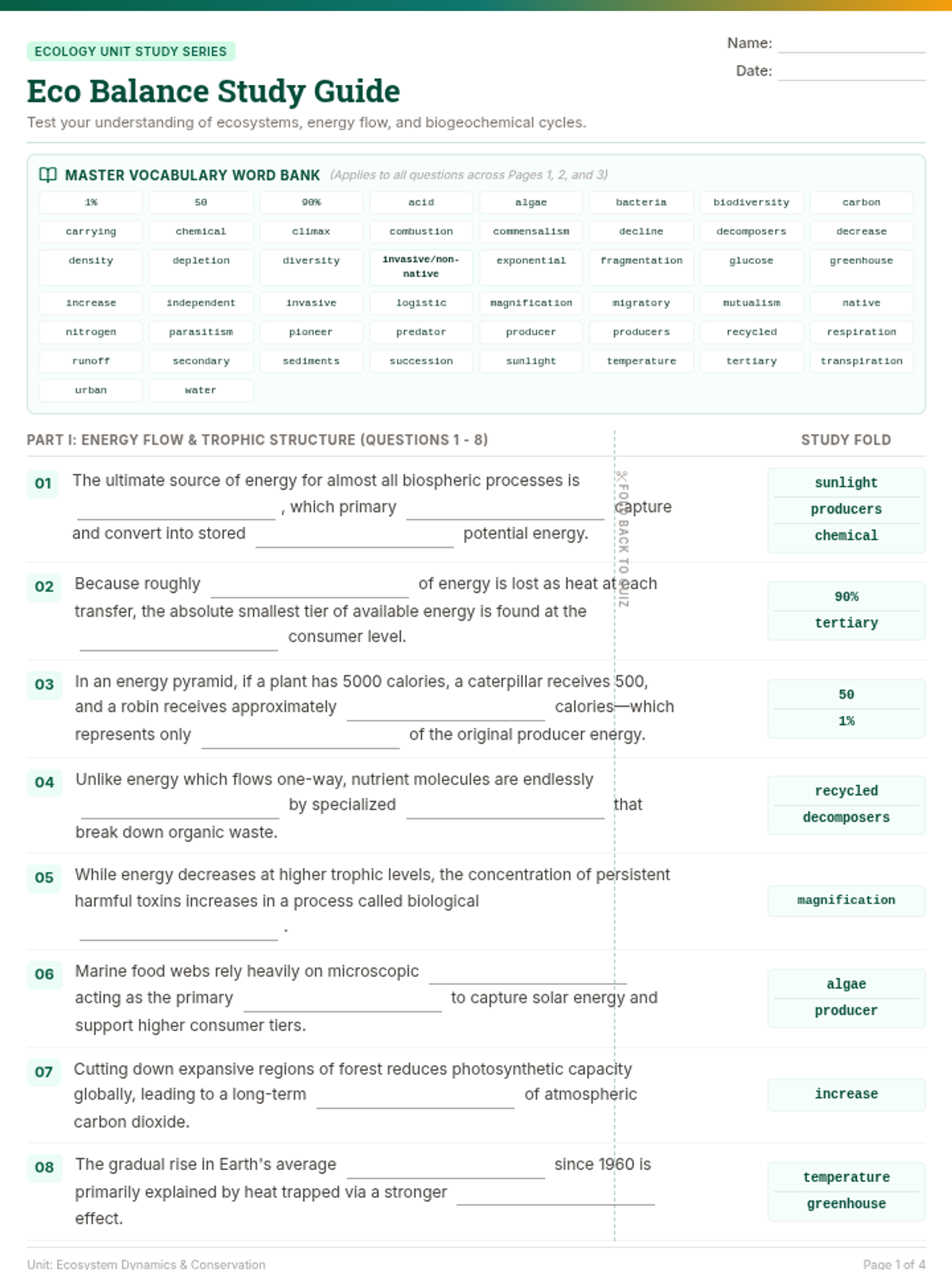
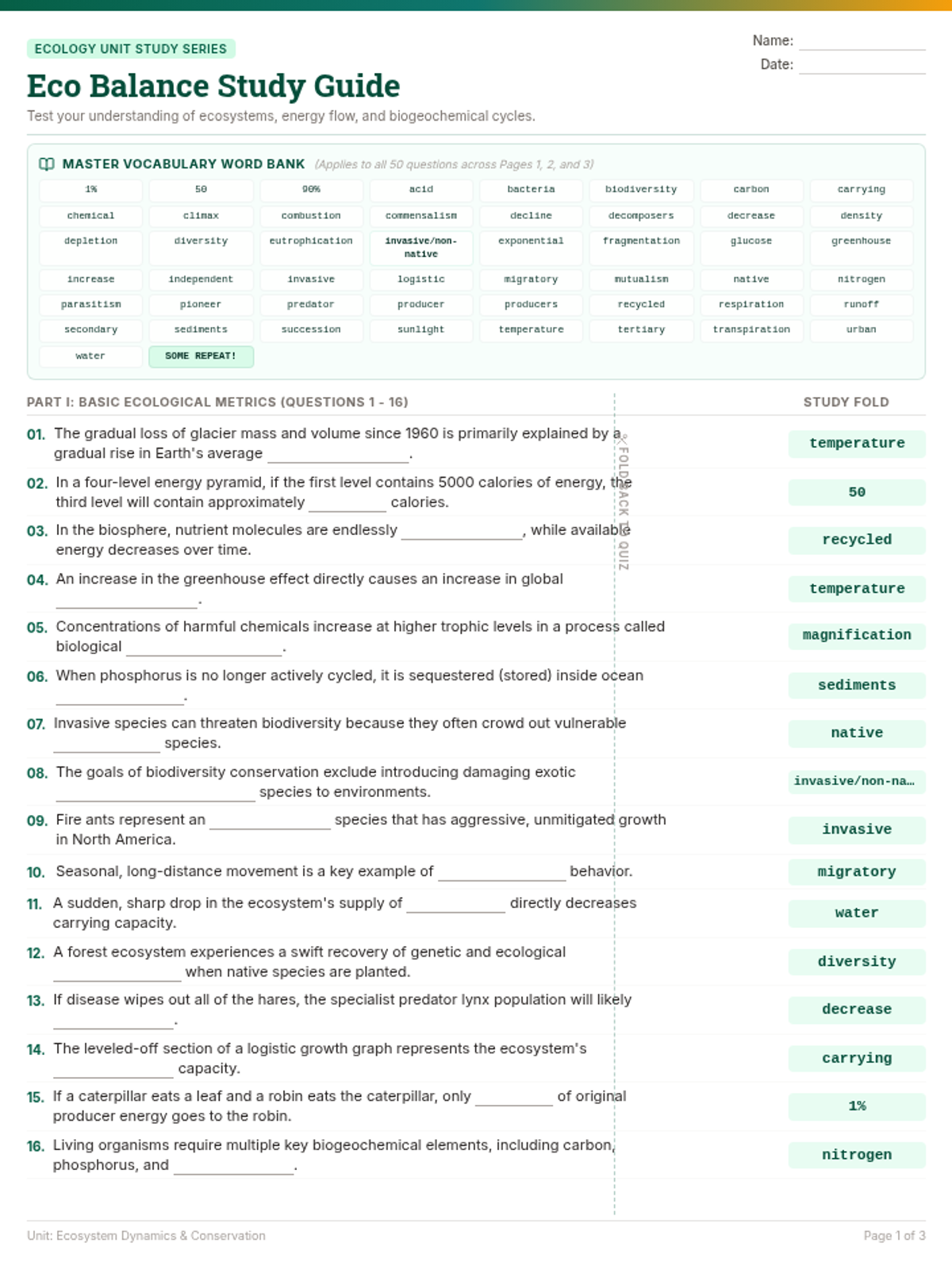
An essential study unit focusing on ecosystem dynamics, energy flow, biogeochemical cycles, and human impacts on biodiversity.
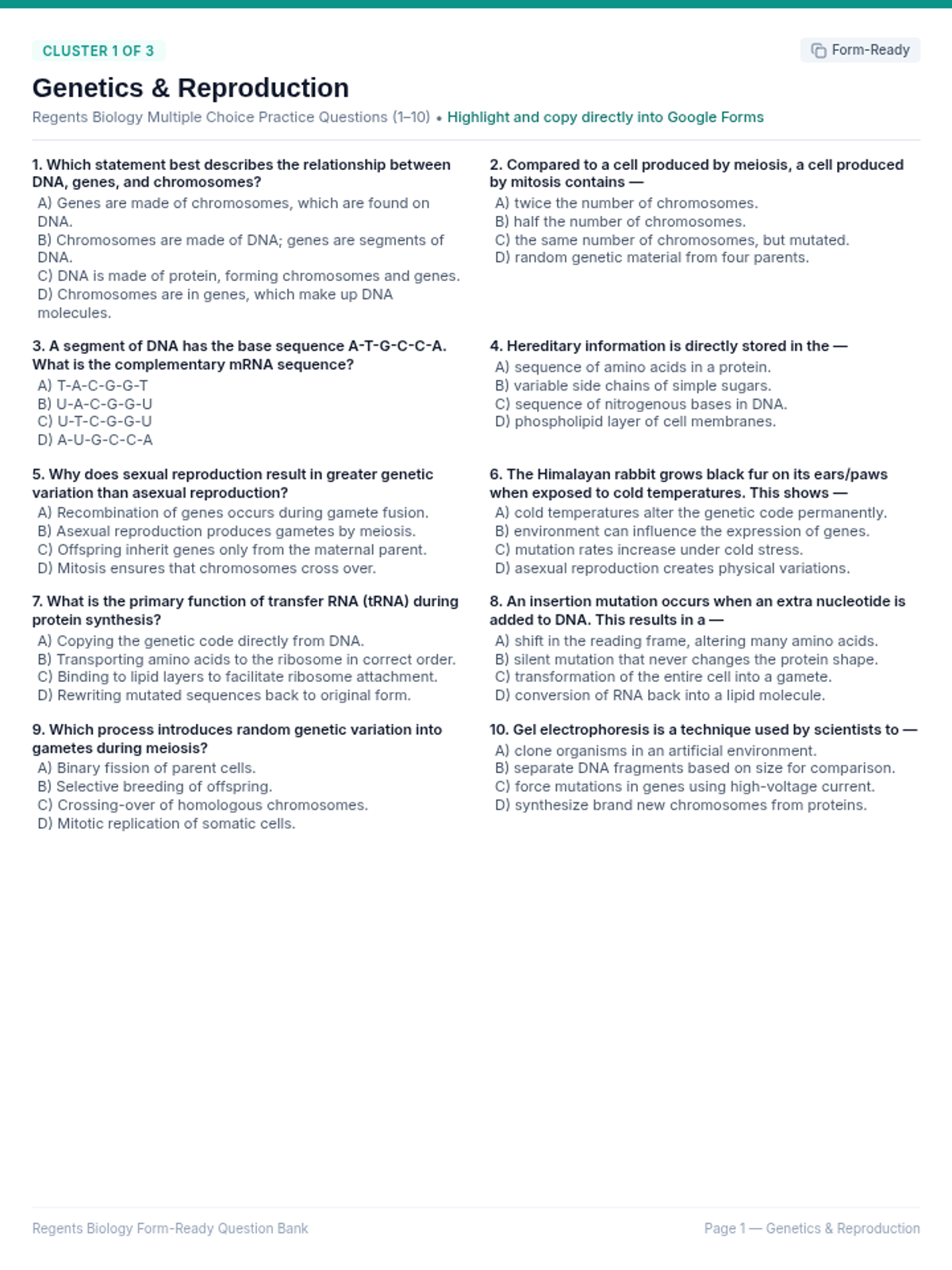
A comprehensive, regents-level biology practice package containing a form-ready question bank across three key clusters: Genetics/Reproduction, Cells/Living Environment, and Evolution/Diversity, optimized for Google Forms integration.
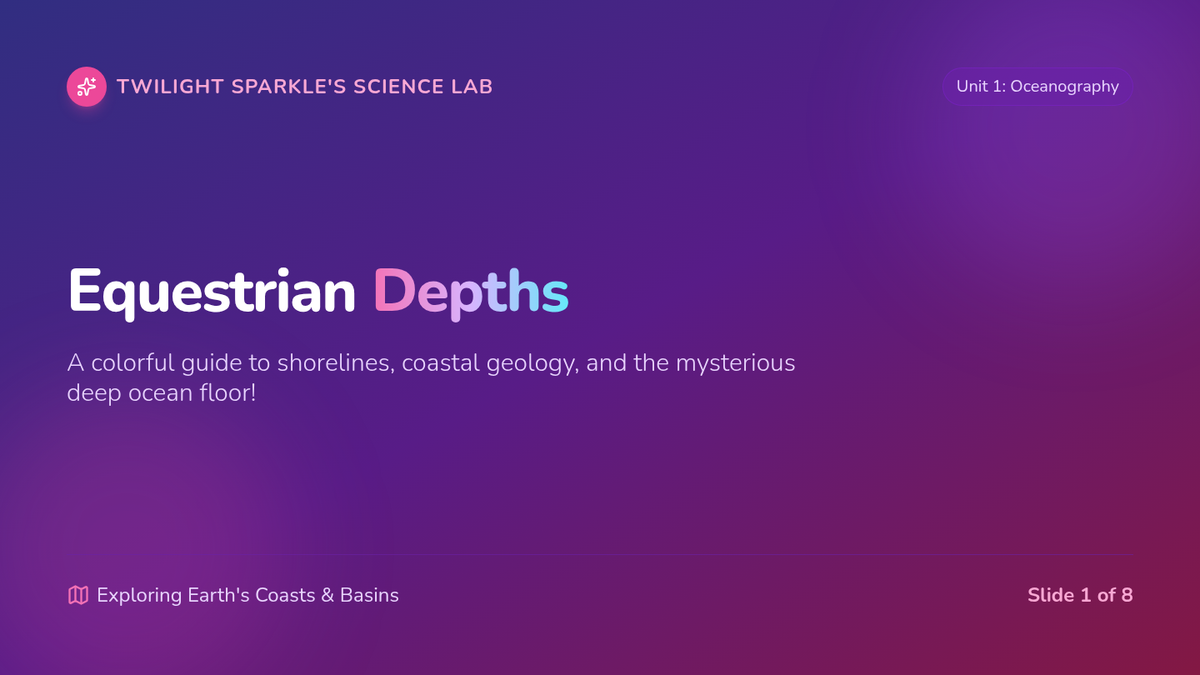
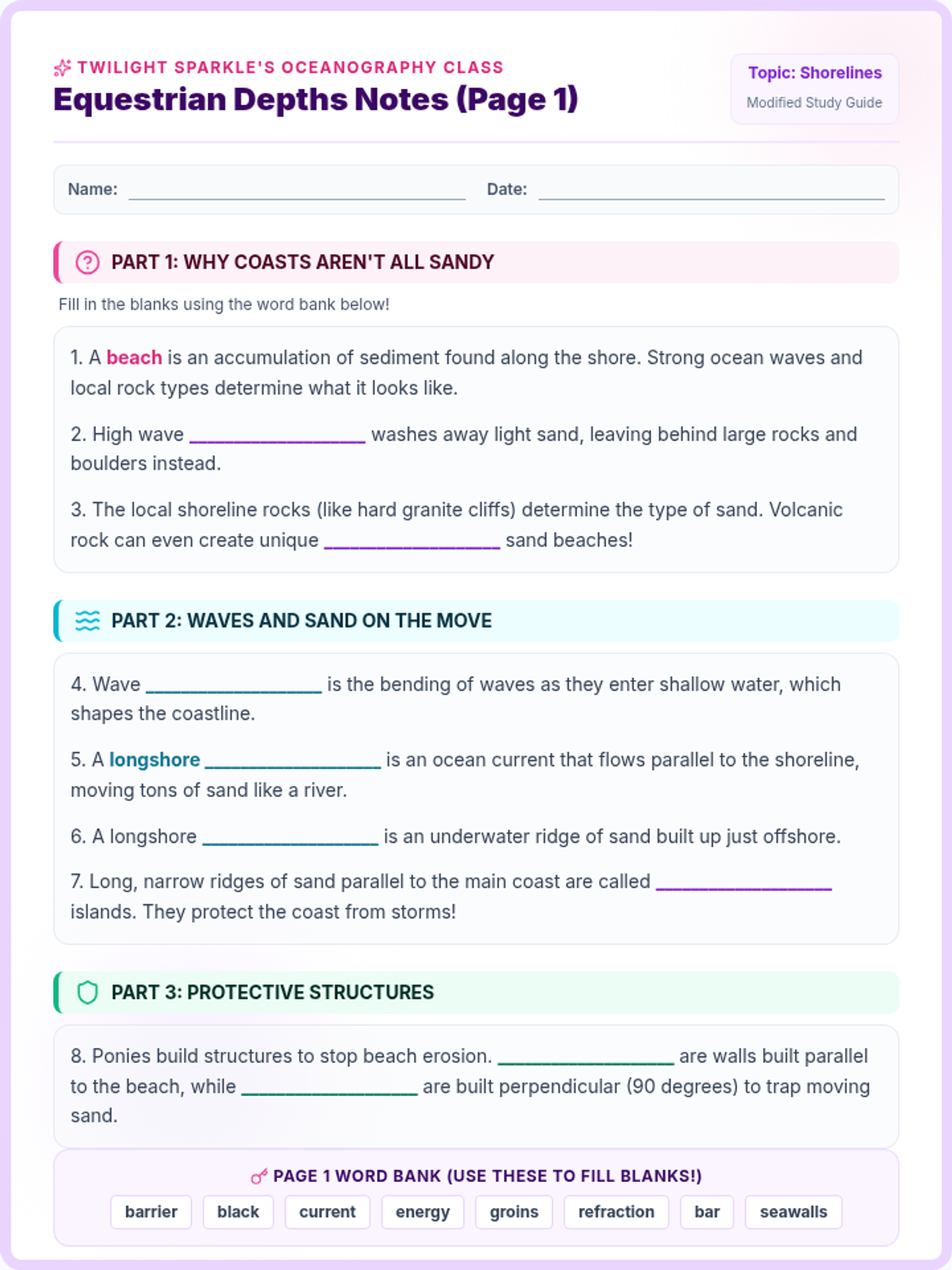
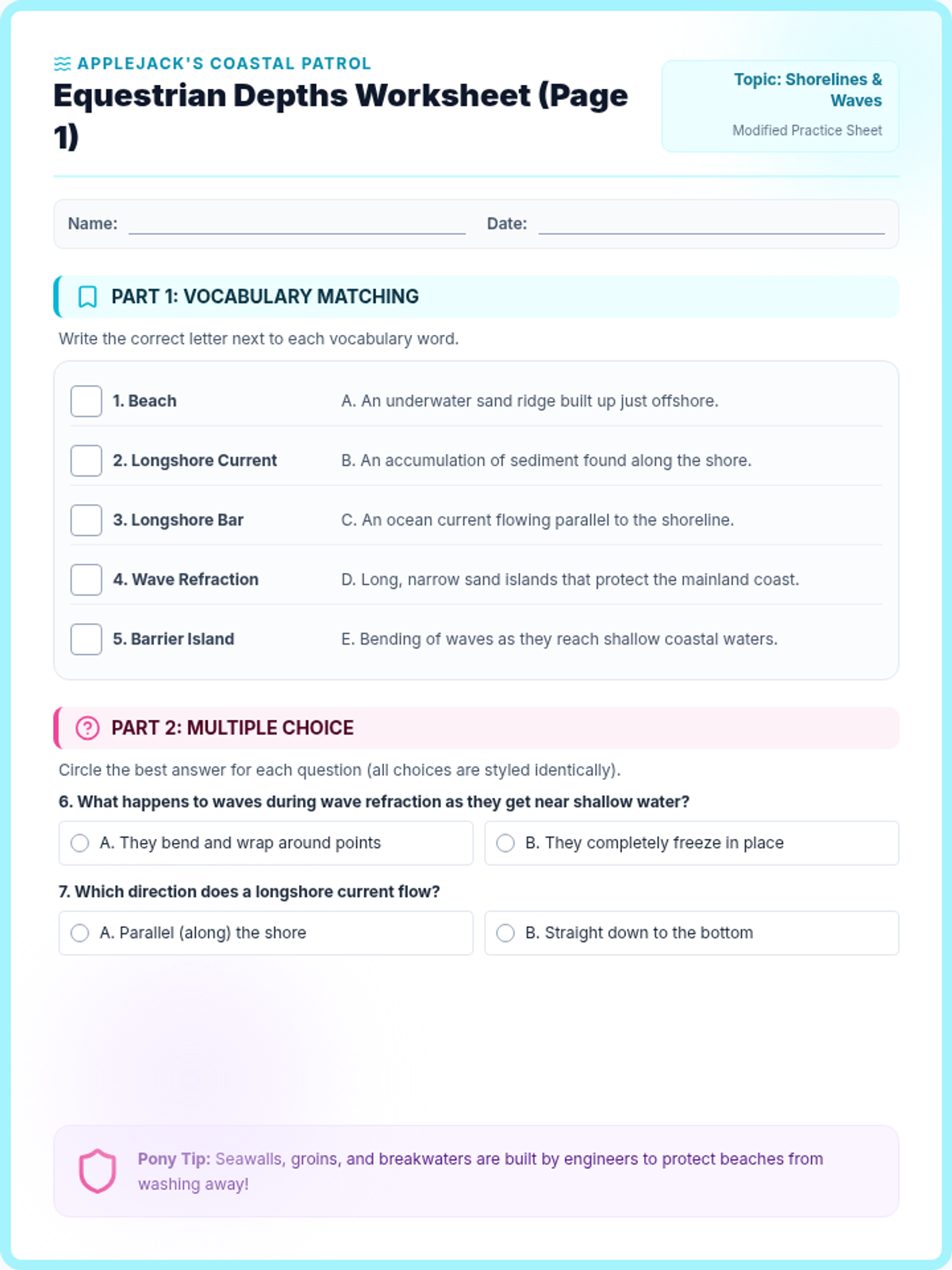
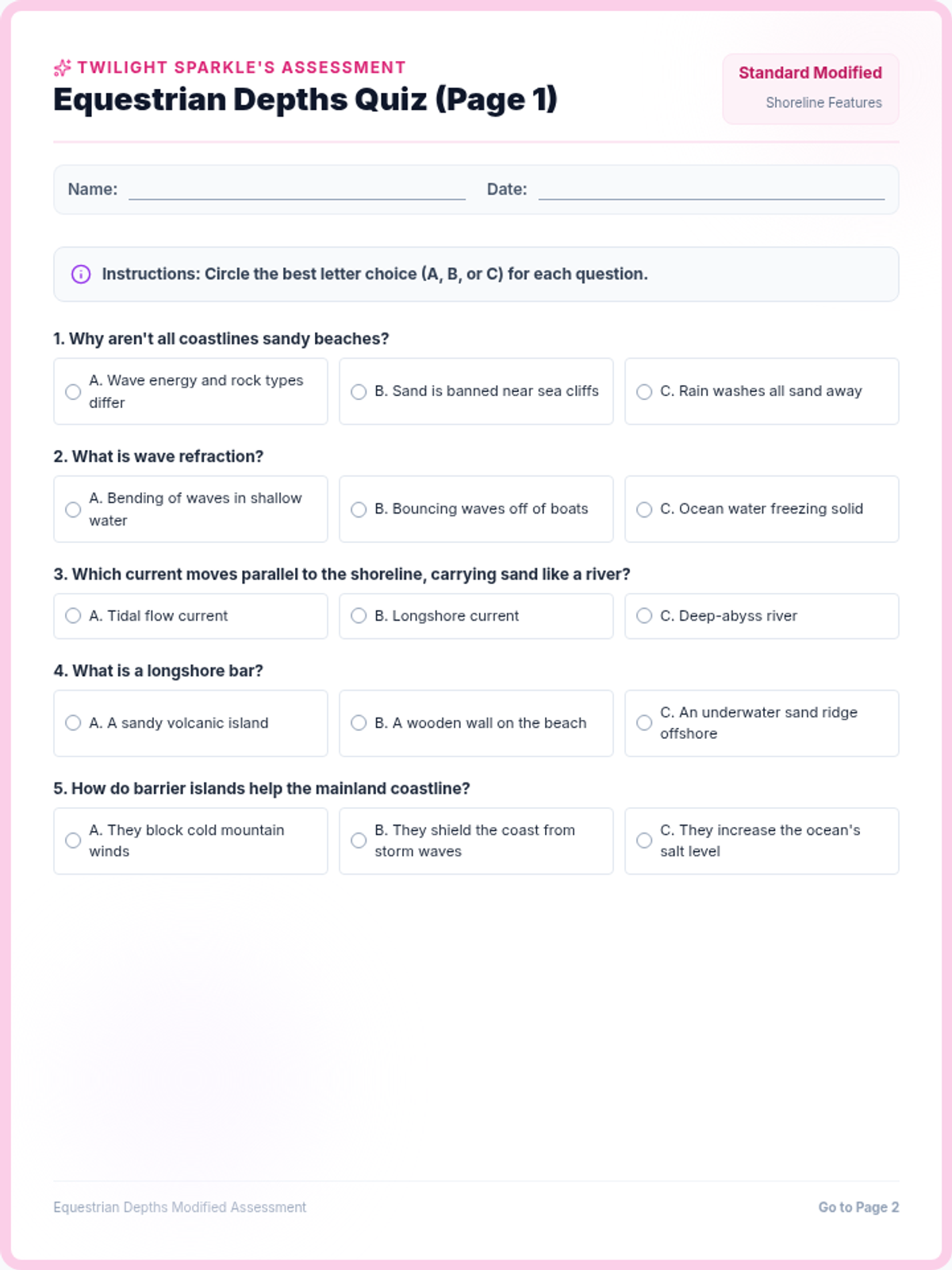
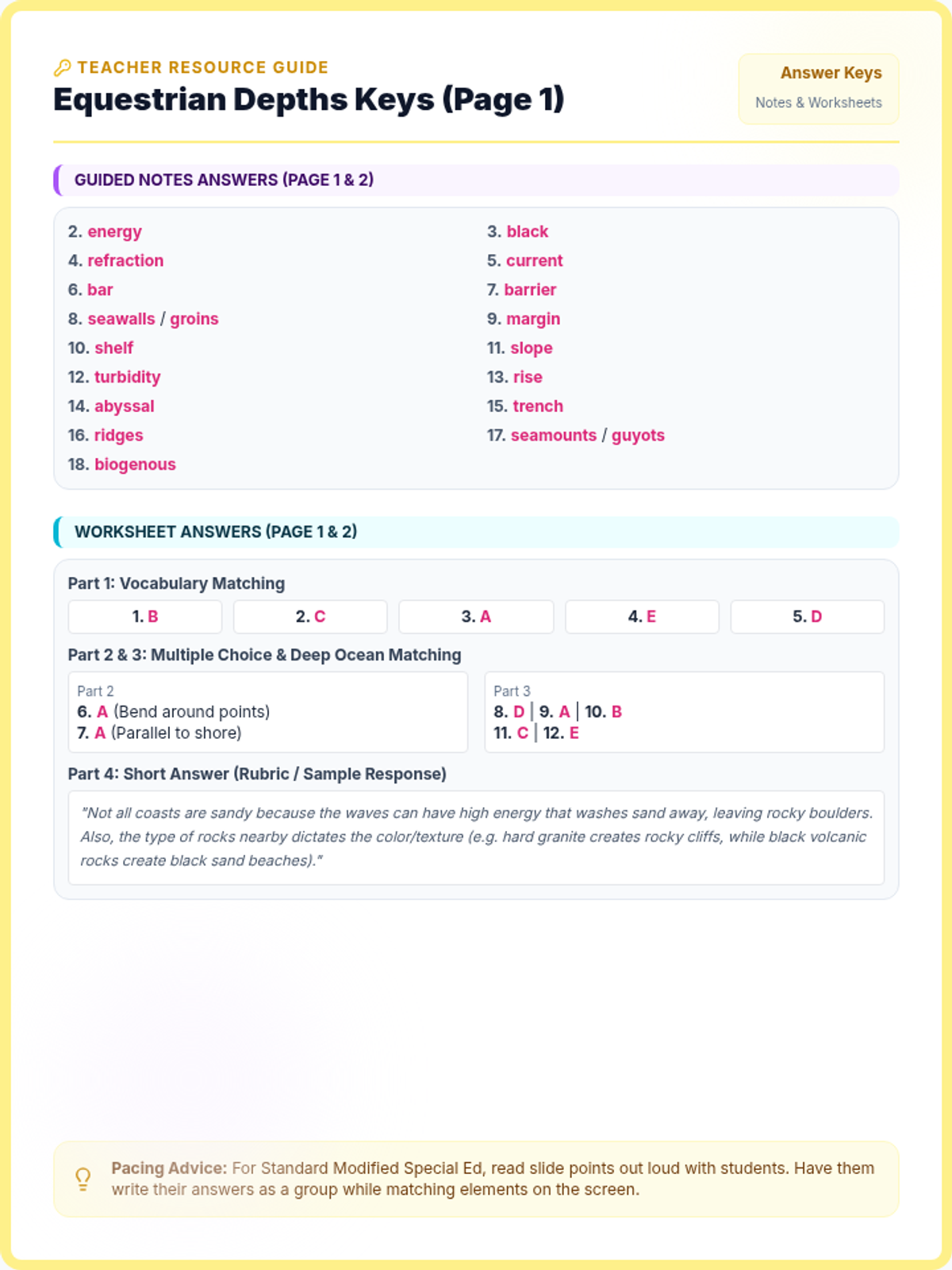
A lesson on oceanography covering shorelines, coastal features, and the deep seafloor, adapted with a friendly My Little Pony decorative theme and chunked, accessible text for Standard Modified Special Education students.
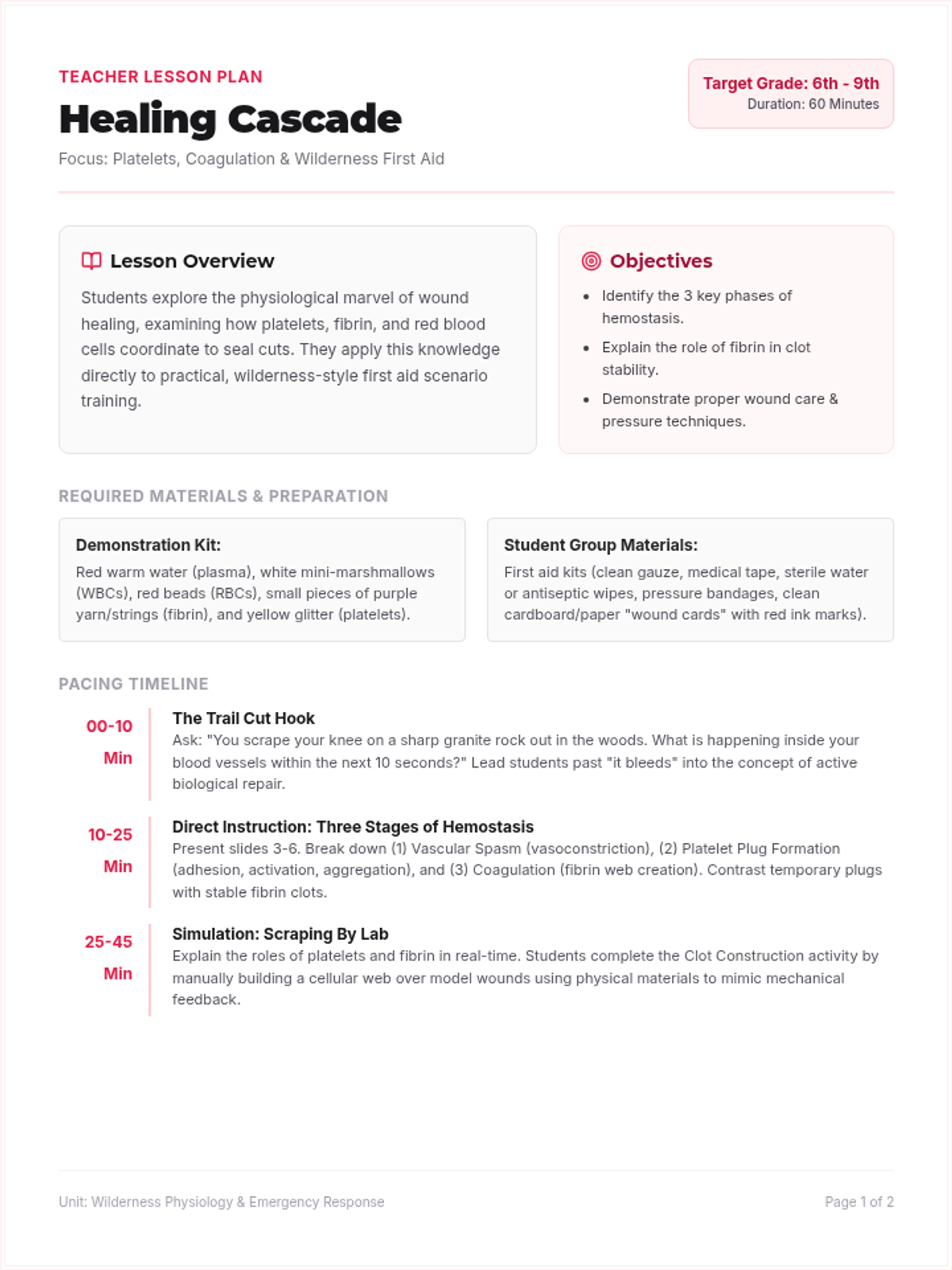
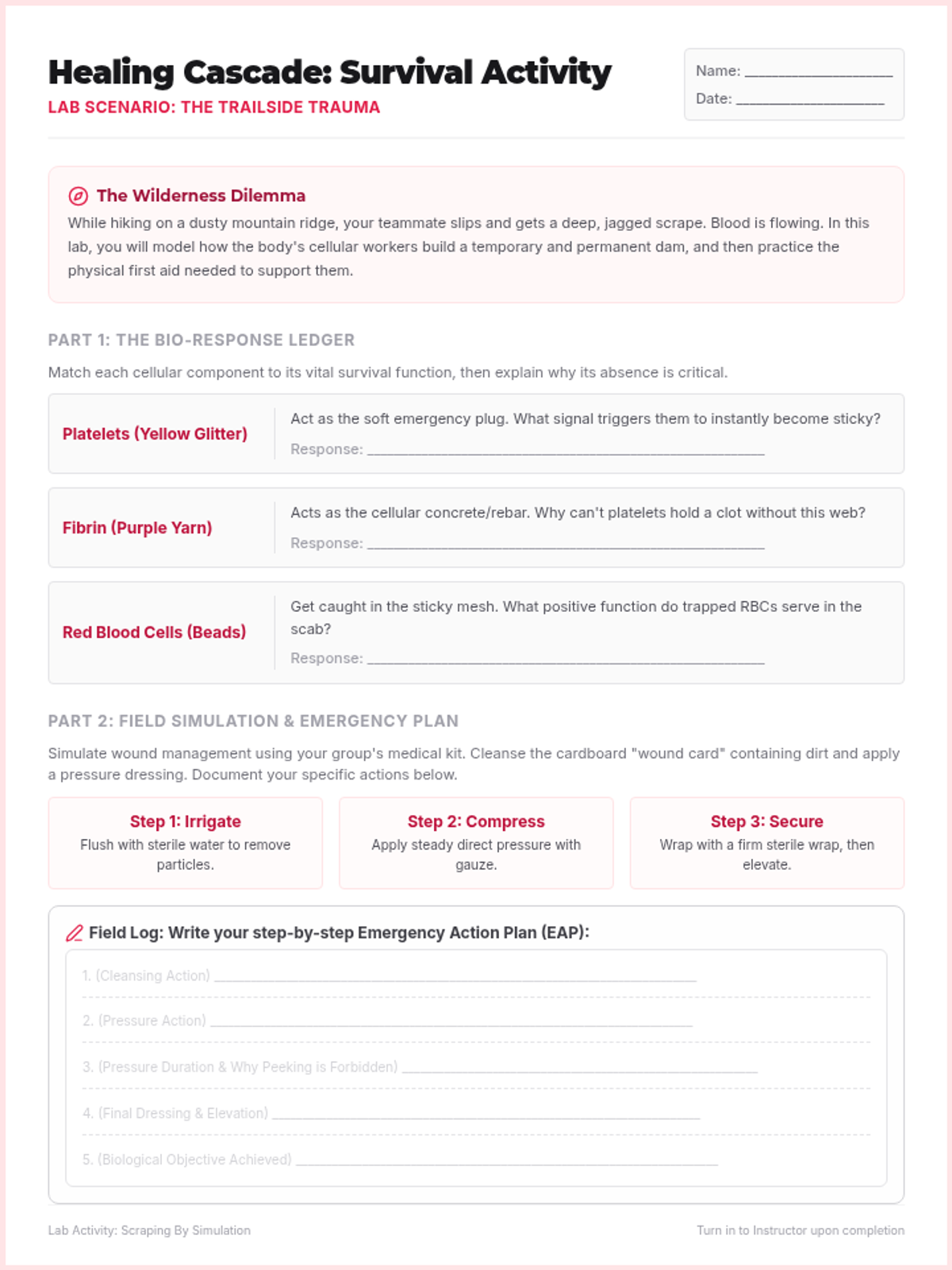
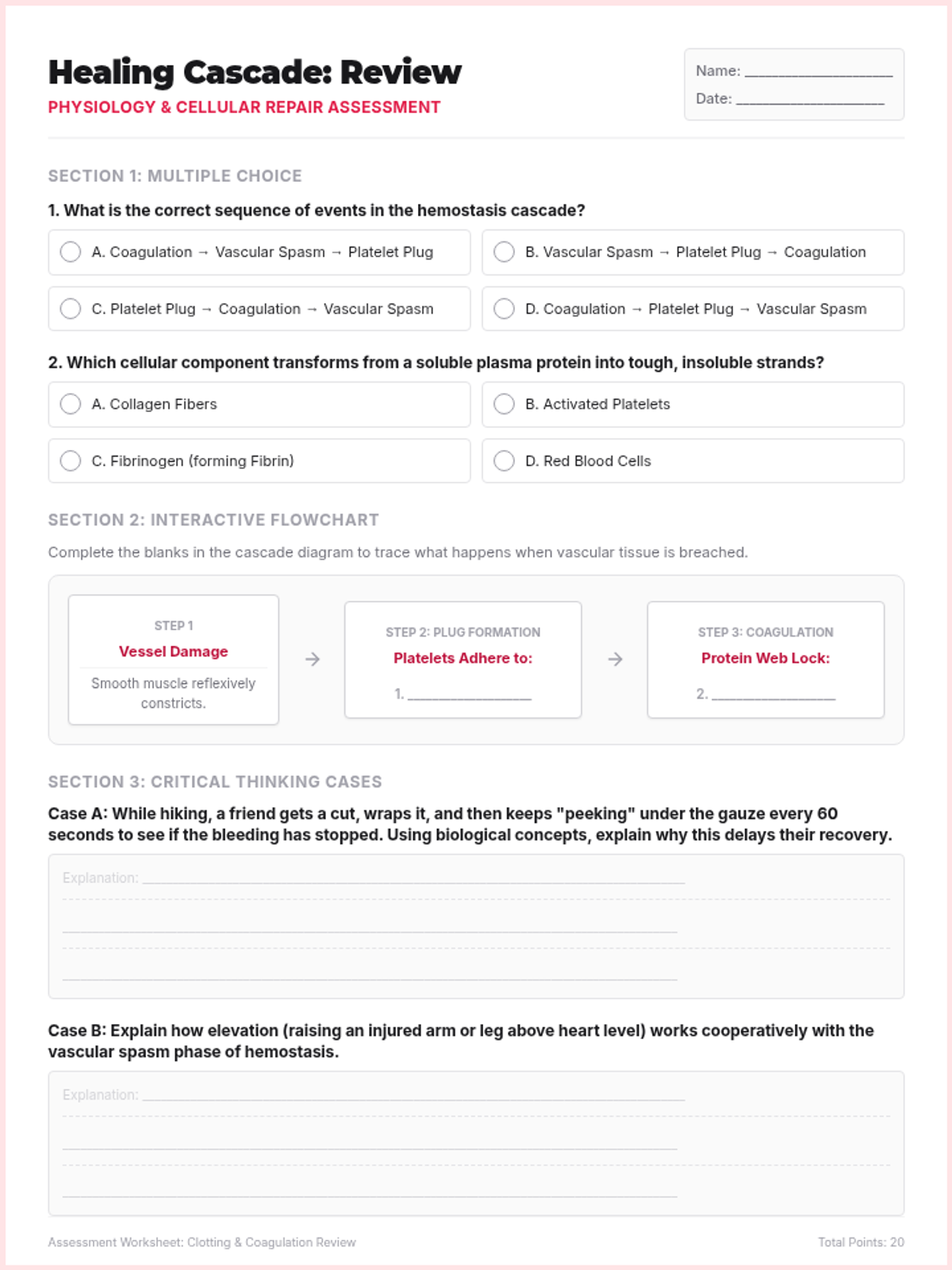
This lesson explores the physiological marvel of wound healing, focusing on platelets, coagulation, and cellular repair. Students learn how the body heals scrapes and cuts and apply this knowledge to practical, outdoors-focused first aid.
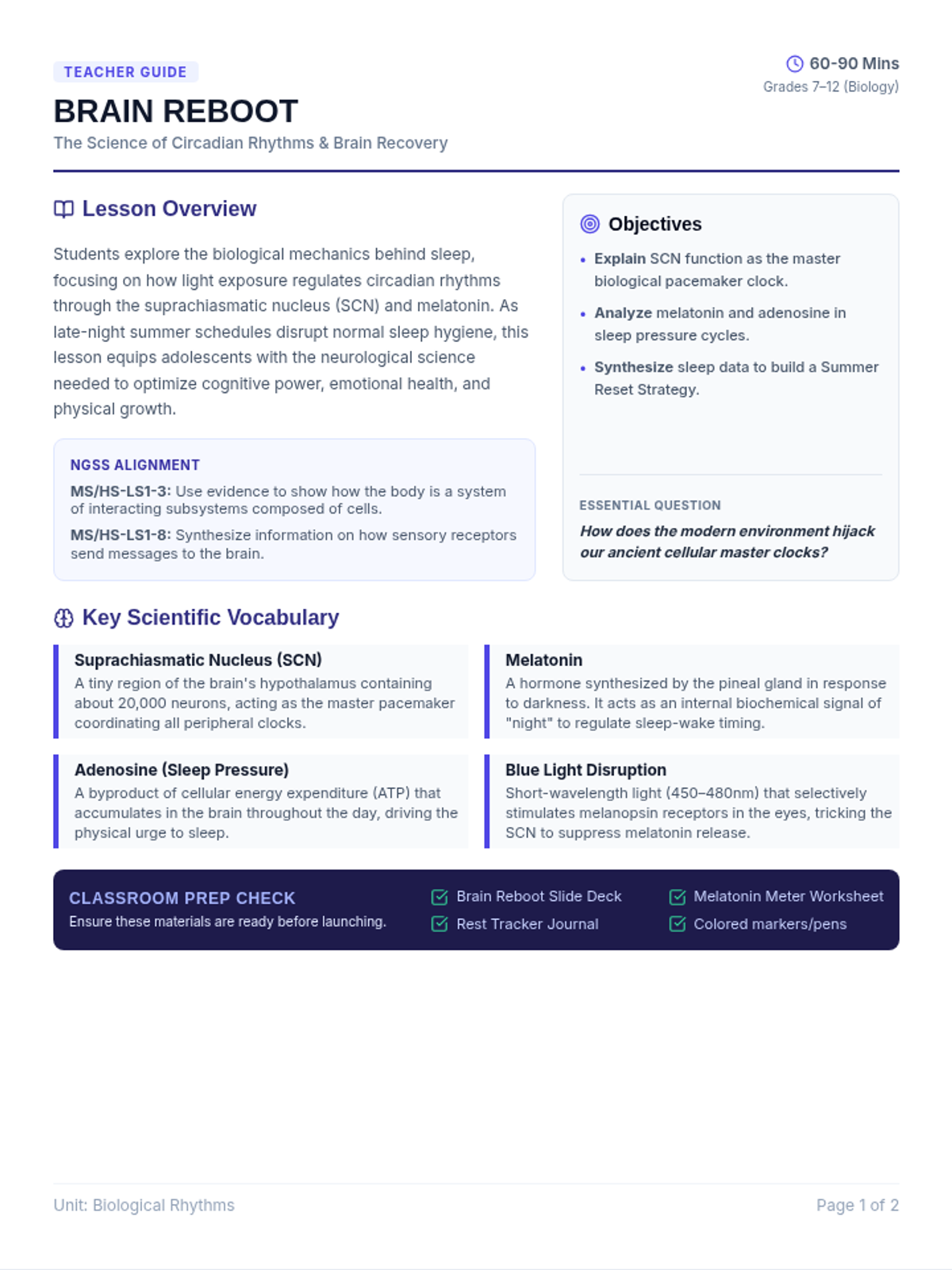
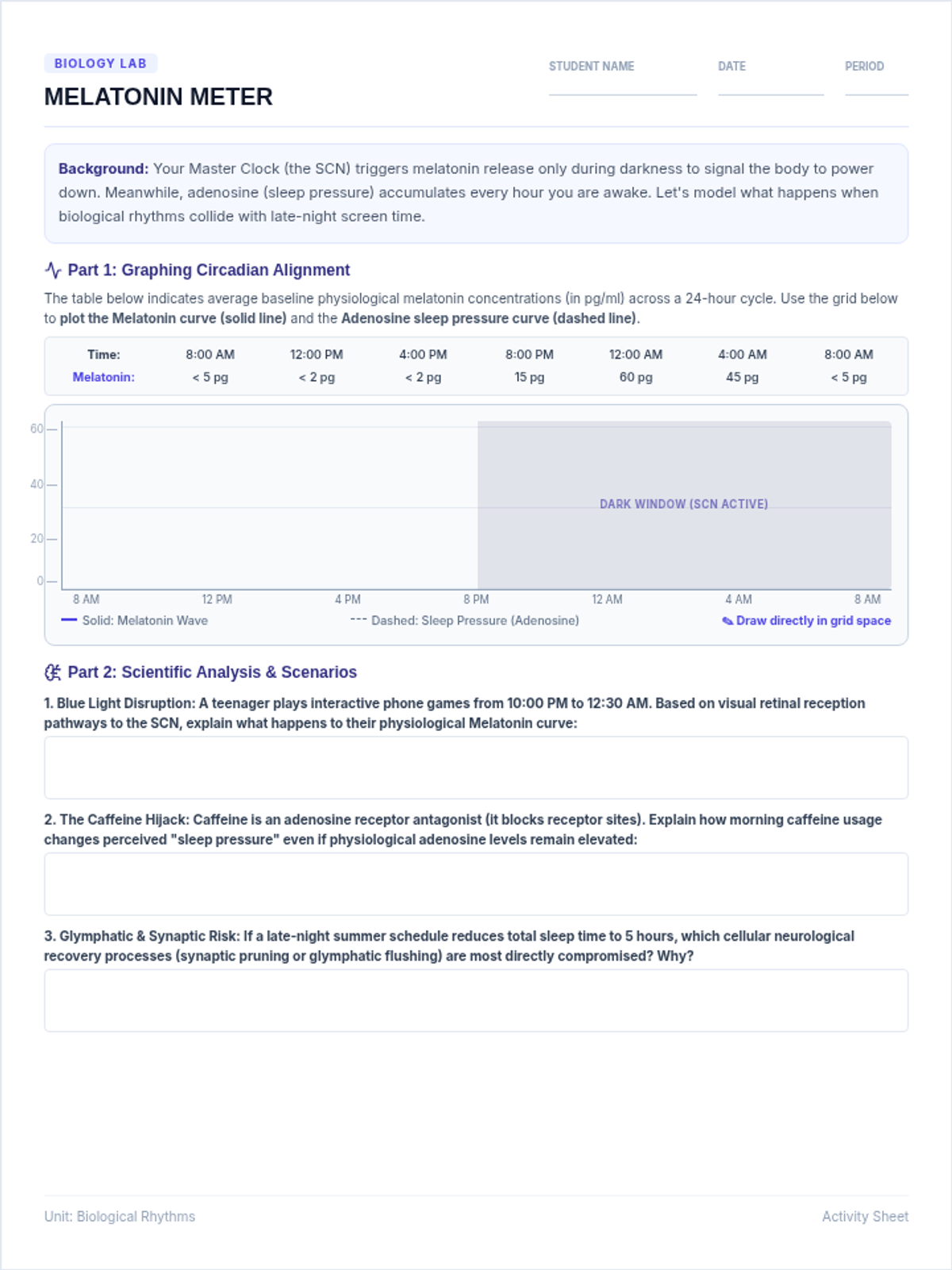
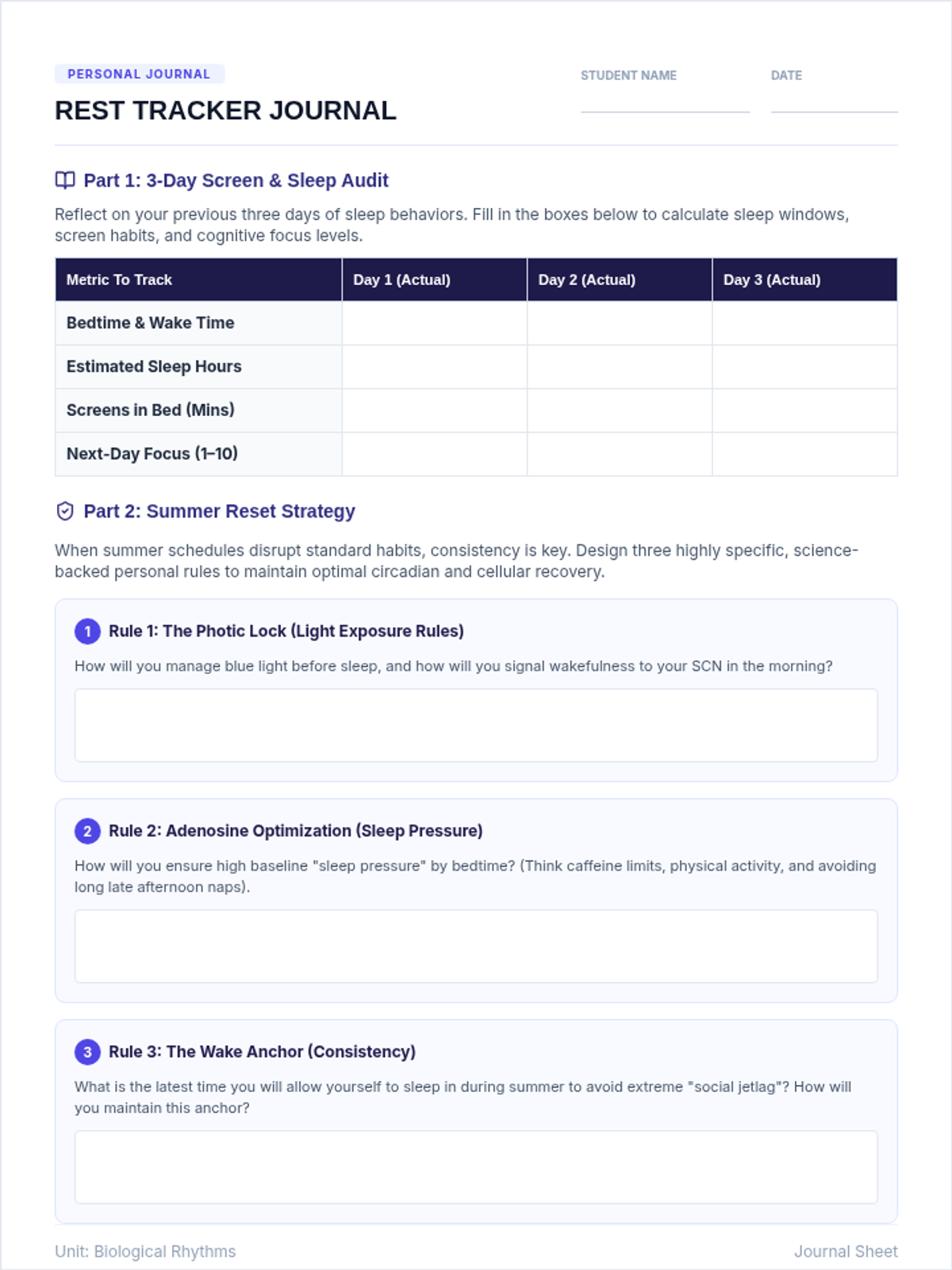
A high-interest biology and neuroscience lesson examining circadian rhythms, the biochemistry of melatonin, and the critical role of sleep in teen brain development, cognitive performance, and emotional health.
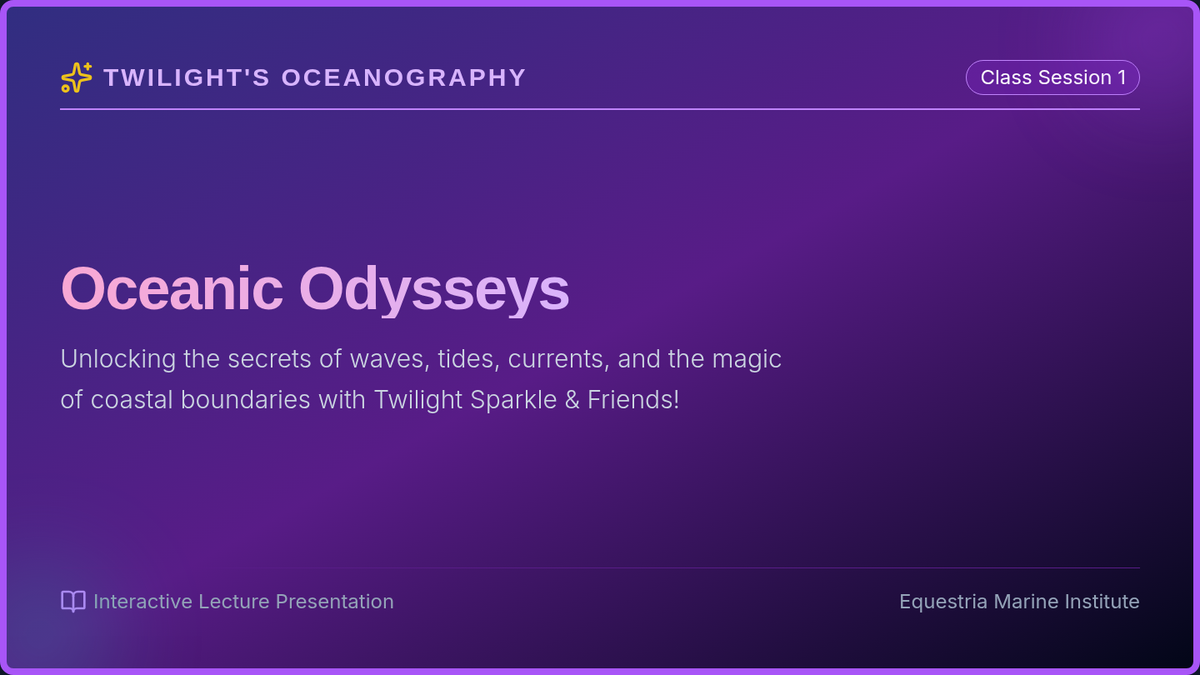
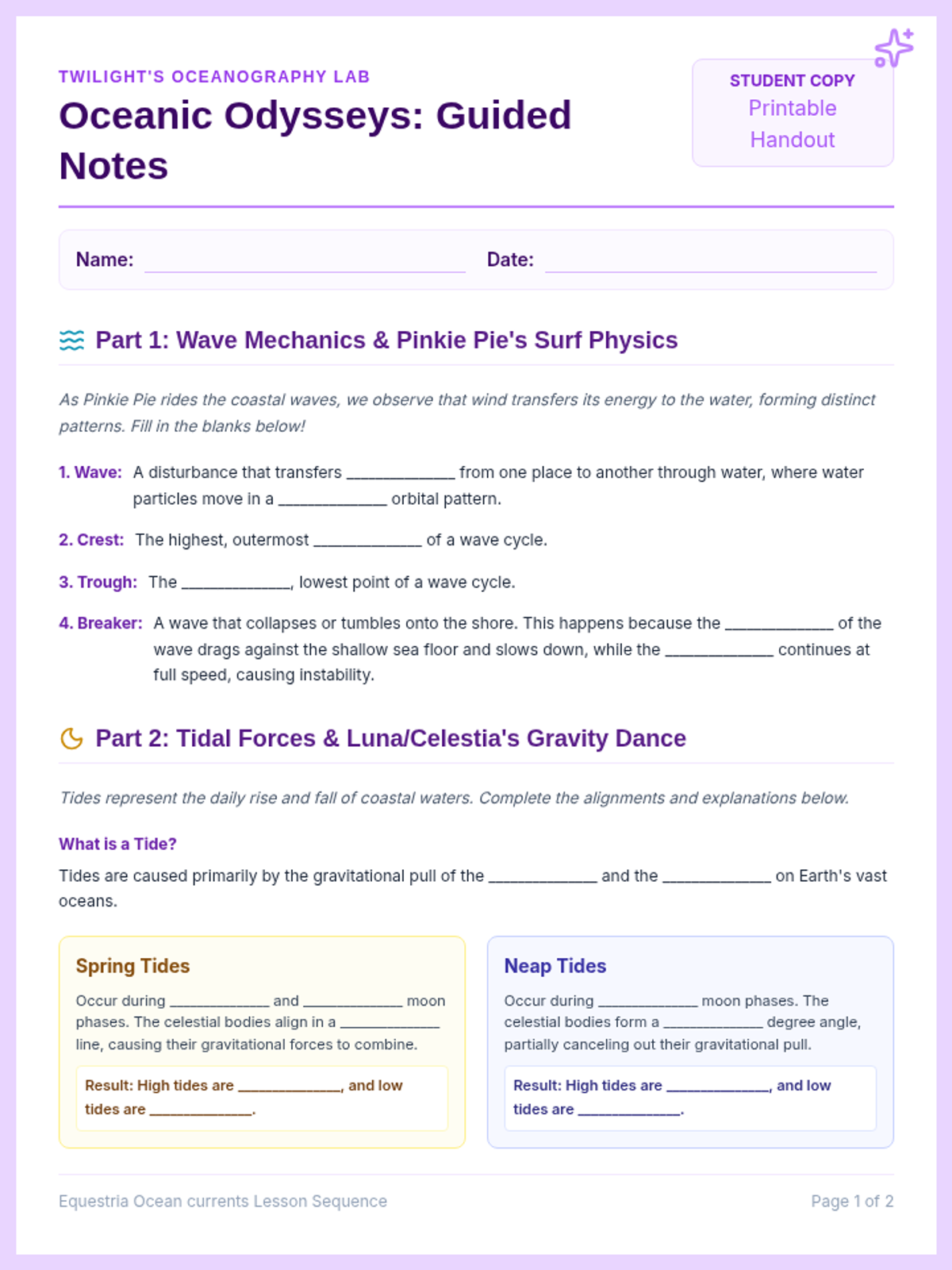
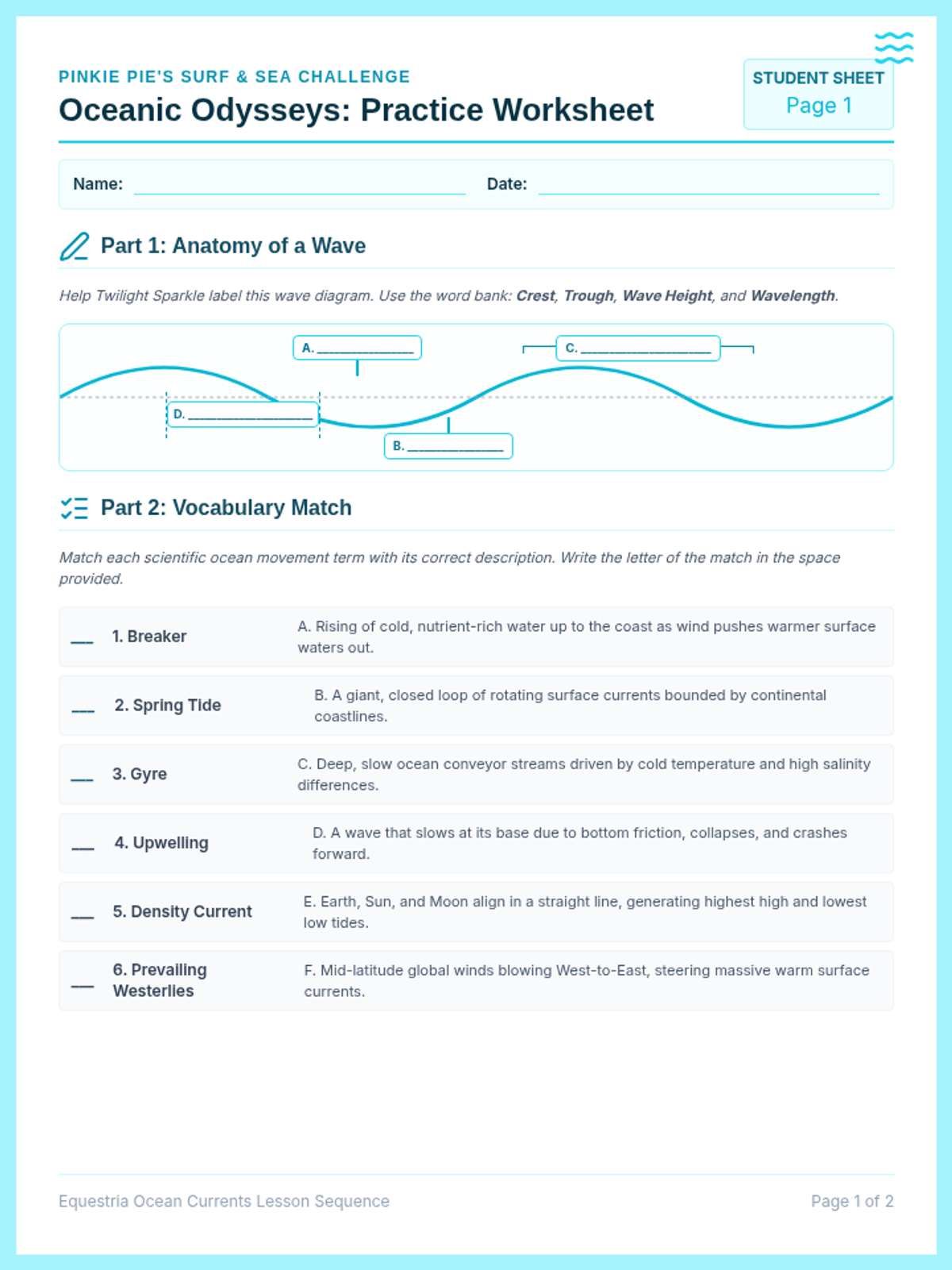
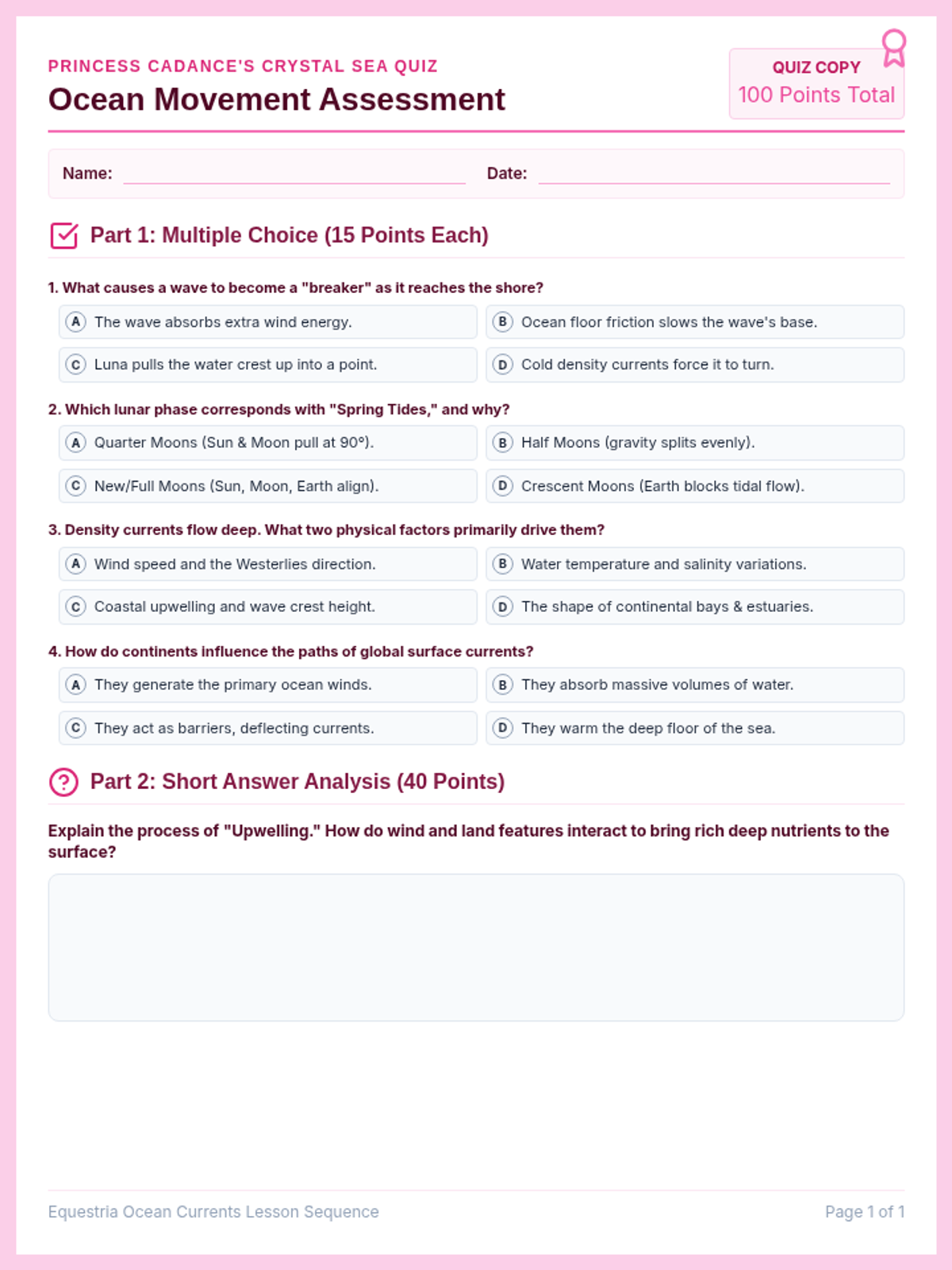
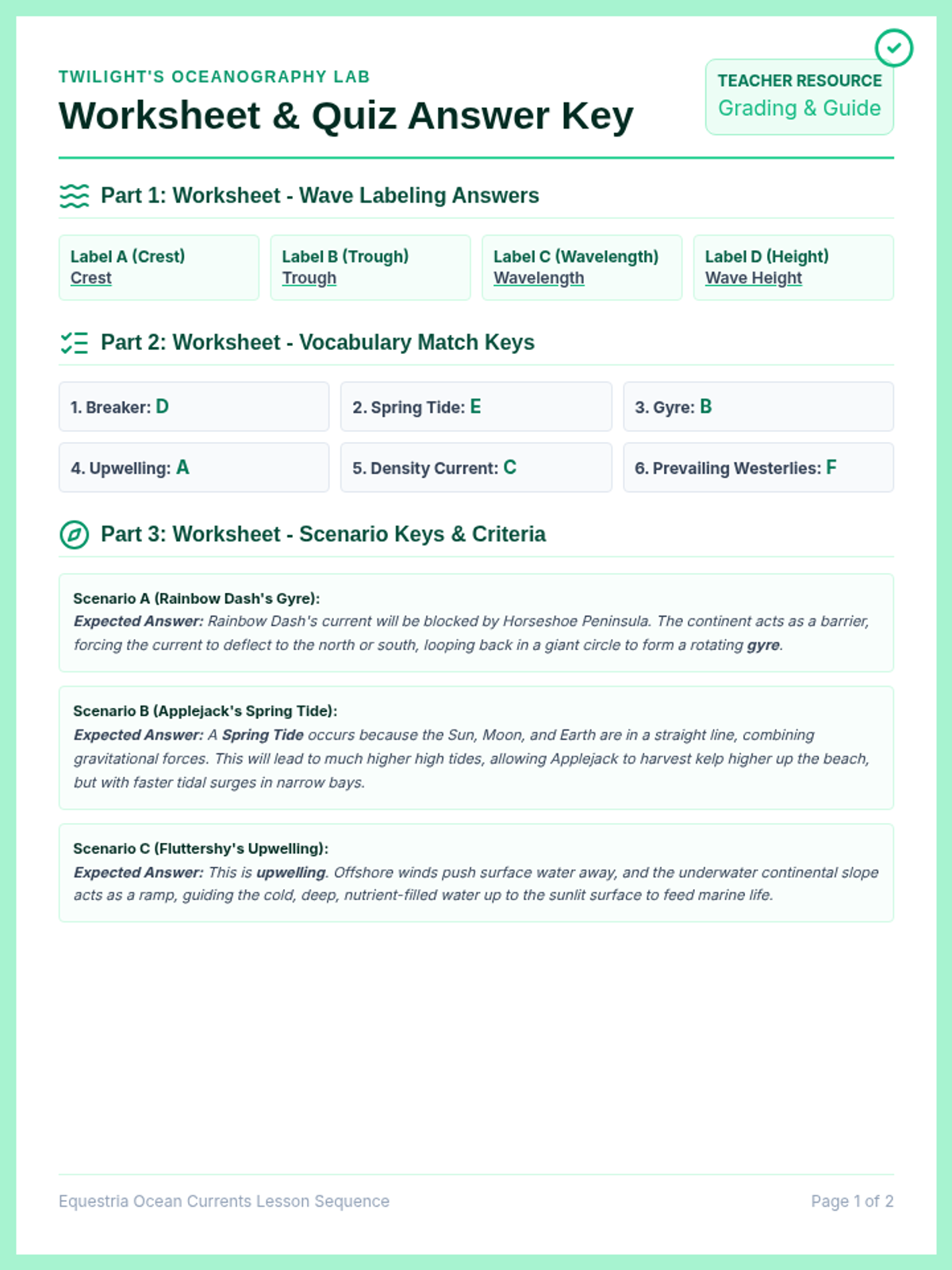
A comprehensive, MLP:FiM-themed lesson on ocean movement (waves, tides, currents, gyres, and land influences) featuring Twilight Sparkle and friends.
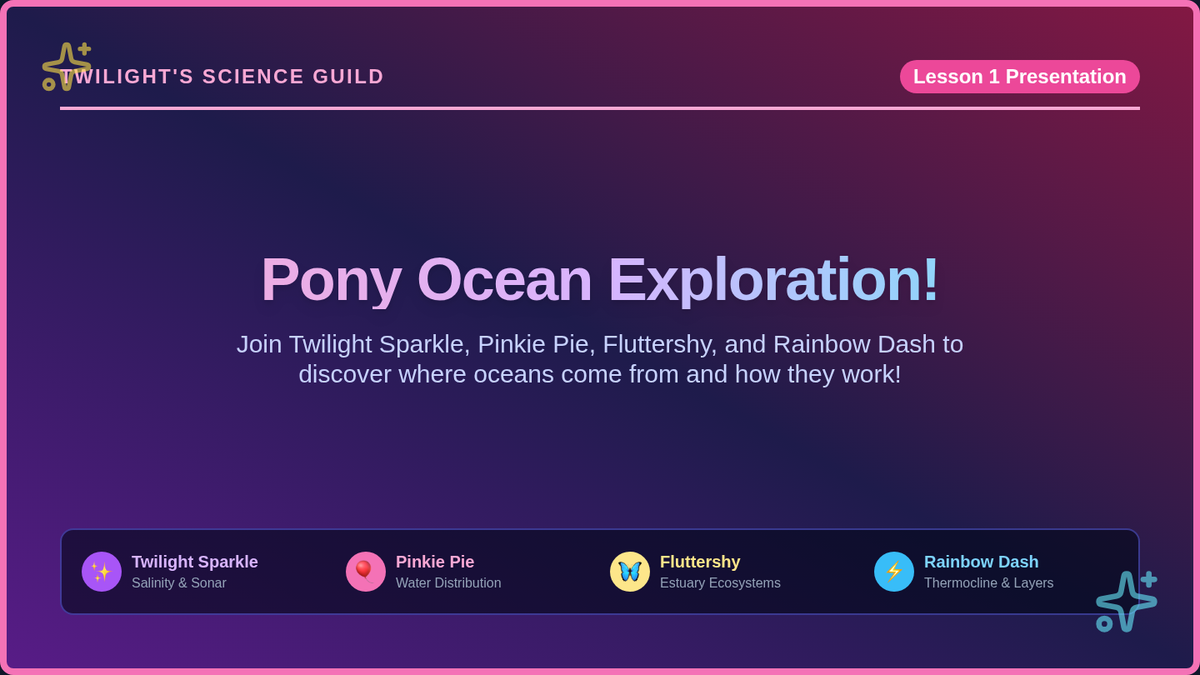
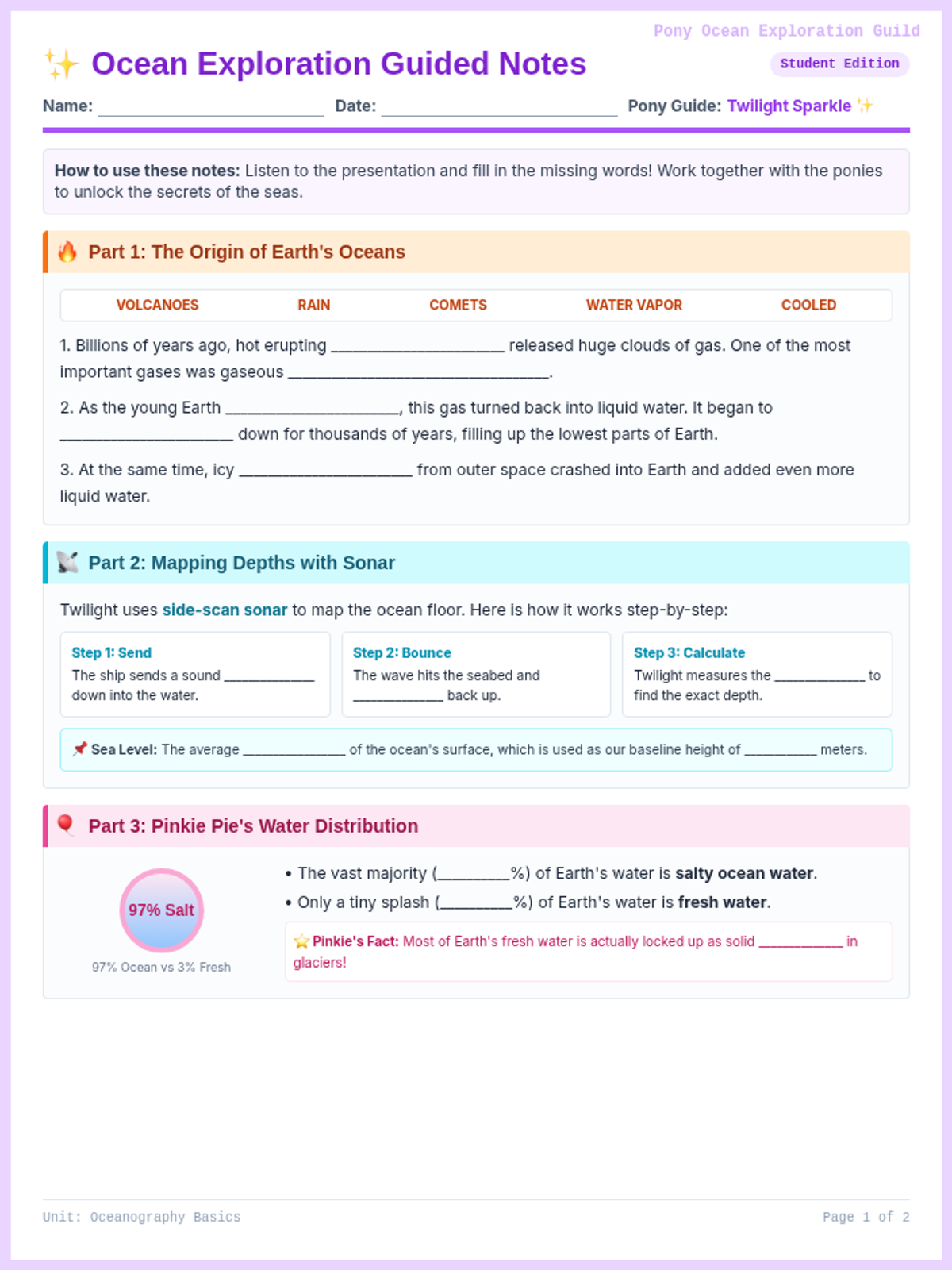
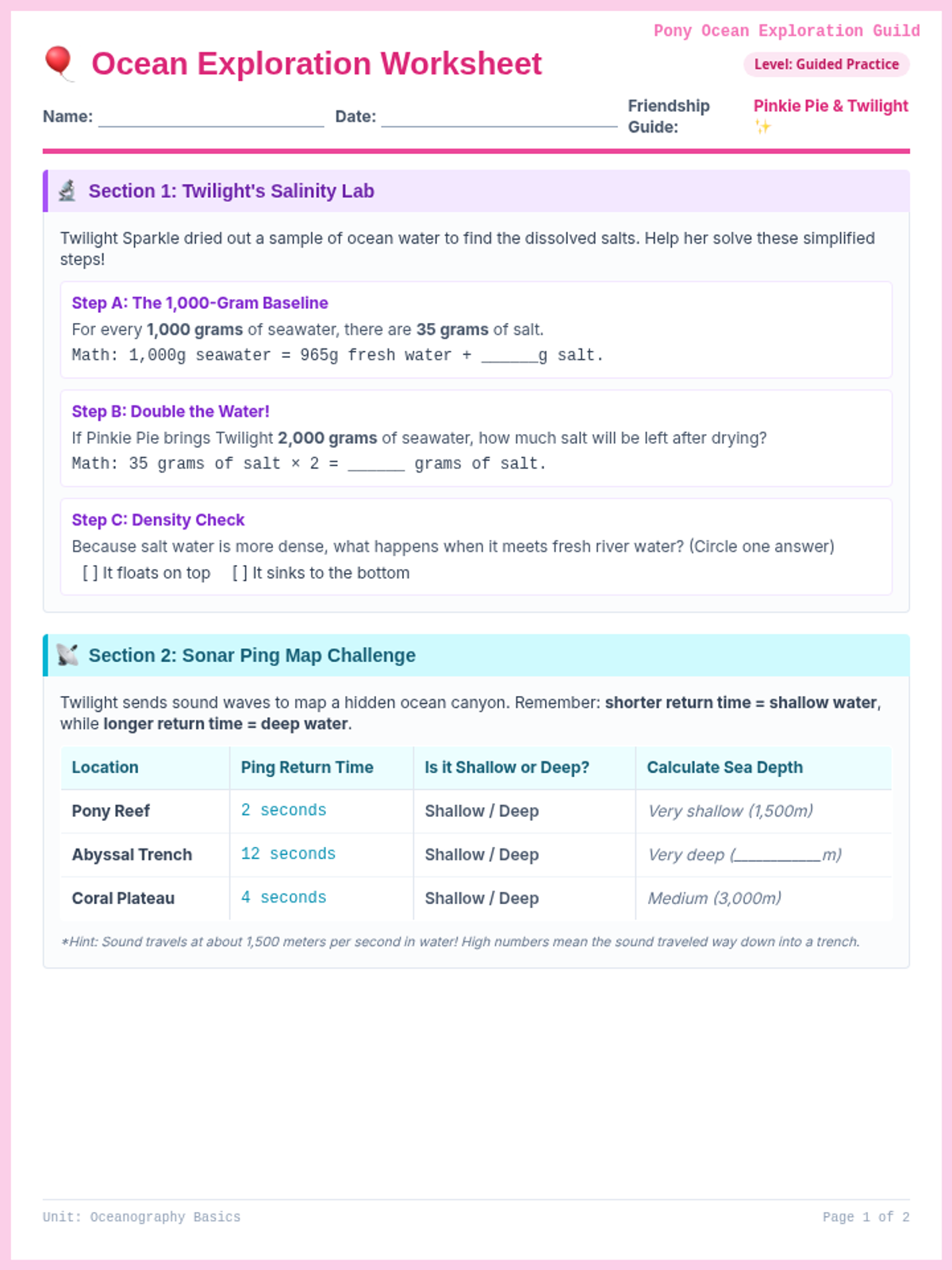
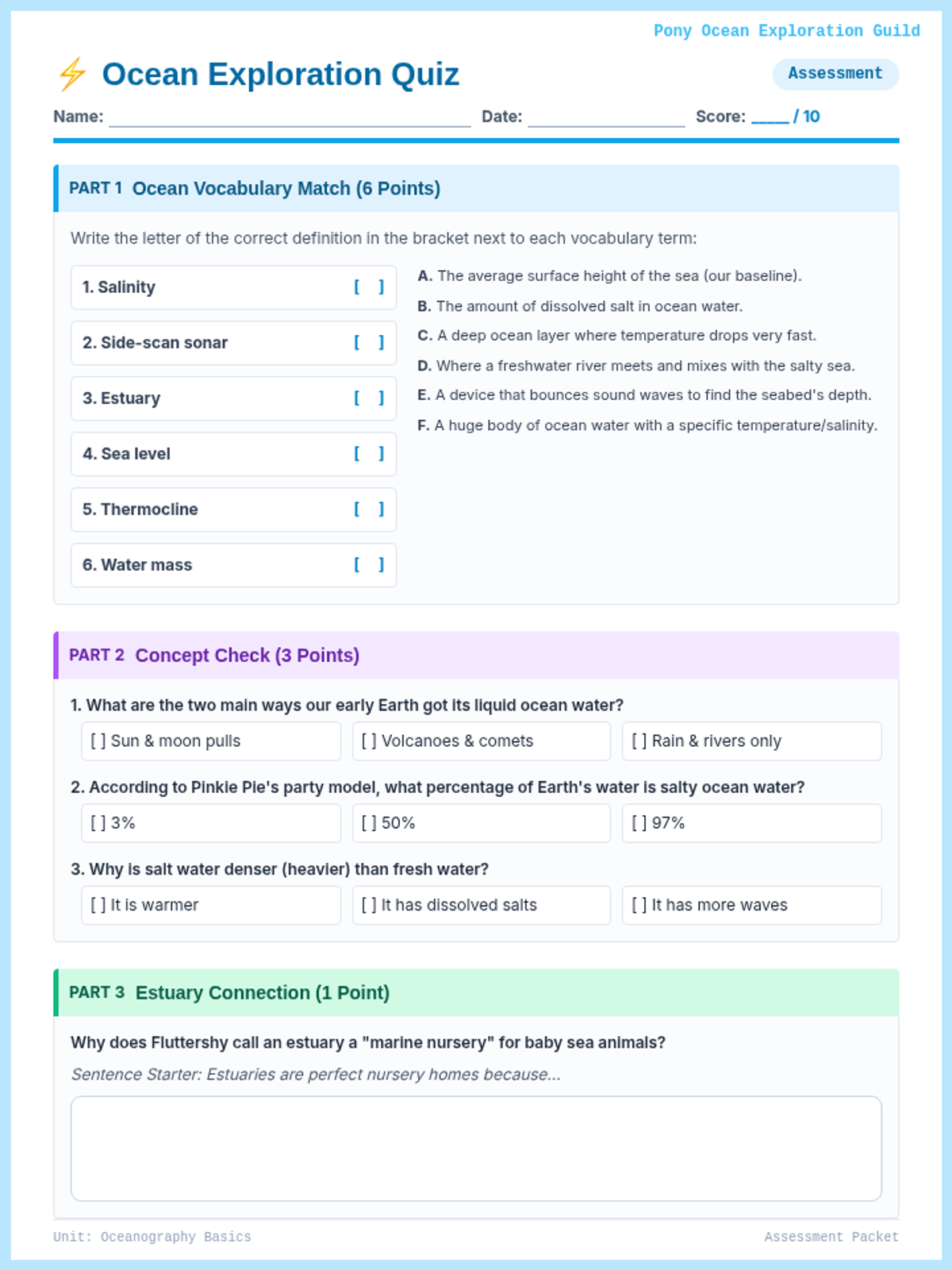
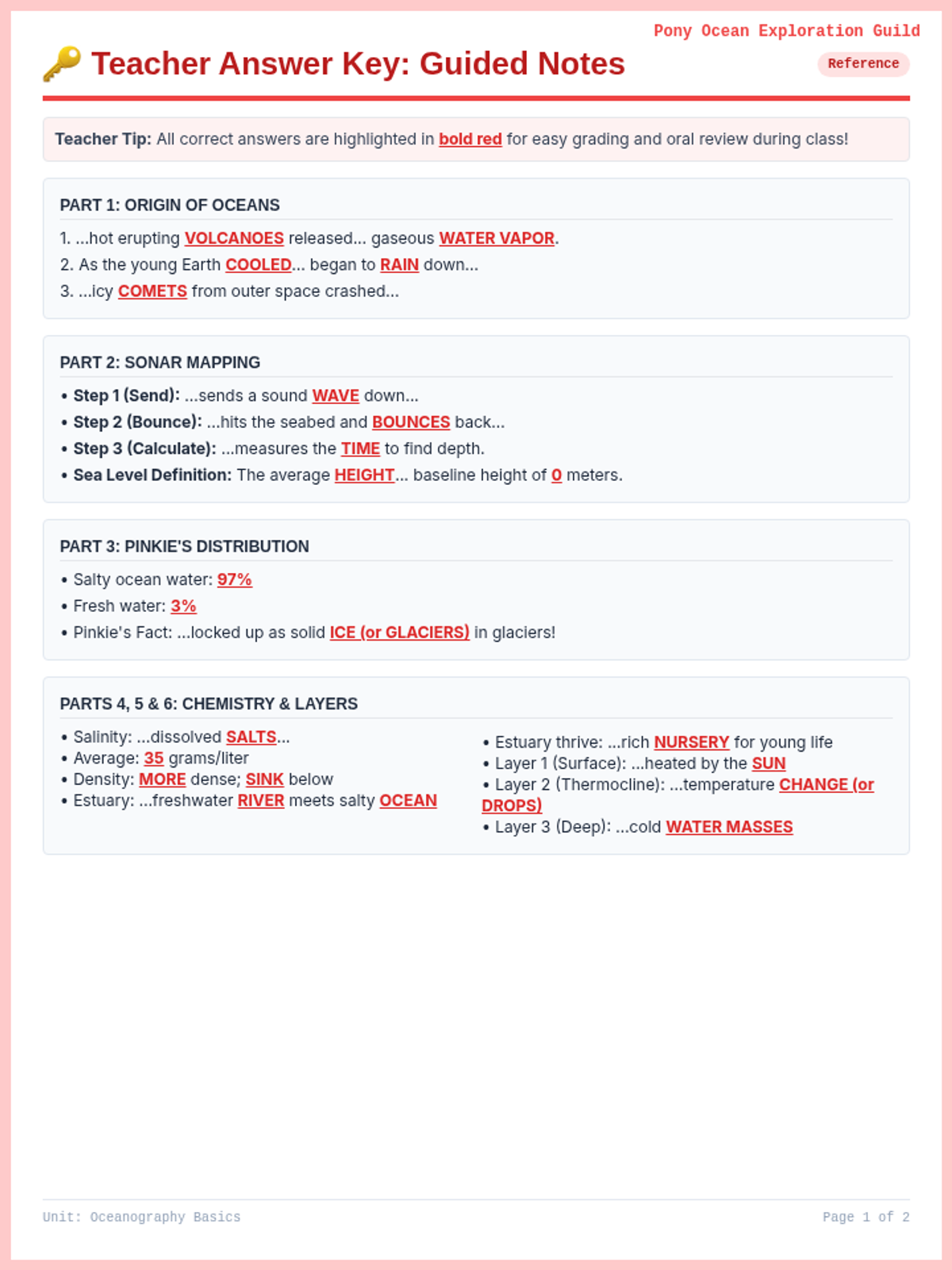
Join Twilight Sparkle, Pinkie Pie, Fluttershy, and Rainbow Dash as they explore the origin, composition, and structure of Earth's oceans. This lesson is highly visual, simplified, and carefully structured with guided practice, word banks, and sentence starters.
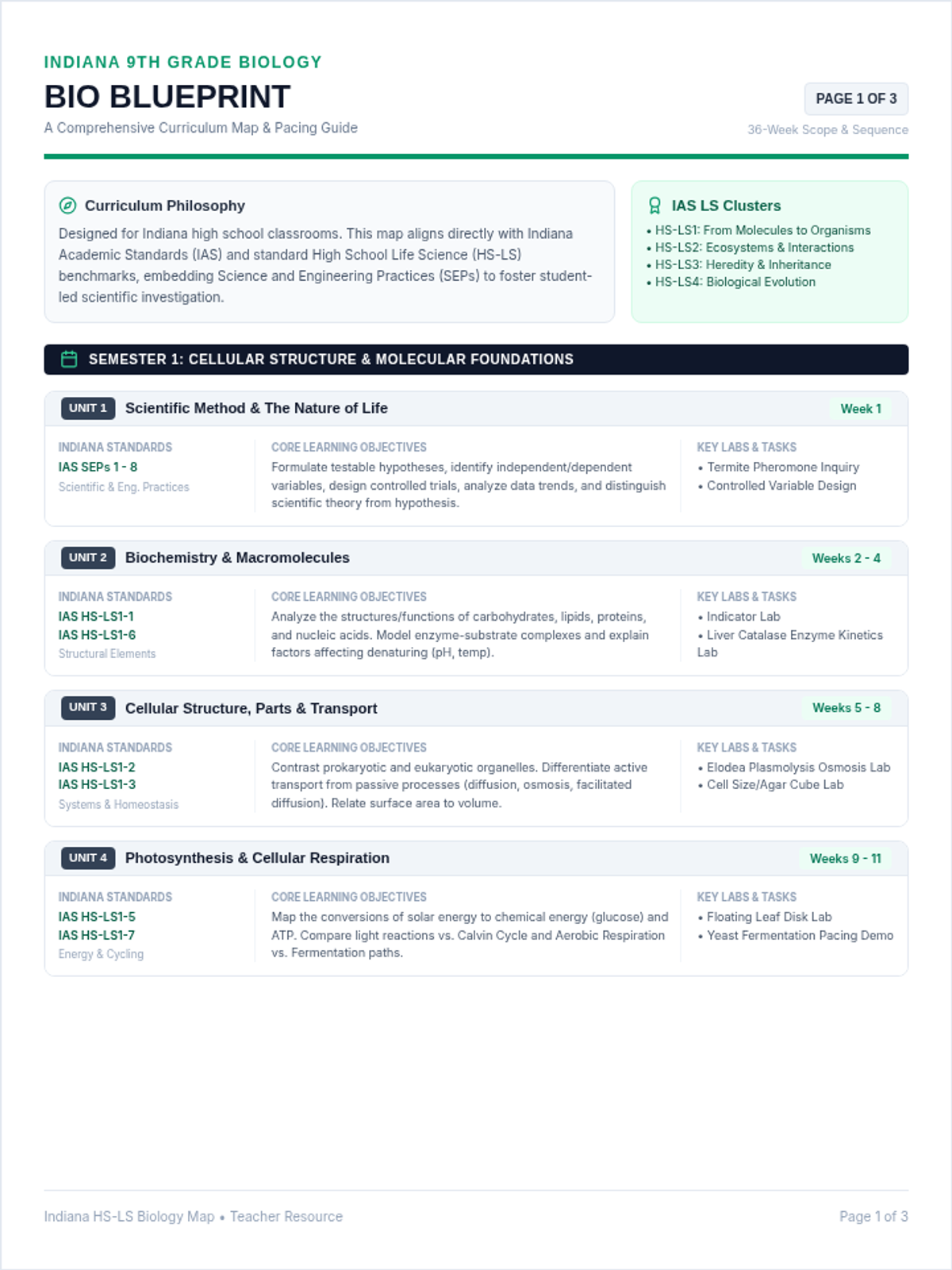
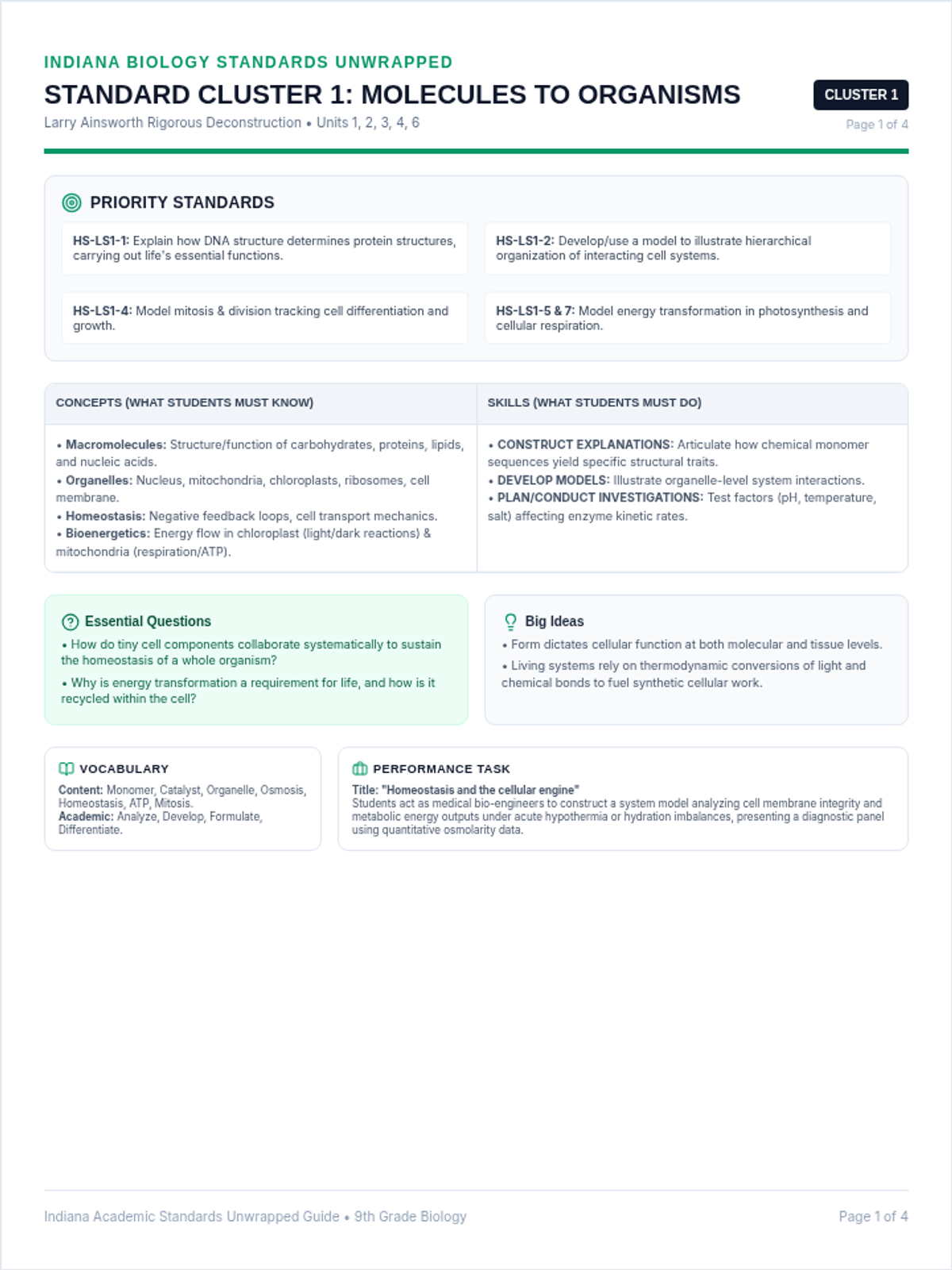
High-level curriculum planning resources, alignment maps, and pacing guides for teaching Indiana 9th-grade Biology.
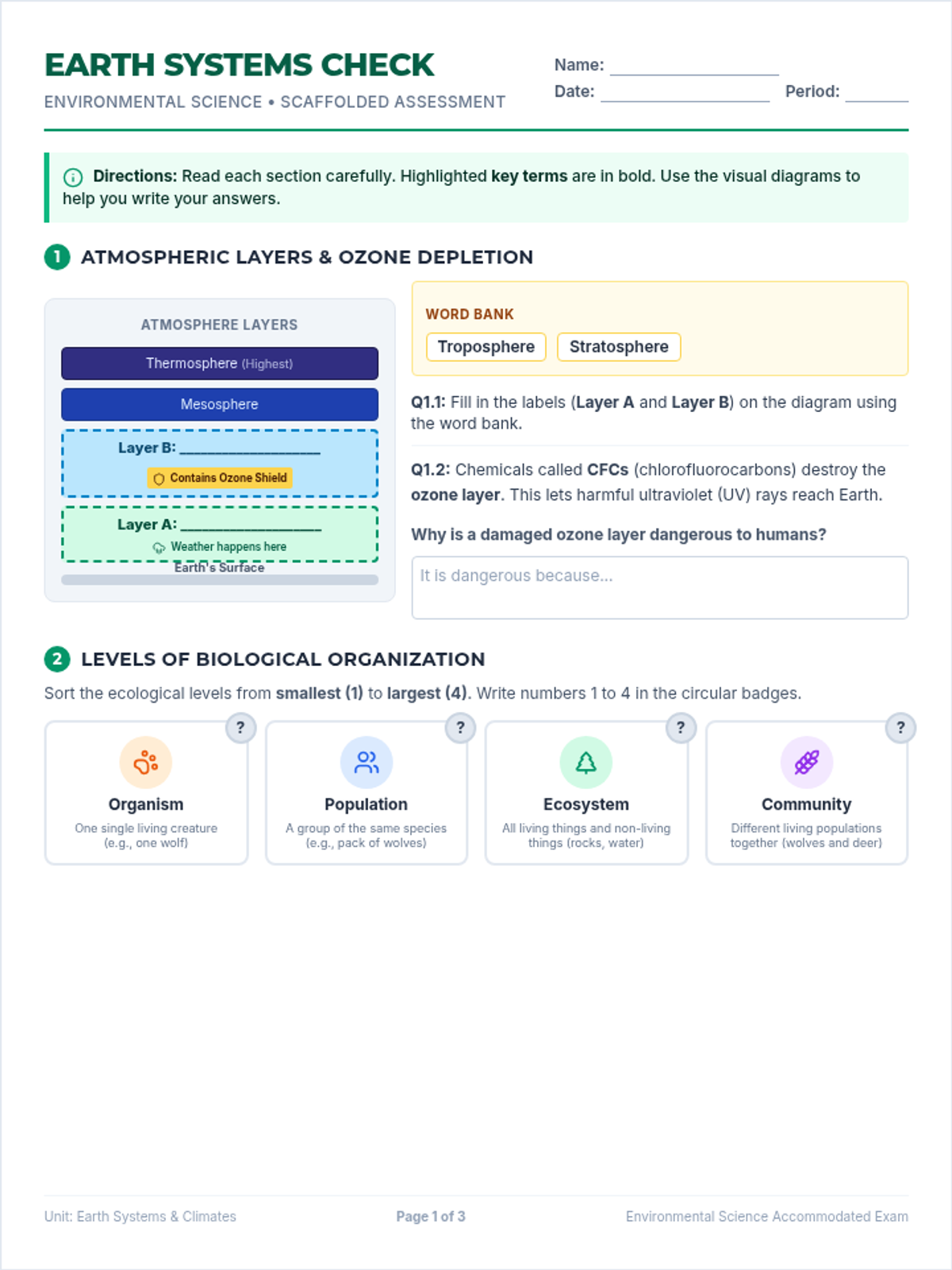
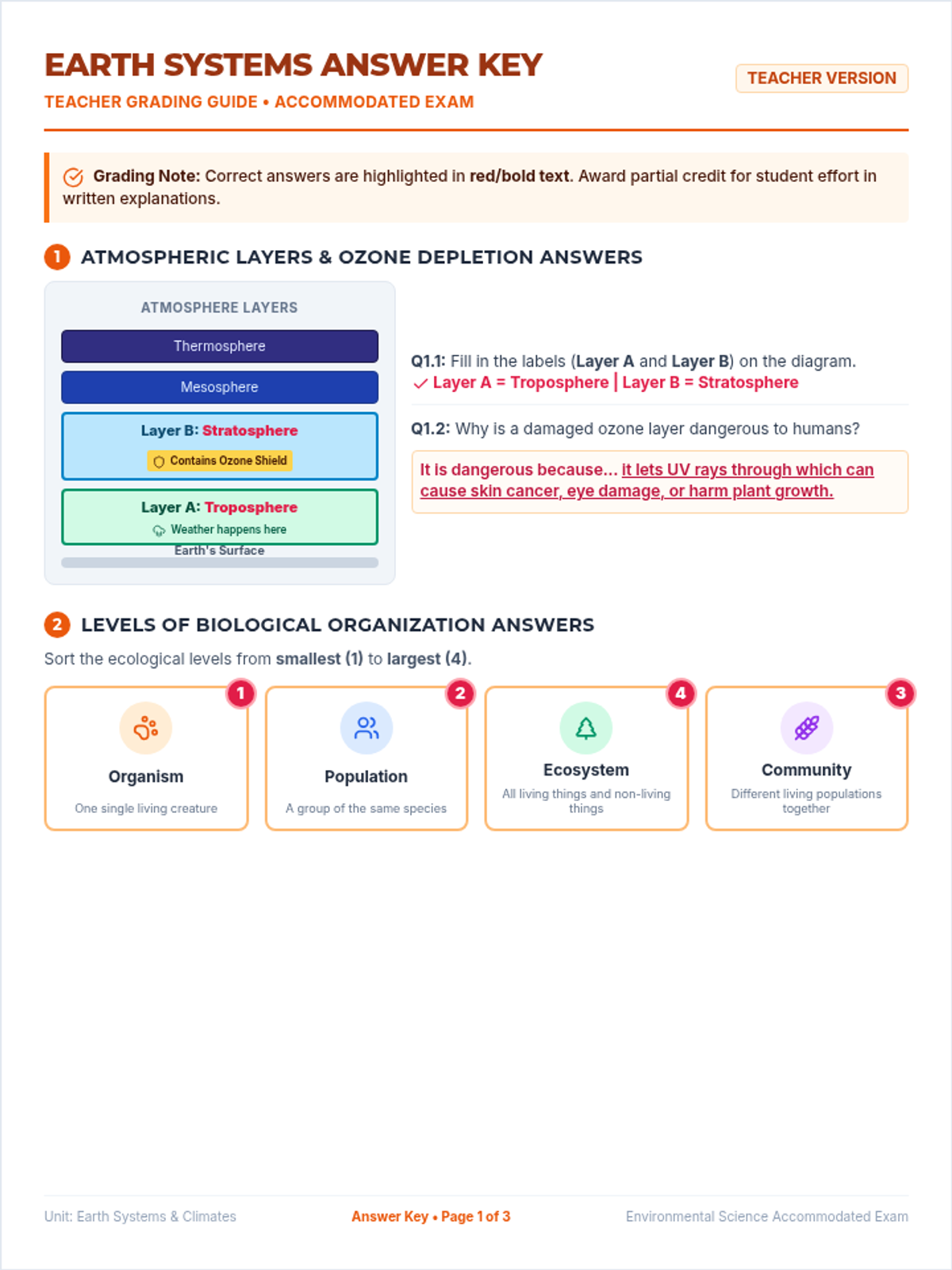
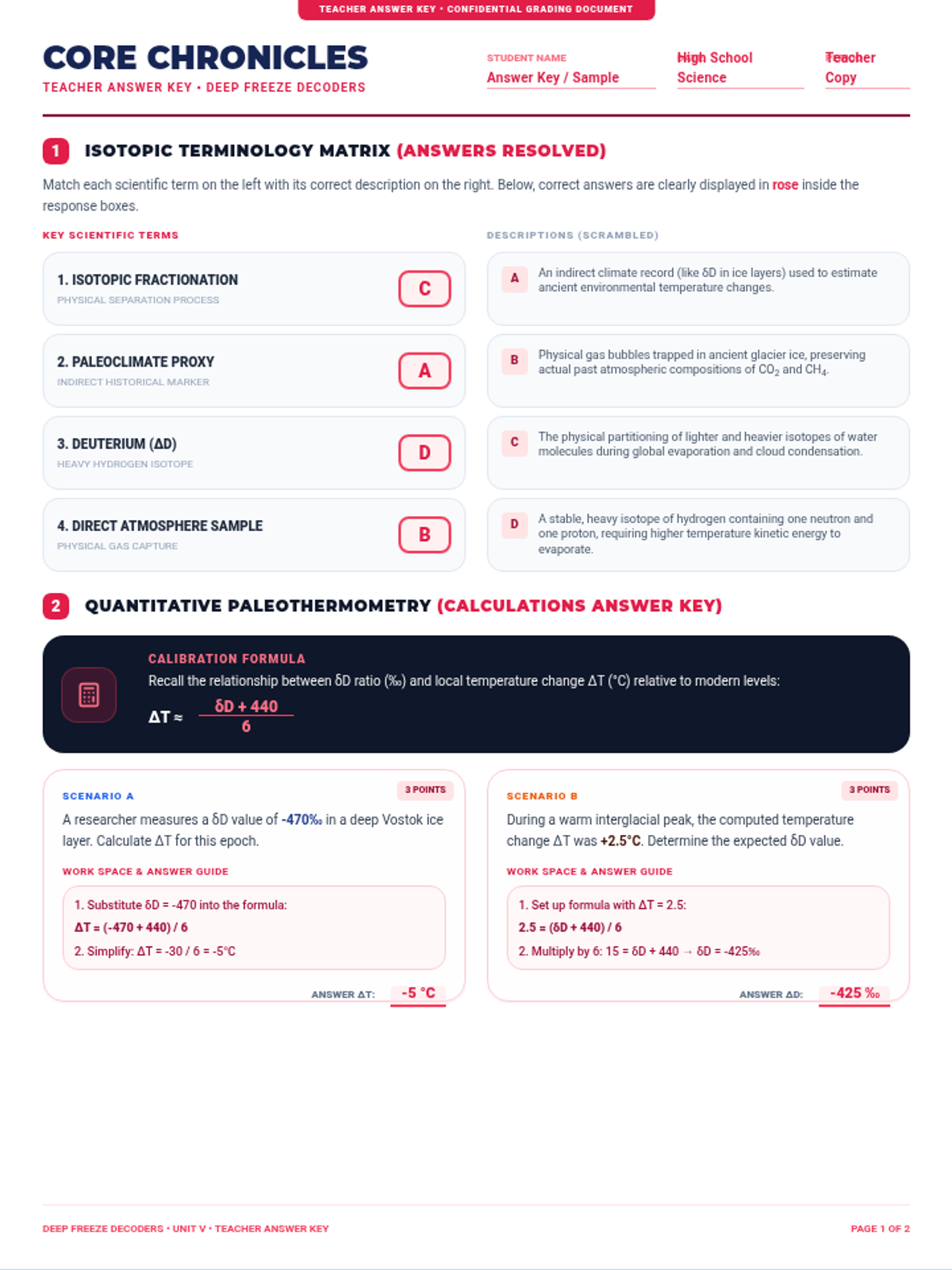
A highly visual, scaffolded assessment and corresponding answer key covering atmospheric layers, resource classification, carbon footprints, biological levels, trophic webs, ice proxies, and photosynthesis.
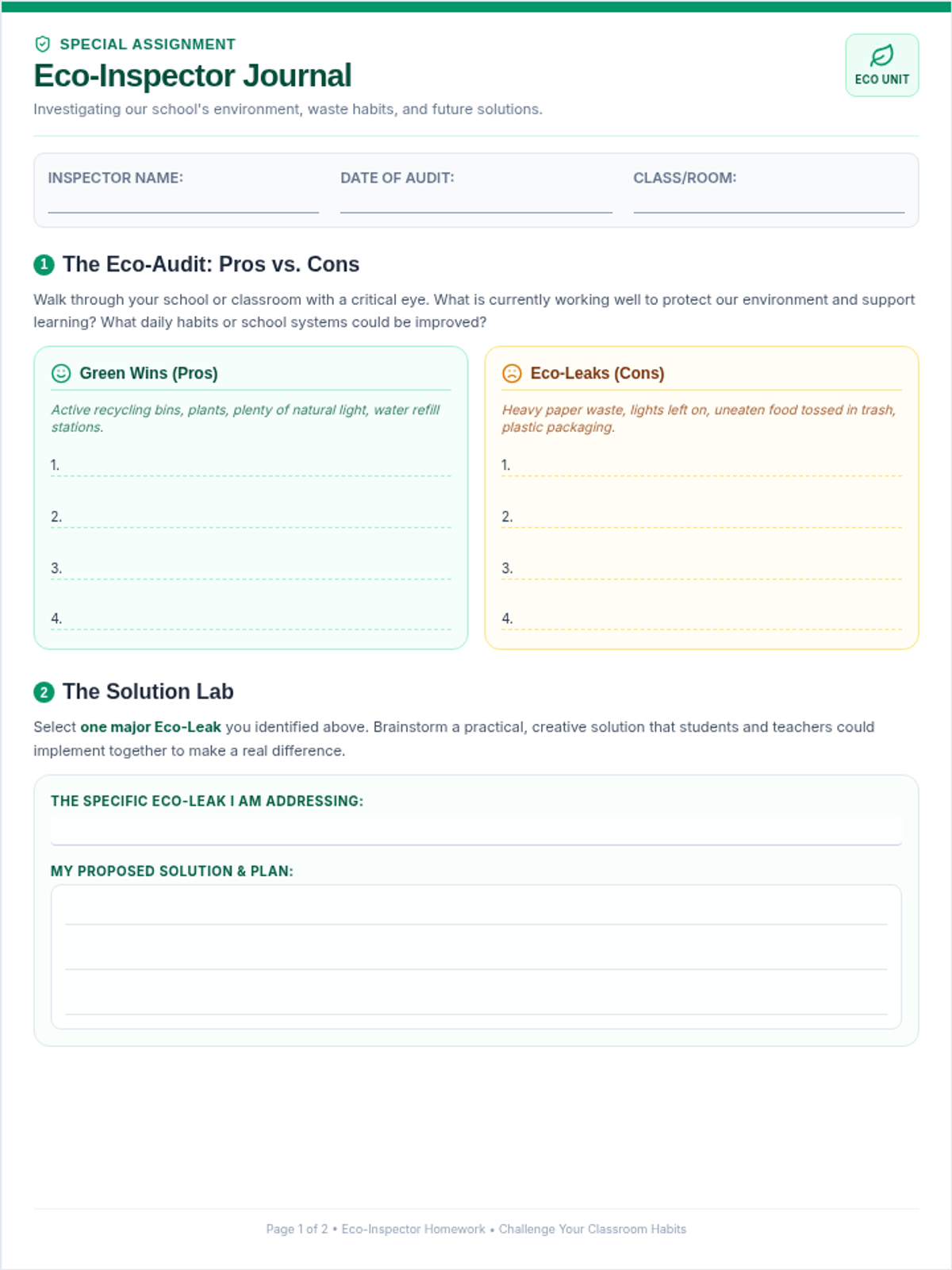
A homework-centered lesson where students investigate school environmental habits, conduct a mini-audit, and plan statistical data collection around waste and ecological impact.
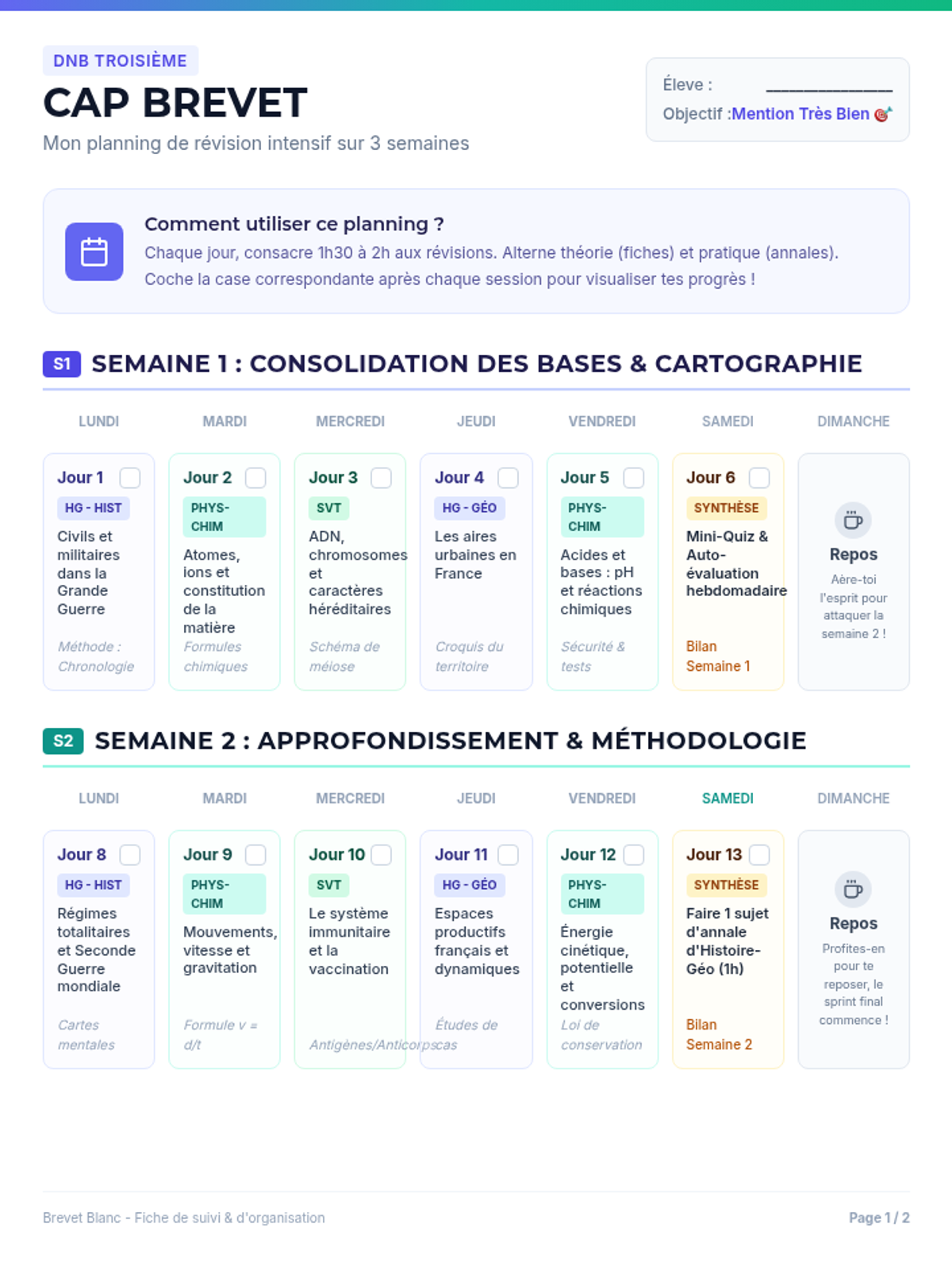
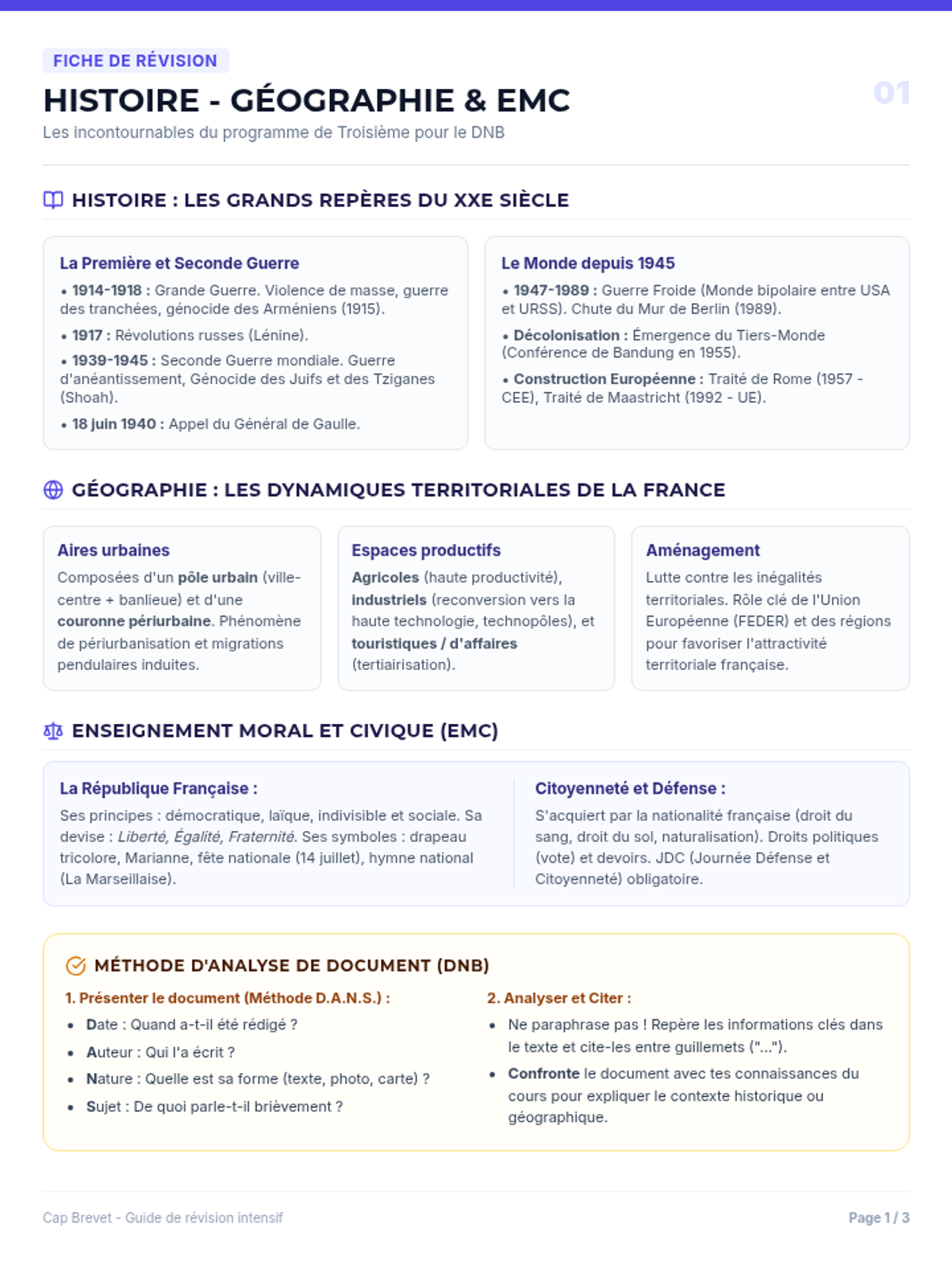
Un programme de révision intensif et structuré sur 3 semaines pour préparer sereinement les épreuves de SVT, Physique-Chimie et Histoire-Géographie du Diplôme National du Brevet.
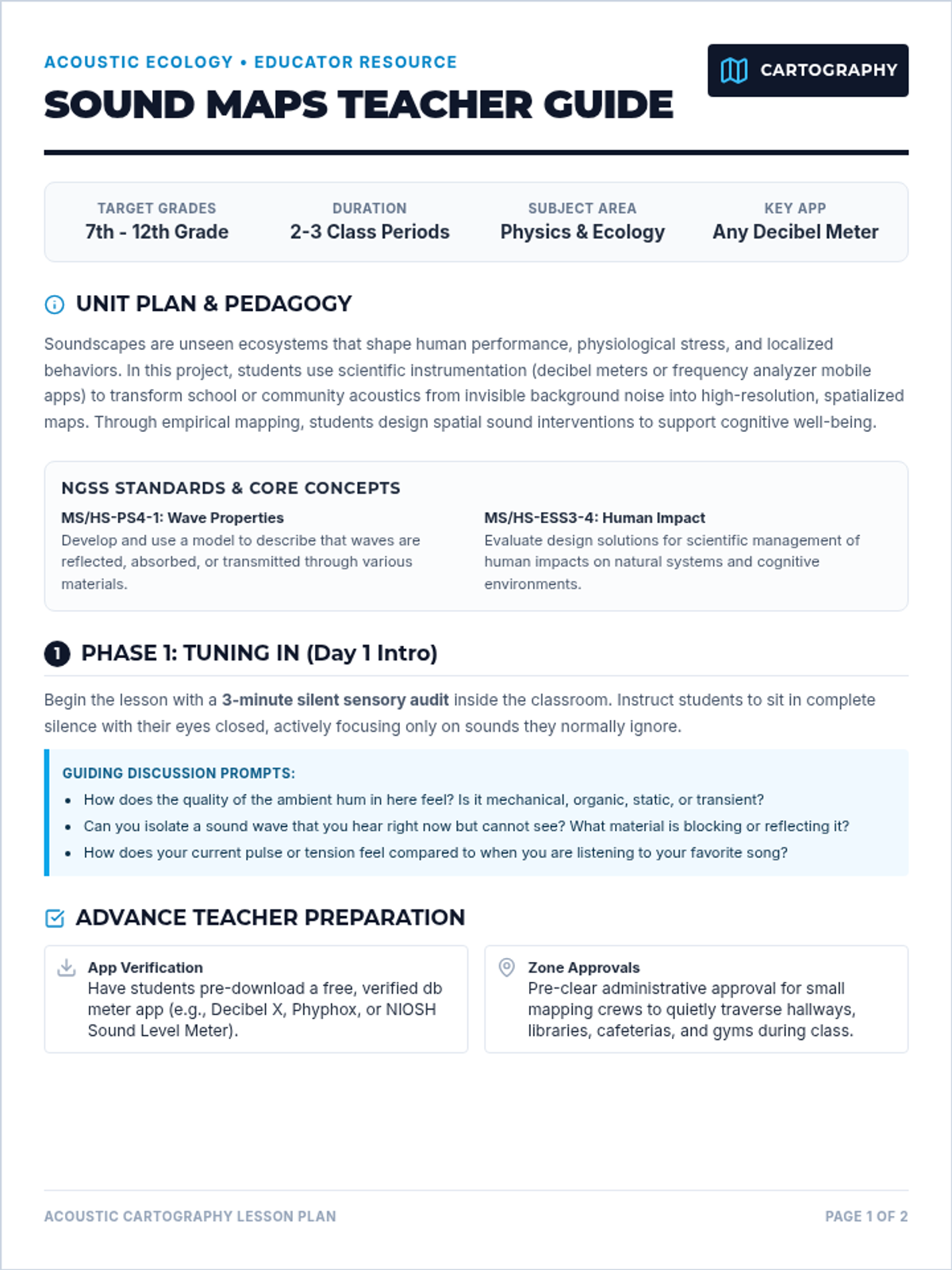
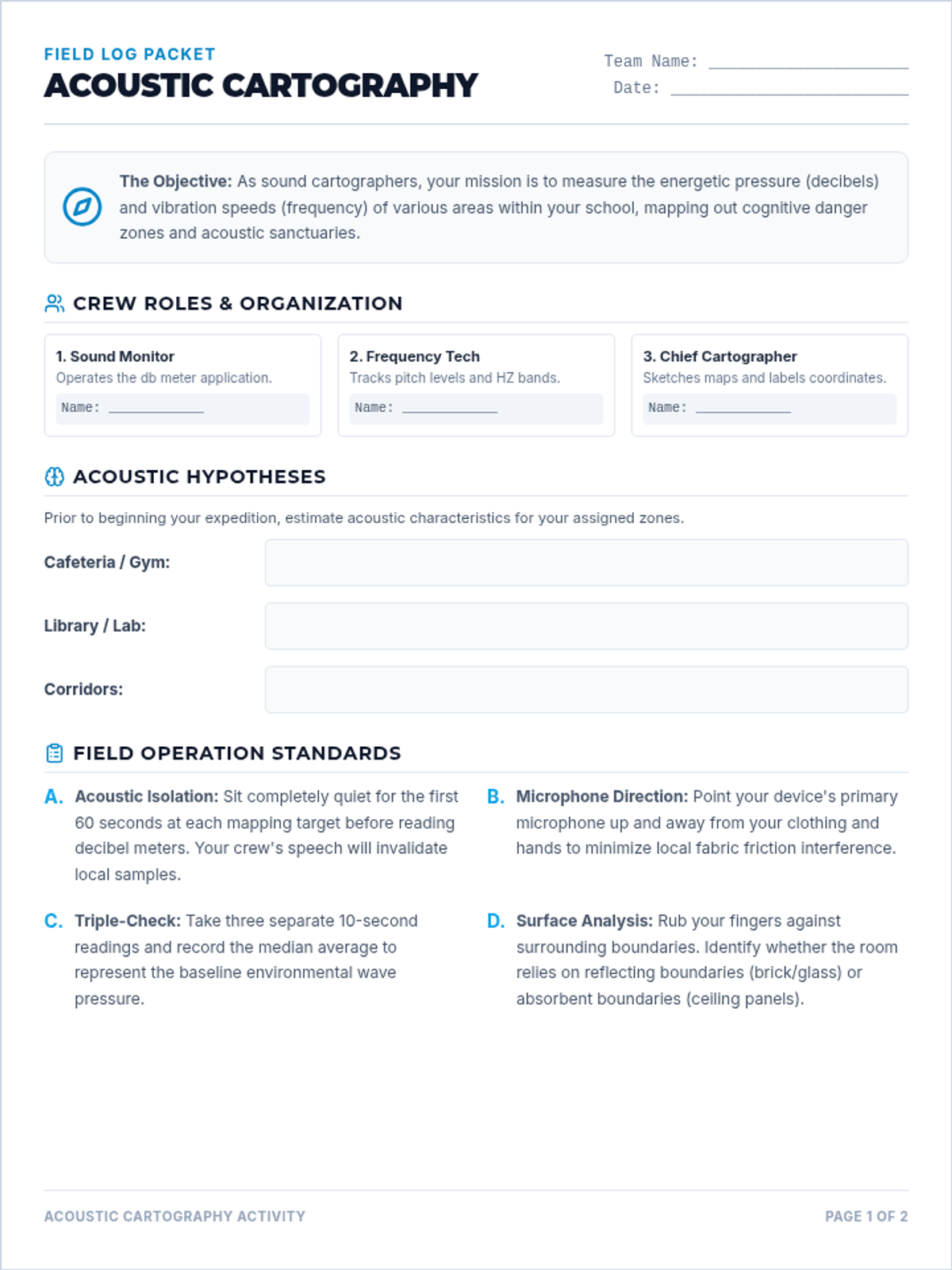
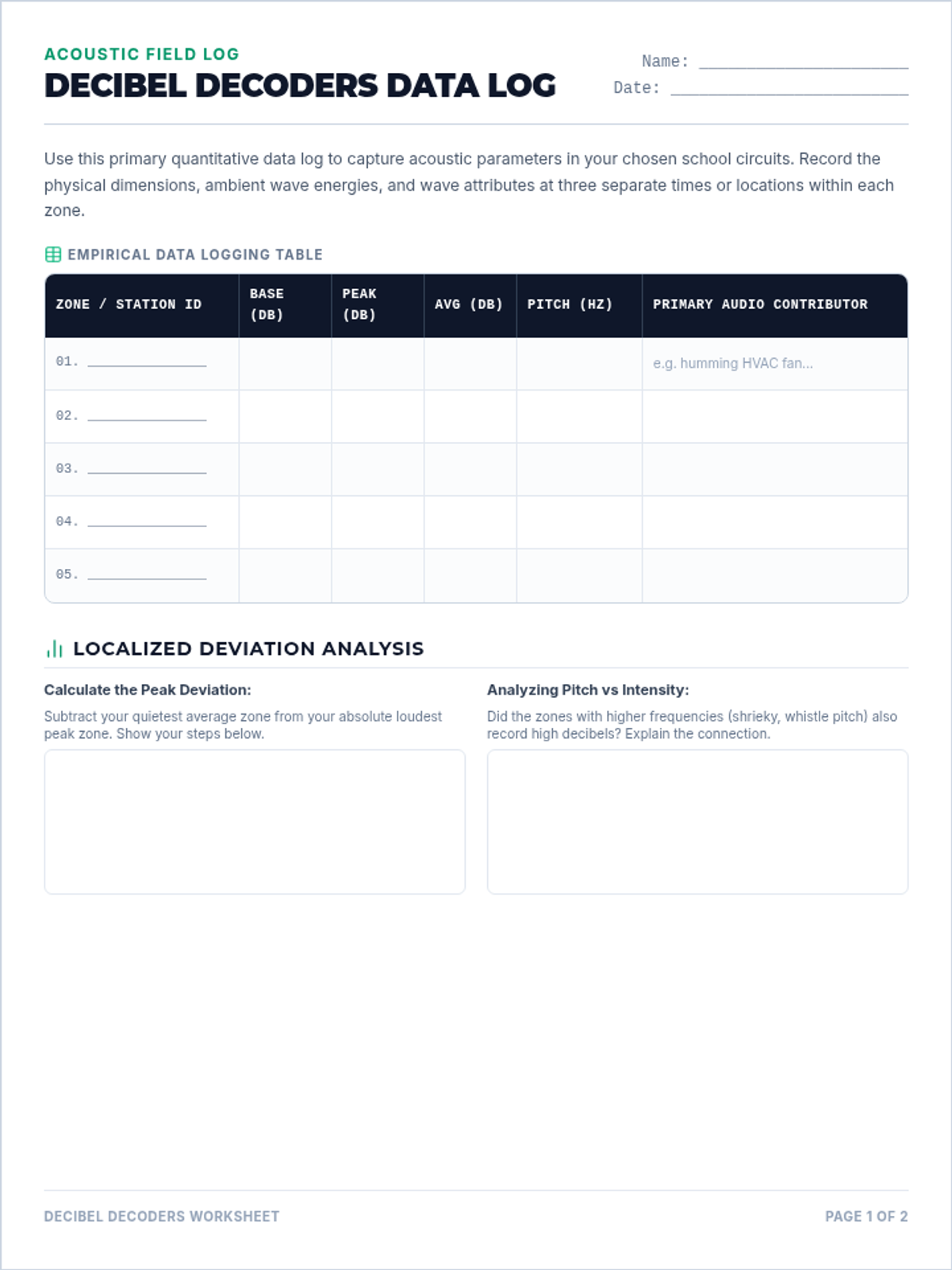
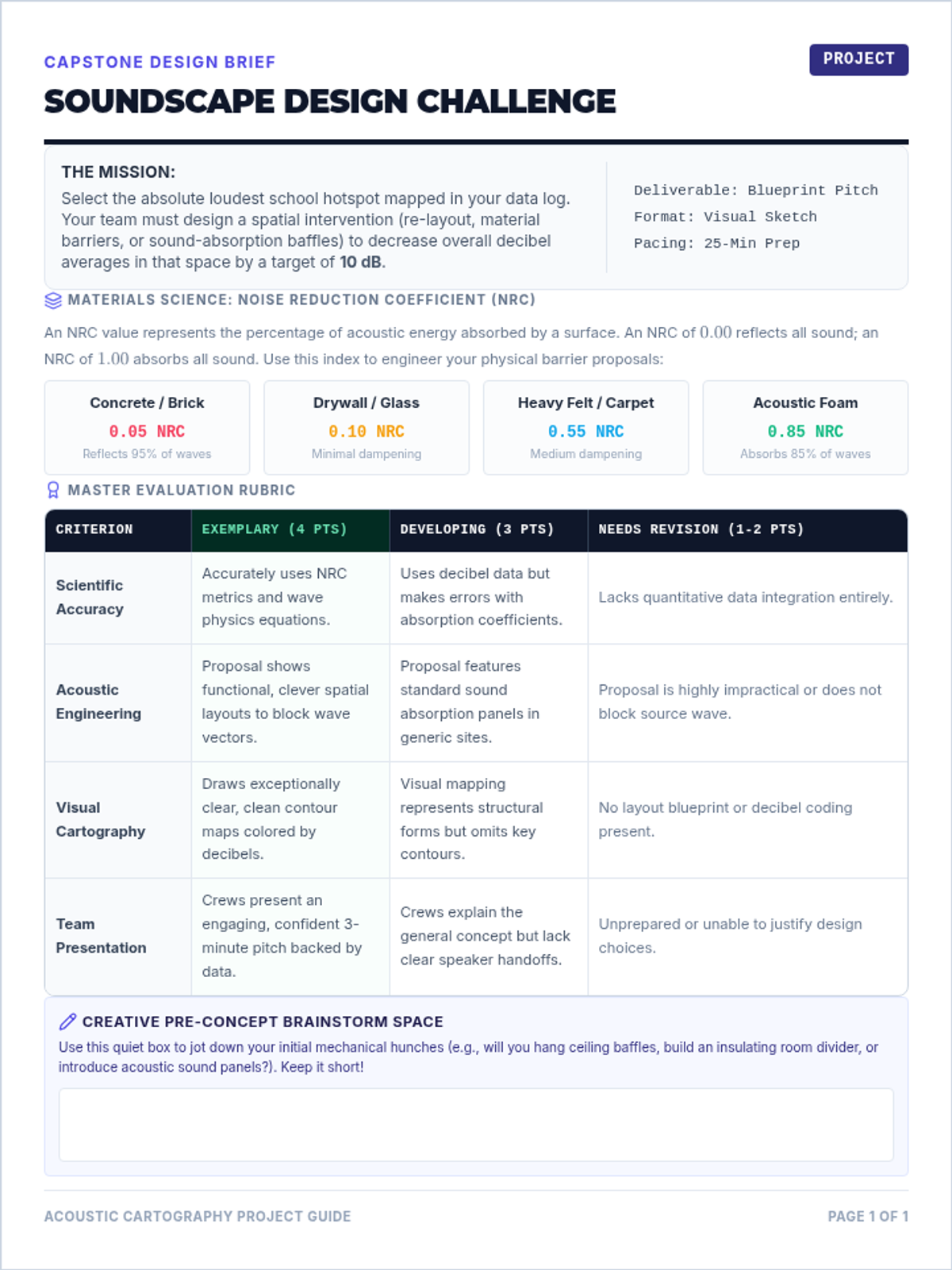
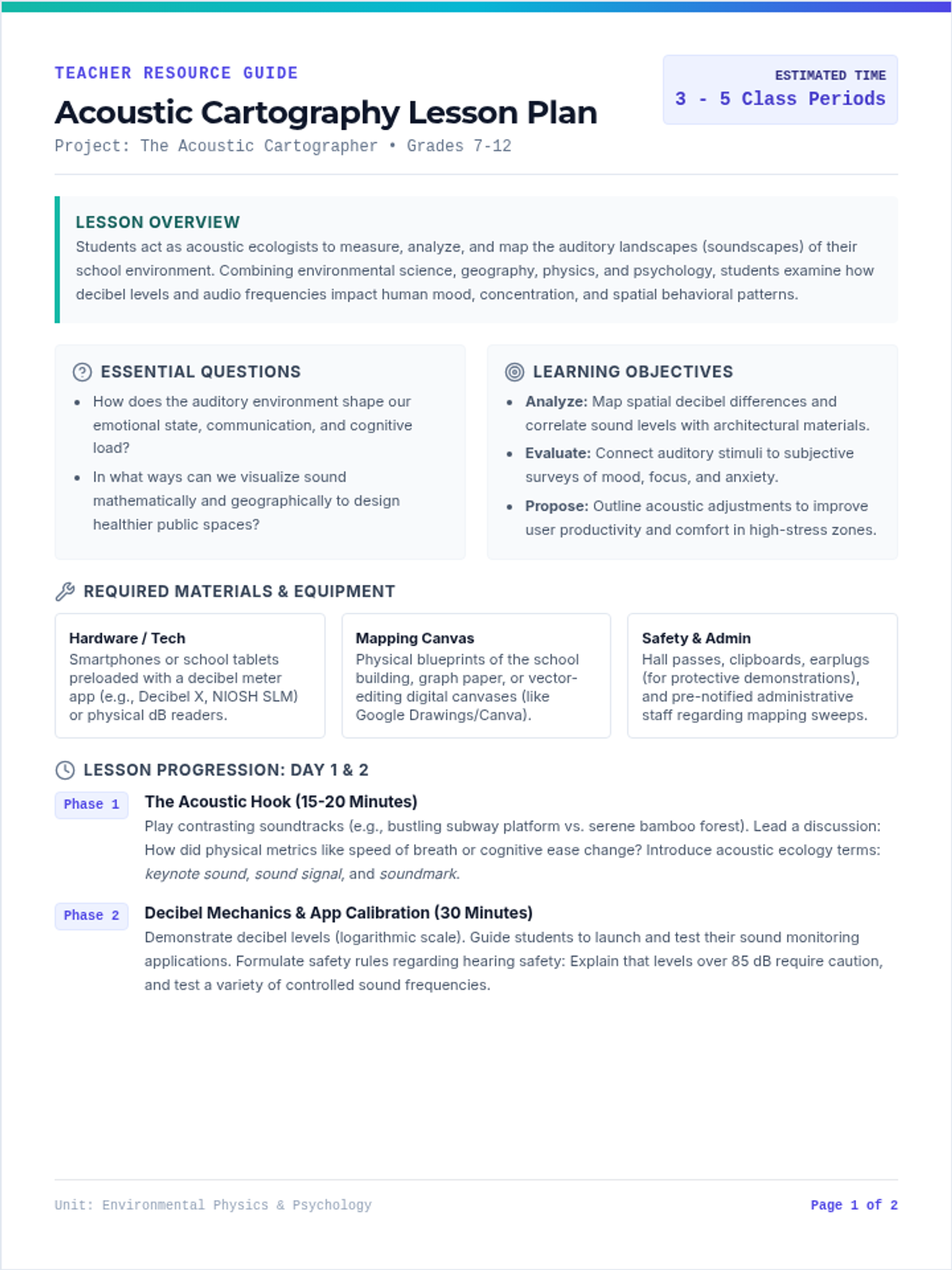
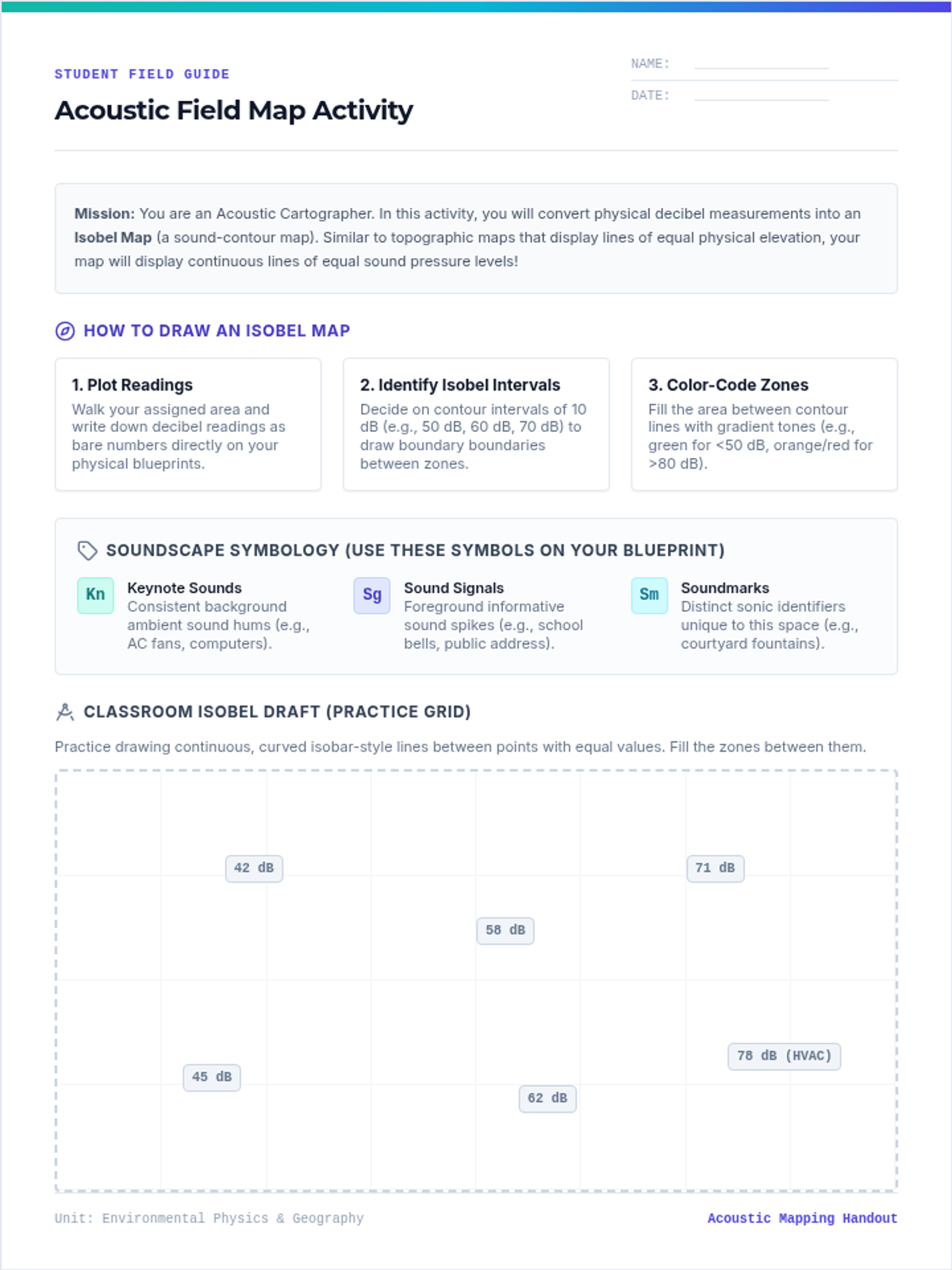
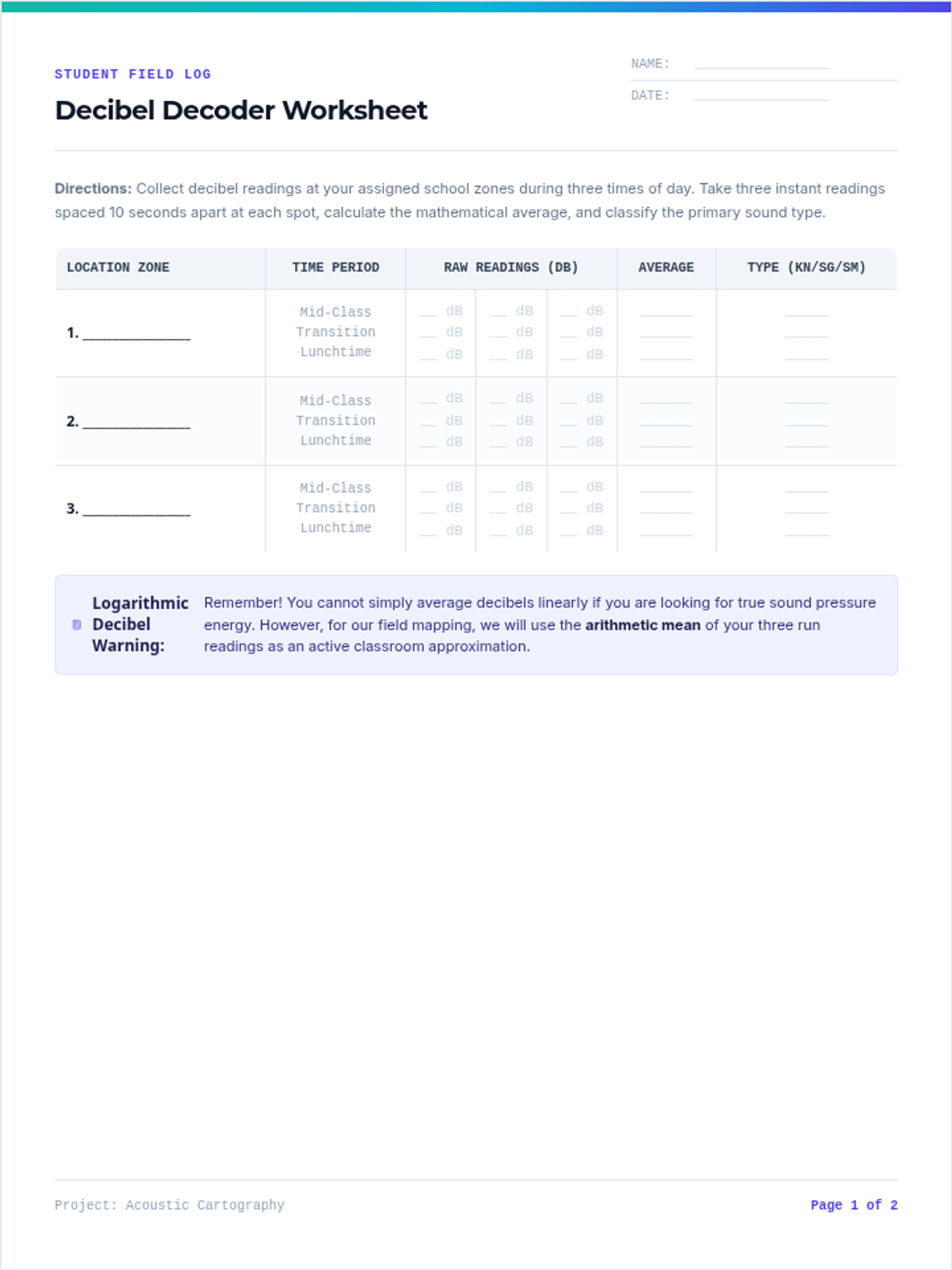
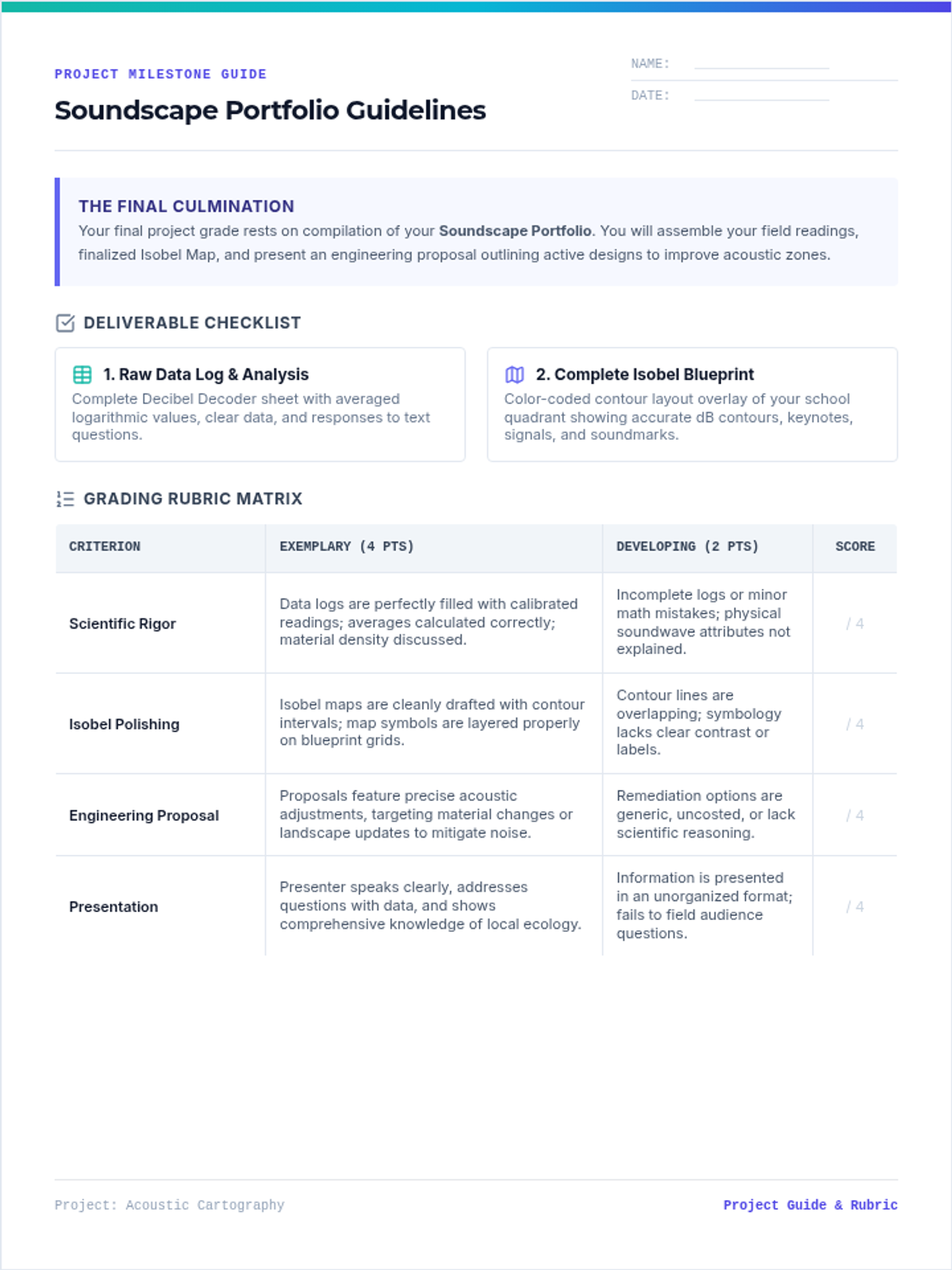
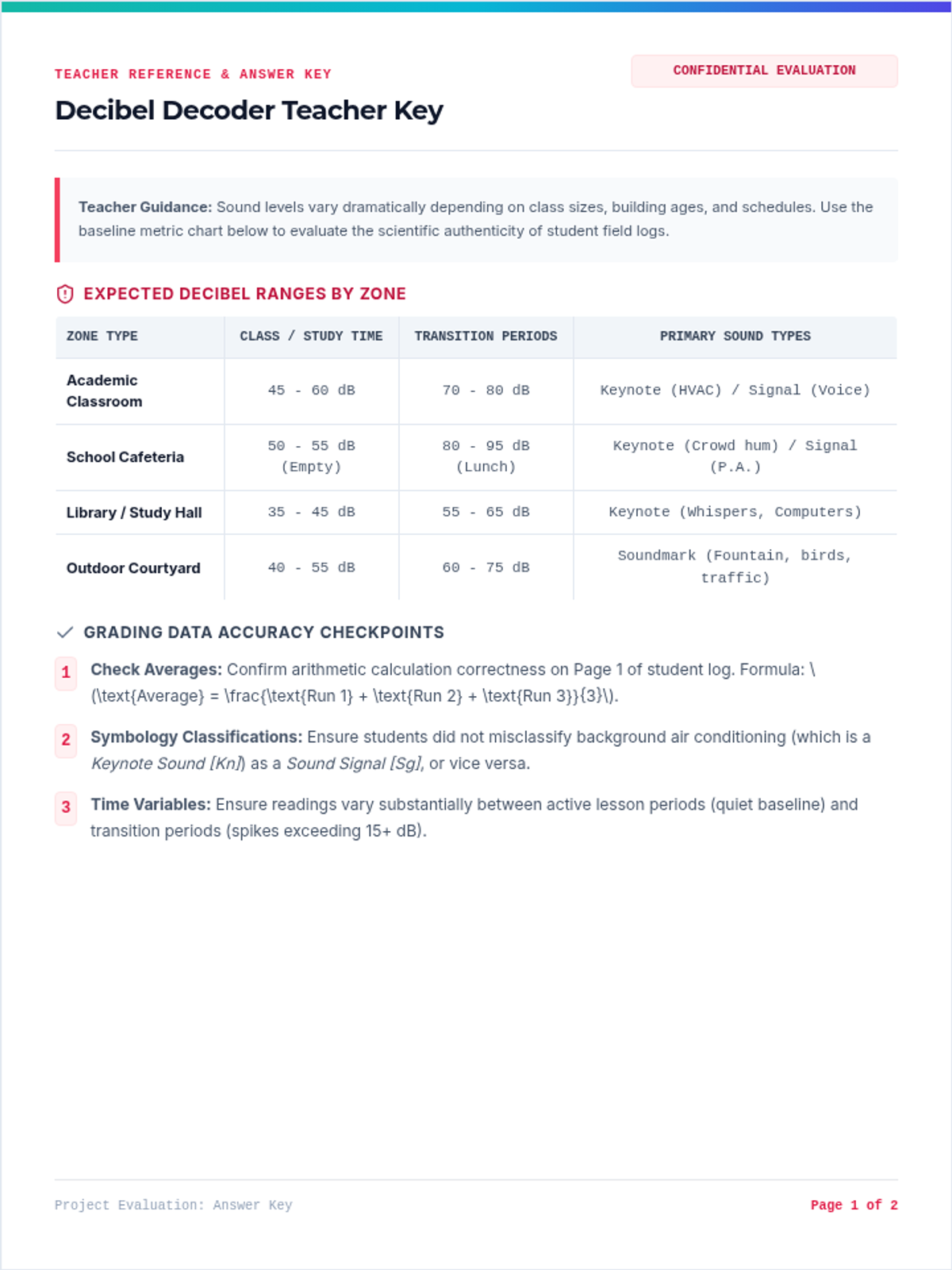
A project-based lesson where students explore acoustic ecology by recording, mapping, and analyzing ambient decibel and frequency levels to study their impact on cognitive load and emotional well-being.
A comprehensive middle and high school project-based lesson where students explore acoustic ecology by recording, charting, and analyzing the decibel levels and sound frequencies of various school zones to map their auditory environment and understand its impact on human behavior.
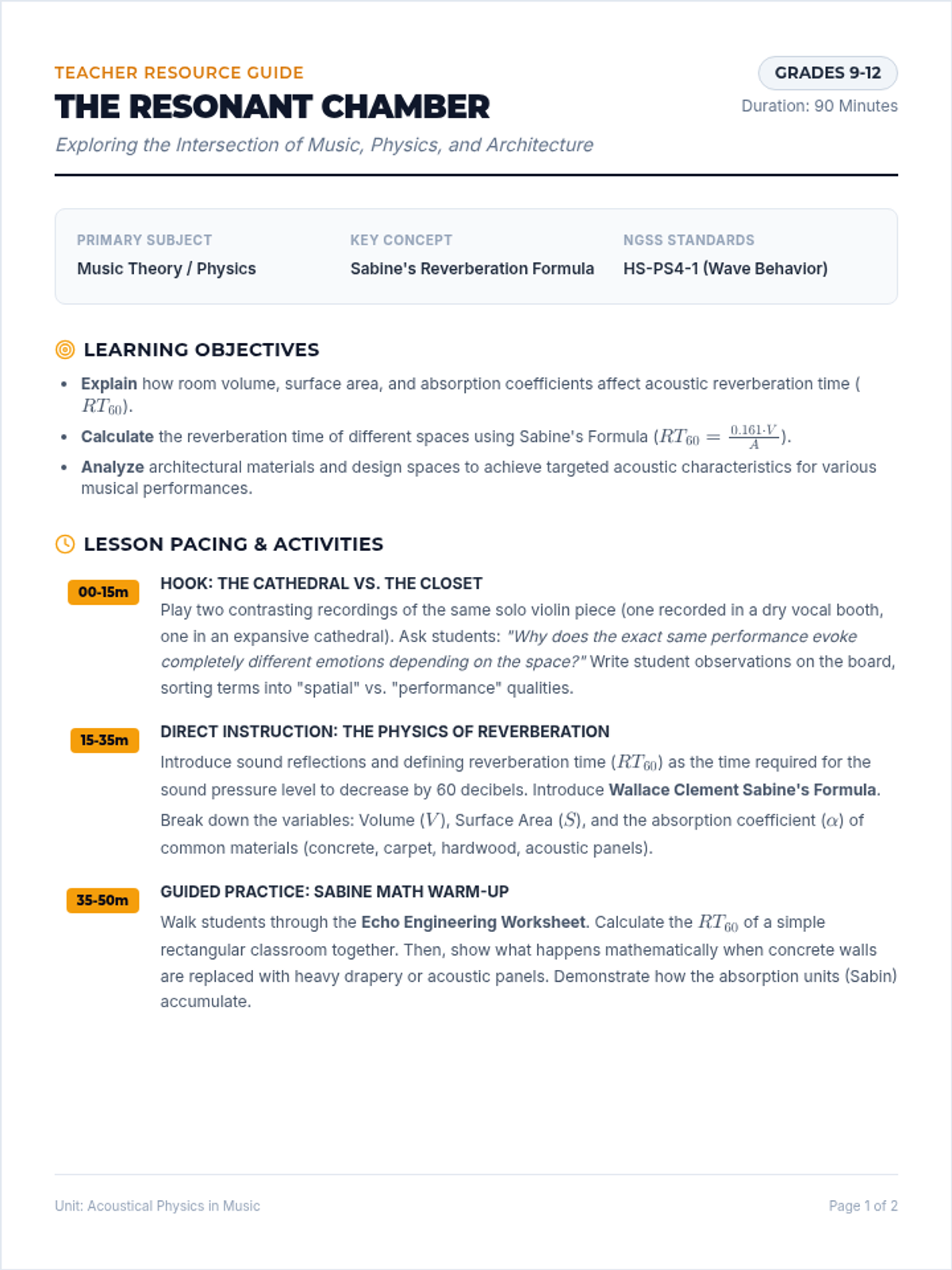
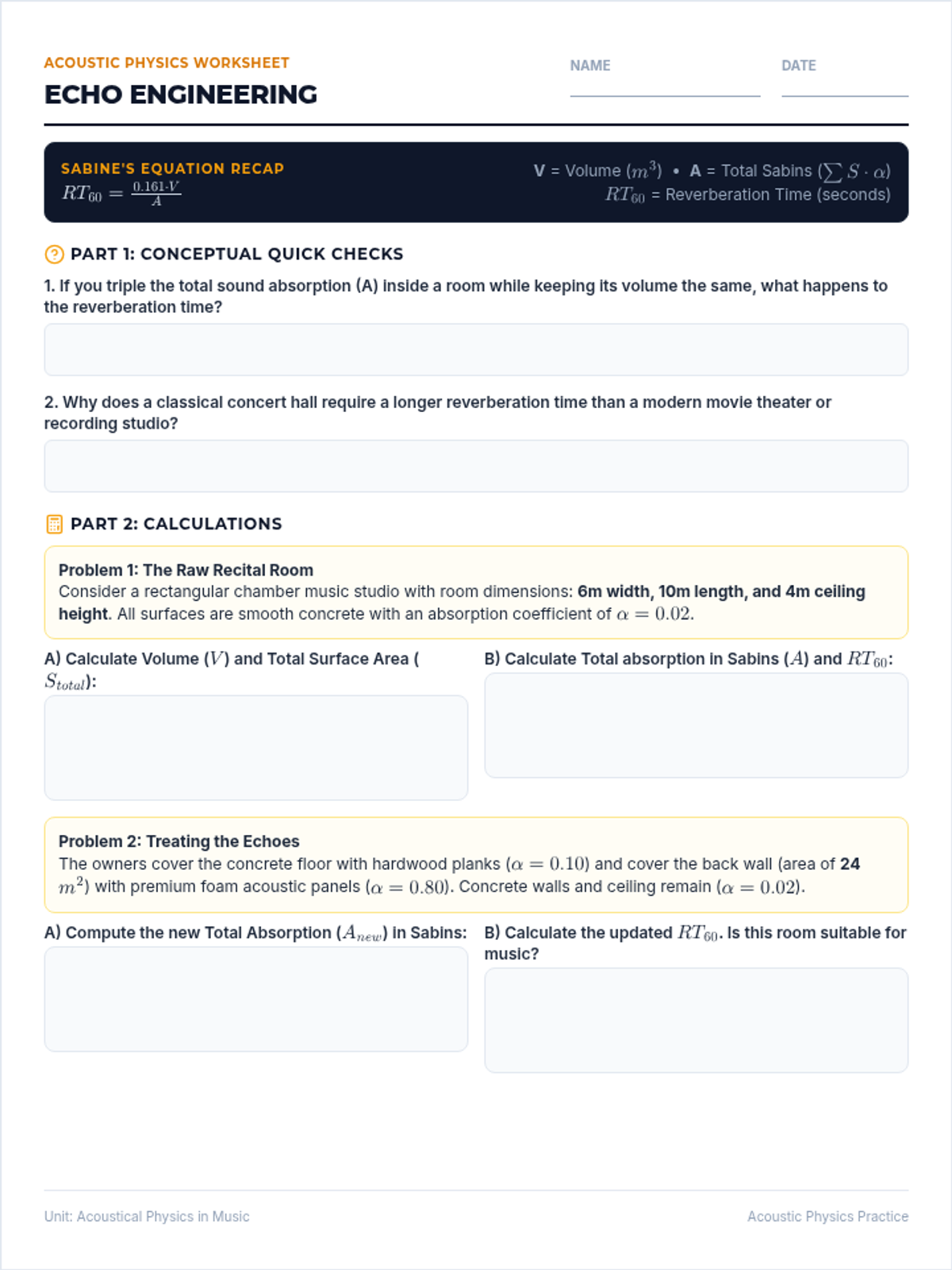
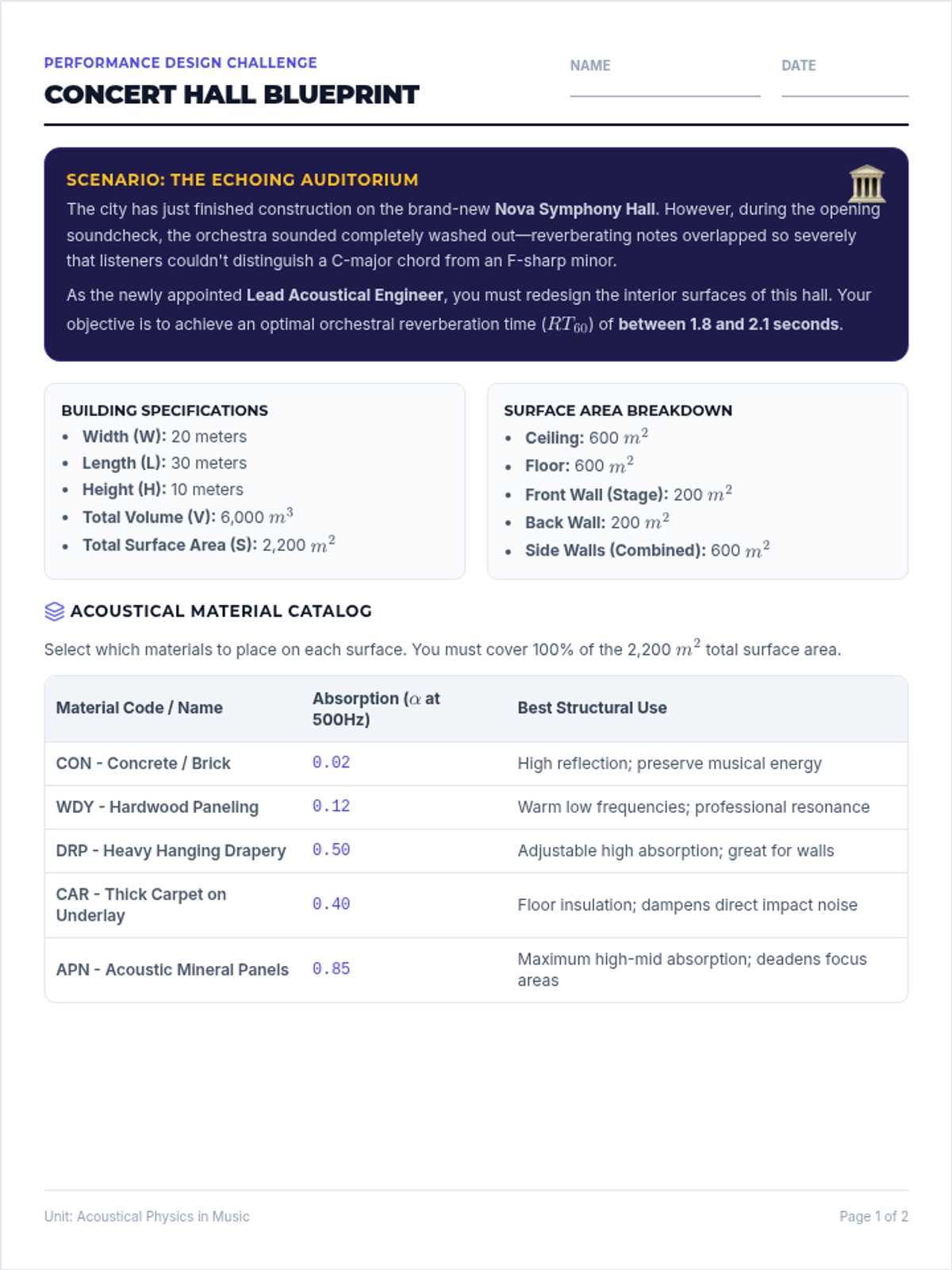
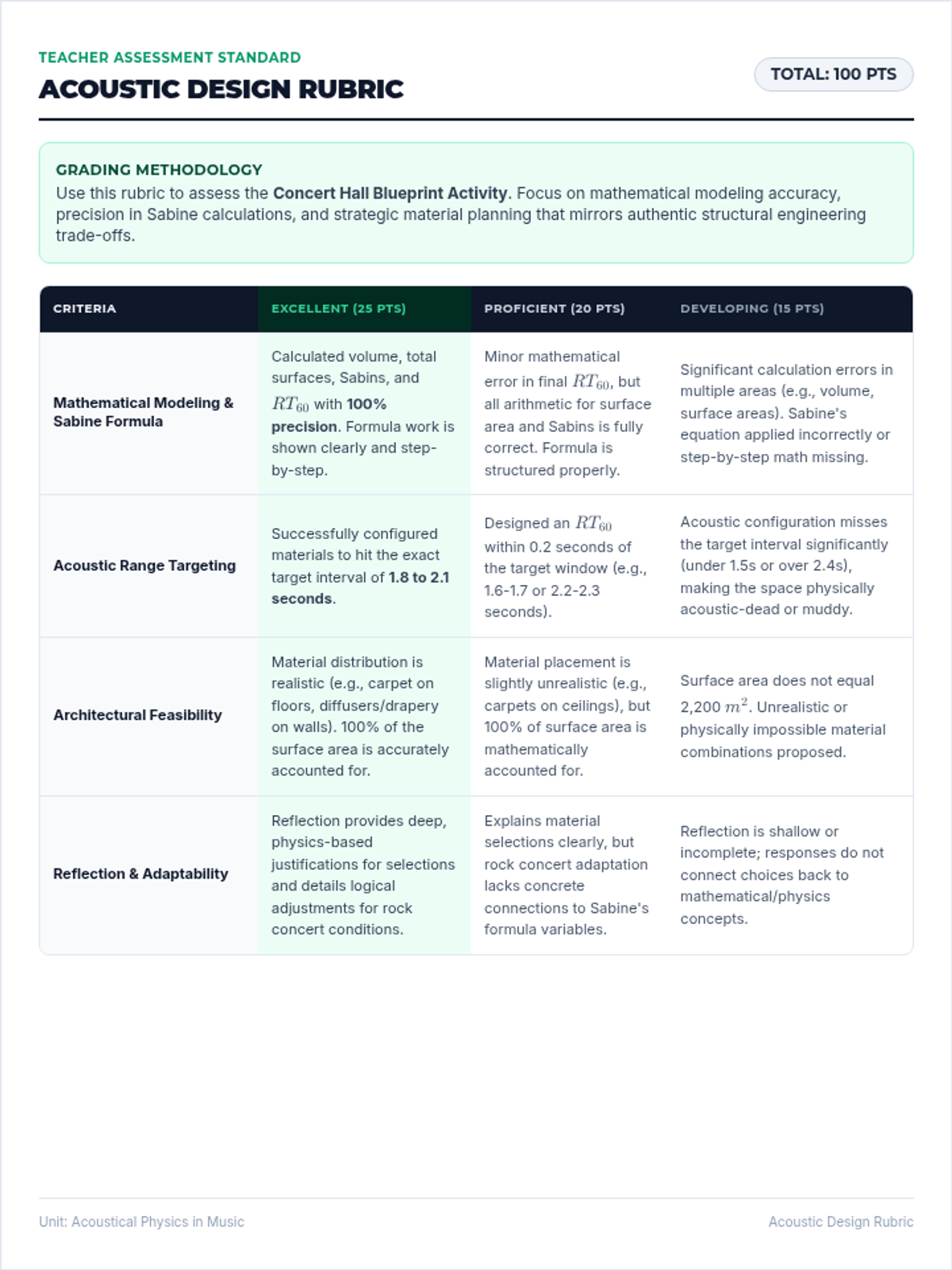
A high school music and physics lesson where students explore architectural acoustics, analyze how materials and dimensions affect sound, and apply Sabine's Formula to calculate and optimize reverberation times for world-class concert halls.
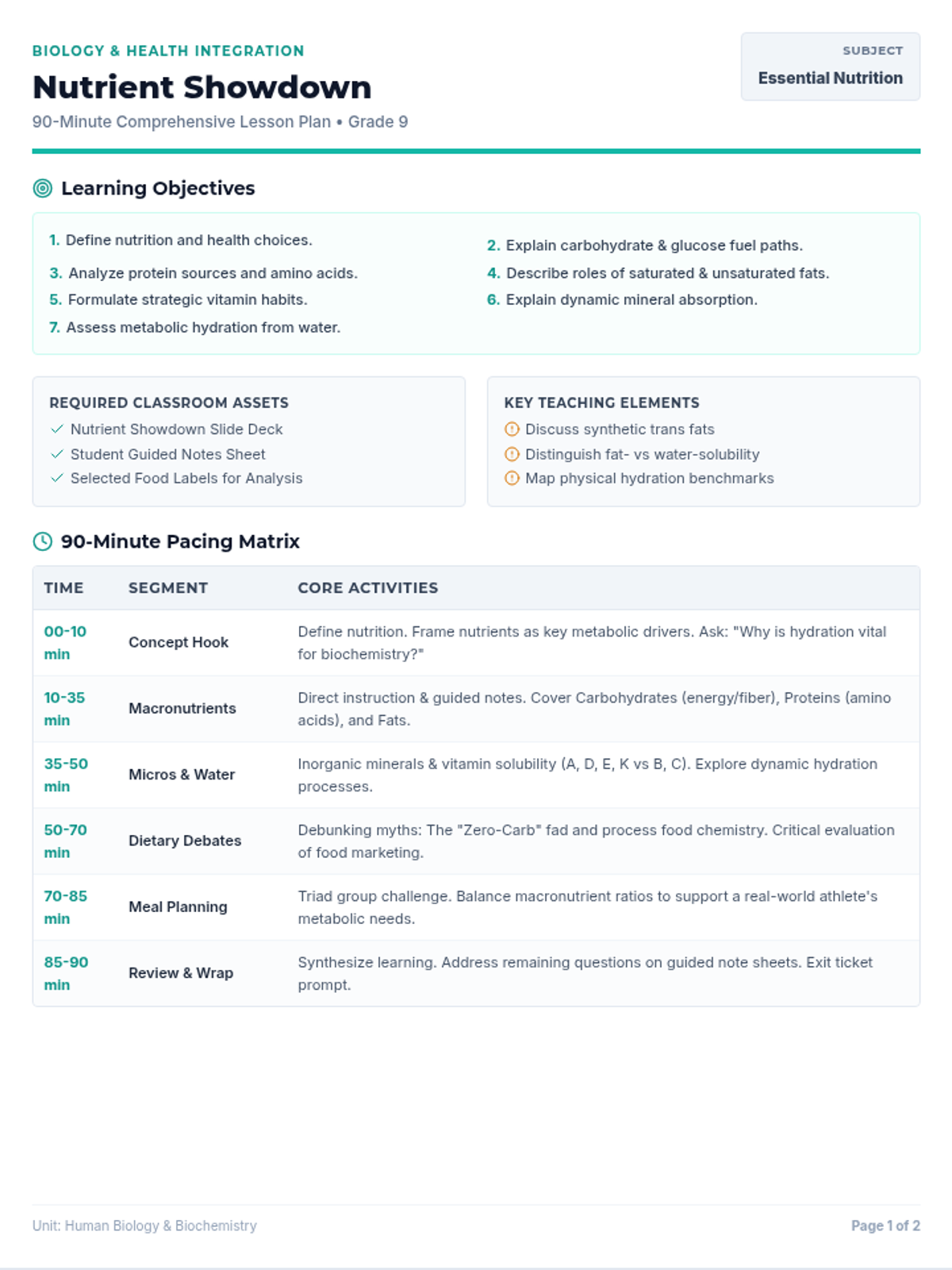
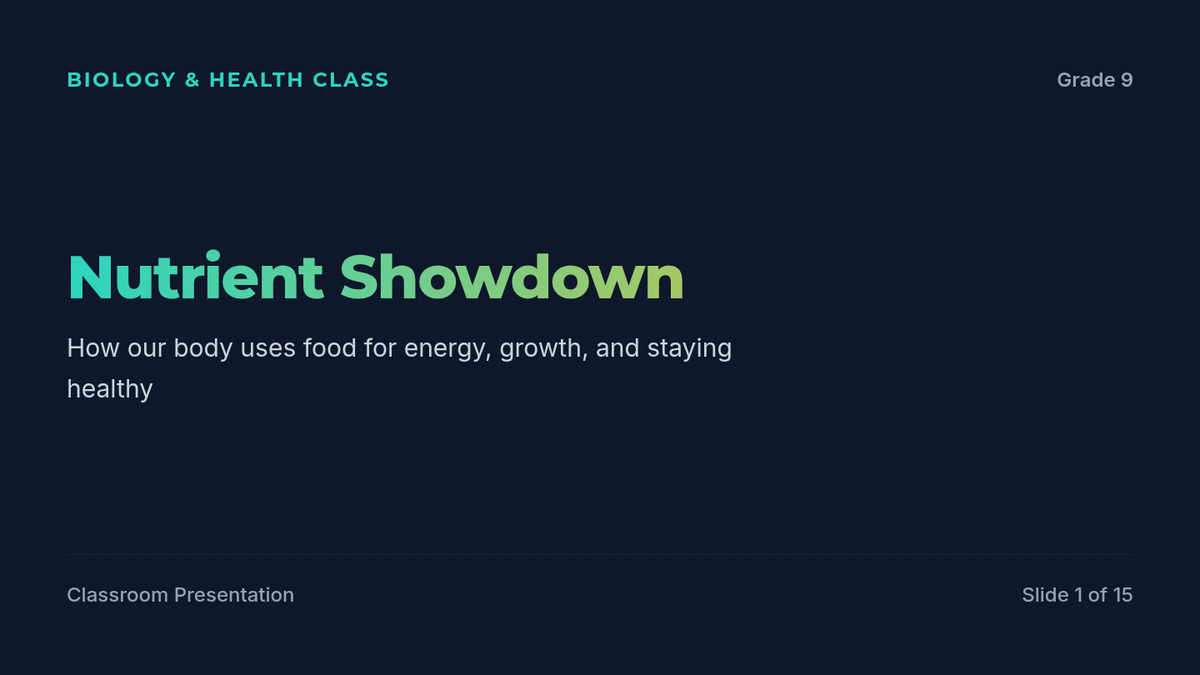
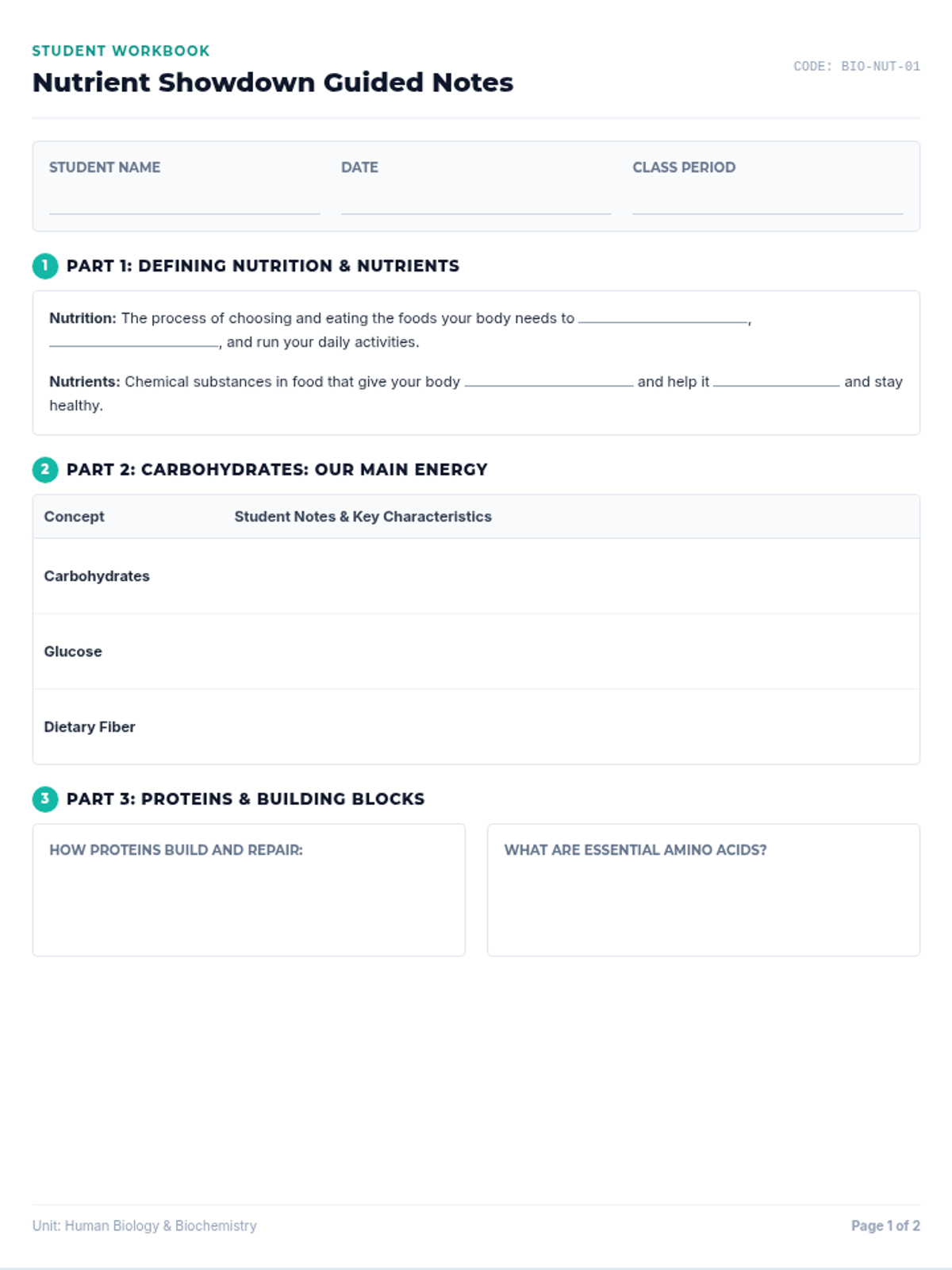
A comprehensive 90-minute biology-focused nutrition lesson for 9th graders. It covers the seven learning objectives and key terms through real-world scenarios, collaborative meal-planning, and debates on dietary trends. Includes teacher guides, a 15-slide presentation, and a guided notebook.
An advanced course launch framework establishing rigorous academic policies, AP/IB preparatory standards, and the integrated biochemistry roadmap for Honors Biology.
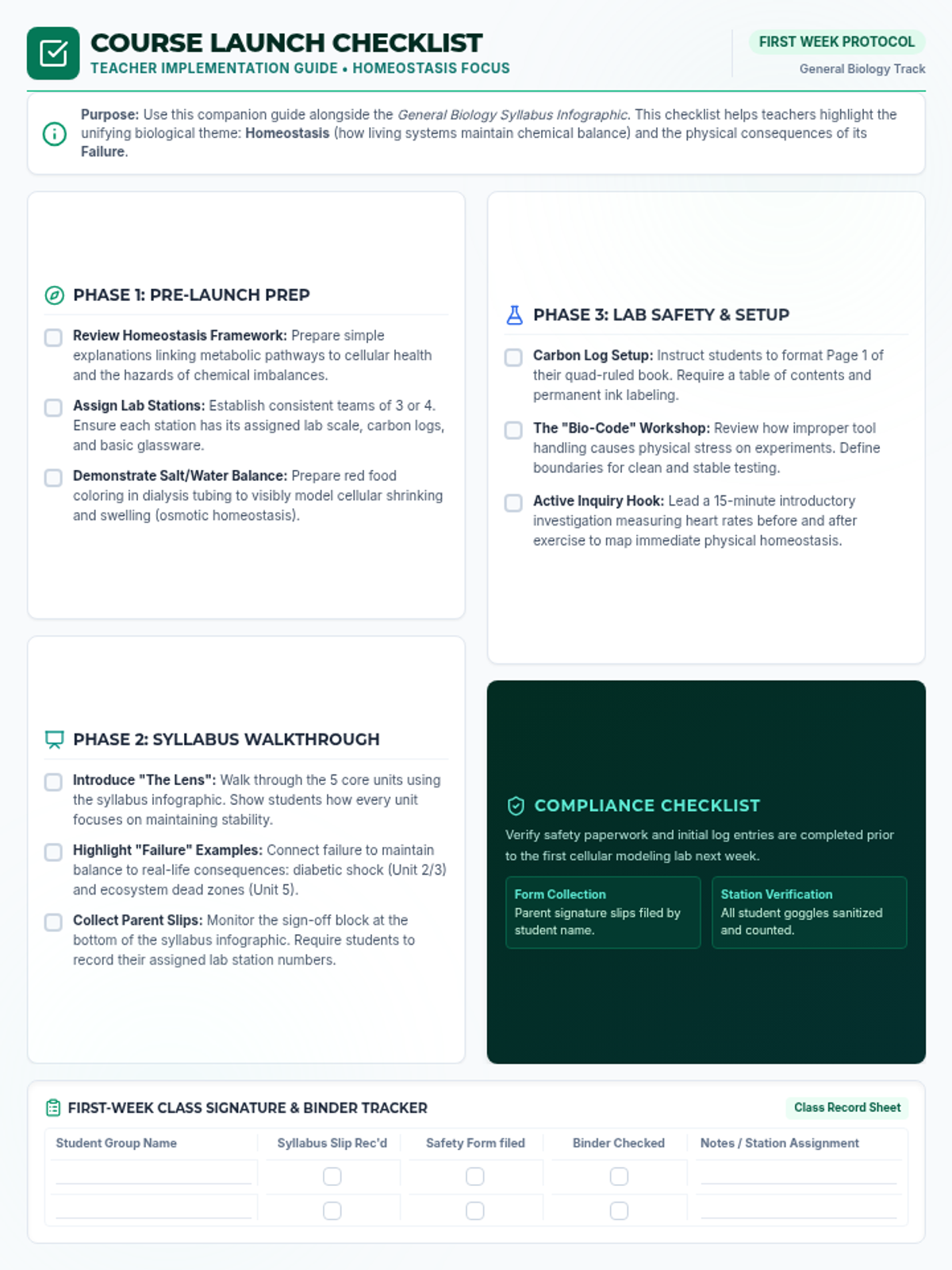
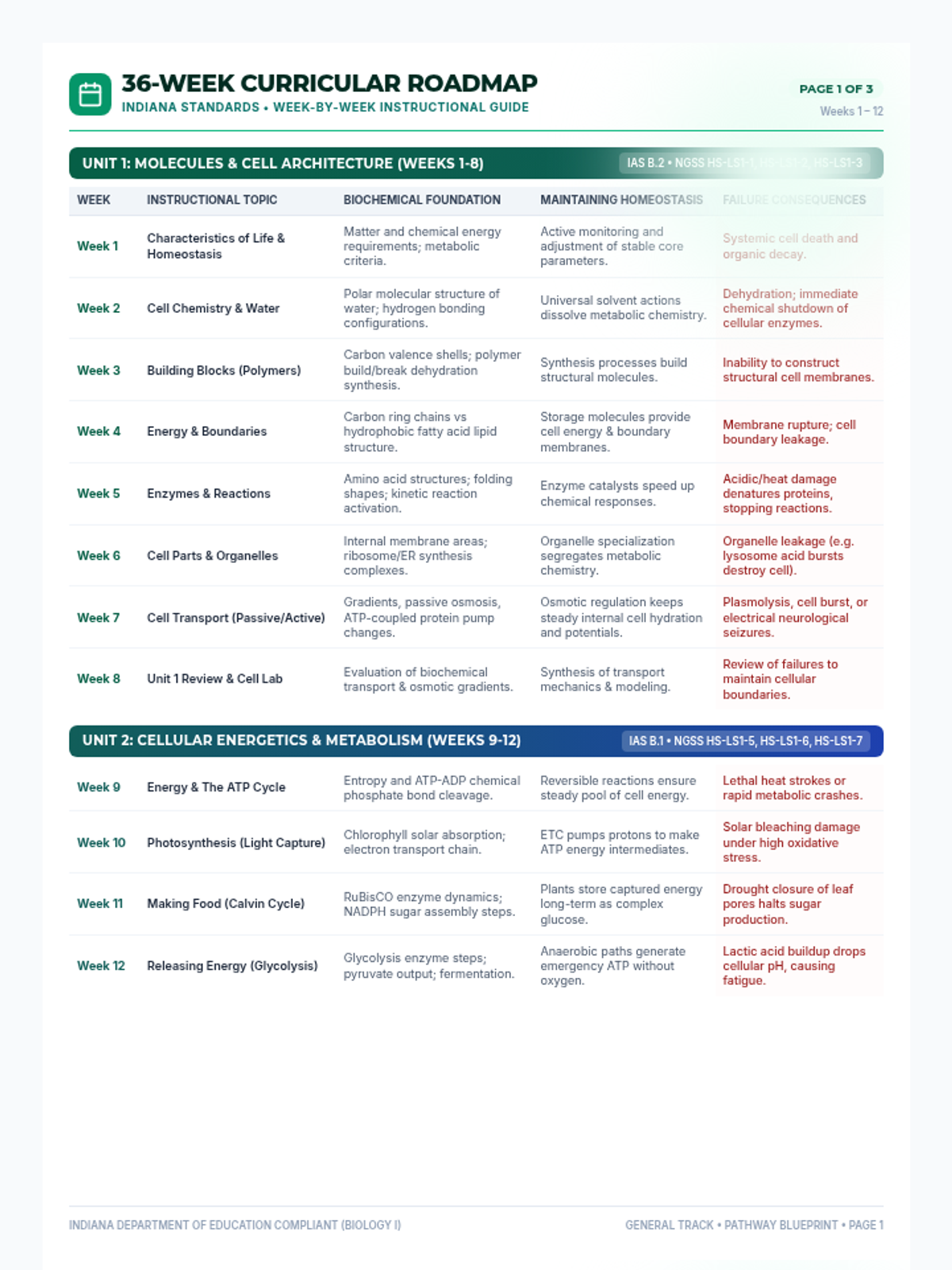
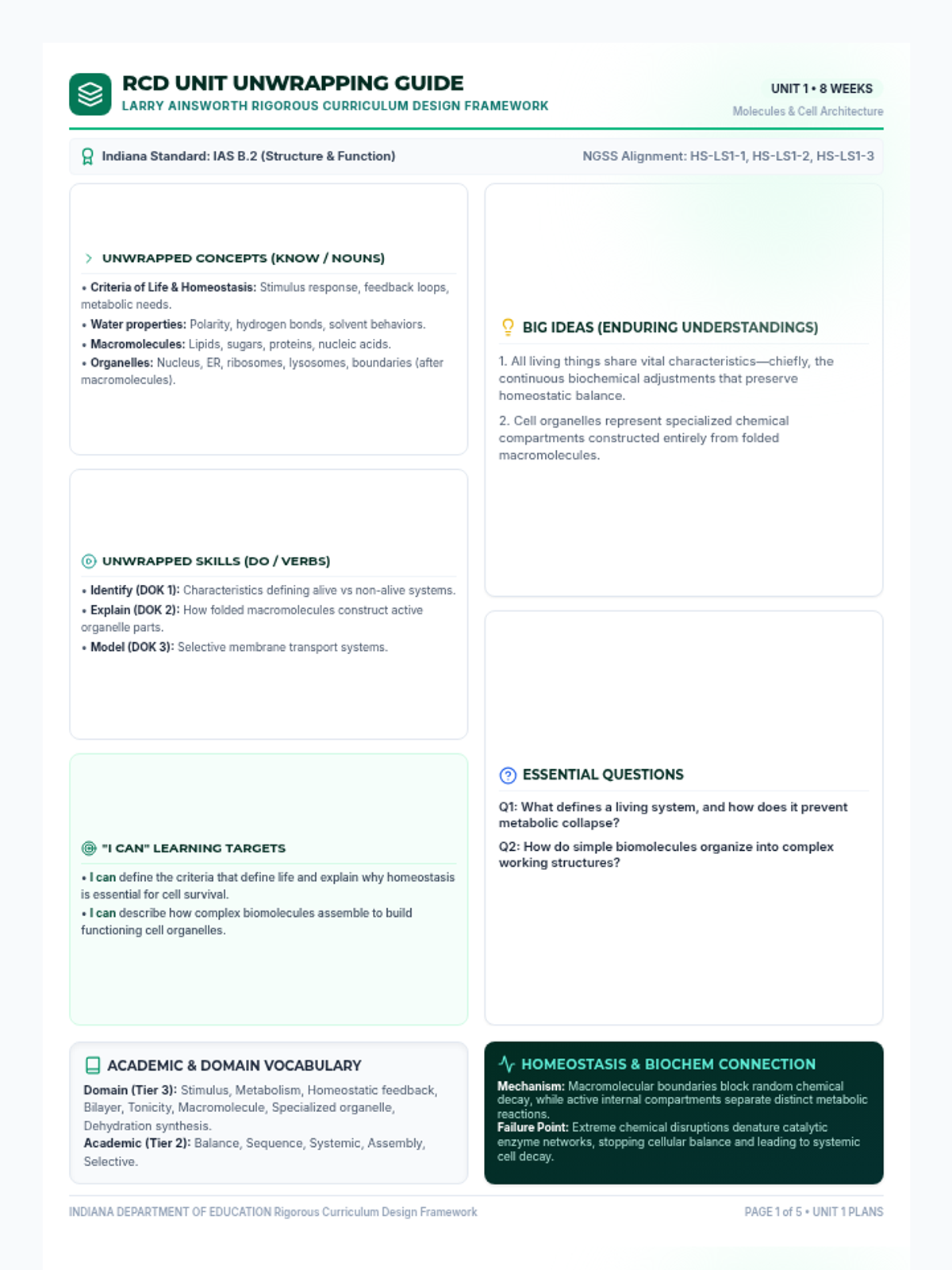
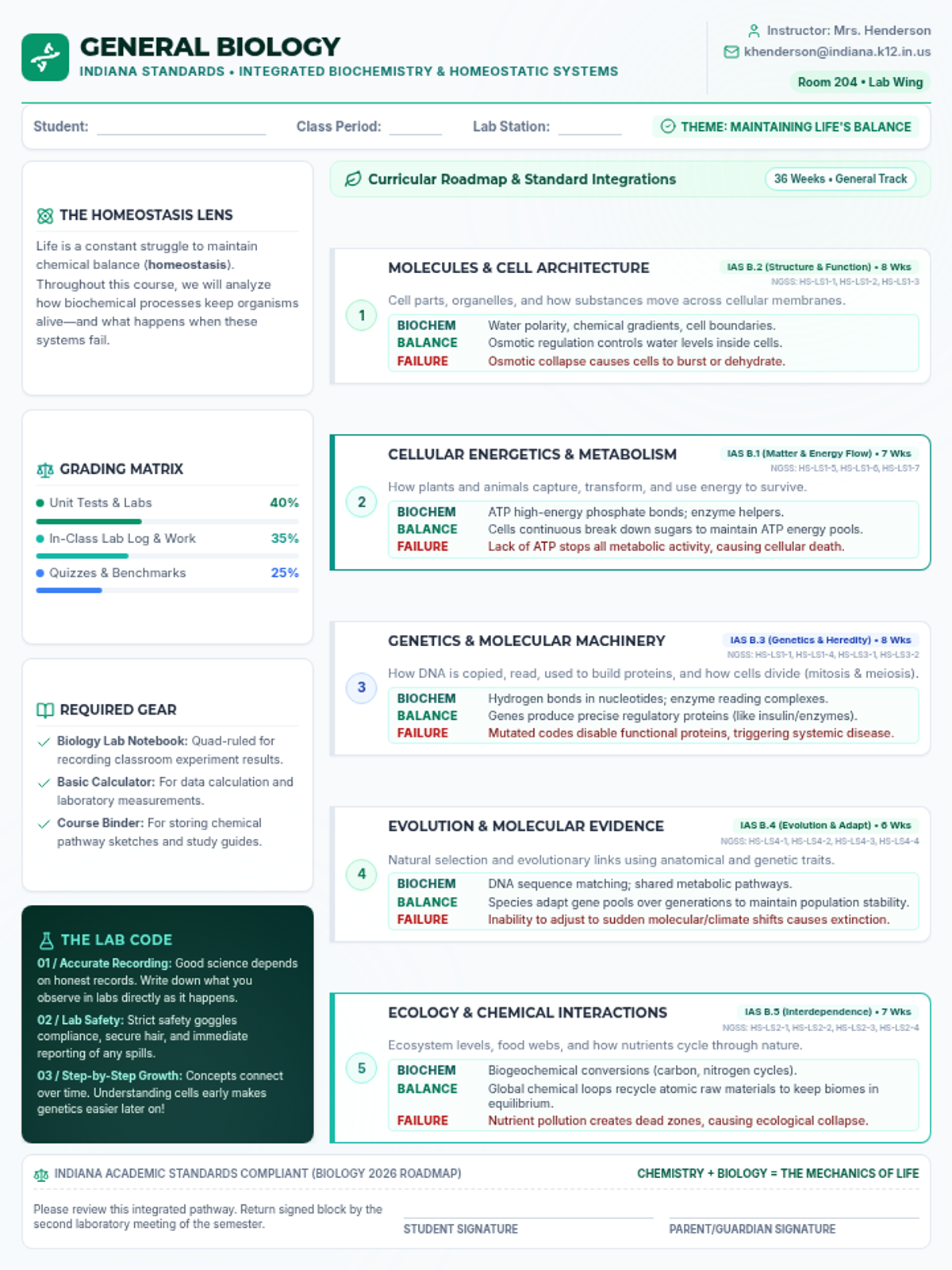
An introductory framework establishing course policies, Indiana state biology standards, and the integrated biochemistry roadmap for the academic year.
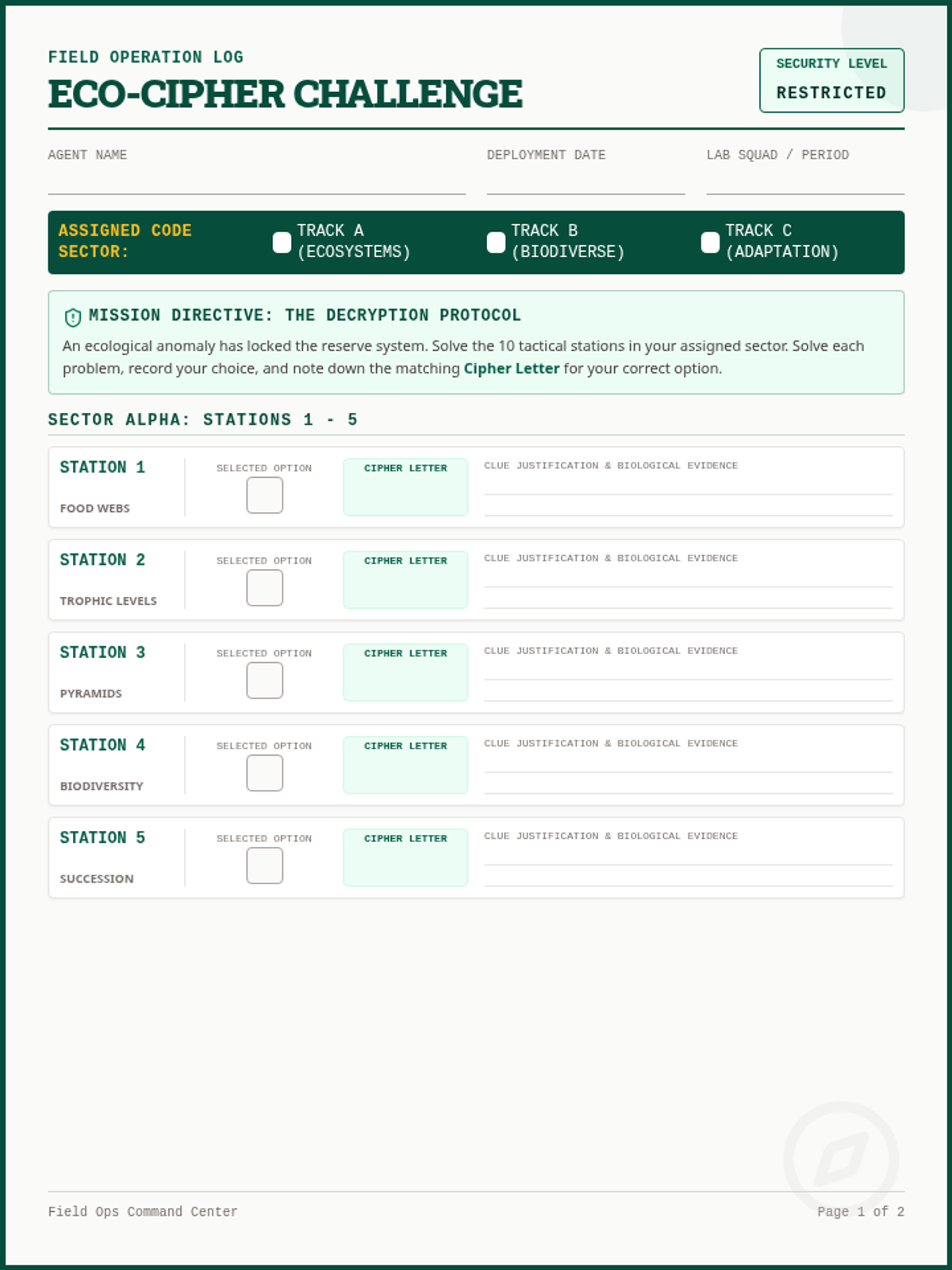
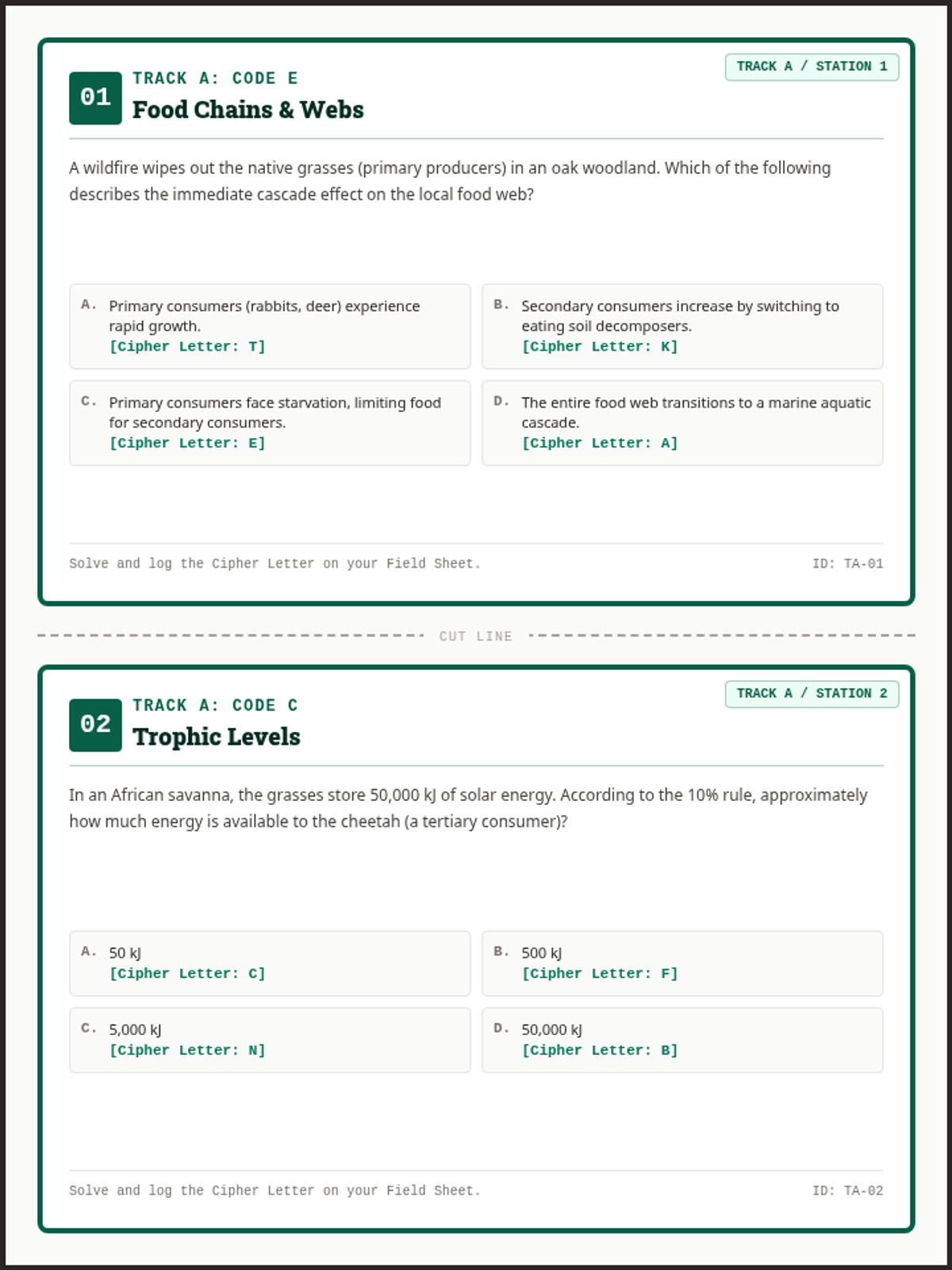
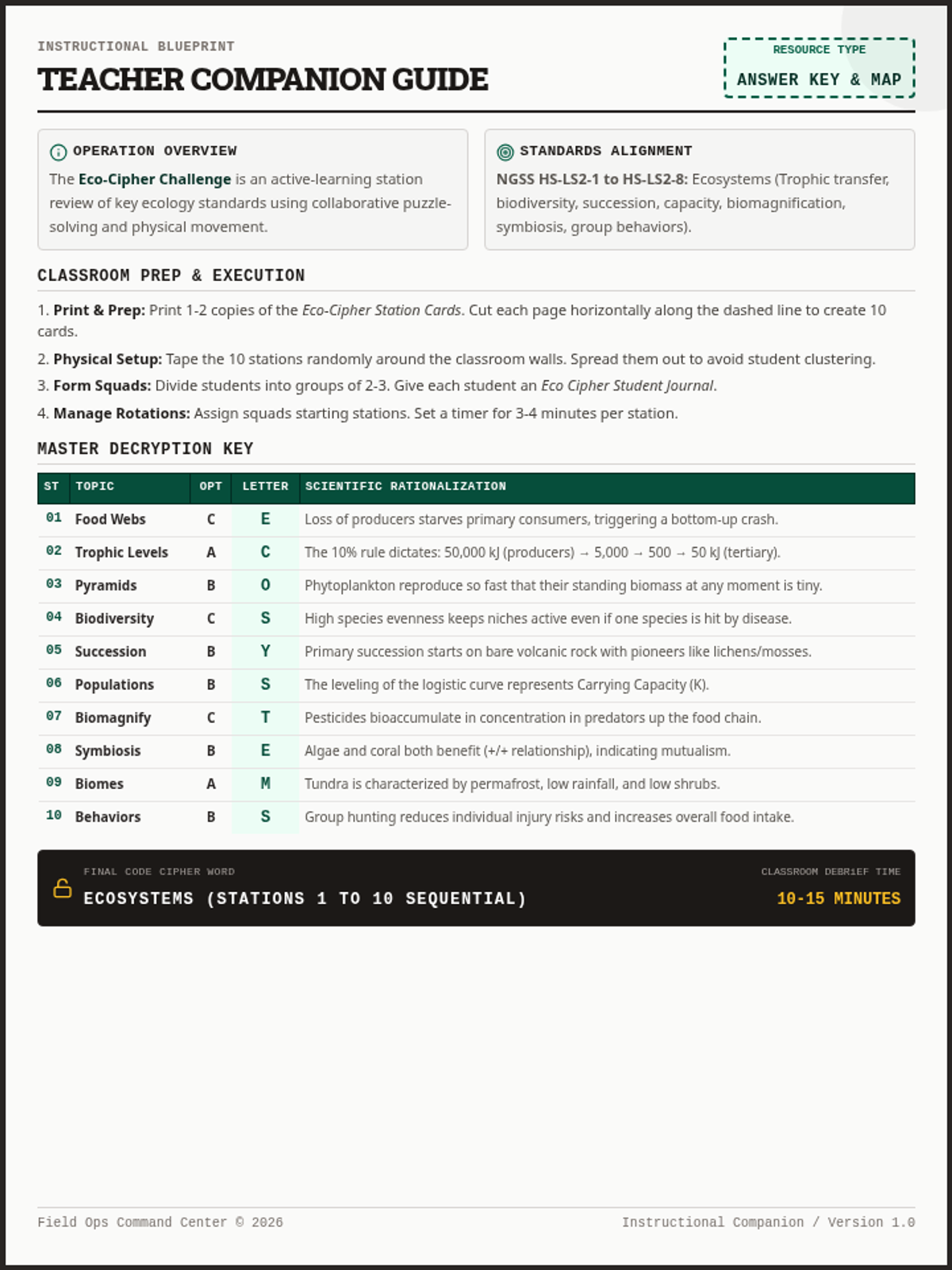
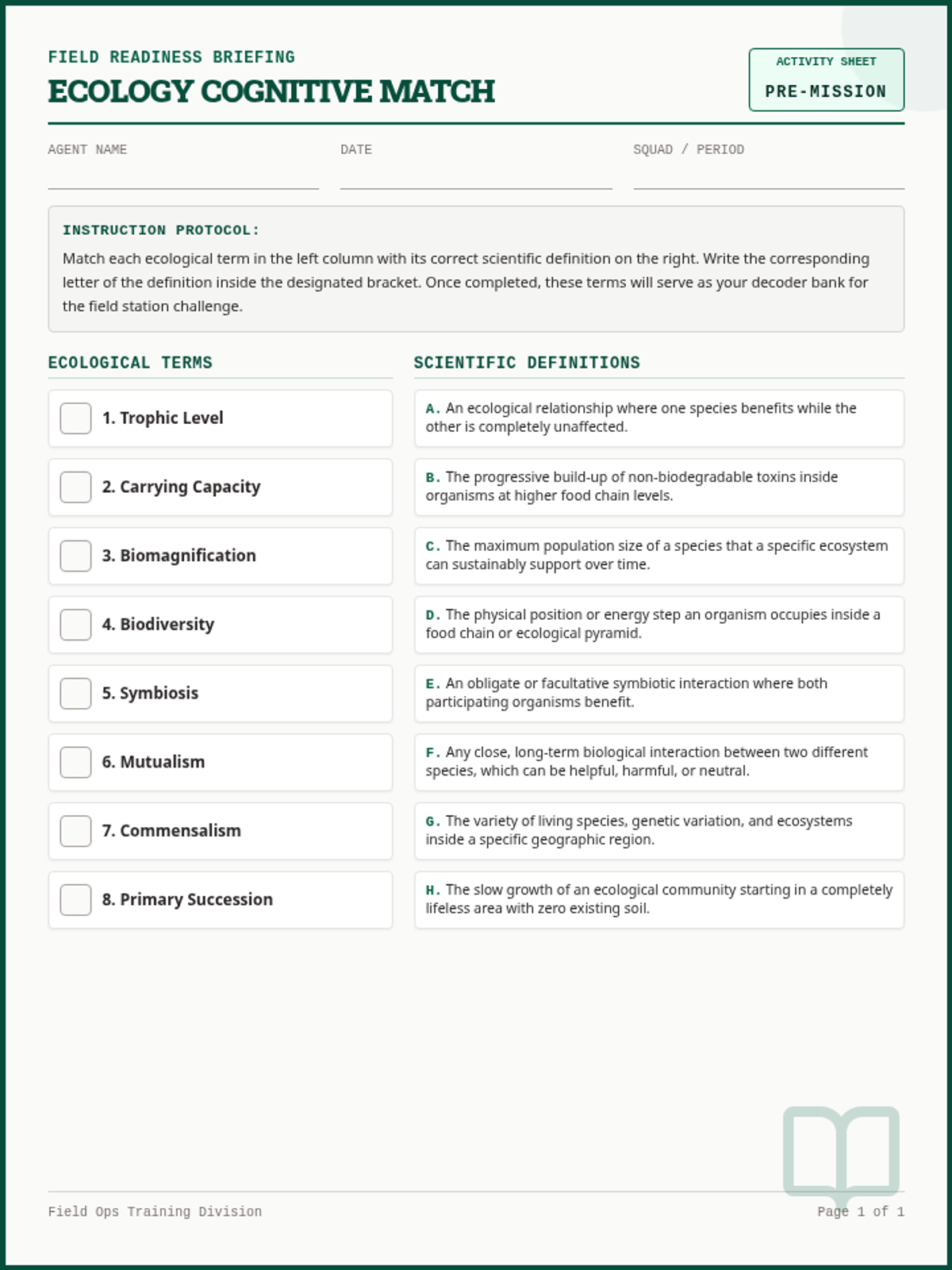
An interactive, station-based scavenger hunt where students solve ecological mysteries to decode a final ten-letter secret cipher ('ECOSYSTEMS'). Students review core concepts like food webs, trophic levels, symbiosis, succession, biomagnification, and populations.
An engineering design challenge where students design, prototype, and test magnet mazes, exploring how different backing materials block or allow magnetic forces to pass through.
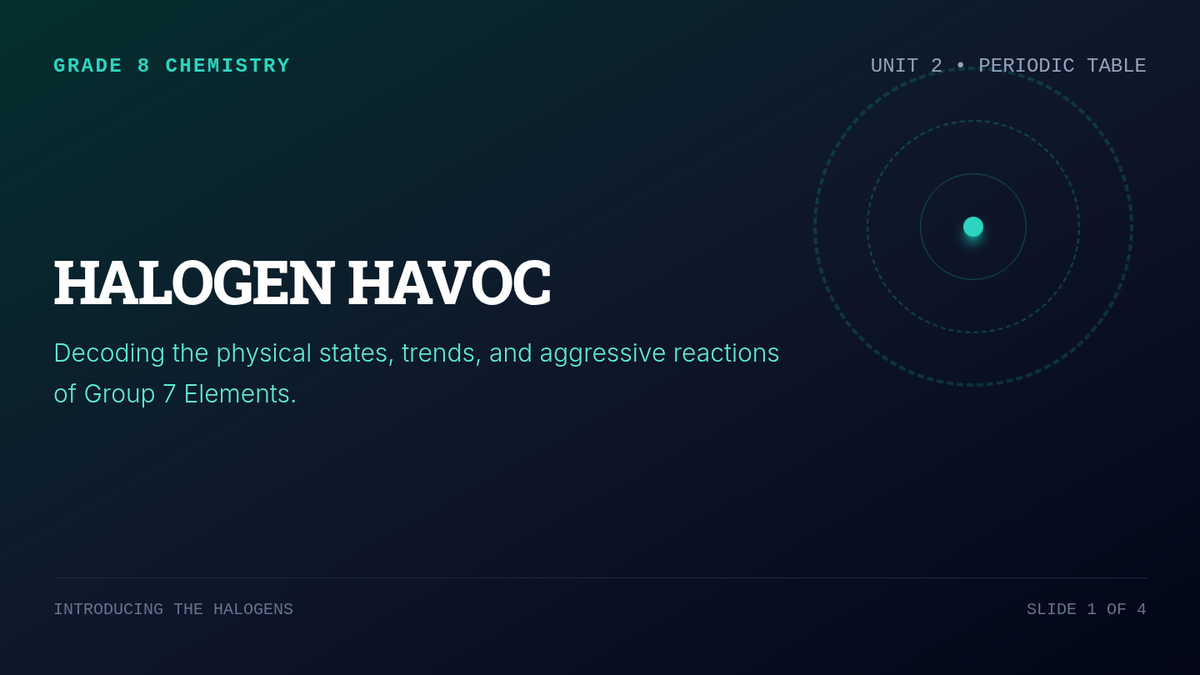
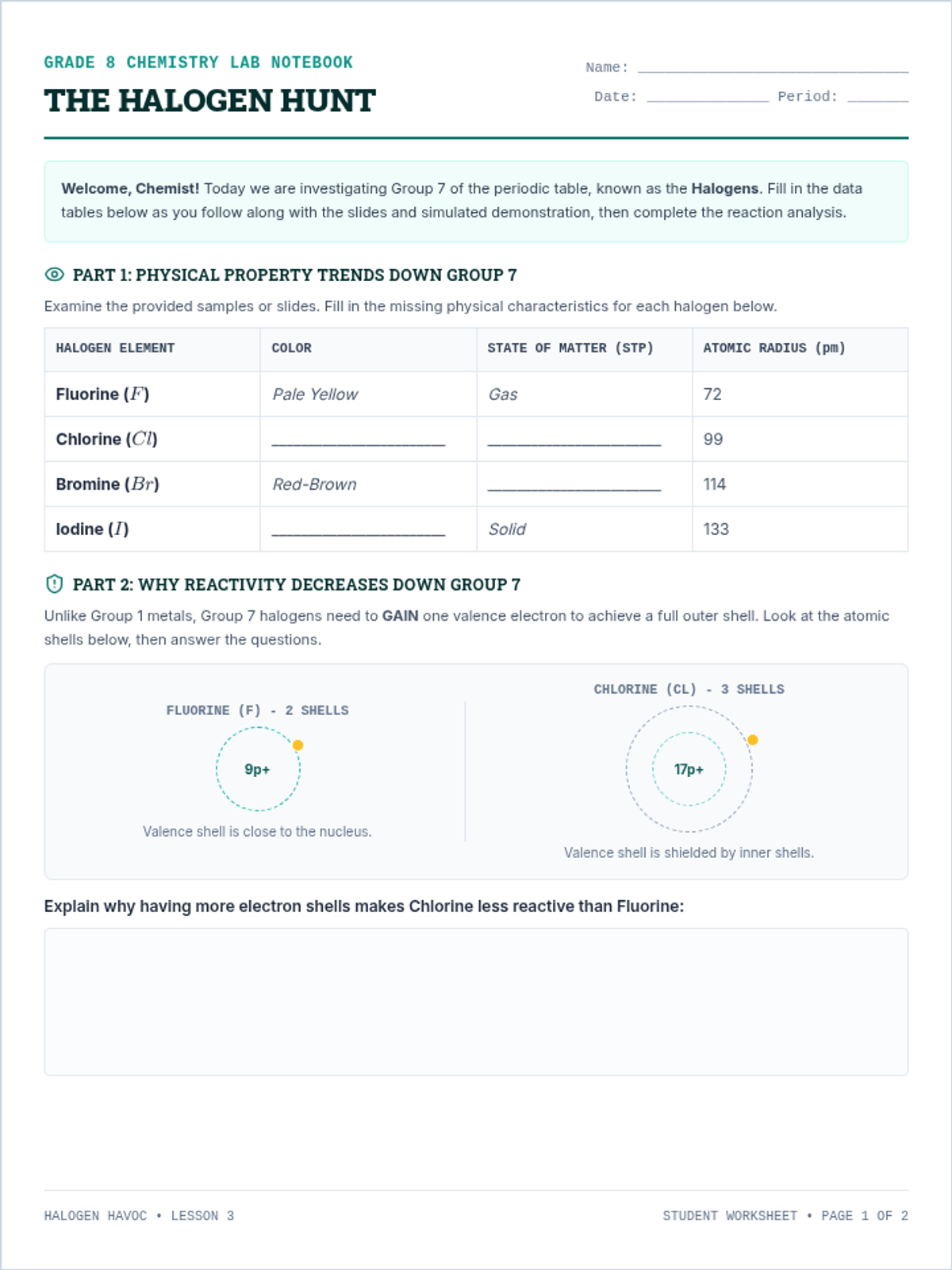
A comprehensive Grade 8 chemistry lesson exploring the Group 7 Halogens. This lesson covers their physical states, colors, atomic structures, decreasing reactivity trend down the group, displacement reactions, and real-world uses through slides, a teacher guide, a student worksheet, a simulated lab, task cards, and an exit ticket.
A highly engaging, hands-on lesson teaching the importance of precision, clarity, and chronological sequencing through the classic "Exact Instructions Challenge" using Marshmallow Fluff and Jelly. Students write step-by-step instructions, and the teacher follows them verbatim, humorously demonstrating how easily vague directions can go sticky.
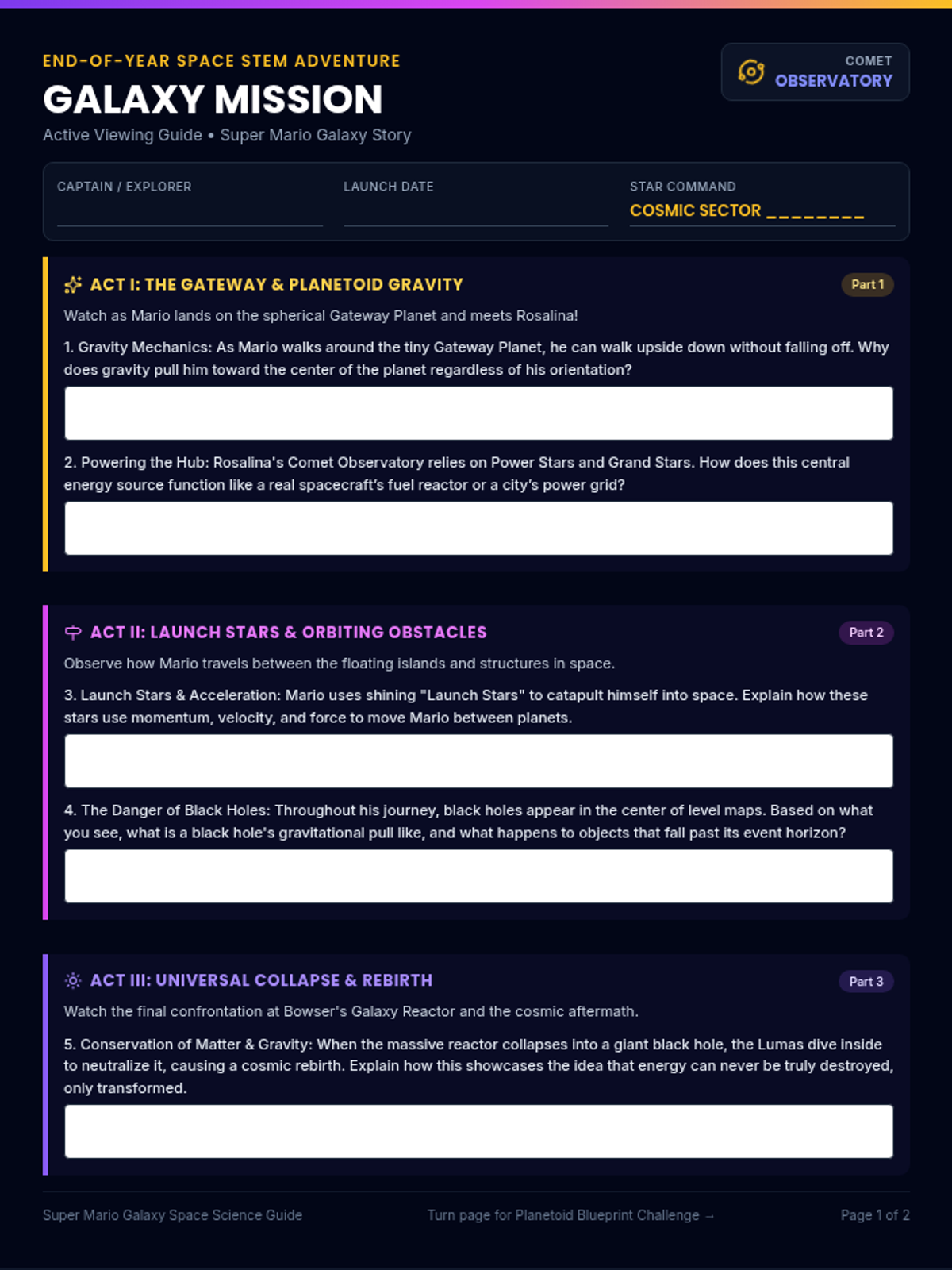
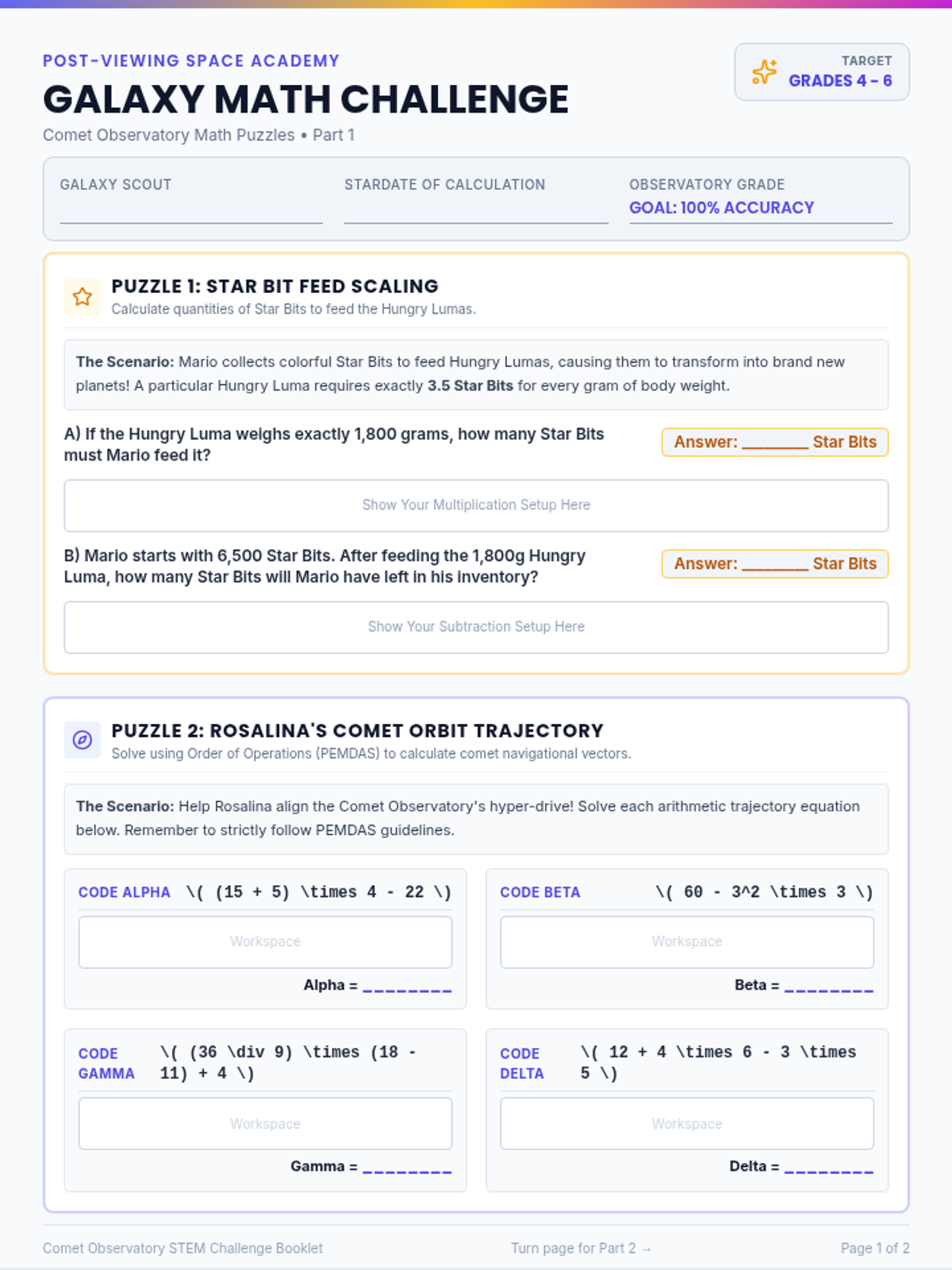
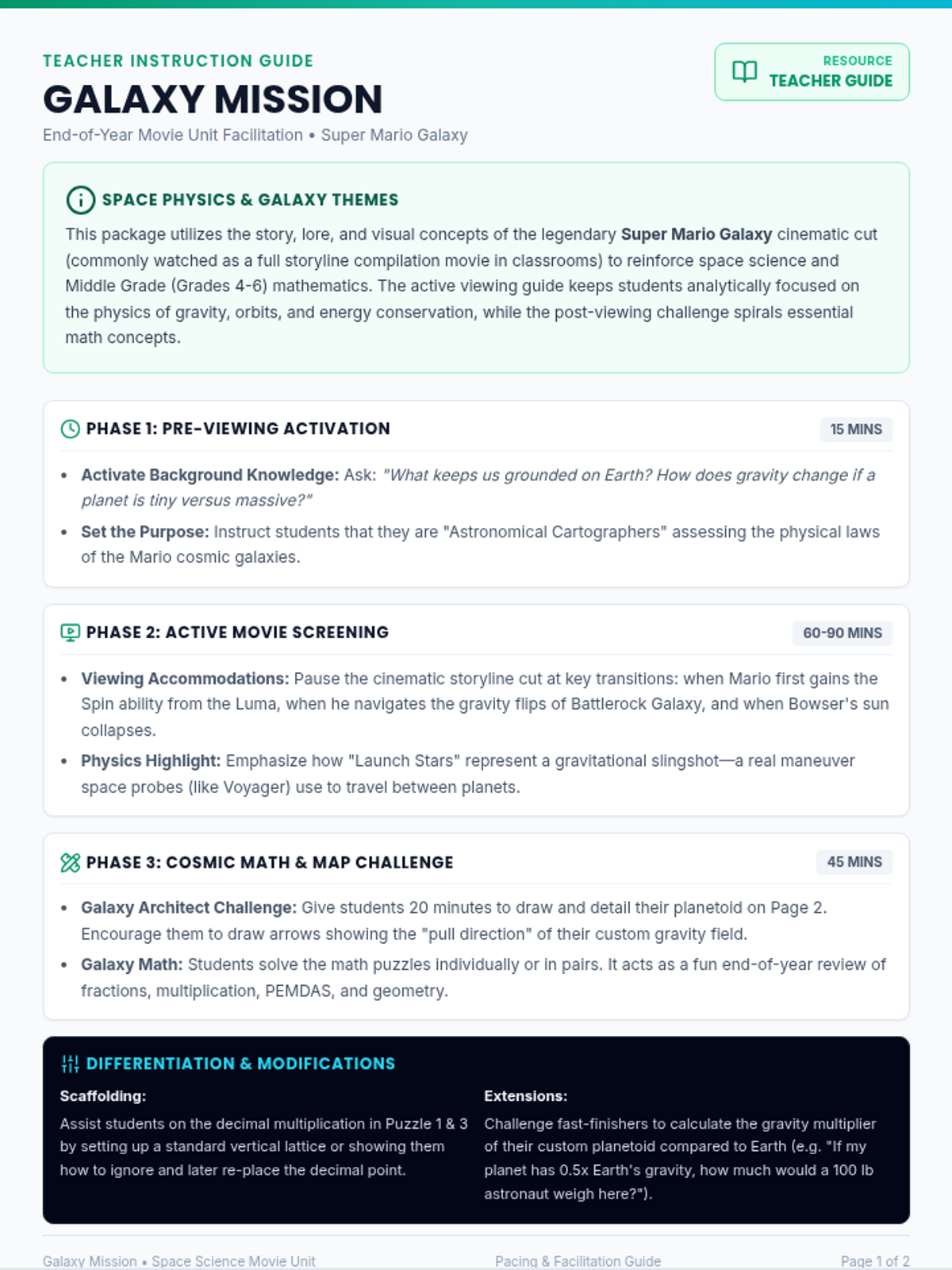
An end-of-year educational movie unit and math workbook based on the story of Super Mario Galaxy. Students explore gravity, orbits, and space physics through active viewing, followed by high-energy space-themed math puzzles.
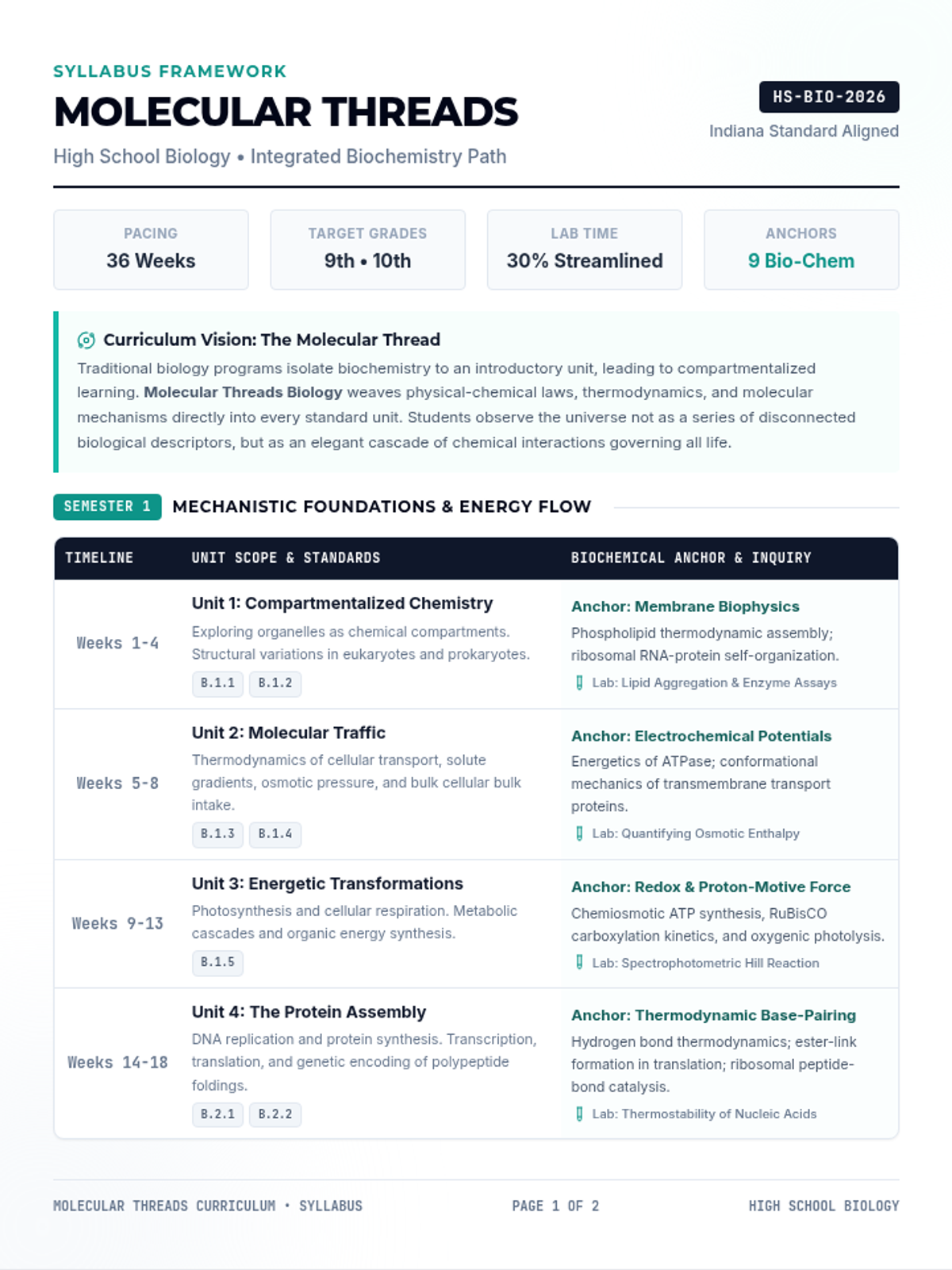
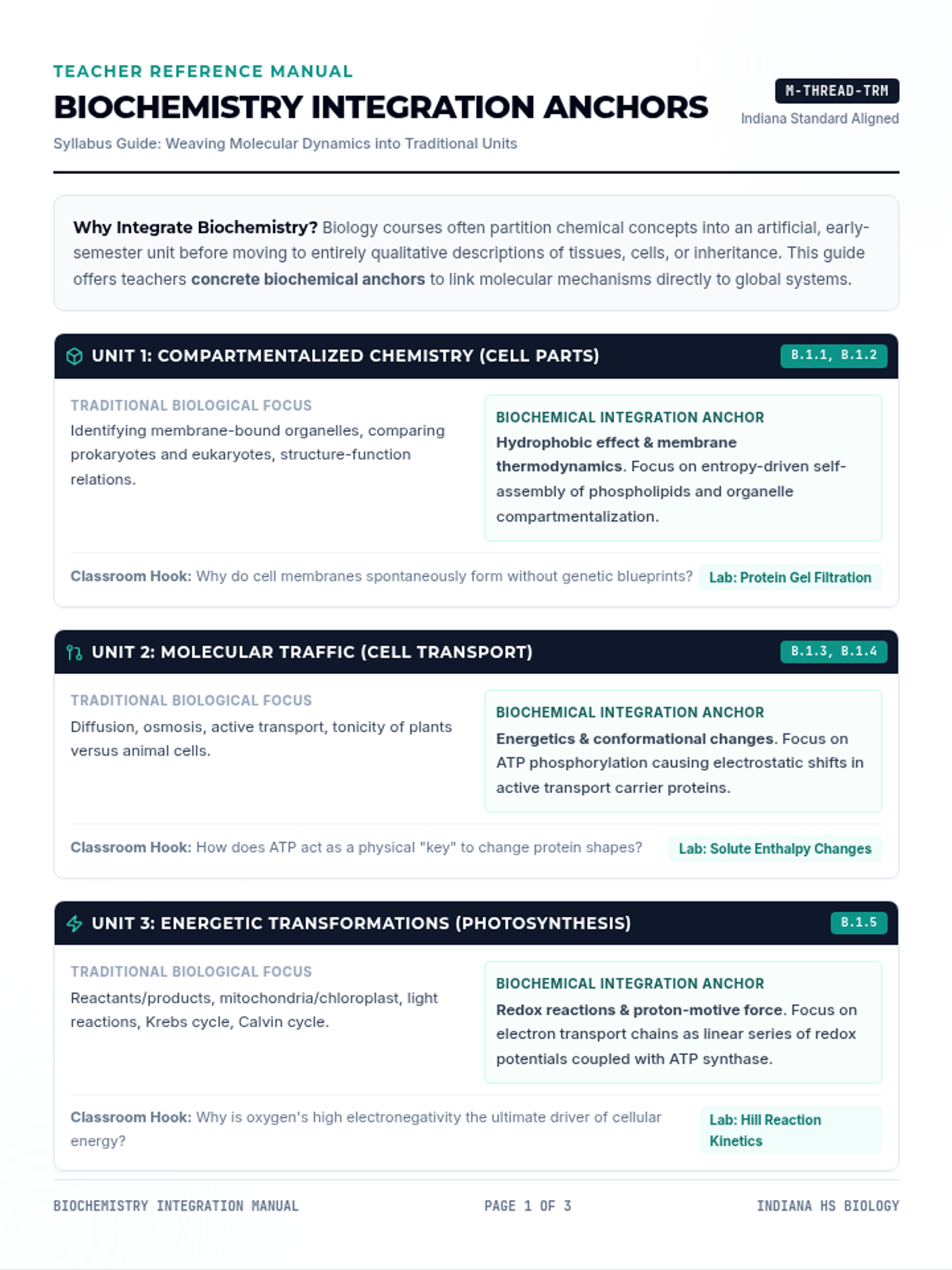
The master blueprint for the Molecular Threads Biology curriculum, featuring a comprehensive yearlong syllabus and a teacher reference guide for weaving biochemistry anchors into every unit.
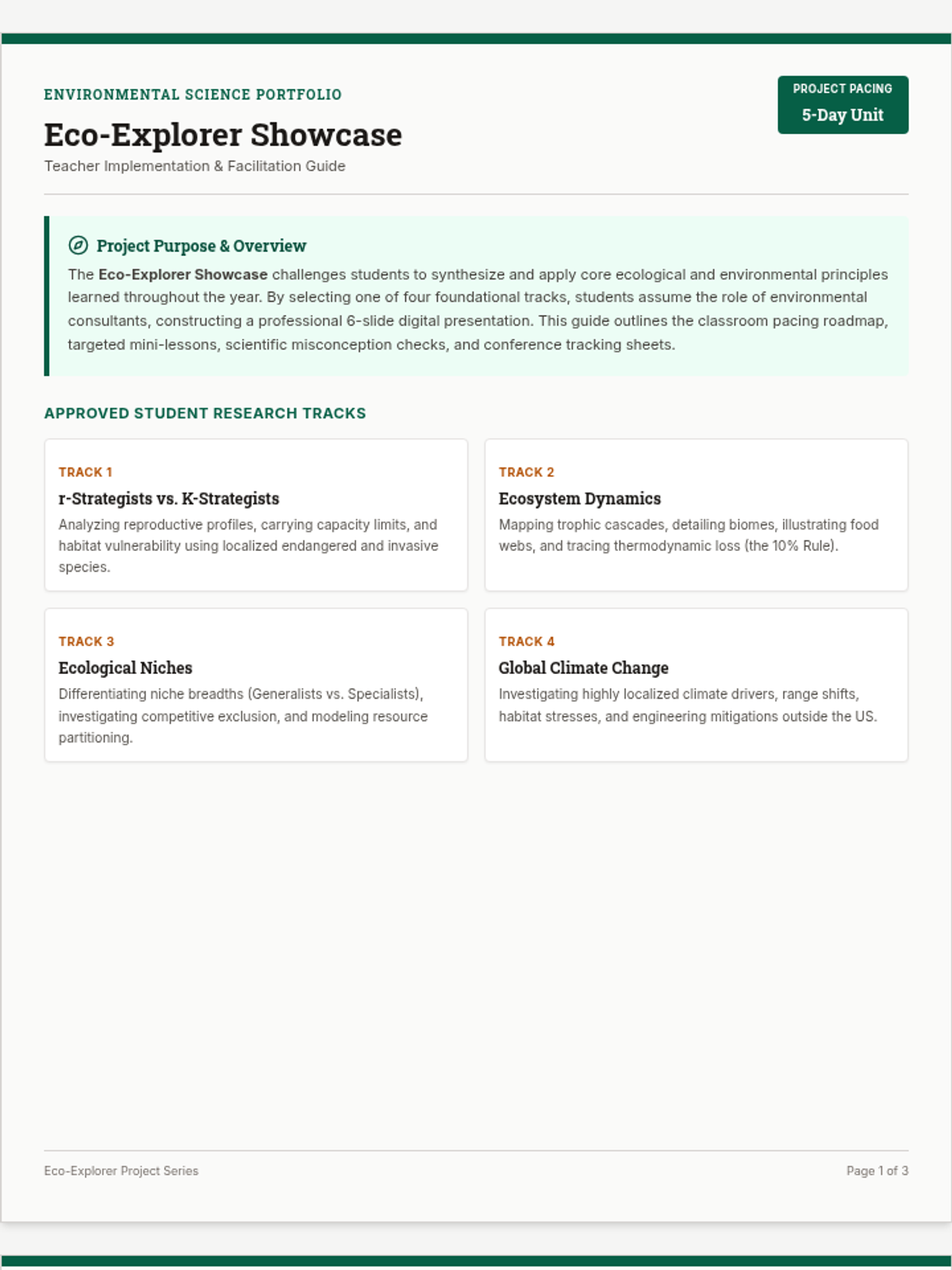
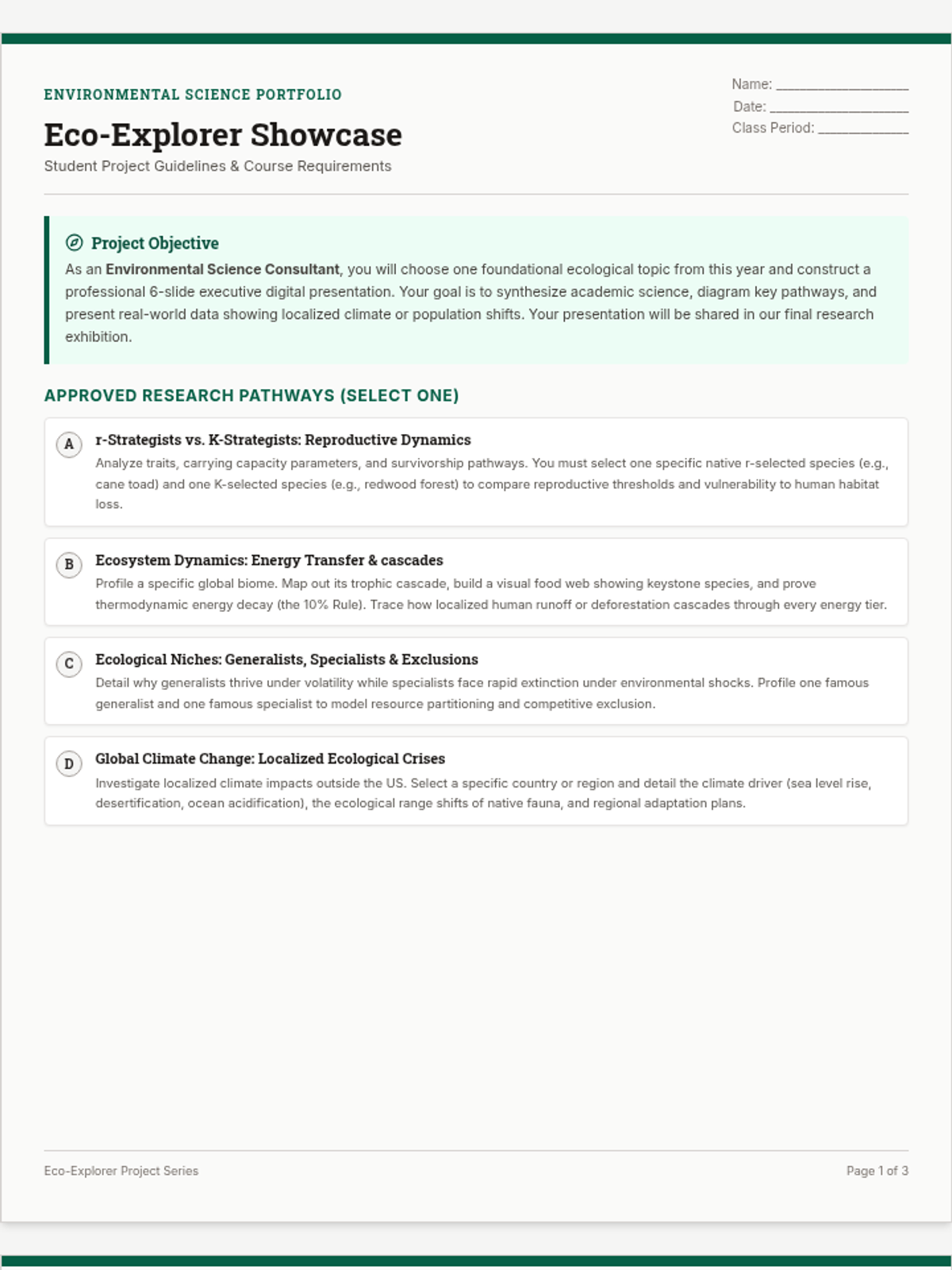
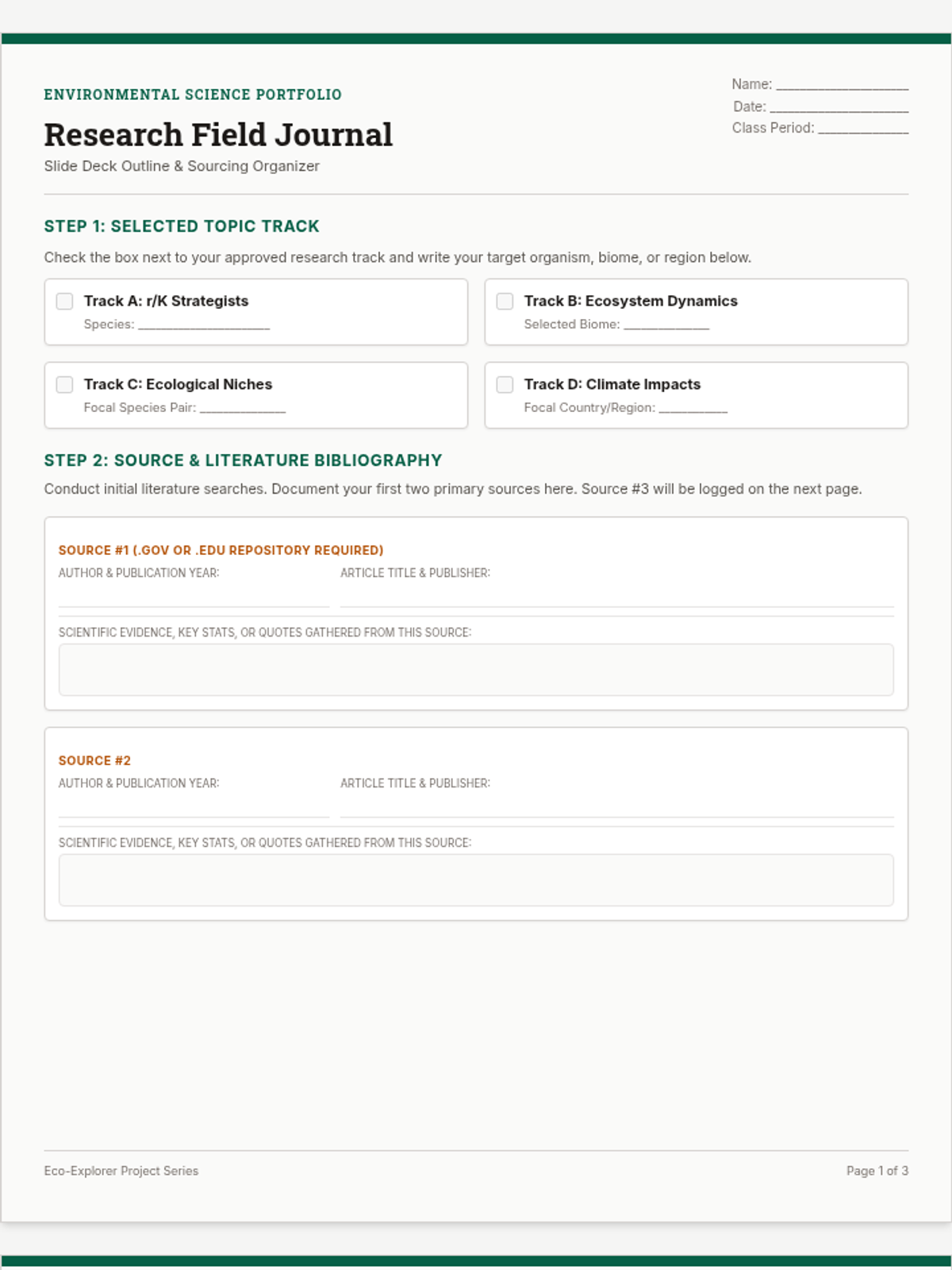
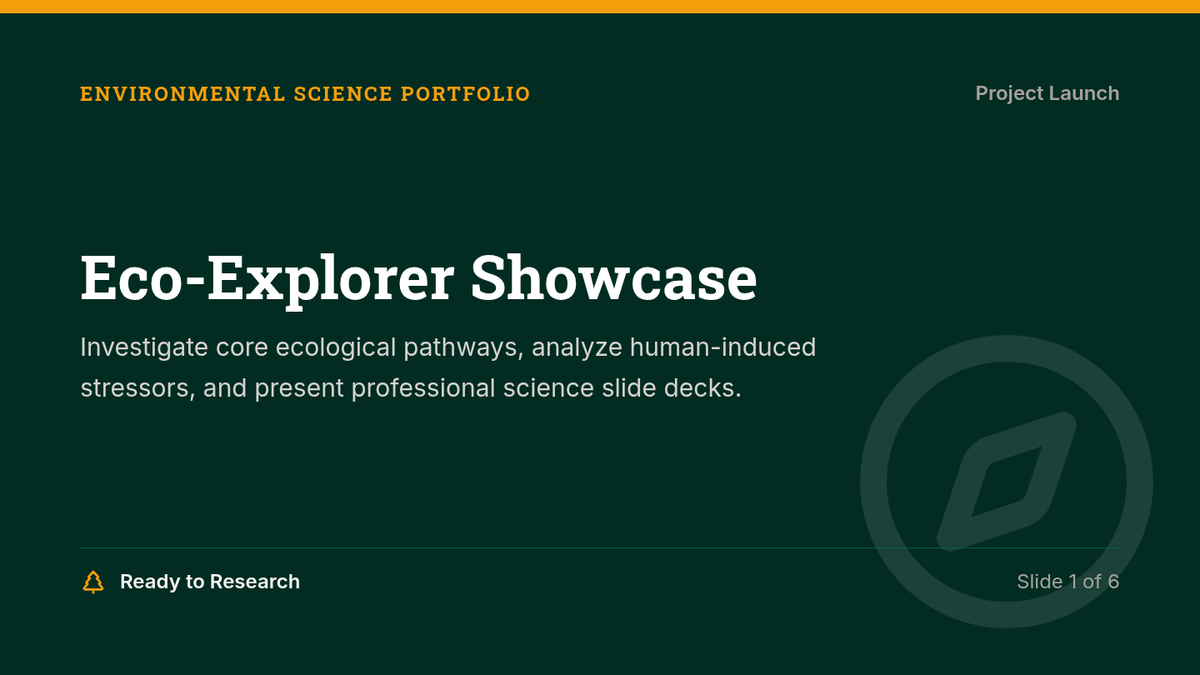
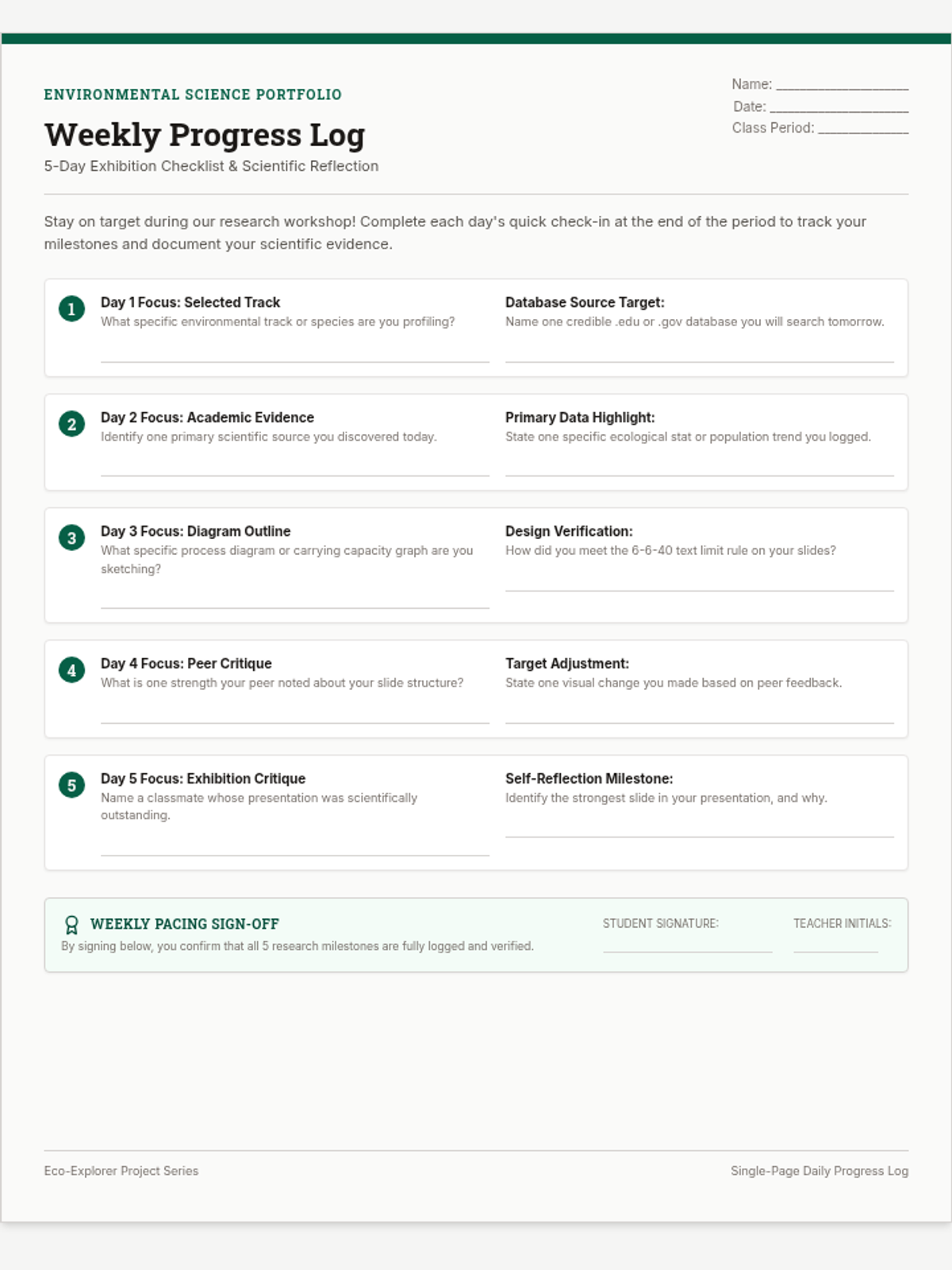
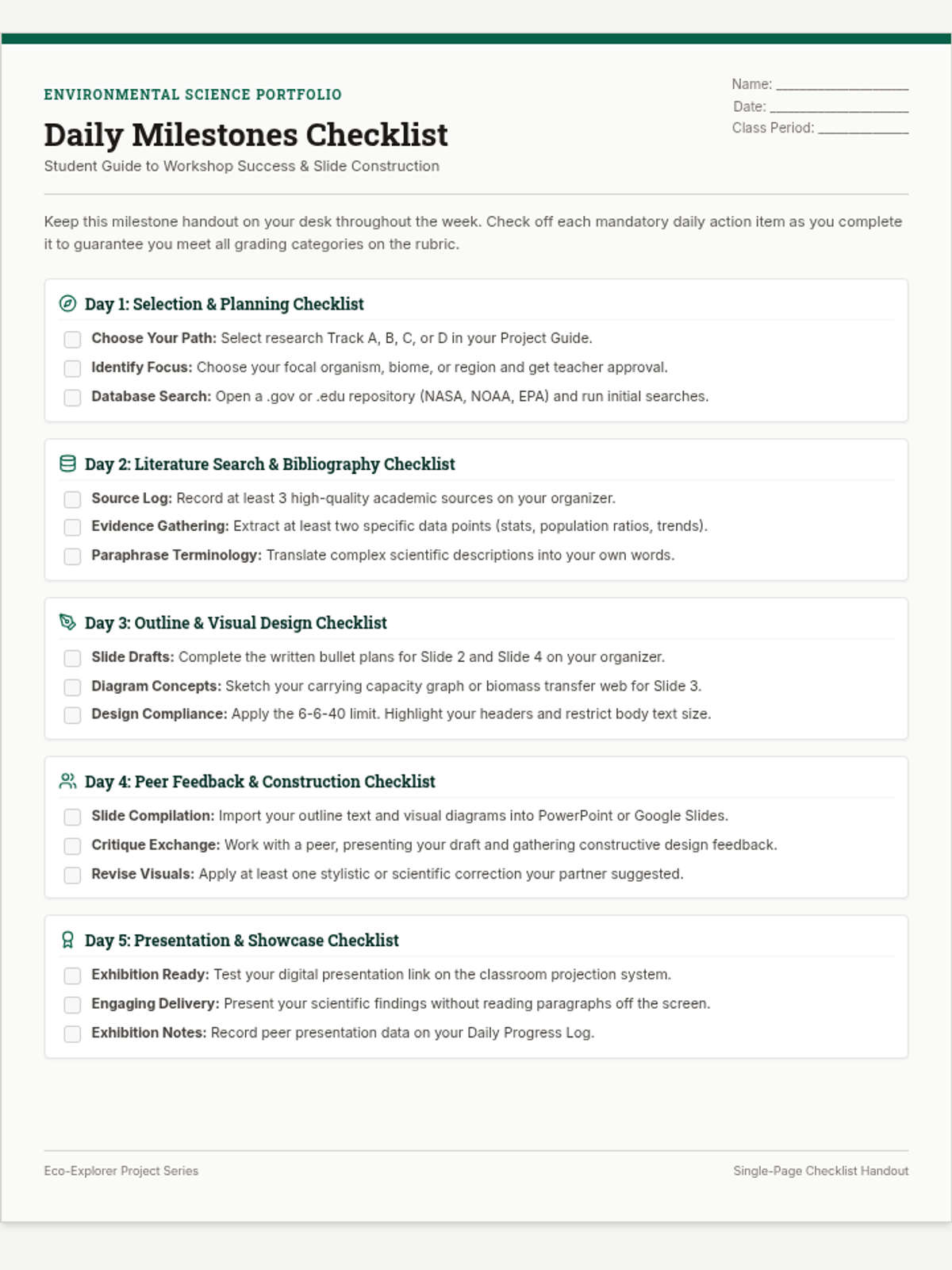
An environmental science research project where students choose a major topic from the year—such as life strategies, ecosystem dynamics, ecological niches, or global climate change—to research, synthesize, and present as a professional digital slide show.
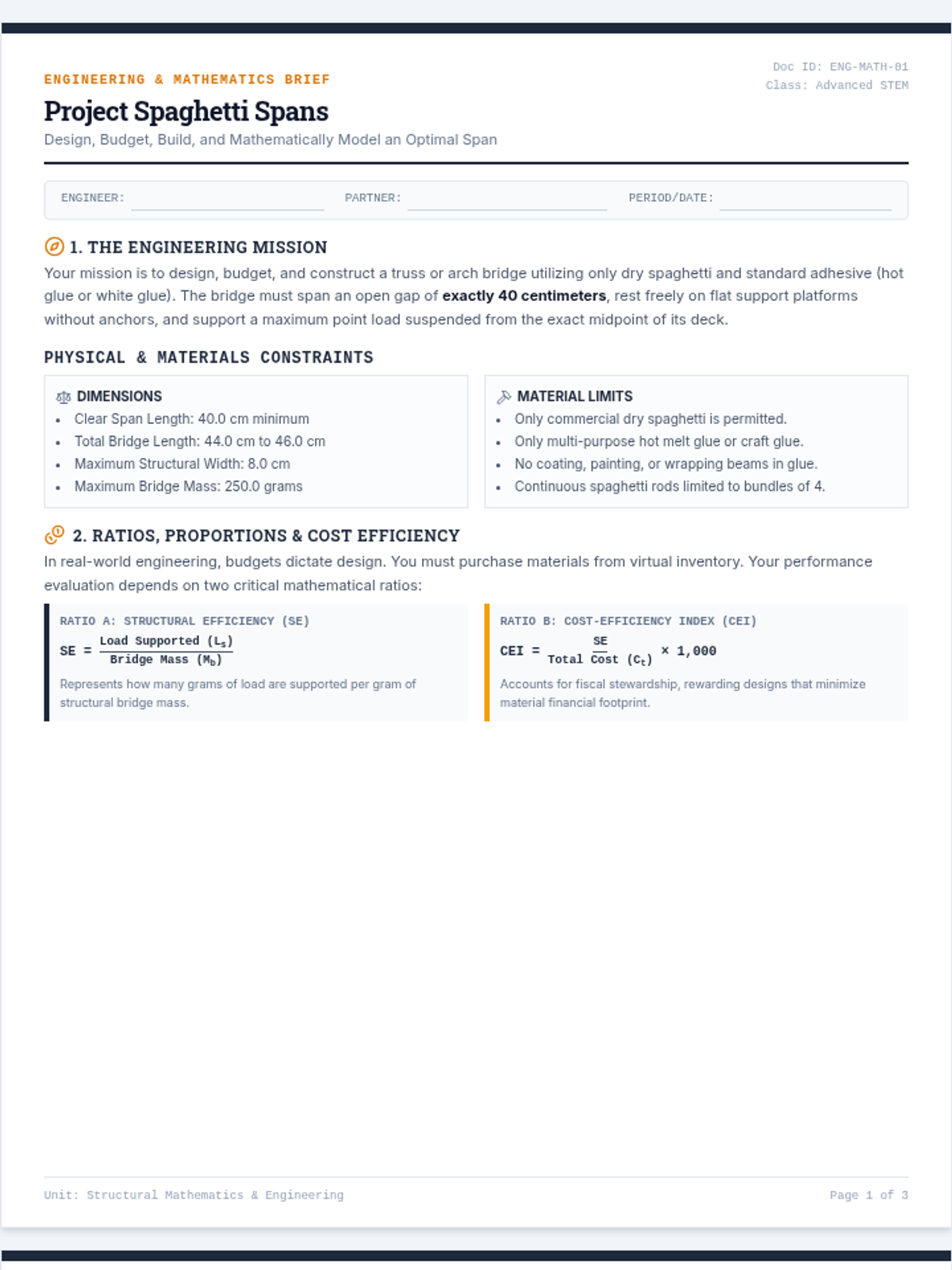
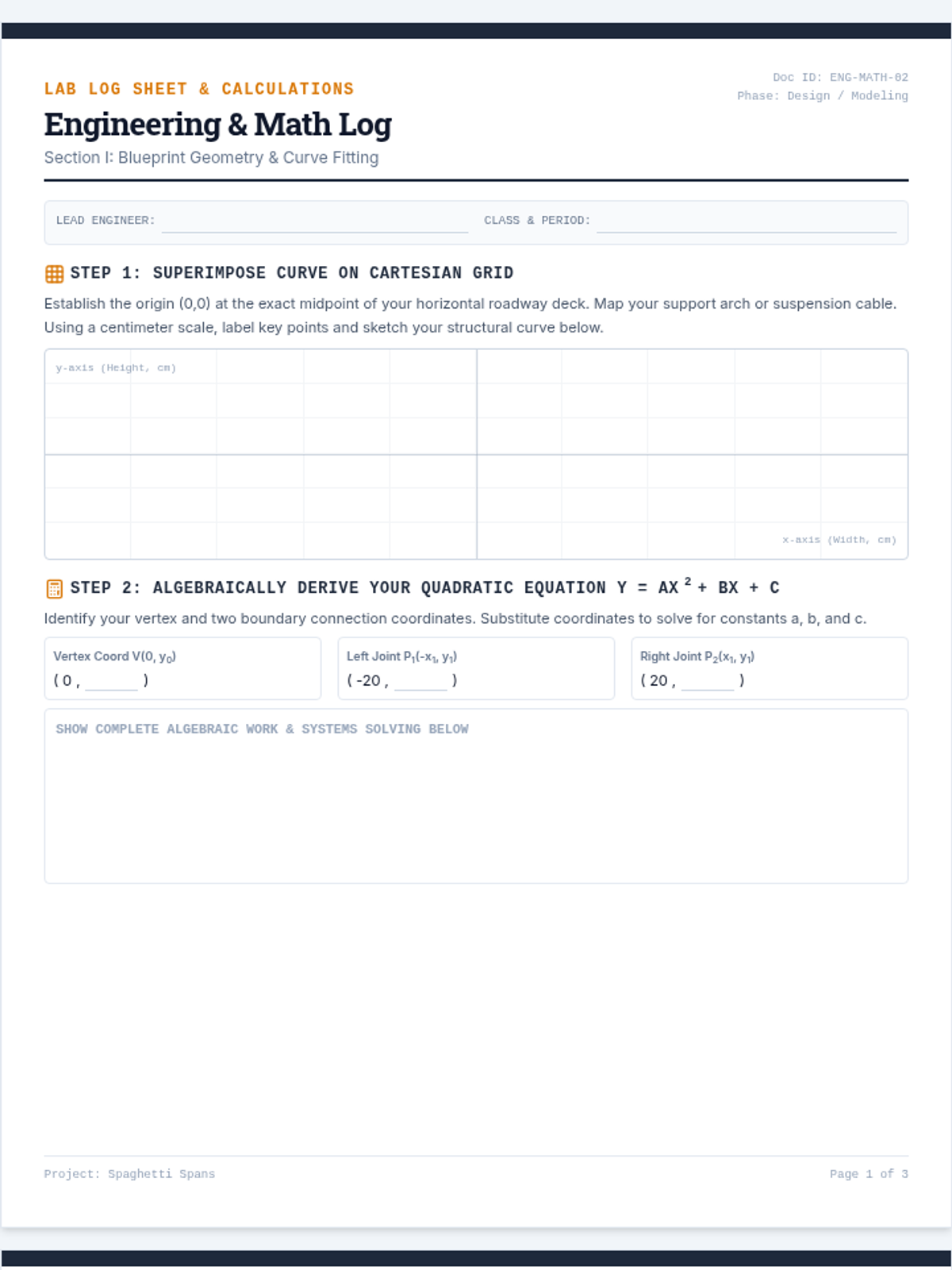
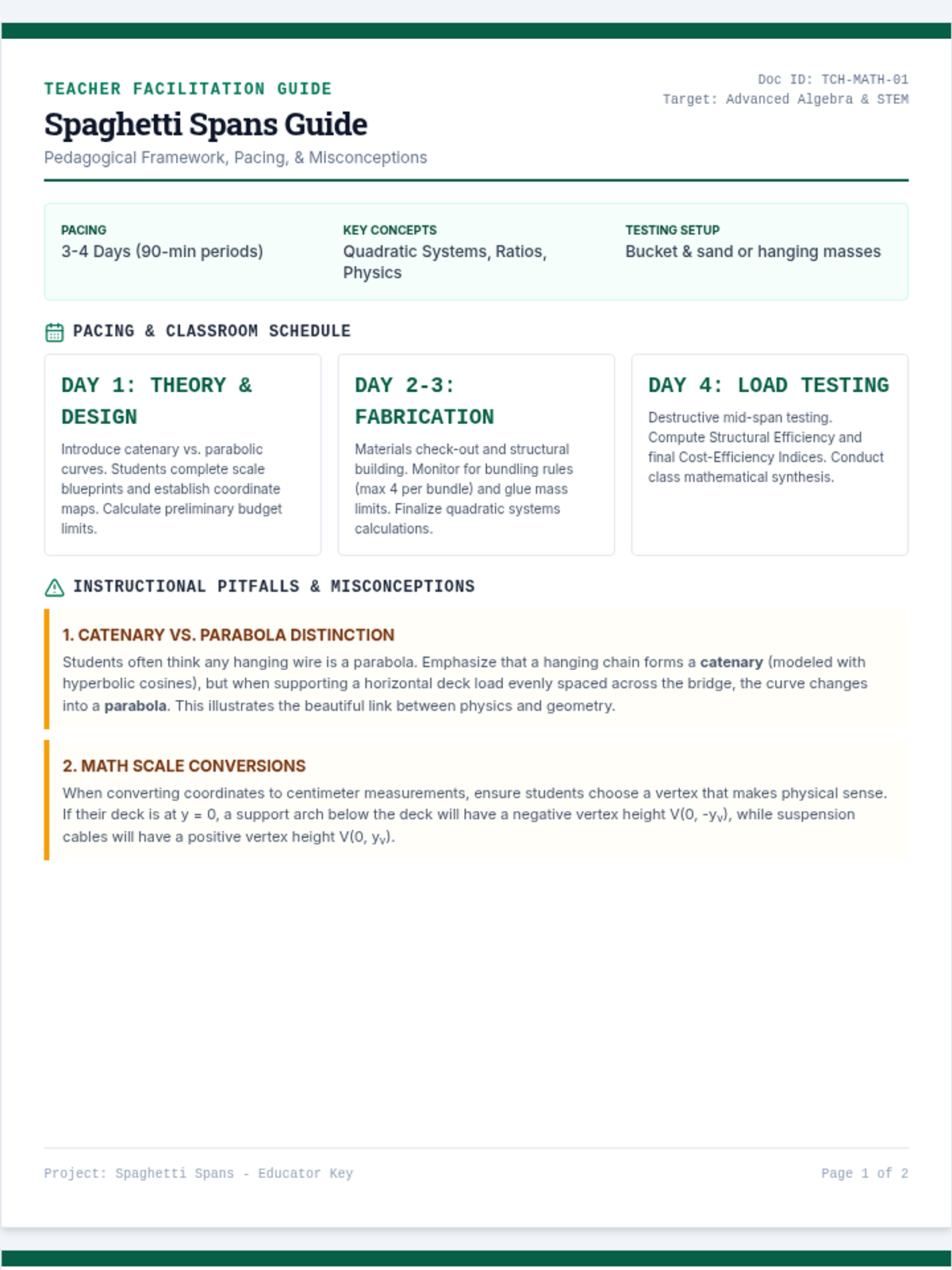
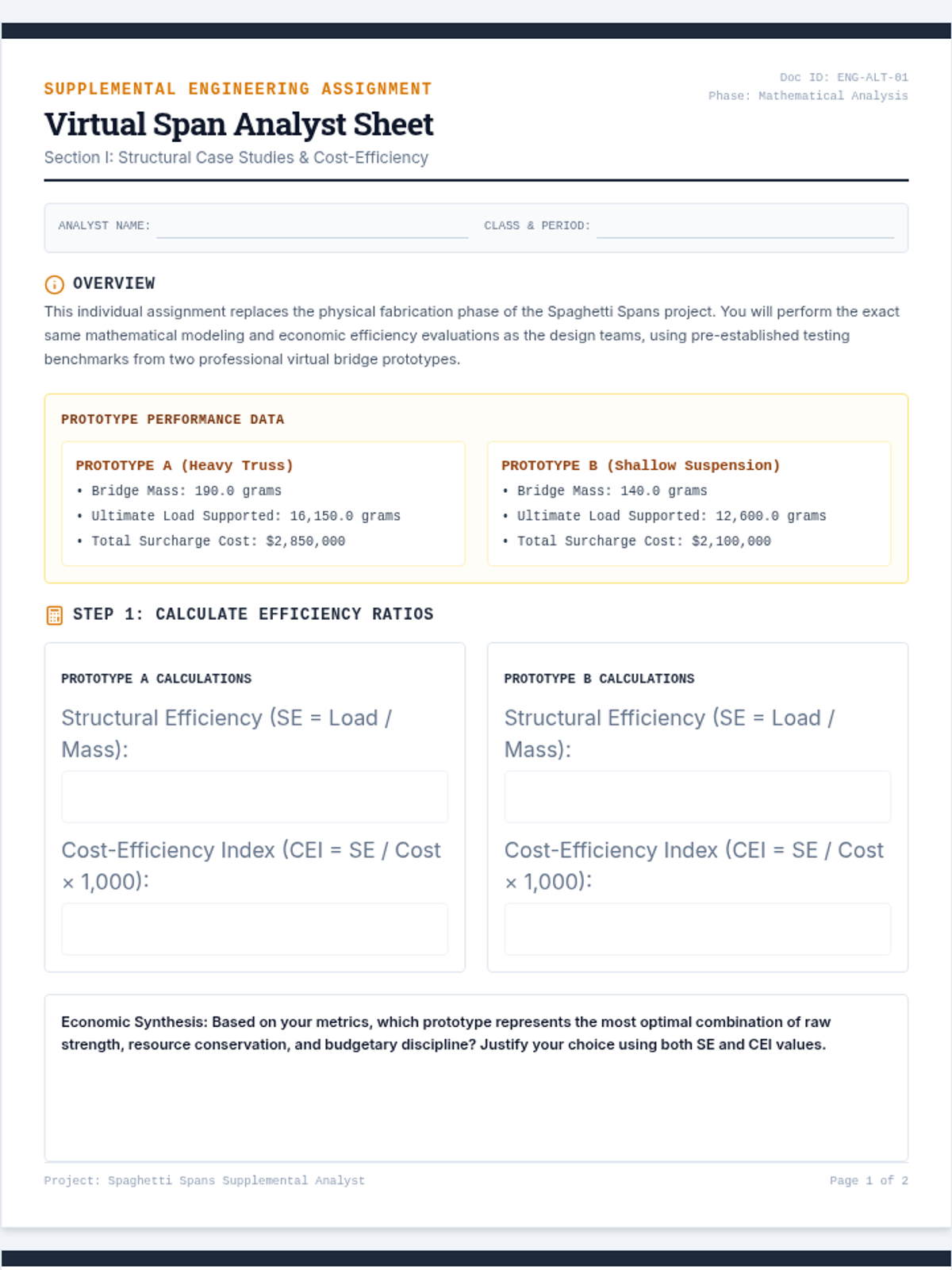
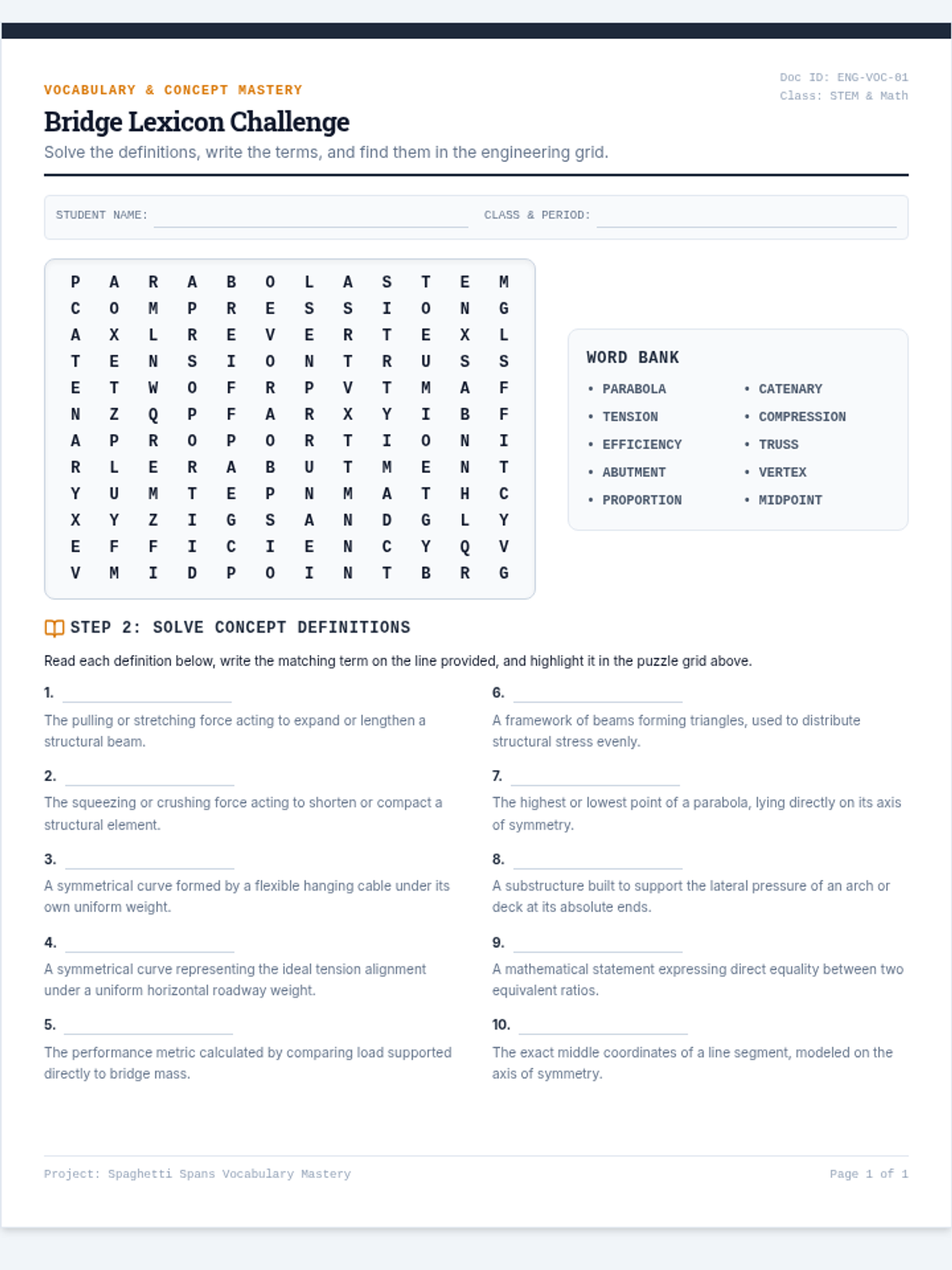
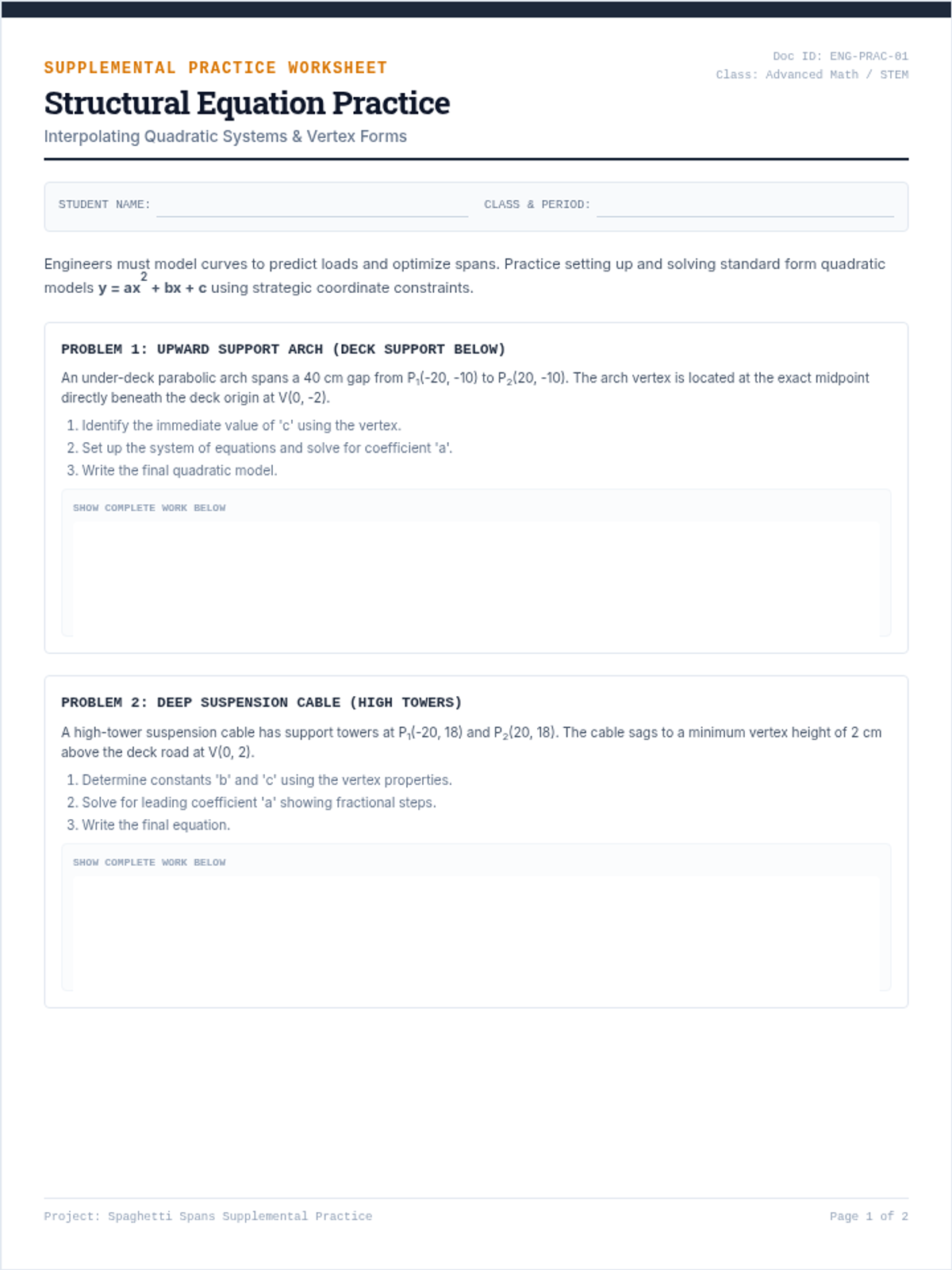
A rigorous STEM project combining structural engineering with advanced mathematics. Students design, budget, build, and test spaghetti bridges using ratios, proportions, cost-efficiency metrics, quadratic modeling, and catenary curves.
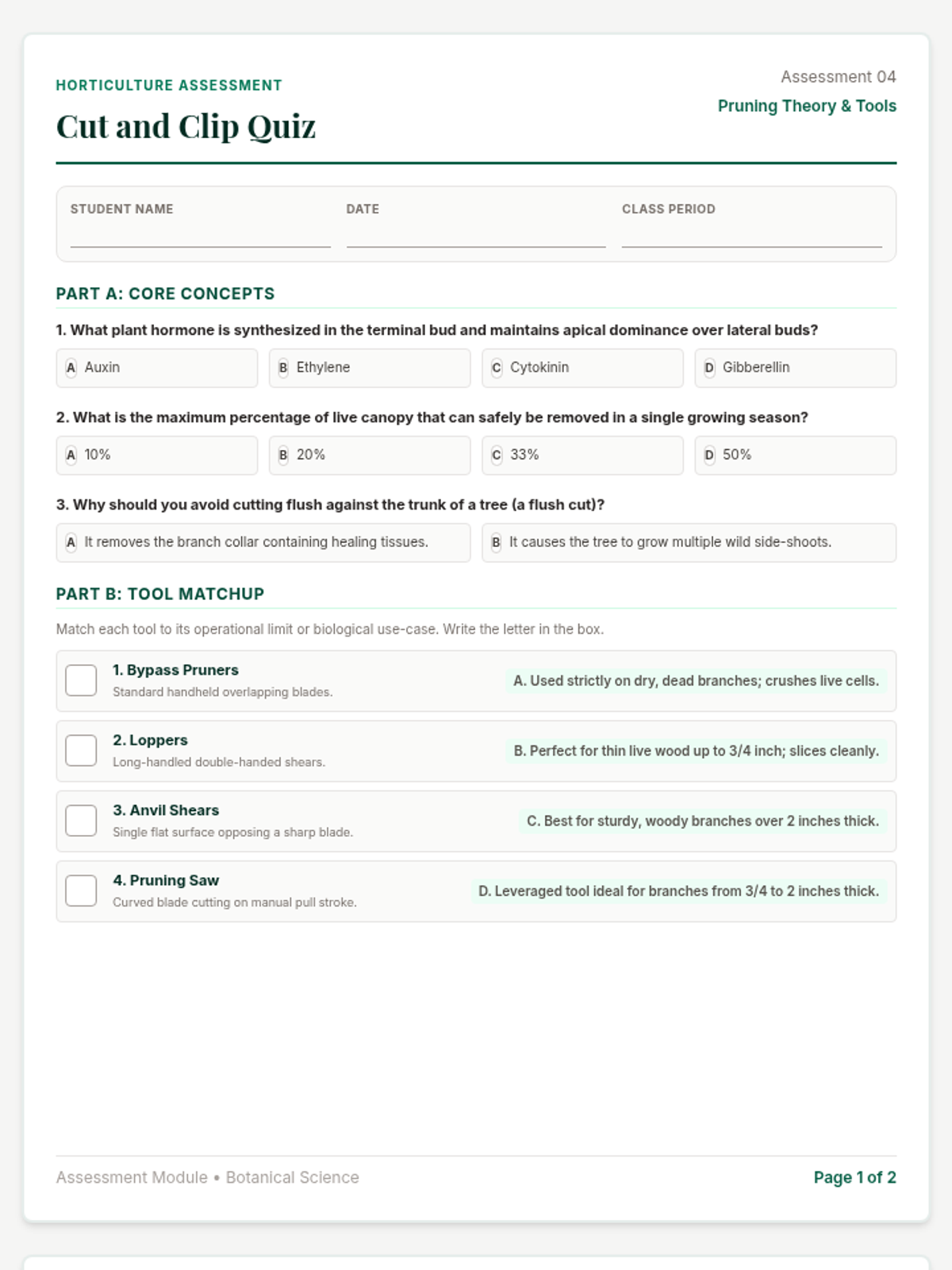
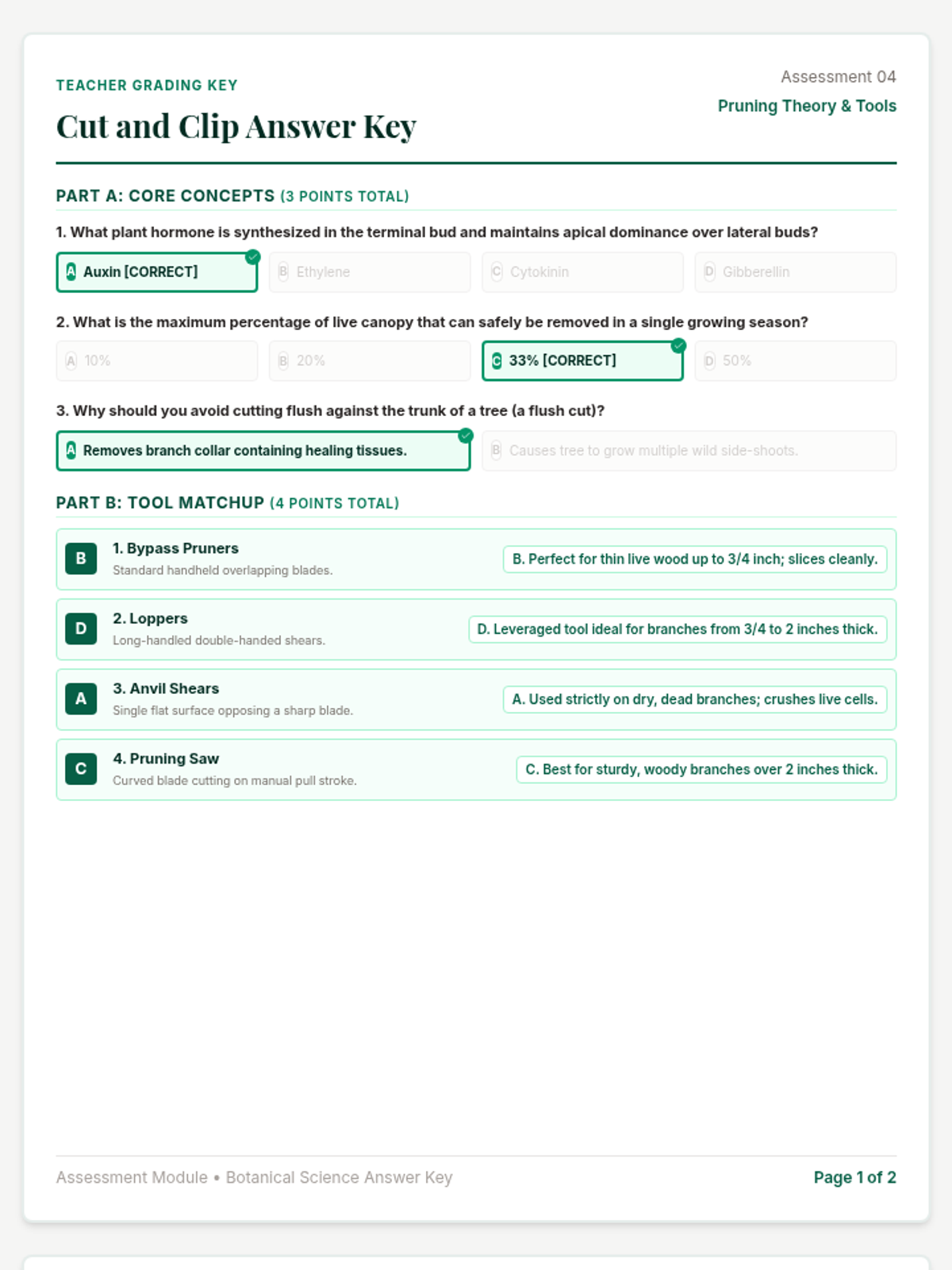
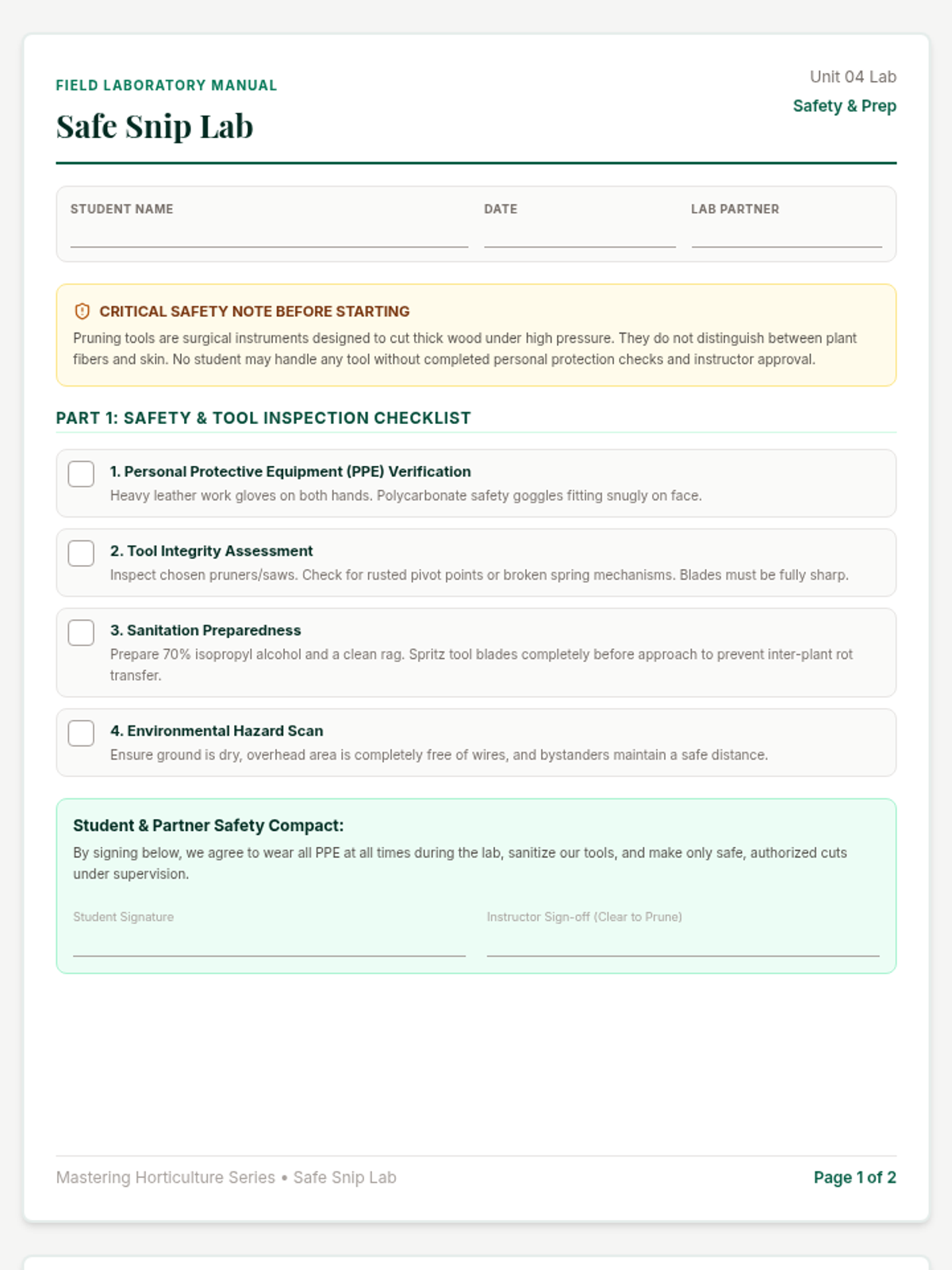
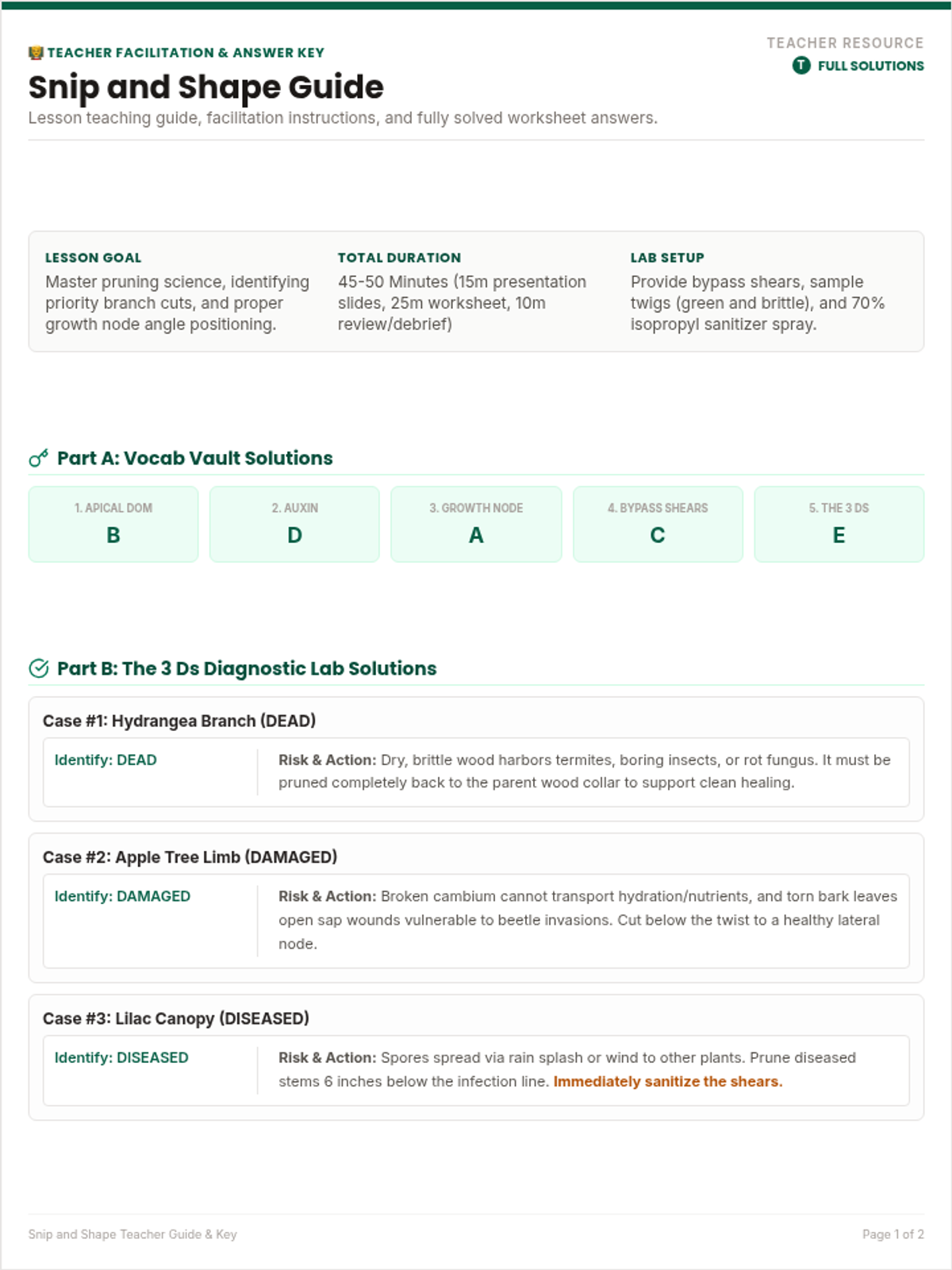
An immersive gardening lesson introducing pruning principles. Students master key tools, safety protocols, and the mechanics of plant growth to make clean, professional, and healthy cuts.
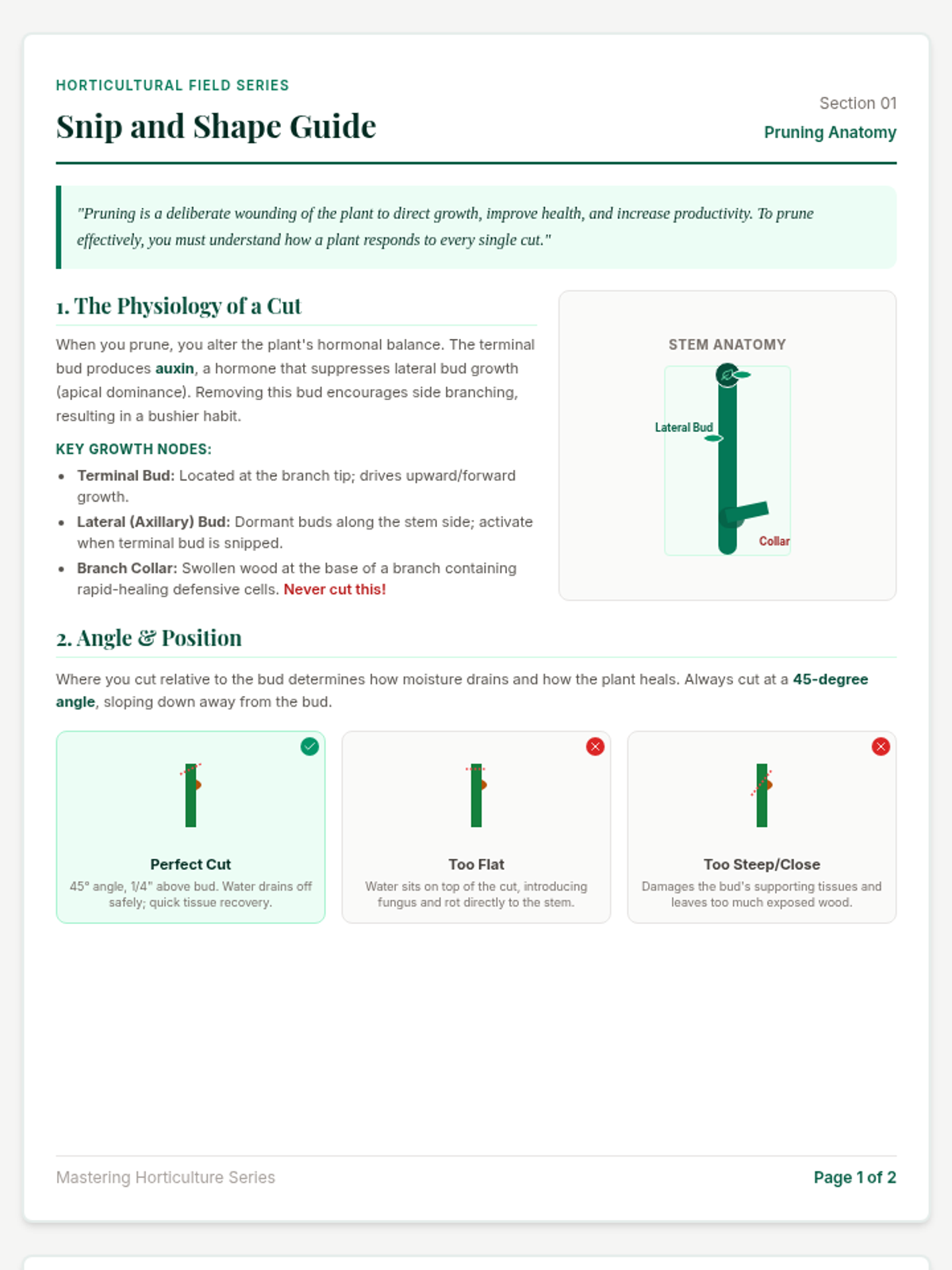
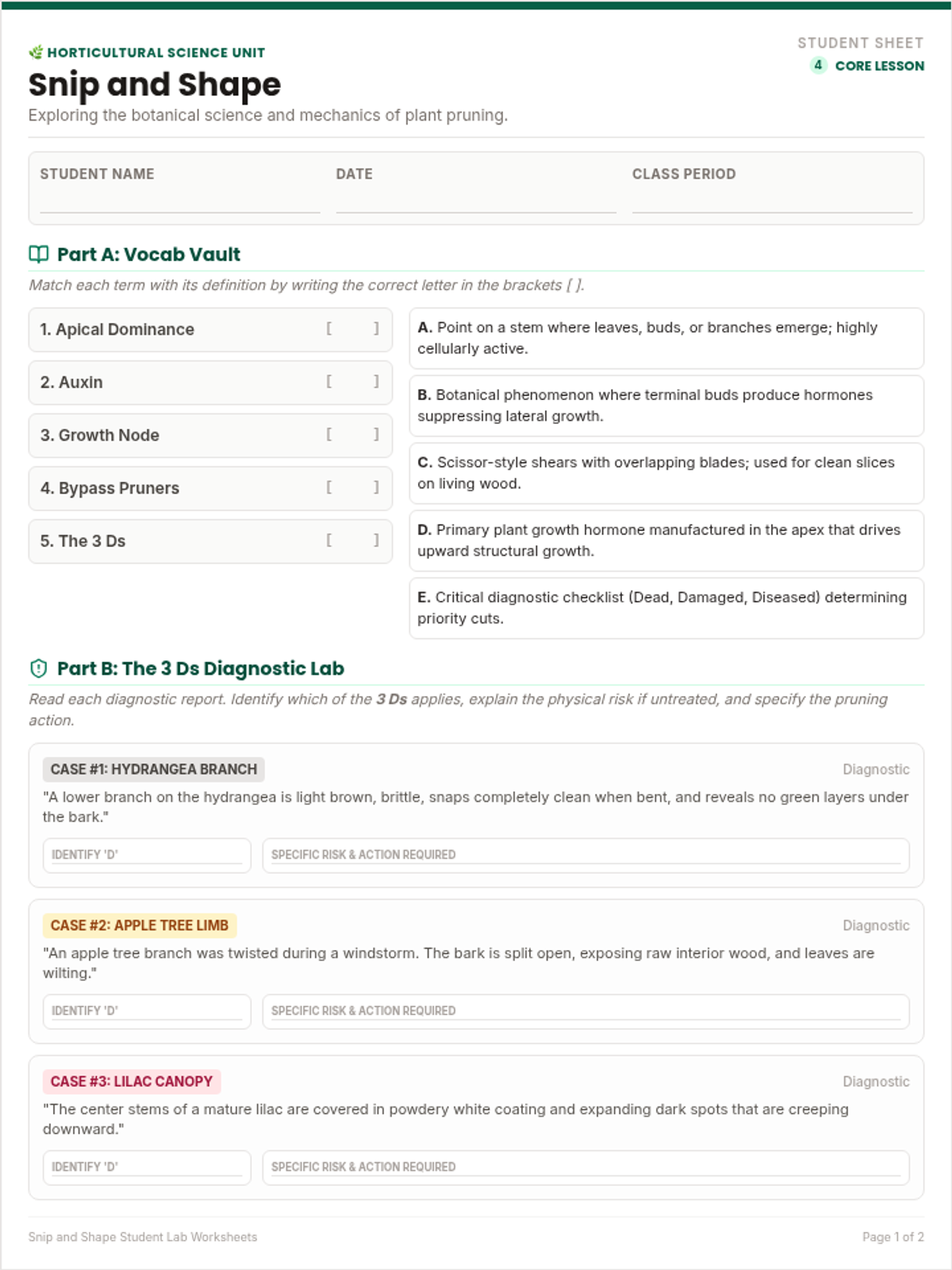
A hands-on, engaging lesson on the science and art of pruning. Students learn the botanical reasons for pruning (apical dominance), the "3 Ds" of identifying what to cut, and proper pruning cuts to keep plants healthy.
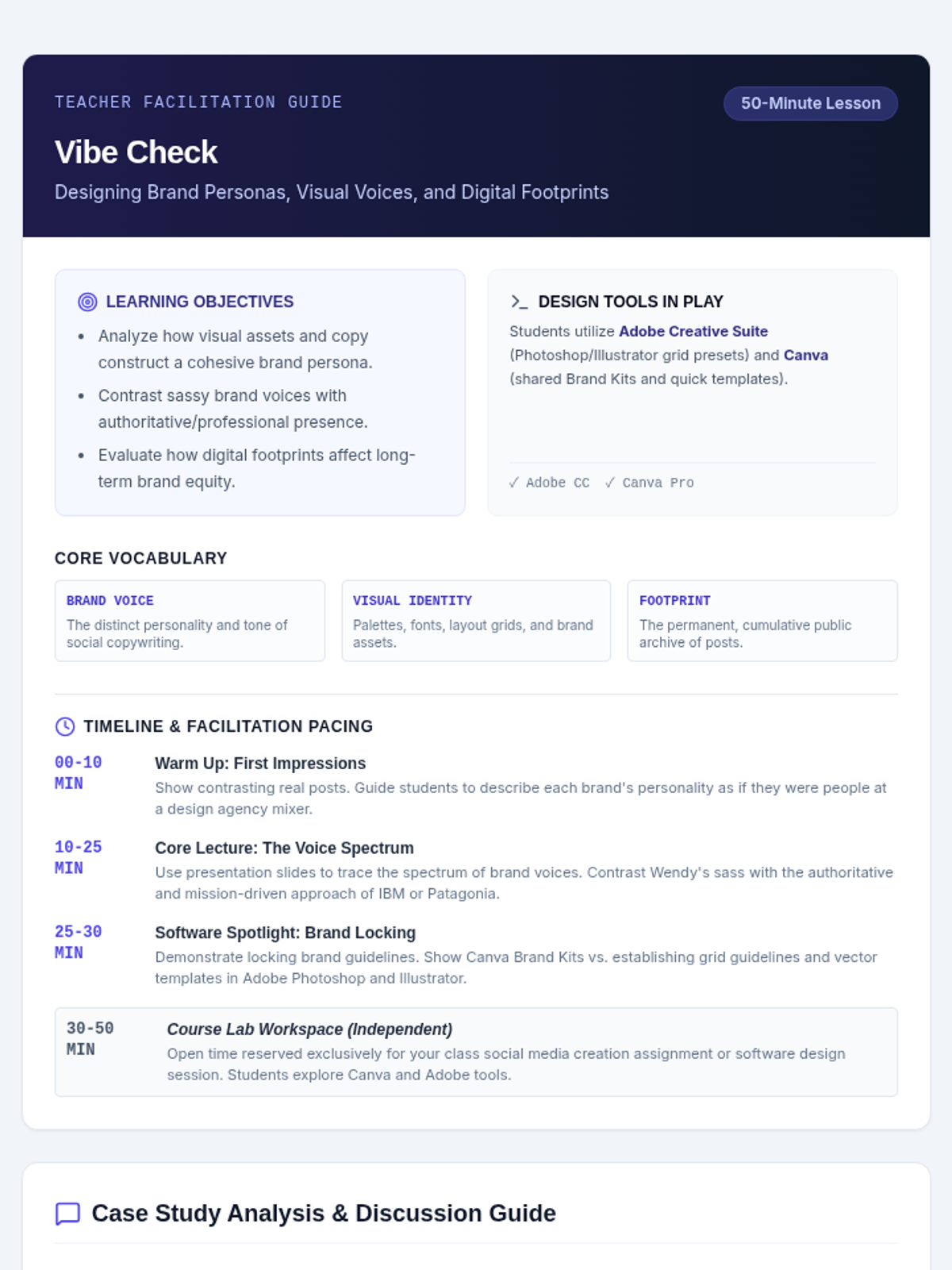
A digital design lesson focusing on social media brand personas, digital footprint, and visual design aesthetics using Adobe and Canva. Students compare contrasting brand voices, from Wendy's playful roasts to polished professional corporate presences.
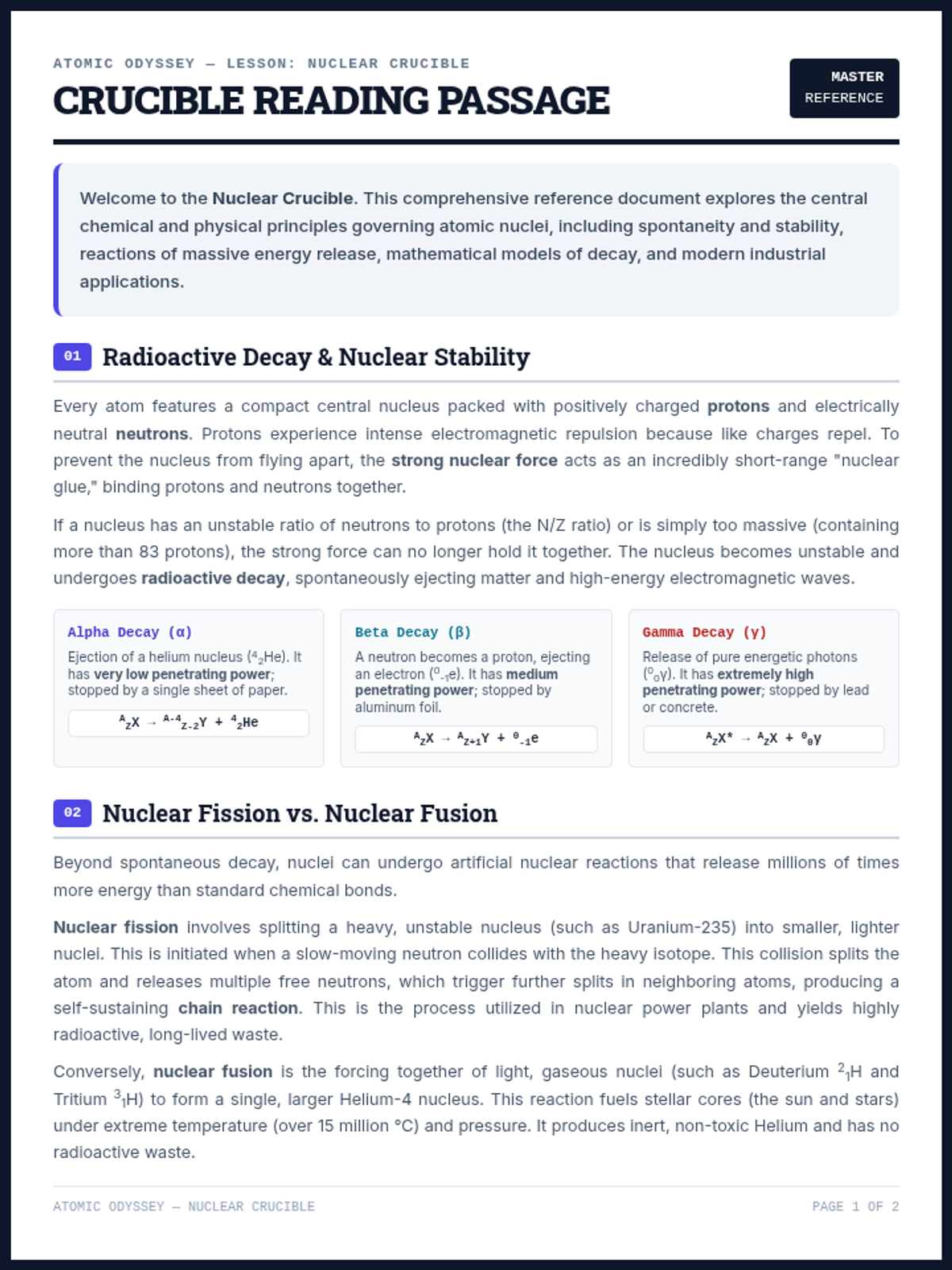
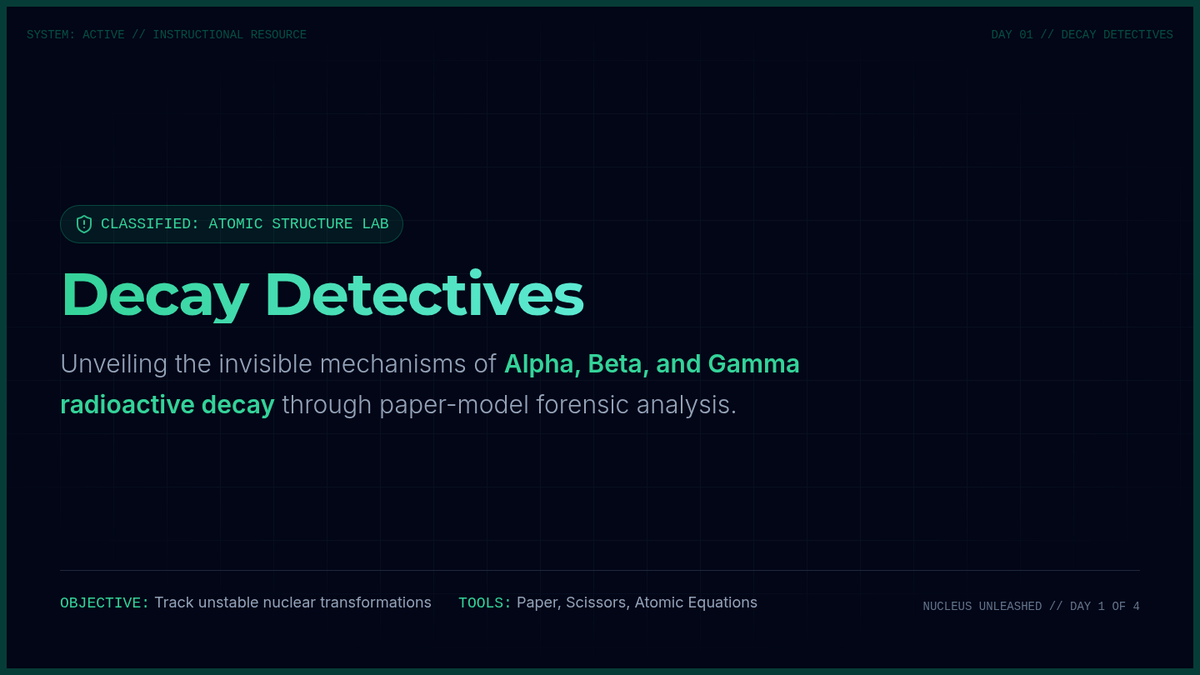
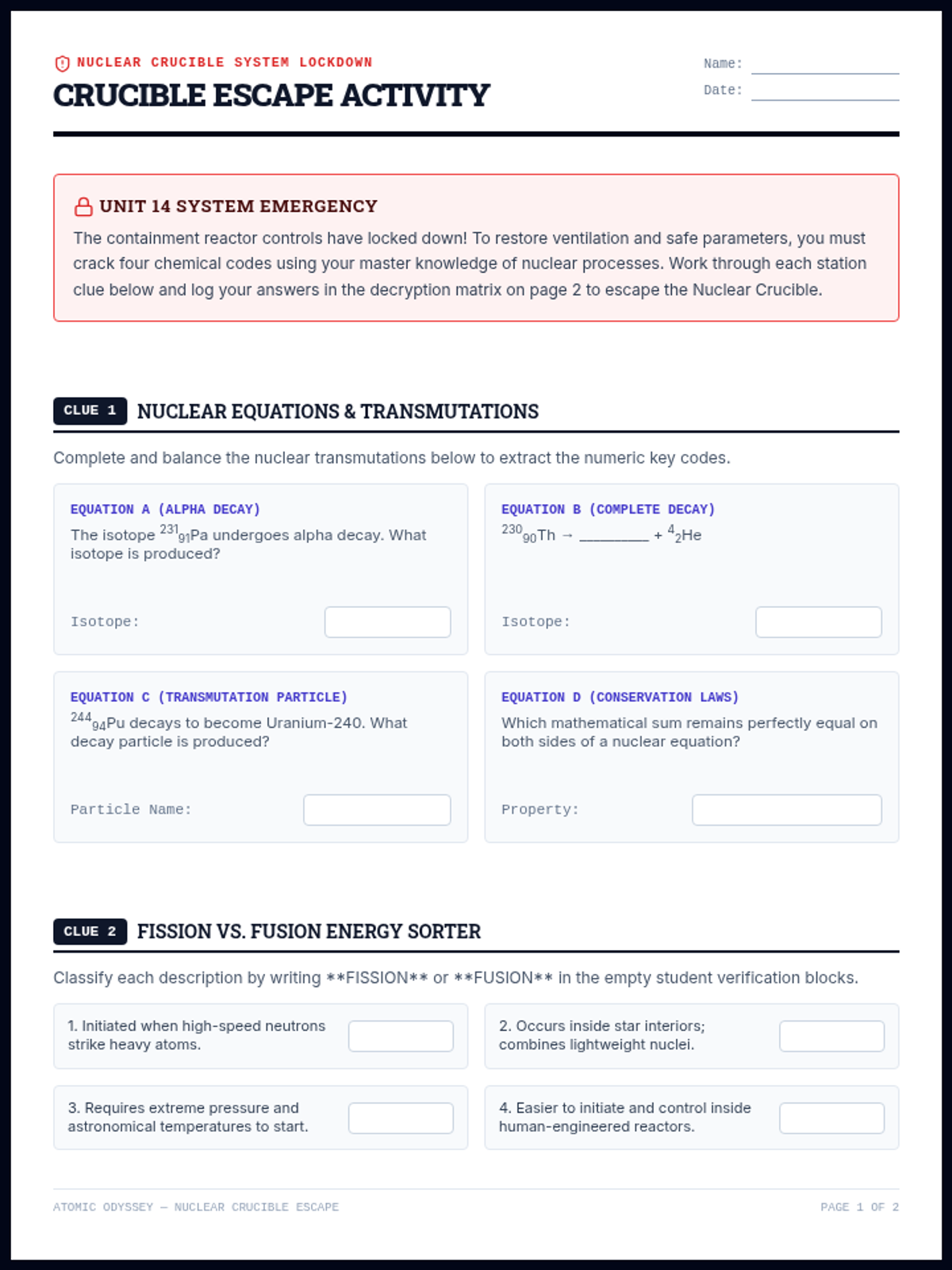
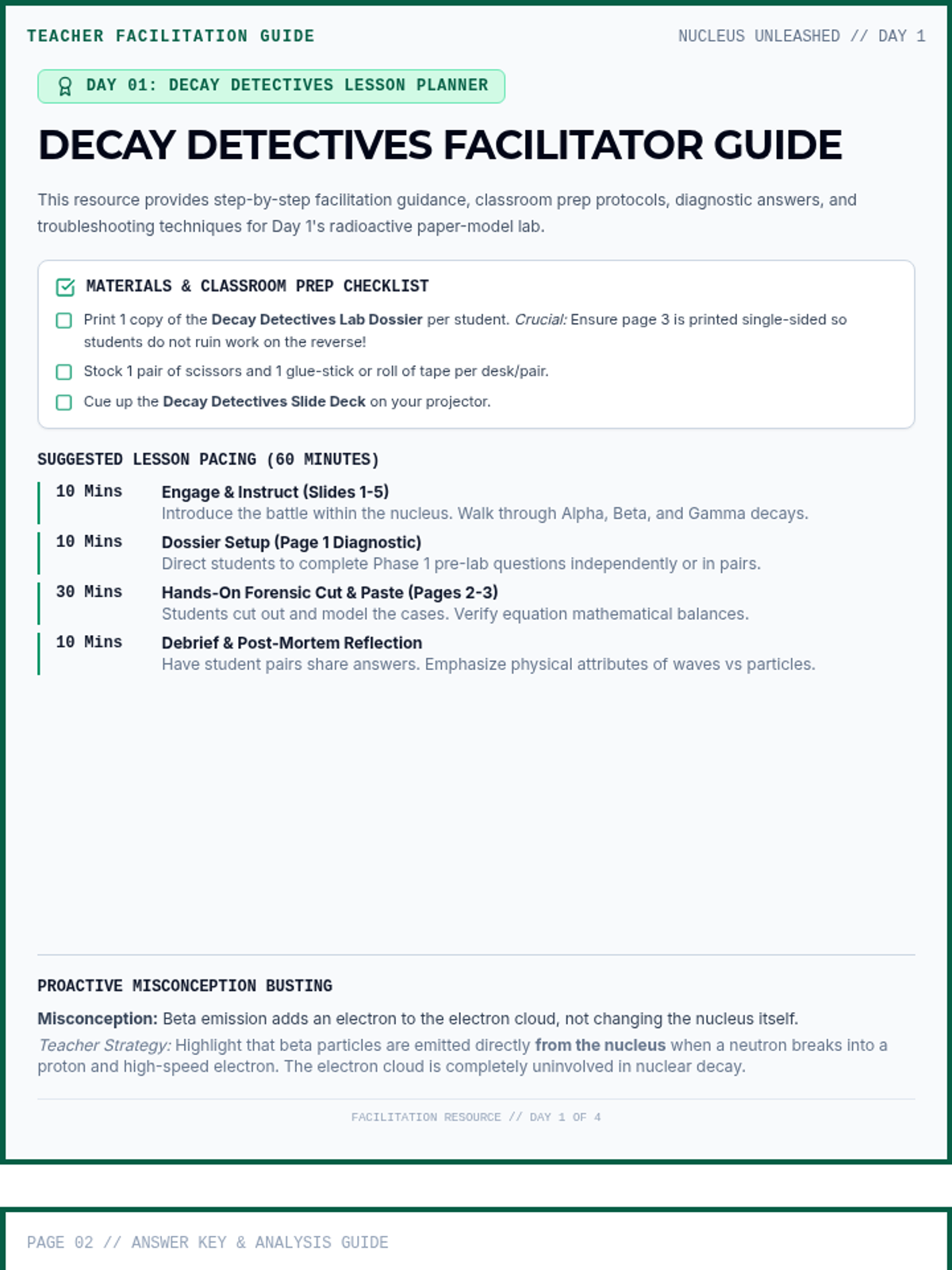
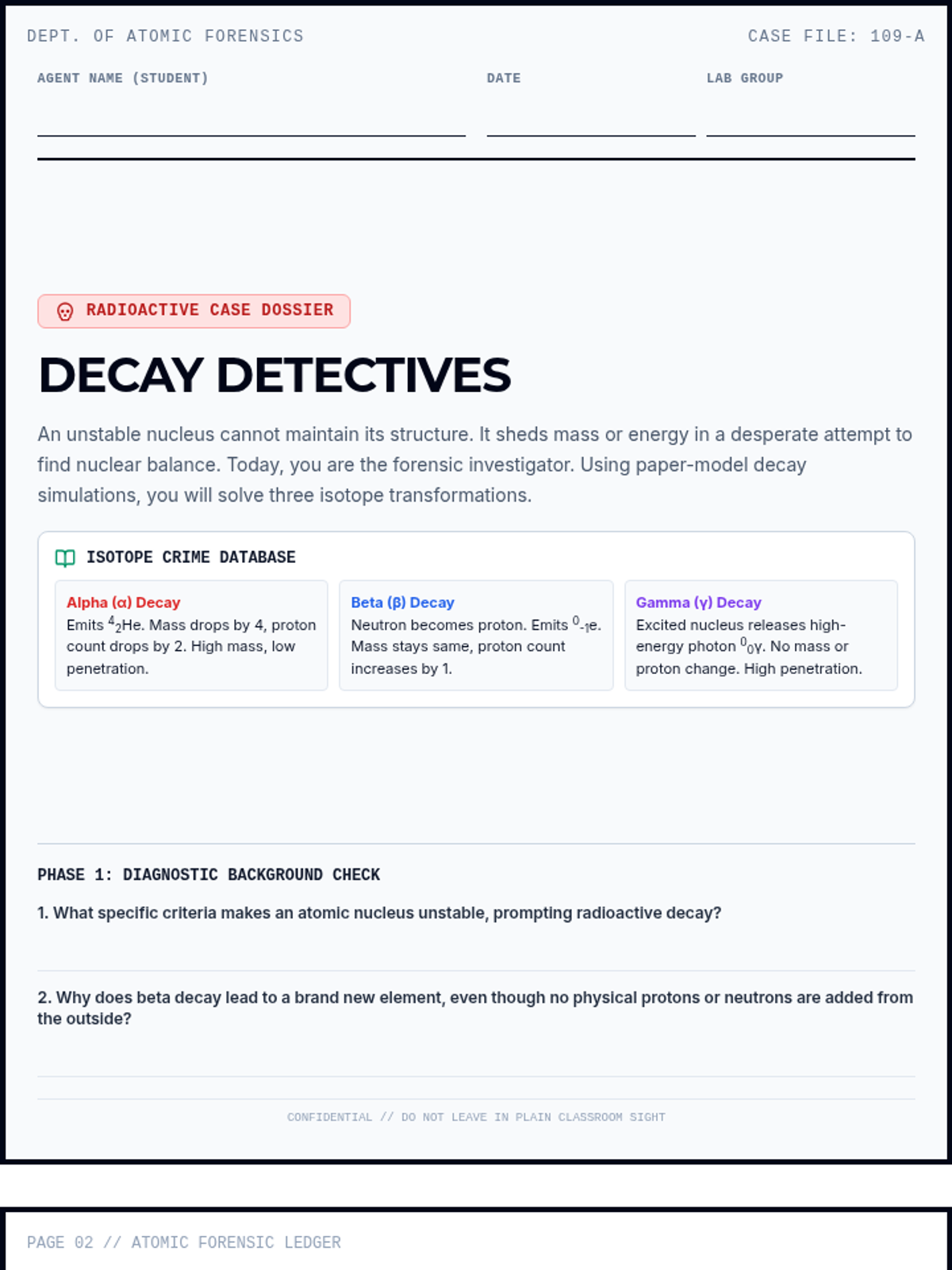
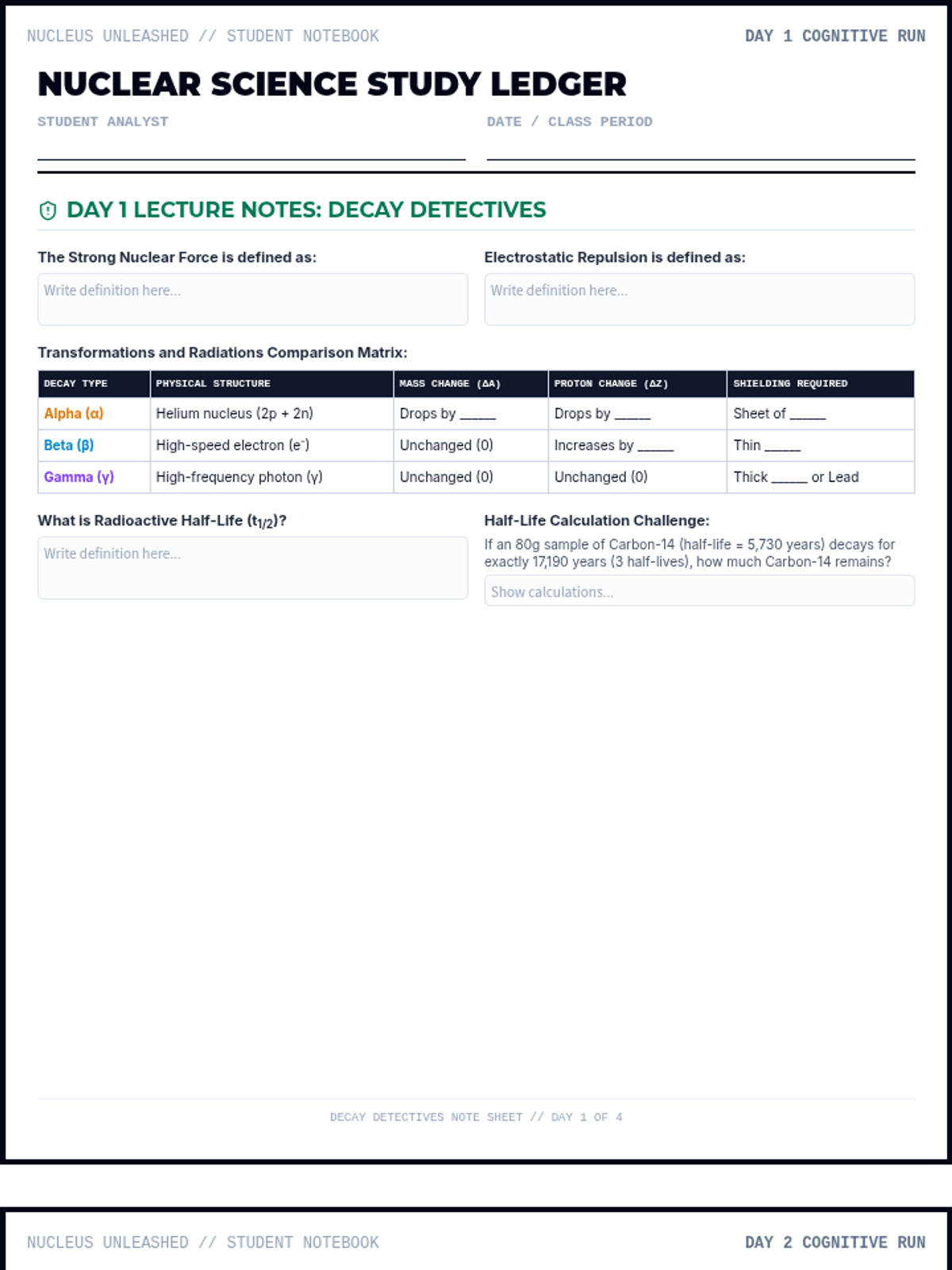
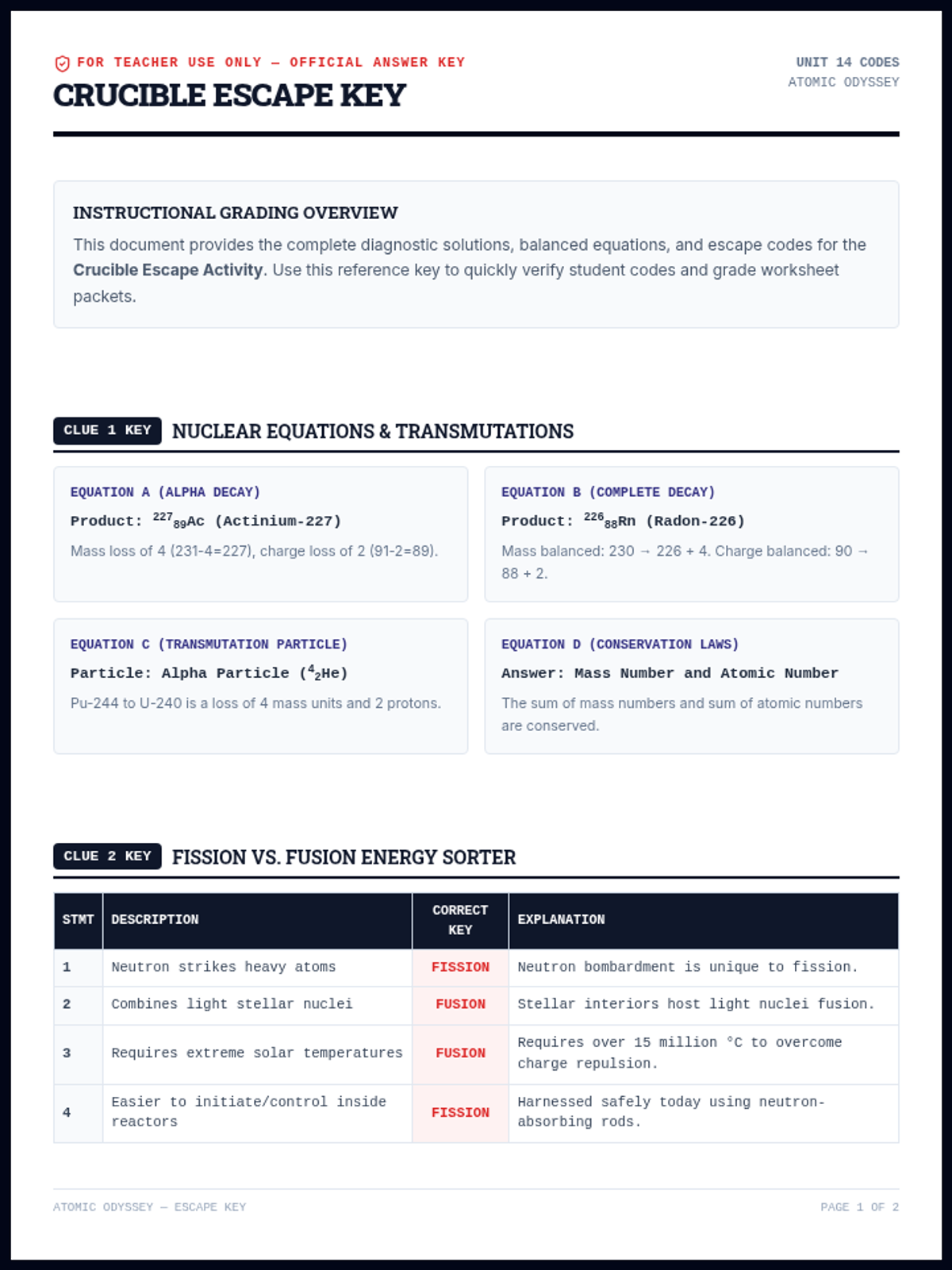
An interactive, station-based exploration of nuclear processes in chemistry. Students rotate through four distinct stations with comprehensive reading passages and analytical tasks covering radioactive decay and stability, fission versus fusion, half-life calculations for archaeological dating, and modern technological applications.
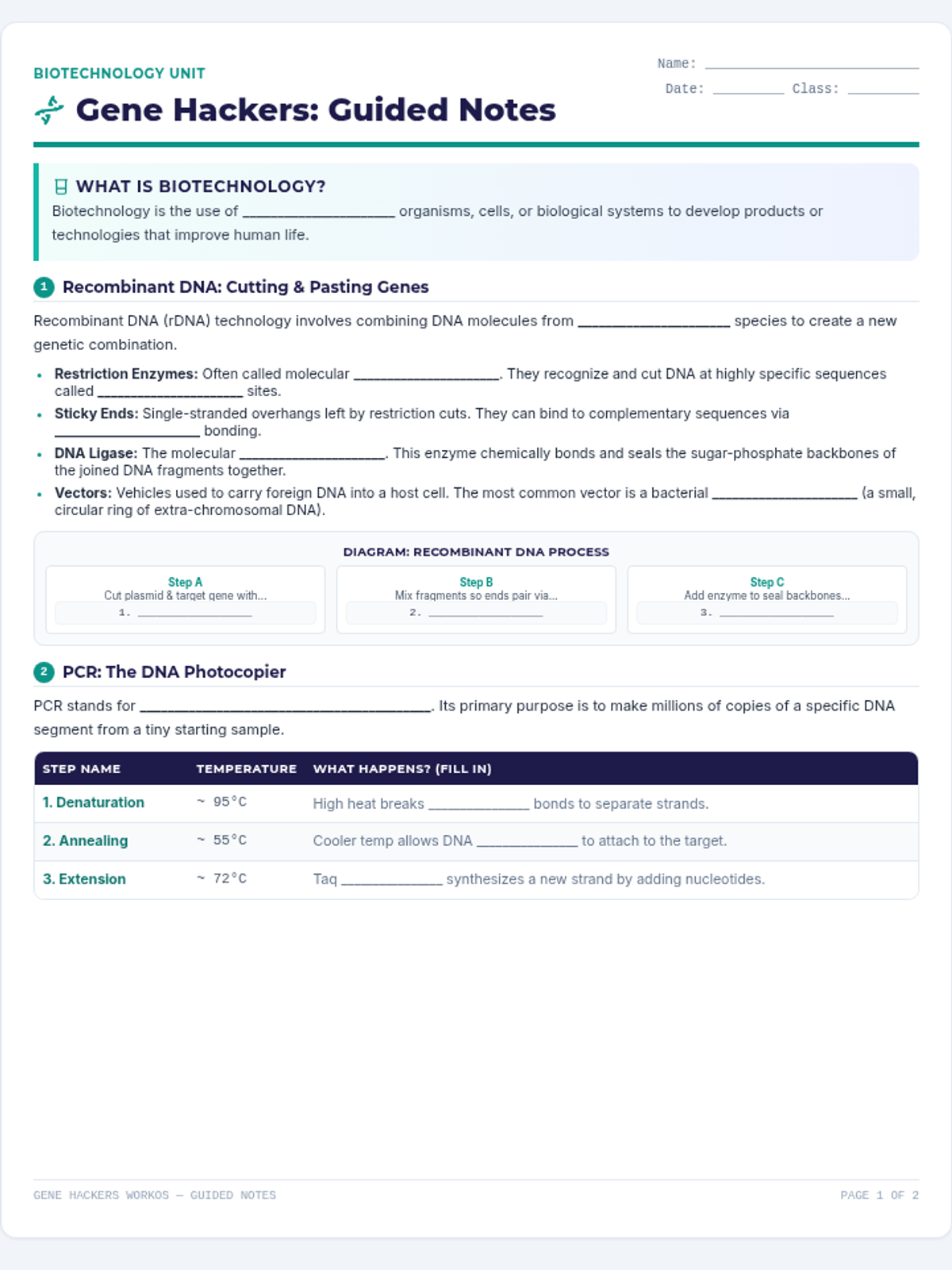
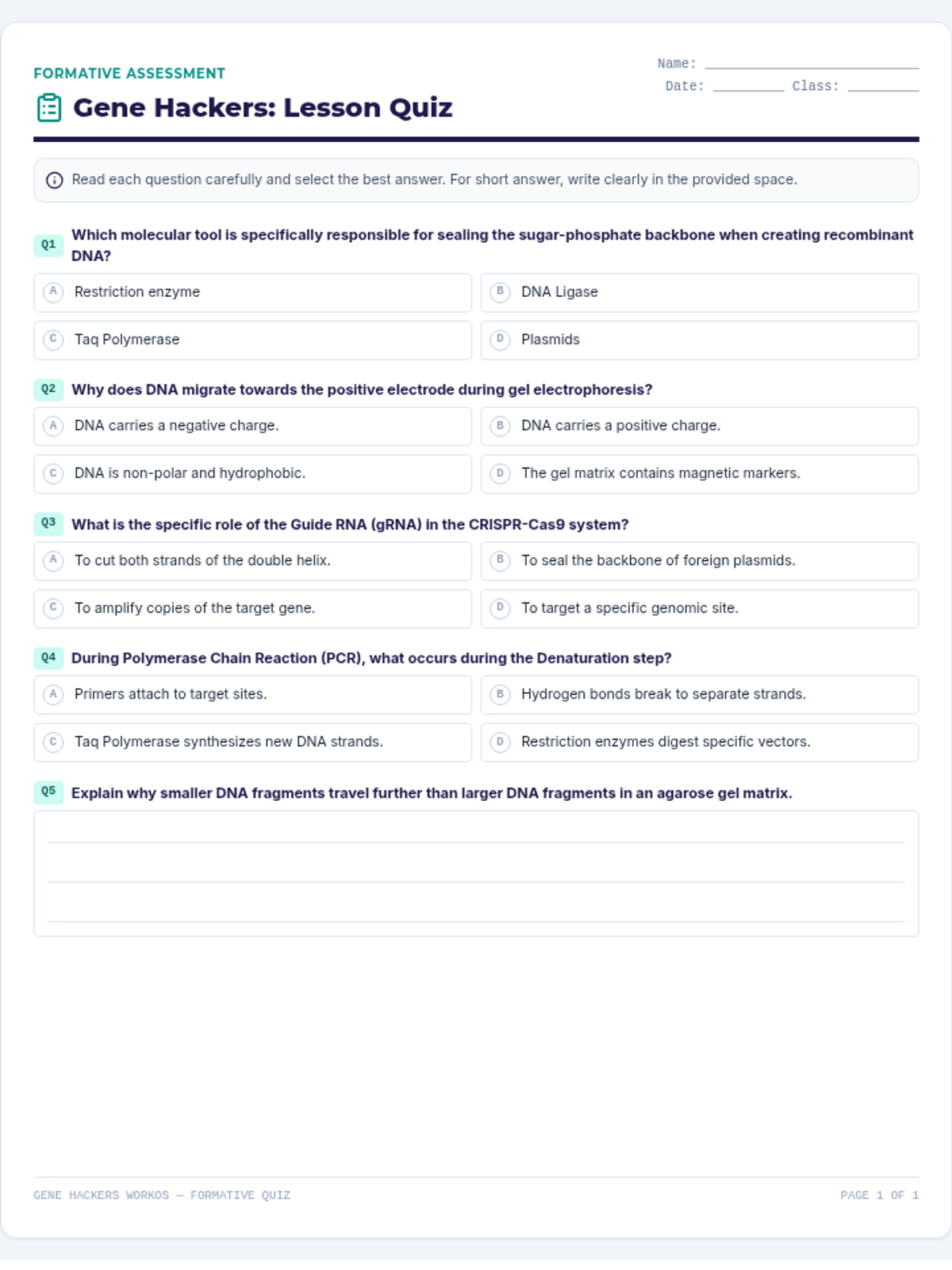
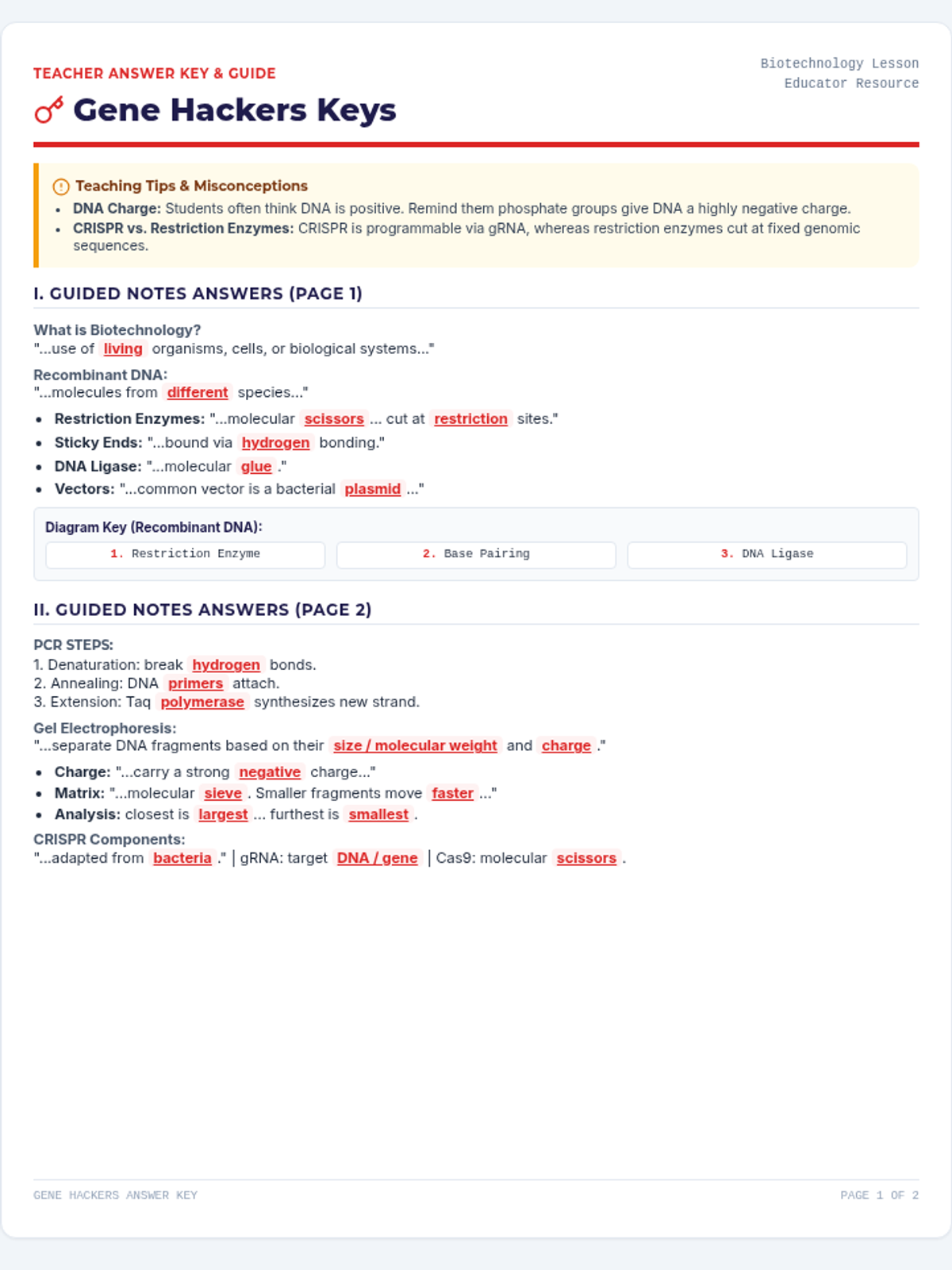
An introductory lesson on biotechnology, focusing on key tools like CRISPR, recombinant DNA, and gel electrophoresis. Students complete interactive guided notes and a formative assessment to demonstrate understanding of genetic engineering.
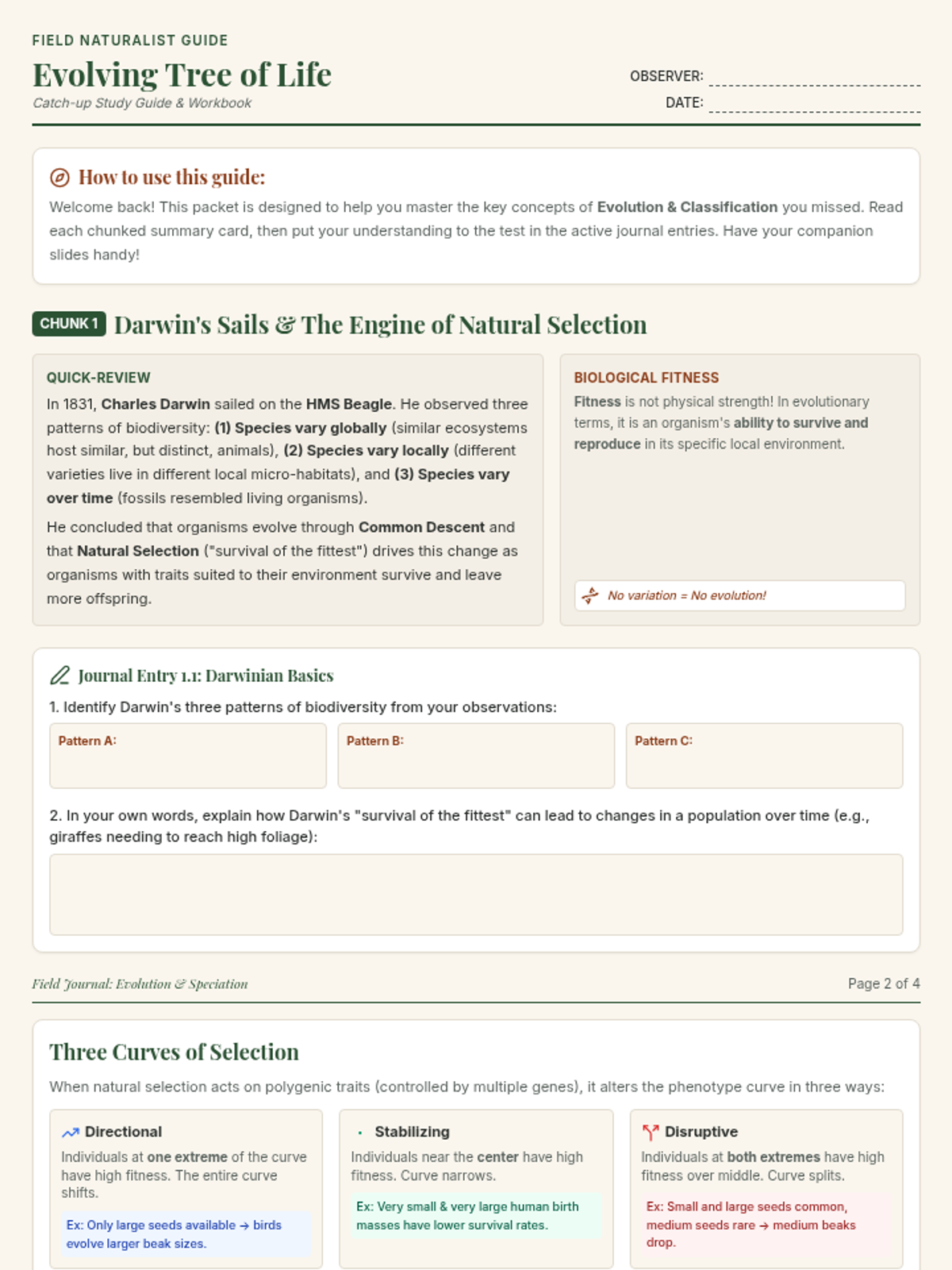
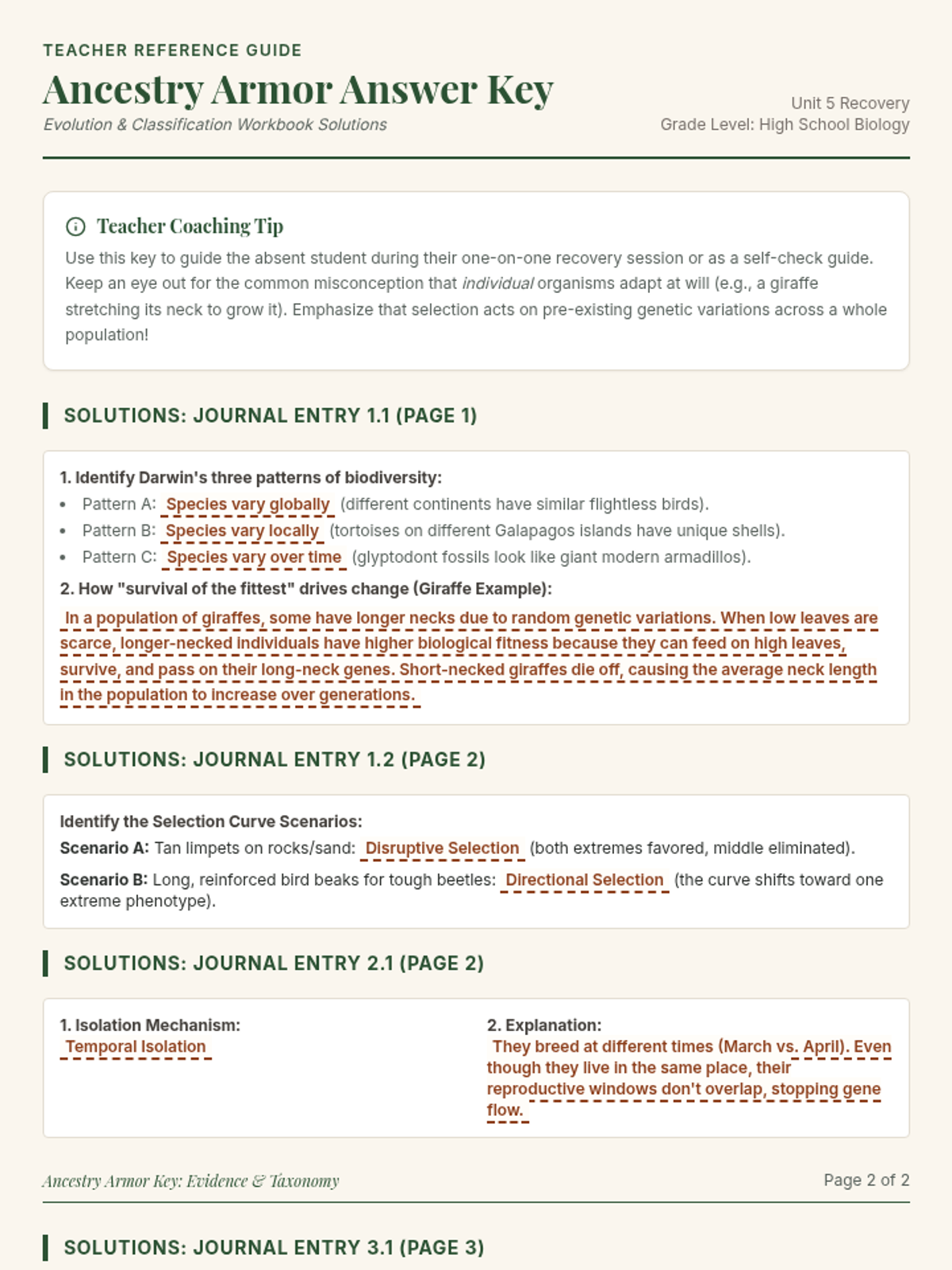
A self-paced study lesson designed for students catching up on Evolution and Classification. It chunk-packs Darwinian theory, speciation, lines of evolutionary evidence, Linnaean taxonomy, and cladograms into accessible, digestible visual summaries and active workbook exercises.
A comprehensive review lesson where students synthesize paleoclimate concepts, isotope calculations, and feedback loops. Students participate in interactive review challenges and complete a structured synthesis worksheet to demonstrate mastery.
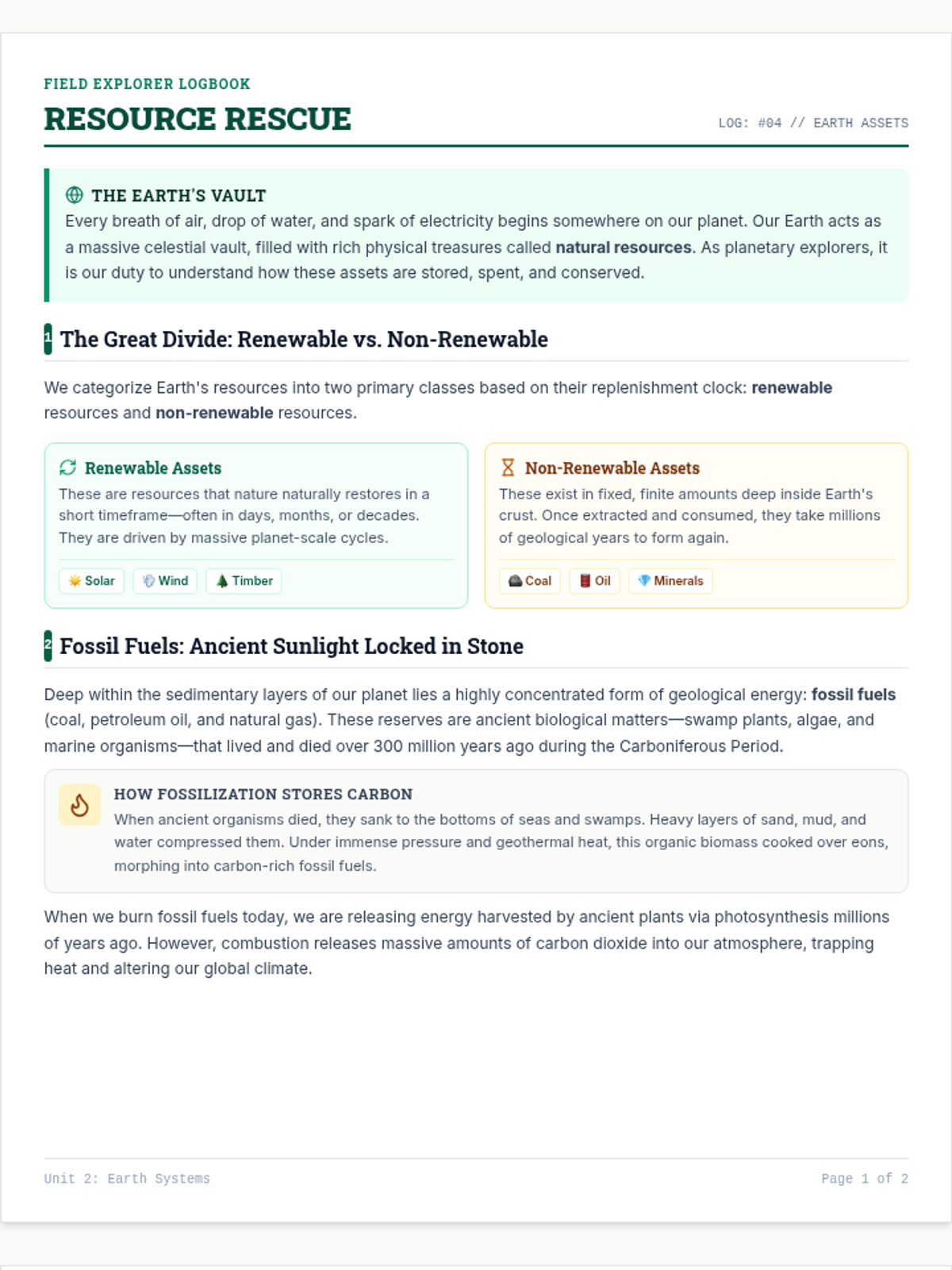
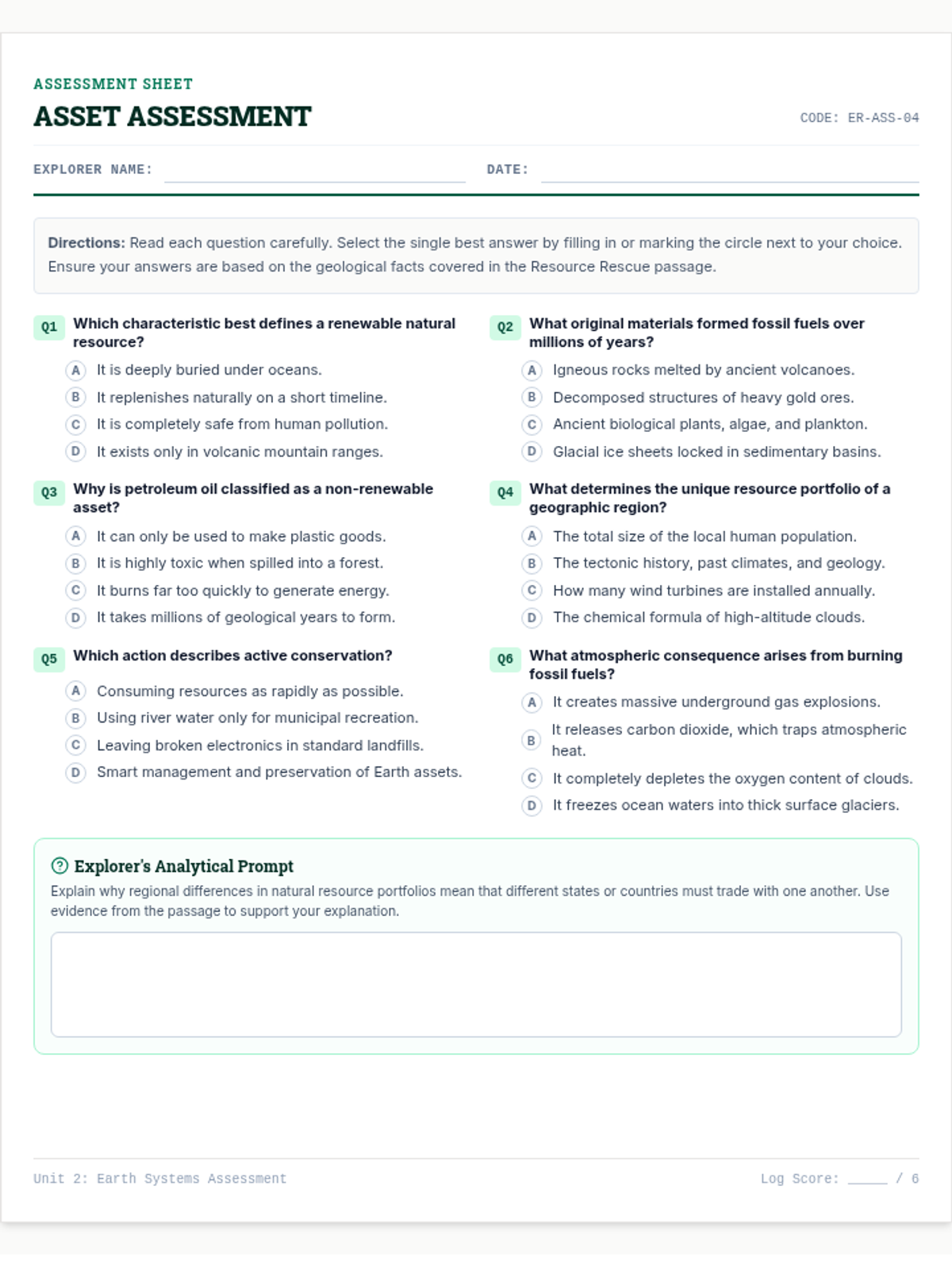
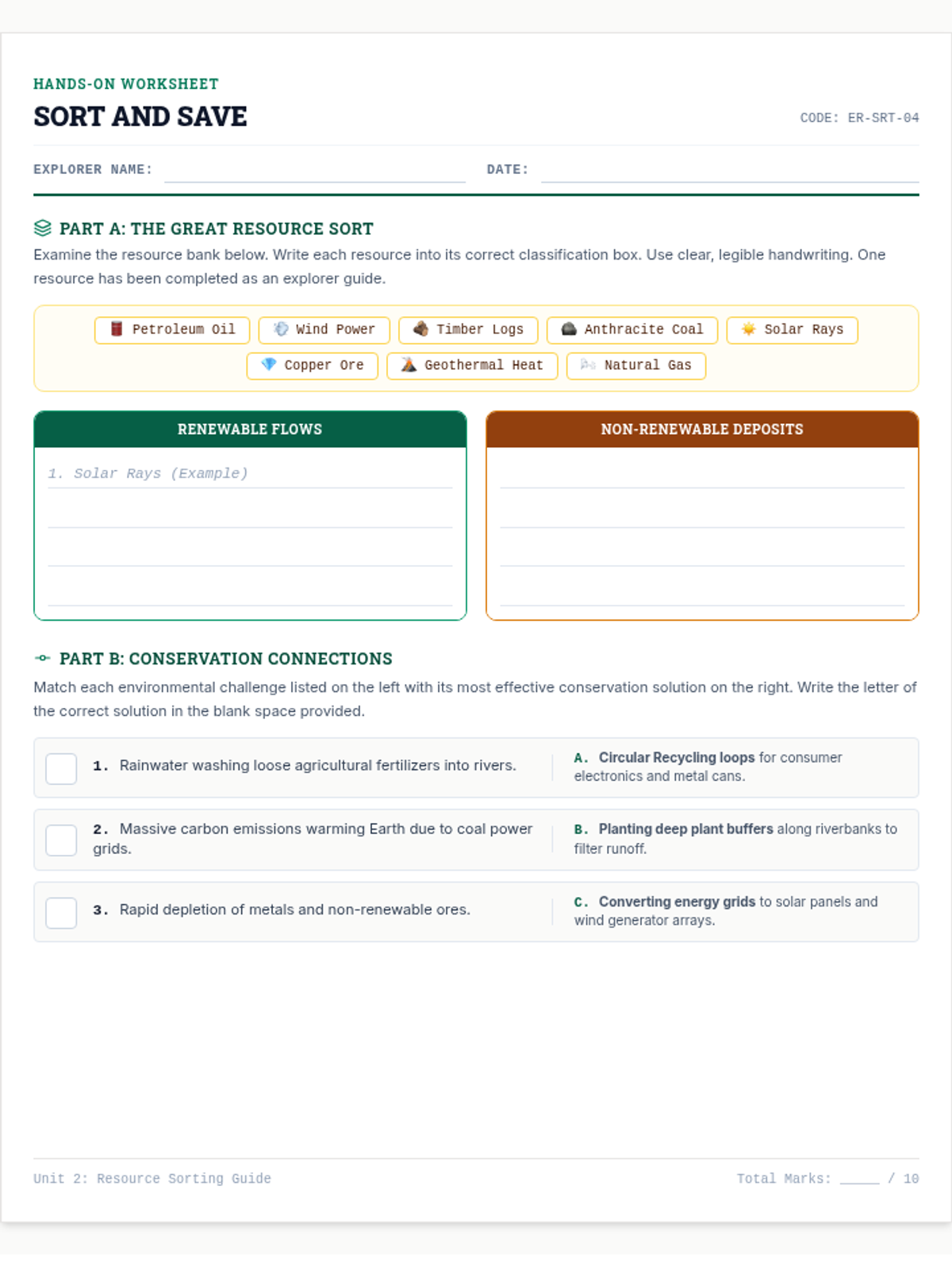
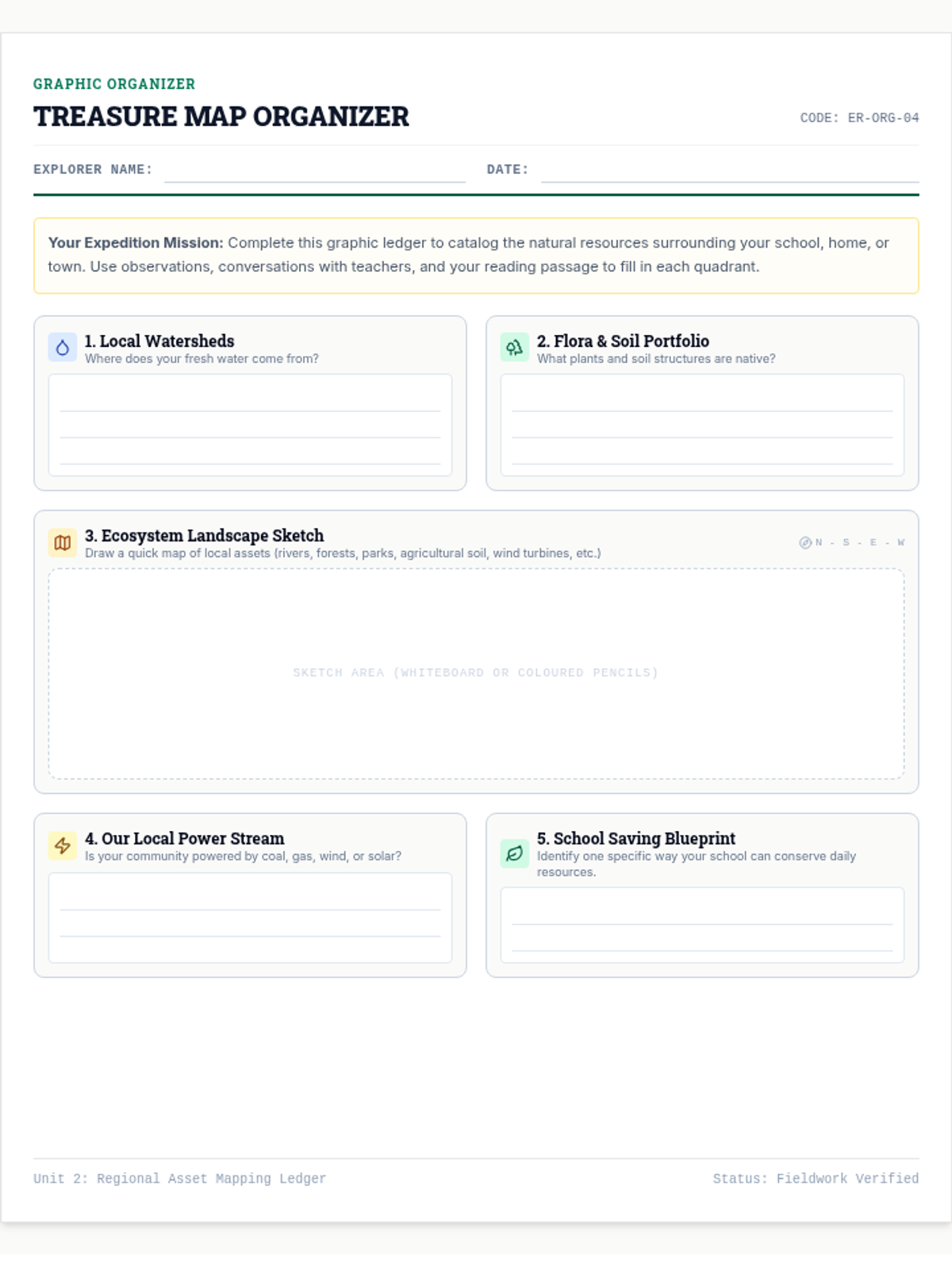
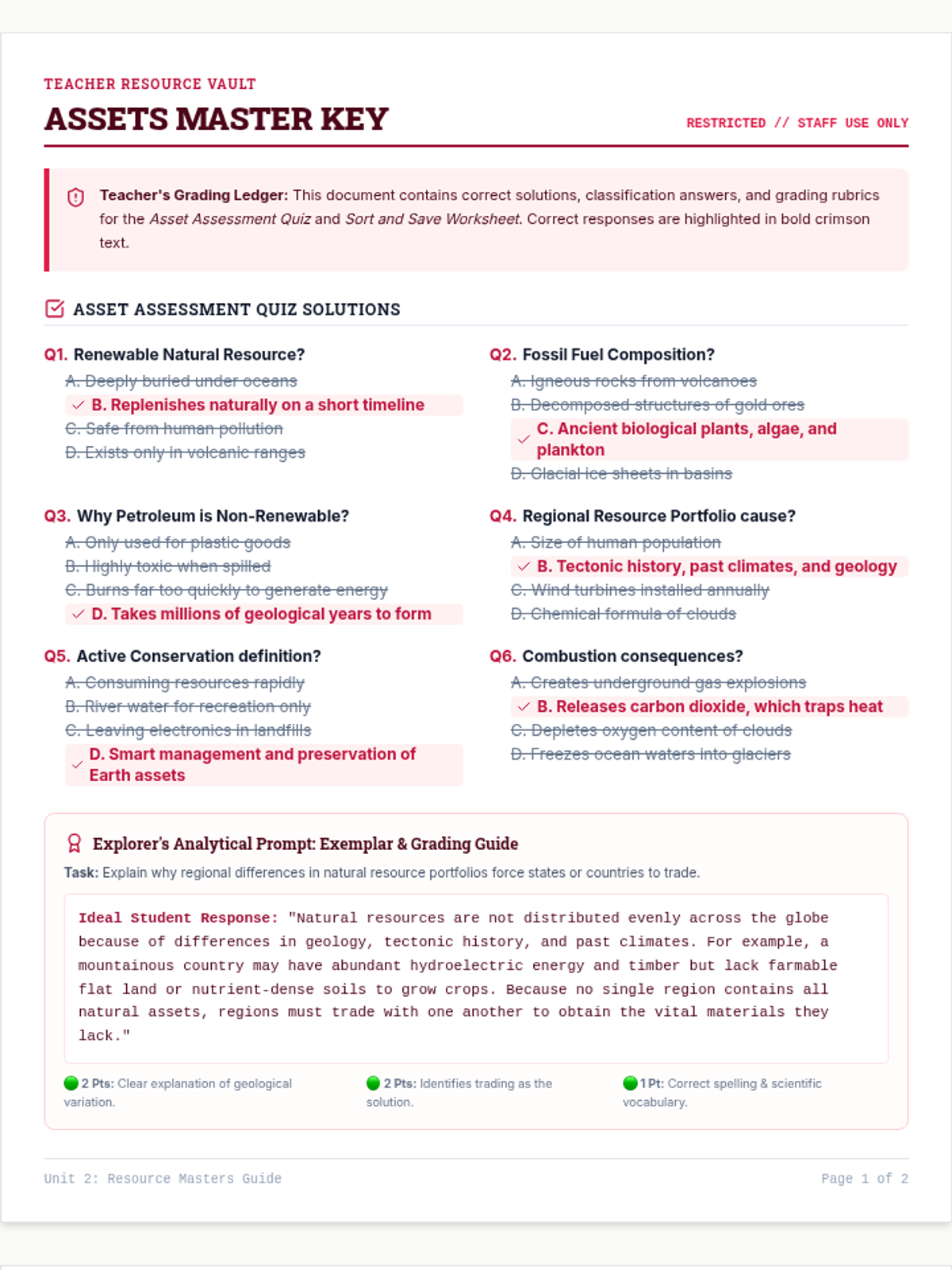
An engaging exploration of renewable and non-renewable natural resources, fossil fuels, and local conservation efforts through field-guide inspired readings, assessments, interactive sorting, and local mapping exercises.
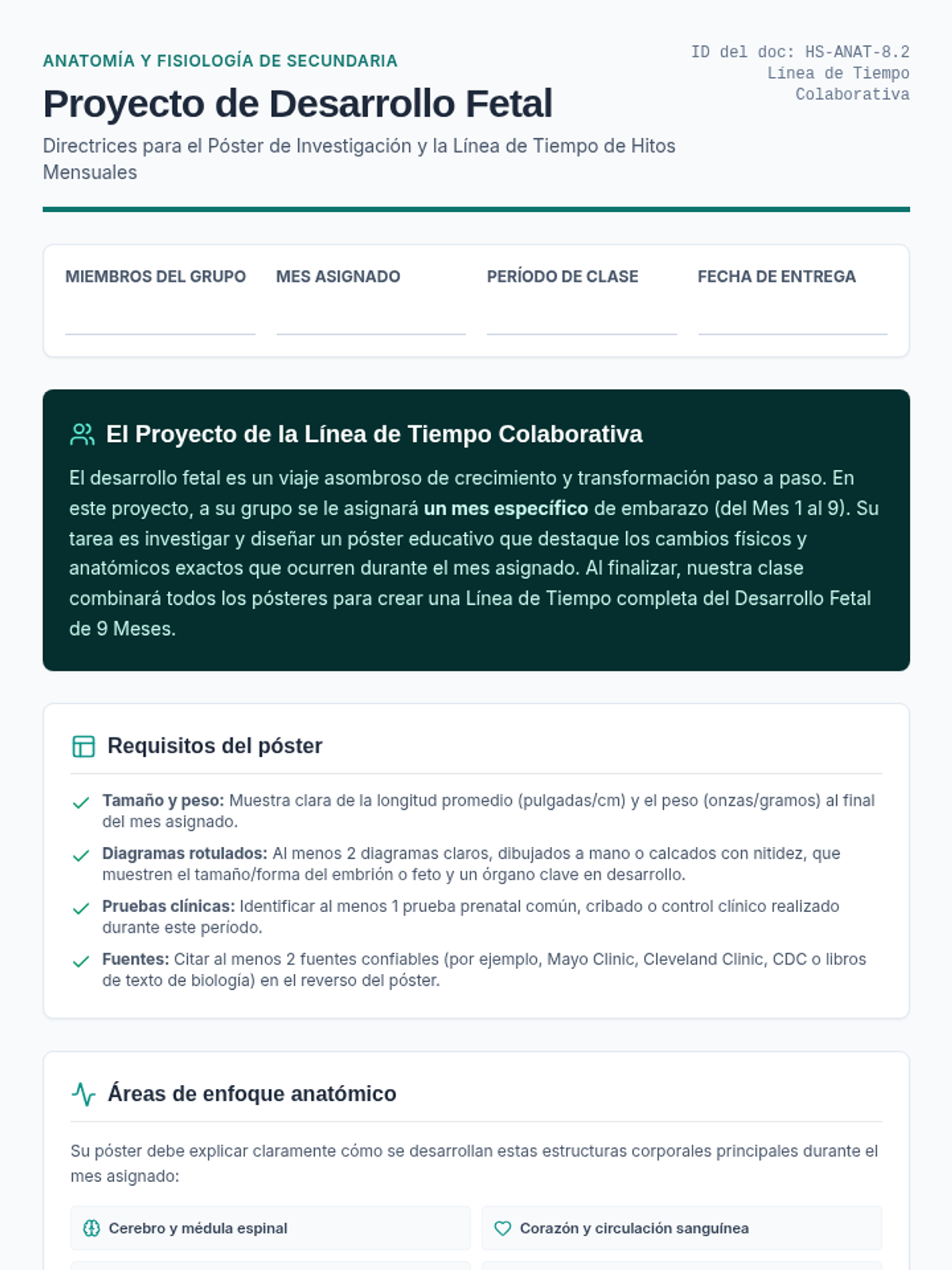
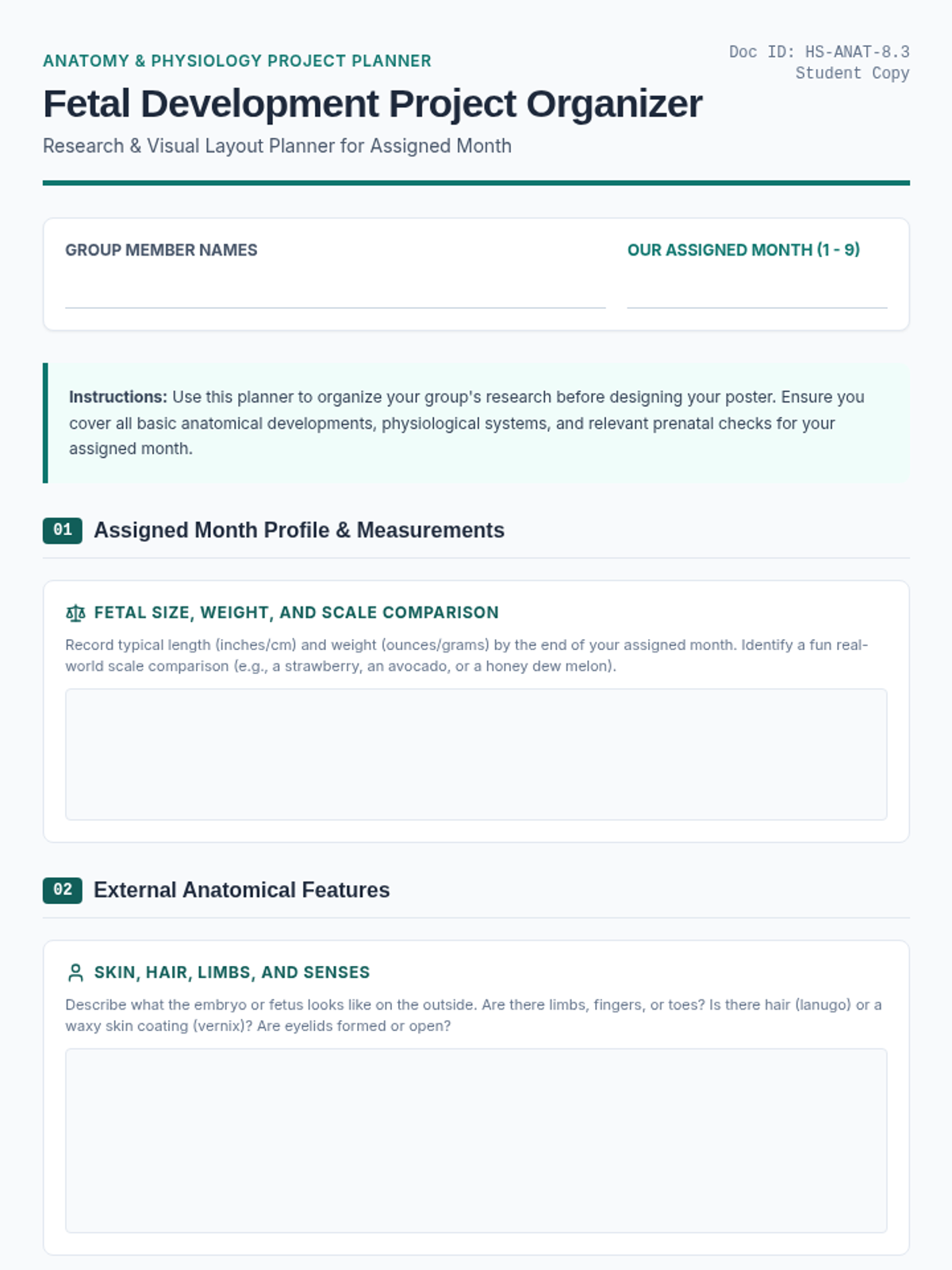
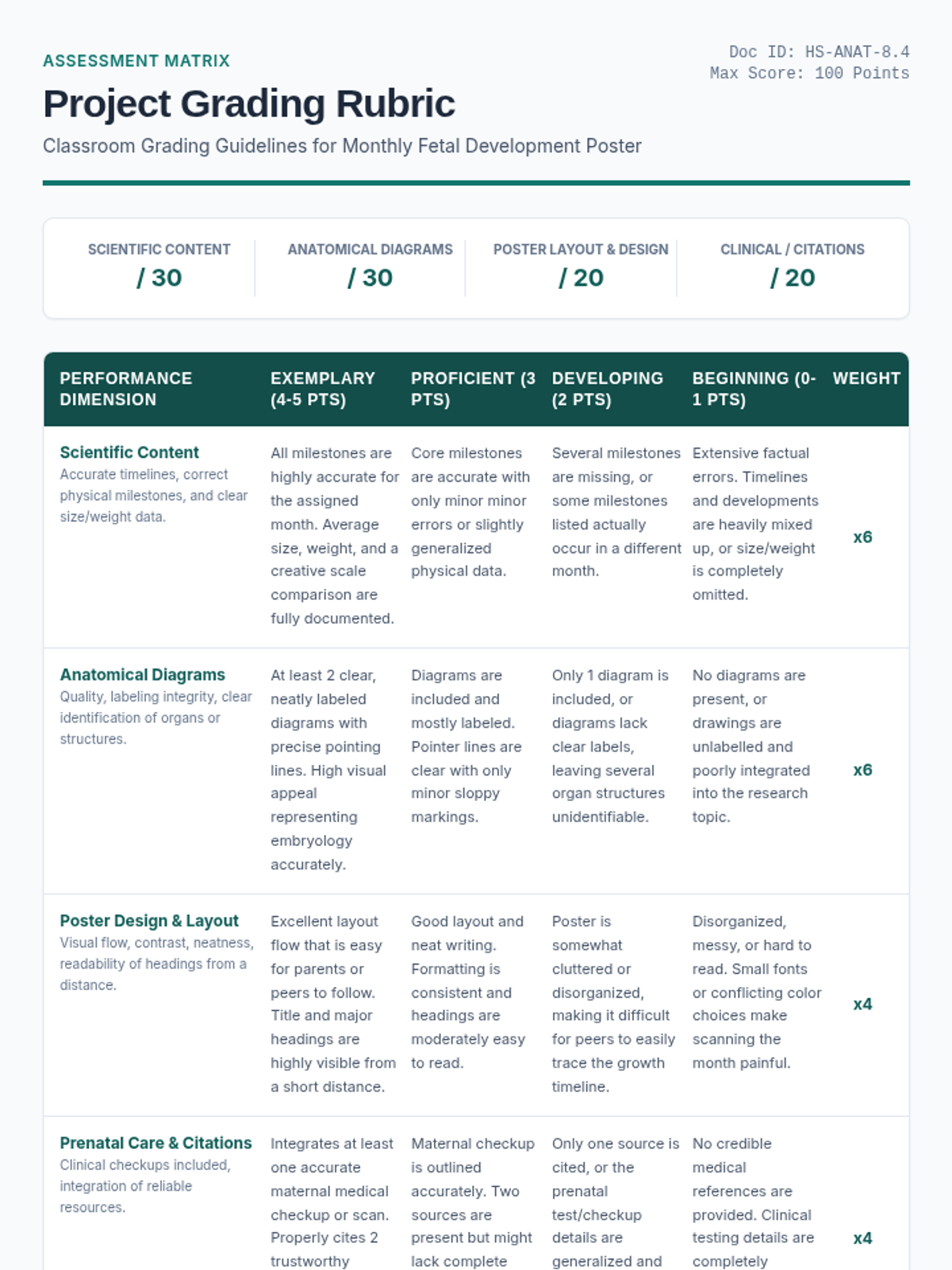
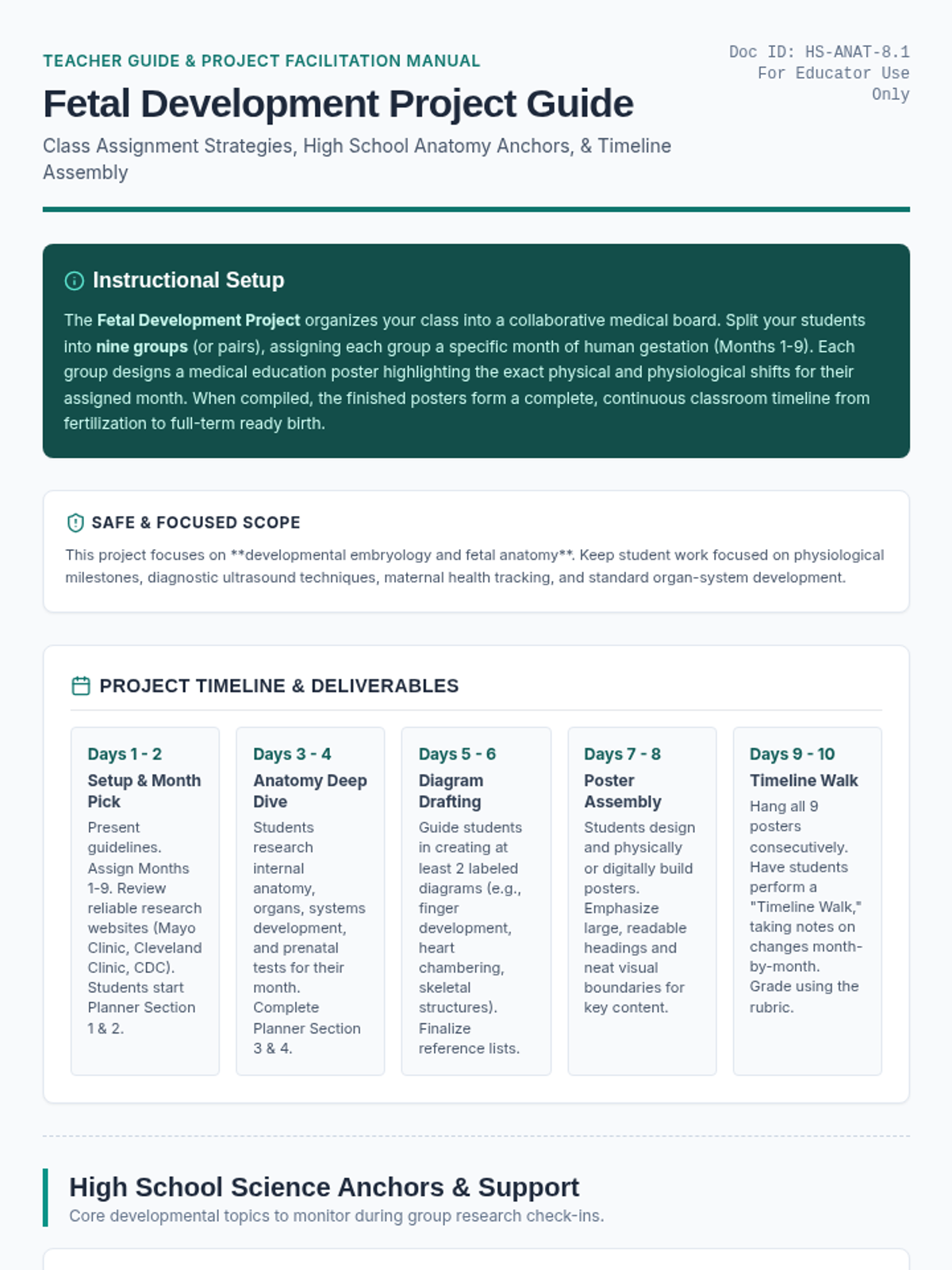
An engaging, collaborative high school anatomy project where students research and design educational communication posters tracking the monthly physical and physiological milestones of human fetal development across gestation.
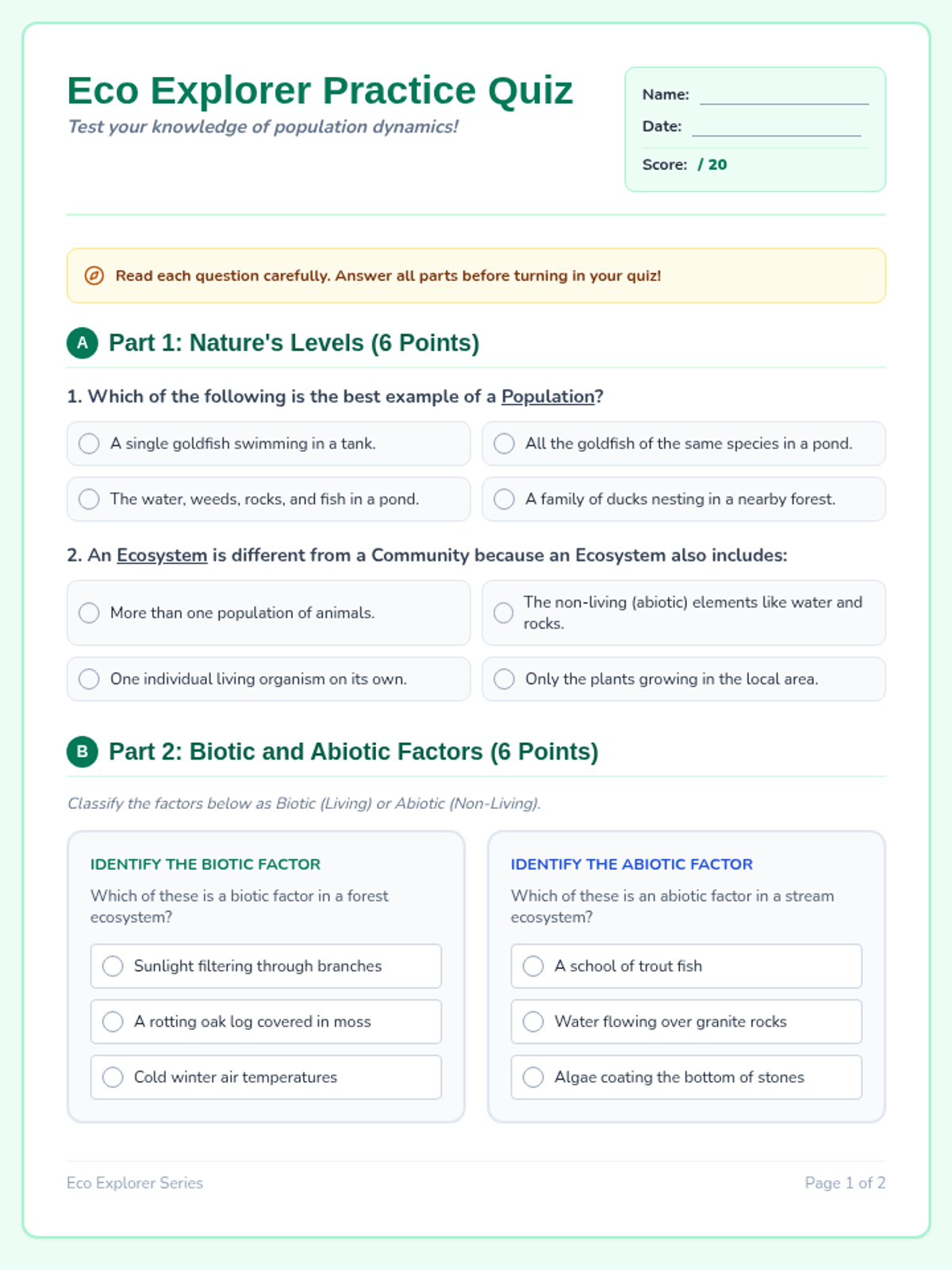
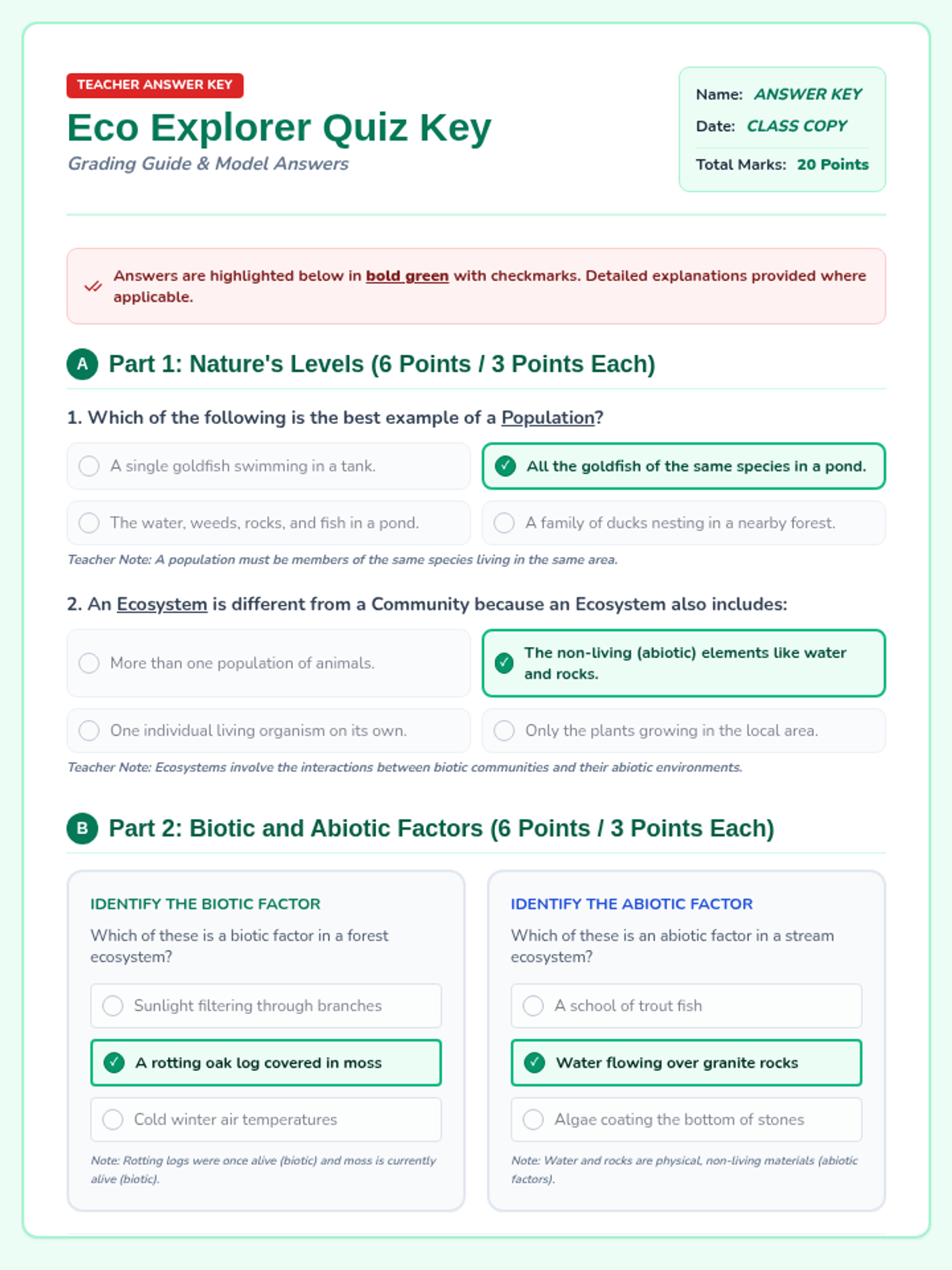
An introductory science lesson exploring ecological levels of organization, biotic versus abiotic factors, and population growth limits.