Students transition from simple chains to complex webs through a physical simulation, visualizing the resilience and vulnerability of interconnected systems.
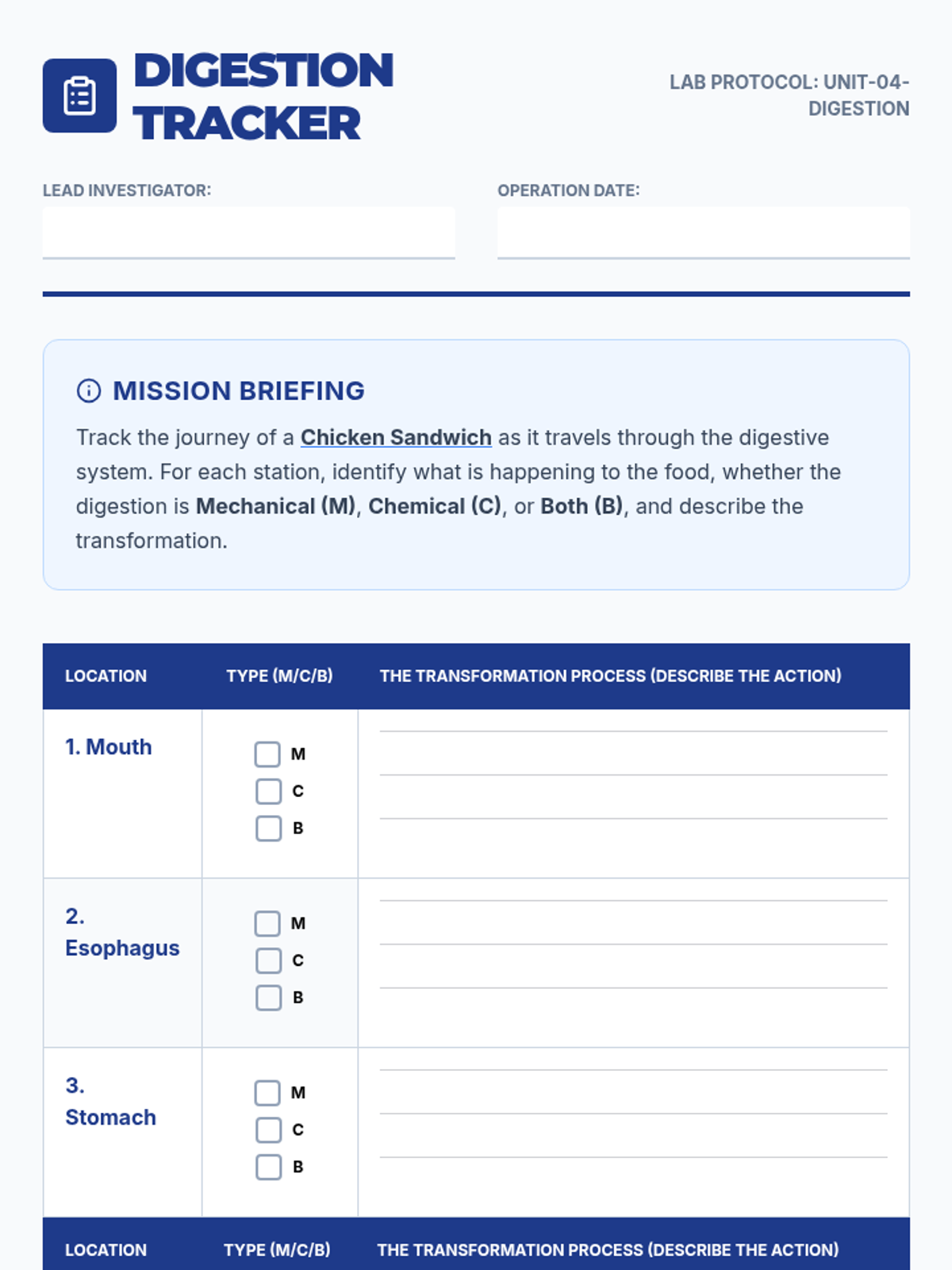
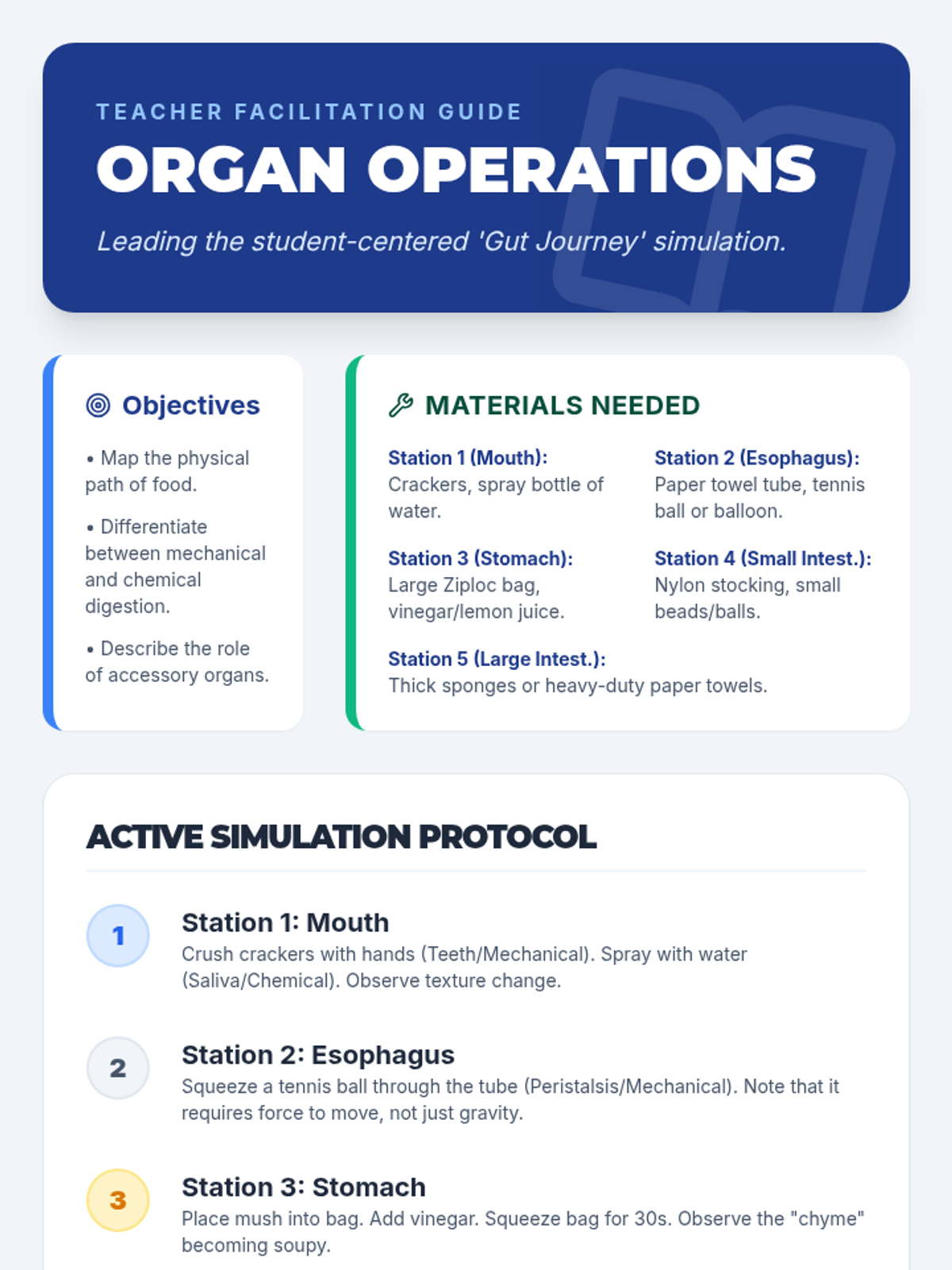
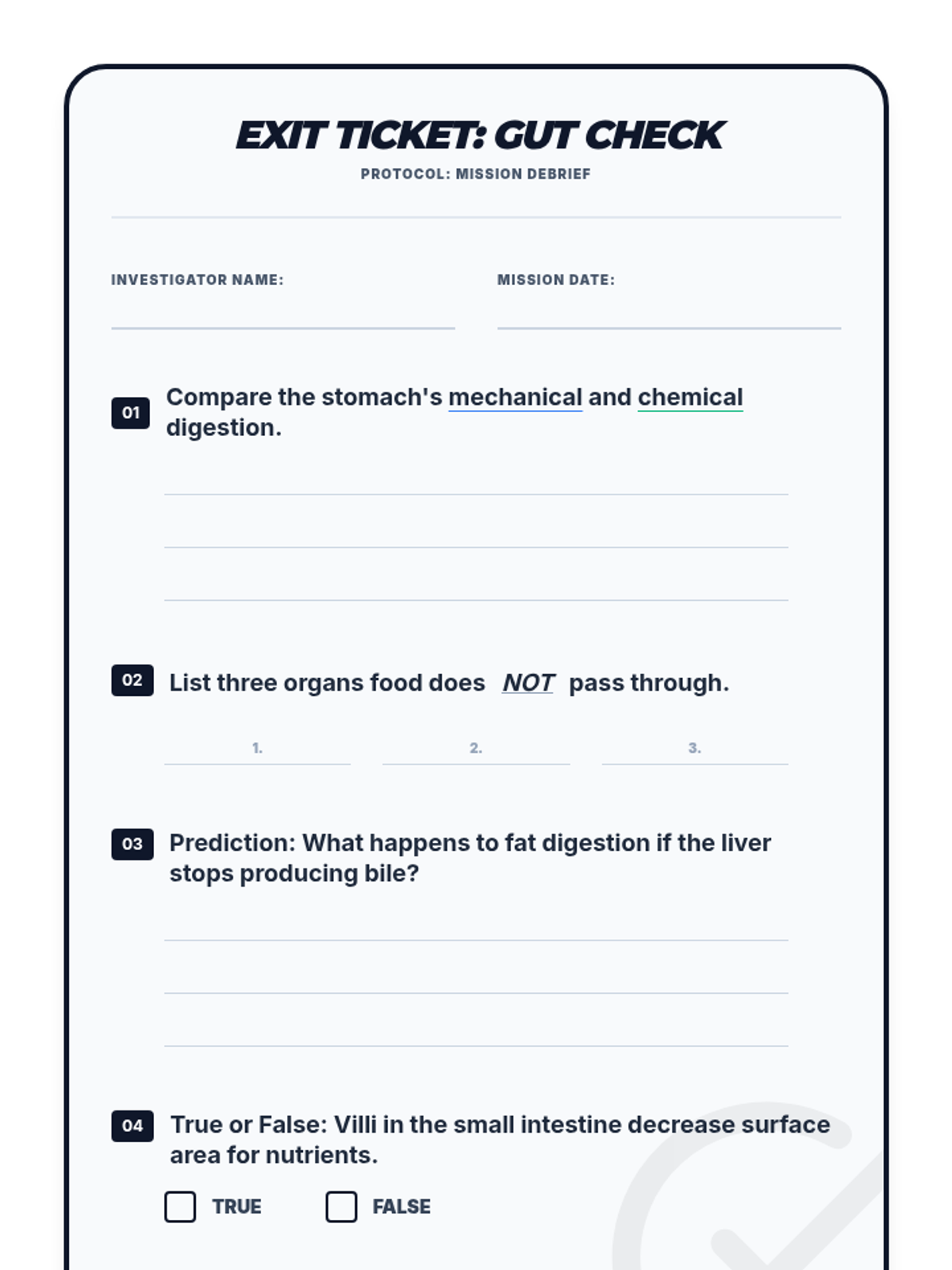
A student-centered exploration of the human digestive system, following the path of food from ingestion to elimination through mechanical and chemical processes.
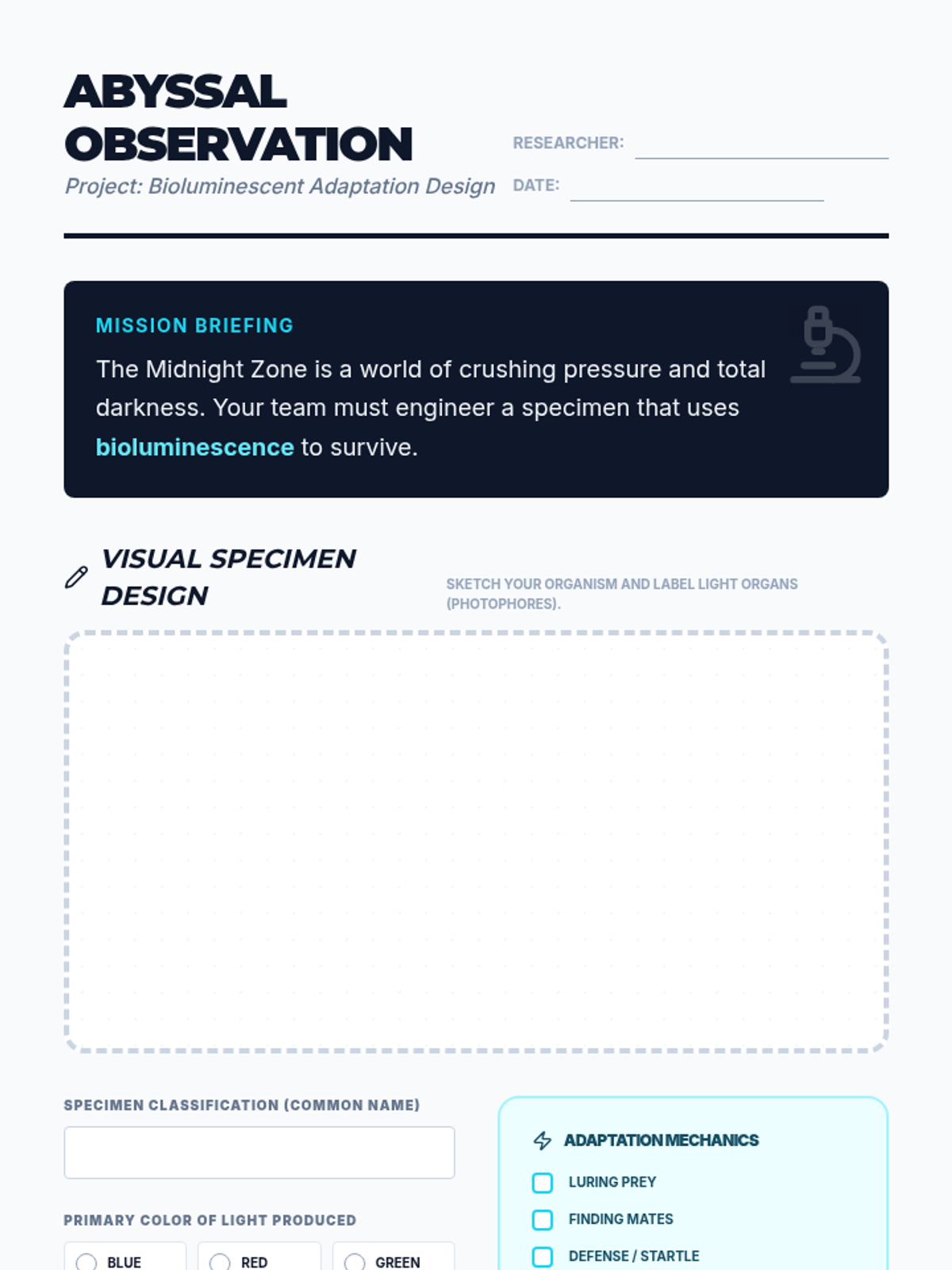
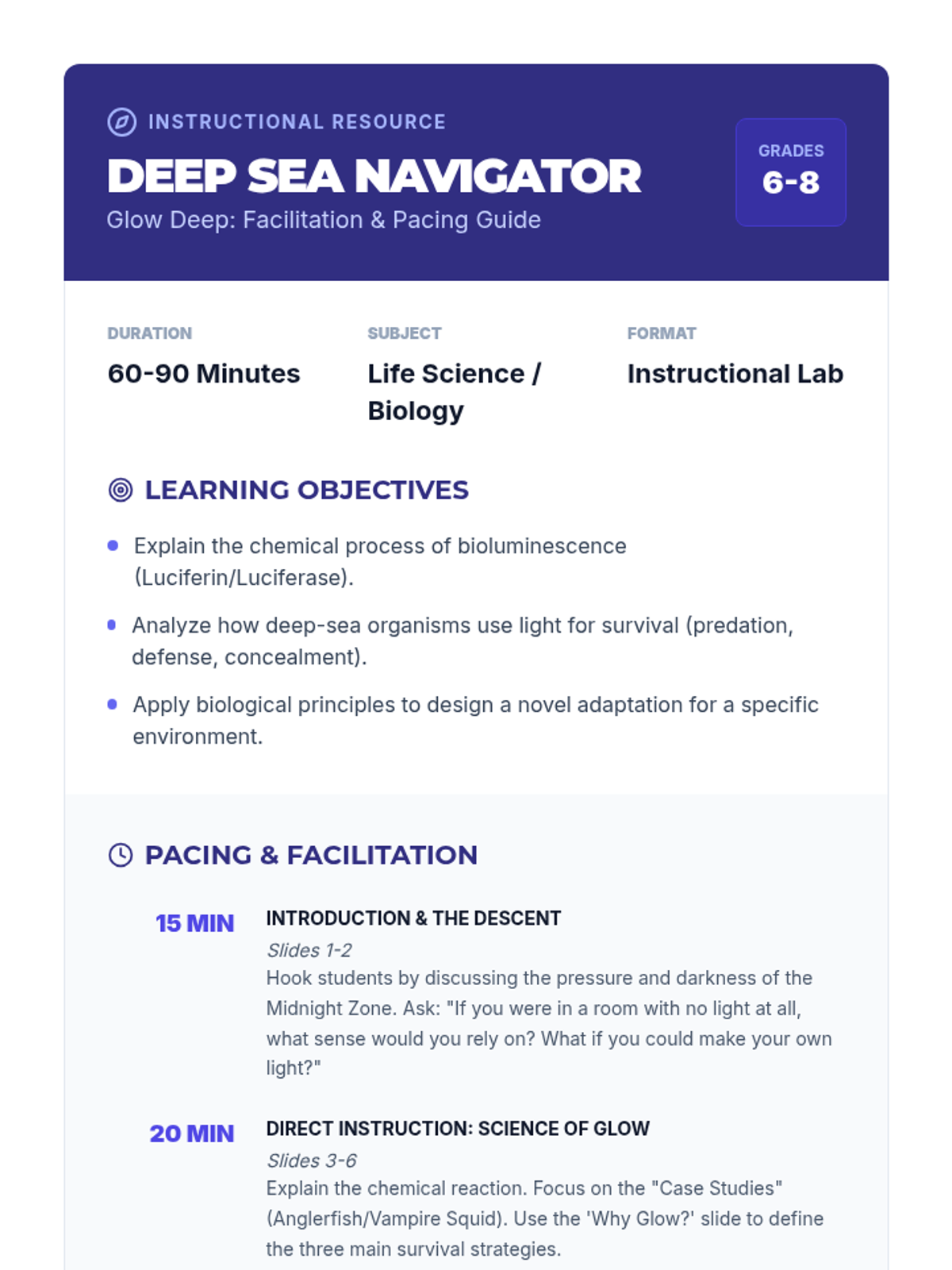
An immersive exploration of deep-sea bioluminescence, where students investigate how creatures adapt to the midnight zone through chemical light. Students will design their own abyssal organism based on scientific adaptation principles.
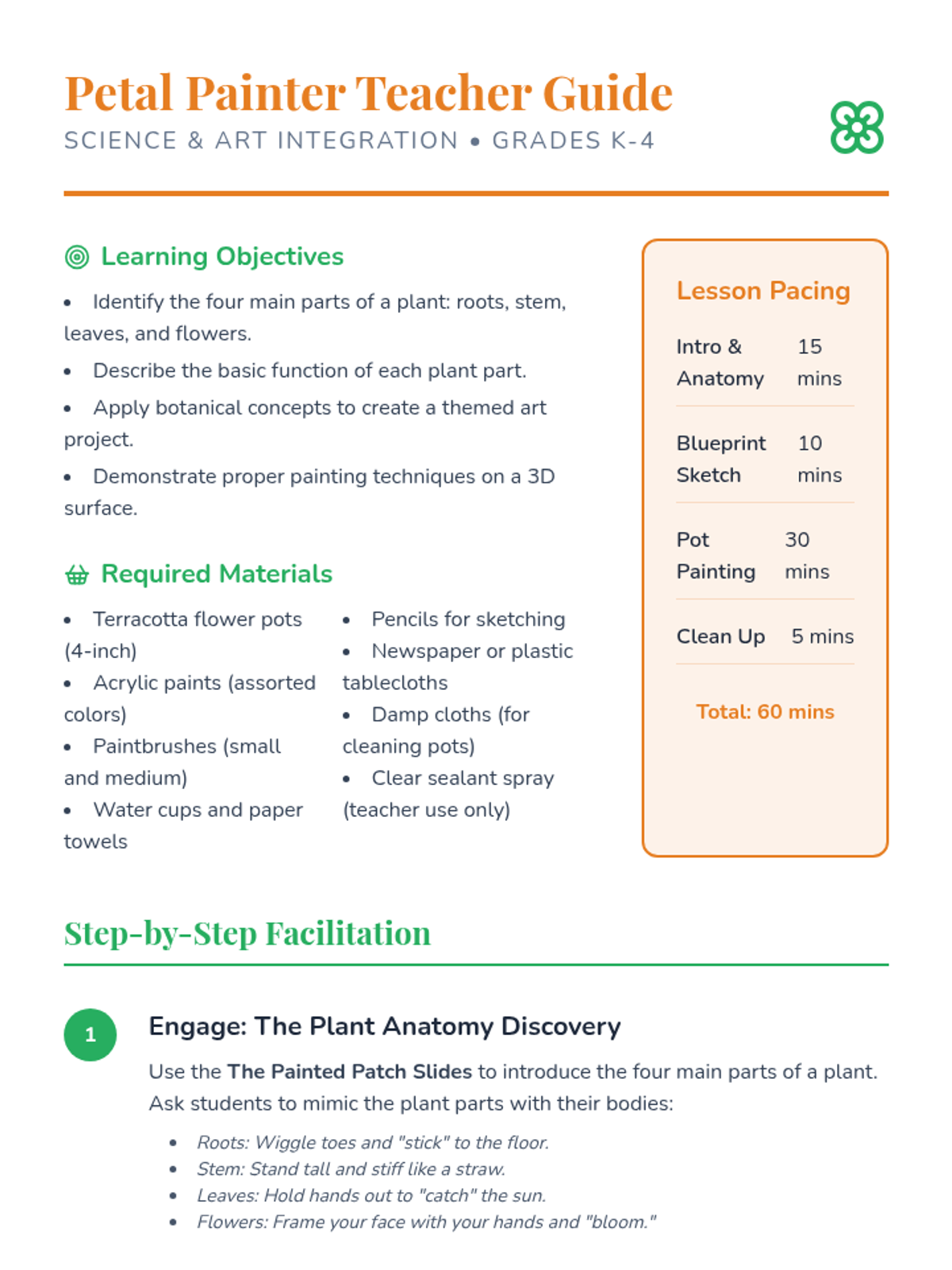
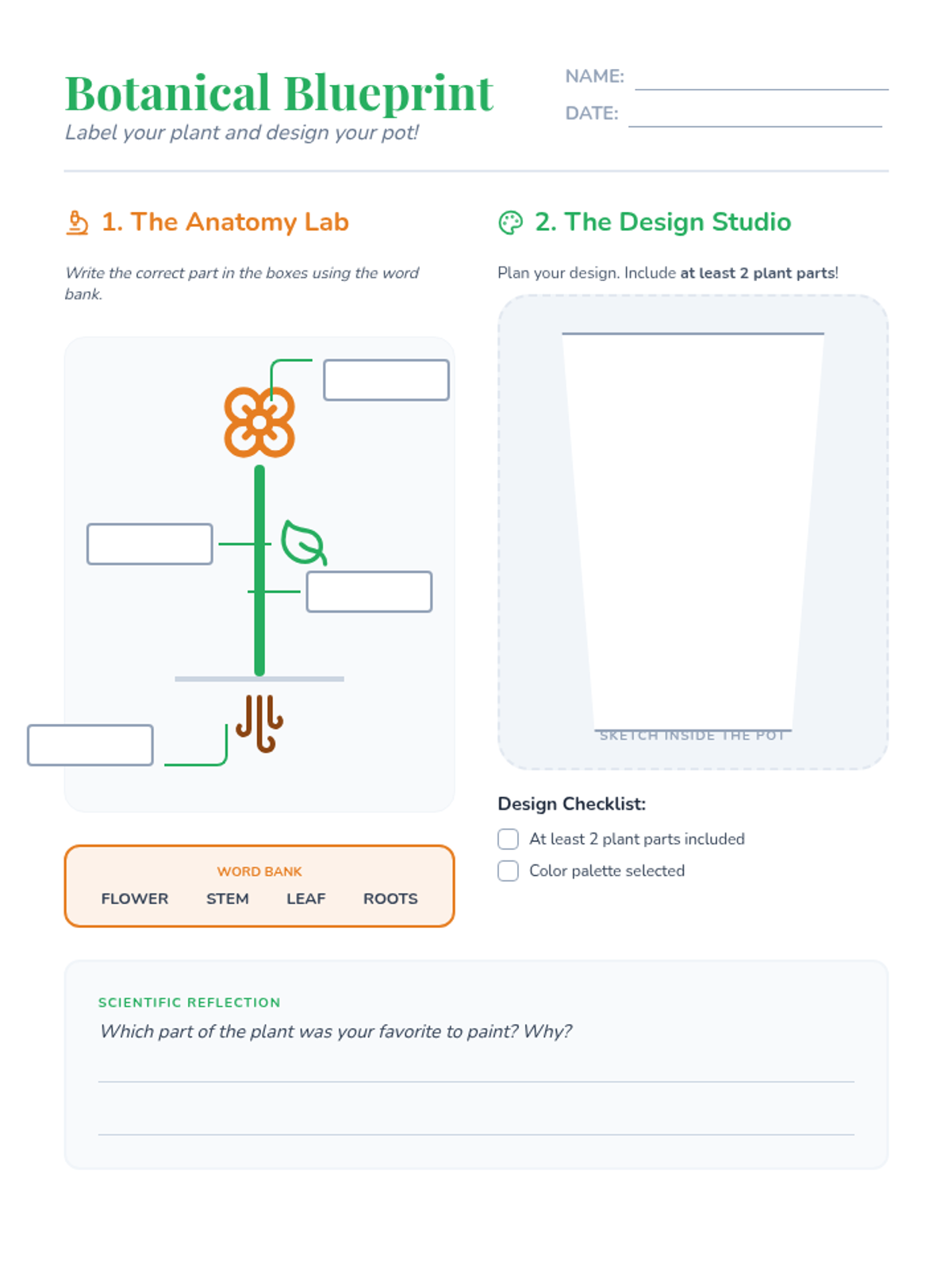
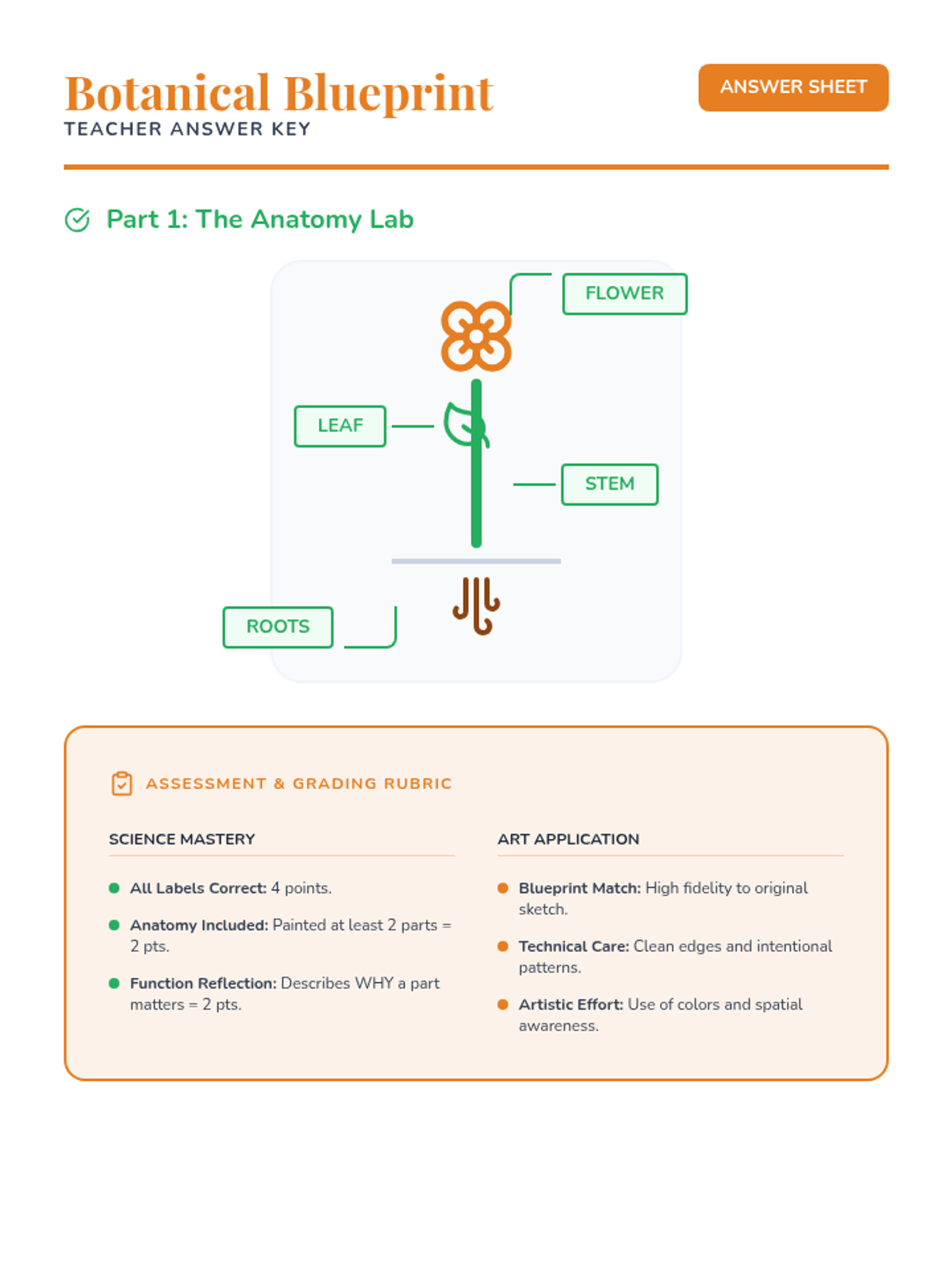
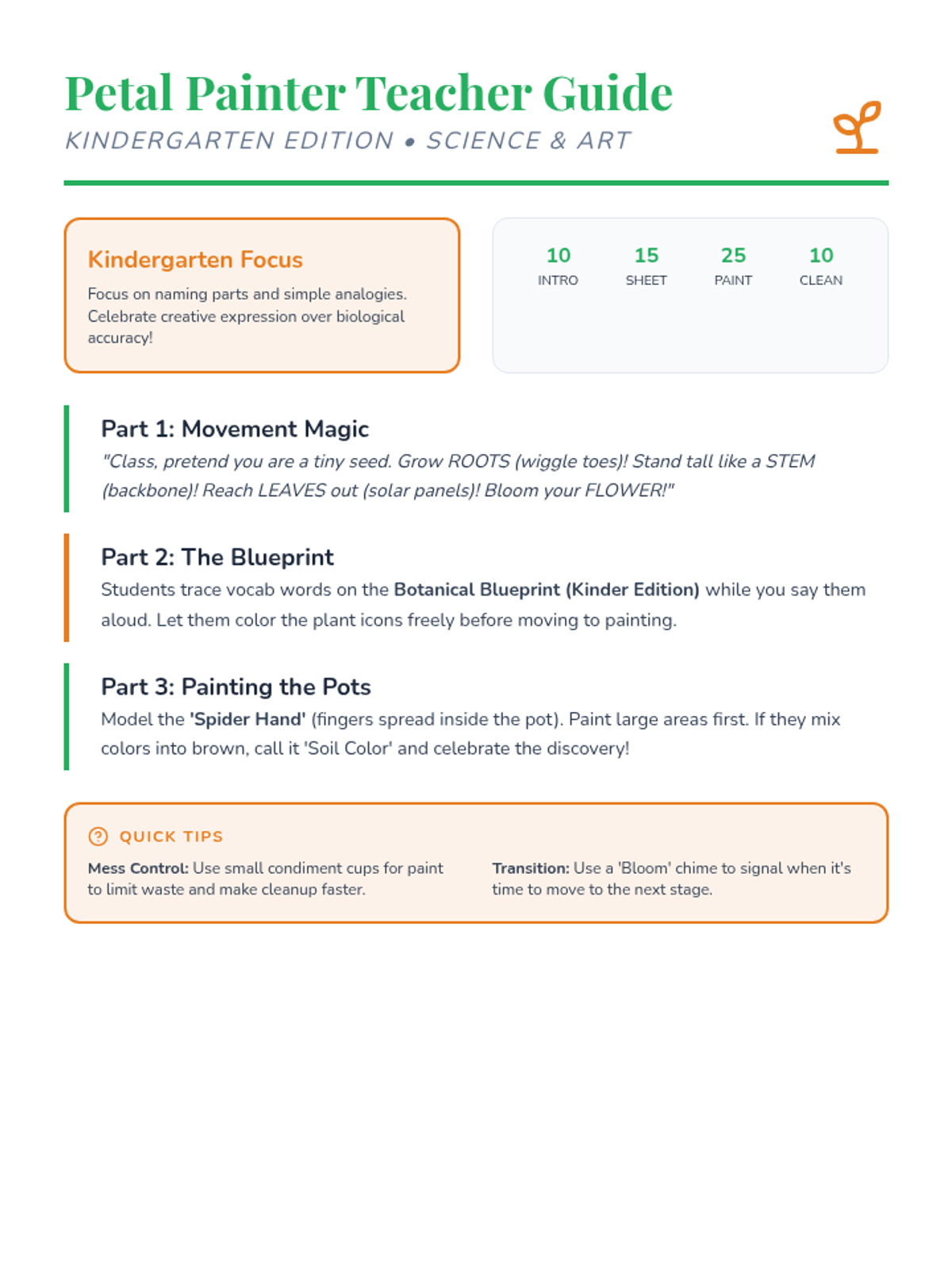
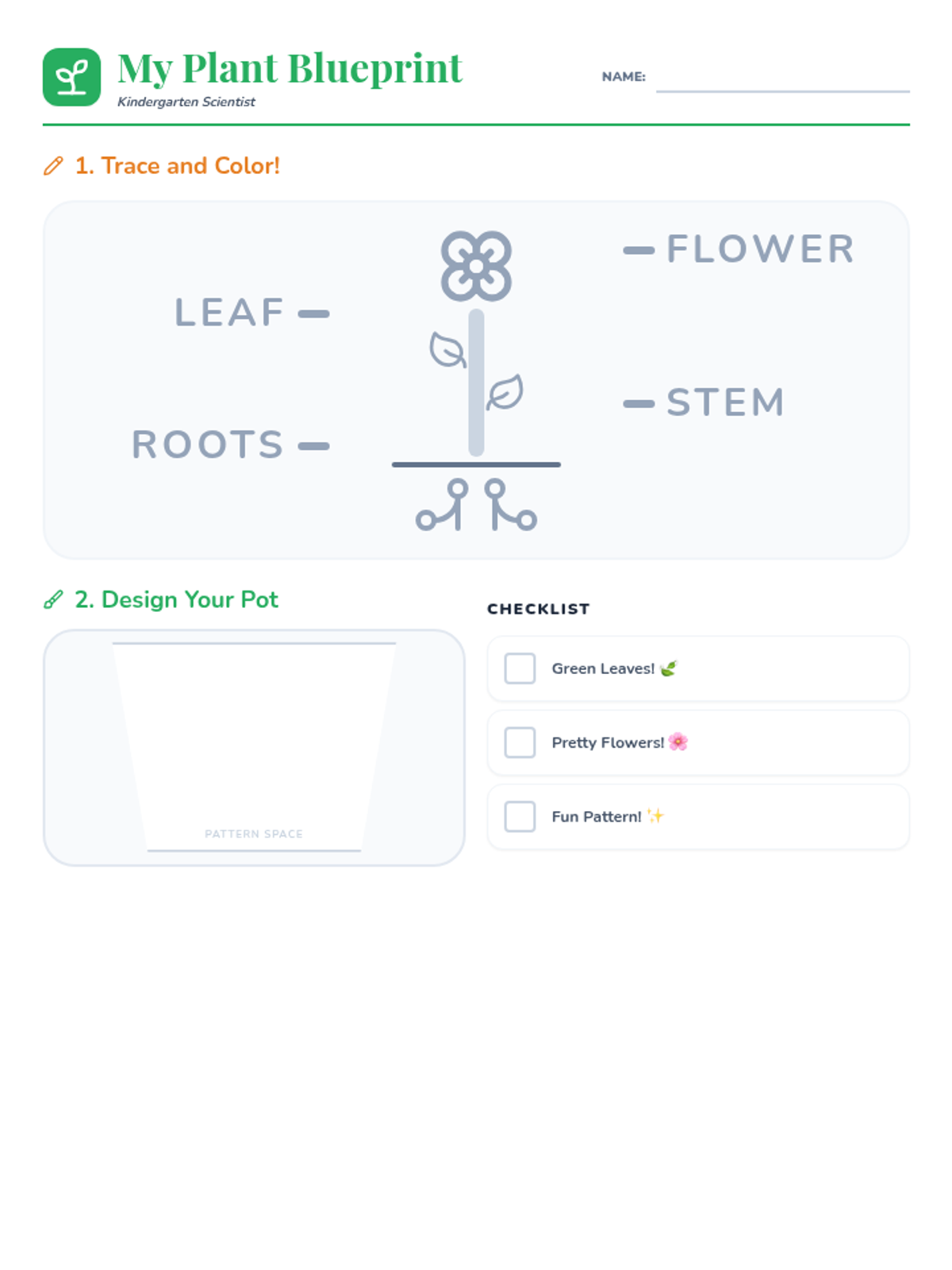
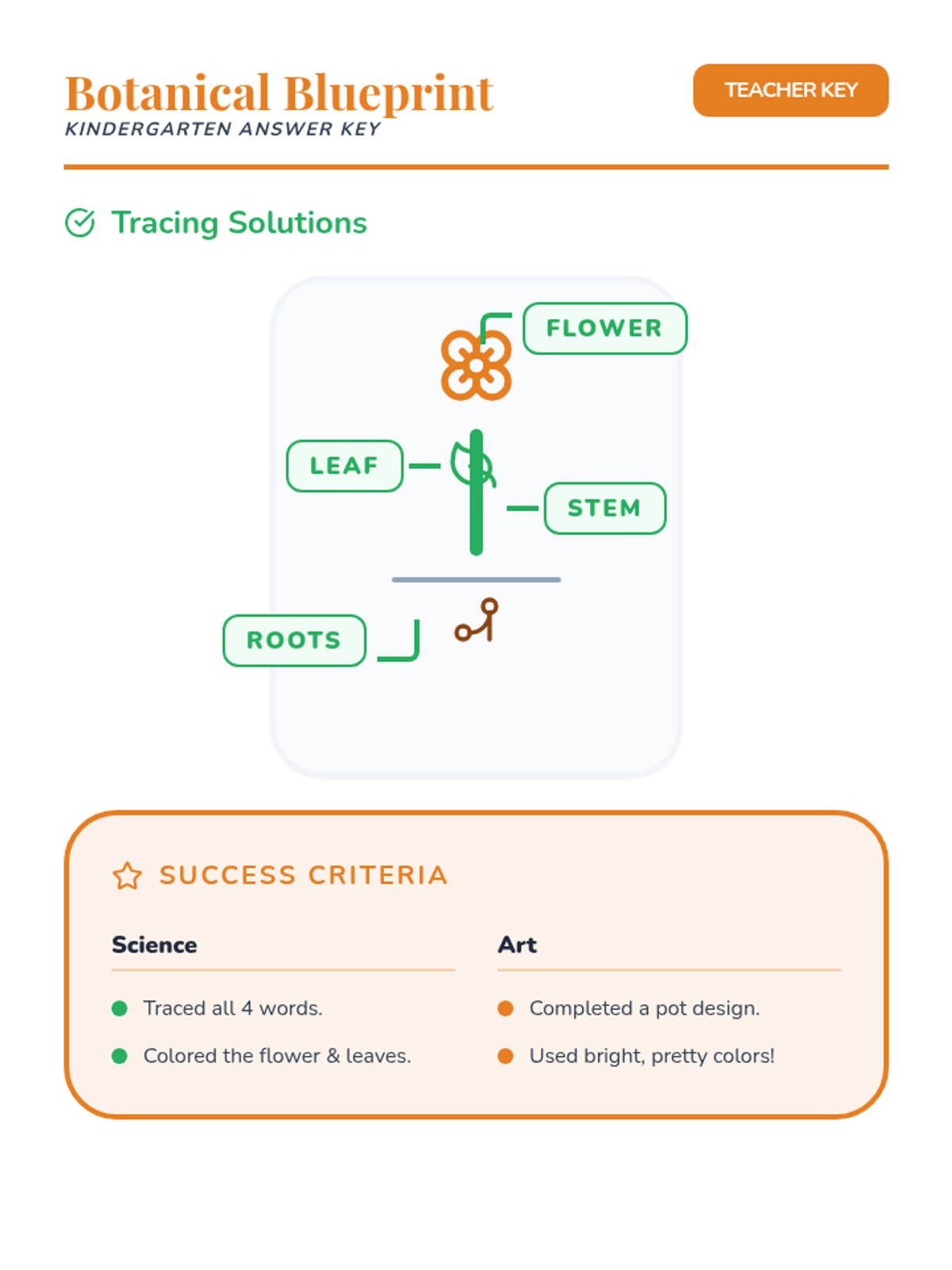
A creative hands-on lesson combining art and science where students learn about plant anatomy while decorating their own terracotta flower pots. Students will identify the functions of roots, stems, leaves, and flowers before applying their knowledge to a botanical-themed art project.
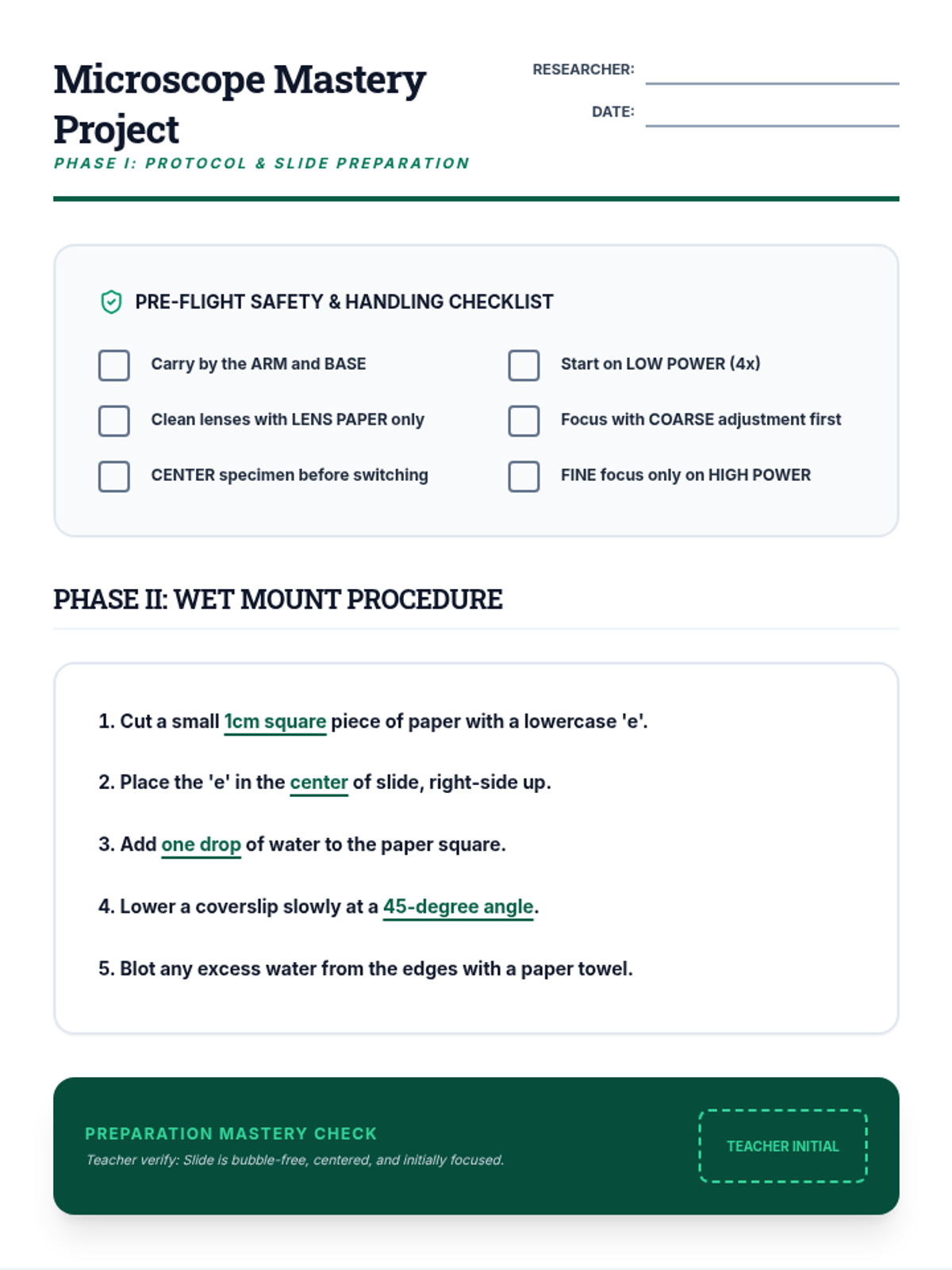
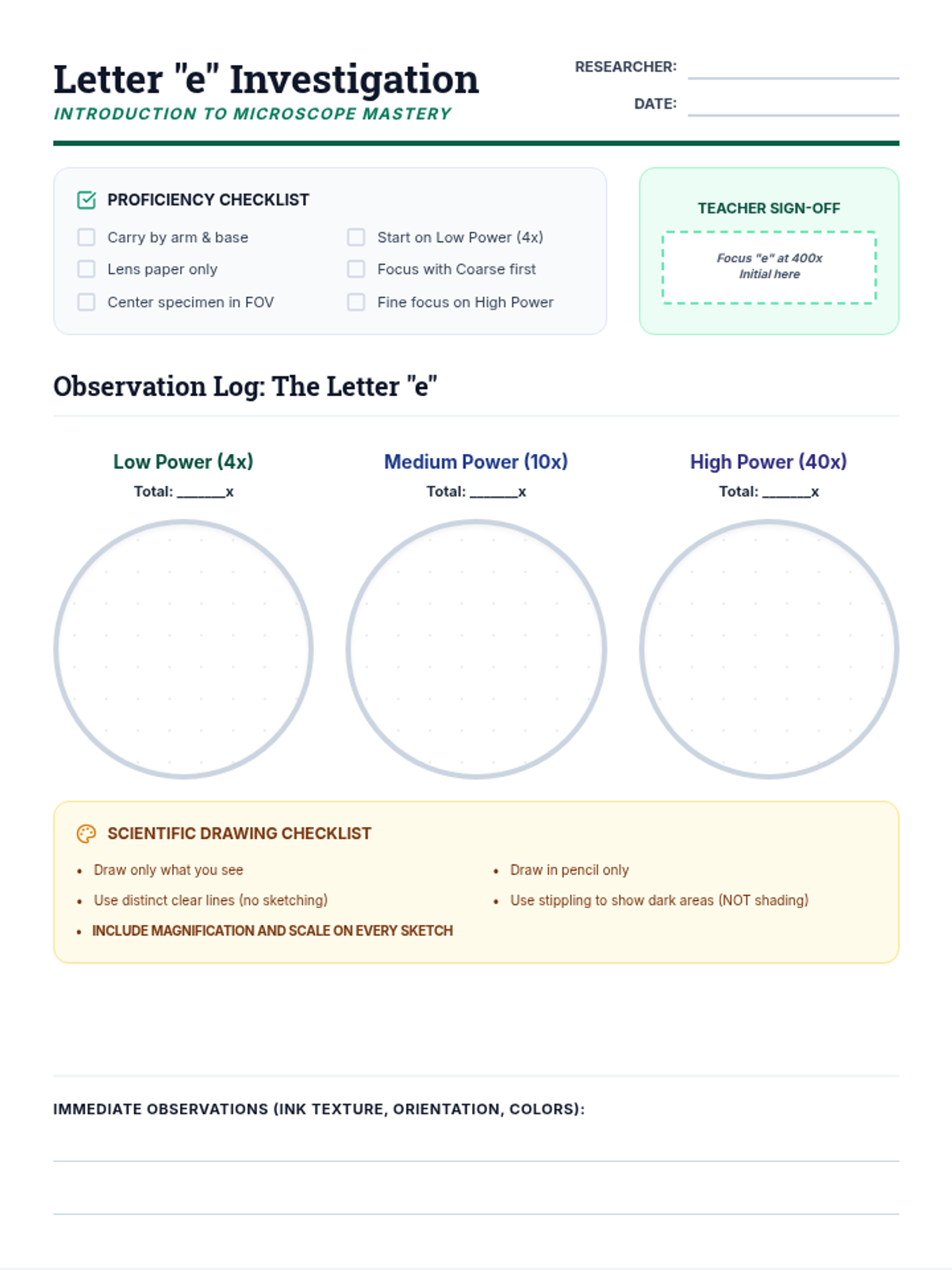
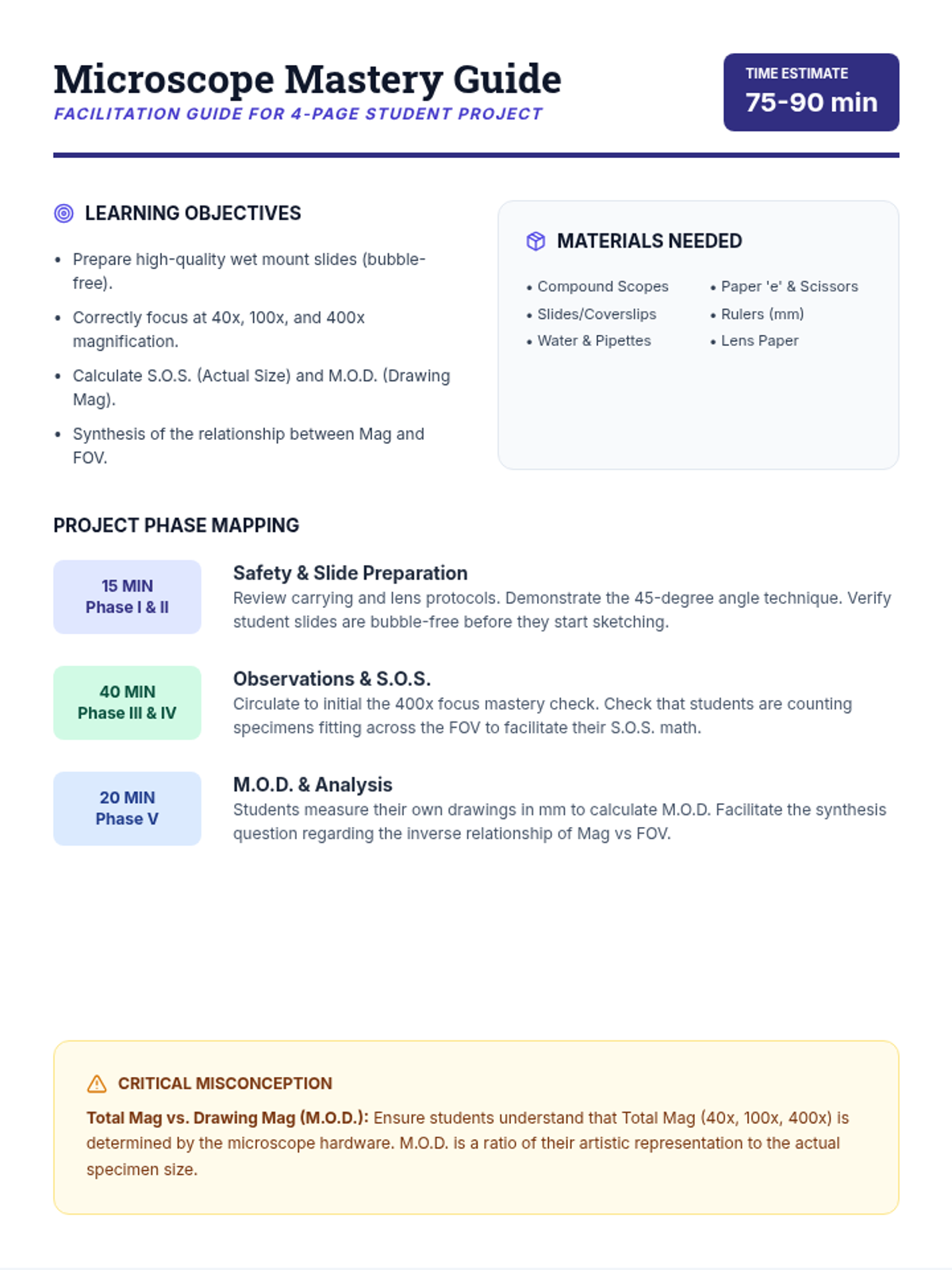
Students learn the fundamentals of microscopy by investigating the letter 'e', practicing slide preparation, and mastering magnification calculations. This lesson covers microscope parts, safety, wet mount preparation, and scientific drawing.
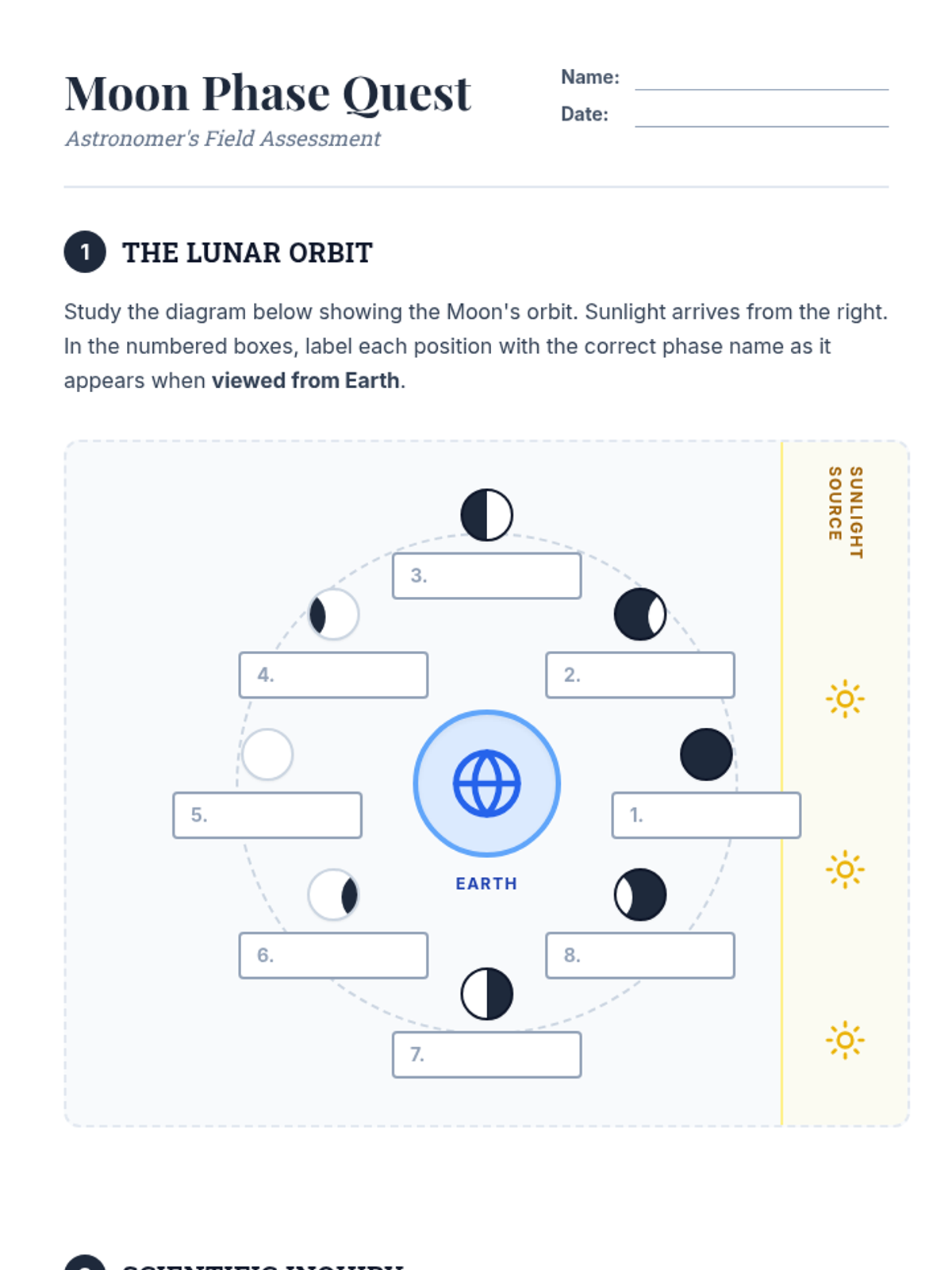
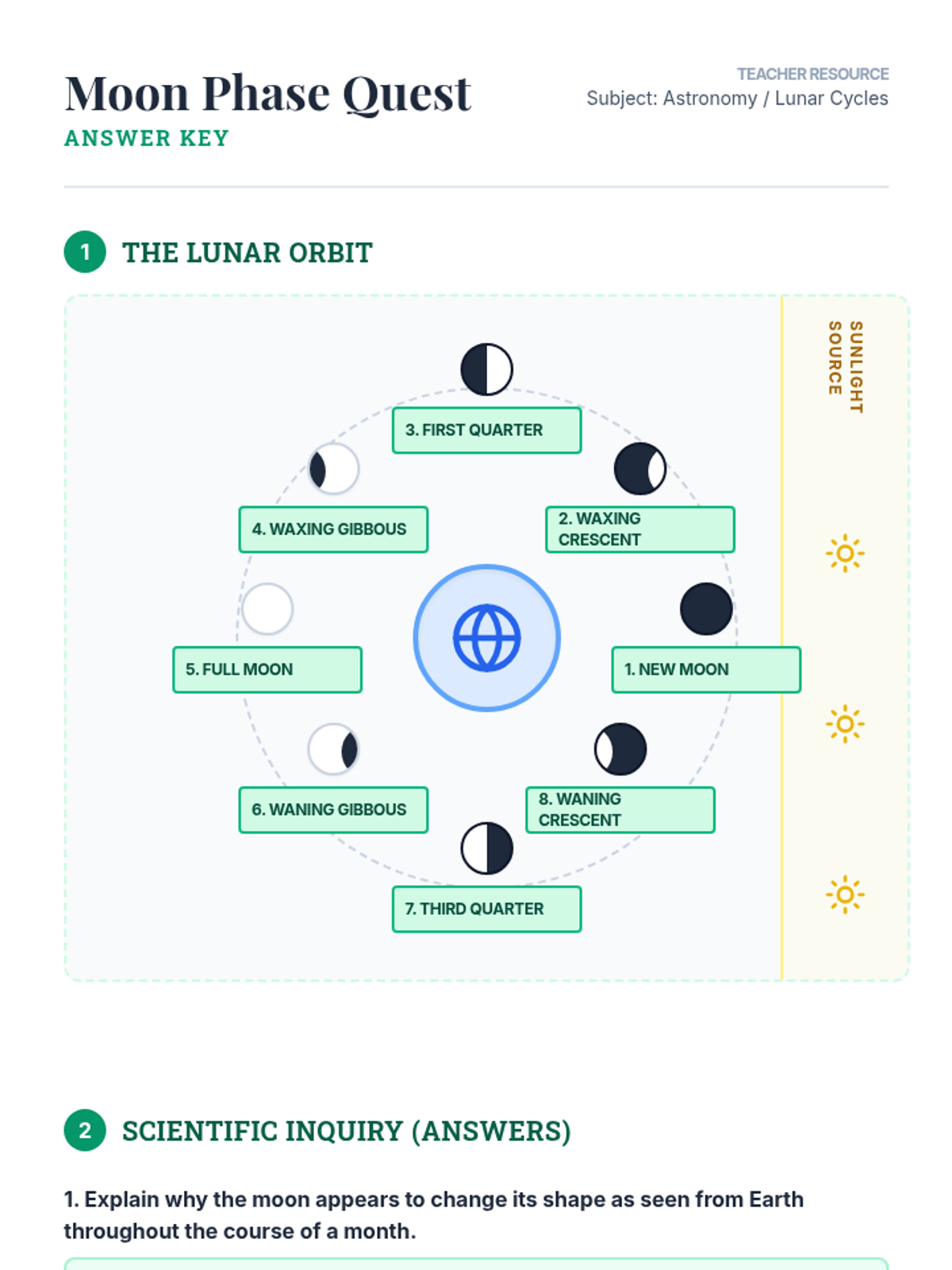
A comprehensive assessment on the lunar cycle, featuring diagram labeling of all eight phases and conceptual short-answer questions.
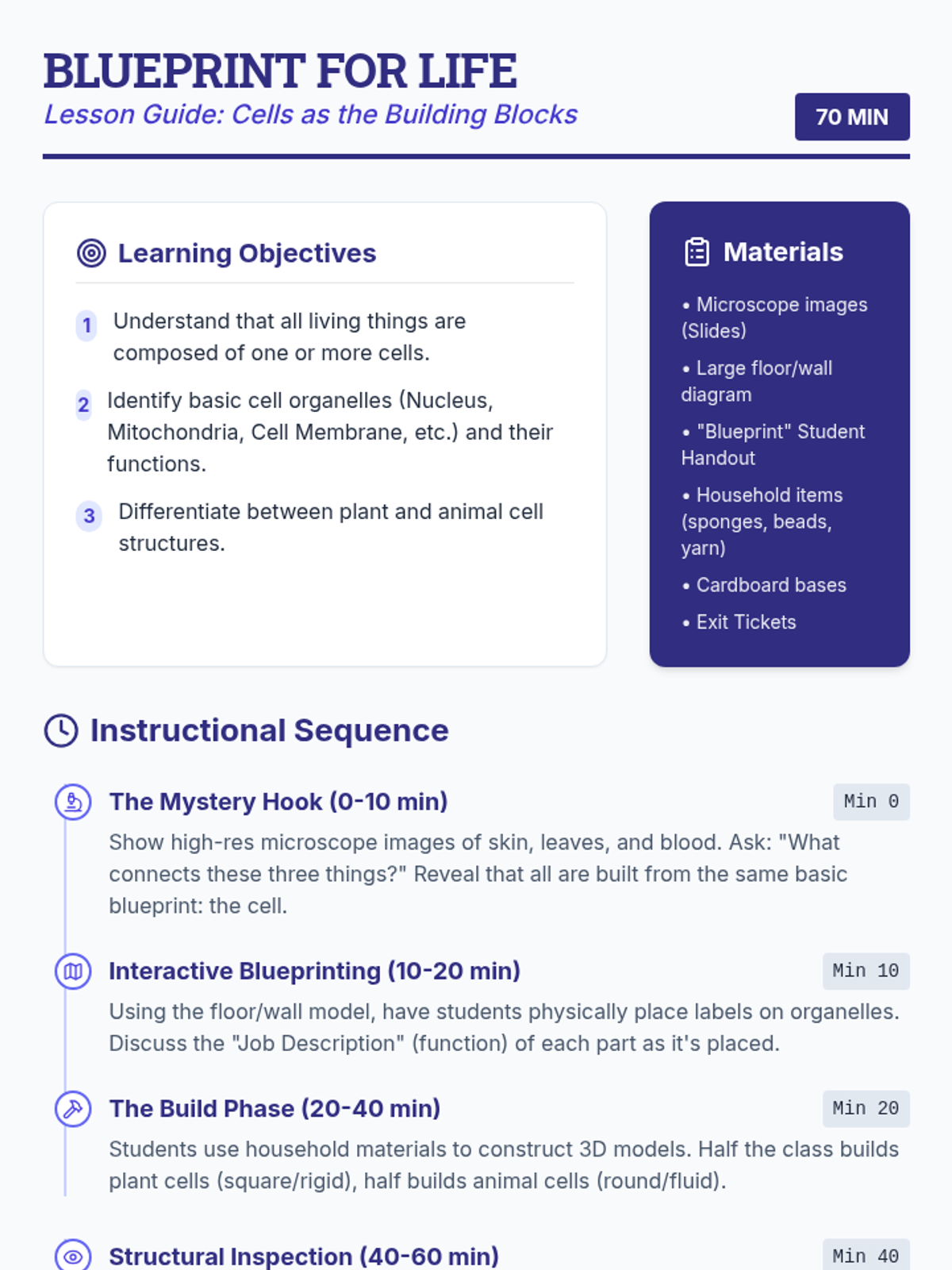
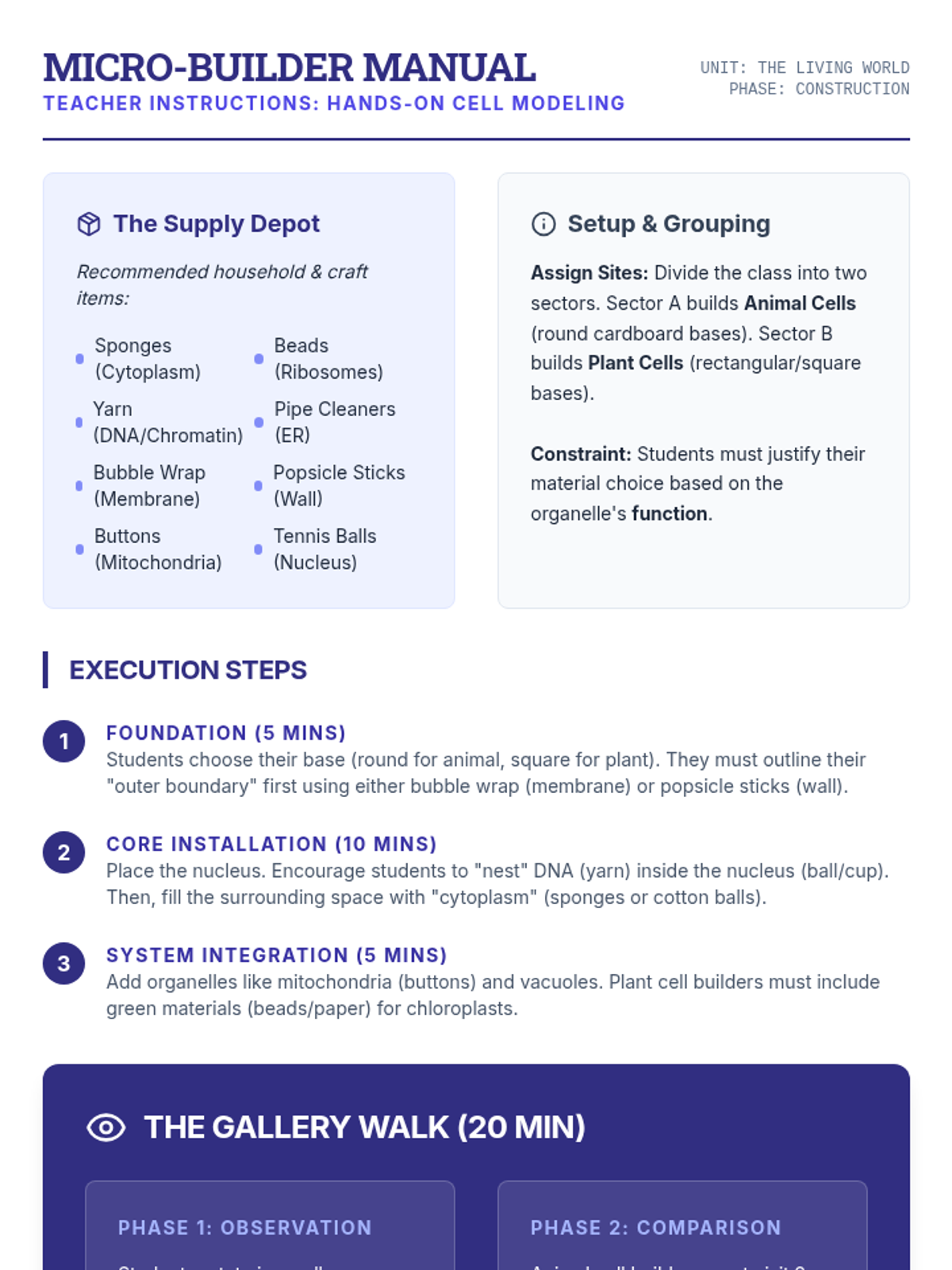
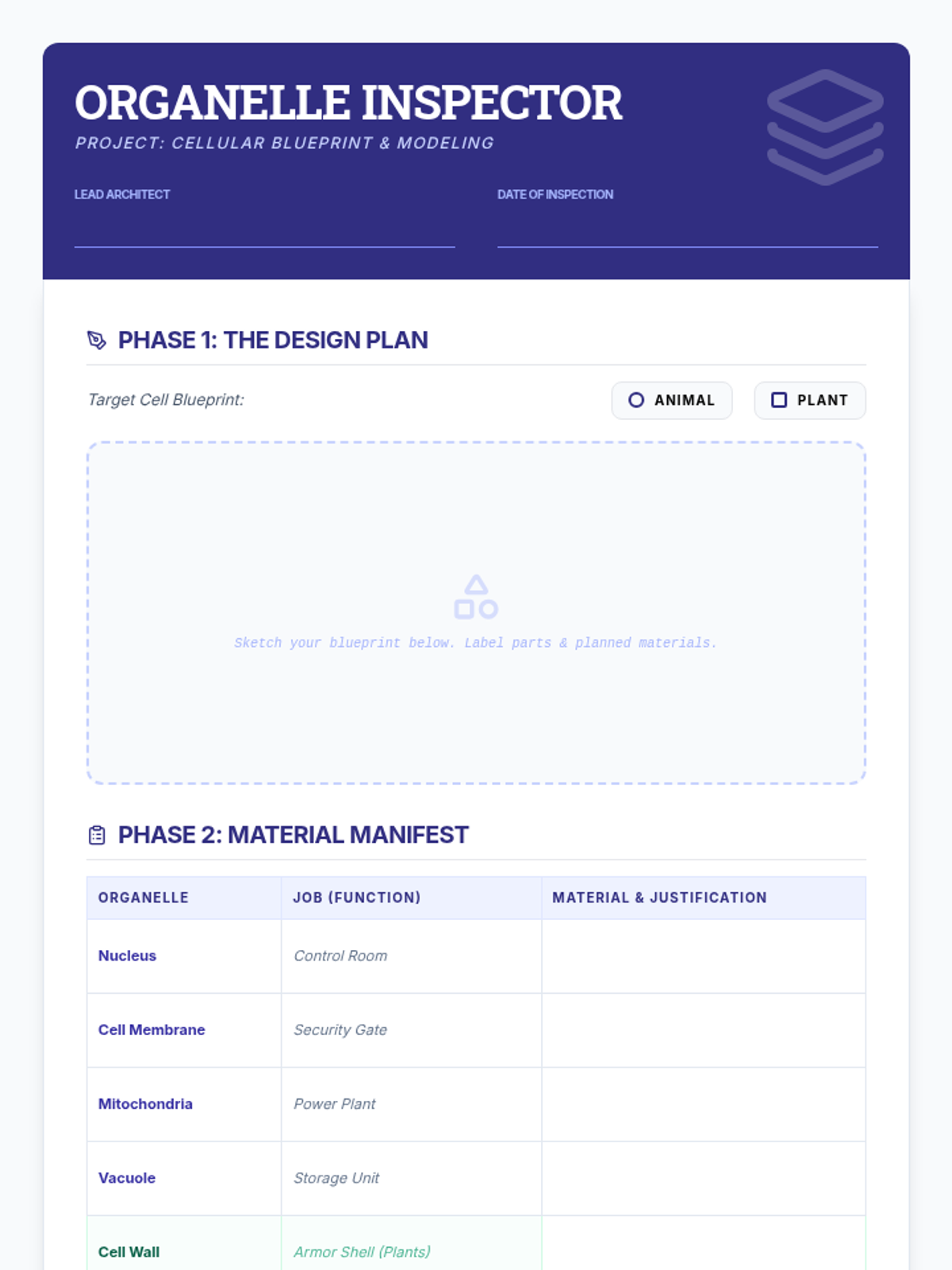
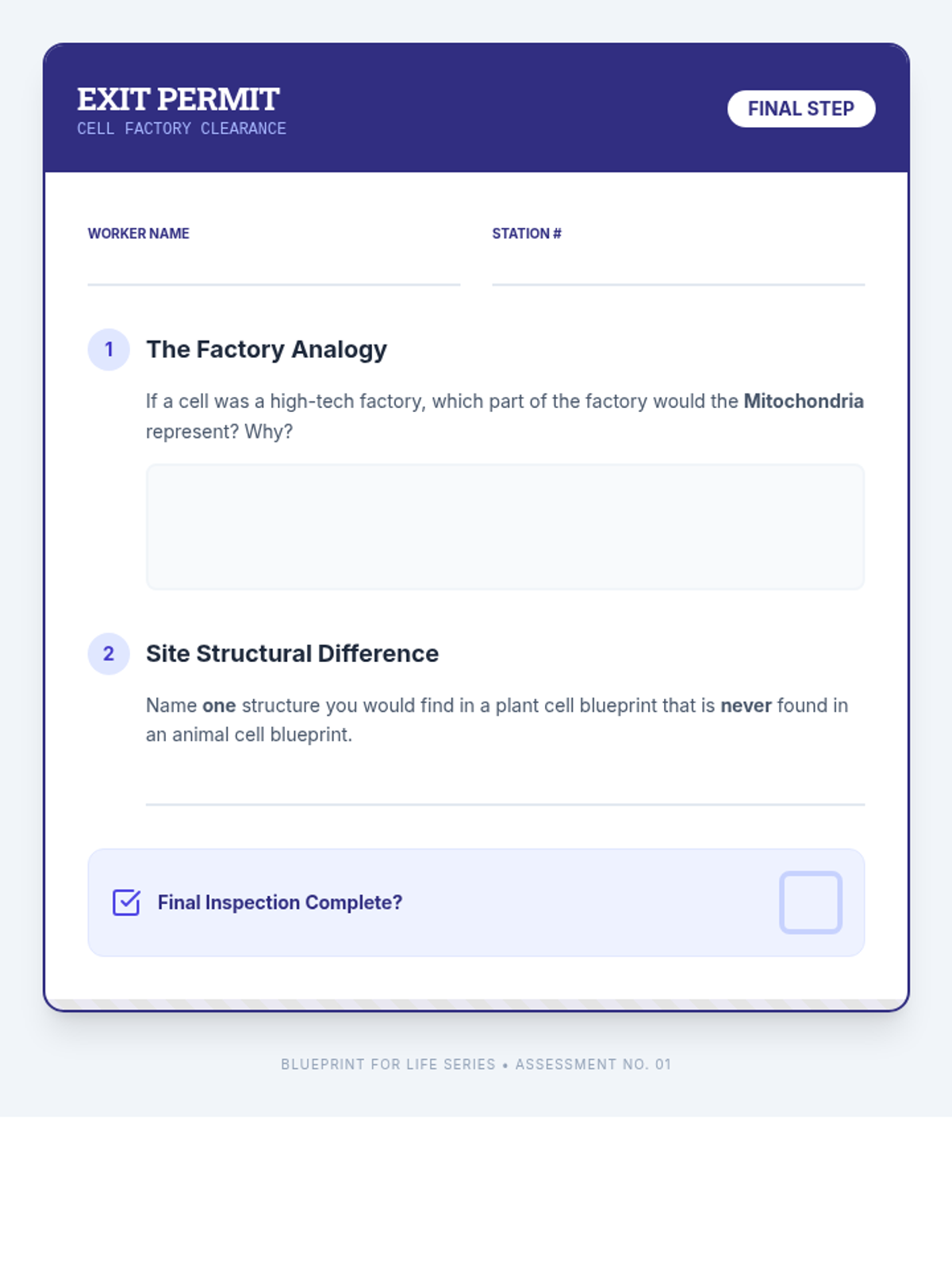
An introductory biology lesson exploring the fundamental unit of life through the lens of architectural design. Students compare plant and animal cells, identify organelles, and construct physical models using everyday materials.
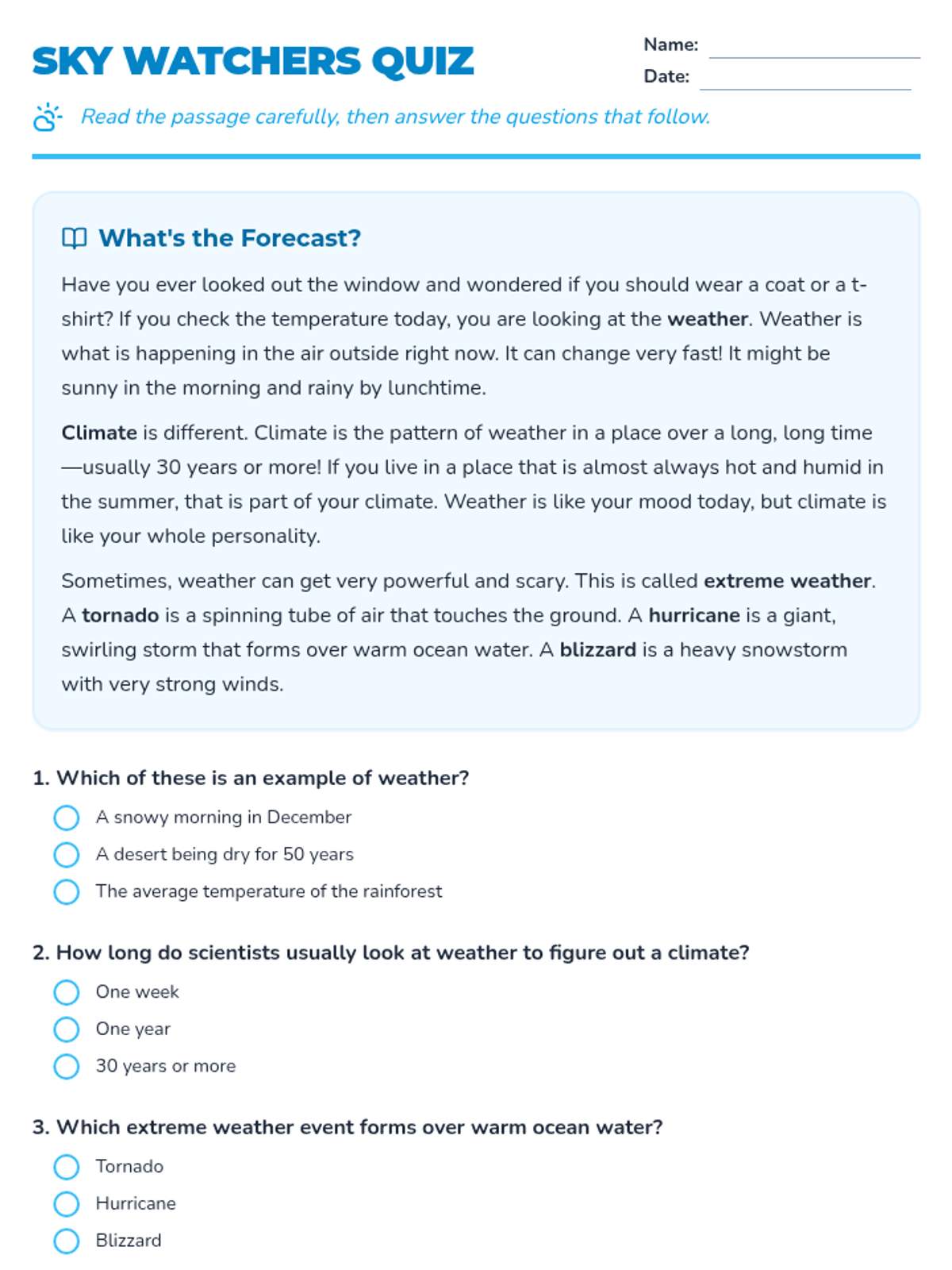
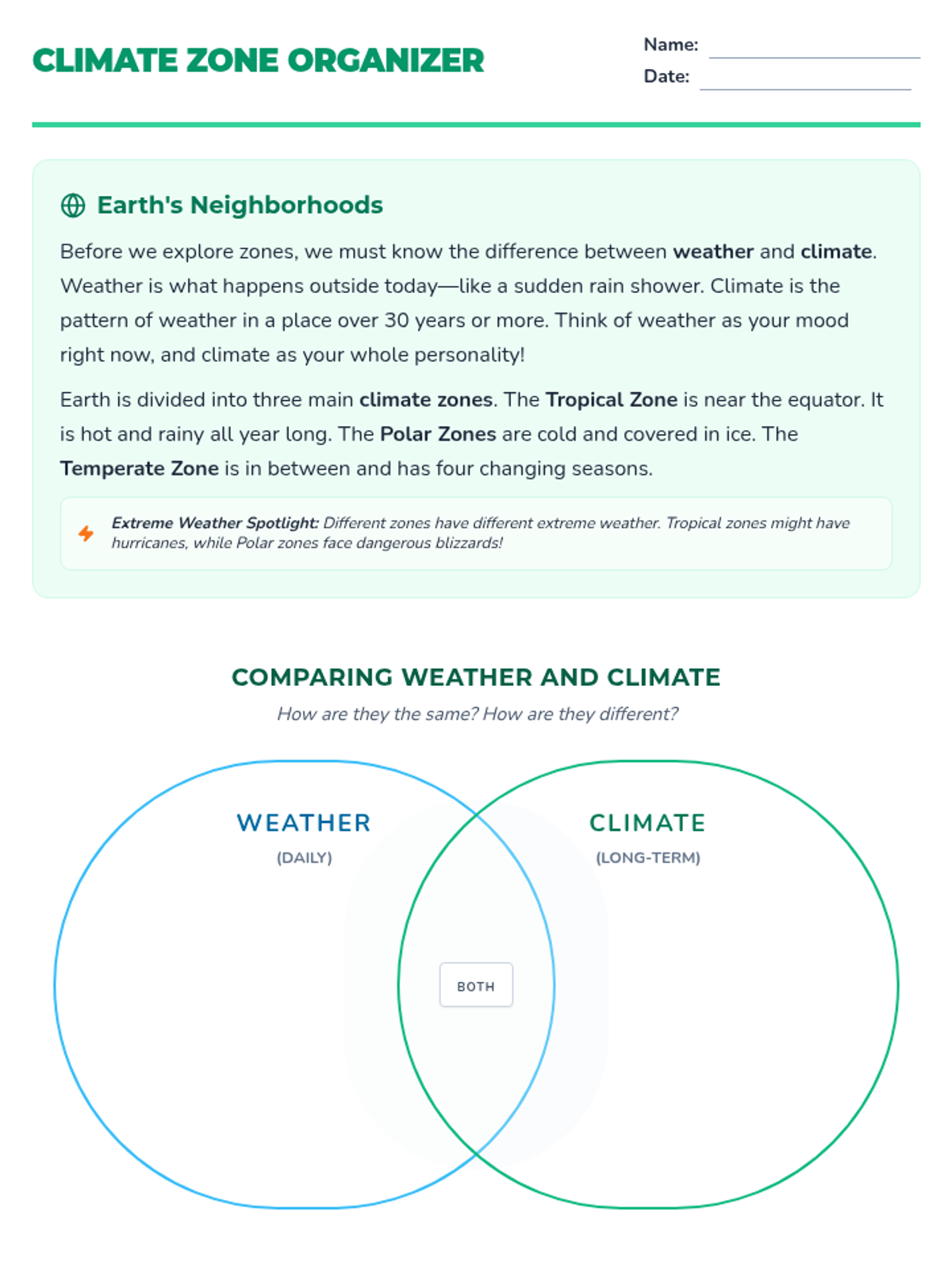
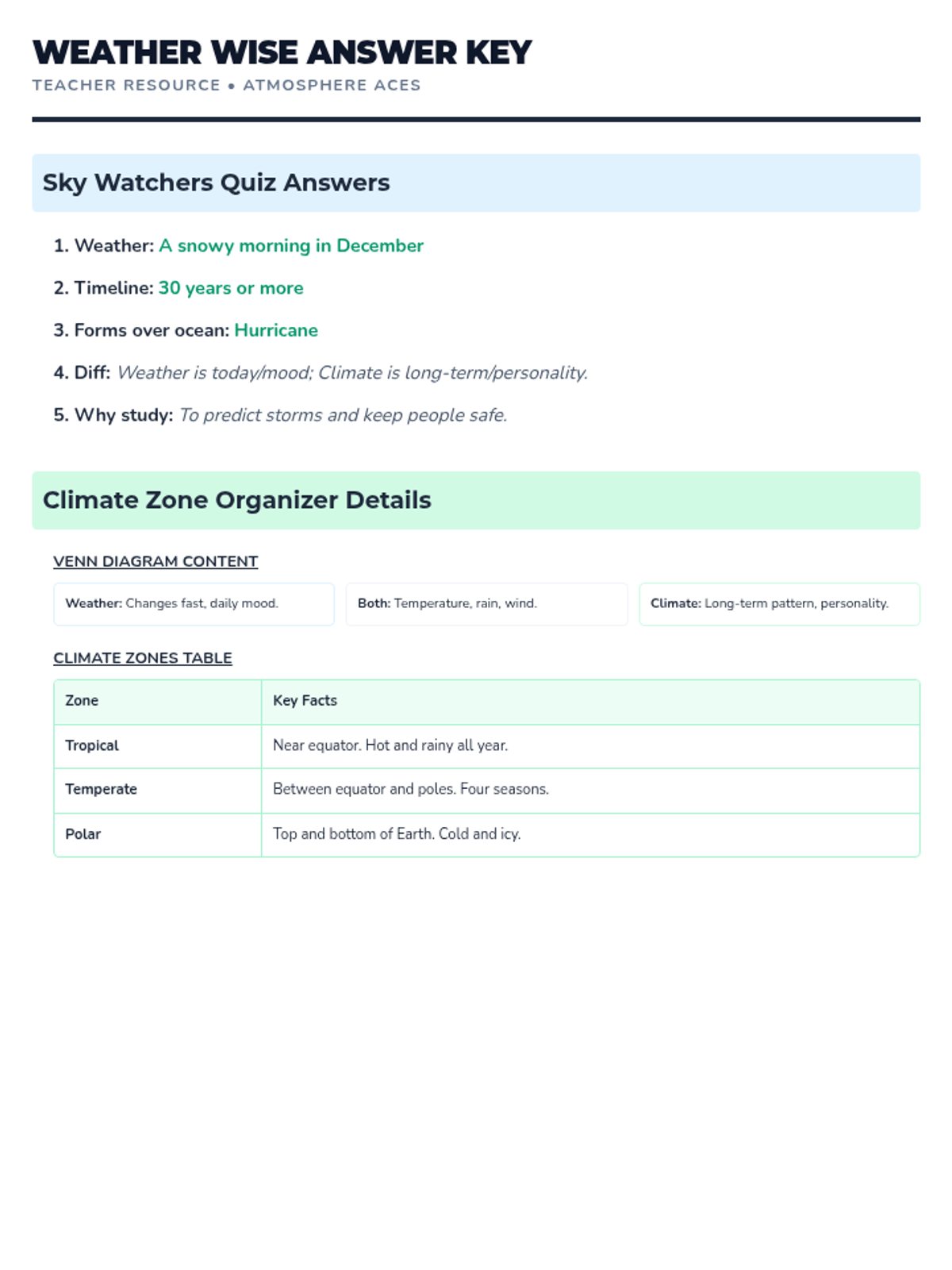
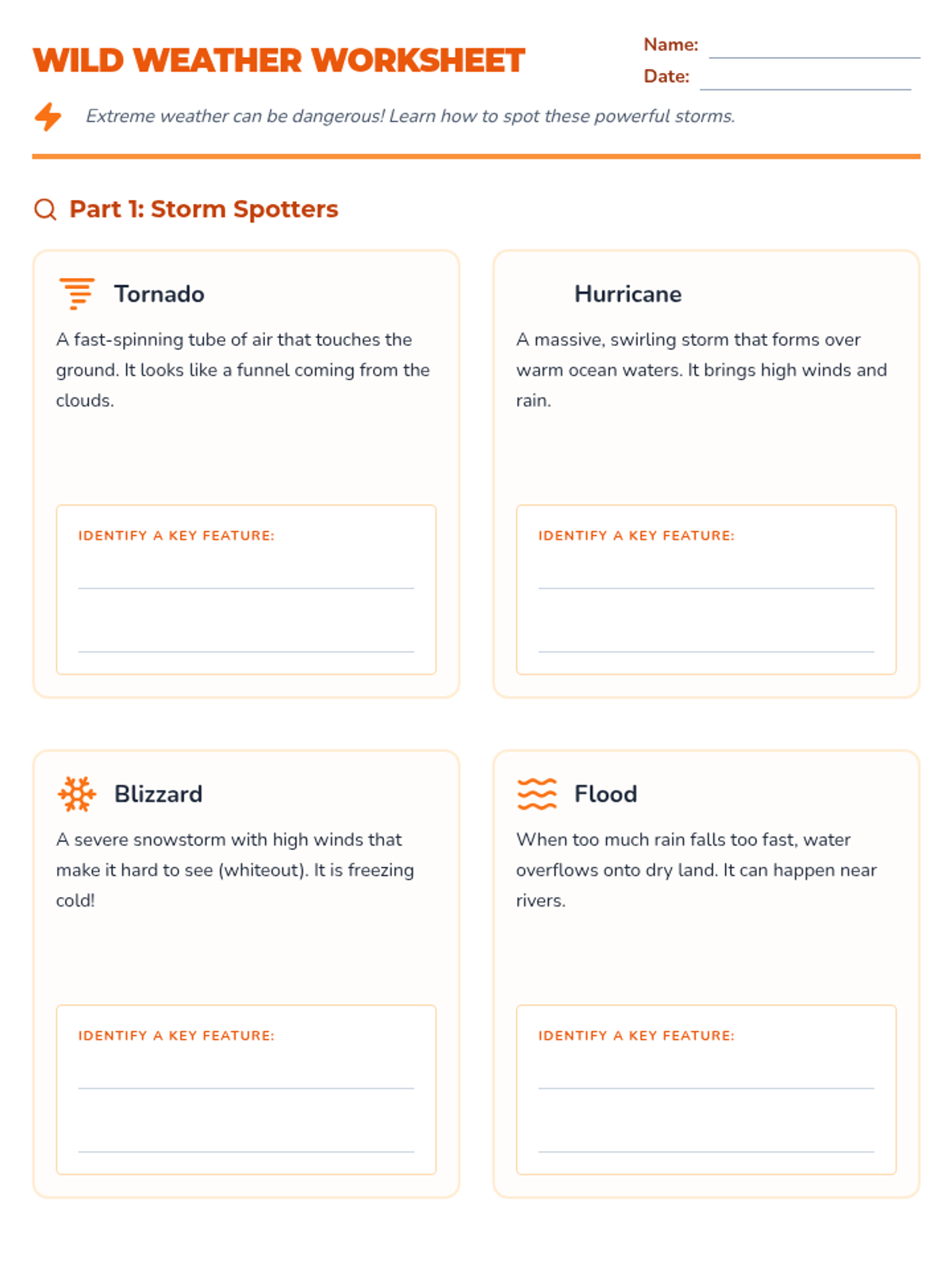
A third-grade lesson exploring the difference between daily weather and long-term climate, extreme weather events, and global climate zones. Students engage with reading passages, comprehension questions, and graphic organizers to build earth science literacy.
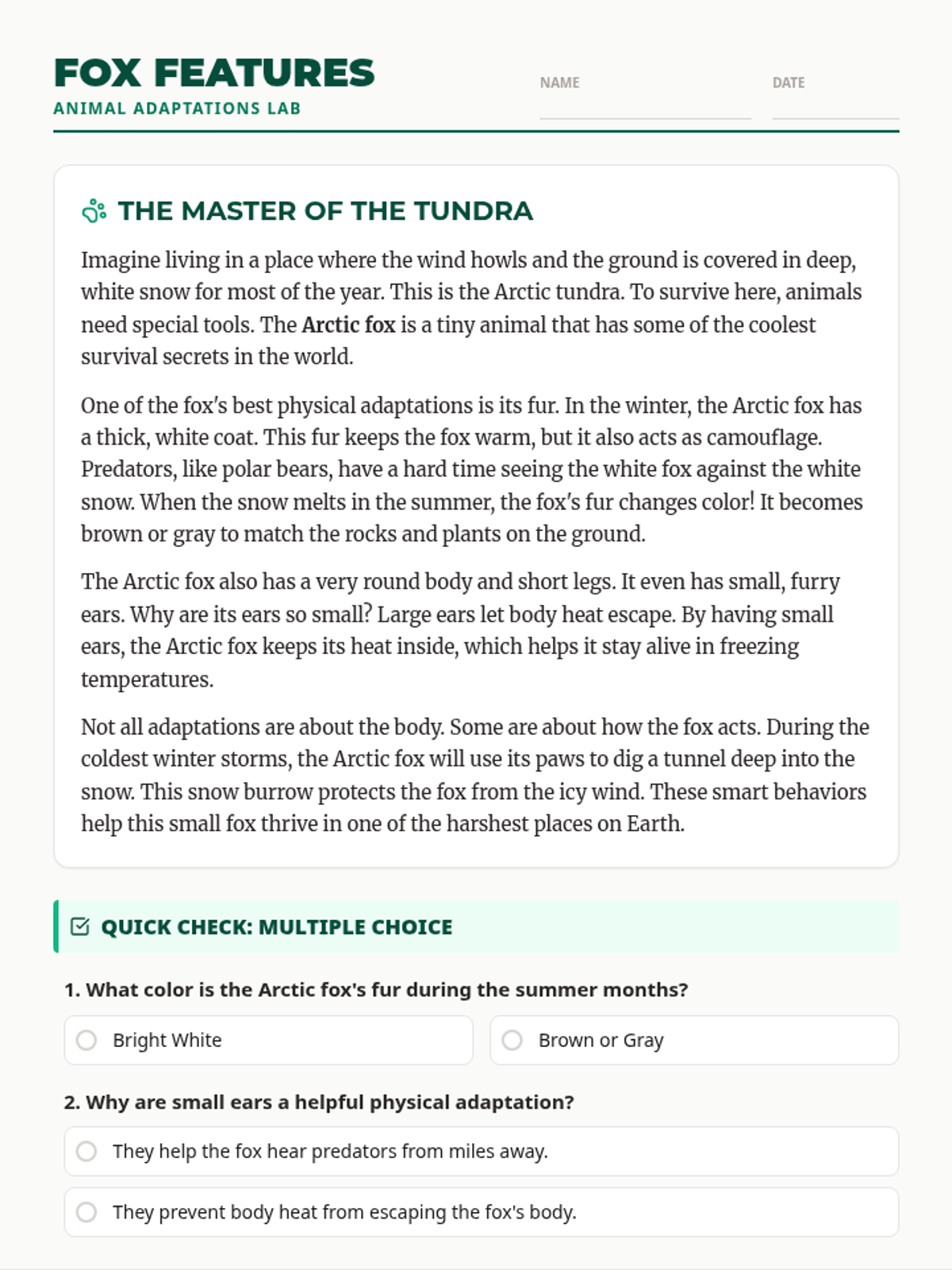
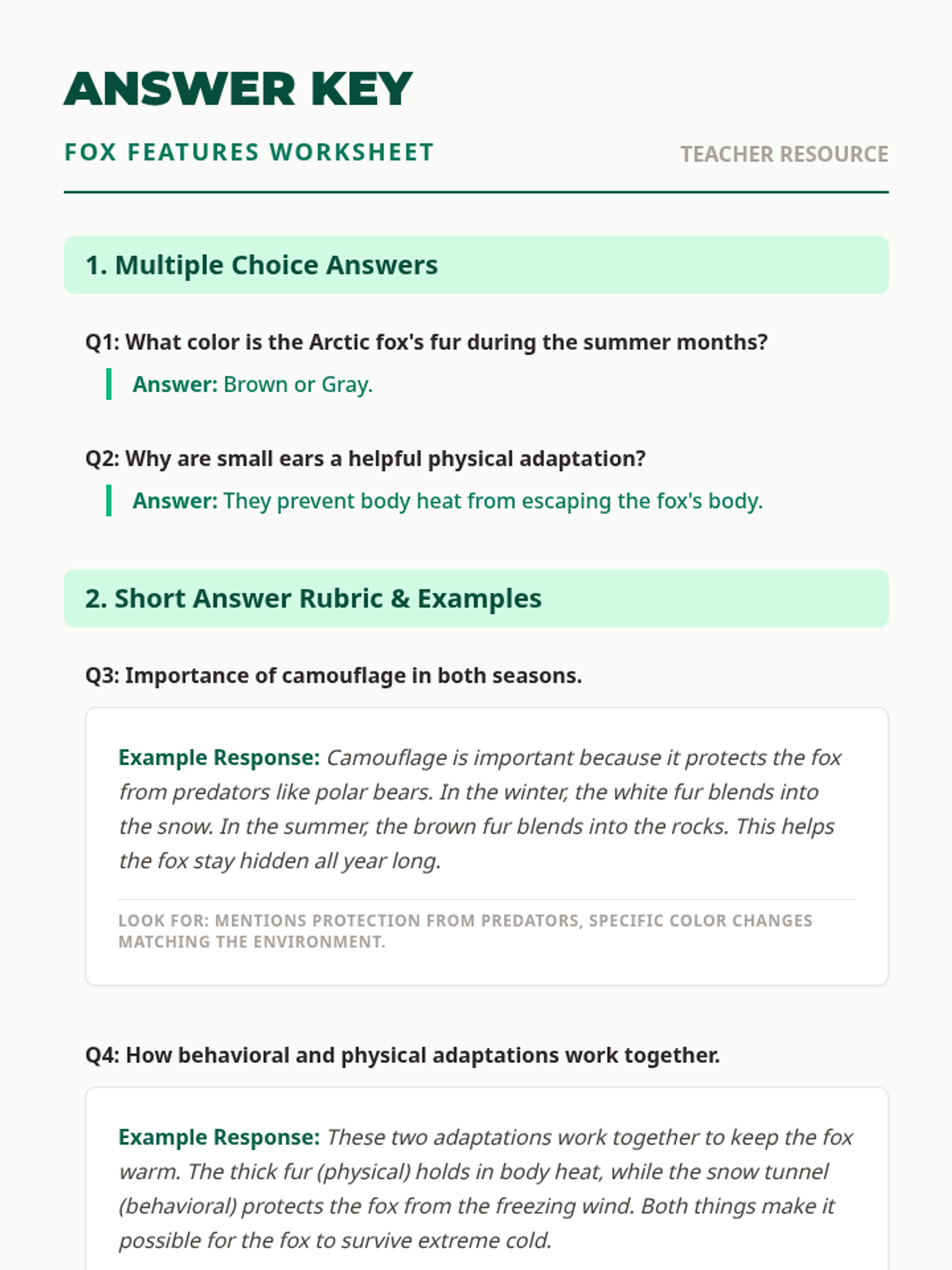
An exploration of how animals adapt to their environments to survive, focusing on the Arctic Fox as a primary example of physical and behavioral adaptations.
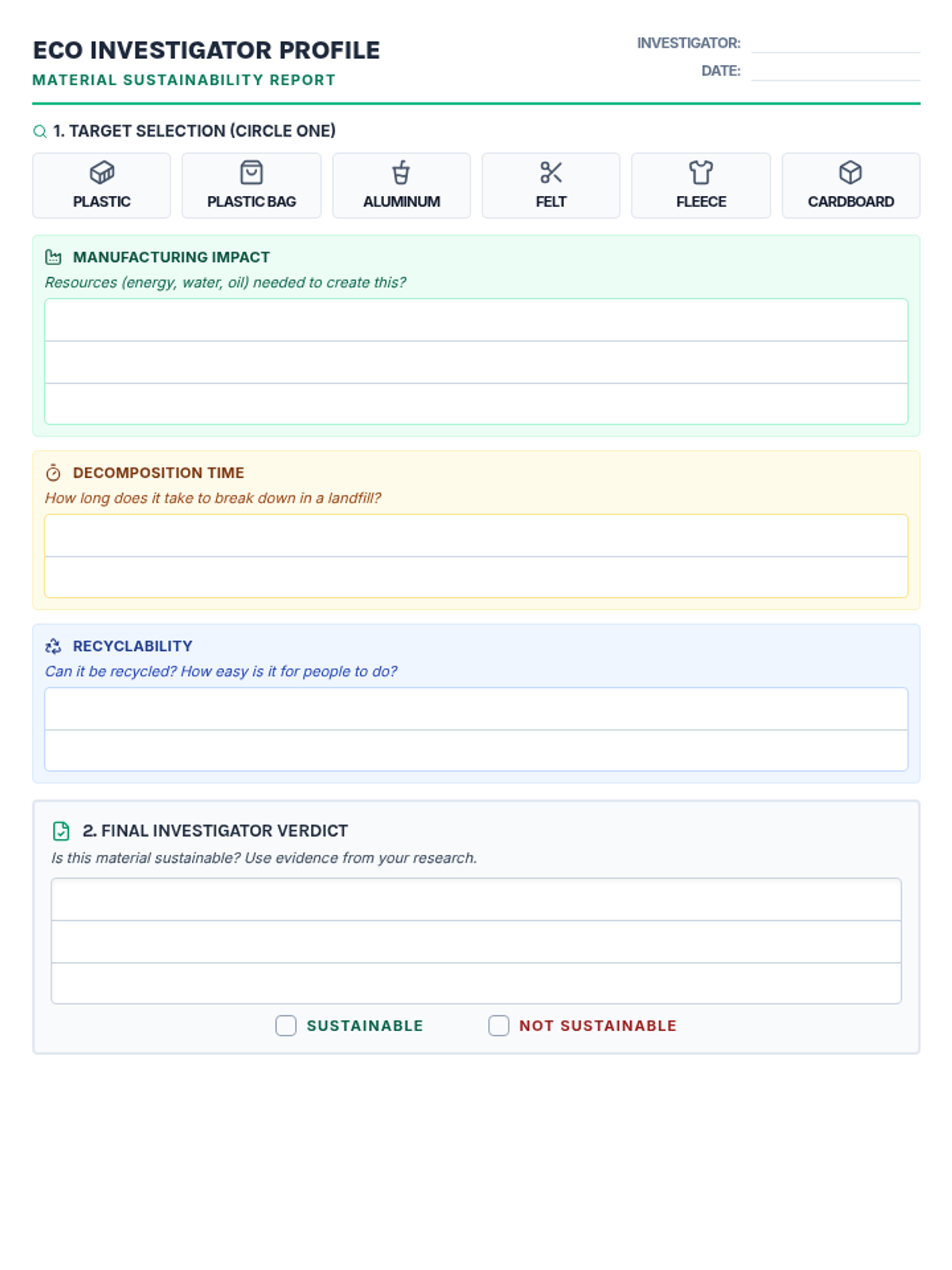
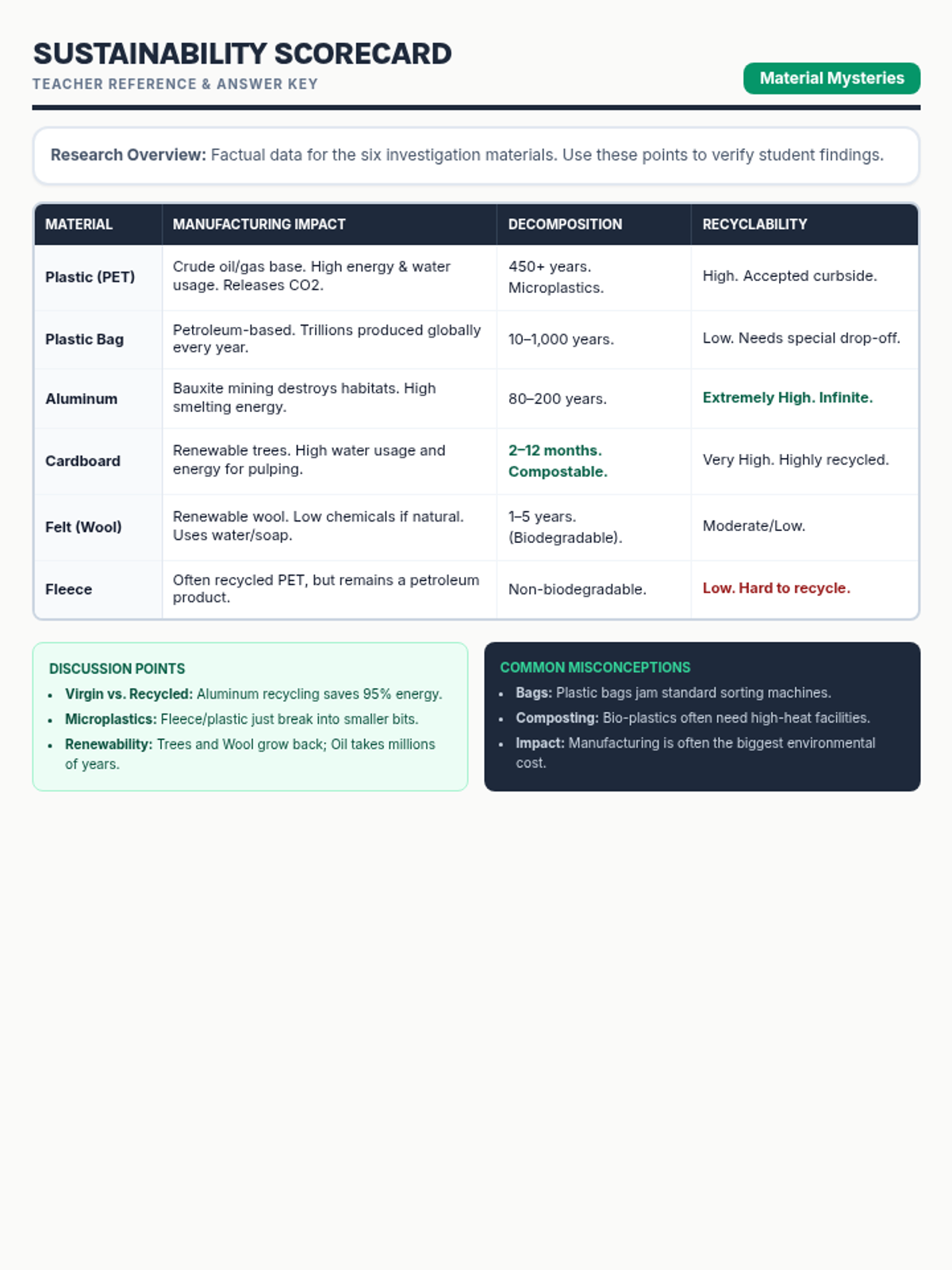
A research-based science lesson where students investigate the environmental impact of common materials like plastic, aluminum, and fleece. Students act as eco-detectives to evaluate recyclability, decomposition, and manufacturing footprints.
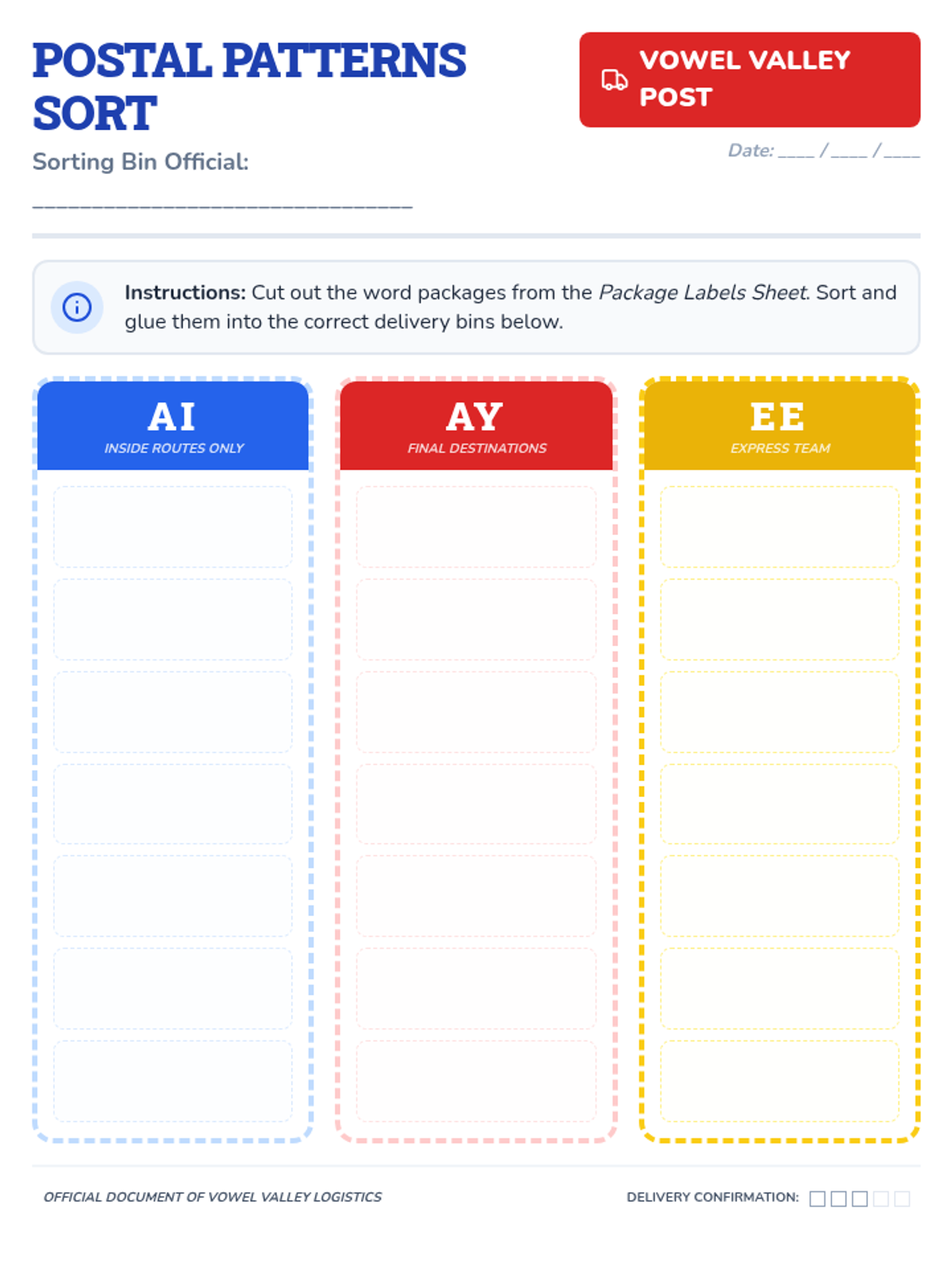
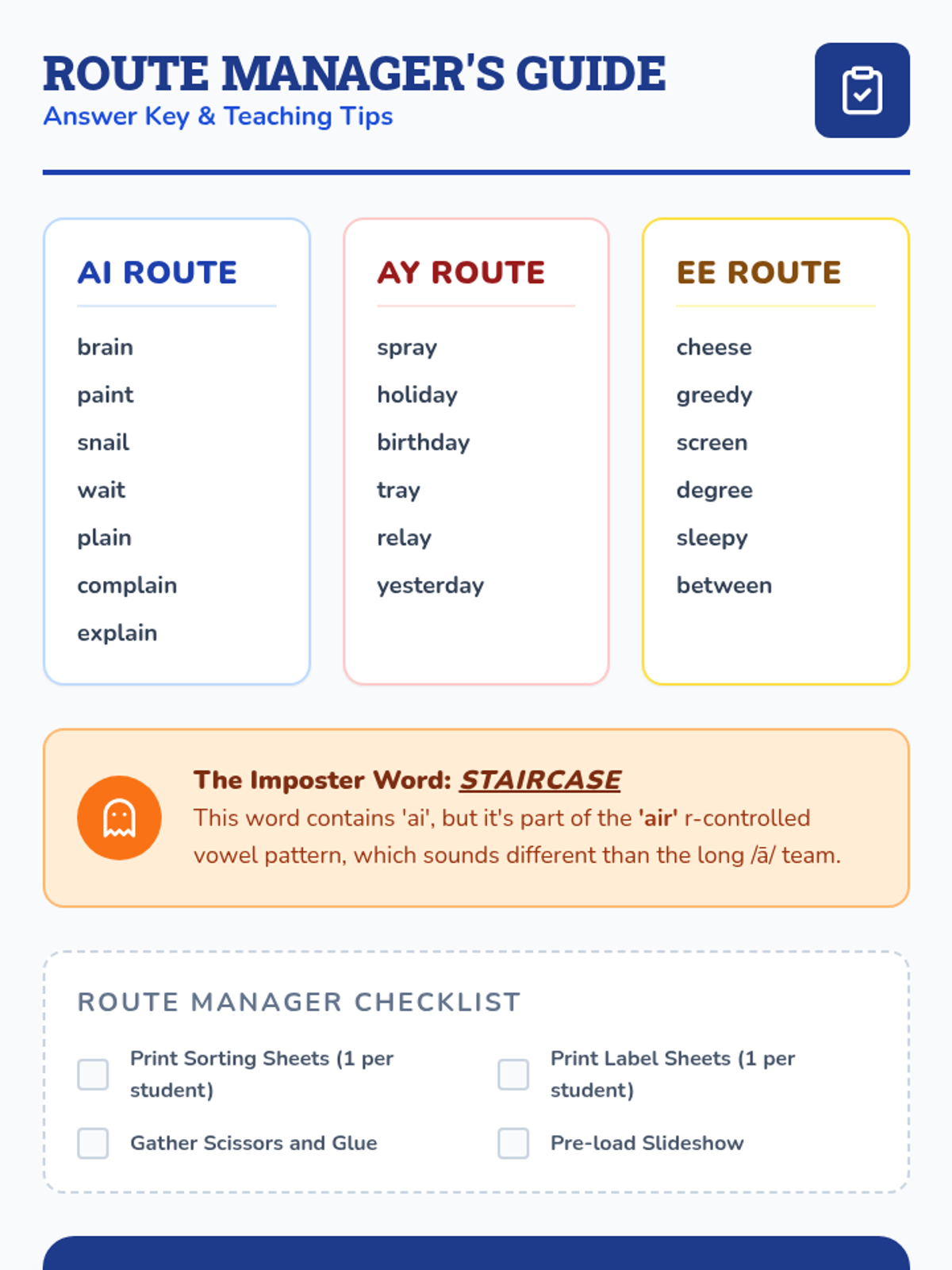
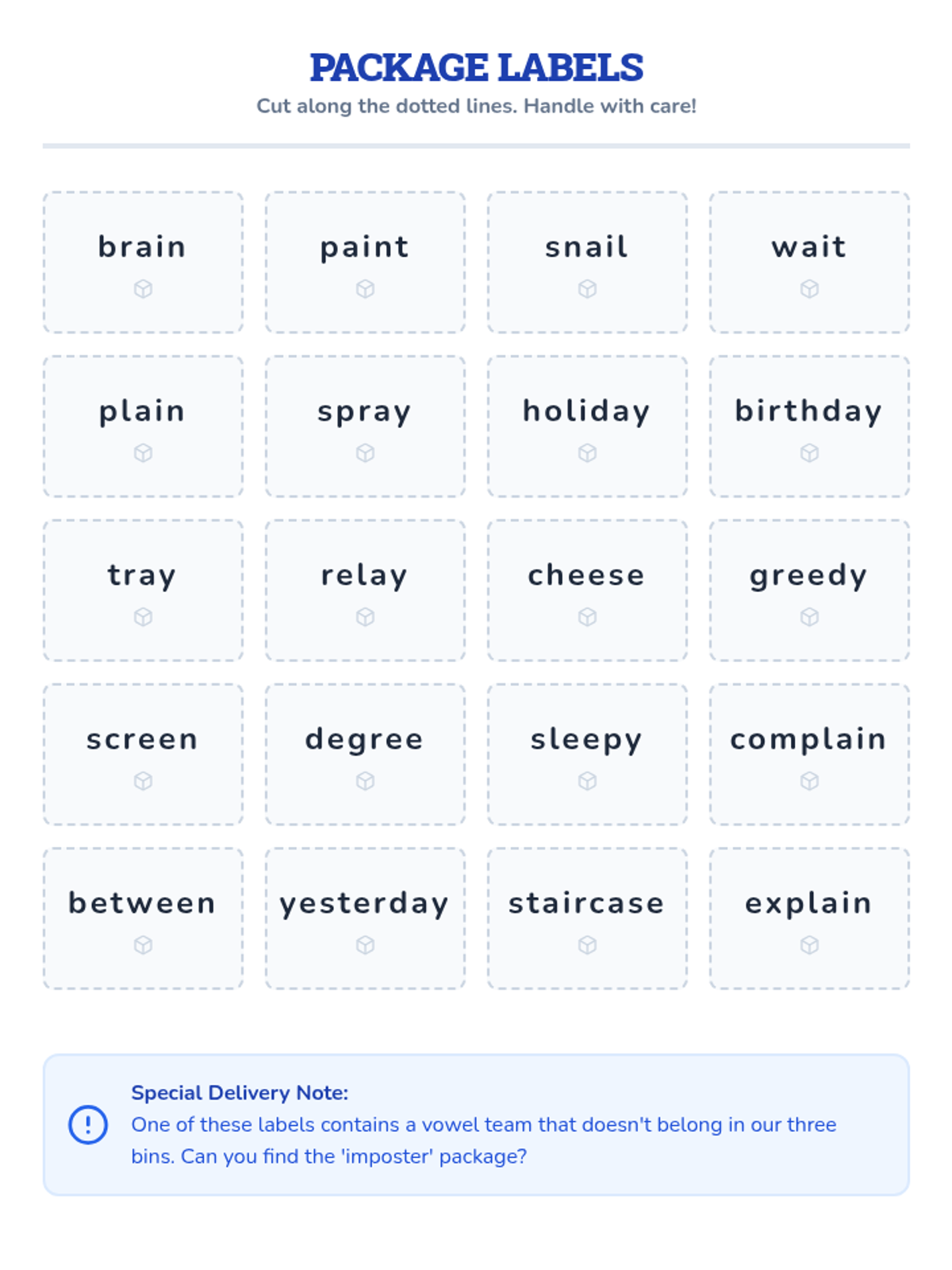
A phonics lesson for 3rd graders focused on identifying and sorting words with the 'ai', 'ay', and 'ee' vowel teams through a postal-themed sorting activity.
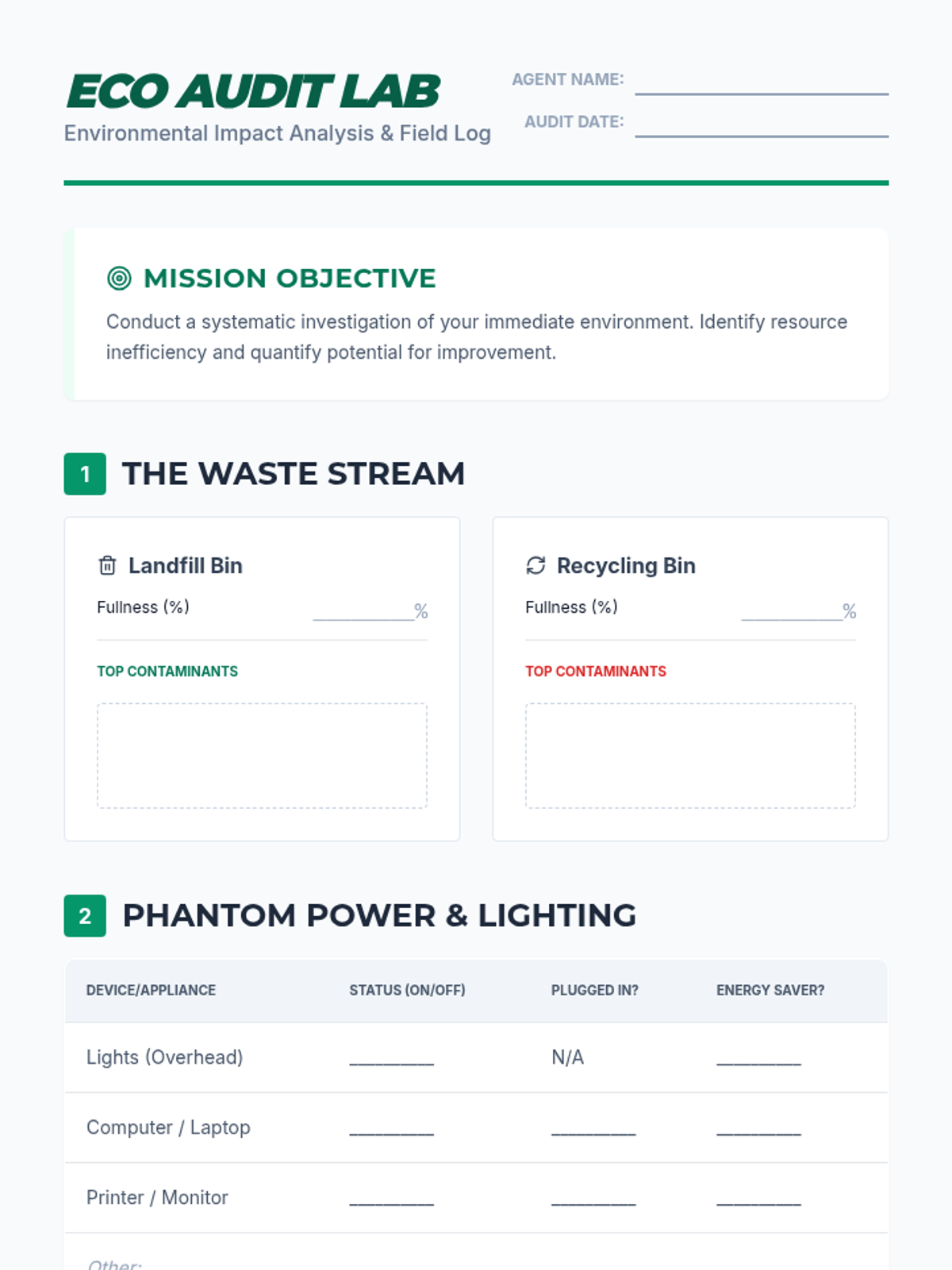
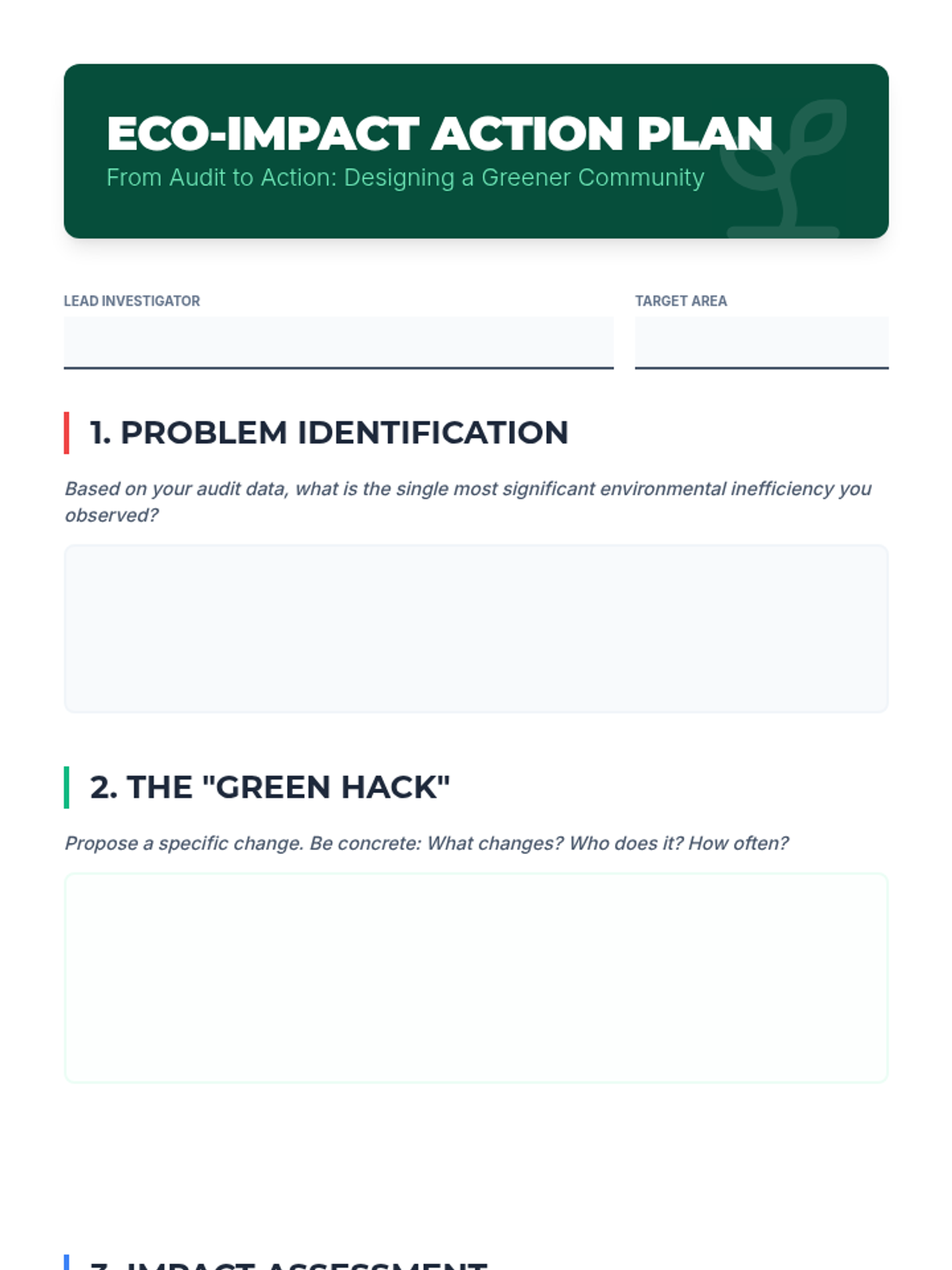
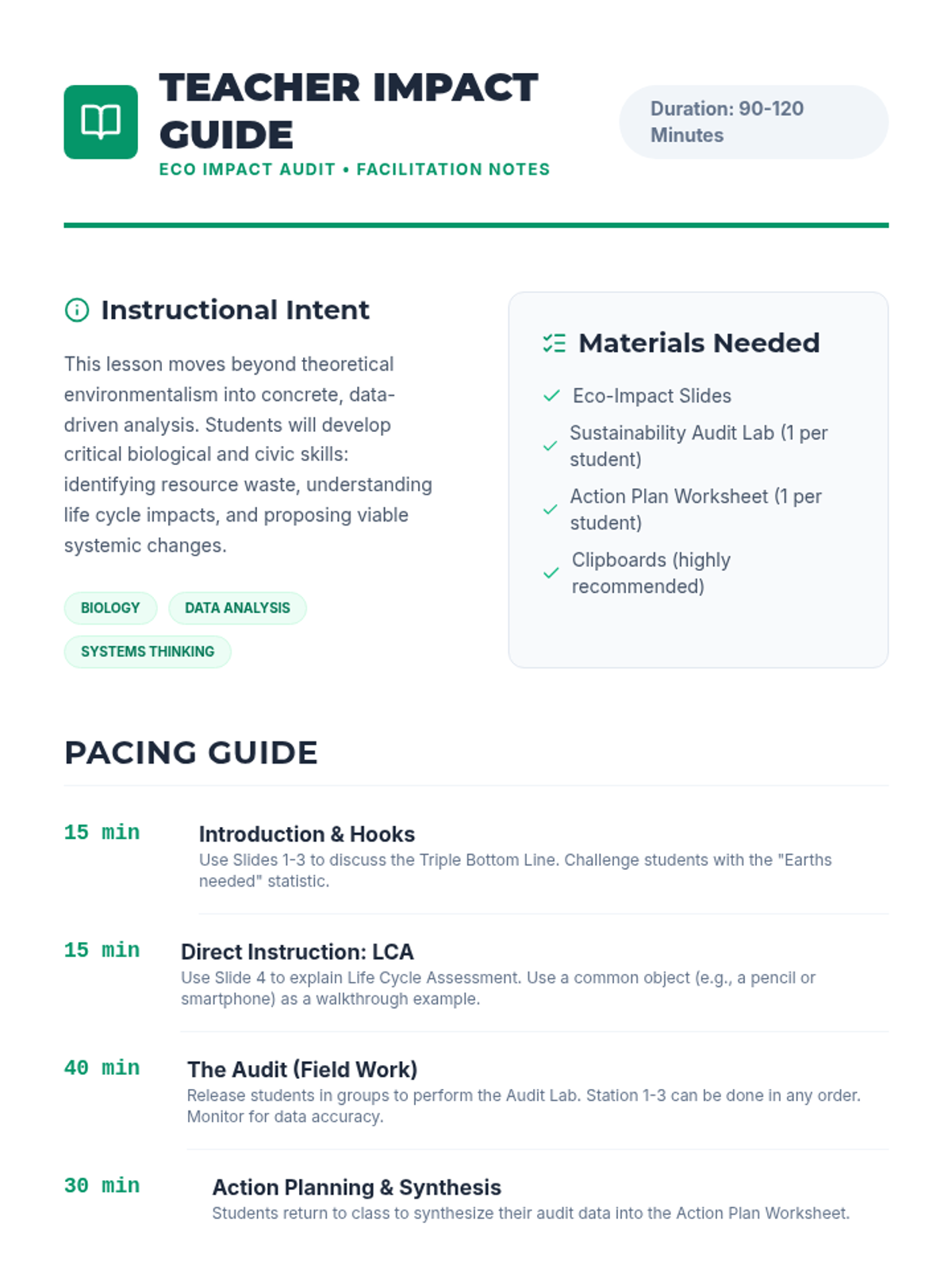
A hands-on lesson where students analyze their environmental footprint through a sustainability audit and develop data-driven solutions for real-world impact.
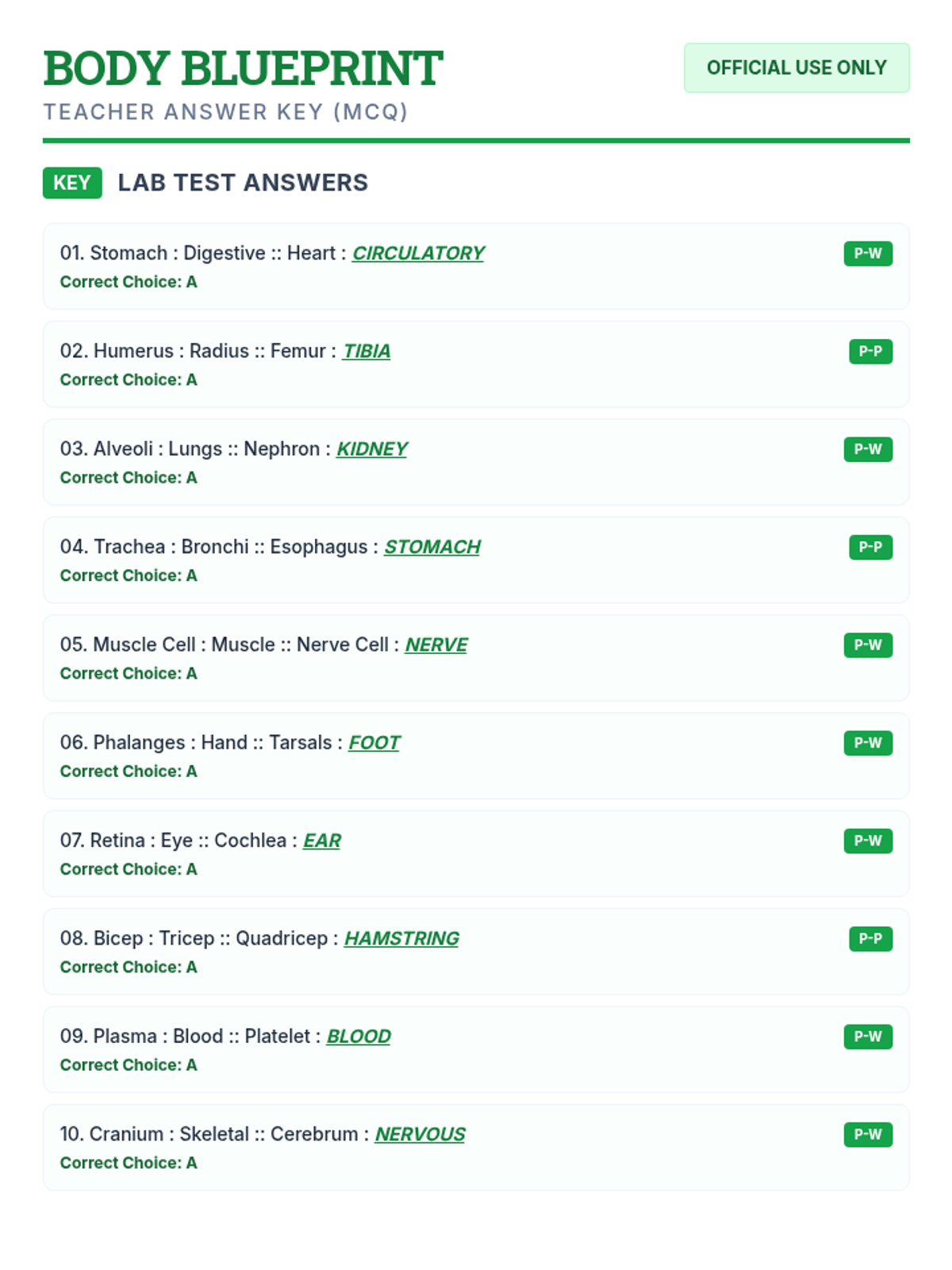
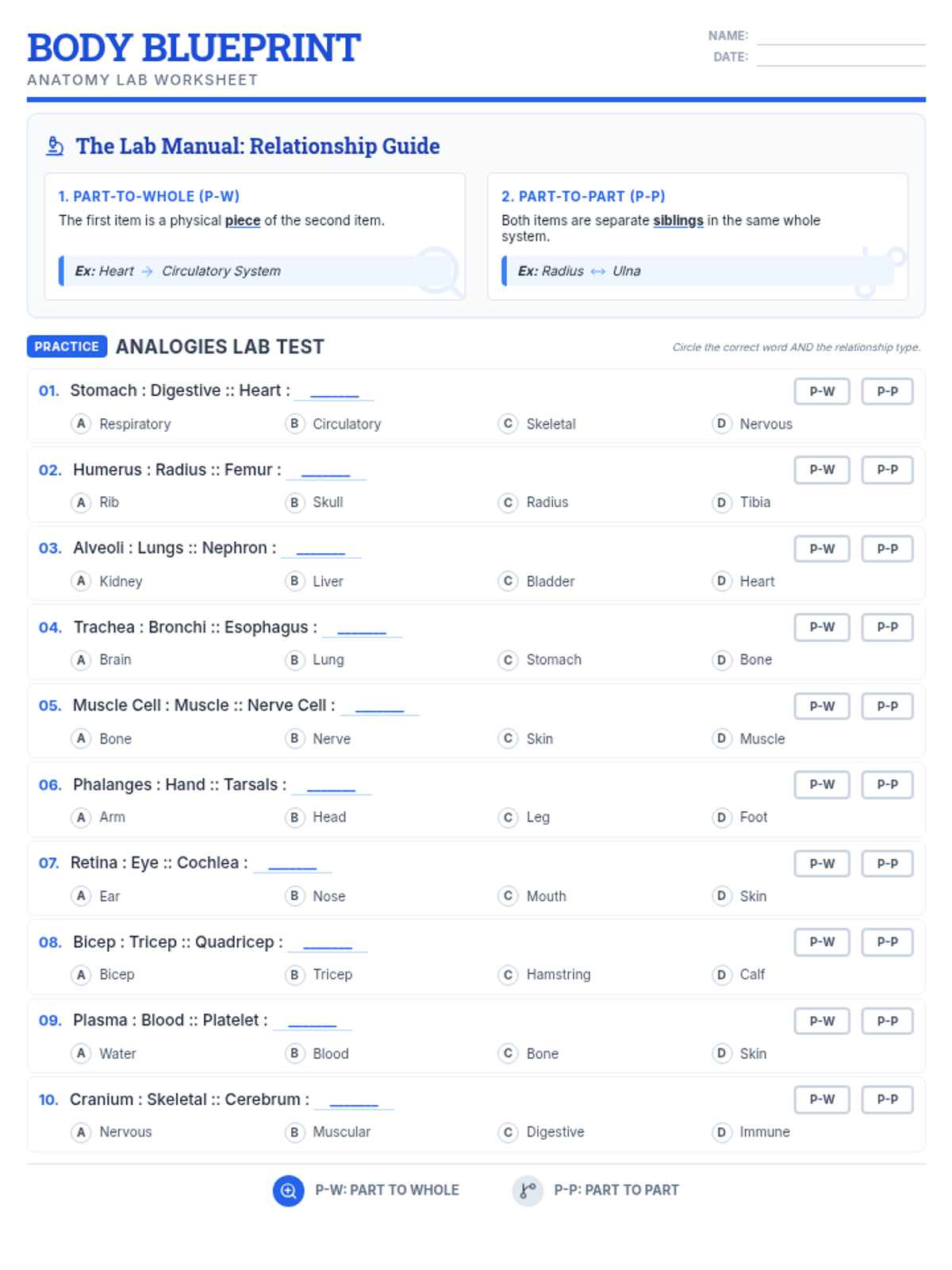
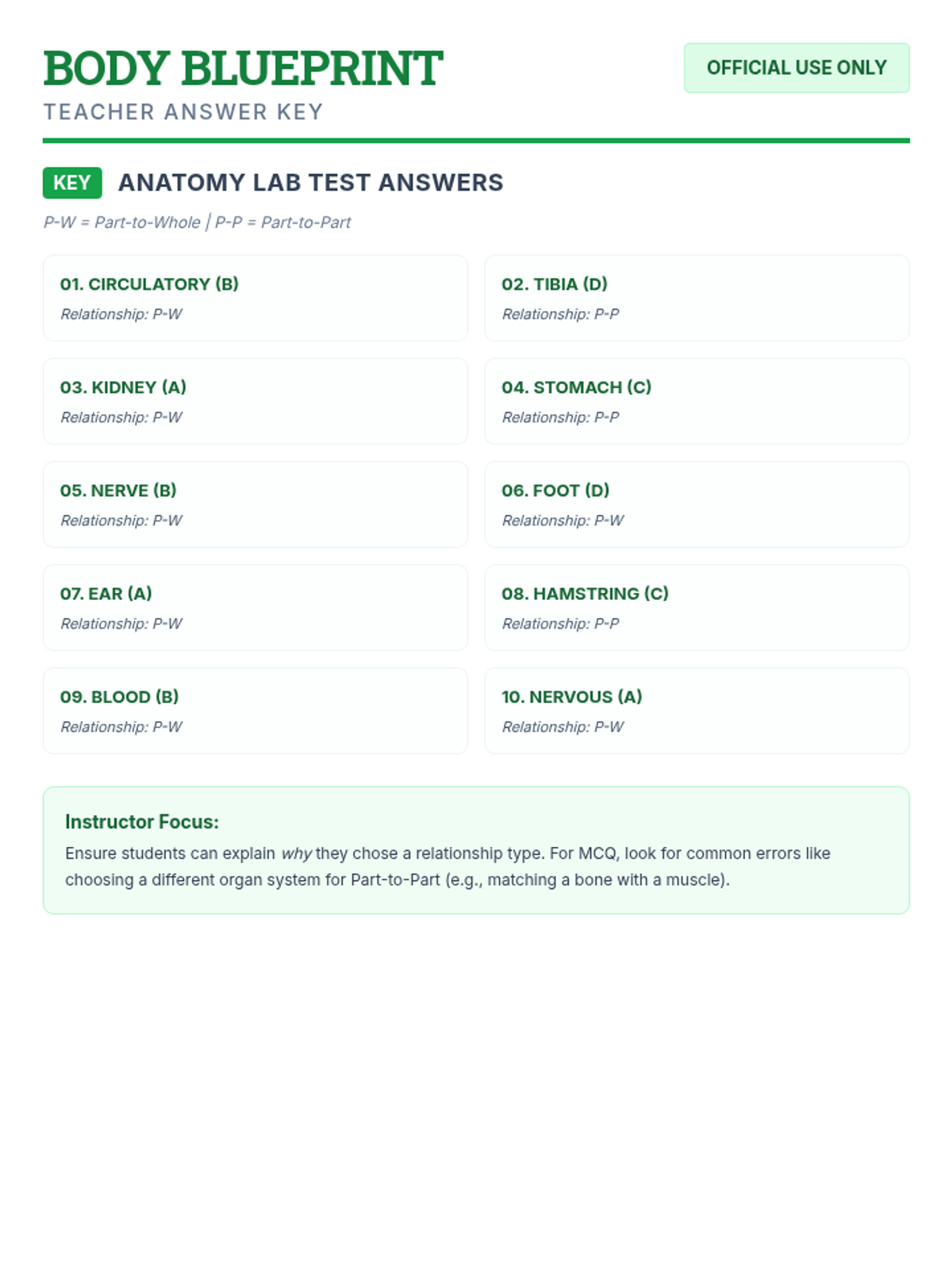
In this lesson, students explore the relationship between anatomical structures using analogies. They will distinguish between part-to-whole and part-to-part relationships within human body systems.
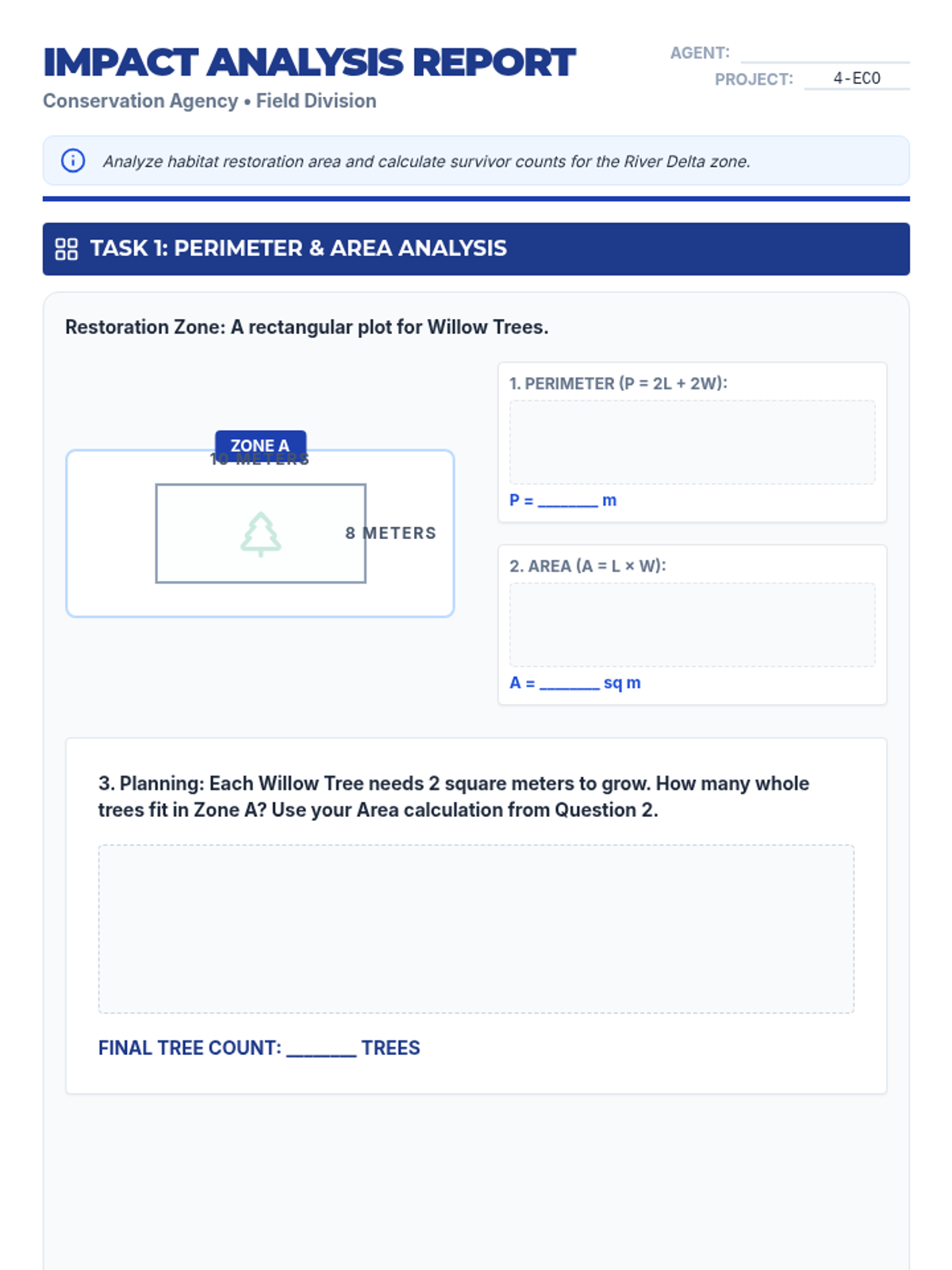
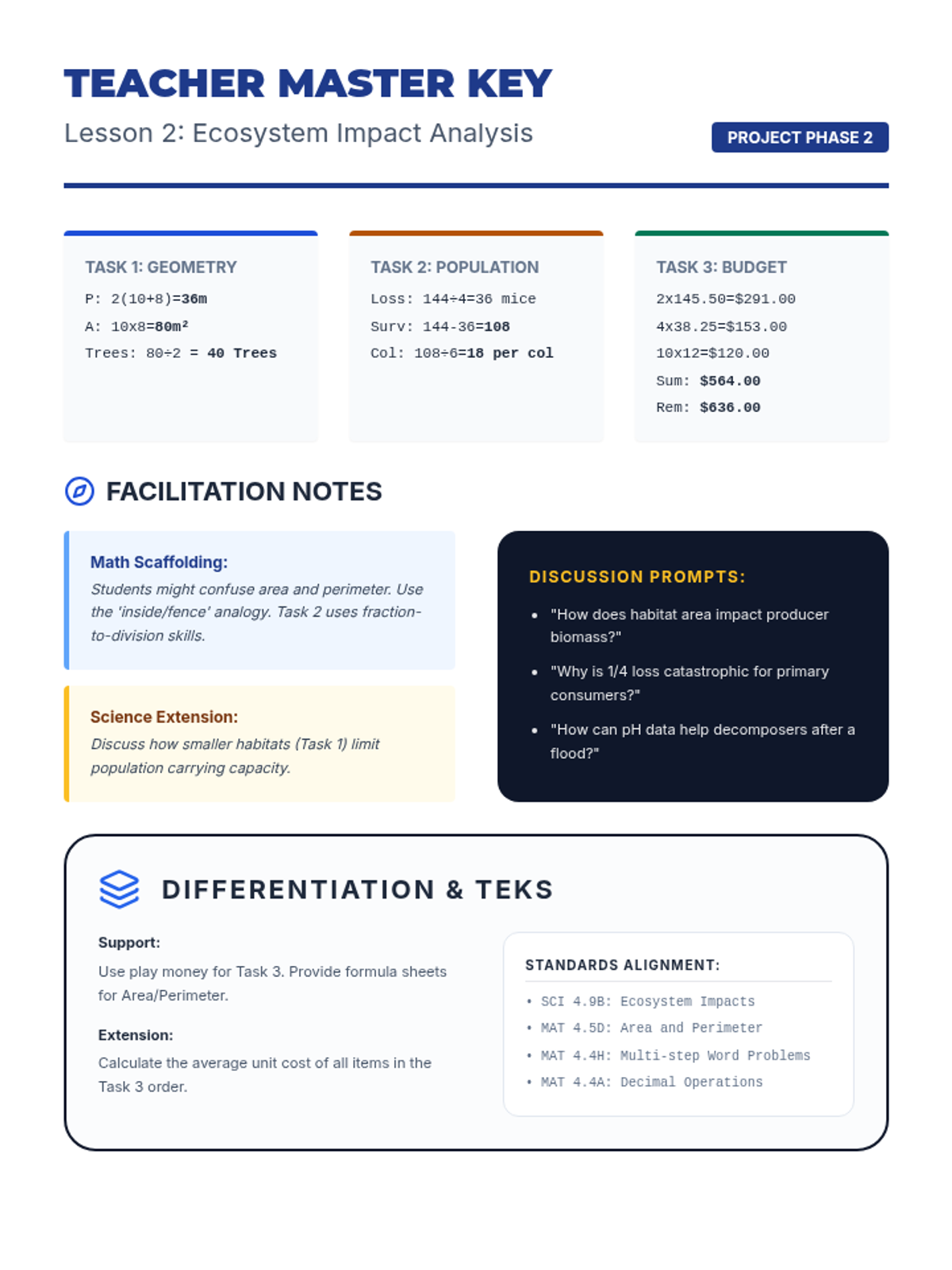
Students analyze how natural and human-induced changes affect energy flow in ecosystems while solving multi-step math problems involving habitat area, population data, and conservation budgeting.
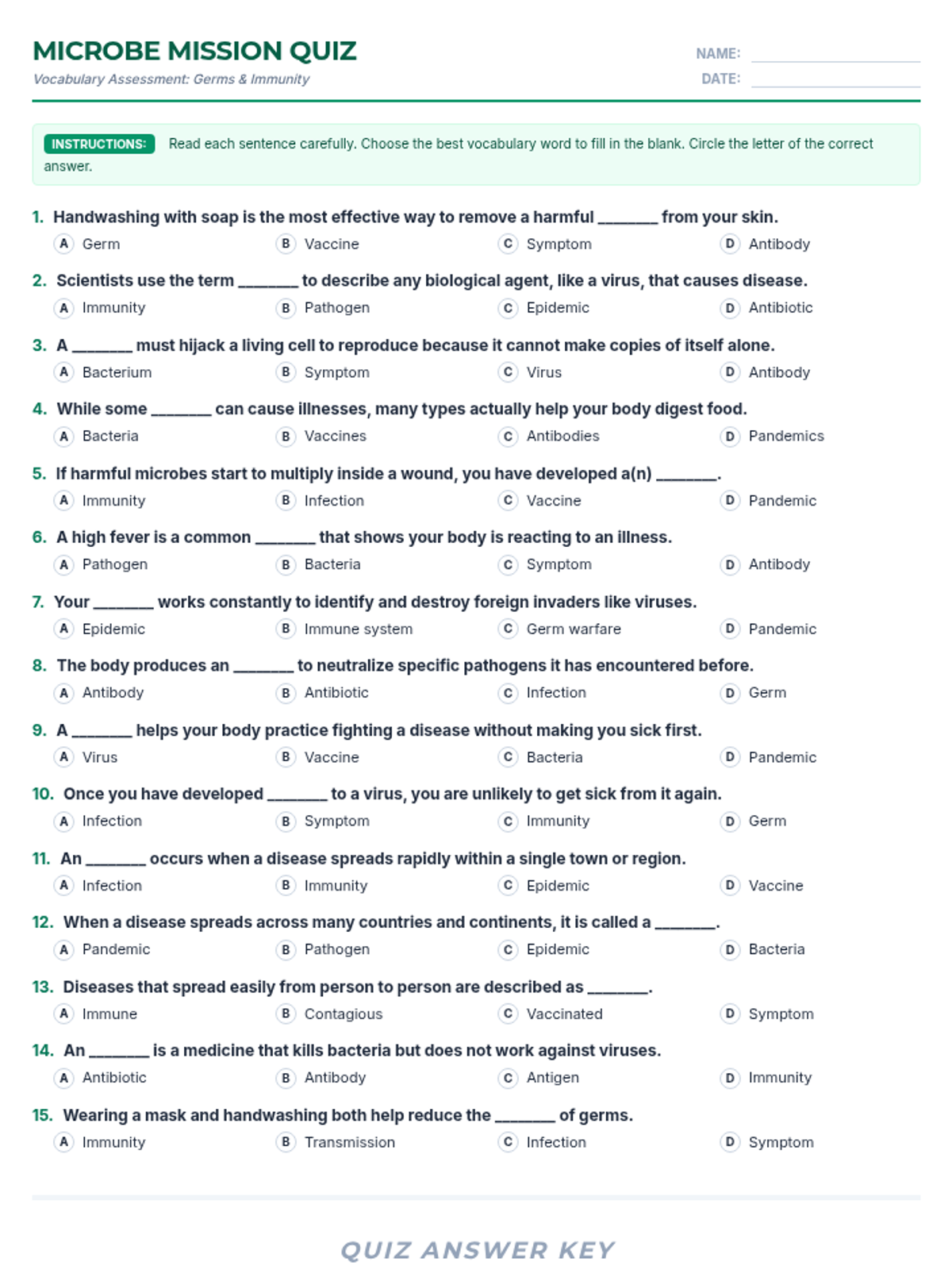
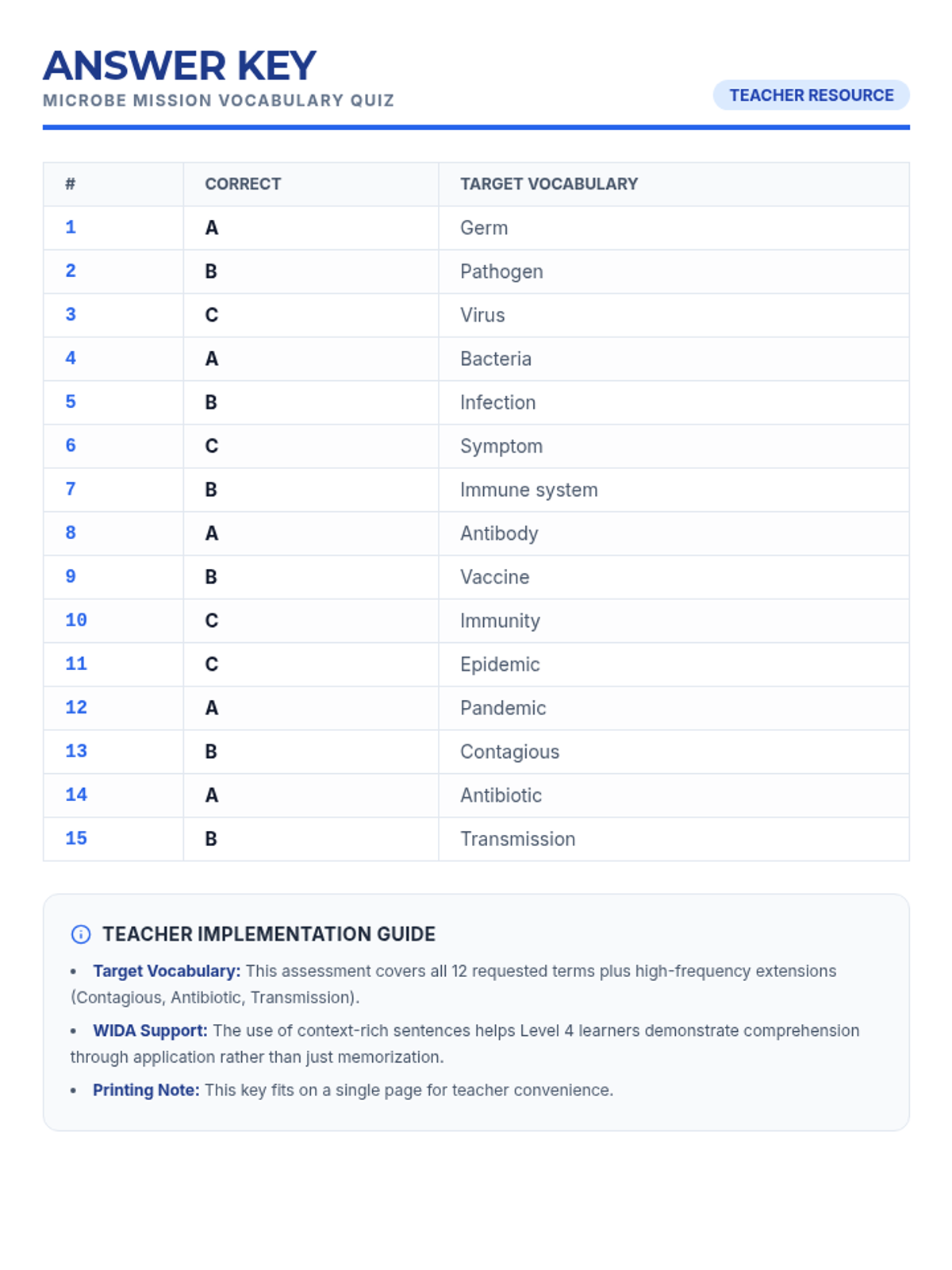
A comprehensive quiz and answer key covering essential medical and biological vocabulary related to germs, pathogens, and the body's immune response. Designed for WIDA Level 4 learners with context-rich sentences.