Using a roller coaster metaphor, students chart the energy spikes and crashes associated with high-sugar snacks. They discuss the emotional impact of these crashes, specifically 'hangry' feelings and irritability.
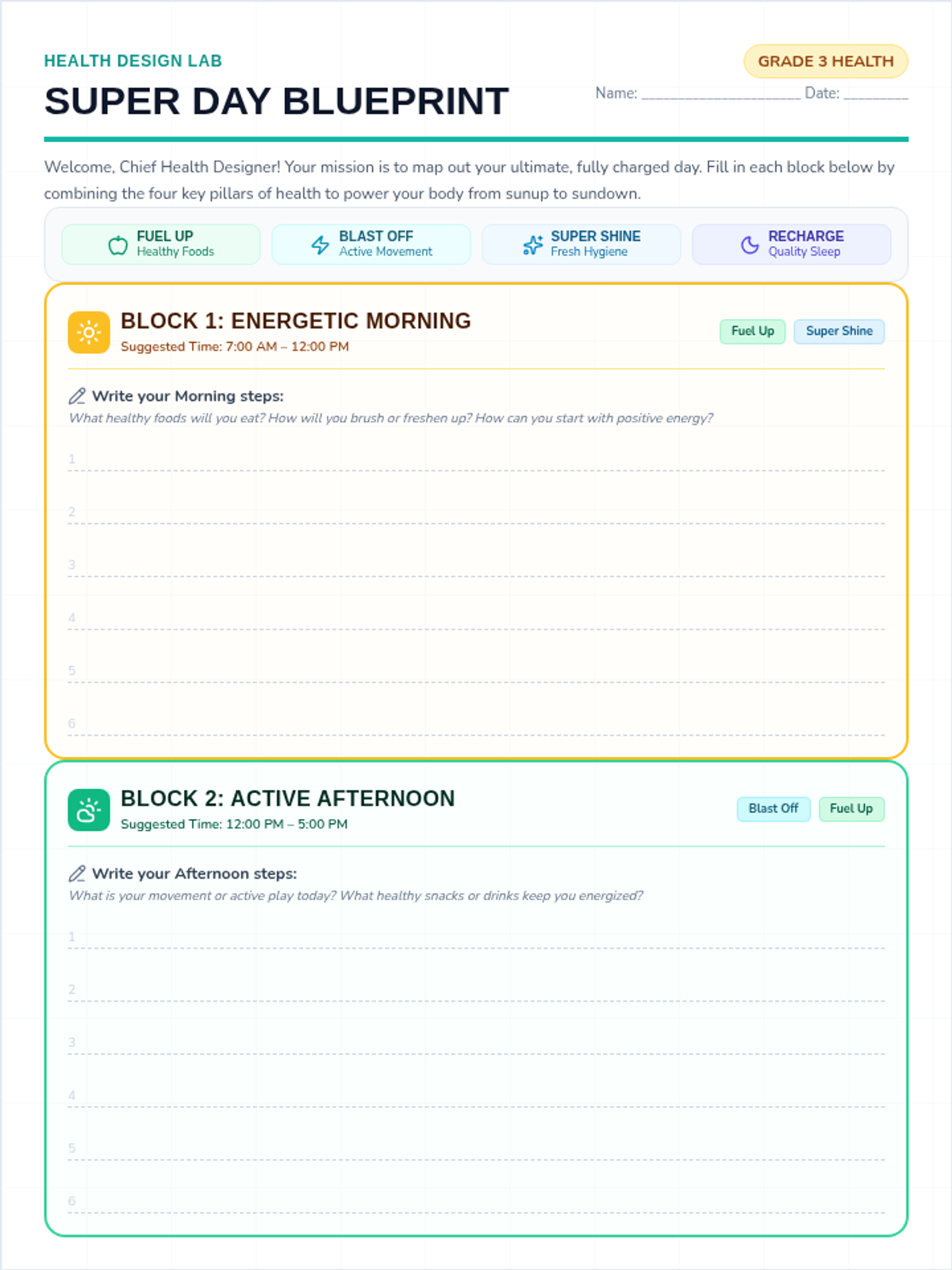
A hands-on health lesson where students learn about the core components of a healthy life—nutrition, movement, hygiene, and rest—and design their own personalized healthy daily routine.
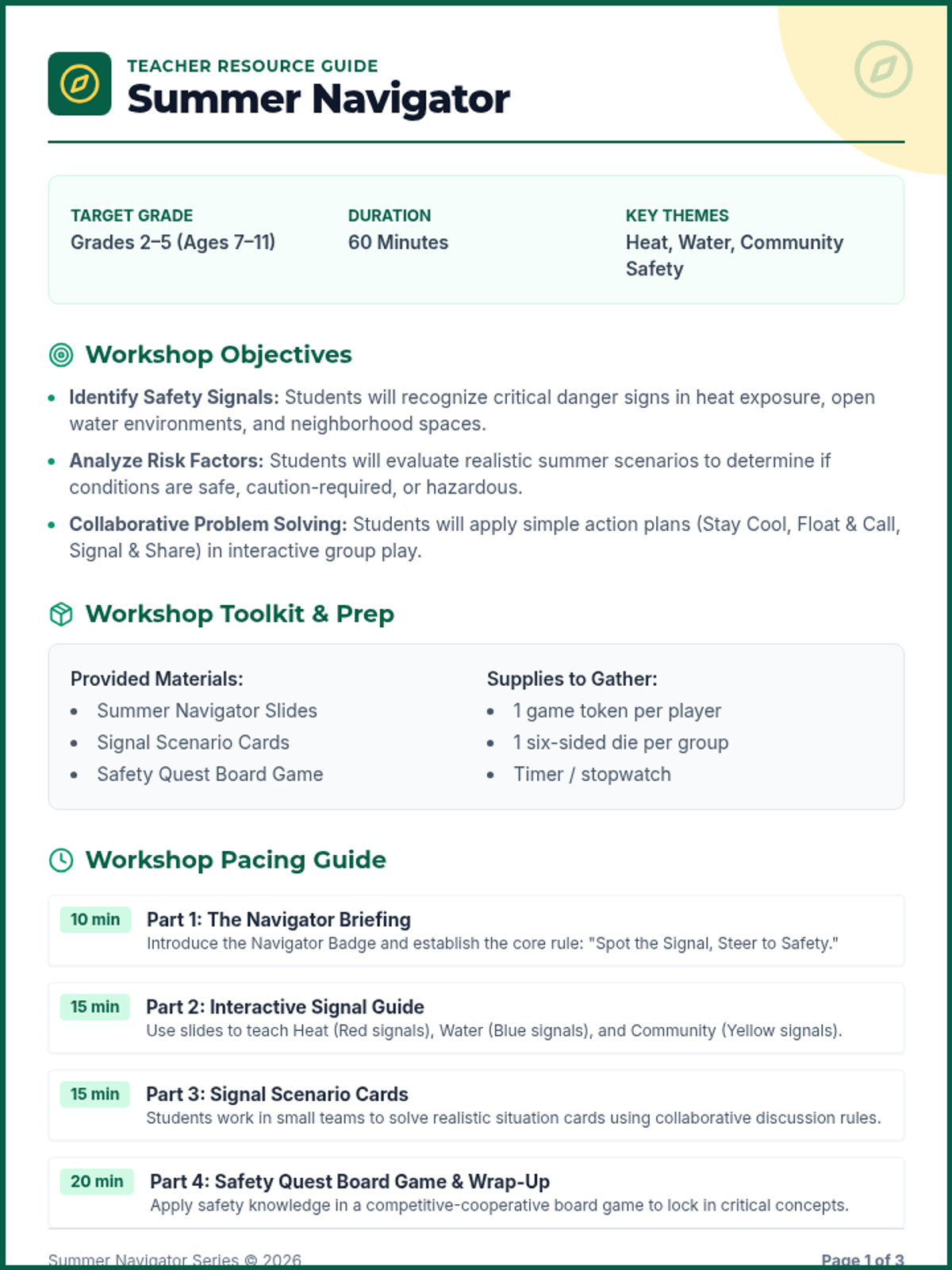
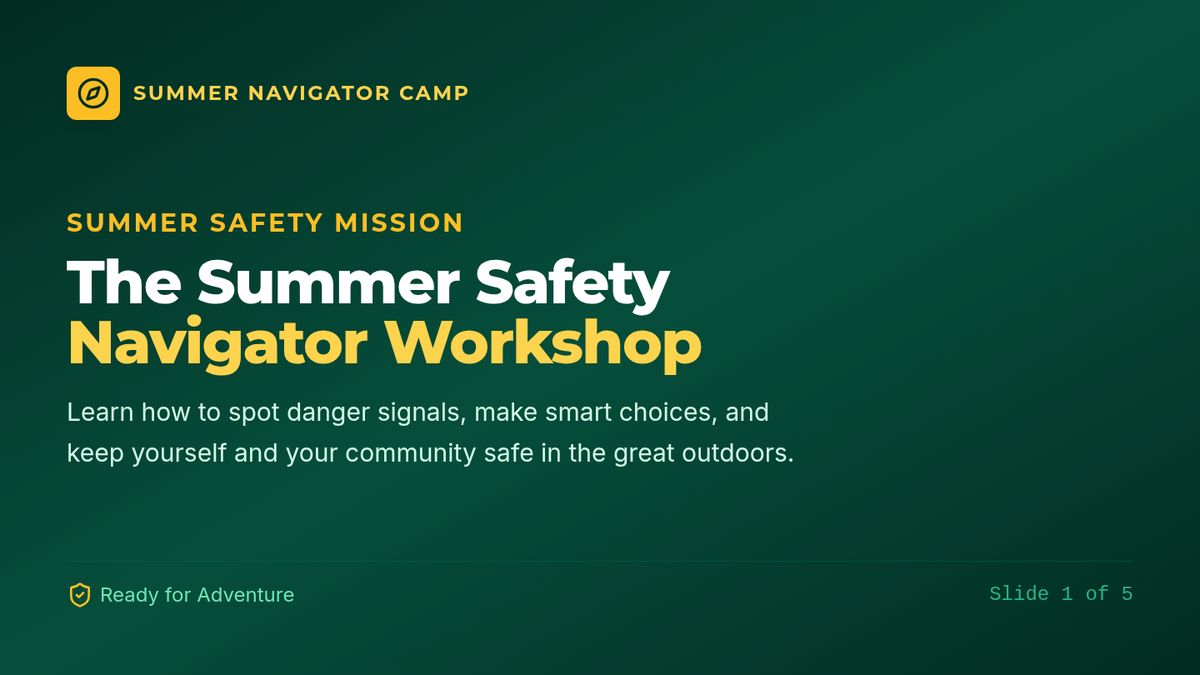
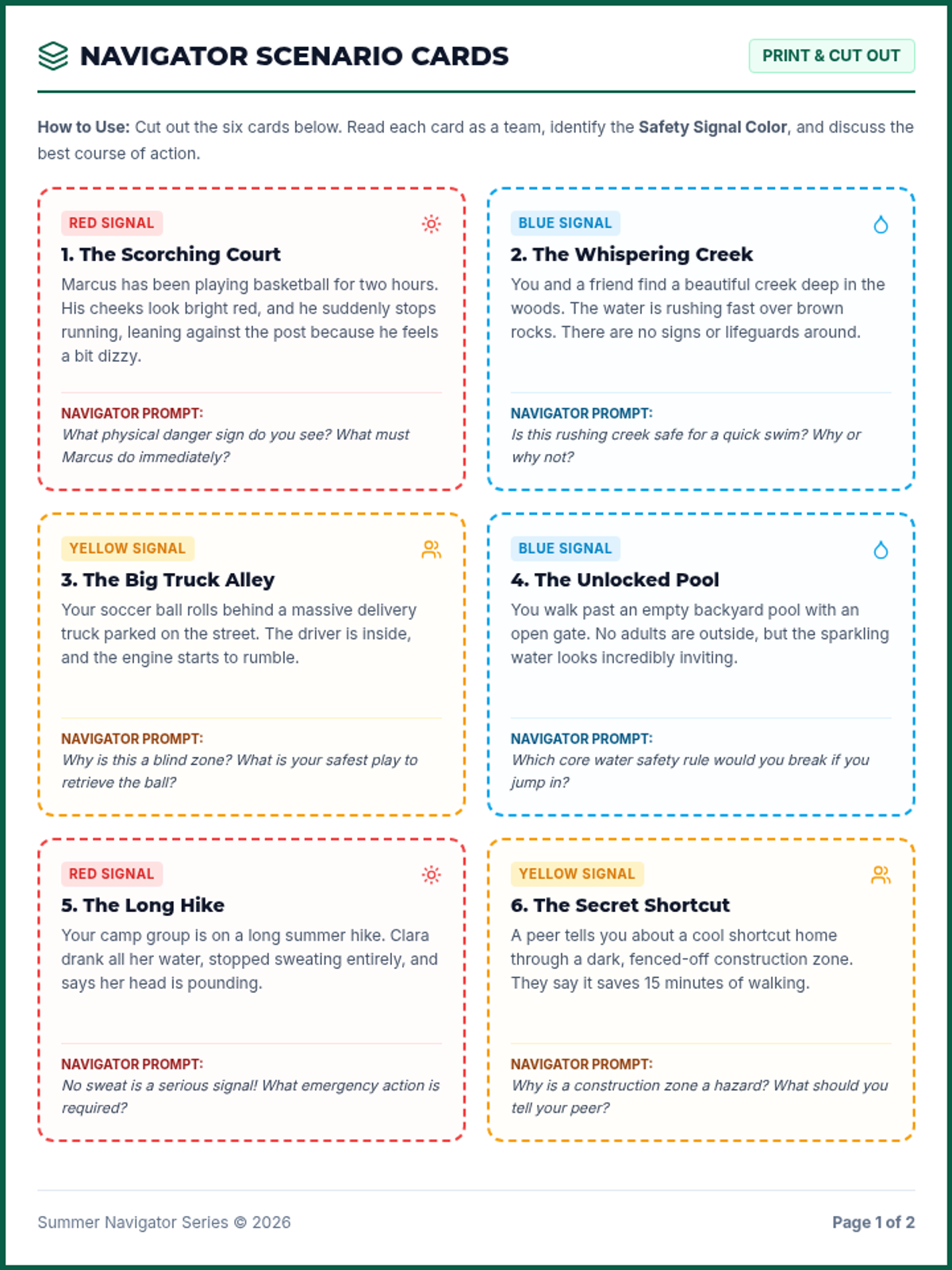
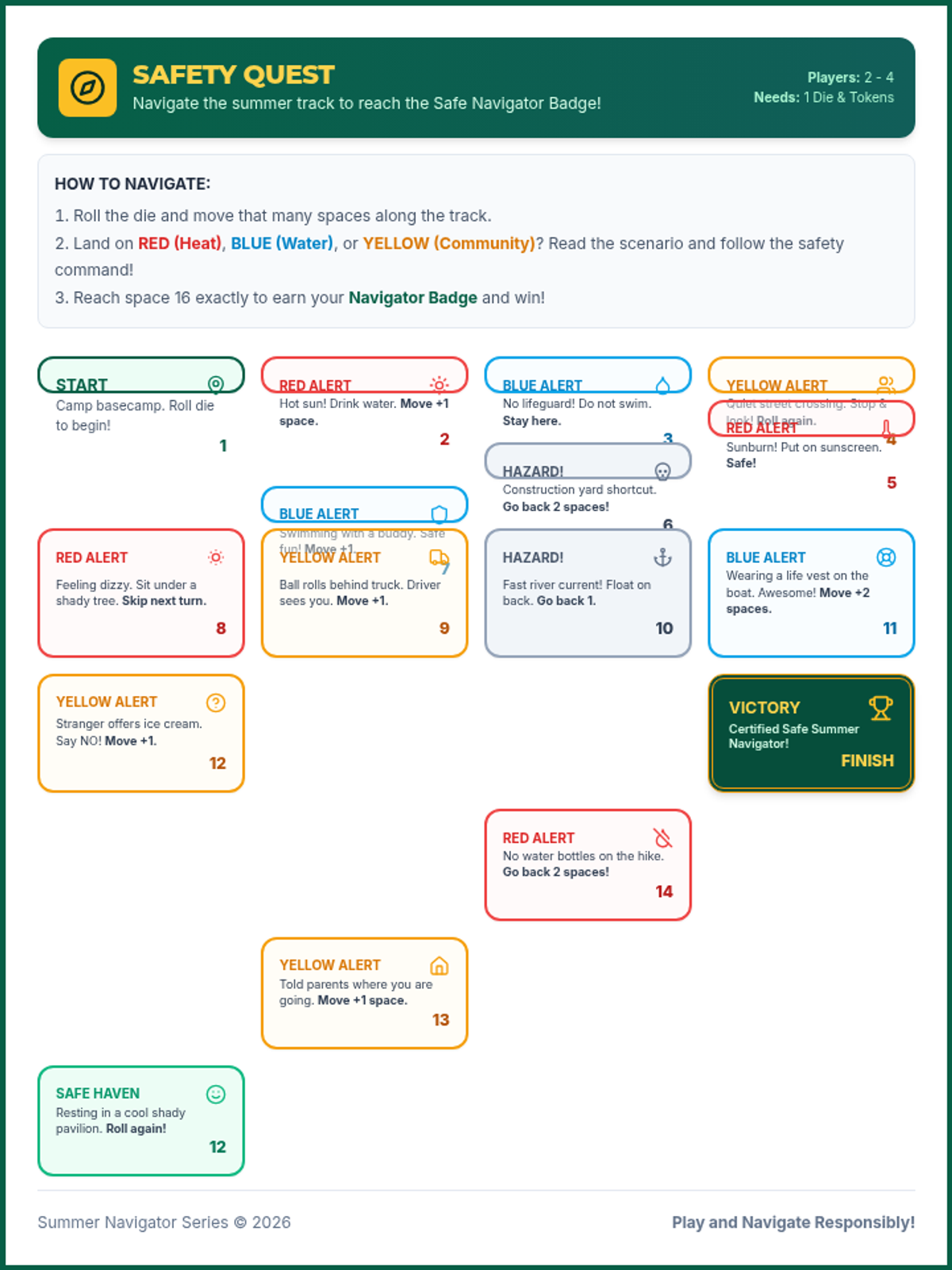
A life-skills workshop for grades 2-5 teaching heat, water, and community safety through a collaborative 'Summer Navigator' framework. Includes an instructional lesson plan, interactive slides, collaborative scenario discussion cards, and a safety quest board game.
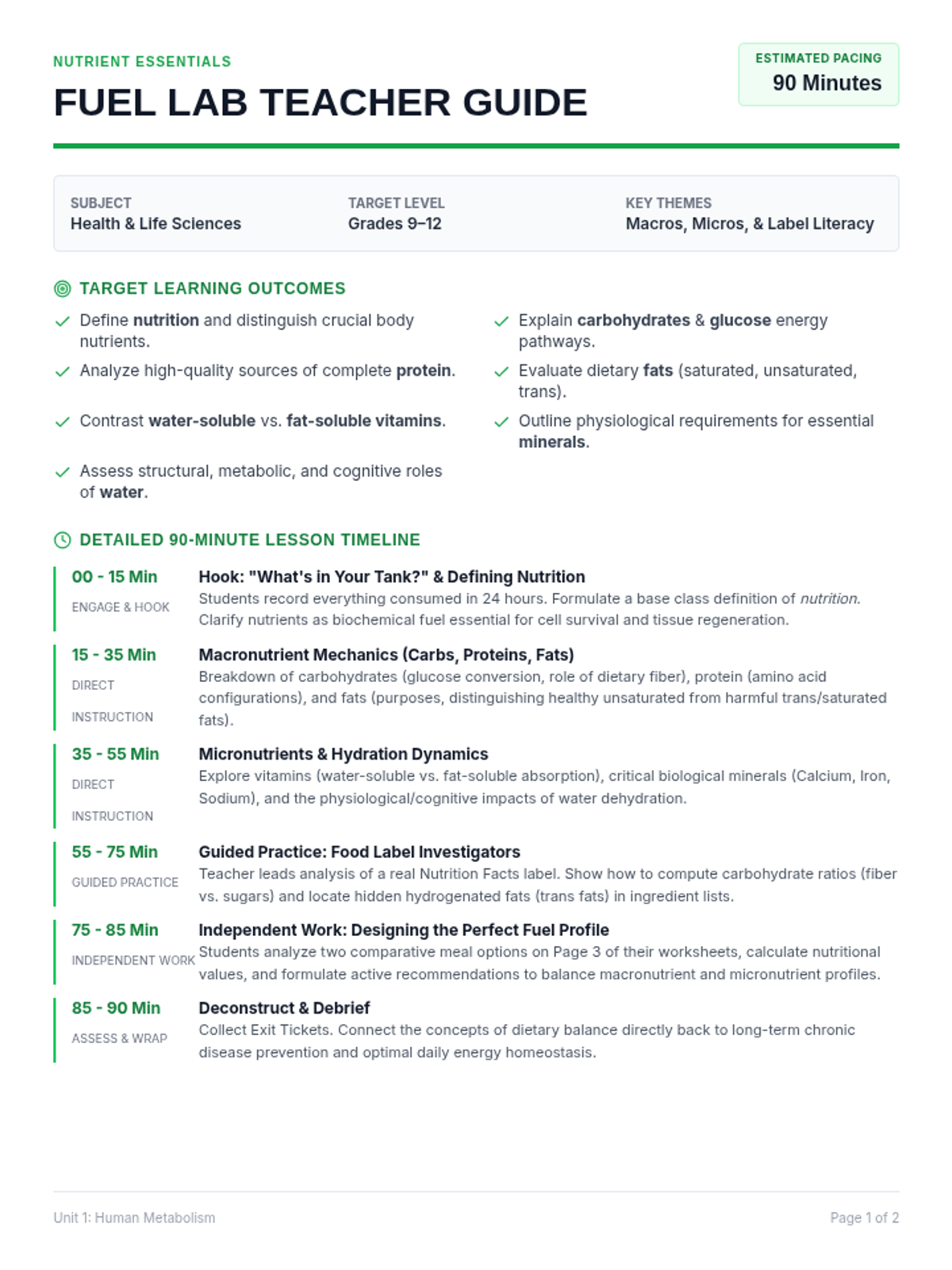
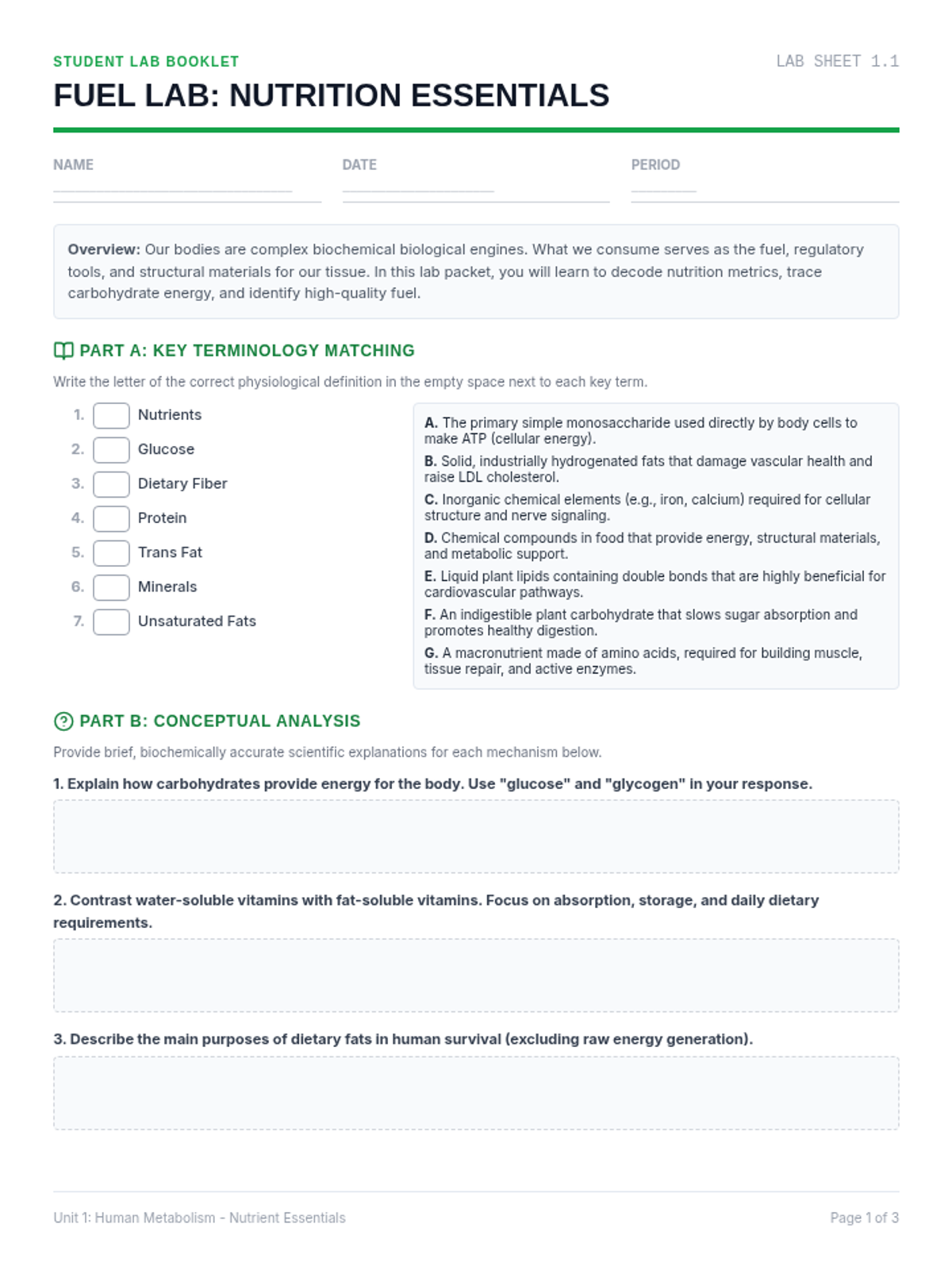
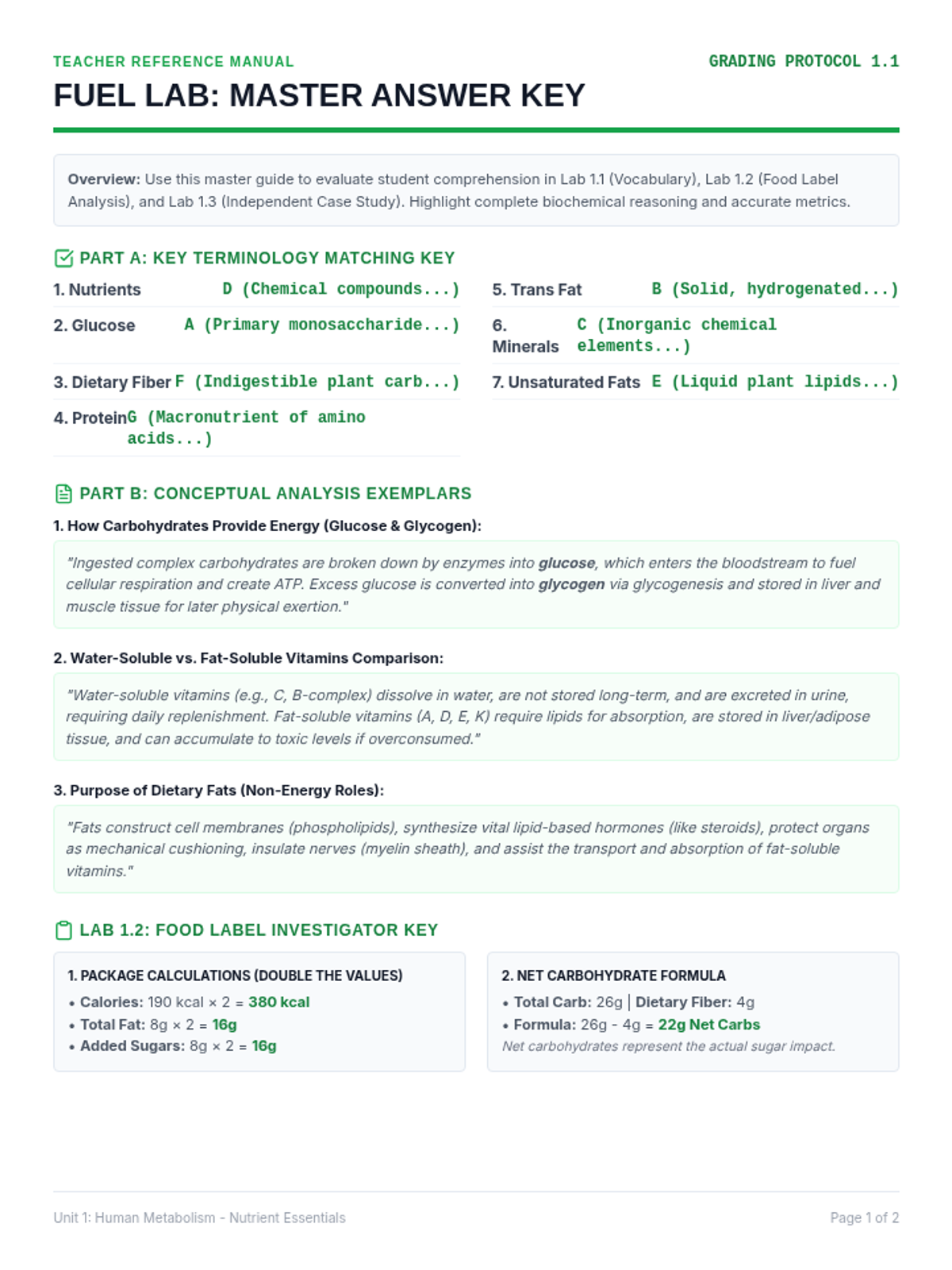
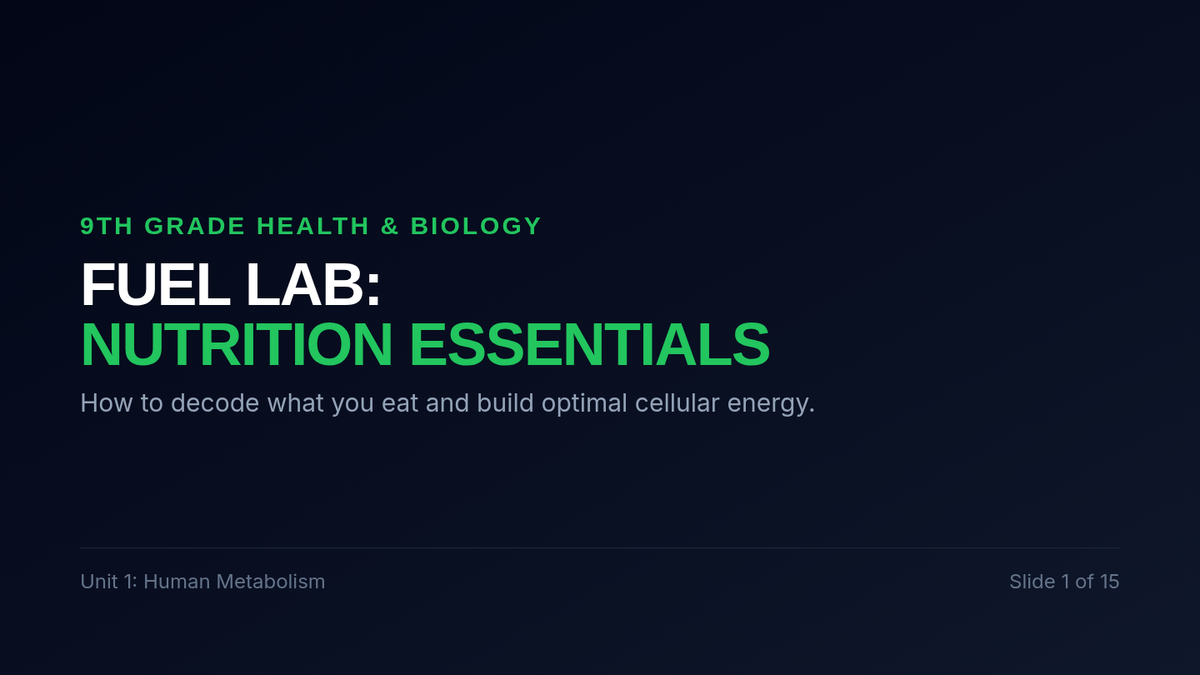
A 90-minute lesson plan package focusing on human nutrition, exploring macronutrients (carbs, proteins, fats), micronutrients (vitamins, minerals), and hydration through direct instruction and scaffolded food label analysis activities.
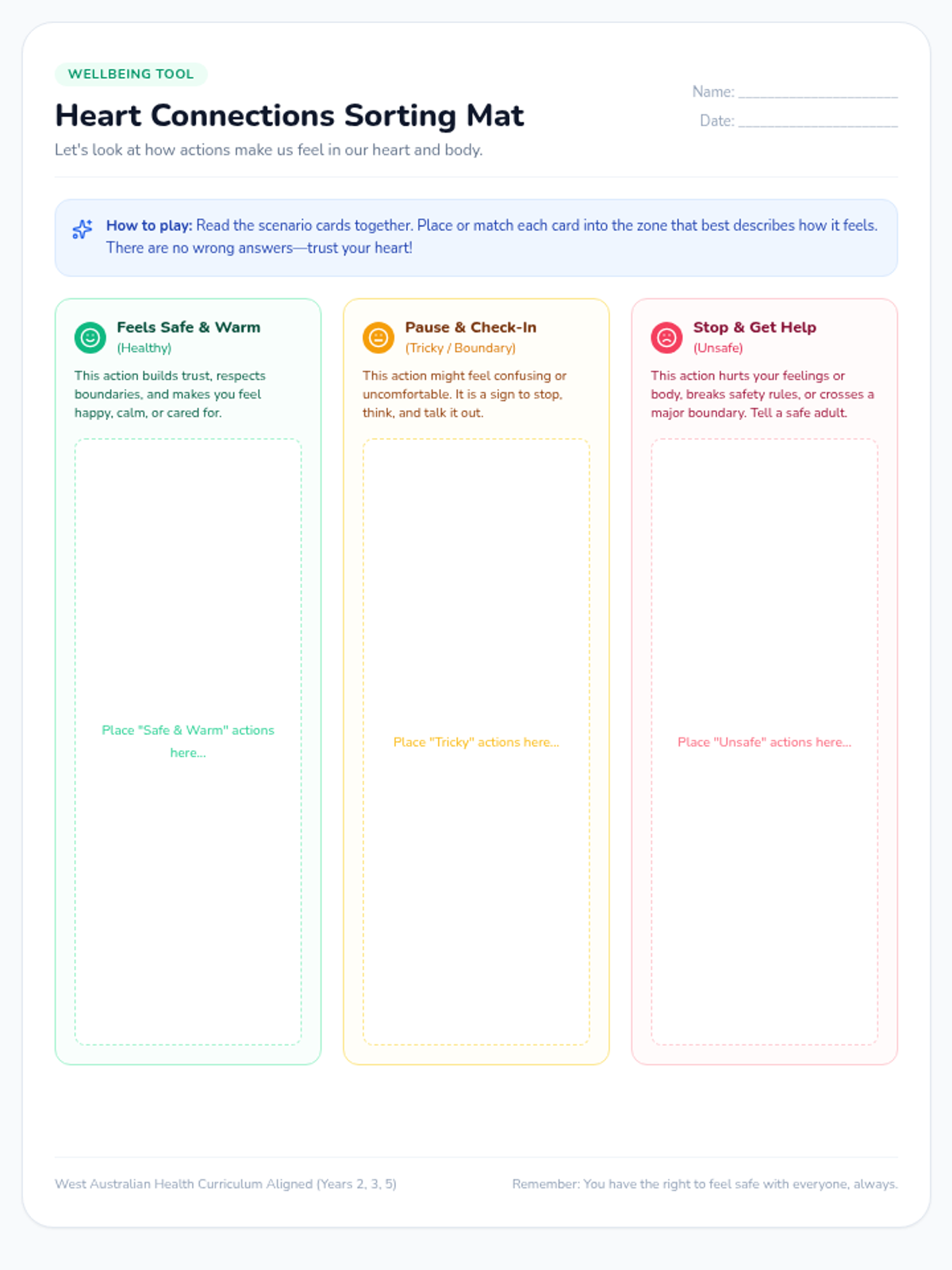
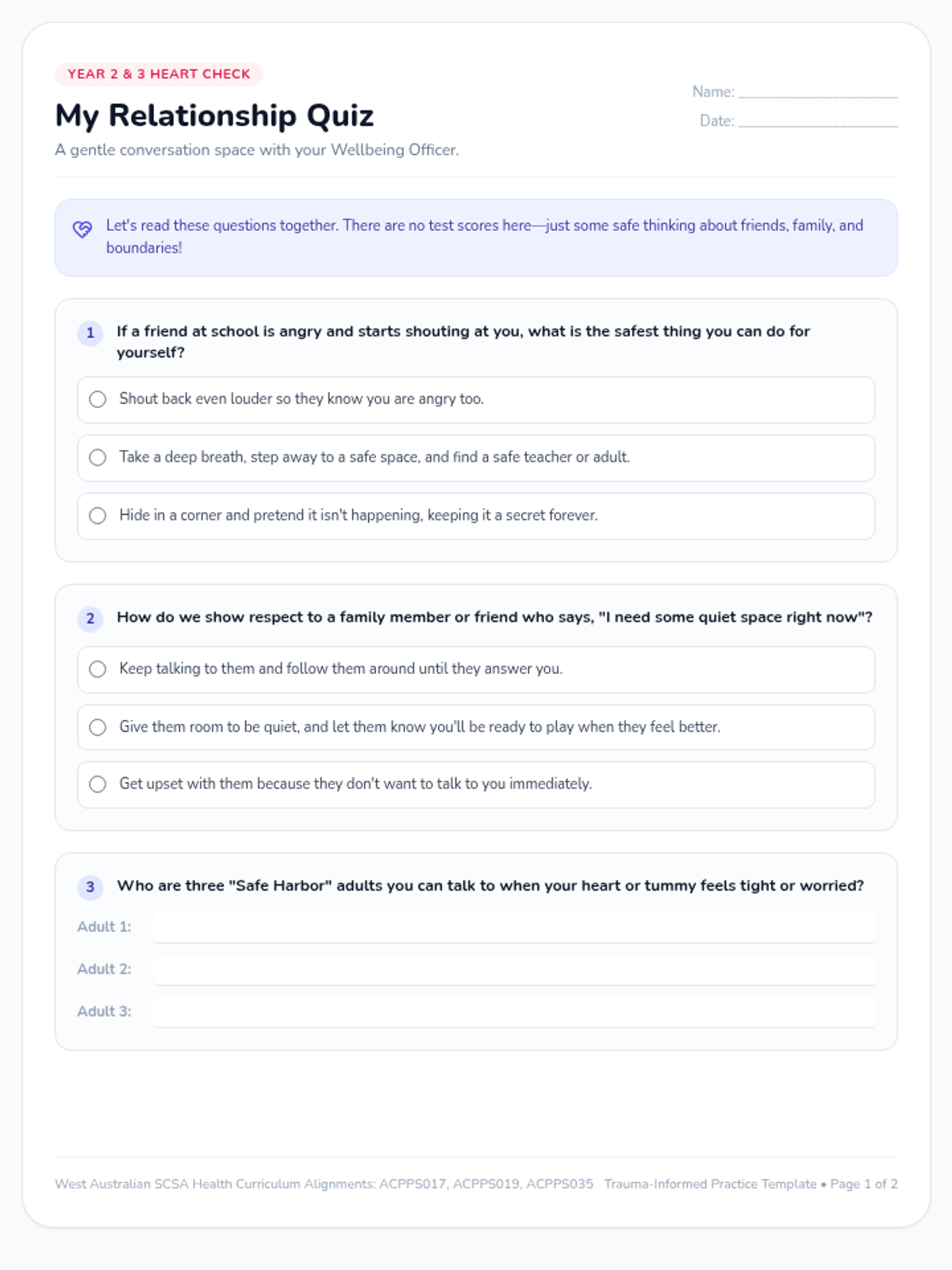
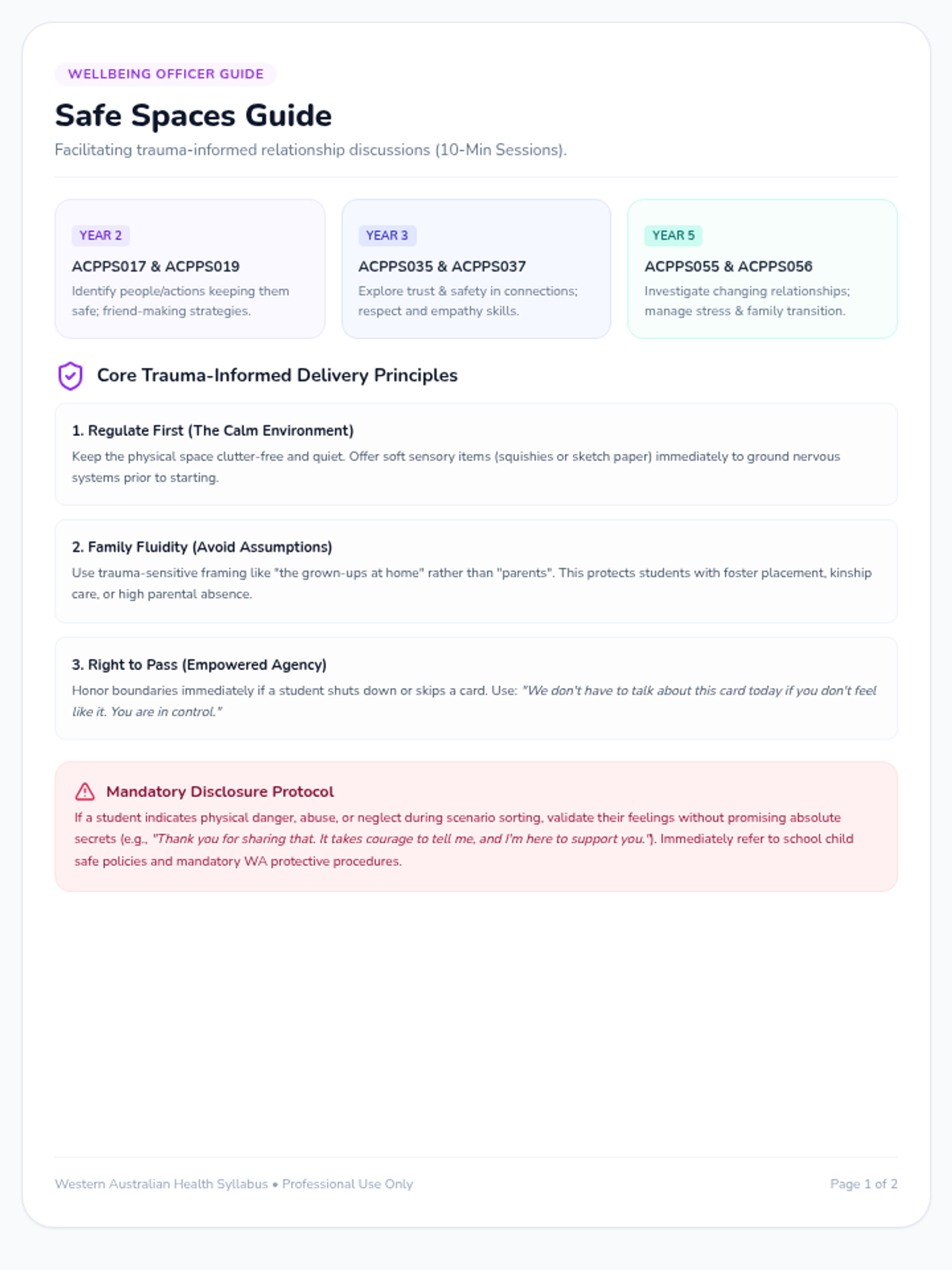
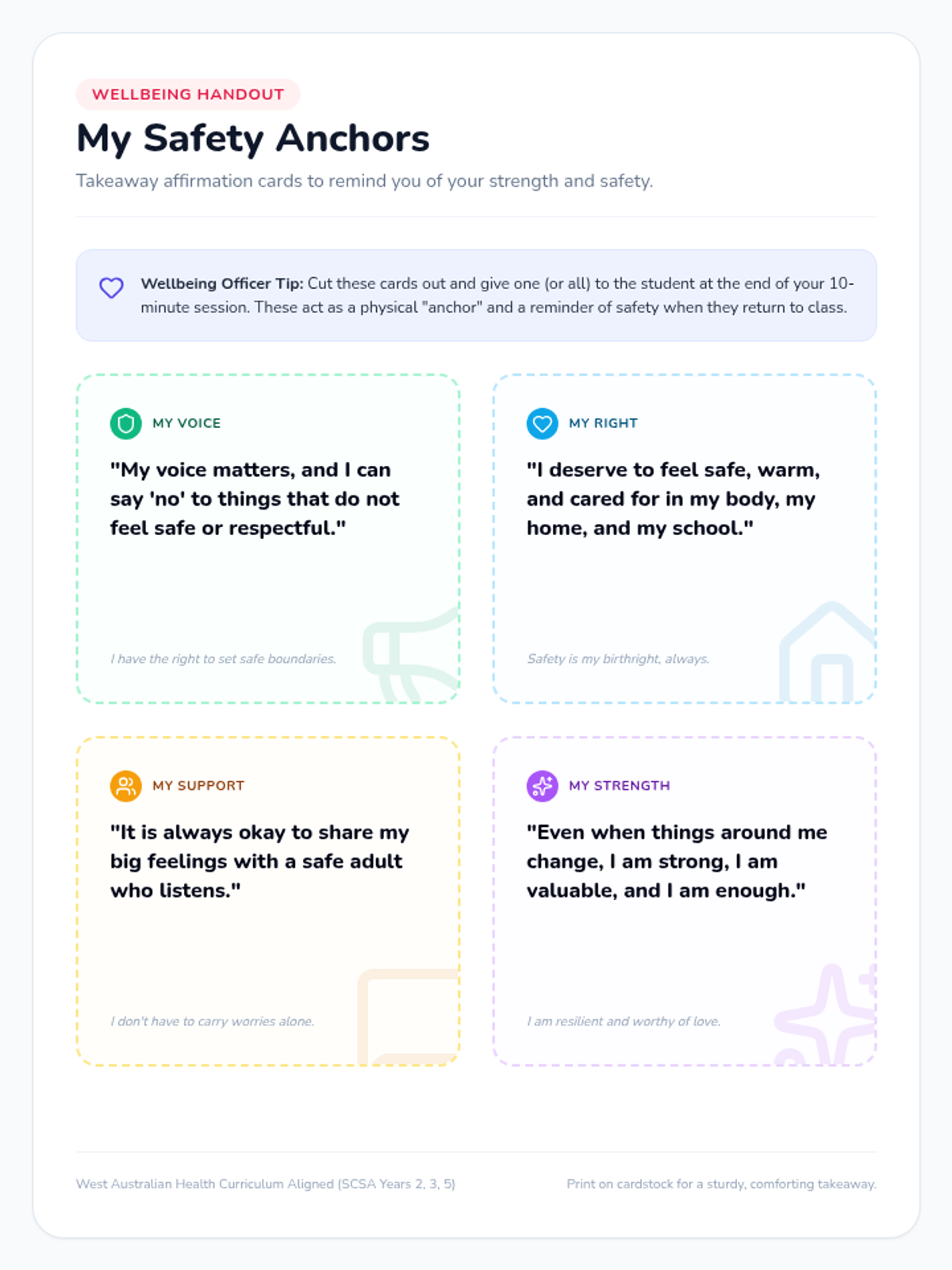
A trauma-informed wellbeing lesson focused on healthy relationships, family dynamics, and safe social interactions for Year 2, 3, and 5 students. Aligned to the Western Australian SCSA Health curriculum, this resource features visual sorting tasks and conversational quizzes designed for quick, impactful 1:1 sessions.
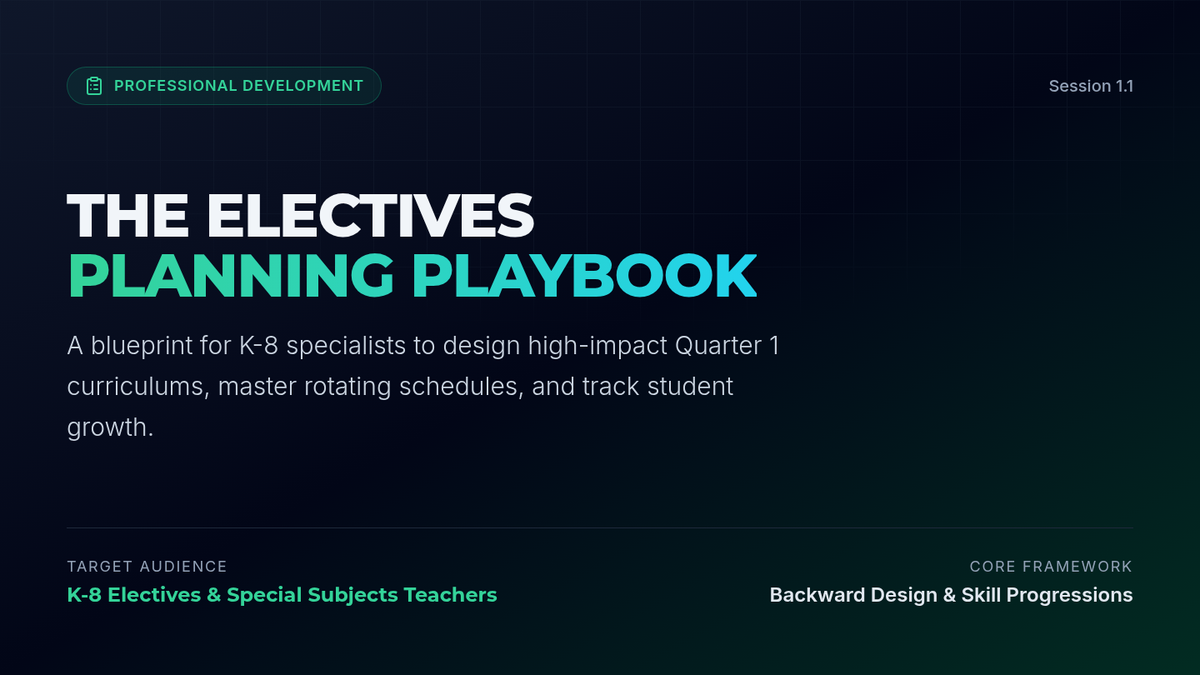
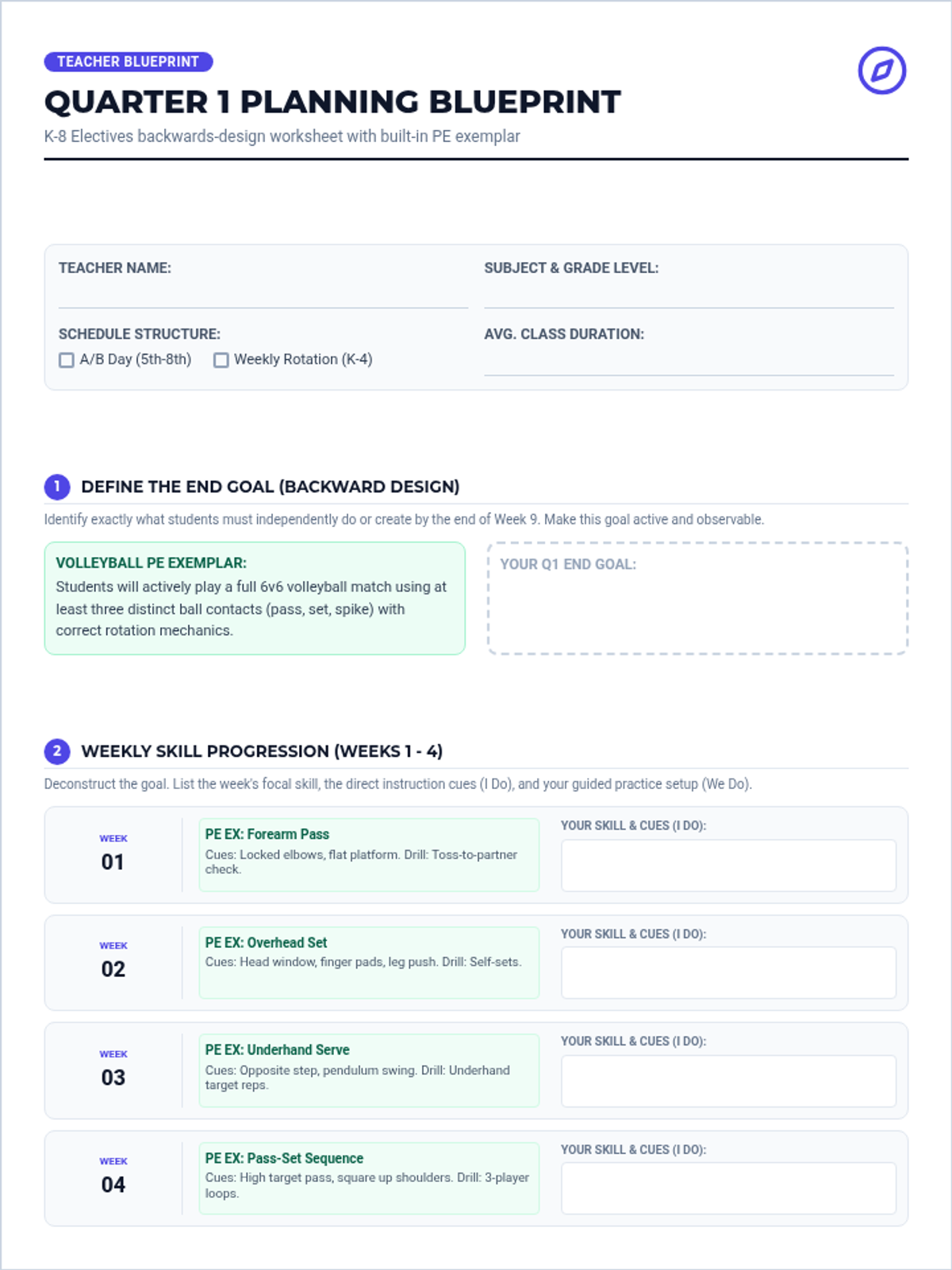
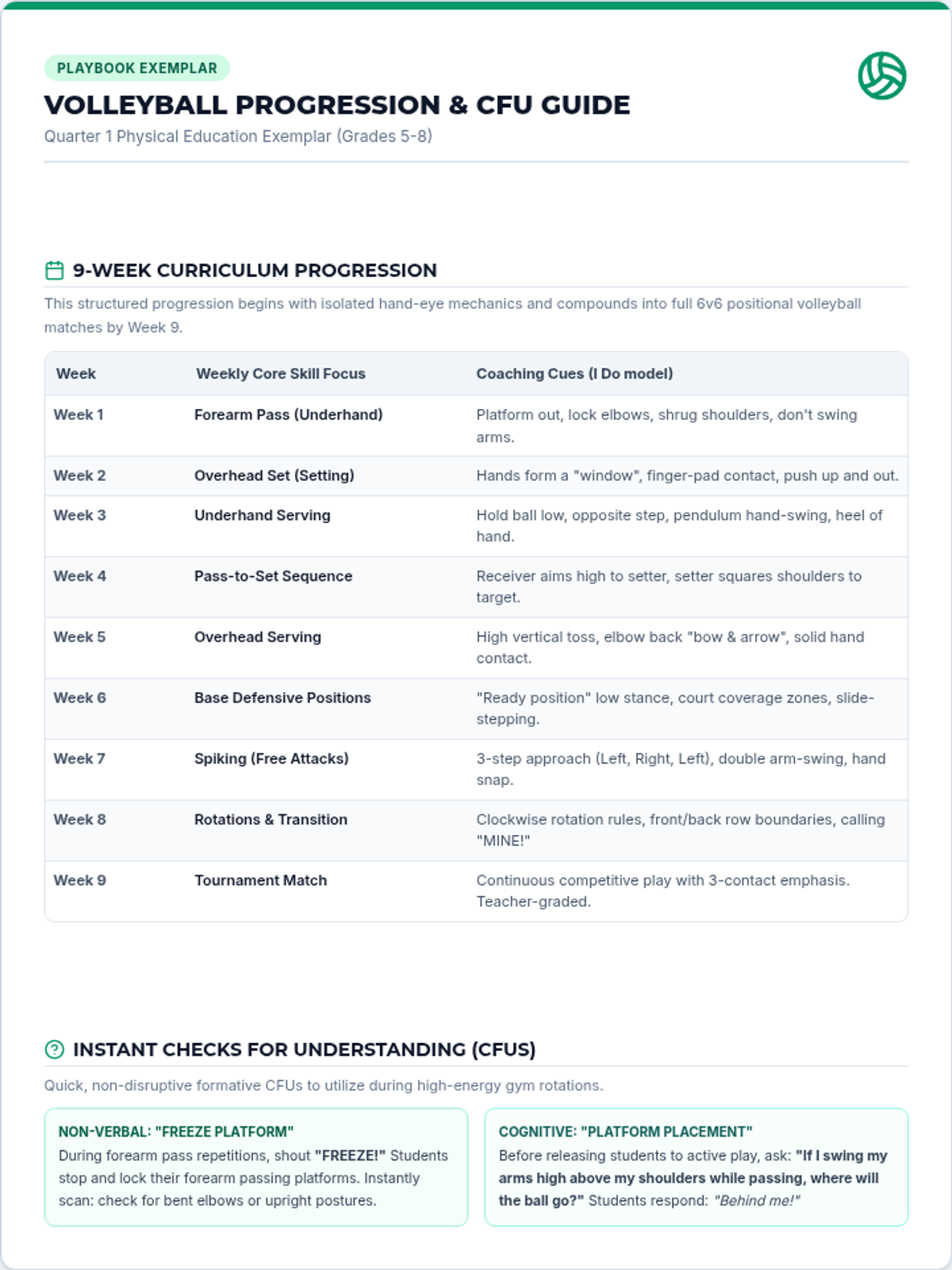
A professional development session and toolset for K-8 Electives teachers. It covers backward design, splitting schedules for A/B days and weekly rotations, mapping weekly skill progressions using the 'I Do, We Do, You Do' model, and creating checks for understanding and proficiency rubrics.
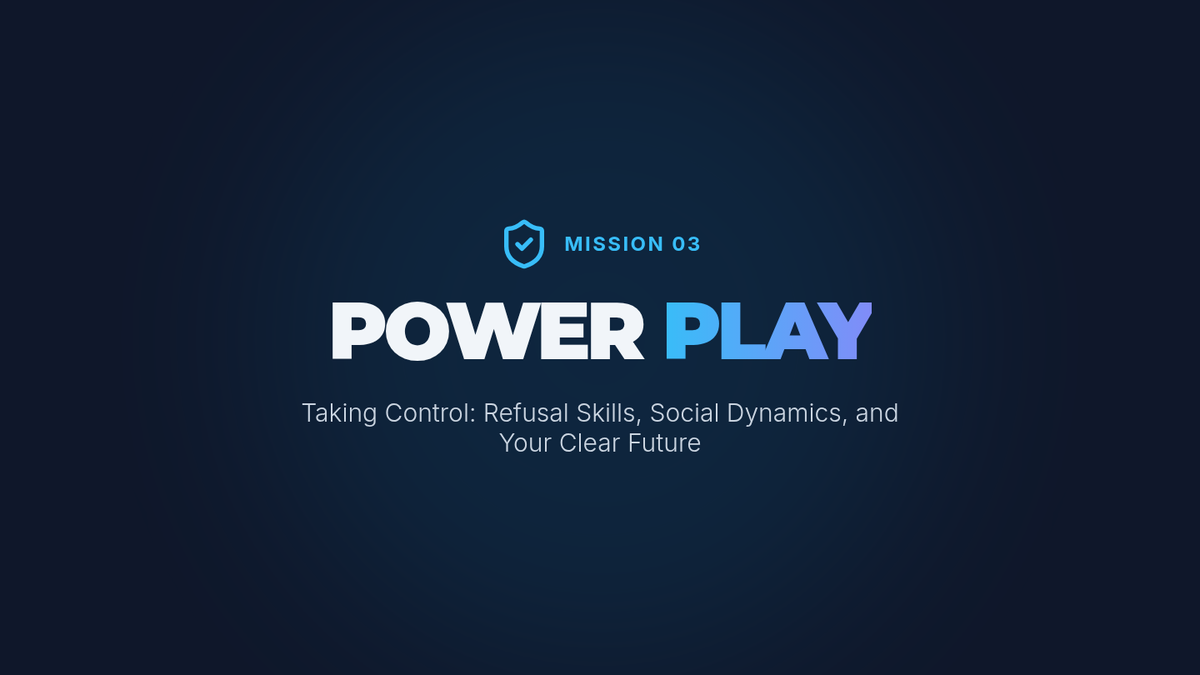
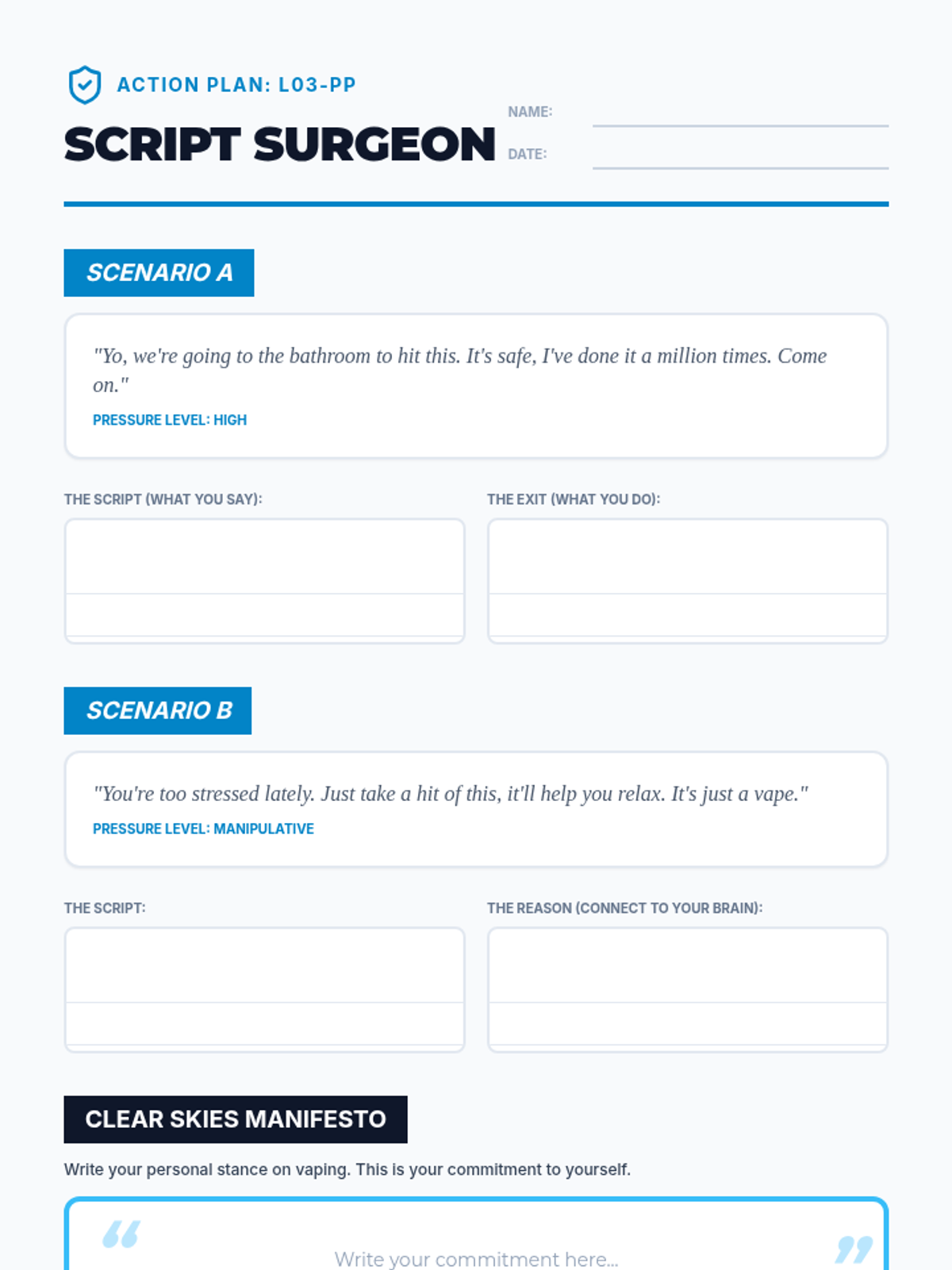
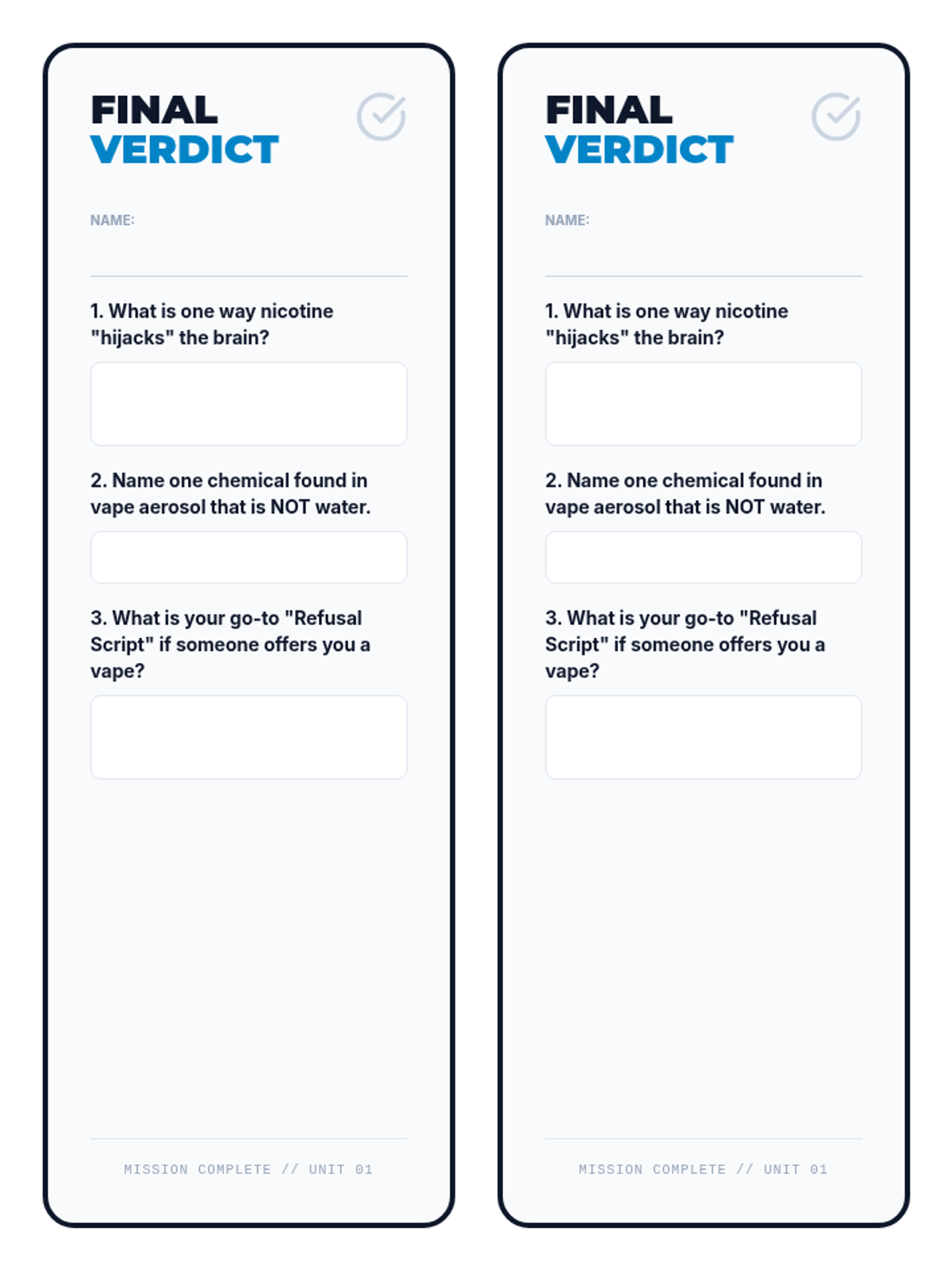
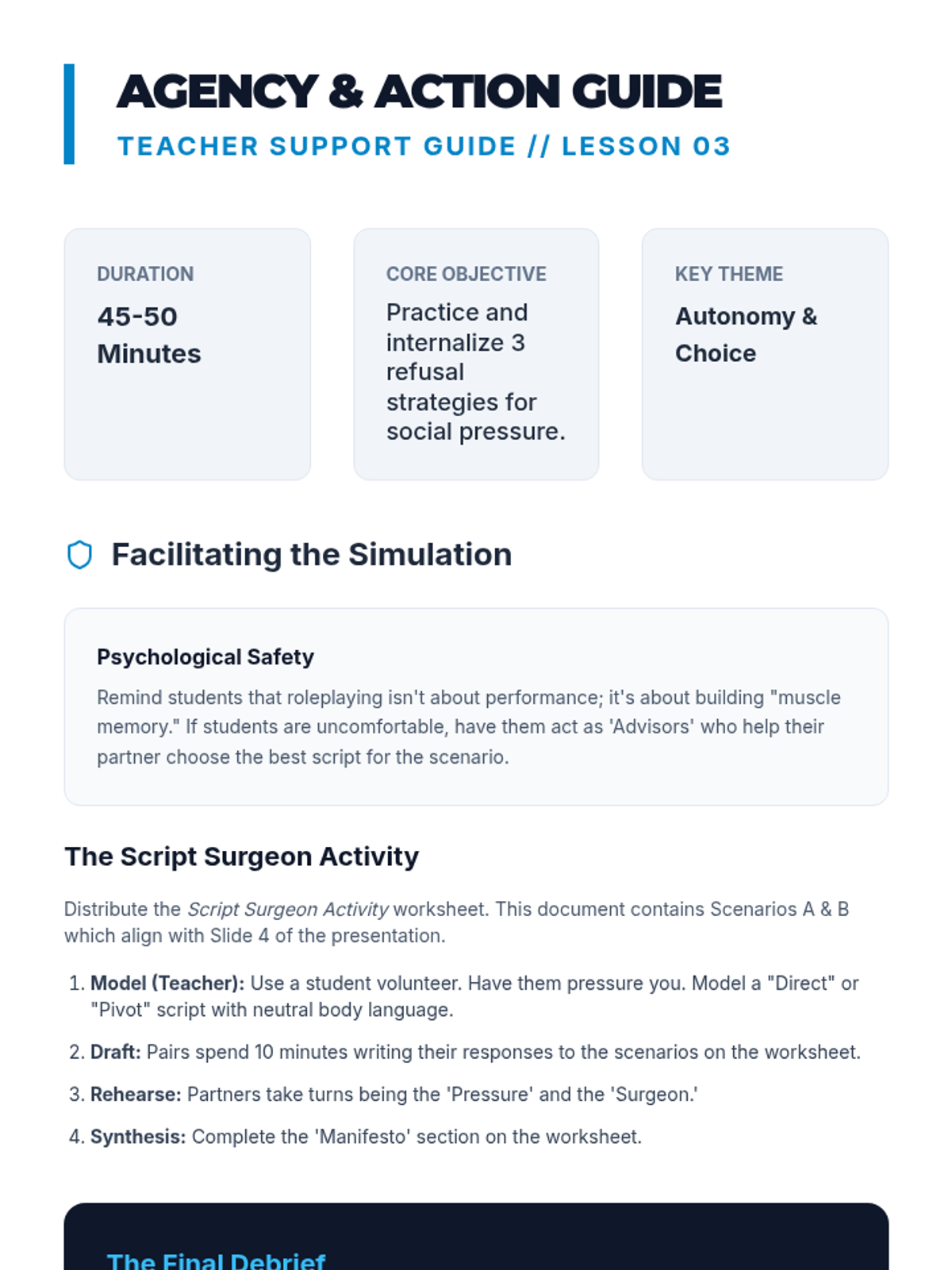
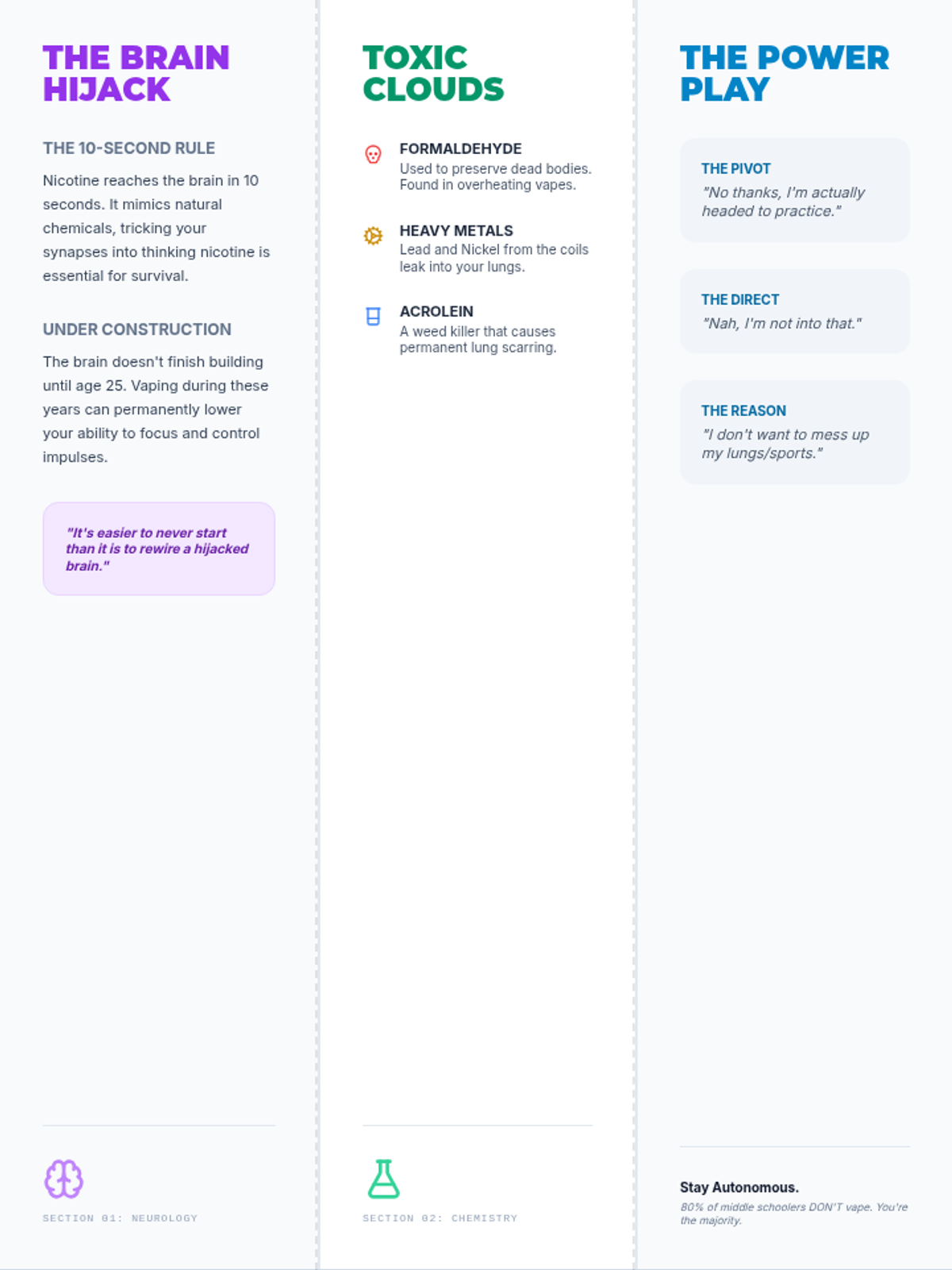
Equip students with the social tools to resist peer pressure and the agency to choose a vape-free future. Students practice refusal scripts and reflect on their personal values.
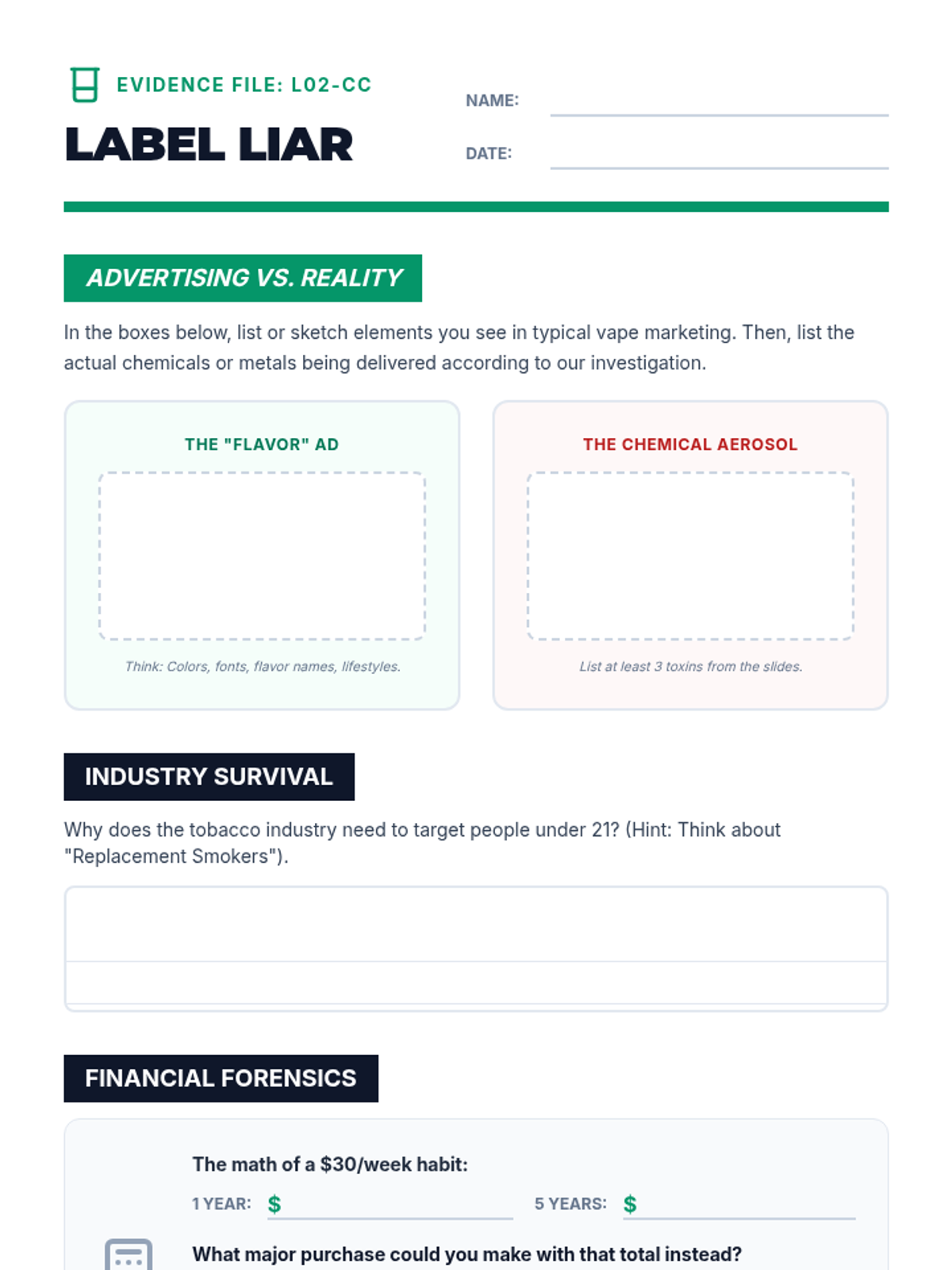
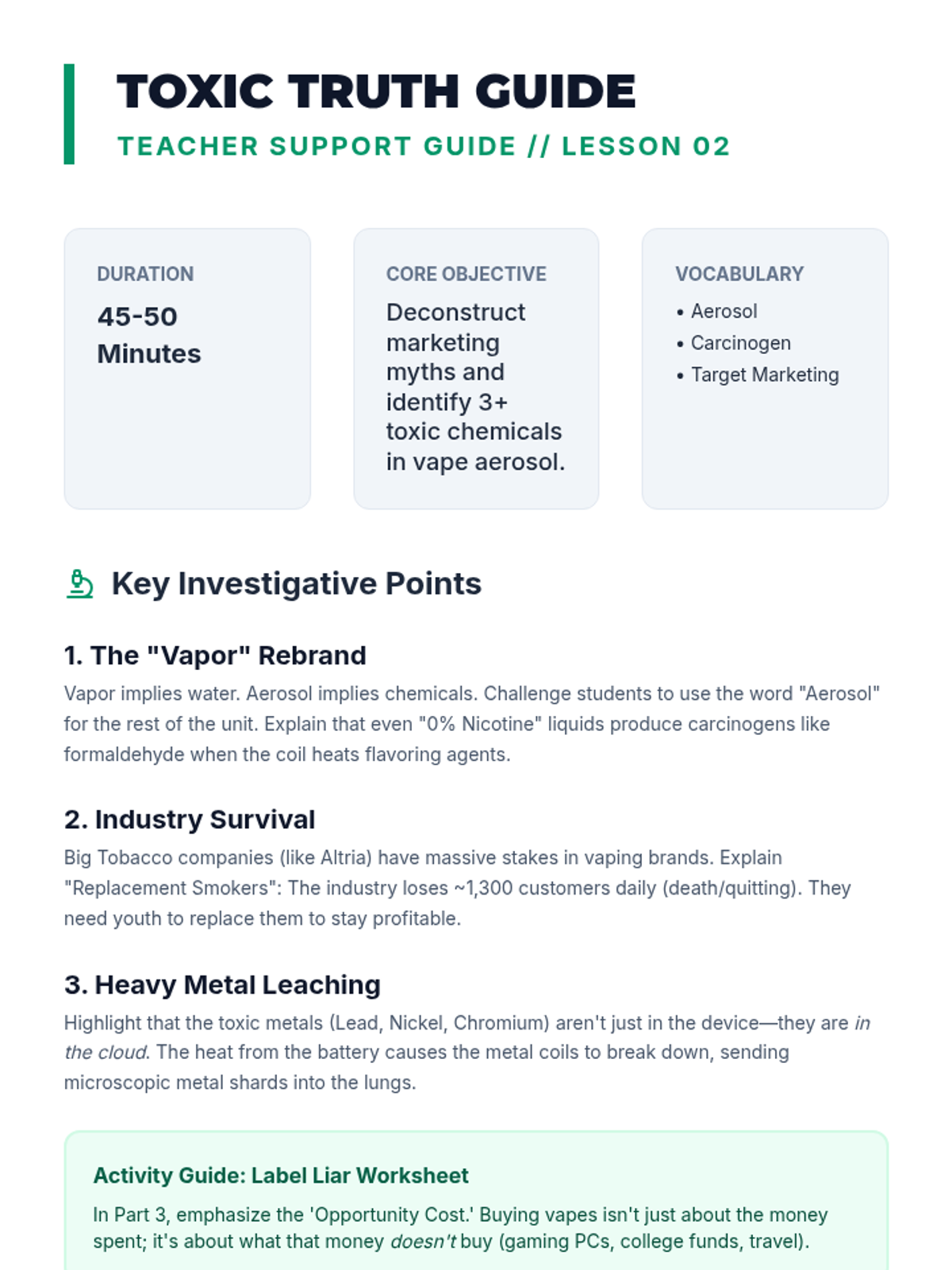
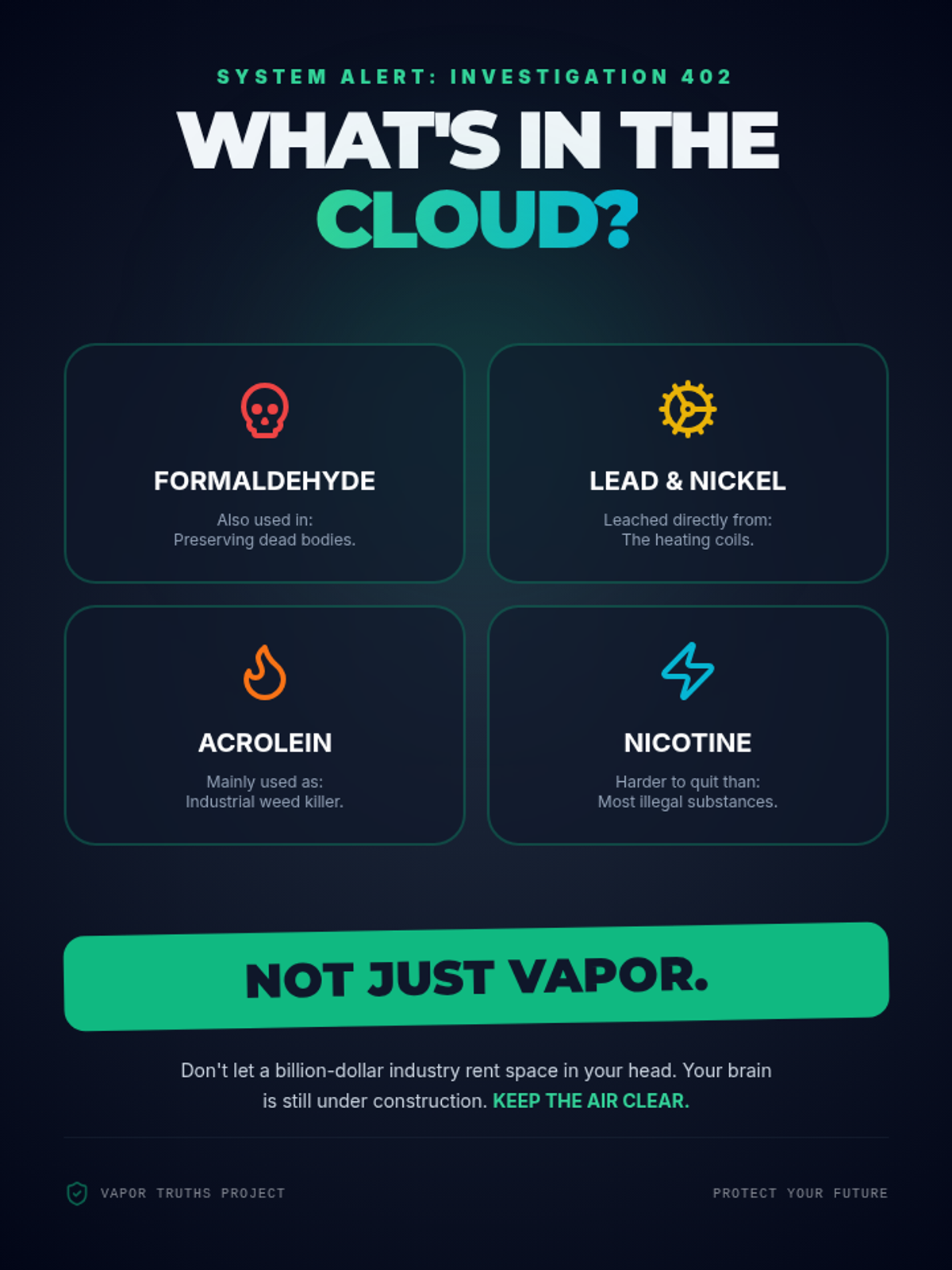
Uncover the toxic truth behind aerosol ingredients and the deceptive marketing tactics used to target youth. Students analyze the disparity between "flavor" branding and chemical reality.
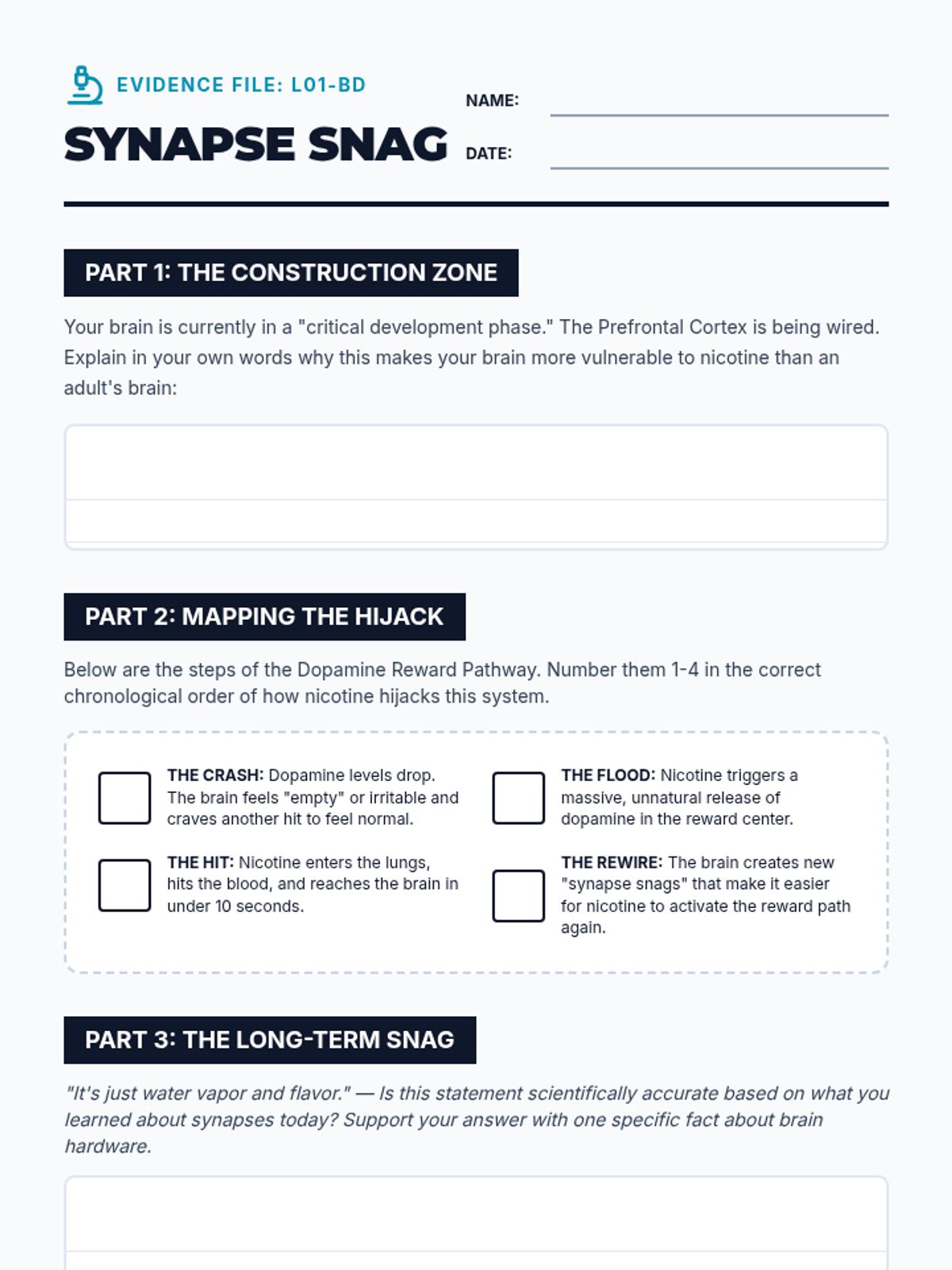
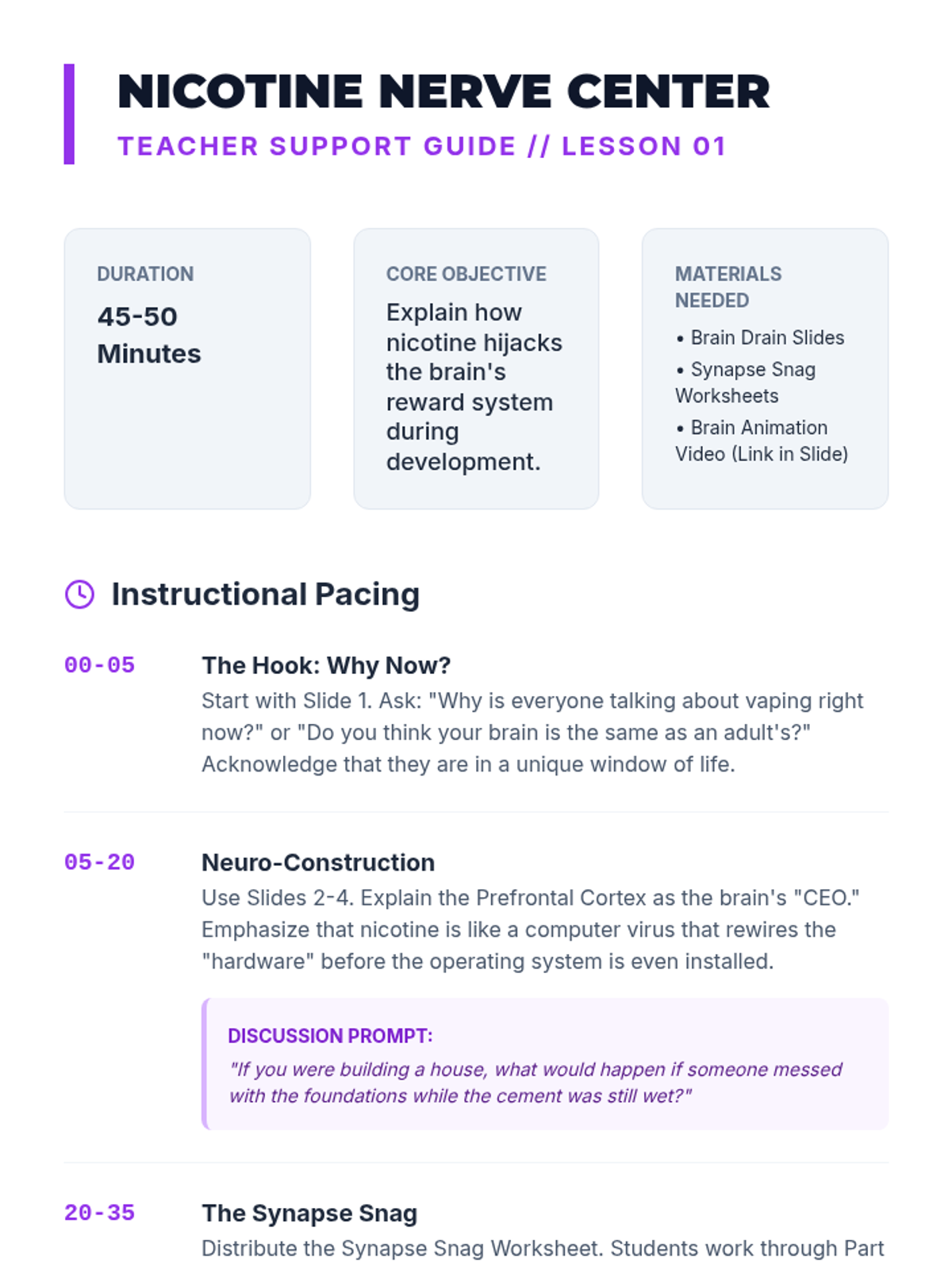
Investigate how nicotine hijacks the developing middle school brain and the science of the reward system. Students map the neural pathways affected by addiction and explore why young brains are particularly vulnerable.
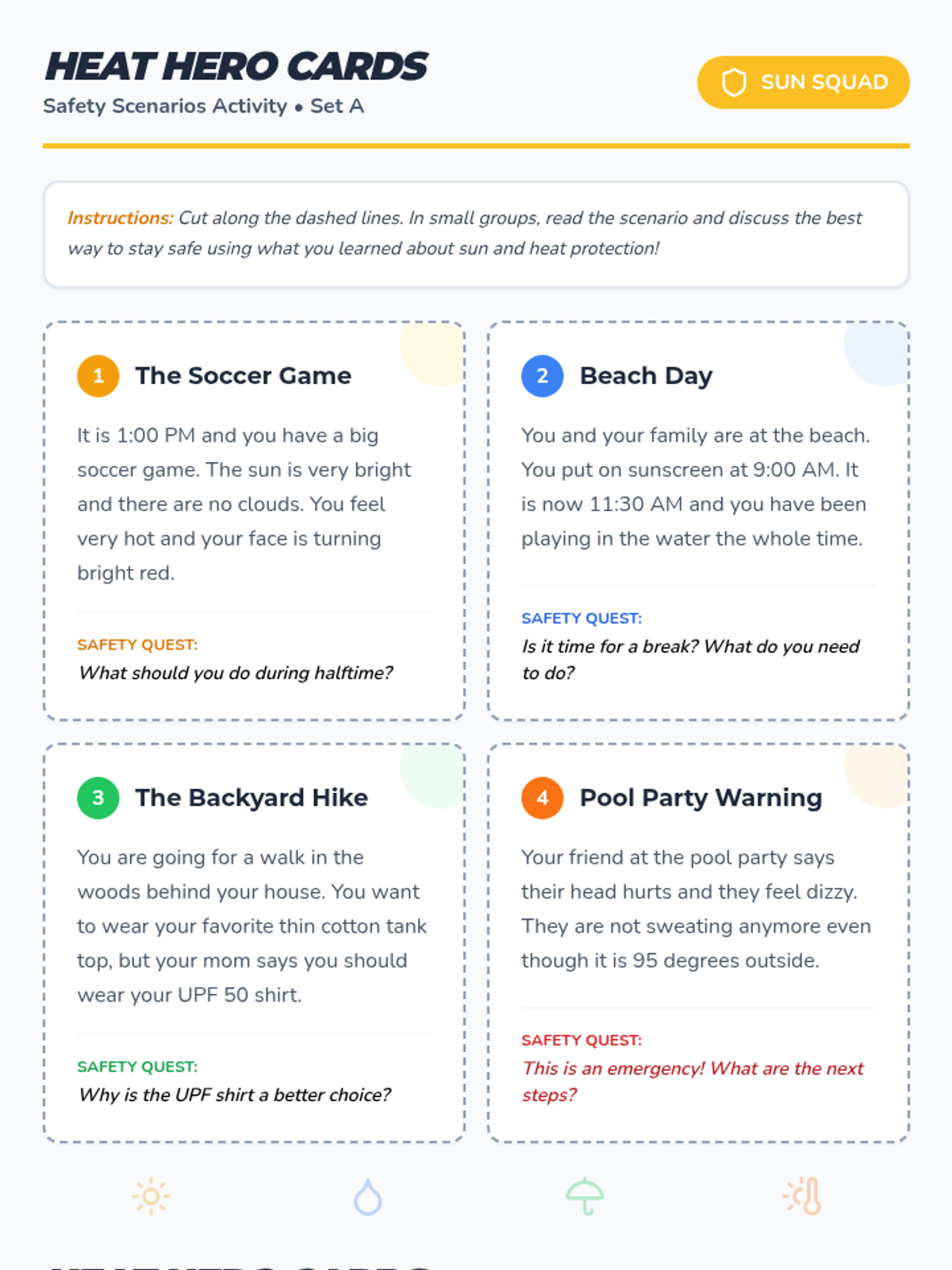
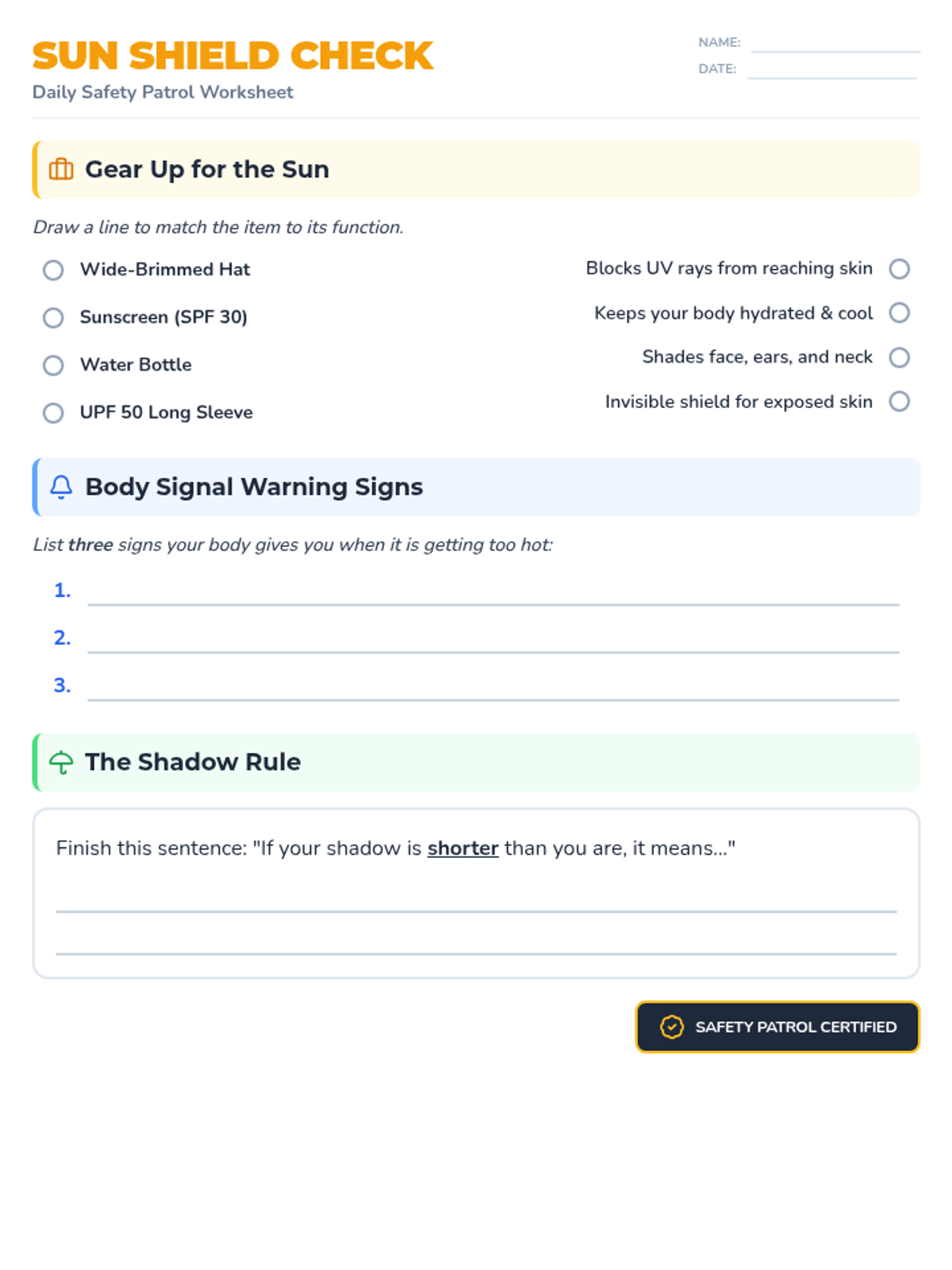
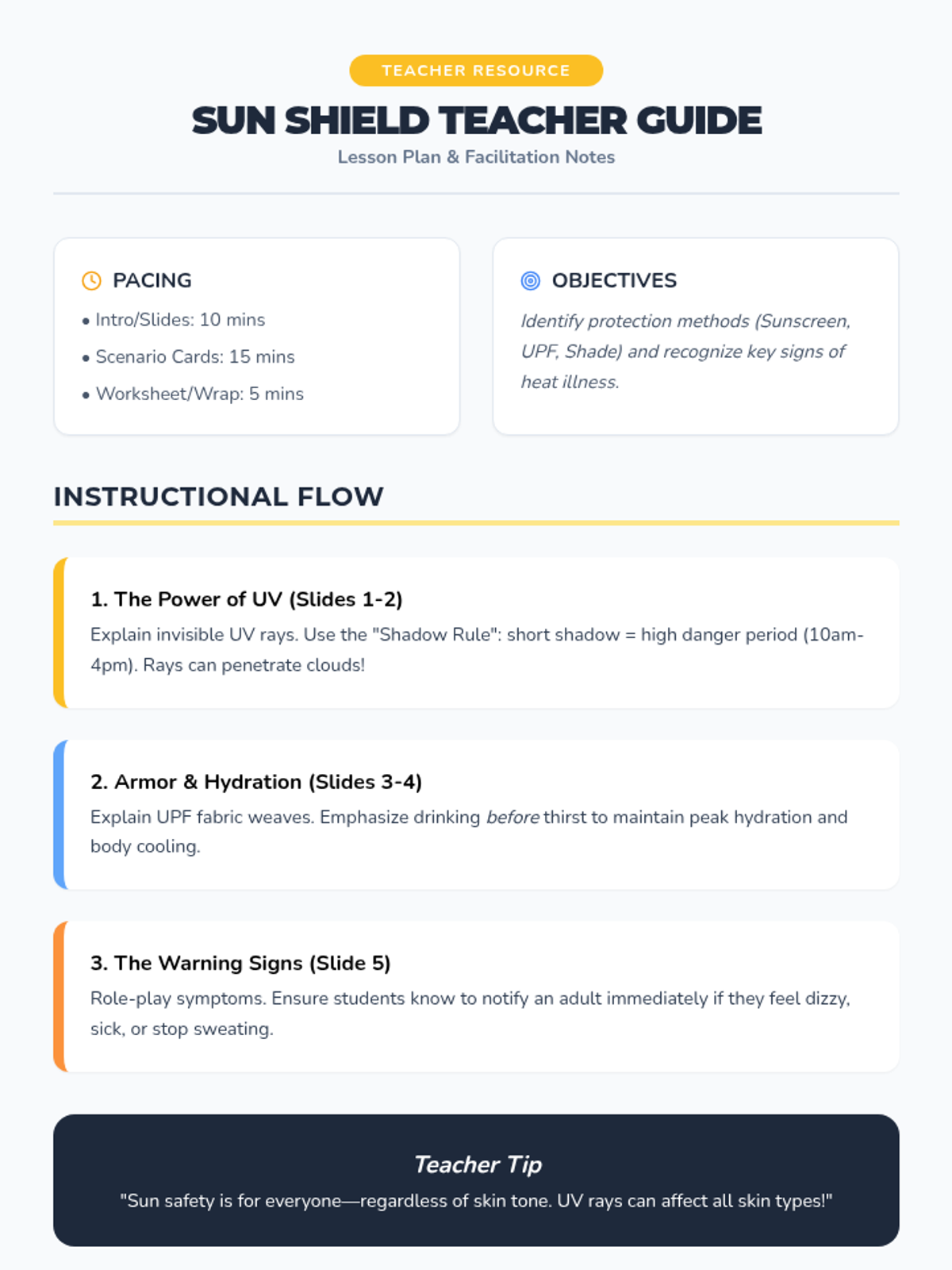
A 30-minute interactive lesson for 3rd graders on staying safe in the sun and heat, covering protection, hydration, and heat illness signs.
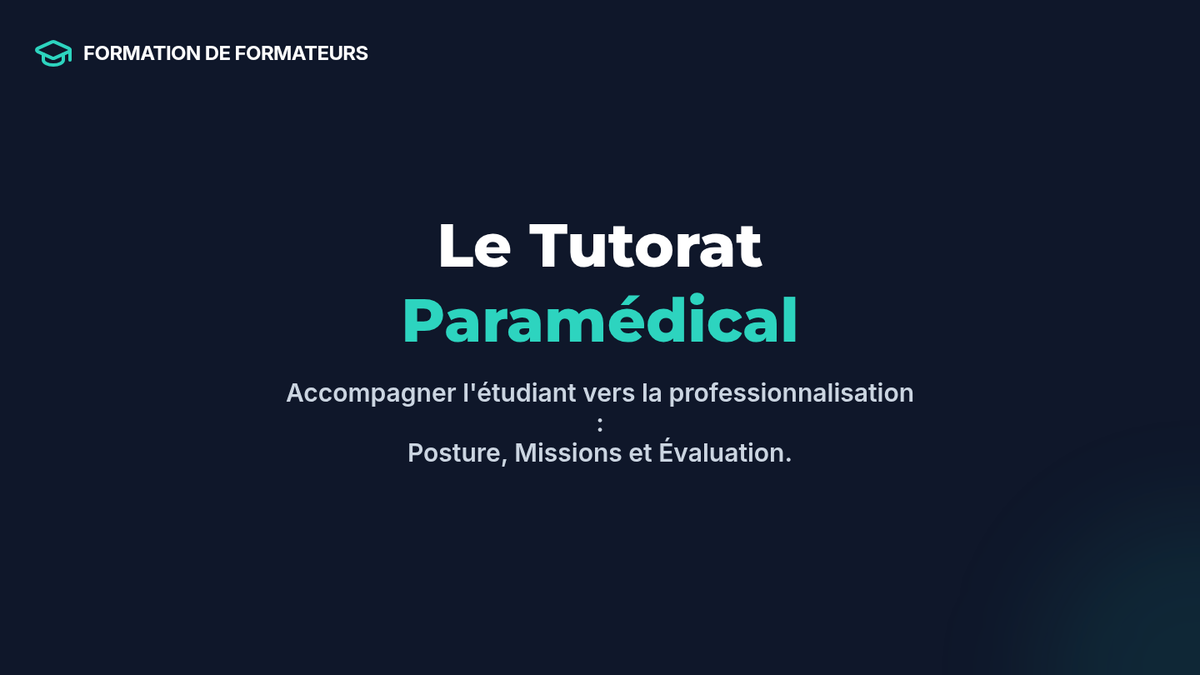
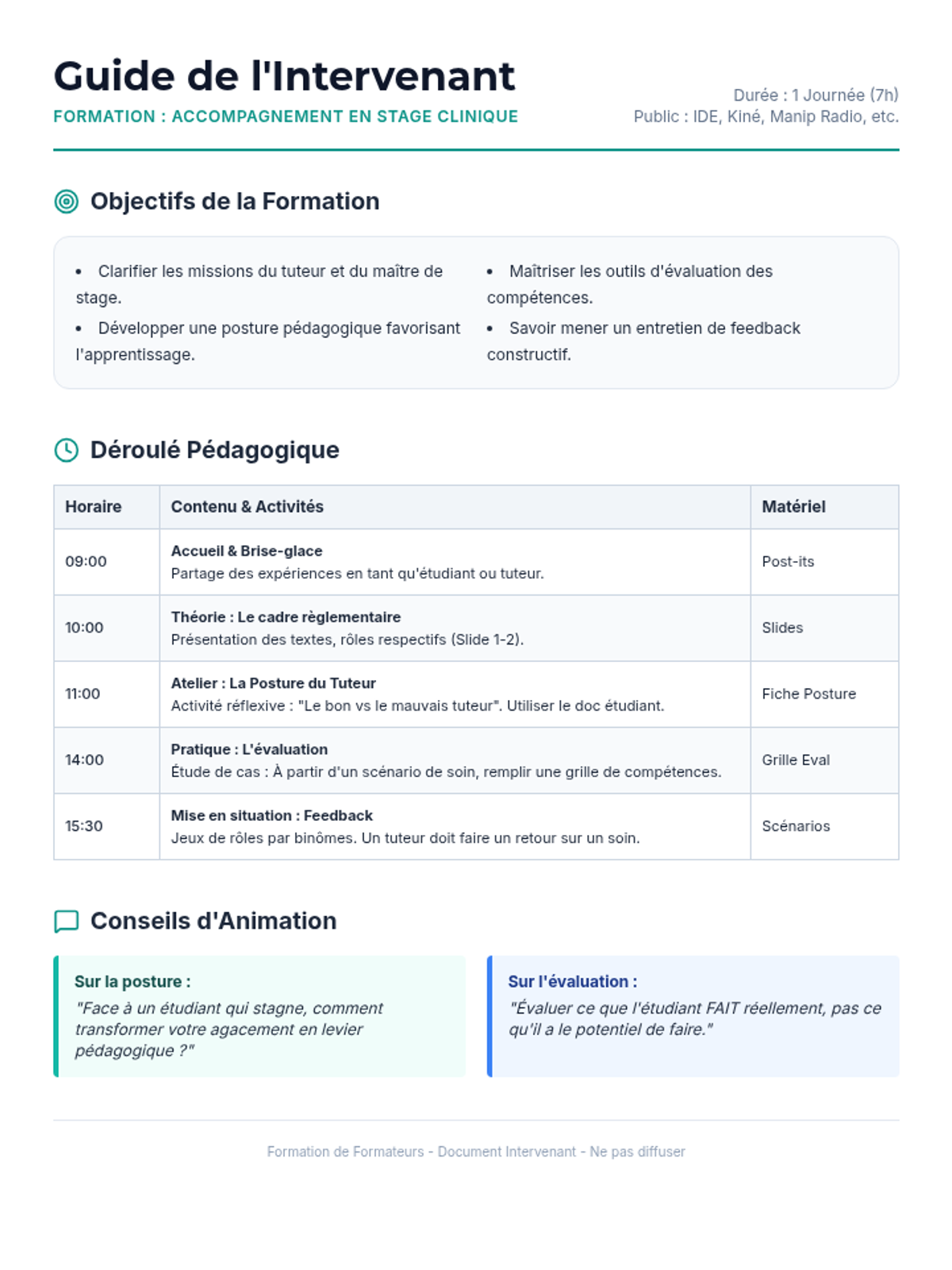
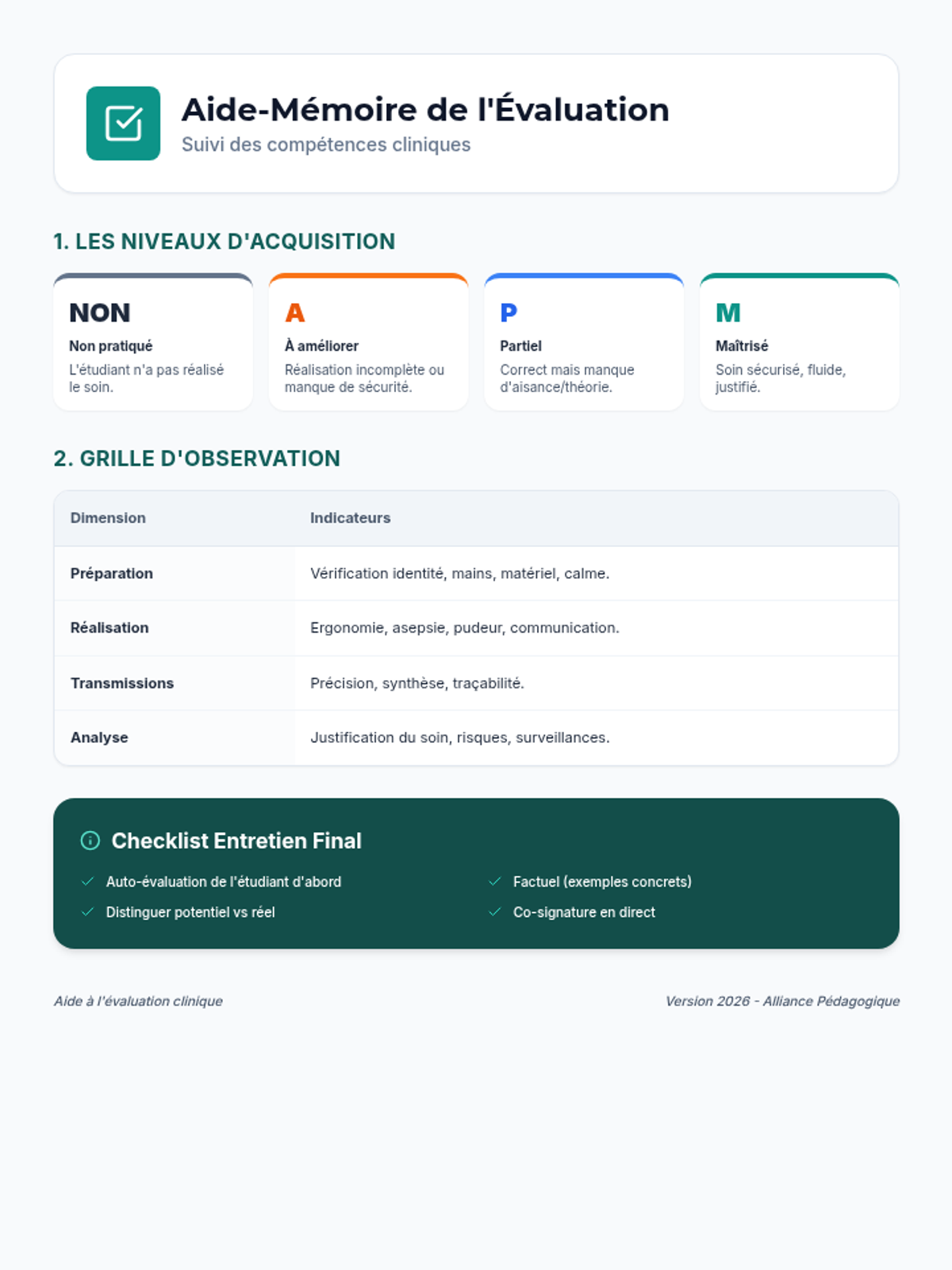
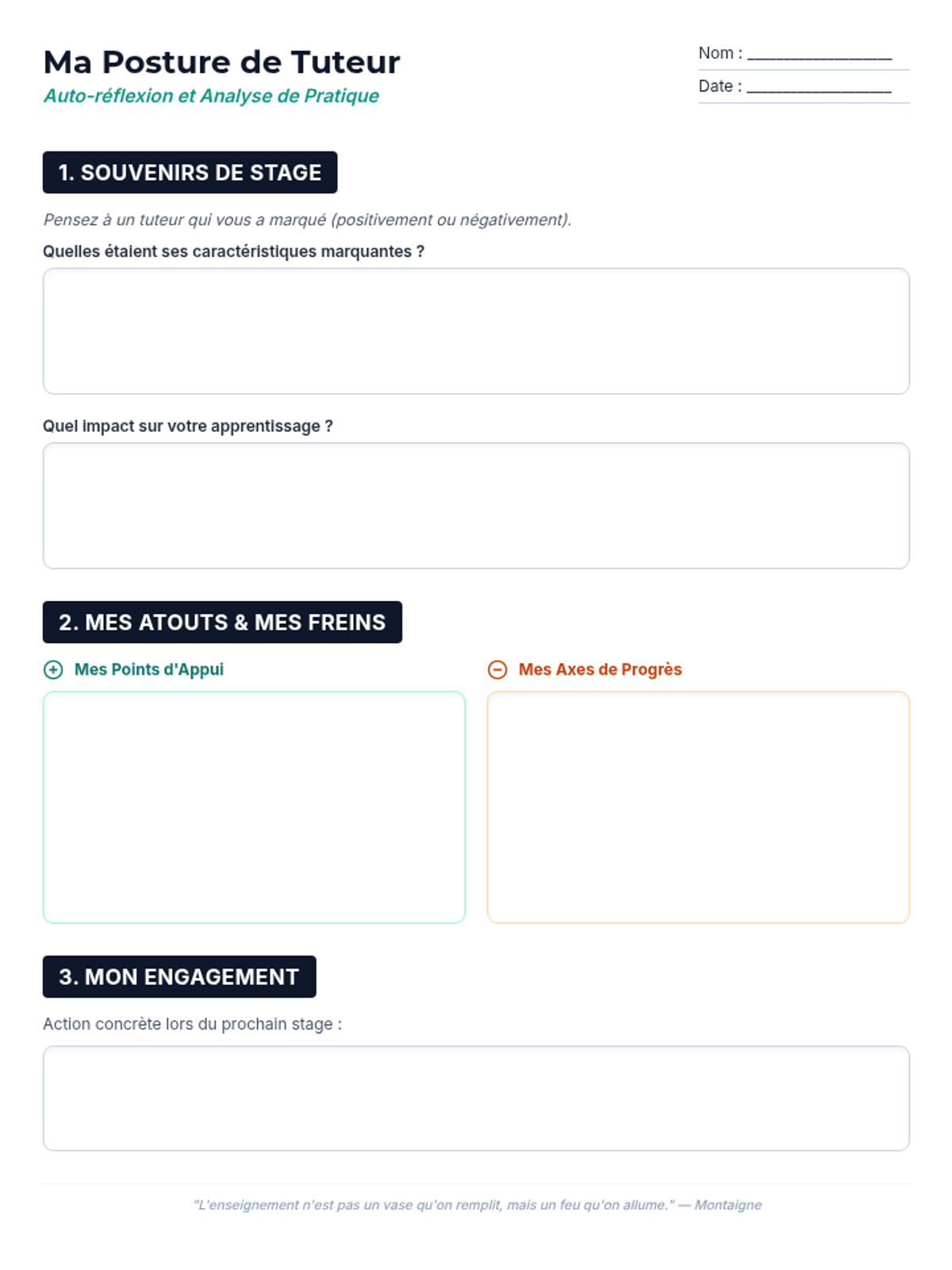
Cette leçon vise à former les professionnels de santé aux fonctions de tuteur et de maître de stage, en abordant la posture pédagogique, l'accompagnement de l'étudiant et l'évaluation des compétences en milieu clinique.
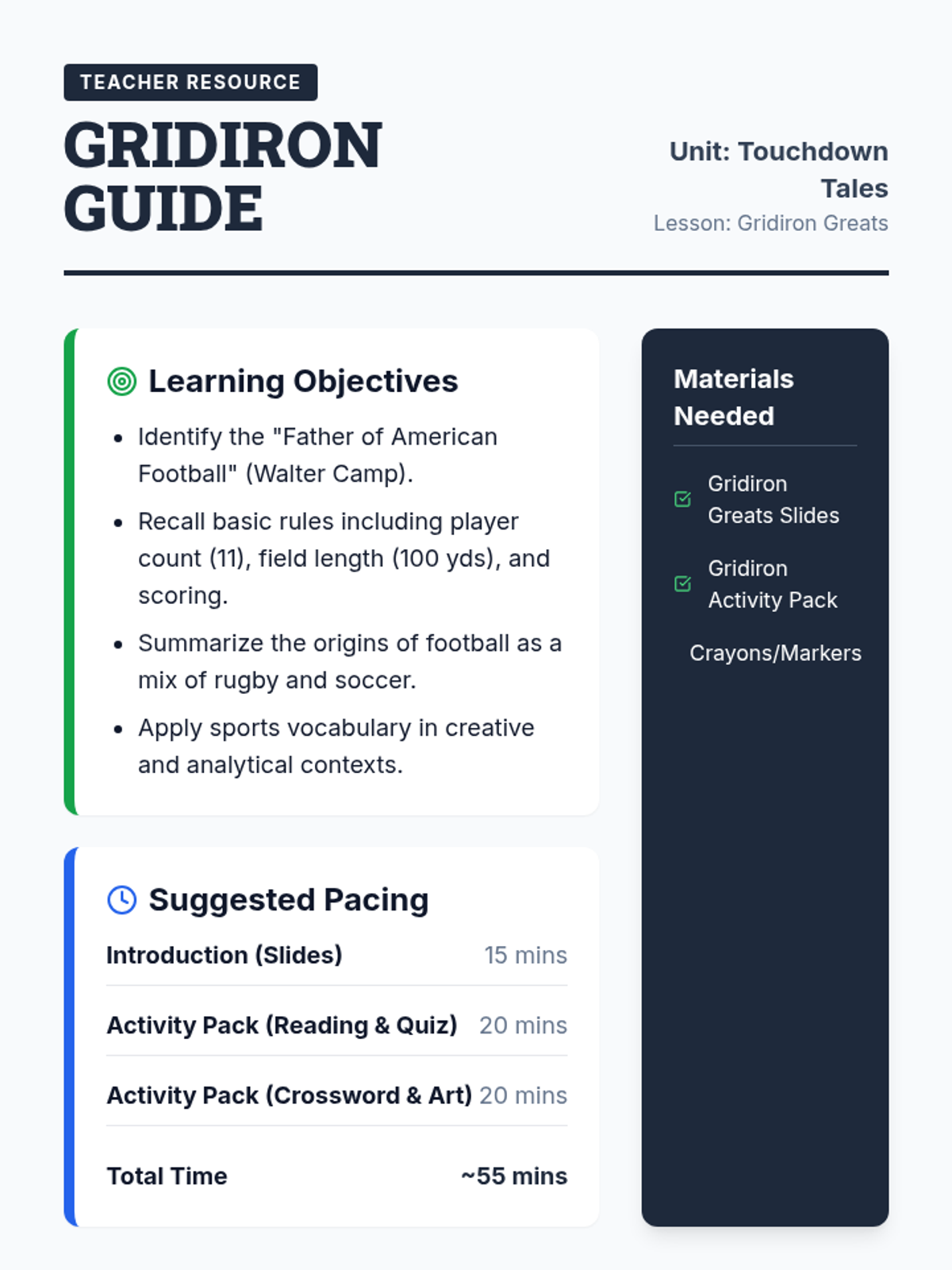
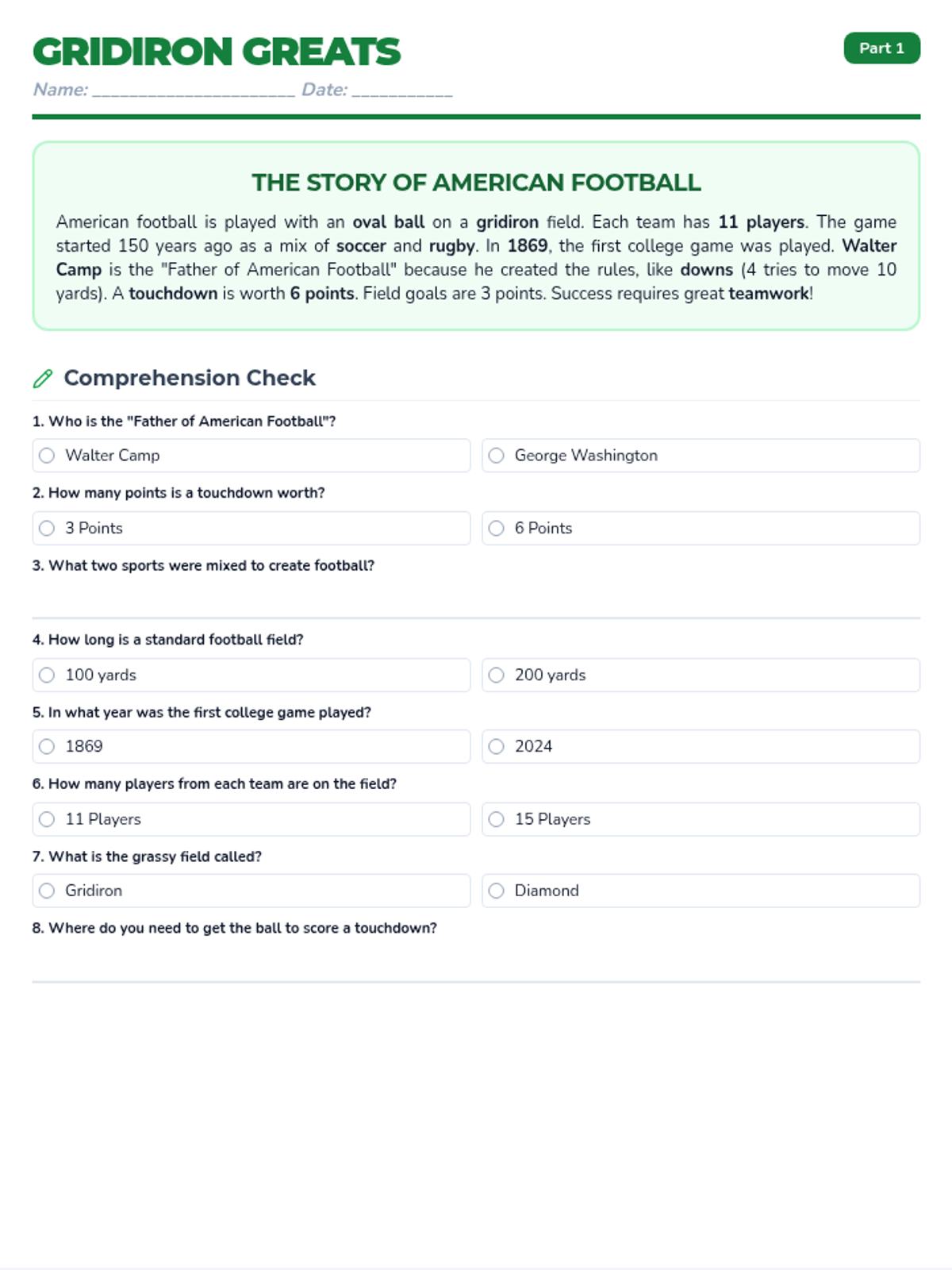
Students learn the origins of American football, key rules of the game, and engage in creative and analytical activities.
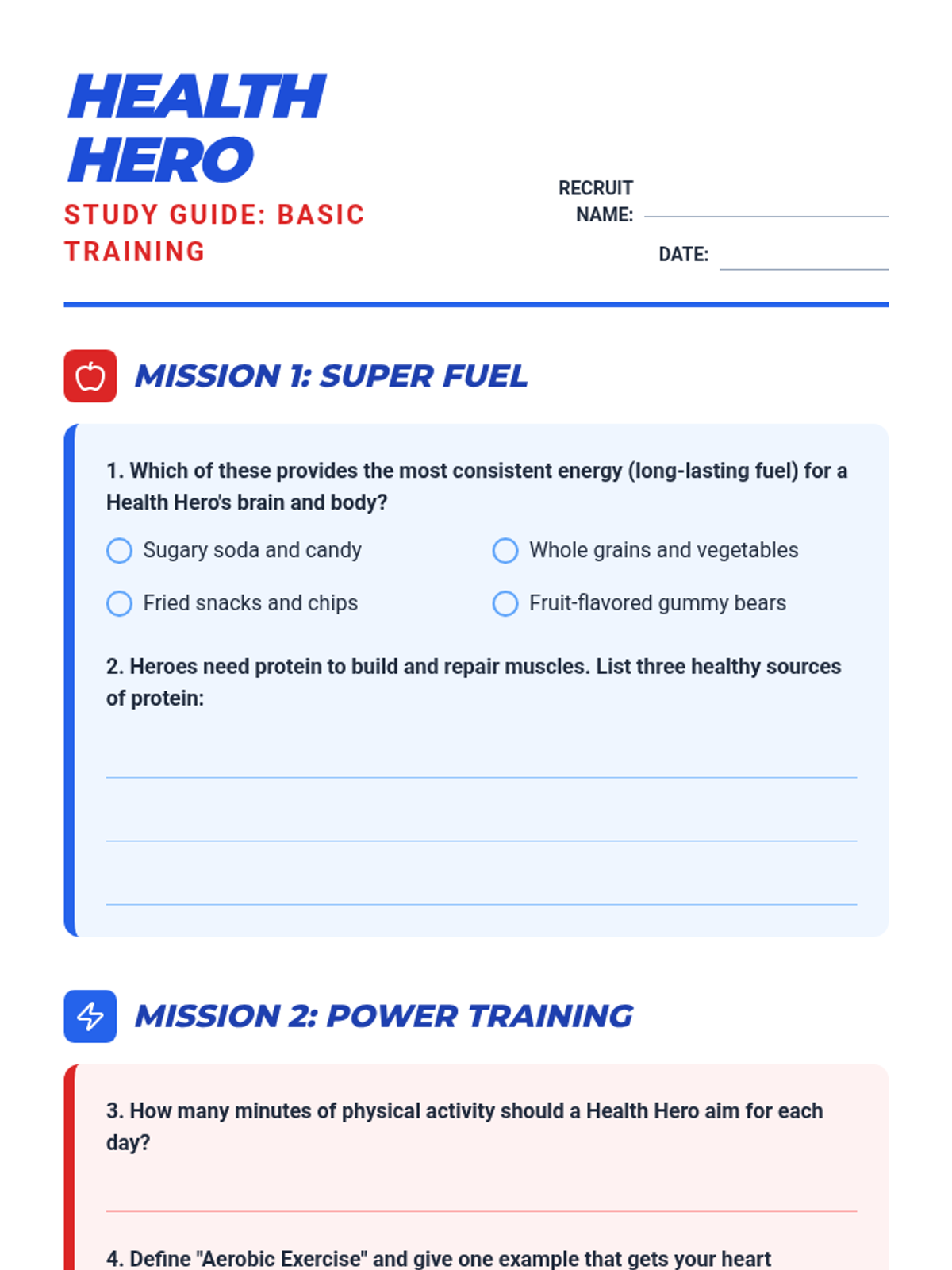
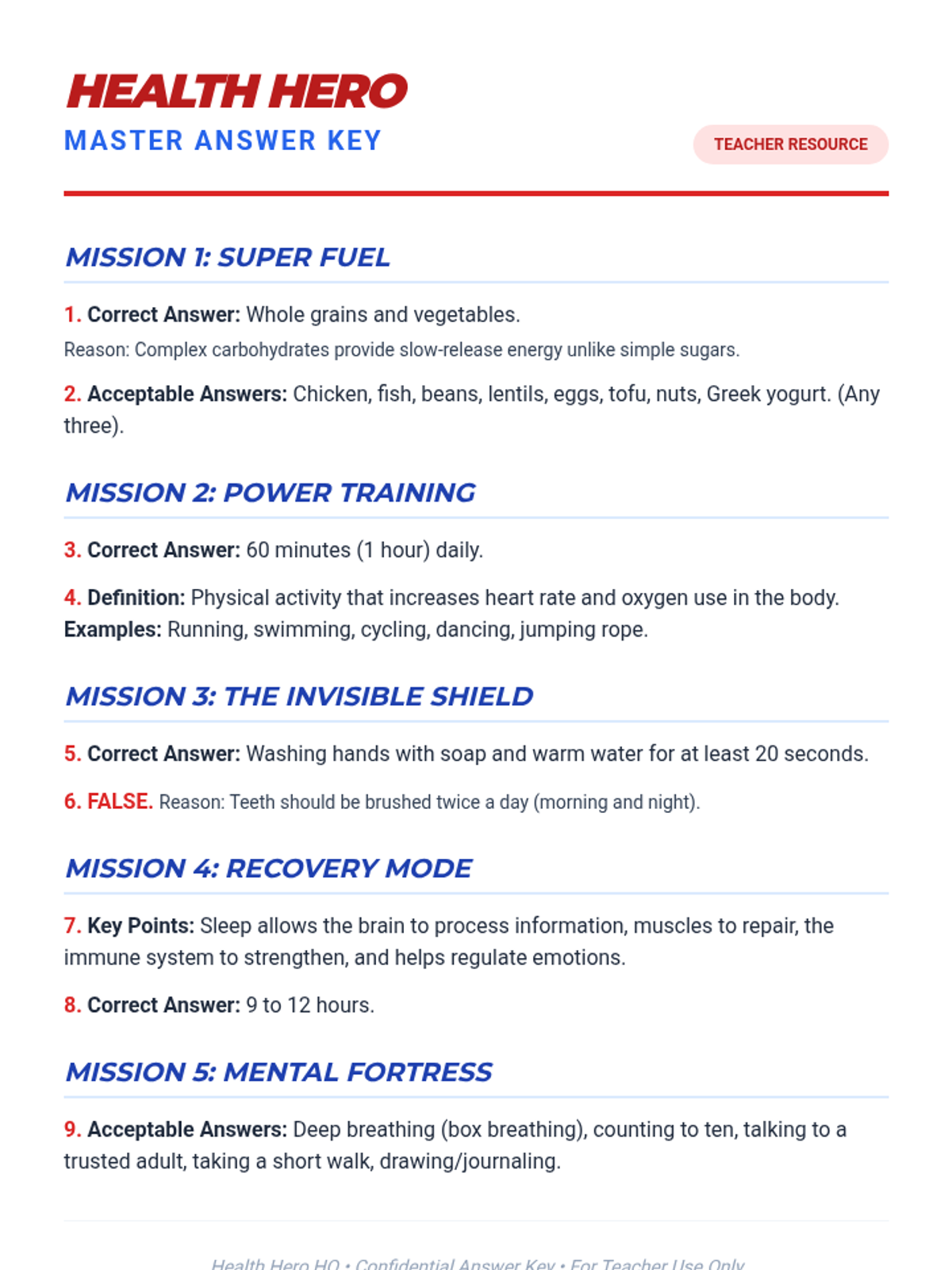
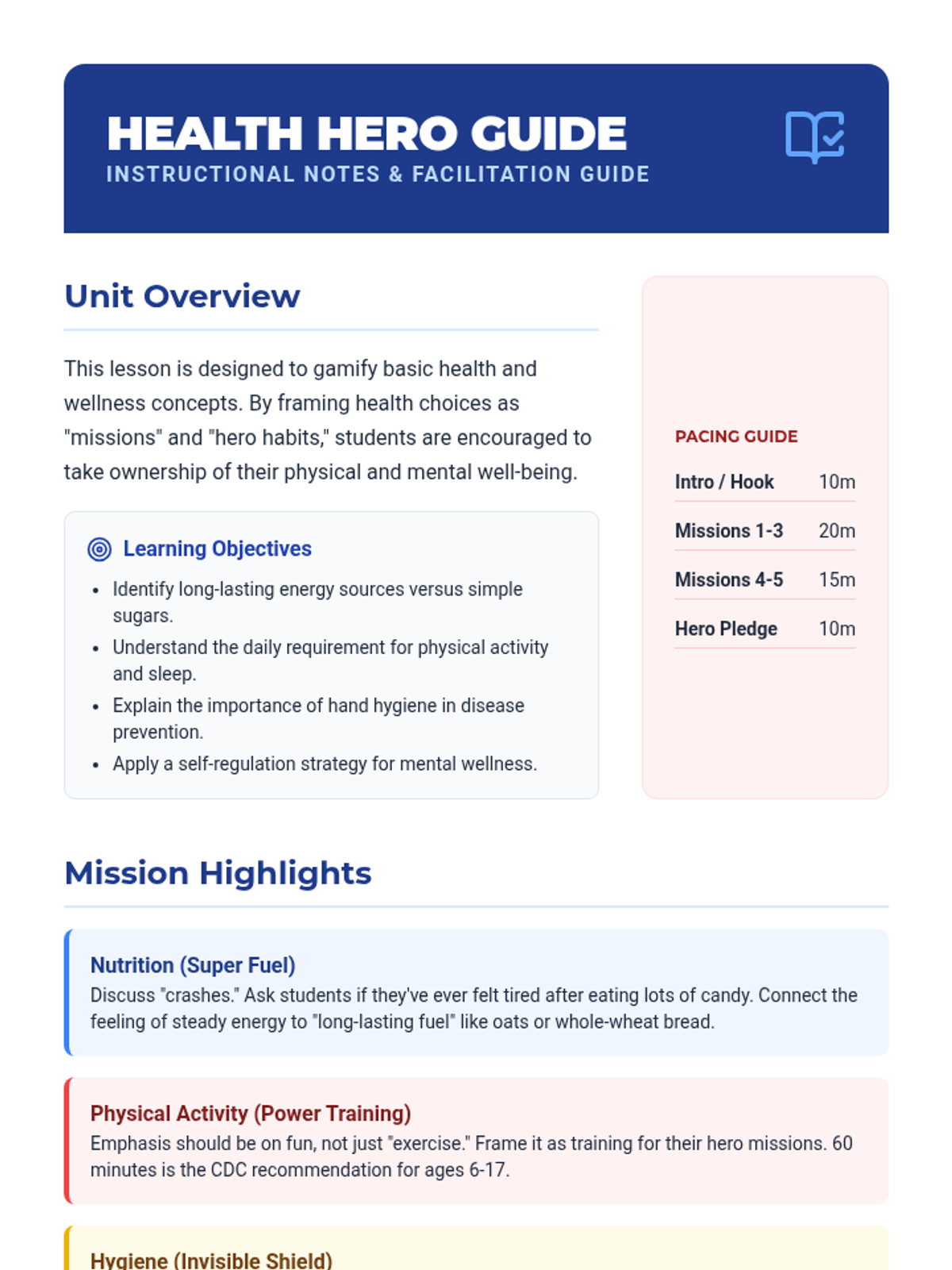
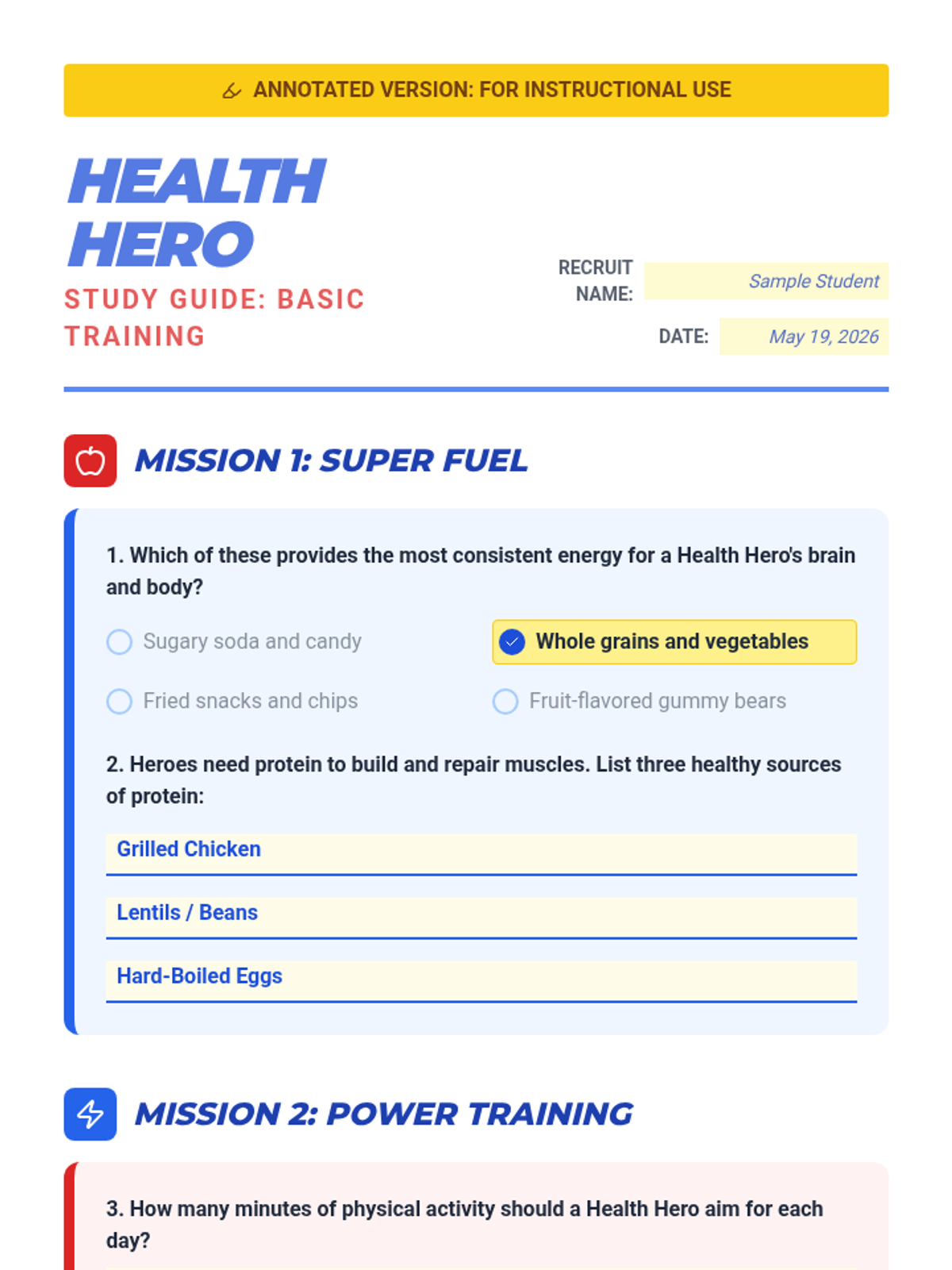
A foundational lesson where students learn the core pillars of health—nutrition, exercise, sleep, and hygiene—to build their own 'Hero's Habit' routine.
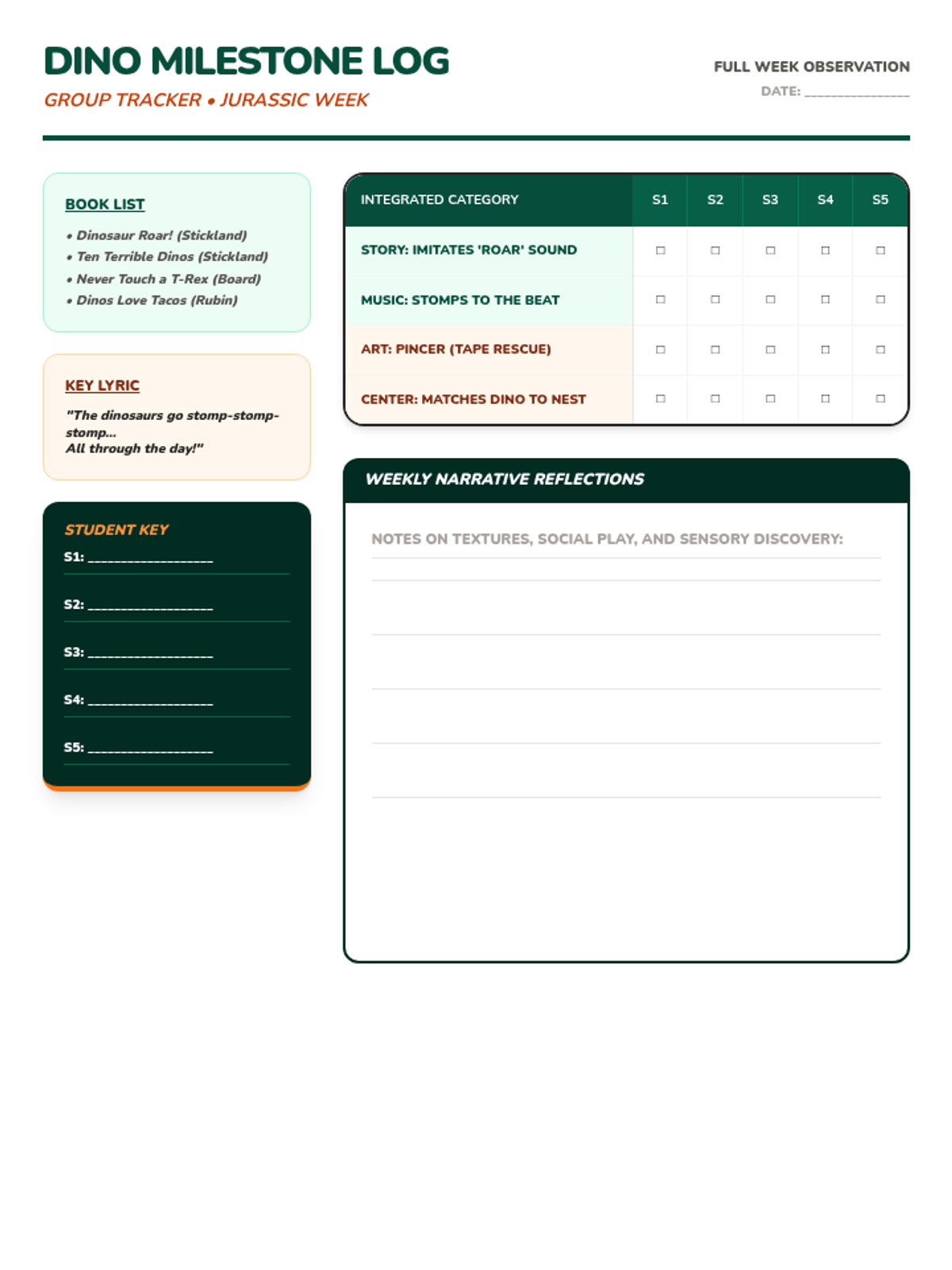
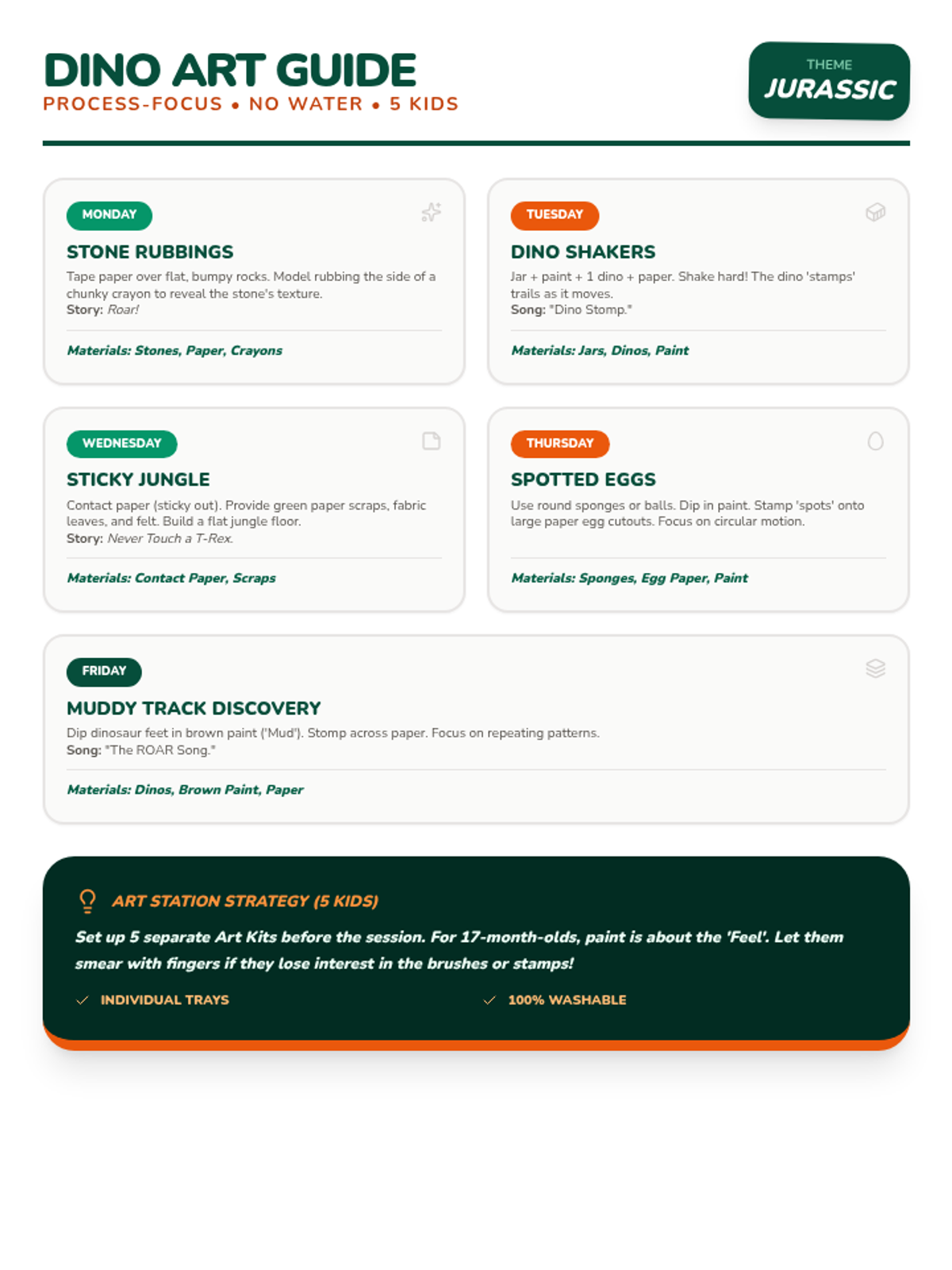
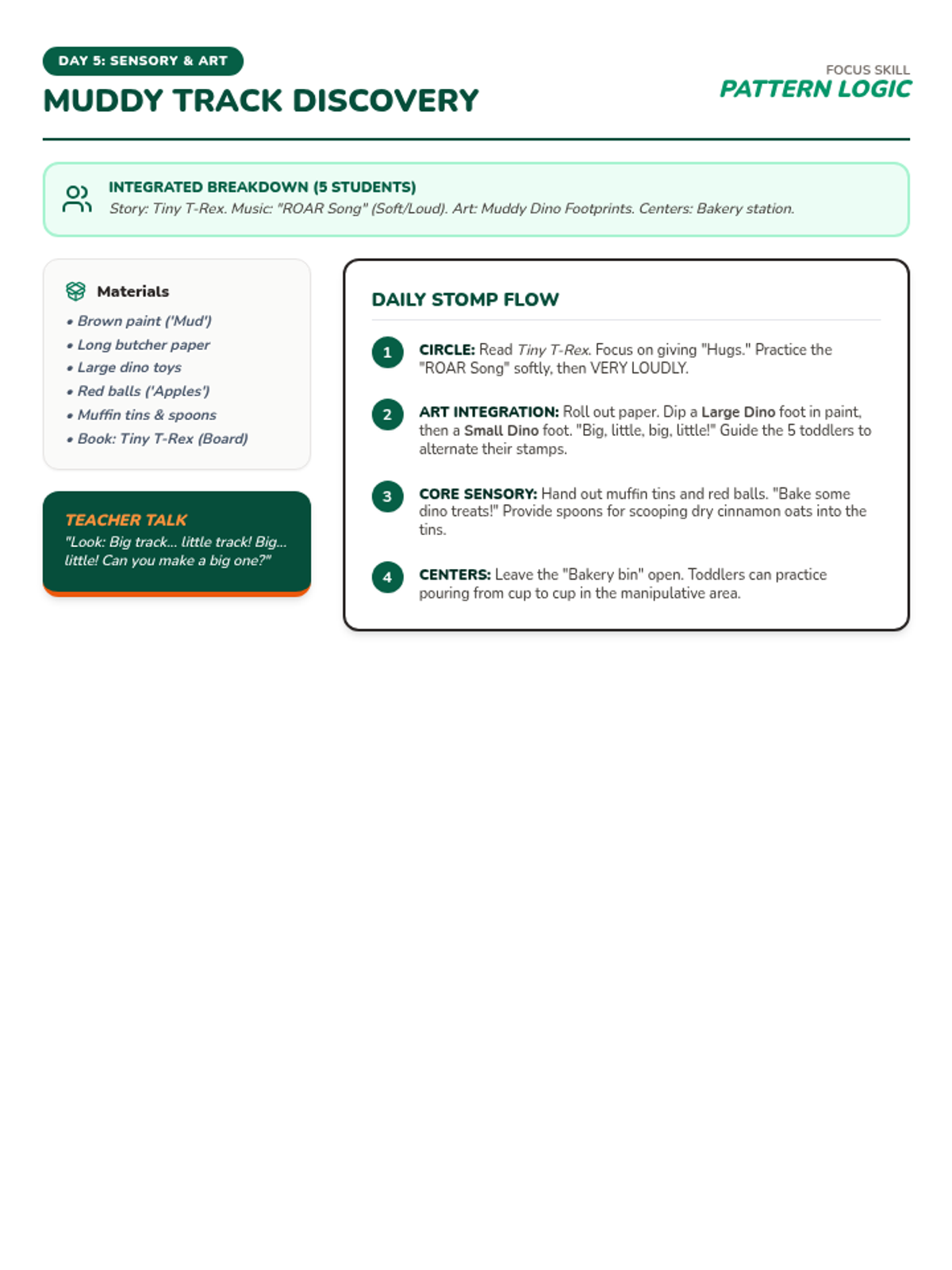
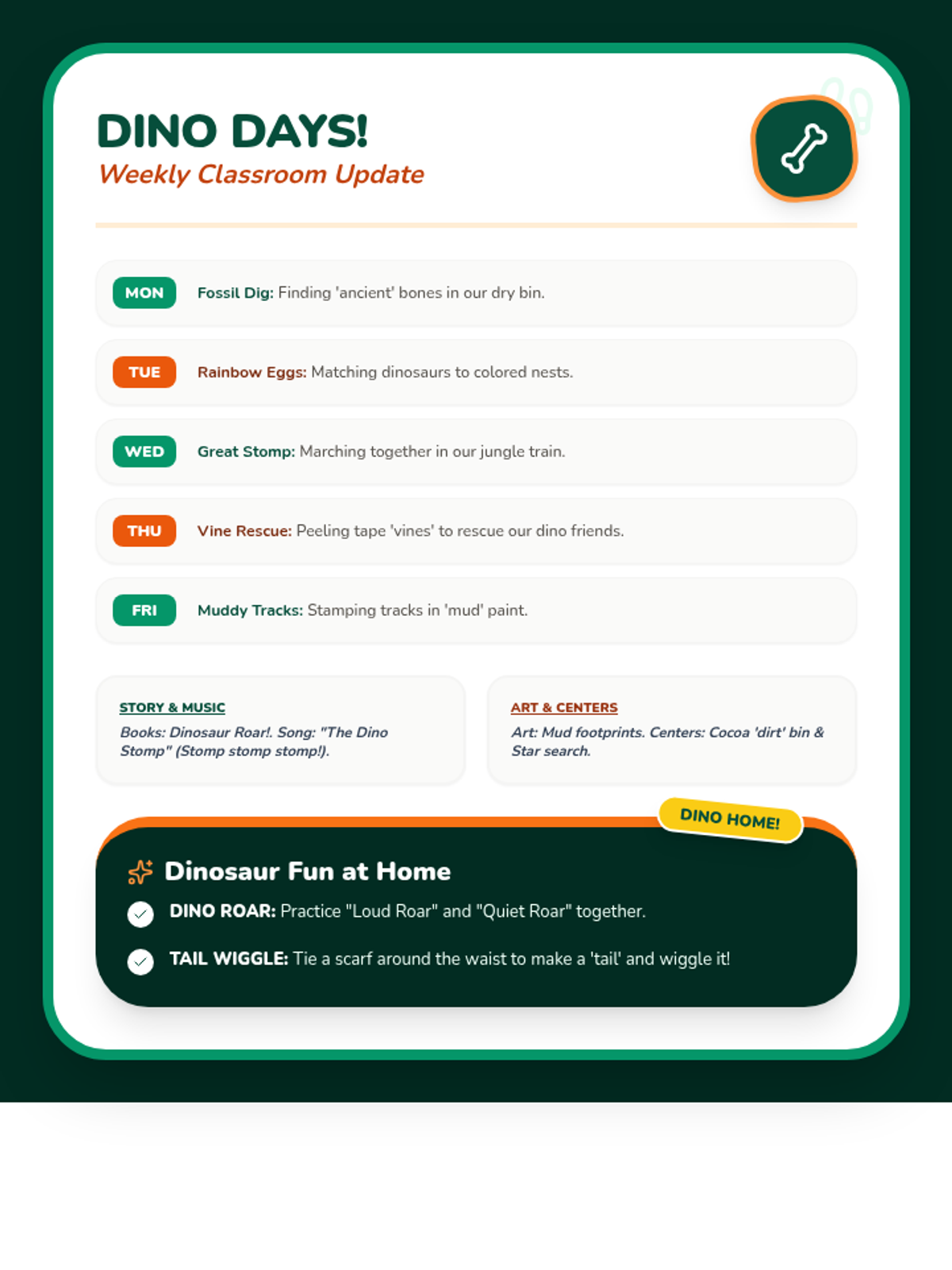
Focuses on texture and pattern making as toddlers use dinosaur feet as stamps in 'mud' (brown paint).
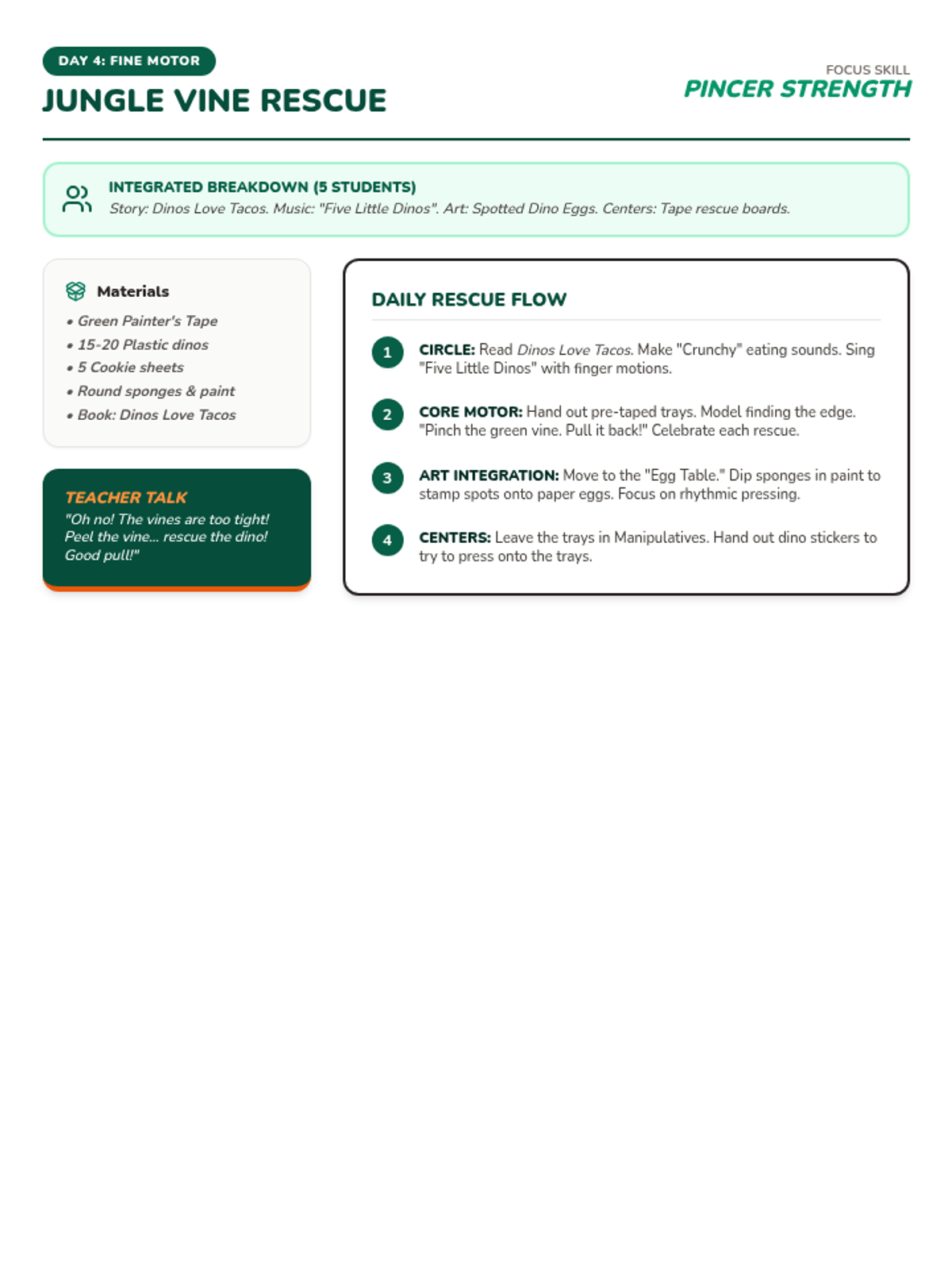
Challenges pincer grasp and problem solving as toddlers rescue dinosaurs from tape 'vines' and cardboard jungle.
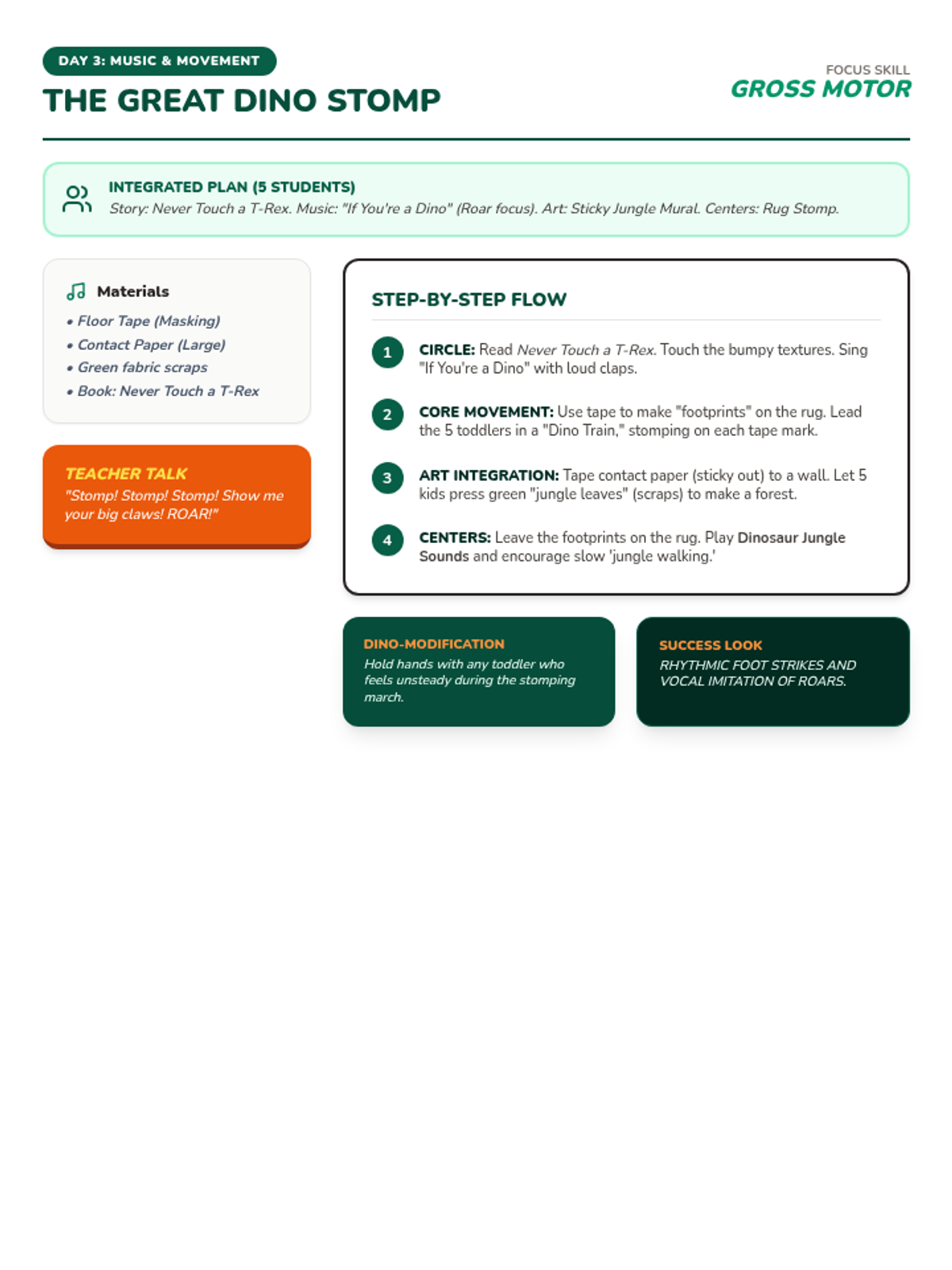
Explores gross motor movement and rhythm through heavy stomping and vocalizing dino roars.