Students explore how to separate a solid-solid mixture using physical properties like size and magnetism. They will use sieves and magnets to isolate pebbles, sand, and iron filings.
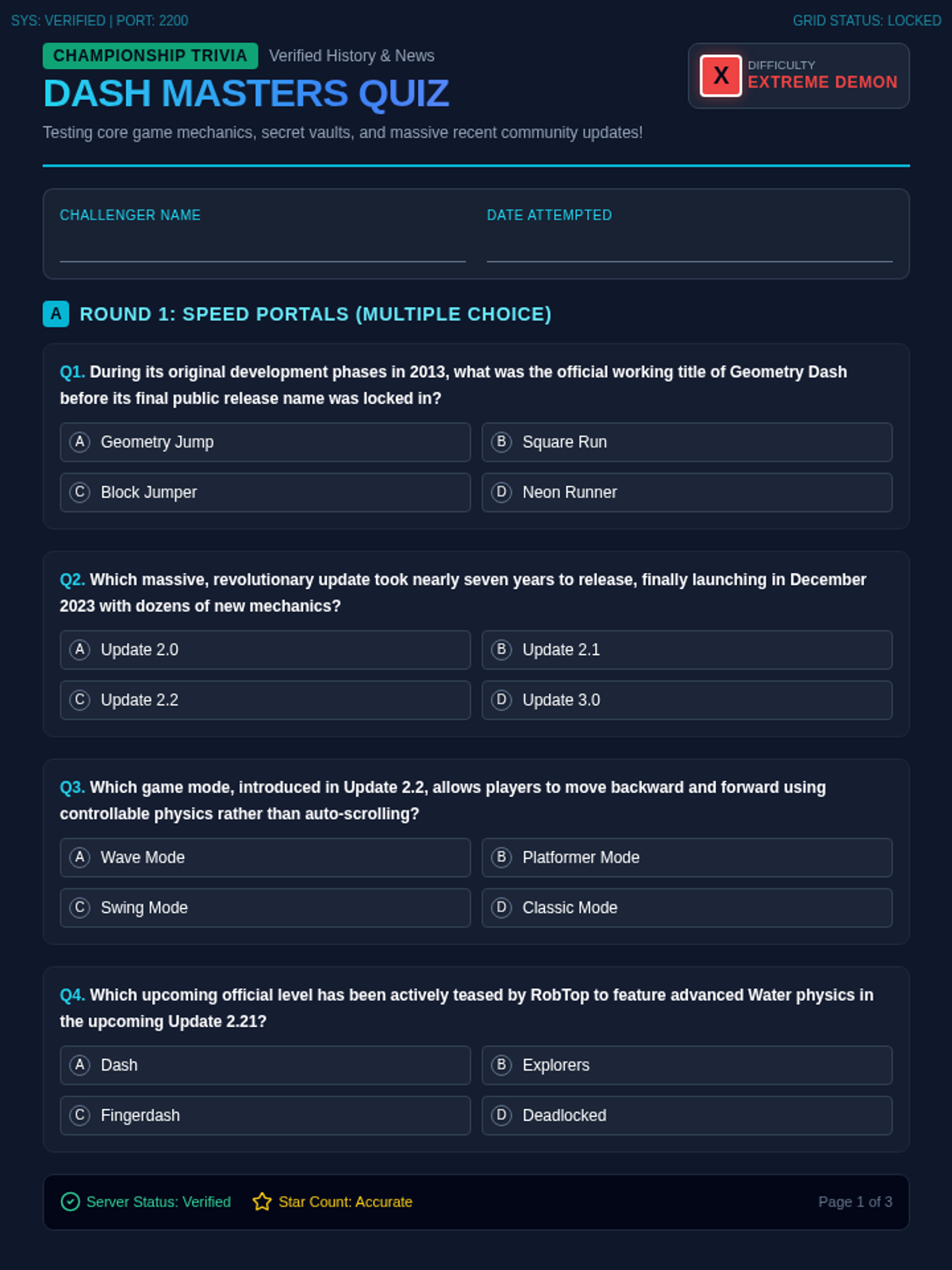
A fun-filled, competitive trivia challenge centered around the history, mechanics, and recent community updates of the sensation Geometry Dash. Perfect for gaming clubs, brain breaks, or student-led activities.
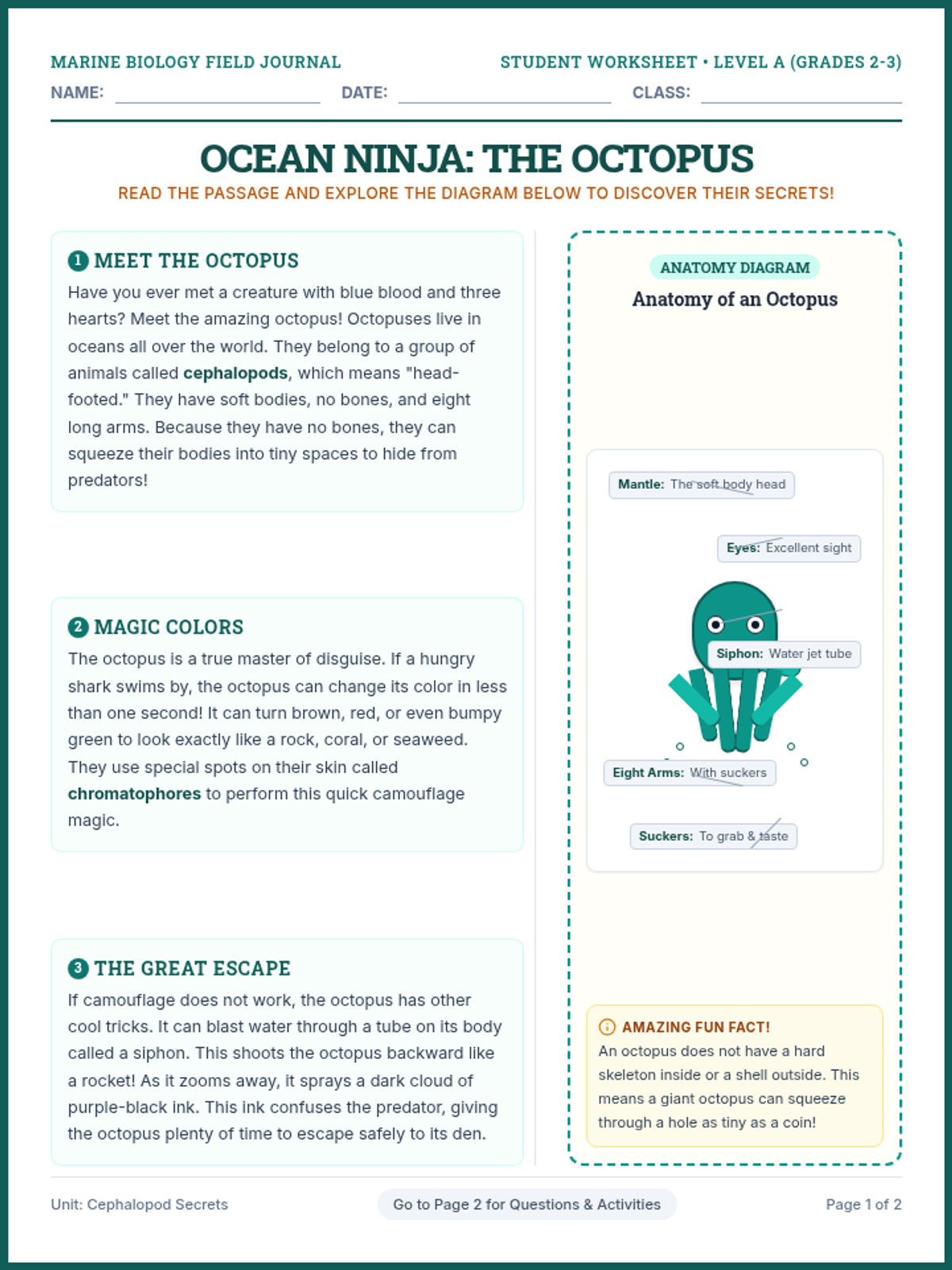
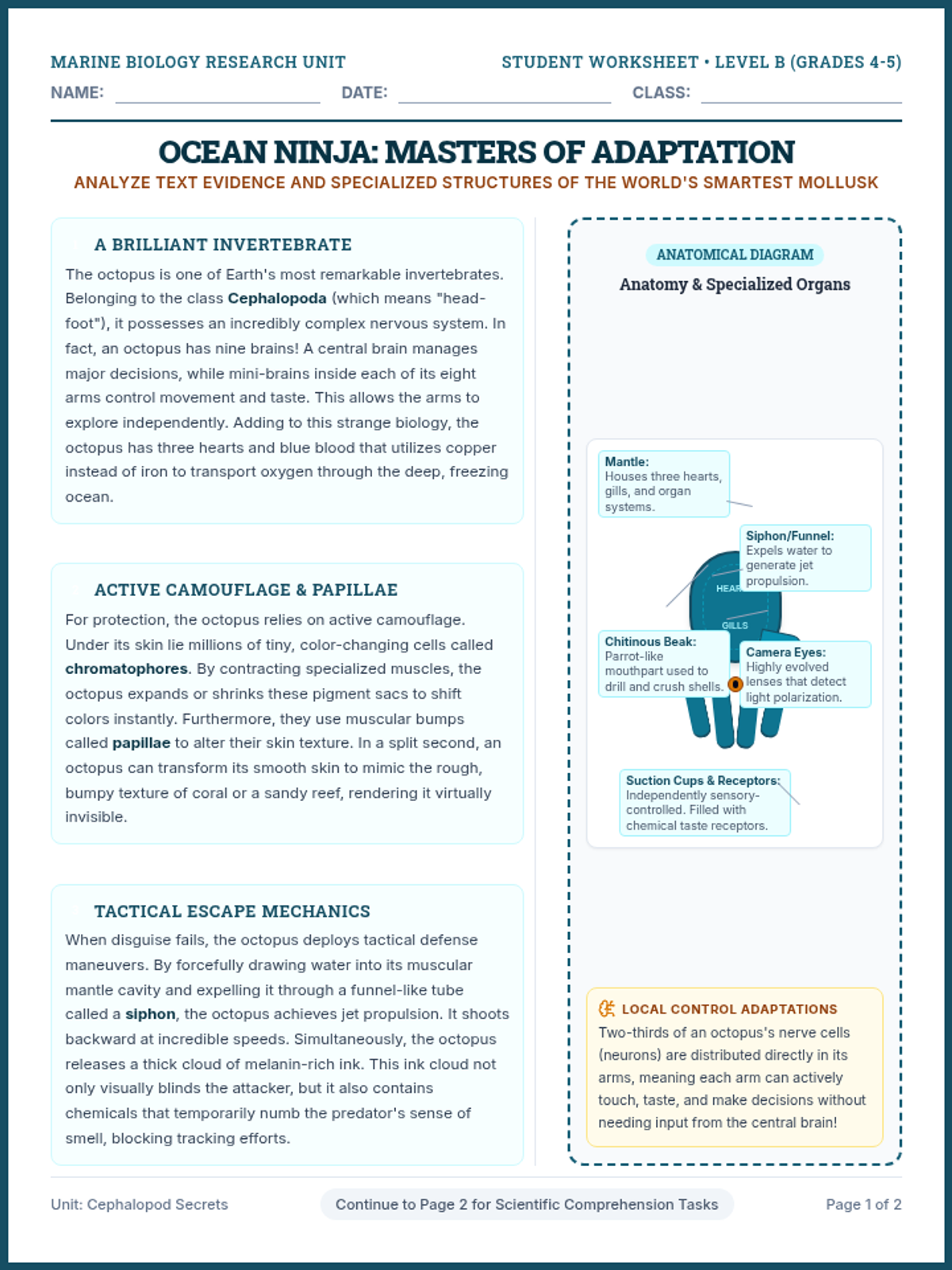
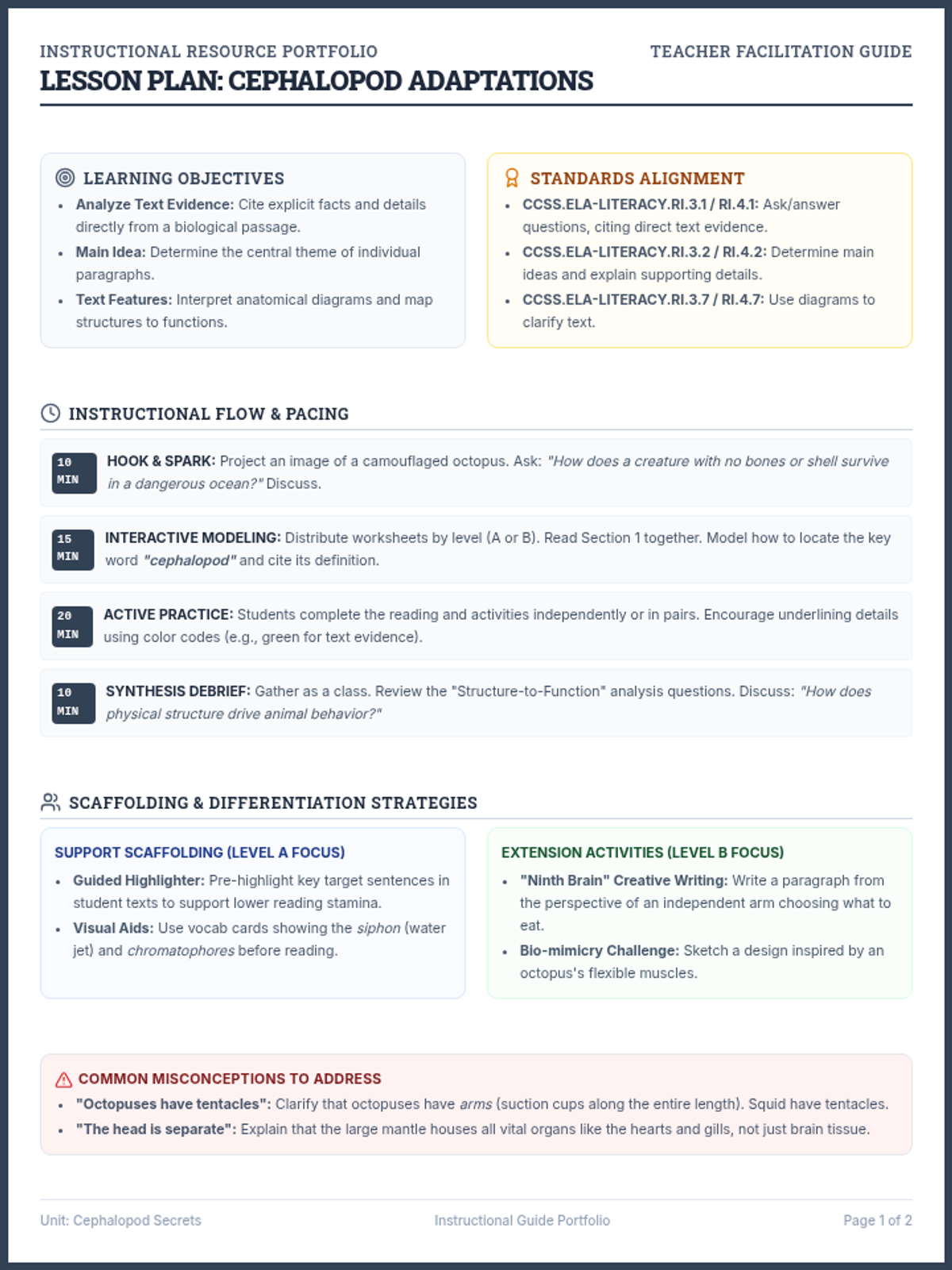
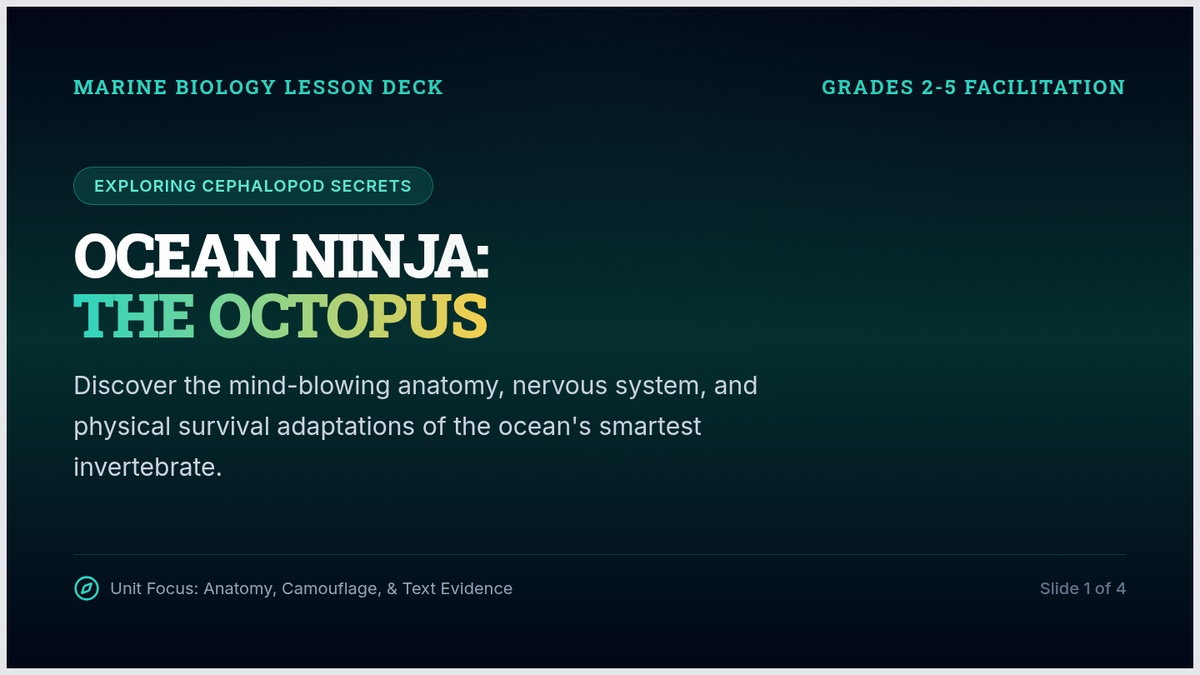
A differentiated reading comprehension unit focusing on the fascinating adaptations, anatomy, and intelligence of octopuses. Students read level-adjusted passages, analyze text-feature diagrams, and practice finding direct text evidence and summarizing main ideas.
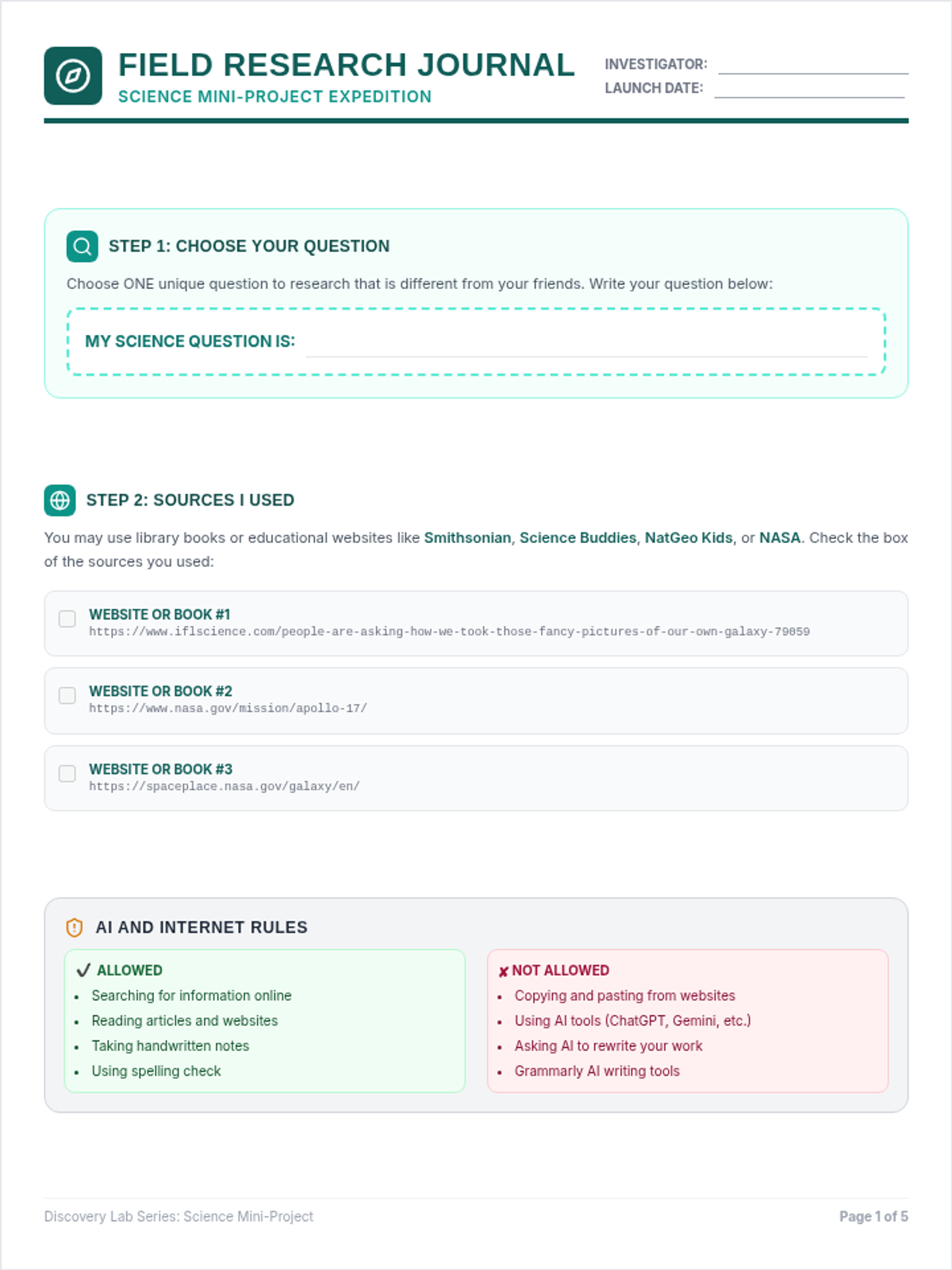
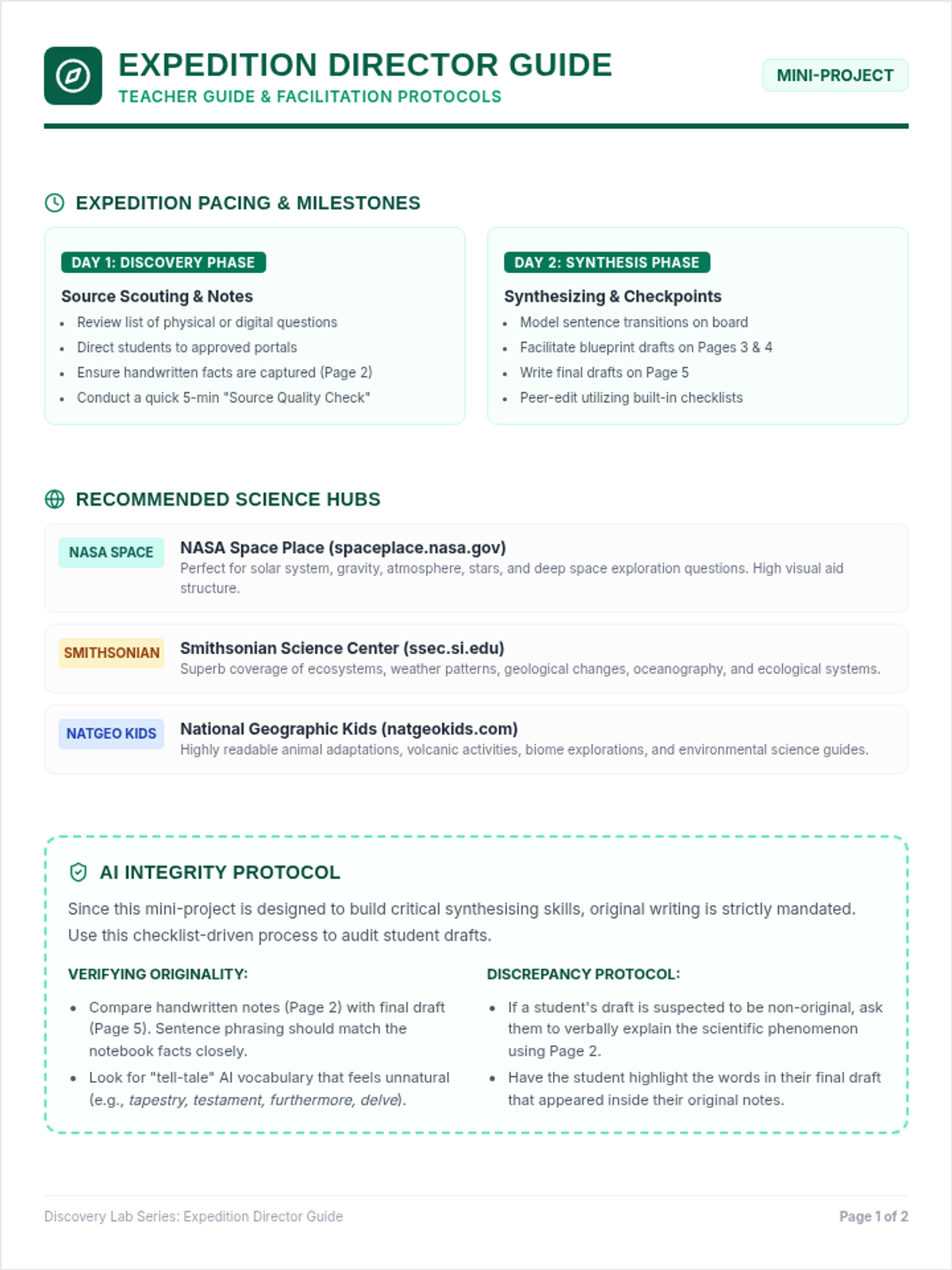
A student-led research project where students choose a science question, evaluate reliable sources, gather evidence, and draft a 3-4 paragraph explanation. Includes moderate visual scaffolding and structured checklists to guide independent inquiry and writing.
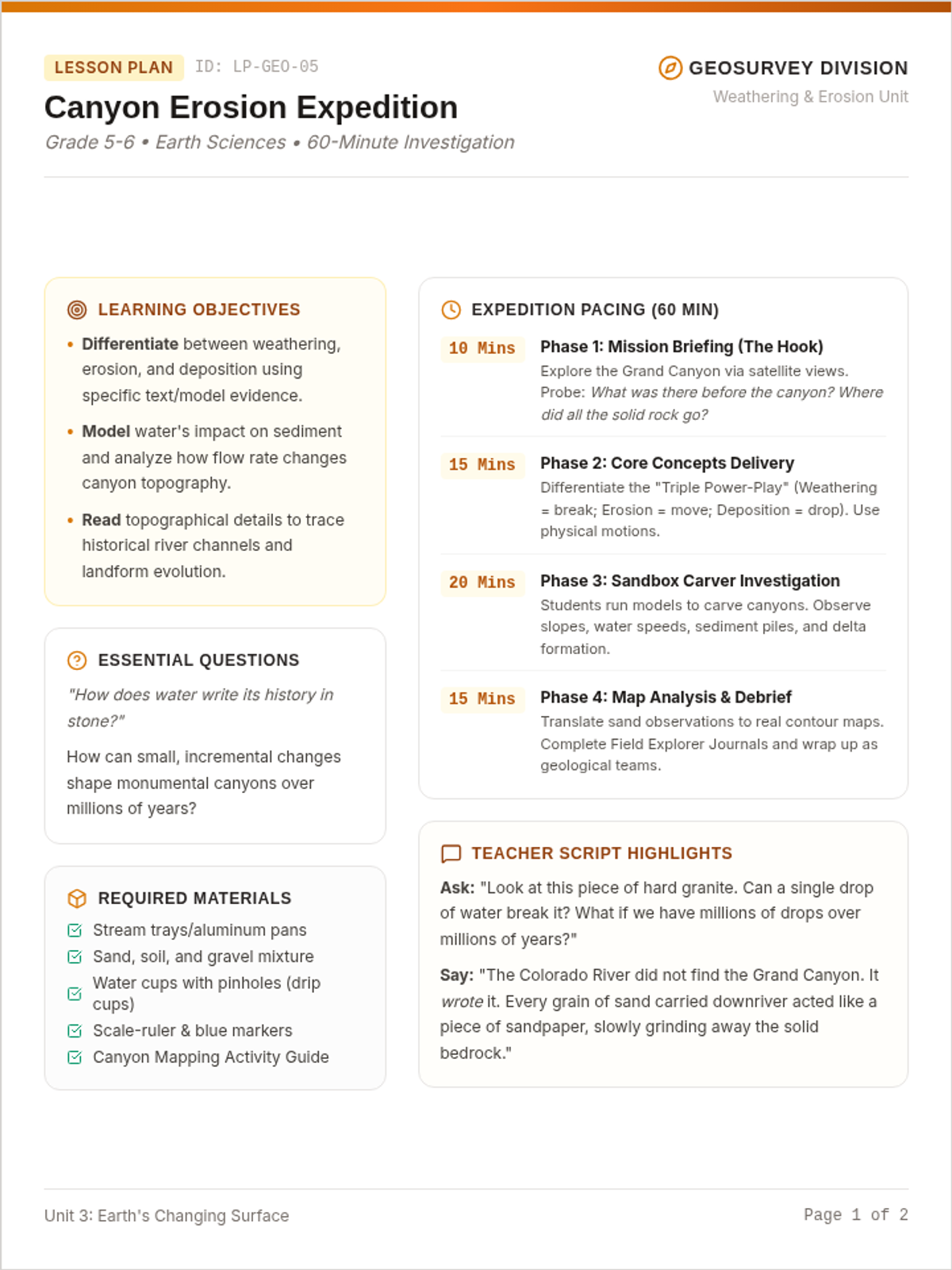
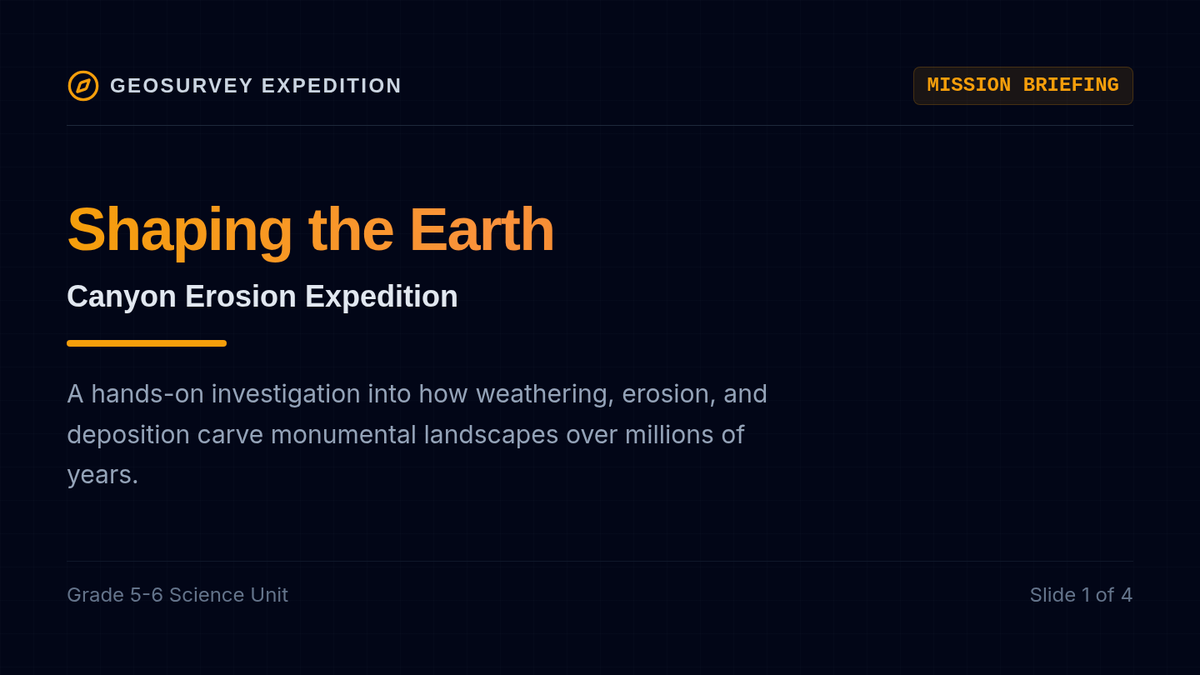
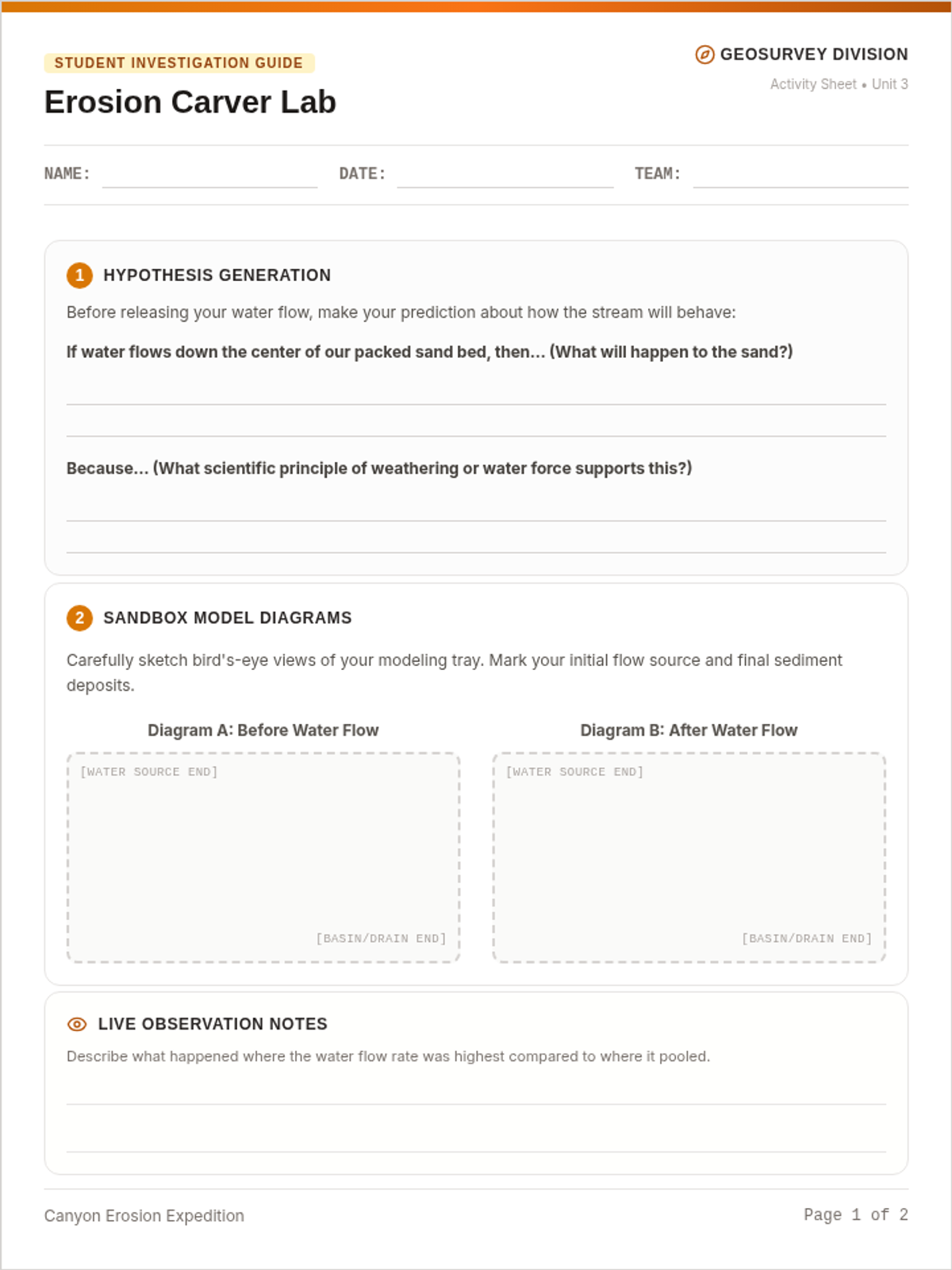
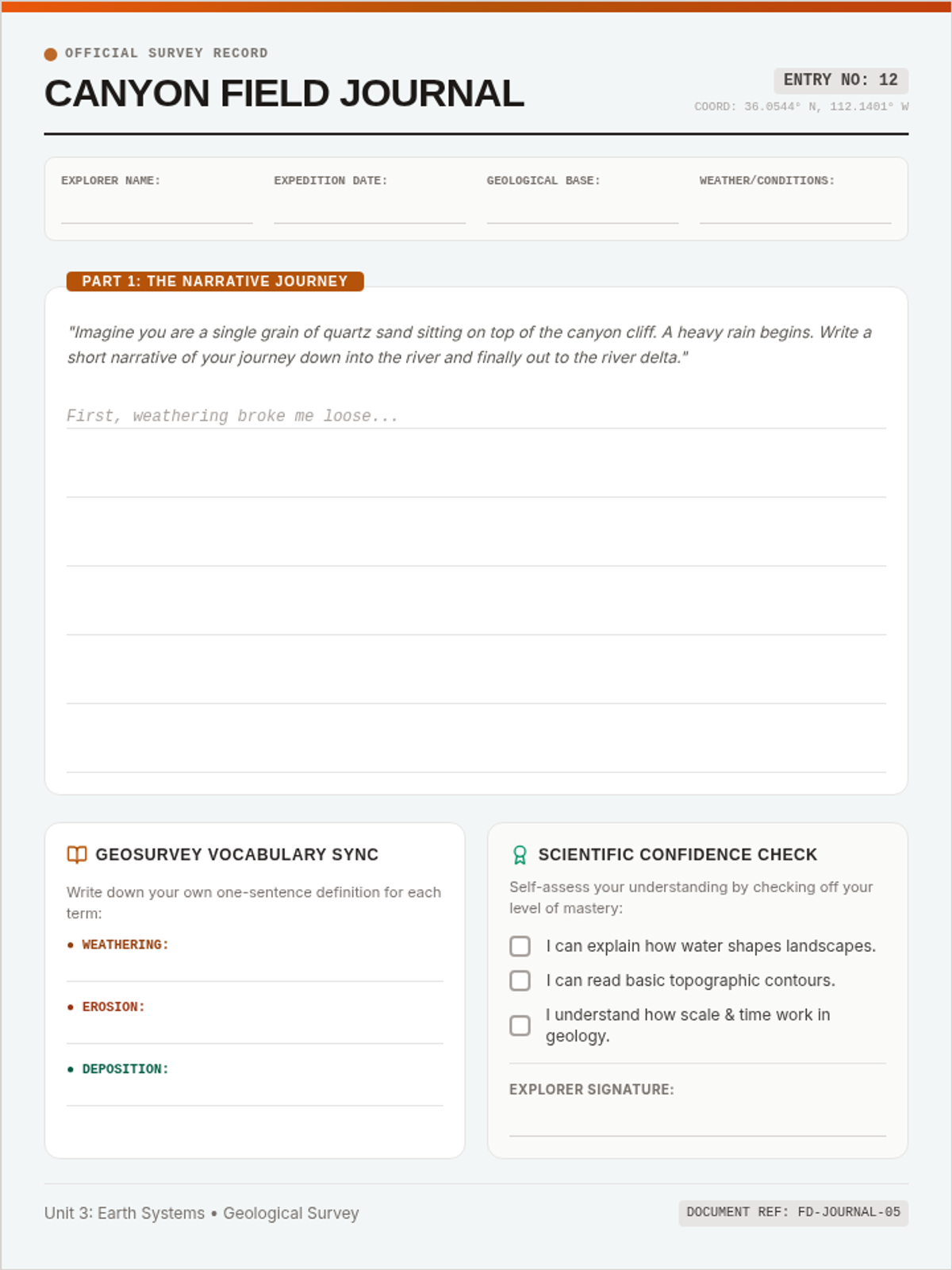
An immersive geological investigation where 5th and 6th-grade students study weathering and erosion. Students analyze canyon maps, model erosional forces, and keep a scientific field journal.
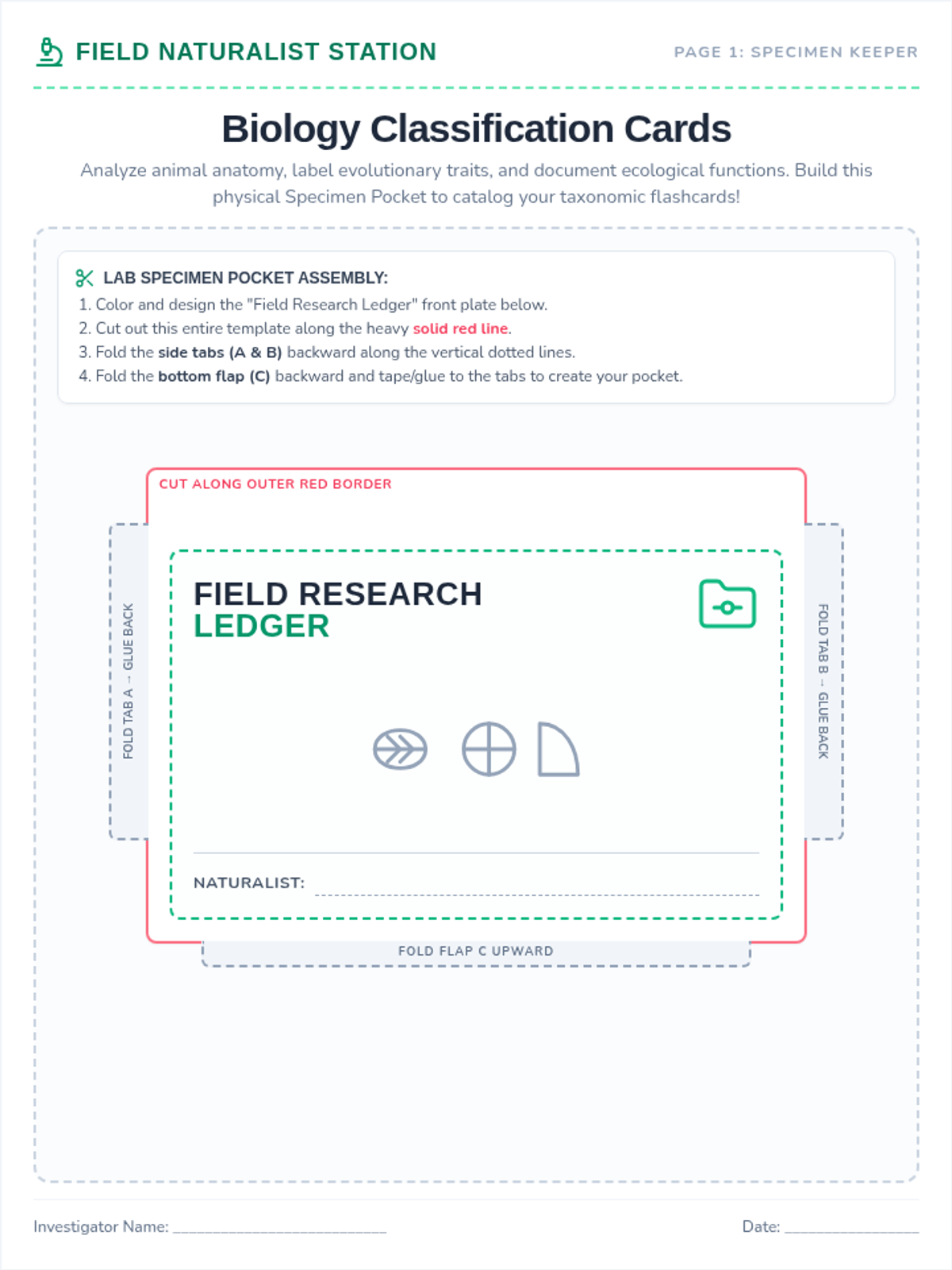
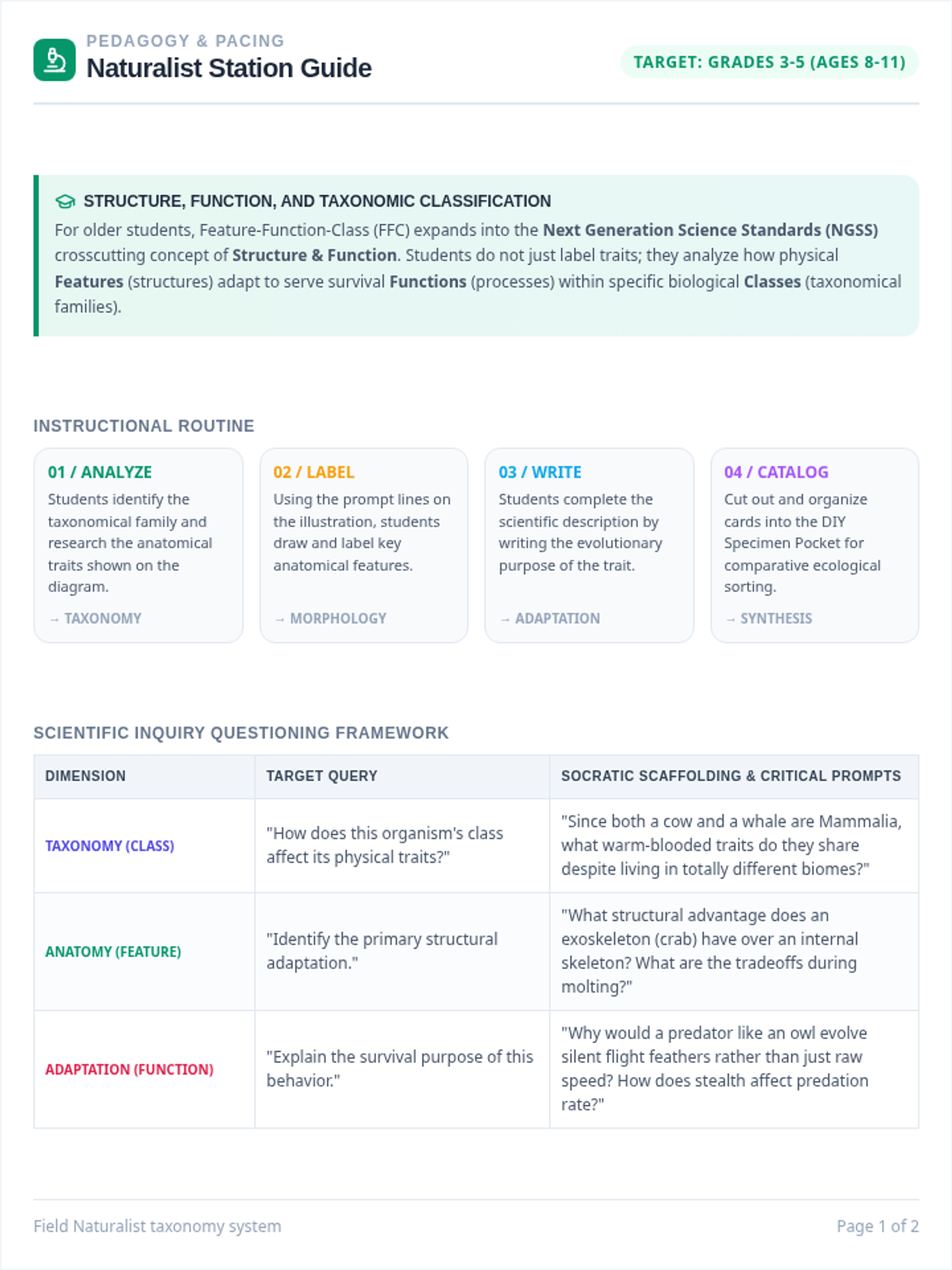
A biology and taxonomy sorting system designed for older kids (Grades 3-5). Students analyze evolutionary adaptations, label critical anatomical features, and categorize specimens by their taxonomic classes, habitats, and ecological functions.
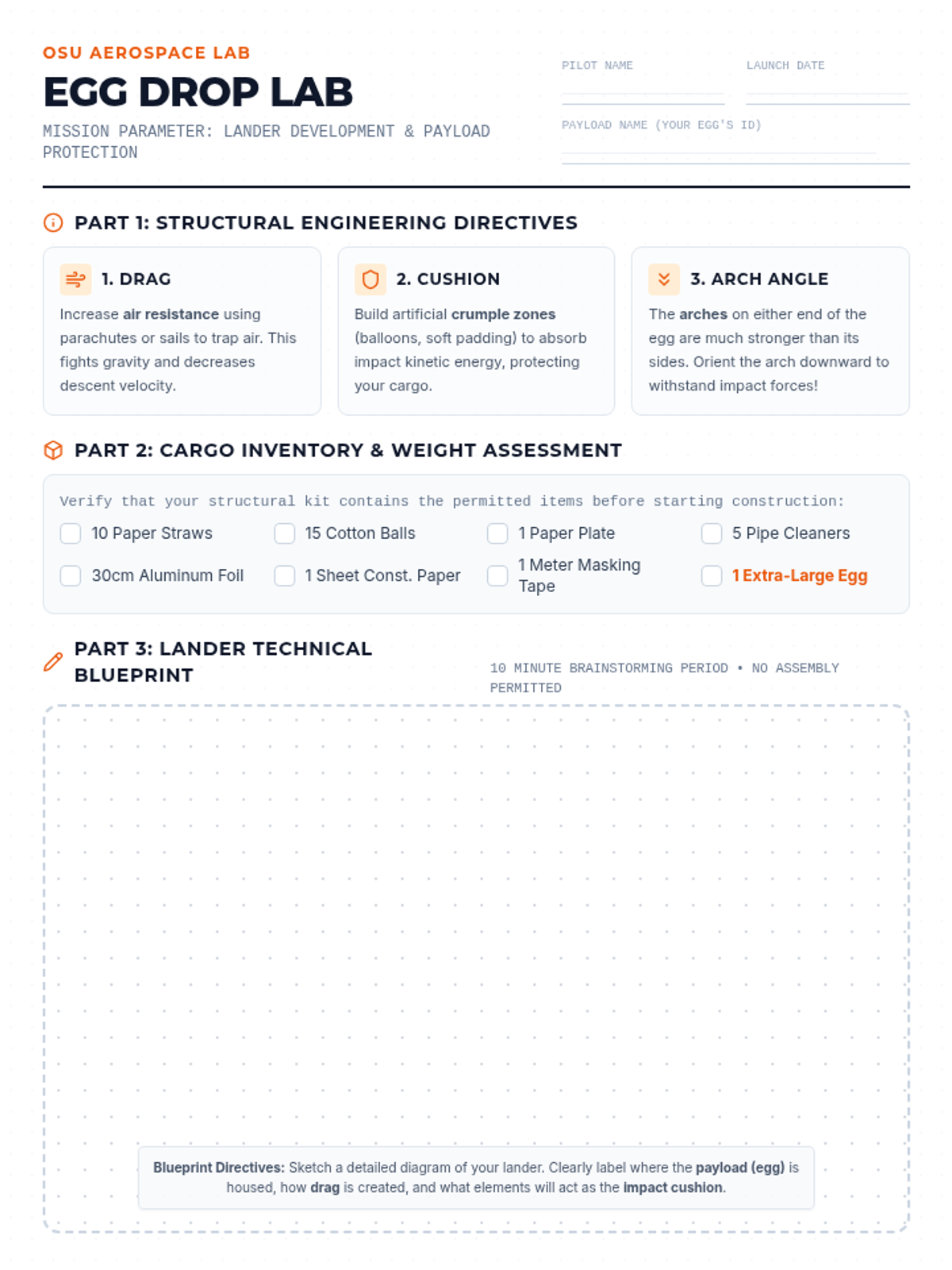
An engaging, hands-on physics and engineering lesson where students design, build, and test protective landing craft for fragile payloads (eggs), exploring forces, deceleration, and structural integrity.
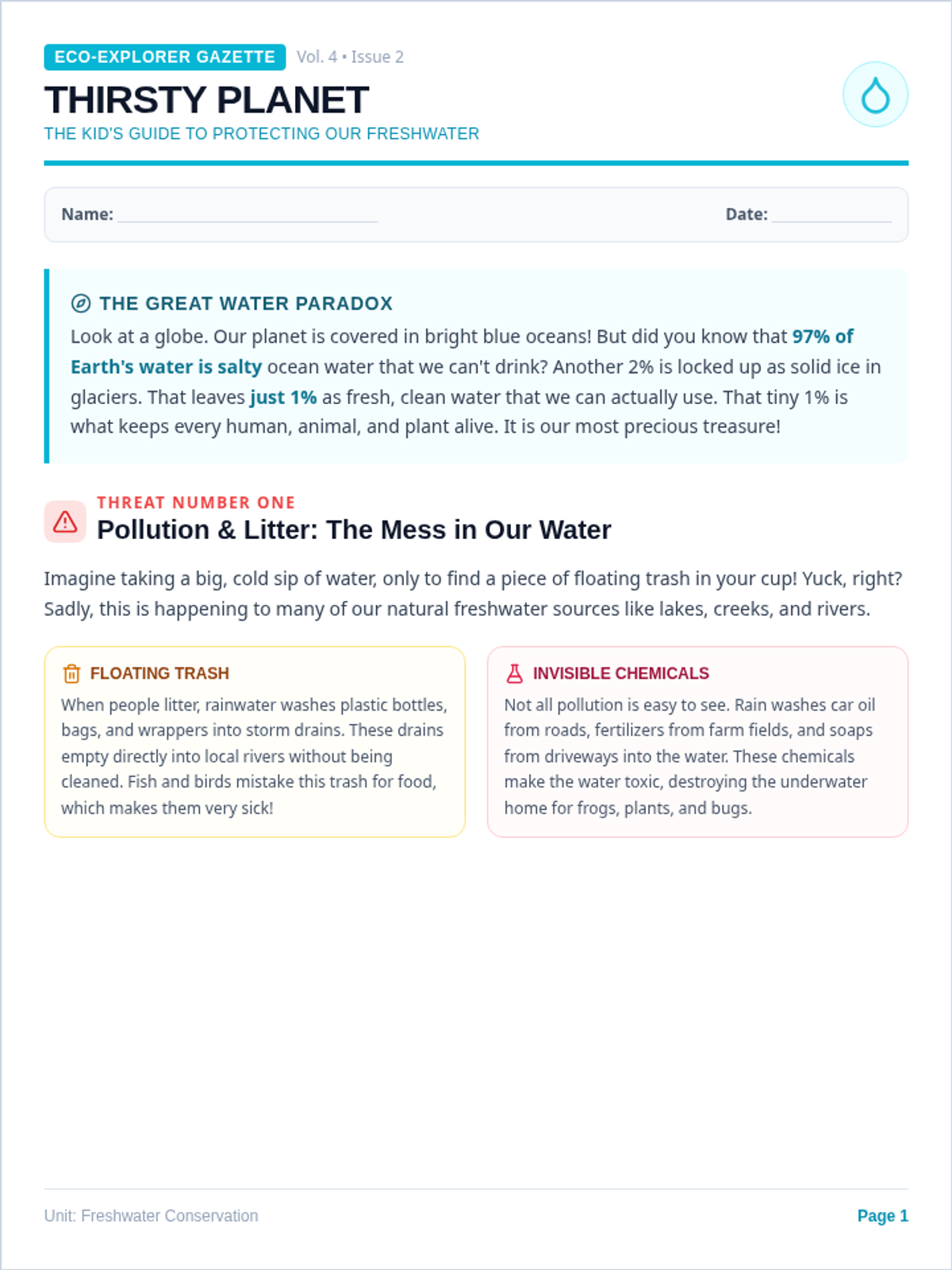
A lesson focused on understanding the primary threats to our freshwater supply, featuring an engaging, student-friendly explorer article on pollution, home water waste, droughts, and growing demand.
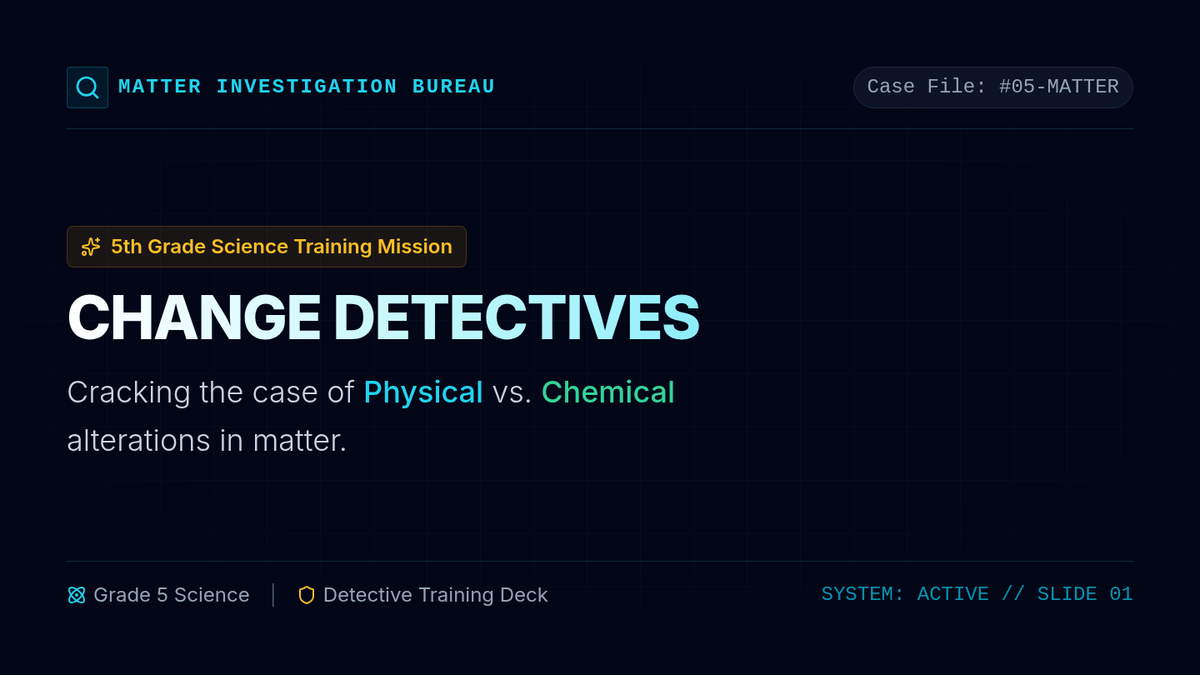
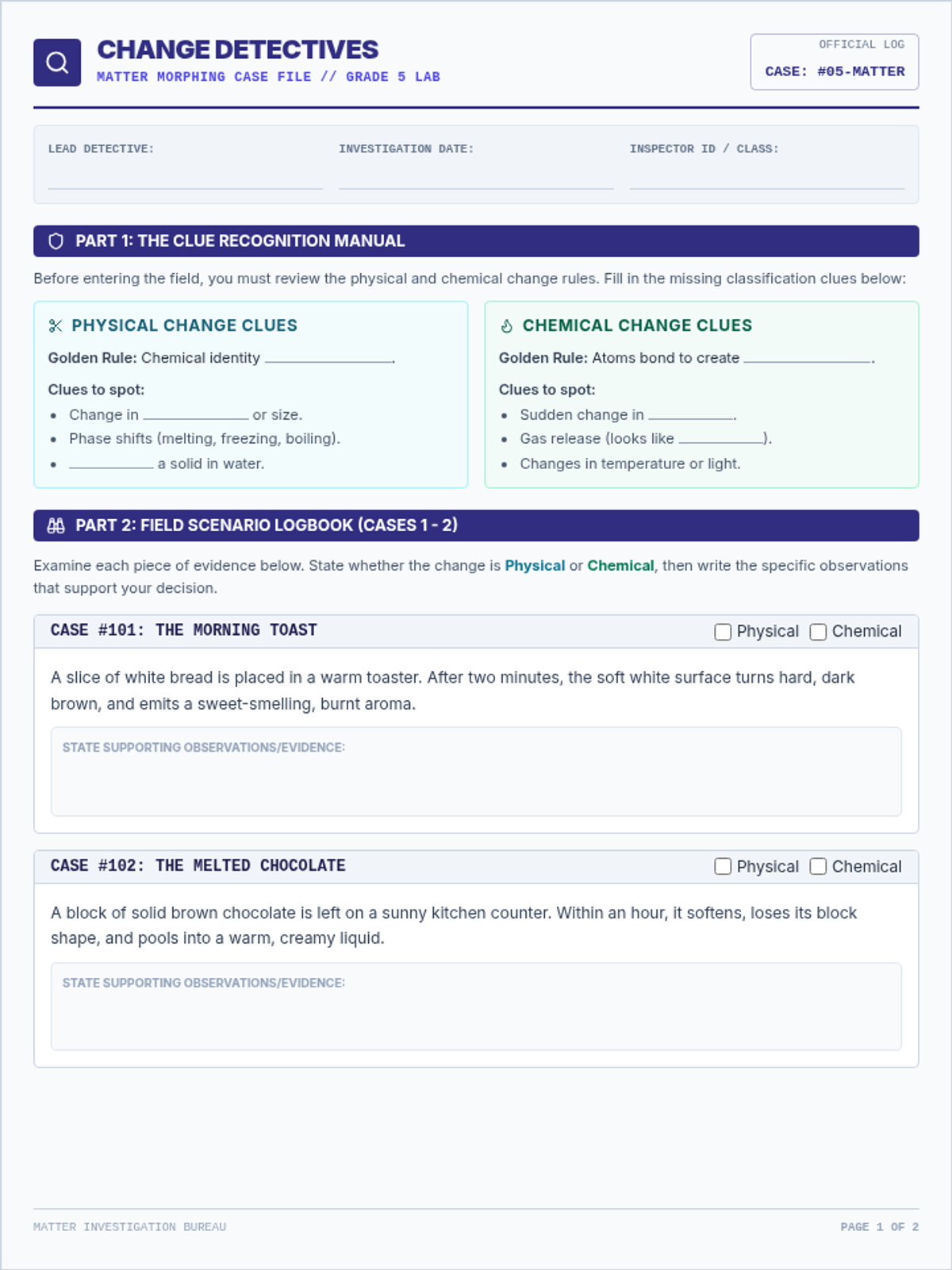
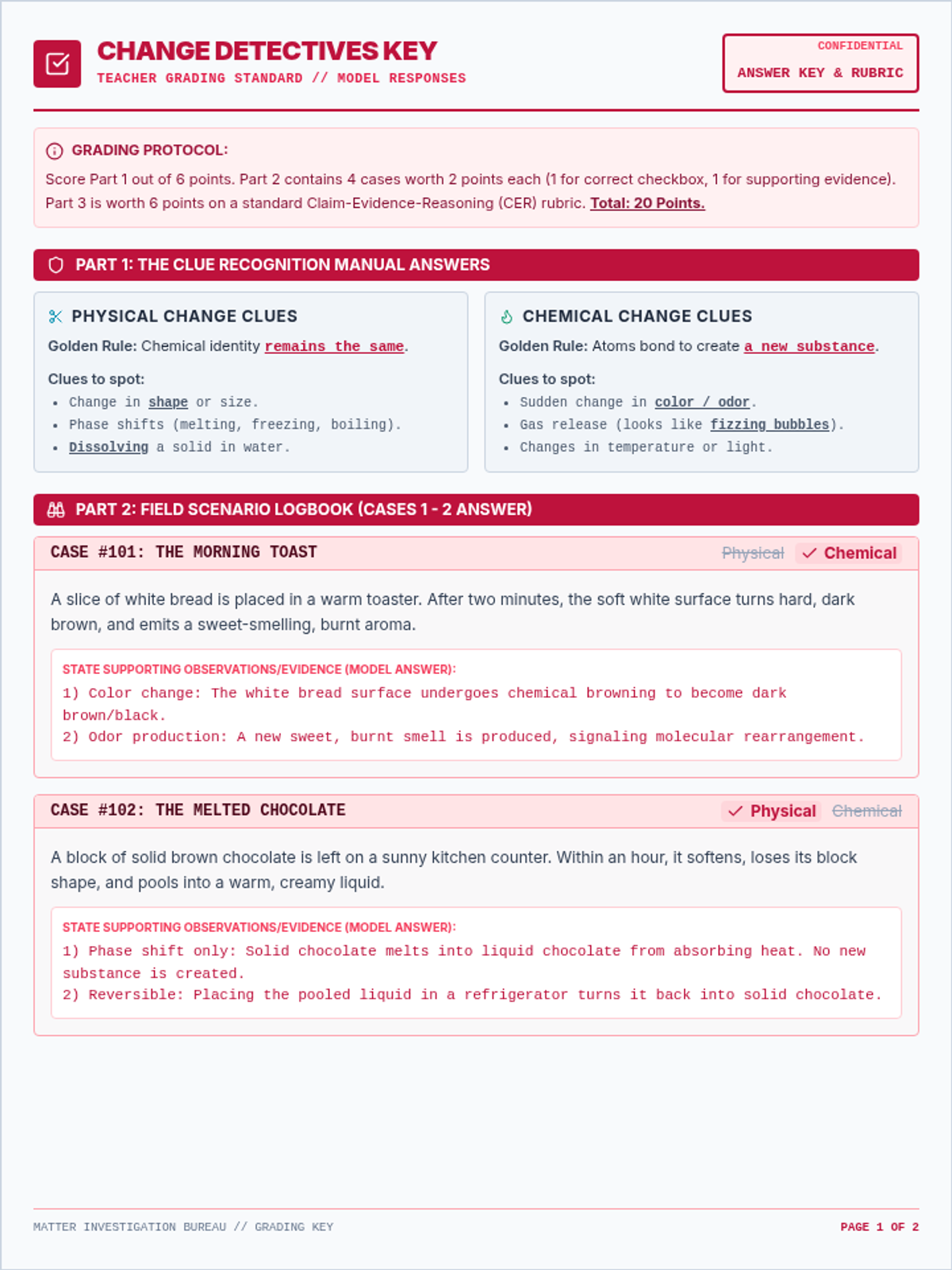
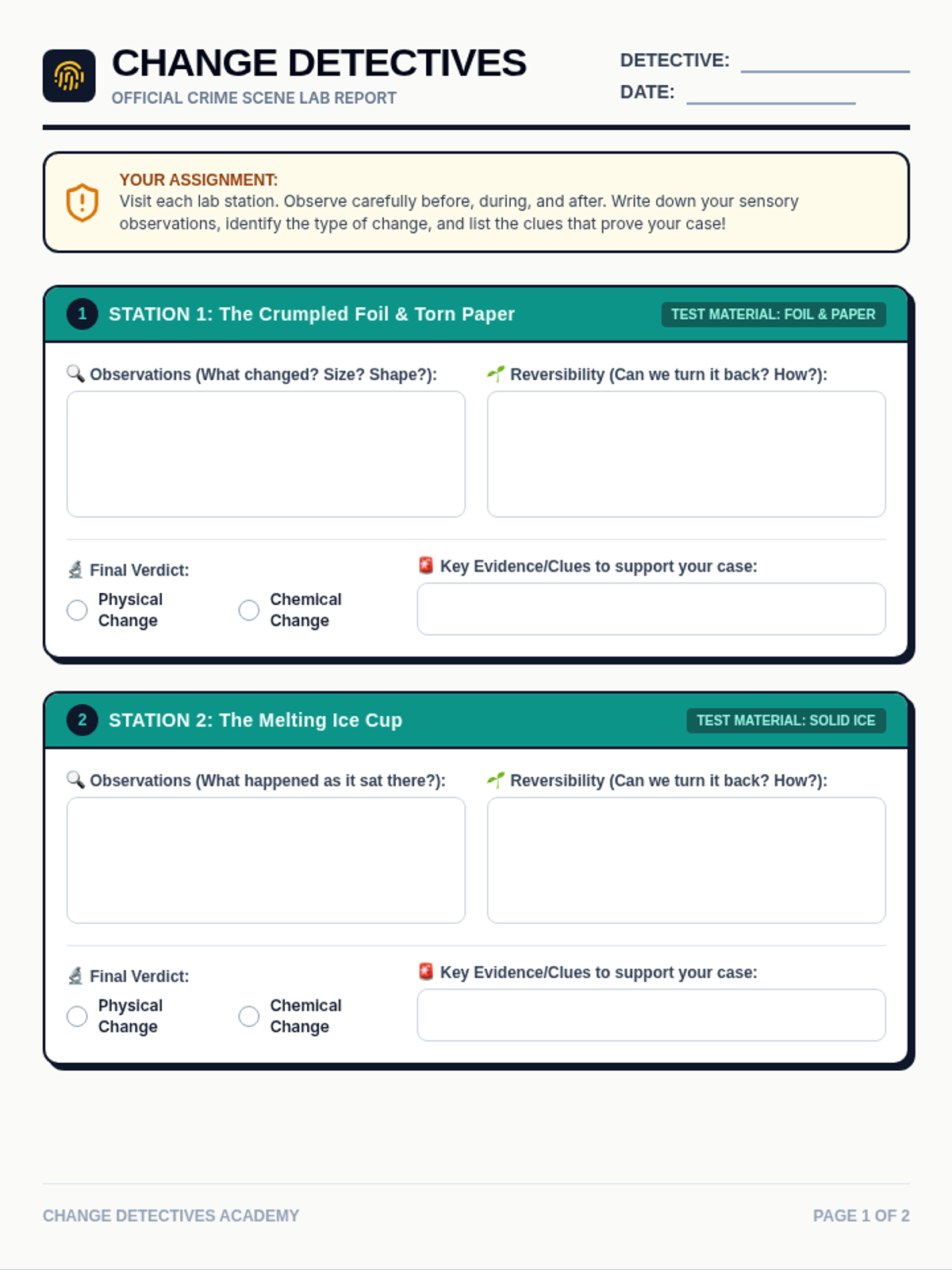
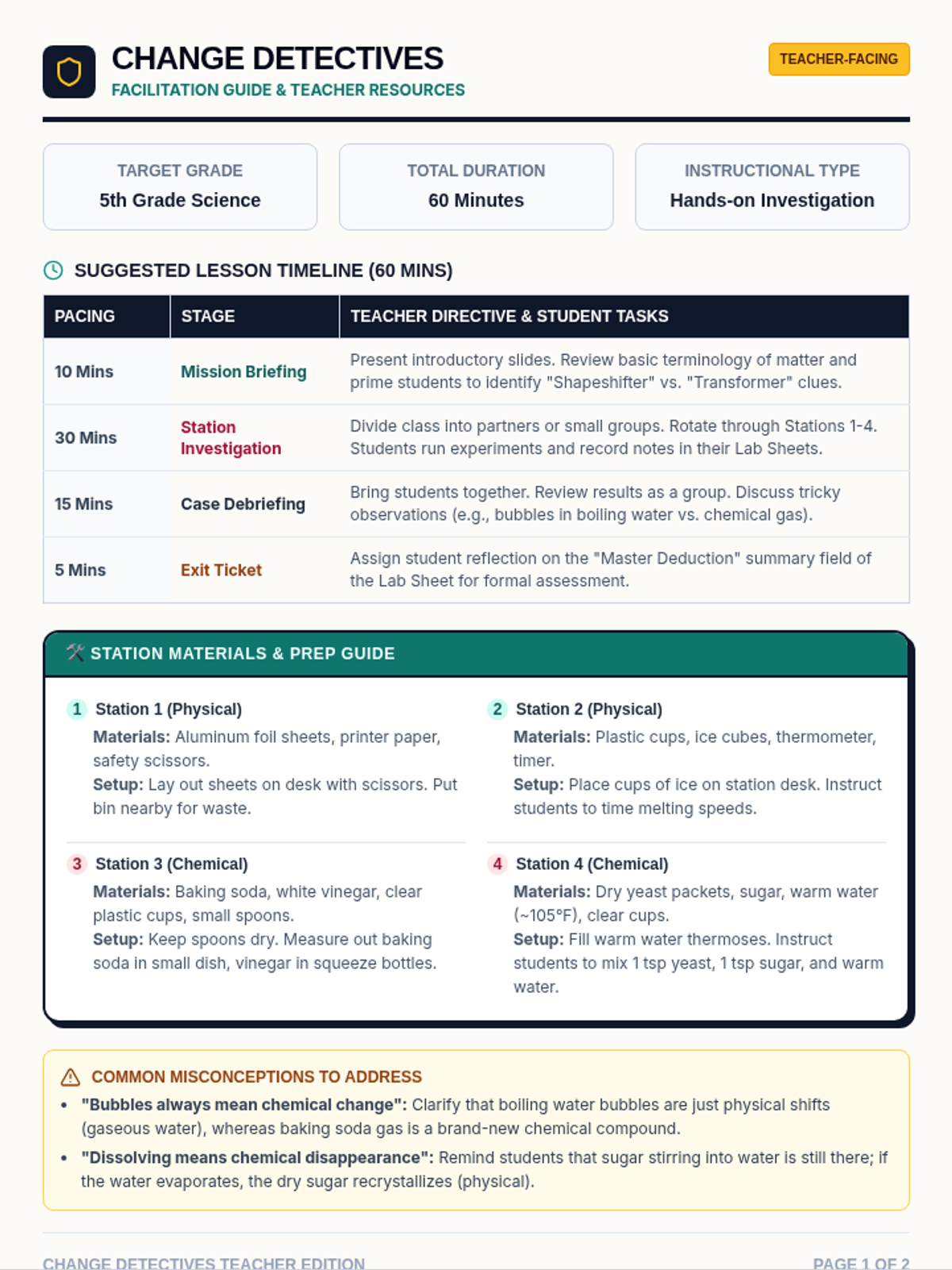
An interactive 5th-grade science lesson introducing physical and chemical changes. Students act as "change detectives," examining clues to classify alterations in matter and investigating real-world scenarios.
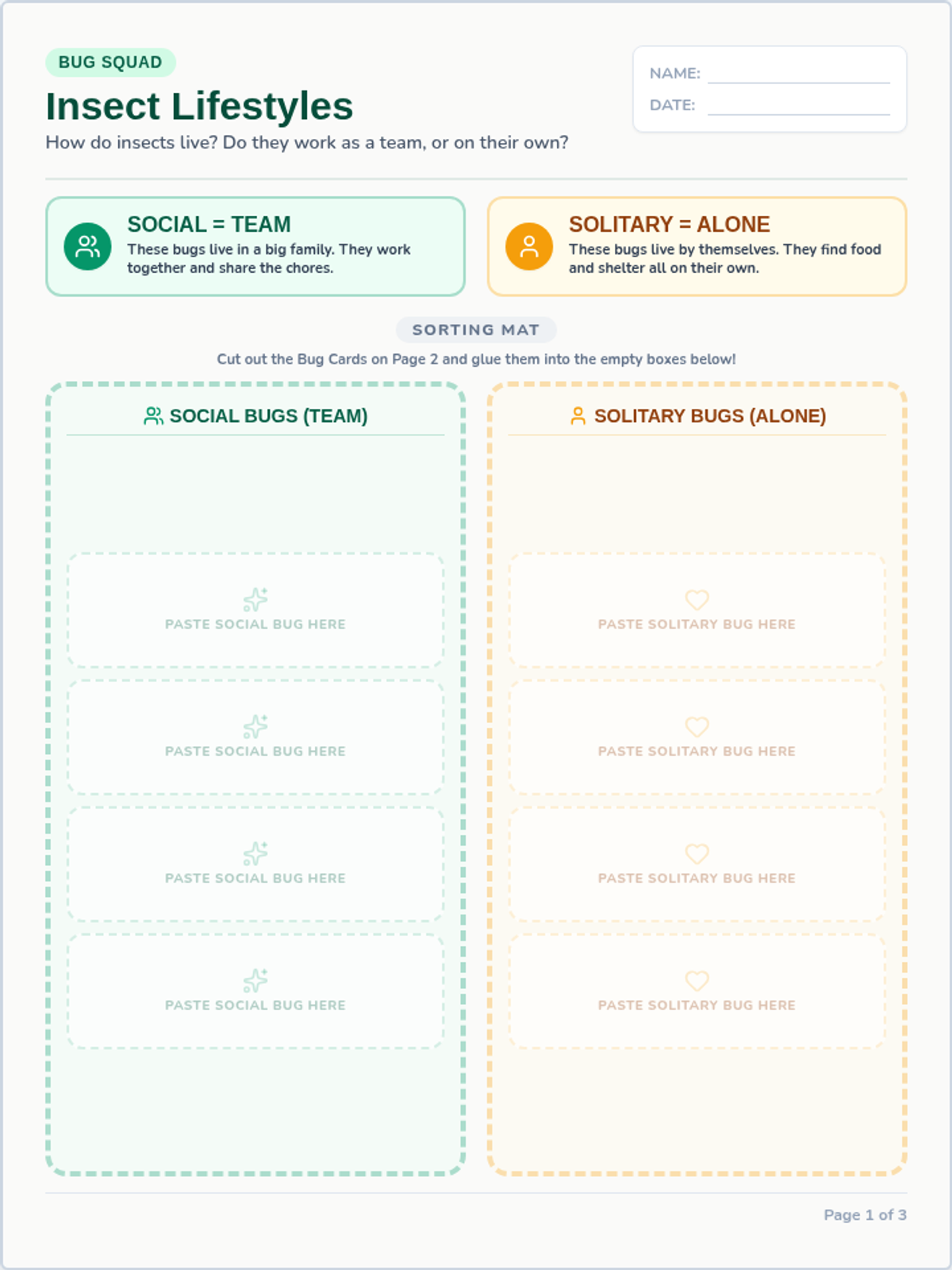
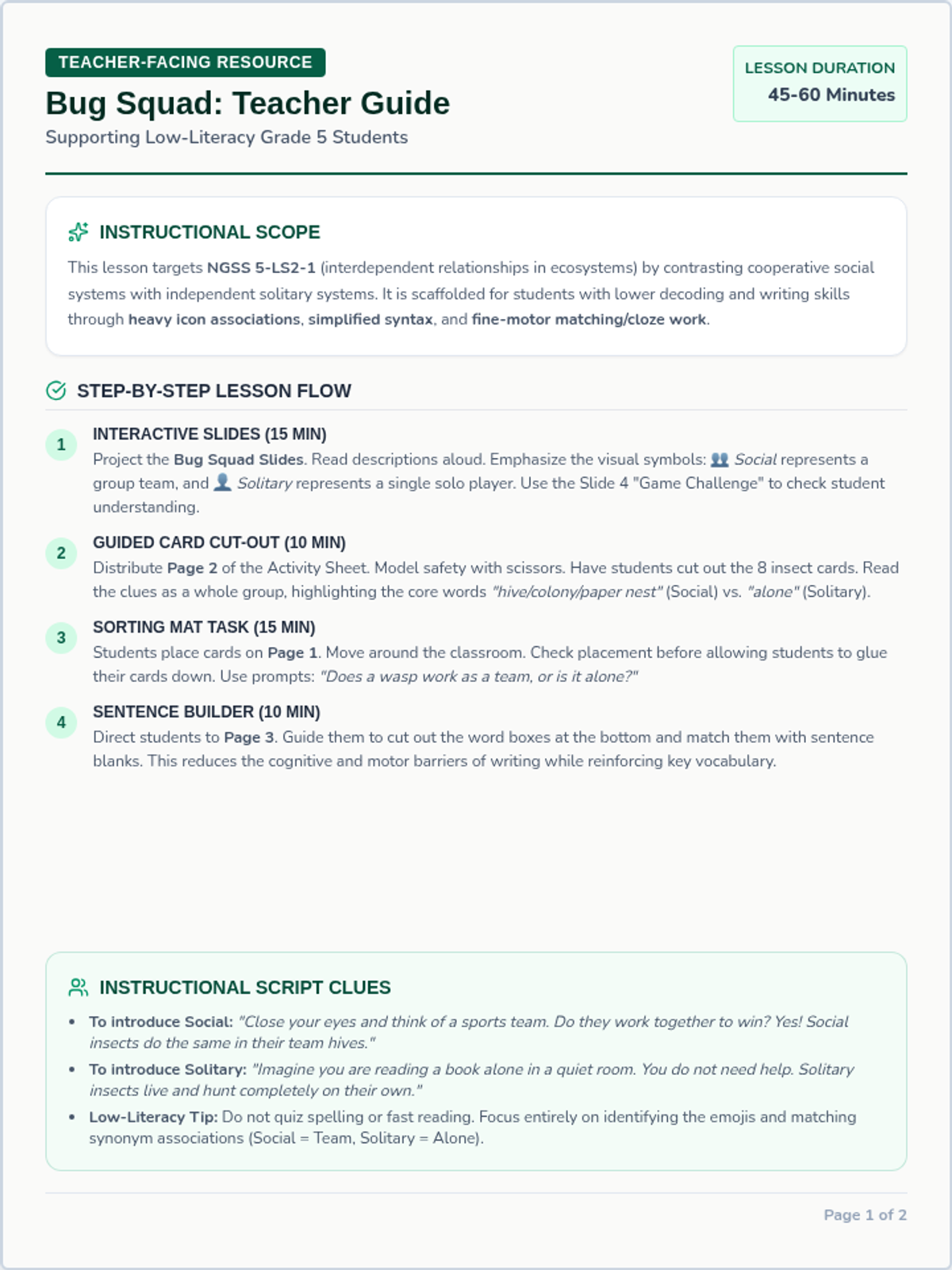
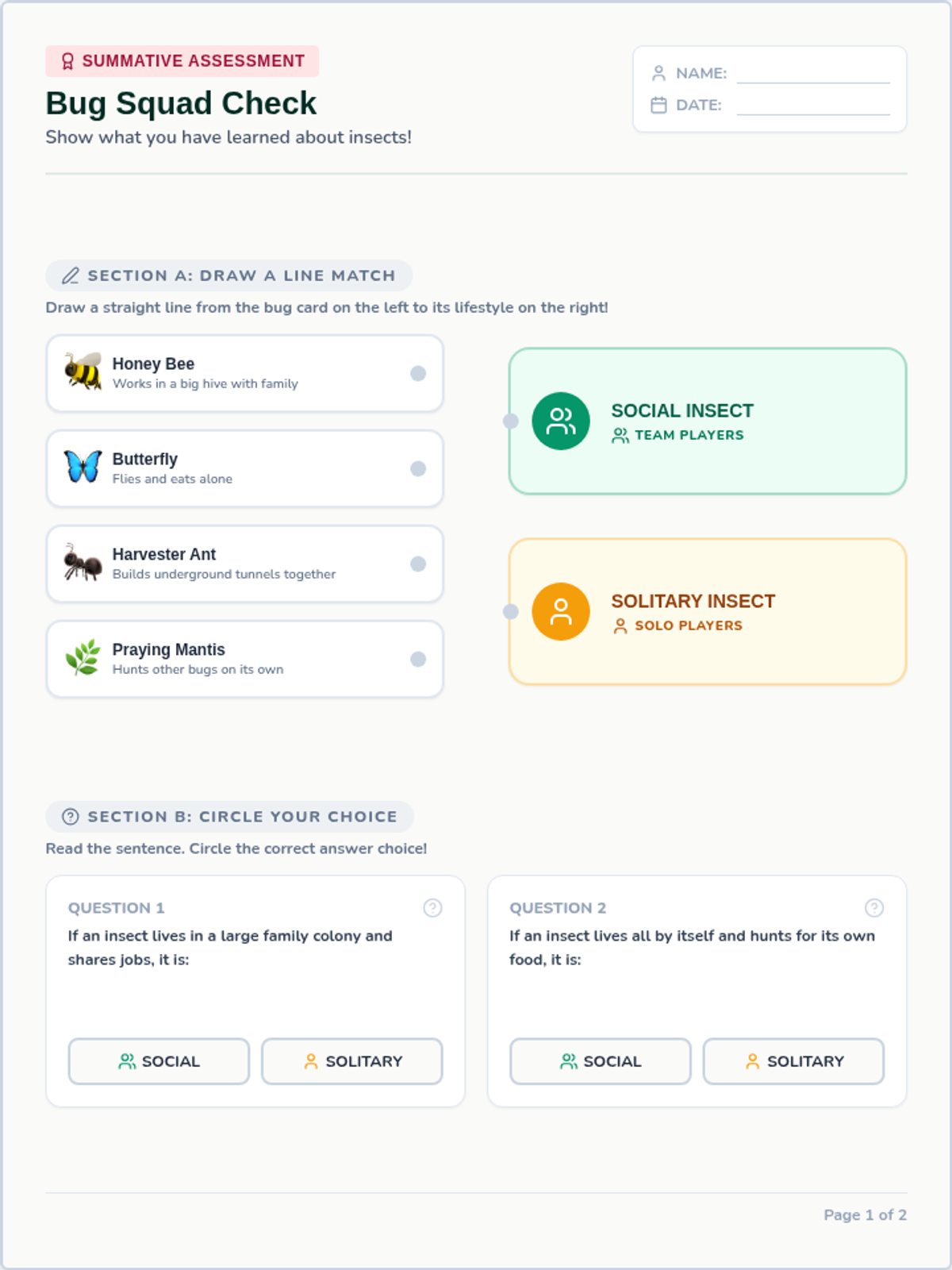
A highly visual lesson designed for low-literacy fifth graders to master the difference between social and solitary insects. The lesson provides rich scaffolding through hands-on sorting cards, visual anchor charts, and cut-and-paste sentence frames to reduce writing barriers.
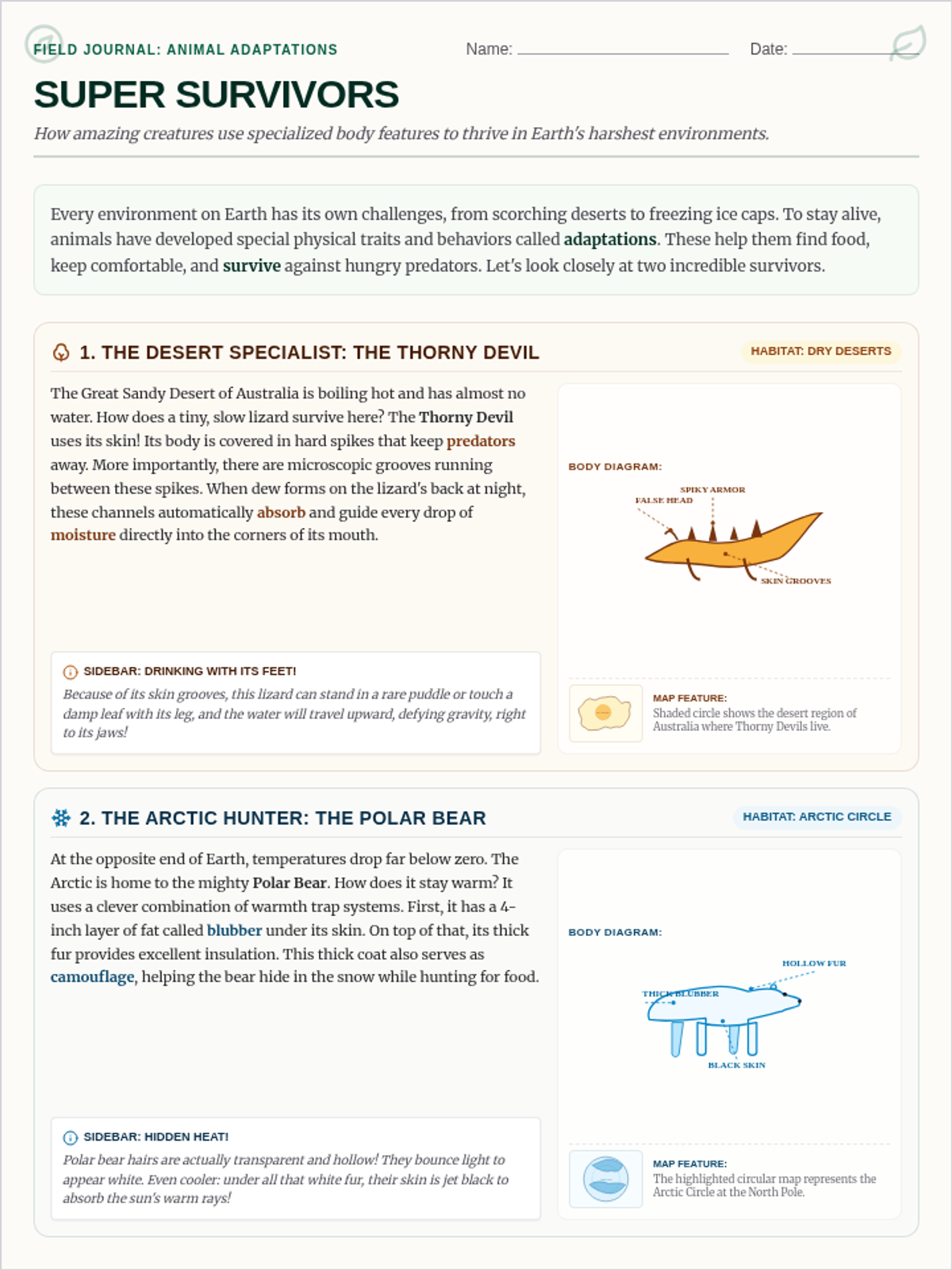
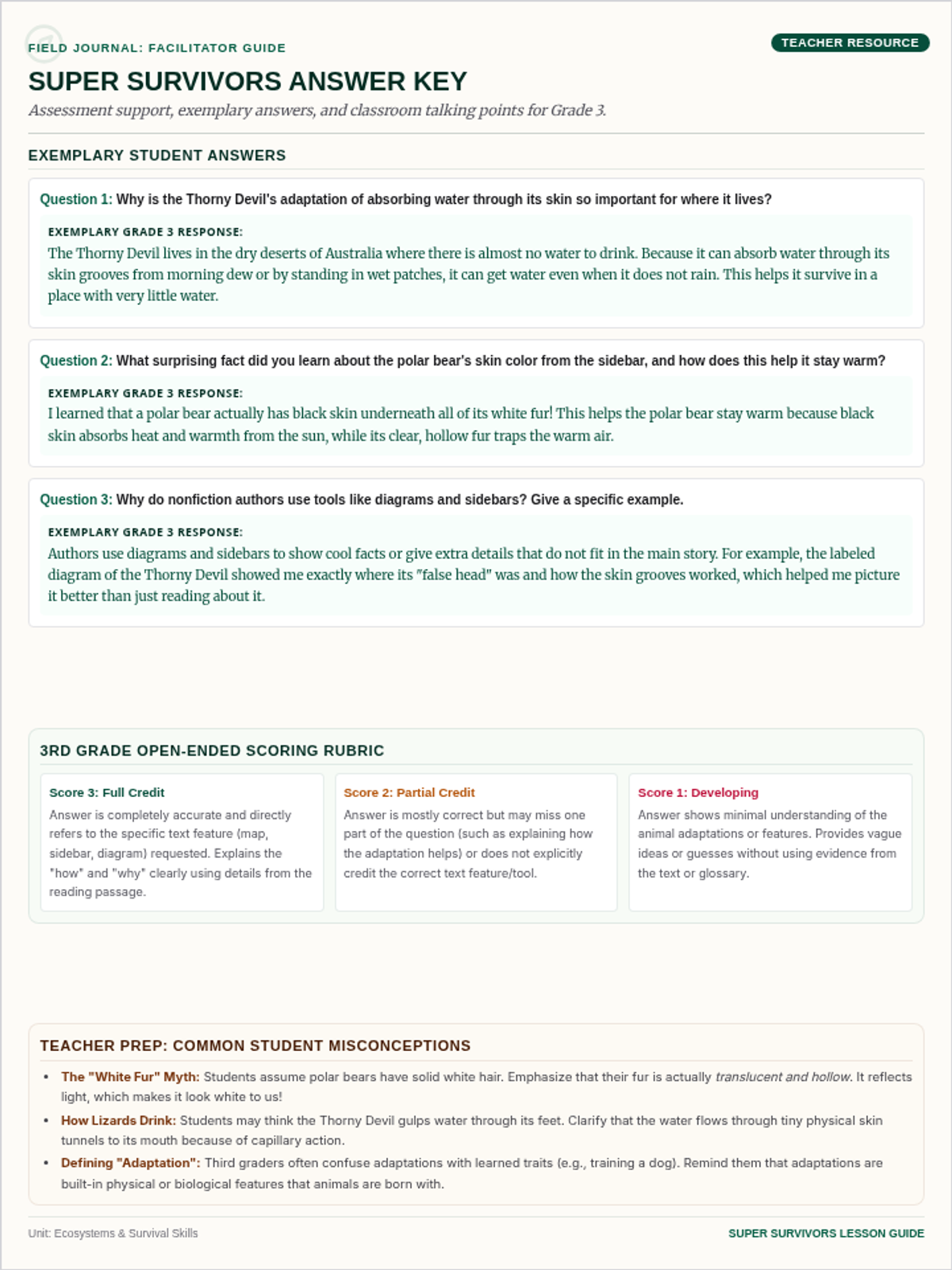
An engaging lesson on animal adaptations featuring a visual nonfiction reading passage and text feature hunt. Students learn about the Thorny Devil and Polar Bear, analyze geographic maps, look up key terms in a glossary, and answer deep comprehension questions.
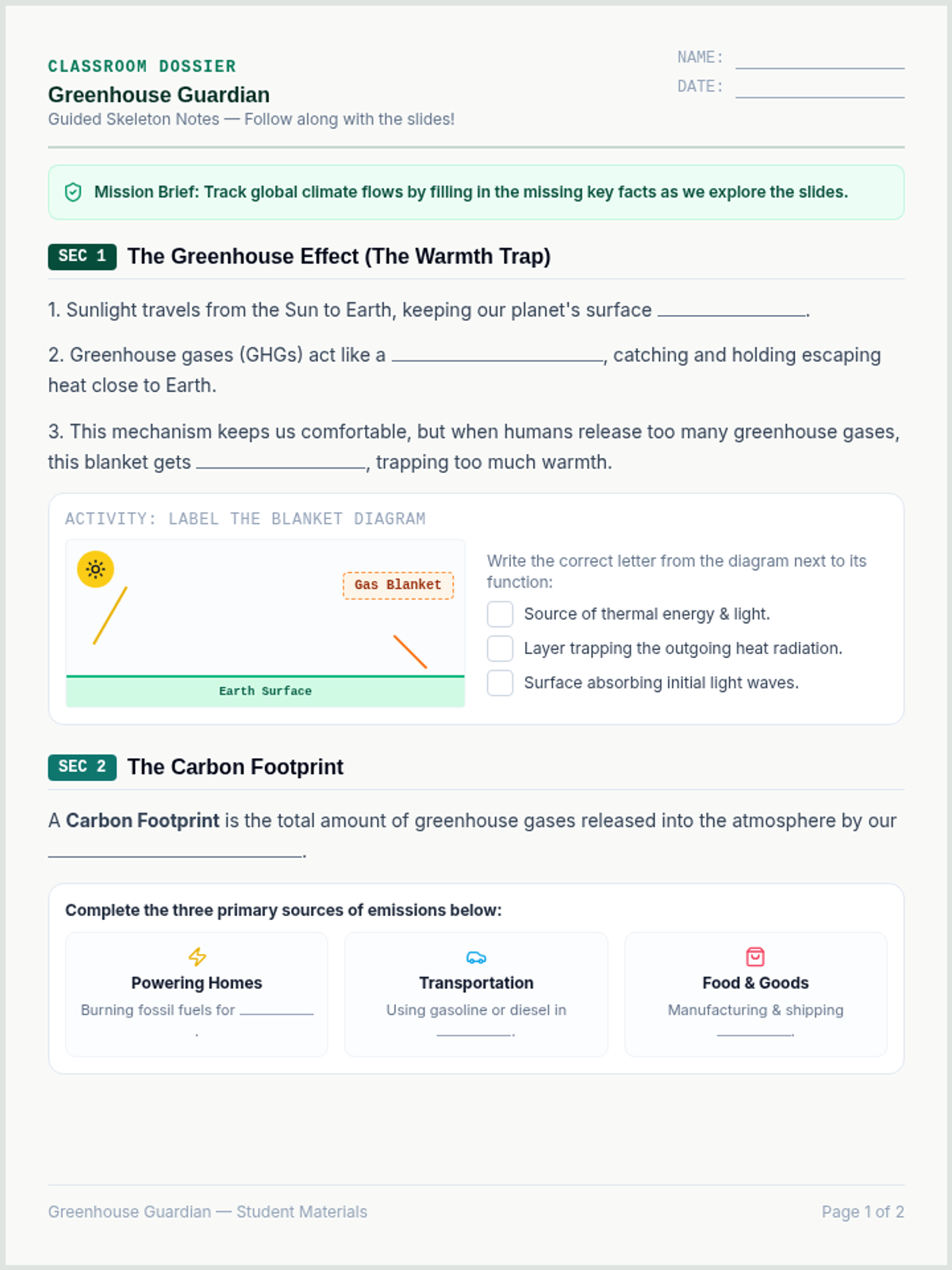
An introductory lesson exploring the greenhouse effect, carbon footprints, and deforestation. Includes an engaging visual slideshow and printable guided skeleton notes to keep students active and focused during instruction.
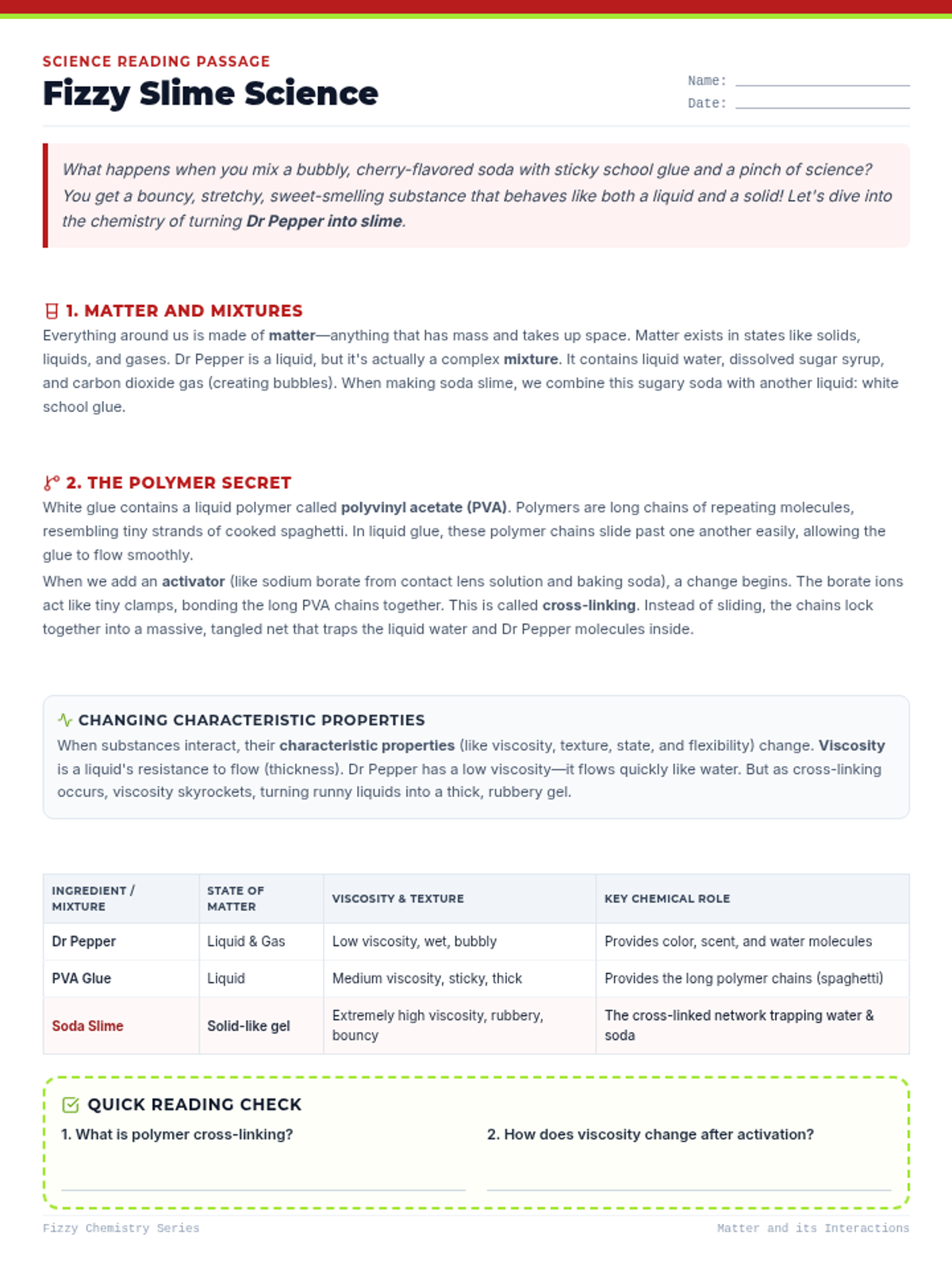
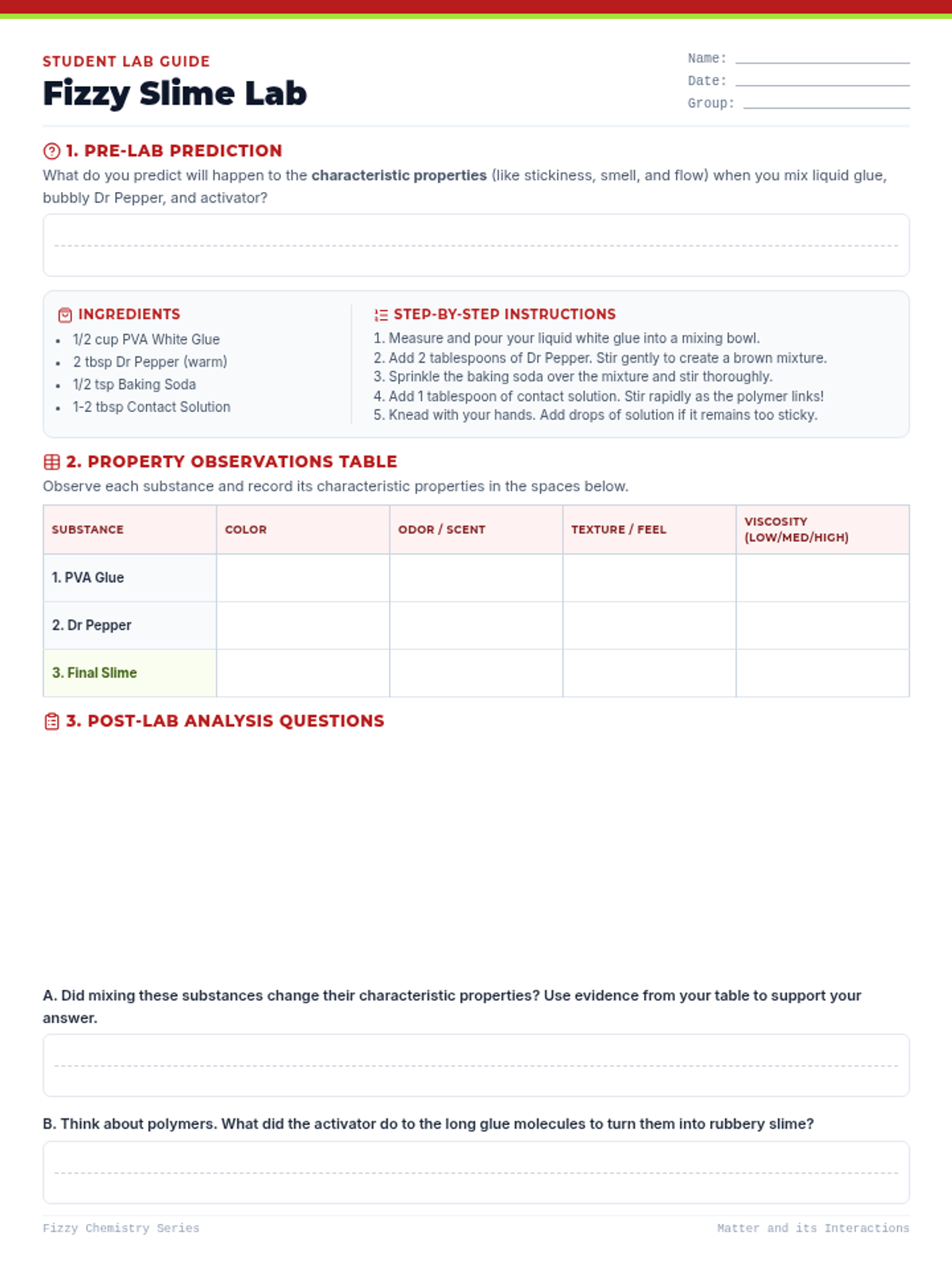
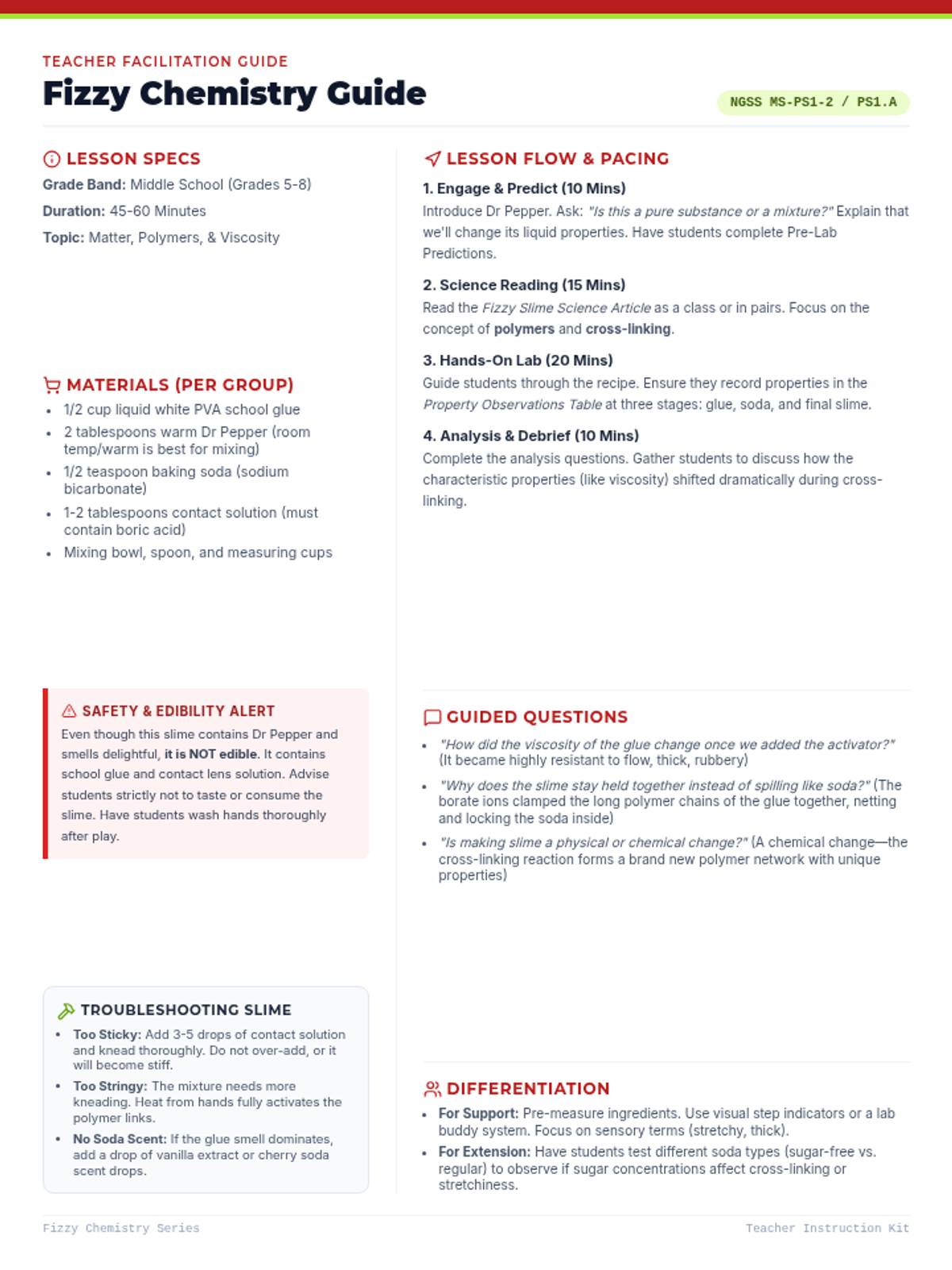
An interactive chemistry lesson investigating matter and its interactions by transforming Dr. Pepper into custom slime. Students examine how mixing substances changes their characteristic properties.
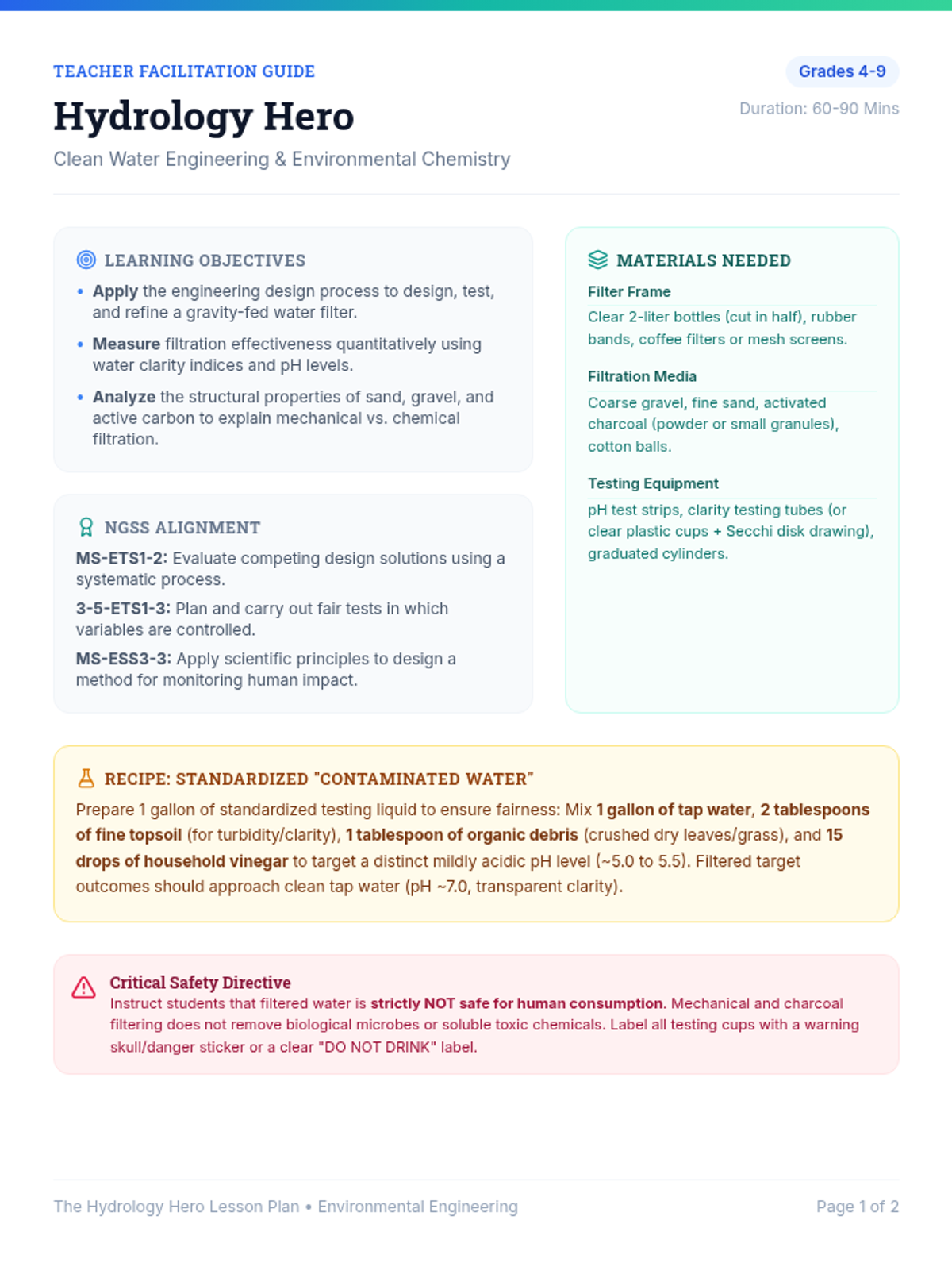
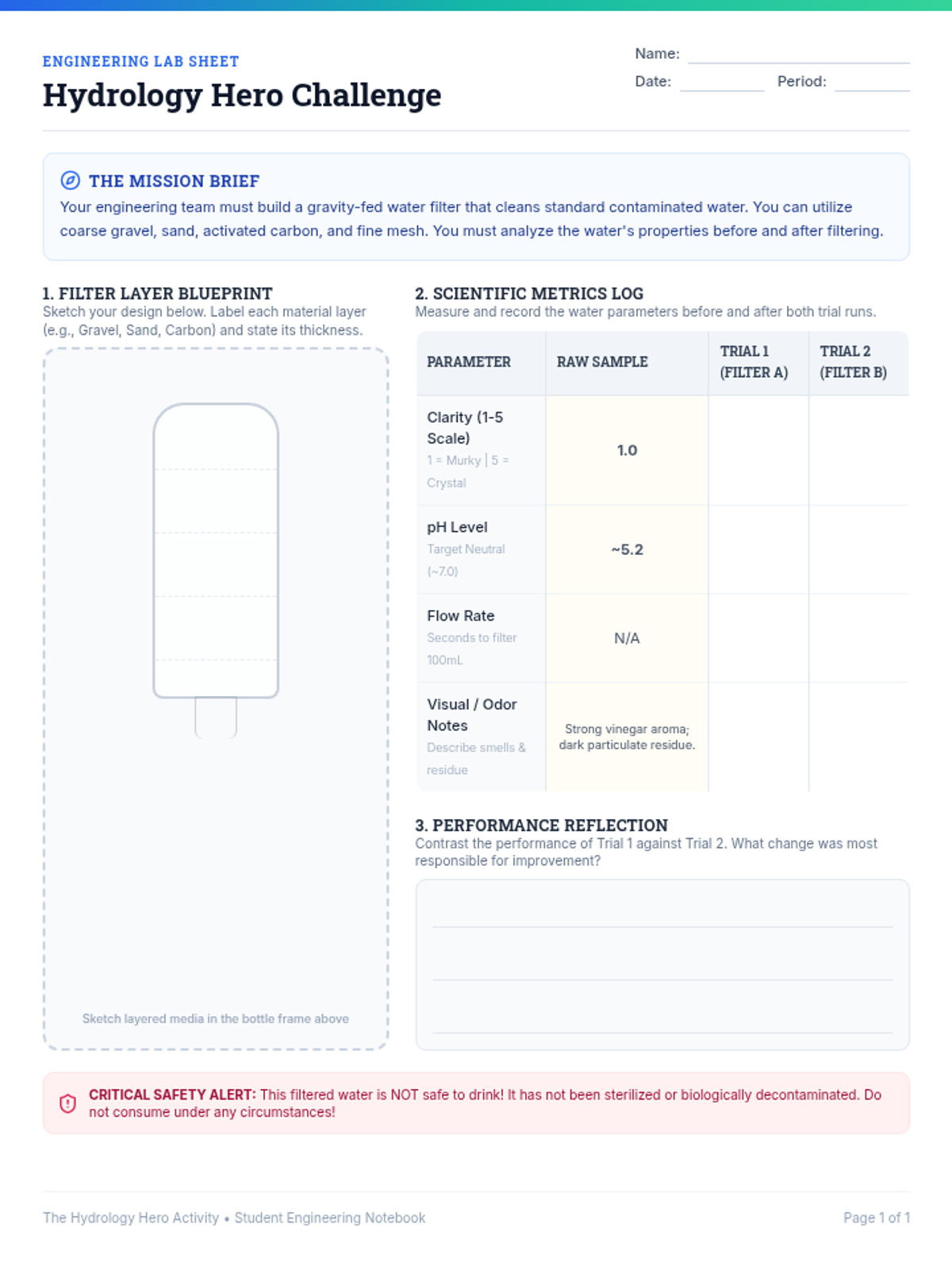
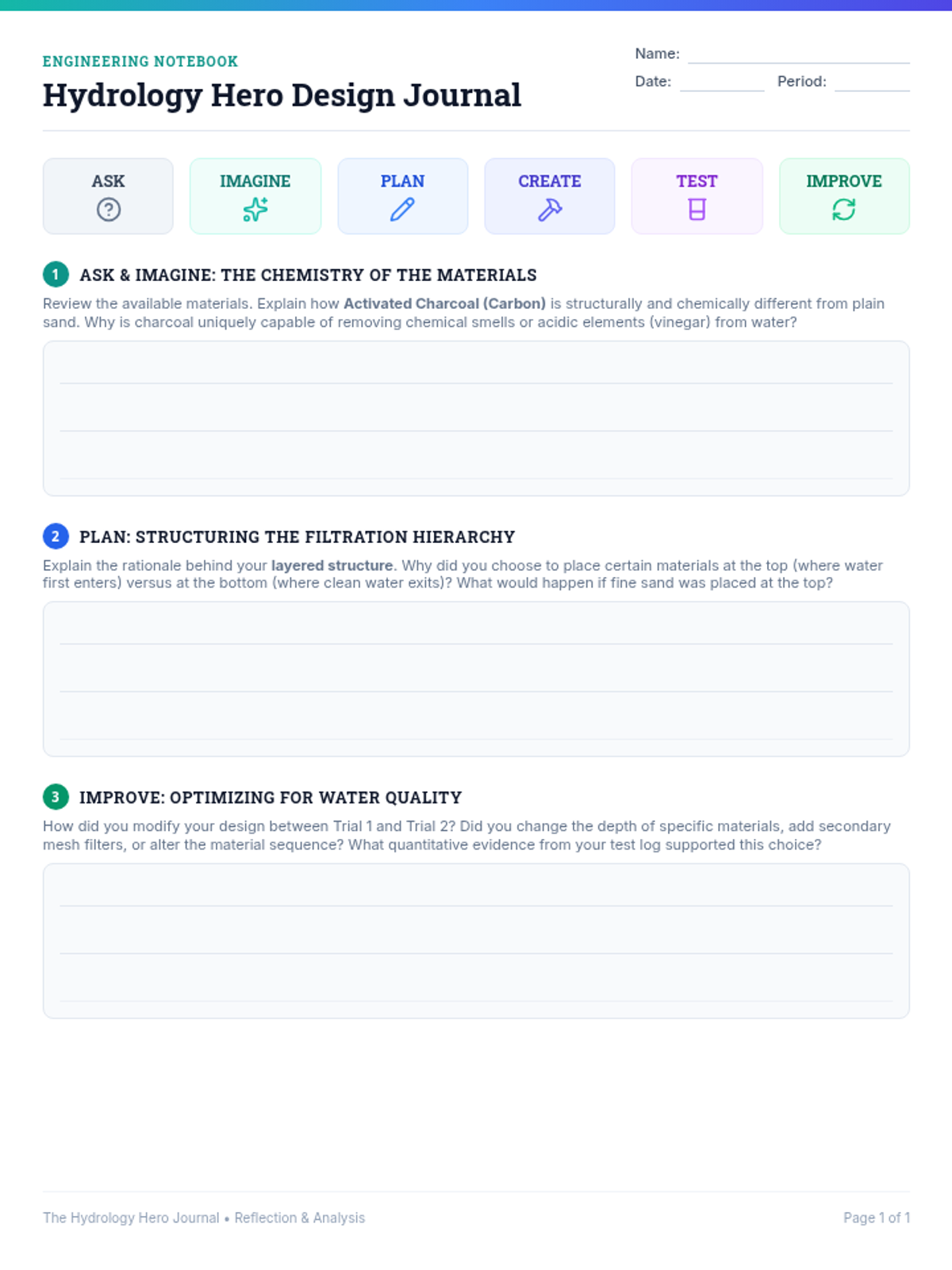
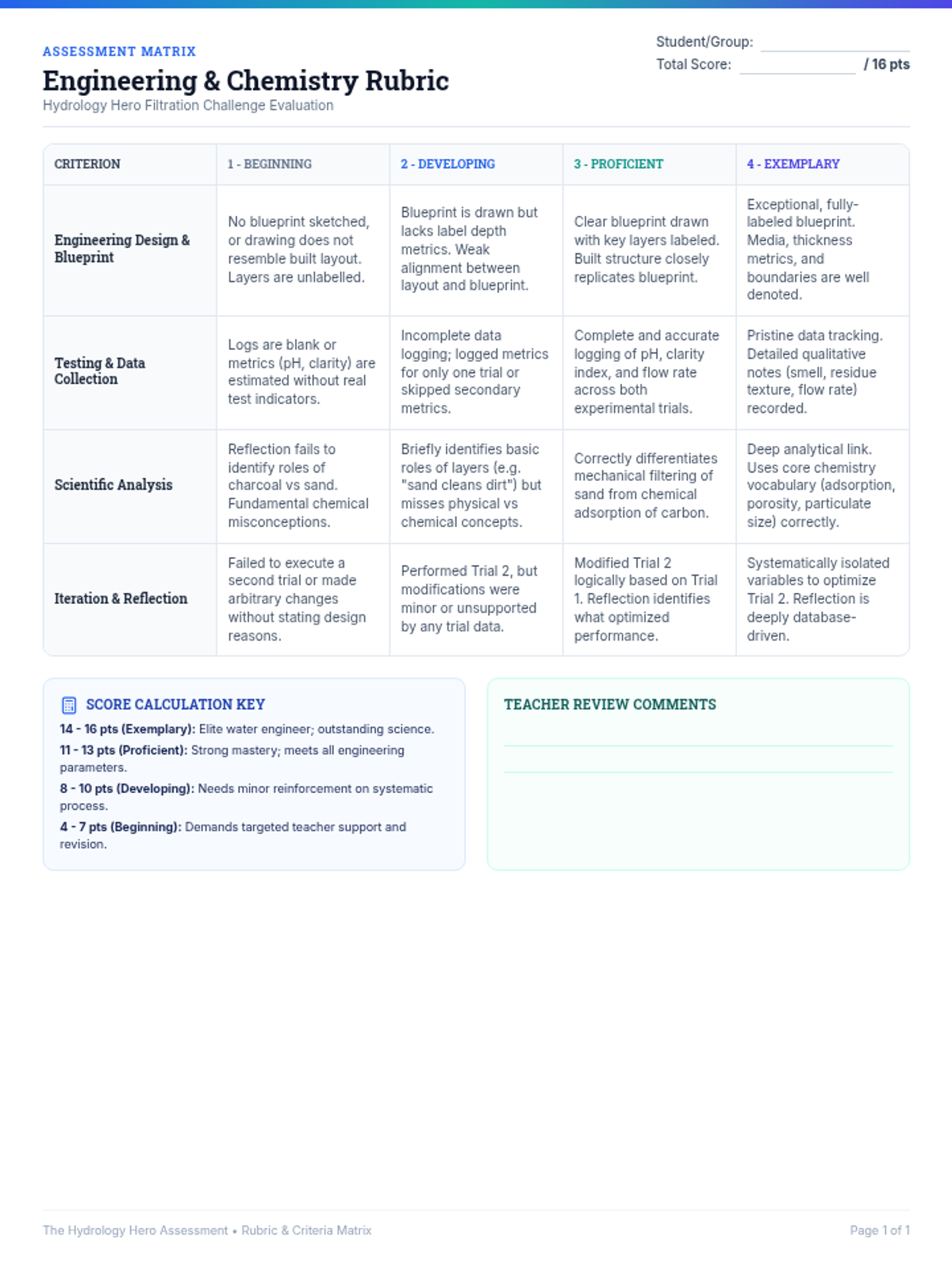
A comprehensive hands-on engineering lesson where students design and test gravity-fed filtration systems to explore water scarcity and water quality testing.
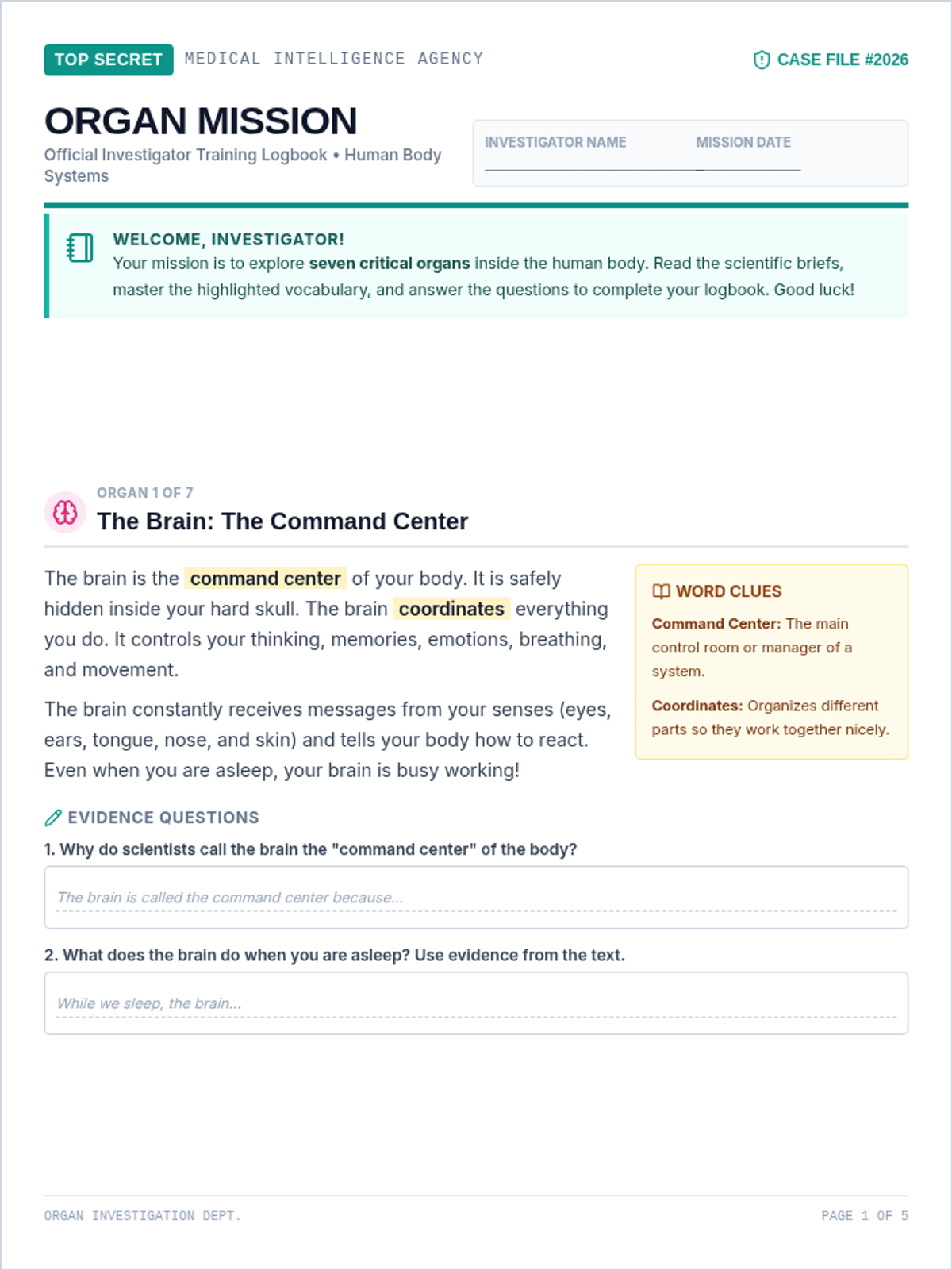
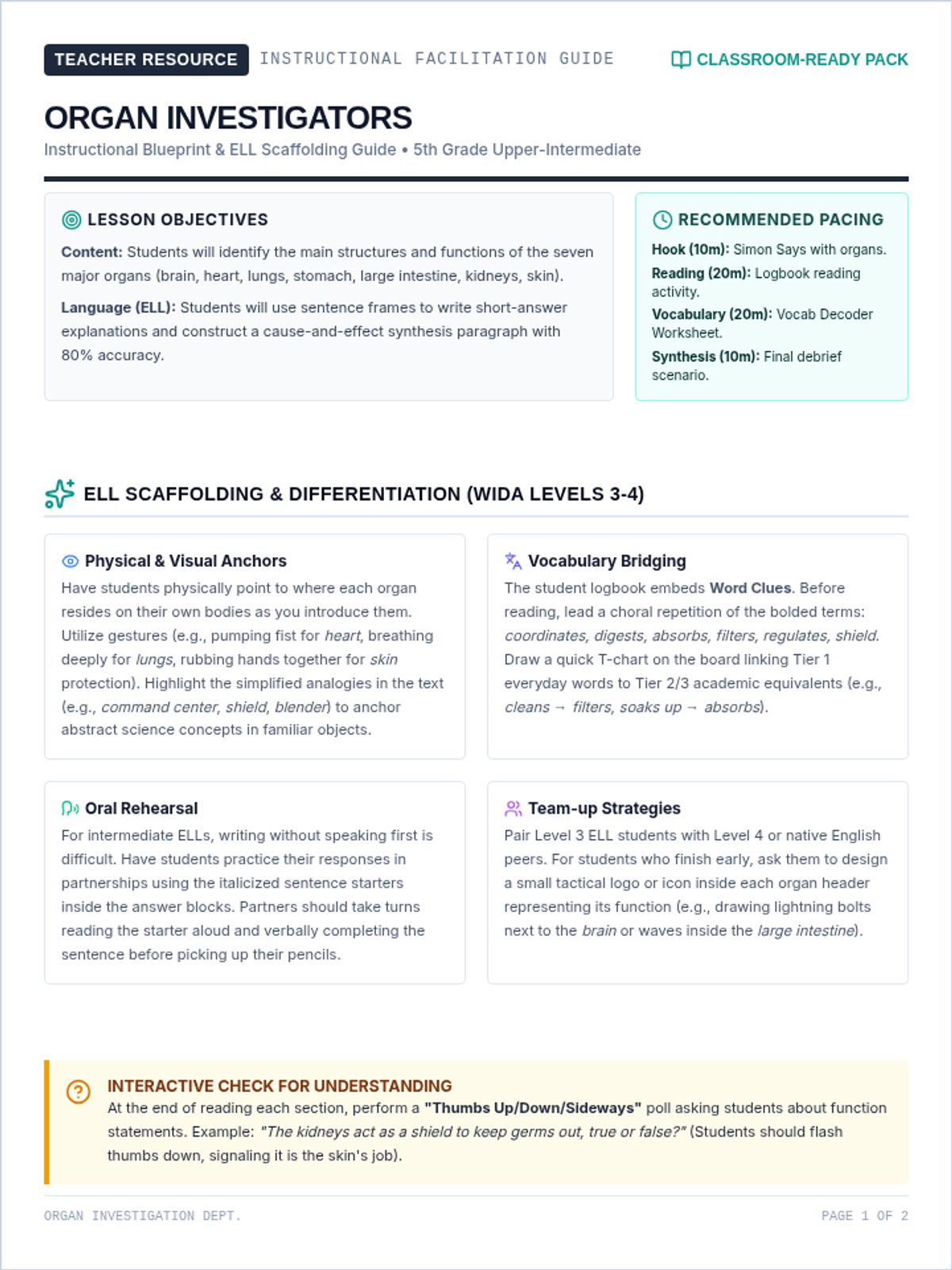
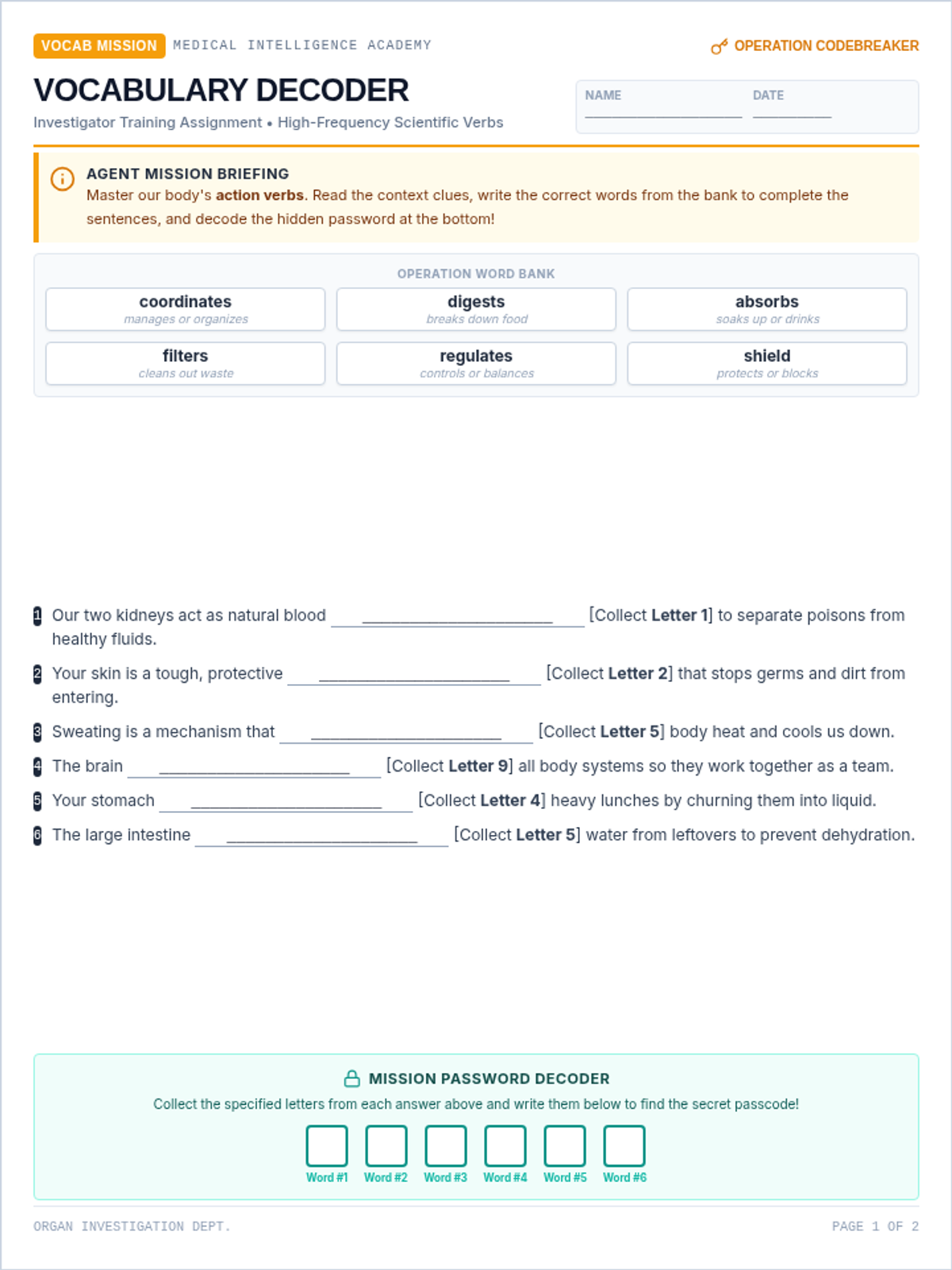
An engaging reading comprehension and vocabulary lesson designed for 5th-grade upper-intermediate English Language Learners (ELLs). Students become 'Organ Investigators' to read about the brain, skin, heart, lungs, stomach, large intestine, and kidneys, using structured scaffolding and sentence frames.
An interactive, detective-themed introduction to physical and chemical changes for 5th grade. Students learn to analyze clues like color change, gas production, temperature shifts, and state changes to determine how matter transforms.
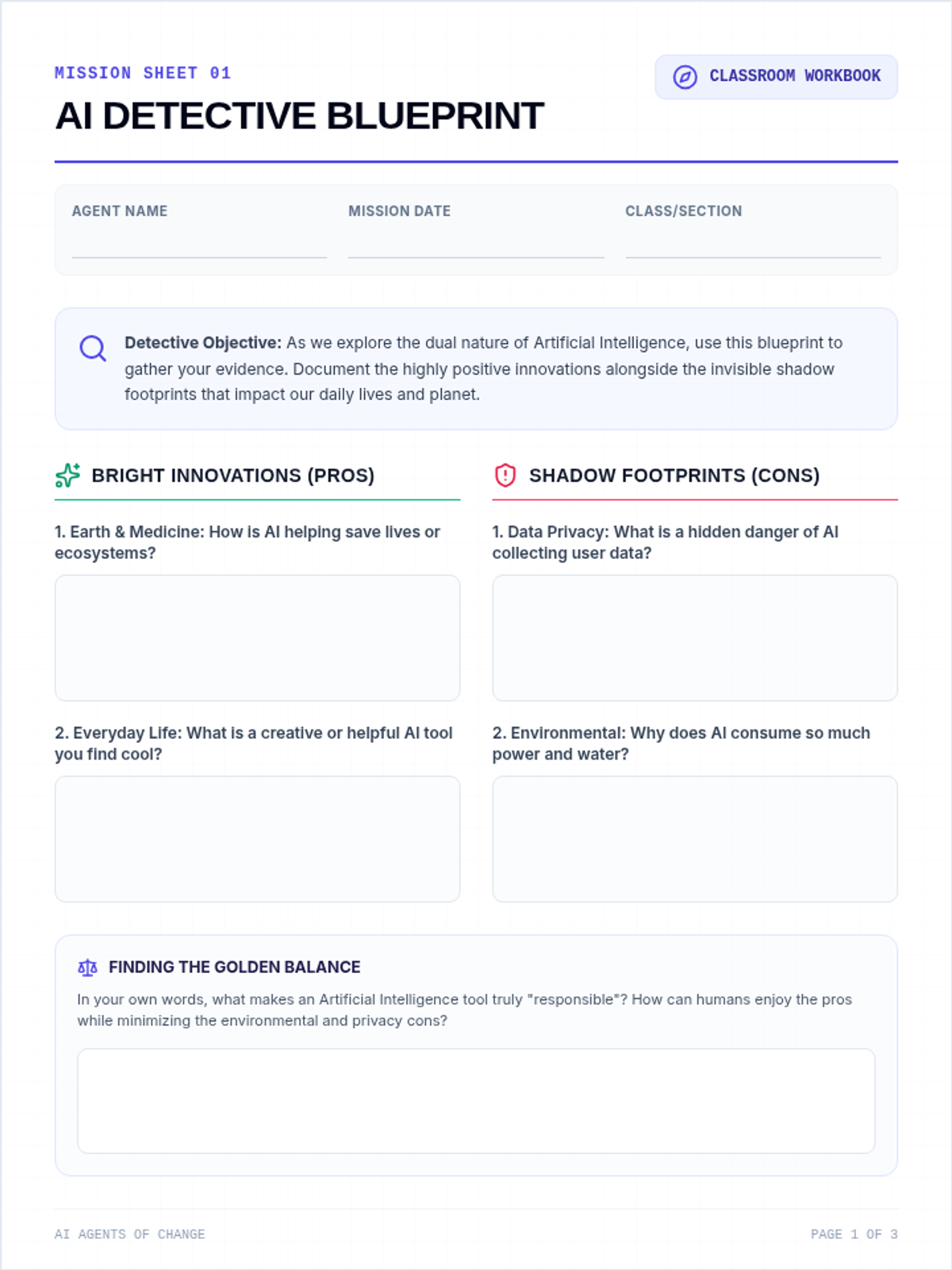
A balanced, highly engaging lesson for upper elementary and middle school students exploring the dual nature of AI. Students discover cutting-edge AI innovations in science and accessibility, examine the digital footprint of data centers, and learn practical digital citizenship skills regarding data privacy.
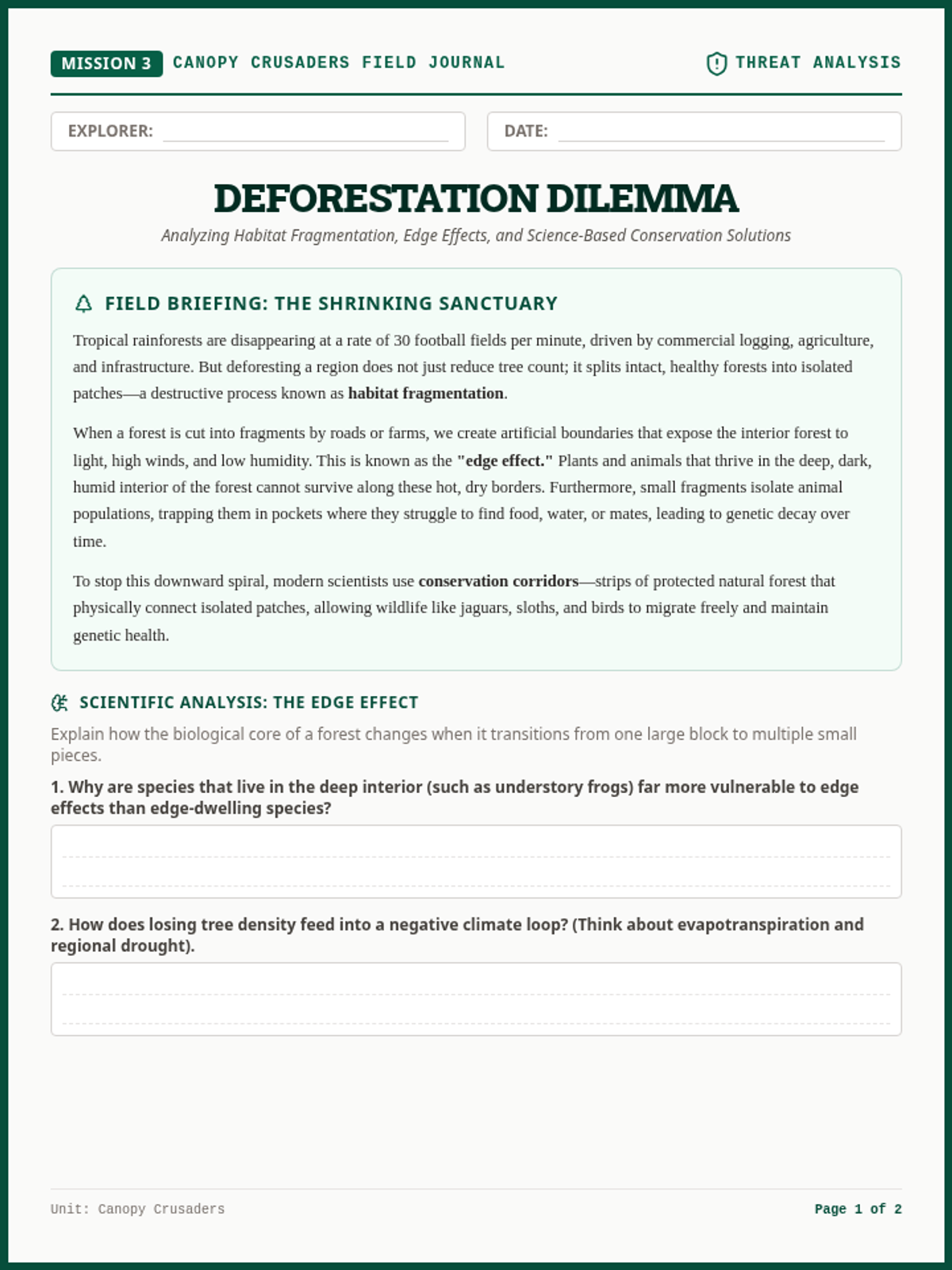
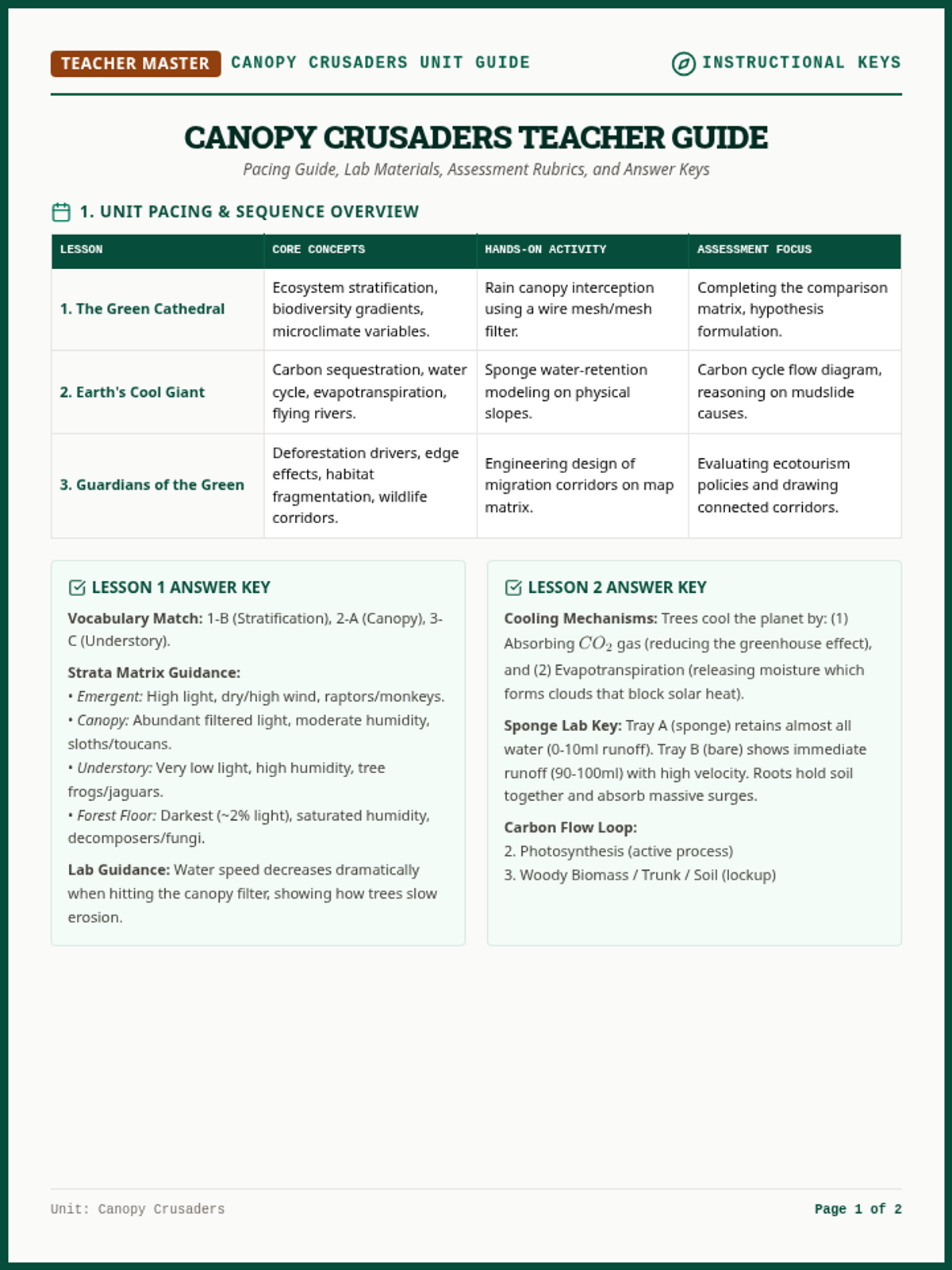
Students analyze the causes and consequences of deforestation, mapping habitat fragmentation and designing collaborative, science-based conservation solutions.
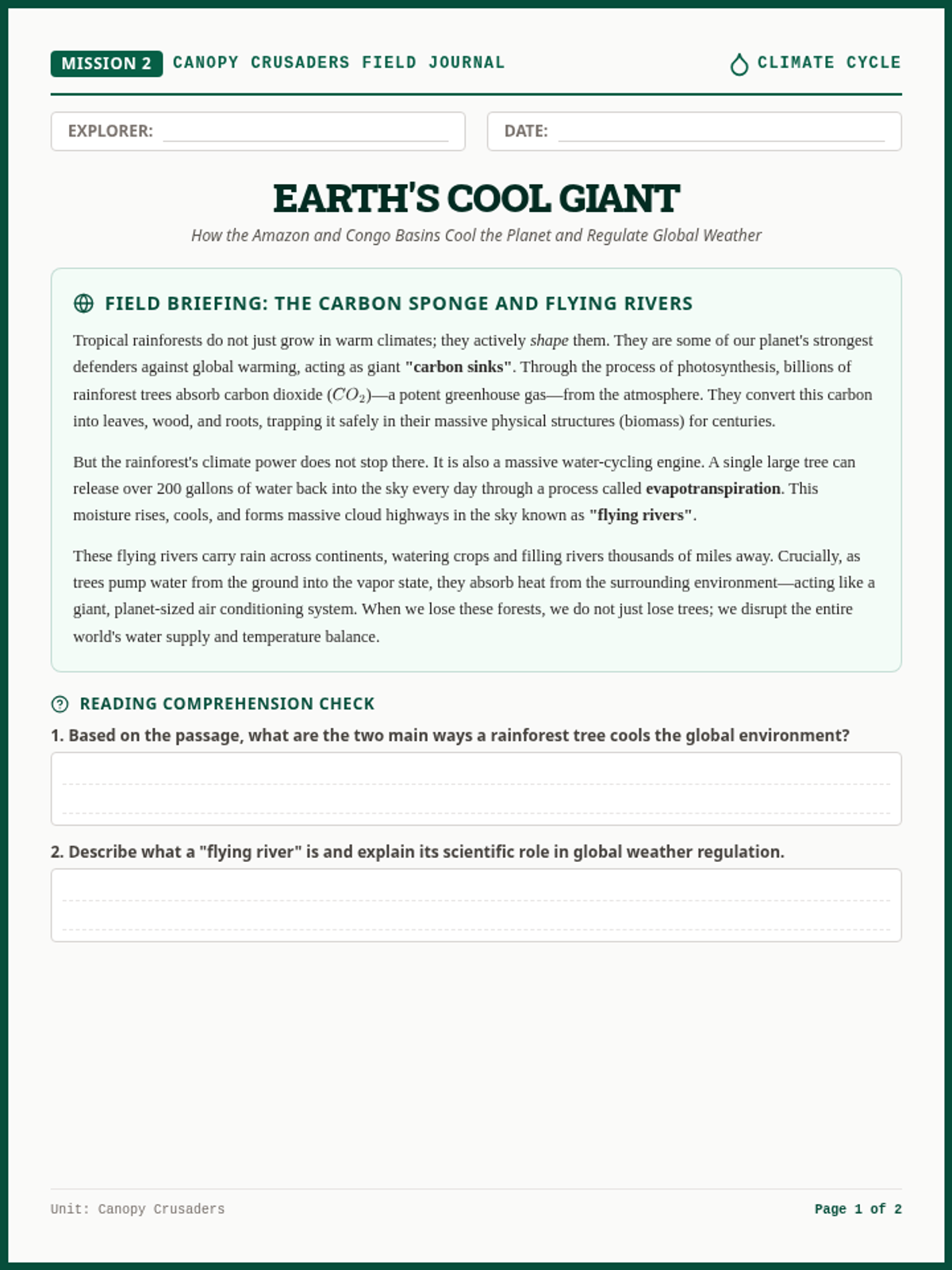
Students investigate the rainforest as a massive climate-control engine, analyzing how evapotranspiration regulates weather and how trees act as vital global carbon sinks.
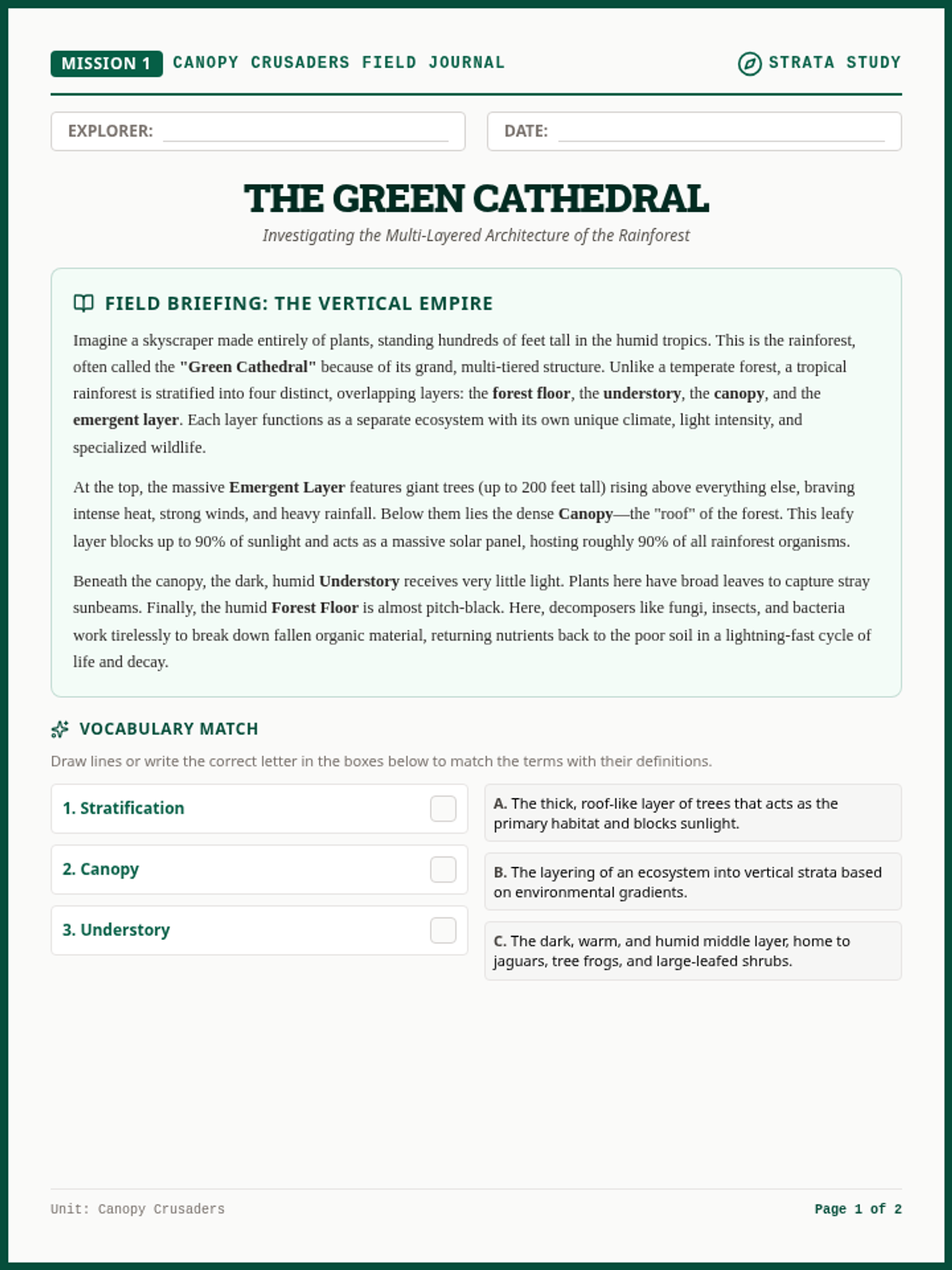
Students explore the structural layers of the rainforest (forest floor, understory, canopy, emergent layer) and model biodiversity and physical conditions across these strata.
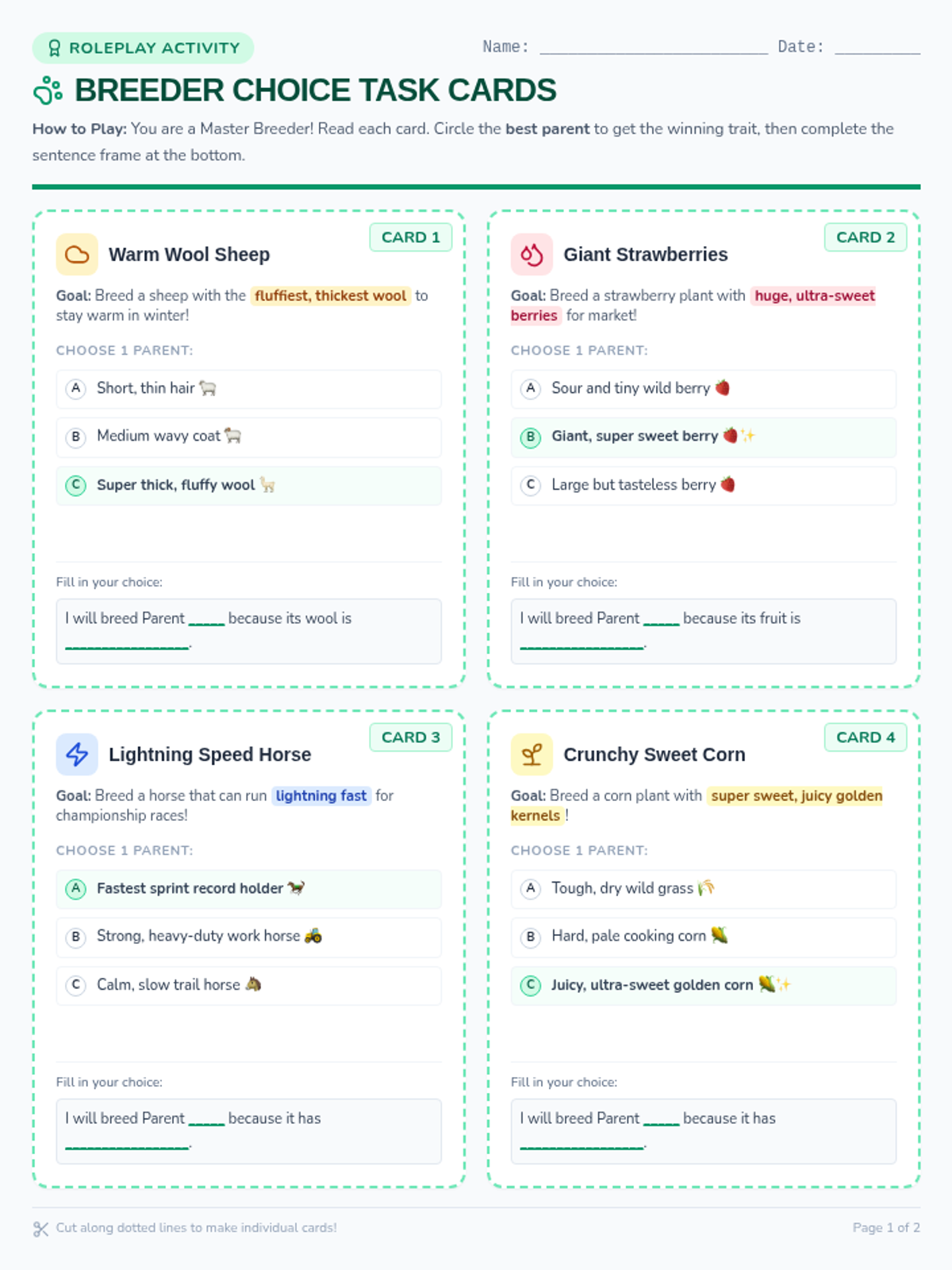
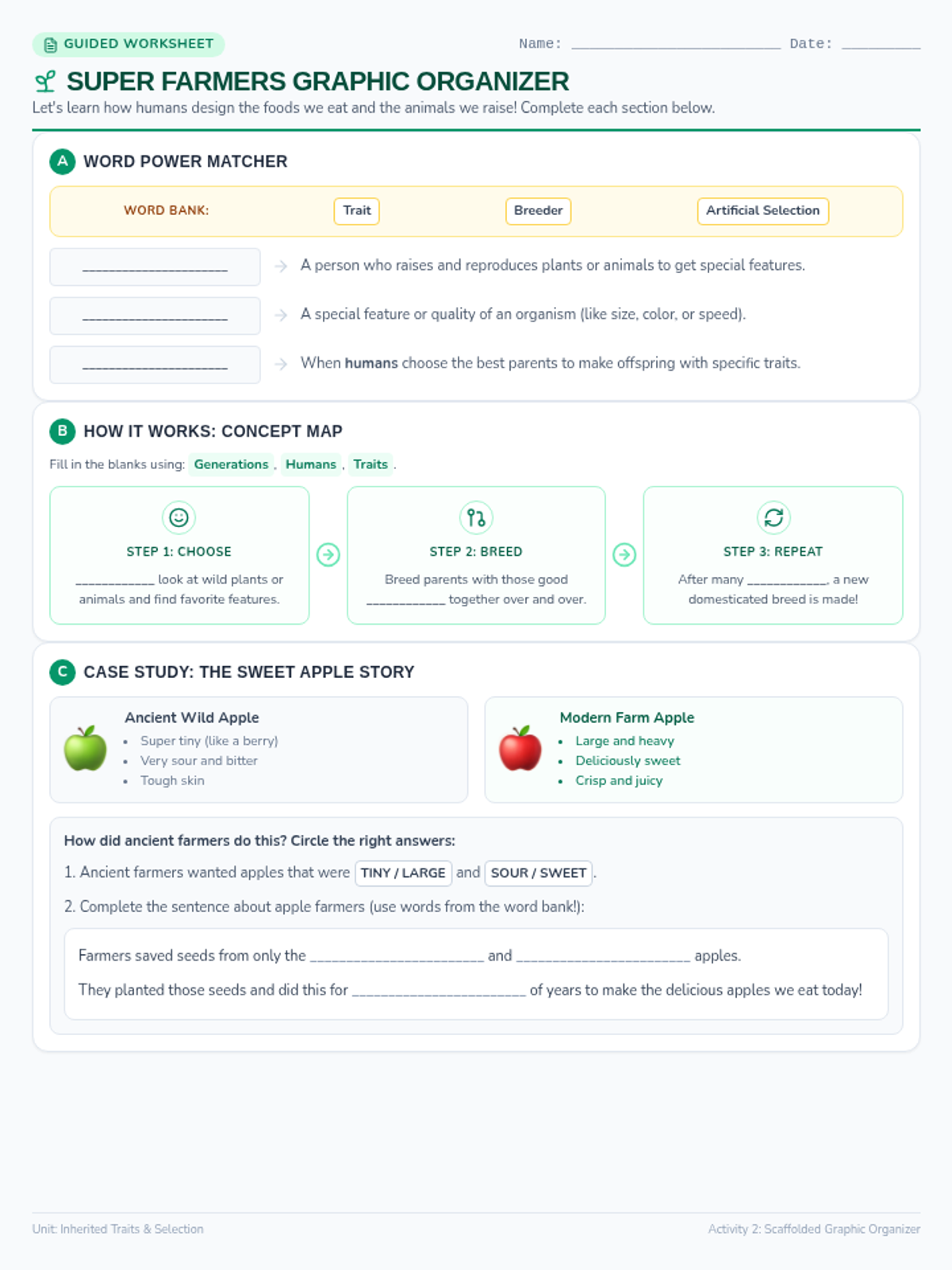
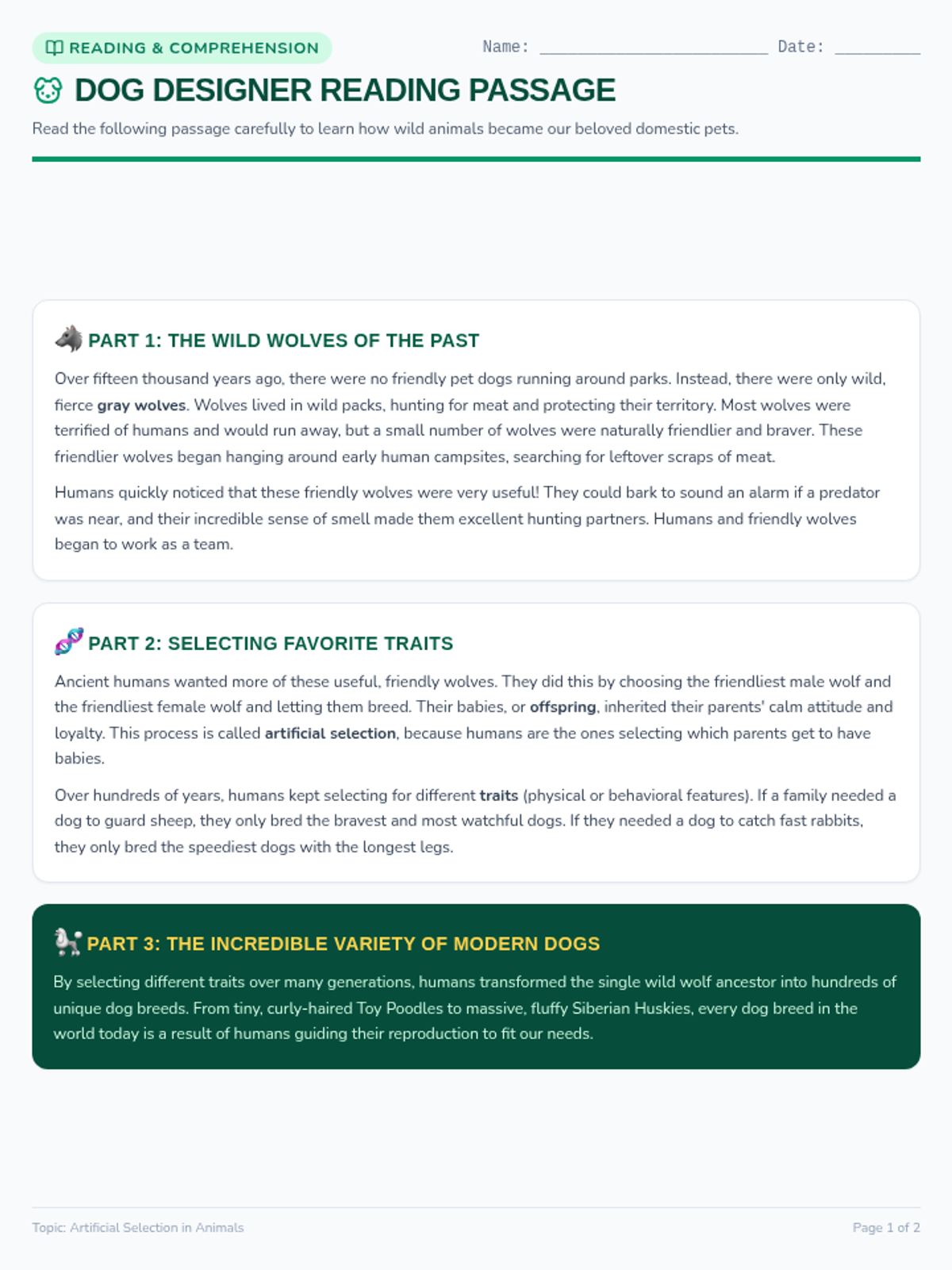
A hands-on, highly visual lesson where students explore artificial selection by roleplaying as breeders and farmers. Students analyze traits in dogs, crops, and livestock using scaffolded organizers, visual task cards, and matching tasks.
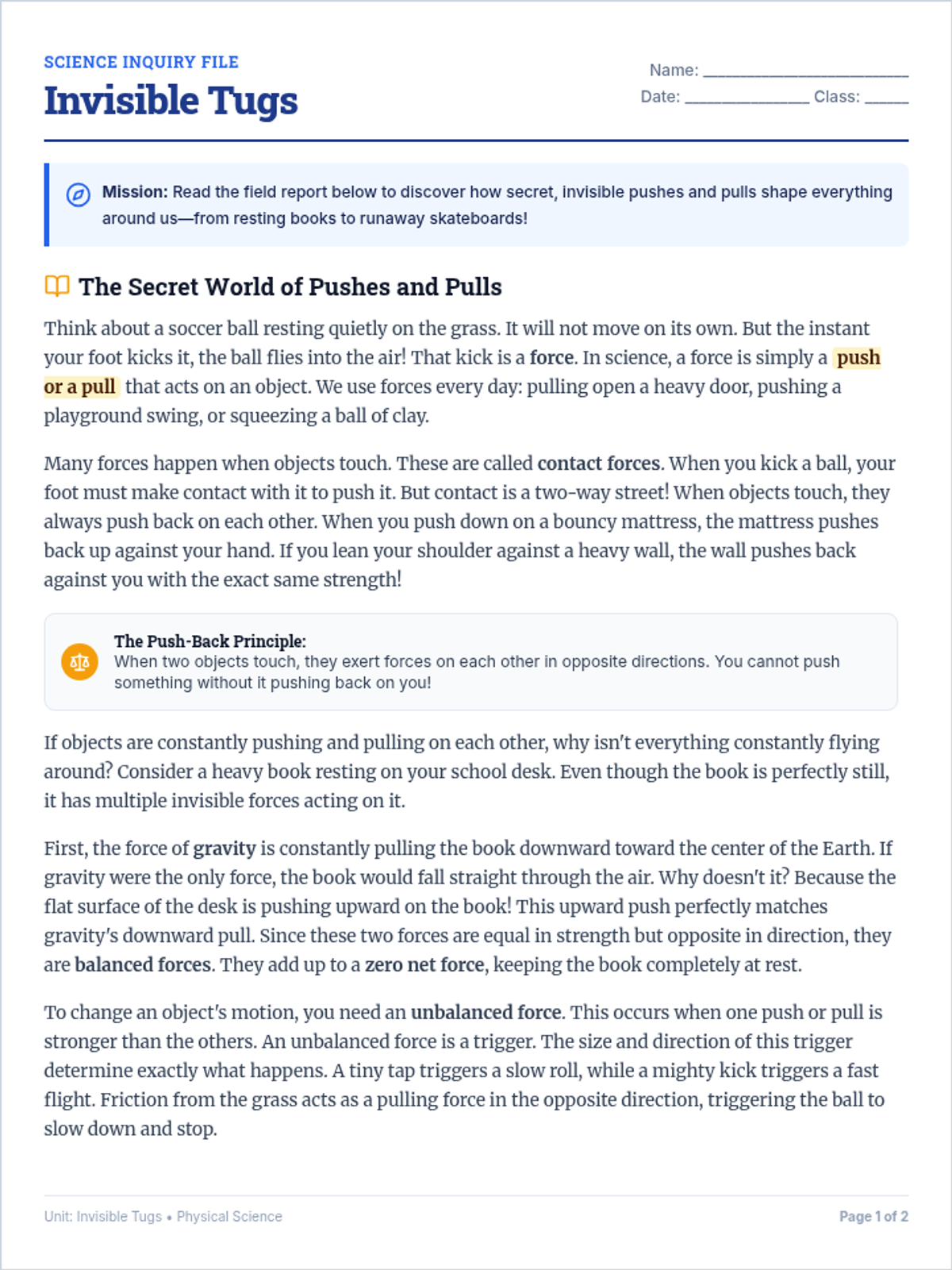
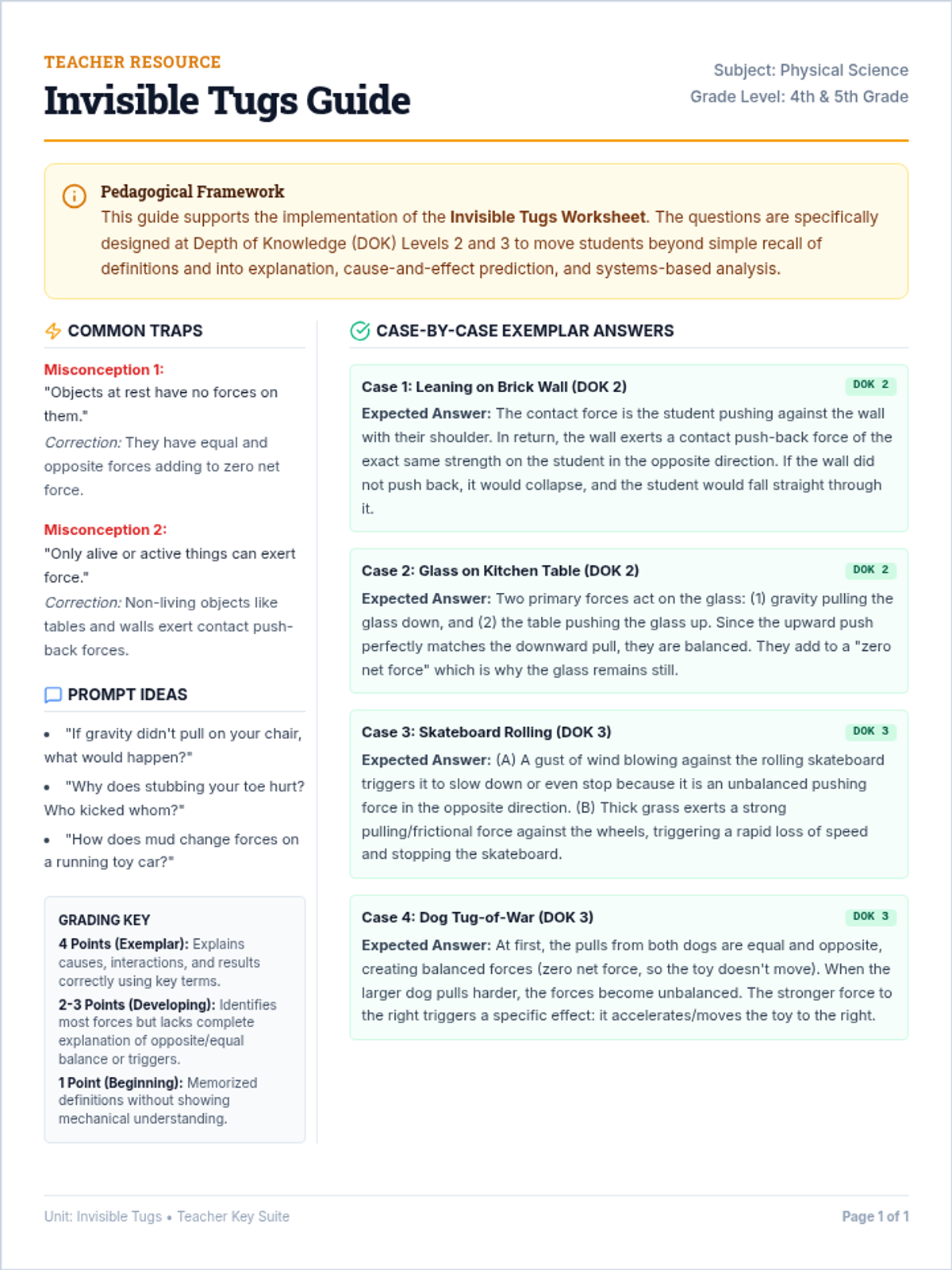
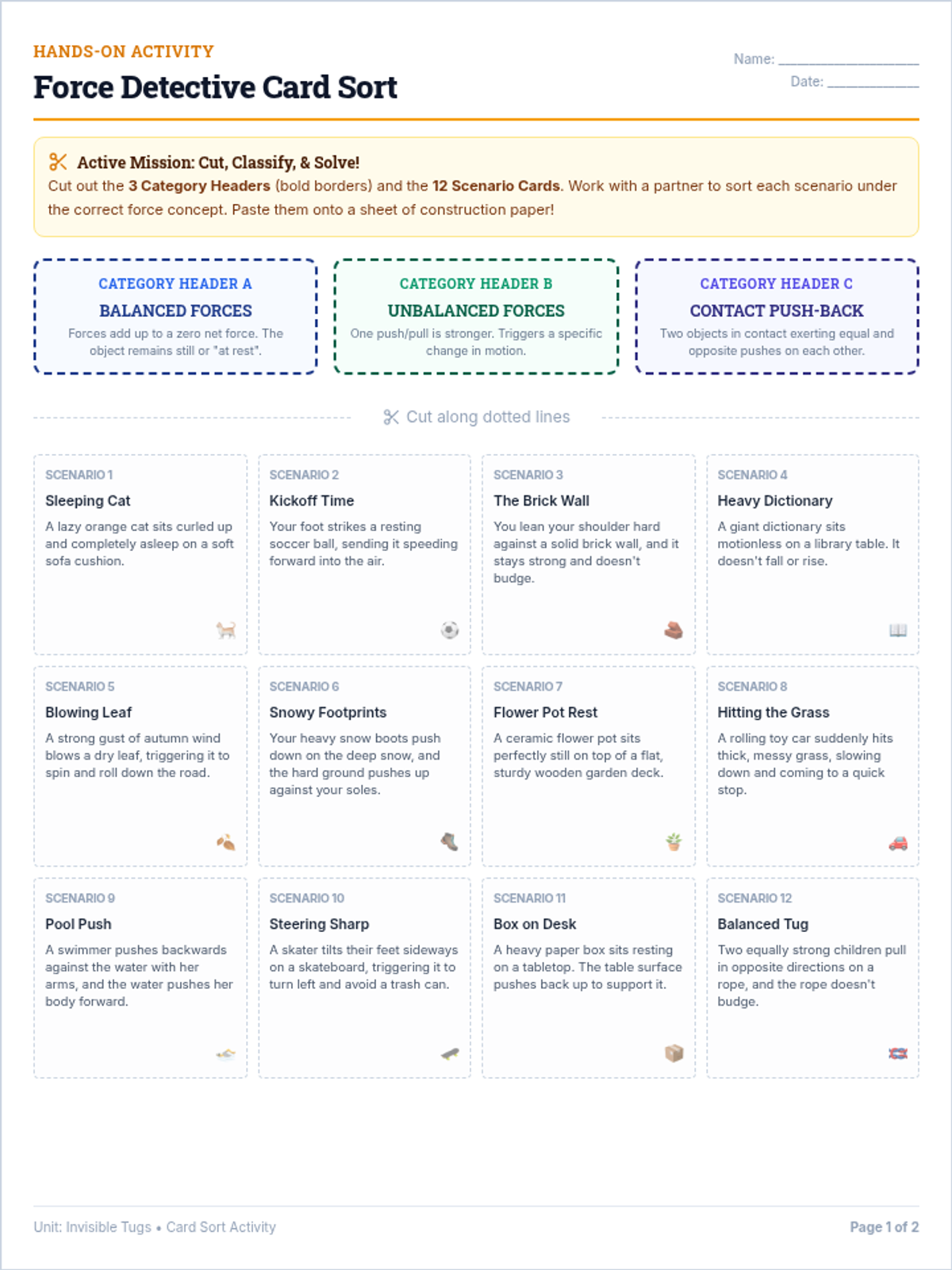
A guided inquiry lesson exploring pushes, pulls, contact forces, and balanced vs. unbalanced forces through everyday concrete examples and DOK 2-3 analysis questions.
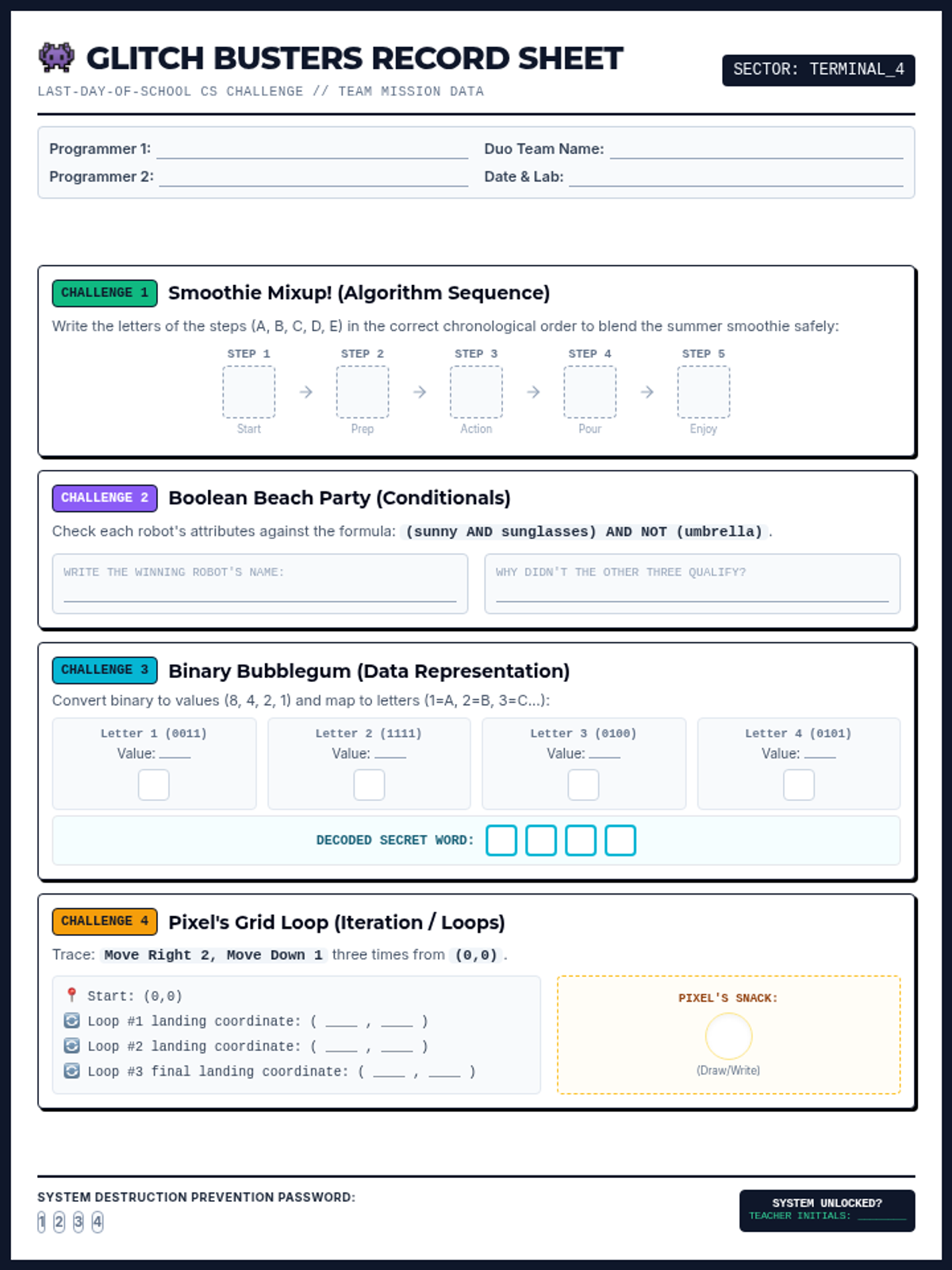
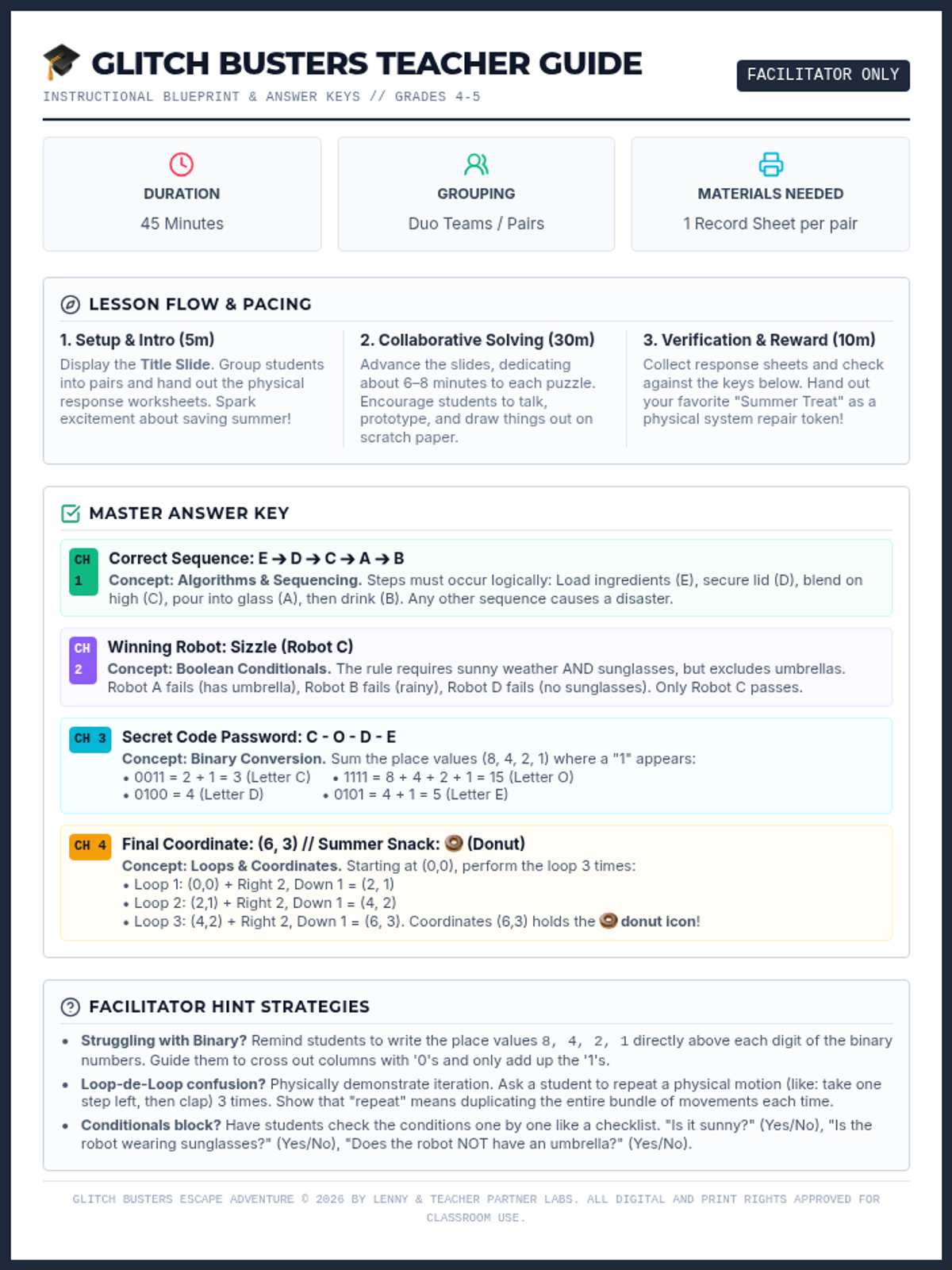
A high-energy, collaborative computer science escape challenge designed for the last day of school. Students work in pairs to solve funny, CS-themed logic and debugging puzzles to save the computer lab from a playful system glitch.
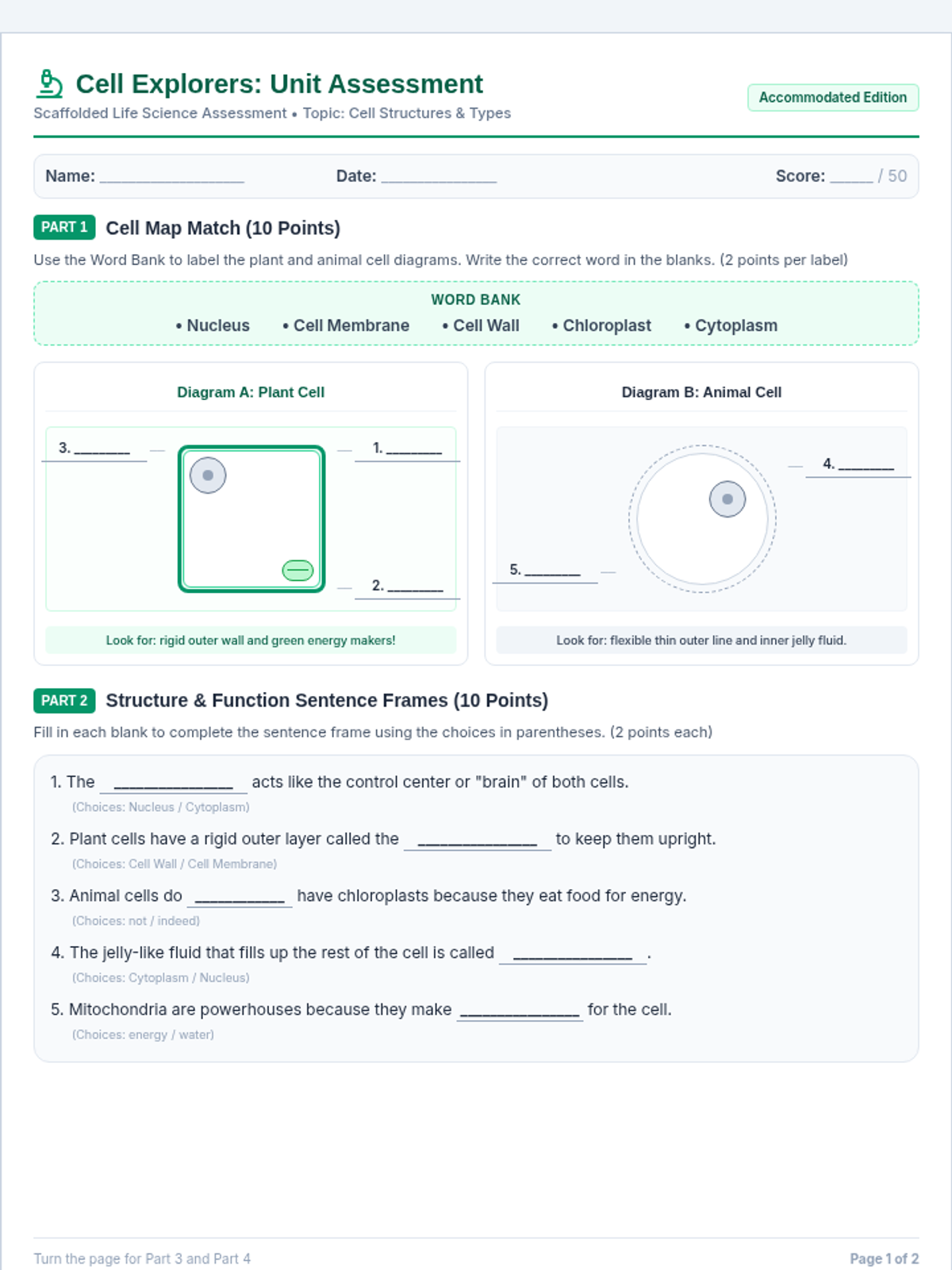
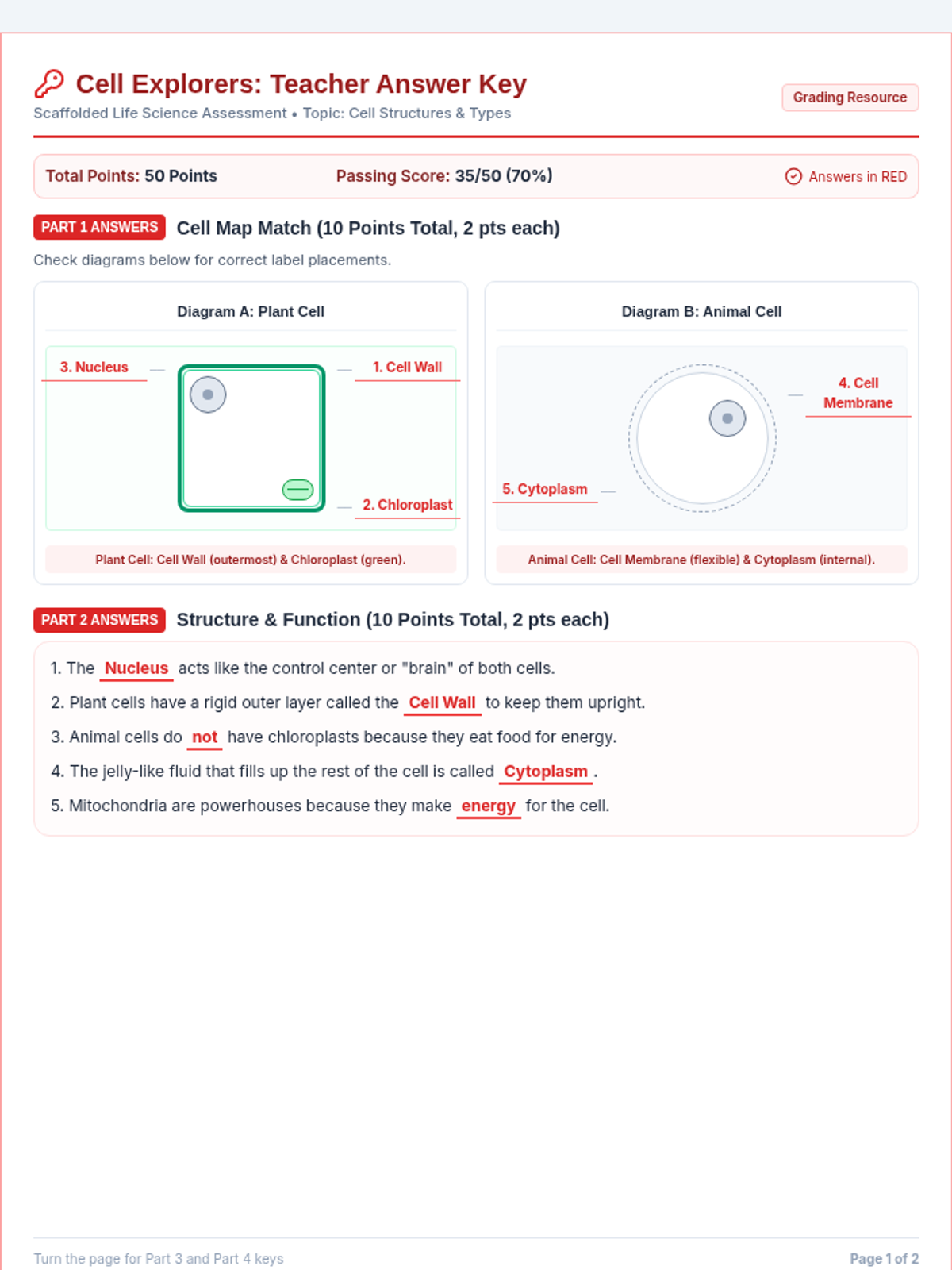
A scaffolded 2-page assessment and corresponding answer key covering prokaryotic and eukaryotic cells, including bacteria, plant, animal, and human cells. Features visual matching, labeling with word banks, sentence frames, and guided sentence starters, scaled to 50 points total.
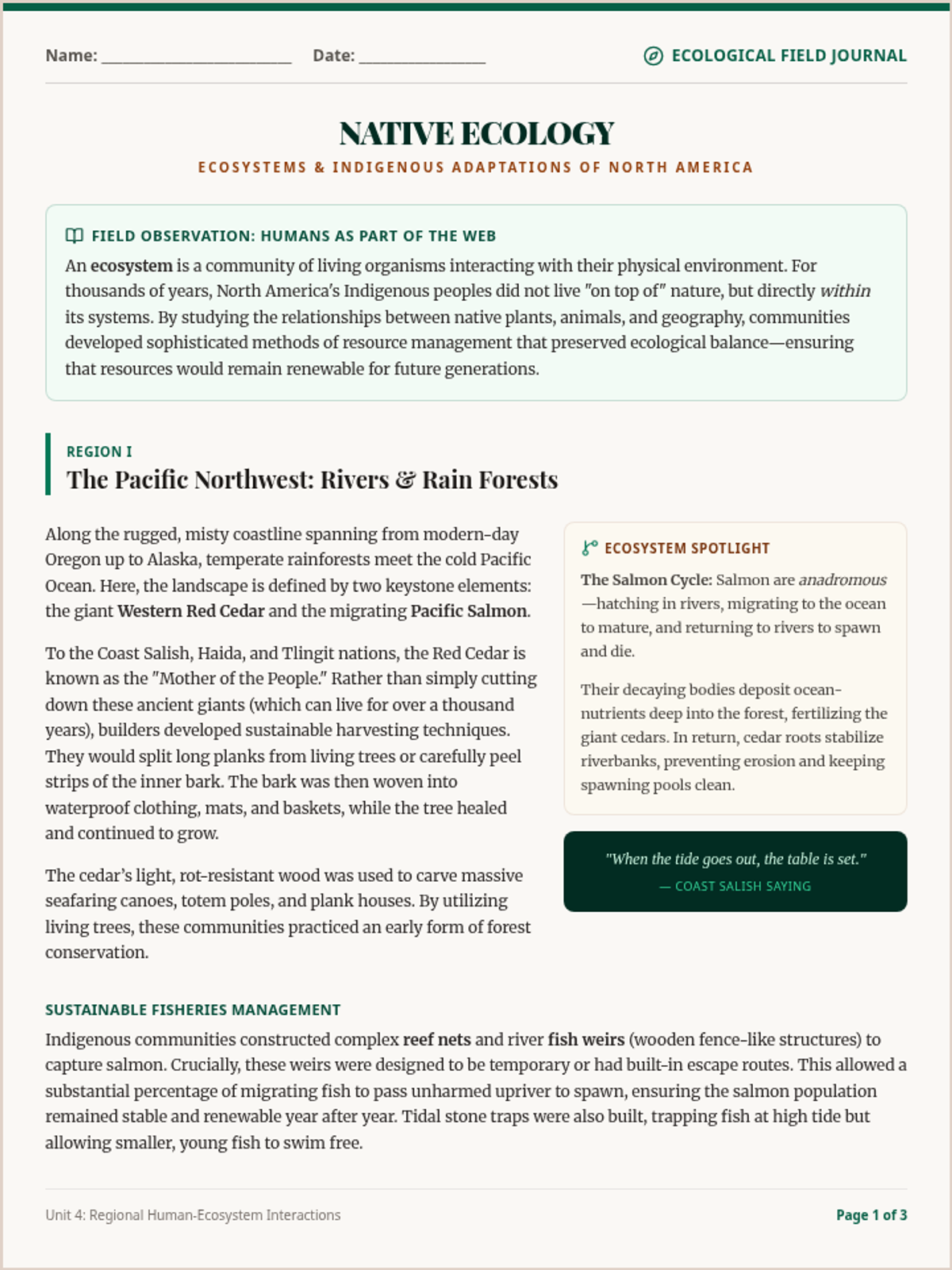
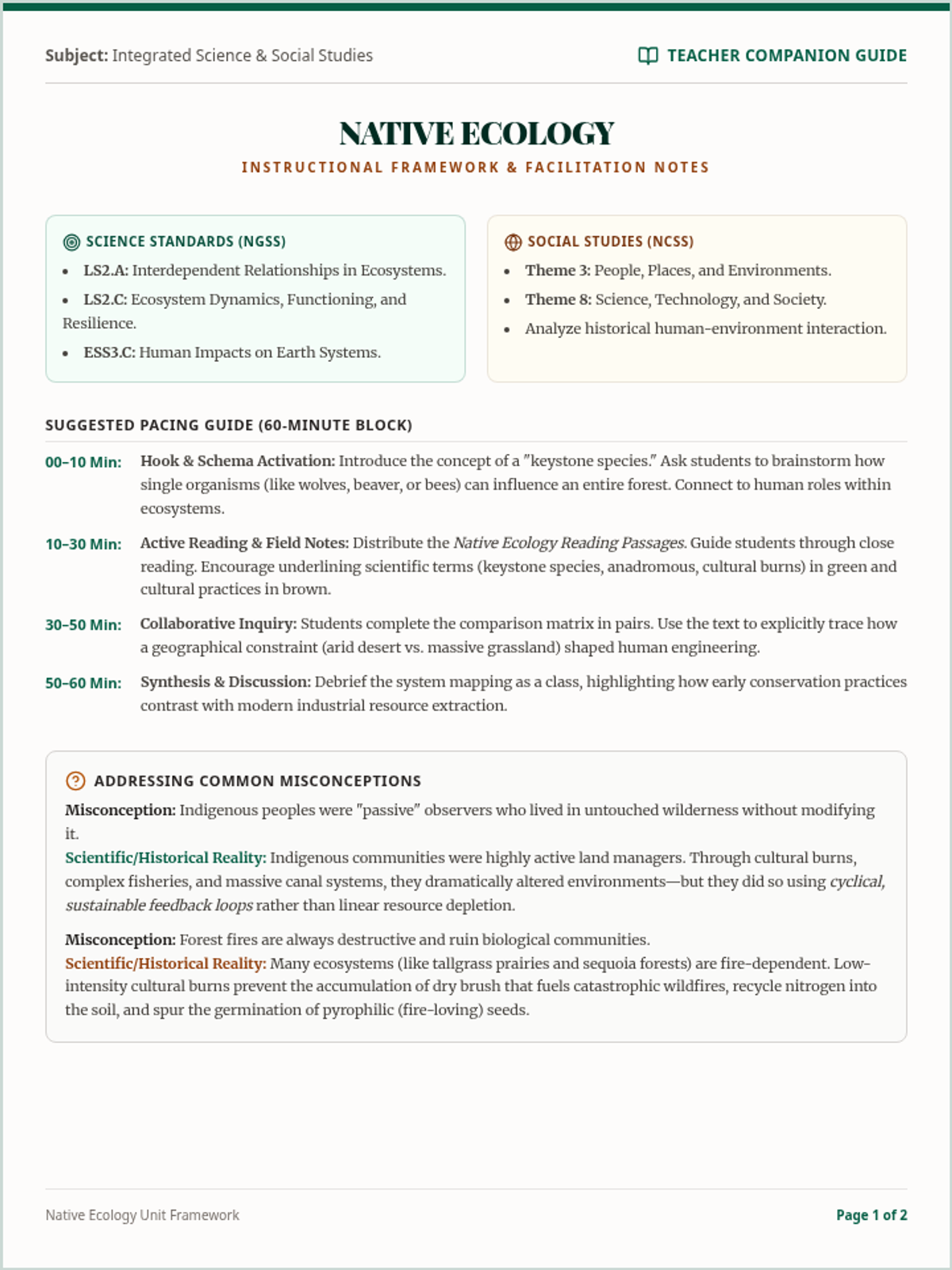
An integrated science and social studies lesson exploring how regional ecosystems and native species supported historical Indigenous communities across North America. Students analyze the ecological relationships and cultural adaptations of three distinct regions.
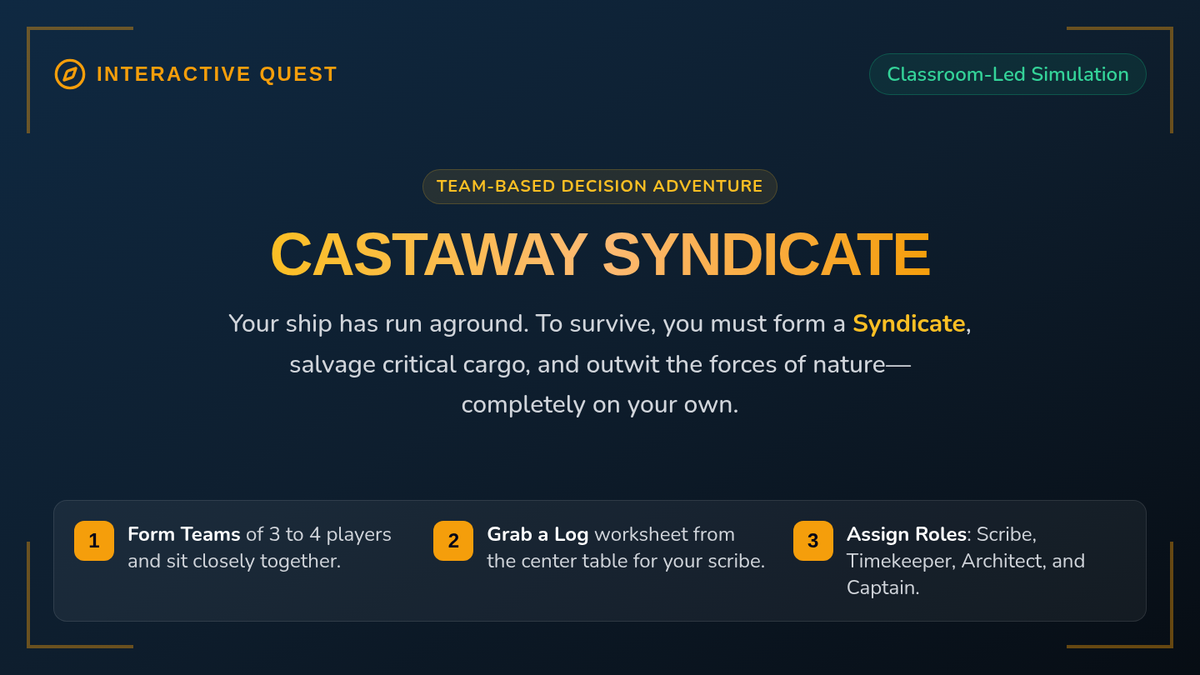
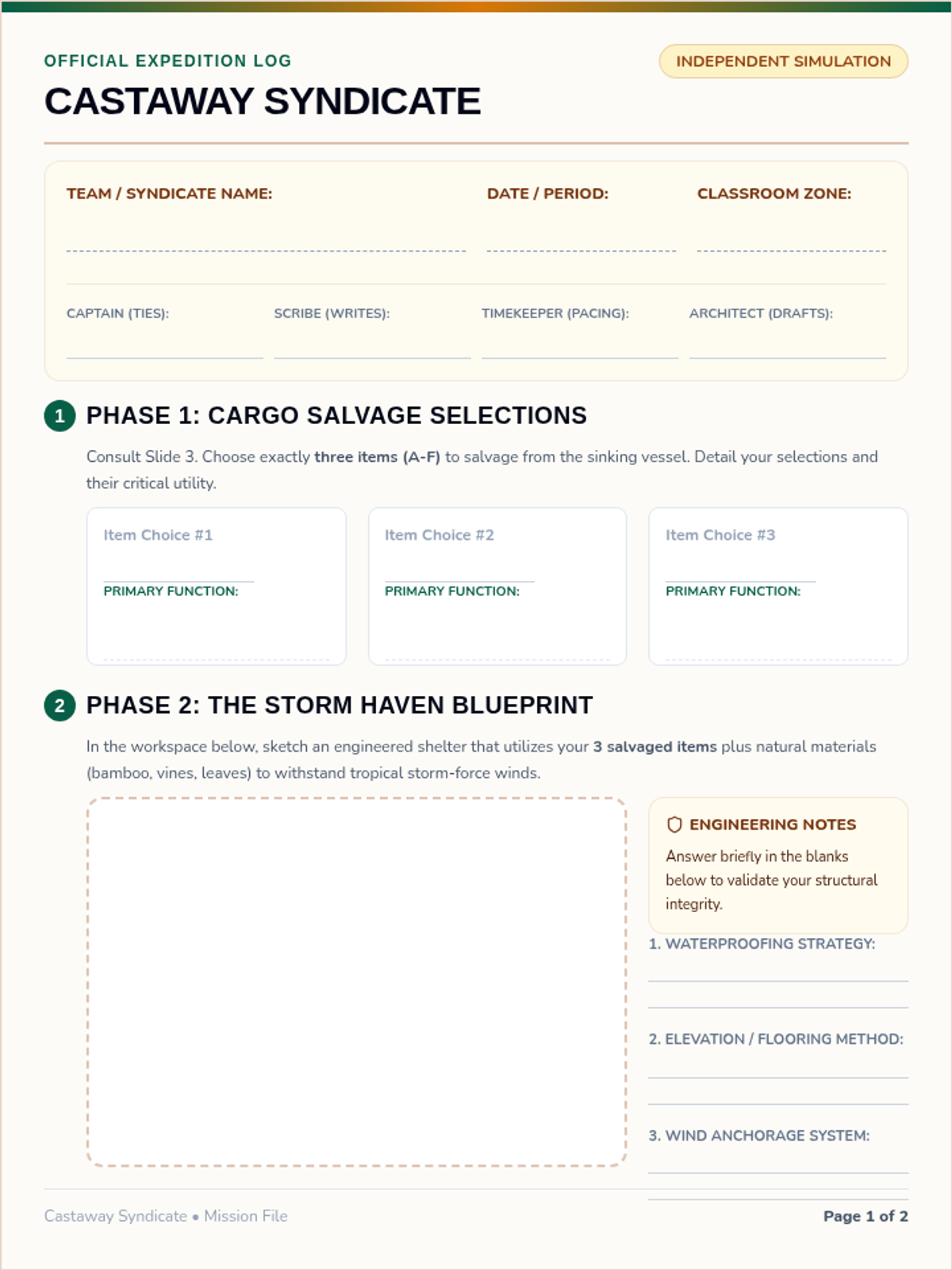
An immersive, self-directed survival simulation where students work in teams to solve creative engineering and resource-management challenges. Designed to keep the entire classroom deeply engaged and collaborative while the teacher conducts one-on-one sessions.
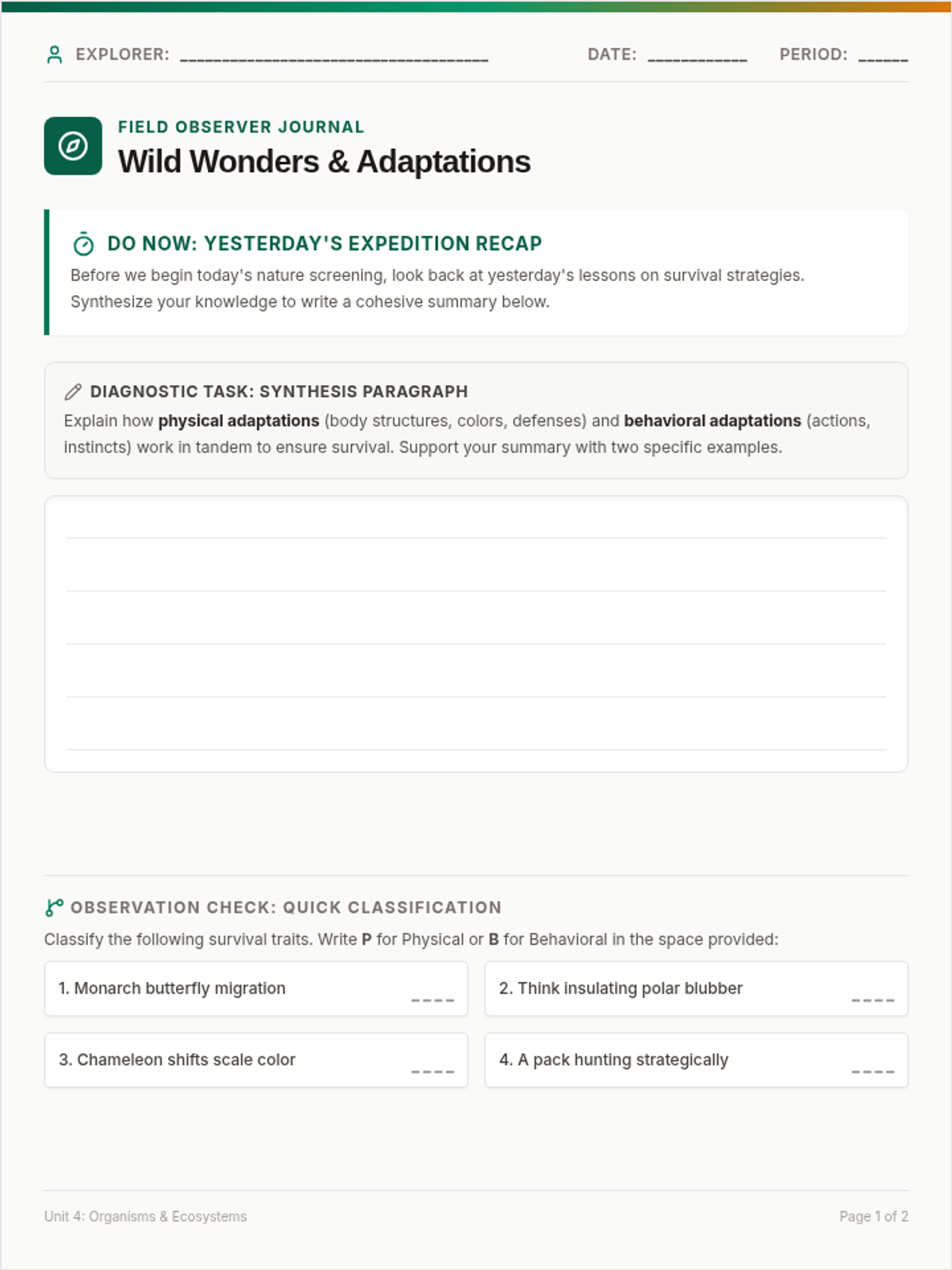
A lesson exploring how physical and behavioral traits help organisms survive in their environments, featuring a video documentary review and diagnostic summary.
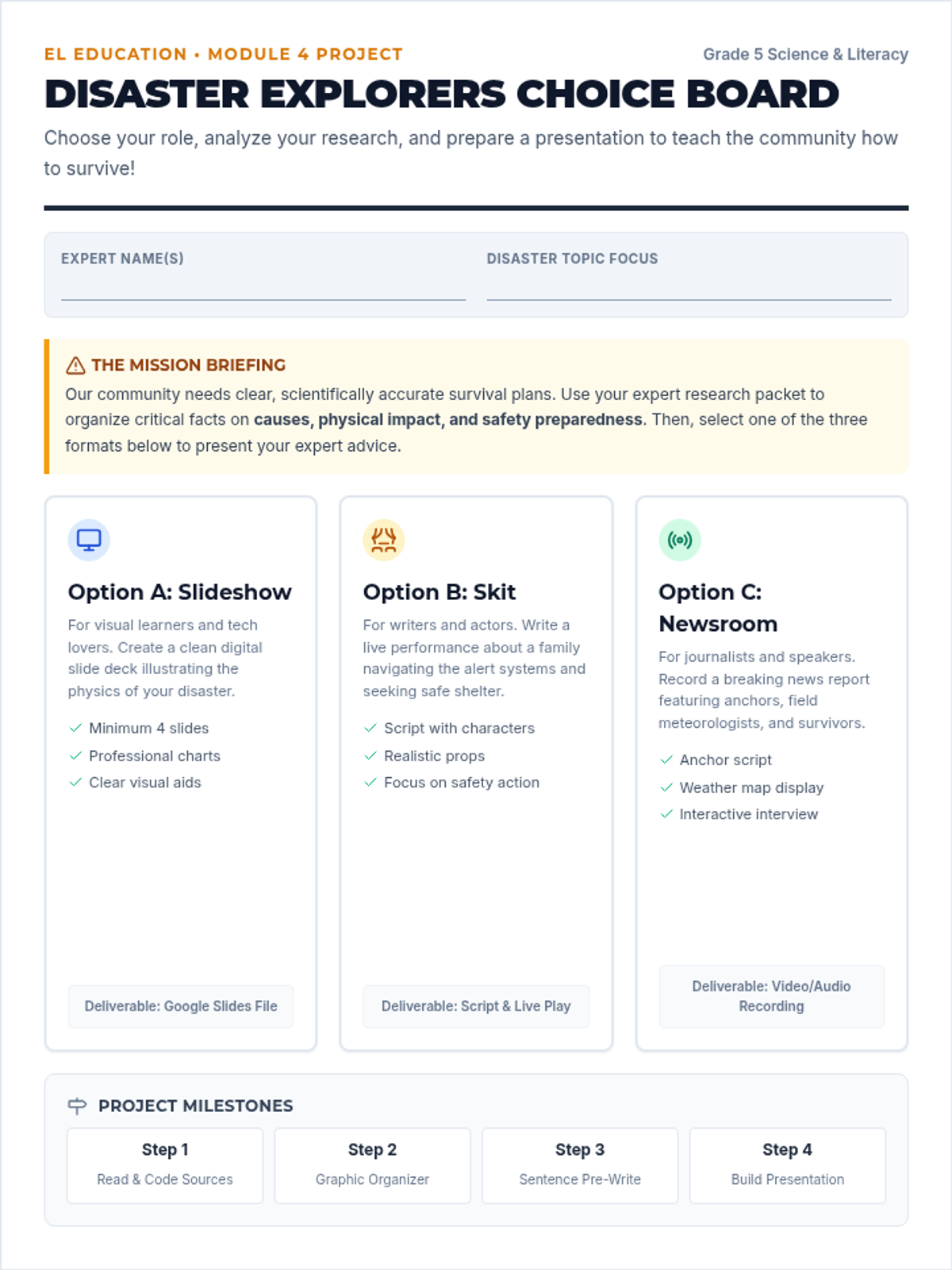
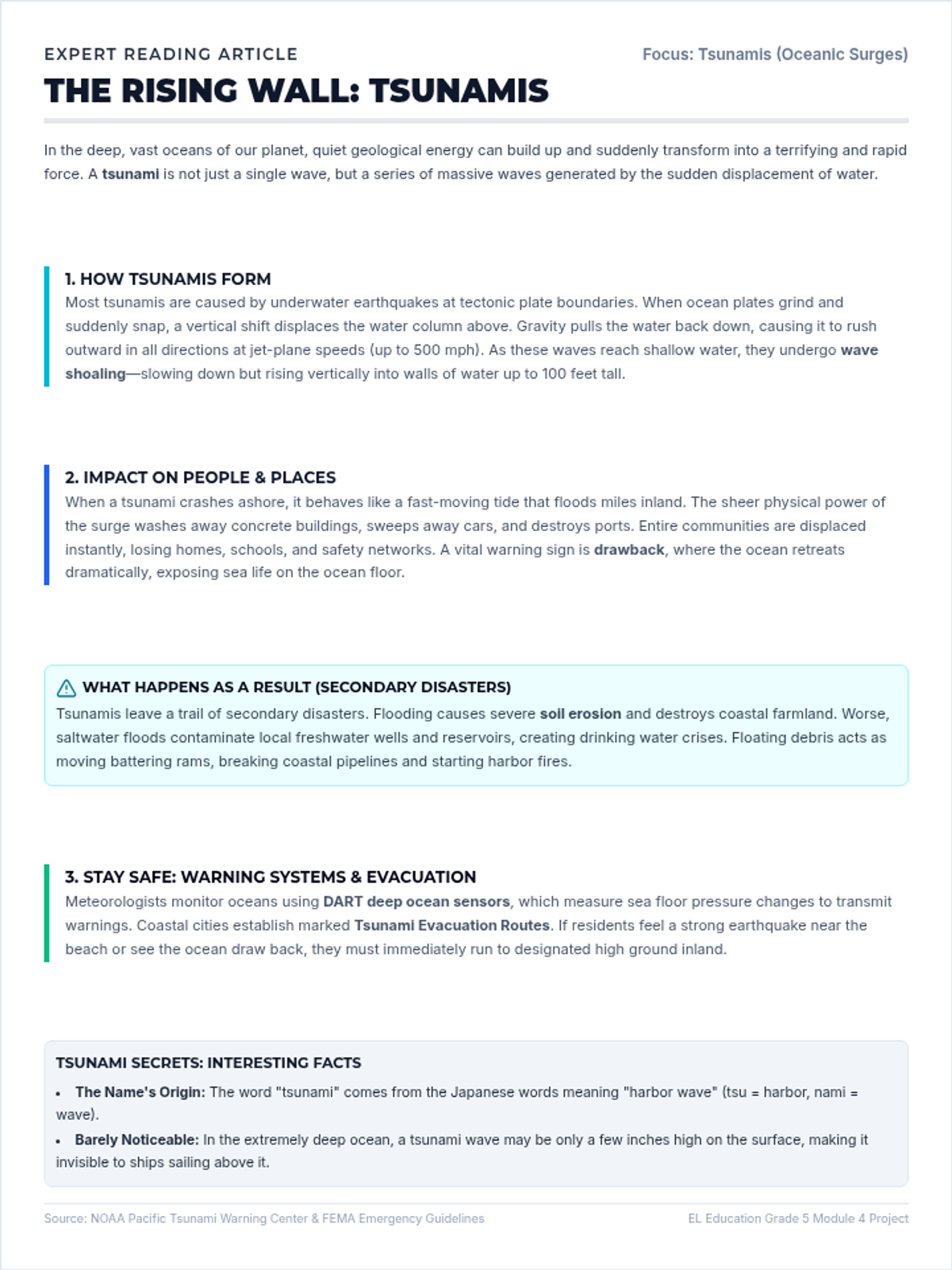
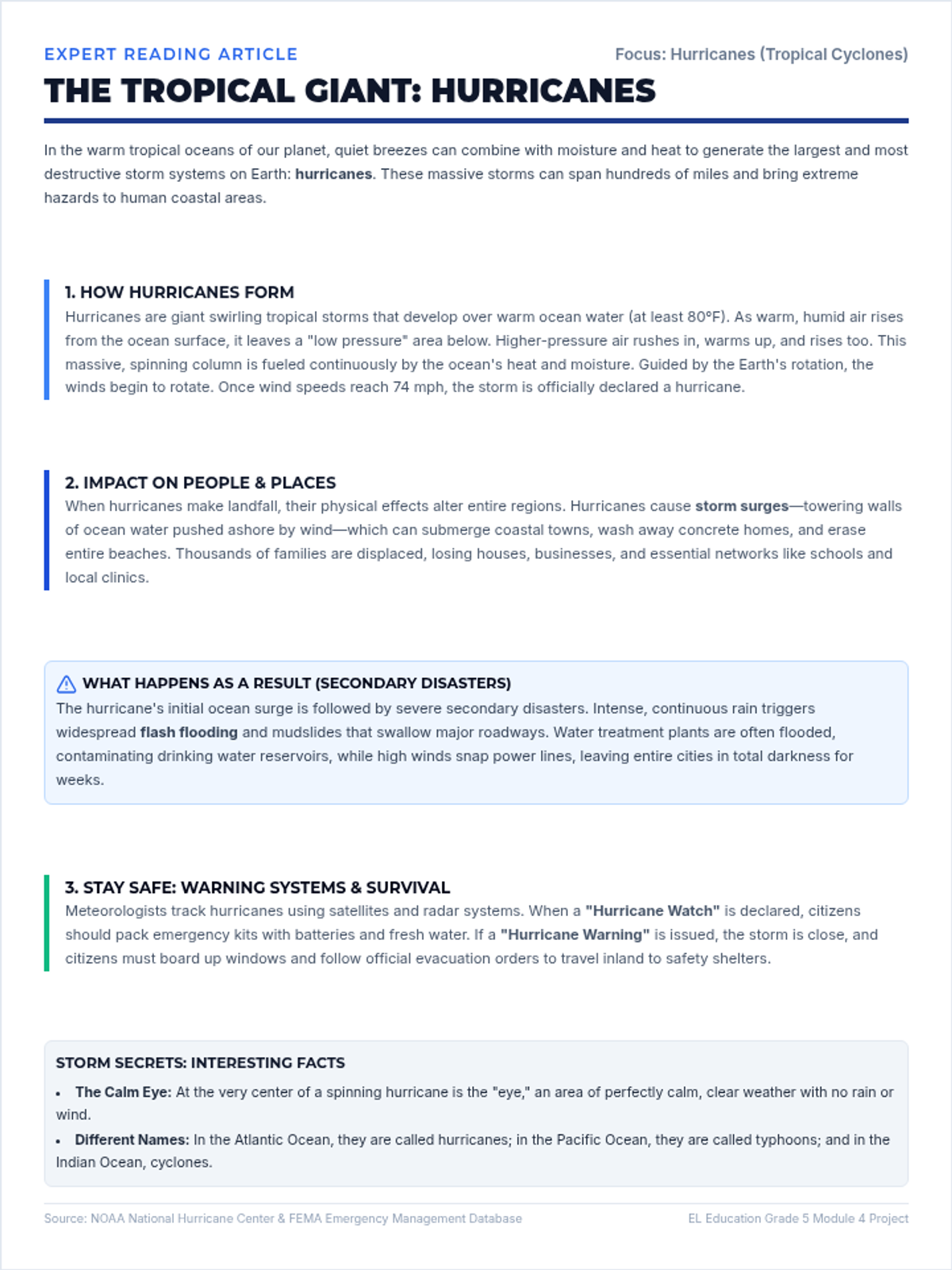
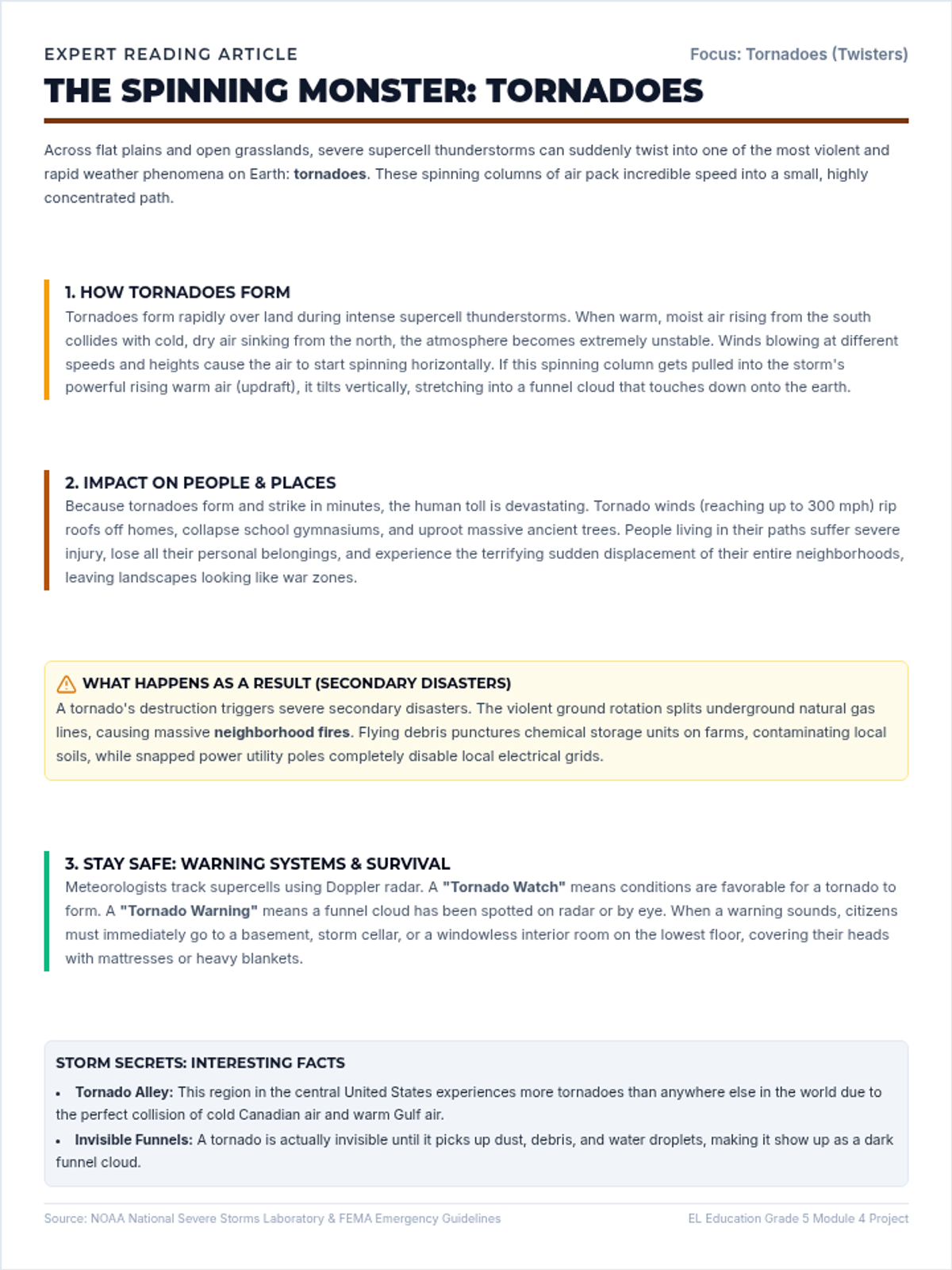
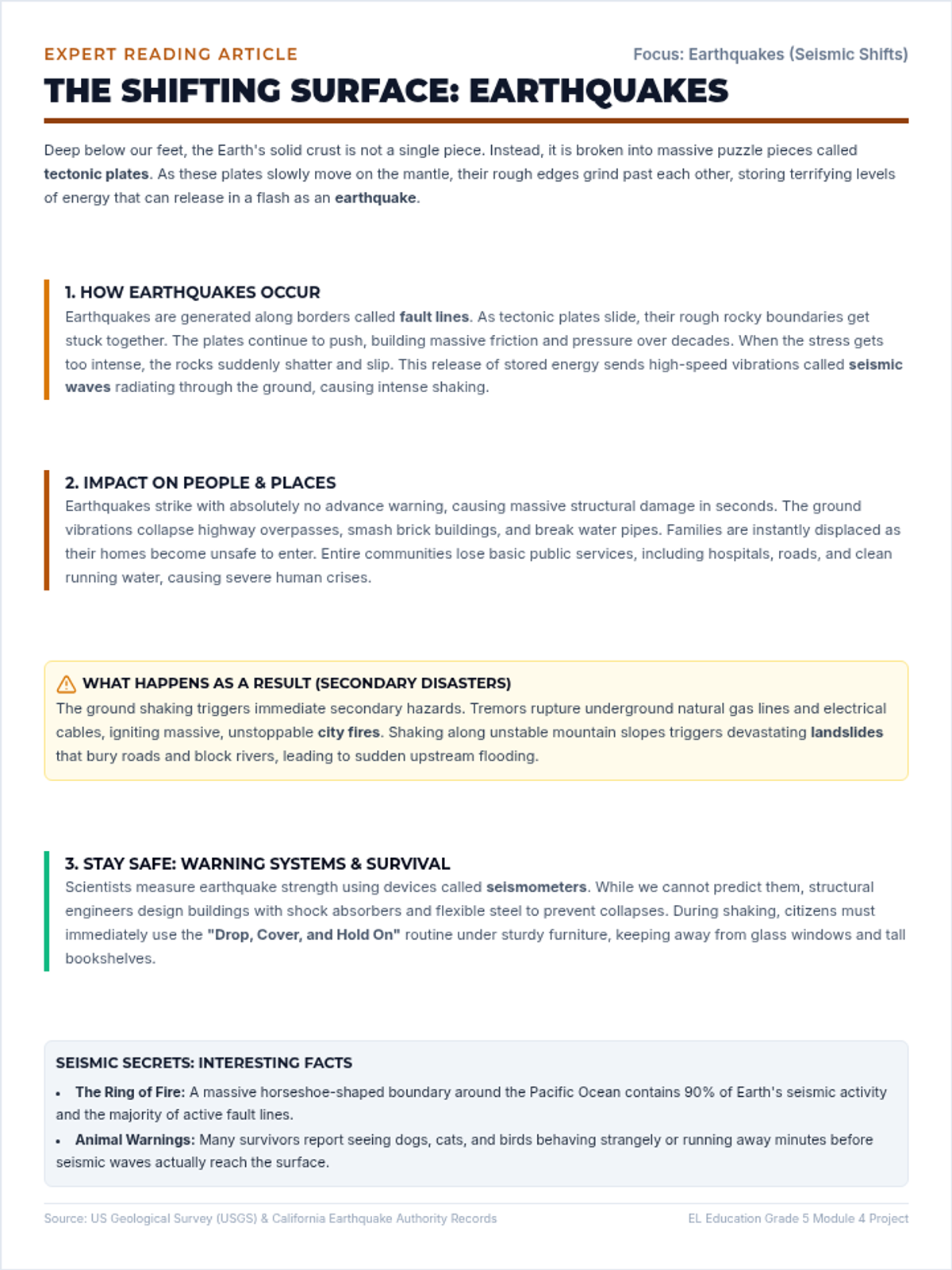
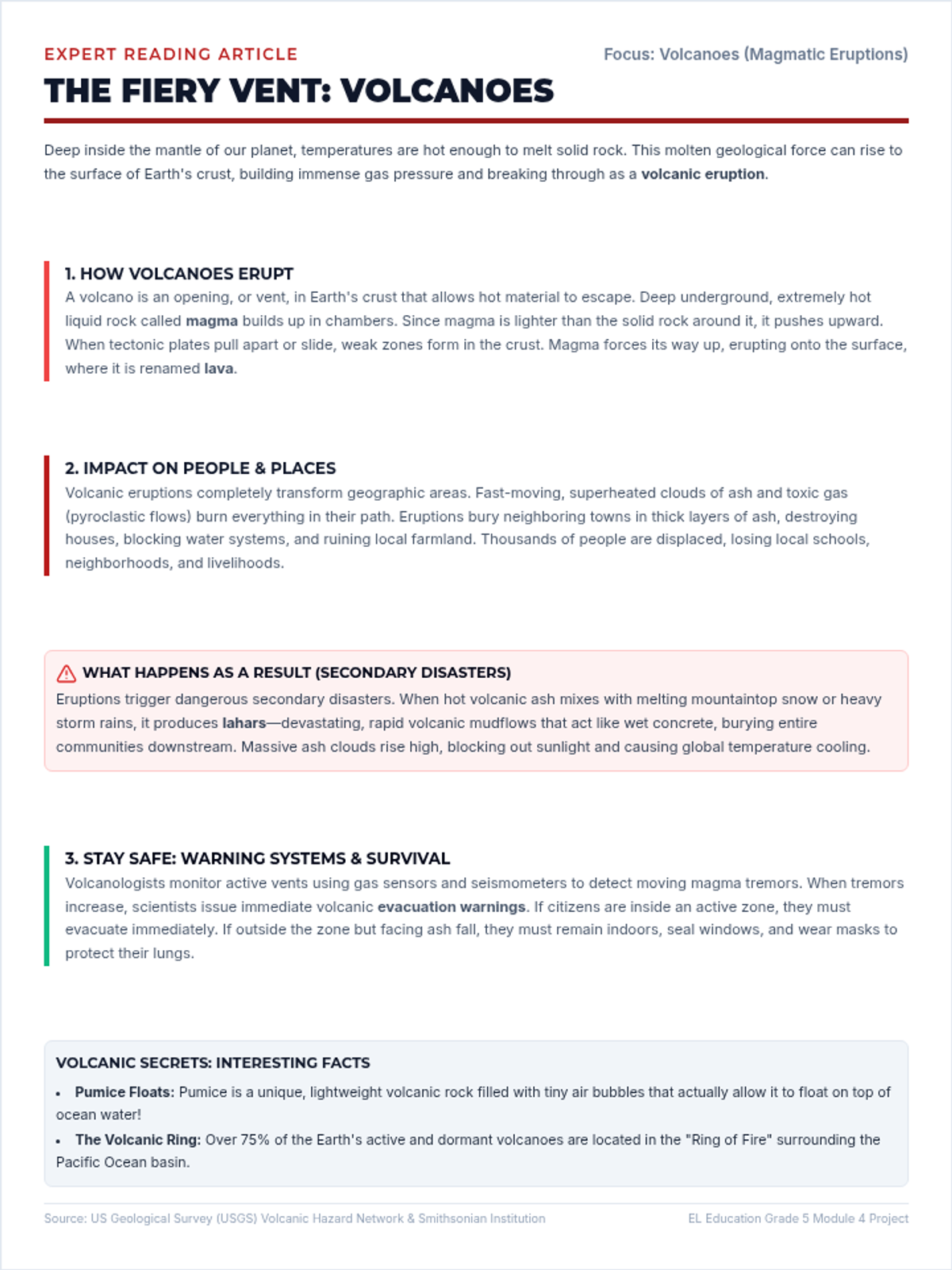
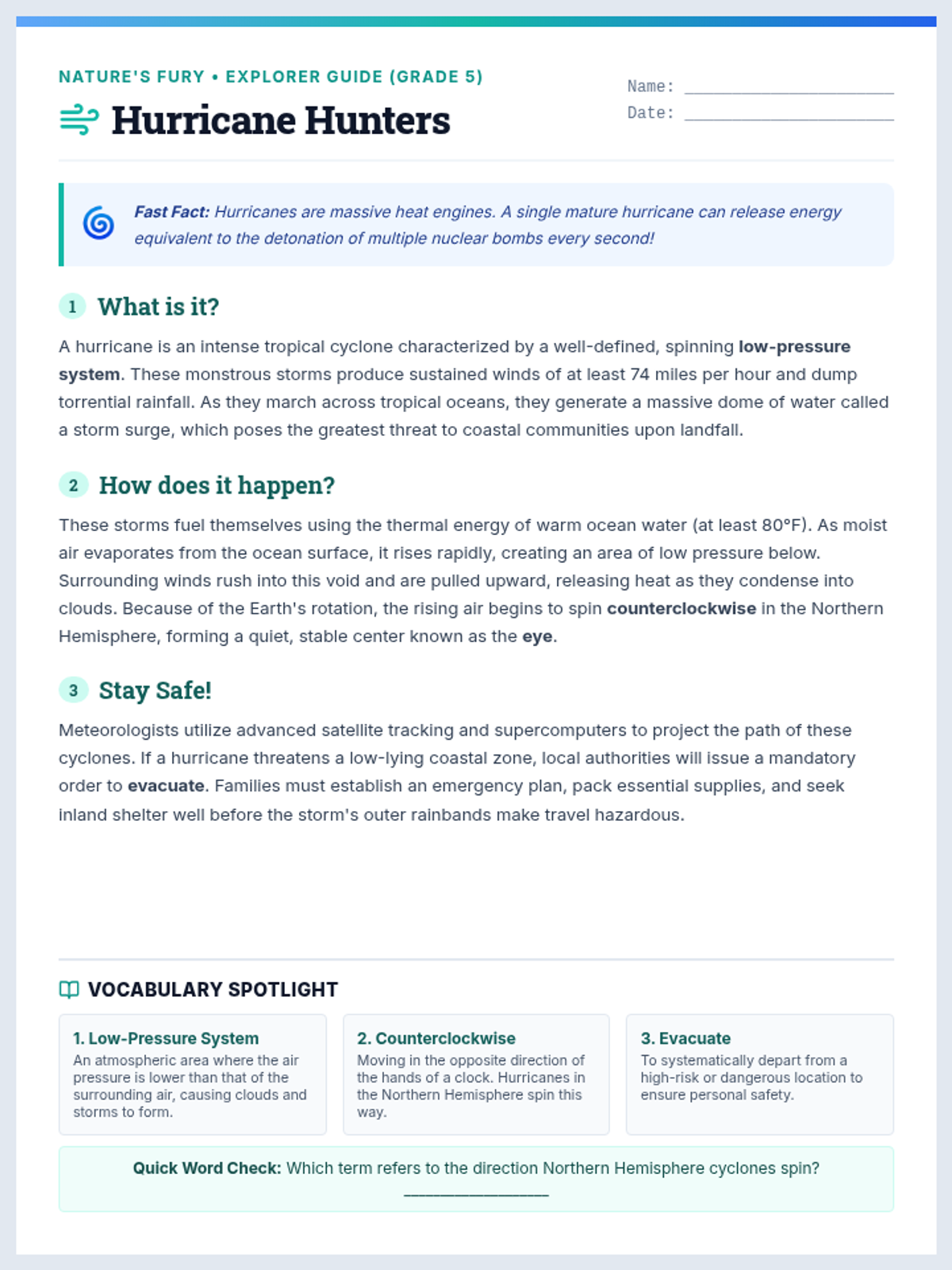
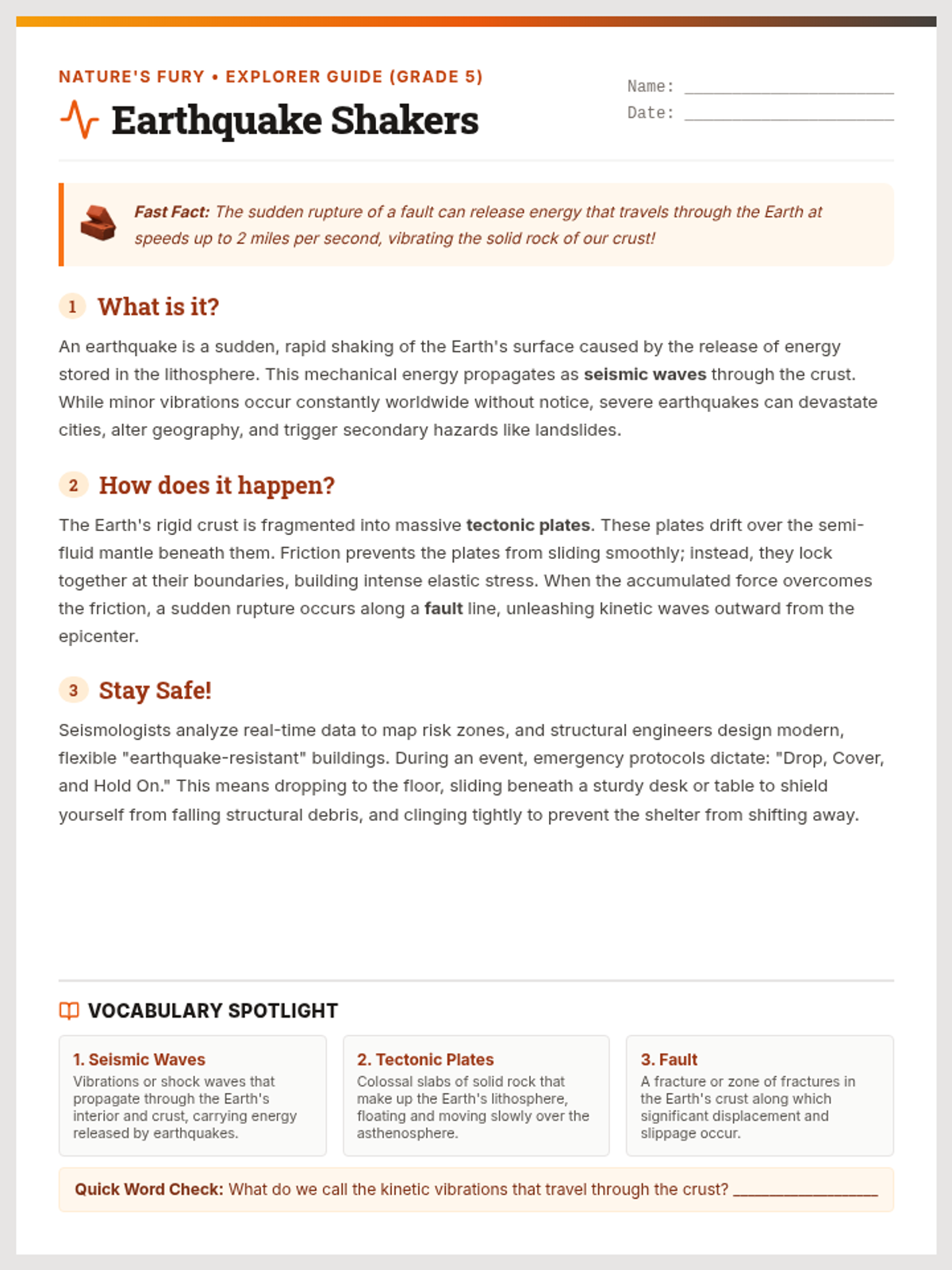
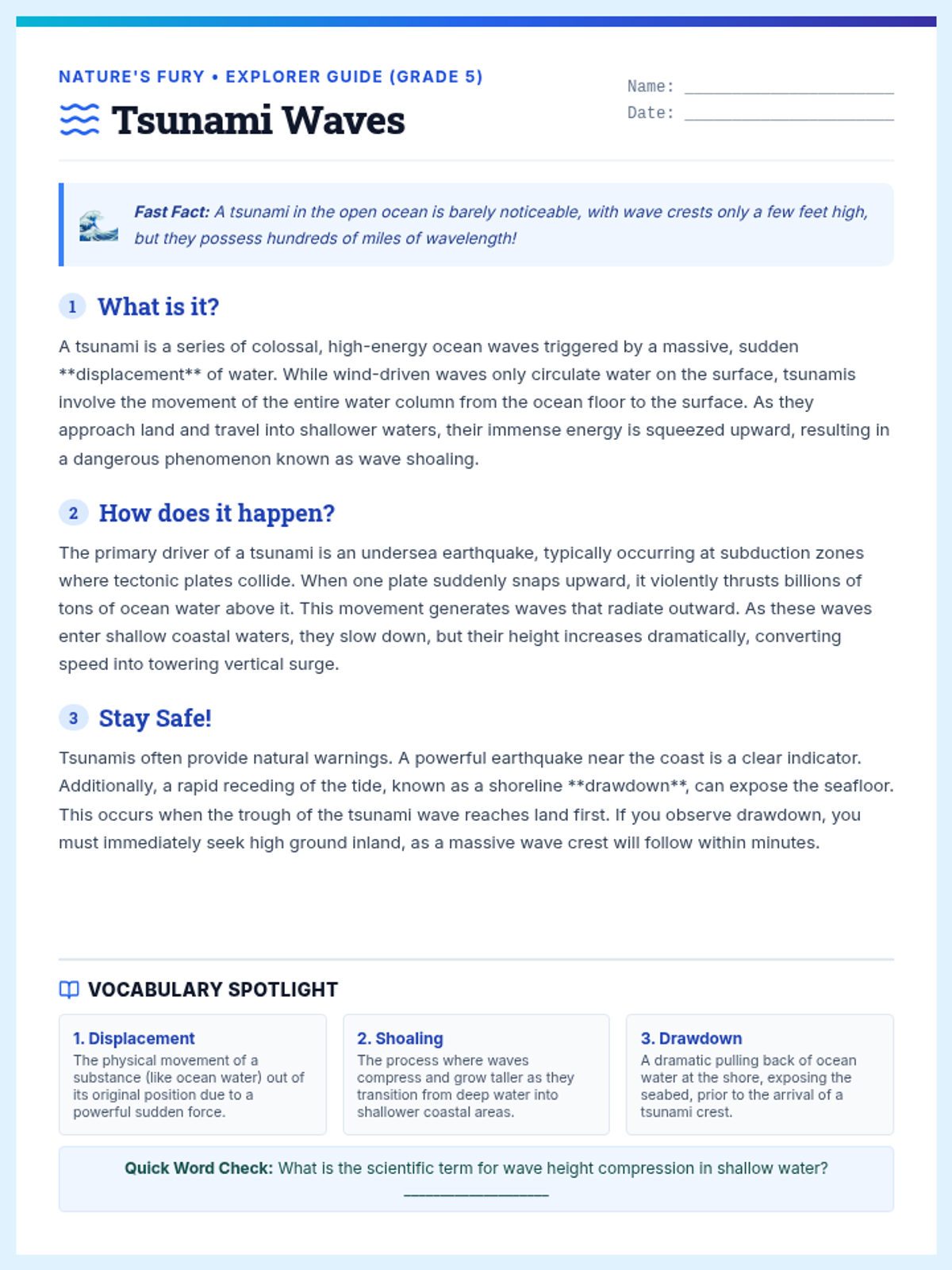
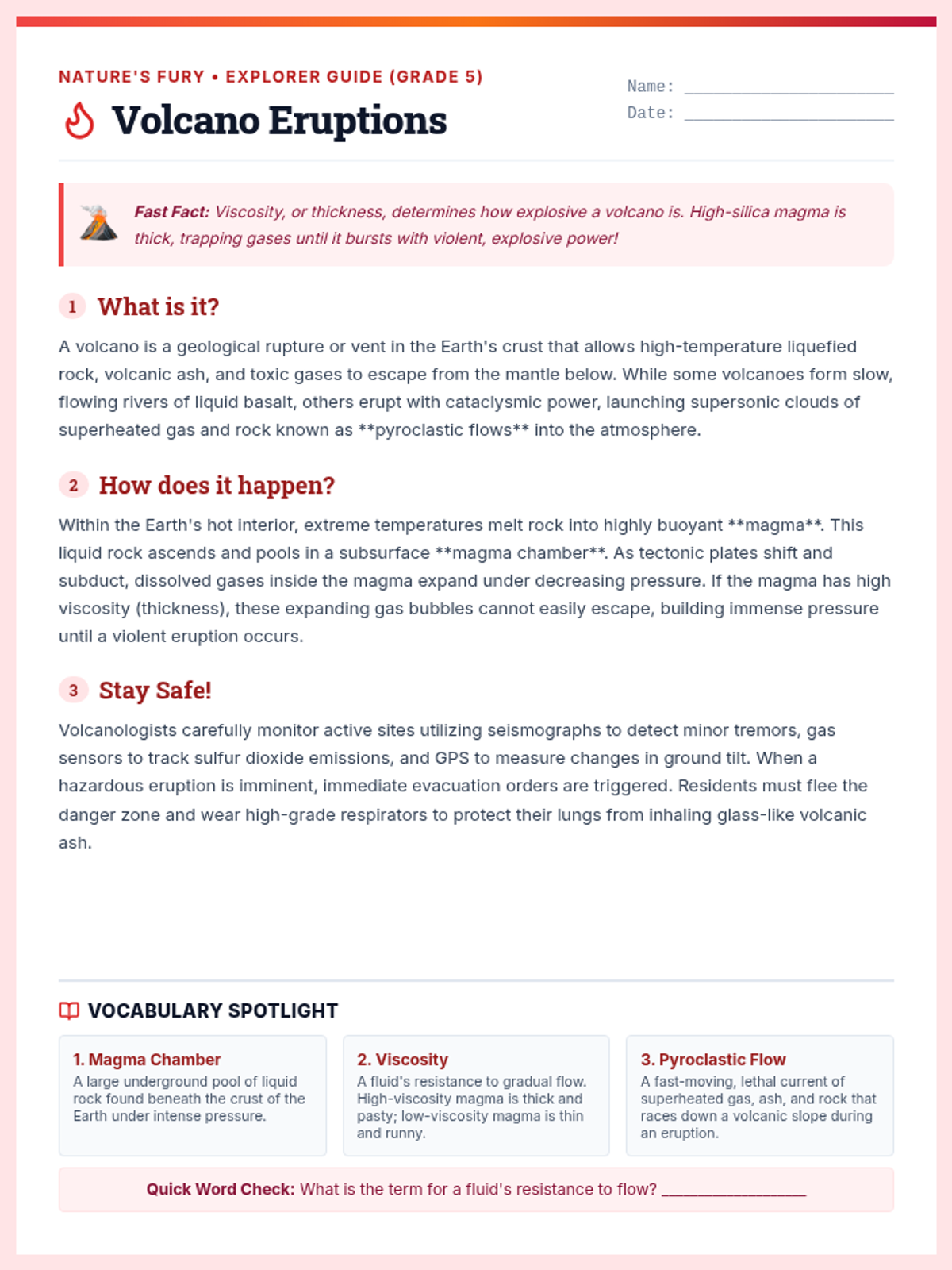
A 5th grade research and presentation project based on EL Education Module 4. Students select a natural disaster focus, conduct research using provided expert articles, organize their findings, and choose to present via a Slide Show, Skit, or Newsroom report.
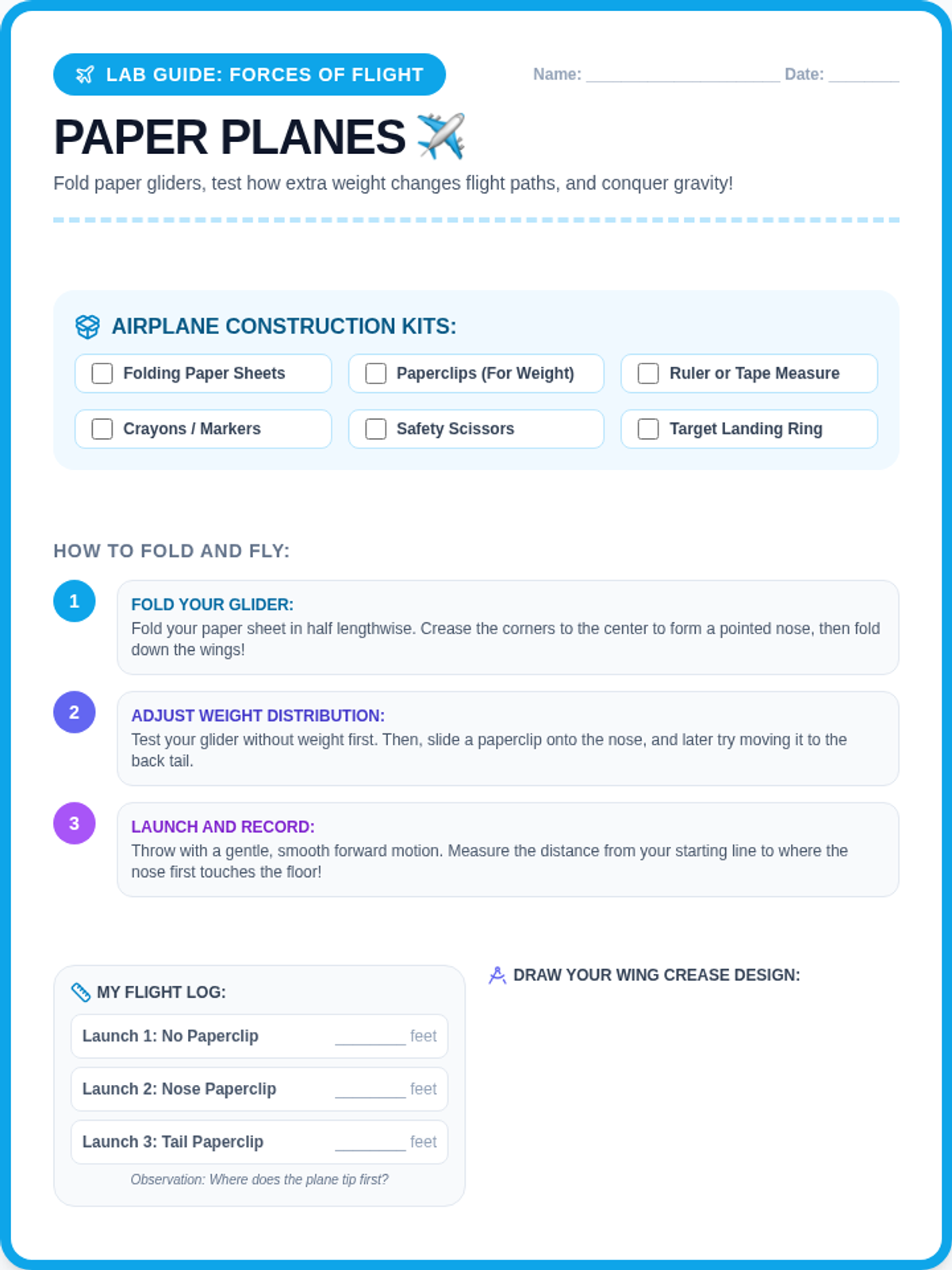
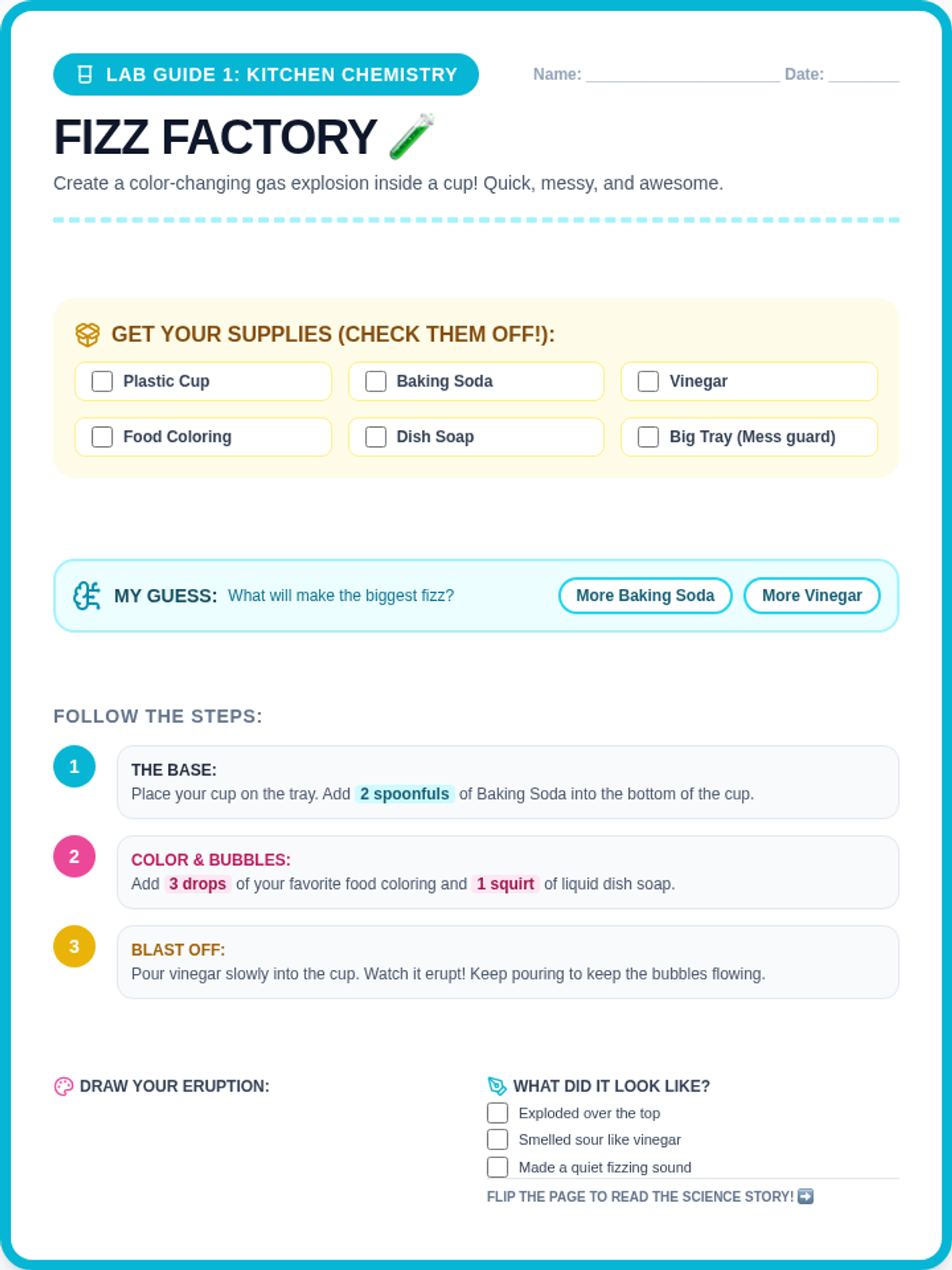
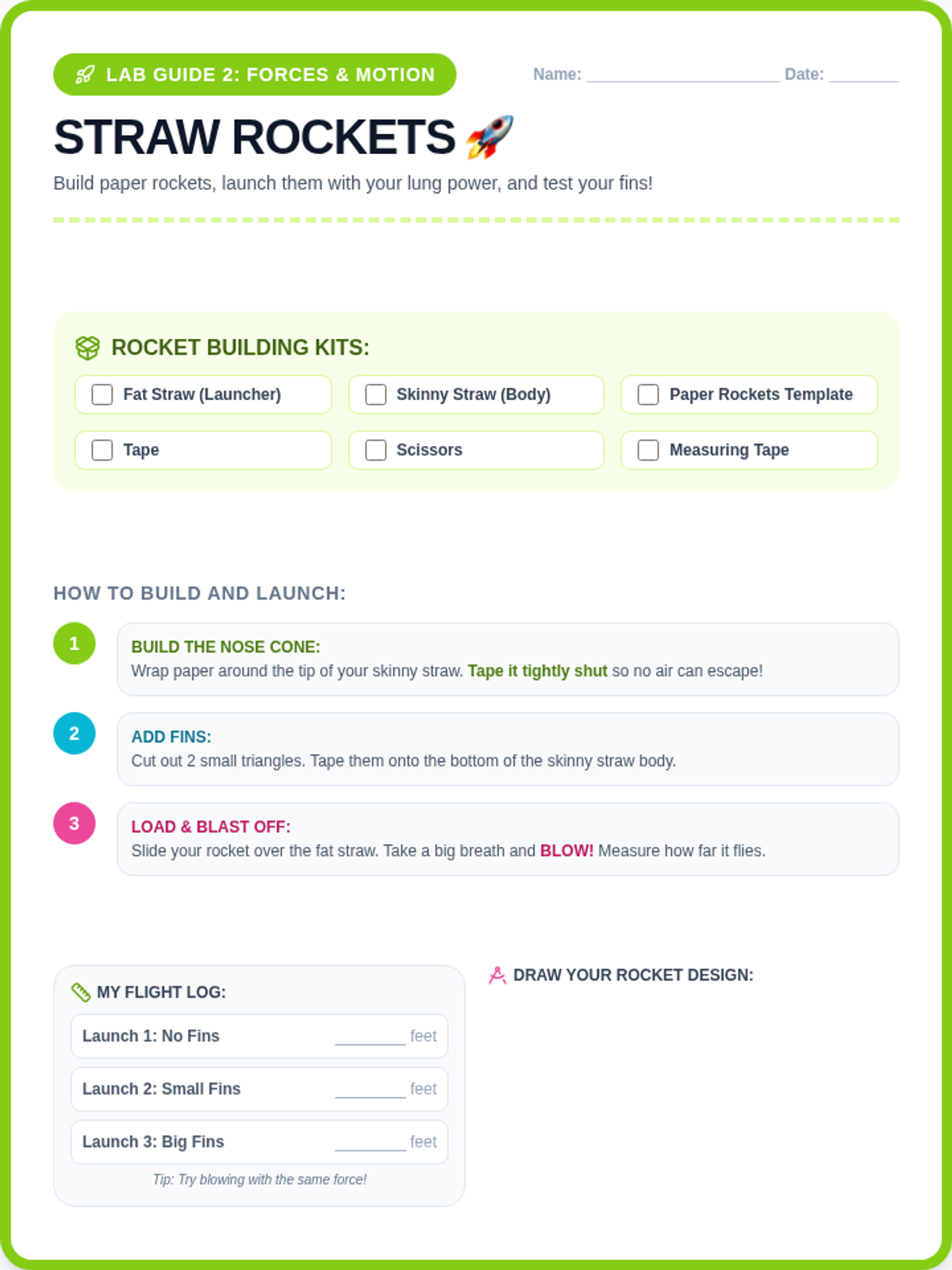
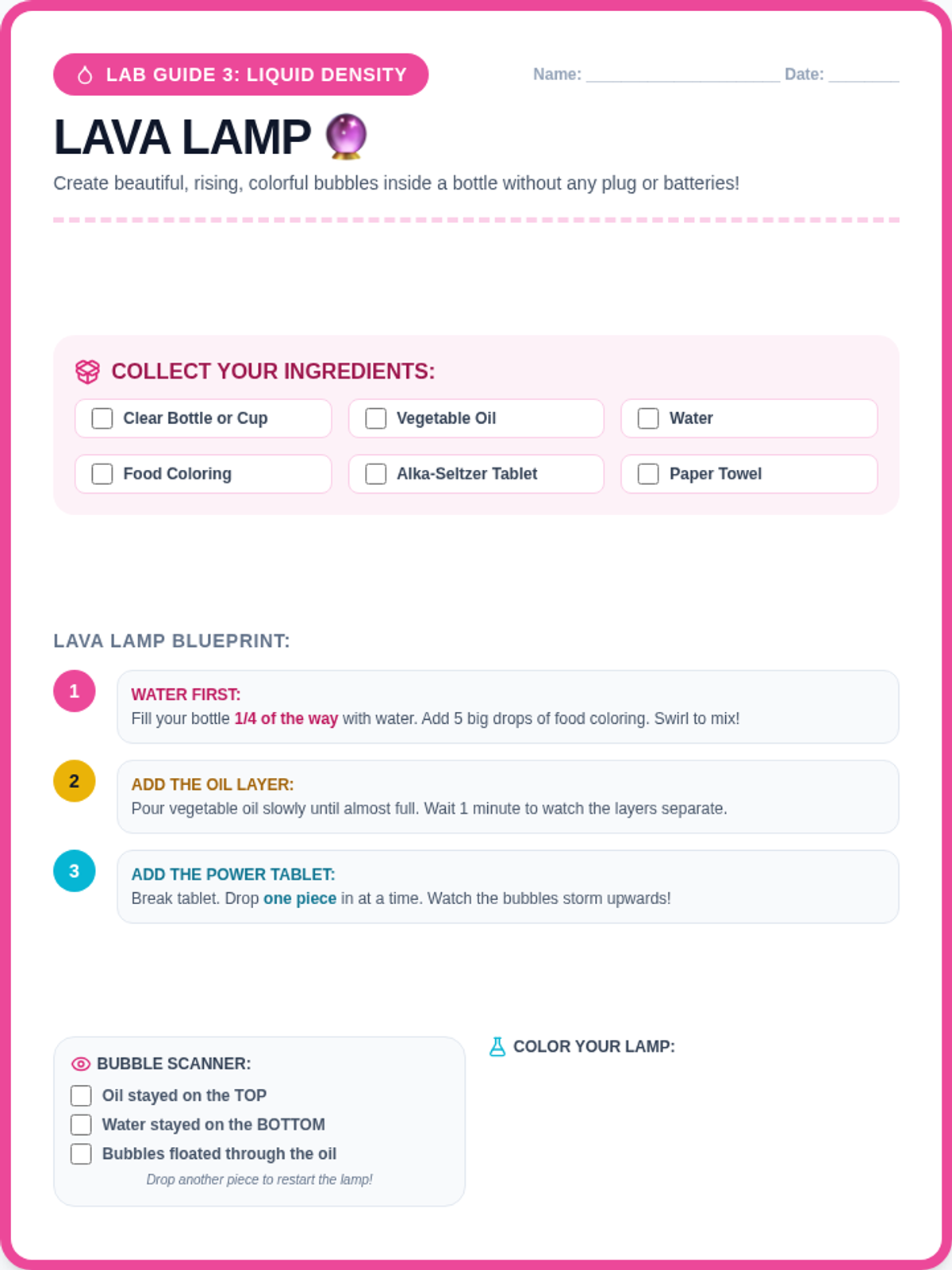
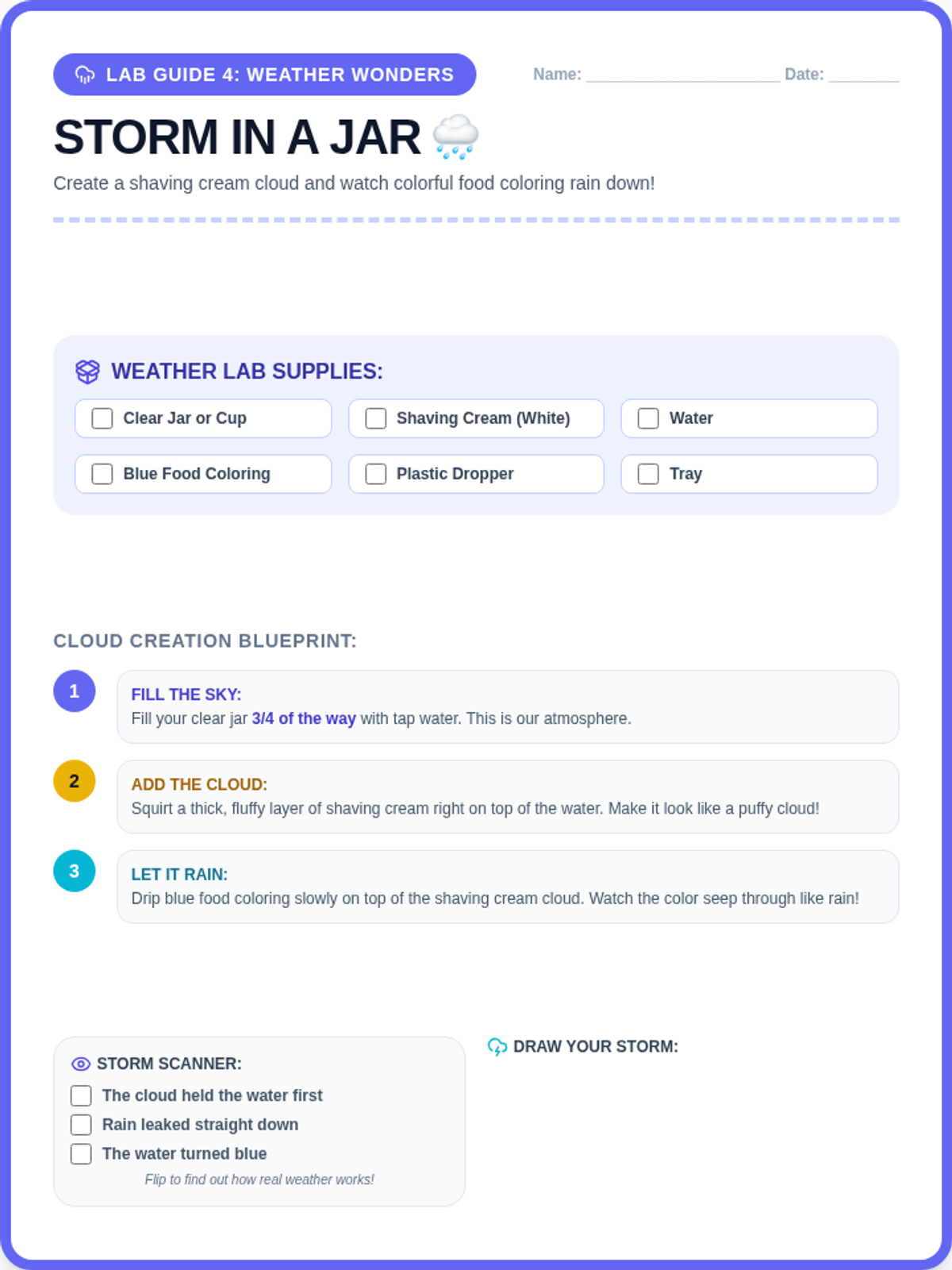
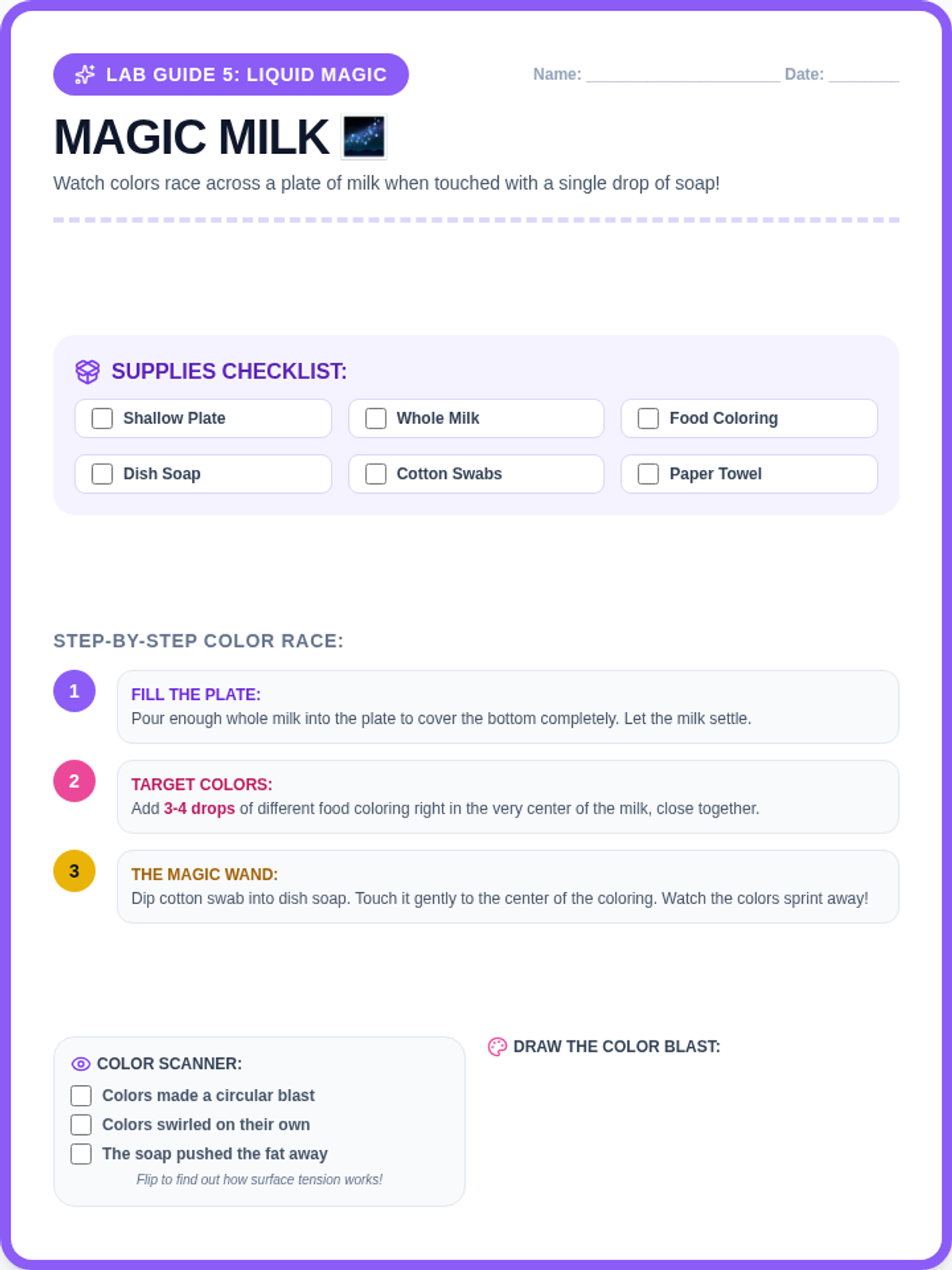
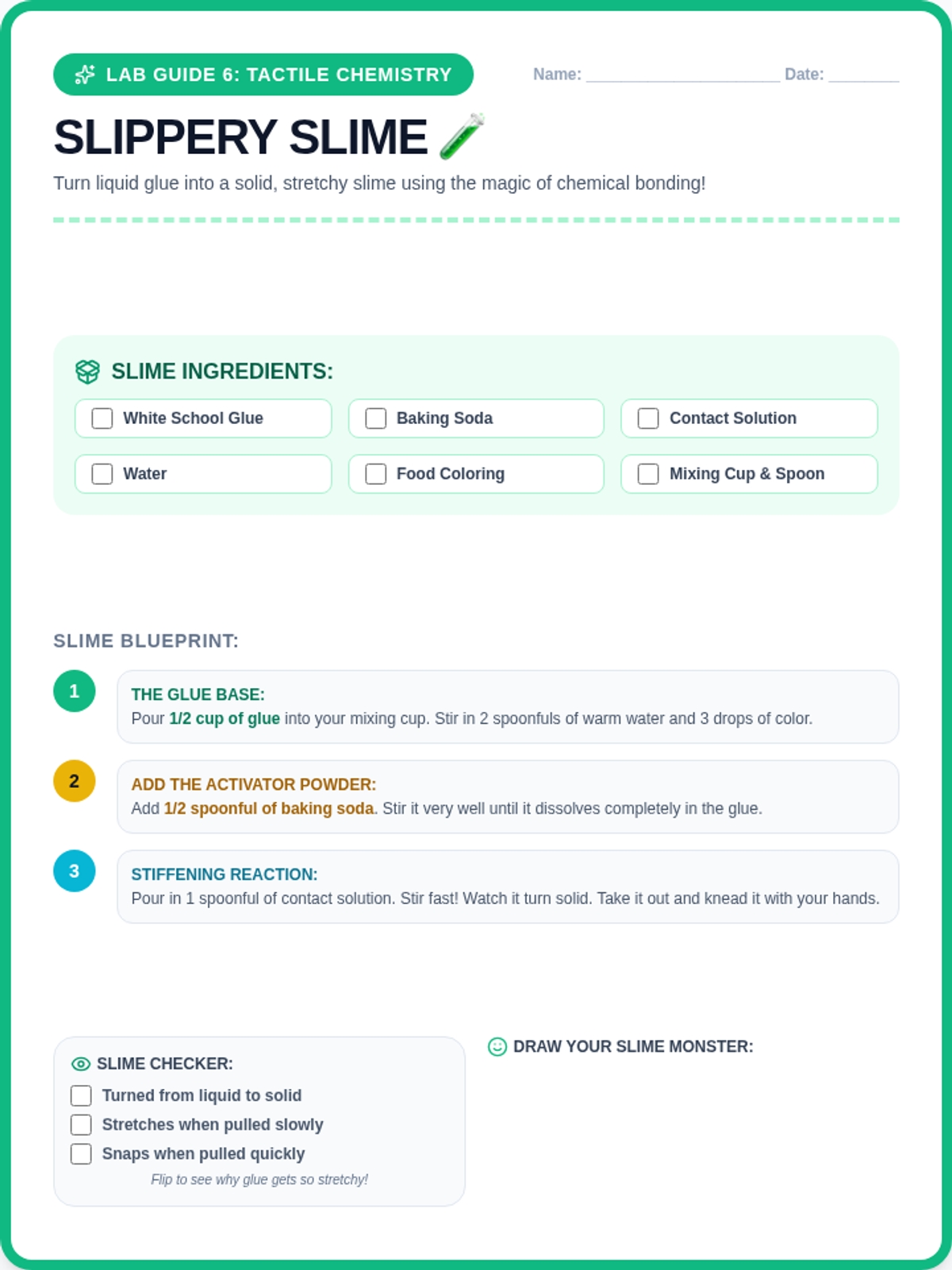
A hands-on, highly engaging, low-cost end-of-year science unit designed for 6th-grade students of lower academic levels. It features simplified, visual step-by-step guides for independent, sensory-rich experiments exploring kitchen chemistry, forces, and density.
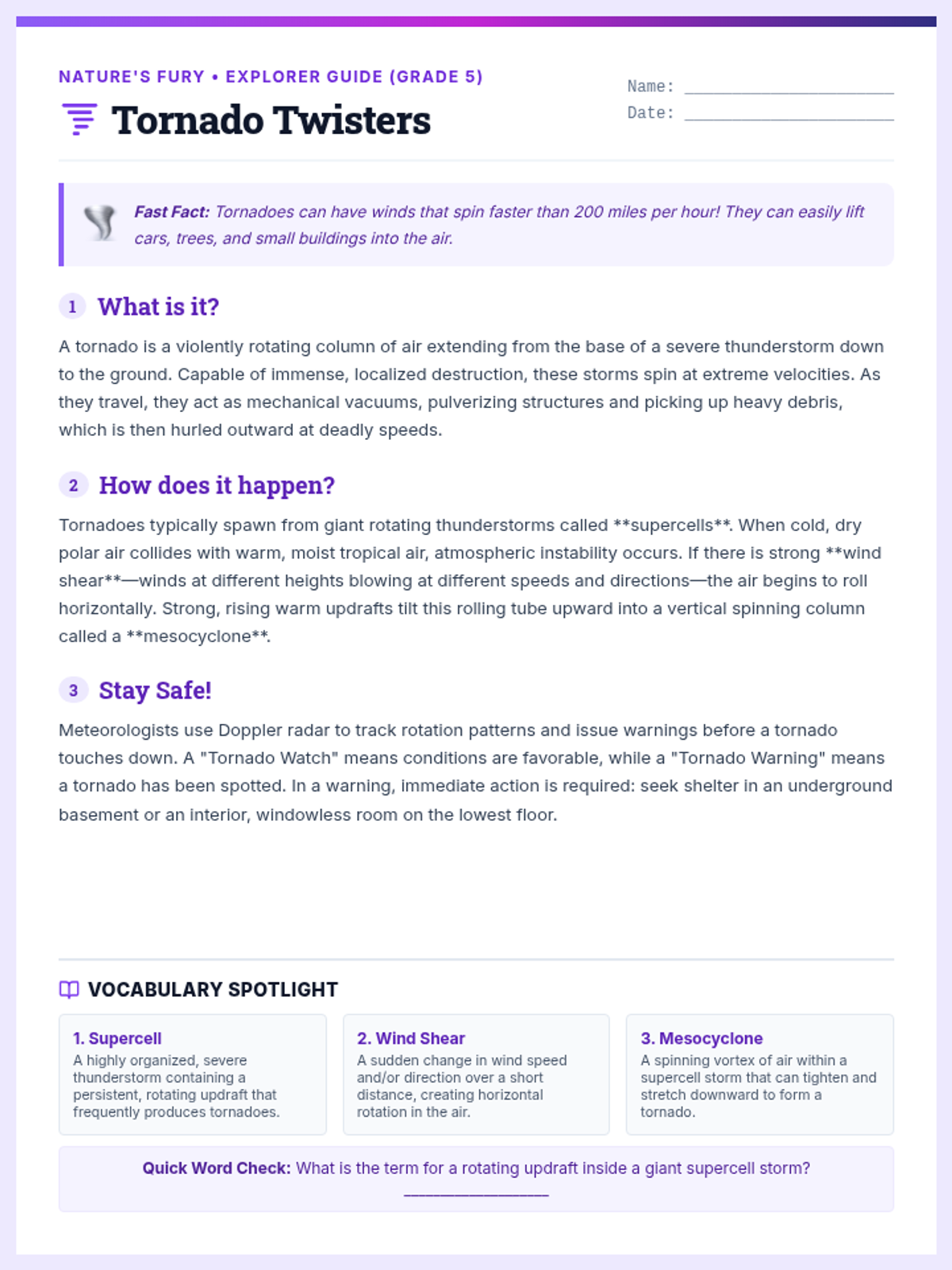
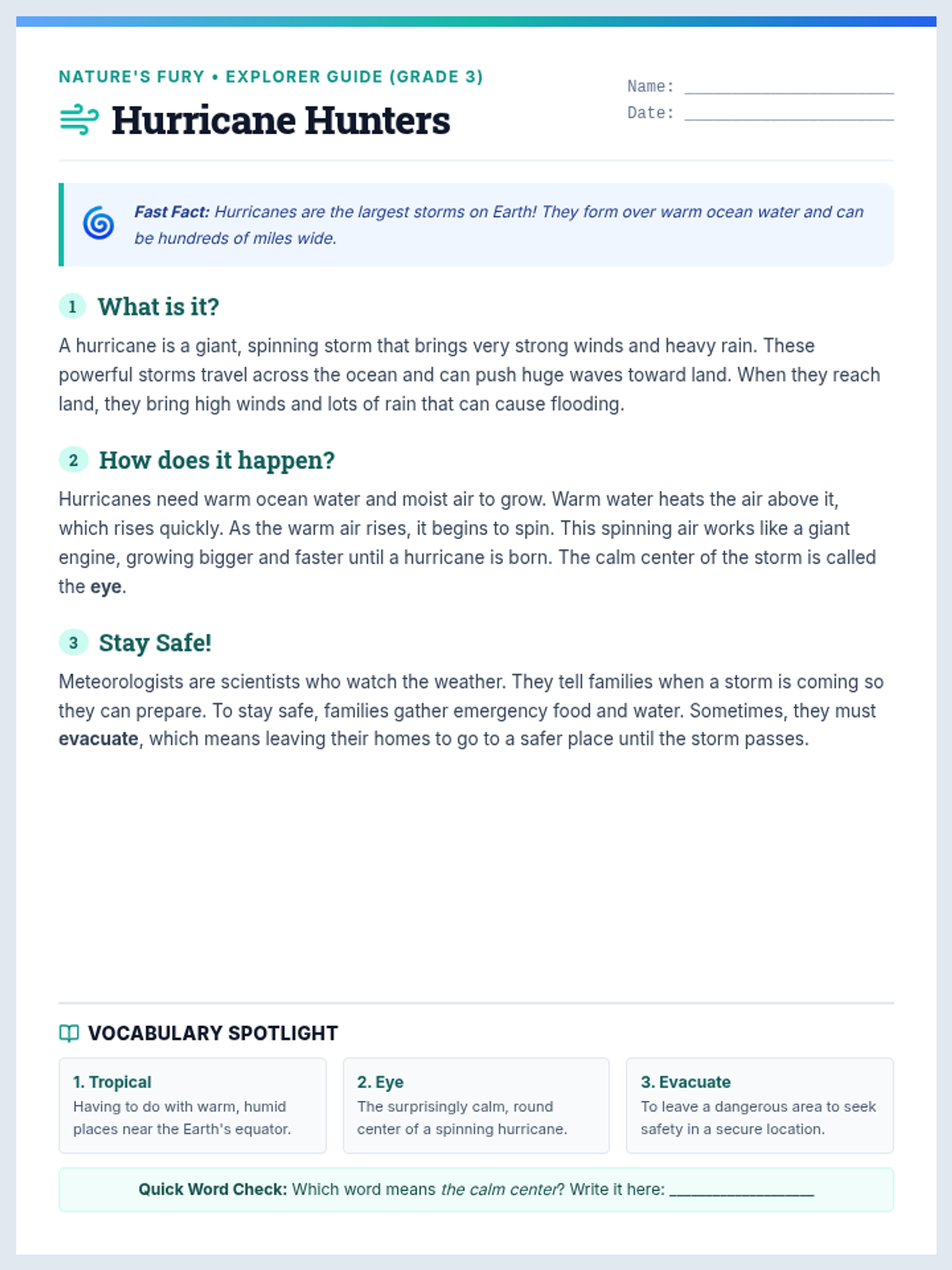
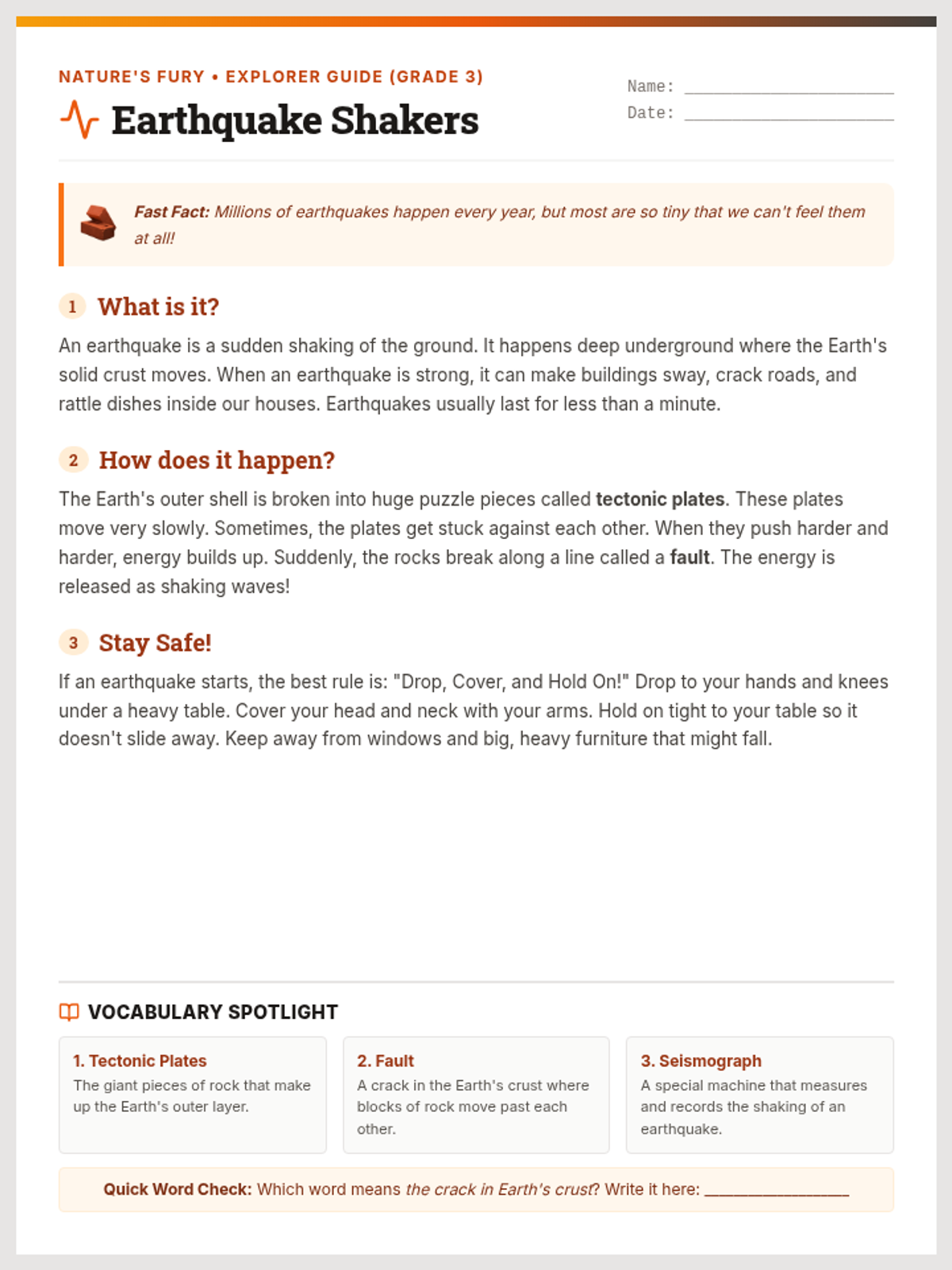
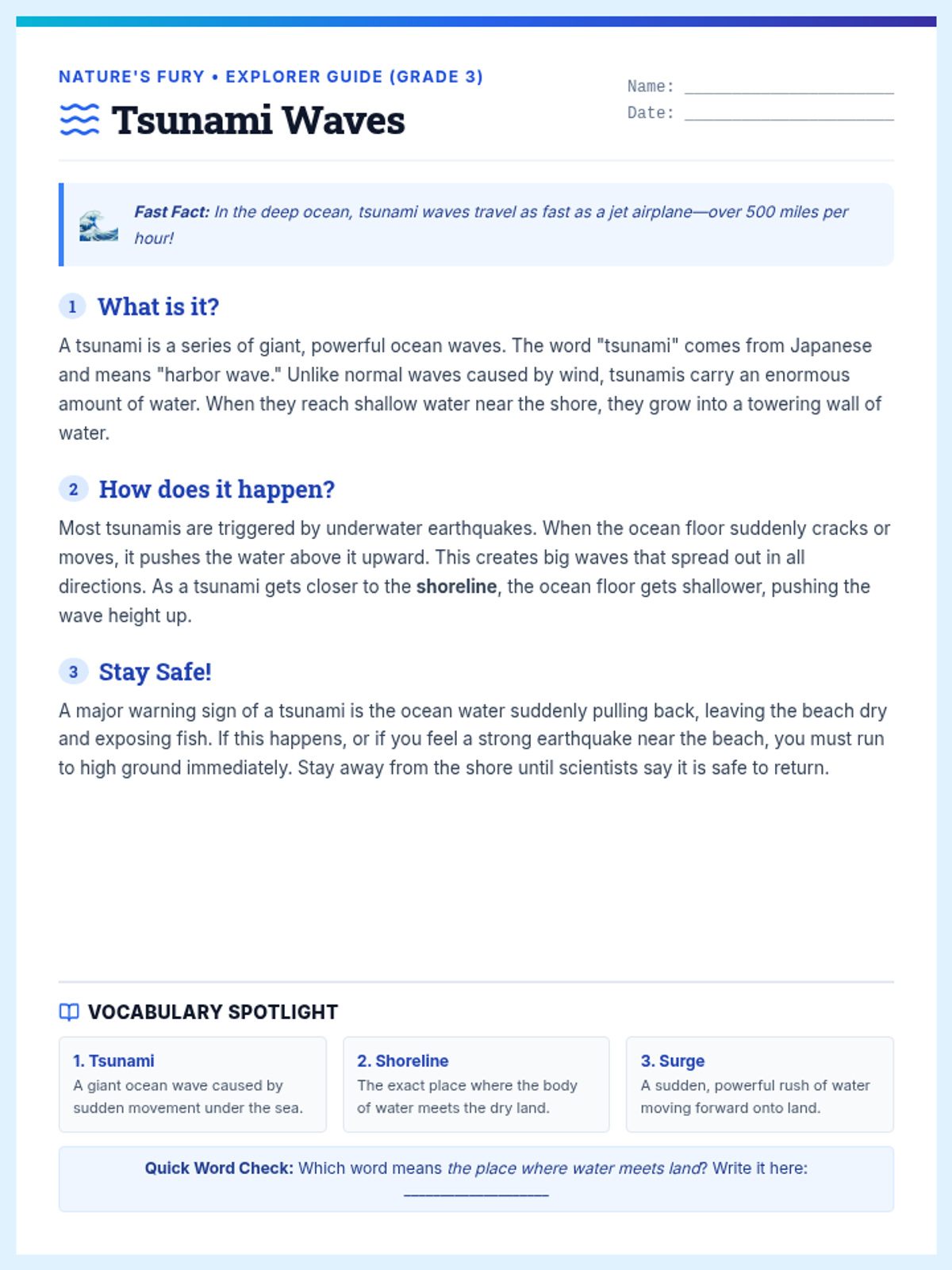
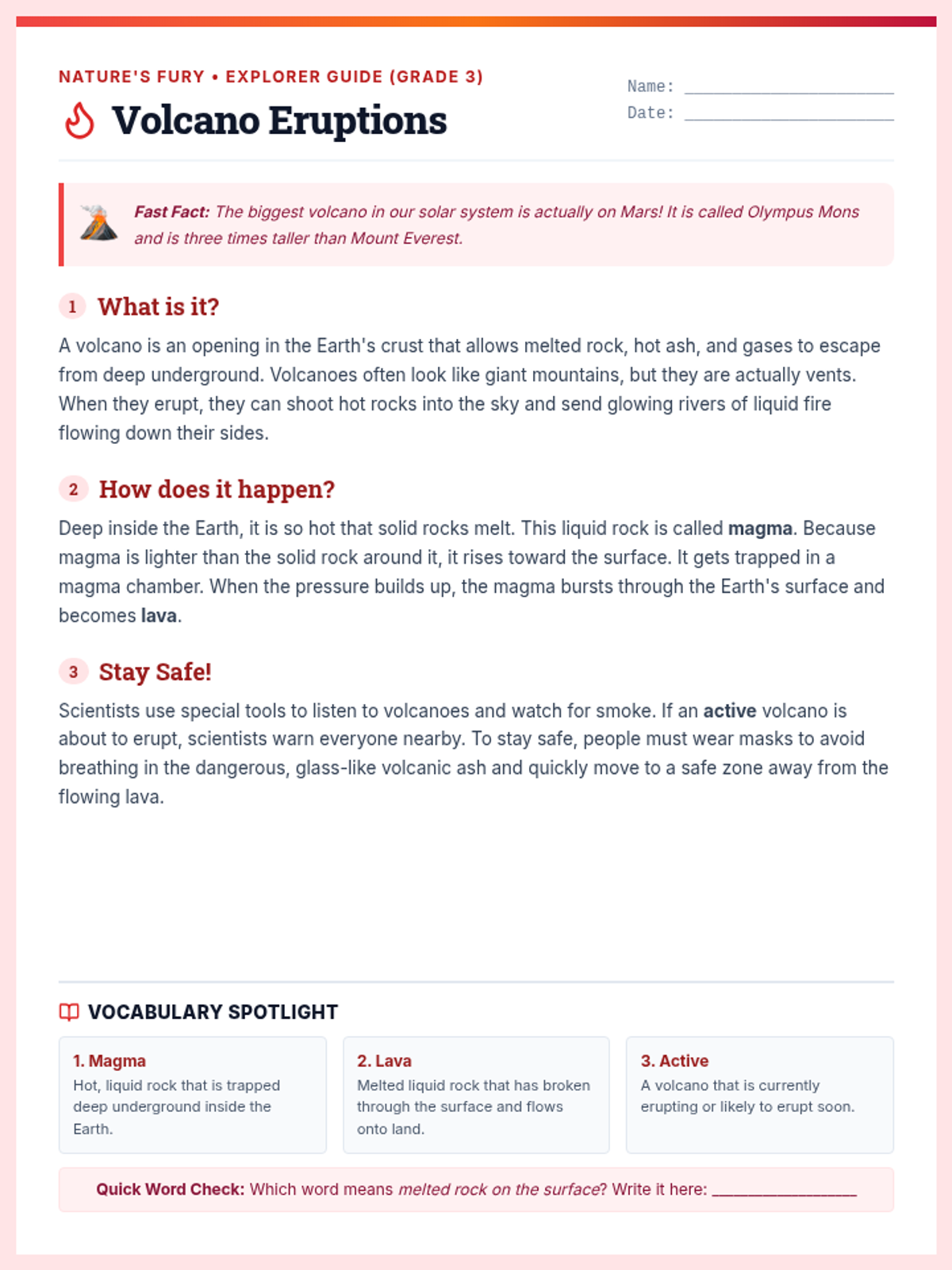
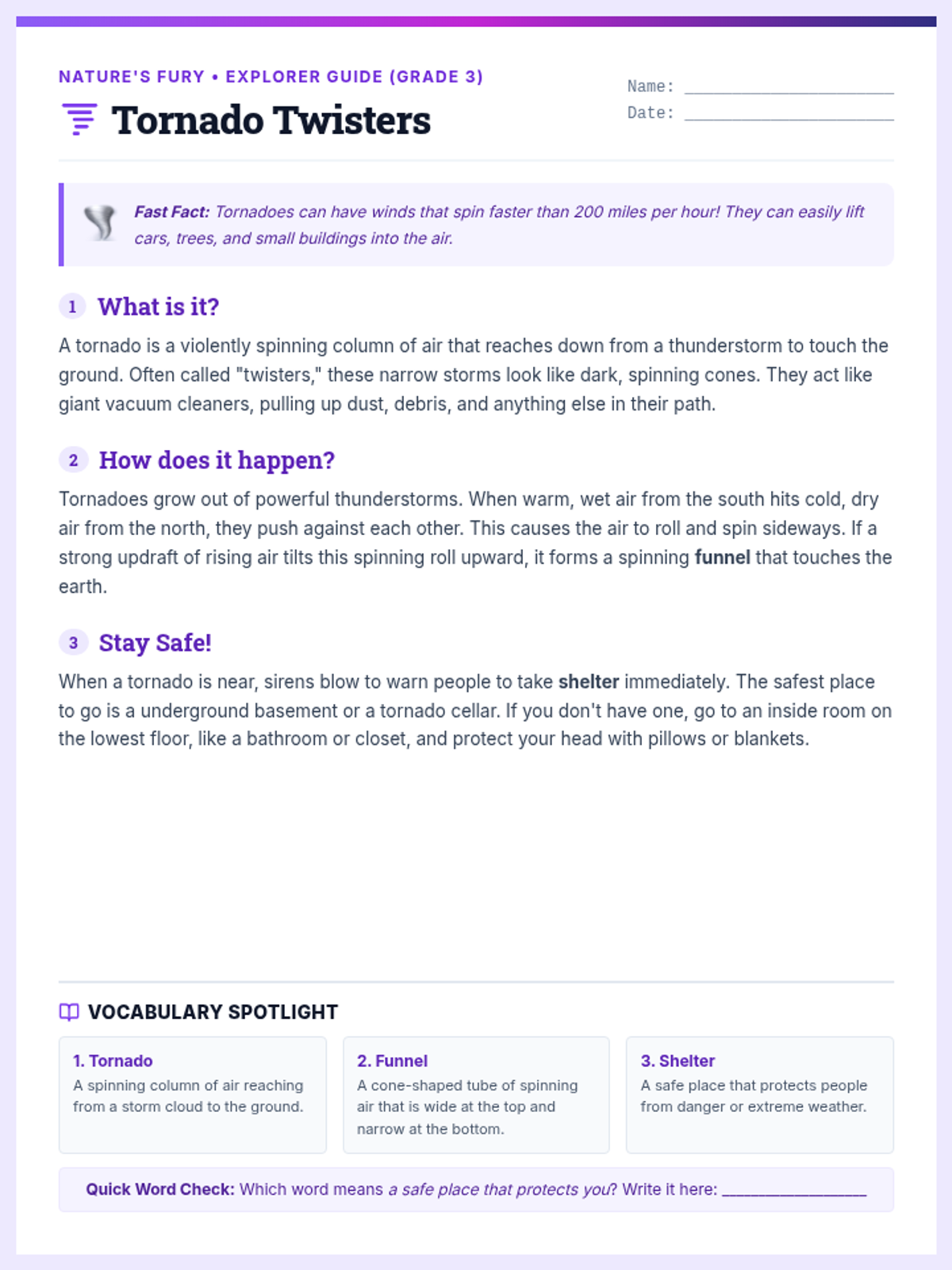
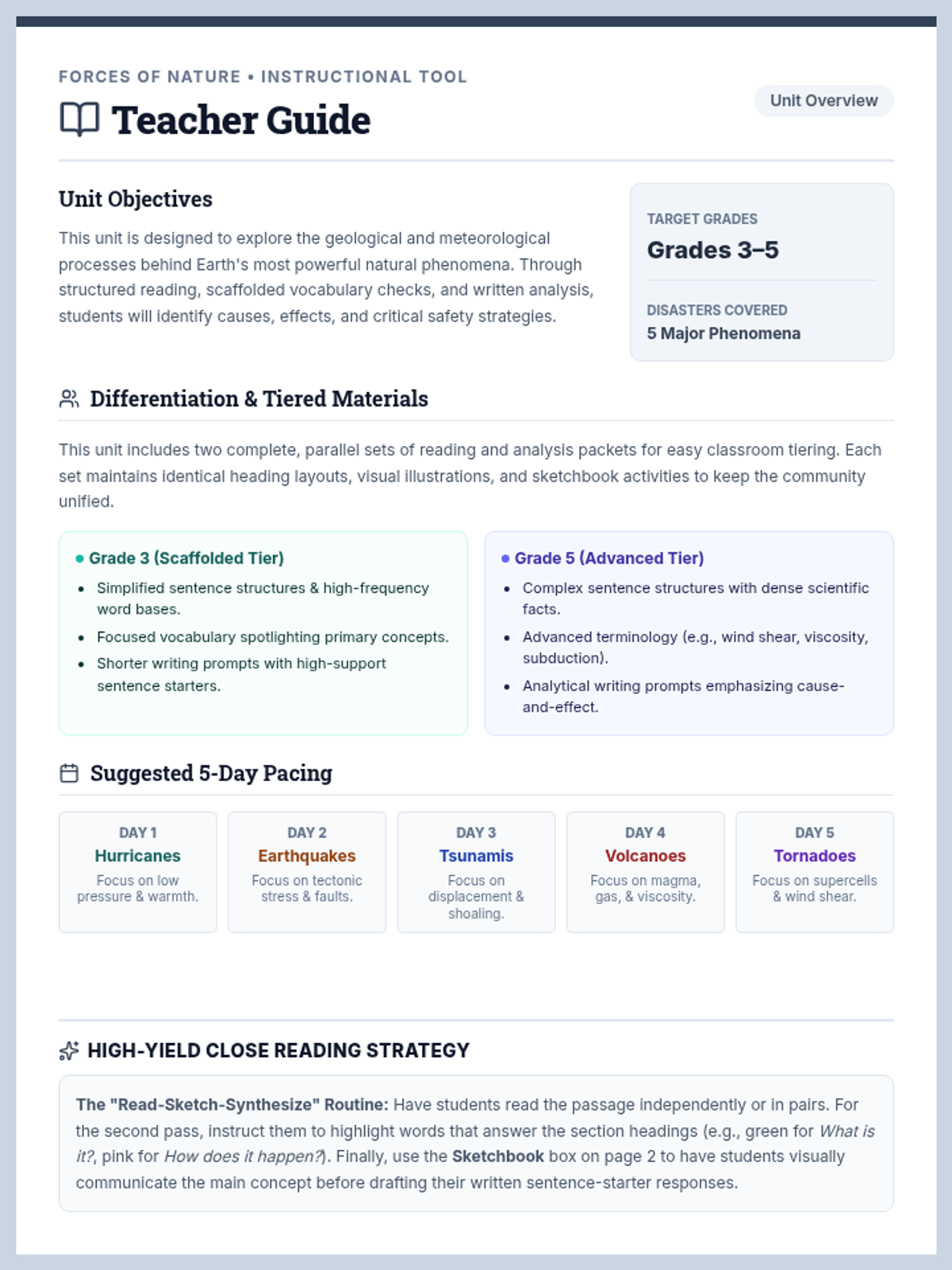
A science unit exploring five powerful natural disasters. Students read highly structured, scaffolded articles at both third-grade and fifth-grade reading levels, practice key vocabulary, and complete comprehension checks with sentence frames and starters.
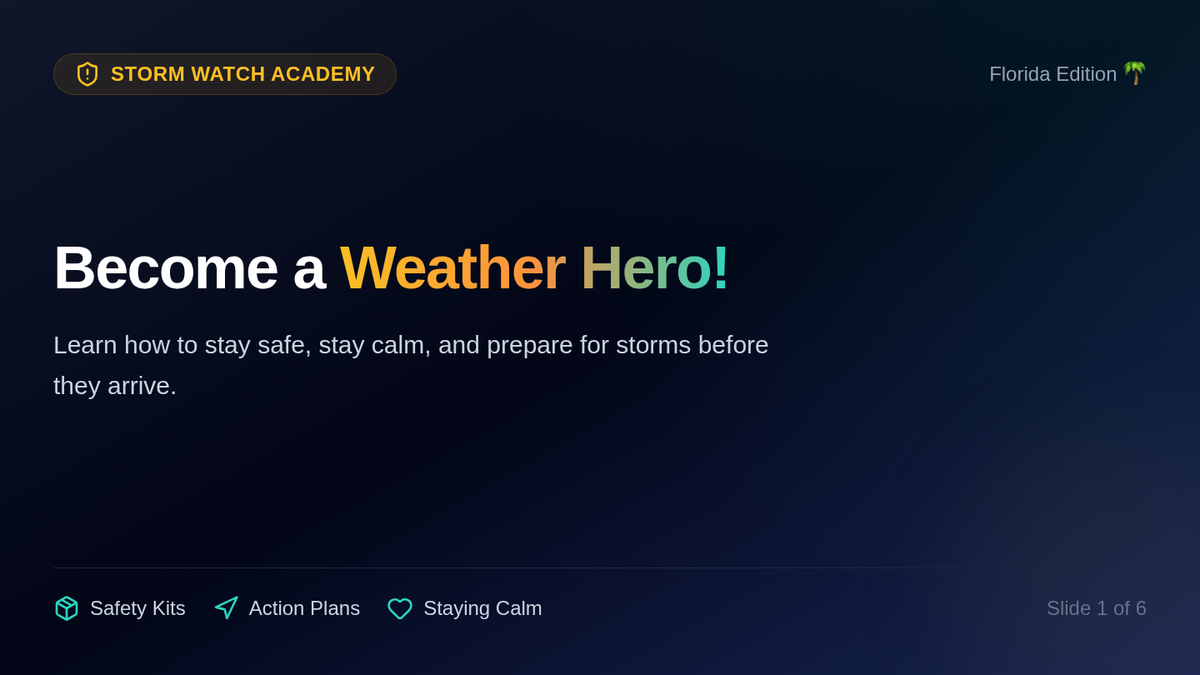
An interactive, visually rich lesson preparing Florida students for severe storms and hurricanes. Covers emergency kit building, weather alerts, home action plans, and sensory coping strategies to reduce storm anxiety.
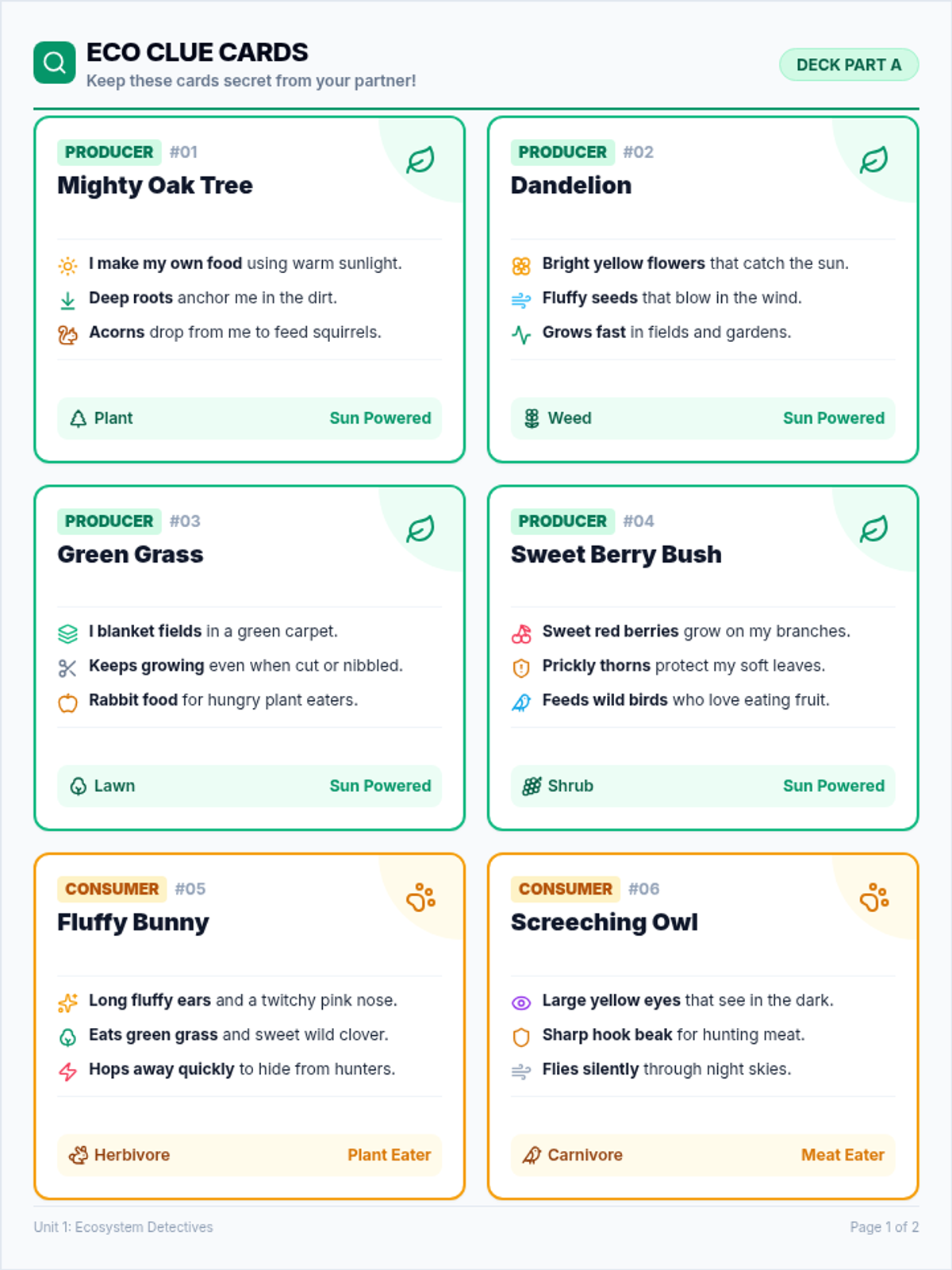
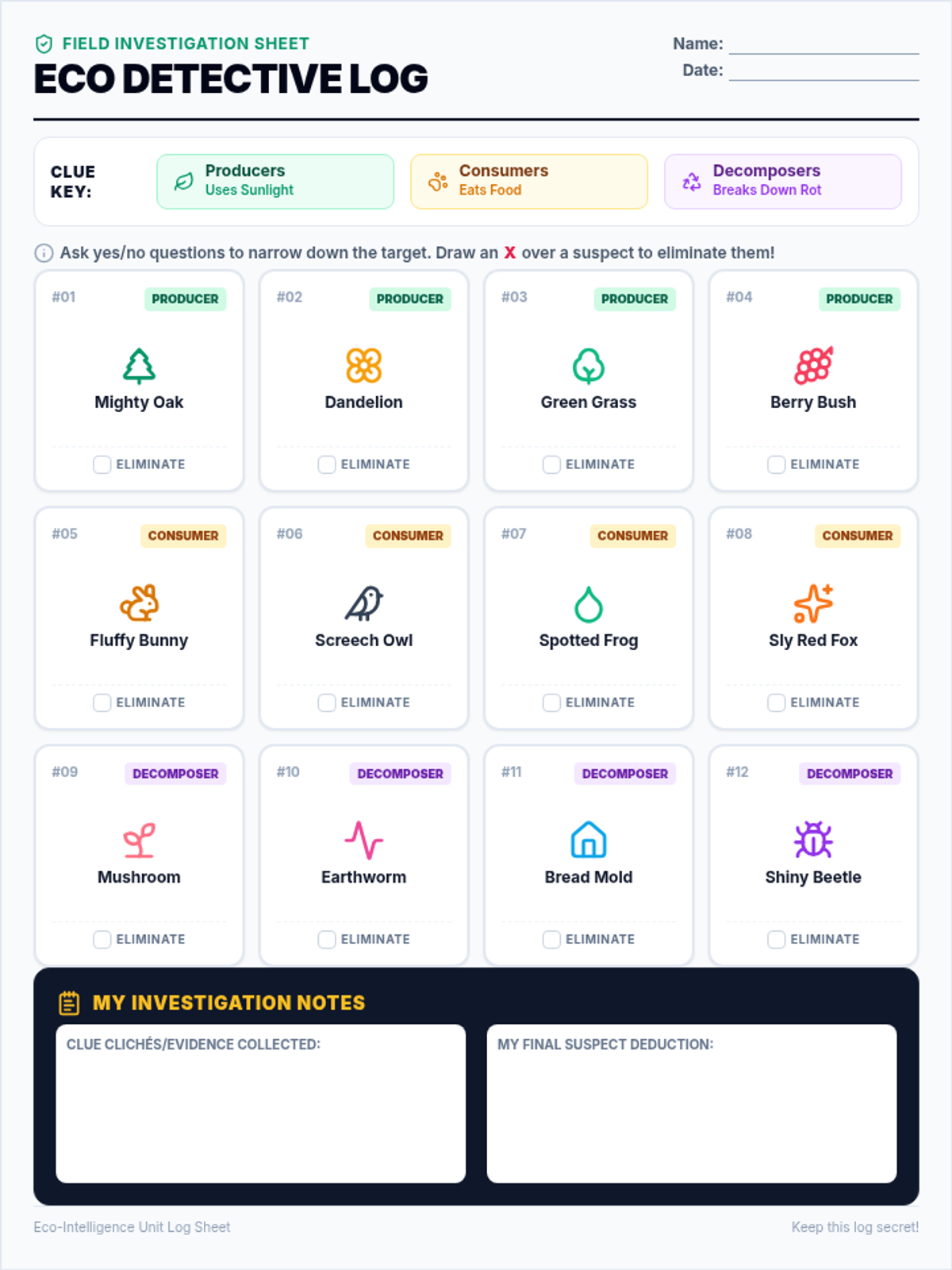
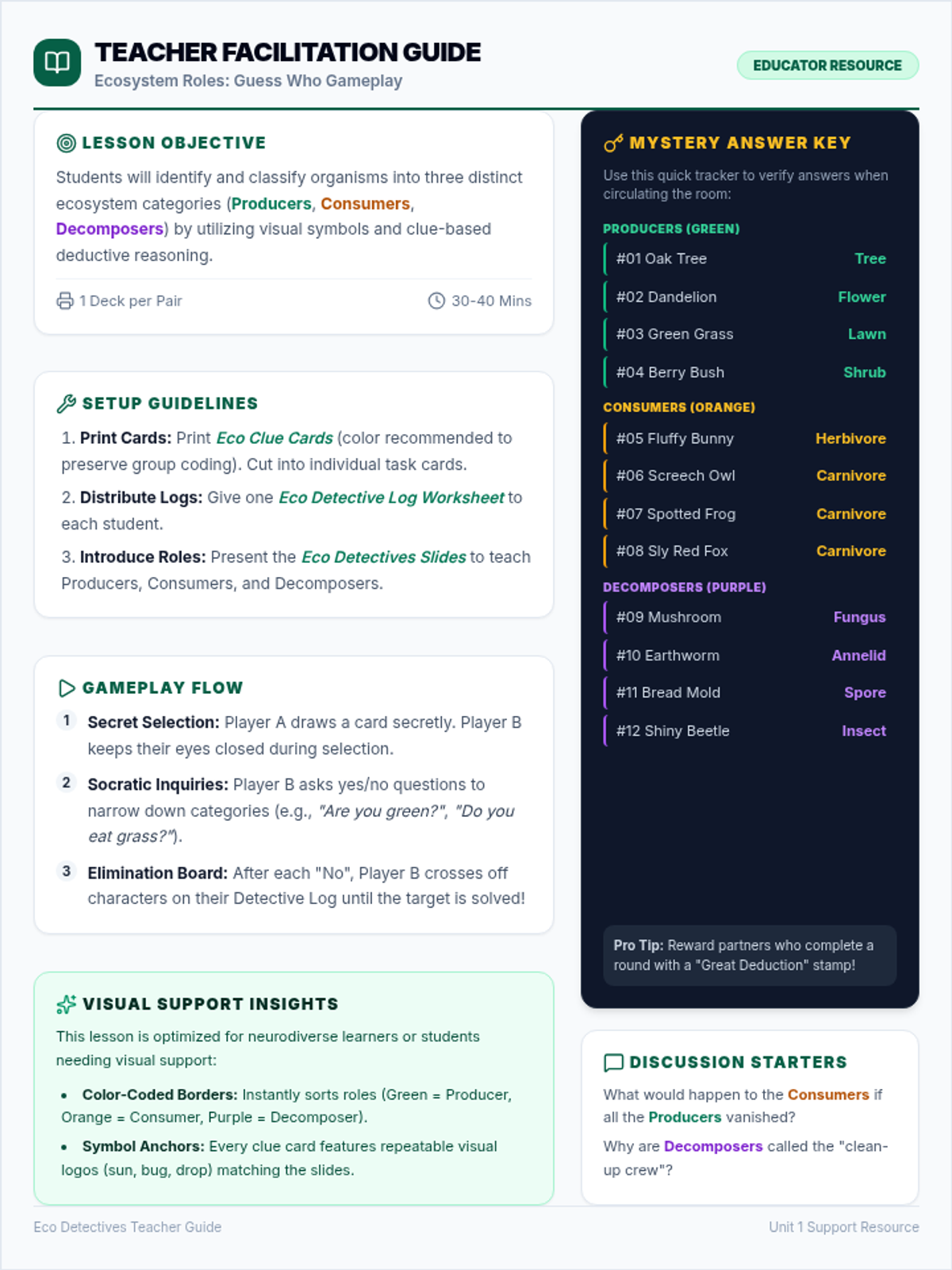
An interactive, visual-heavy lesson where students investigate ecosystem roles (producers, consumers, and decomposers) through an engaging 'Guess Who' style game. Includes visual-support clue cards, a detective tracking sheet, and a comprehensive teacher guide.
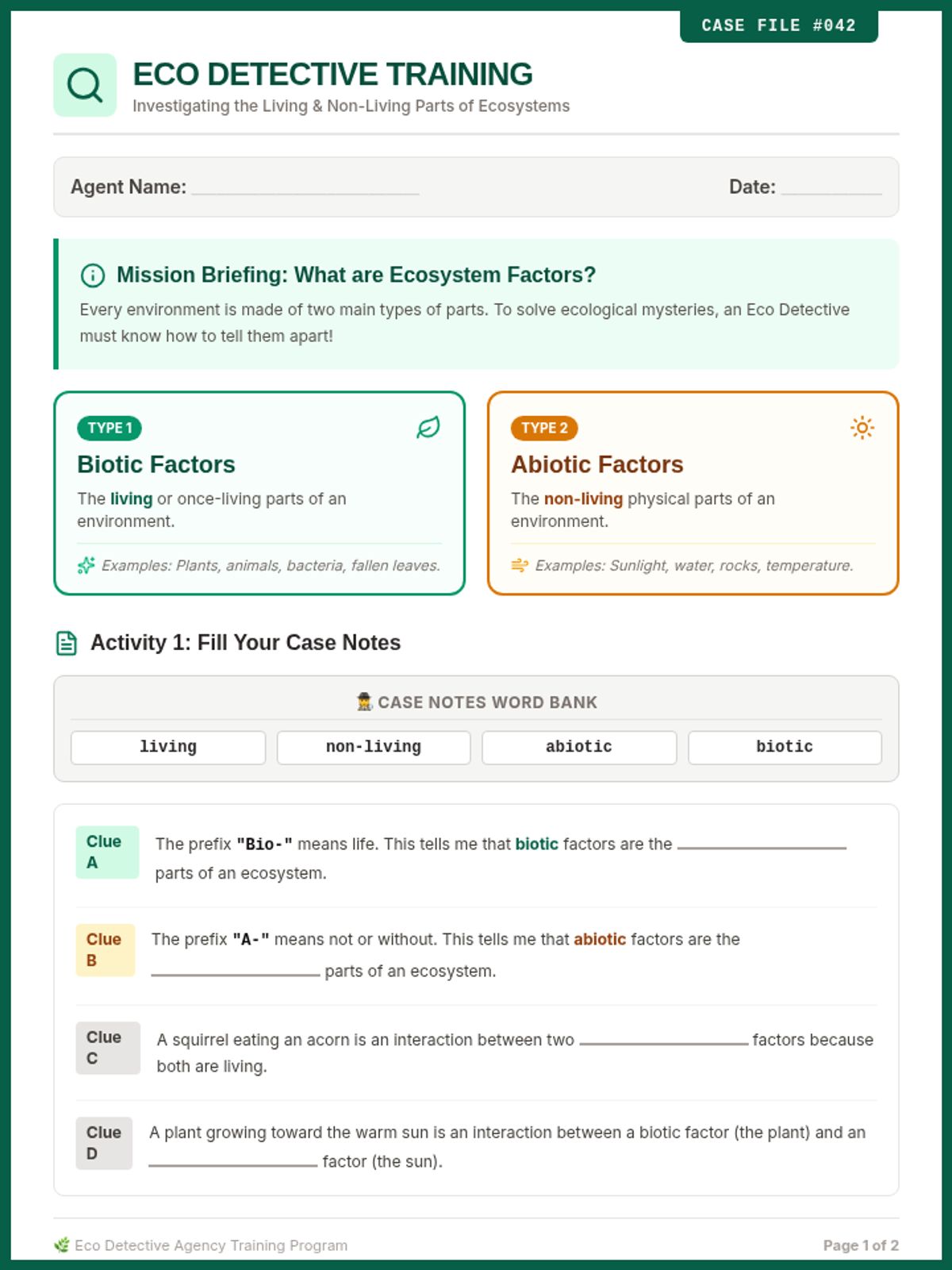
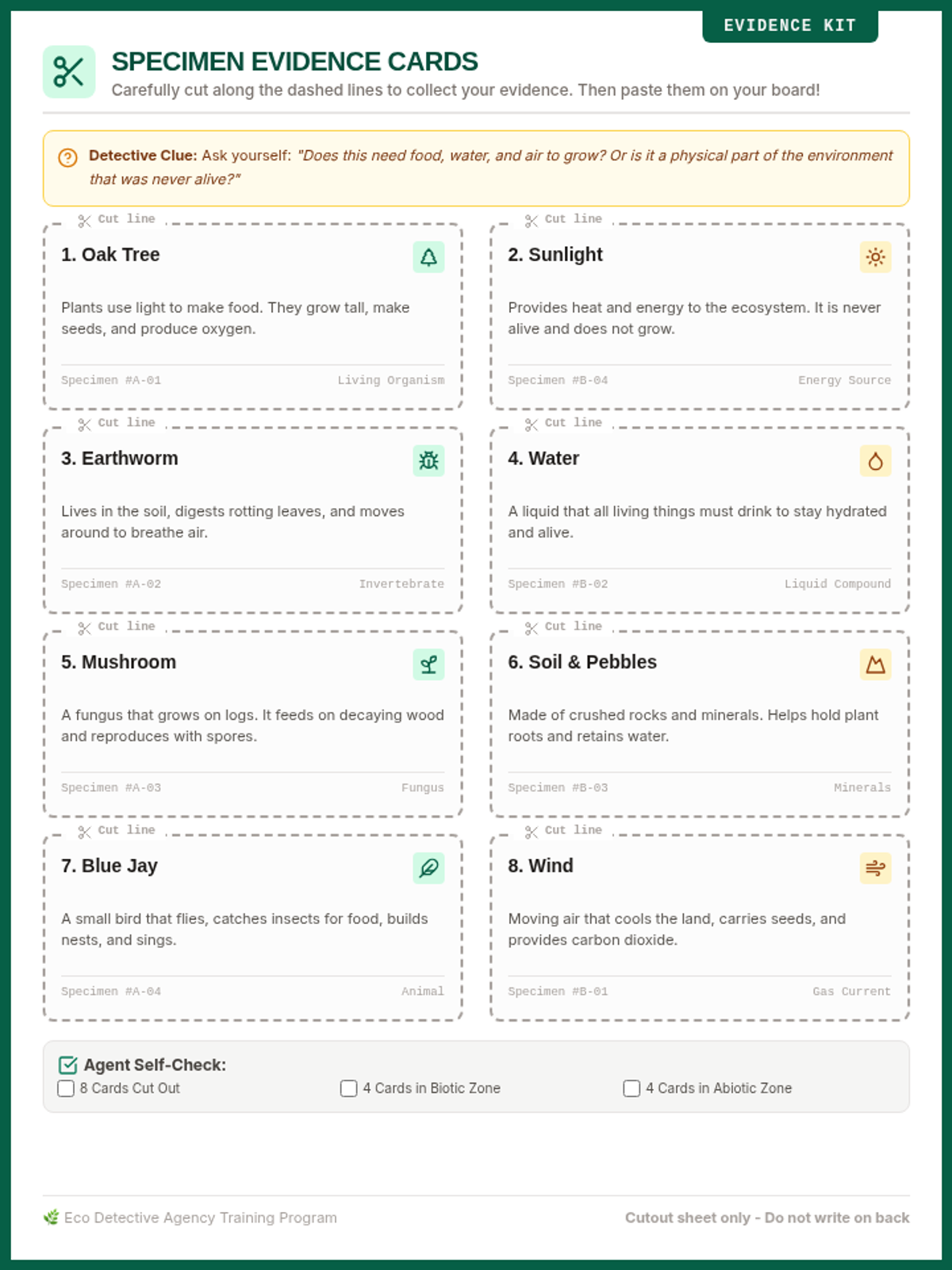
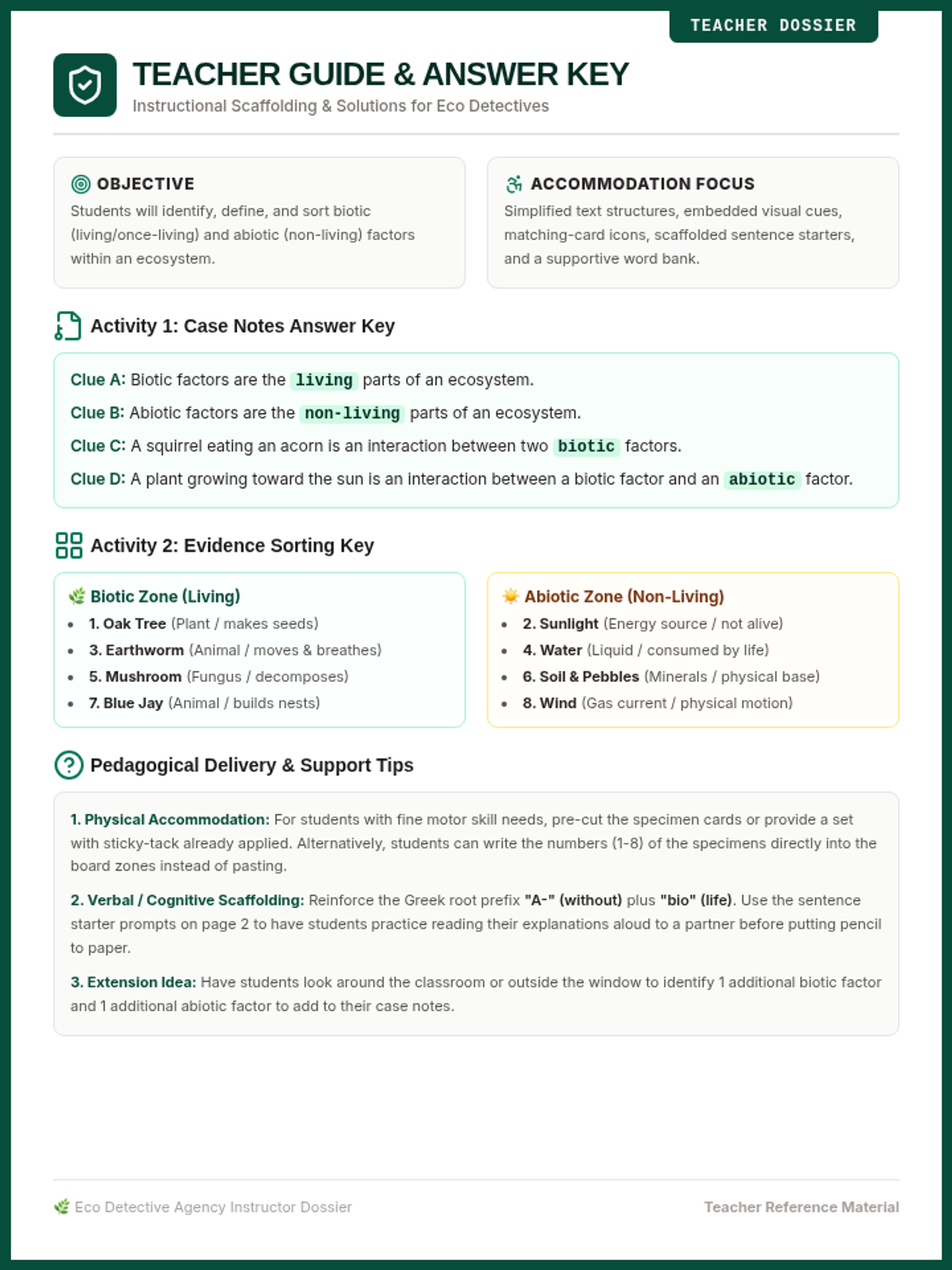
An interactive, scaffolded lesson introducing biotic and abiotic factors in ecosystems. Includes guided notes with sentence starters, a word bank, and a hands-on sorting activity designed for students requiring accommodation.
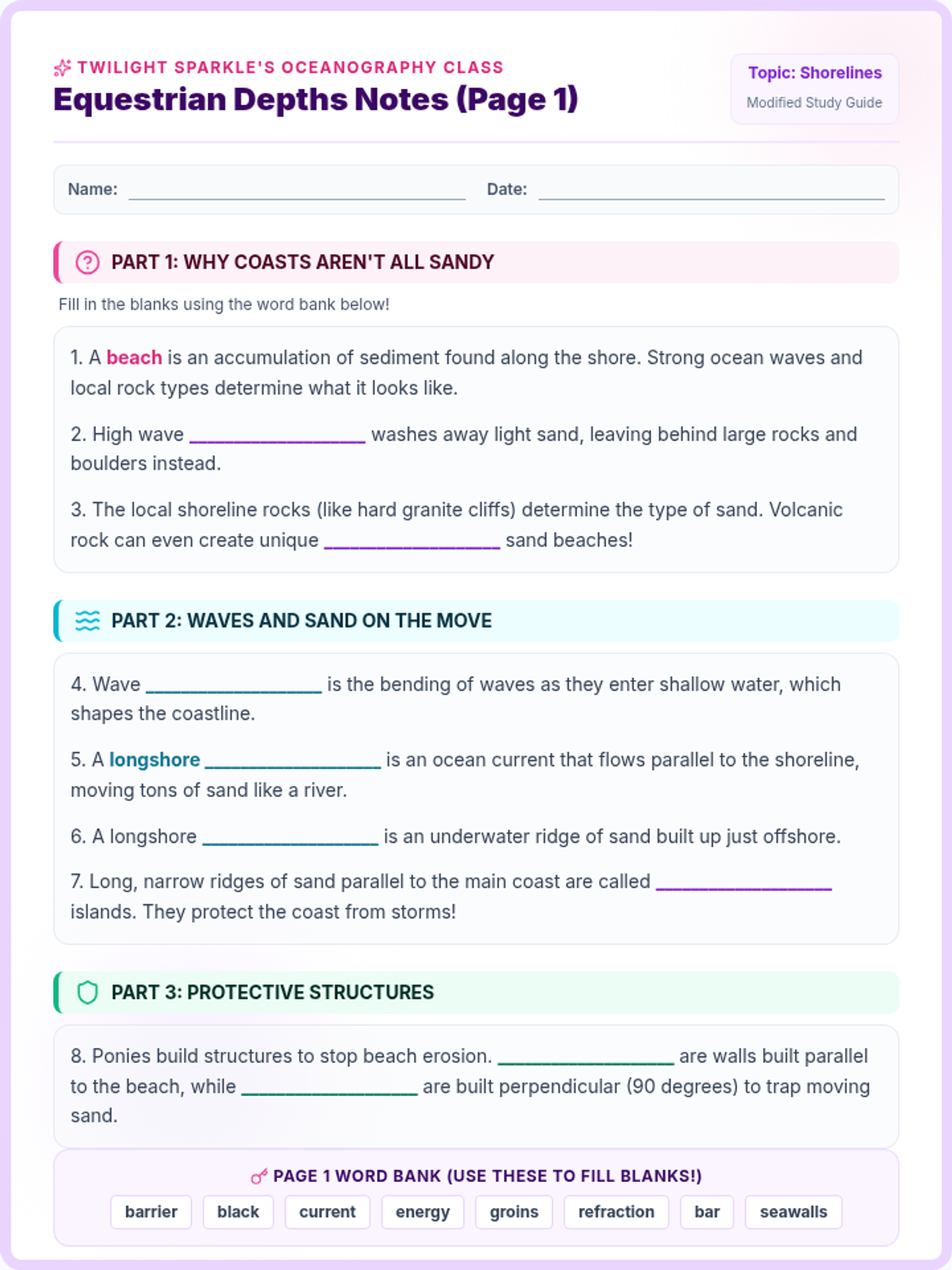
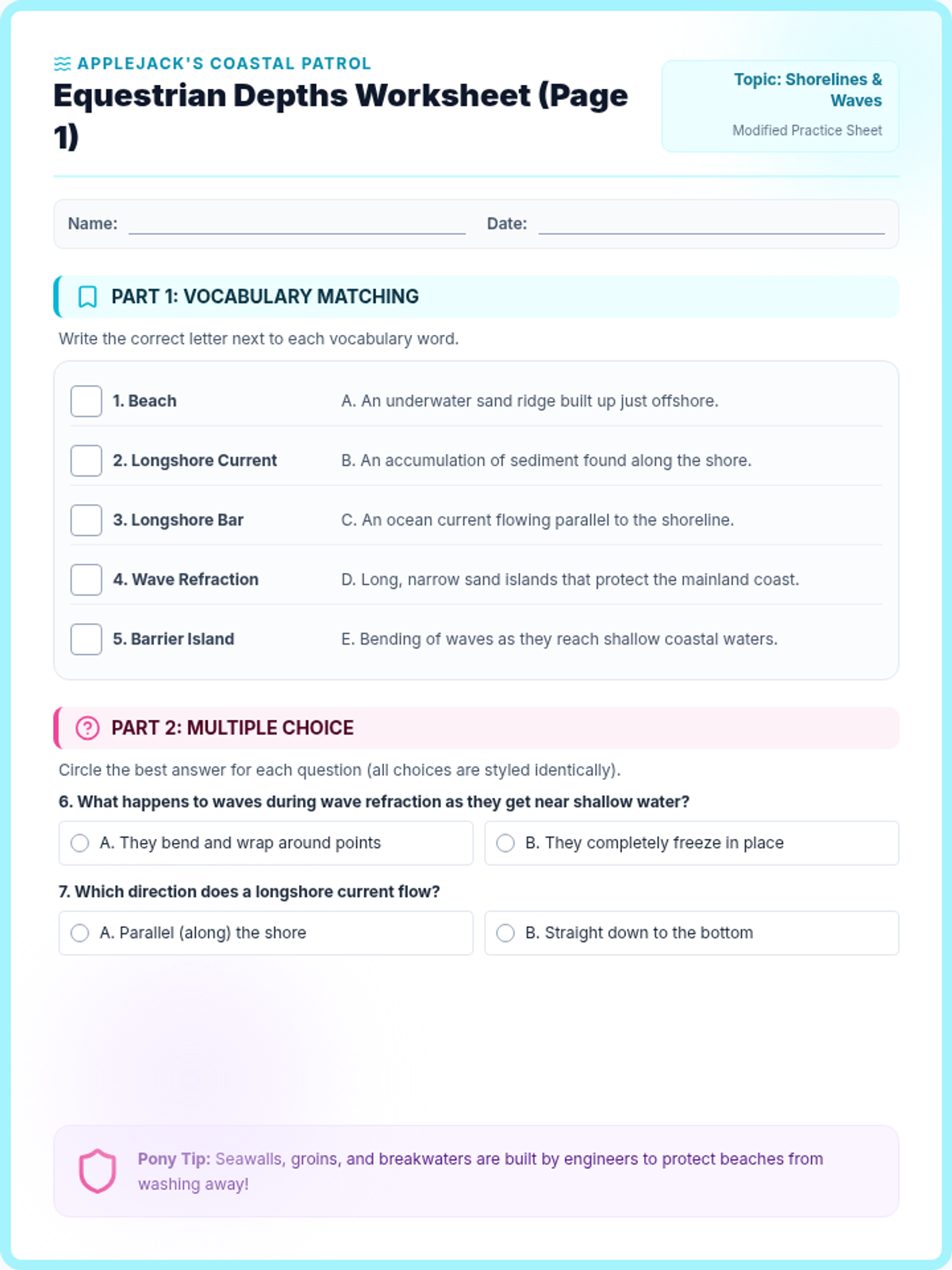
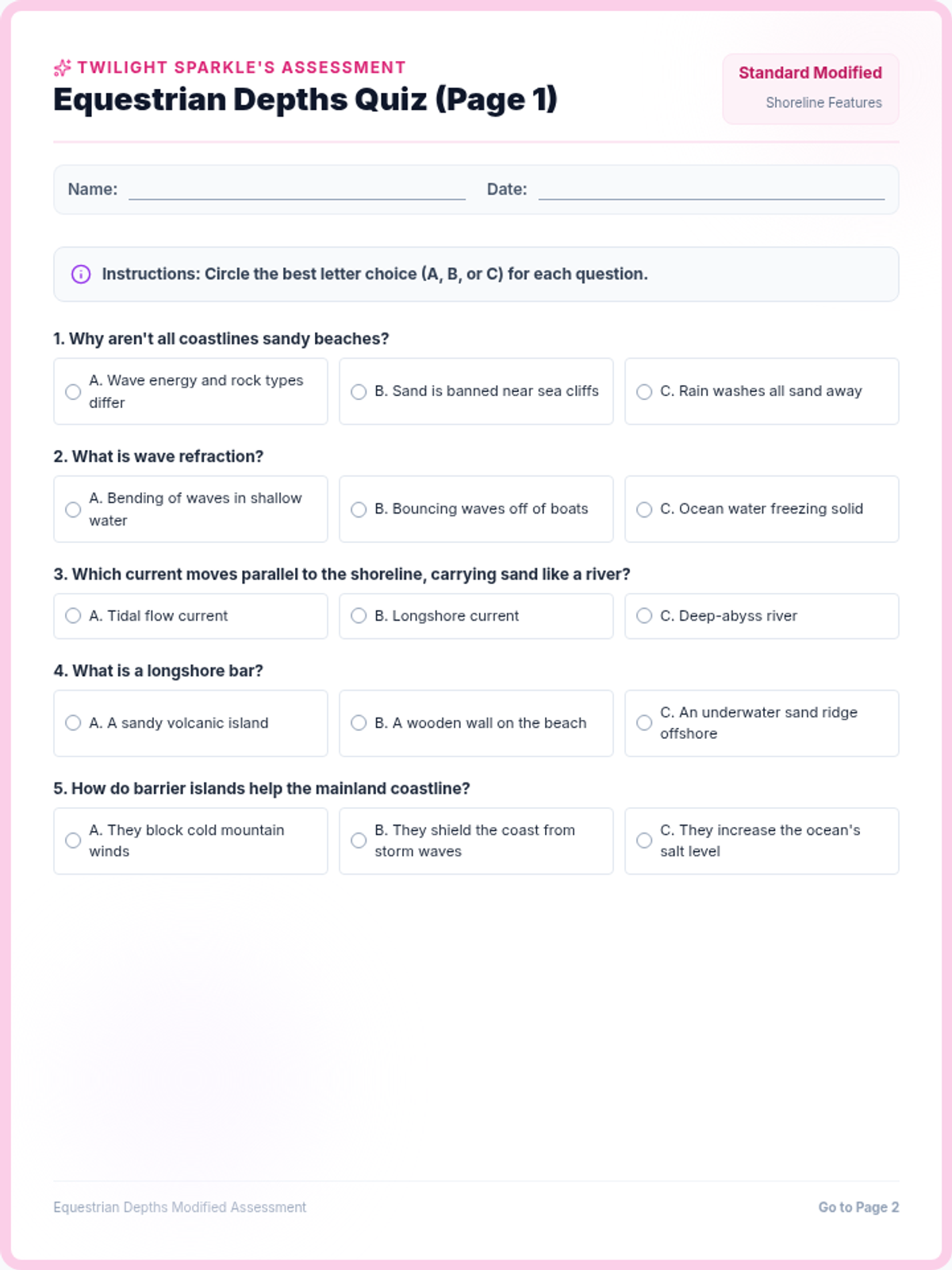
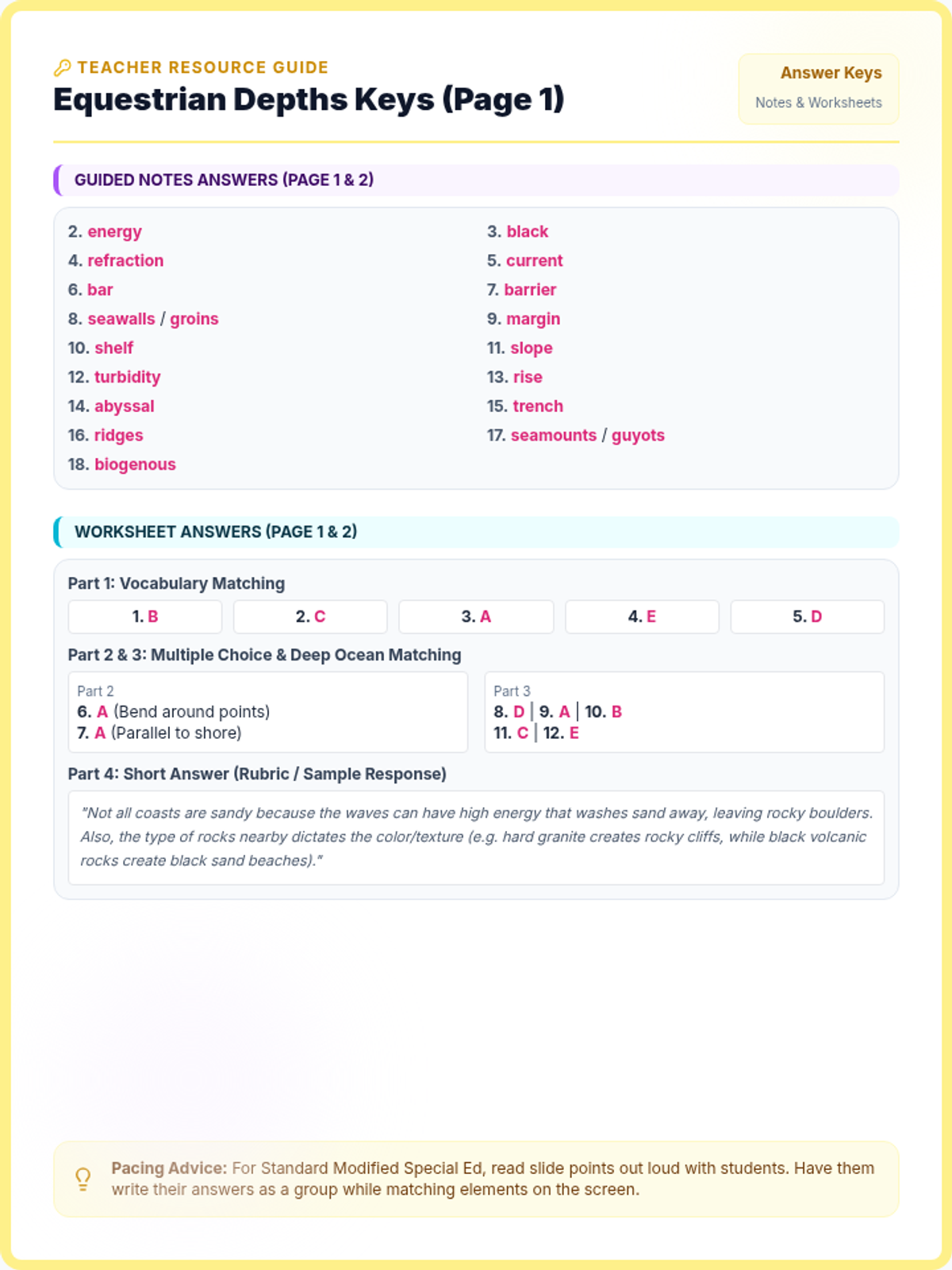
A lesson on oceanography covering shorelines, coastal features, and the deep seafloor, adapted with a friendly My Little Pony decorative theme and chunked, accessible text for Standard Modified Special Education students.
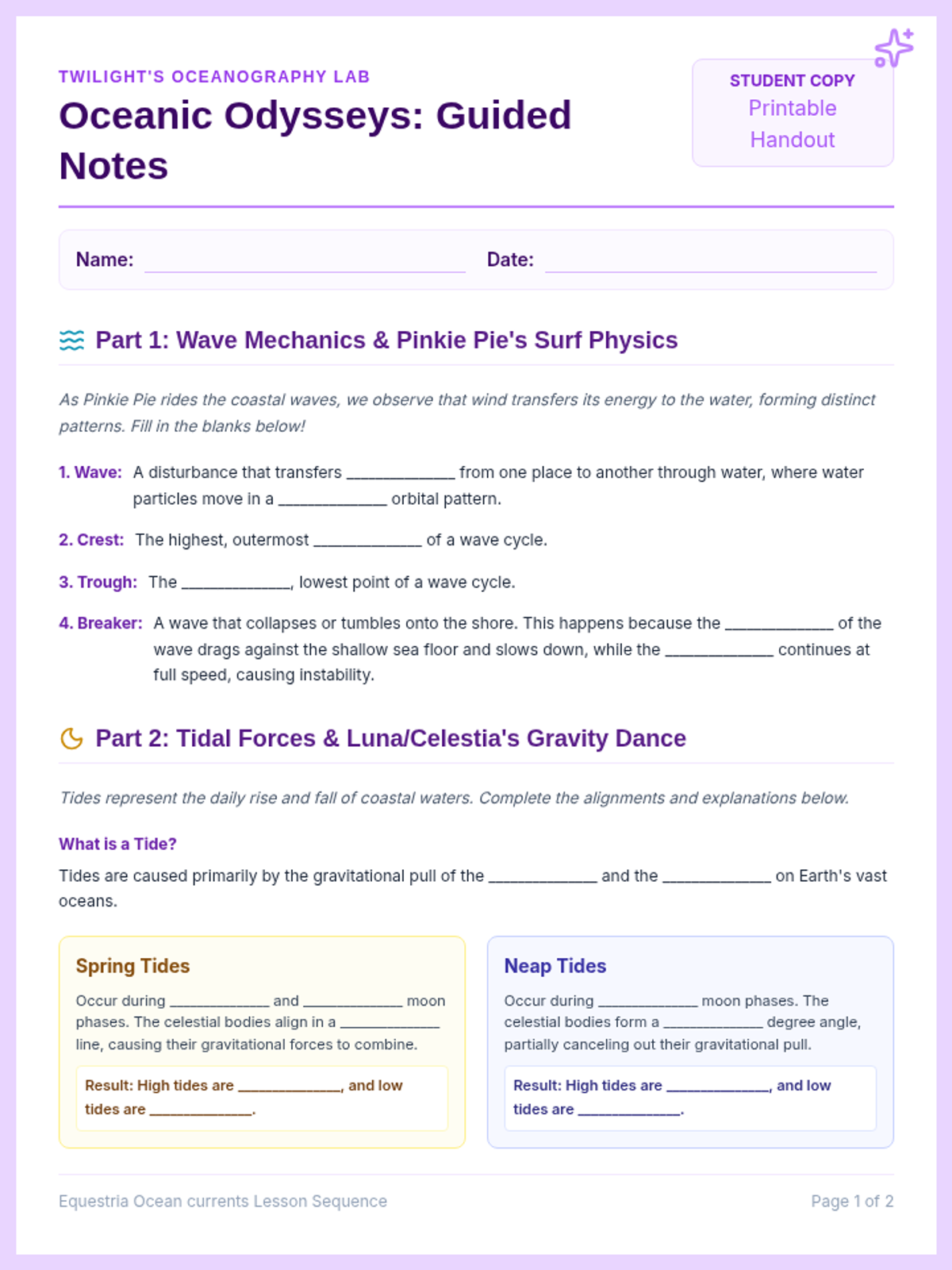
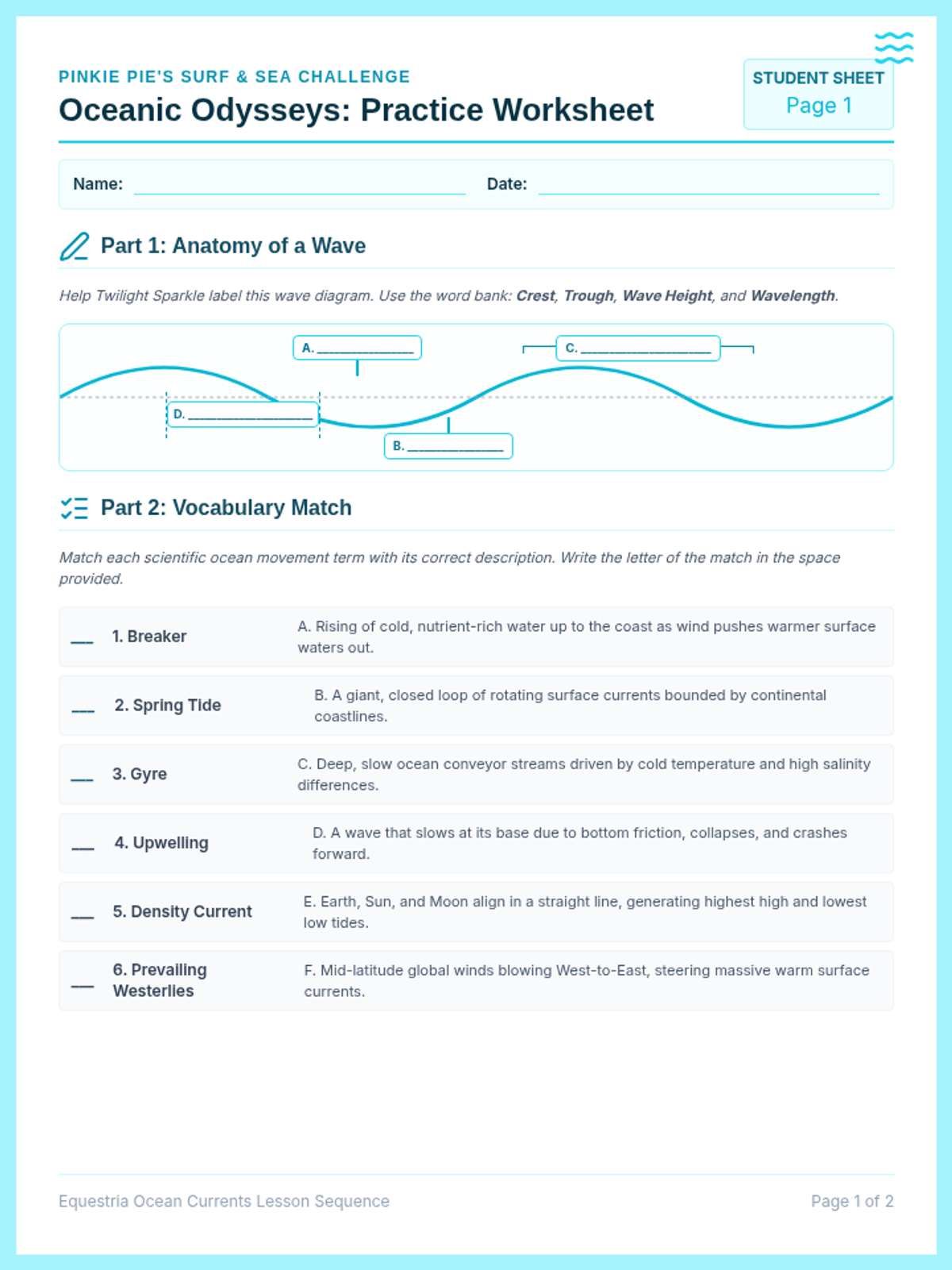
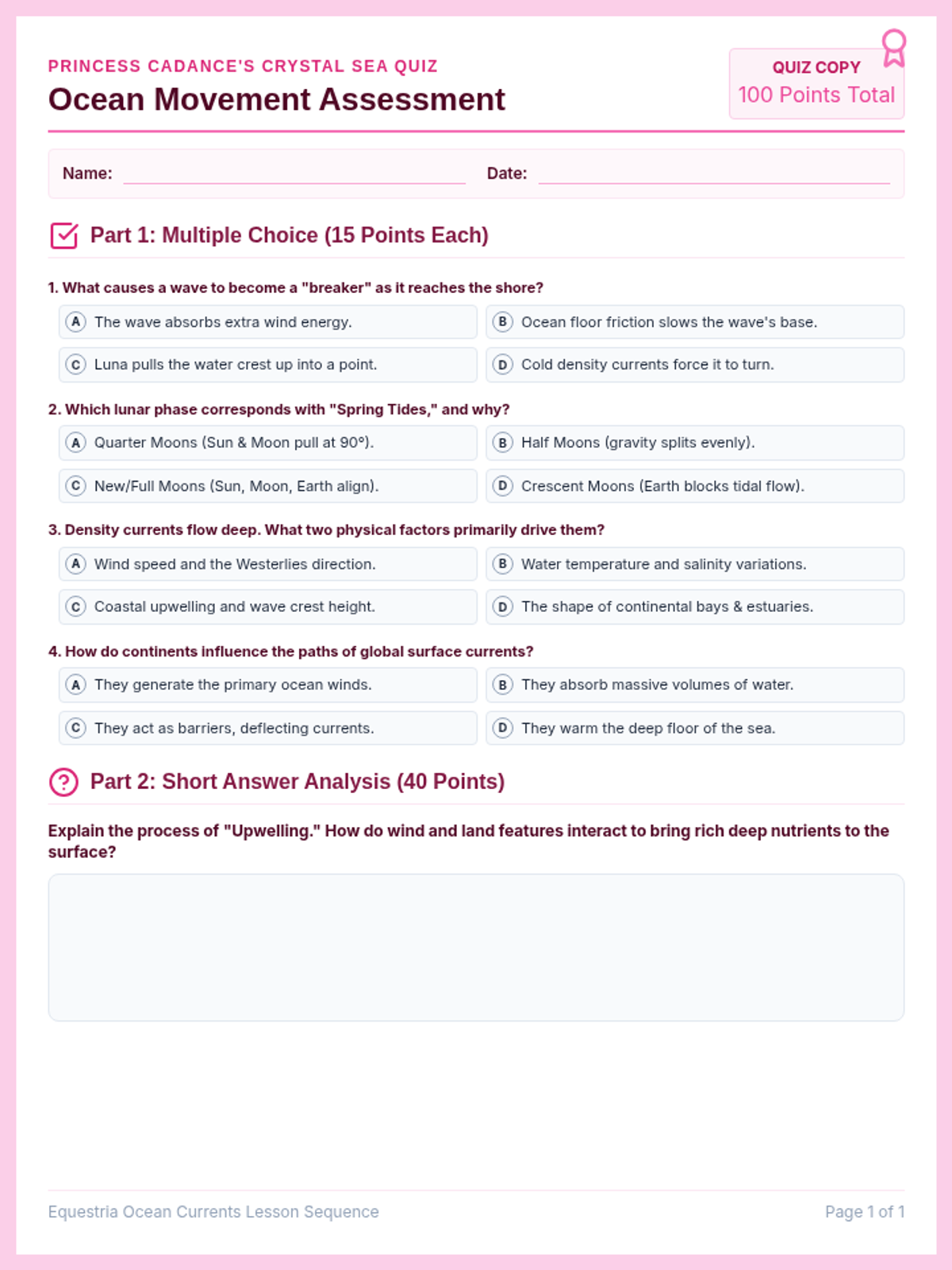
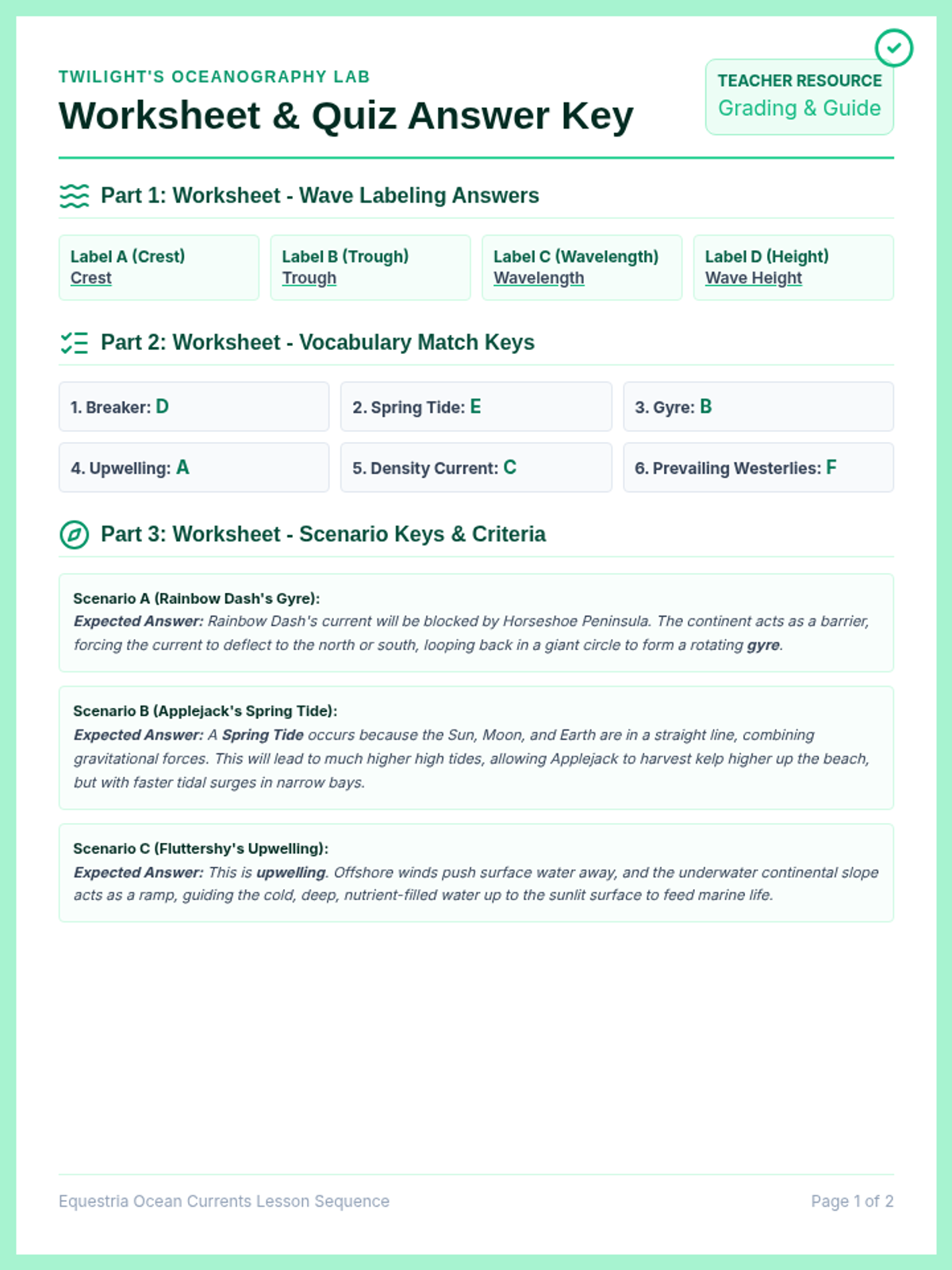
A comprehensive, MLP:FiM-themed lesson on ocean movement (waves, tides, currents, gyres, and land influences) featuring Twilight Sparkle and friends.