A primary writing lesson themed around Matilda the Musical, teaching young students how to construct strong arguments using the Claim, Evidence, Reasoning (CER) model with friendly scaffolding.
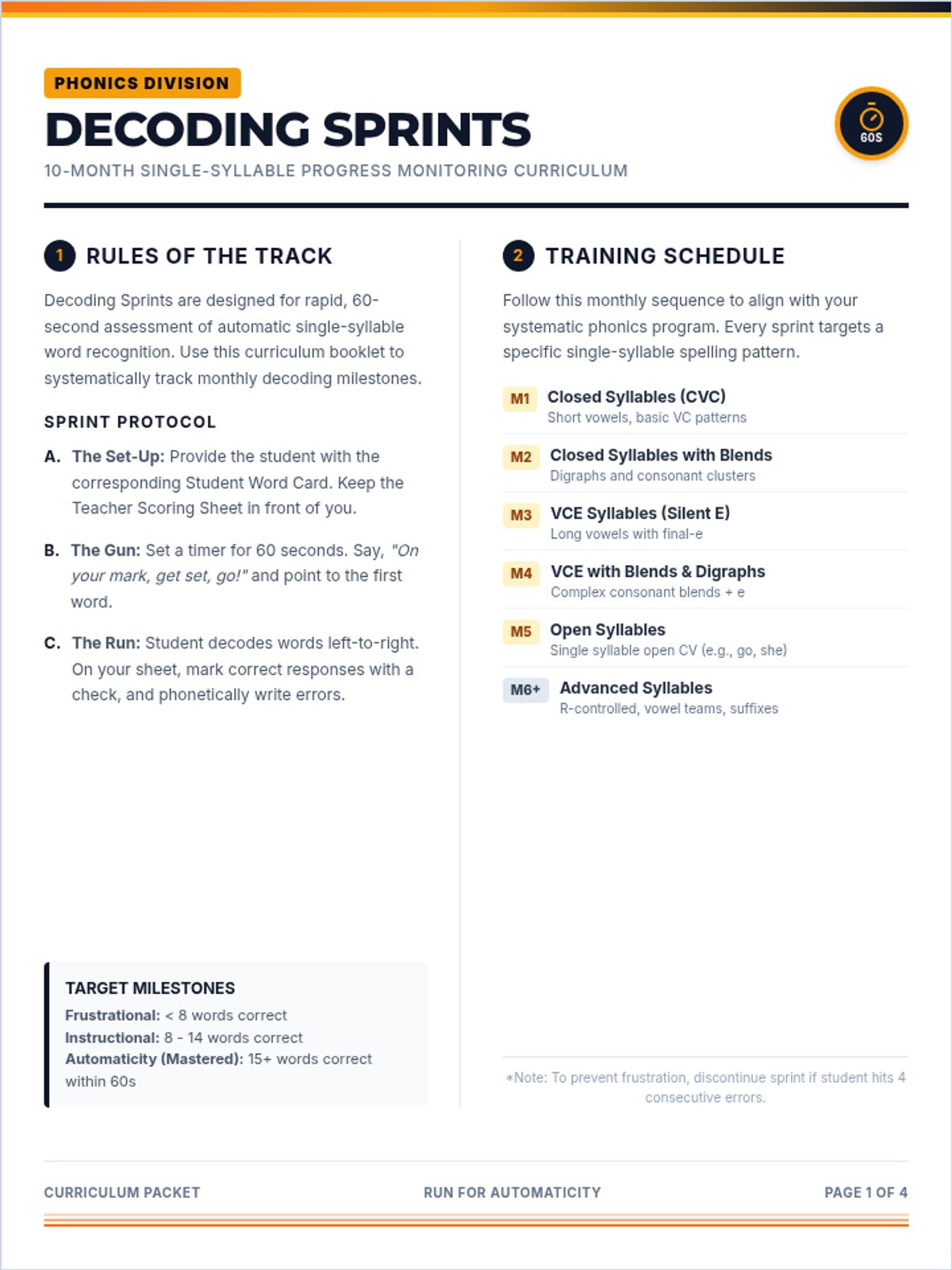
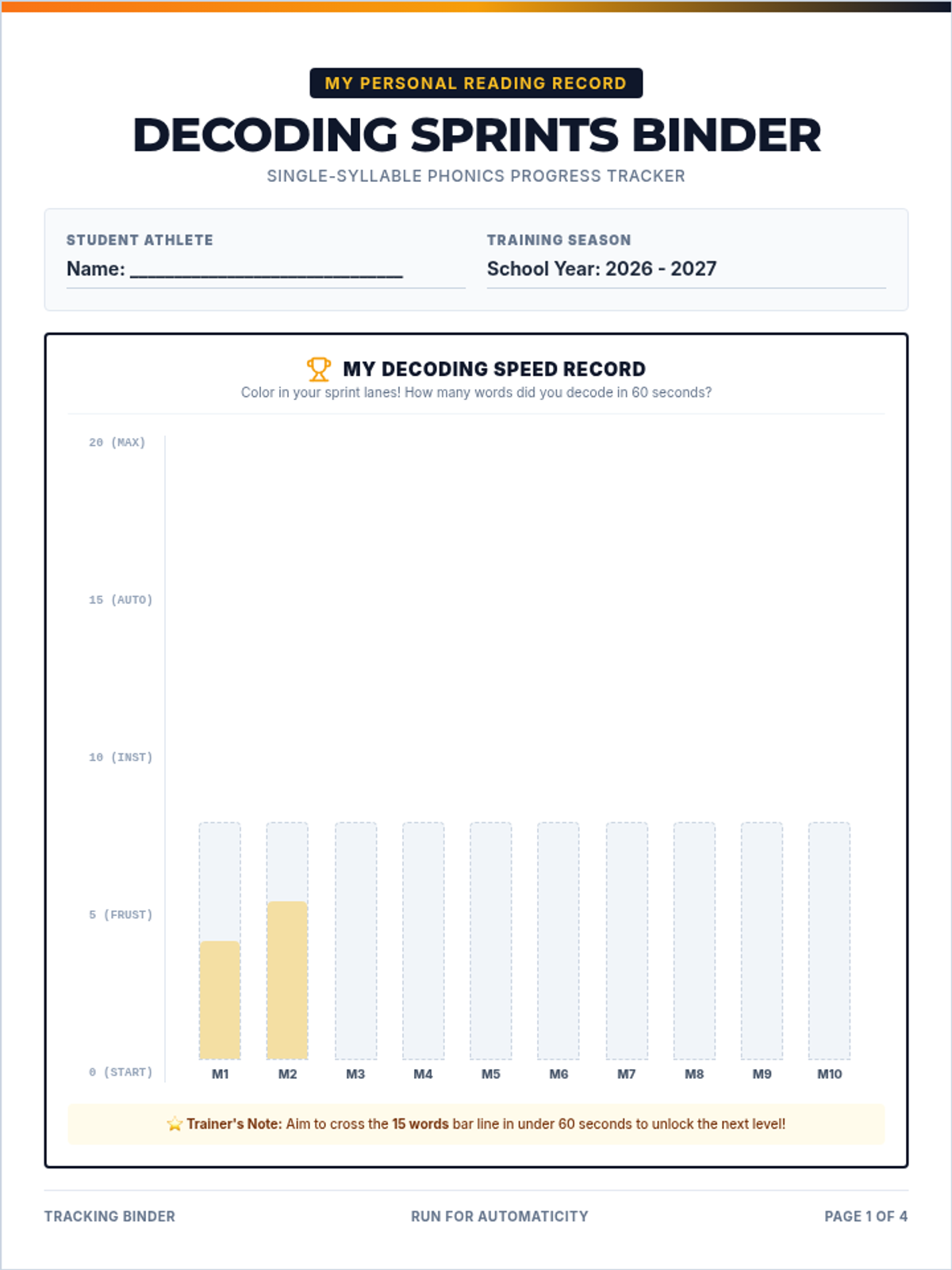
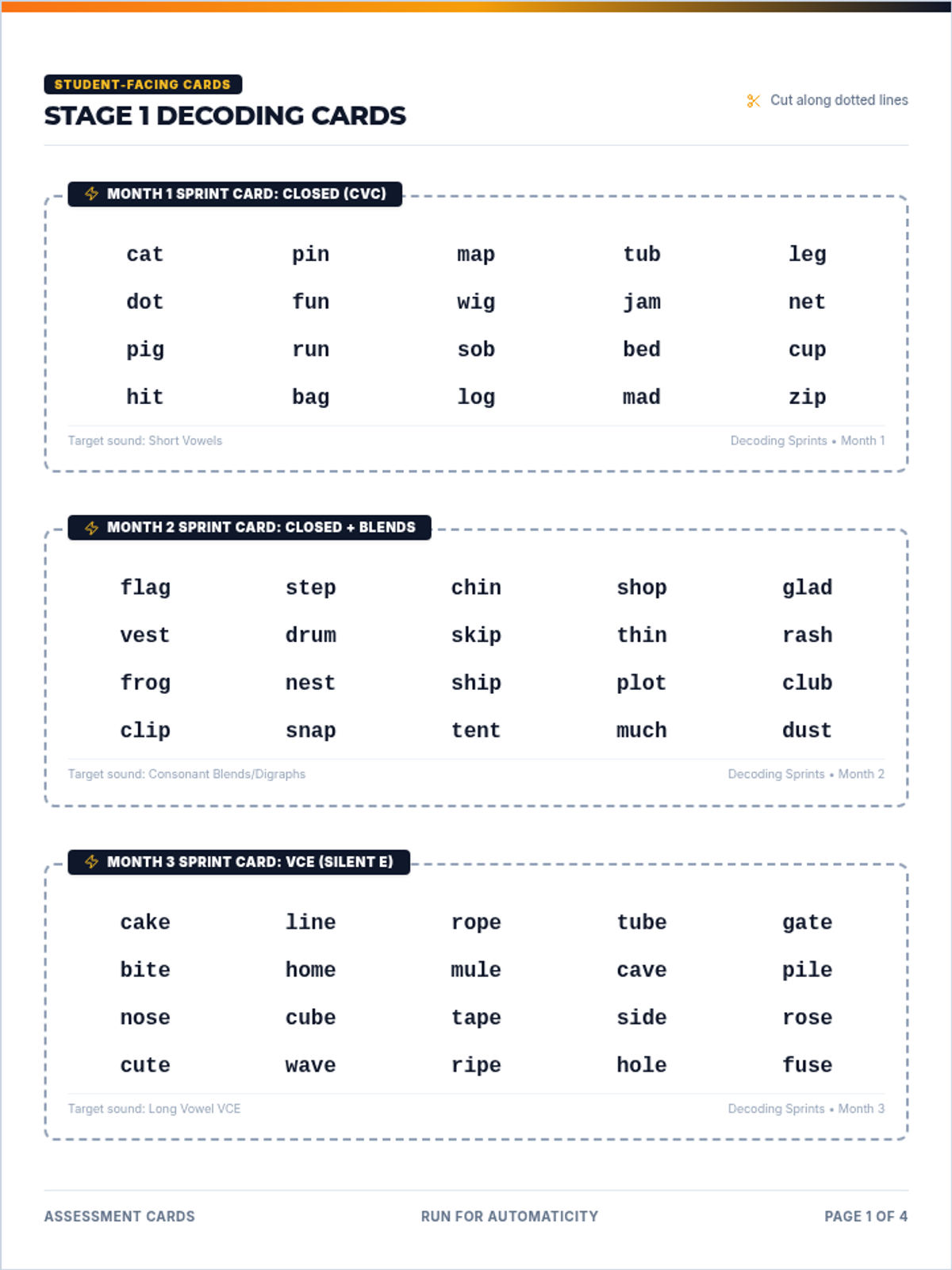
A comprehensive, 10-month progress-monitoring curriculum designed for rapid decoding trials. This lesson contains a student tracking binder, weekly assessment cards, and a complete curriculum booklet focusing on single-syllable phonics patterns.
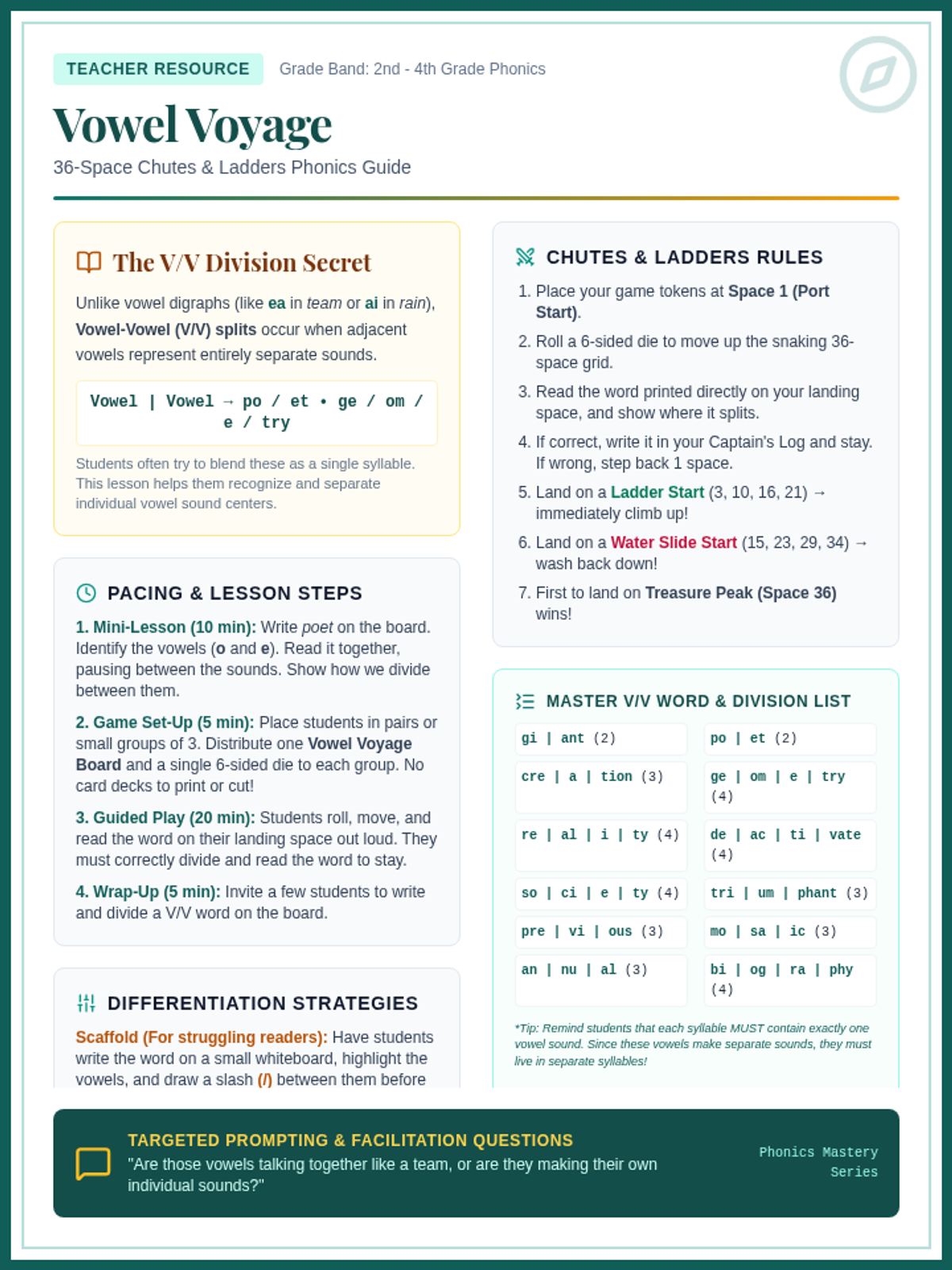
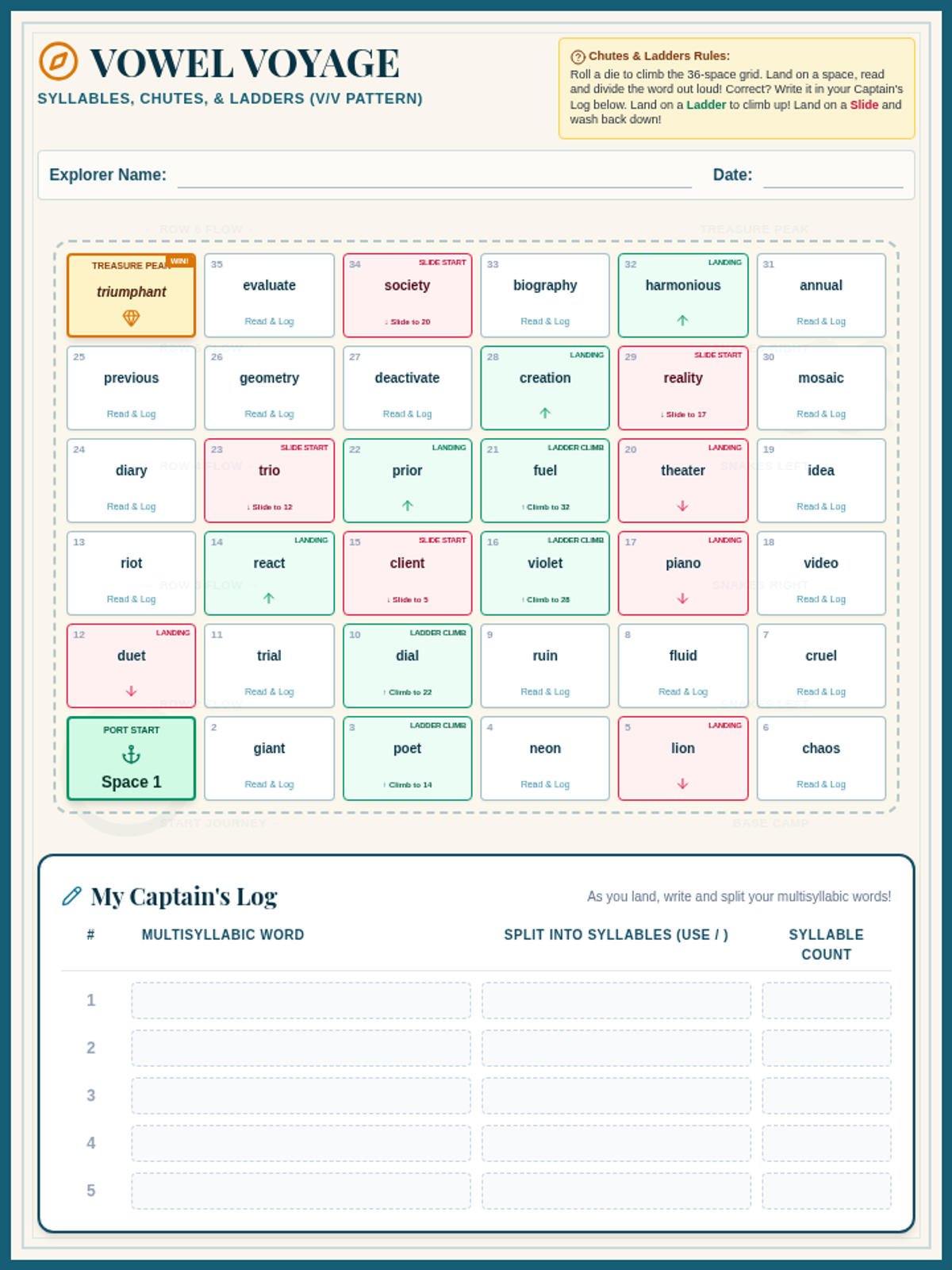
A lesson centered around a printable phonics board game called Vowel Voyage. Students practice dividing and reading multisyllabic words with Vowel-Vowel (VV) splits (e.g., giant, poet, neon, chaos) as they navigate an explorer-themed island path.
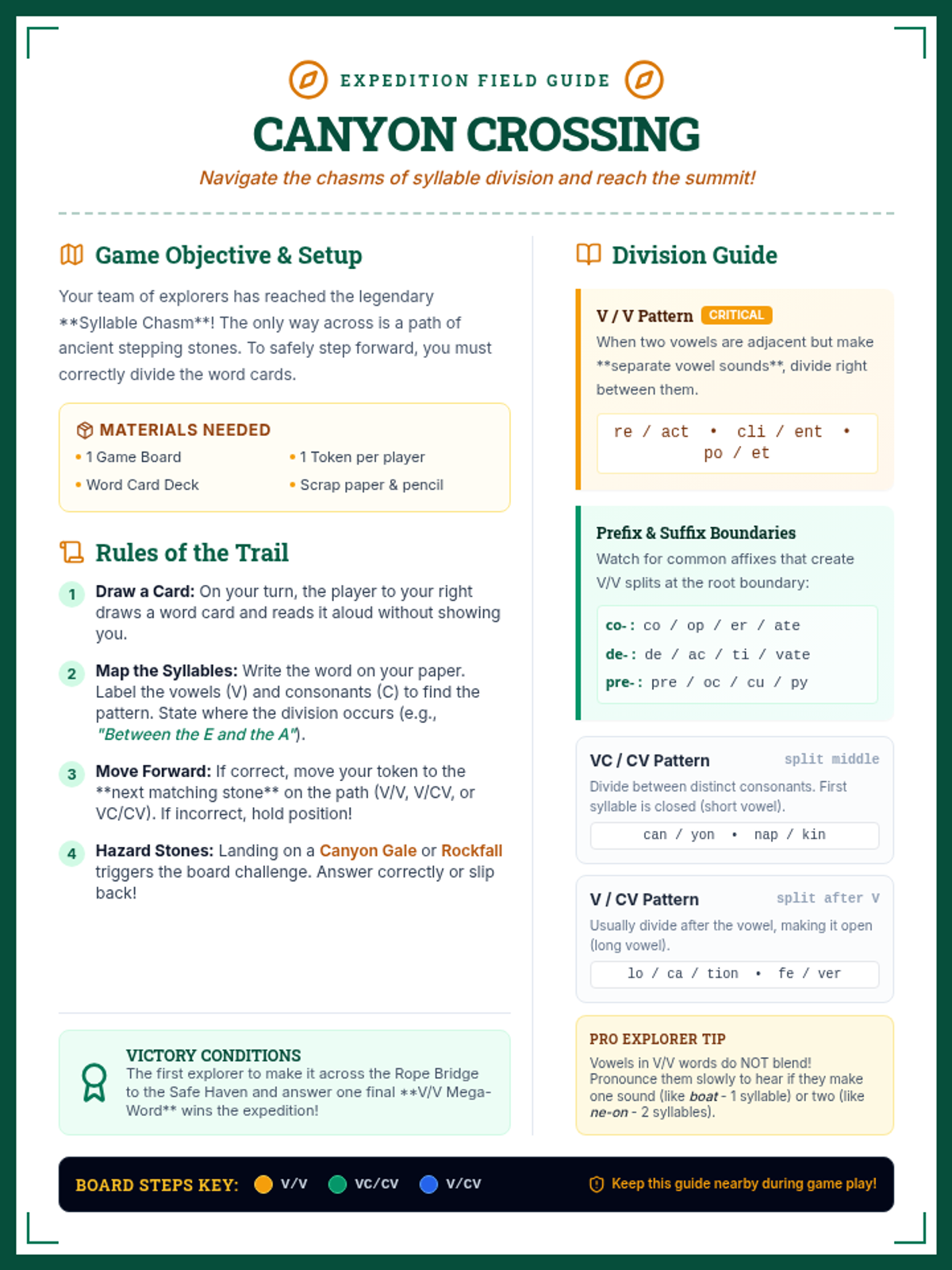
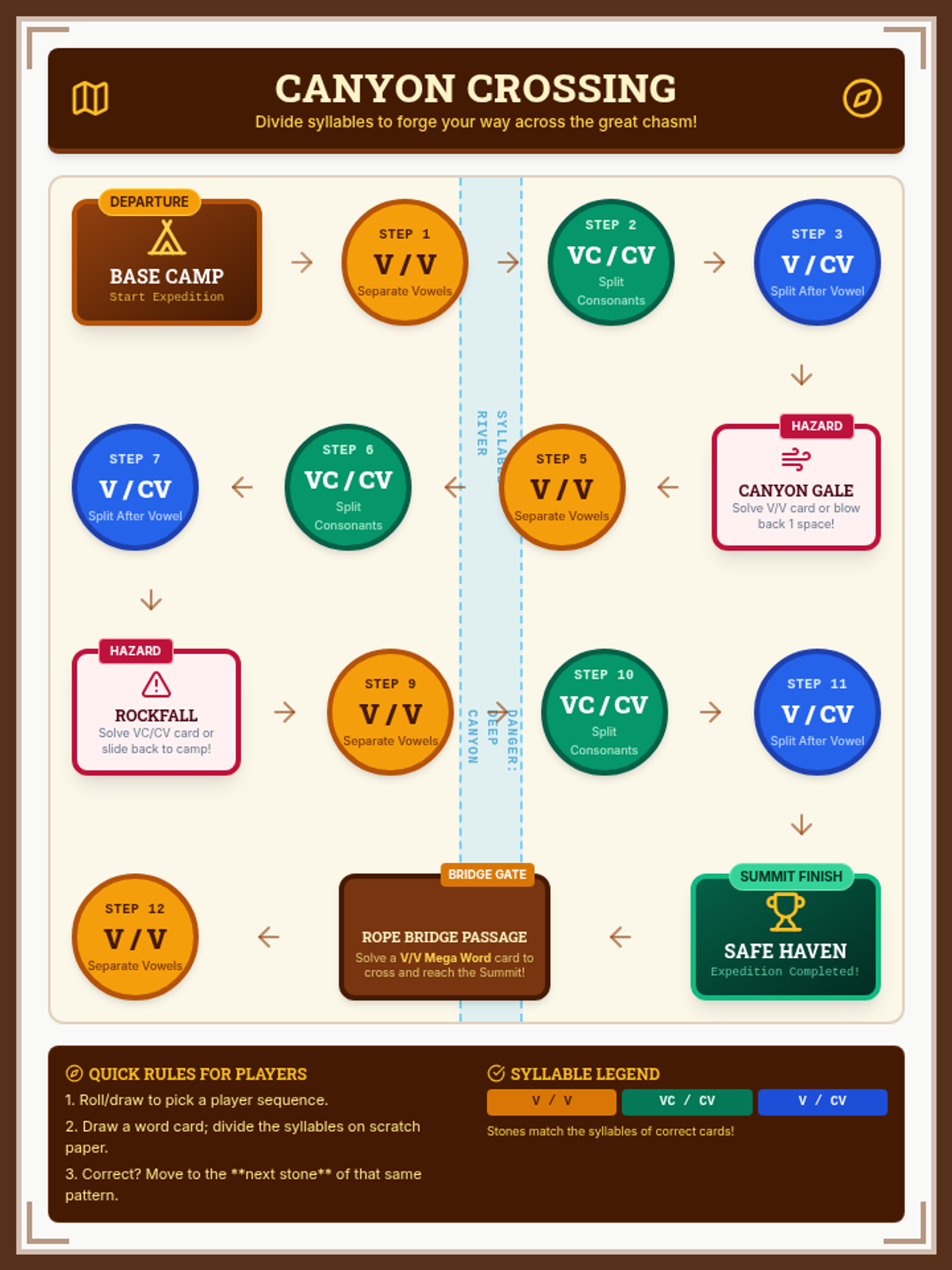
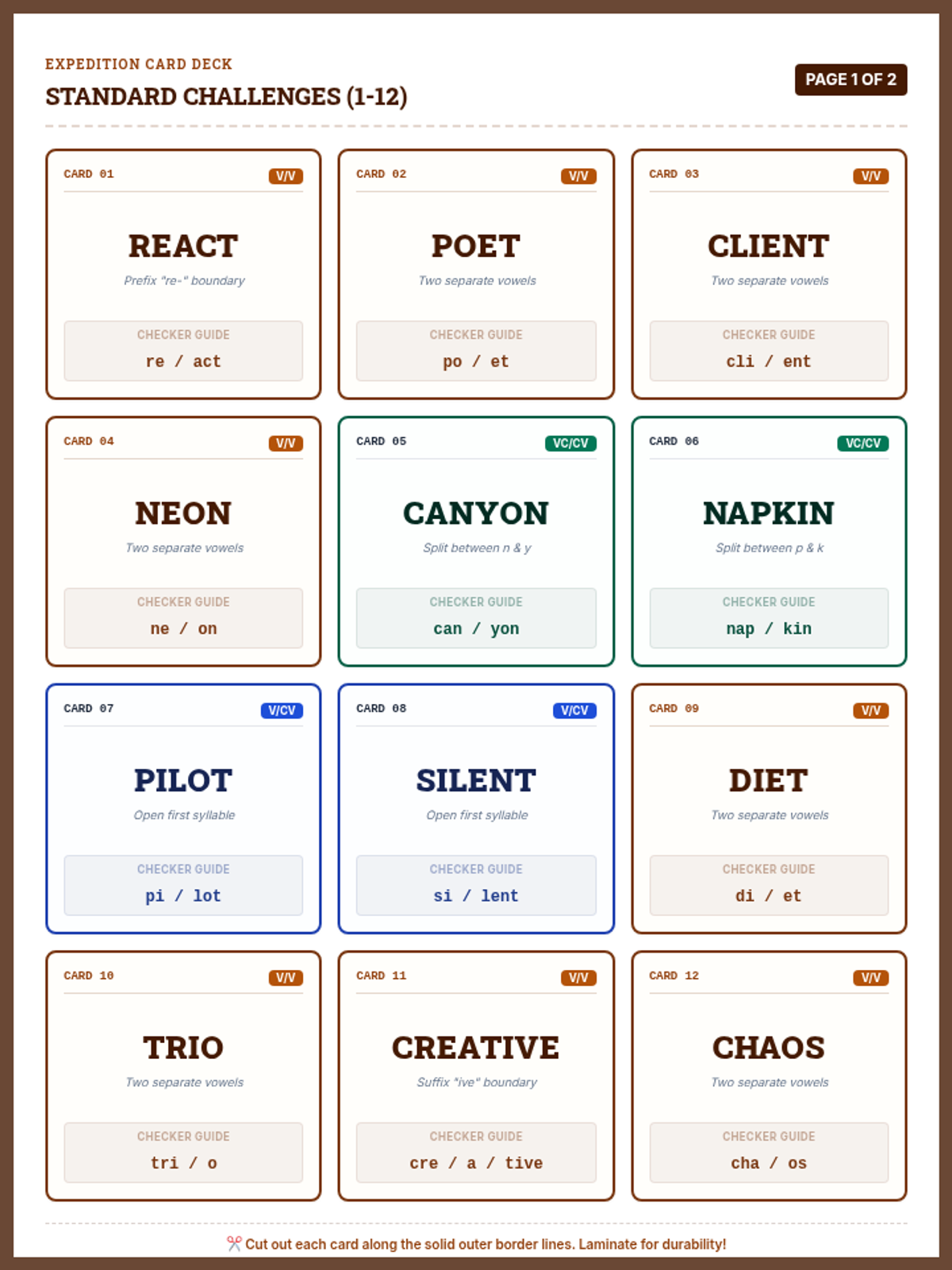
A cooperative and competitive educational board game designed to help students master multisyllabic syllable division. Students navigate a canyon crossing path by correctly dividing words with V/V, VC/CV, and V/CV patterns, with a special focus on prefix/suffix boundaries.
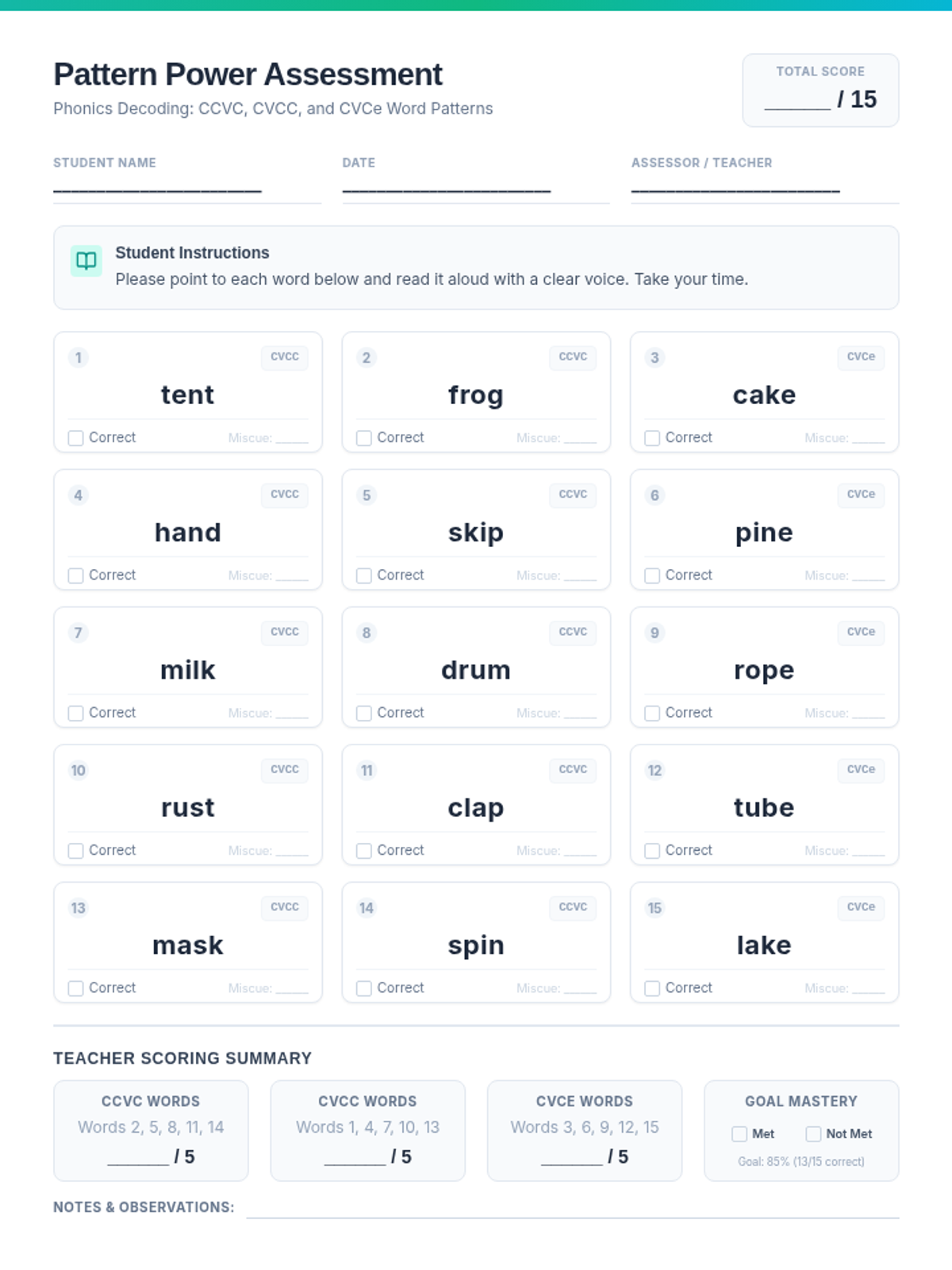
A clean, focused phonic assessment lesson designed to test CCVC, CVCC, and CVCe word pattern decoding without scaffolds.
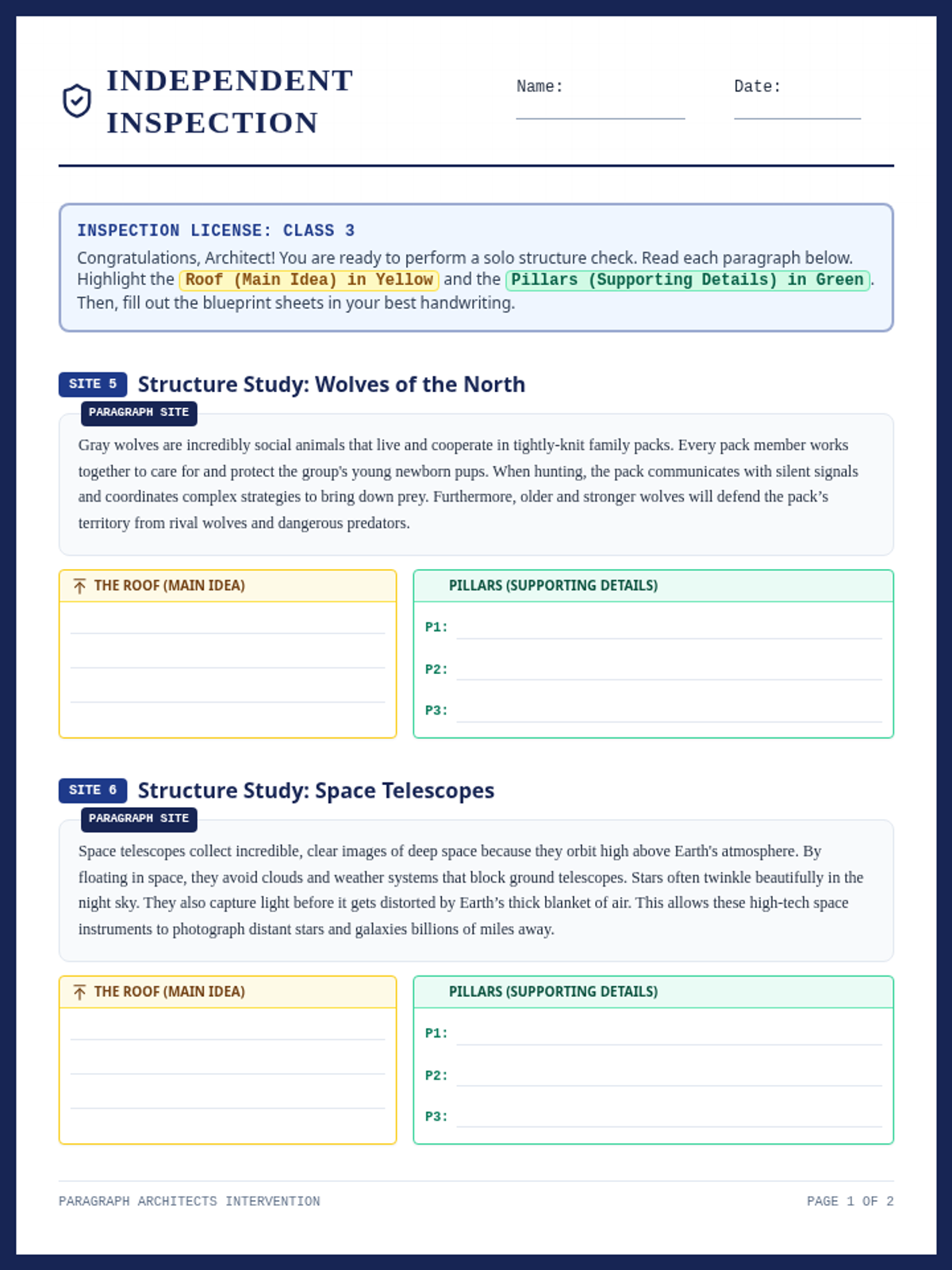
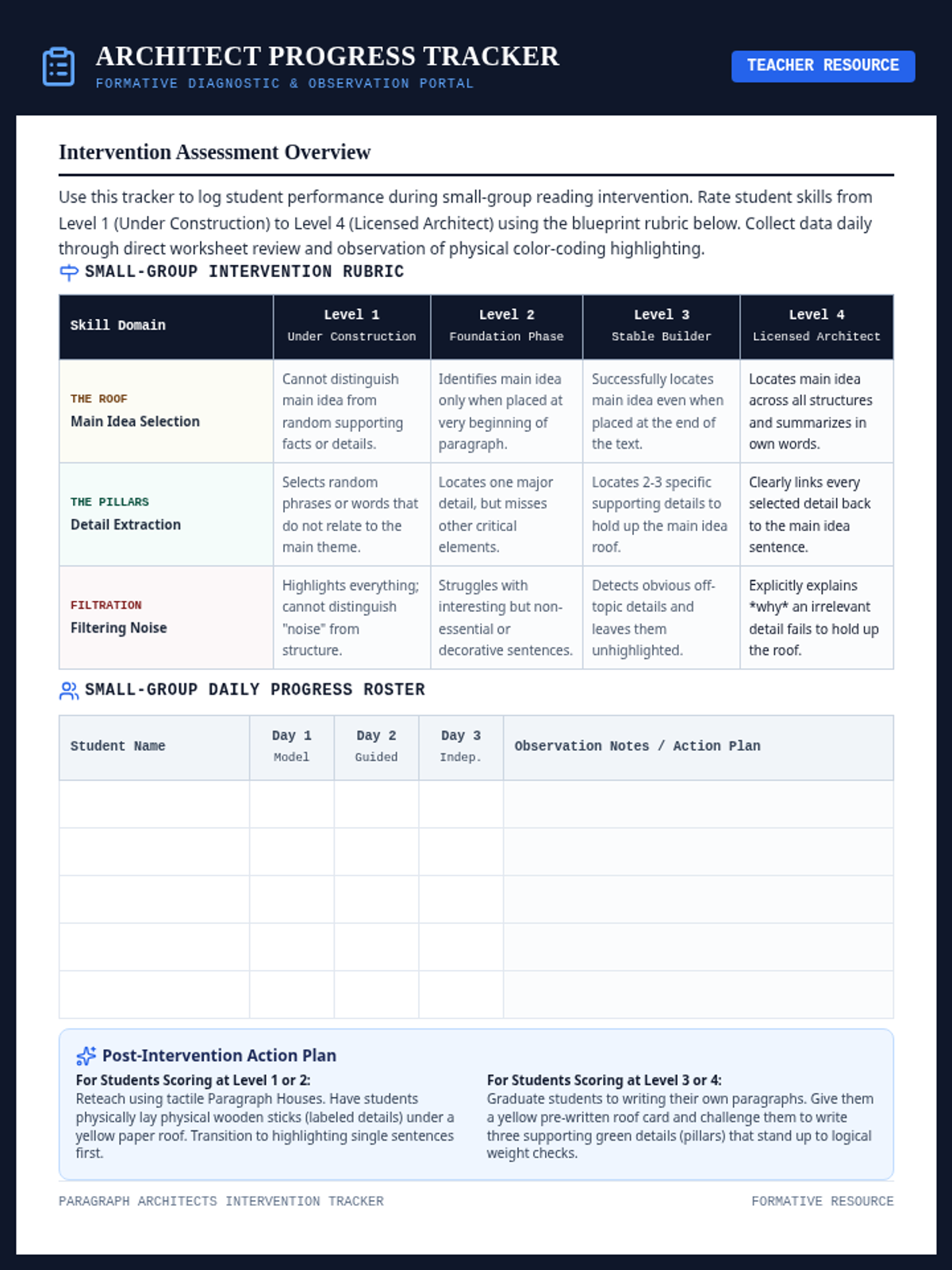
Day 3 focuses on independent execution and performance monitoring. Students independently read, highlight, and analyze paragraph structures to demonstrate mastery, followed by a collaborative review.
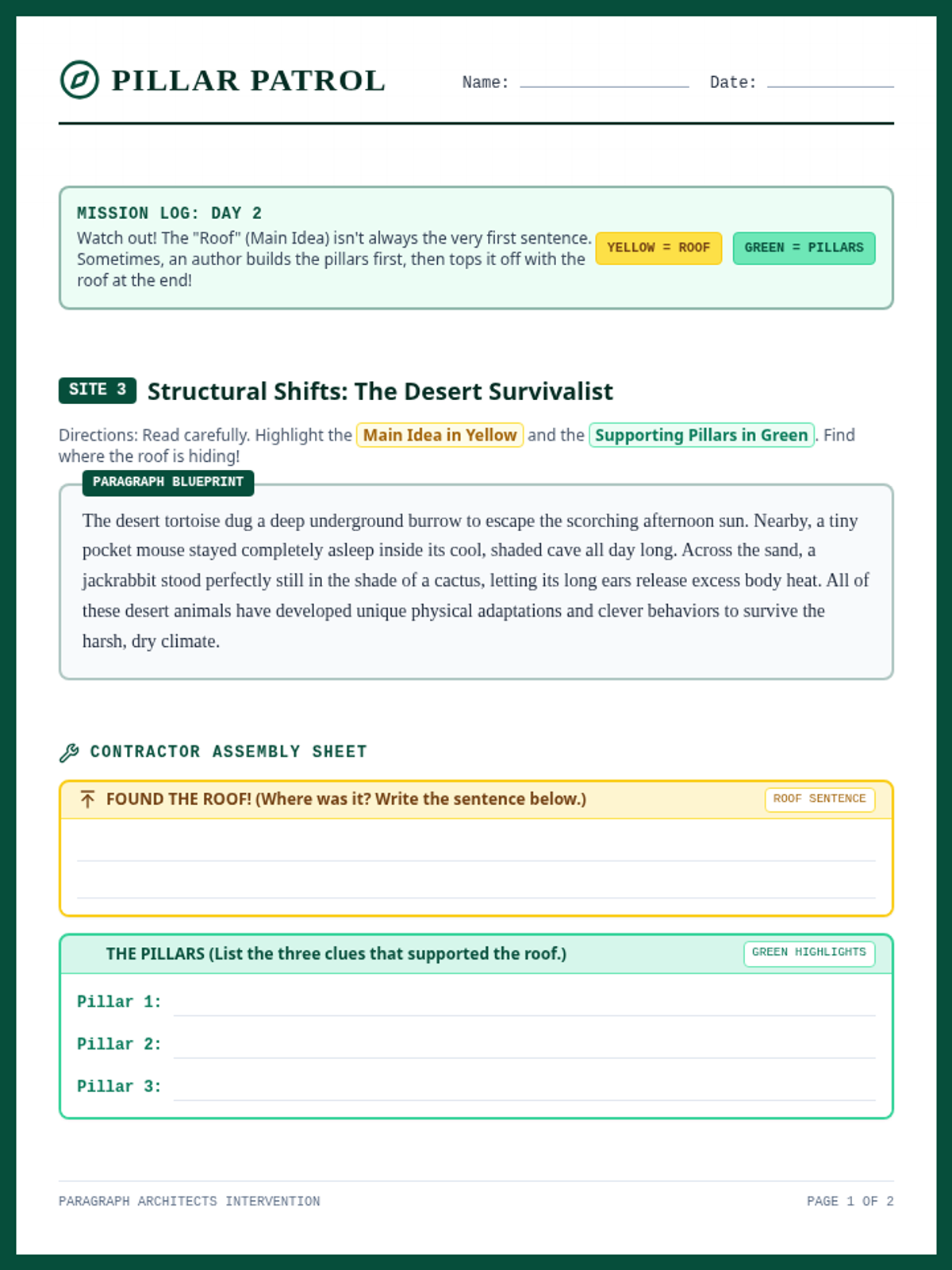
Day 2 transitions to guided practice with fading scaffolds. Students collaborate to highlight and unpack paragraphs, learning to distinguish between critical supporting details and interesting but non-essential information.
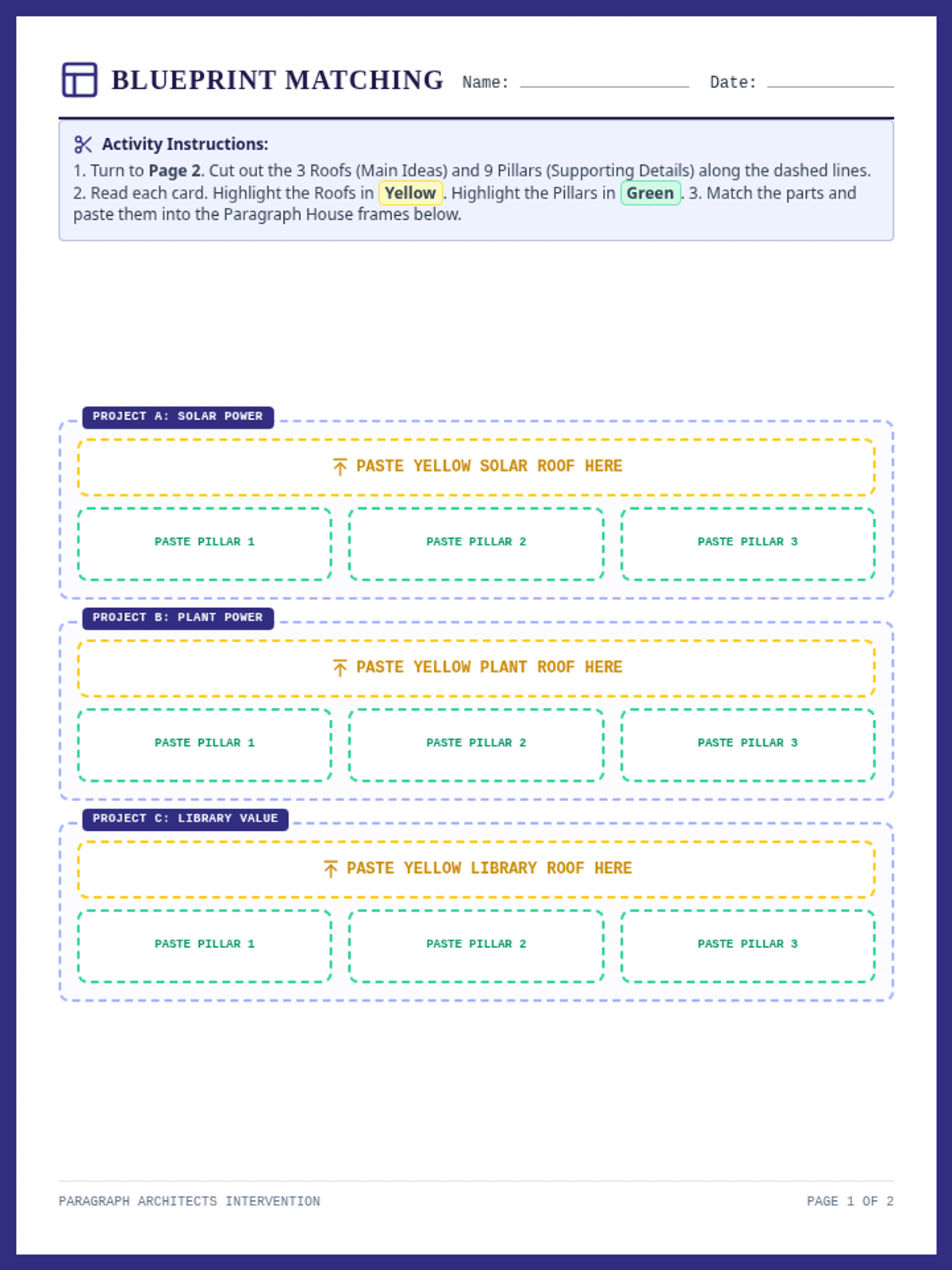
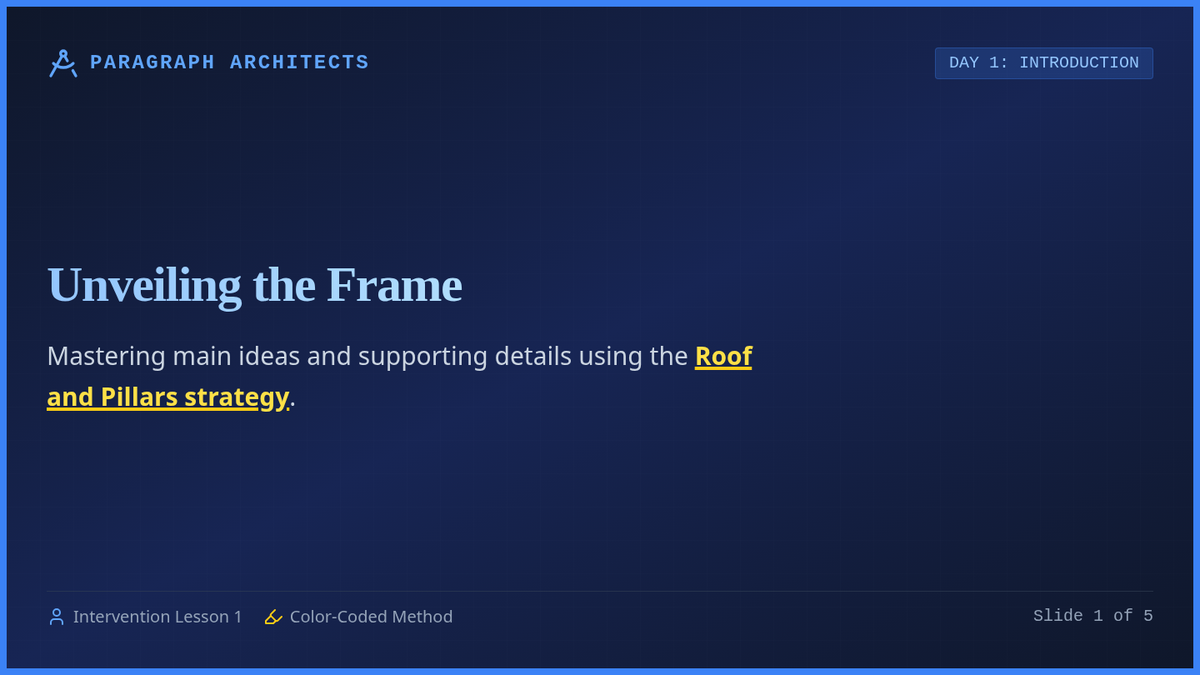
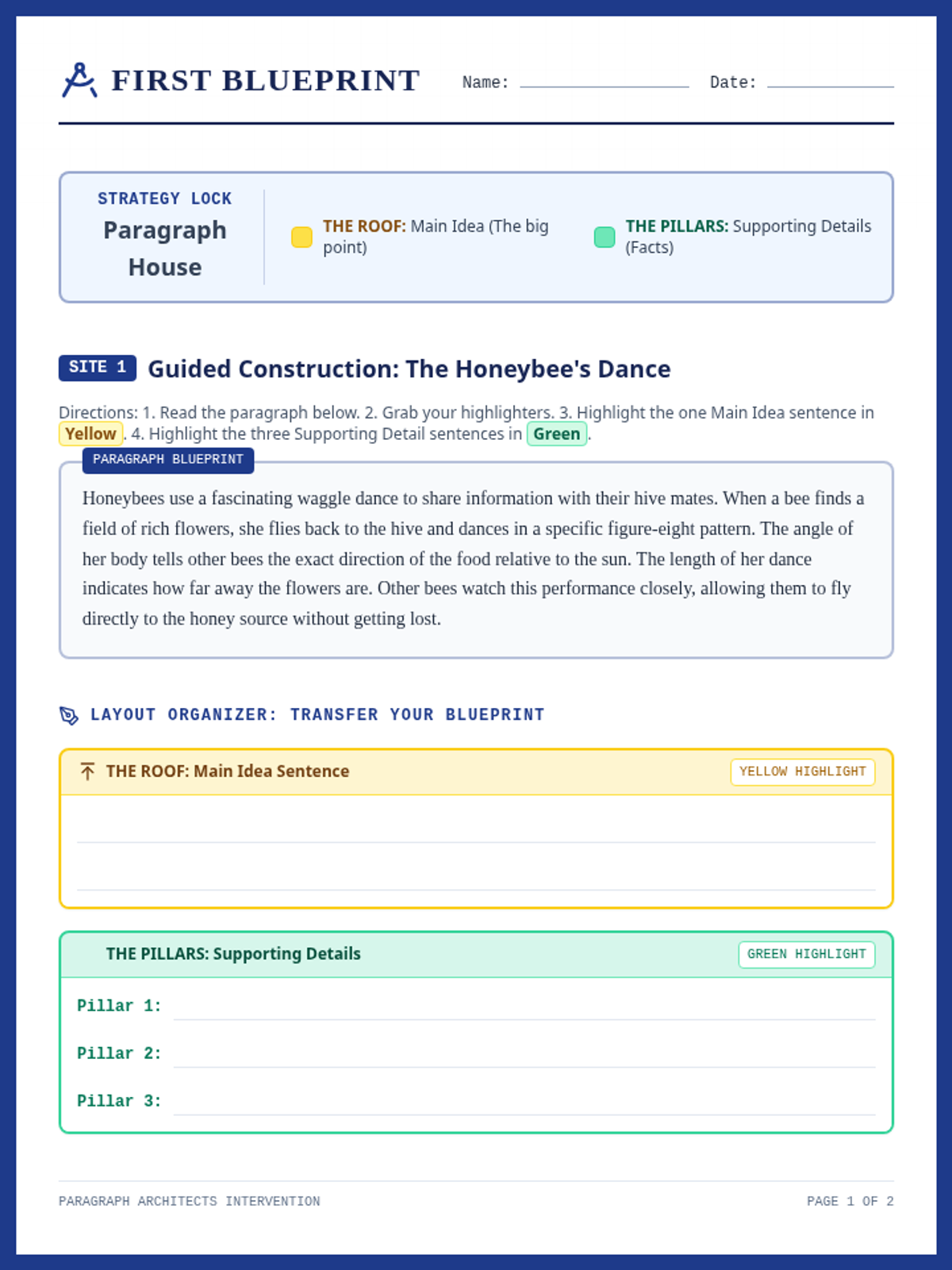
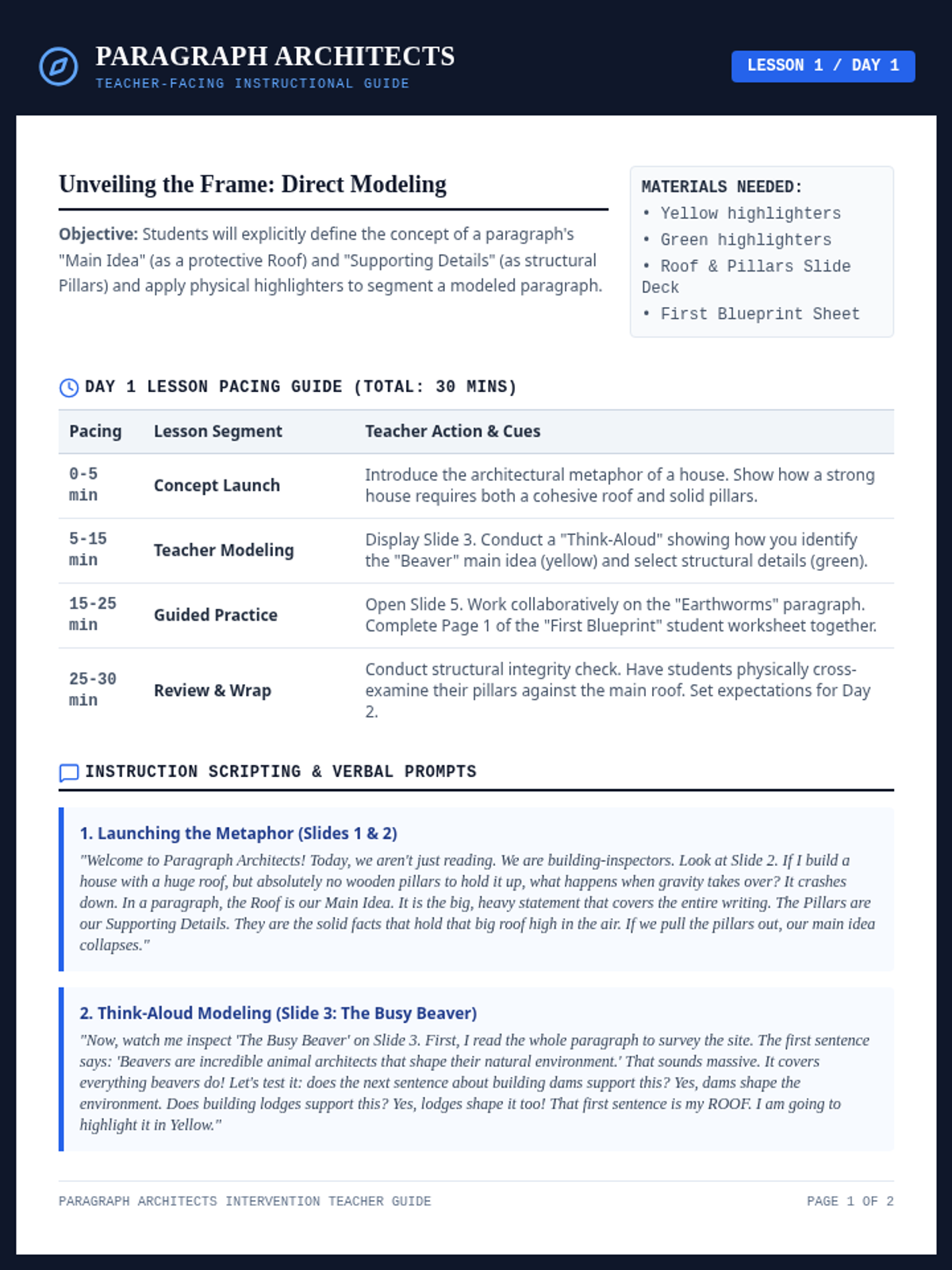
Day 1 of the intervention focuses on explicit teacher modeling of the 'Roof' (Main Idea) and 'Pillars' (Supporting Details) concept. Students learn how a paragraph is built, watch a live highlighting demonstration, and participate in highly guided practice using physical highlighters.
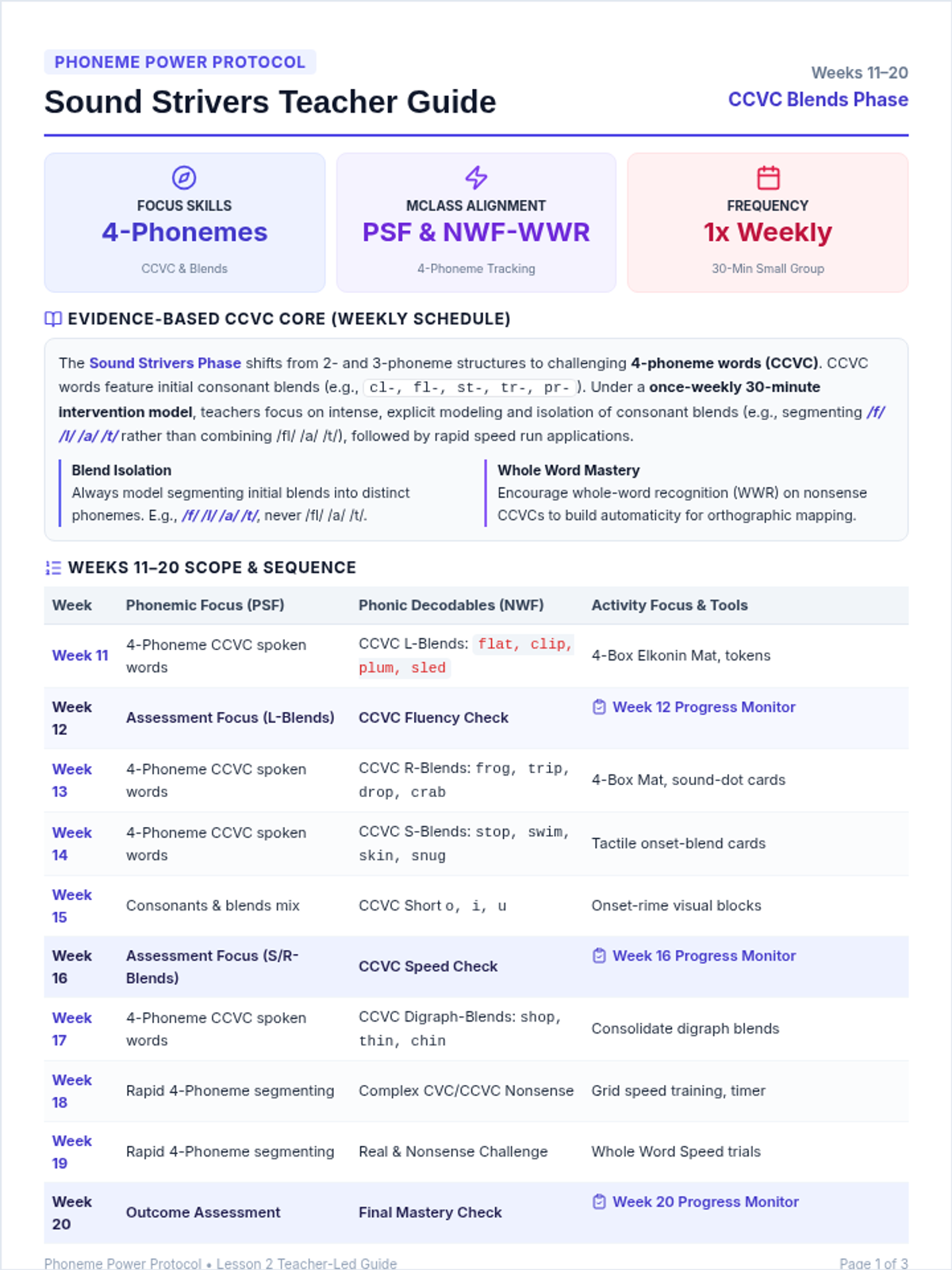
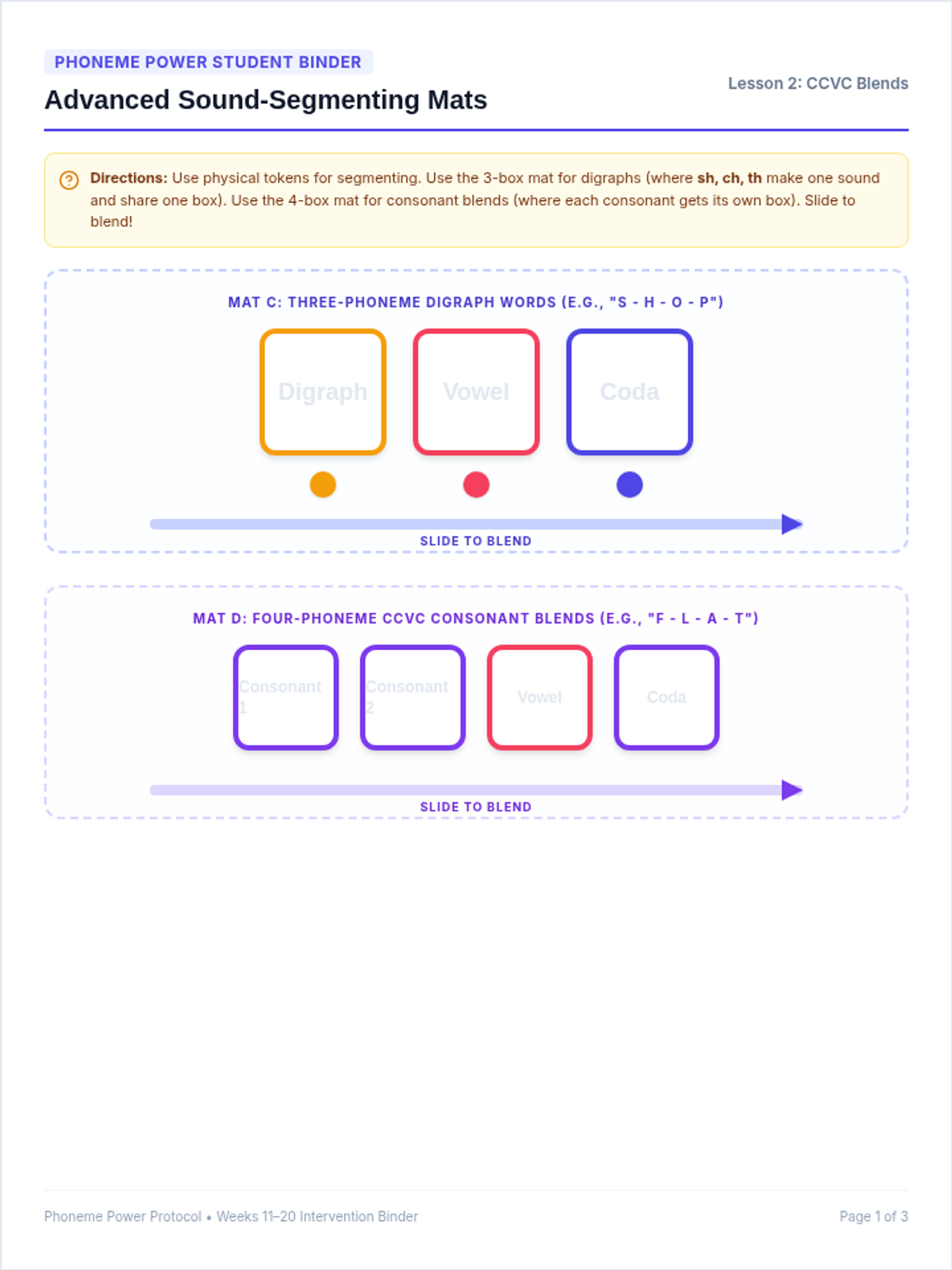
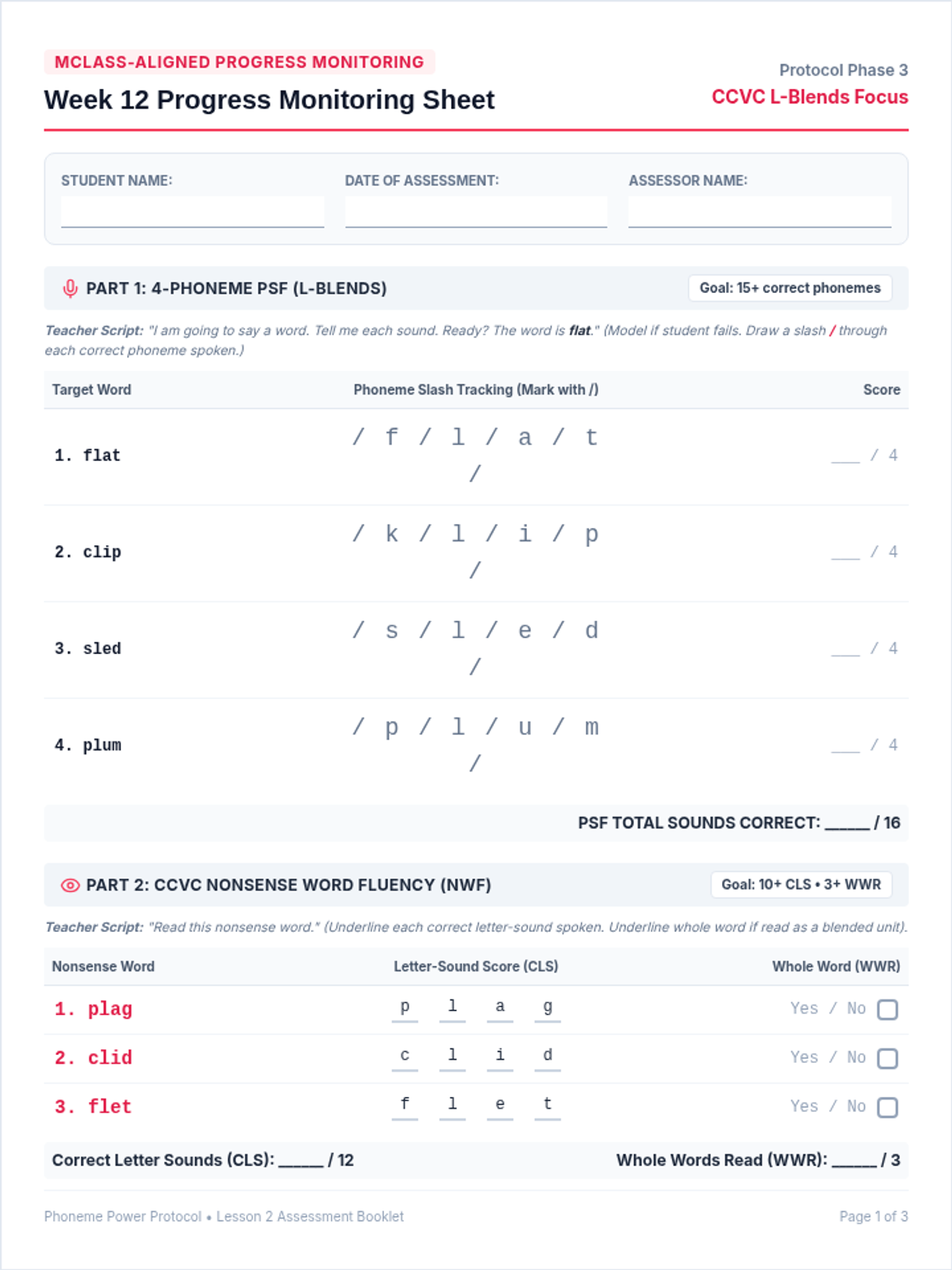
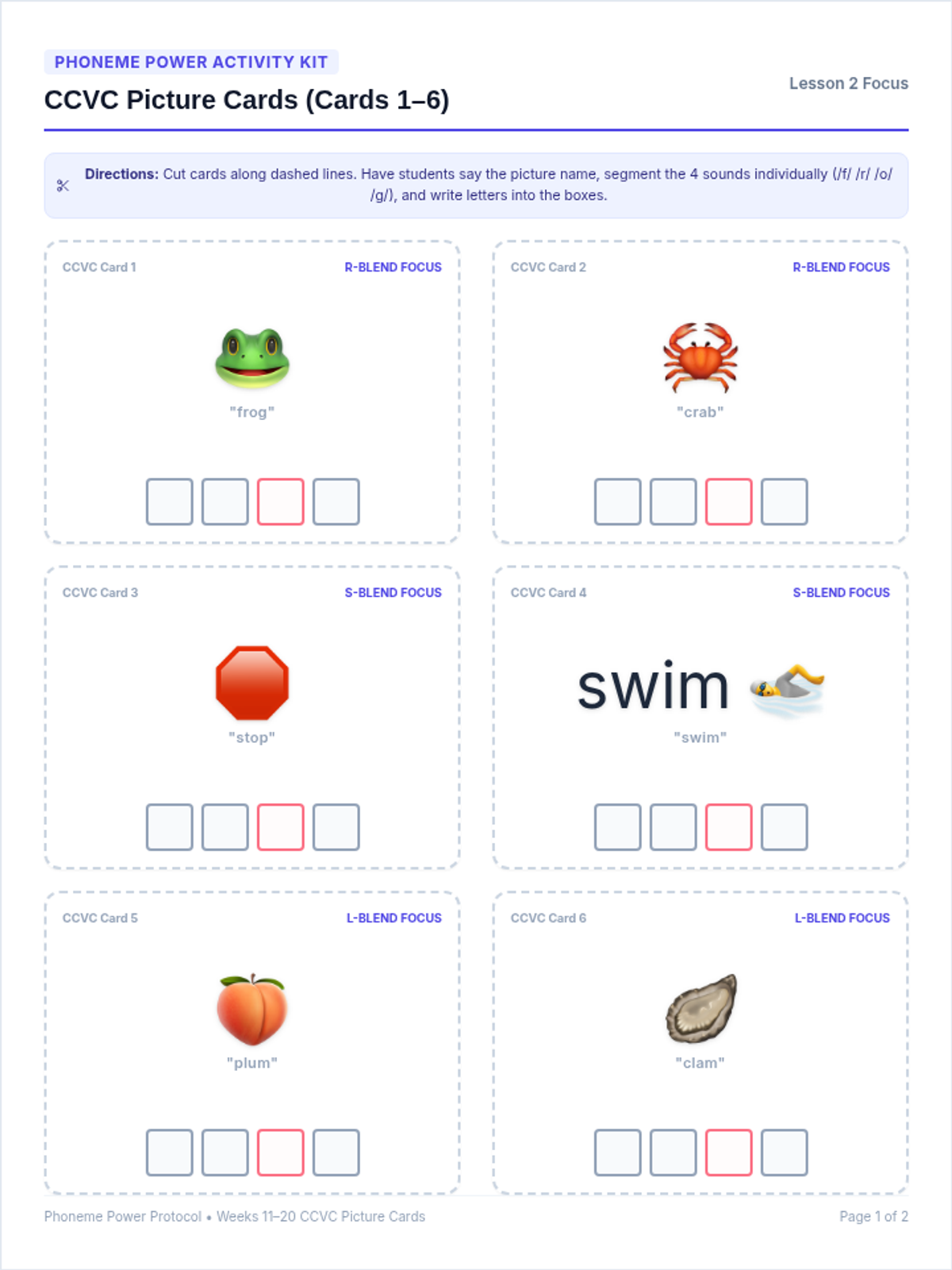
Weeks 11-20 of the Phoneme Power Protocol intervention, focusing on CCVC (consonant blends) and complex CVC words. Includes systematic small-group routines for 4-phoneme words, visual 4-box Elkonin mats, tactile onset-rime blending cards, and progress monitoring scoring sheets for Weeks 12, 16, and 20.
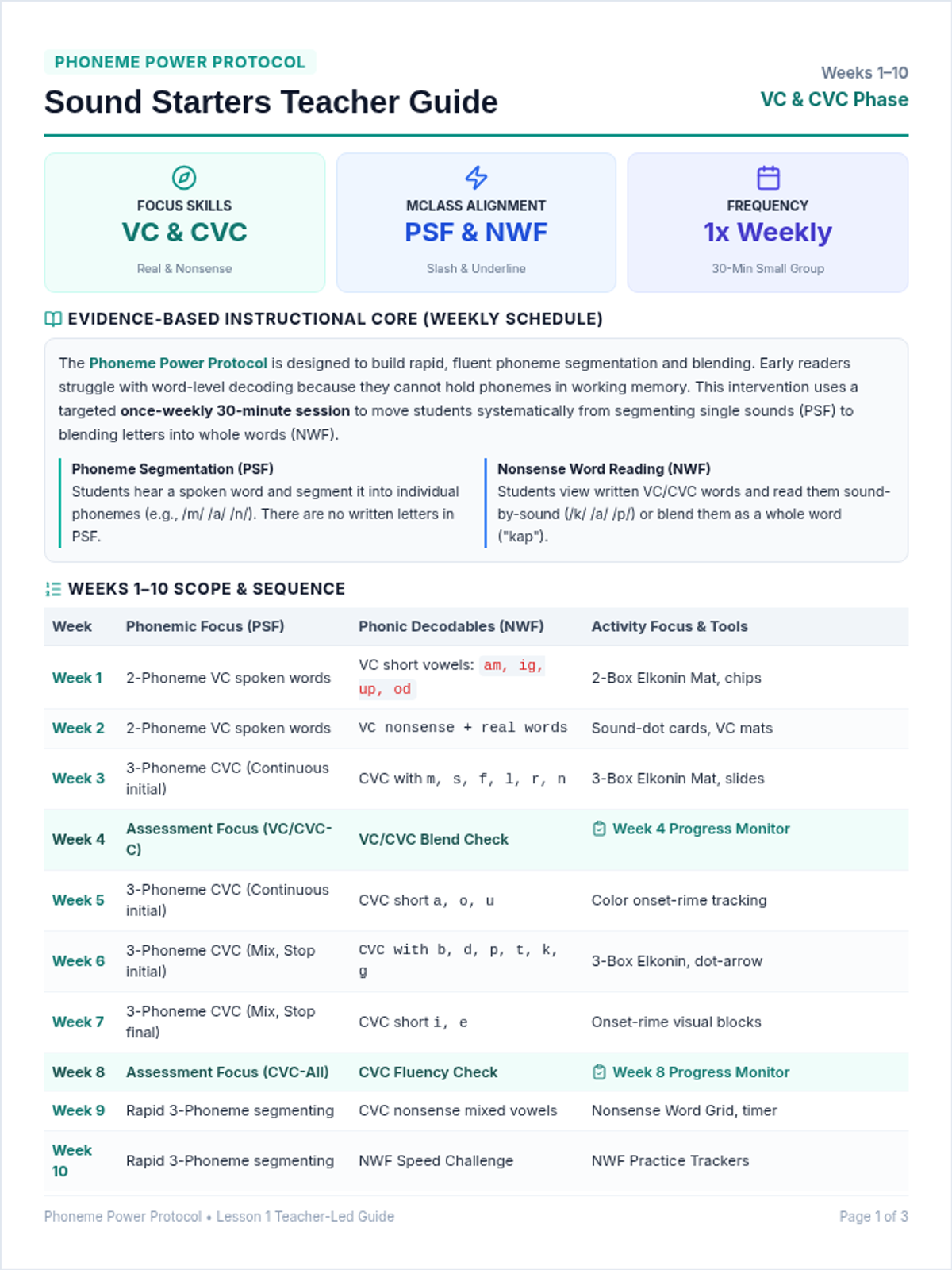
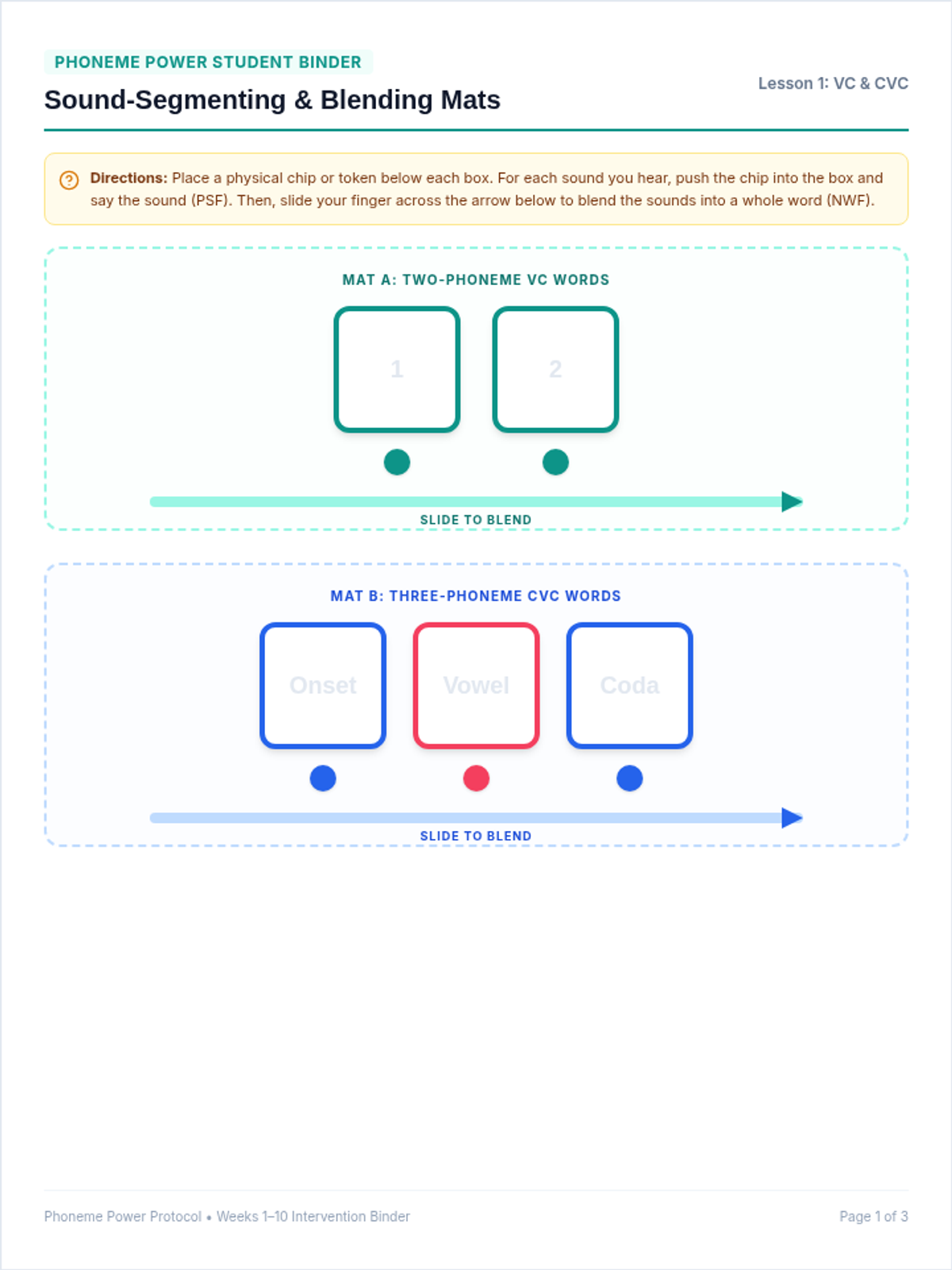
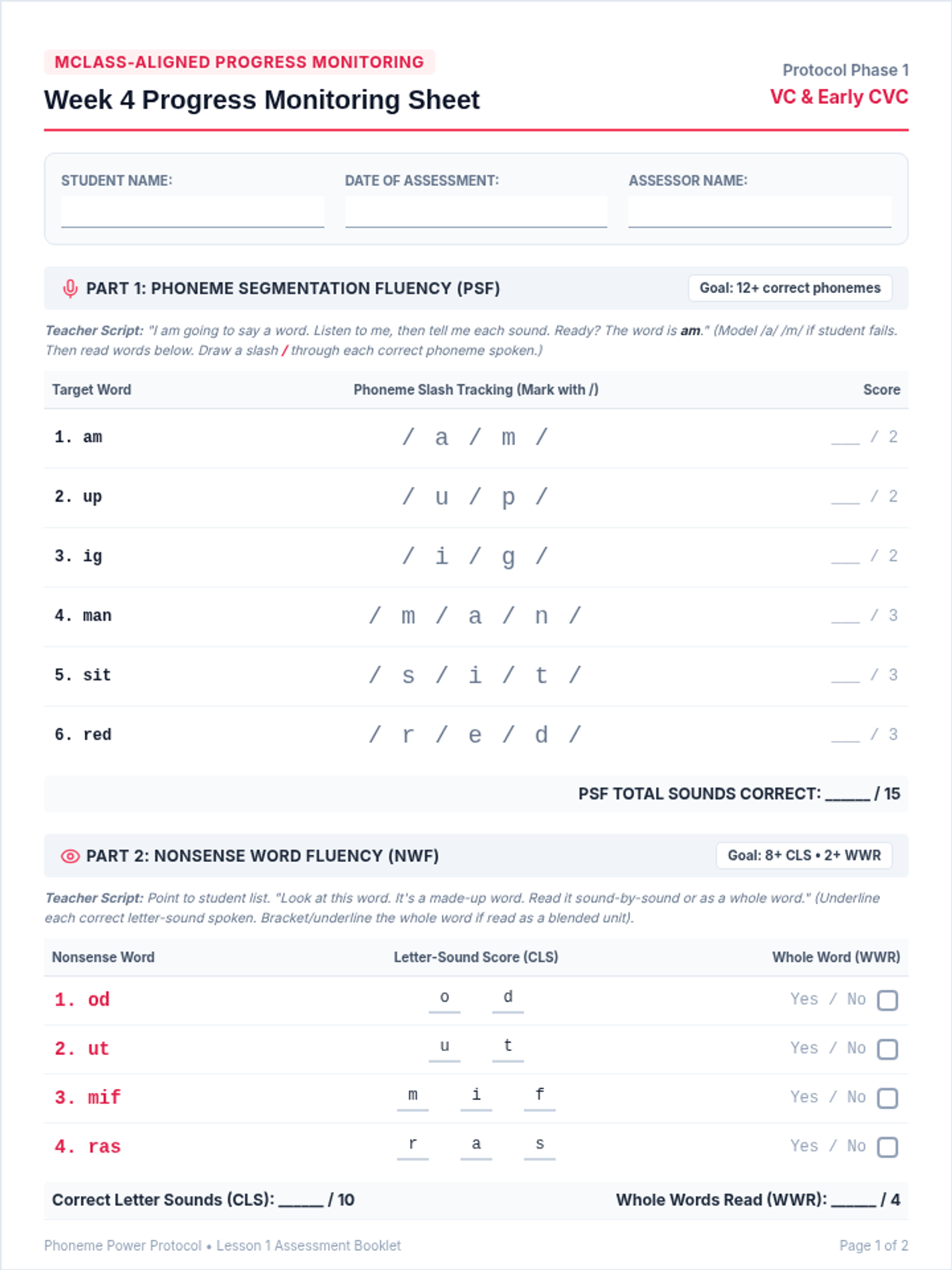
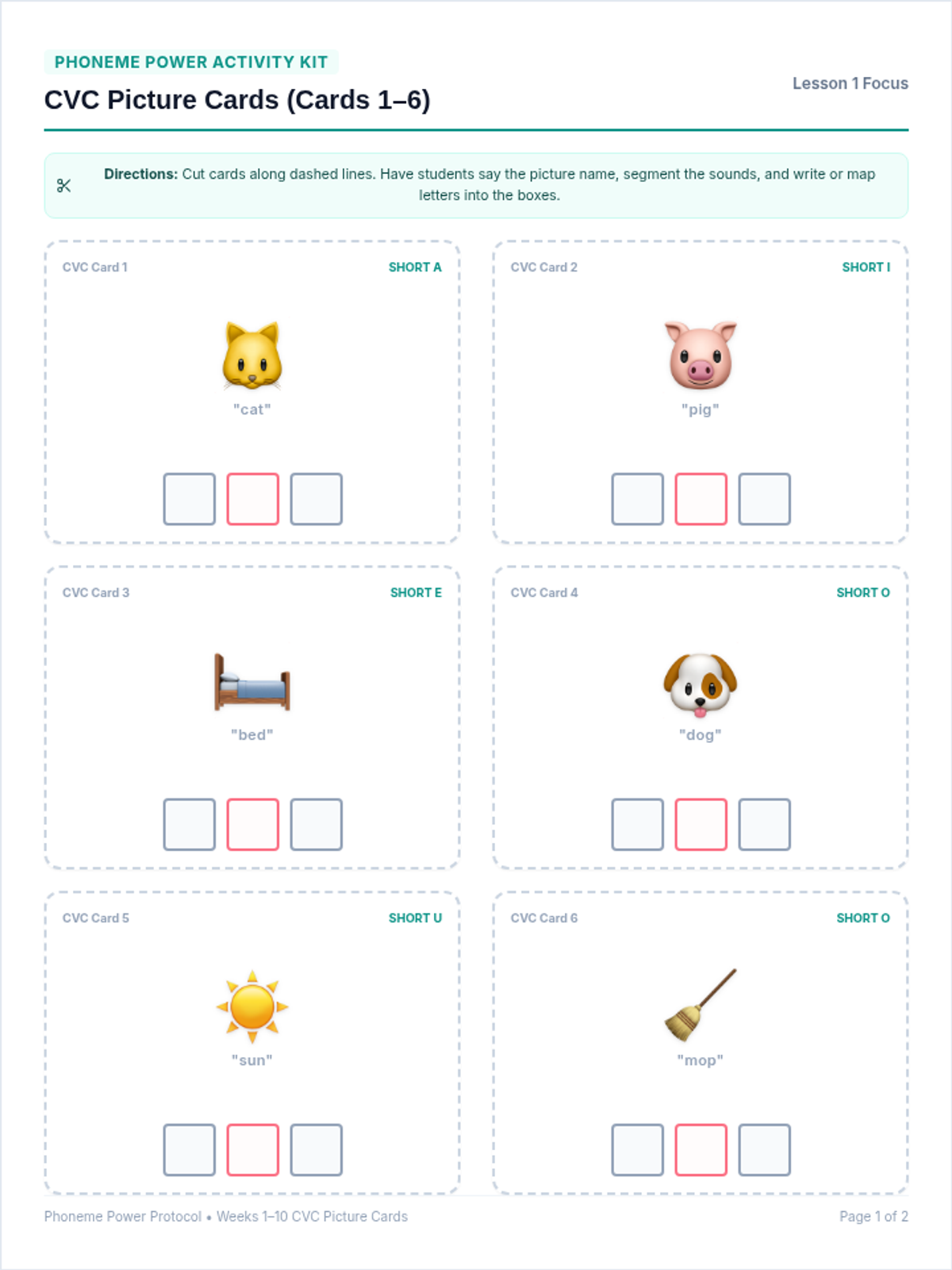
Weeks 1-10 of the Phoneme Power Protocol intervention, focusing on VC and CVC words. Includes systematic routines for segmenting individual sounds (PSF) and blending phonemes into nonsense and real words (NWF) using 2-box and 3-box Elkonin mats, color-coded word cards, and progress monitoring at Weeks 4 and 8.
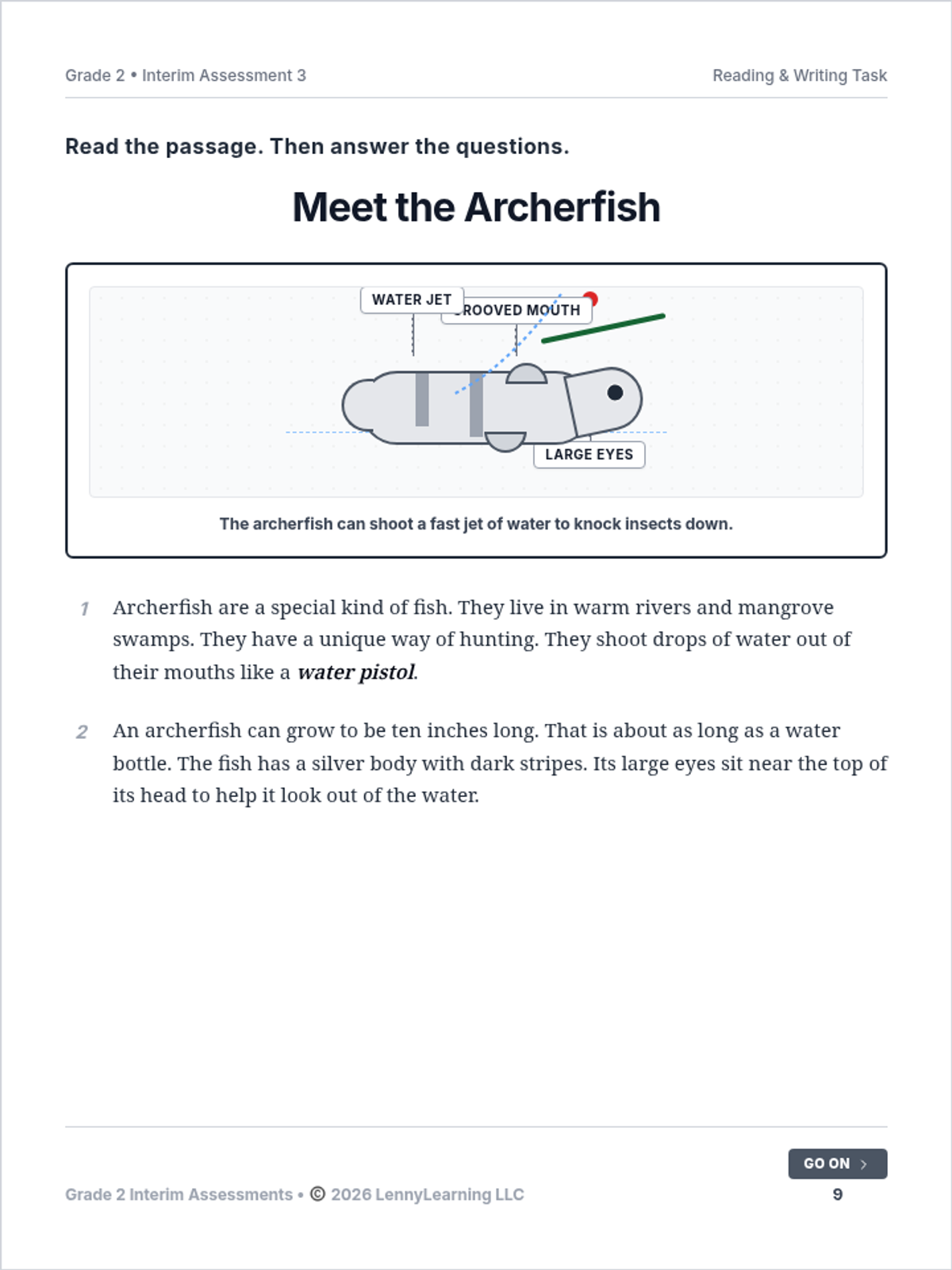
Investigates the coastal mangrove biome, highlighting the archerfish and its physical adaptations for spitting water to hunt insects.
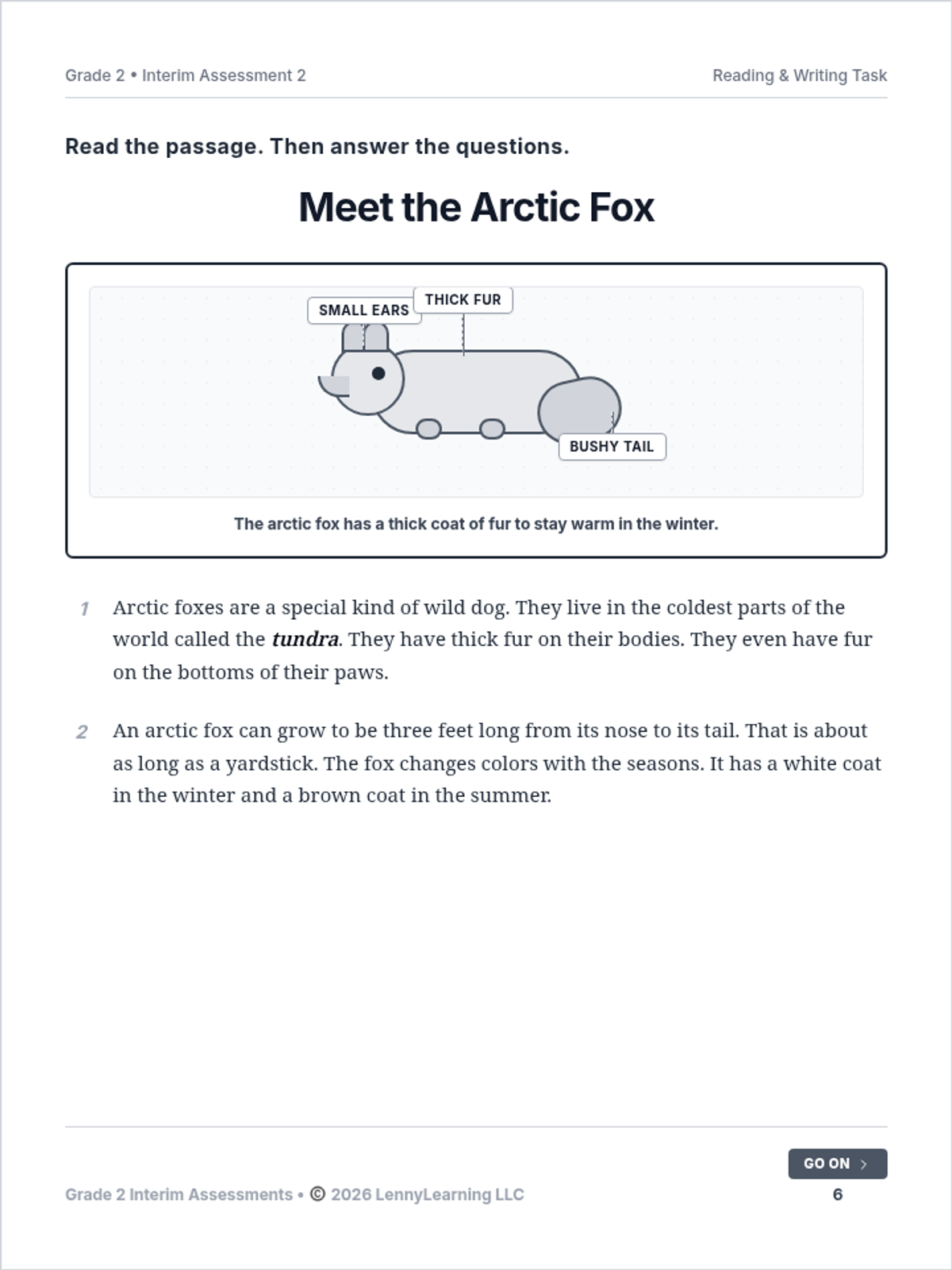
Explores the freezing arctic tundra biome, showcasing the arctic fox and how its coat color and small ears help it survive.
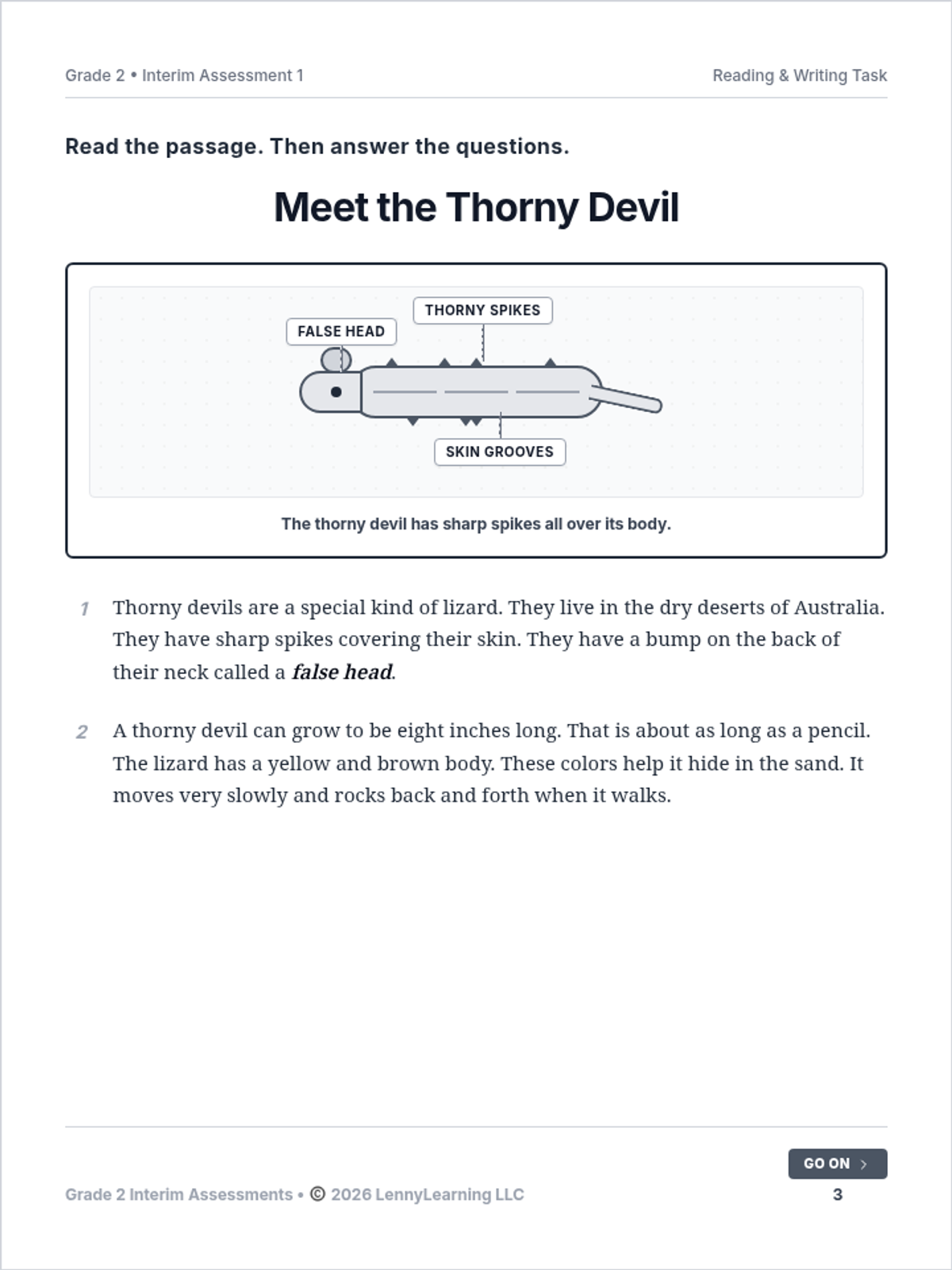
Focuses on the arid desert biome, featuring the thorny devil and its unique adaptations for hydration and defense.
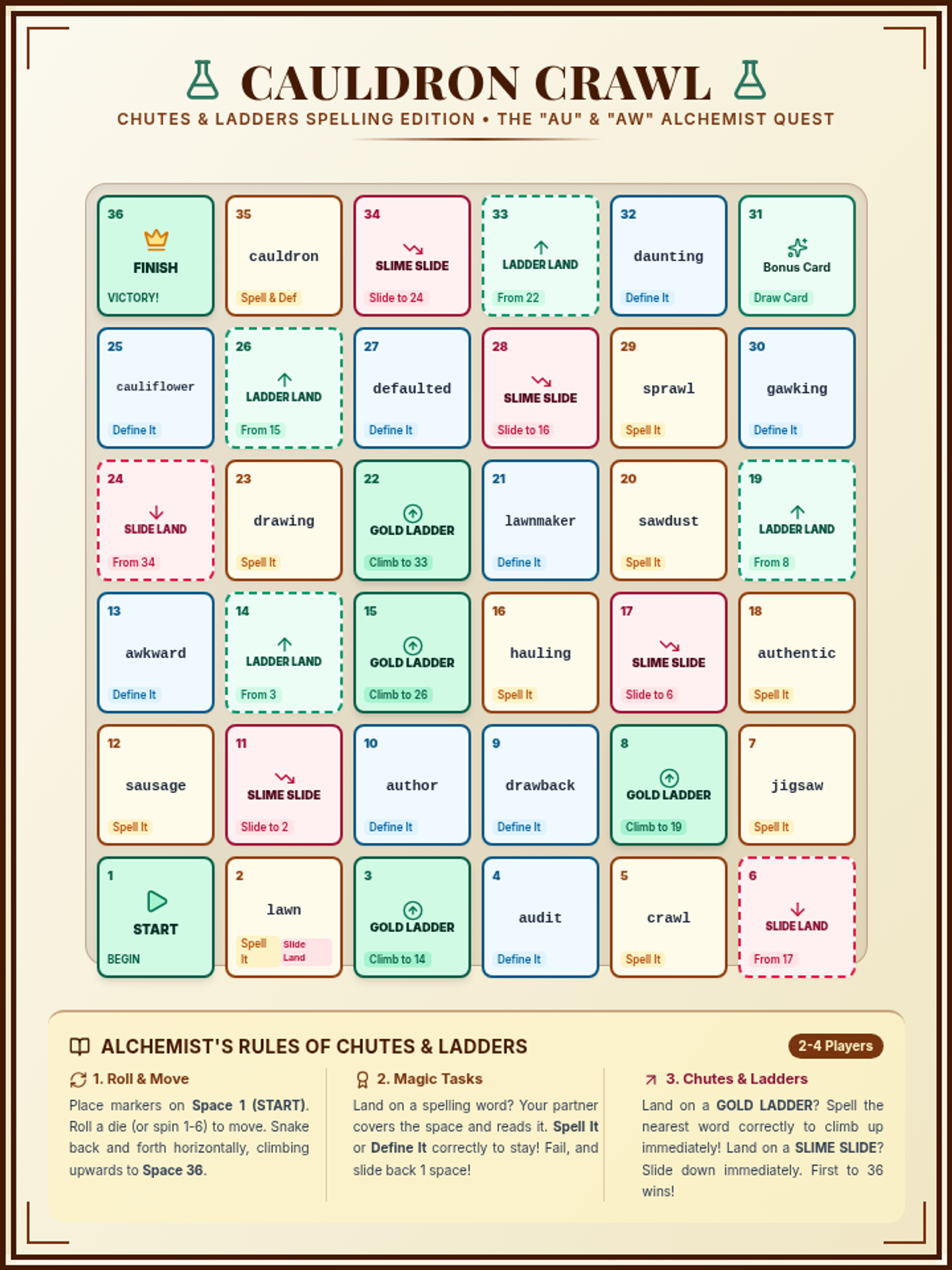
A high-stakes spelling adventure game focusing on "au" and "aw" diphthong words. Students navigate a perilous track to reach the Alchemist's Cauldron by spelling and defining challenging vocabulary.
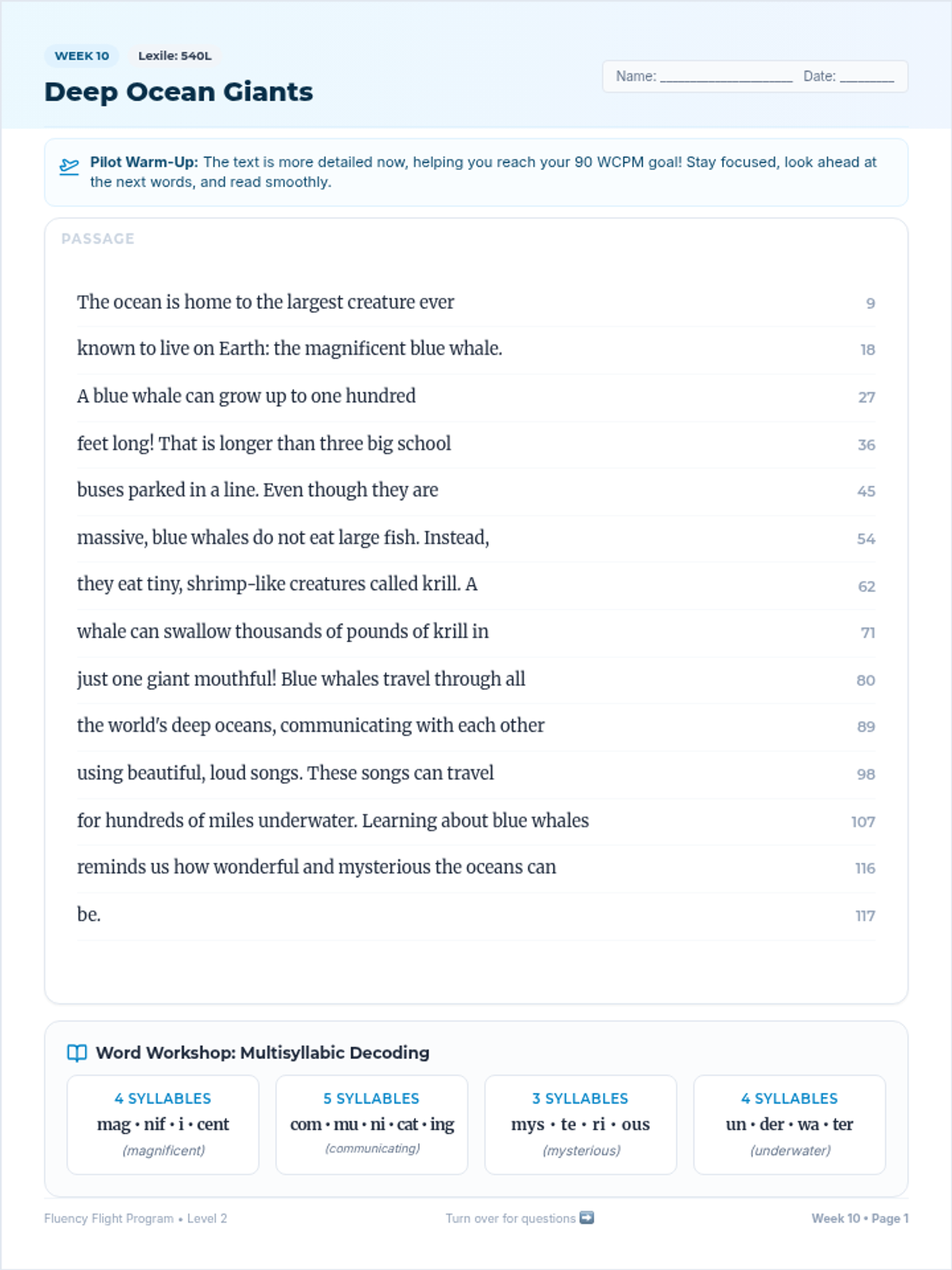
Weeks 10-13 prepare students for end-of-year goals, reaching Lexile 600. Features deep-ocean giants, clubhouses, solar energy, and camping adventures.
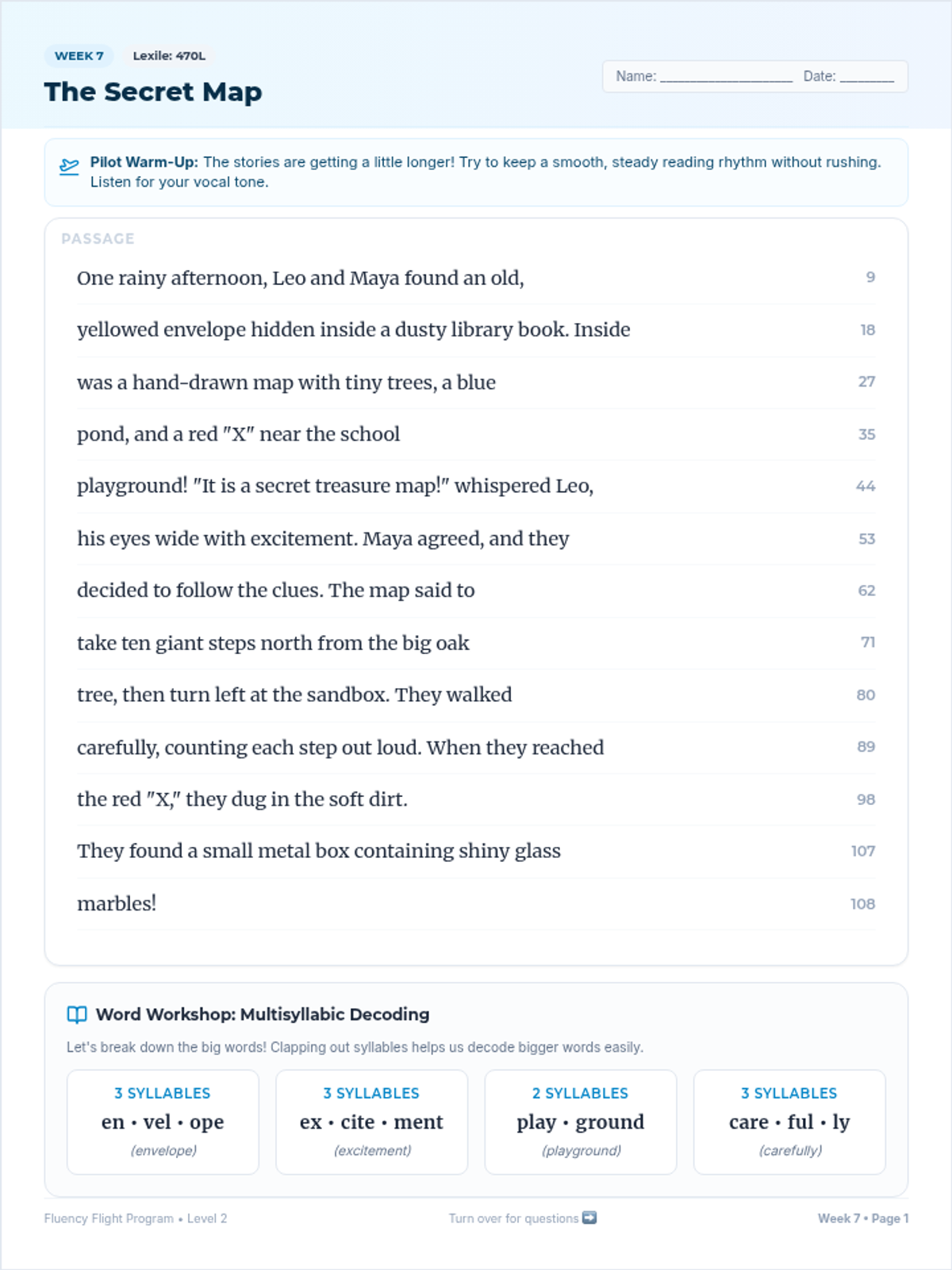
Weeks 7-9 advance students into higher-complexity structures (Lexile 470 to 520), featuring adventure maps, earth science, and baking challenges.
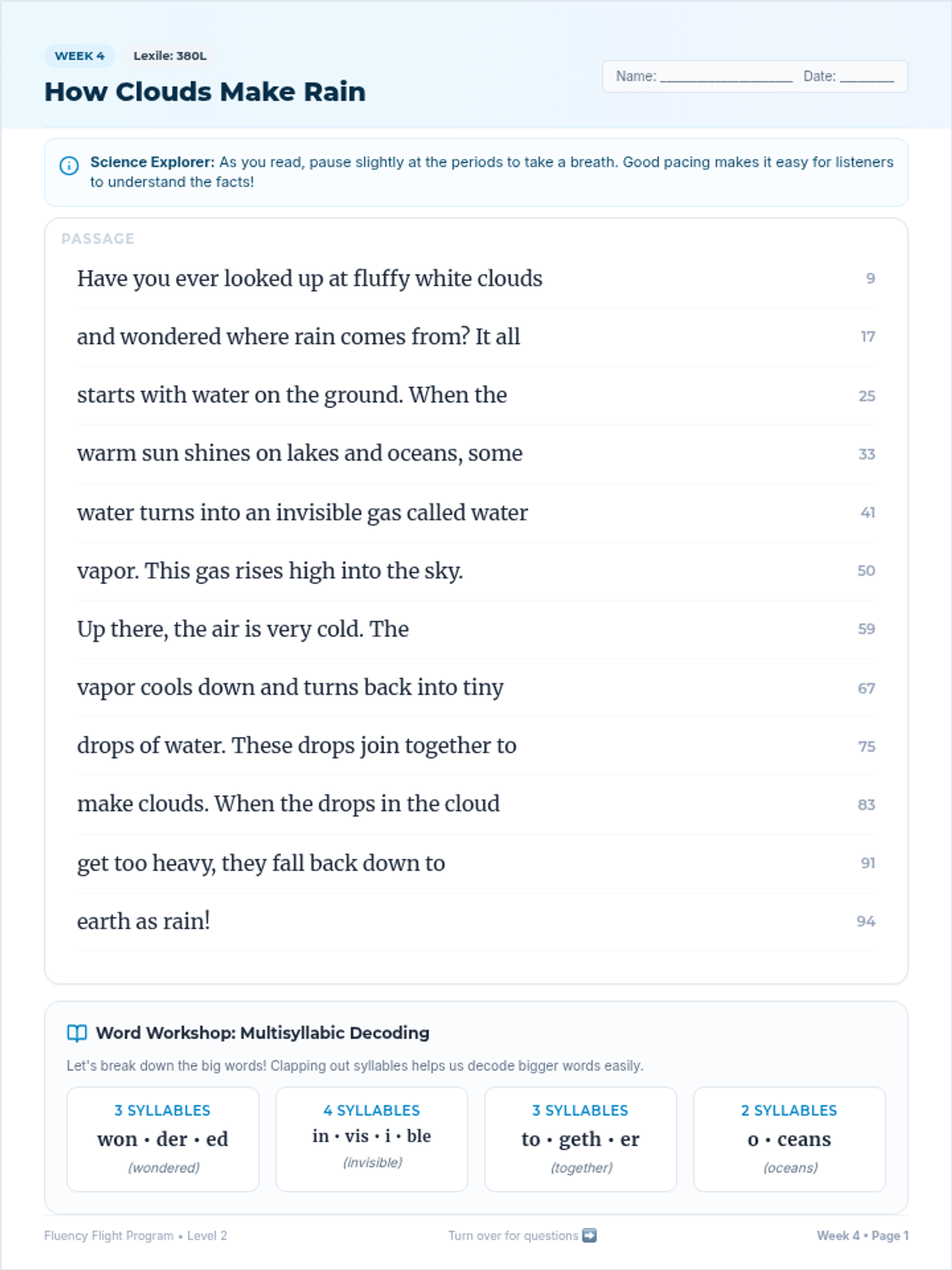
Weeks 4-6 bridge students toward mid-year complexity, moving from Lexile 380 to 440. Content focuses on cloud science, friendship, and animal sleep habits.
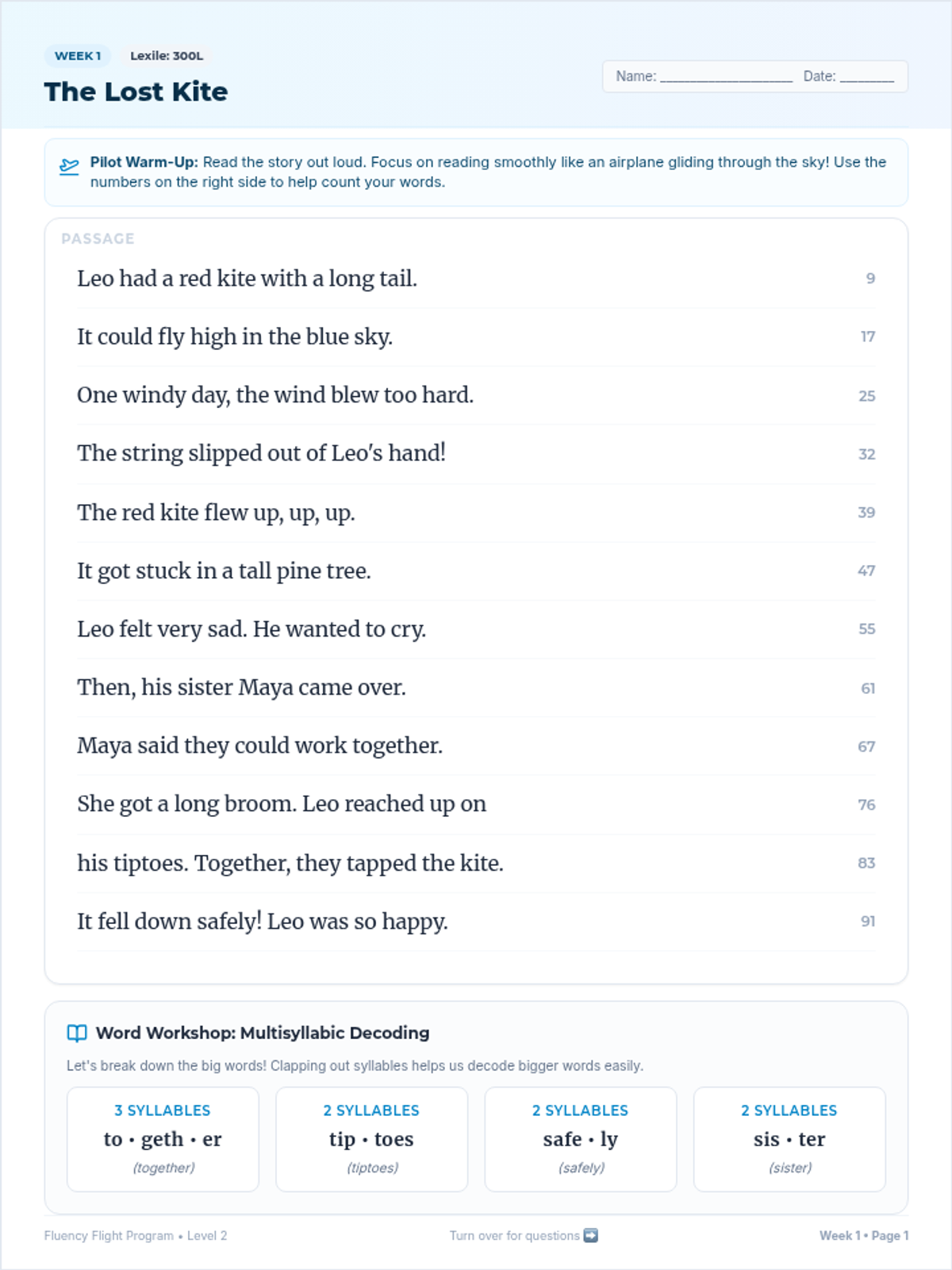
Weeks 1-3 focus on foundational second-grade fluency, transitioning from Lexile 300 to 350. Includes stories on courage, helpful bees, and team work.
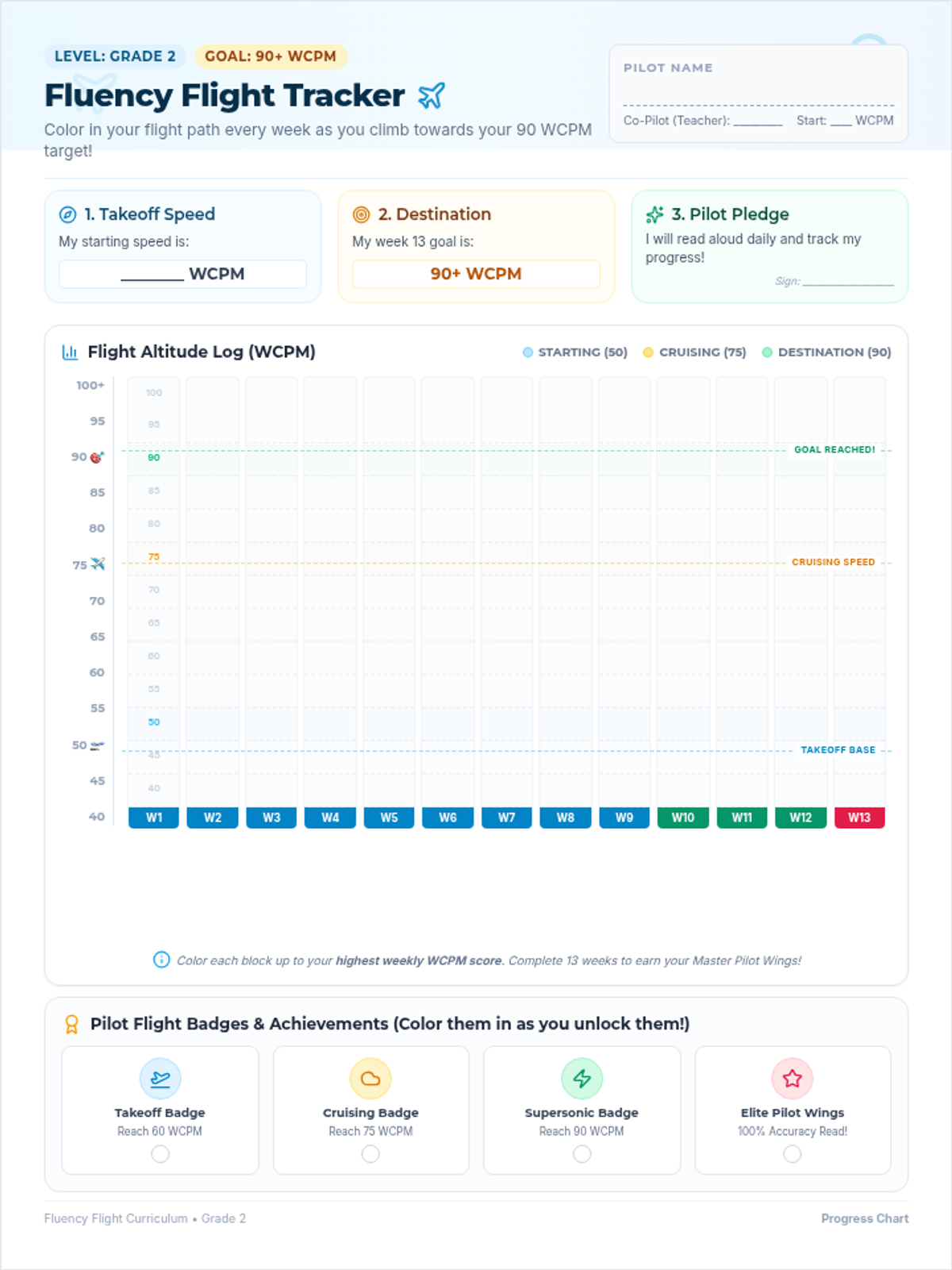
The introductory phase of the Fluency Flight program, featuring the master progress tracking graph and goal-setting activities.
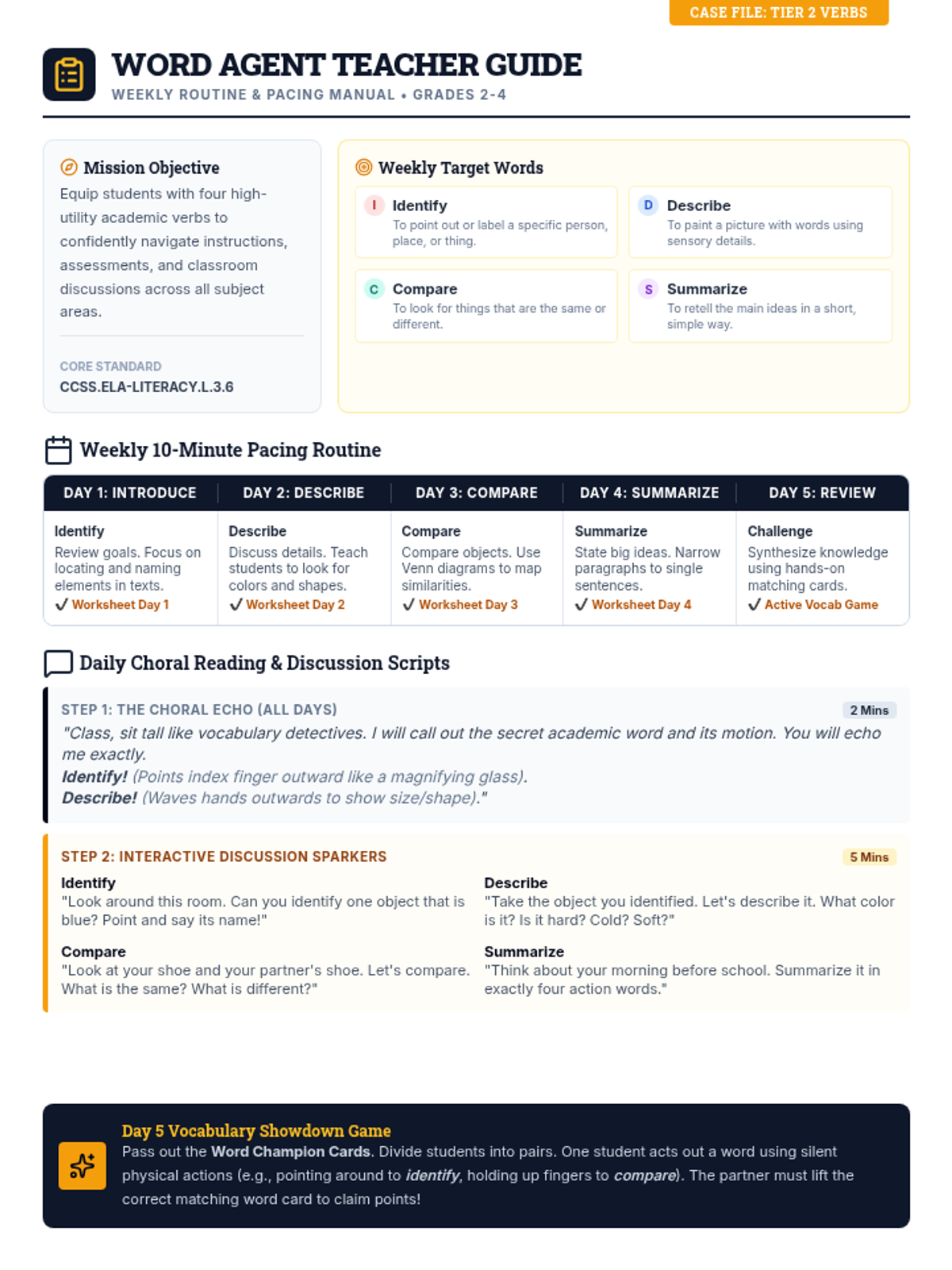
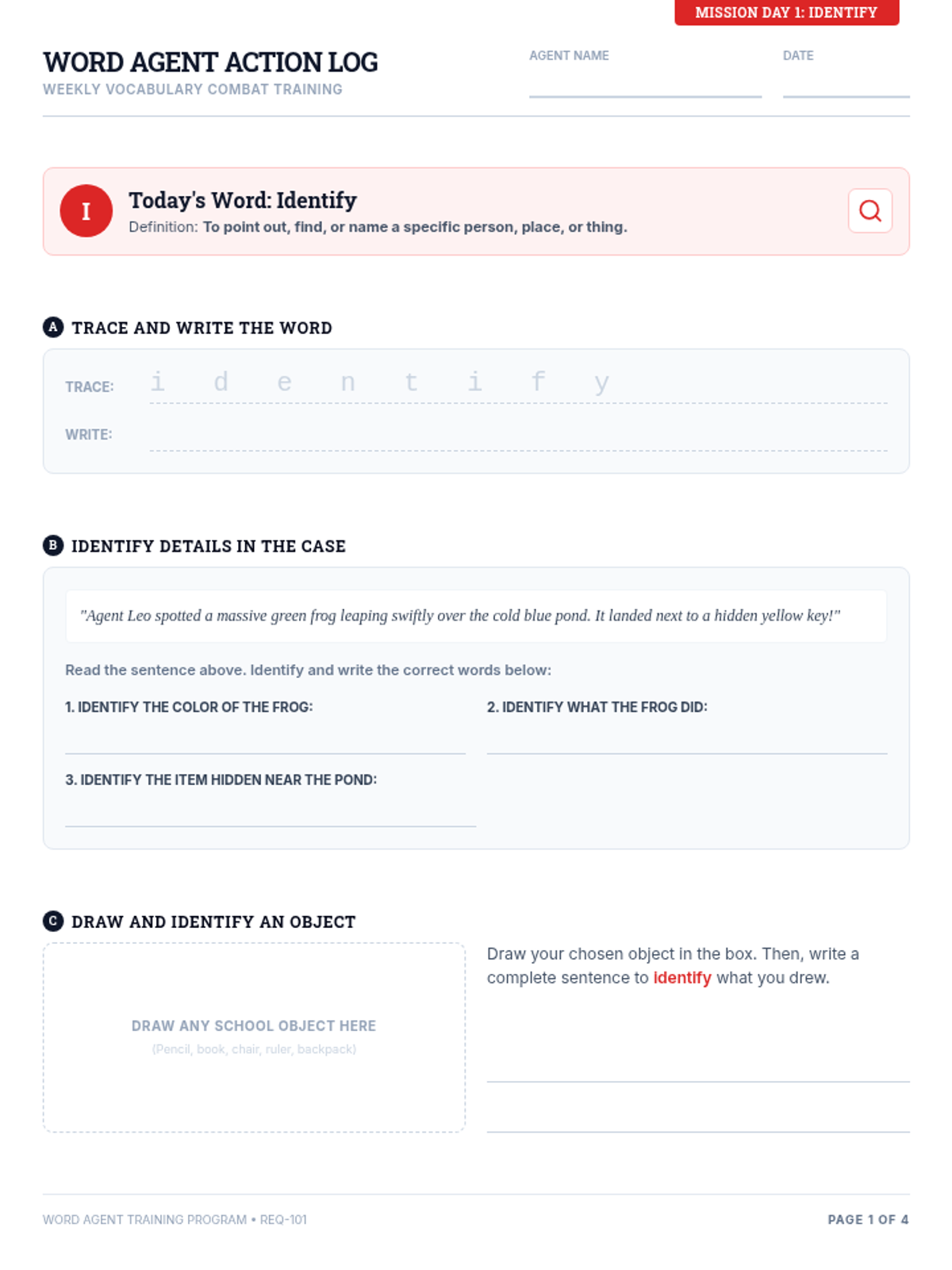
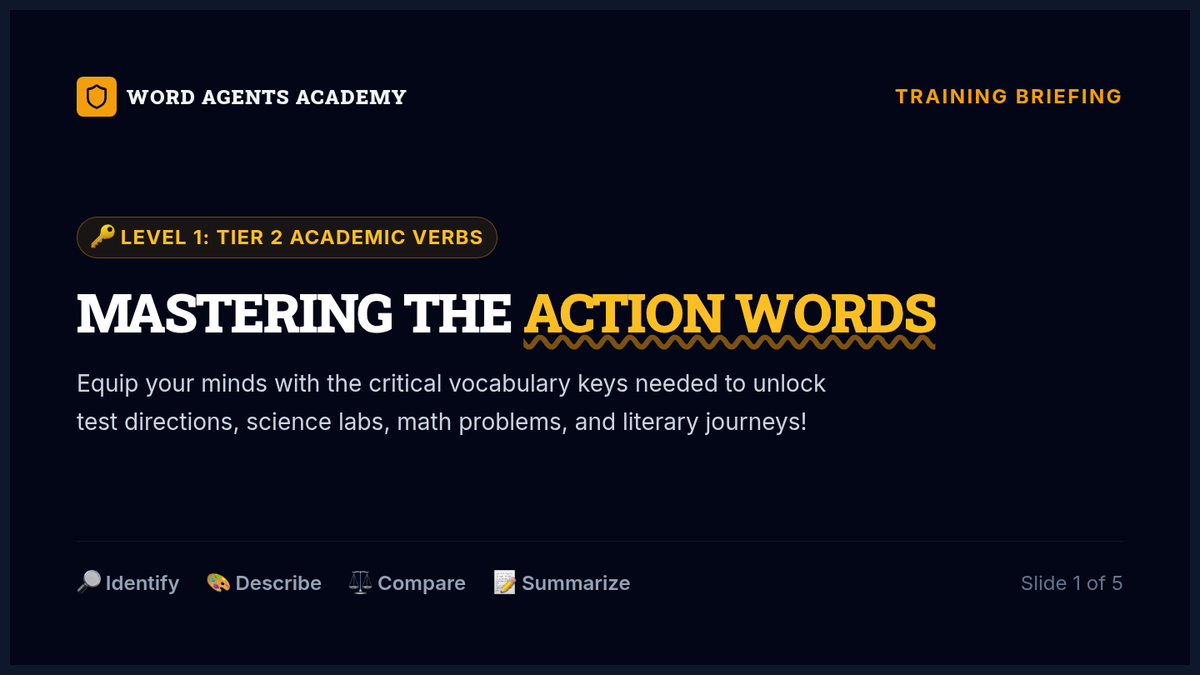
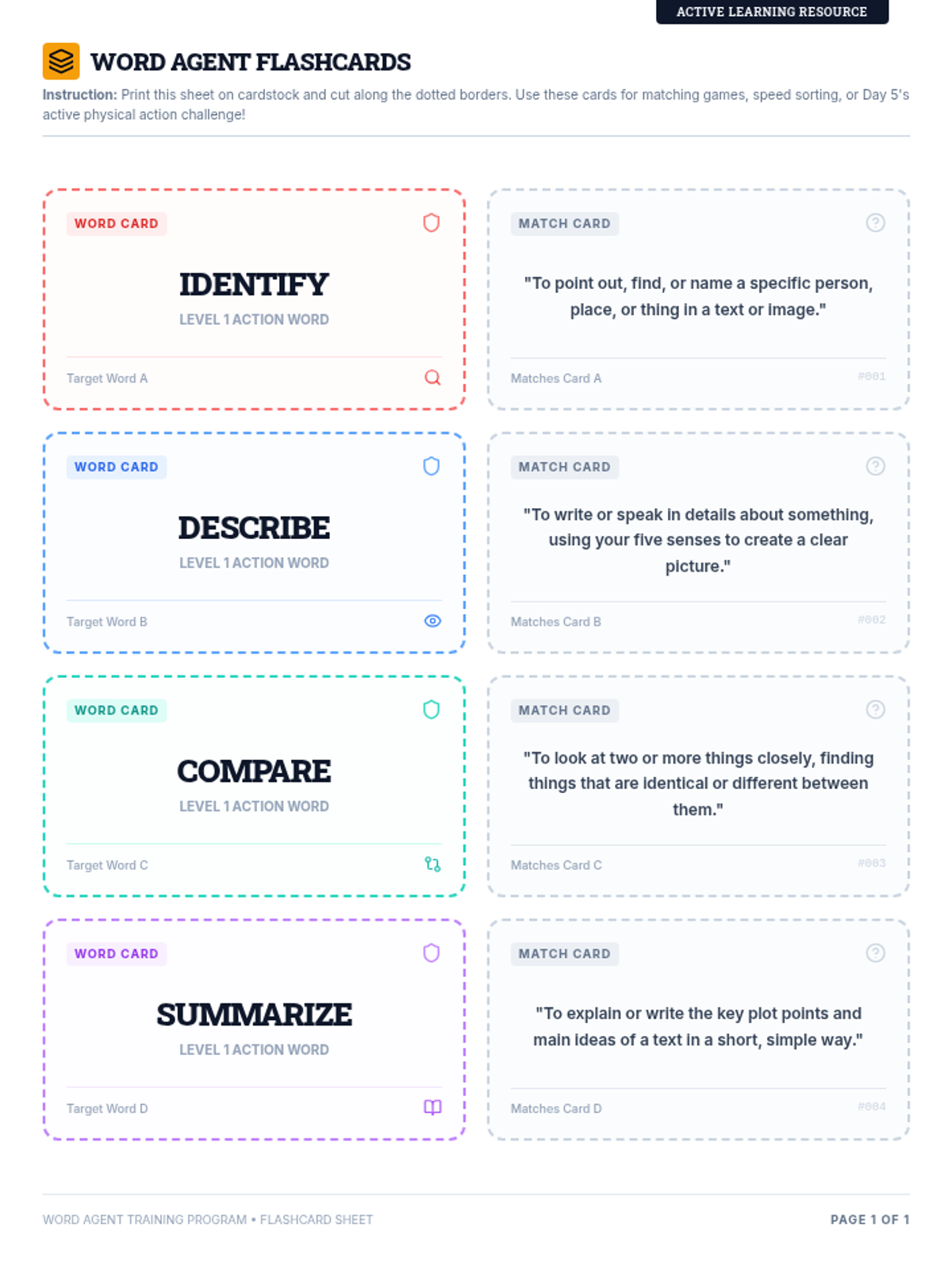
A complete weekly vocabulary unit focusing on four critical Tier 2 academic verbs: Identify, Describe, Compare, and Summarize. This lesson includes an instructional slide deck, printable daily worksheets, hands-on vocabulary cards, and a teacher facilitation guide.
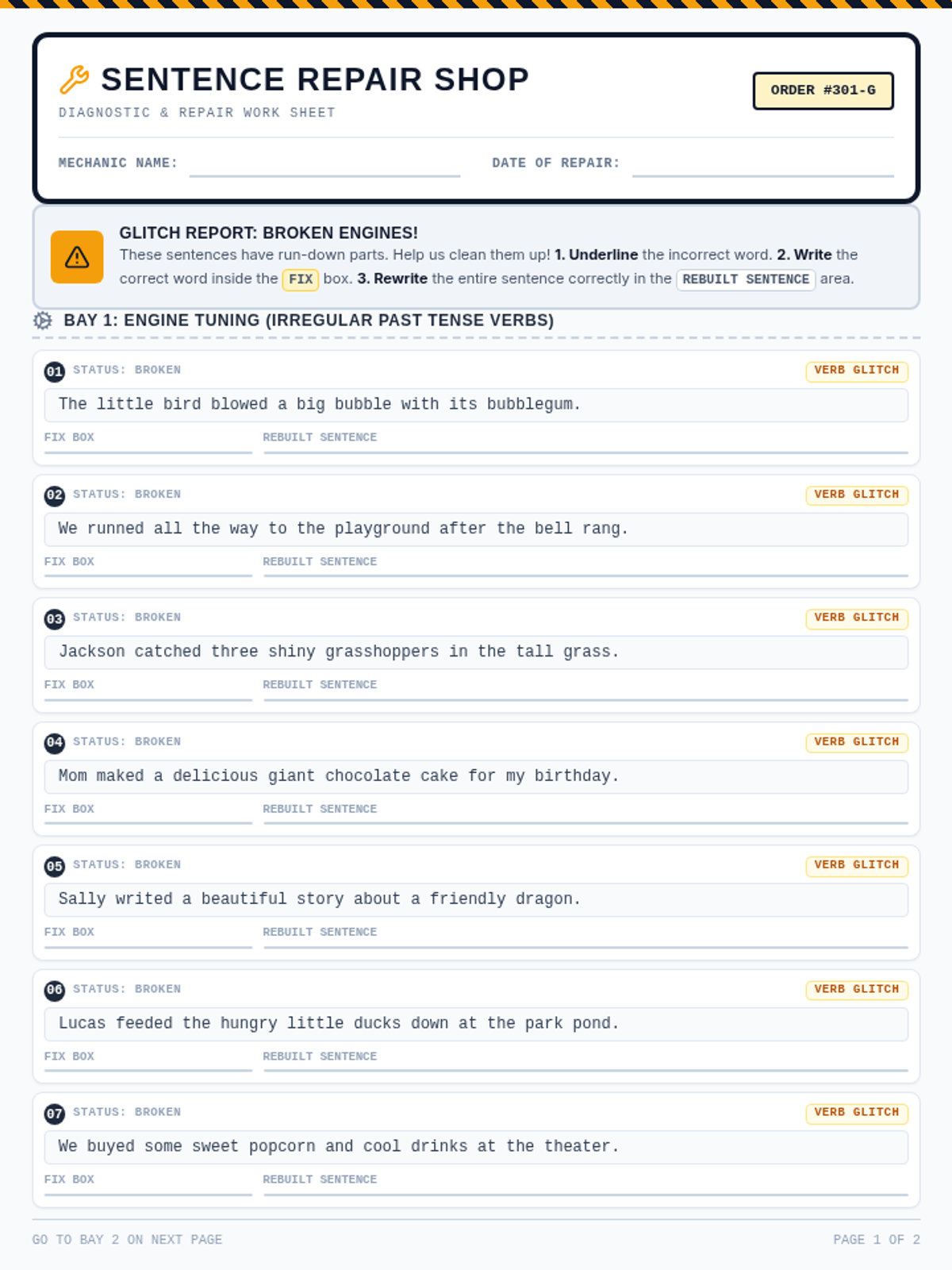
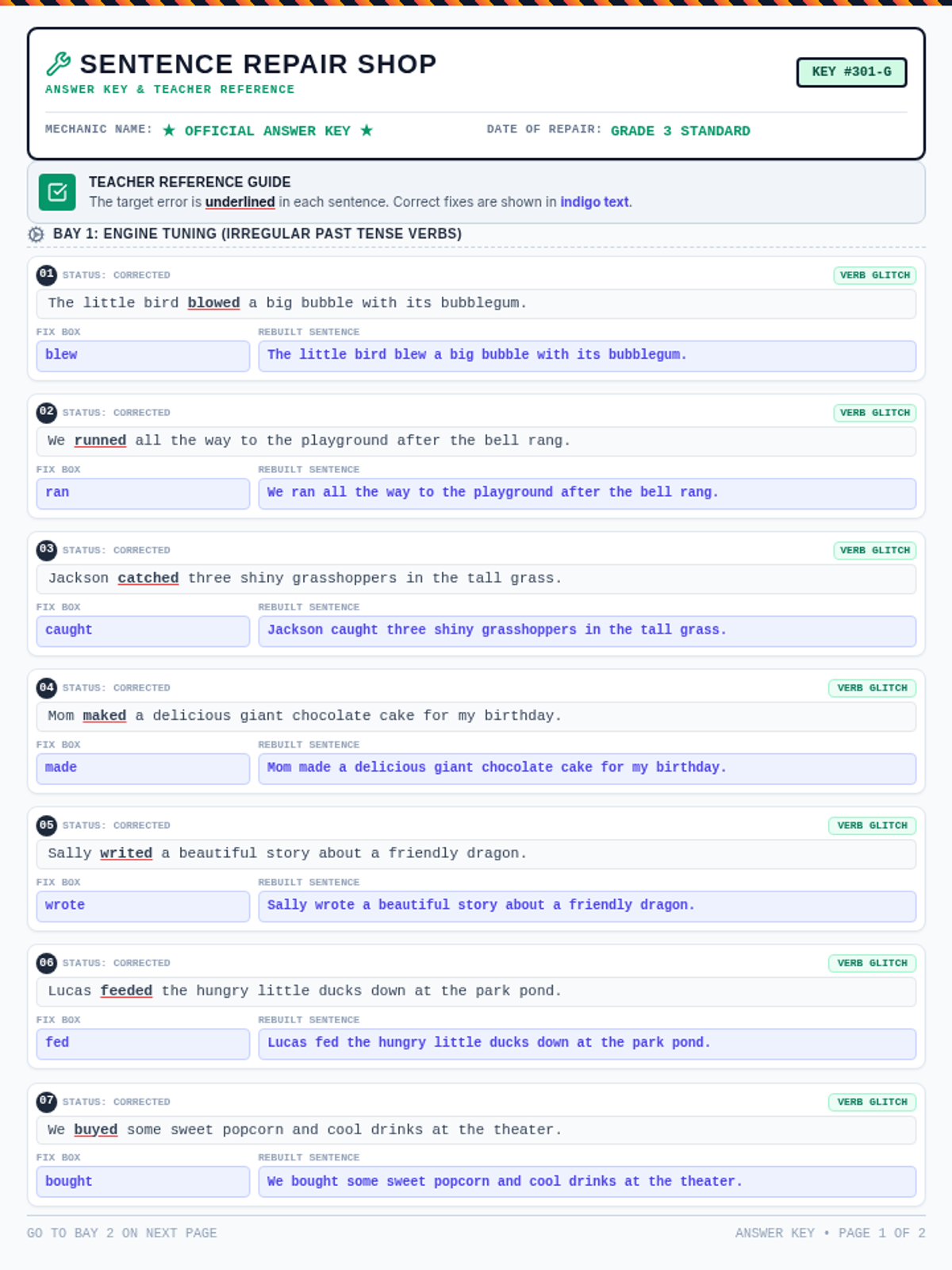
A lesson focused on identifying and correcting irregular past tense verbs and irregular plural nouns. Students act as 'sentence mechanics' to diagnose and repair grammatical glitches in 15 common-error sentences.
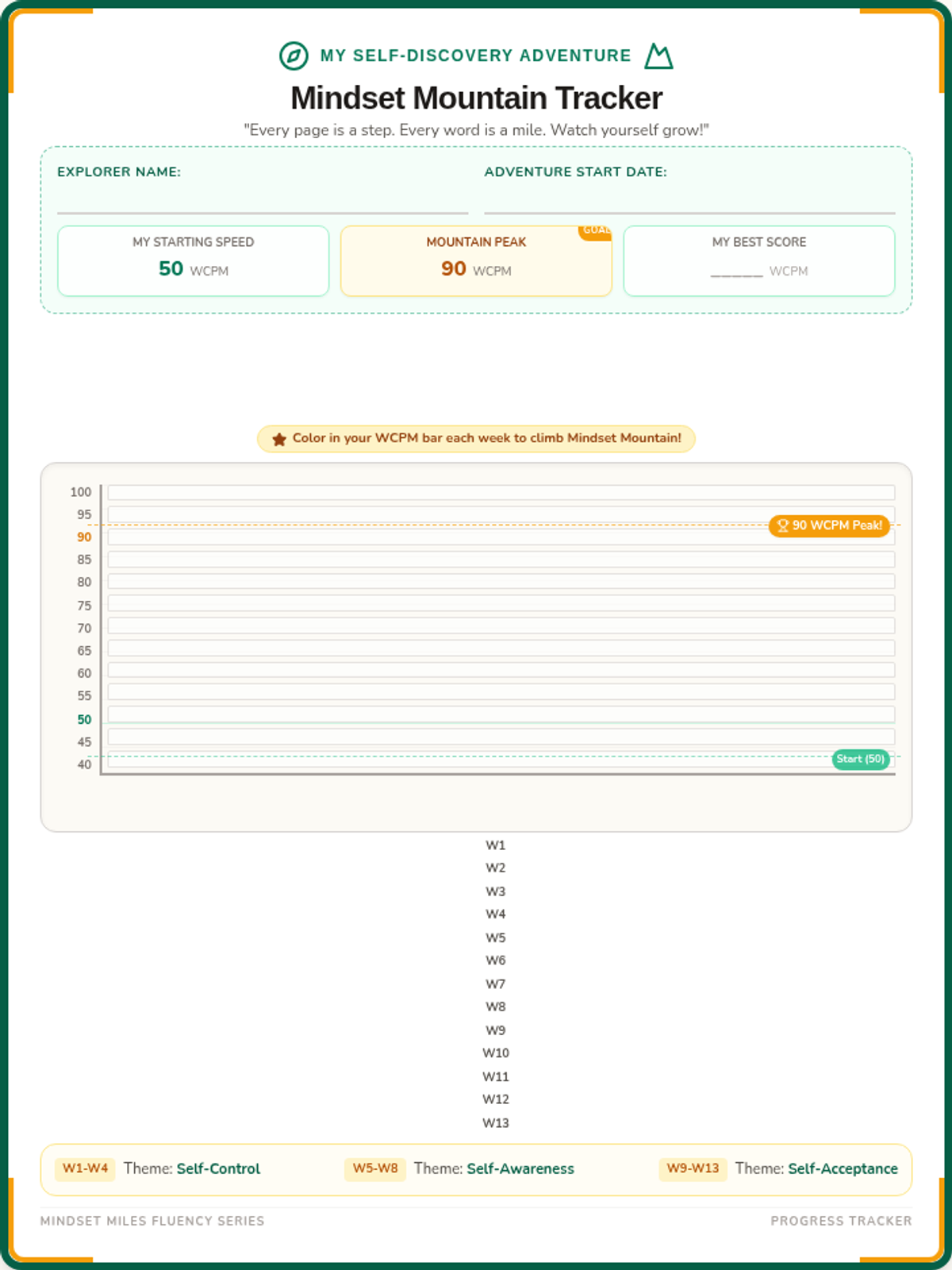
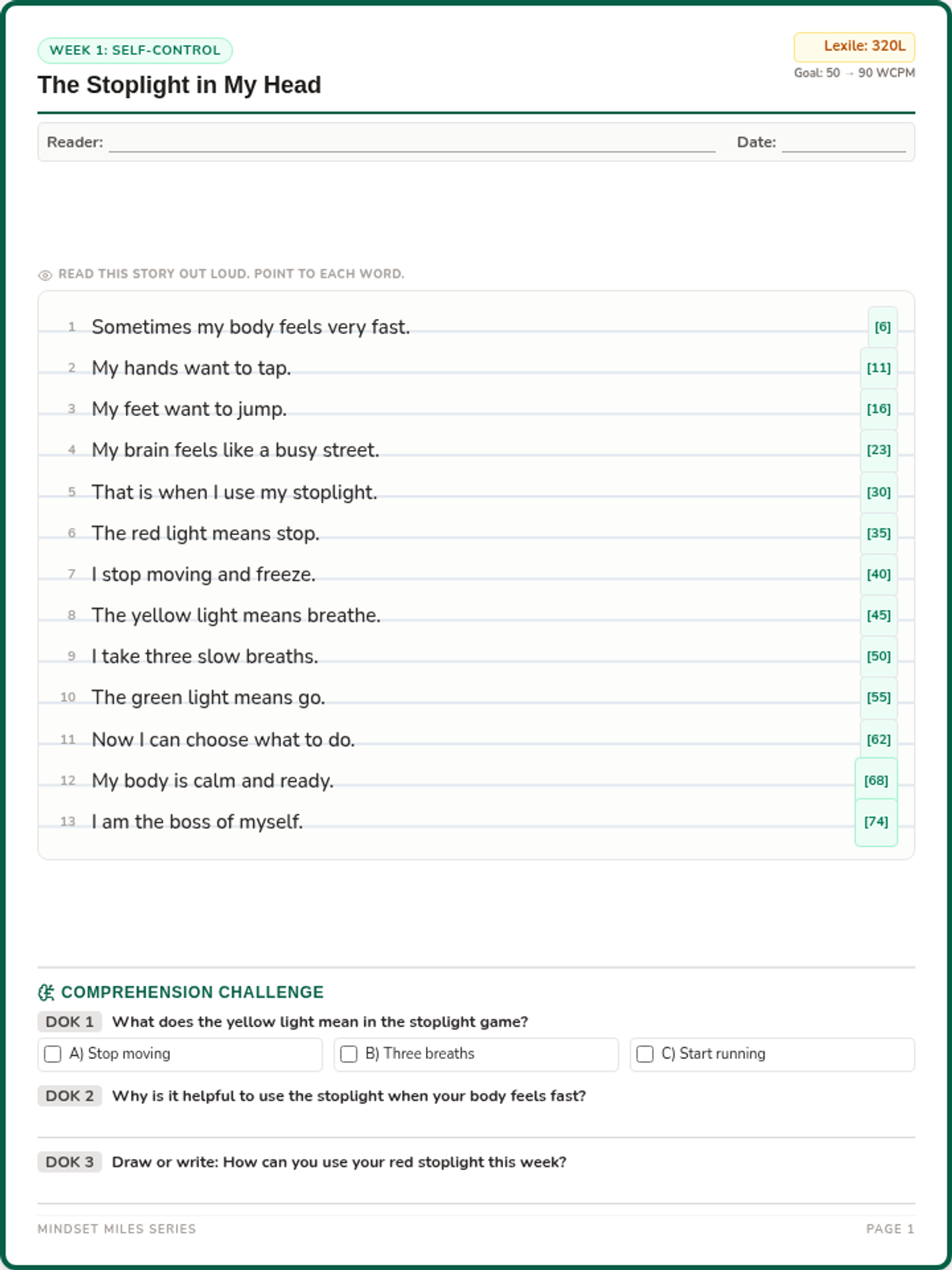
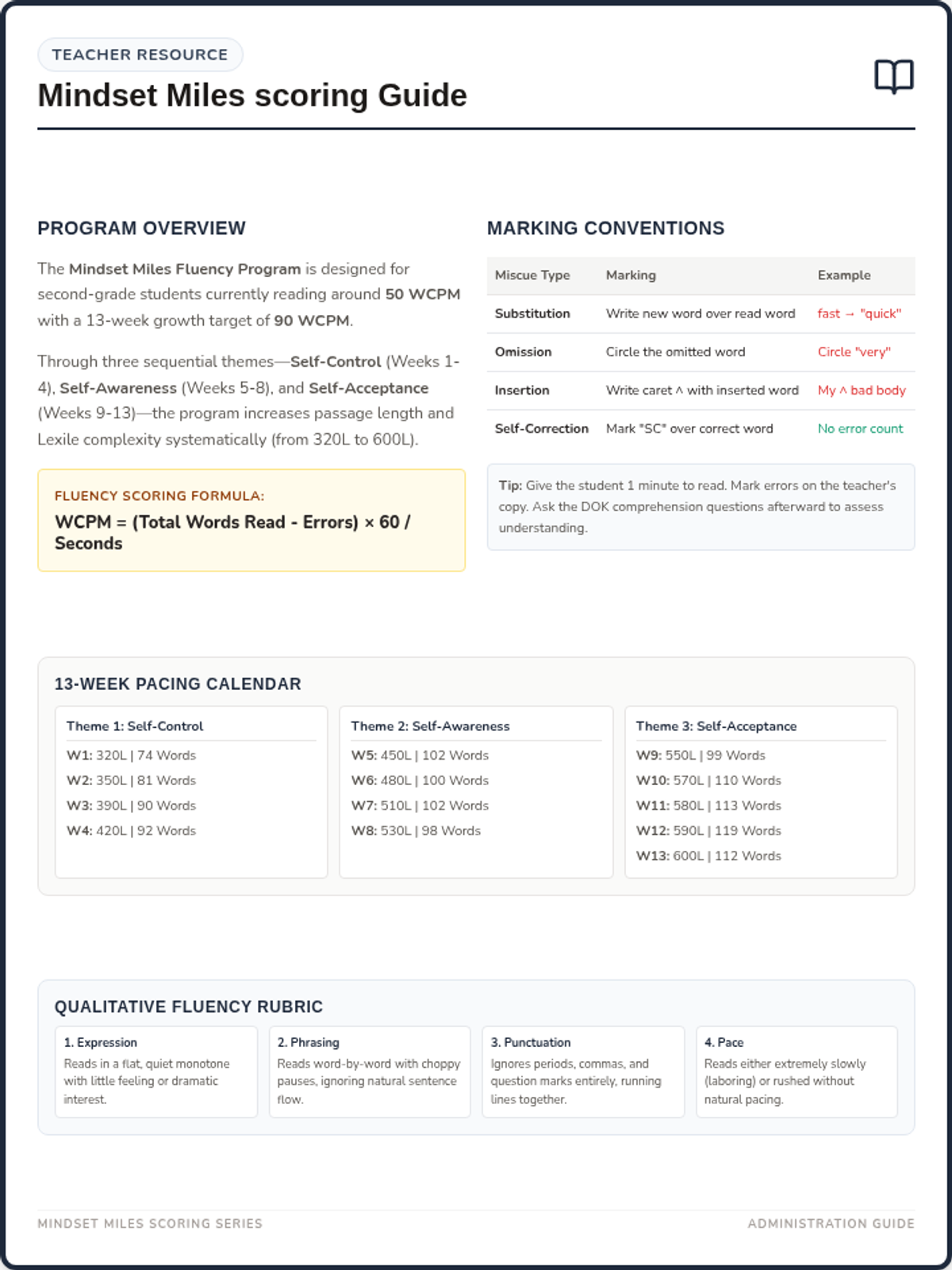
A comprehensive 13-week reading fluency and social-emotional learning program for second-grade readers. Features 13 themed passages focusing on self-control, self-awareness, and self-acceptance, paired with DOK 1-3 questions and a visual growth tracker.
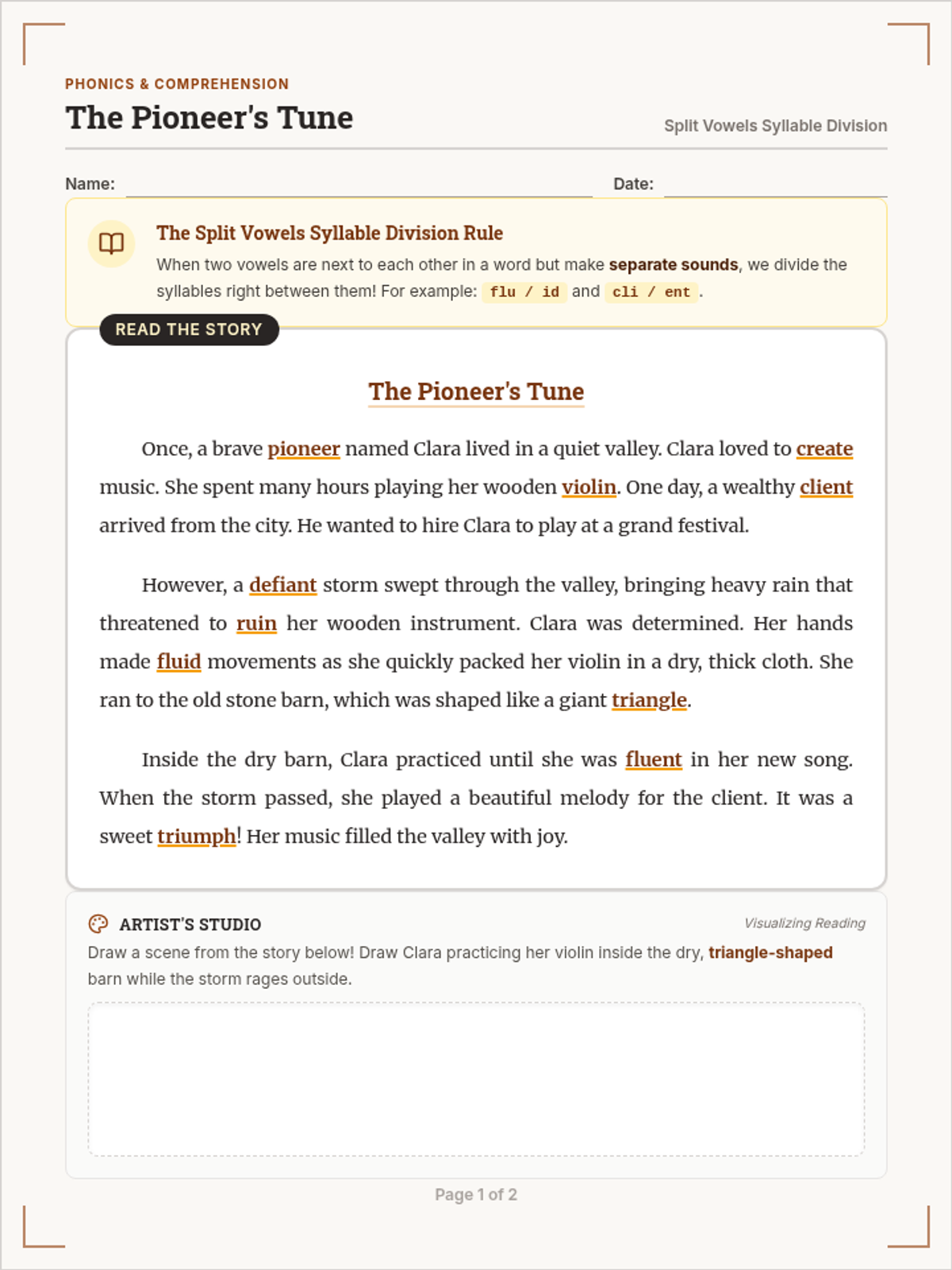
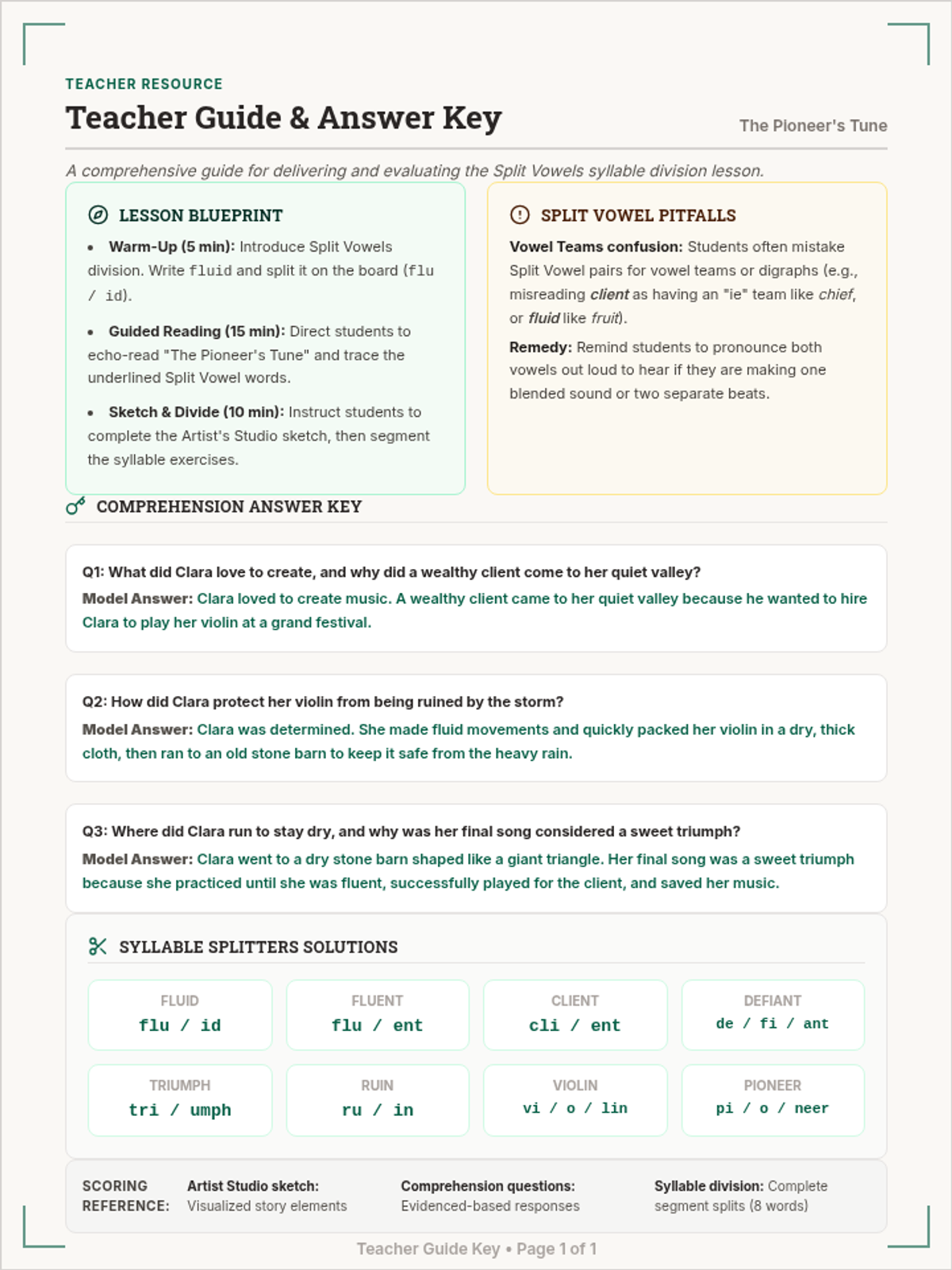
A lesson focused on dividing two-syllable words with adjacent vowels making separate sounds (V/V patterns), featuring a decodable reading passage and comprehension exercises.
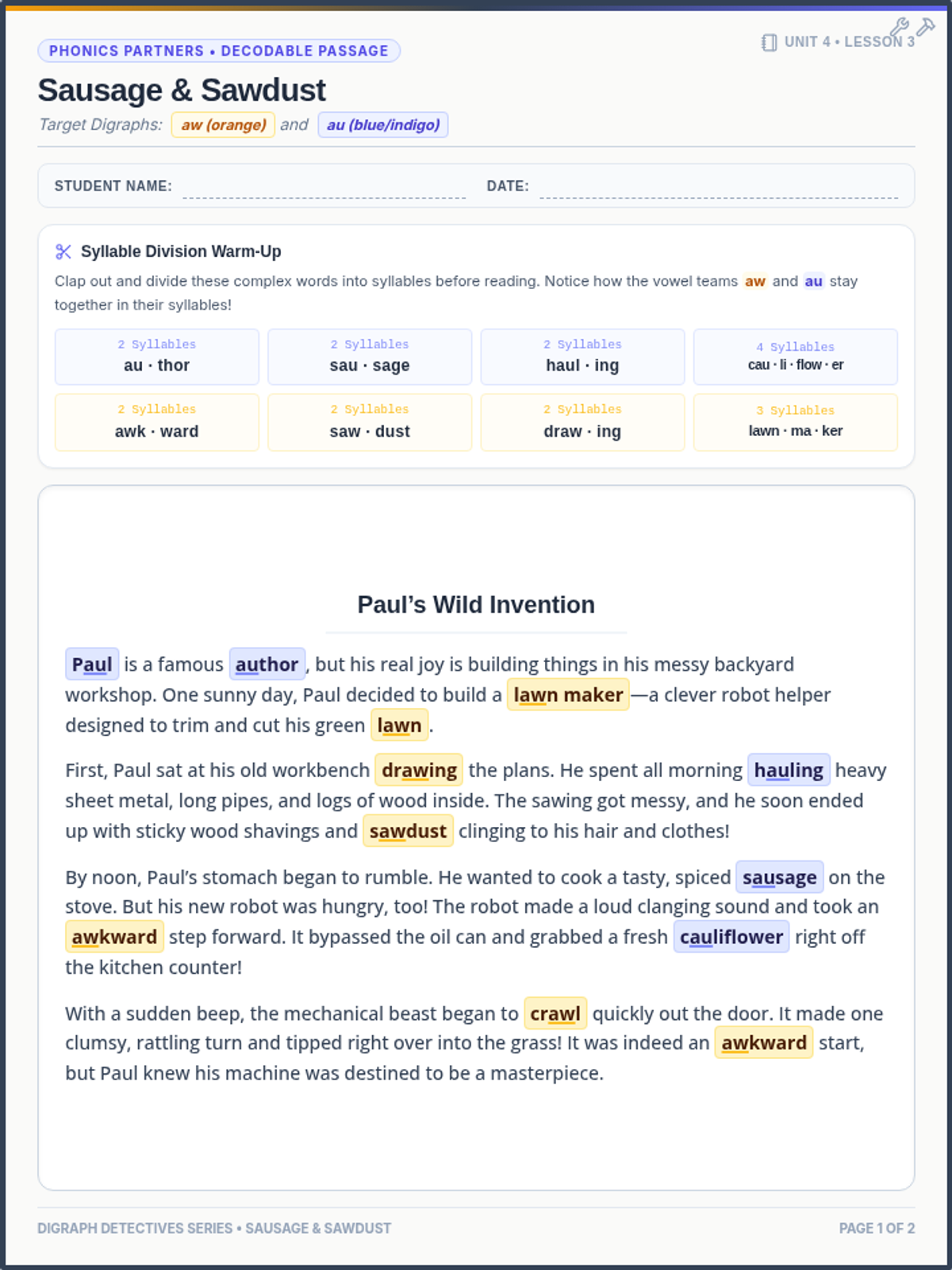
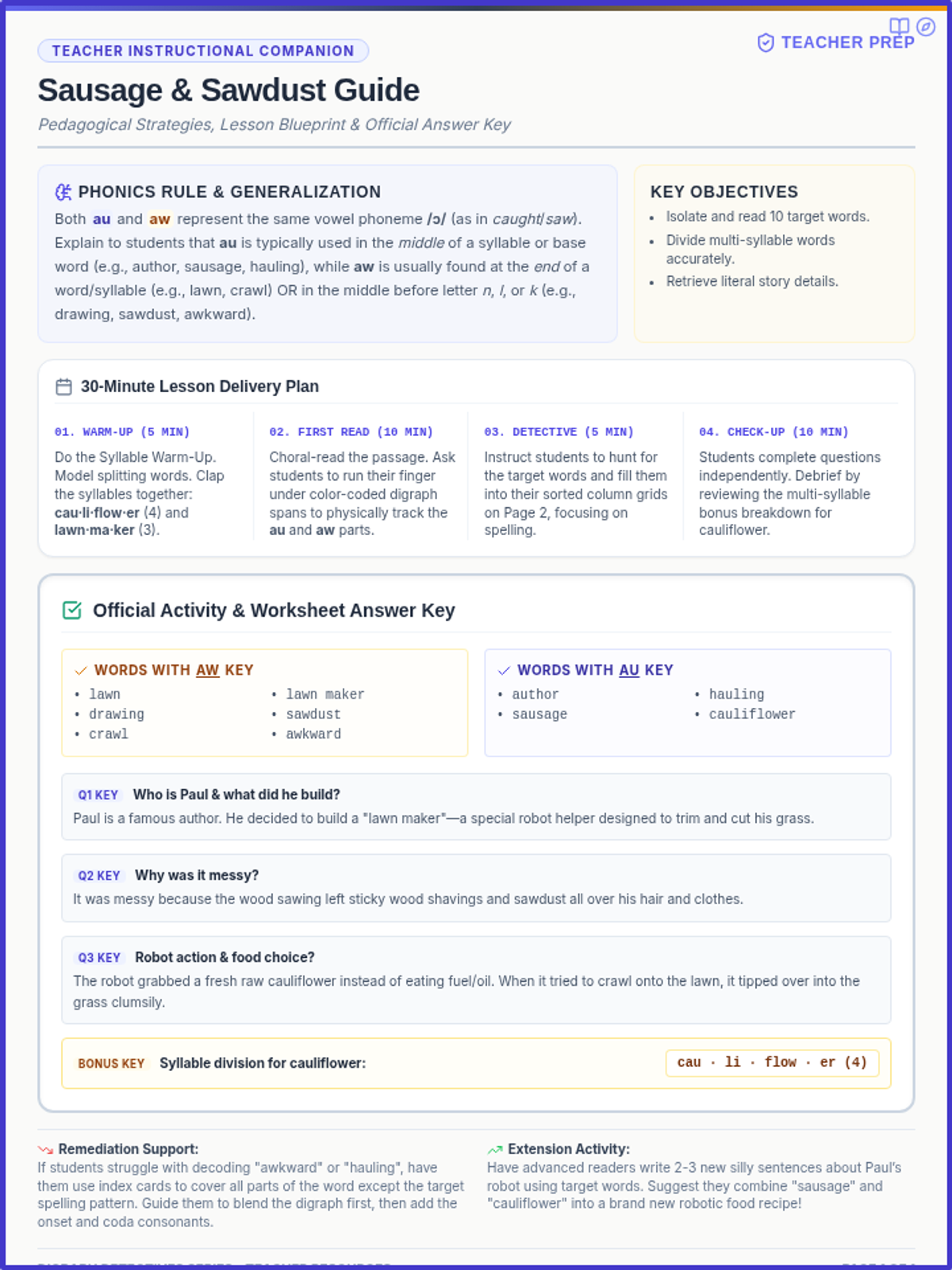
A decodable phonics lesson focused on the 'aw' and 'au' digraphs. Students read a custom passage about a creative inventor, practice syllable division for multi-syllable words, and complete comprehension checks.
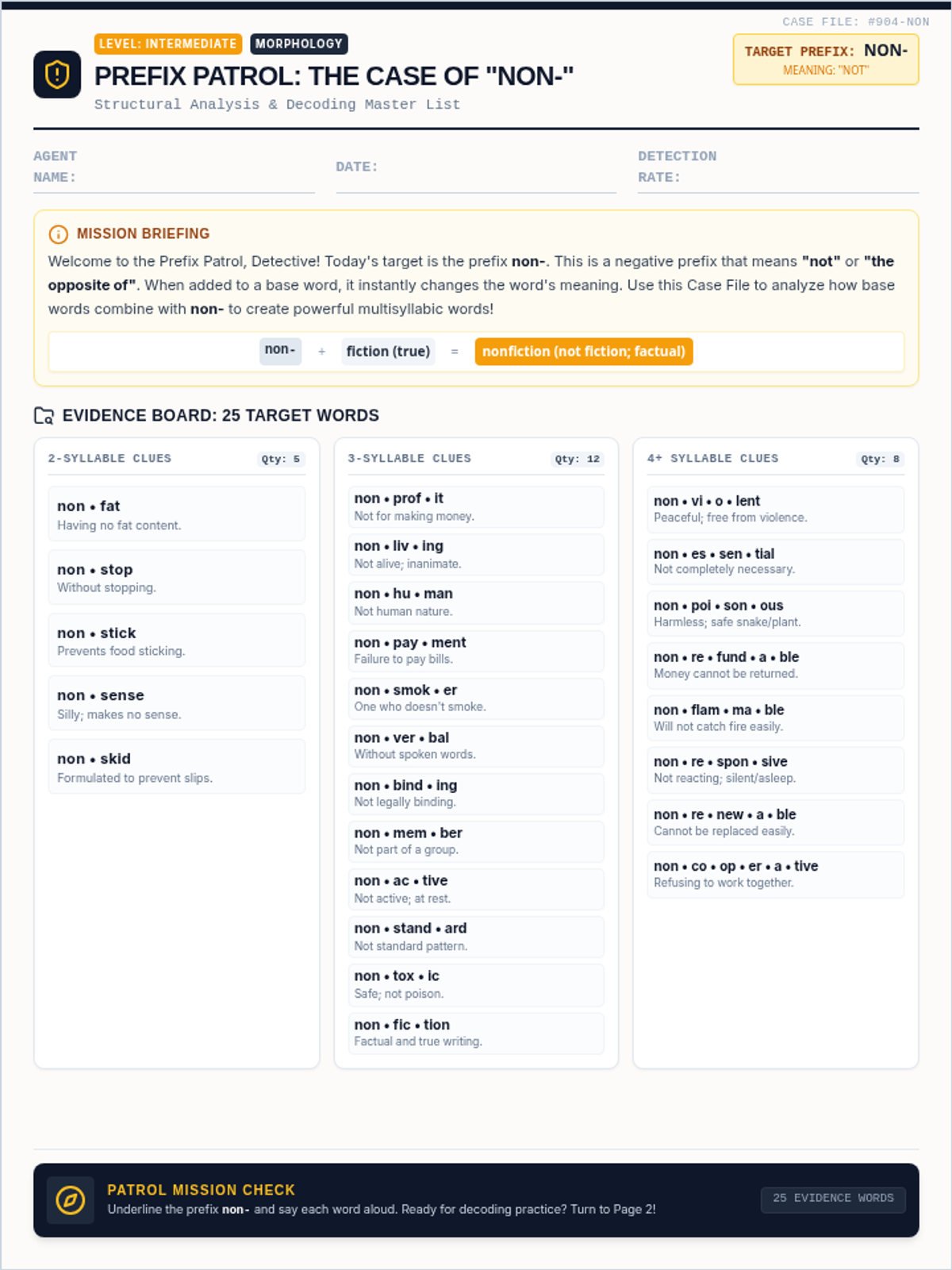
An intermediate phonics and structural analysis lesson exploring the prefix 'non-' through morphological breakdown, sentence decoding, and fill-in-the-blank practice.
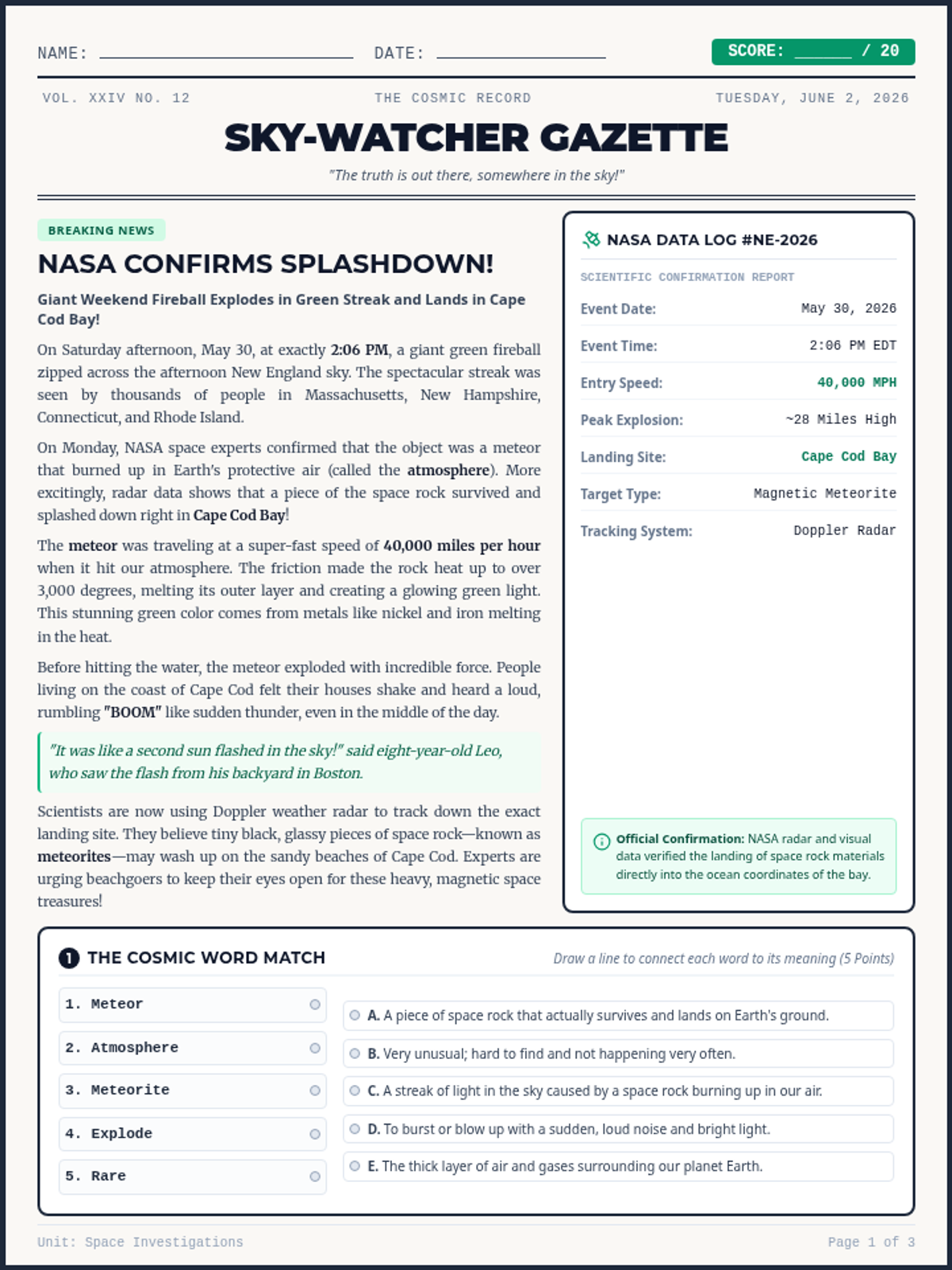
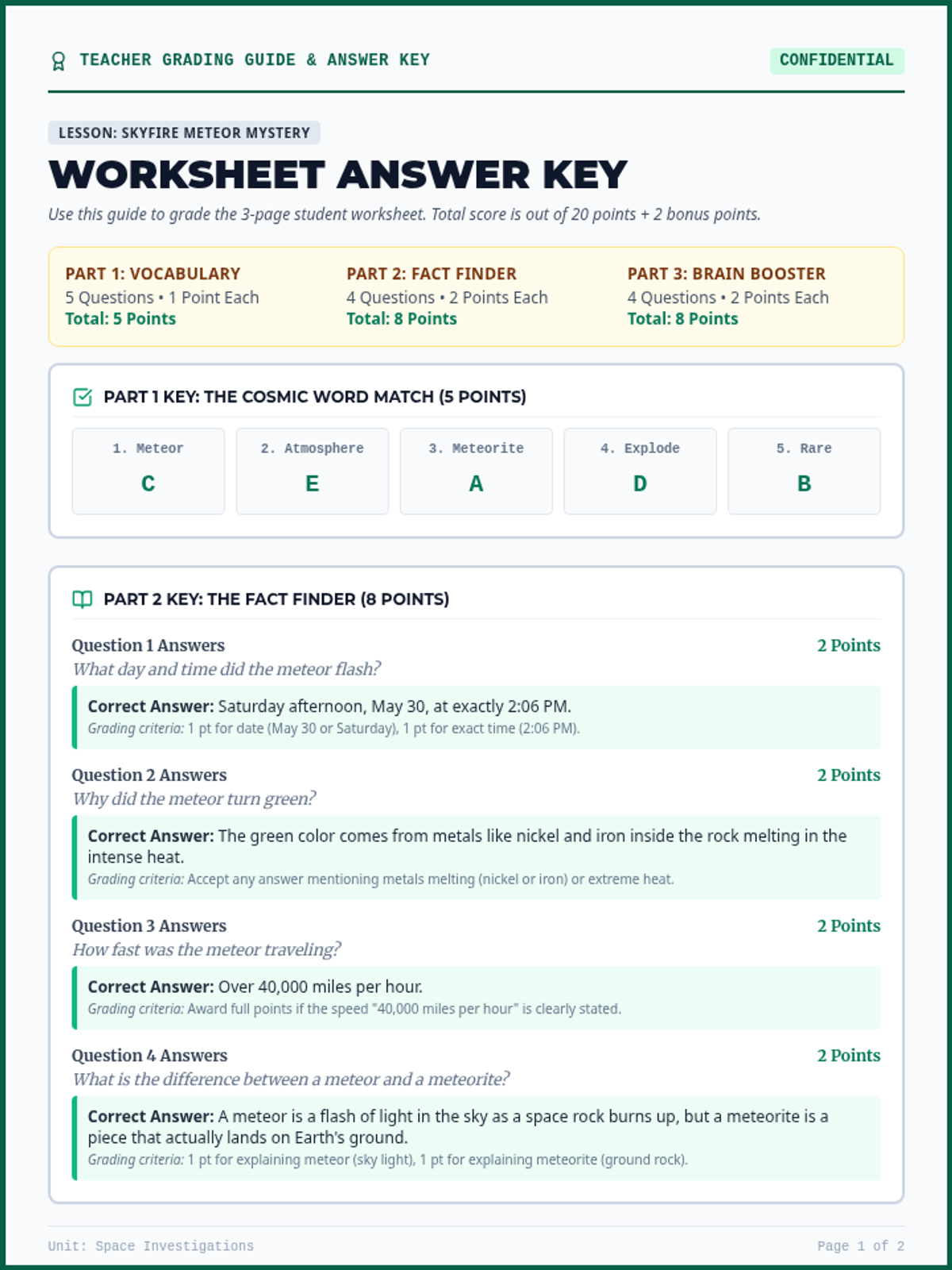
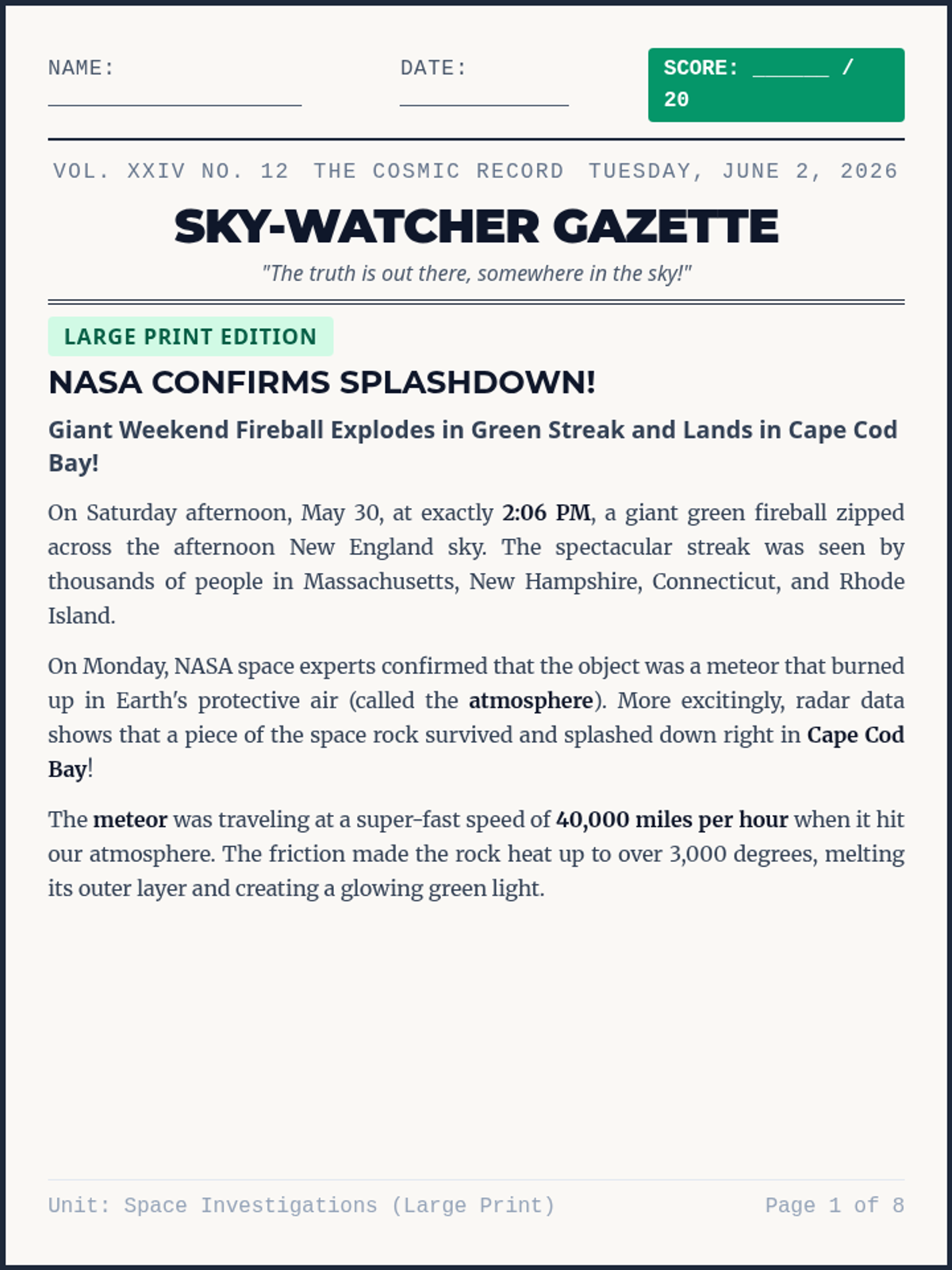
A reading comprehension lesson for 2nd and 3rd-grade students based on the spectacular meteor explosion over New England. Features engaging news-style reading, vocabulary challenges, comprehension questions, and a creative activity.
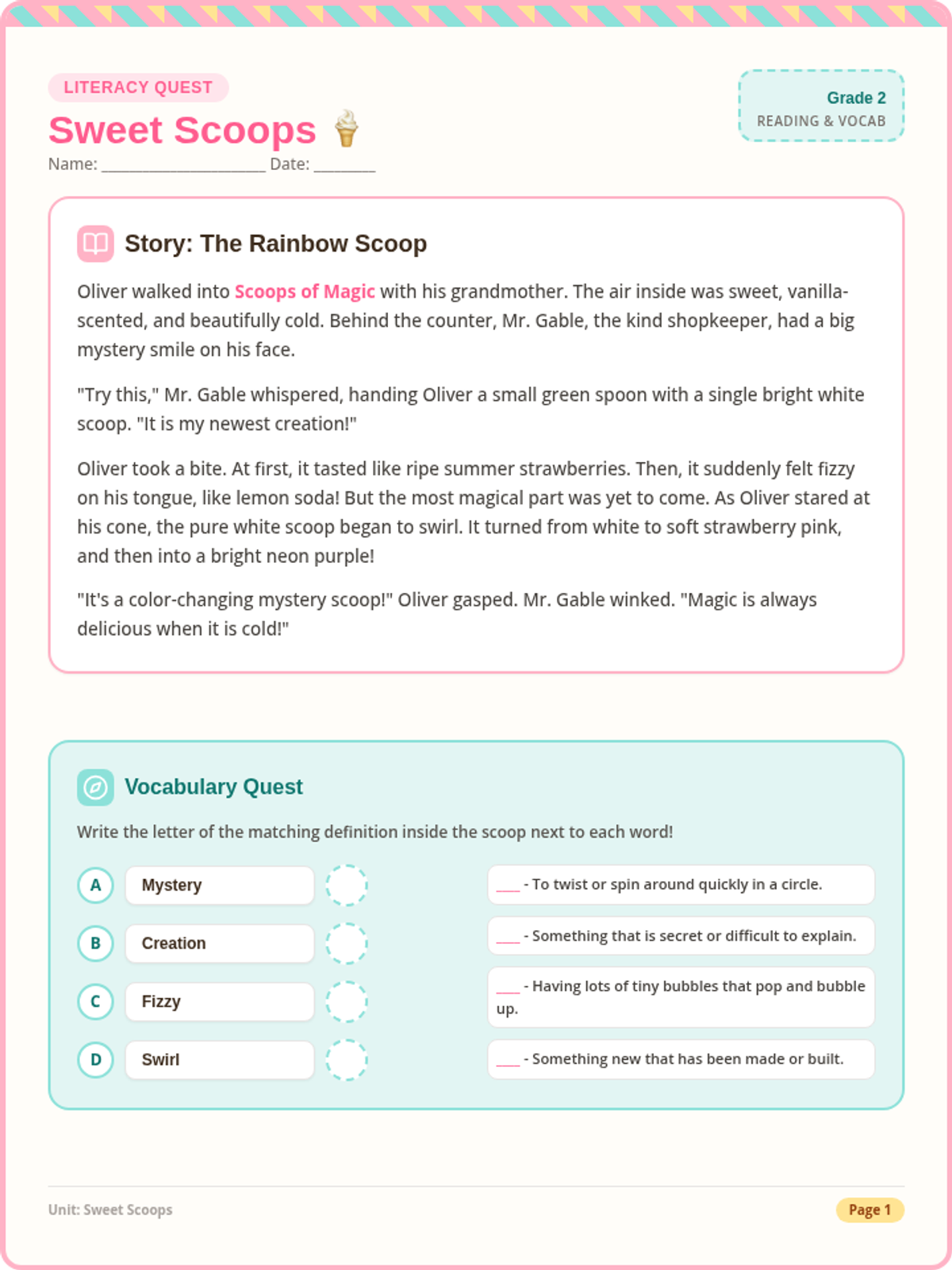
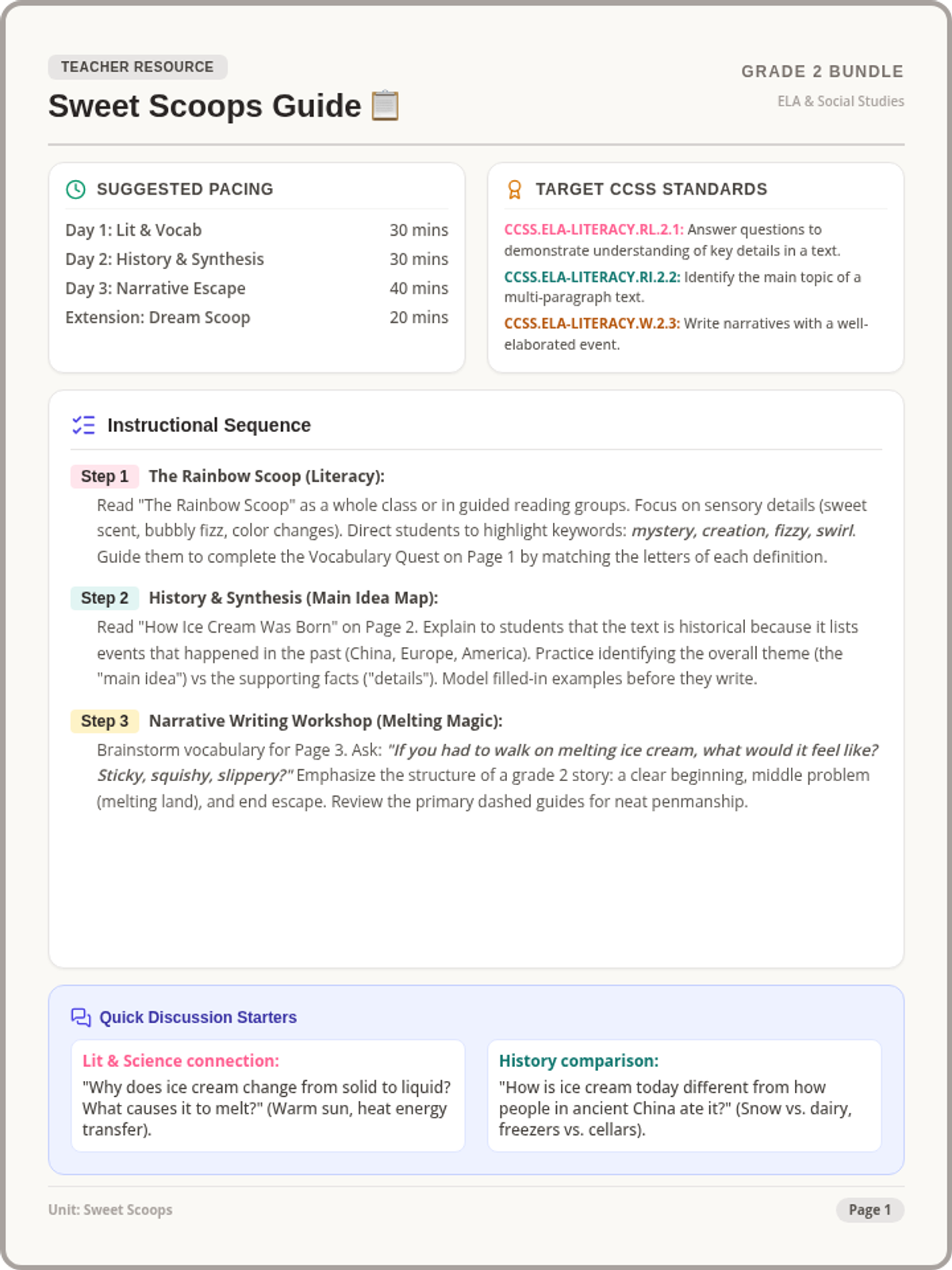
A sweet literacy and history bundle for second graders. Includes a student booklet with a reading passage, history reading, vocabulary exercises, creative narrative writing, and informational synthesis, alongside a comprehensive teacher guide with exemplars.
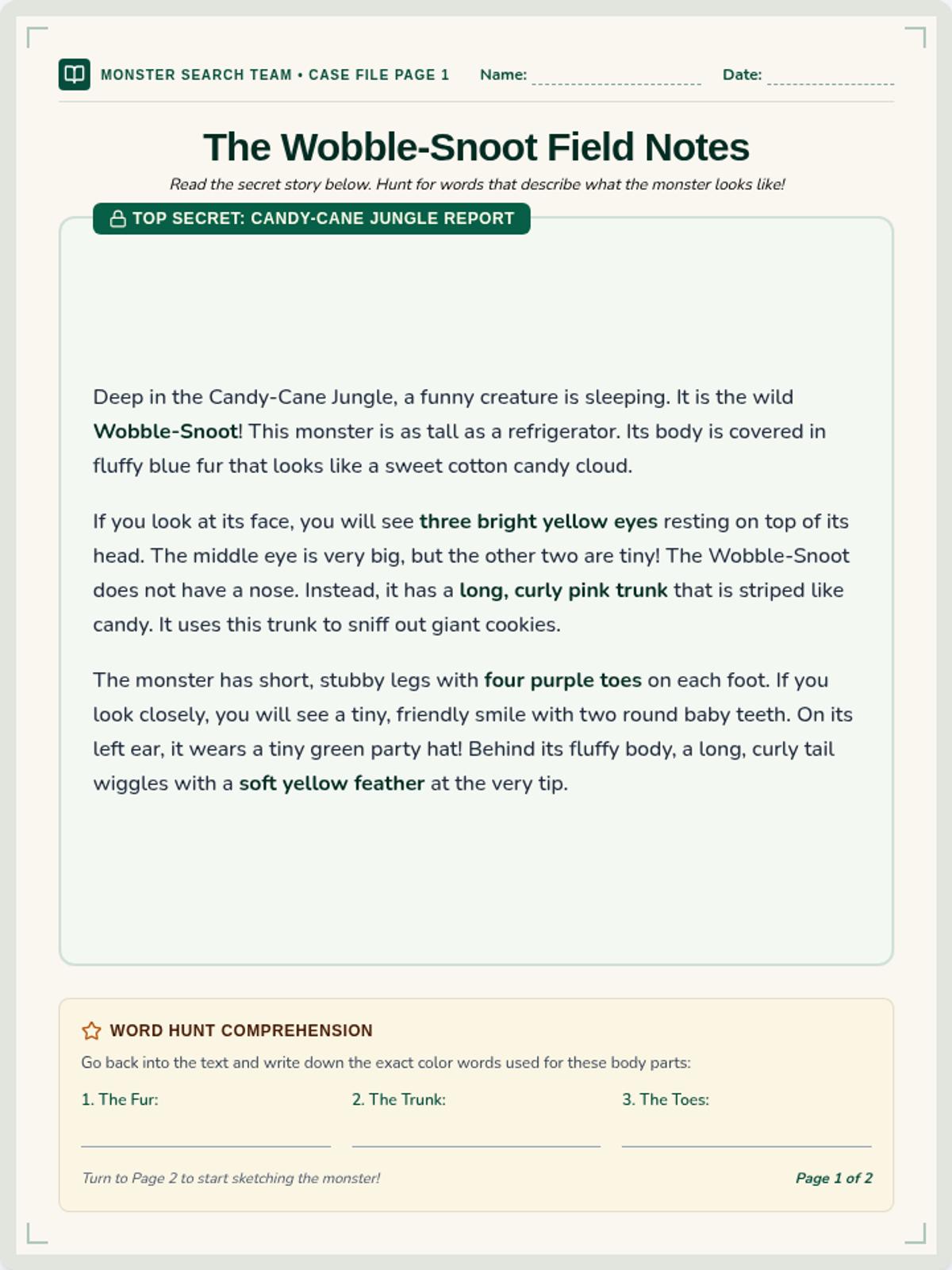
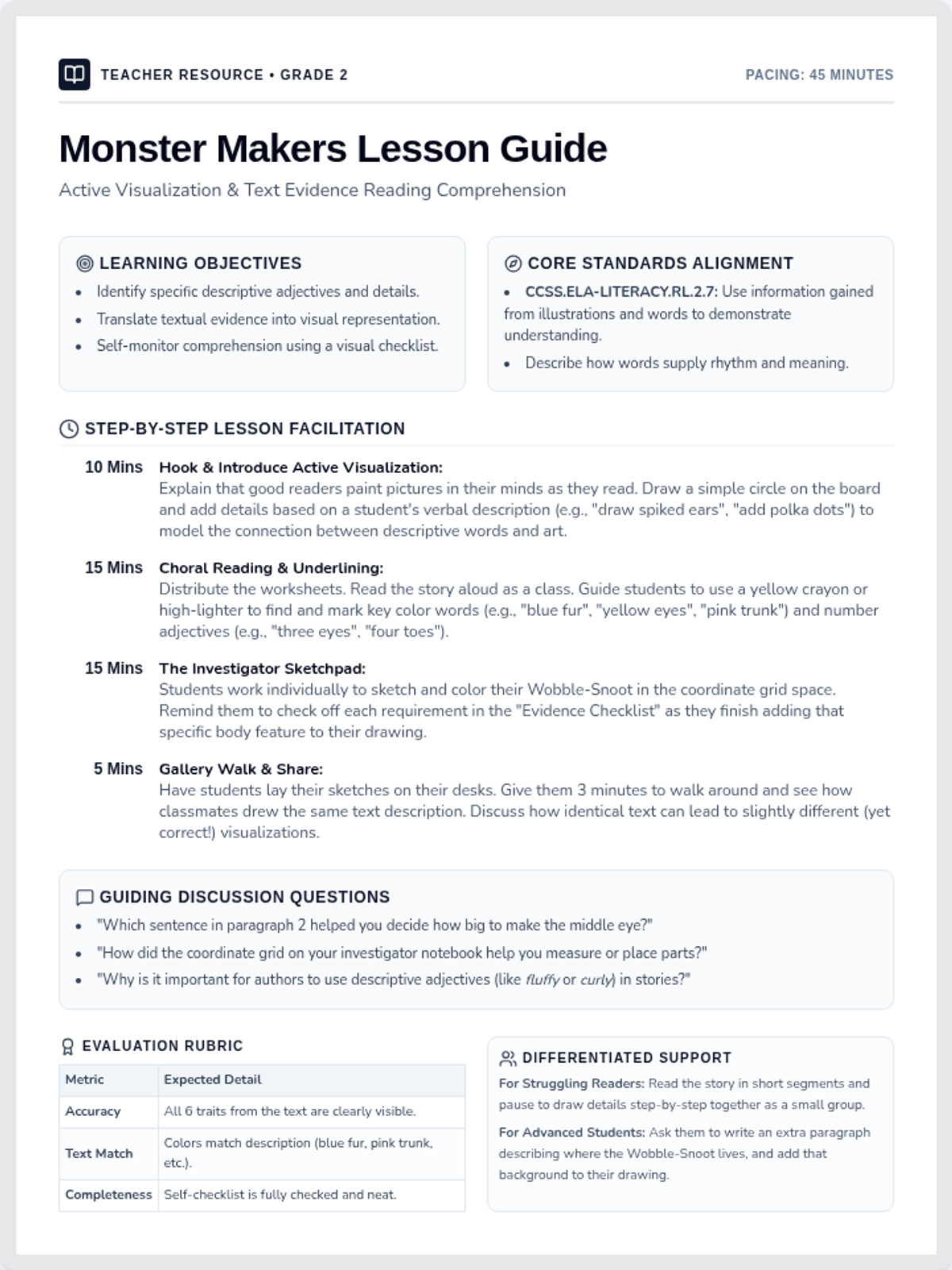
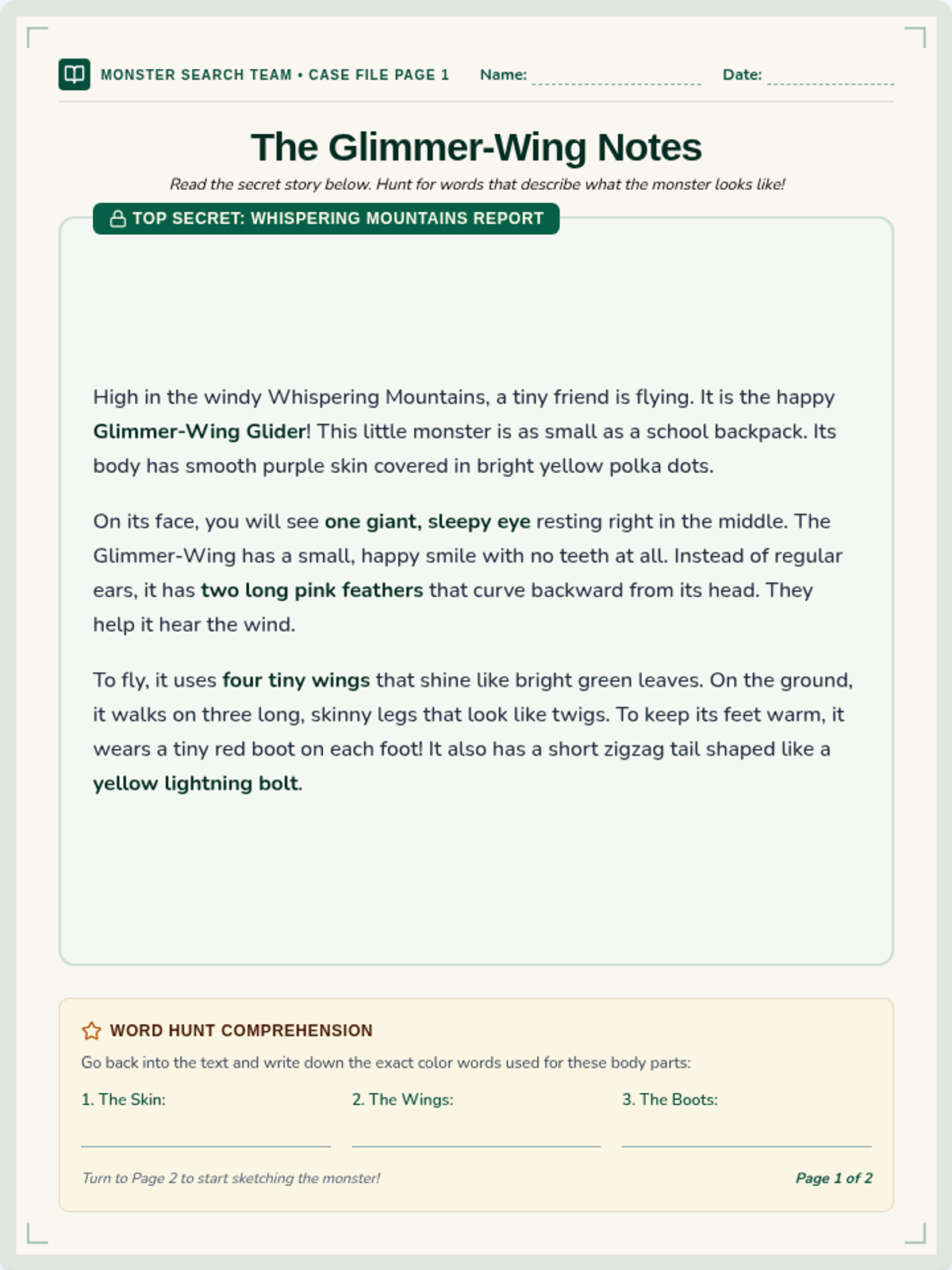
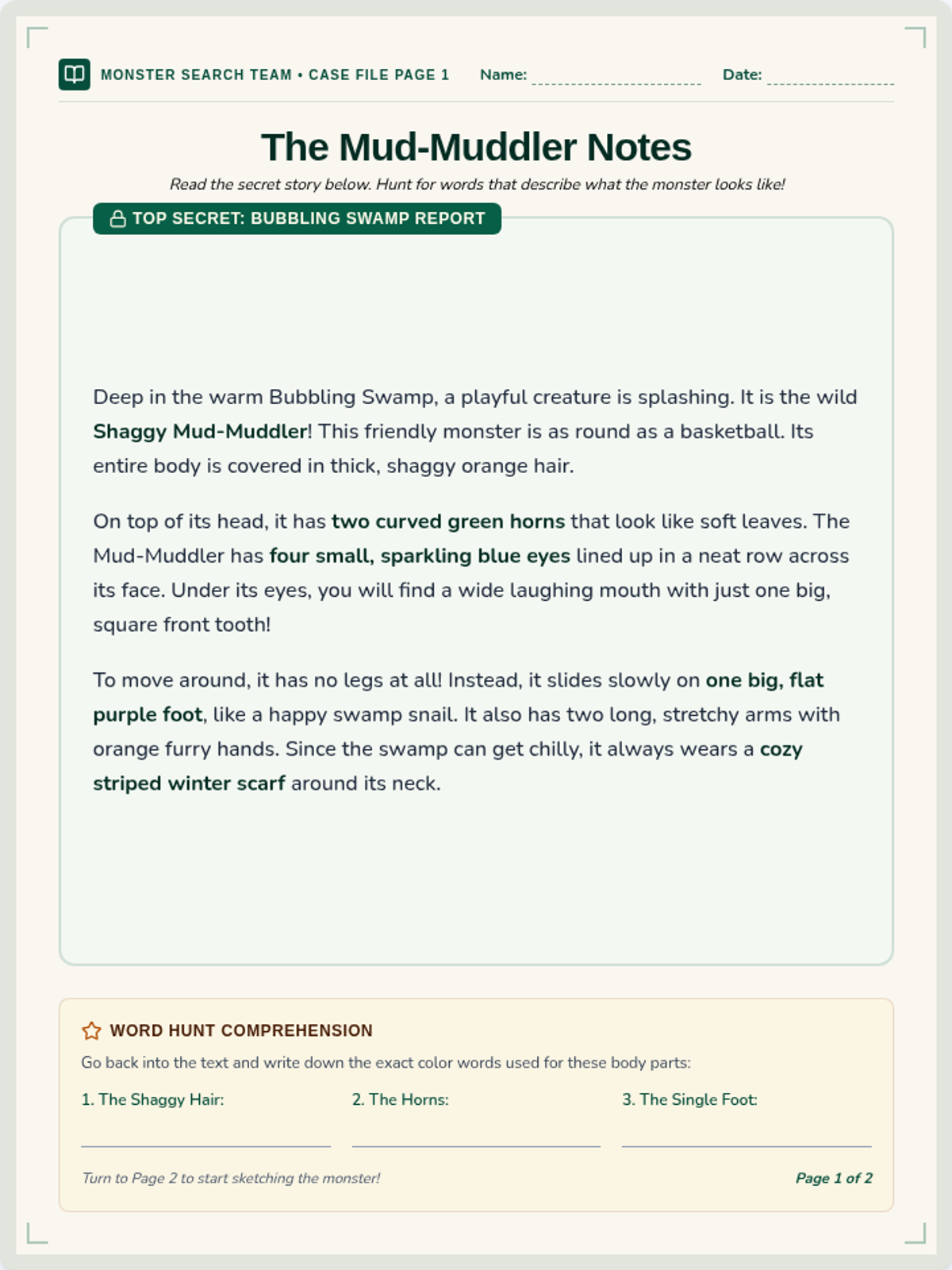
A creative reading comprehension and visualization lesson designed for elementary students. Students read highly descriptive character passages to build mental images, and then apply active reading skills to sketch the subject accurately based on specific text evidence.
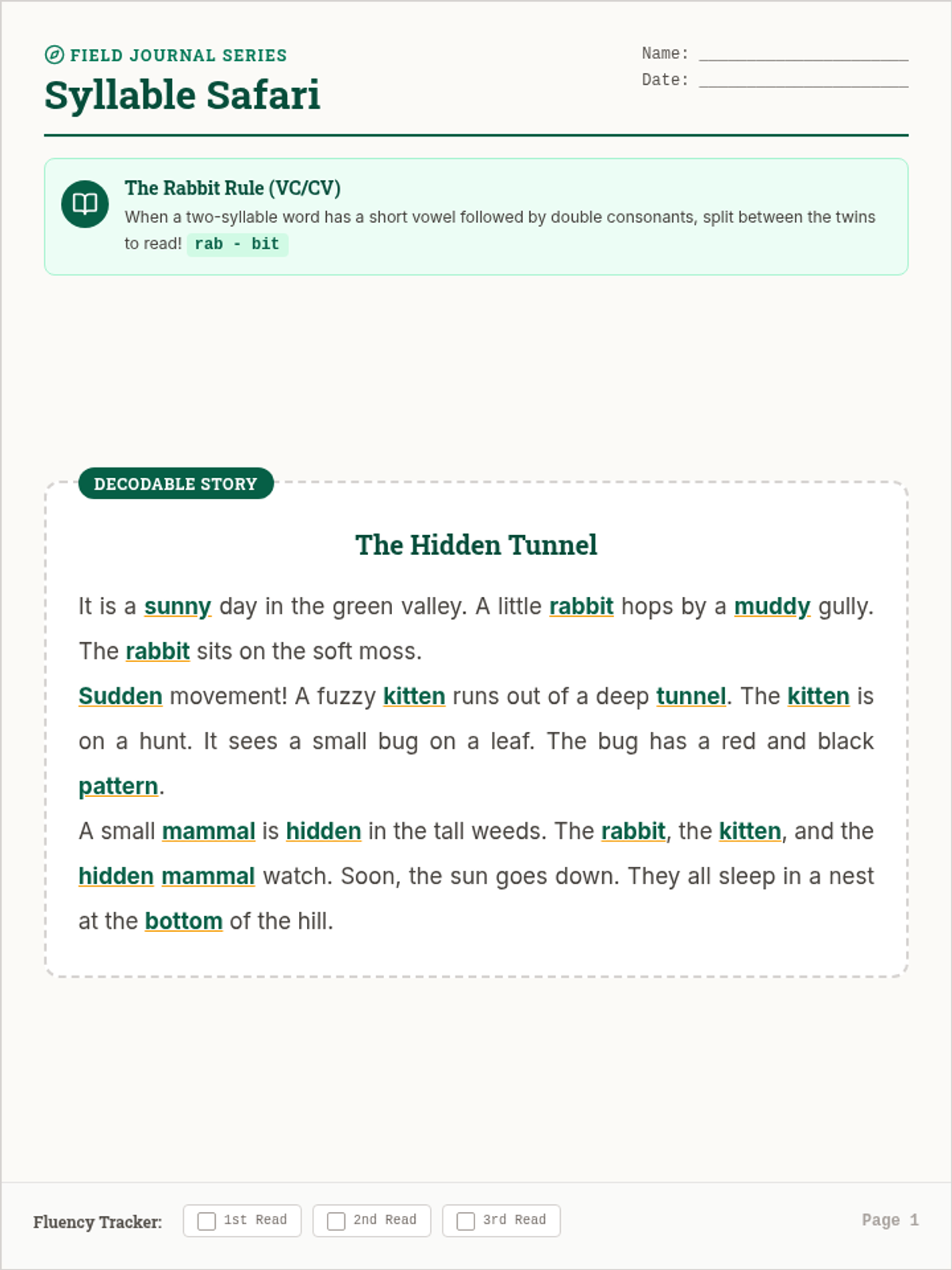
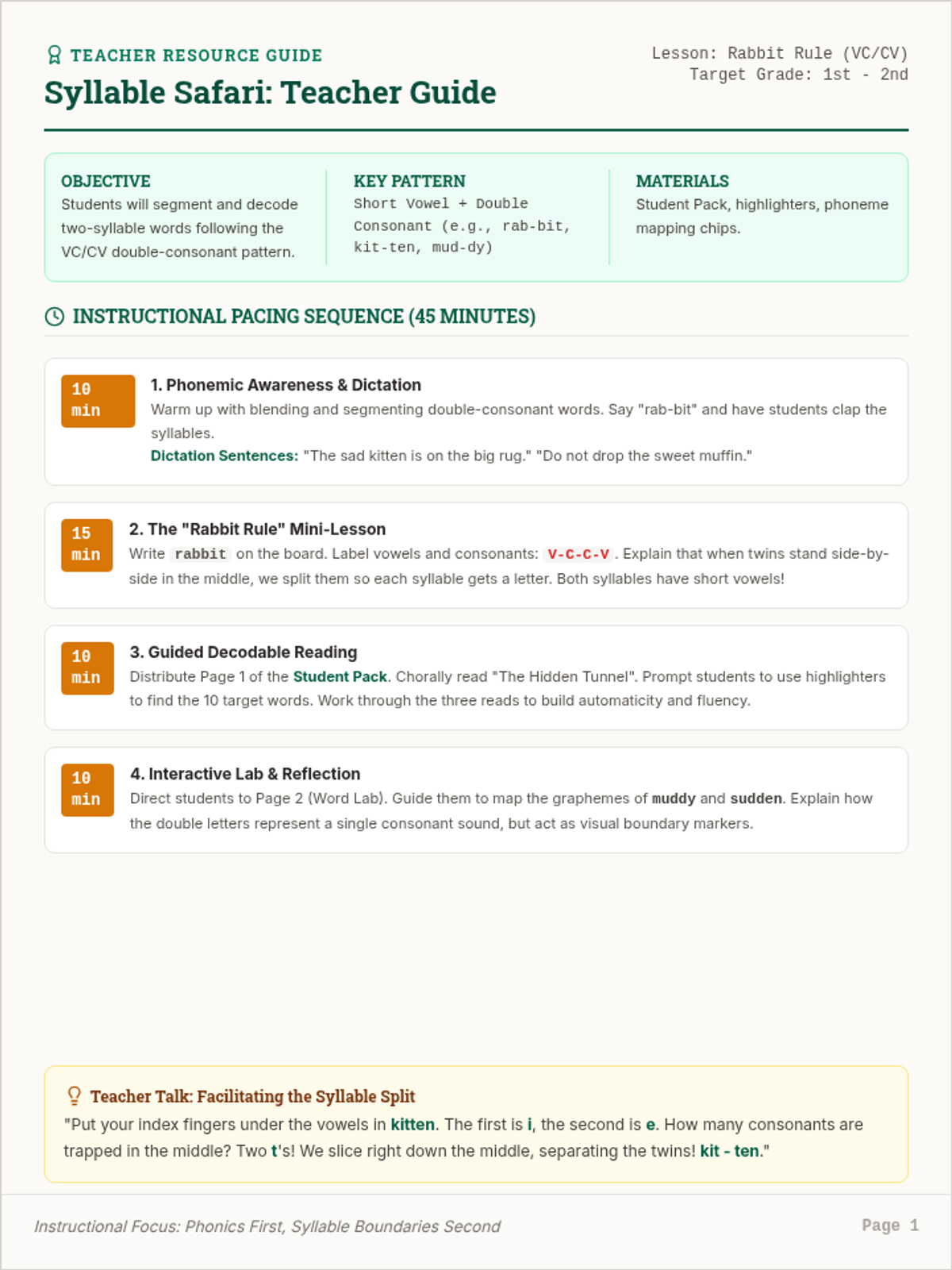
A phonics and literacy lesson focused on the 'rabbit rule' (VC/CV double consonant) syllabication pattern, using a field-journal-themed decodable story, interactive word-mapping activities, and a comprehensive teacher guide.
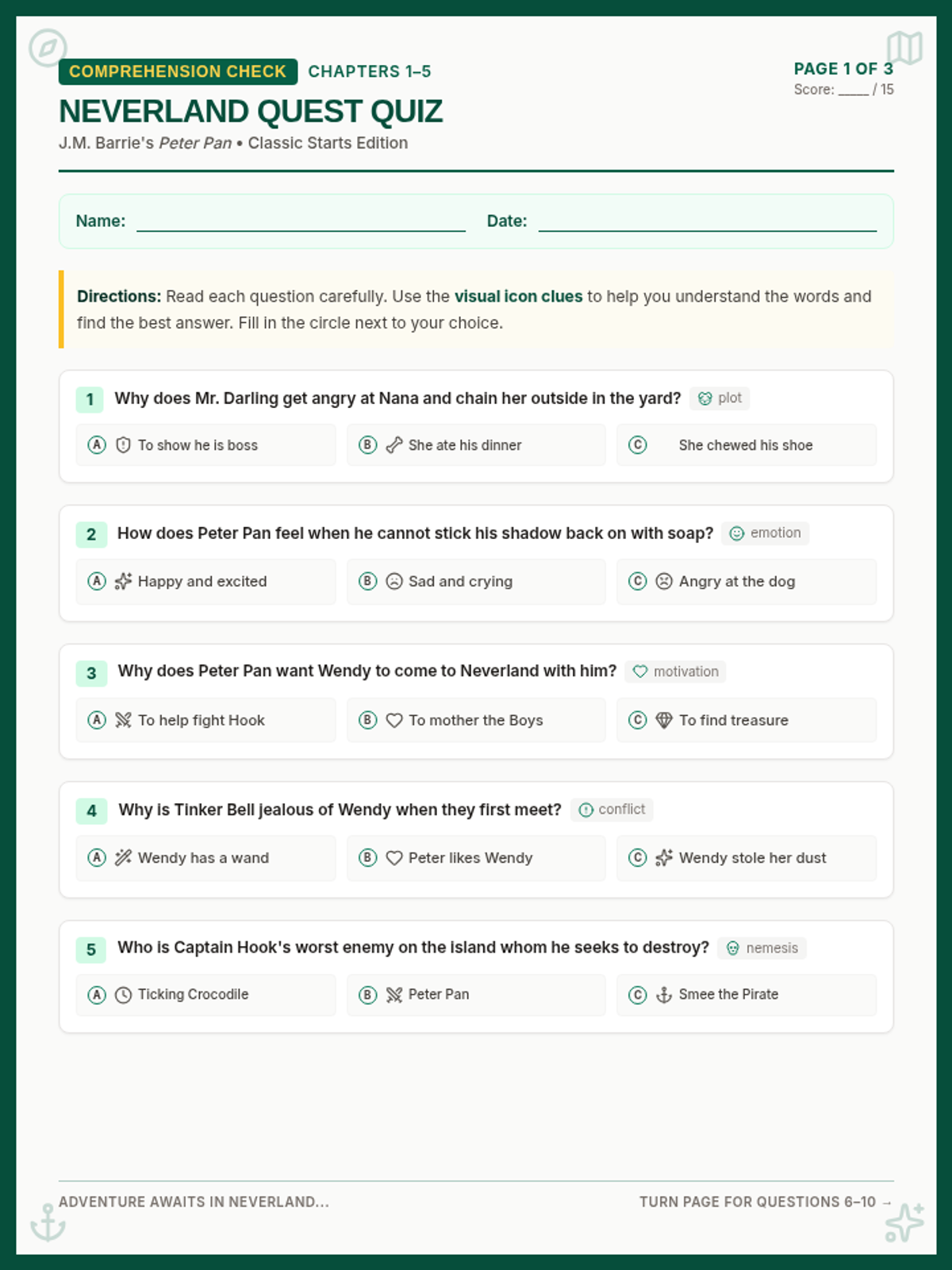
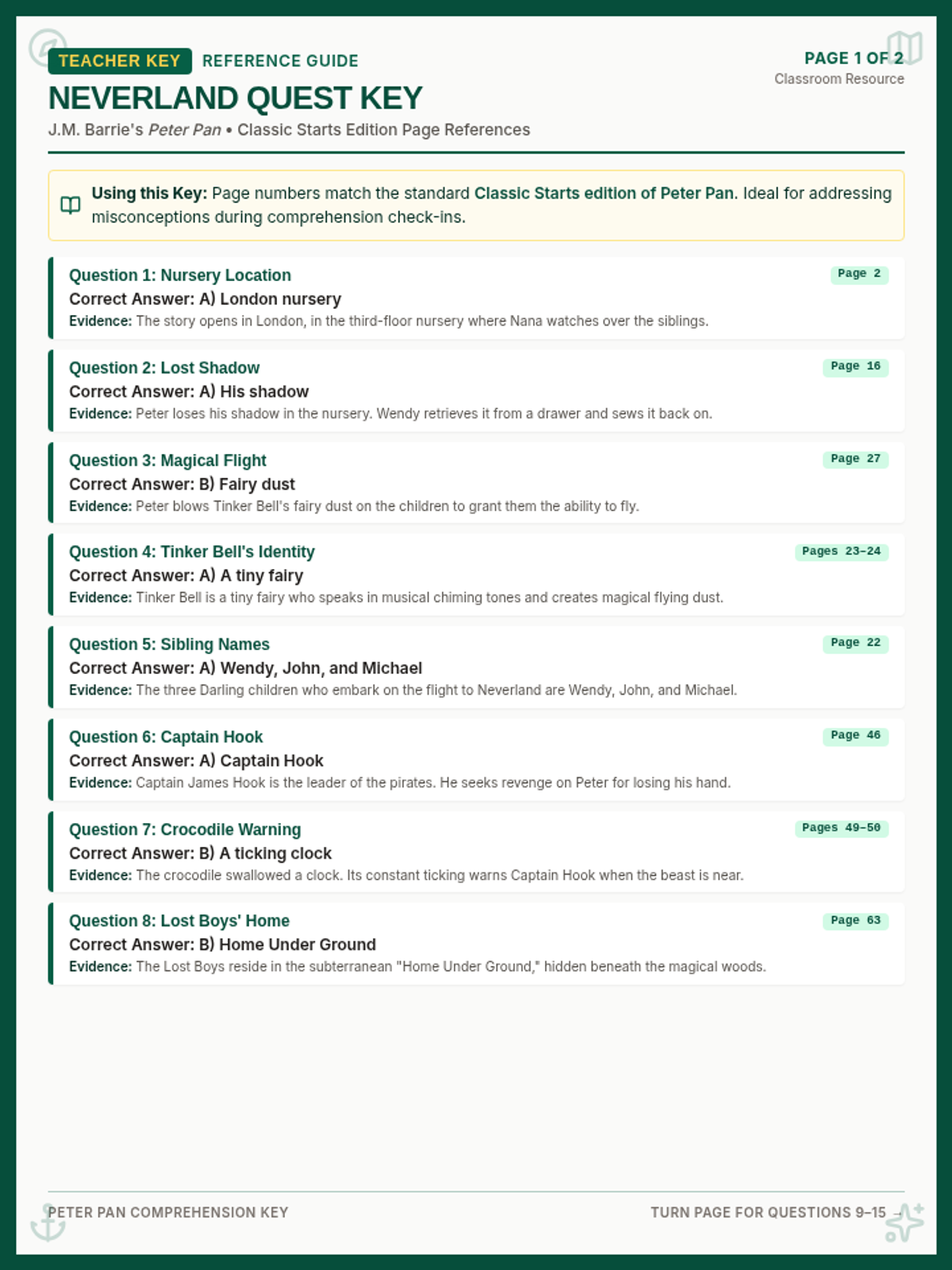
A complete comprehension assessment lesson for J.M. Barrie's Classic Starts: Peter Pan, featuring a student quiz with visual supports and a detailed teacher answer key with page references.
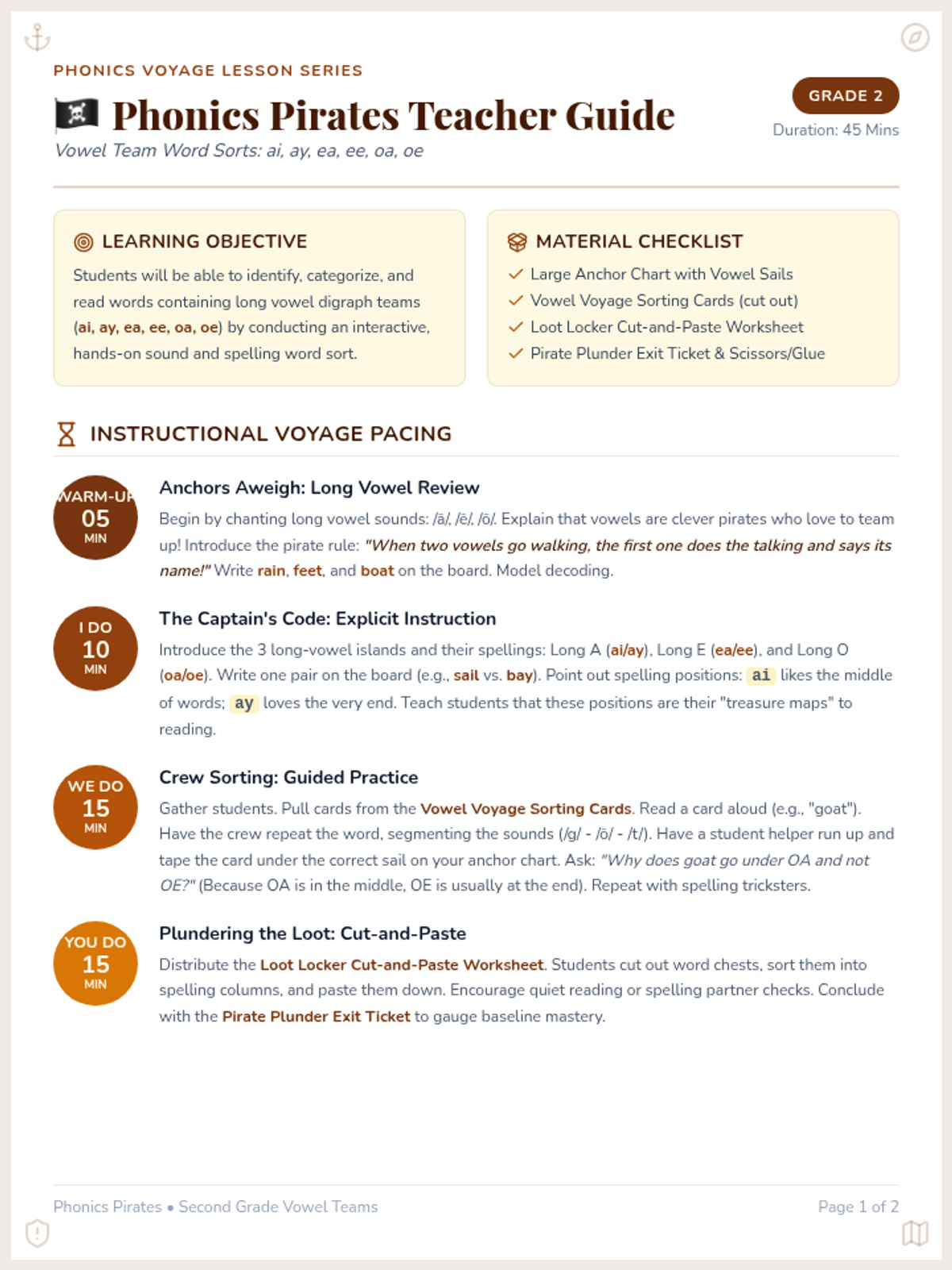
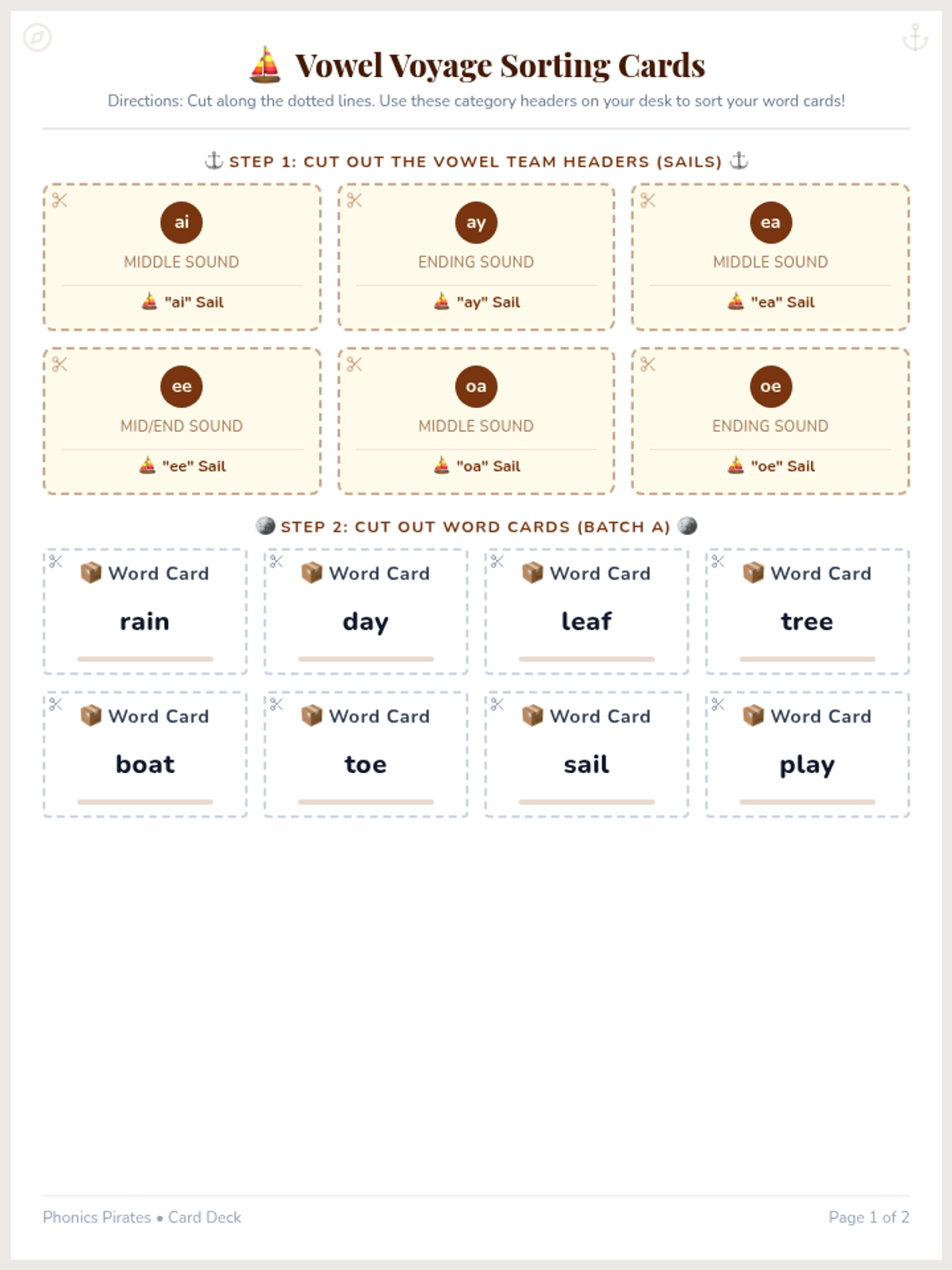
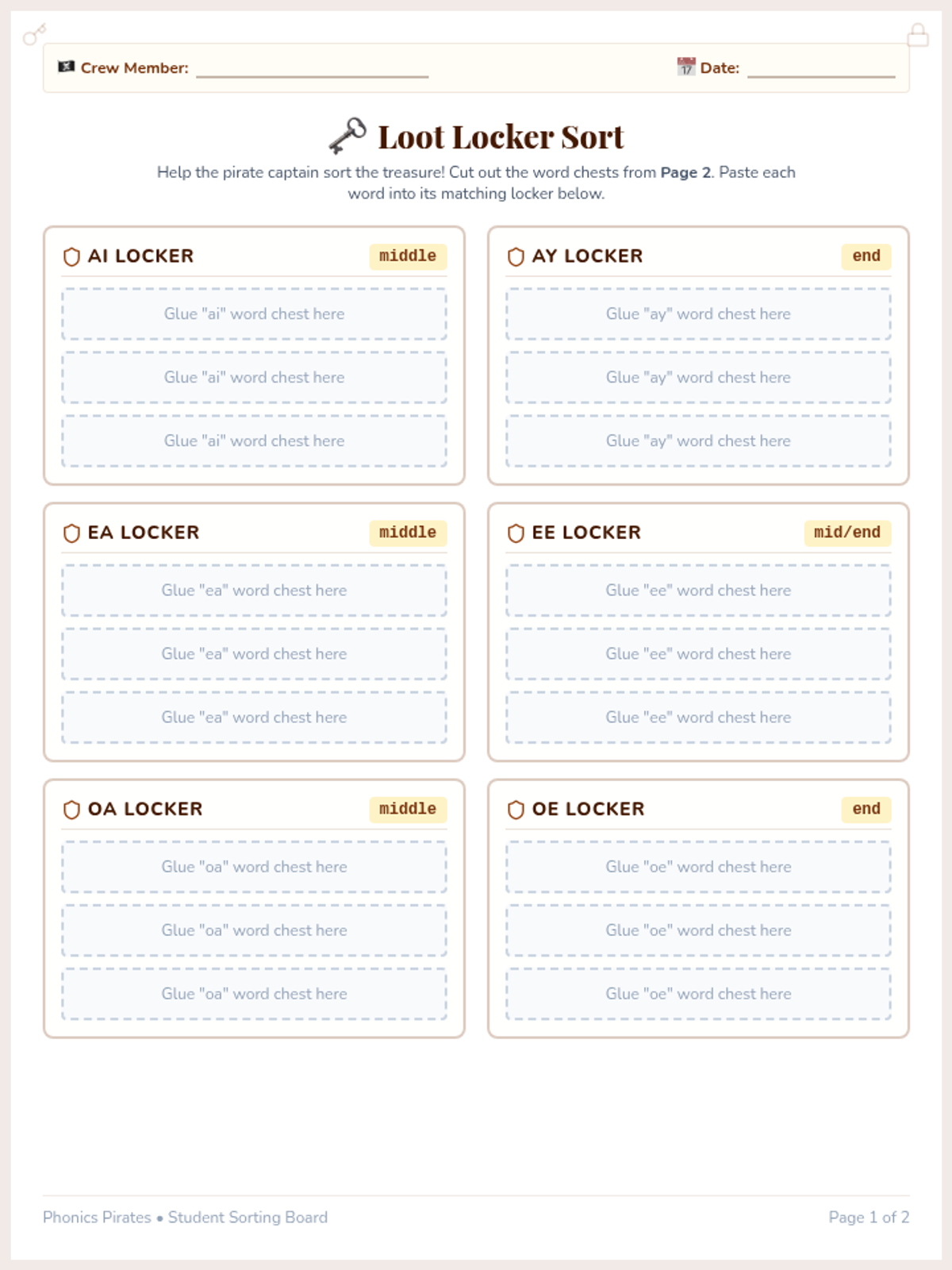
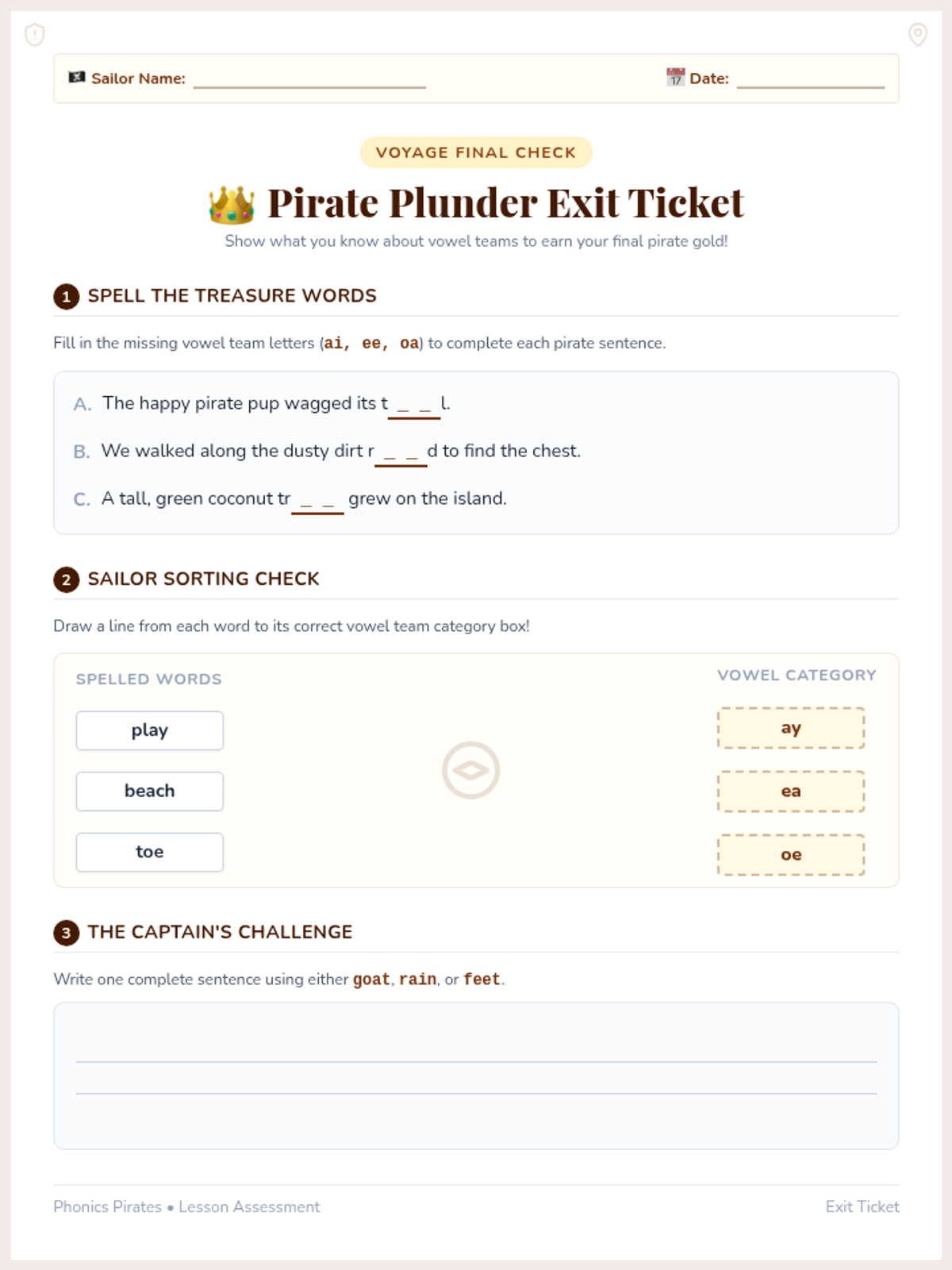
A comprehensive, pirate-themed lesson bundle for teaching second-grade vowel teams (ai/ay, ea/ee, oa/oe) through hands-on word sorts. Includes a detailed teacher guide, printable sorting cards, a cut-and-paste sorting worksheet, and a quick-check exit ticket.
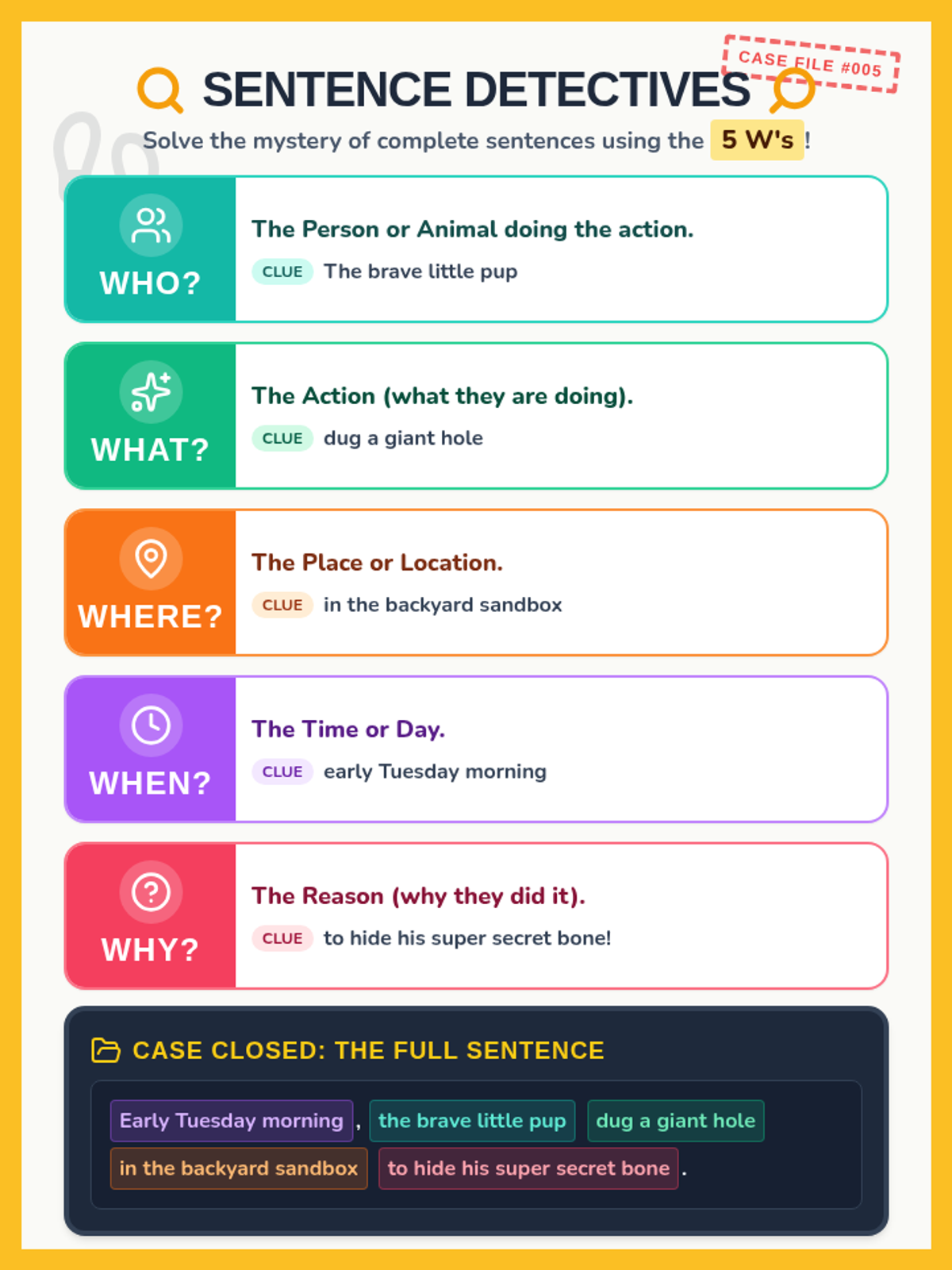
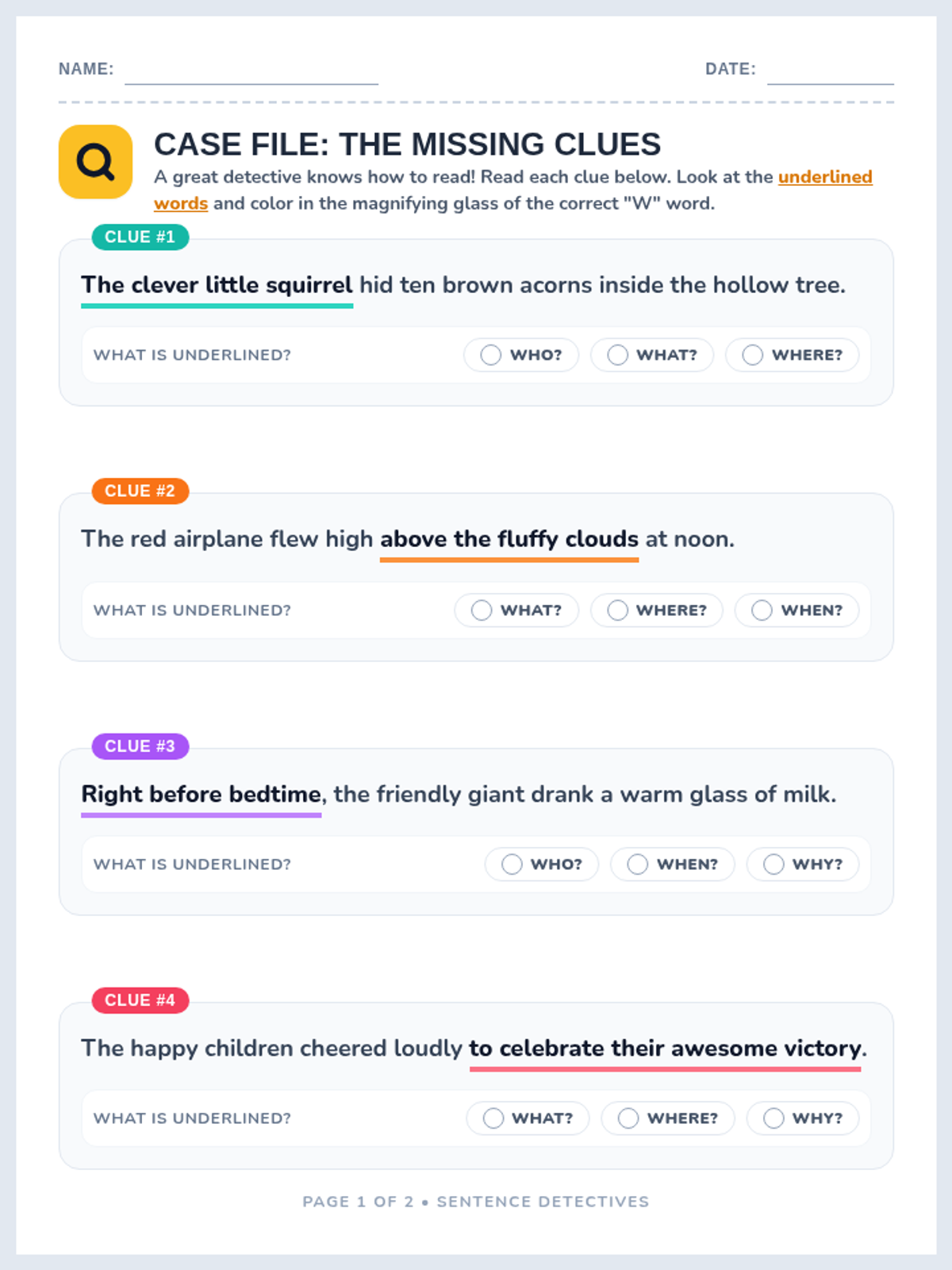
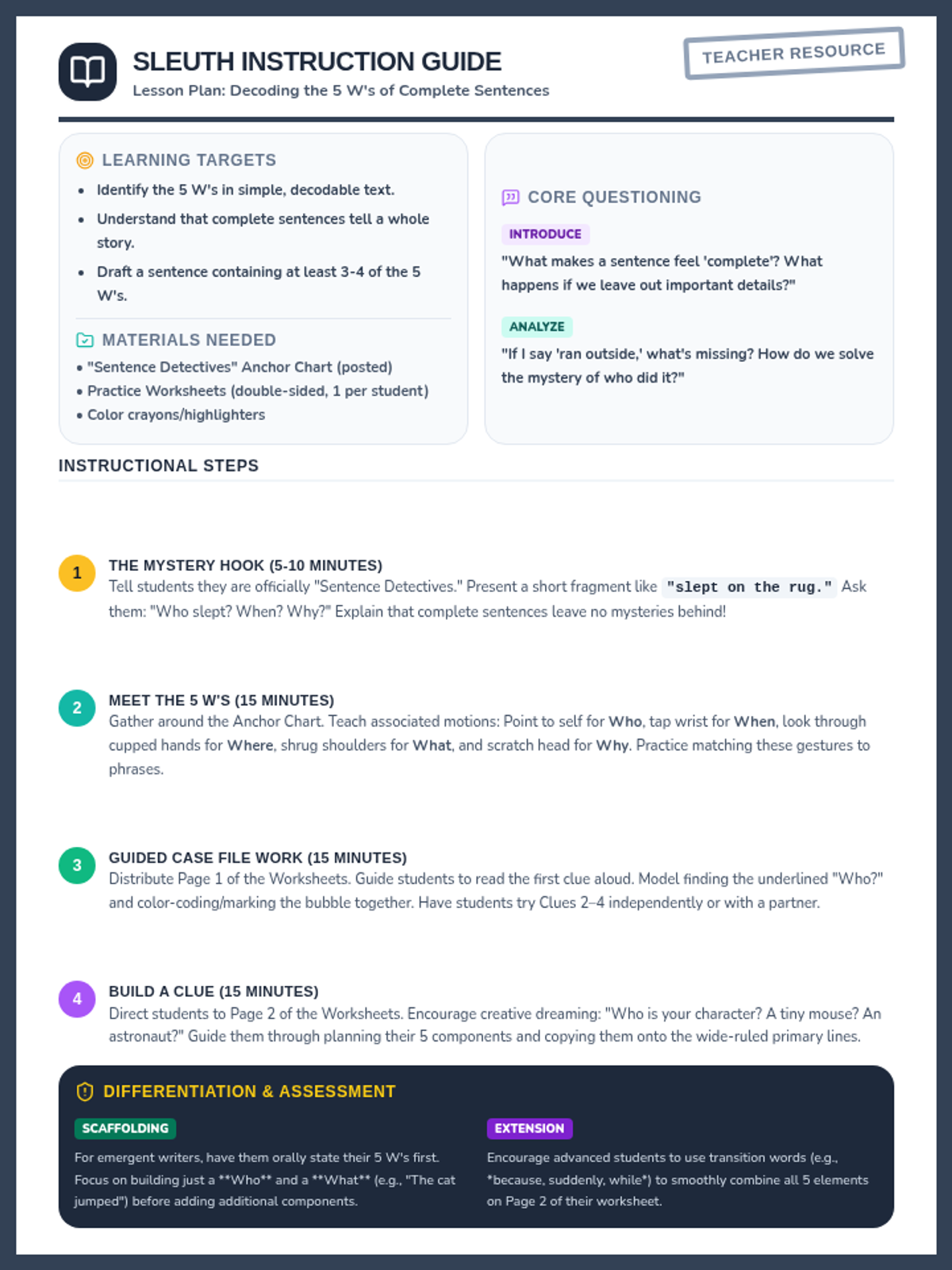
A beginner-friendly lesson introducing K-2 students to the 5 W's (Who, What, Where, When, and Why) of reading and writing. Includes a colorful anchor chart and interactive practice sheets to build complete sentence skills.
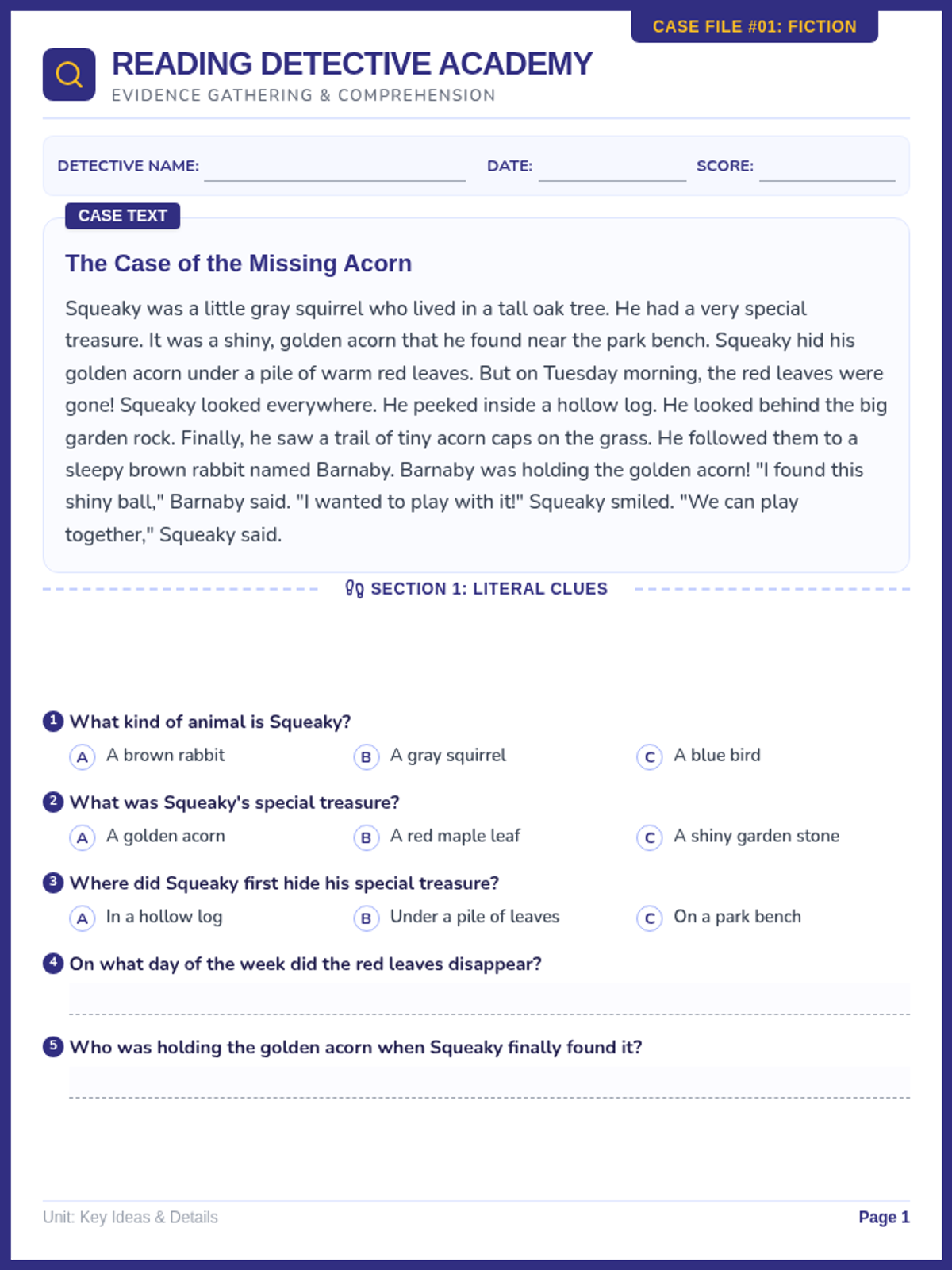
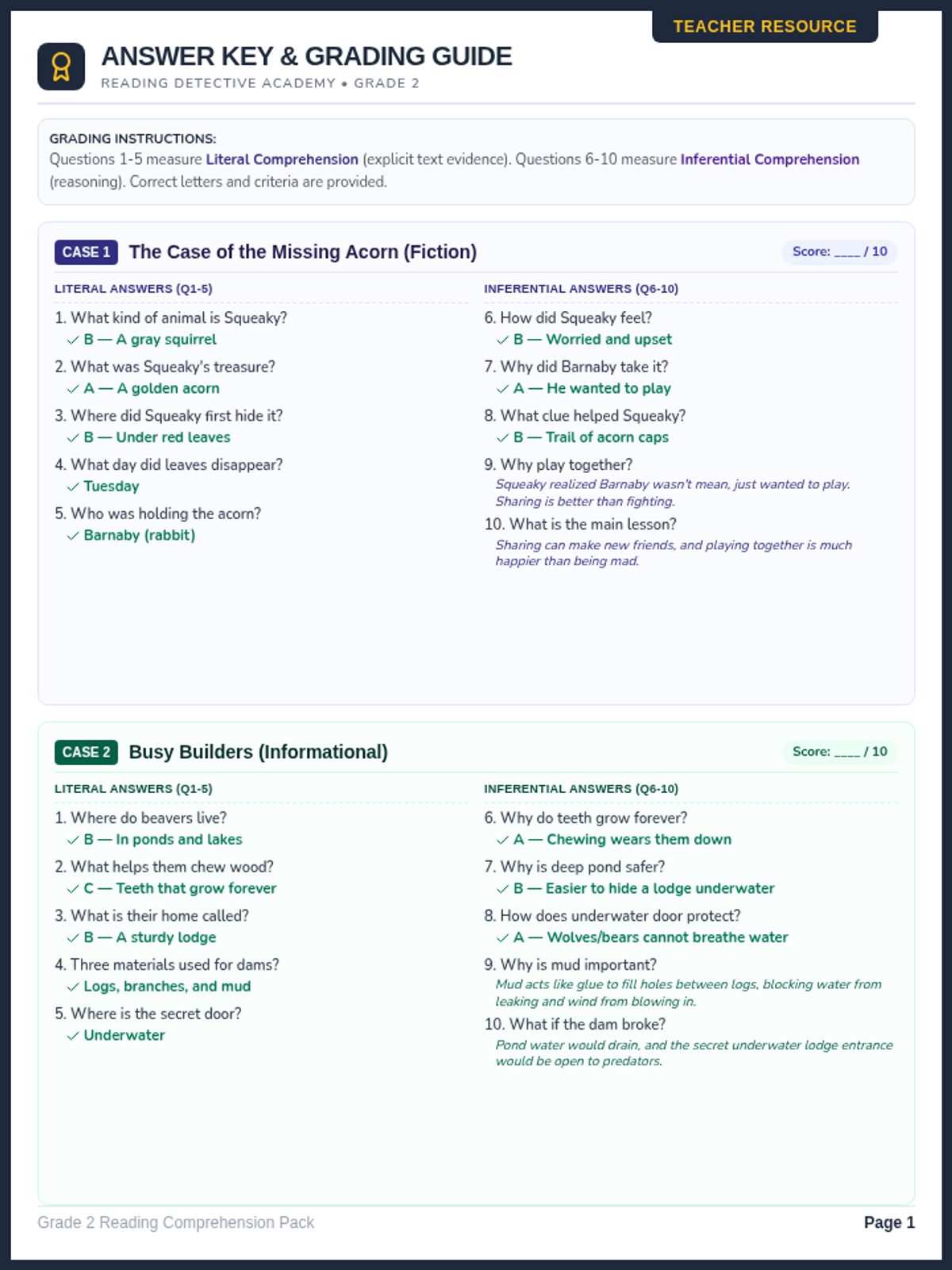
A comprehensive reading comprehension packet containing six engaging 2nd-grade passages (three fiction, three informational) with literal and inferential questions.
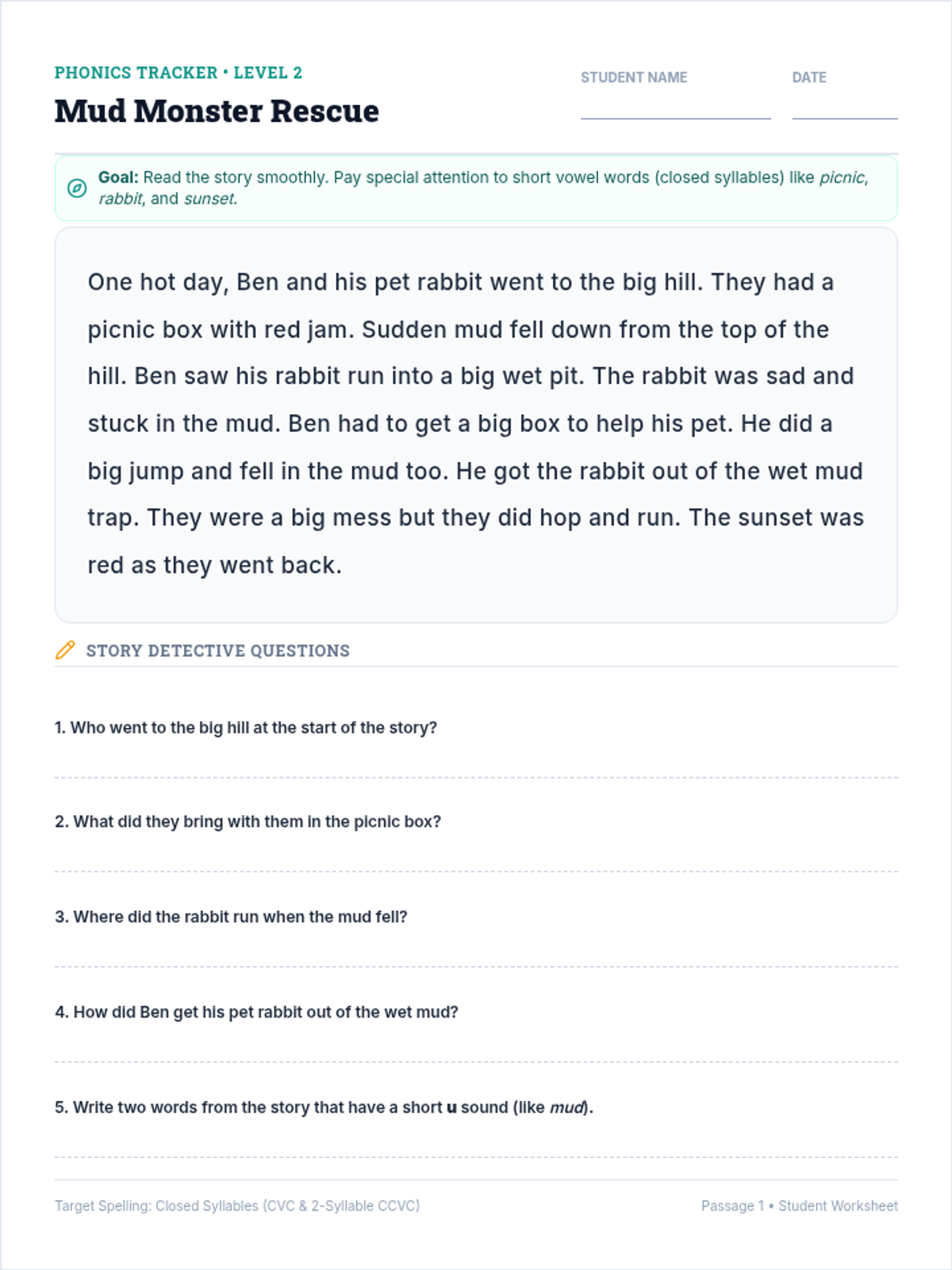
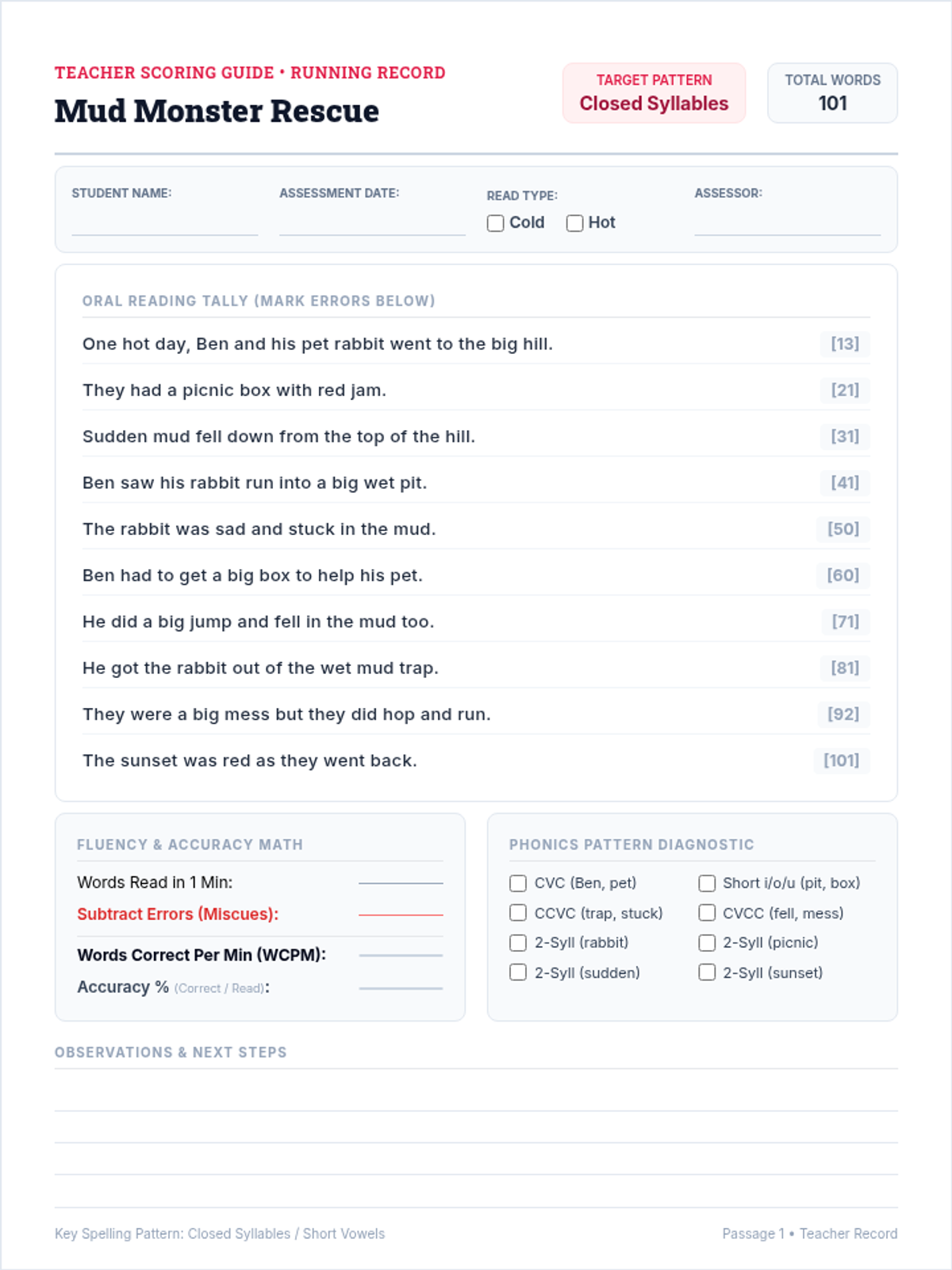
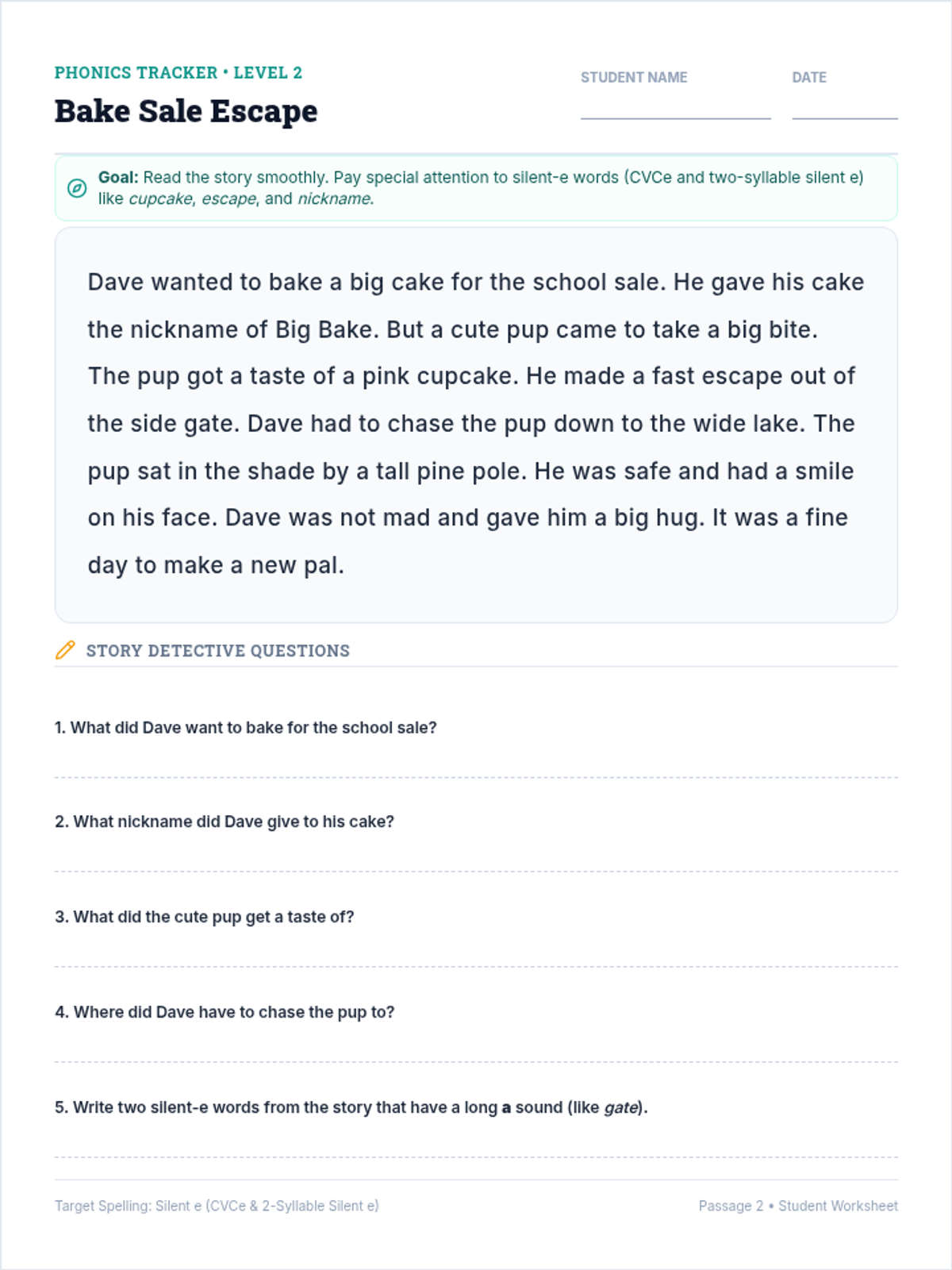
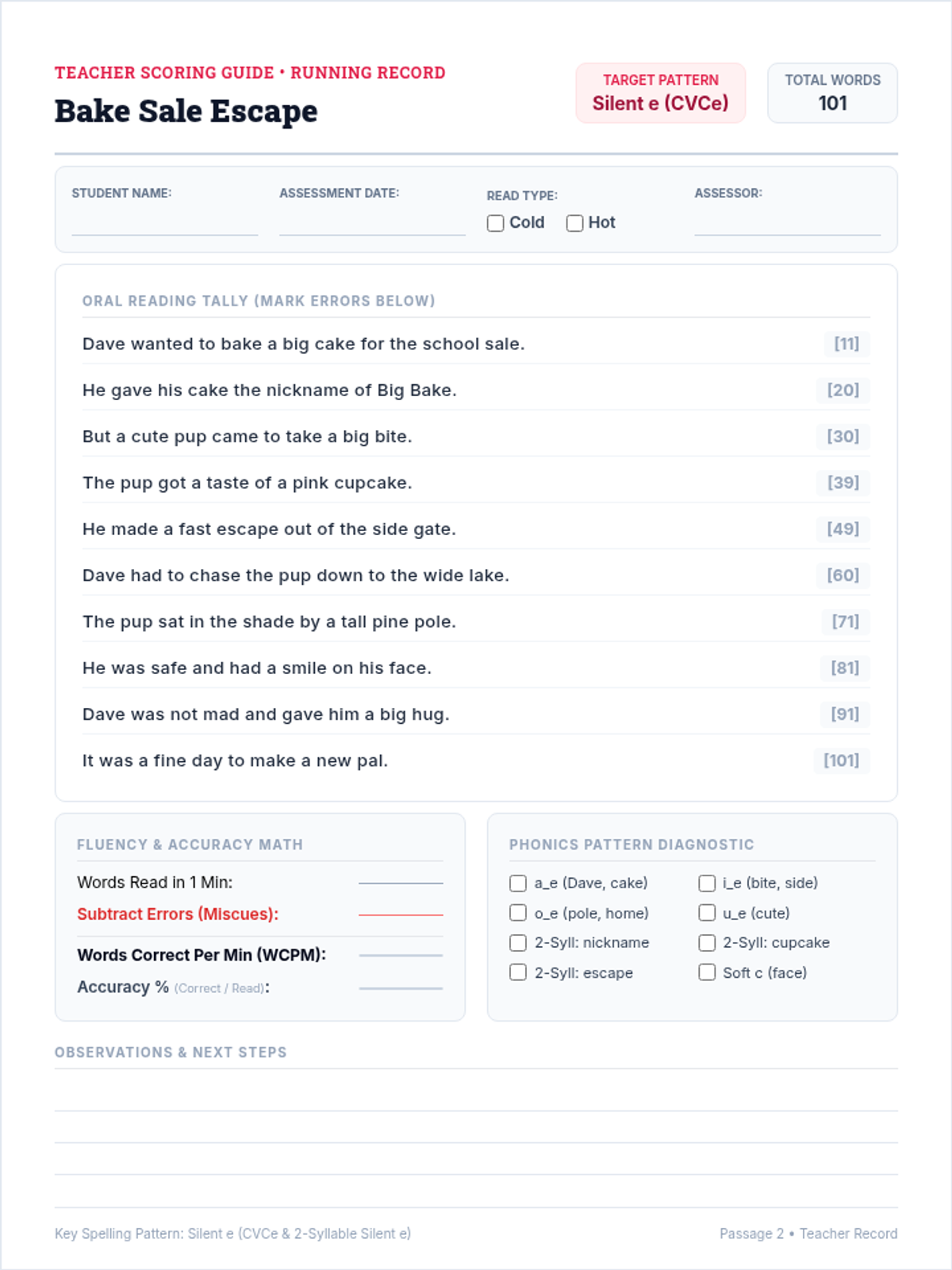
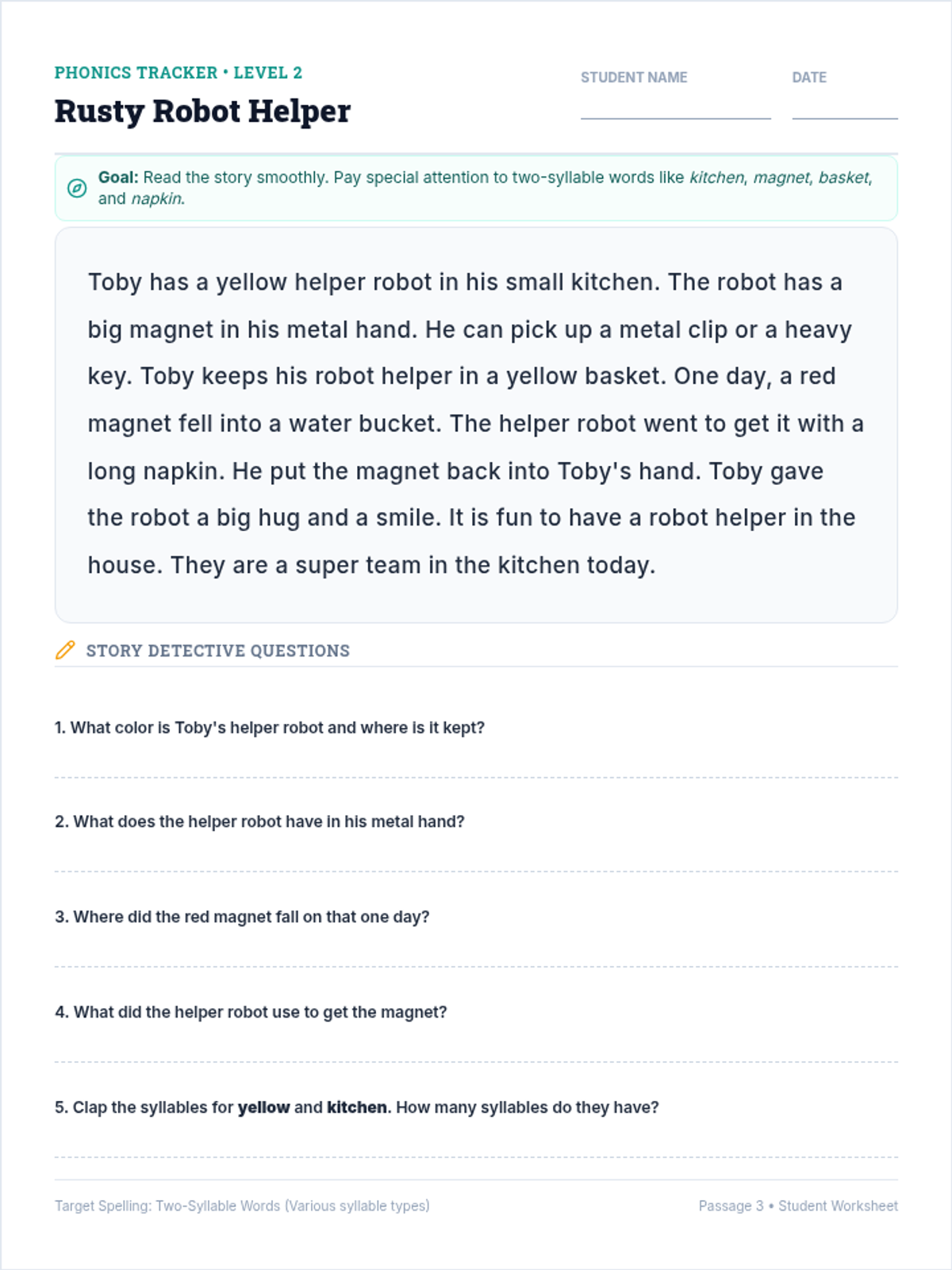
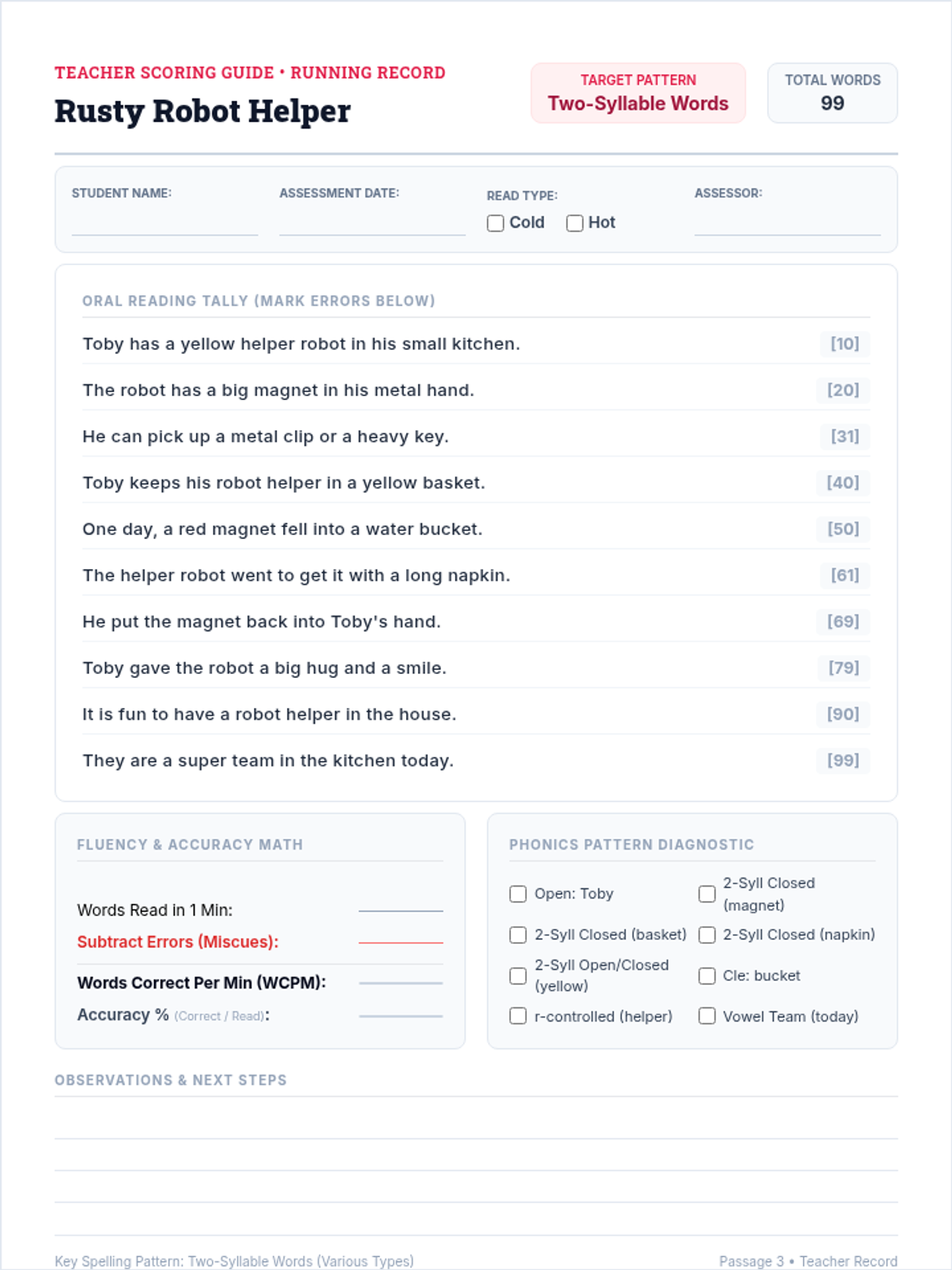
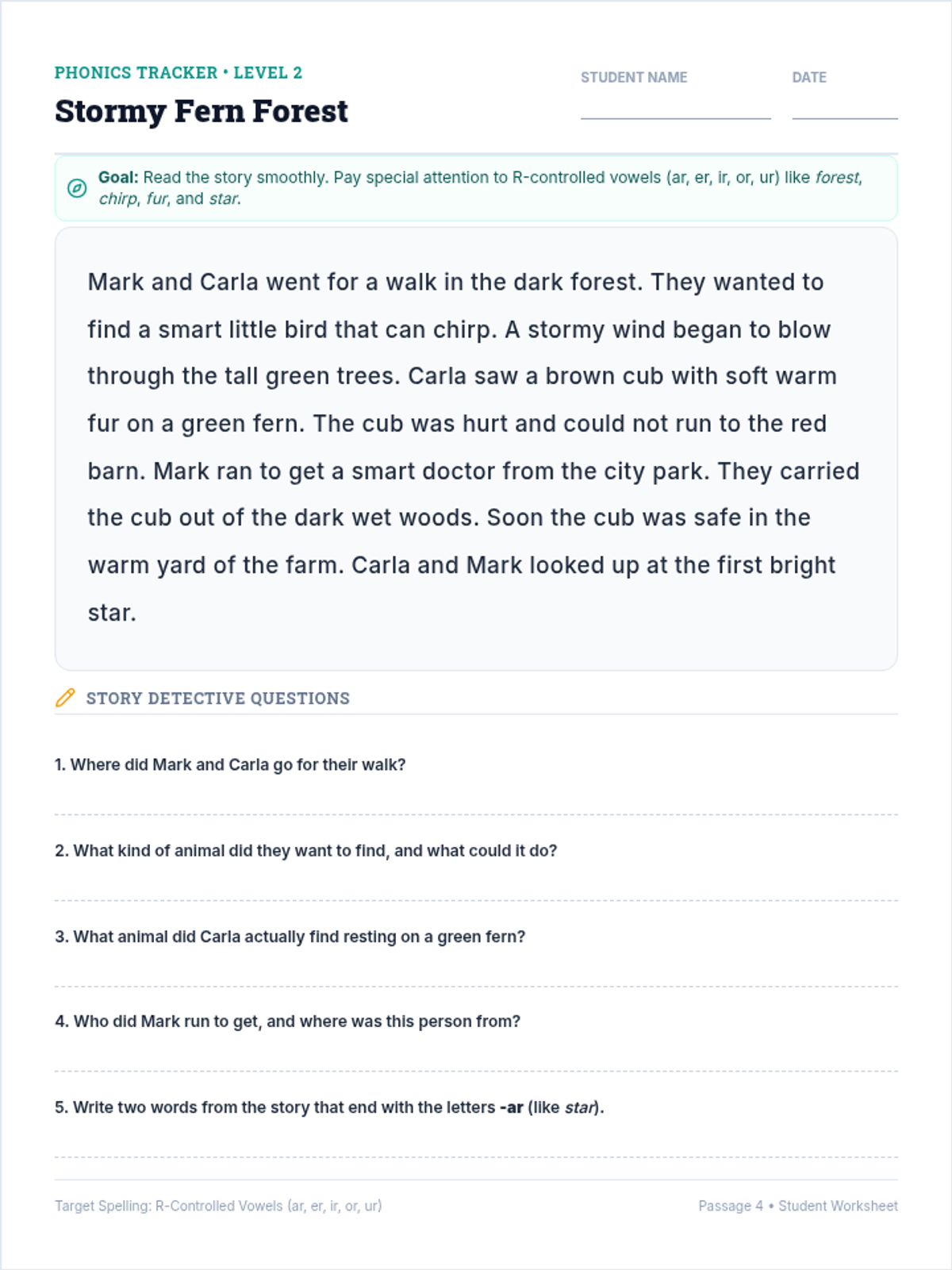
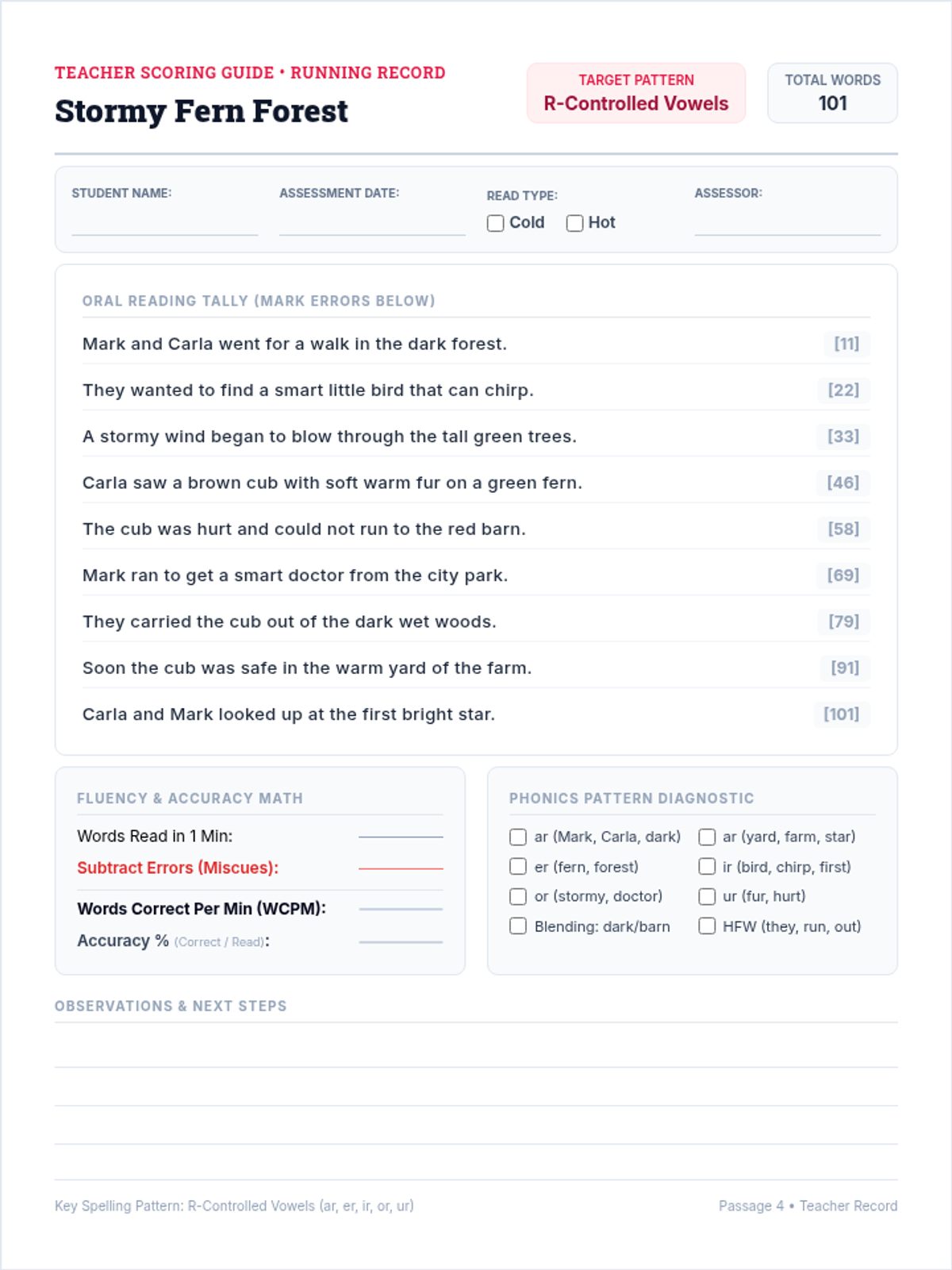
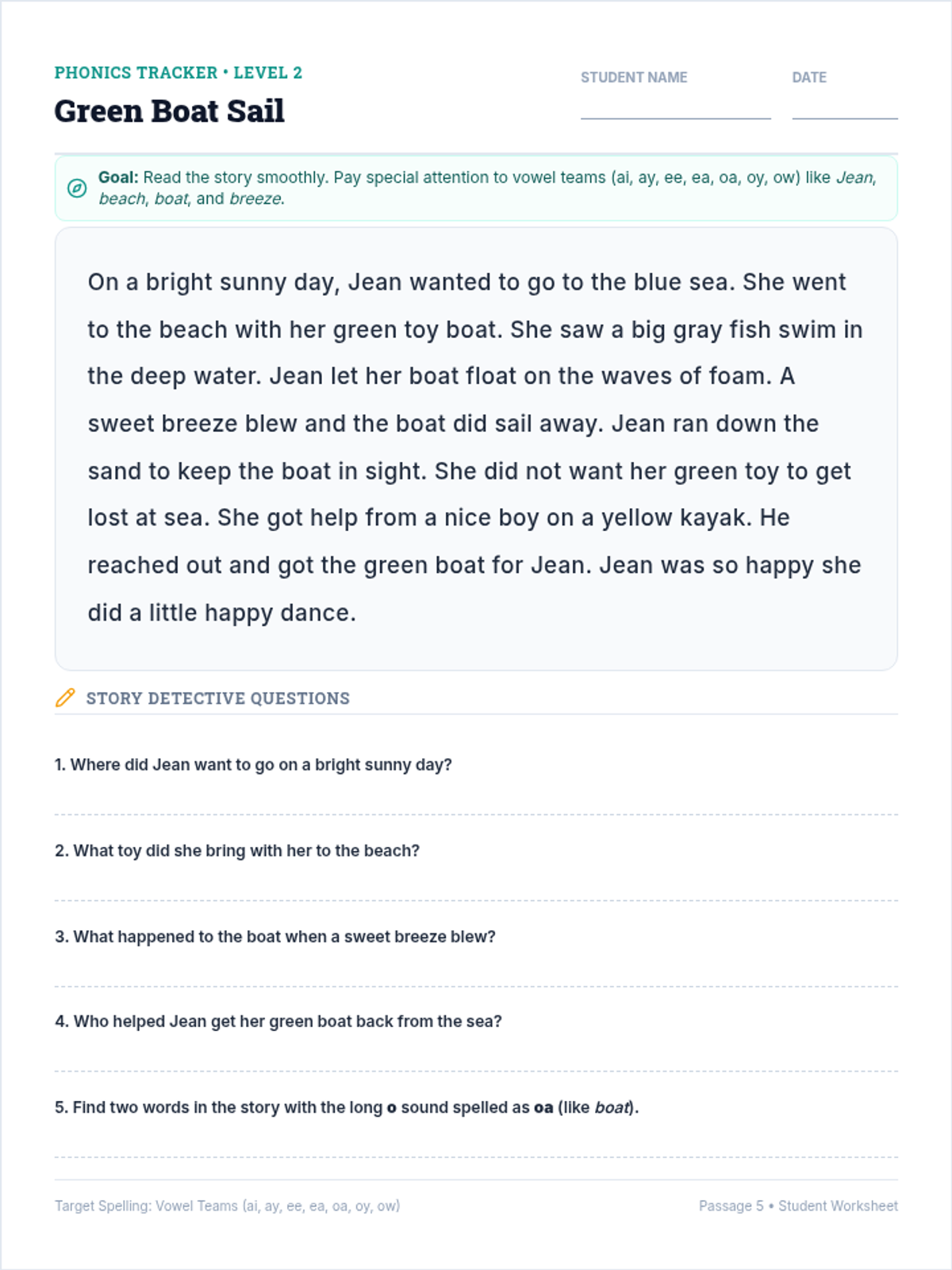
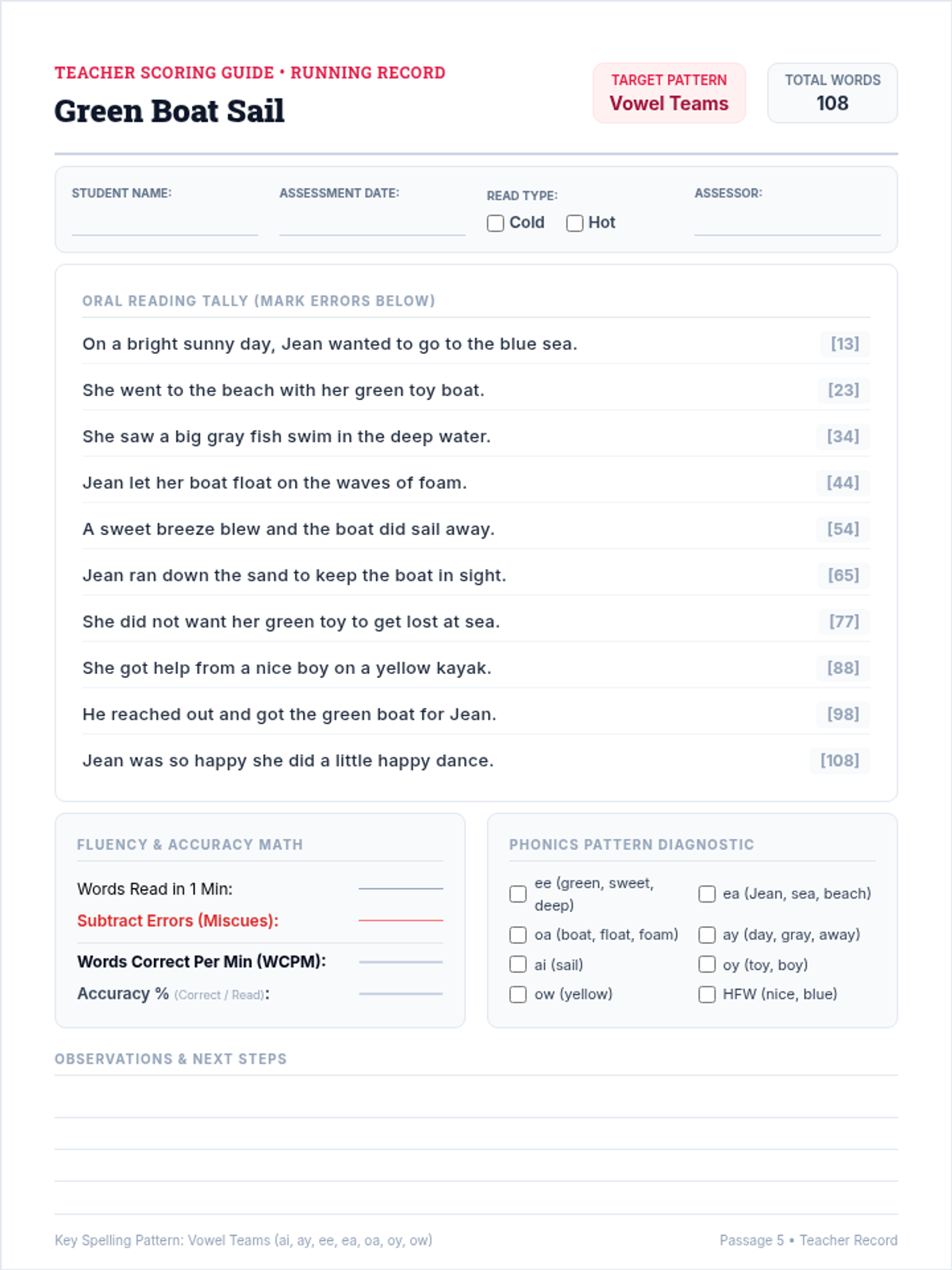
A suite of 5 phonics-based progress monitoring reading passages designed for second-grade students. Each passage targets a specific phonetic spelling pattern (closed syllables, silent e, two-syllable words, r-controlled vowels, and vowel teams) and includes a student-facing reading and comprehension page and a matching teacher-facing word-count tracking page.
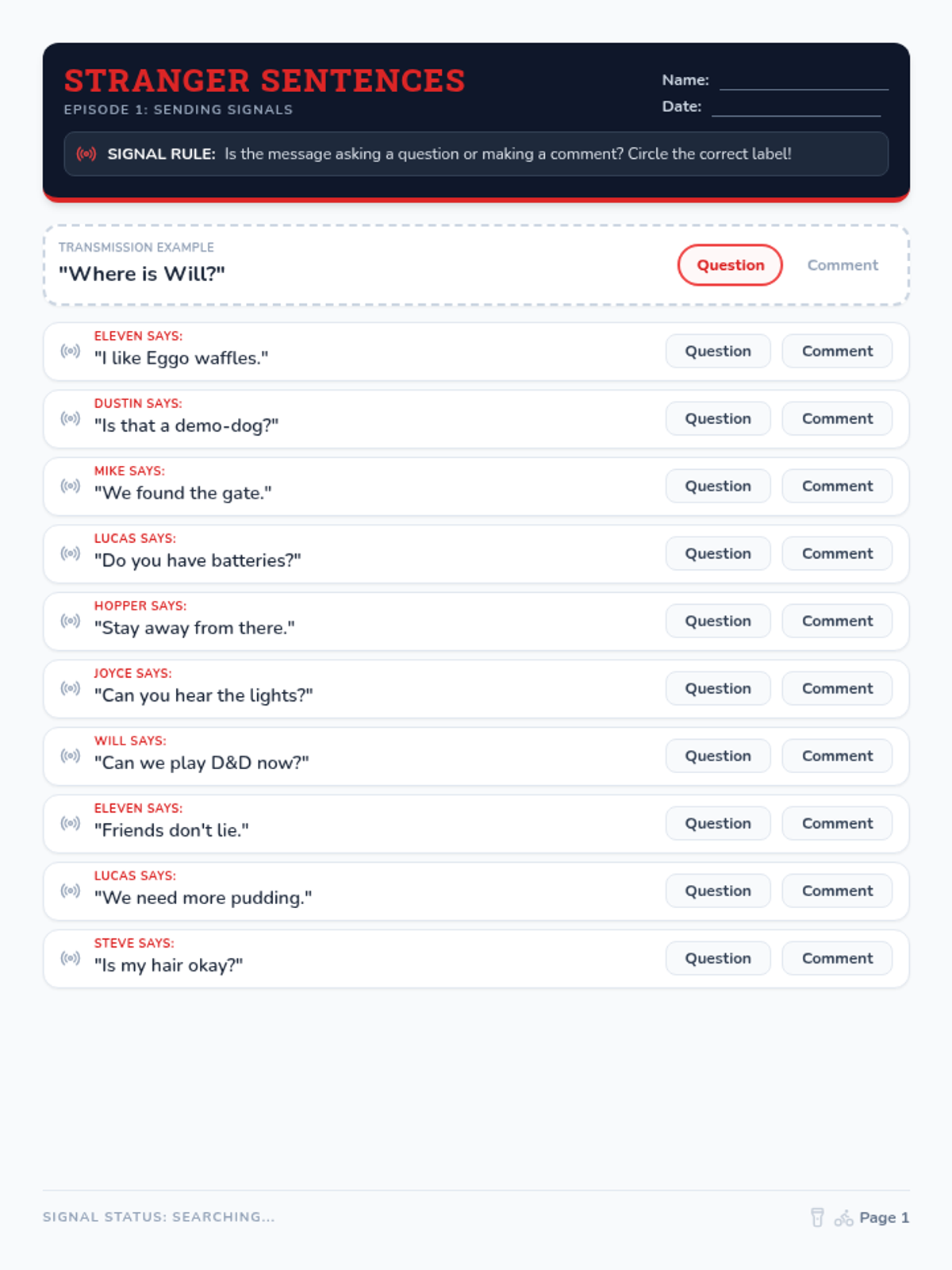
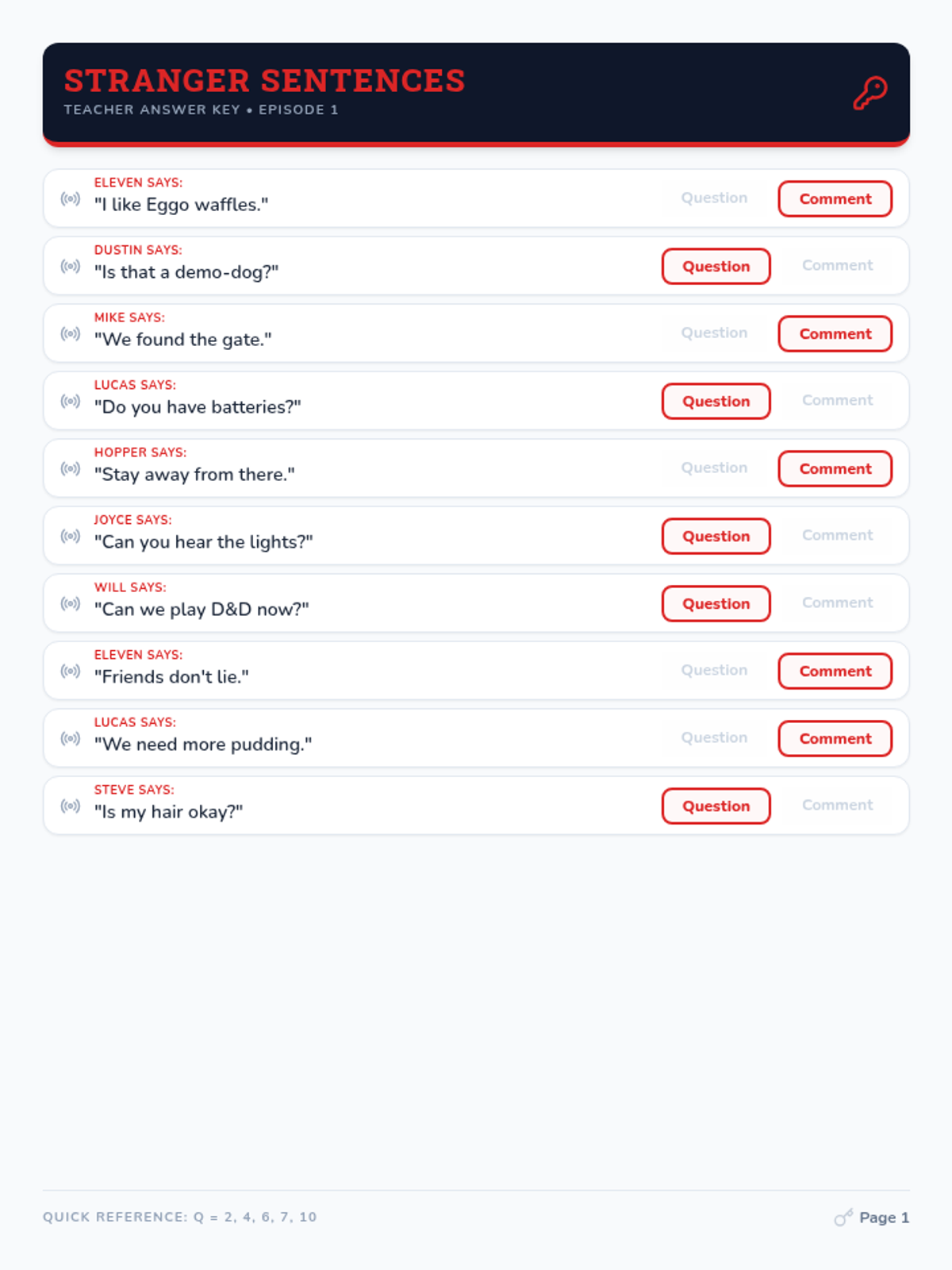
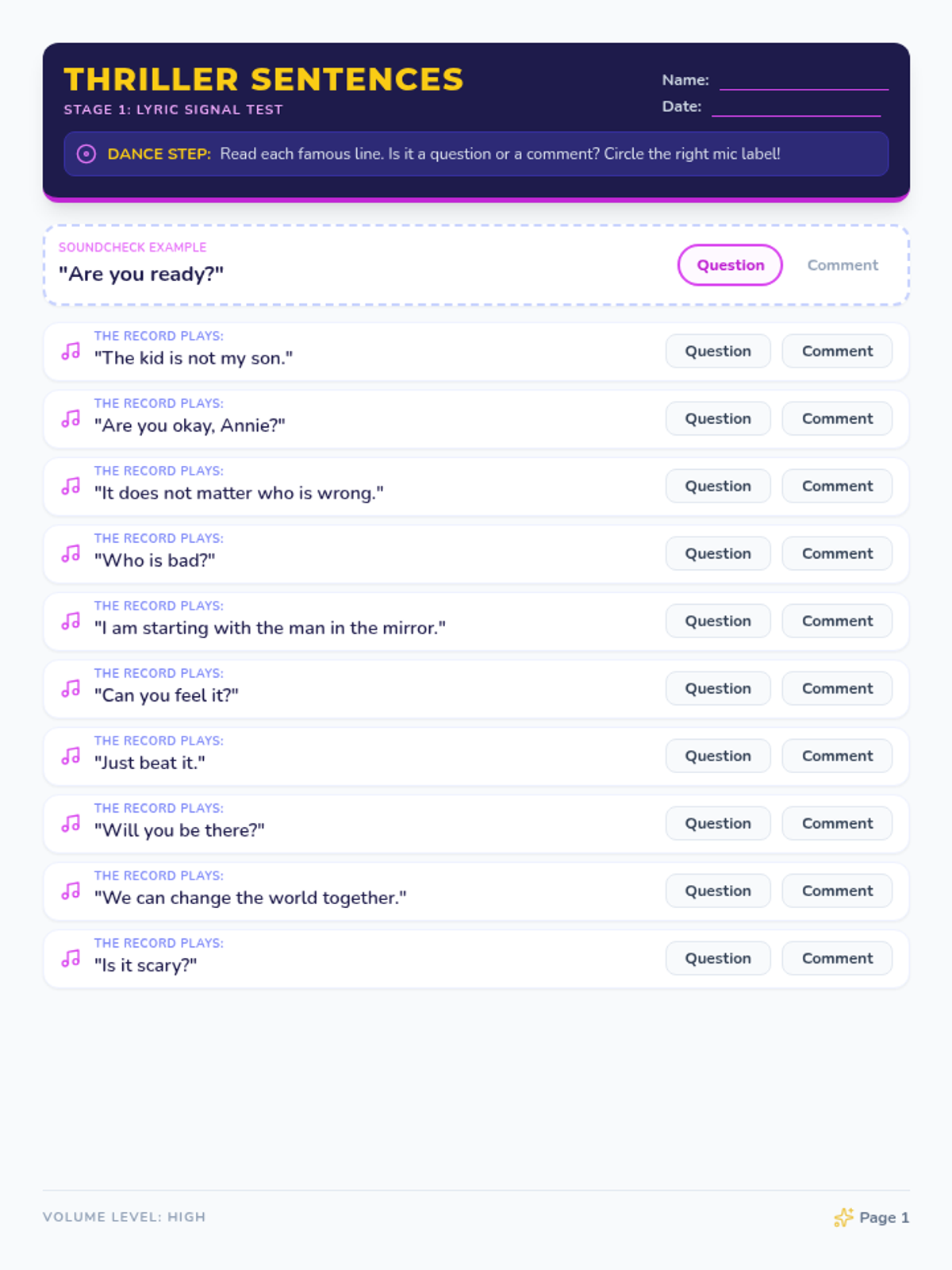
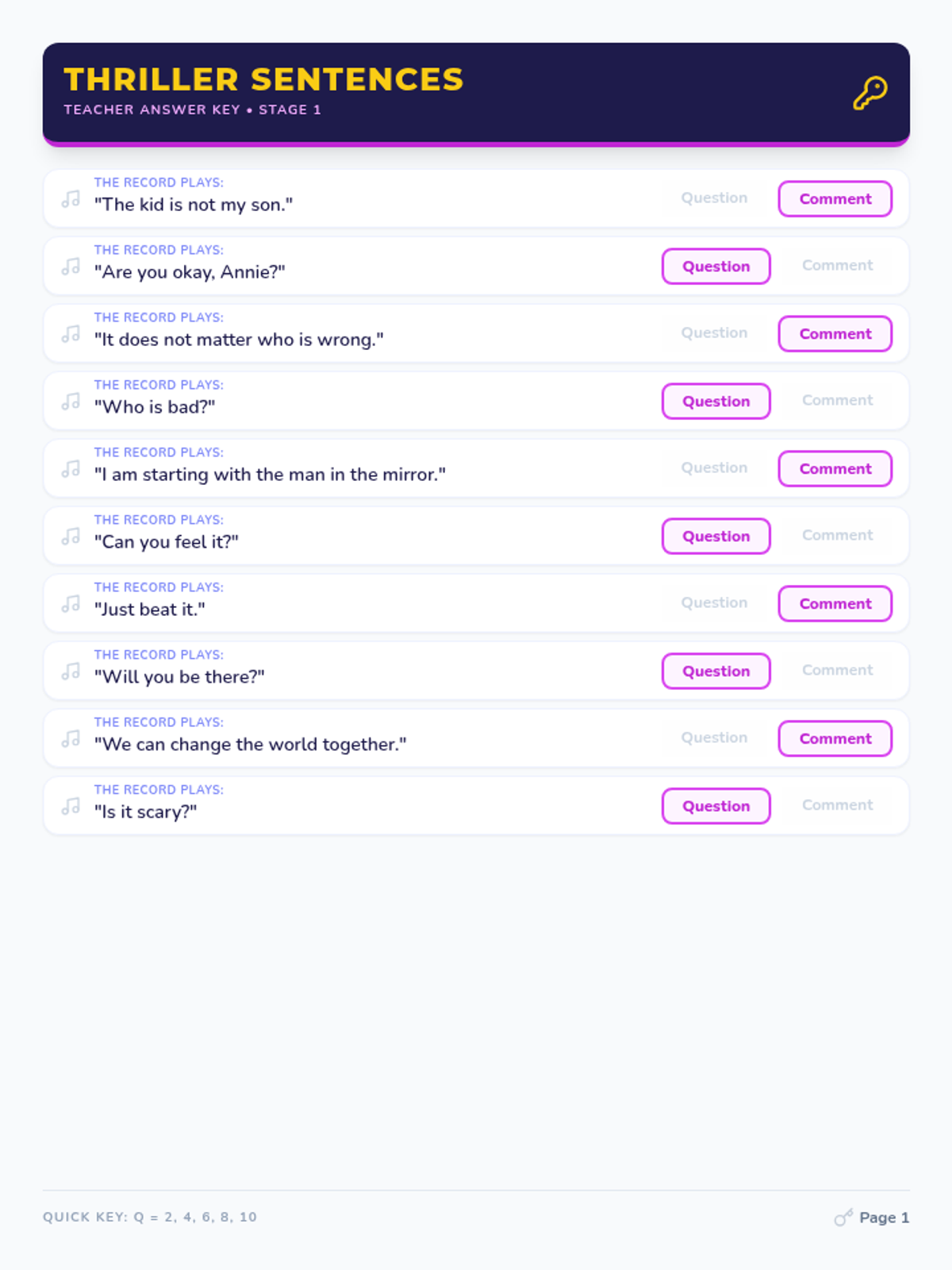
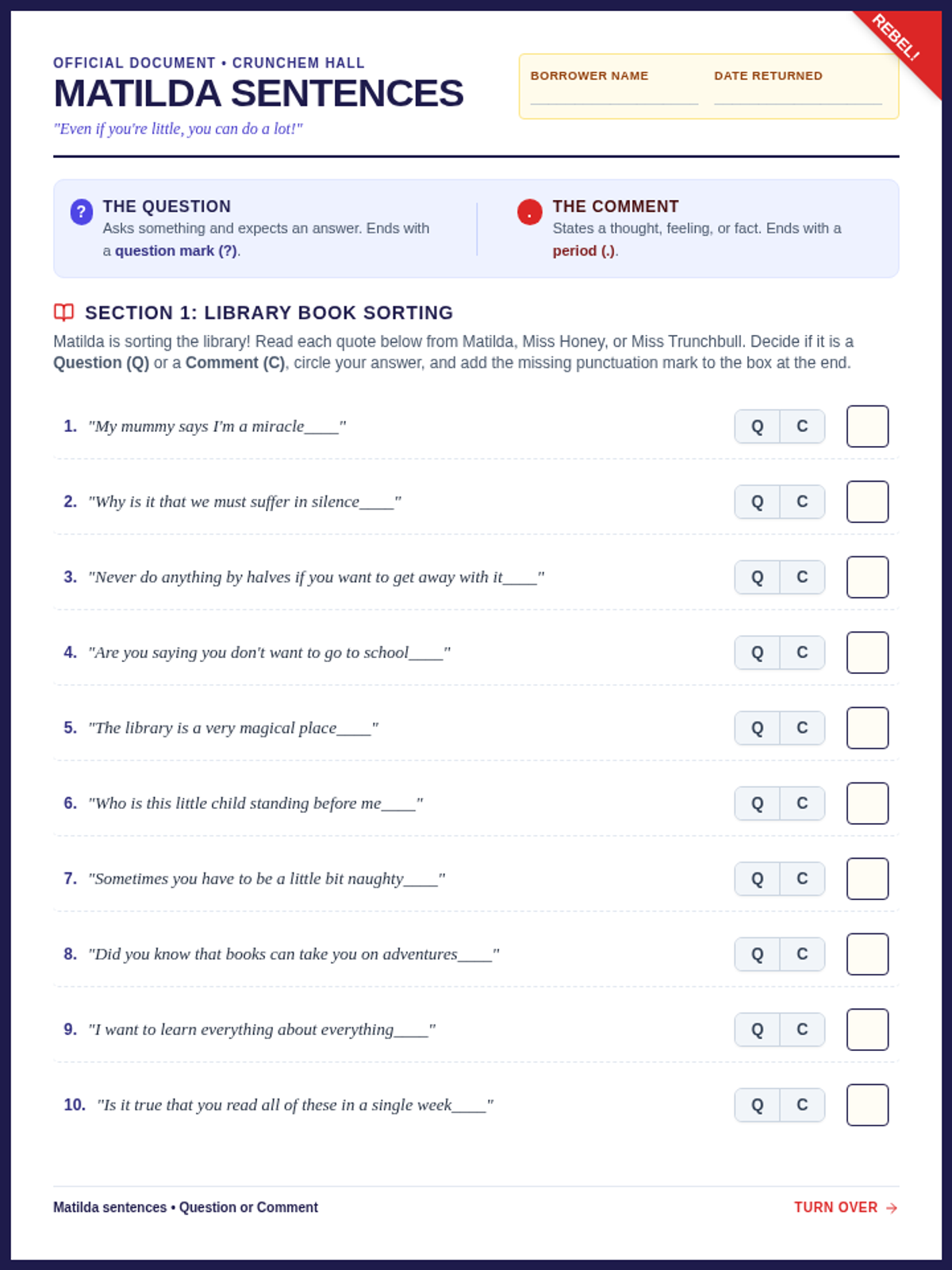
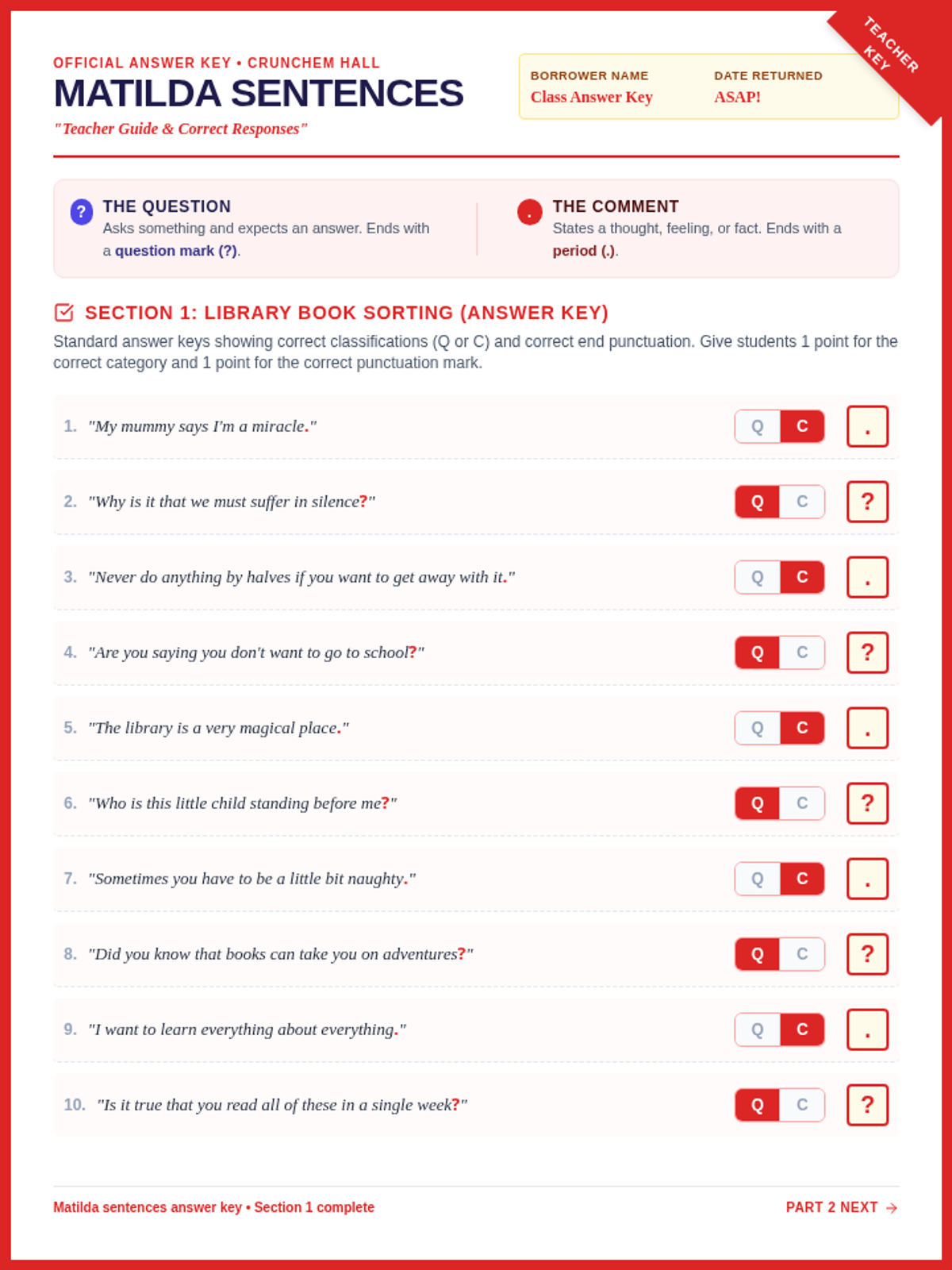
A lesson focused on identifying the difference between questions and comments using dialogue from familiar characters. Students practice punctuation and sentence purpose recognition.
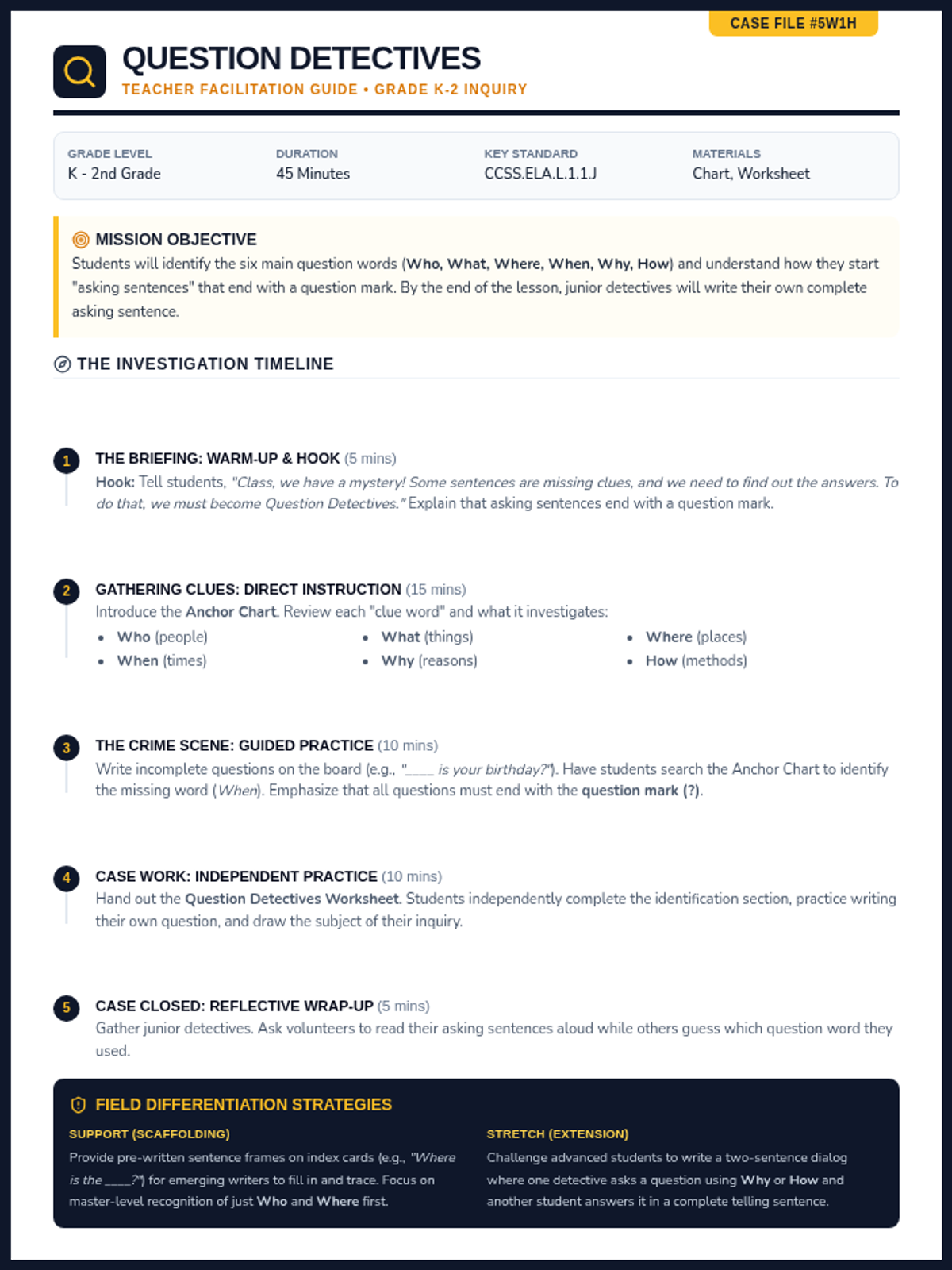
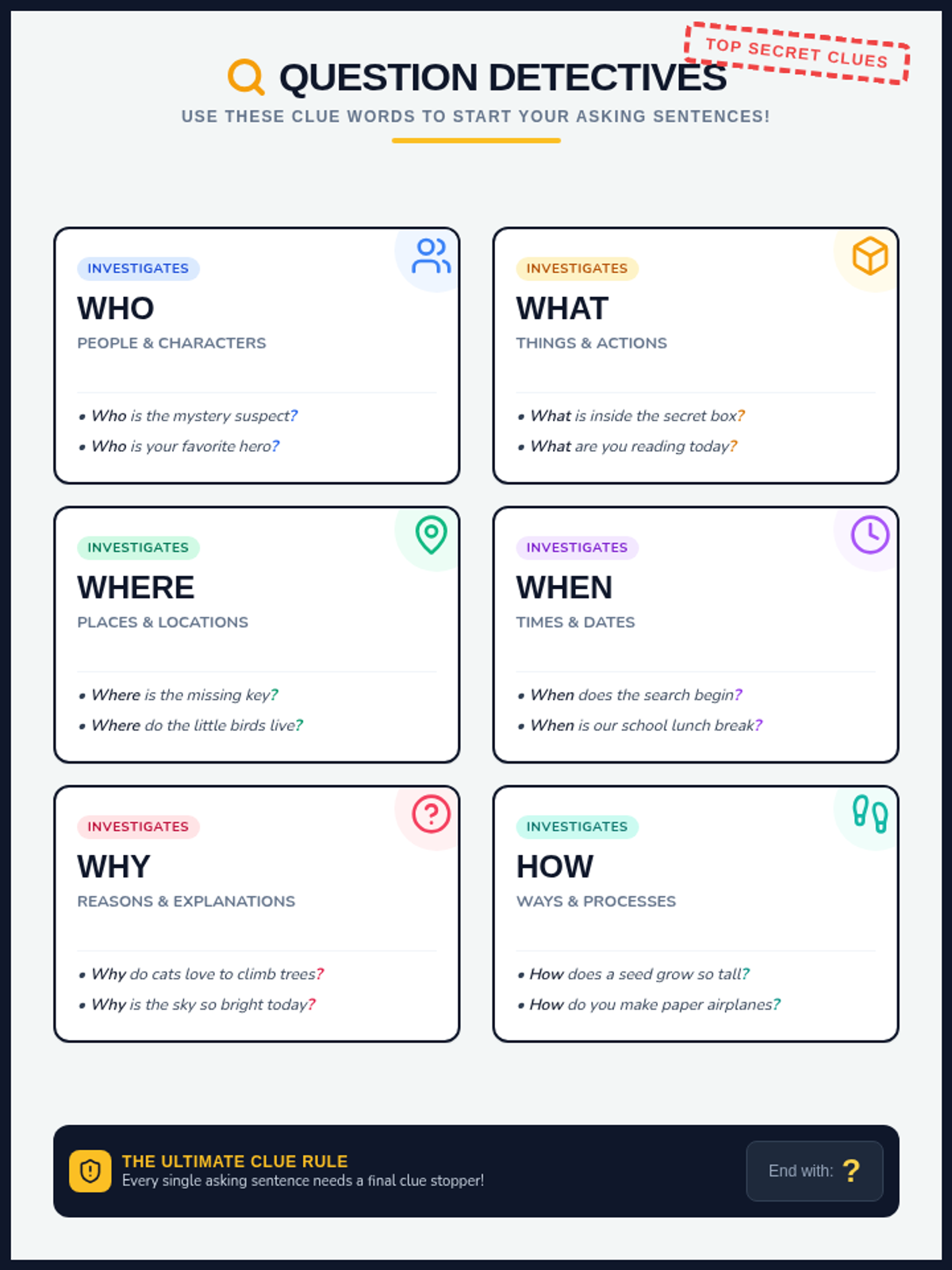
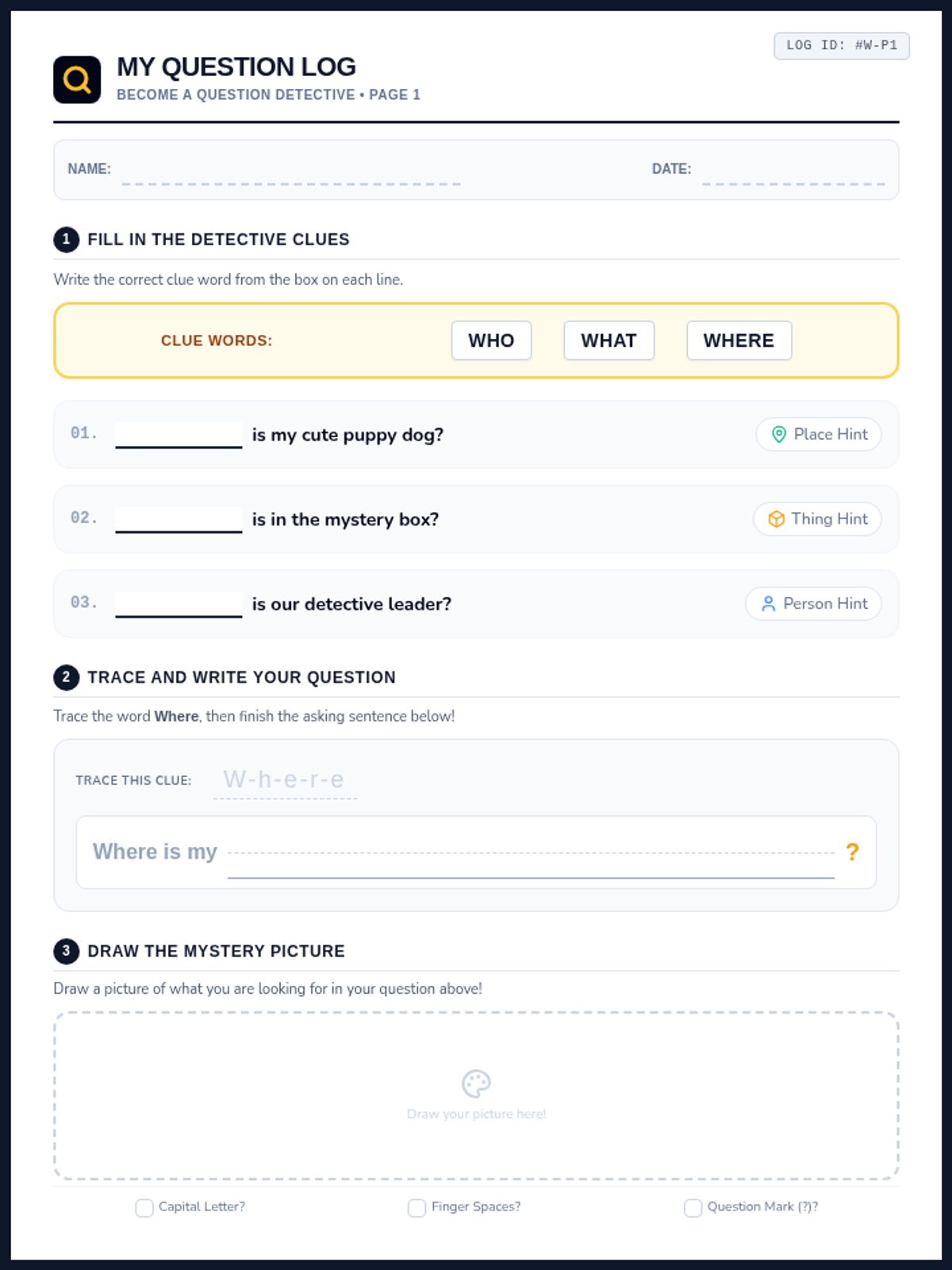
A comprehensive primary-grade lesson where students become 'Question Detectives' to master the six 5W1H question words (Who, What, Where, When, Why, and How) and learn how to construct their own asking sentences. Includes a structured mini-lesson plan, a colorful reference anchor chart, and an engaging investigative worksheet.
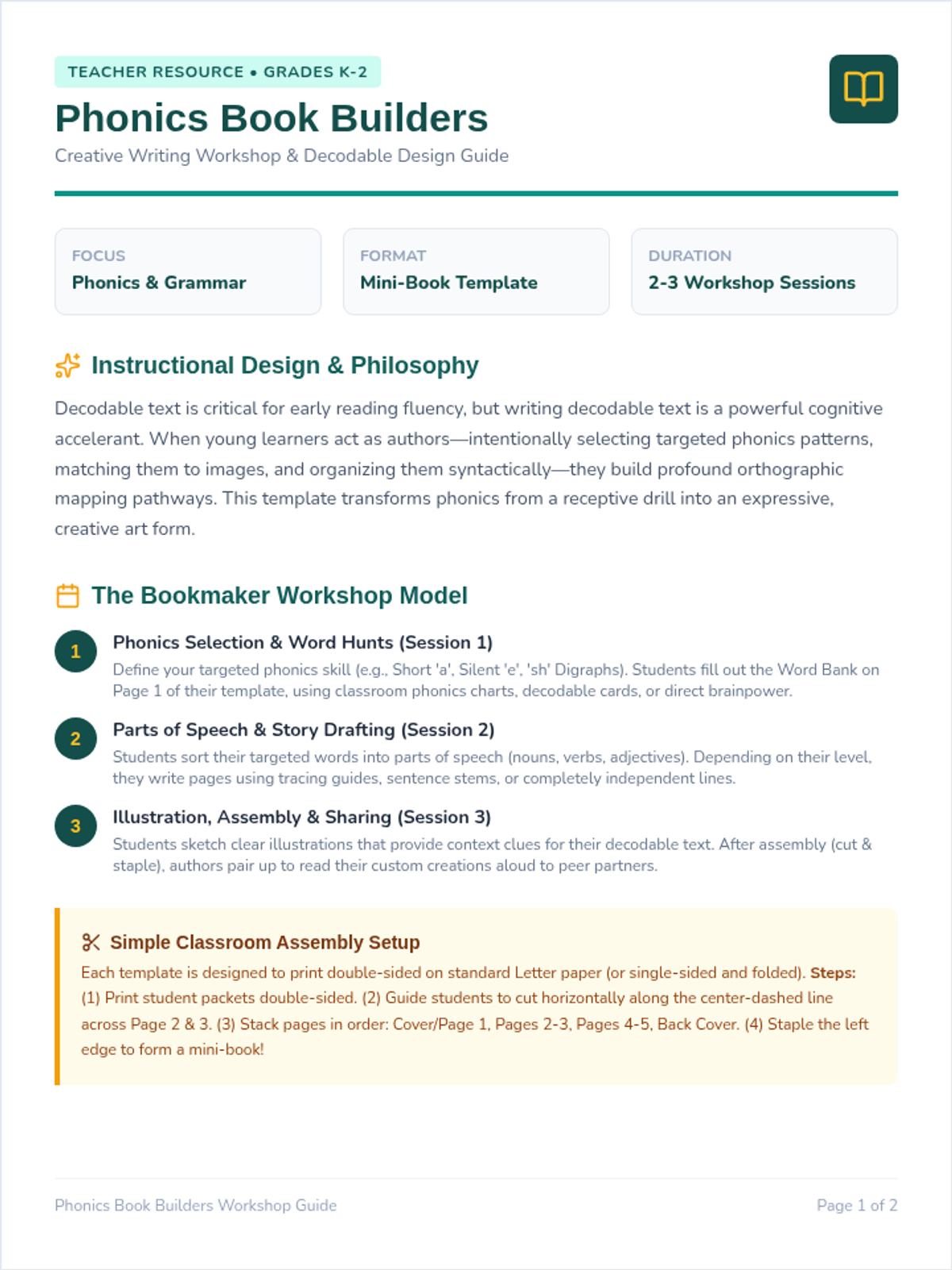
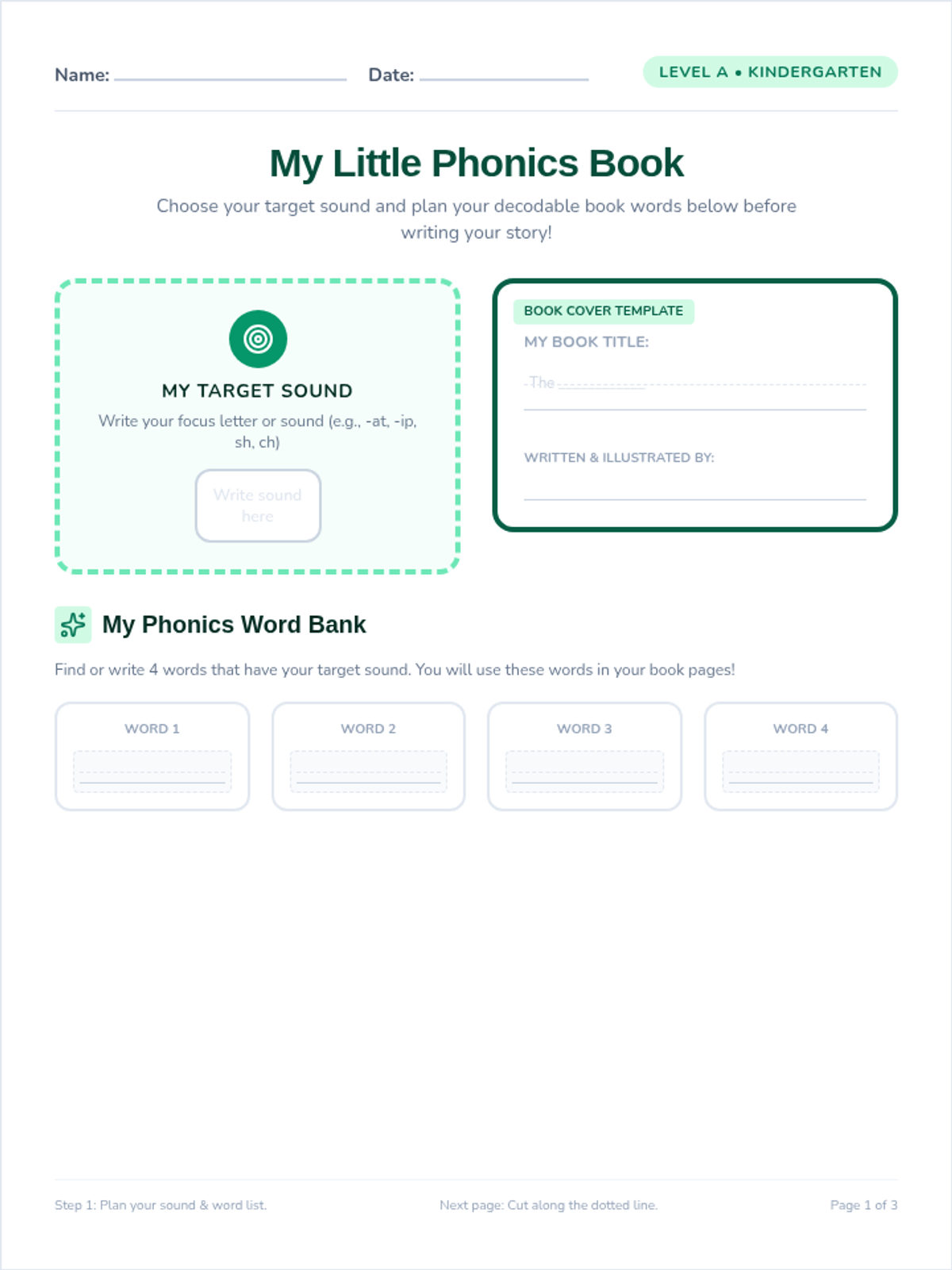
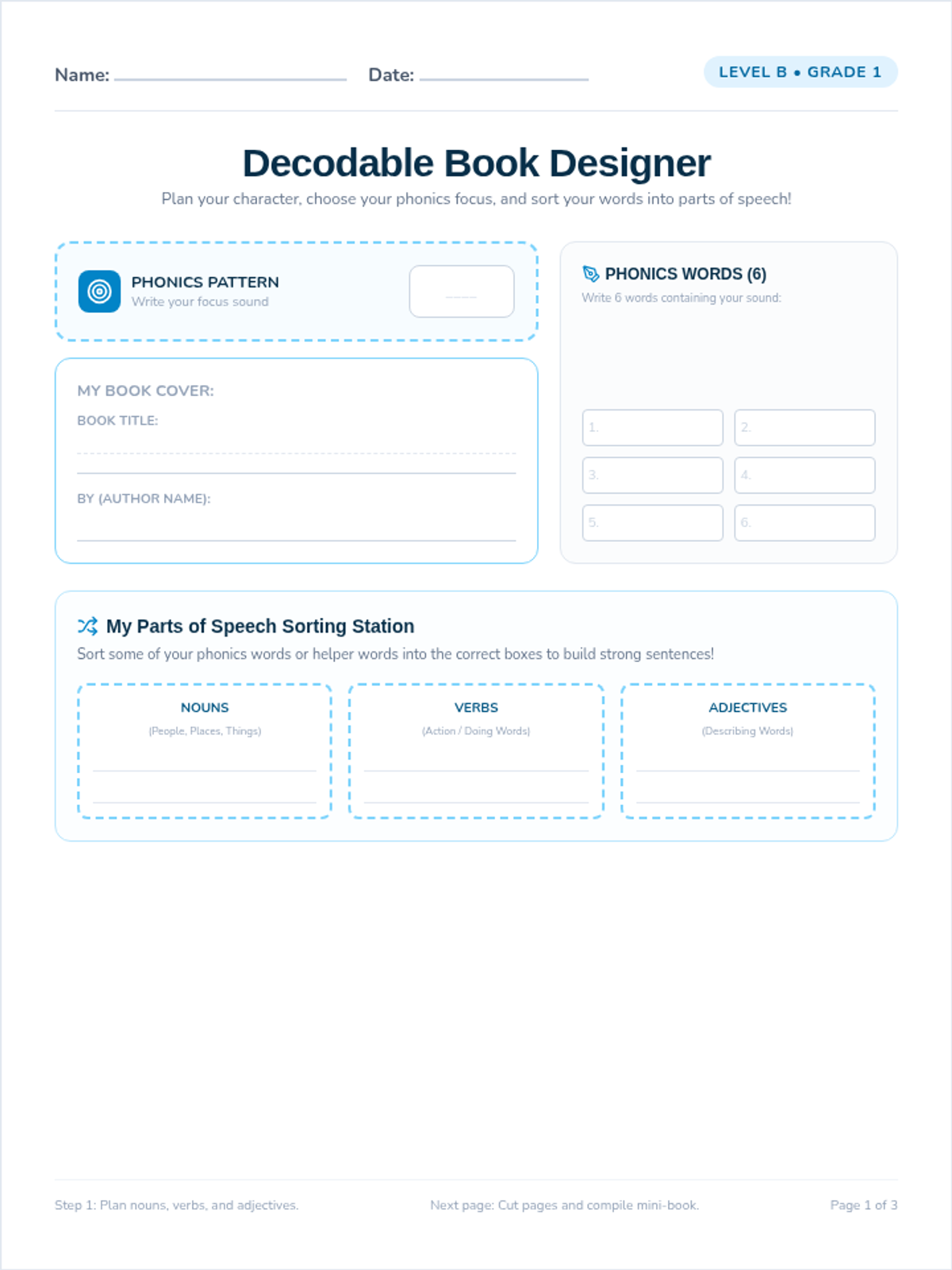
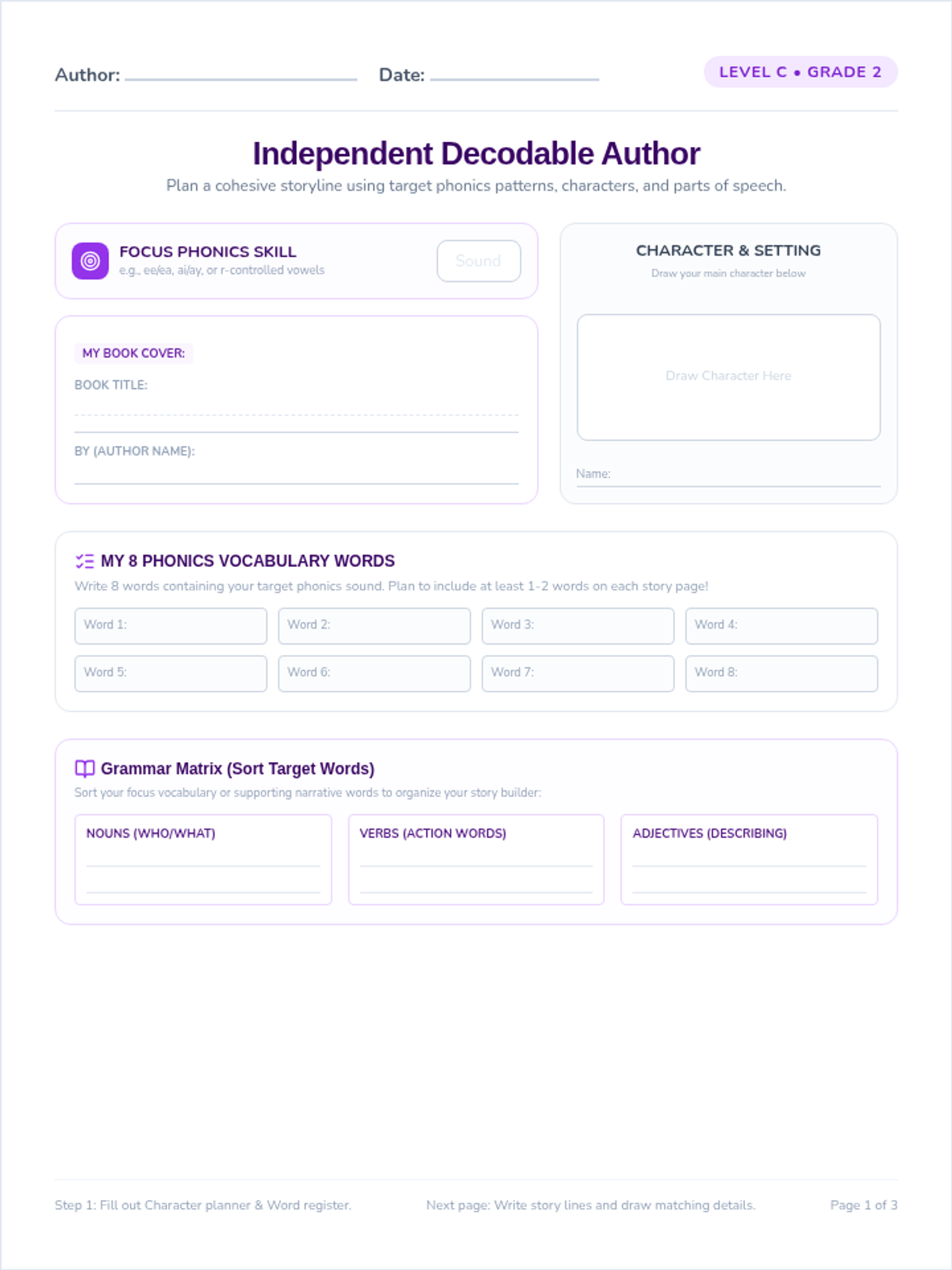
A comprehensive phonics-focused lesson that empowers K-2 students to author, illustrate, and assemble their own decodable books. It includes three levels of differentiated student bookmaking templates (tracing, sentence stems, and independent writing) alongside an educator facilitation guide.
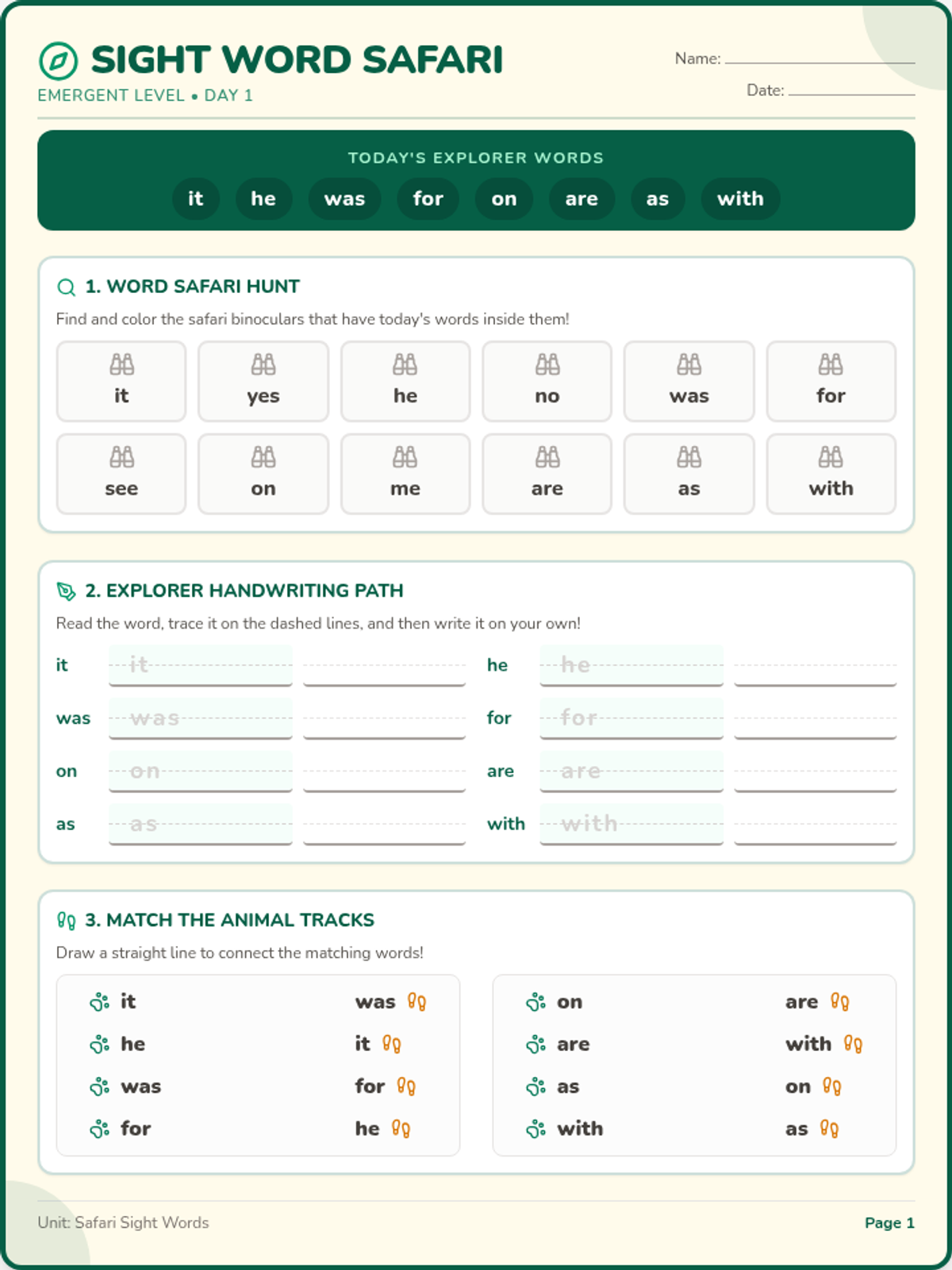
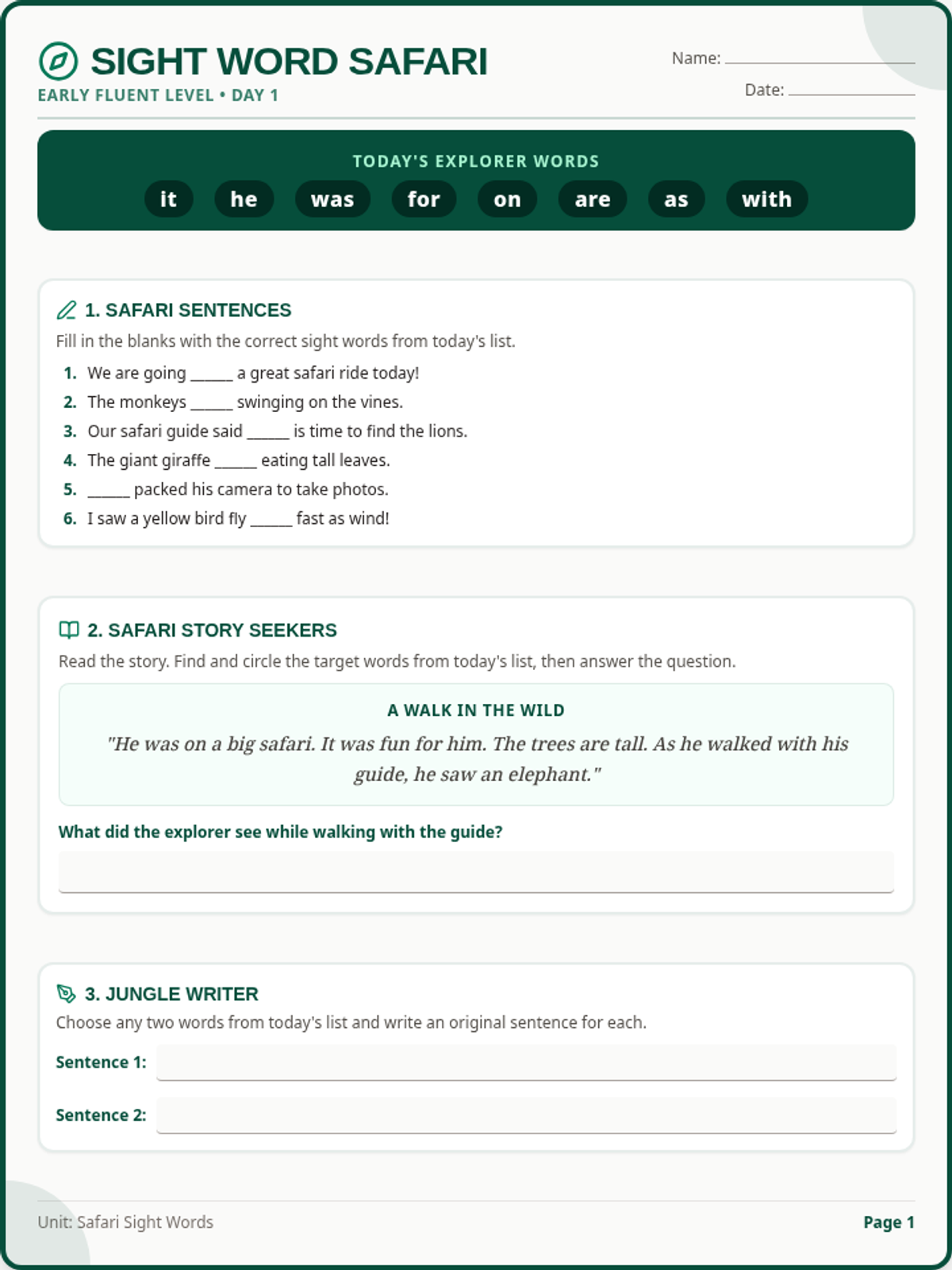
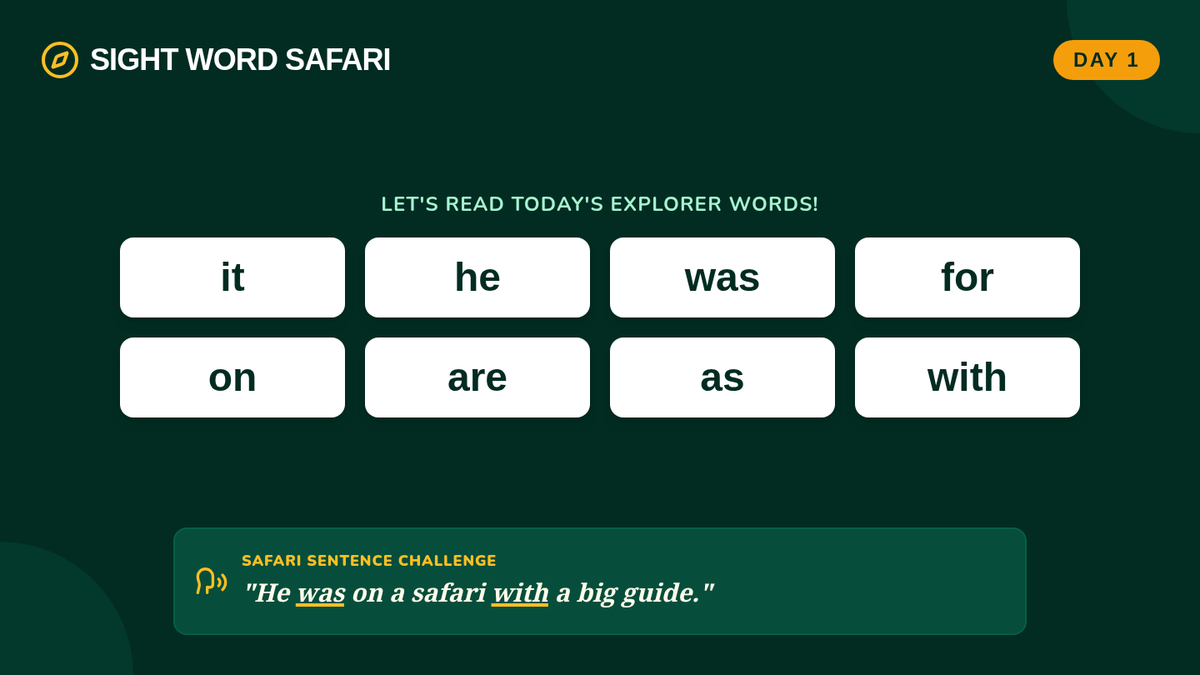
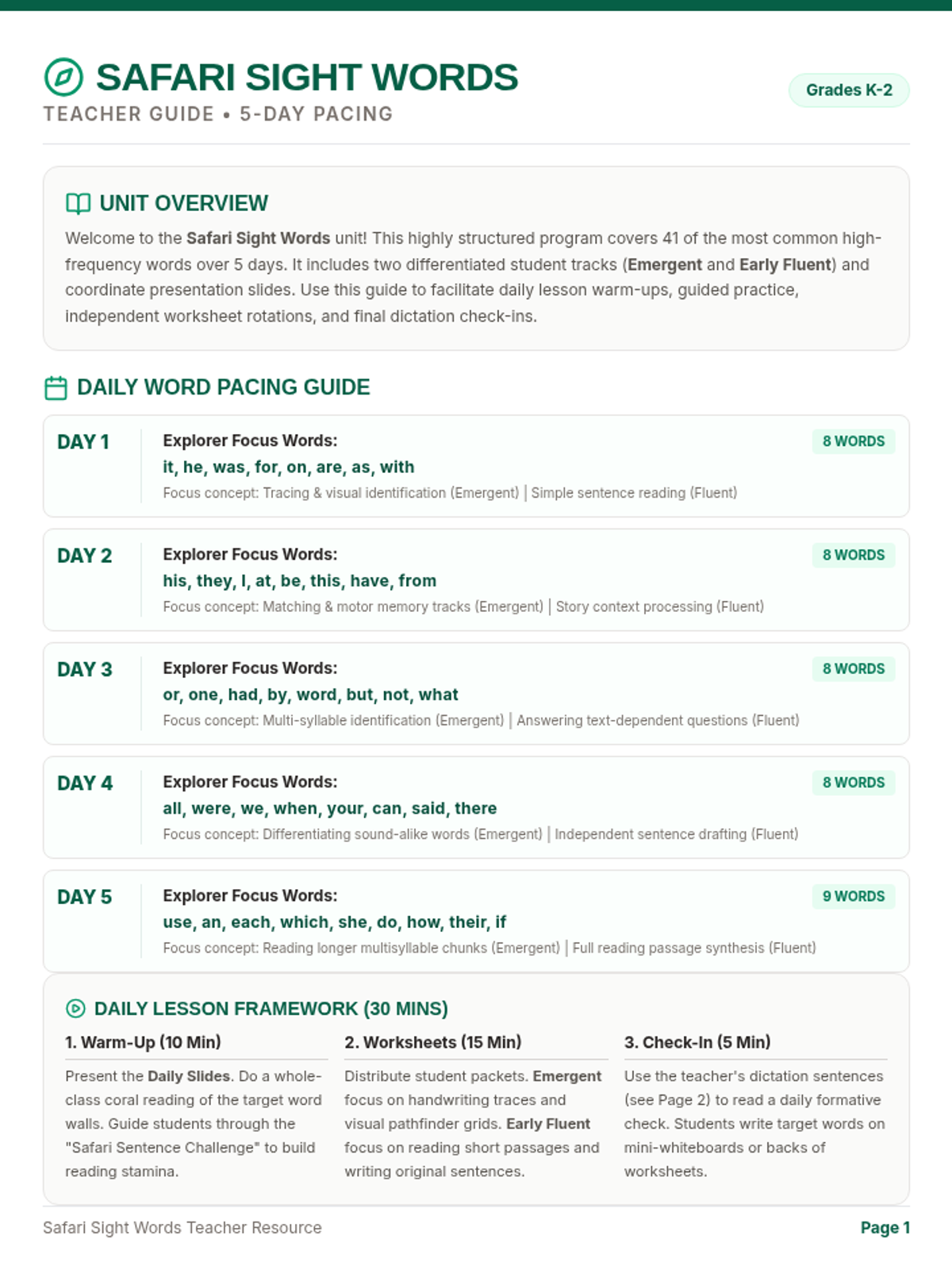
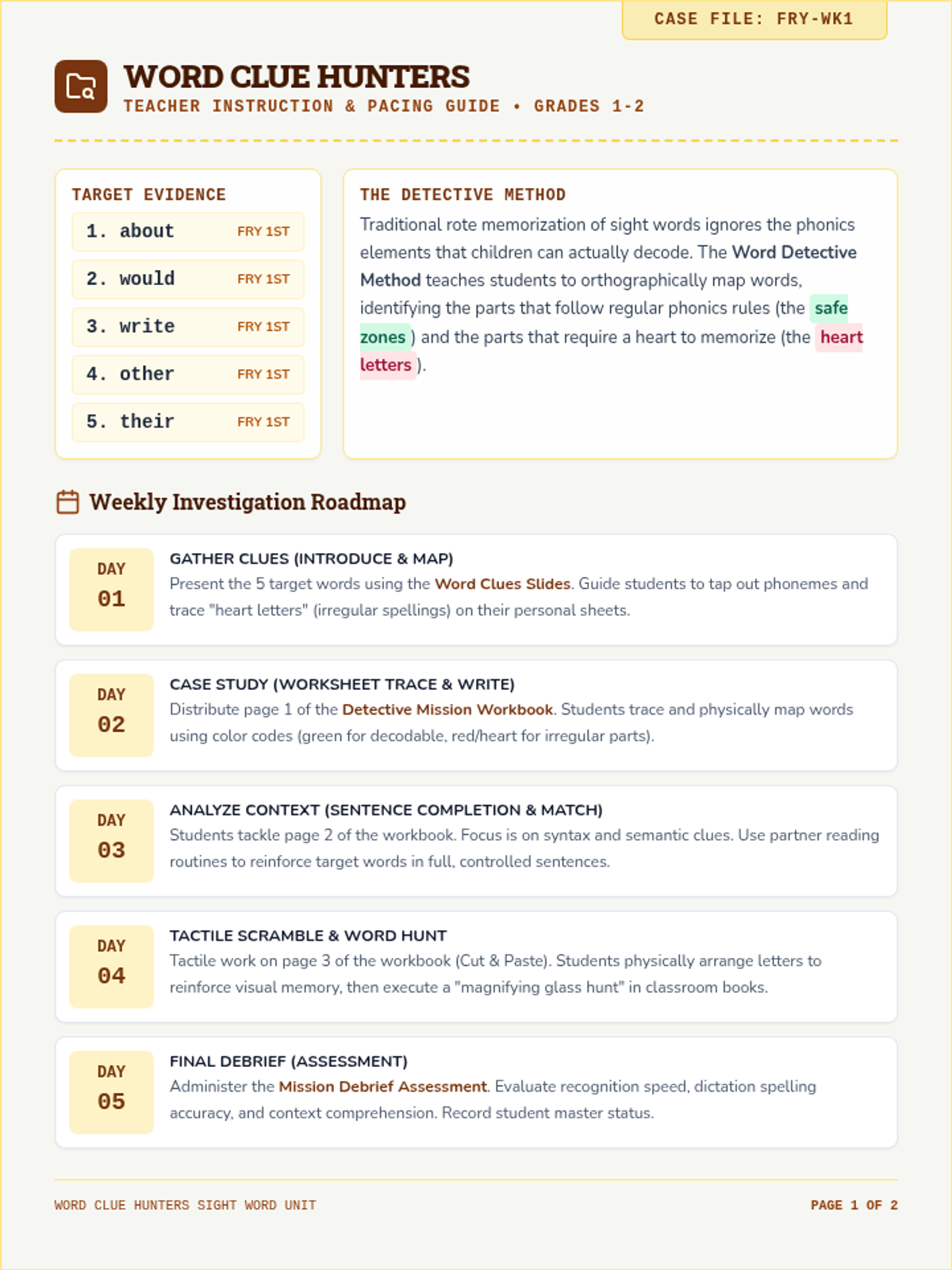
A comprehensive 5-day sight word unit designed for early childhood learners. It includes highly differentiated packets for emergent and early fluent readers, visual classroom slides, and a comprehensive teacher guide with dictation sentences and activity ideas.
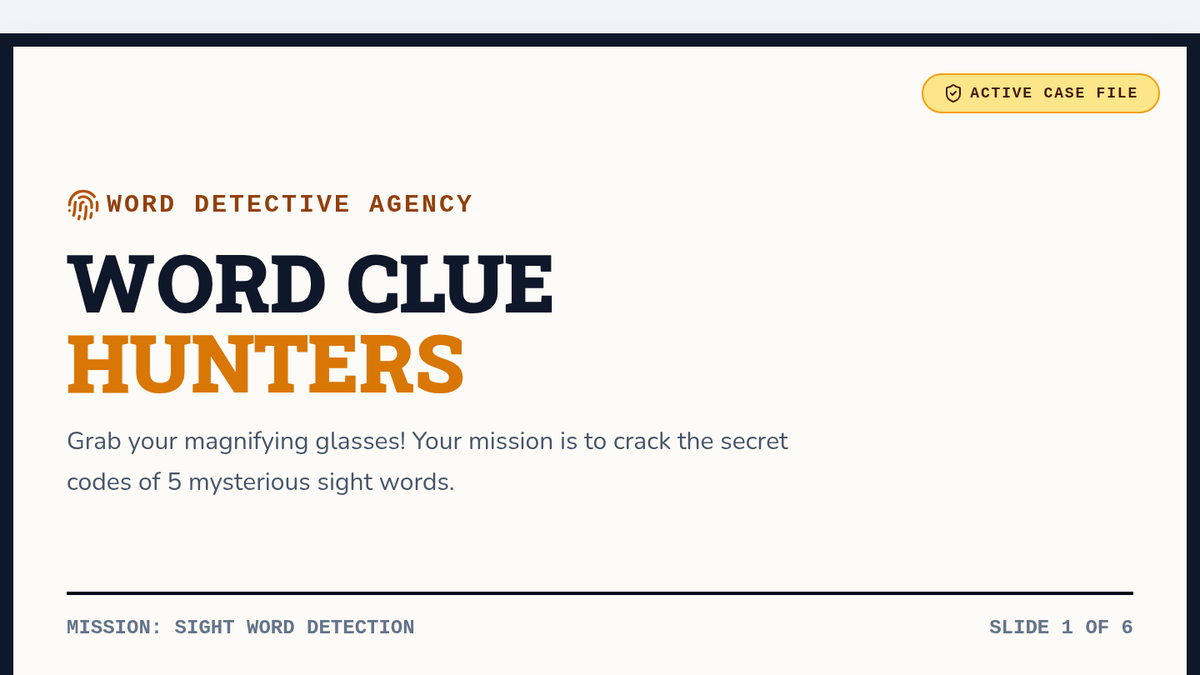
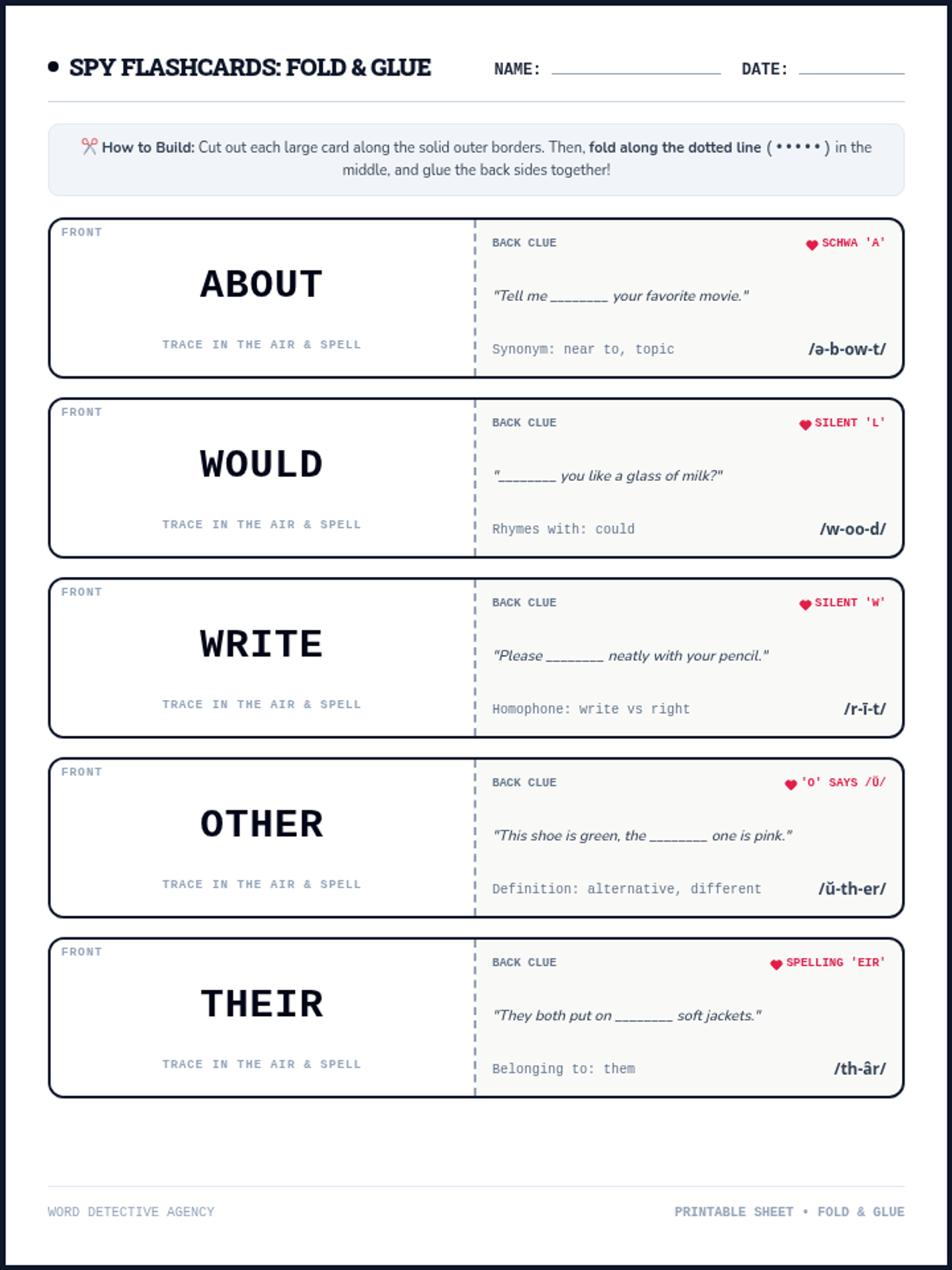
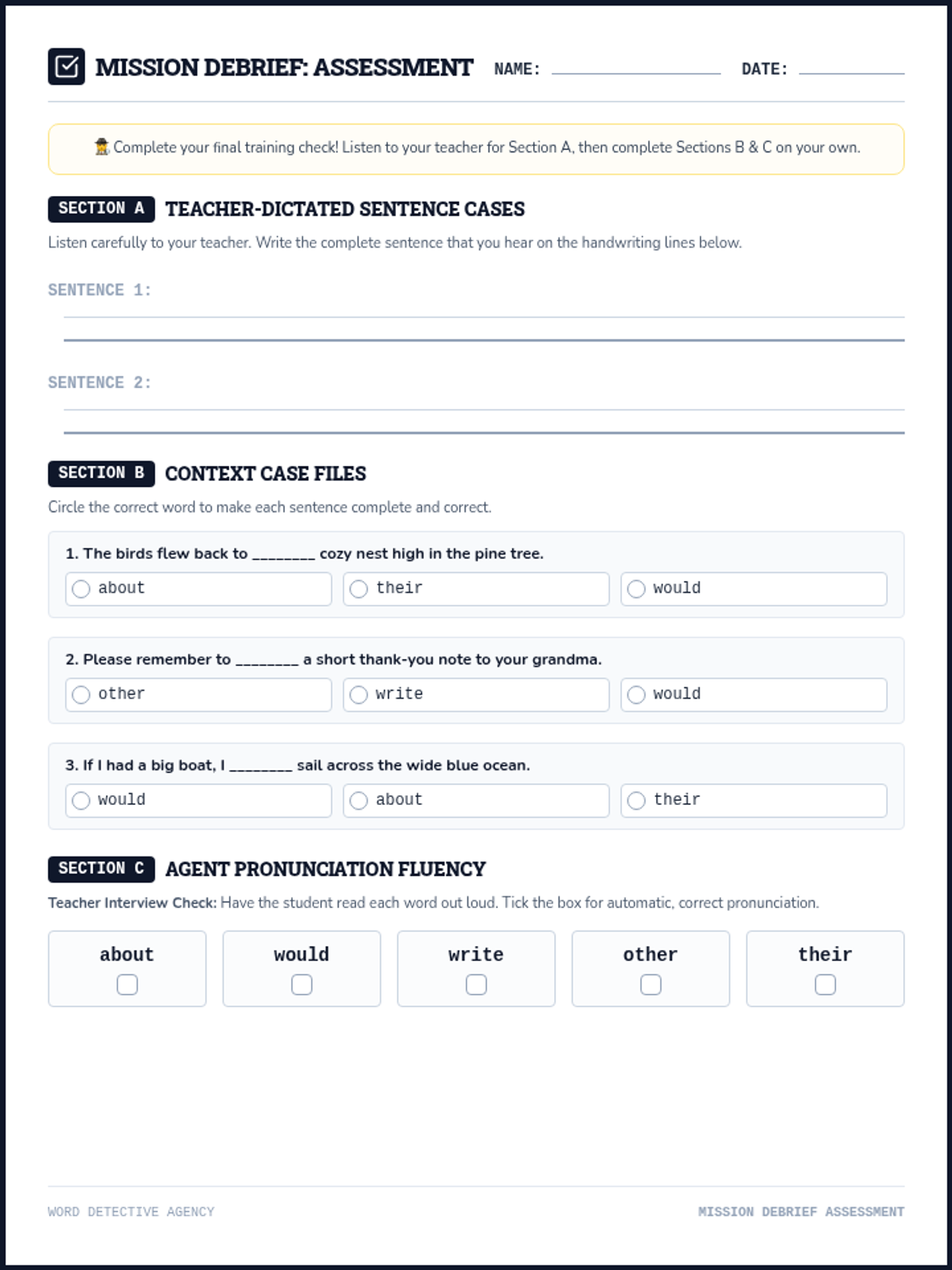
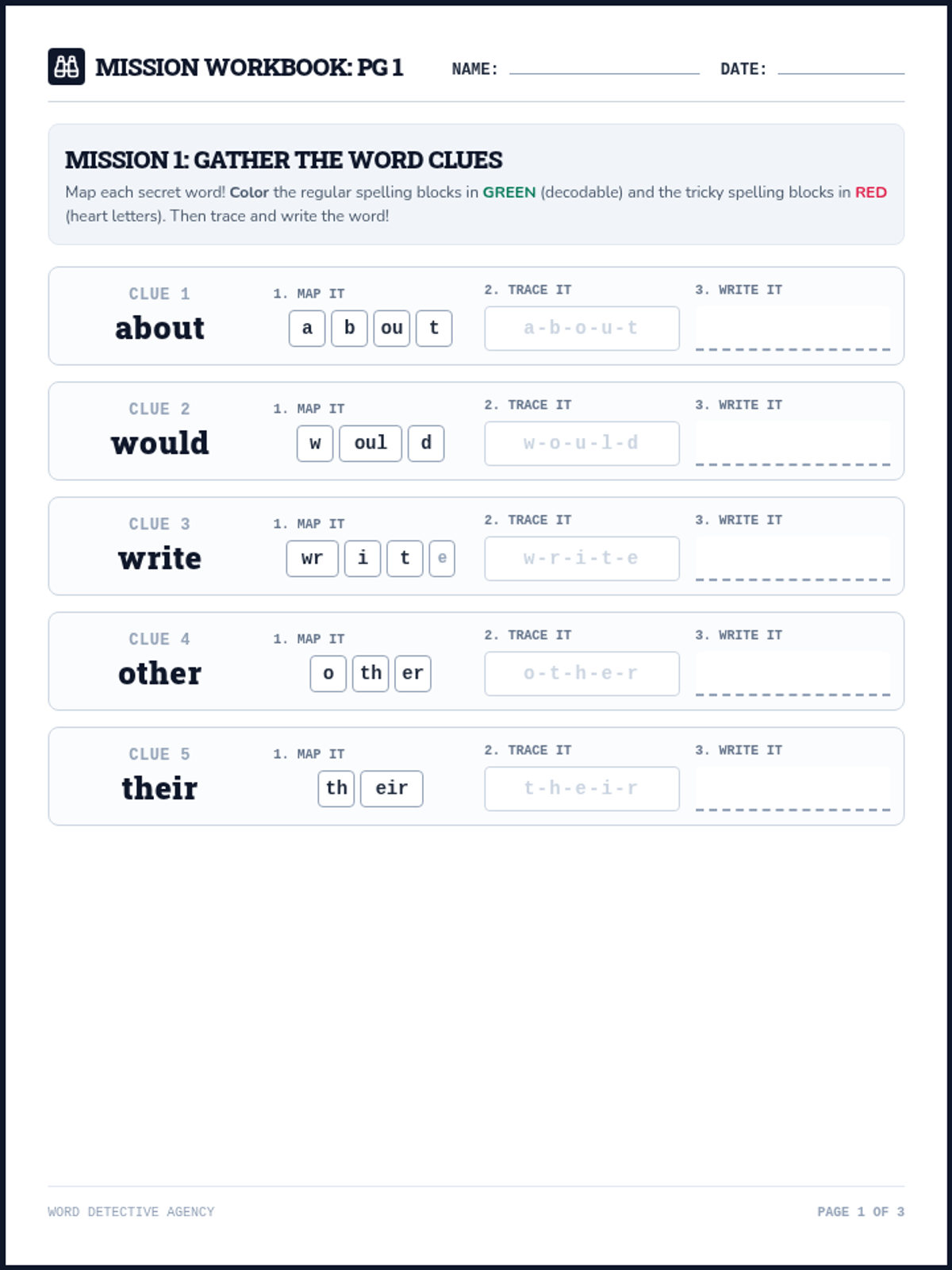
A comprehensive 5-day sight word unit targeting five critical high-frequency Fry words ('about', 'would', 'write', 'other', 'their') through active daily routines, hands-on practice, and a tactile detective-themed investigation.