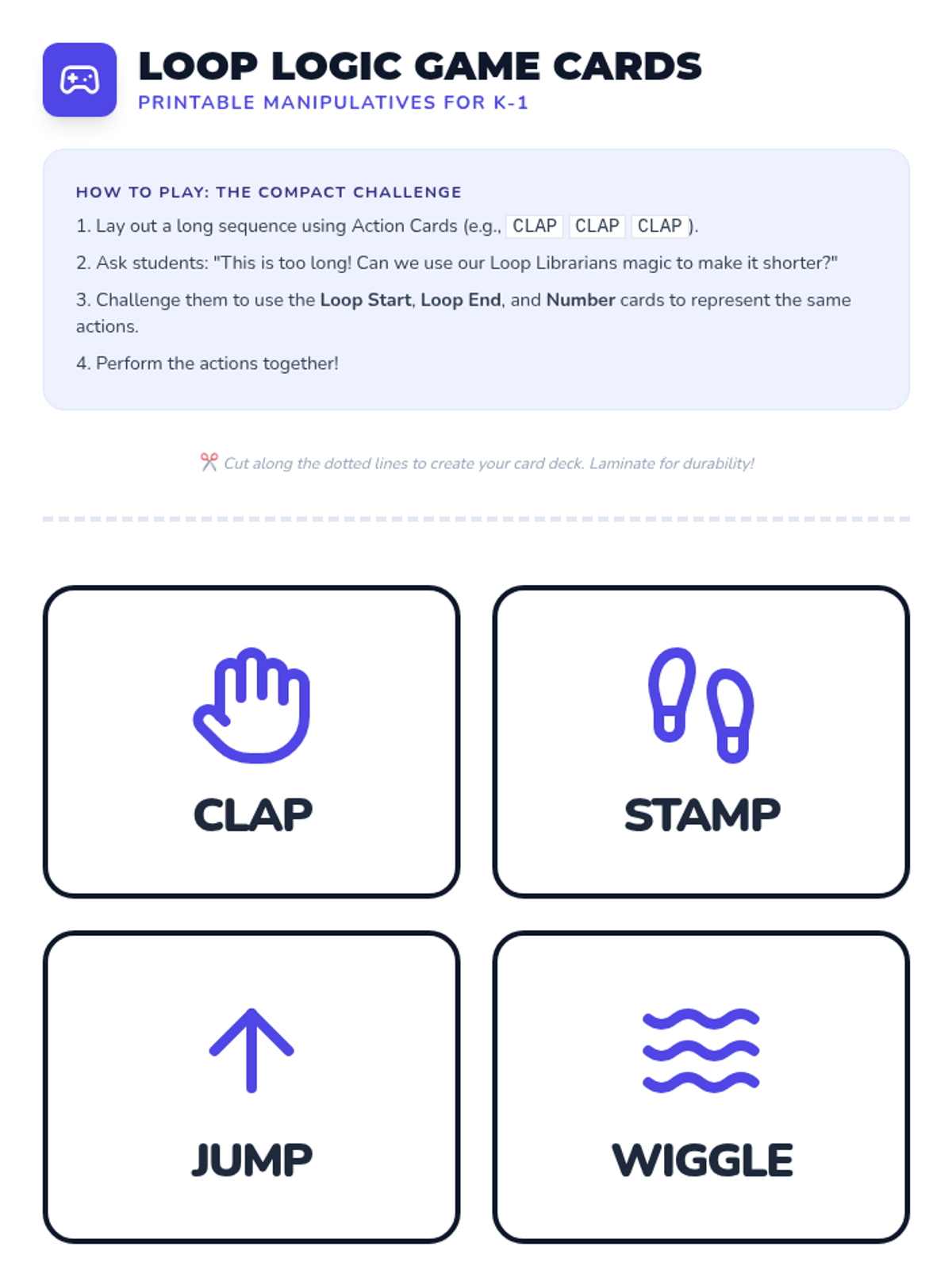
A foundational introduction to computer science for K-1 students, teaching algorithms and loops through visual and movement-based patterns. Students learn to see patterns as repeating sets of instructions, building the mental model for coding loops.
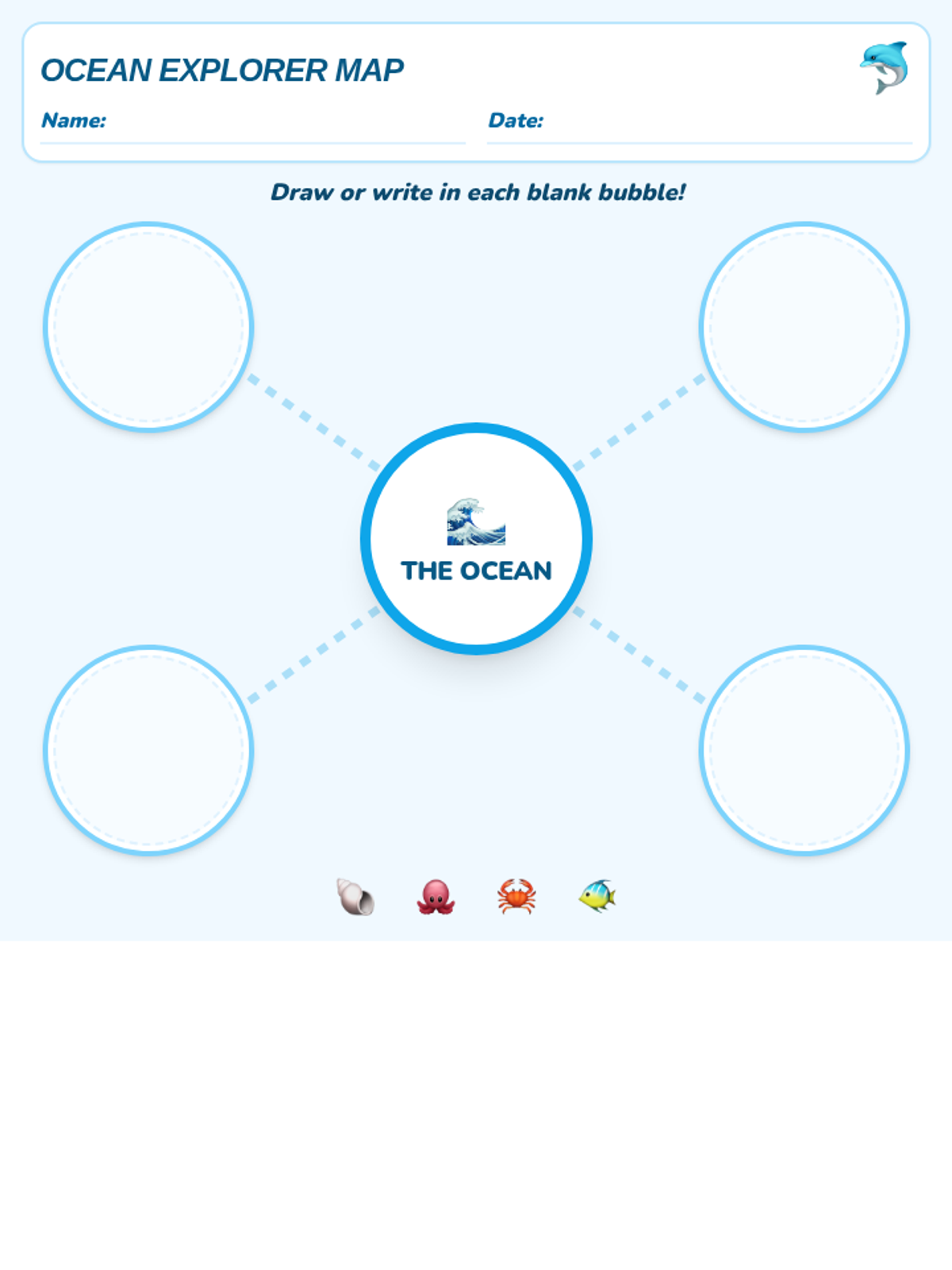
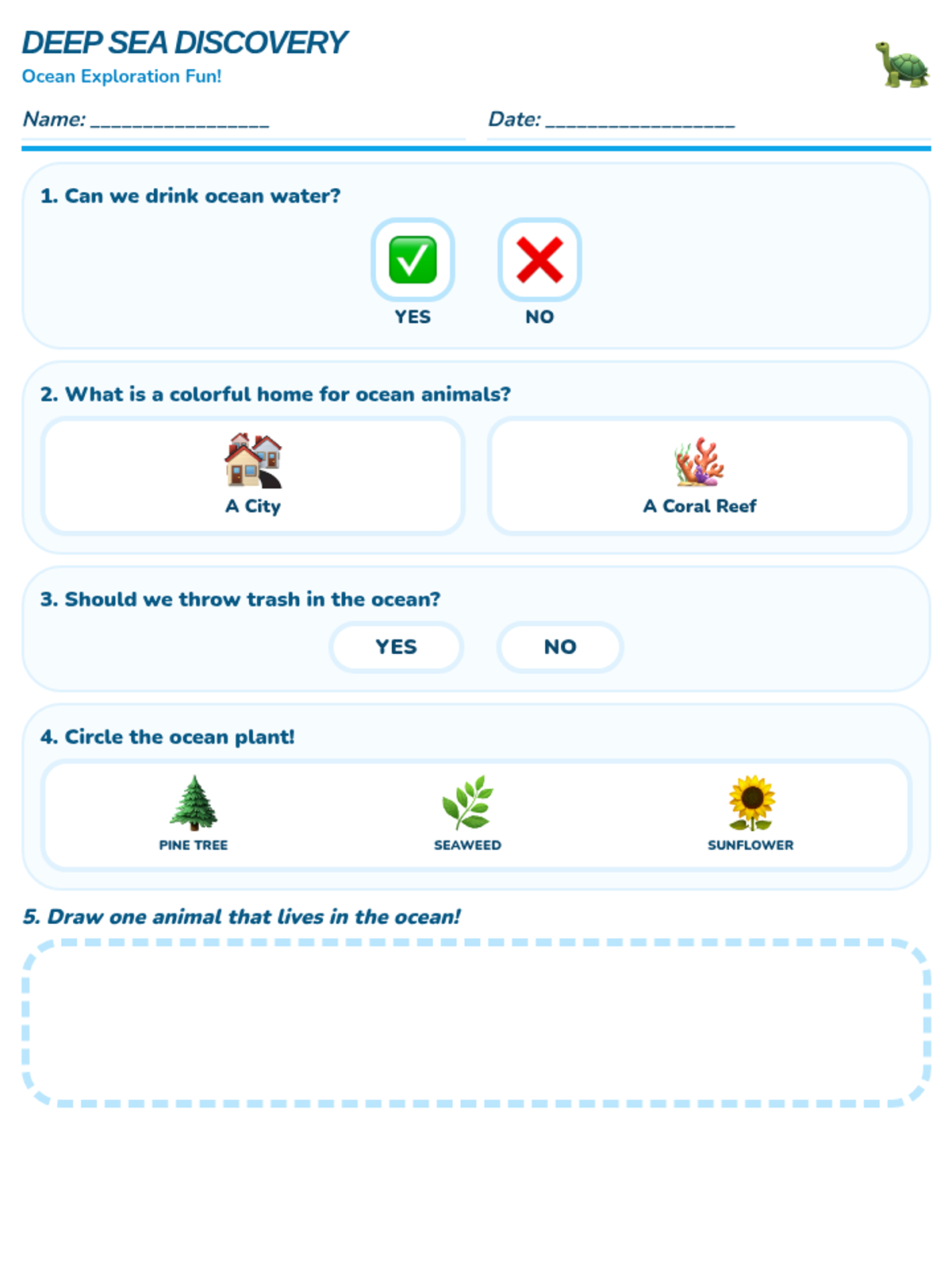
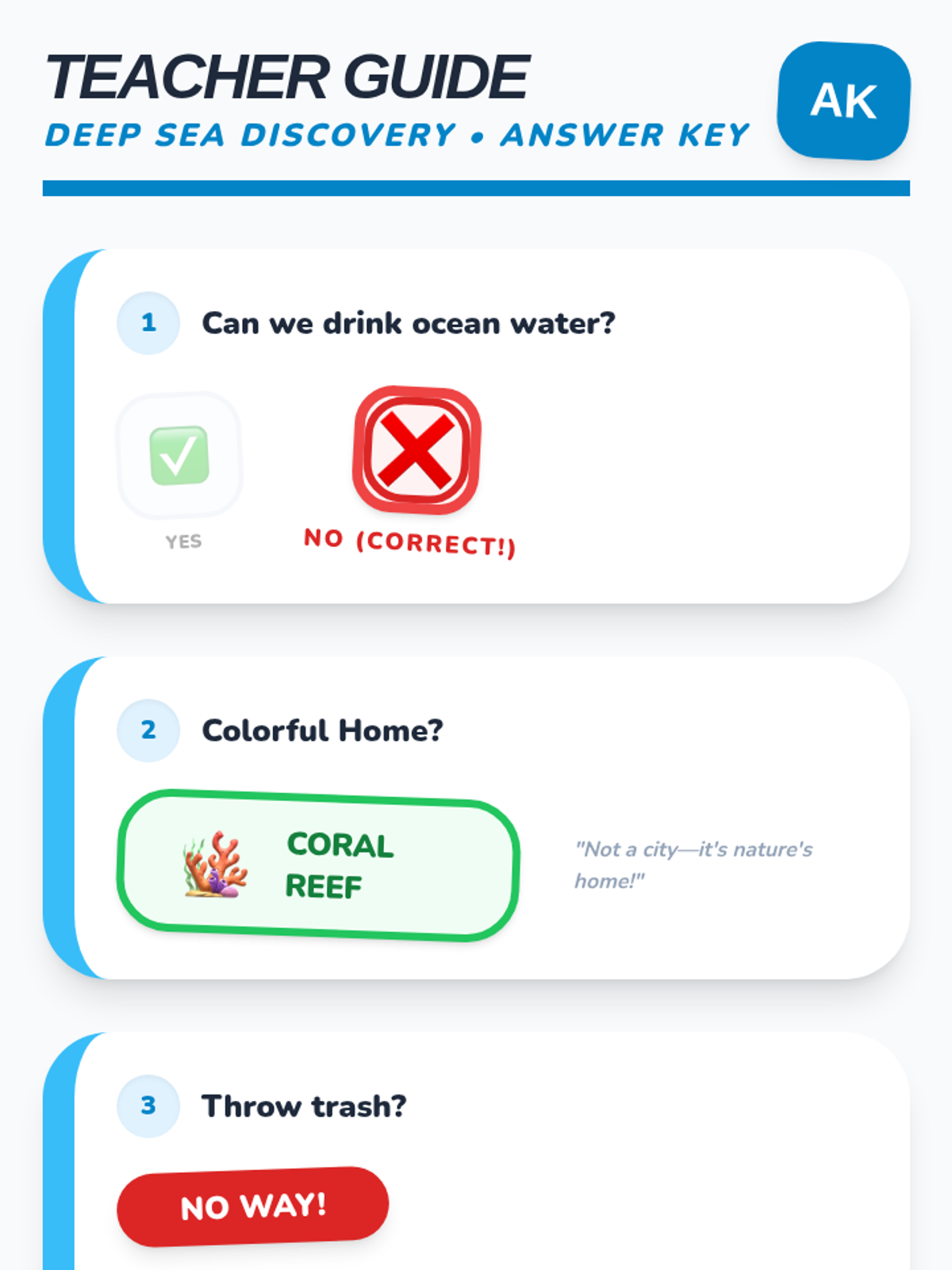
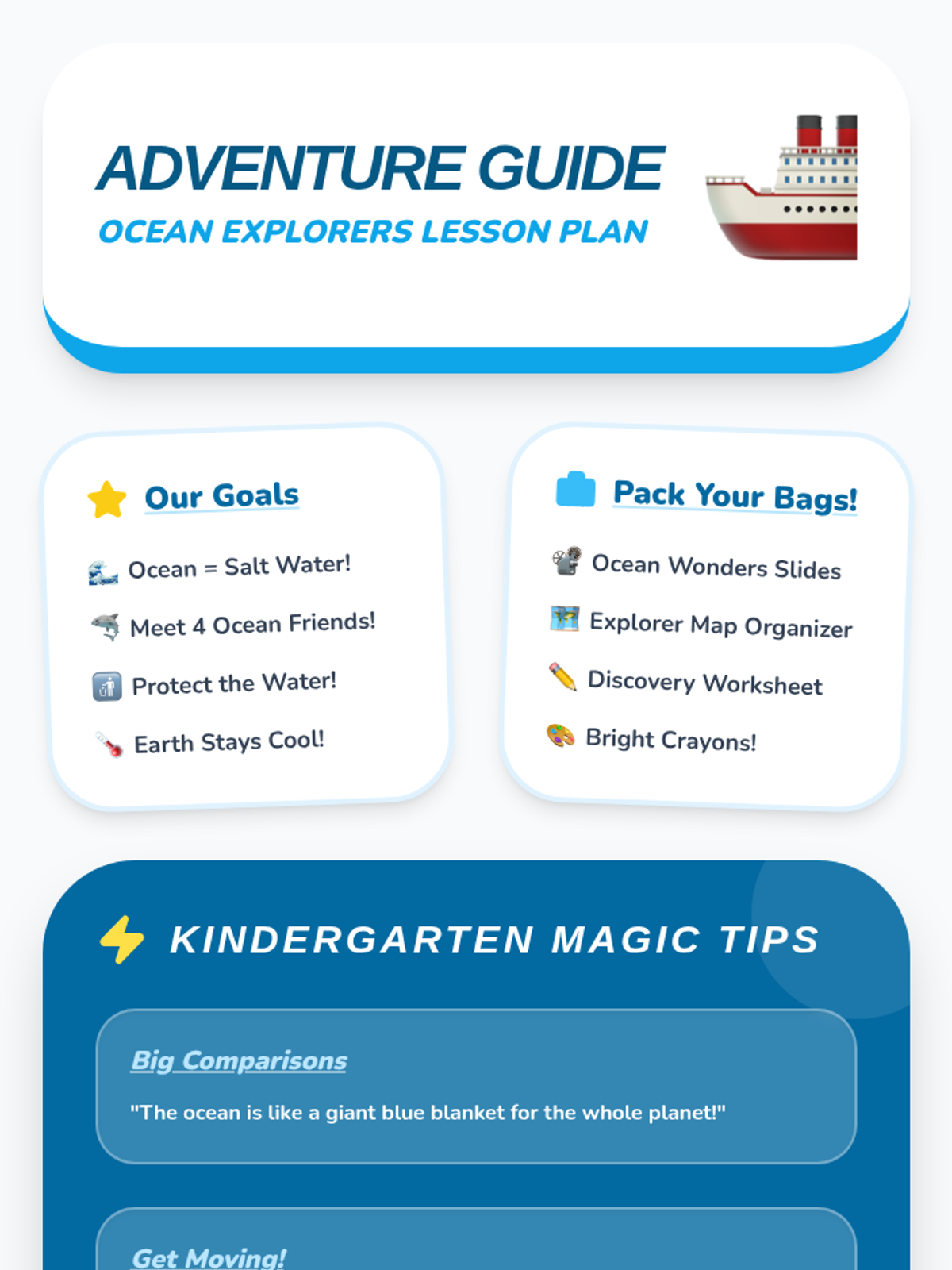
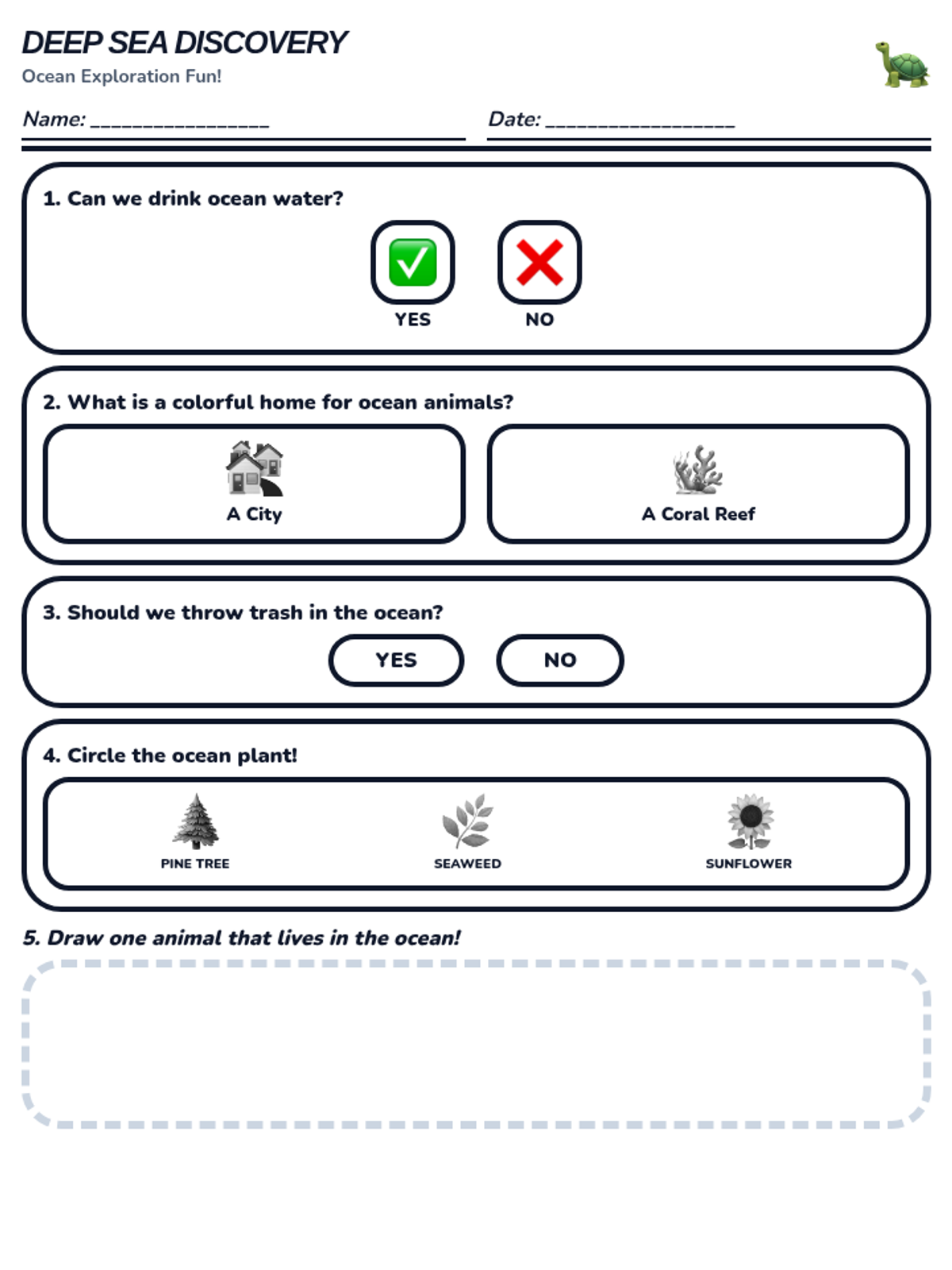
An introductory lesson for kindergarten students exploring basic ocean facts and marine life through visual aids and hands-on activities.
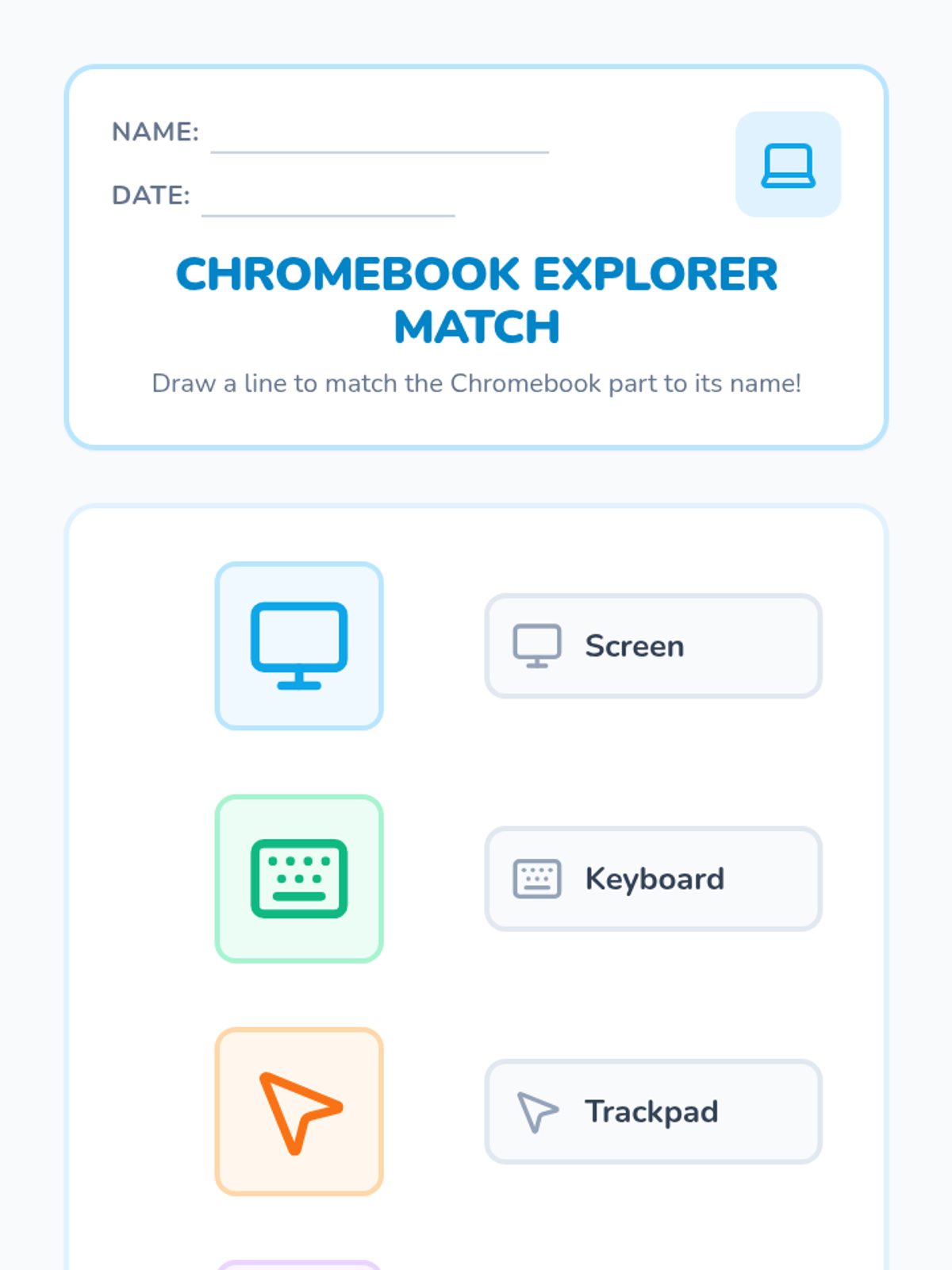
A beginner-friendly introduction to the physical parts of a Chromebook and basic digital literacy for kindergarten students.
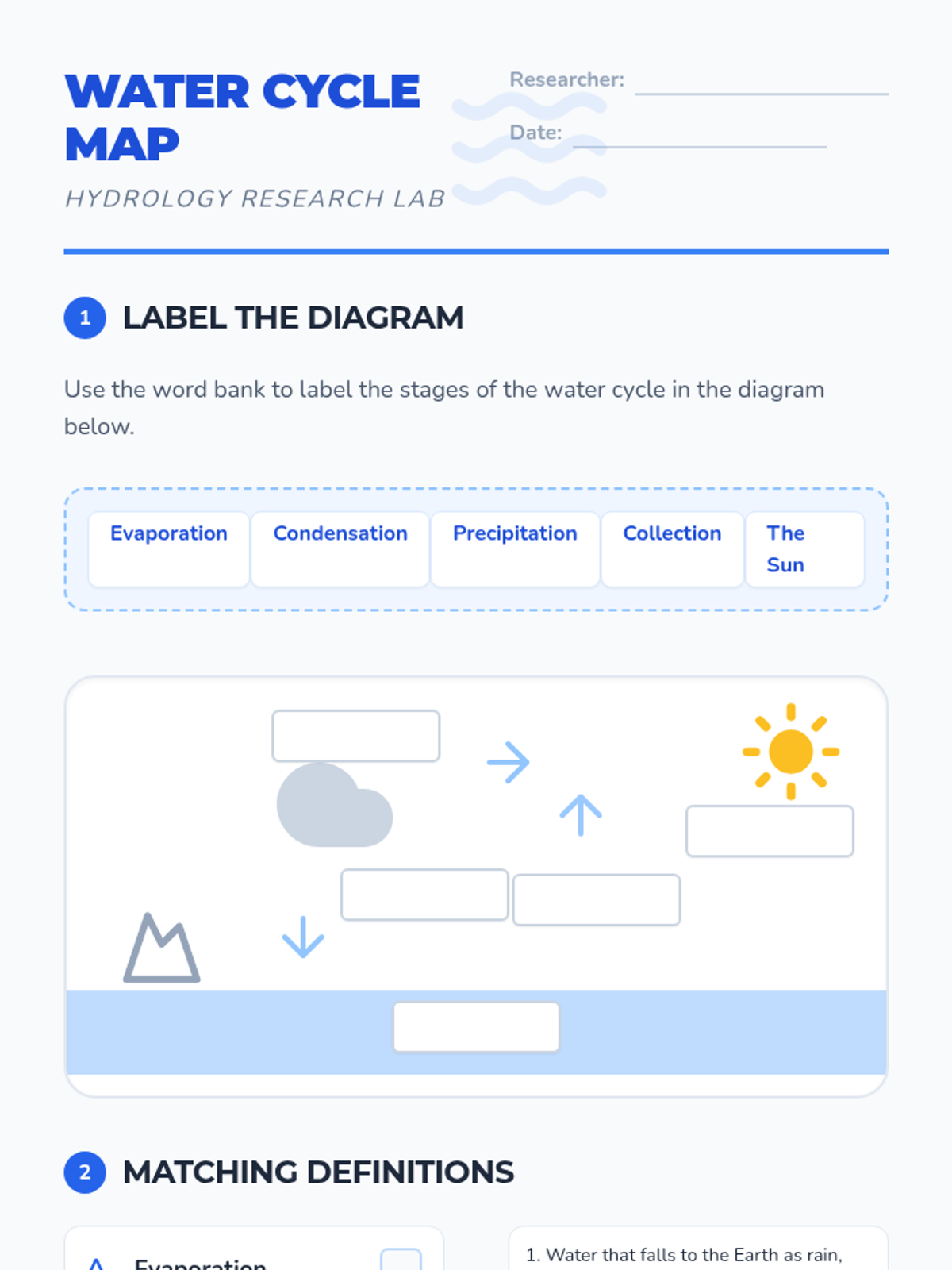
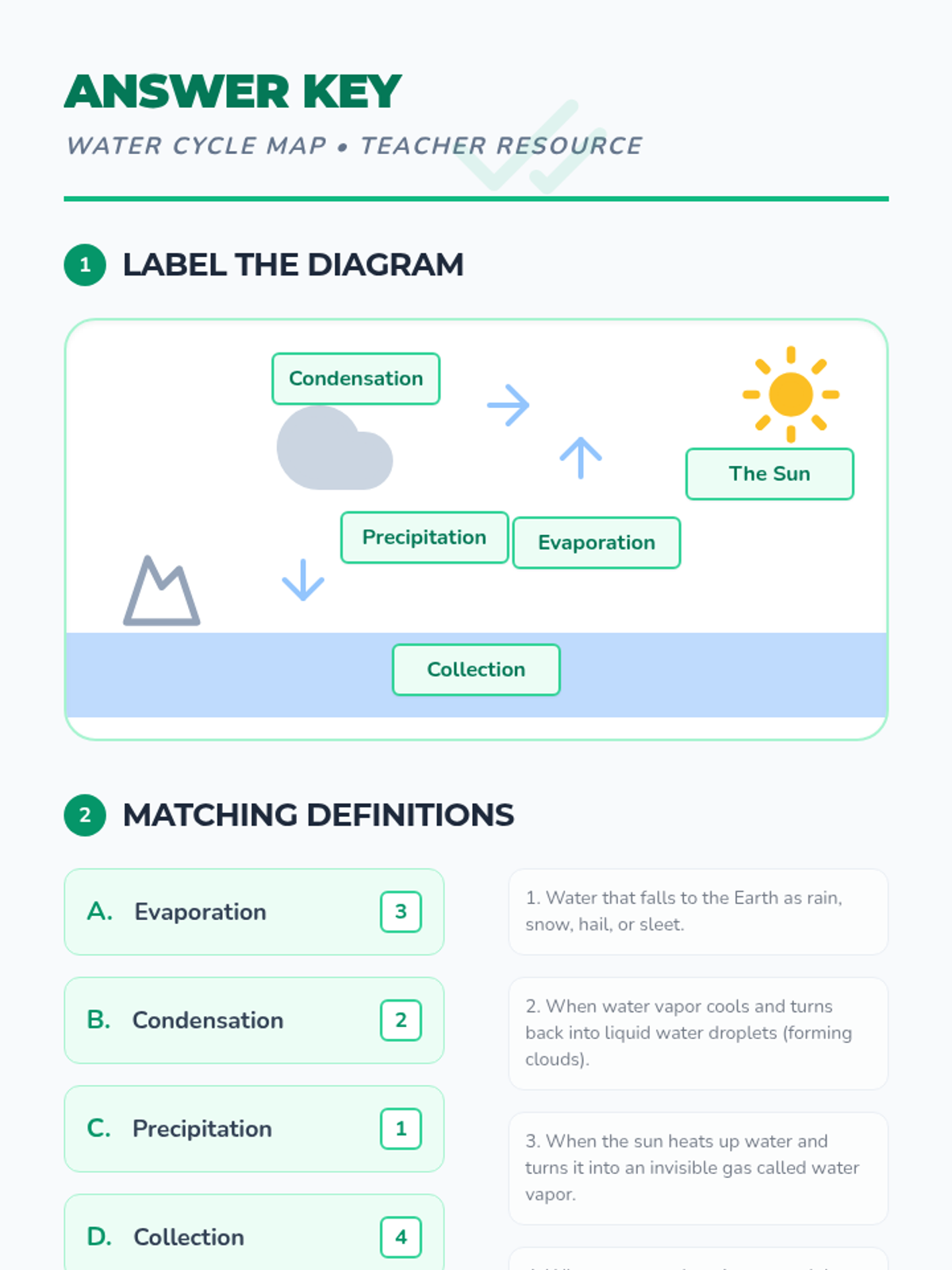
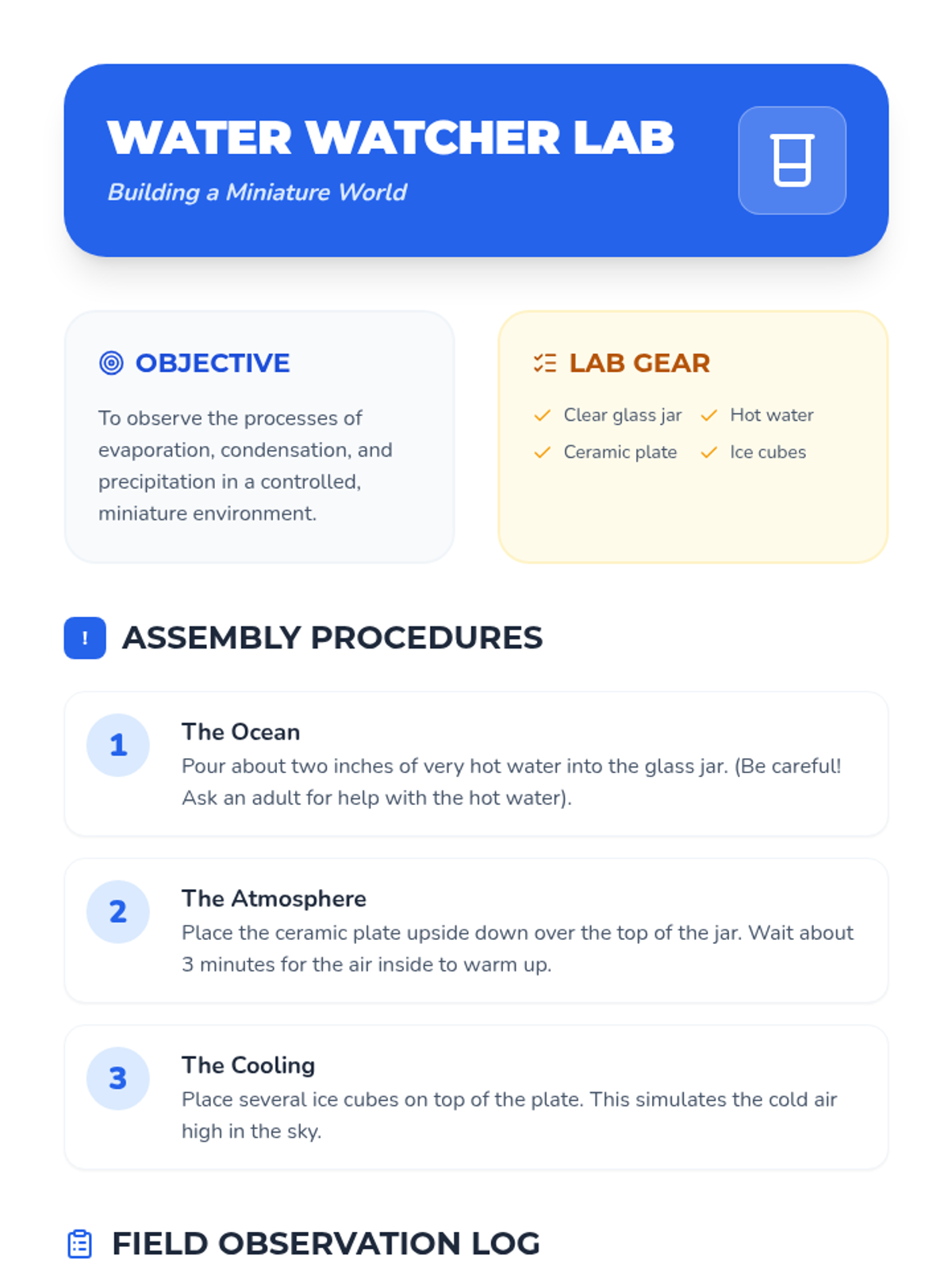
An introductory lesson on the continuous movement of water on, above, and below the surface of the Earth, focusing on the four main stages: evaporation, condensation, precipitation, and collection.
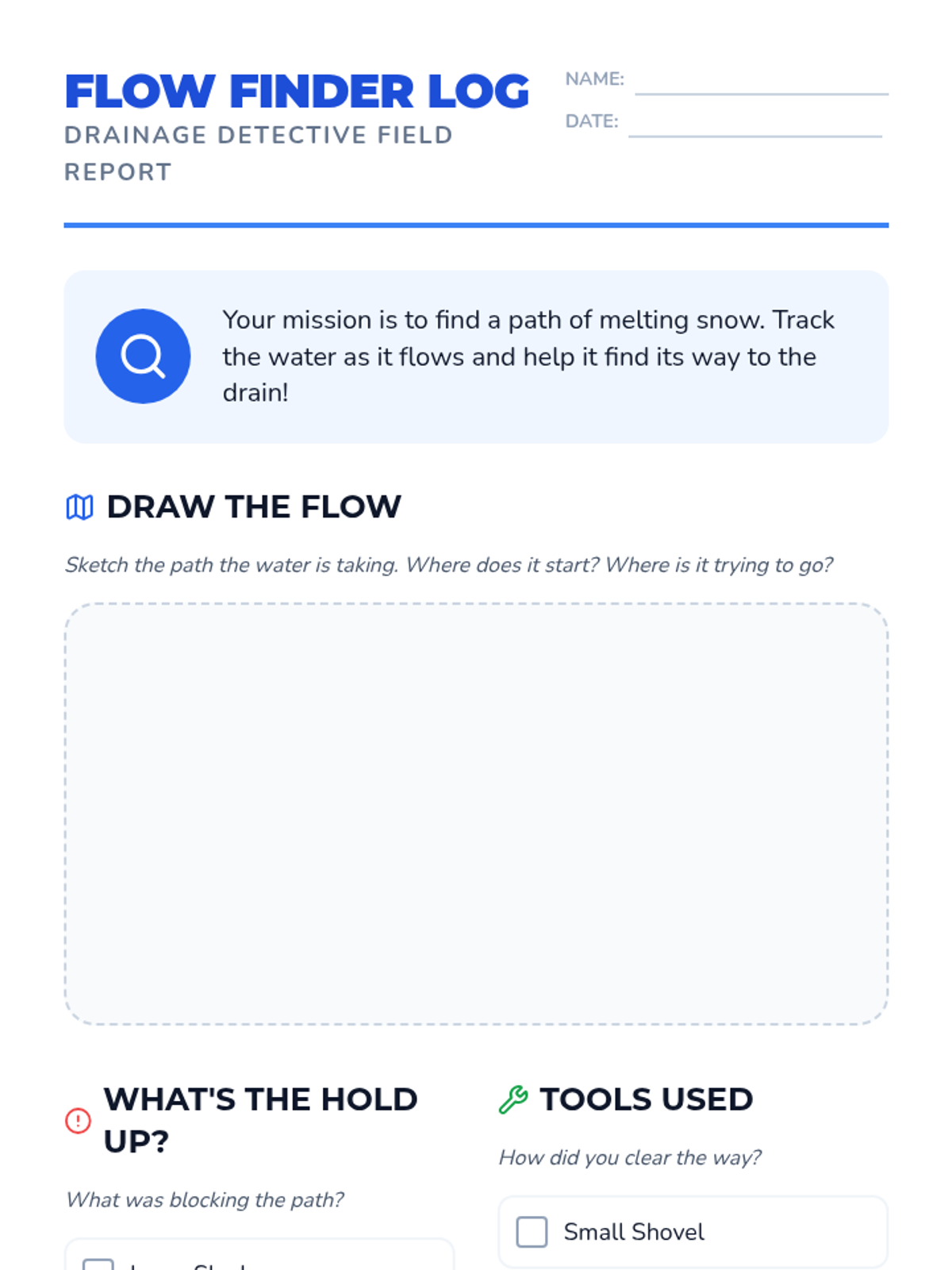
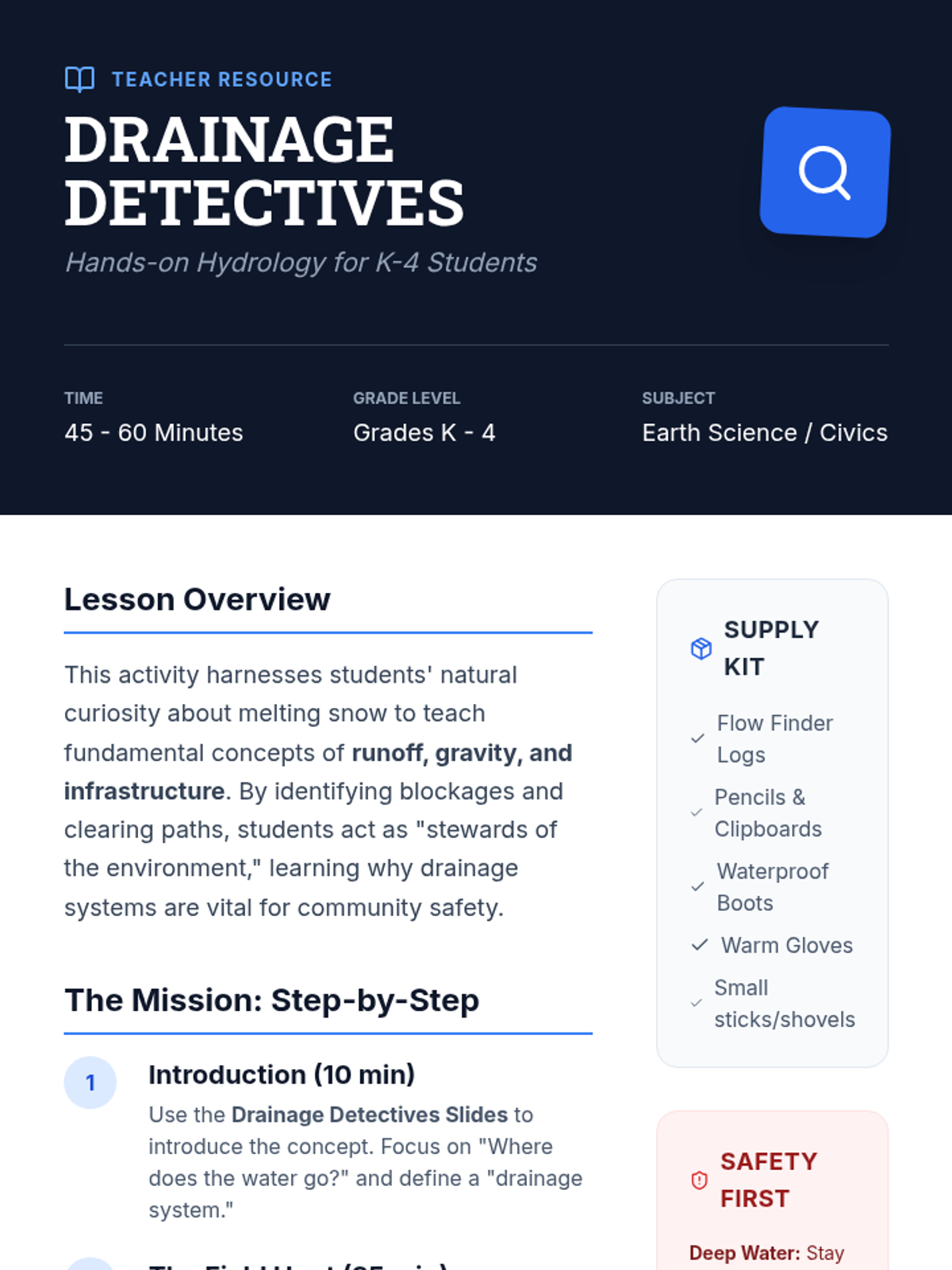
In this hands-on lesson, students explore the science of runoff and drainage by observing melting snow. They'll learn why drains are essential for preventing floods and how to keep water flowing safely through their environment.
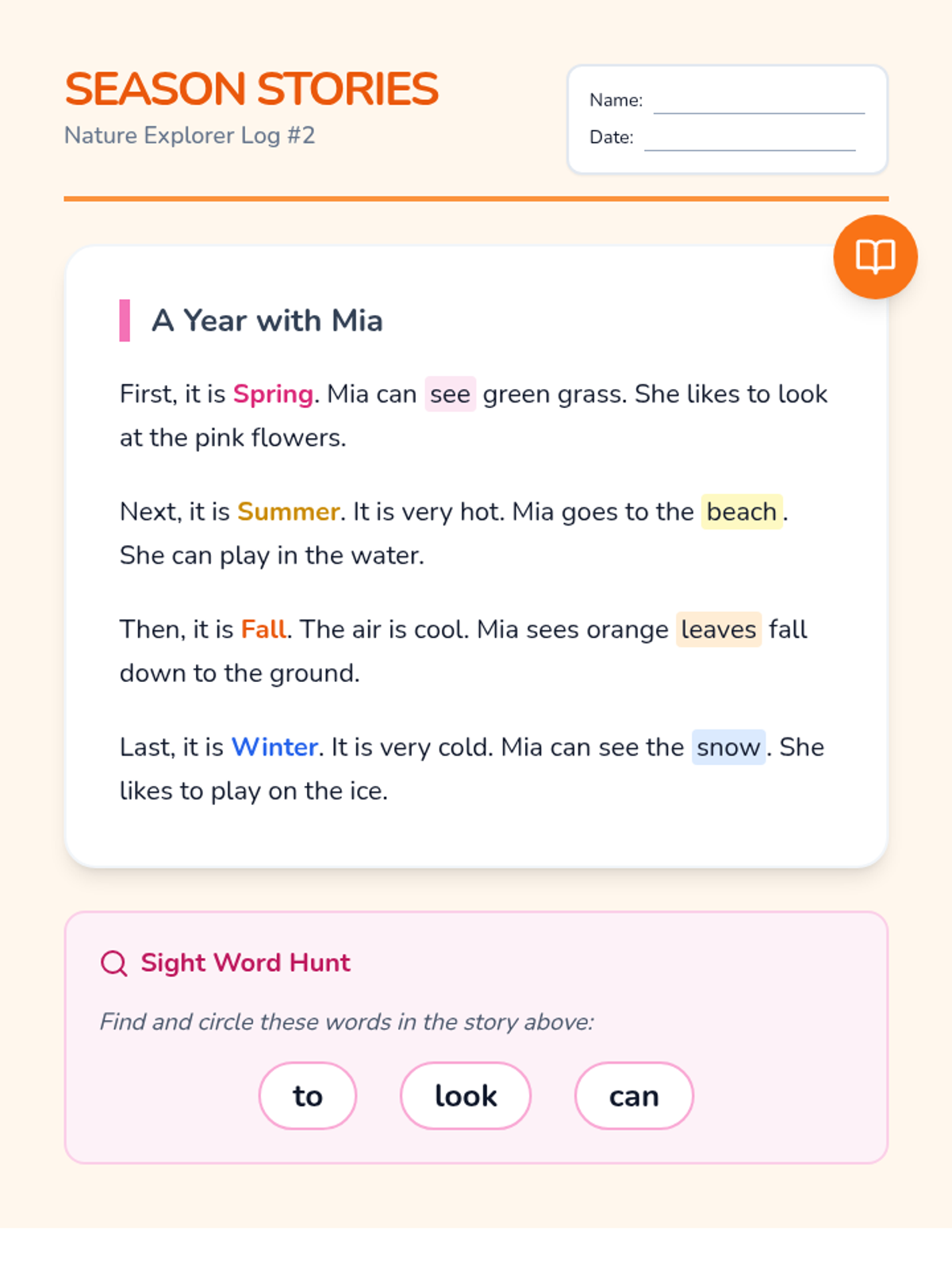
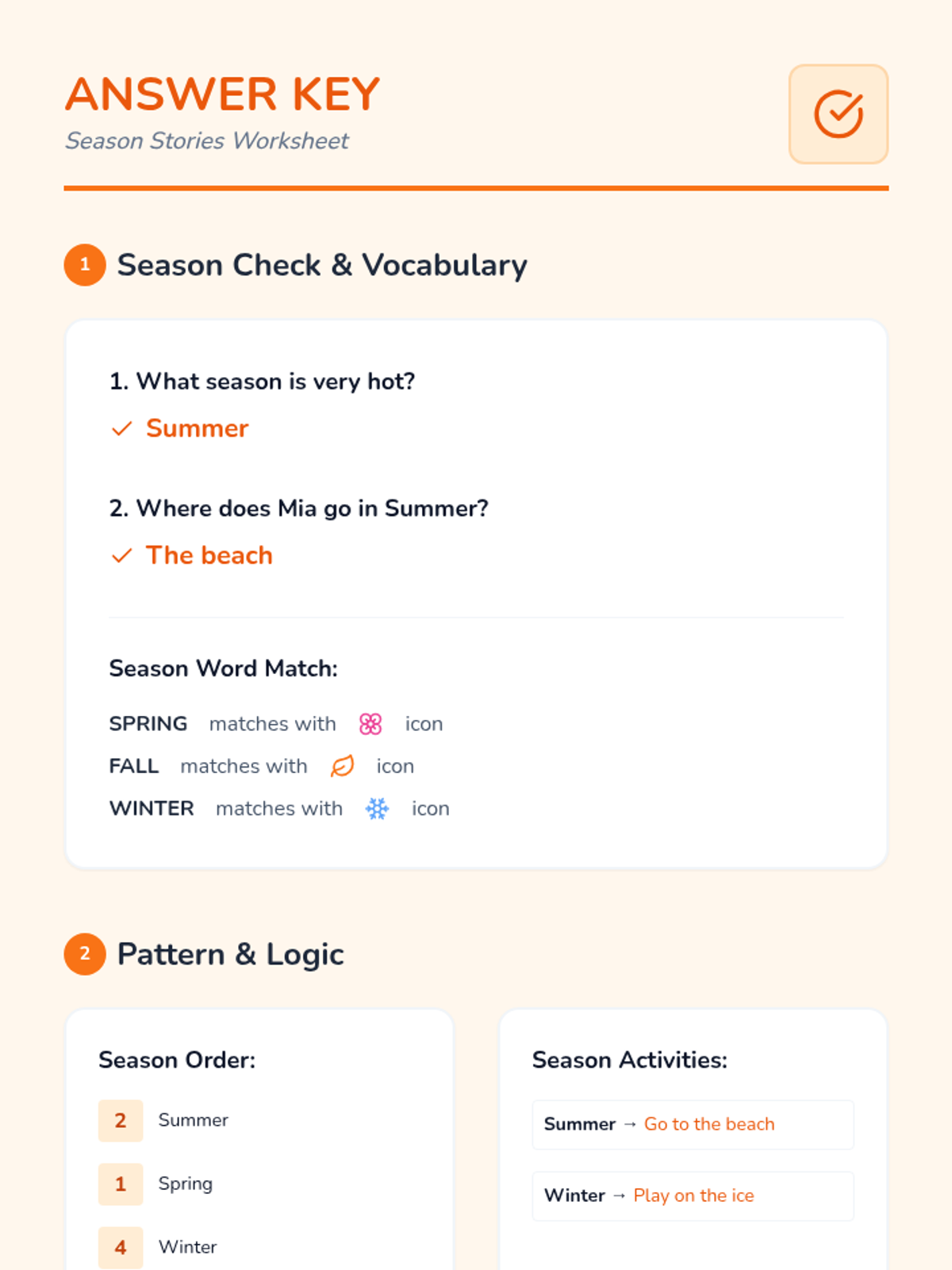
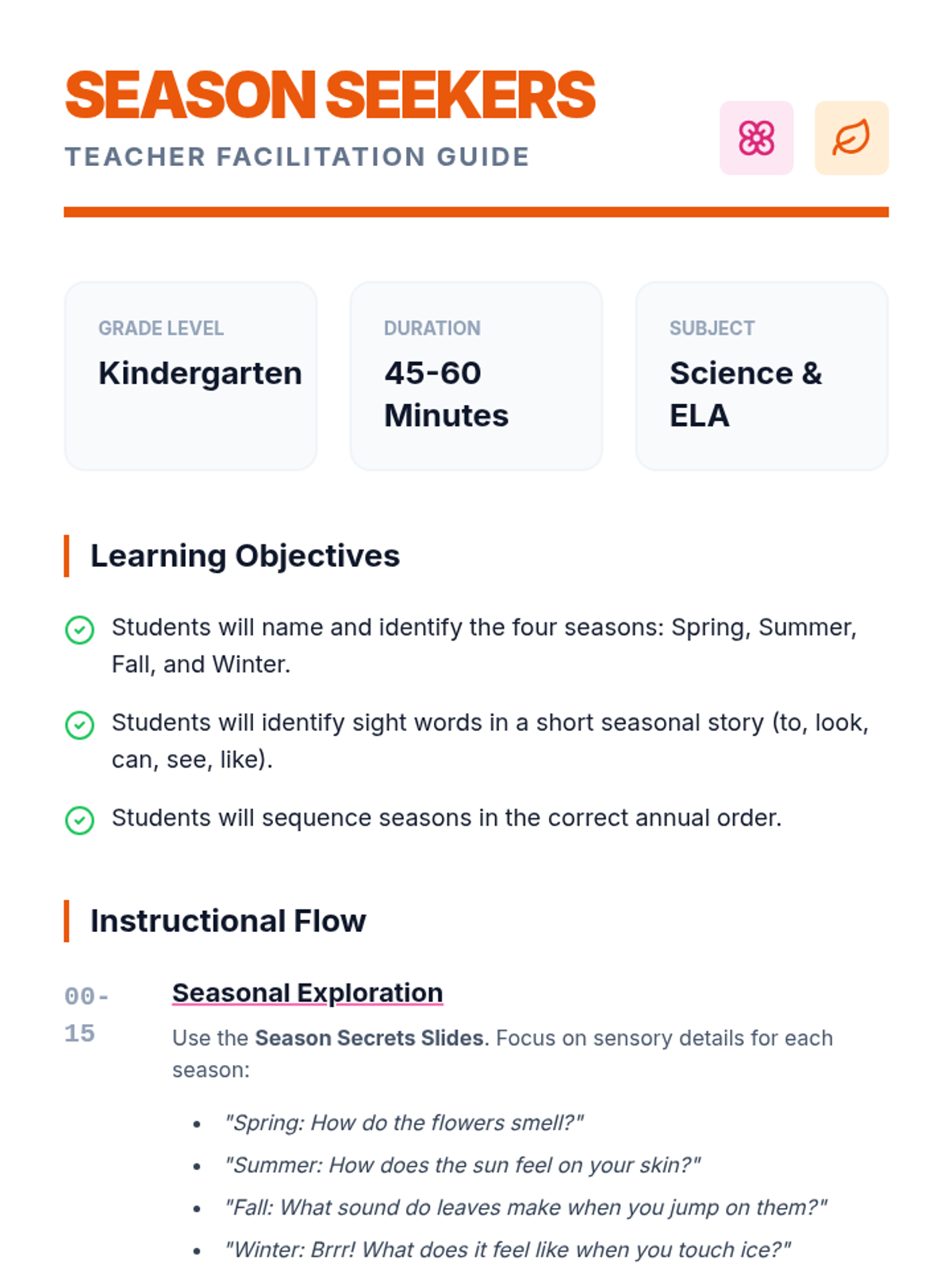
A kindergarten lesson exploring the four seasons, focusing on their unique weather patterns, corresponding clothing, and the sequence of the year.
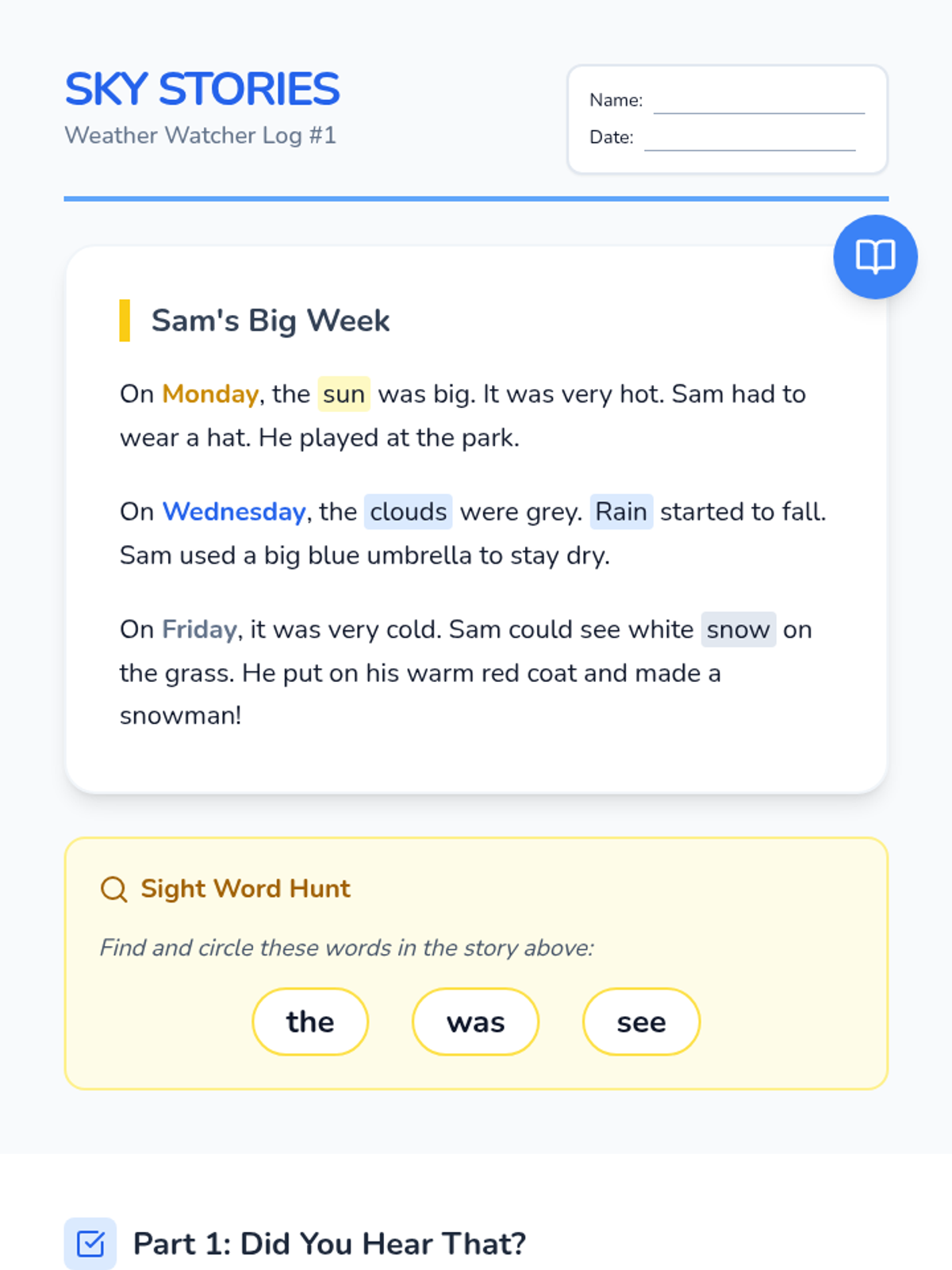
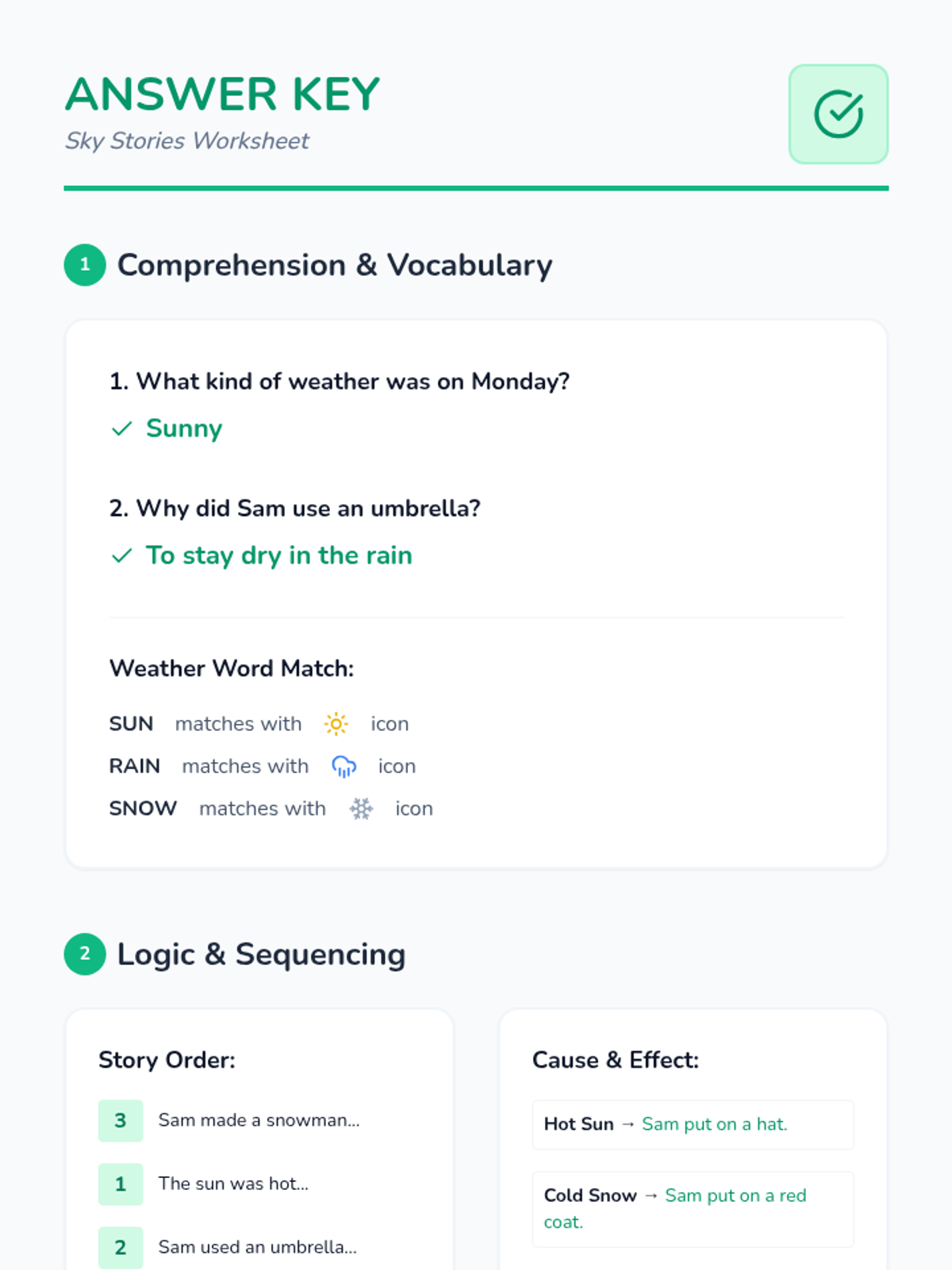
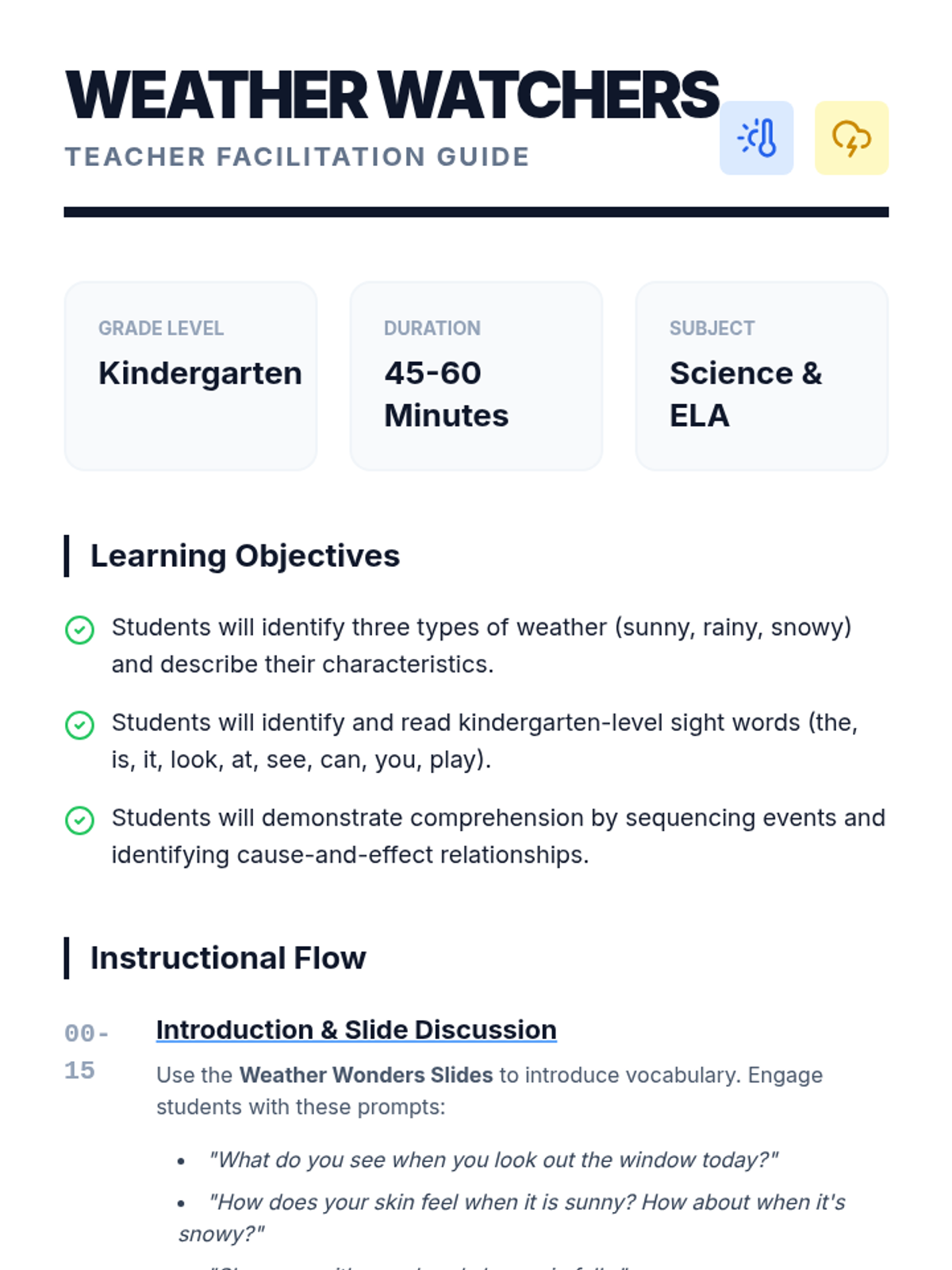
A foundational lesson for kindergarteners to identify weather types, understand cause-and-effect relationships with weather, and practice early literacy skills through a weather-themed story.
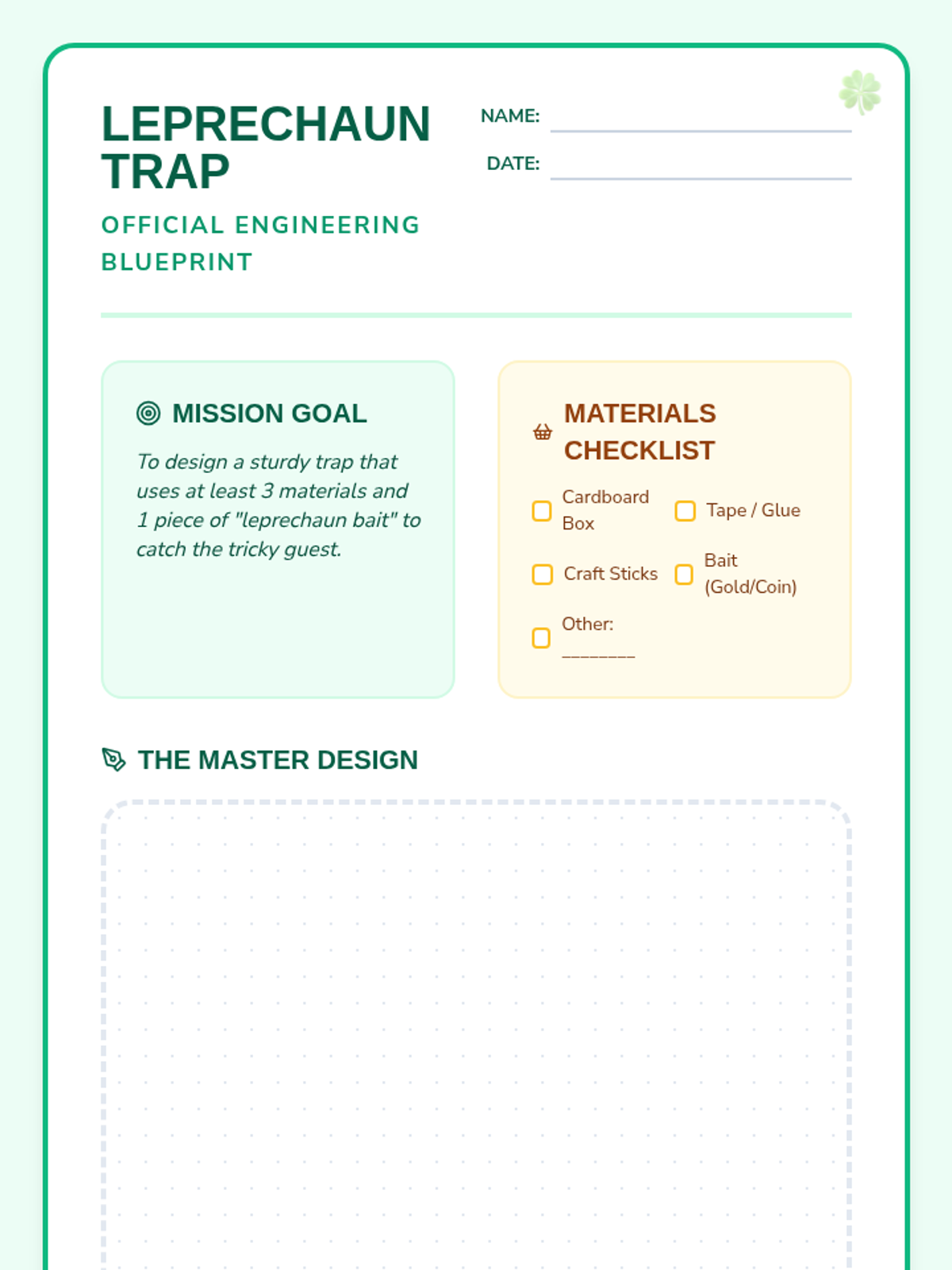
Students design and build a STEM leprechaun trap inspired by 'How to Catch a Leprechaun', focusing on multi-step directions and problem-solving through the engineering design process.
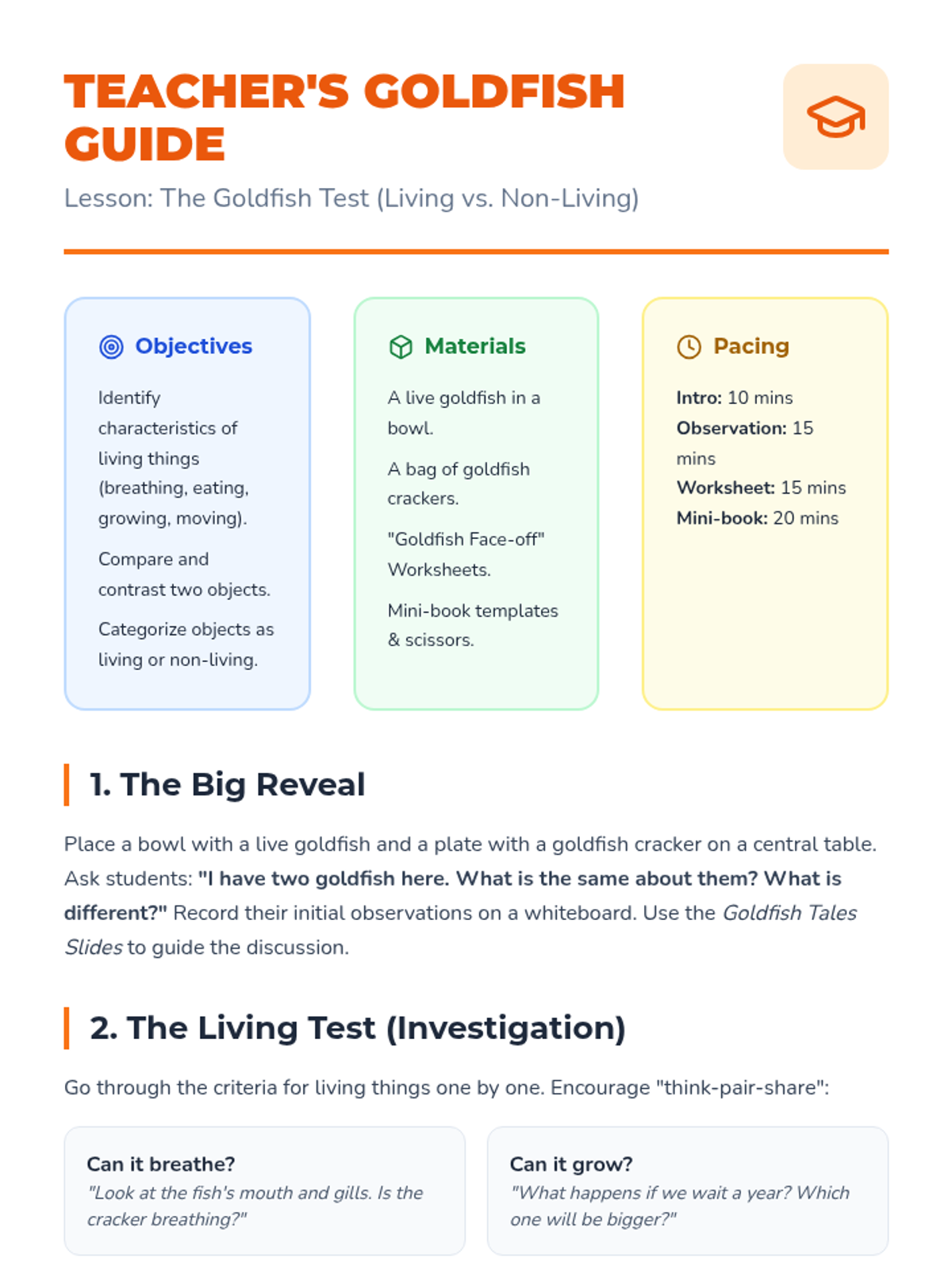
An introductory science lesson comparing a live goldfish to a goldfish cracker to help students identify the characteristics of living and non-living things.
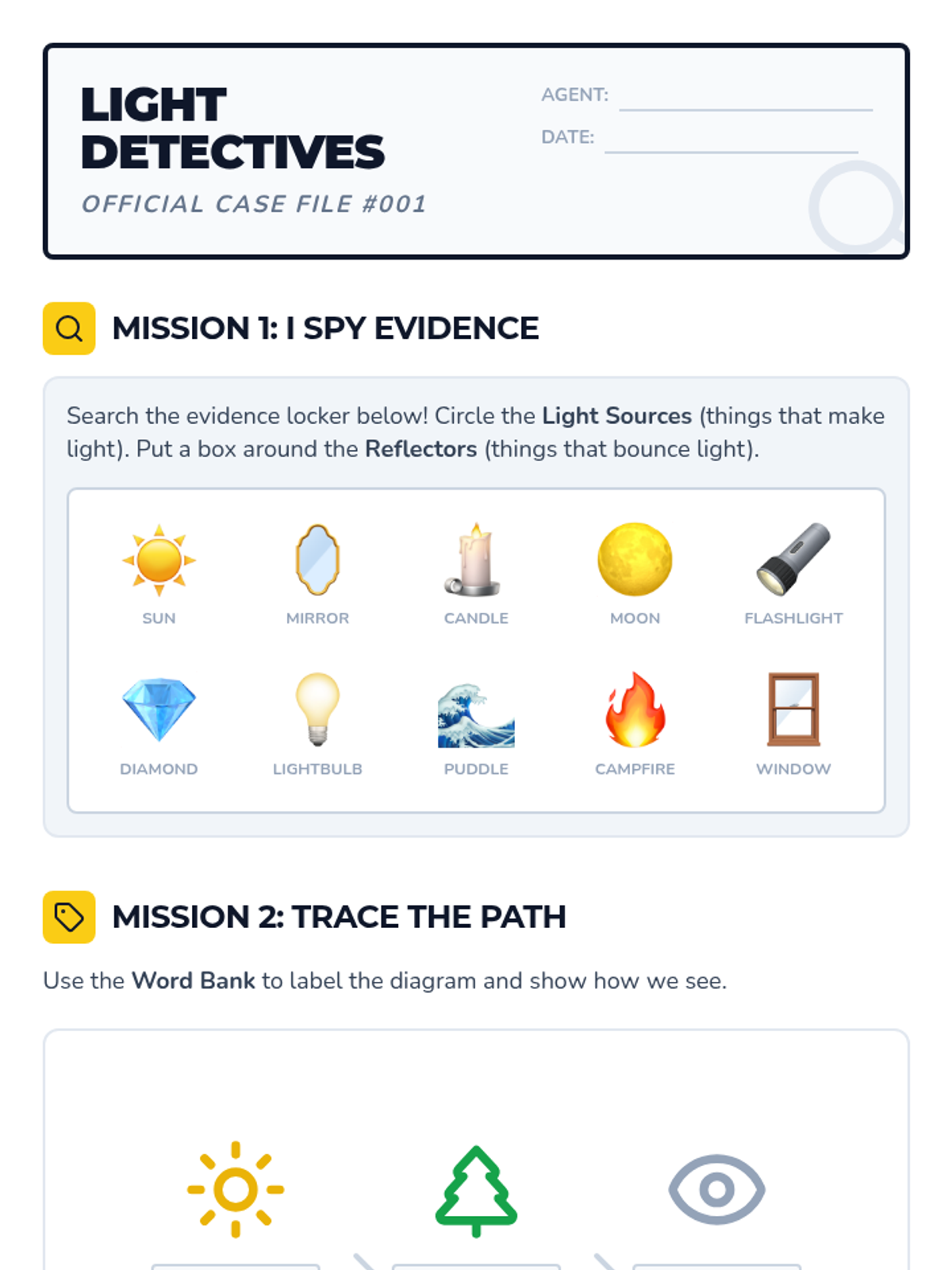
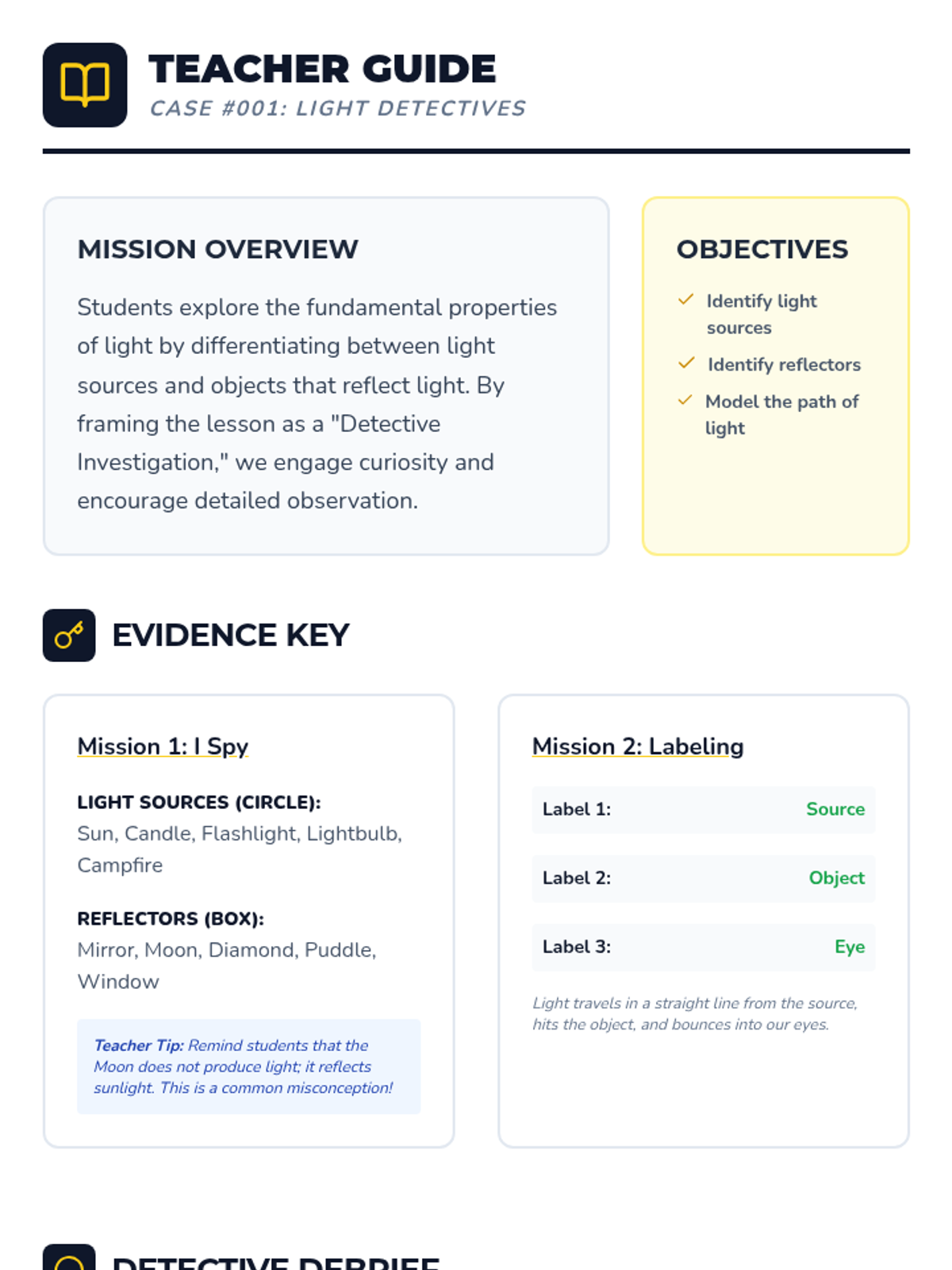
Students learn to distinguish between light sources and reflections and understand the basic path light takes from a source to the eye.
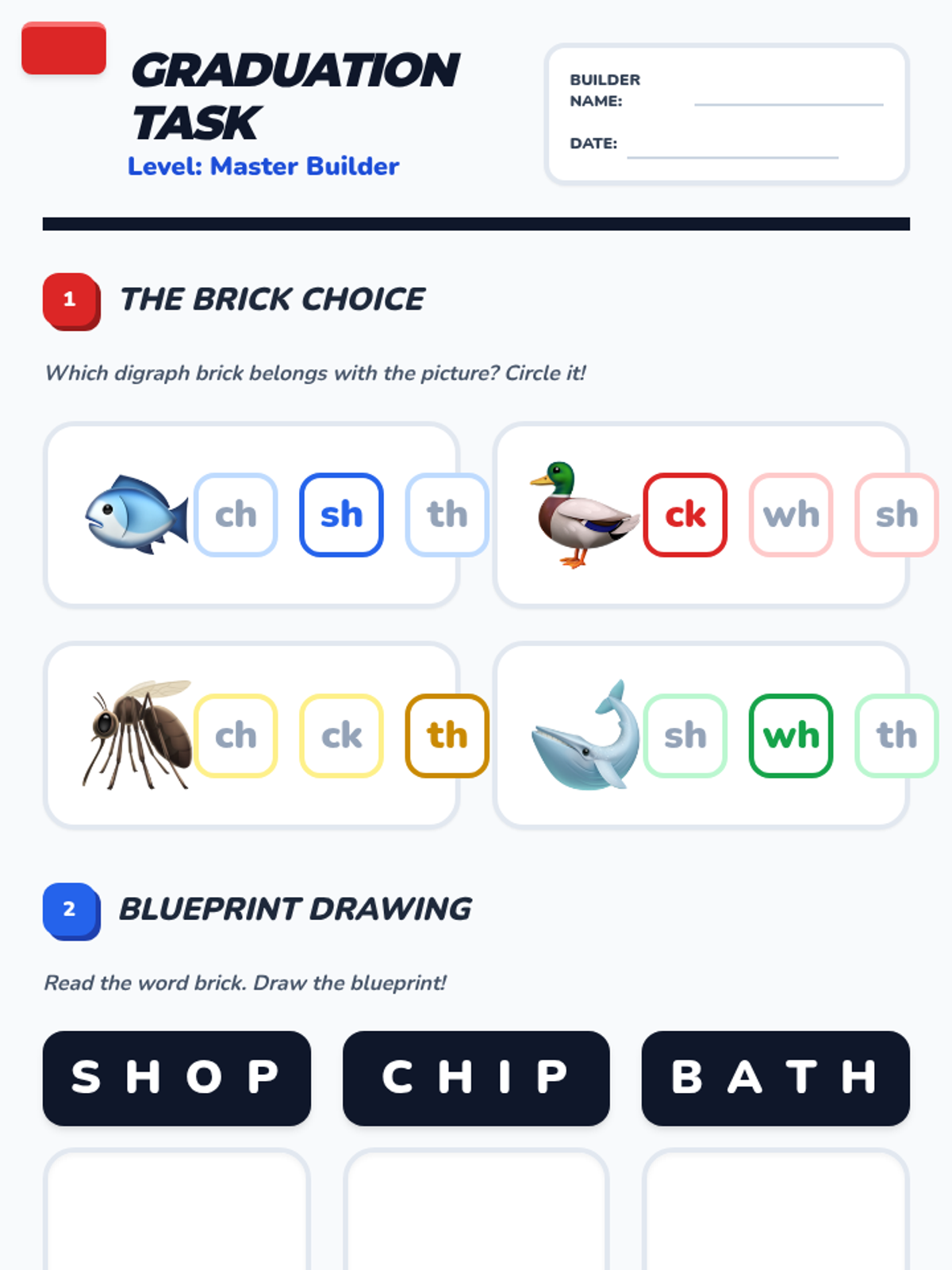
A follow-up lesson focused on building fluency with mixed digraphs, providing cumulative review and a final progress assessment for sh, ch, th, wh, and ck.
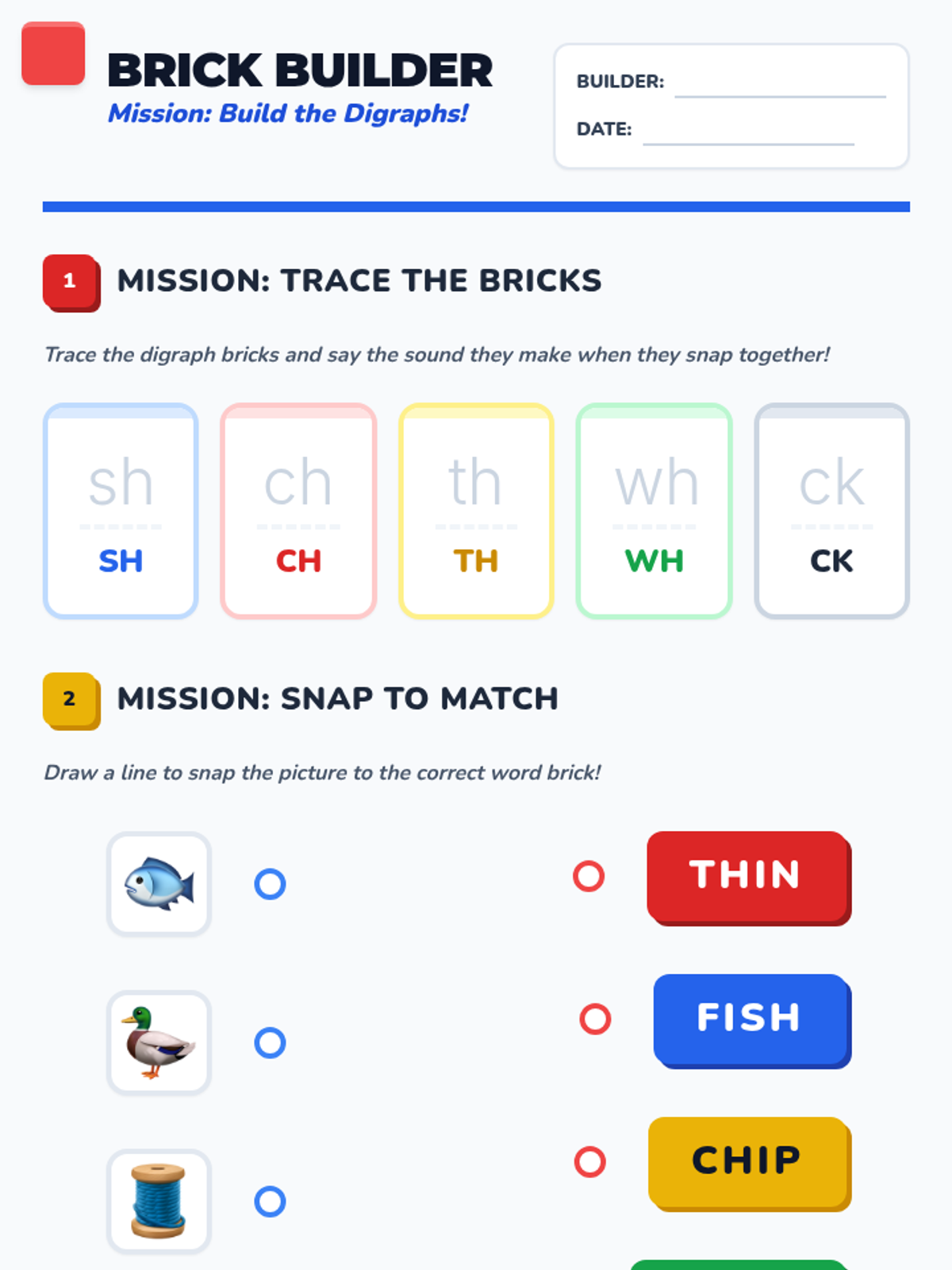
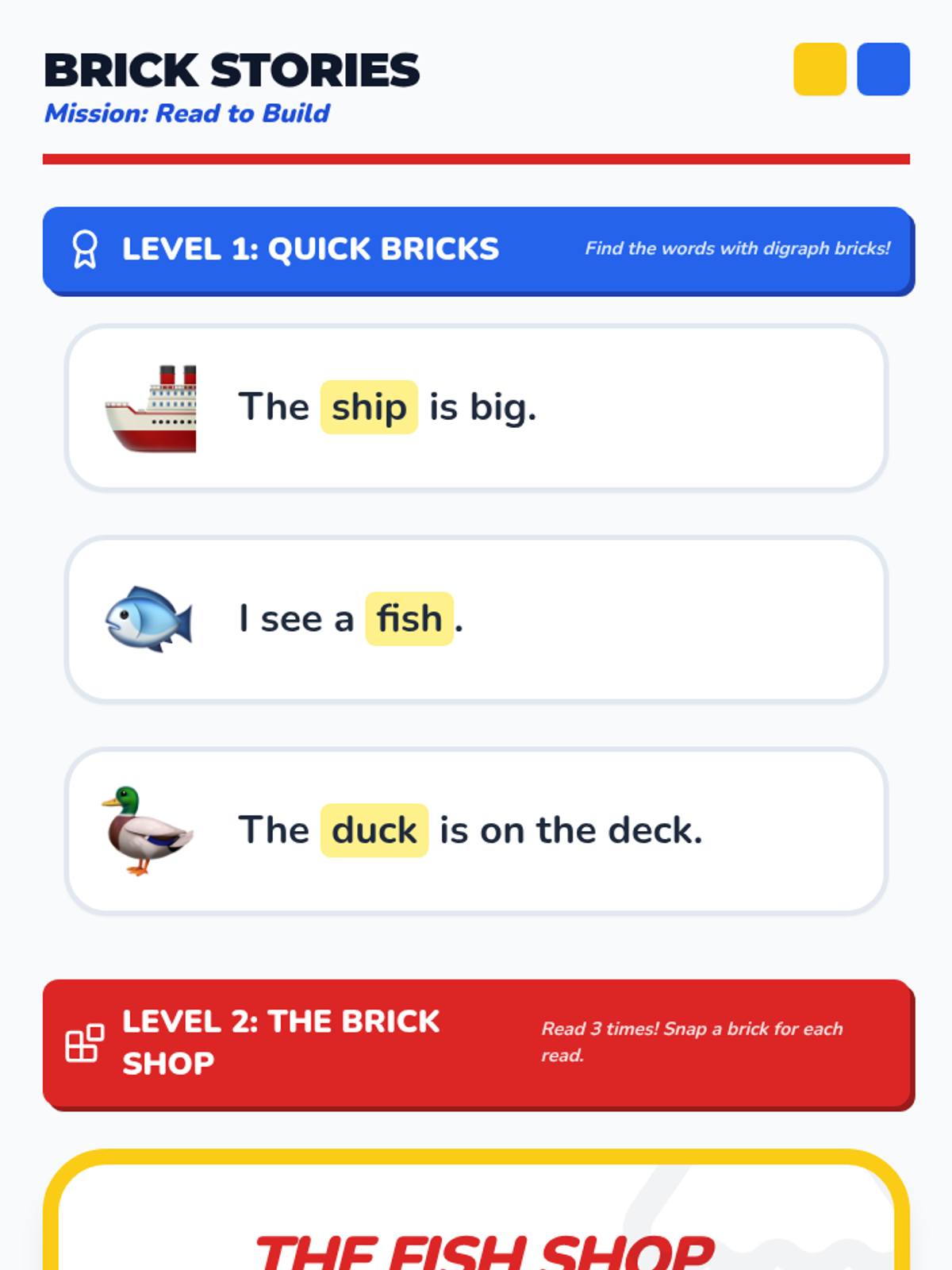
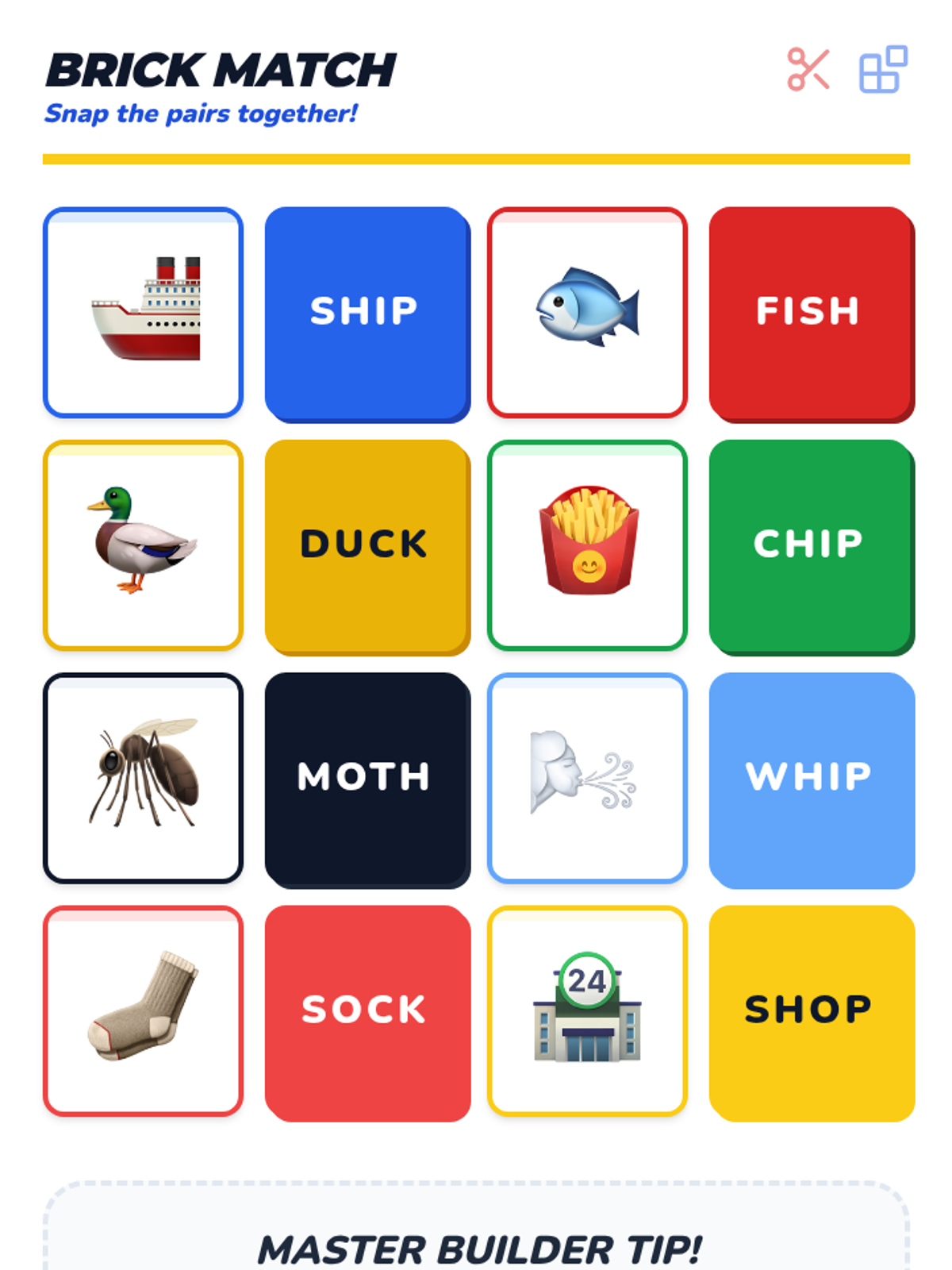
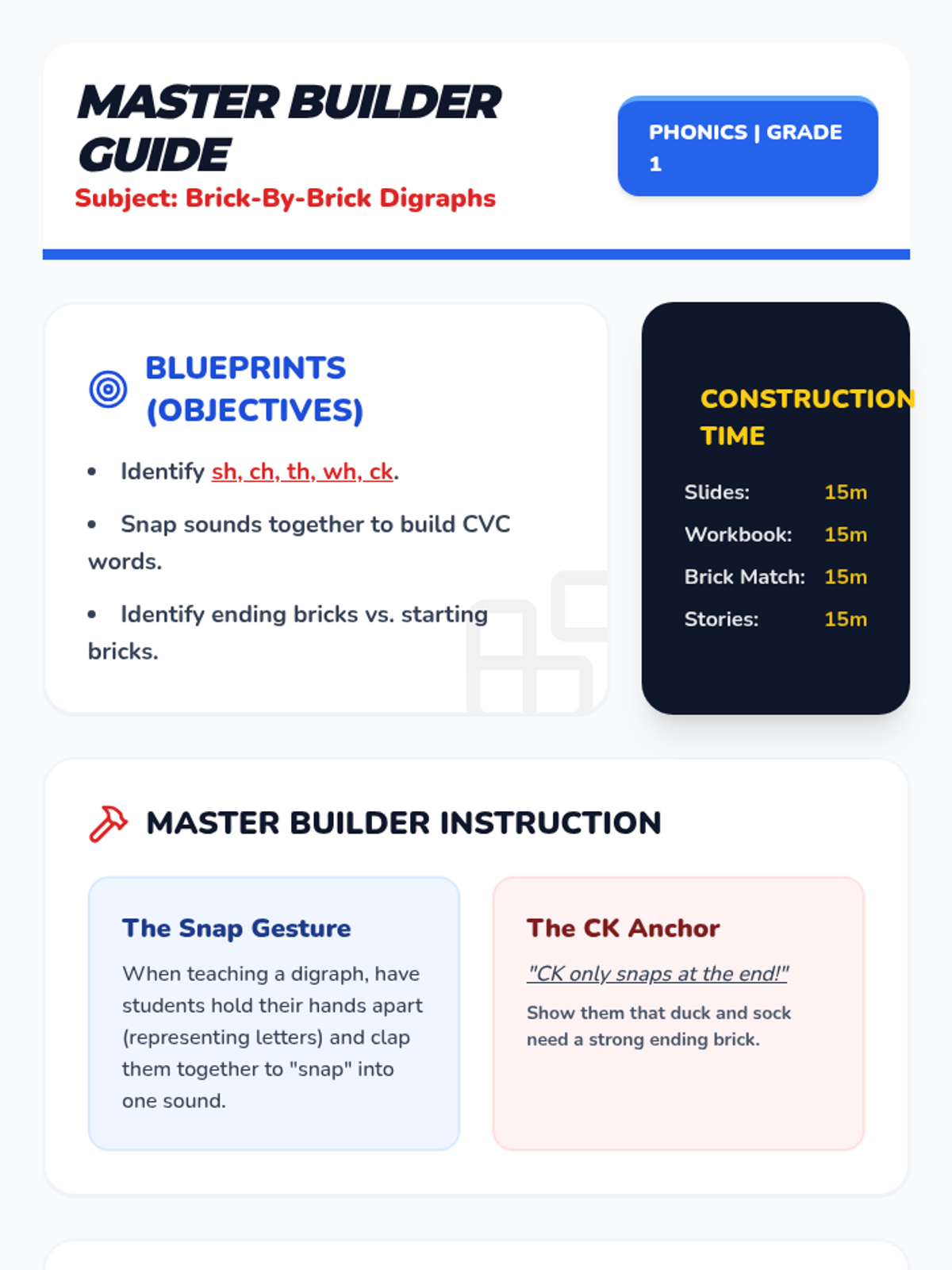
A foundational lesson introducing and practicing common digraphs (sh, ch, th, wh, ck) through multi-sensory activities and differentiated reading tasks using a building-block theme.
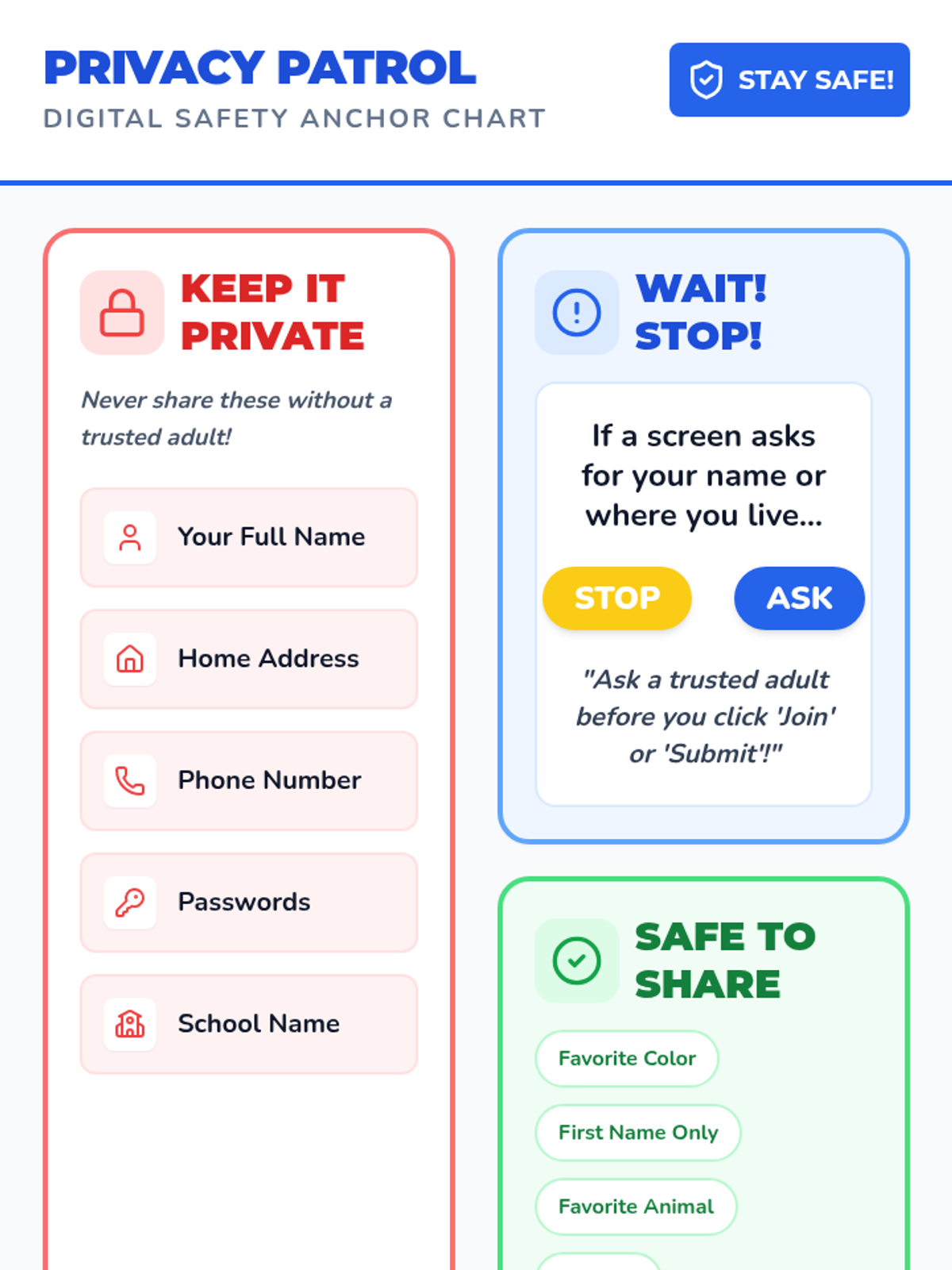
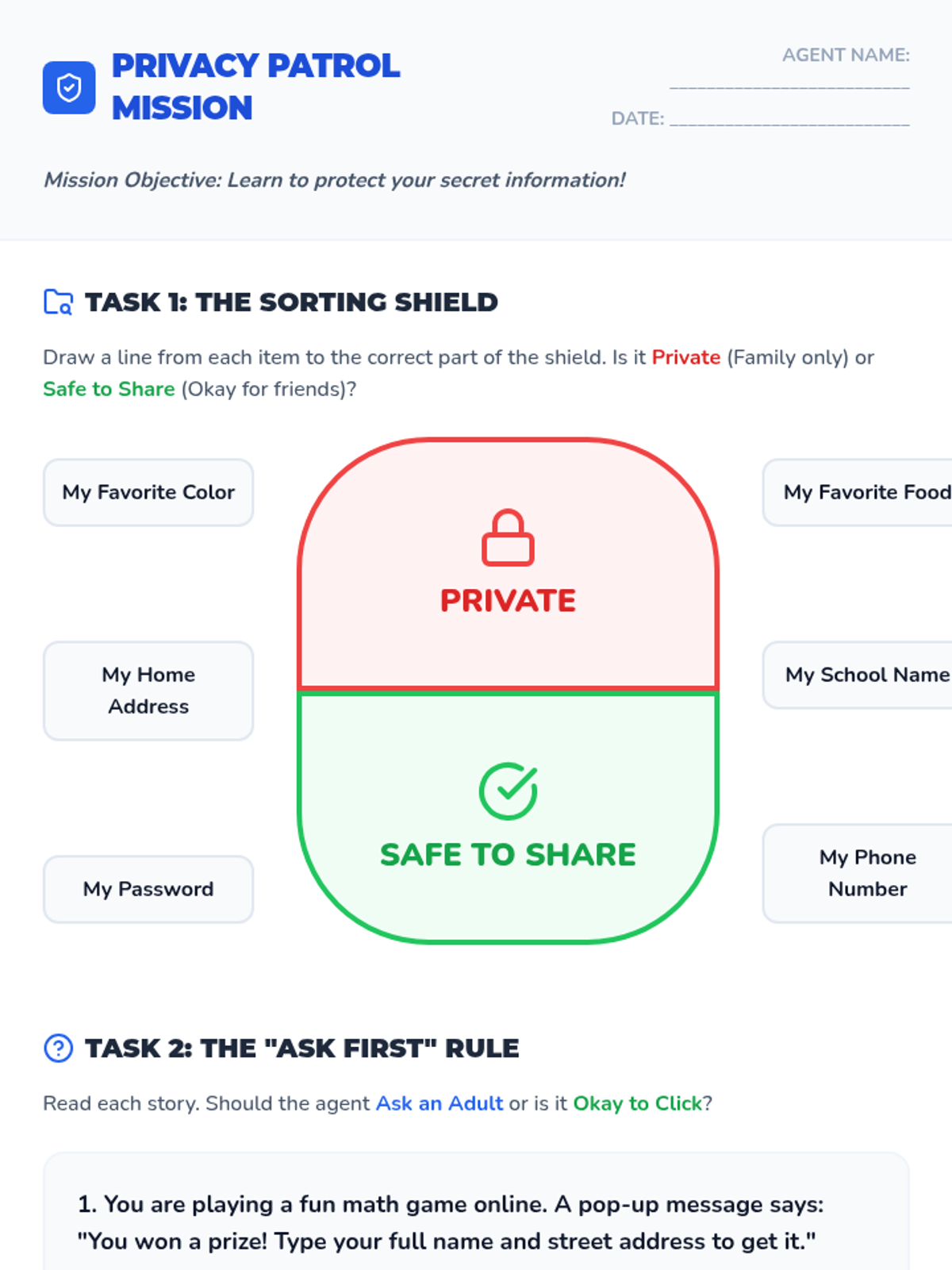
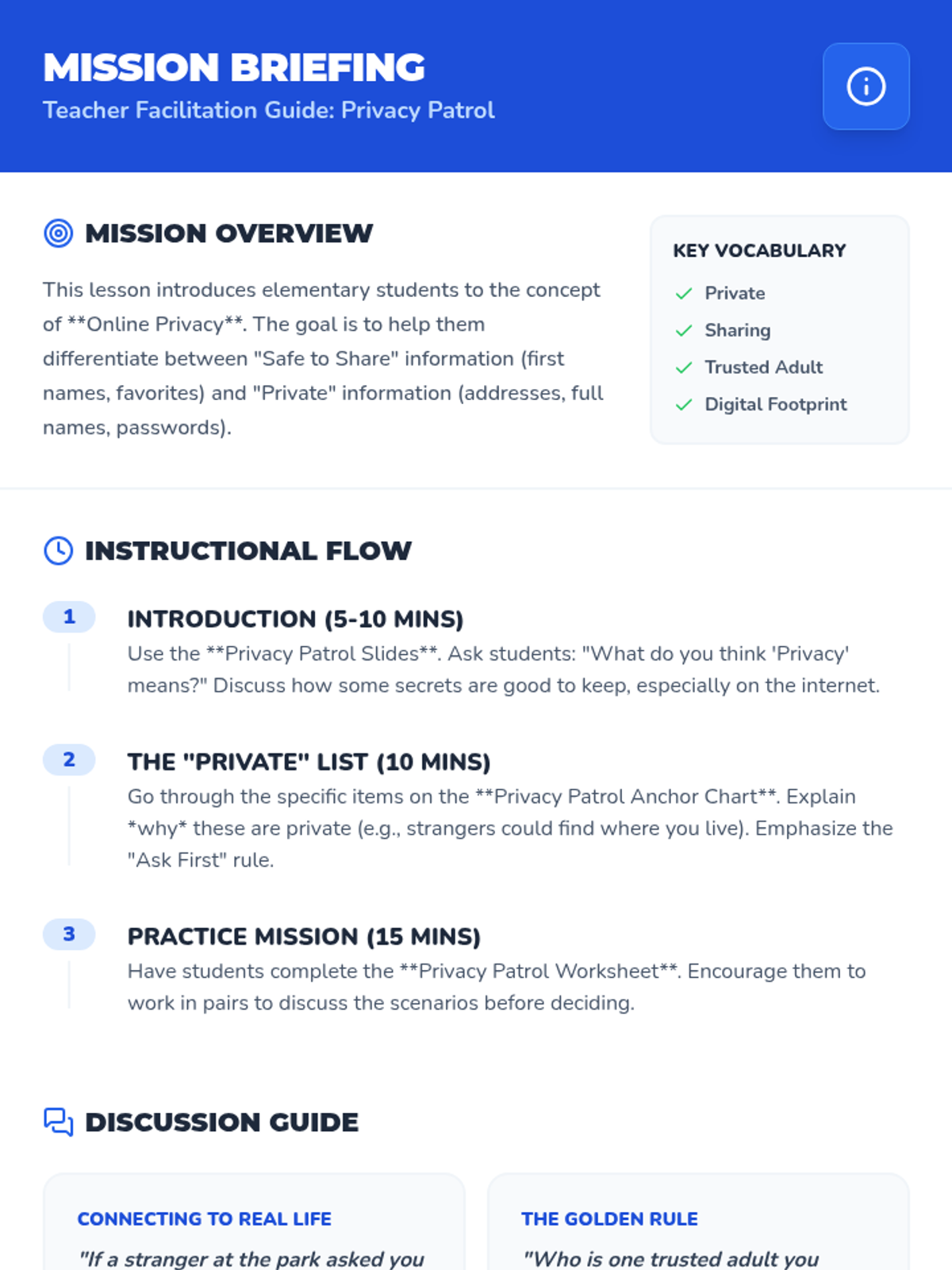
A foundational lesson on cybersecurity for elementary students, focusing on identifying personal information and learning the 'Ask First' rule for online sharing.
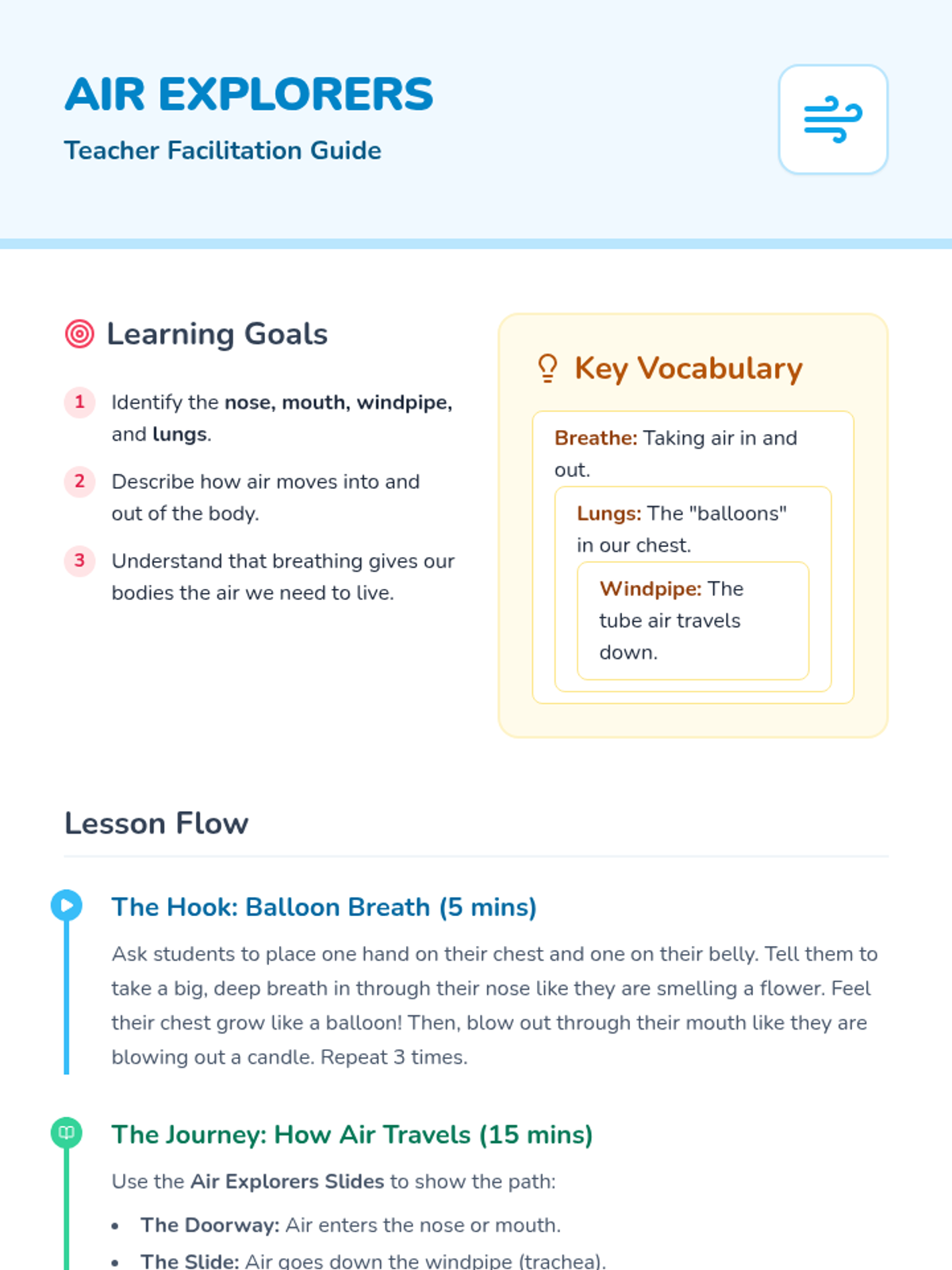
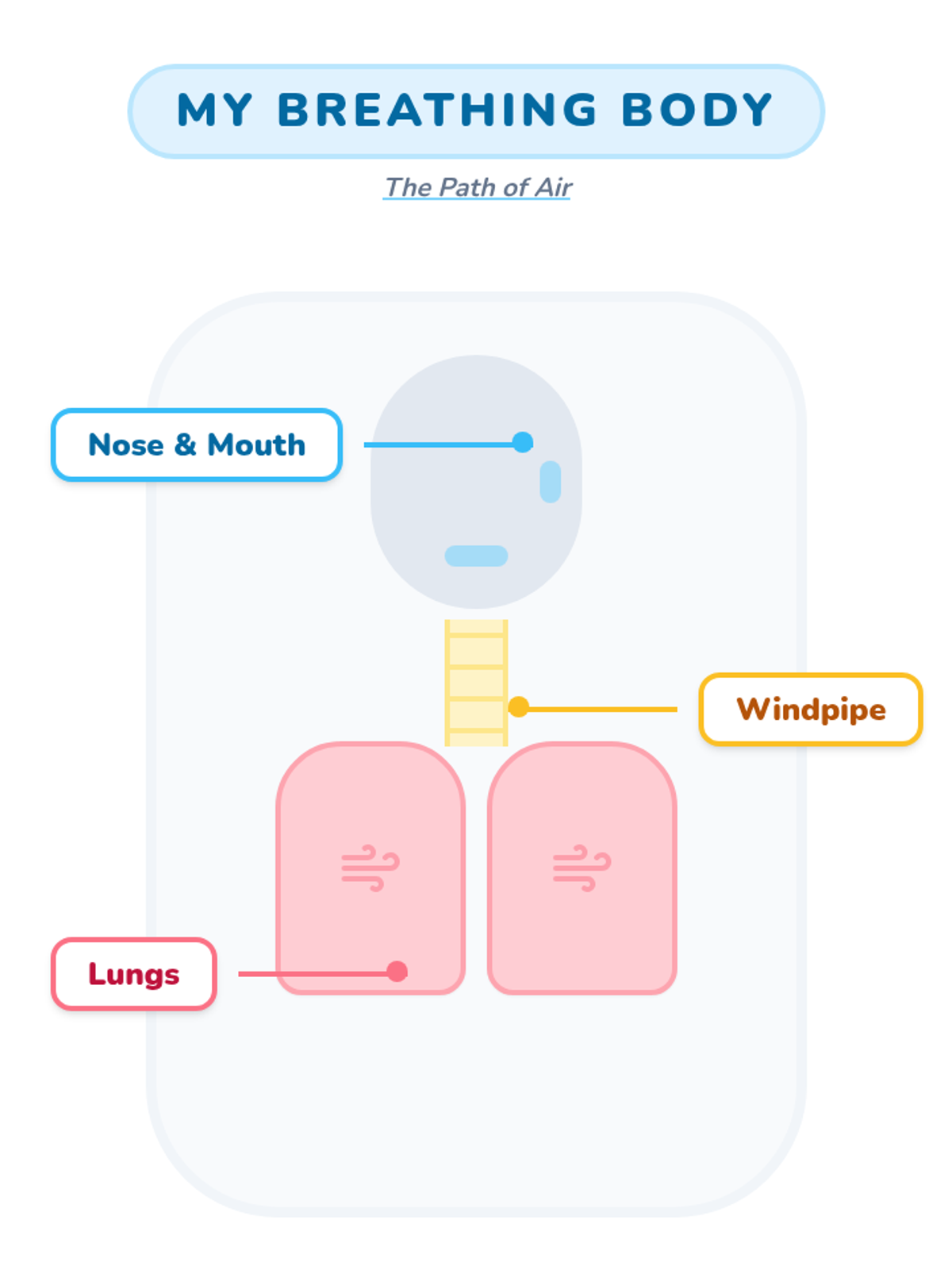
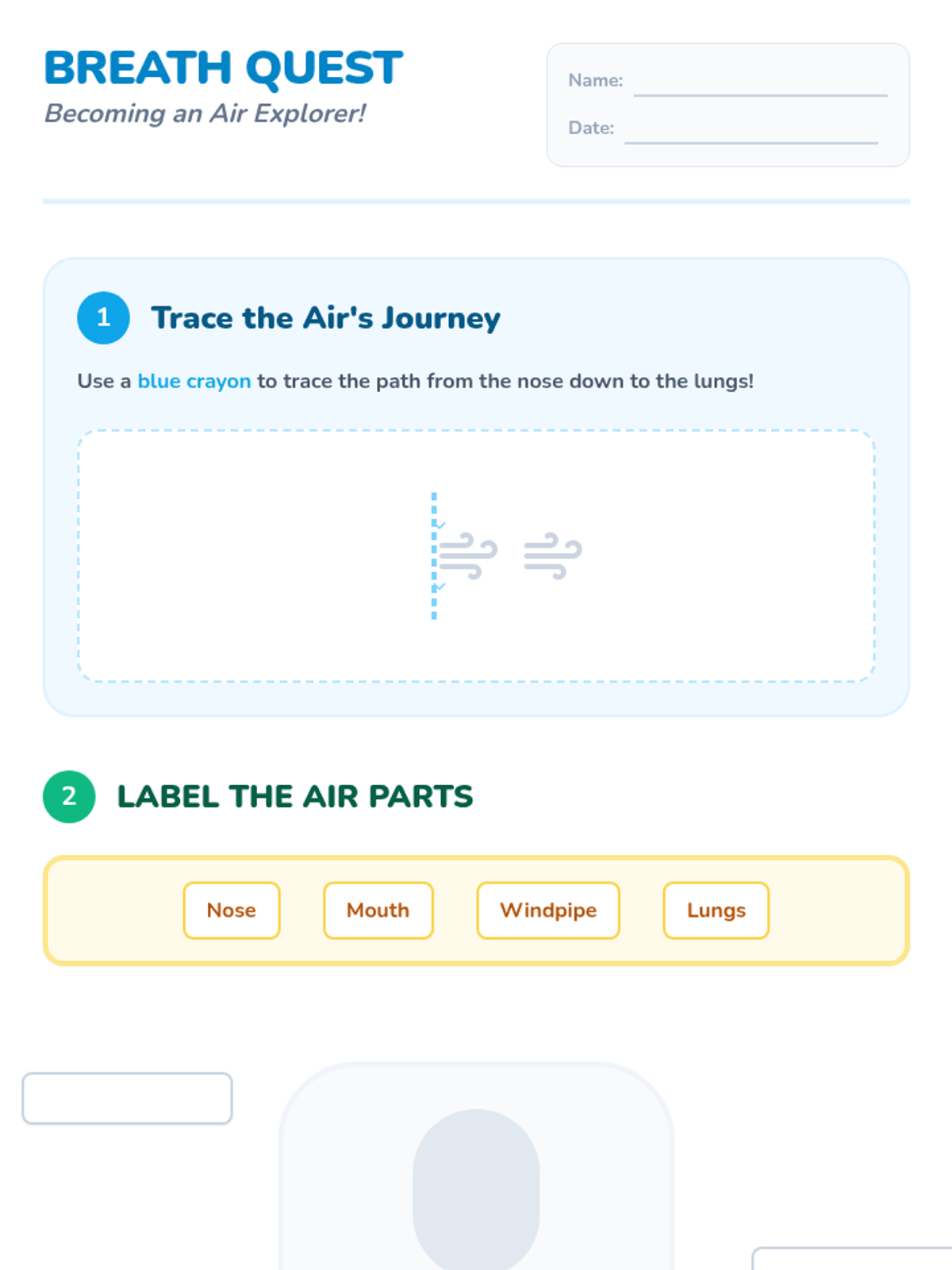
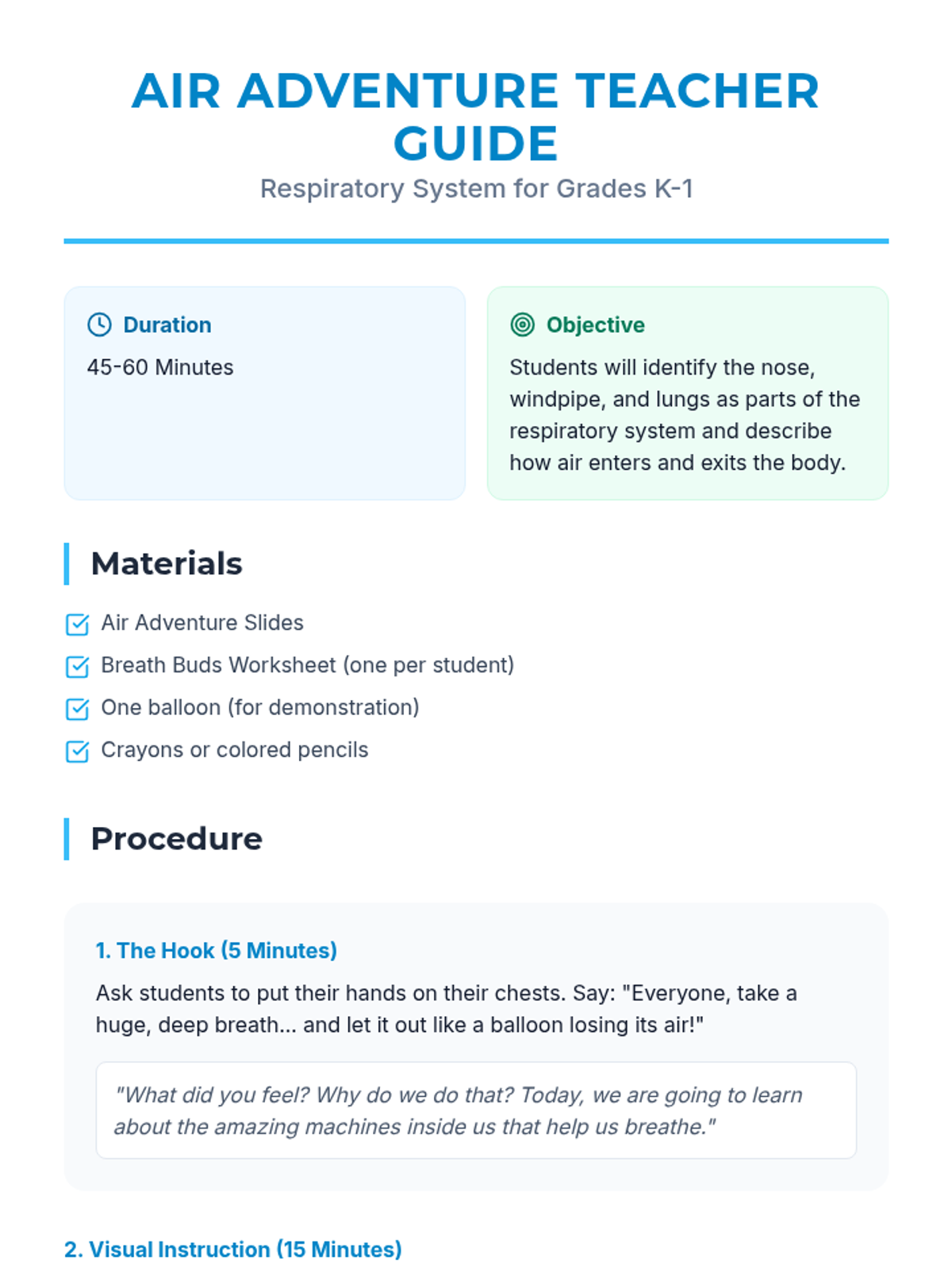
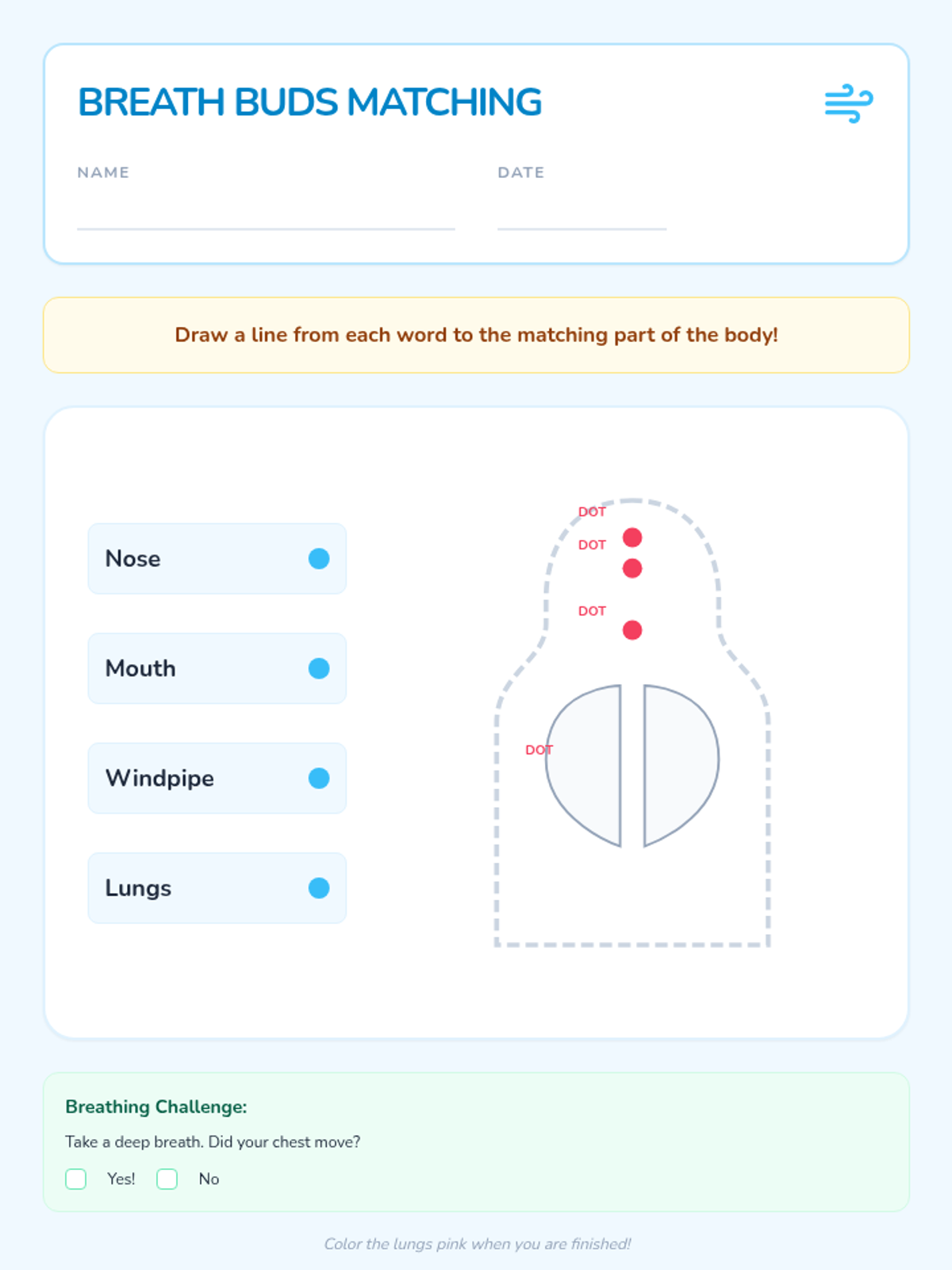
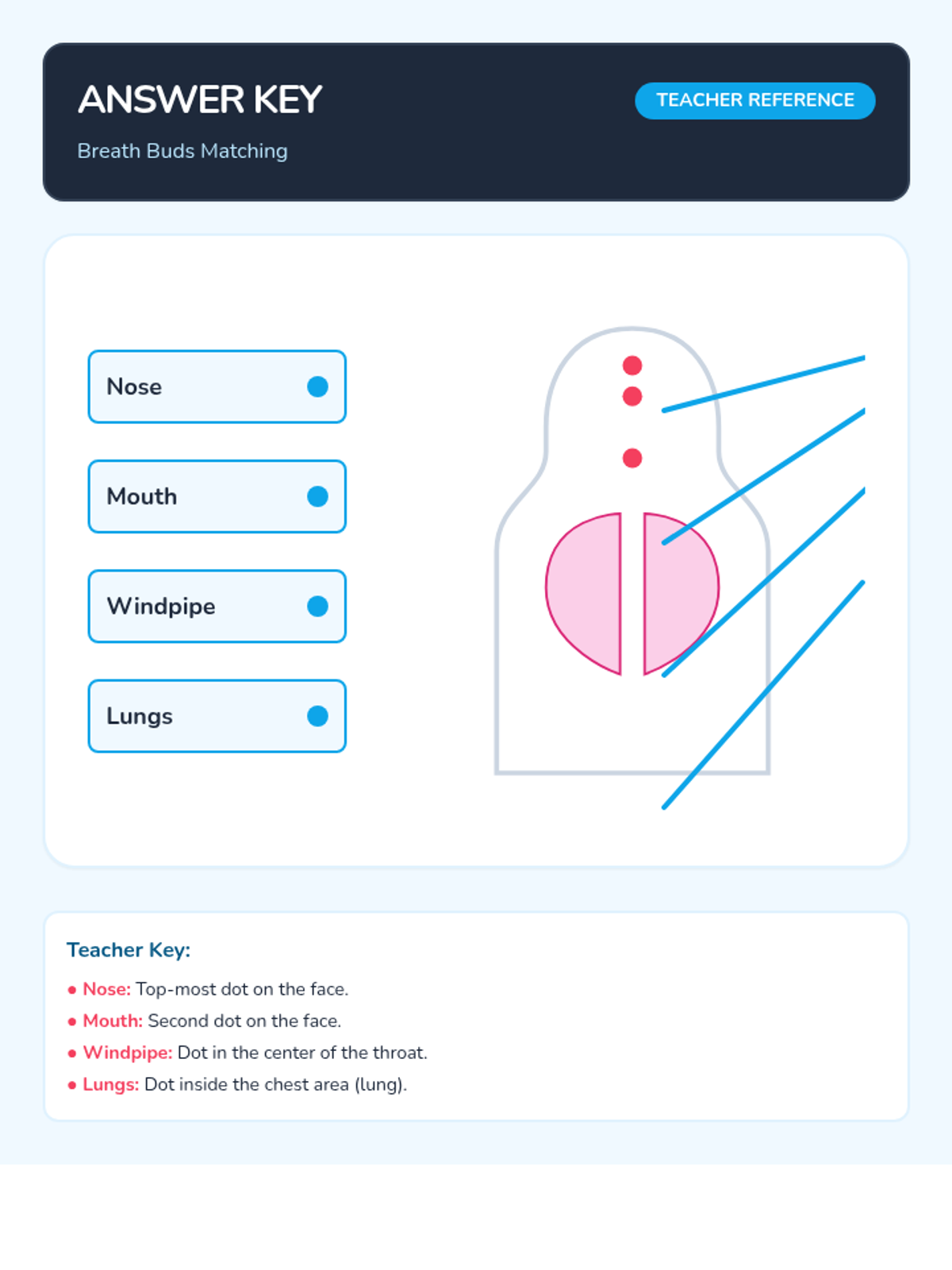
A gentle introduction to the respiratory system for young learners, focusing on the path air takes through our bodies using the metaphor of 'Air Explorers'. Students will learn about the nose, mouth, windpipe, and lungs through simple diagrams and interactive activities.
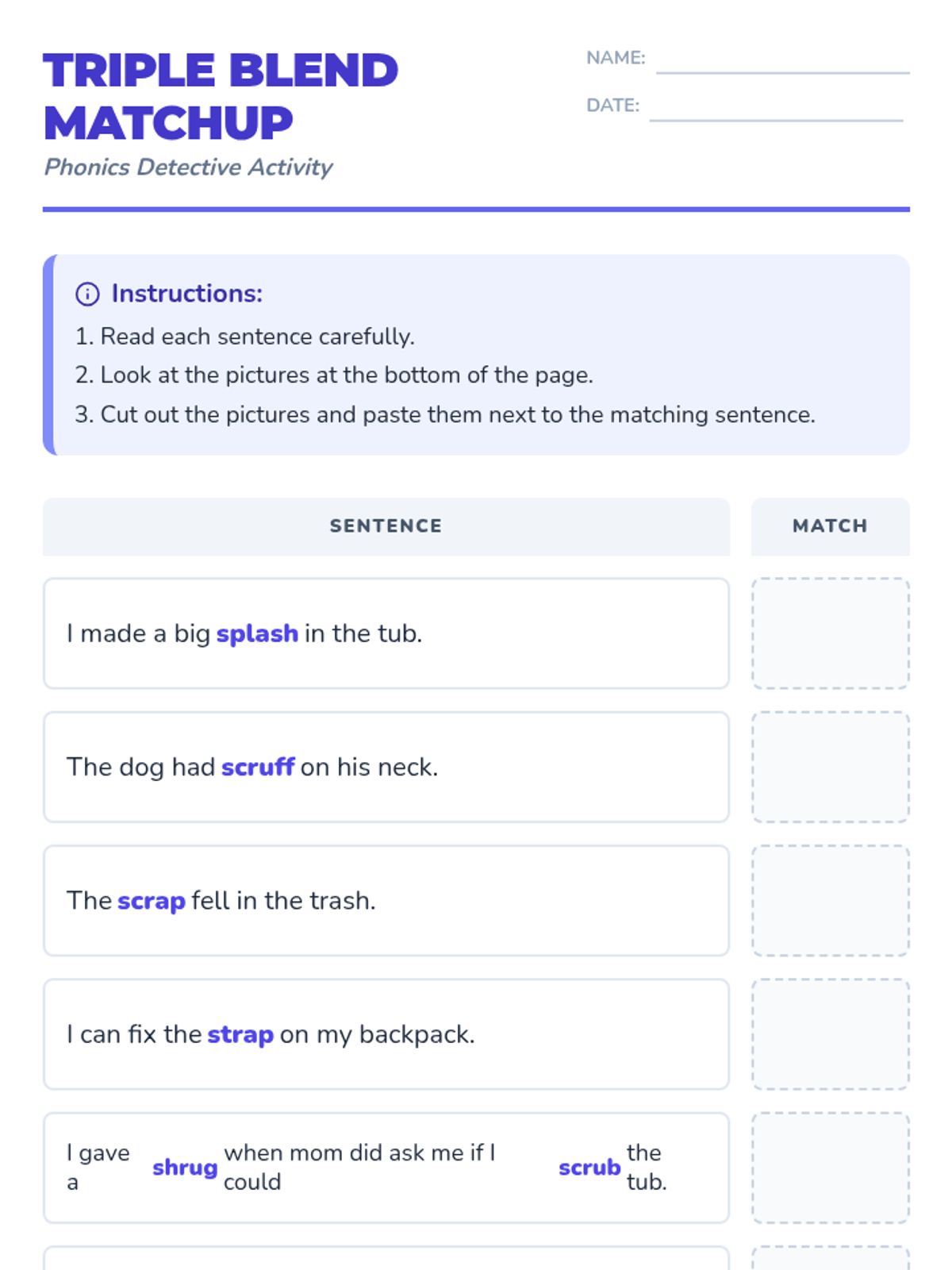
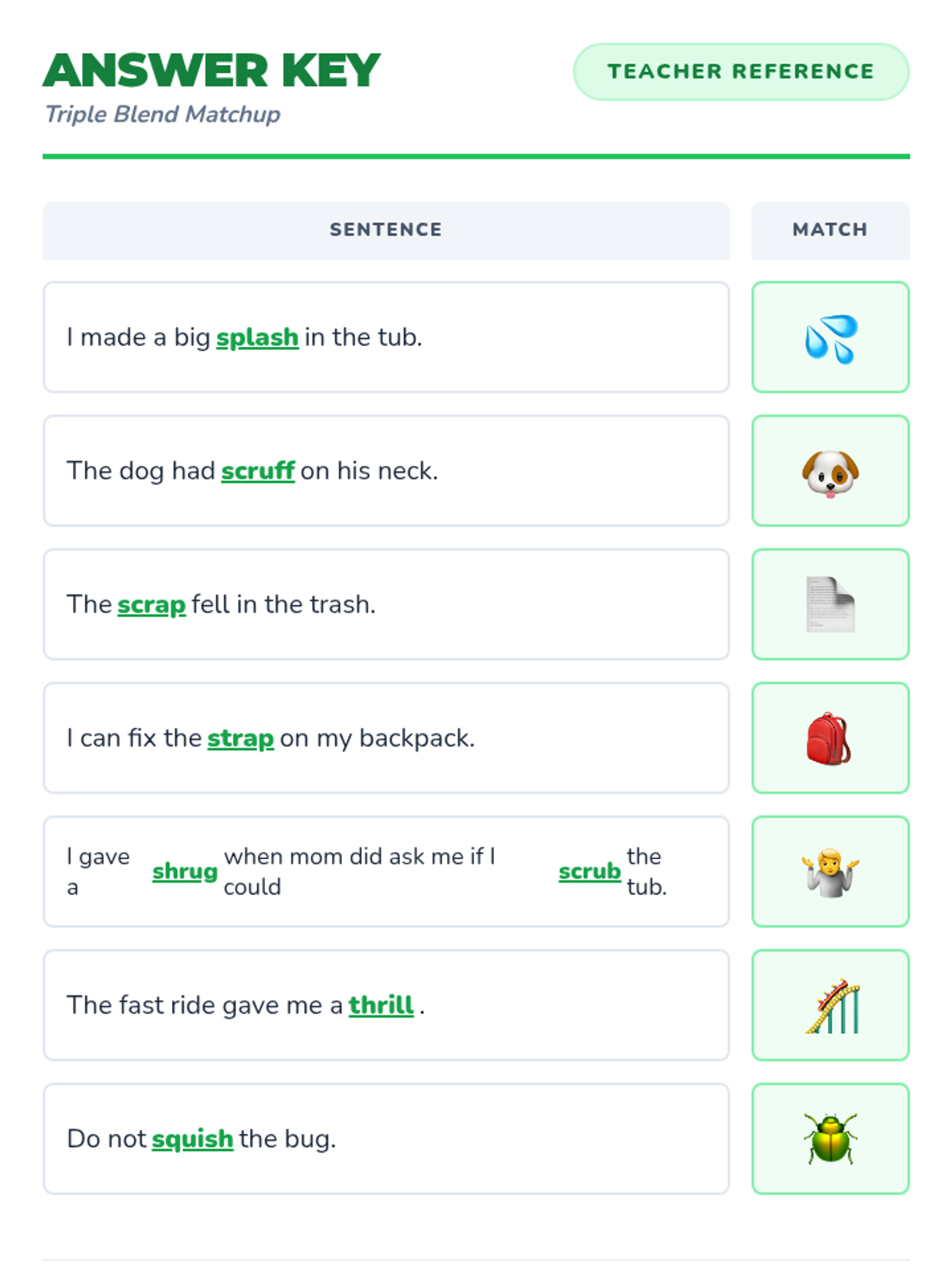
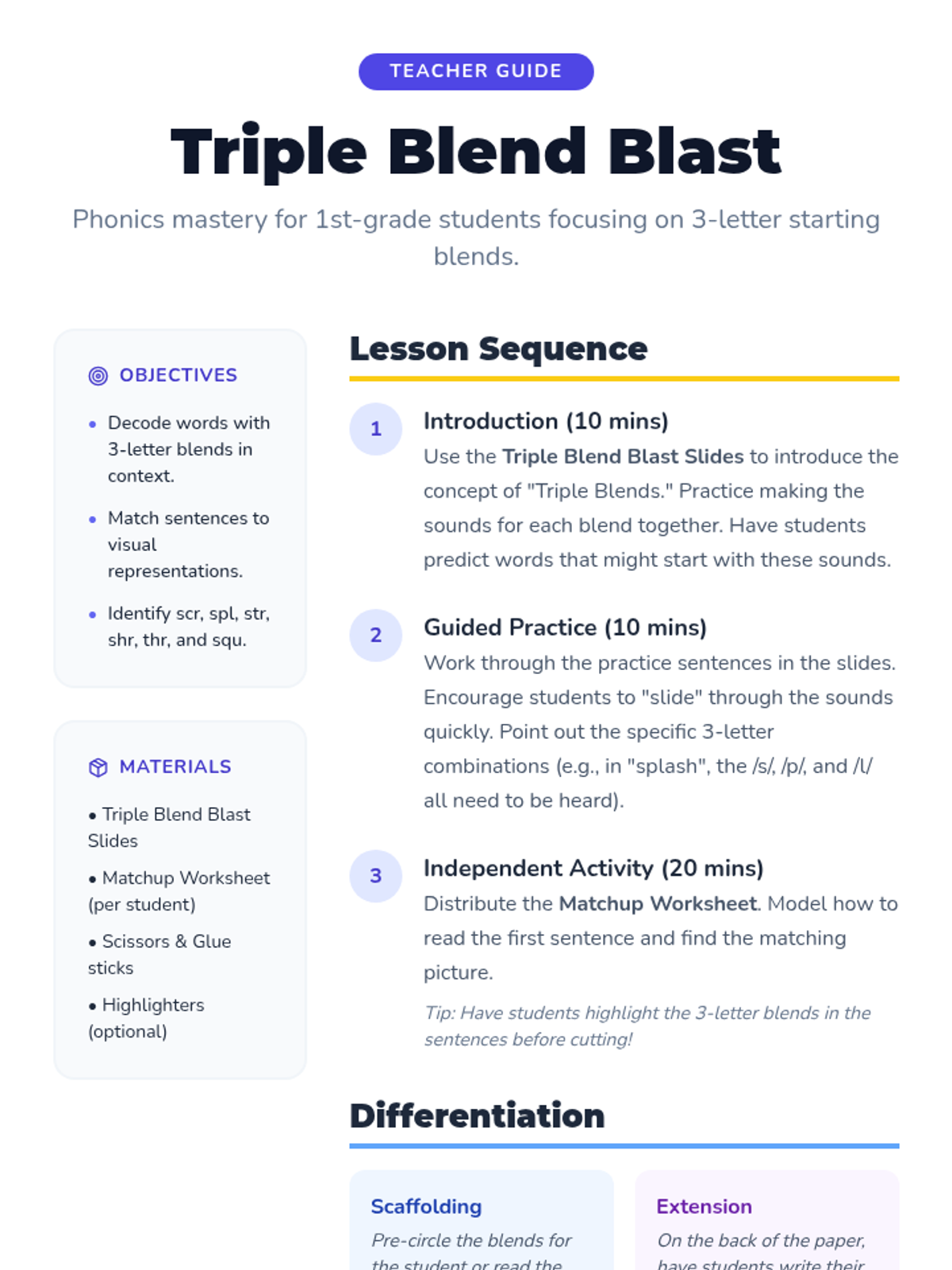
A foundational phonics lesson focused on identifying and reading words with three-letter blends like scr, spl, str, shr, and thr. Students practice decoding these complex sounds through visual matching and sentence context.
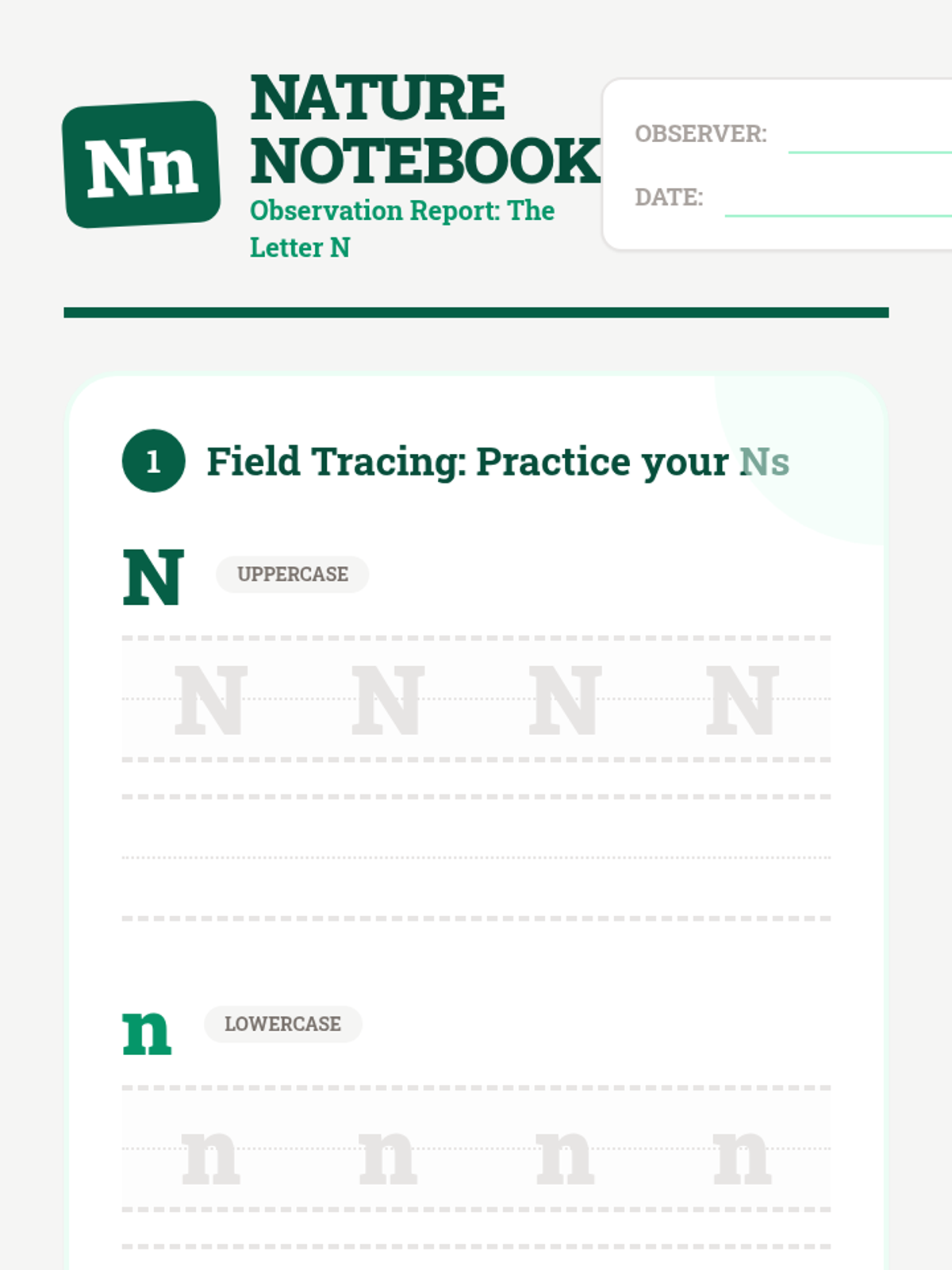
A nature-themed exploration of the letter N, focusing on lowercase and uppercase identification, the /n/ sound, and nature-based vocabulary like nests, nuts, and newts.
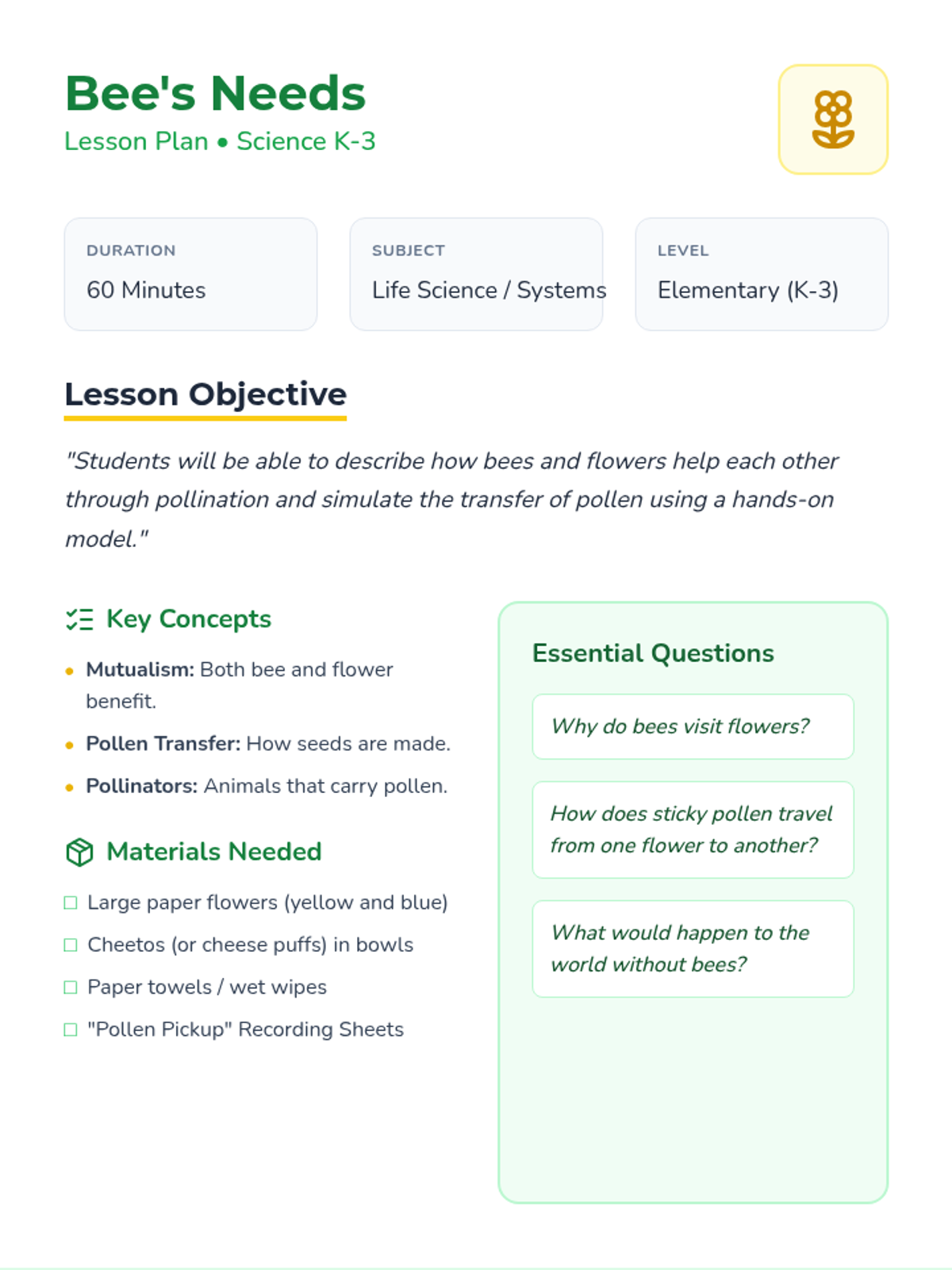
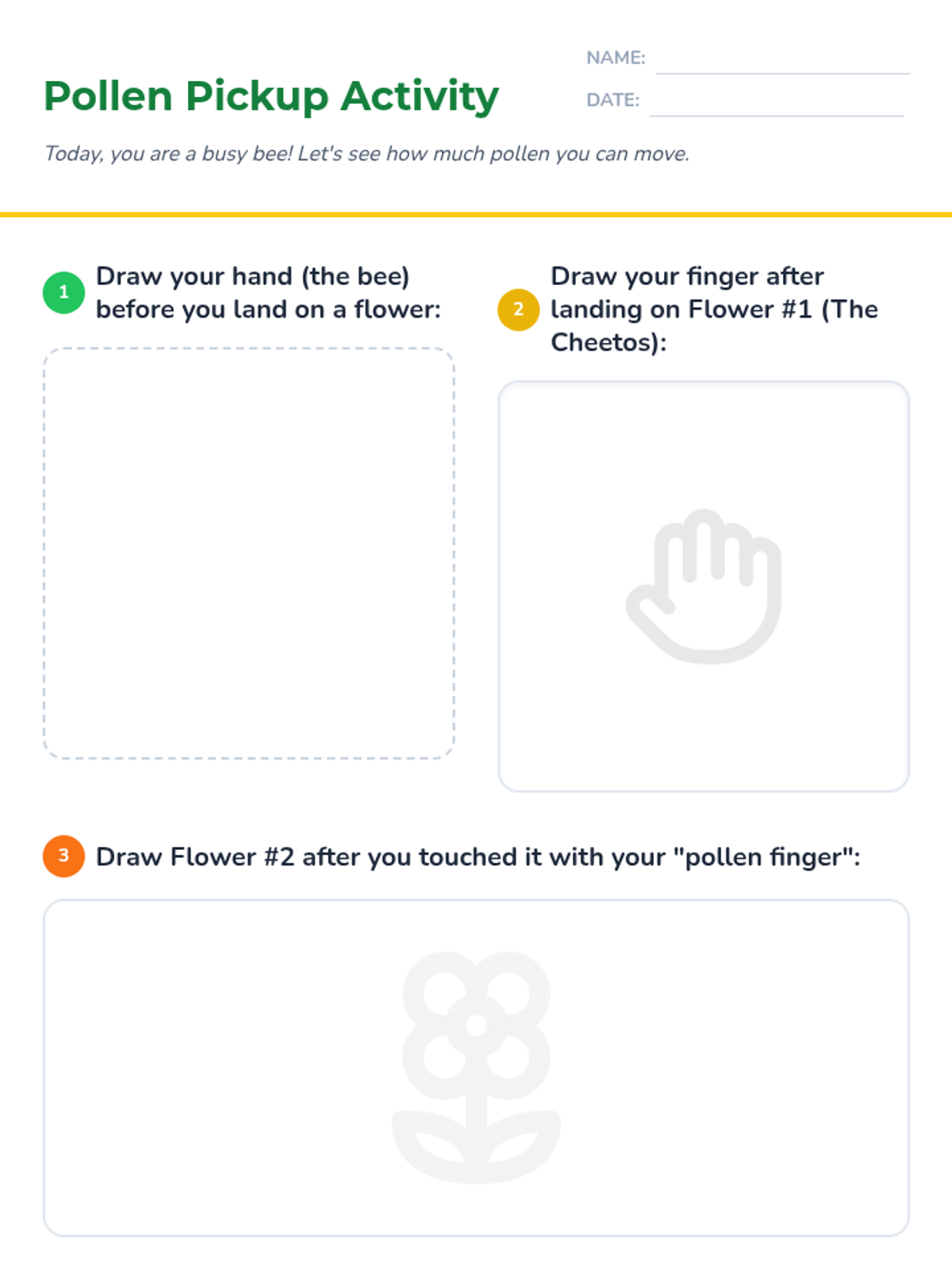
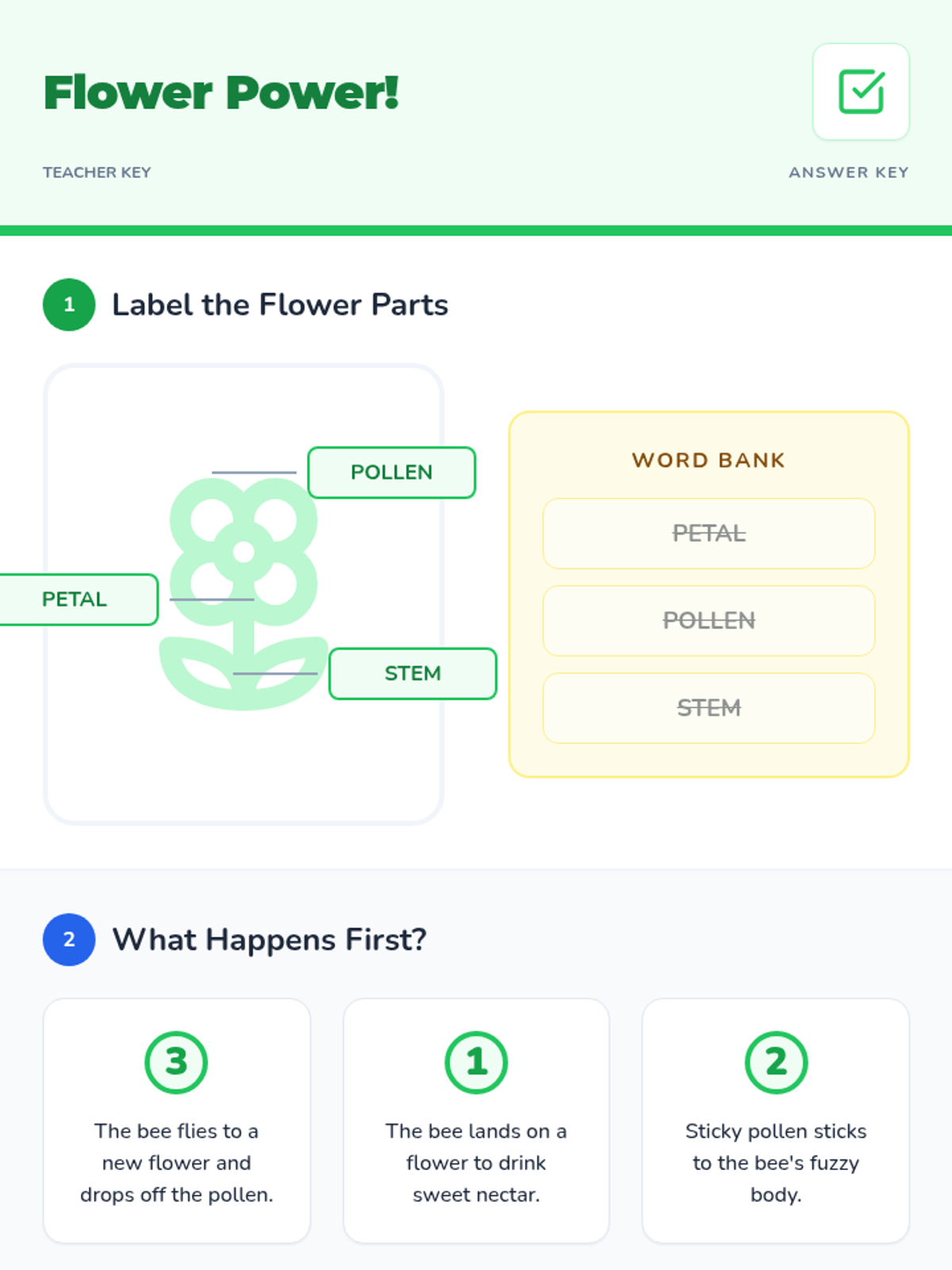
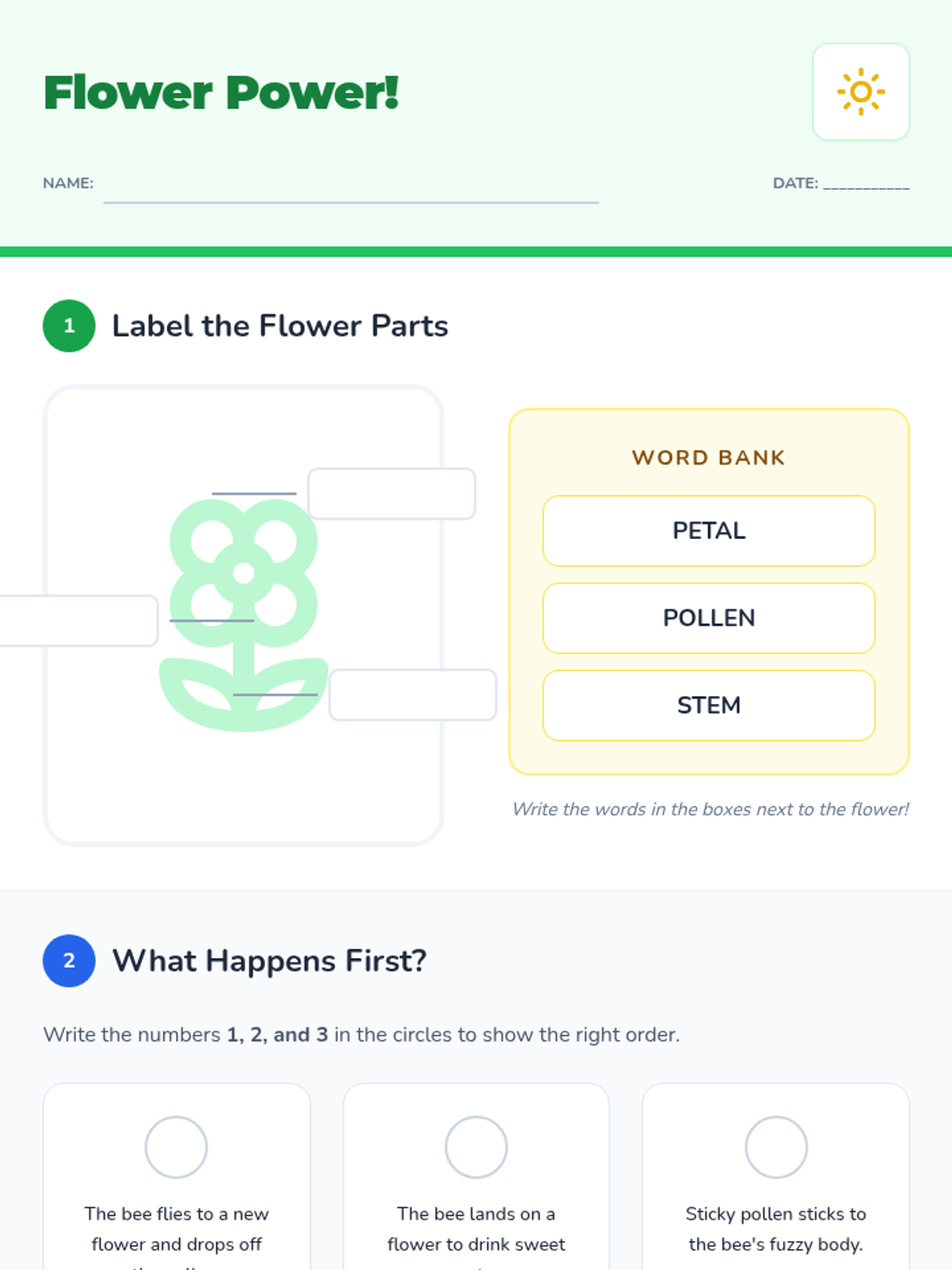
An interactive science lesson for K-3 students exploring the symbiotic relationship between bees and flowering plants through a hands-on pollination simulation.
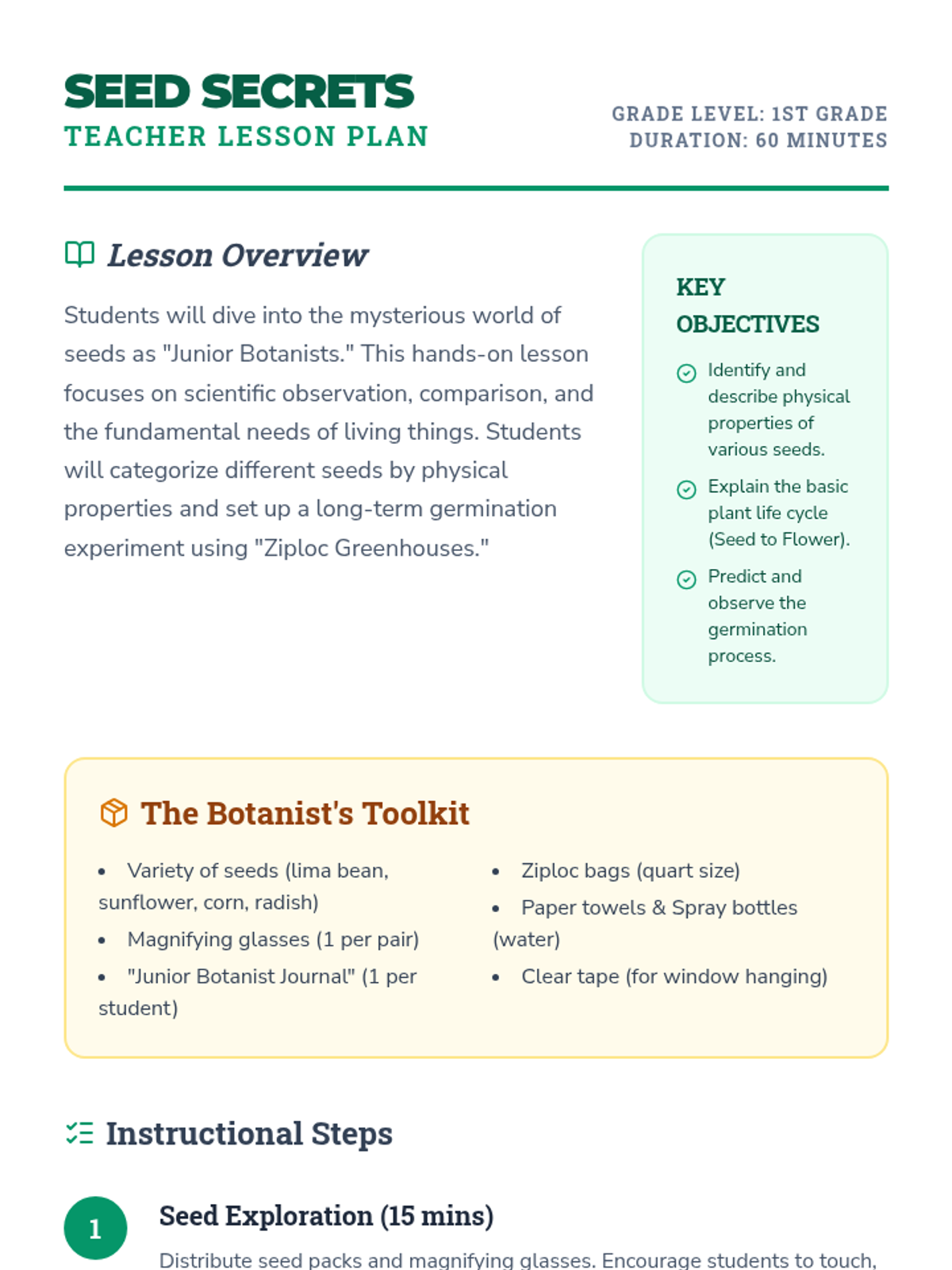
A hands-on botany lesson where 1st graders explore the plant life cycle through scientific observation, seed comparison, and a classroom greenhouse experiment. Students act as 'Junior Botanists' to track growth from seed to sprout.
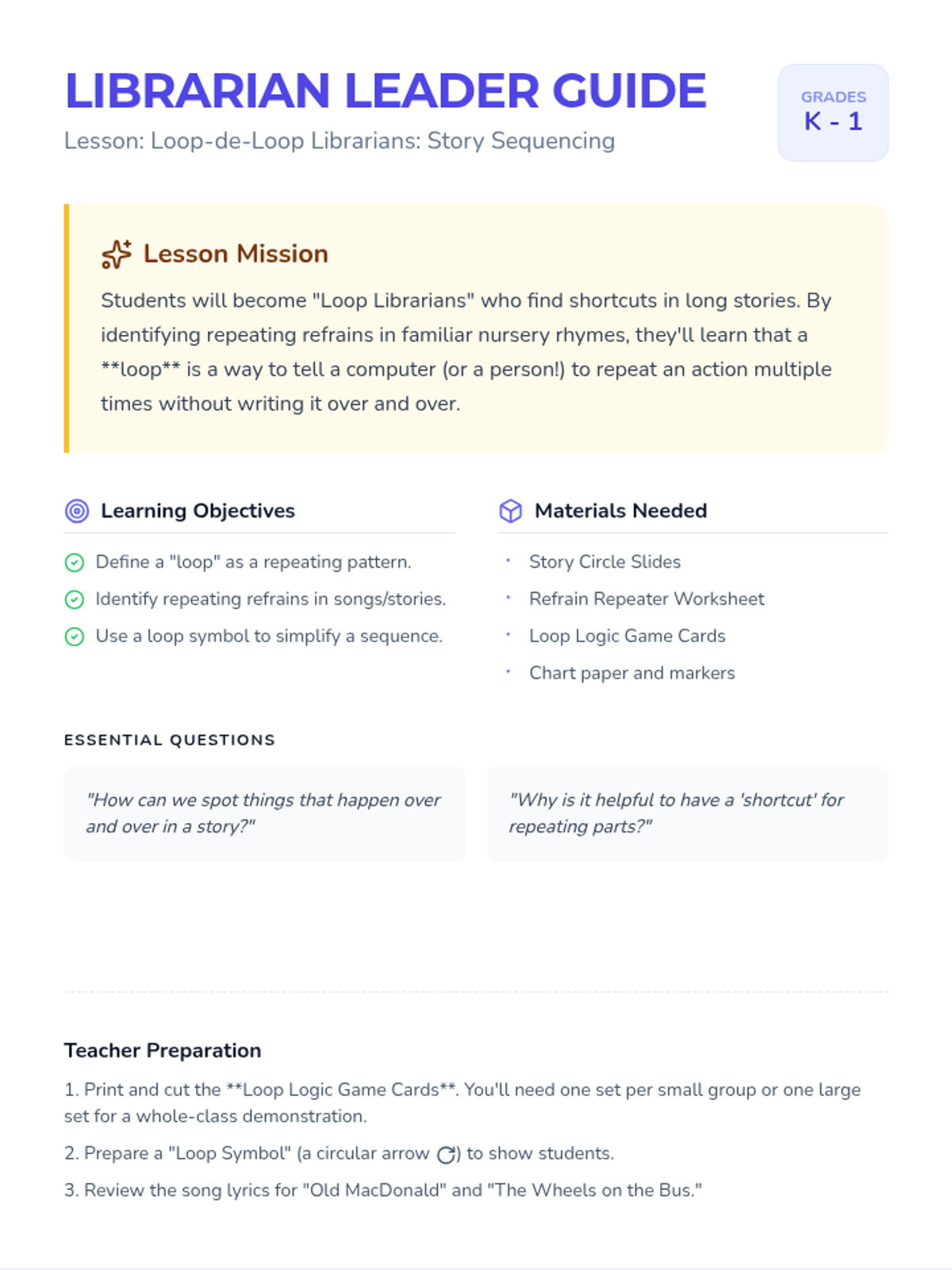
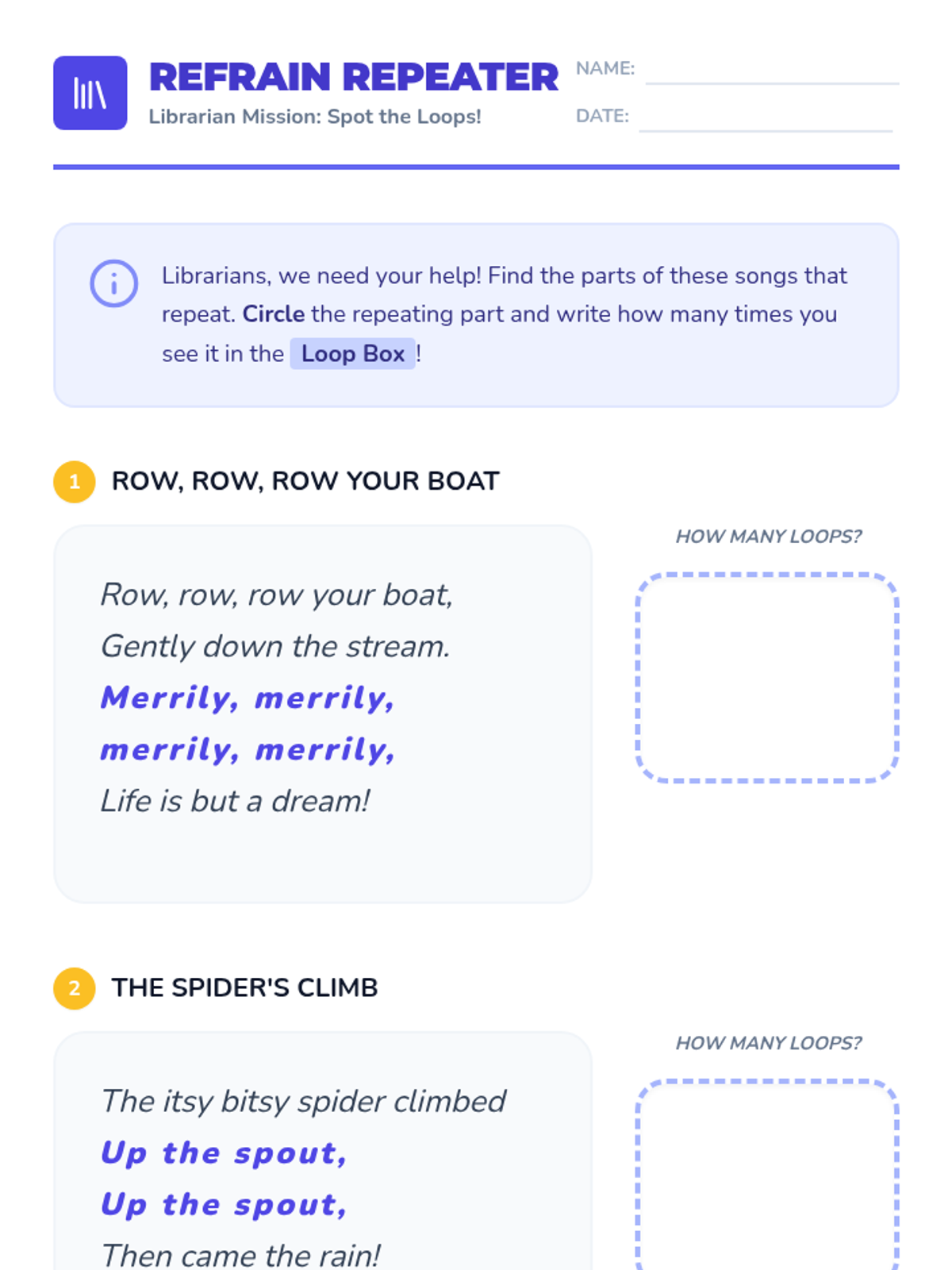
A whimsical introduction to computer science loops through the magic of storytelling and nursery rhymes. Kindergarten and 1st-grade students learn to spot repeating patterns in their favorite songs and 'code' them using loop symbols, bridging the gap between literacy and computational thinking.
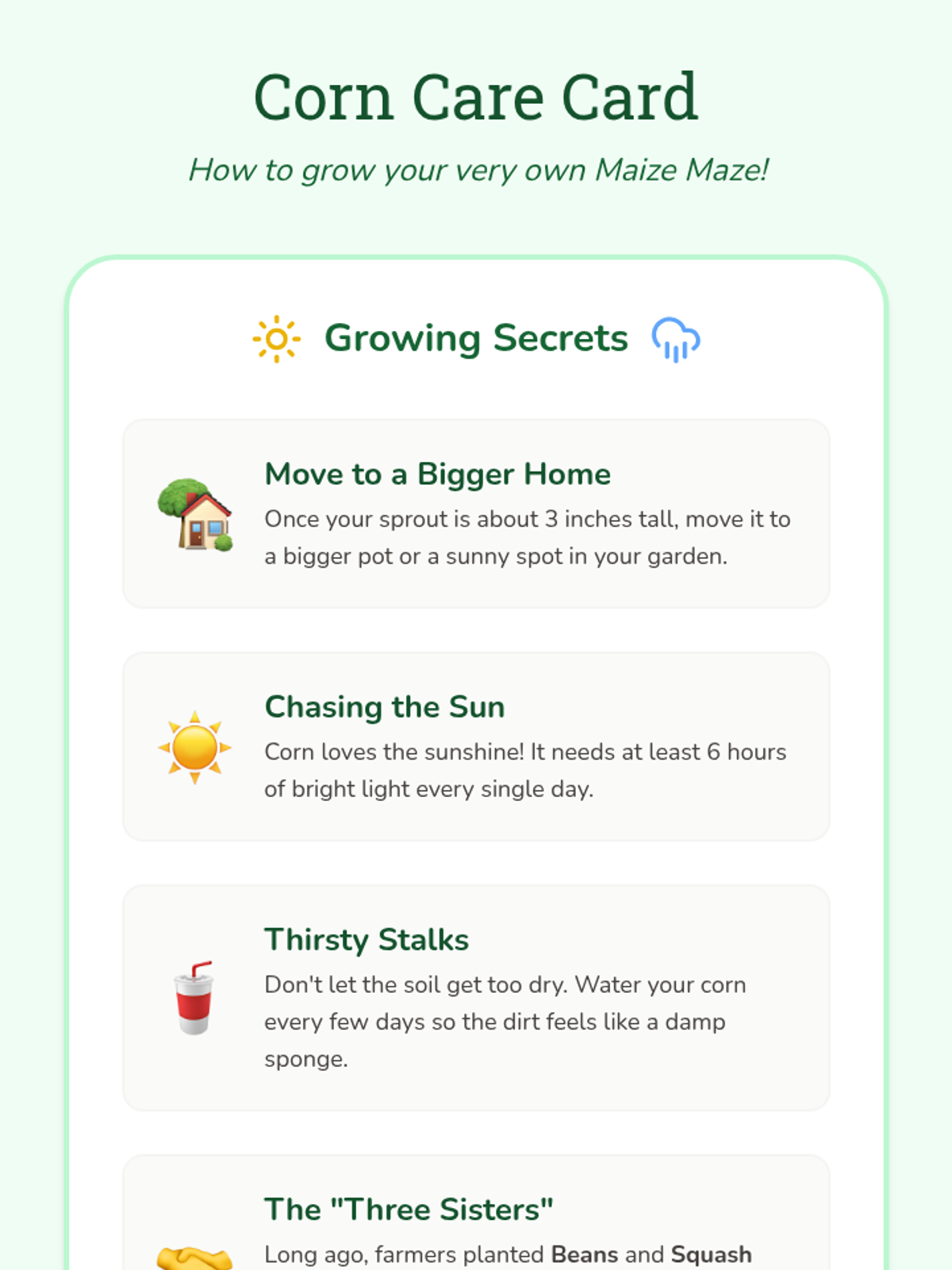
Students learn how to care for a corn plant and finish the unit by planting their own seeds to take home.
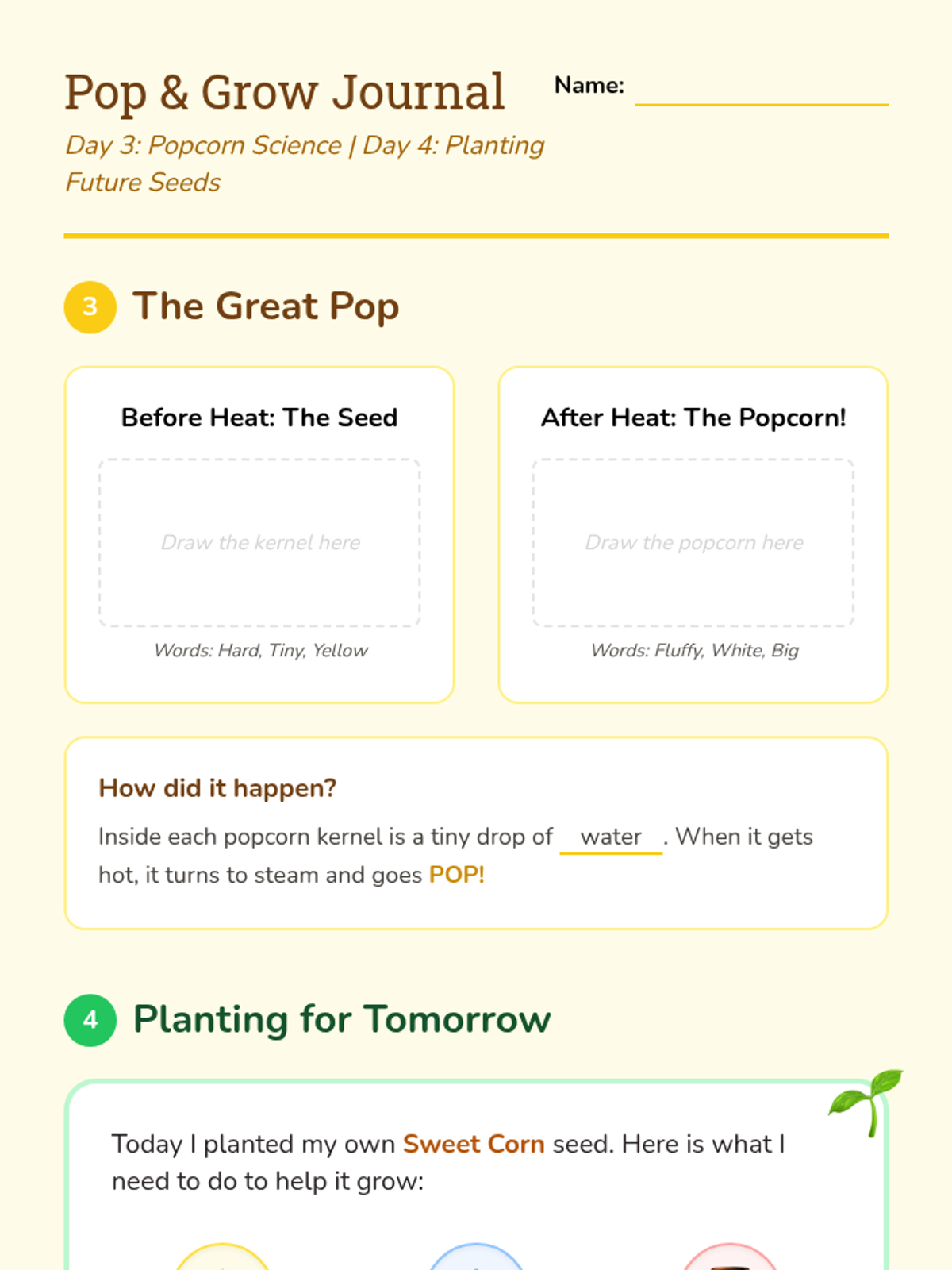
An exploration of how heat transforms corn into popcorn, followed by a classroom popping session.
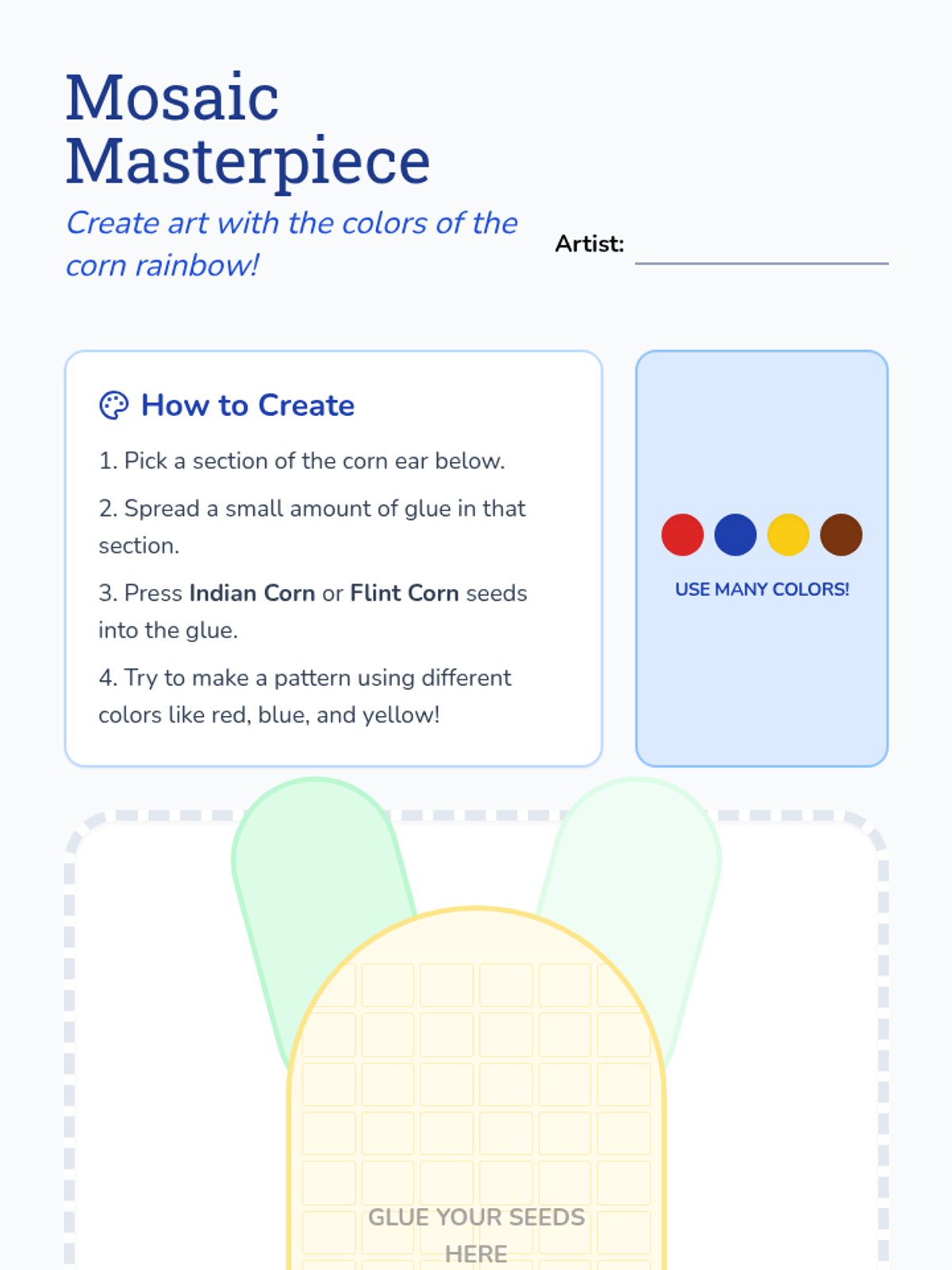
Students explore the different colors and types of corn seeds and create vibrant mosaic art using dried kernels.
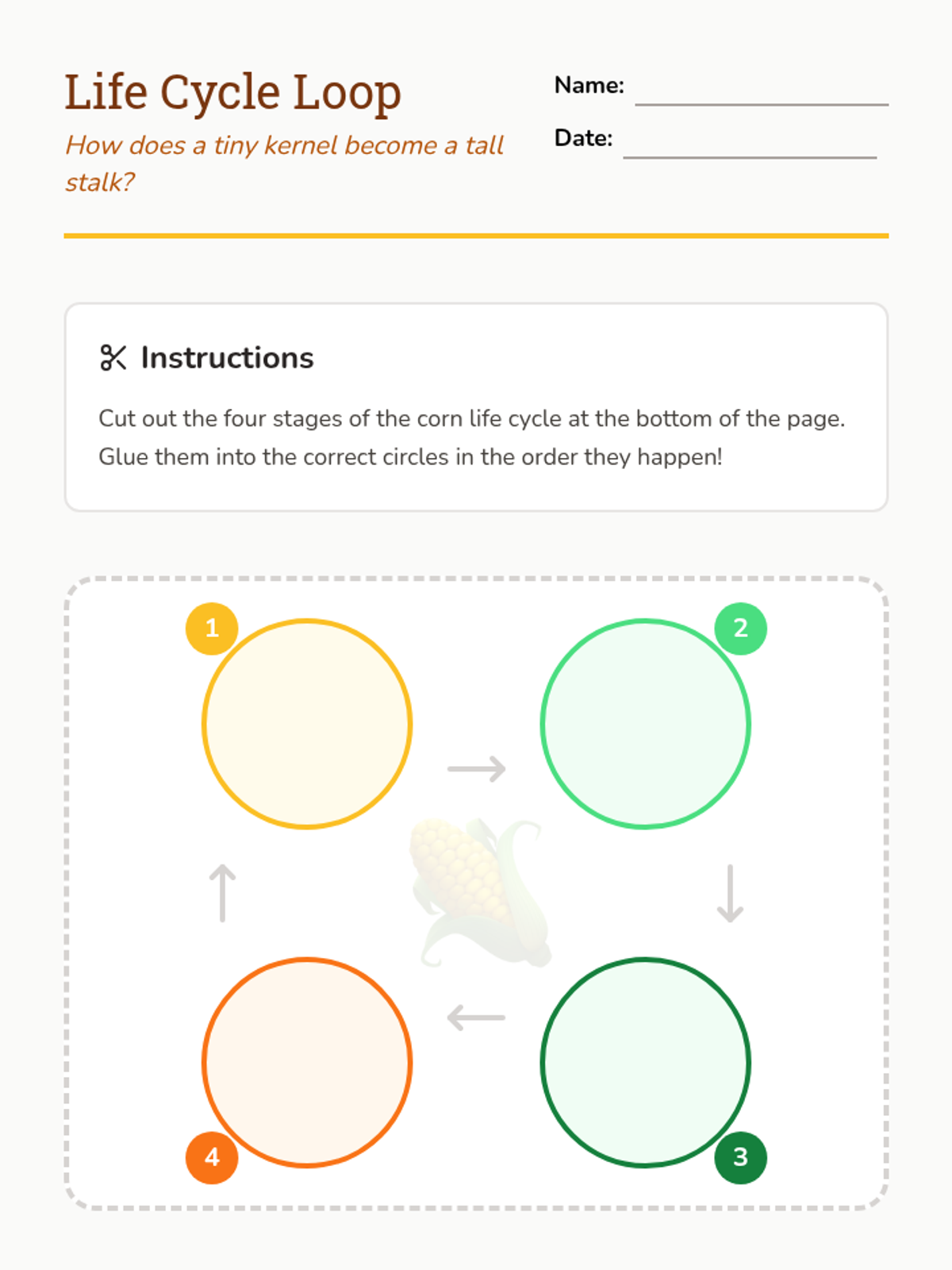
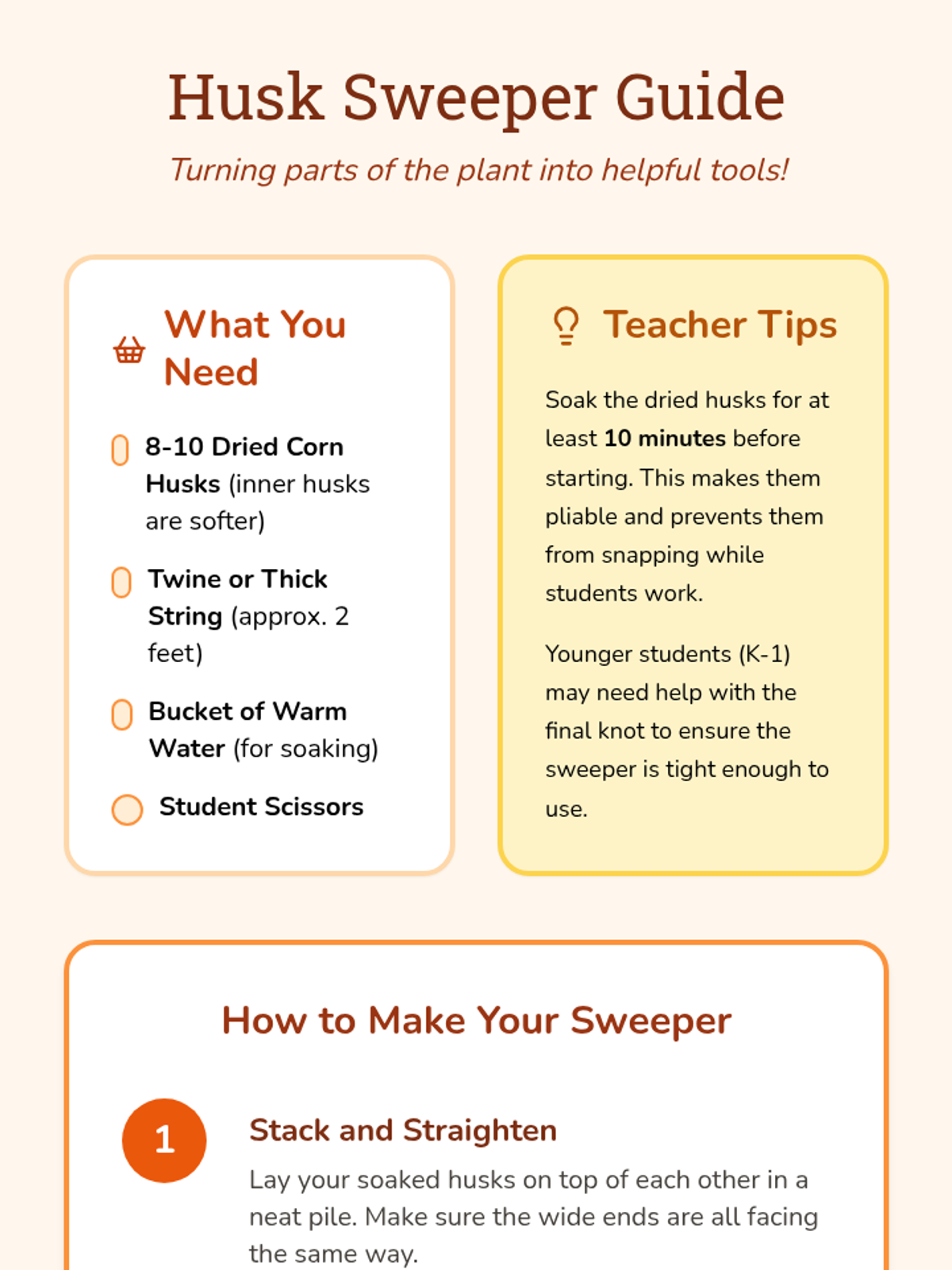
Students discover the history of corn (Maize) and its life cycle before creating traditional hand sweepers from corn husks.
An introductory lesson for early elementary students exploring how we breathe, the journey of air through our bodies, and the main parts of the respiratory system.
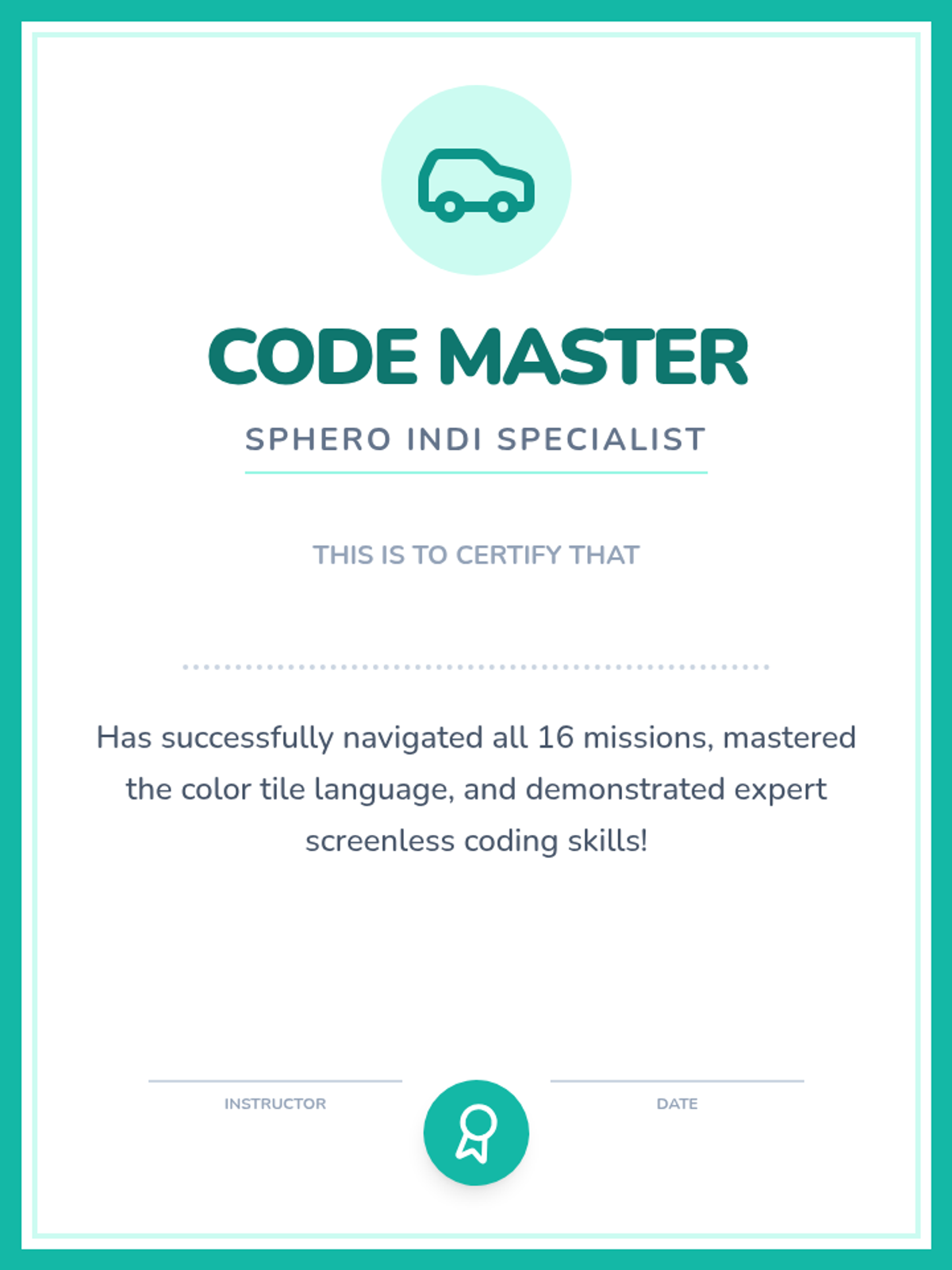
A collection of resources for tracking student progress, celebrating achievements, and managing the robotics workspace. includes mission logs, certificates, and reference guides.
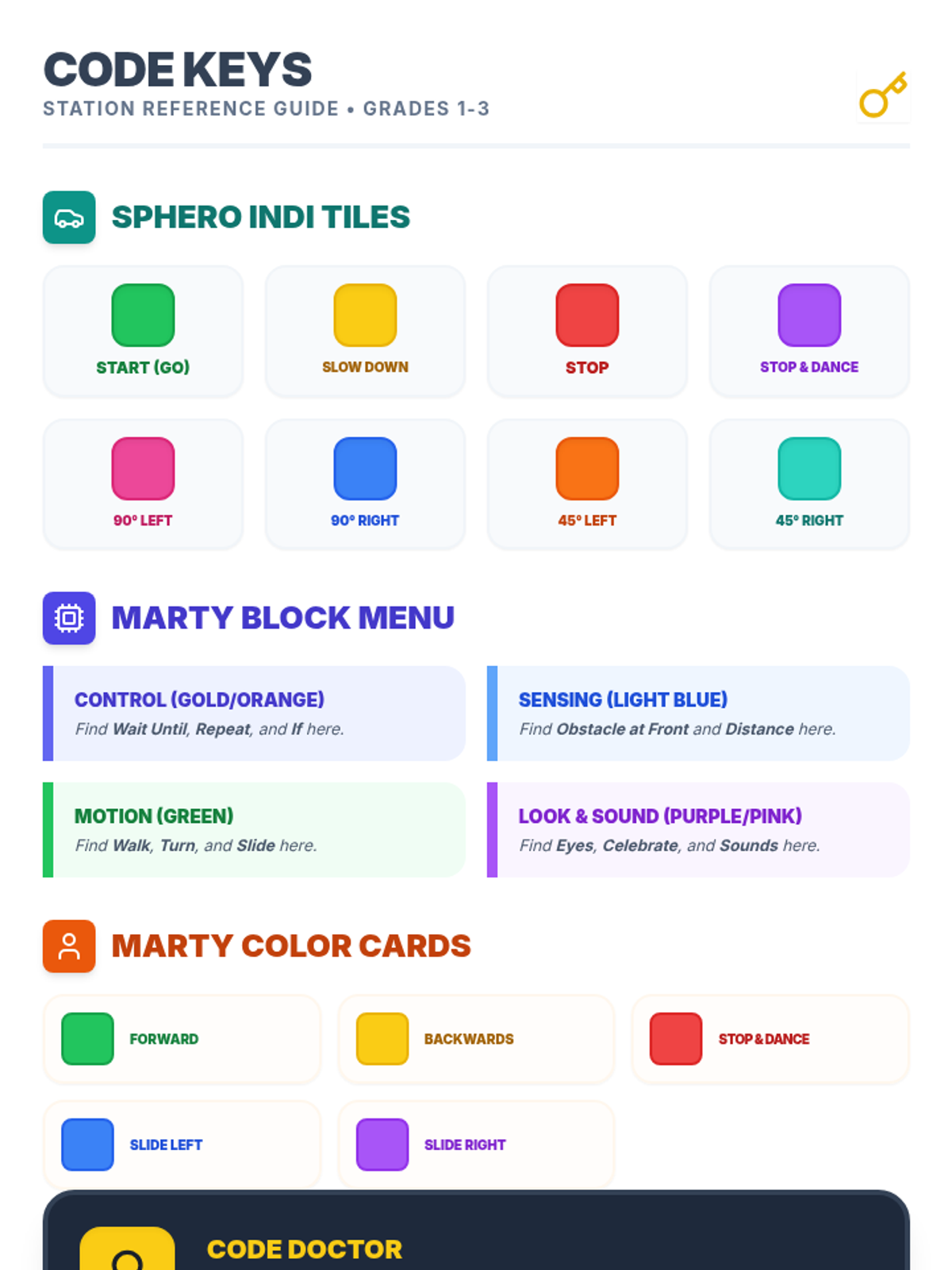
Explore Marty the Robot using two coding methods: physical color blocks for screenless movement and Scratch-like block coding for more complex behaviors and sensing.
Transition from screenless coding to block coding with Sphero Mini. Students will explore distance, rotation, and loops while programming their robot to complete various challenges in the Sphero Edu app.
Introduce students to screenless coding using Sphero indi and color tiles. This lesson focuses on cause-and-effect and simple sequencing as students lead indi through a series of color-coded missions.
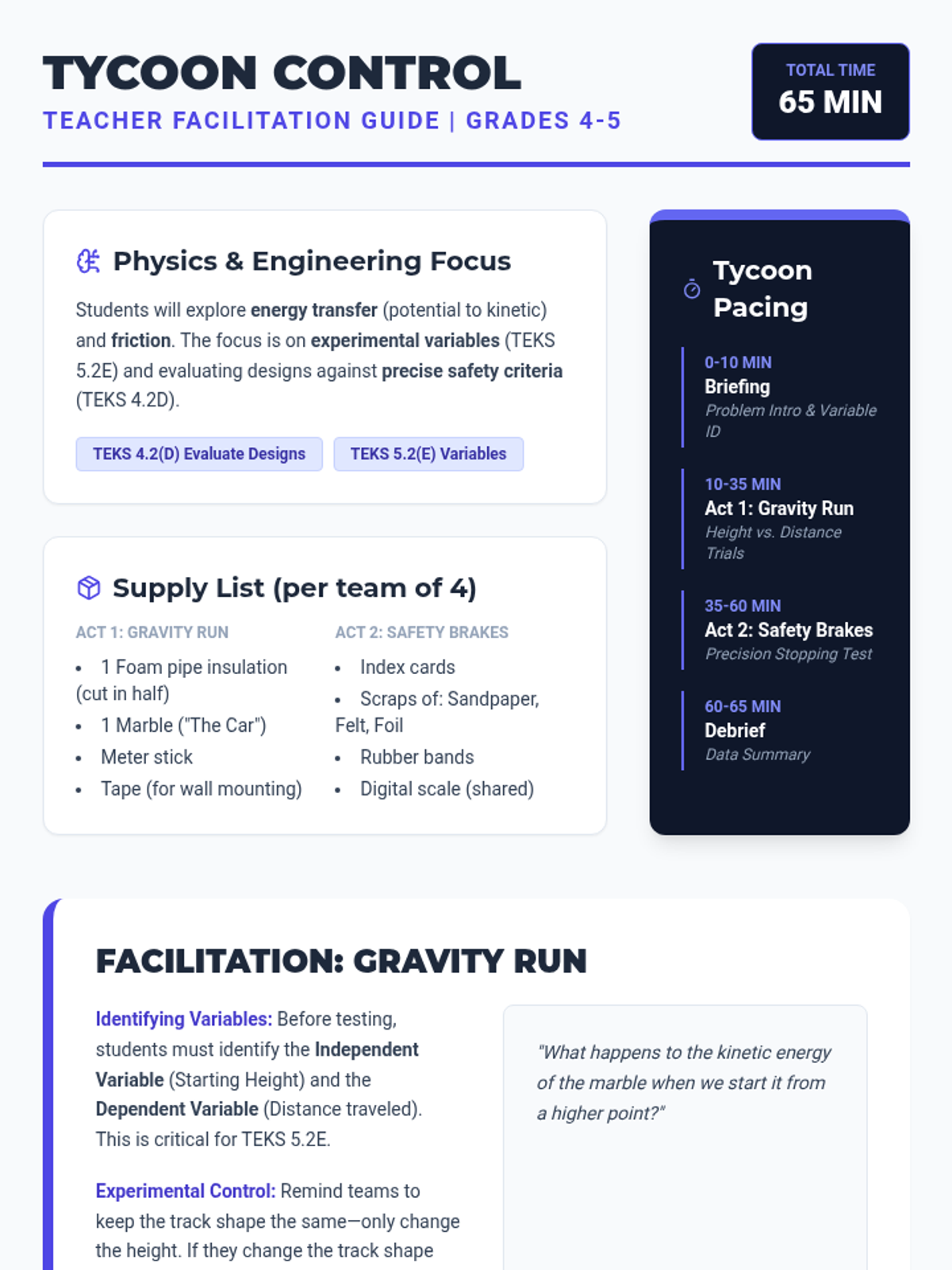
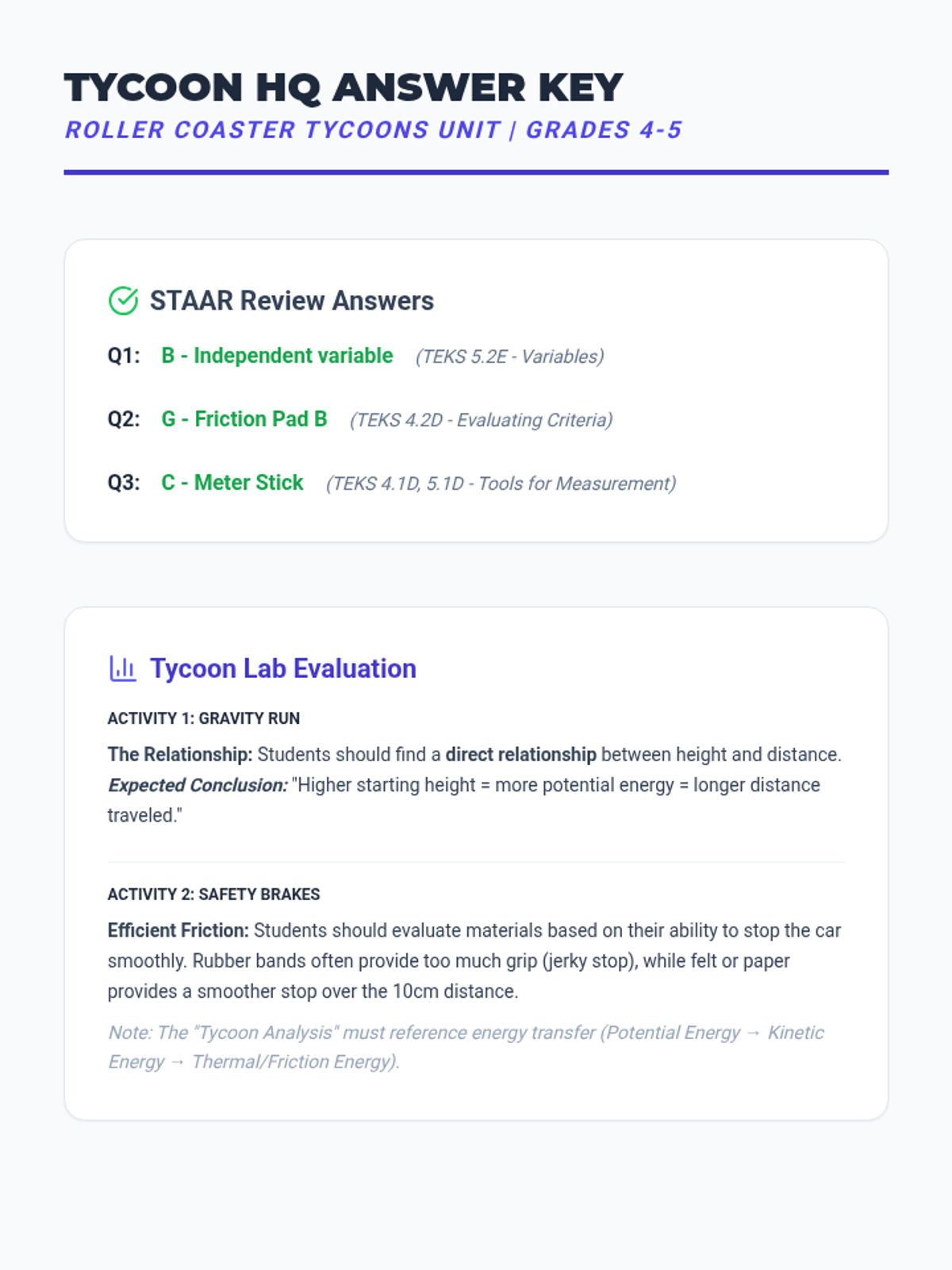
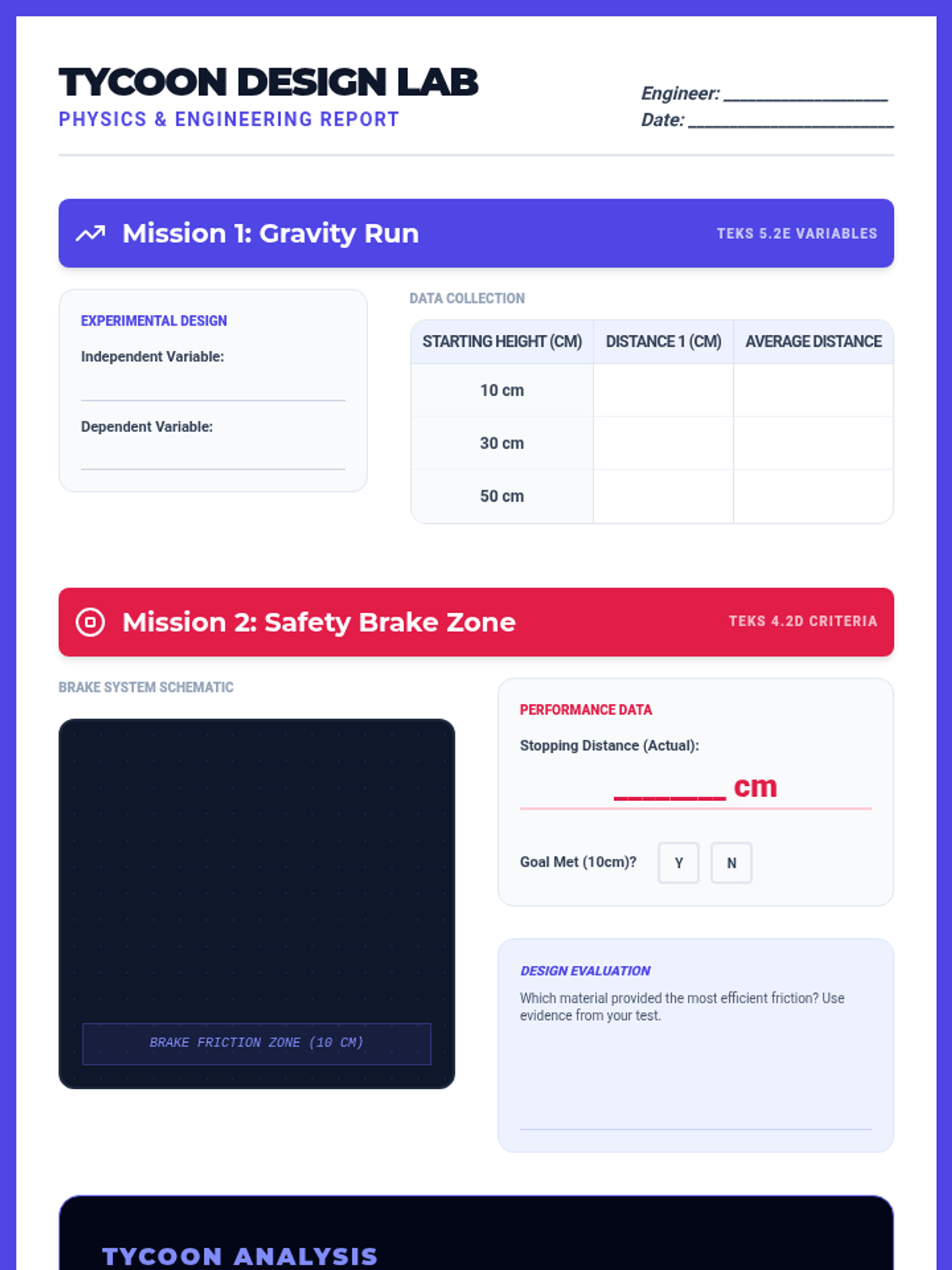
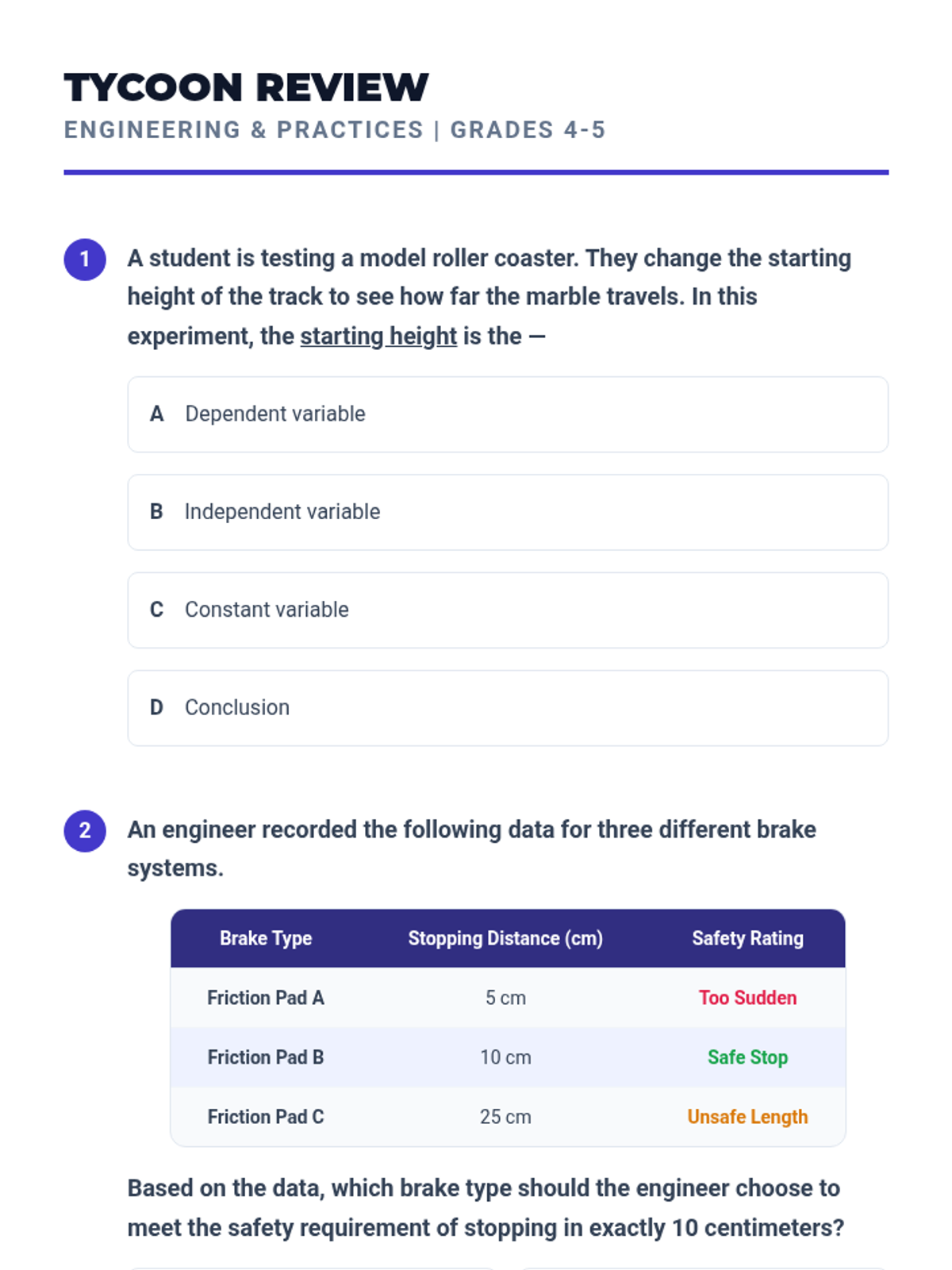
An advanced physics-based engineering unit for grades 4-5. Students take on the role of 'Roller Coaster Tycoons' to design gravity-powered coasters and braking systems, emphasizing variable testing, energy transfer, and safety criteria.
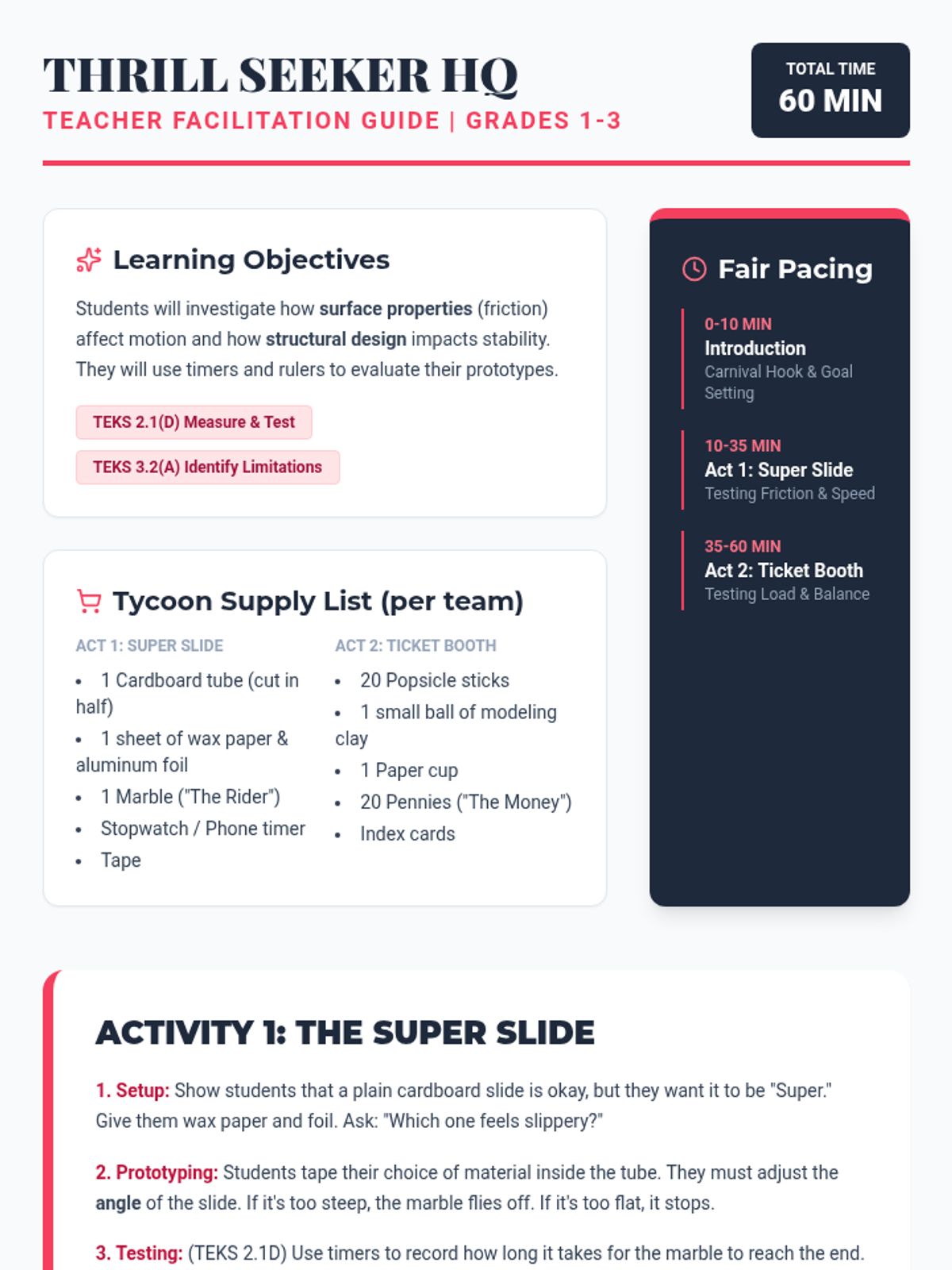
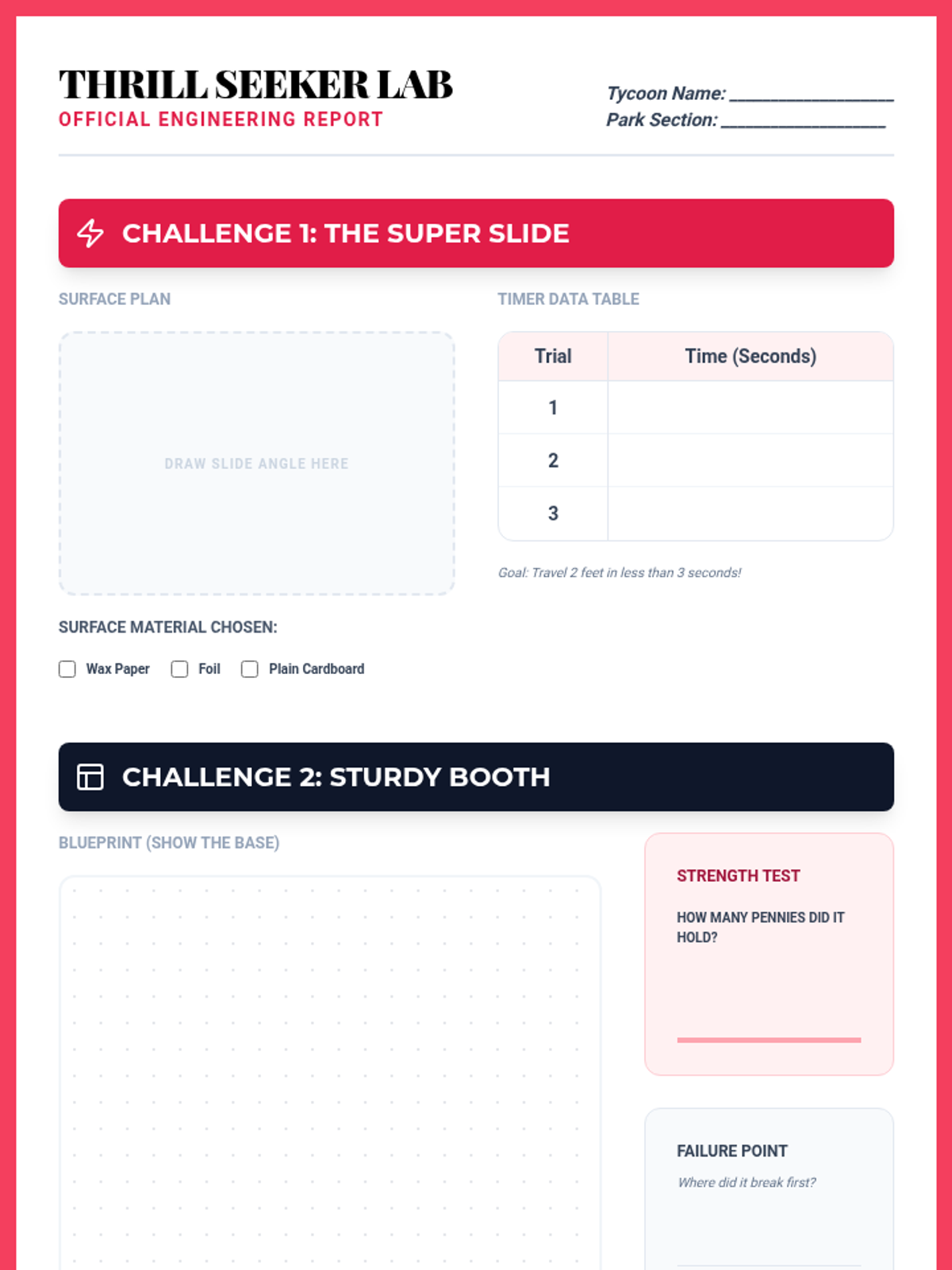
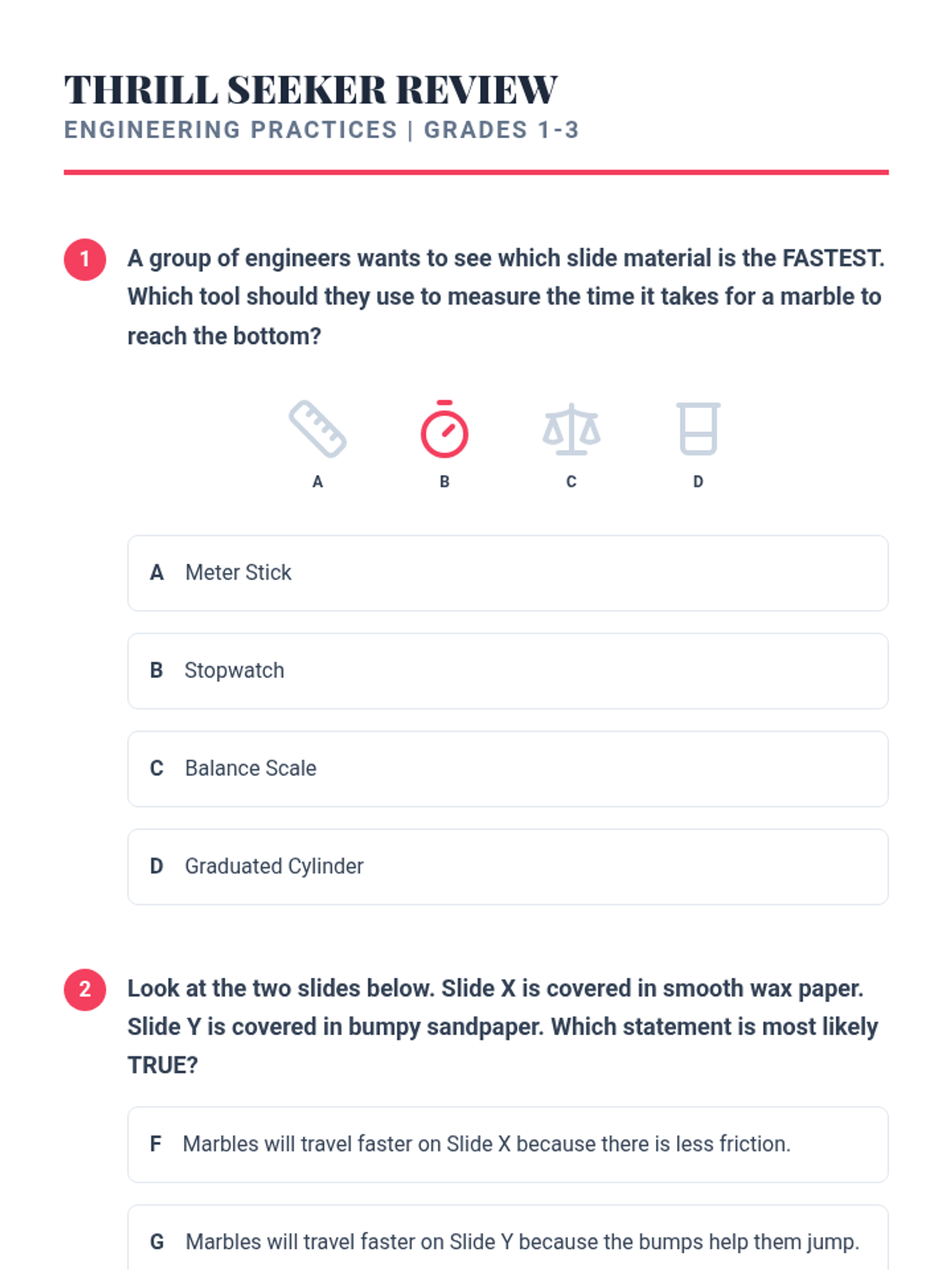
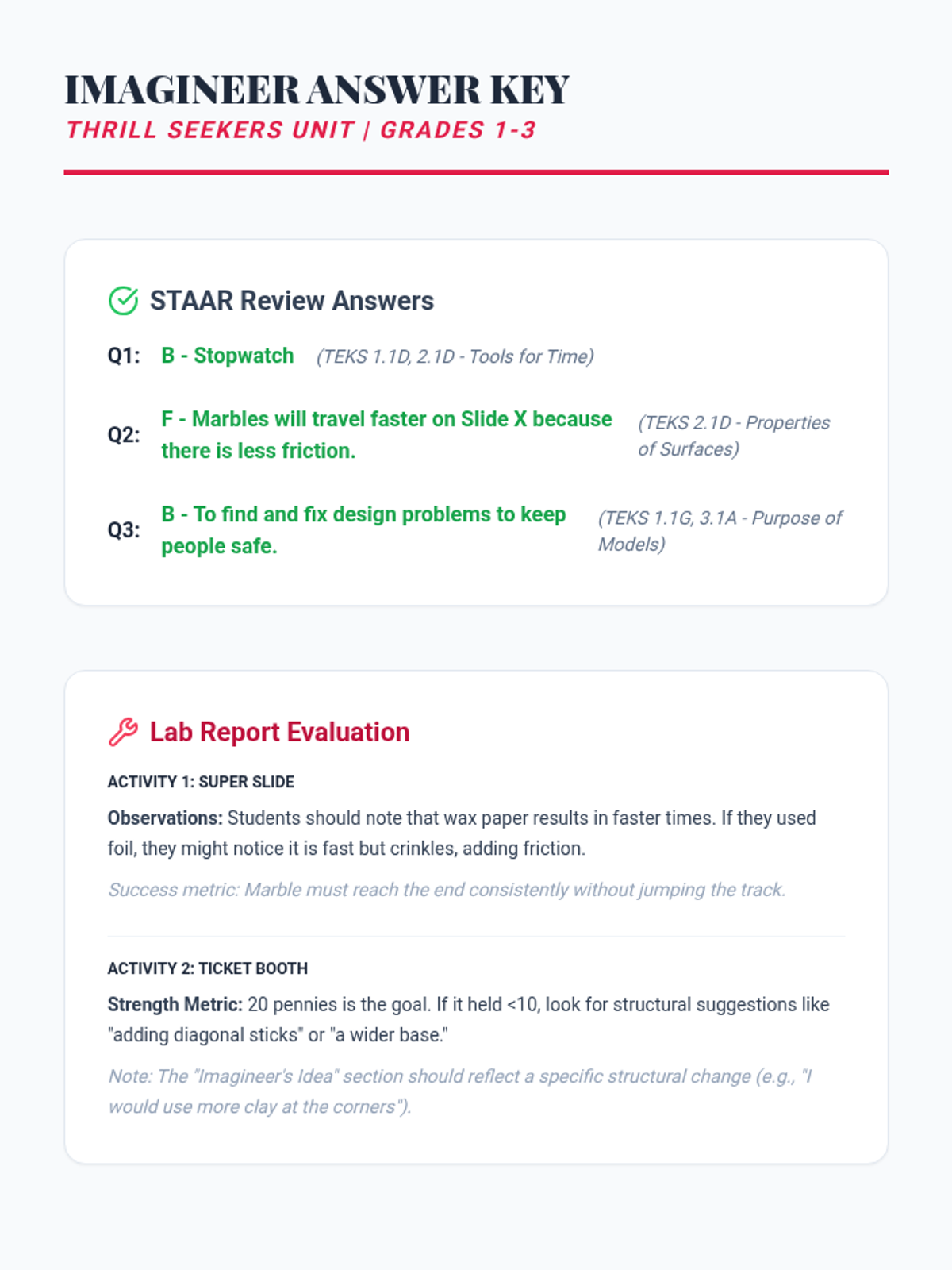
A fun-filled junior engineering lesson for grades 1-3. Students act as 'Thrill Seekers' to design steep, safe slides and sturdy ticket booths for a new amusement park, focusing on surface properties, friction, and structural stability.
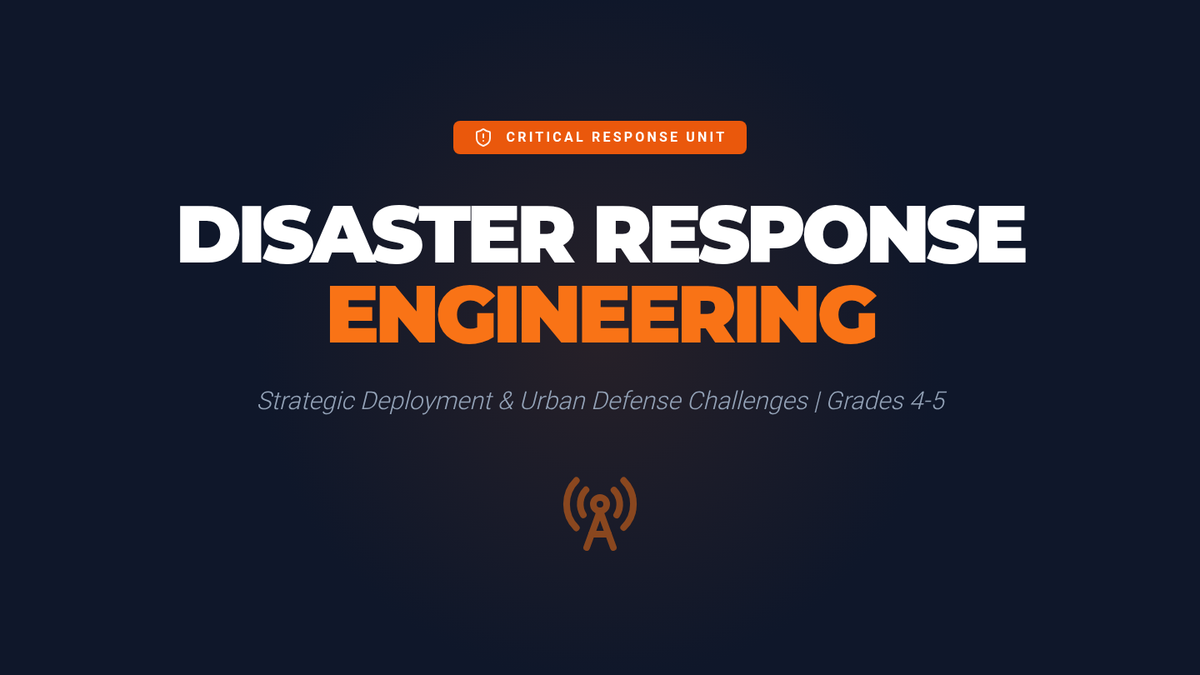
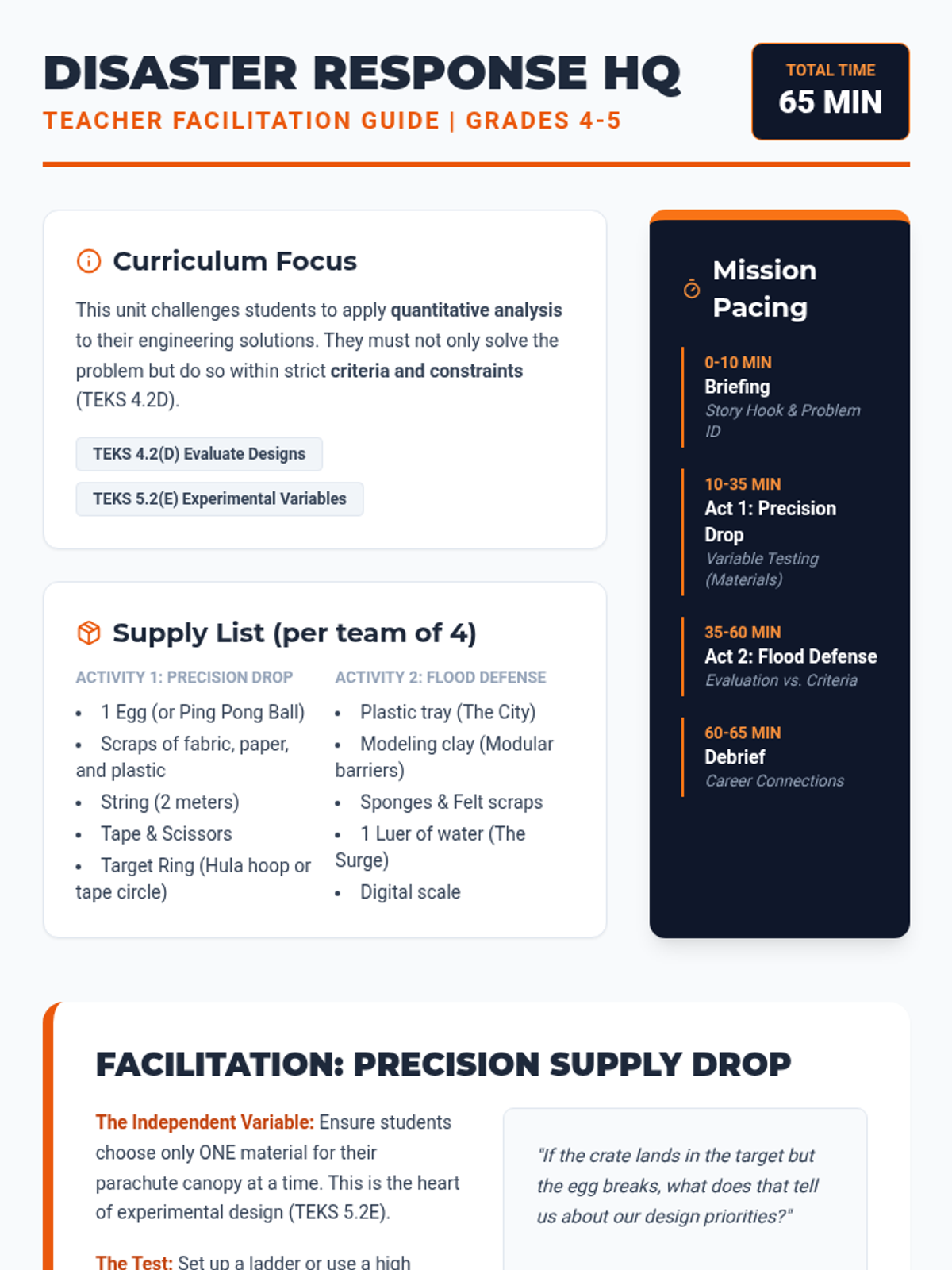
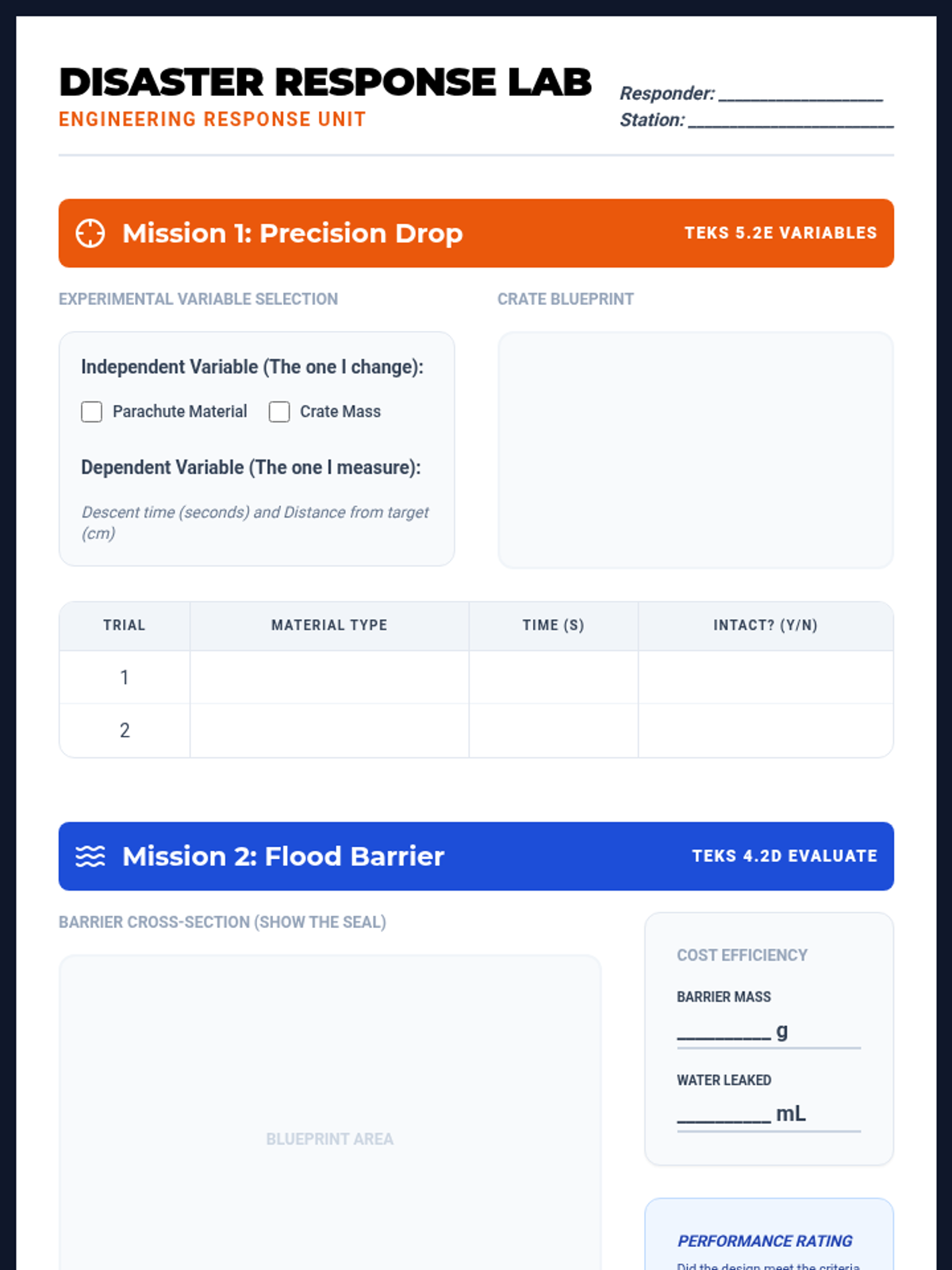
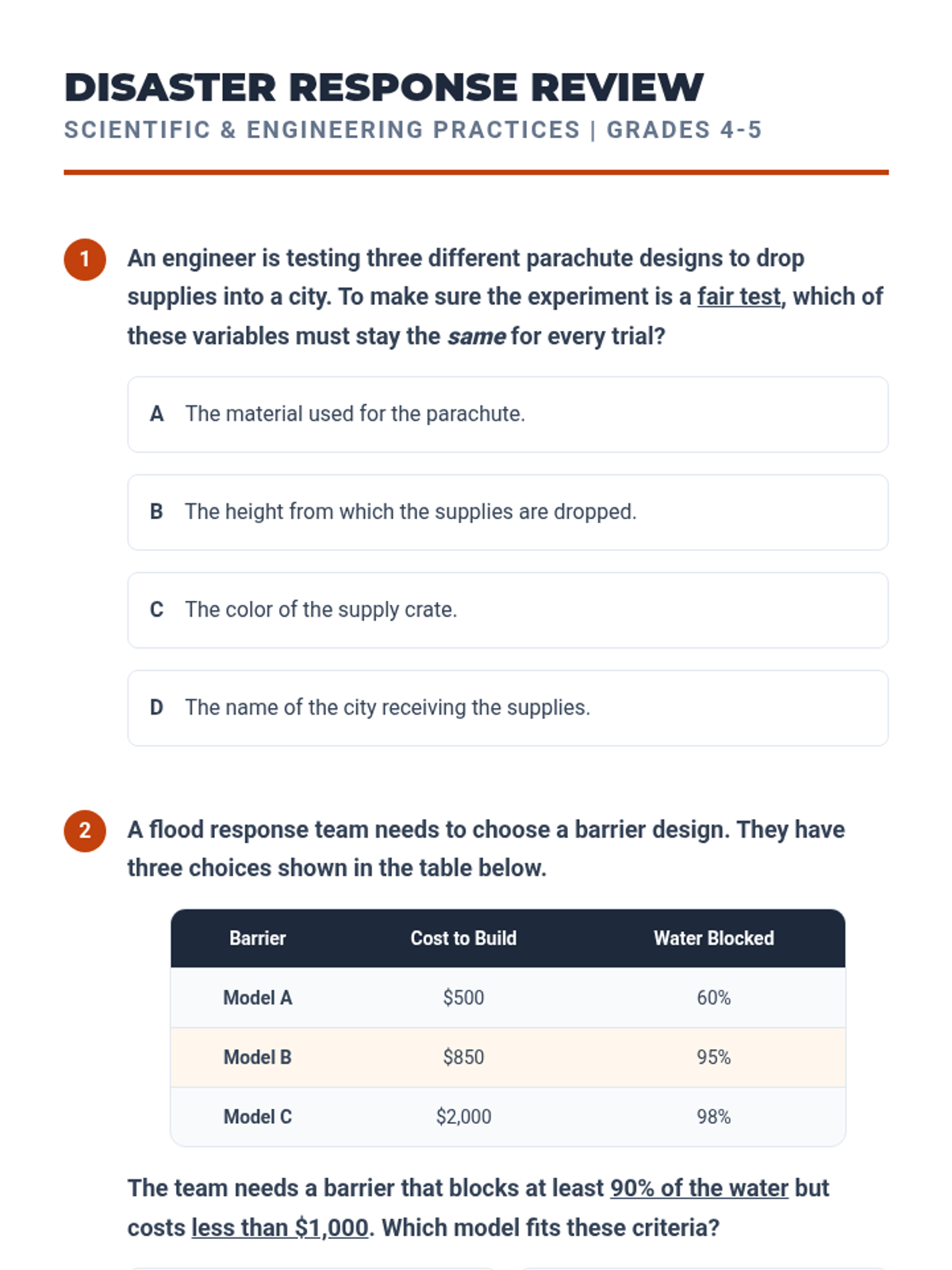
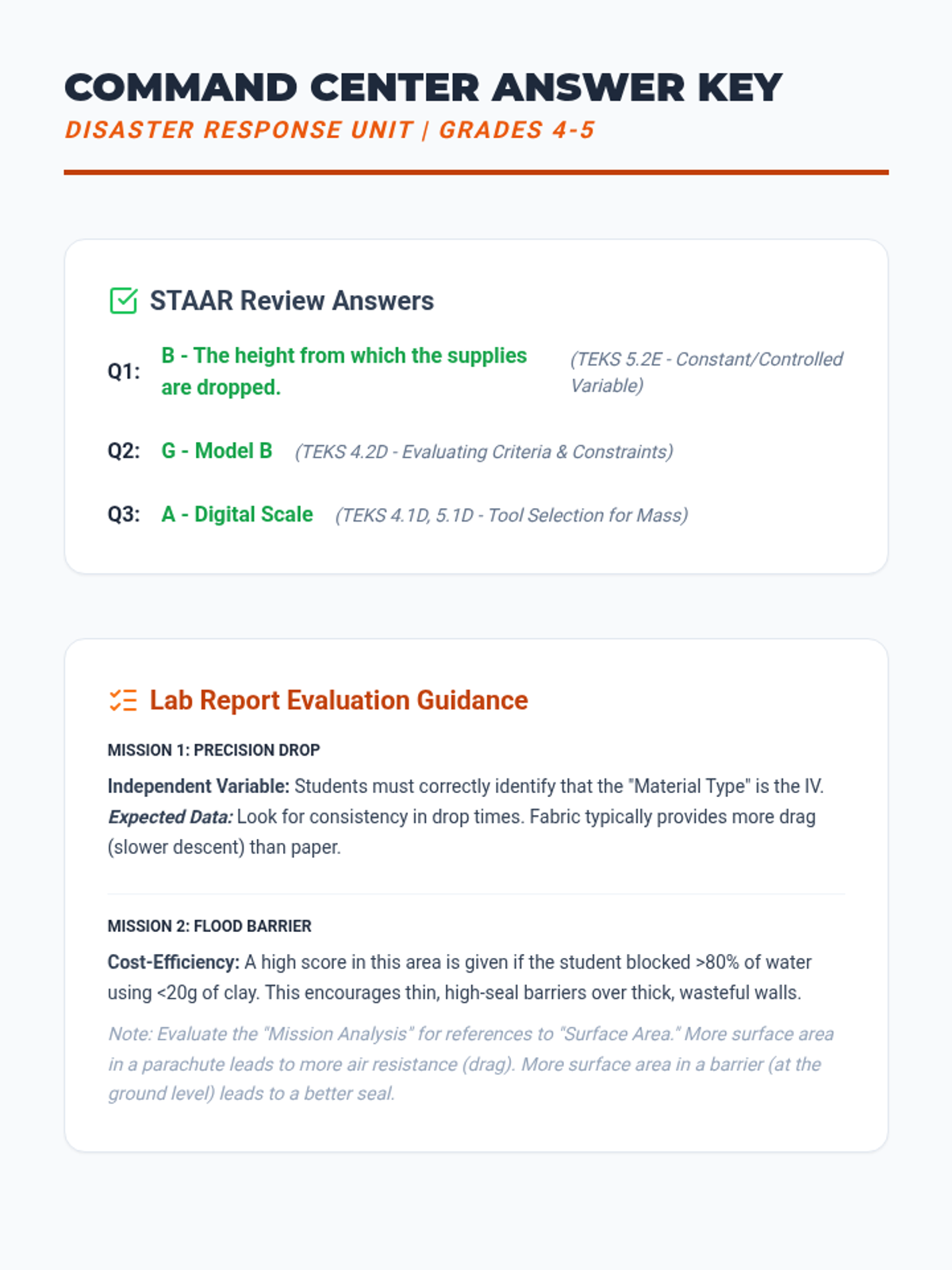
An advanced disaster relief engineering unit for grades 4-5. Students design precision supply drop crates to protect medical gear and modular flood barrier systems to save a model town, emphasizing experimental variables and cost-to-performance criteria.
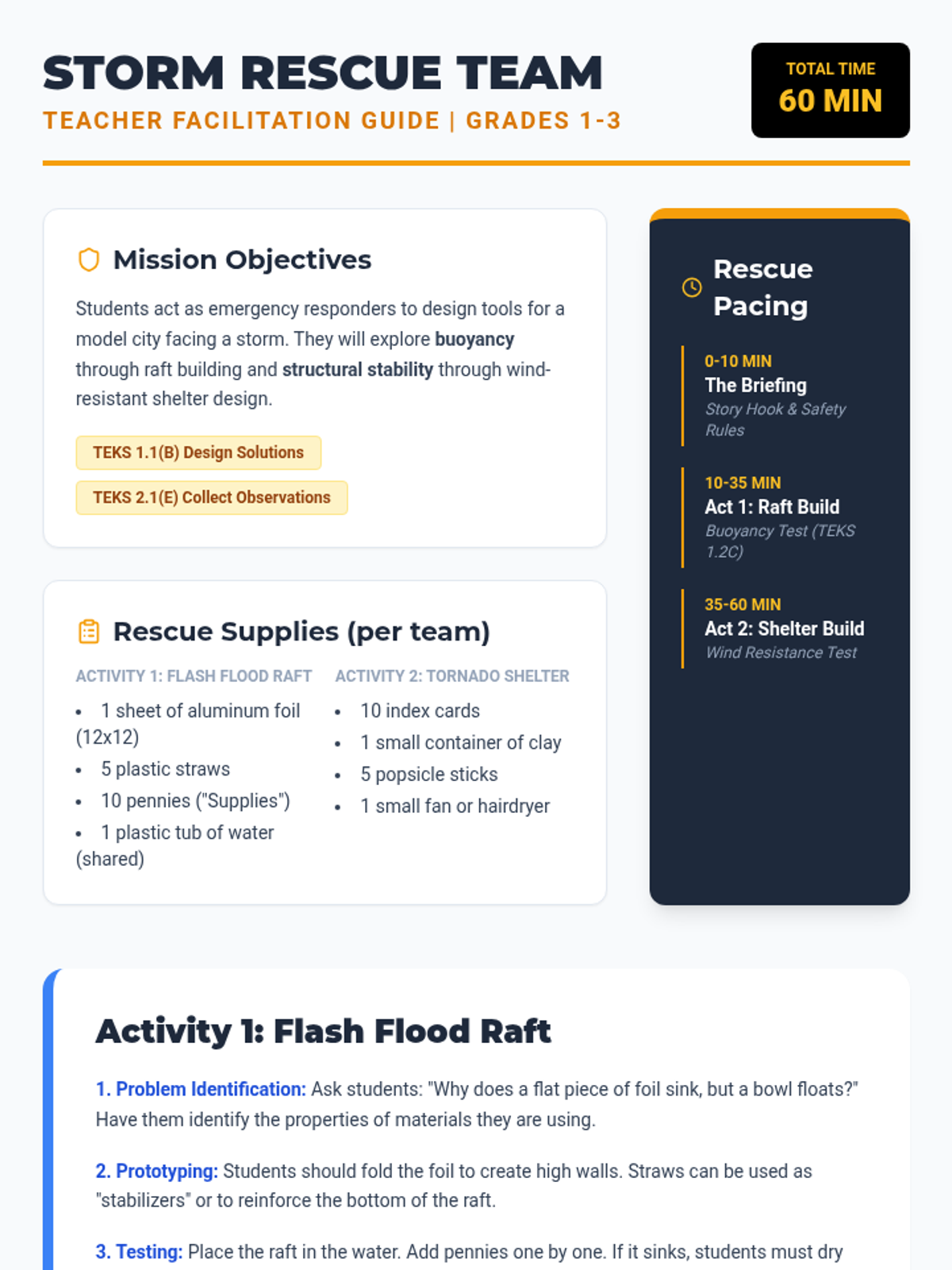
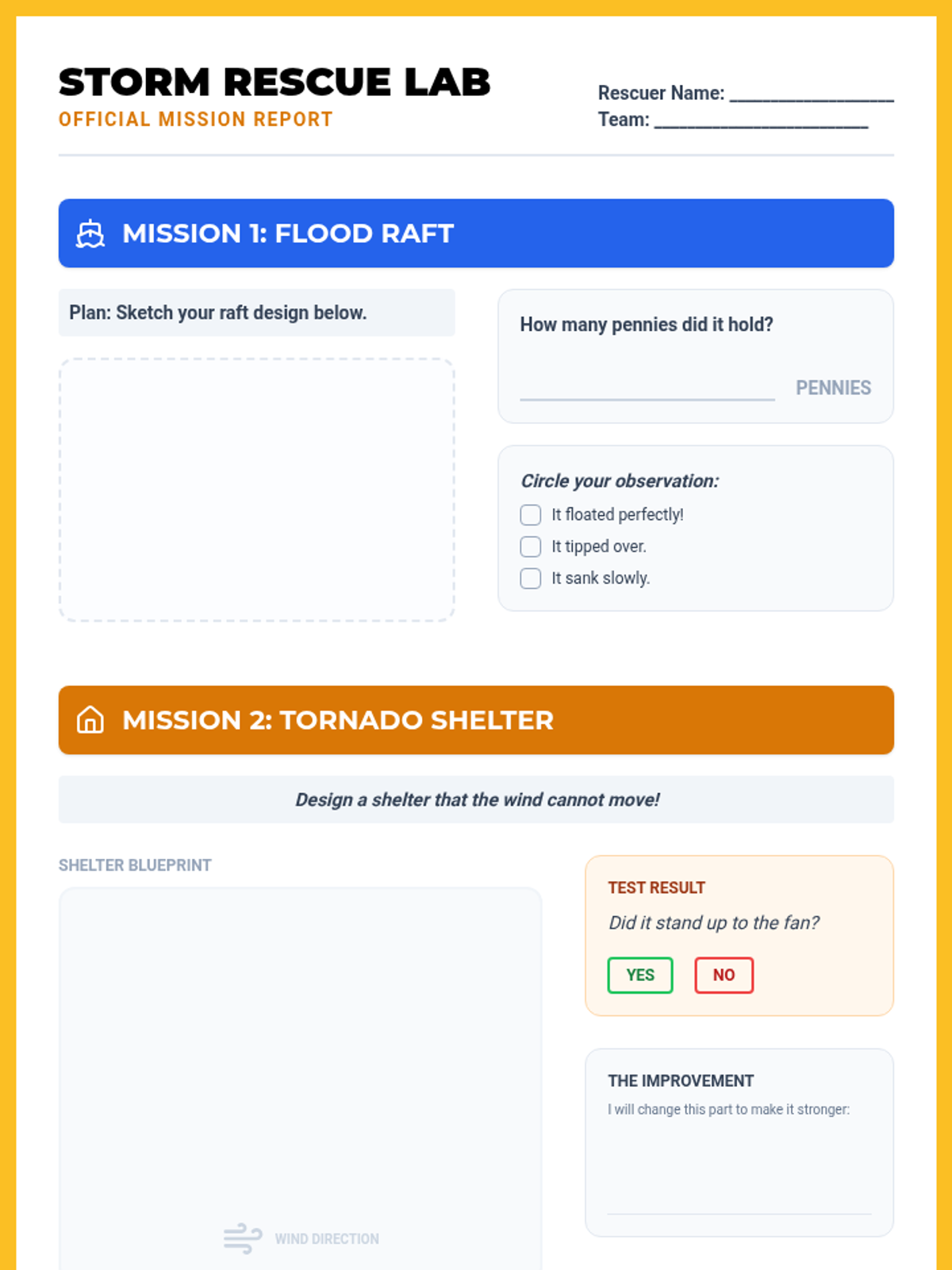
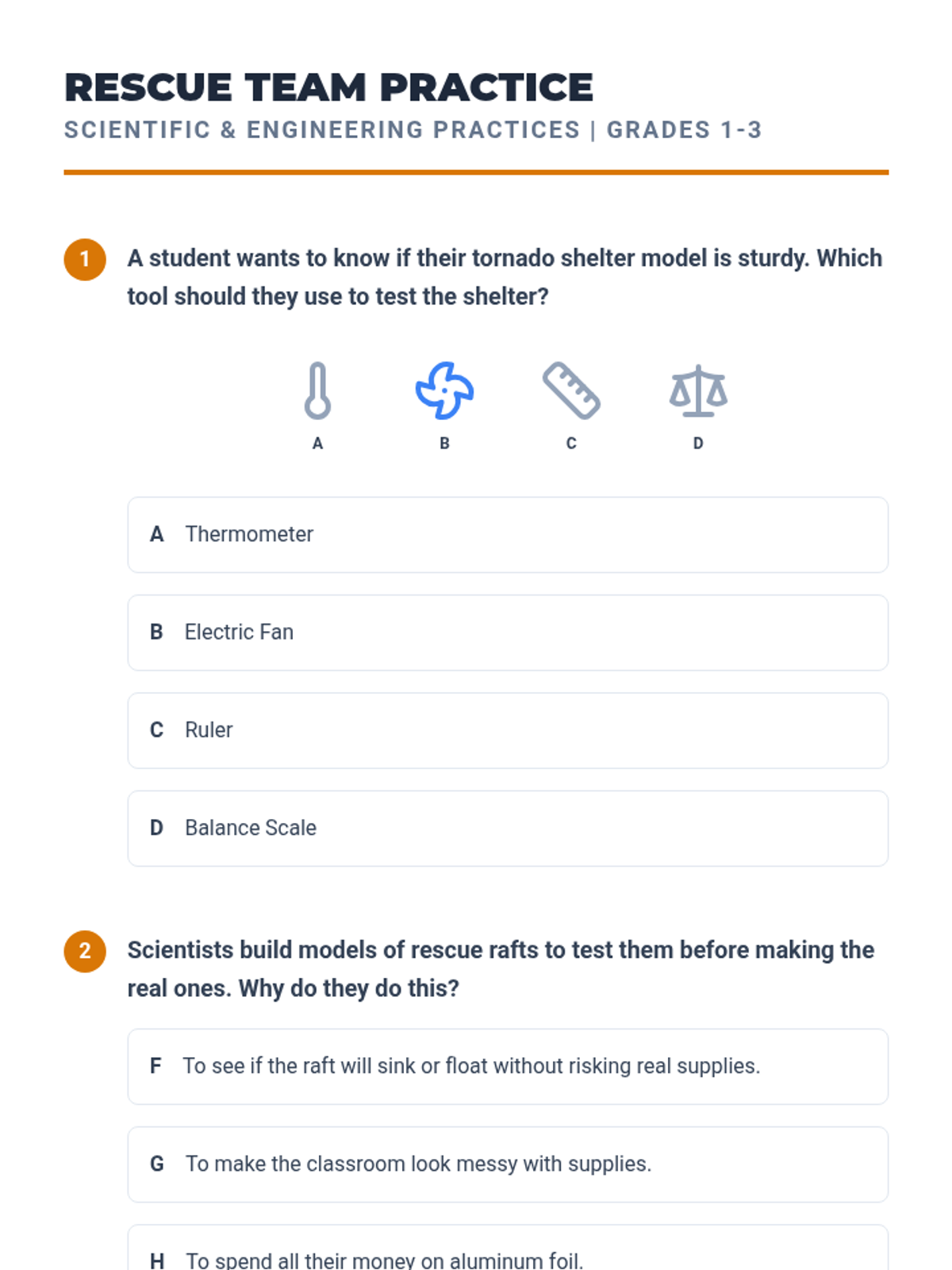
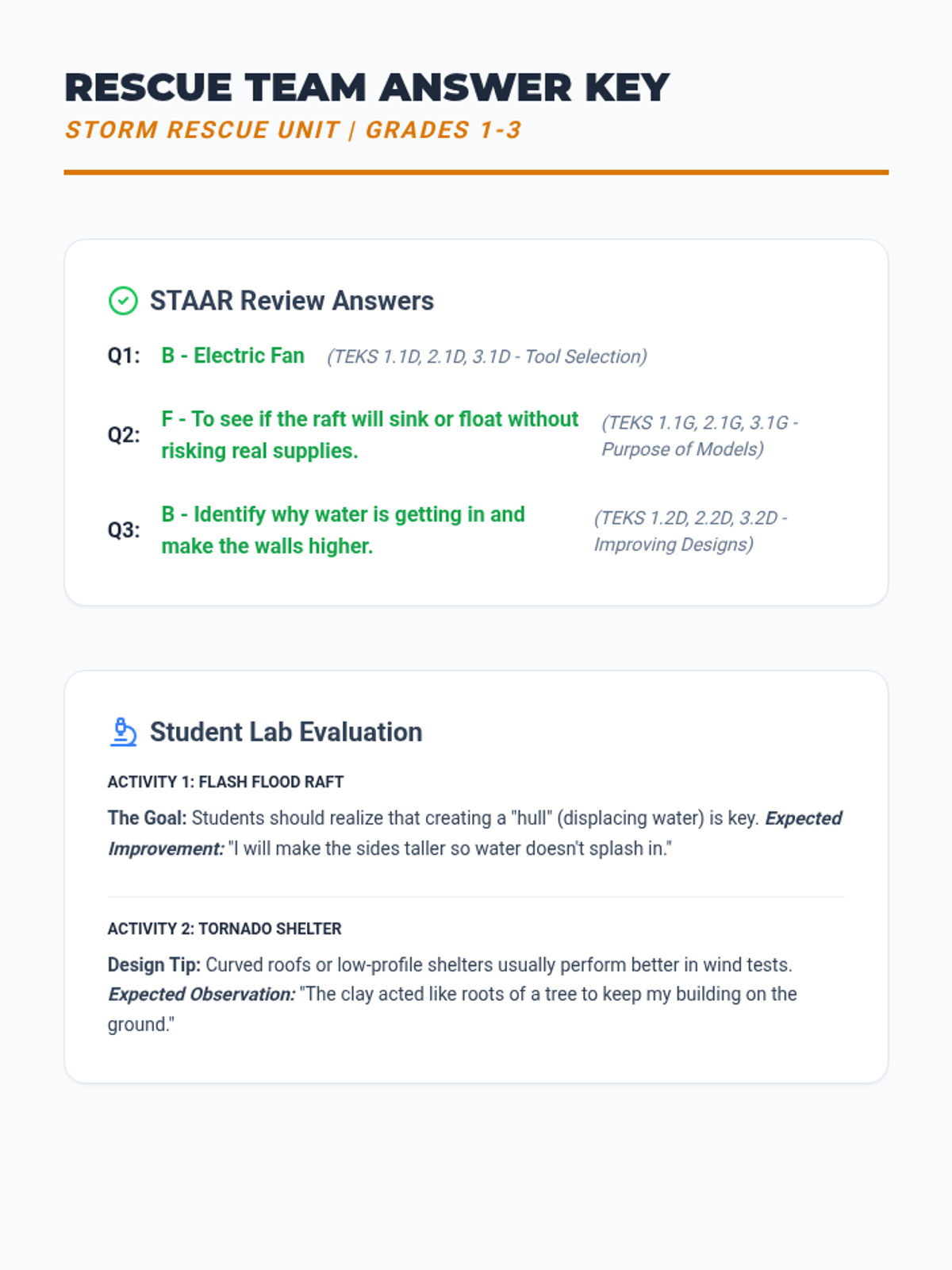
A high-energy junior engineering lesson for grades 1-3. Students join the 'Storm Rescue Team' to design unsinkable rafts for flood rescues and wind-resistant shelters for high-wind emergencies, focusing on material properties and modeling.
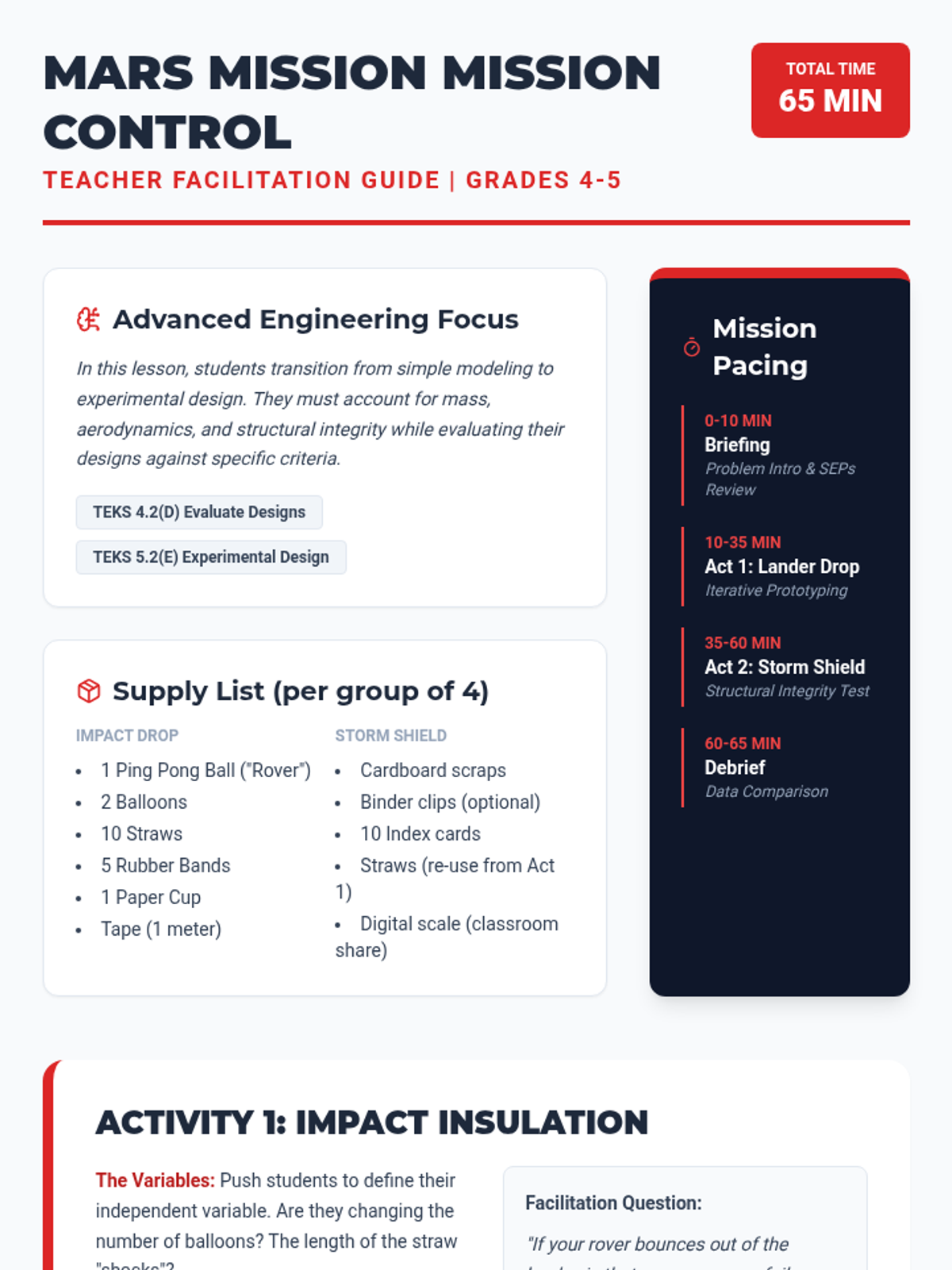
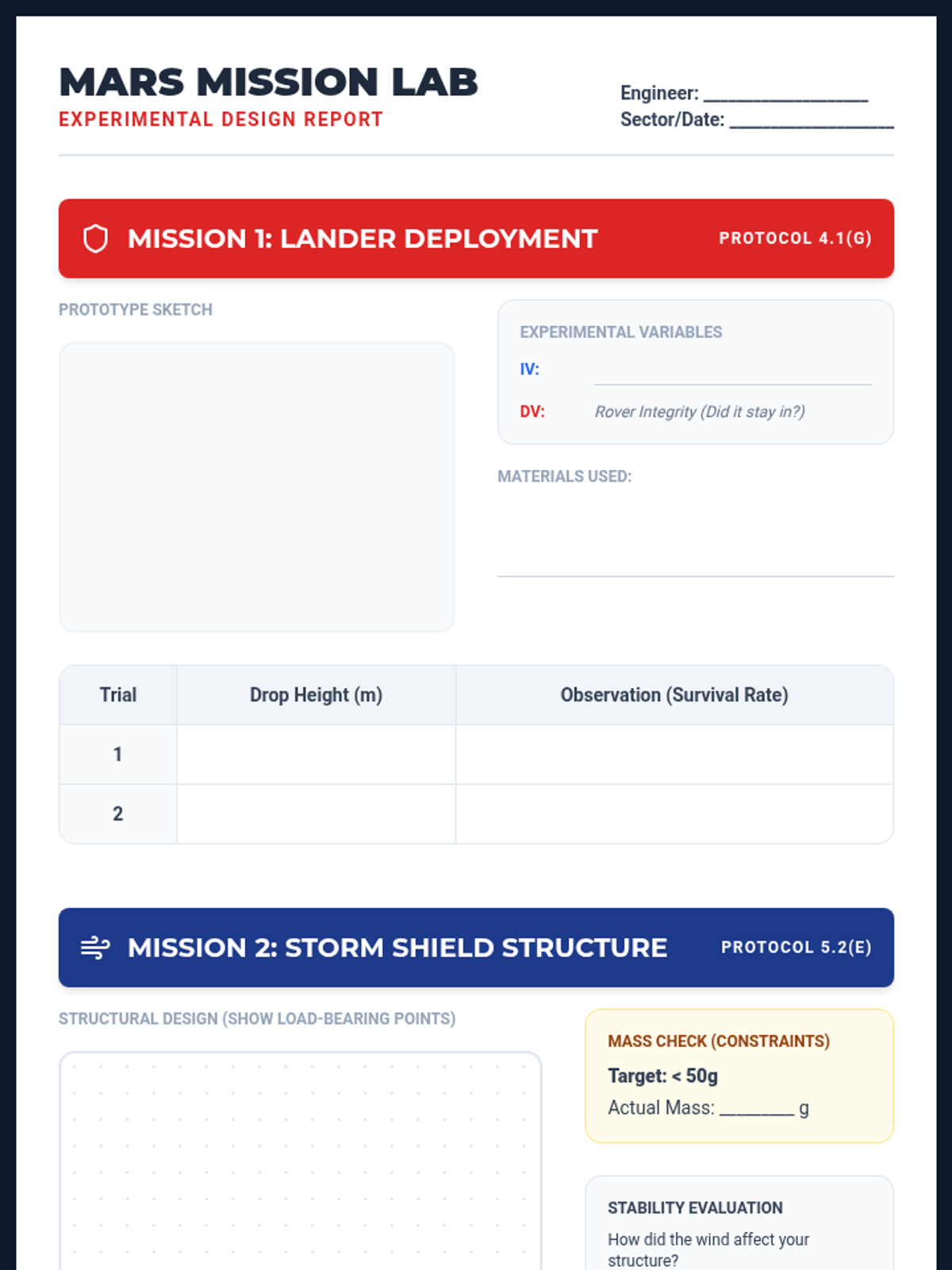
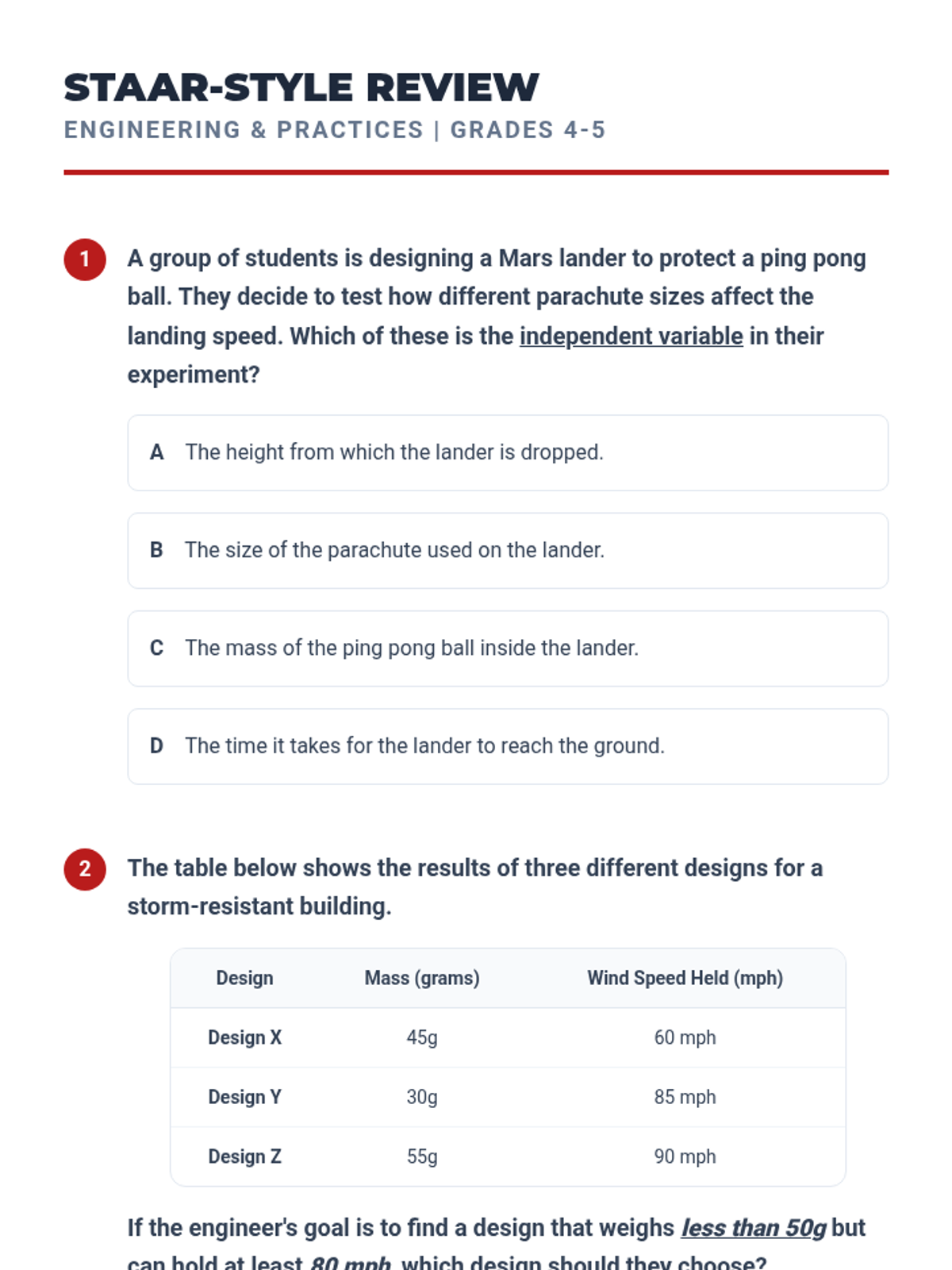
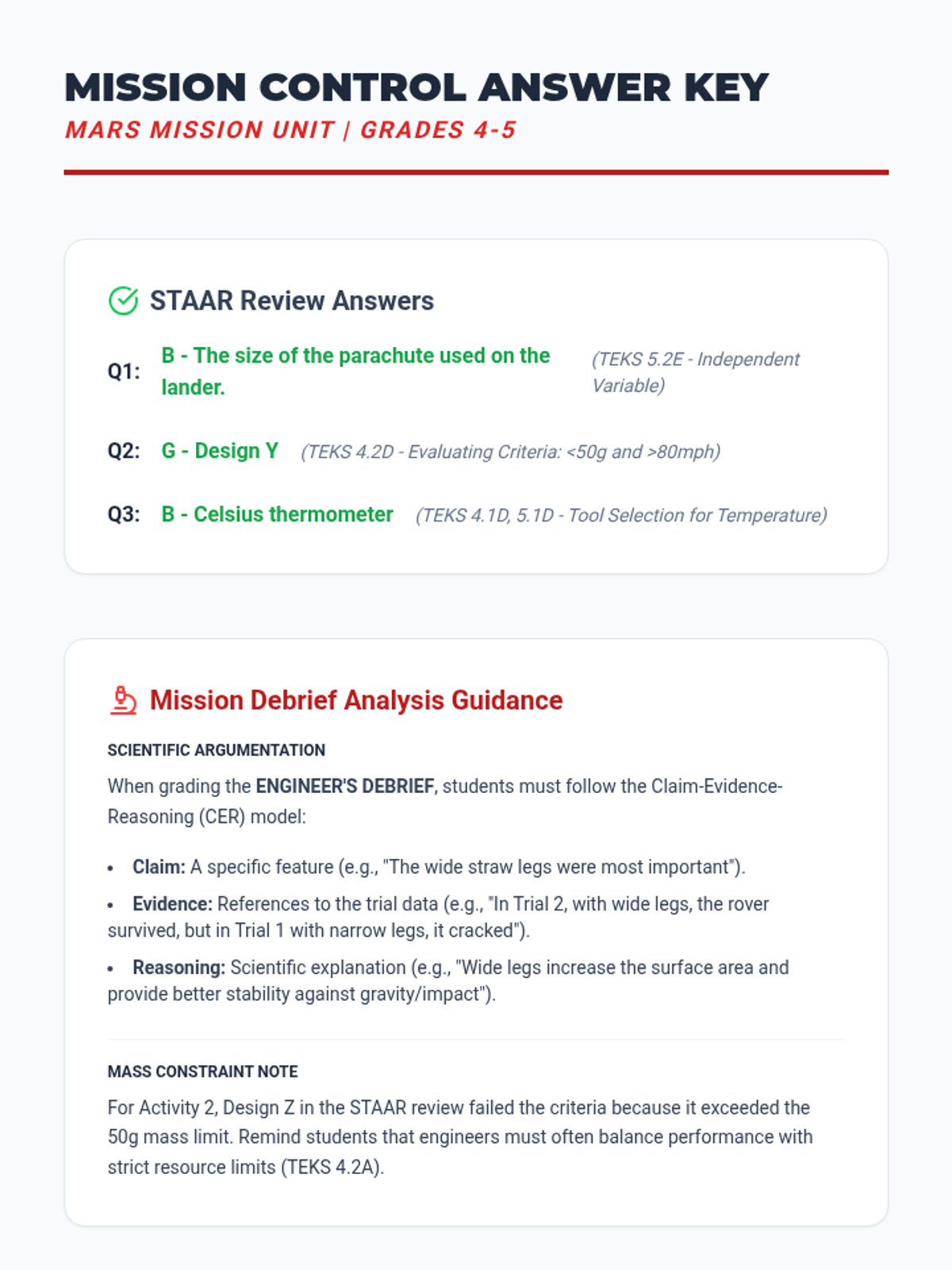
An advanced engineering challenge for grades 4-5 set in a Mars mission context. Students design landing systems to protect rovers and build structures to withstand extreme planetary conditions, focusing on experimental design and prototype evaluation.
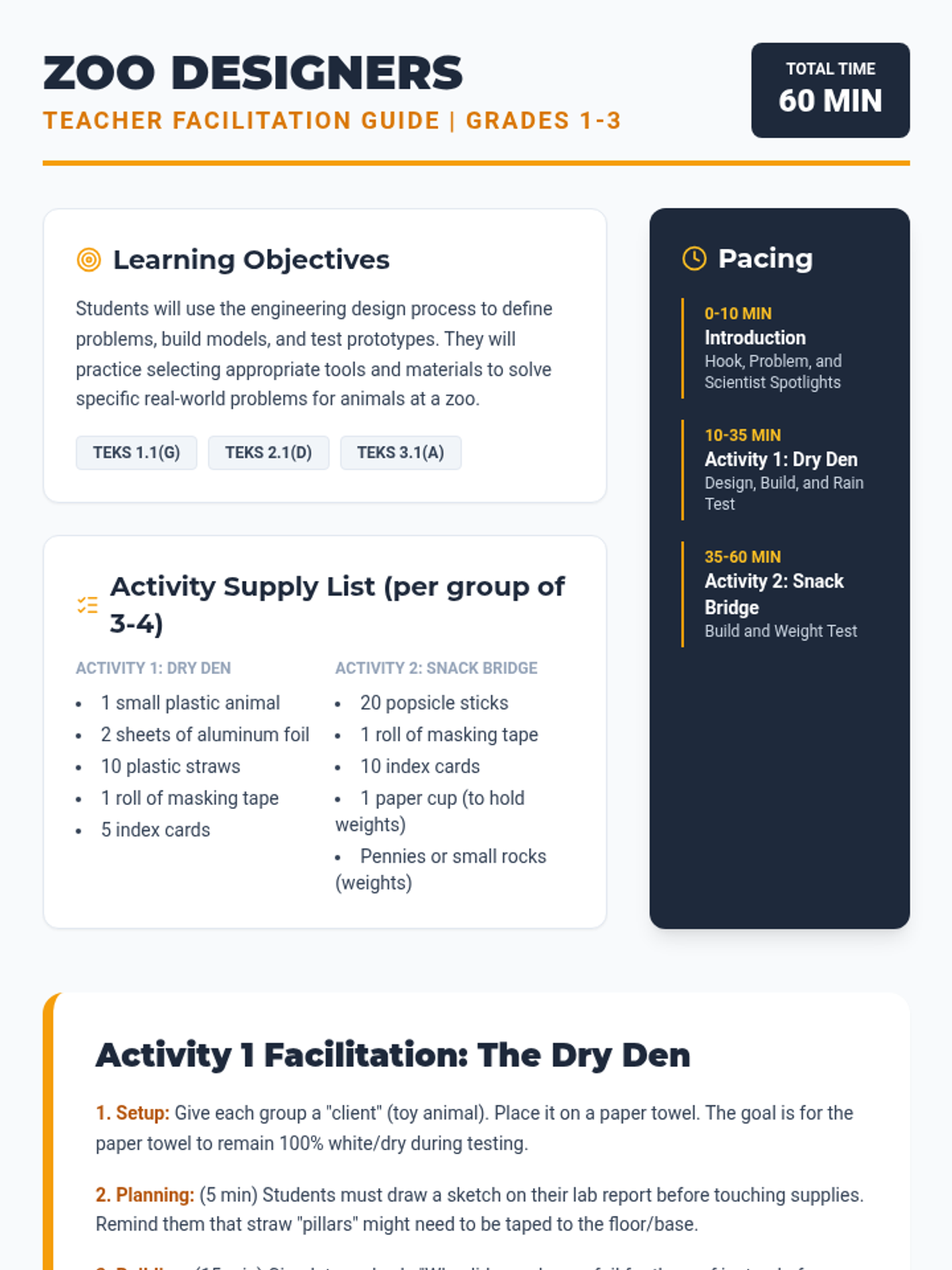
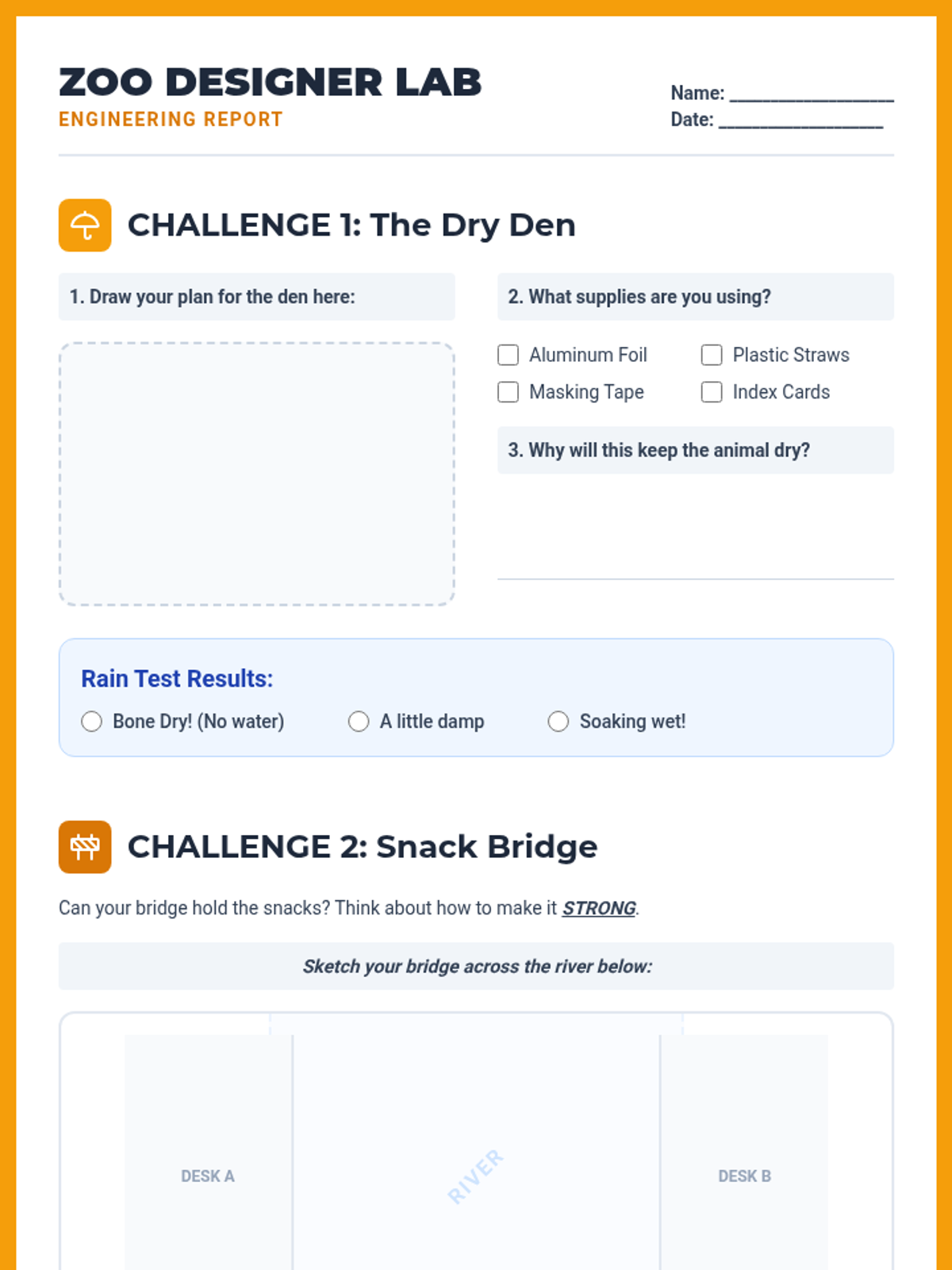
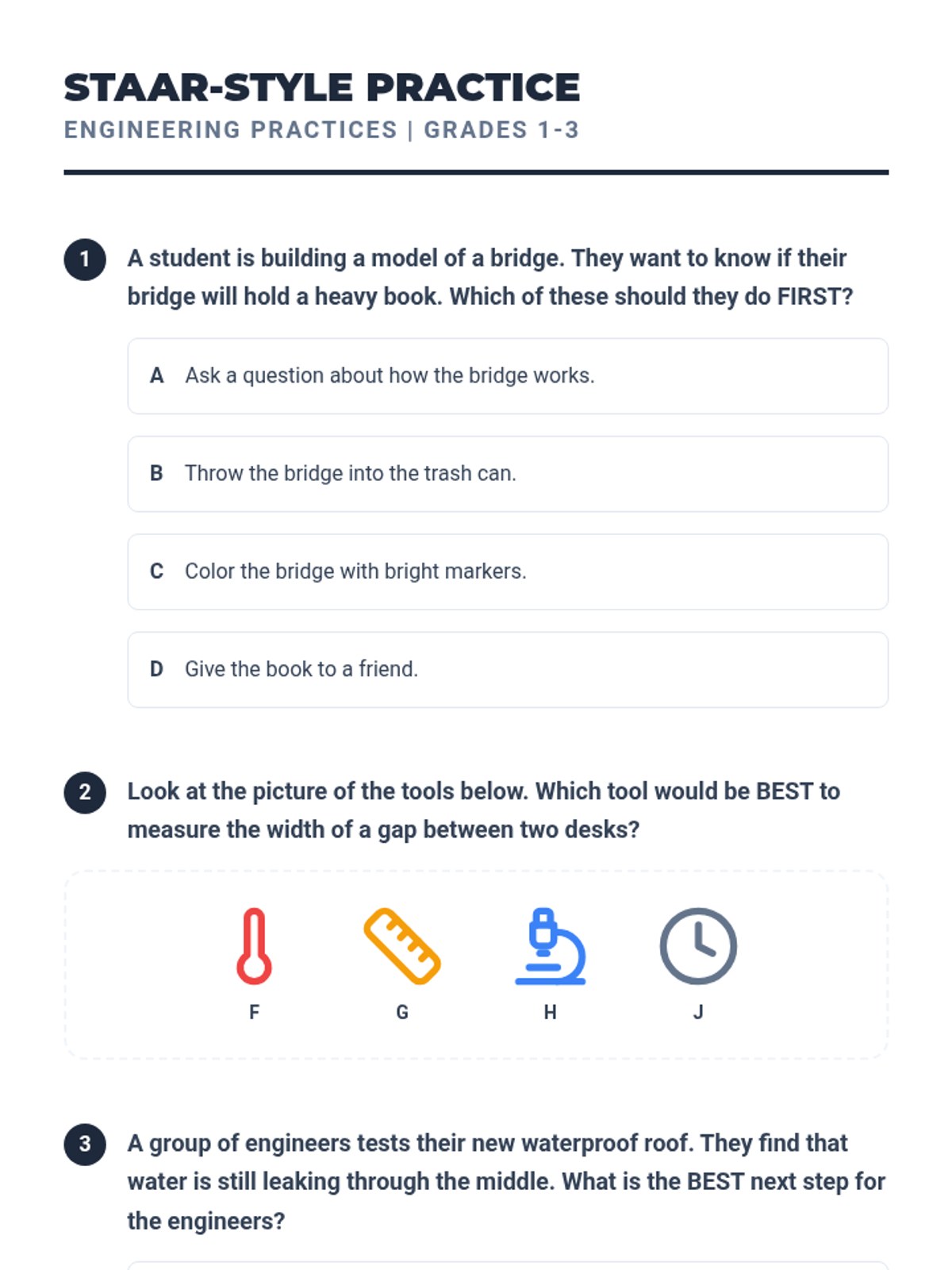
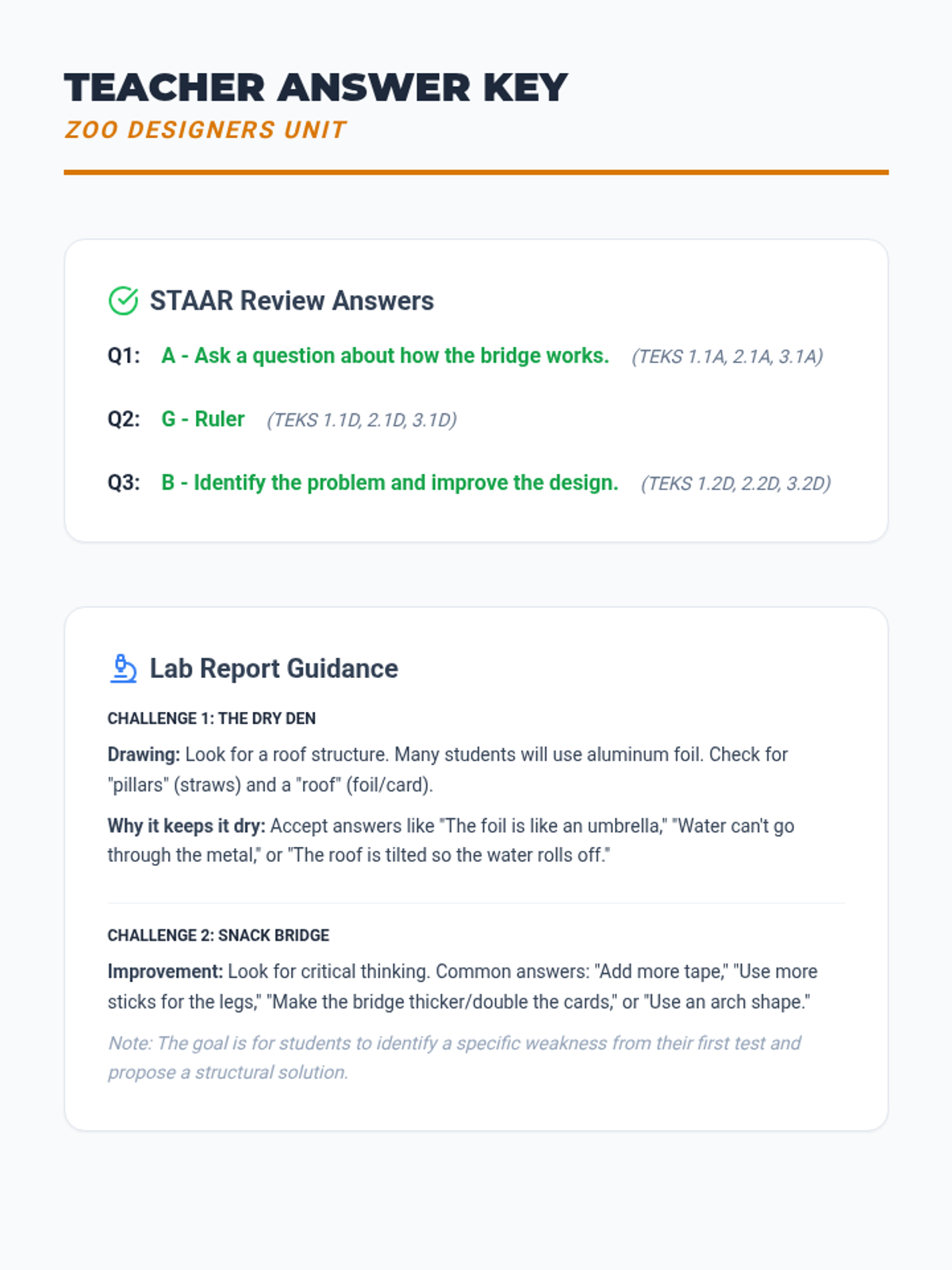
A junior engineering lesson for grades 1-3 where students act as zoo designers. They solve real-world animal habitat problems by building waterproof canopies and sturdy bridges, focusing on modeling, tool use, and basic prototyping.
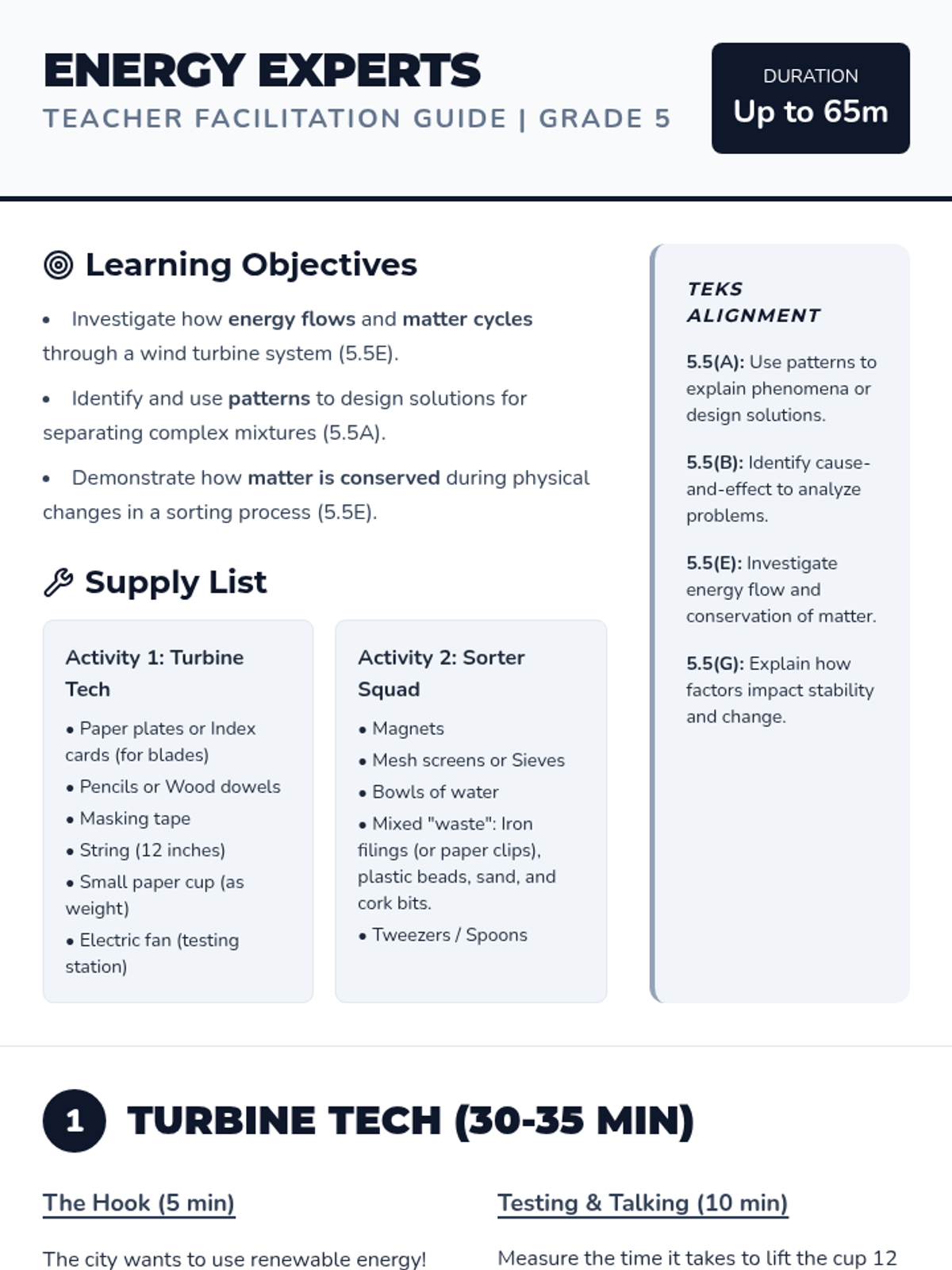
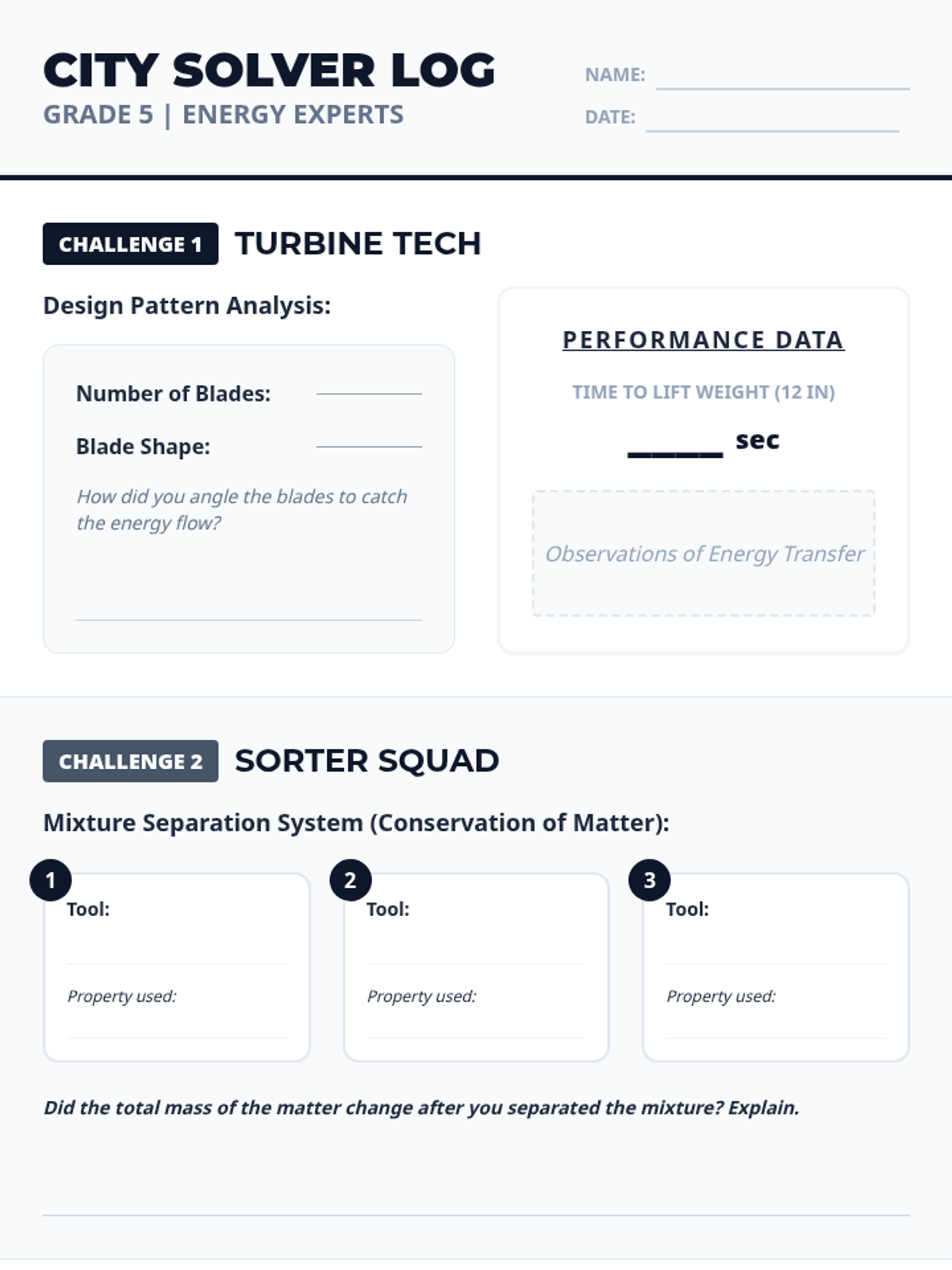
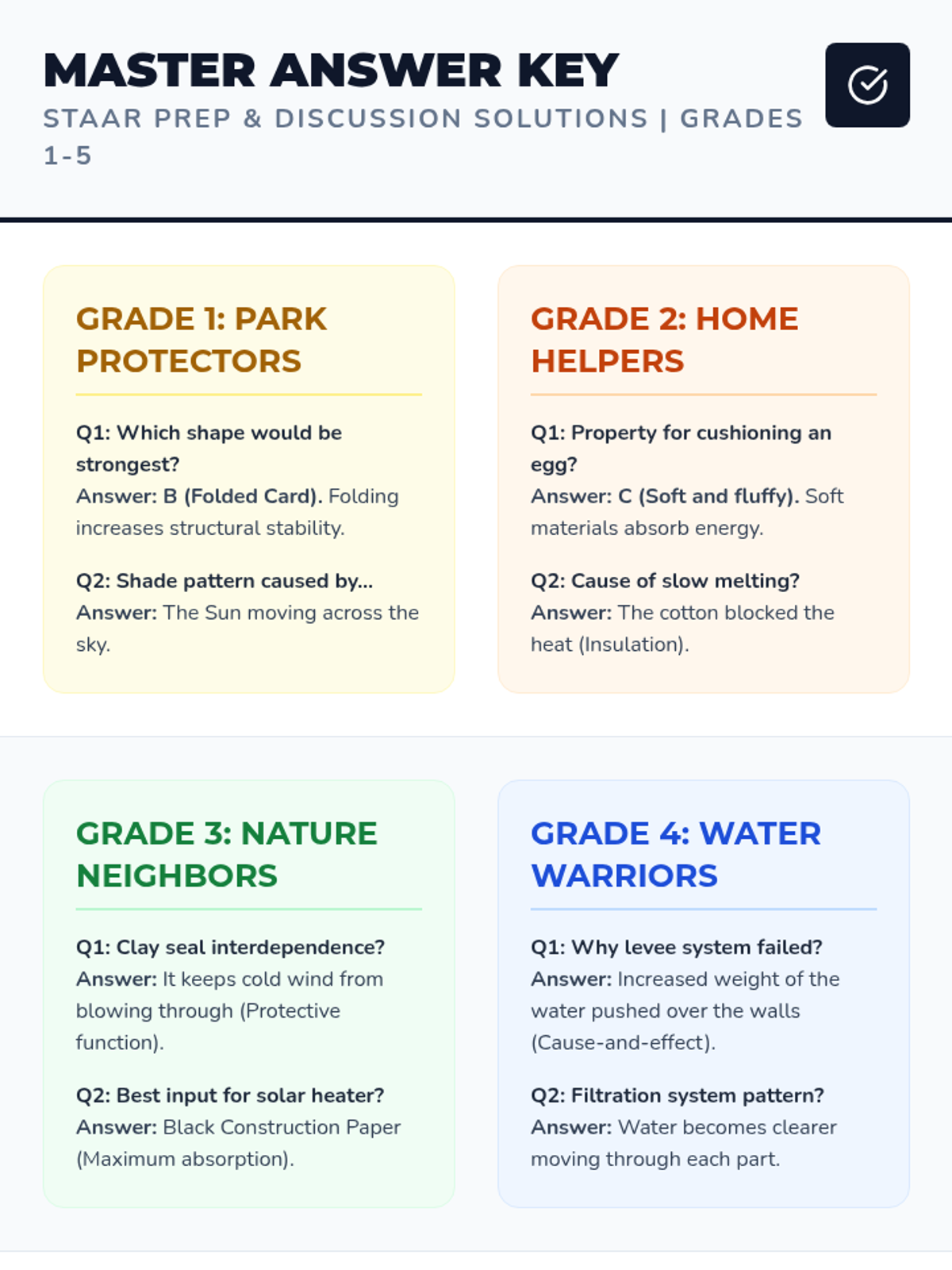
Fifth-grade students explore energy flow and conservation of matter by building wind turbine blades and sorting mixtures of recyclable materials.
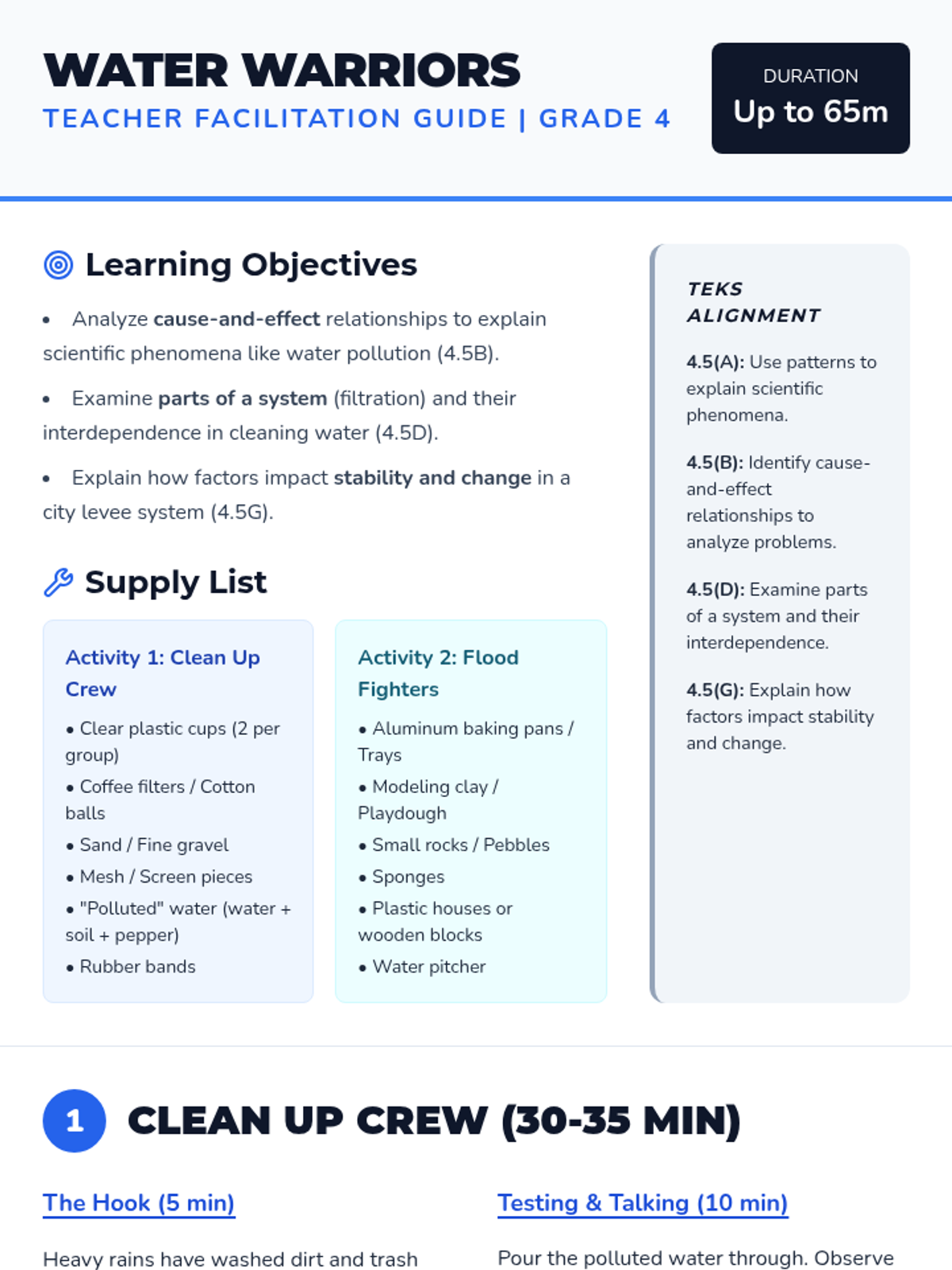
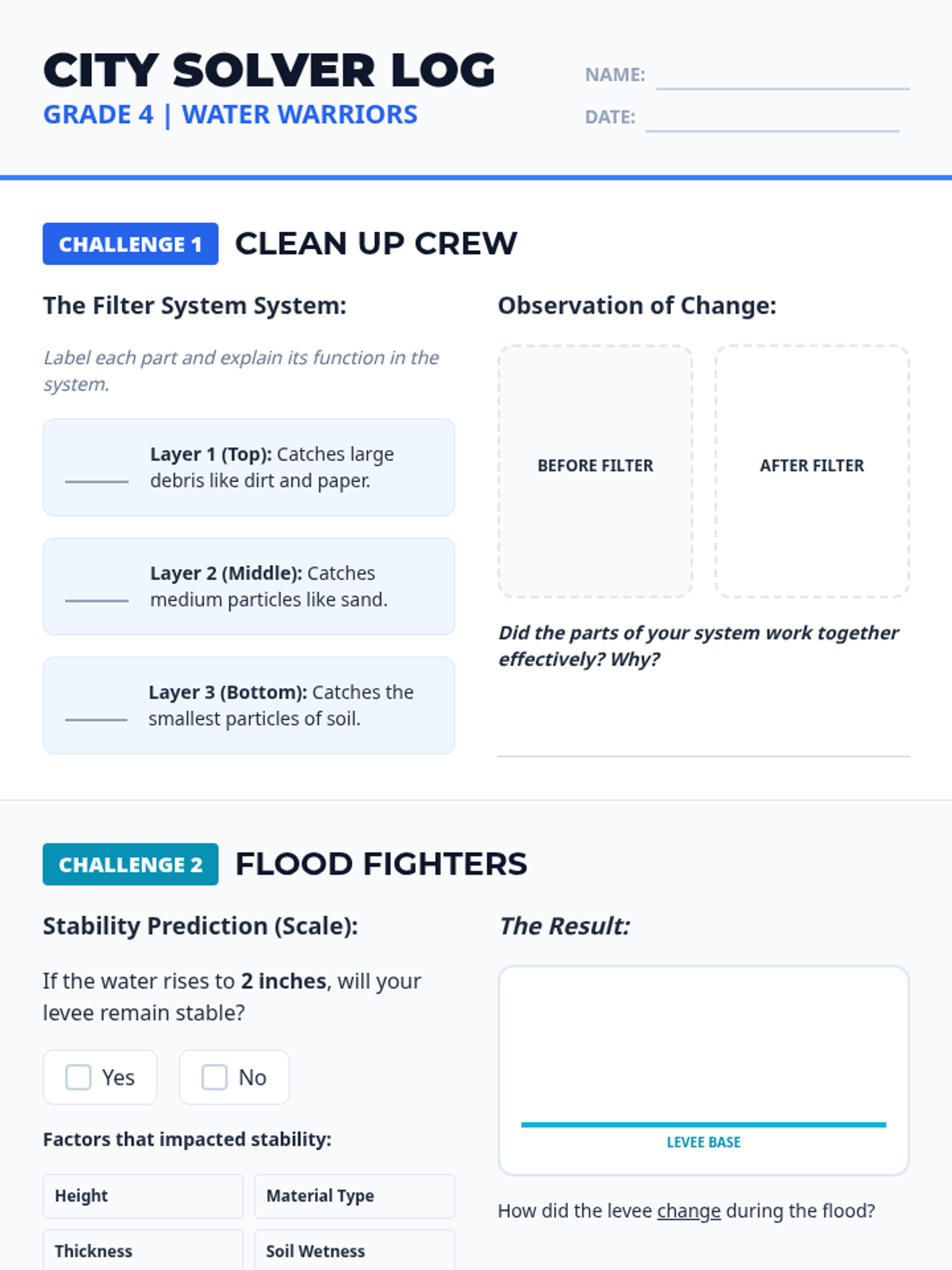
Fourth-grade students analyze systems and stability by designing water filtration devices and flood defense systems for the city.
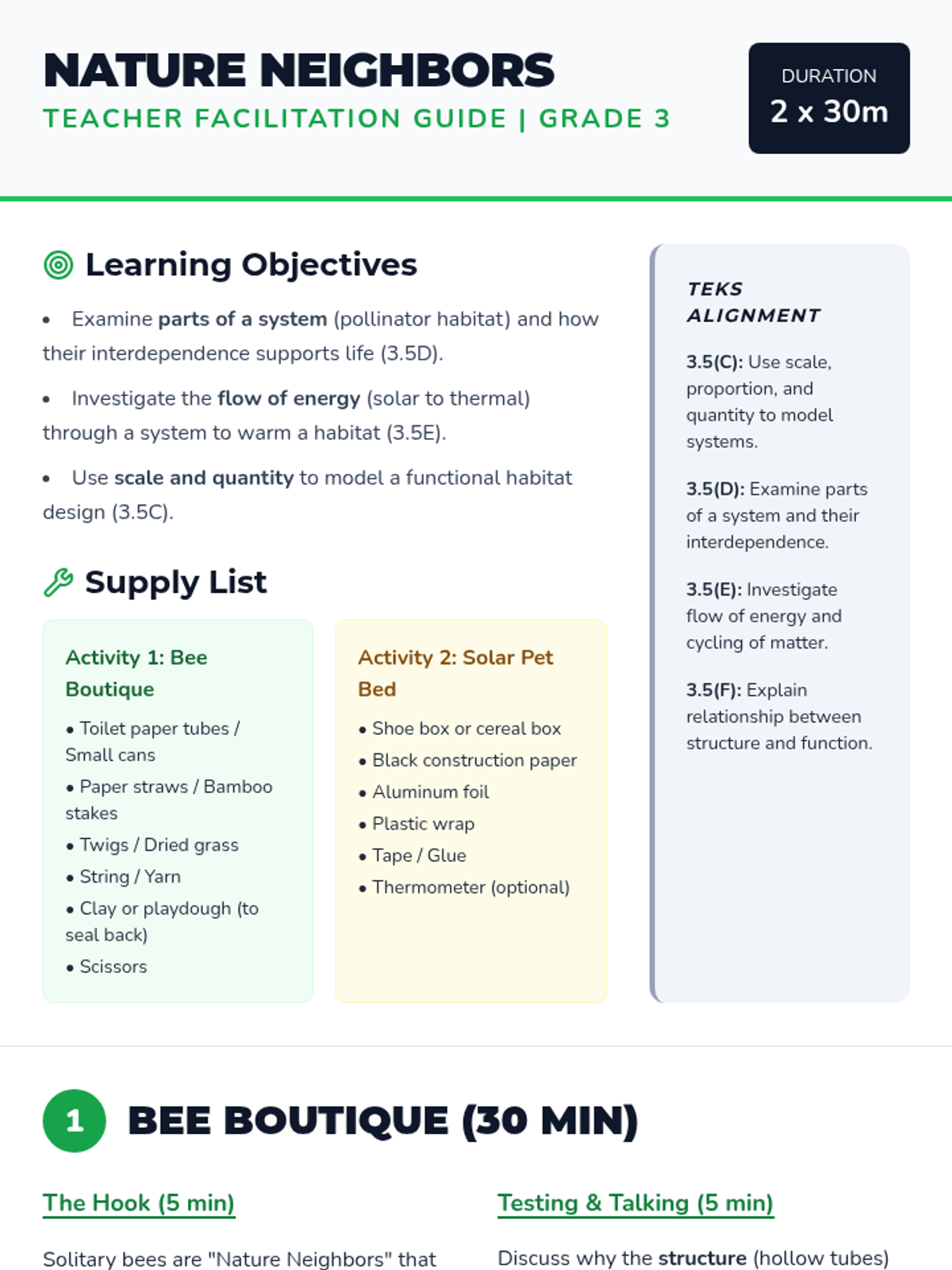
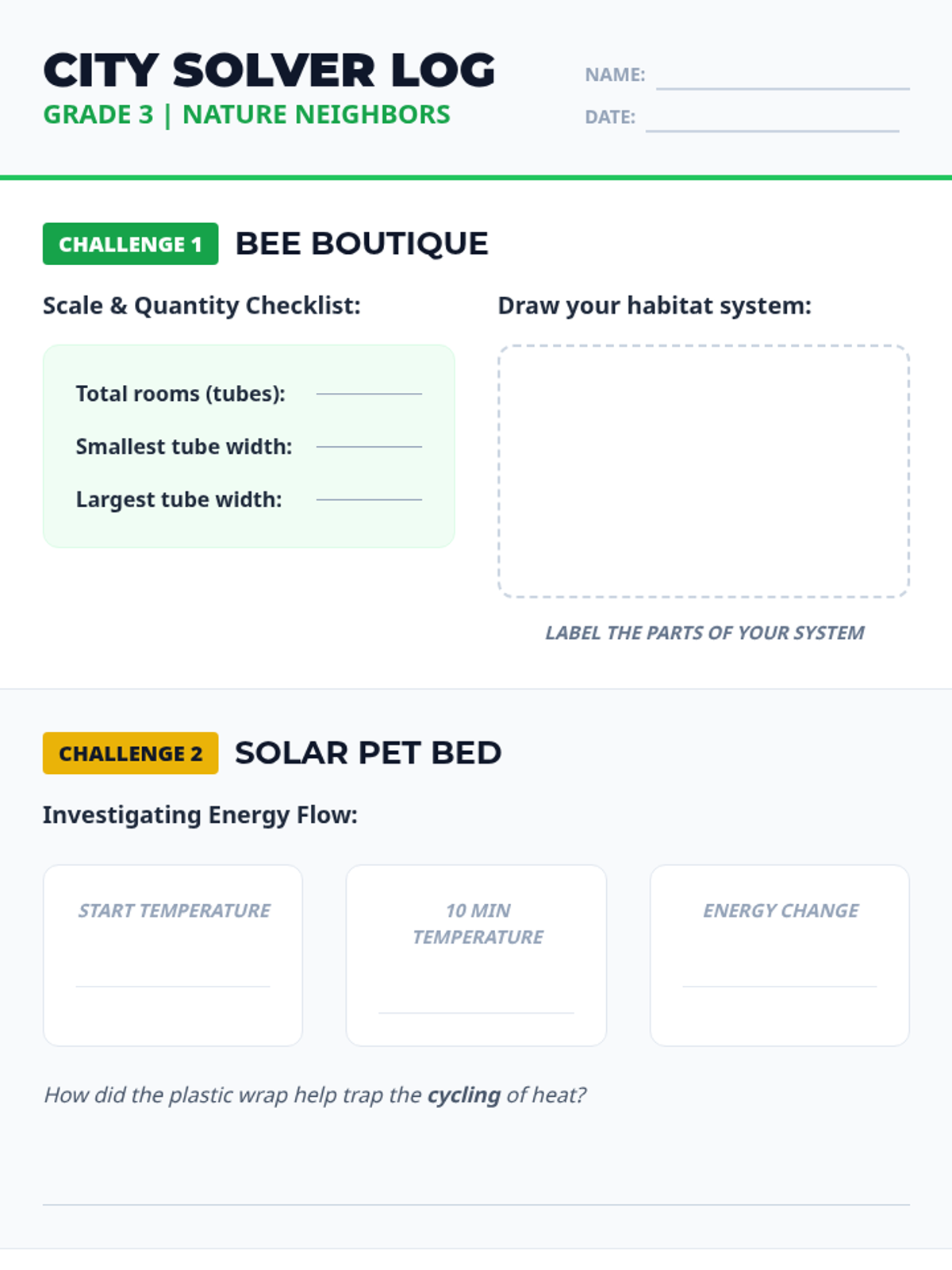
Third-grade students model systems and energy flow by creating habitats for pollinators and using solar energy to heat a habitat.
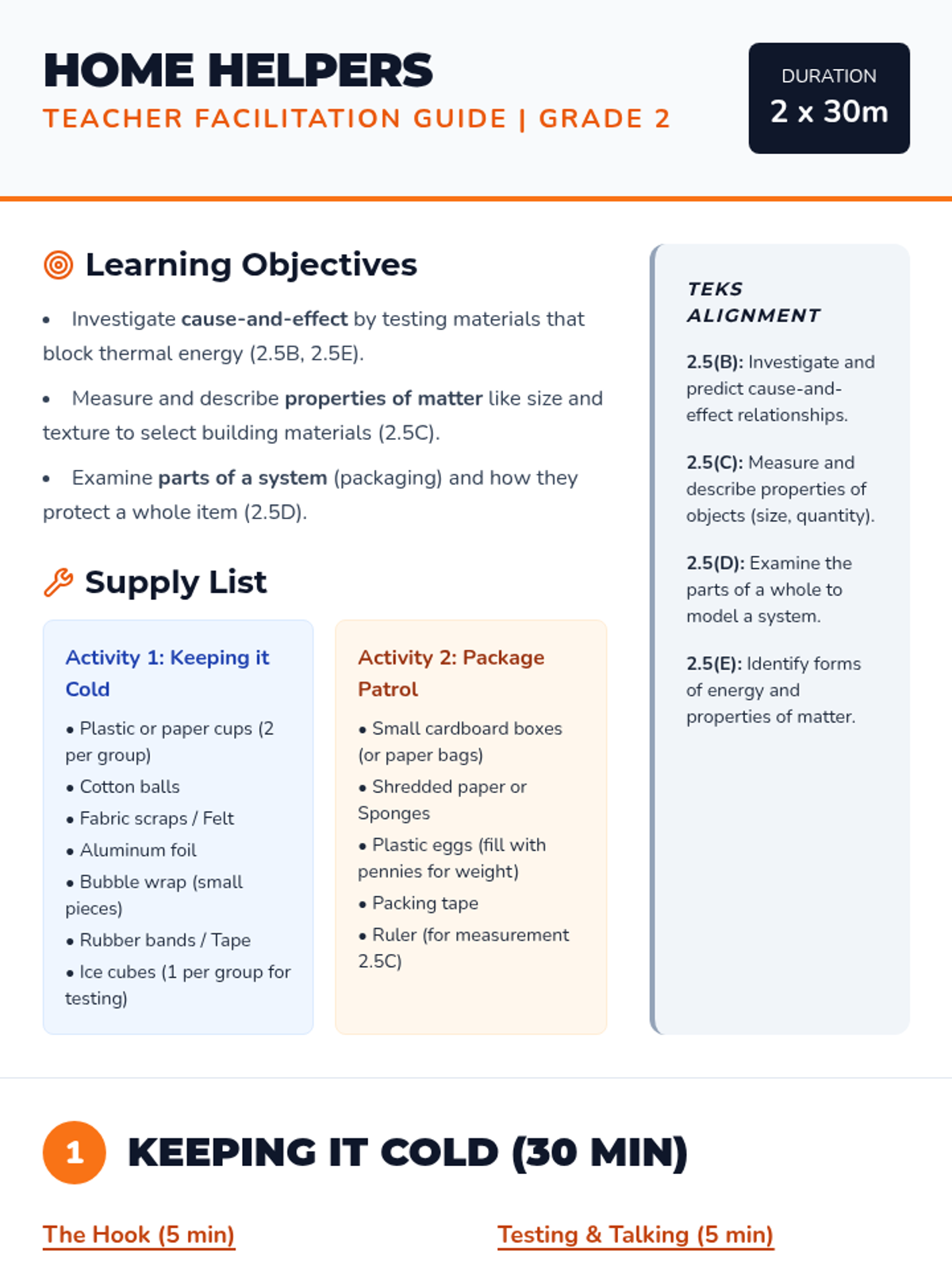
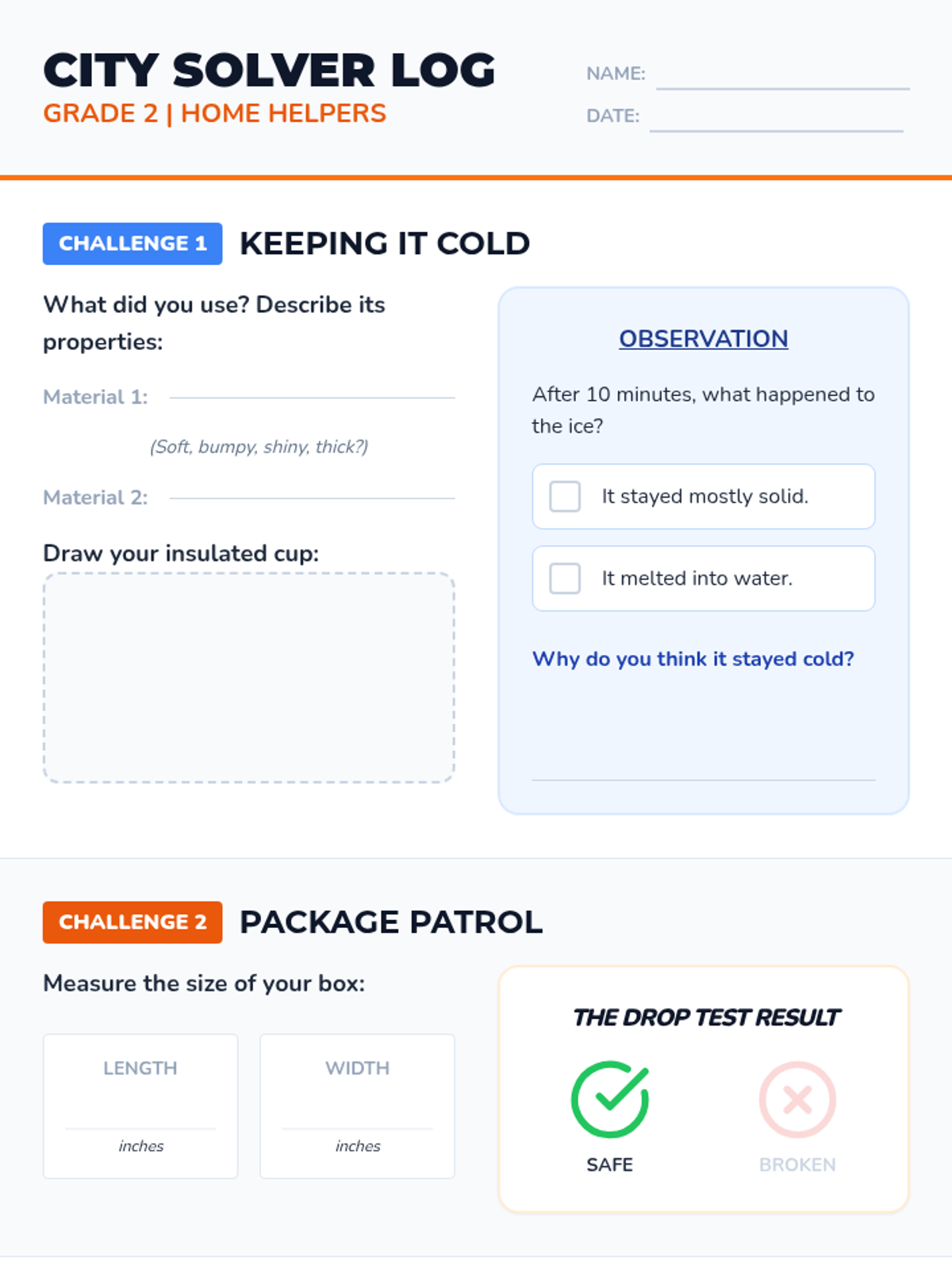
Second-grade students investigate cause-and-effect and measurement by building thermal insulators and protective packaging for fragile items.
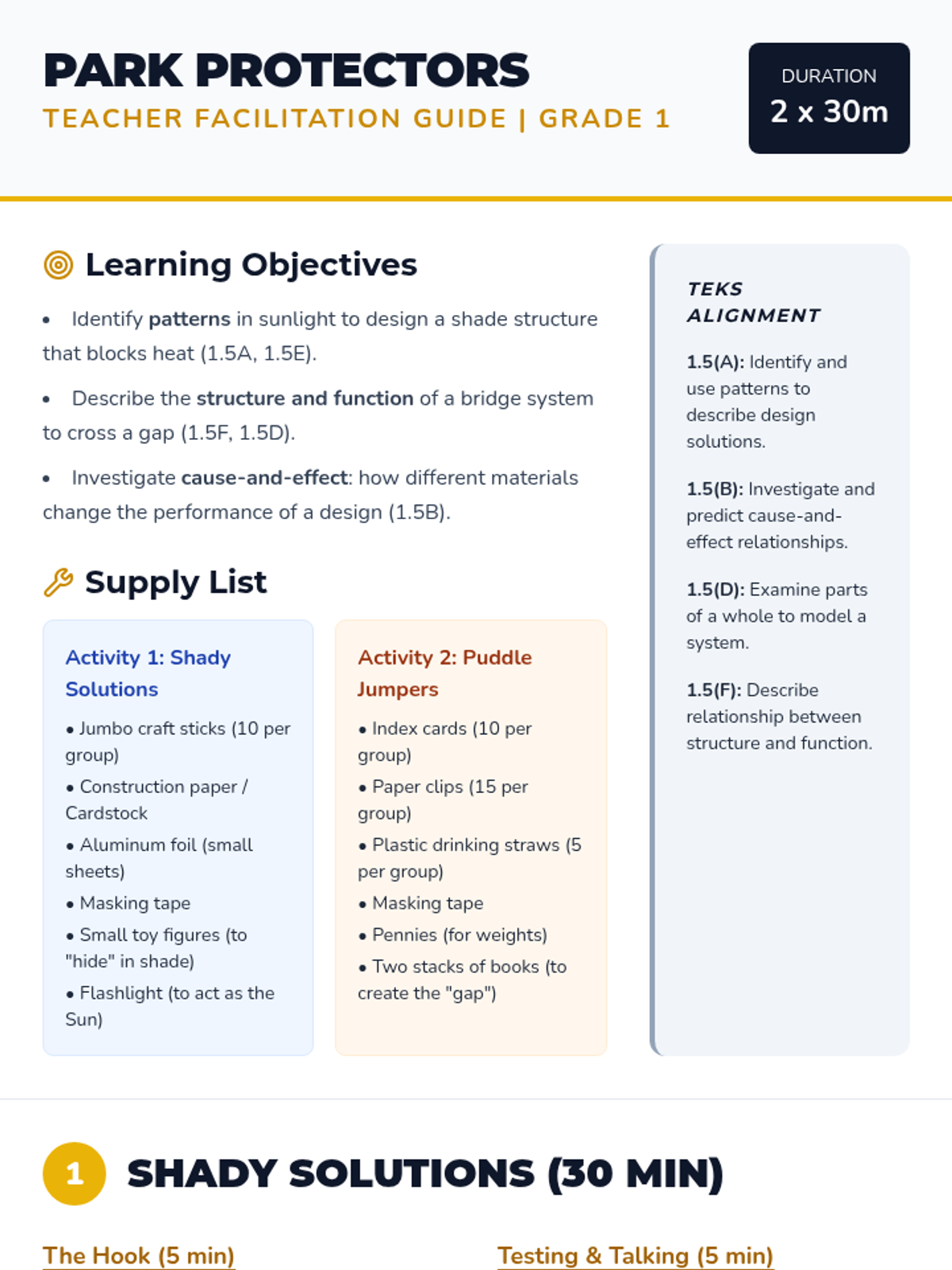
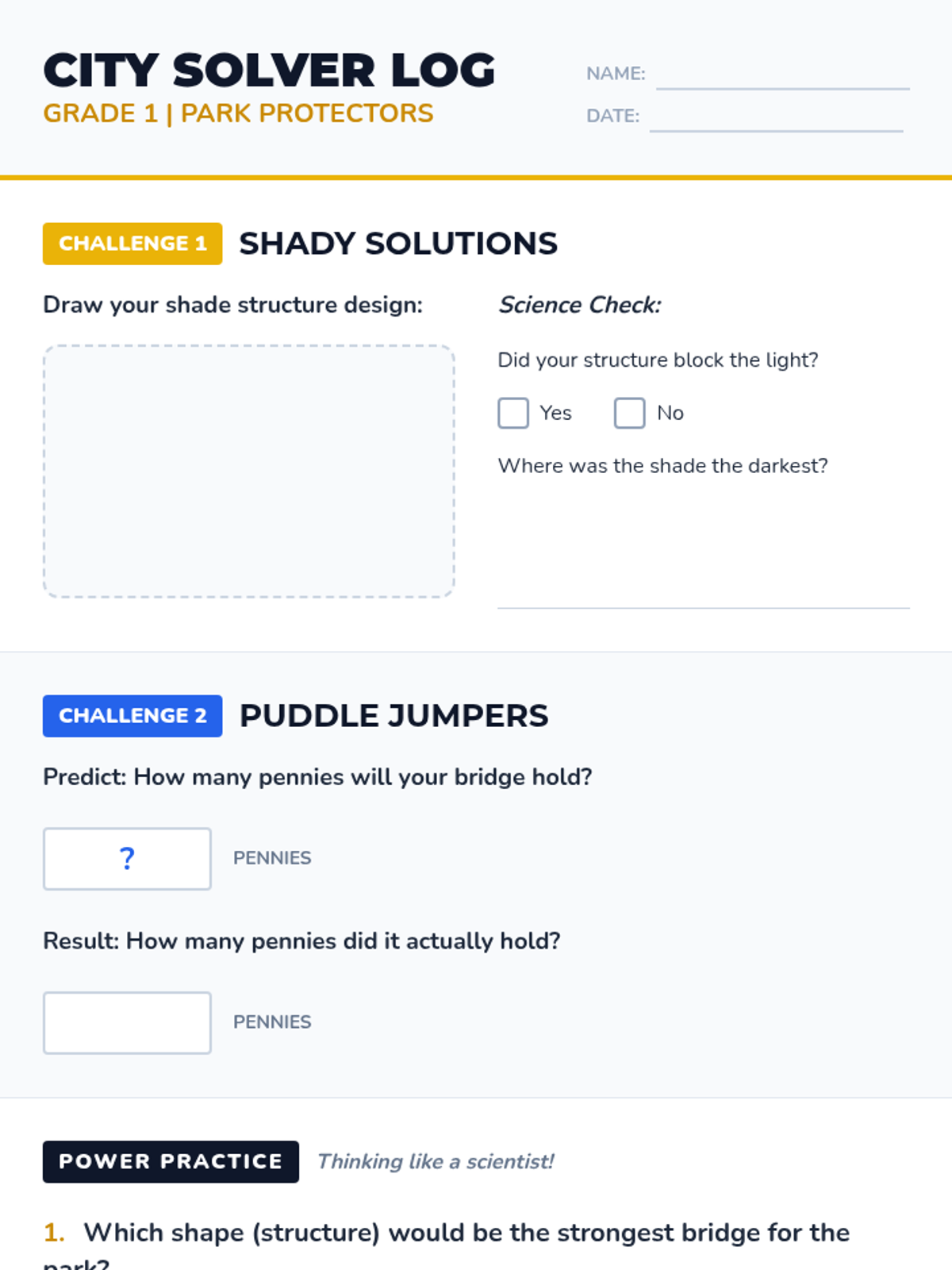
First-grade students explore patterns and structure-function relationships by designing shade structures and bridges for their local park.