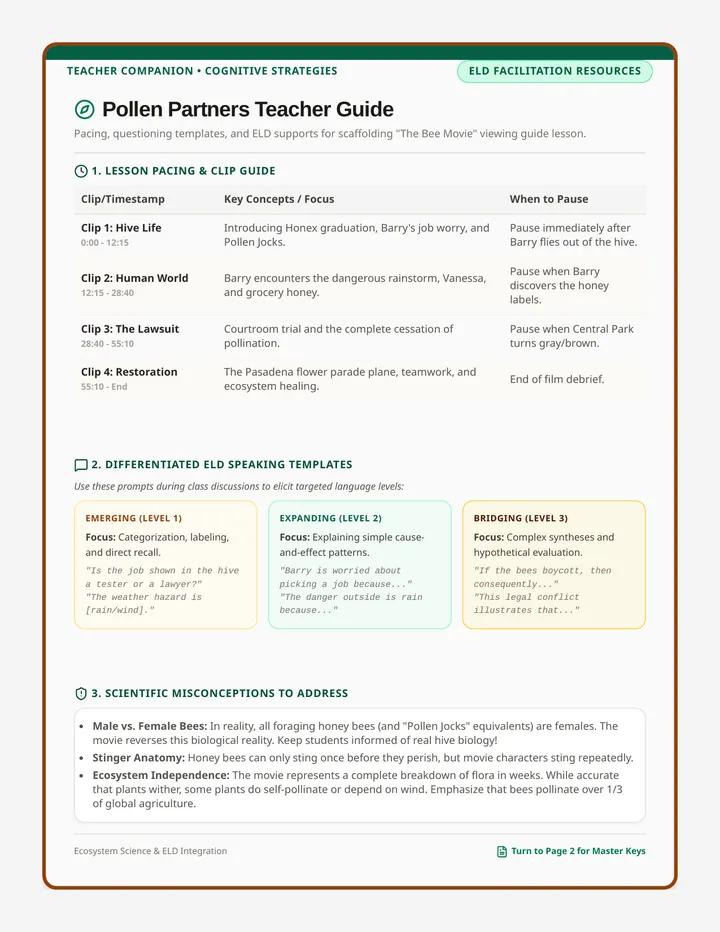
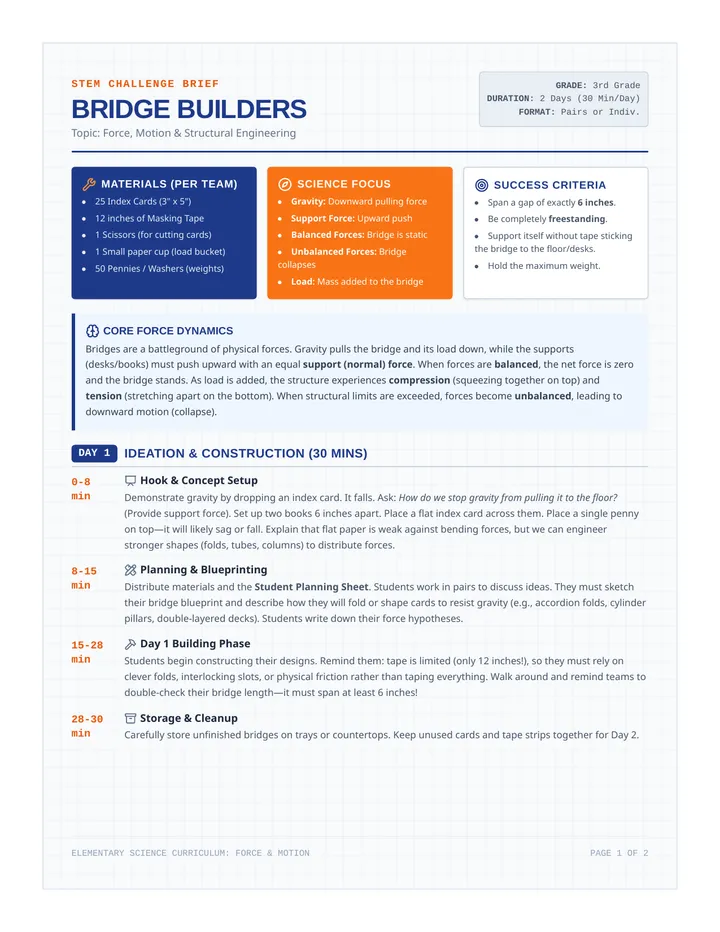
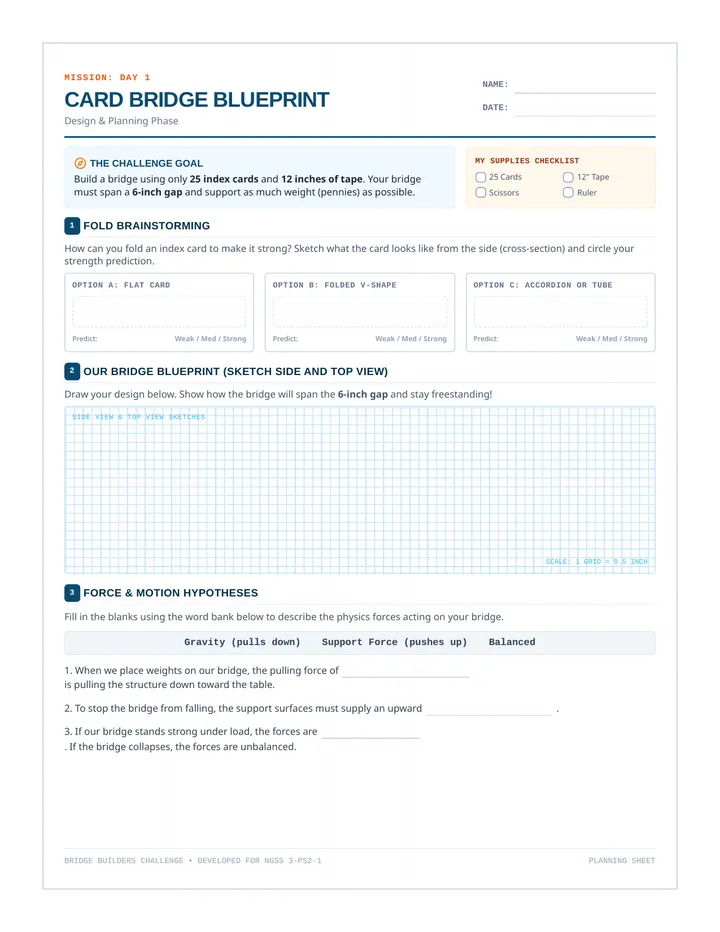
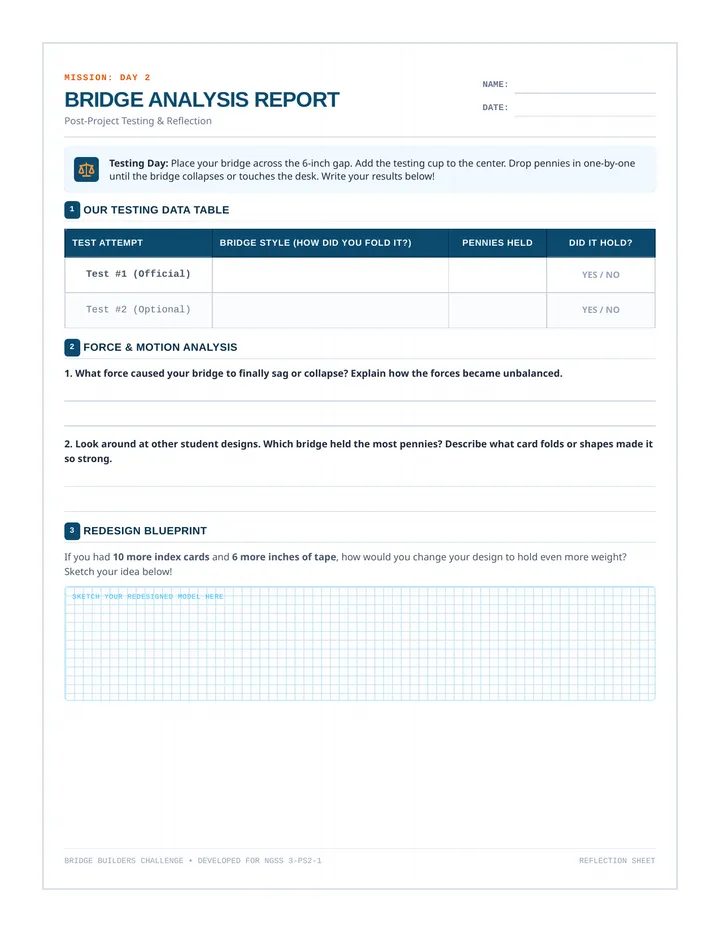
Zoo Designers Slides
A visually engaging slide deck for grades 1-3 focused on the 'Zoo Designers' STEM challenge. It includes real-world problem scenarios, two engineering challenges (waterproof den and bridge building), and highlights the contributions of architects.
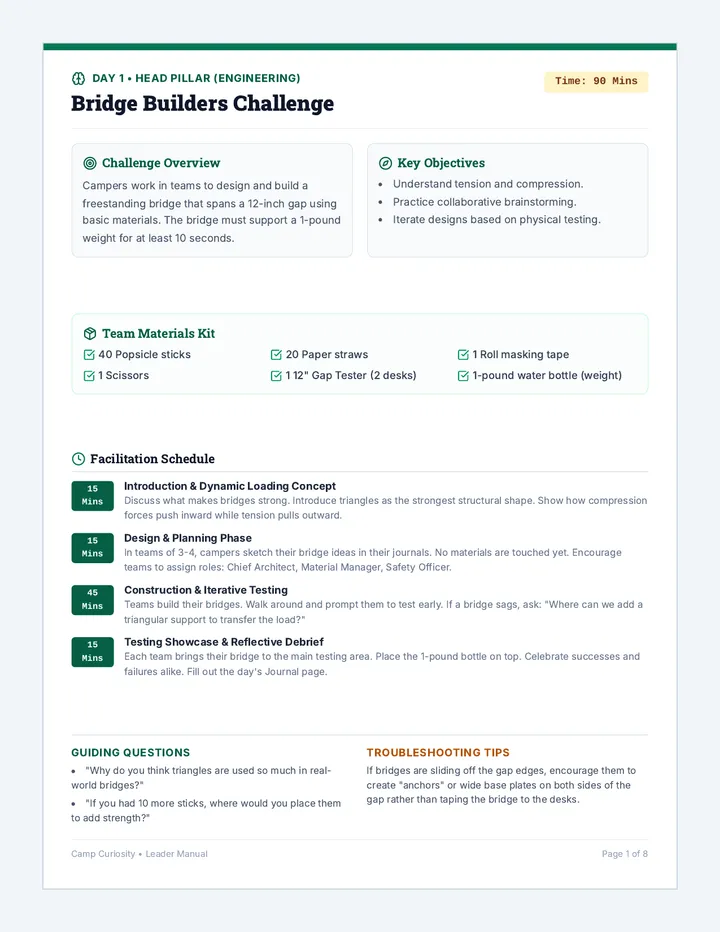
Zoo Designers Teacher Guide
A detailed teacher facilitation guide for the Zoo Designers STEM lesson, including supply lists for grades 1-3, pacing, TEKS alignment, and step-by-step activity instructions.
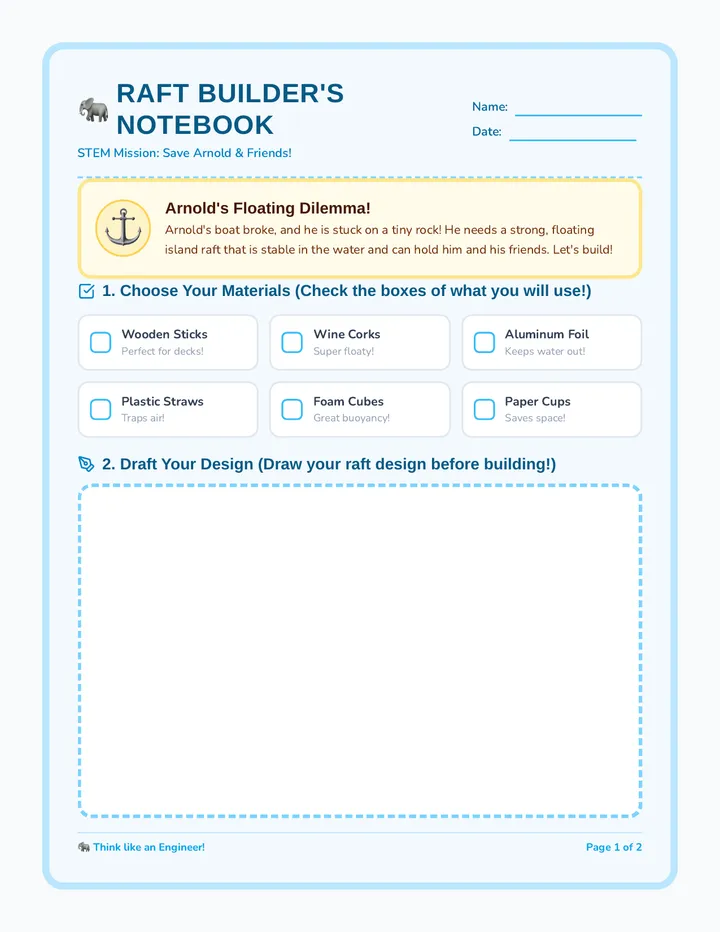
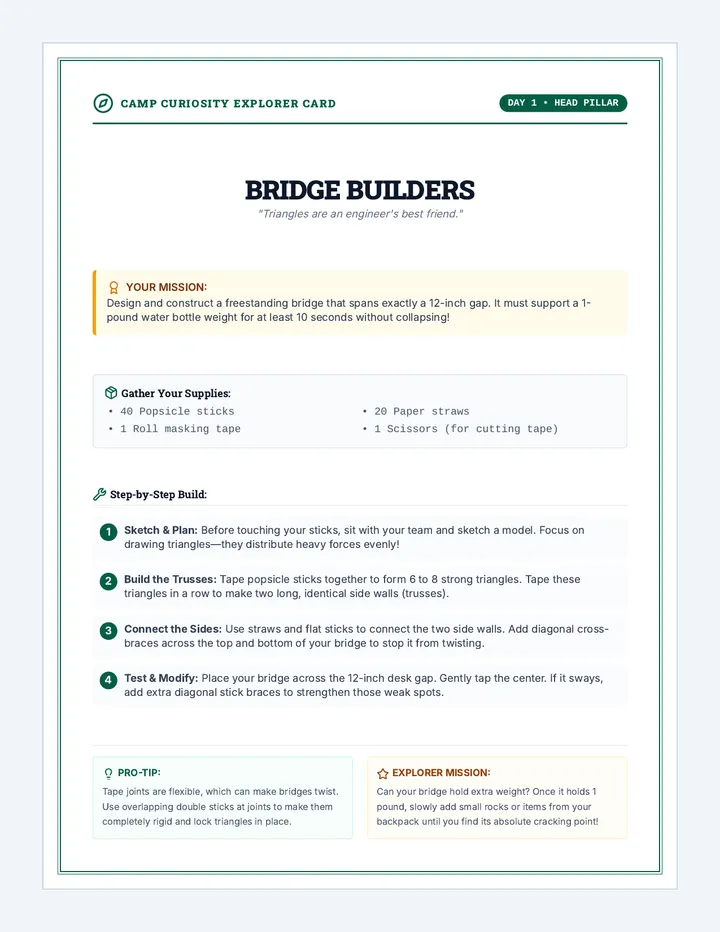
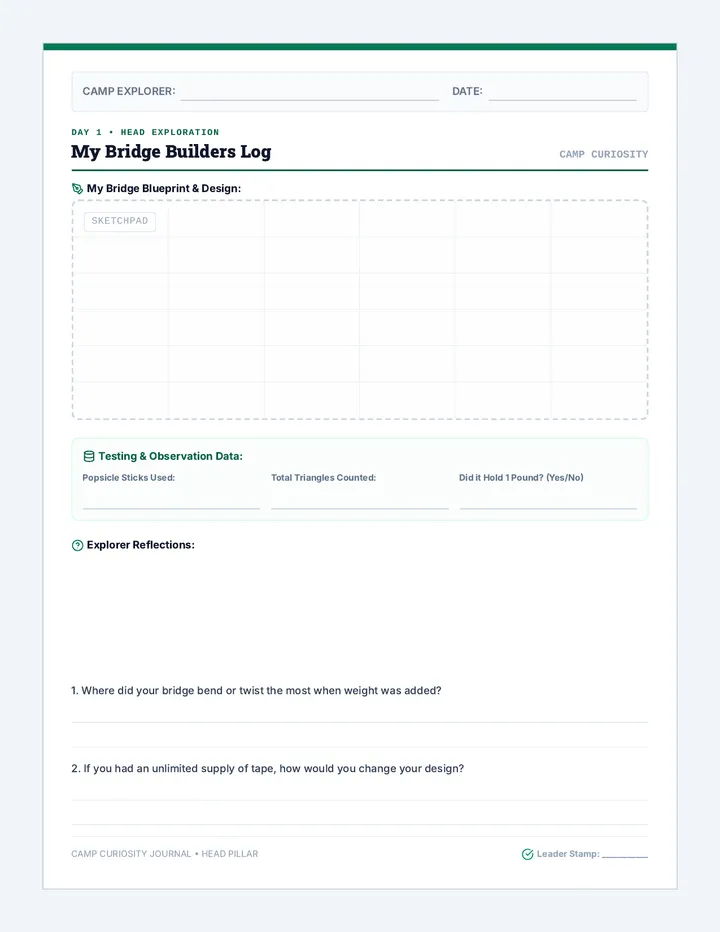
Zoo Designers Student Lab
A student activity sheet for the Zoo Designers STEM challenge, featuring space for designing a waterproof den and a bridge, along with areas to record test results and reflect on improvements.
Zoo Designers STAAR Review
STAAR-style review questions for grades 1-3 focusing on scientific and engineering practices, including problem identification, tool selection, and the engineering design process.
Zoo Designers Answer Key
Answer key for the Zoo Designers lesson, providing correct answers for the STAAR-style review and grading guidance for the student lab report.