Students learn to convert vague behavioral descriptions into objective, measurable operational definitions using the 'Dead Man's Test'.
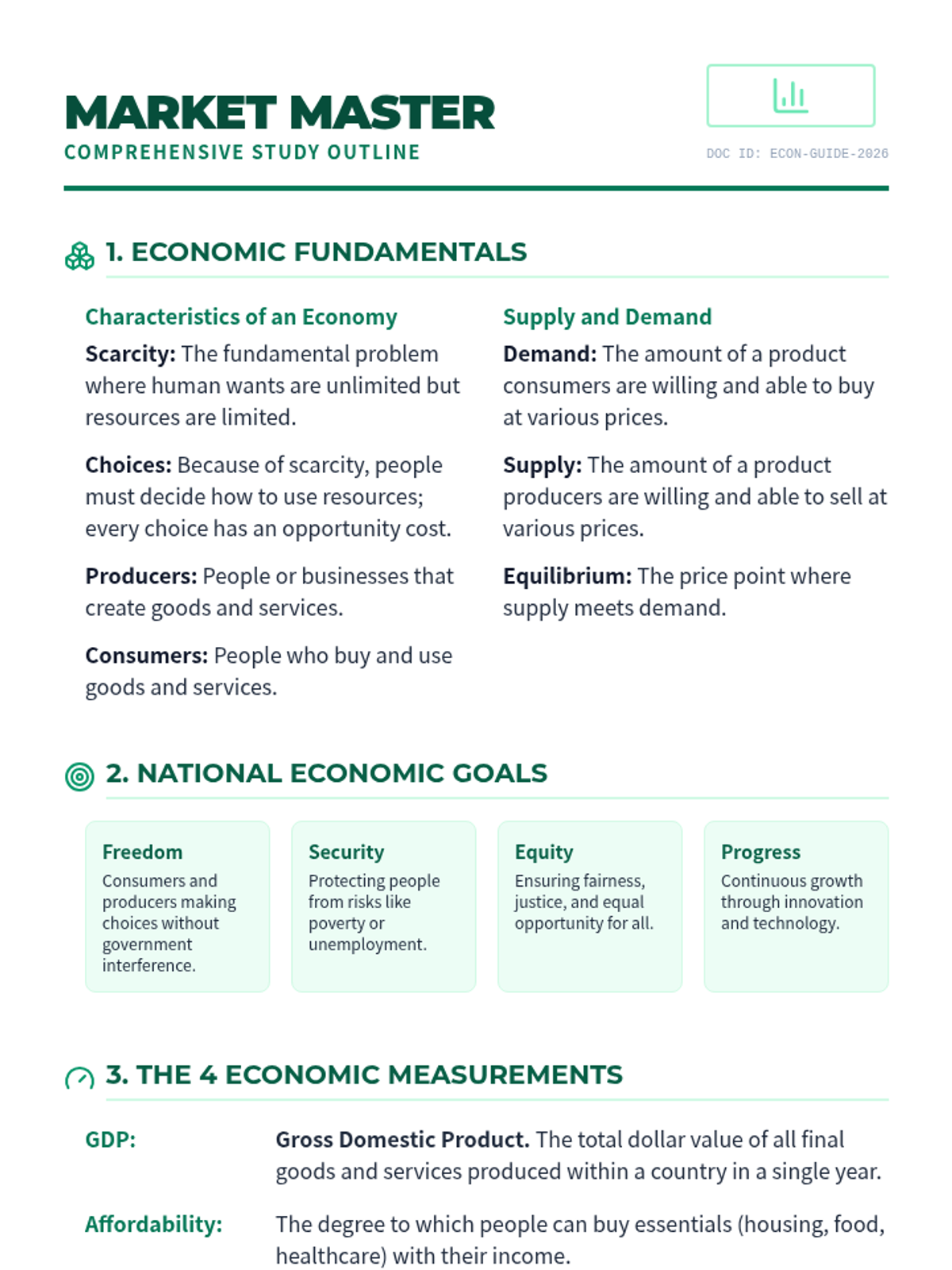
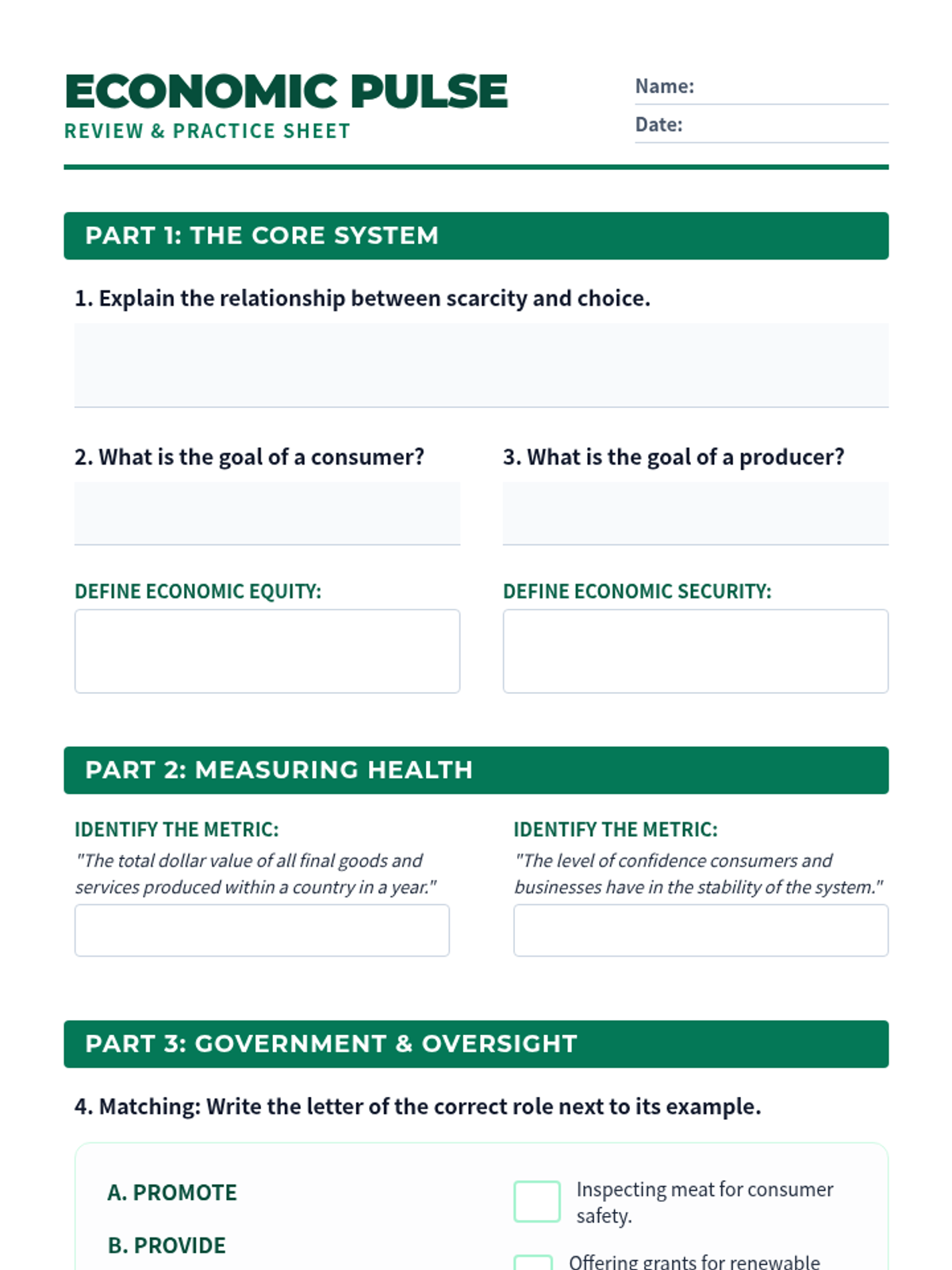
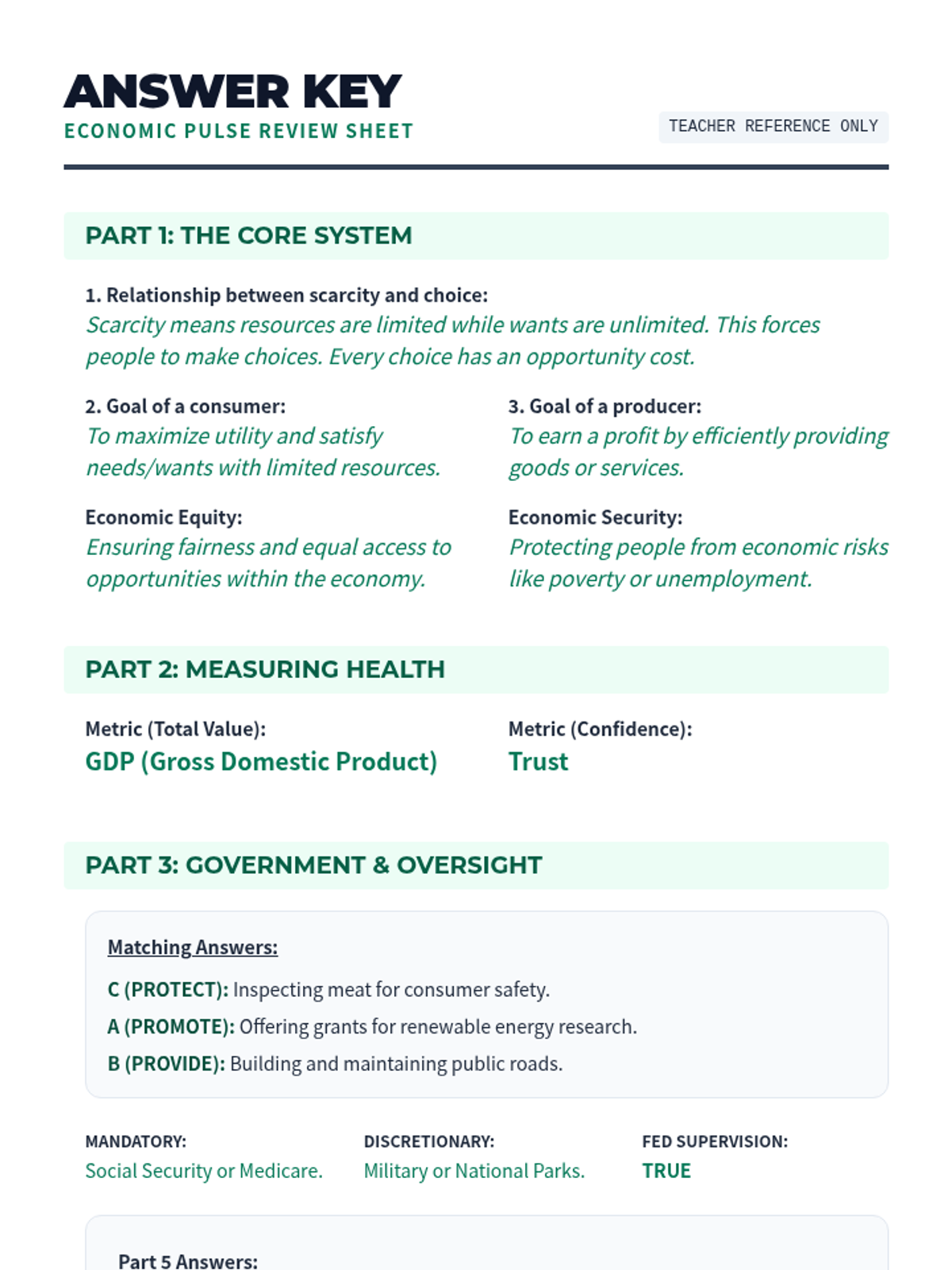
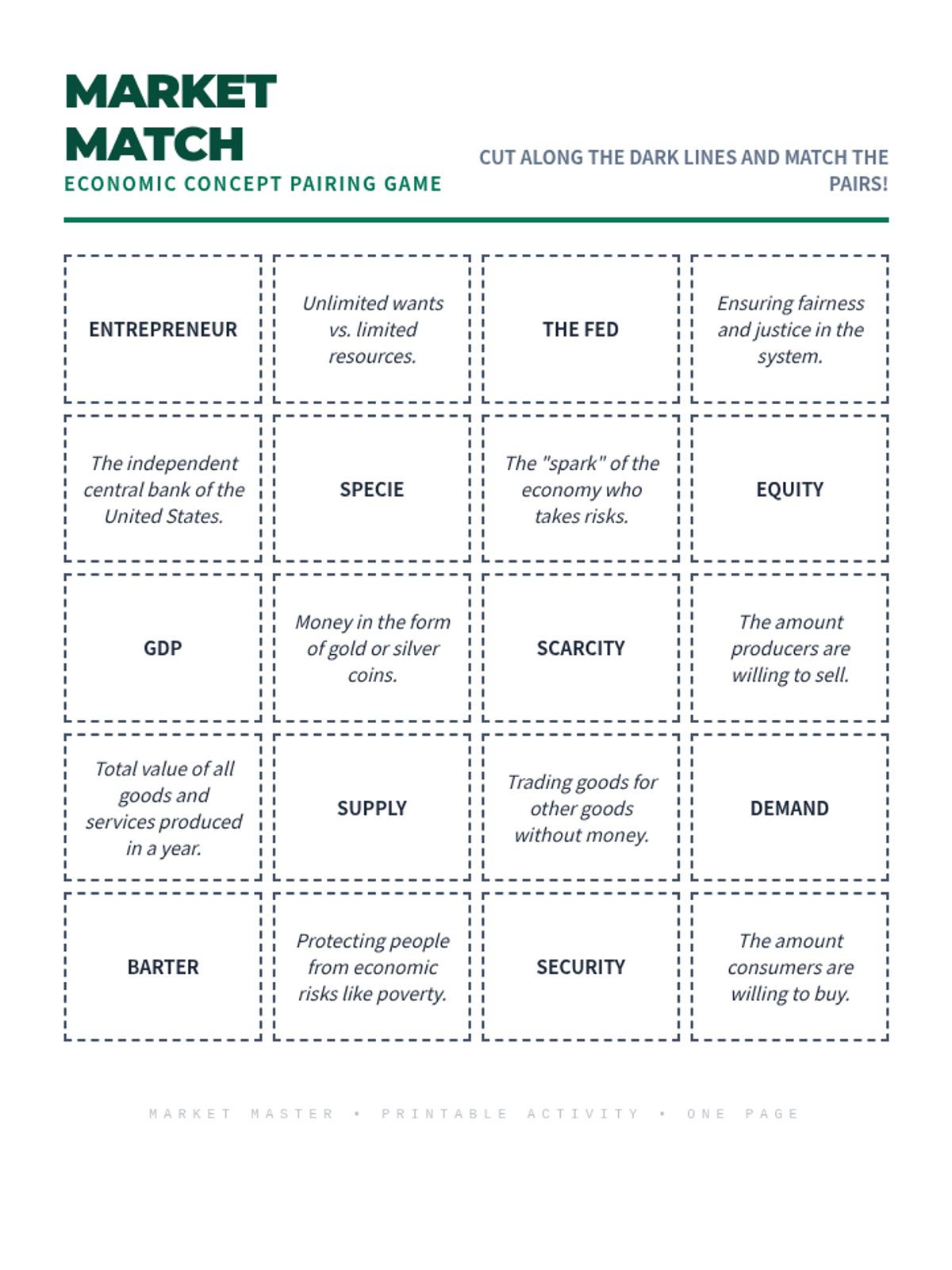
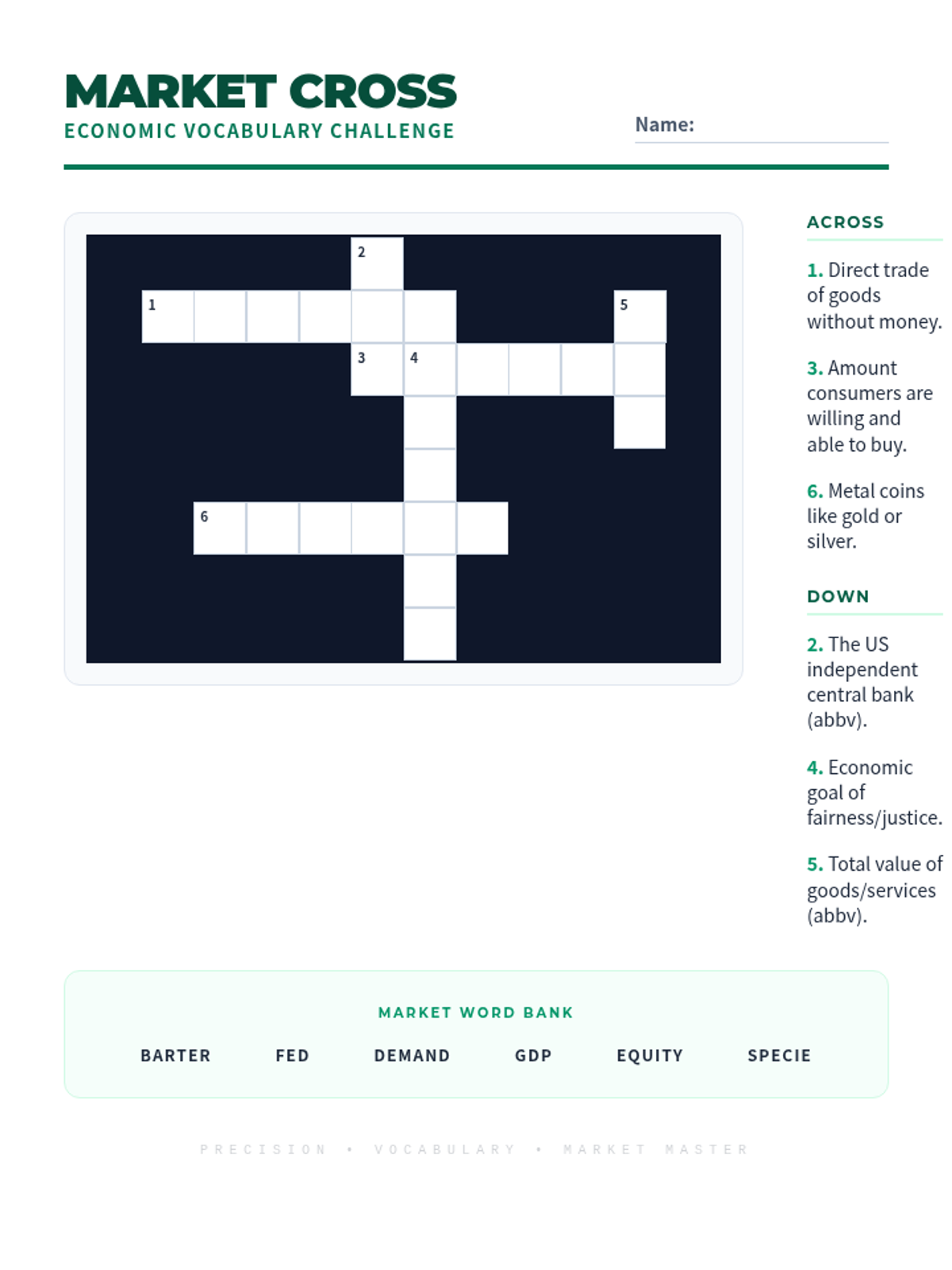
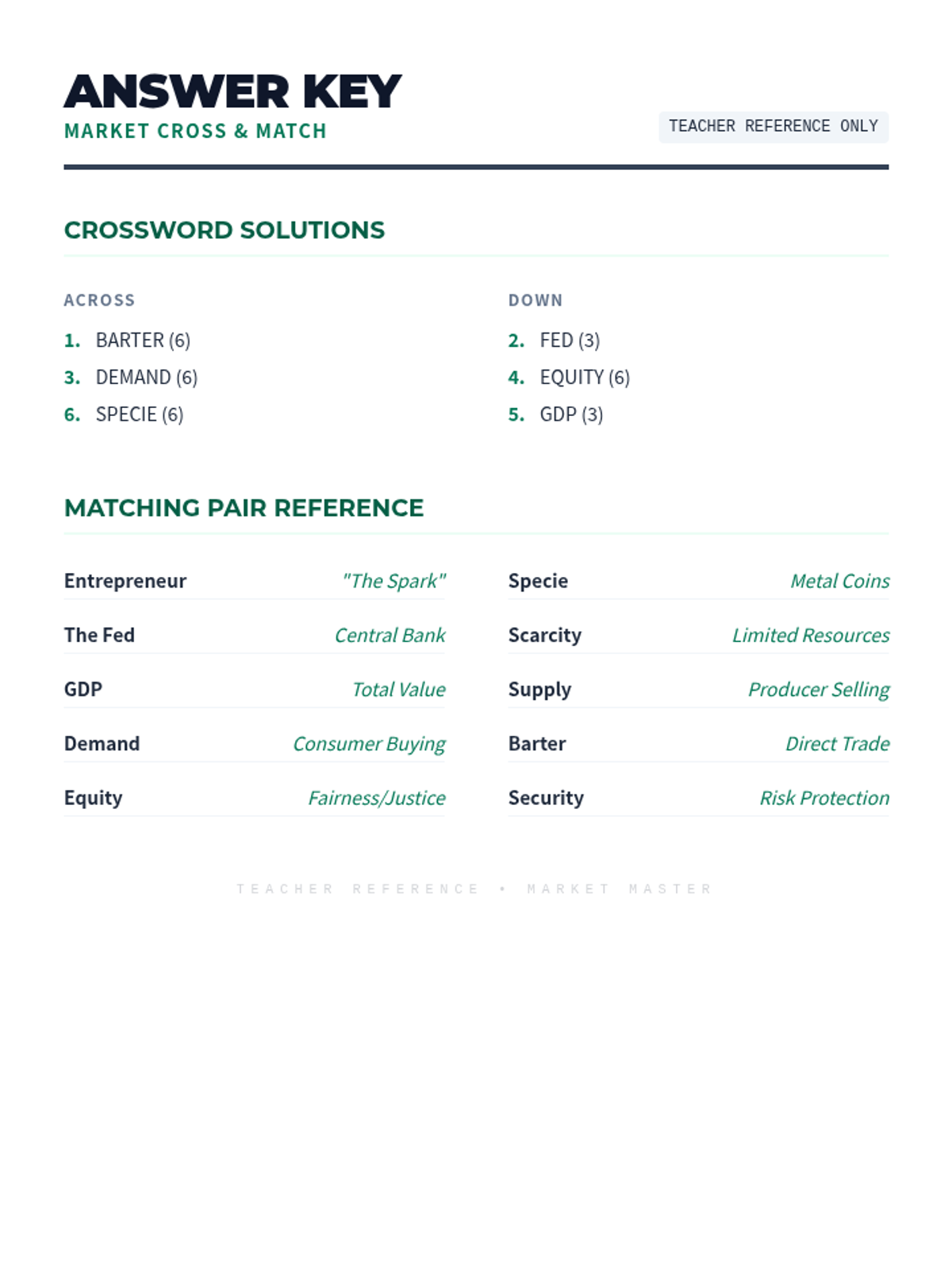
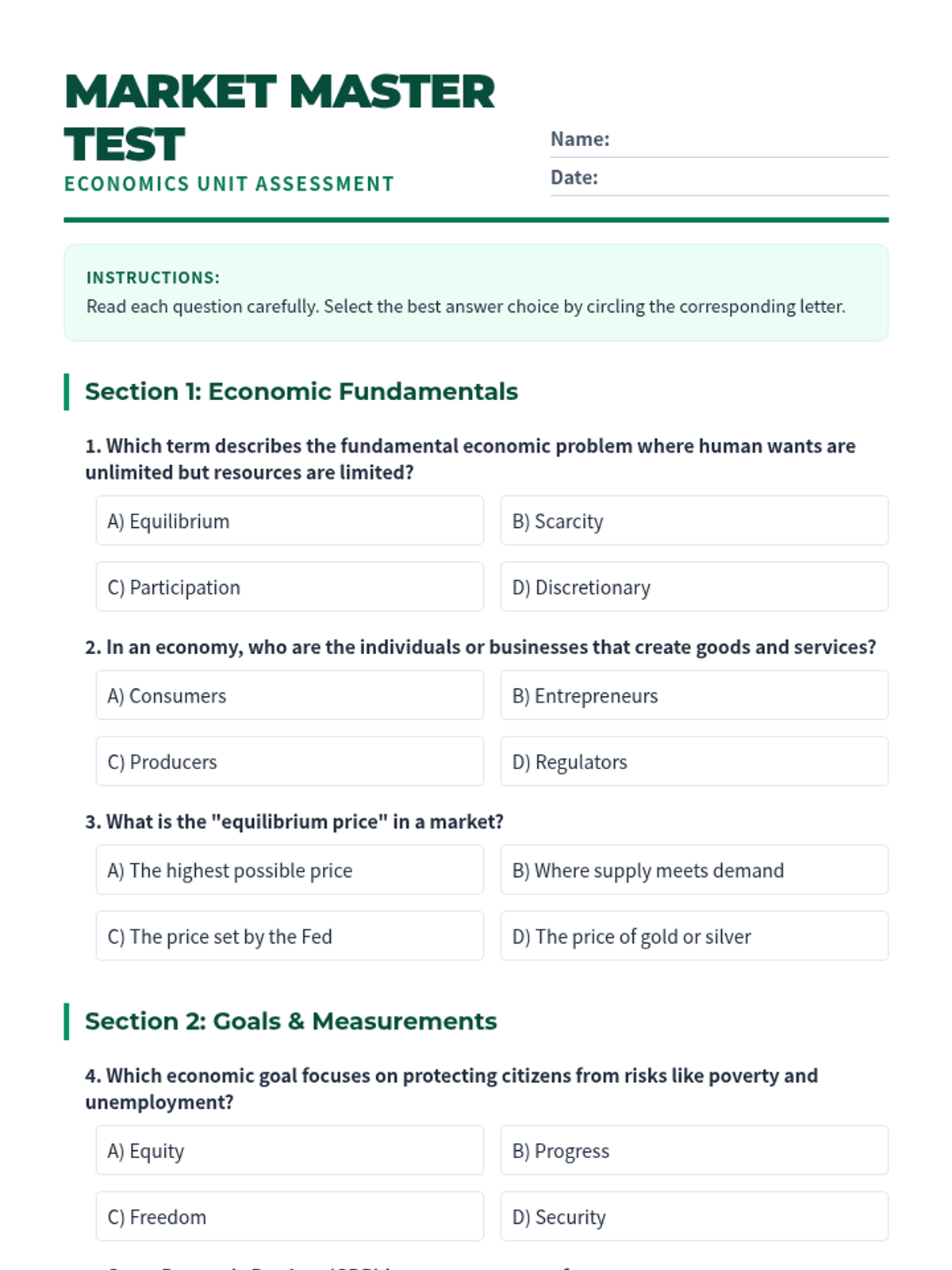
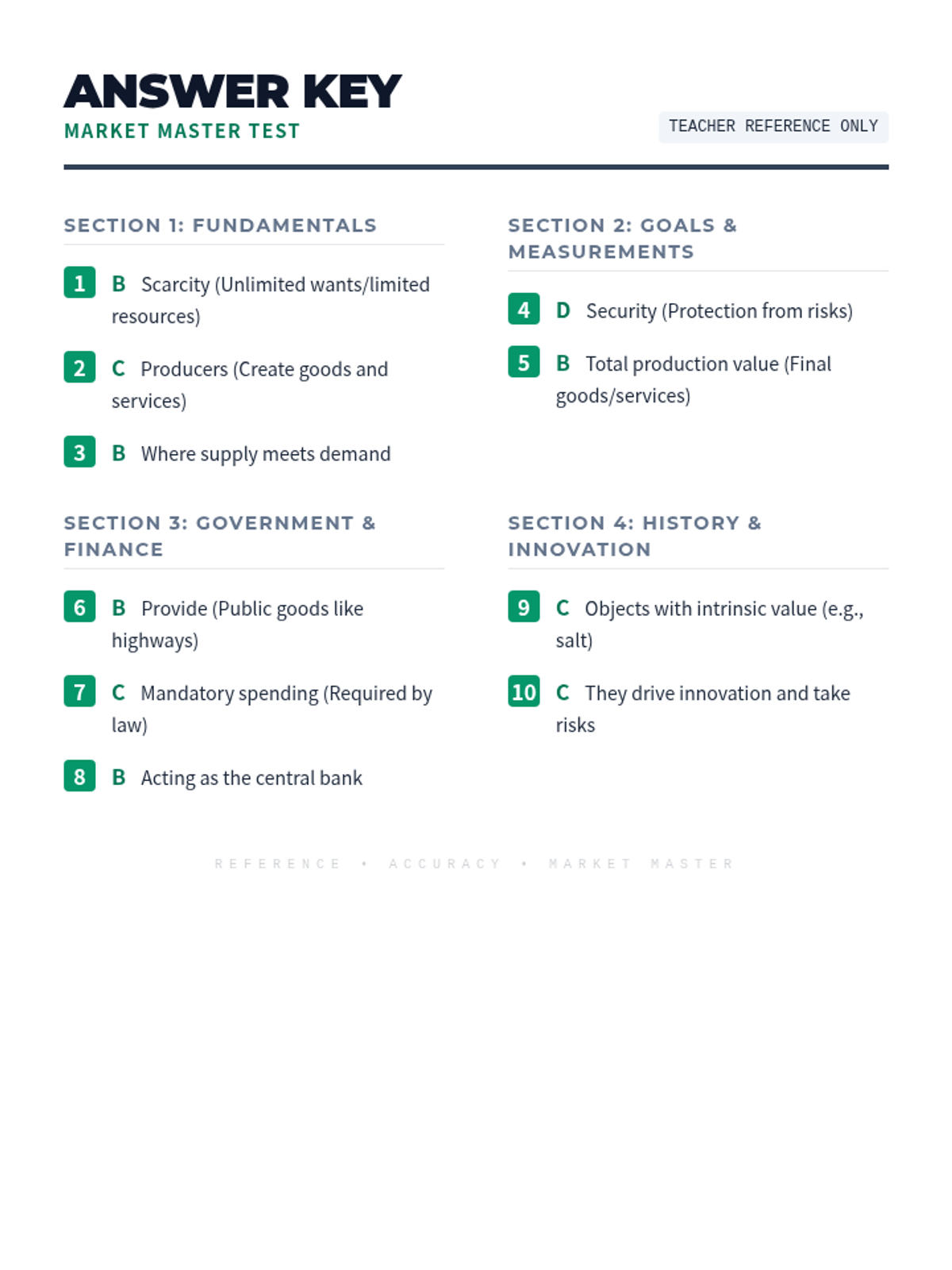
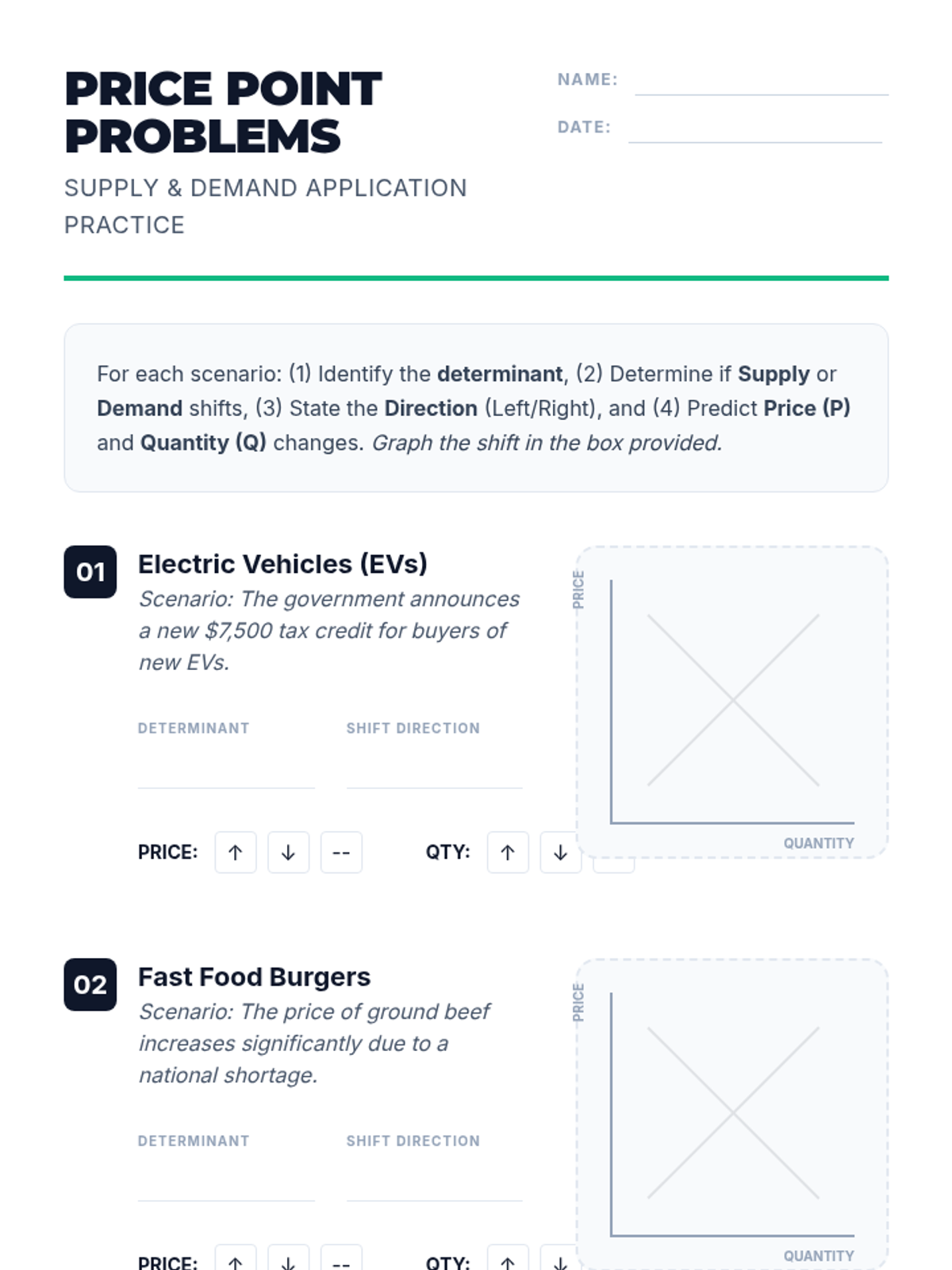
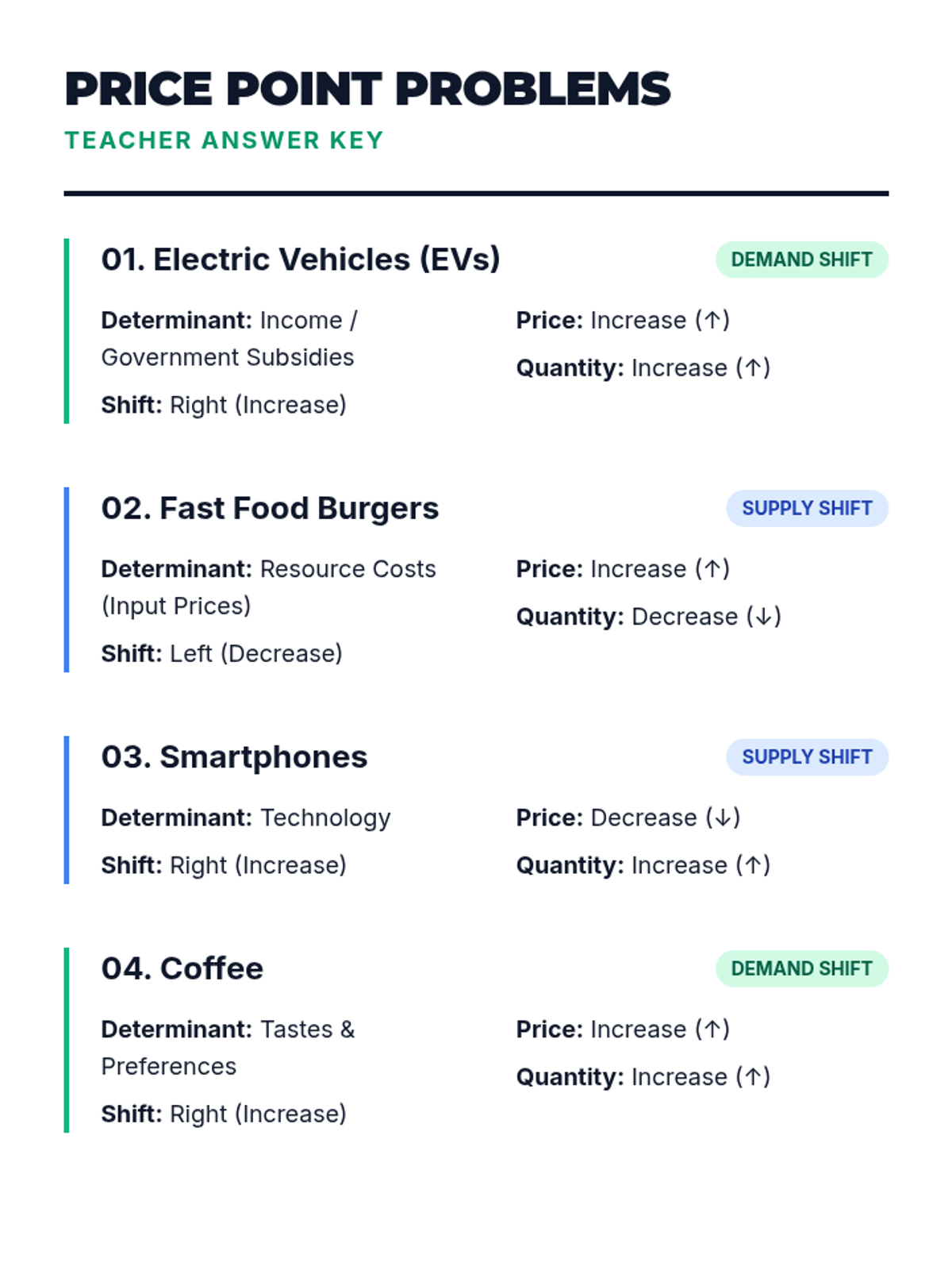
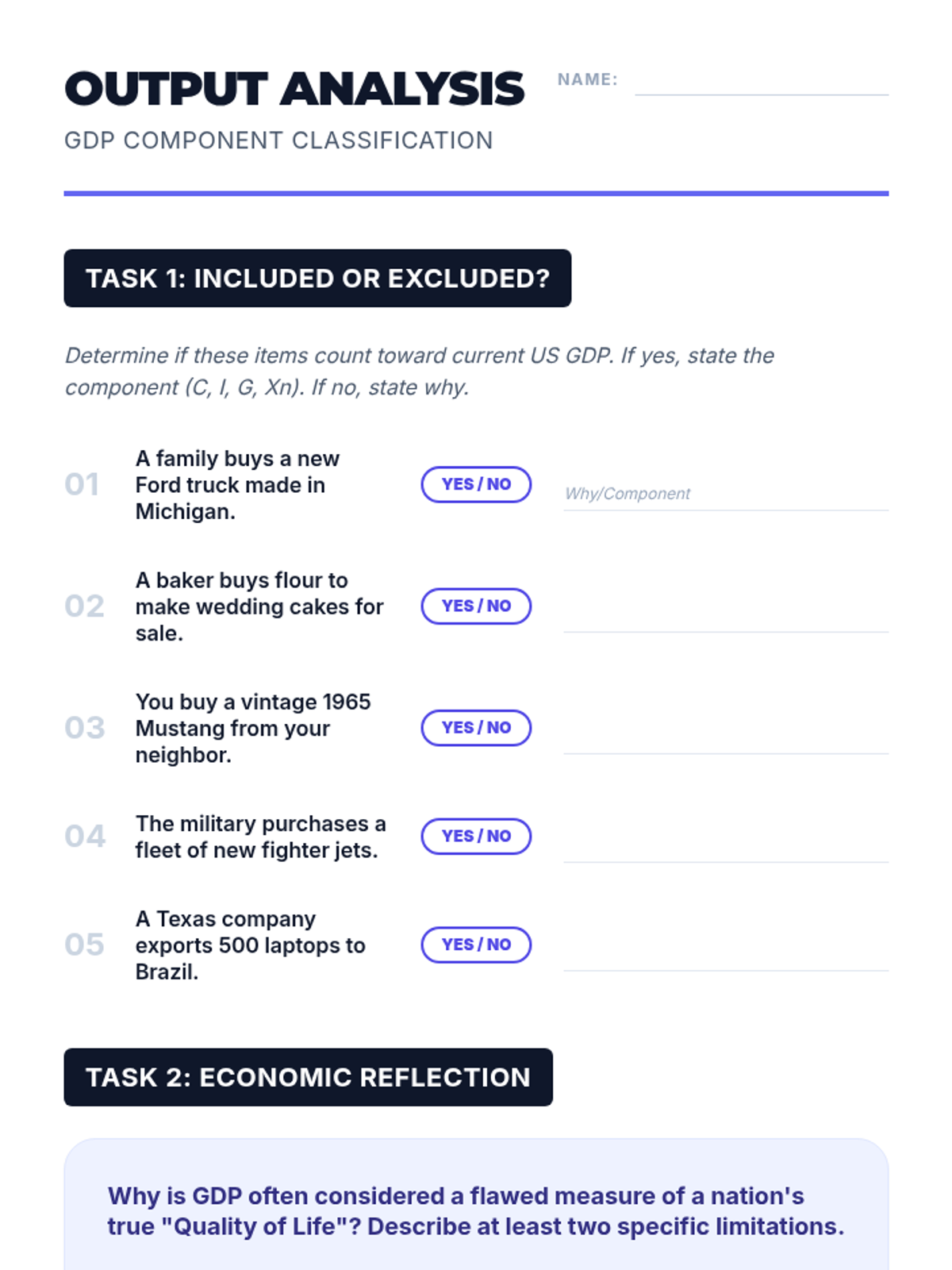
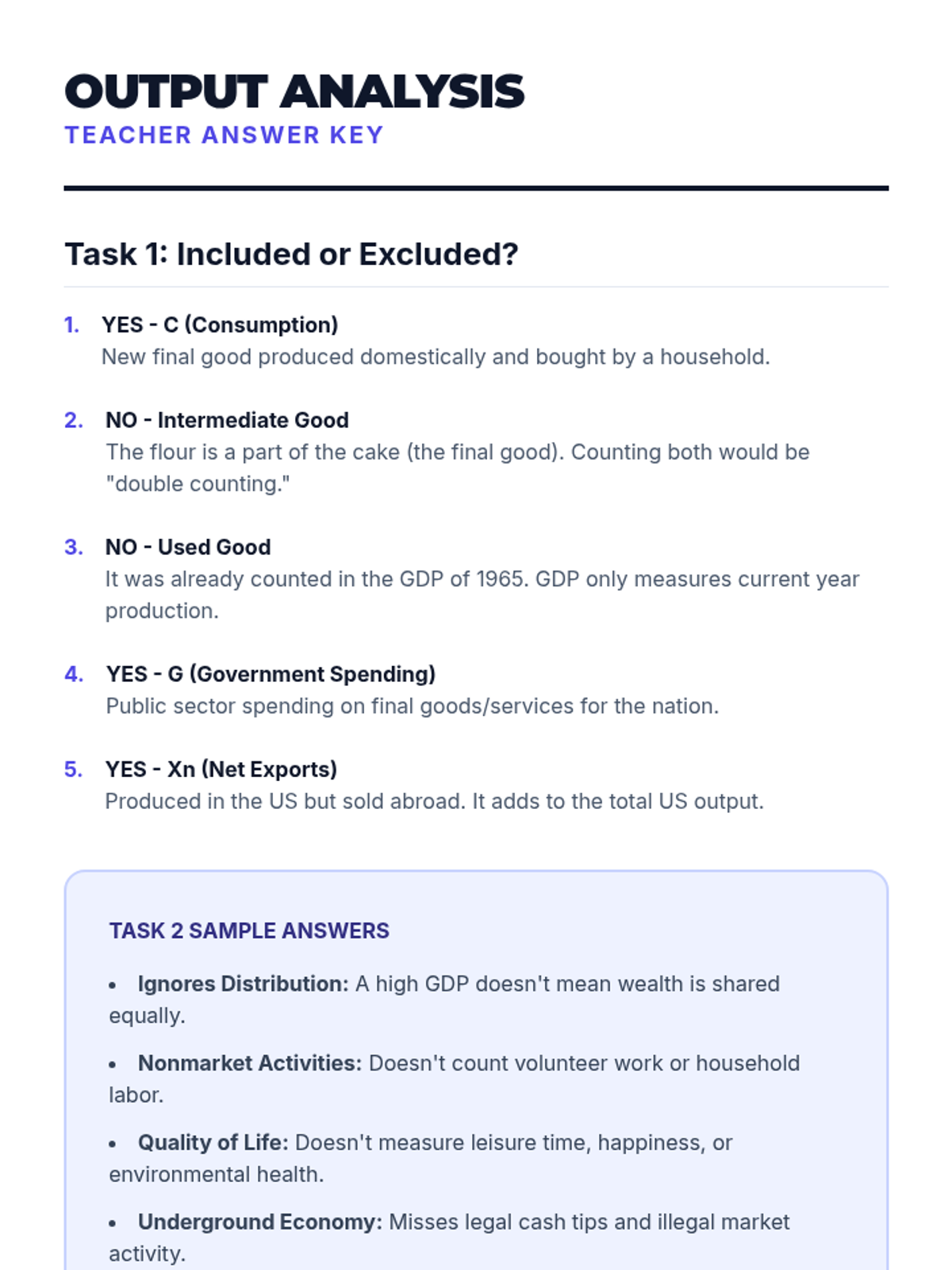
A comprehensive set of study materials covering fundamental economic concepts, government roles, the Federal Reserve, and the history of money.
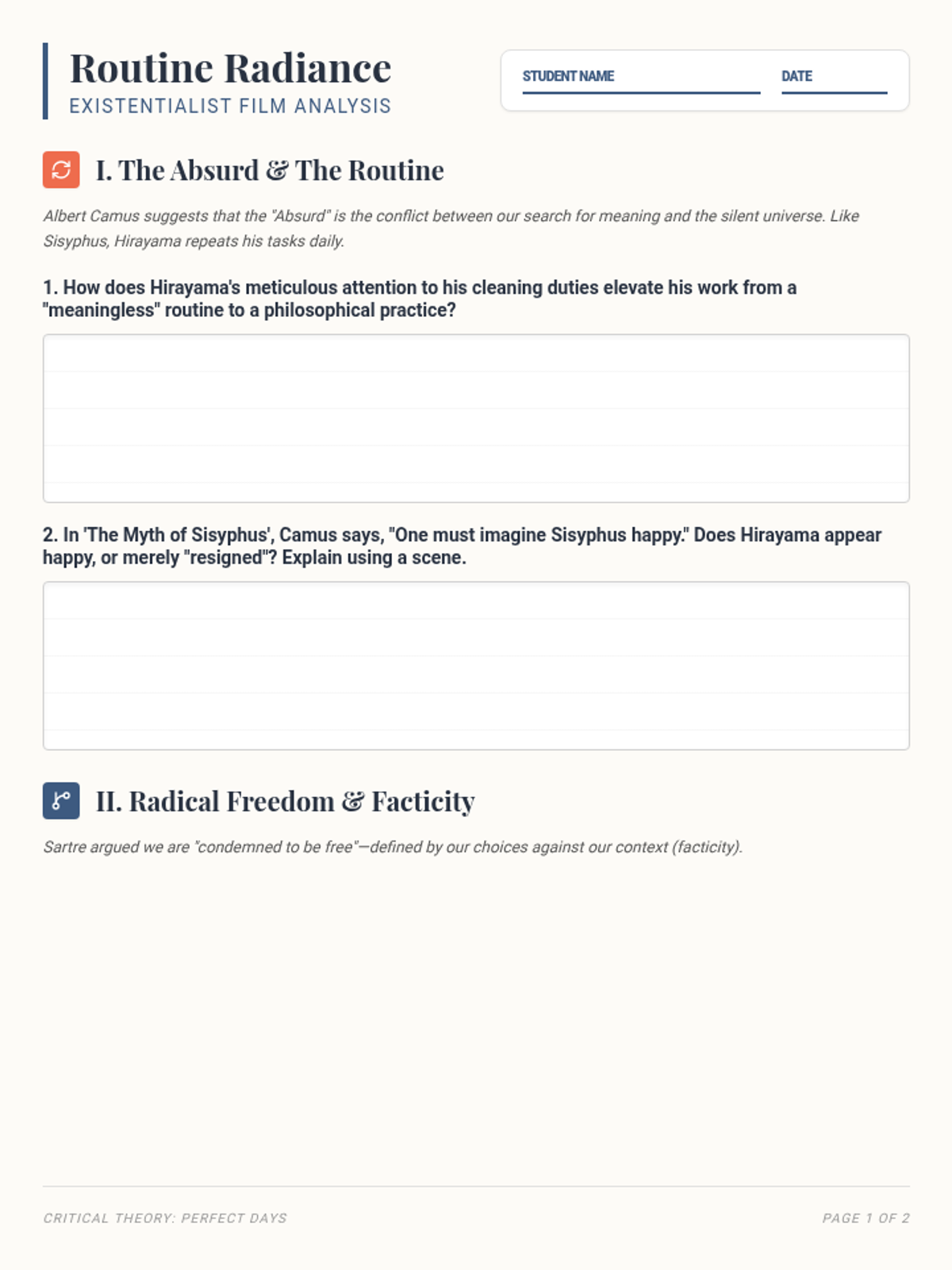
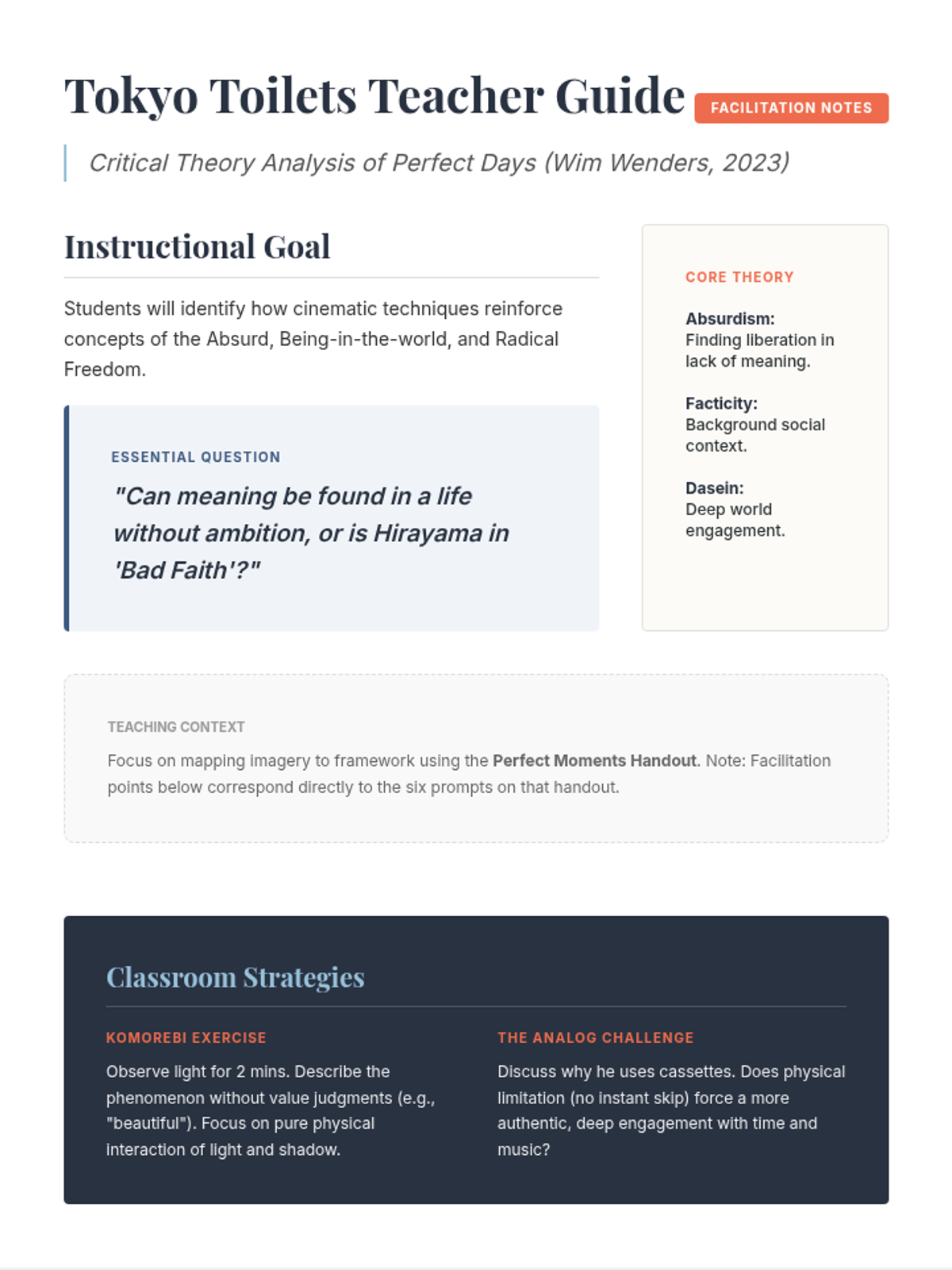
A deep dive into Wim Wenders' film 'Perfect Days' using existentialist philosophy to analyze the protagonist's repetitive routine and radical choices. Students explore themes of the absurd, authenticity, and 'komorebi' through critical theory.
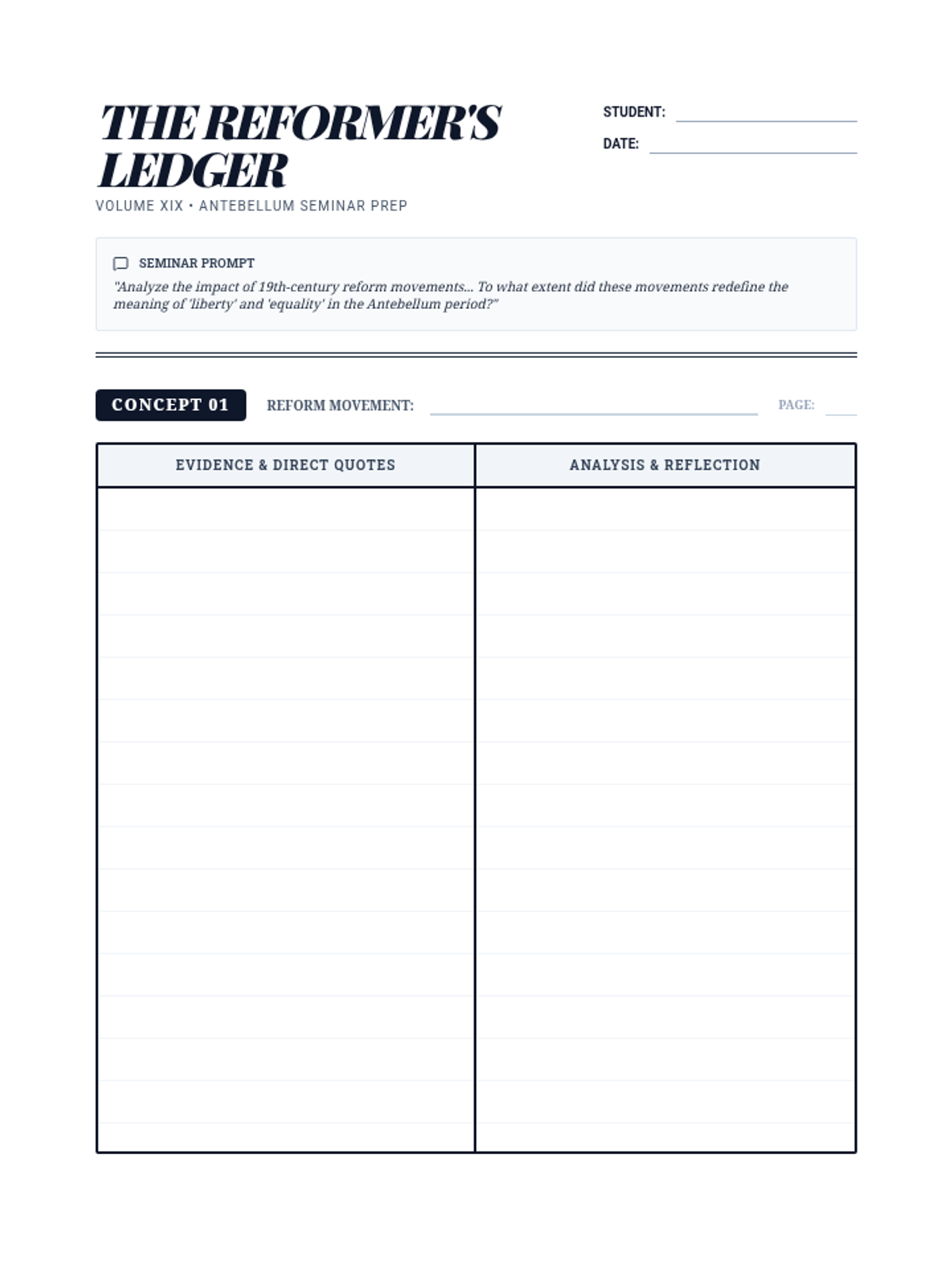
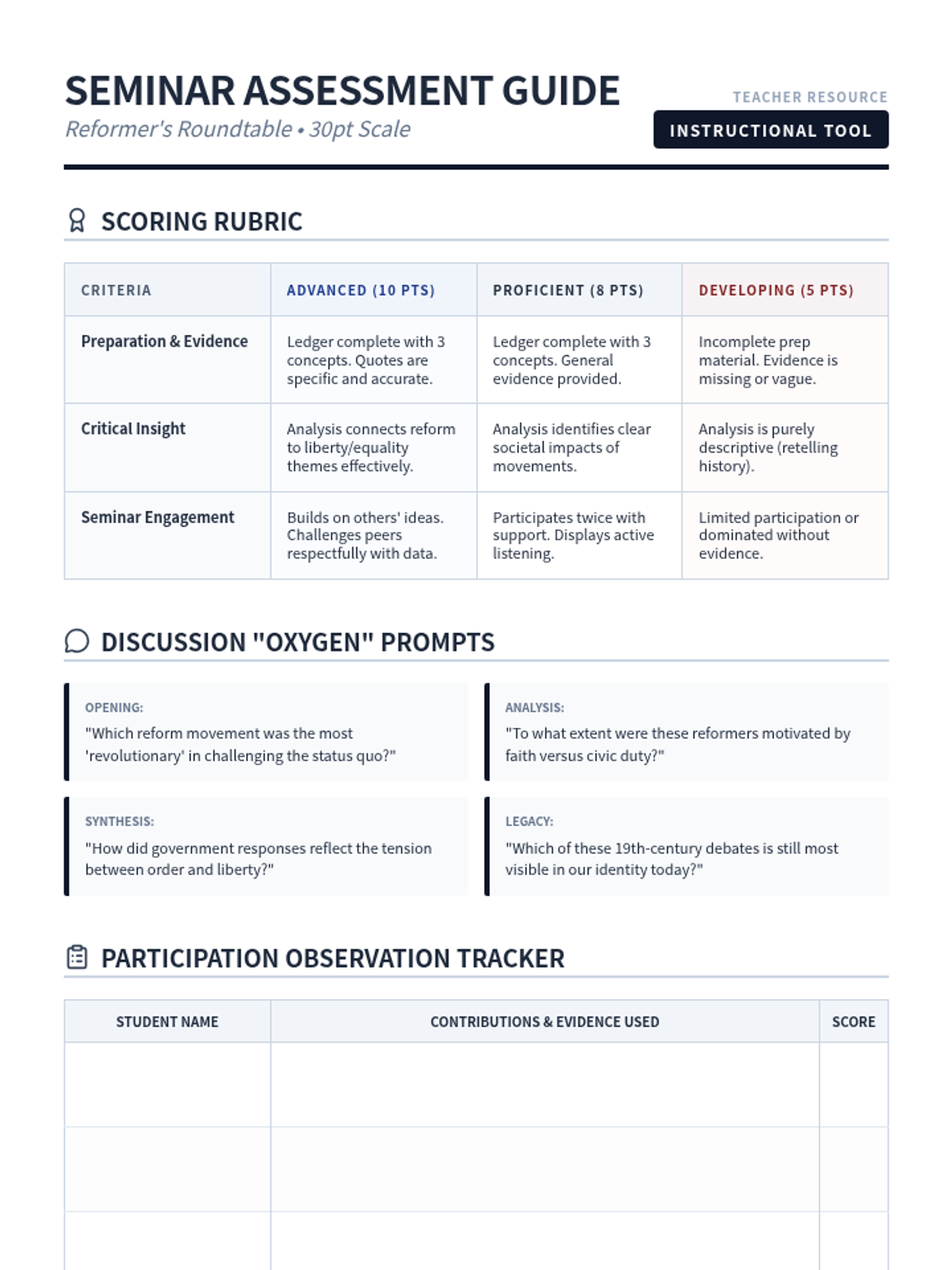
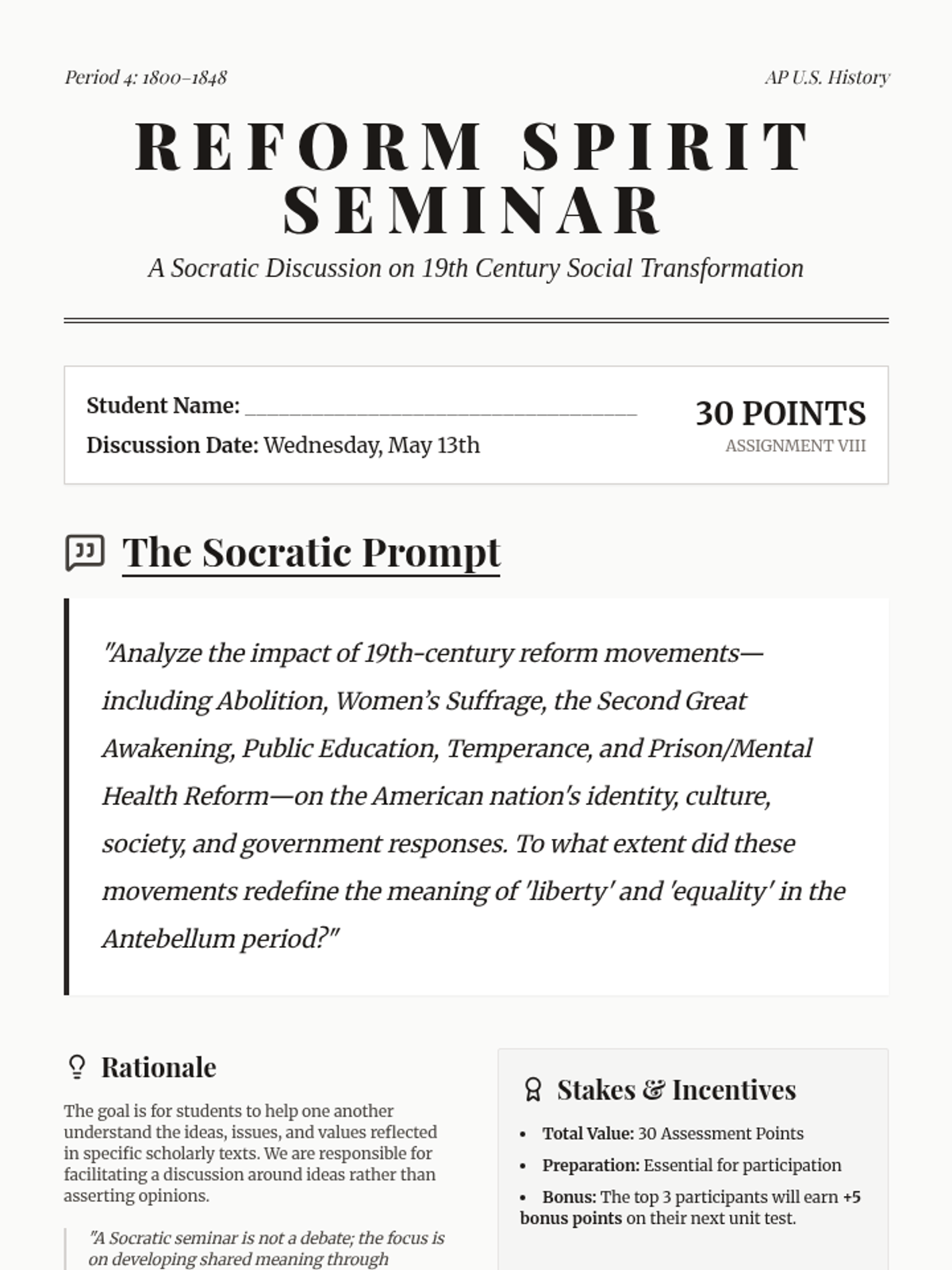
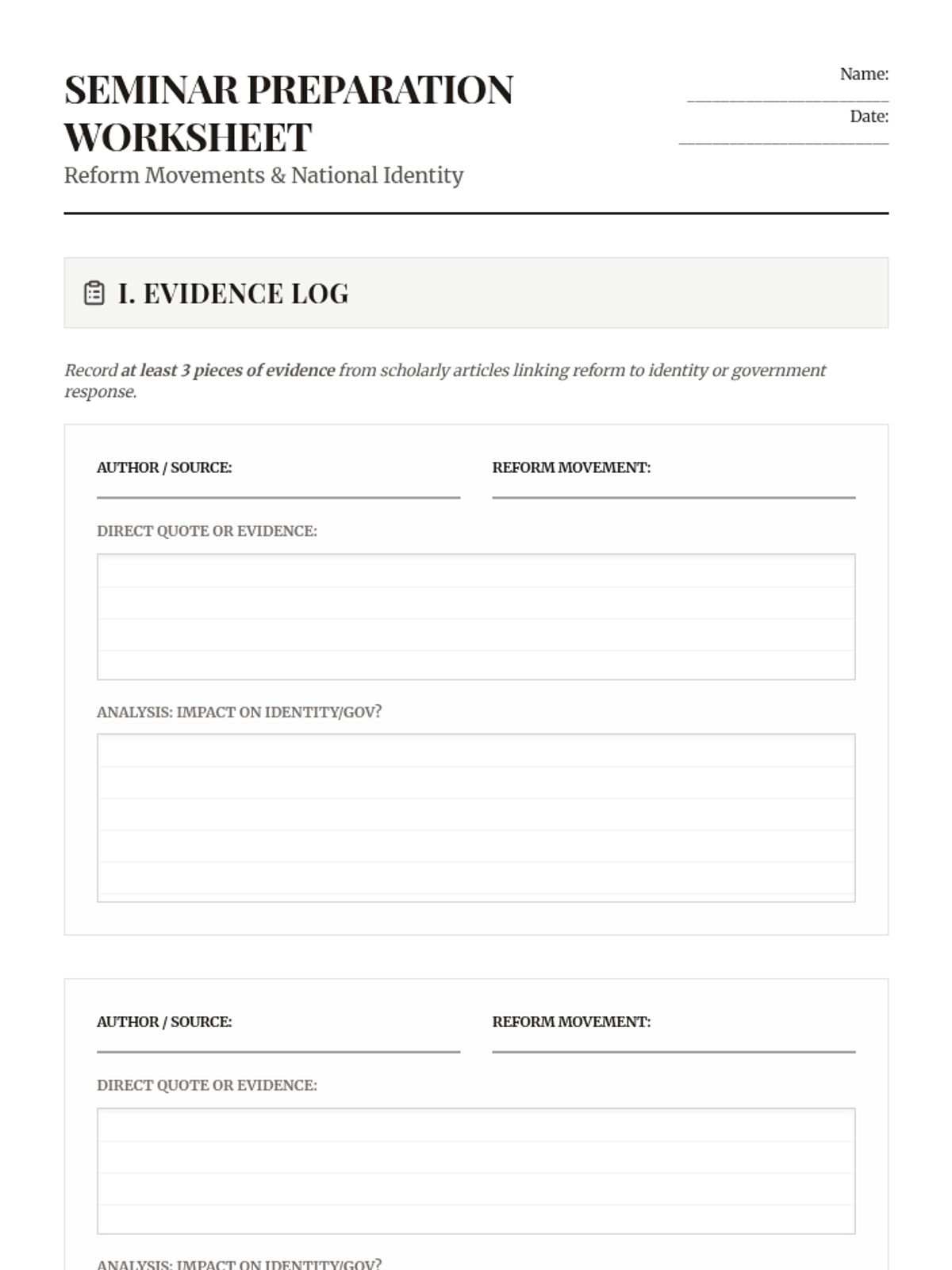
A Socratic Seminar preparation lesson focusing on 19th-century reform movements and their impact on American identity. Students analyze primary and secondary sources to evaluate how these movements redefined liberty and equality.
A lesson exploring the dual nature of digital advancements, focusing on their potential to either bridge social gaps or widen inequalities based on UN reports.
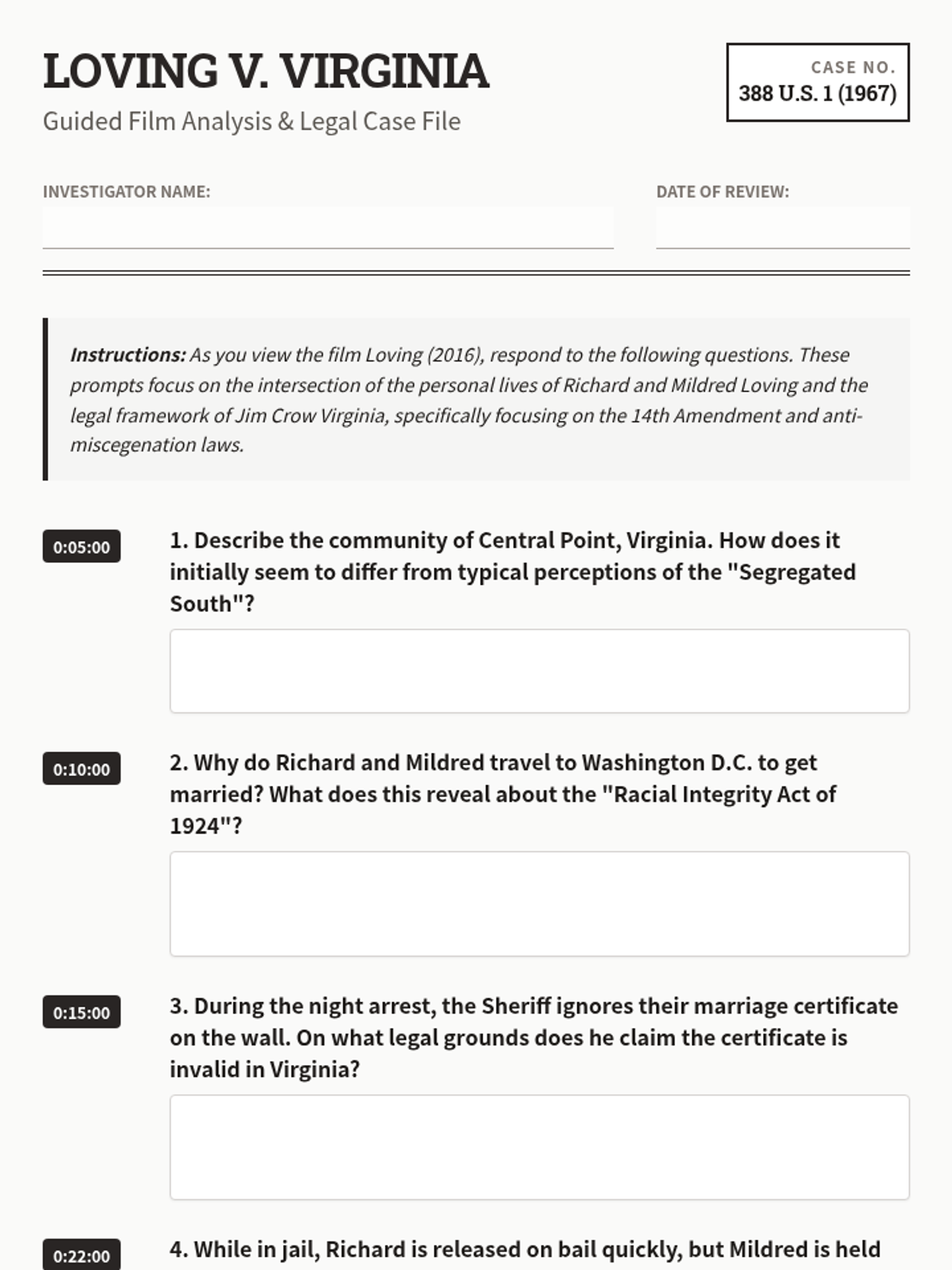
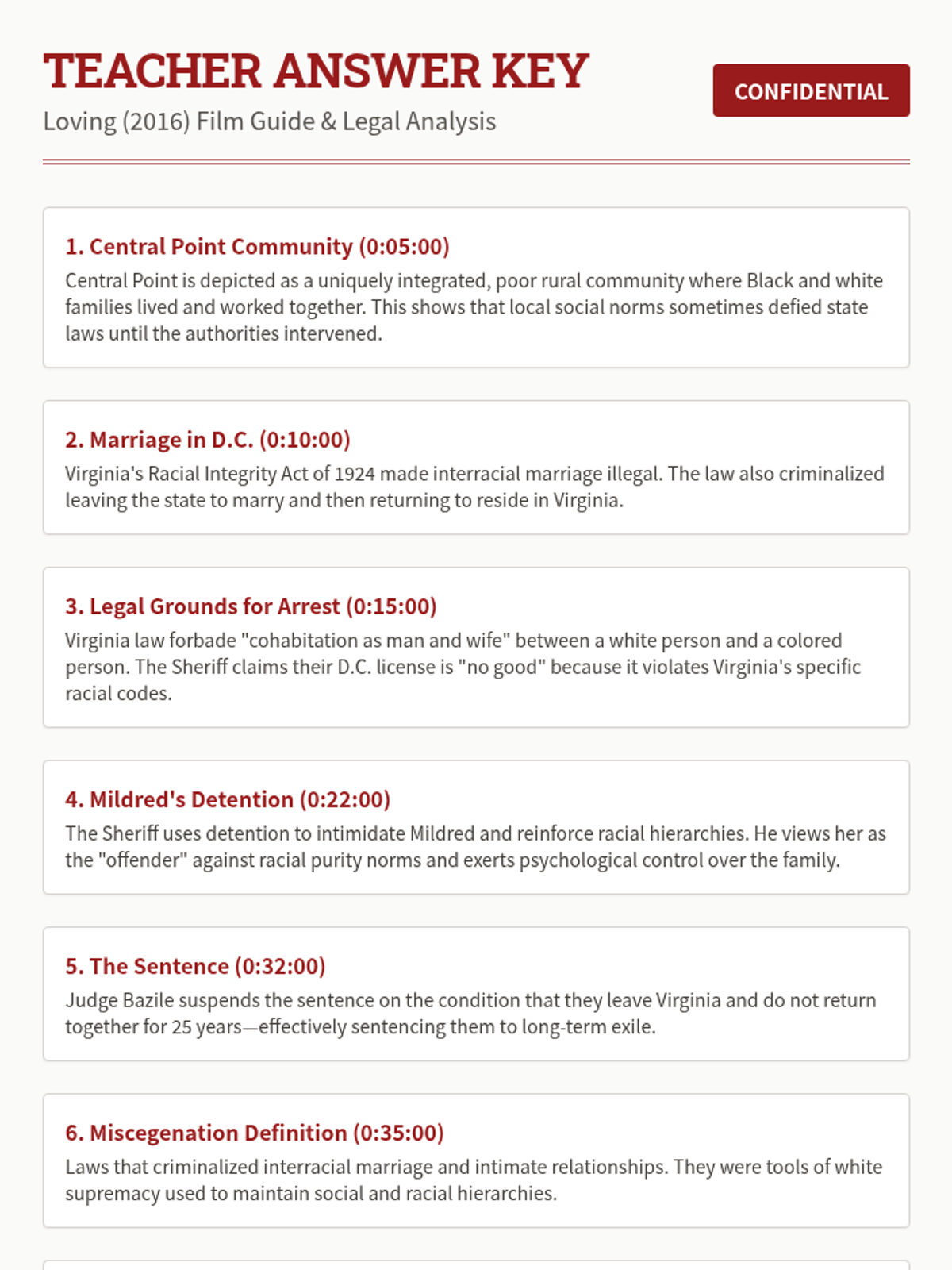
A guided exploration of the landmark Supreme Court case Loving v. Virginia through the lens of the 2016 film. Students analyze the 14th Amendment, Jim Crow laws, and the human impact of anti-miscegenation legislation.
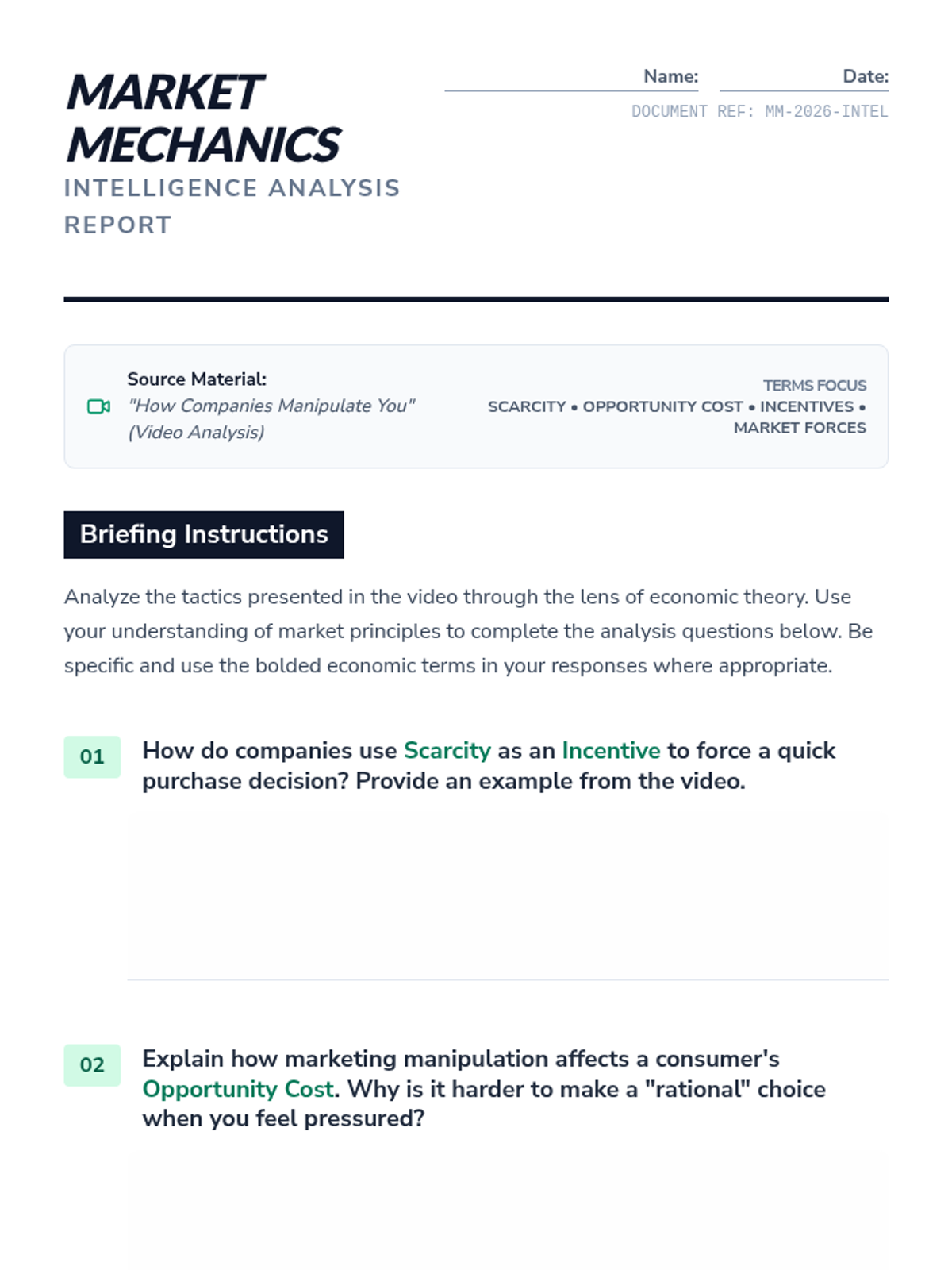
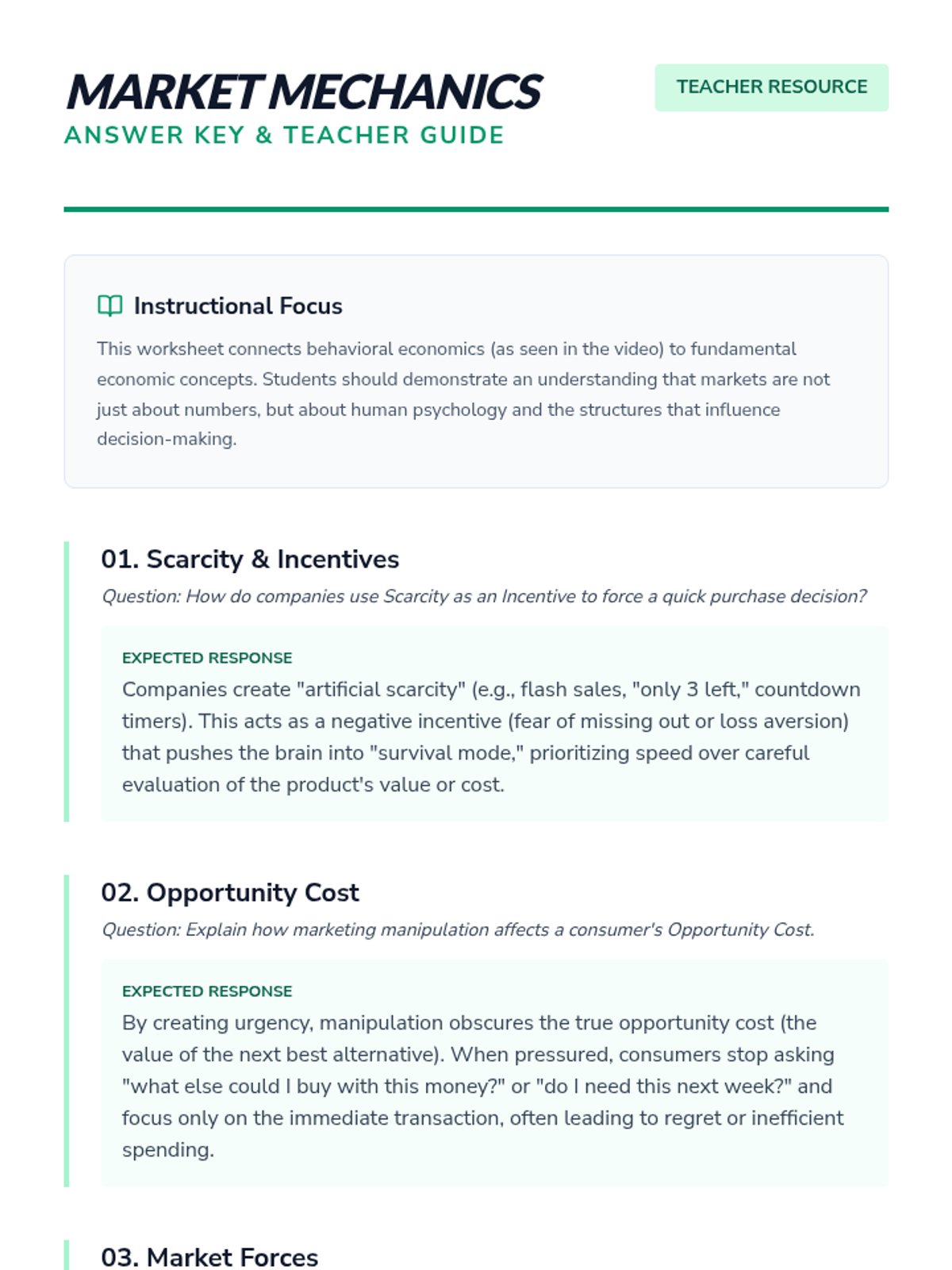
A deep dive into how economic principles like scarcity, incentives, and market forces shape consumer behavior and market structures. Students analyze real-world marketing tactics through the lens of economic theory.
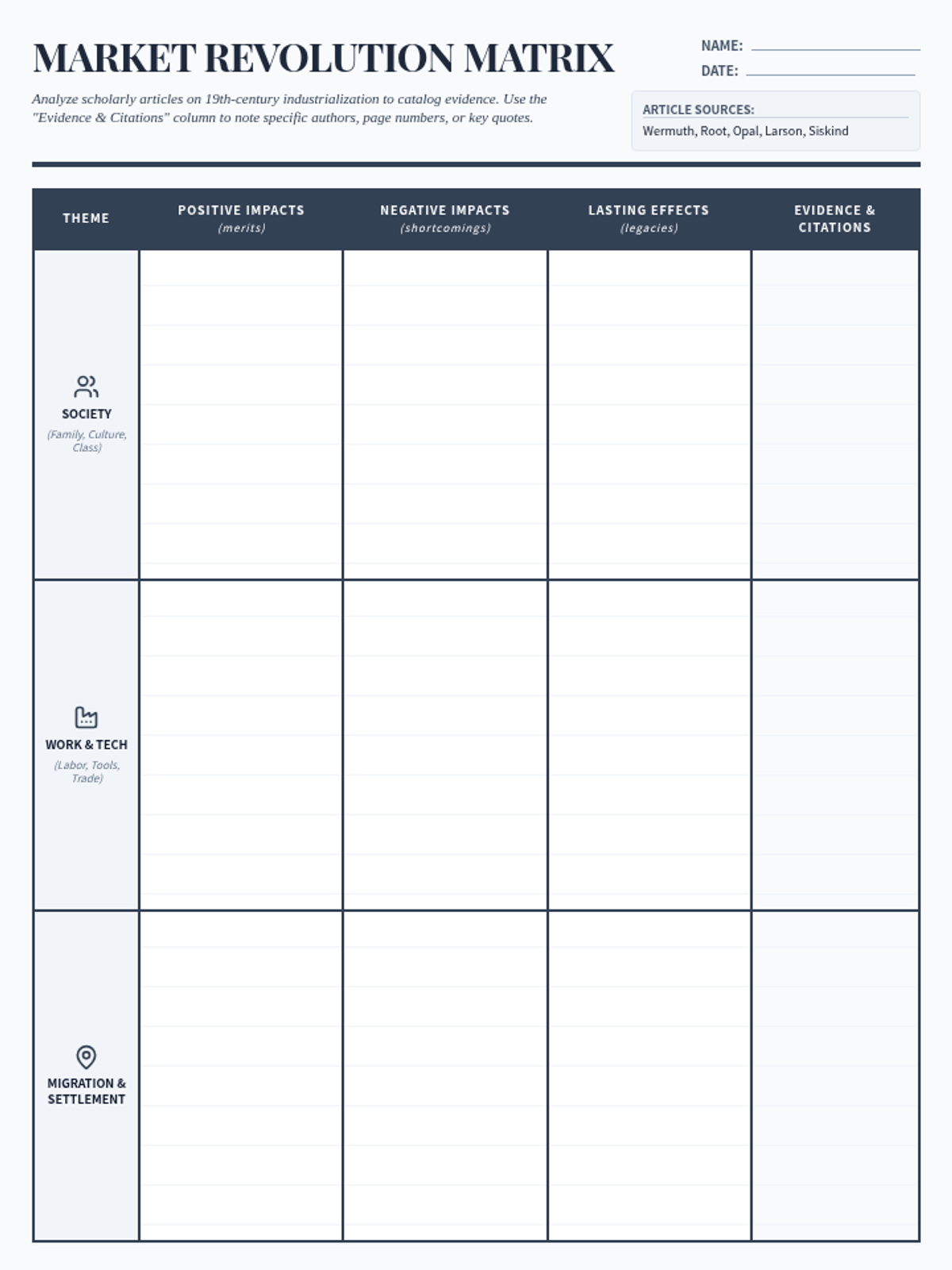
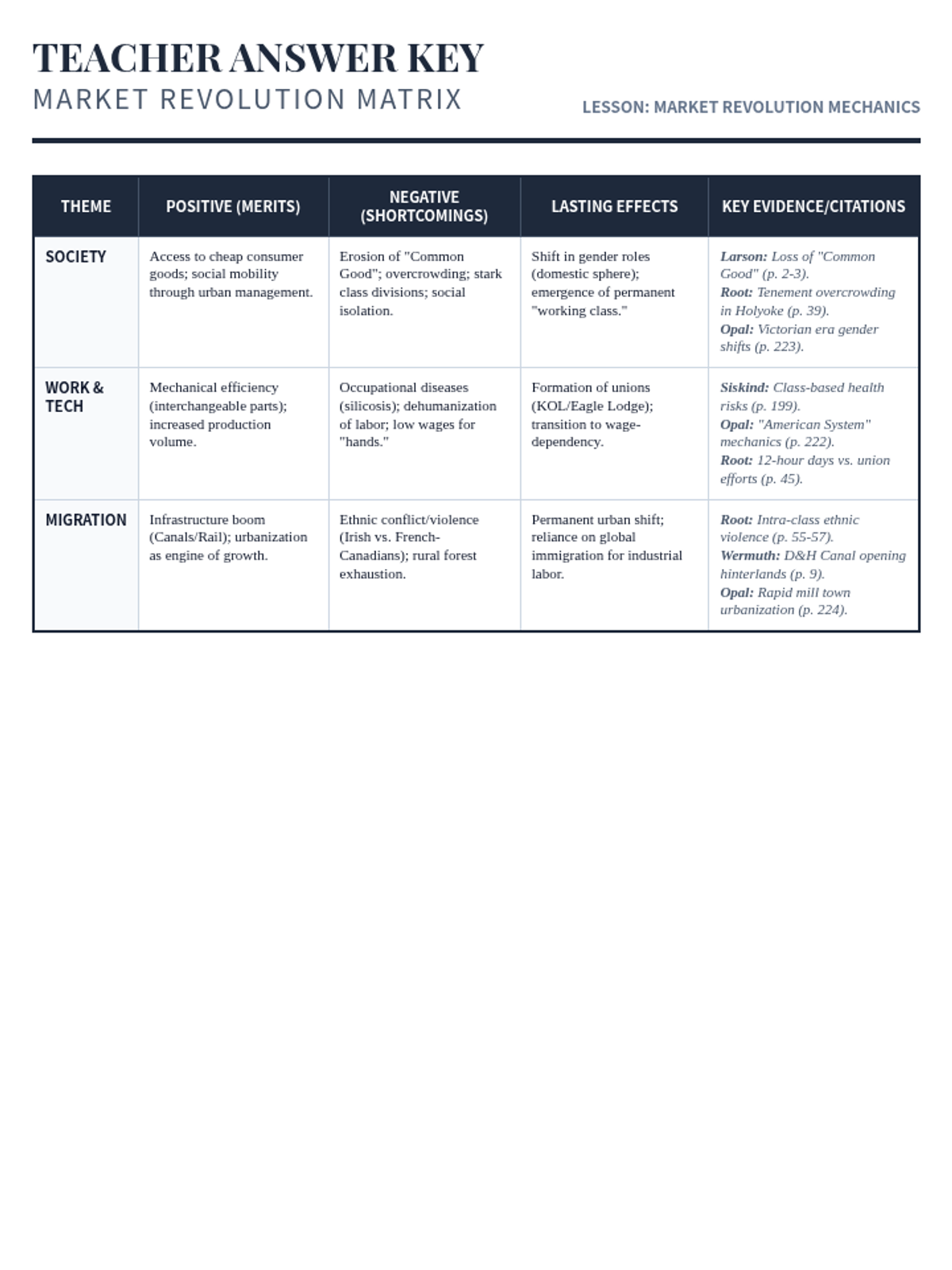
Students analyze the transformative period of industrialization and the market revolution in the 19th-century United States through scholarly articles, exploring the complex balance of economic progress against social and human costs.
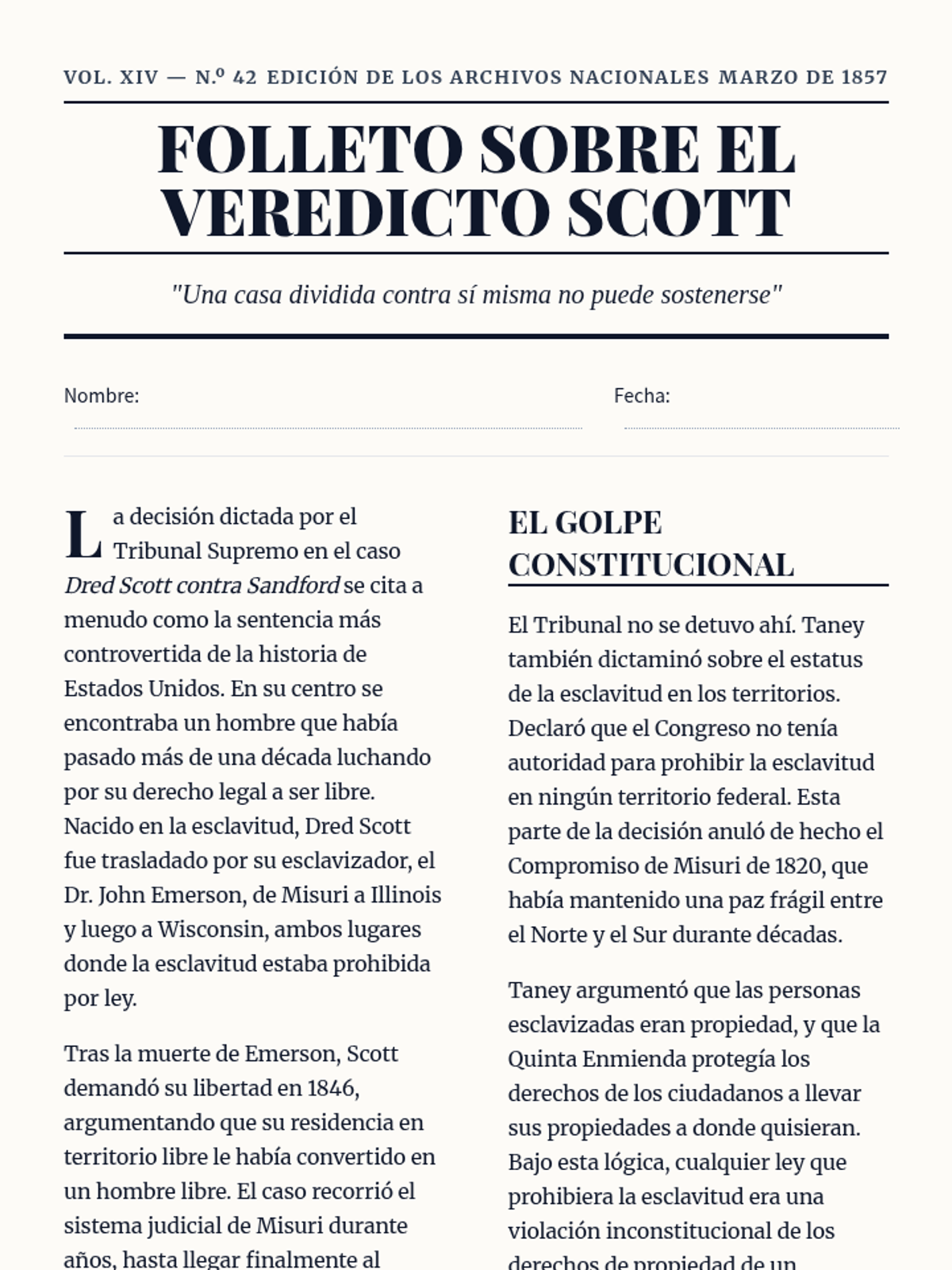
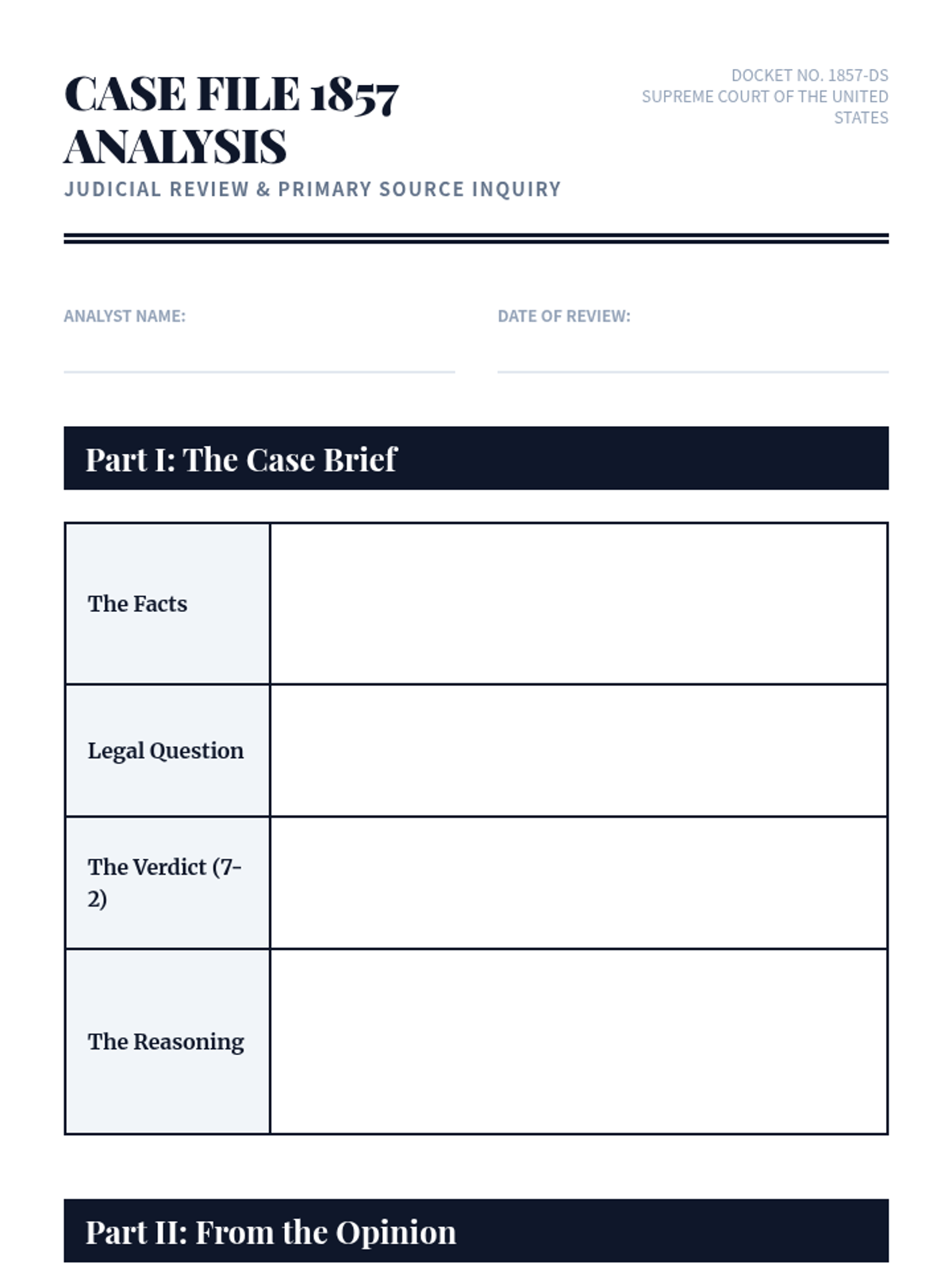
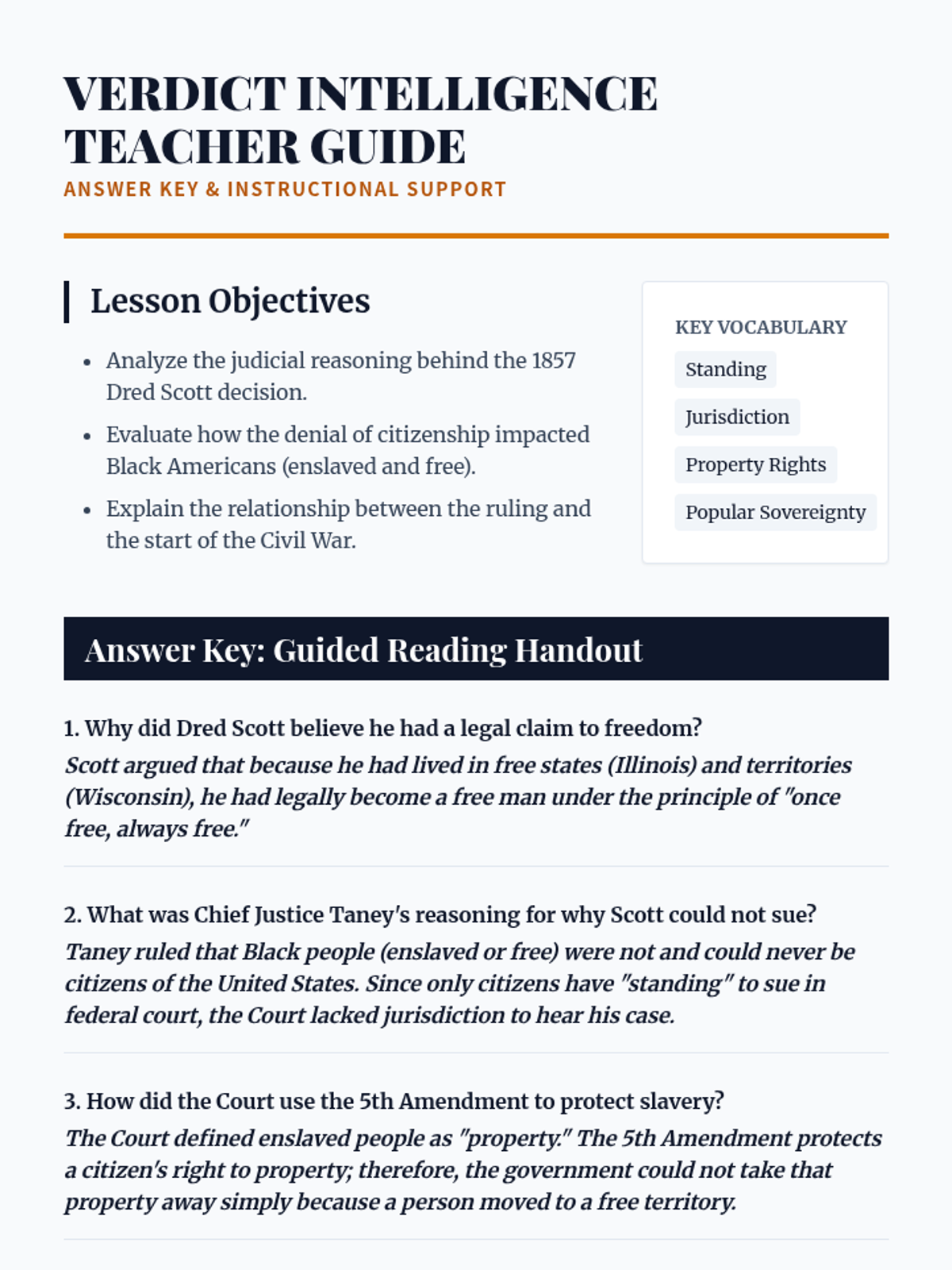
Explore the landmark Dred Scott v. Sandford case, focusing on the definition of American citizenship and the decision's role as a catalyst for the American Civil War. Students analyze primary source excerpts and the legal reasoning of the Taney Court.
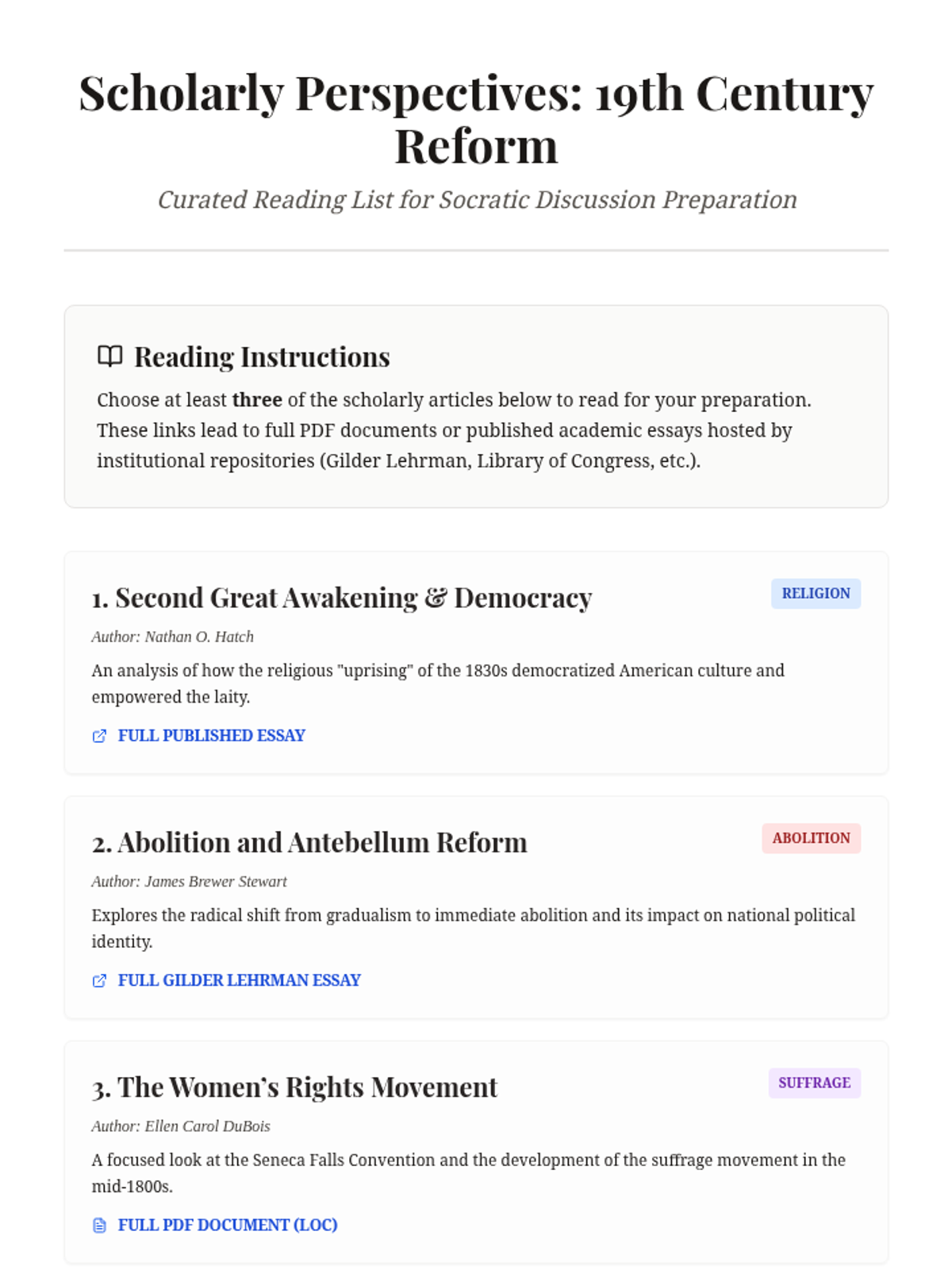
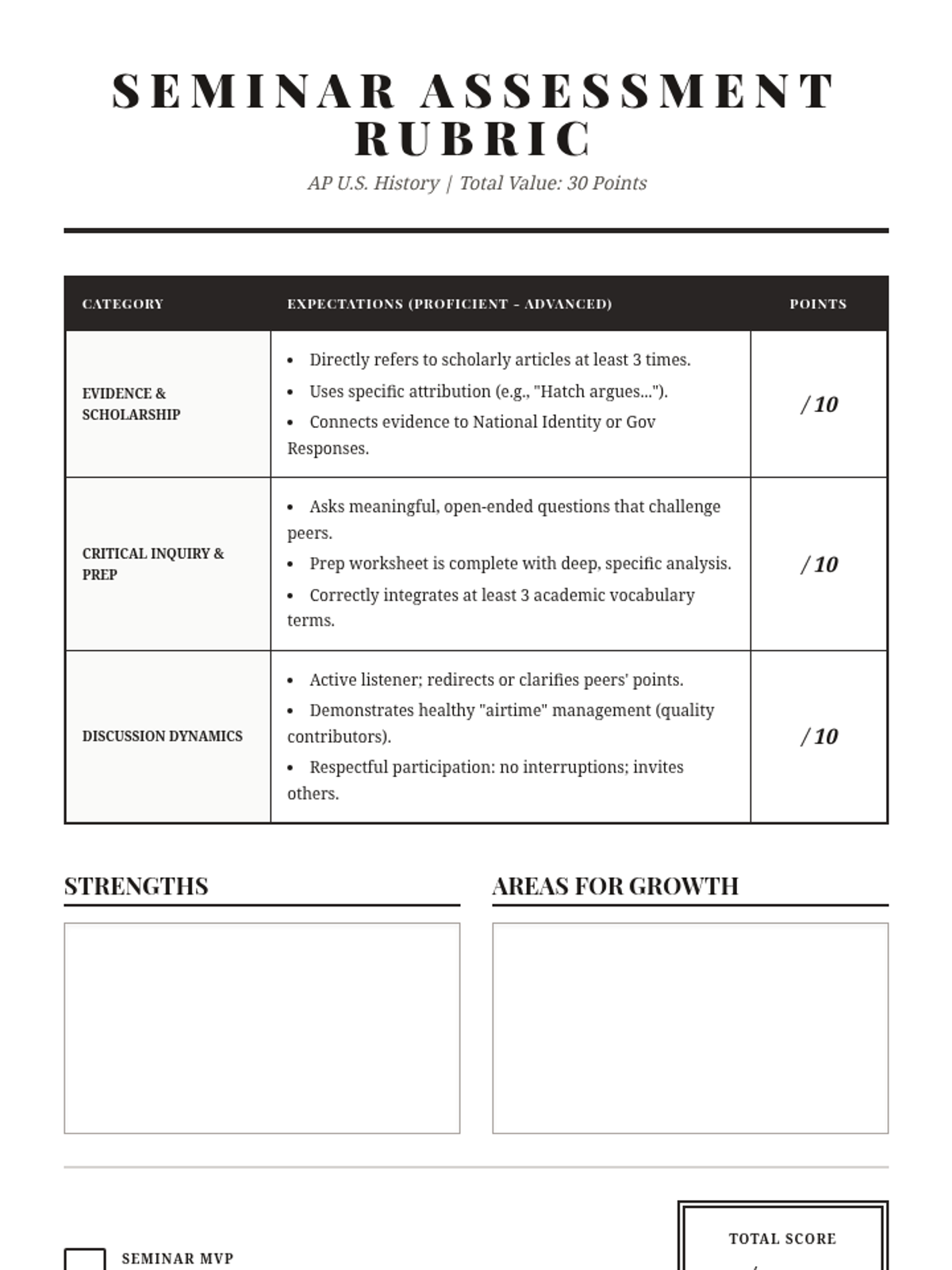
A comprehensive Socratic Seminar unit focused on 19th-century reform movements, including scholarly reading links, preparation guides, and a formal 30-point evaluation rubric.
This lesson explores the Homestead Act of 1862, focusing on the economic motivations that drove settlers to the Great Plains and the resulting transformation of the American Midwest into an agricultural powerhouse. Students will analyze the requirements of the act, the challenges of frontier life, and the long-term impact on national growth.
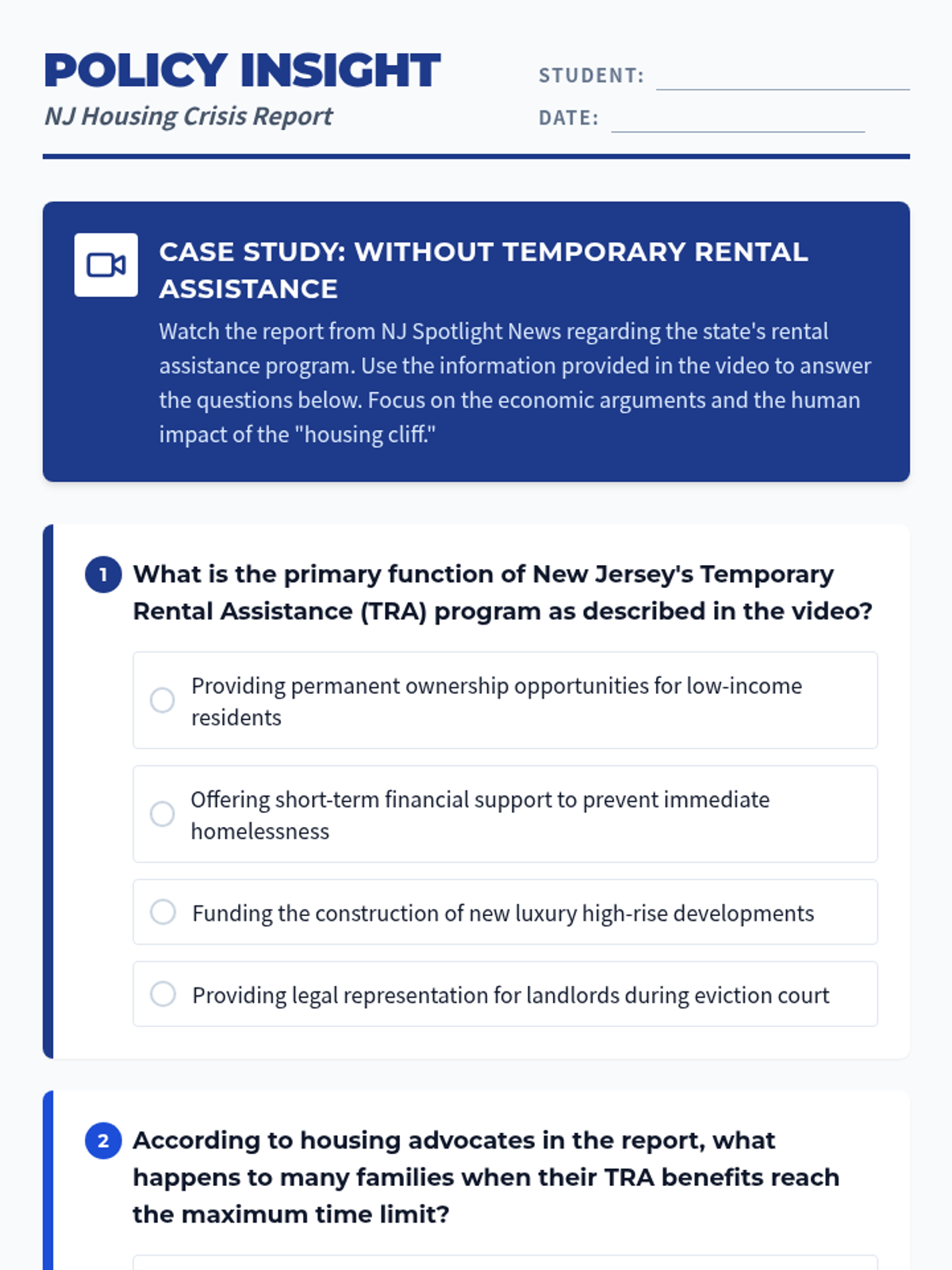
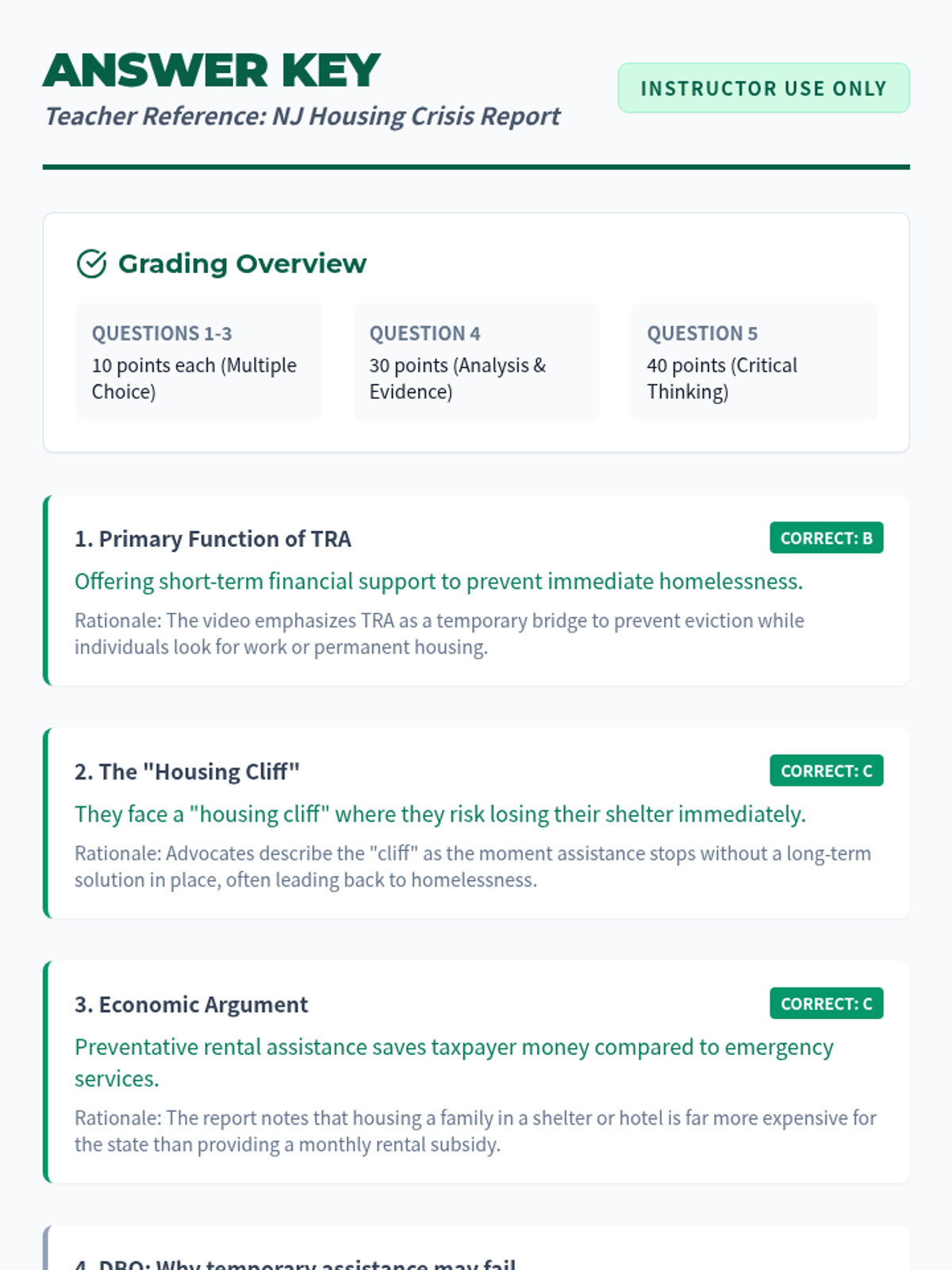
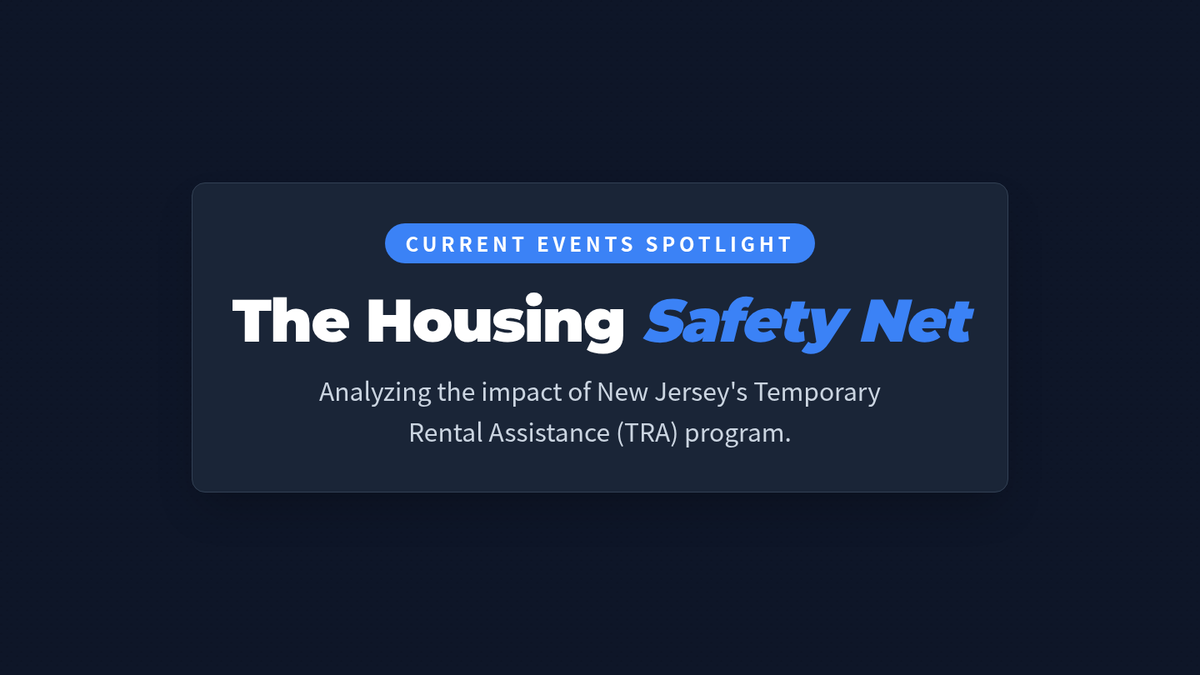
This lesson explores the impact of New Jersey's Temporary Rental Assistance (TRA) program on preventing homelessness, analyzing the economic and social benefits of housing stability through a news report lens.
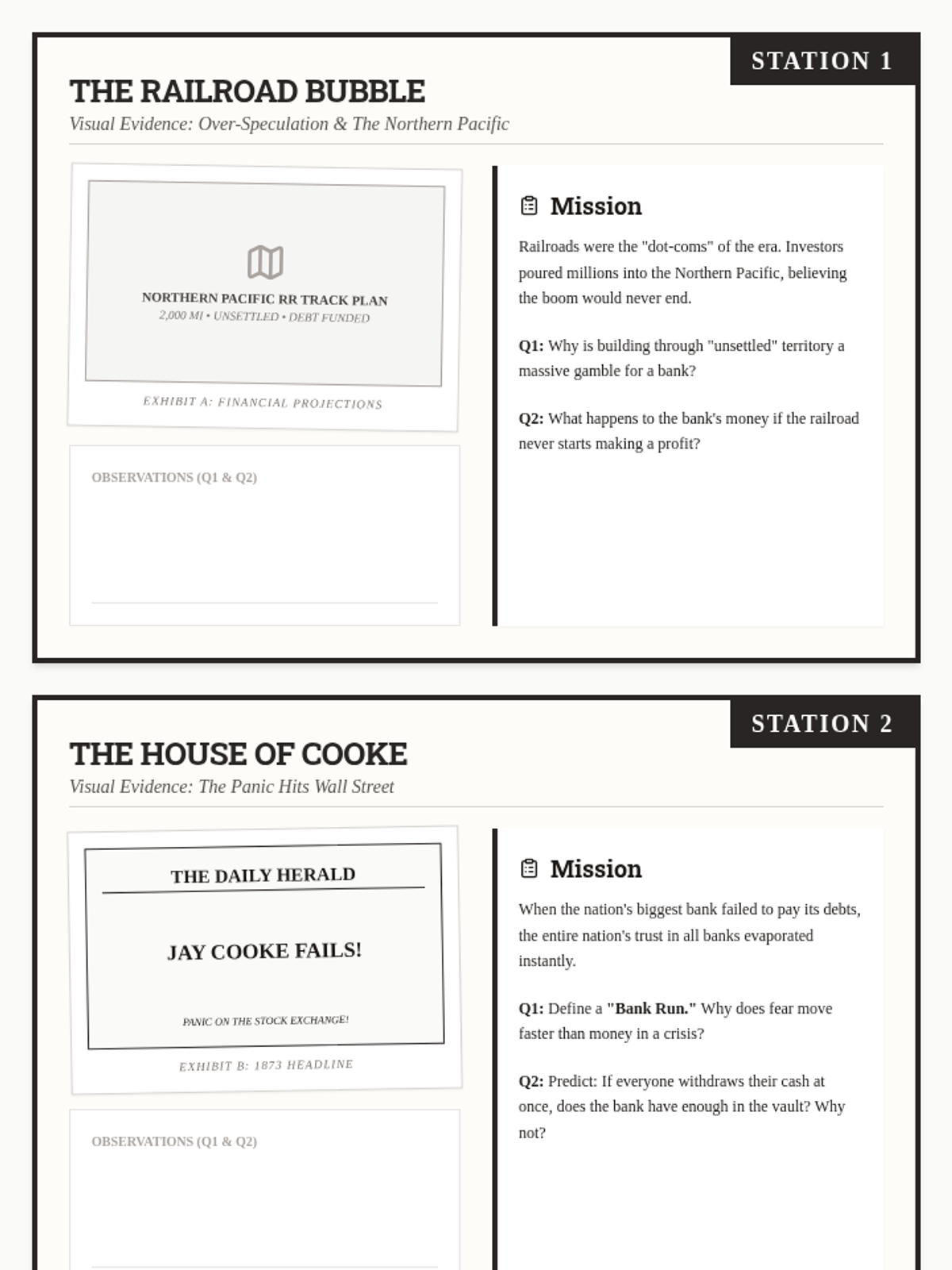
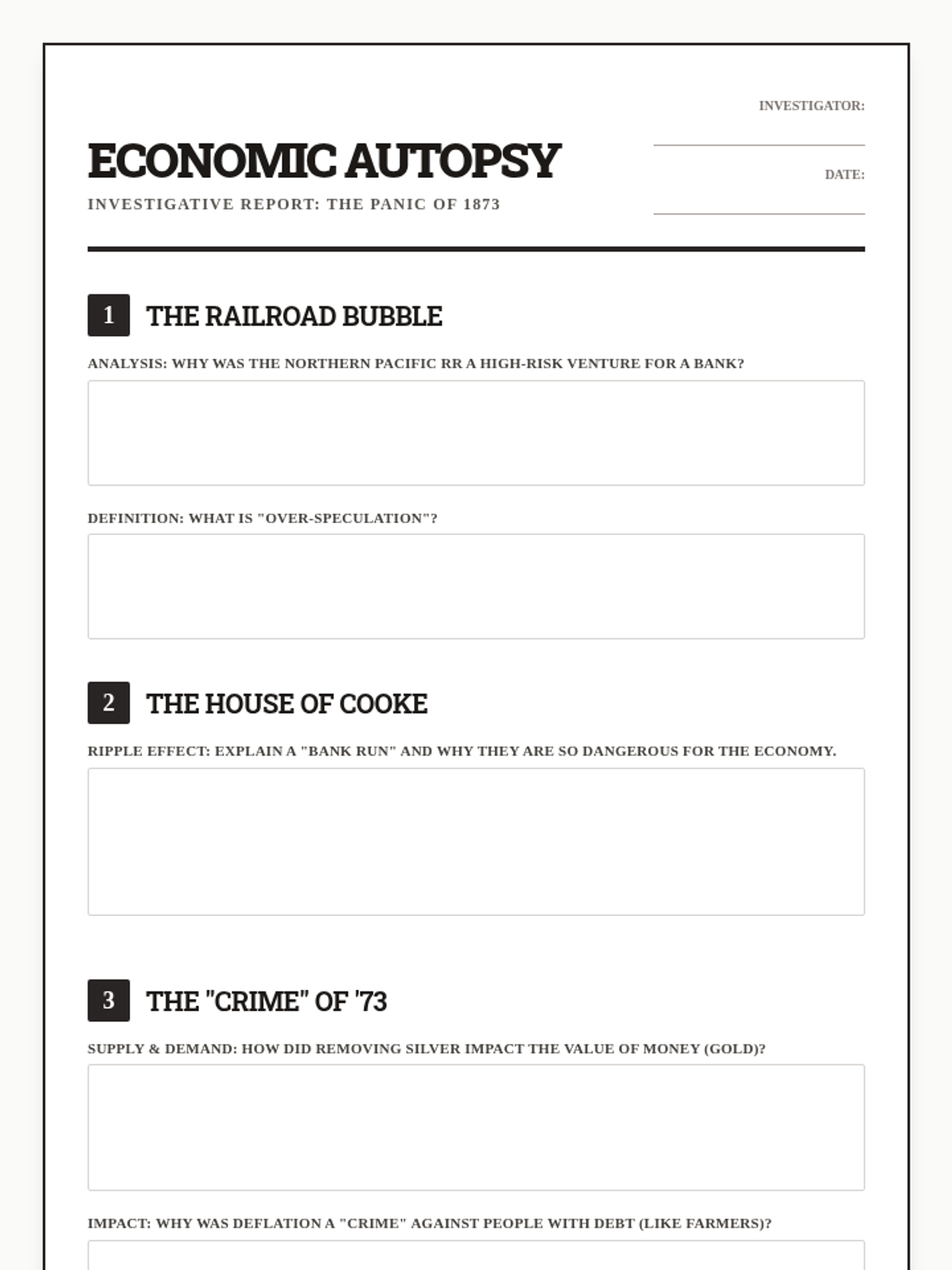
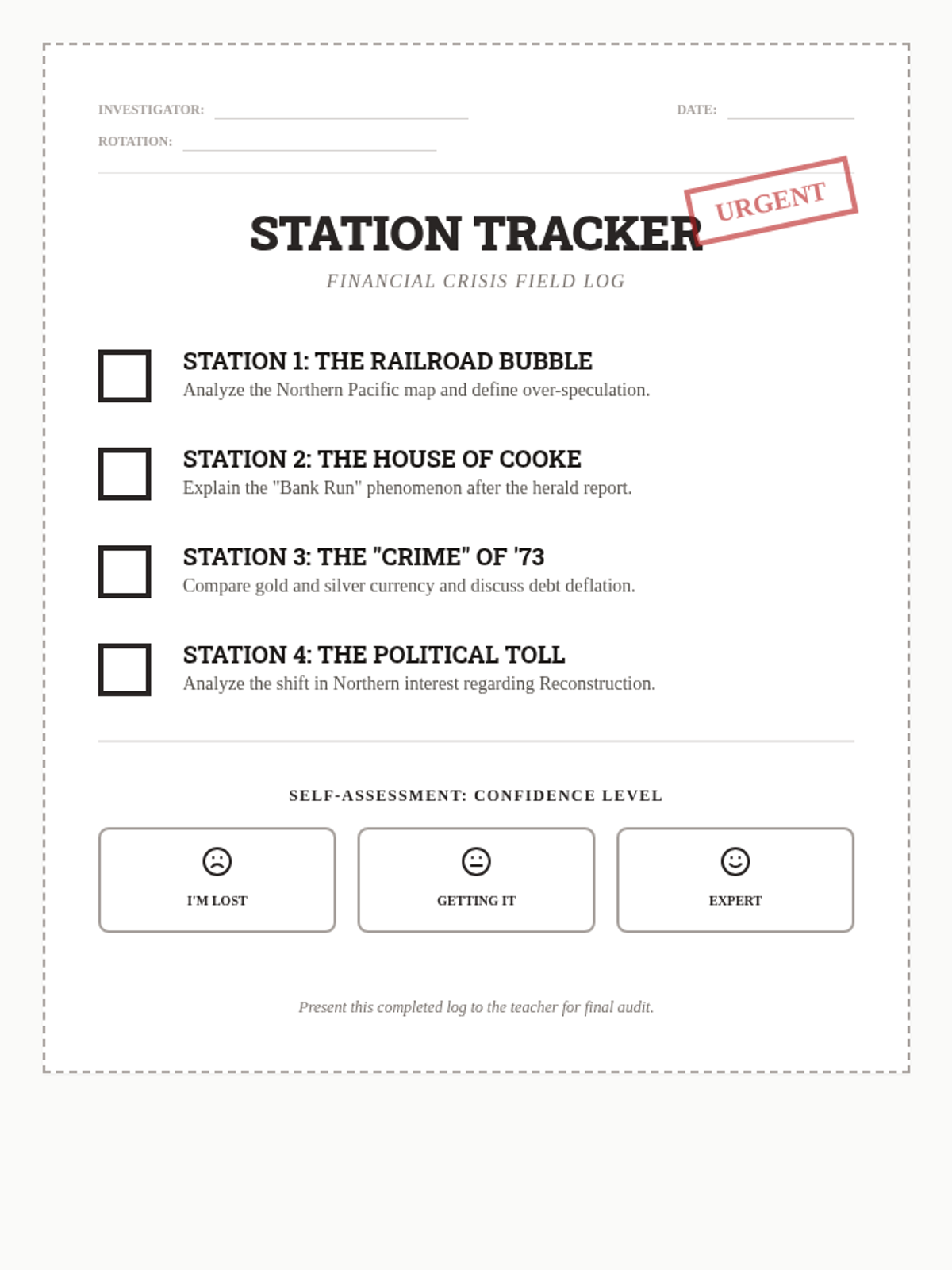
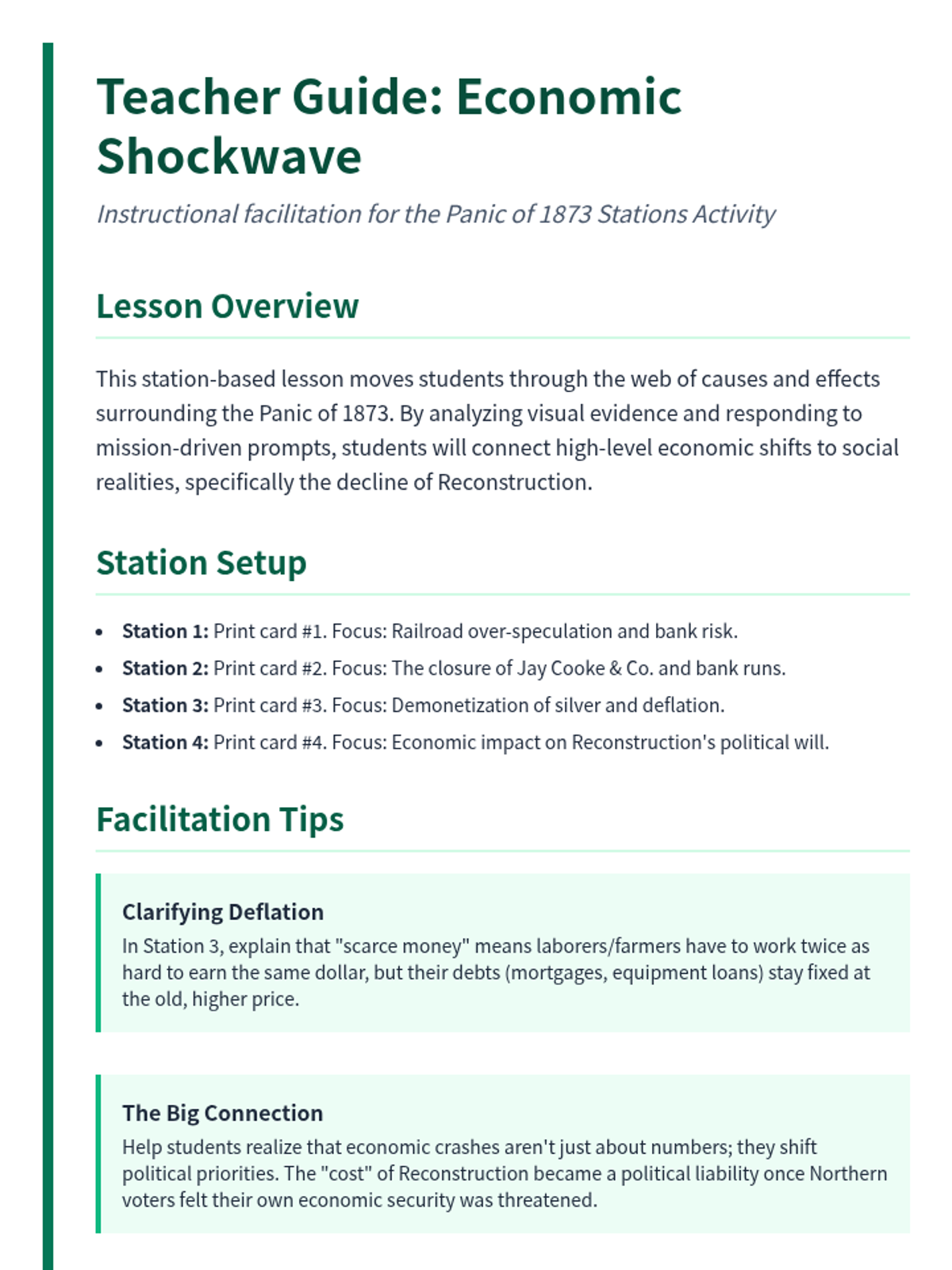
An immersive stations-based lesson exploring the causes and consequences of the Panic of 1873, focusing on railroad over-speculation, banking failures, and its impact on Reconstruction.
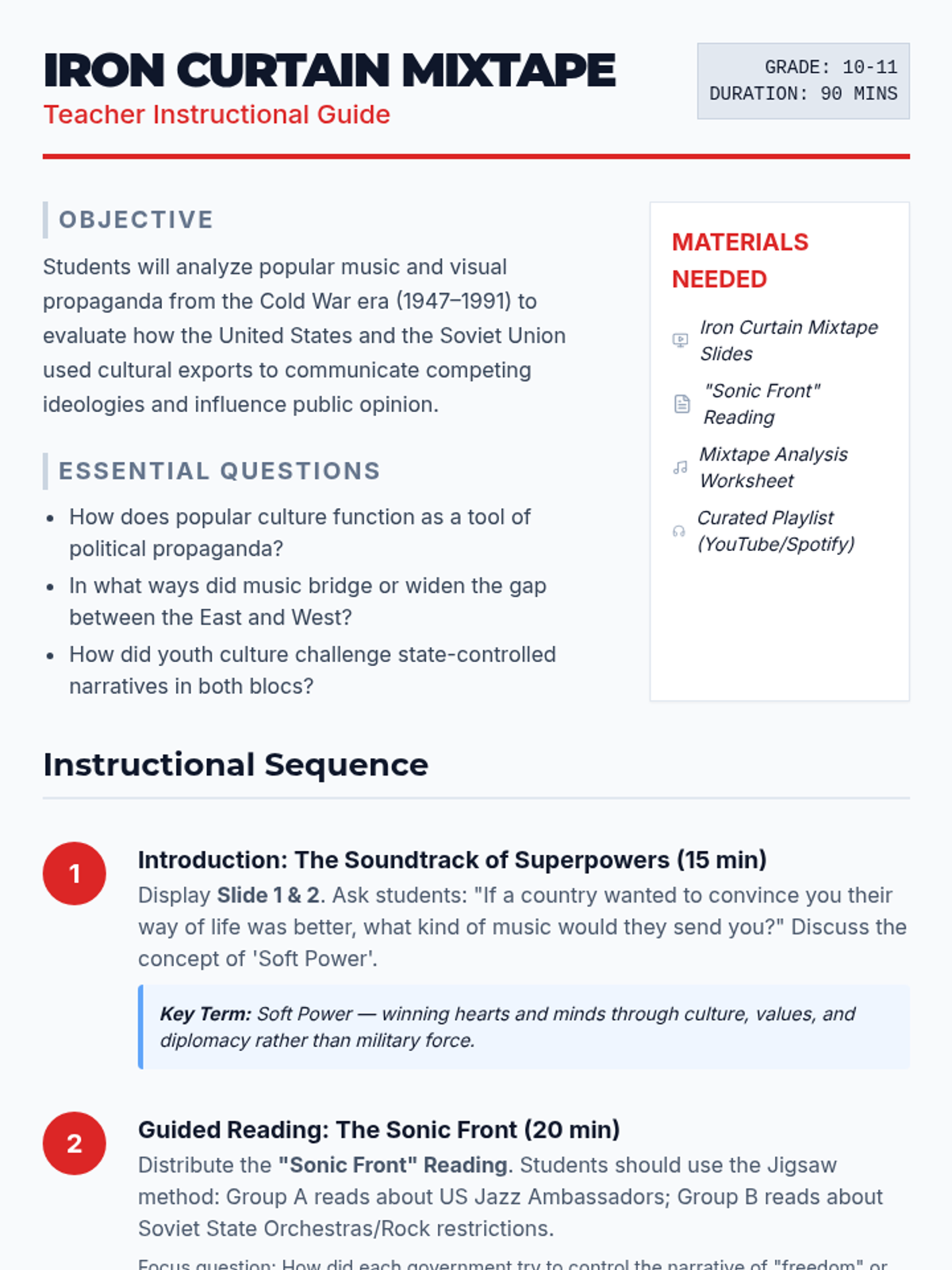
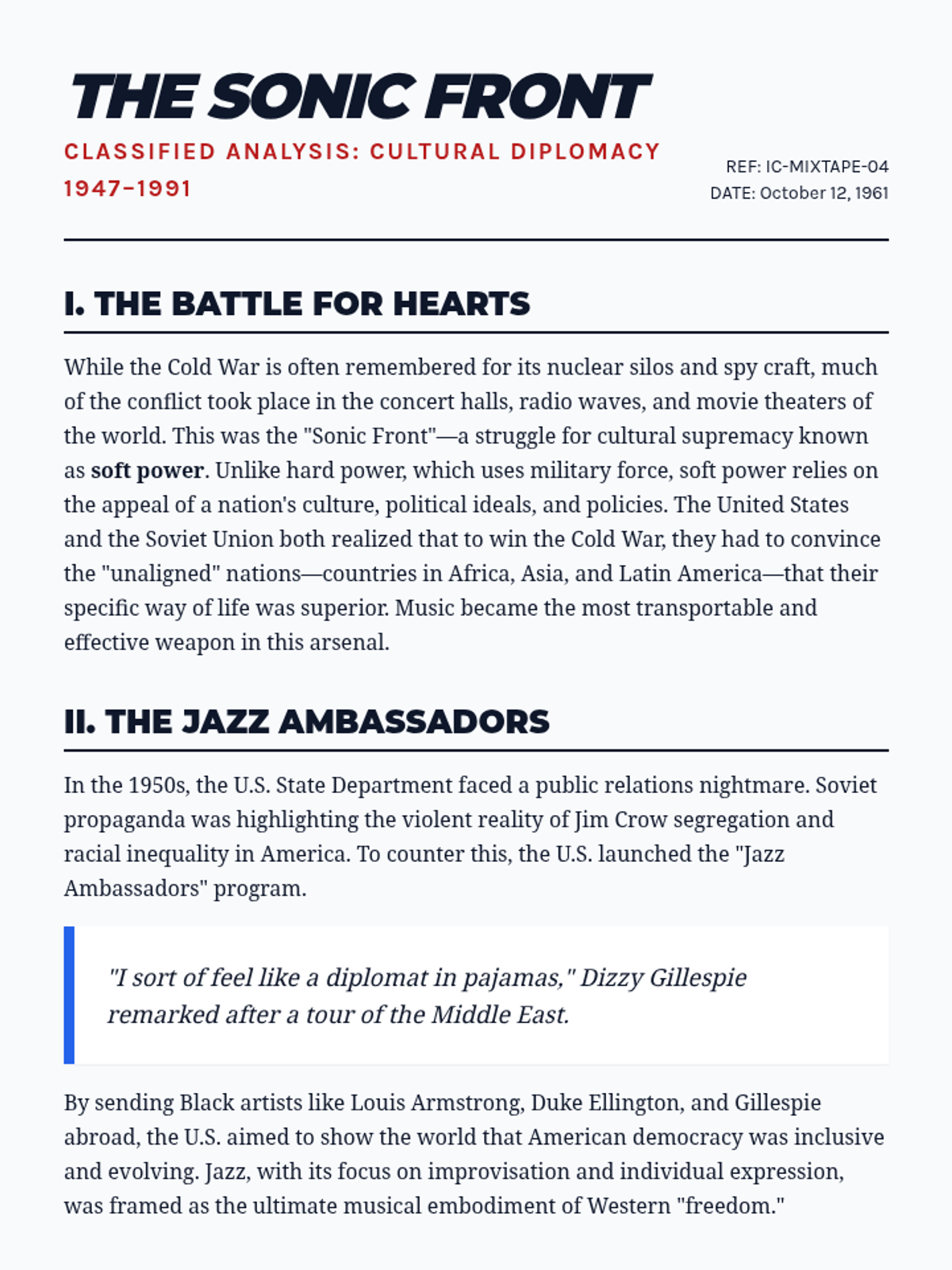
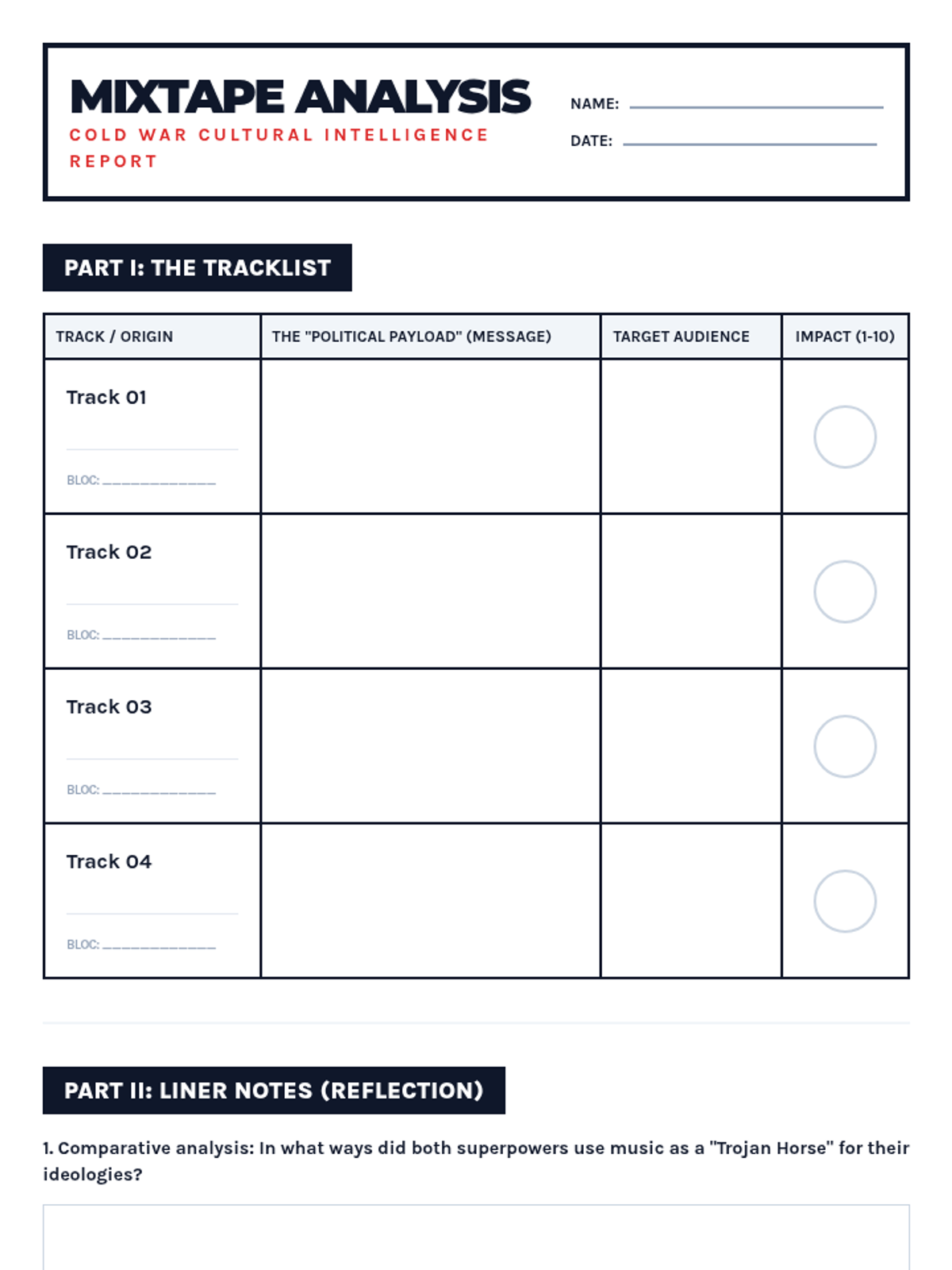
A cultural exploration of the Cold War where students analyze popular music and propaganda from both sides of the Iron Curtain to understand ideological warfare.
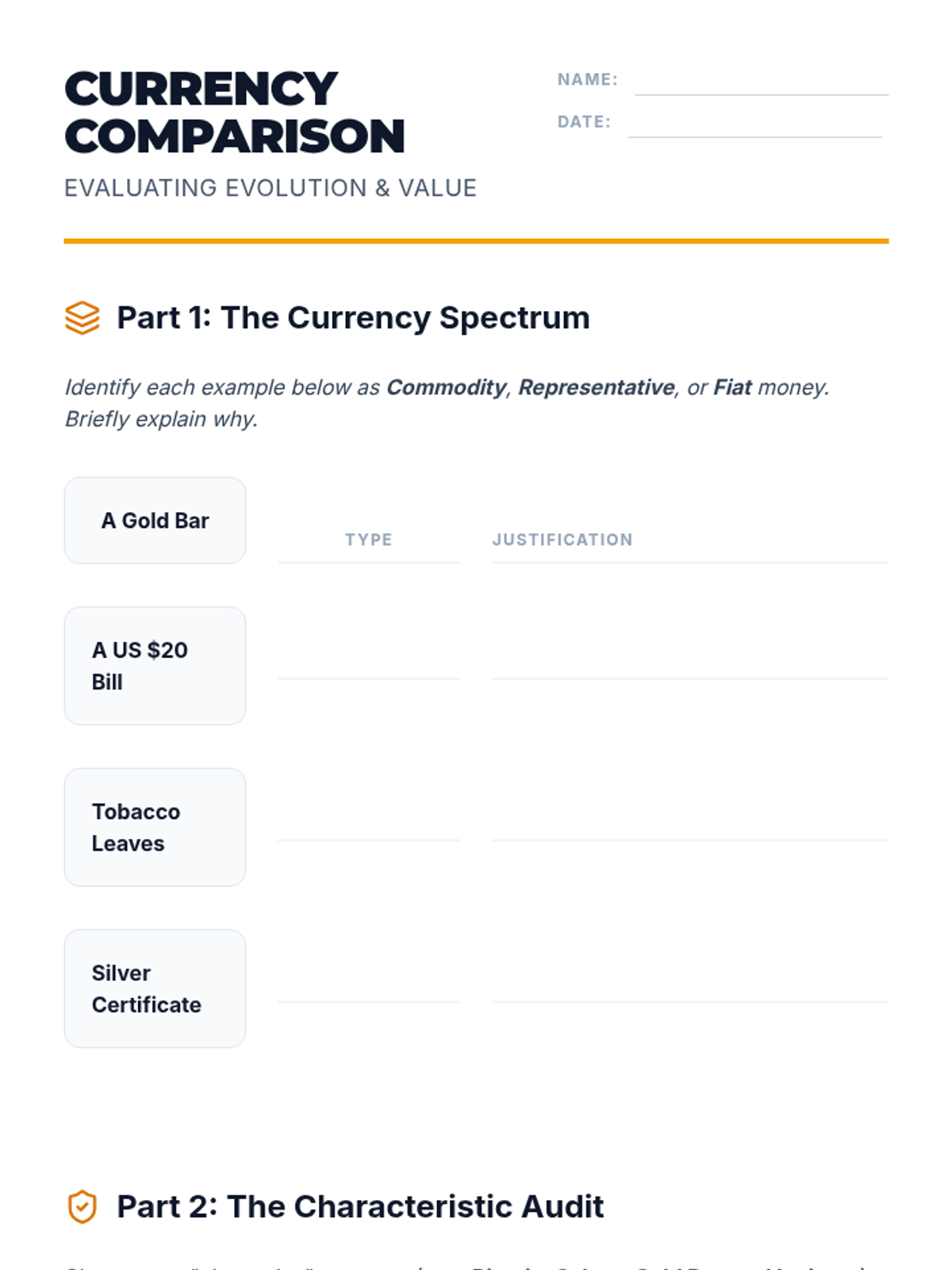
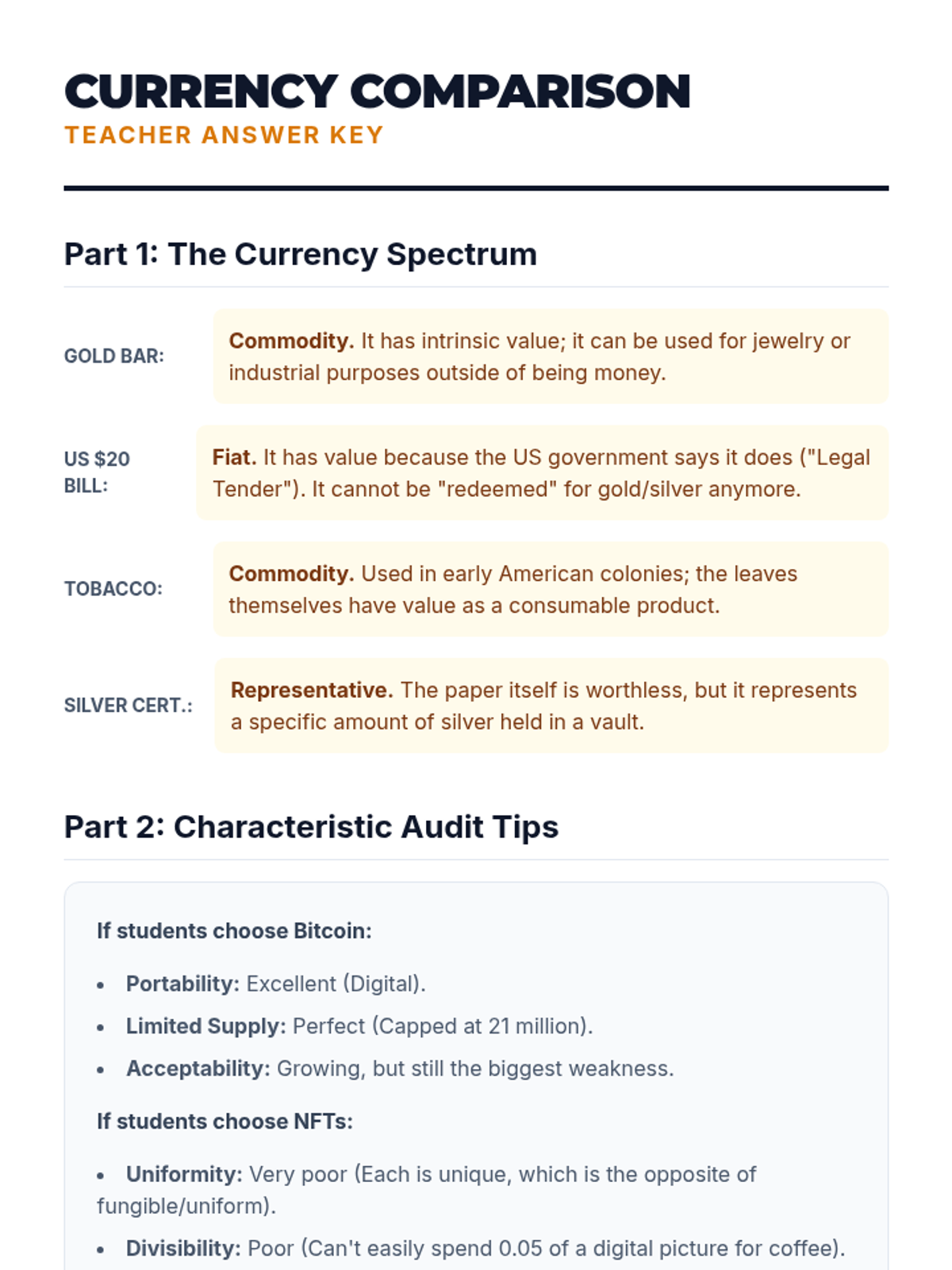
An exploration of the history and types of currency, from commodity money to fiat systems, designed for a 90-minute block.
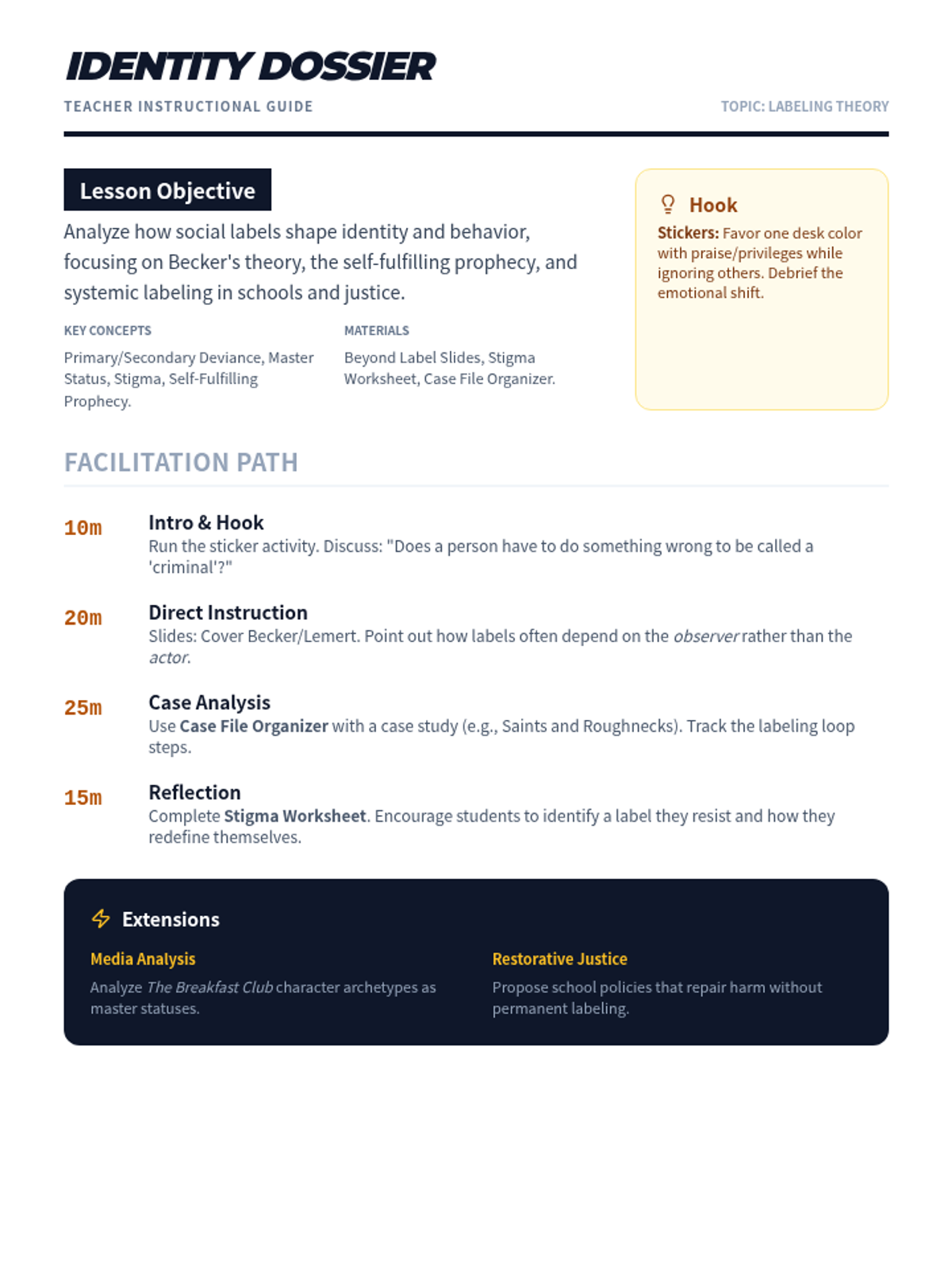
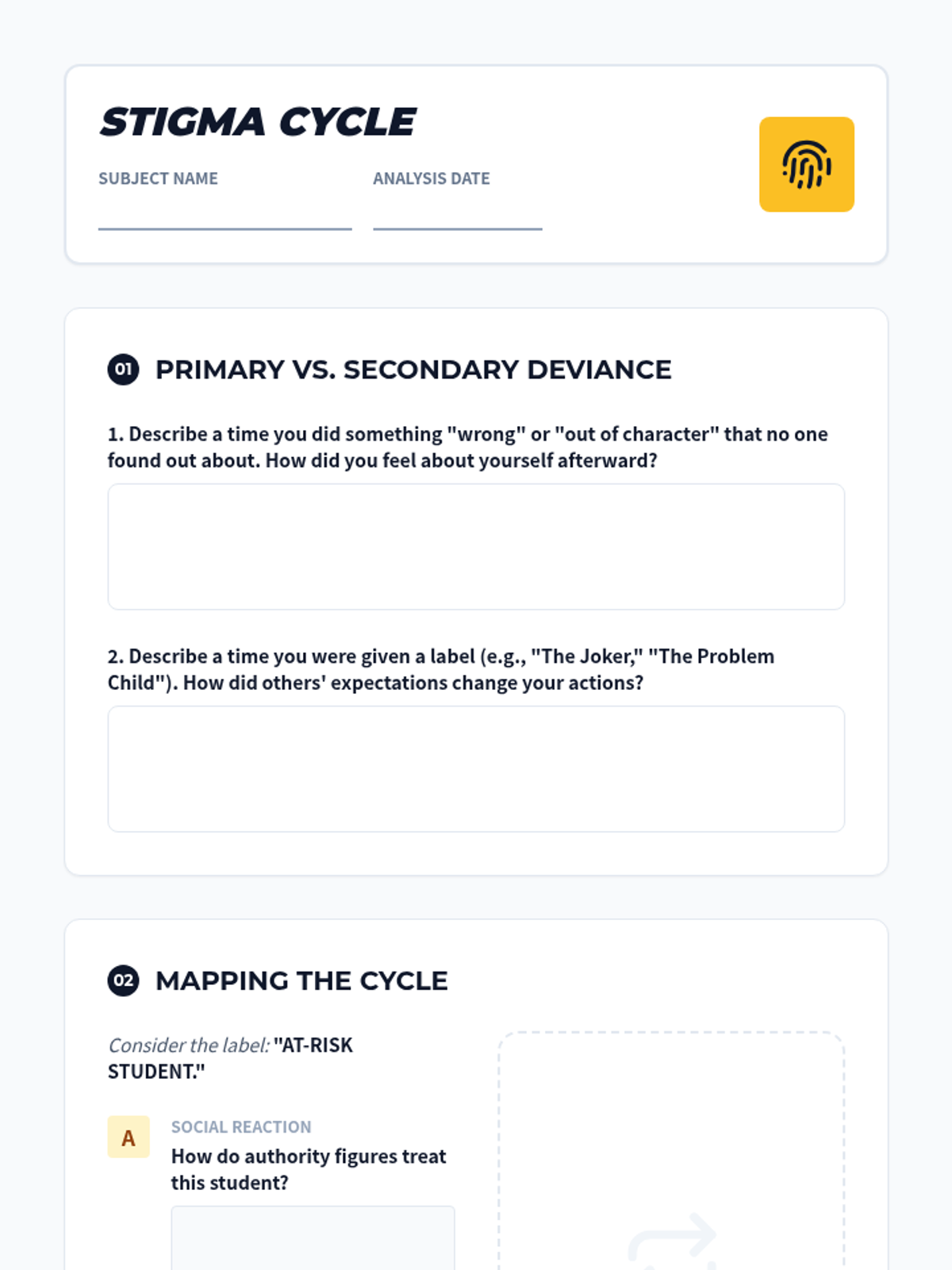
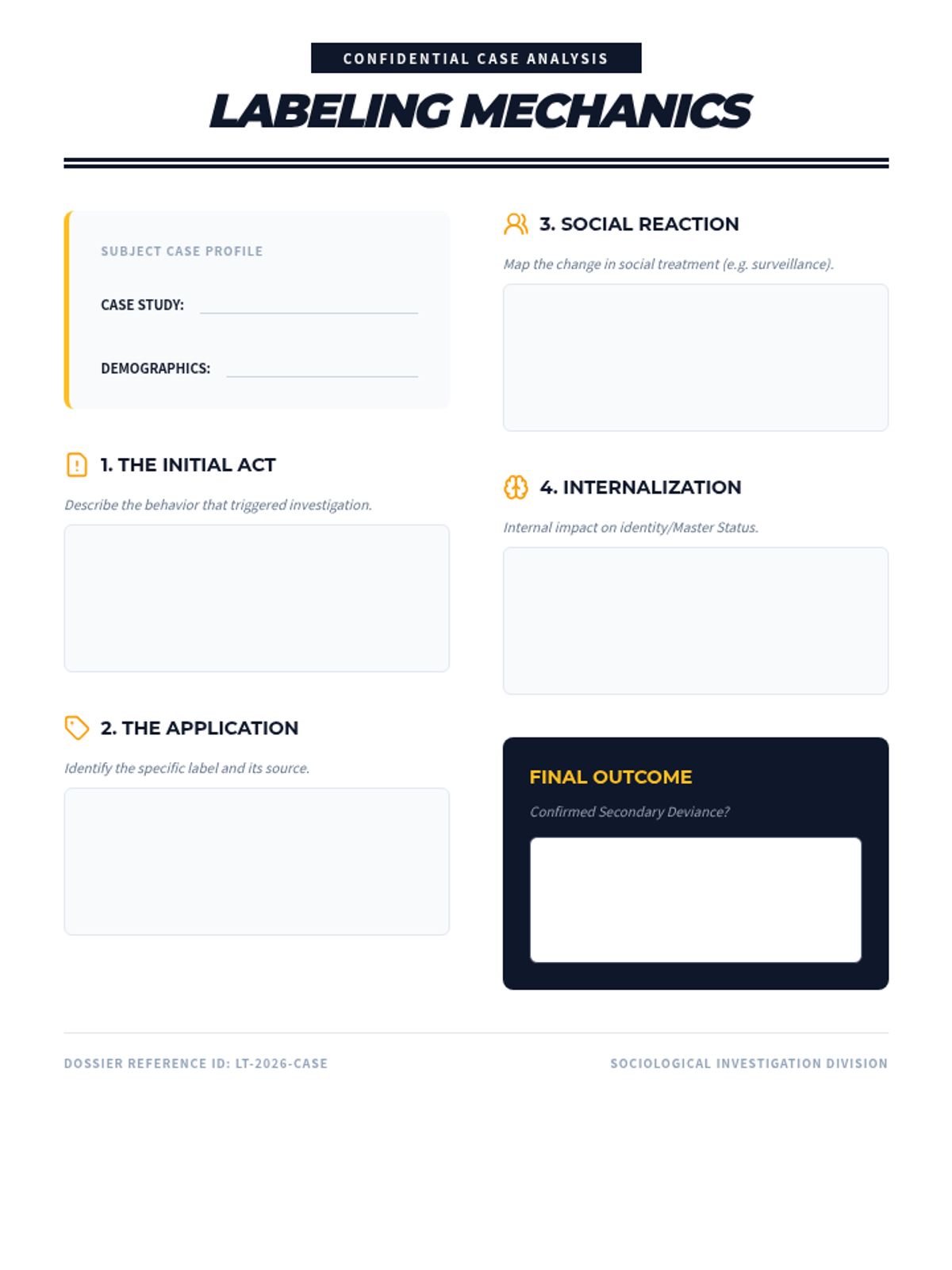
An exploration of Labeling Theory, focusing on social stigma, the self-fulfilling prophecy, and the impact of disciplinary and criminal labels on identity.
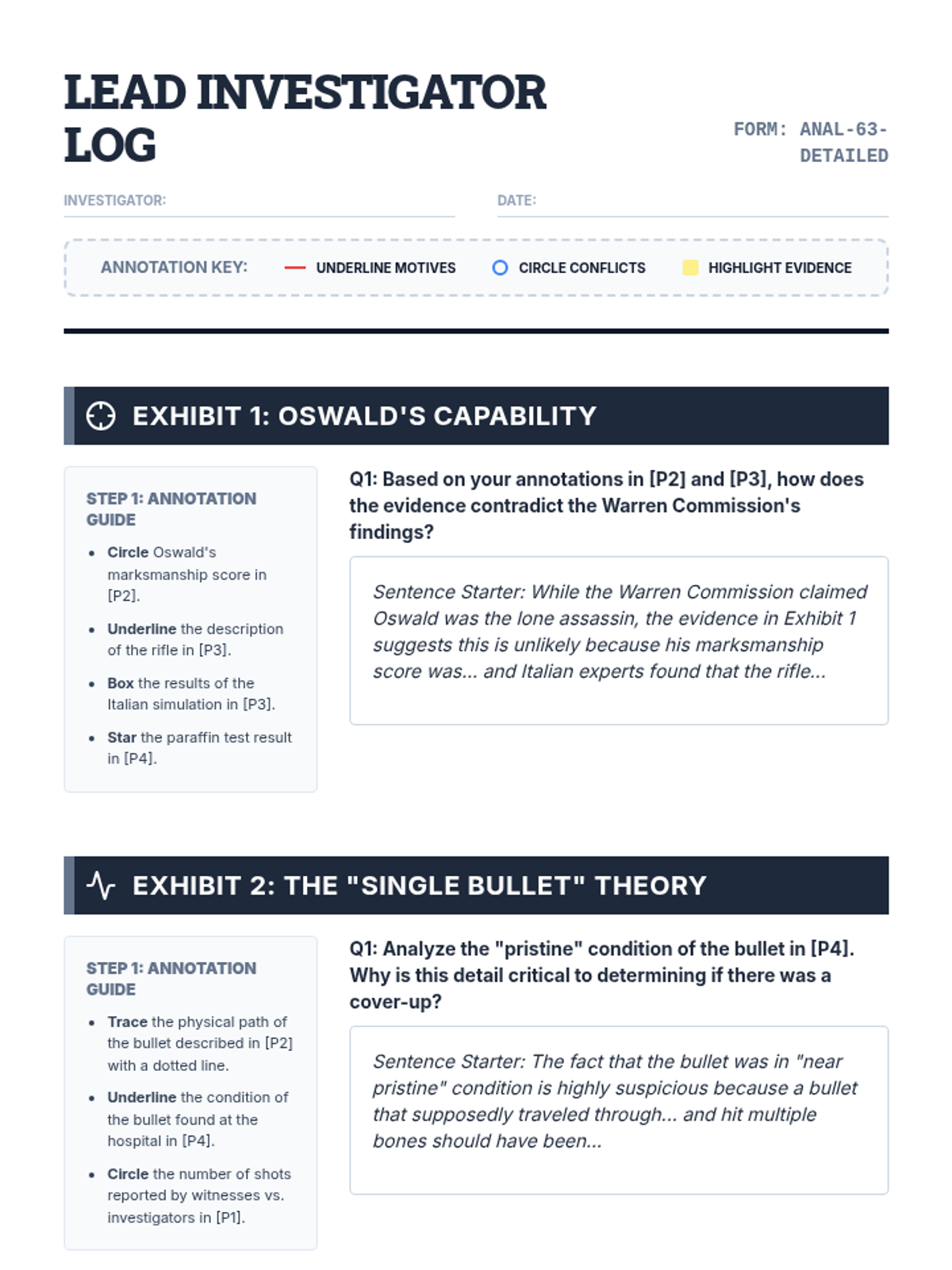
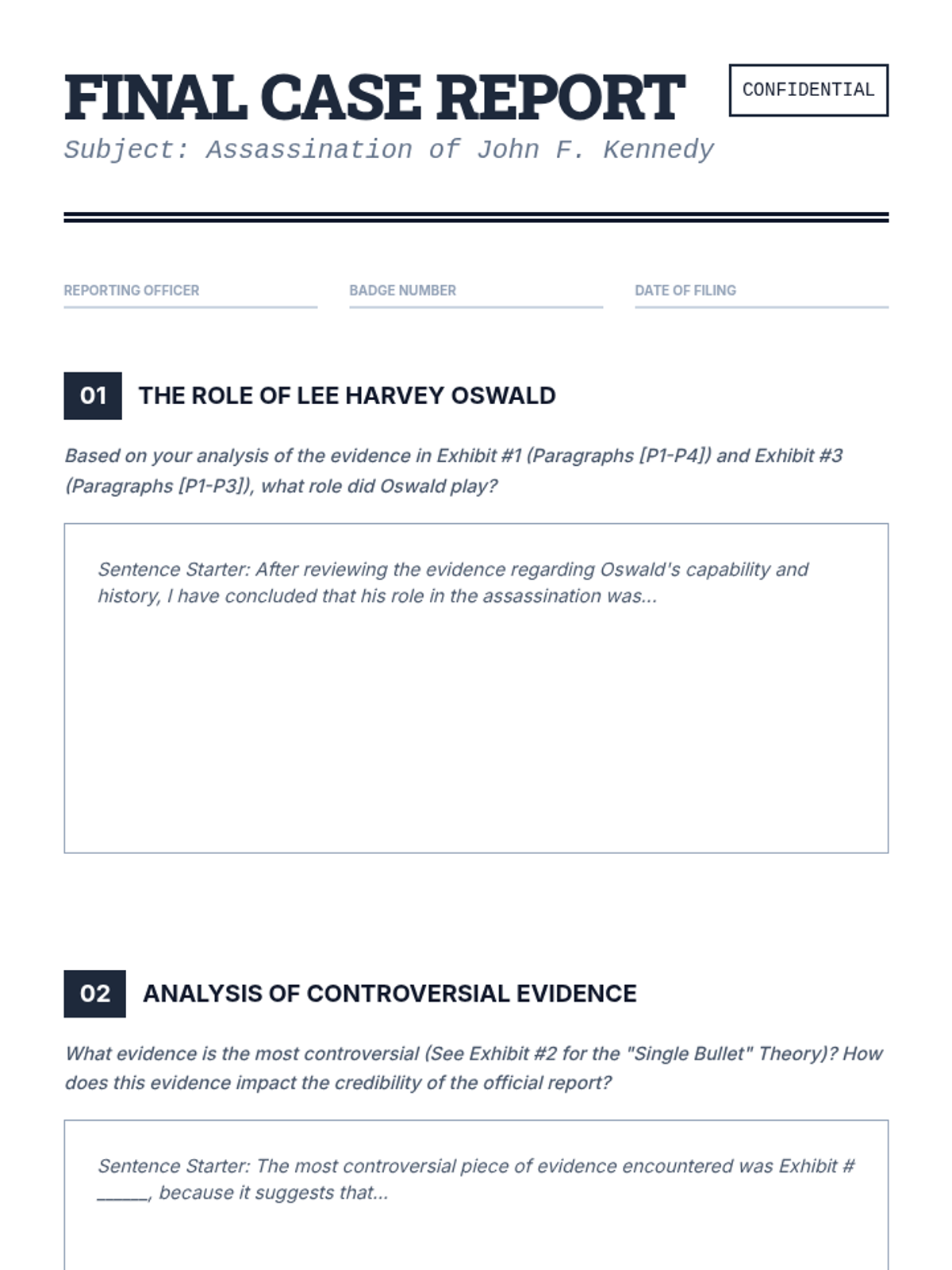
A deep-dive investigation into the JFK assassination where students analyze six exhibits of evidence to evaluate conspiracy theories and the official Warren Commission findings. Students act as lead investigators to determine if the assassination was a cover-up.
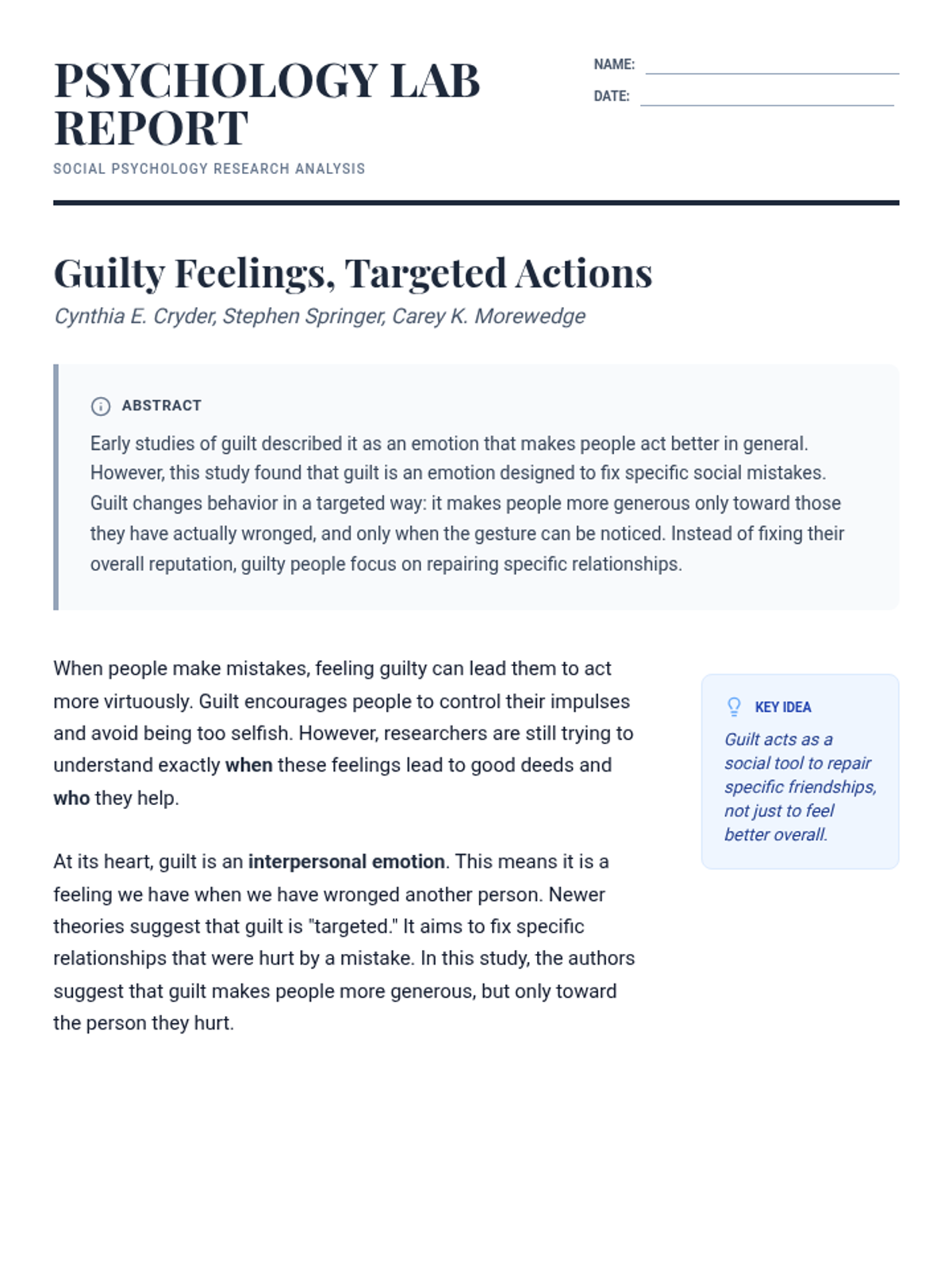
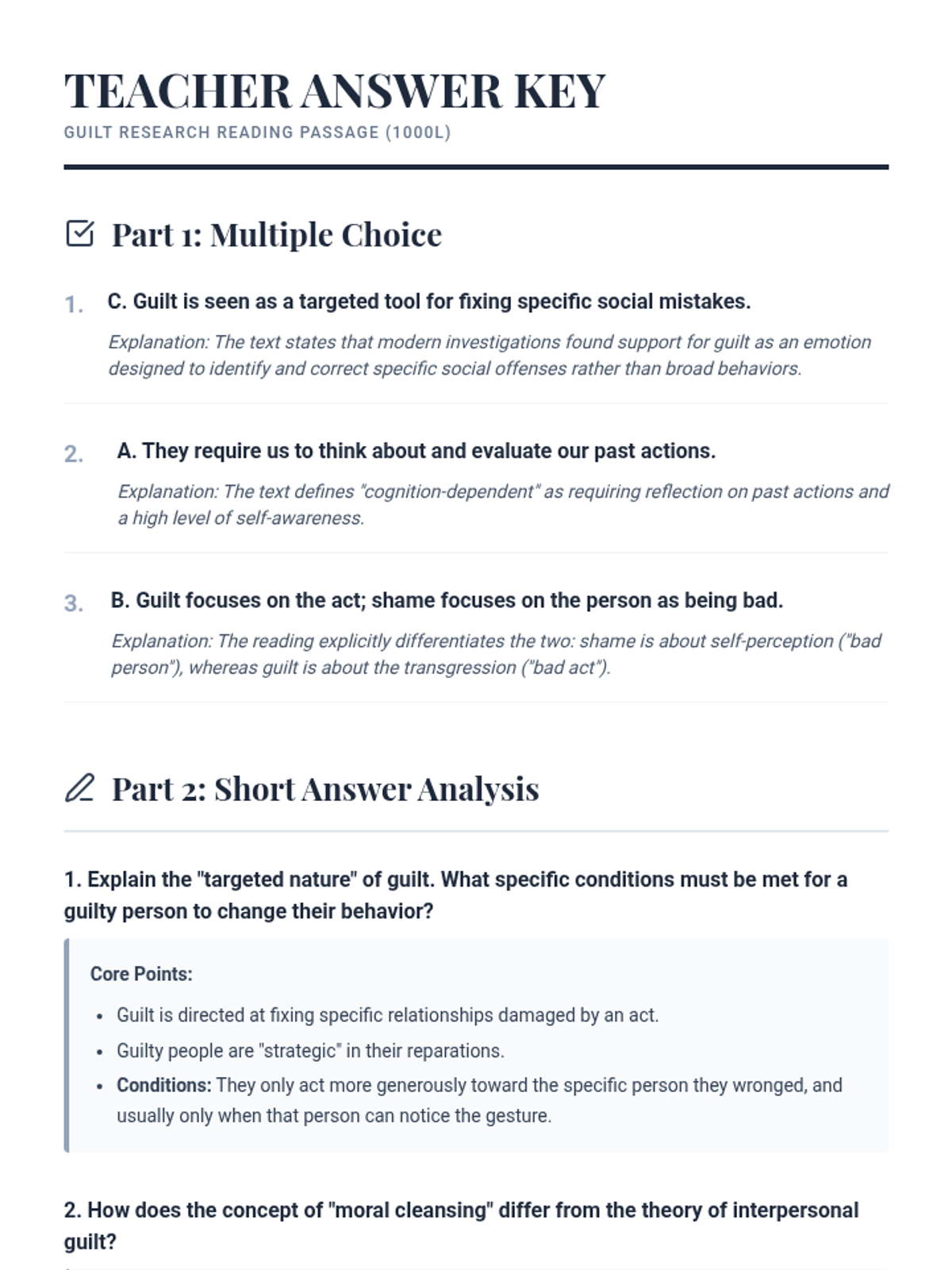
This lesson explores the psychological nature of guilt as a targeted interpersonal emotion, comparing it to shame and regret through a study of five behavioral experiments.
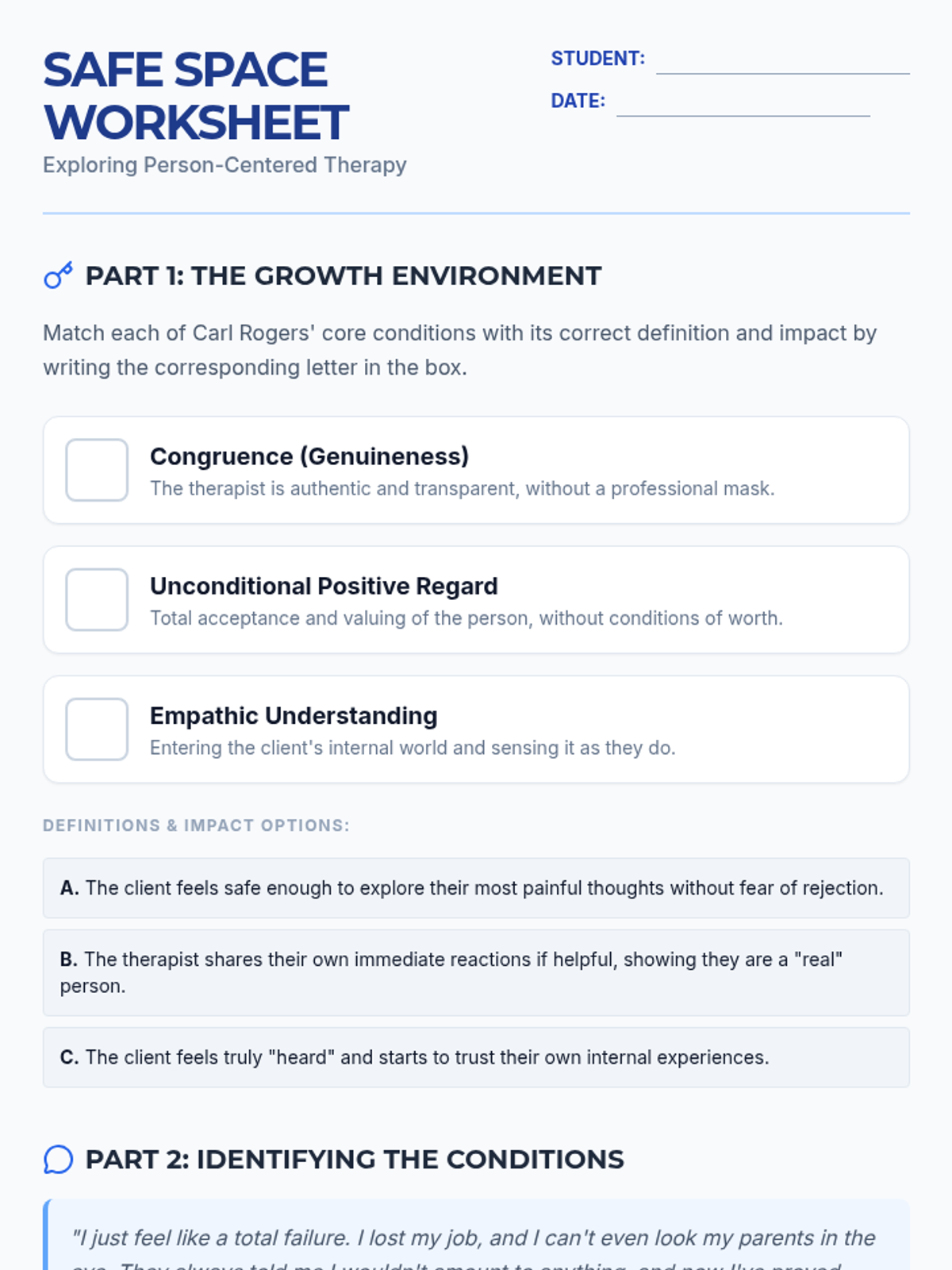
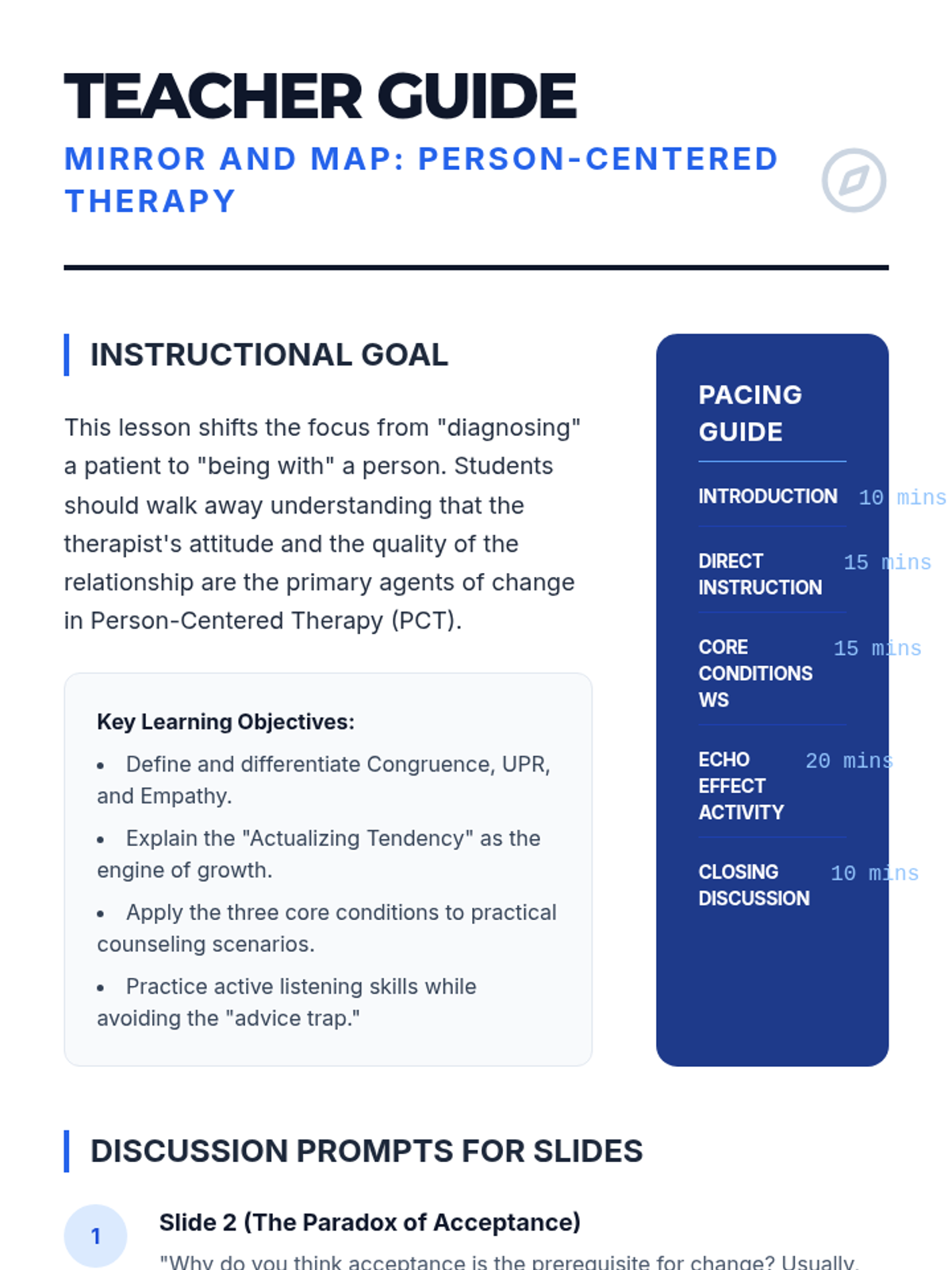
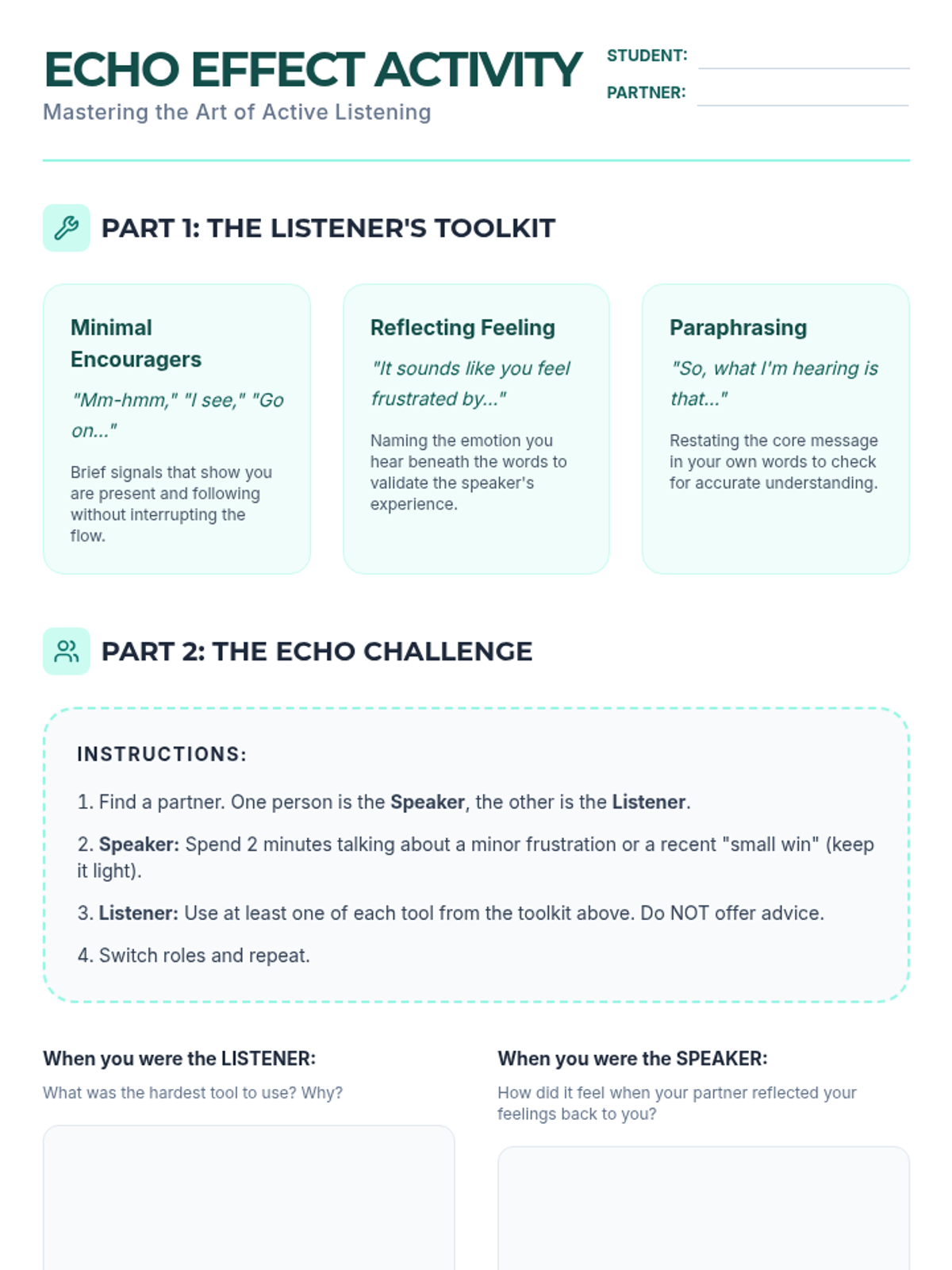
This lesson introduces students to Carl Rogers' Person-Centered Therapy, focusing on the three core conditions for growth and the concept of self-actualization. Students will explore how empathy, congruence, and unconditional positive regard create a safe environment for personal development.
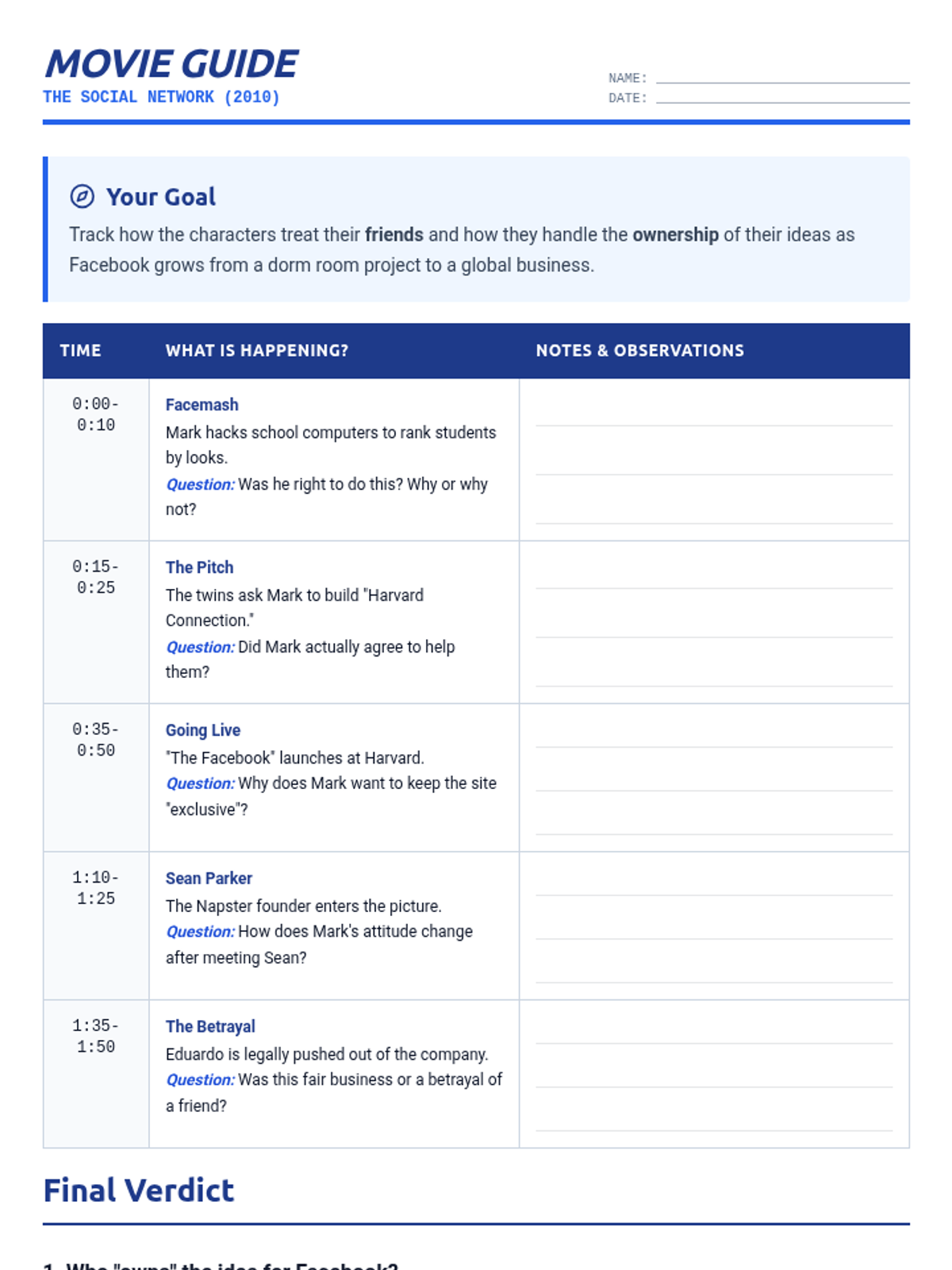
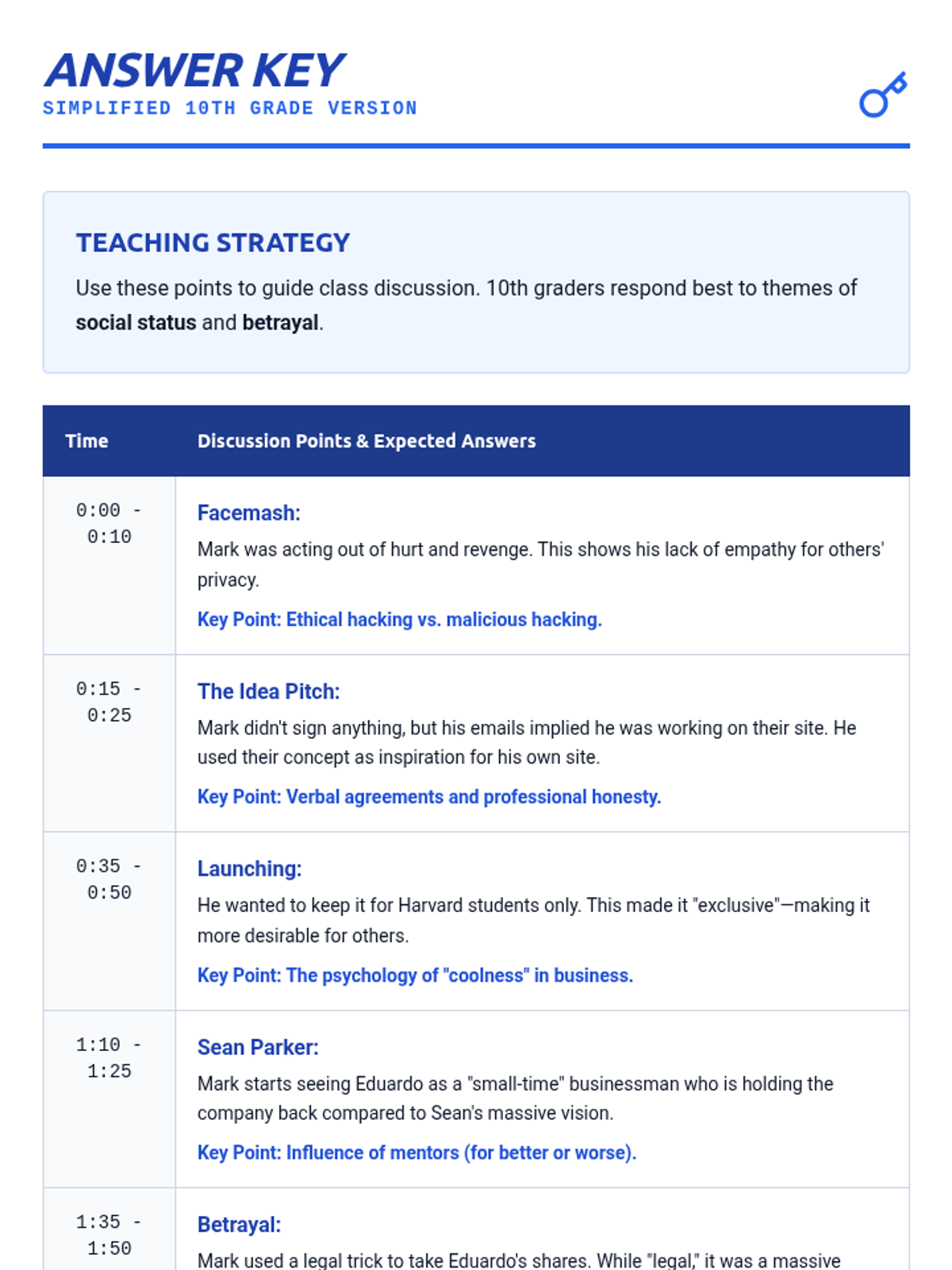
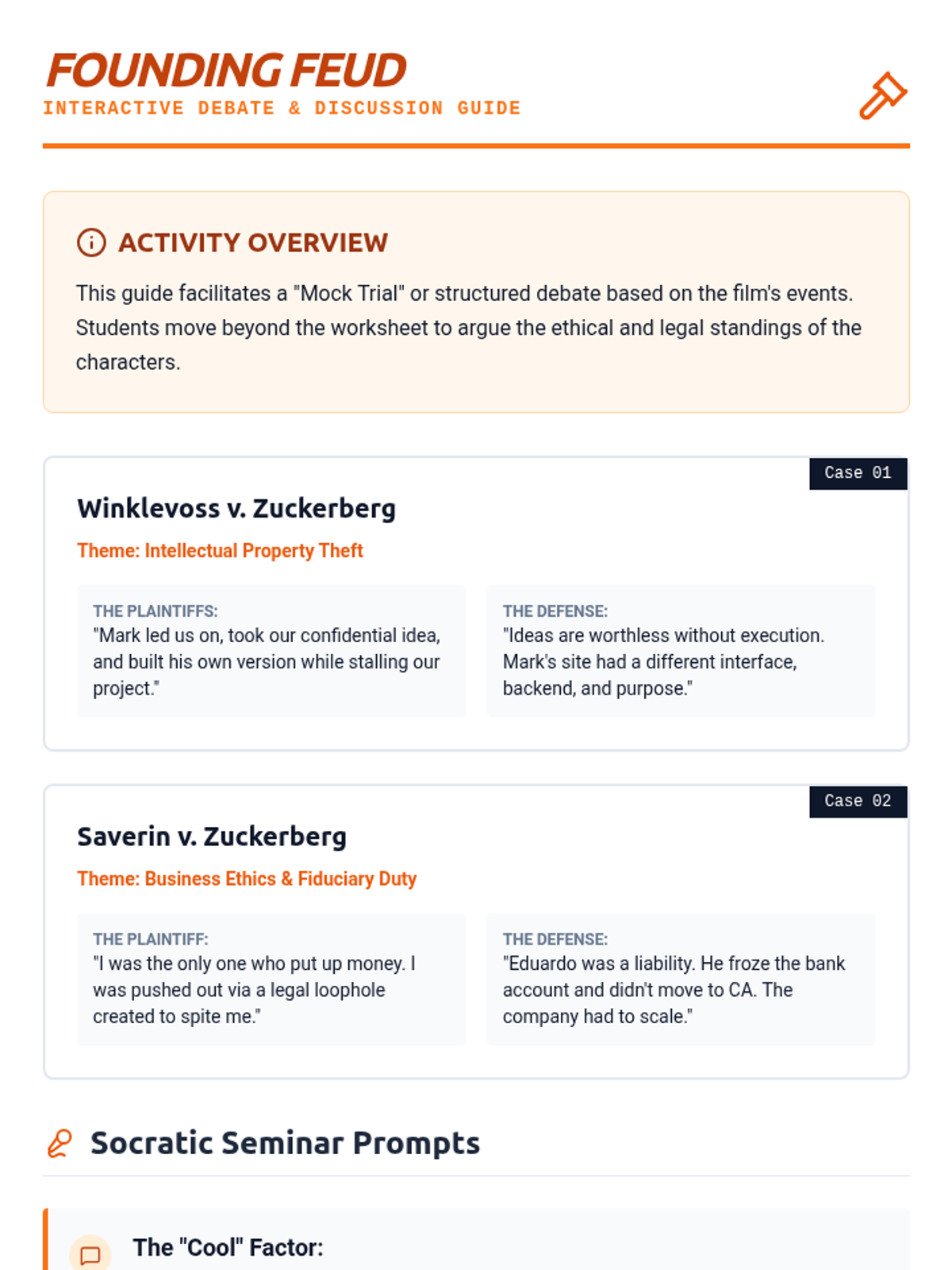
A lesson exploring the legal, ethical, and social ramifications of the creation of Facebook through the film The Social Network. Students analyze intellectual property disputes, business ethics, and the transformative power of social media.
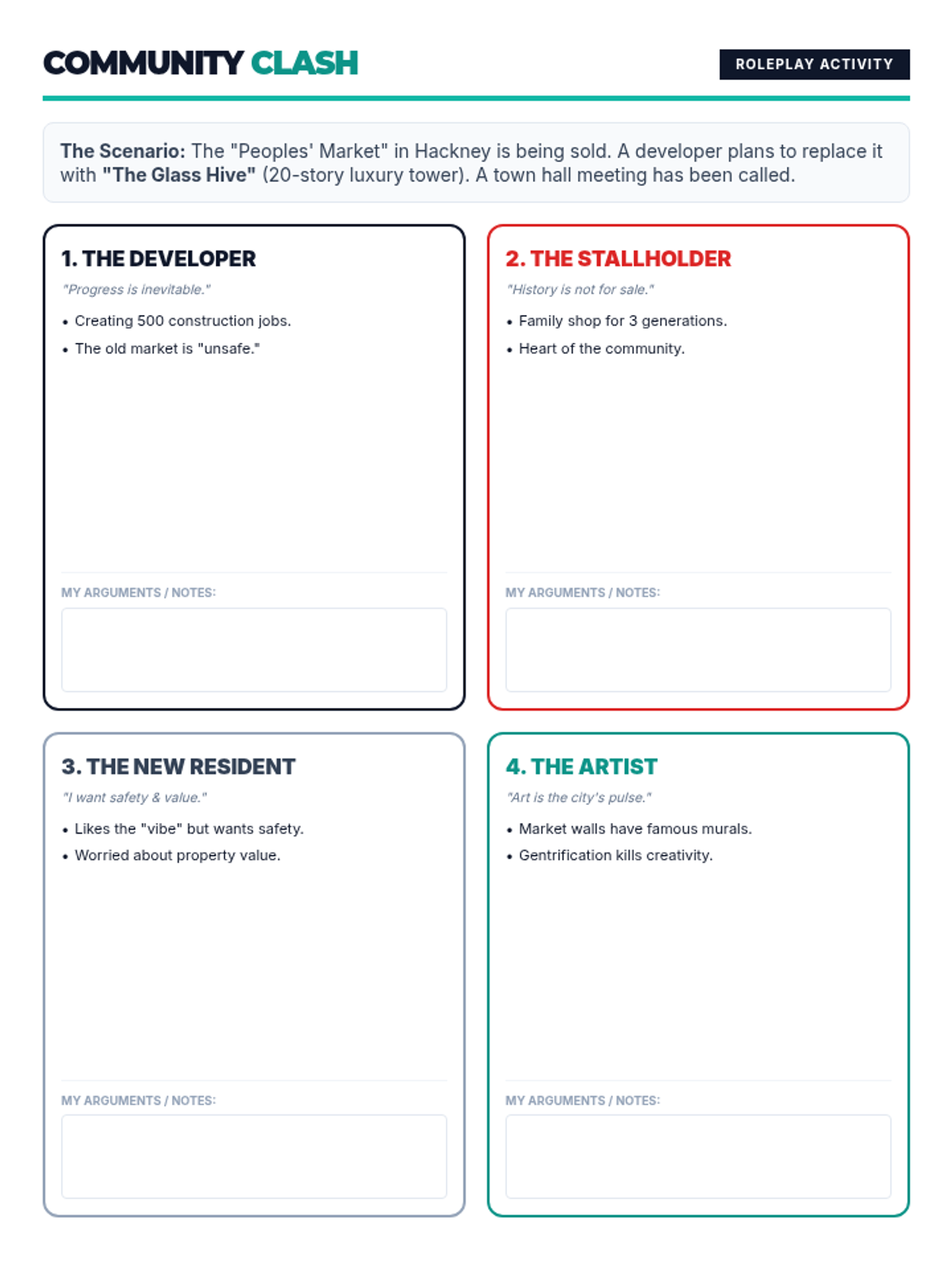
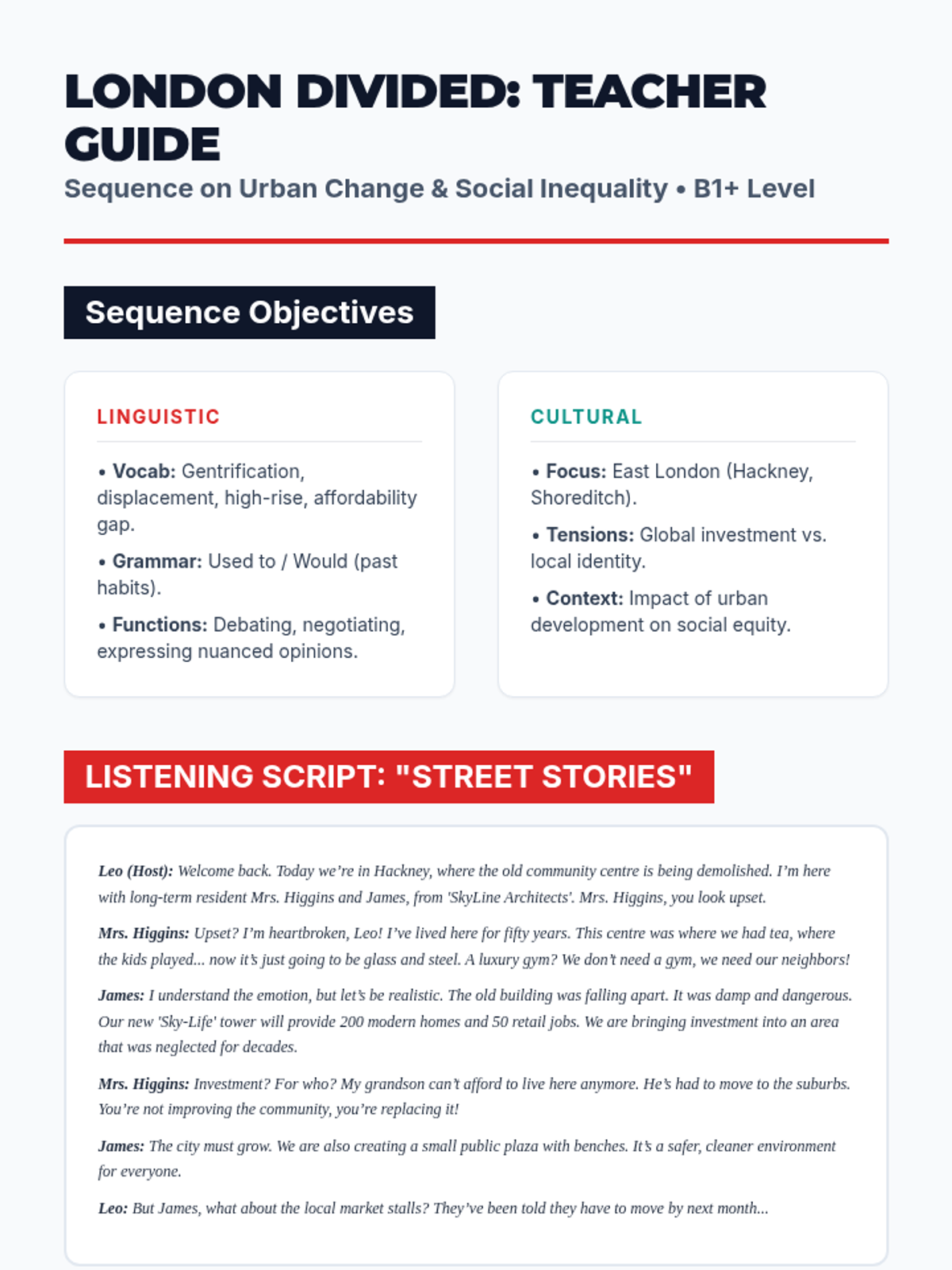
A speaking-focused lesson exploring the human cost of urban change through a role-play debate regarding the redevelopment of a local community market.
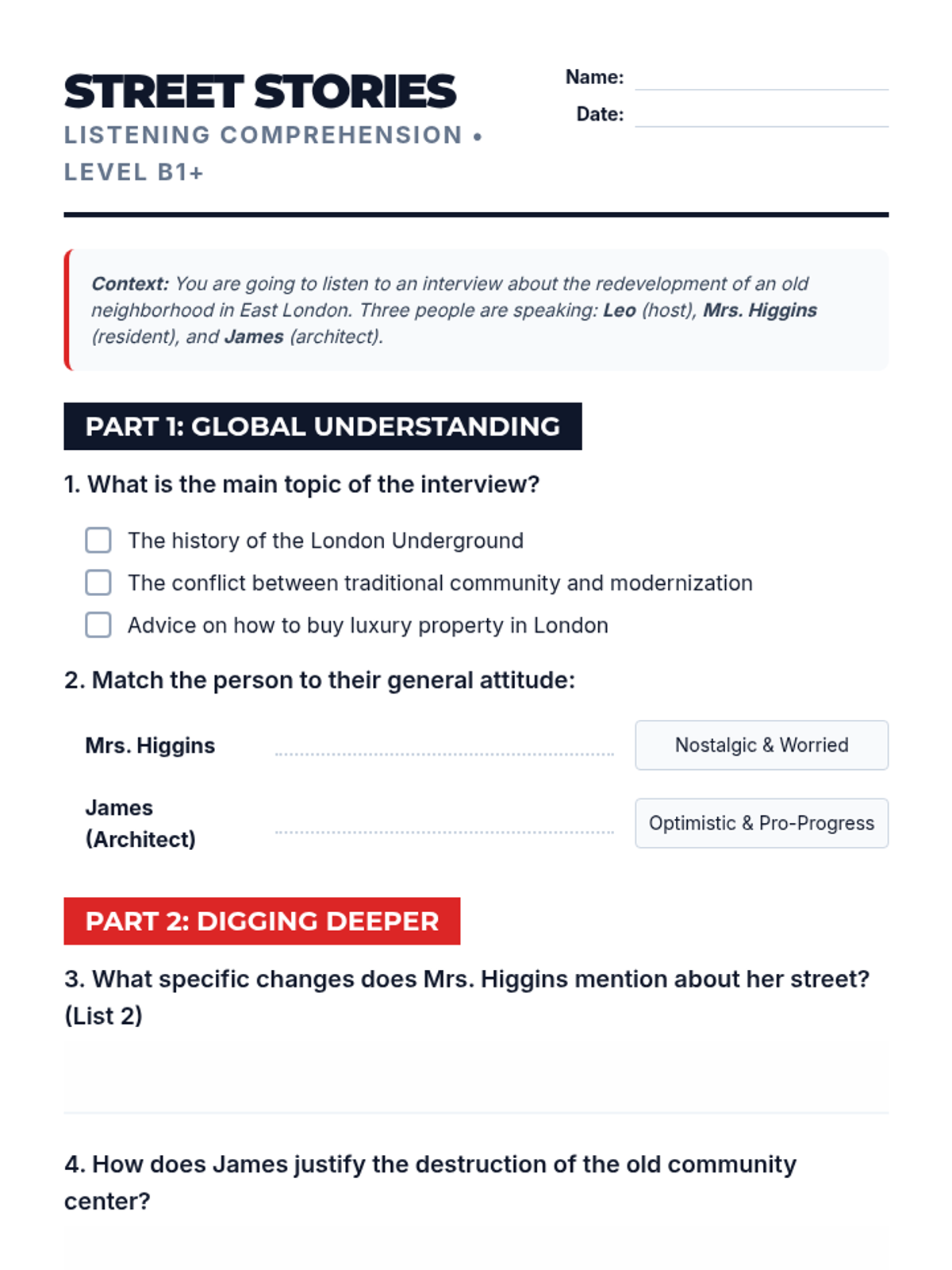
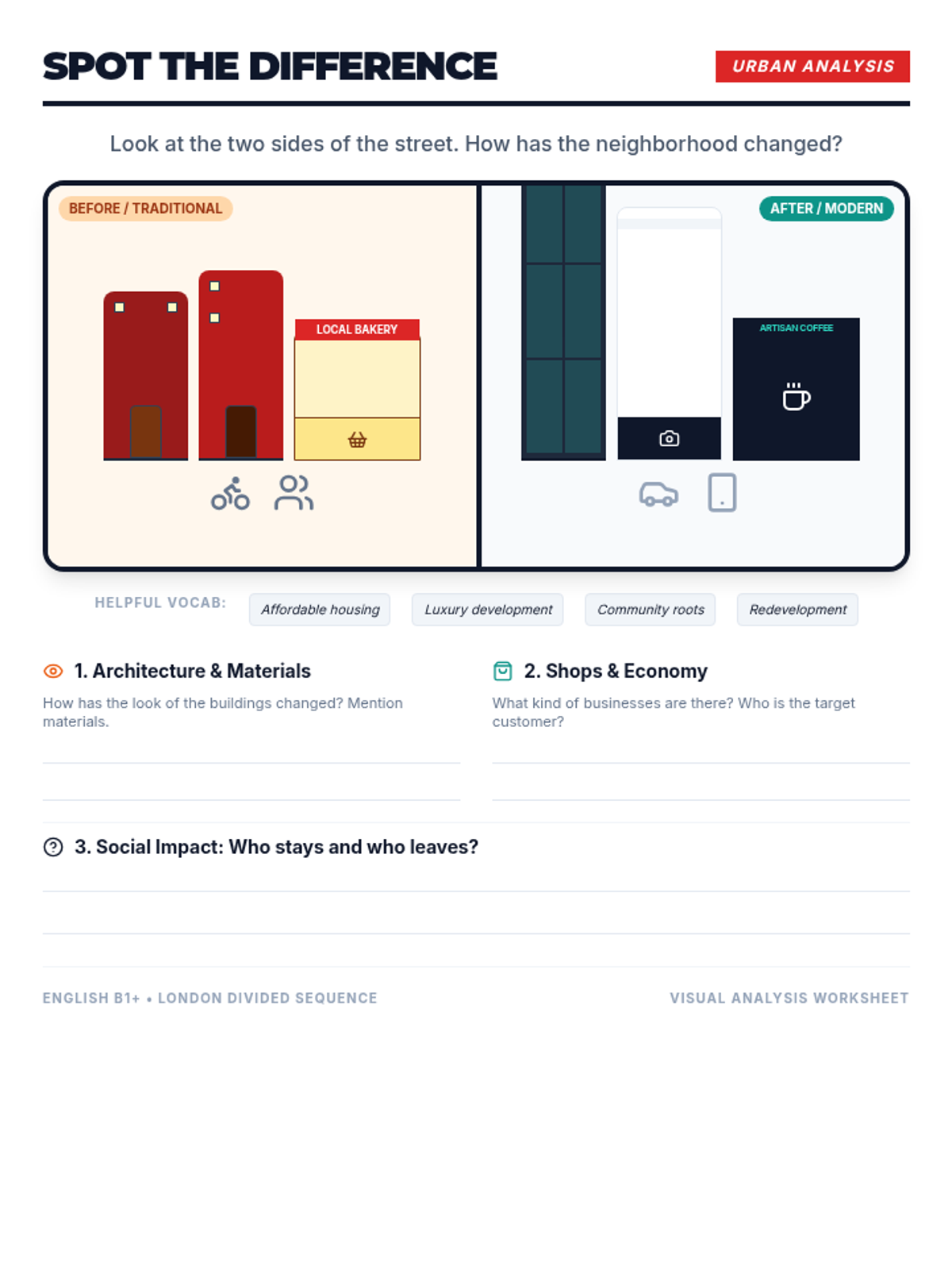
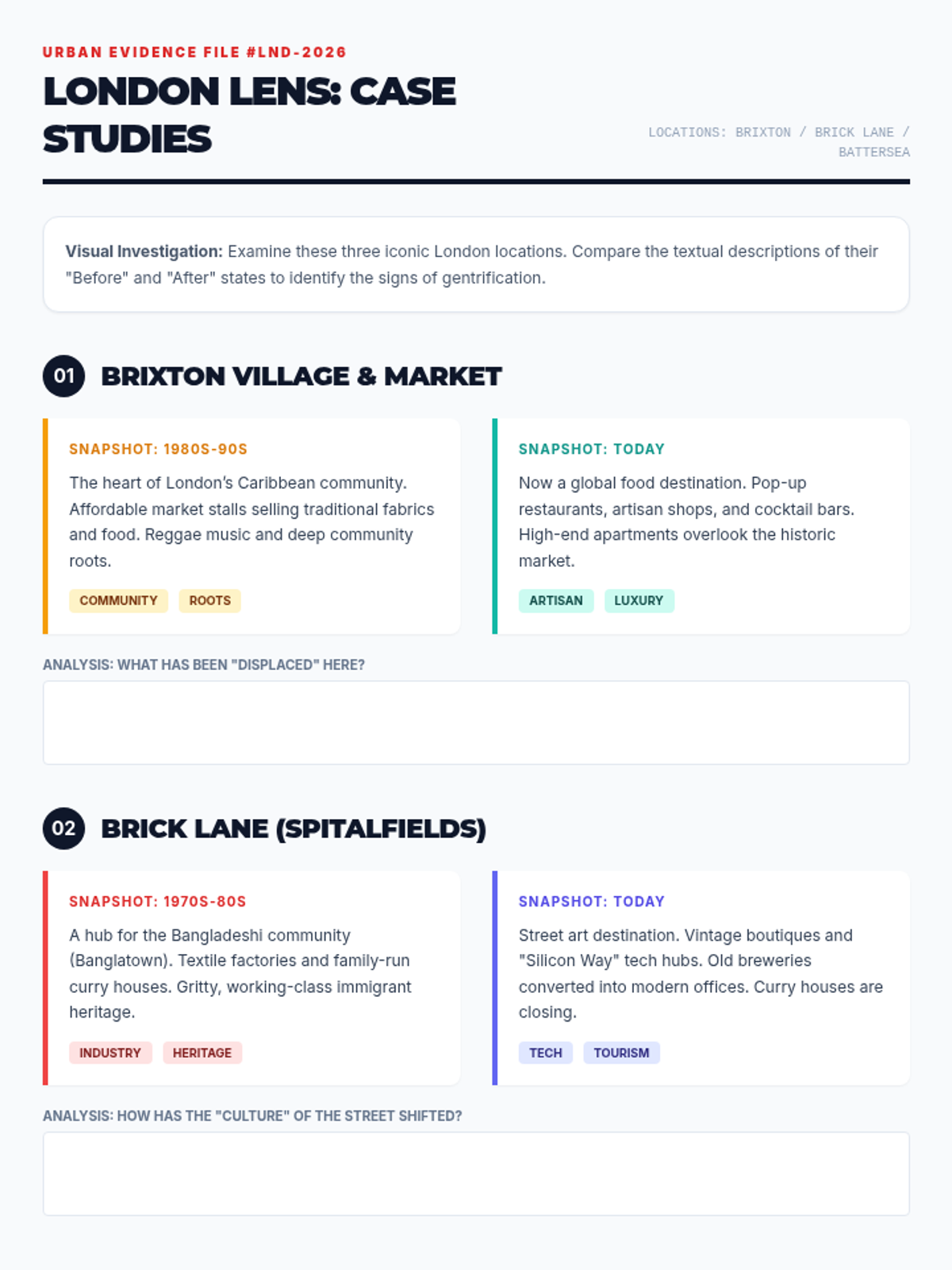
Introduction to the concept of gentrification through visual analysis and a 'live listening' exercise focusing on the transformation of East London neighborhoods.
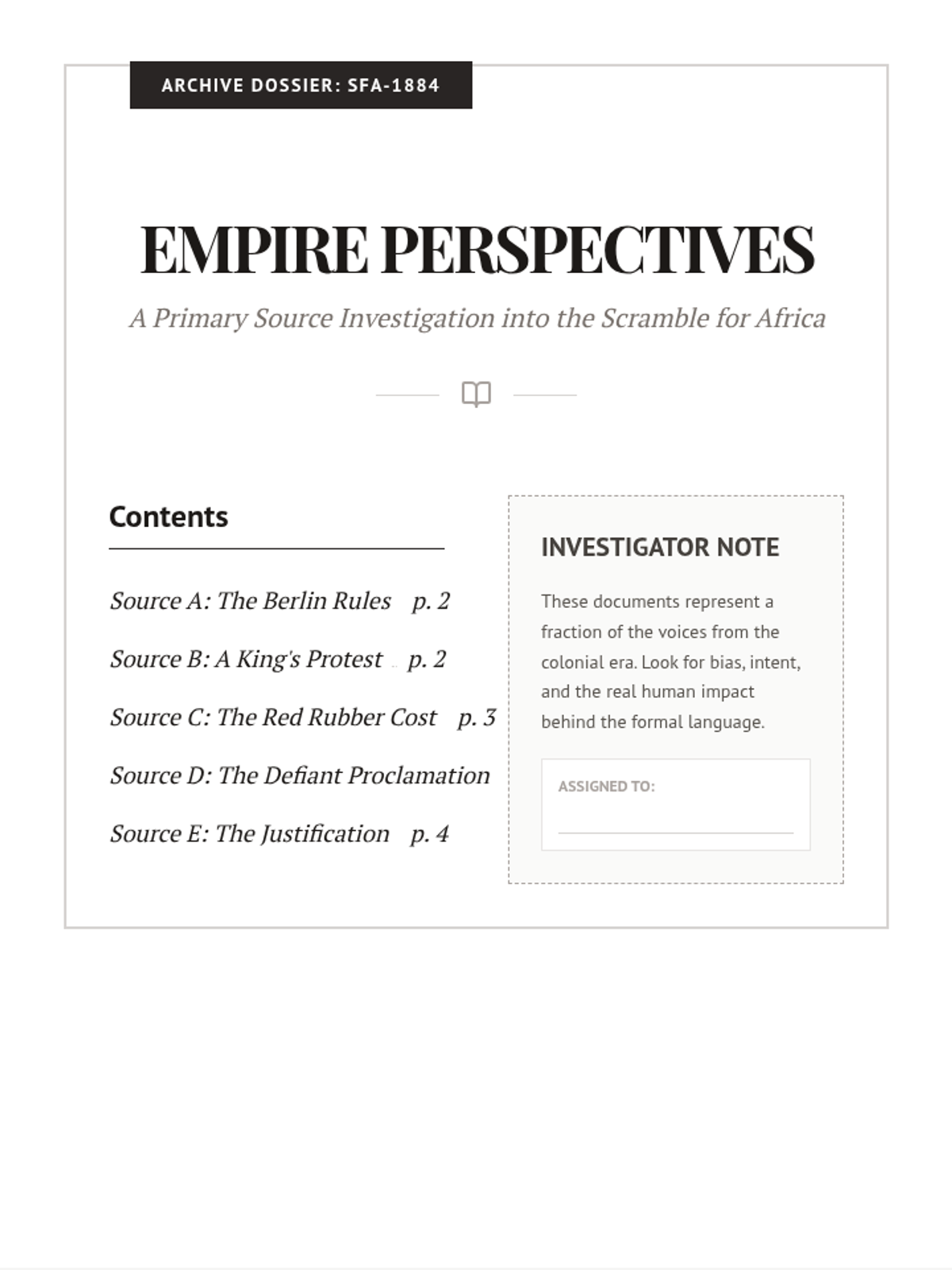
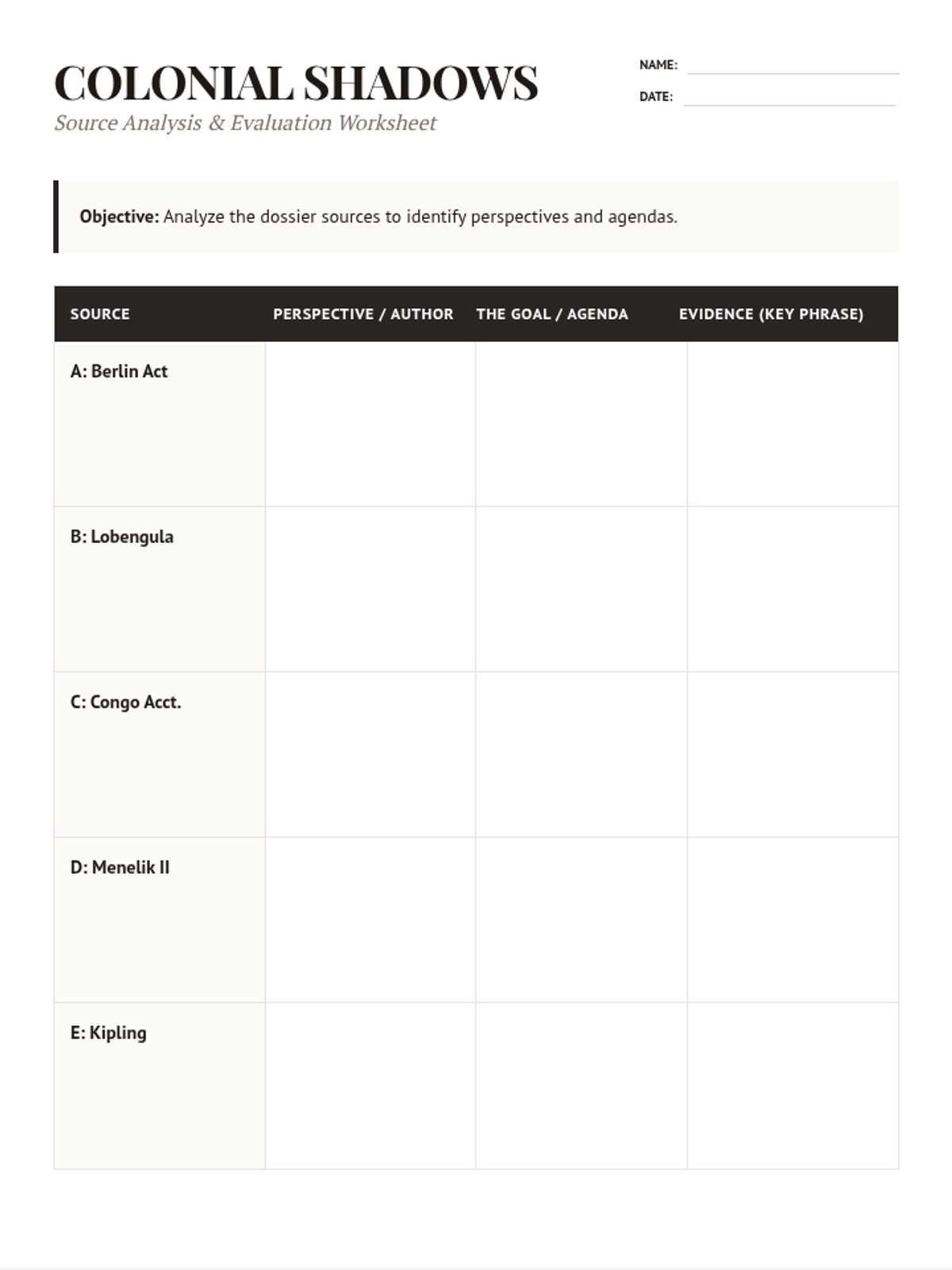
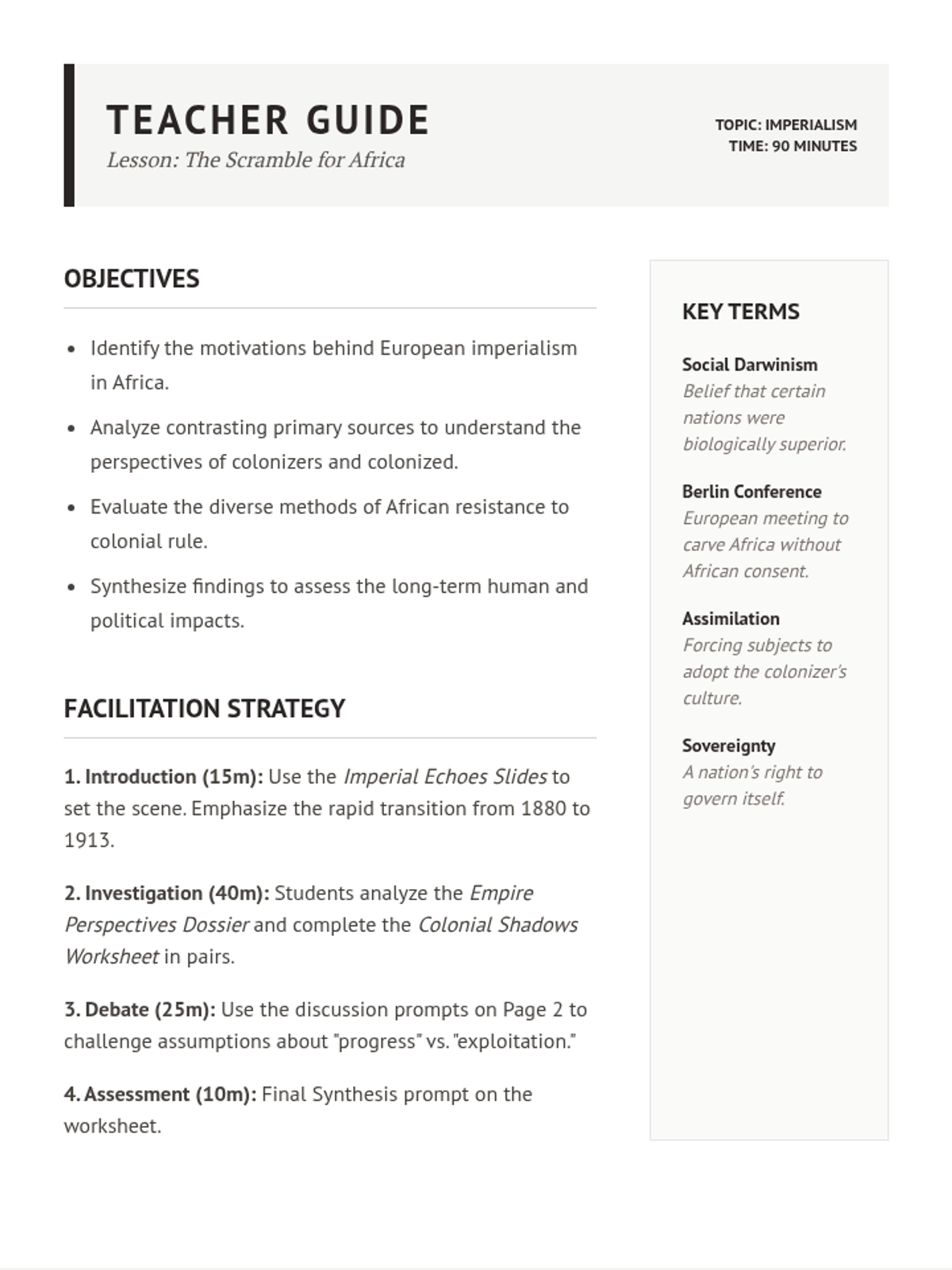
A comprehensive exploration of the European colonization of Africa, featuring diverse primary sources that highlight both imperialist motivations and African resistance. Students will analyze the human, economic, and political impacts of the 'Scramble for Africa'.
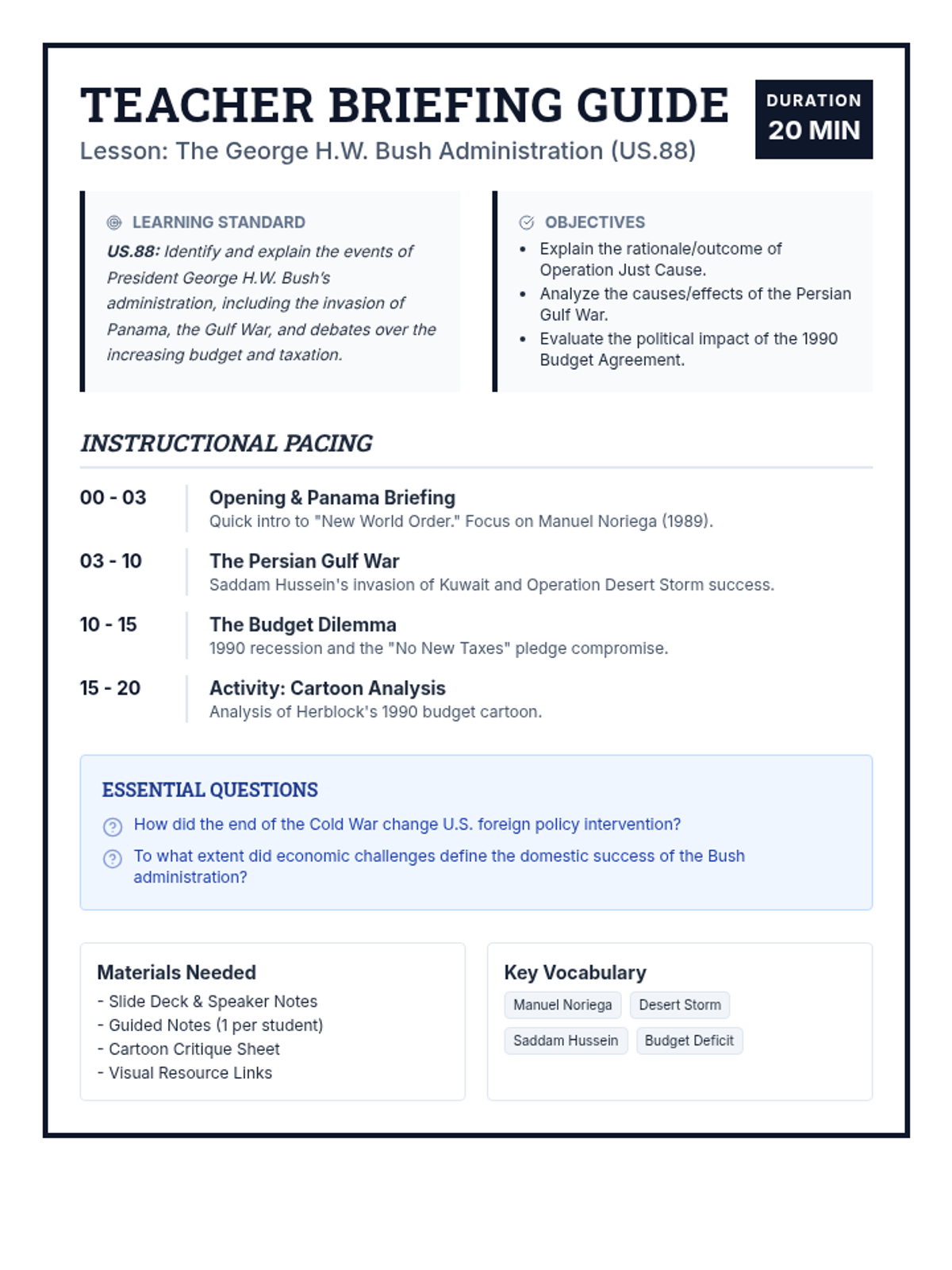
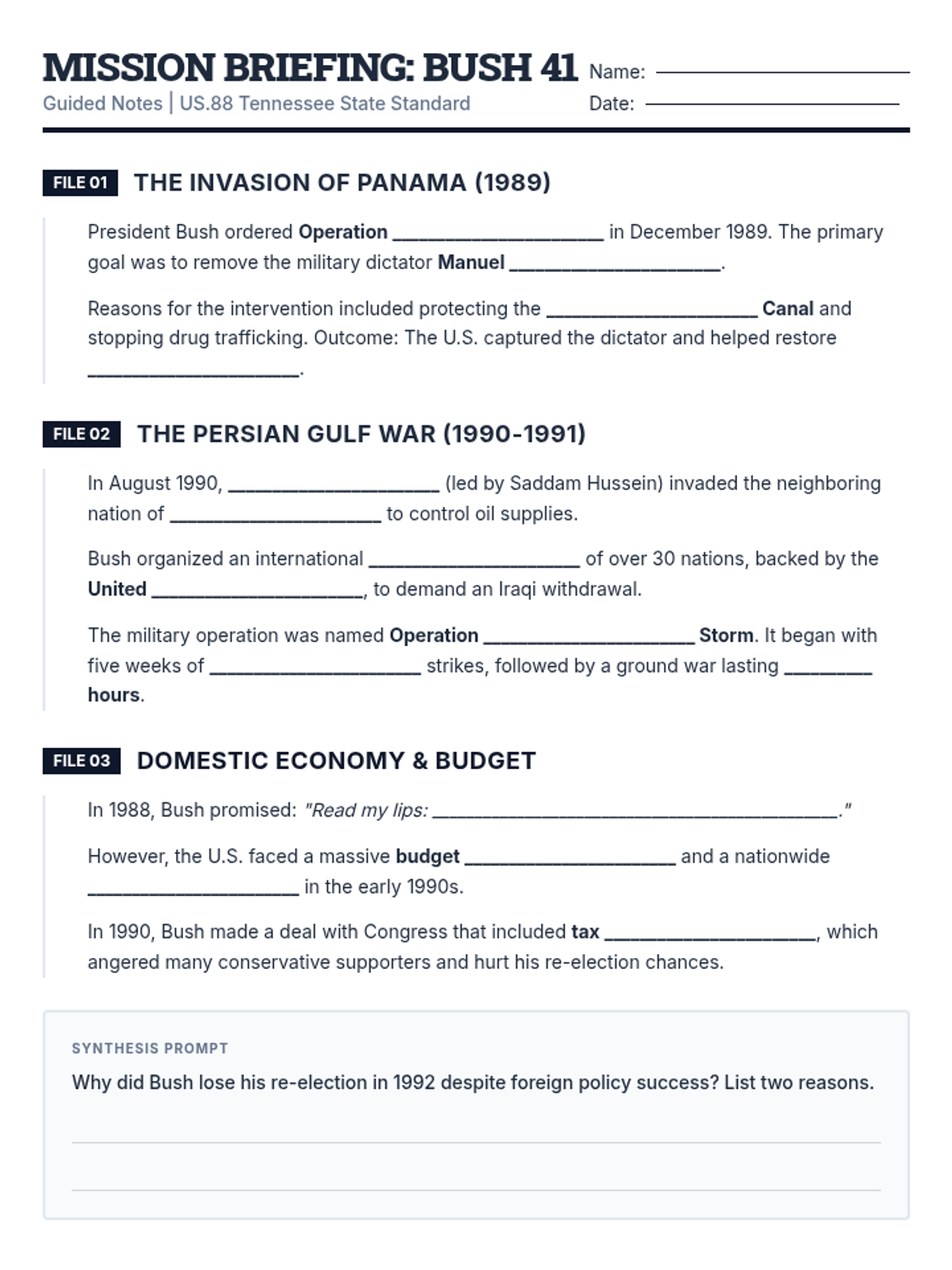
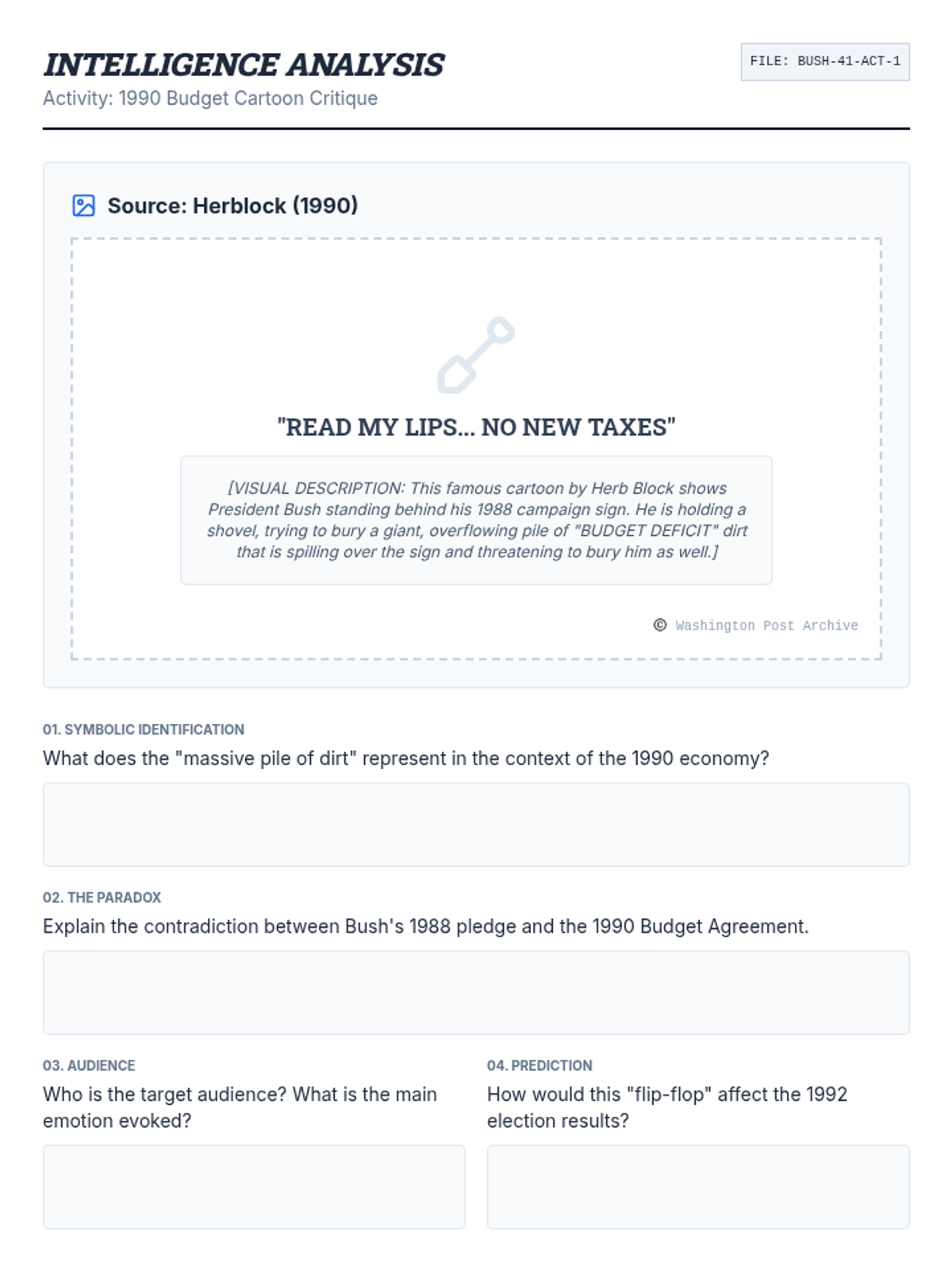
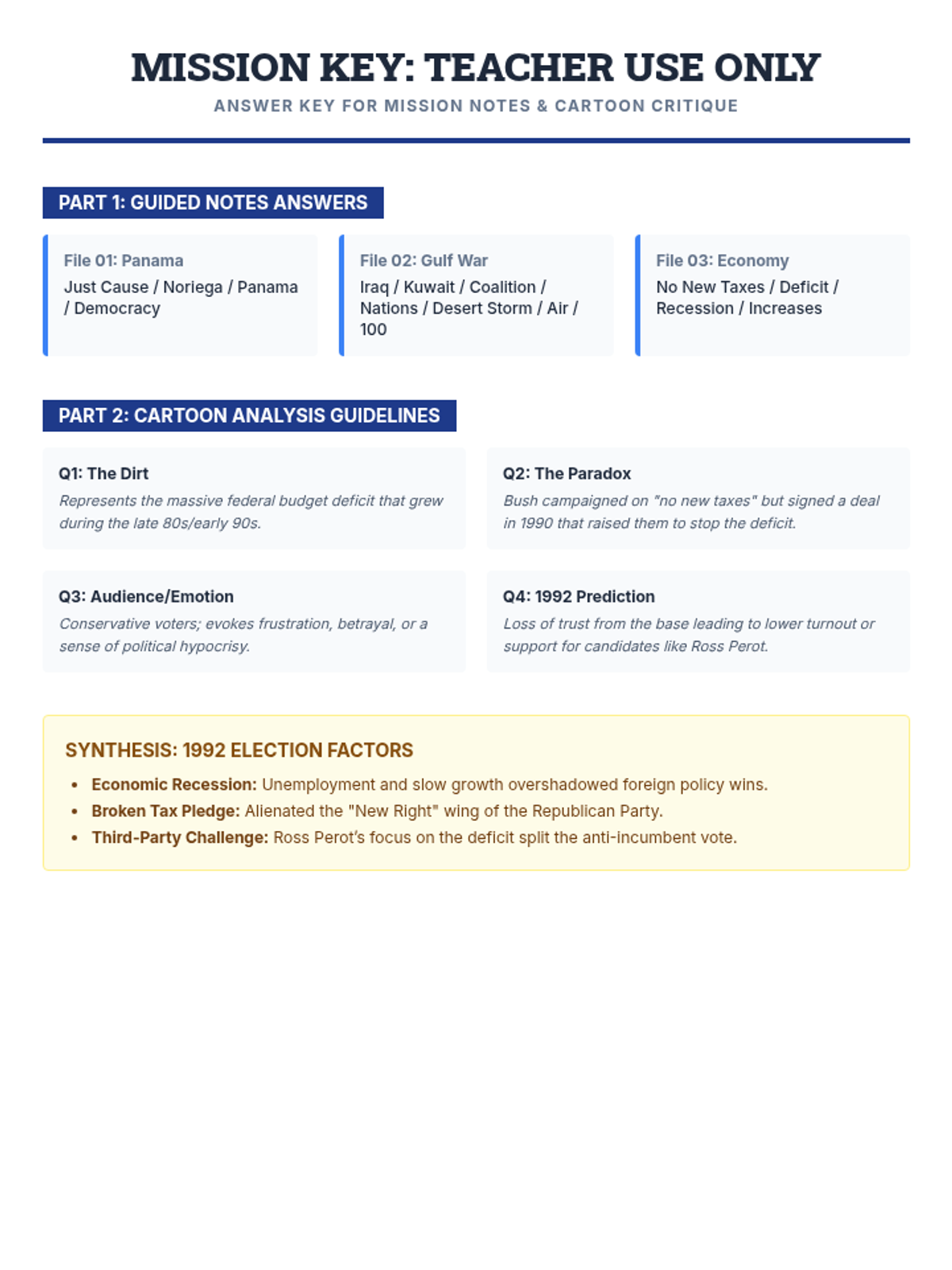
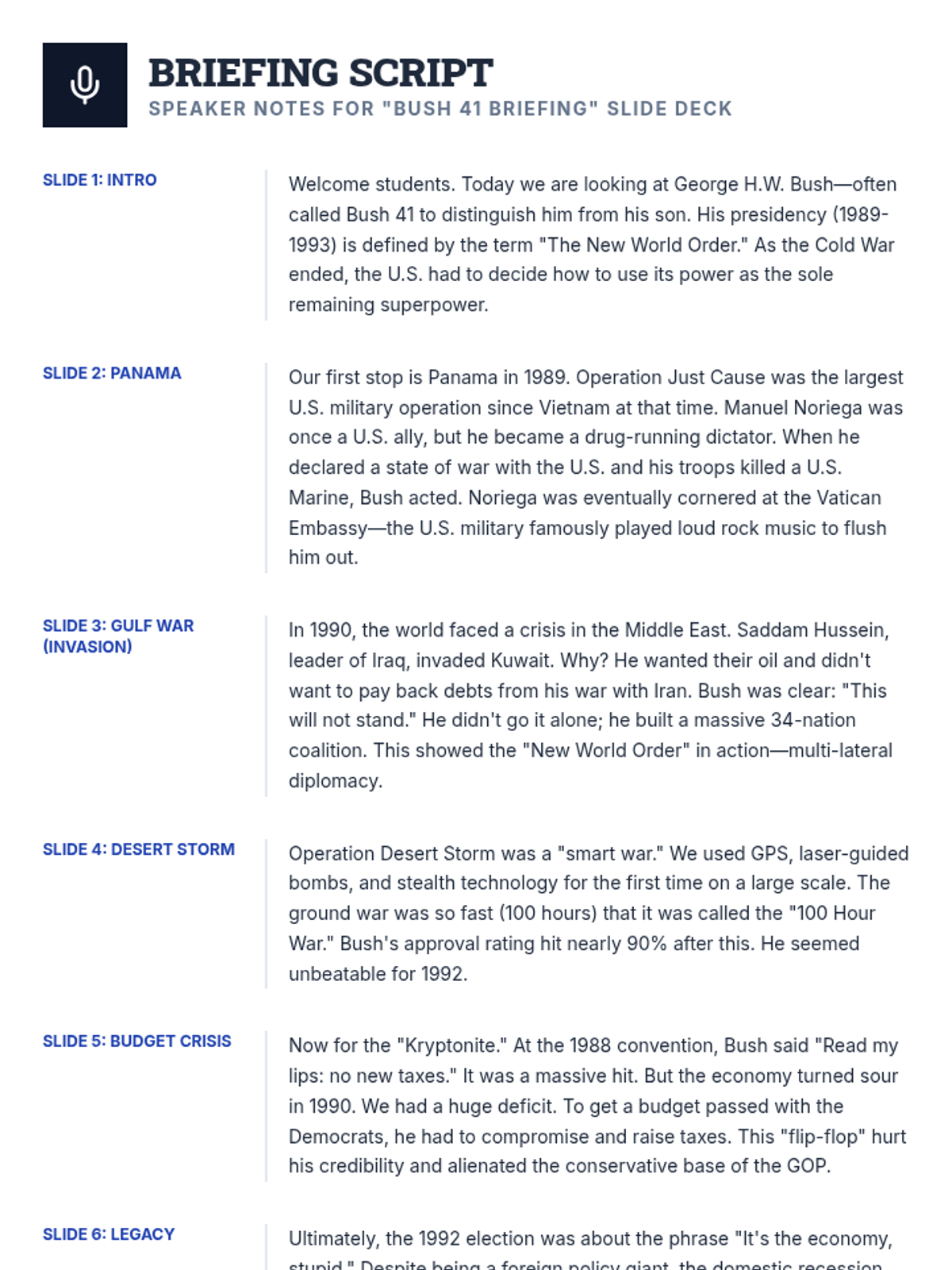
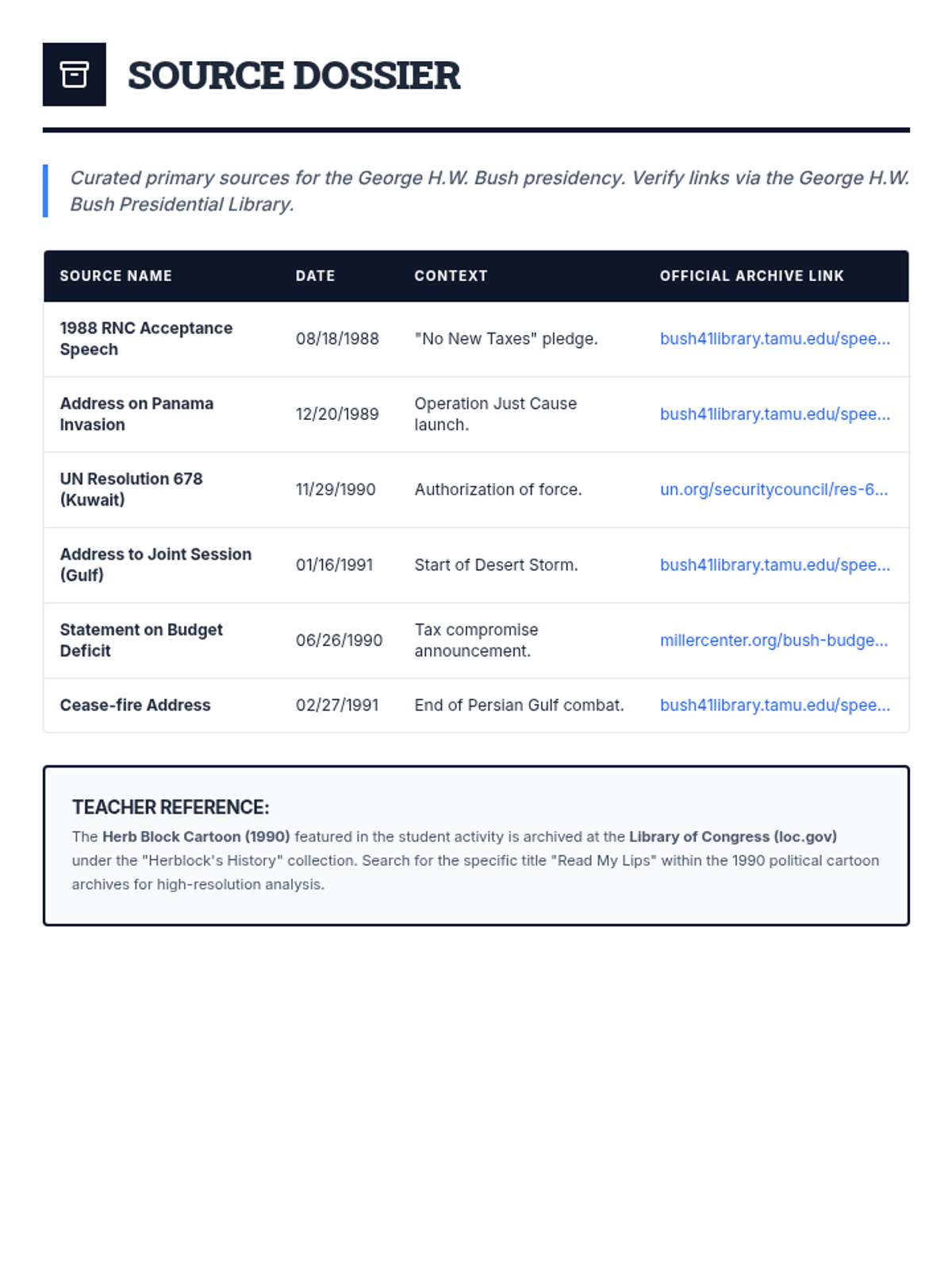
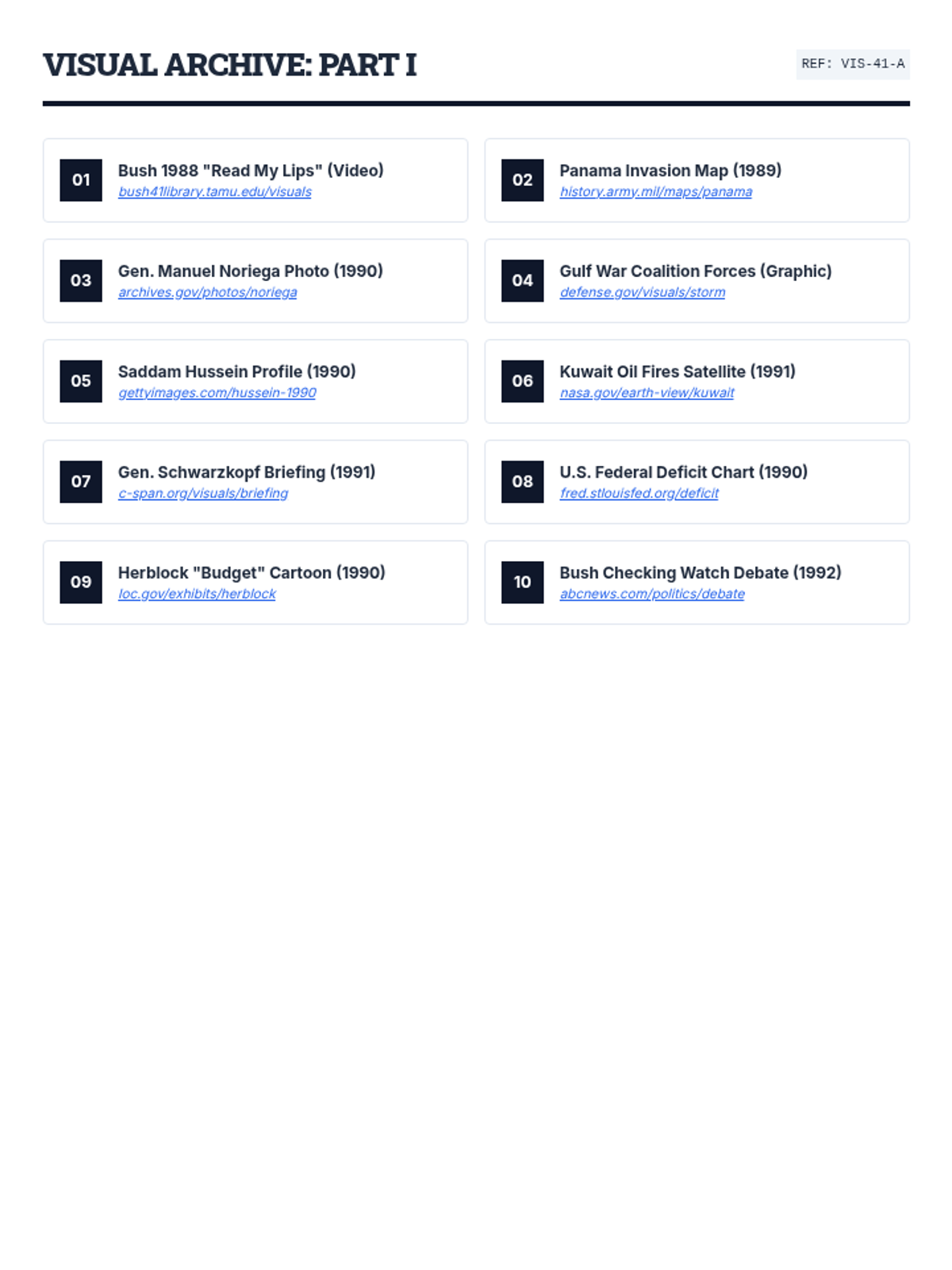
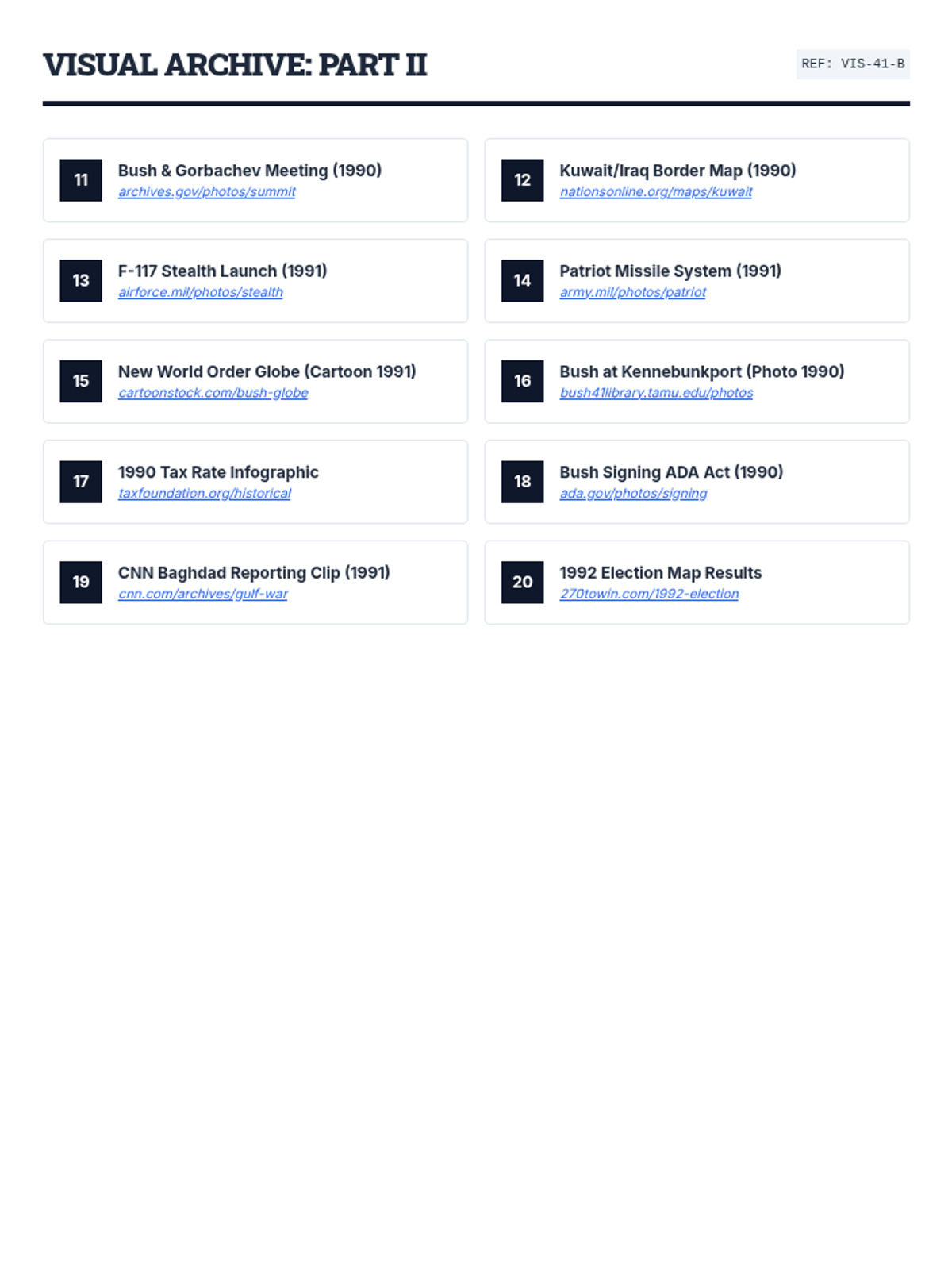
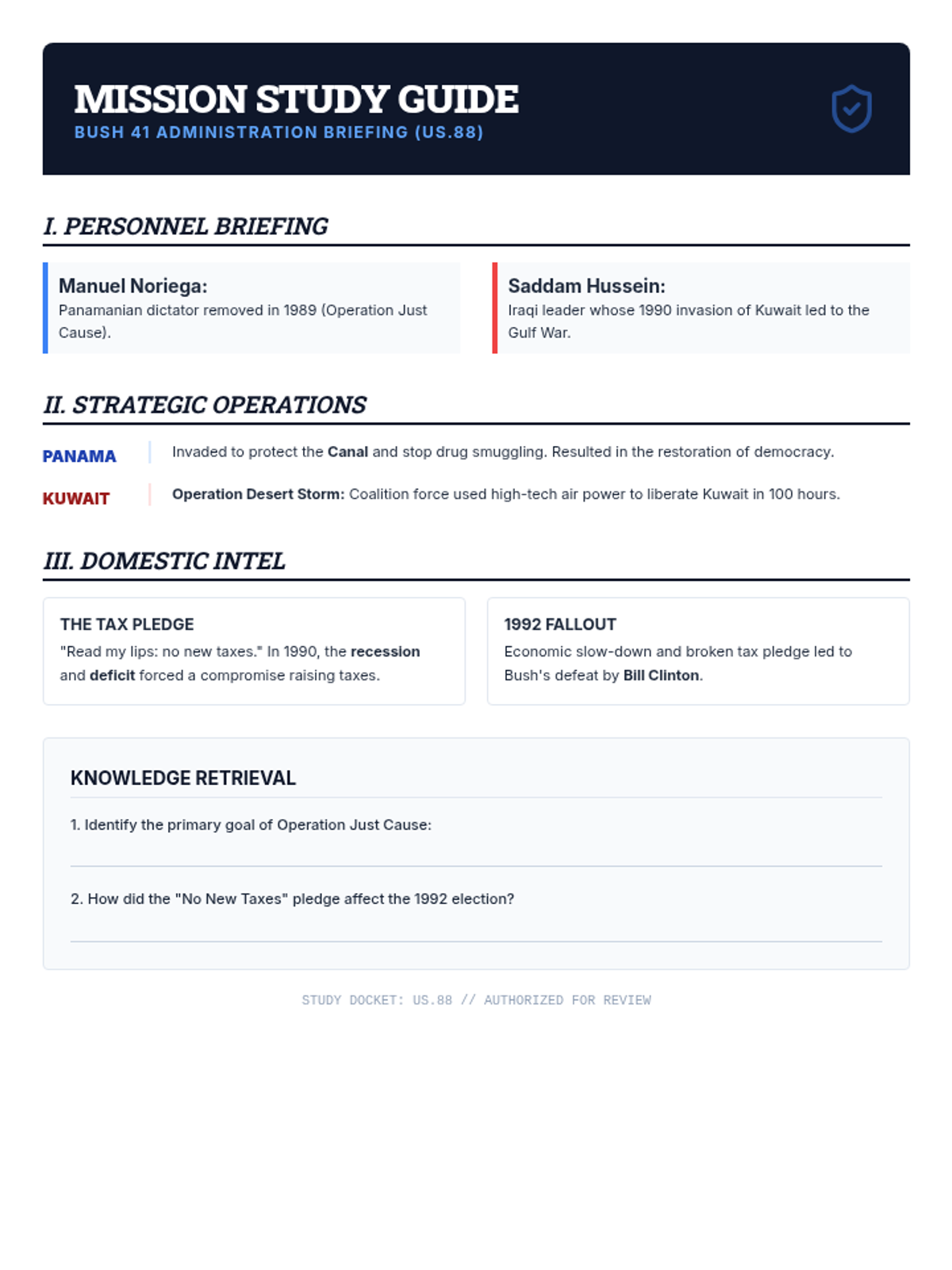
A focused 20-minute lesson covering the George H.W. Bush administration, specifically the invasion of Panama, the Gulf War, and the domestic budget debates.
A comprehensive exploration of America's westward expansion, covering the ideological drive of Manifest Destiny, the industrial feat of the Transcontinental Railroad, and the social movement of the Exodusters.
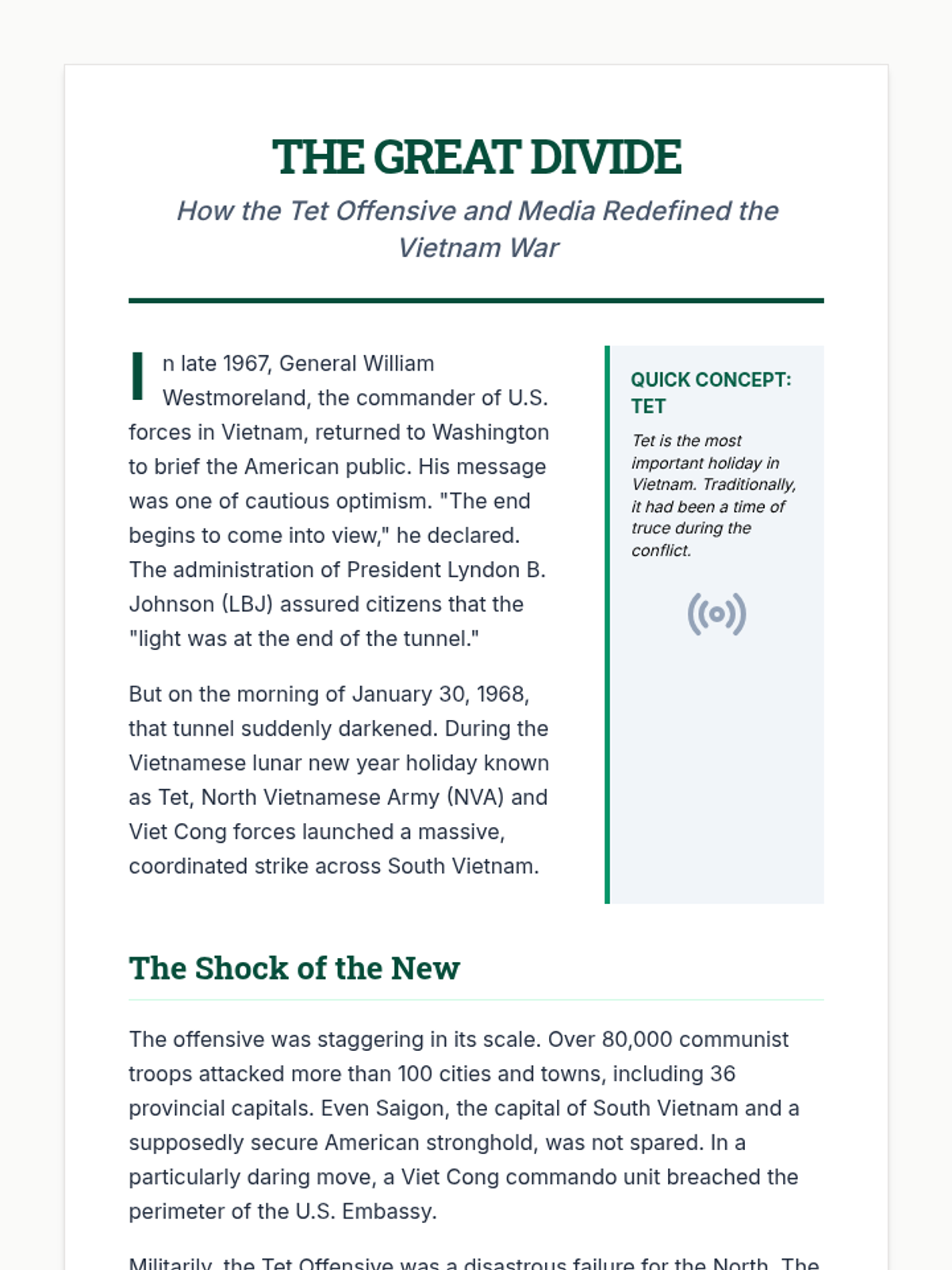
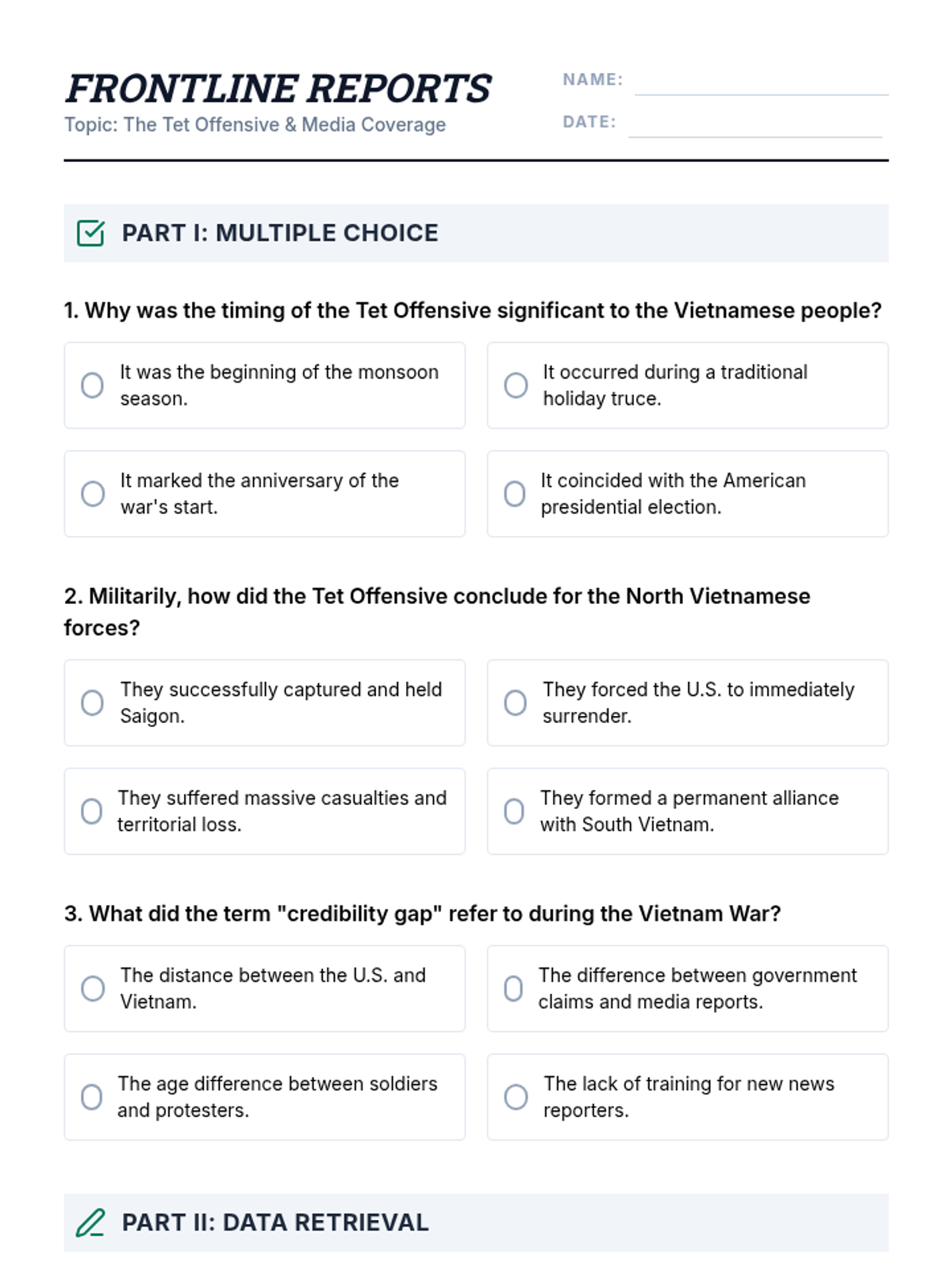
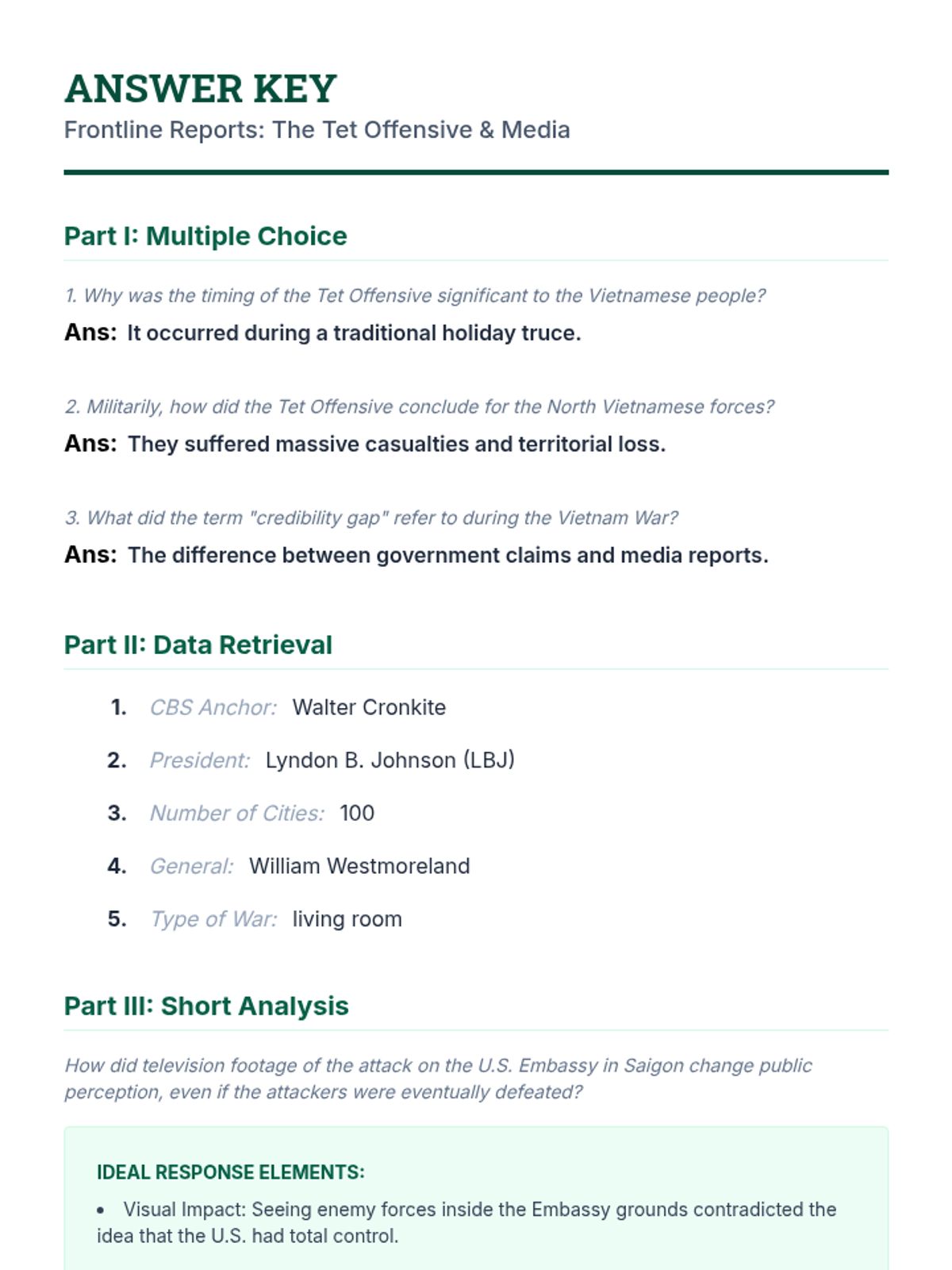
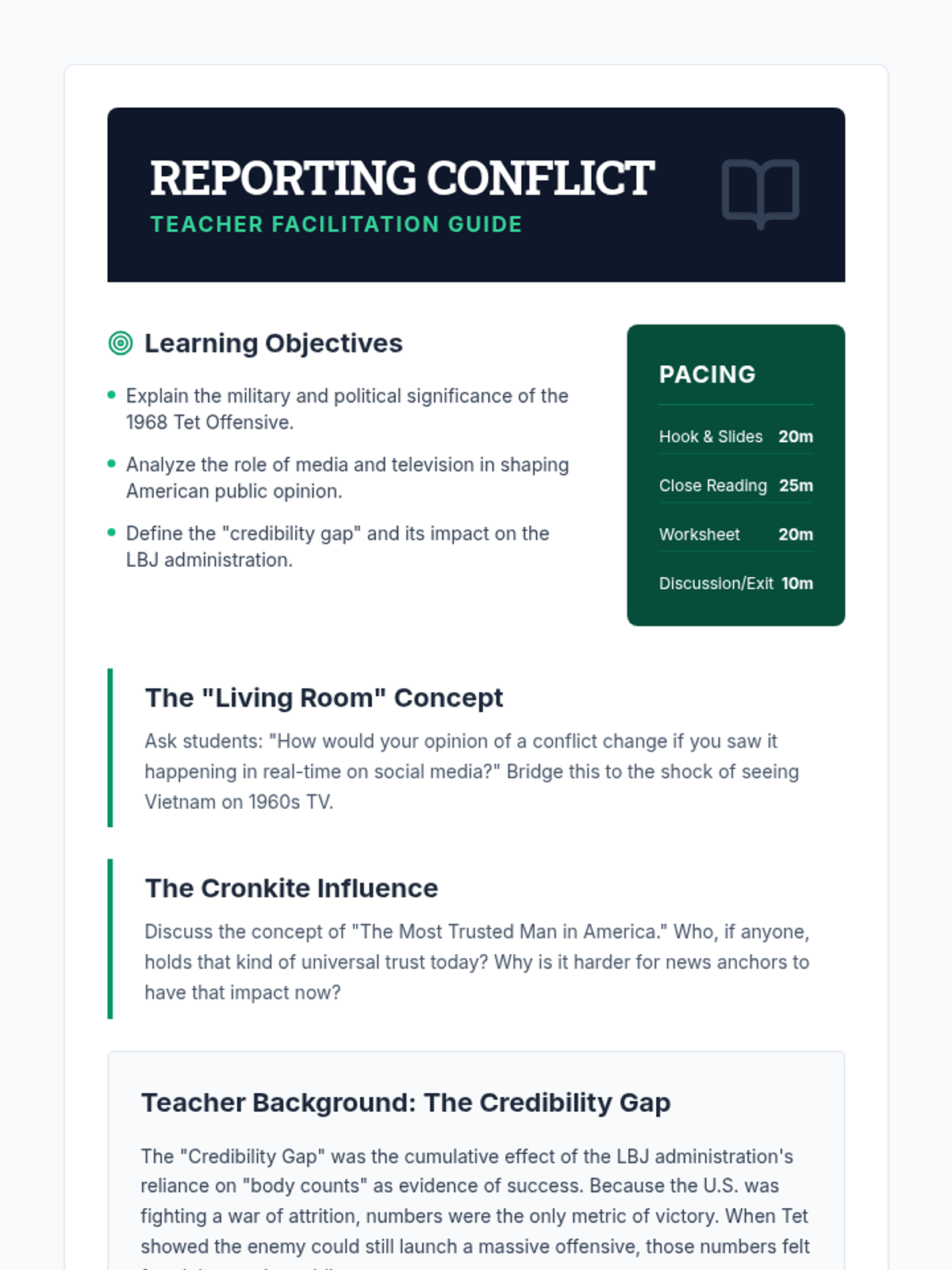
An in-depth exploration of the Tet Offensive and the pivotal role of media coverage during the Vietnam War, examining how the 'Living Room War' changed American public opinion and created a credibility gap.
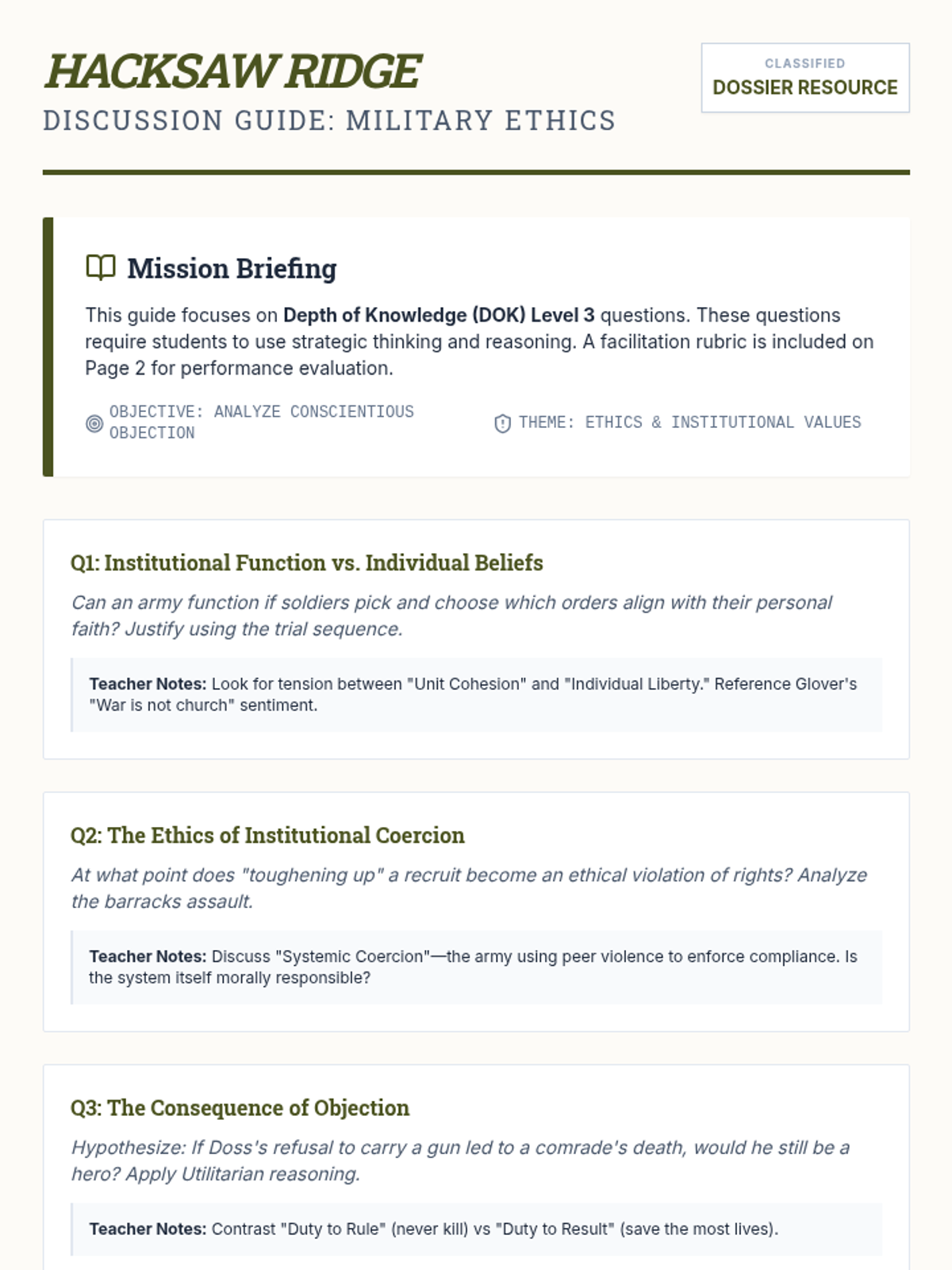
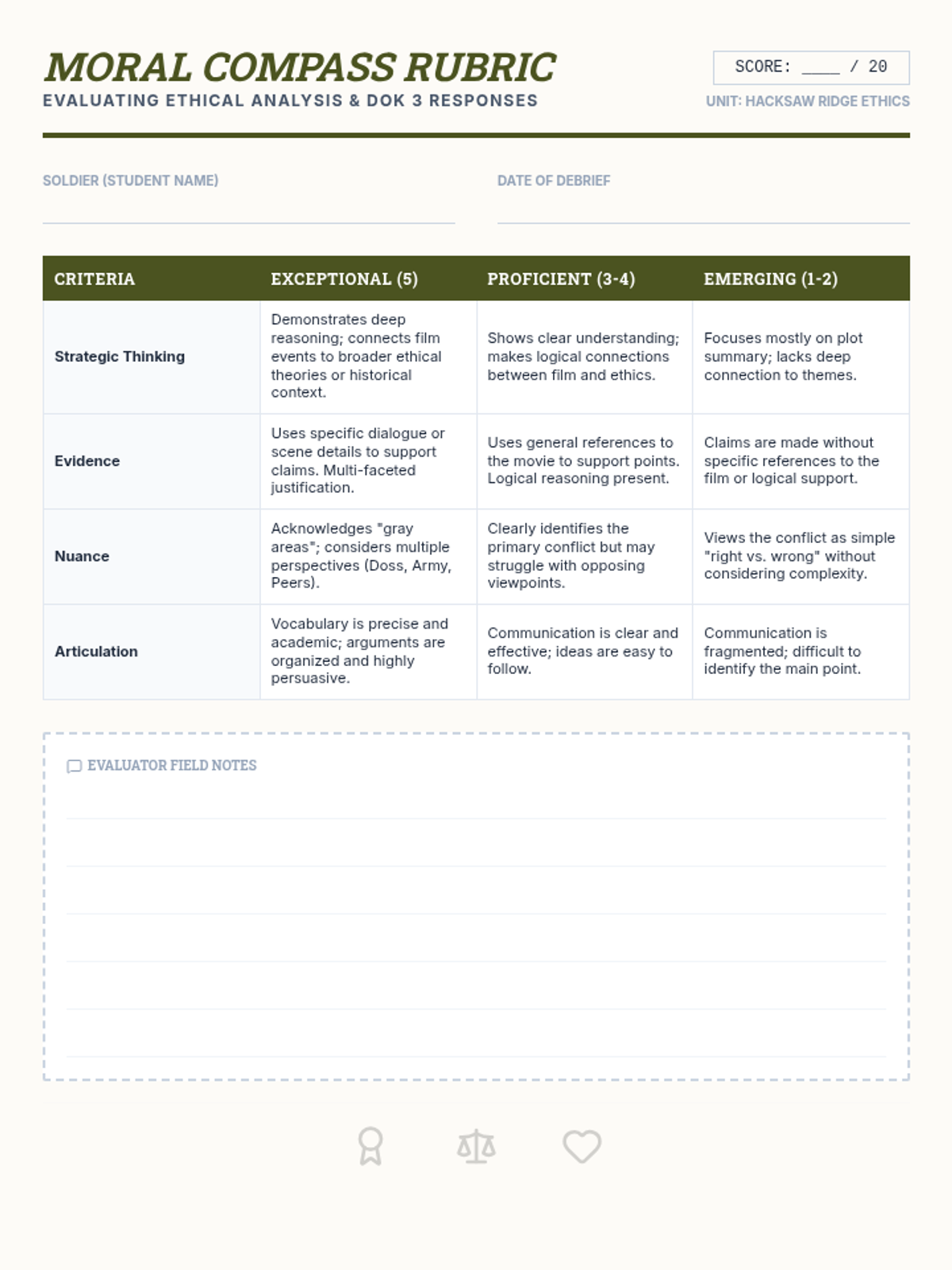
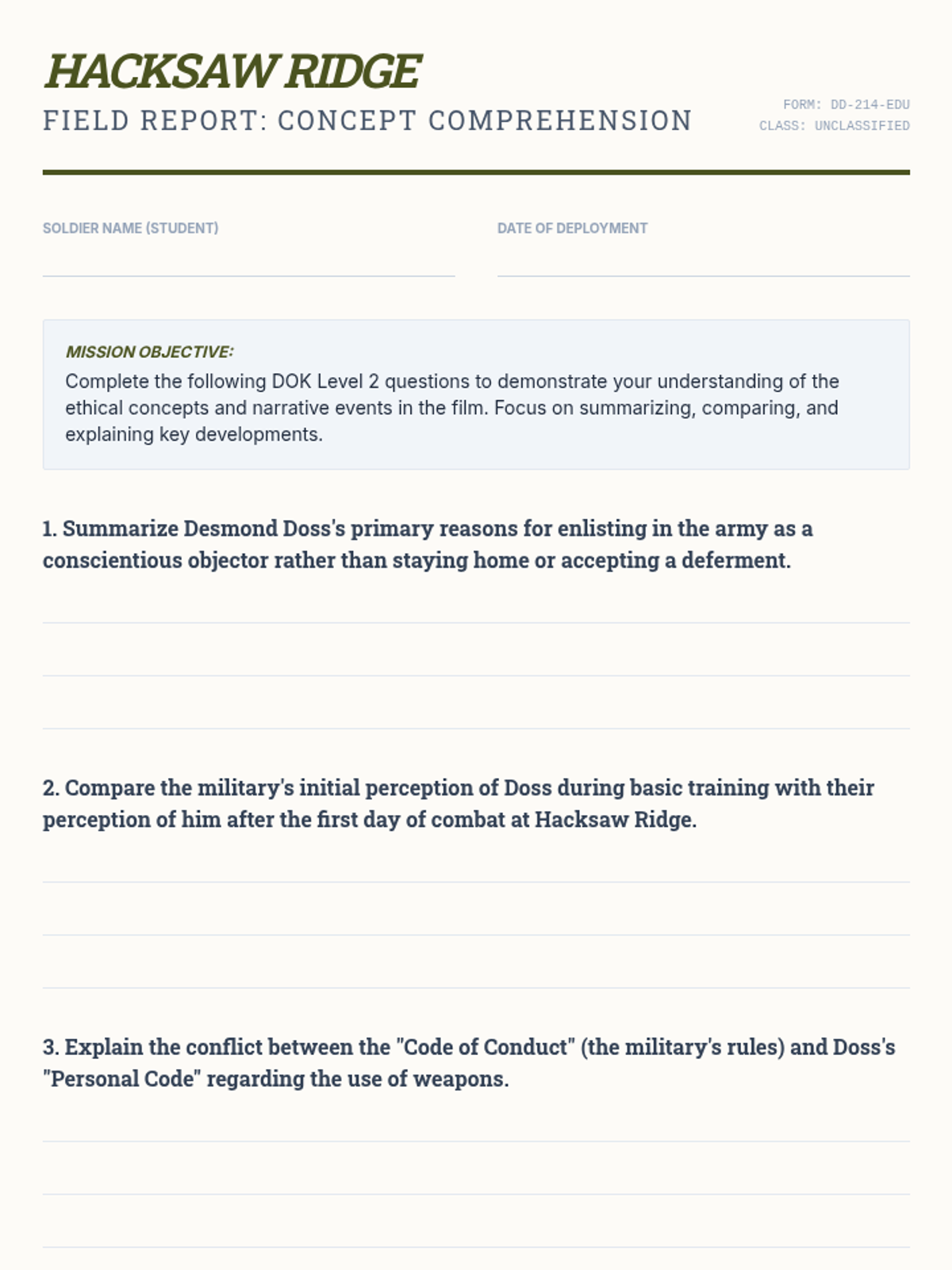
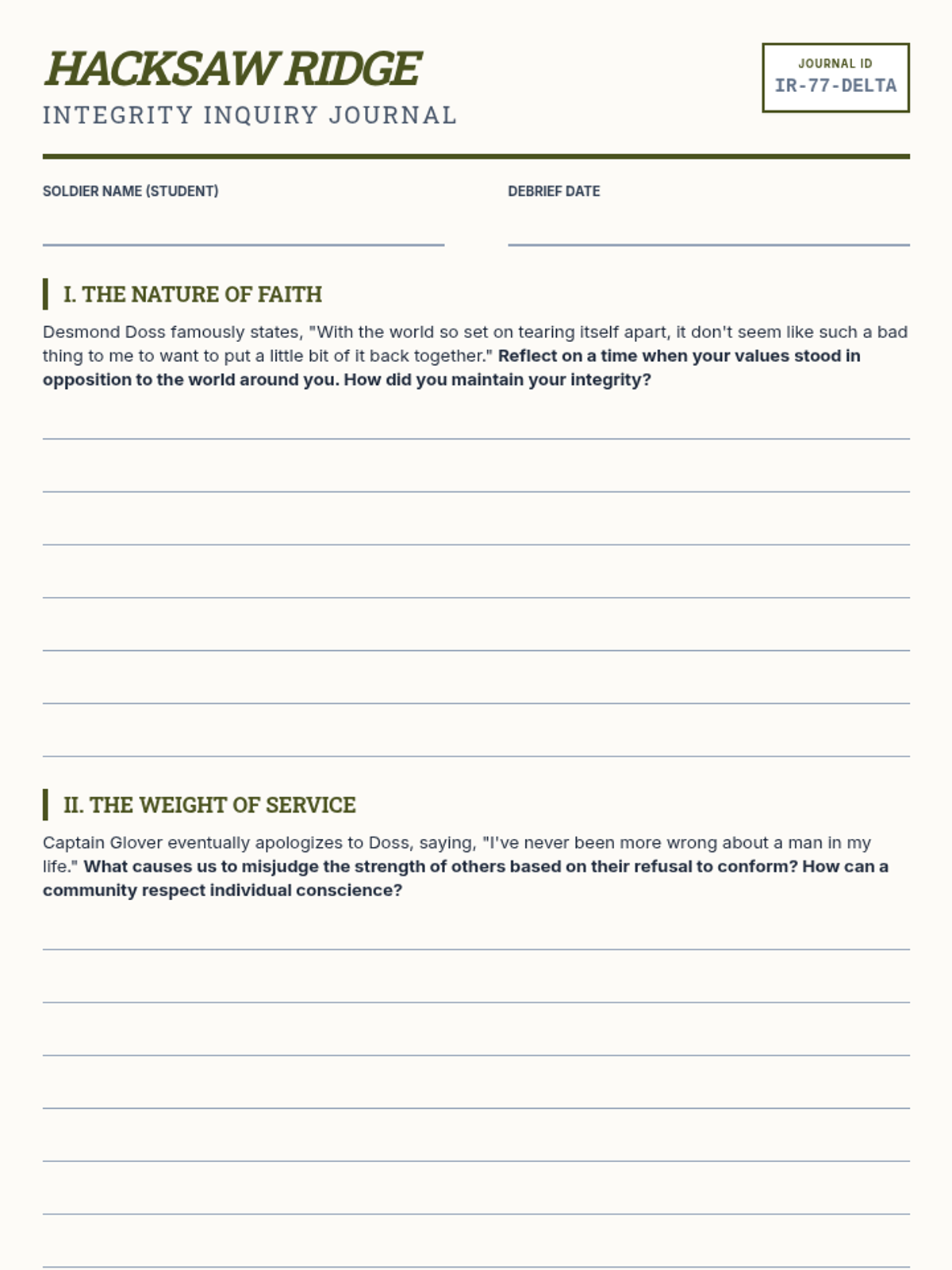
An in-depth exploration of conscientious objection and military ethics through the lens of the film Hacksaw Ridge, featuring DOK Level 3 discussion prompts and evaluation tools.