Students analyze the transformative period of industrialization and the market revolution in the 19th-century United States through scholarly articles, exploring the complex balance of economic progress against social and human costs.

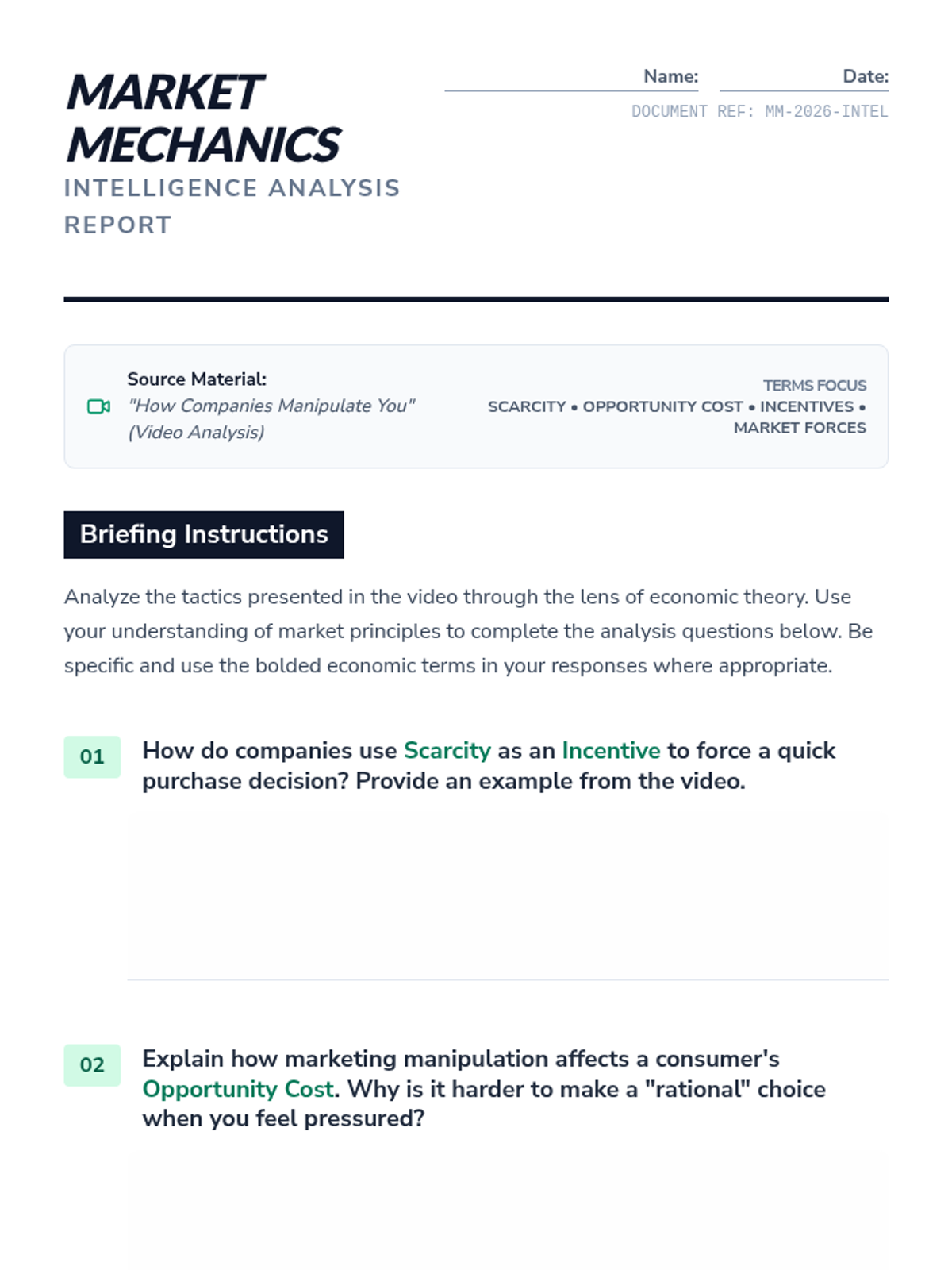
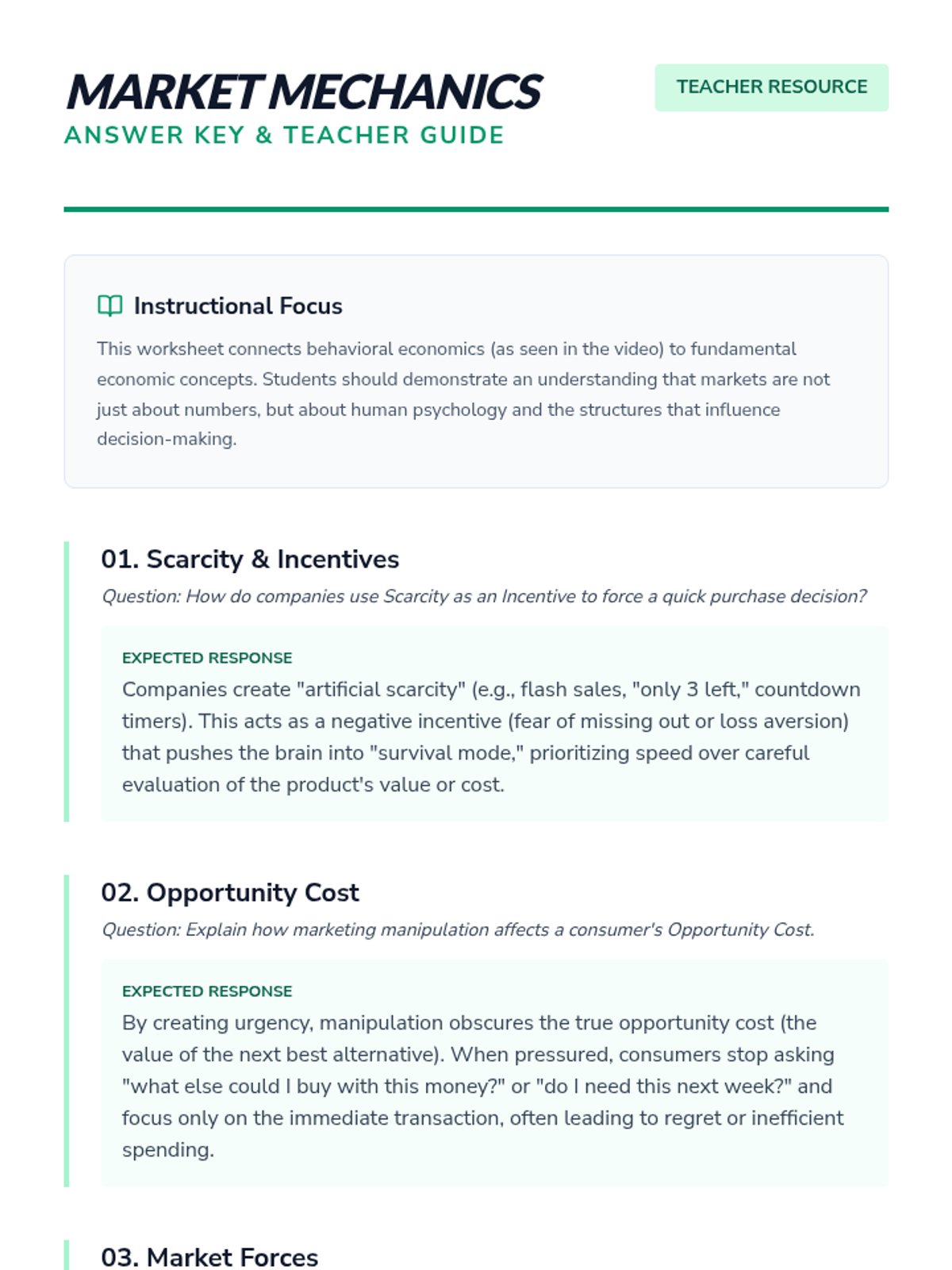
A deep dive into how economic principles like scarcity, incentives, and market forces shape consumer behavior and market structures. Students analyze real-world marketing tactics through the lens of economic theory.
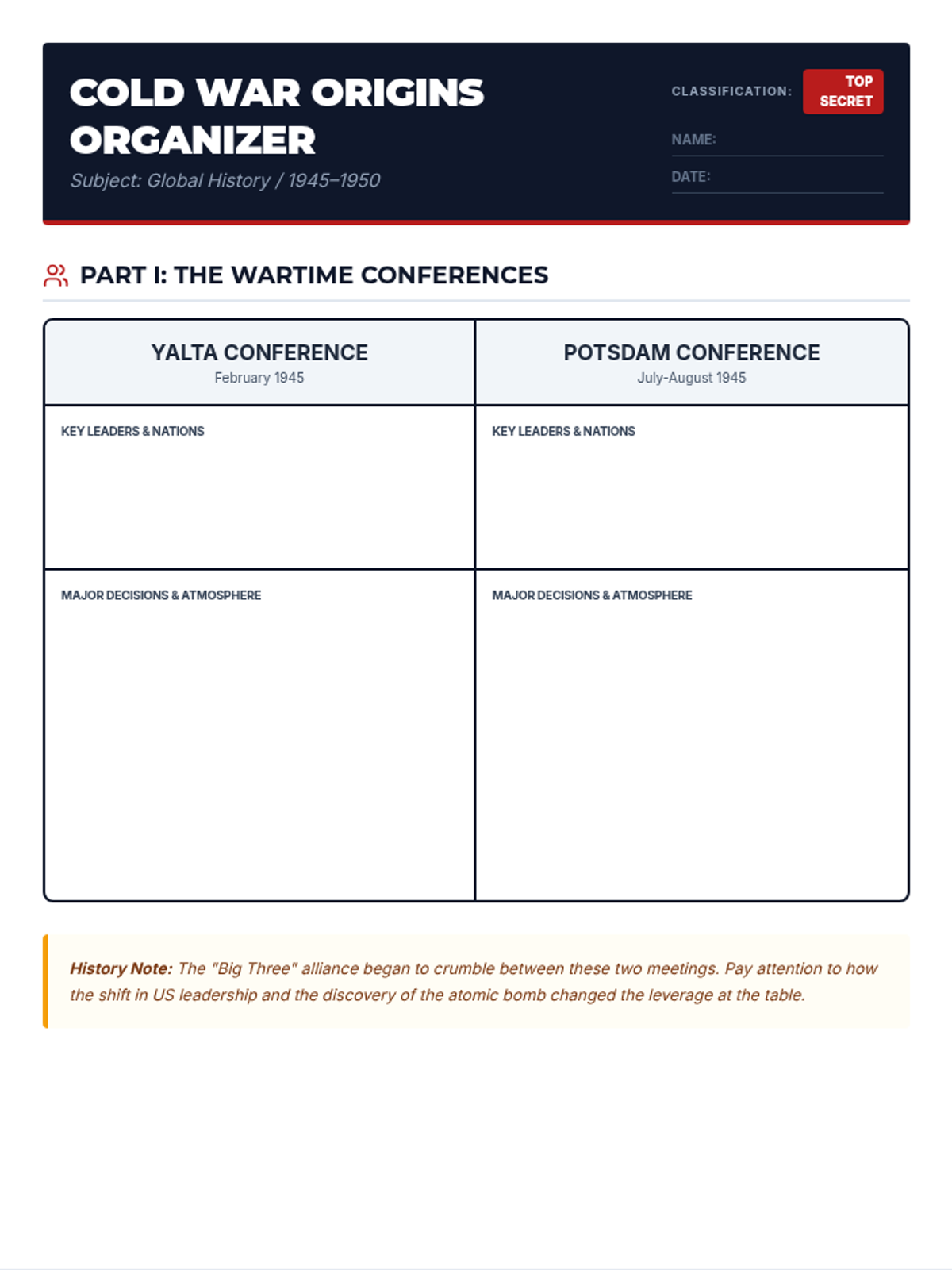
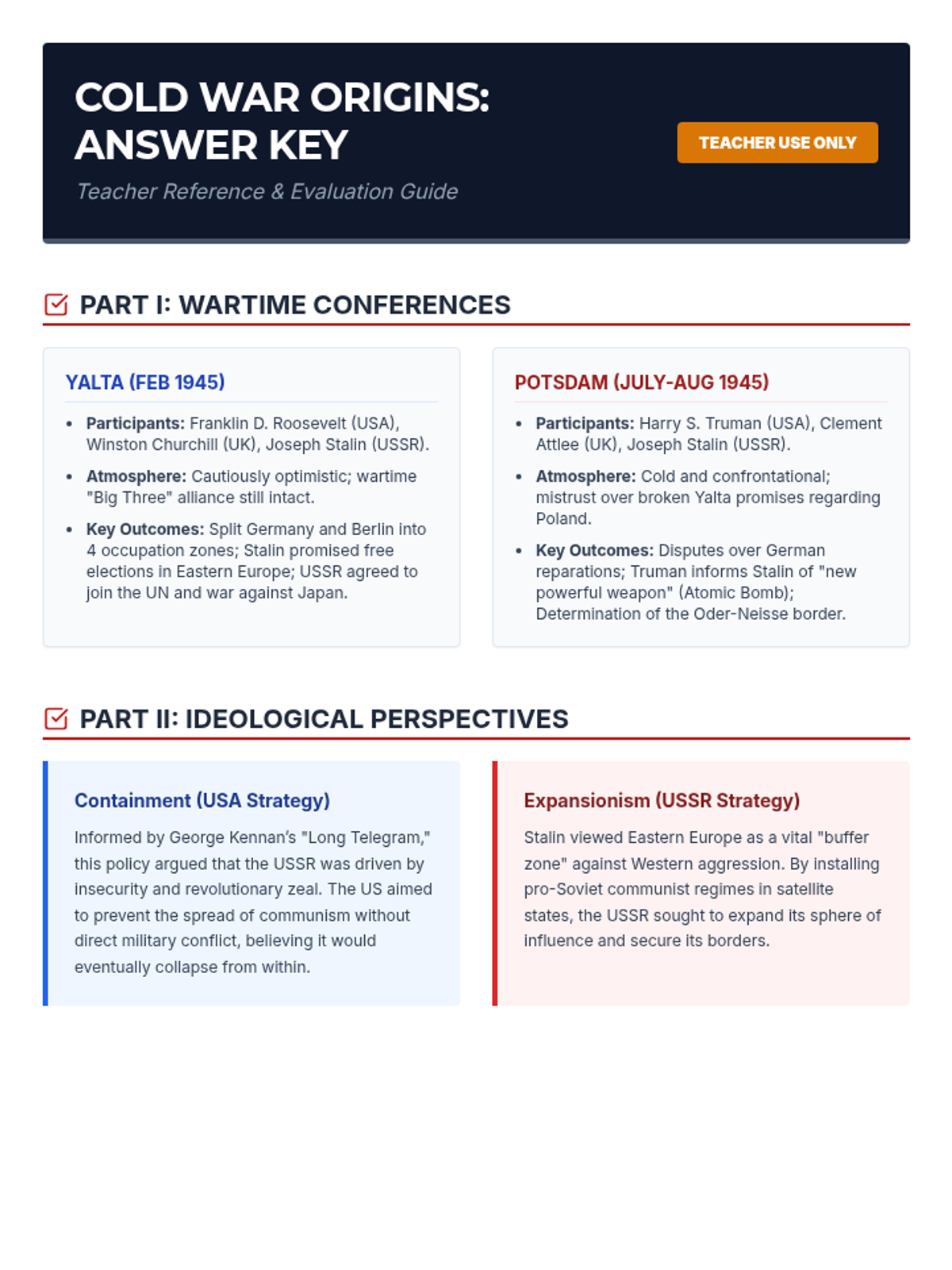
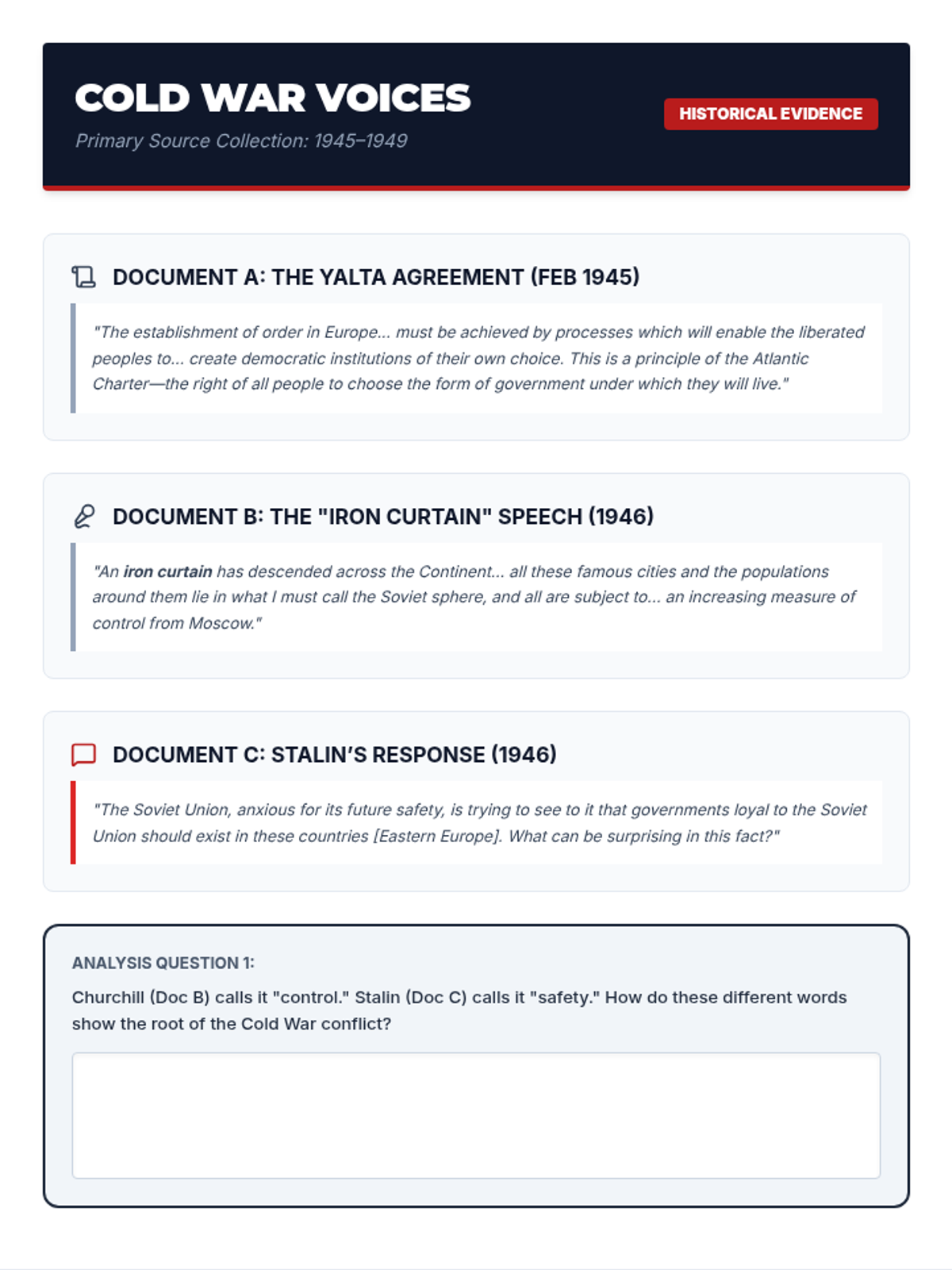
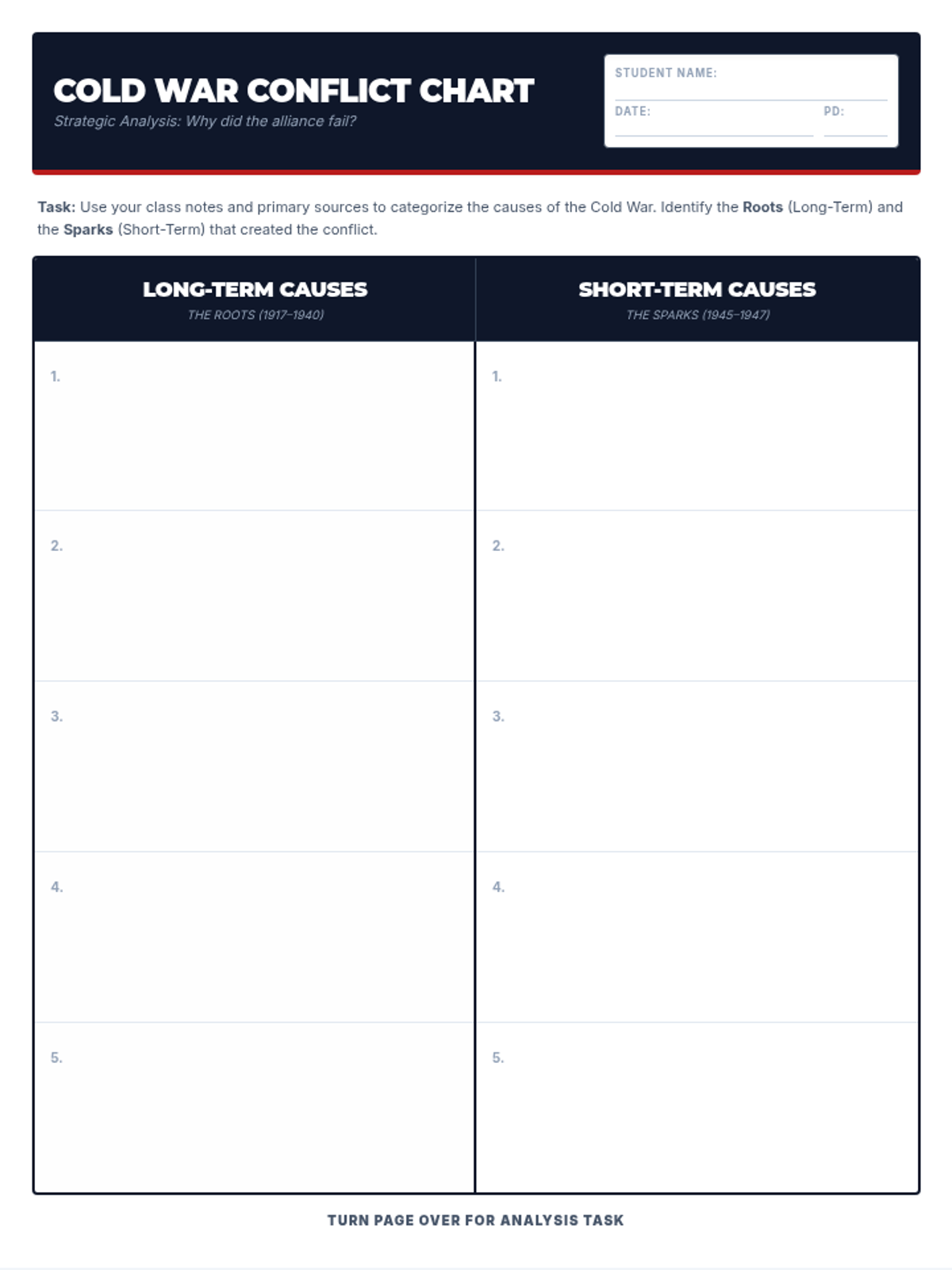
A lesson exploring the ideological, economic, and military causes of the Cold War, focusing on the shift from wartime cooperation to global rivalry.
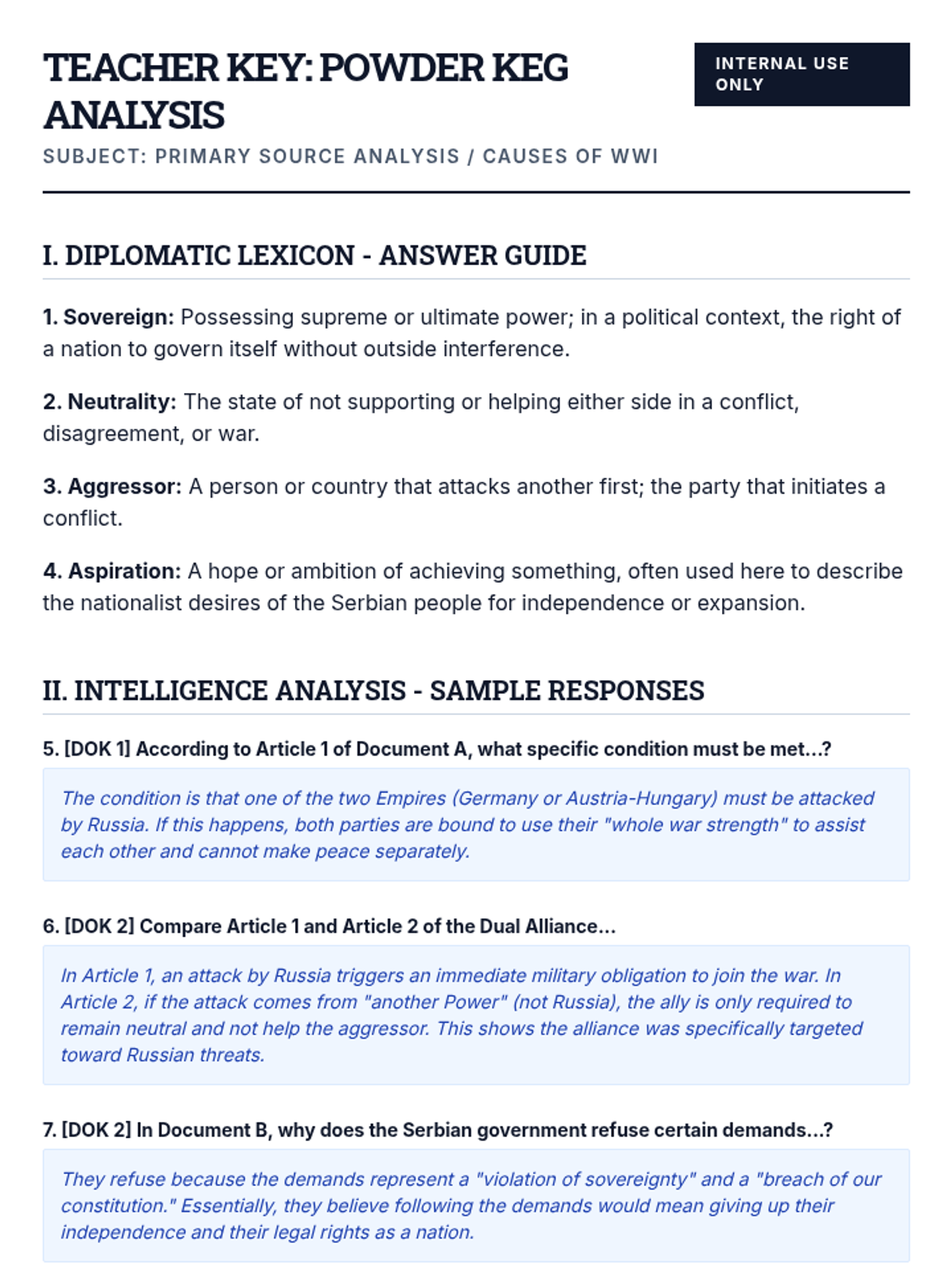
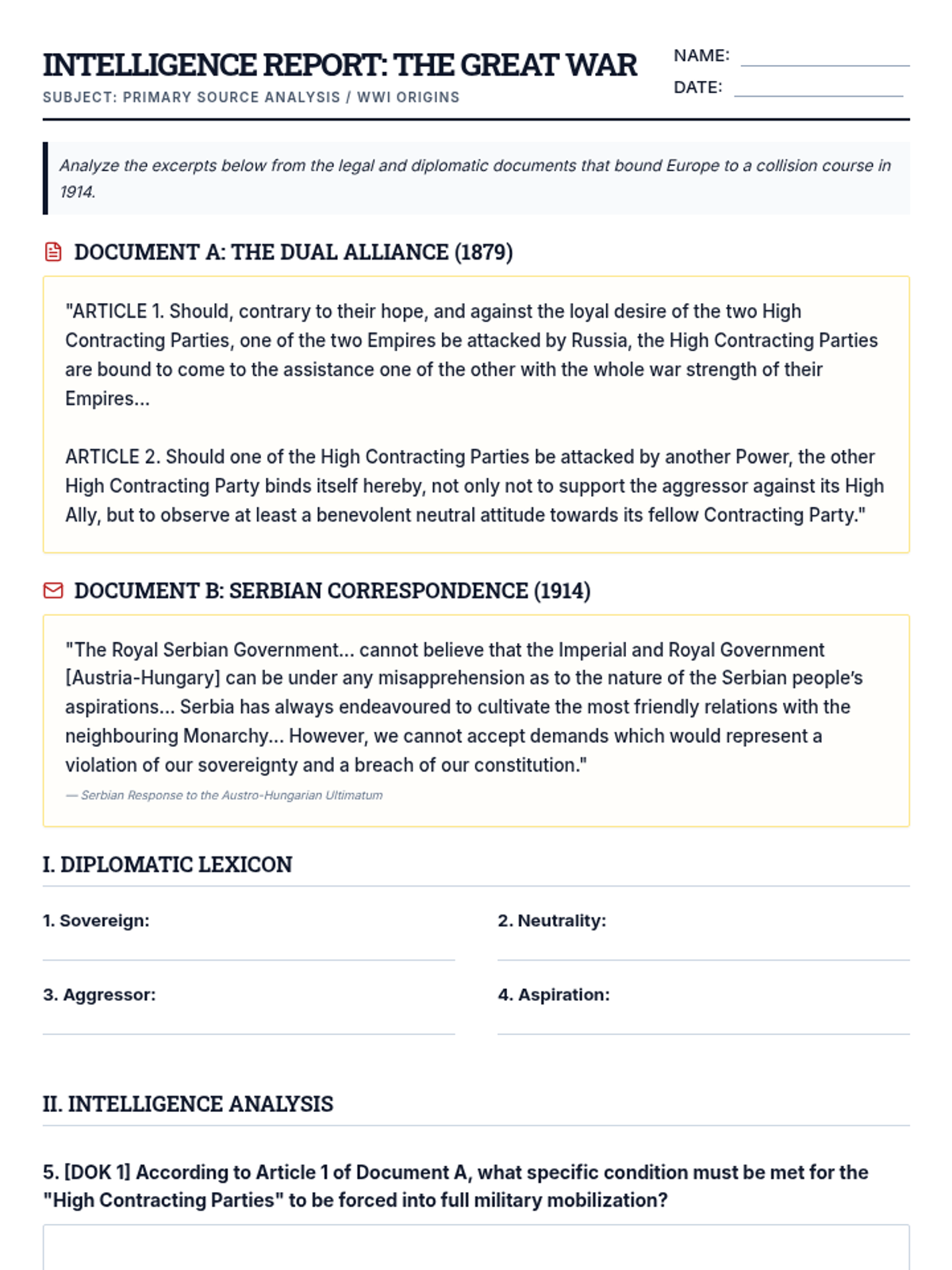
An in-depth look at the complex causes of World War I through the lens of primary source analysis, focusing on the alliance system and Balkan tensions.
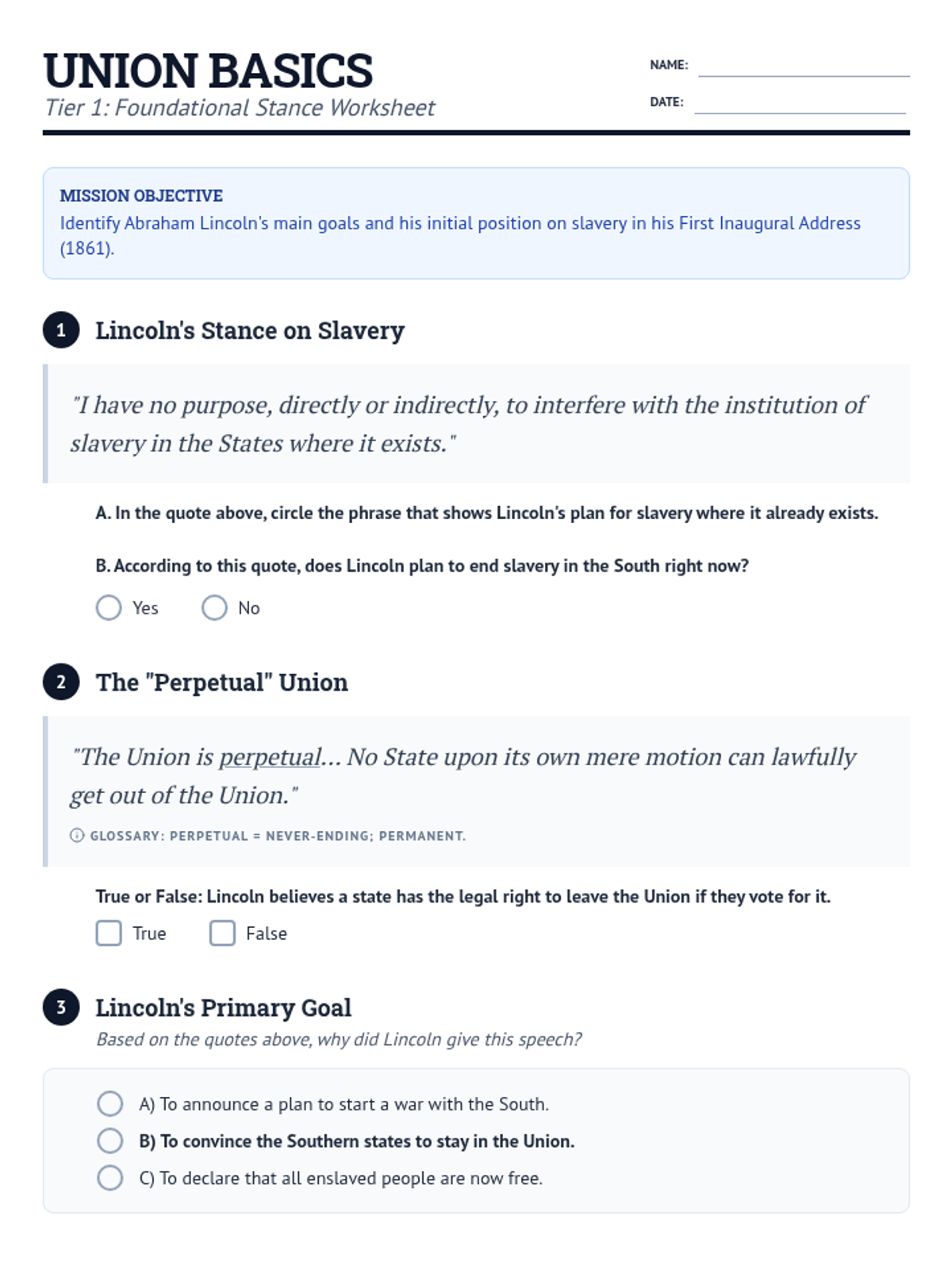
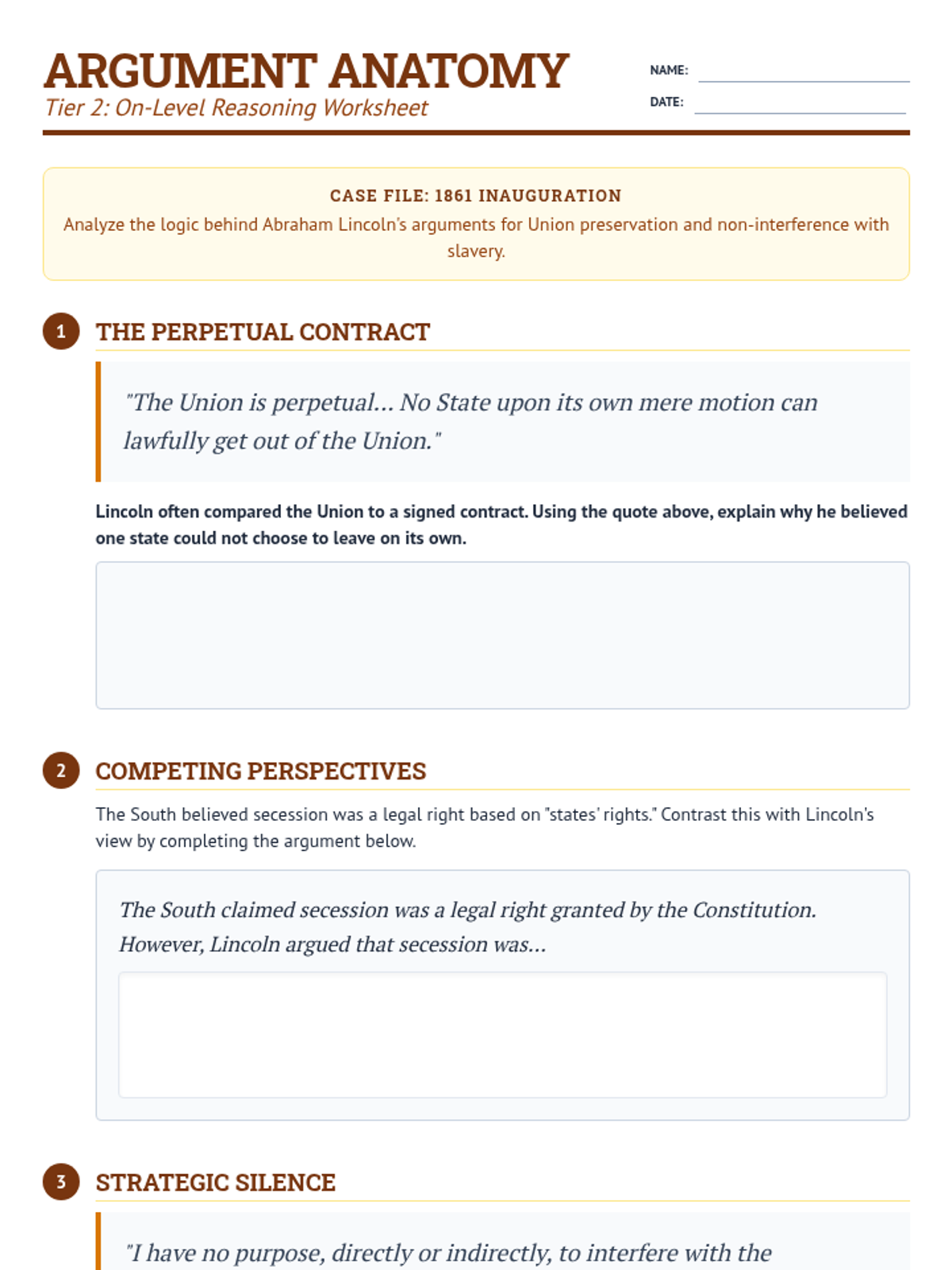
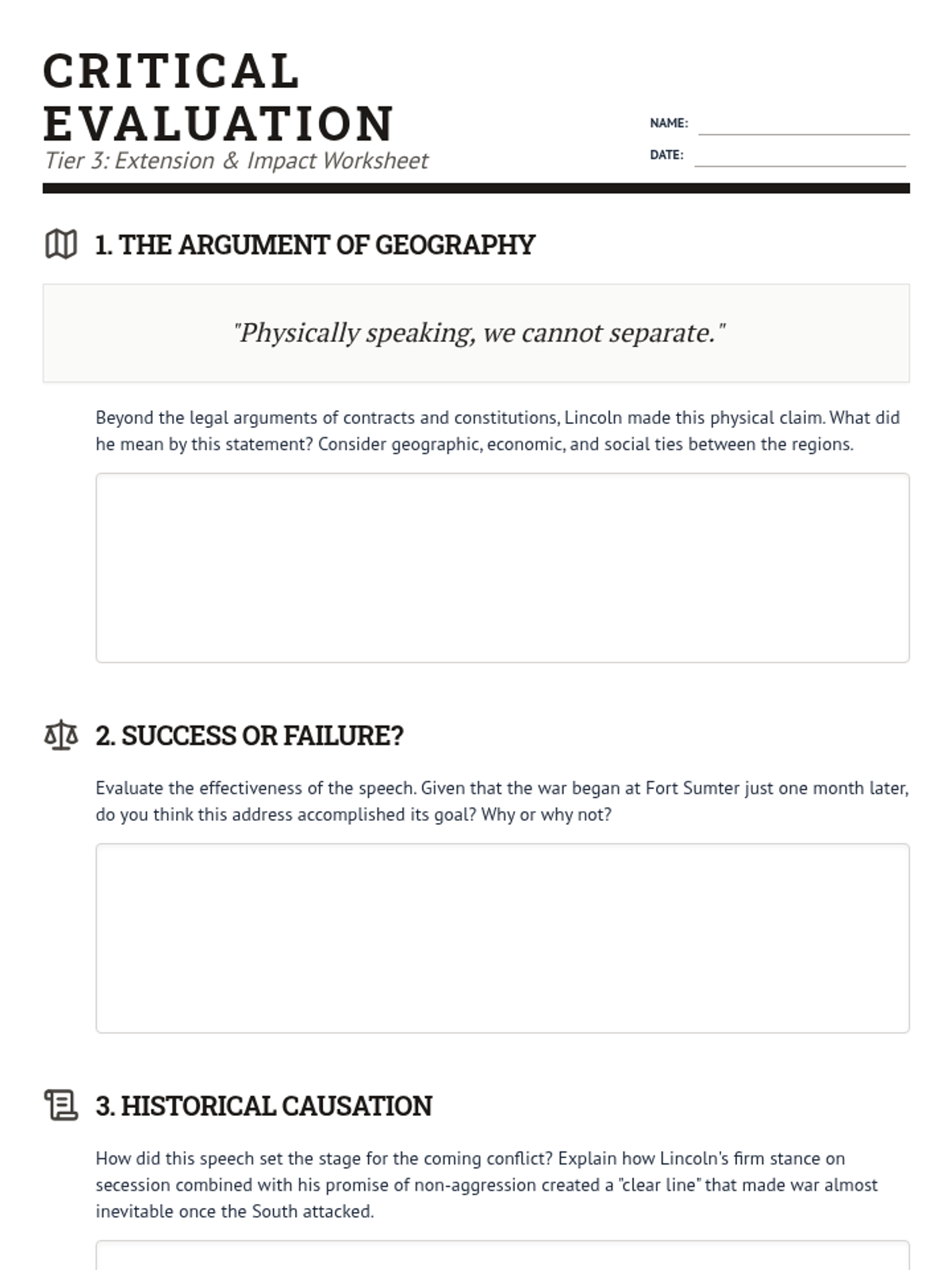
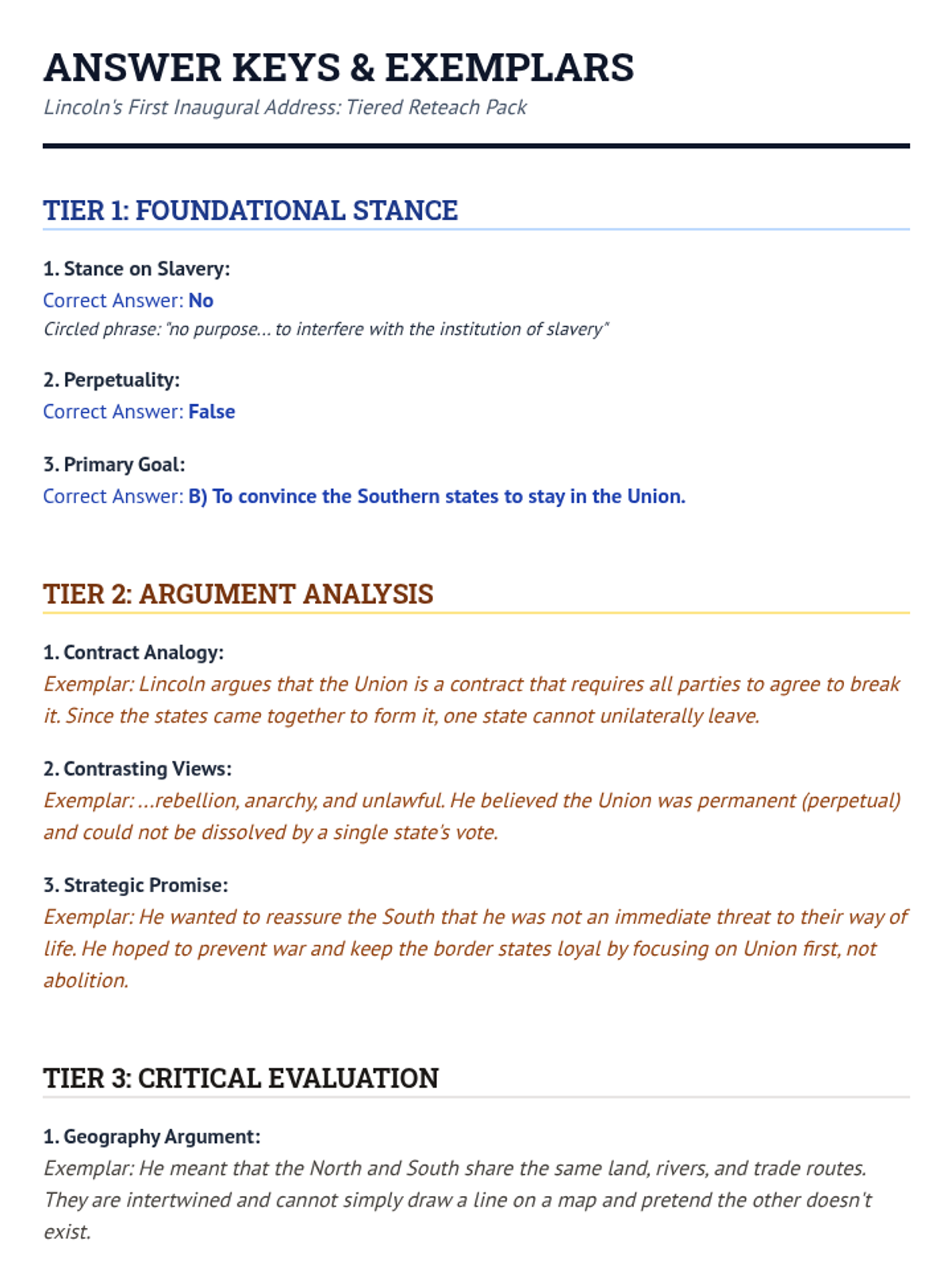
A targeted reteach lesson focused on correcting misconceptions about Abraham Lincoln's First Inaugural Address, specifically his initial stance on slavery, the legality of secession, and his intentions toward the South.
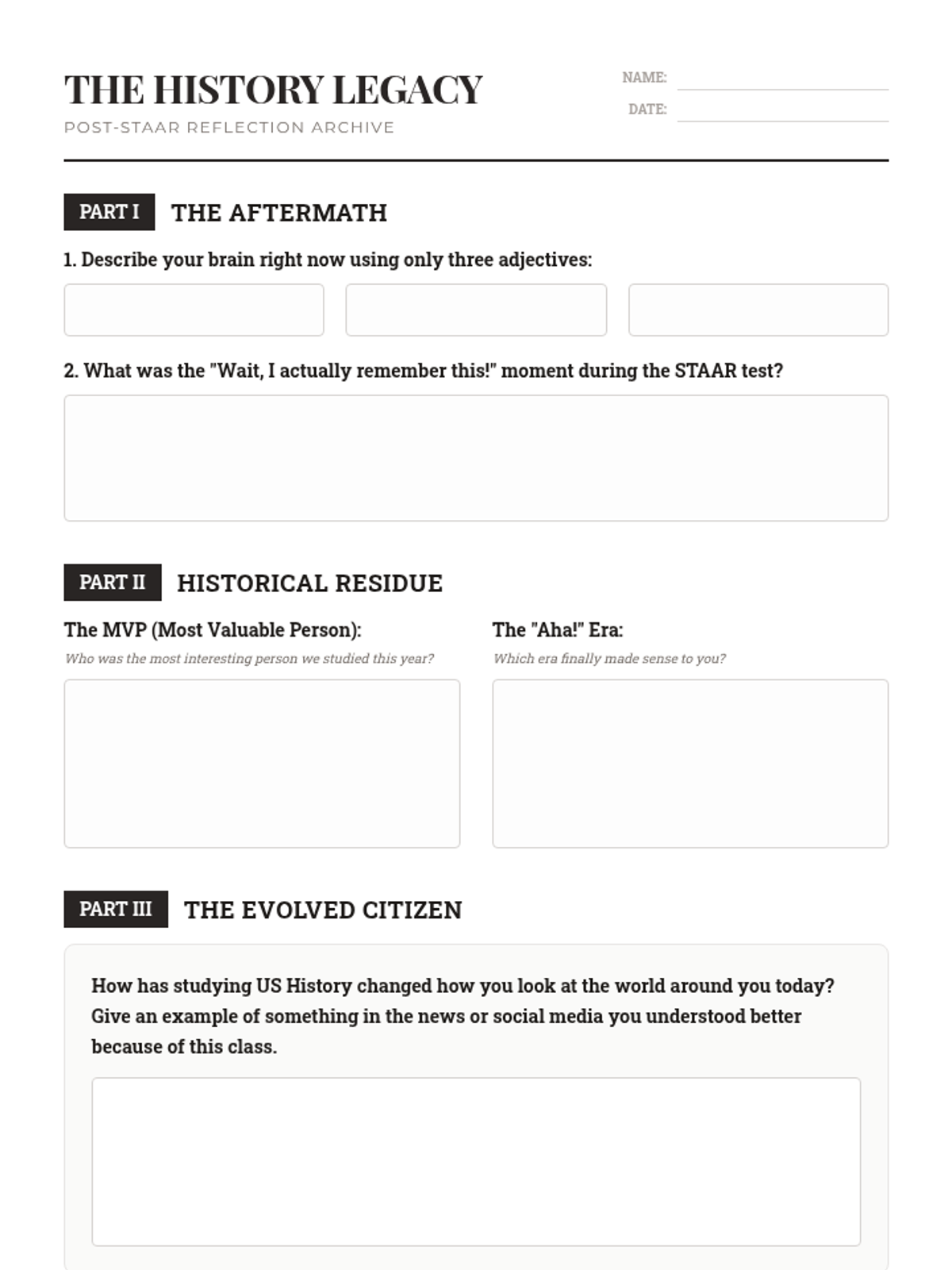
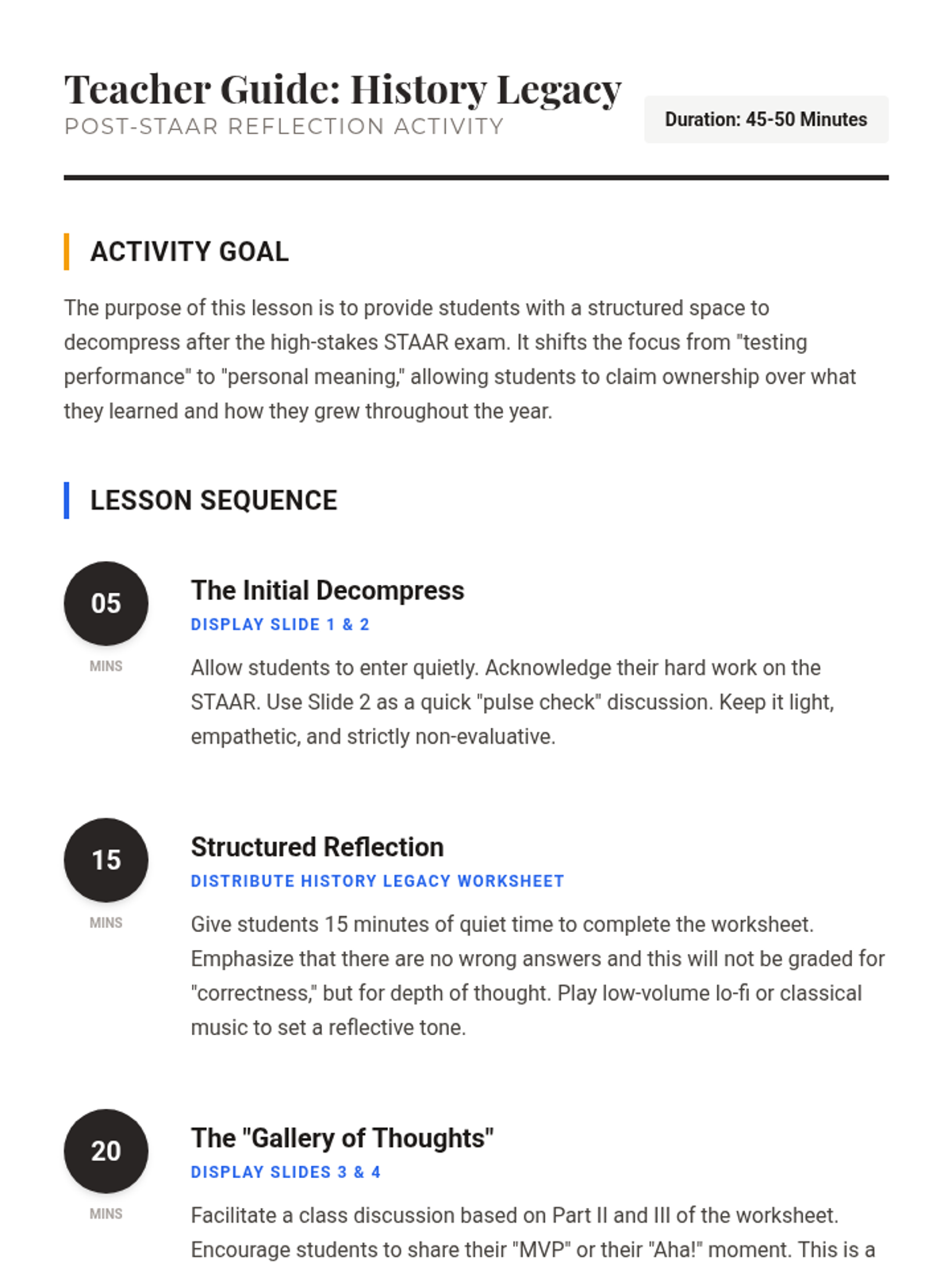
A one-period reflective experience for students to decompress after the US History STAAR exam, focusing on content mastery and personal growth.
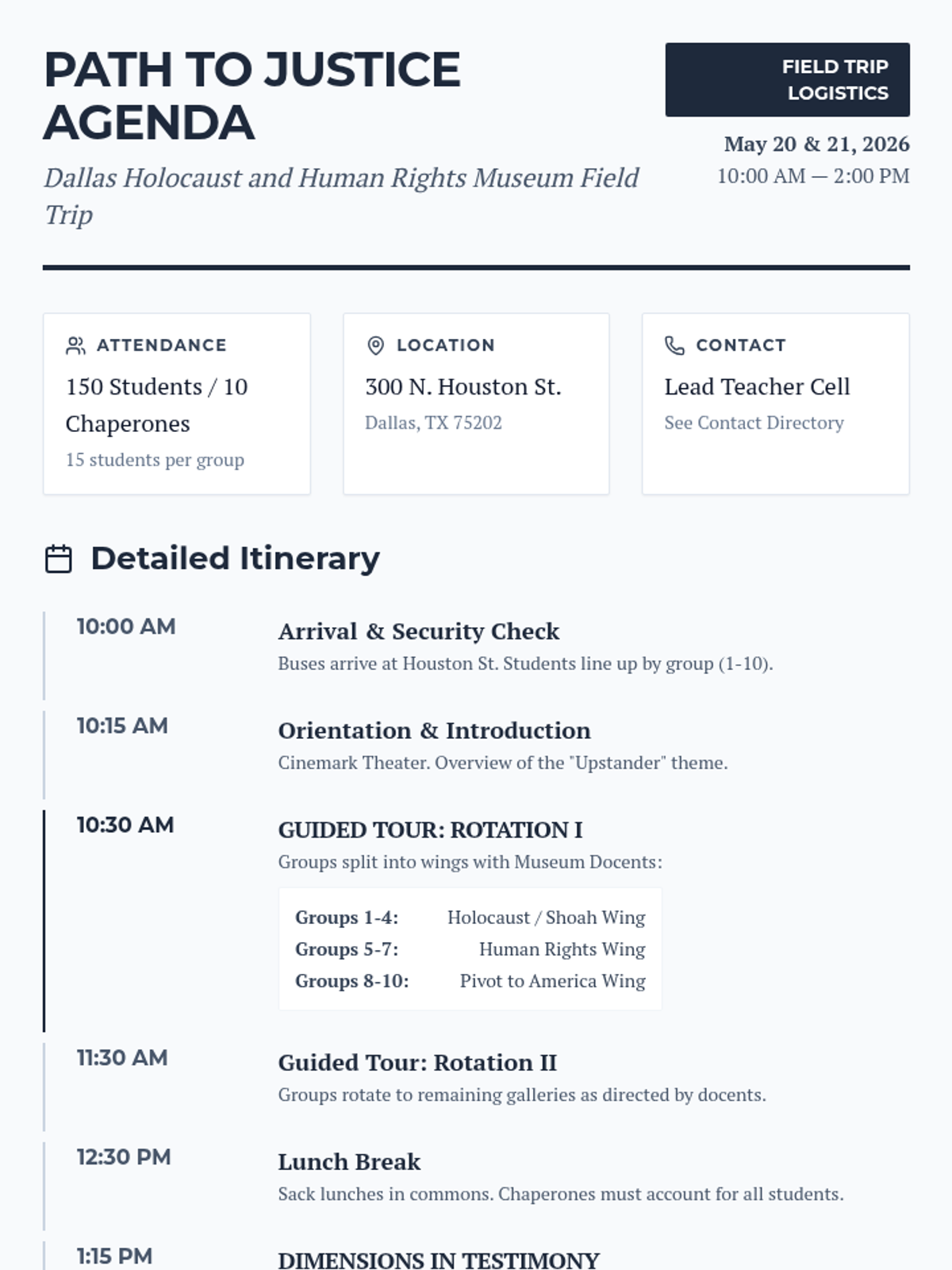
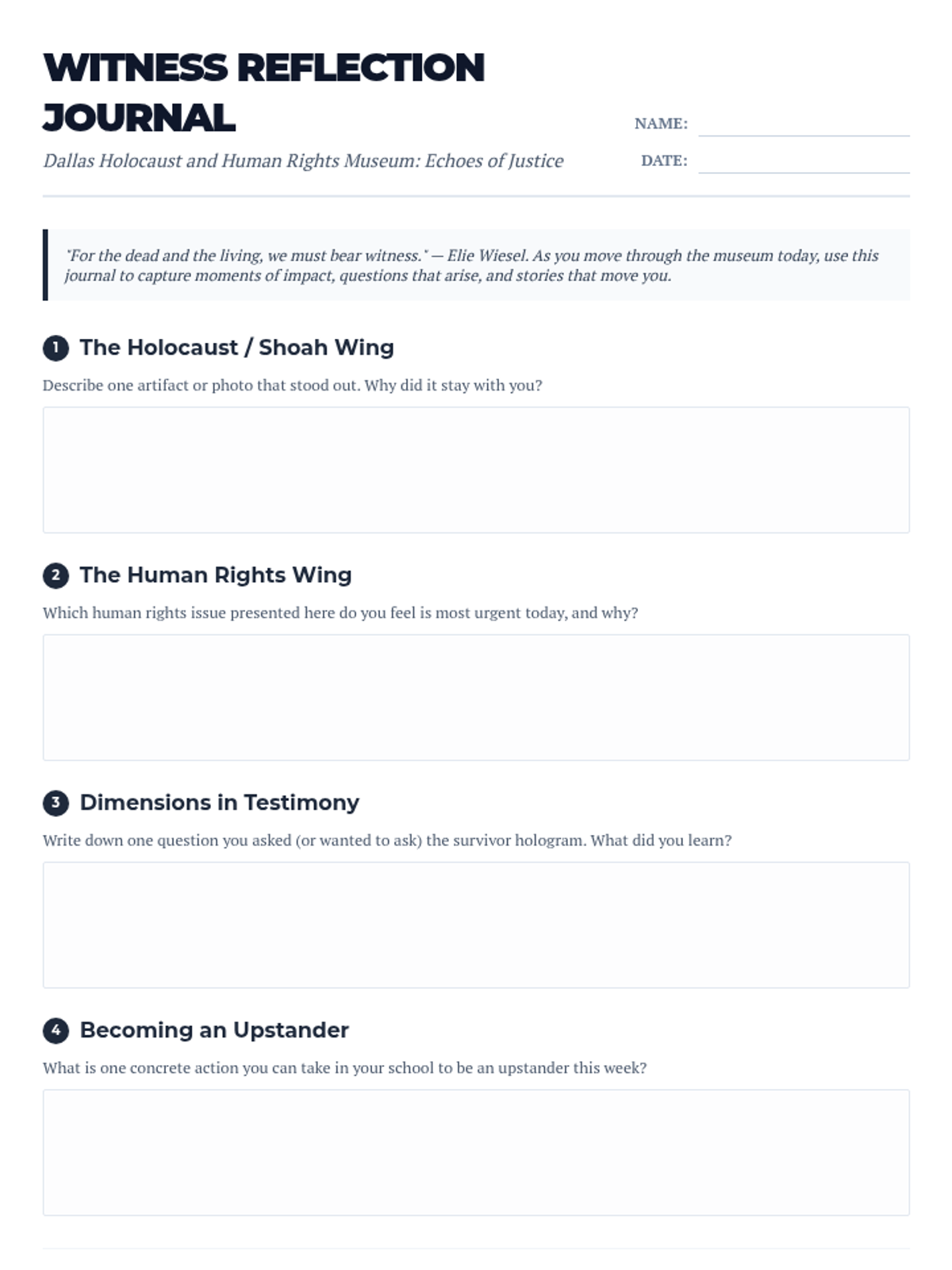
A comprehensive field trip plan for a visit to the Dallas Holocaust and Human Rights Museum, focusing on the history of the Holocaust, human rights struggles, and the importance of upstander behavior.
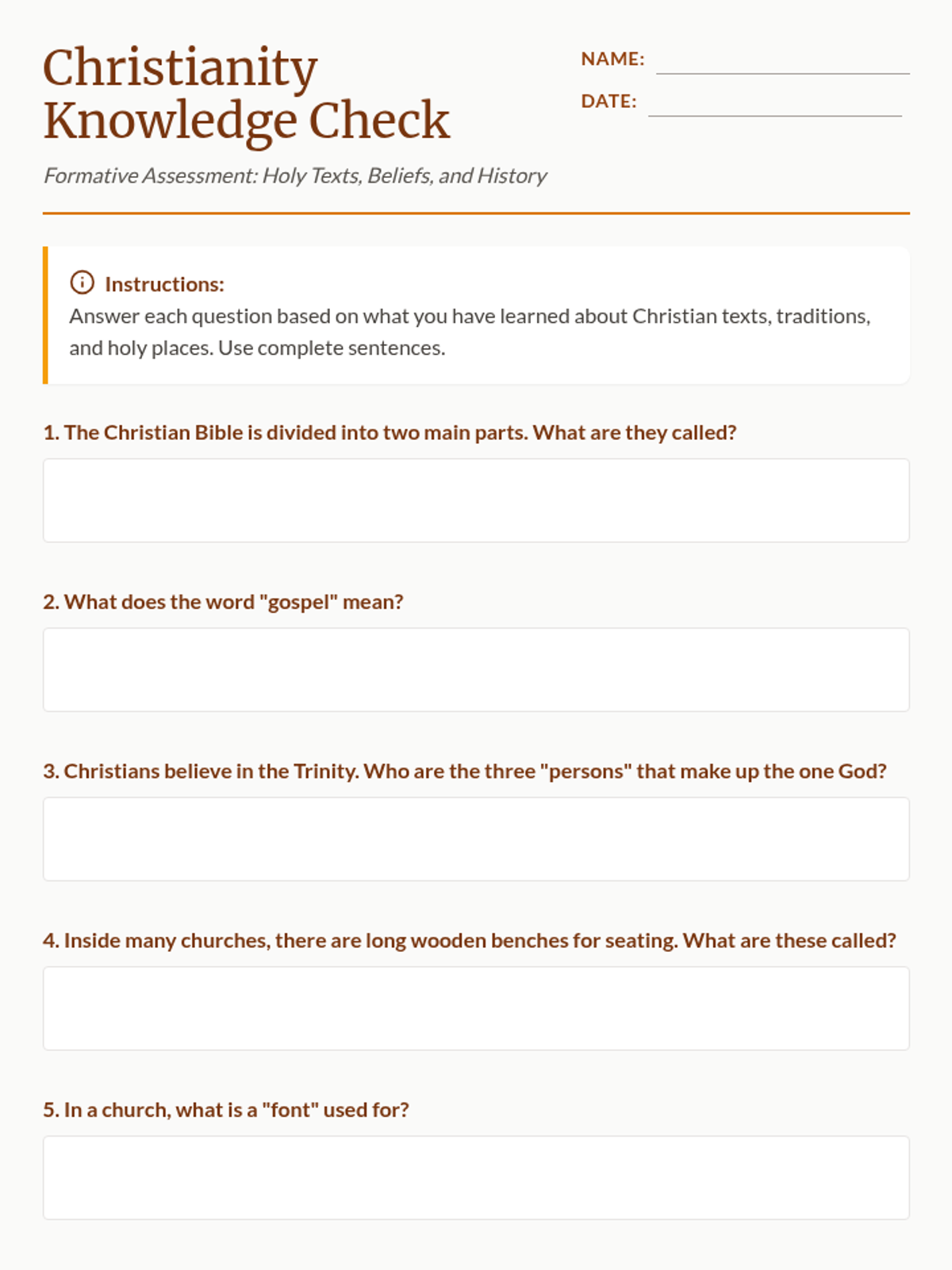
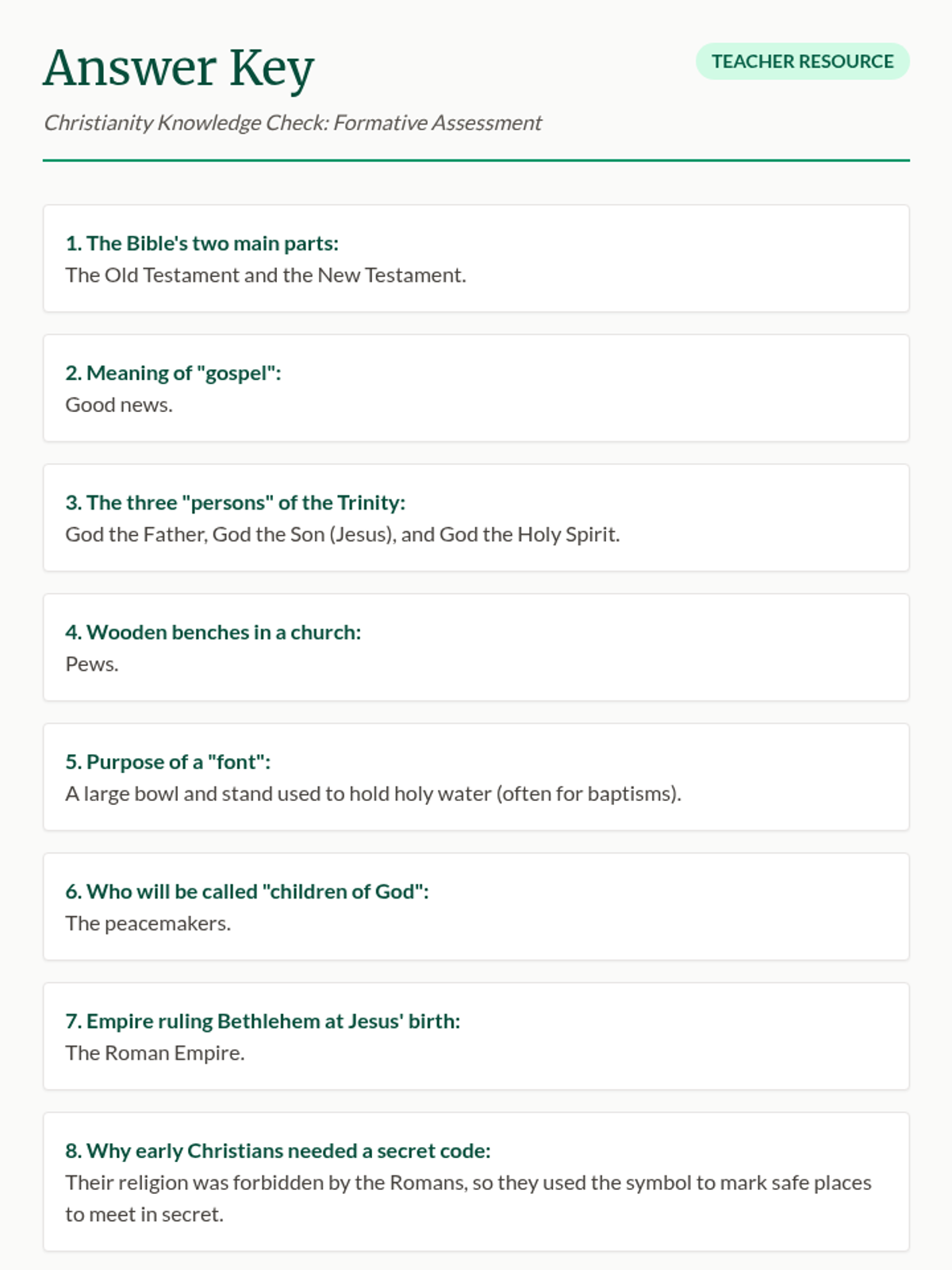
A lesson exploring the foundational texts, beliefs, and history of Christianity through the study of holy texts, sacred spaces, and key historical figures.
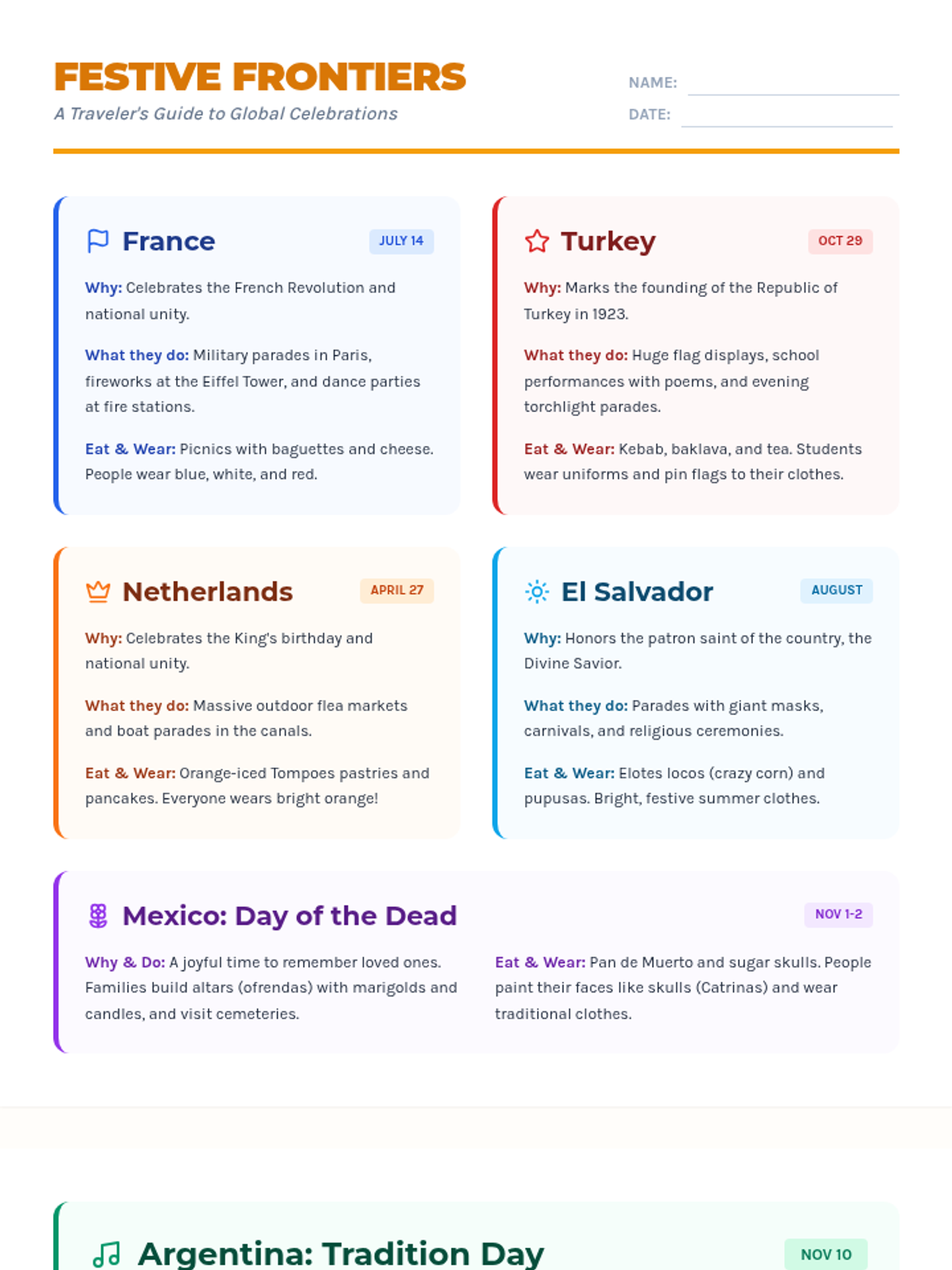
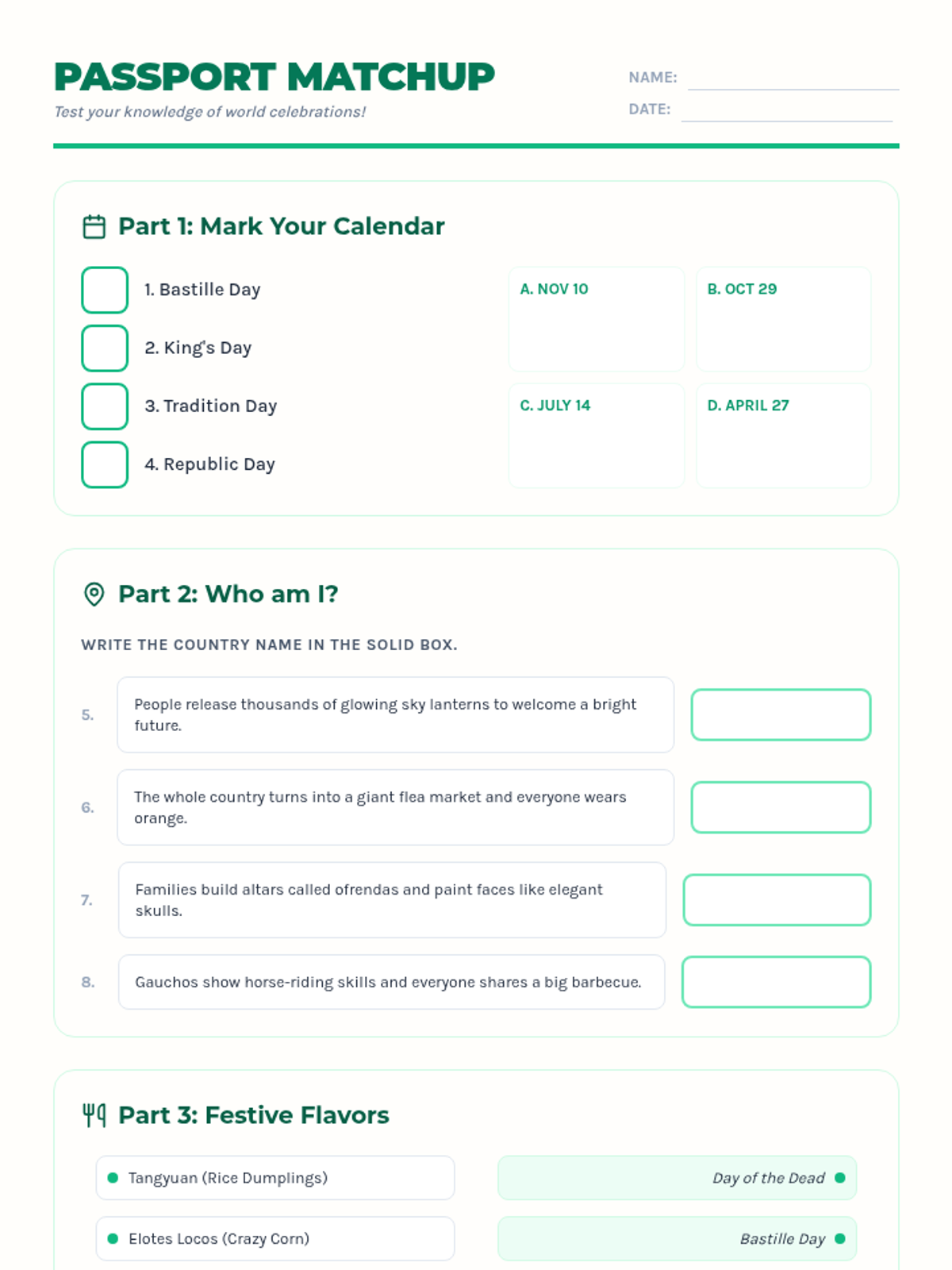
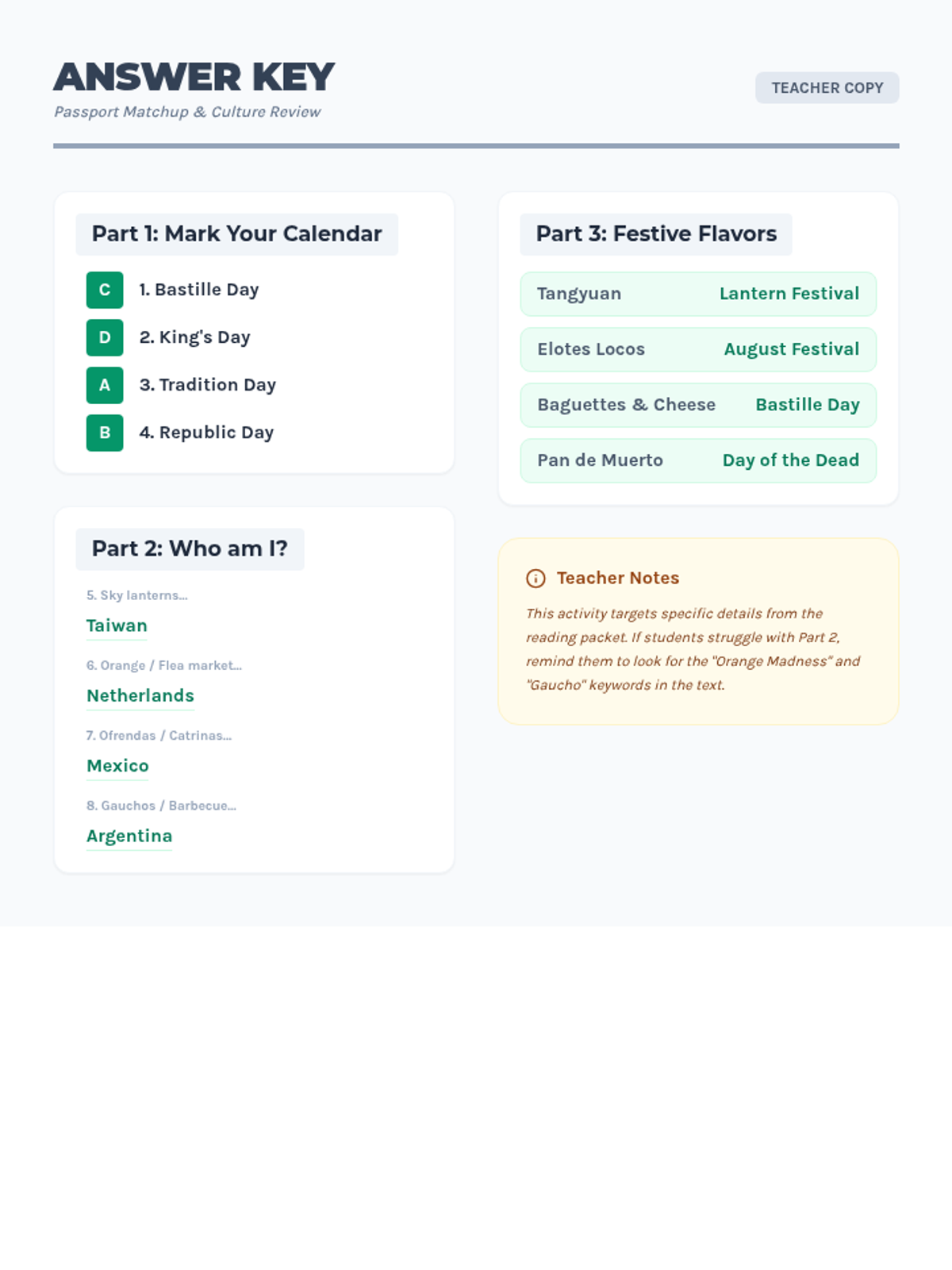
Explore traditional festivals from seven different countries through detailed reading passages and interactive matching activities designed for upper-intermediate ESL students.
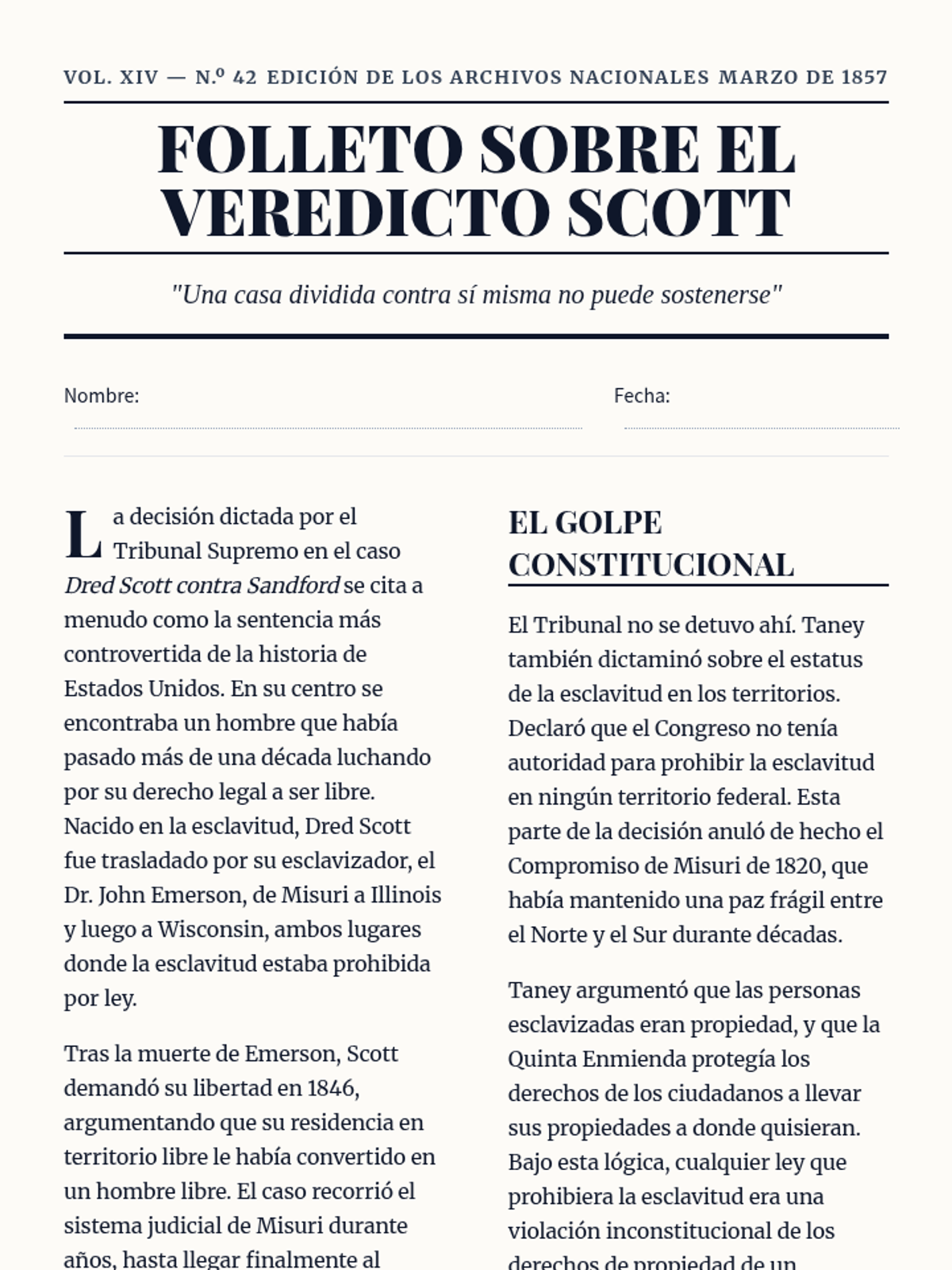
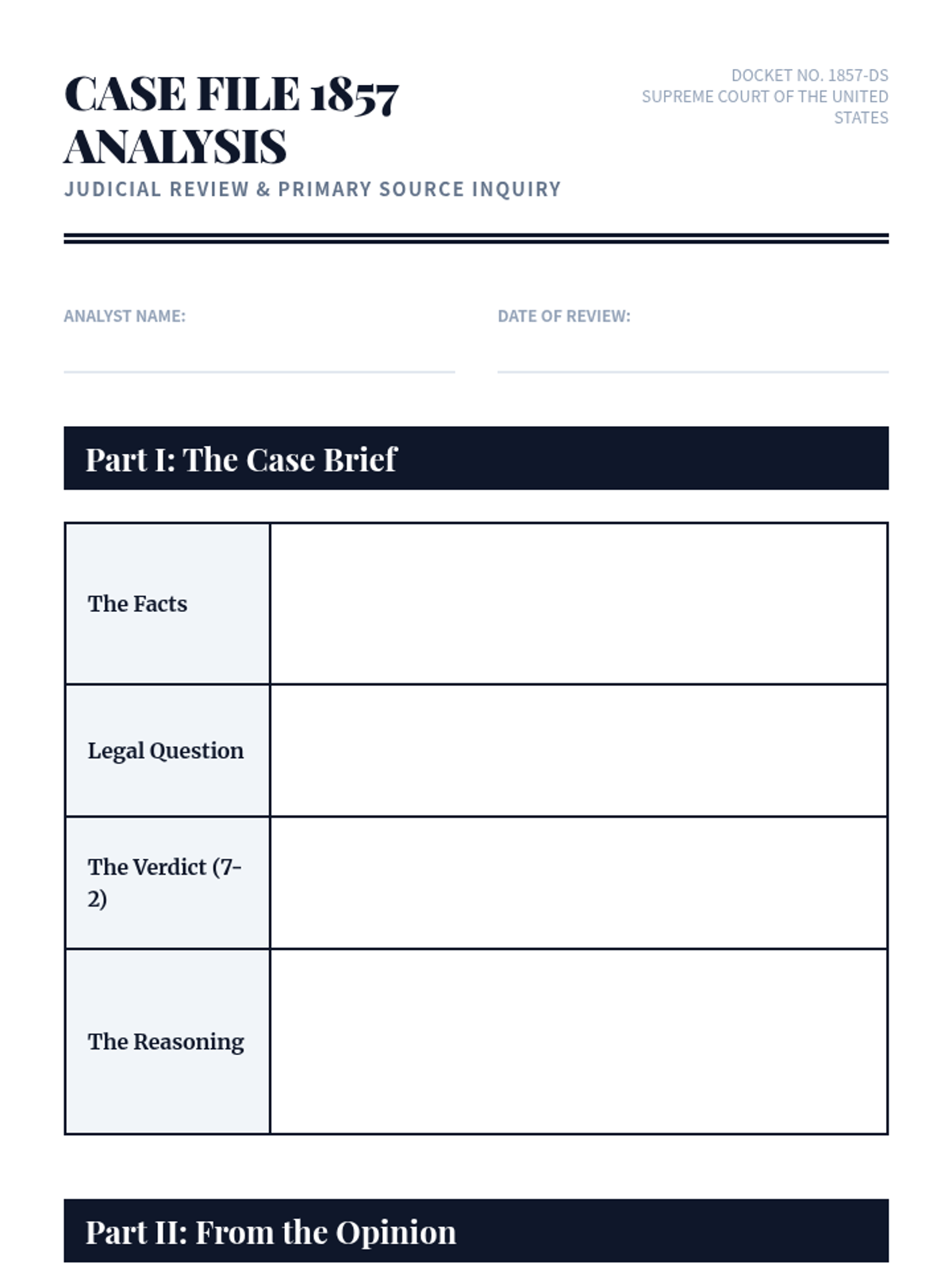
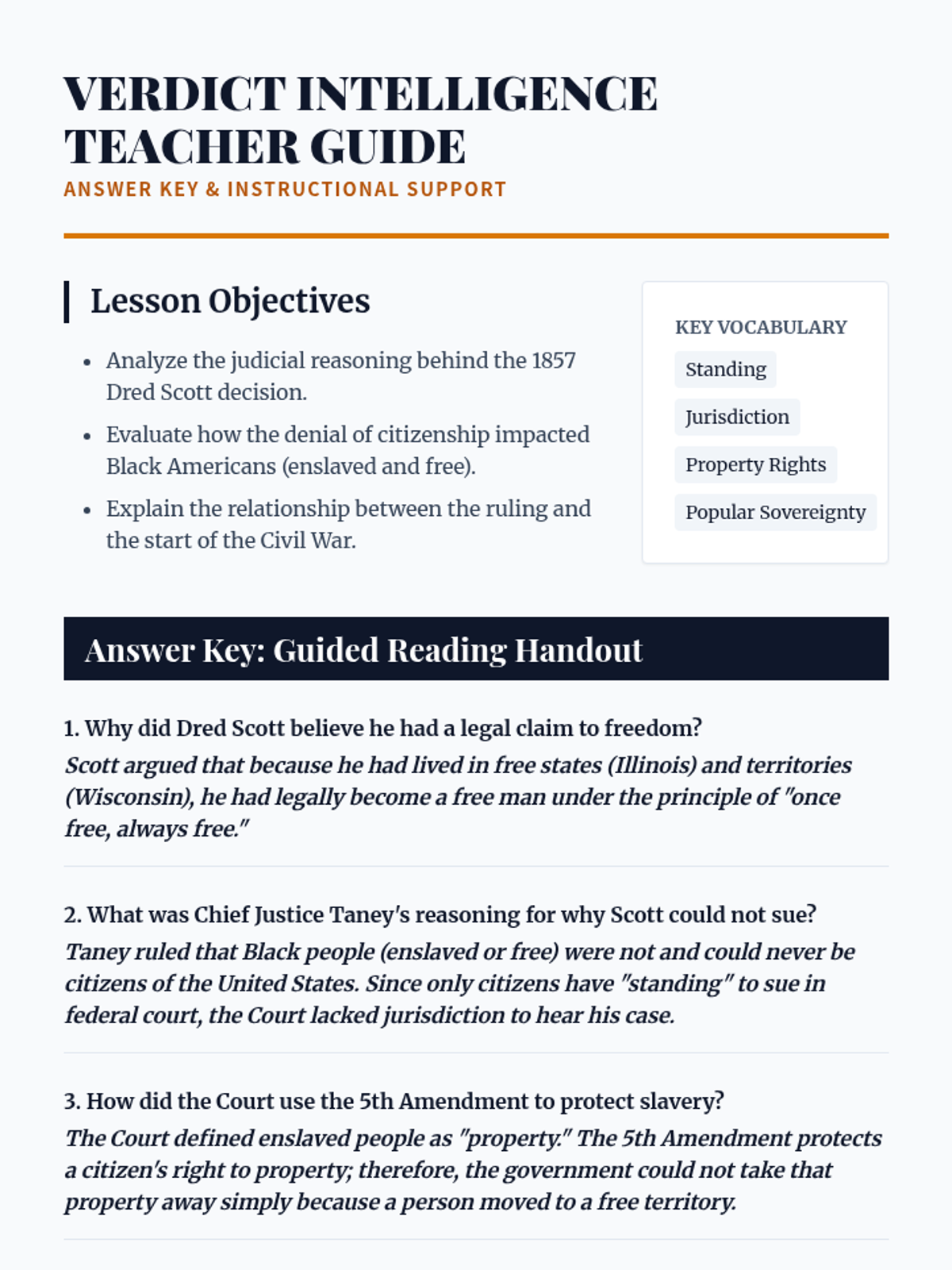
Explore the landmark Dred Scott v. Sandford case, focusing on the definition of American citizenship and the decision's role as a catalyst for the American Civil War. Students analyze primary source excerpts and the legal reasoning of the Taney Court.
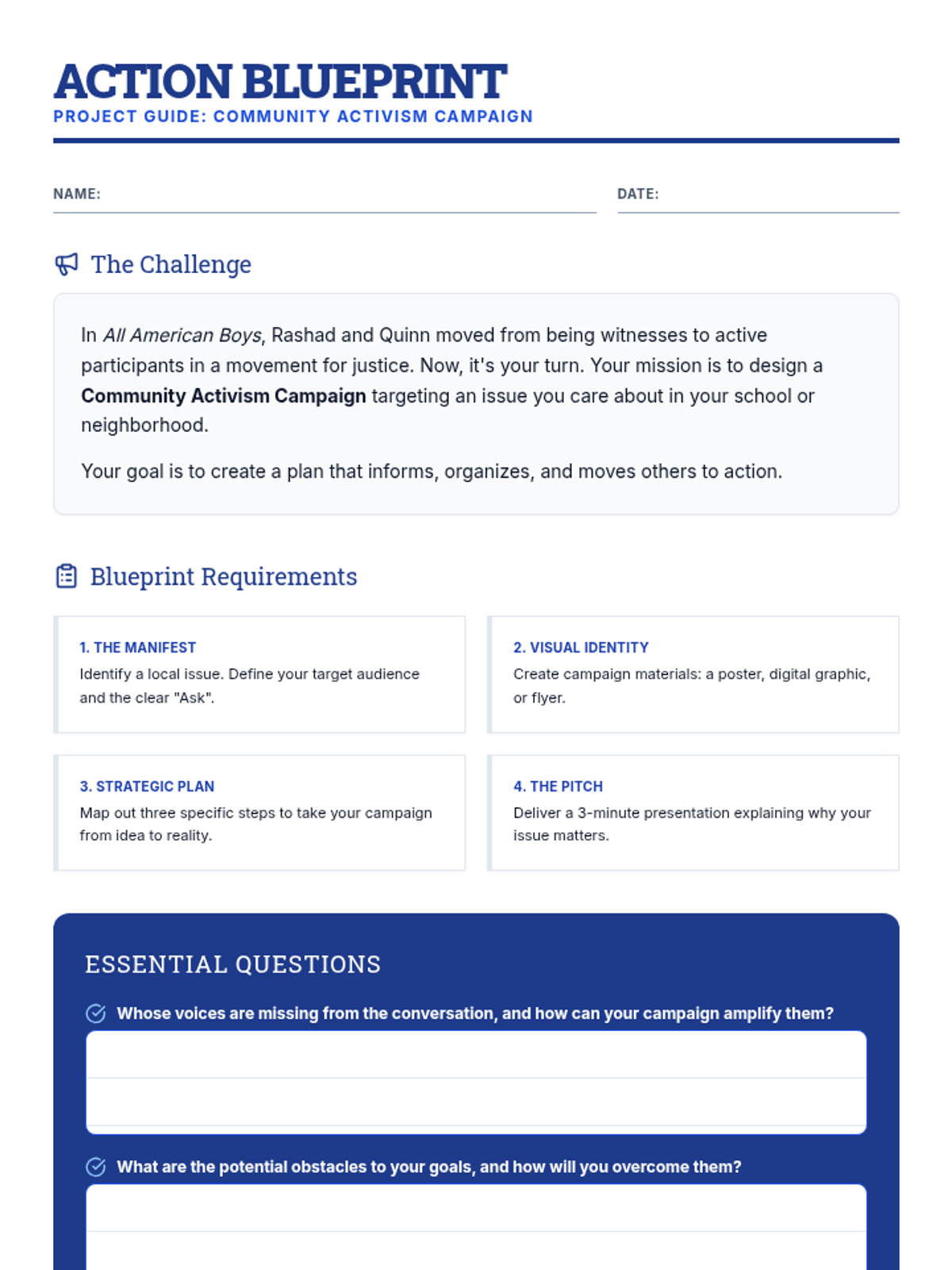
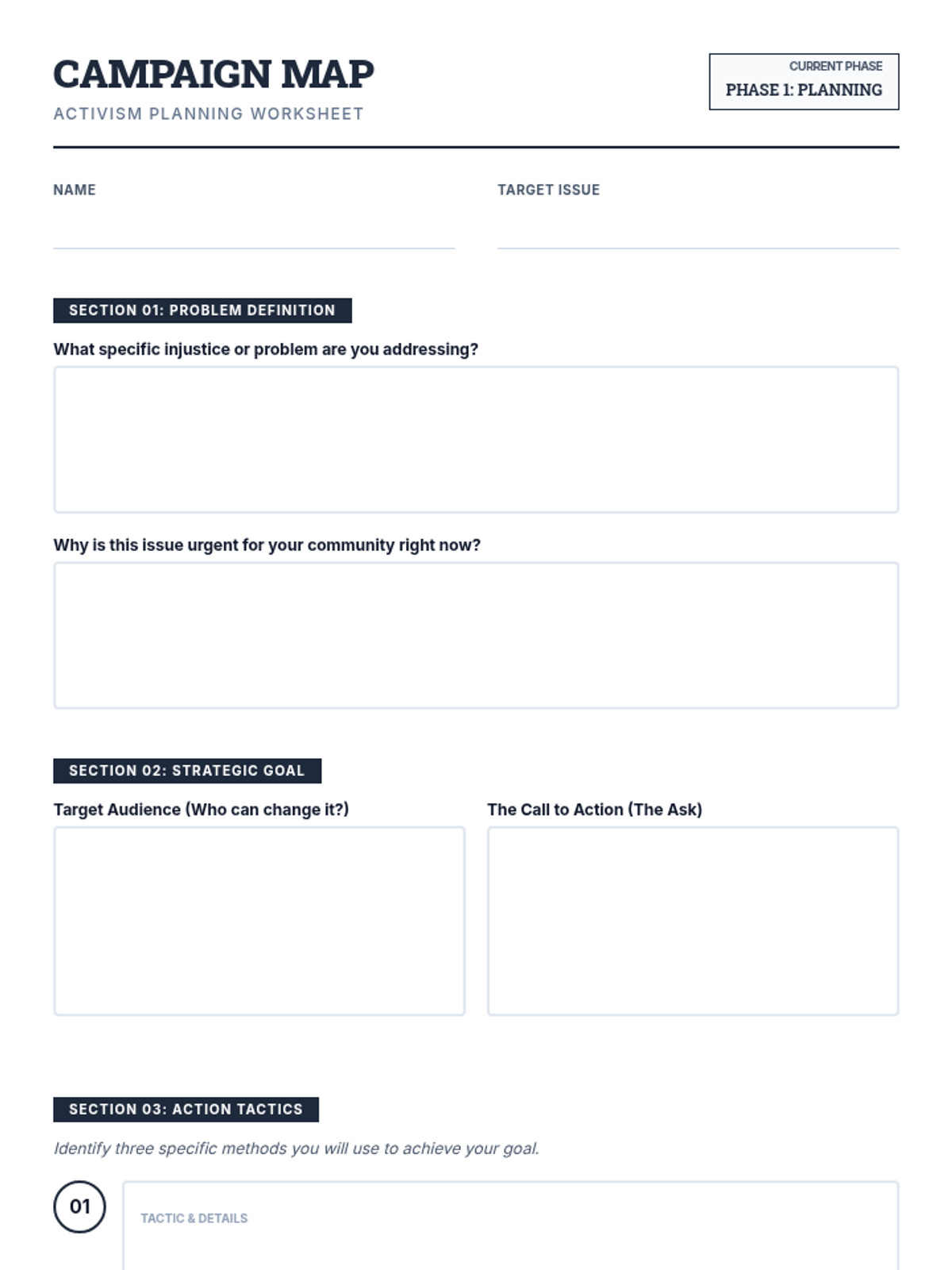
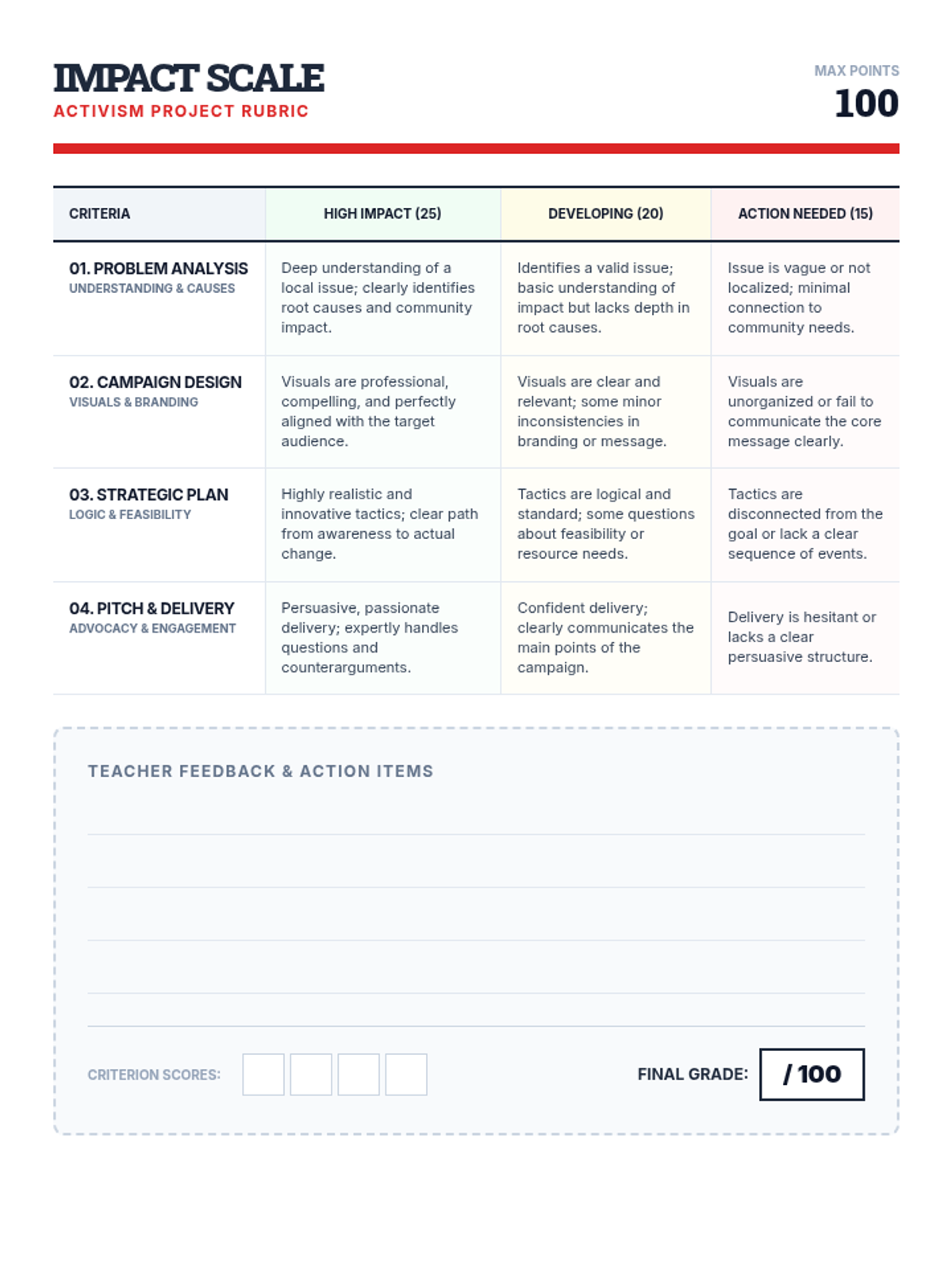
A project-based lesson where students design and launch a community activism campaign inspired by the themes of justice and civic engagement in All American Boys.
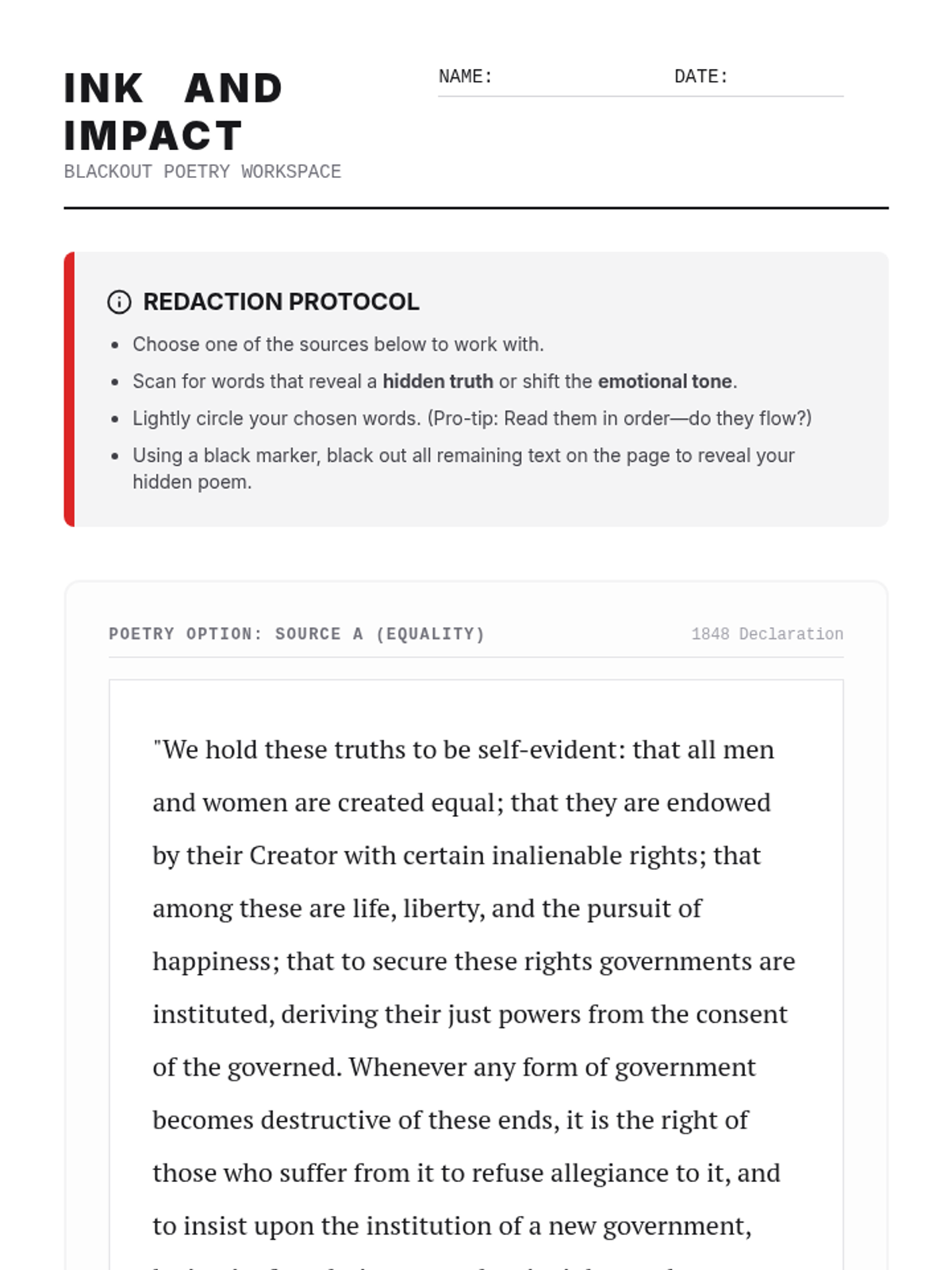
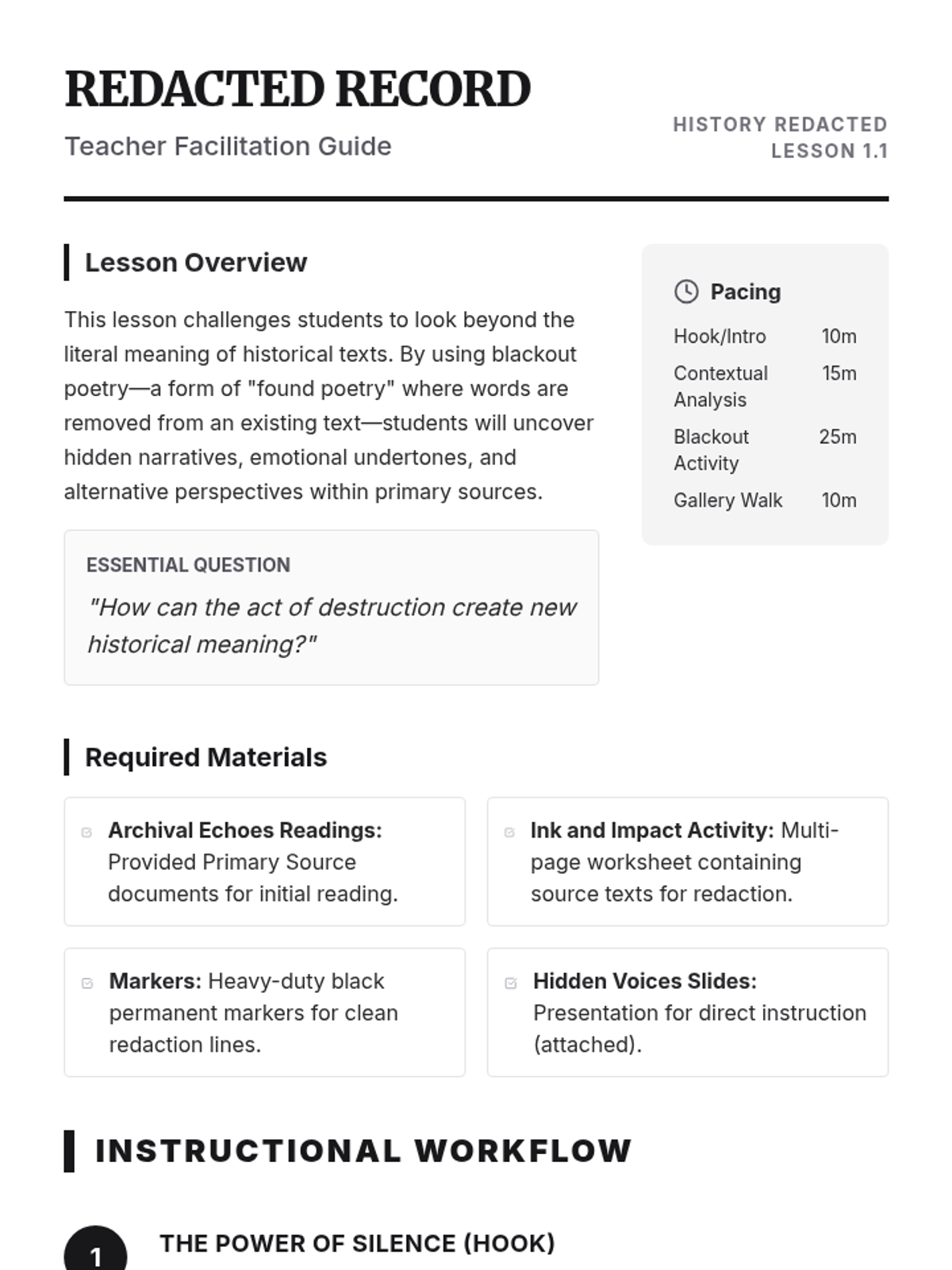
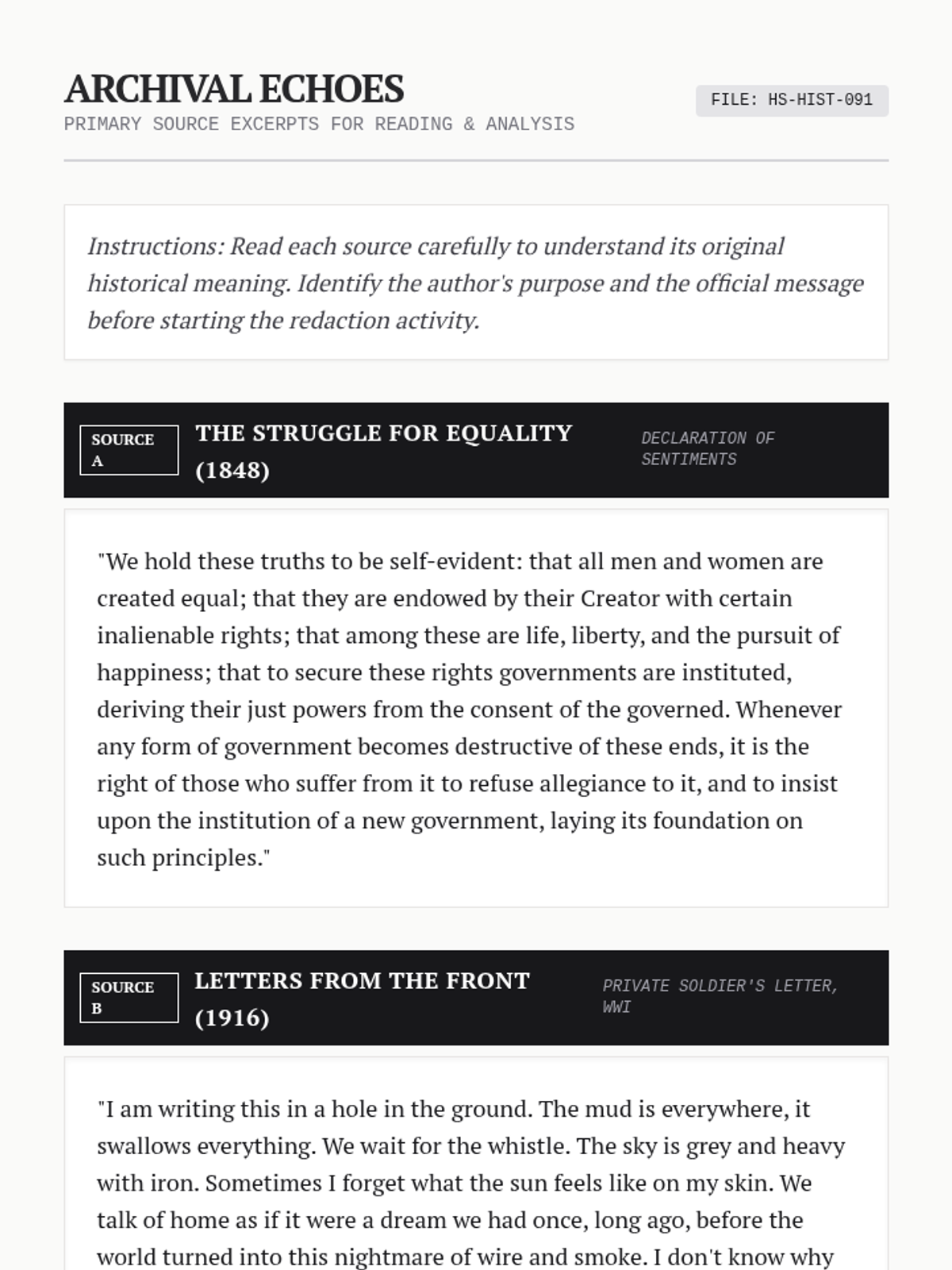
A high school history and ELA integration lesson where students use blackout poetry to extract new emotional truths and perspectives from primary source documents. Students explore how language can be repurposed to highlight voices that have been marginalized or silenced throughout history.
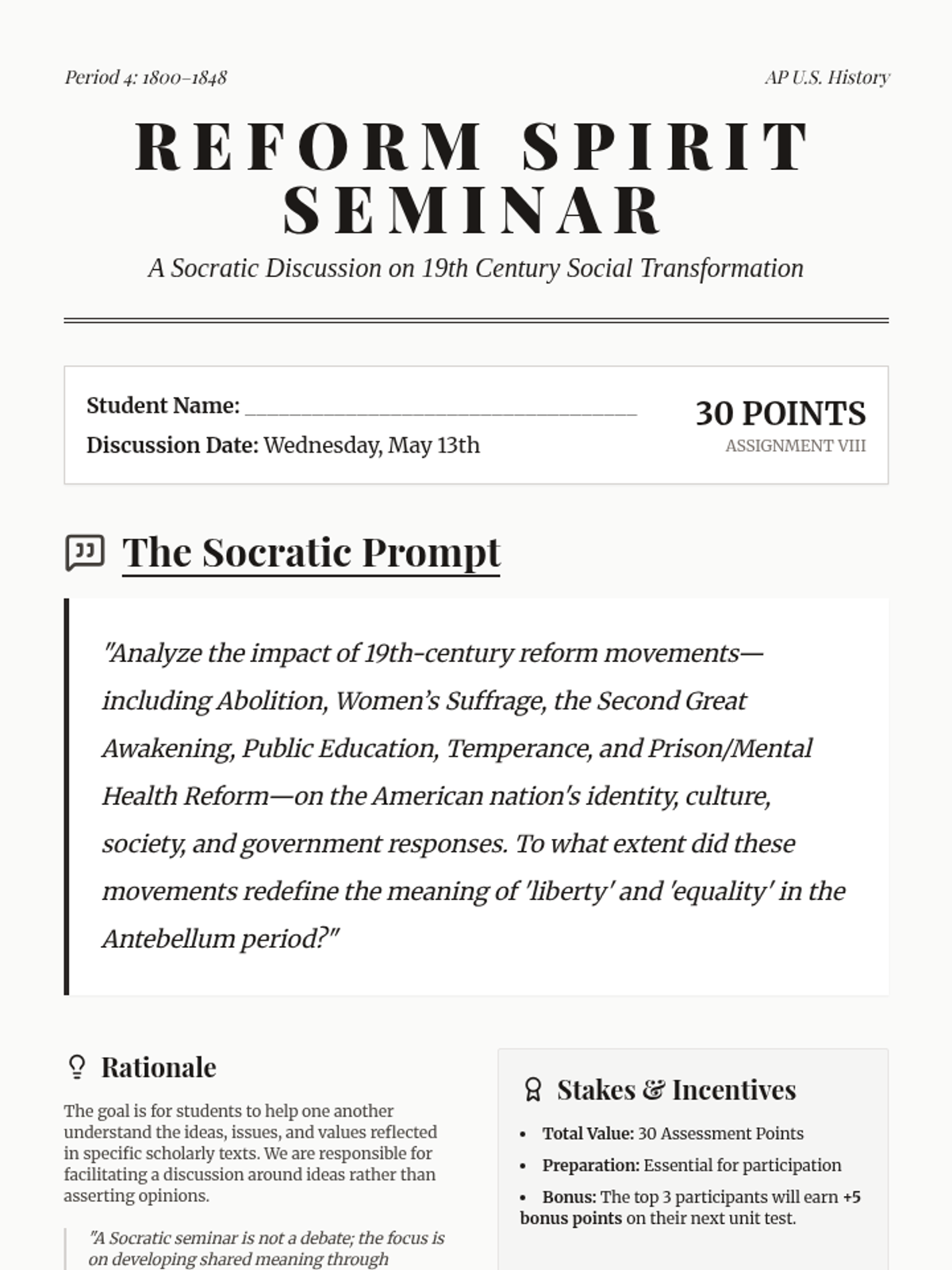
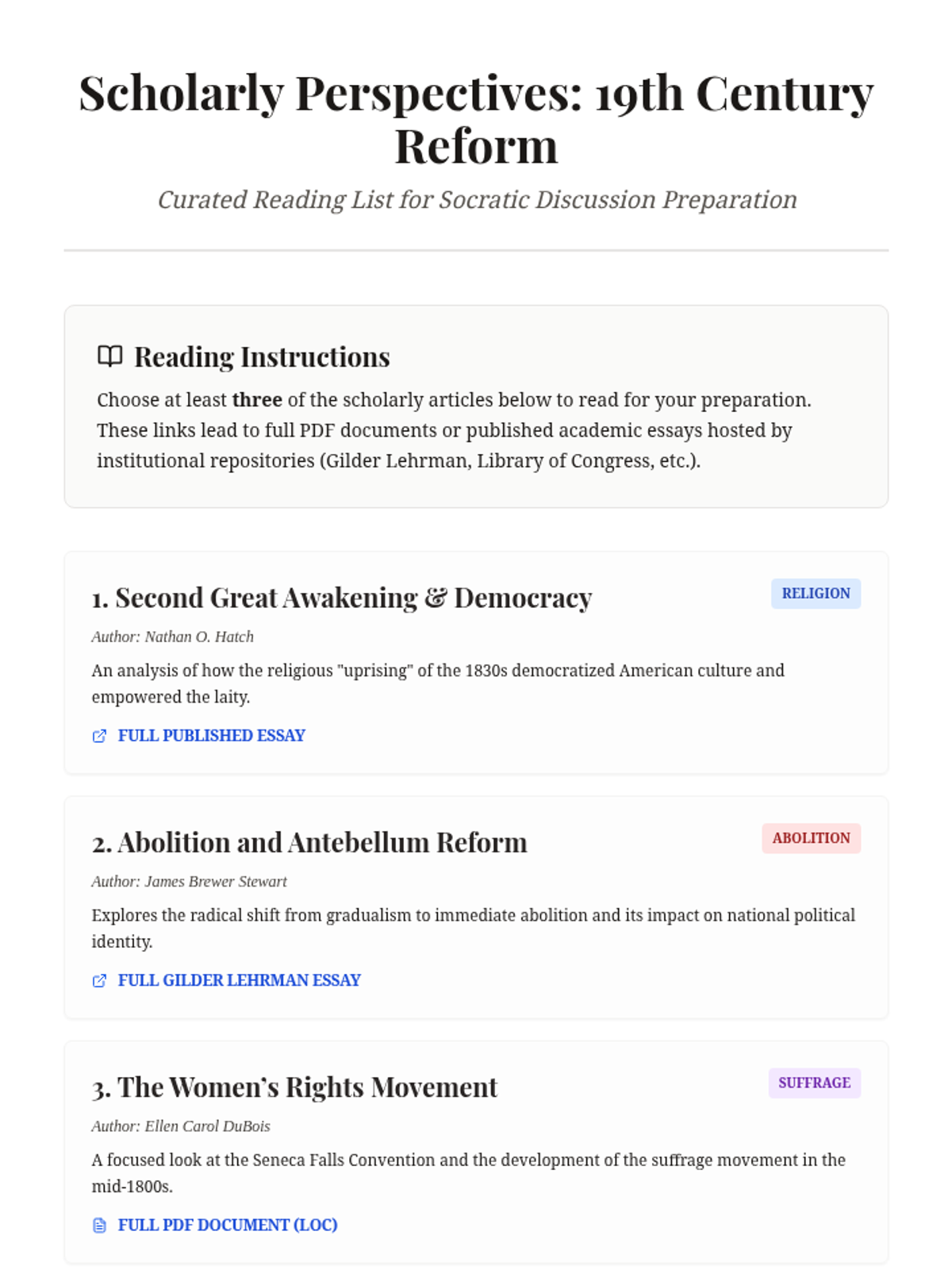
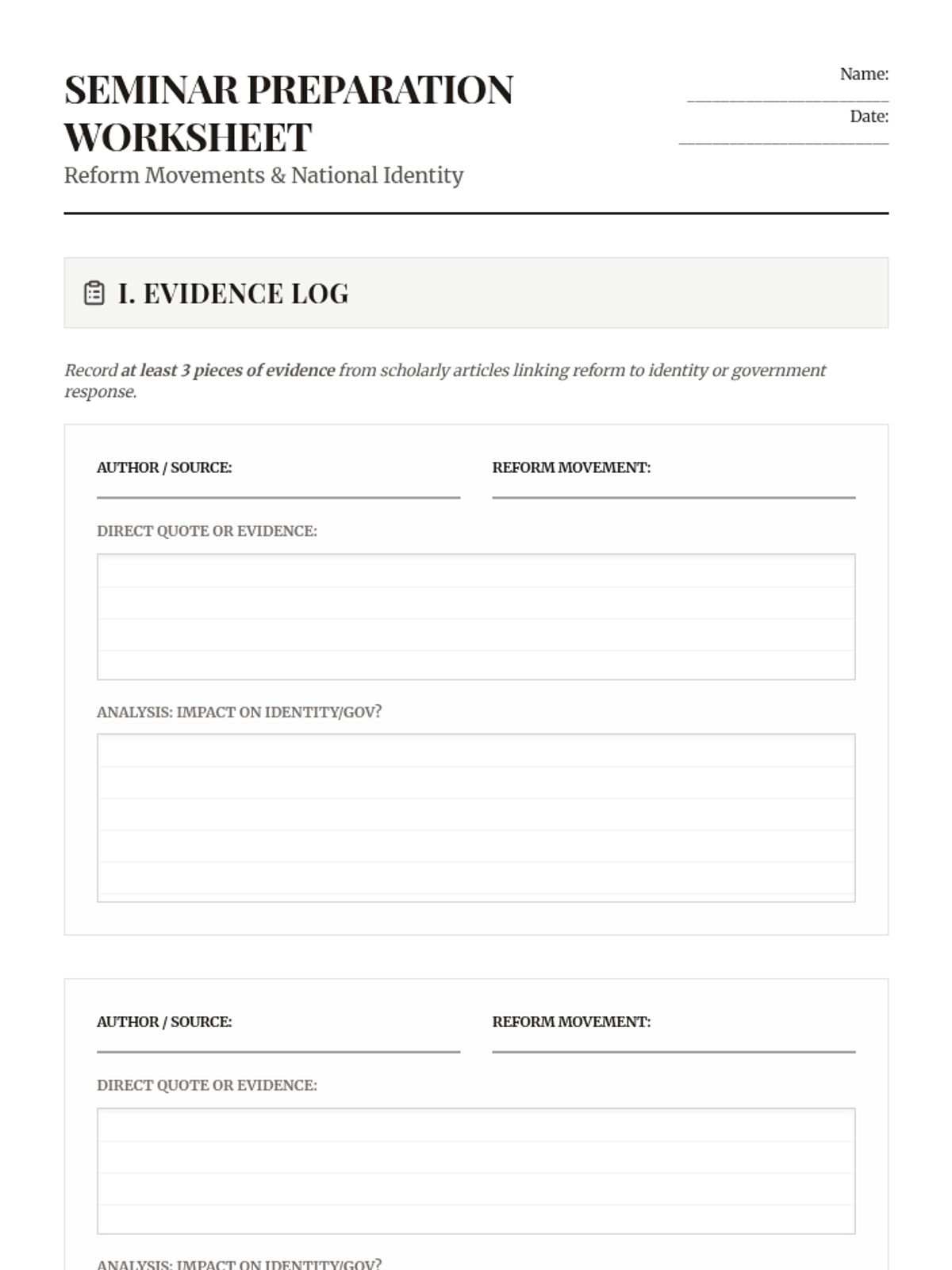
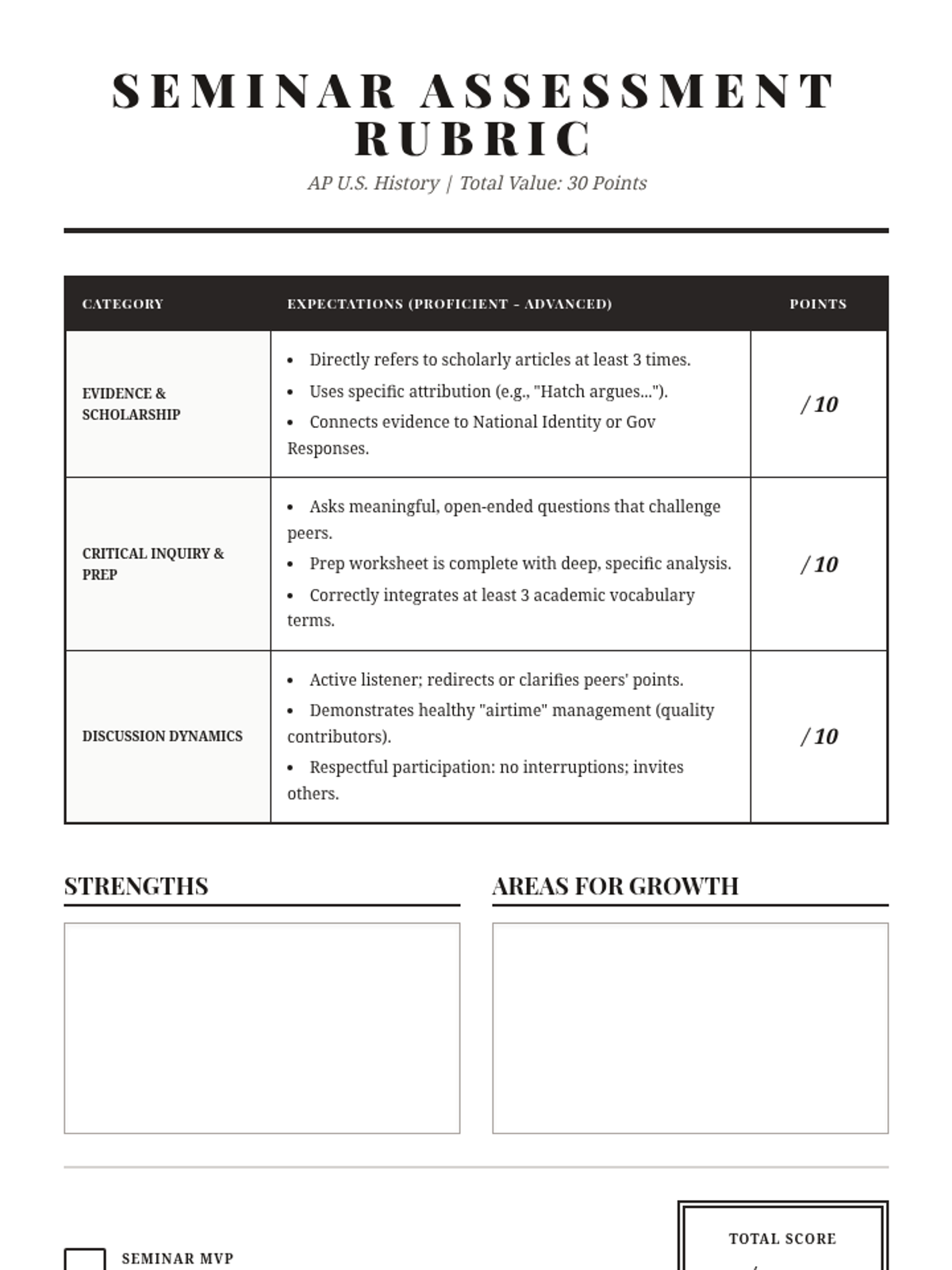
A comprehensive Socratic Seminar unit focused on 19th-century reform movements, including scholarly reading links, preparation guides, and a formal 30-point evaluation rubric.