A one-period reflective experience for students to decompress after the US History STAAR exam, focusing on content mastery and personal growth.
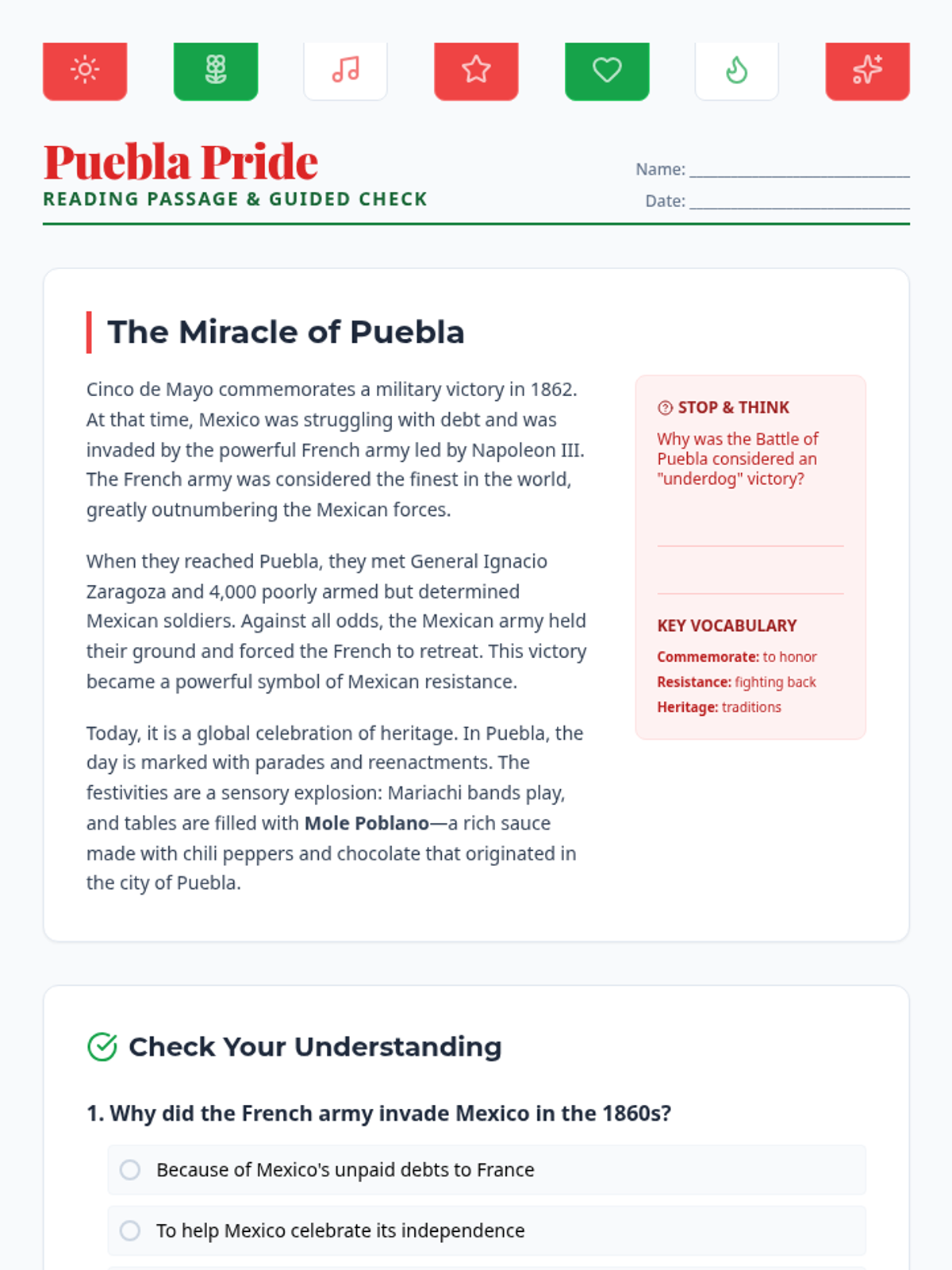
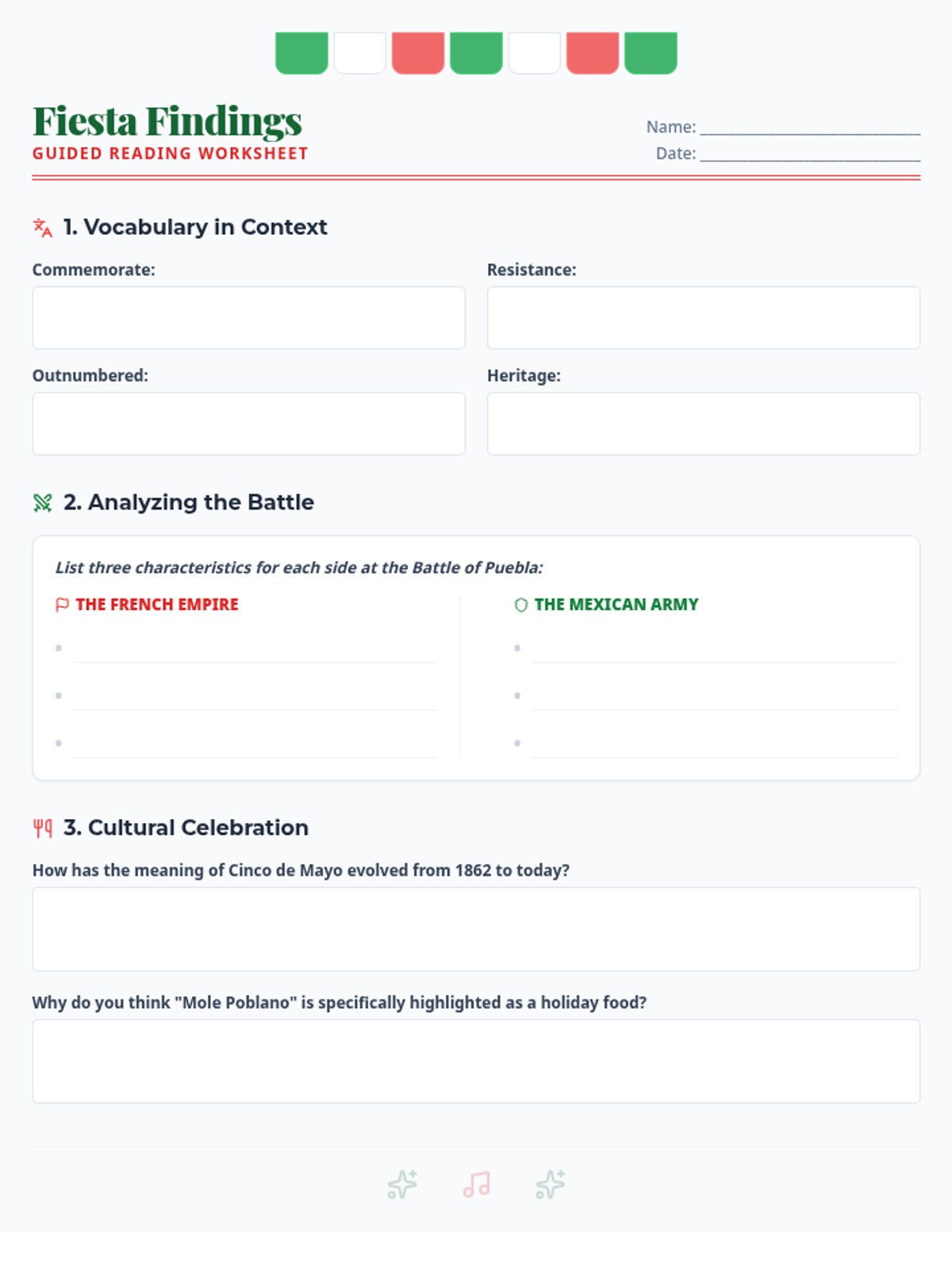
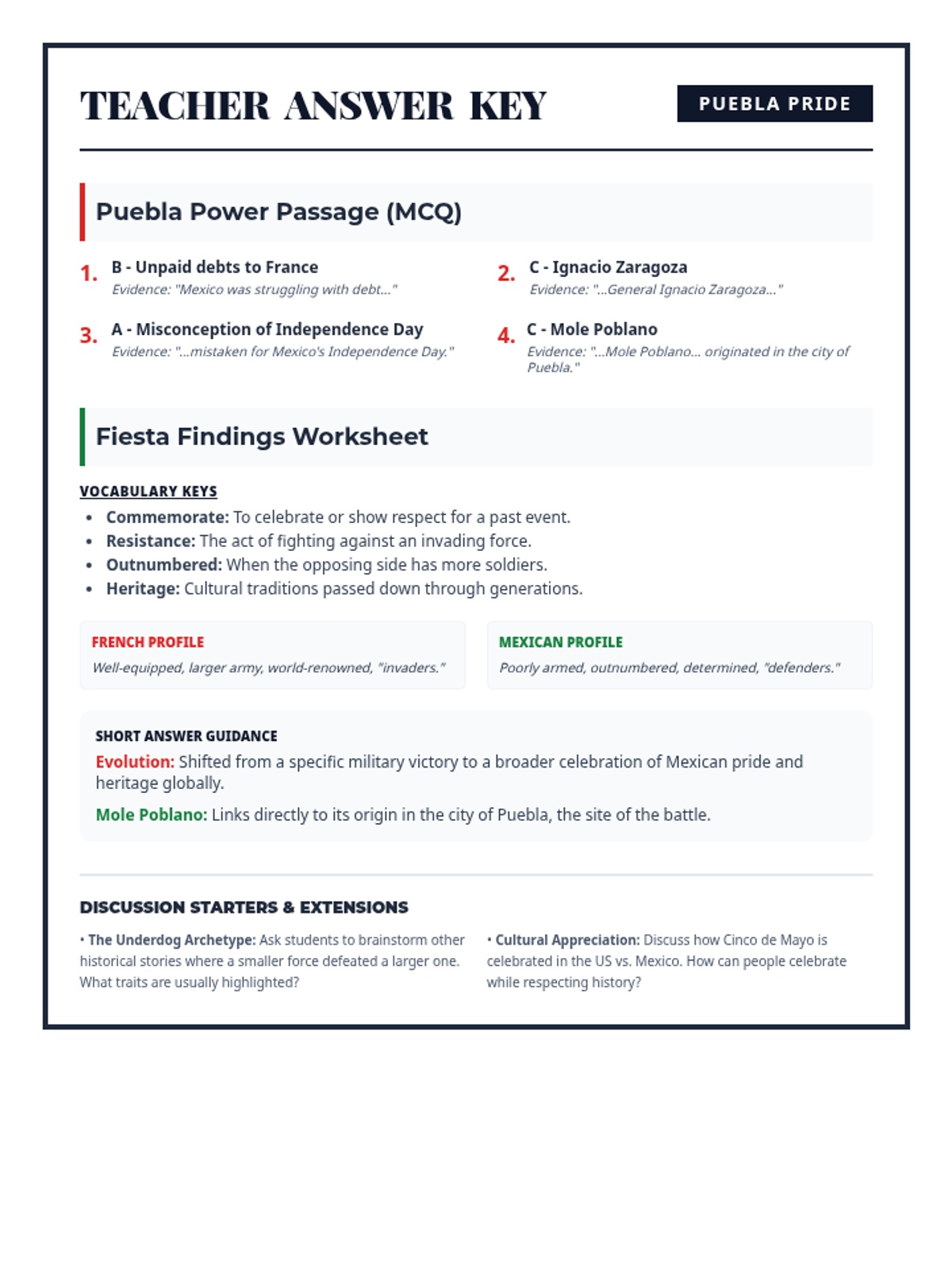
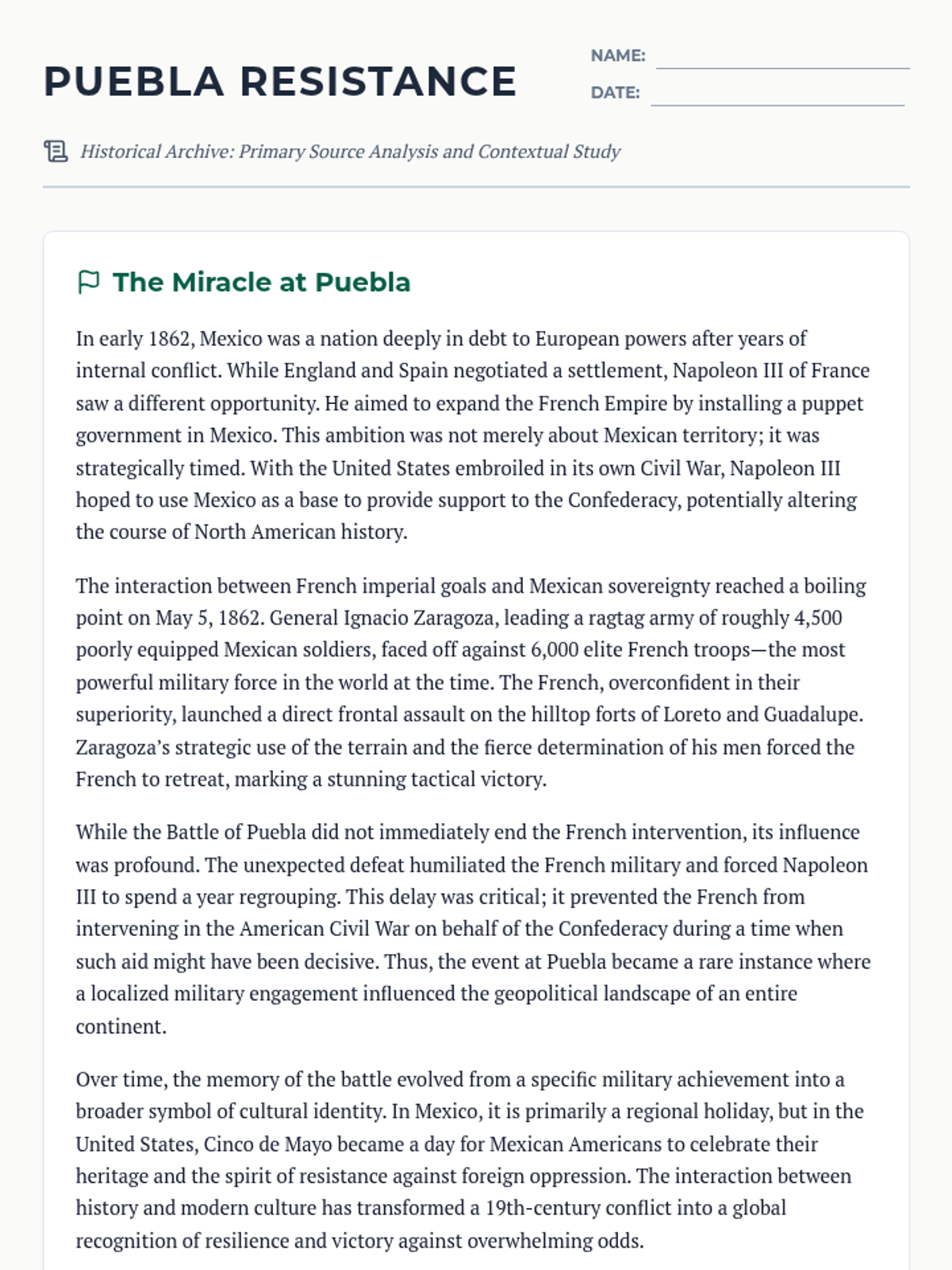
A comprehensive look at the history of the Battle of Puebla and how Cinco de Mayo has evolved into a vibrant celebration of Mexican culture and cuisine.
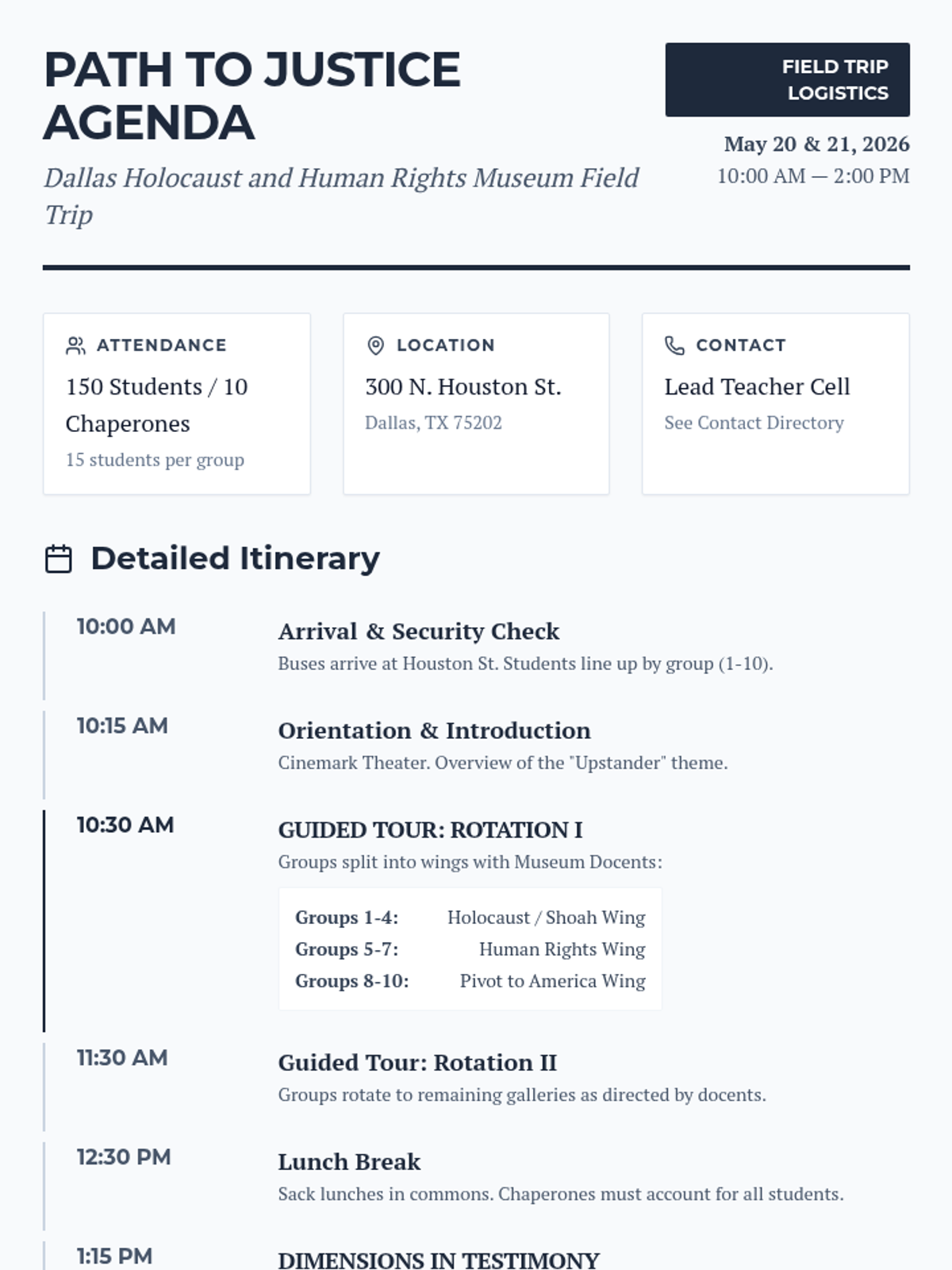
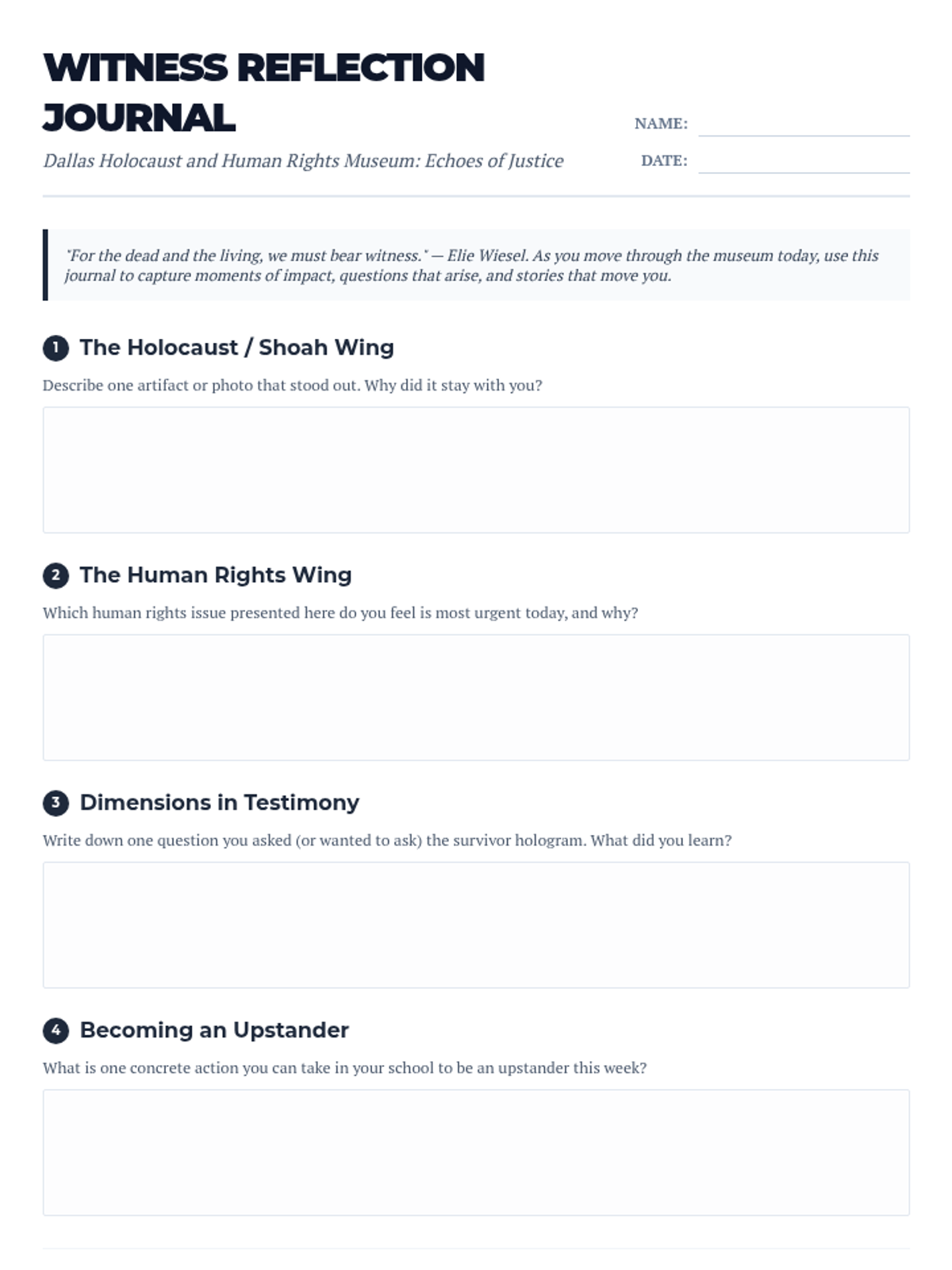
A comprehensive field trip plan for a visit to the Dallas Holocaust and Human Rights Museum, focusing on the history of the Holocaust, human rights struggles, and the importance of upstander behavior.
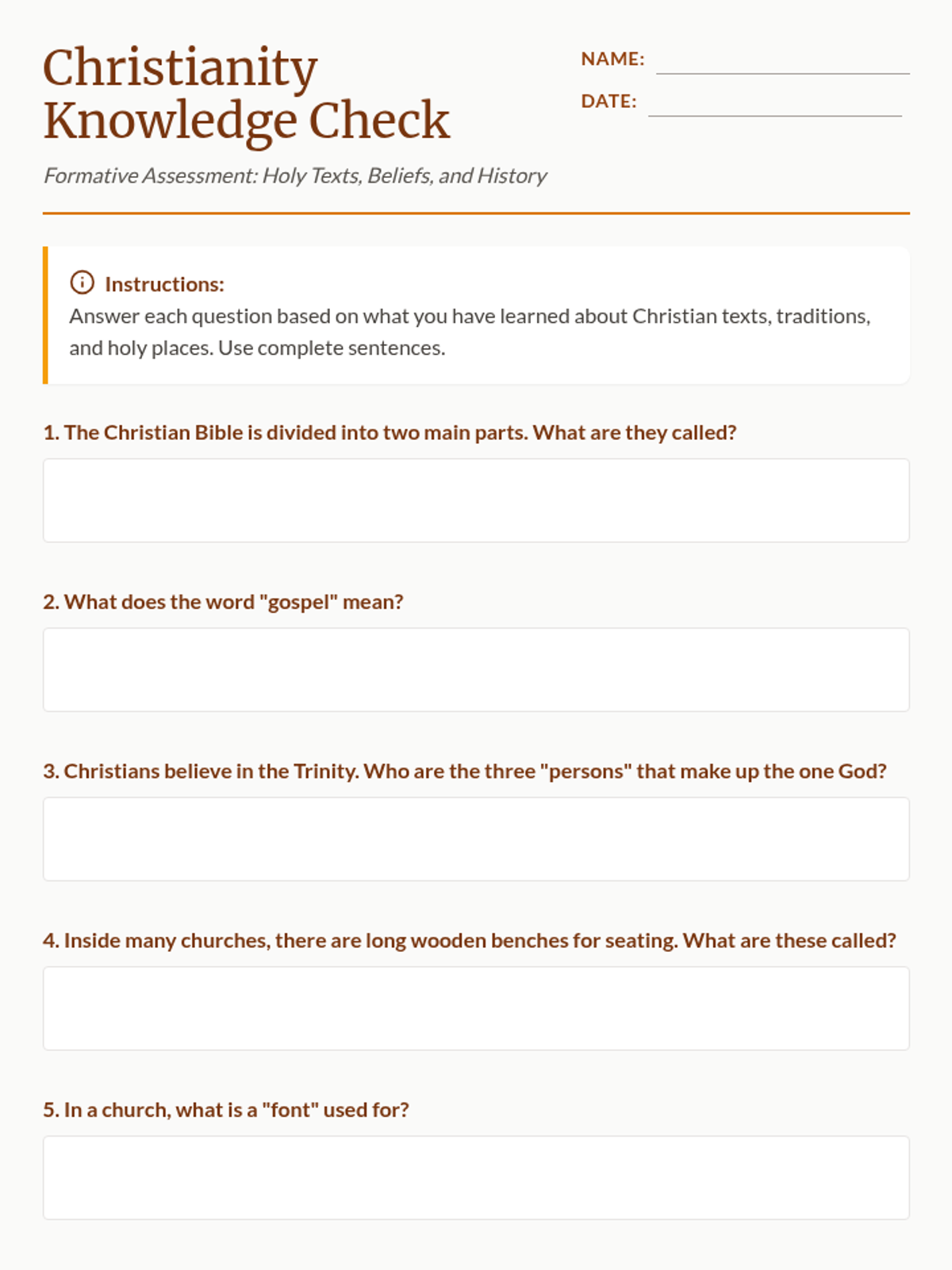
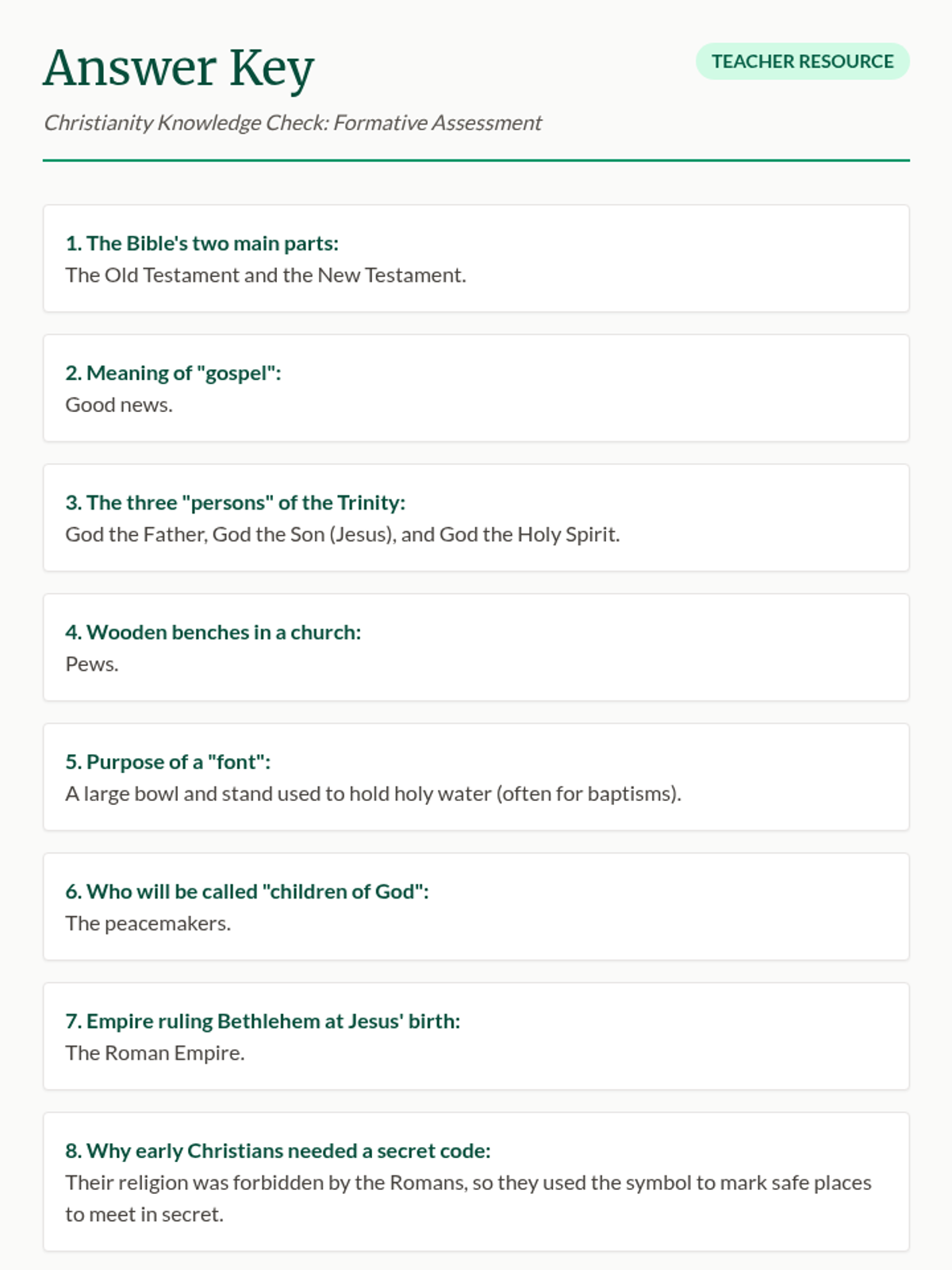
A lesson exploring the foundational texts, beliefs, and history of Christianity through the study of holy texts, sacred spaces, and key historical figures.
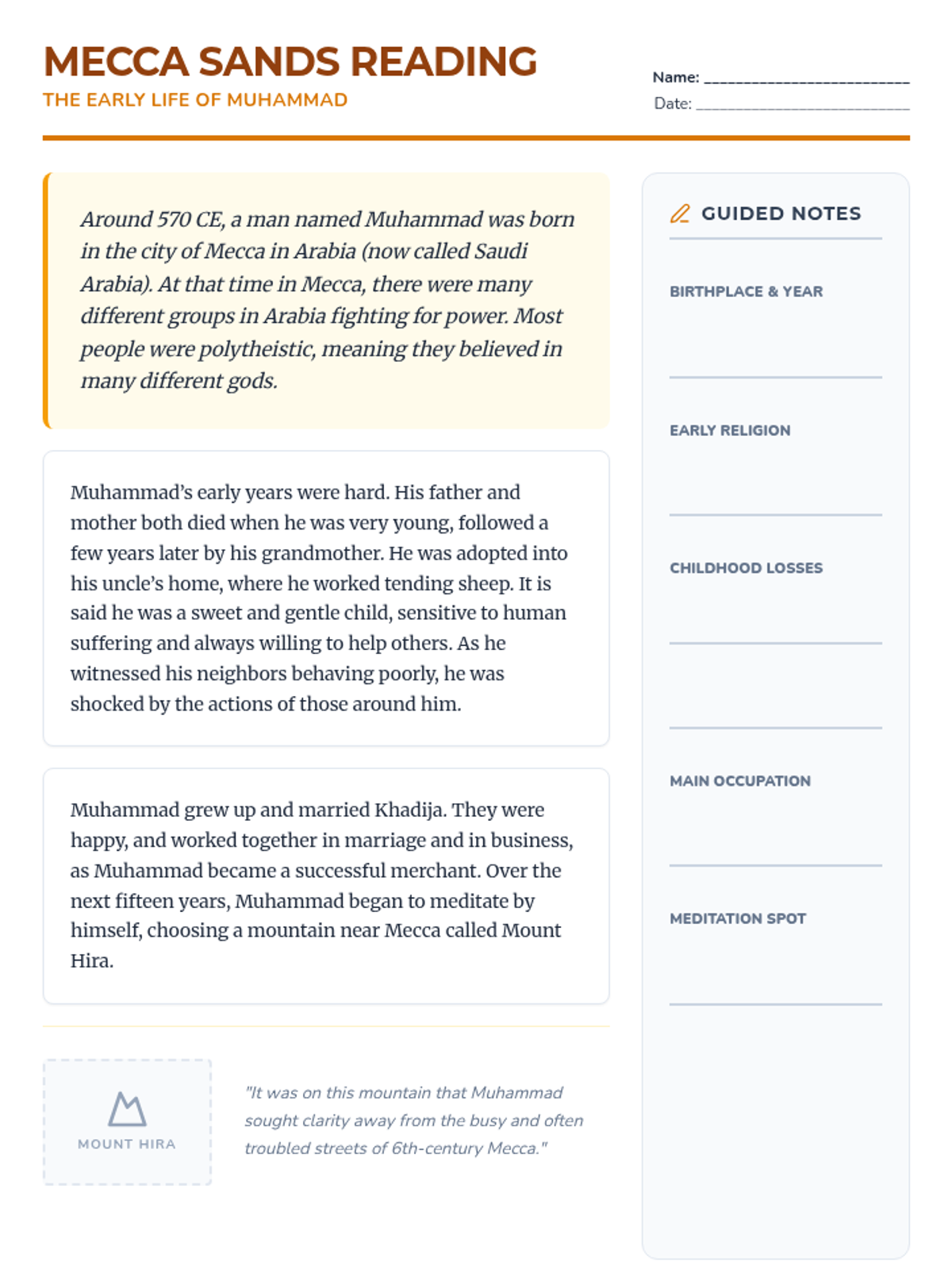
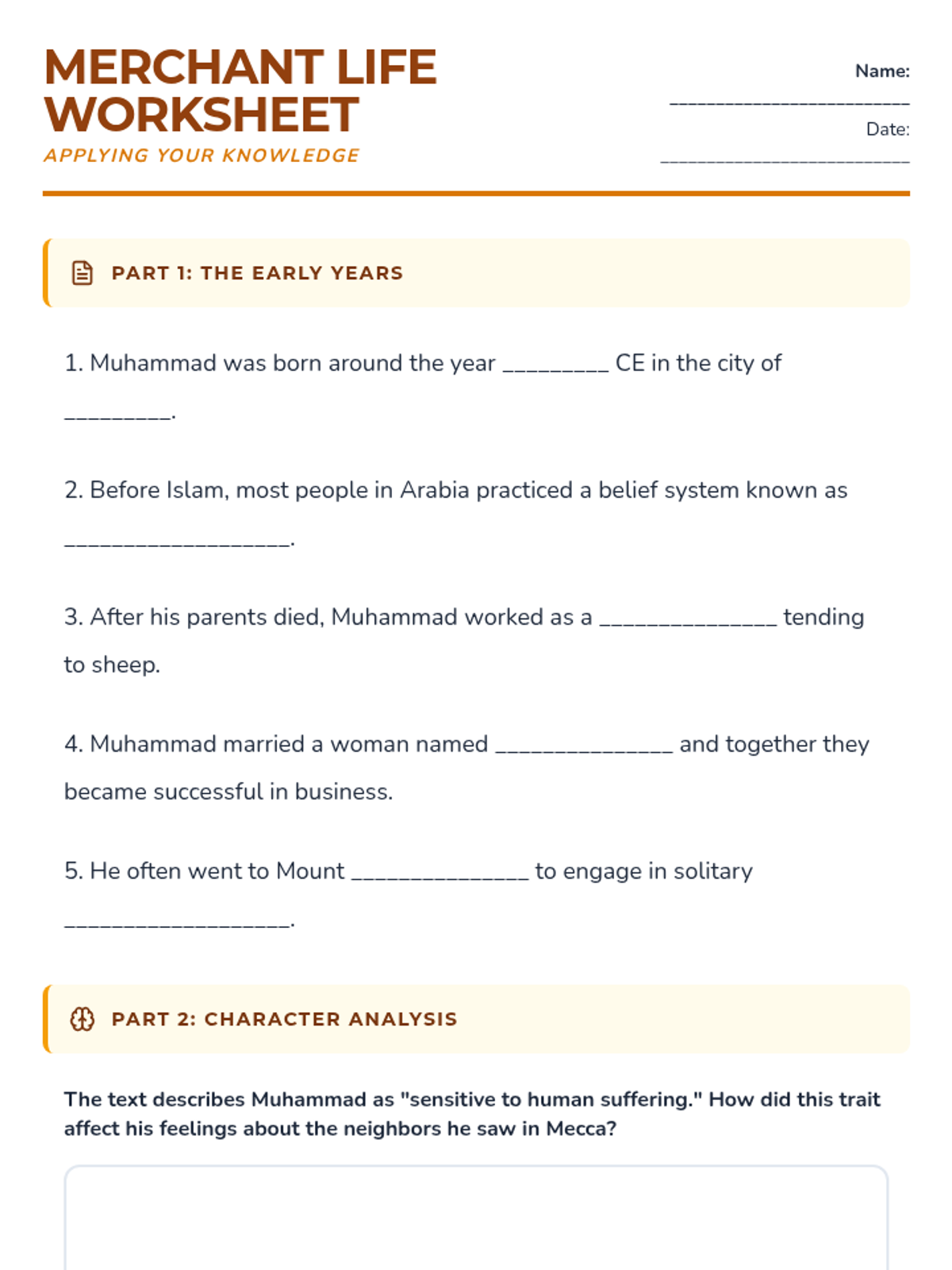
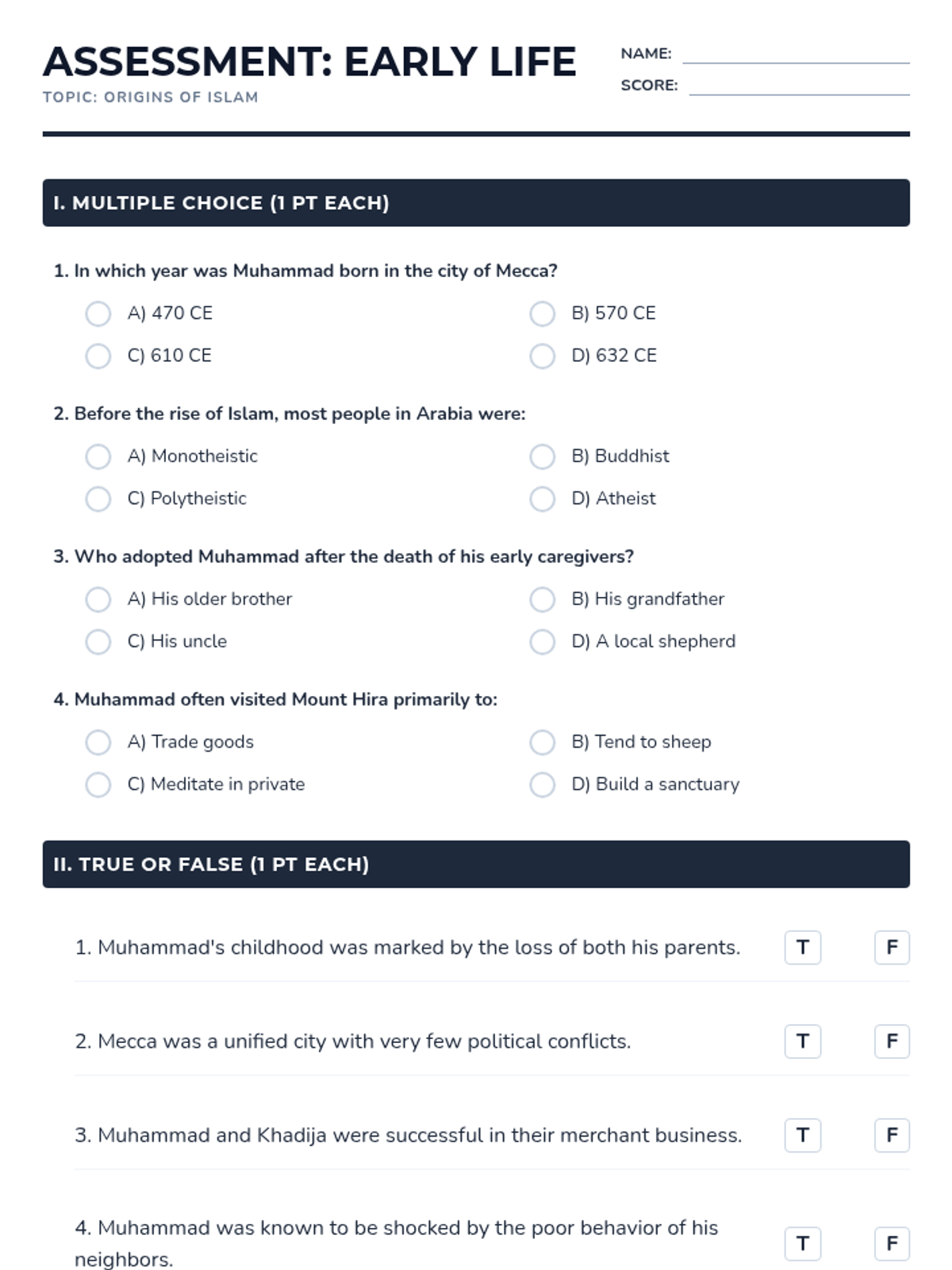
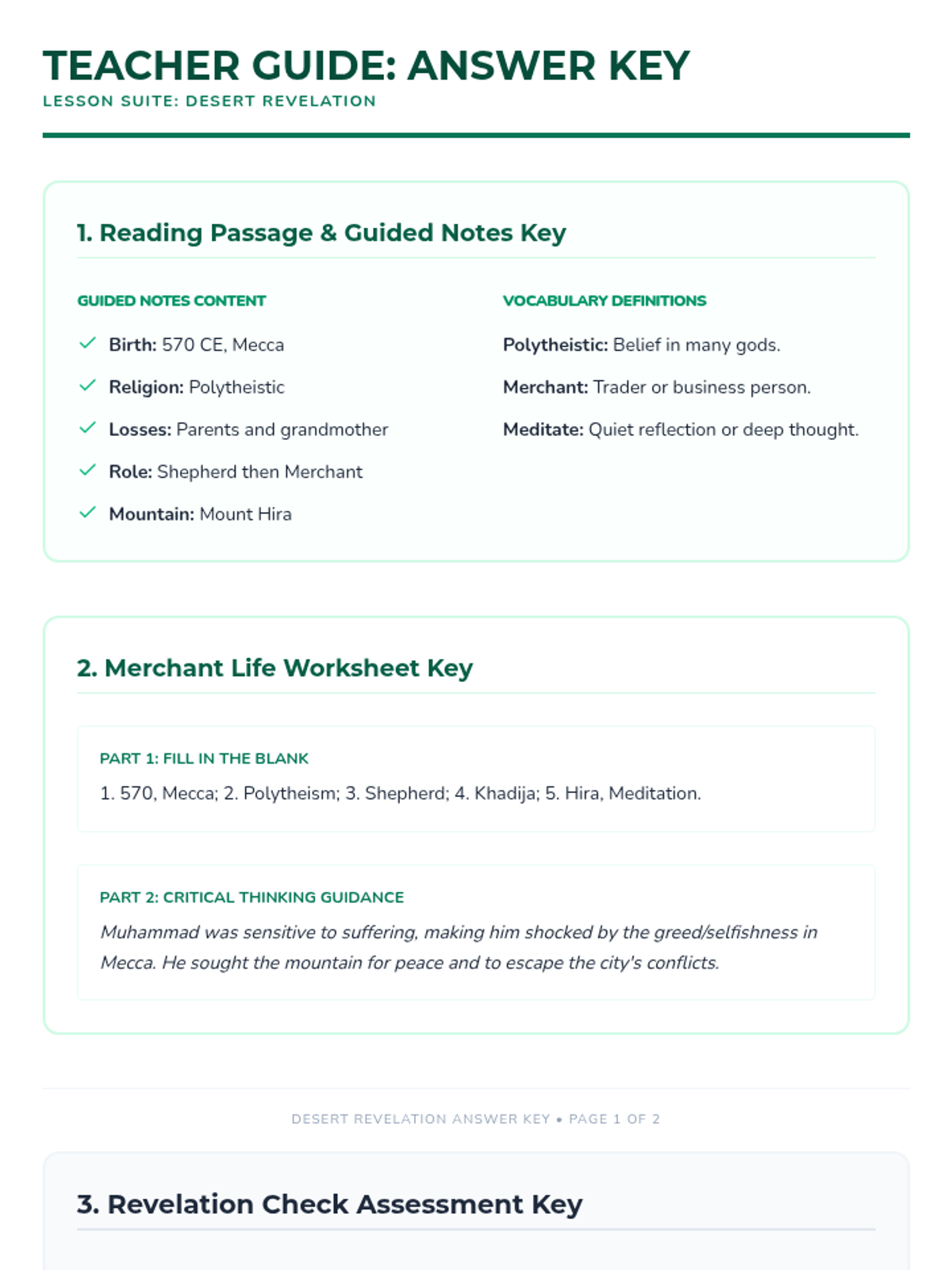
A comprehensive exploration of the early life of Muhammad in 6th-century Mecca, covering his childhood, career as a merchant, and the beginning of his spiritual meditation. Students will analyze historical context and the social environment of pre-Islamic Arabia.
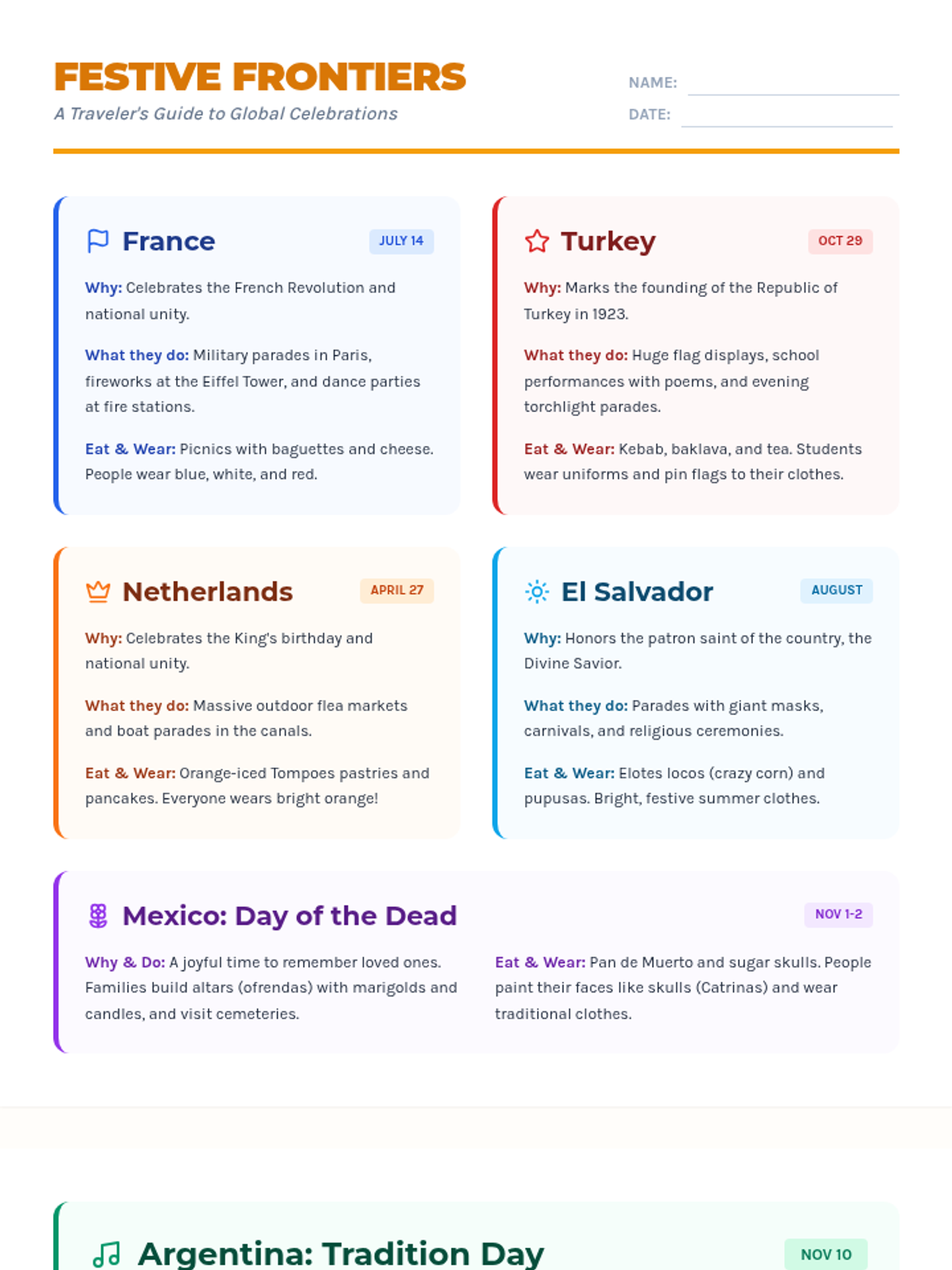
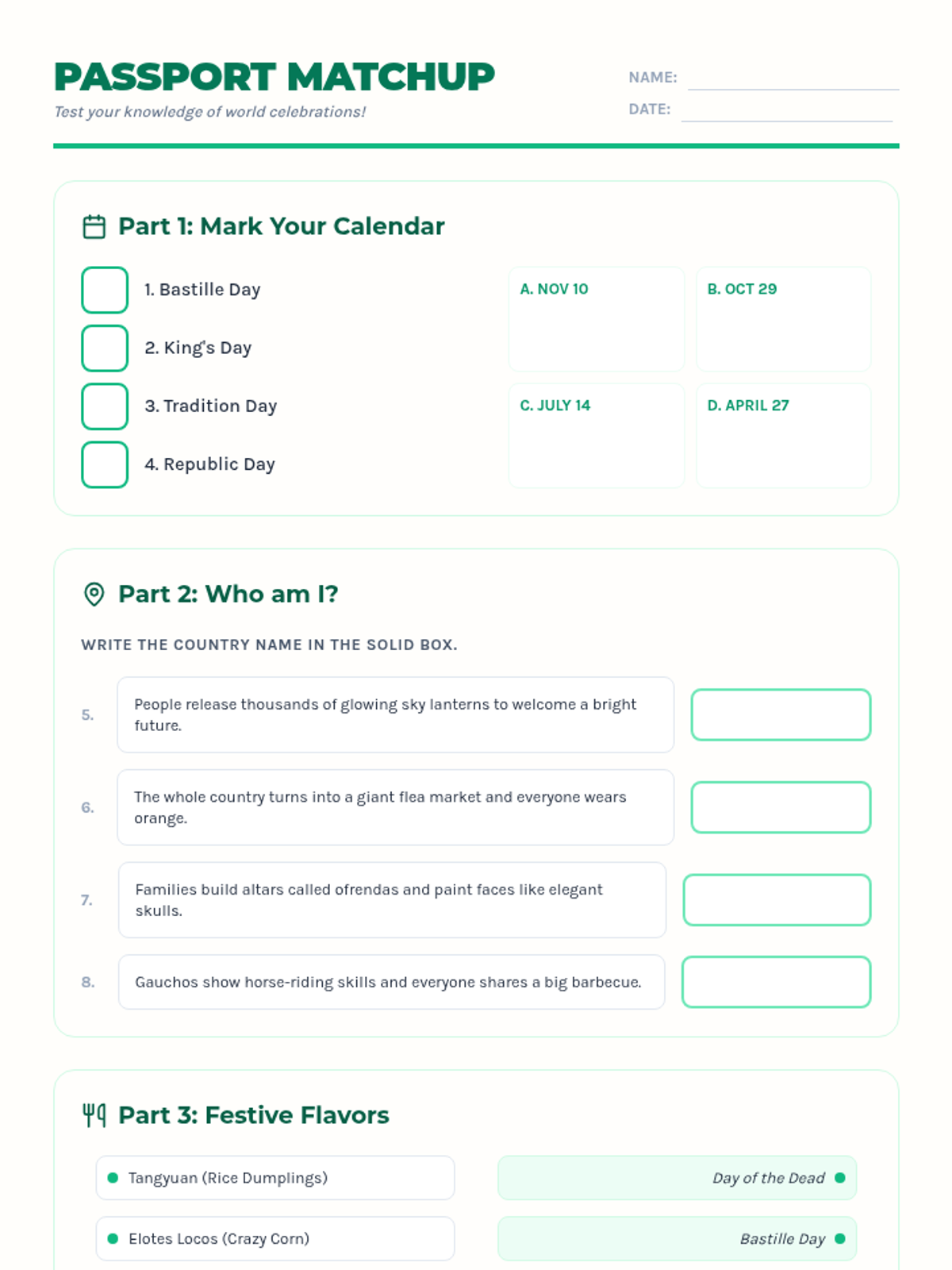
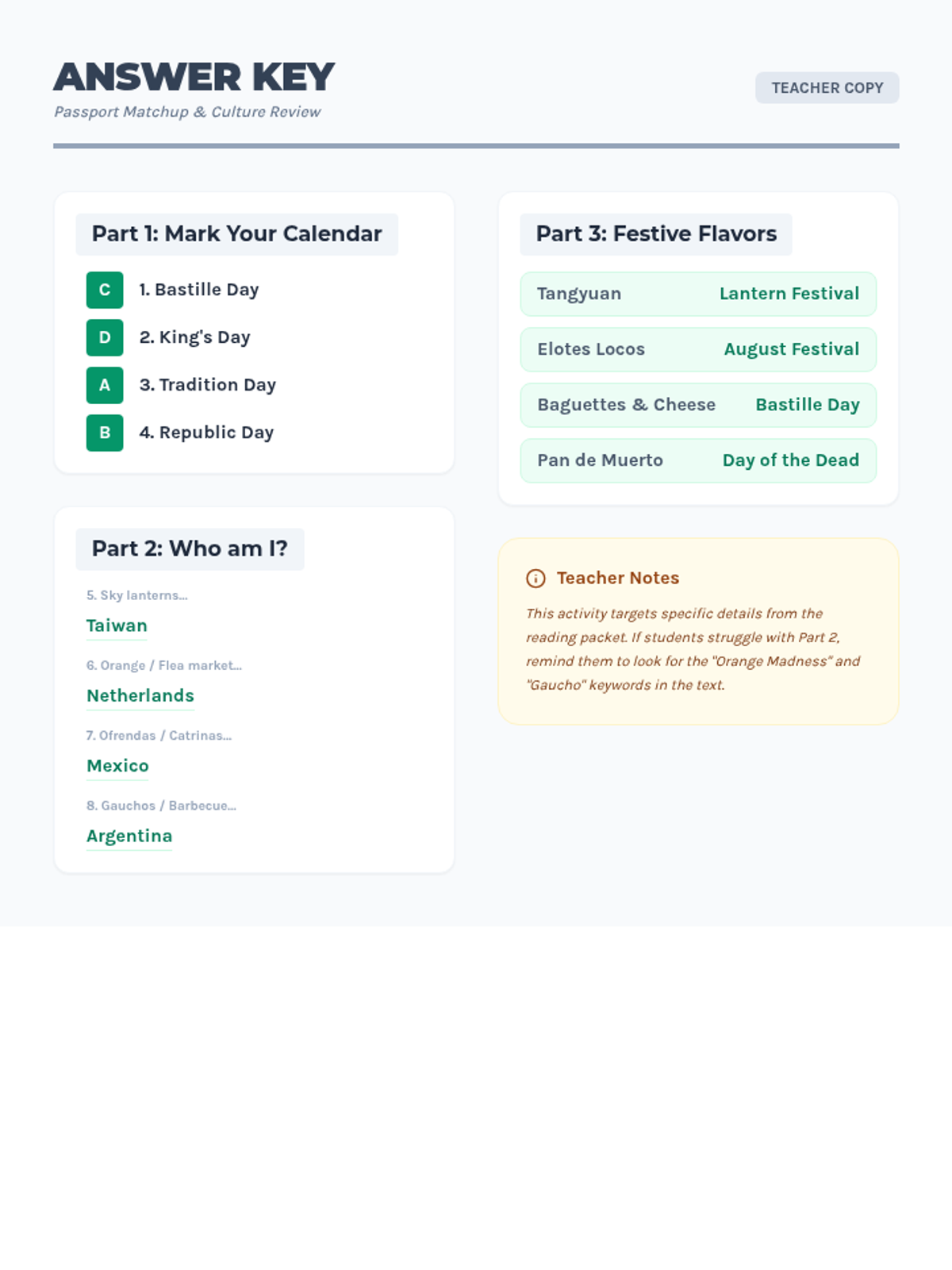
Explore traditional festivals from seven different countries through detailed reading passages and interactive matching activities designed for upper-intermediate ESL students.
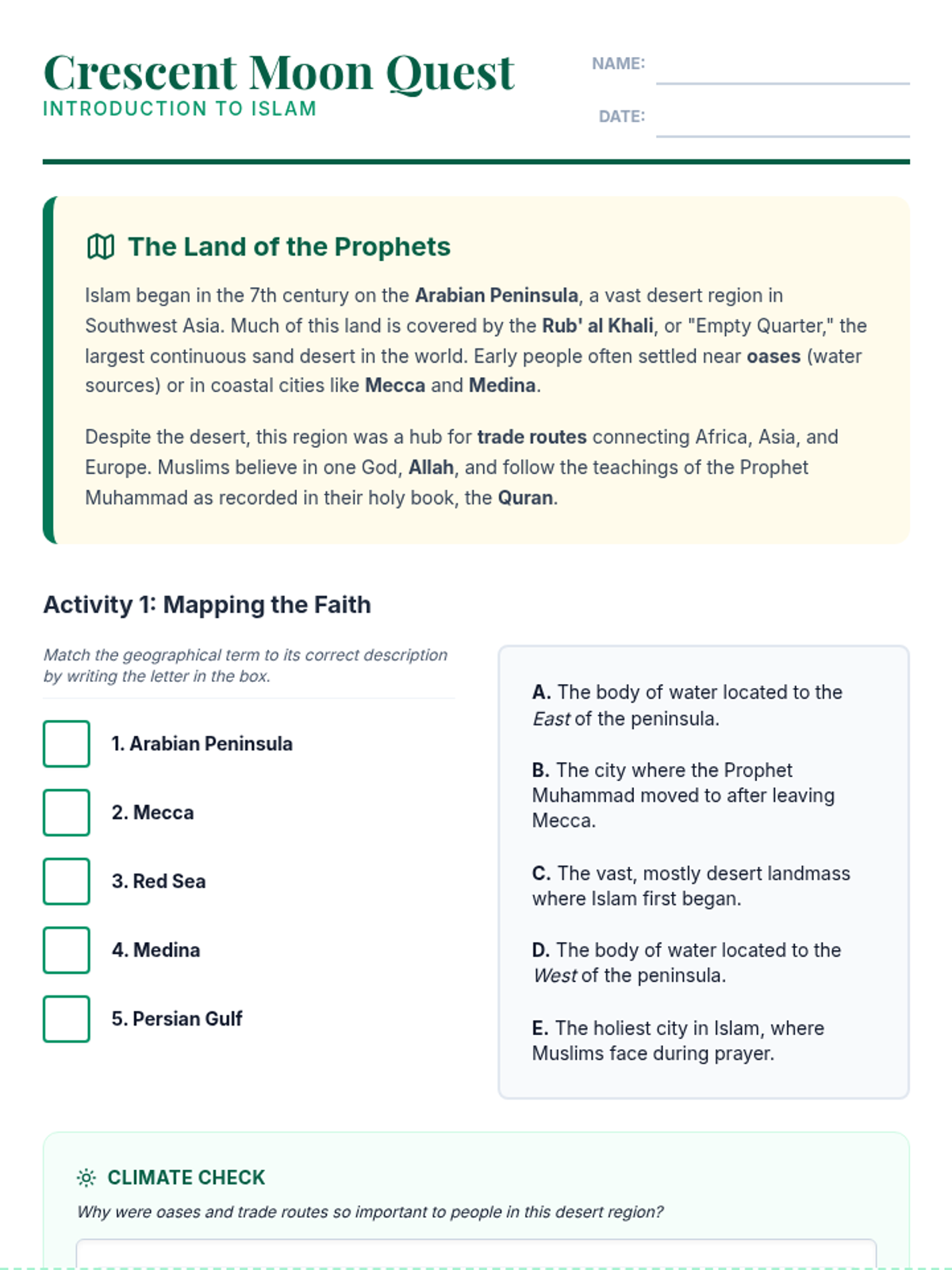
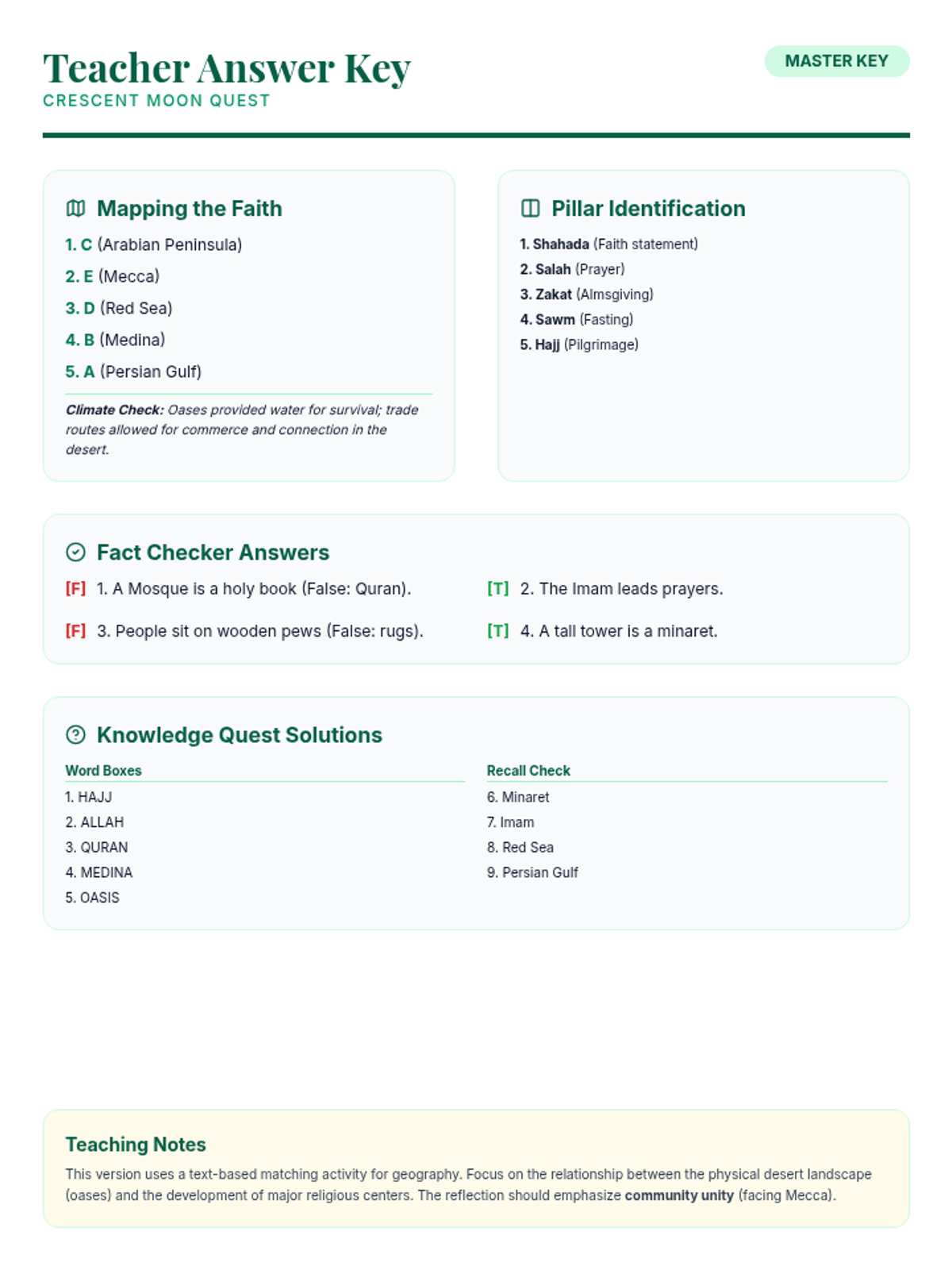
An introductory exploration of the foundations of Islam, covering the Five Pillars, geography, and practices of worship for 6th-grade students.
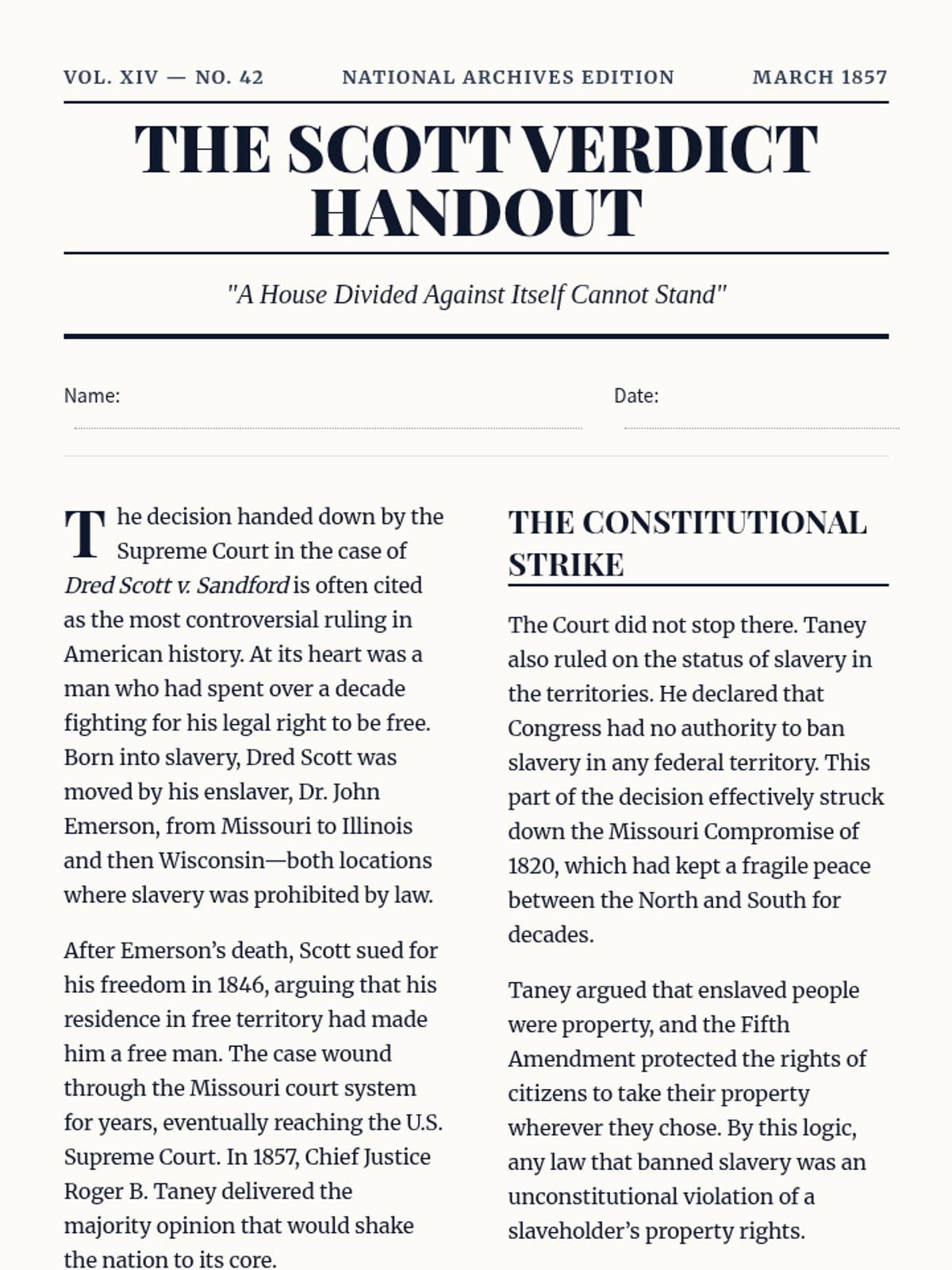
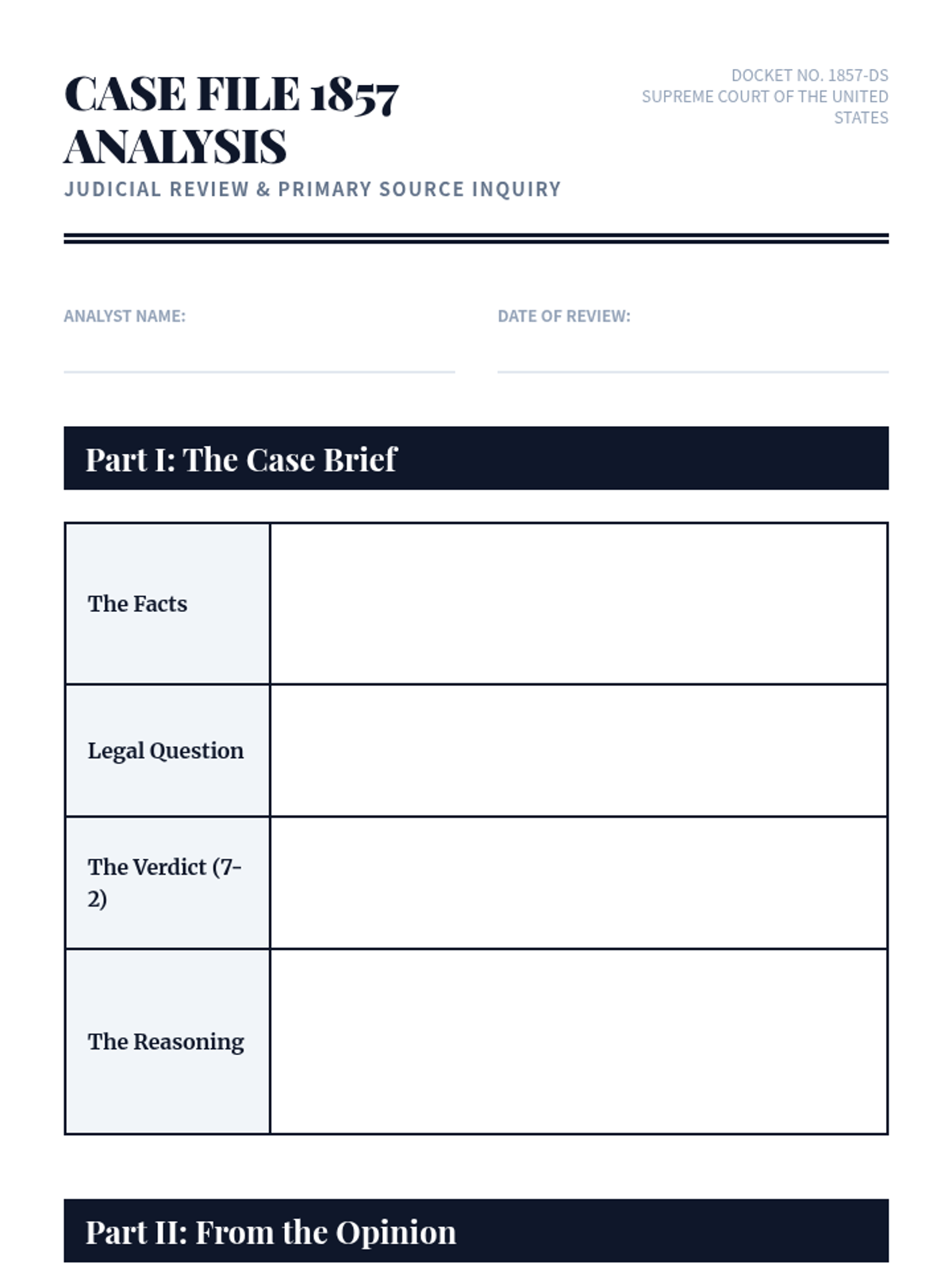
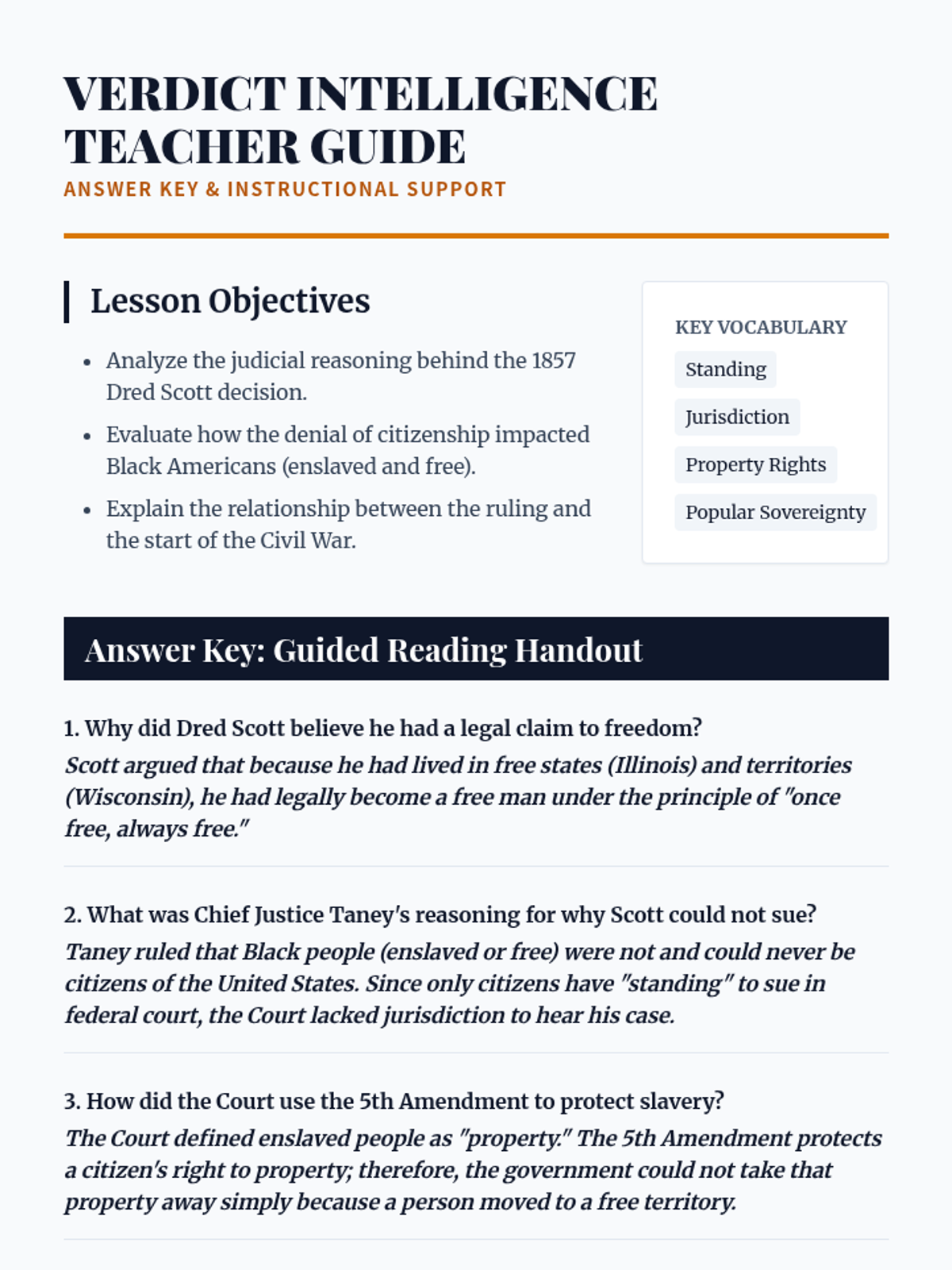
Explore the landmark Dred Scott v. Sandford case, focusing on the definition of American citizenship and the decision's role as a catalyst for the American Civil War. Students analyze primary source excerpts and the legal reasoning of the Taney Court.
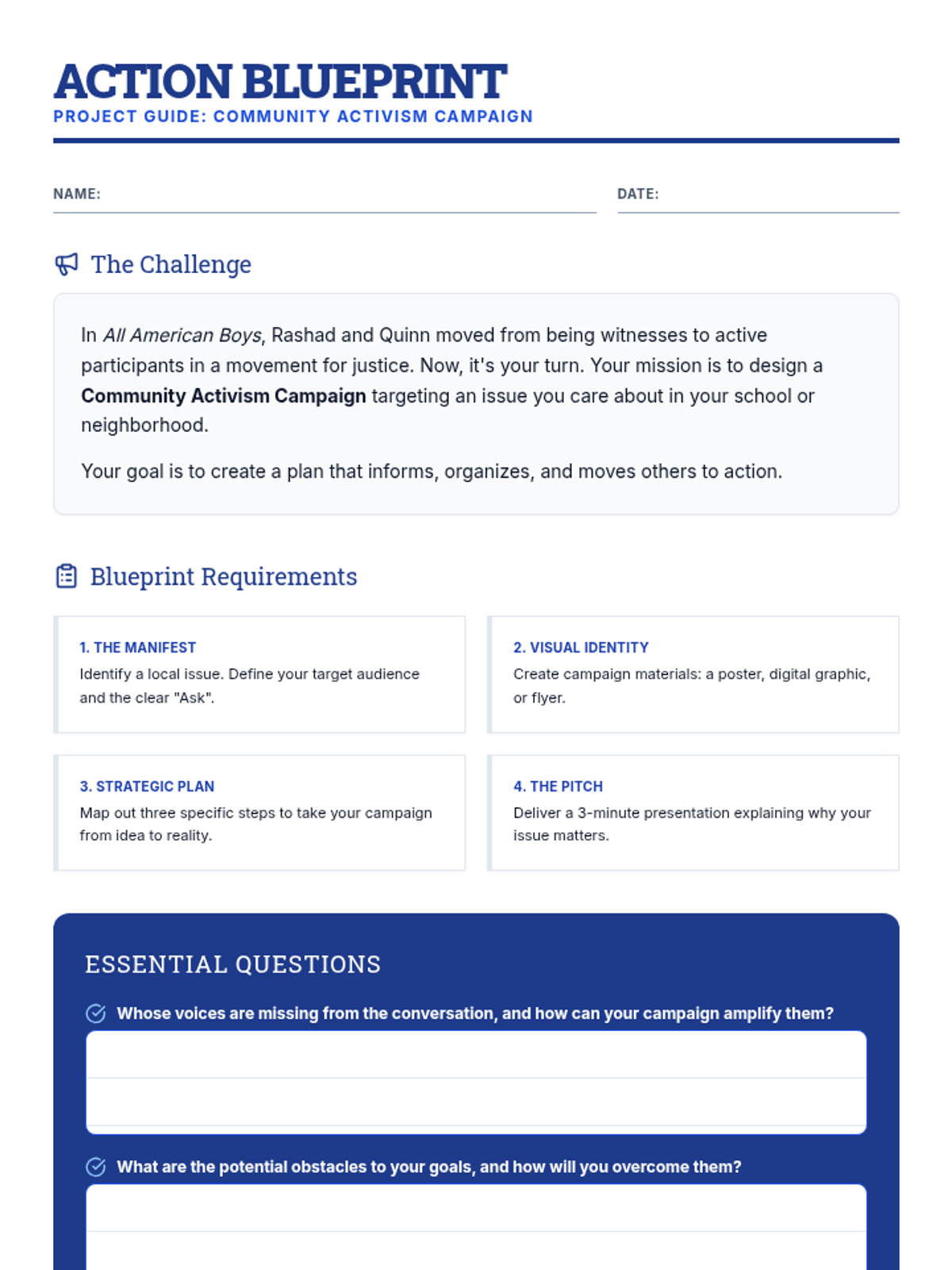
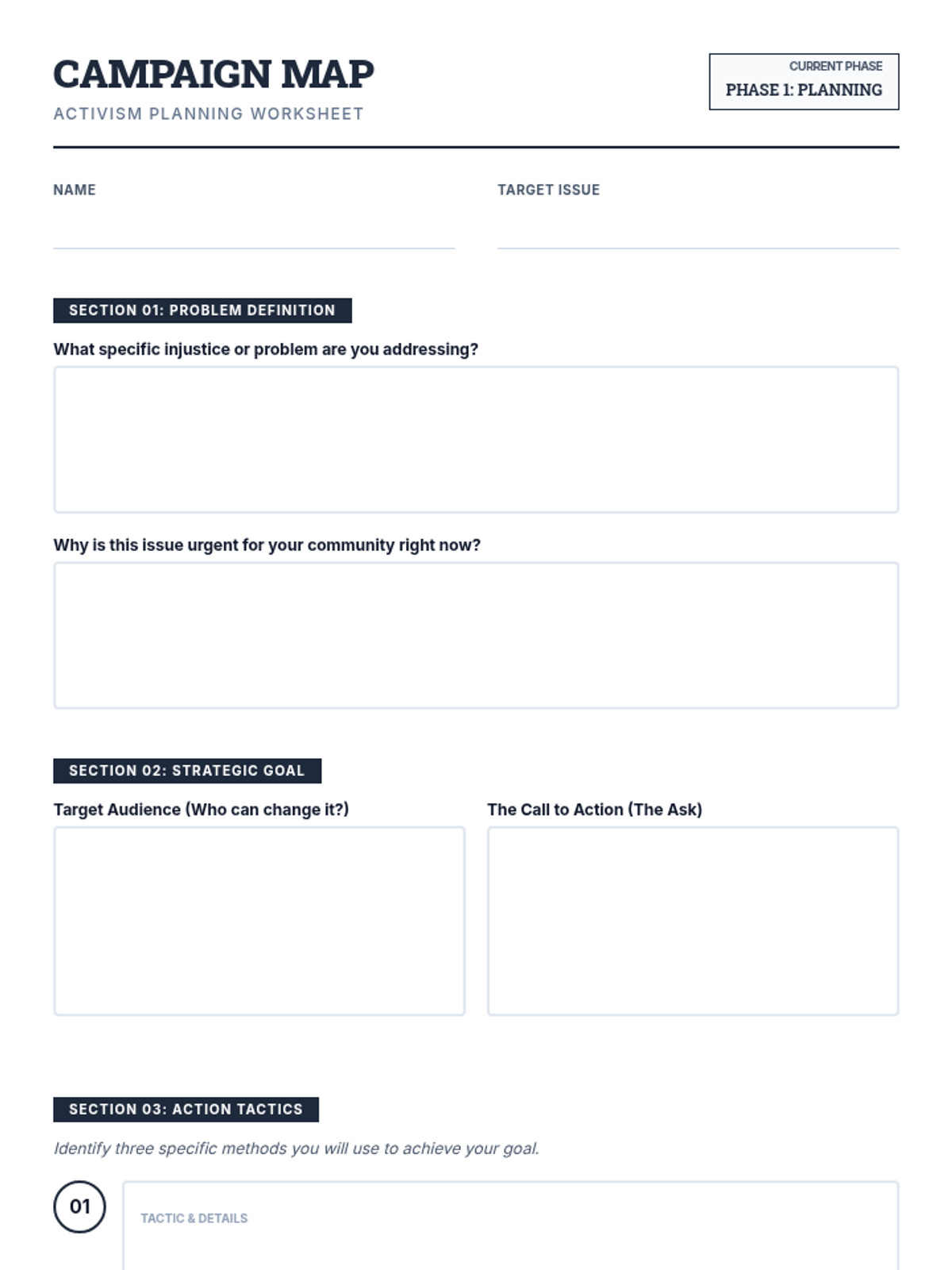
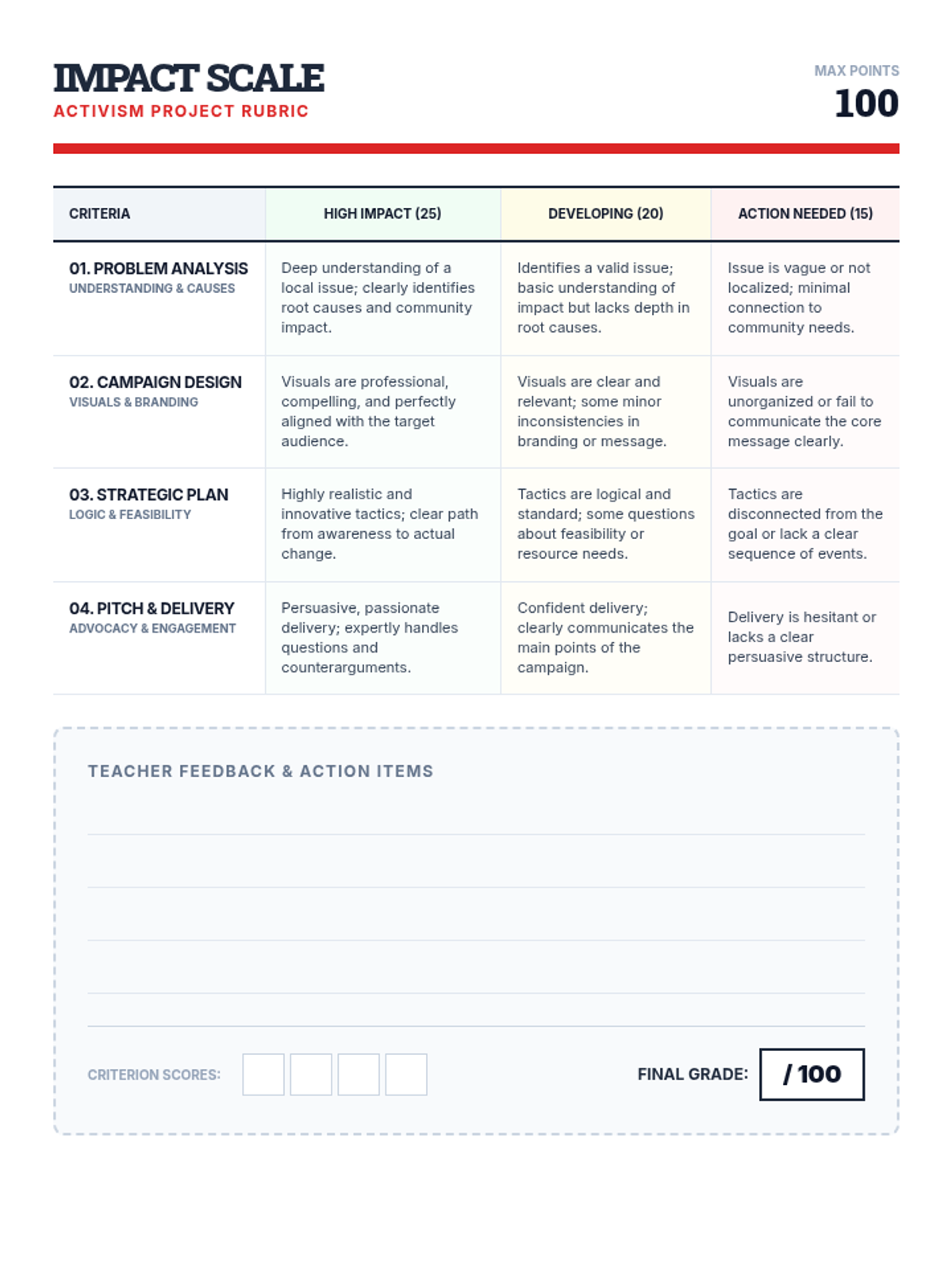
A project-based lesson where students design and launch a community activism campaign inspired by the themes of justice and civic engagement in All American Boys.
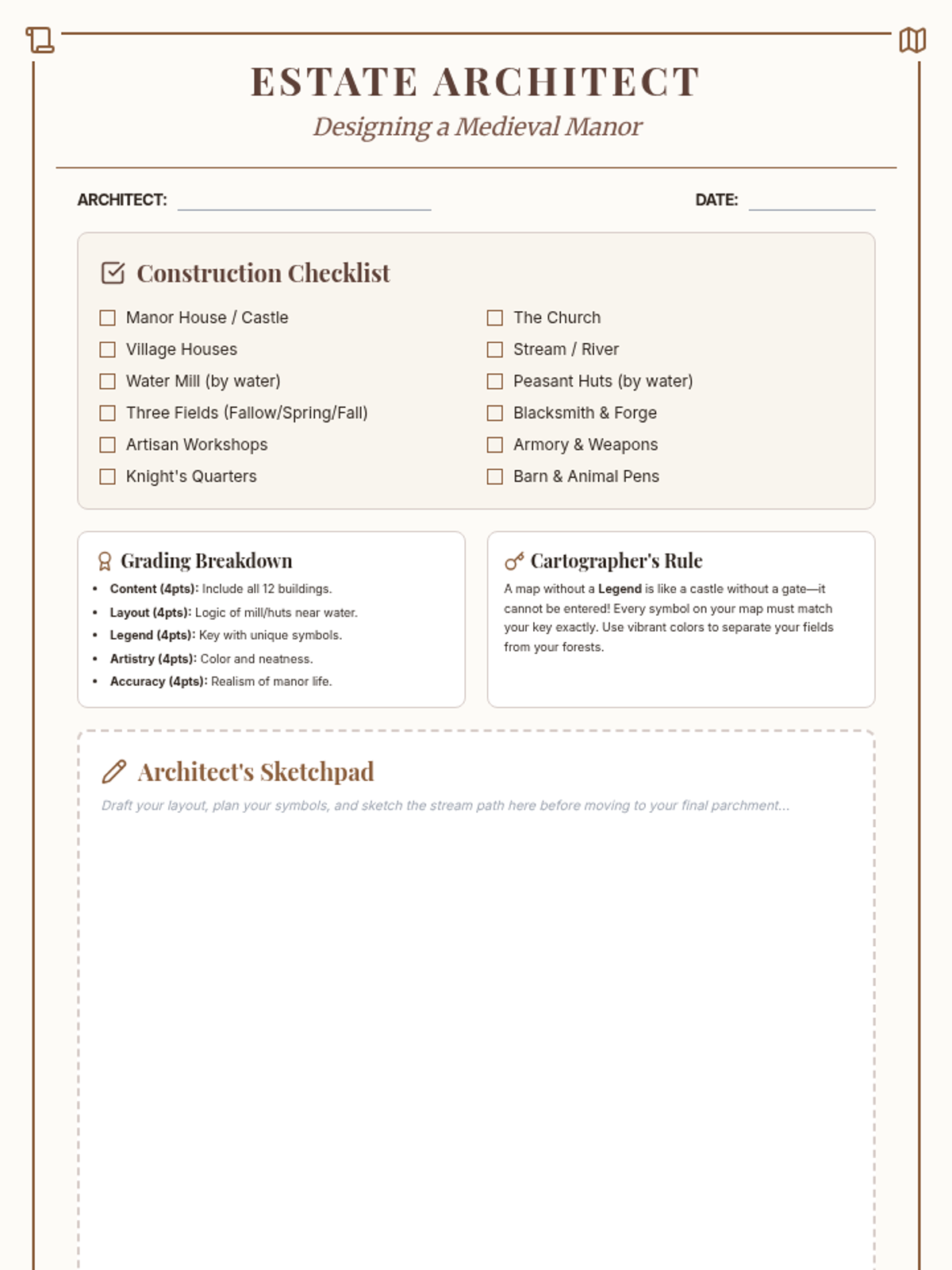
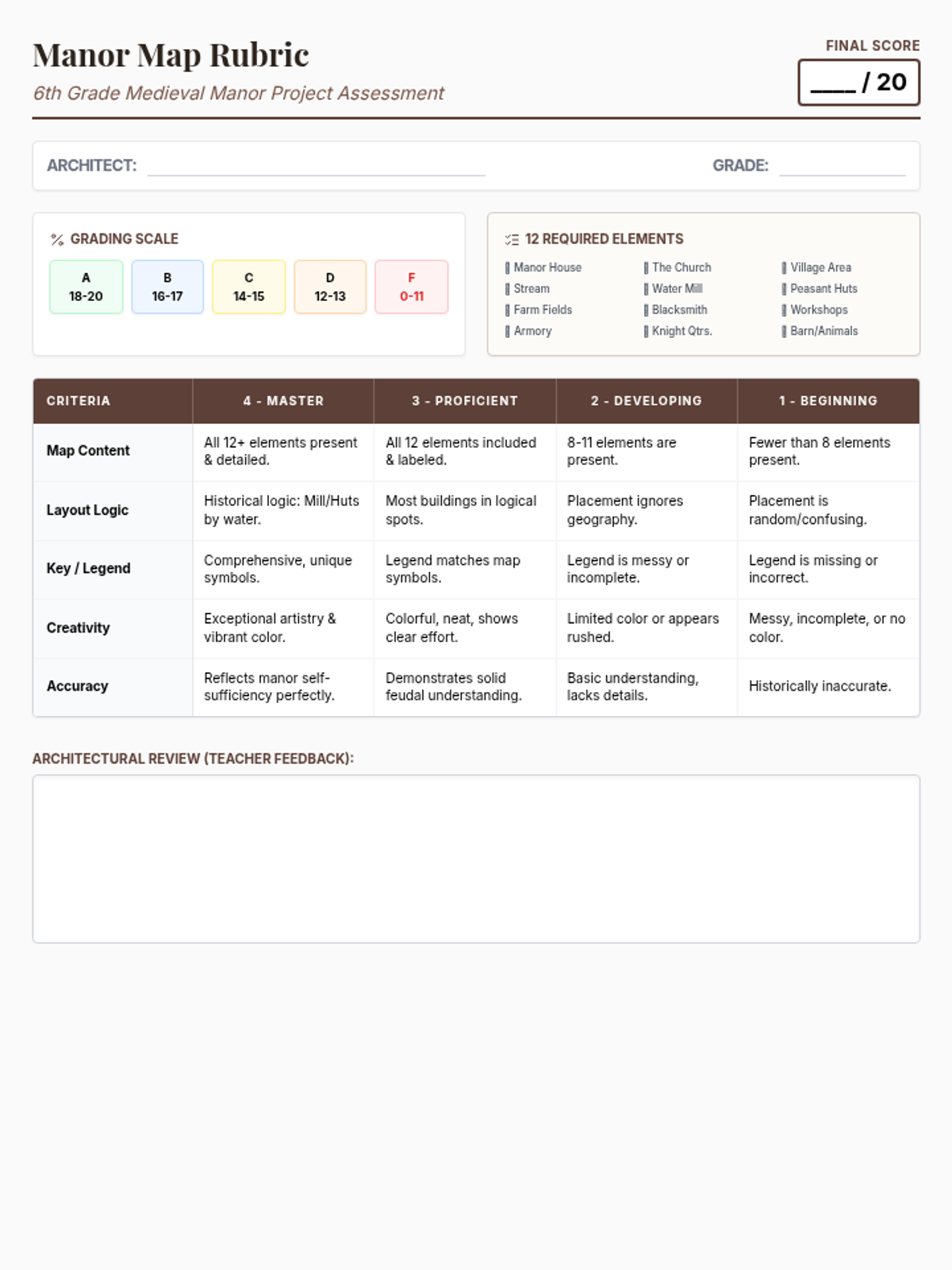
A creative project-based lesson where students design and map a medieval manor, demonstrating their understanding of feudal self-sufficiency and social structure.
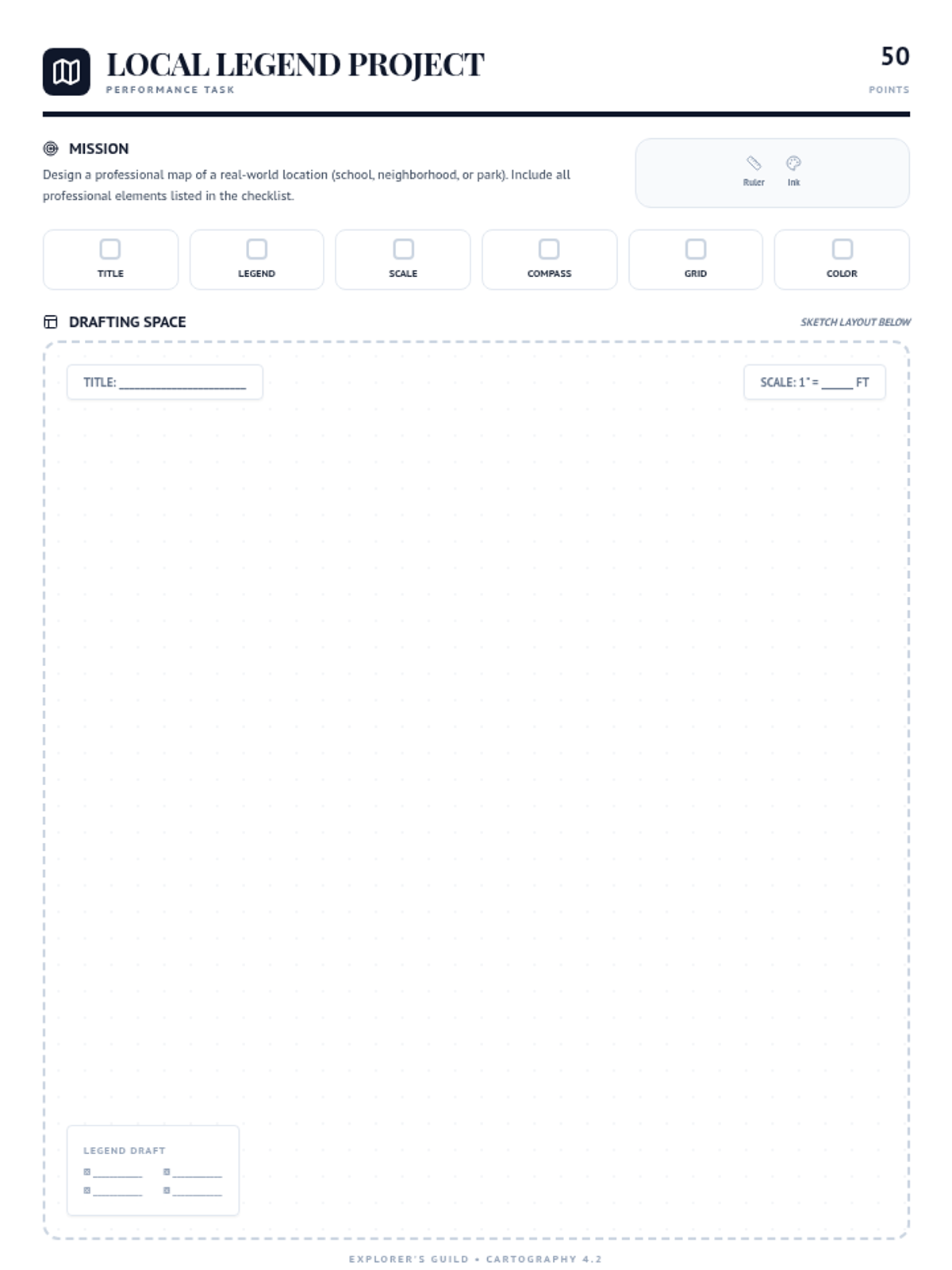
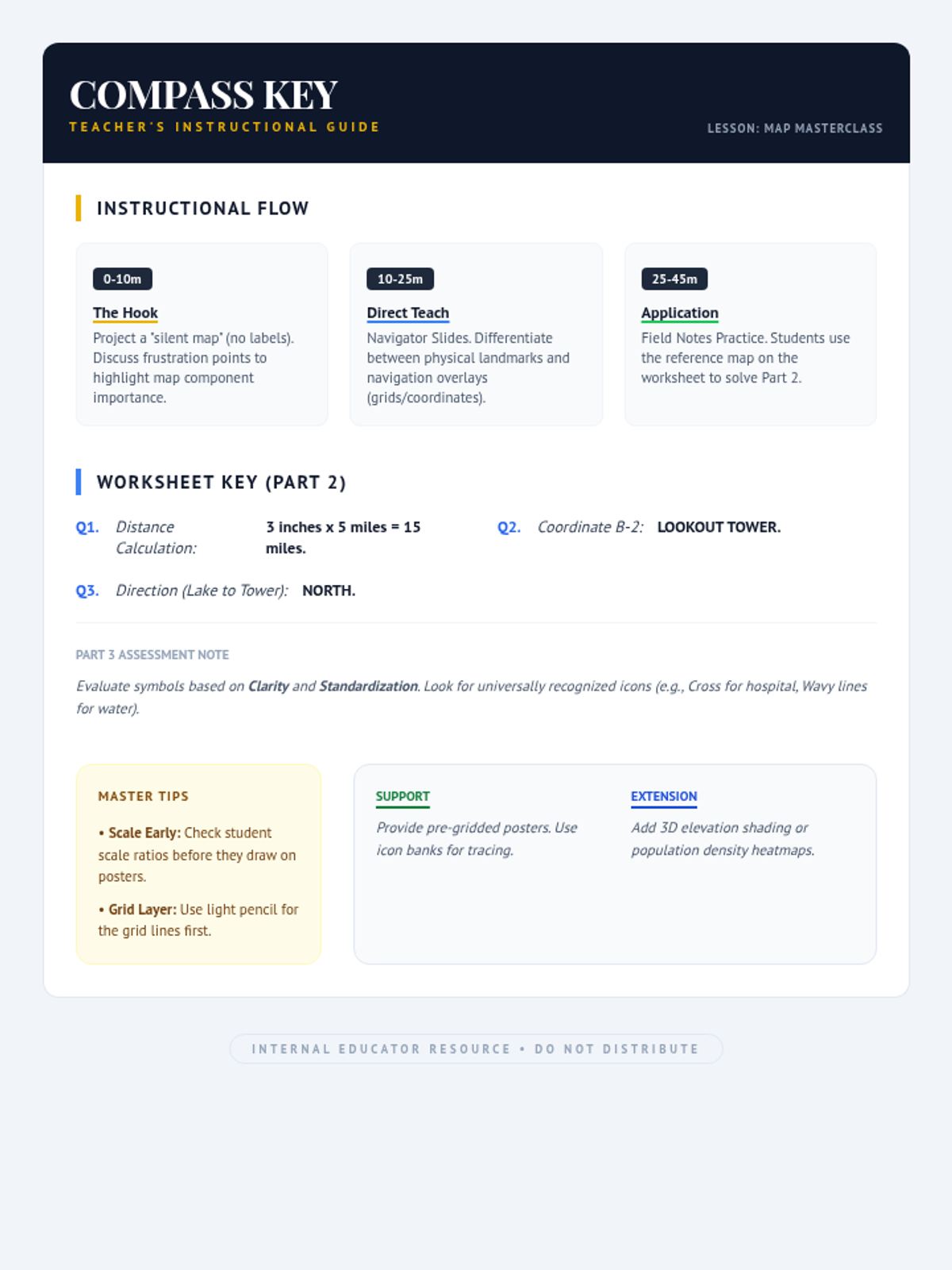
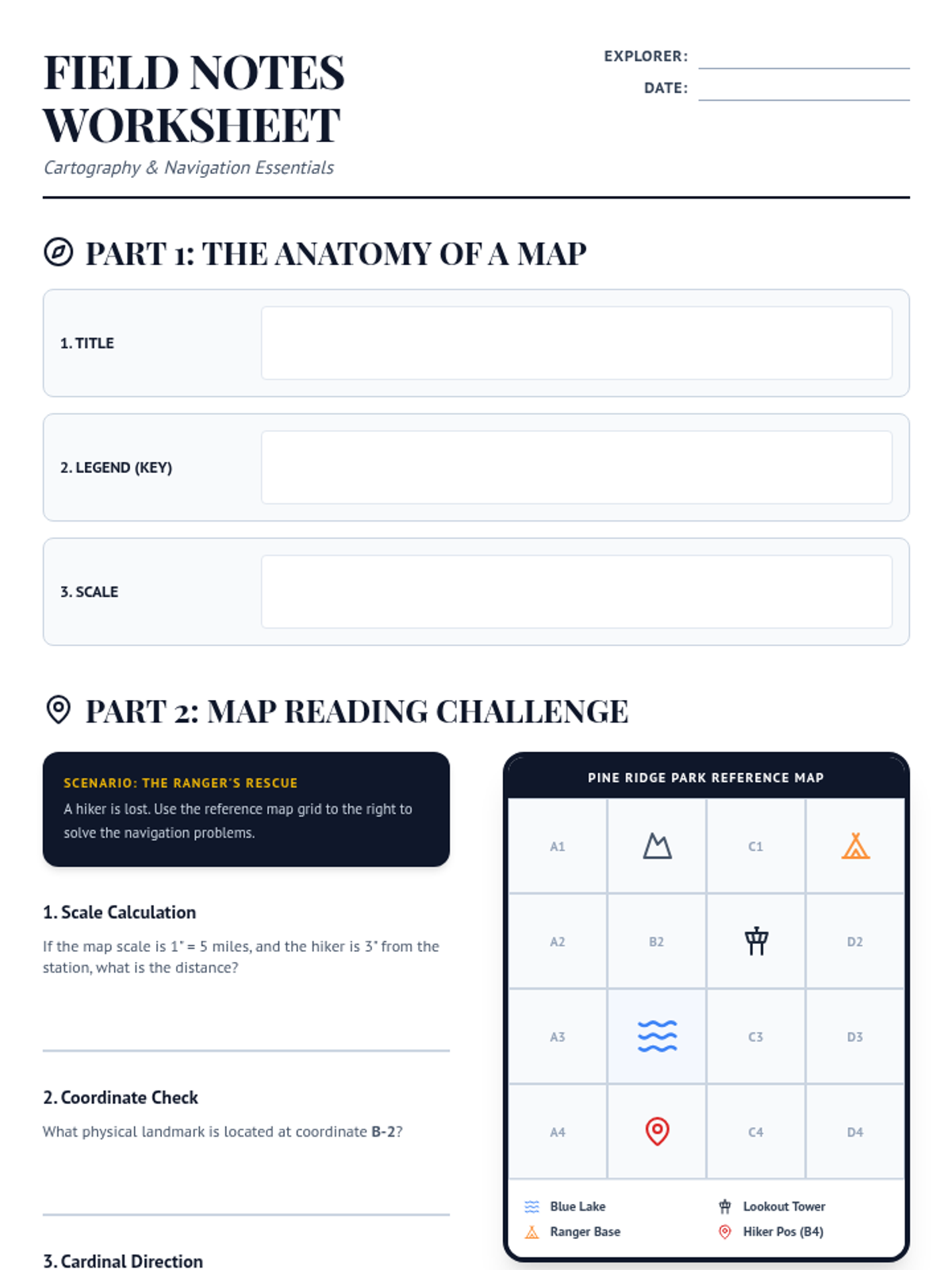
Students learn the foundational skills of cartography, focusing on how to read, interpret, and create maps using real-world symbols, scales, and coordinates.
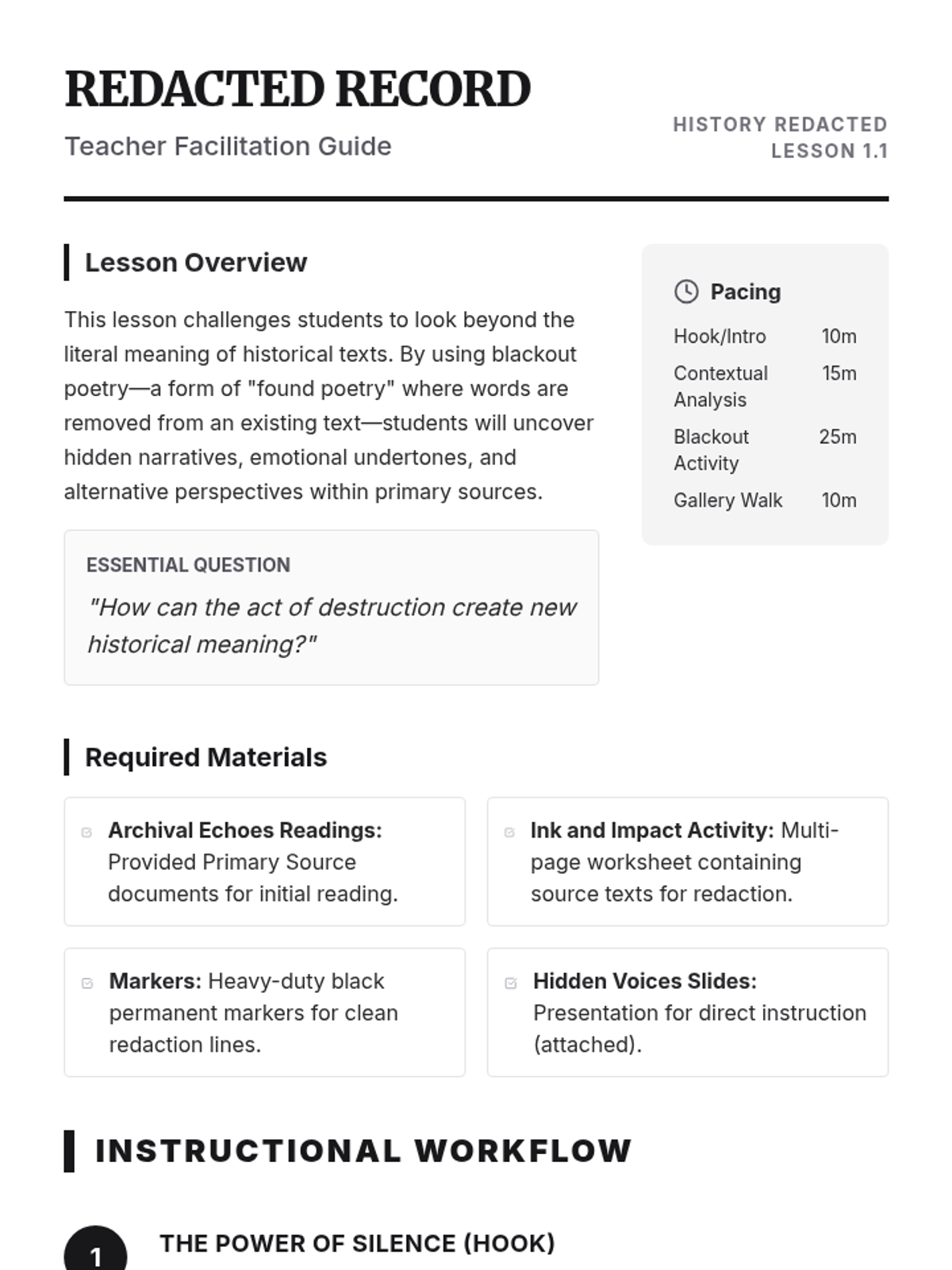
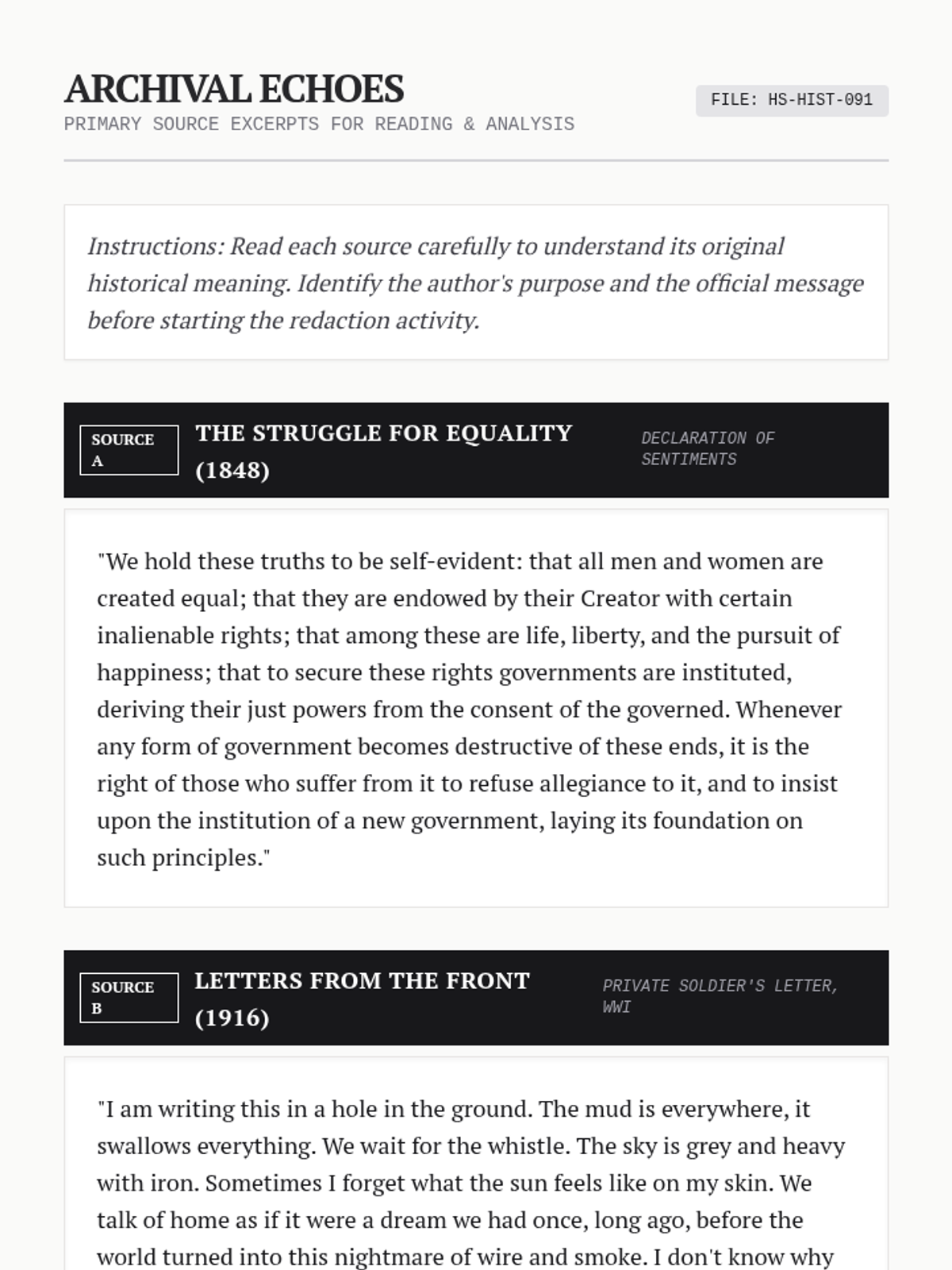
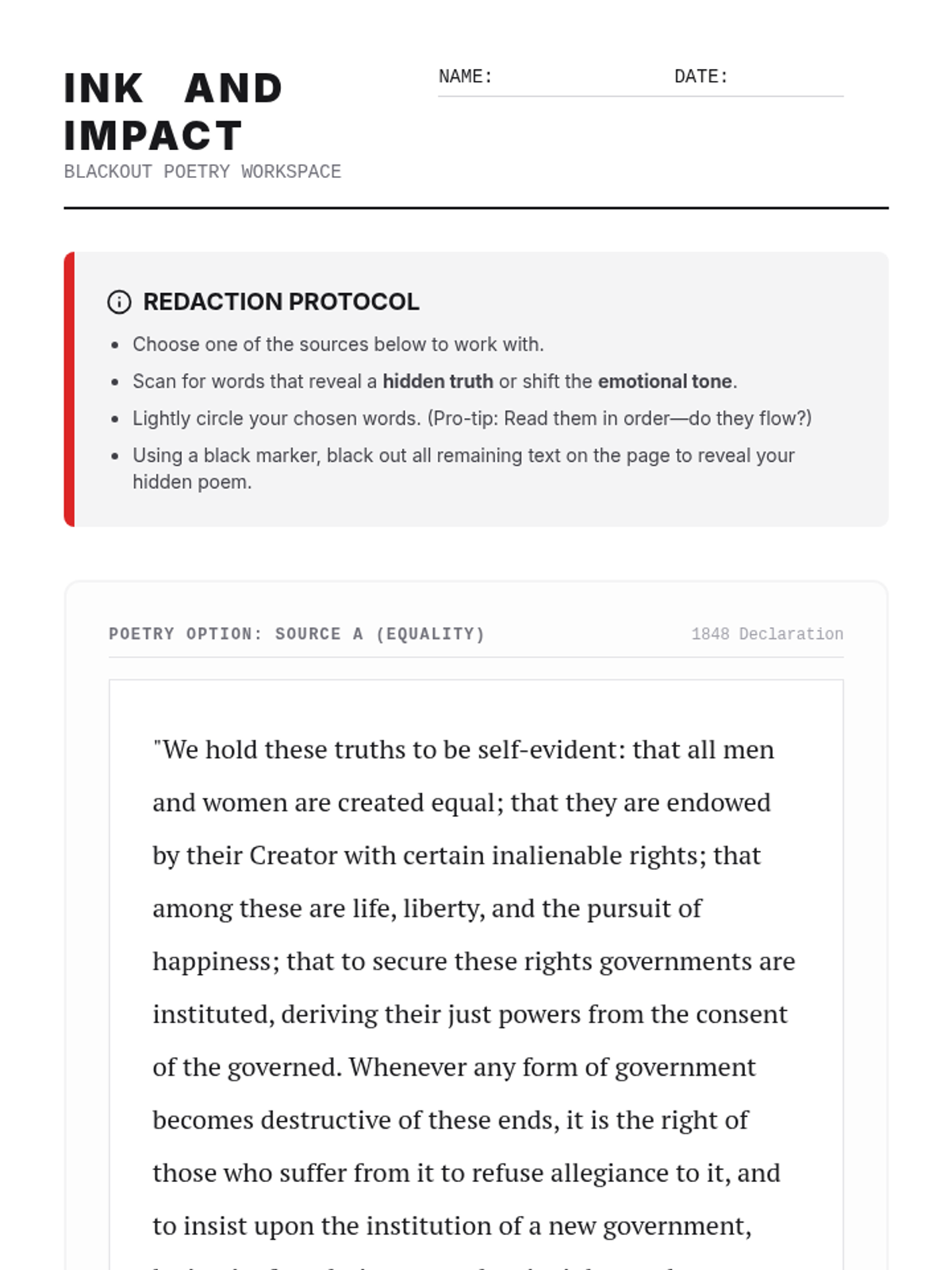
A high school history and ELA integration lesson where students use blackout poetry to extract new emotional truths and perspectives from primary source documents. Students explore how language can be repurposed to highlight voices that have been marginalized or silenced throughout history.
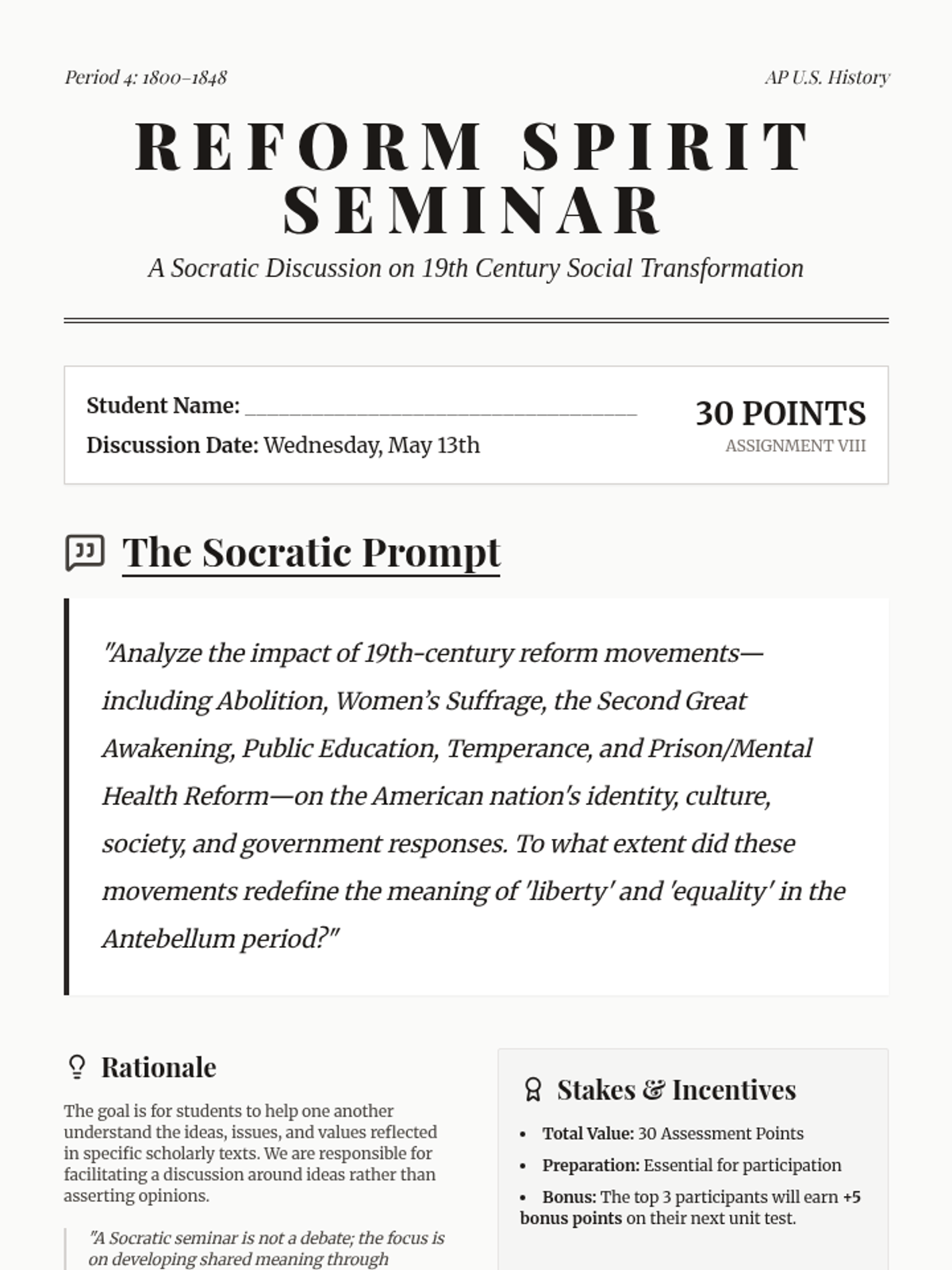
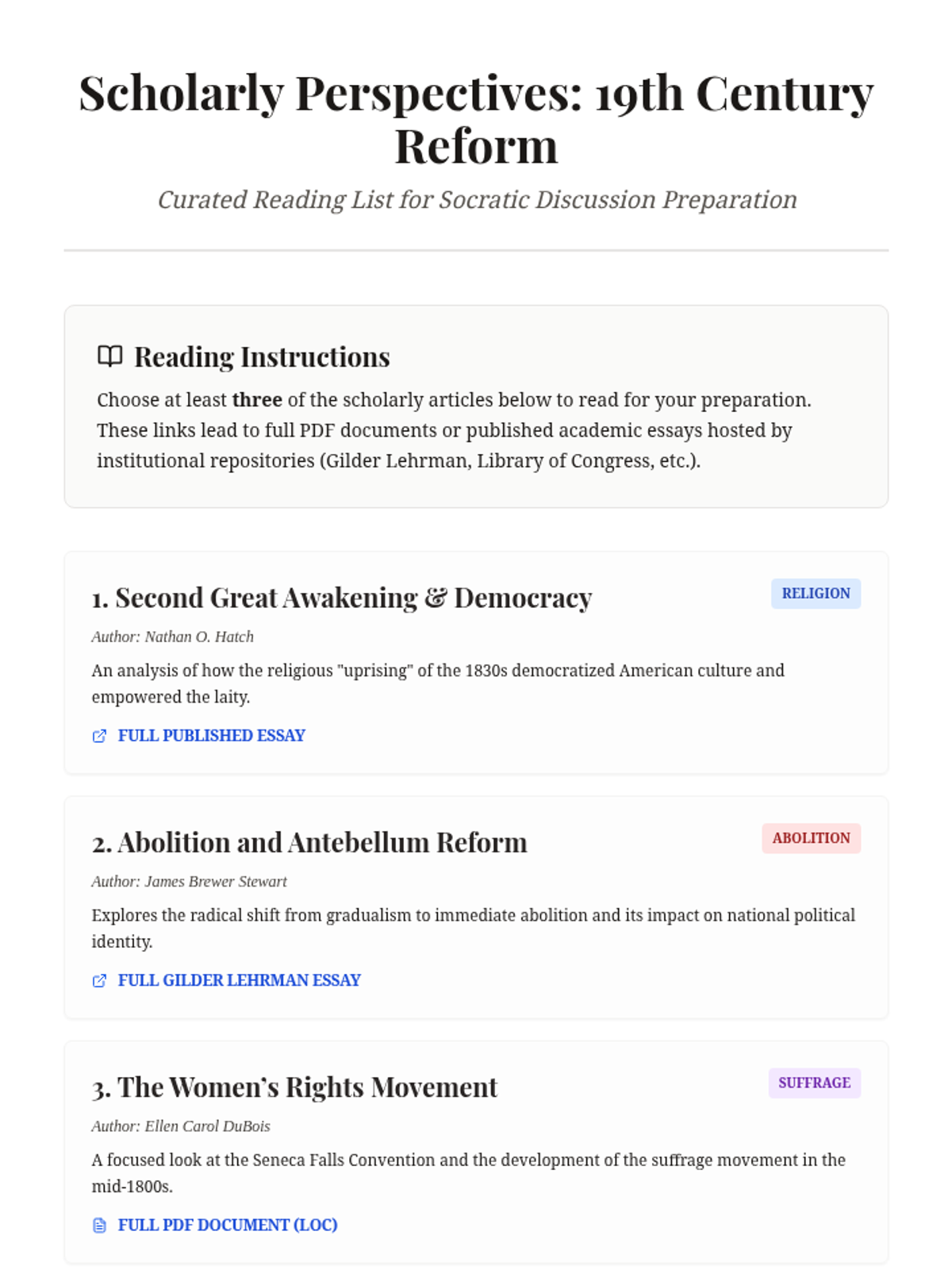
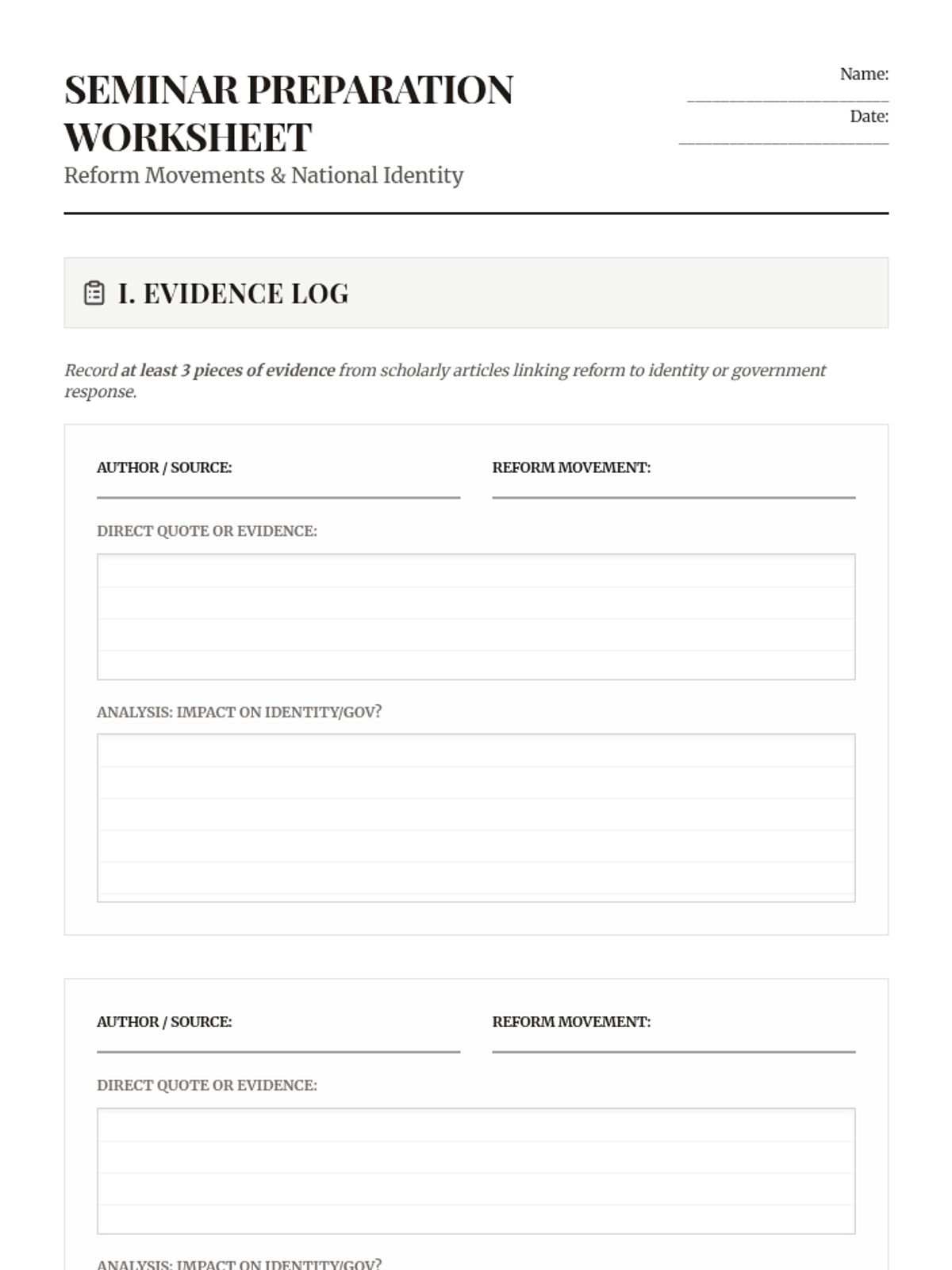
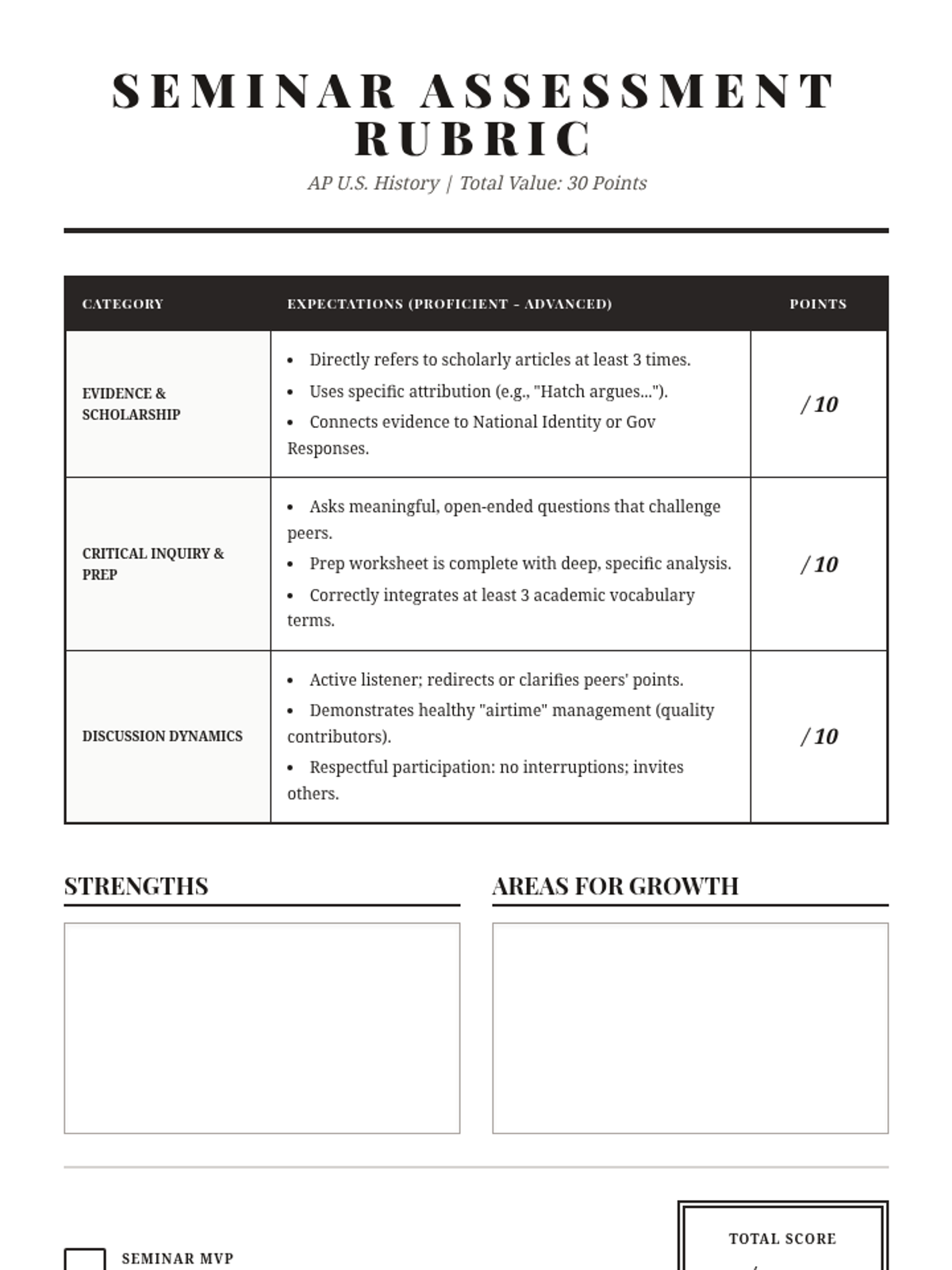
A comprehensive Socratic Seminar unit focused on 19th-century reform movements, including scholarly reading links, preparation guides, and a formal 30-point evaluation rubric.
This lesson explores the Homestead Act of 1862, focusing on the economic motivations that drove settlers to the Great Plains and the resulting transformation of the American Midwest into an agricultural powerhouse. Students will analyze the requirements of the act, the challenges of frontier life, and the long-term impact on national growth.
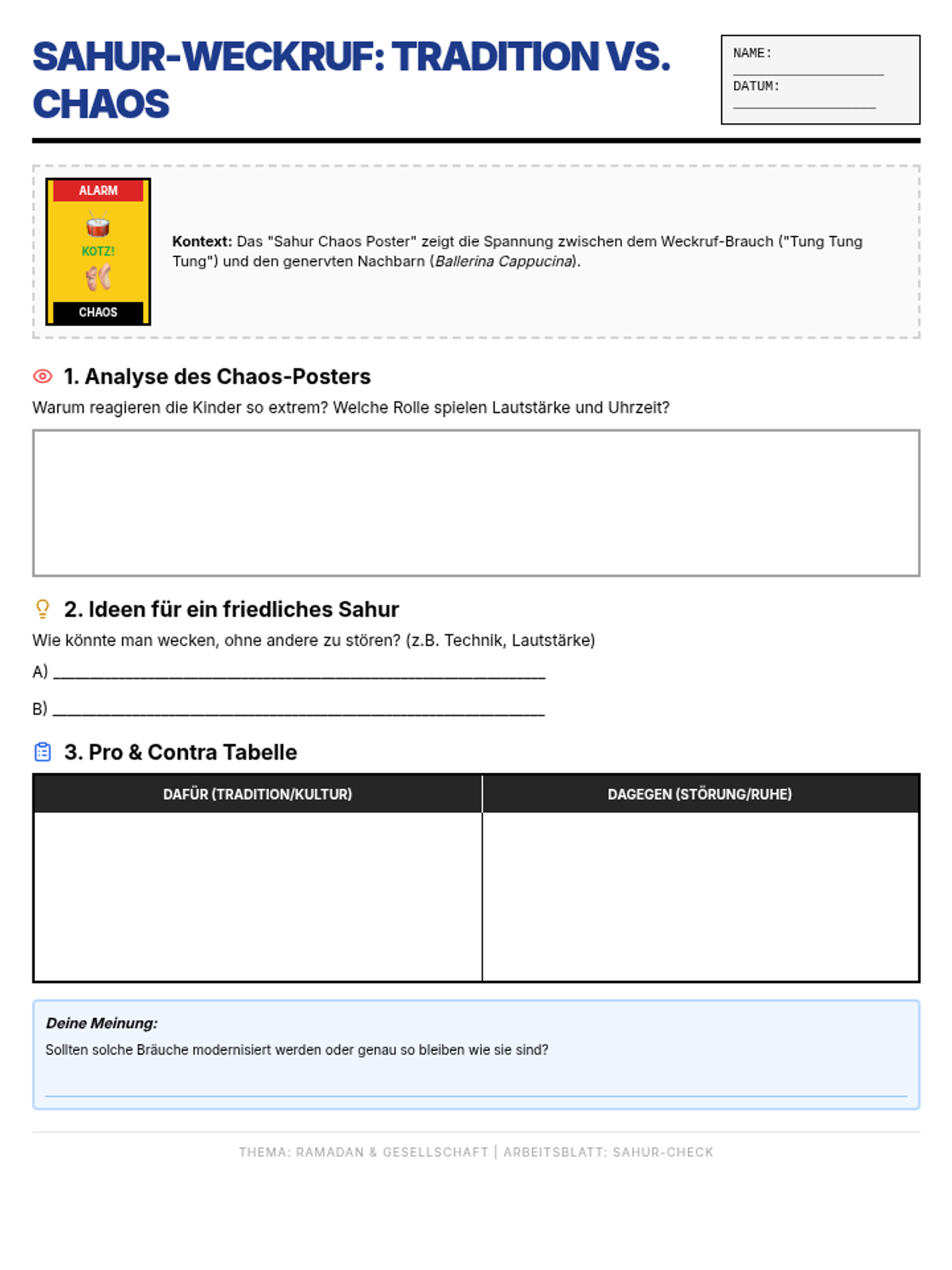
Diese Lektion befasst sich mit der Tradition des "Sahur" im Ramadan, insbesondere mit den lautstarken Weckrufen in Indonesien (Tung Tung Tung). Sie nutzt ein humorvolles (und absichtlich chaotisches) Poster, um die Aufmerksamkeit der Schüler auf kulturelle Bräuche zu lenken.
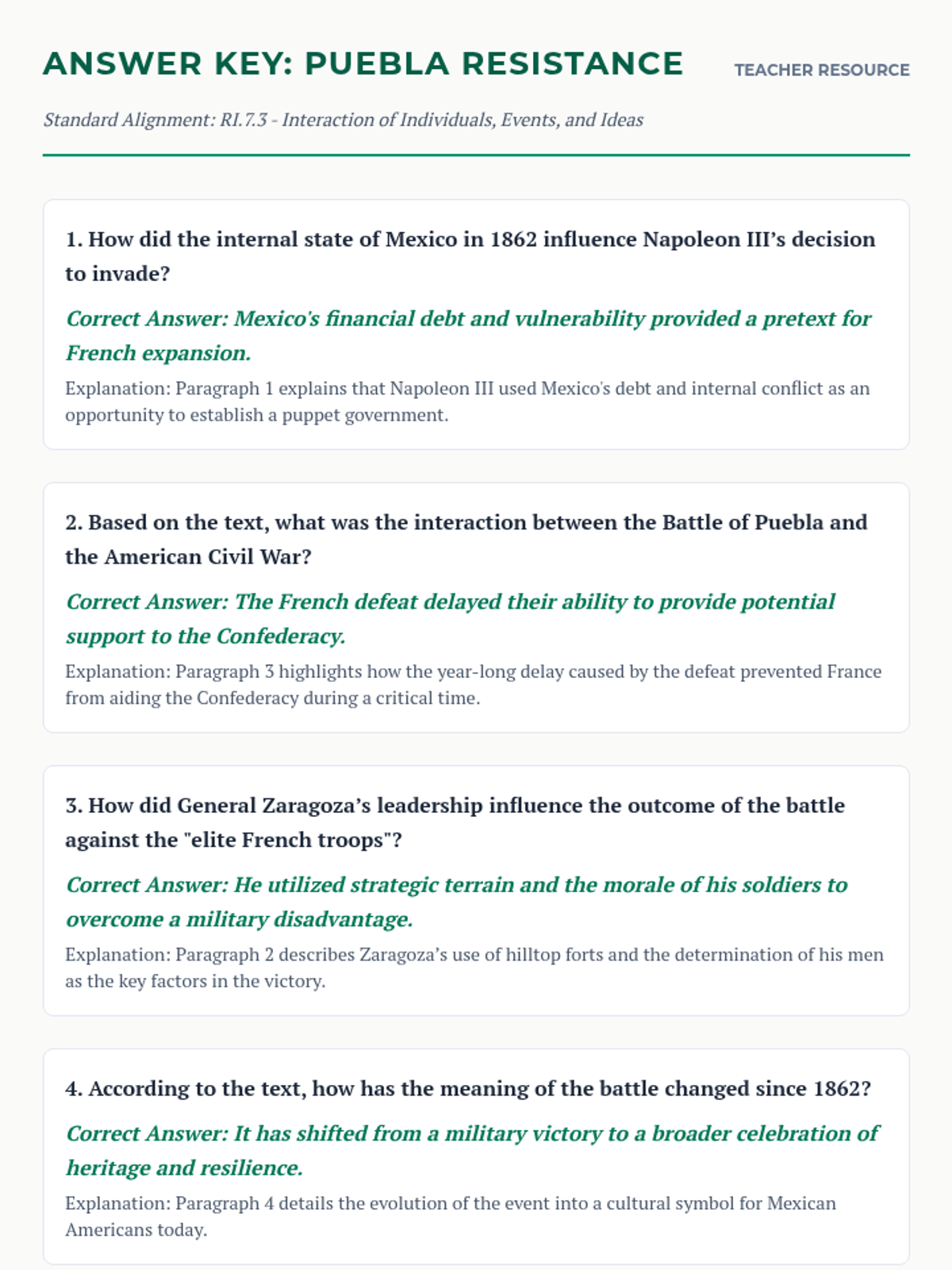
A deep dive into the historical significance of the Battle of Puebla, exploring the interactions between Mexican resistance, French imperialism, and the American Civil War.
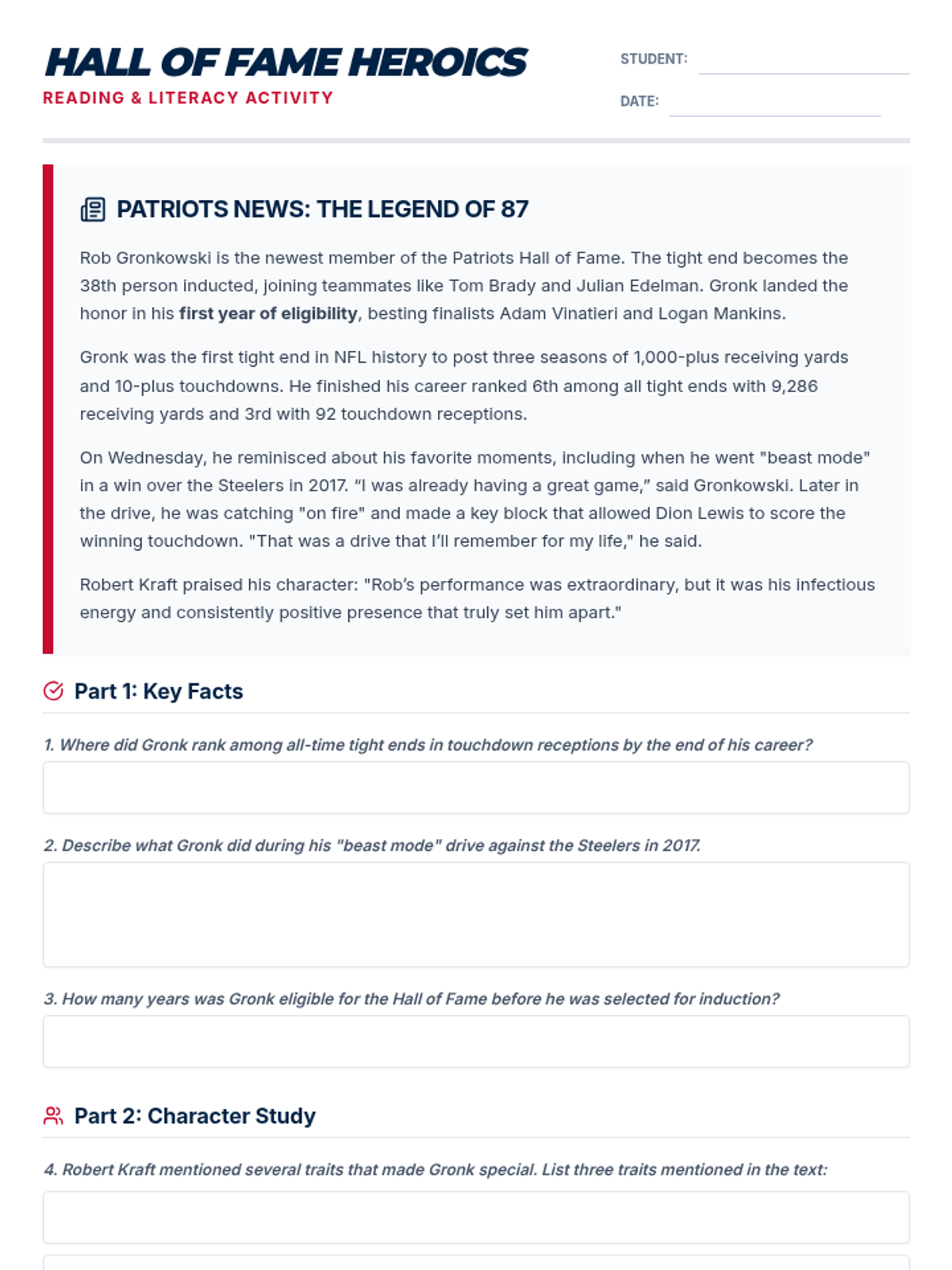
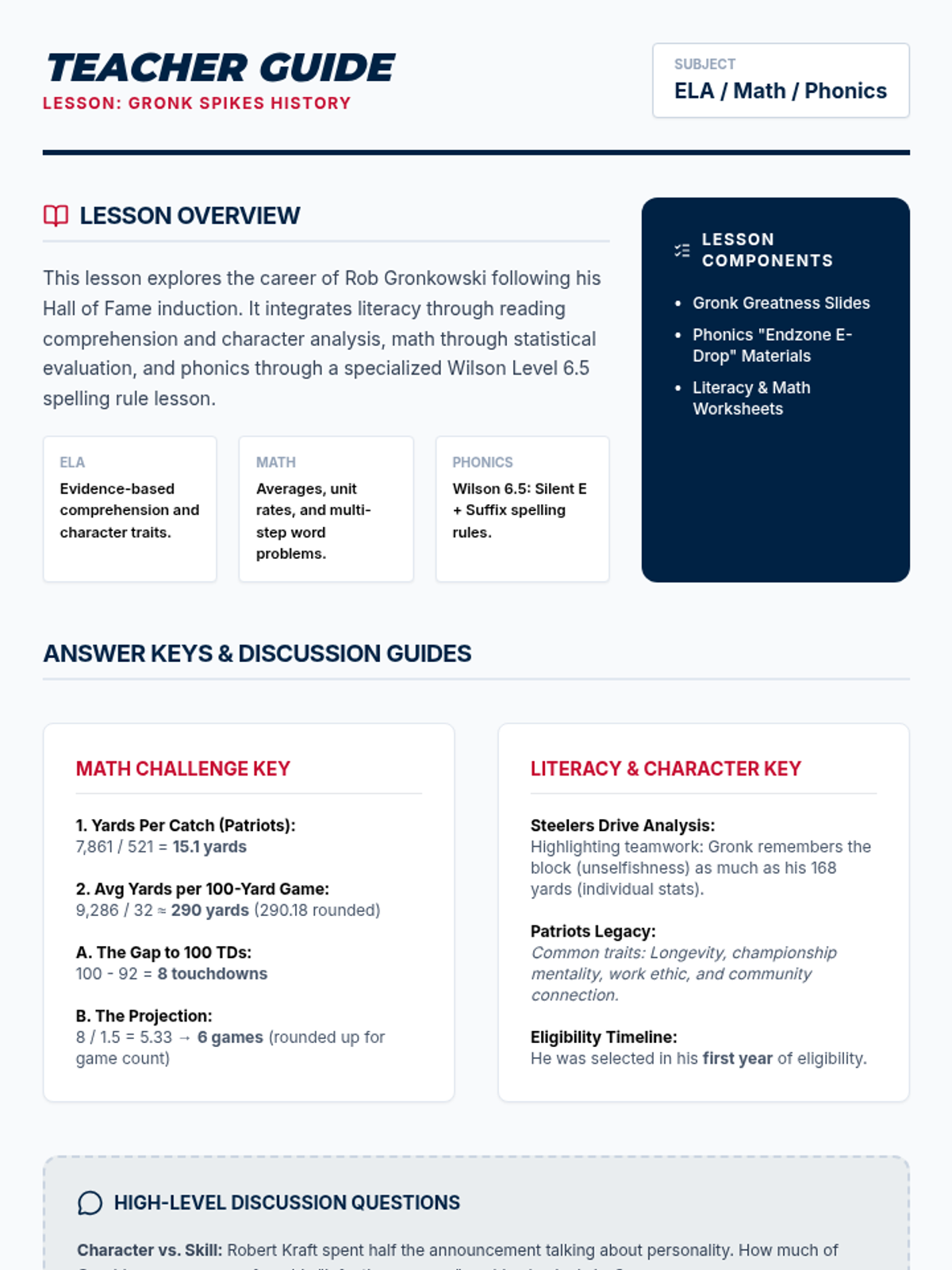
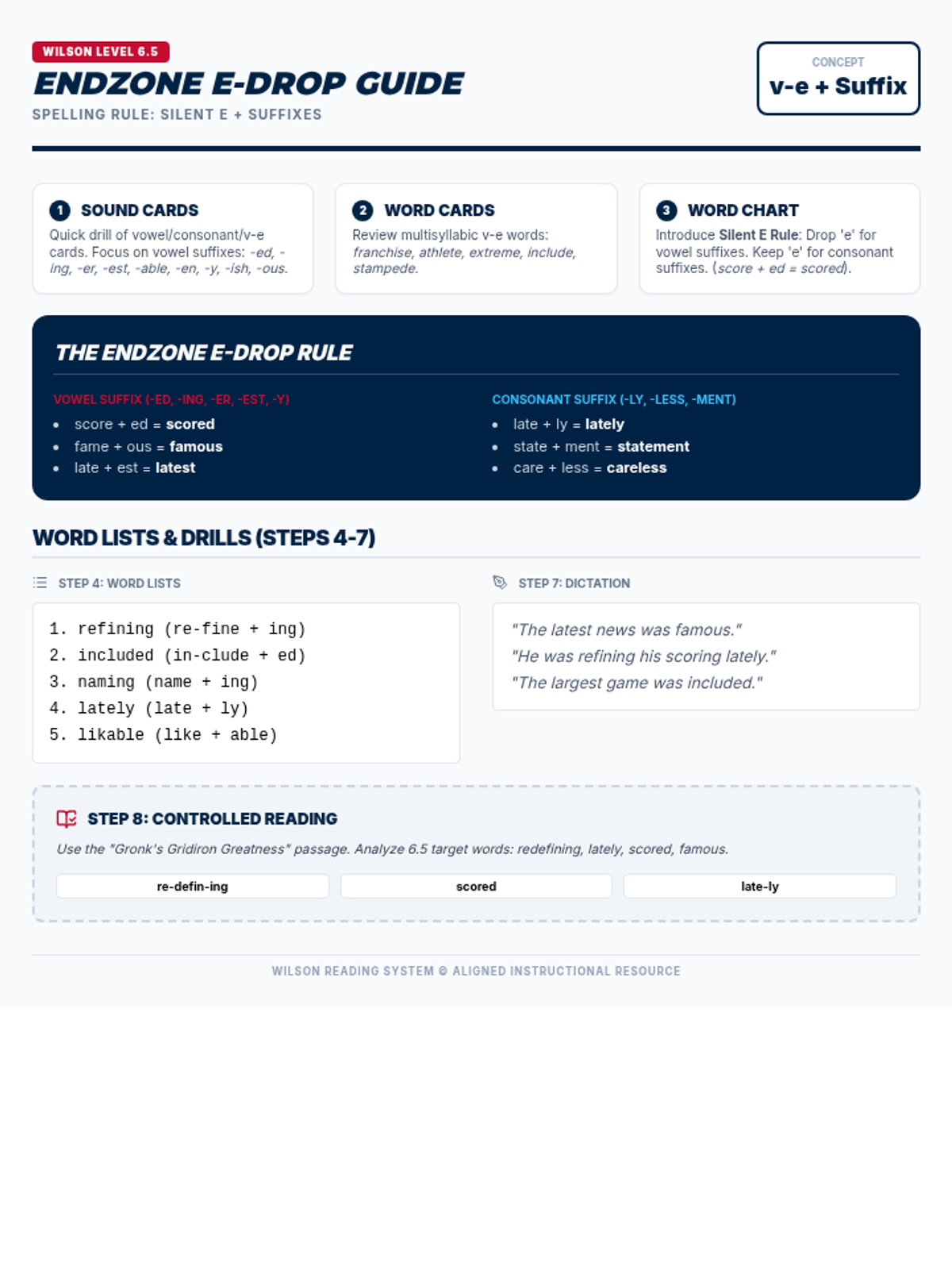
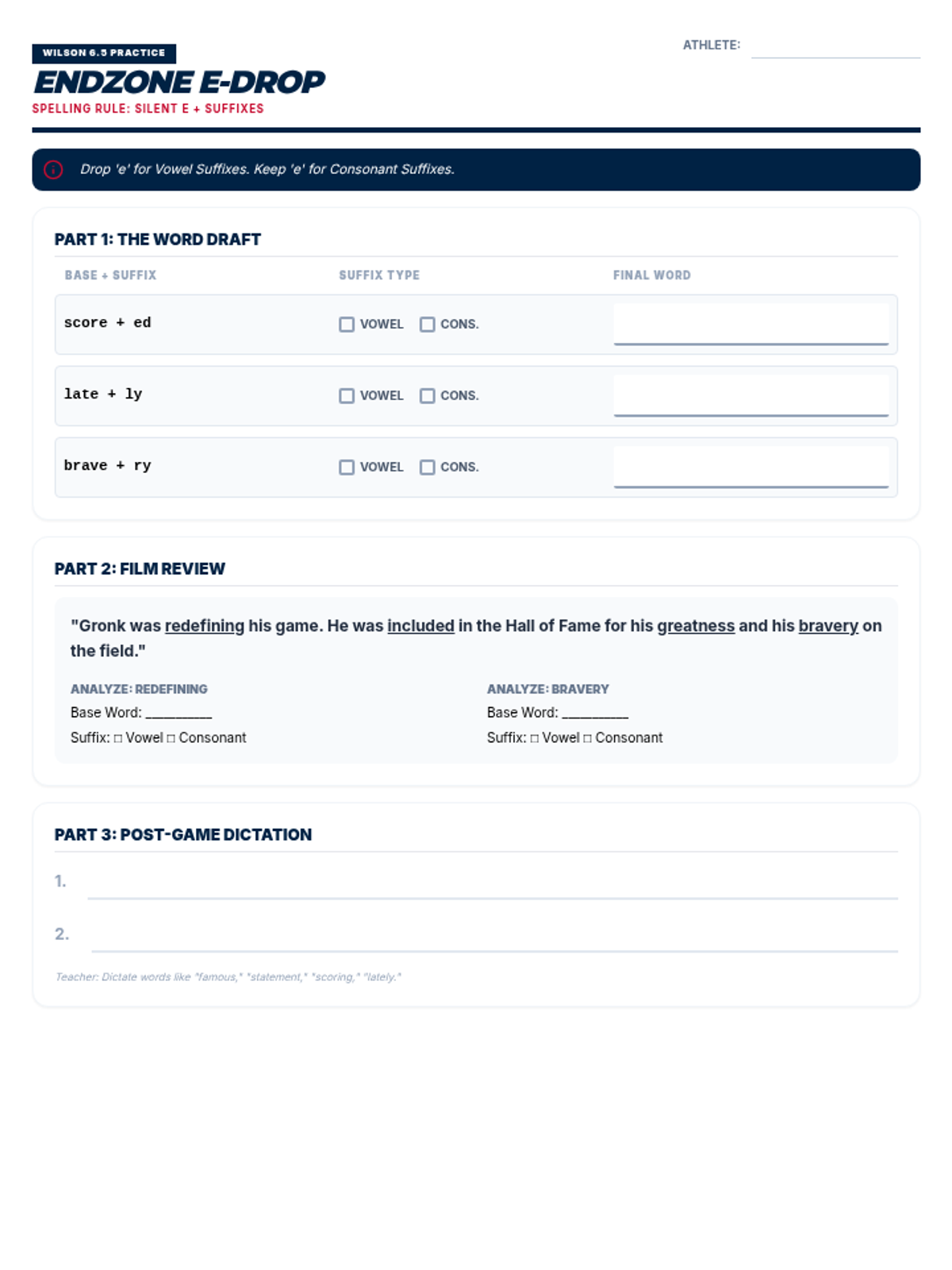
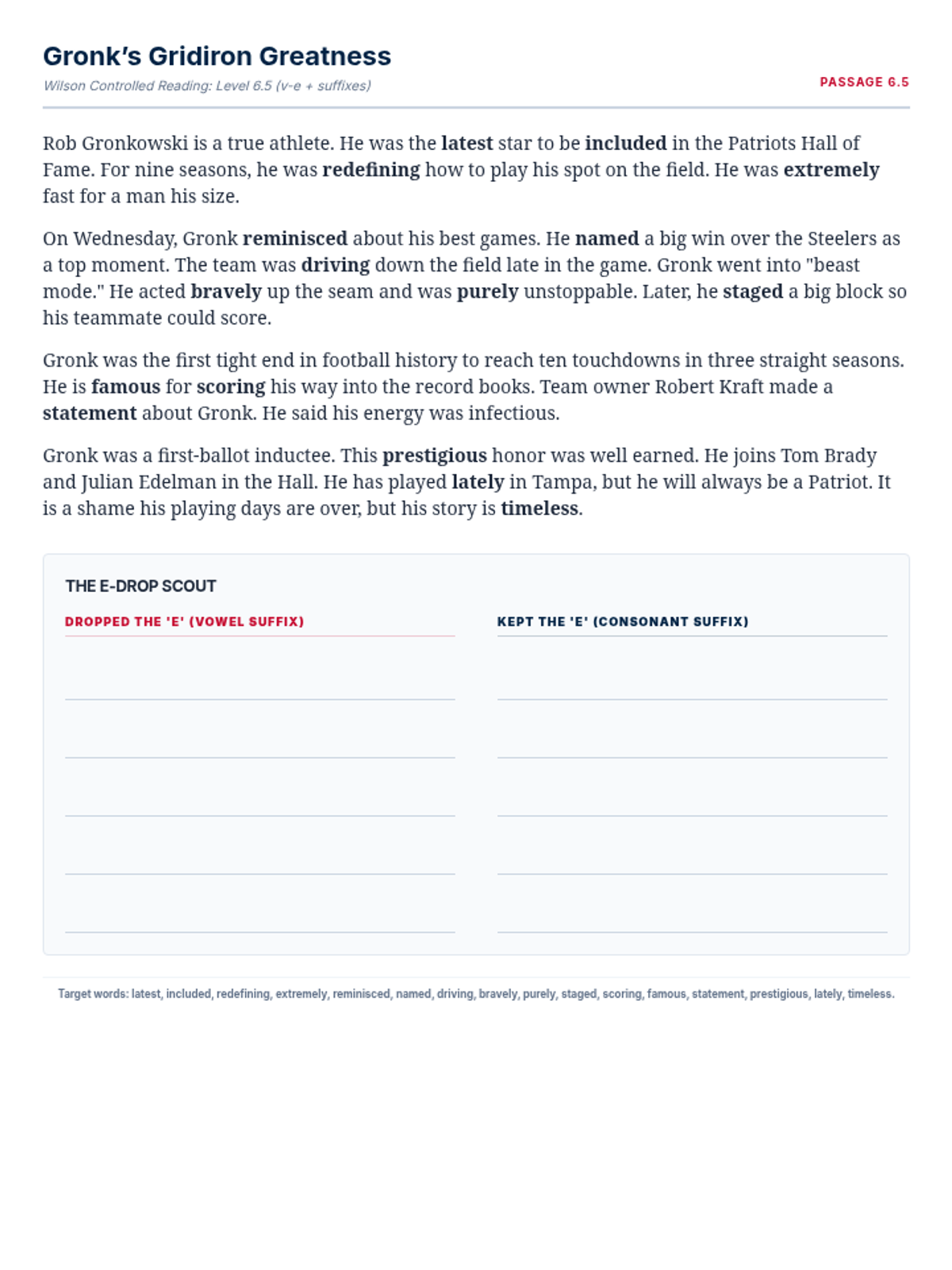
A Wilson Reading System (WRS) aligned lesson for Level 6.5, focusing on the Silent E Spelling Rule (dropping/keeping the e with suffixes) using the career of Rob Gronkowski as the thematic anchor.
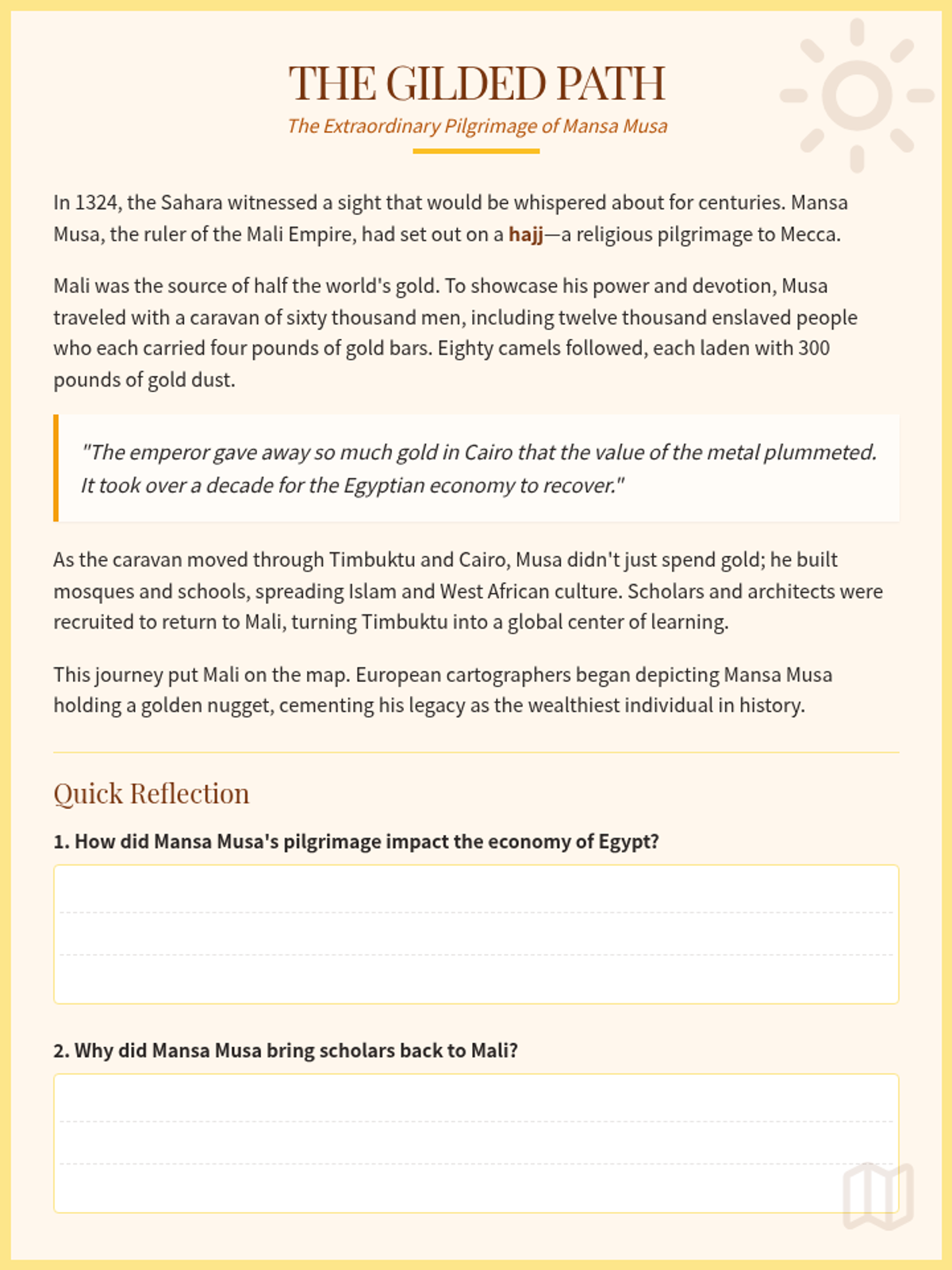
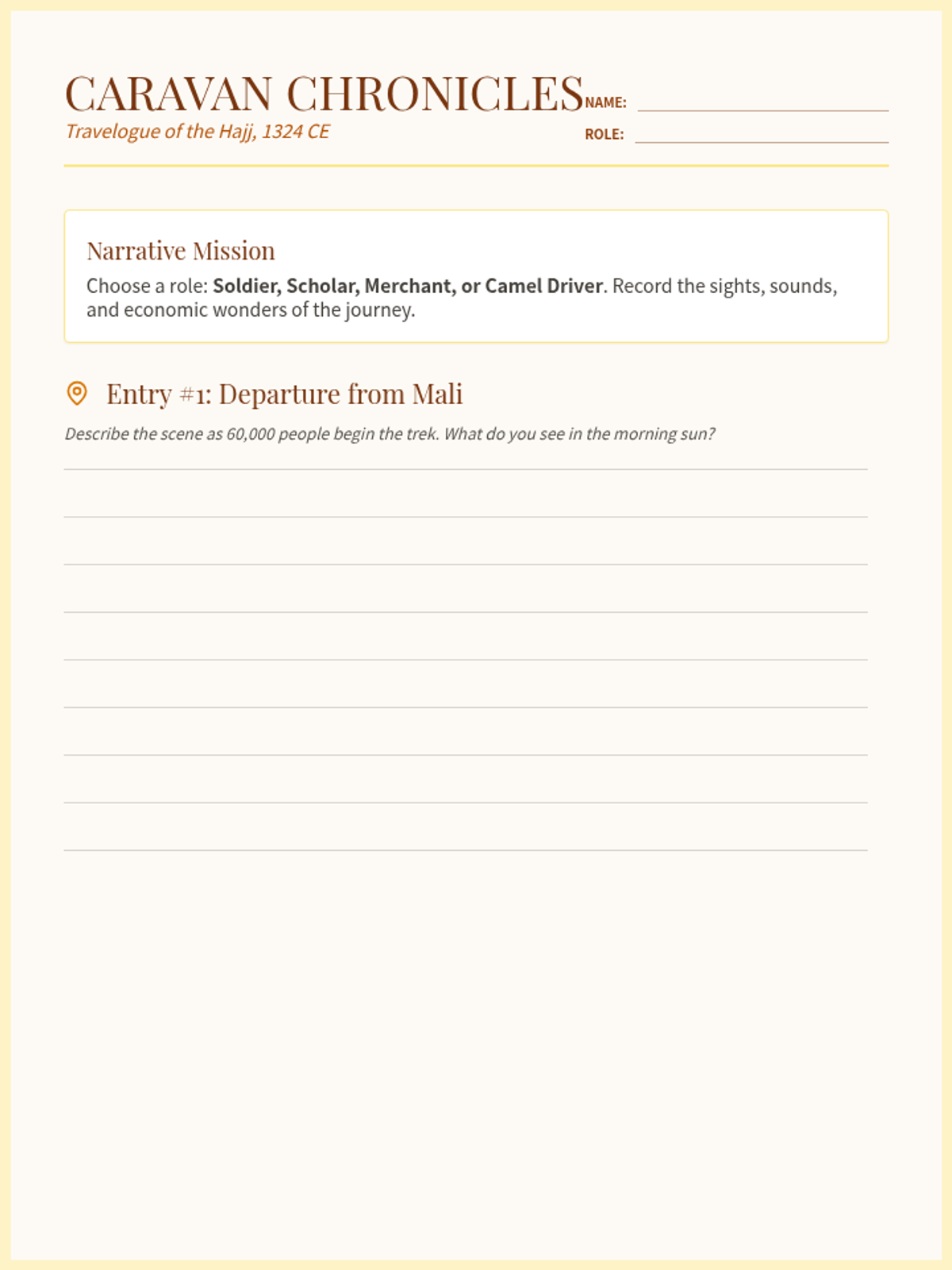
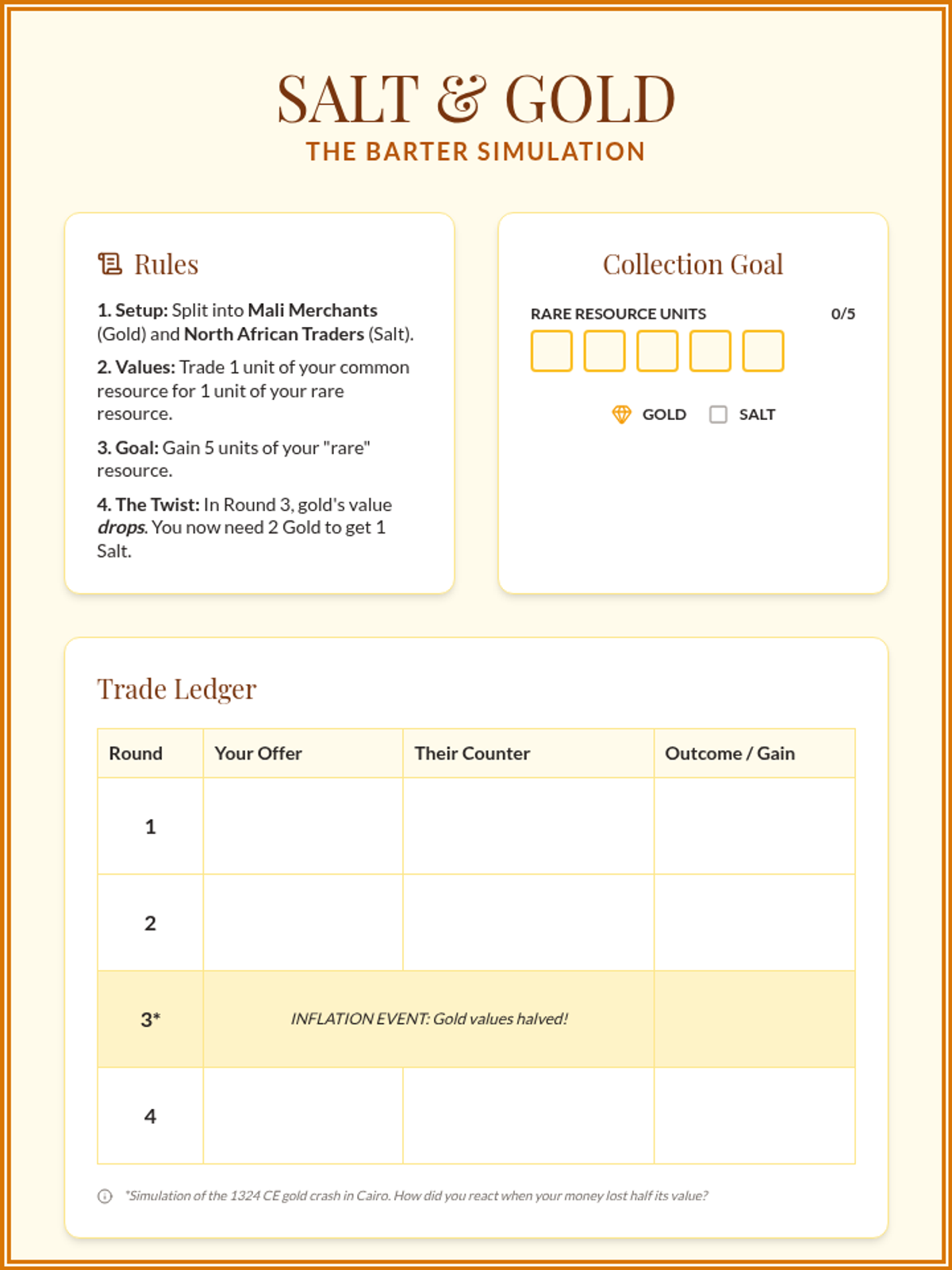
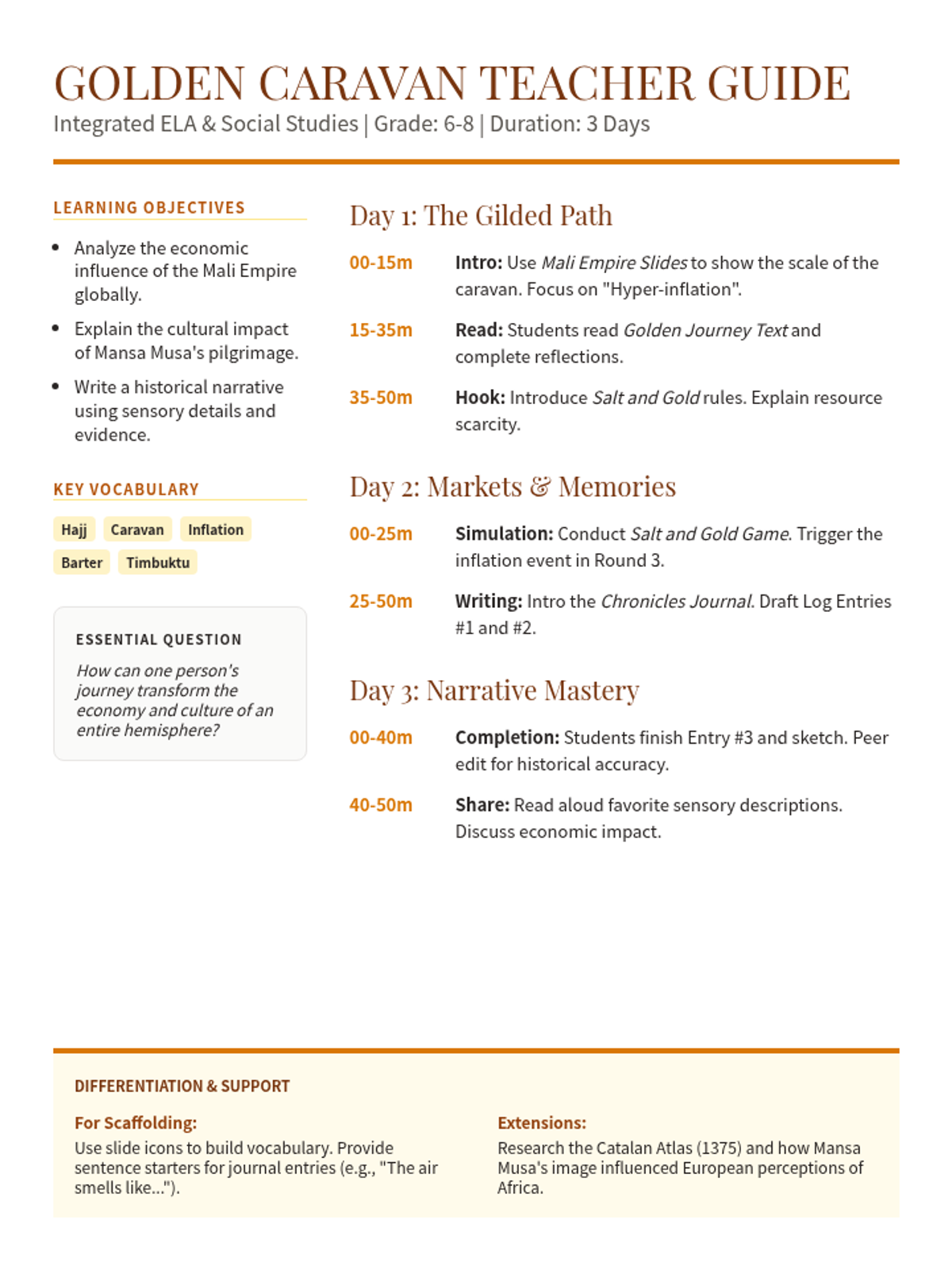
An integrated ELA and Social Studies lesson exploring Mansa Musa's pilgrimage to Mecca, focusing on the wealth of the Mali Empire and narrative writing through travelogues.
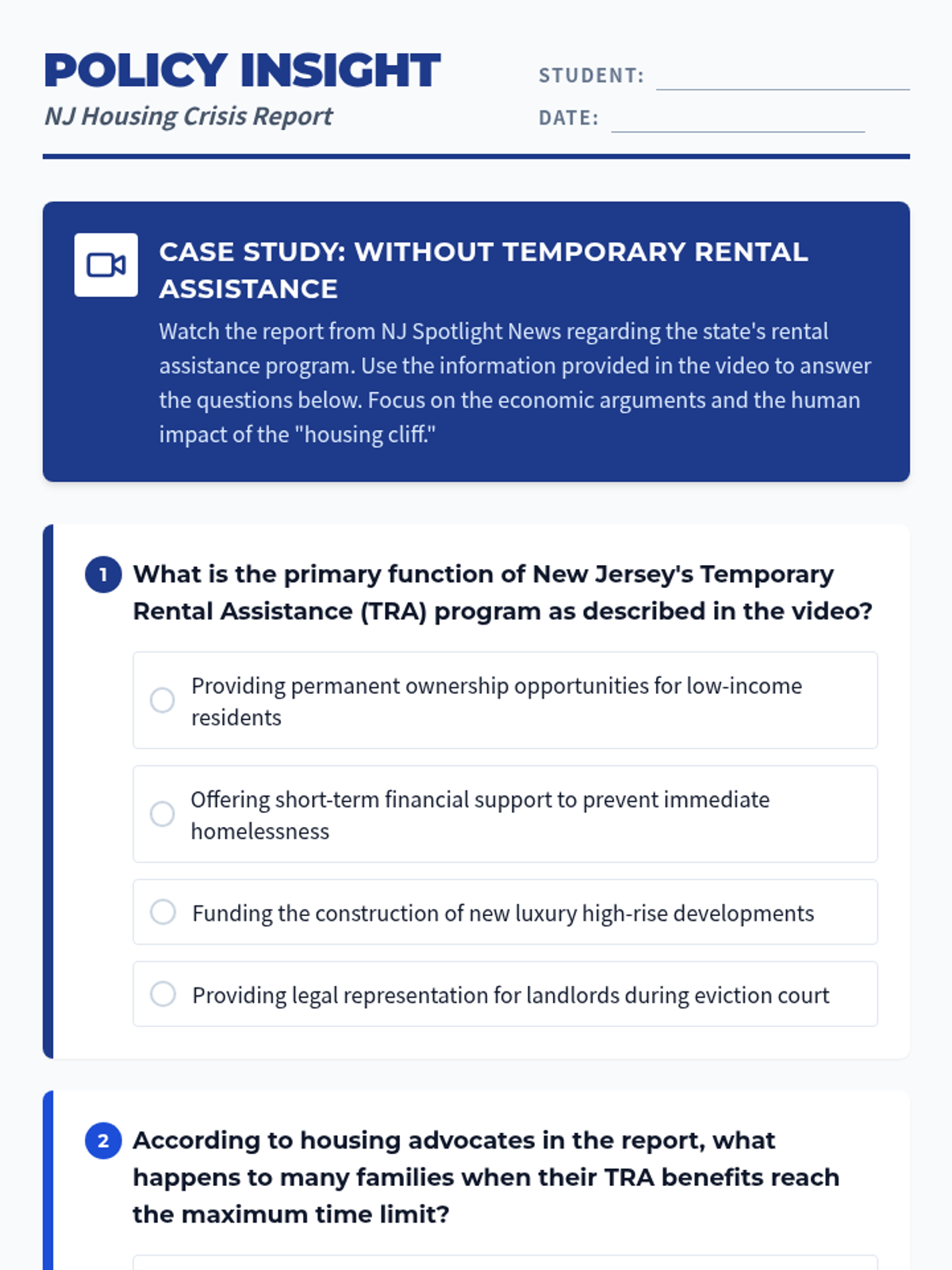
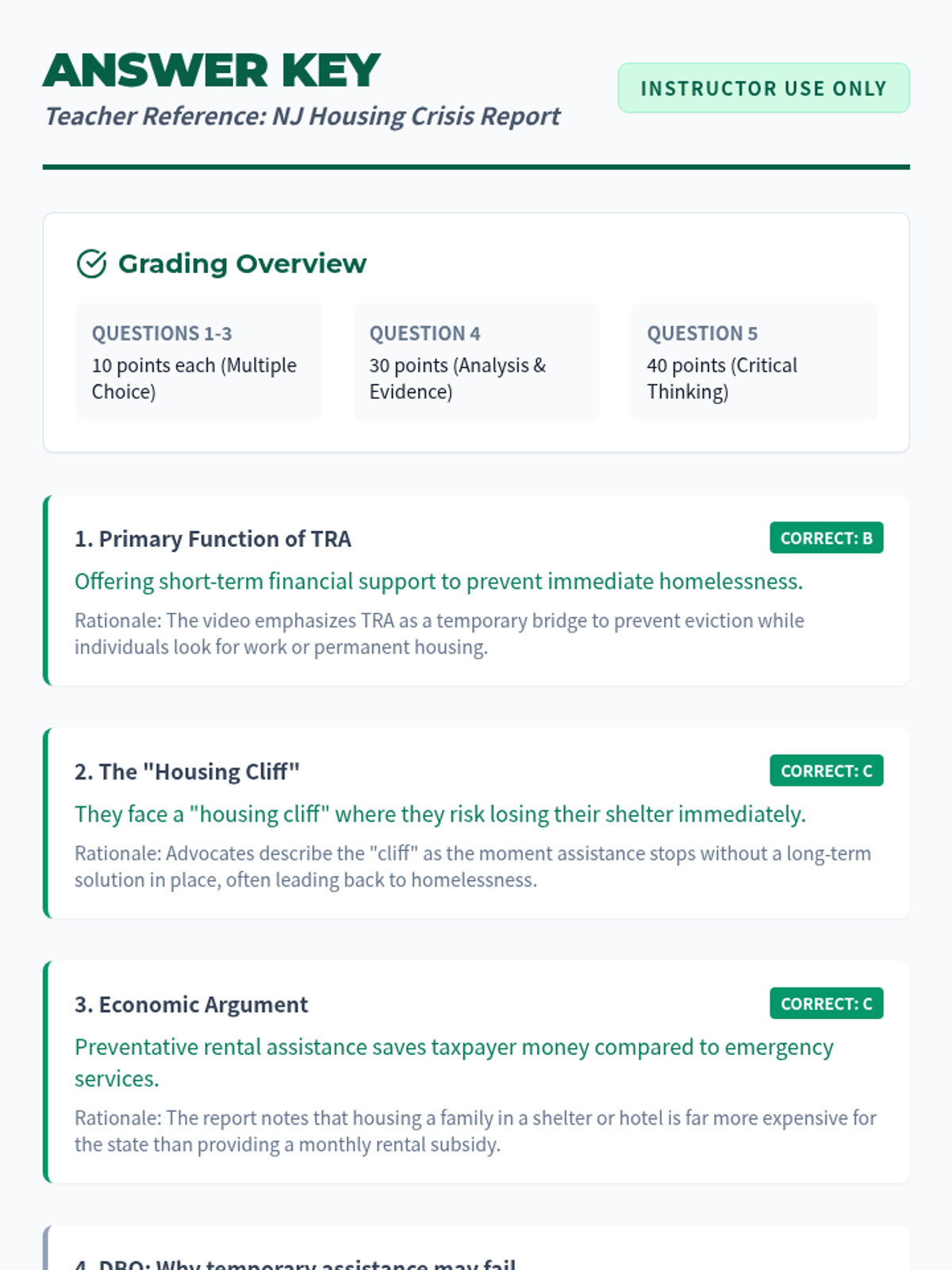
This lesson explores the impact of New Jersey's Temporary Rental Assistance (TRA) program on preventing homelessness, analyzing the economic and social benefits of housing stability through a news report lens.
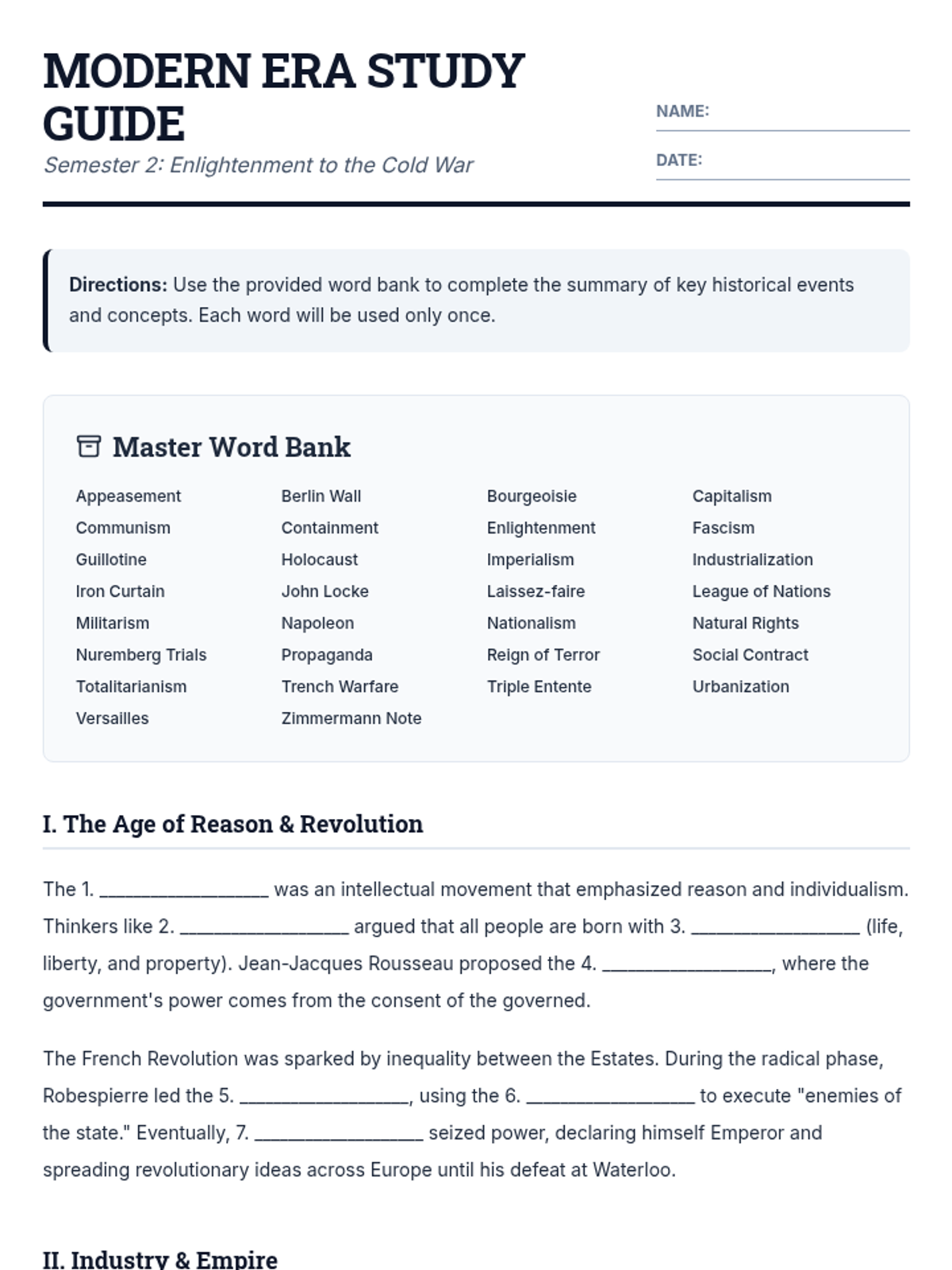
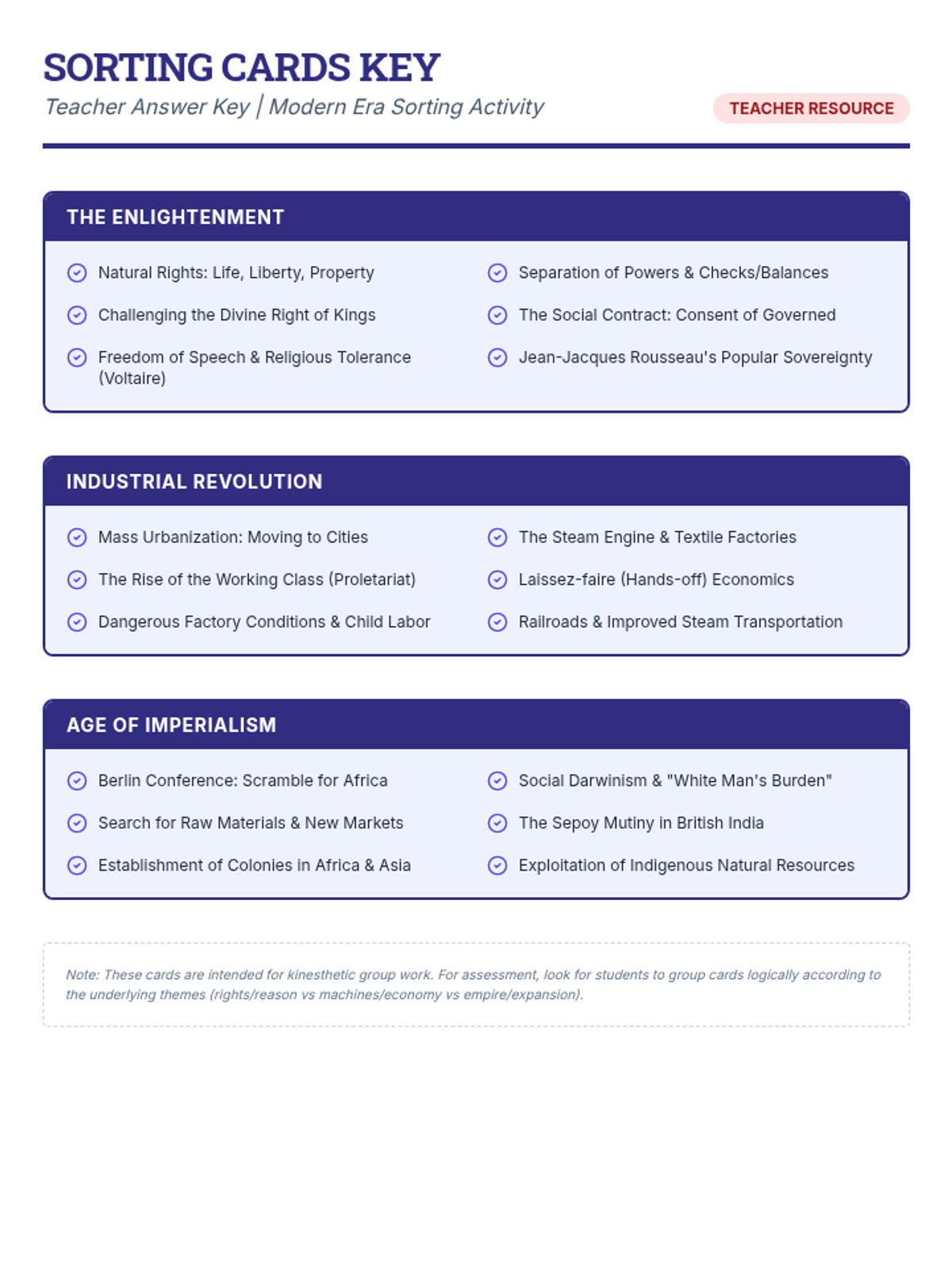
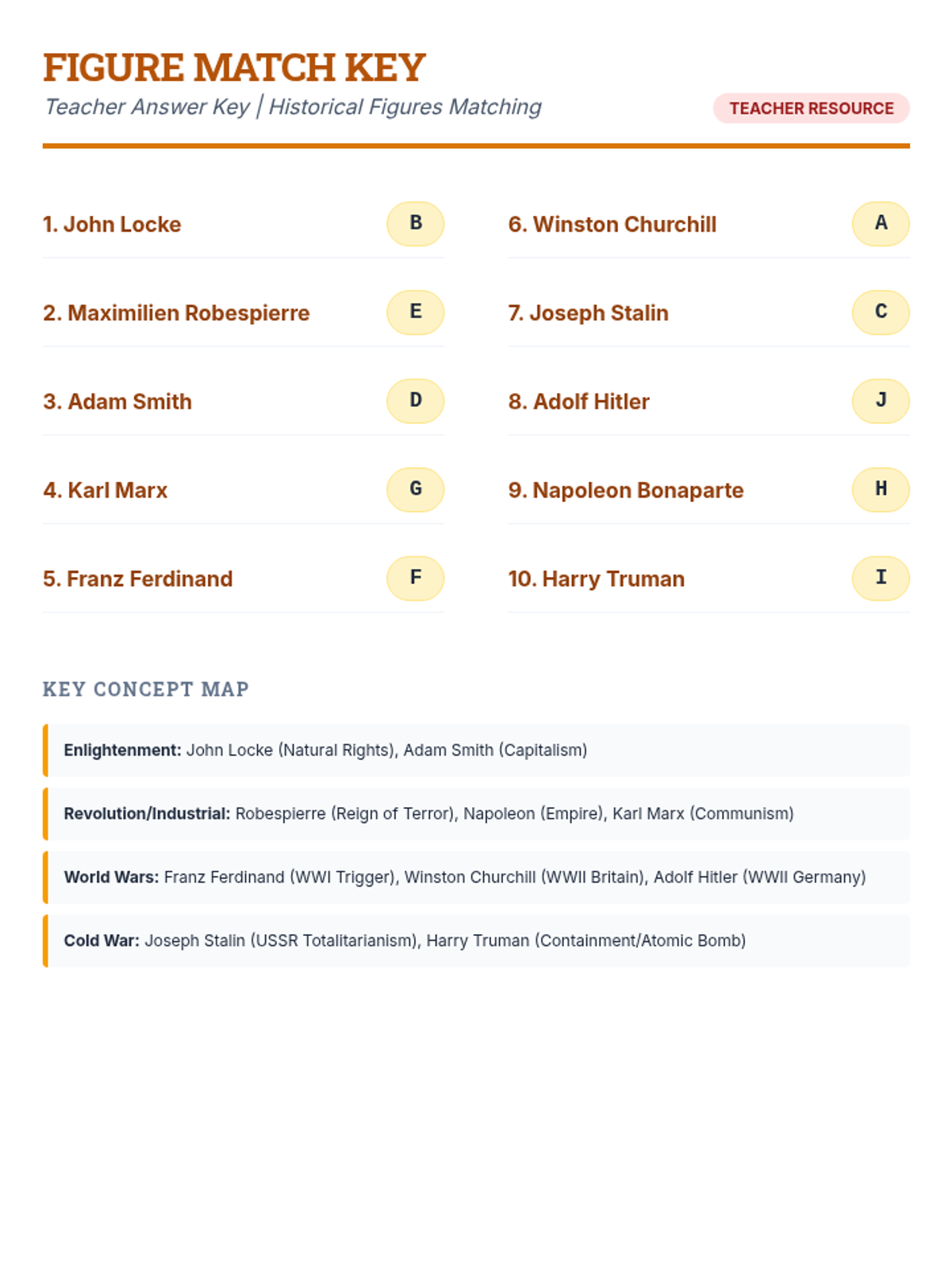
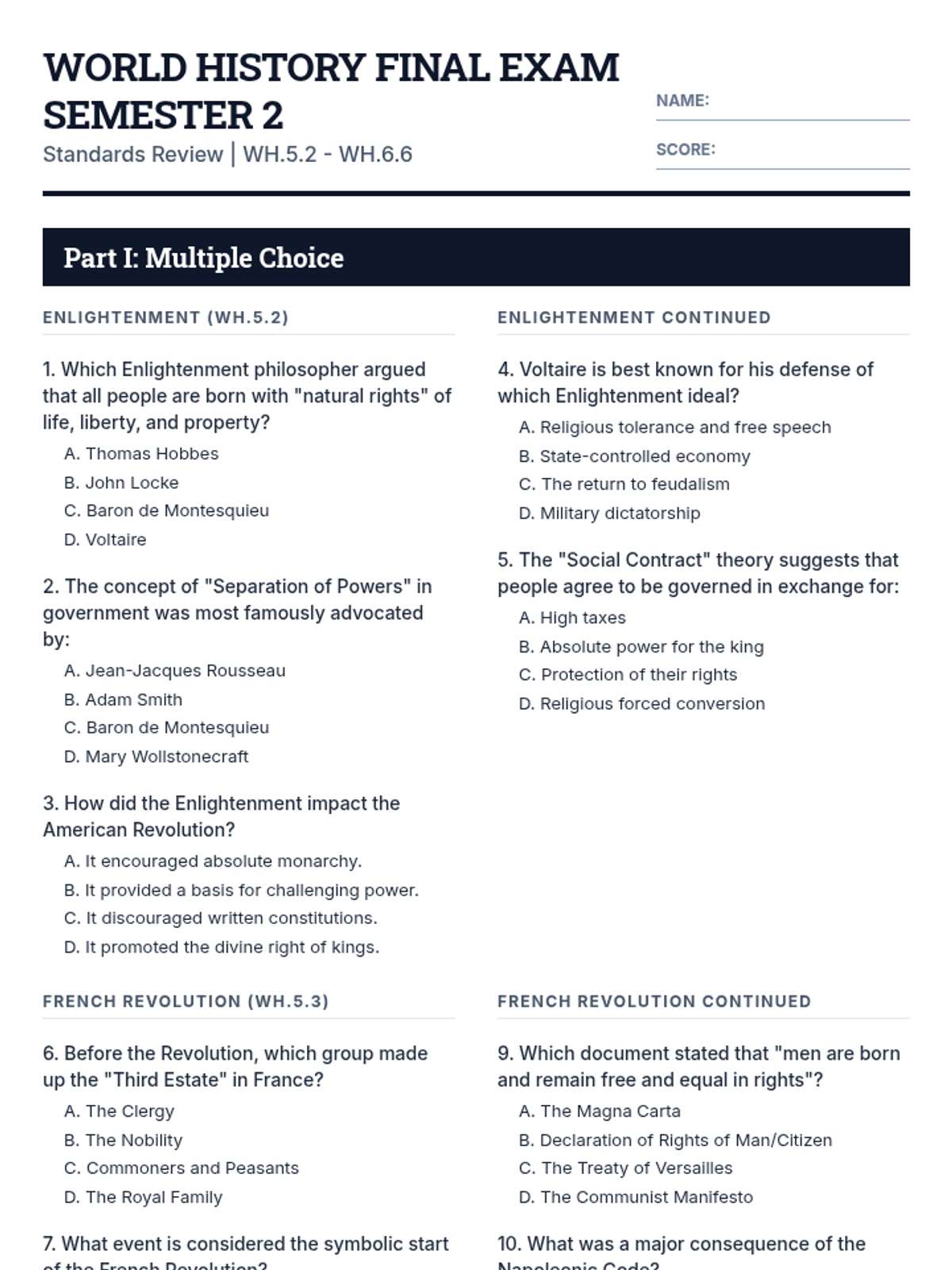
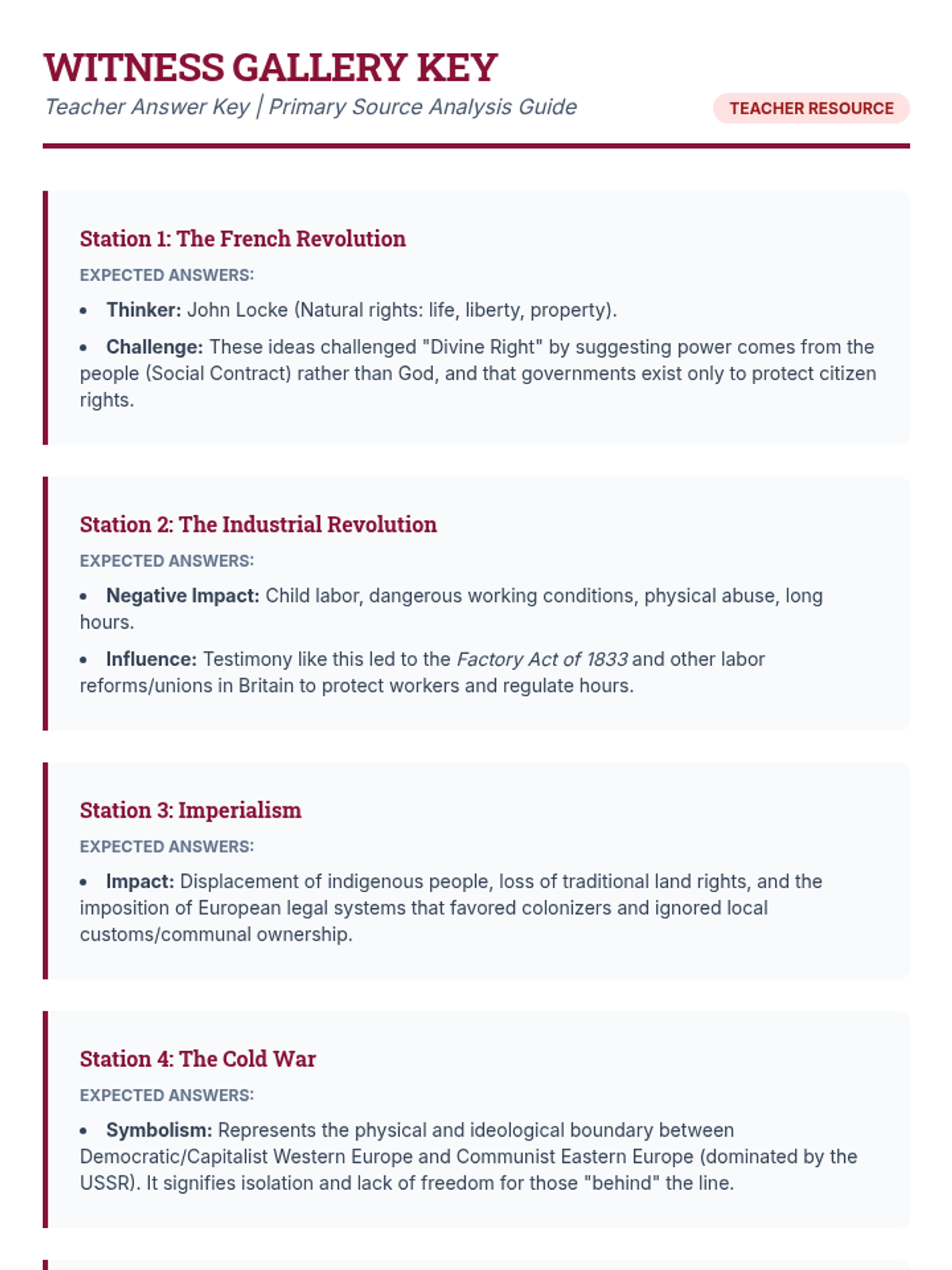
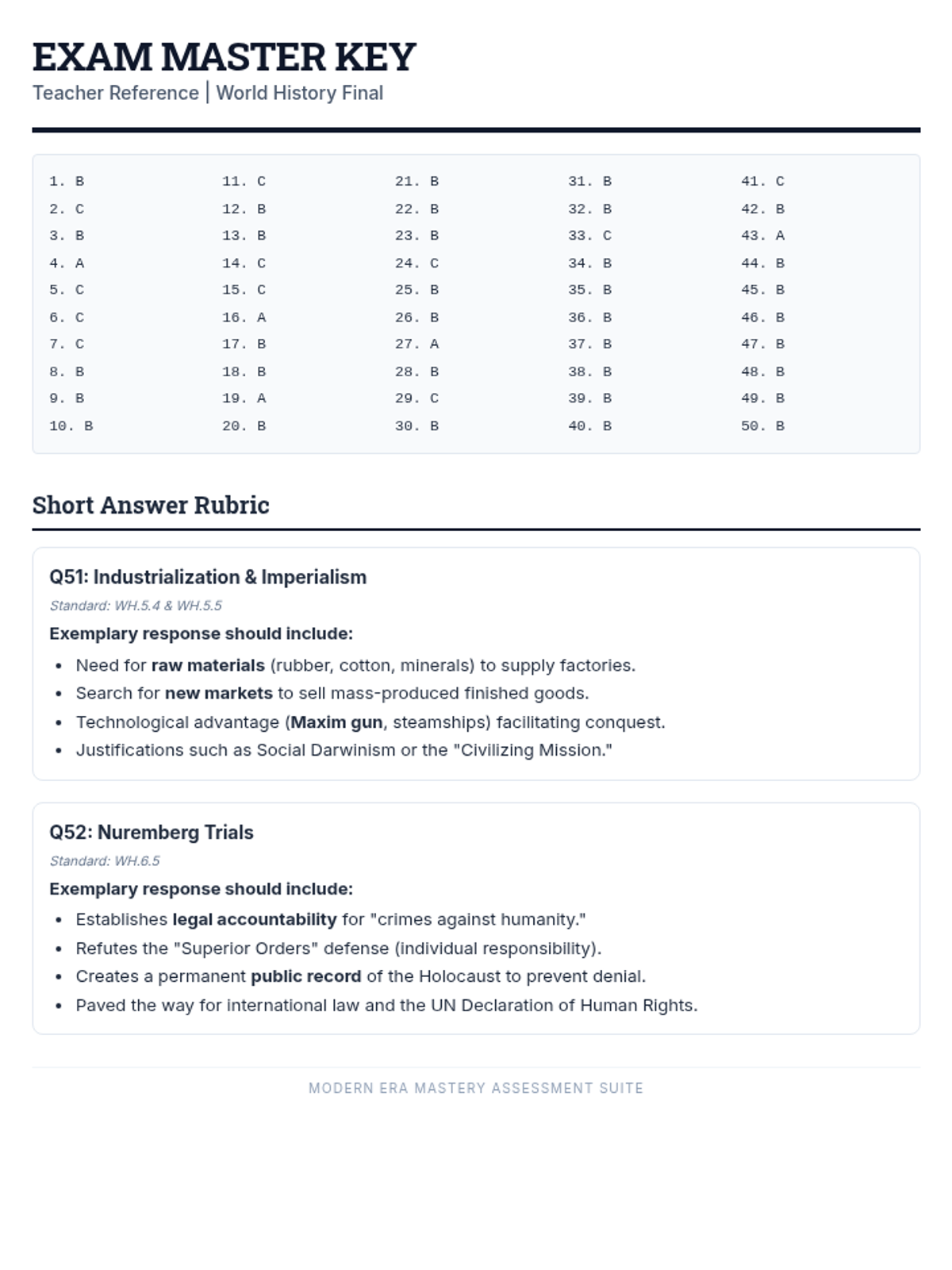
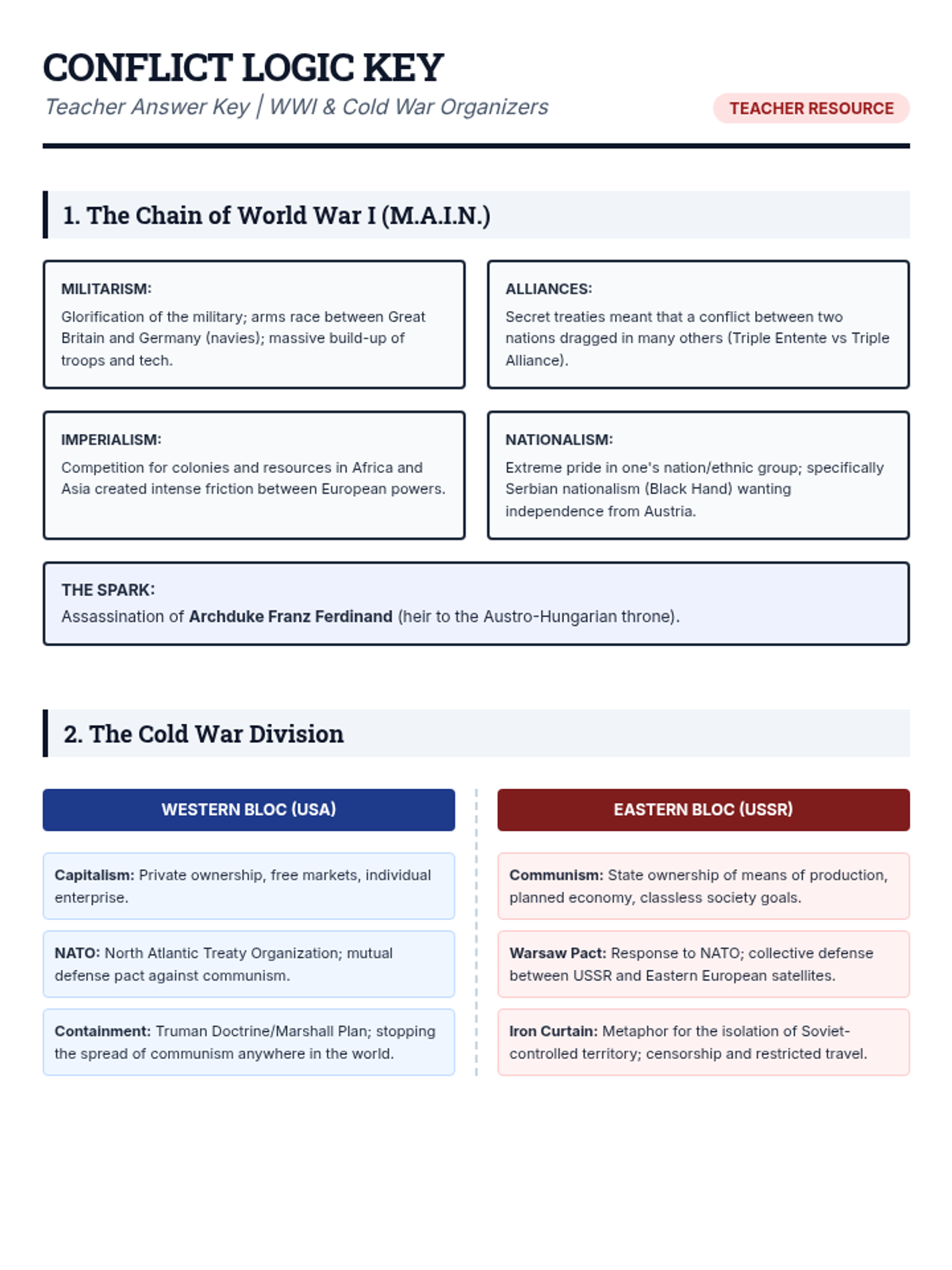
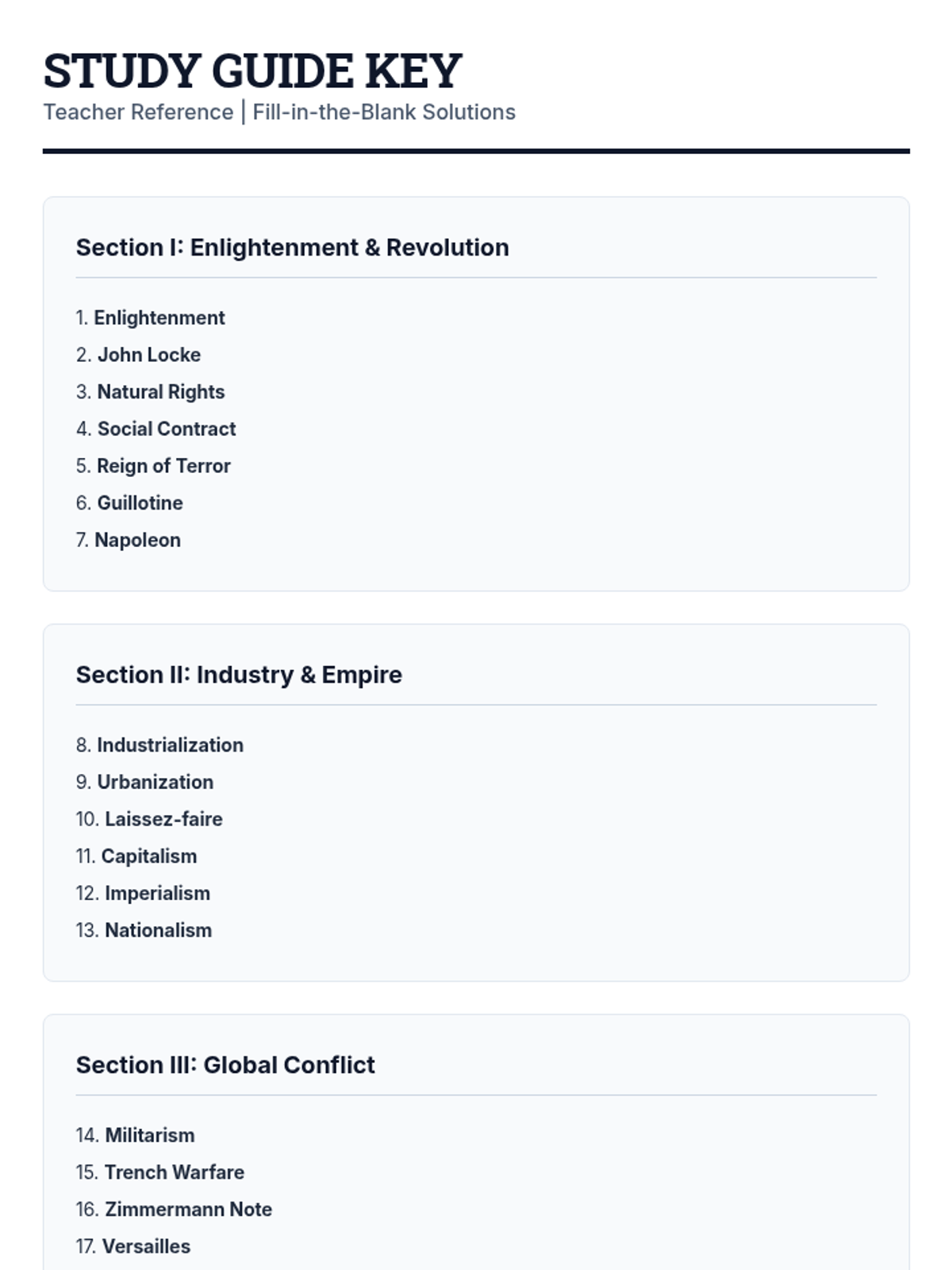
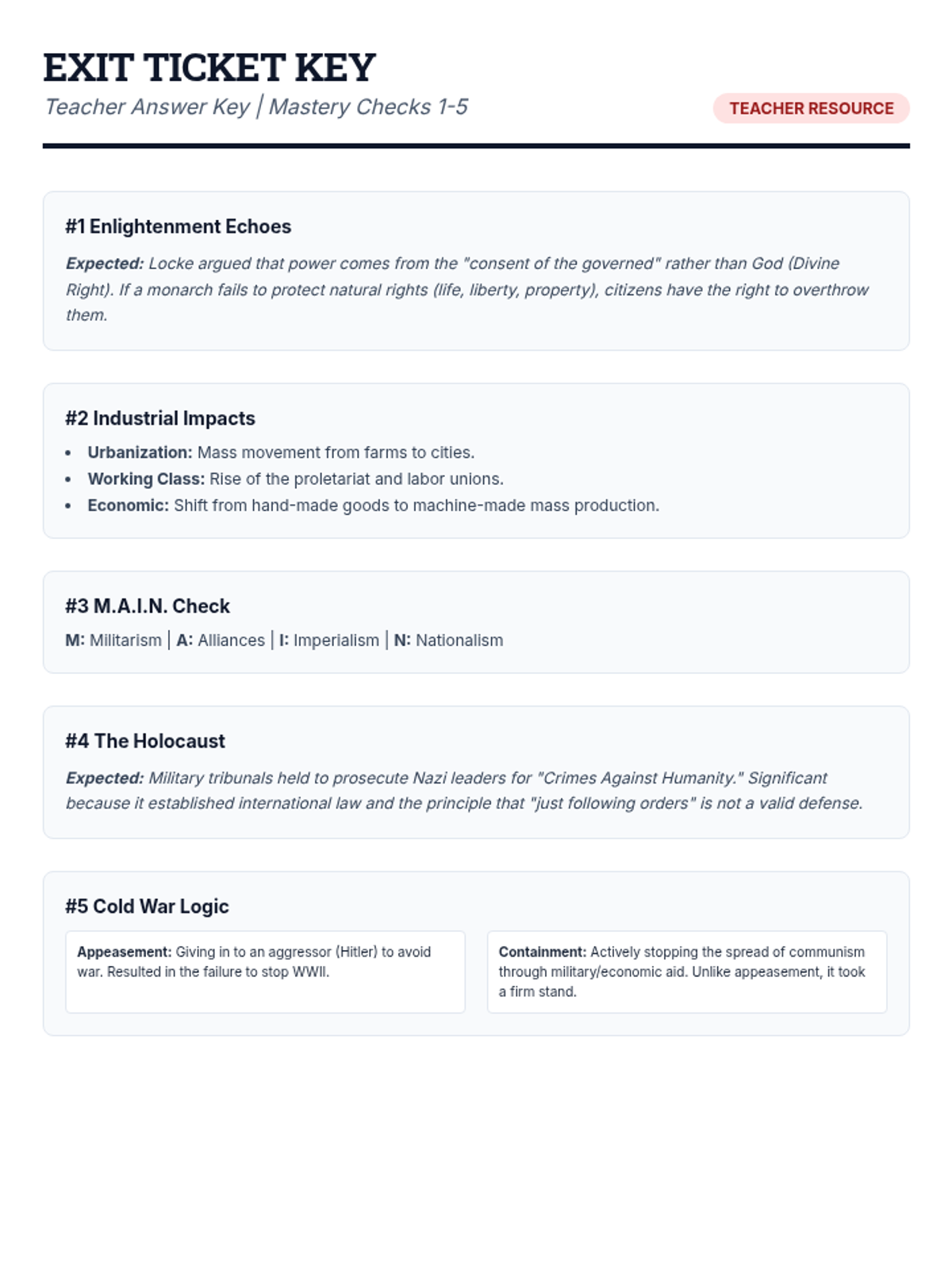
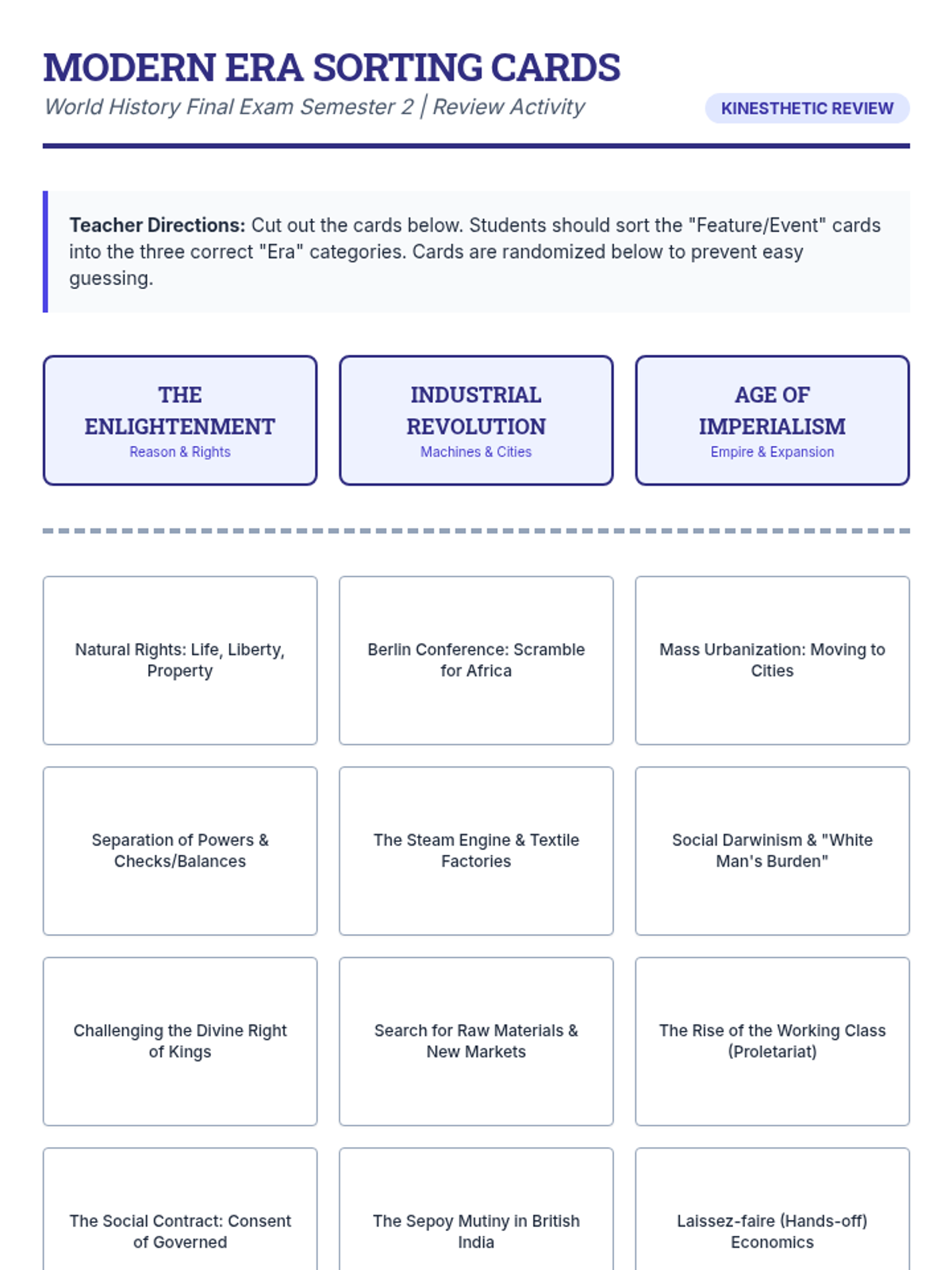
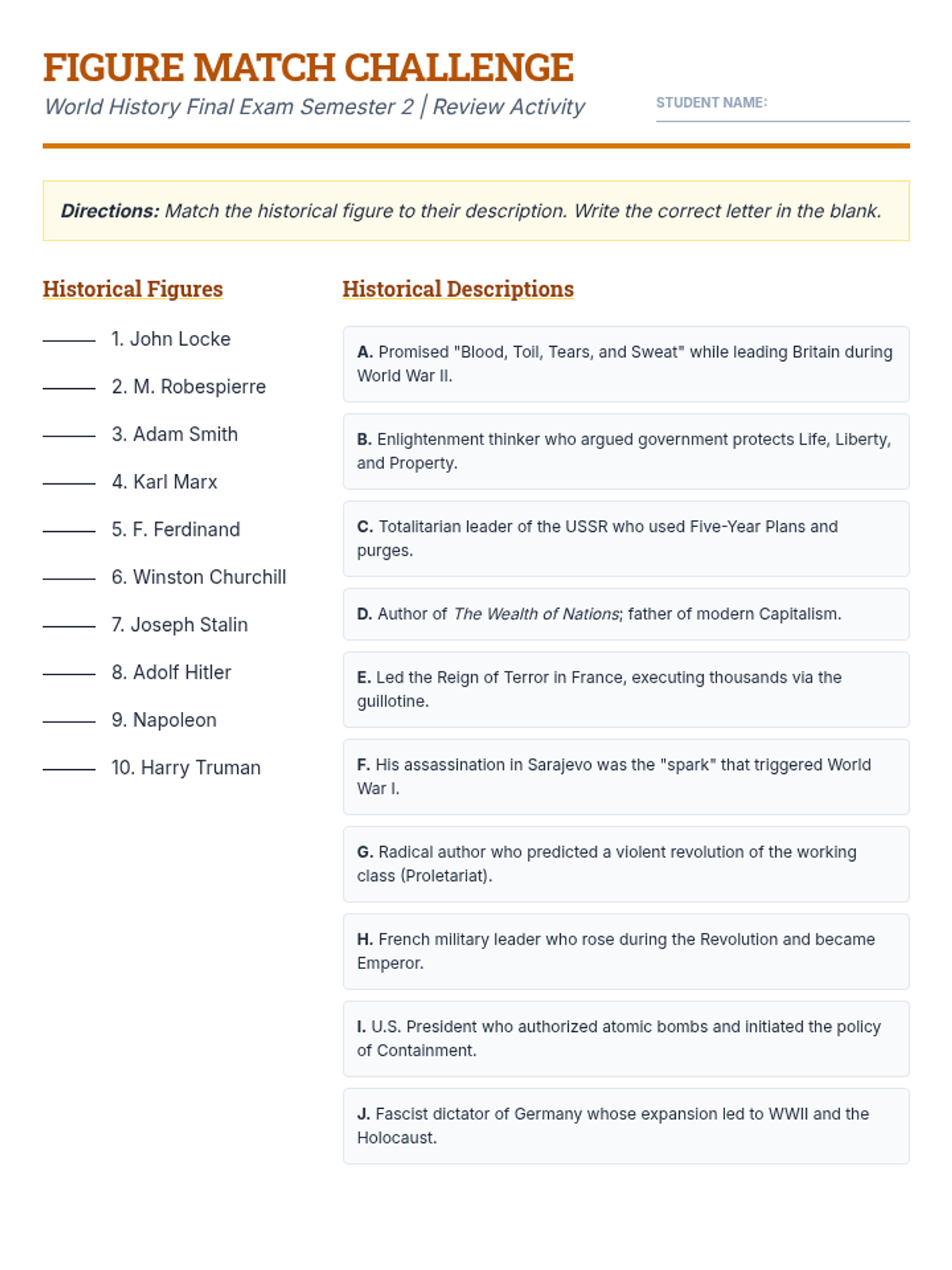
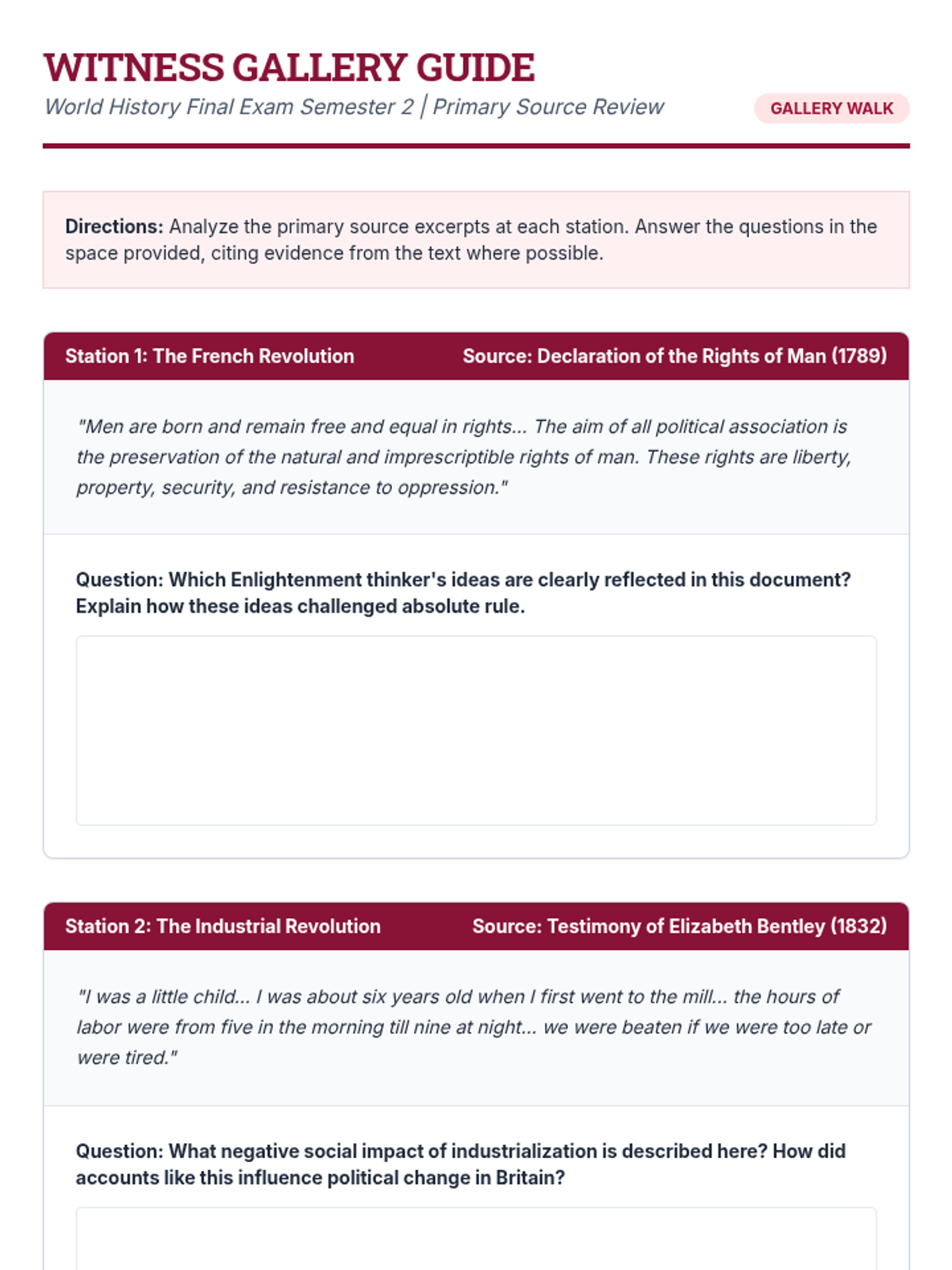
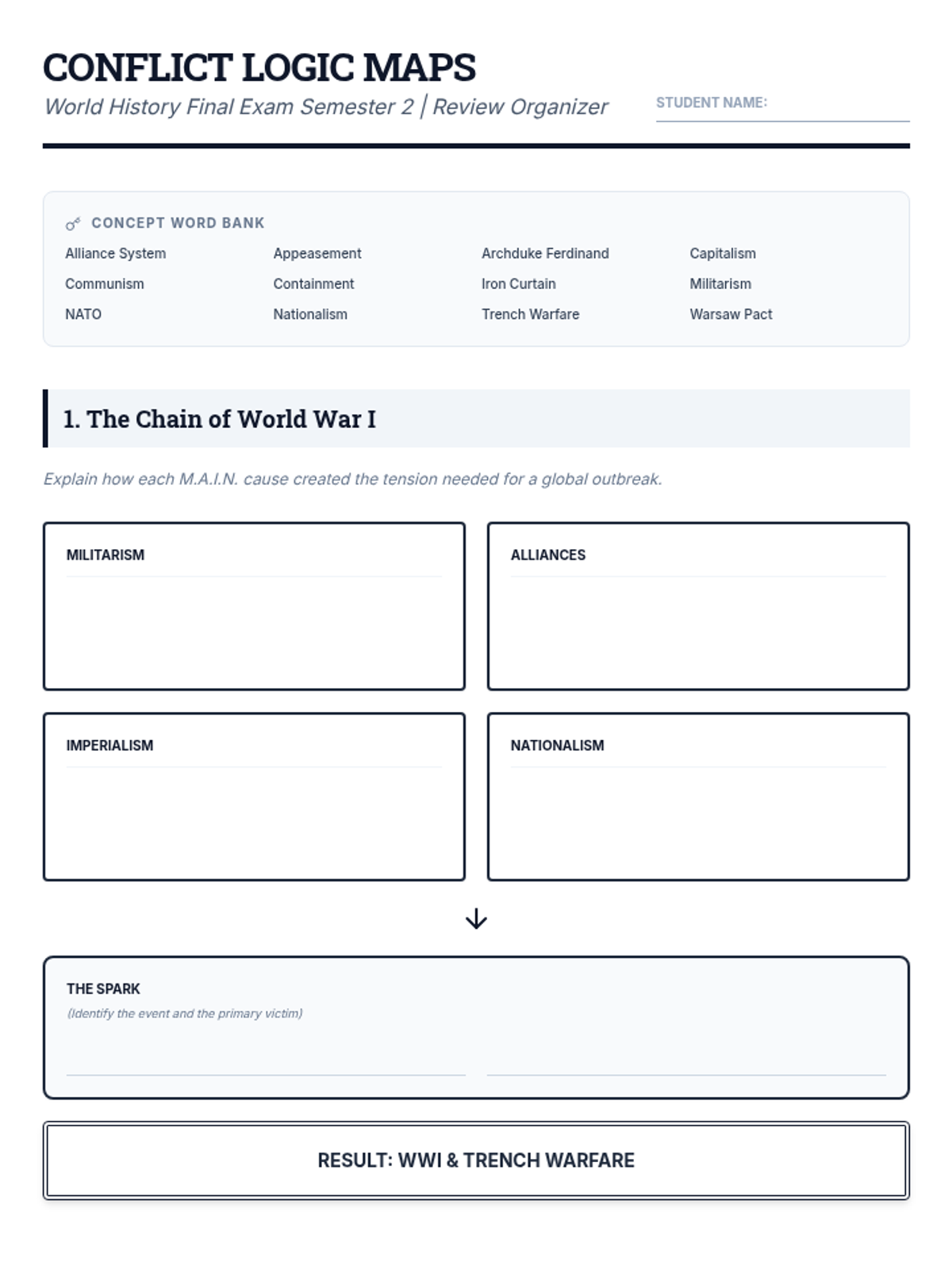
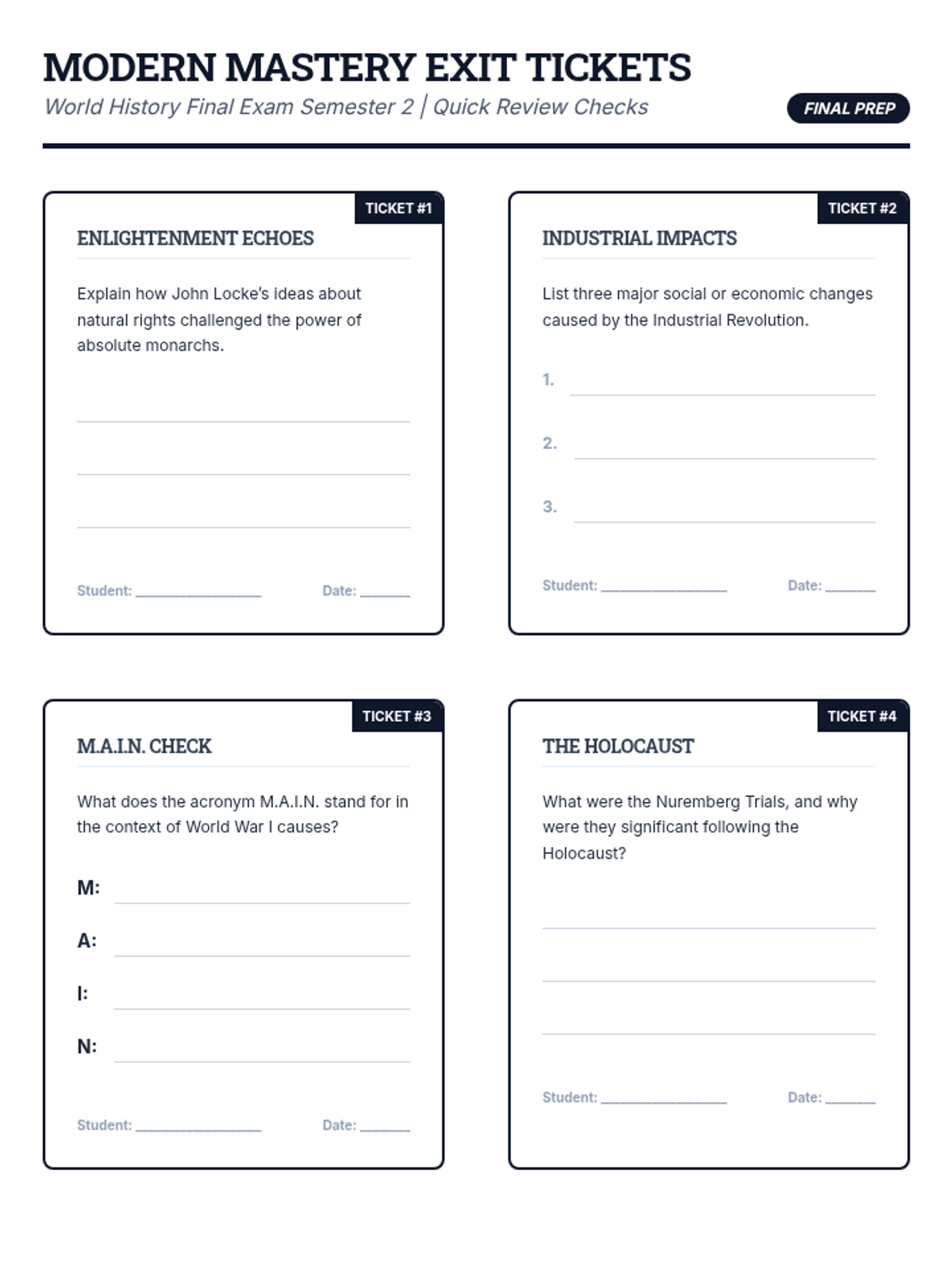
A comprehensive review and assessment package covering World History from the Enlightenment through the Cold War, aligned with state standards.