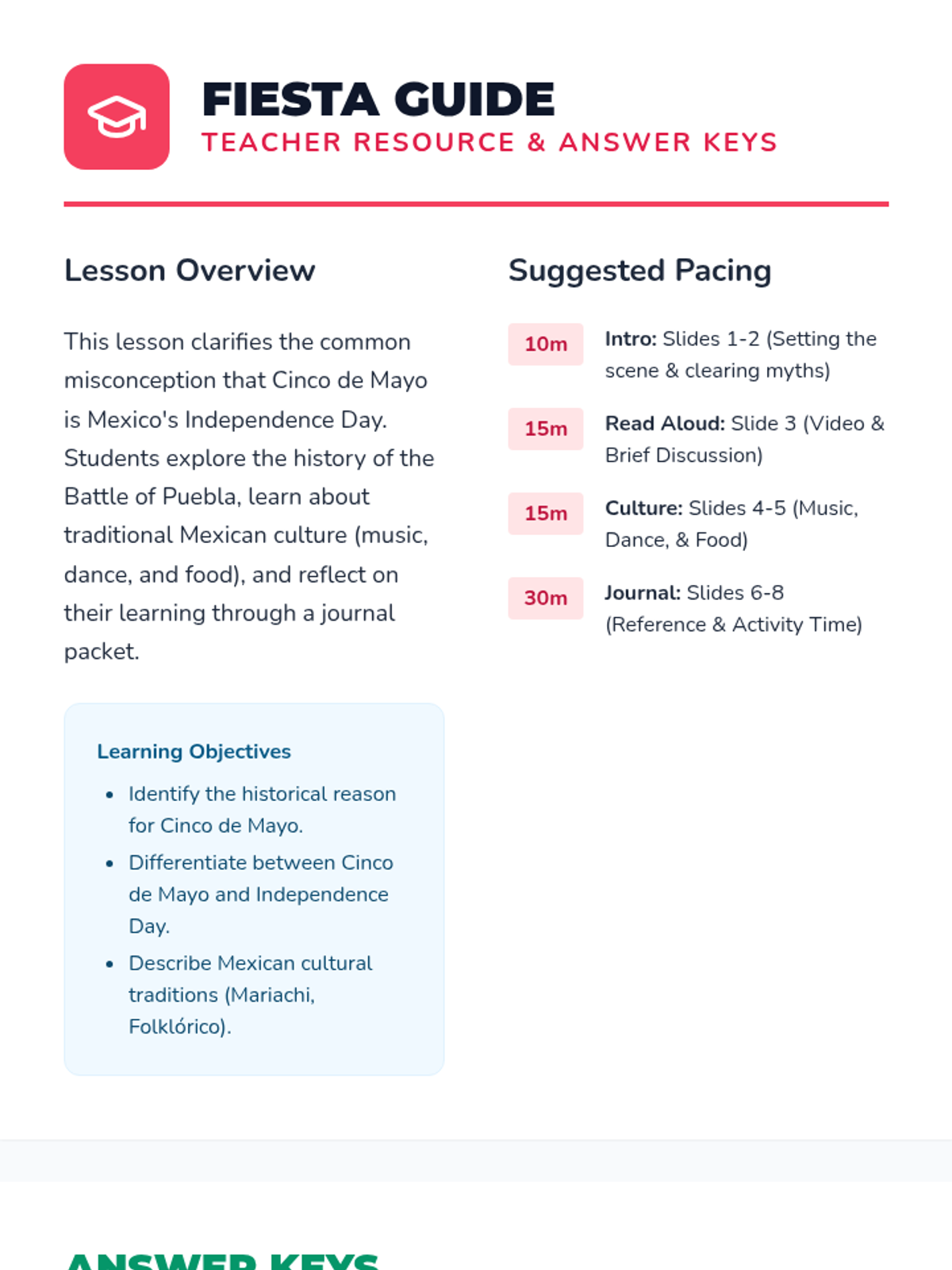
A comprehensive look at the history of the Battle of Puebla and how Cinco de Mayo has evolved into a vibrant celebration of Mexican culture and cuisine.
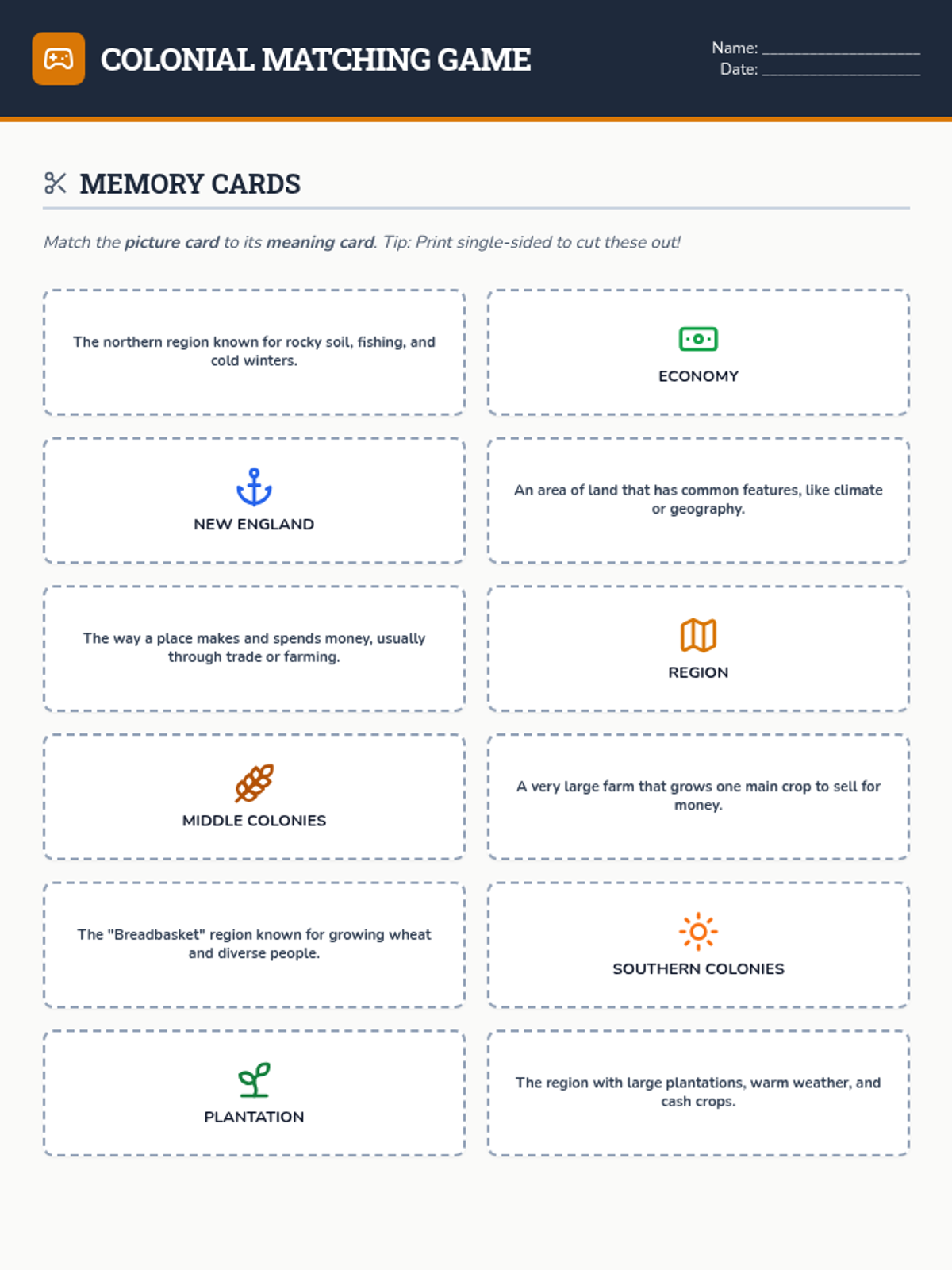
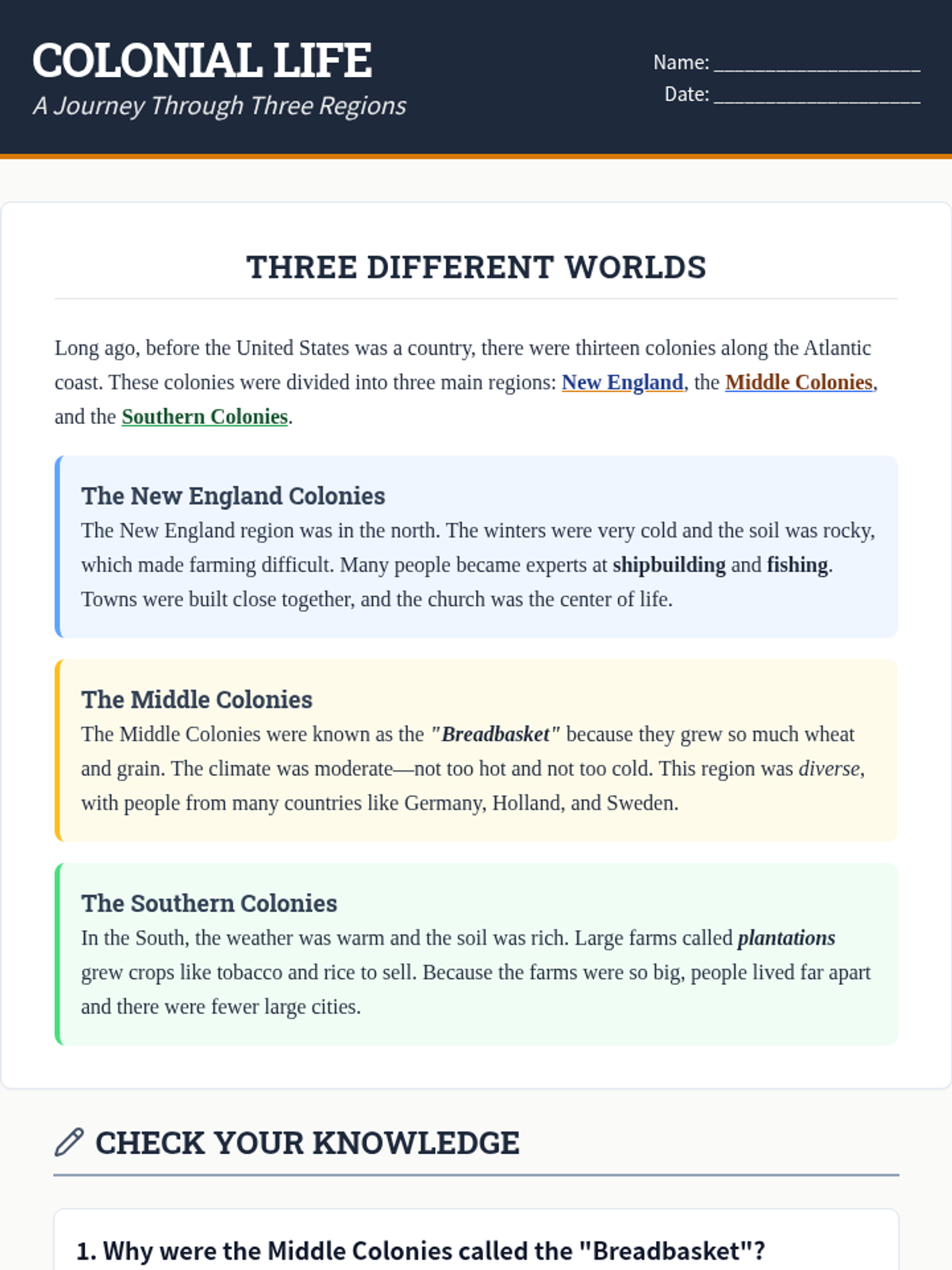
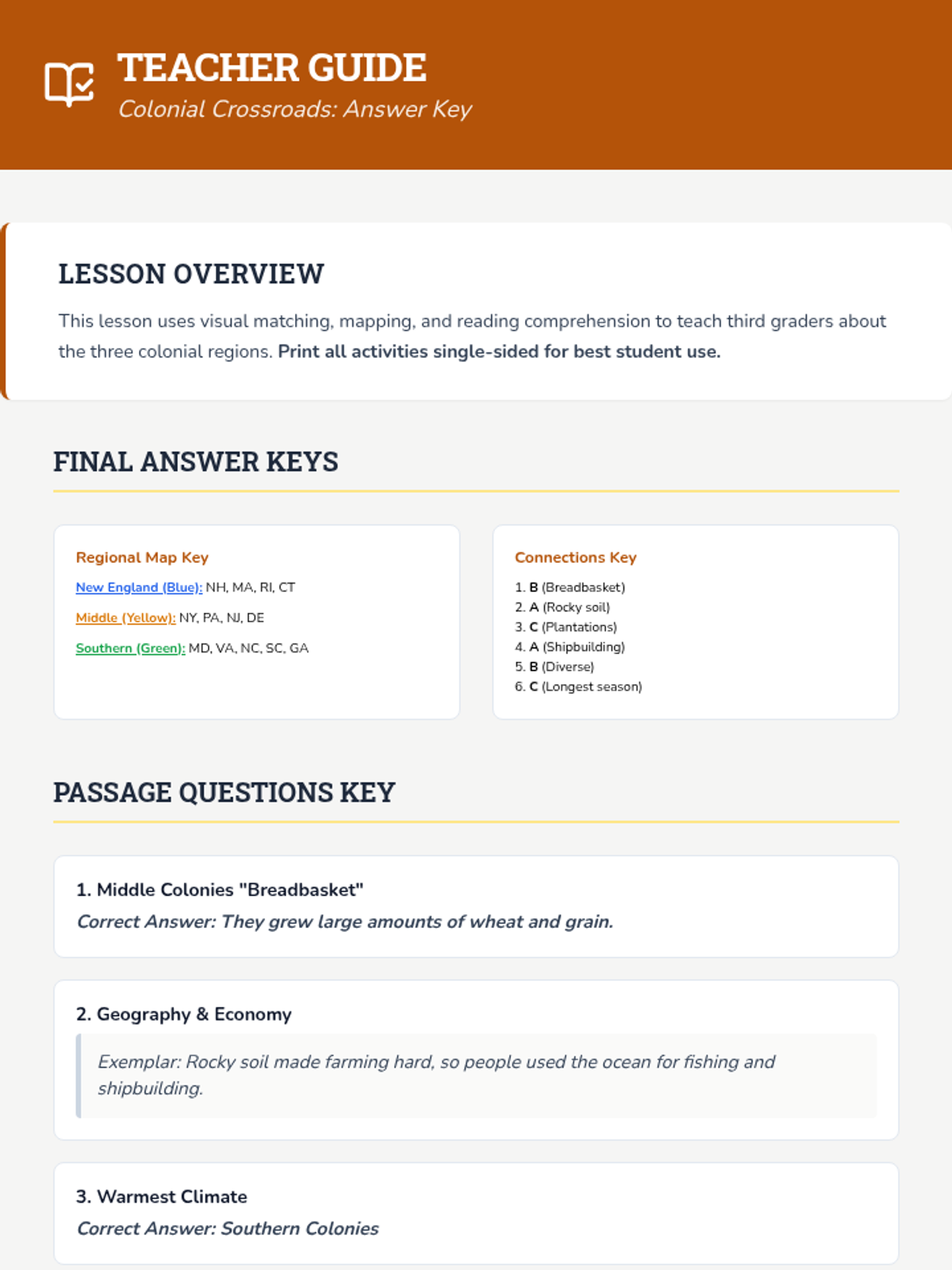
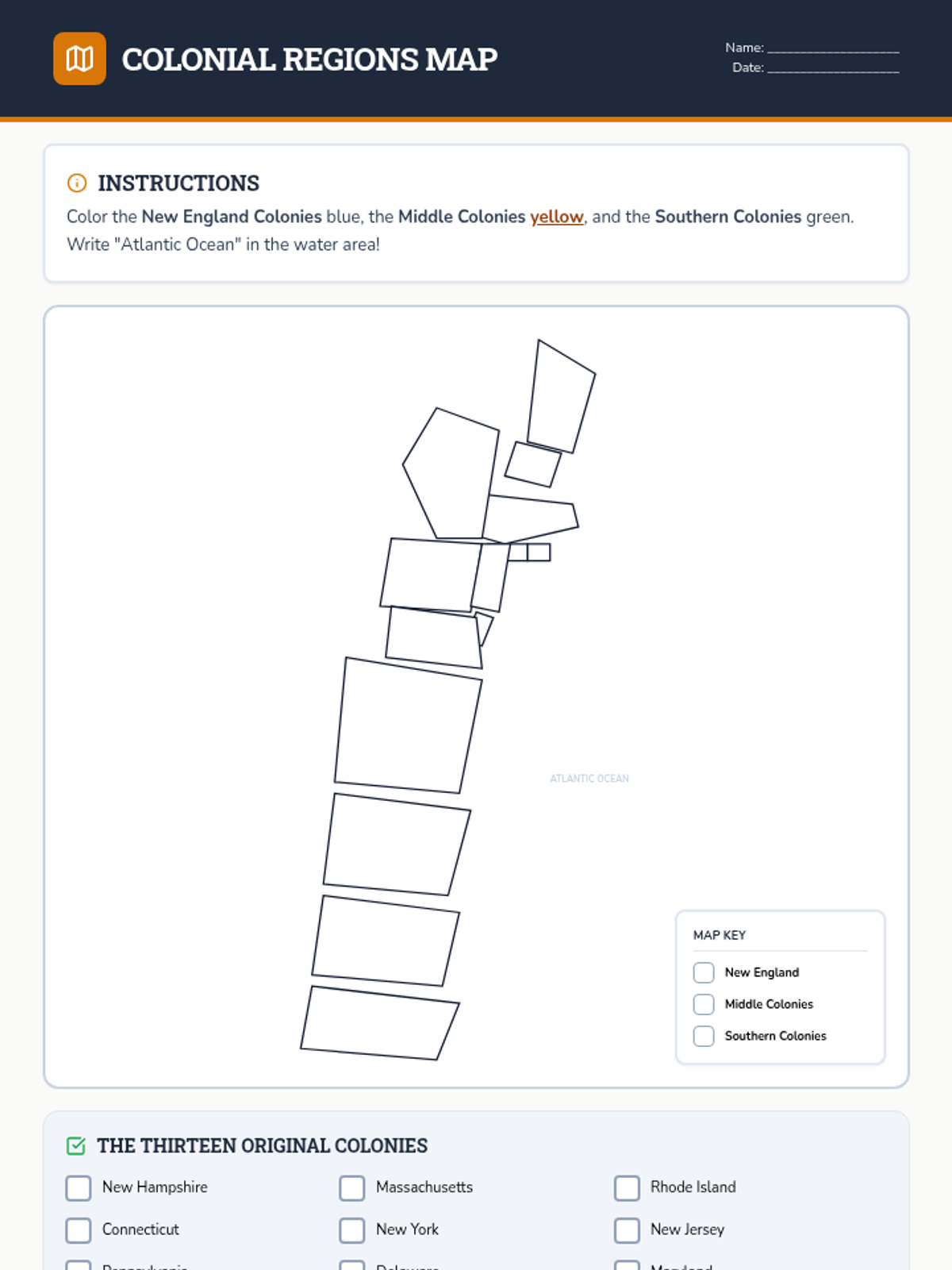
An introductory lesson for third graders to explore the distinct regions of the original thirteen colonies, focusing on geography, climate, and daily life.
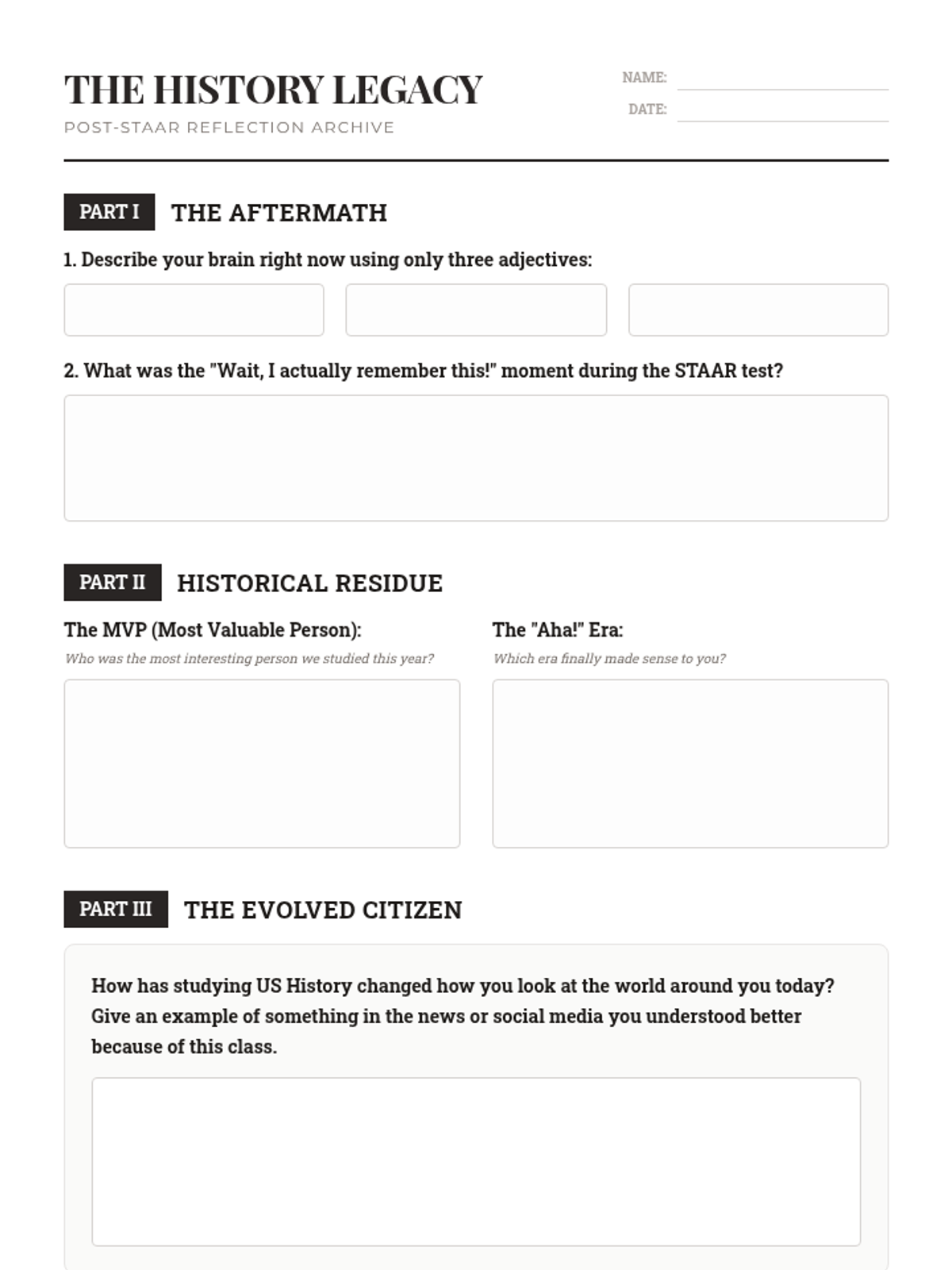
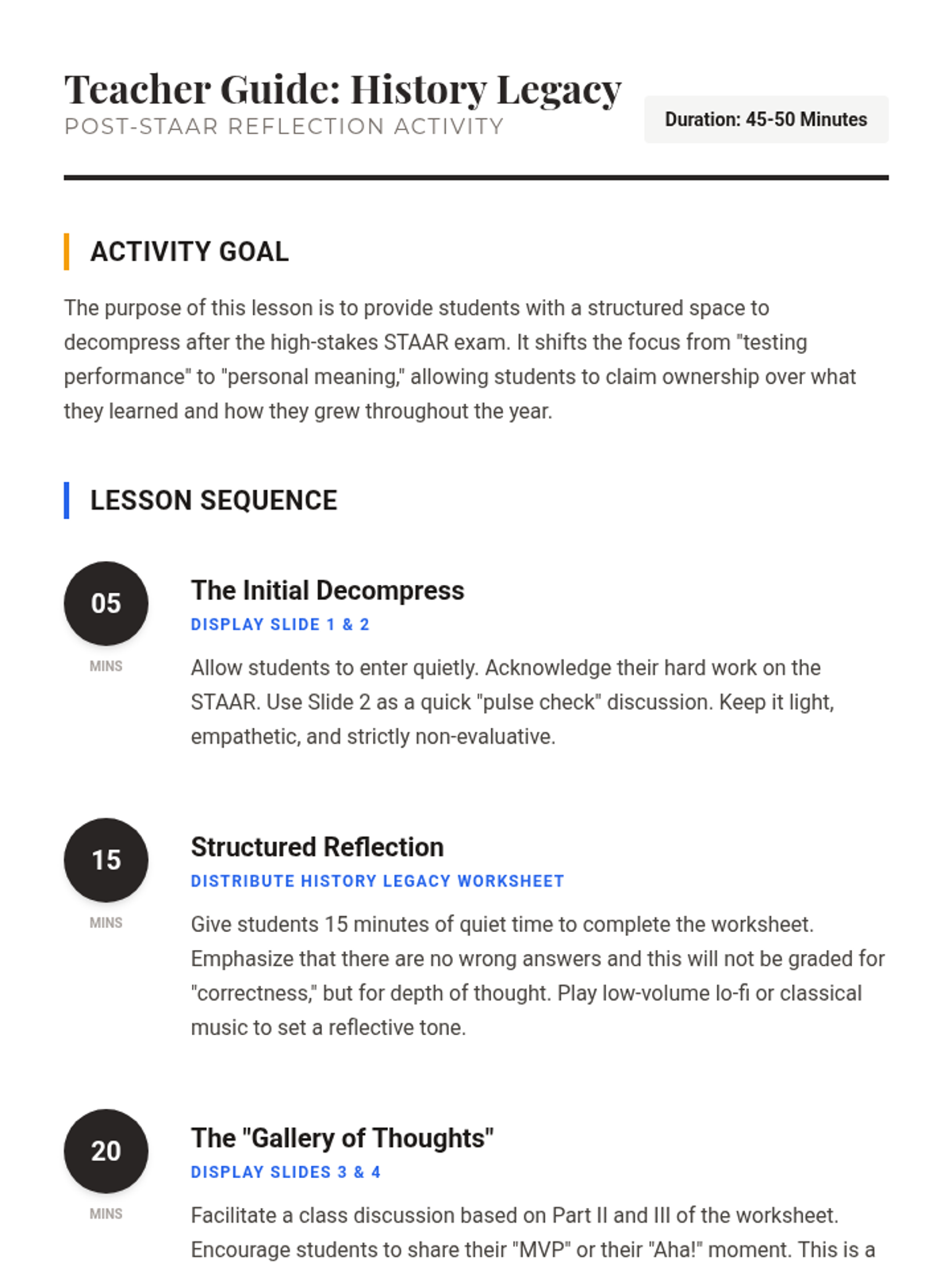
A one-period reflective experience for students to decompress after the US History STAAR exam, focusing on content mastery and personal growth.
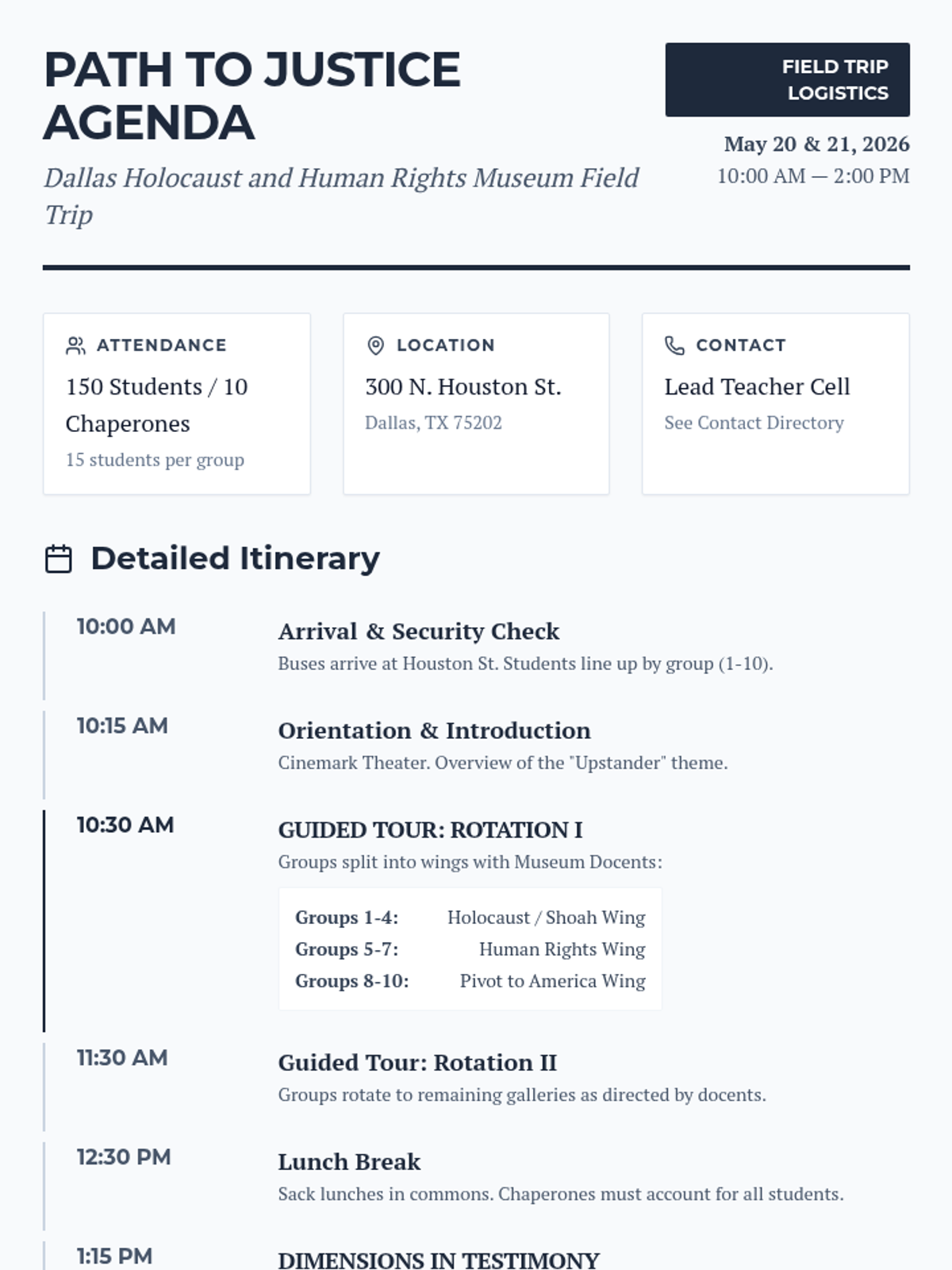
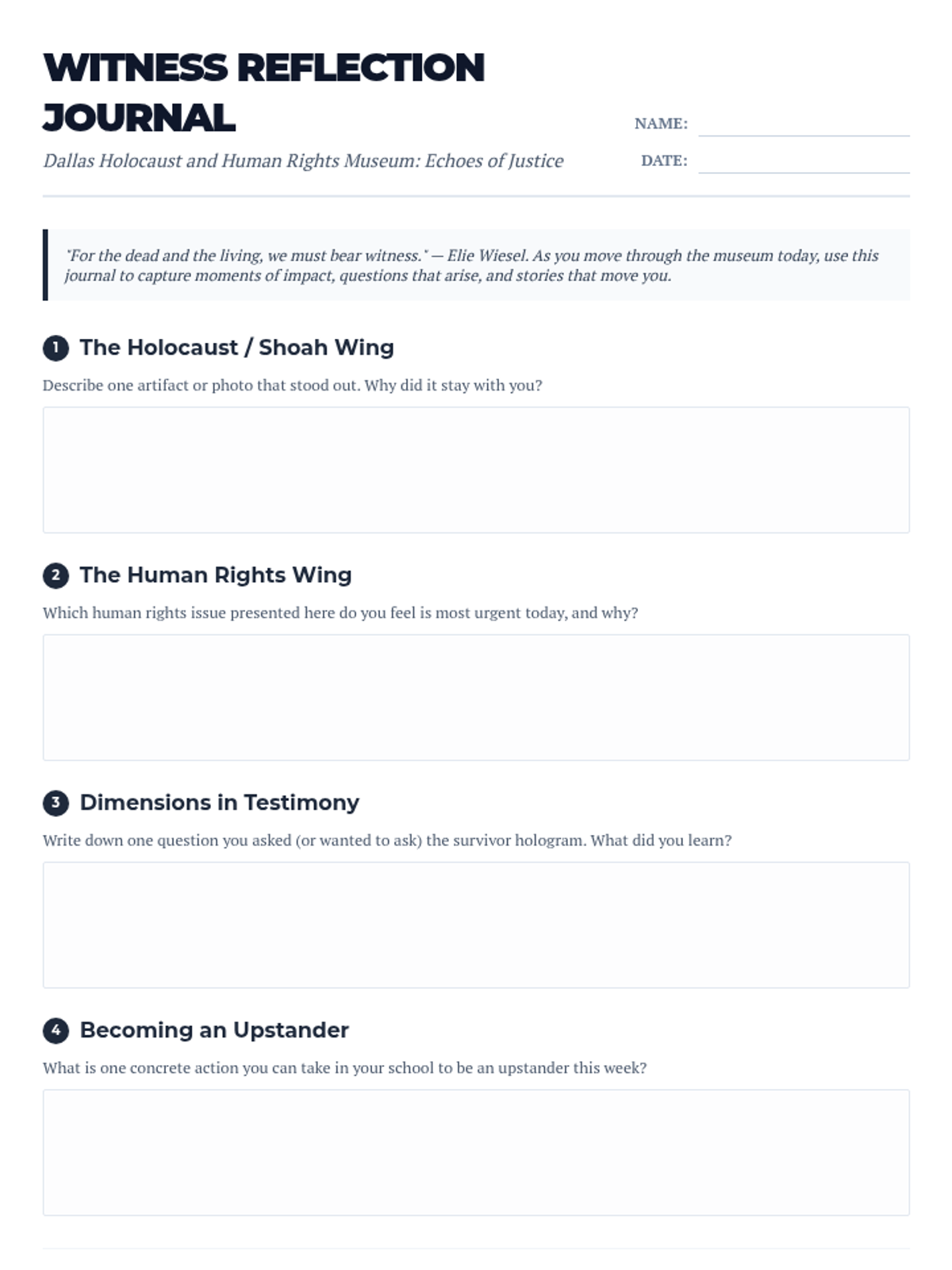
A comprehensive field trip plan for a visit to the Dallas Holocaust and Human Rights Museum, focusing on the history of the Holocaust, human rights struggles, and the importance of upstander behavior.
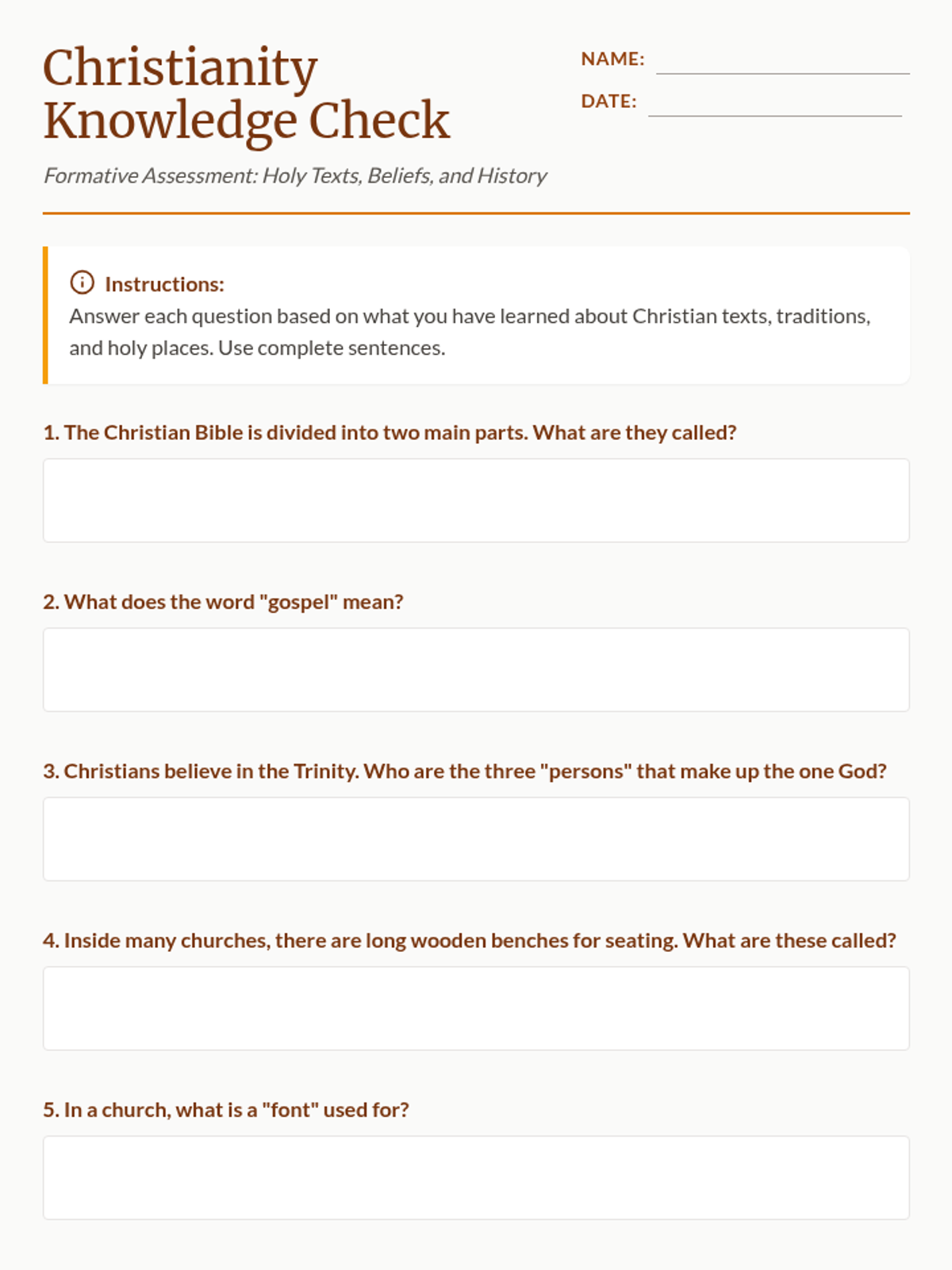
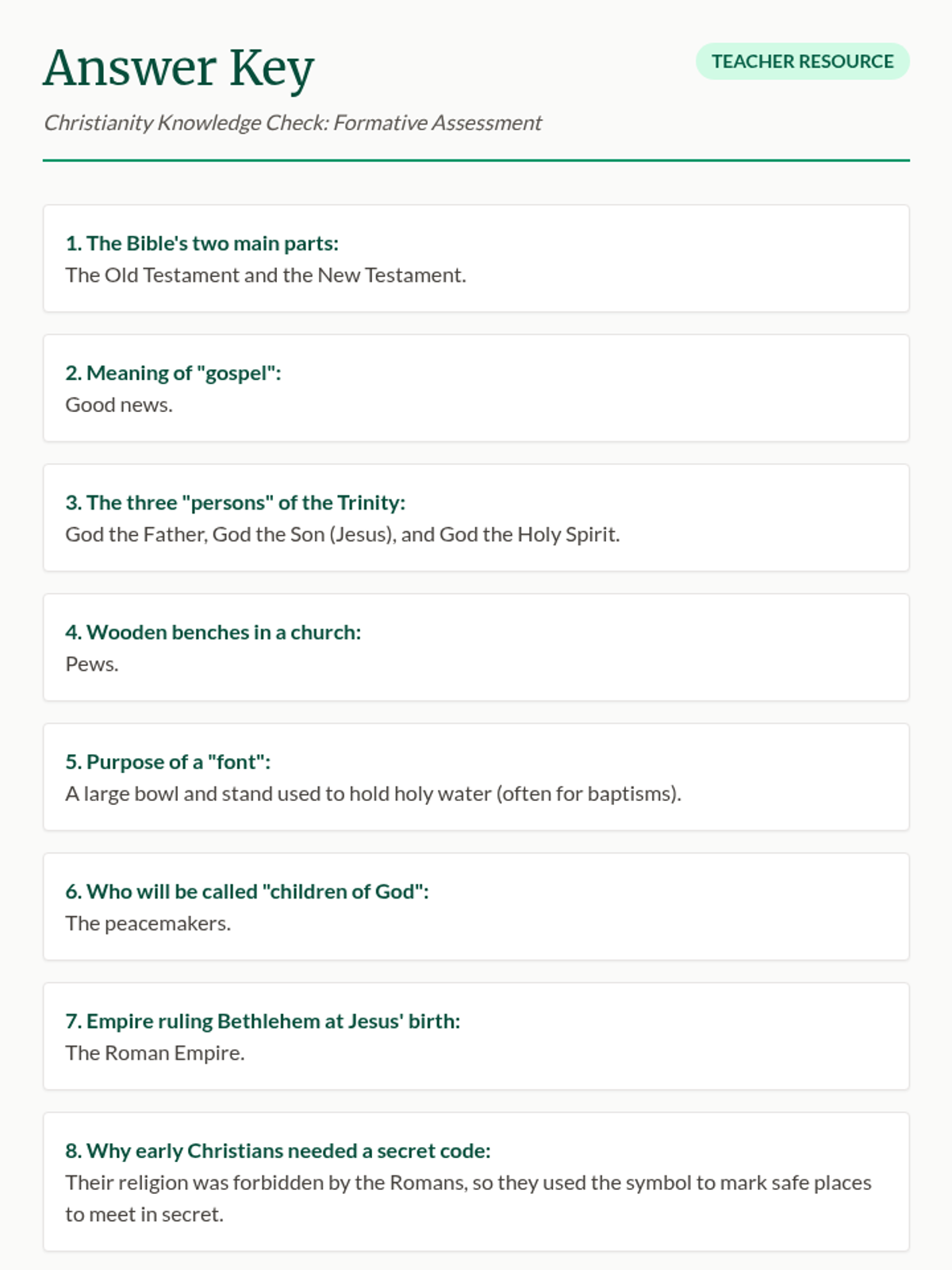
A lesson exploring the foundational texts, beliefs, and history of Christianity through the study of holy texts, sacred spaces, and key historical figures.
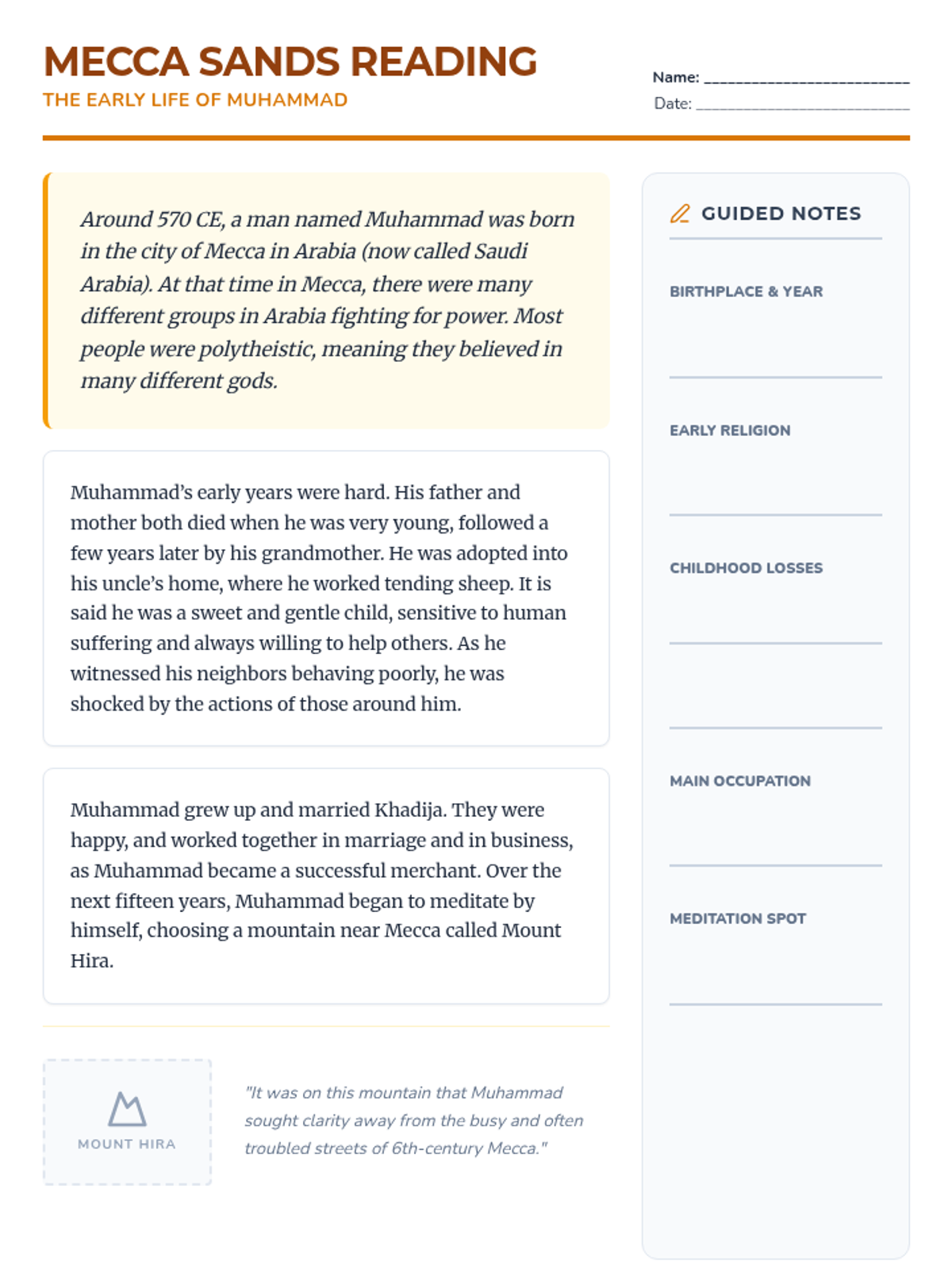
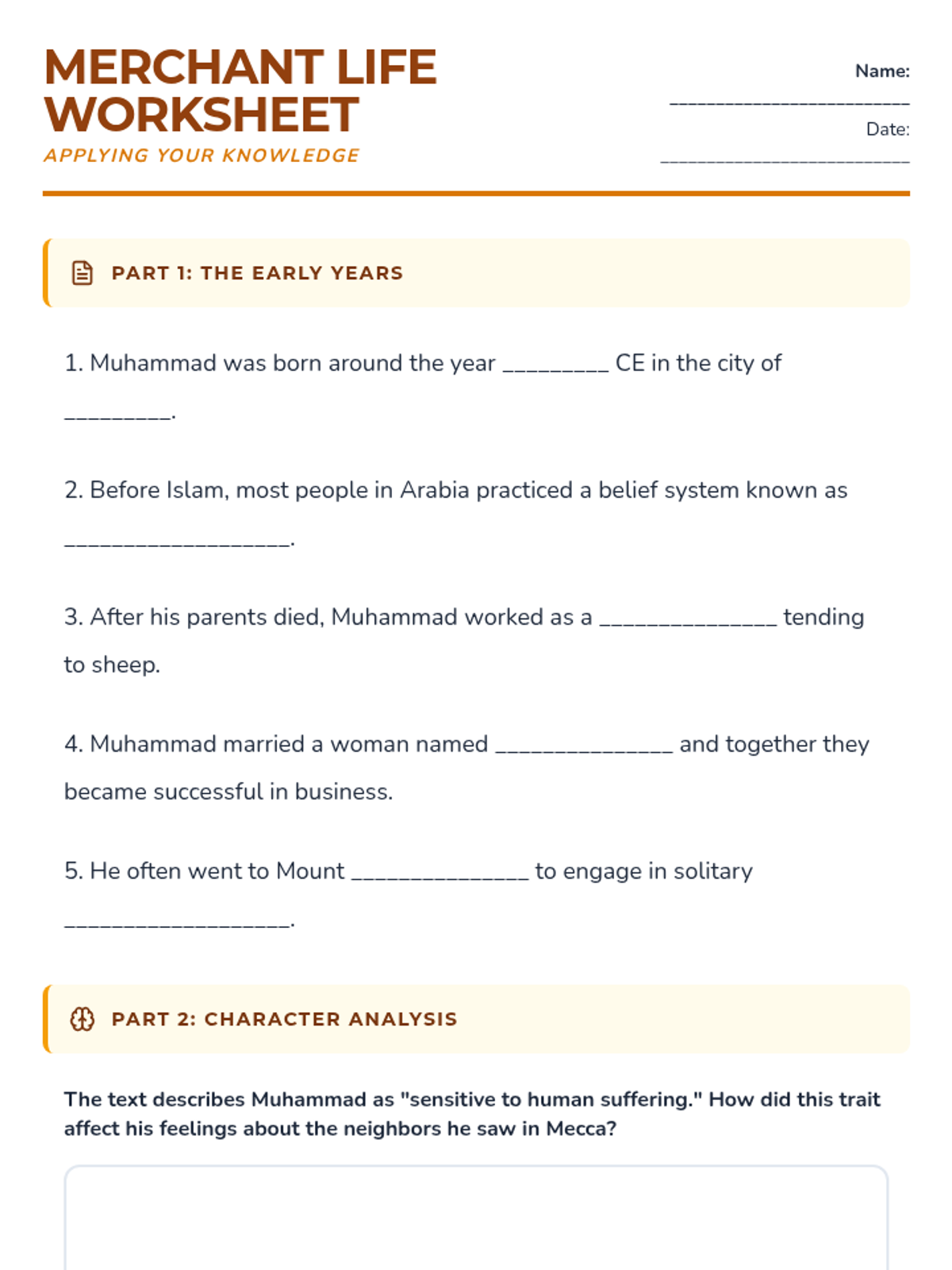
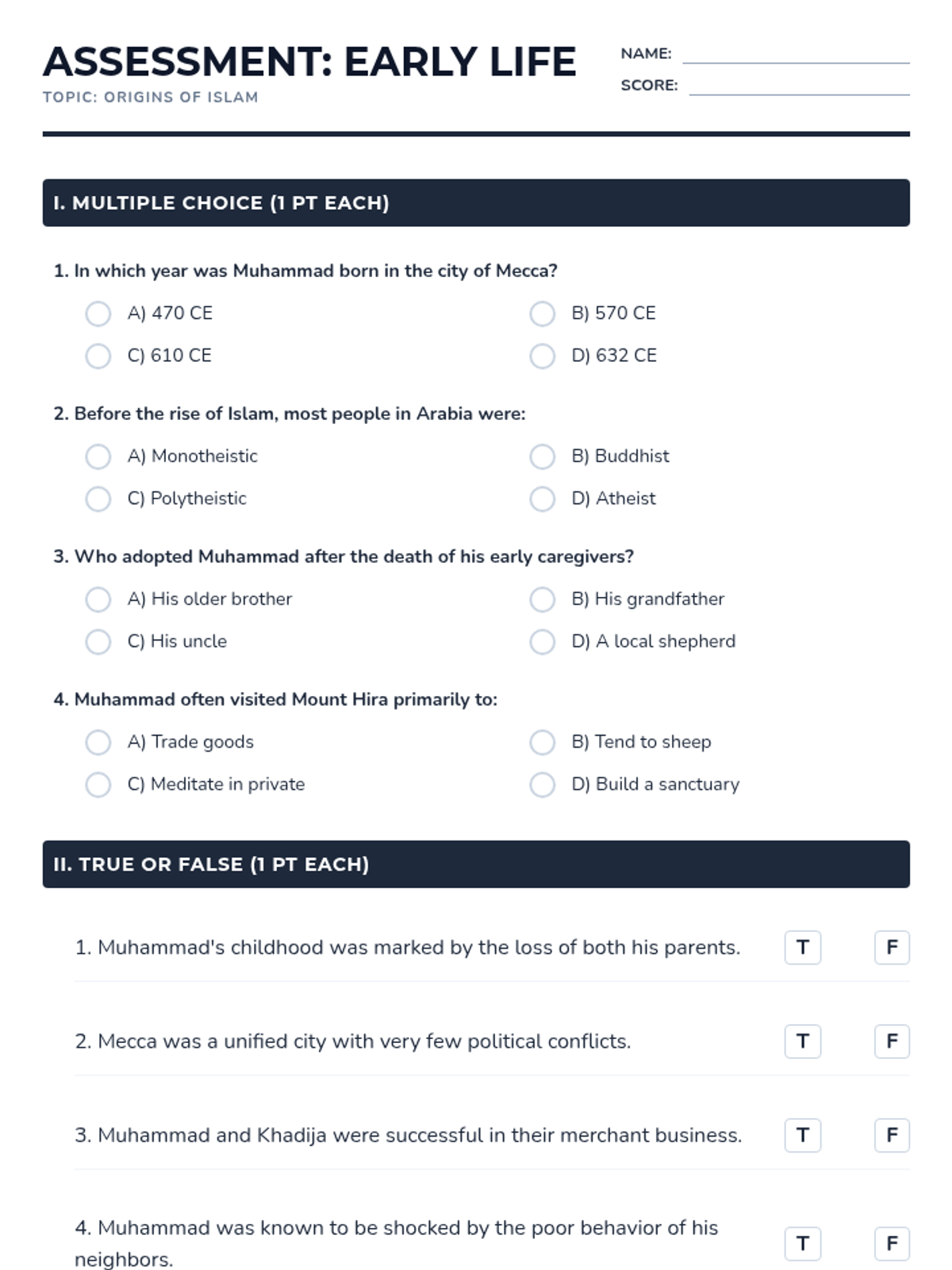
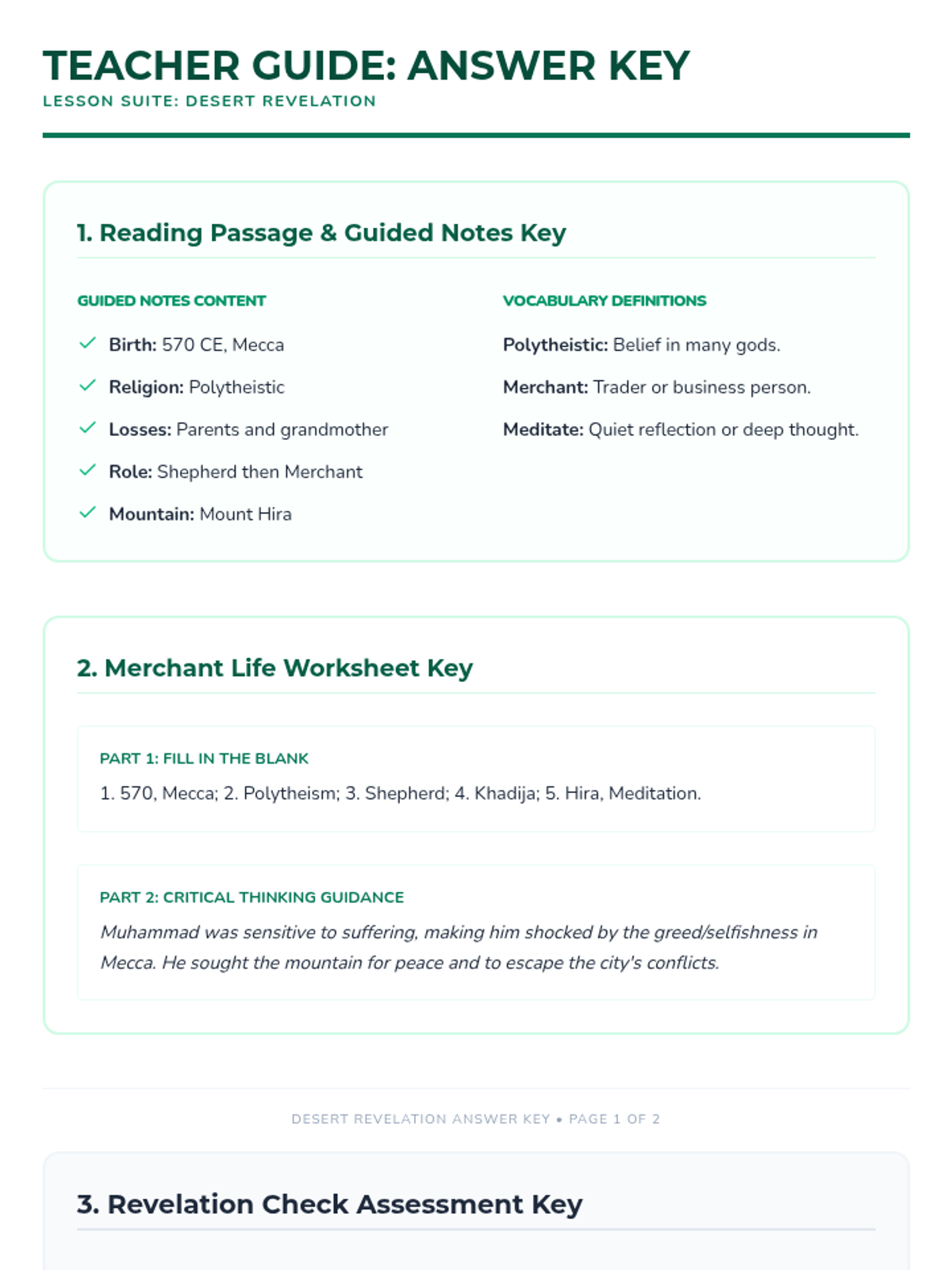
A comprehensive exploration of the early life of Muhammad in 6th-century Mecca, covering his childhood, career as a merchant, and the beginning of his spiritual meditation. Students will analyze historical context and the social environment of pre-Islamic Arabia.
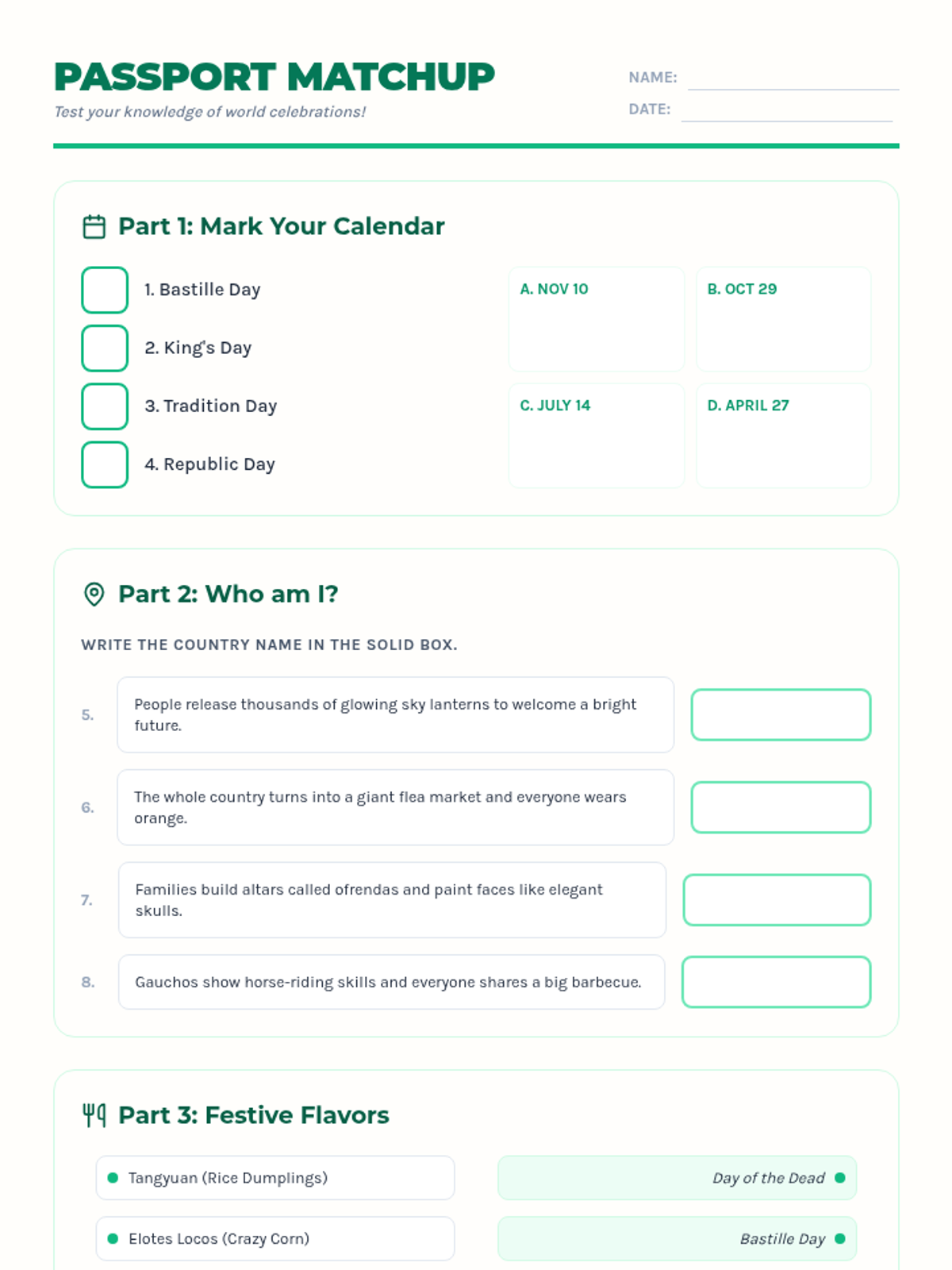
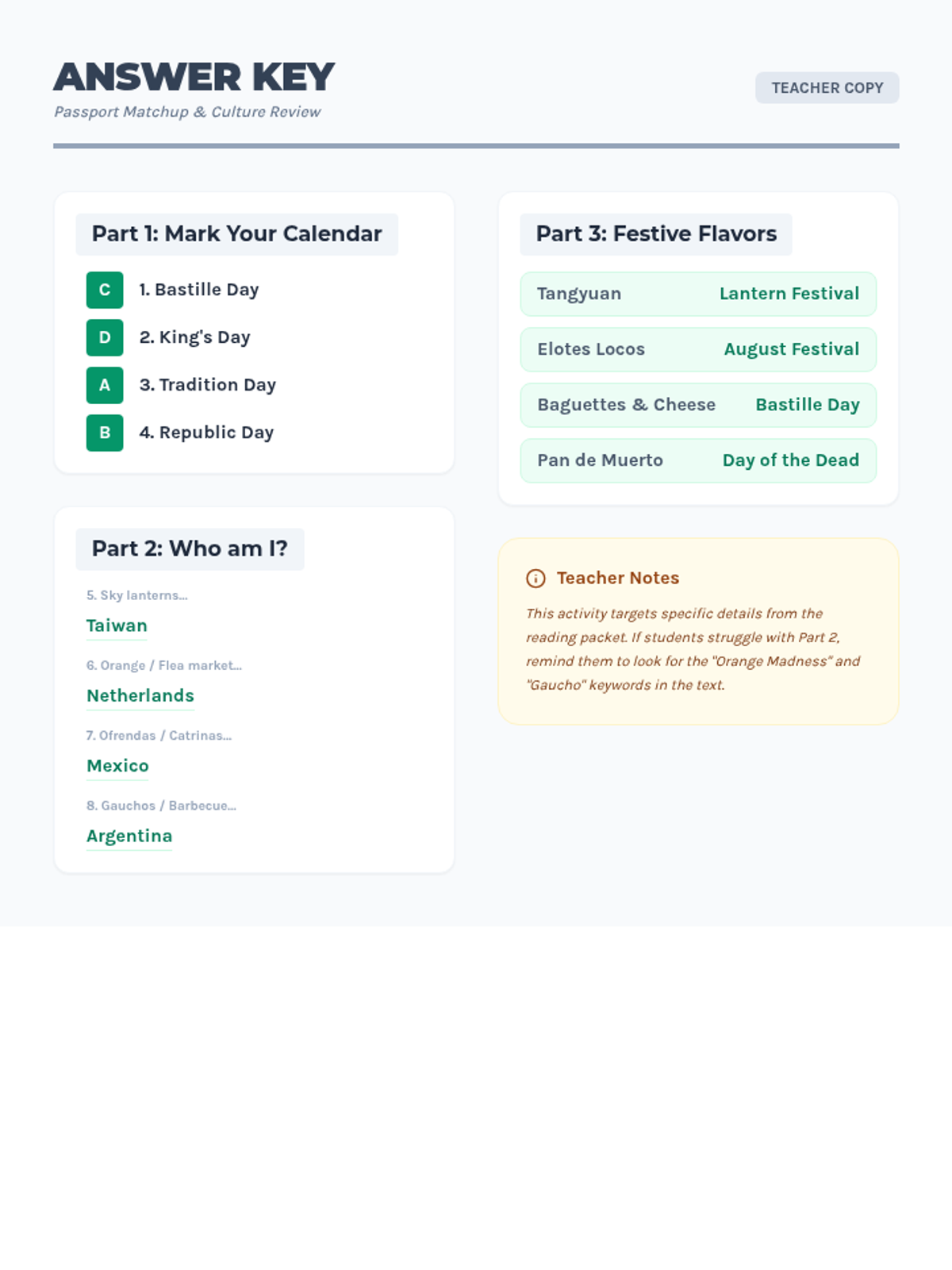
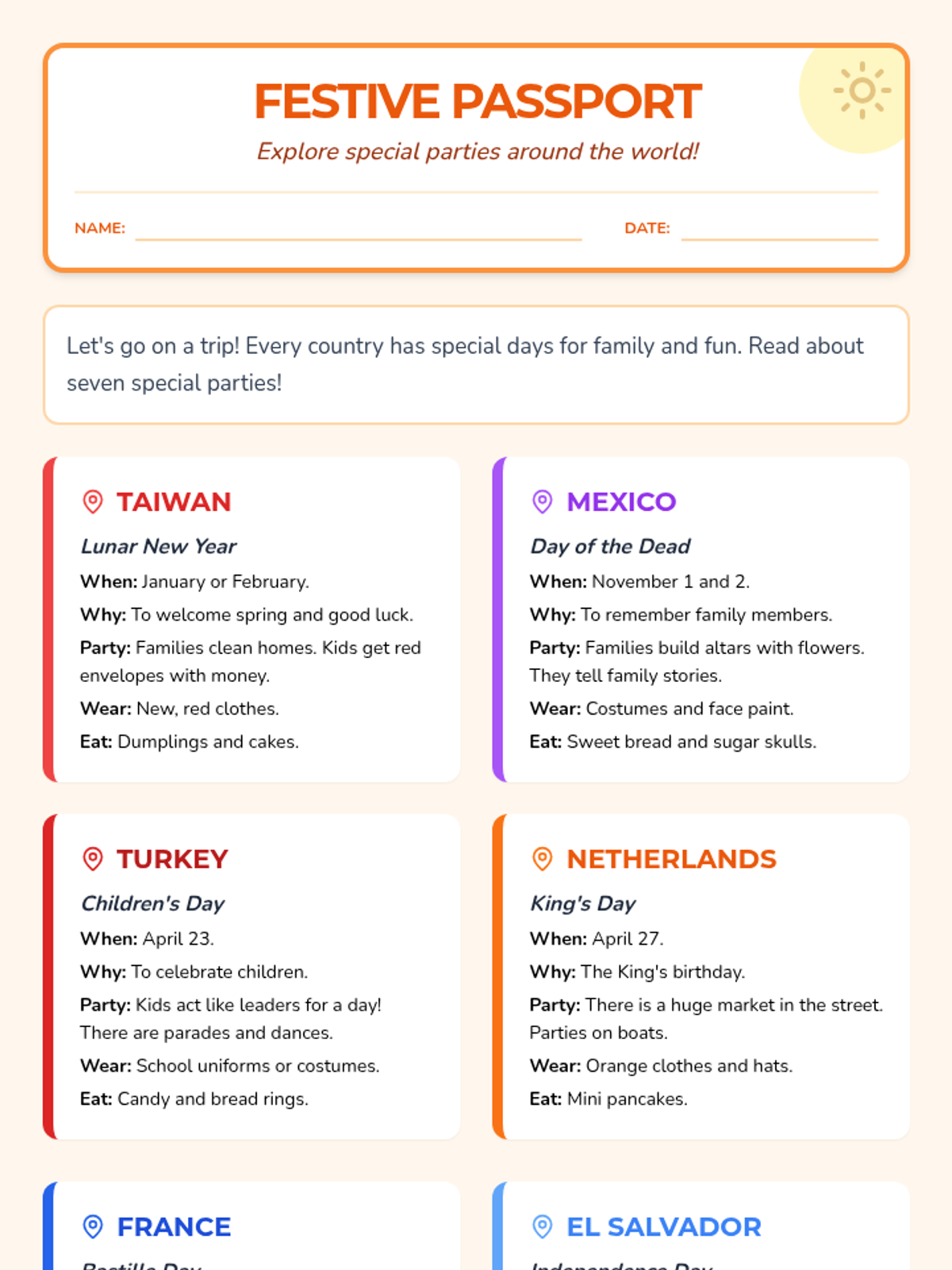
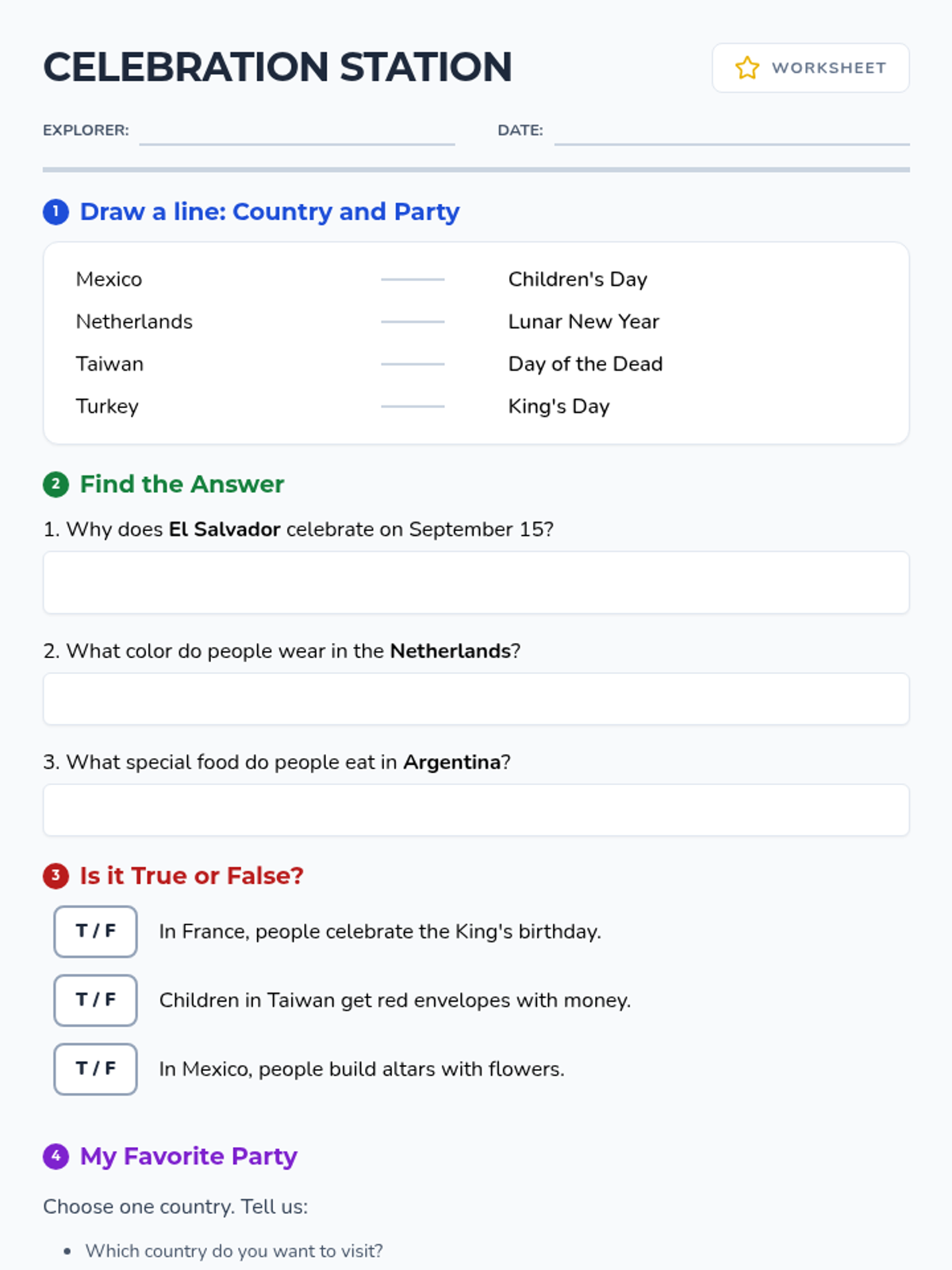
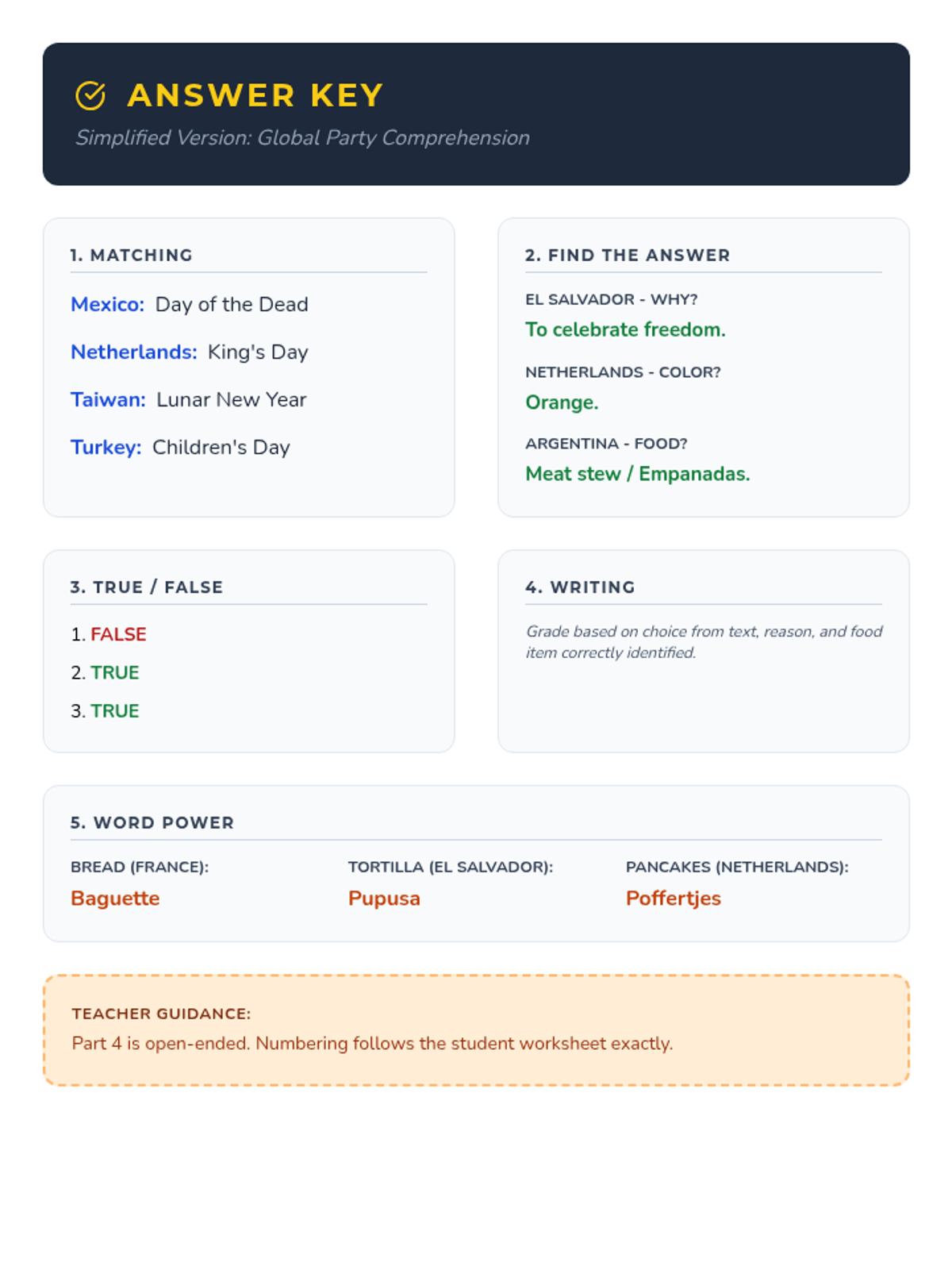
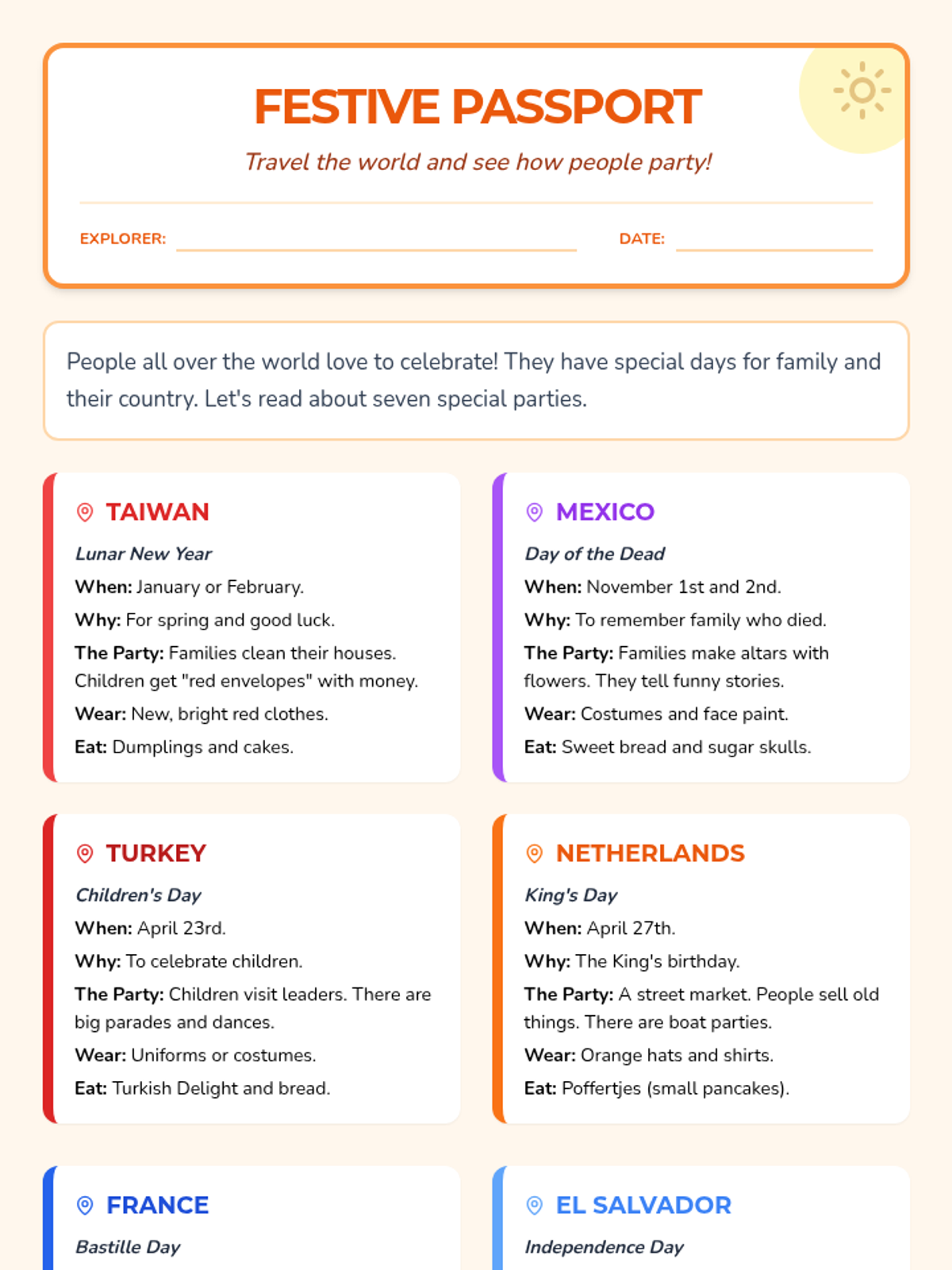
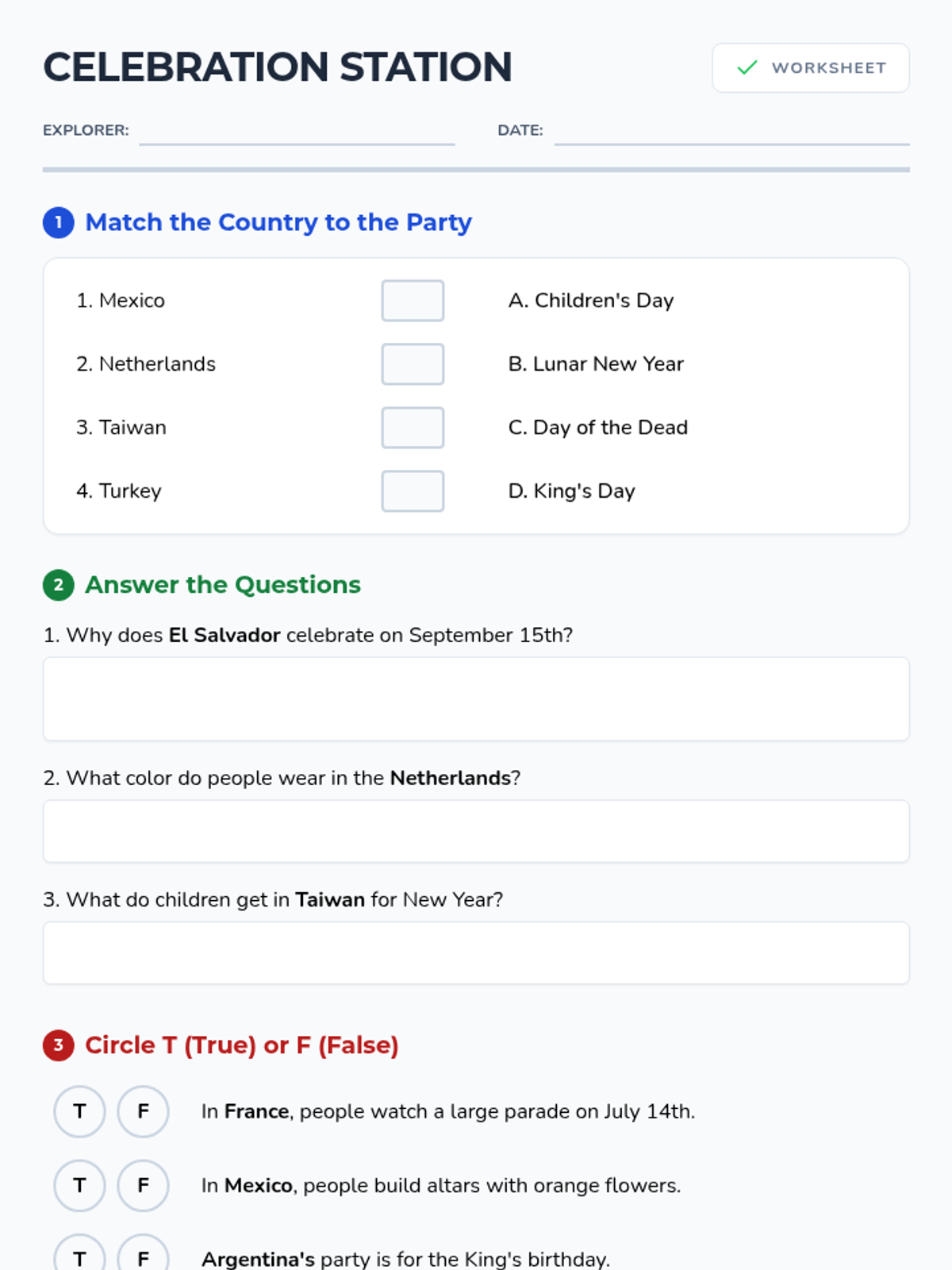
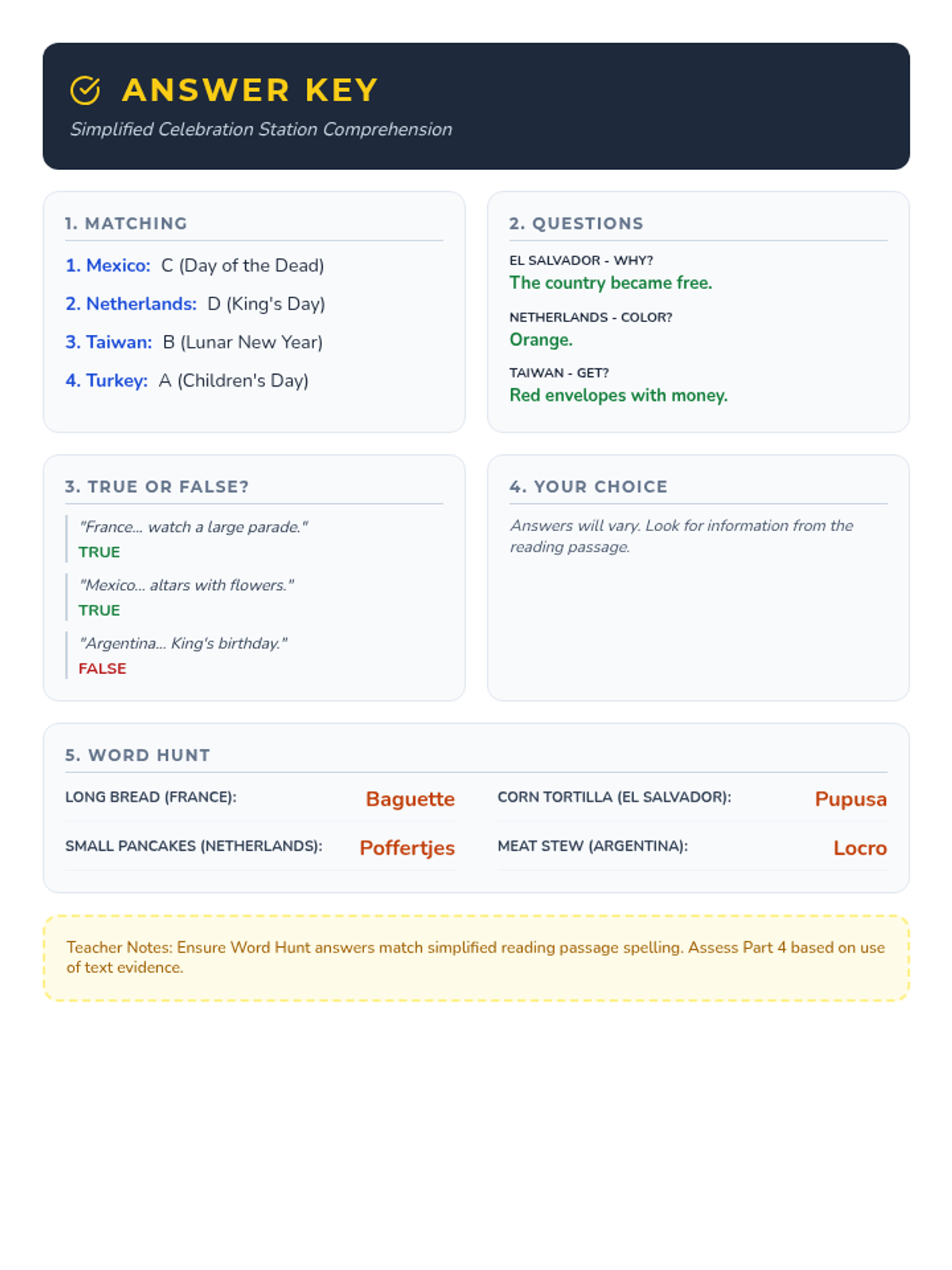
Explore traditional festivals from seven different countries through detailed reading passages and interactive matching activities designed for upper-intermediate ESL students.
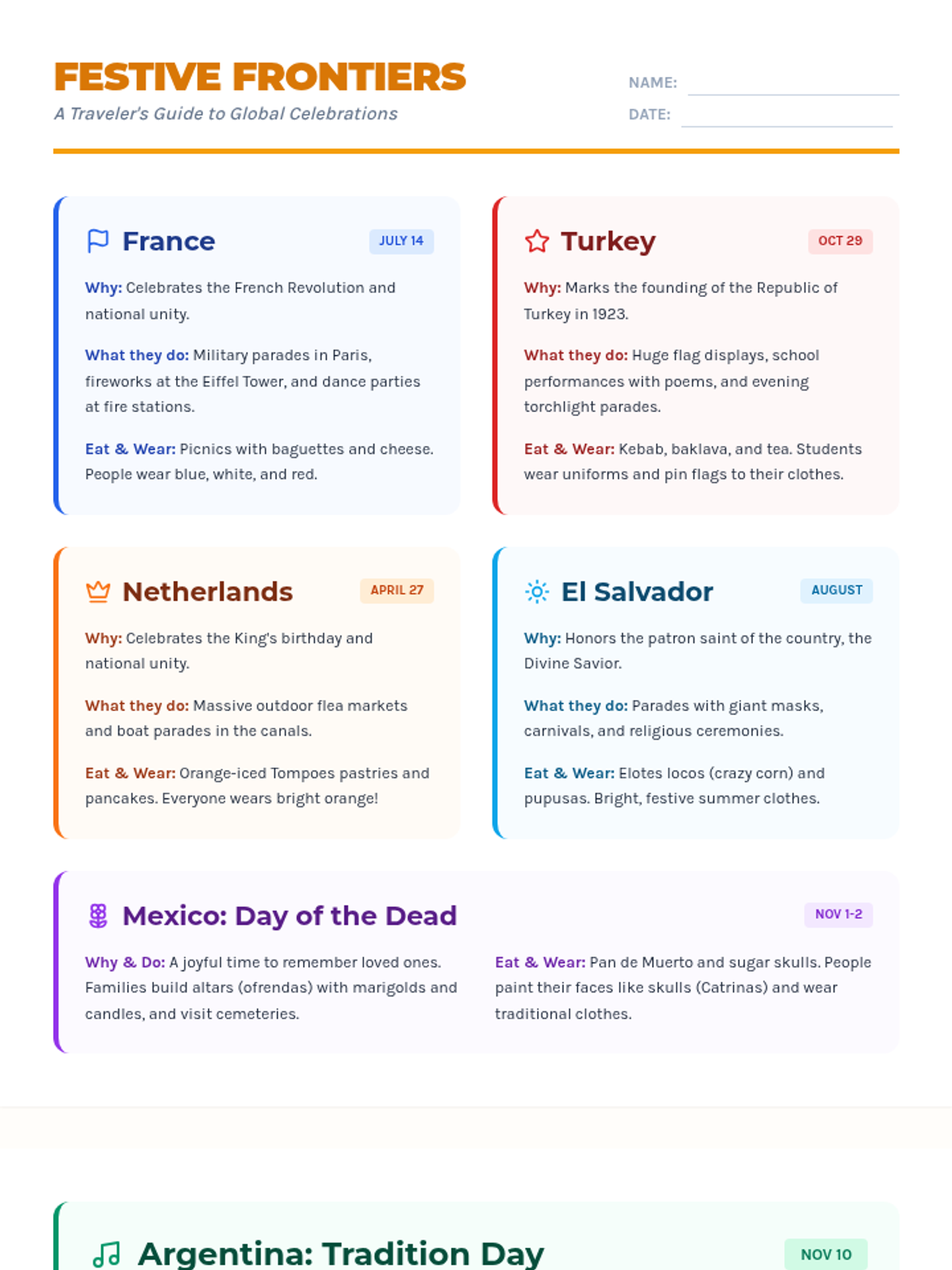
A lesson exploring cultural celebrations around the world, focusing on traditions, food, and clothing in Turkey, France, El Salvador, Mexico, the Netherlands, Taiwan, and Argentina.
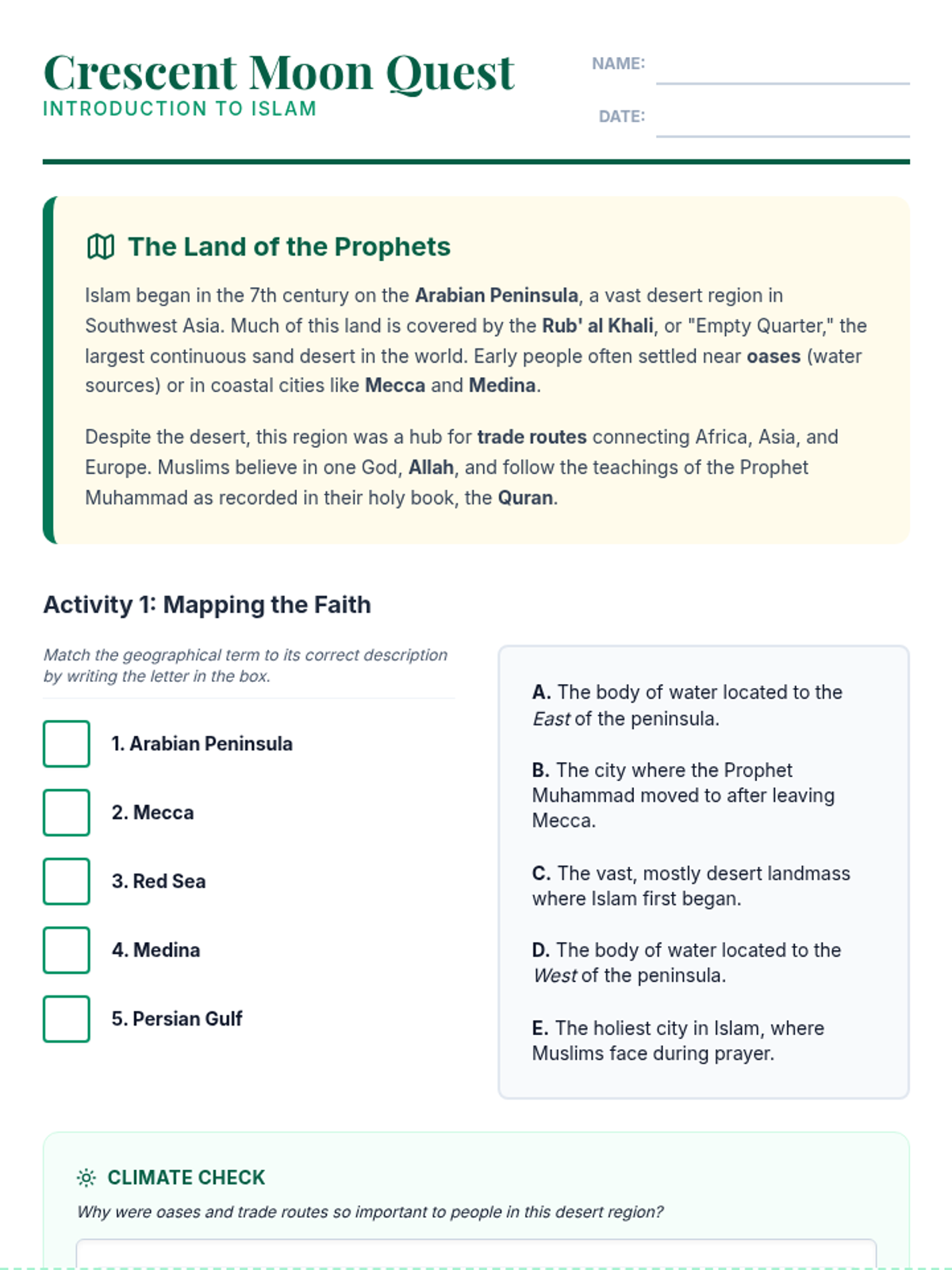
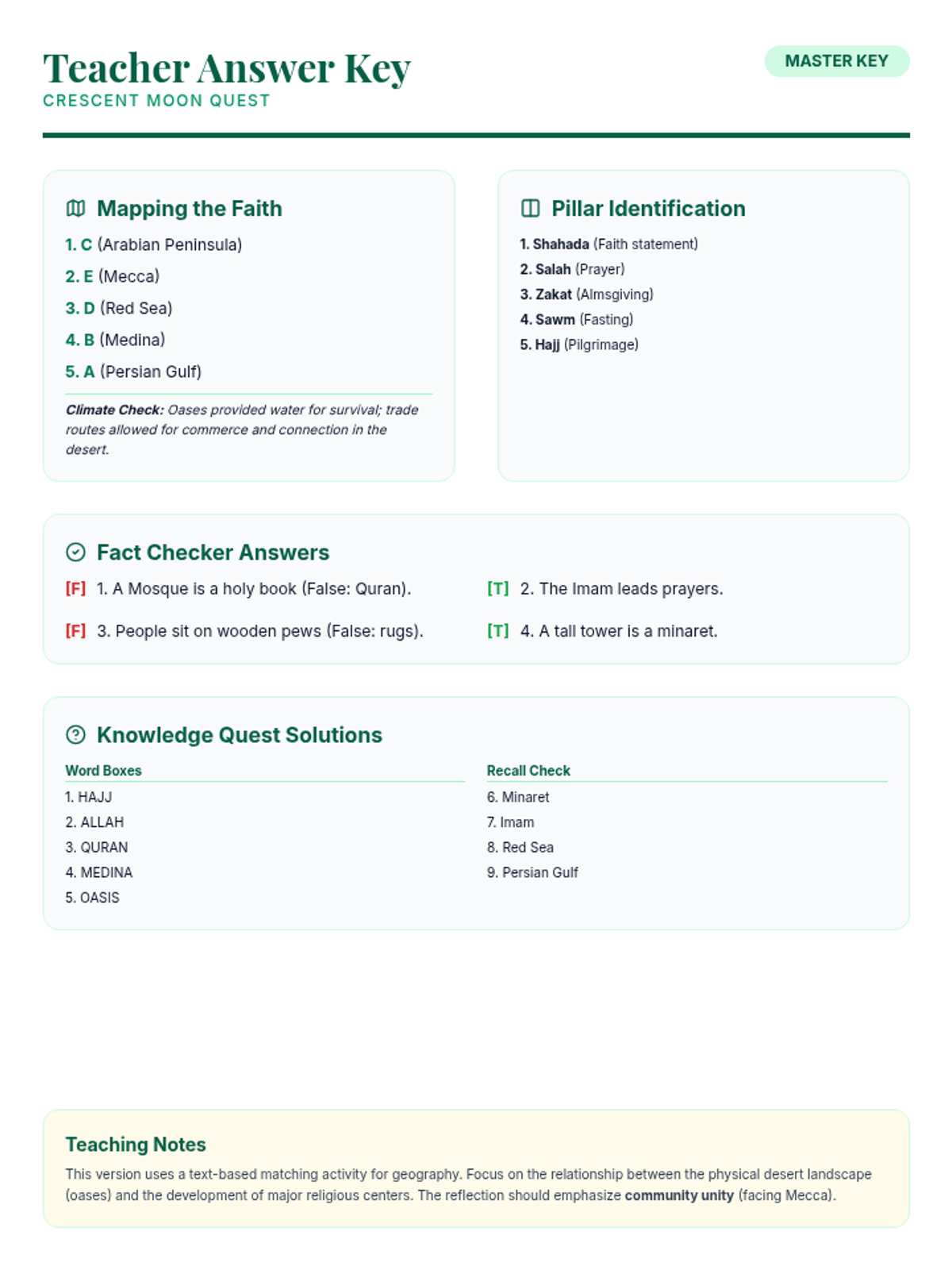
An introductory exploration of the foundations of Islam, covering the Five Pillars, geography, and practices of worship for 6th-grade students.
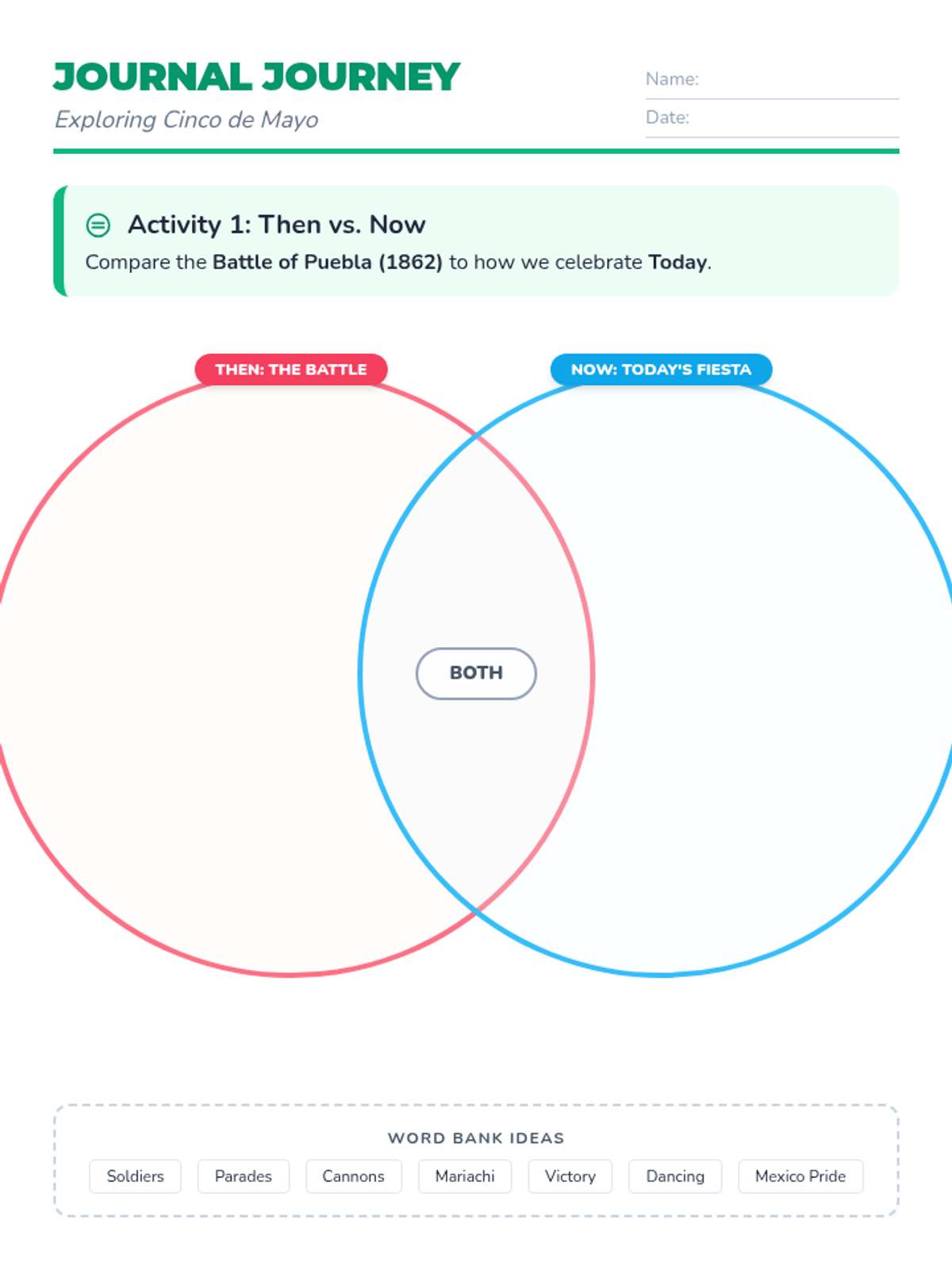
An engaging exploration of Cinco de Mayo's history and traditions, clarifying the difference between it and Mexican Independence Day through interactive slides and journal activities.
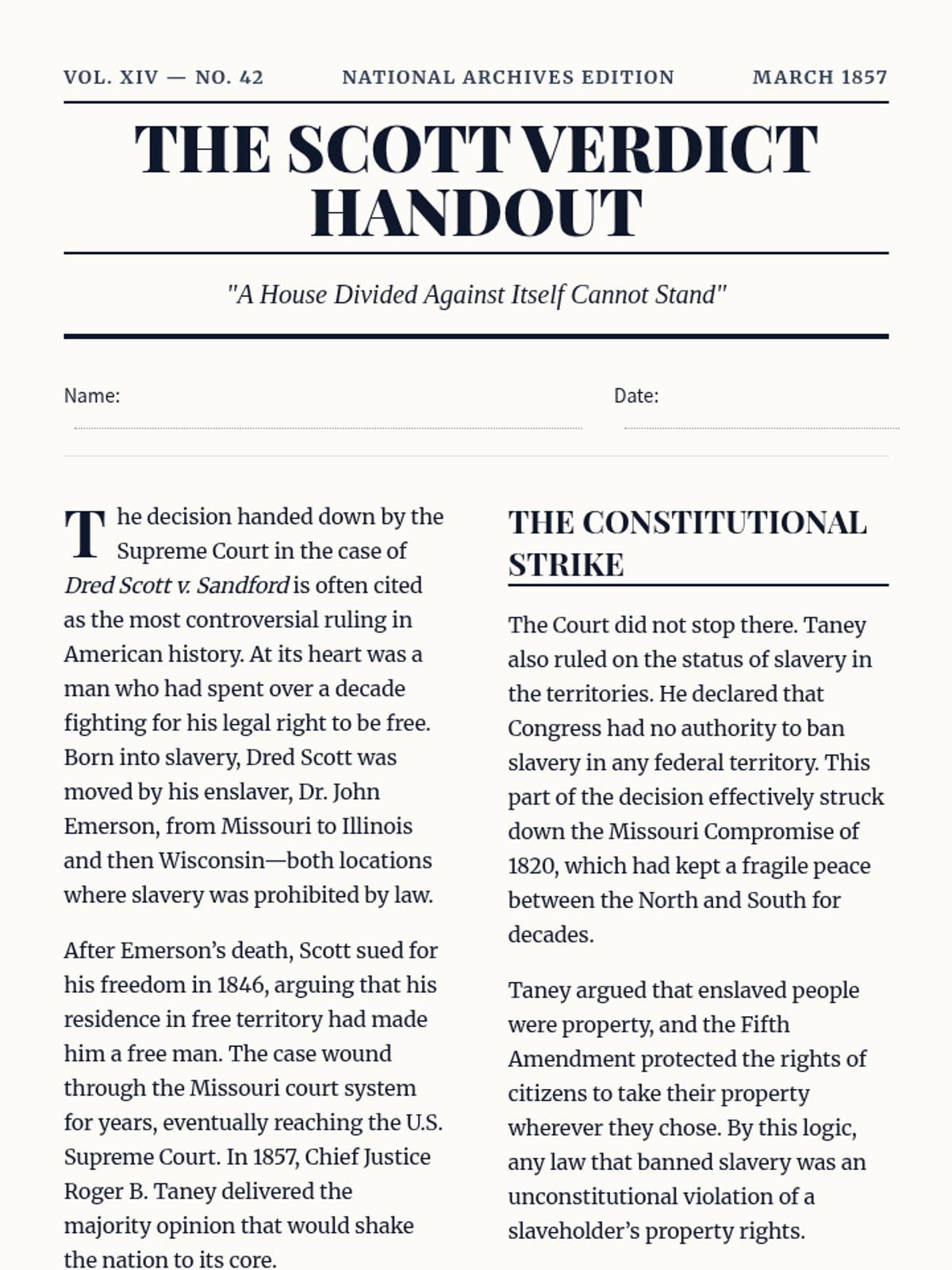
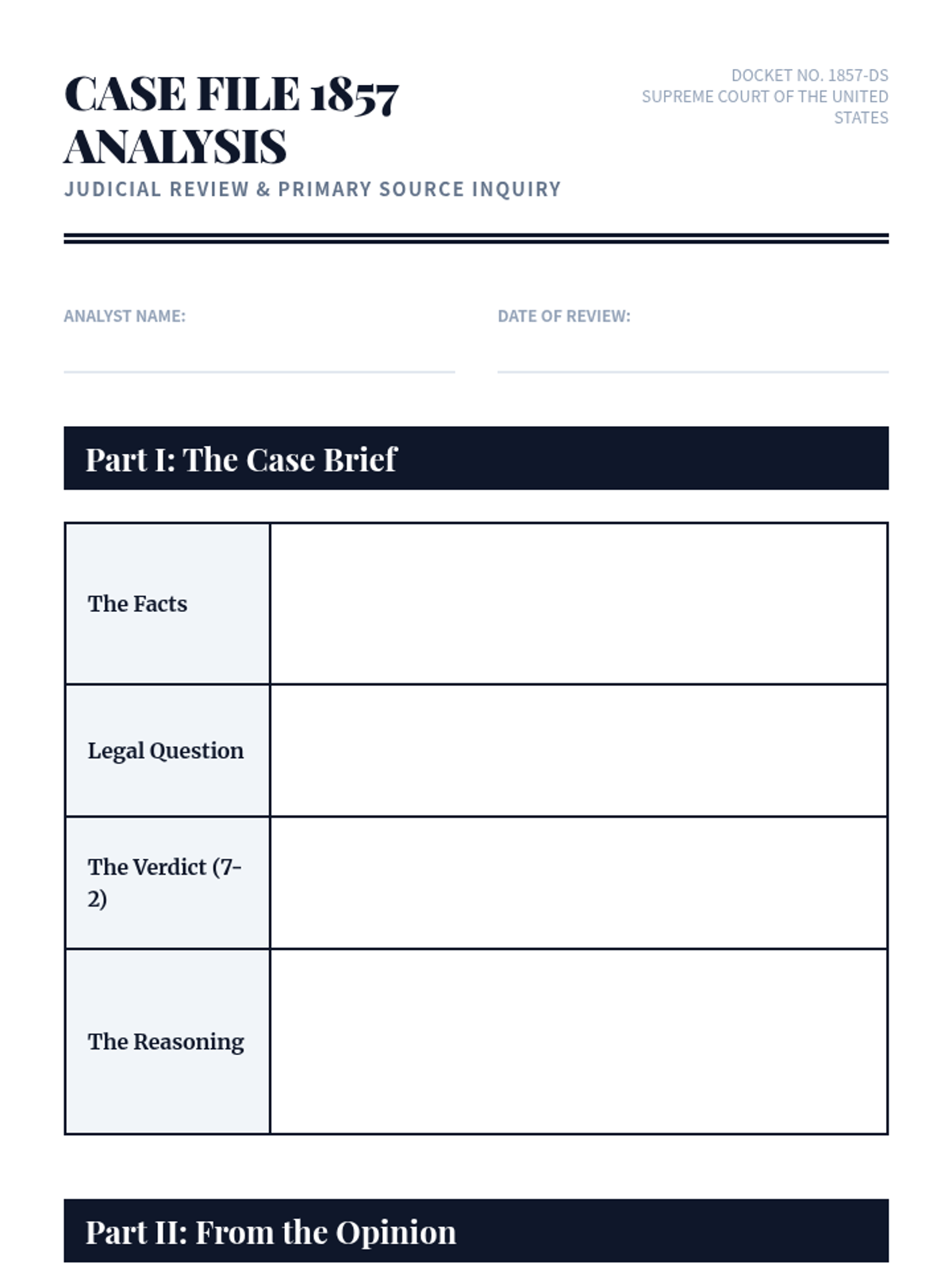
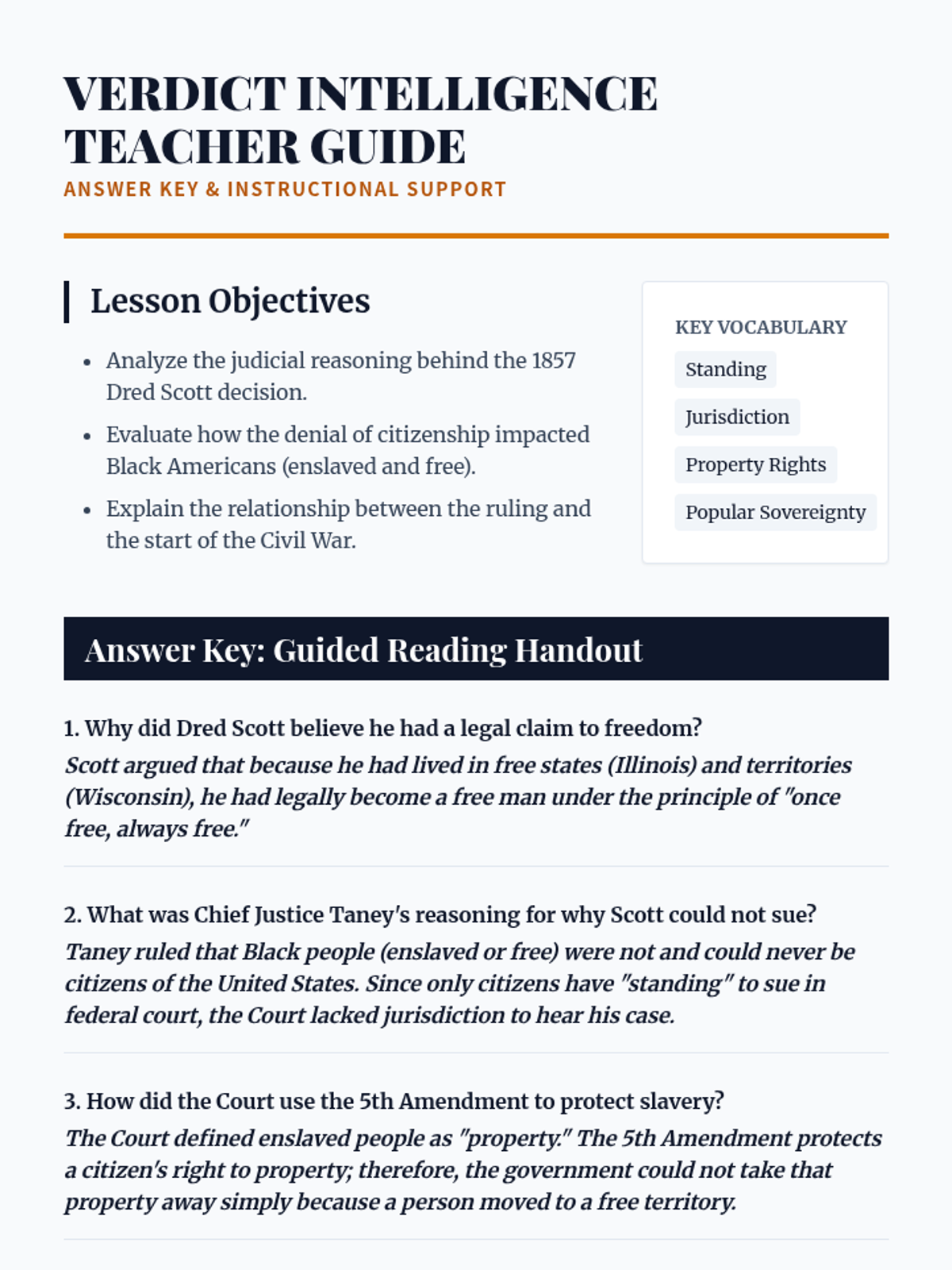
Explore the landmark Dred Scott v. Sandford case, focusing on the definition of American citizenship and the decision's role as a catalyst for the American Civil War. Students analyze primary source excerpts and the legal reasoning of the Taney Court.
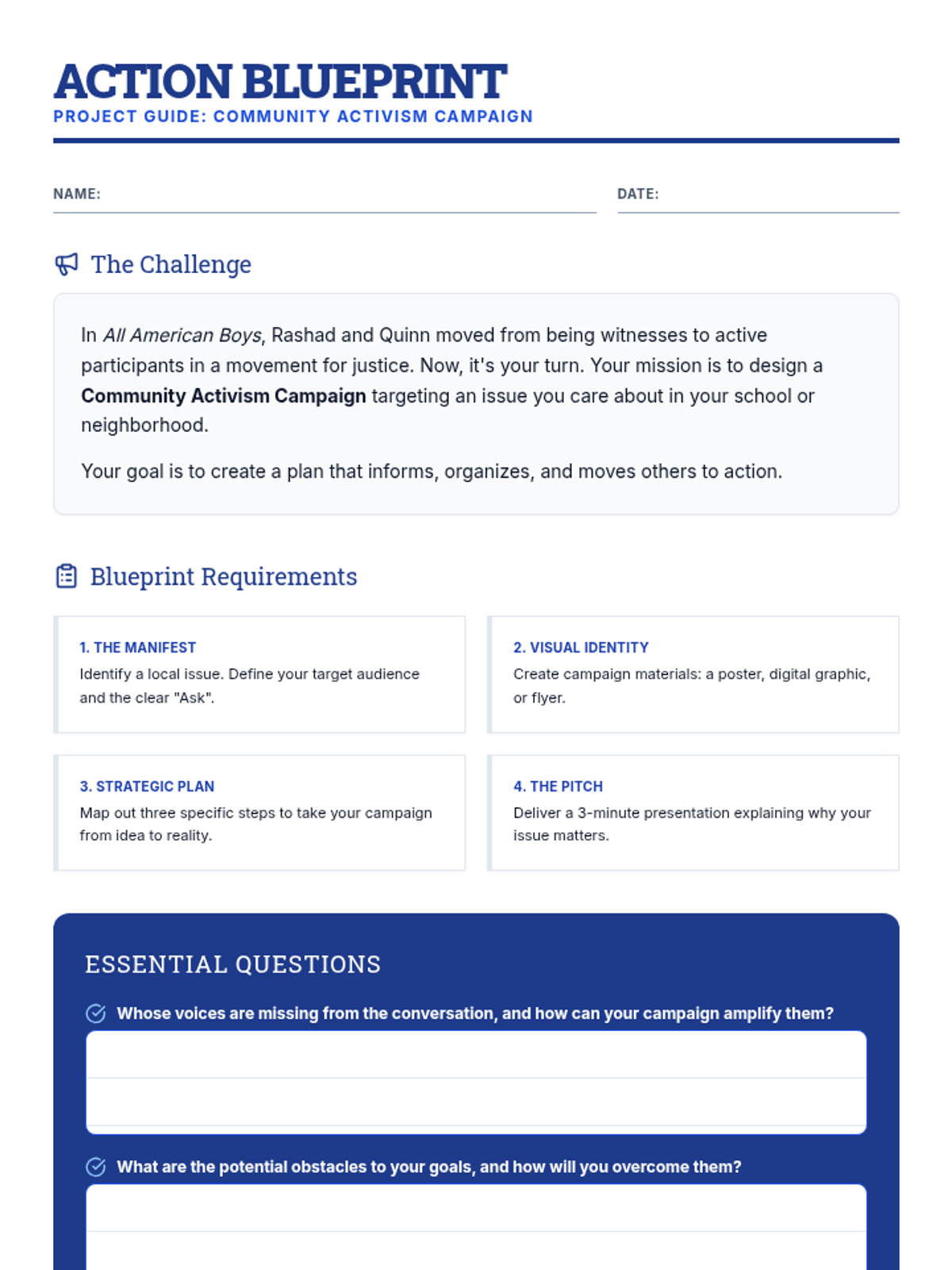
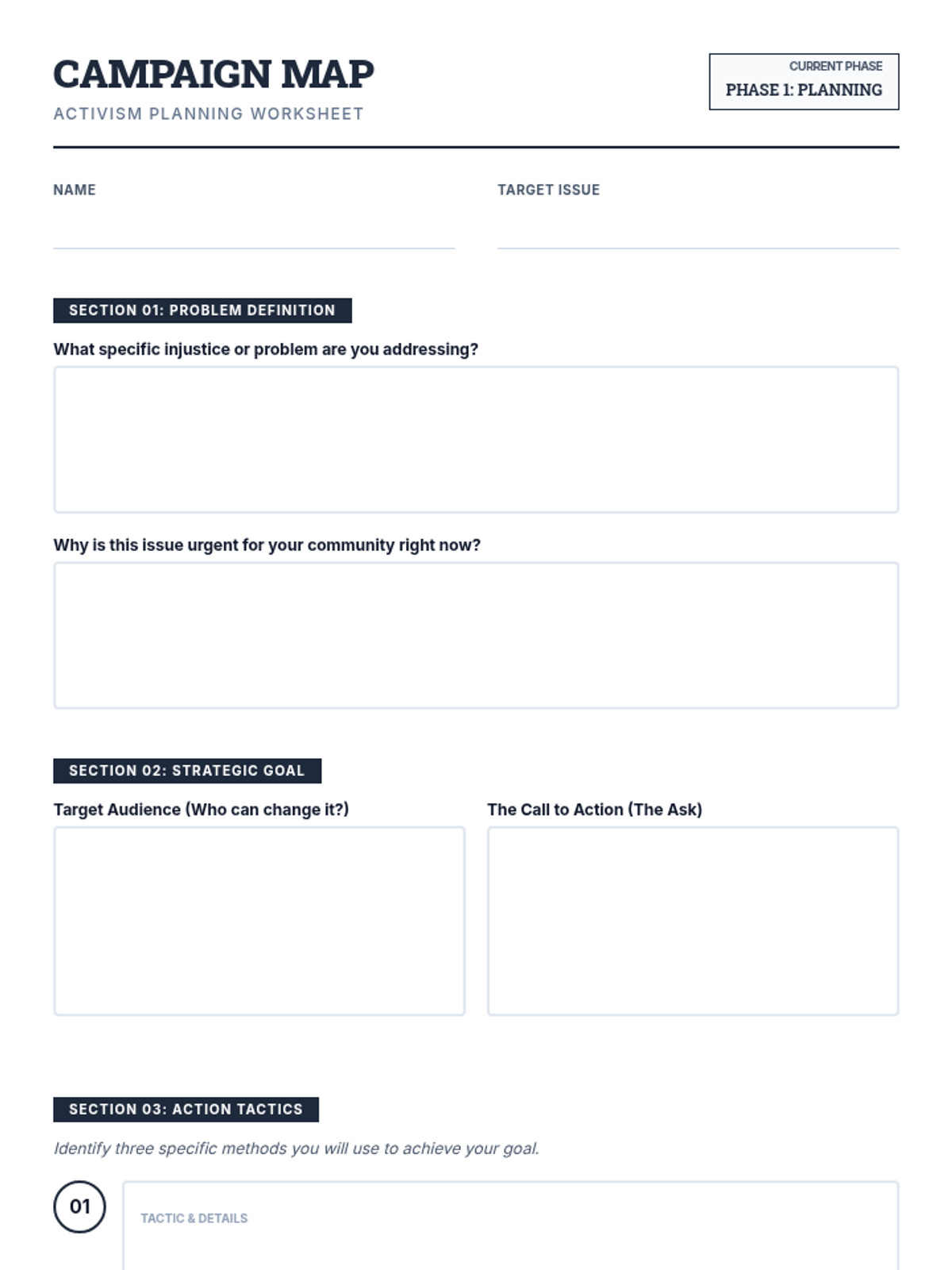
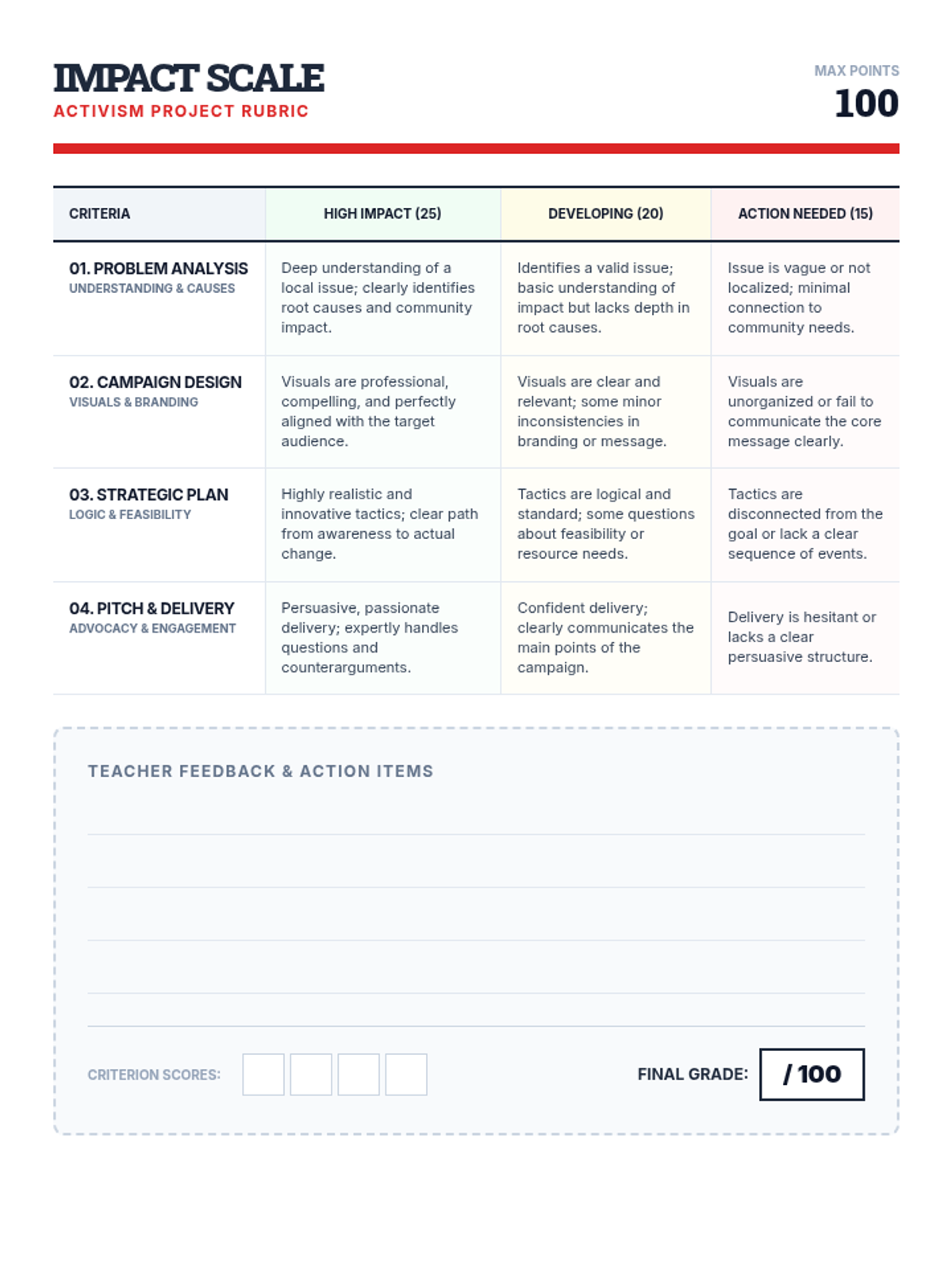
A project-based lesson where students design and launch a community activism campaign inspired by the themes of justice and civic engagement in All American Boys.
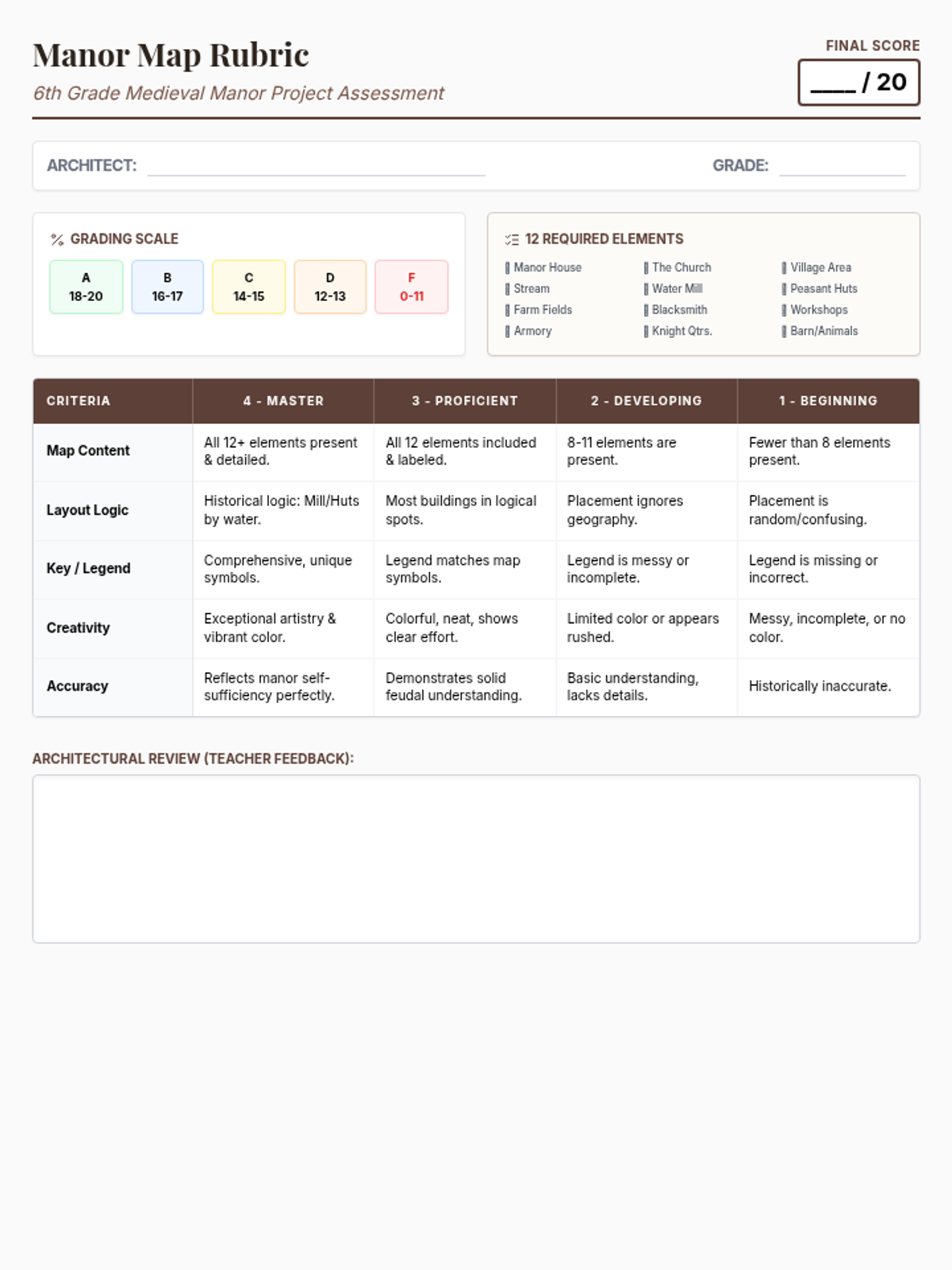
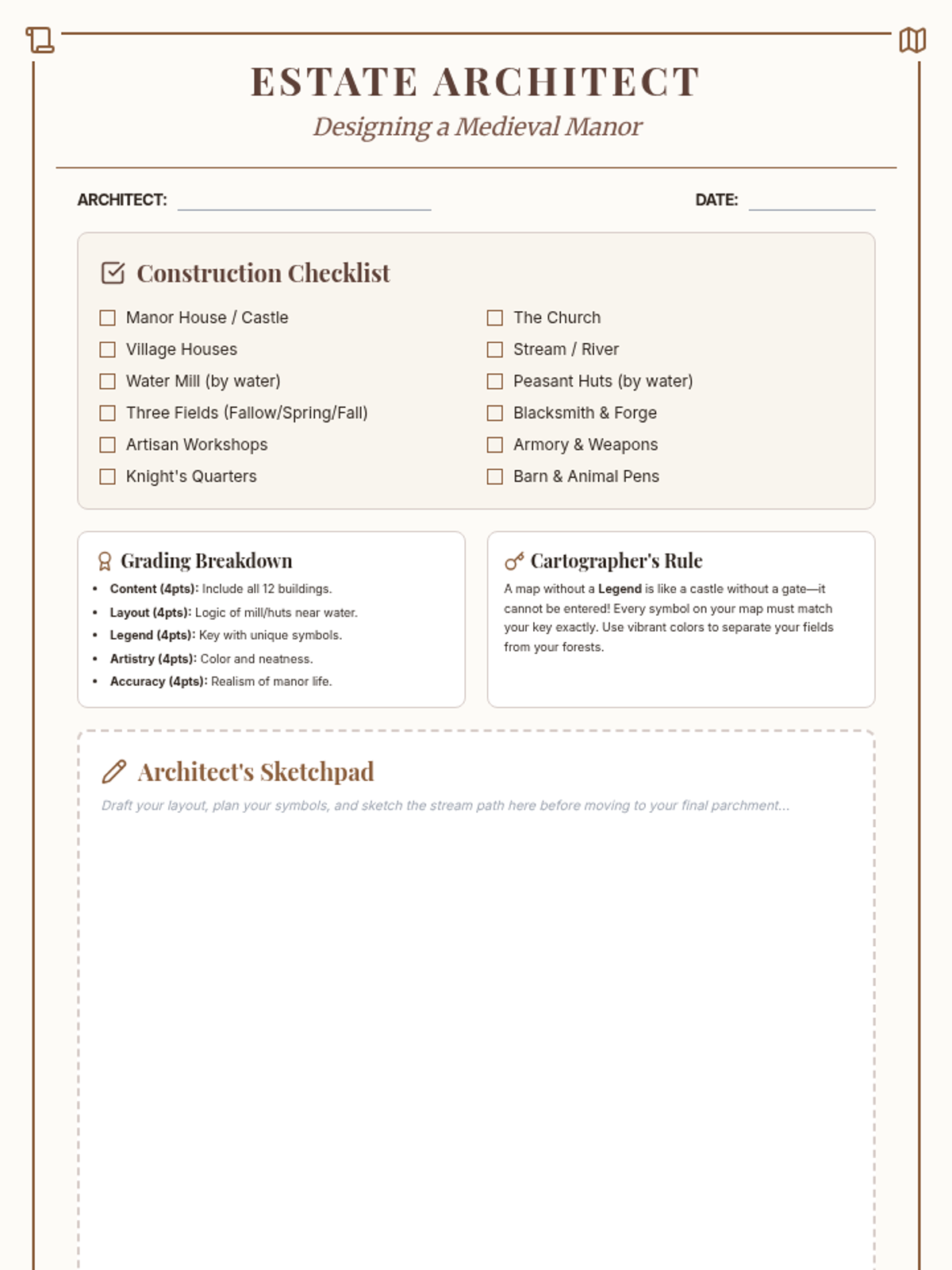
A creative project-based lesson where students design and map a medieval manor, demonstrating their understanding of feudal self-sufficiency and social structure.
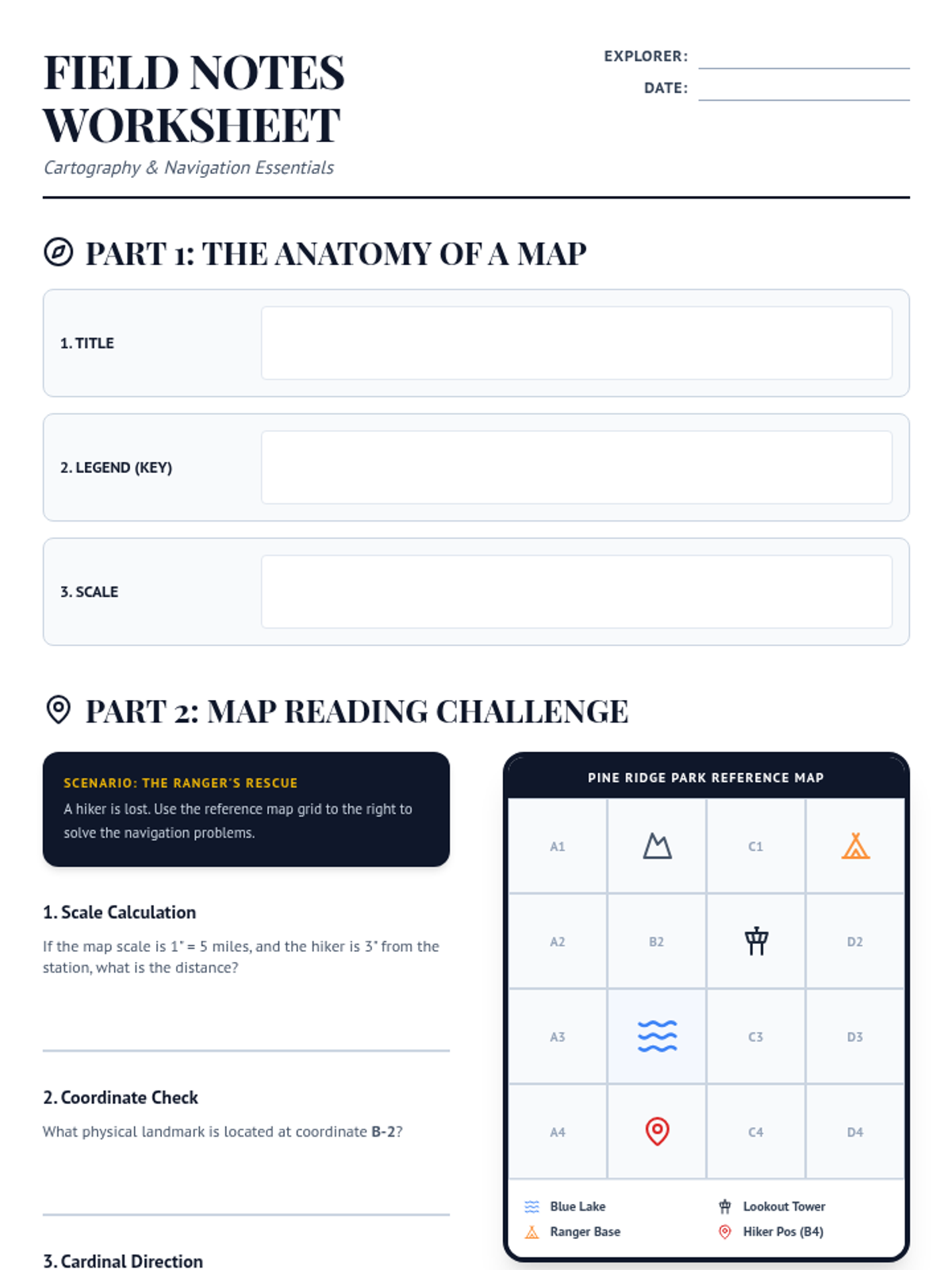
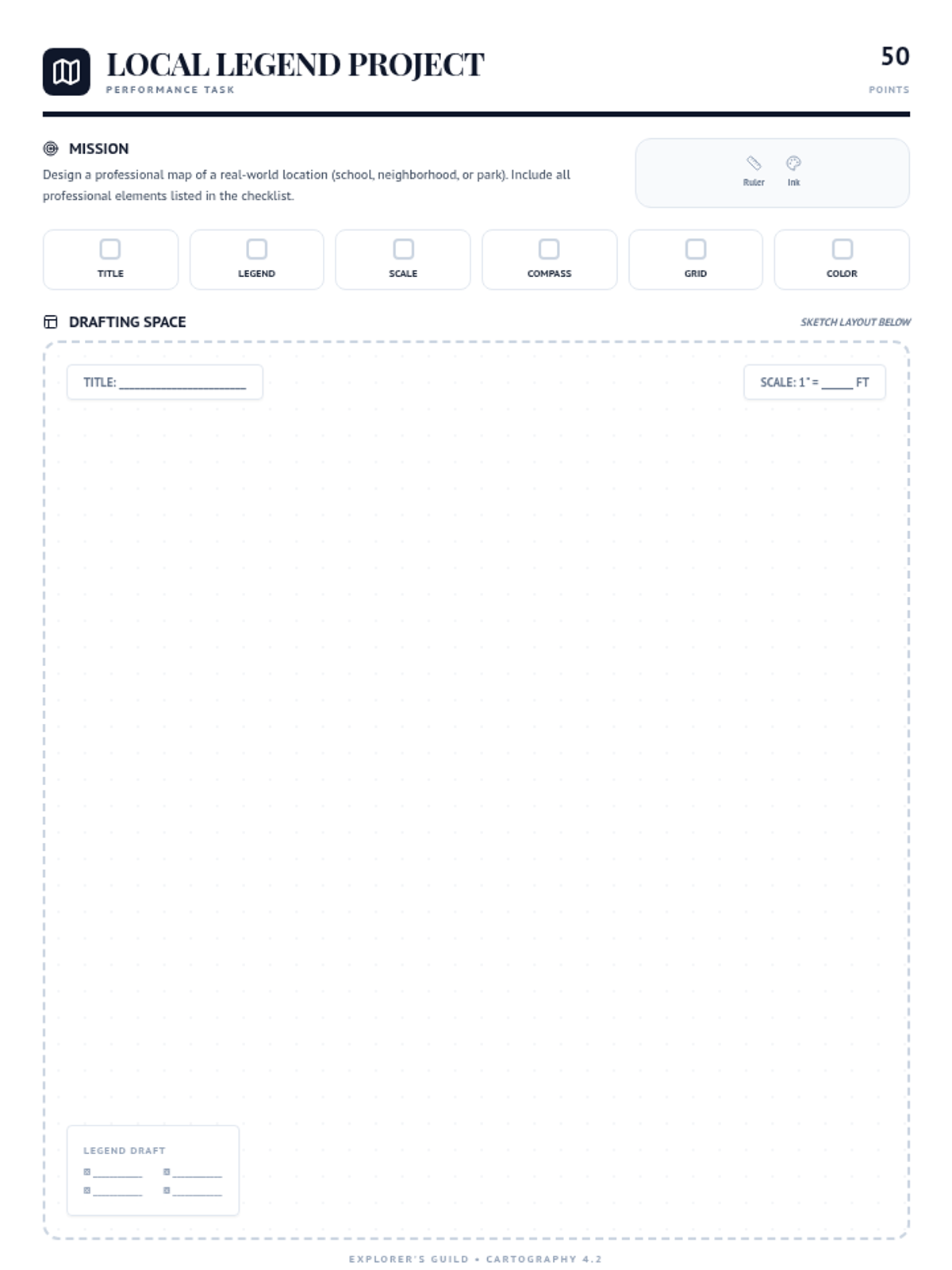
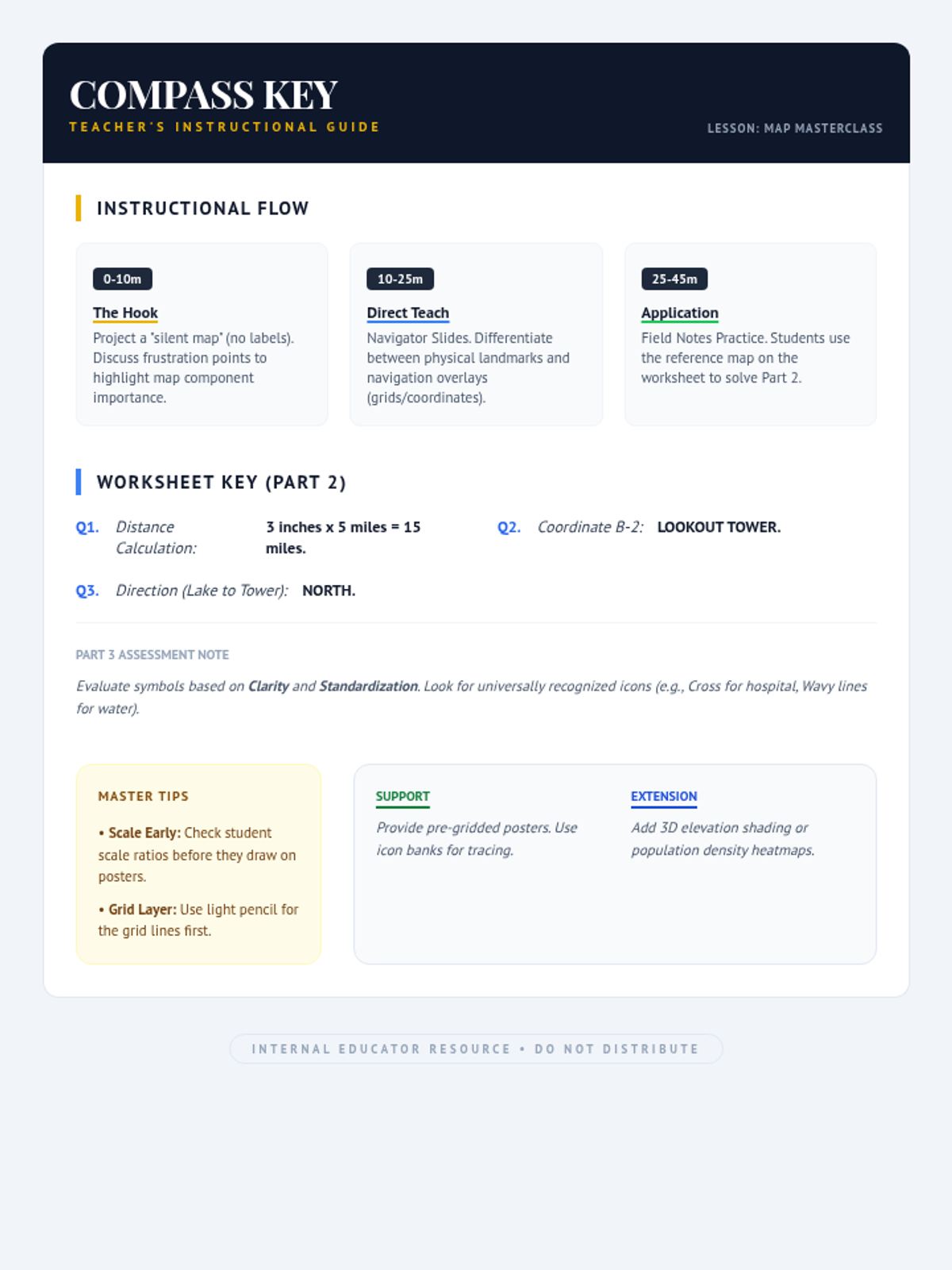
Students learn the foundational skills of cartography, focusing on how to read, interpret, and create maps using real-world symbols, scales, and coordinates.
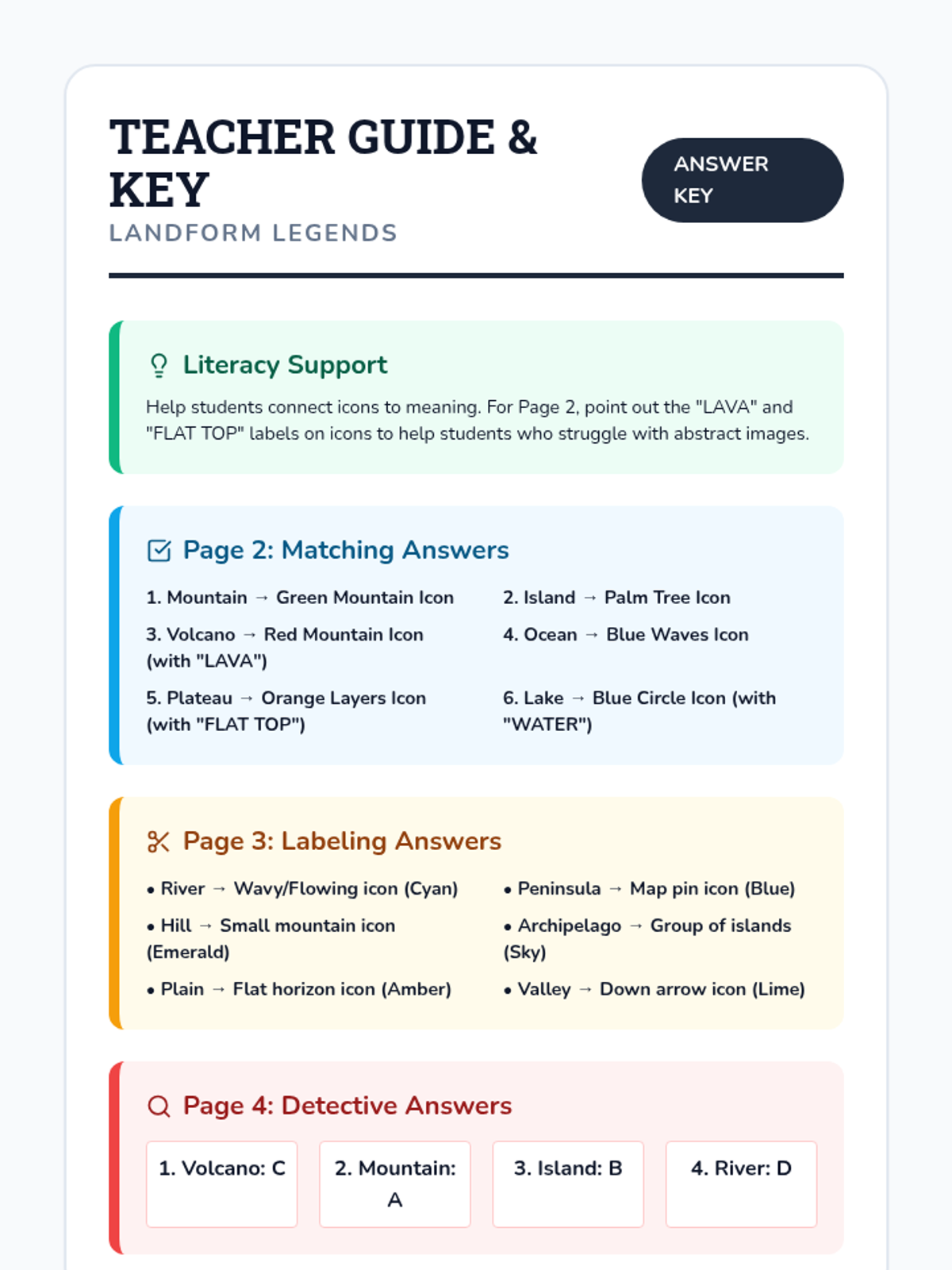
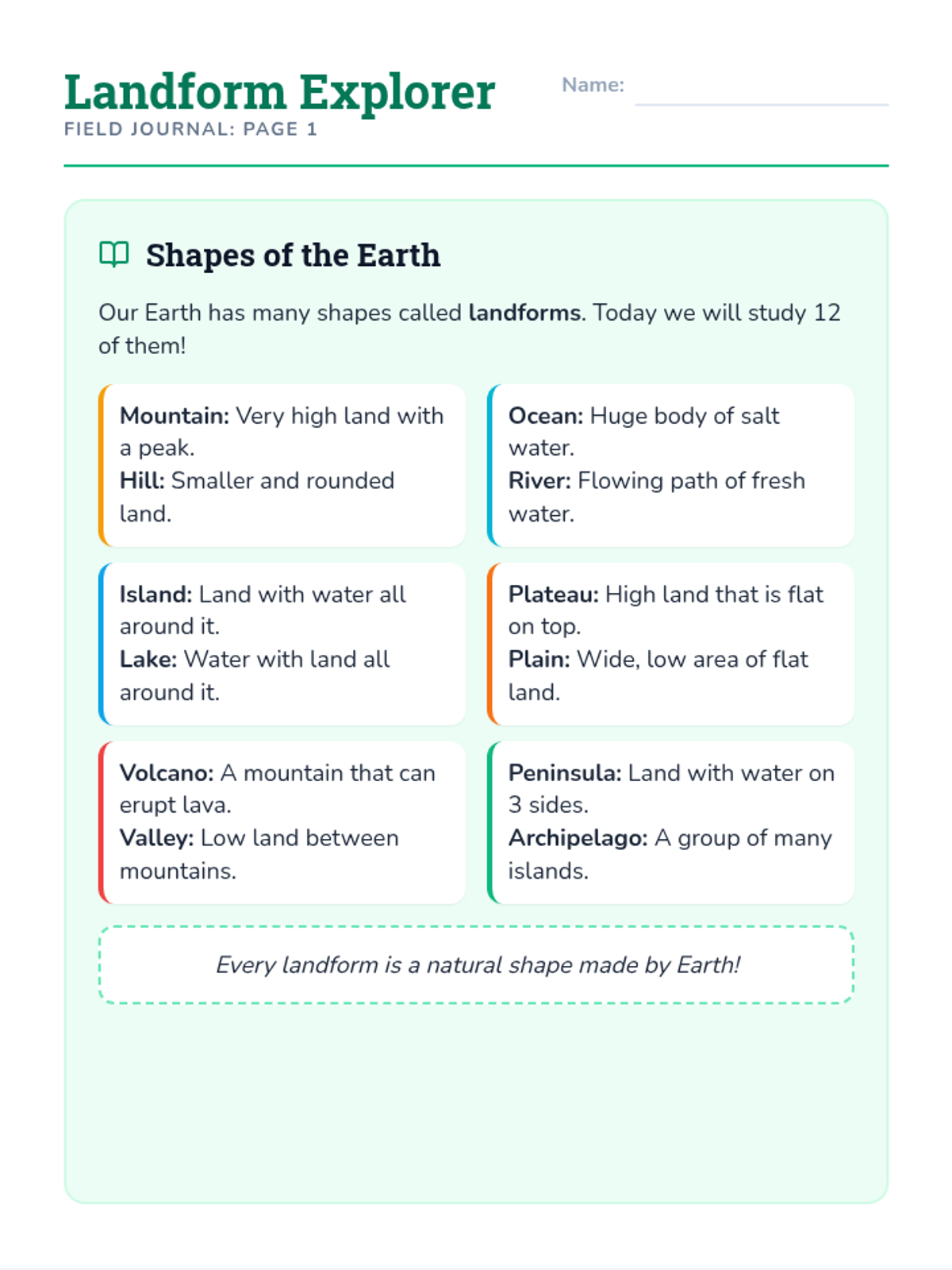
A foundational introduction to Earth's diverse landforms designed for lower-literacy learners, focusing on visual identification and simple definitions of mountains, islands, volcanoes, and more.
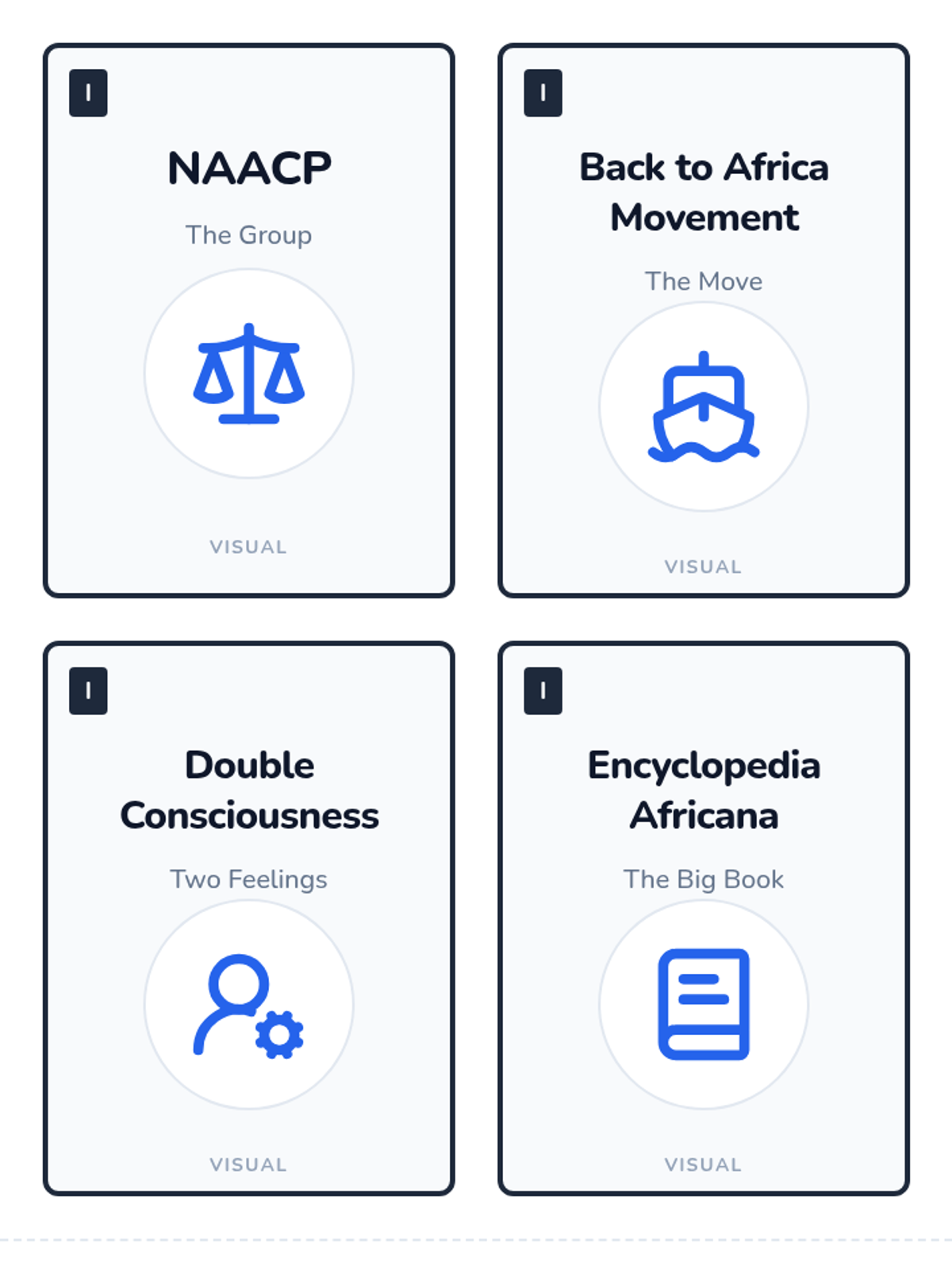
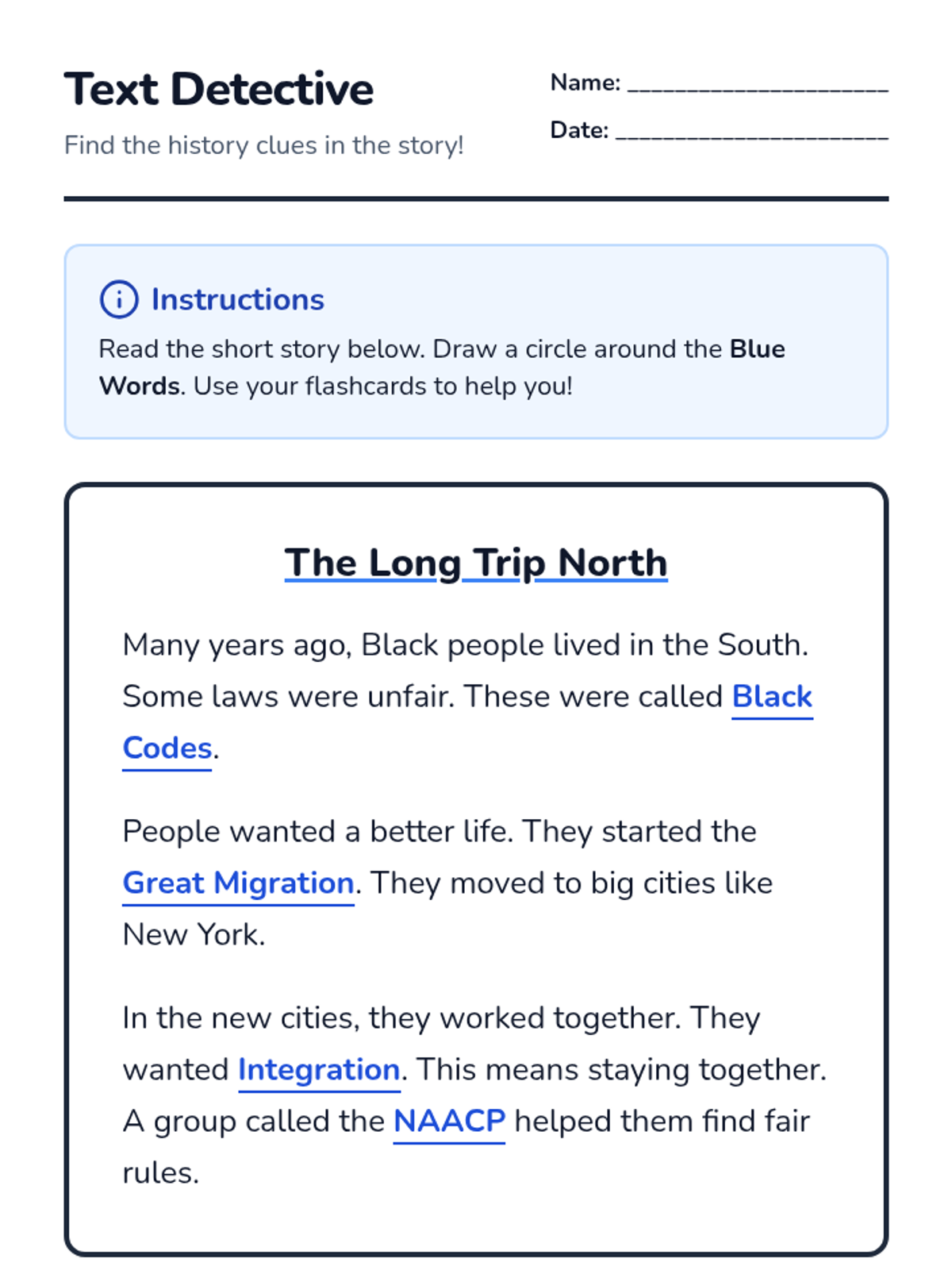
A set of resources focused on analyzing key terms and movements from early 20th-century African American history, designed for students with high-support needs.
This lesson explores the Homestead Act of 1862, focusing on the economic motivations that drove settlers to the Great Plains and the resulting transformation of the American Midwest into an agricultural powerhouse. Students will analyze the requirements of the act, the challenges of frontier life, and the long-term impact on national growth.
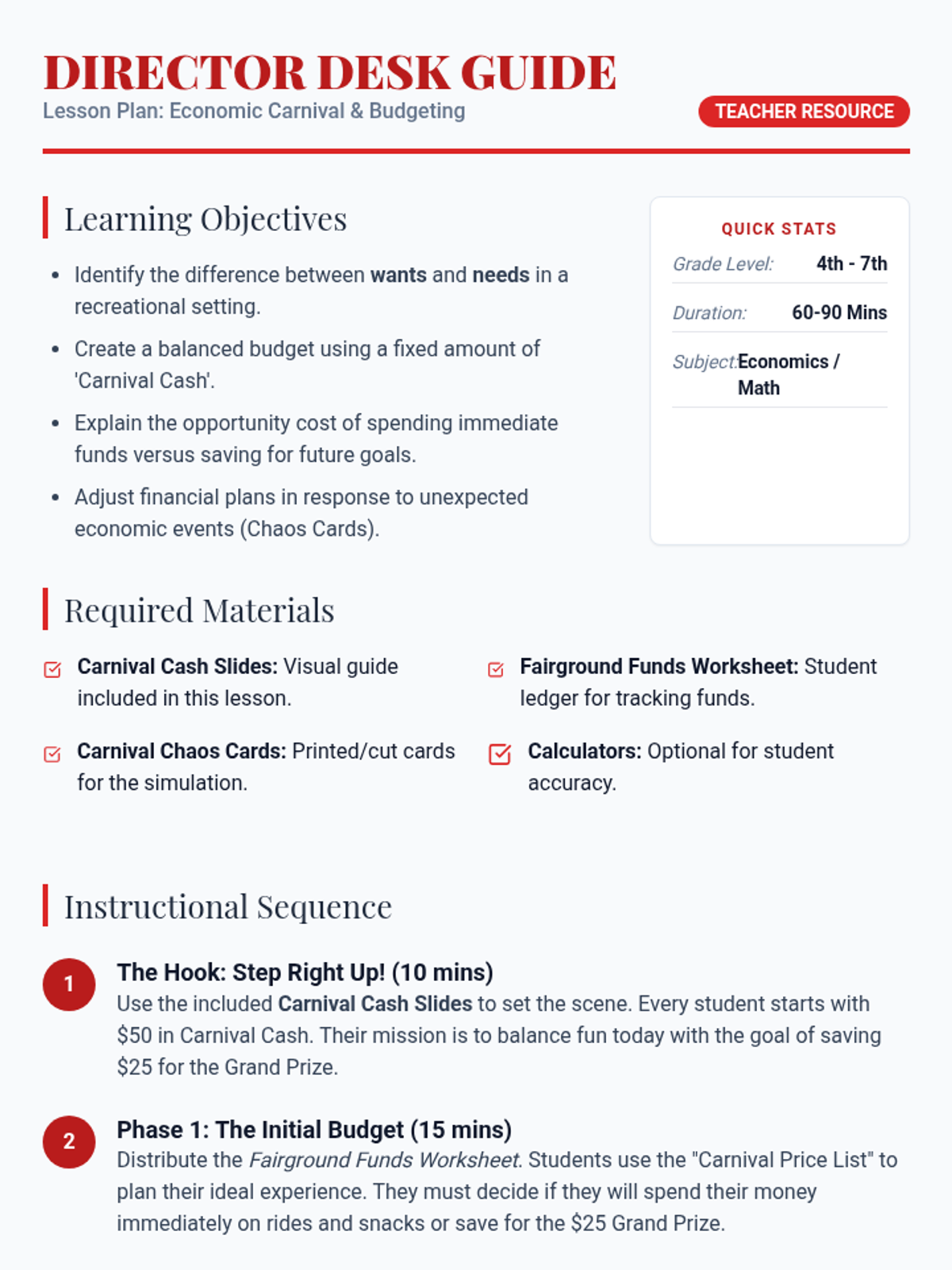
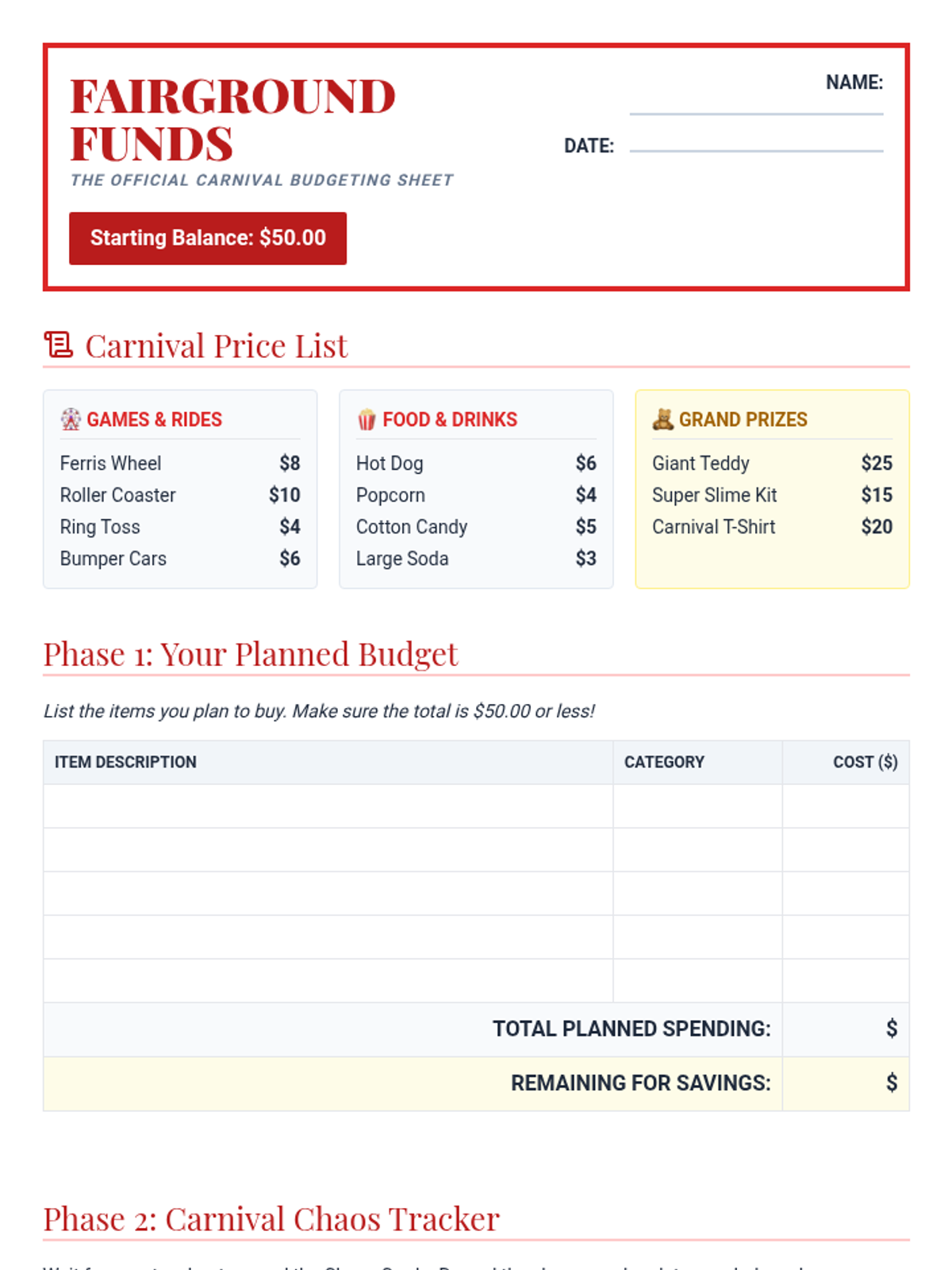
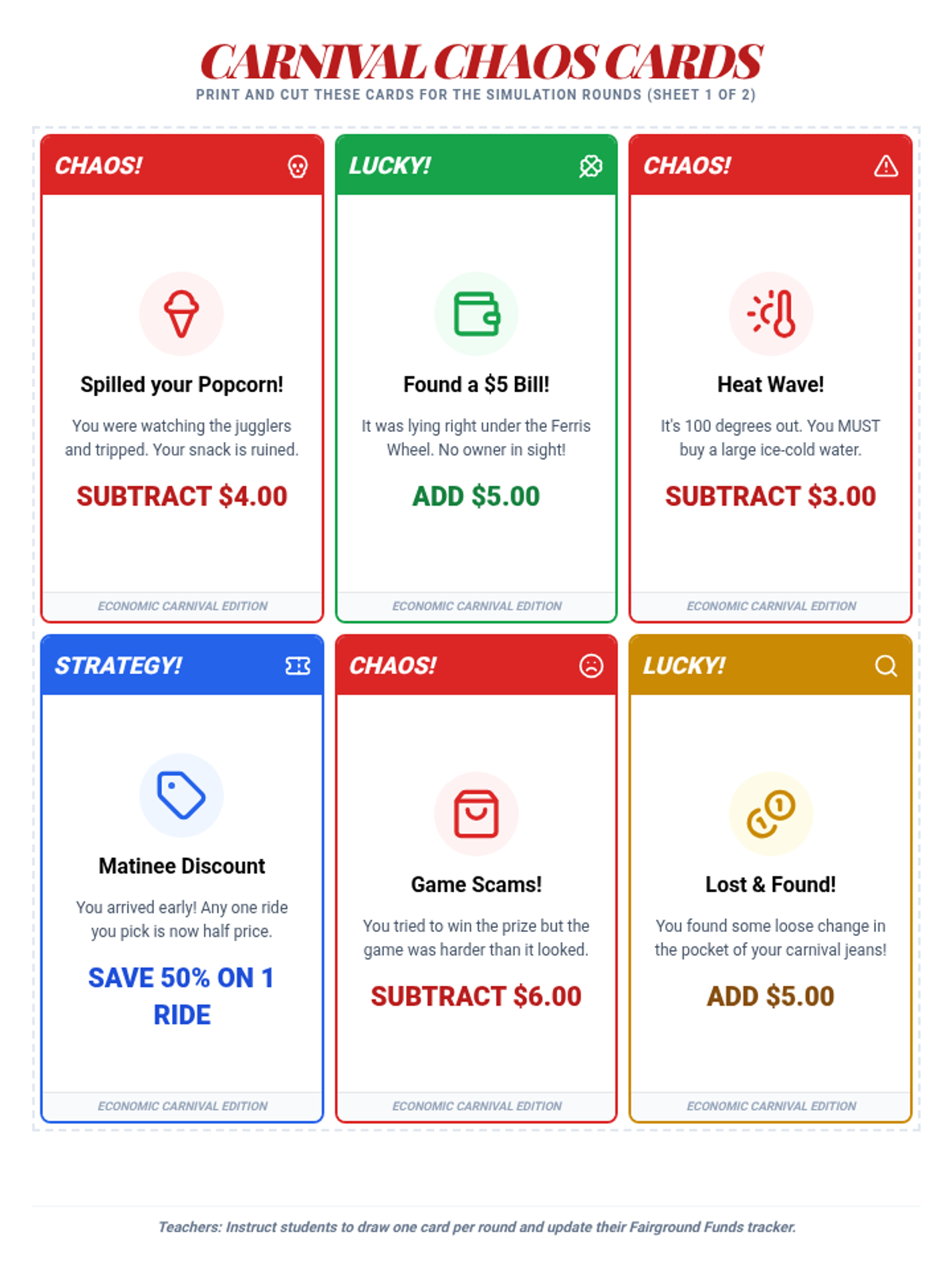
A high-energy simulation where students manage a budget at a carnival, making decisions about spending on games and treats versus saving for a grand prize. Students navigate unexpected 'chaos cards' that test their financial planning.
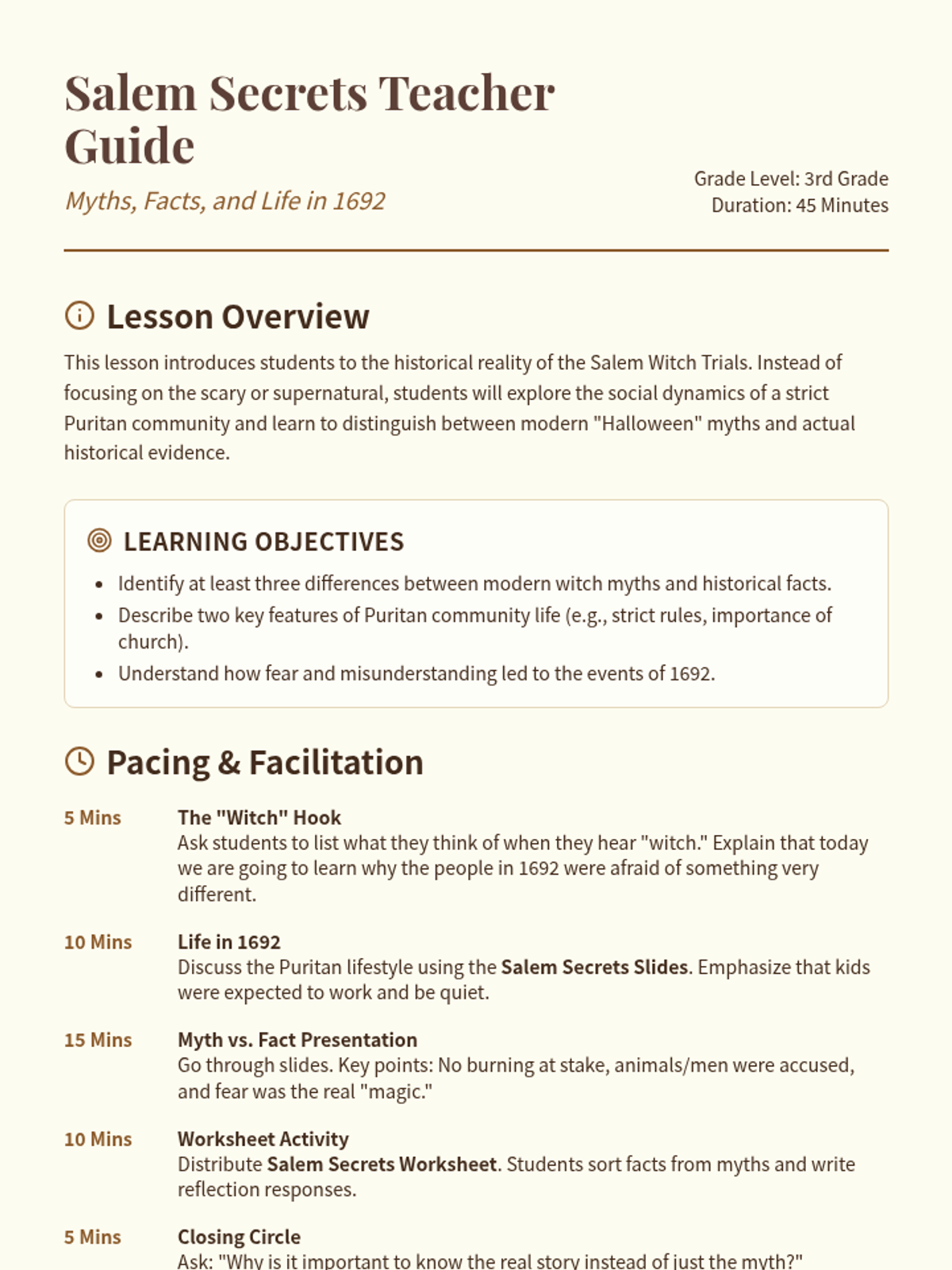
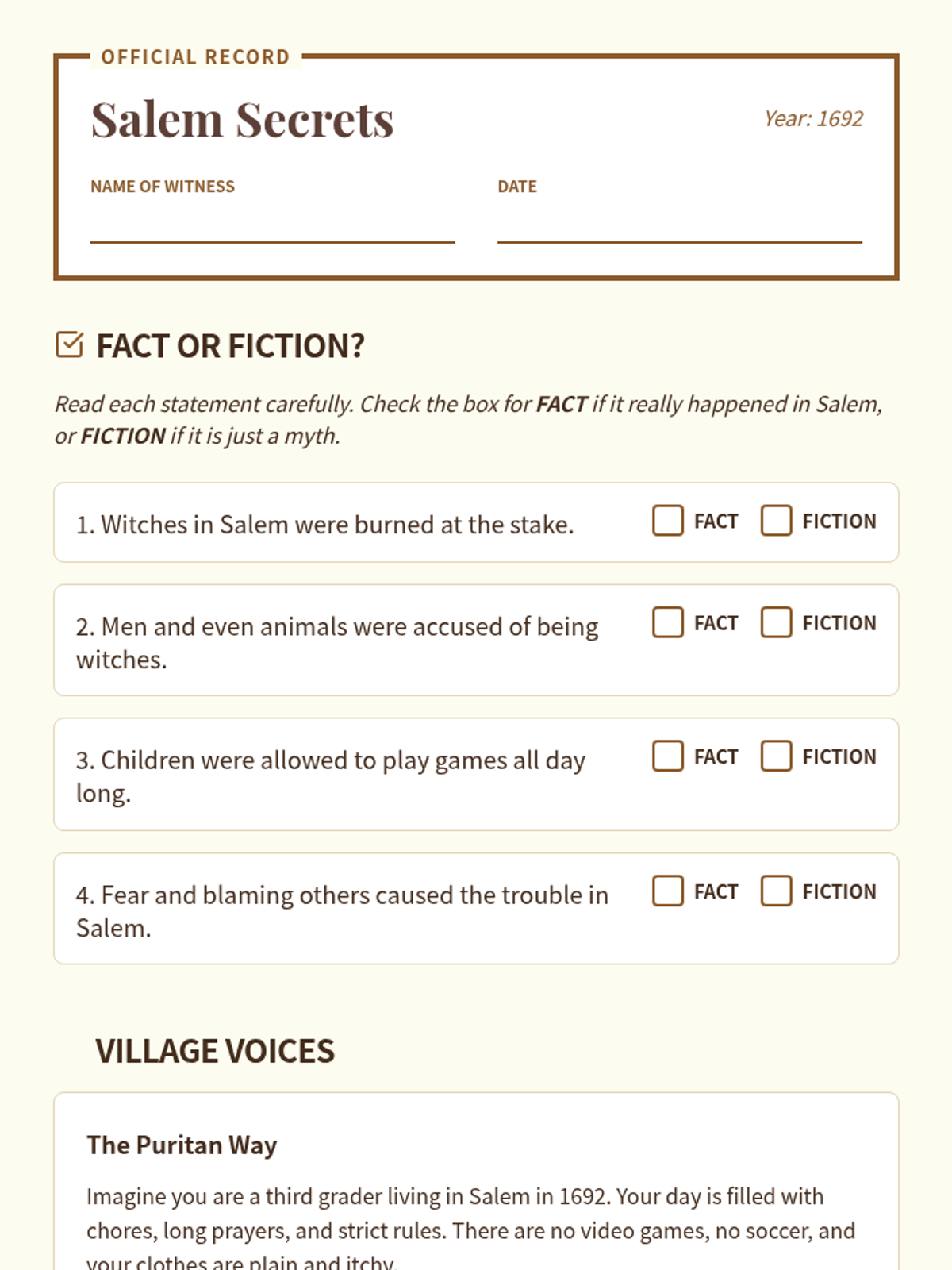
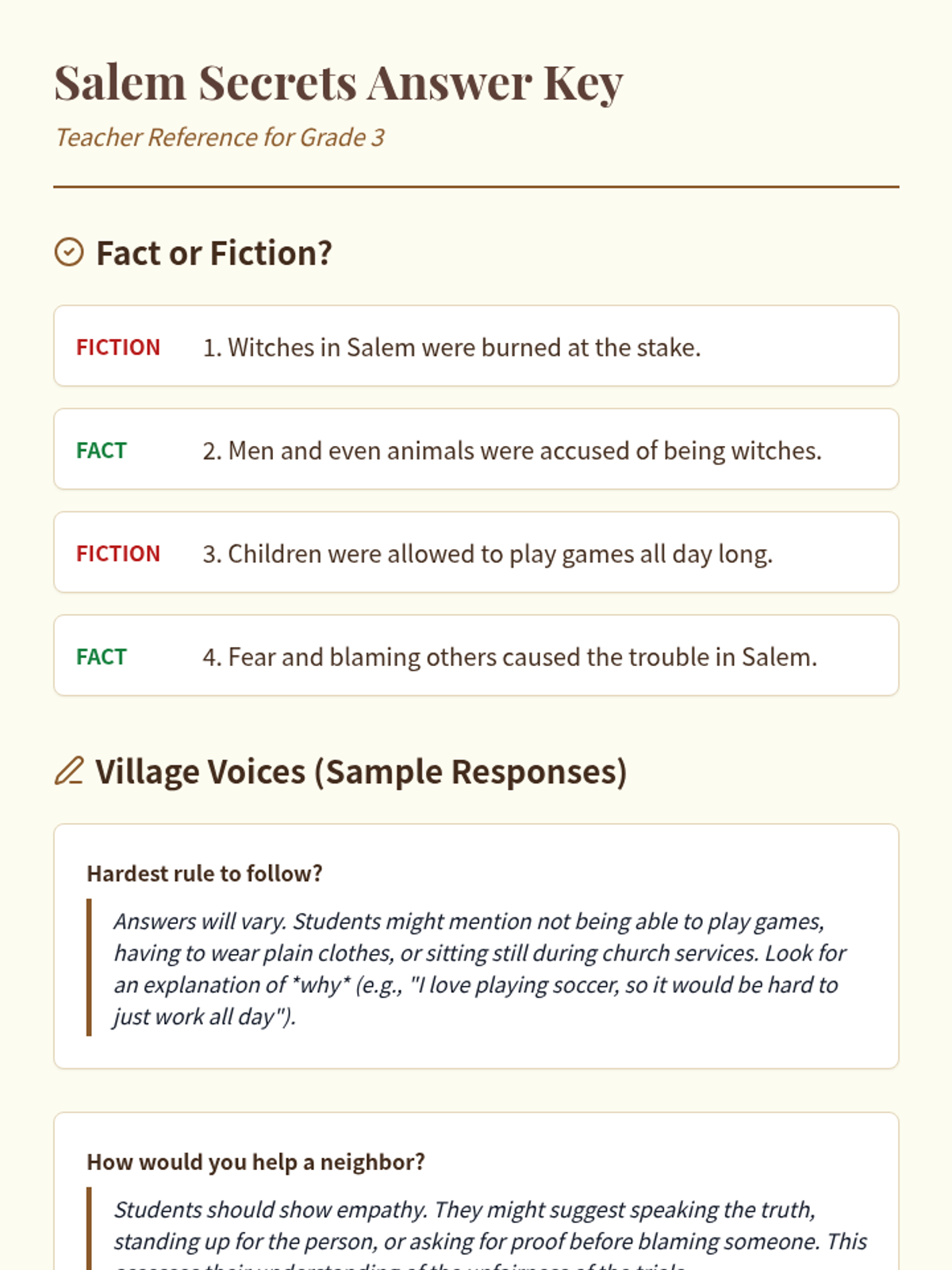
A historical inquiry into the Salem Witch Trials for third graders, focusing on the differences between popular myths and historical facts, and exploring what daily life was like in a Puritan community.