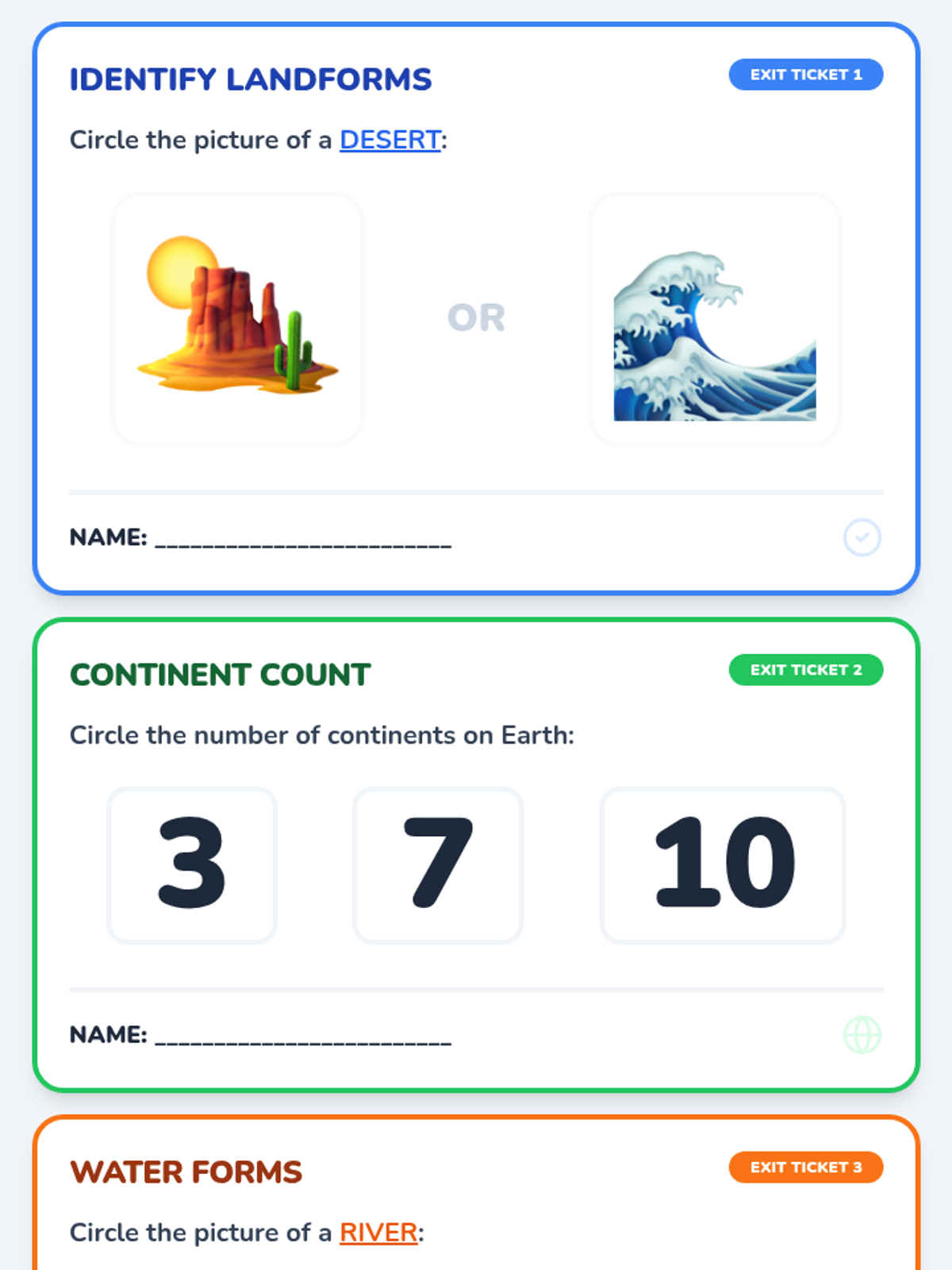
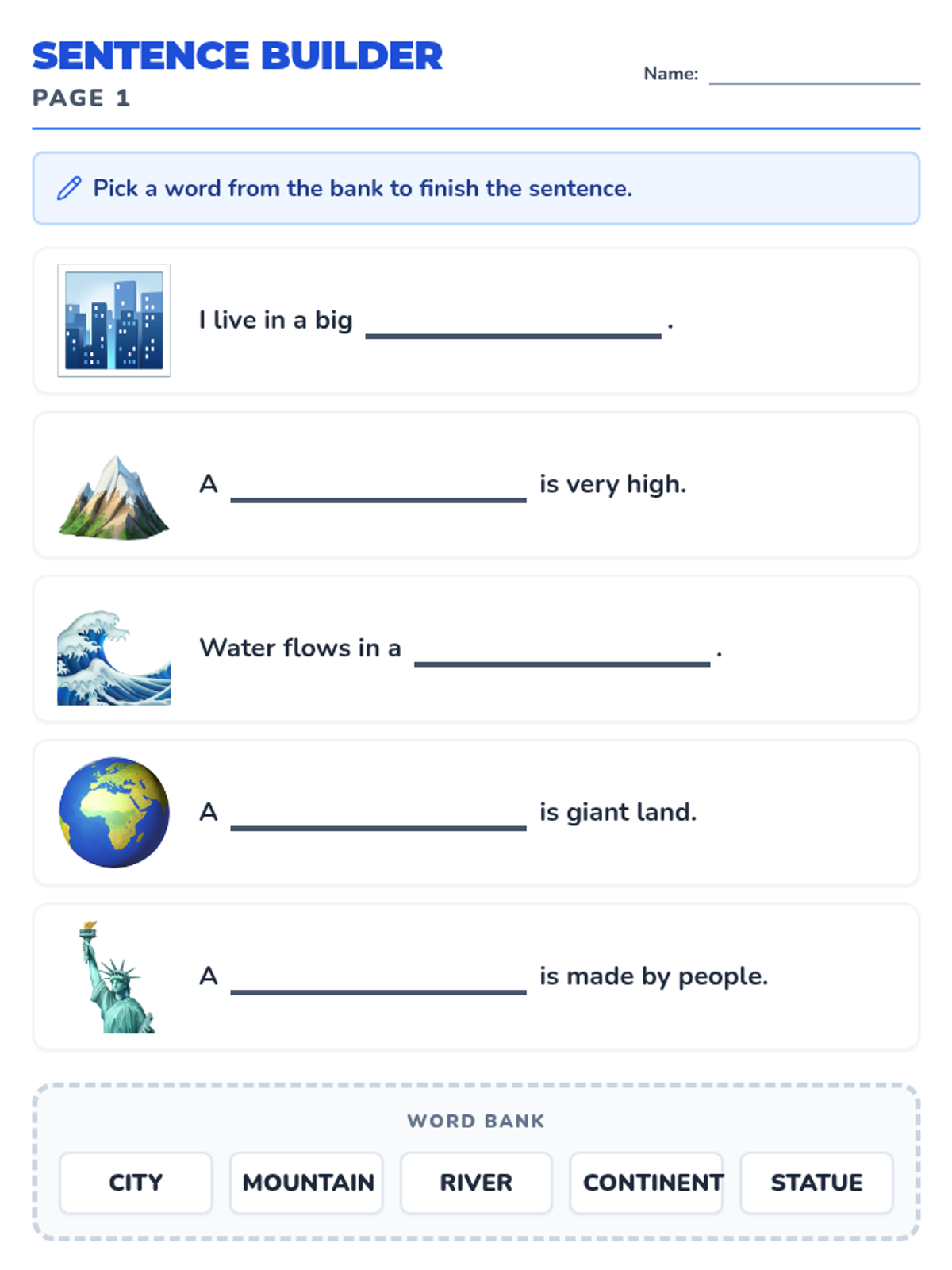
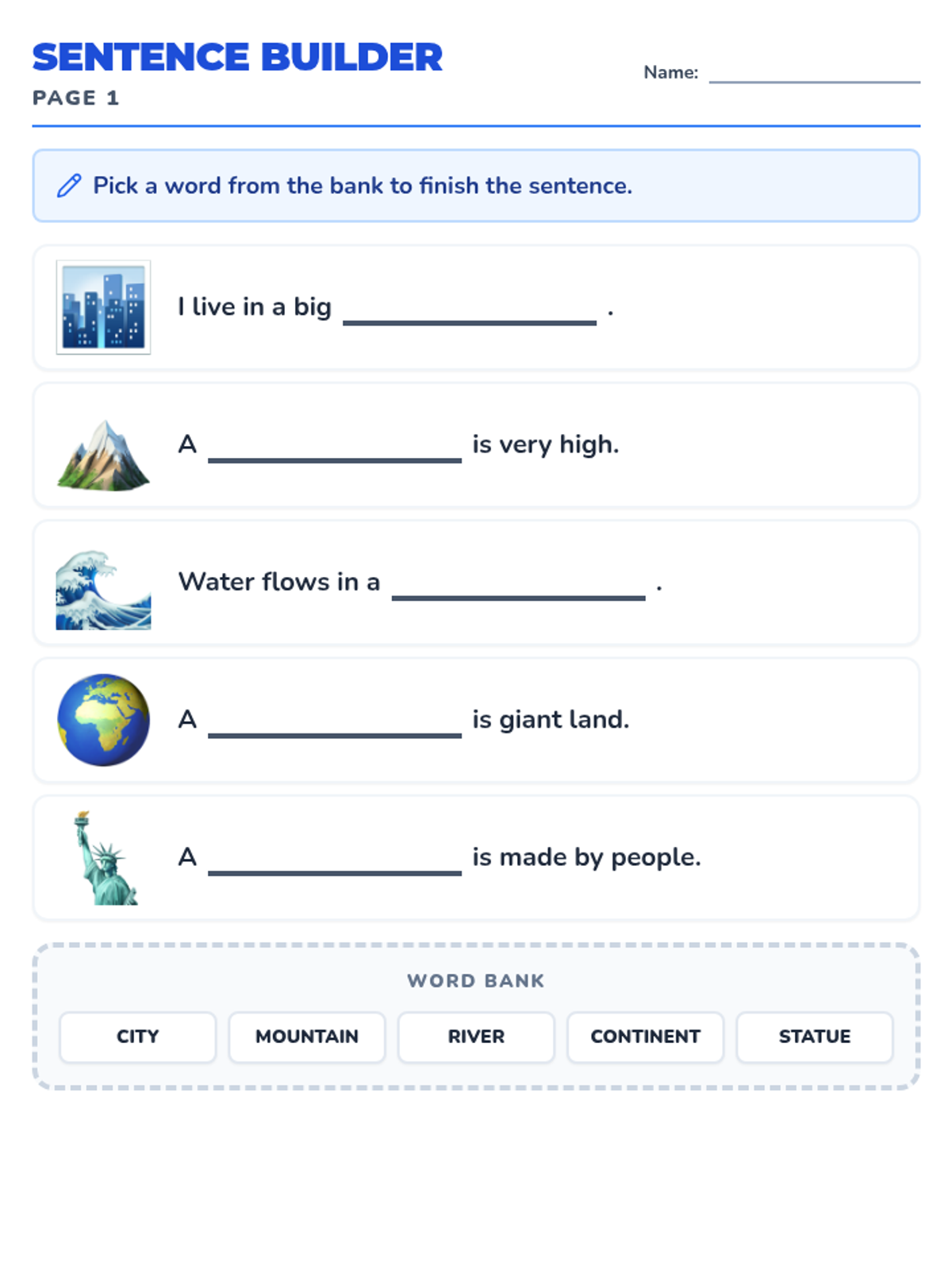
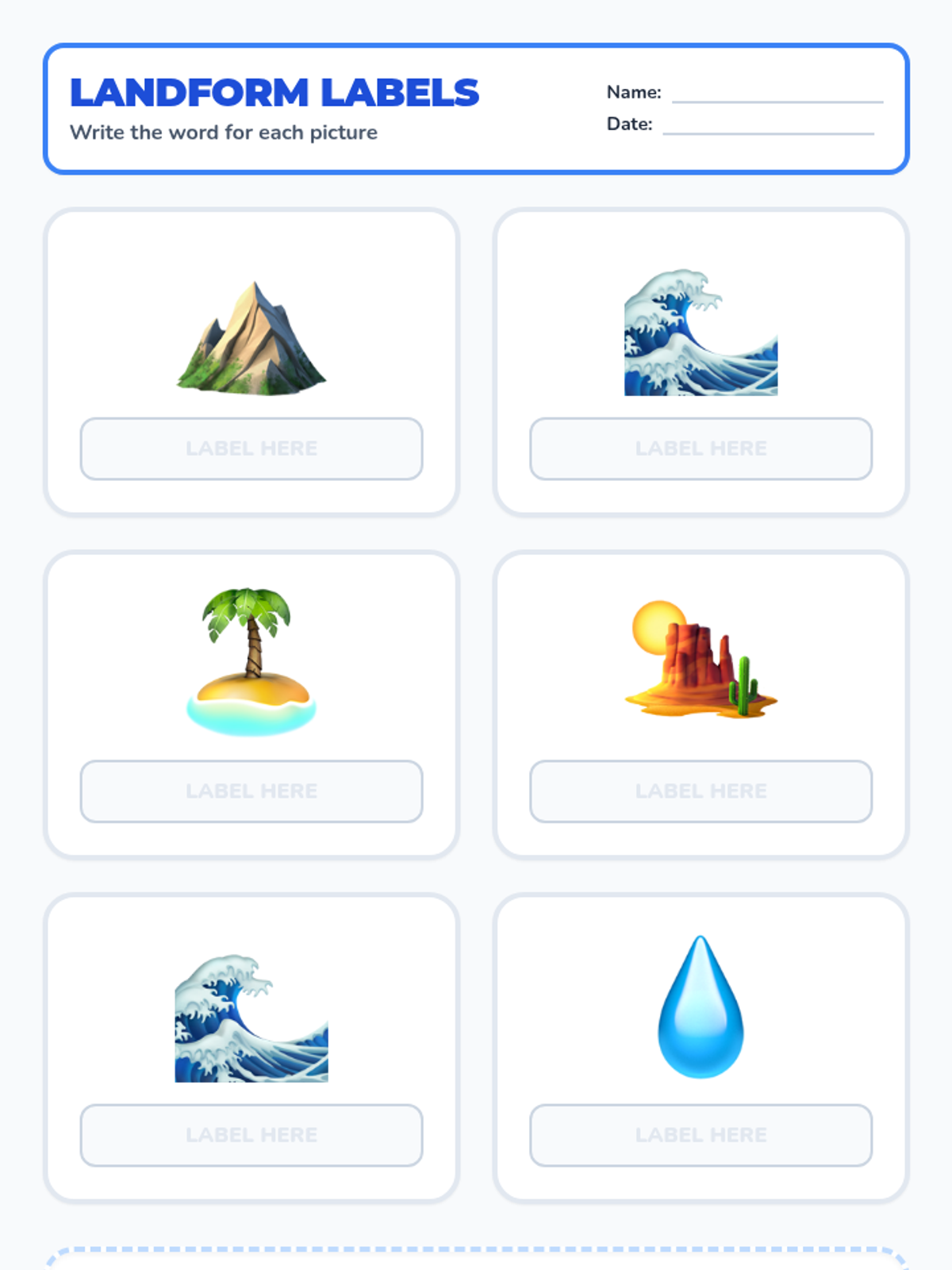
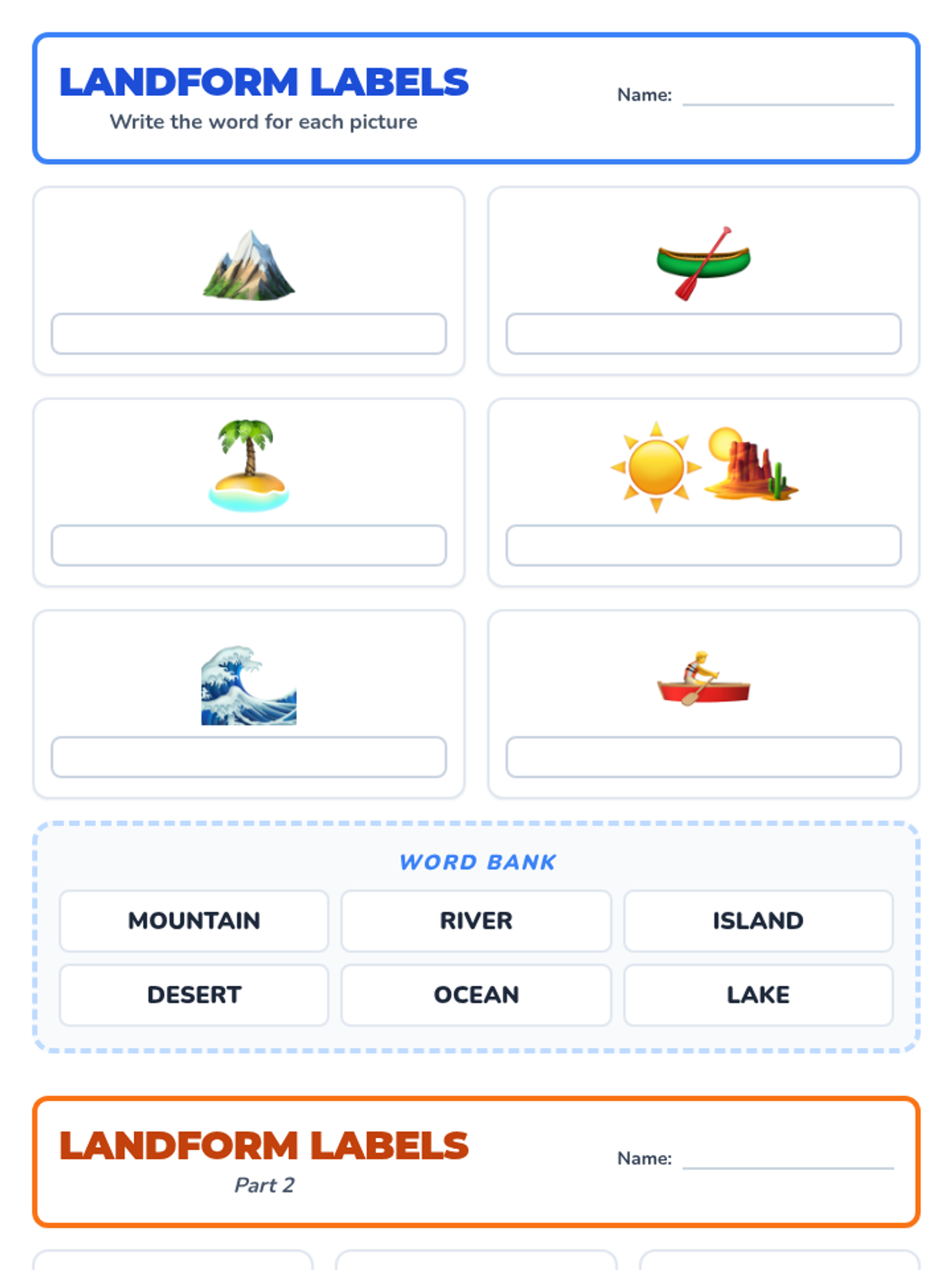
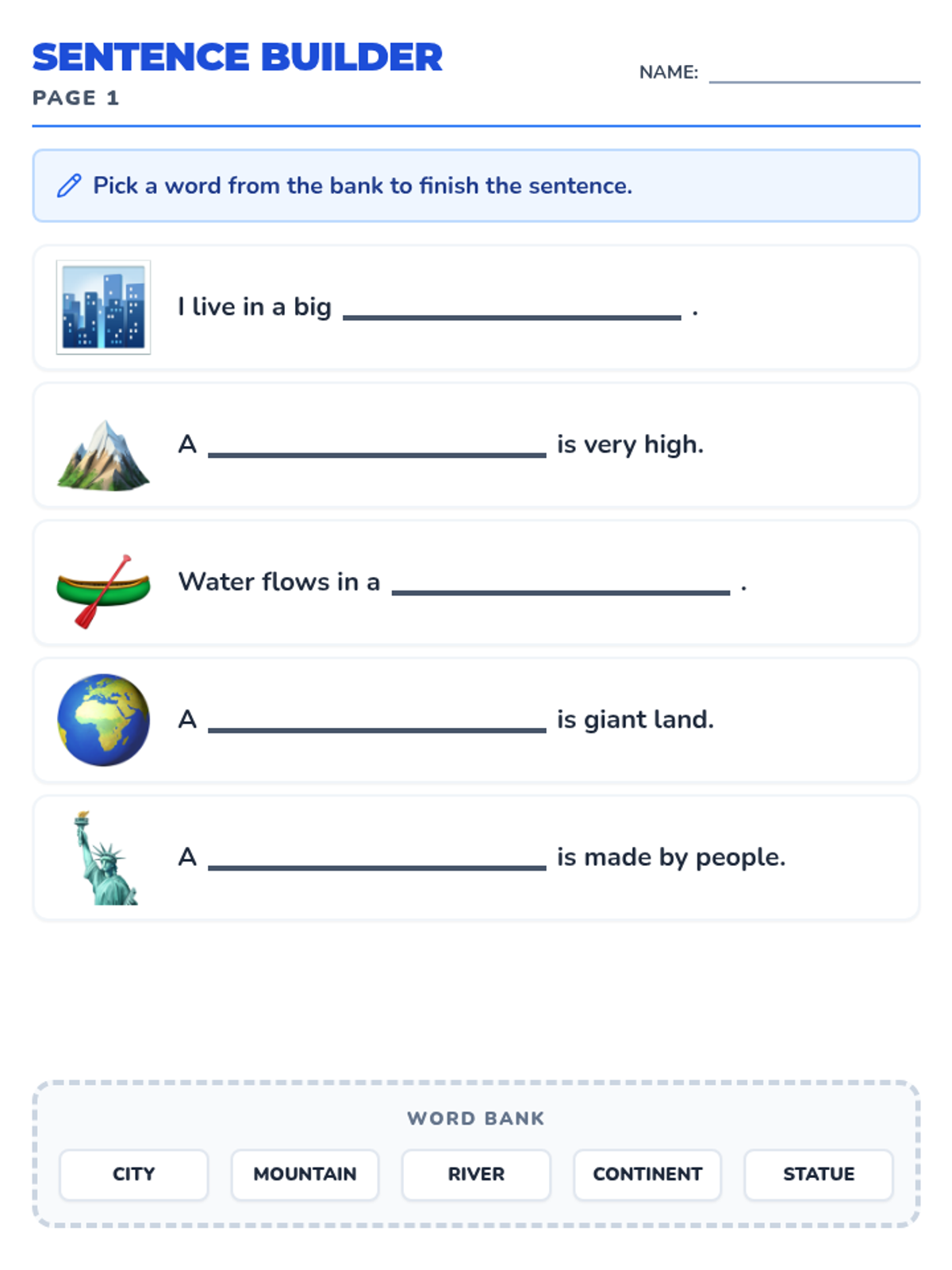
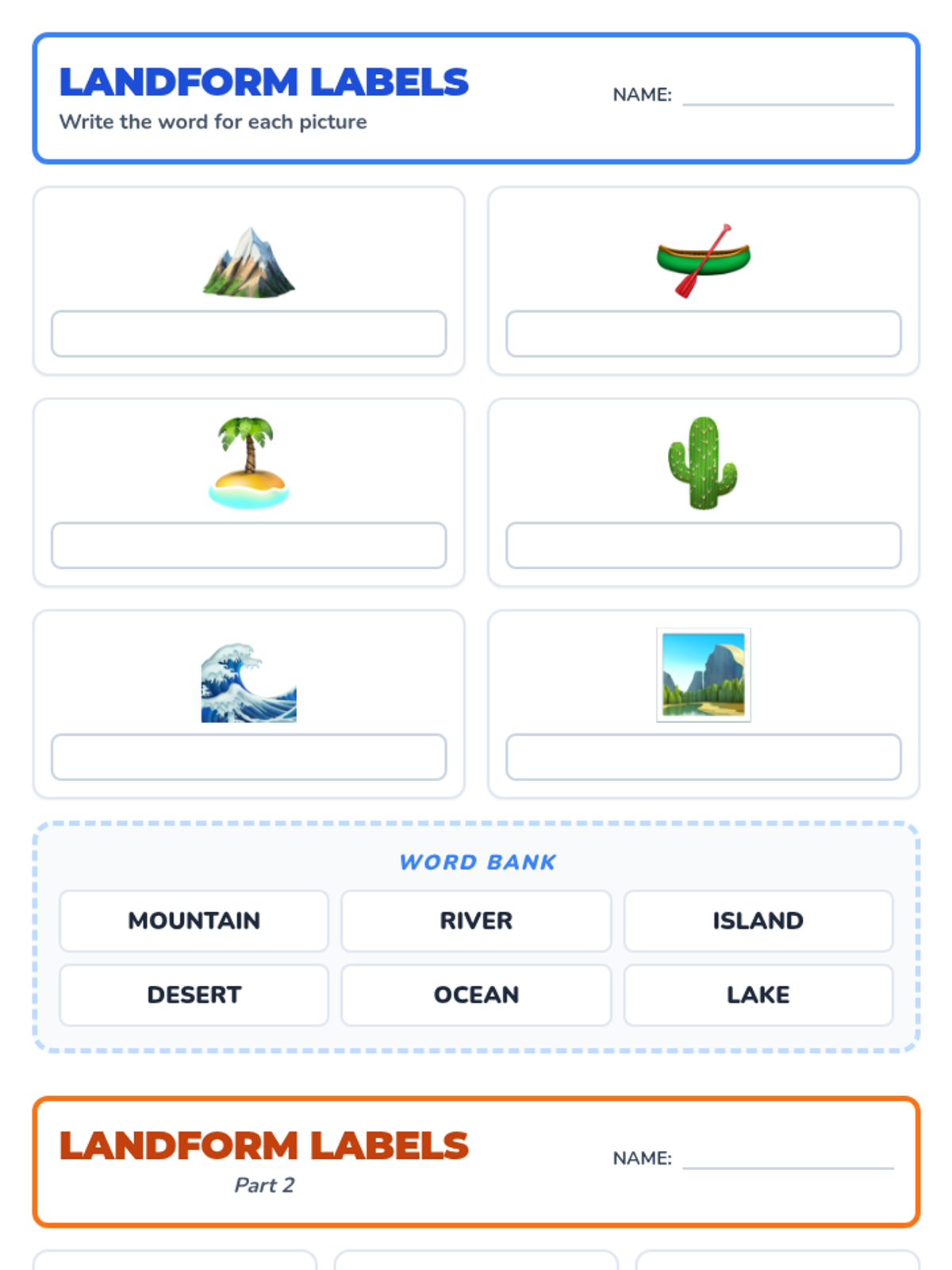
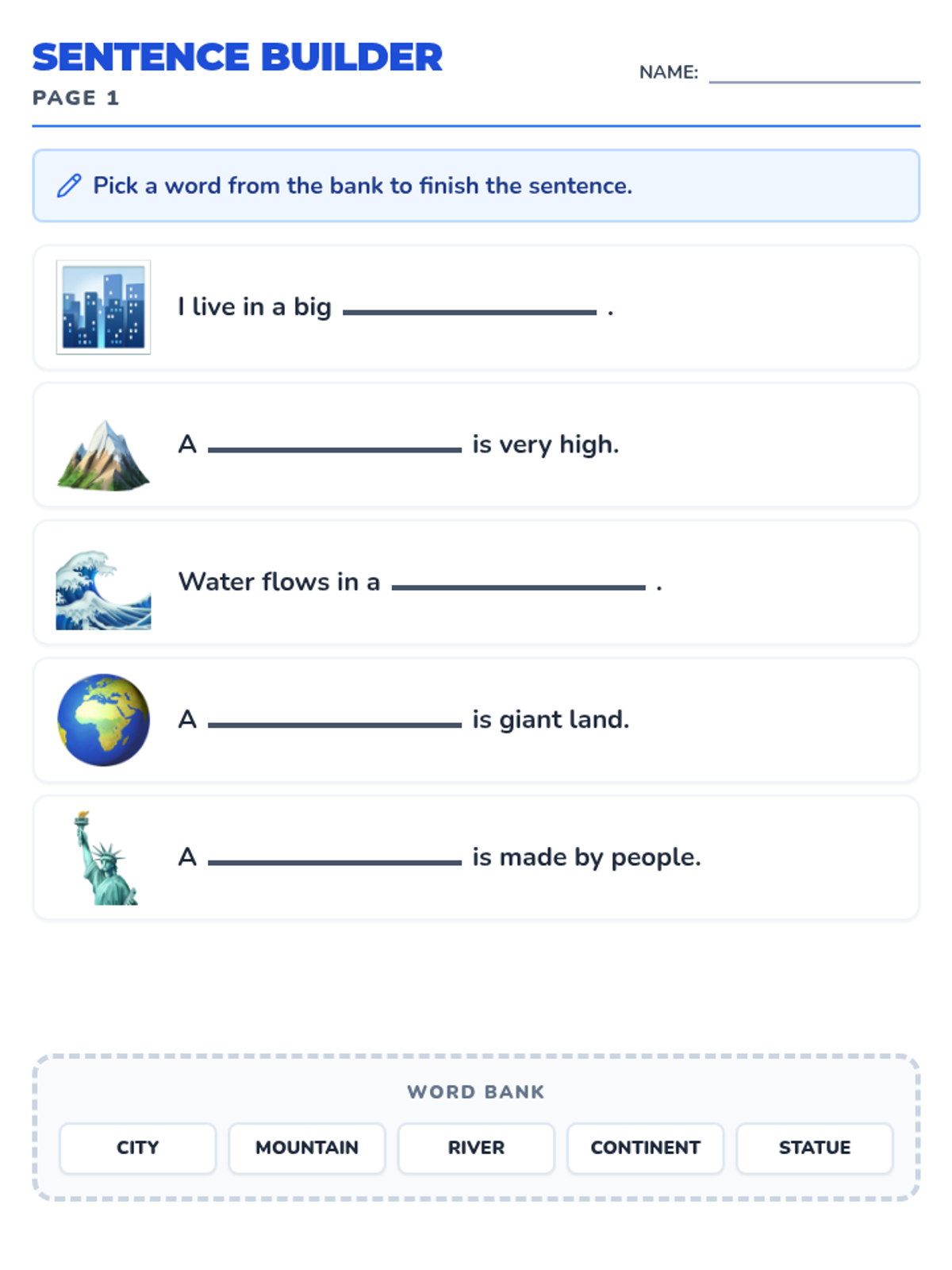
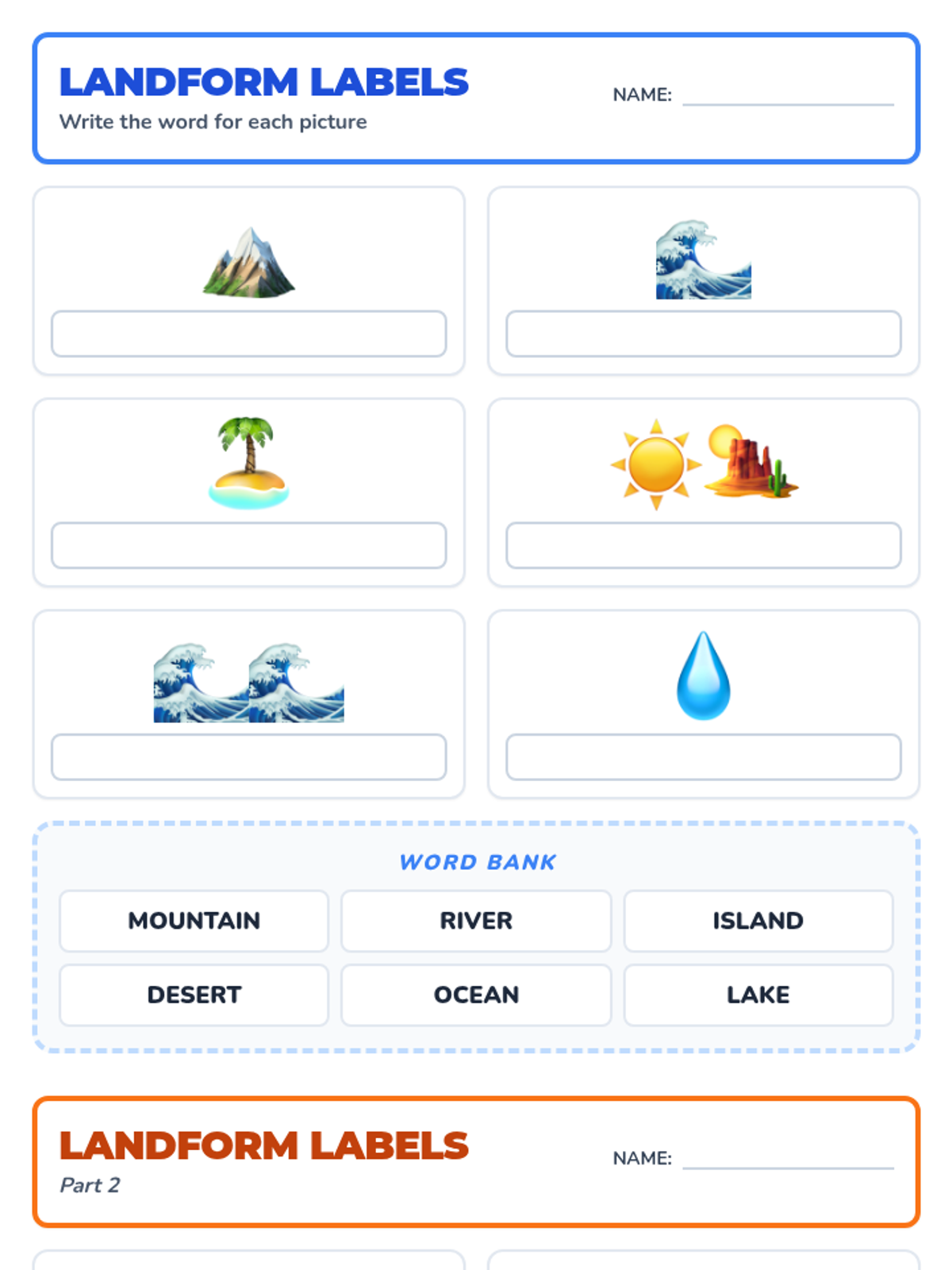
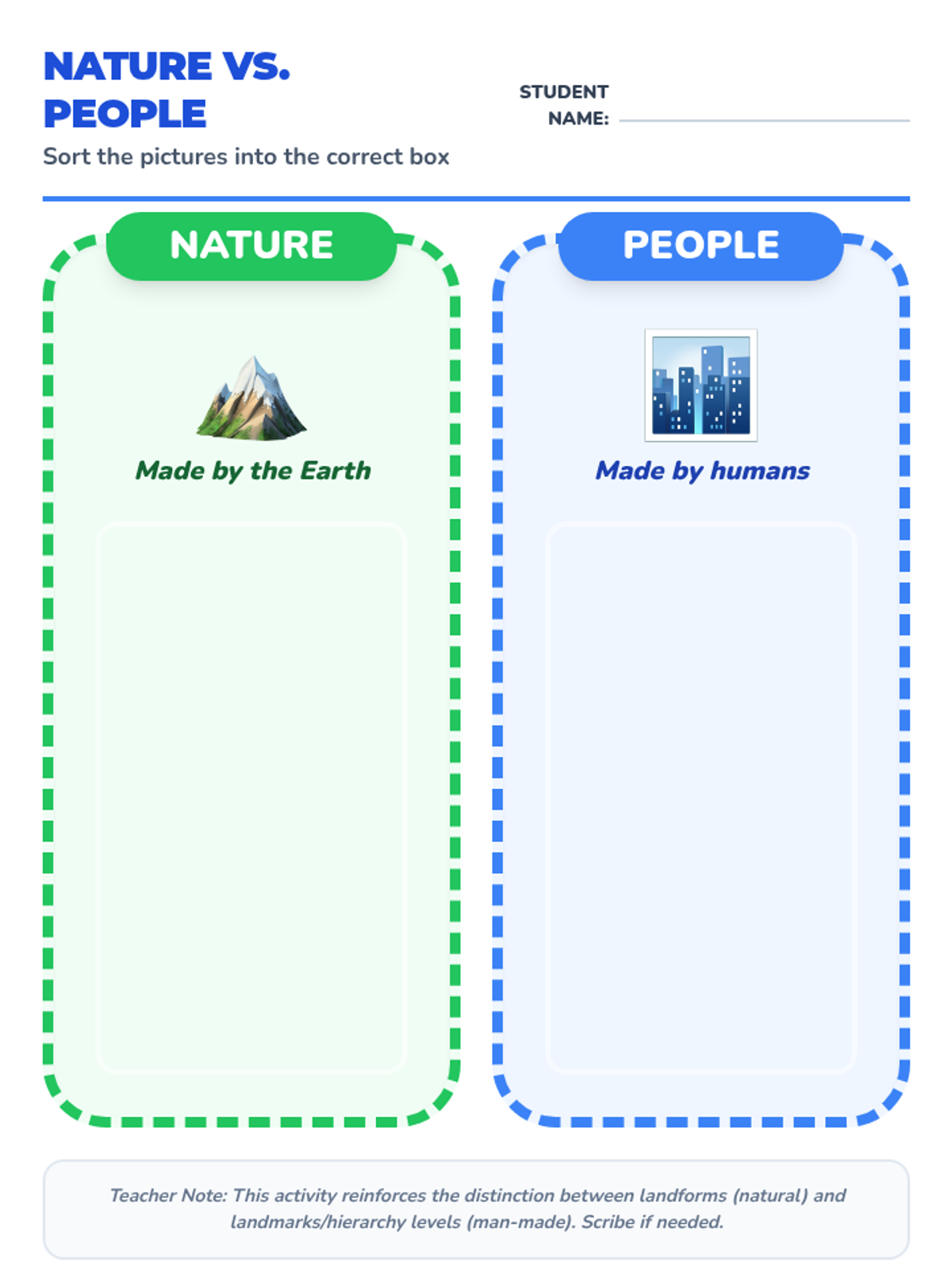
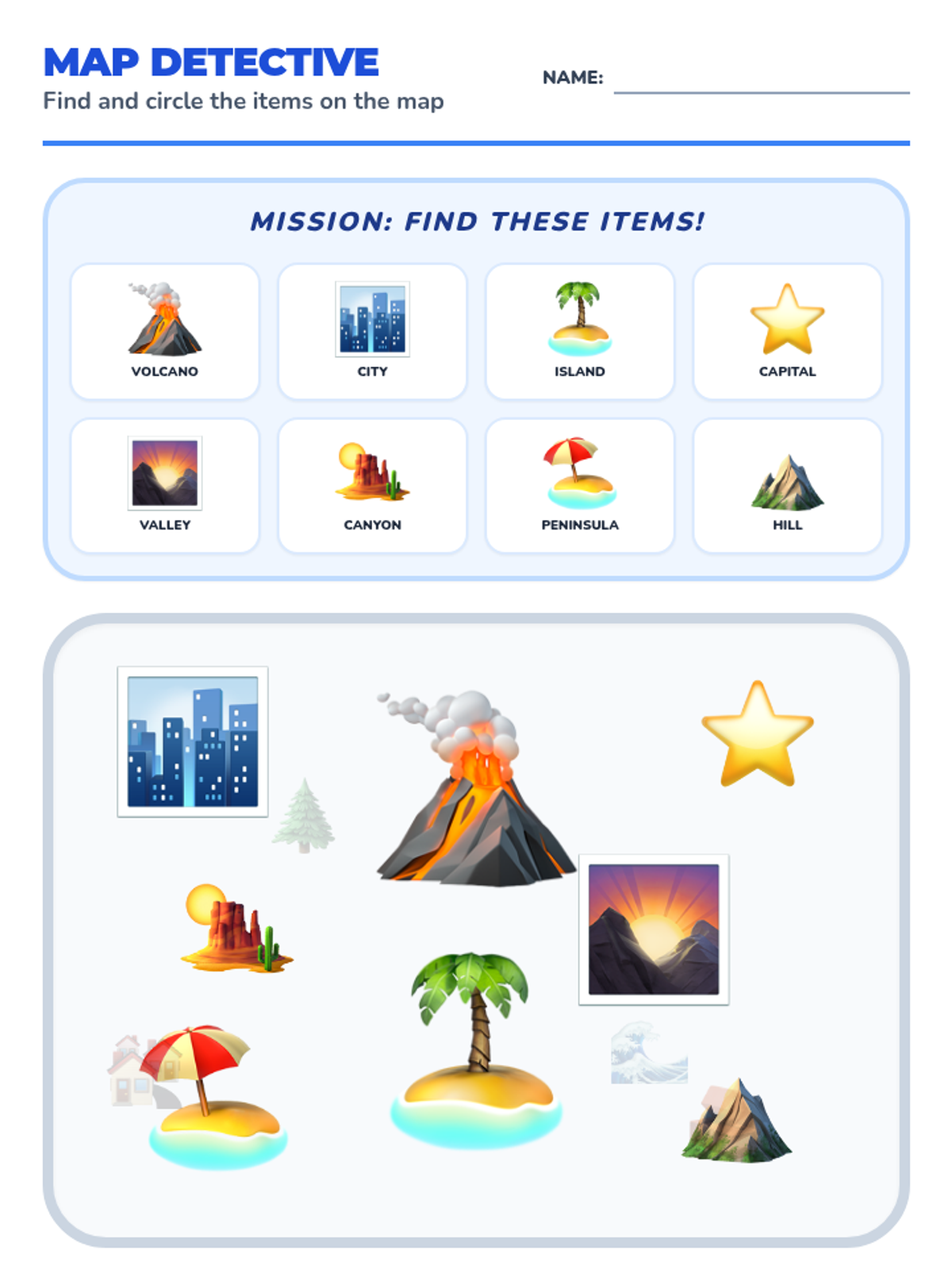
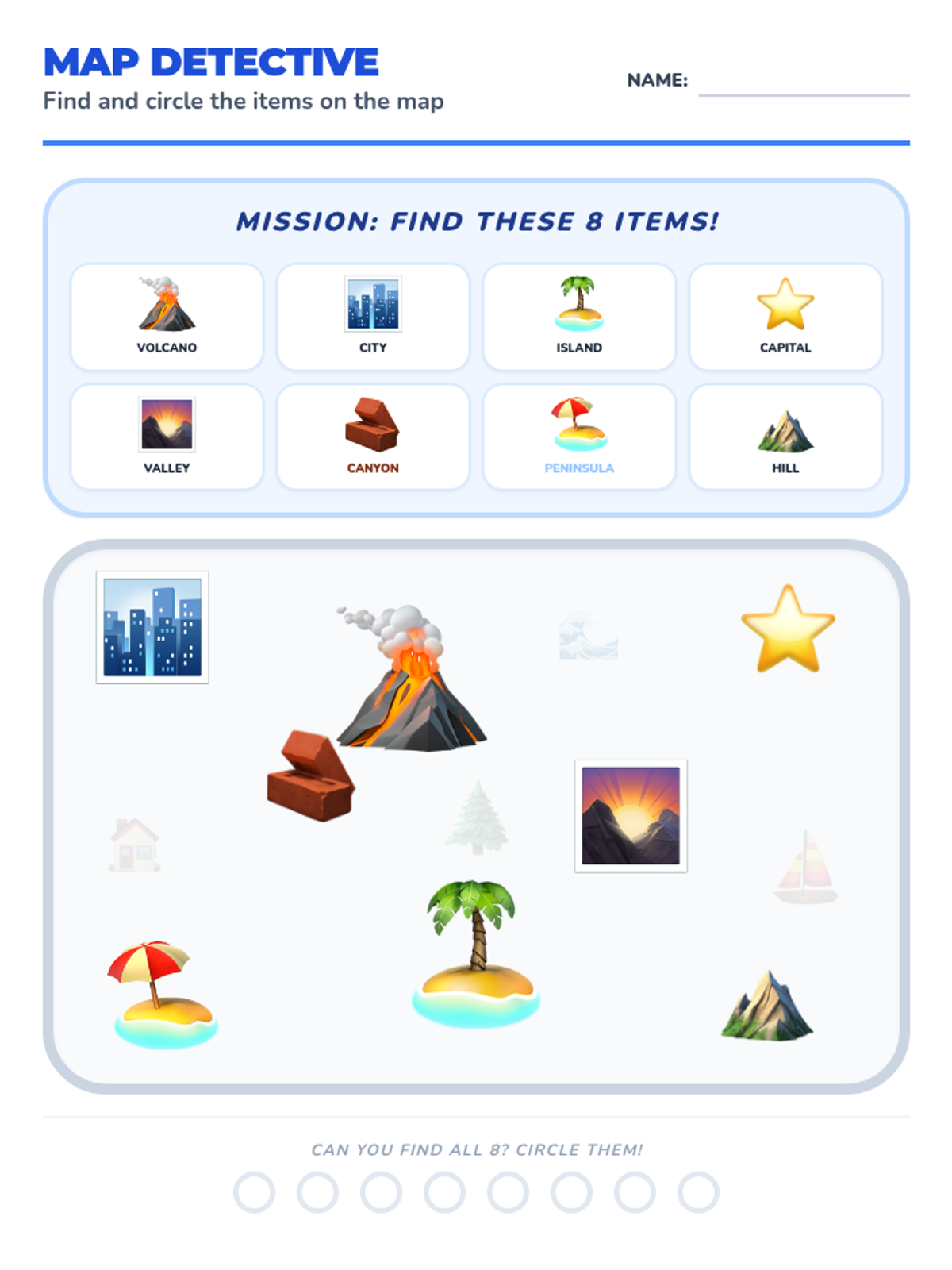
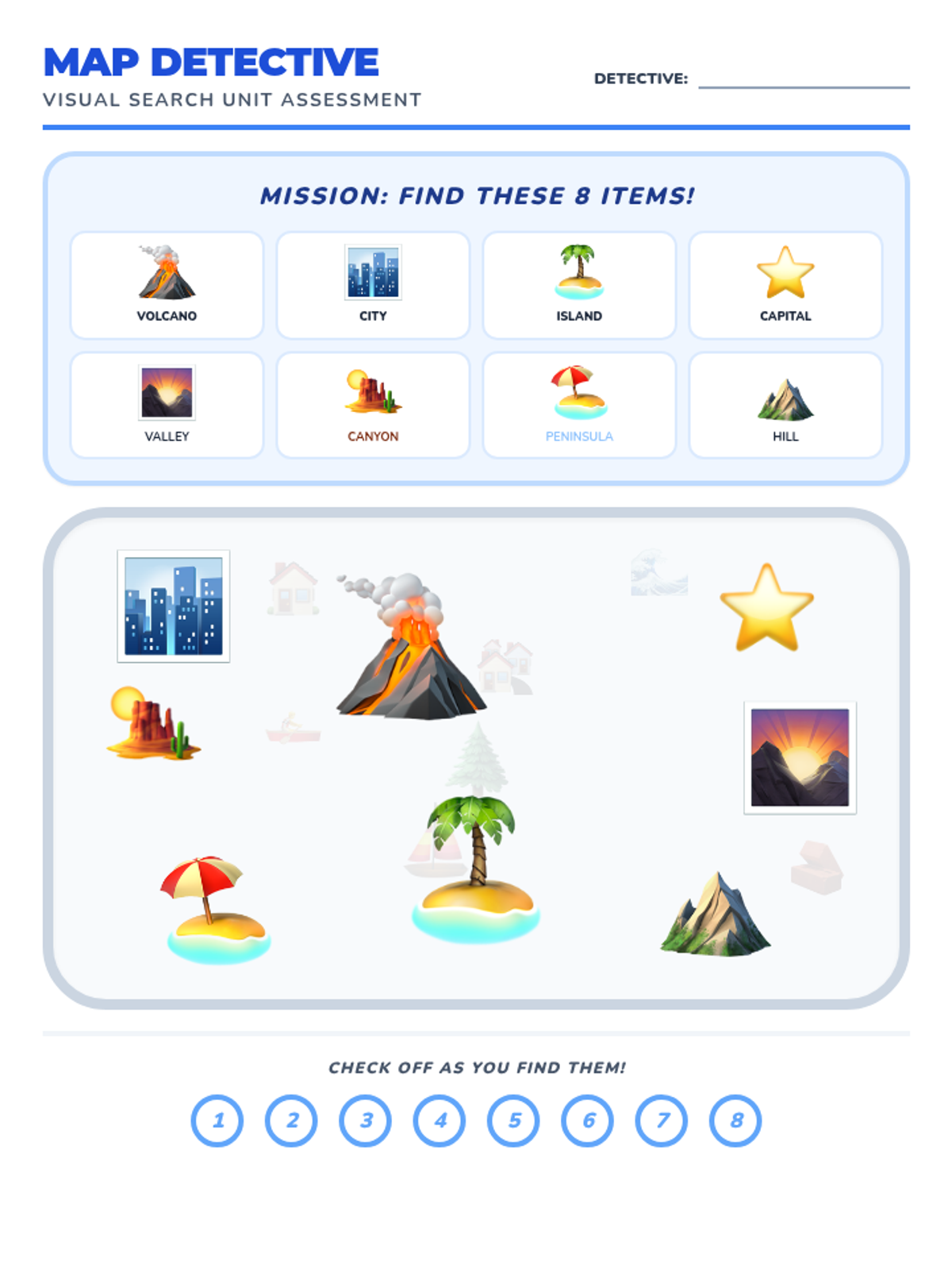
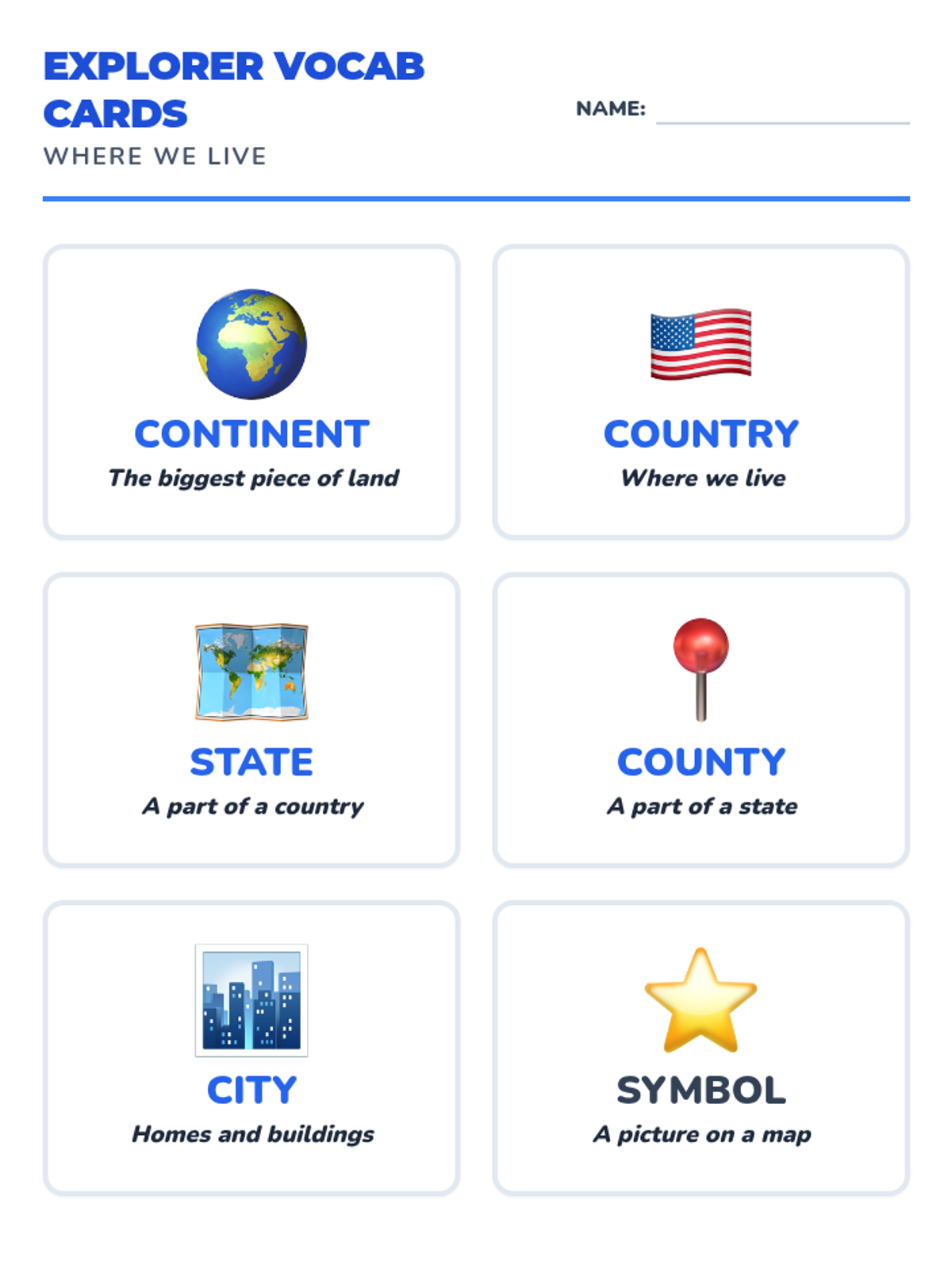
A foundational introduction to Earth's diverse landforms designed for lower-literacy learners, focusing on visual identification and simple definitions of mountains, islands, volcanoes, and more.
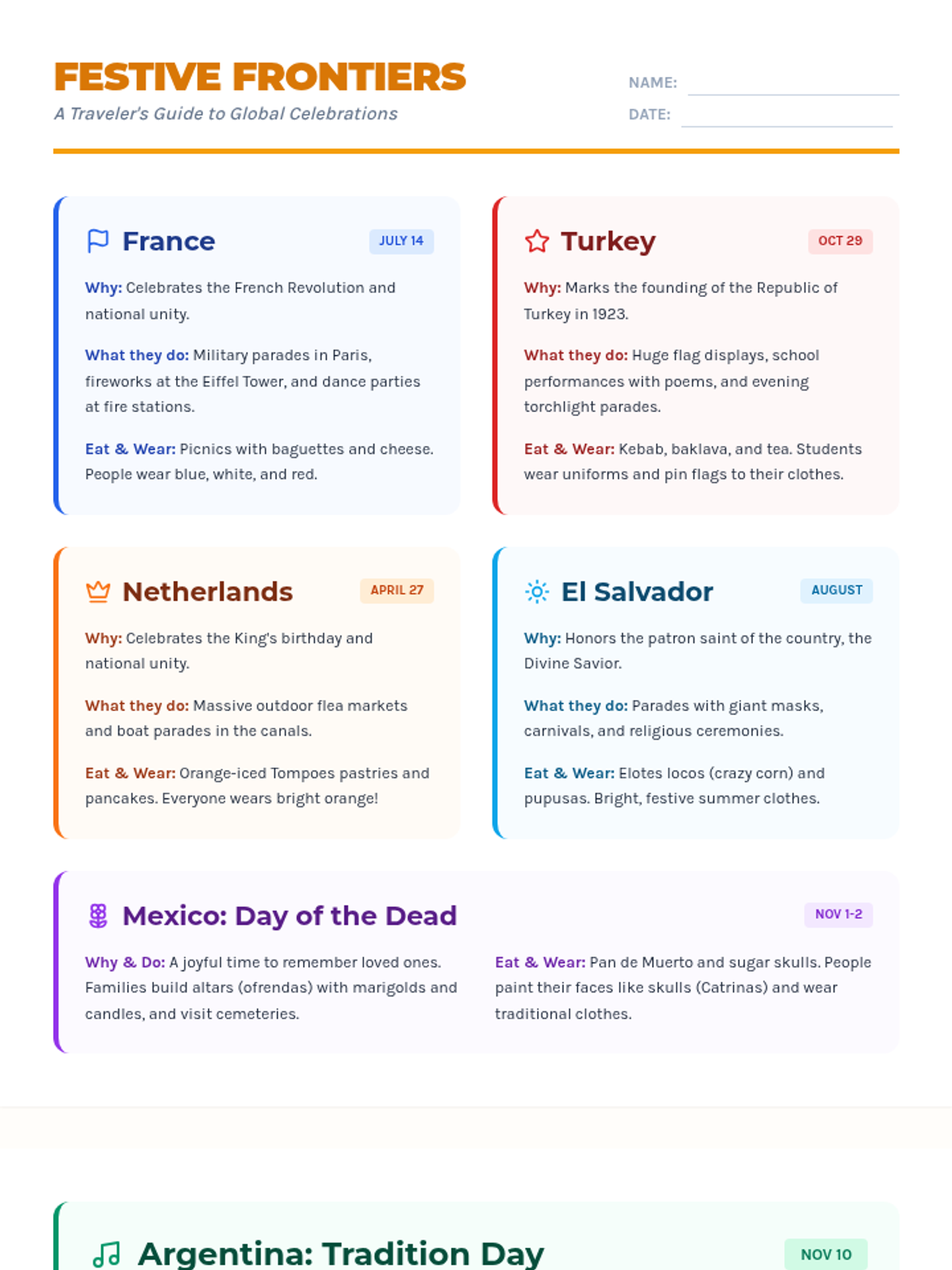
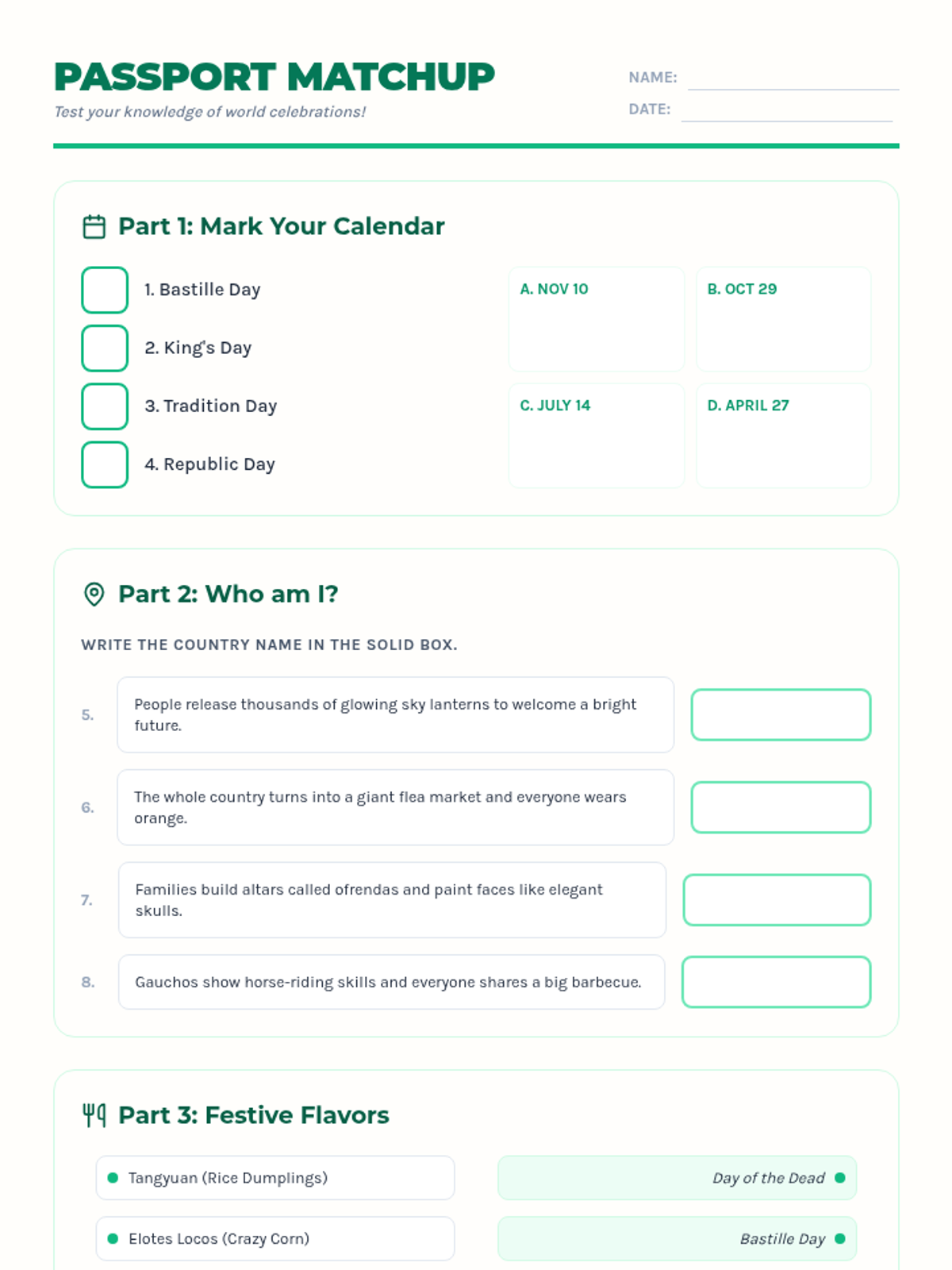
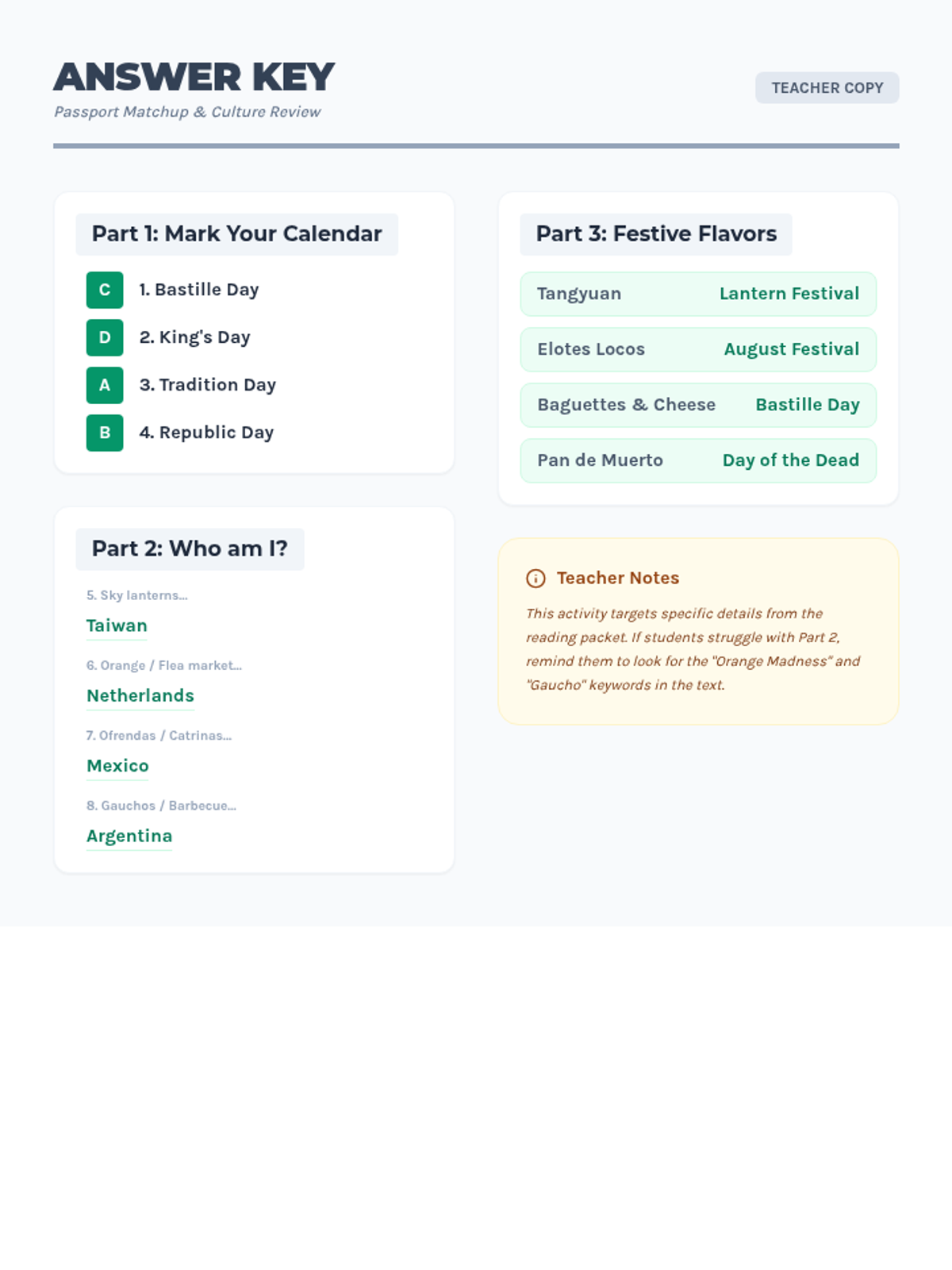
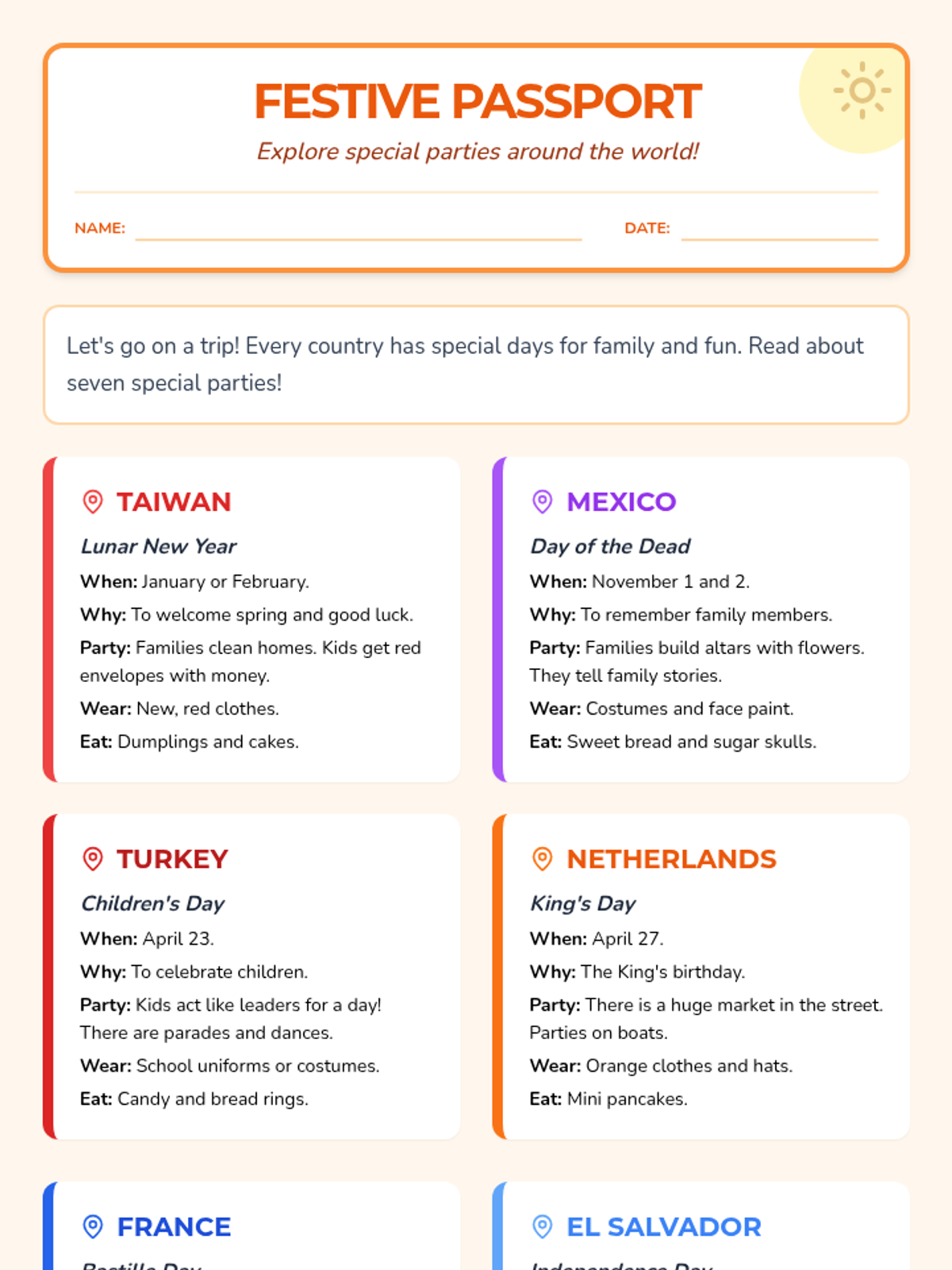
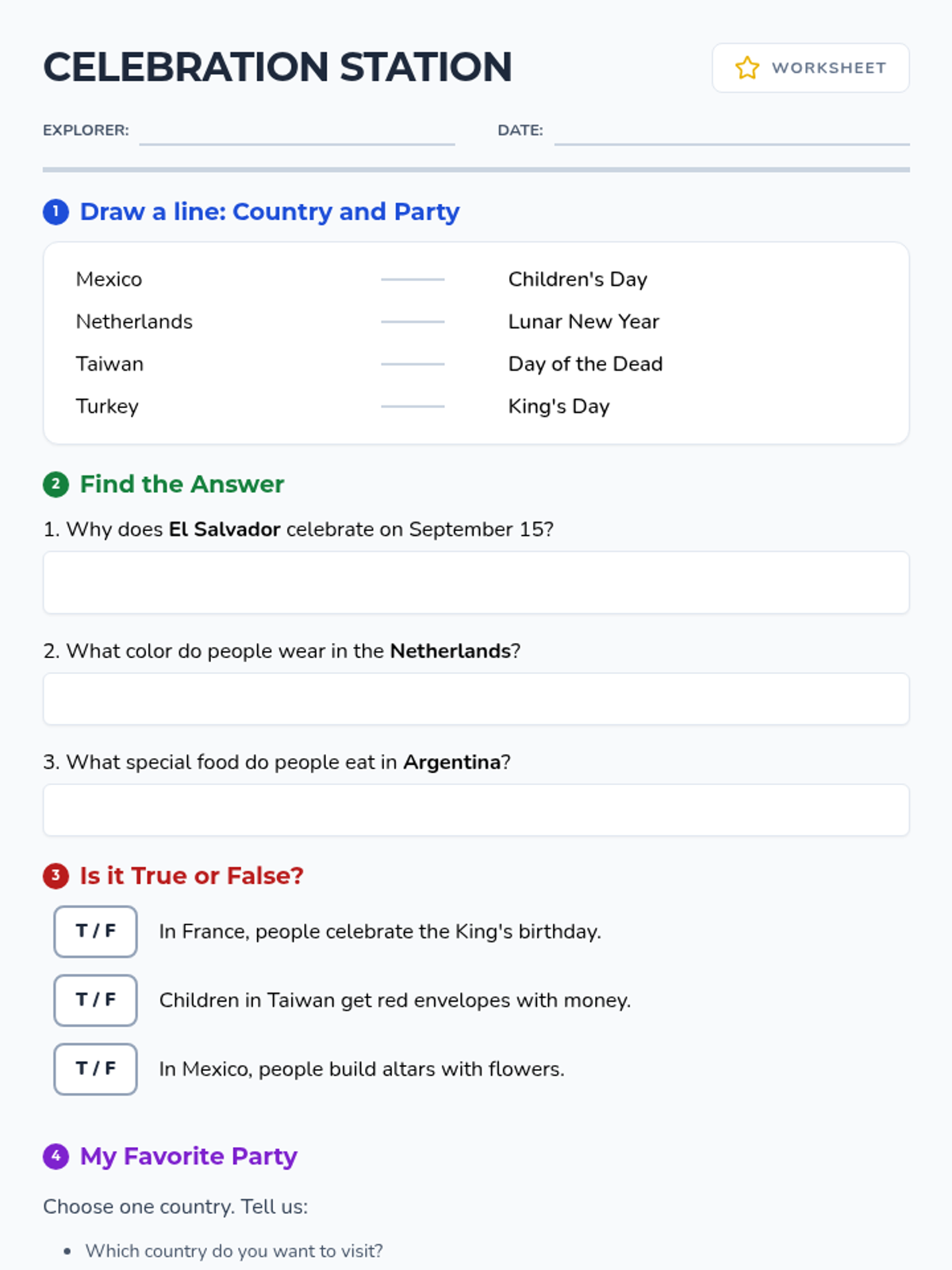
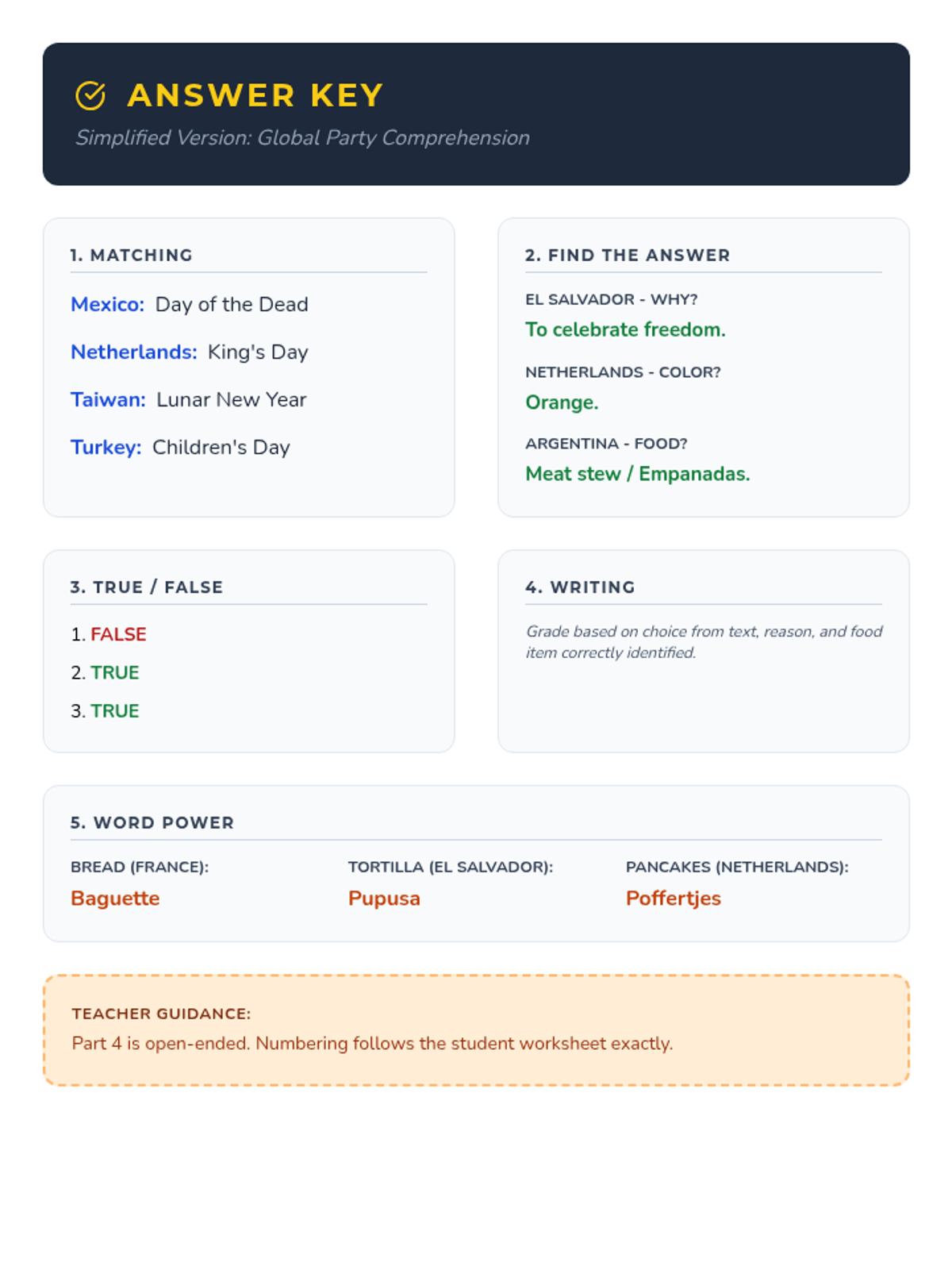
Explore traditional festivals from seven different countries through detailed reading passages and interactive matching activities designed for upper-intermediate ESL students.
A lesson exploring cultural celebrations around the world, focusing on traditions, food, and clothing in Turkey, France, El Salvador, Mexico, the Netherlands, Taiwan, and Argentina.
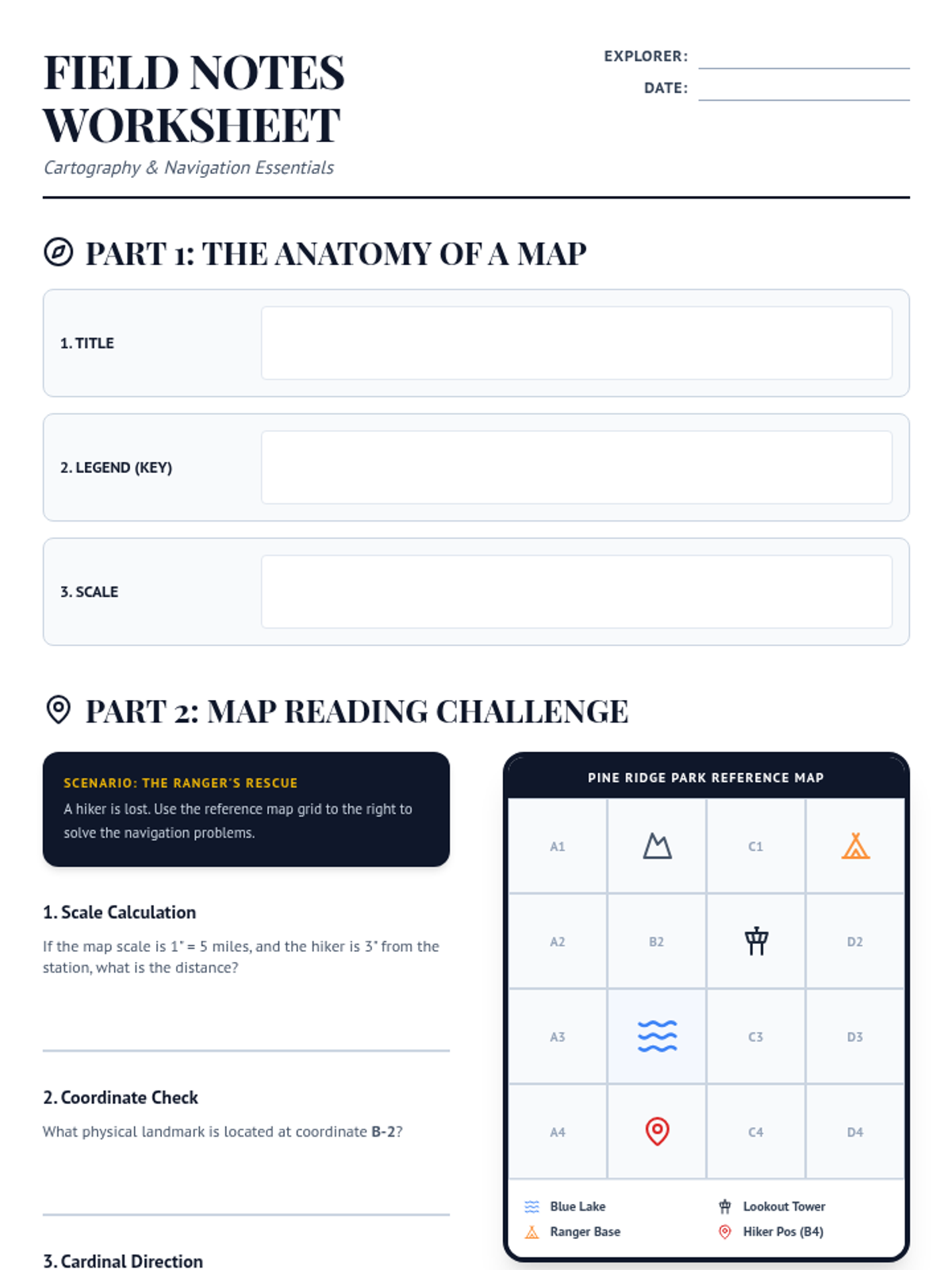
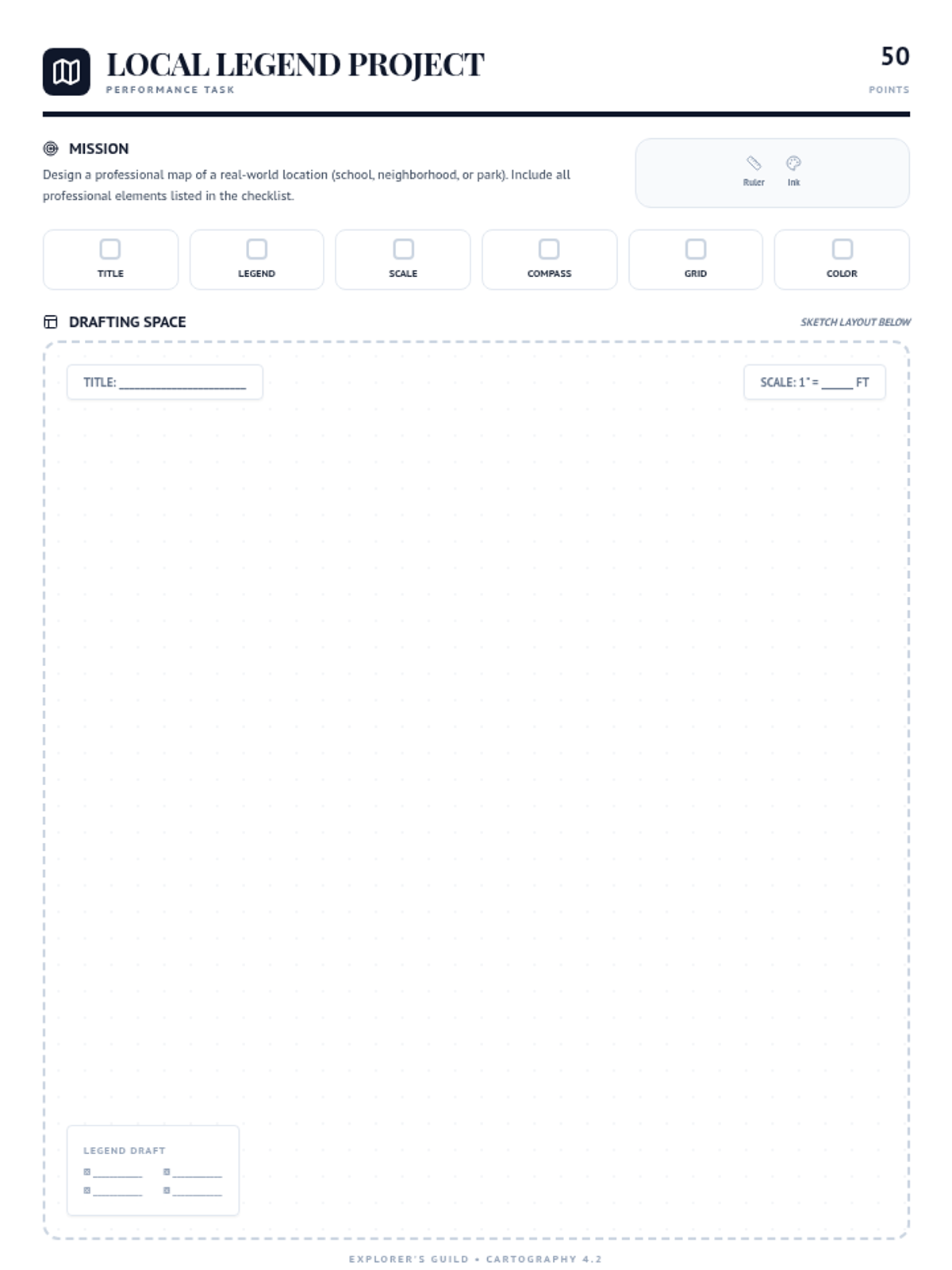
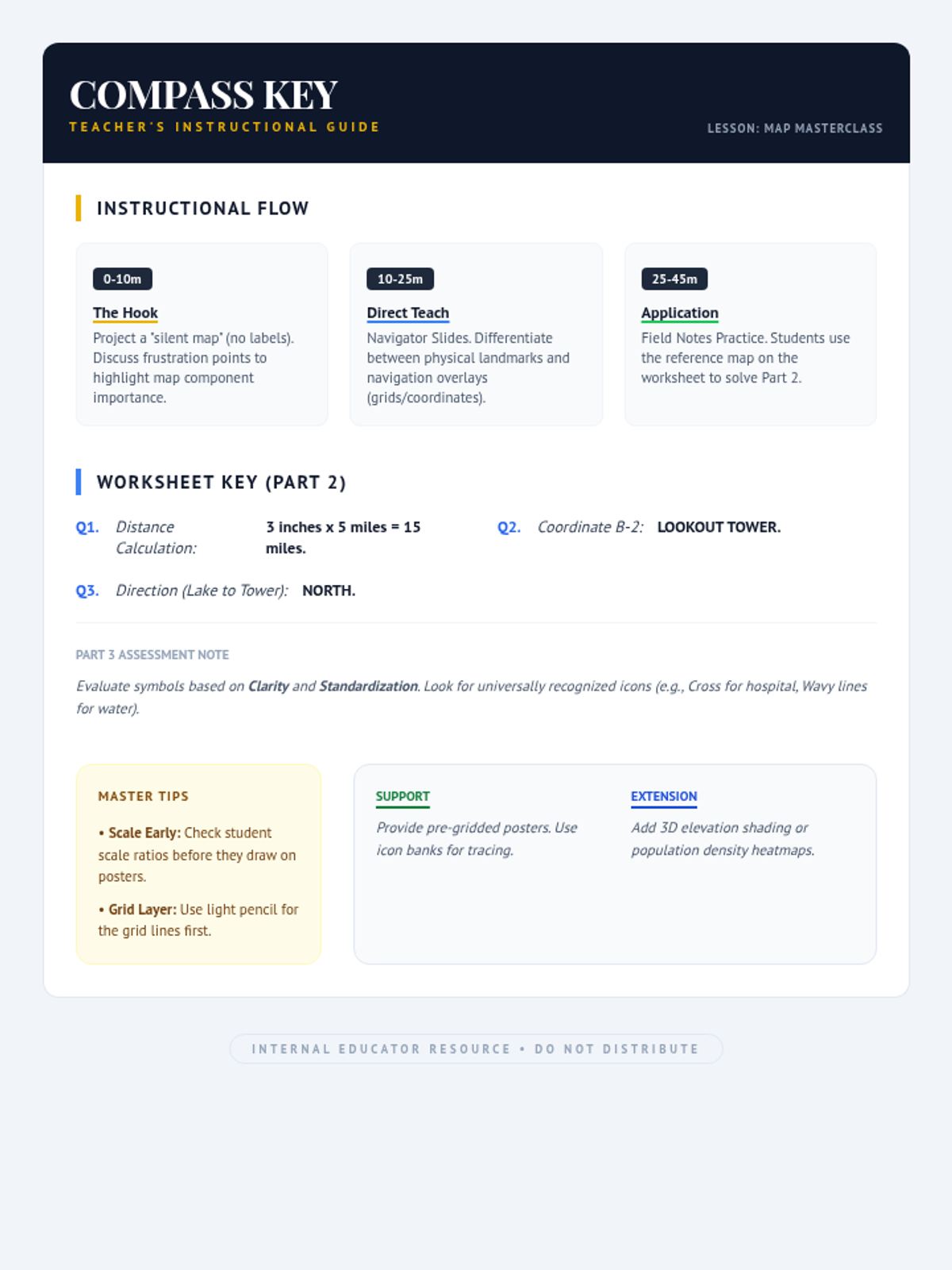
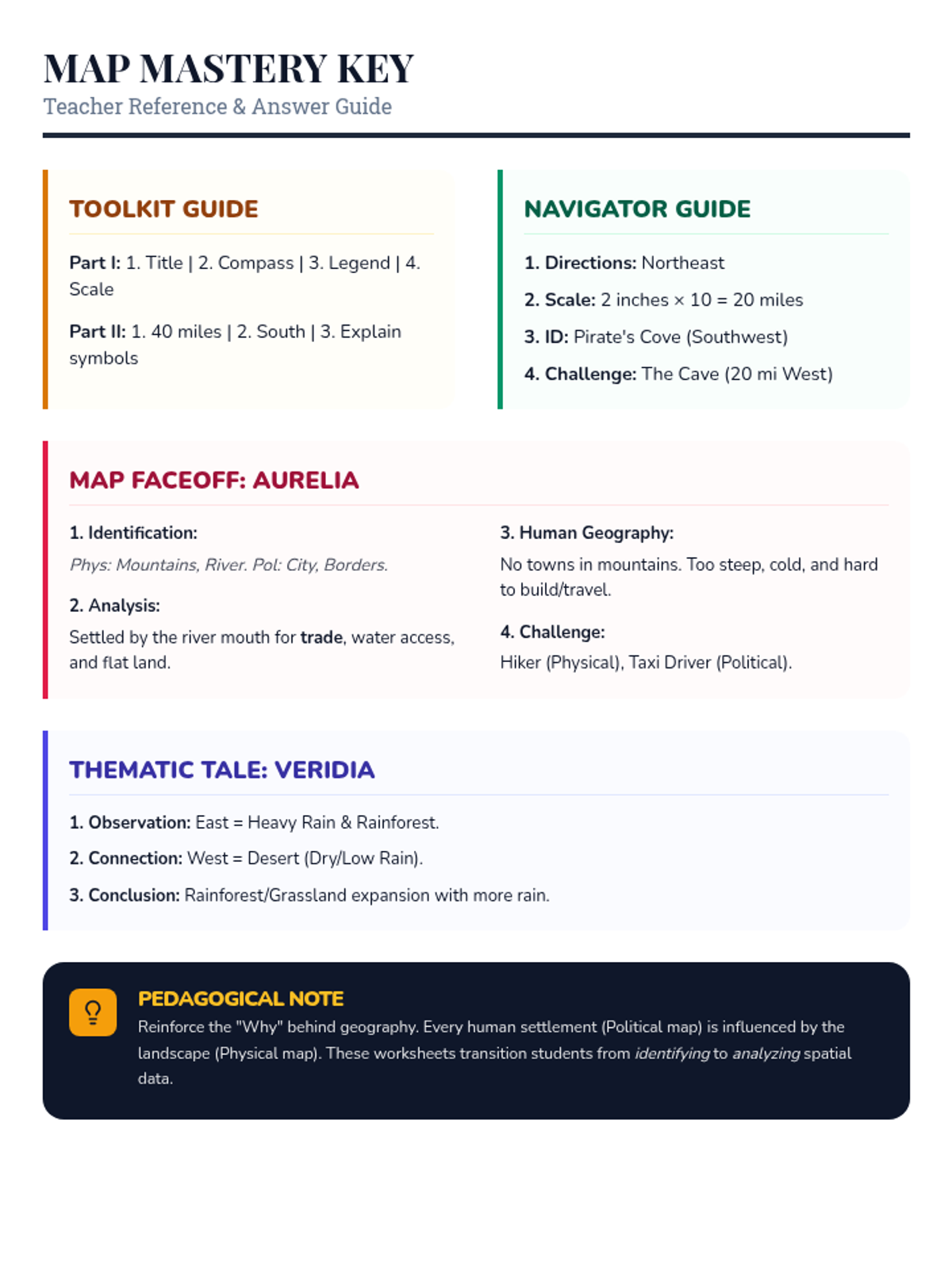
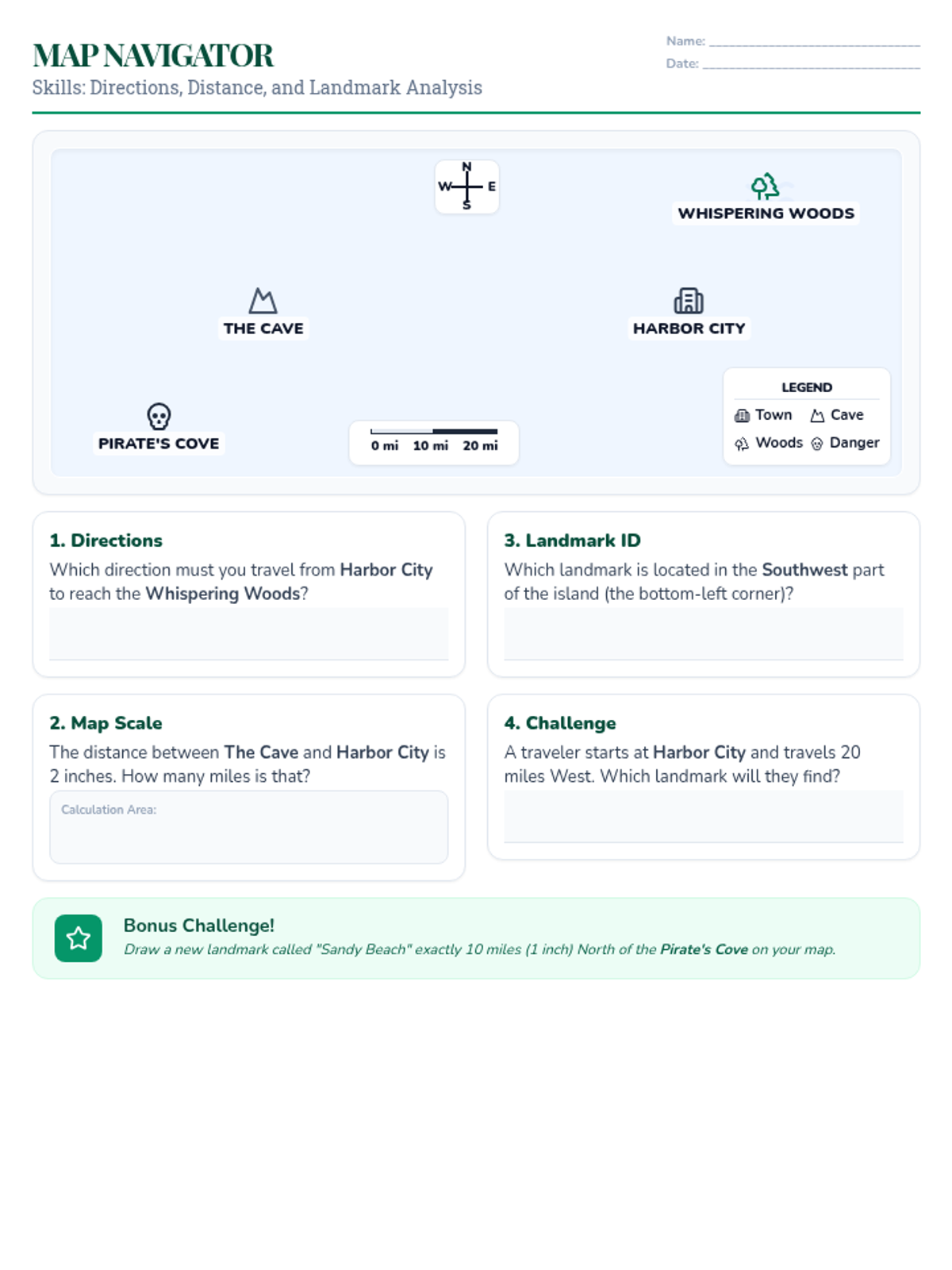
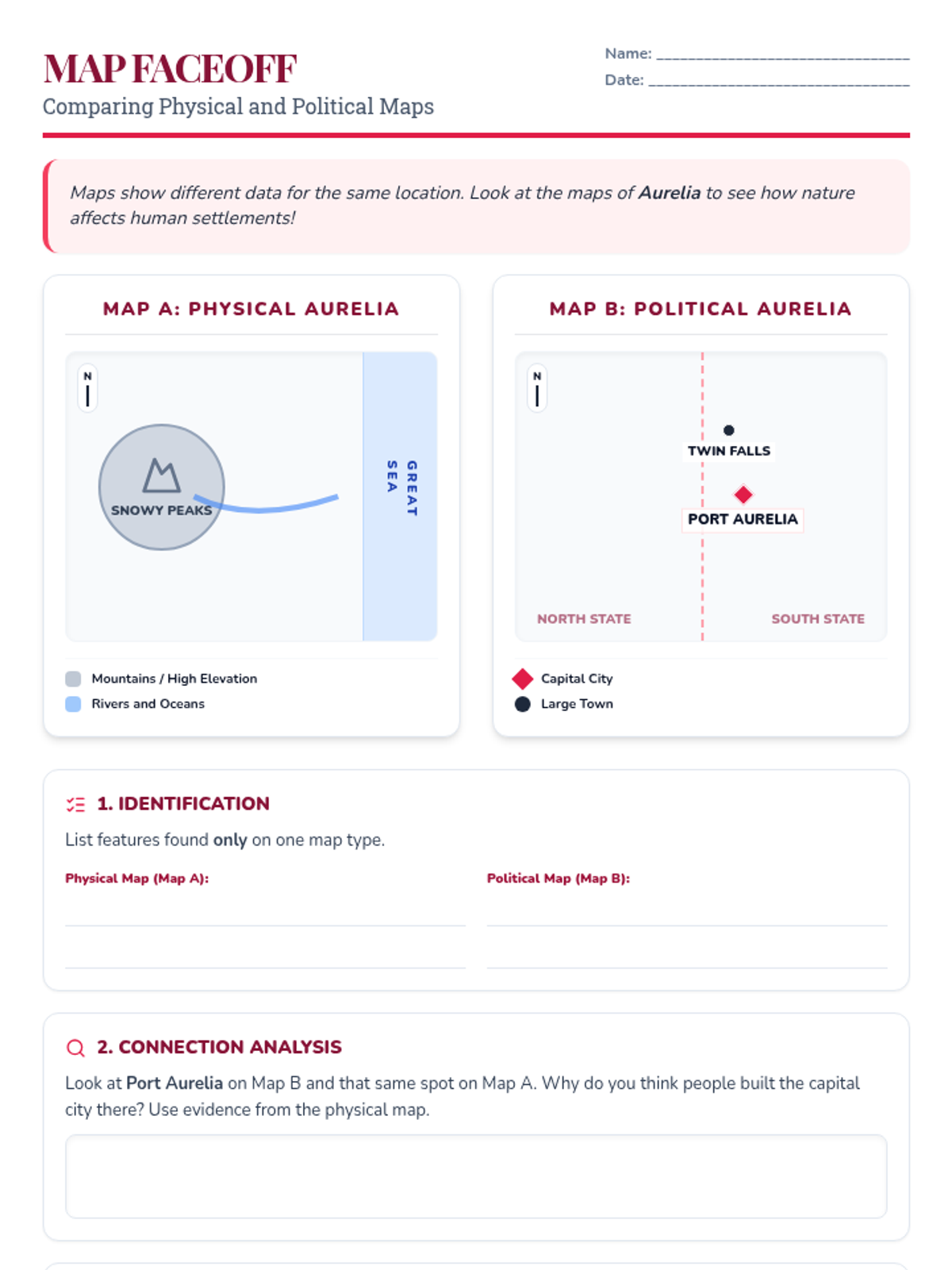
Students learn the foundational skills of cartography, focusing on how to read, interpret, and create maps using real-world symbols, scales, and coordinates.
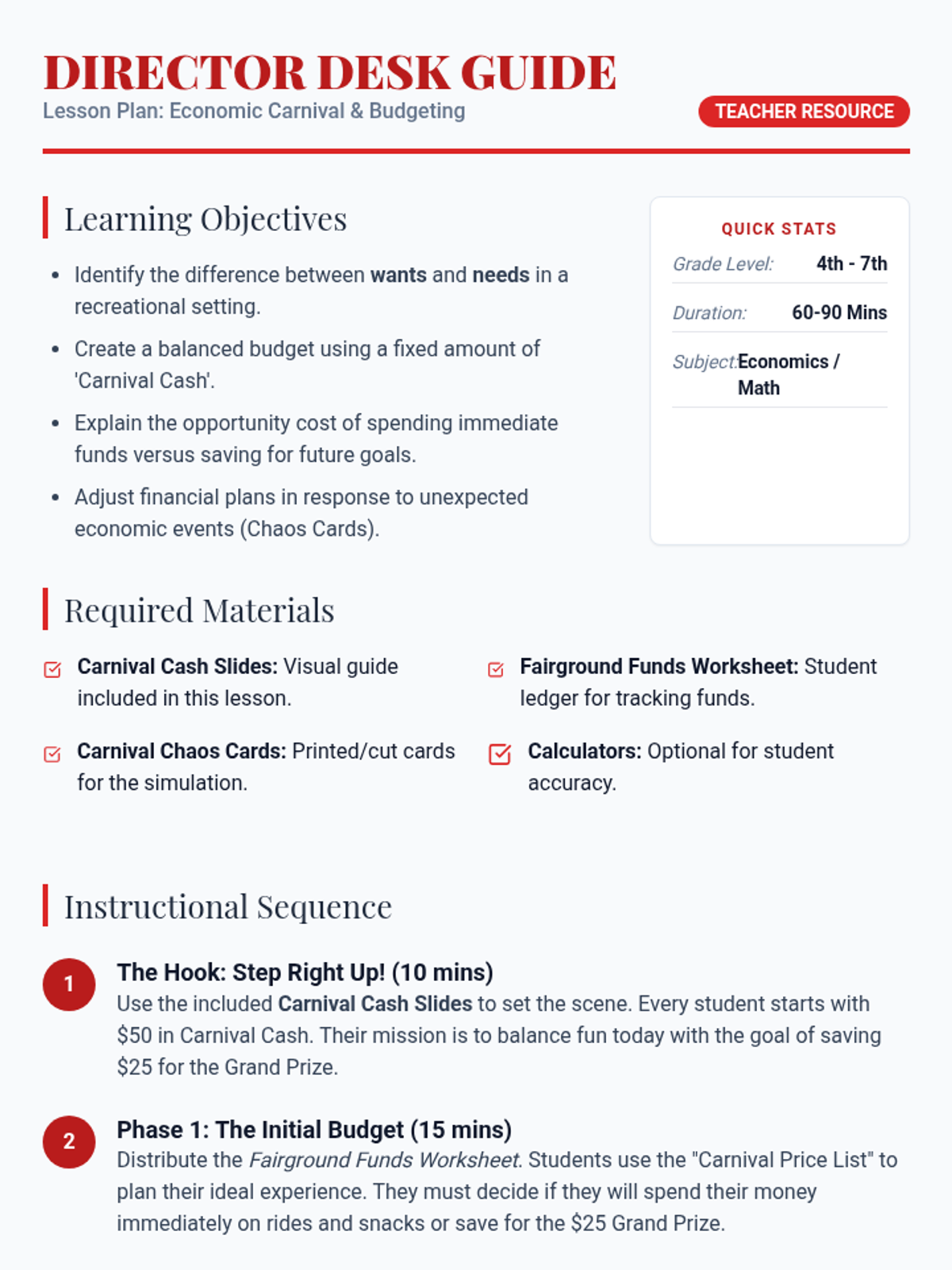
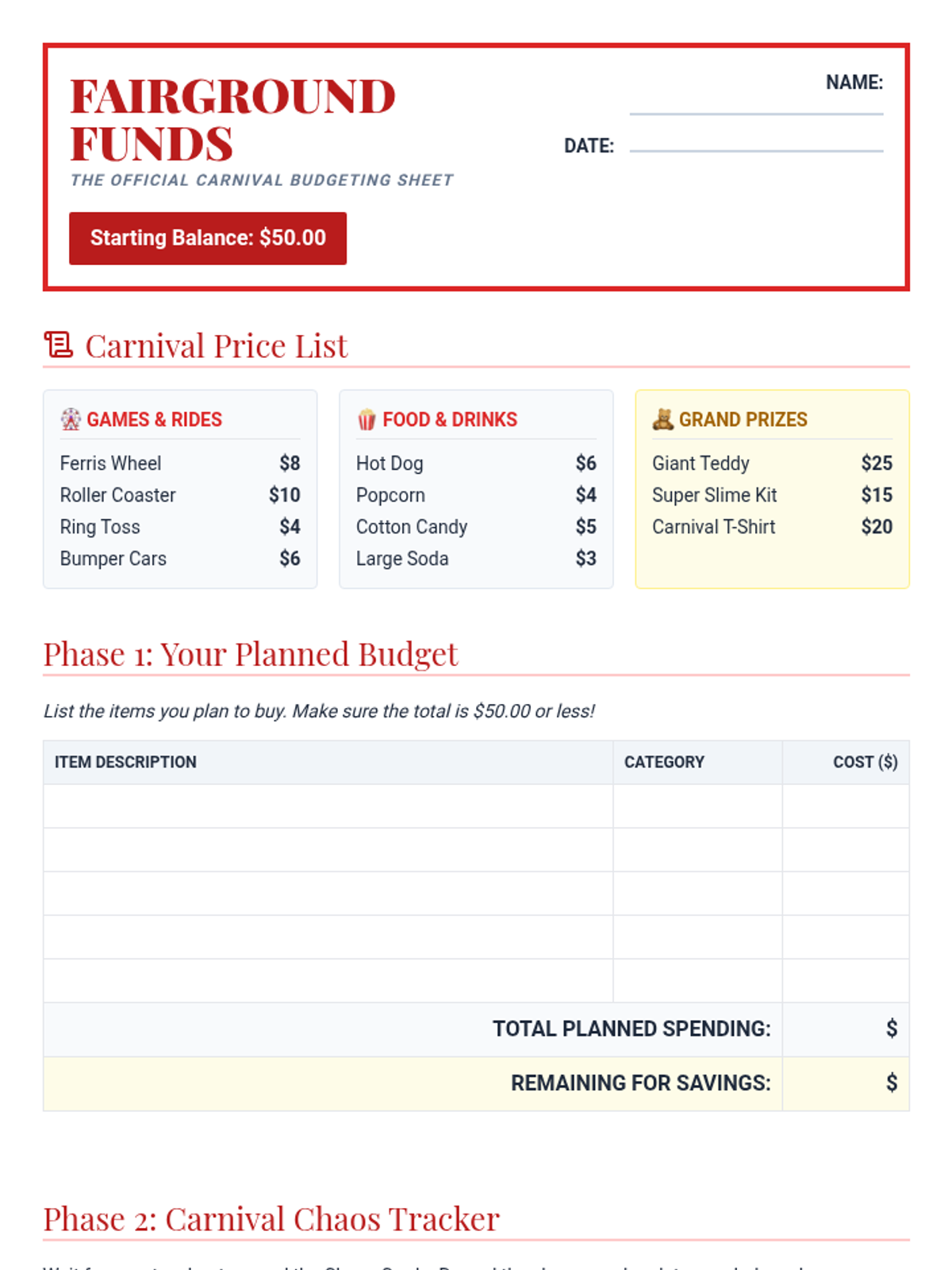
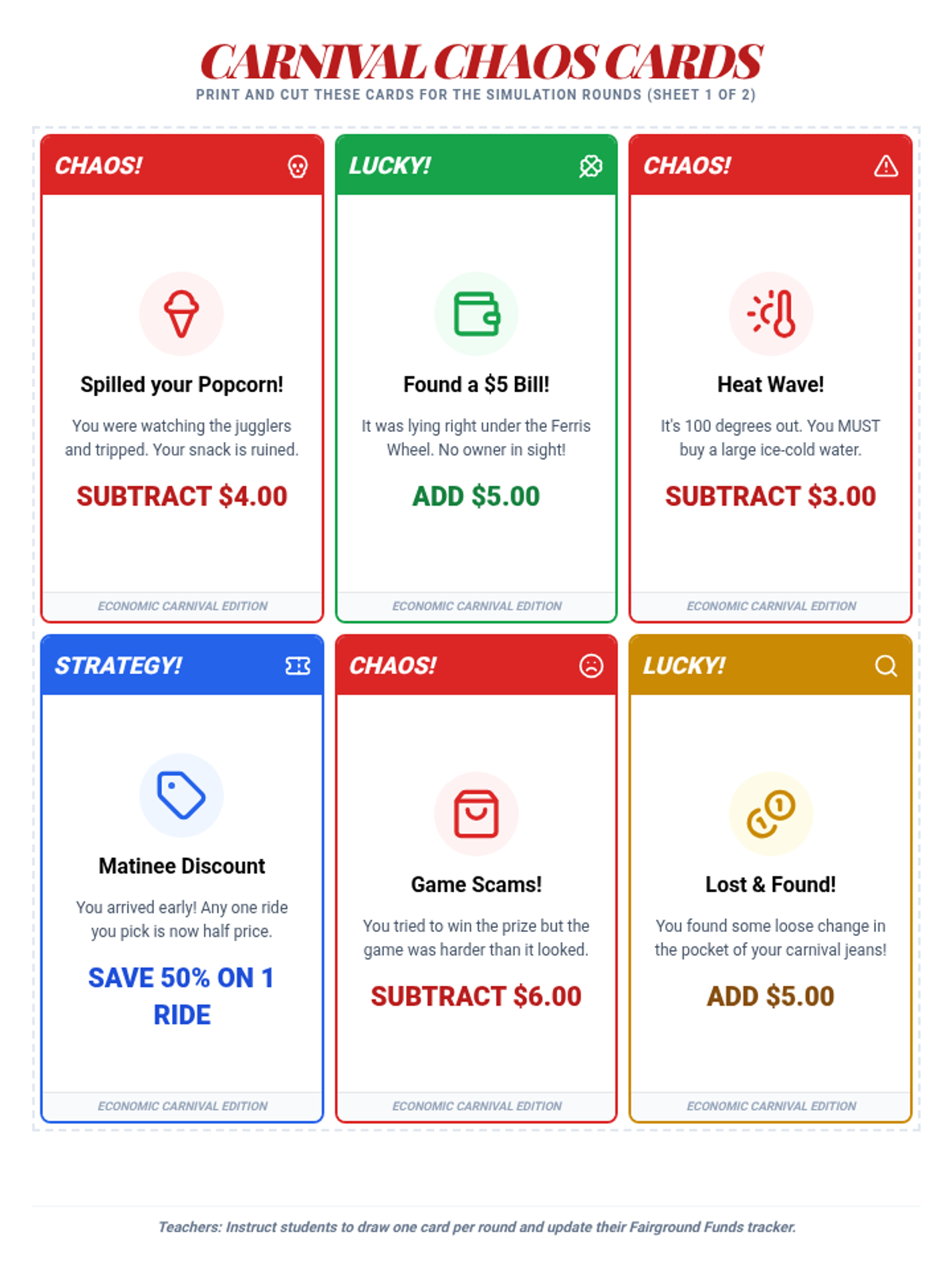
A high-energy simulation where students manage a budget at a carnival, making decisions about spending on games and treats versus saving for a grand prize. Students navigate unexpected 'chaos cards' that test their financial planning.
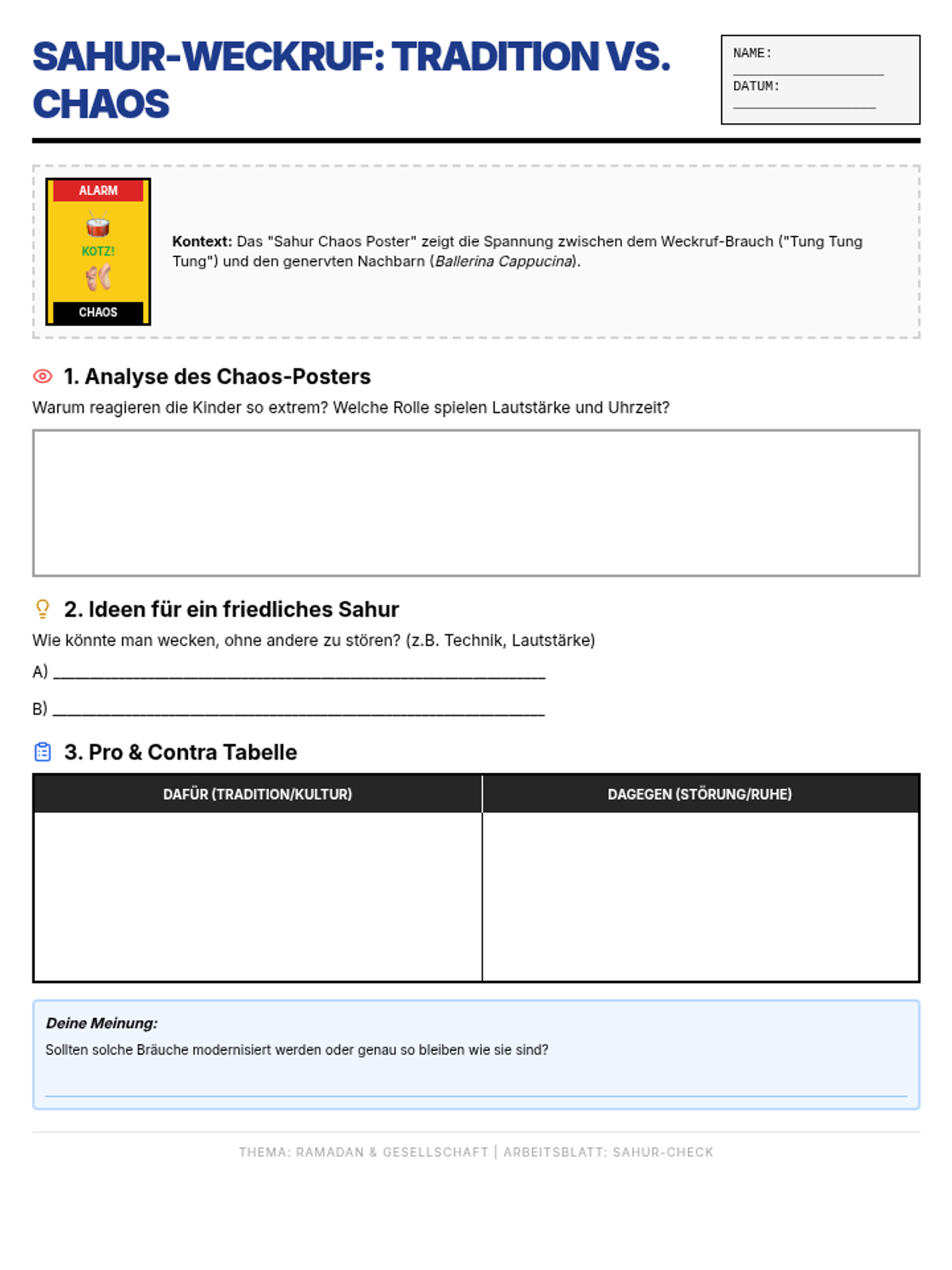
Diese Lektion befasst sich mit der Tradition des "Sahur" im Ramadan, insbesondere mit den lautstarken Weckrufen in Indonesien (Tung Tung Tung). Sie nutzt ein humorvolles (und absichtlich chaotisches) Poster, um die Aufmerksamkeit der Schüler auf kulturelle Bräuche zu lenken.
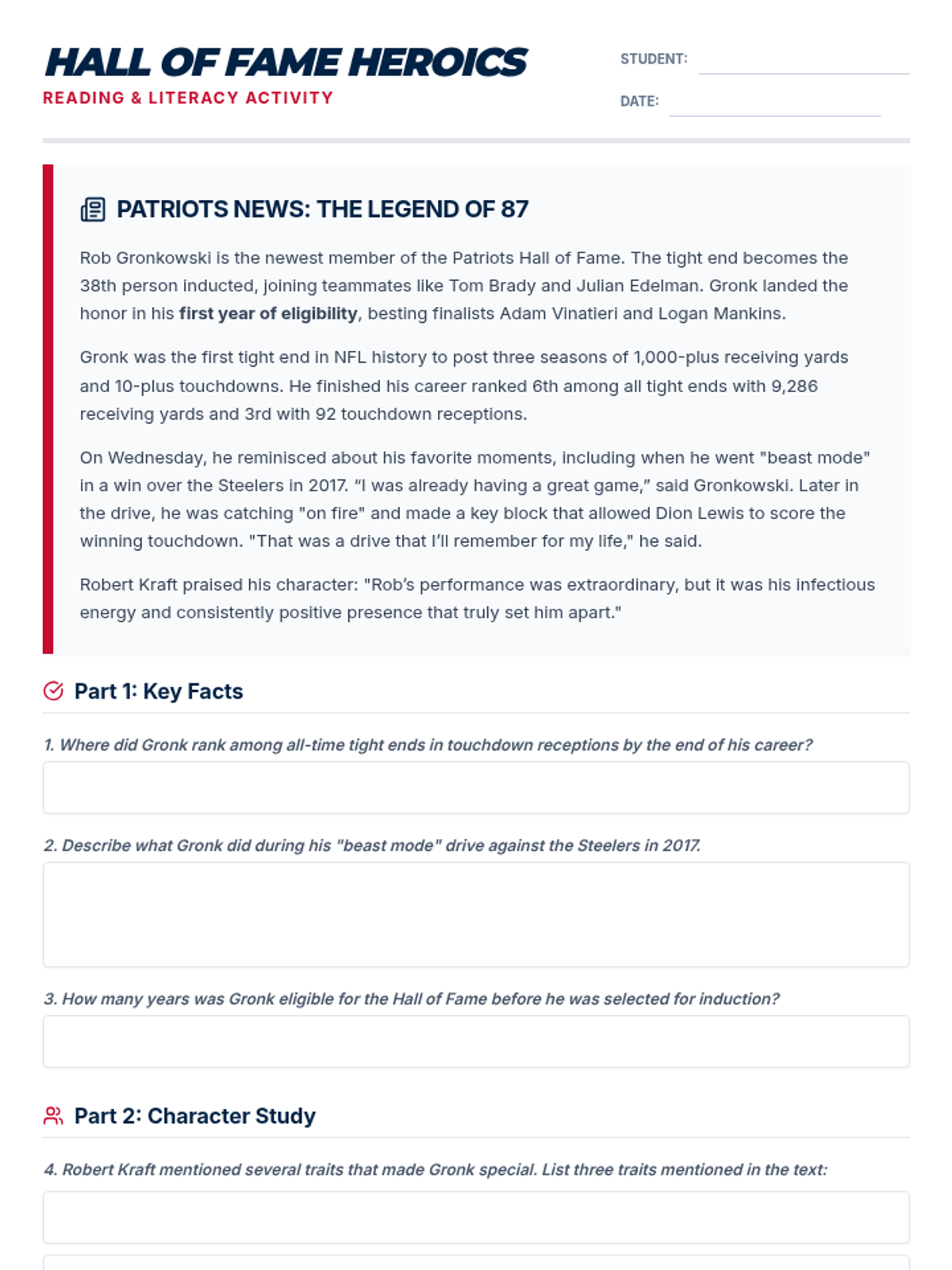
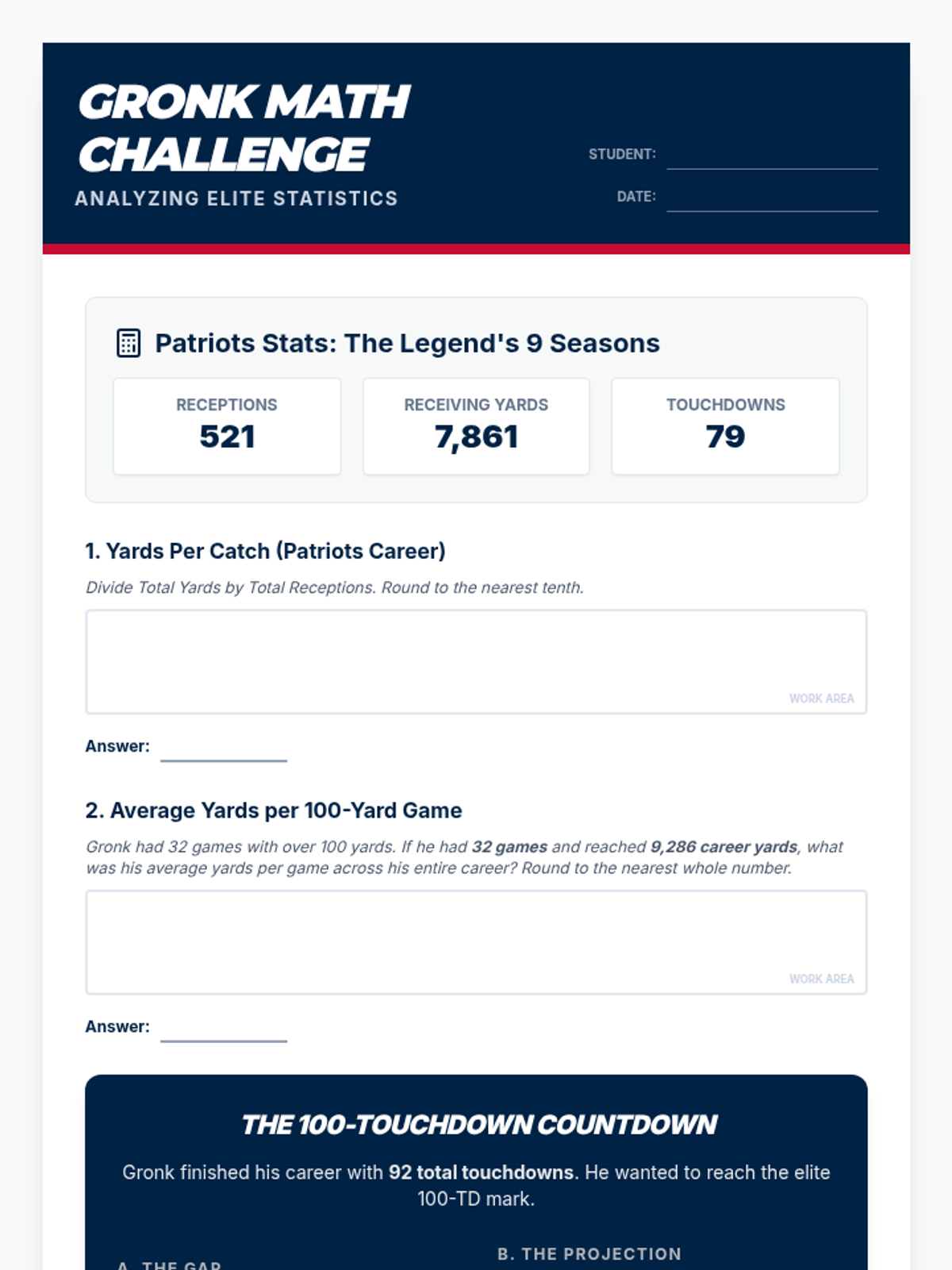
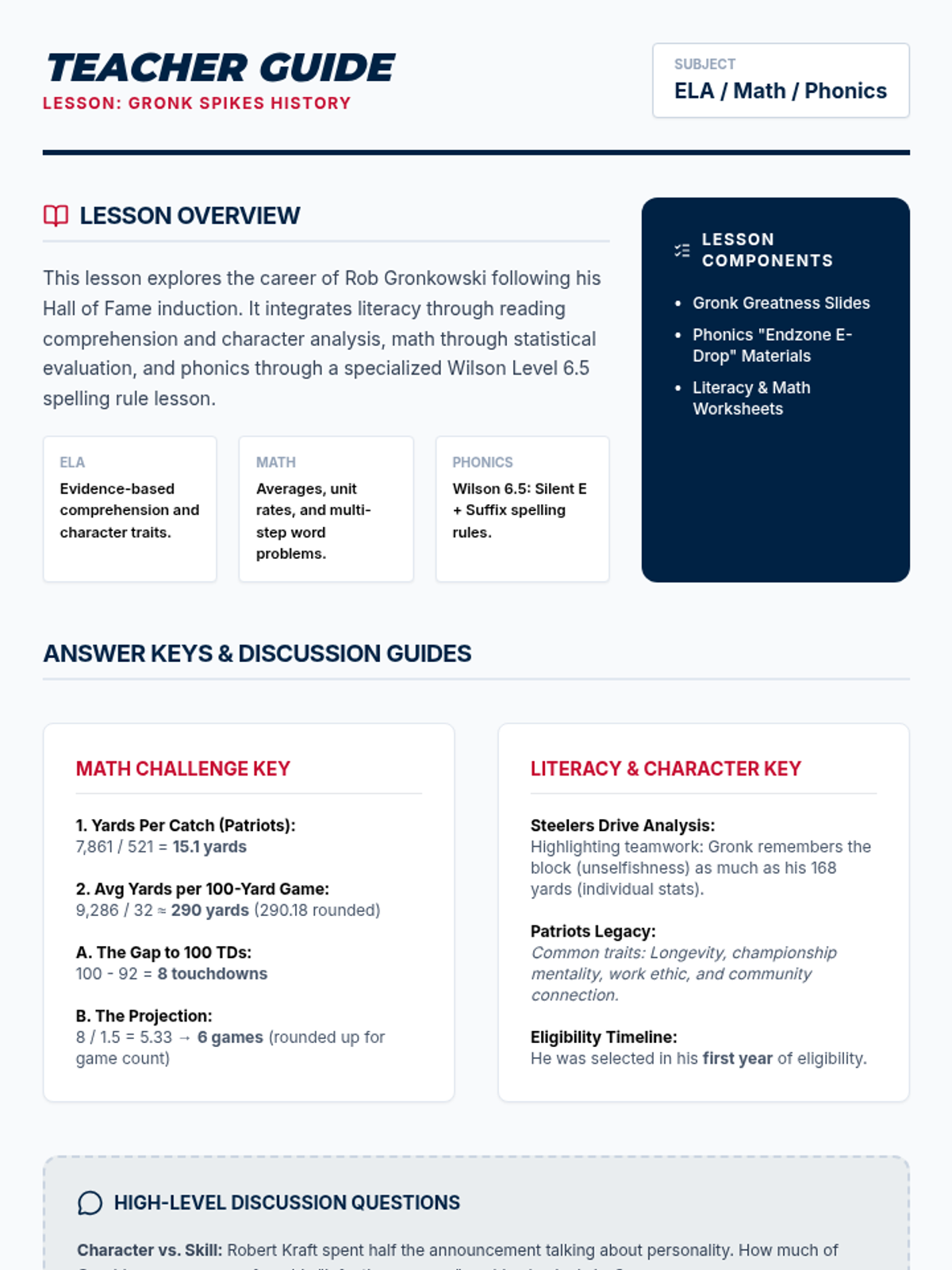
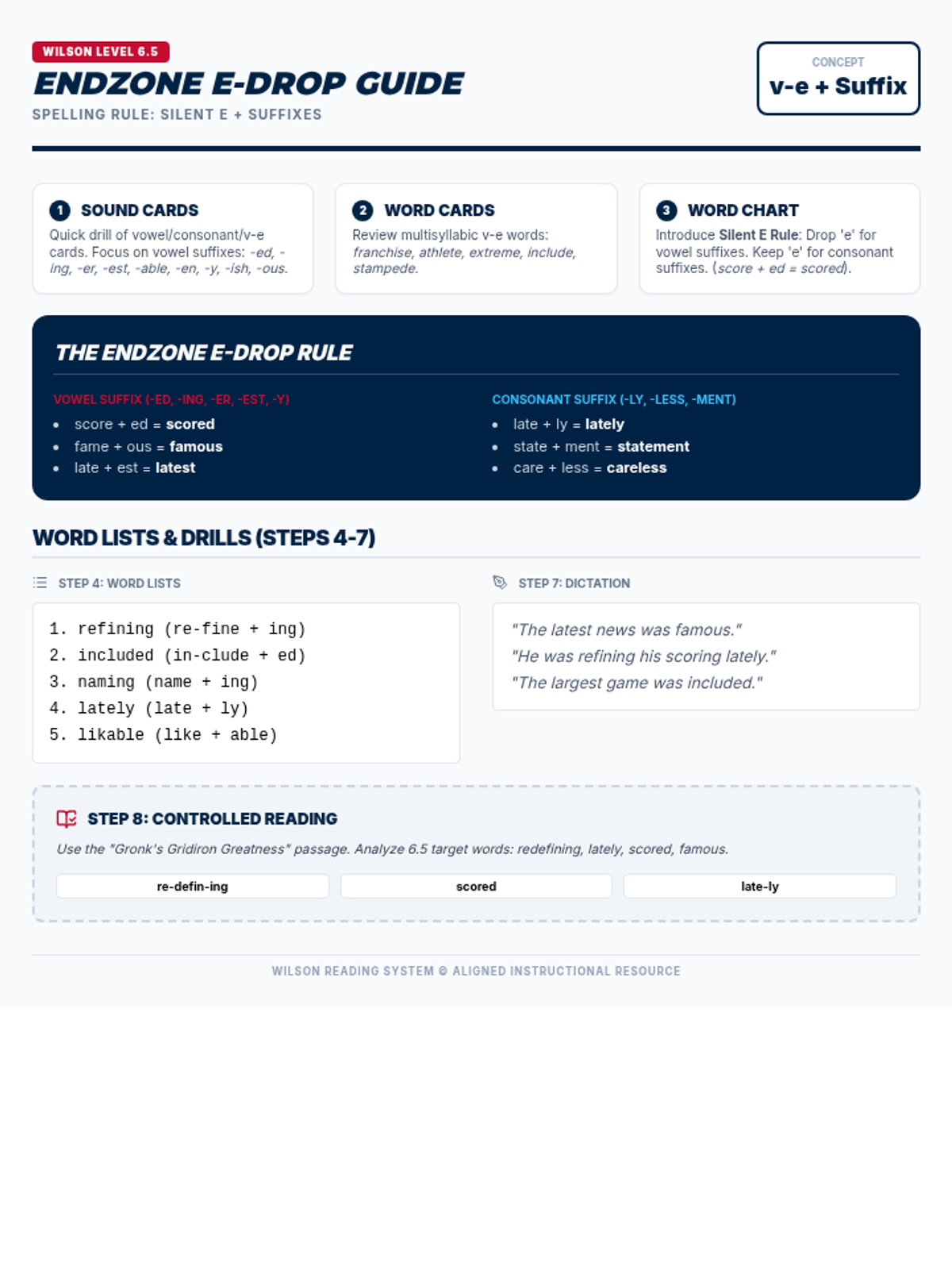
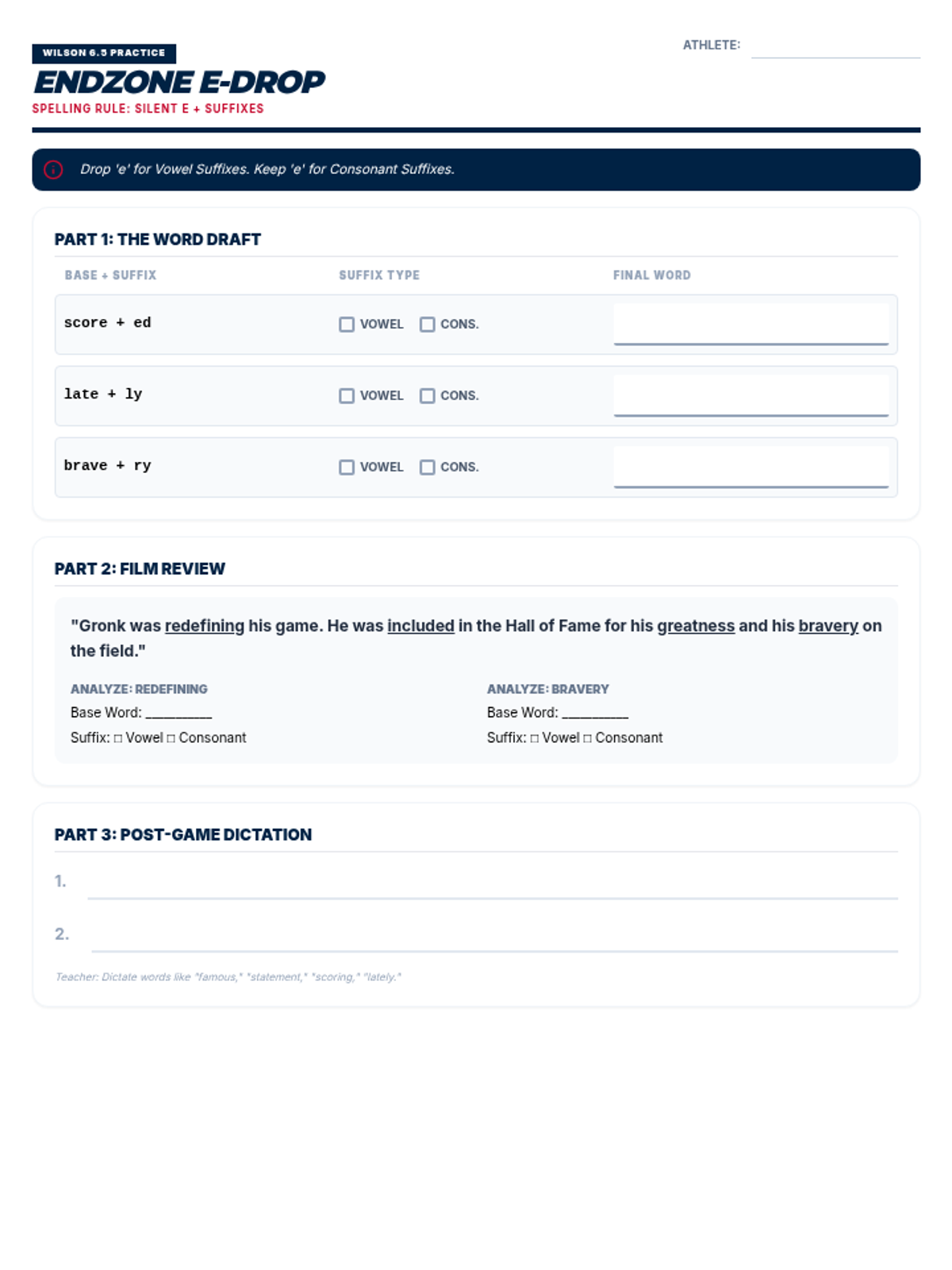
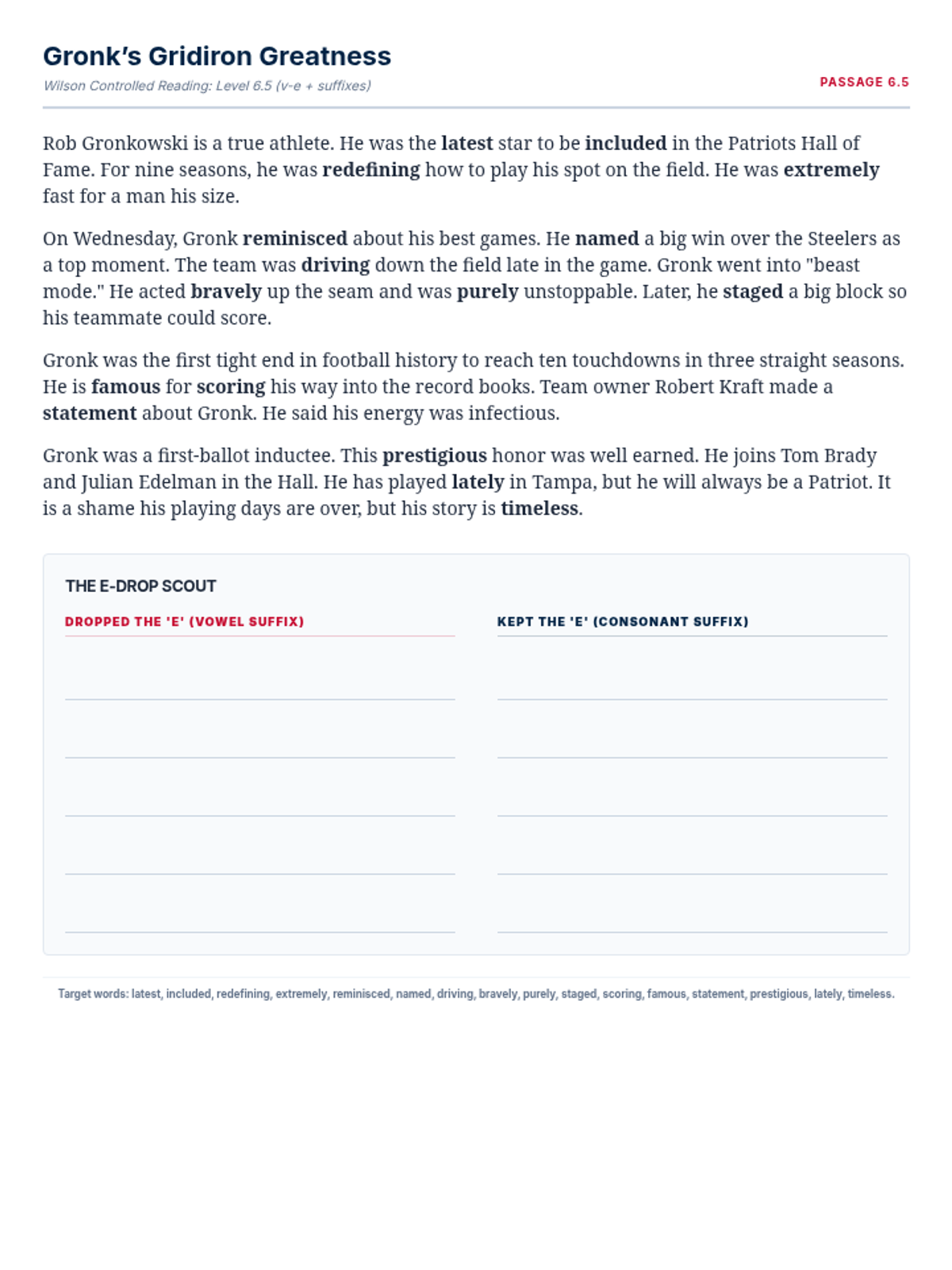
A Wilson Reading System (WRS) aligned lesson for Level 6.5, focusing on the Silent E Spelling Rule (dropping/keeping the e with suffixes) using the career of Rob Gronkowski as the thematic anchor.
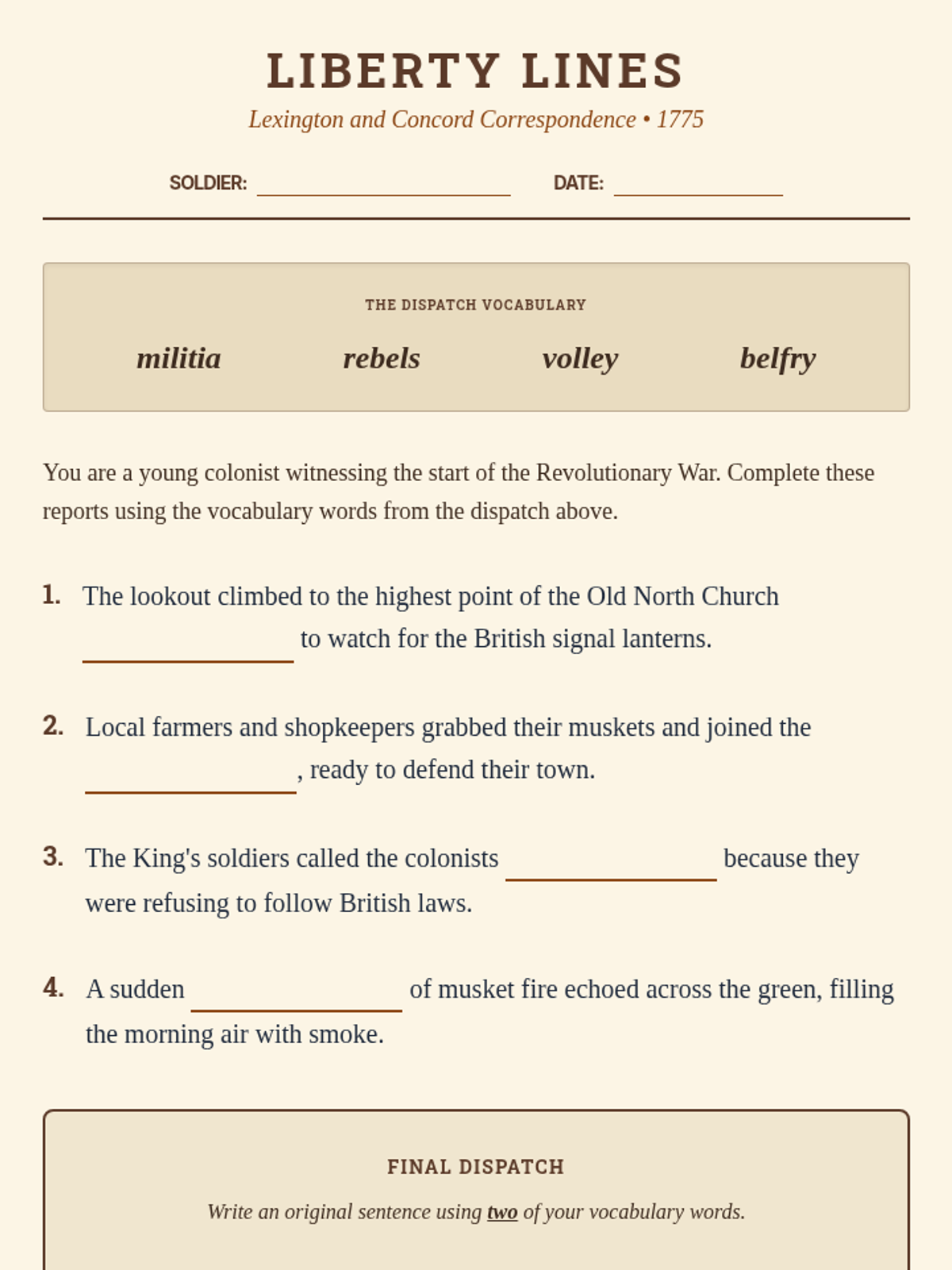
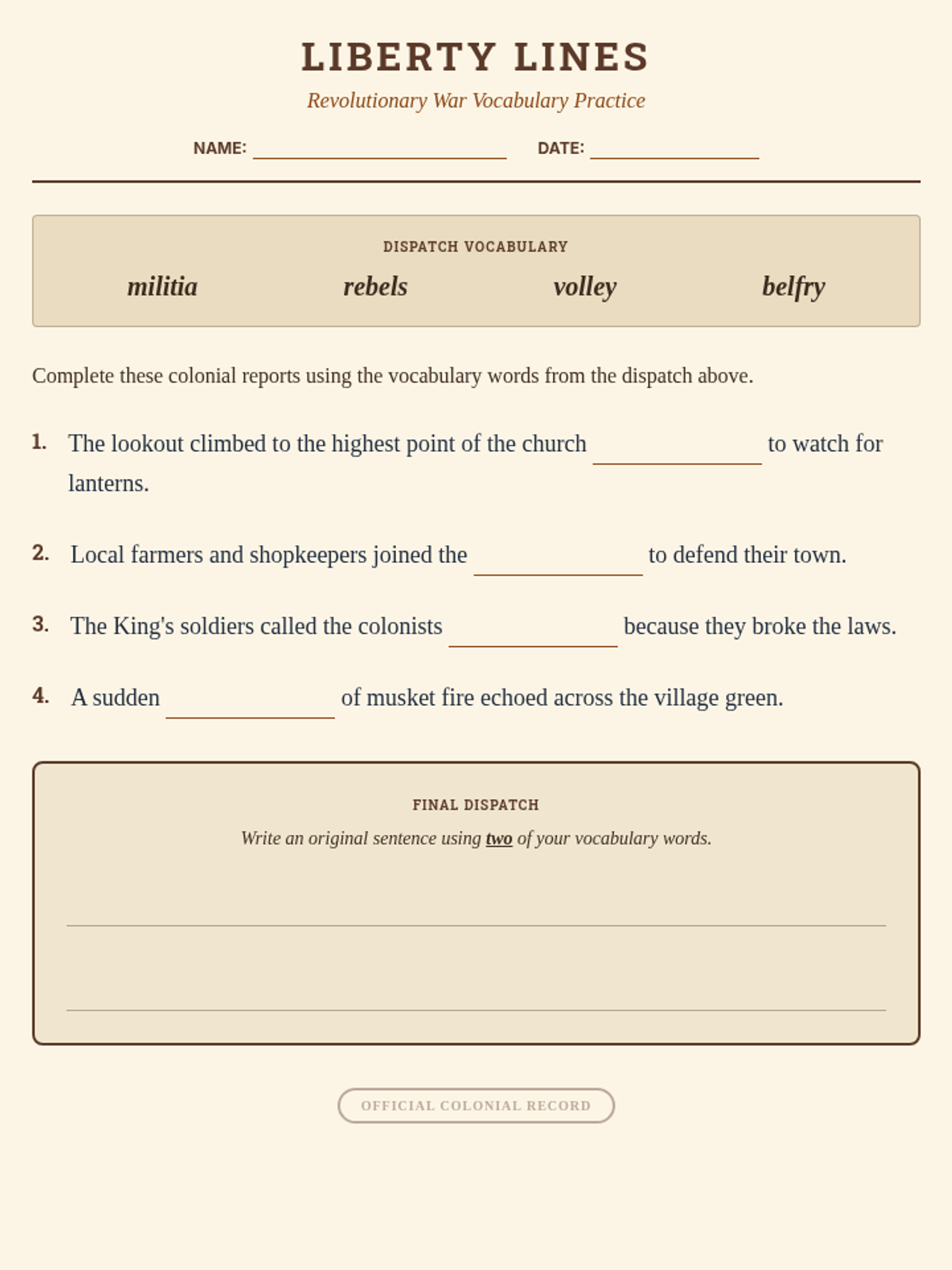
A social studies lesson for grades 4-6 focusing on the early days of the American Revolution, vocabulary of the conflict, and the sights and sounds of the struggle for independence.
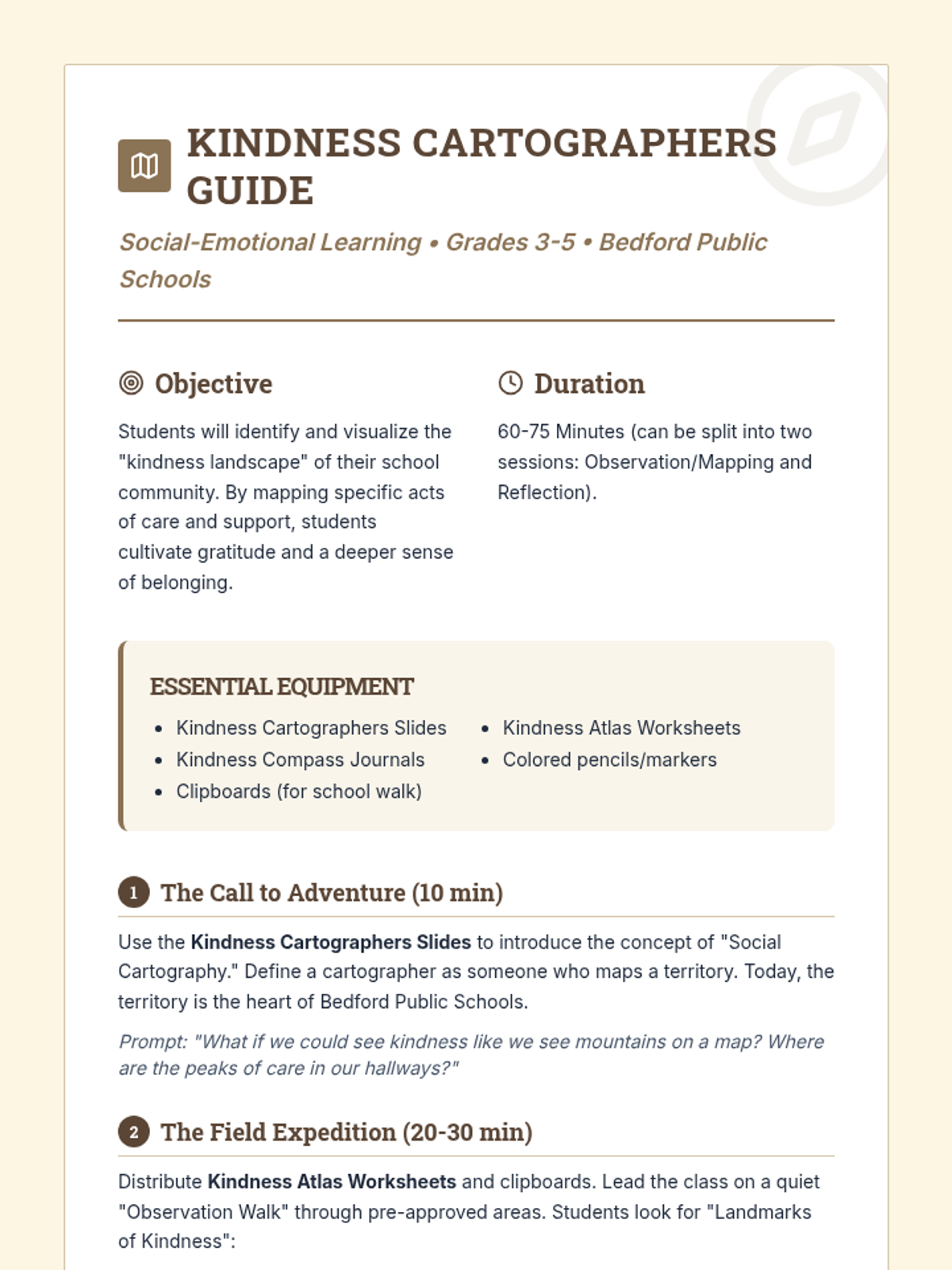
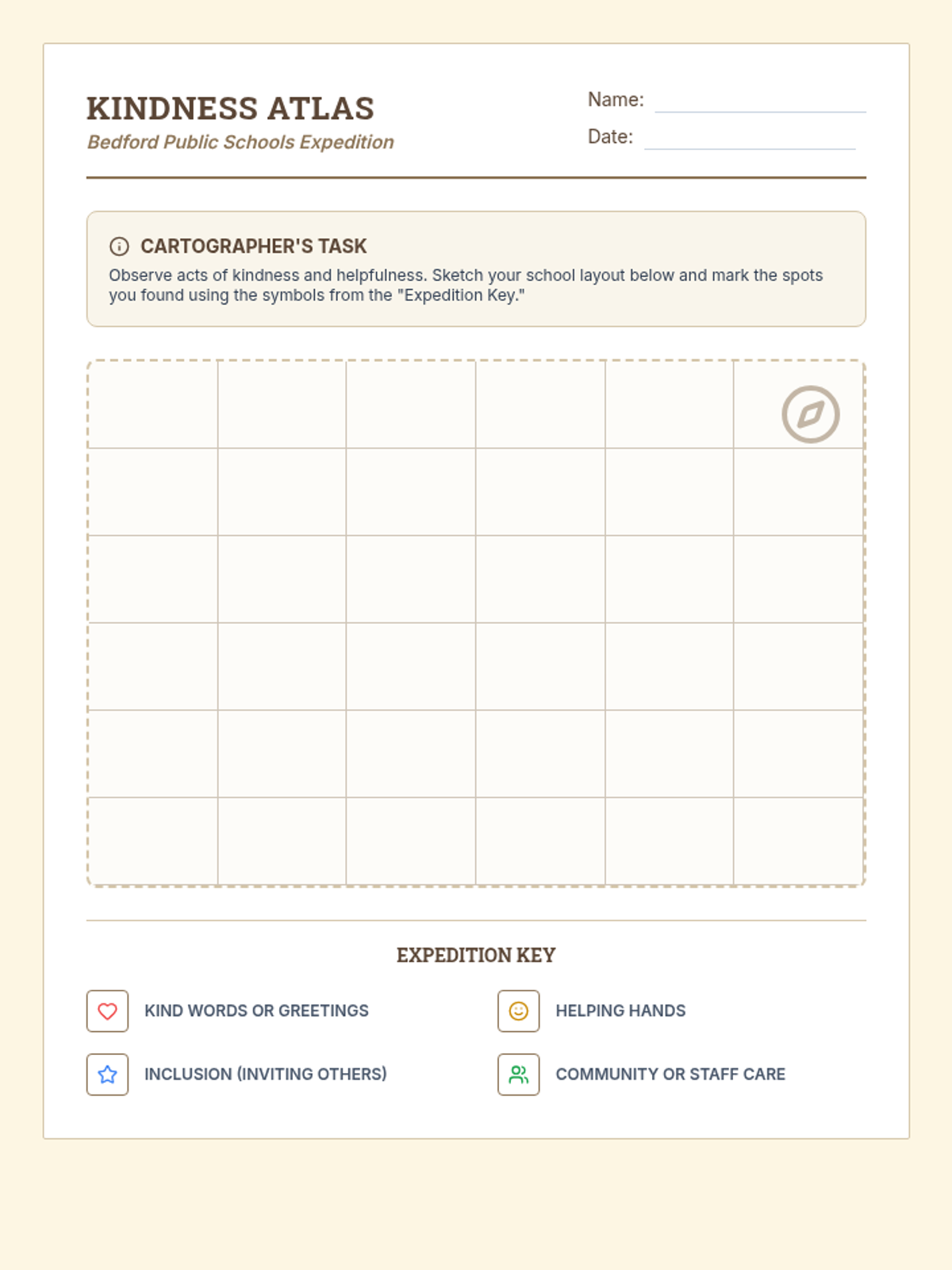
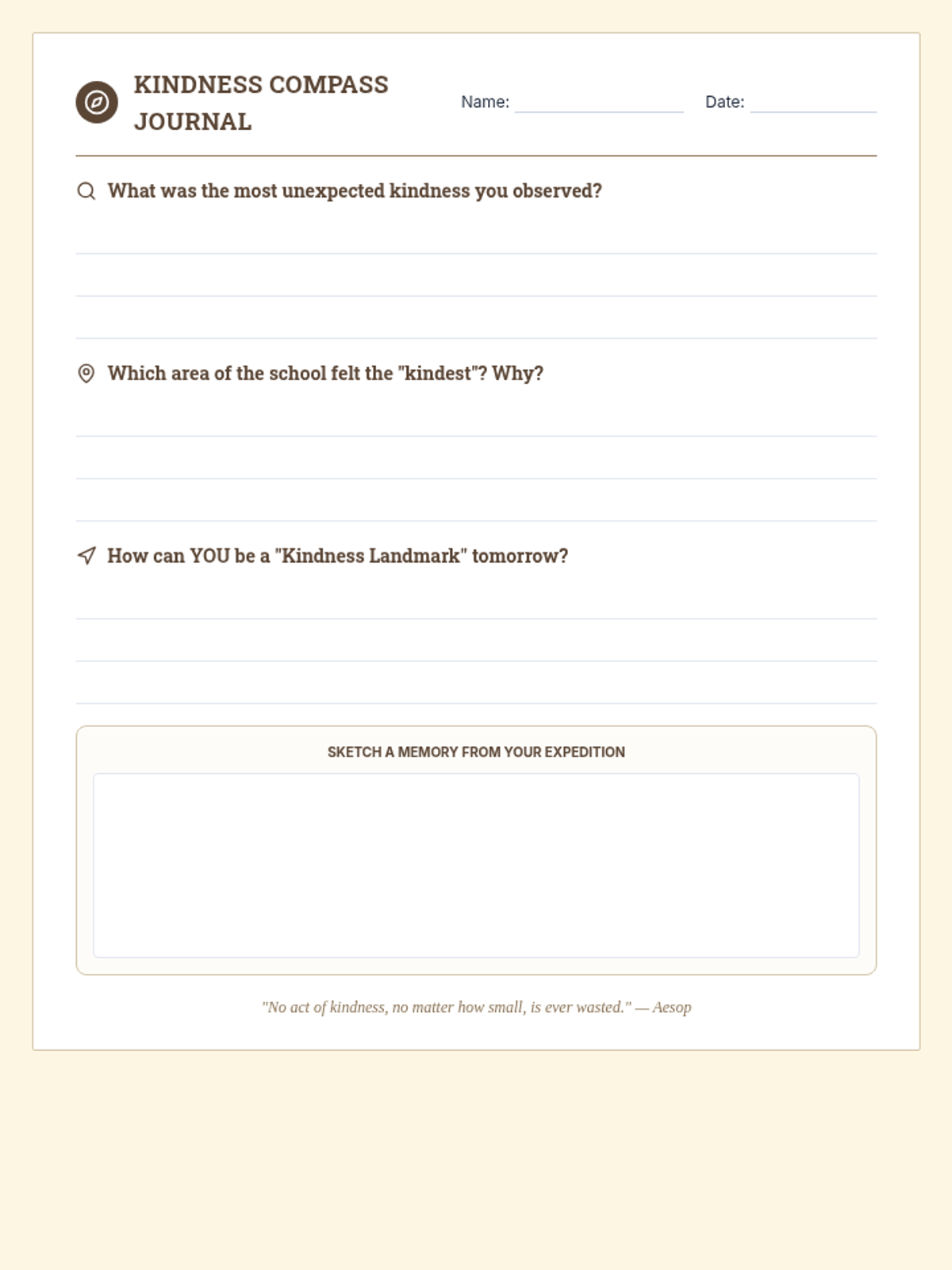
A social-emotional learning lesson for grades 3-5 where students act as 'cartographers' to identify, observe, and map acts of kindness within Bedford Public Schools, fostering community awareness and appreciation.
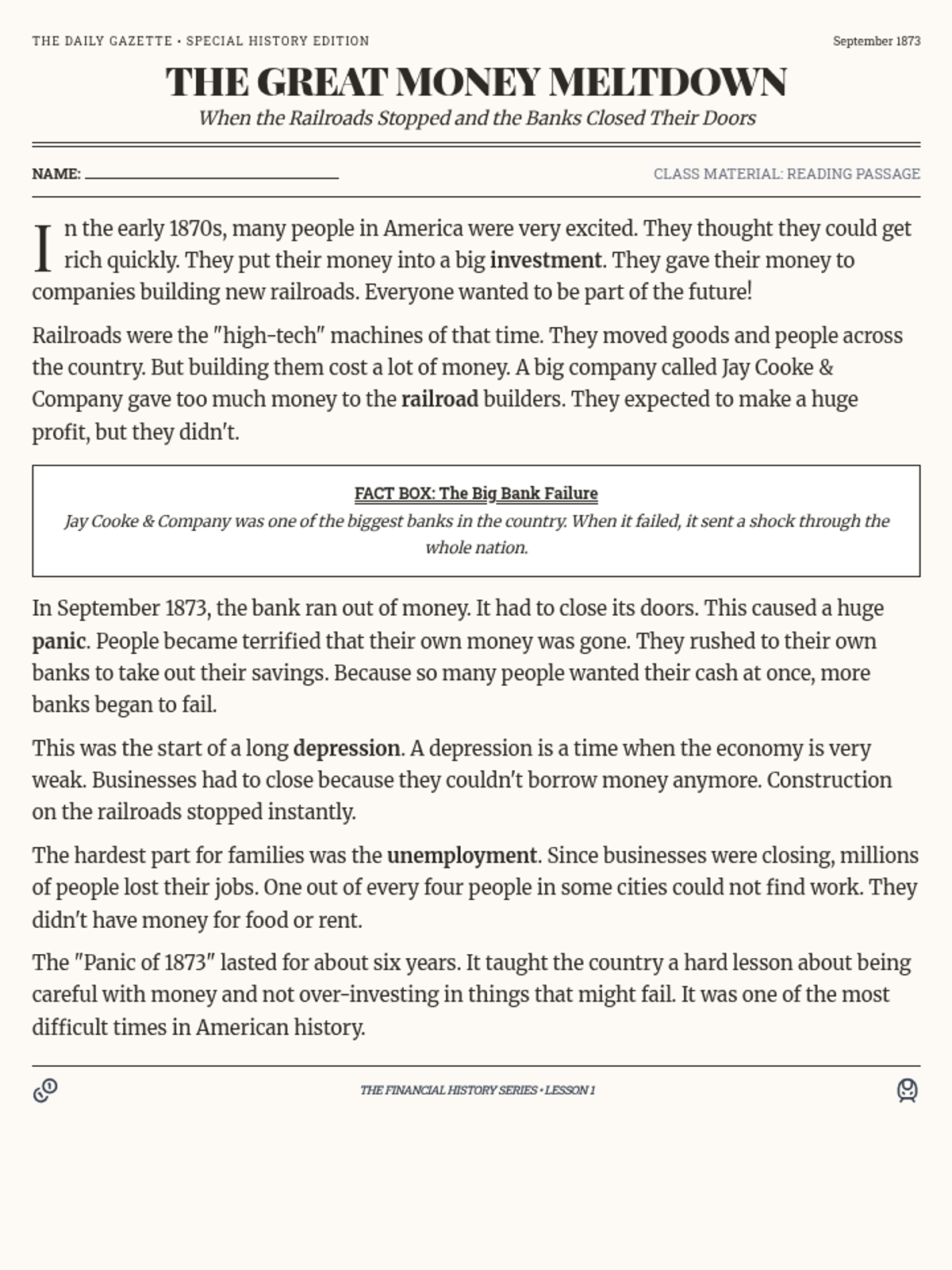
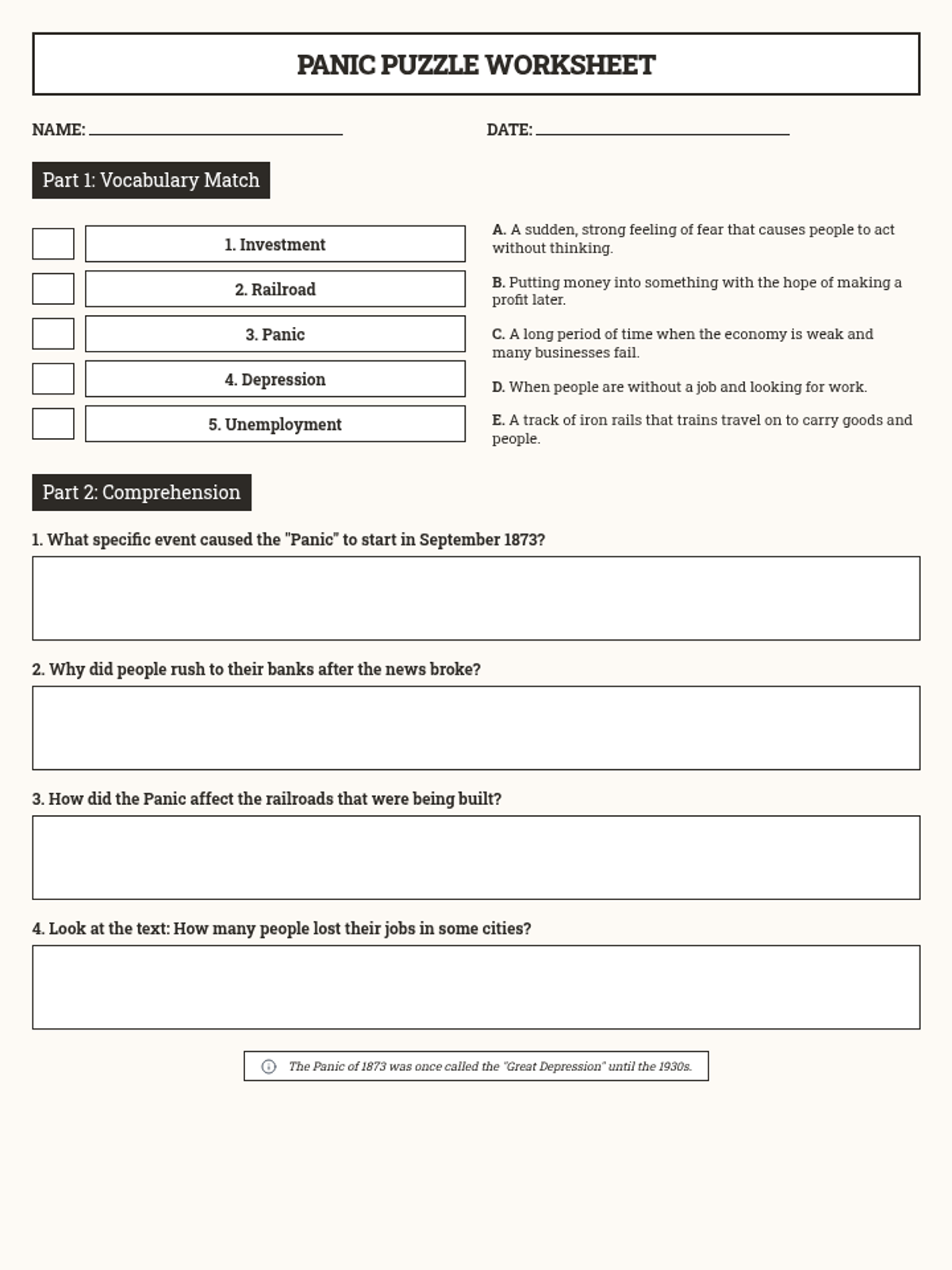
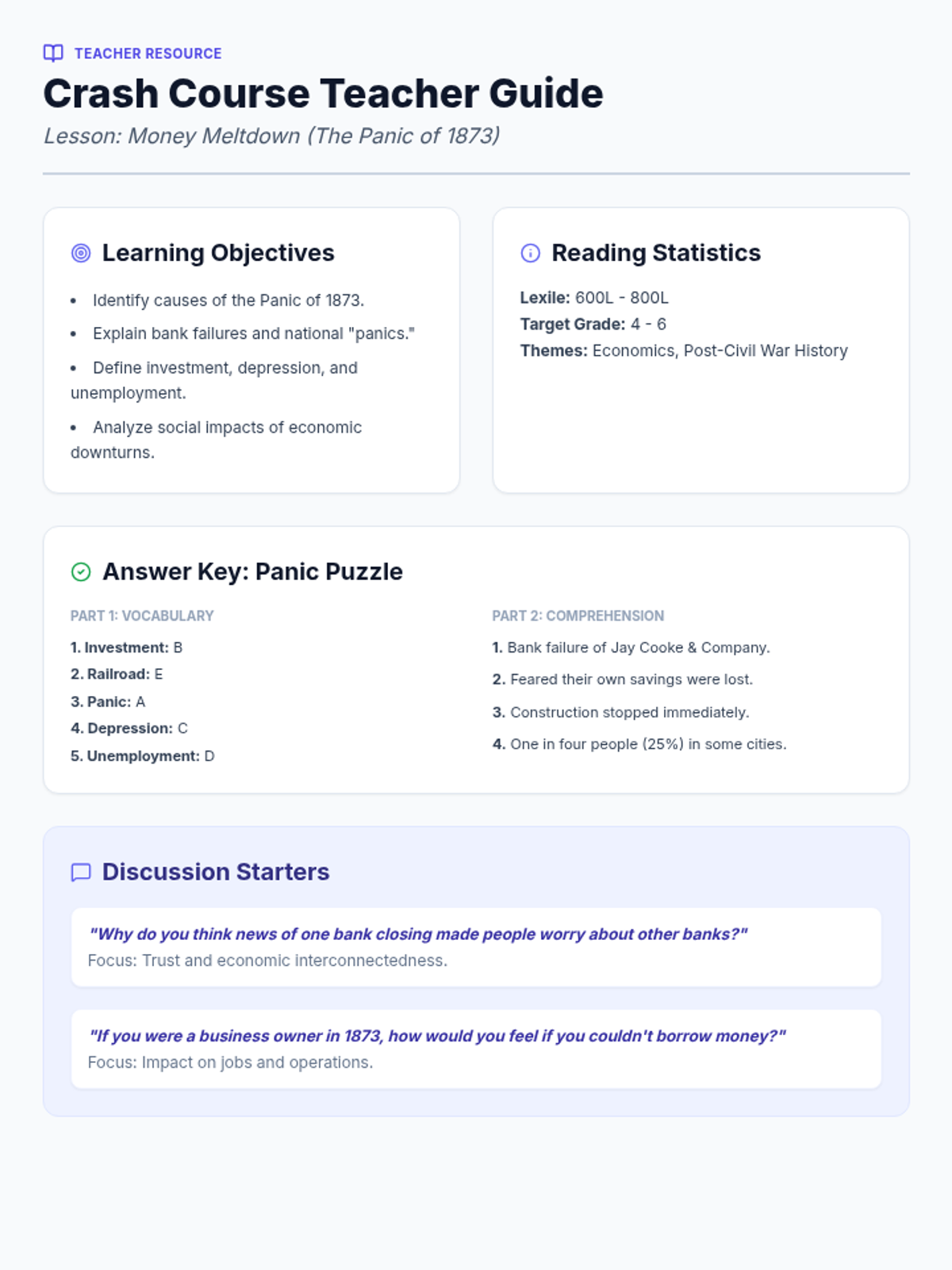
A lesson exploring the causes and effects of the Panic of 1873 through a simplified reading passage and vocabulary activities. Students learn how a railroad investment bubble led to a national economic crisis.
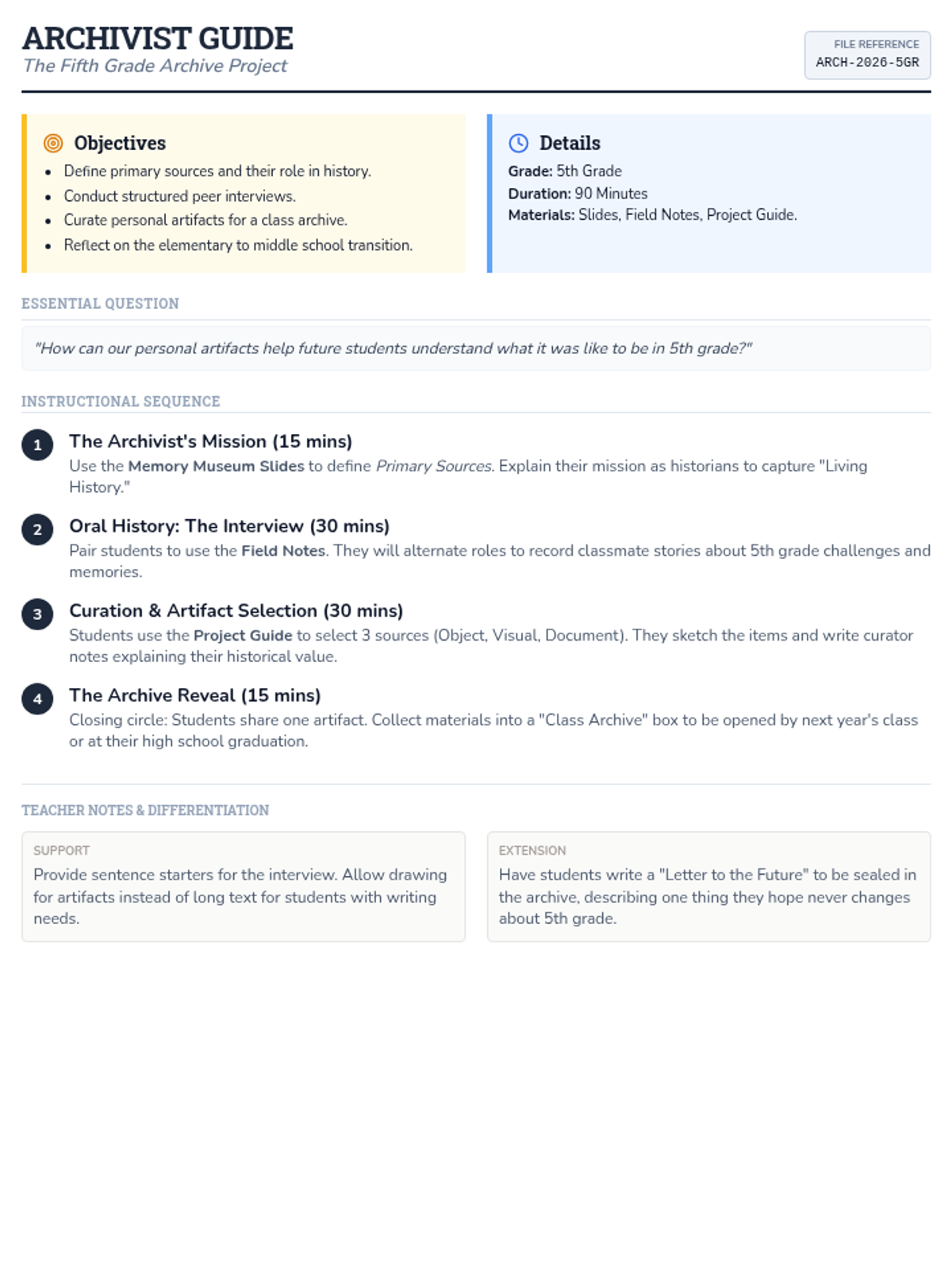
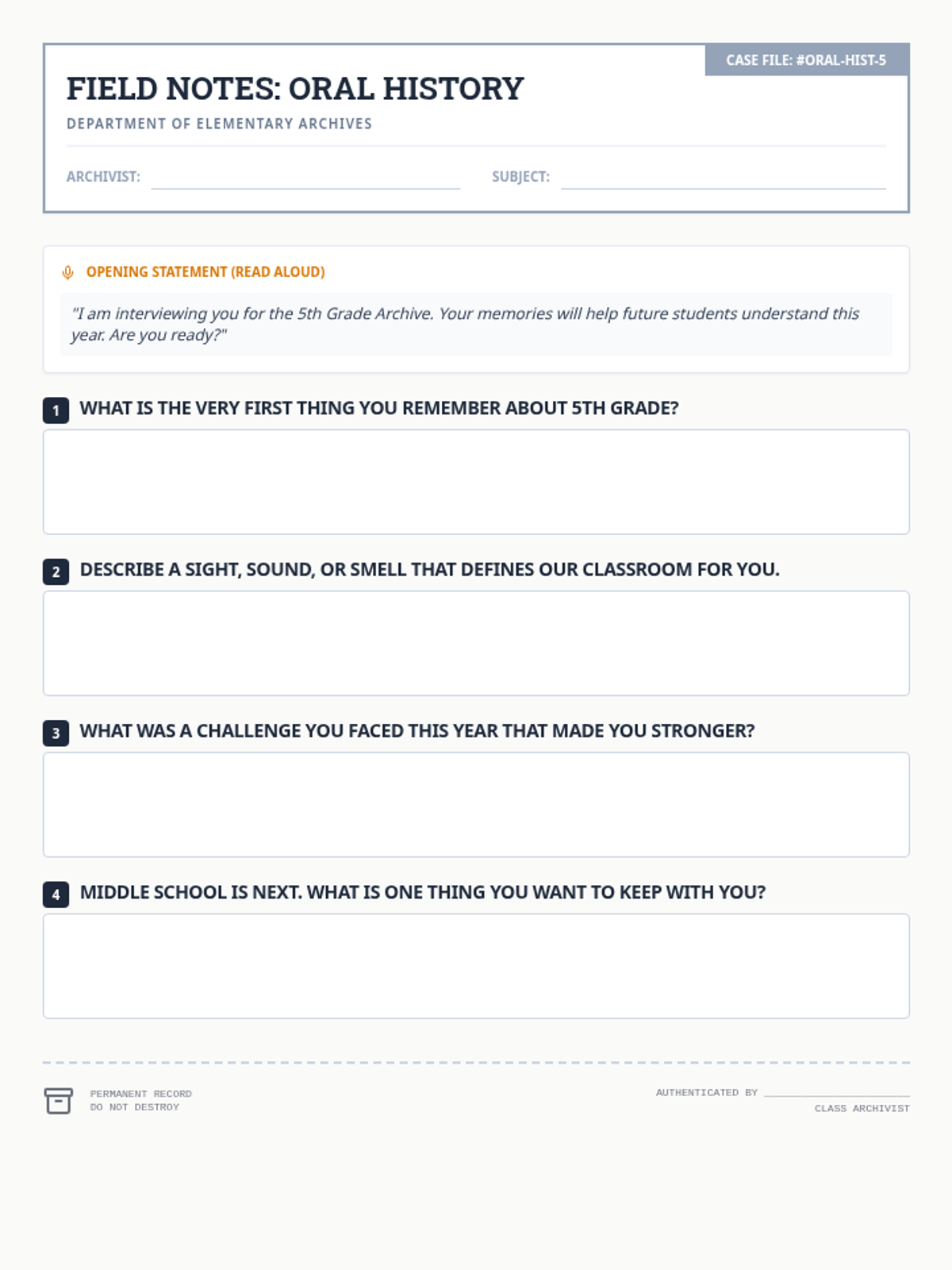
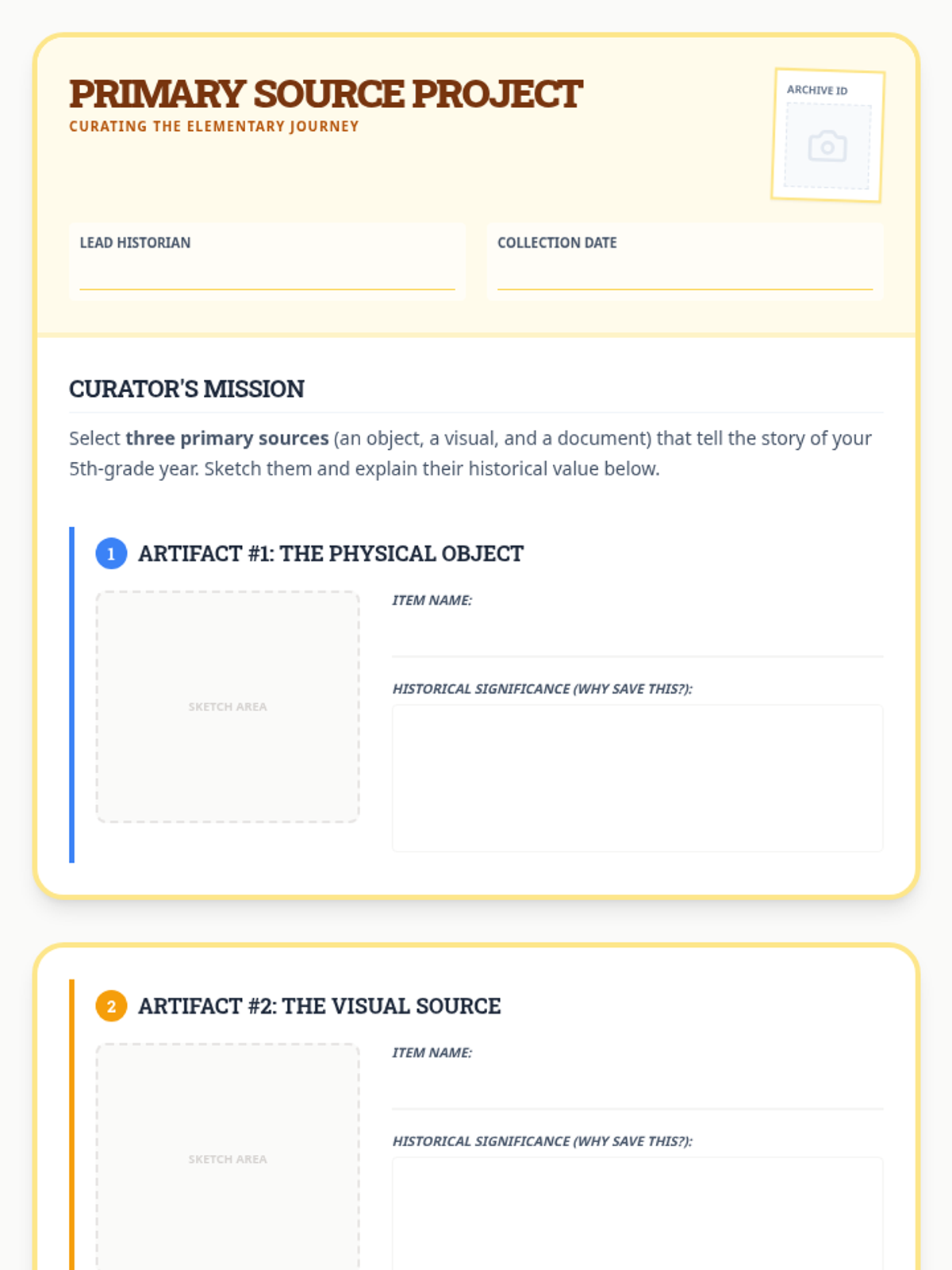
A reflective project-based lesson where students act as historians to curate a primary source archive of their fifth-grade year, helping them process their transition to middle school.
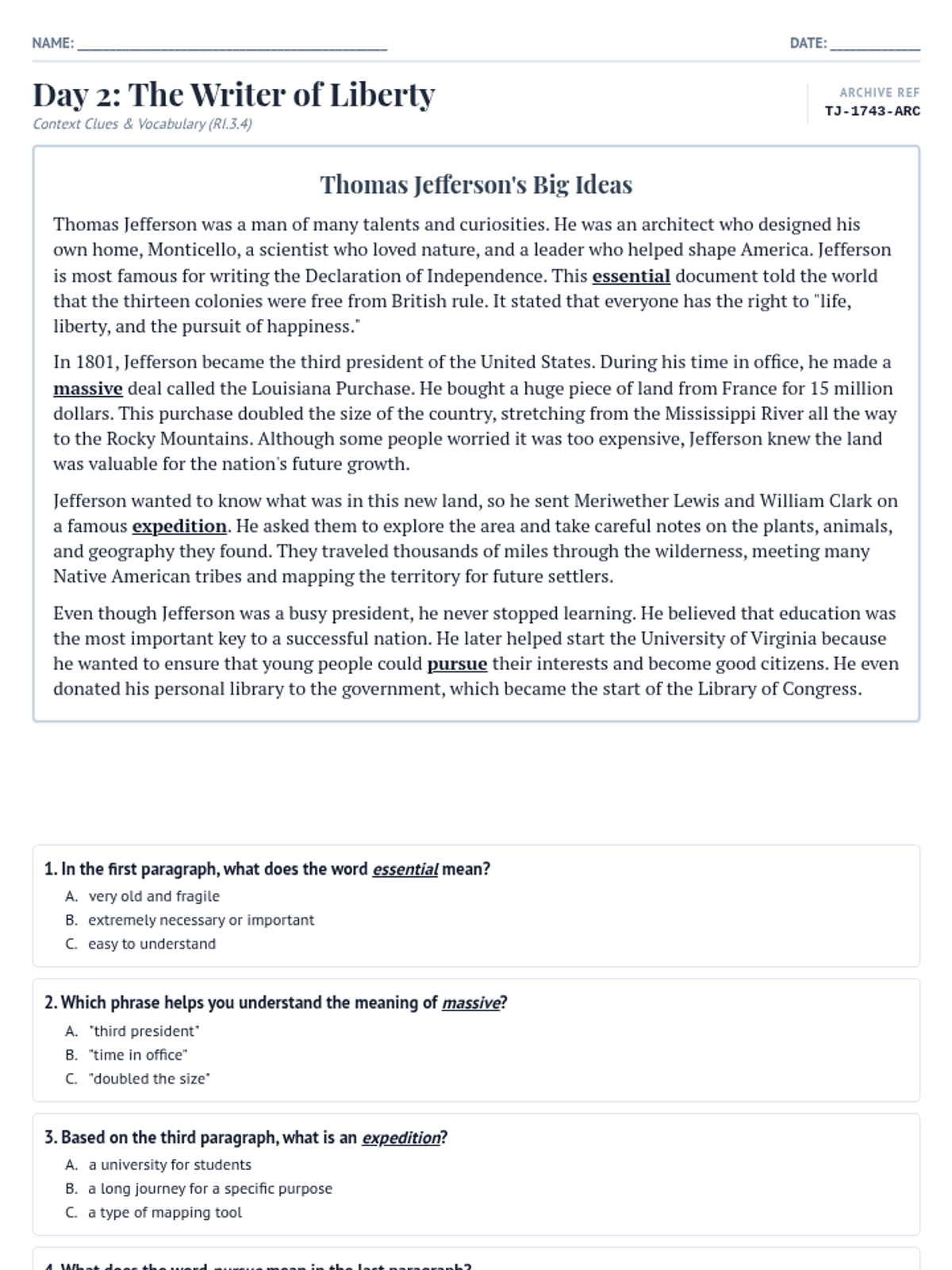
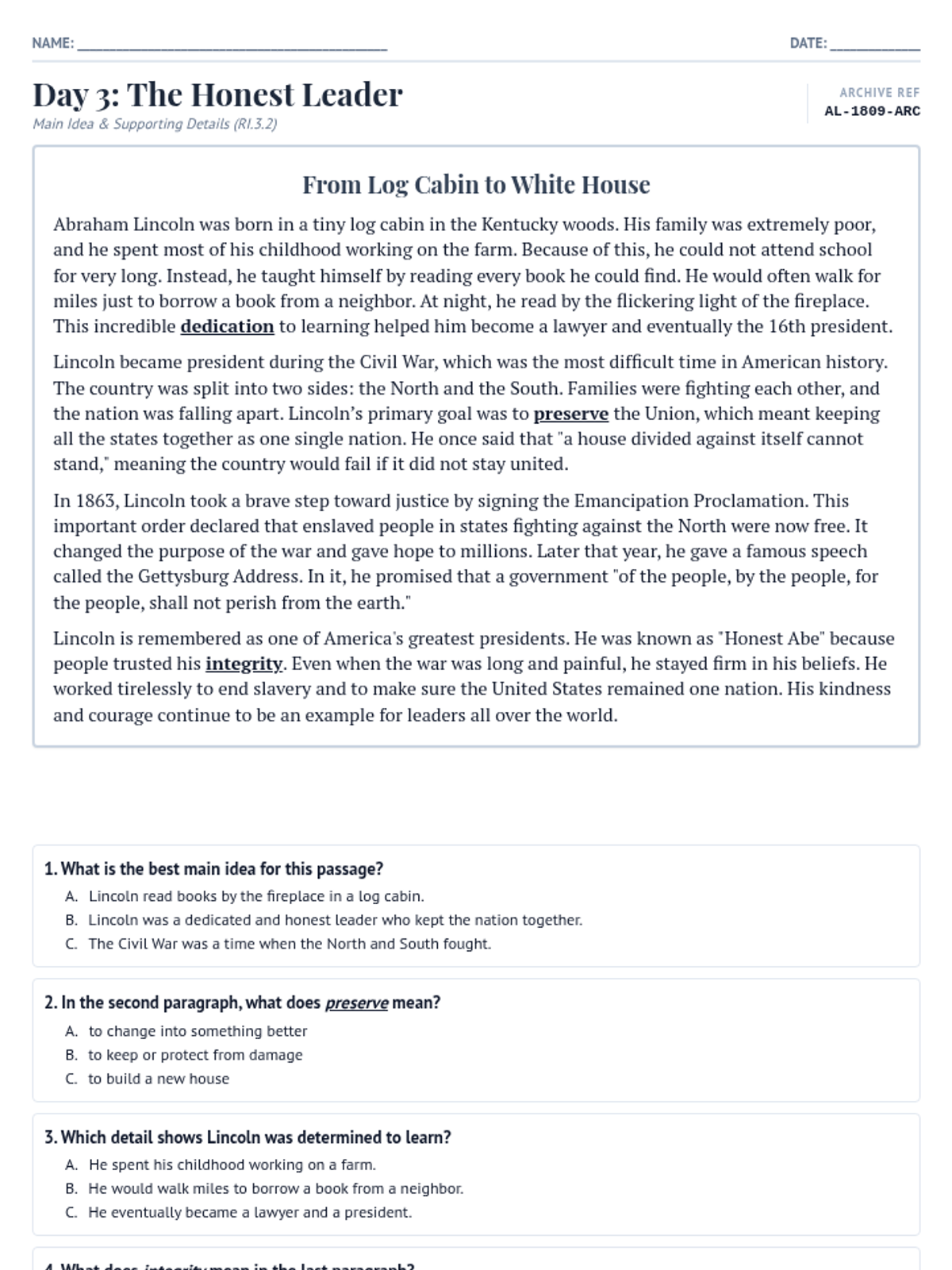
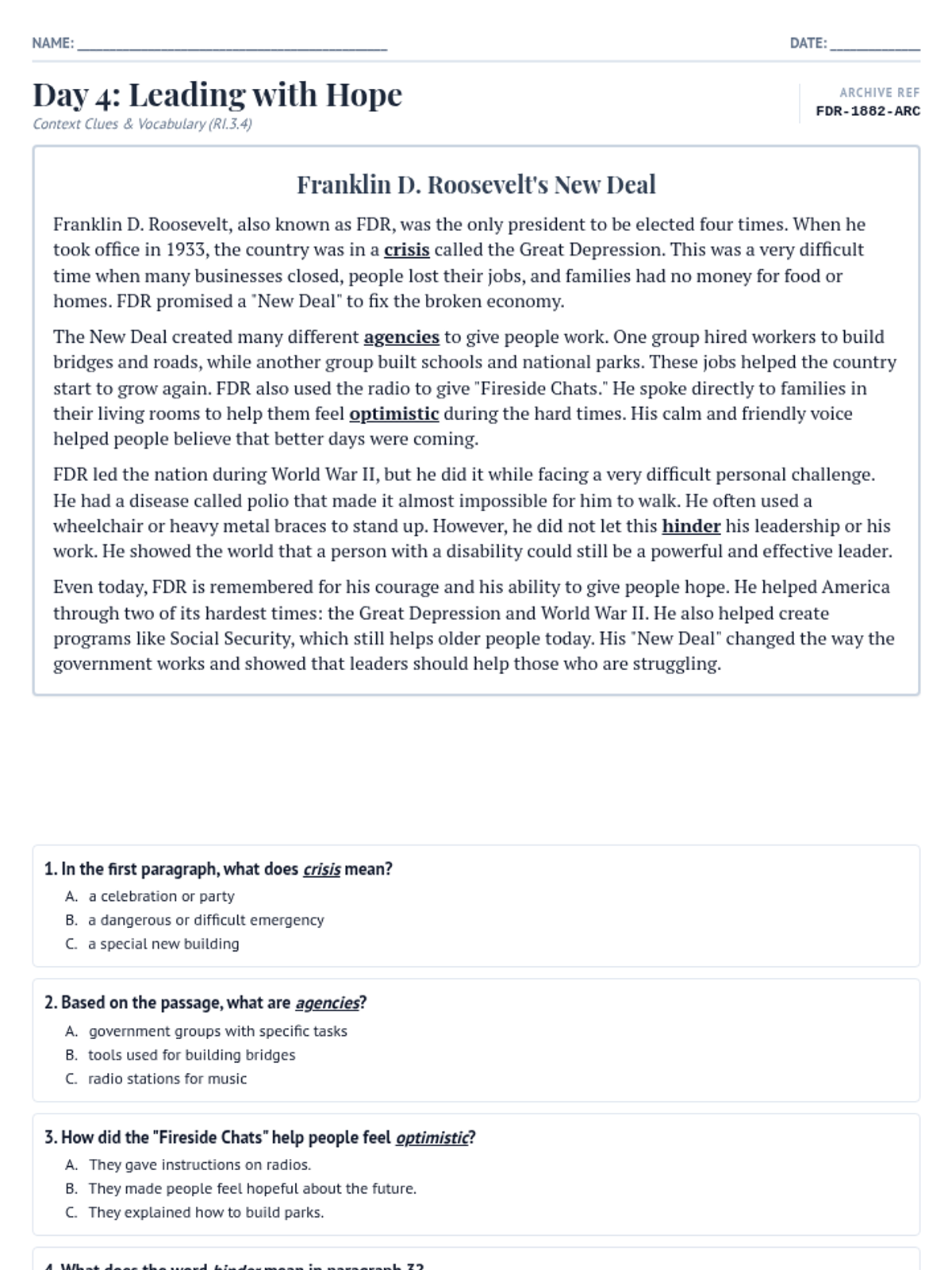
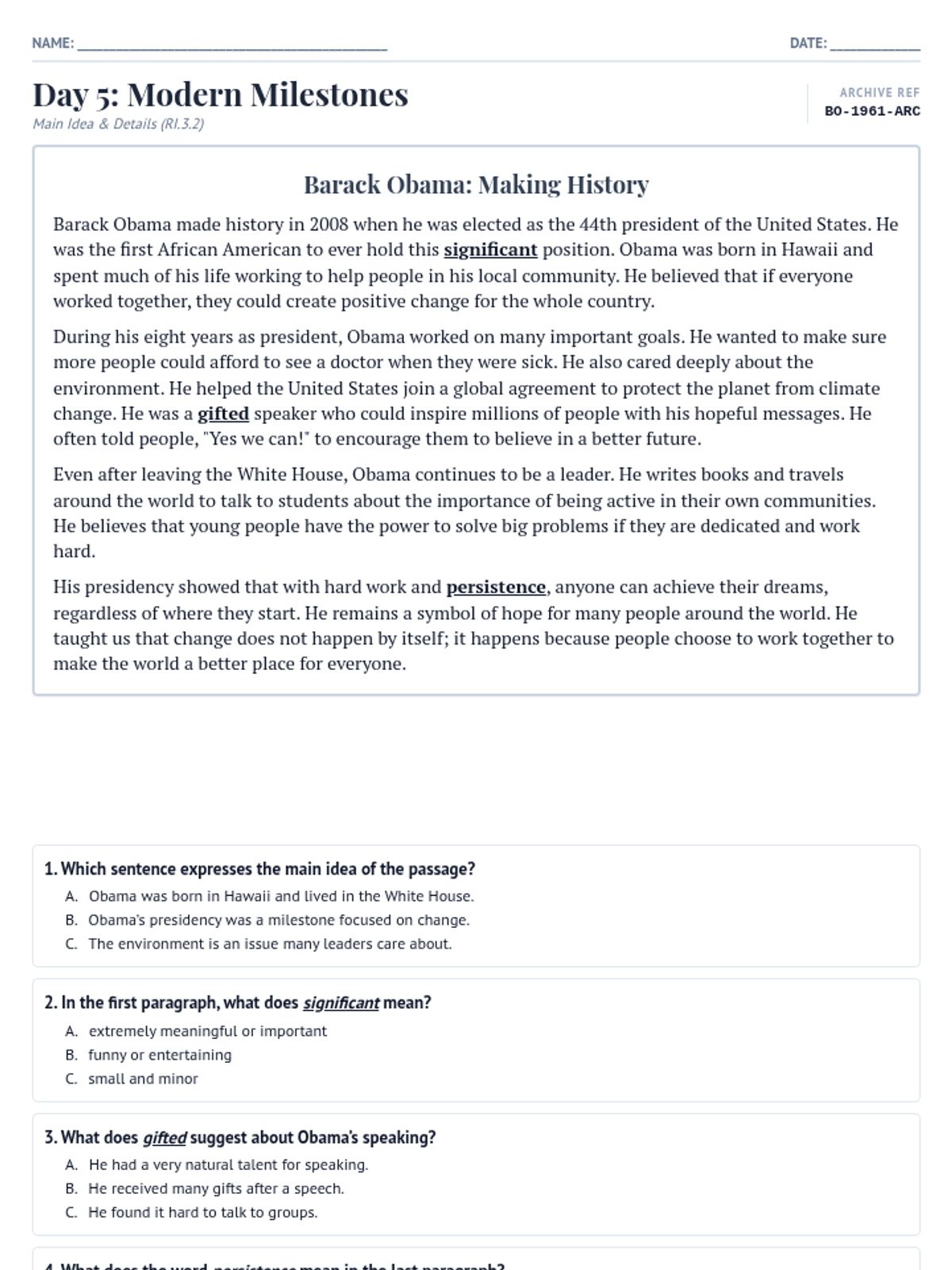
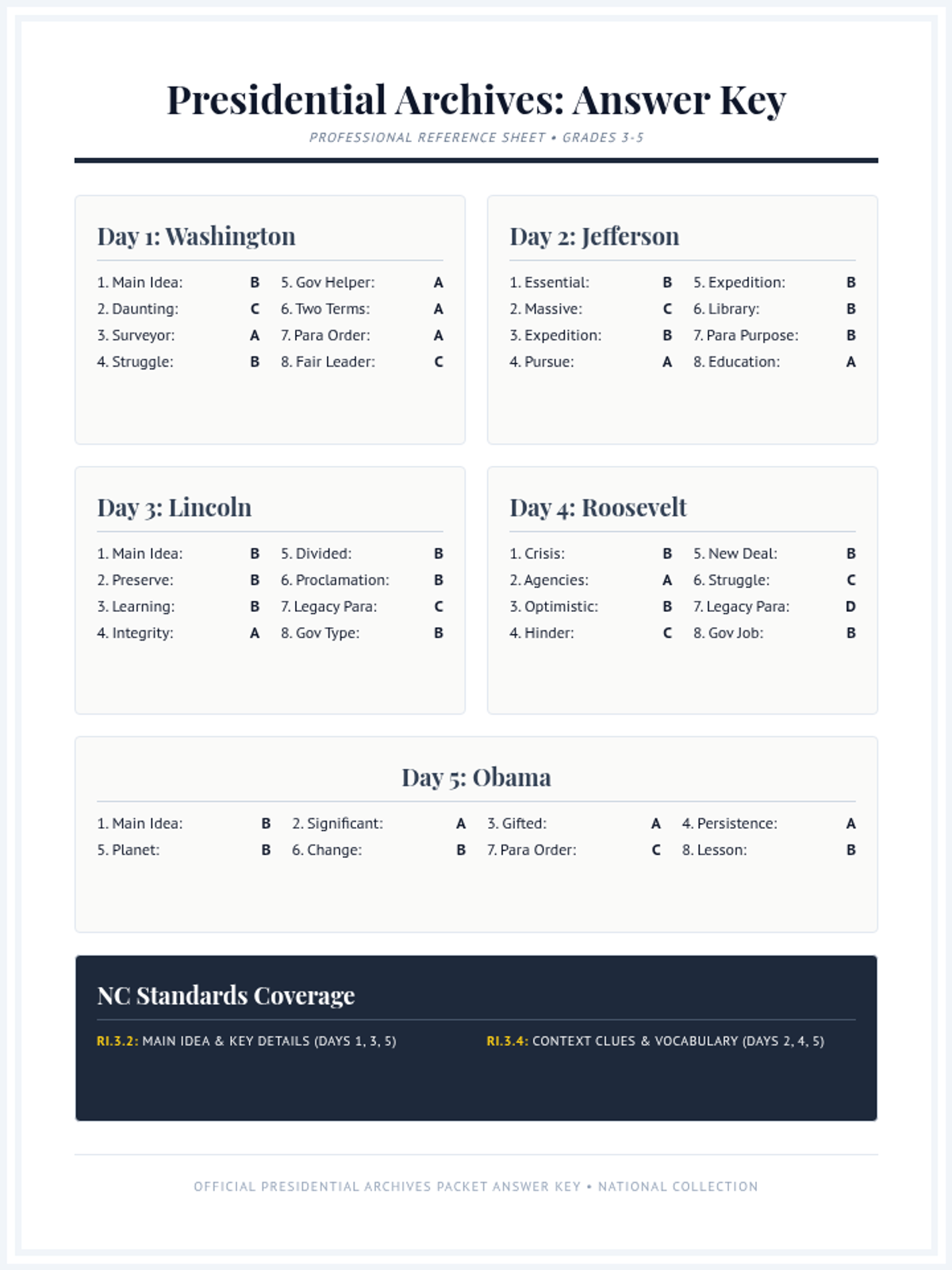
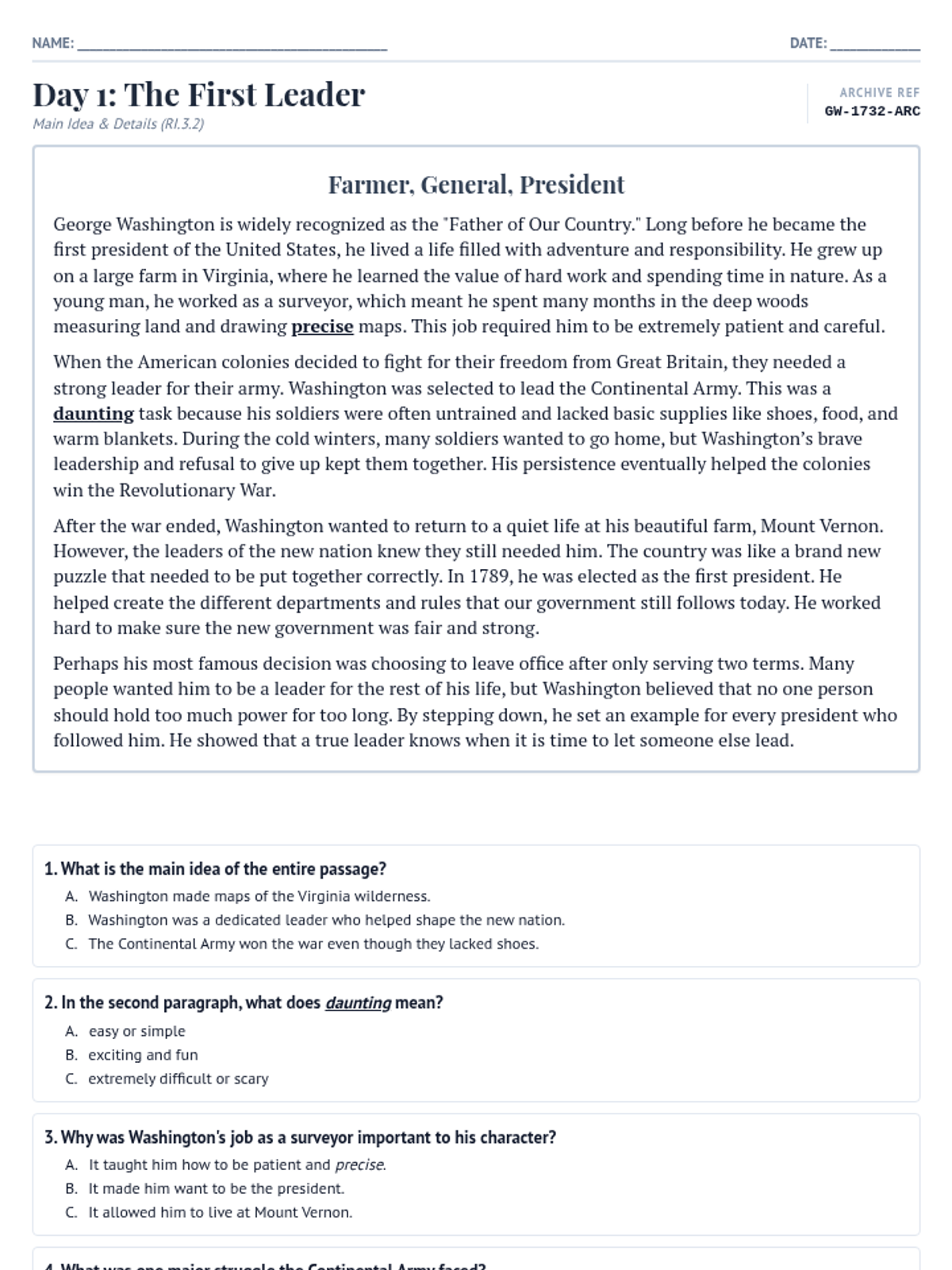
A 5-day series of readings and assessments focused on past presidents, designed to build historical knowledge and ELA test-taking skills.
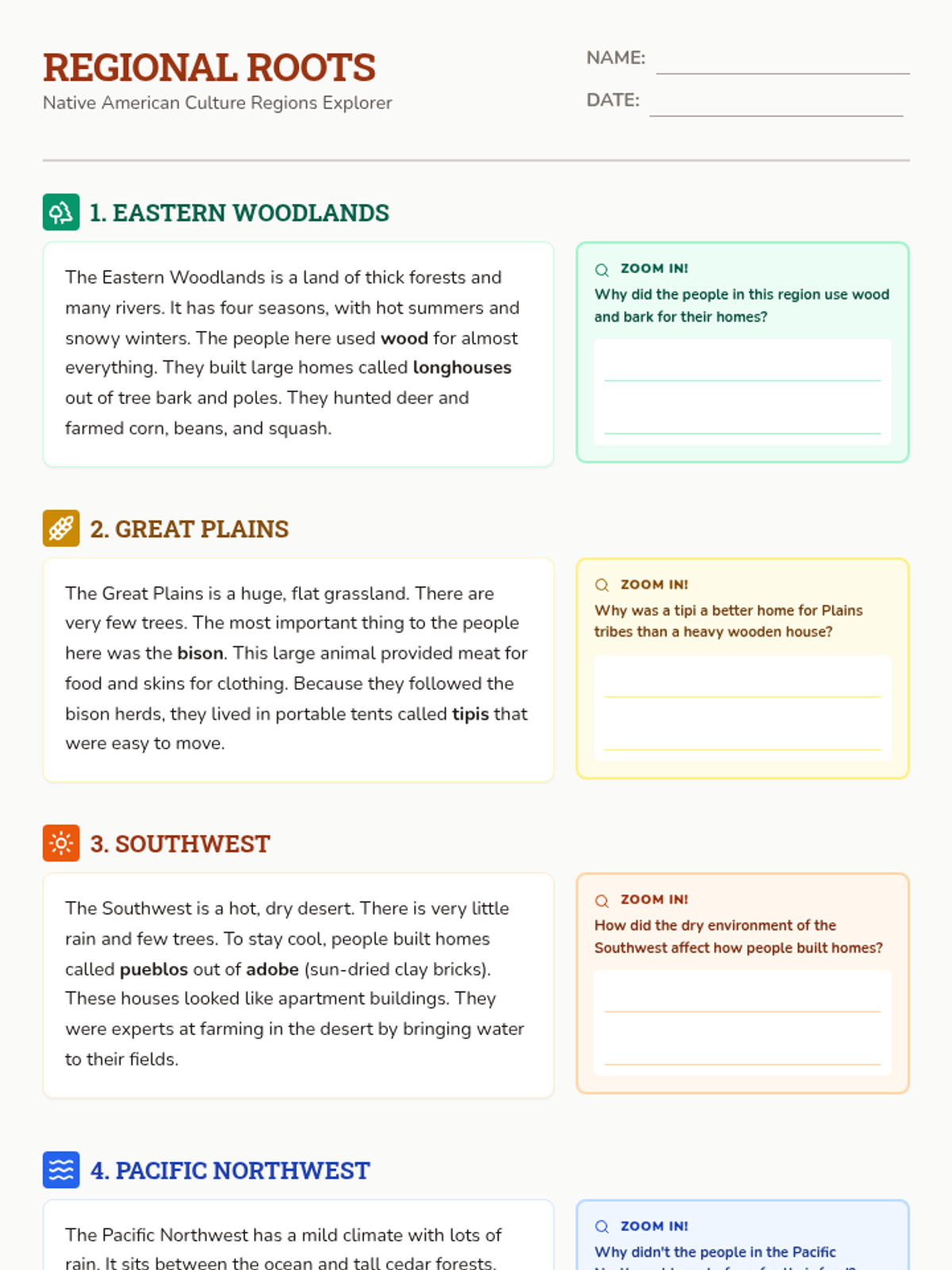
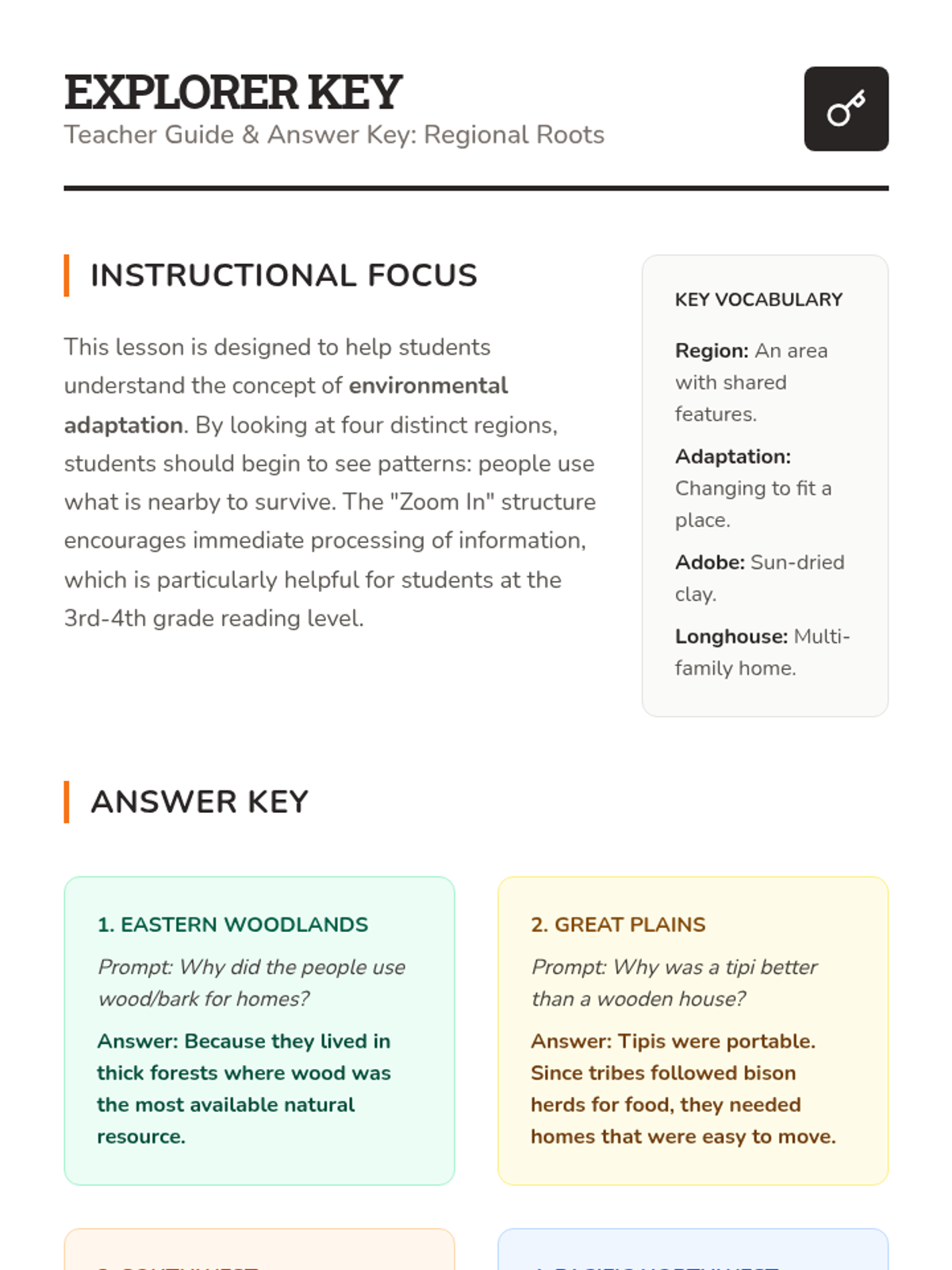
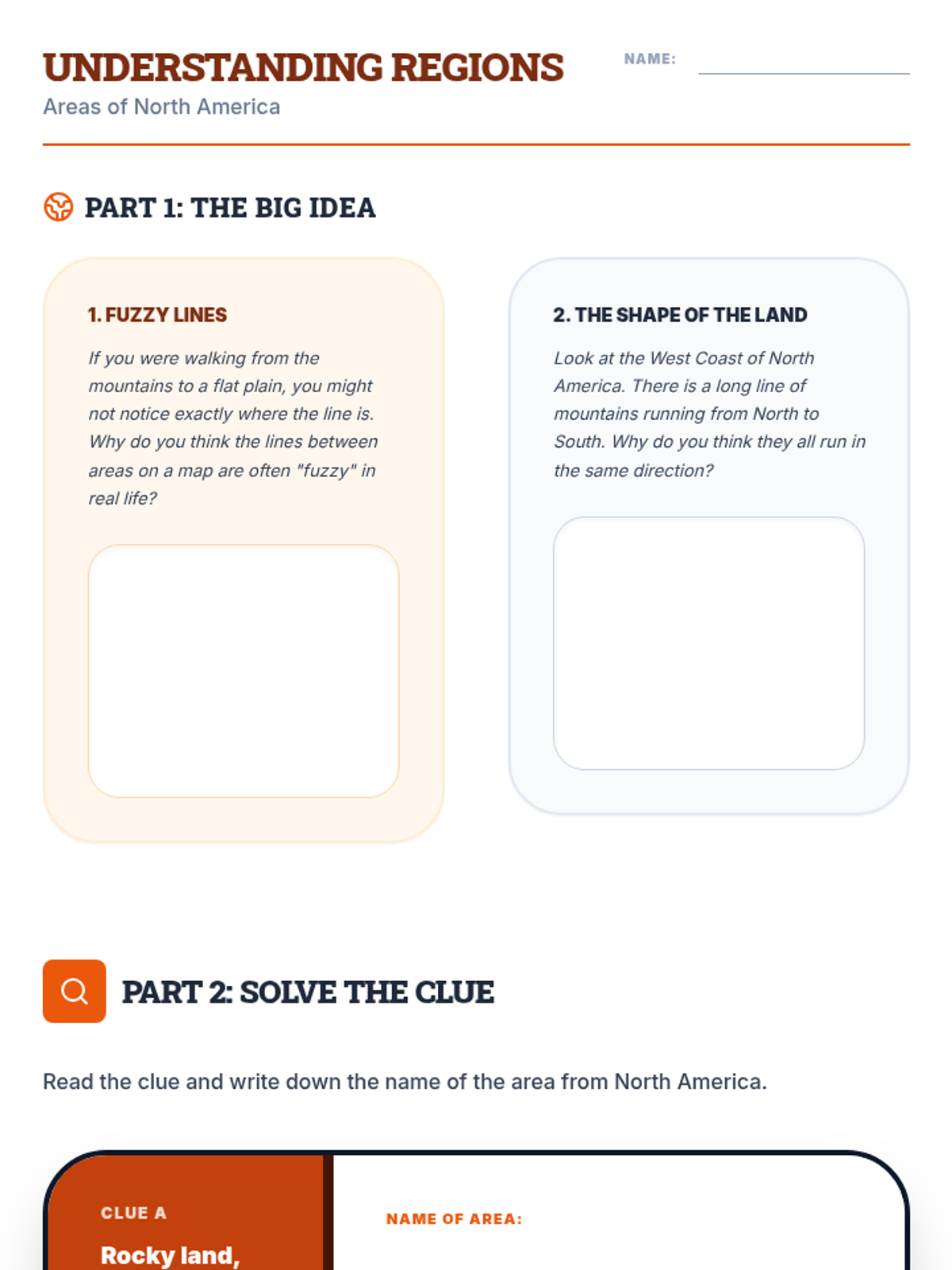
A lesson introducing the concept of cultural regions among Native American tribes, focusing on how different environments shaped unique ways of life across North America.
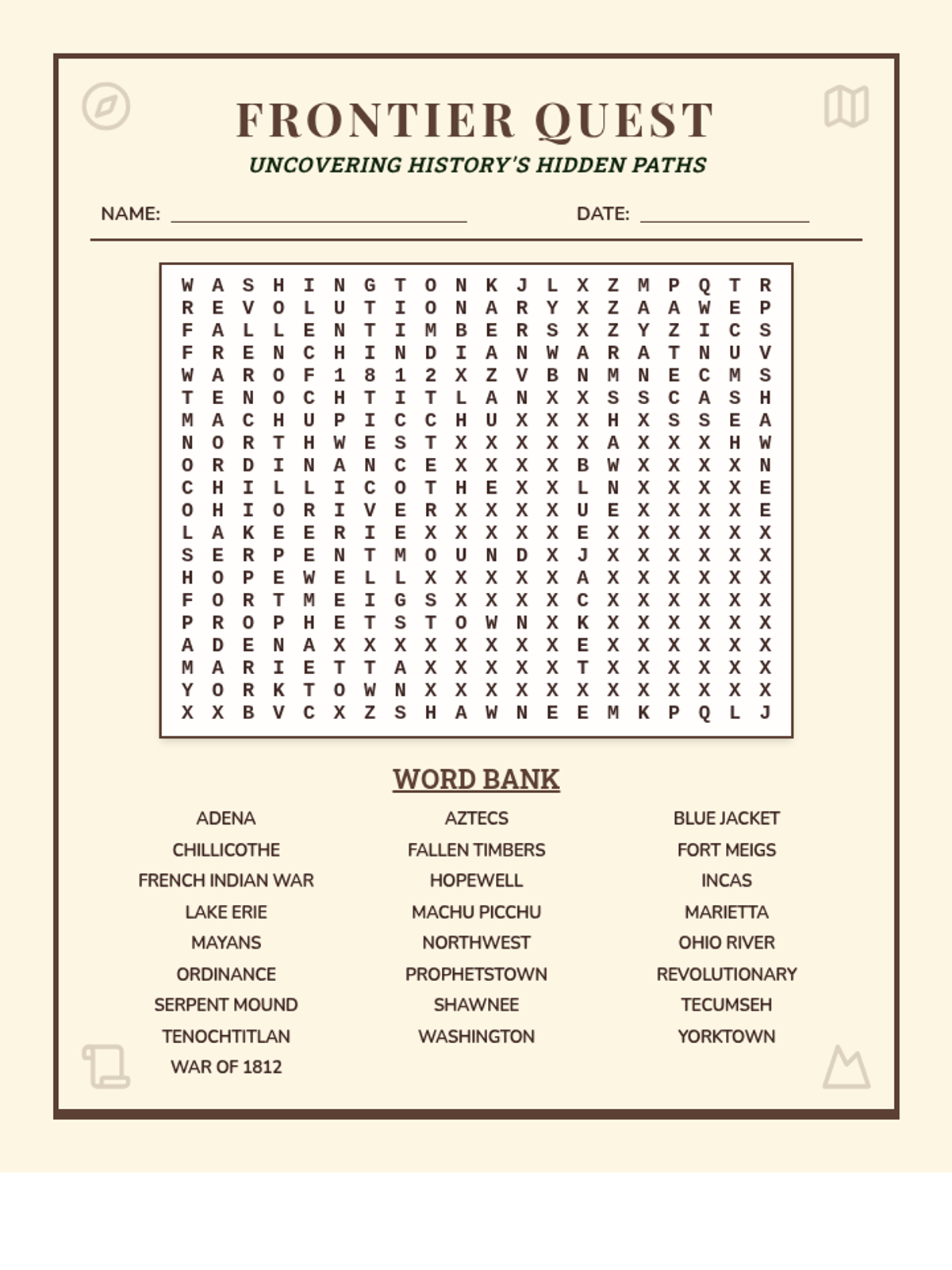
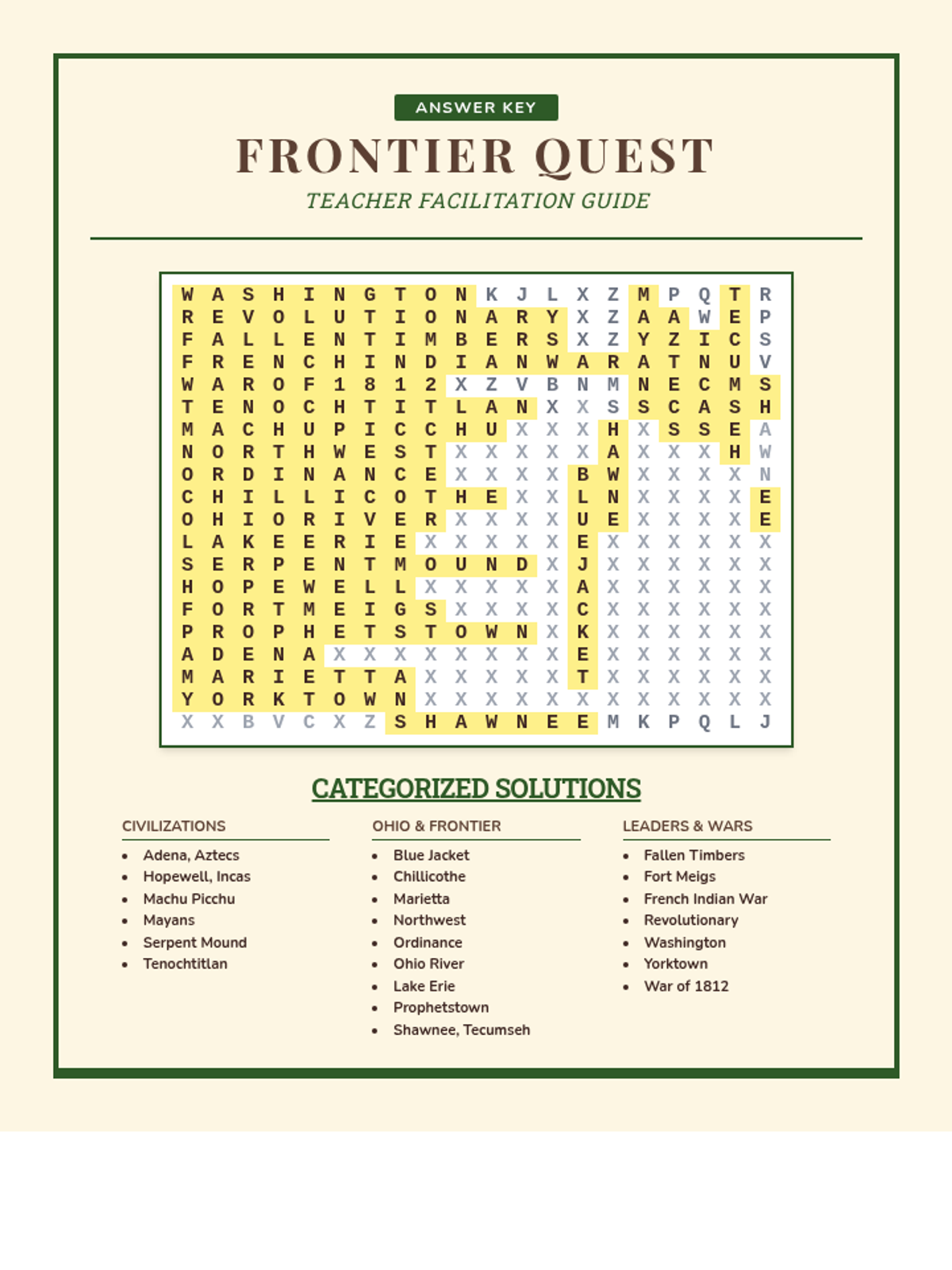
A lesson exploring the intersections of Ohio history, early American conflicts, and the great civilizations of the Aztecs, Mayans, and Incas. students will identify key figures, locations, and events that shaped the North American frontier and Mesoamerica.
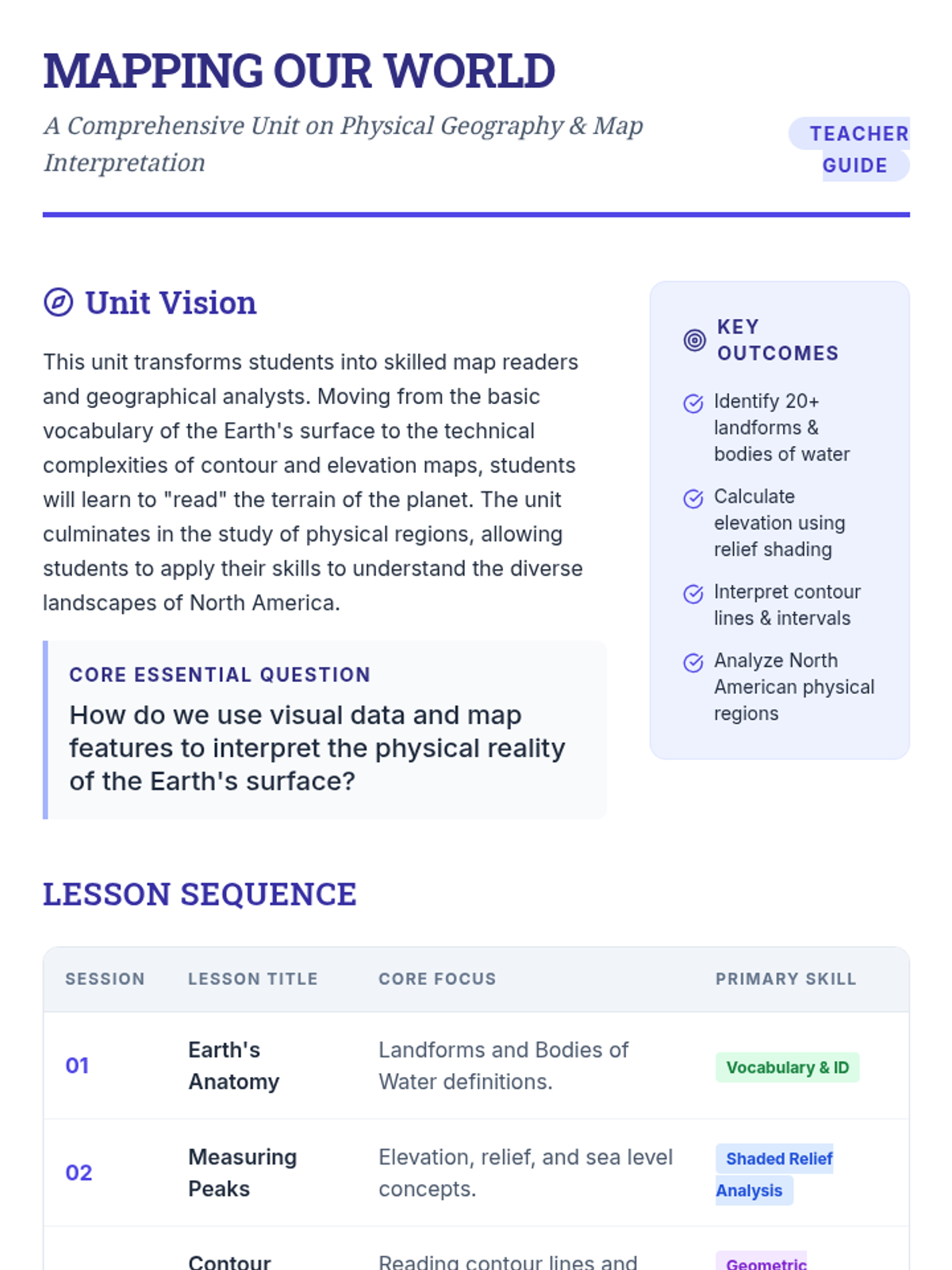
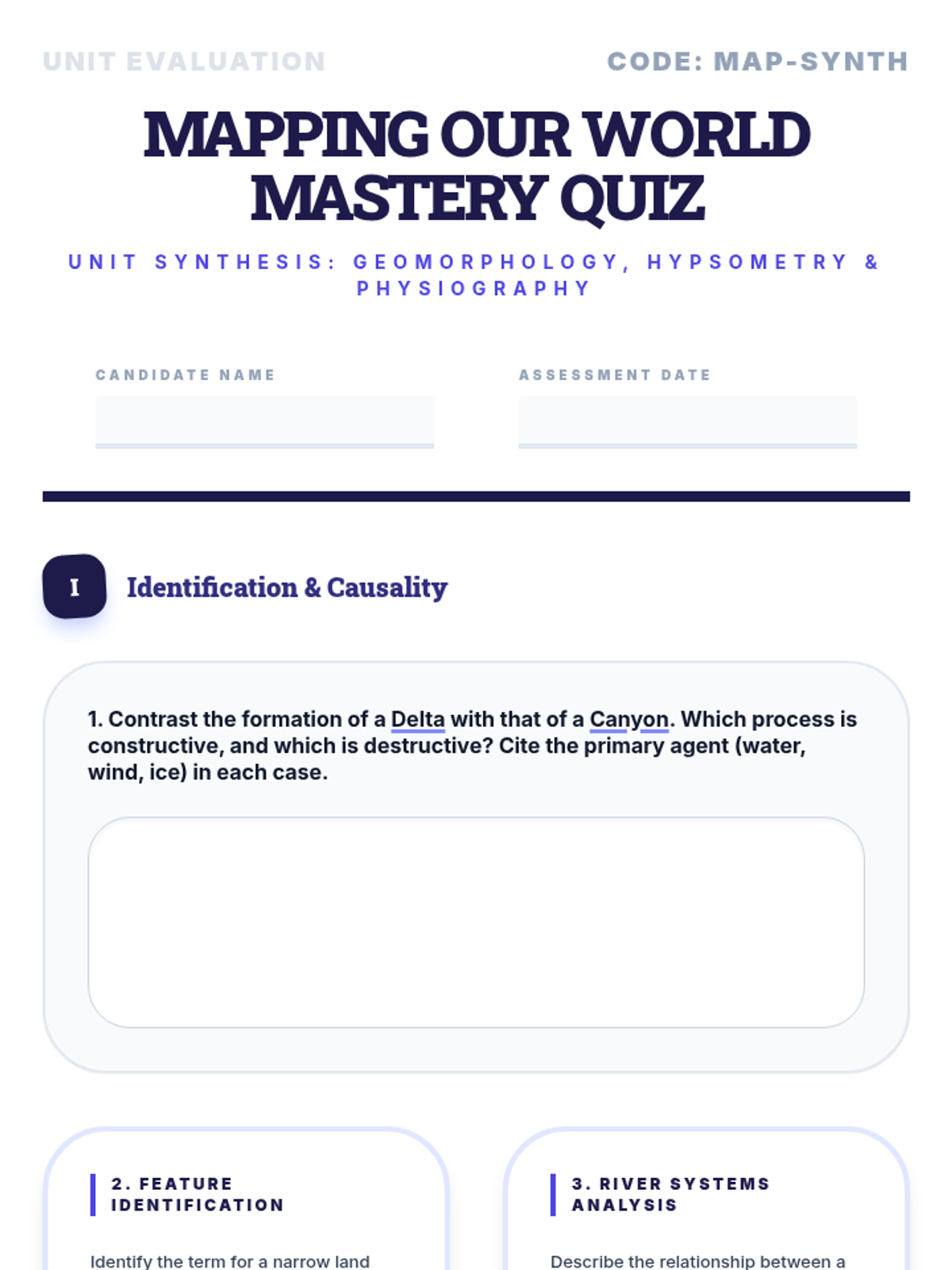
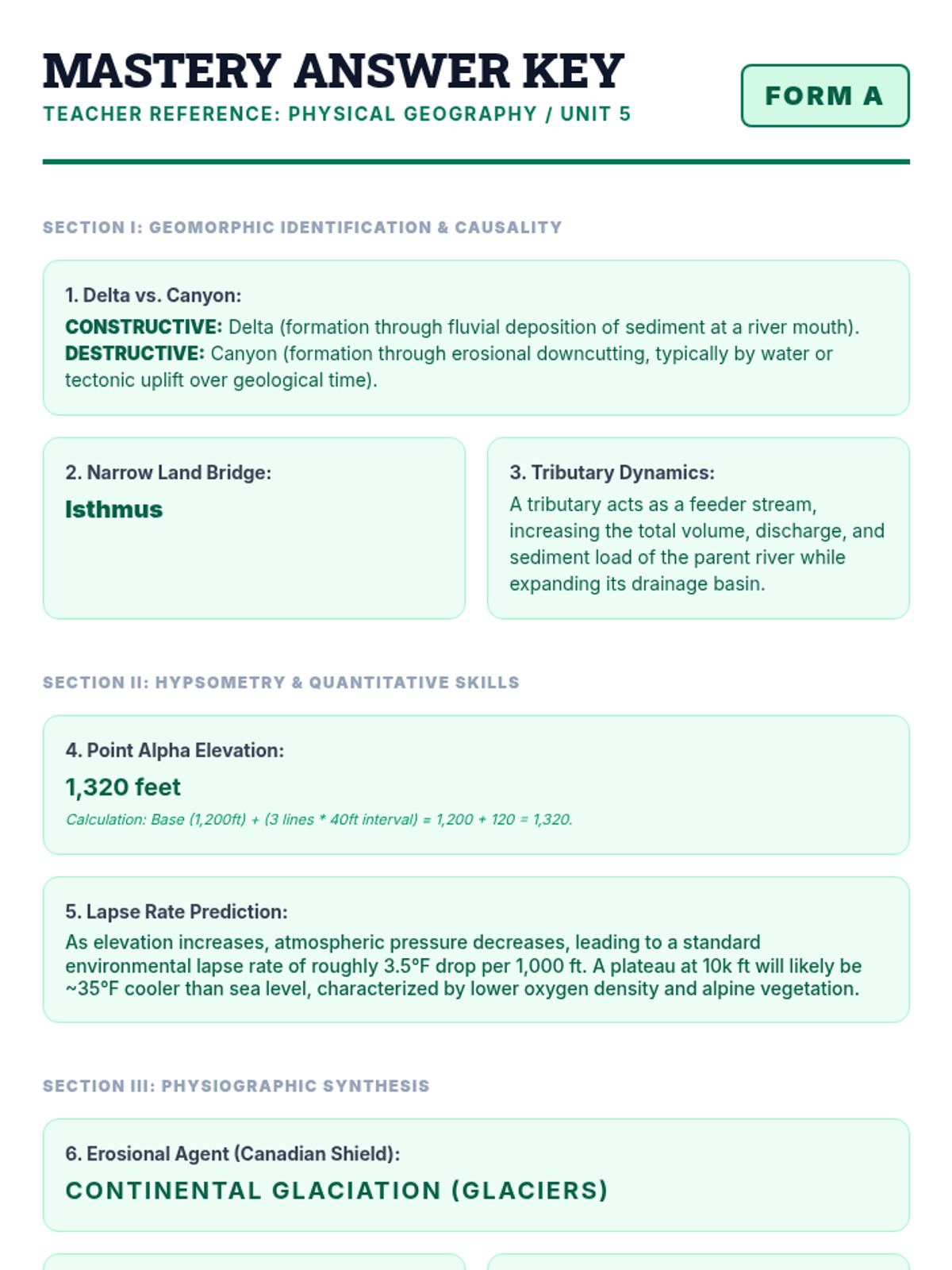
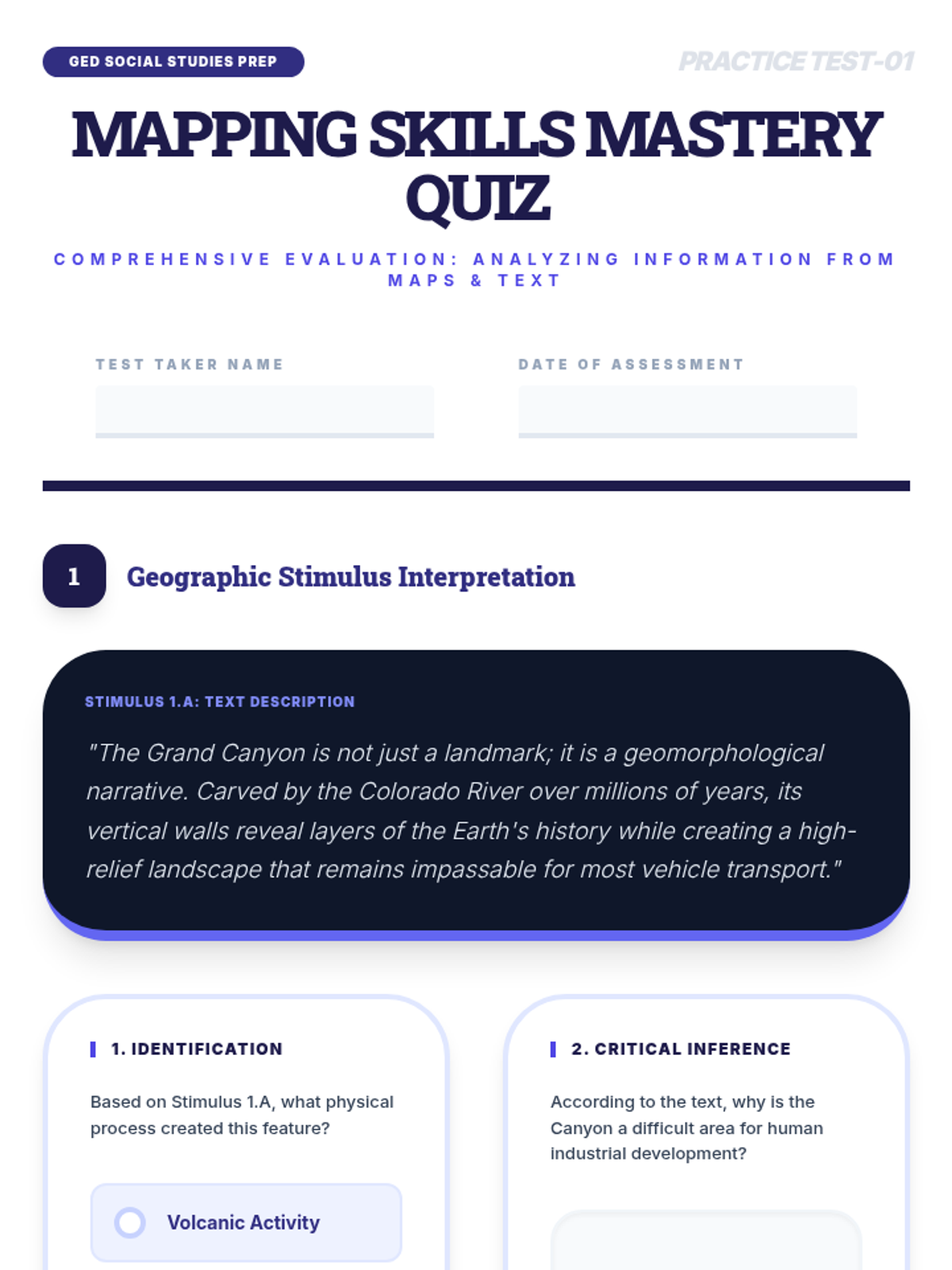
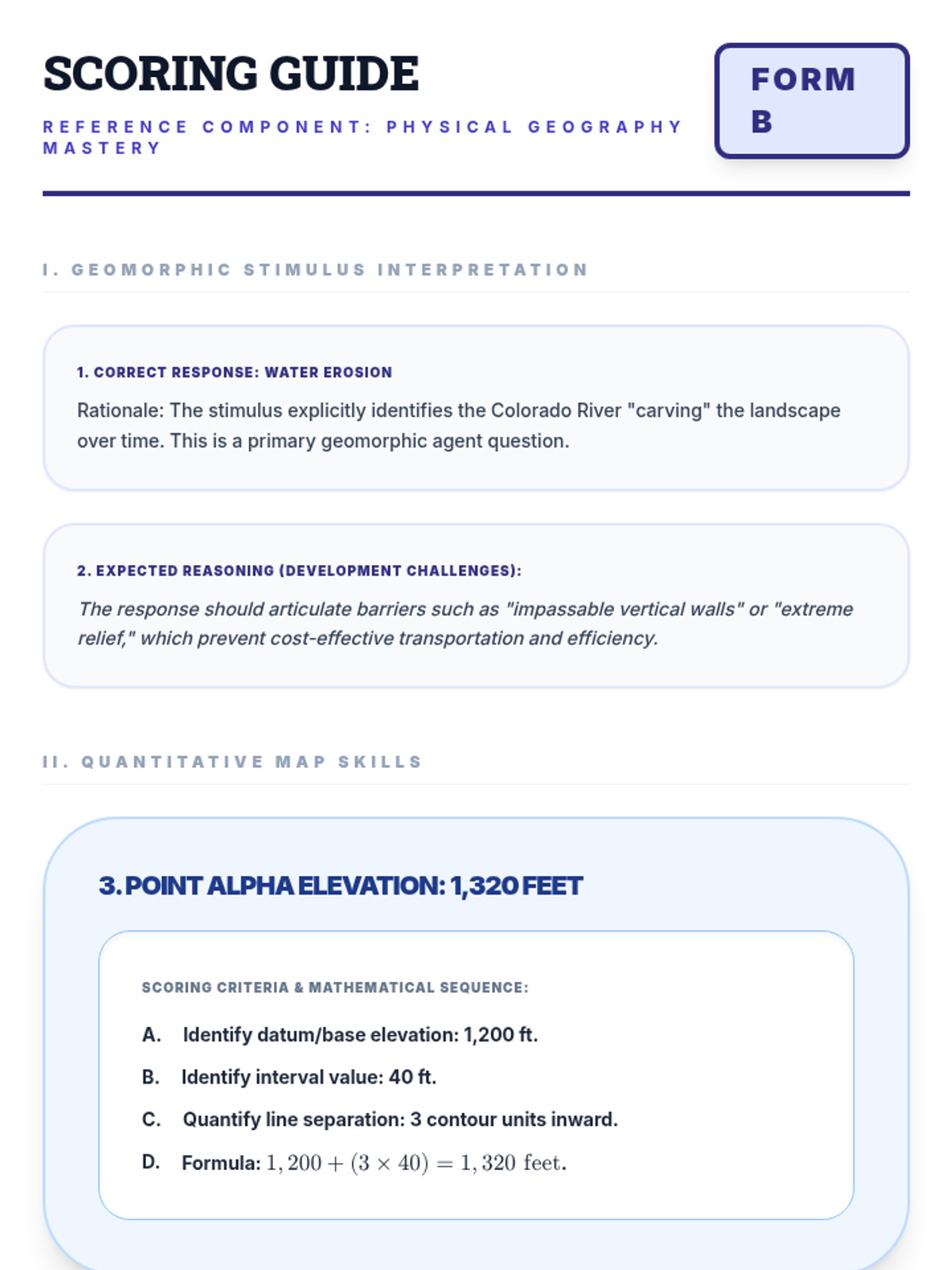
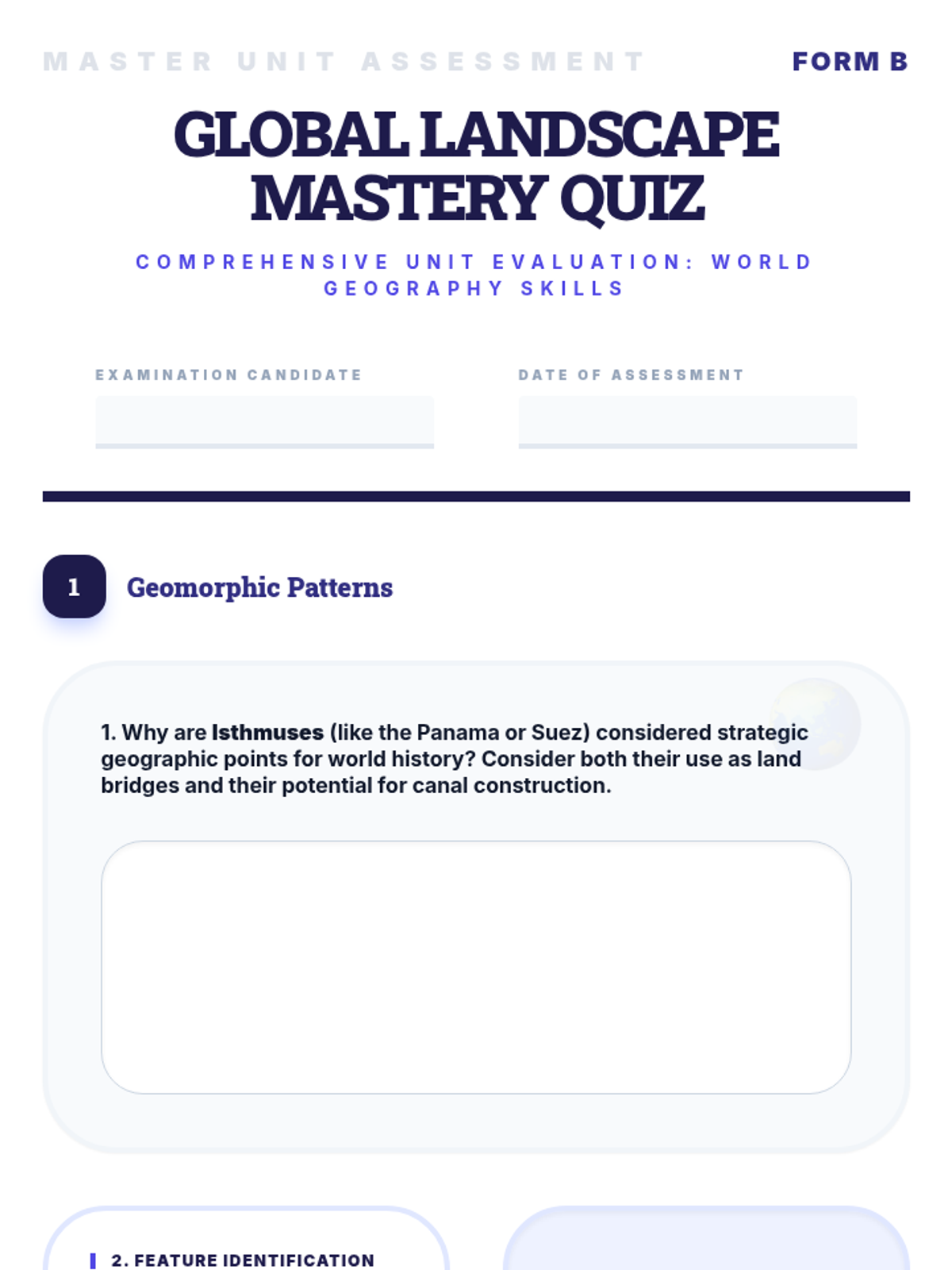
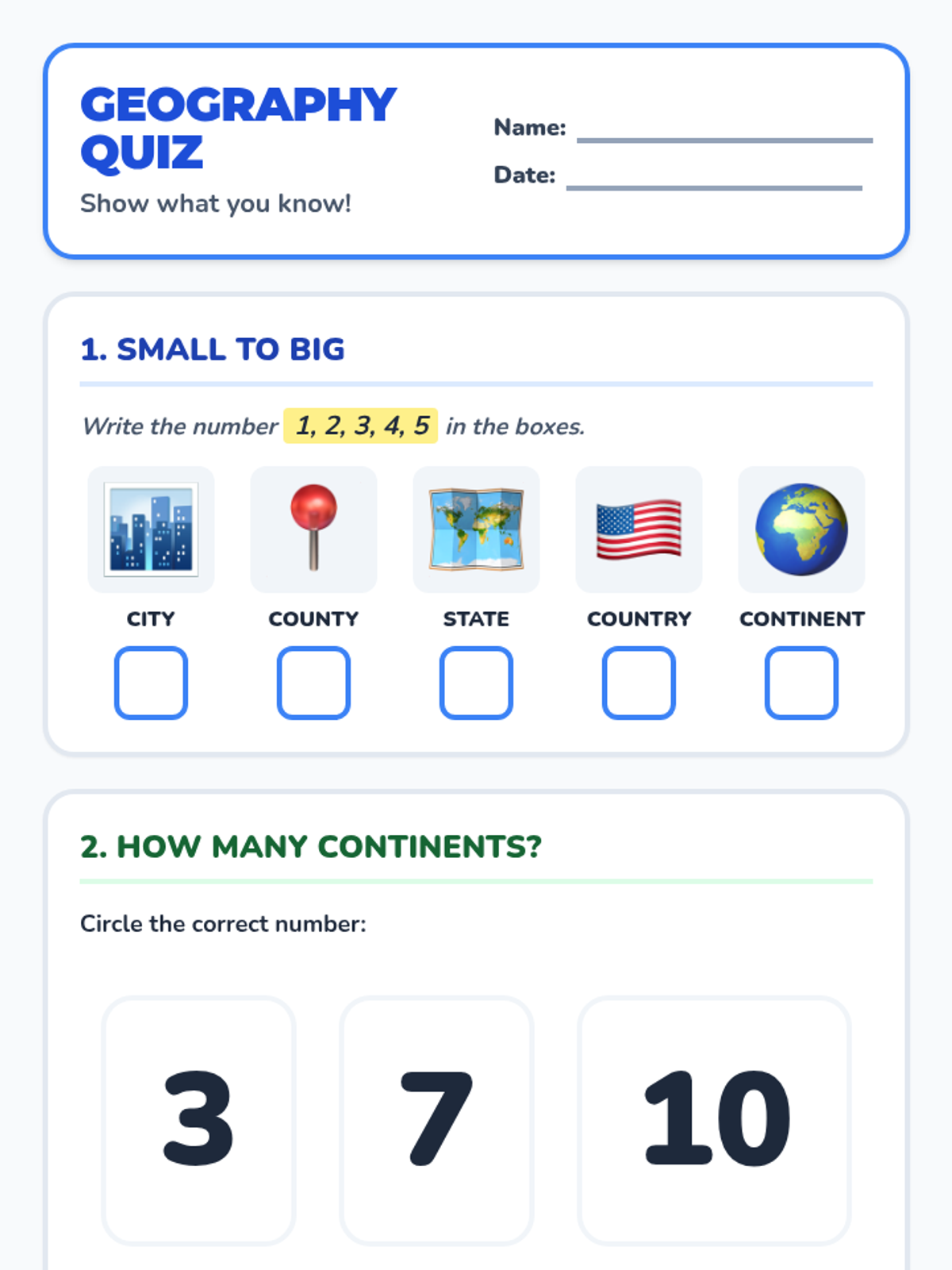
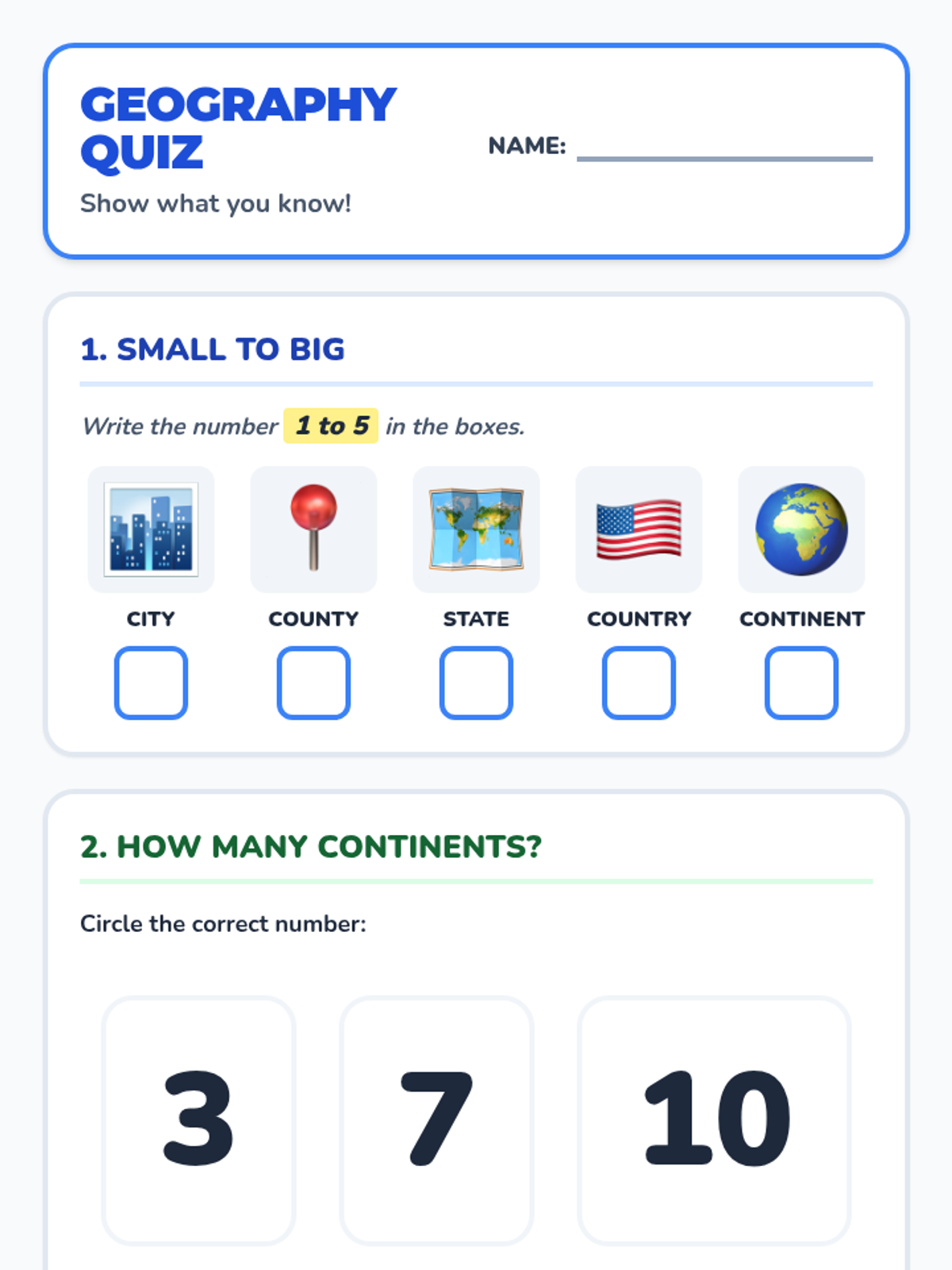
A final assessment and review lesson to verify student mastery of the unit's geography skills.
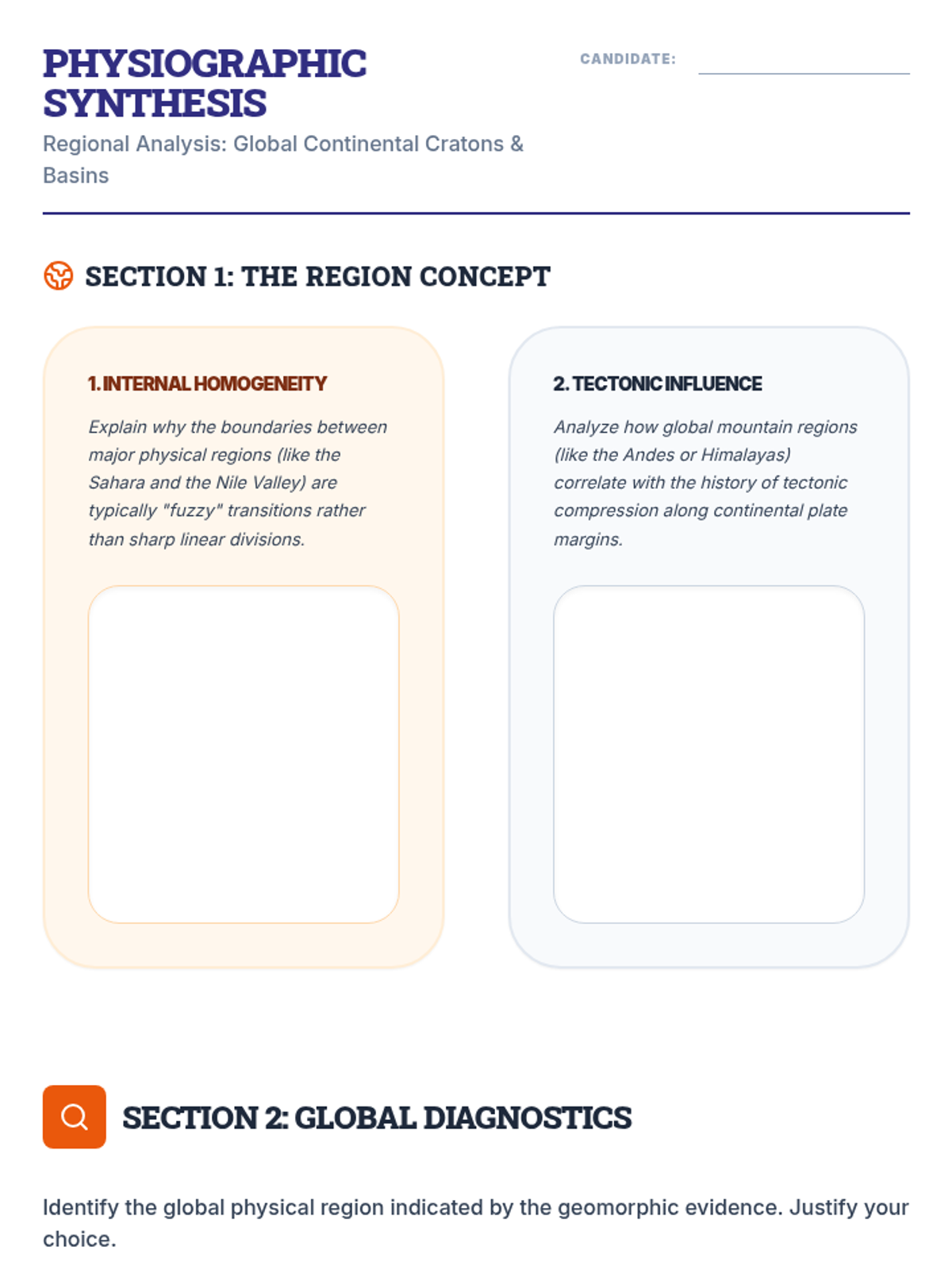
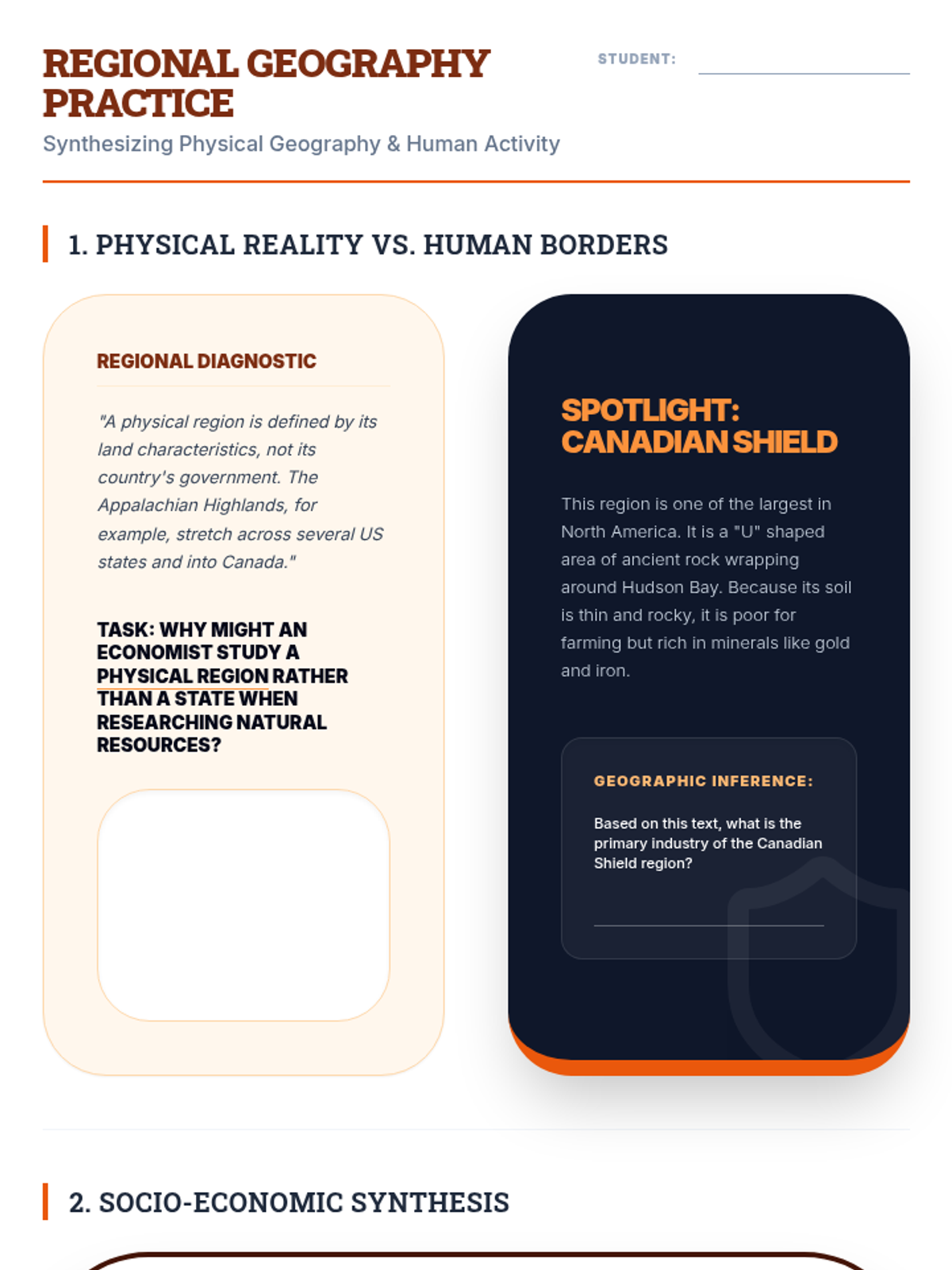
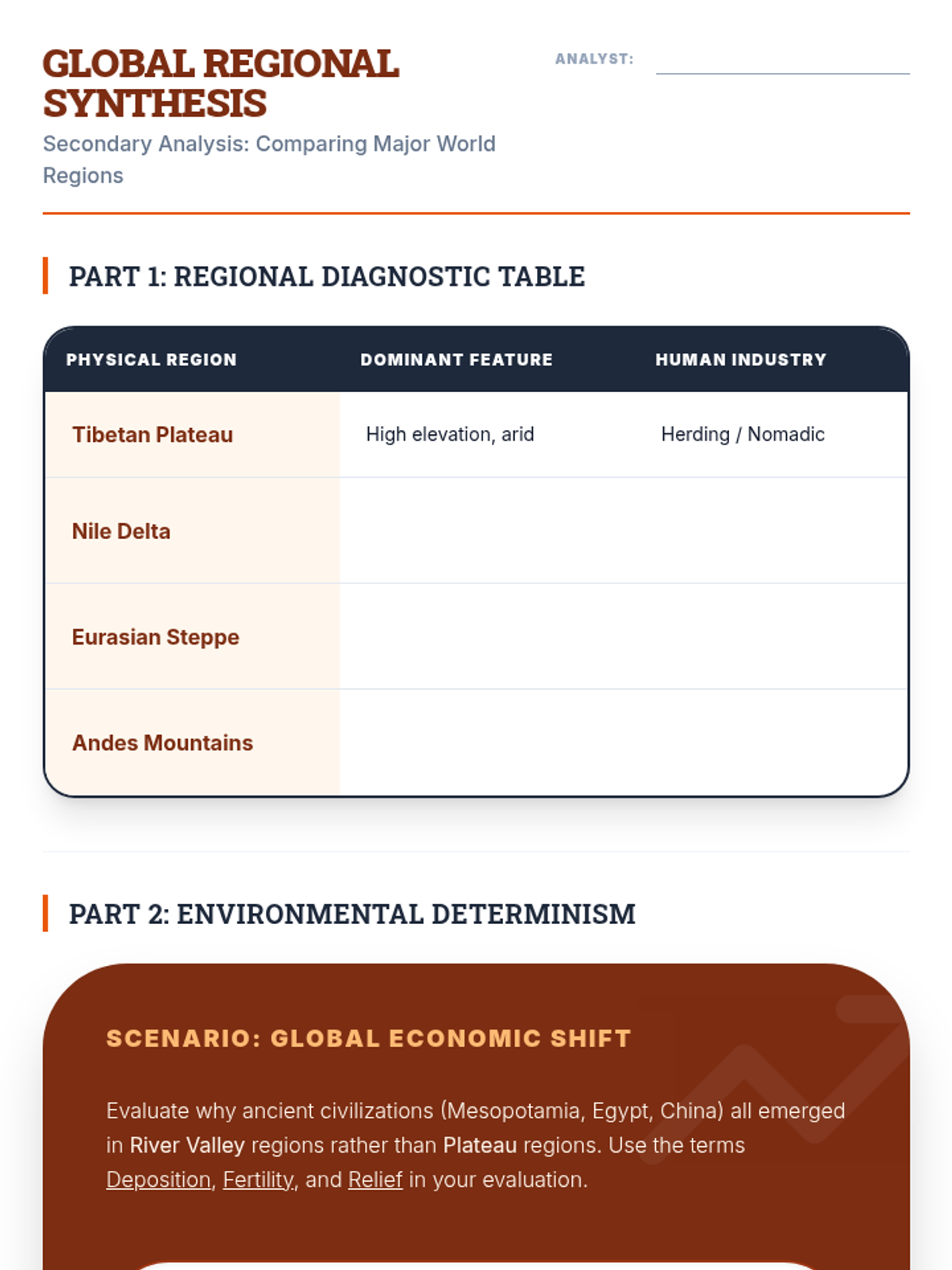
Analyzing the major physical regions of the world and their impact on human settlement and activity.
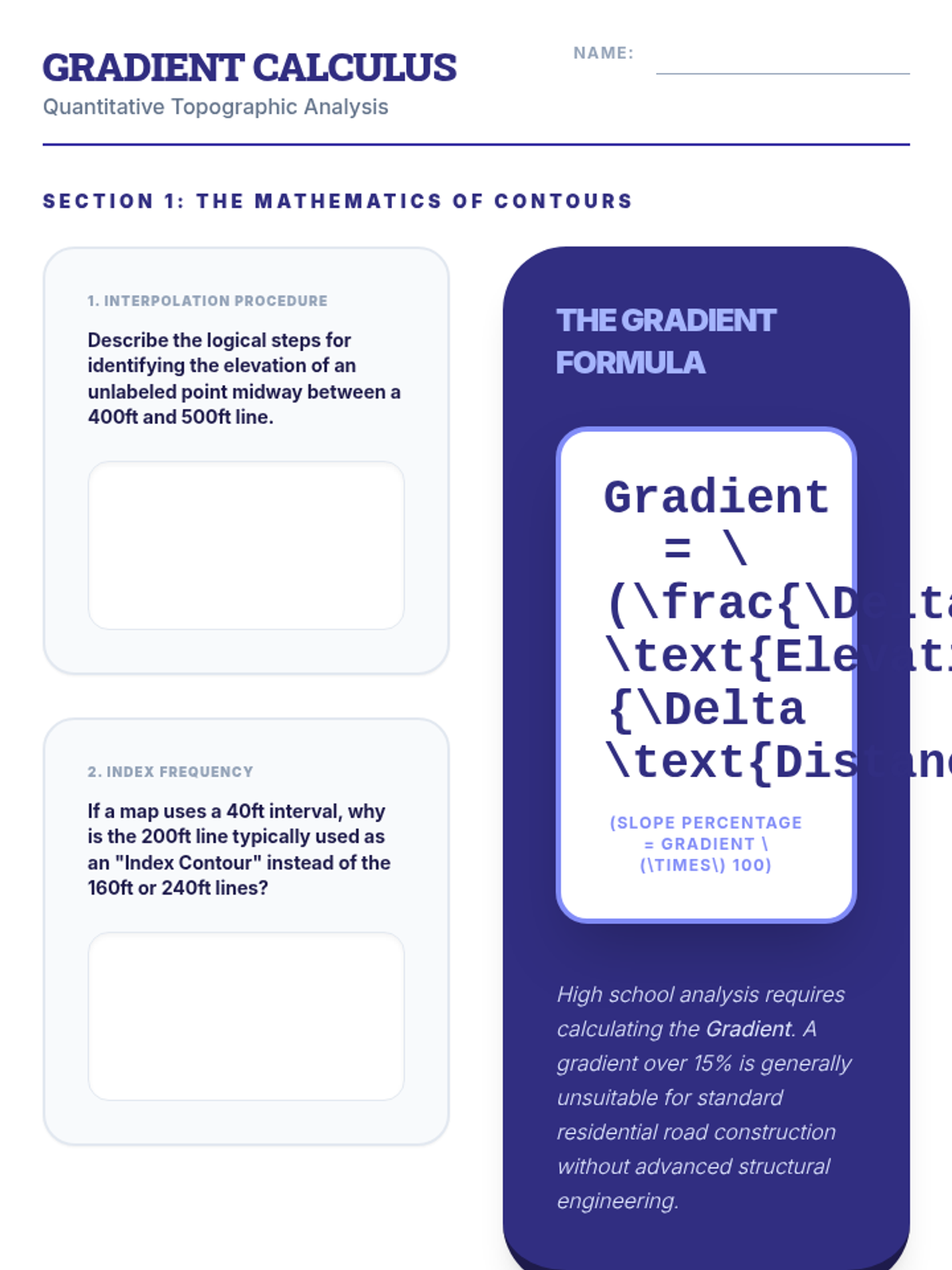
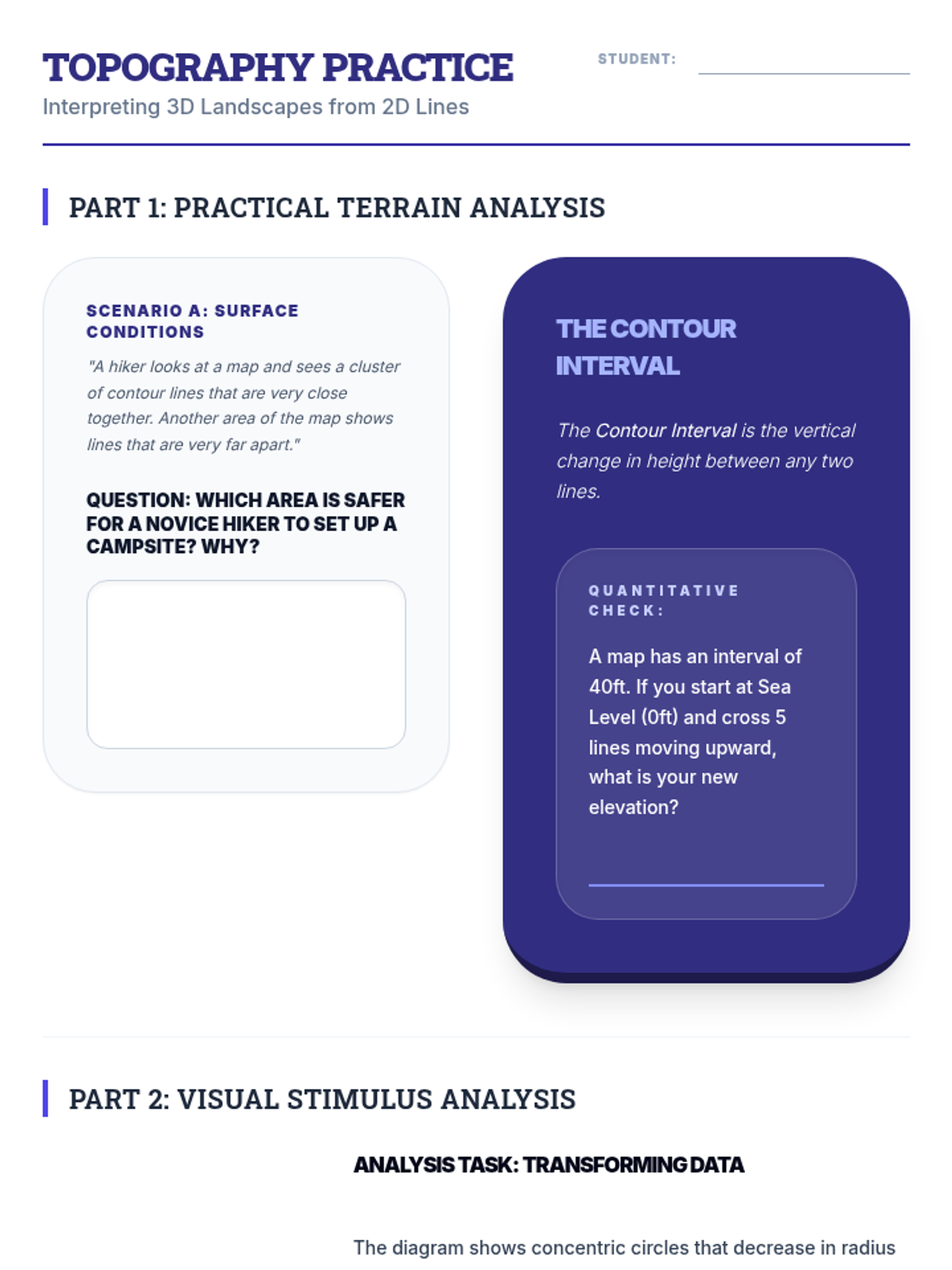
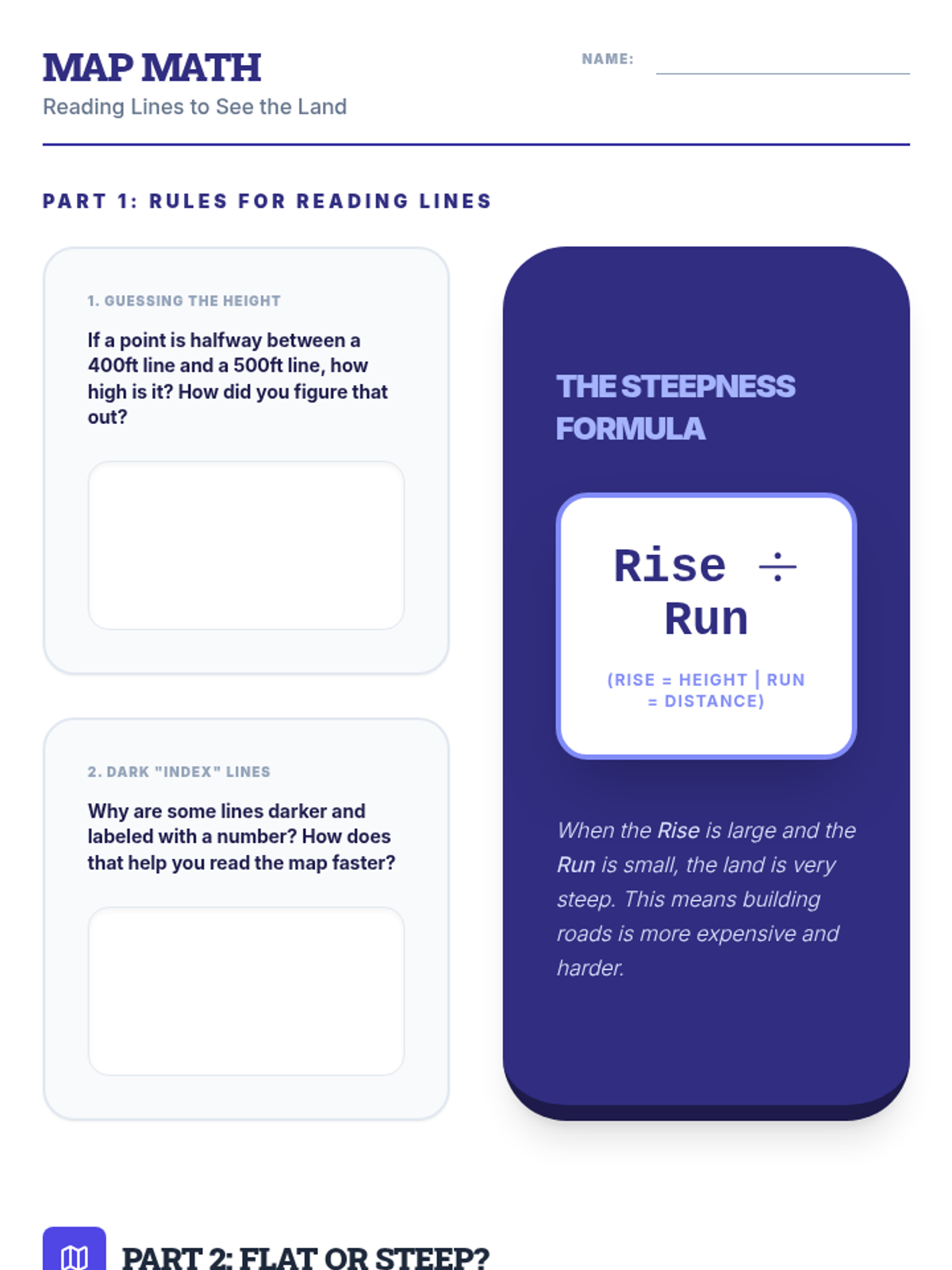
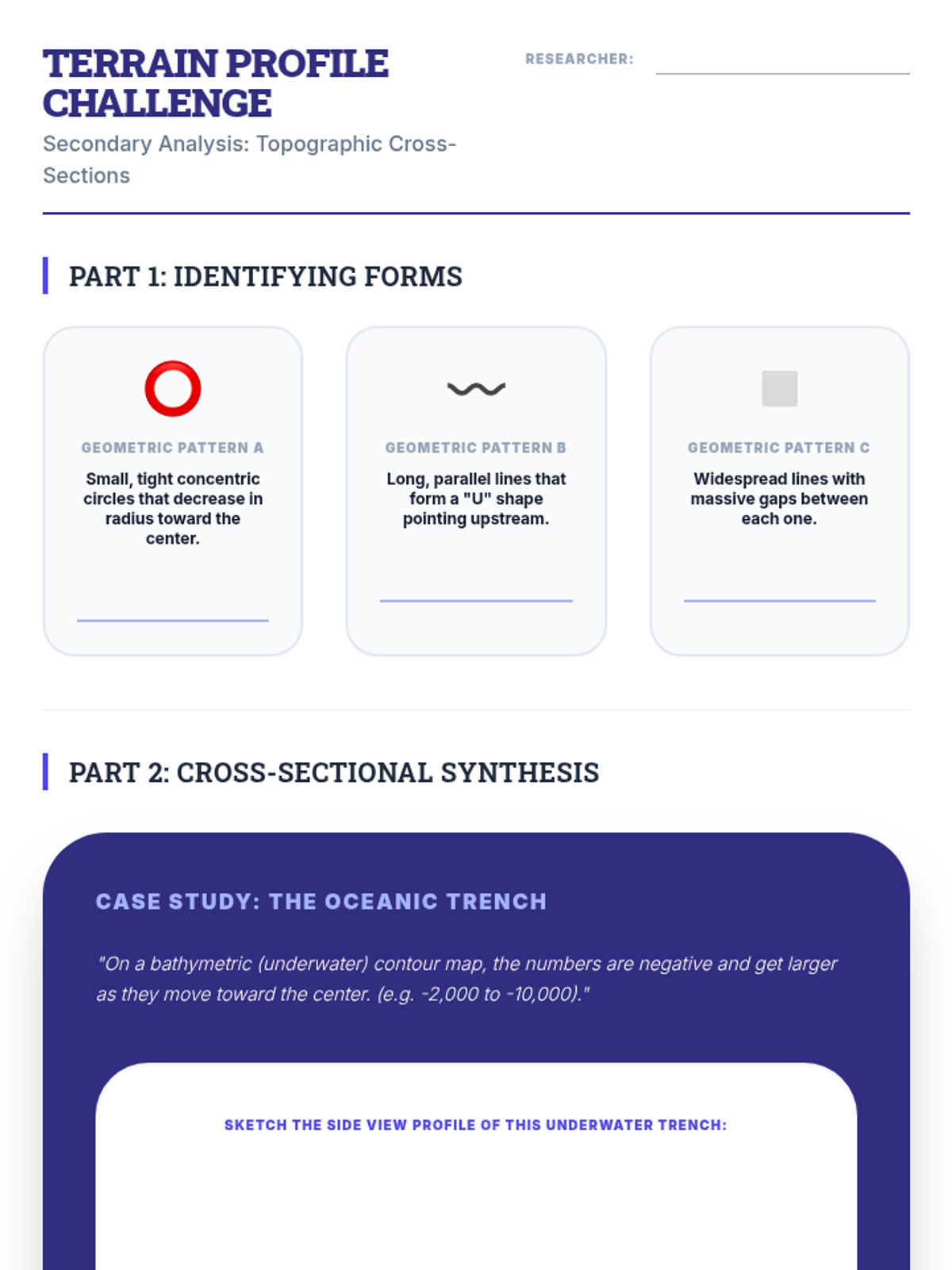
Using contour maps to visualize 3D terrain and calculate gradients across various global landscapes.
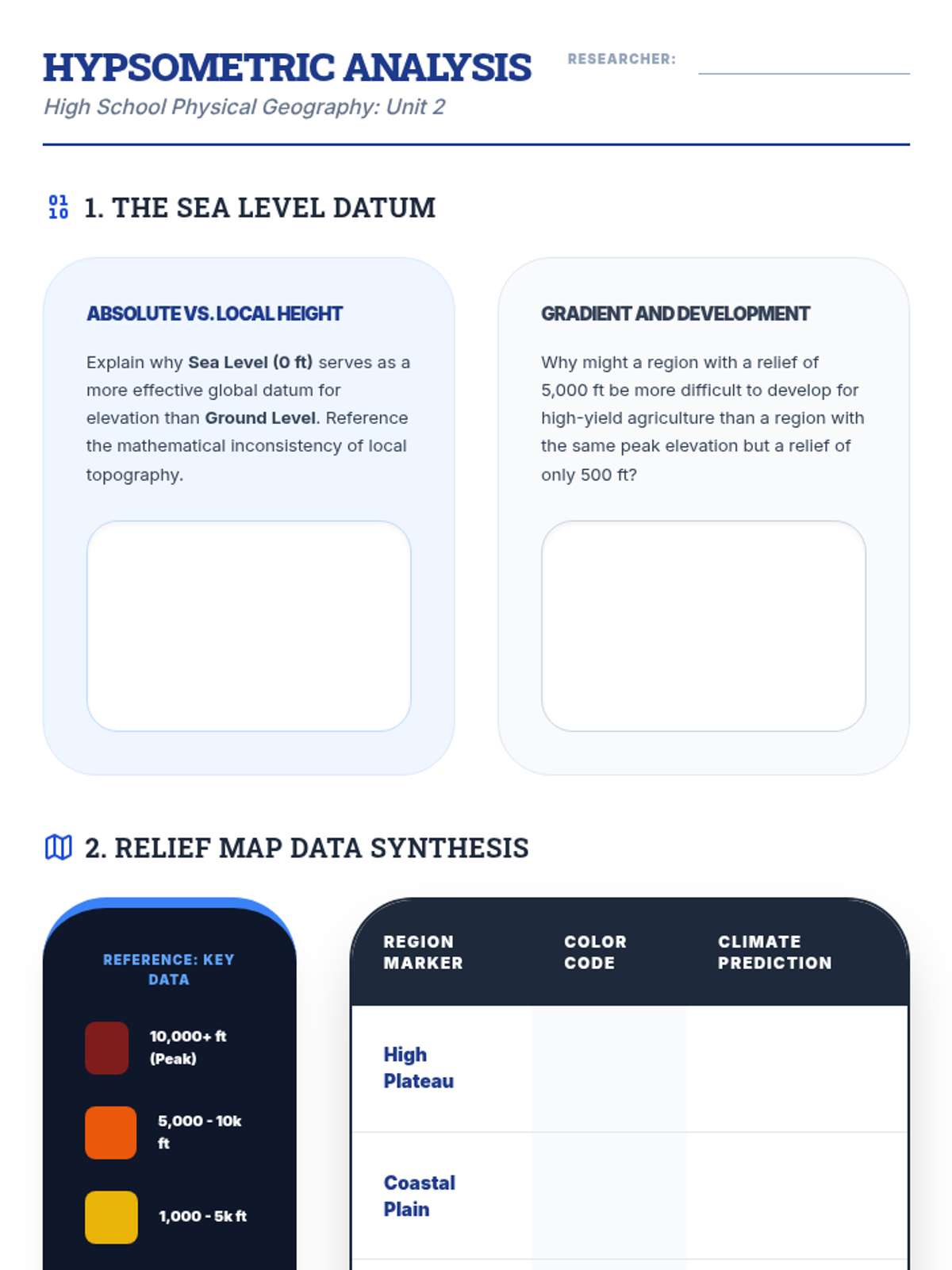
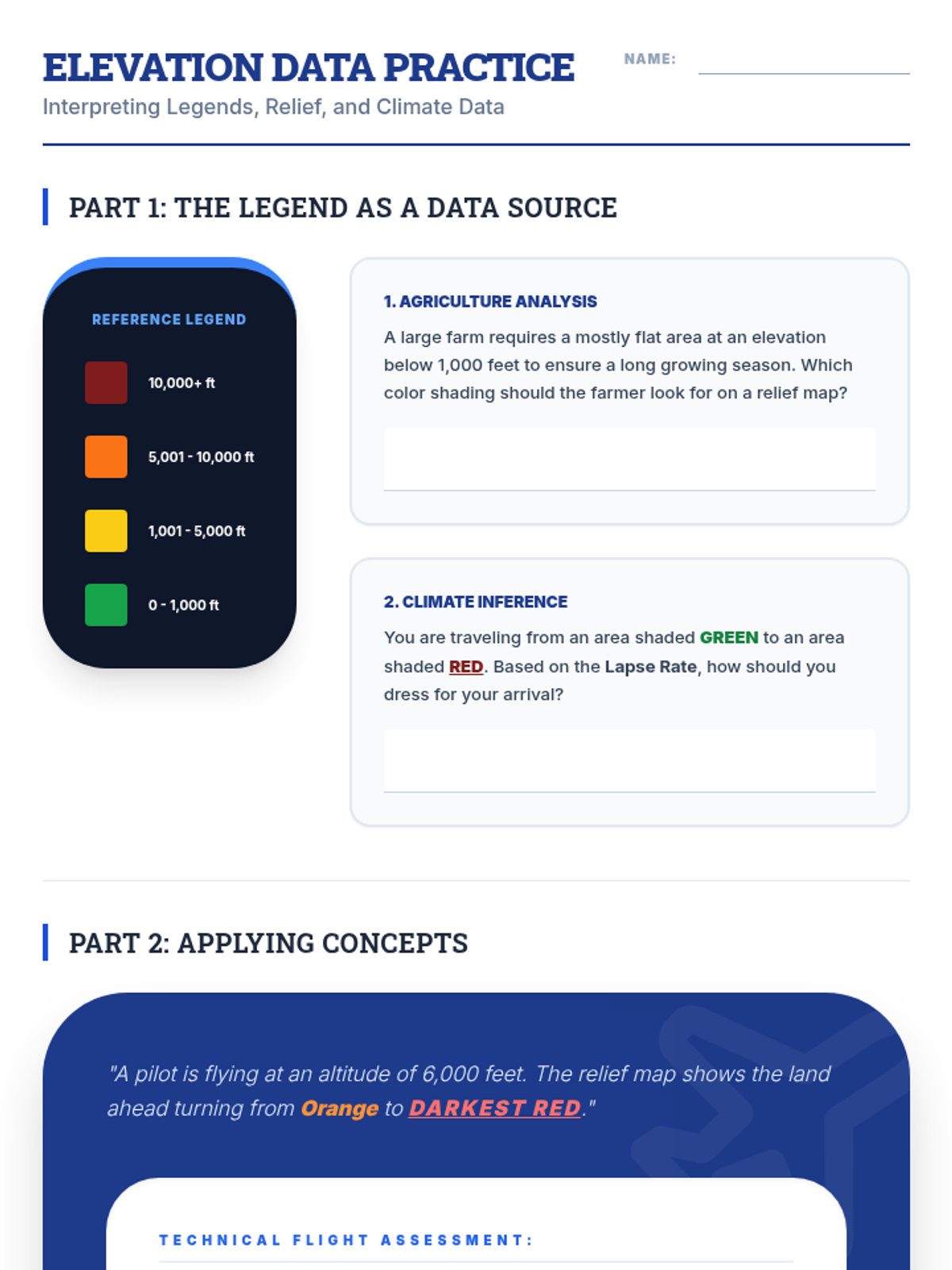
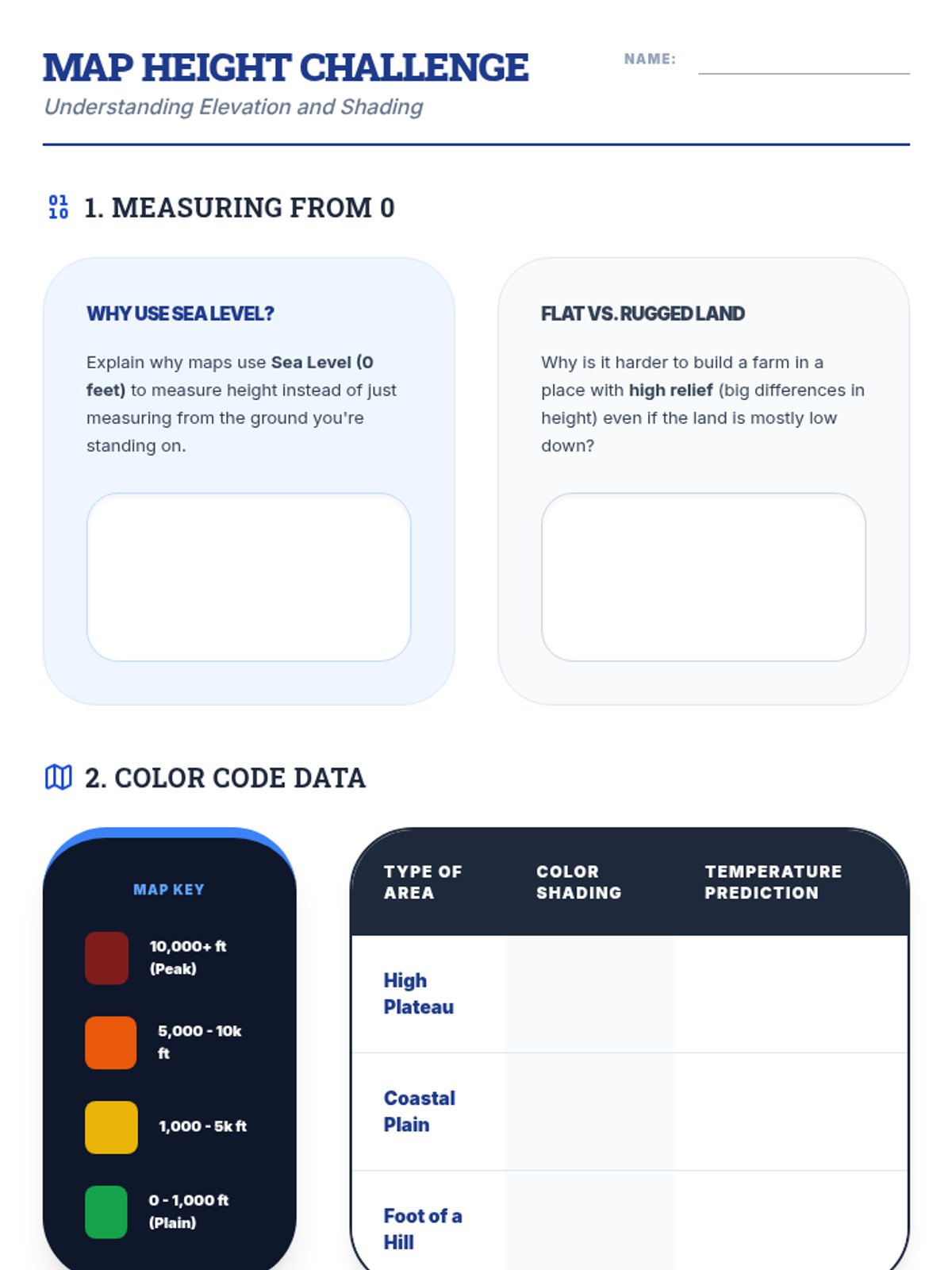
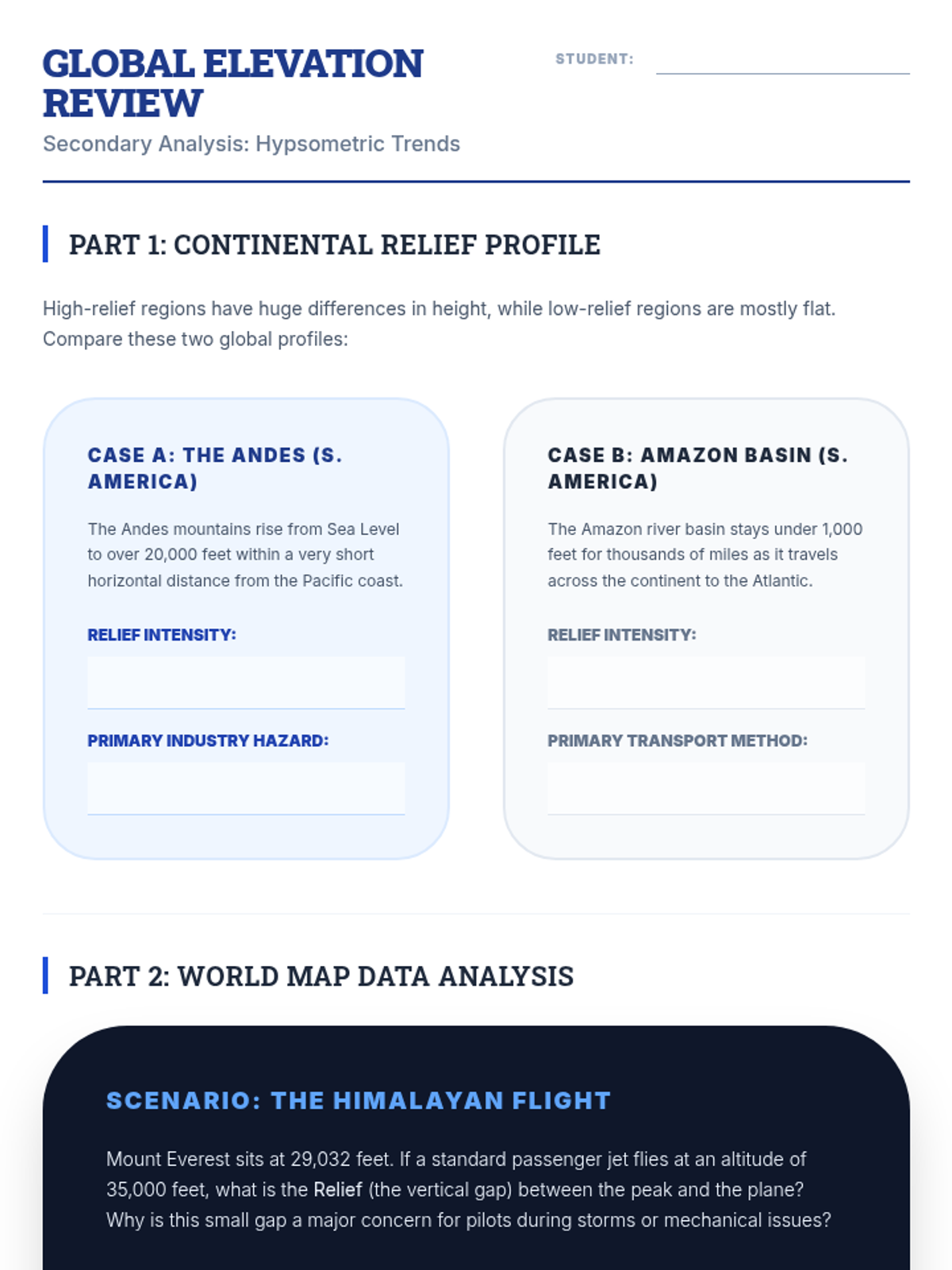
Mastering the use of relief shading and elevation data to interpret global mountain ranges and basins.
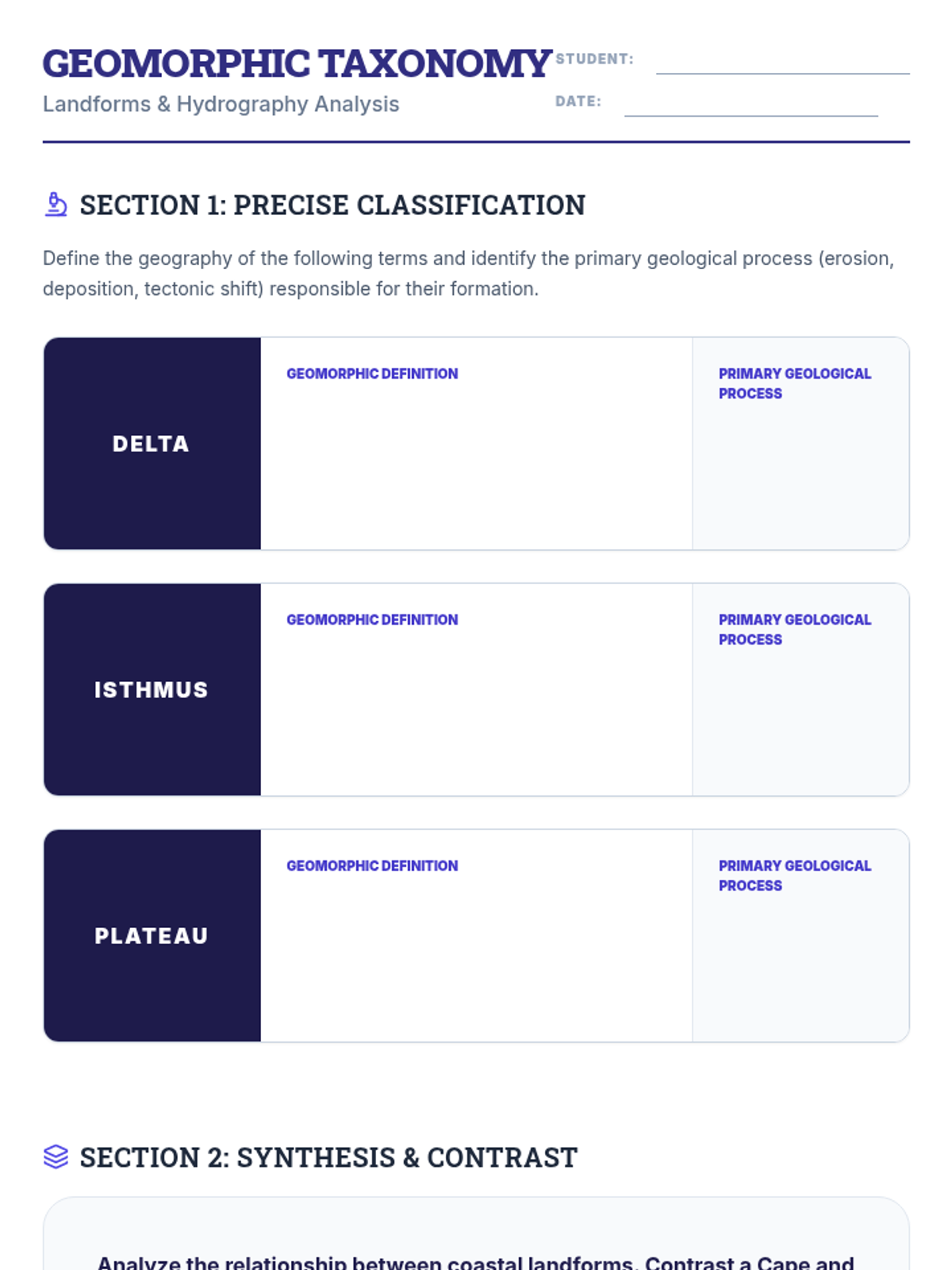
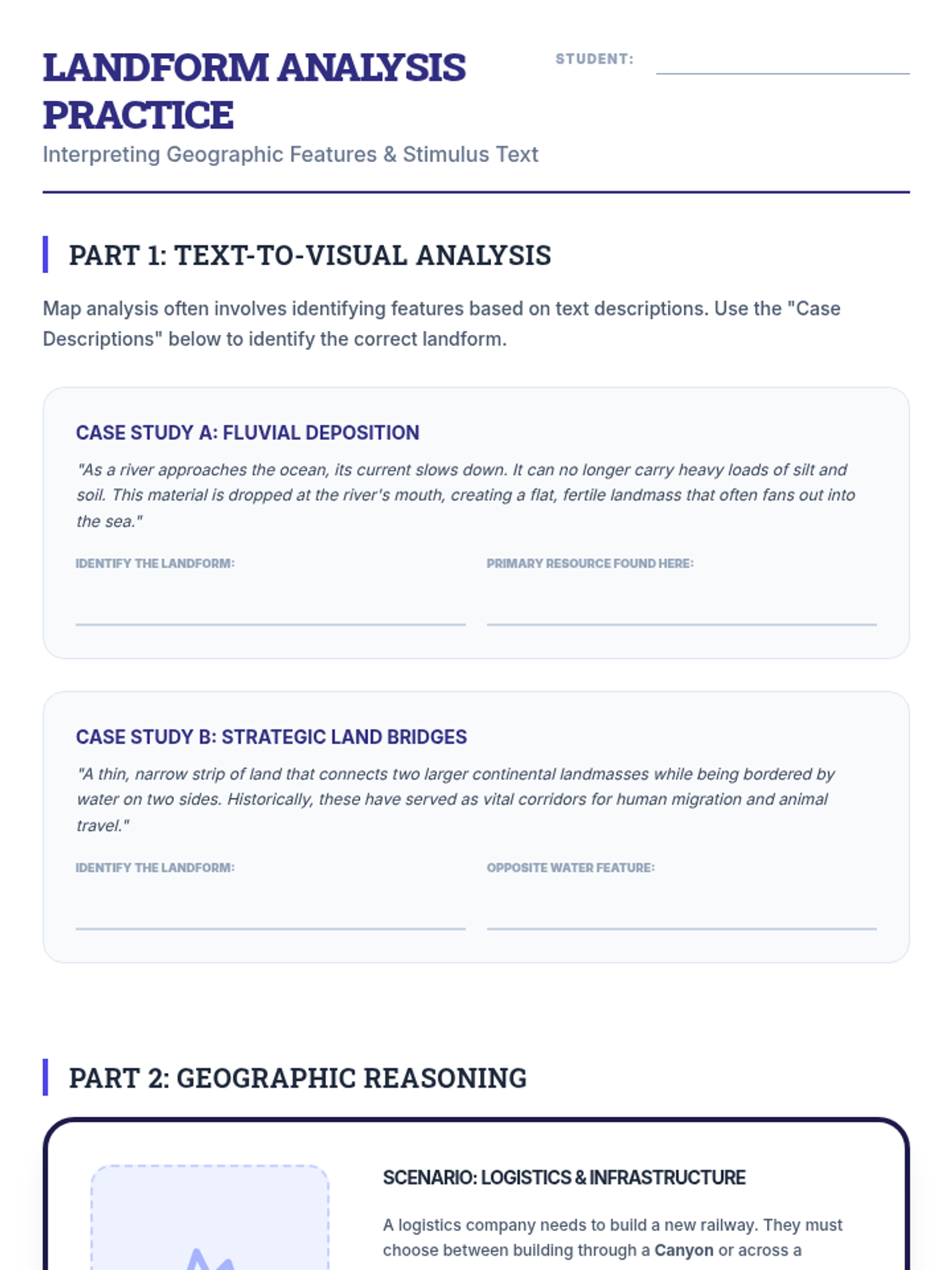
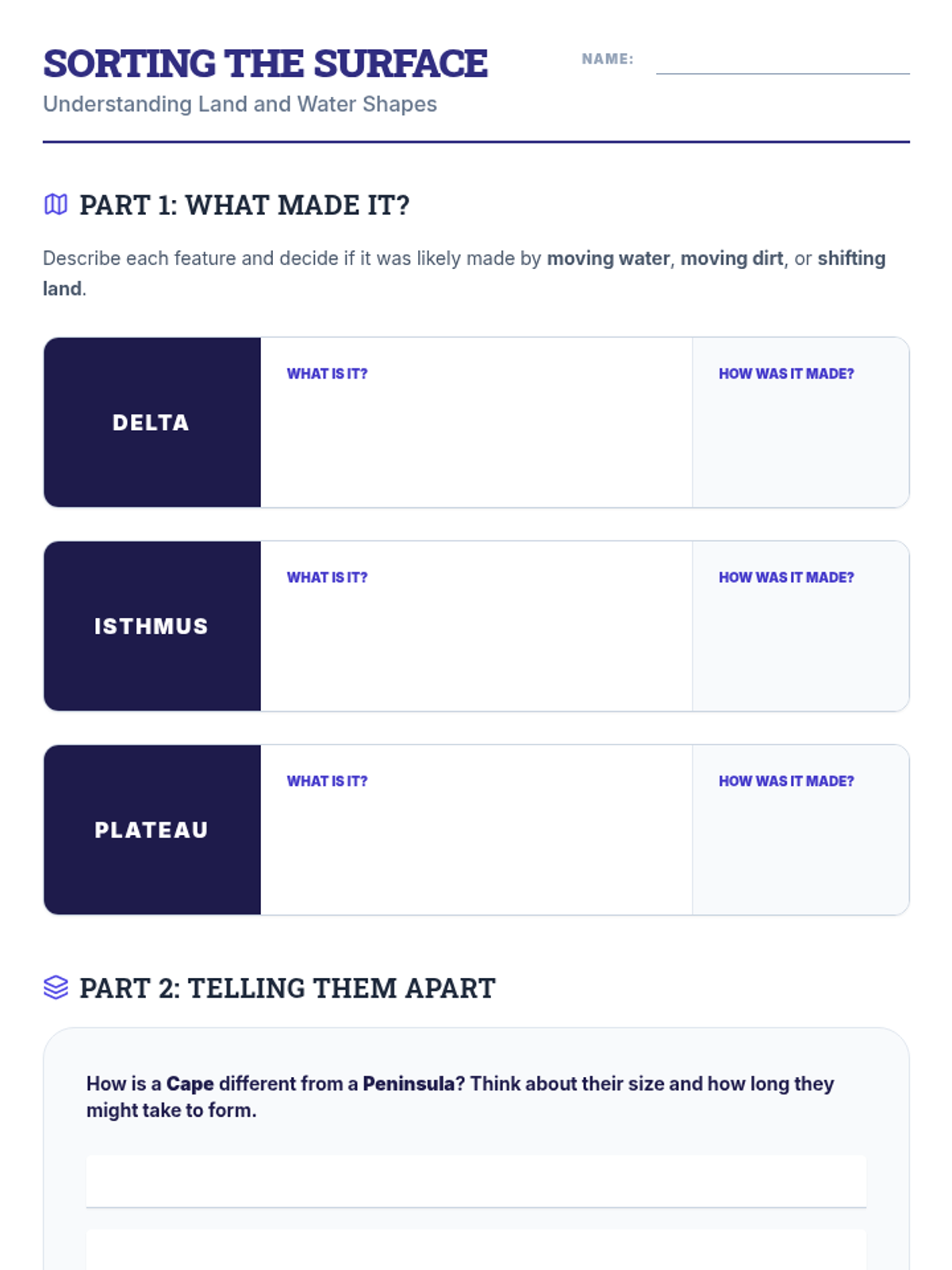
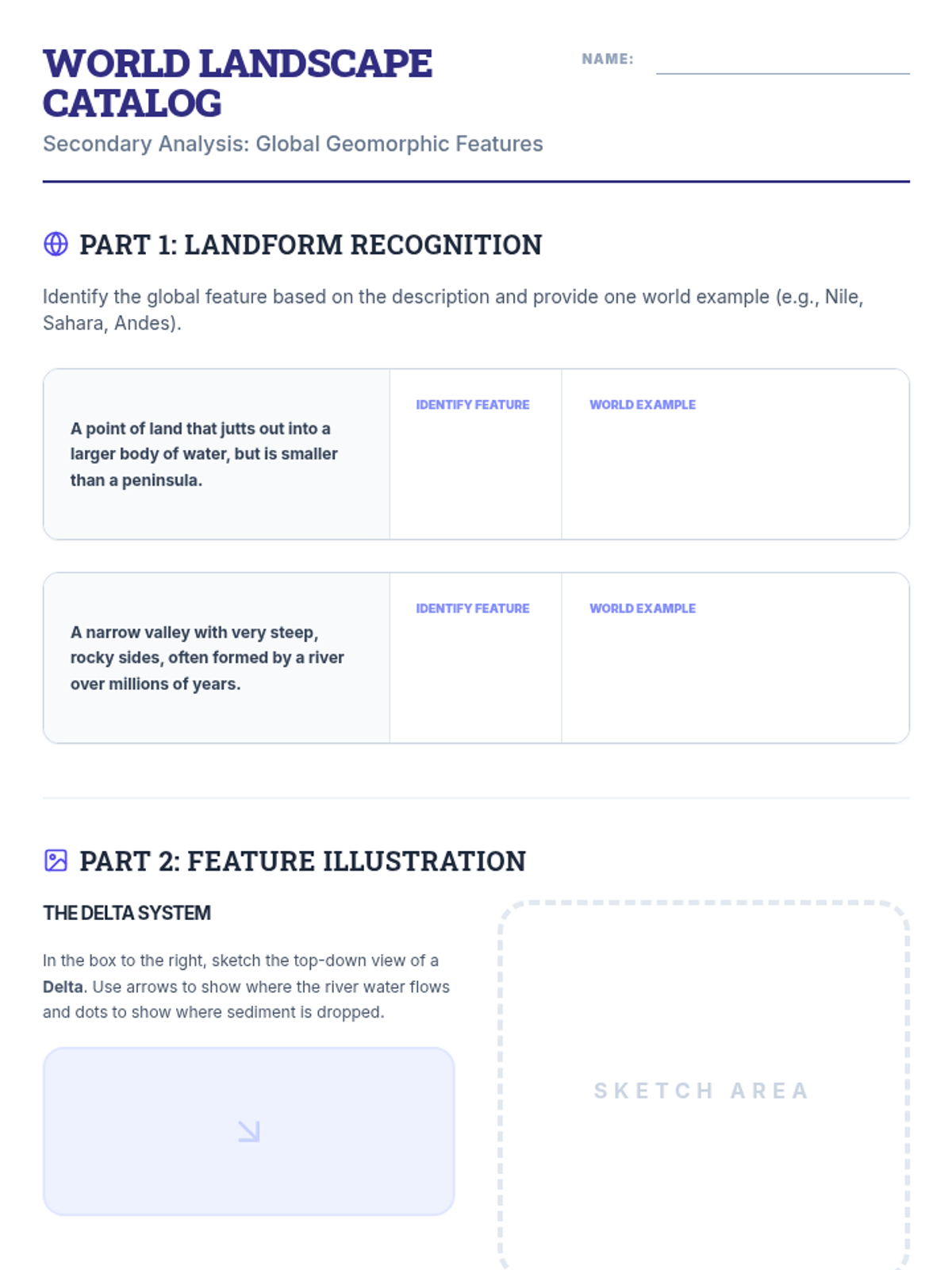
Identification of major landforms and bodies of water found across the seven continents.
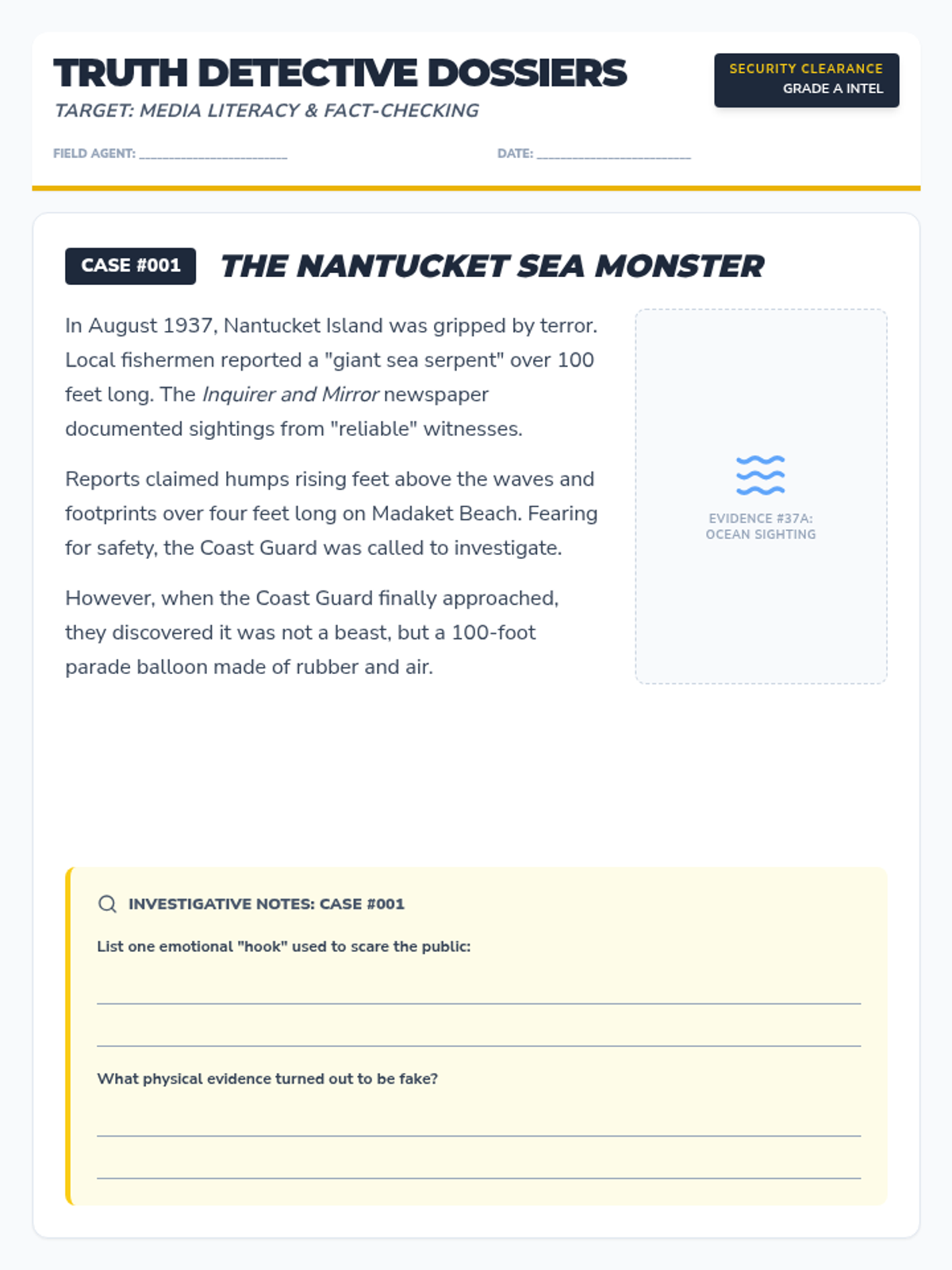
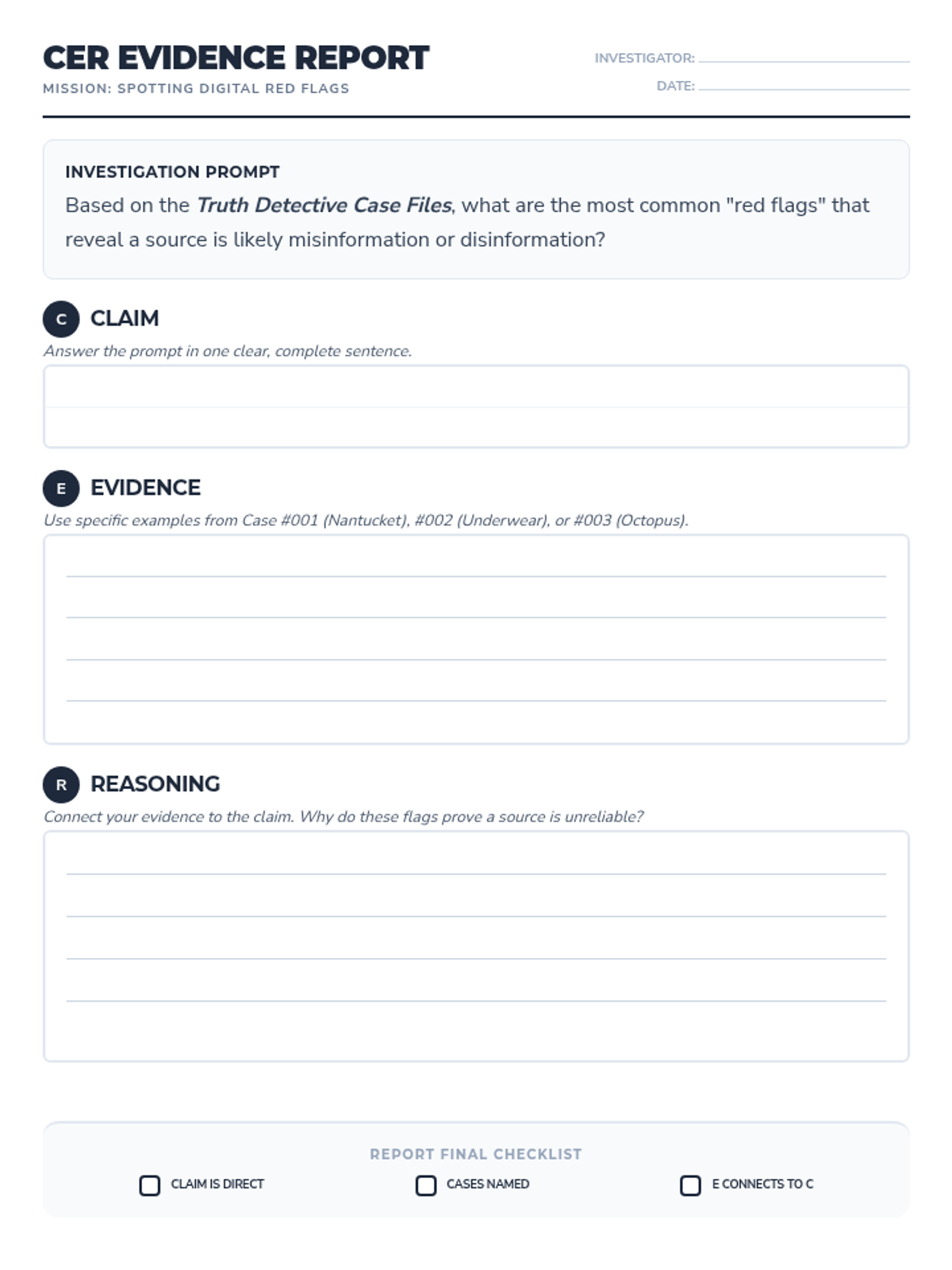
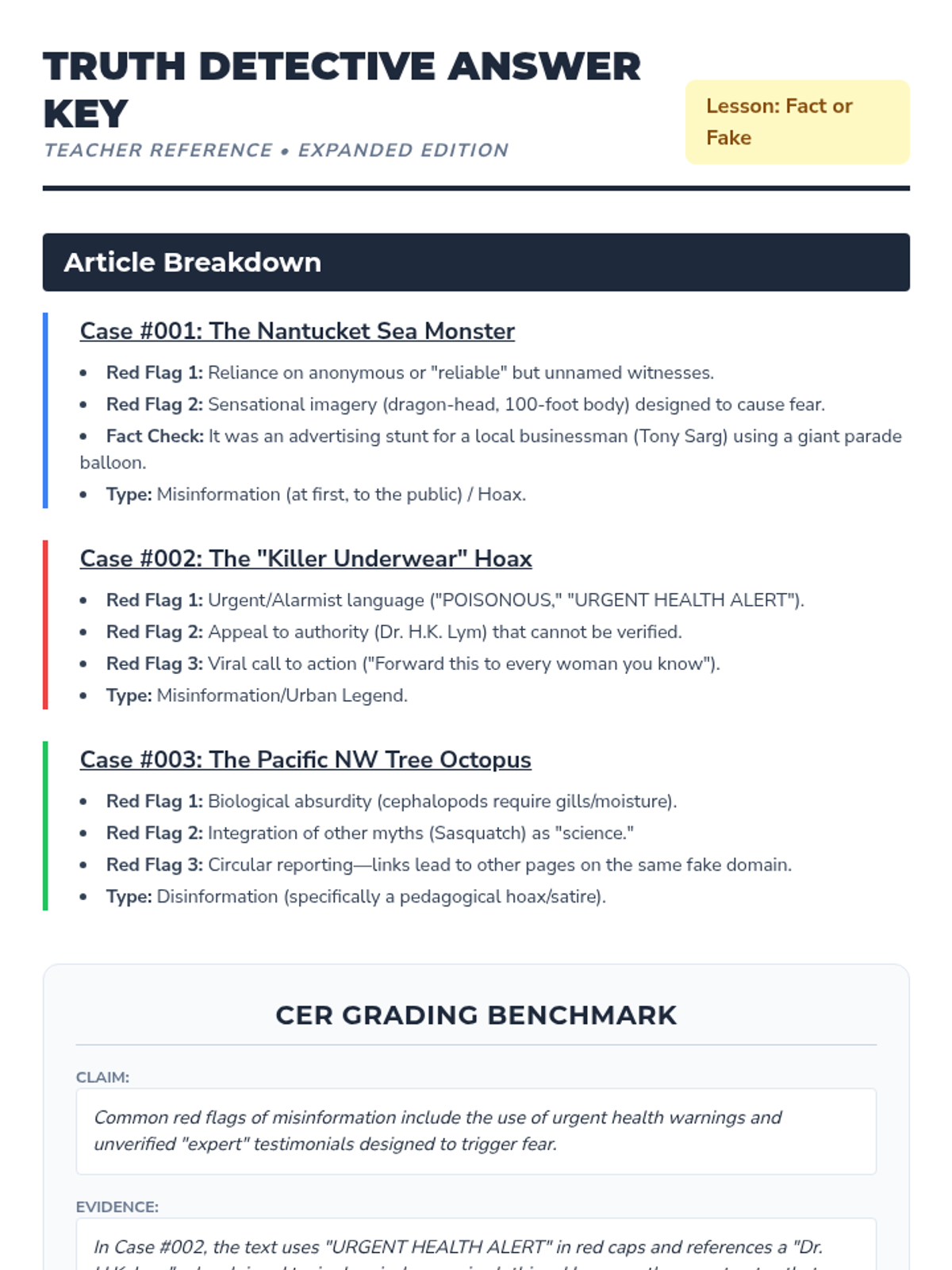
A lesson focused on identifying misinformation and disinformation through short case studies, culminating in a CER (Claim, Evidence, Reasoning) paragraph about spotting digital red flags.
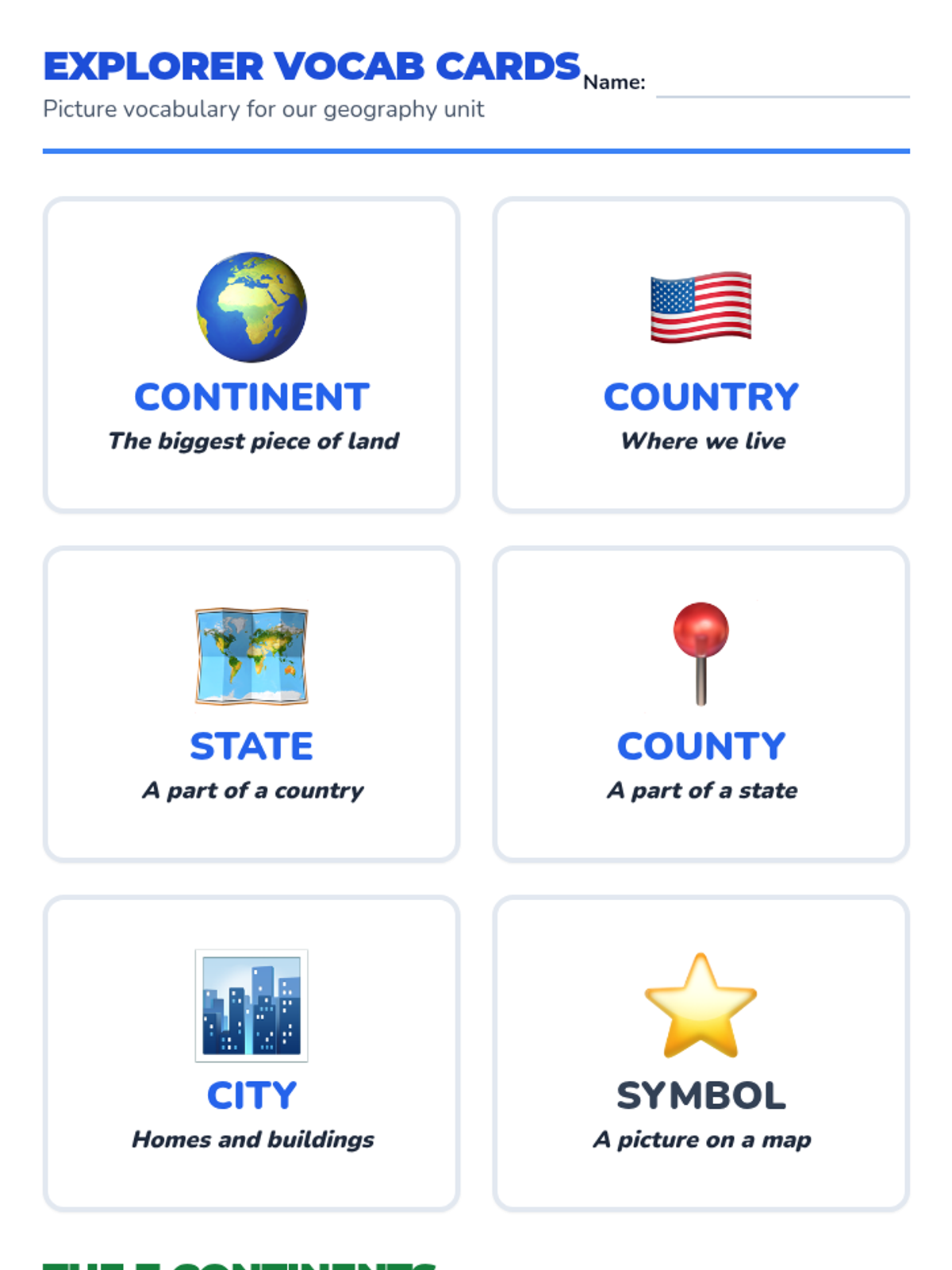
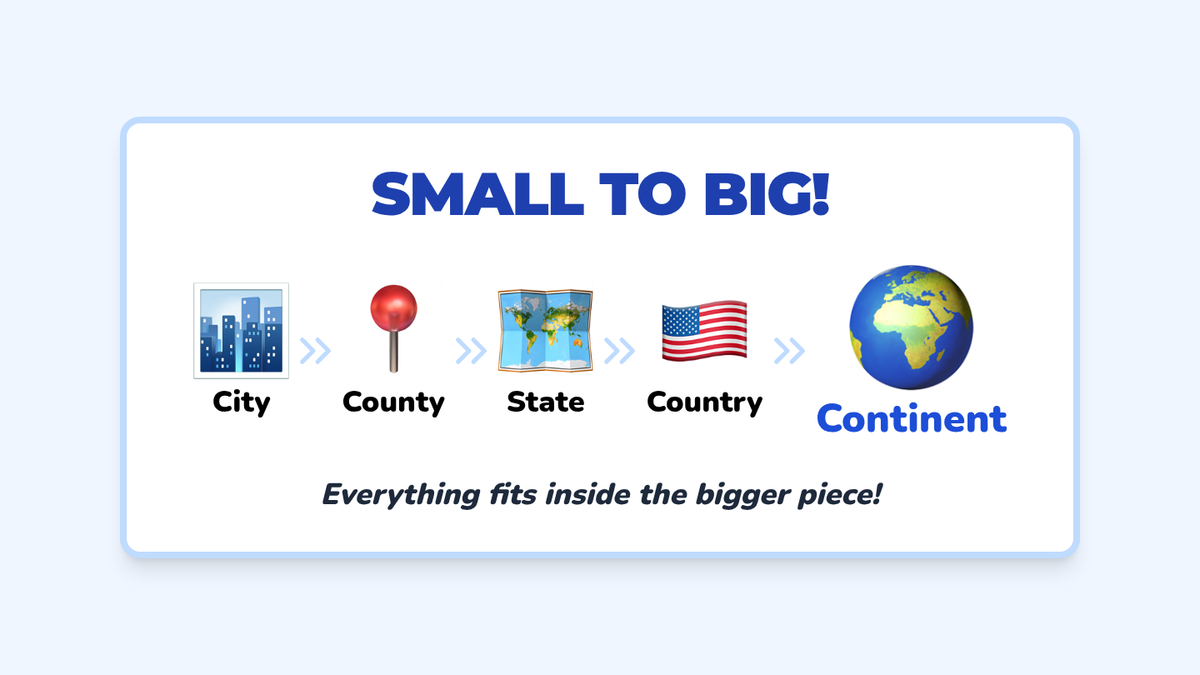
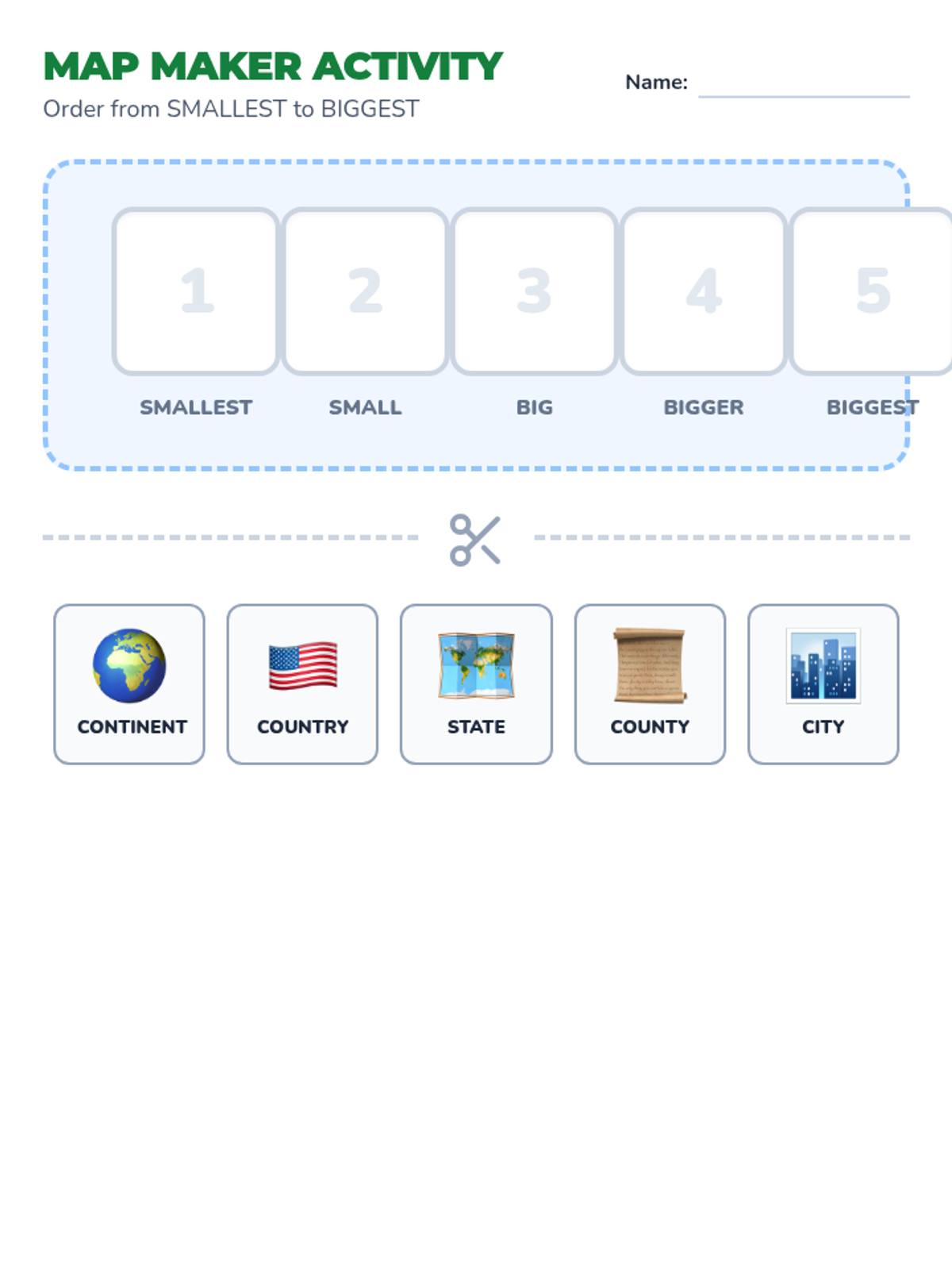
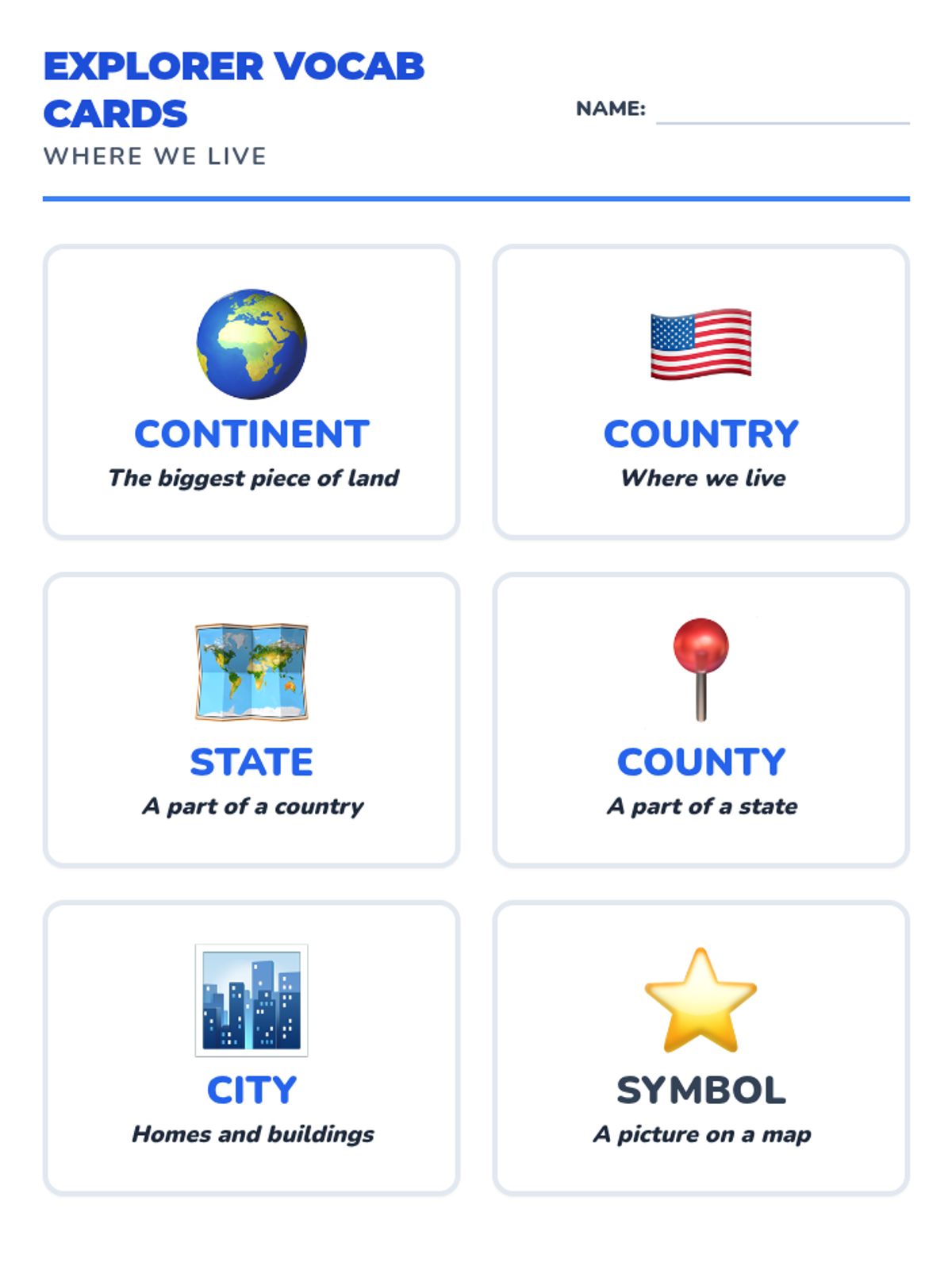
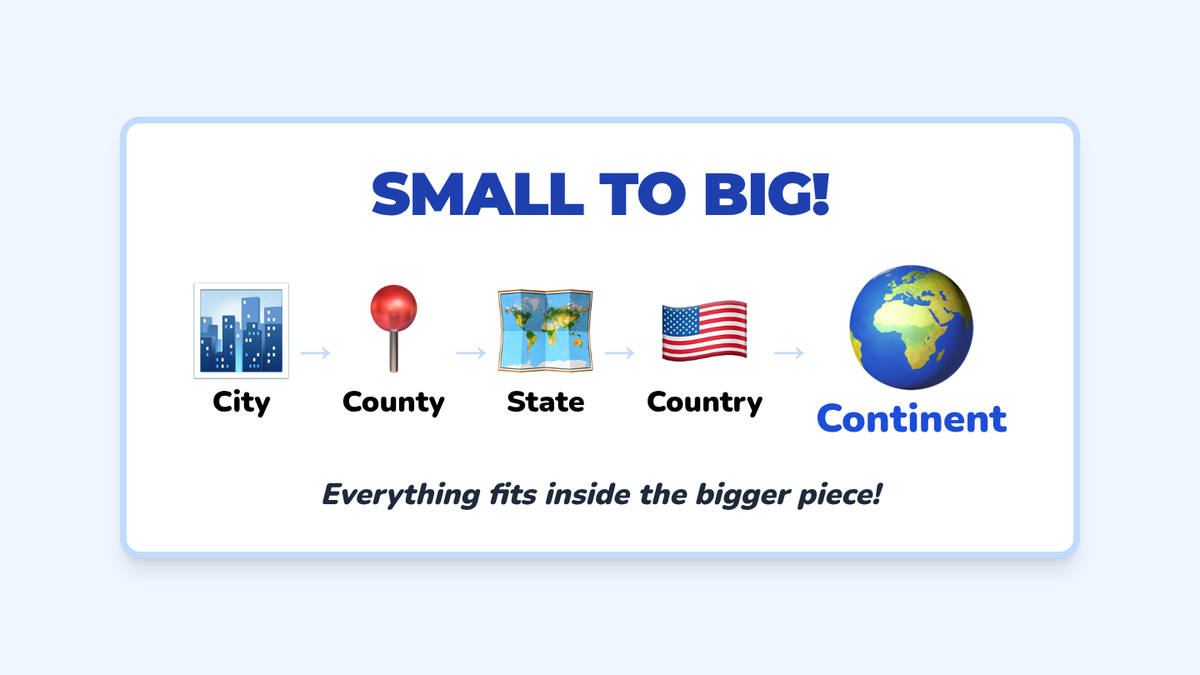
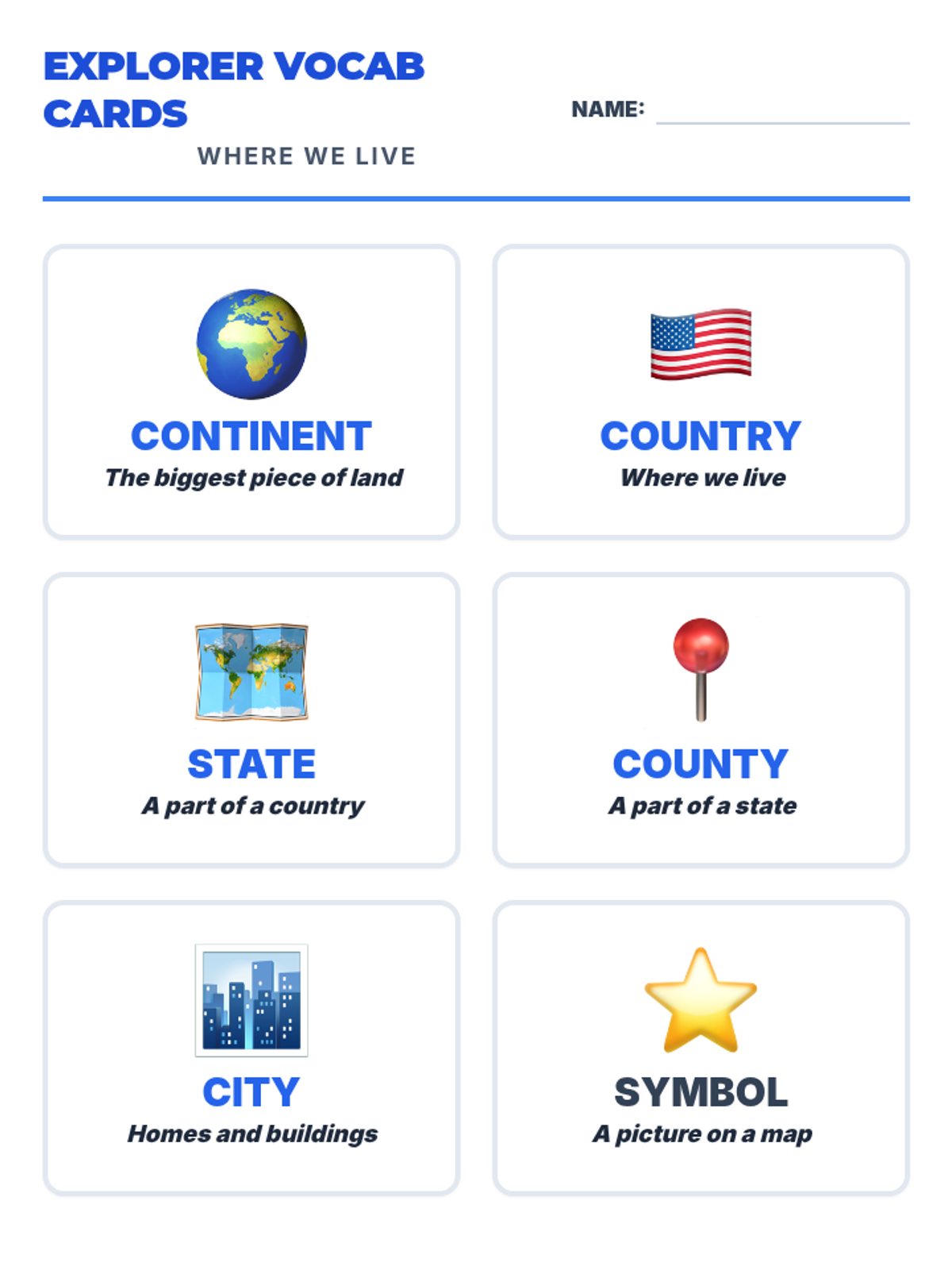
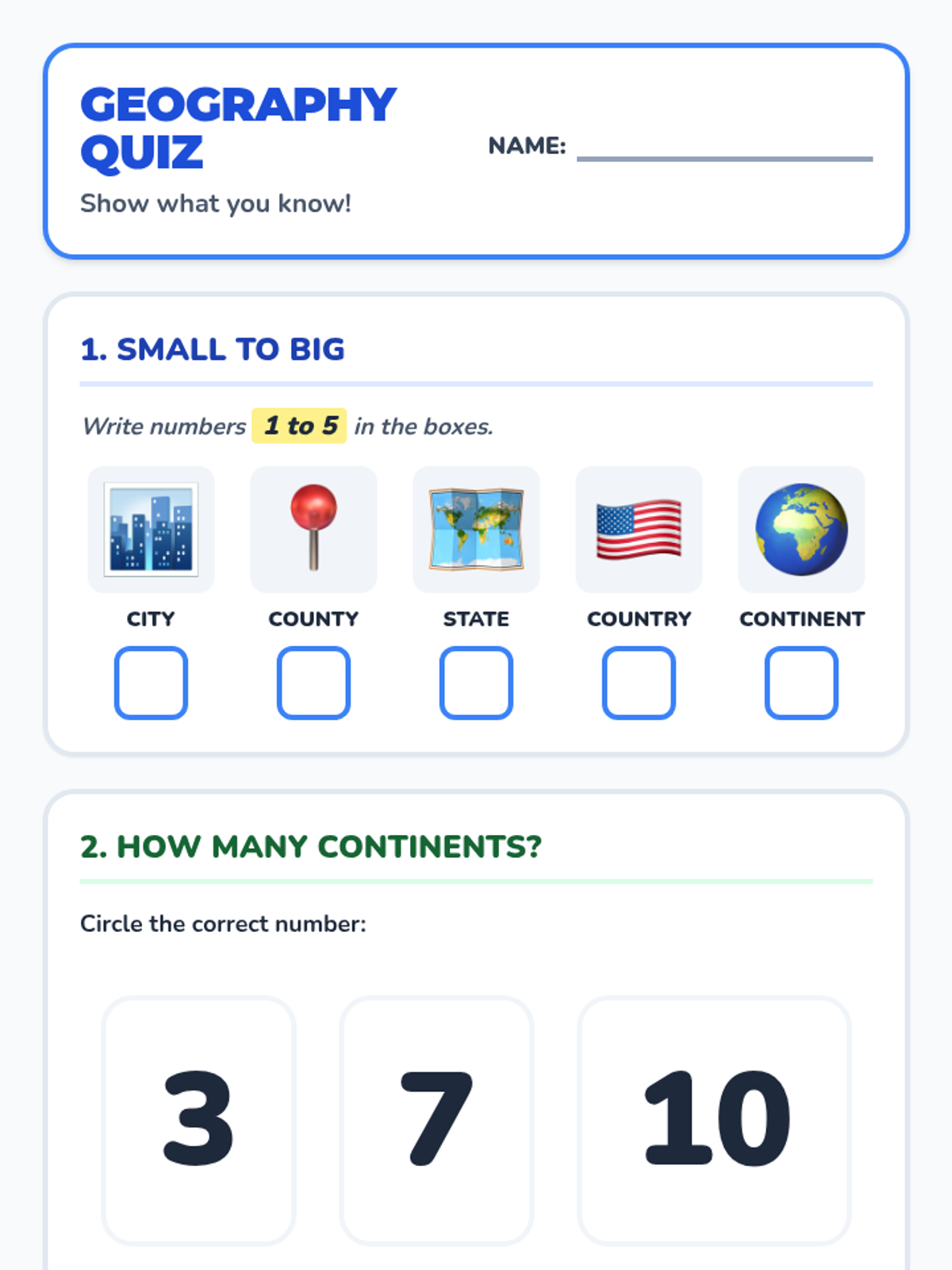
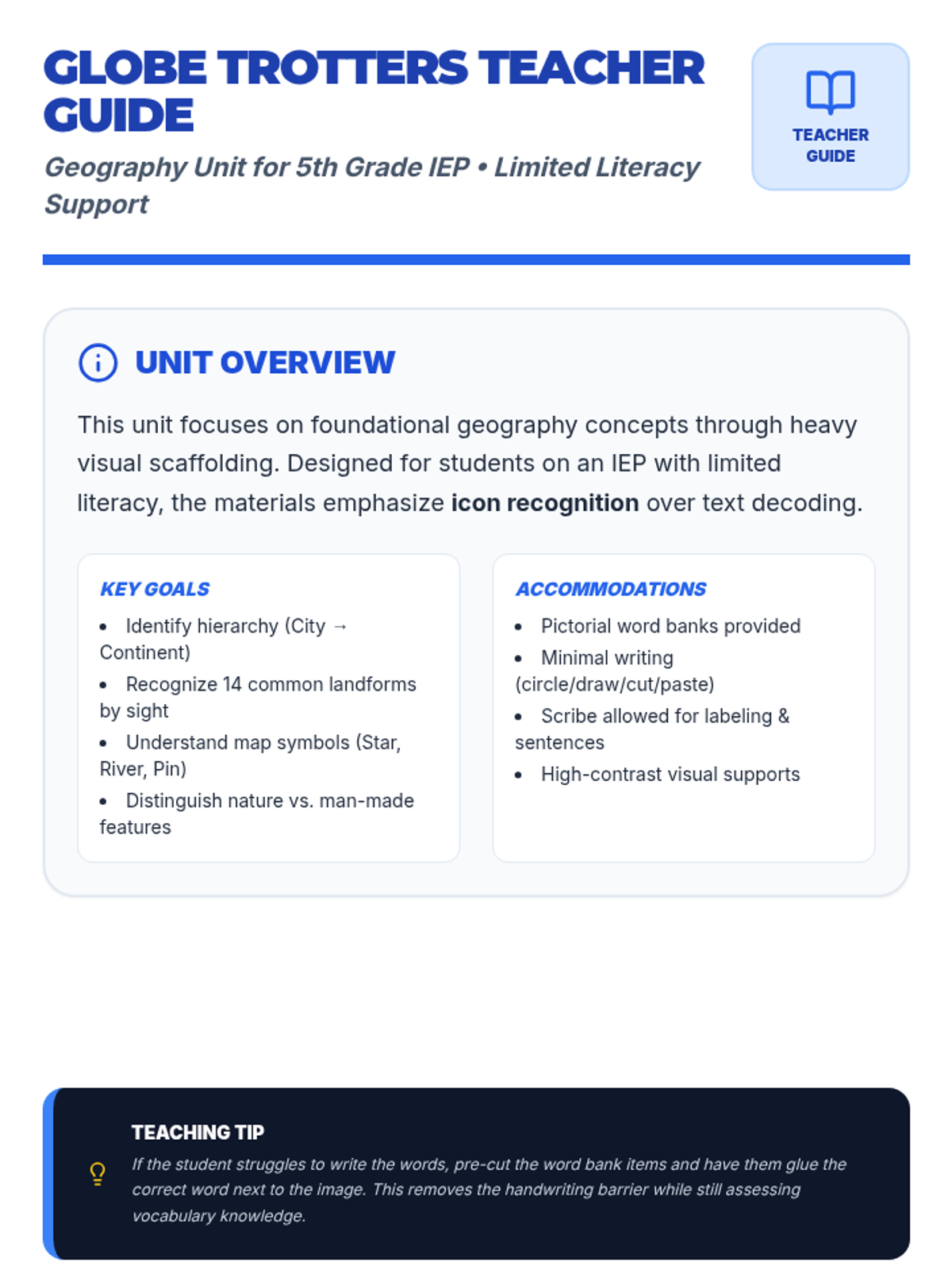
A visual-heavy lesson introducing map symbols, the hierarchy of place from city to continent, and major landforms and landmarks around the world.
A lesson introducing the concept of family, its definition, and its importance as a social unit.
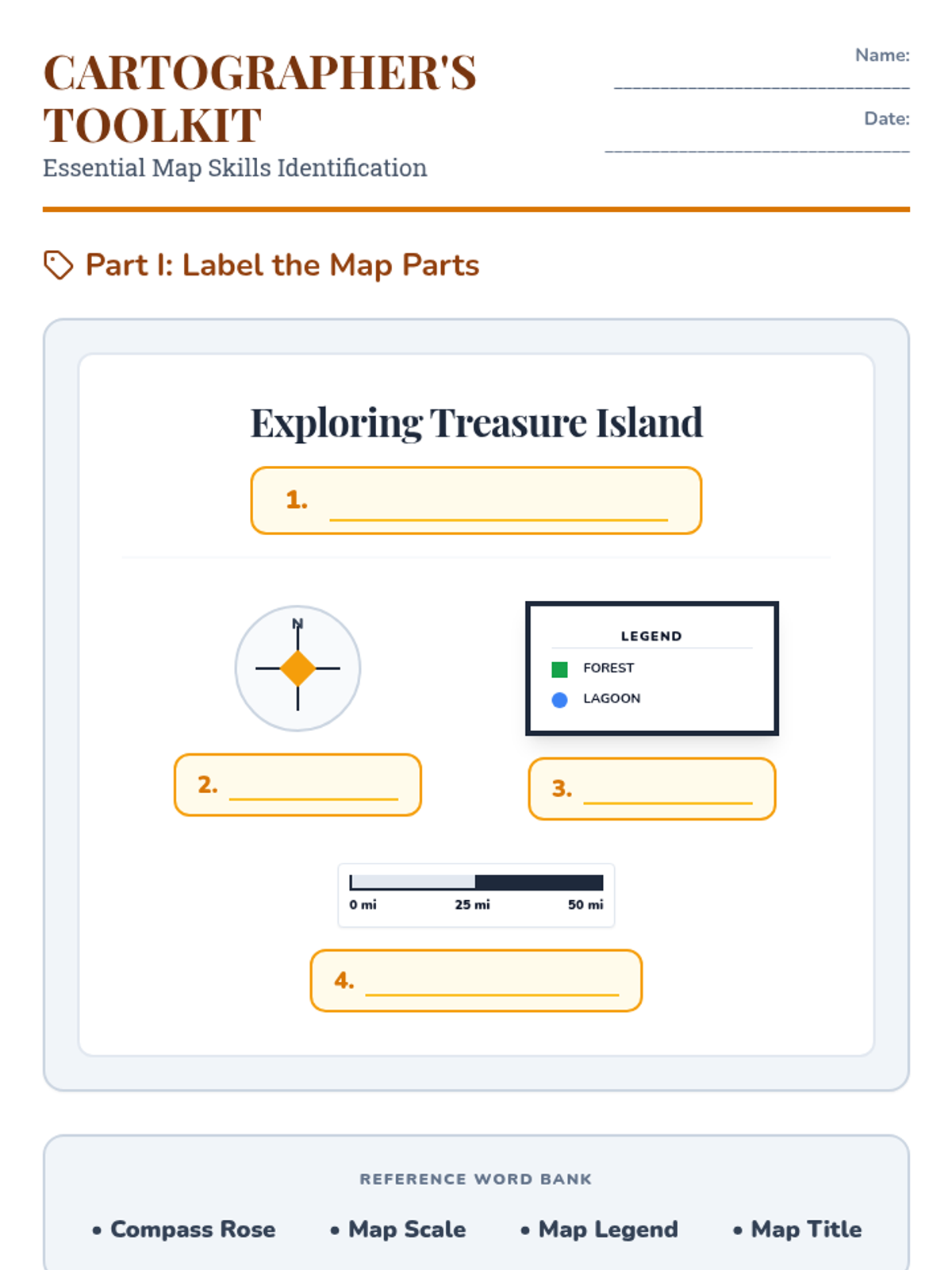
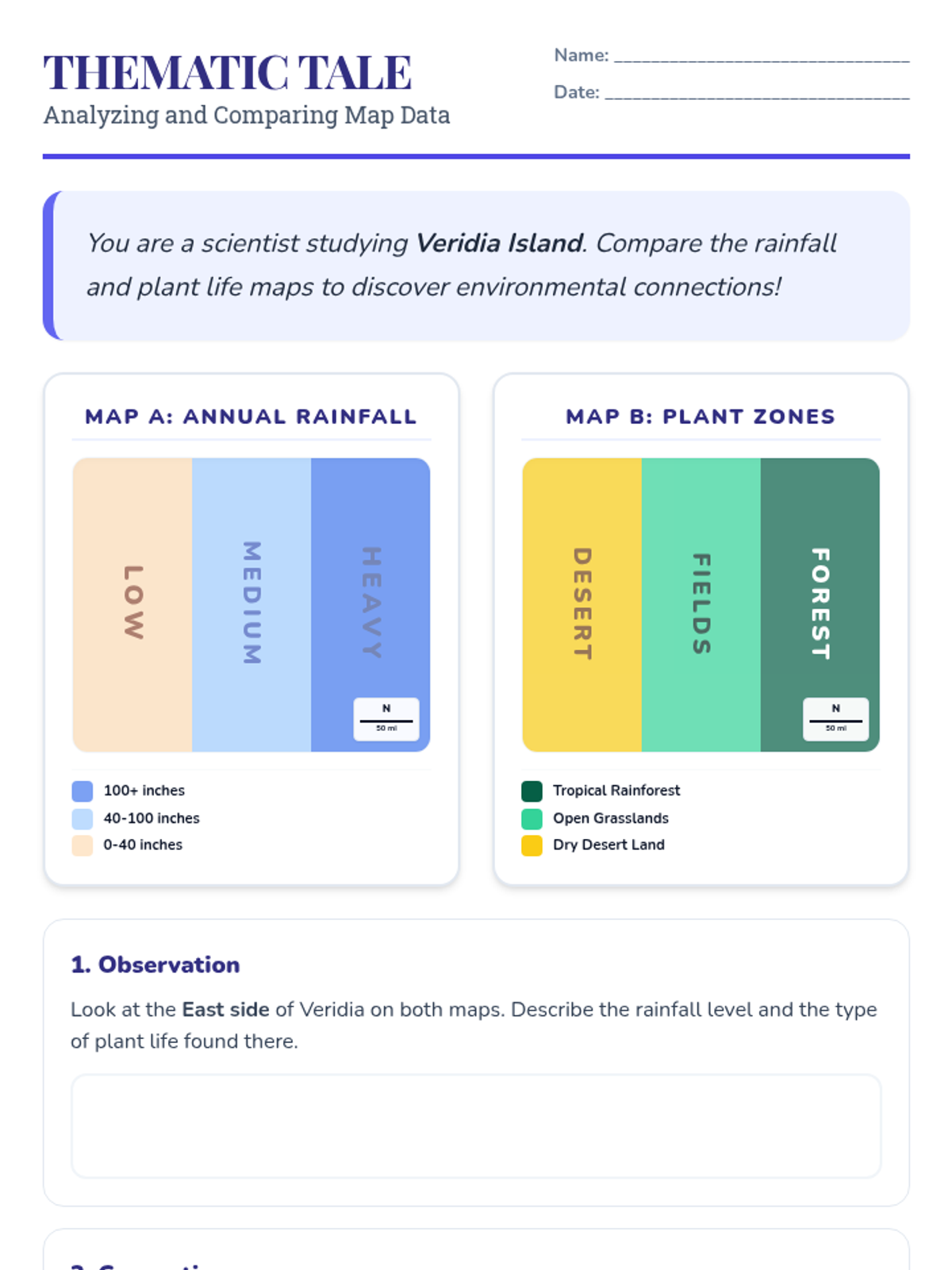
Students will identify map features including scale, legend, and compass rose, and analyze thematic maps to draw conclusions about geographical data.
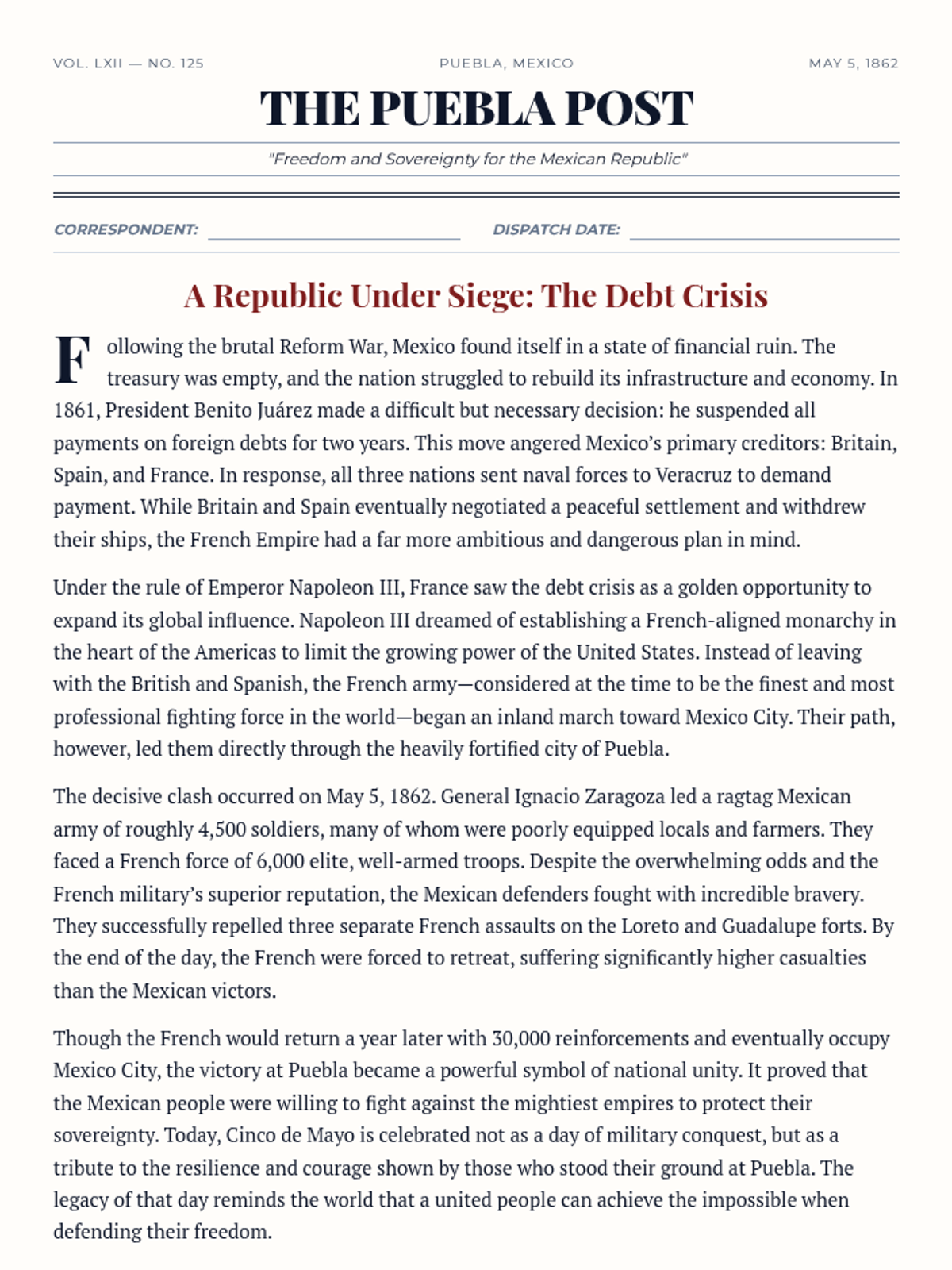
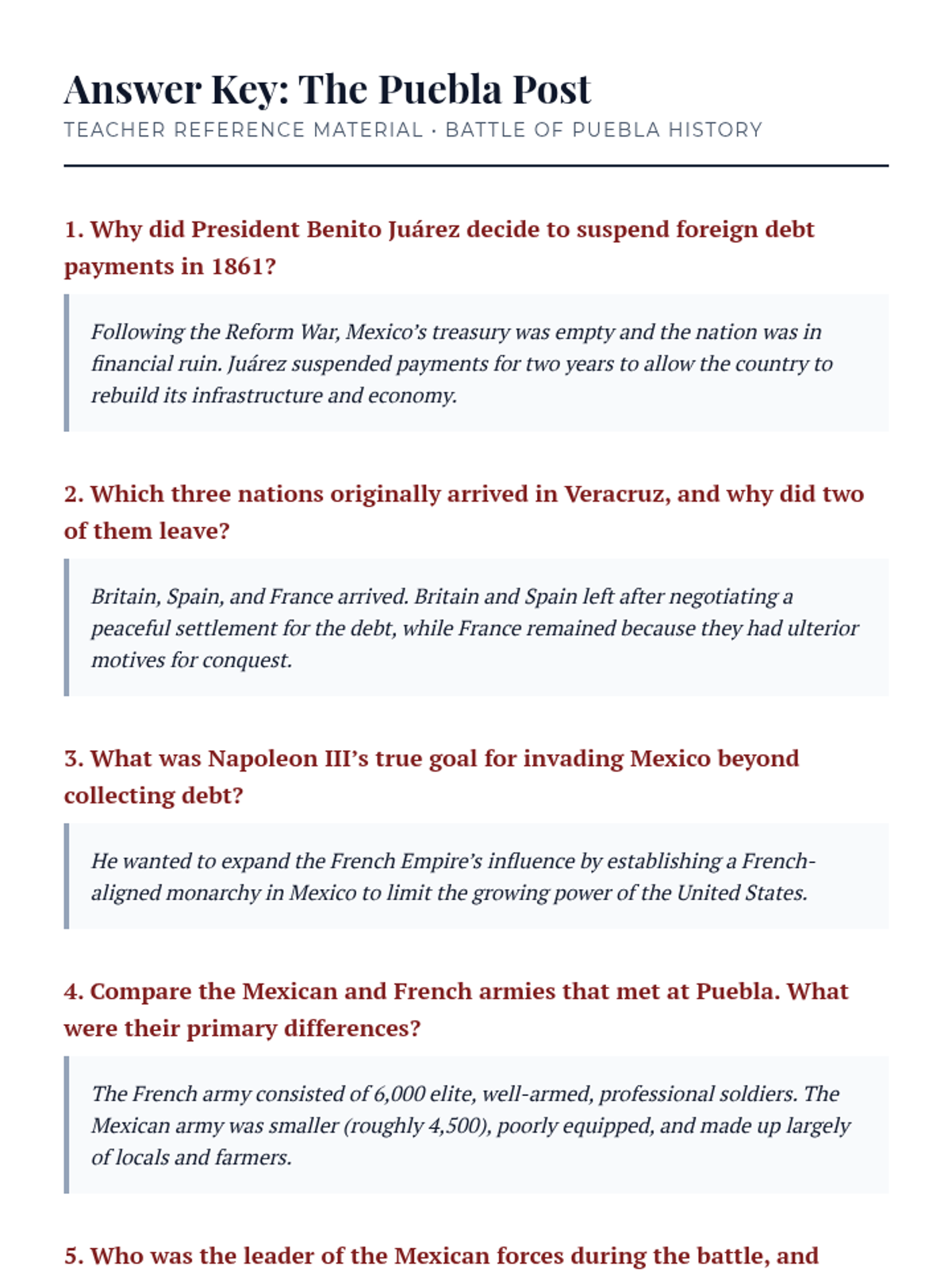
A lesson exploring the historical roots of Cinco de Mayo, focusing on the debt crisis and the Battle of Puebla.
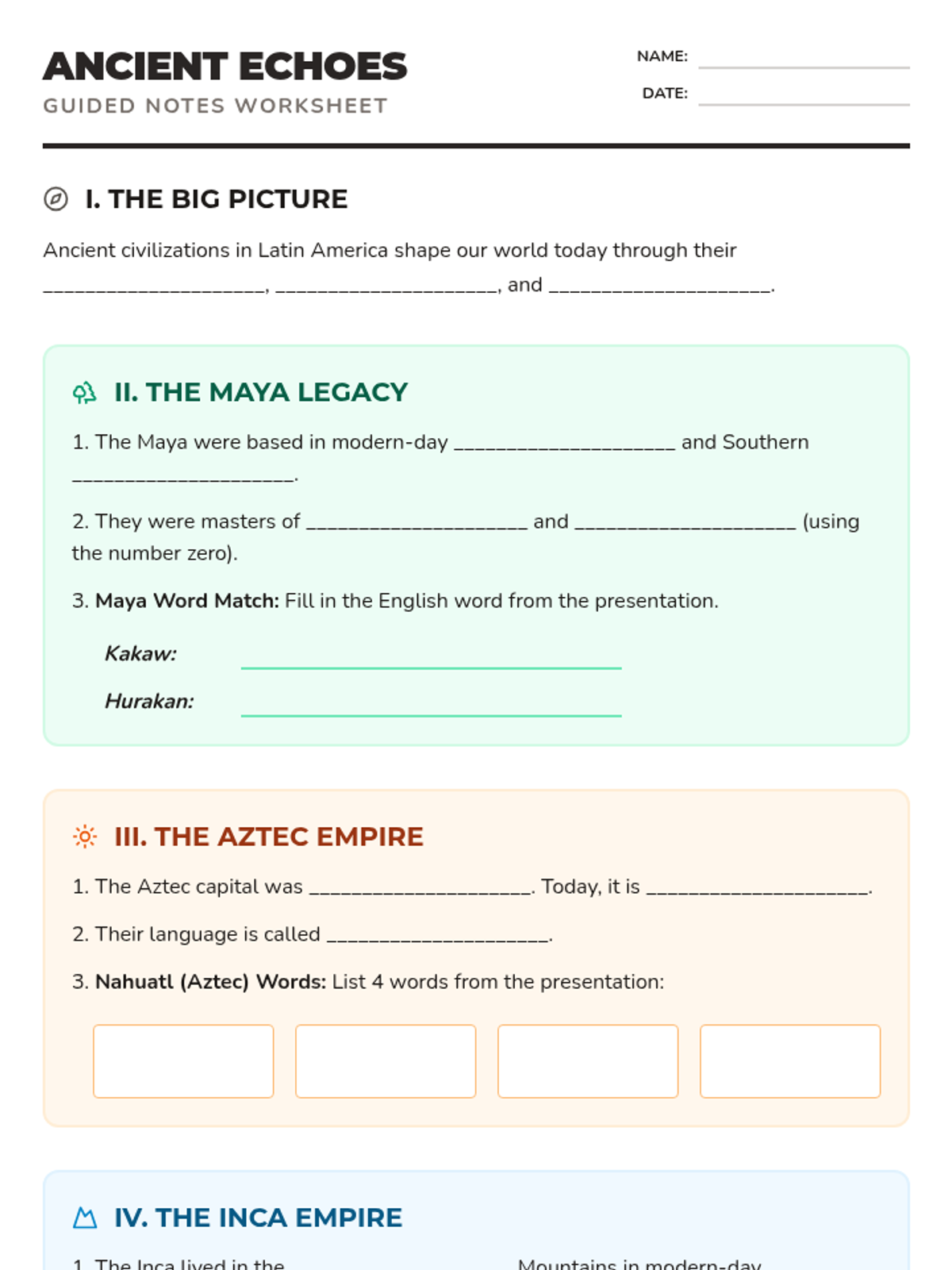
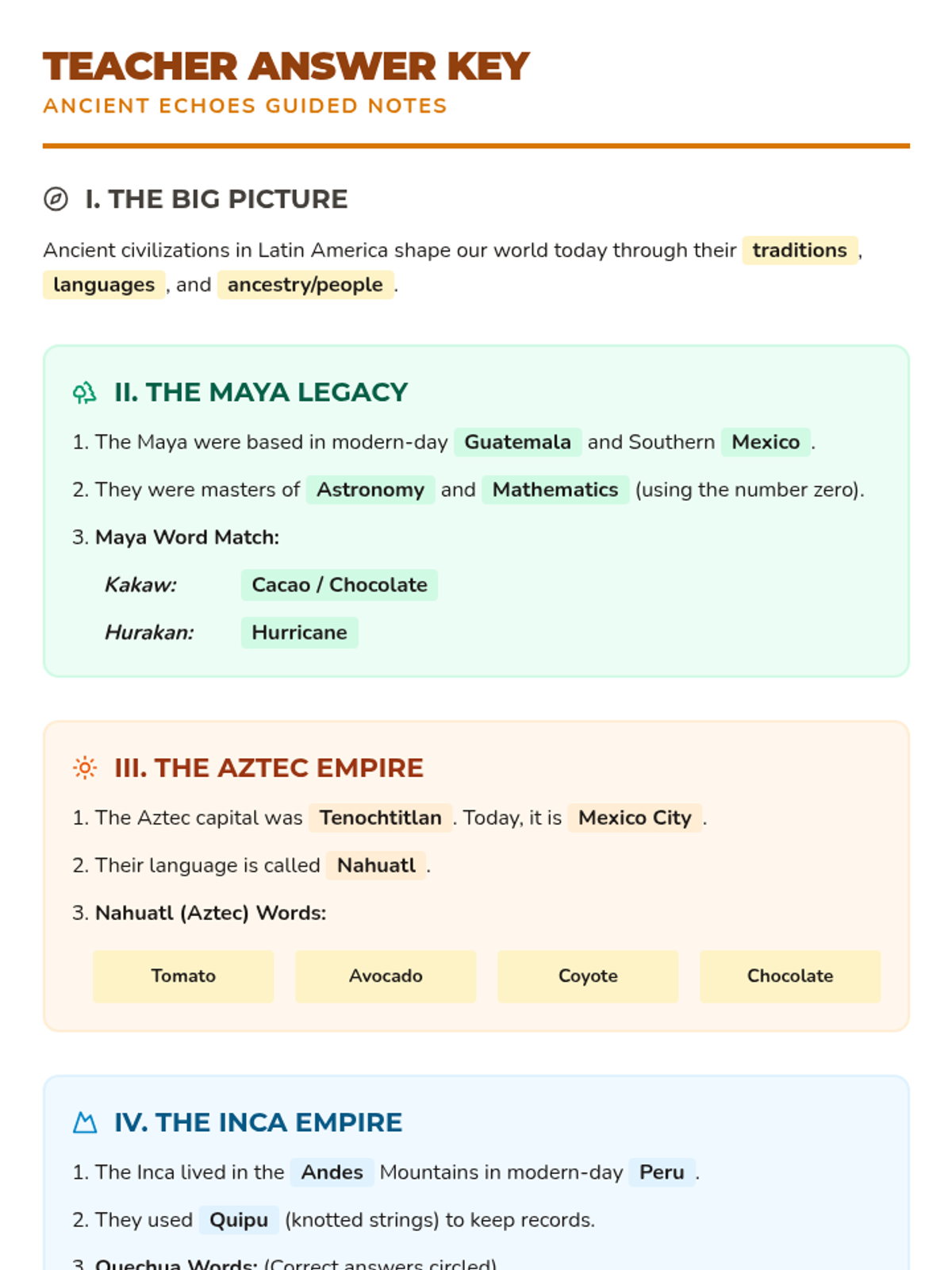
A lesson exploring the linguistic and cultural threads connecting the Maya, Aztec, and Inca civilizations to modern-day Mexico, Peru, and Guatemala. Students learn about indigenous words used in everyday language and enduring traditions.
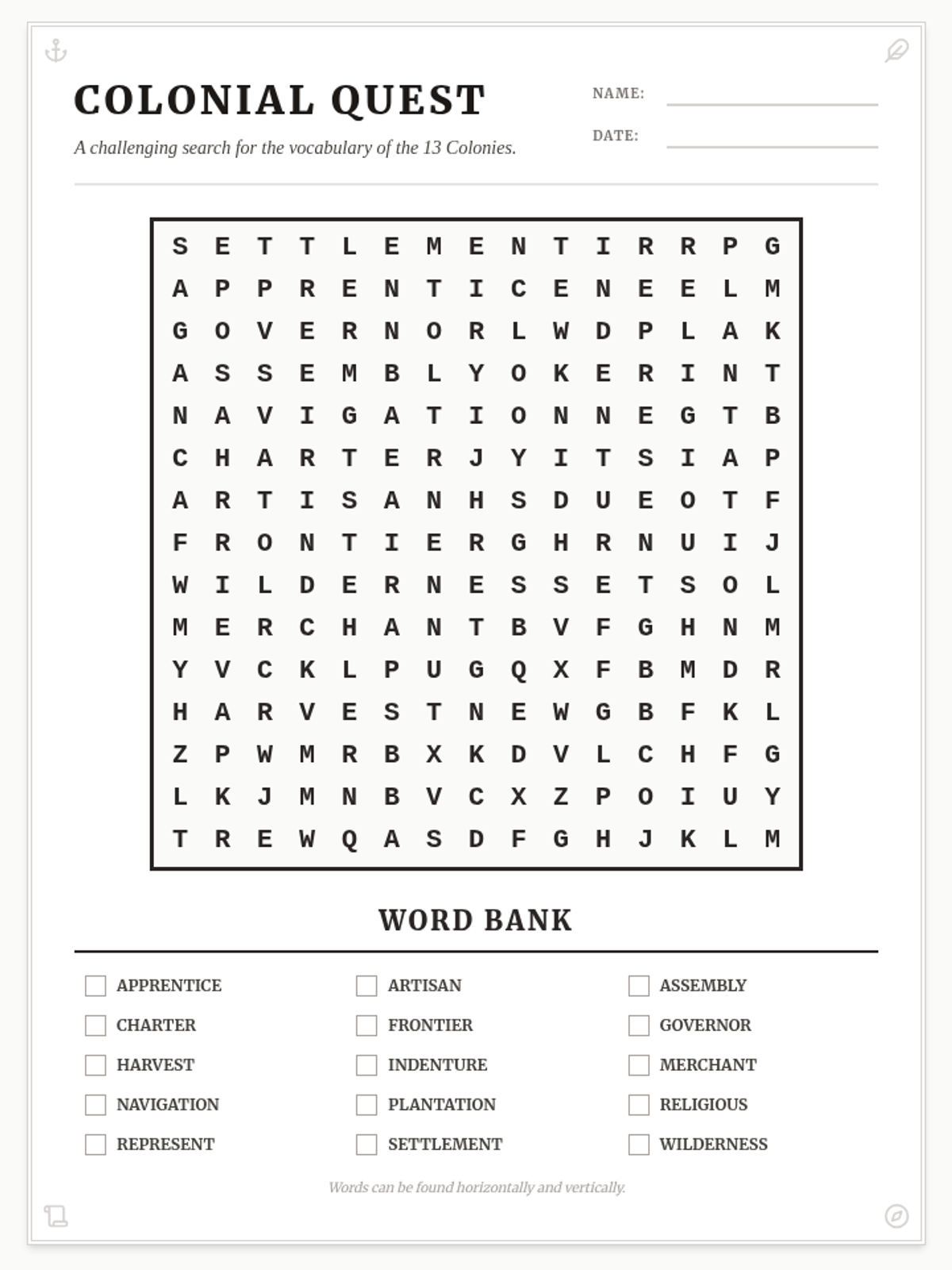
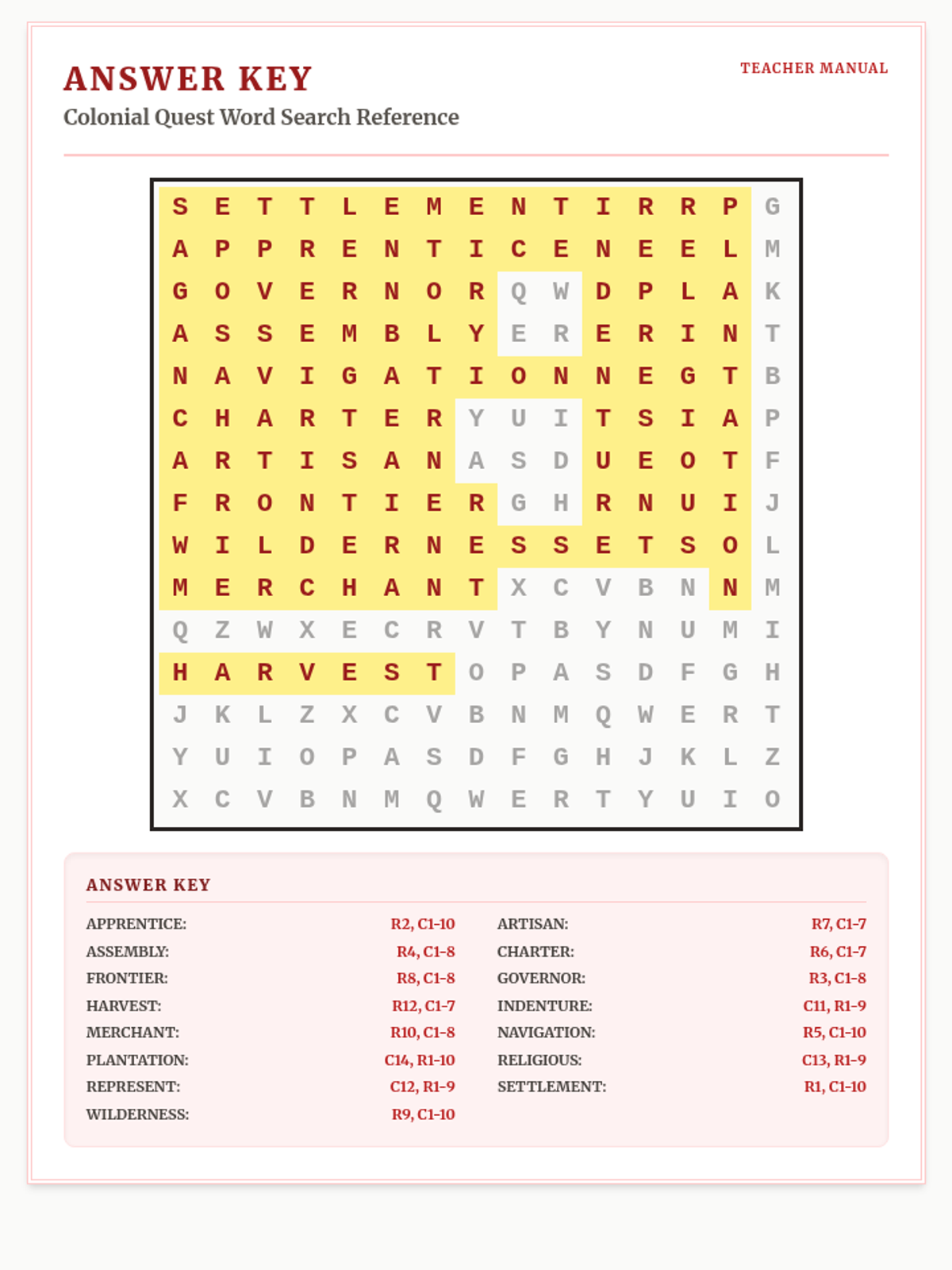
A look into the lives, systems, and vocabulary of the thirteen original American colonies.
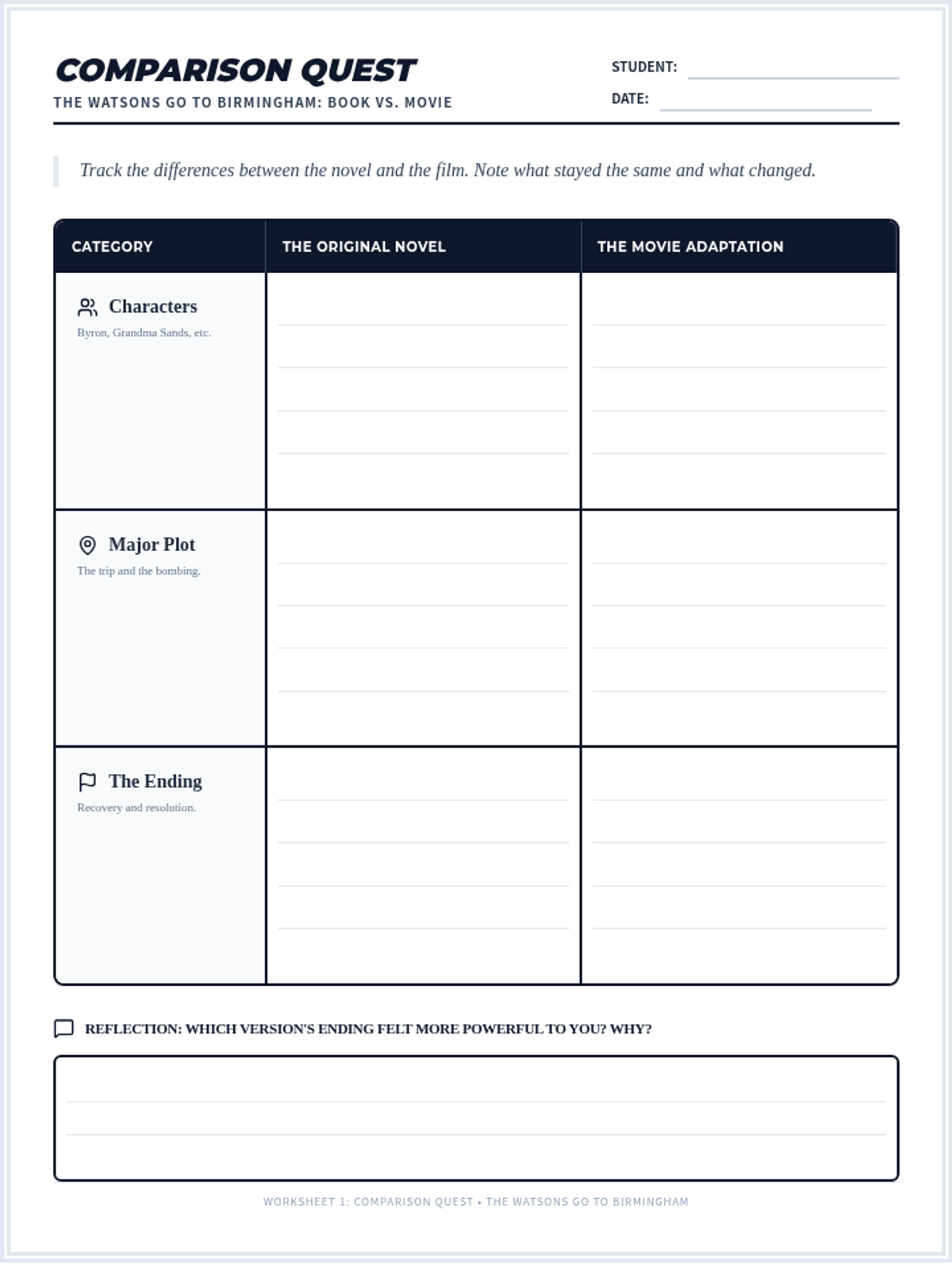
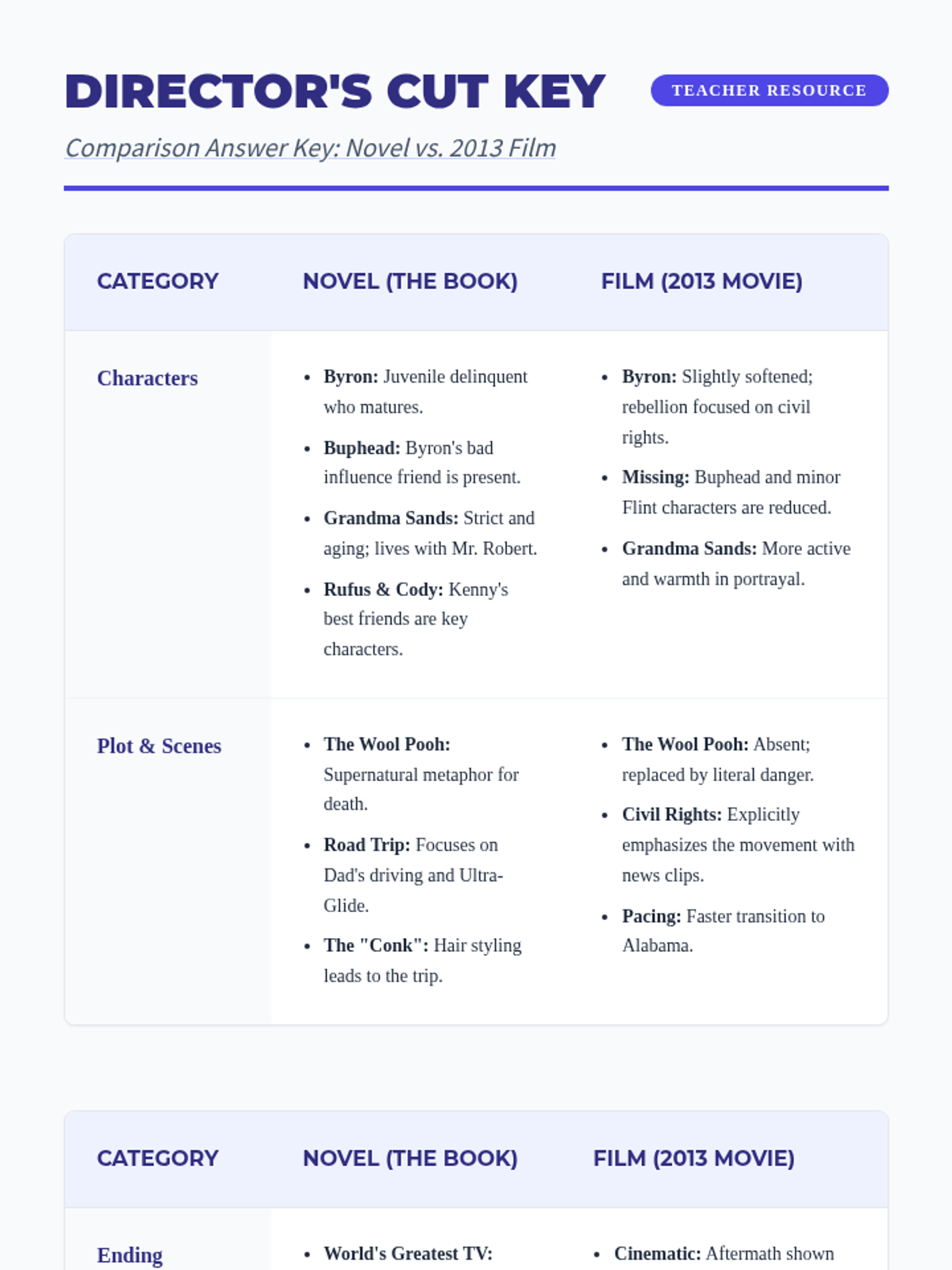
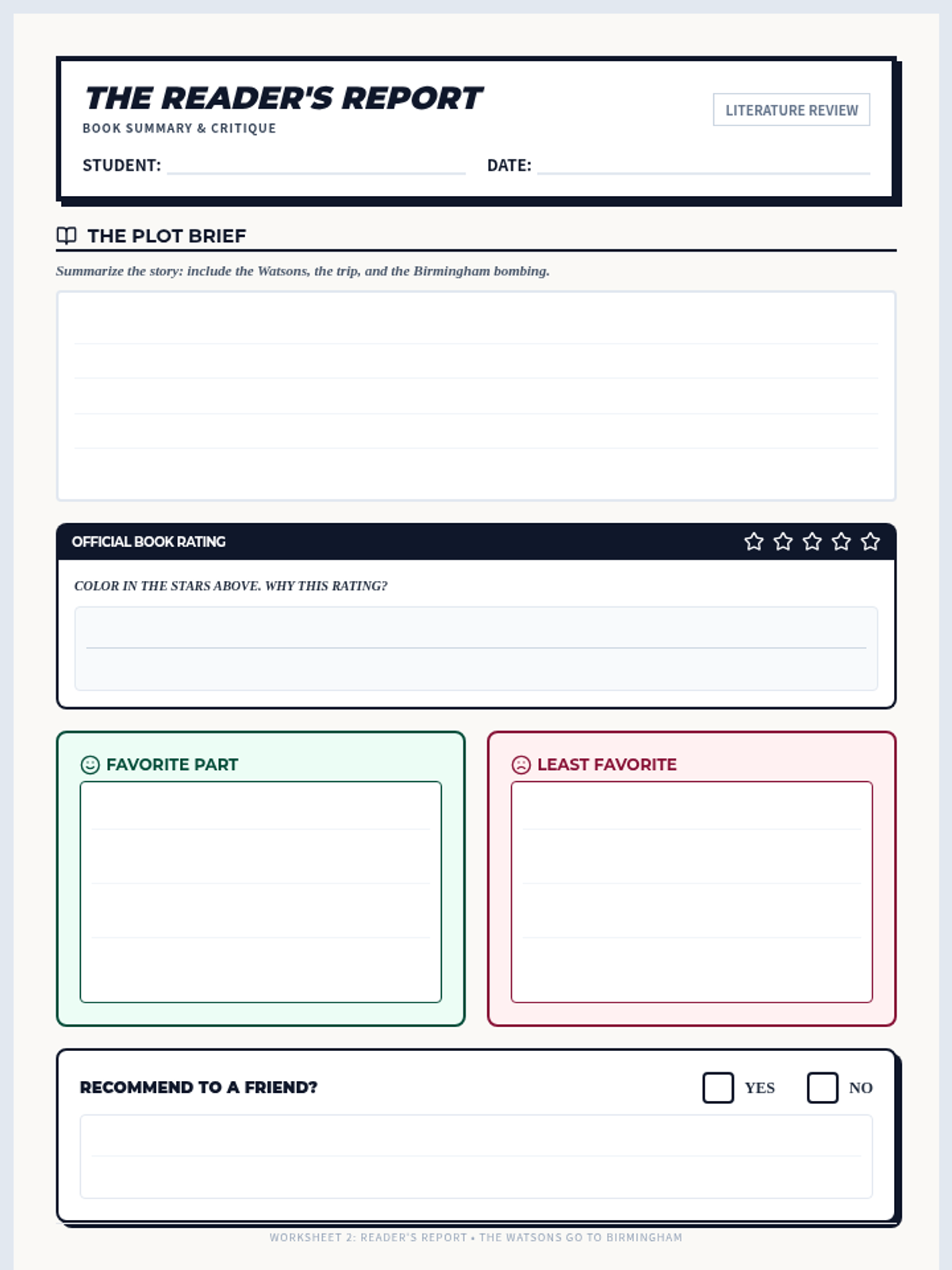
A comprehensive look at the classic novel 'The Watsons Go to Birmingham – 1963', including a complete plot summary and a comparative analysis between the book and its film adaptation.