This lesson explores the psychological nature of guilt as a targeted interpersonal emotion, comparing it to shame and regret through a study of five behavioral experiments.
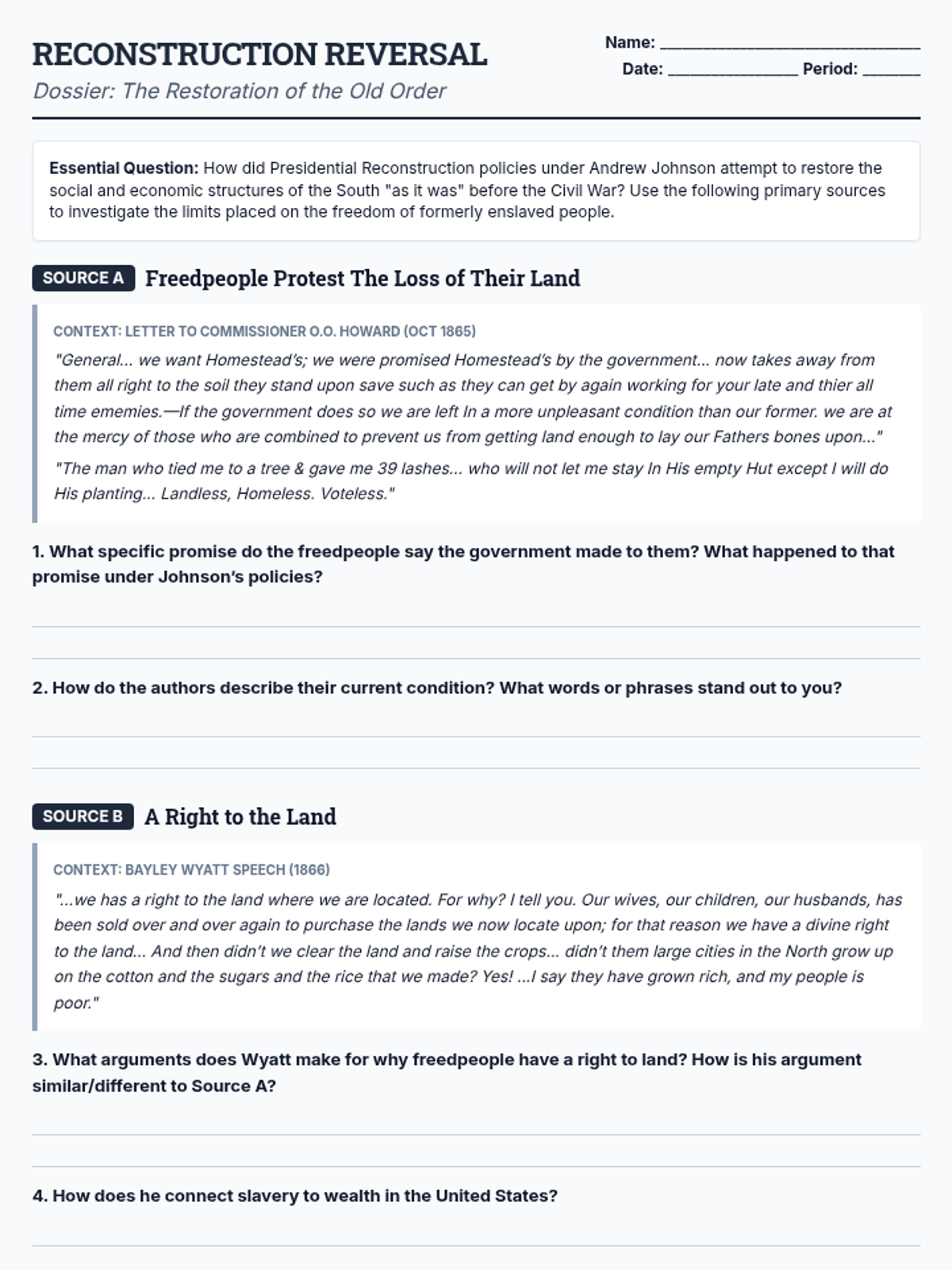
A deep dive into the policies of Presidential Reconstruction and how they systematically returned power to white Southerners while limiting the freedom of formerly enslaved people through land seizure, sharecropping, and Black Codes.
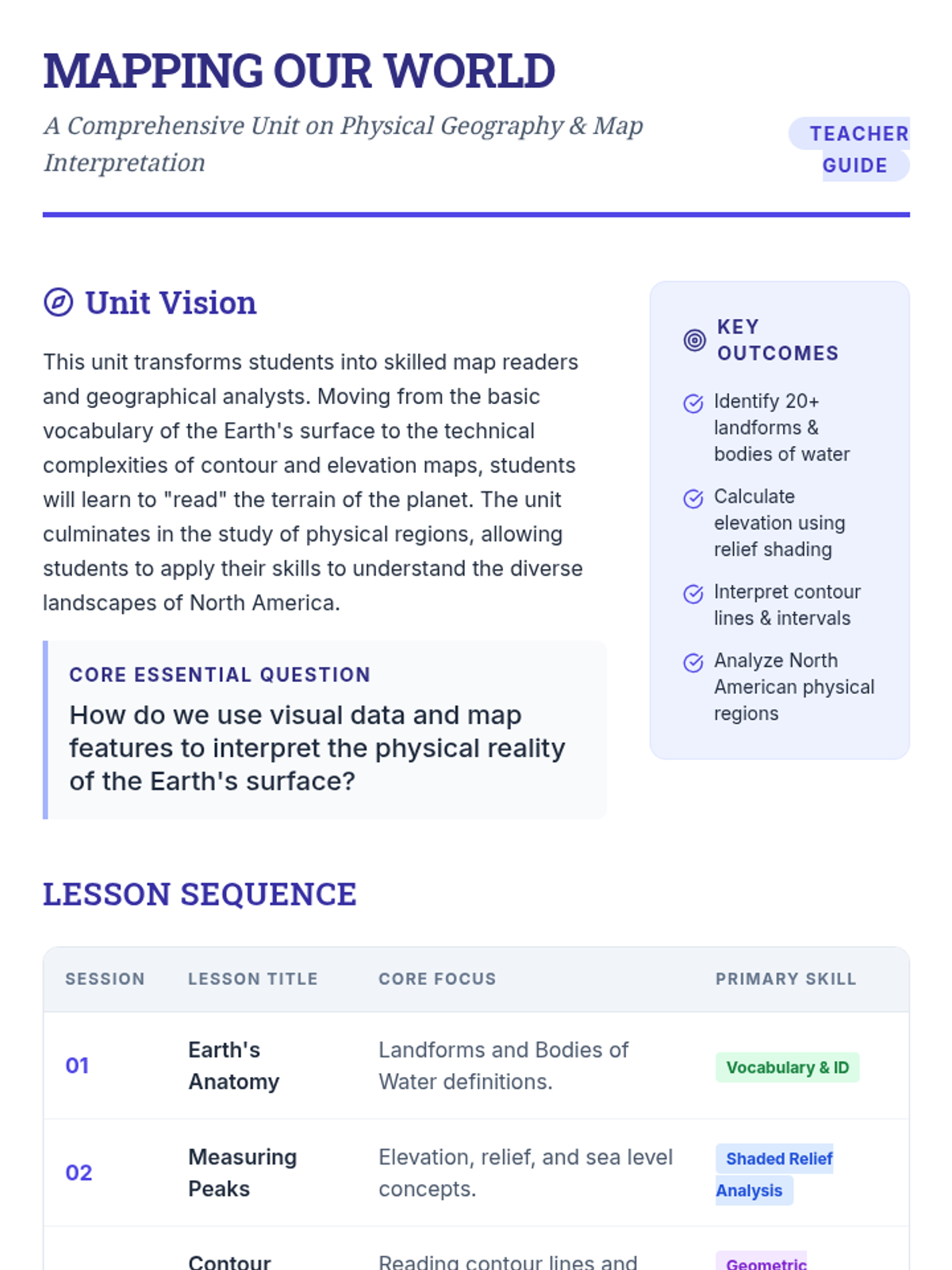
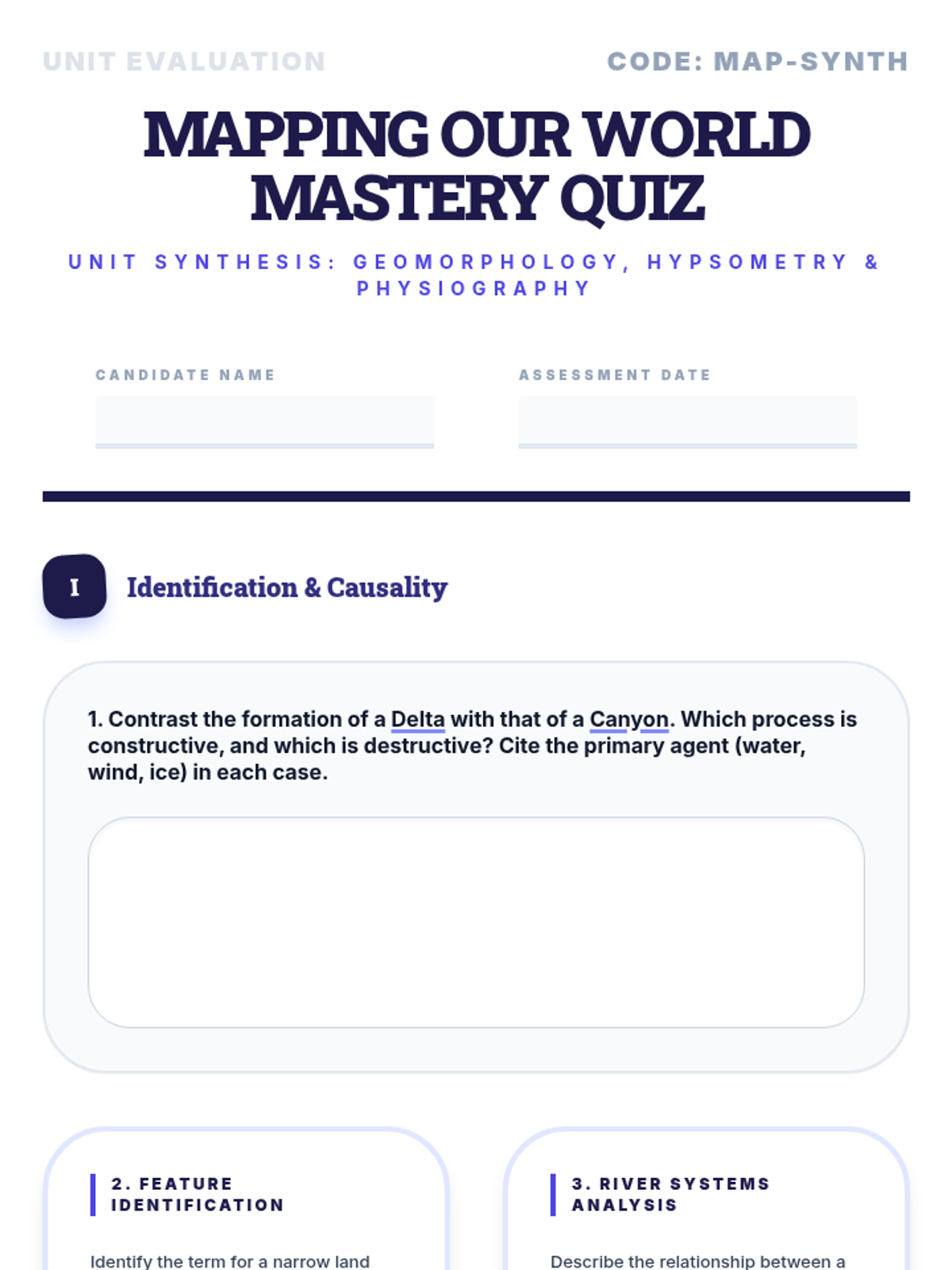
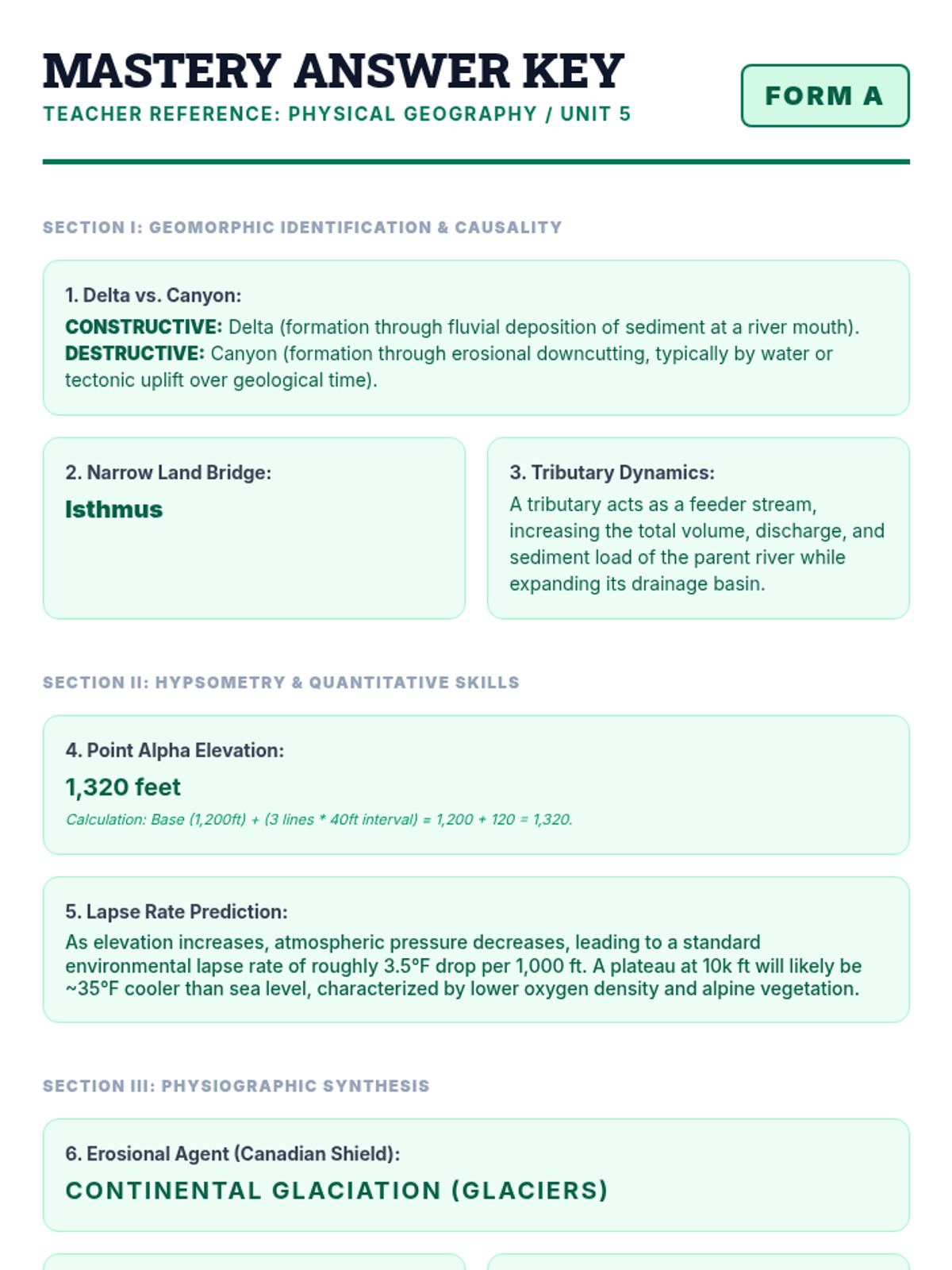
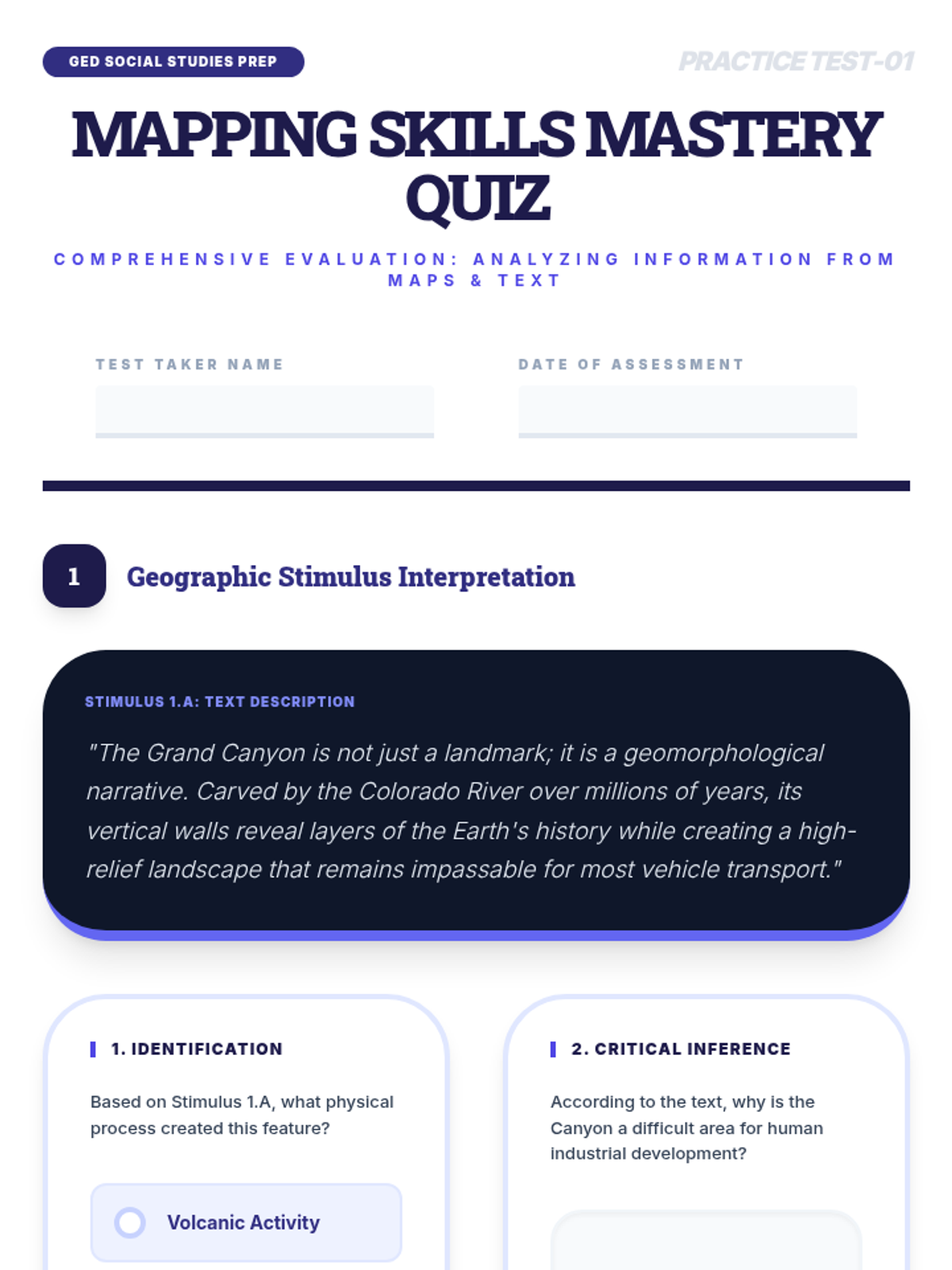
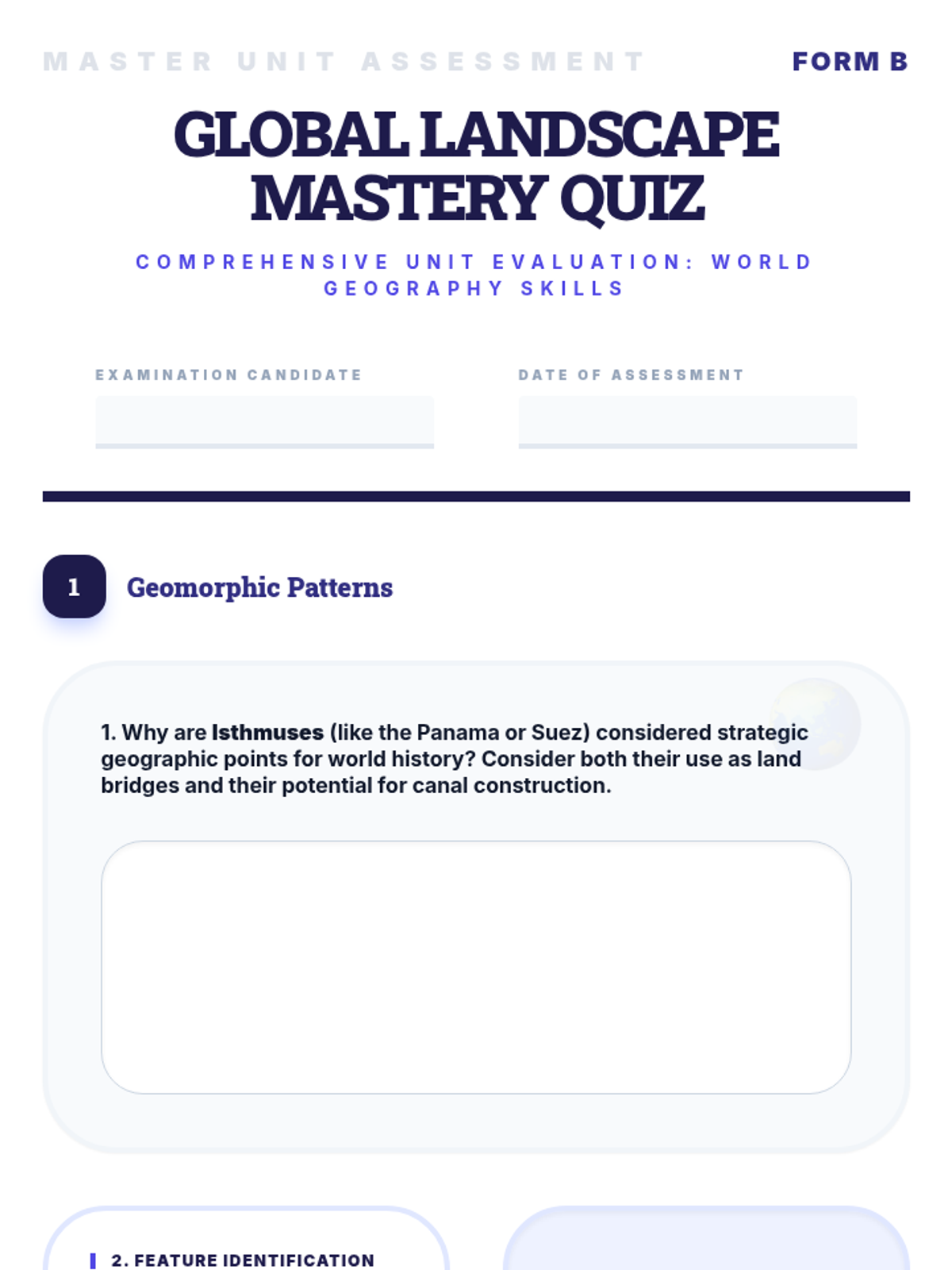
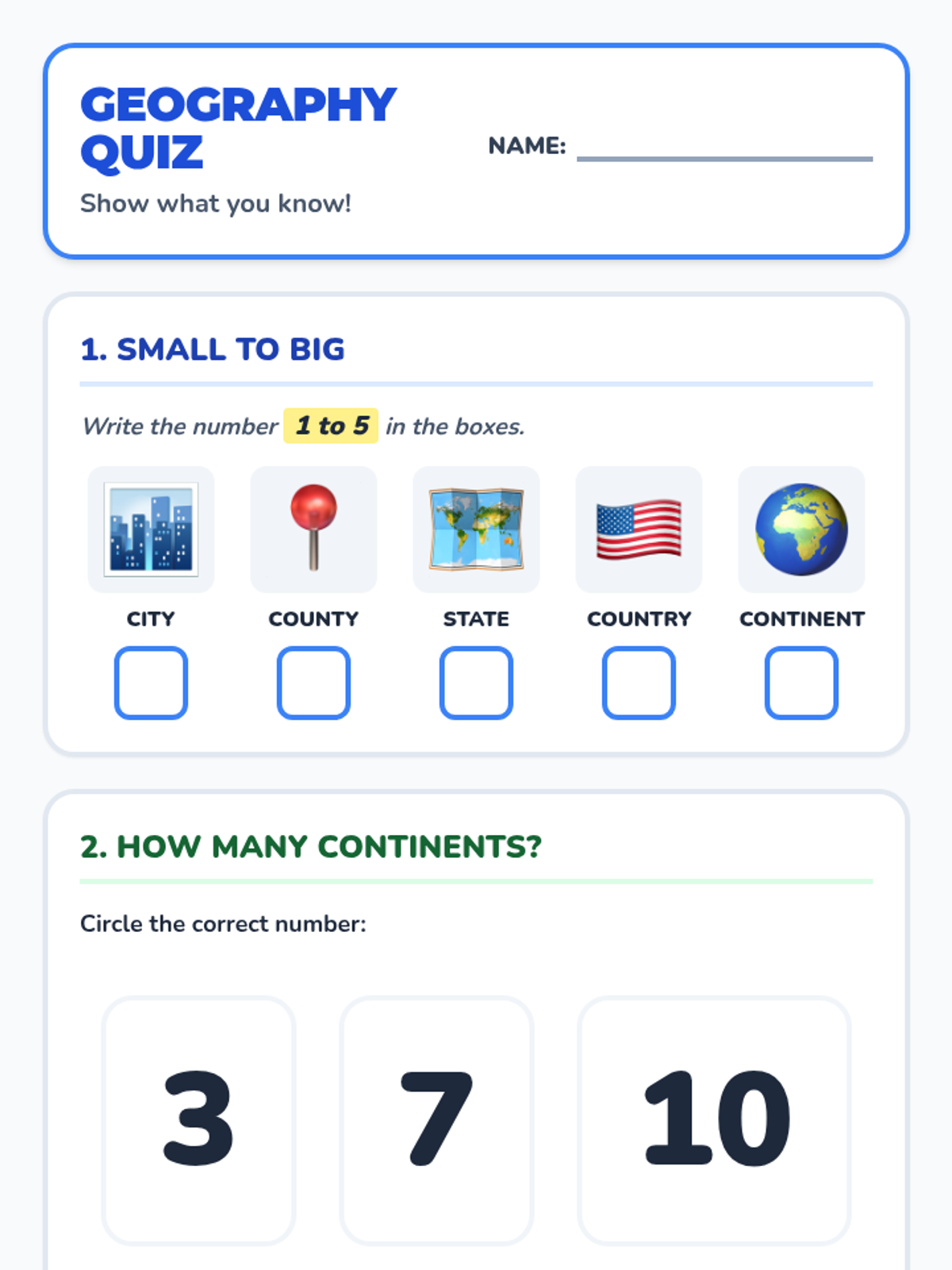
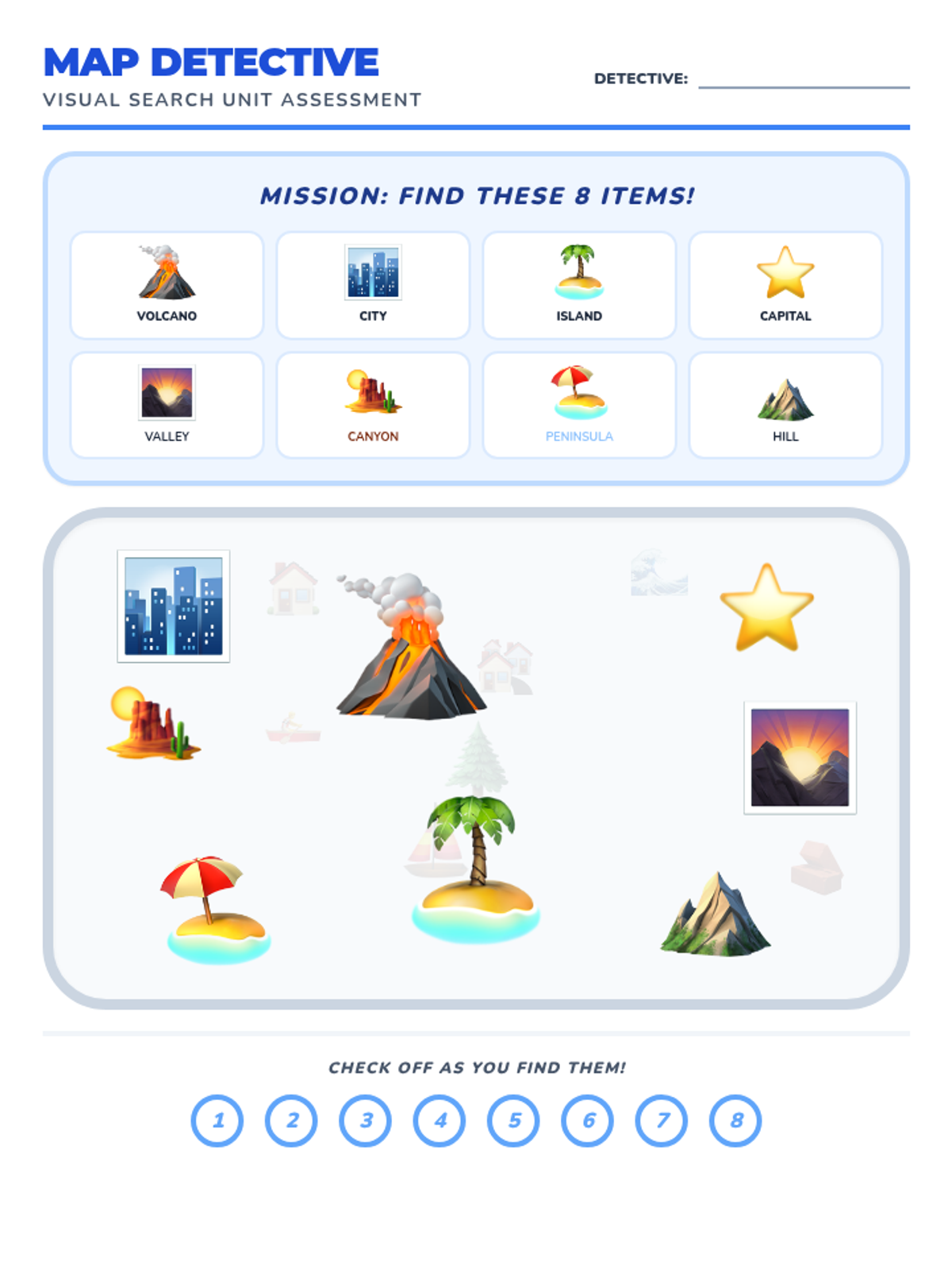
A final assessment and review lesson to verify student mastery of the unit's geography skills.
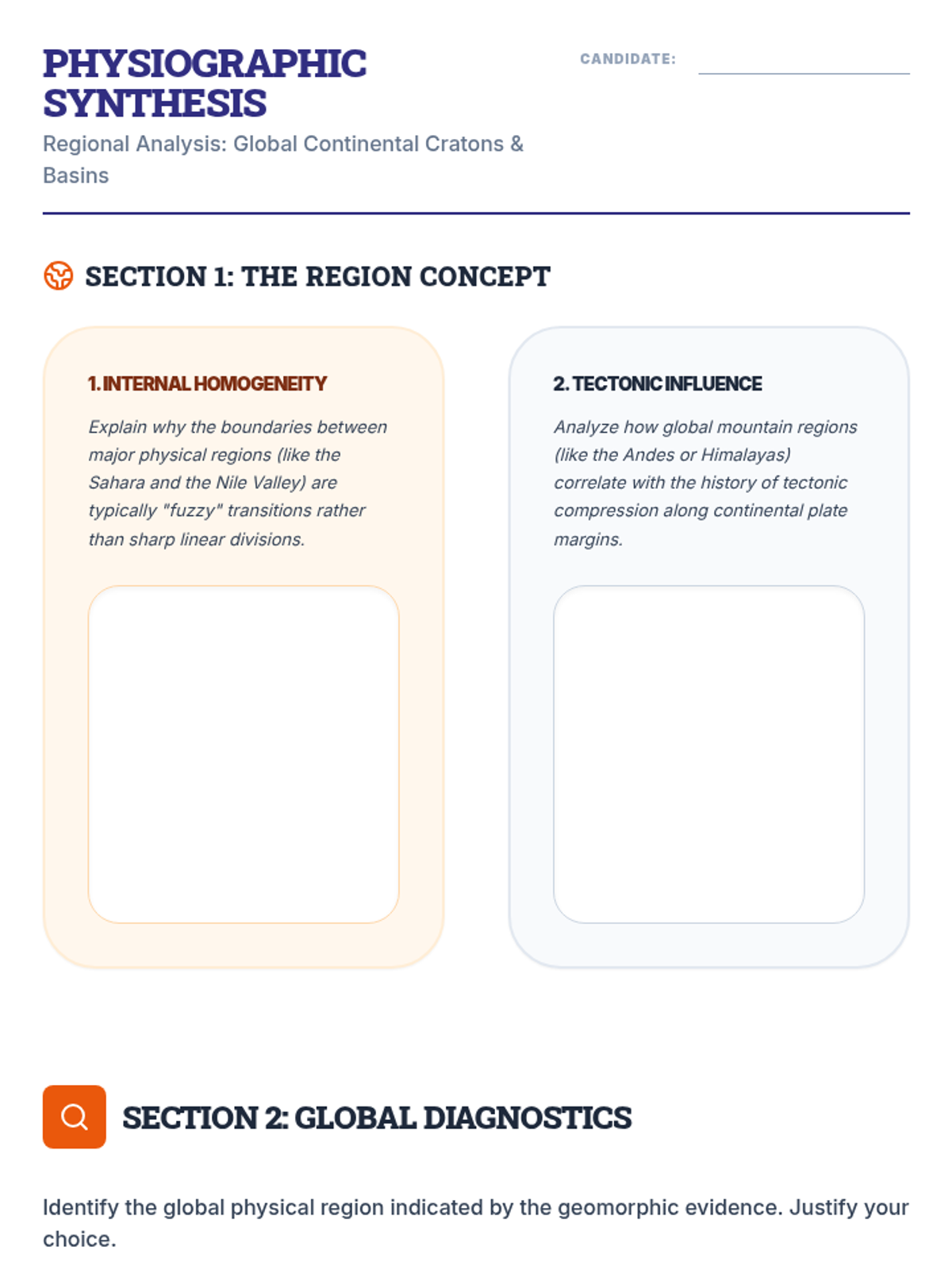
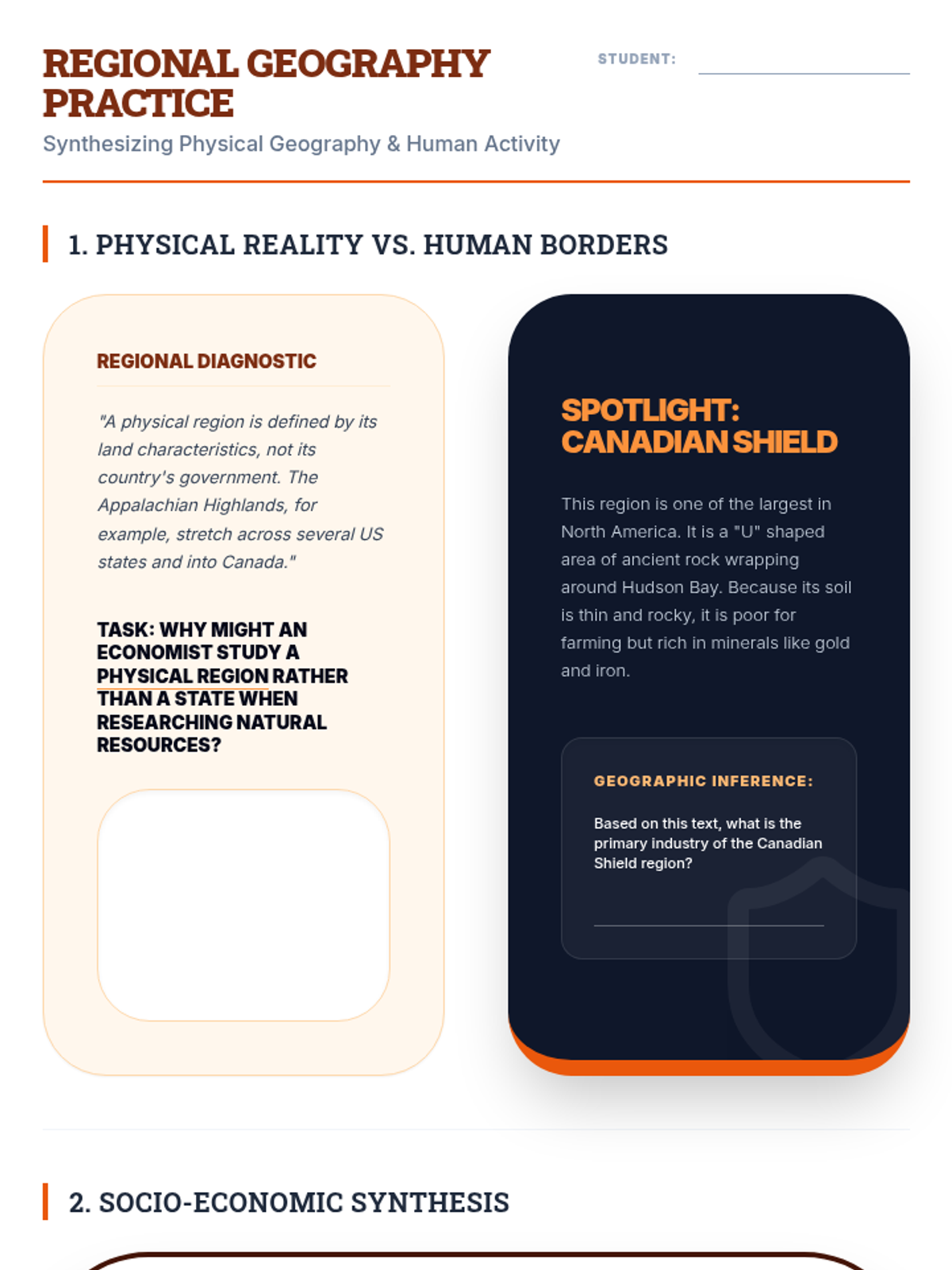
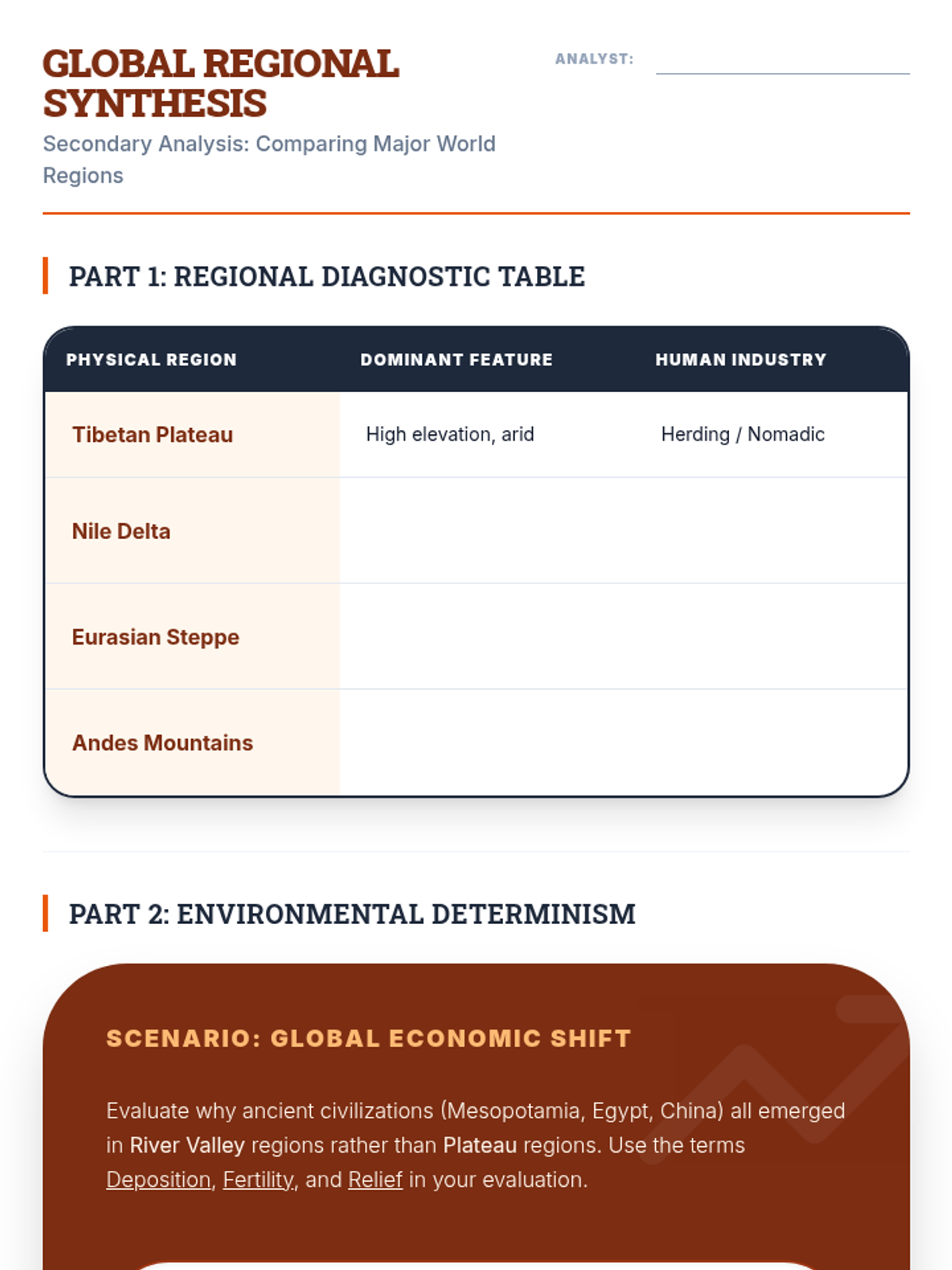
Analyzing the major physical regions of the world and their impact on human settlement and activity.
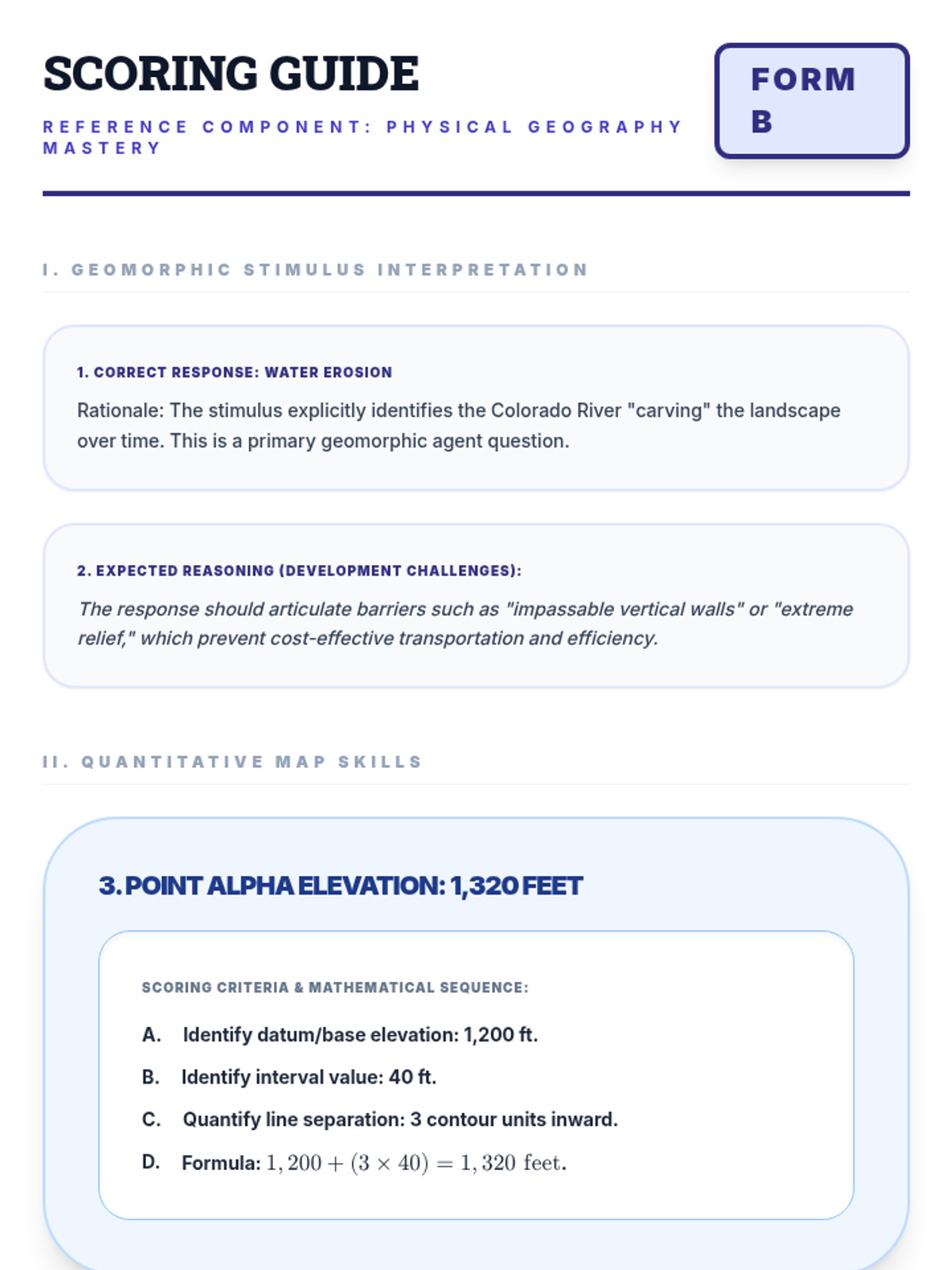
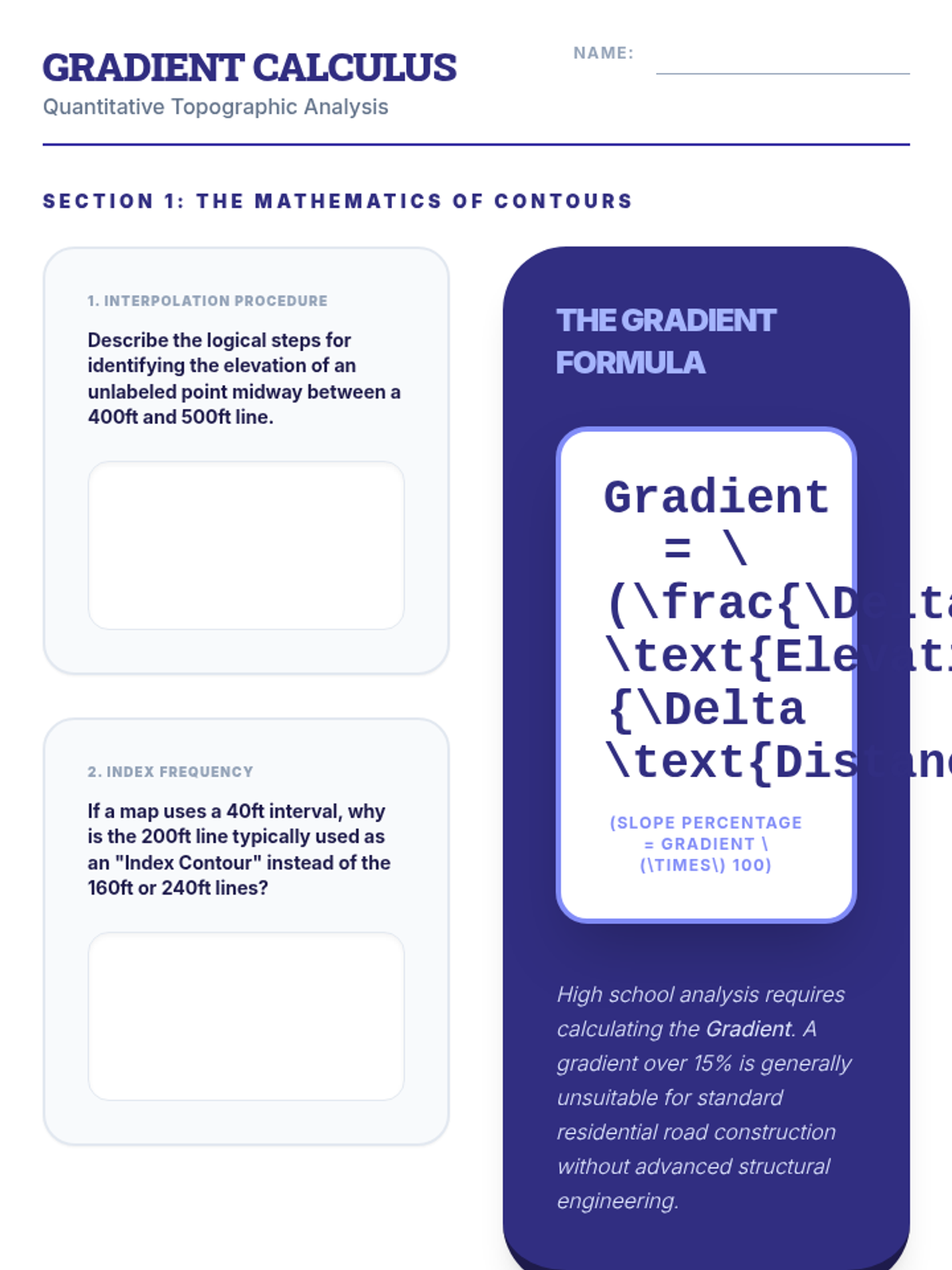
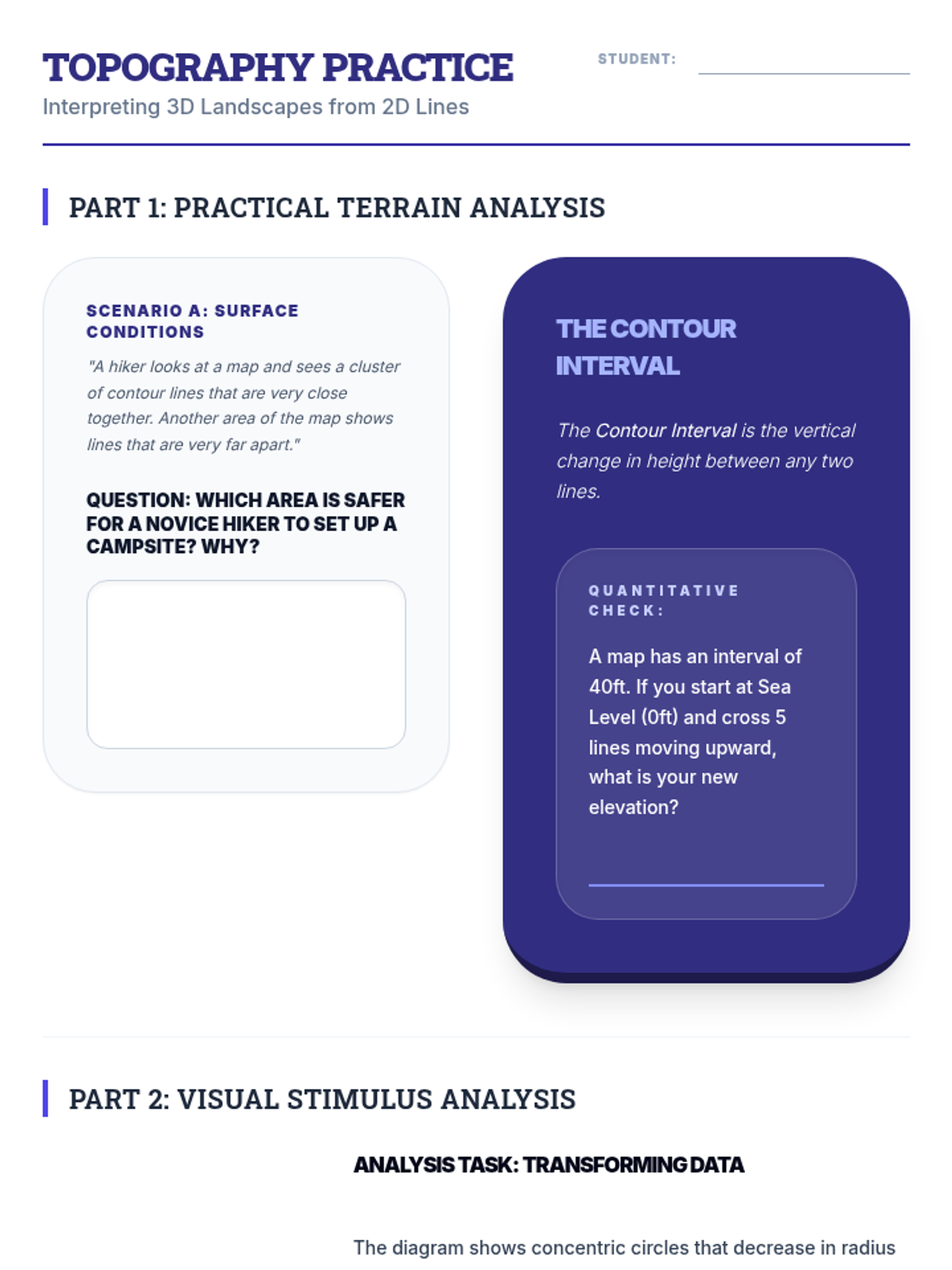
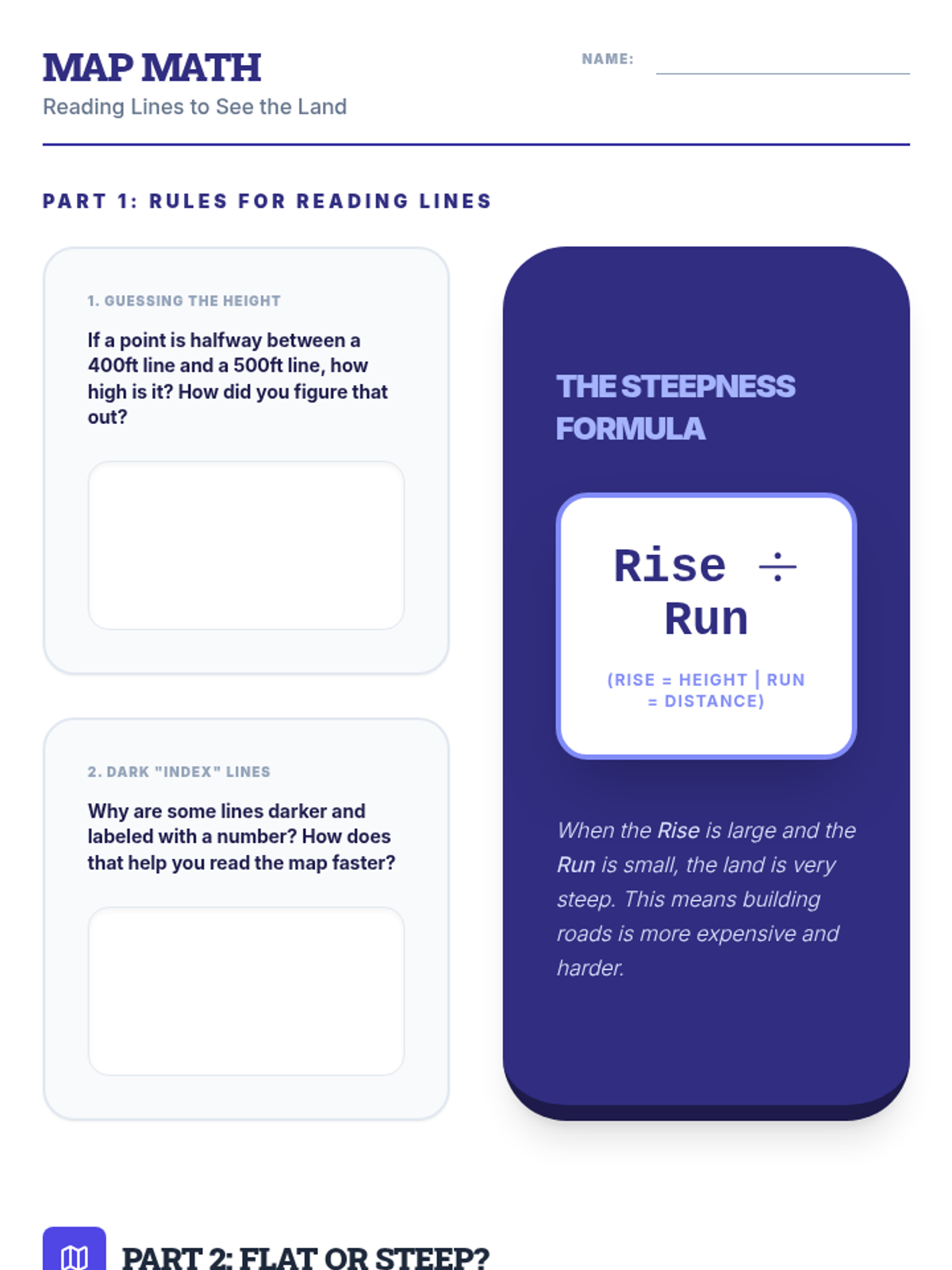
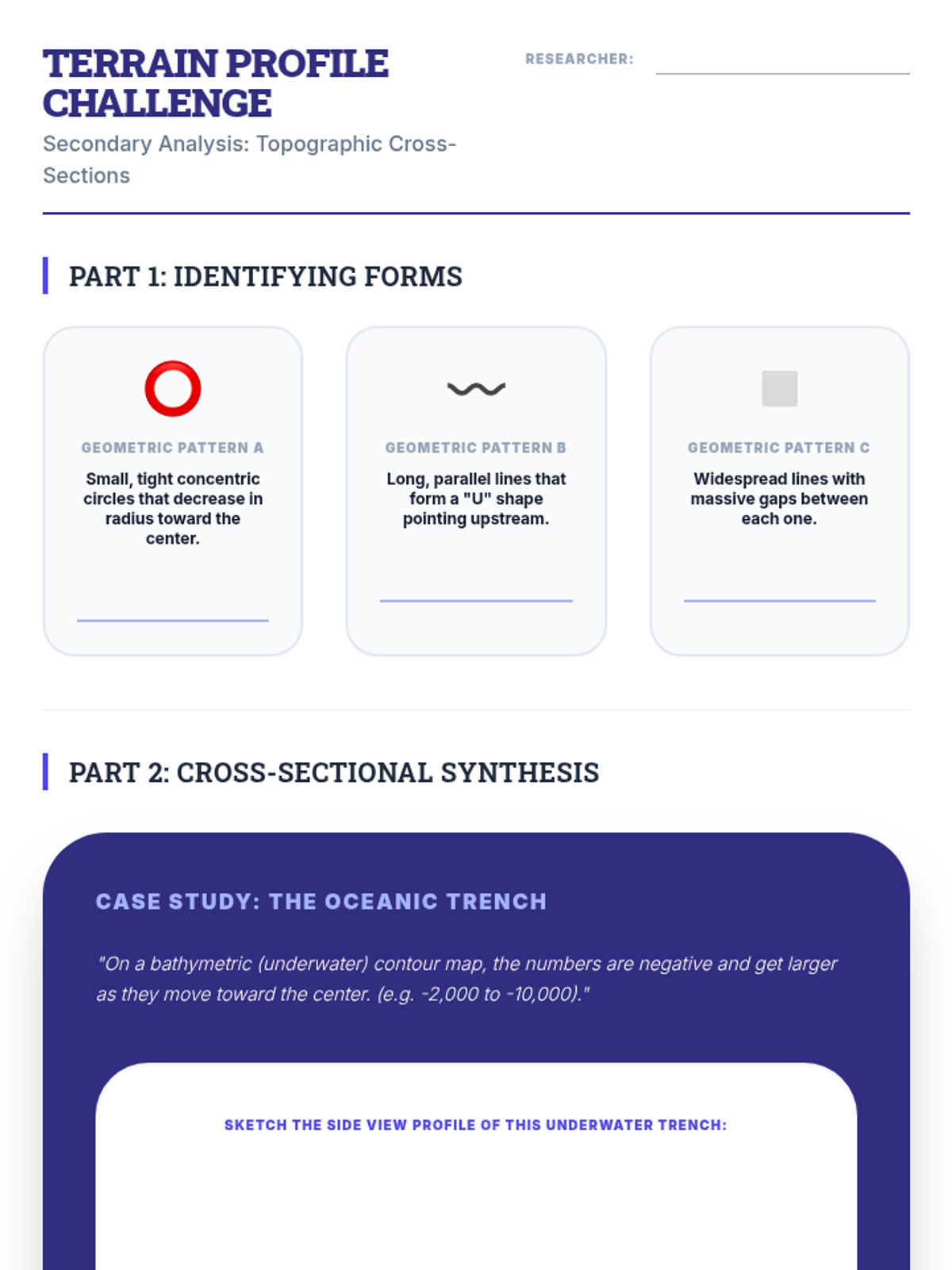
Using contour maps to visualize 3D terrain and calculate gradients across various global landscapes.
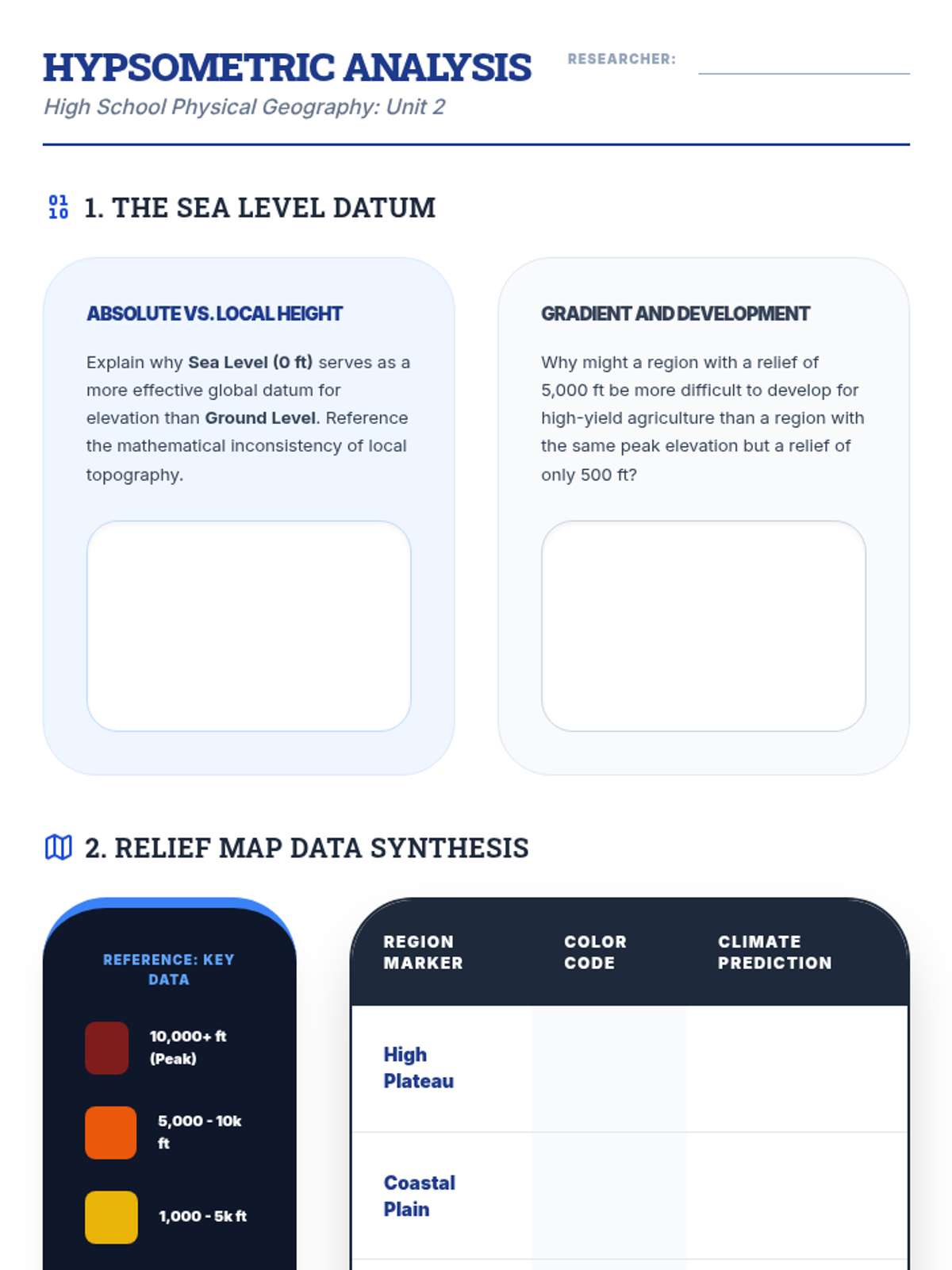
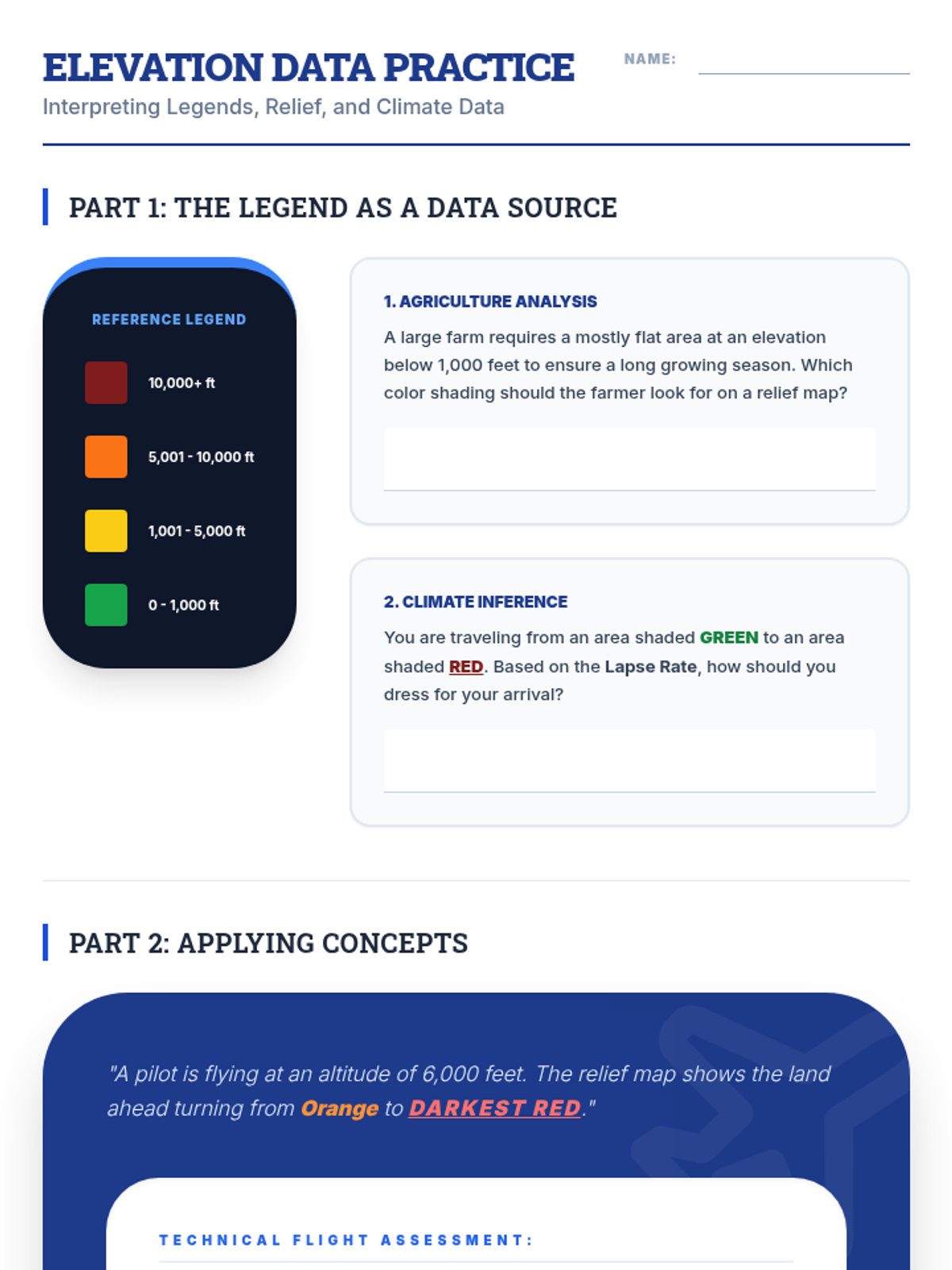
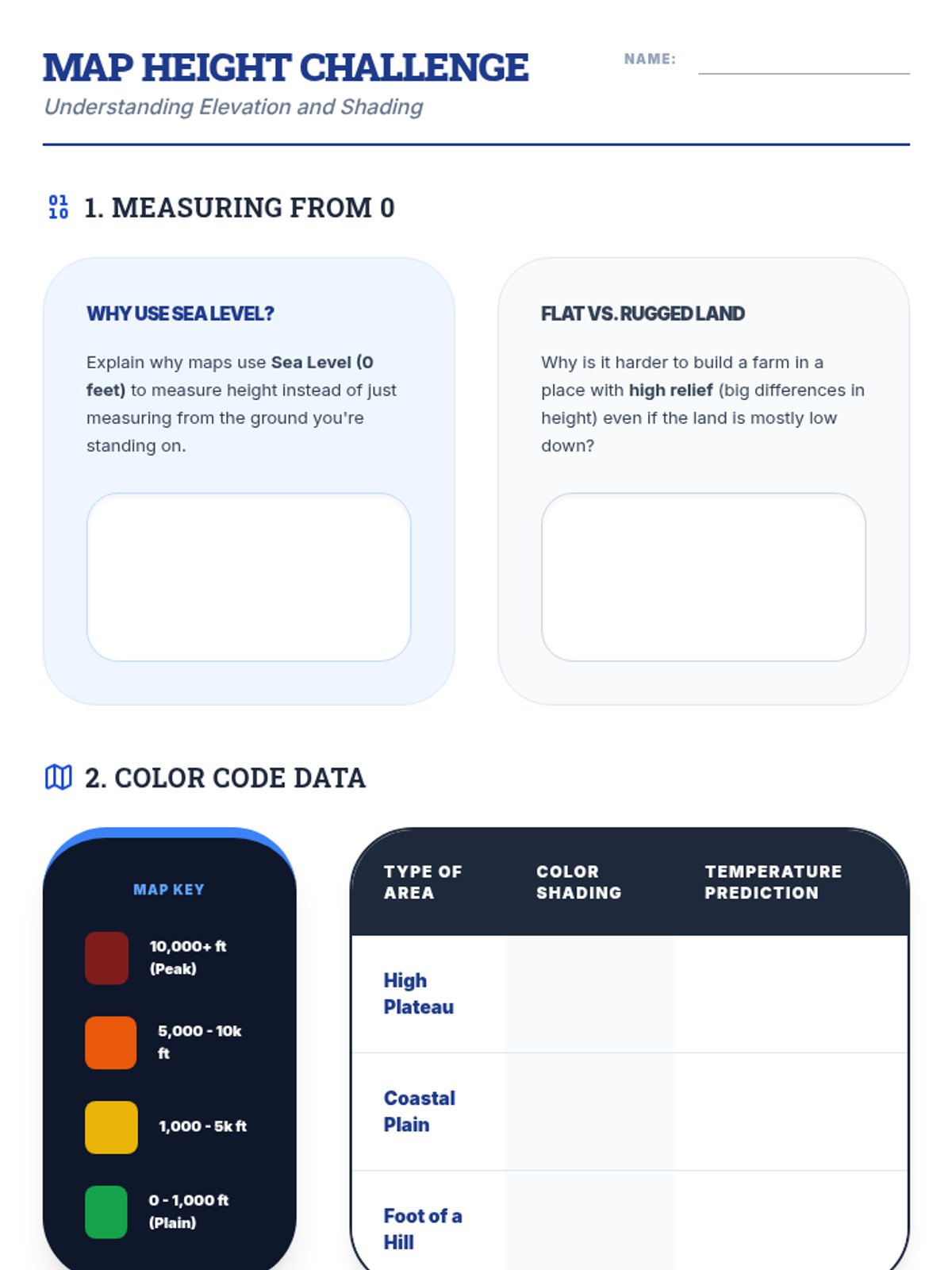
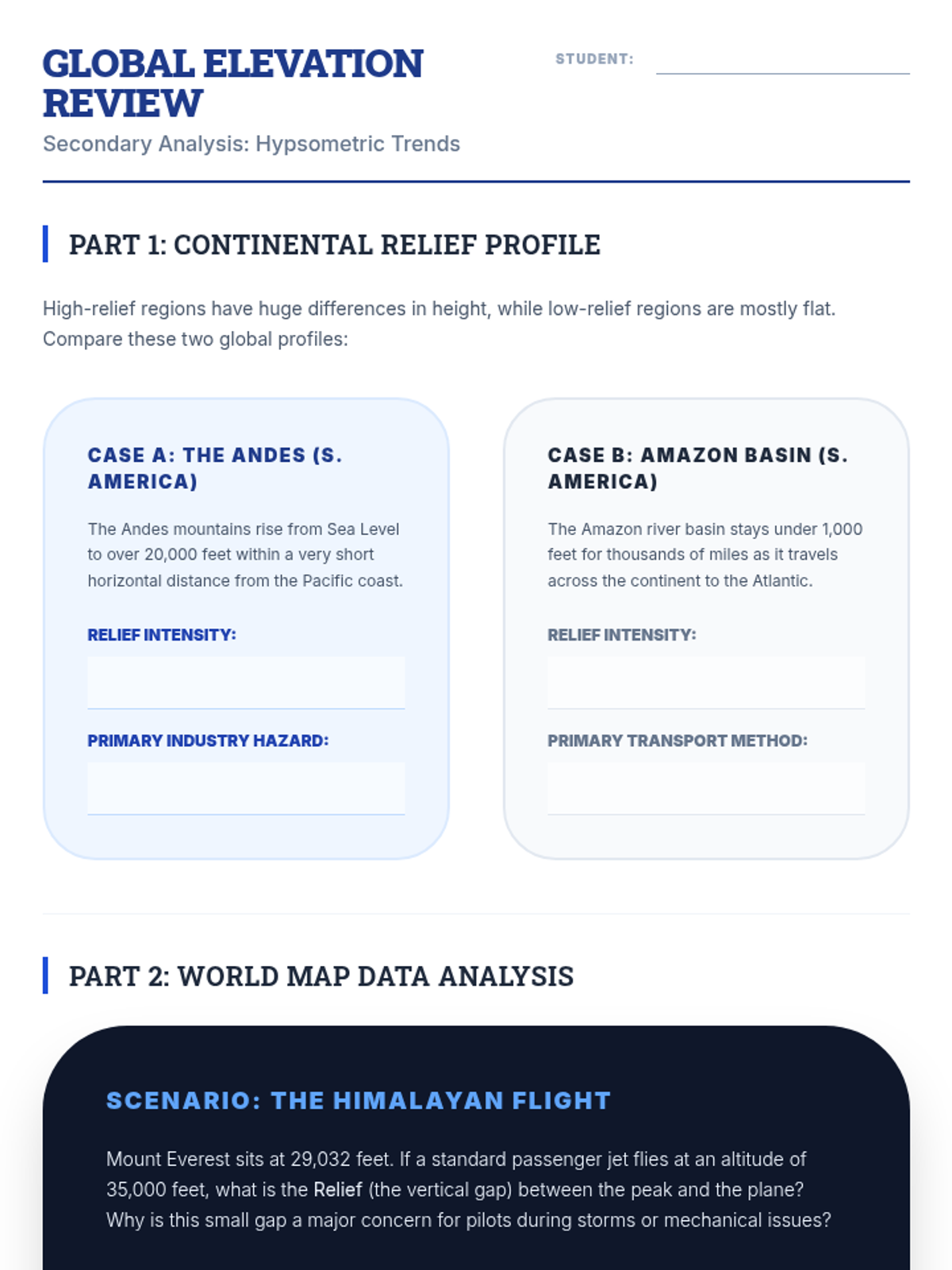
Mastering the use of relief shading and elevation data to interpret global mountain ranges and basins.
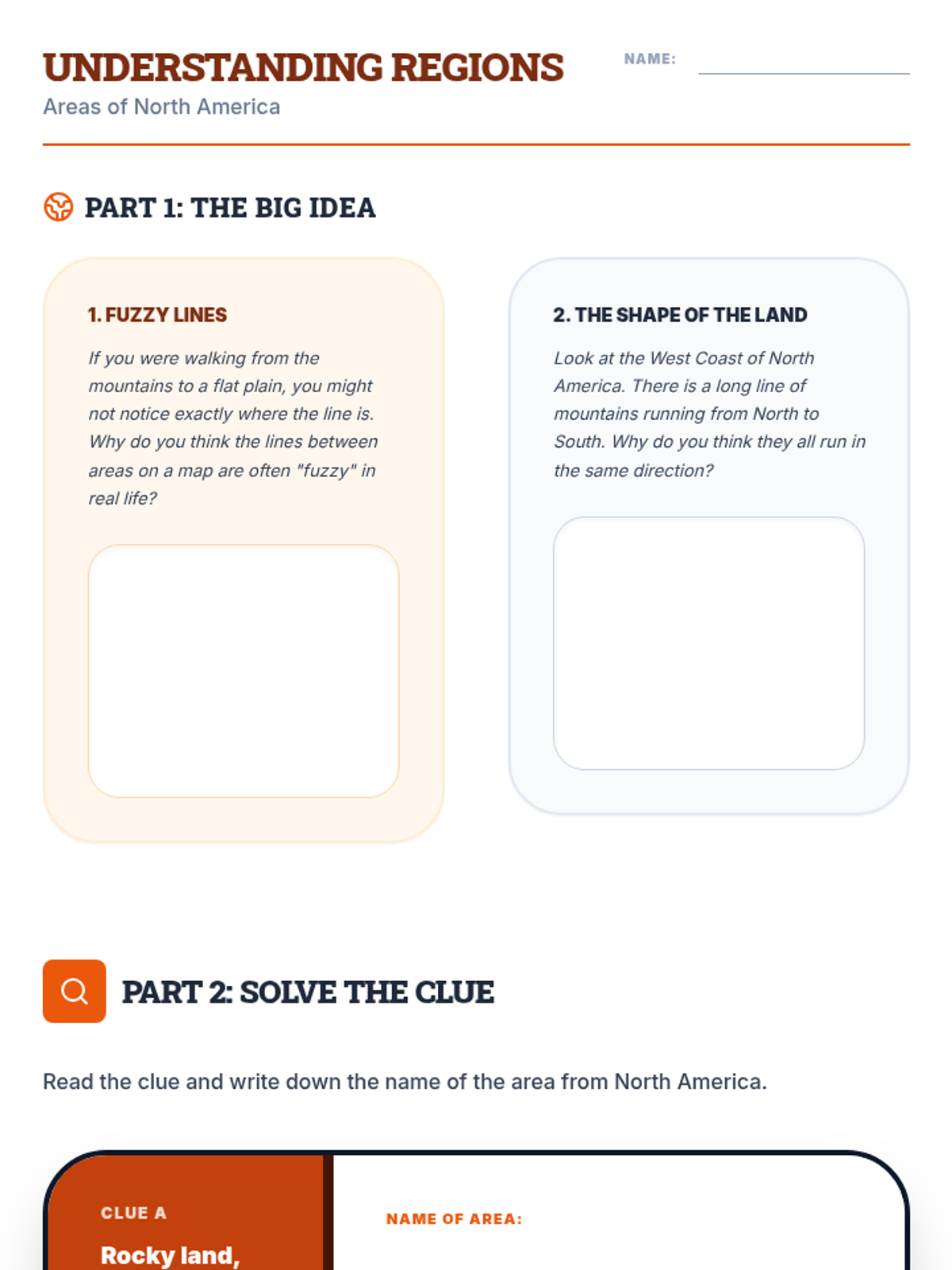
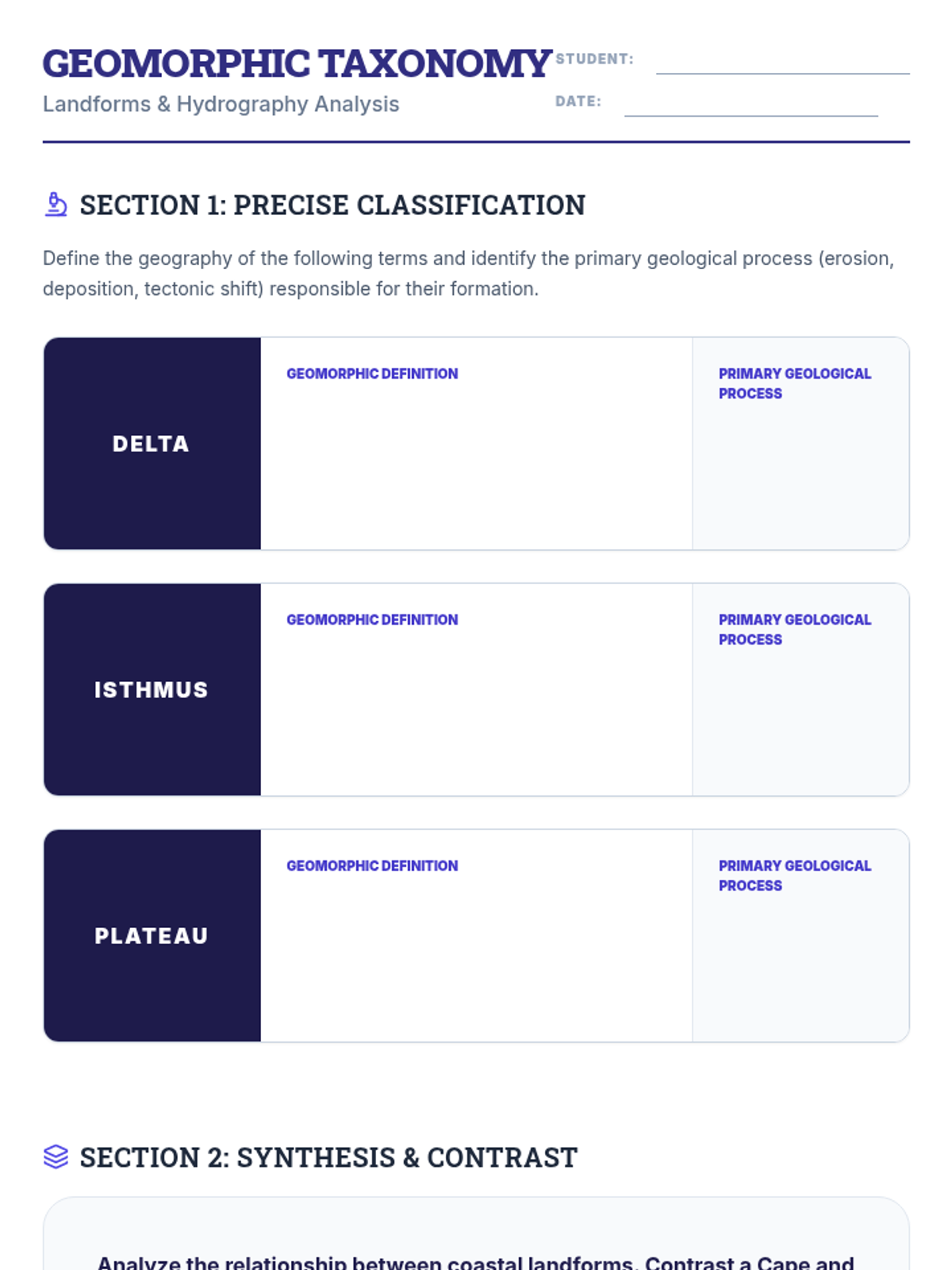
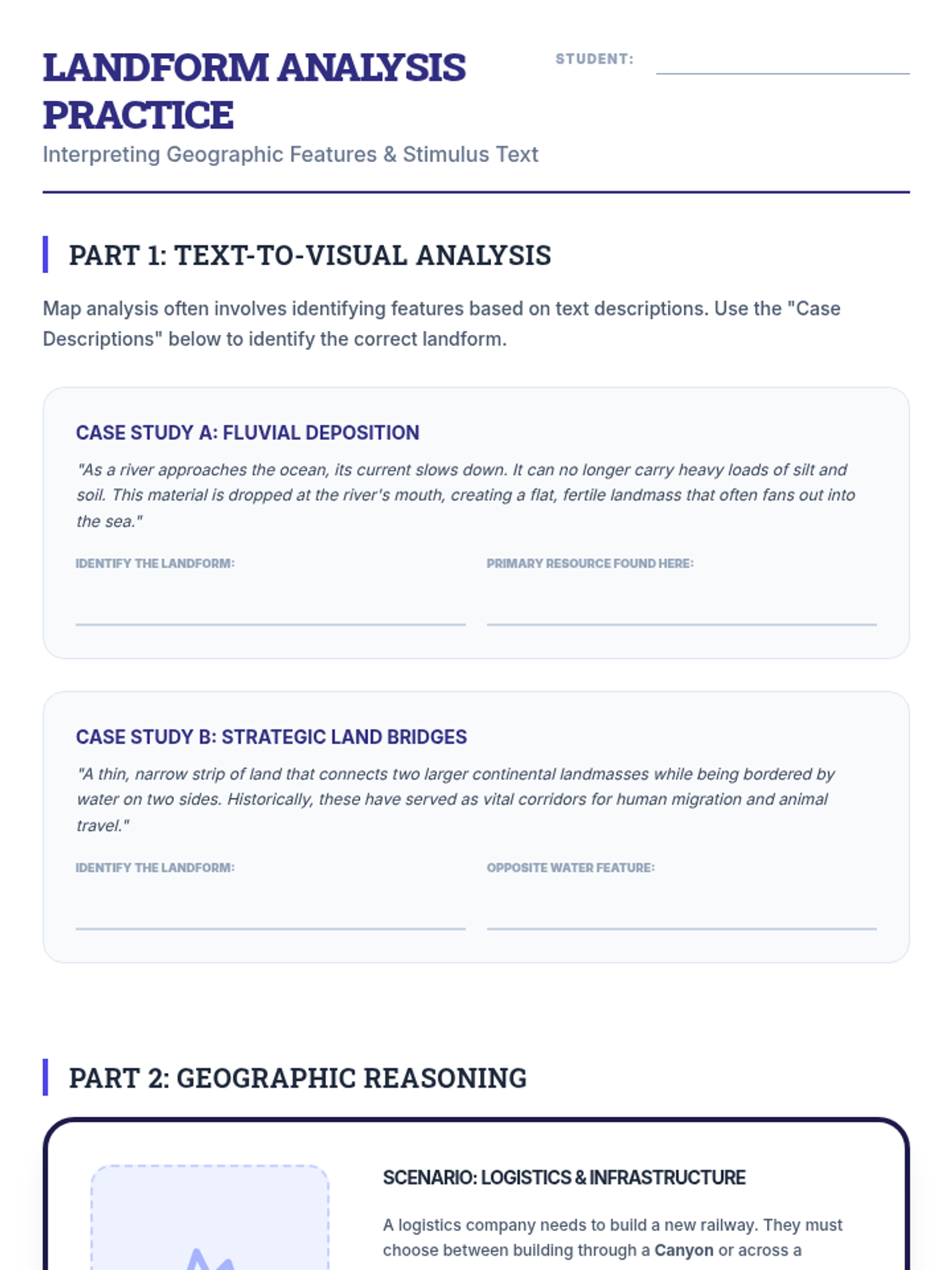
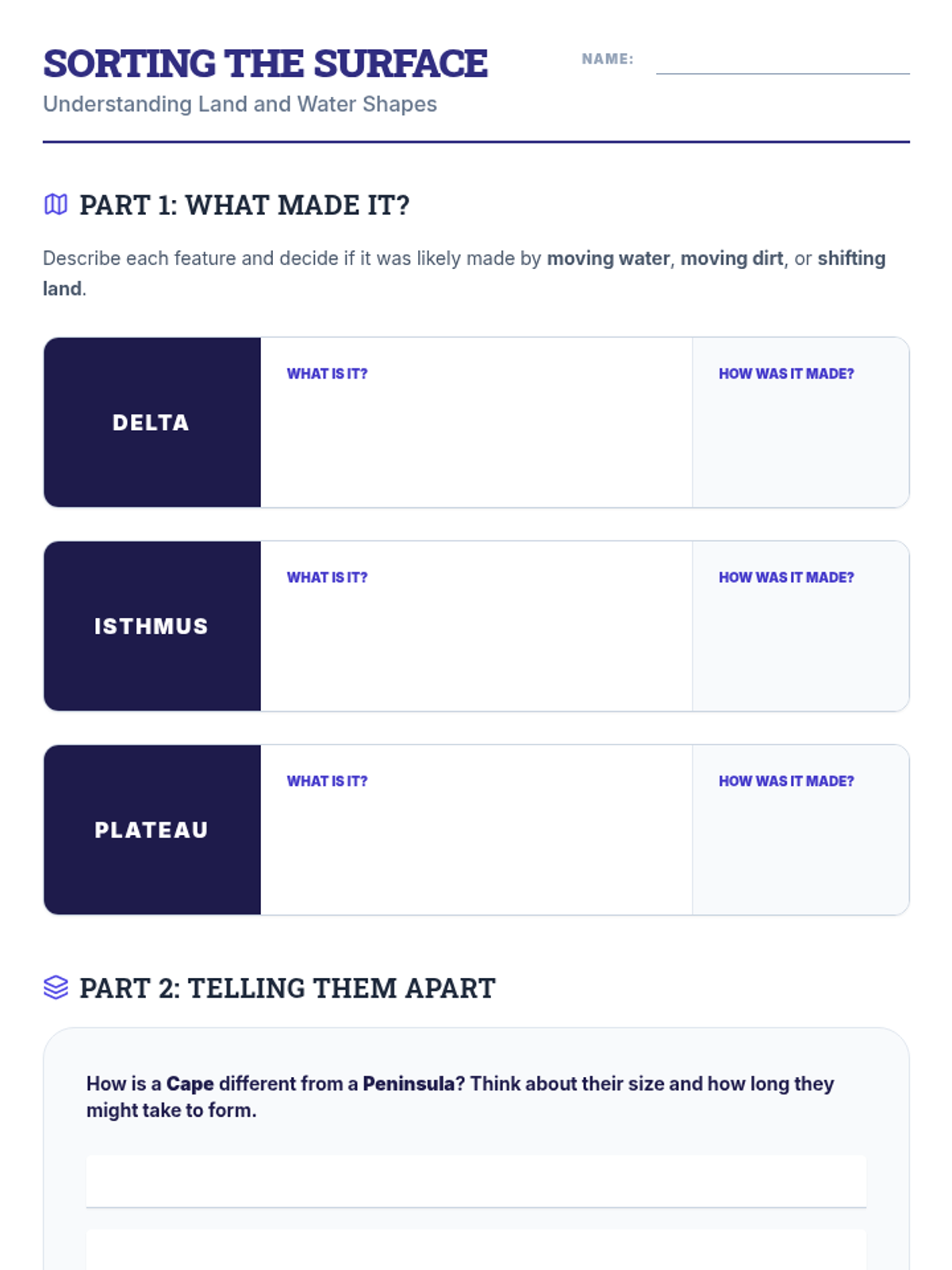
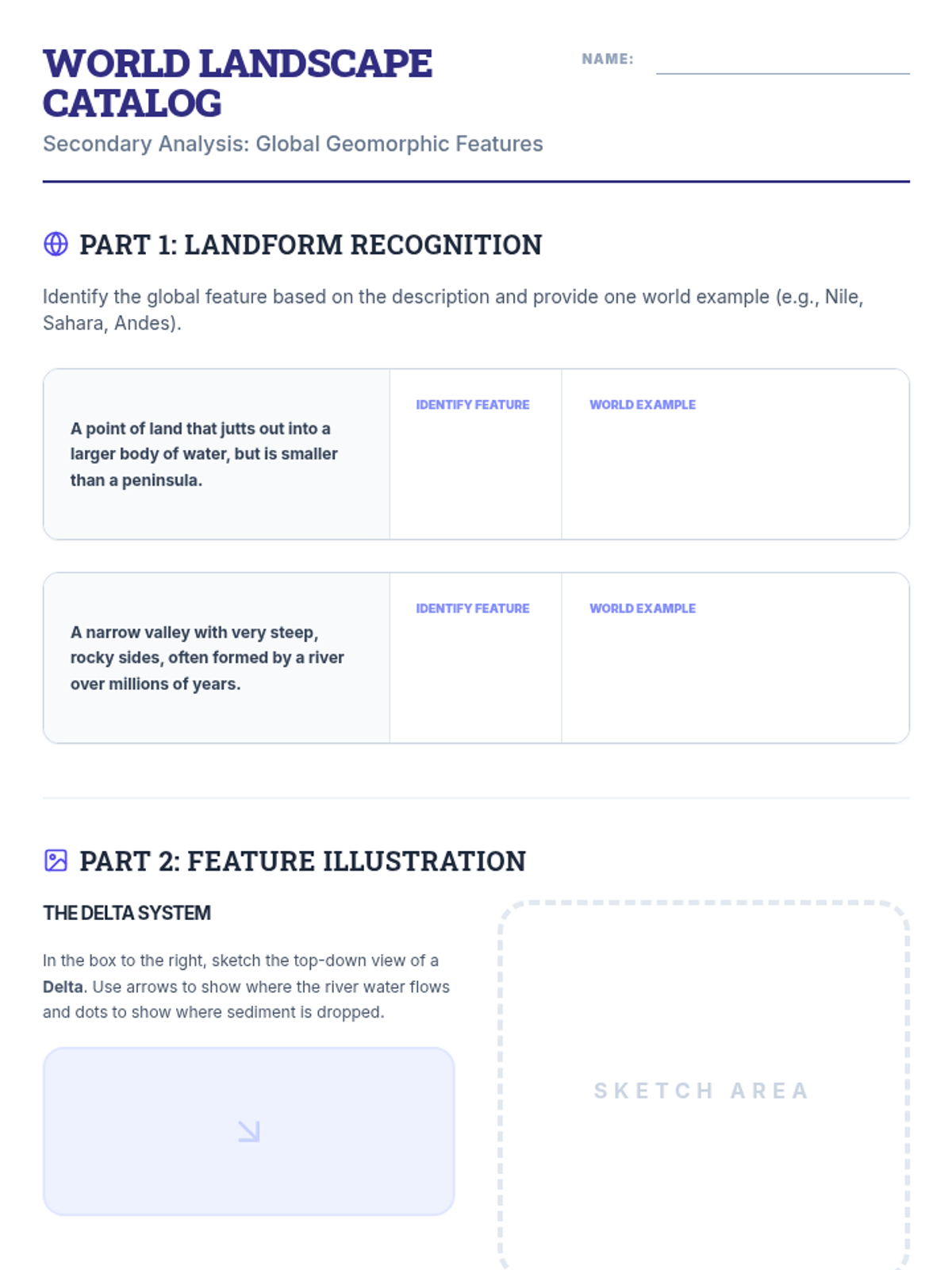
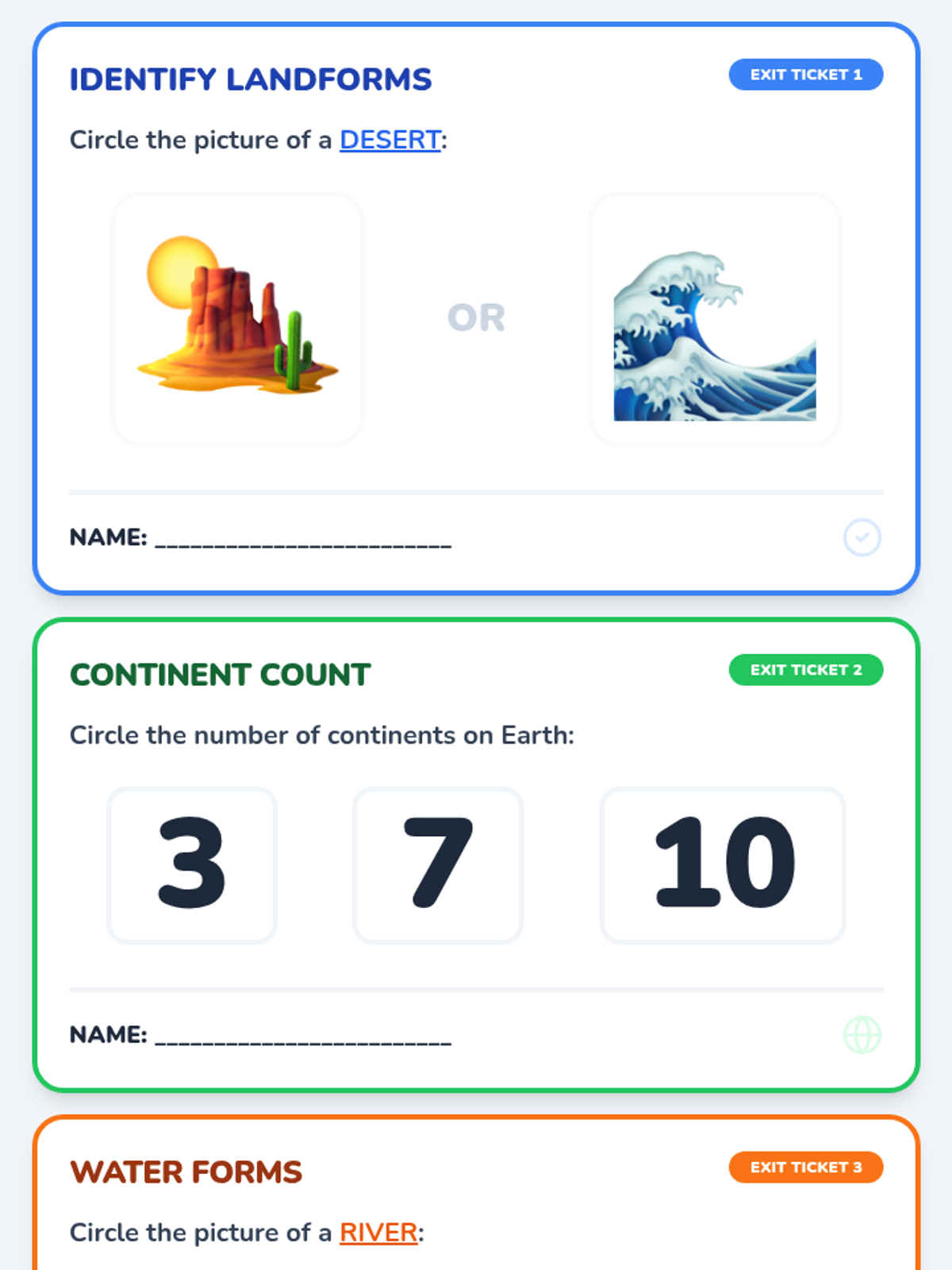
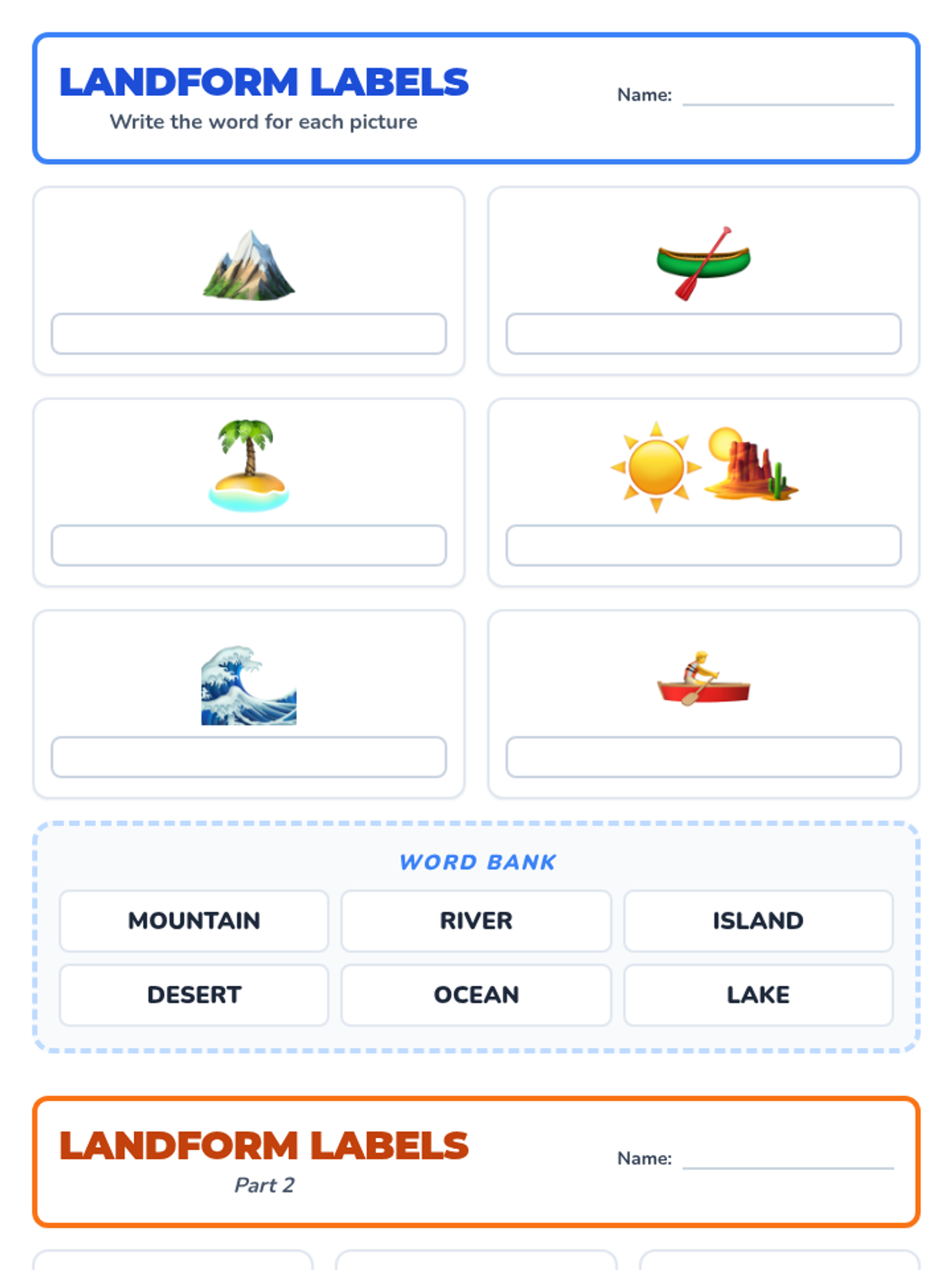
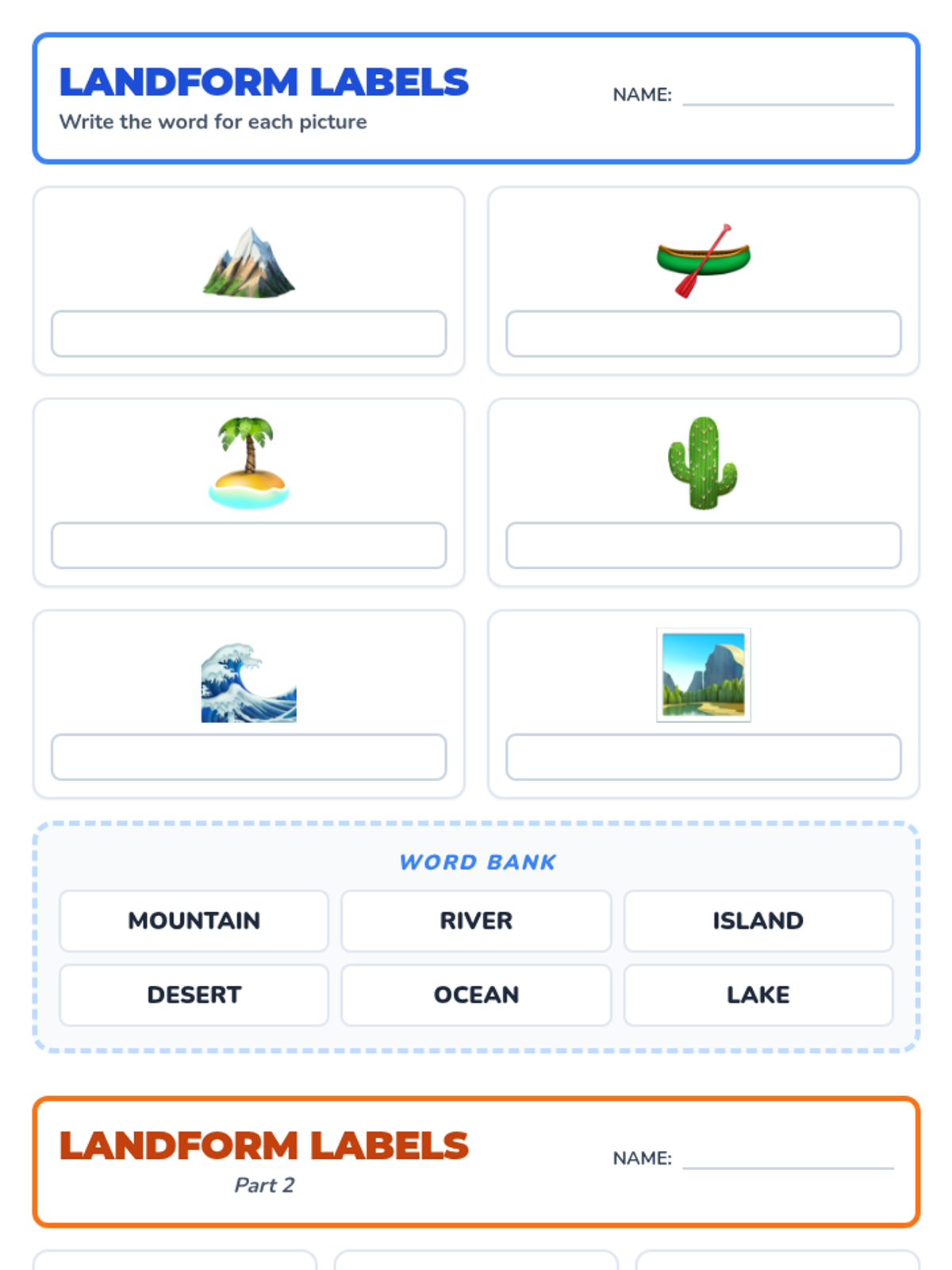
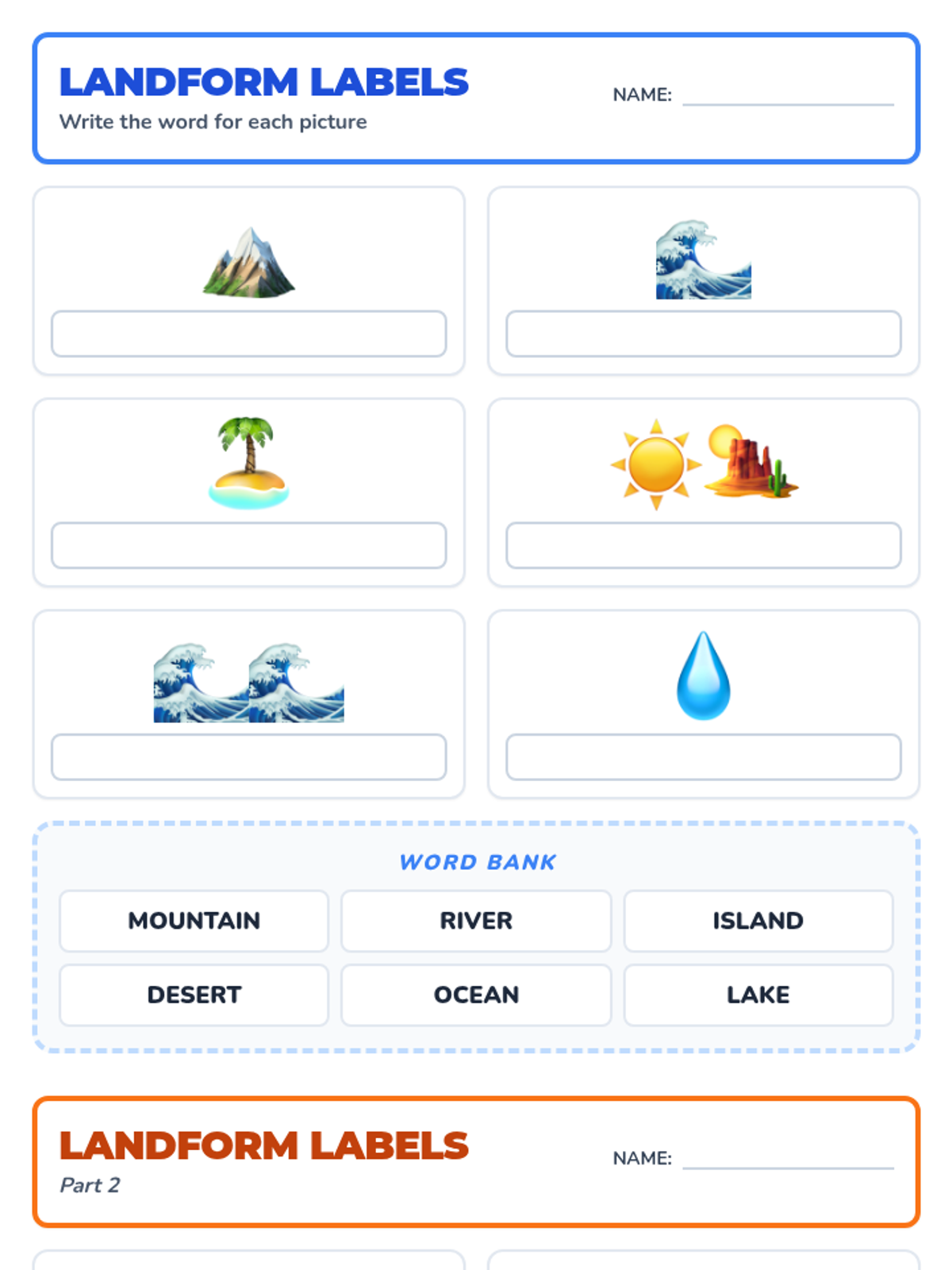
Identification of major landforms and bodies of water found across the seven continents.
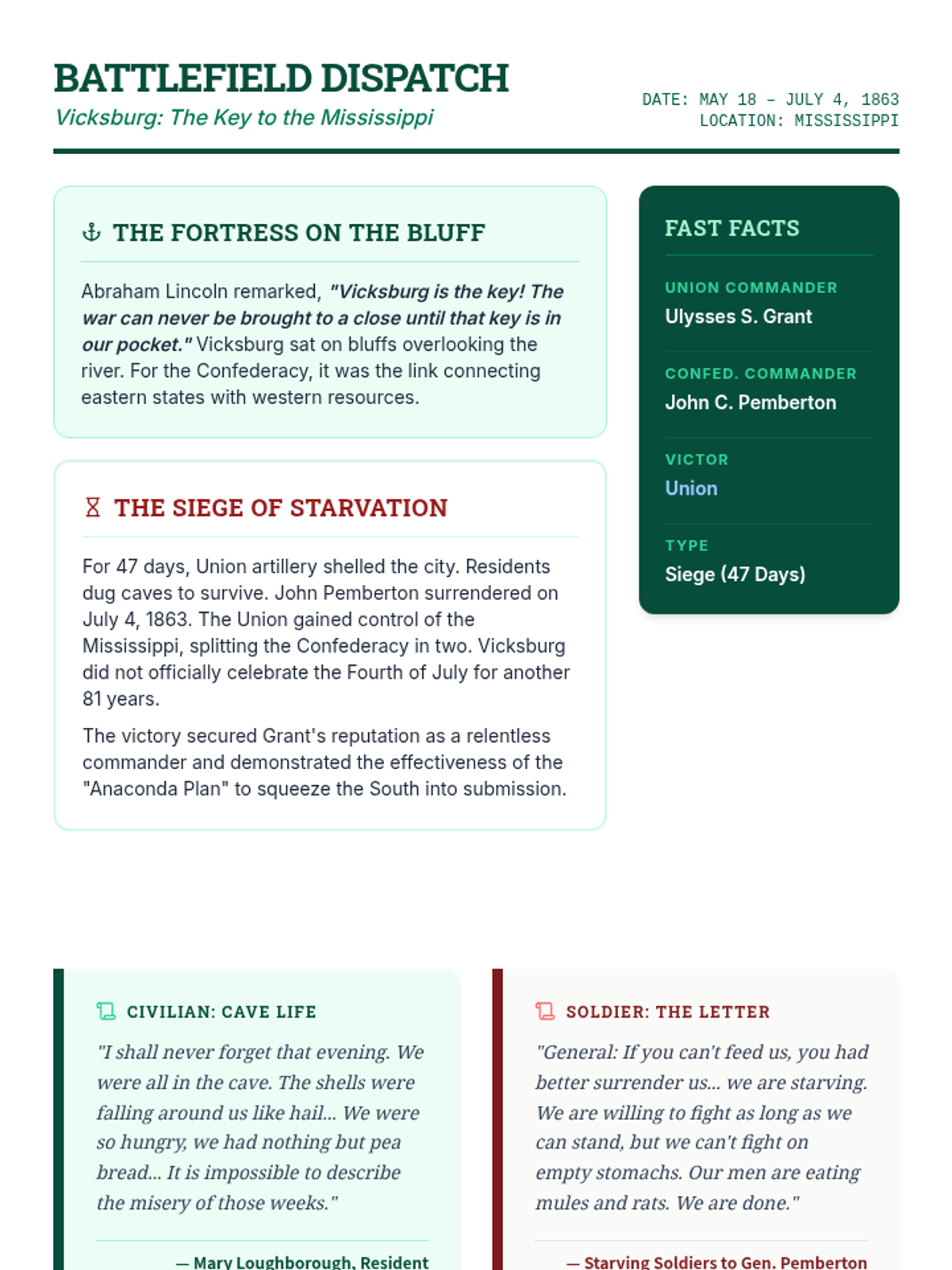
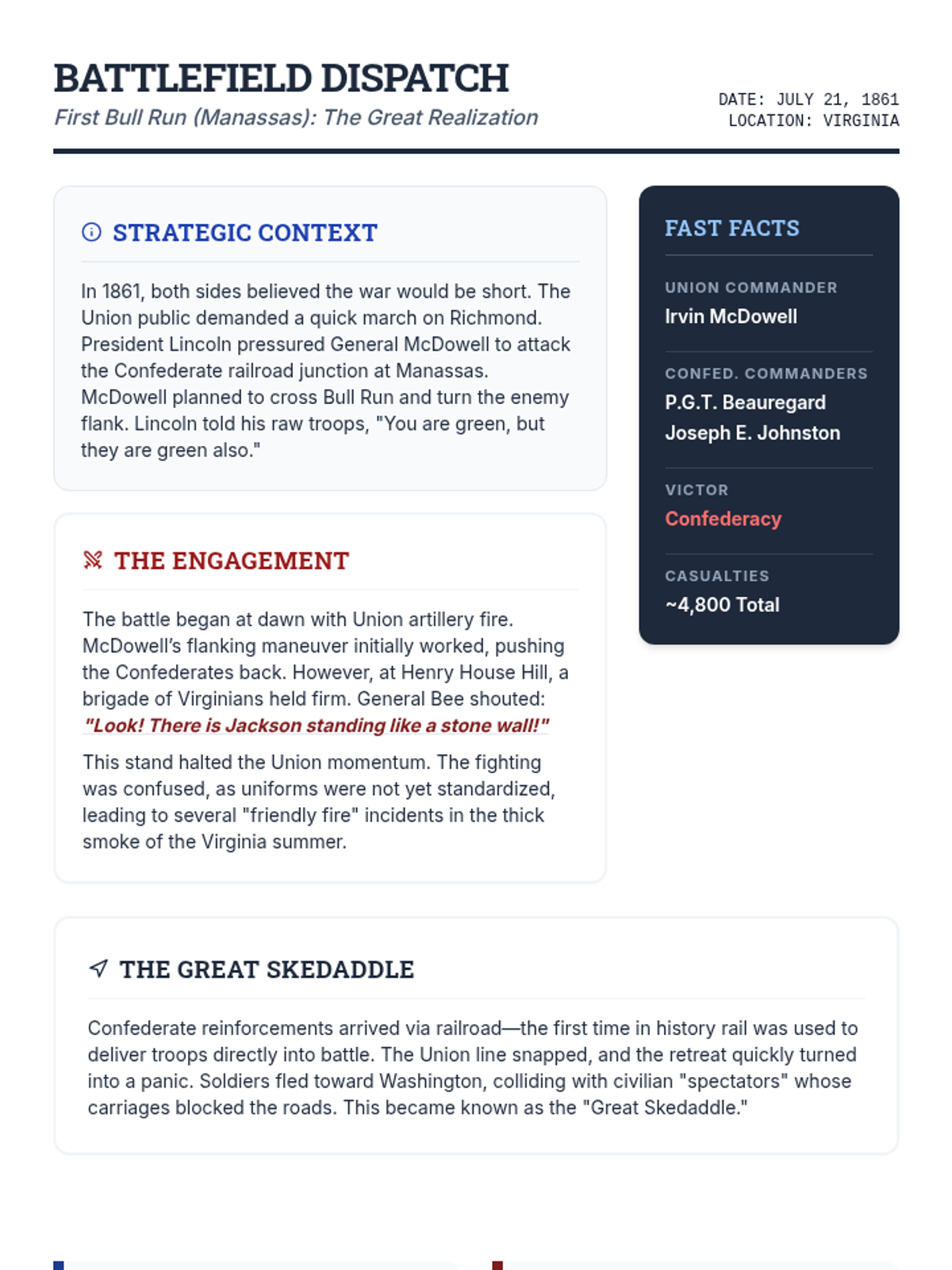
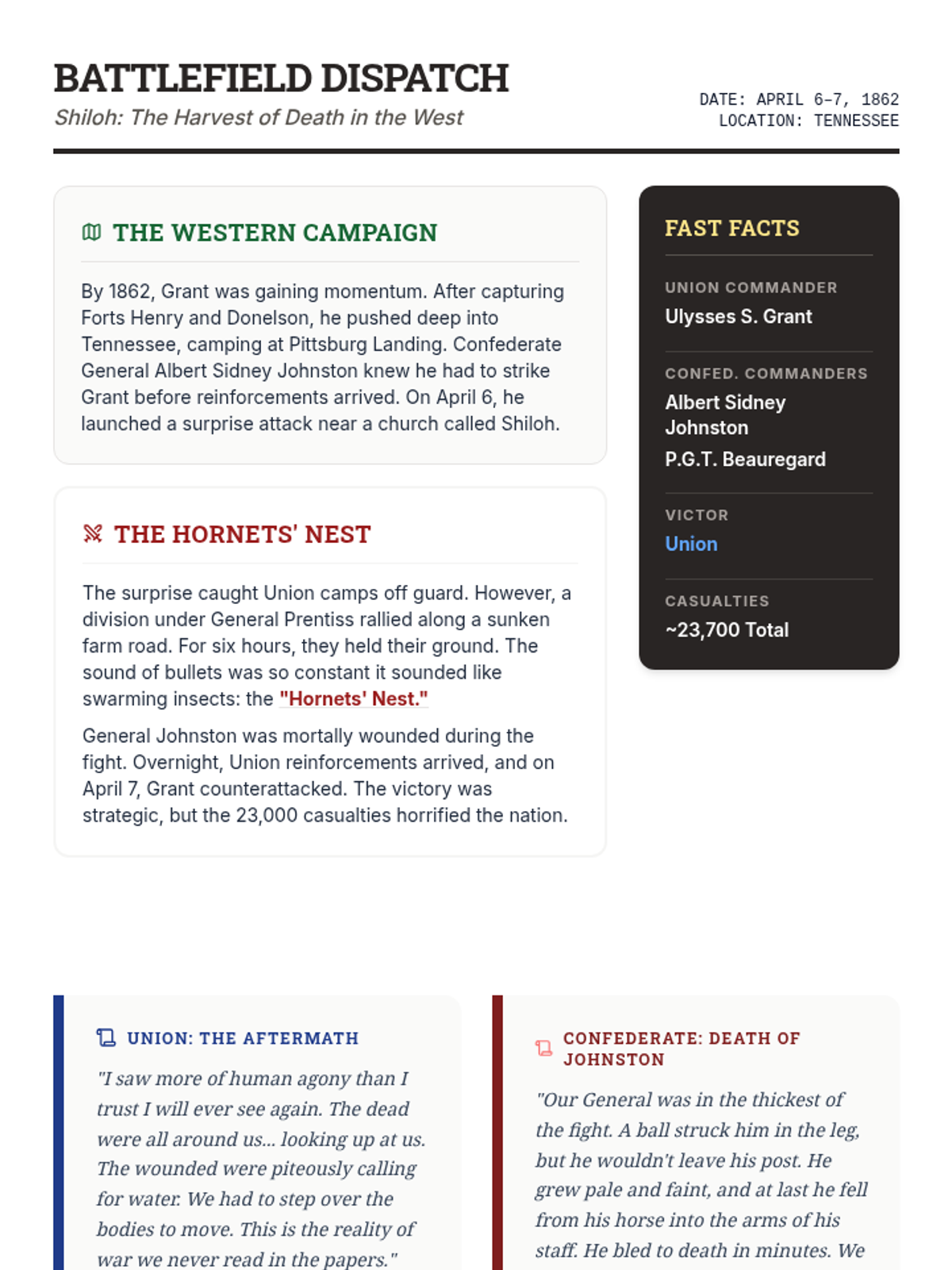
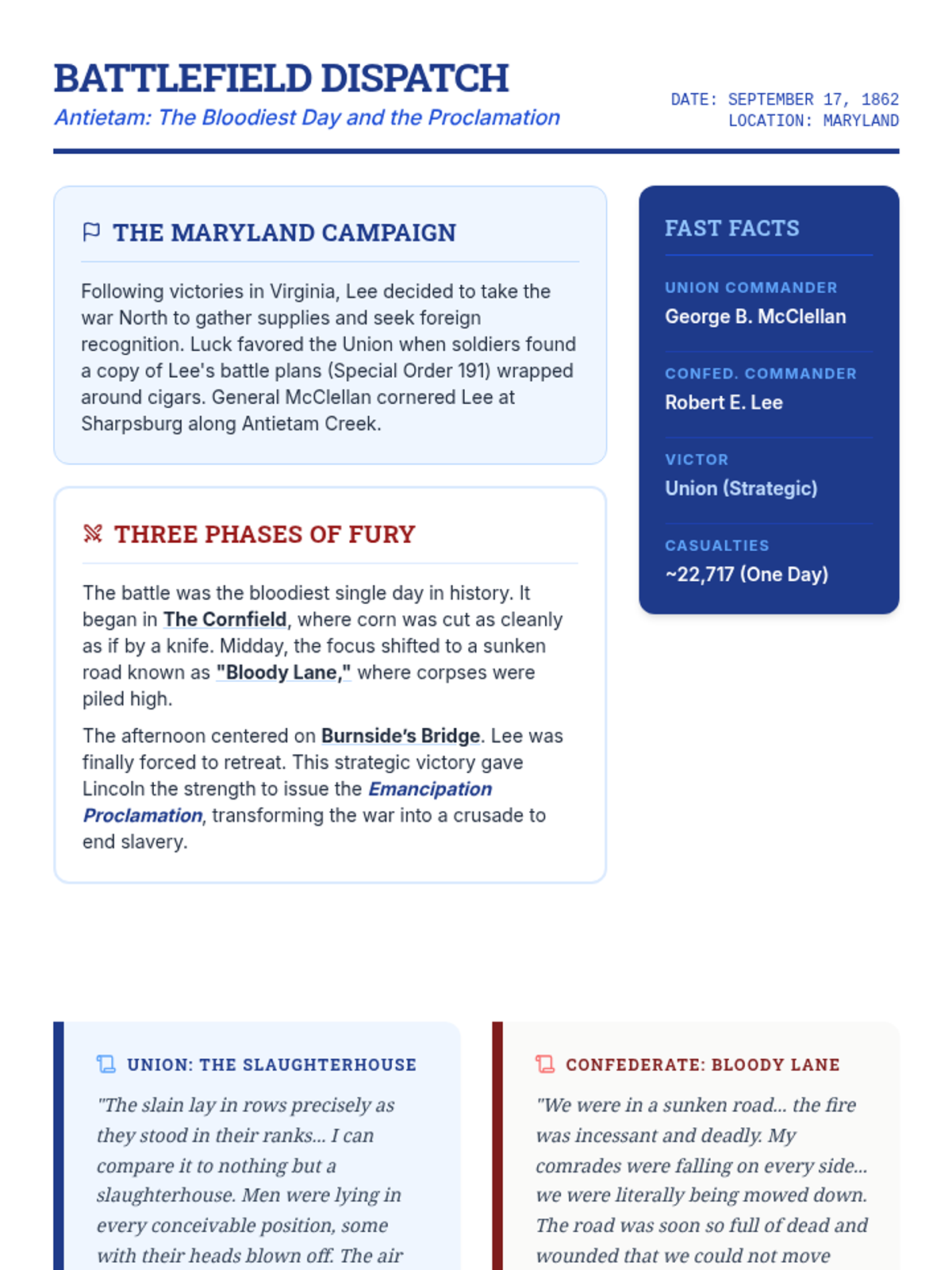
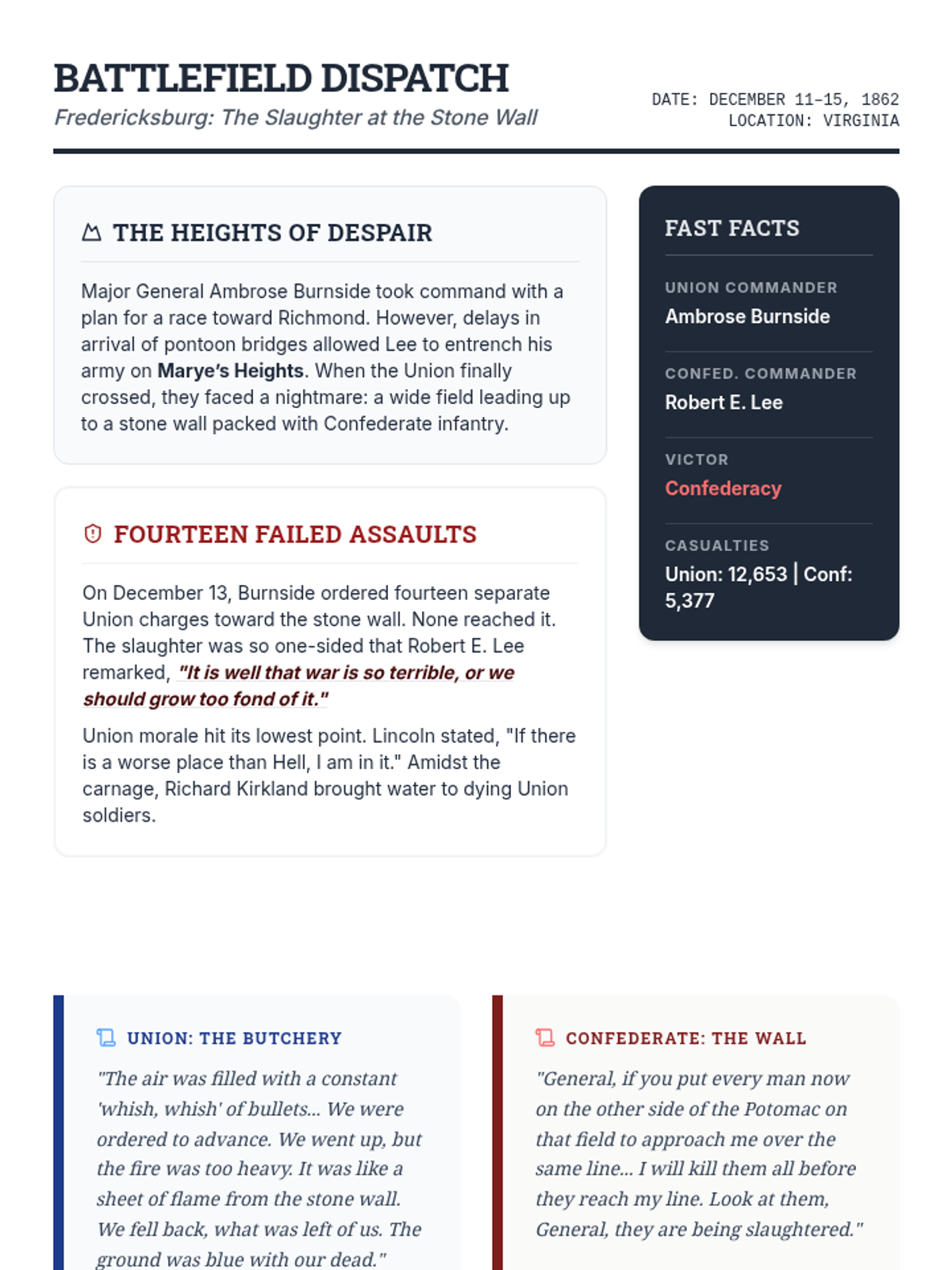
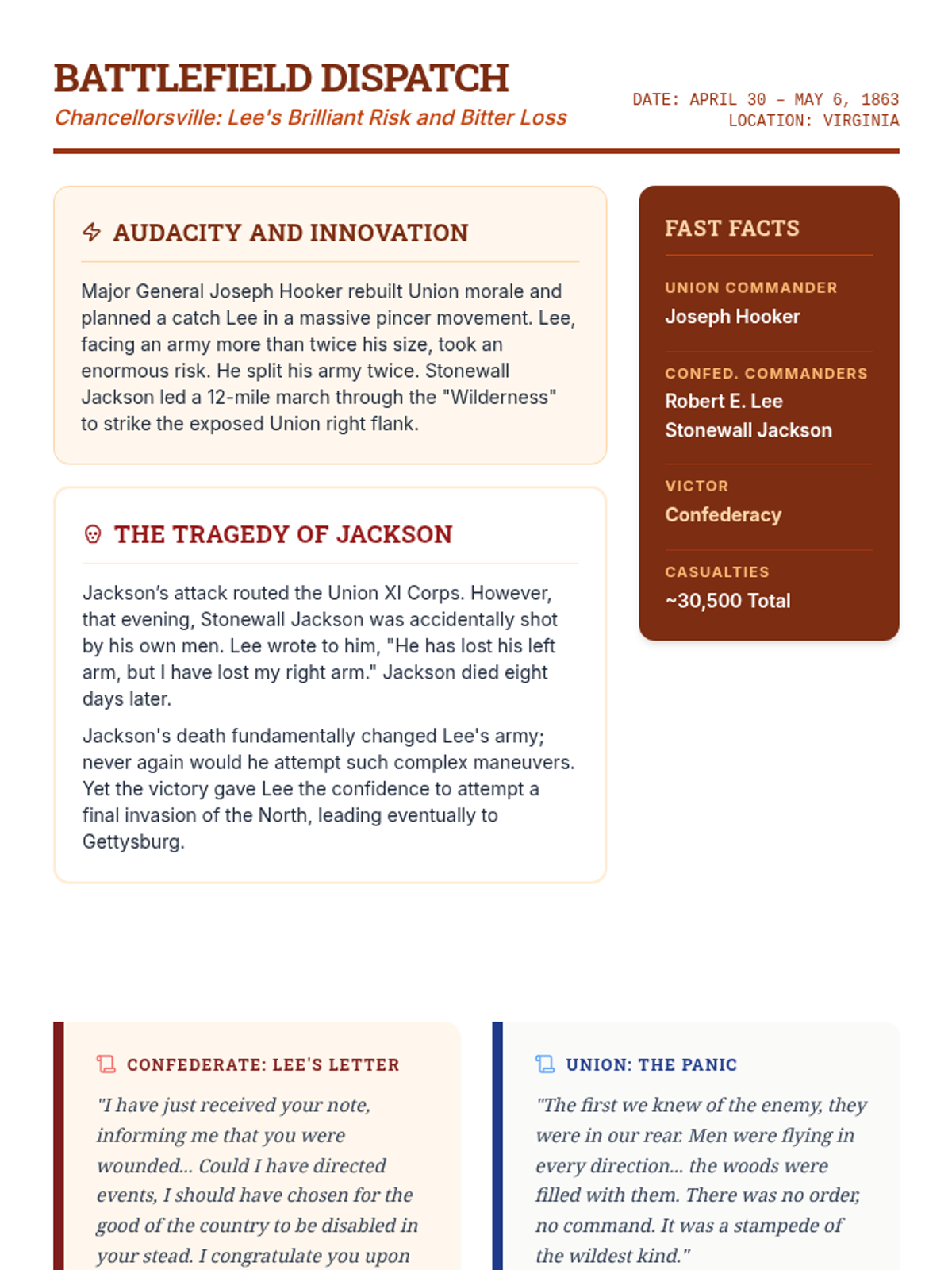
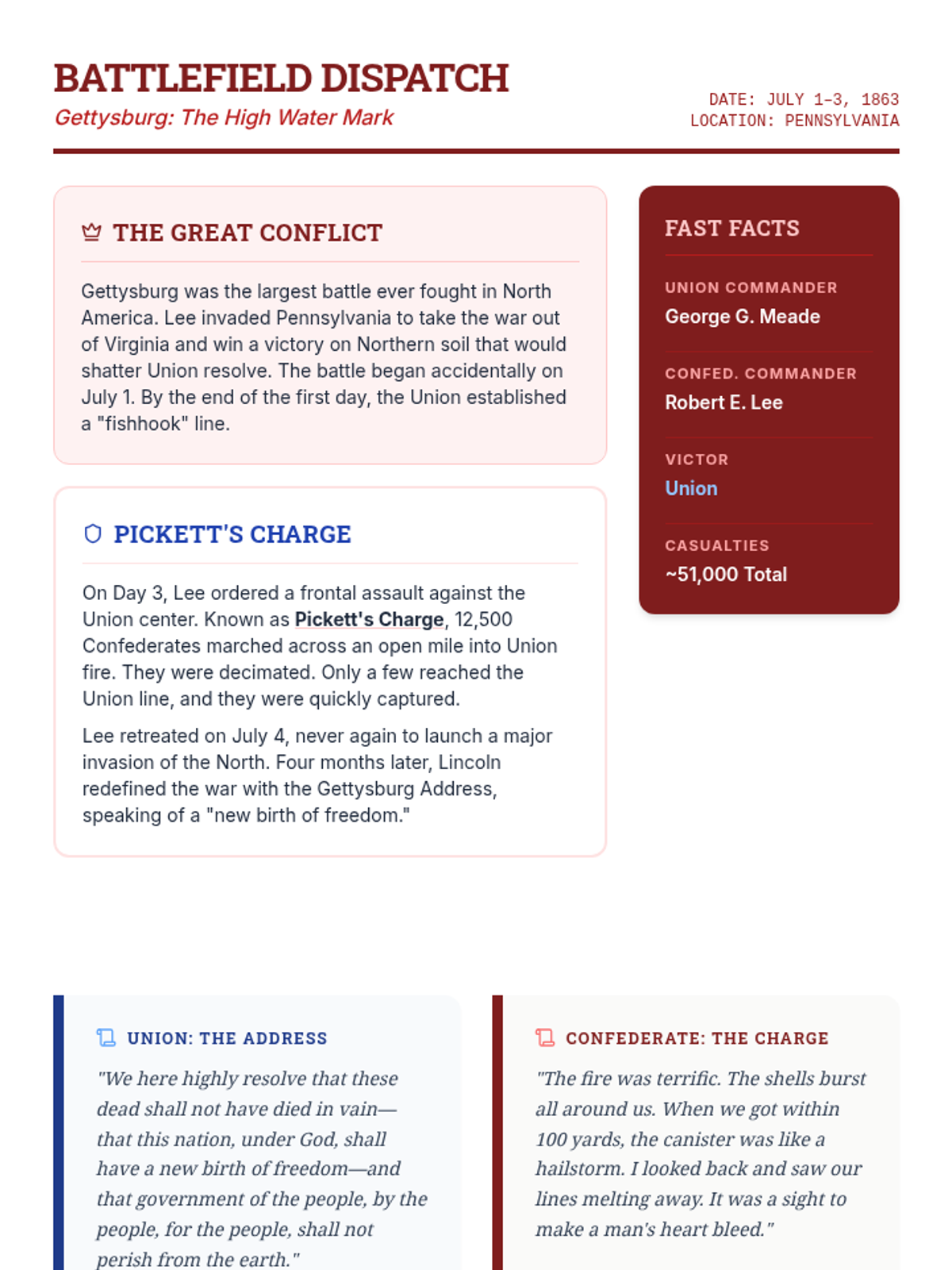
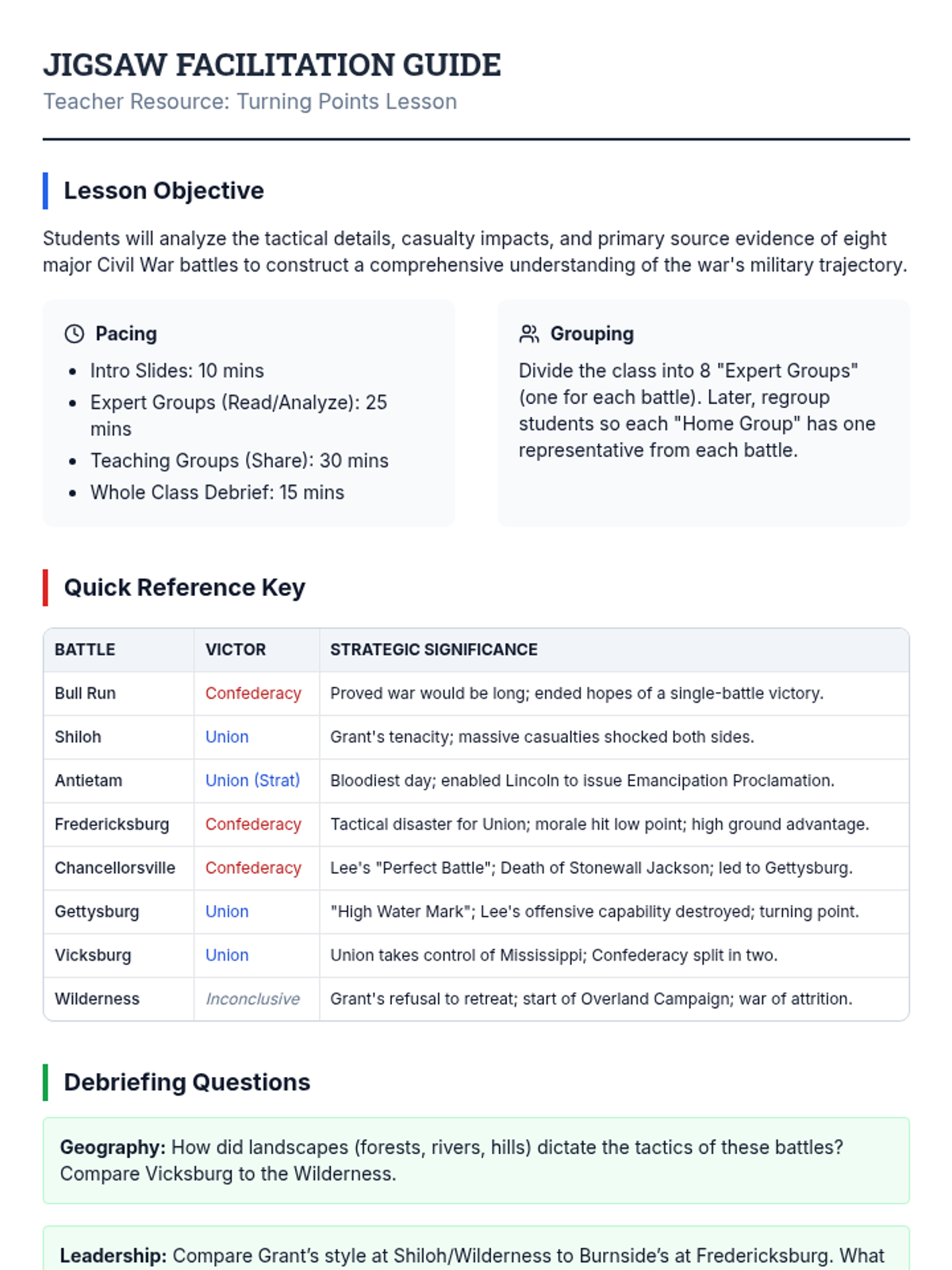
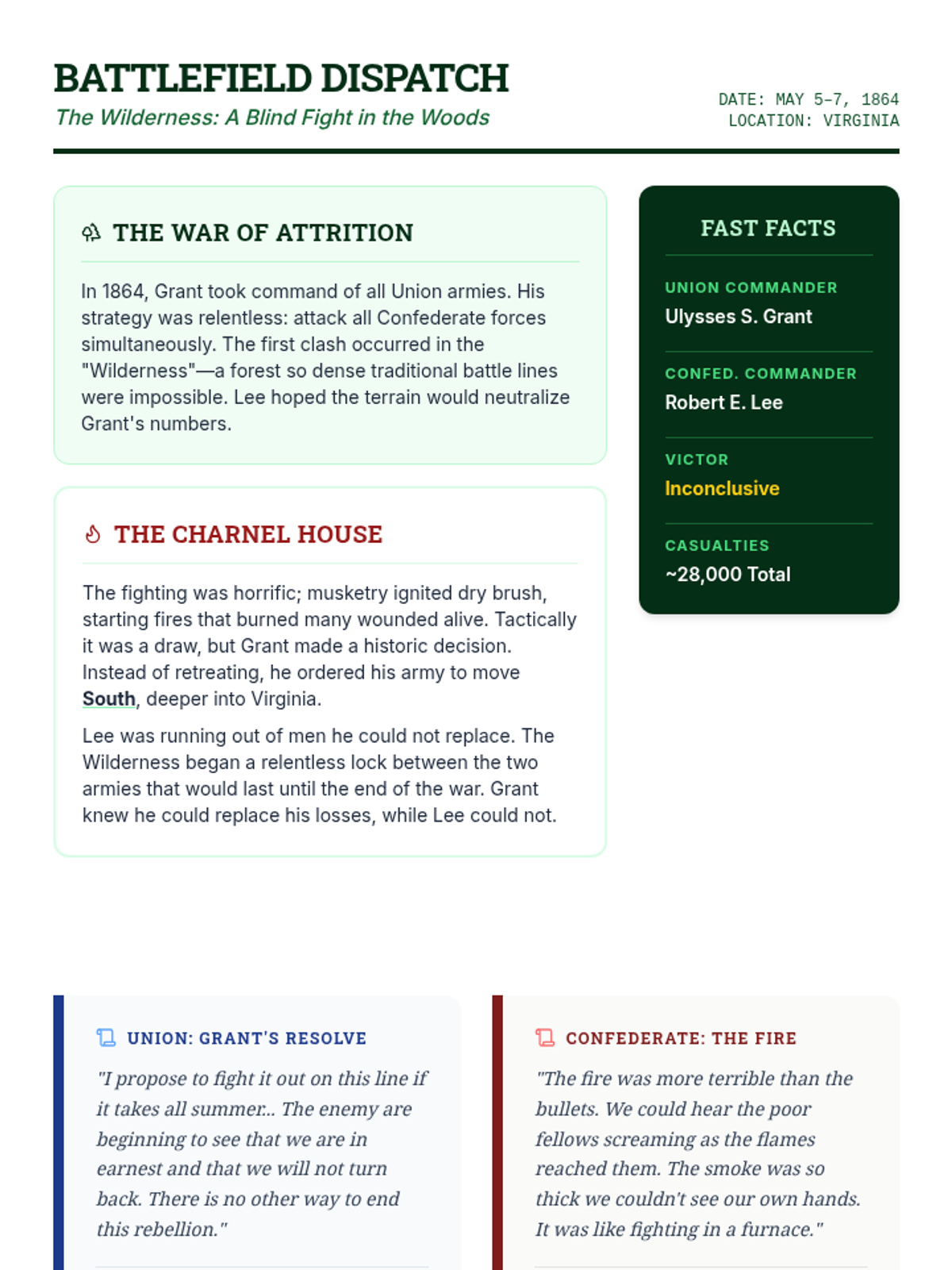
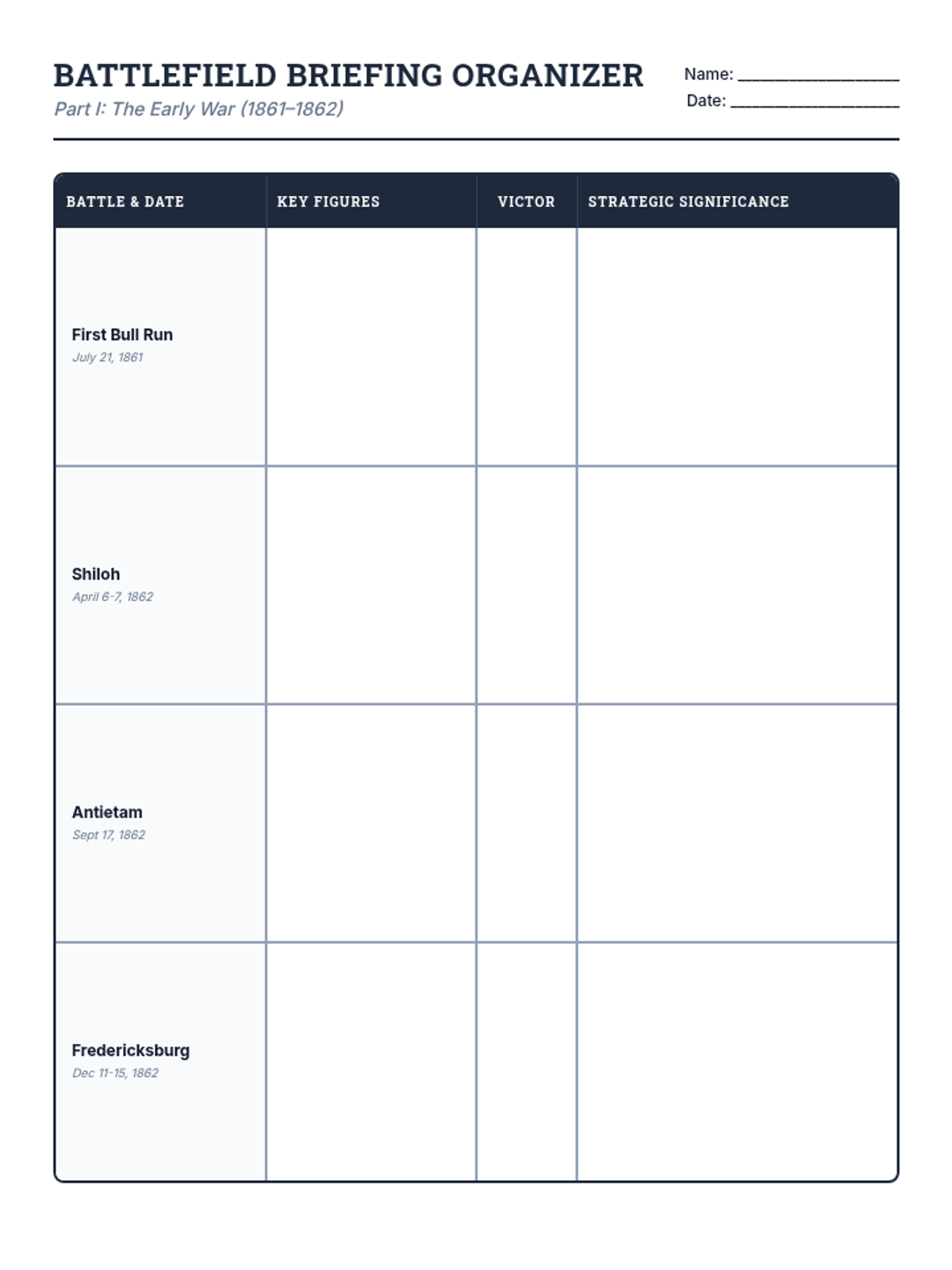
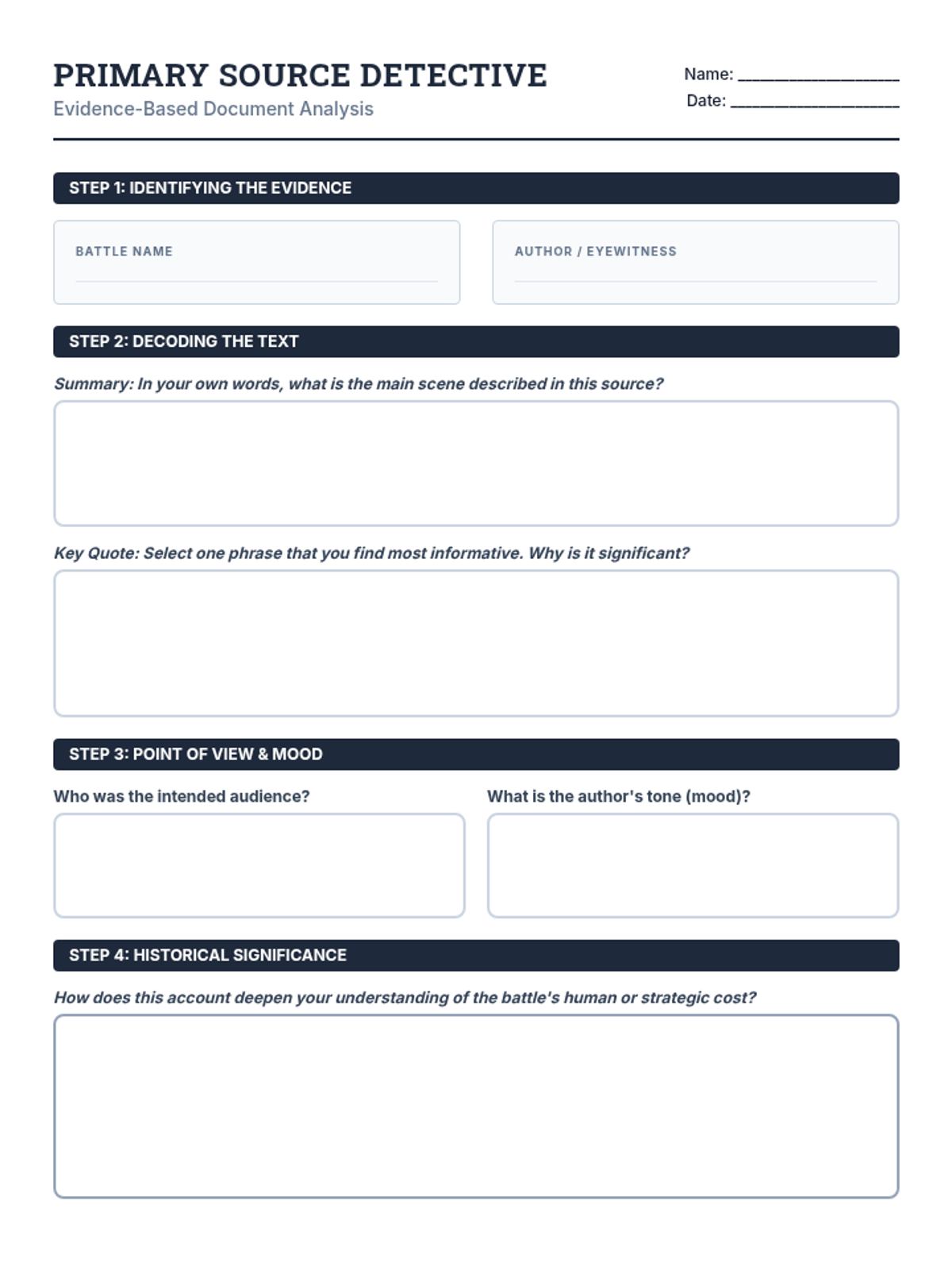
Students will examine eight major battles of the American Civil War using a jigsaw strategy to build a collective understanding of military strategy, casualty impacts, and the soldier's experience.
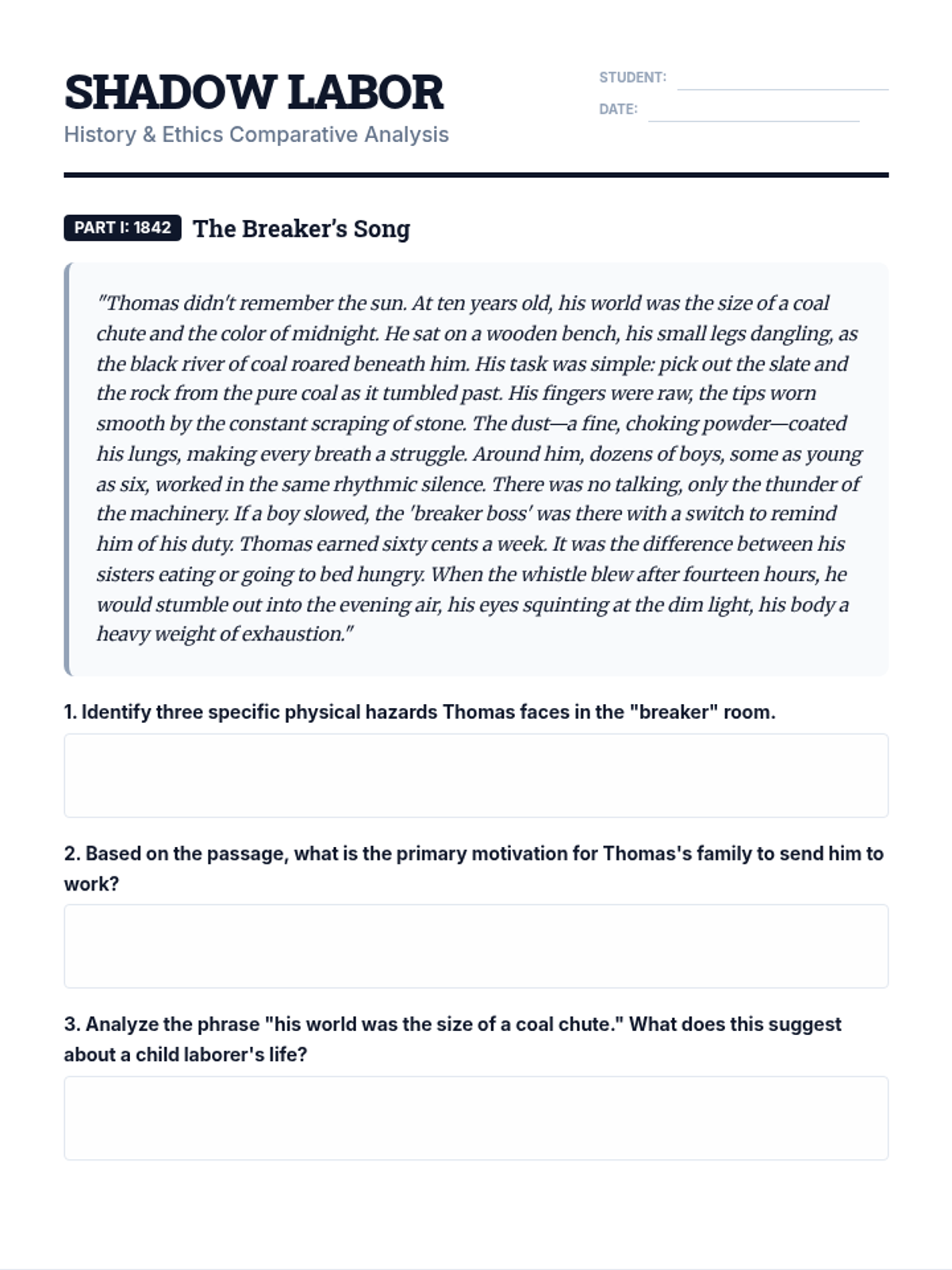
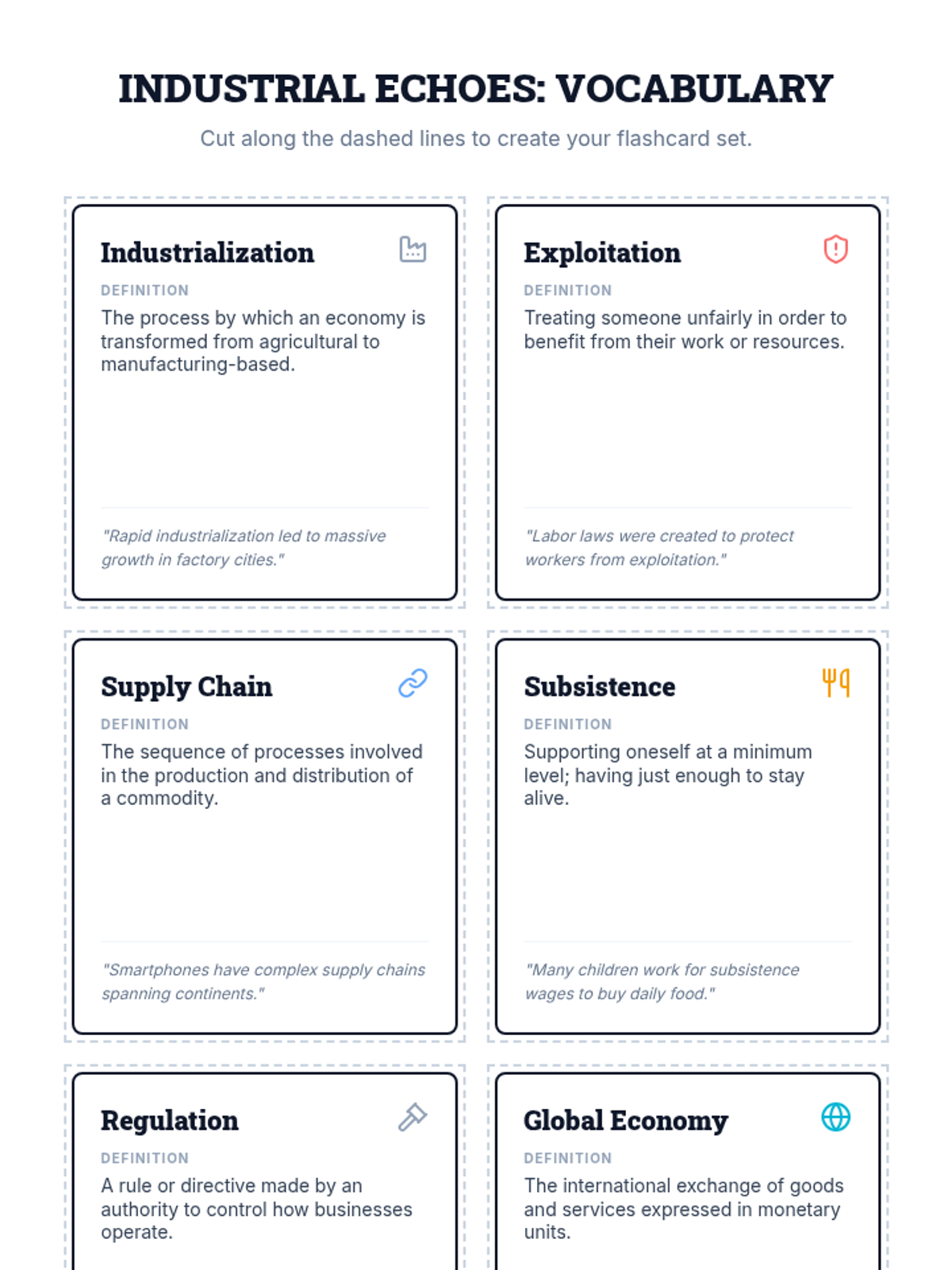
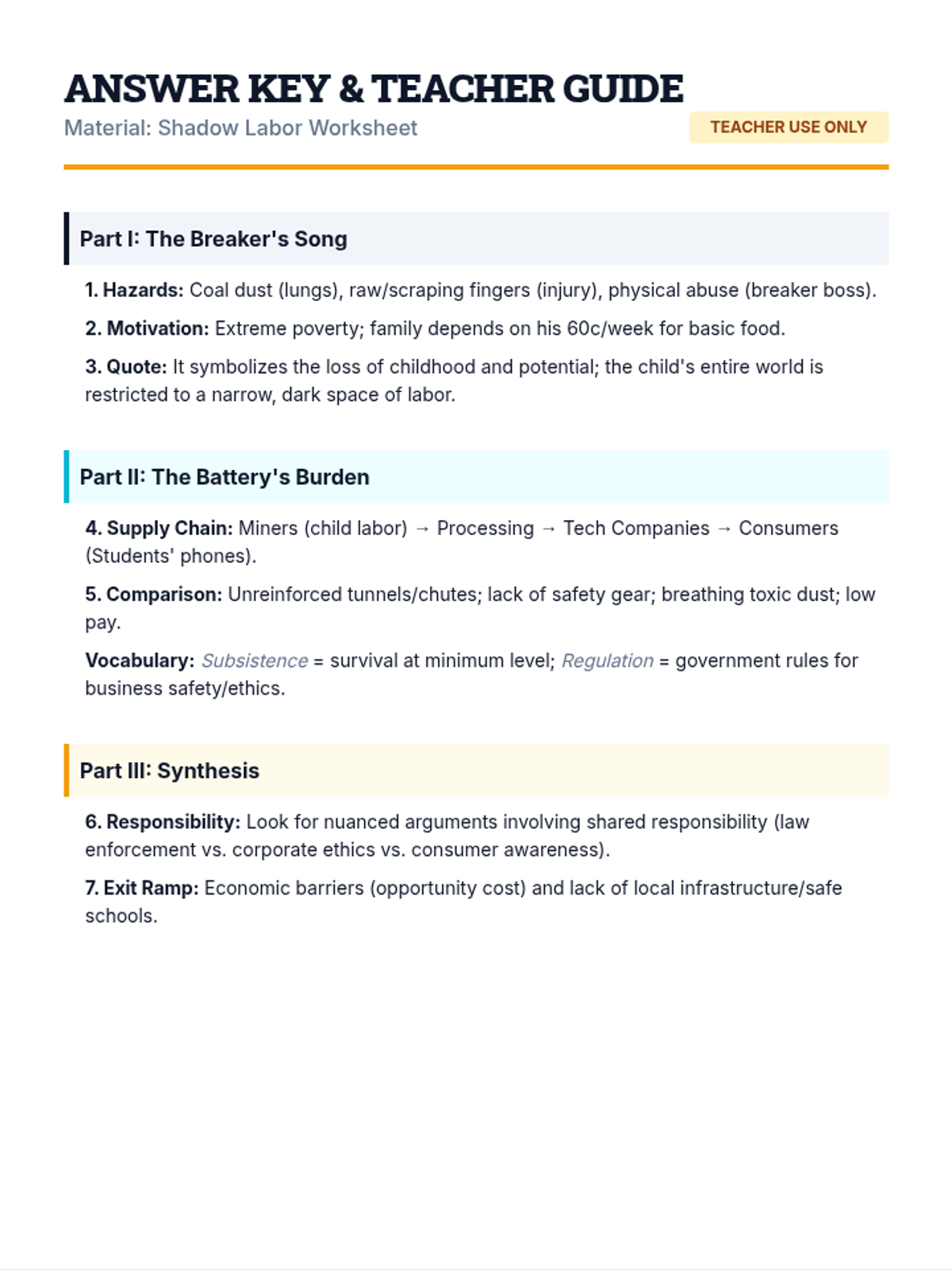
Students compare historical accounts of child labor from the Industrial Revolution with modern-day case studies in global industries. The lesson focuses on identifying patterns of exploitation and the evolution of labor laws.
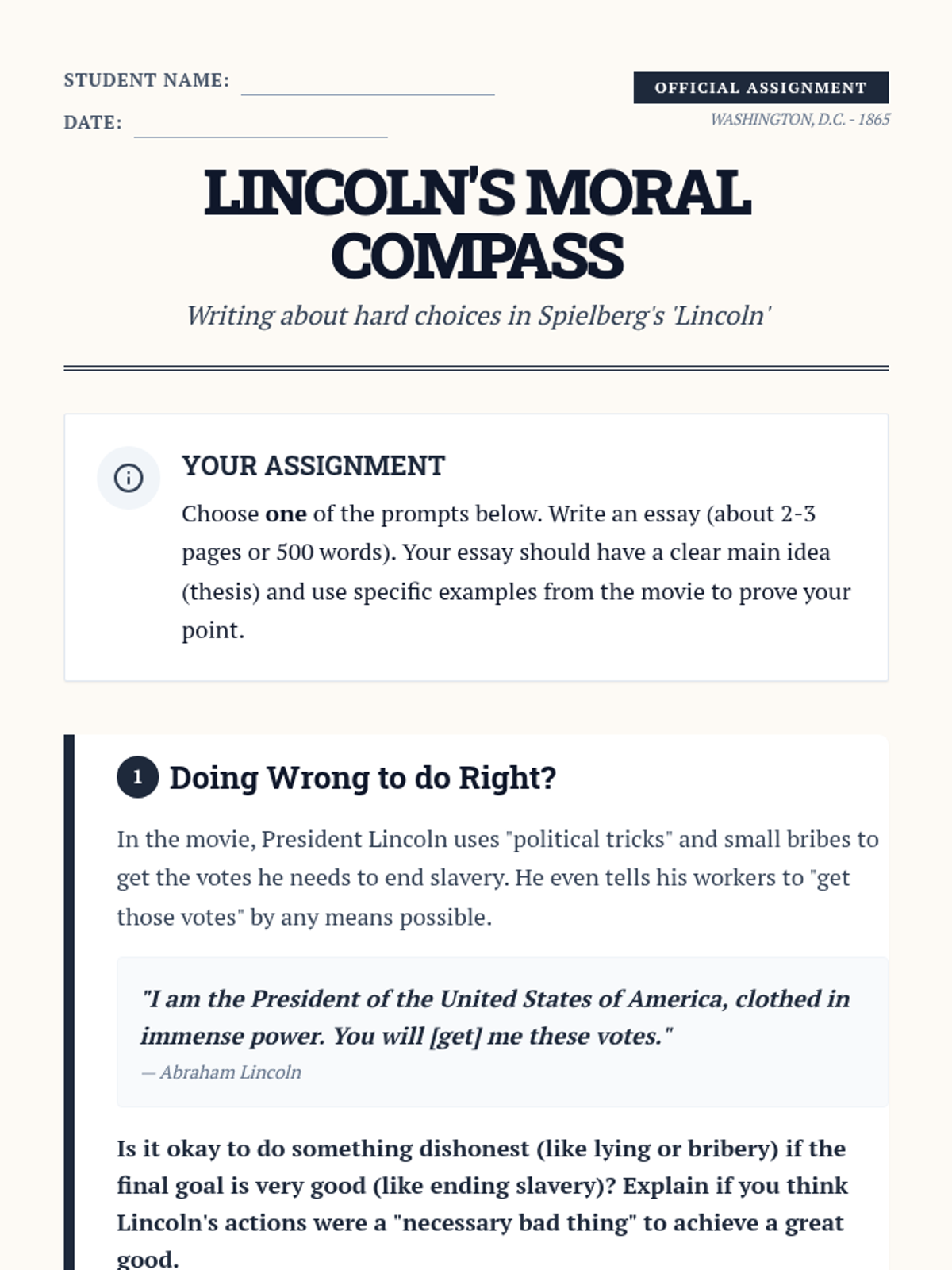
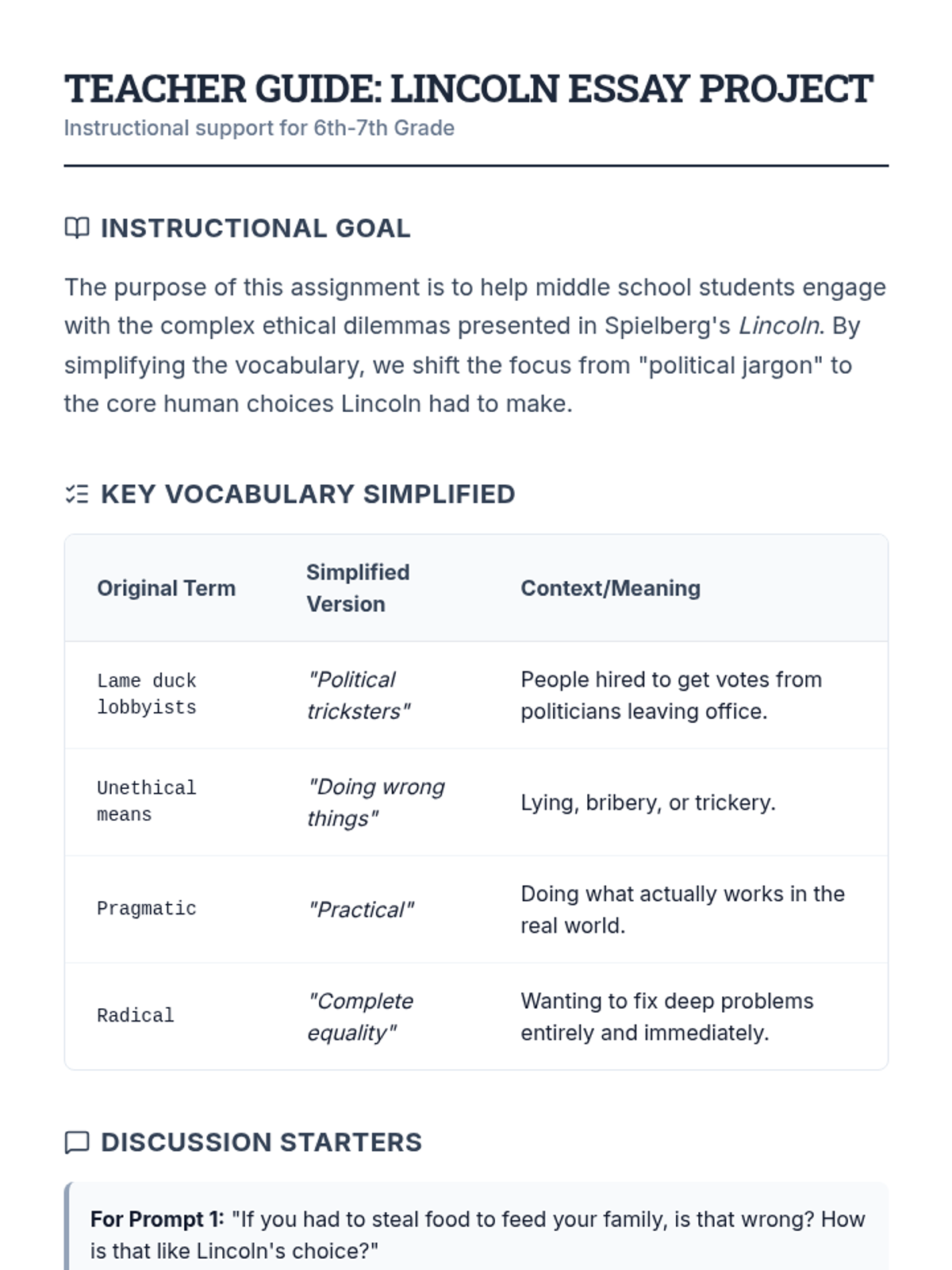
Students explore the ethical and personal challenges faced by Abraham Lincoln during the passage of the 13th Amendment, focusing on simplified versions of complex historical and political themes.
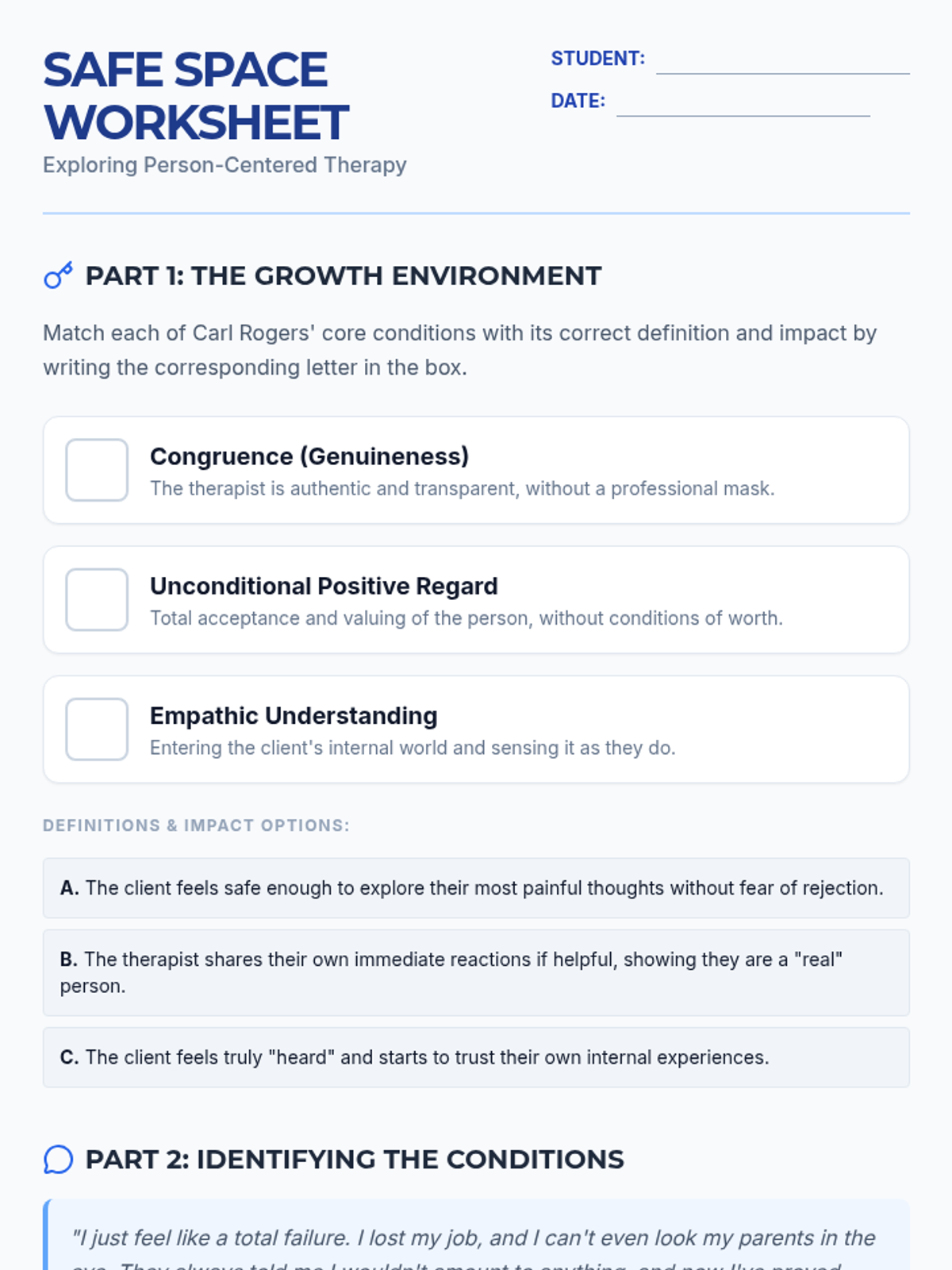
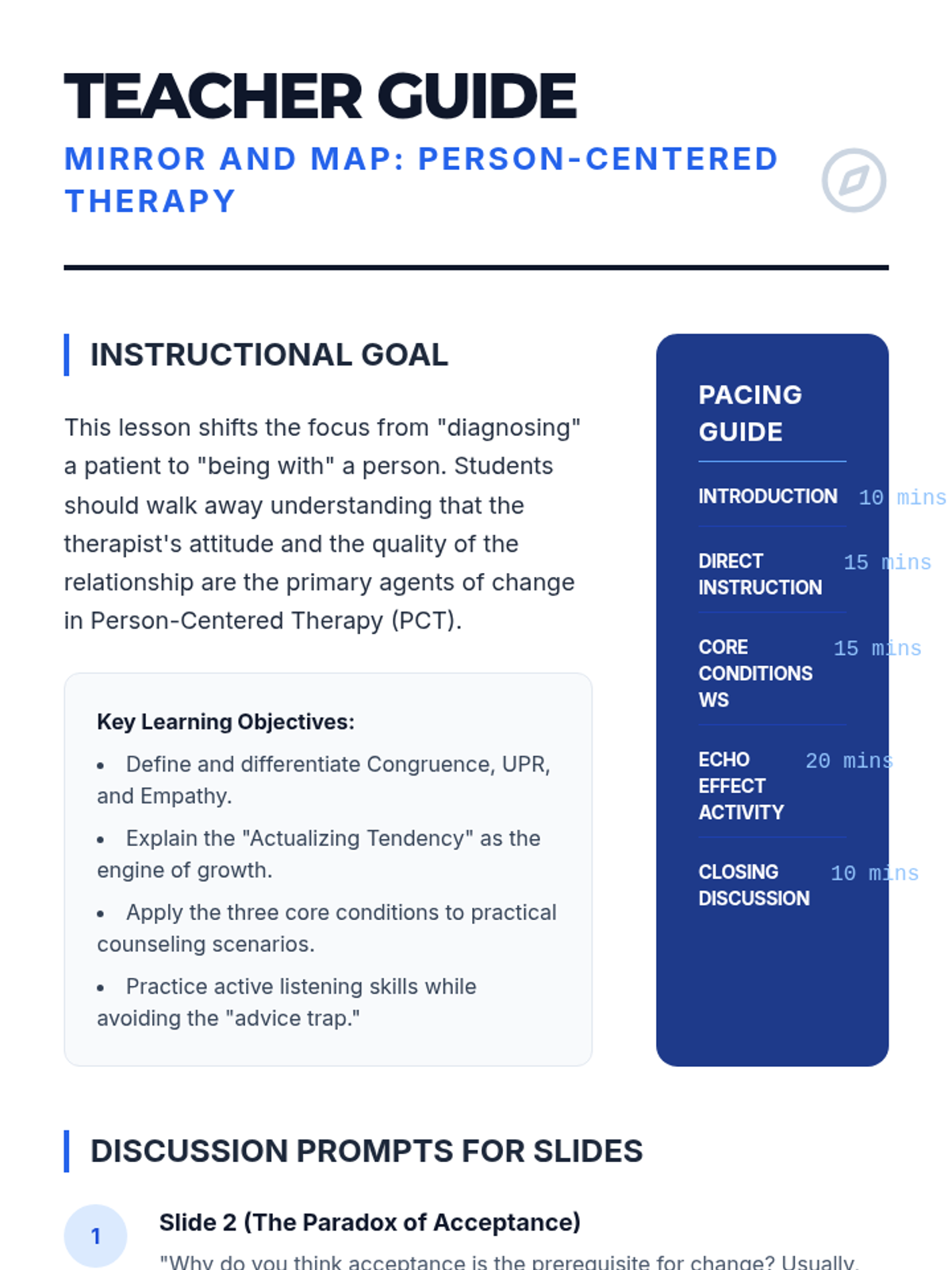
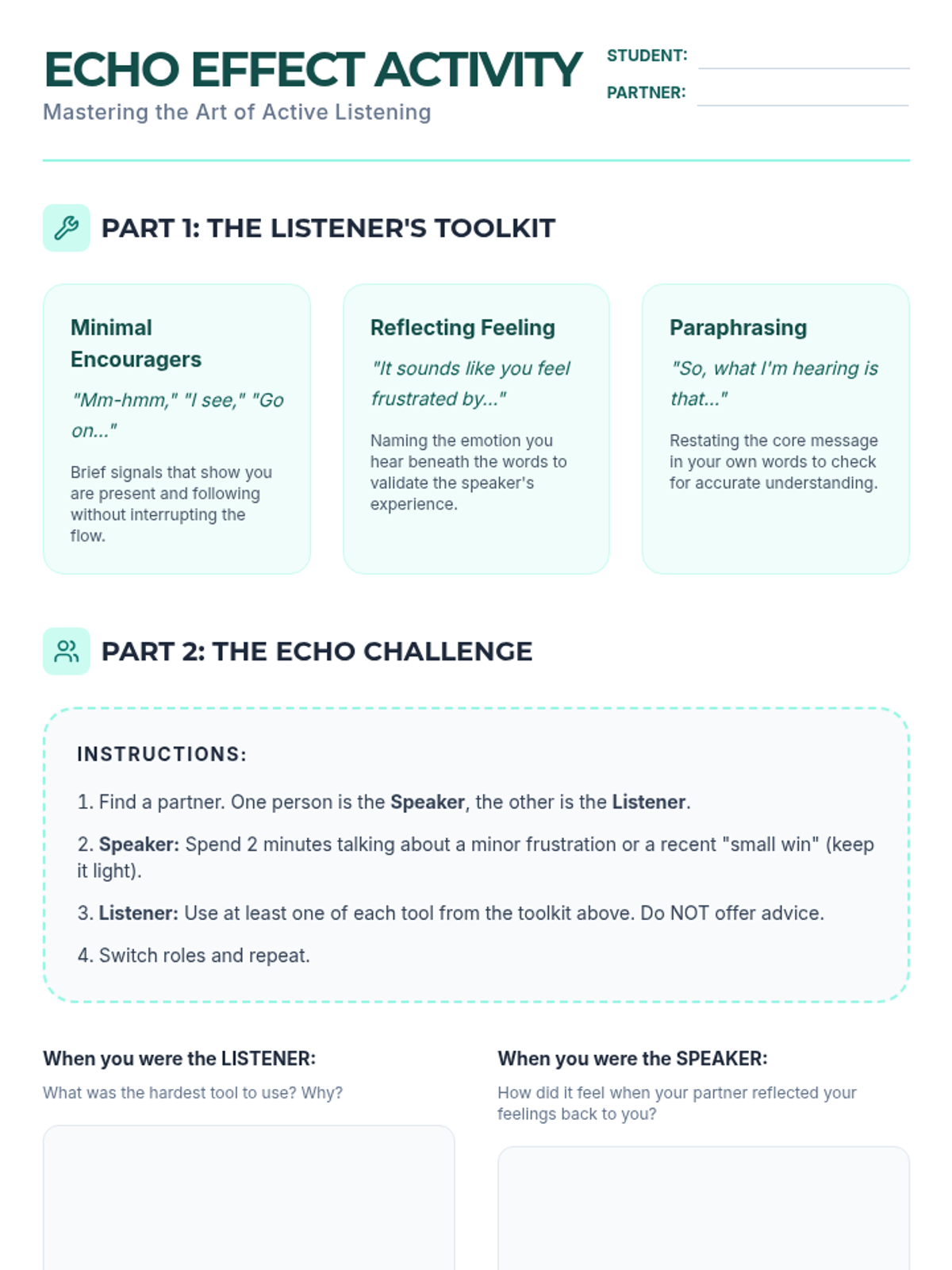
This lesson introduces students to Carl Rogers' Person-Centered Therapy, focusing on the three core conditions for growth and the concept of self-actualization. Students will explore how empathy, congruence, and unconditional positive regard create a safe environment for personal development.
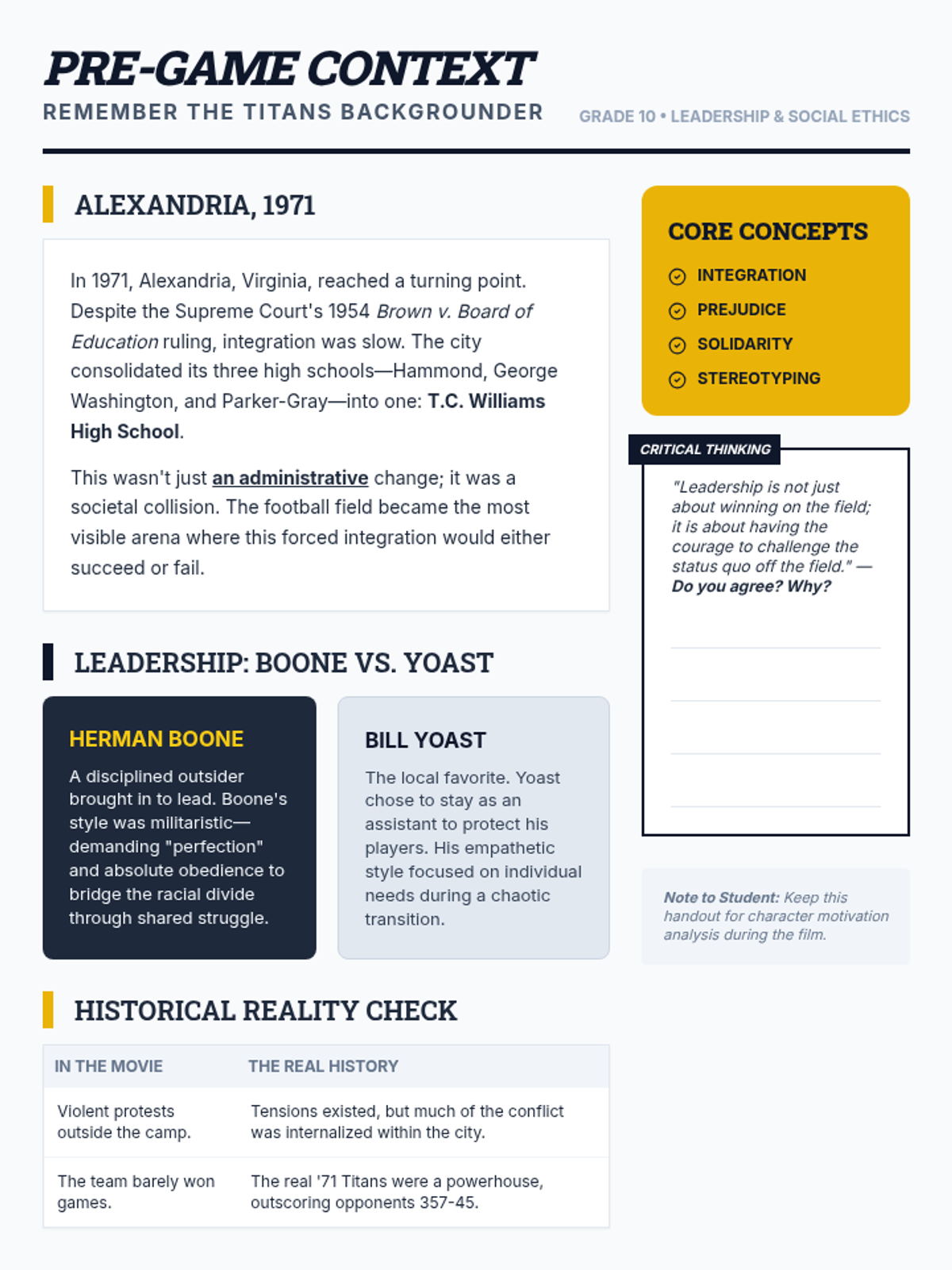
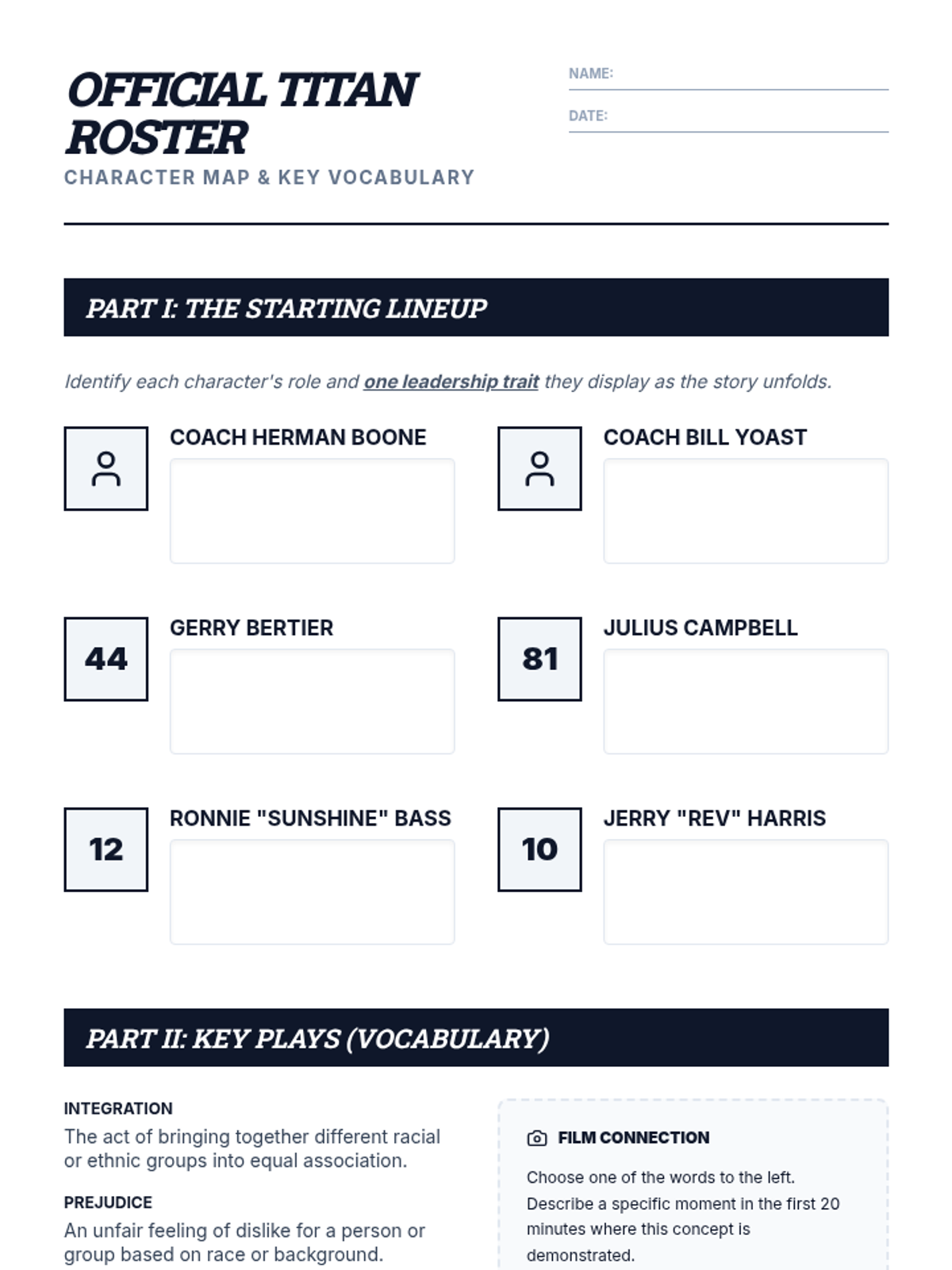
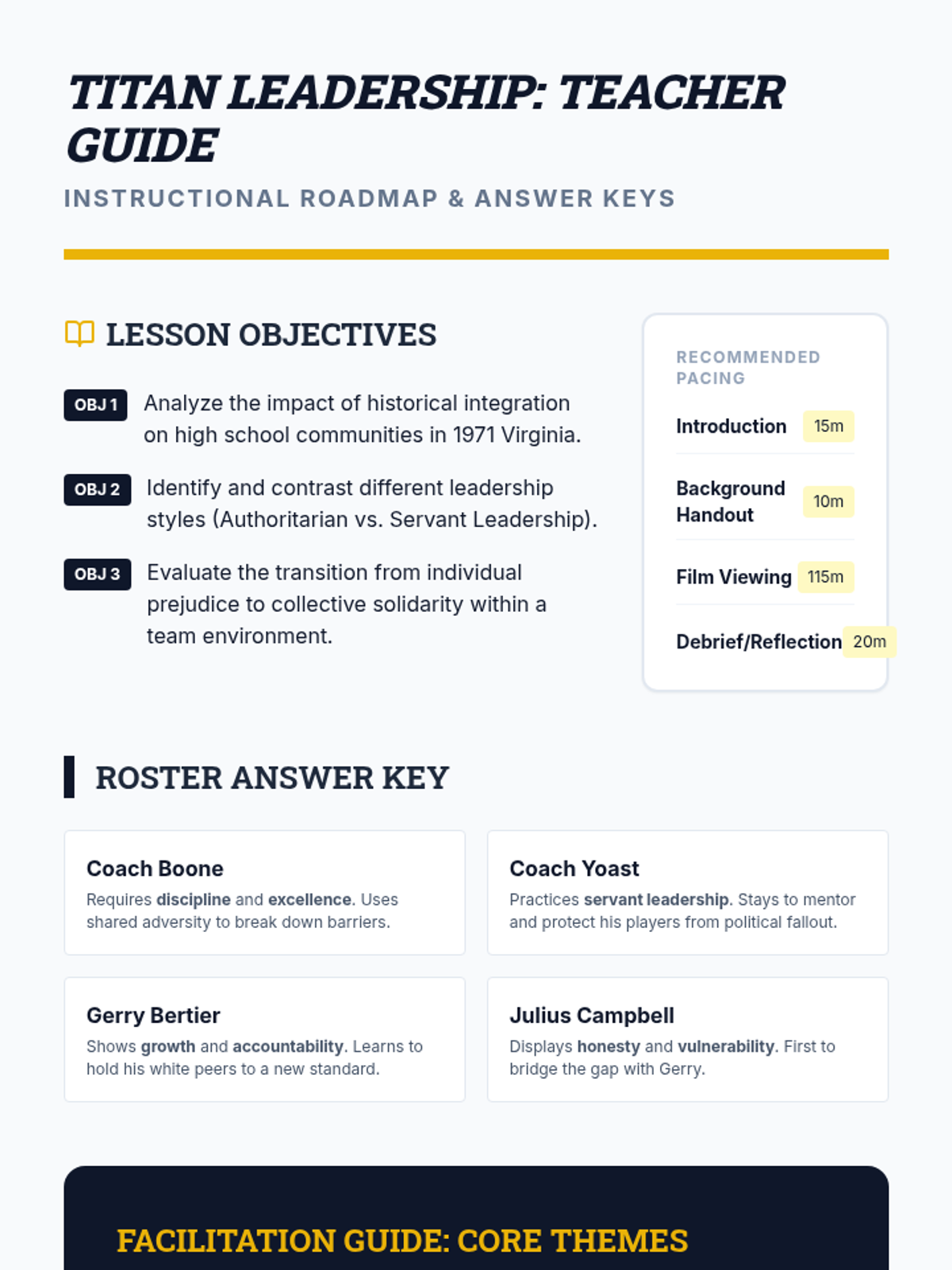
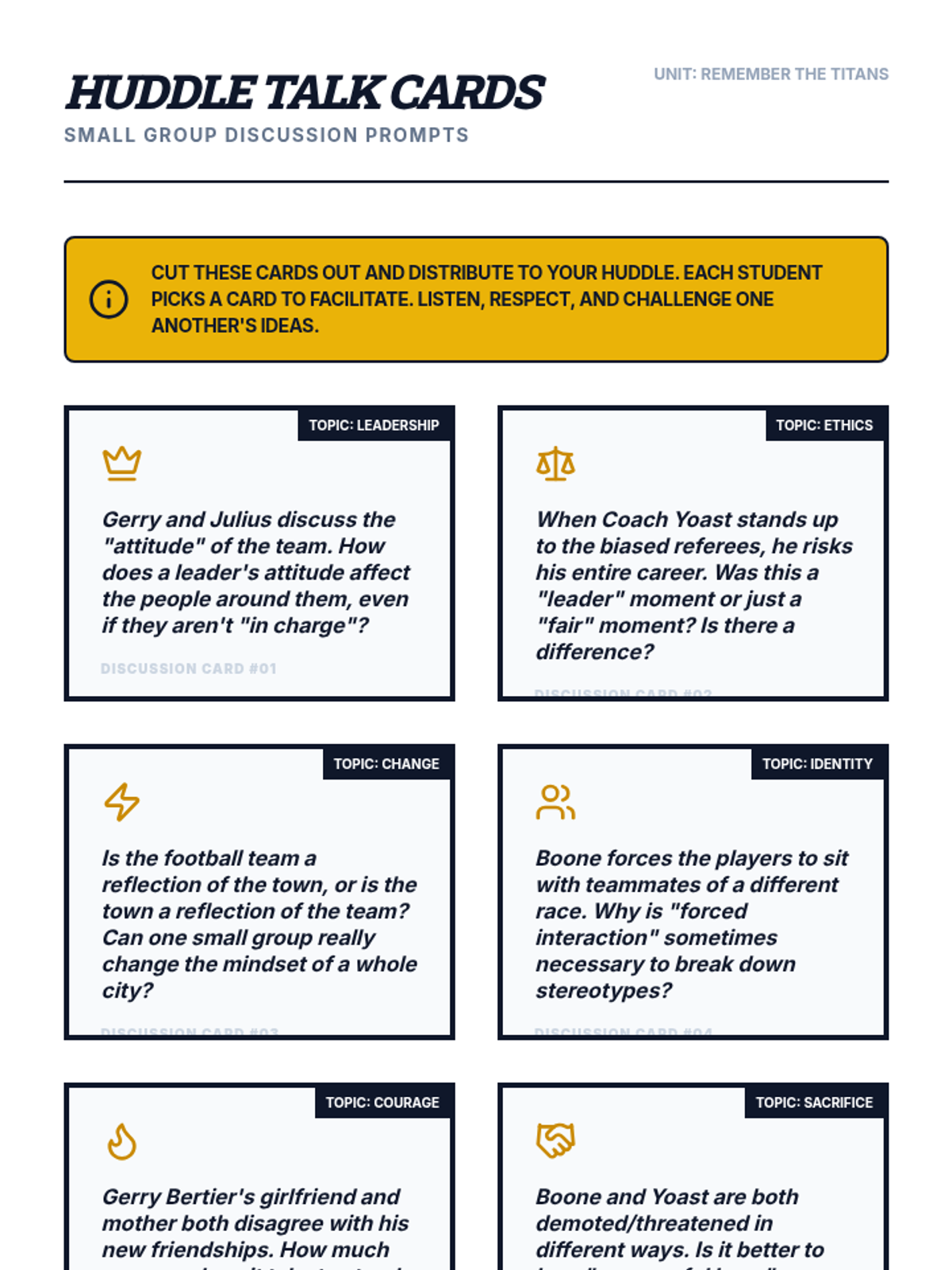
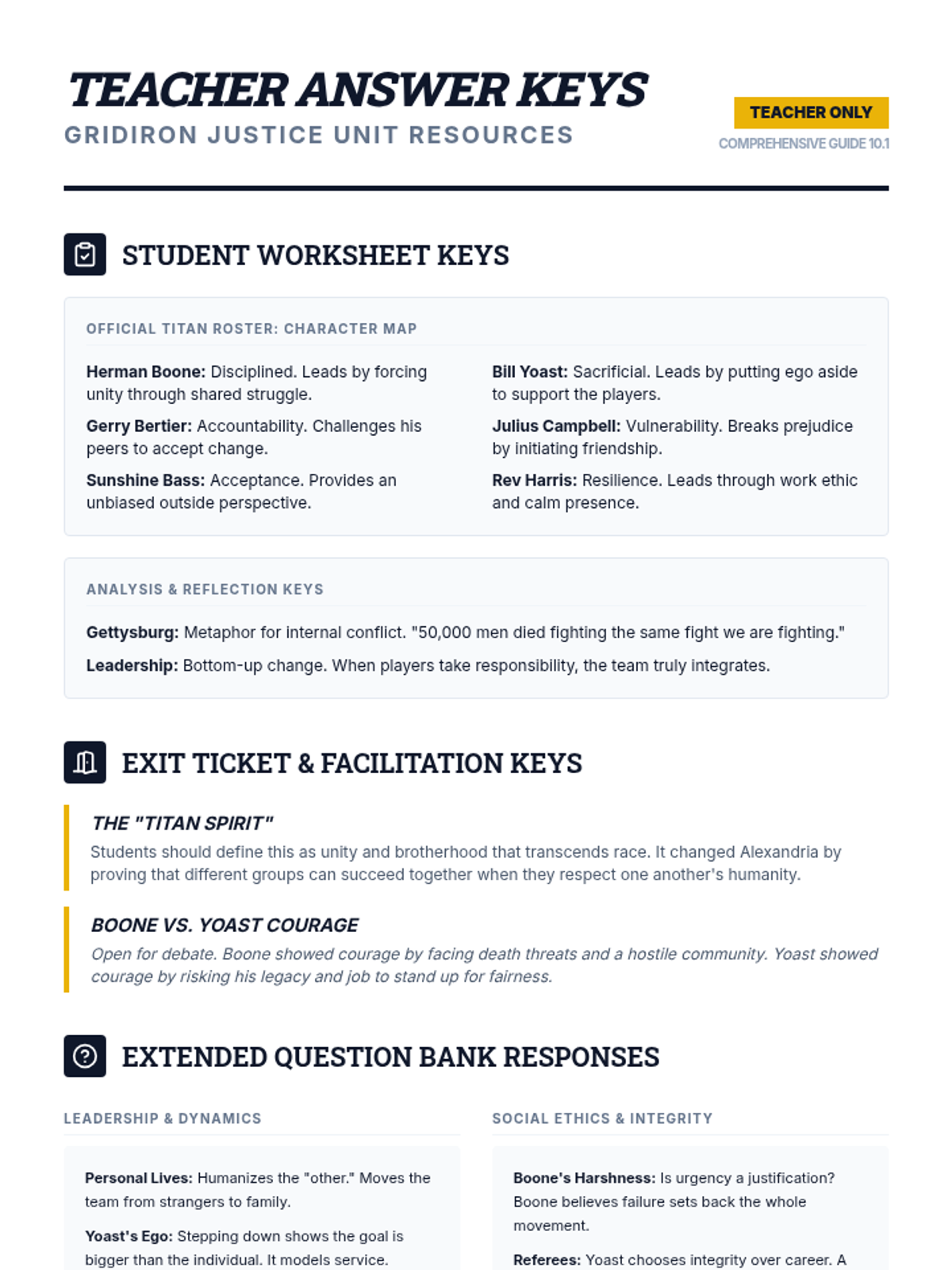
An introductory exploration of the historical and social themes in the film Remember the Titans, focusing on the 1971 integration of T.C. Williams High School and the leadership required to build a unified team.
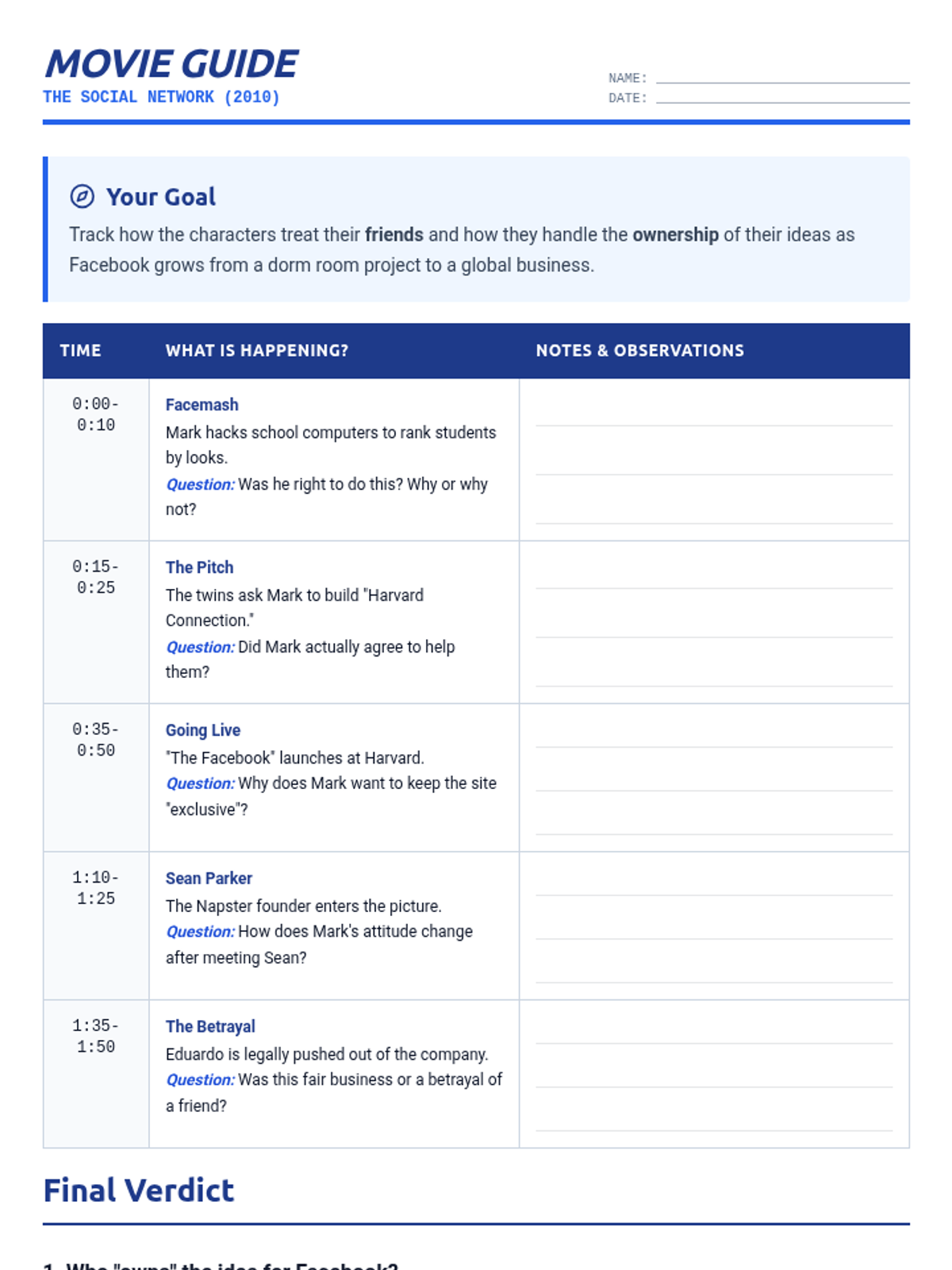
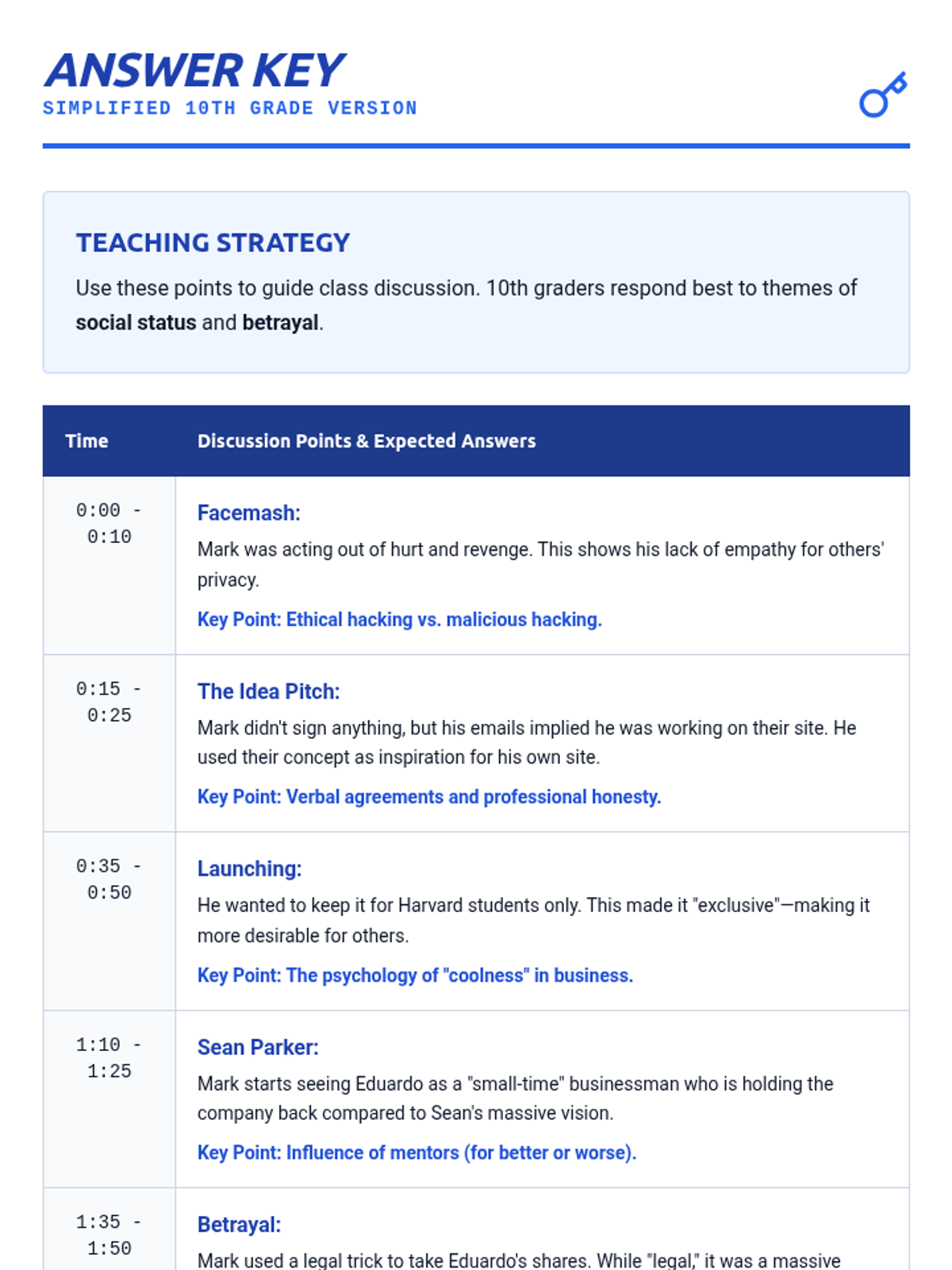
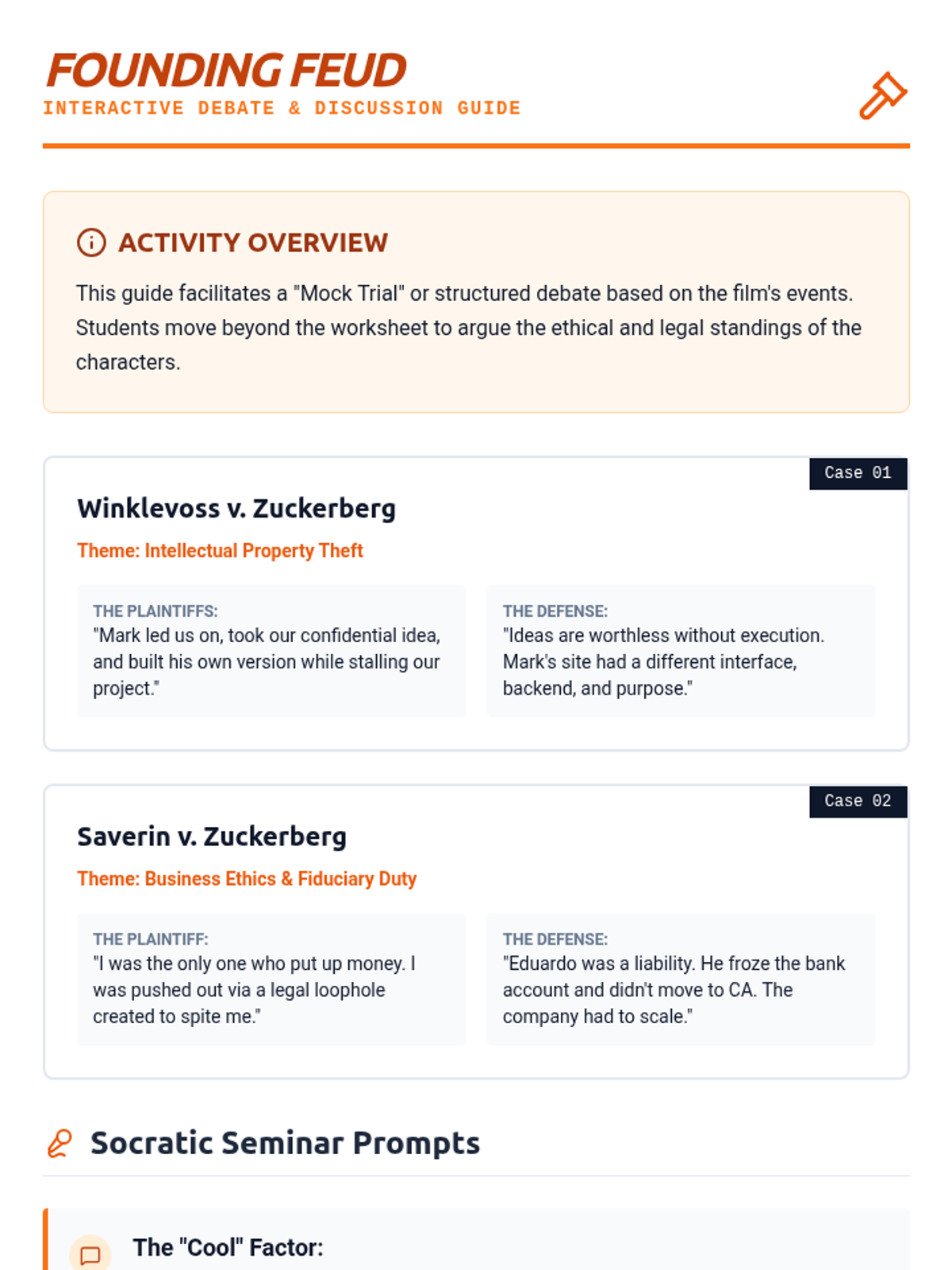
A lesson exploring the legal, ethical, and social ramifications of the creation of Facebook through the film The Social Network. Students analyze intellectual property disputes, business ethics, and the transformative power of social media.
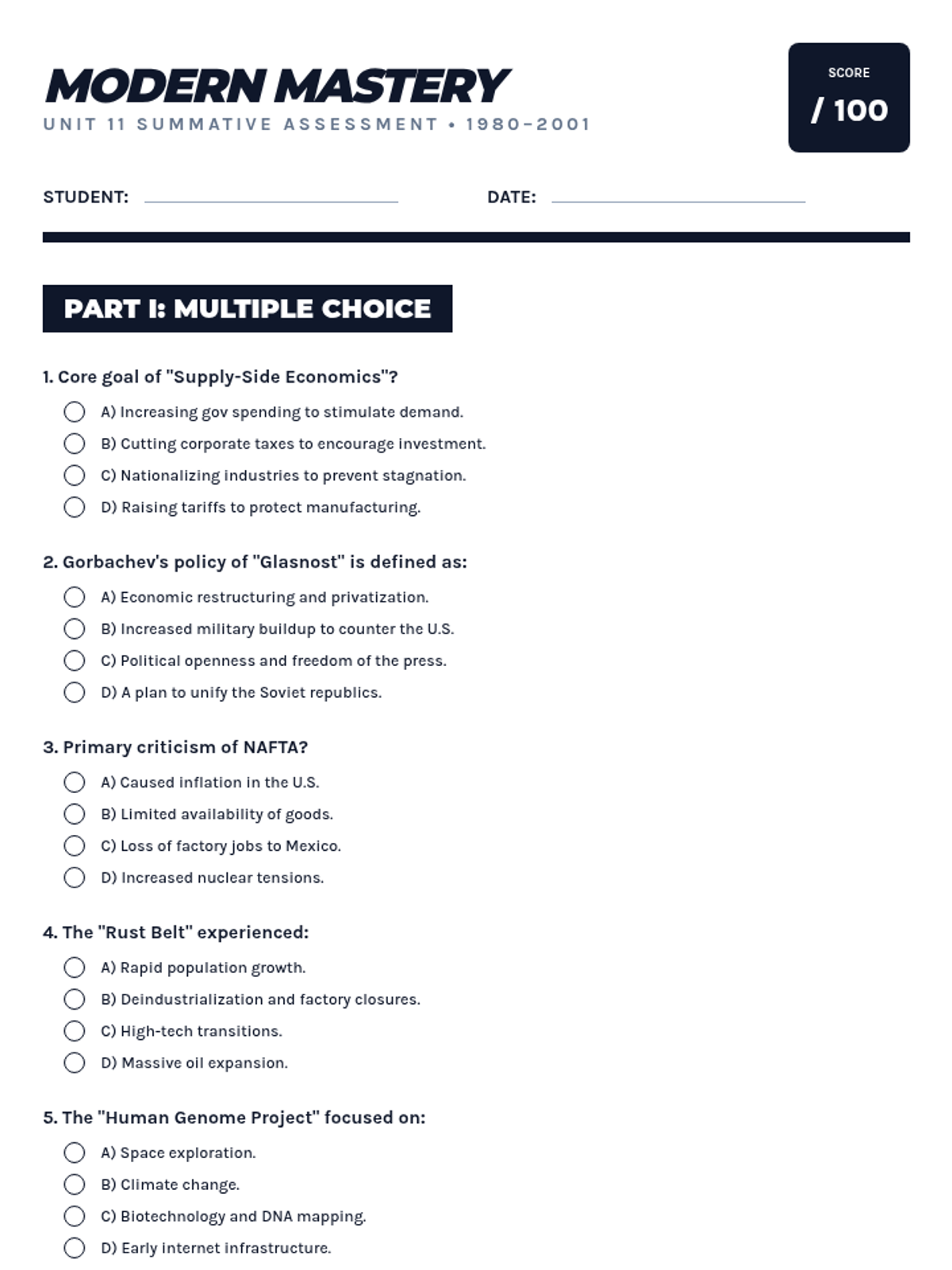
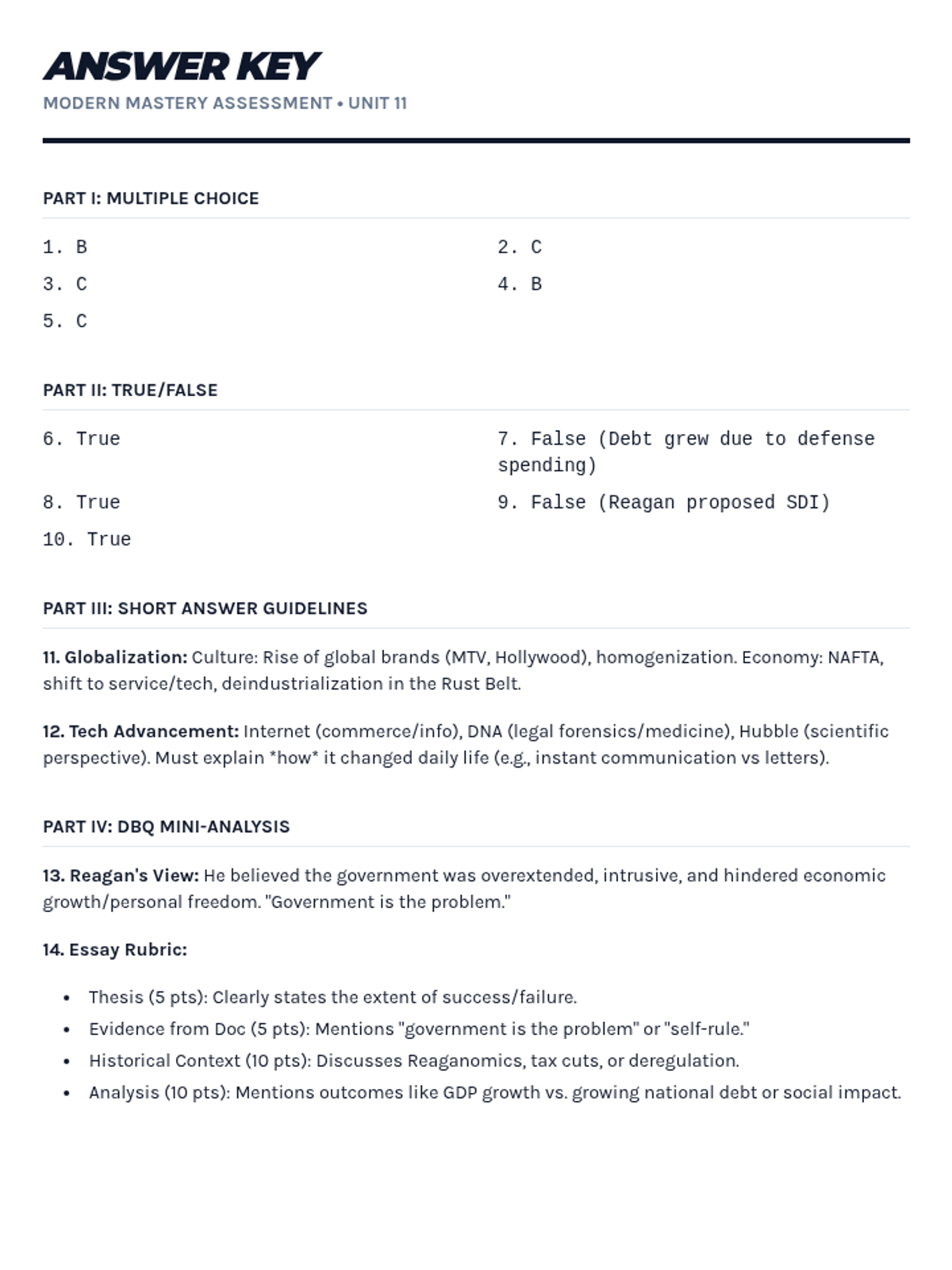
A summative assessment evaluating student mastery of the 1980s and 90s through multiple-choice, true/false, short answer, and DBQ questions.
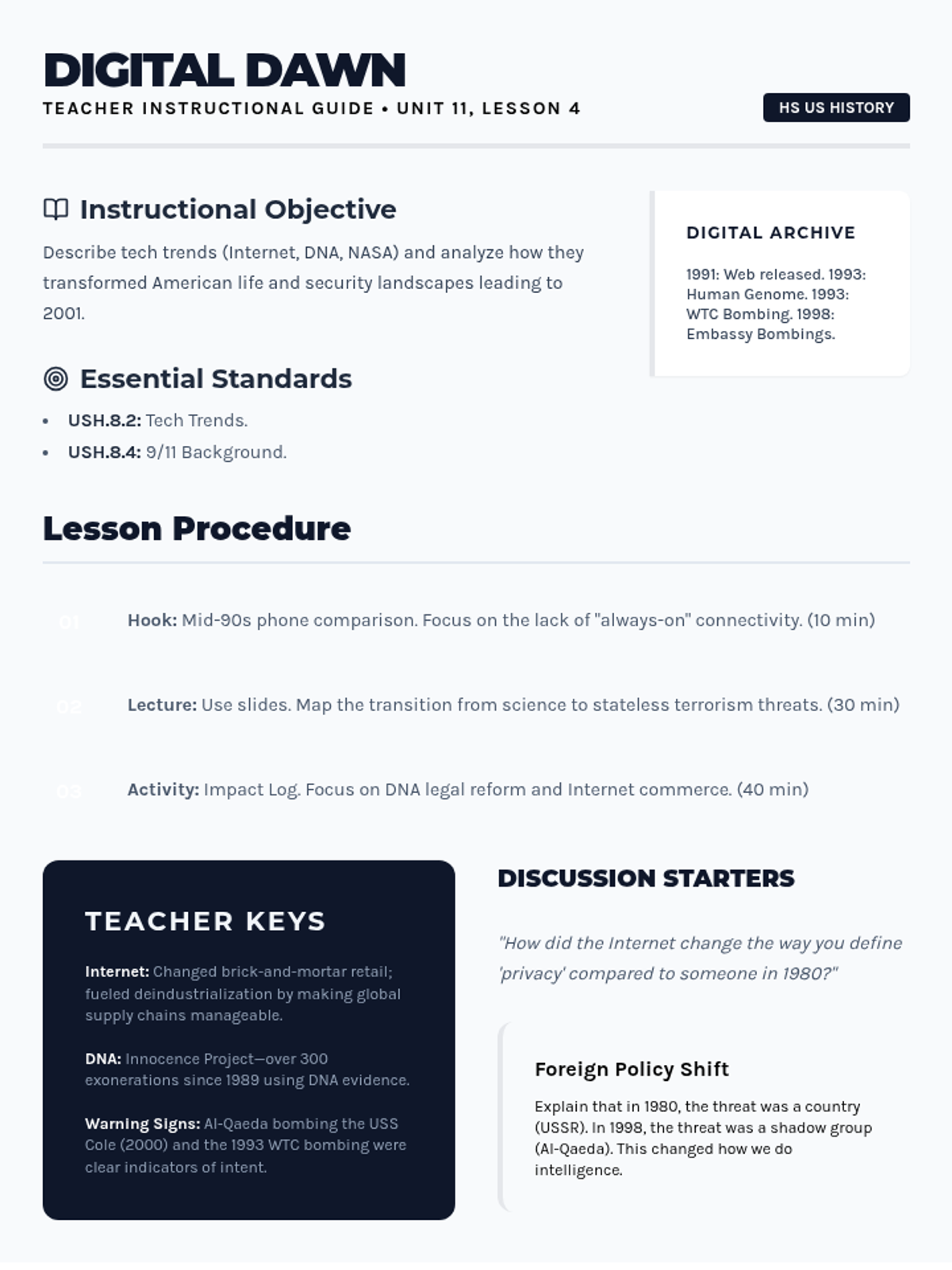
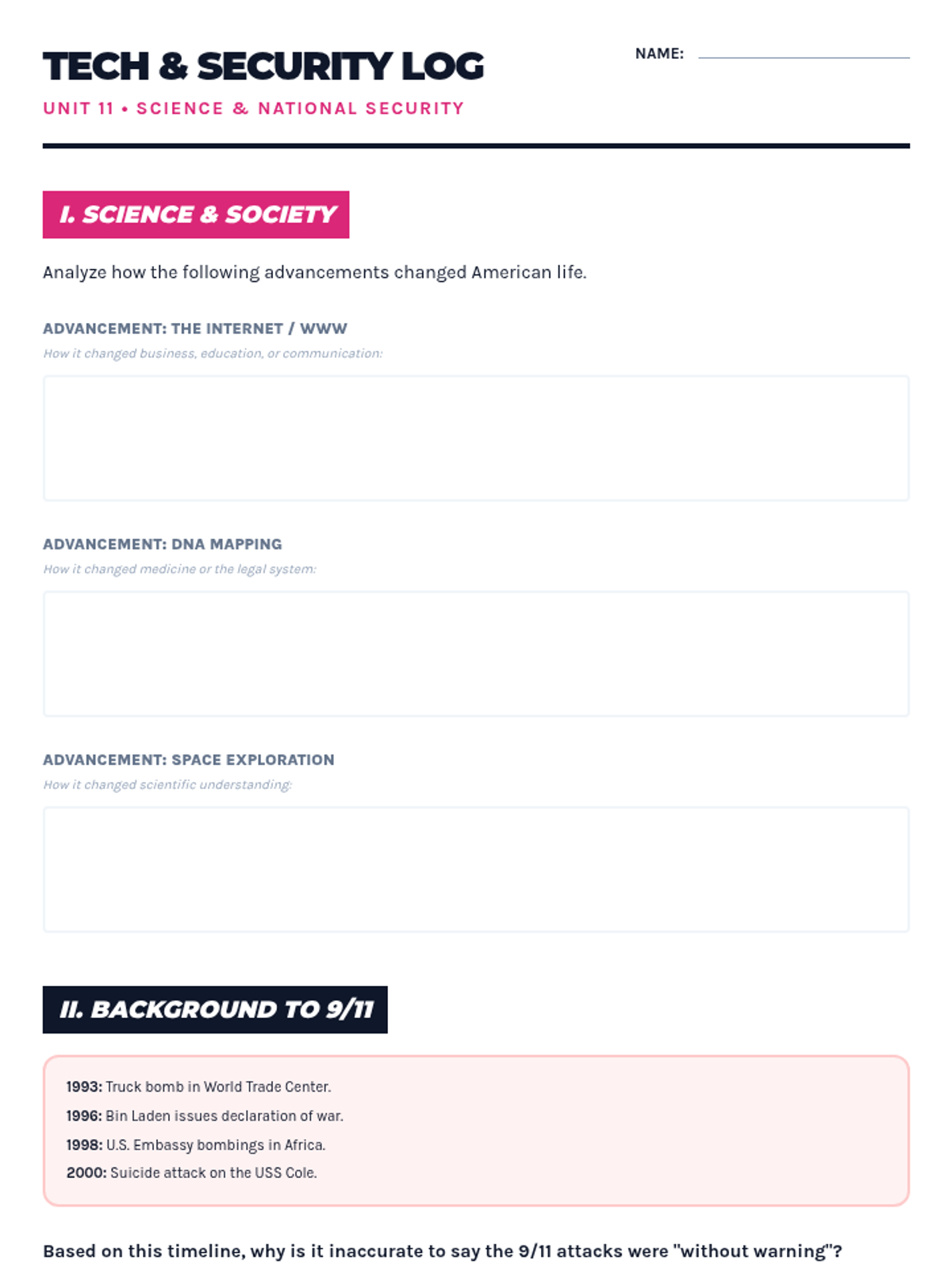
Investigate the technological revolution of the Internet, advancements in DNA, and the shifting landscape of global security leading toward 2001.
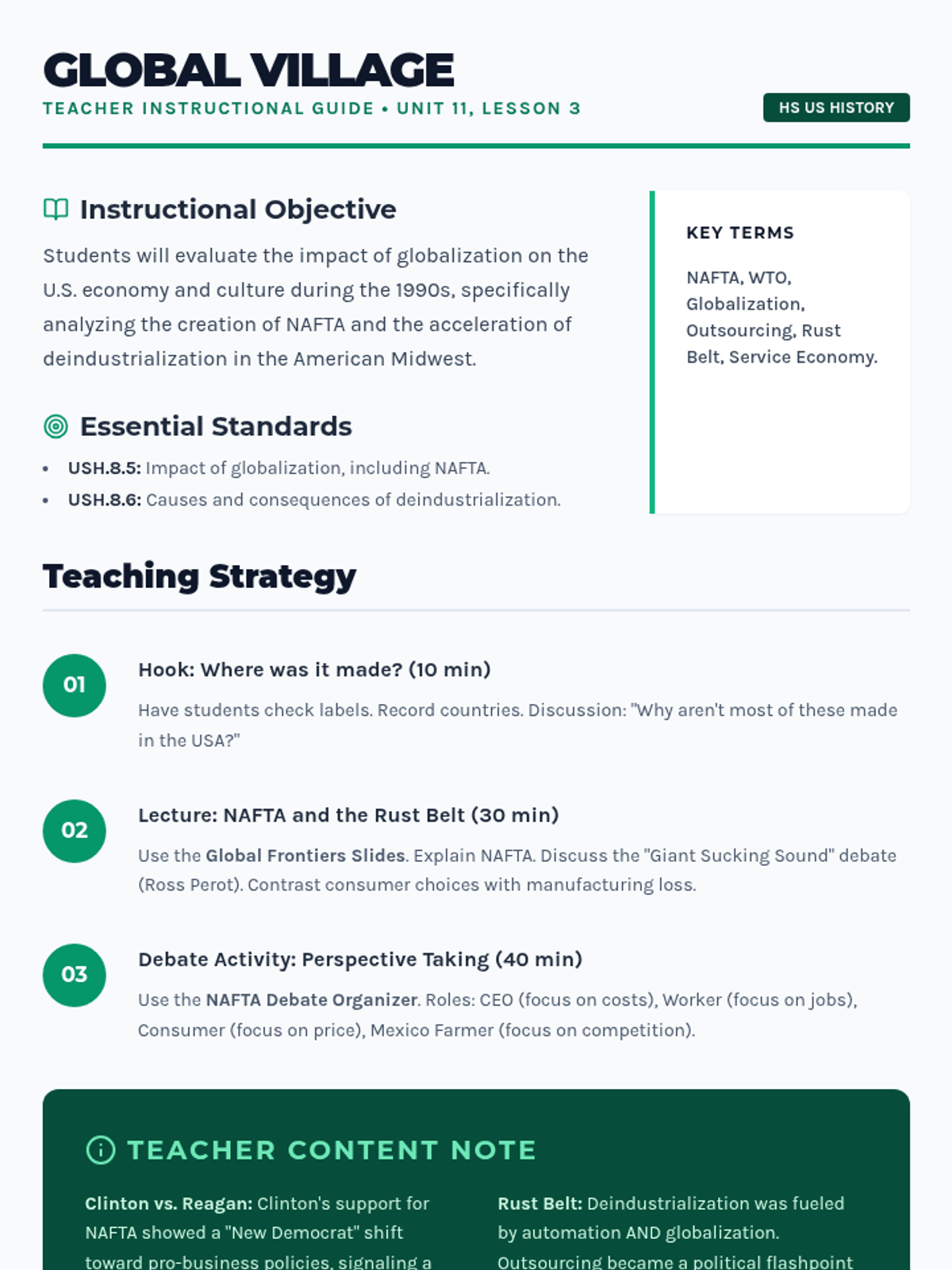
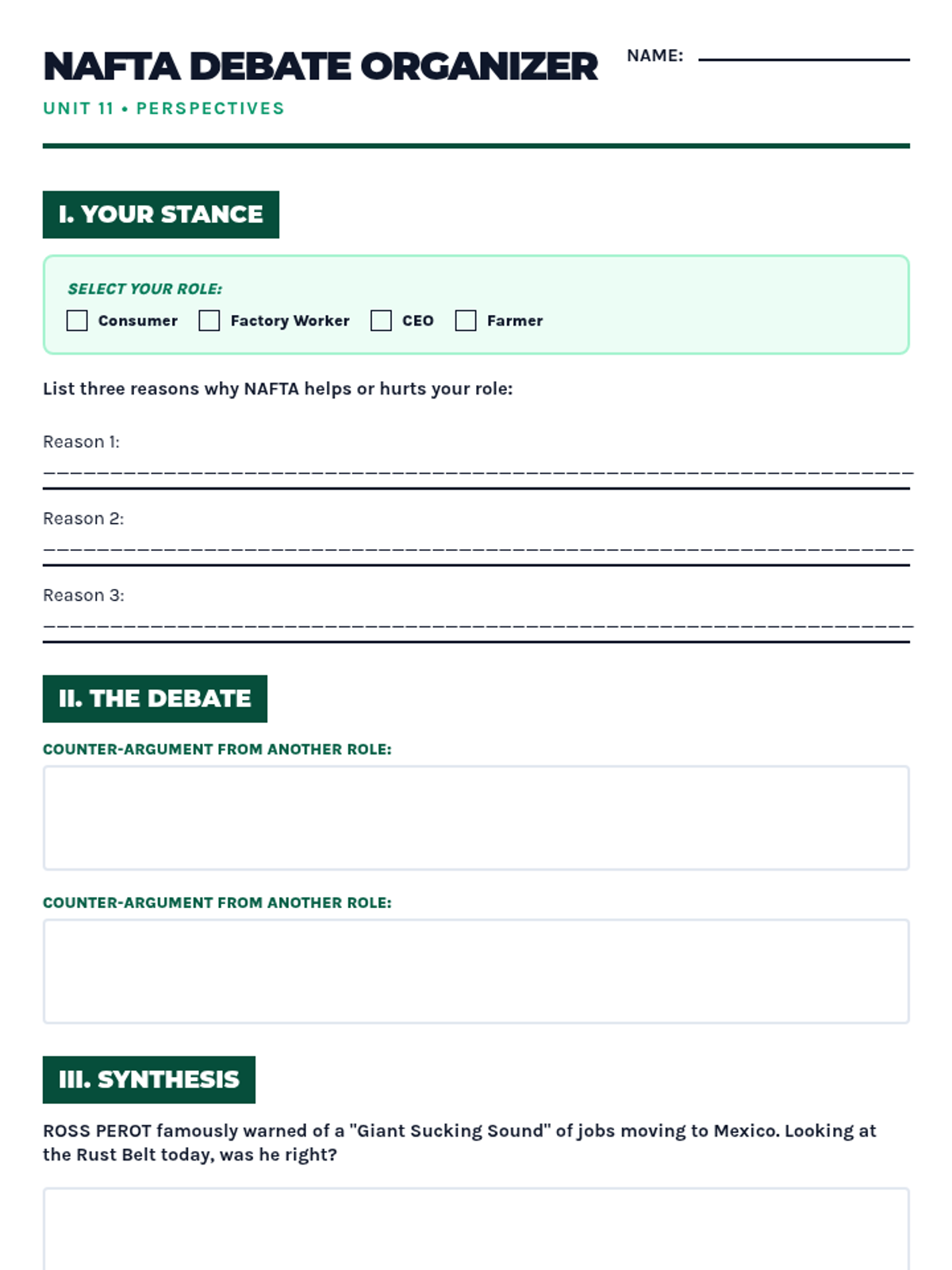
Examine the economic boom of the 90s, the impacts of NAFTA, and the process of deindustrialization.
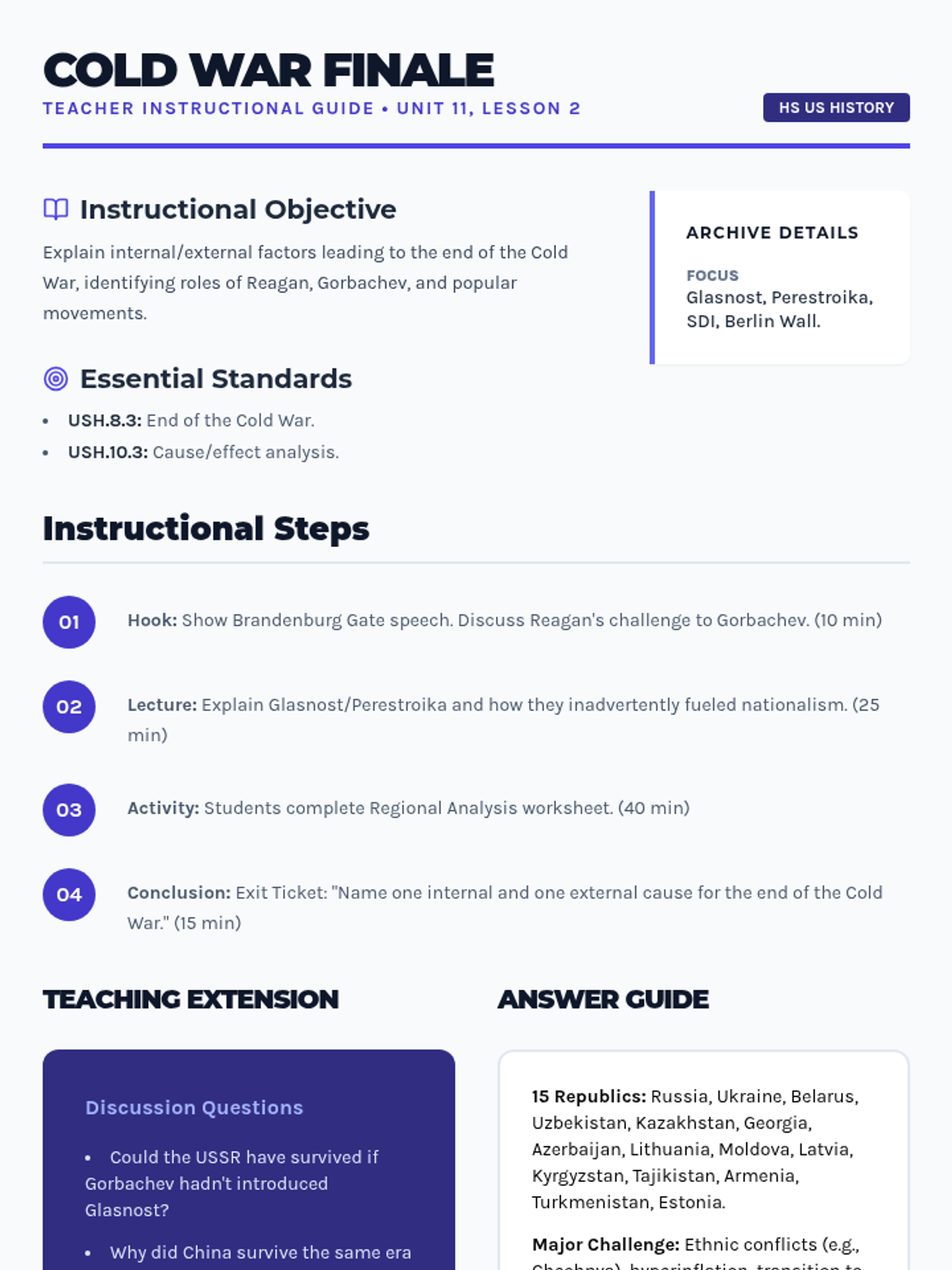
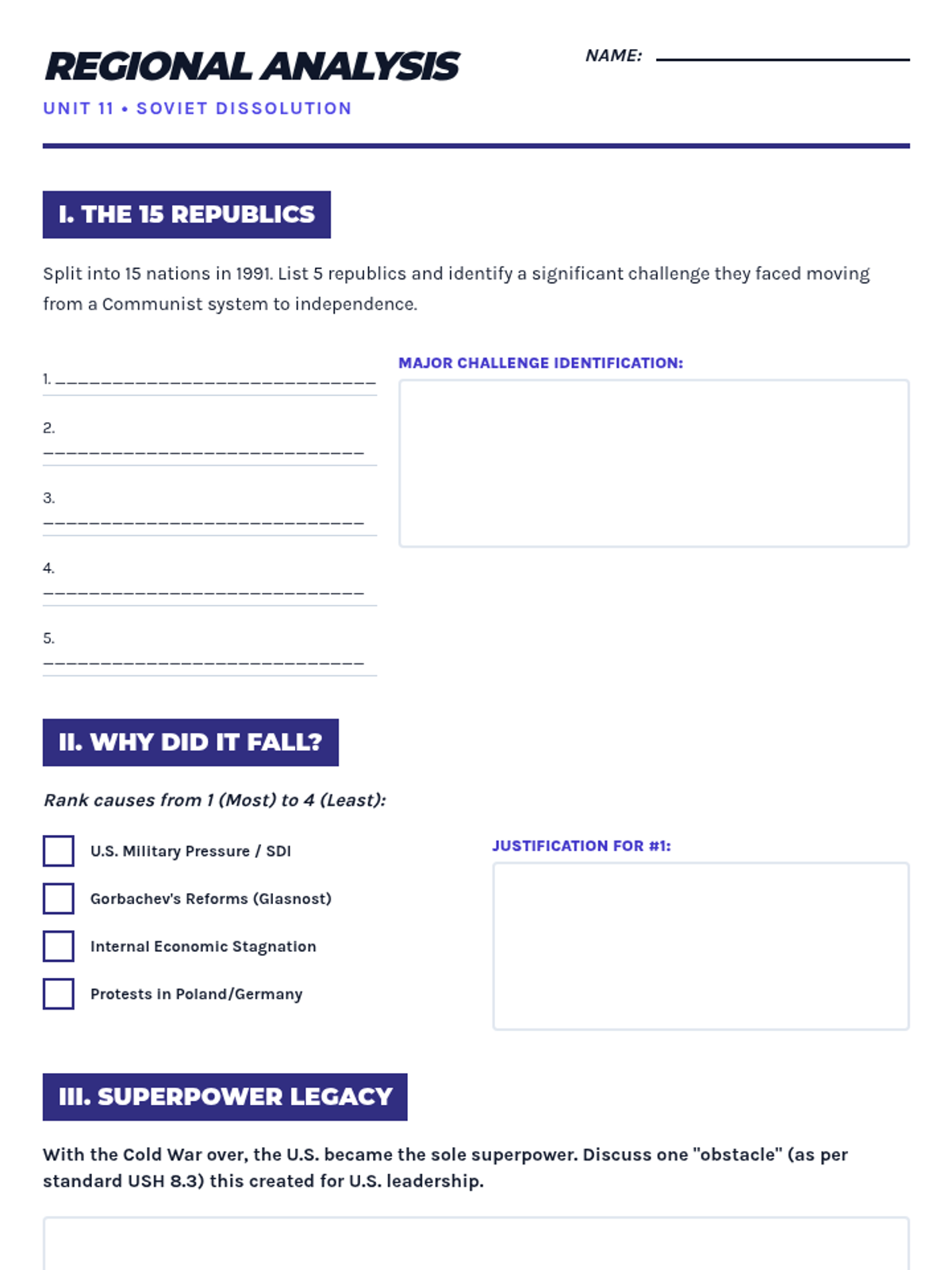
Analyze the collapse of the Soviet Union, the fall of the Berlin Wall, and the end of the Cold War.
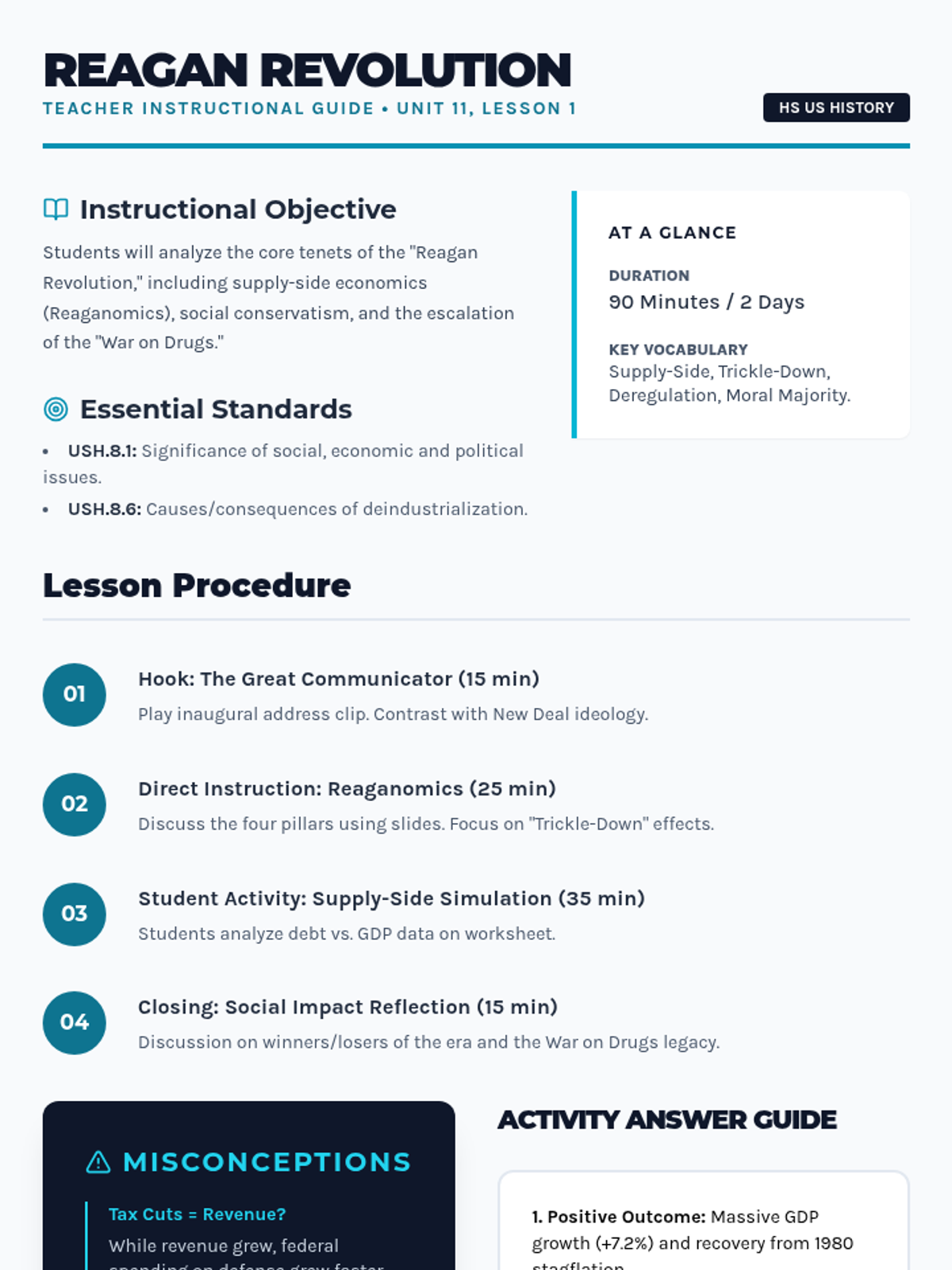
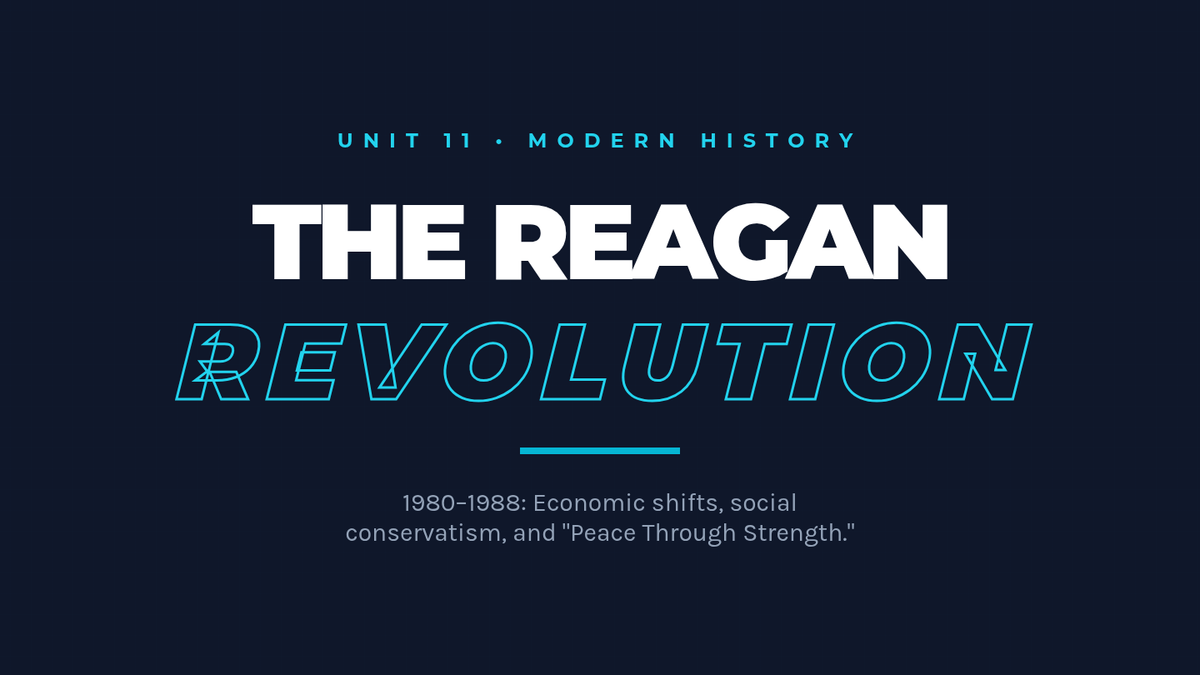
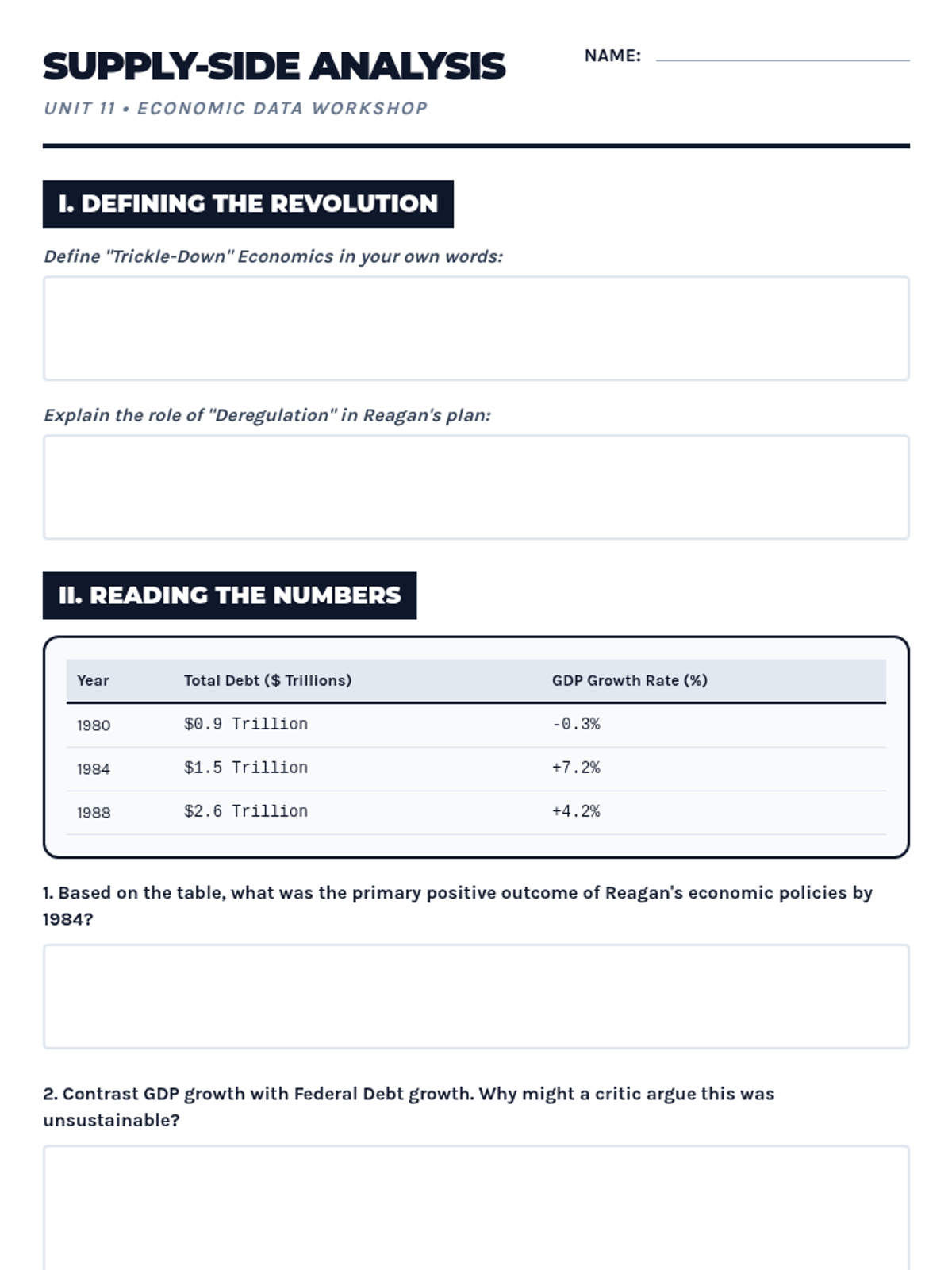
Explore the rise of conservatism, 'Reaganomics', and the social shifts of the 1980s.
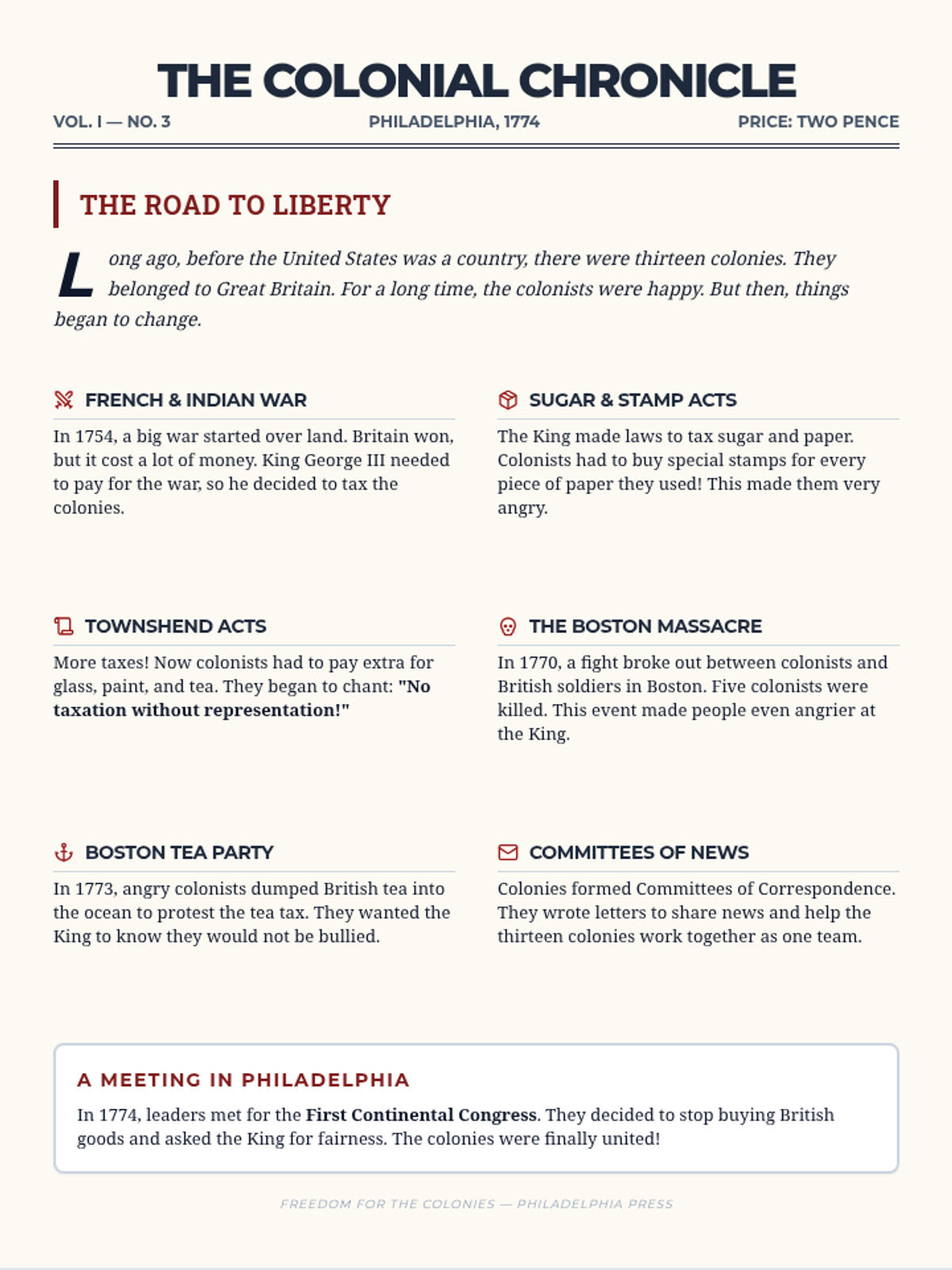
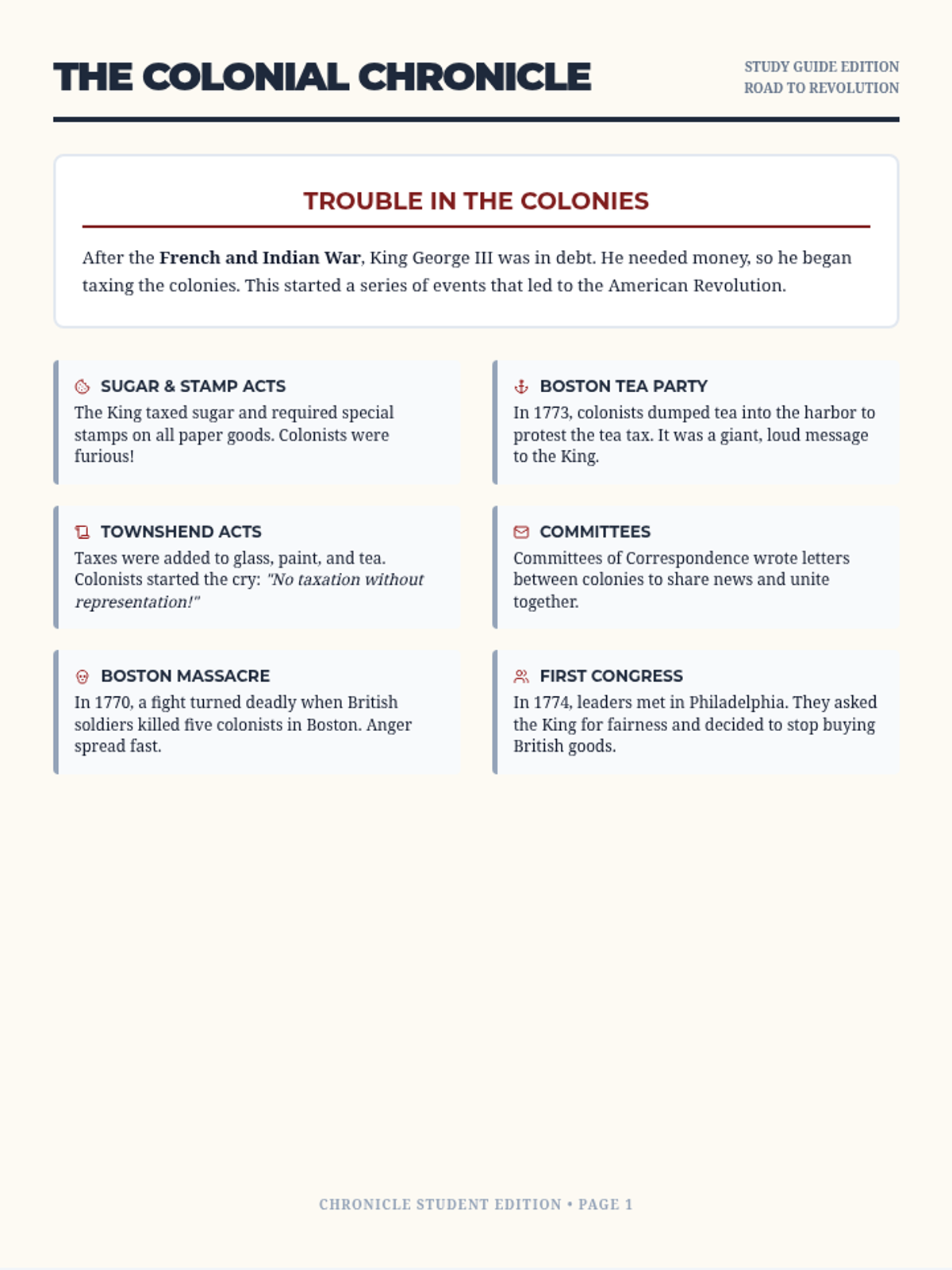
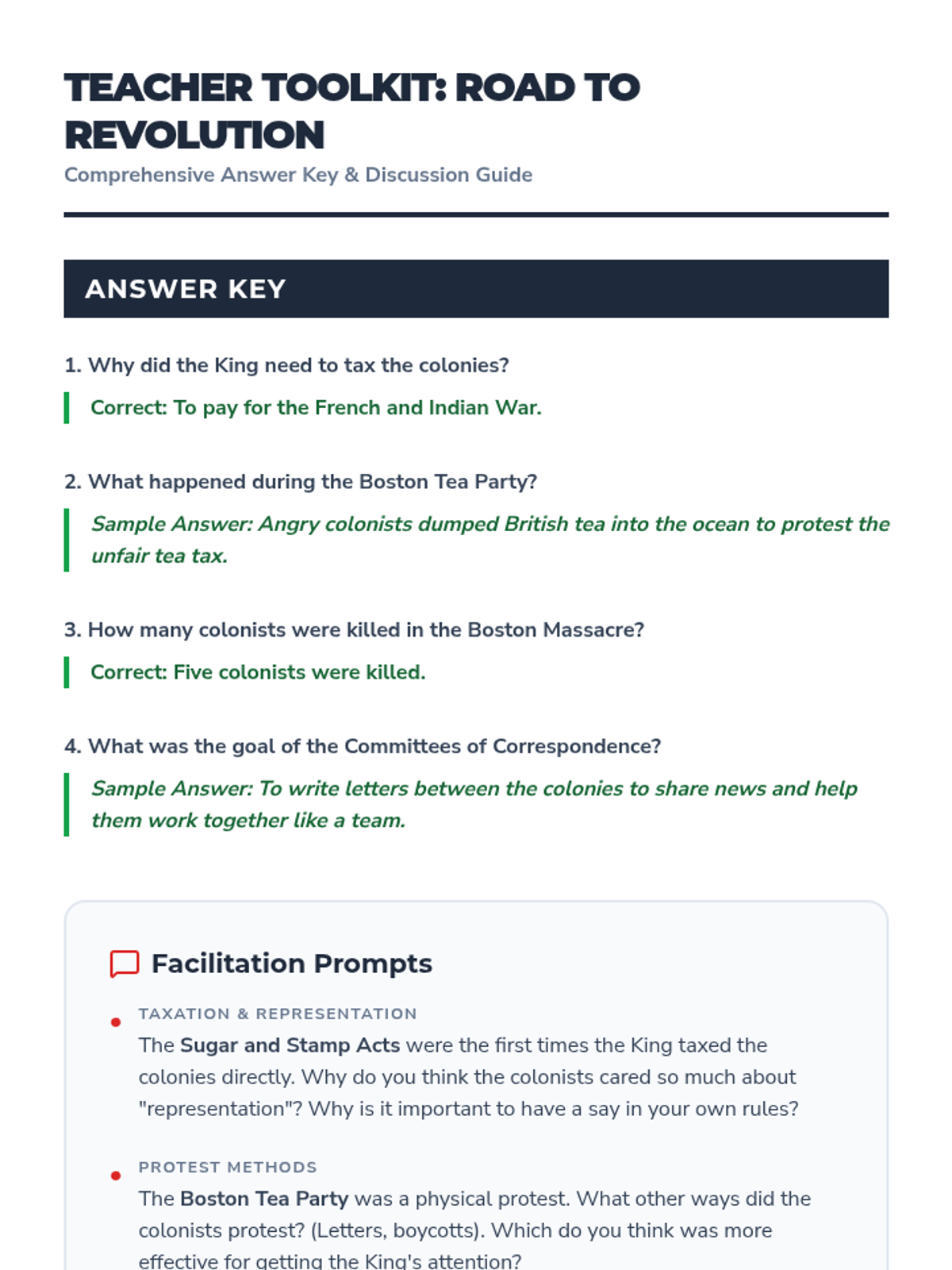
A lesson exploring the key events leading up to the American Revolution, including the French and Indian War, Sugar Act, Stamp Act, Townshend Acts, Boston Massacre, Boston Tea Party, Committees of Correspondence, and the First Continental Congress.
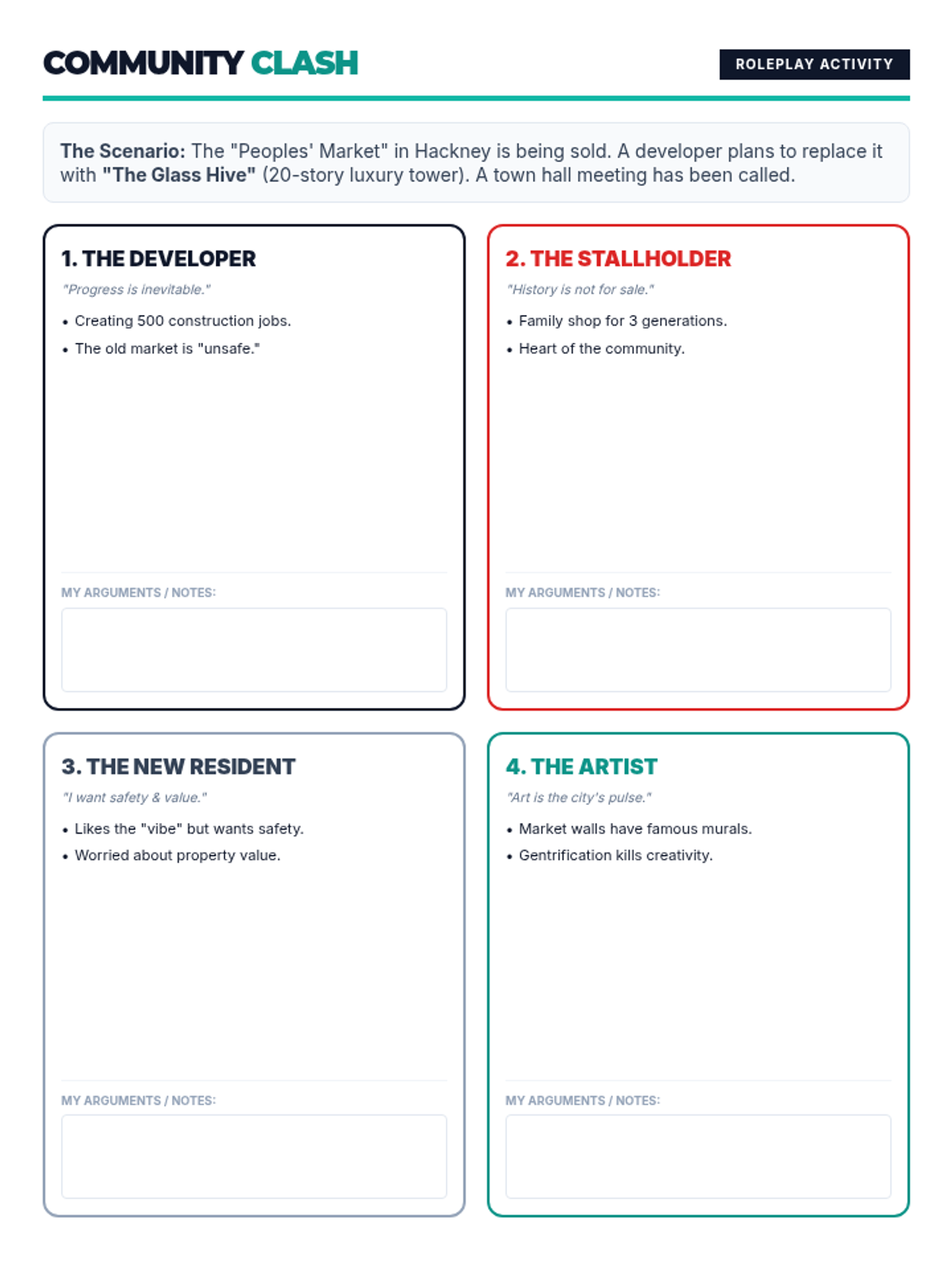
A speaking-focused lesson exploring the human cost of urban change through a role-play debate regarding the redevelopment of a local community market.
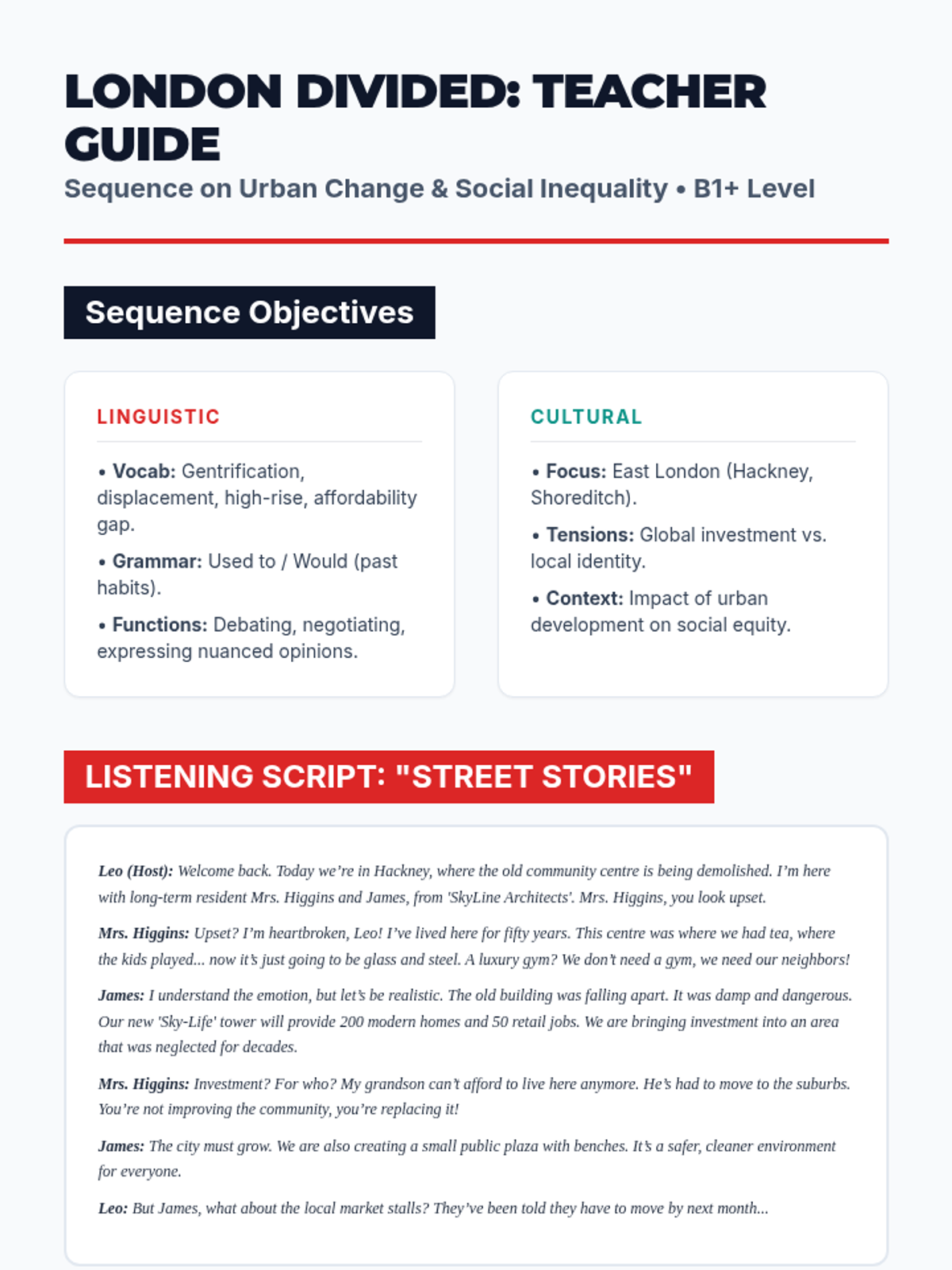
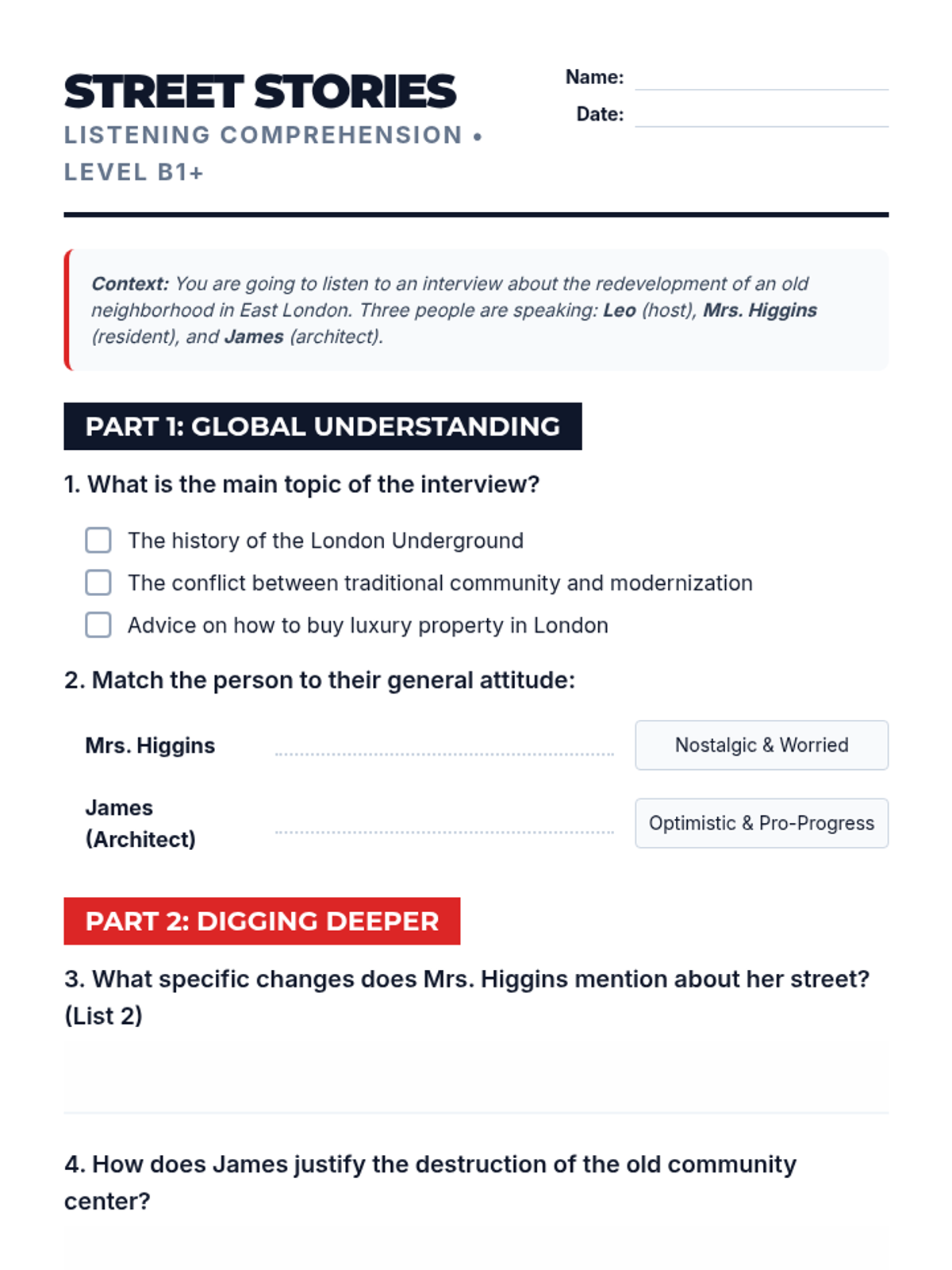
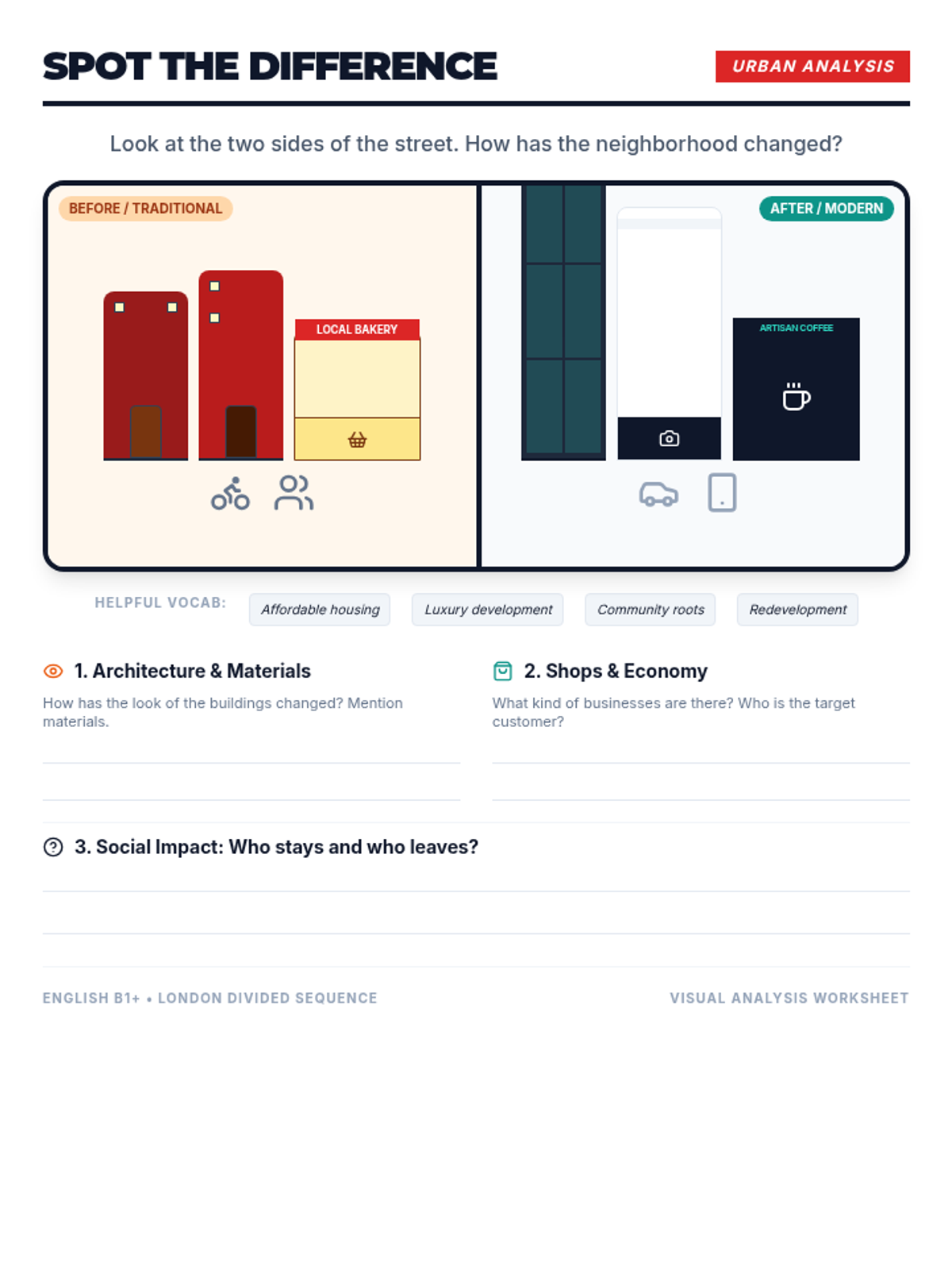
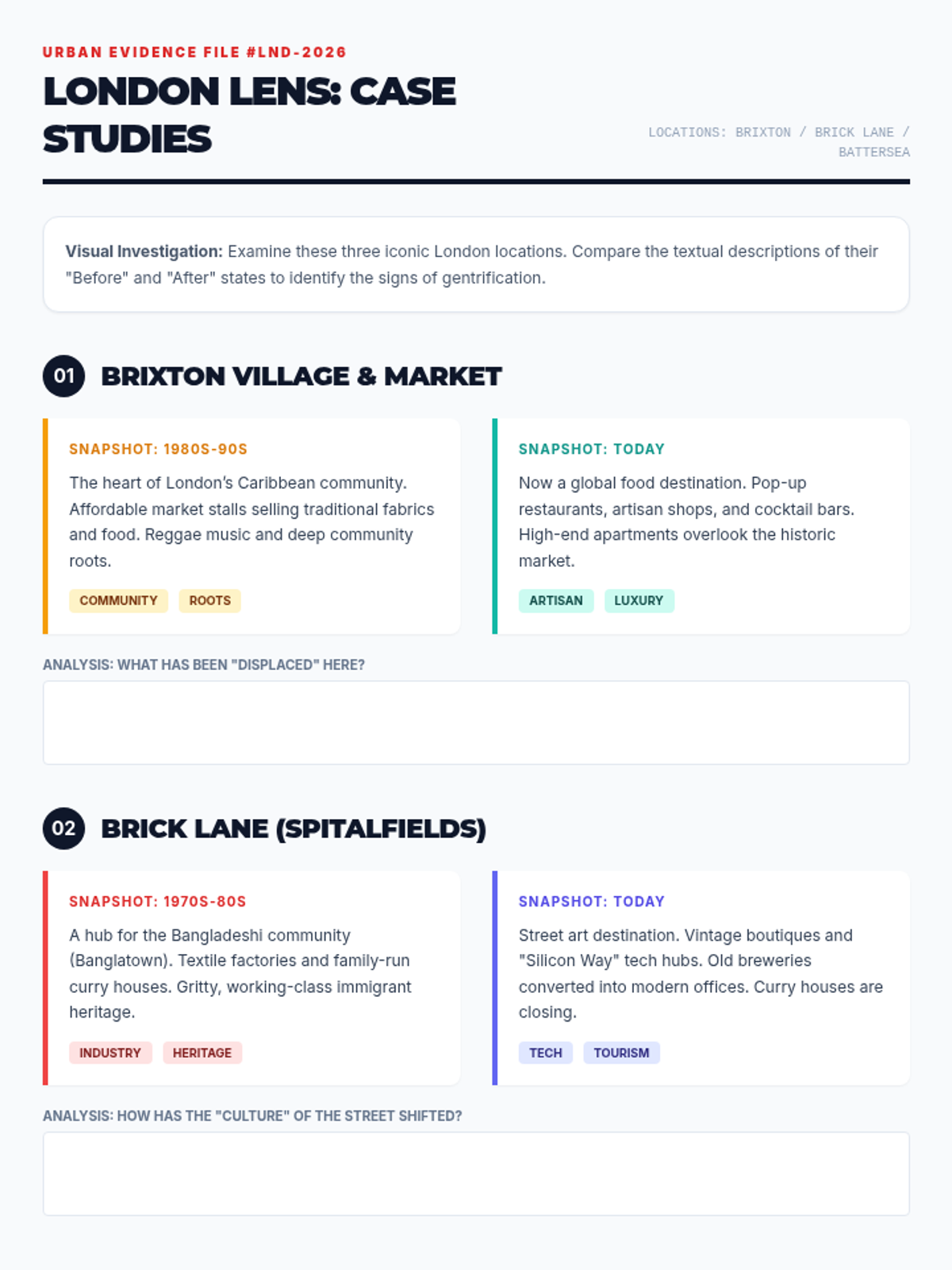
Introduction to the concept of gentrification through visual analysis and a 'live listening' exercise focusing on the transformation of East London neighborhoods.
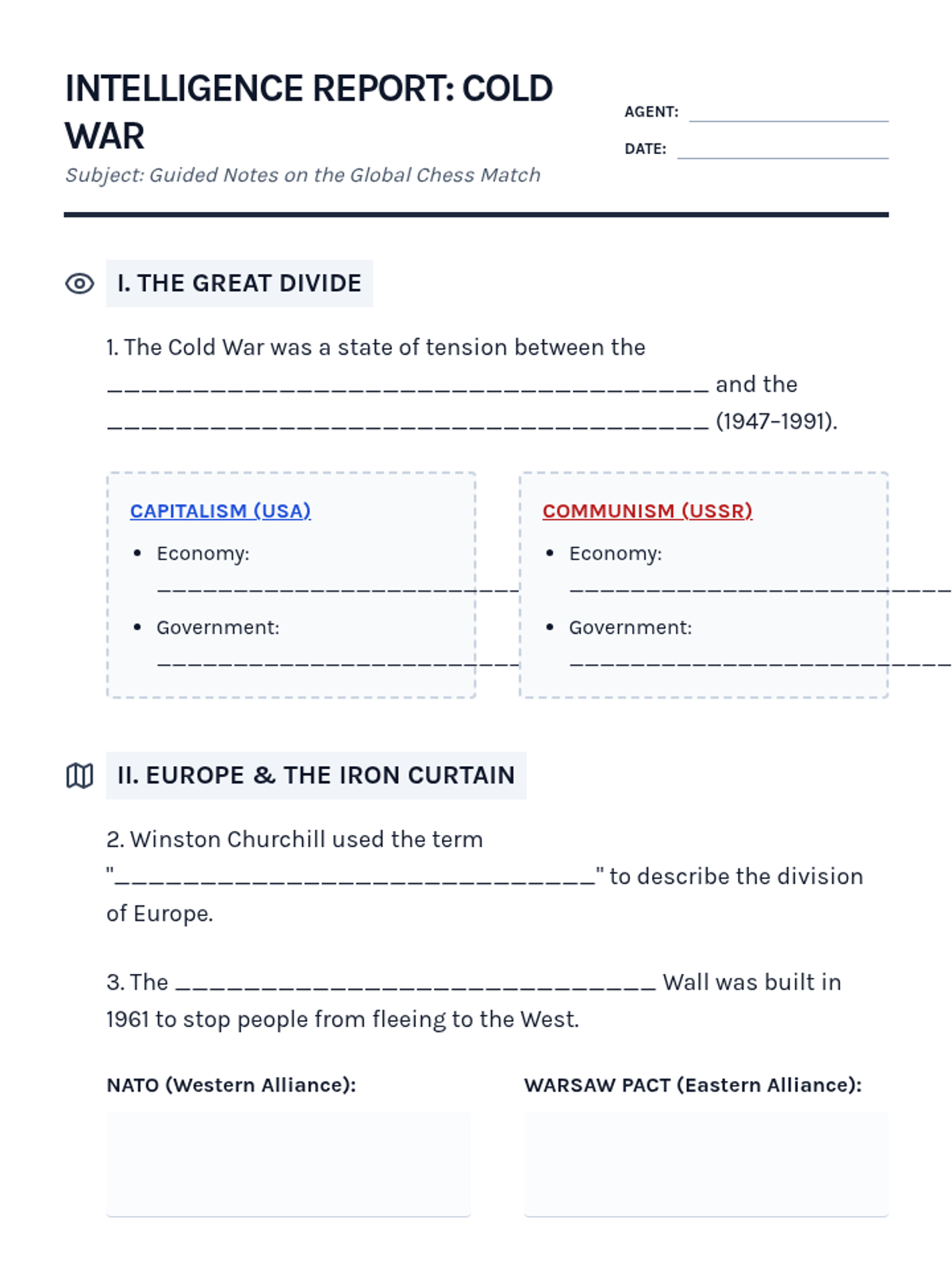
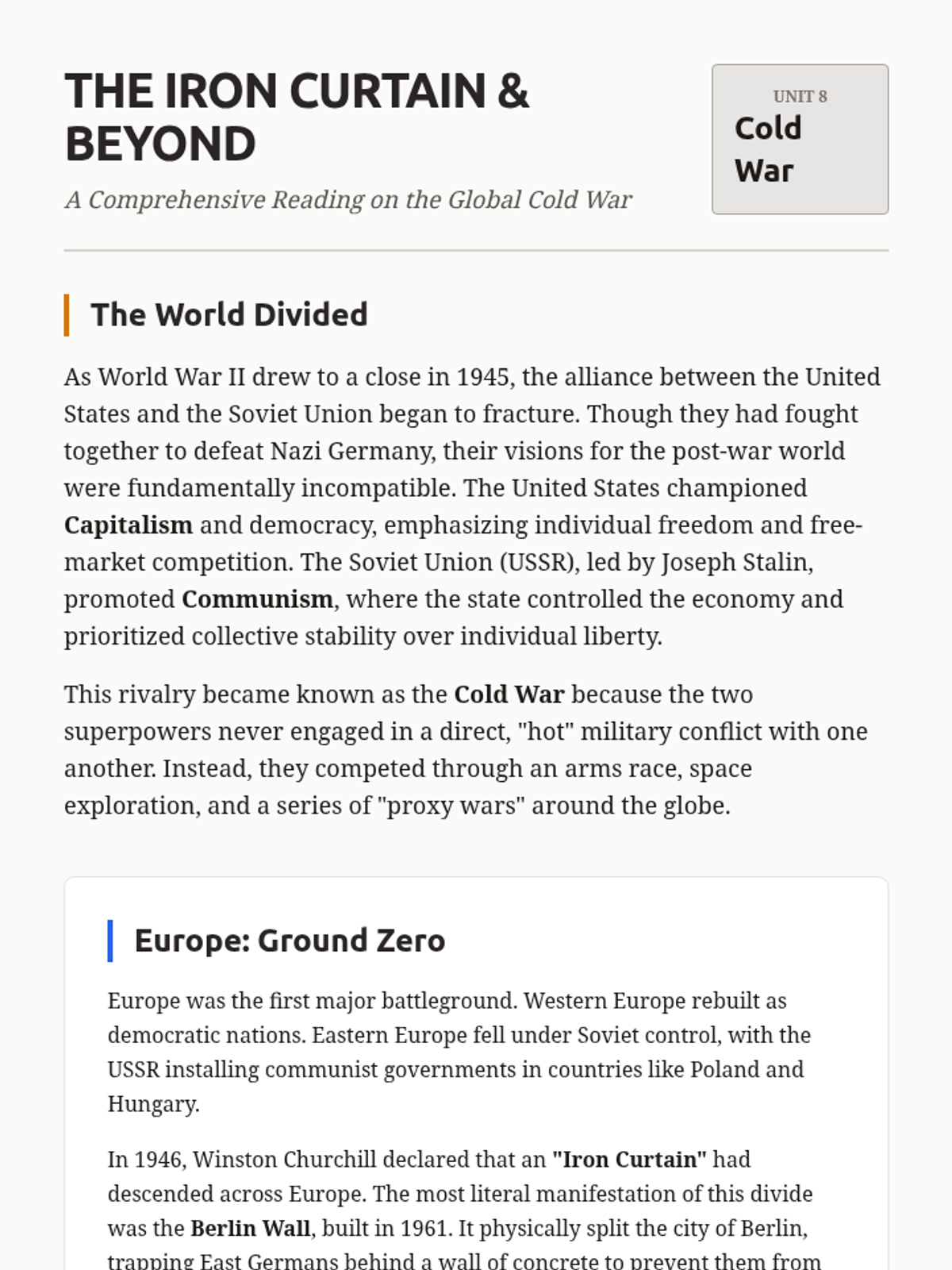
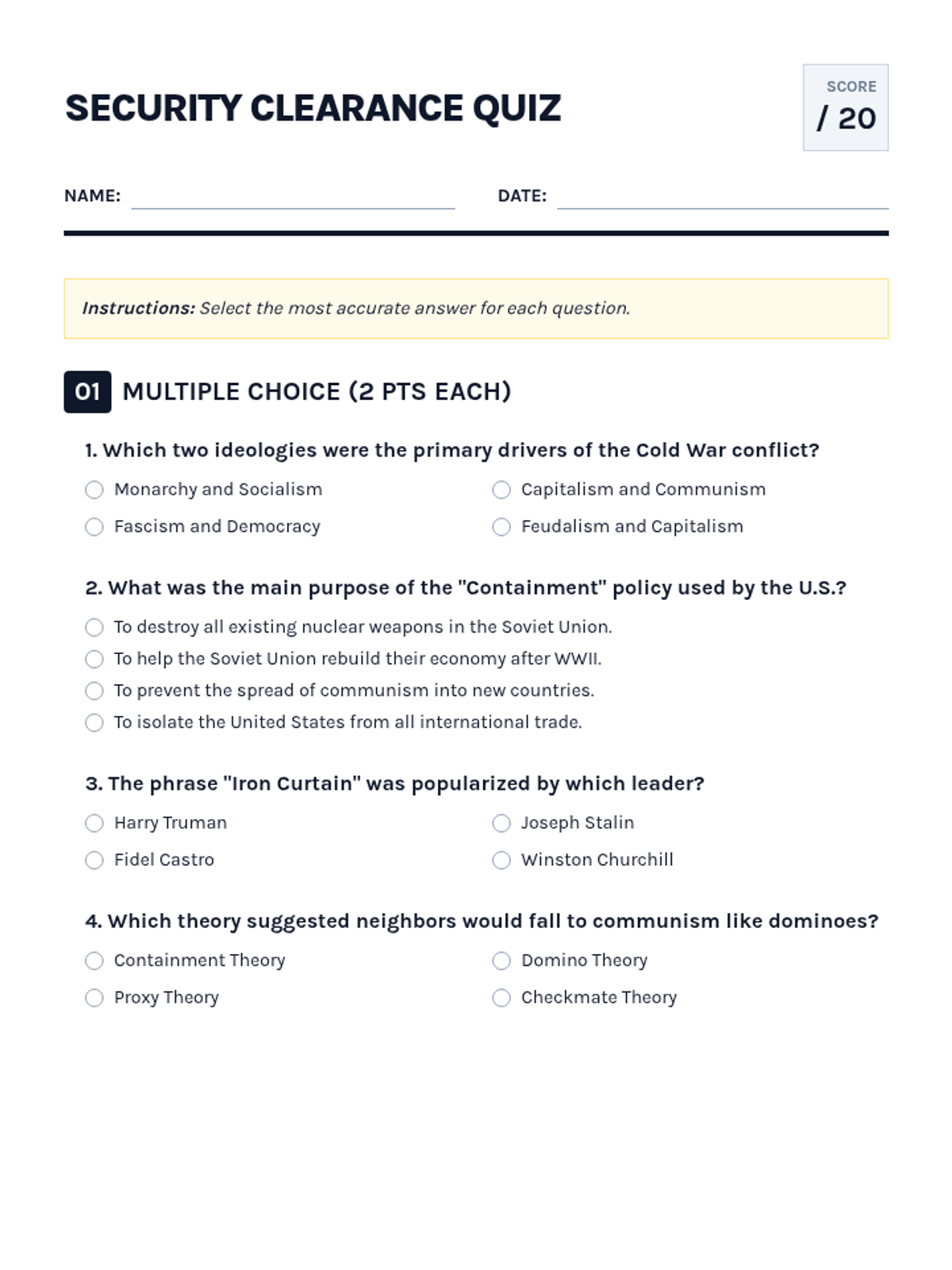
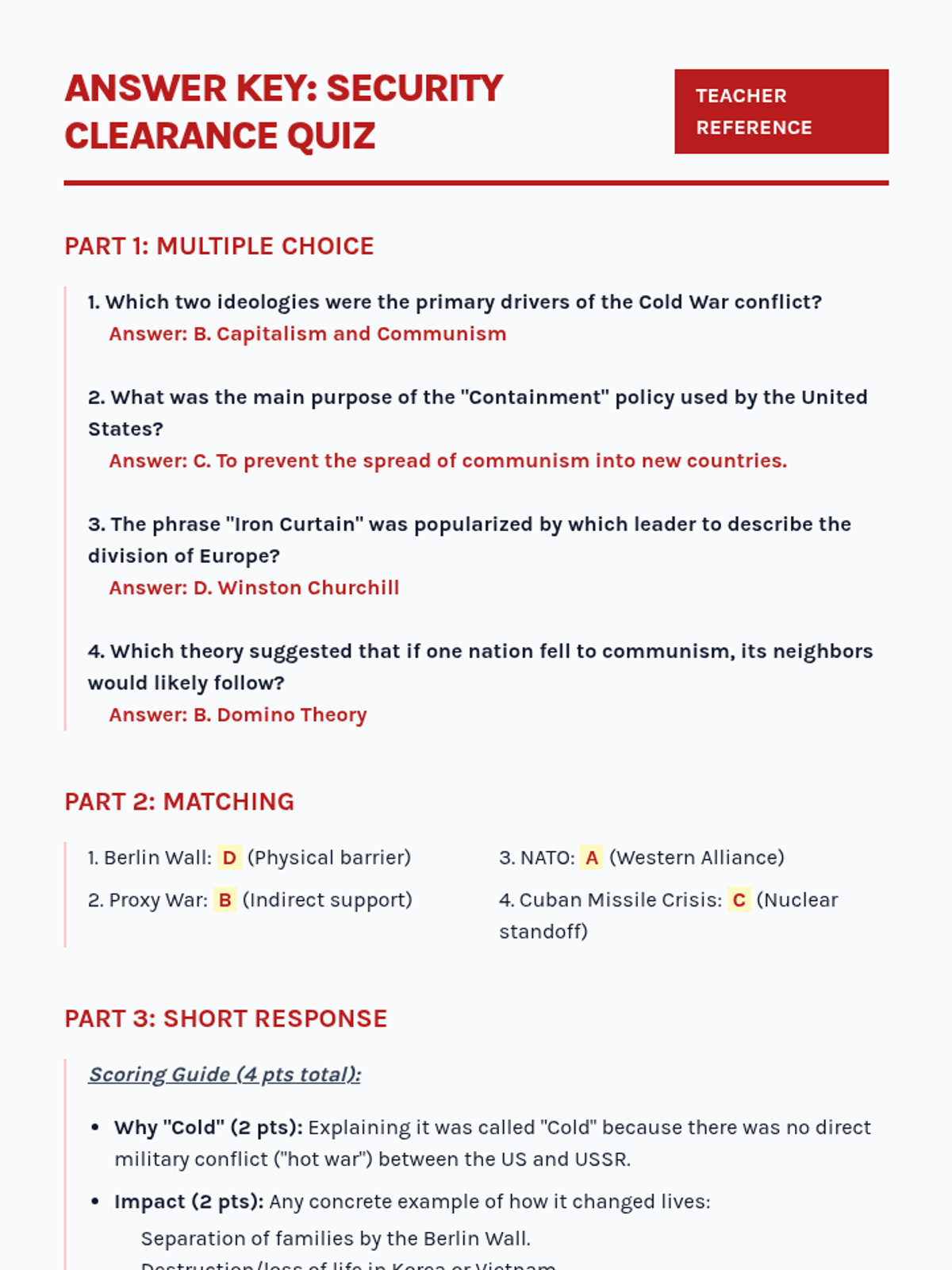
A comprehensive exploration of the Cold War's global impact, focusing on proxy wars in Korea and Vietnam, the division of Europe and the Berlin Wall, and the Cuban Missile Crisis. Students will analyze how the superpower rivalry reshaped the 20th-century world.
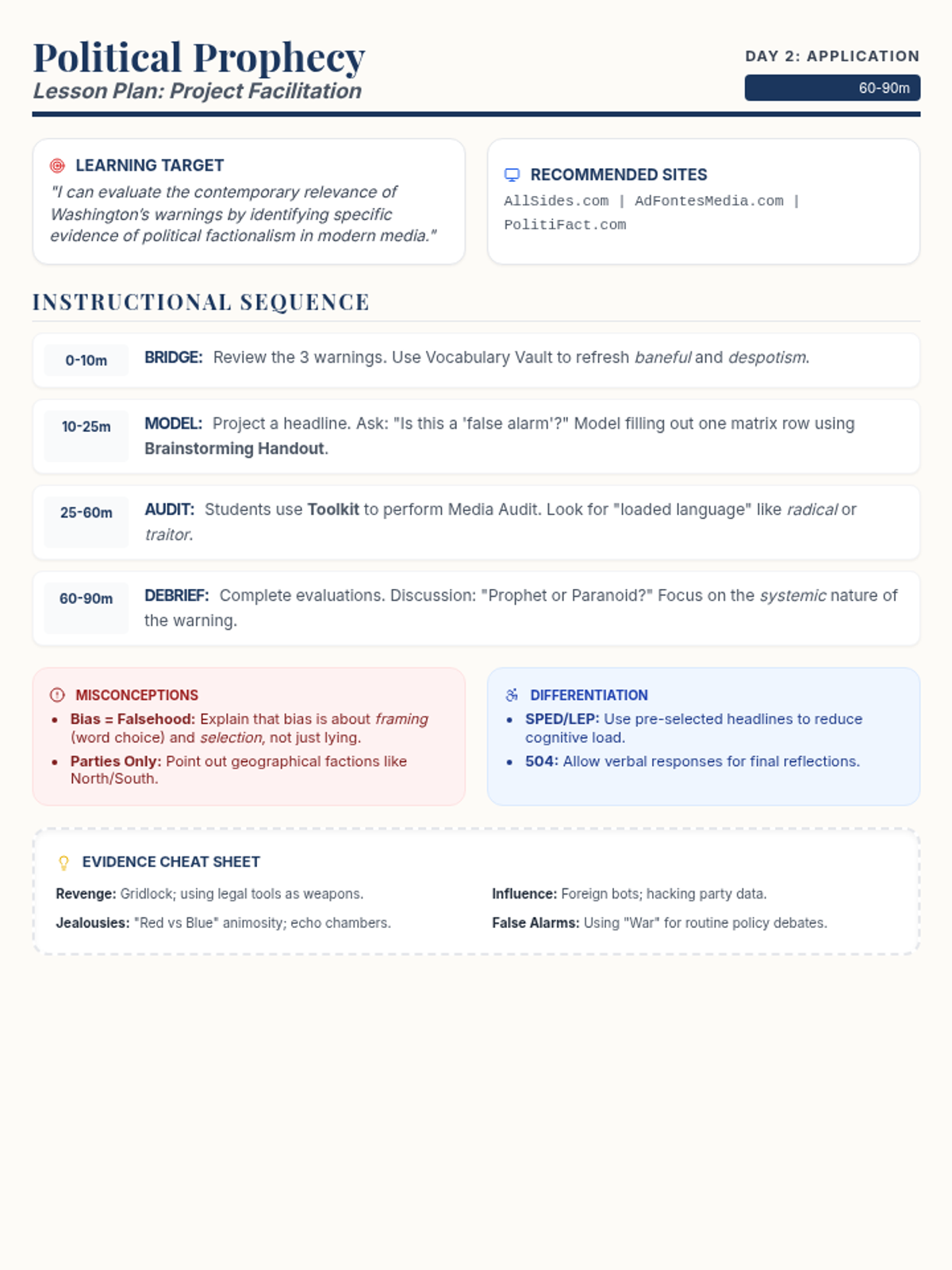
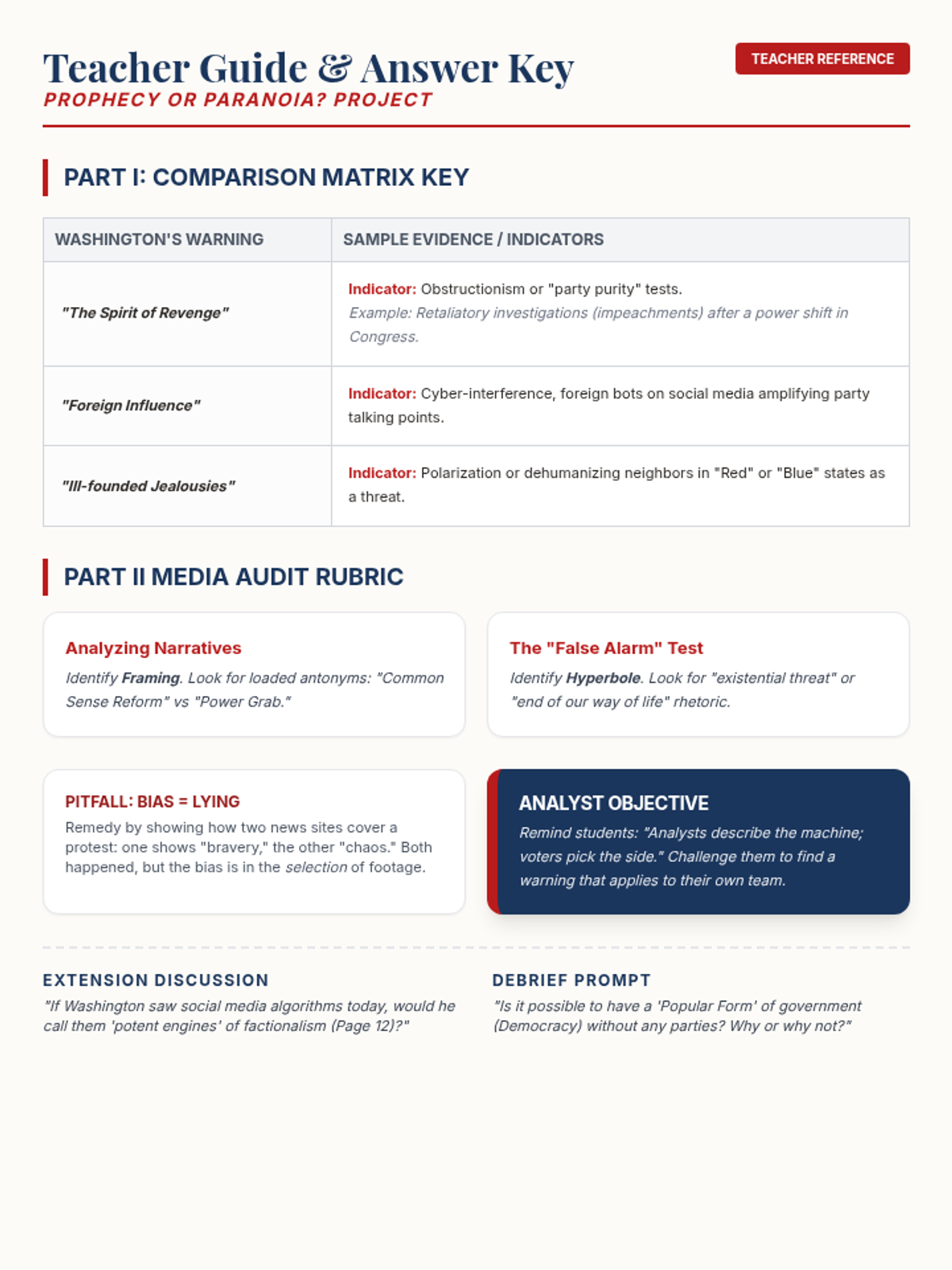
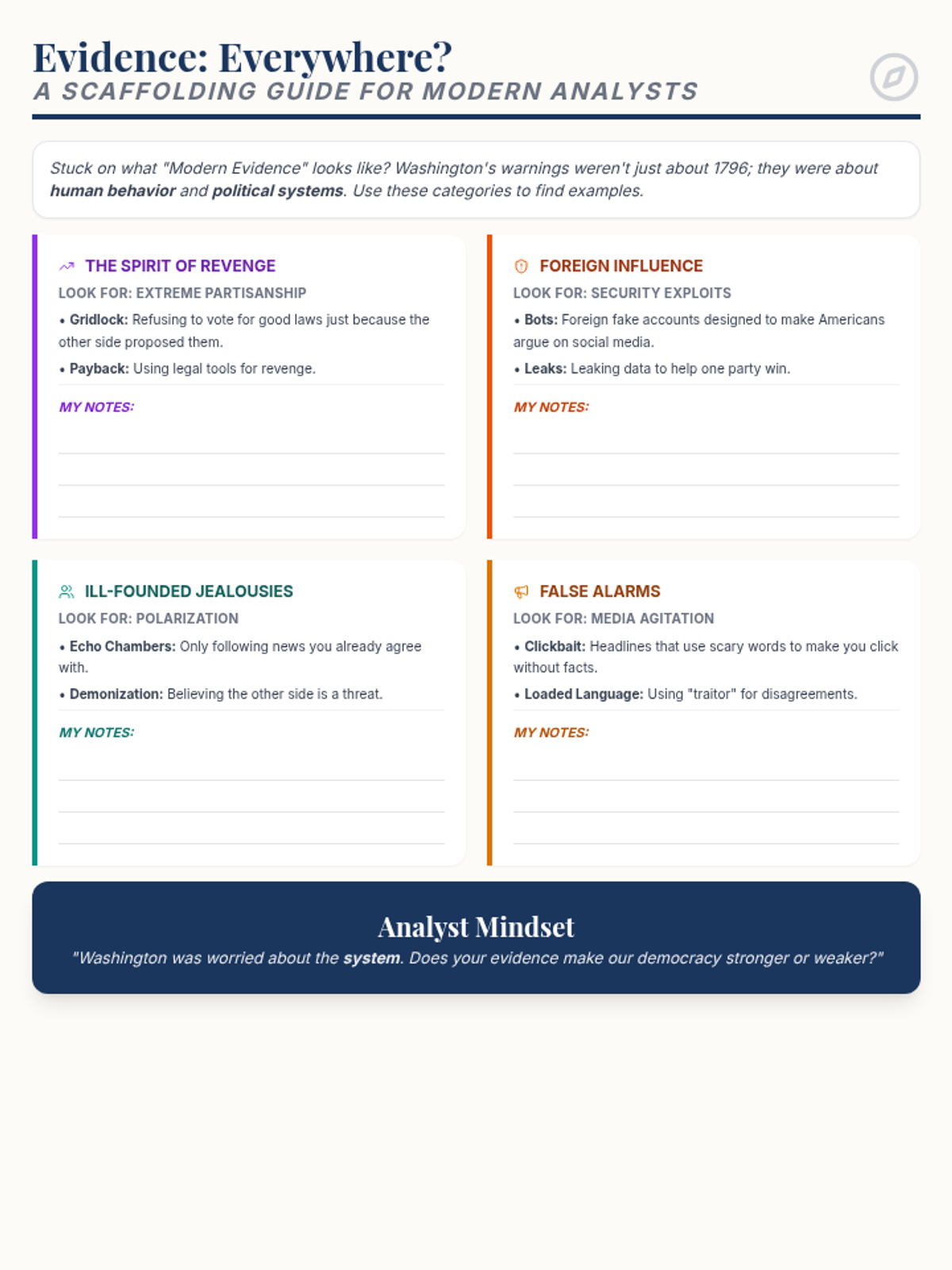
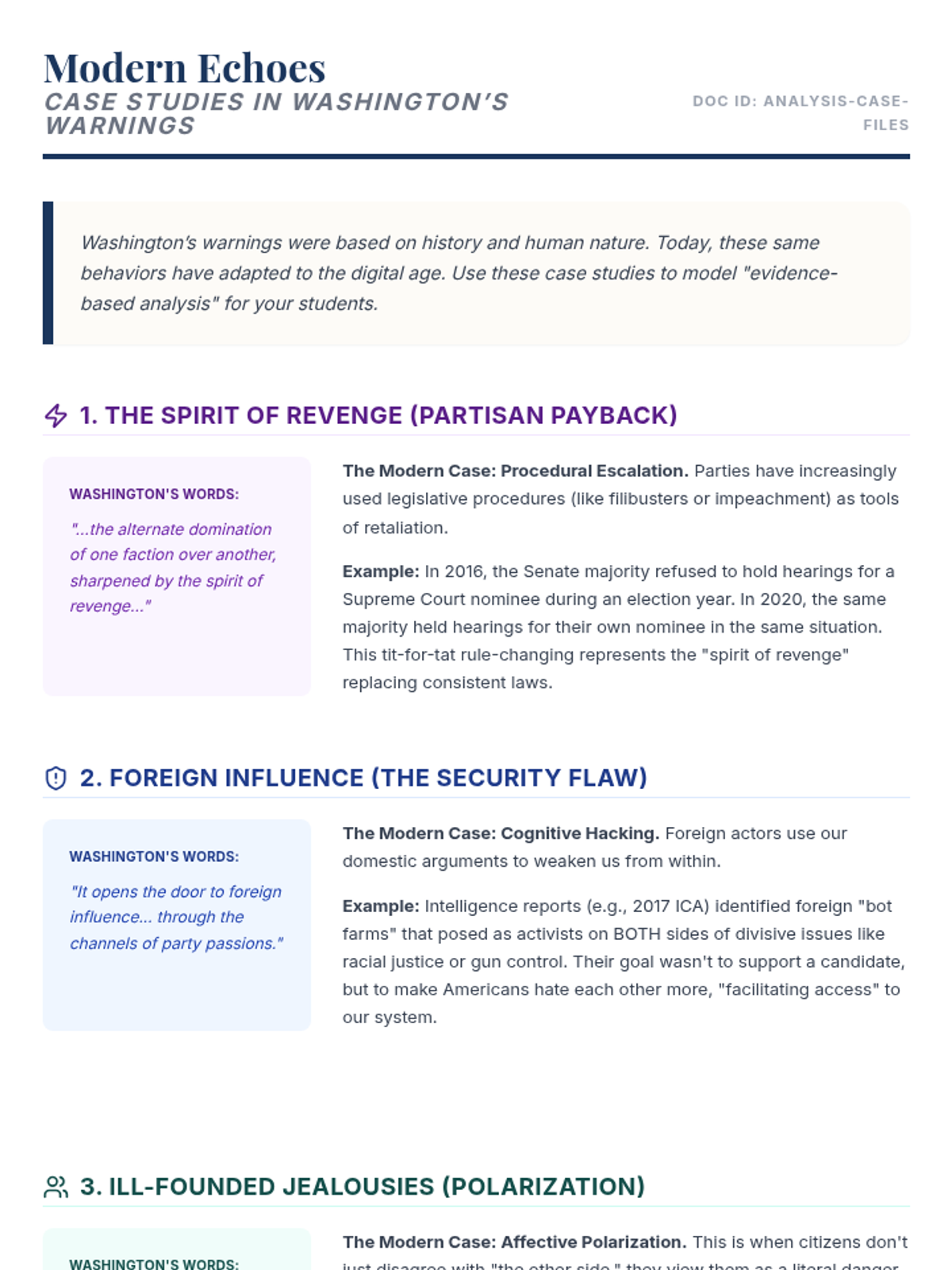
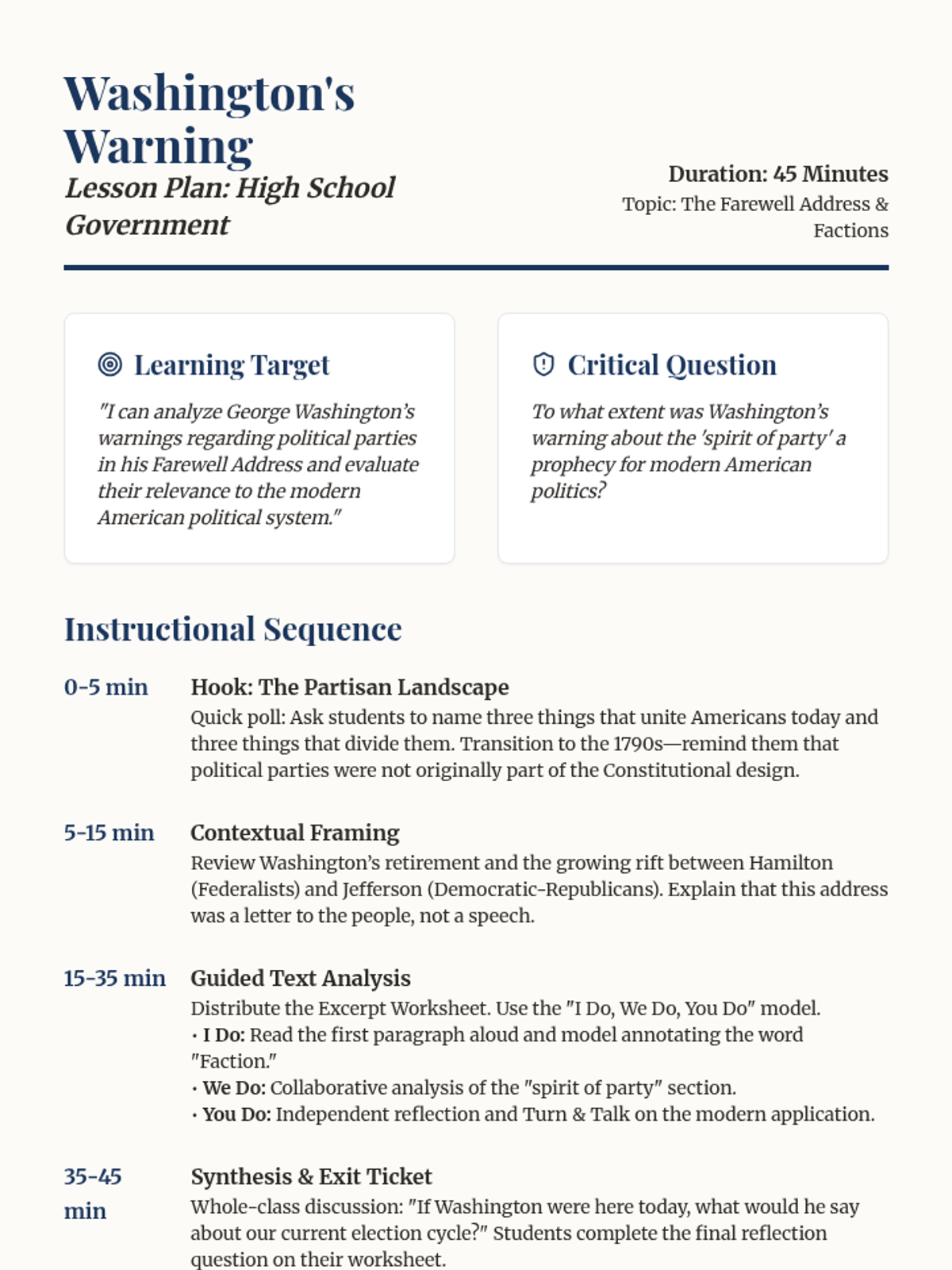
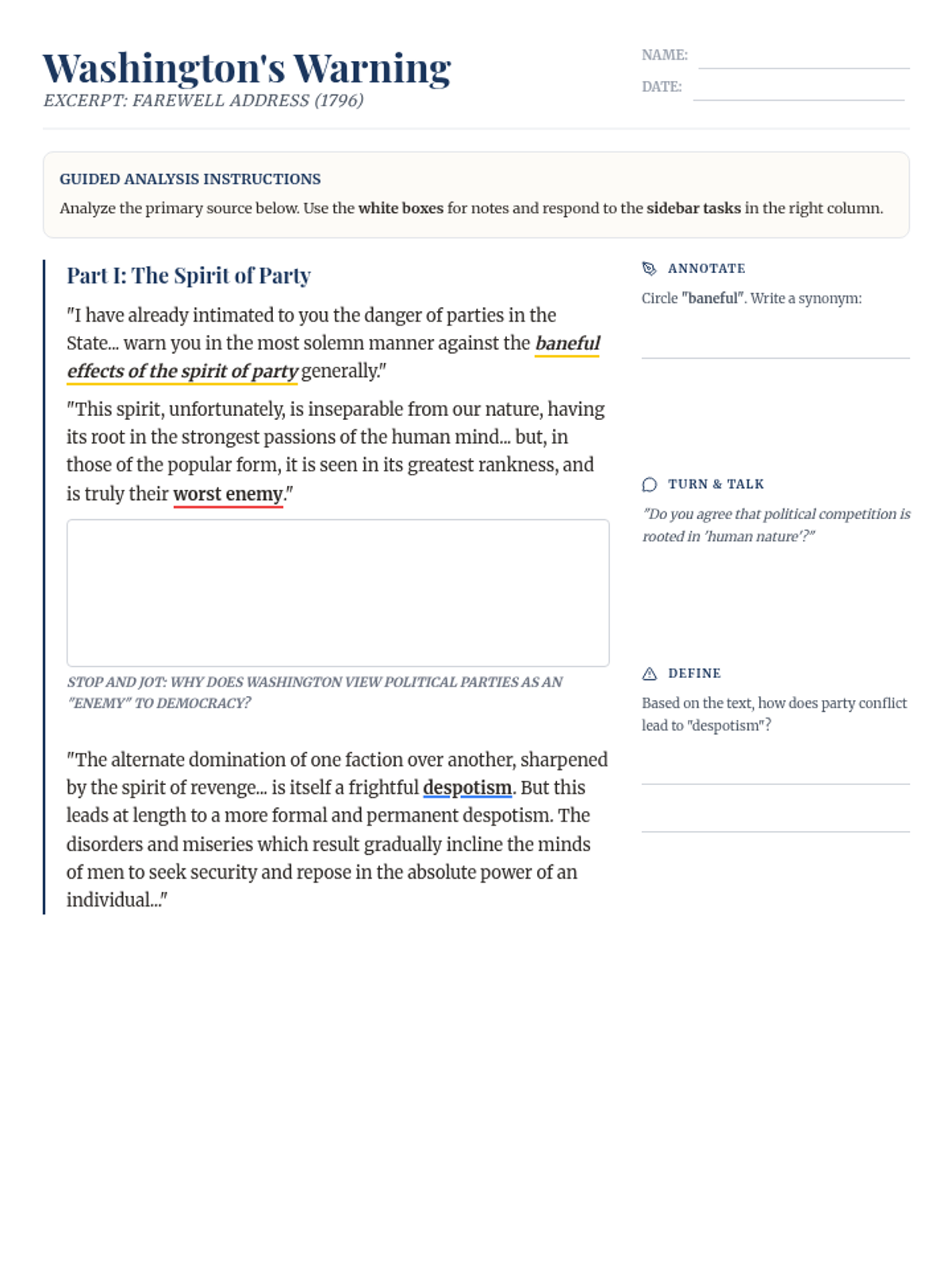
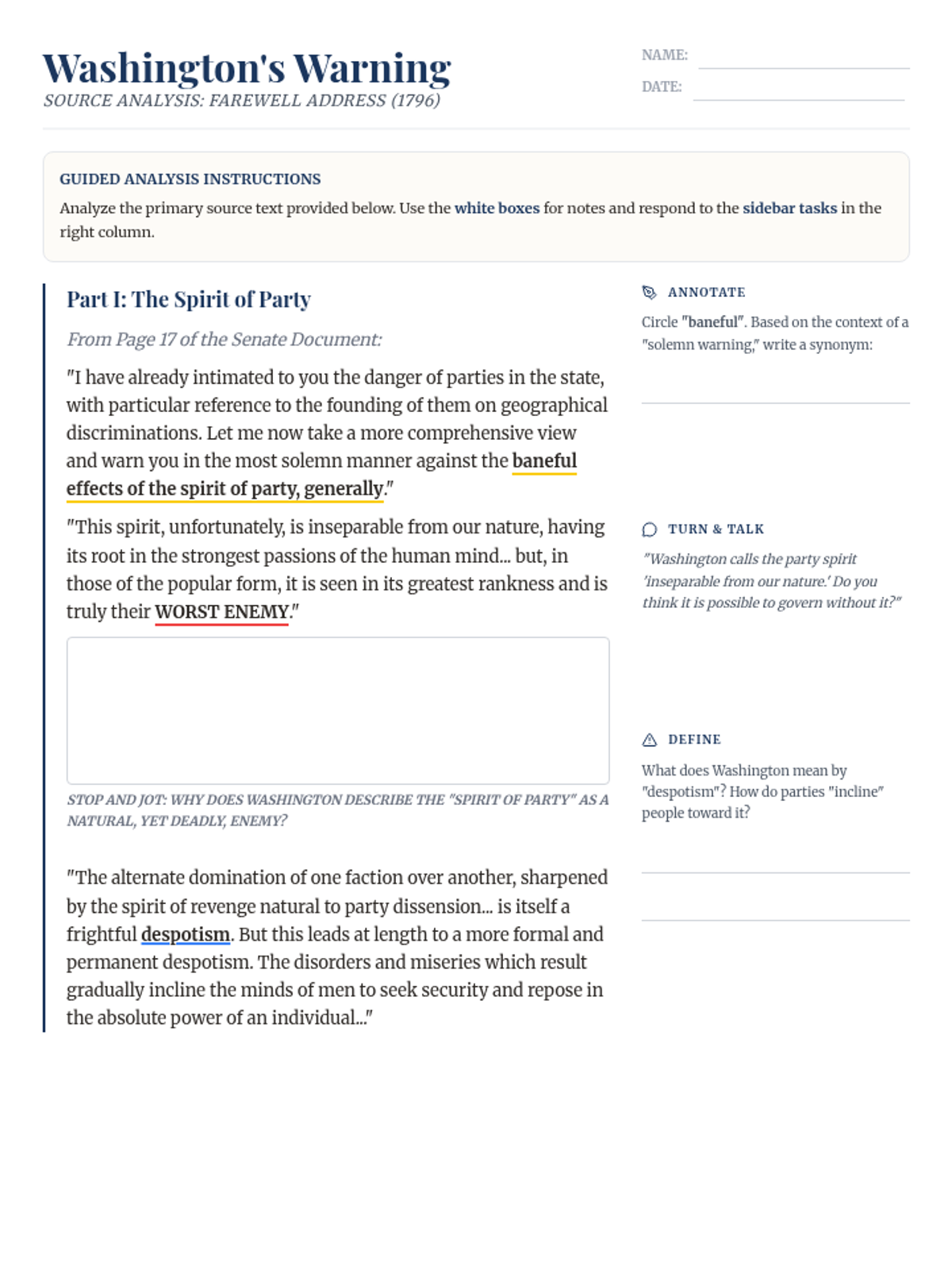
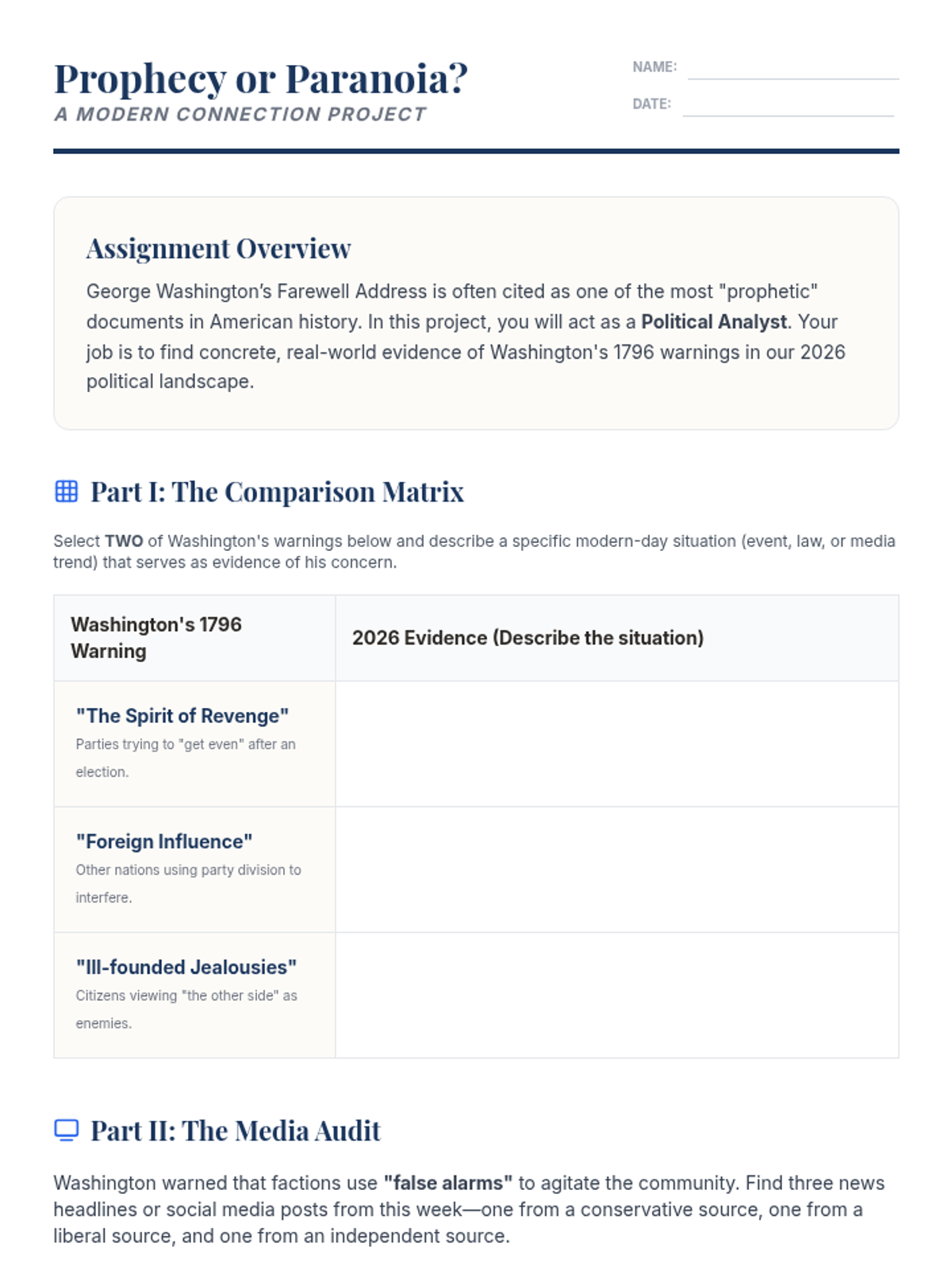
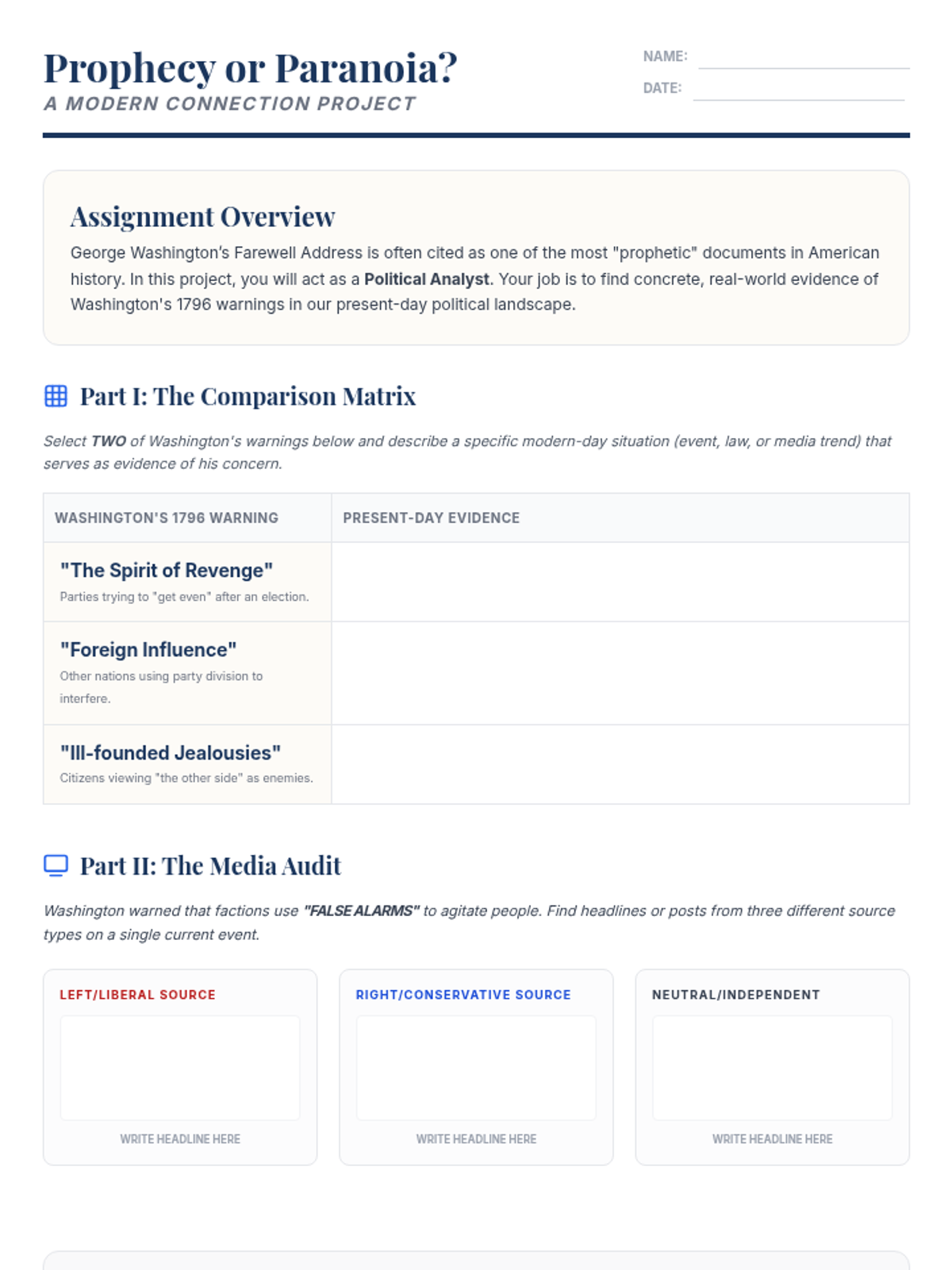
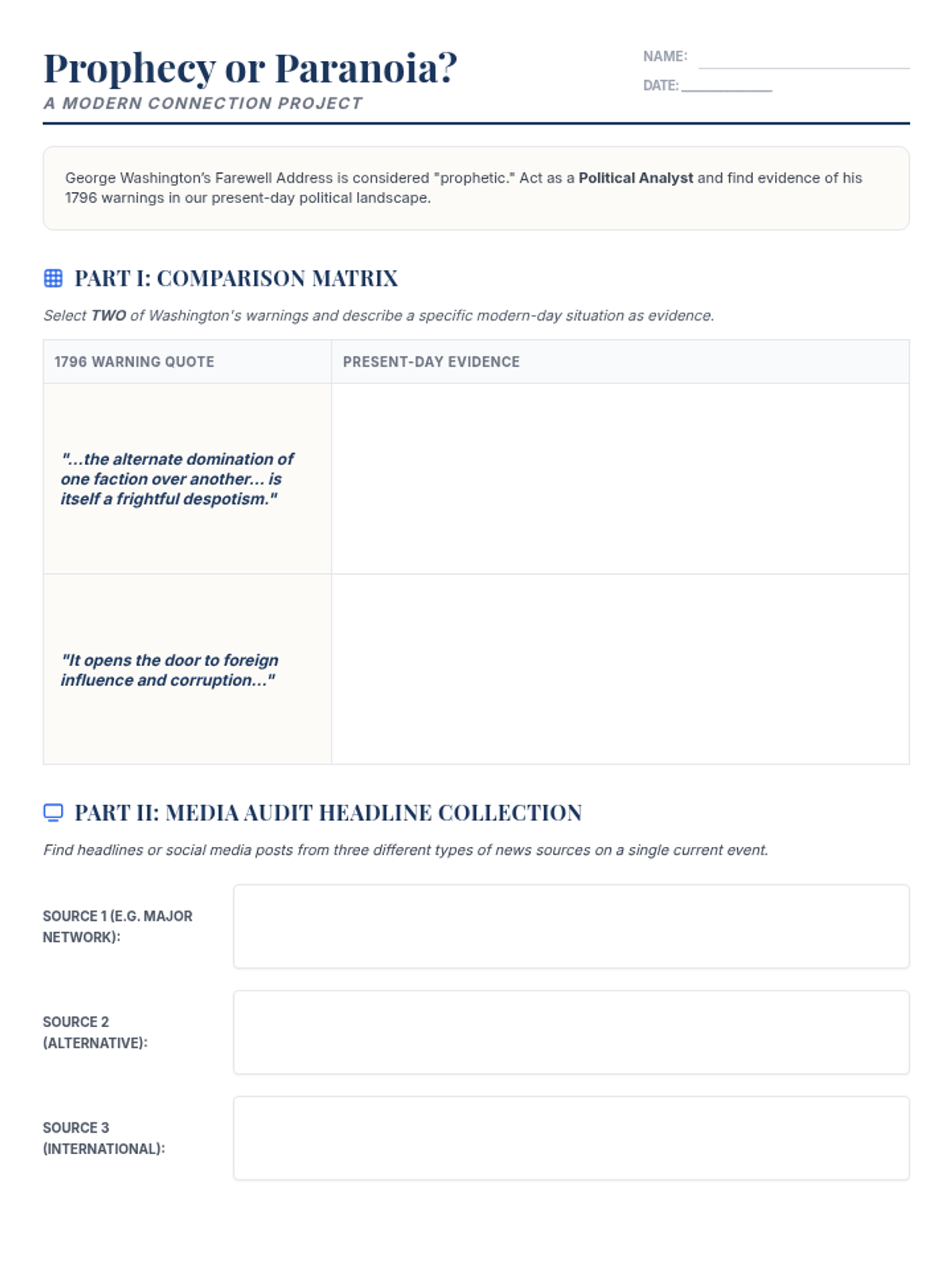
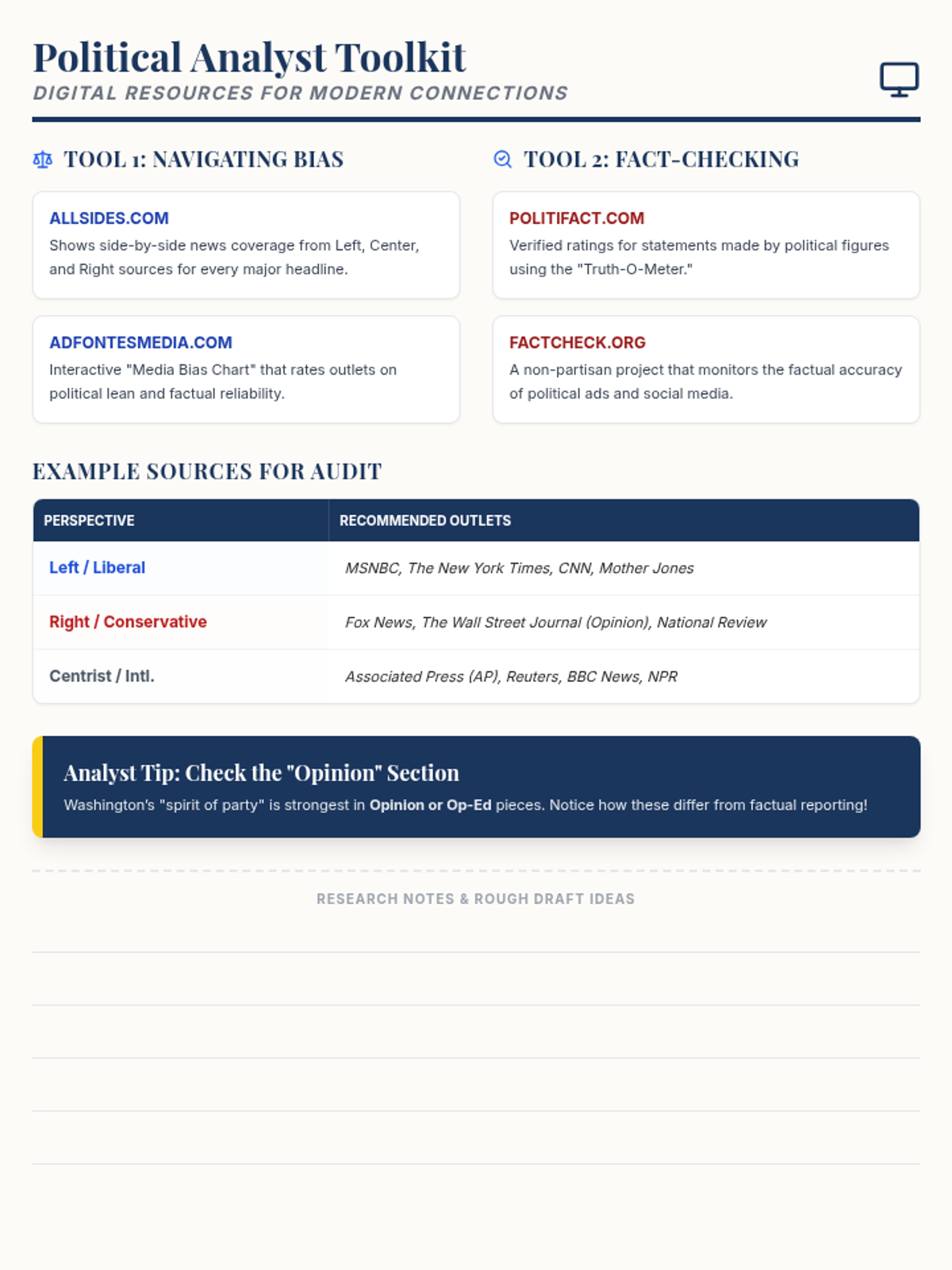
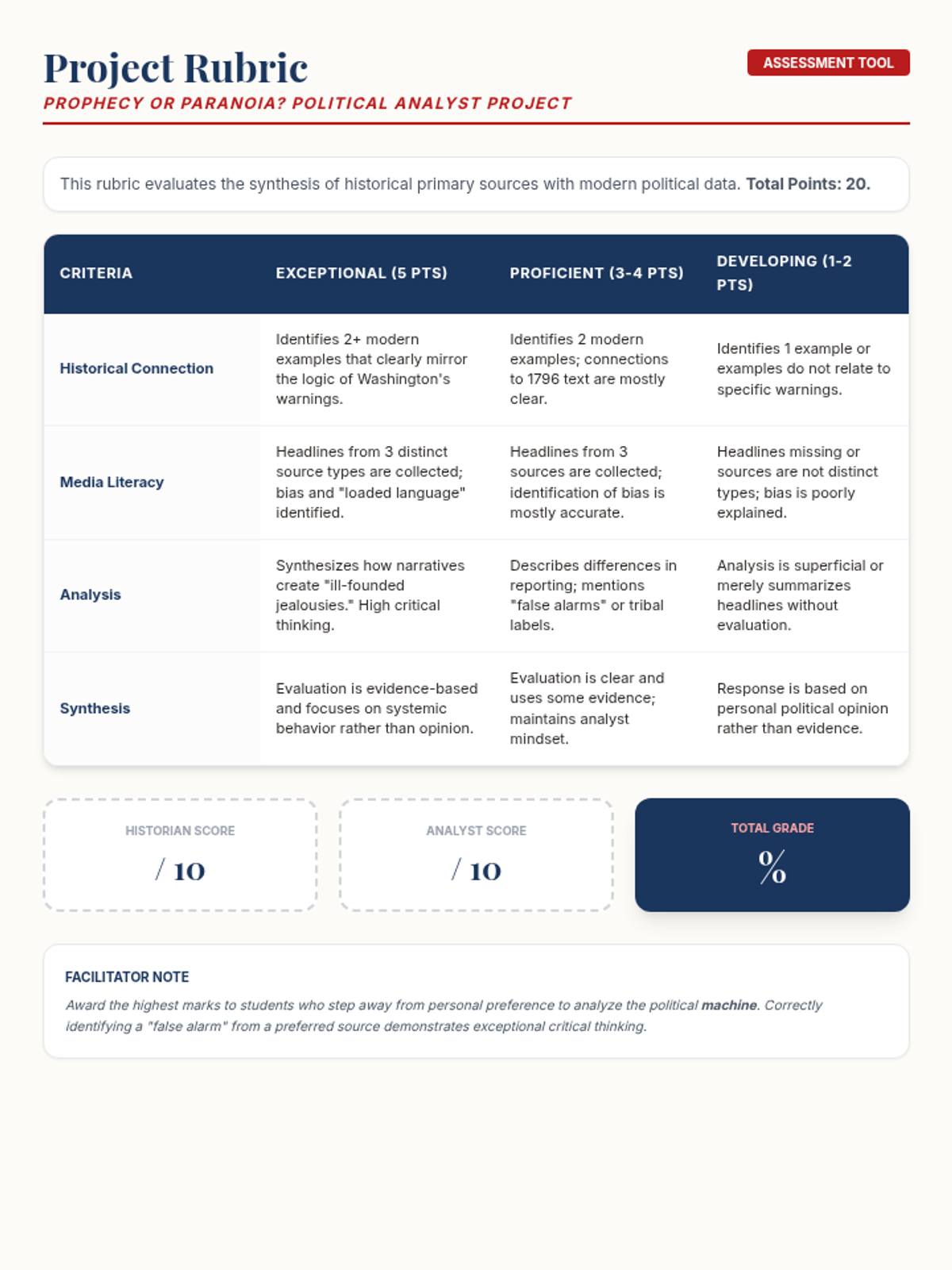
A project-based lesson where students act as political analysts to evaluate the modern-day relevance of George Washington's 1796 warnings using current news media and political events.
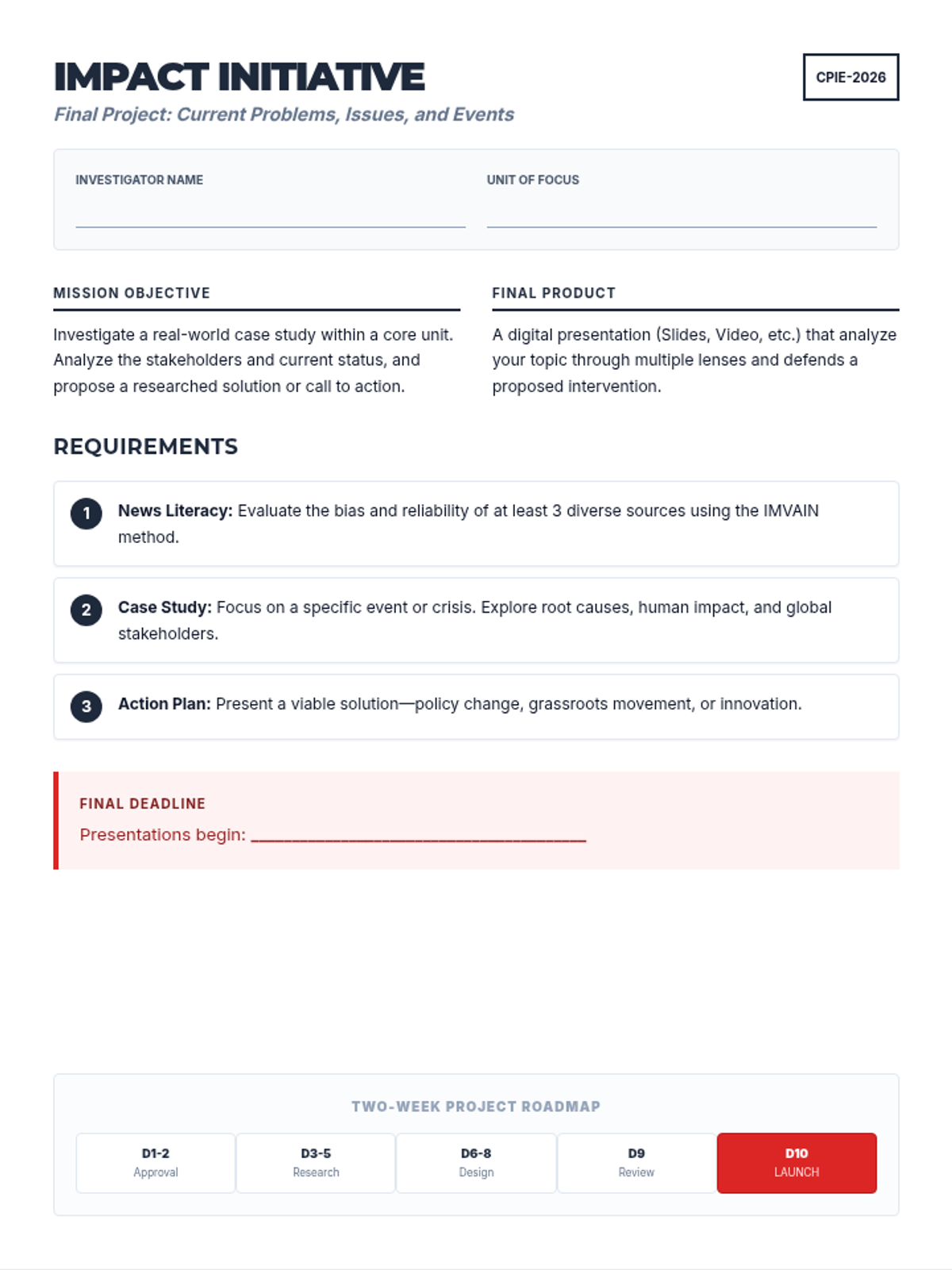
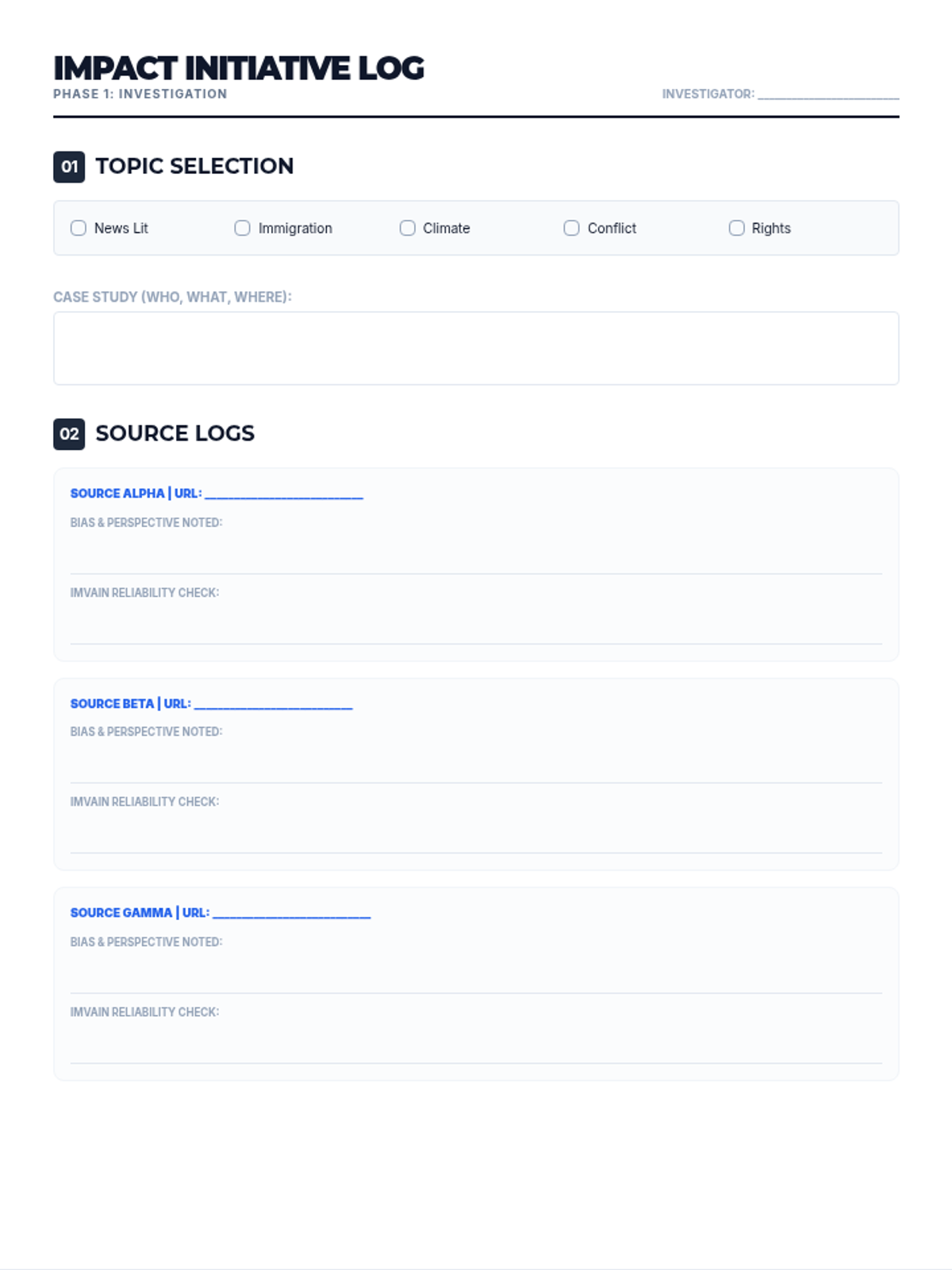
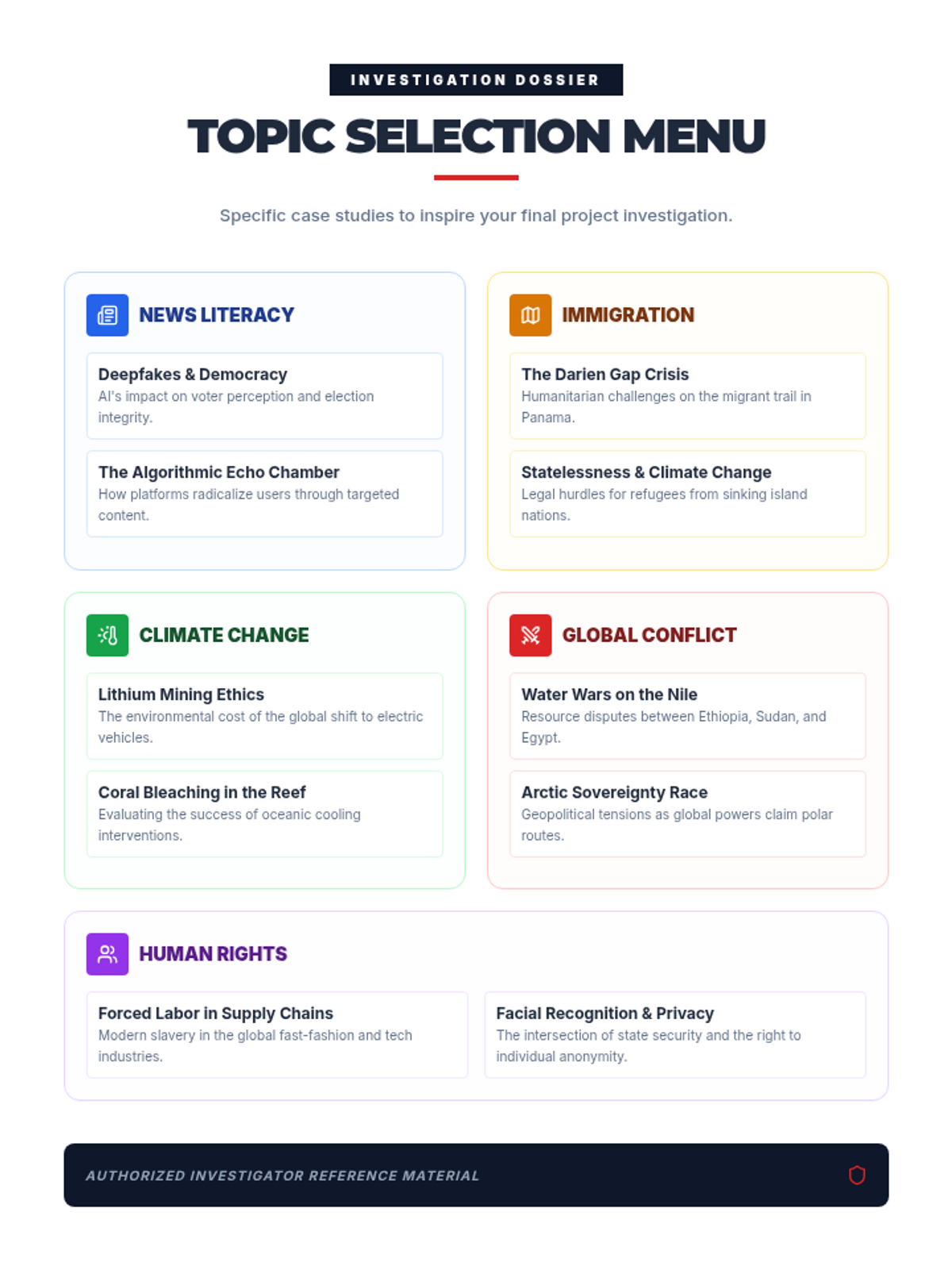
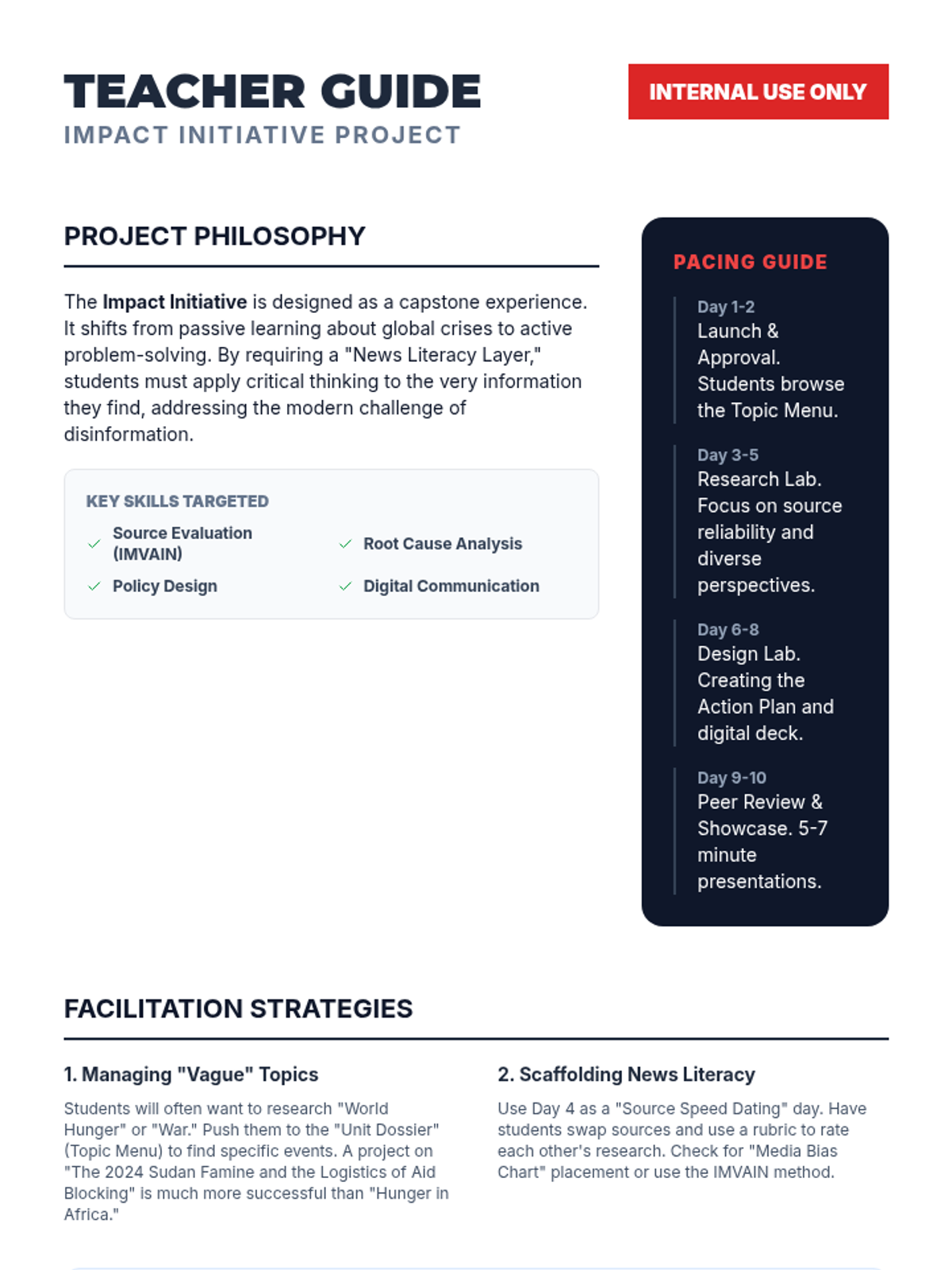
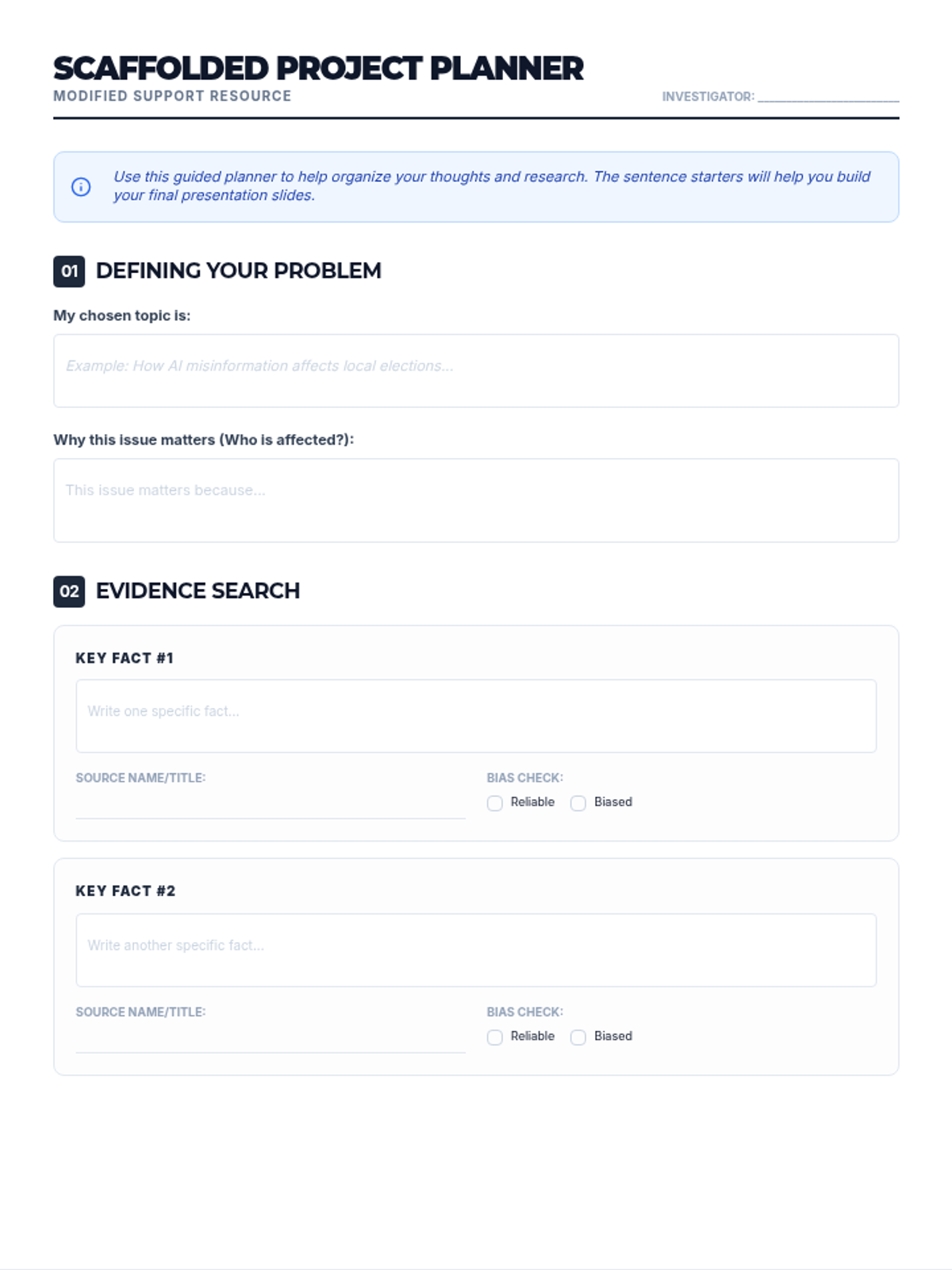
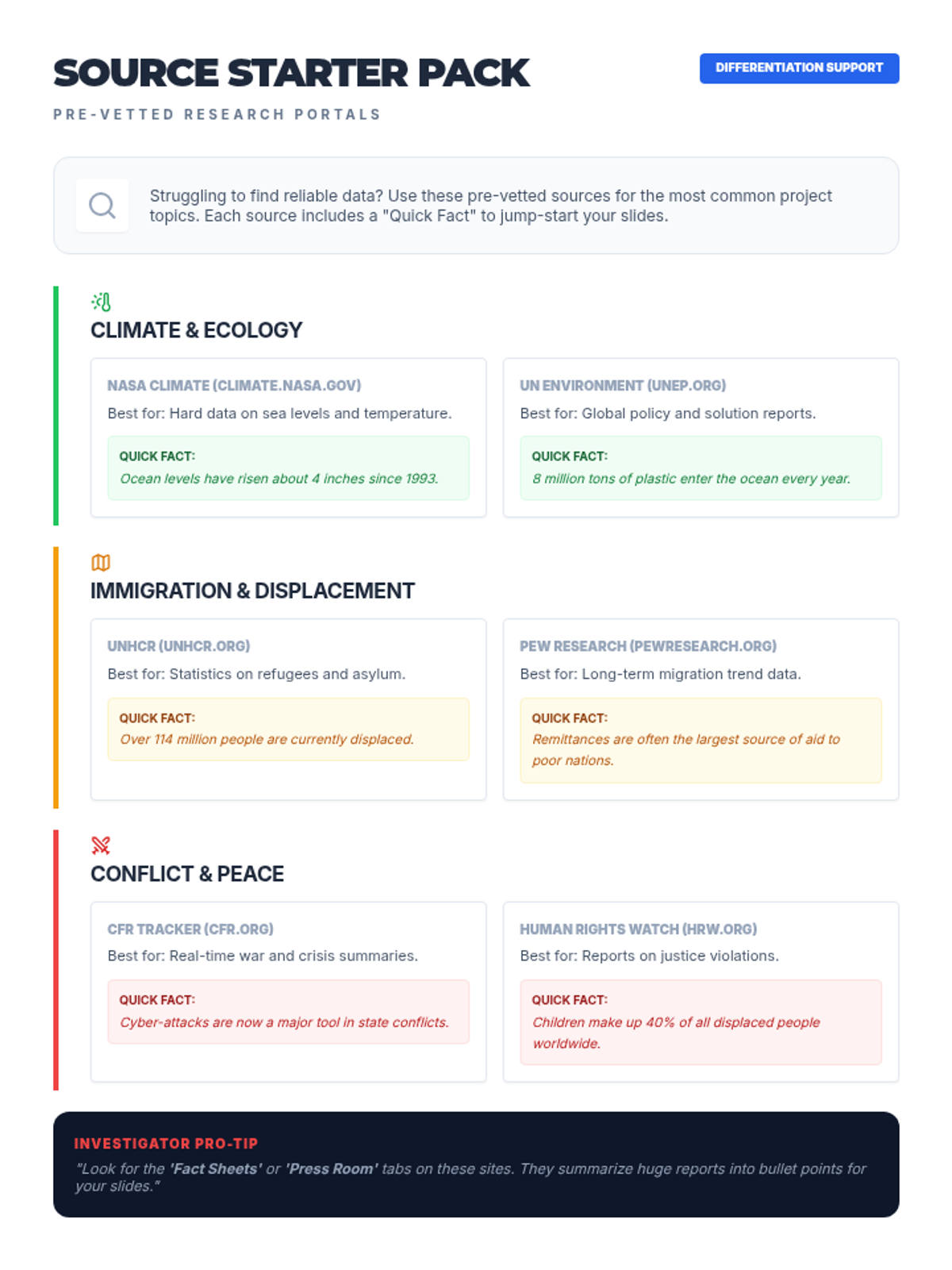
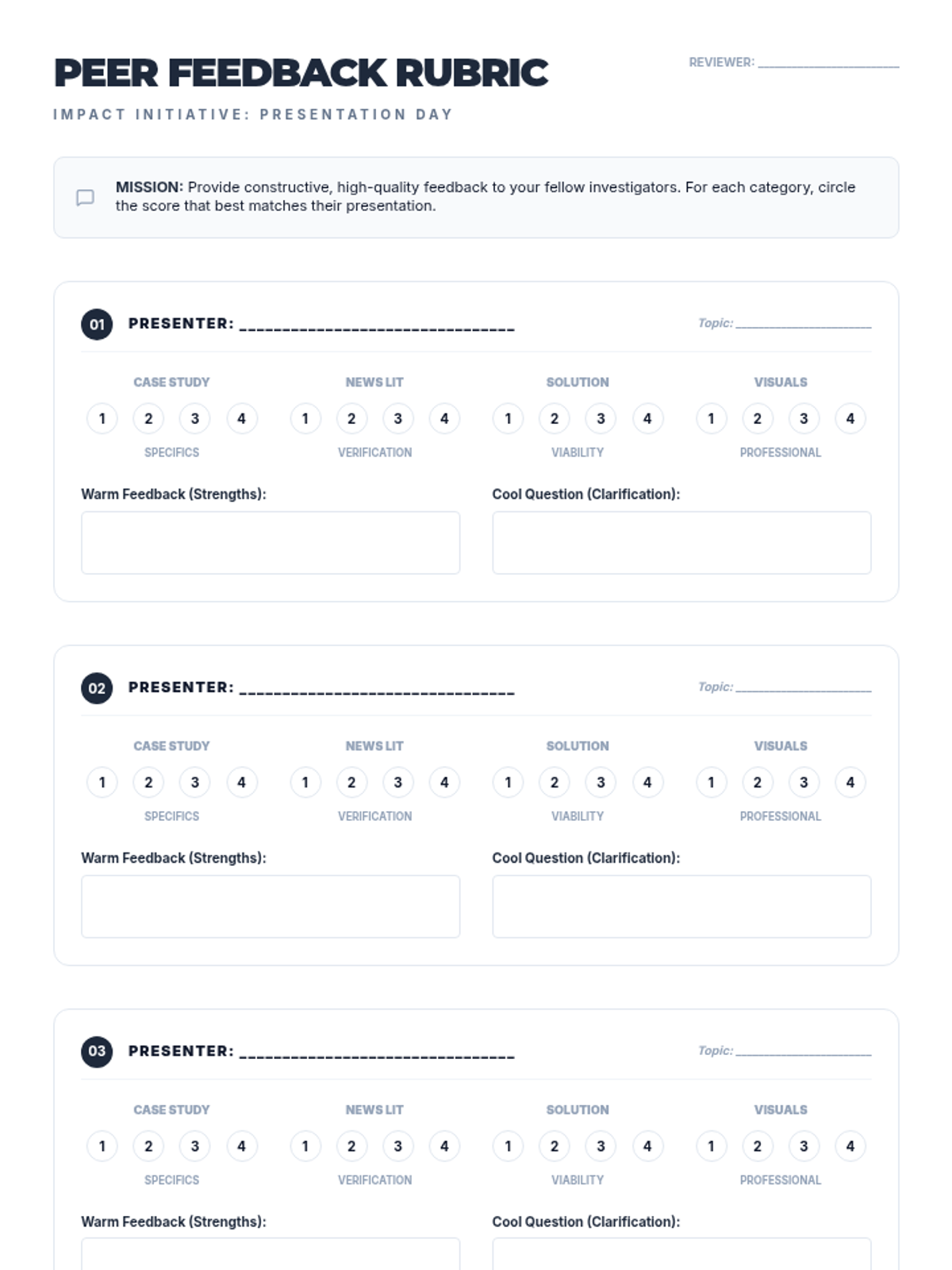
A comprehensive two-week final project for high school students to investigate and propose solutions for a major global issue from one of five core units: News Literacy, Immigration, Climate Change, Global Conflict, or Human Rights.
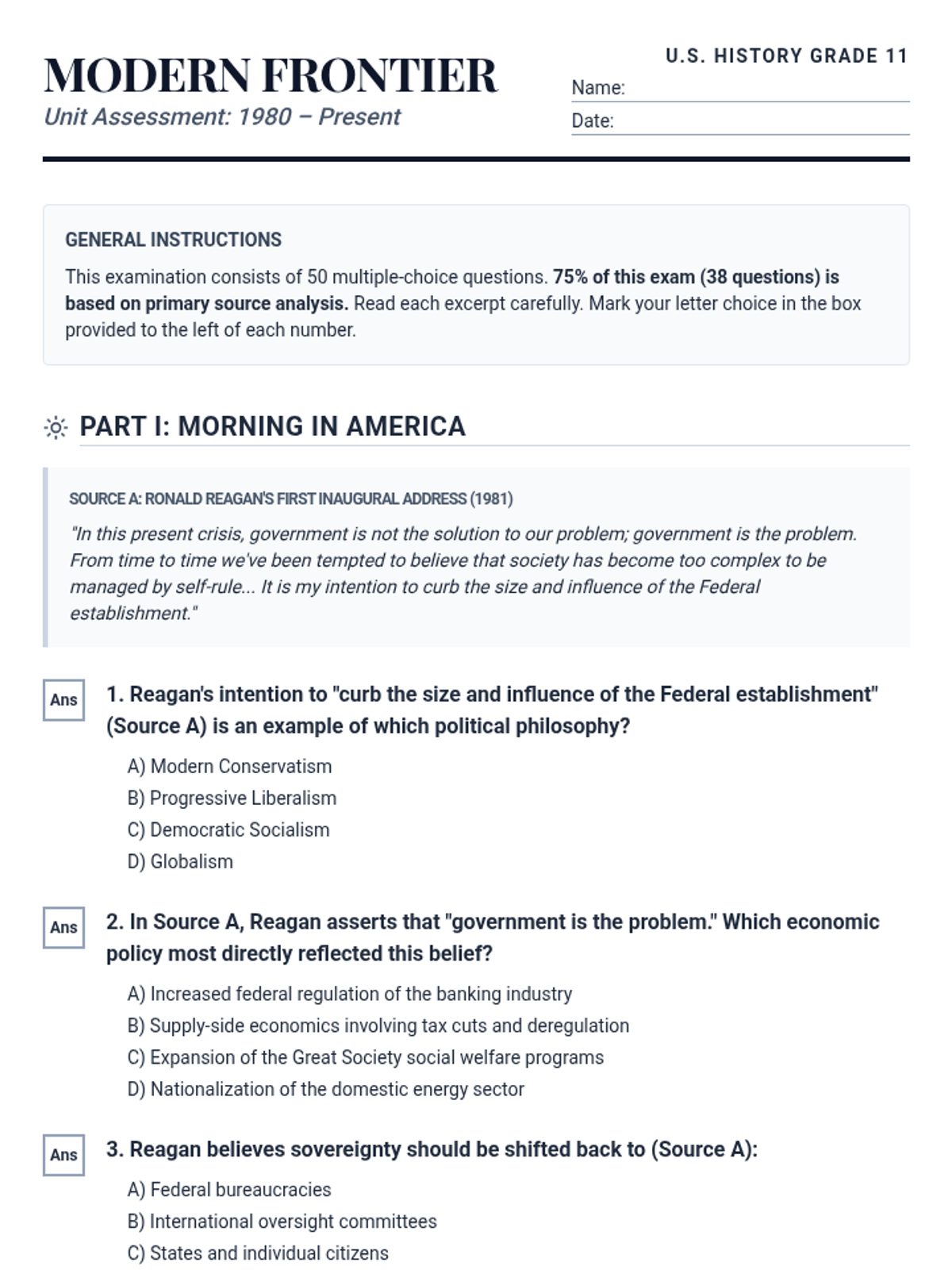
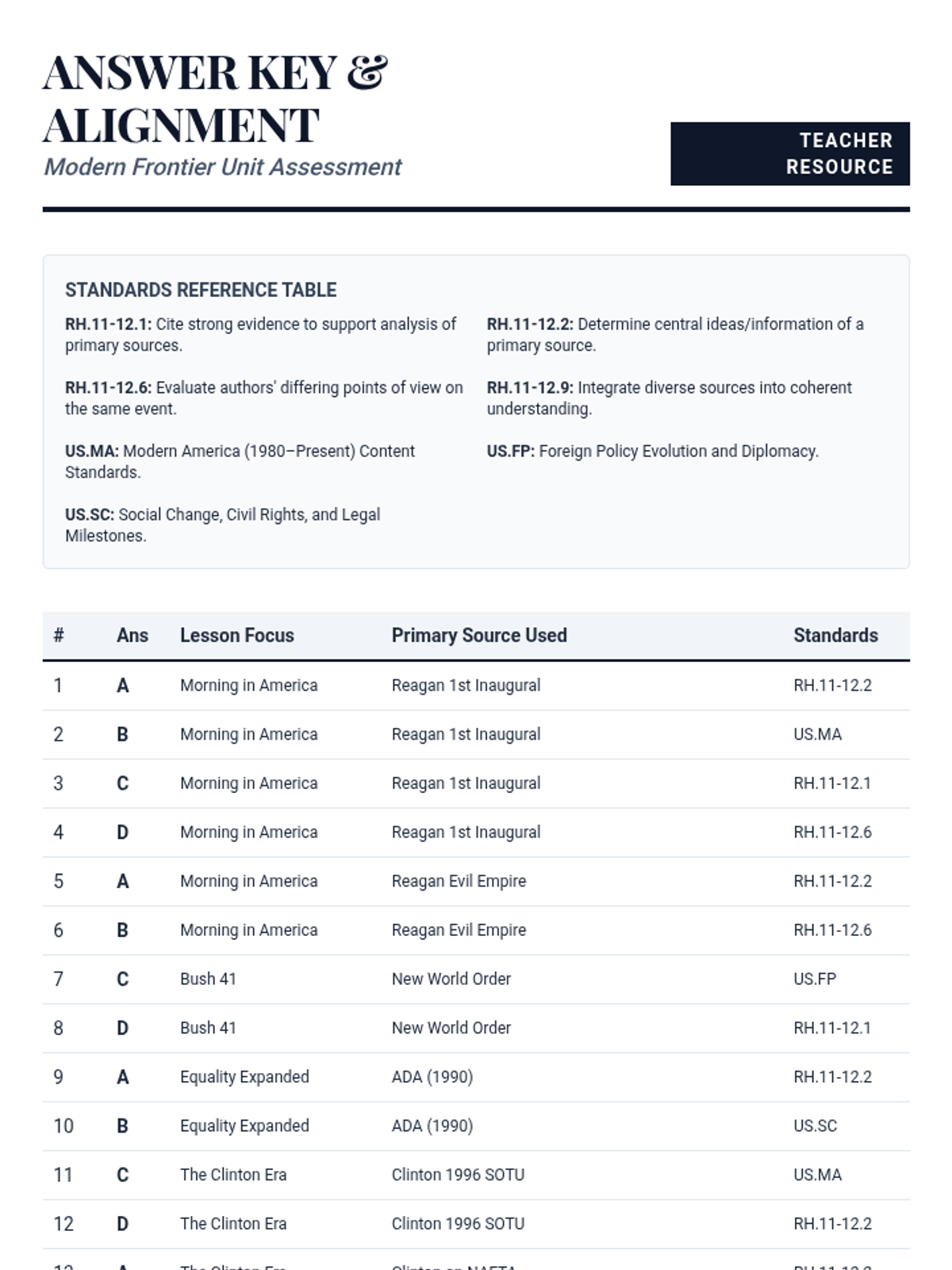
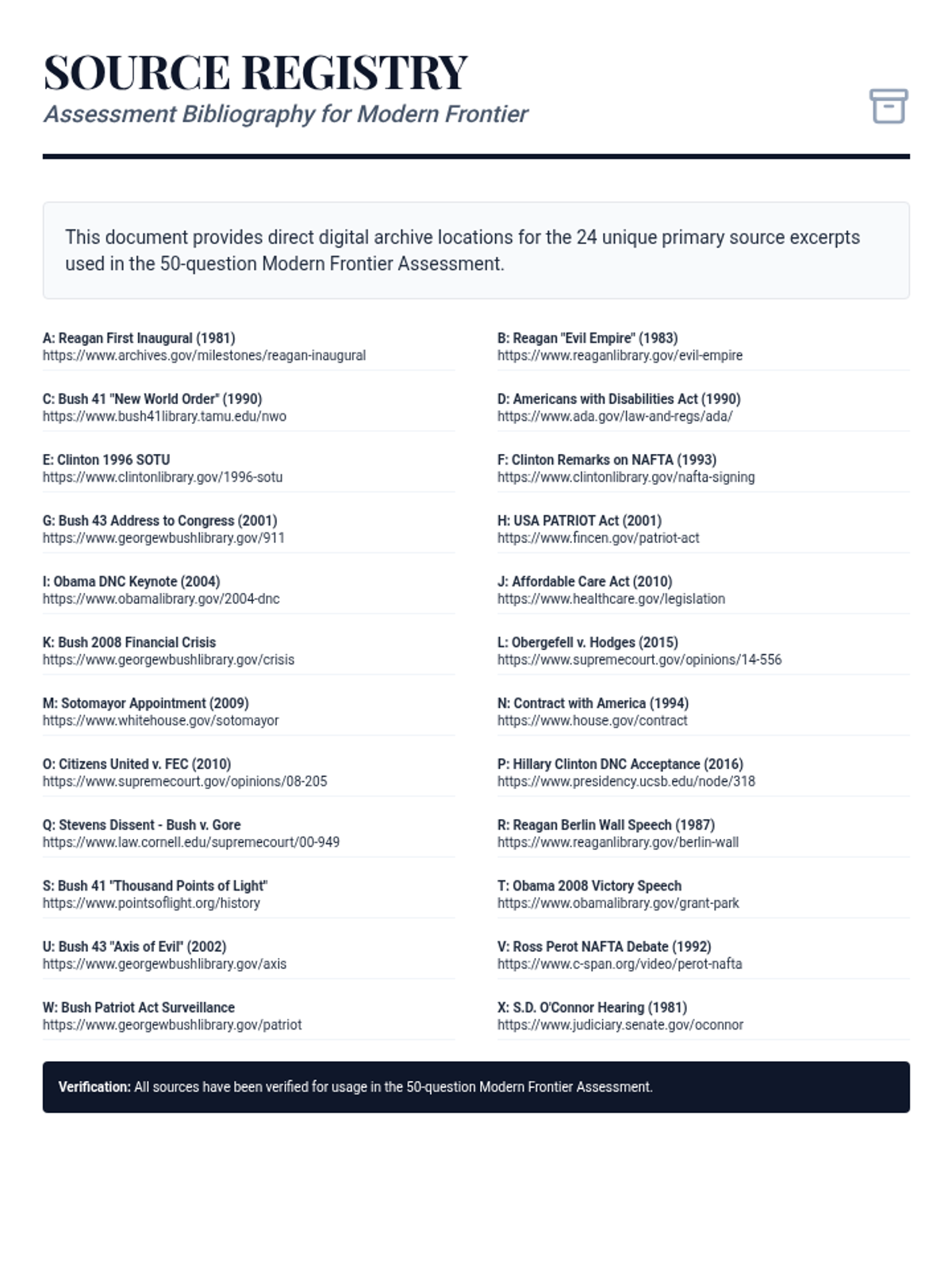
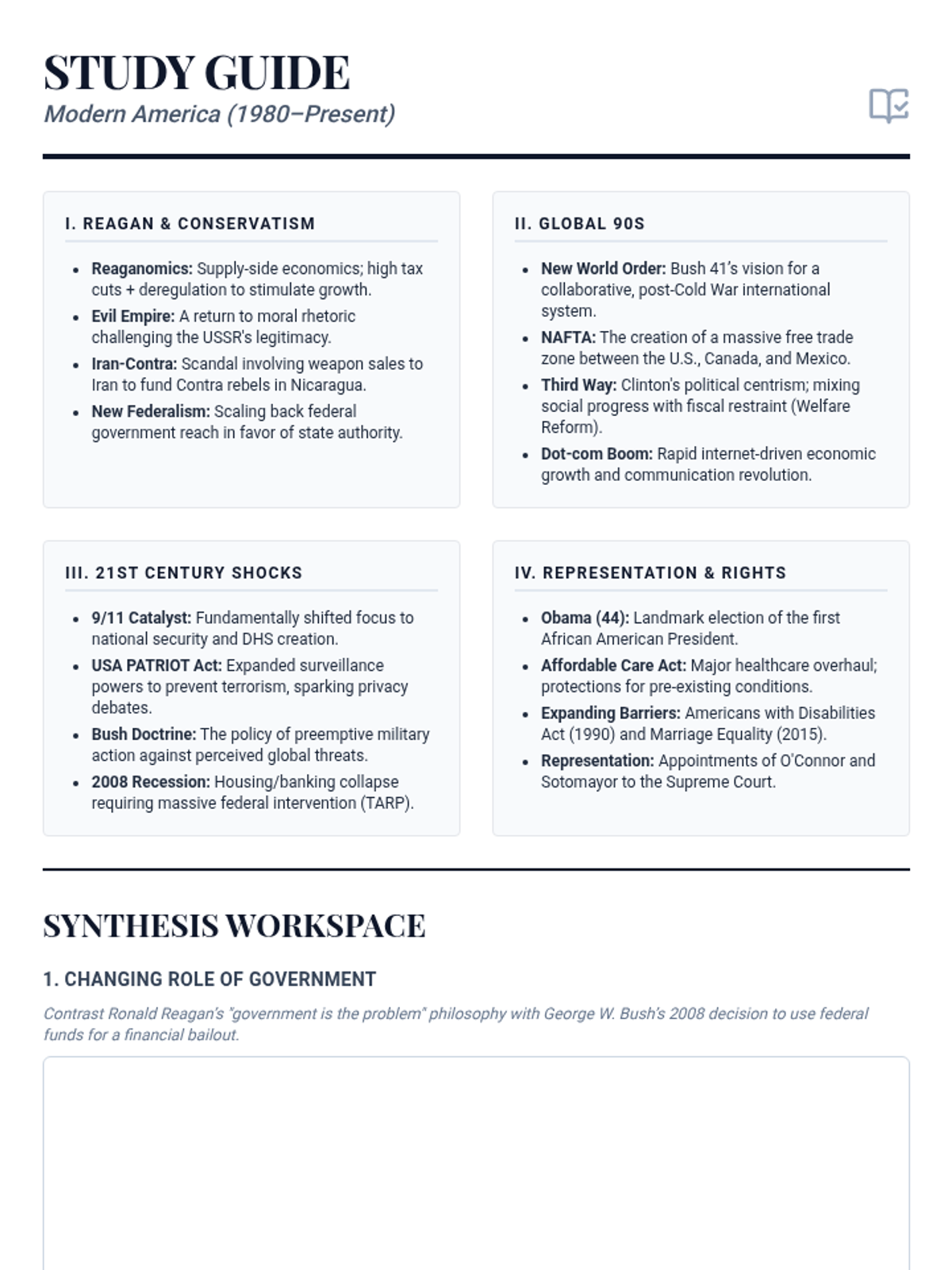
The final assessment for the modern American history unit, evaluating student understanding of late 20th and early 21st-century domestic and foreign policy.
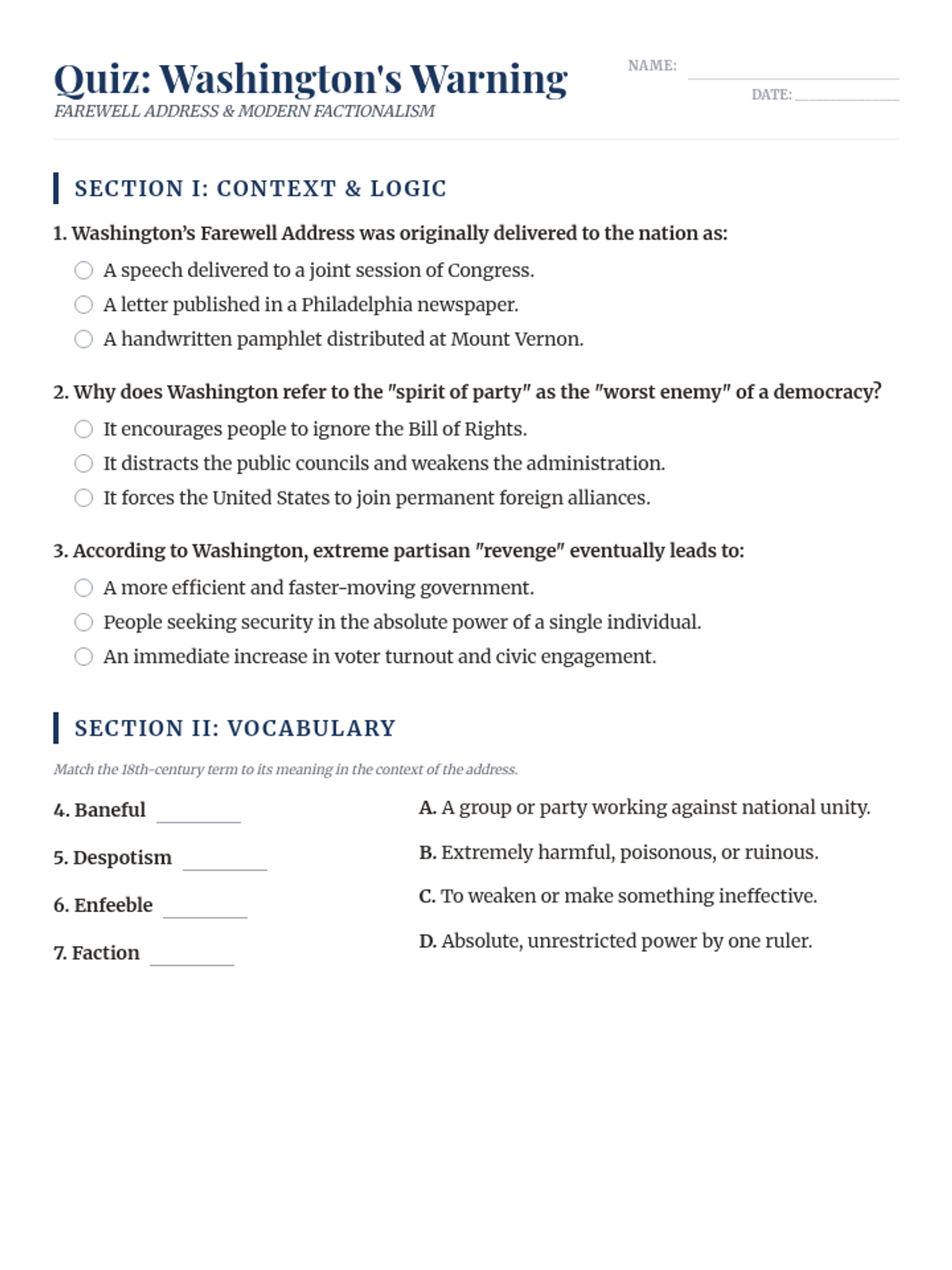
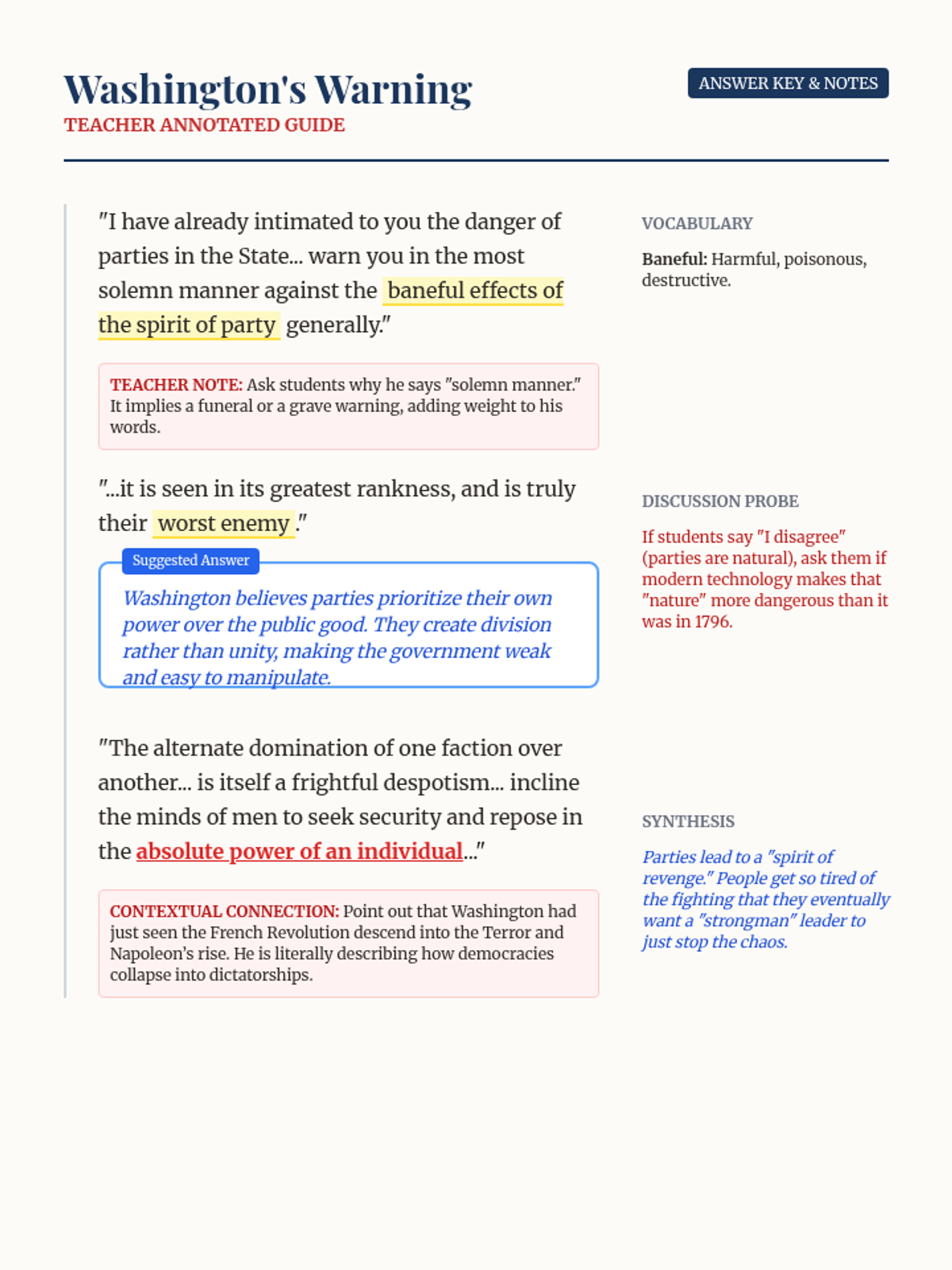
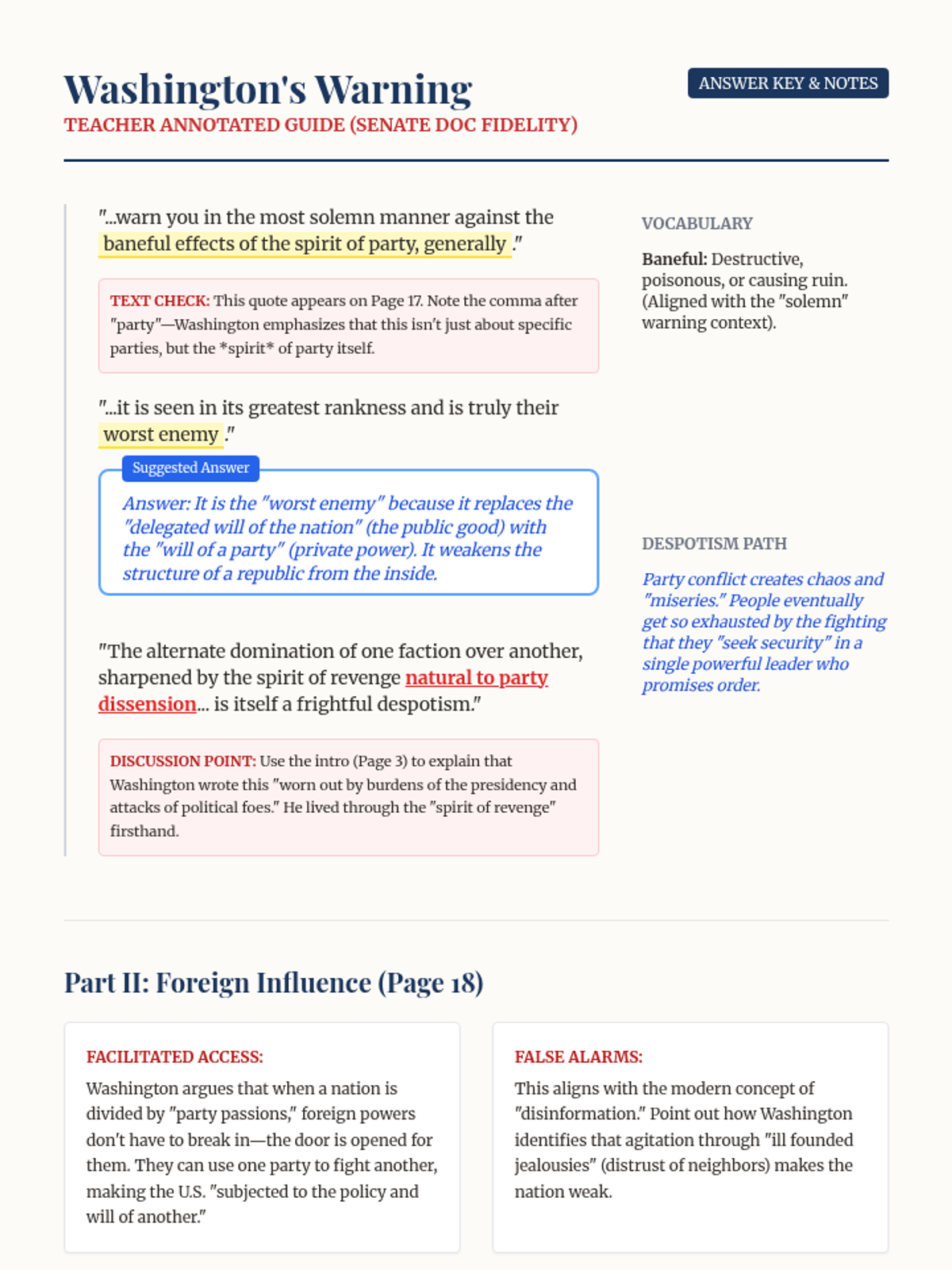
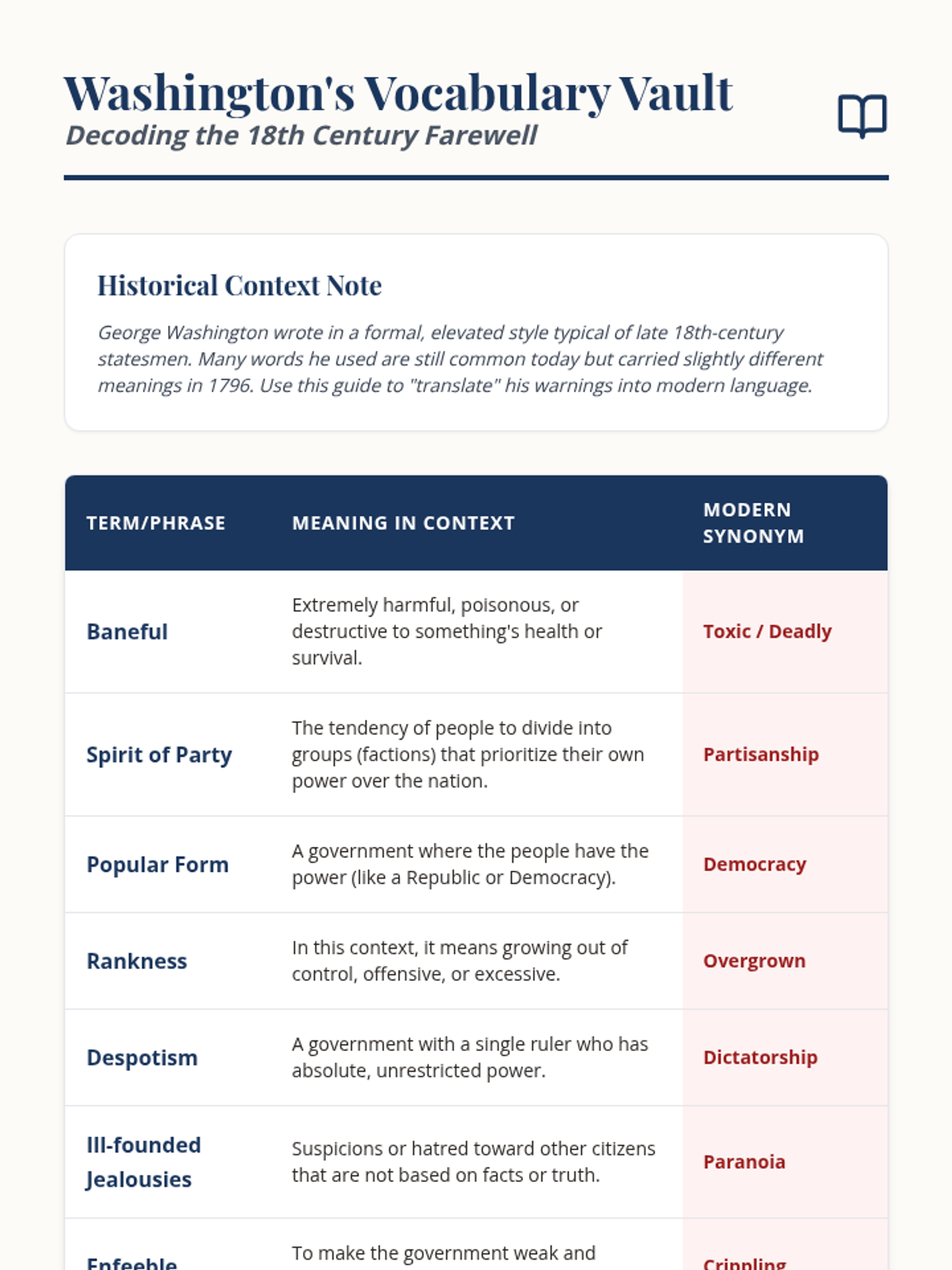
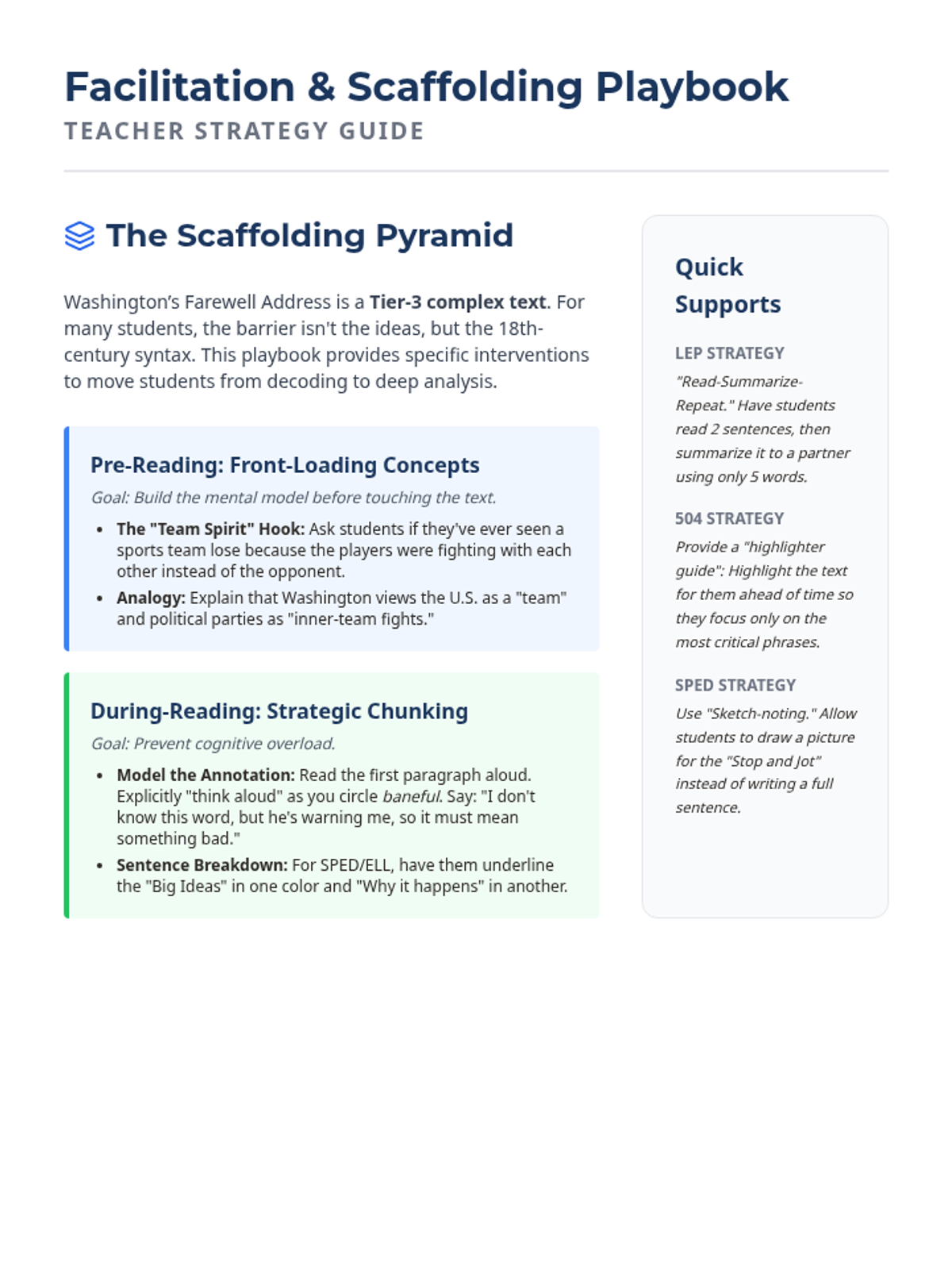
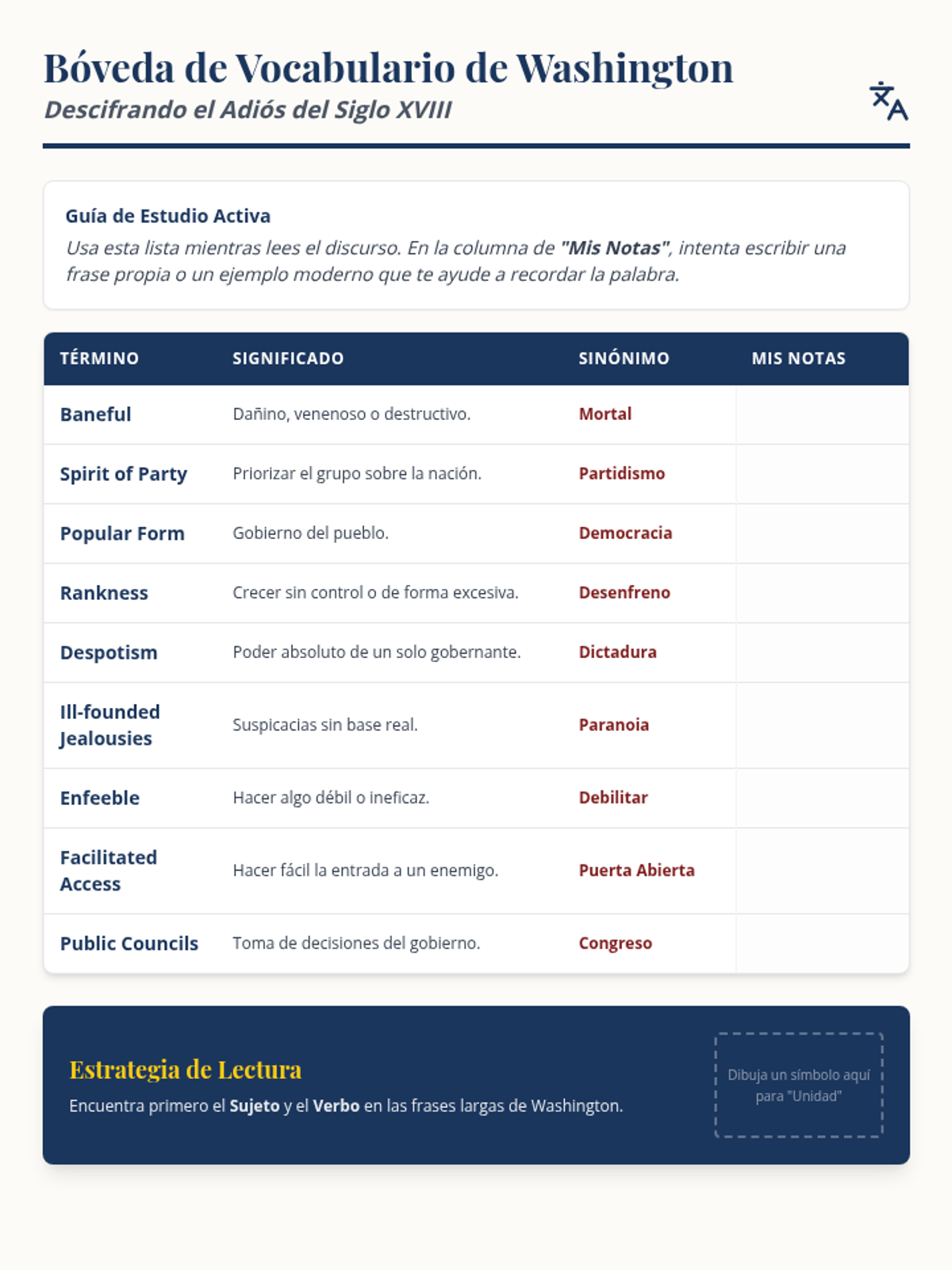
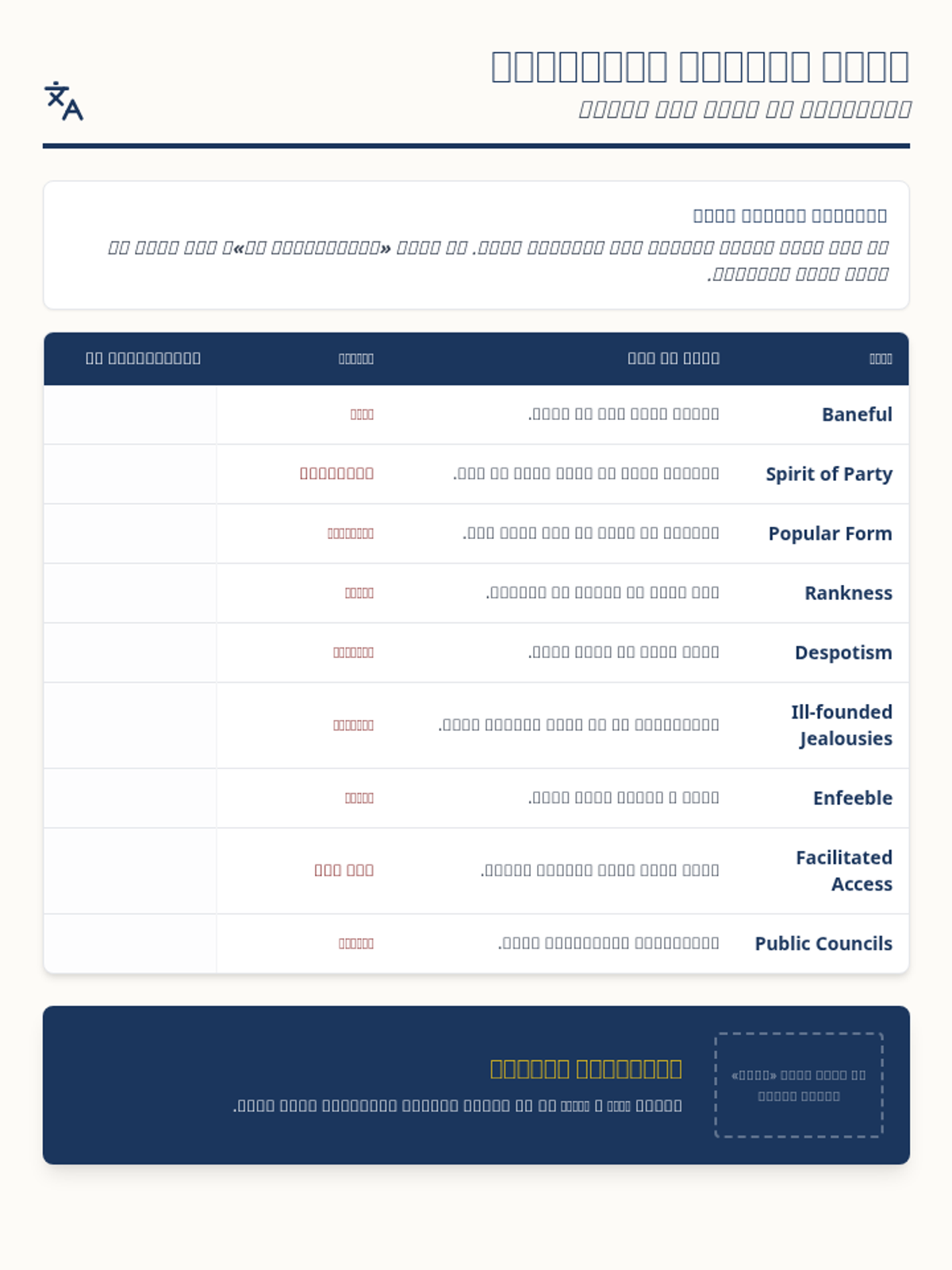
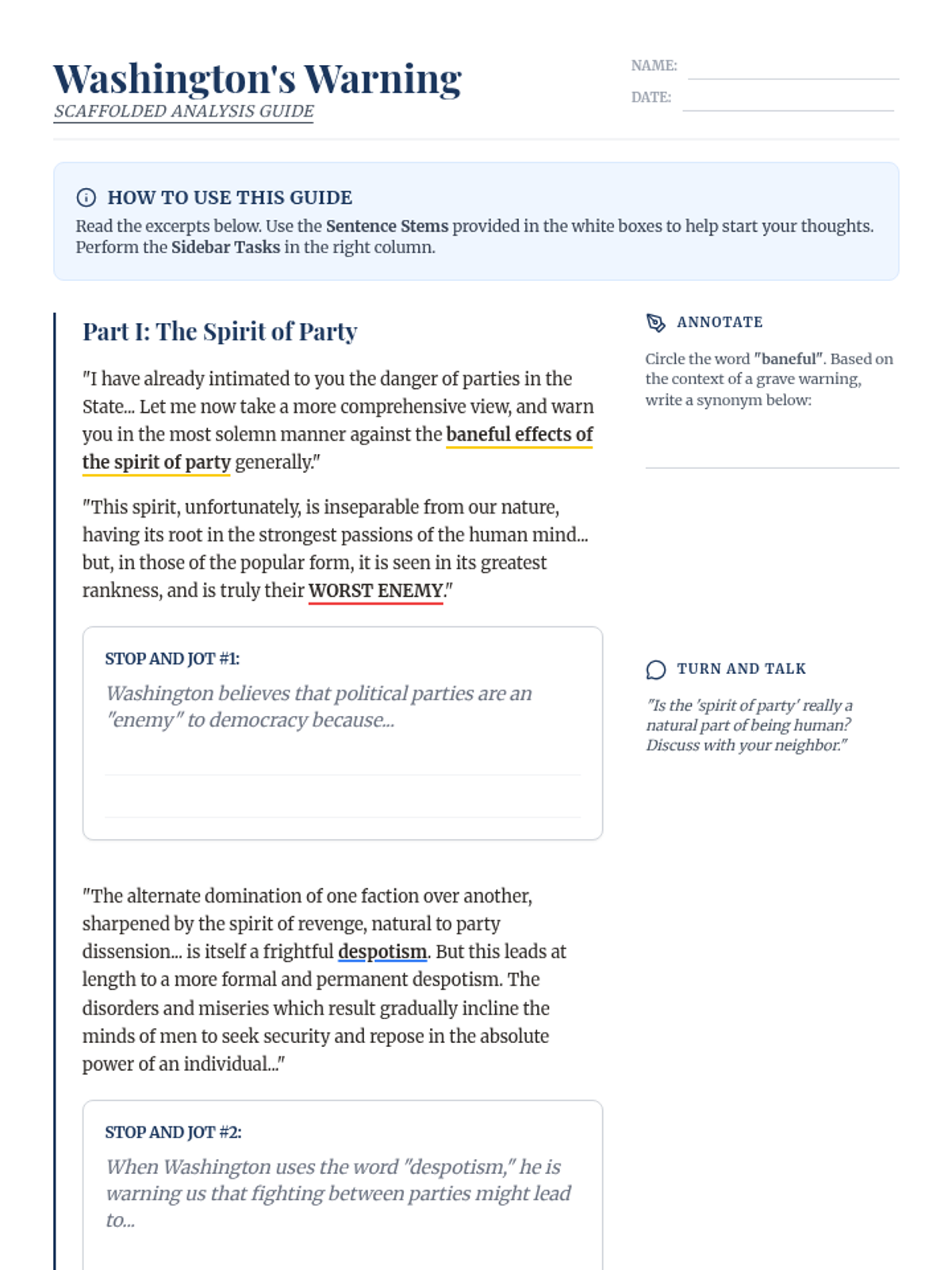
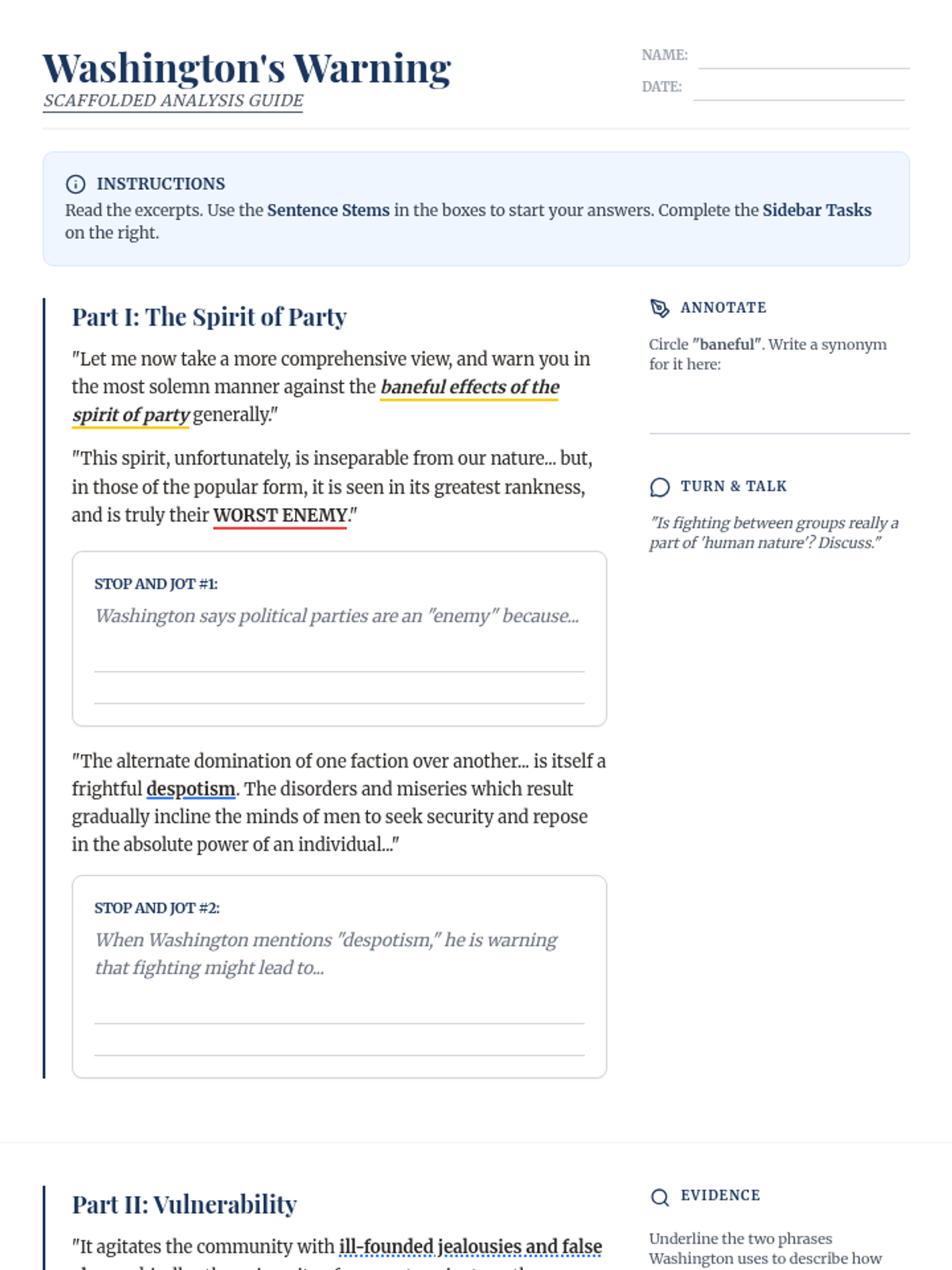
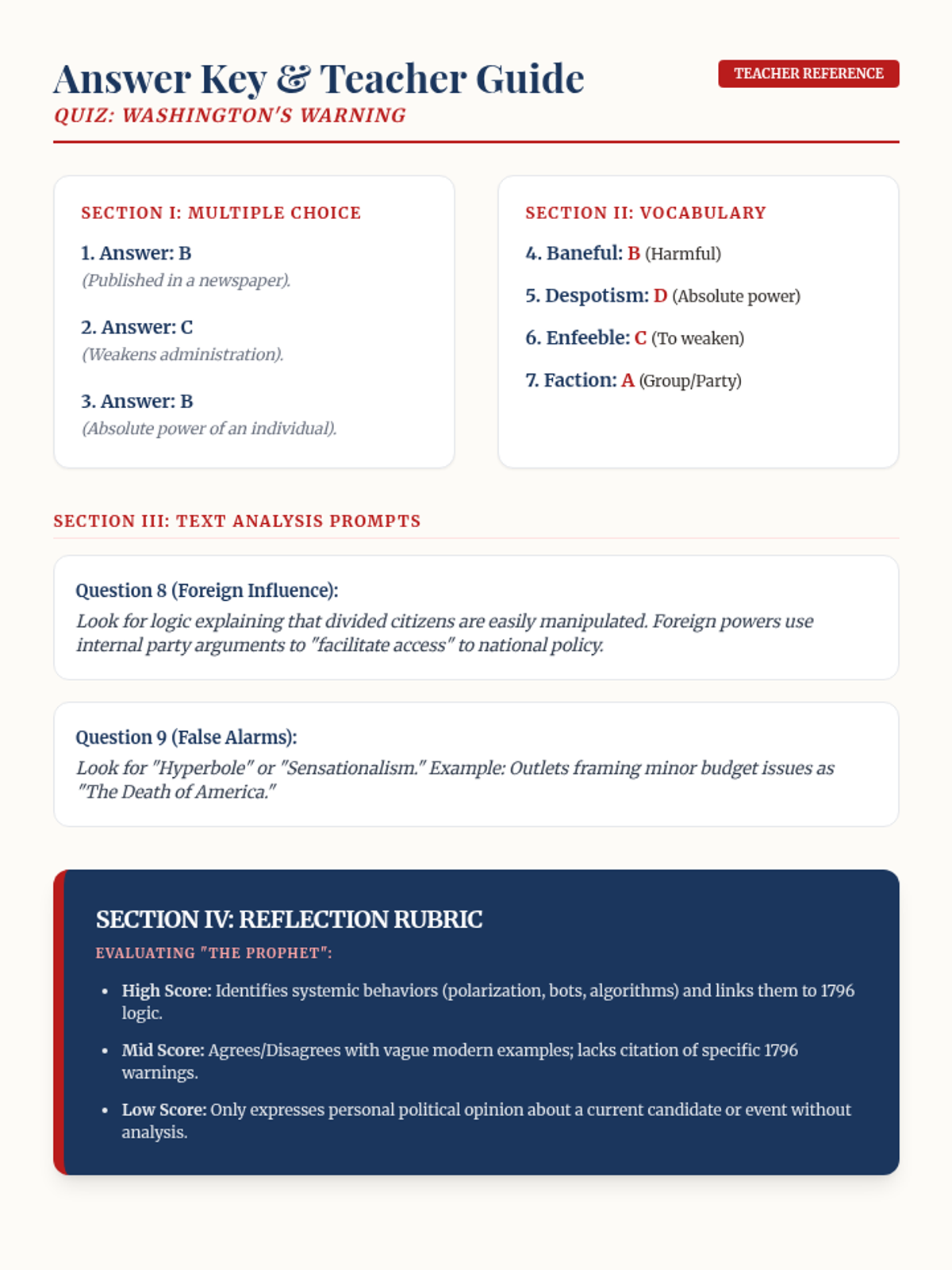
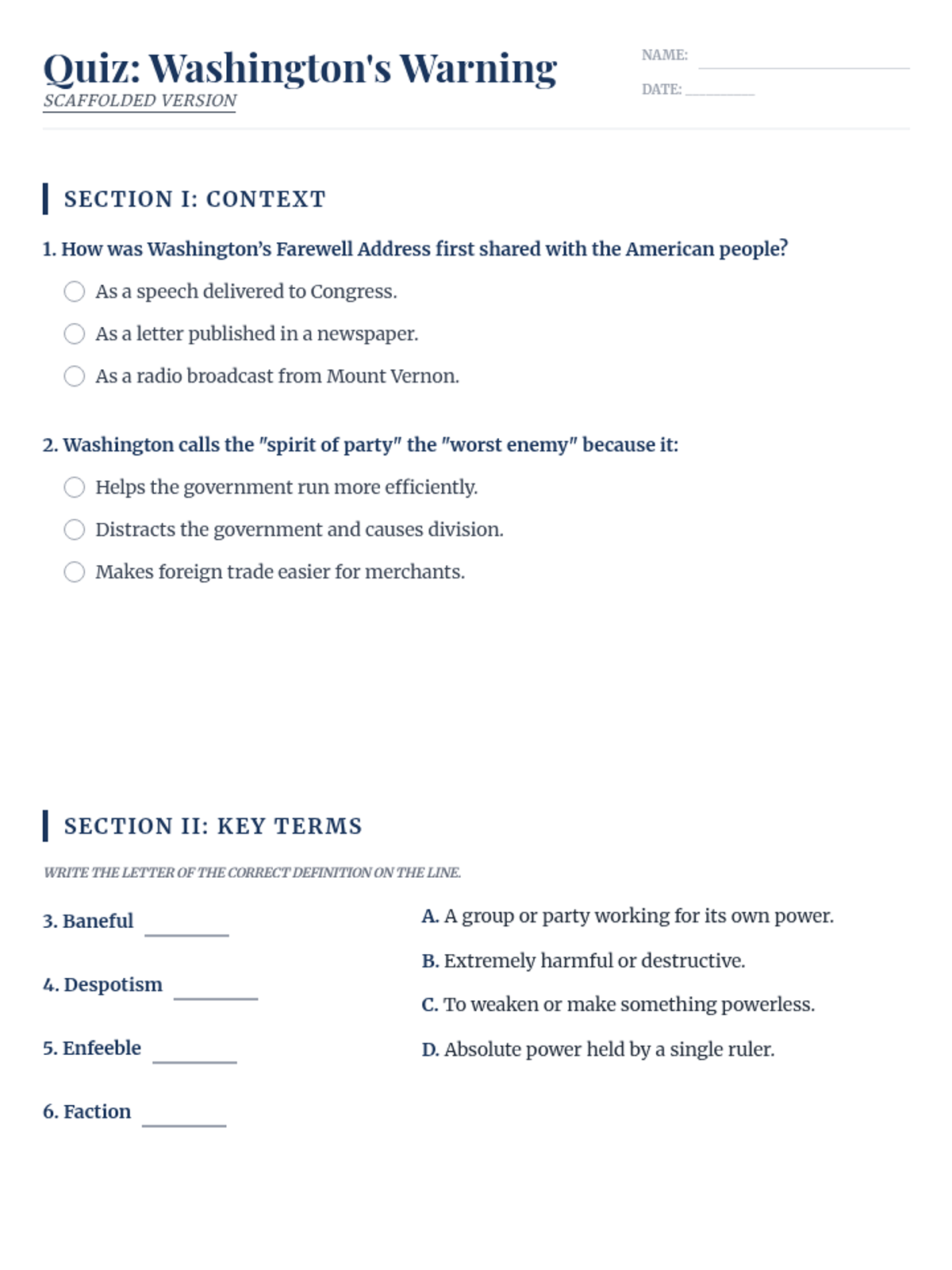
A 45-minute deep dive into George Washington's Farewell Address, focusing on his prophetic warnings regarding the dangers of political factions and their impact on national unity.
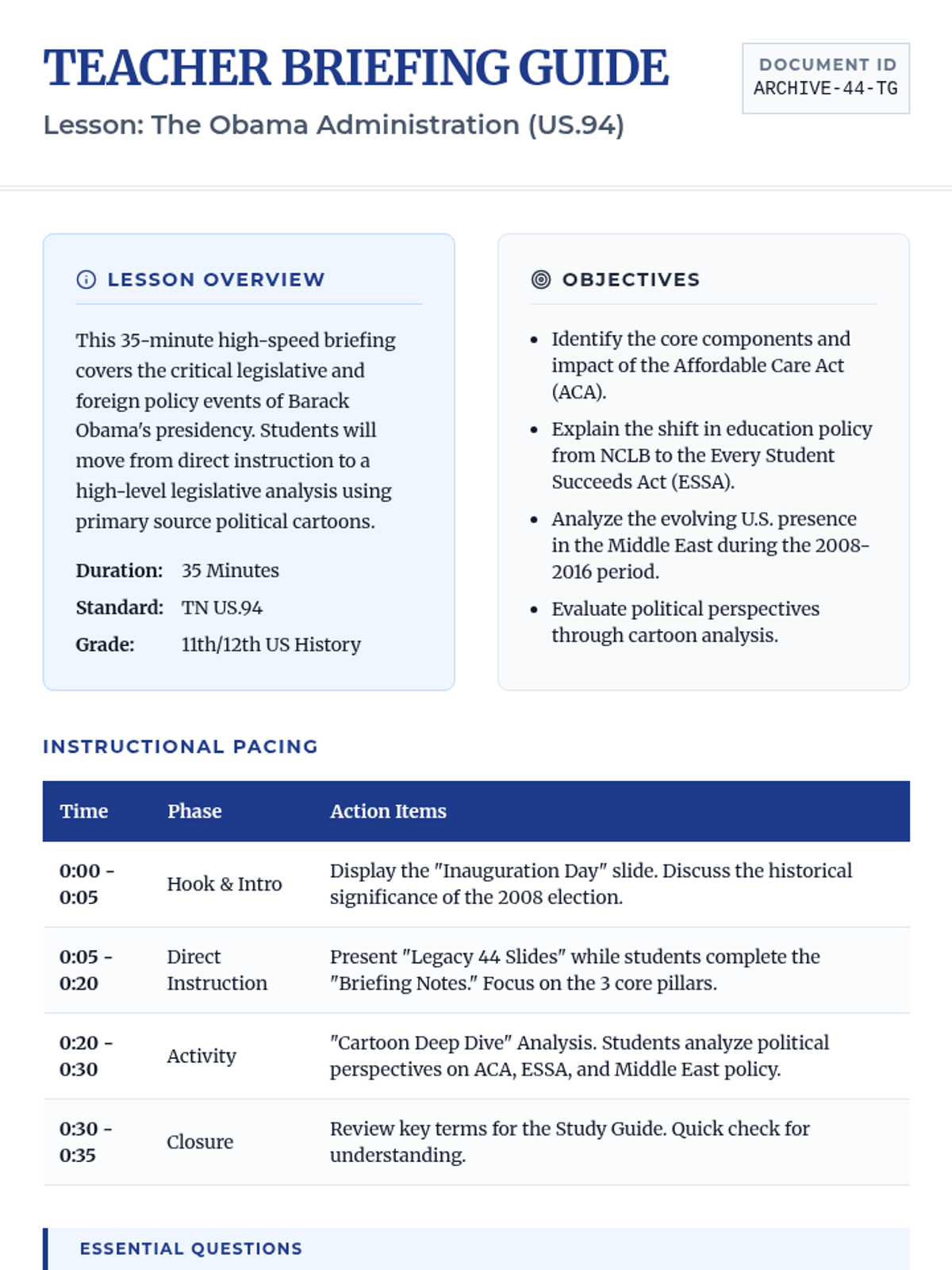
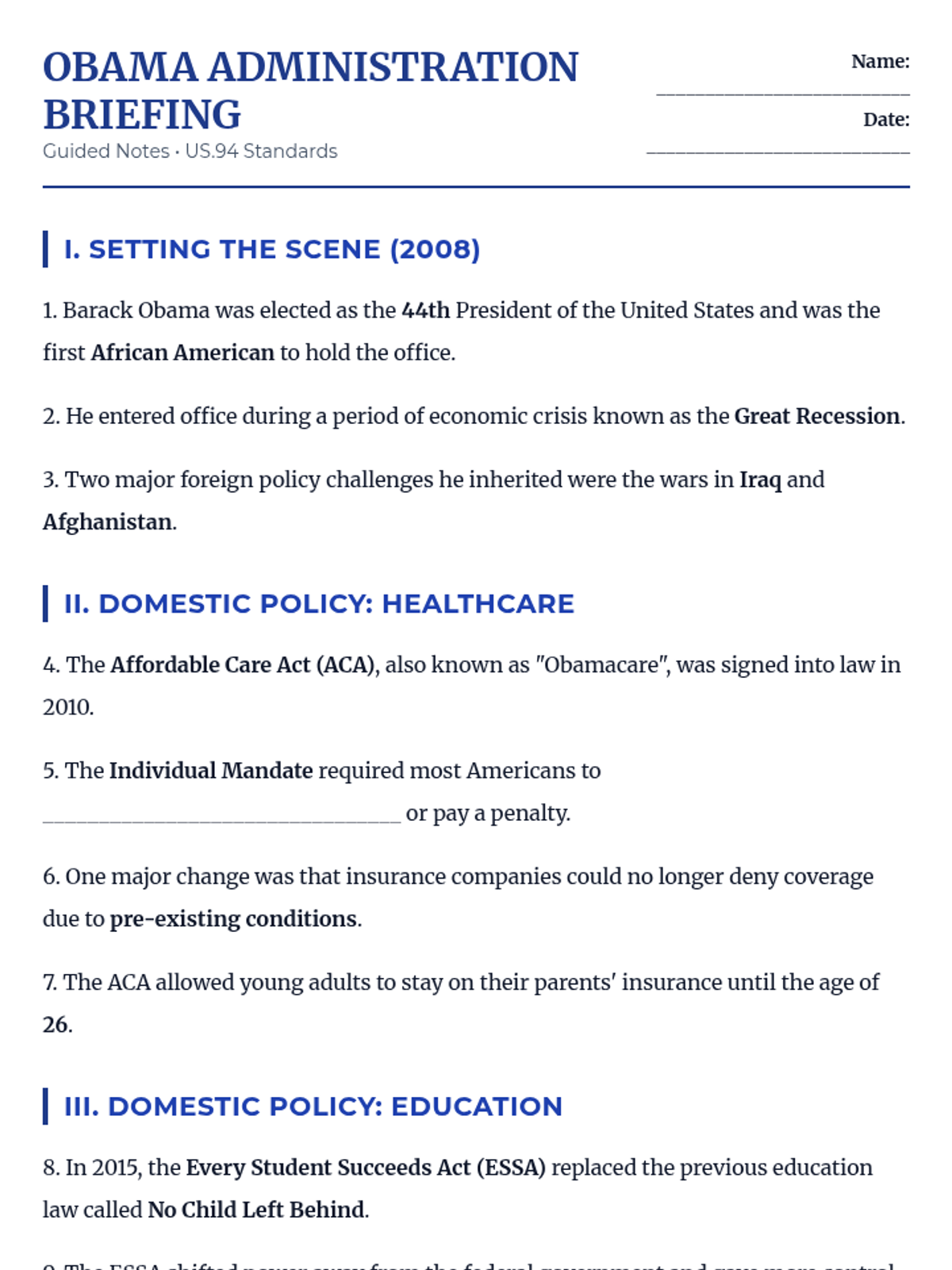
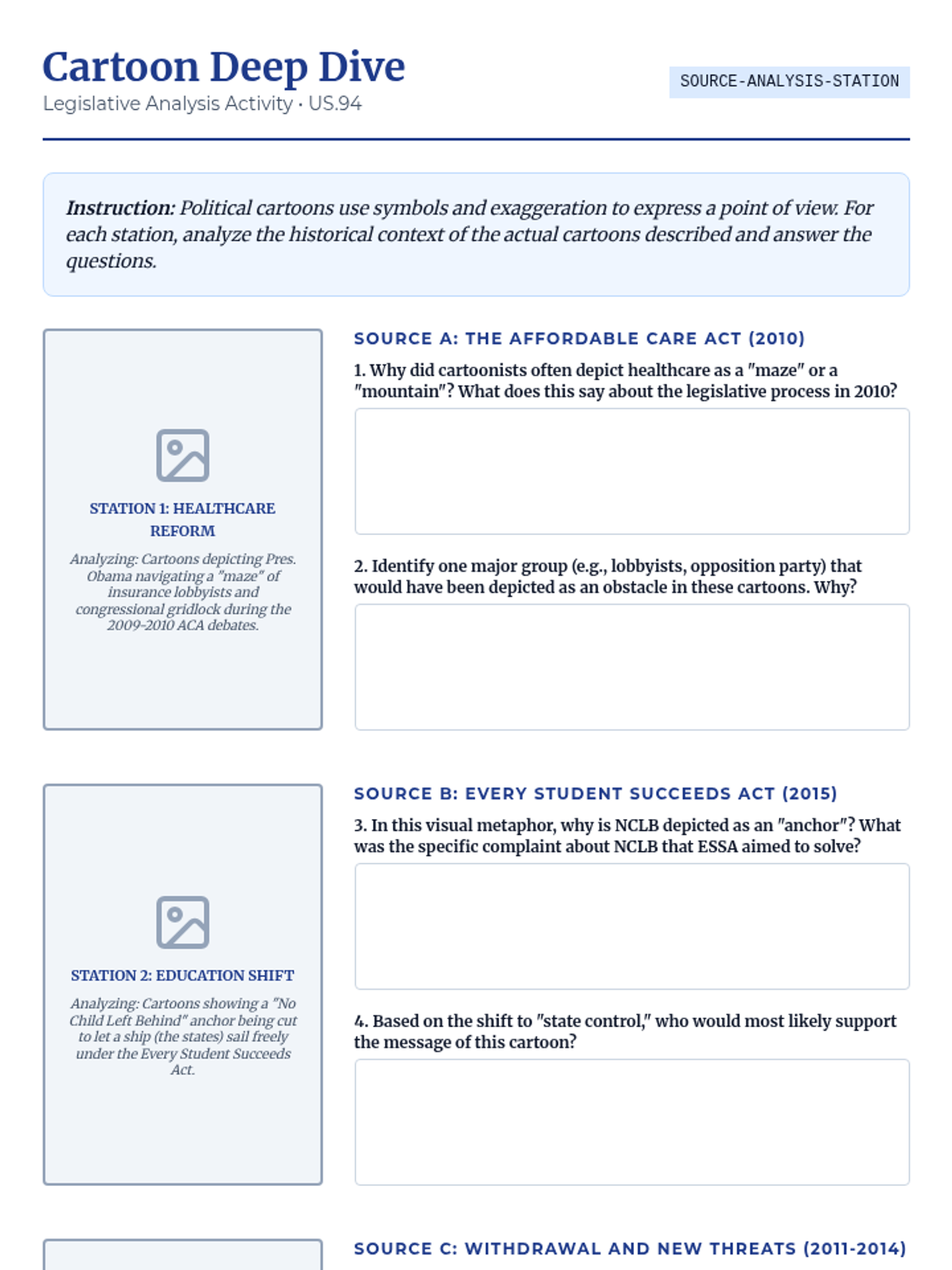
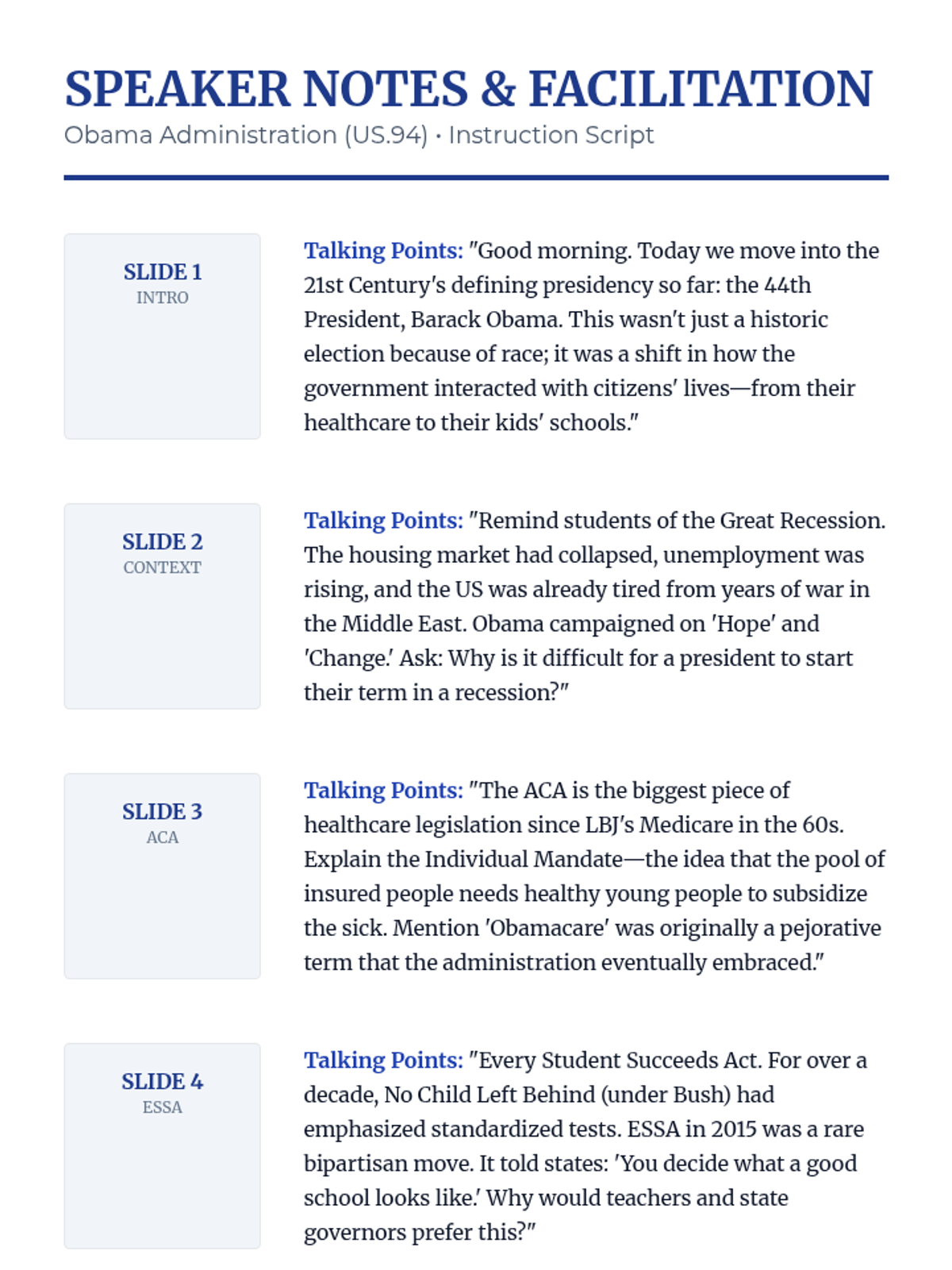
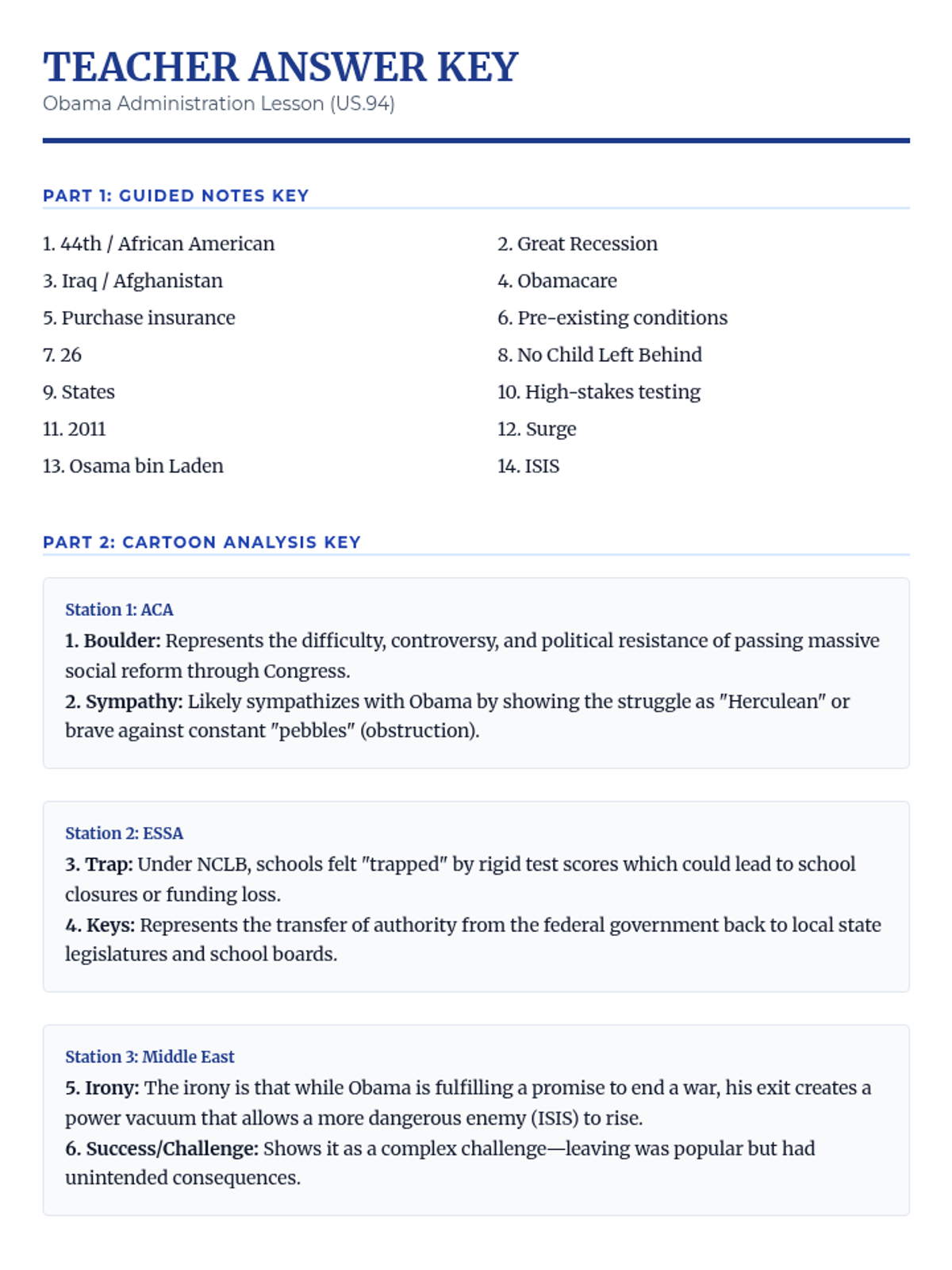
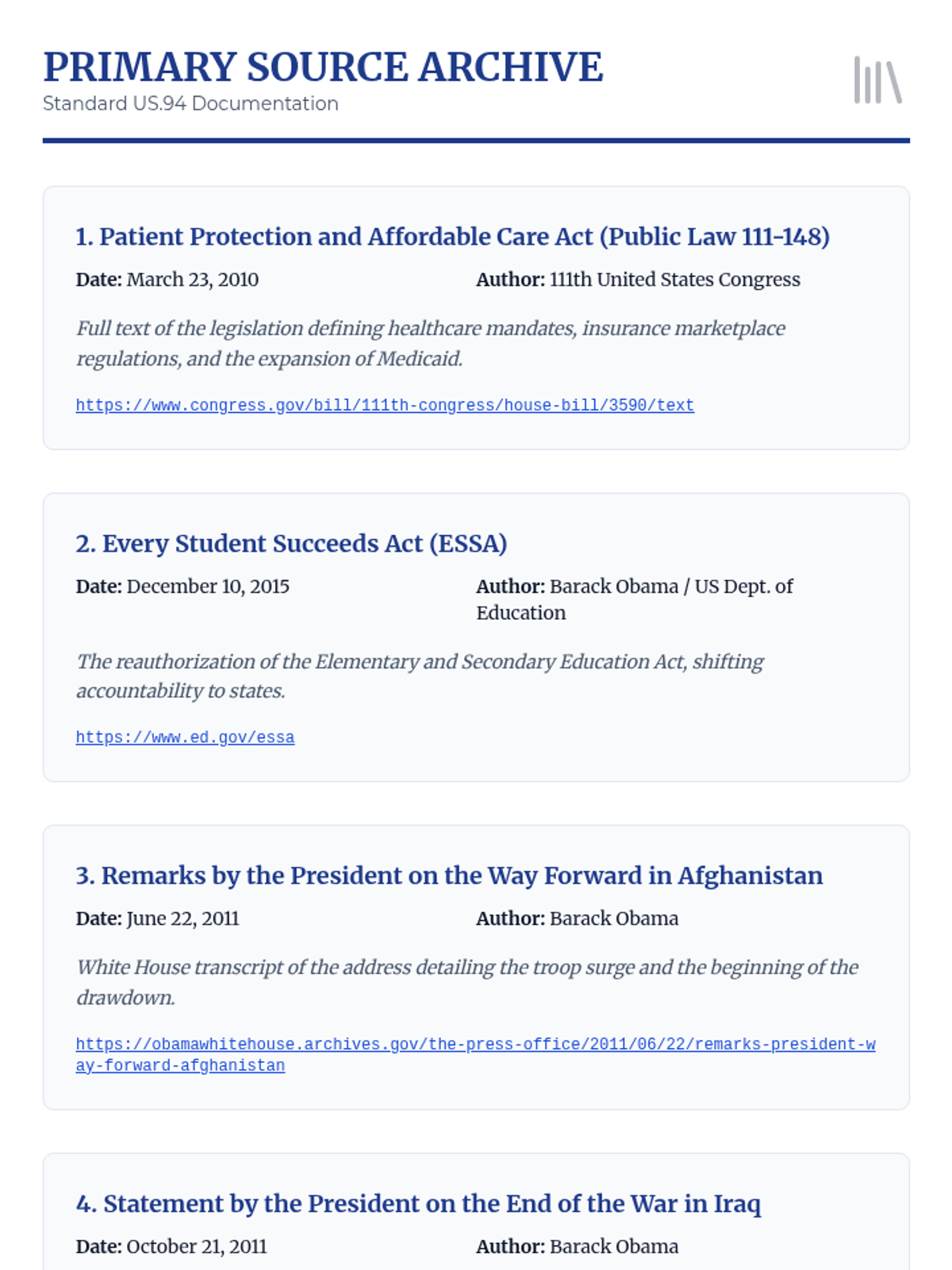
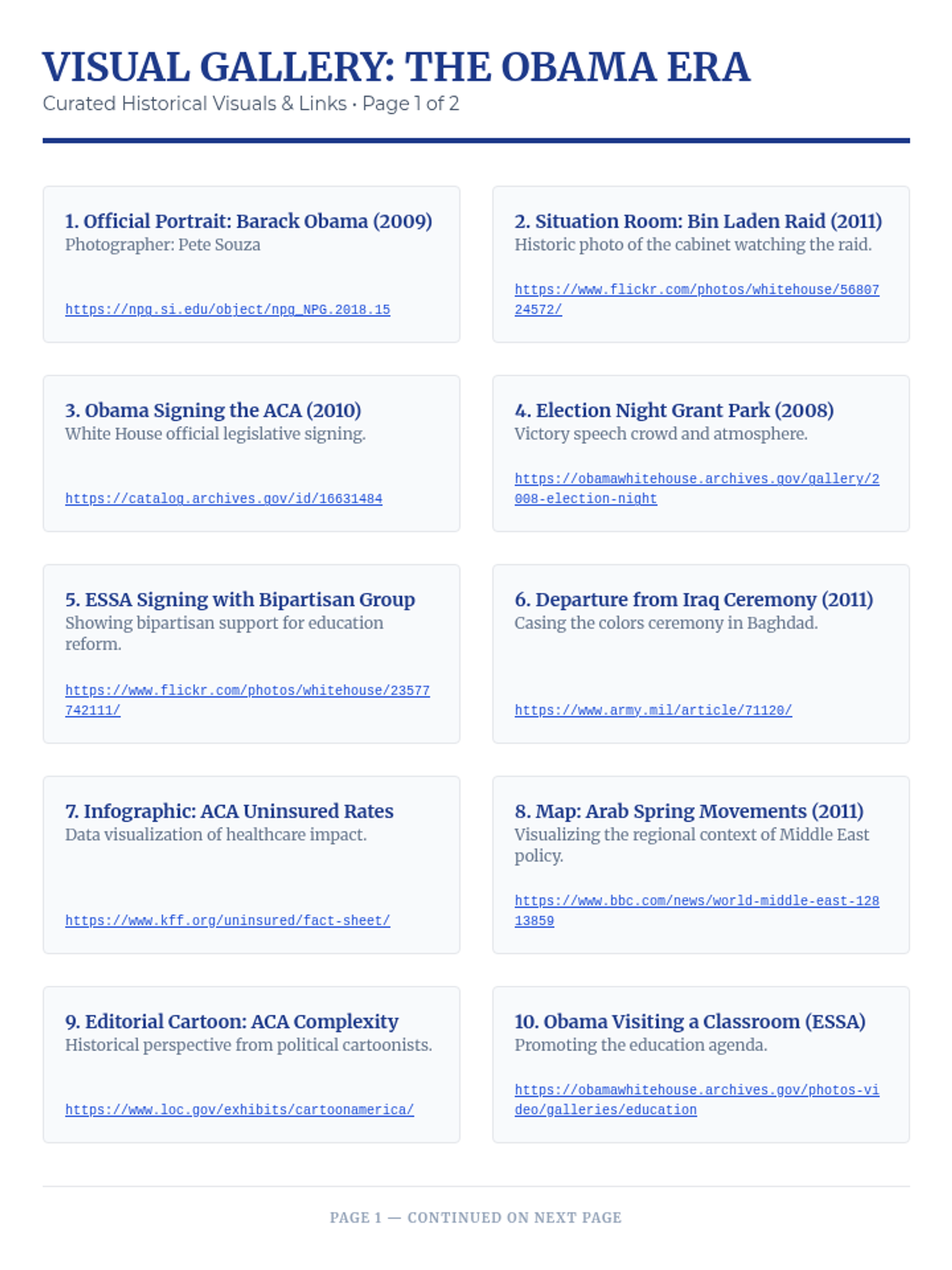
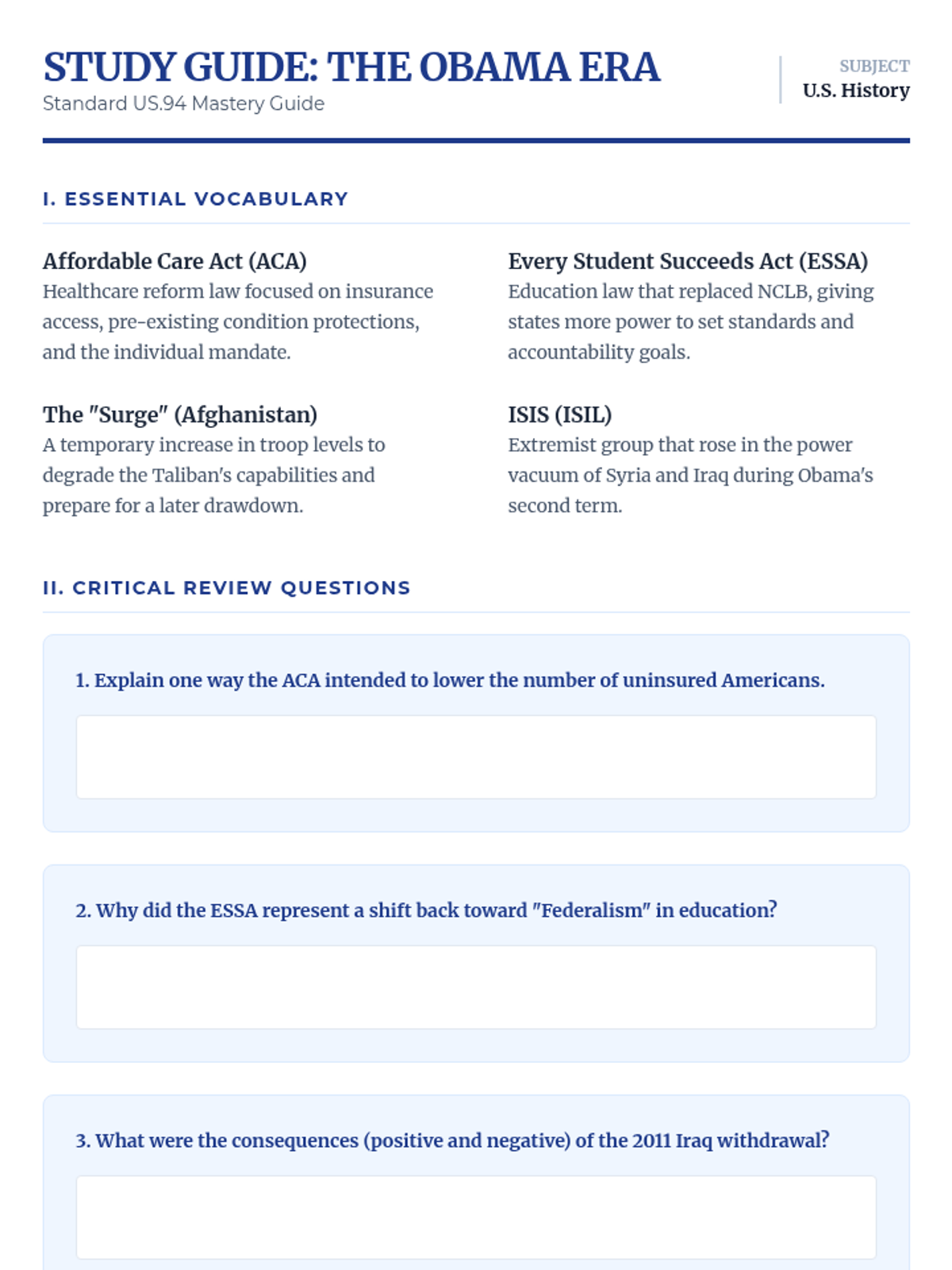
A comprehensive 35-minute lesson on the Obama administration's key domestic and foreign policy milestones, specifically the ACA, ESSA, and Middle East involvement.
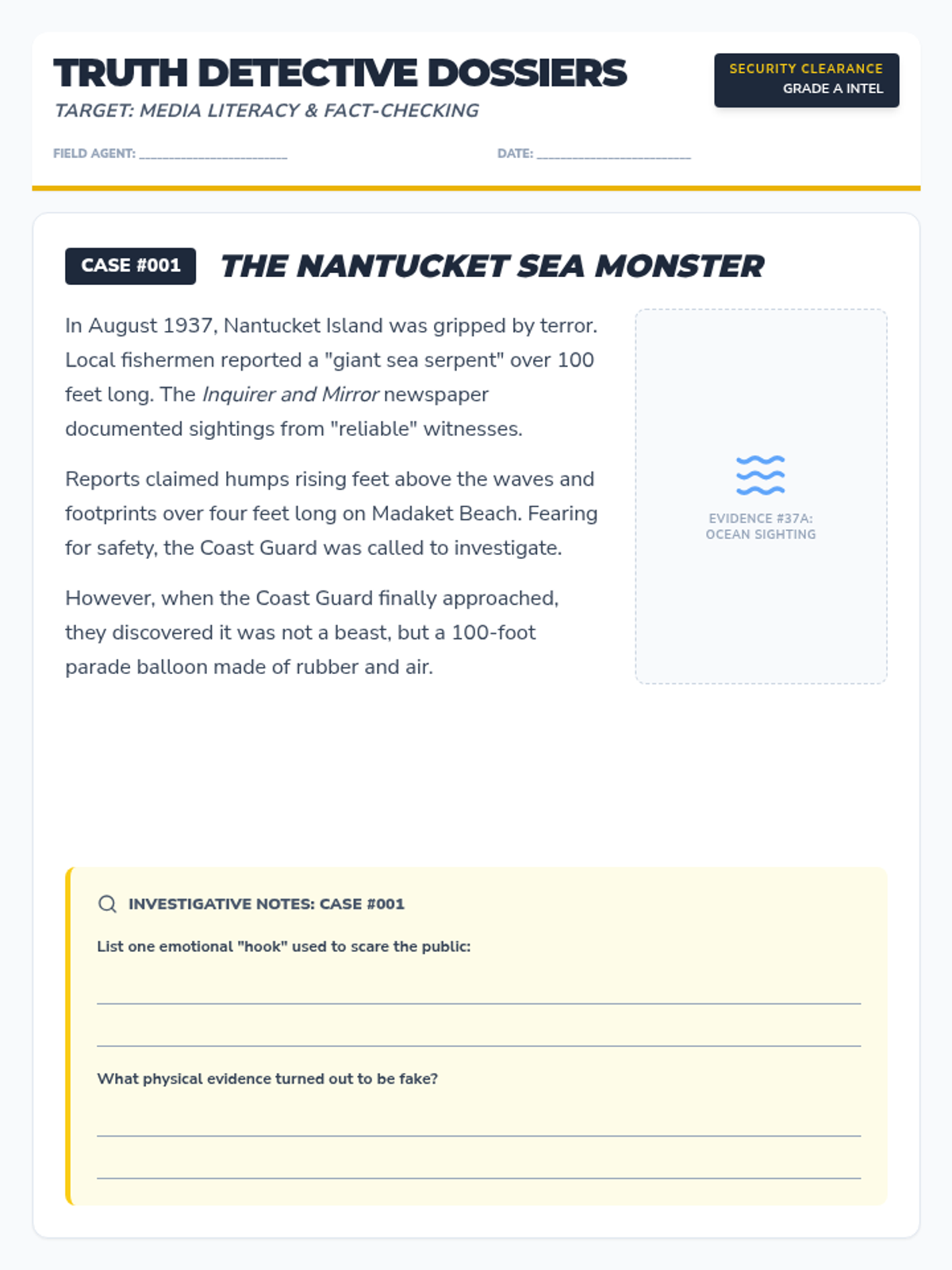
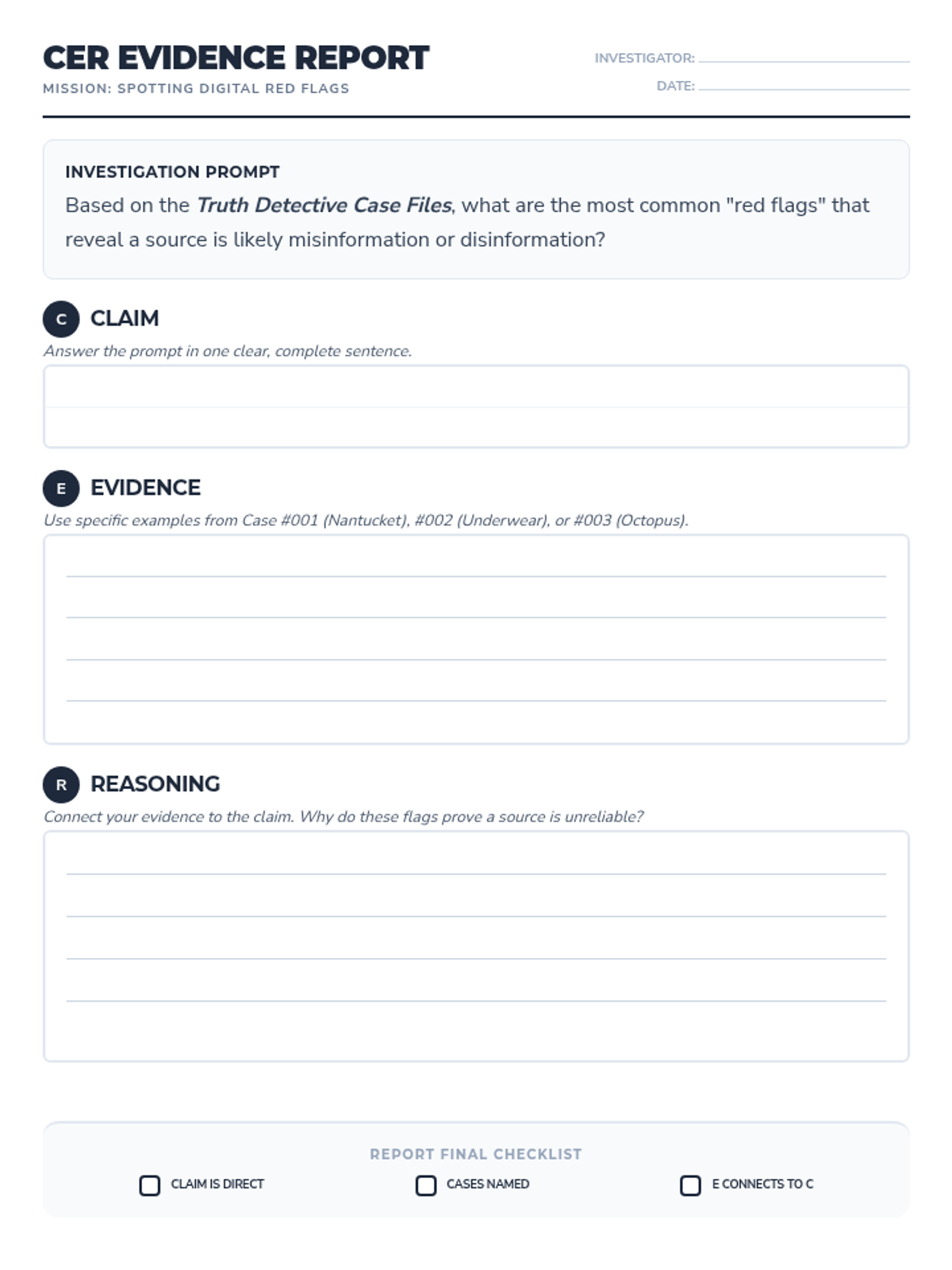
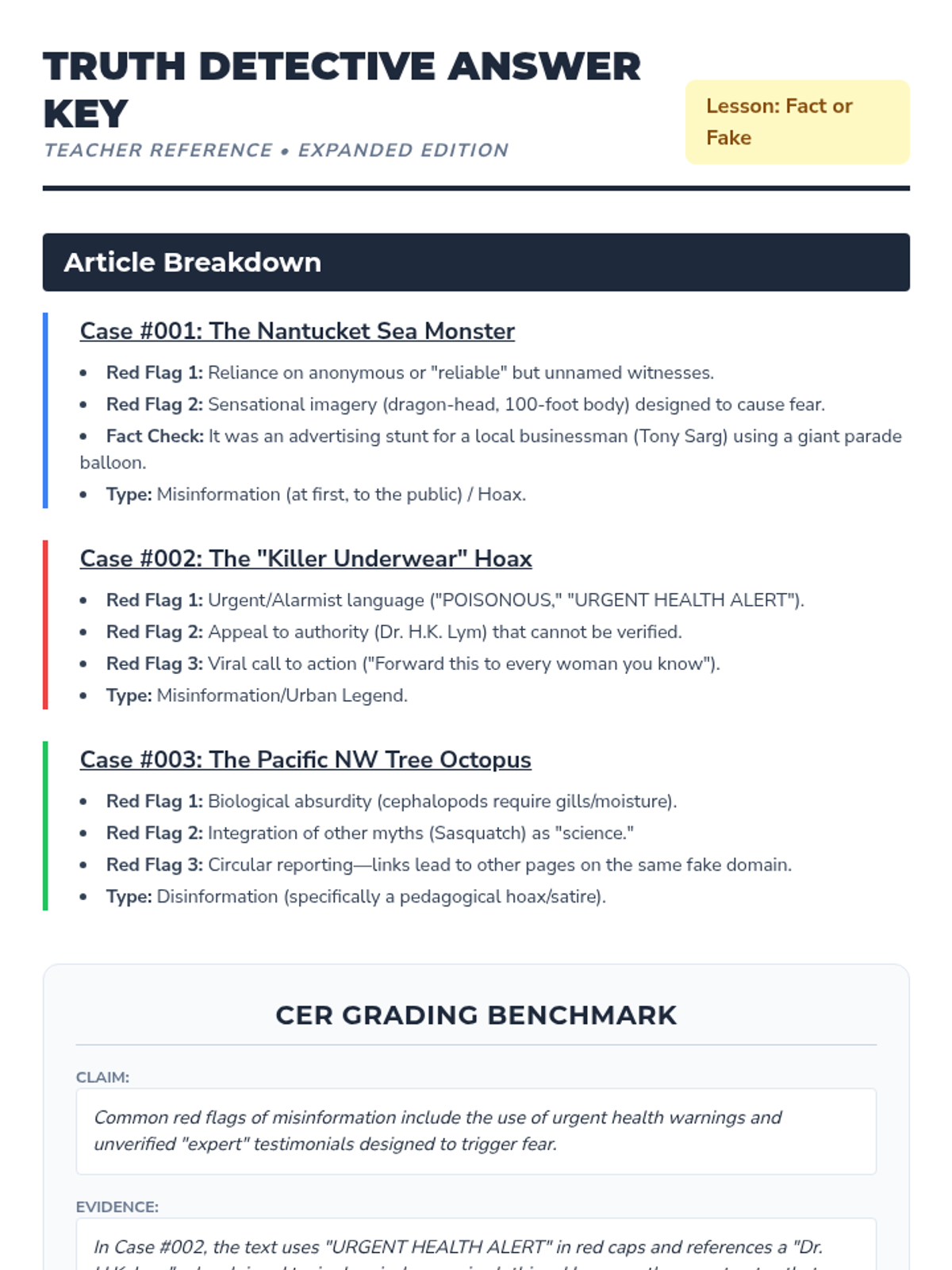
A lesson focused on identifying misinformation and disinformation through short case studies, culminating in a CER (Claim, Evidence, Reasoning) paragraph about spotting digital red flags.
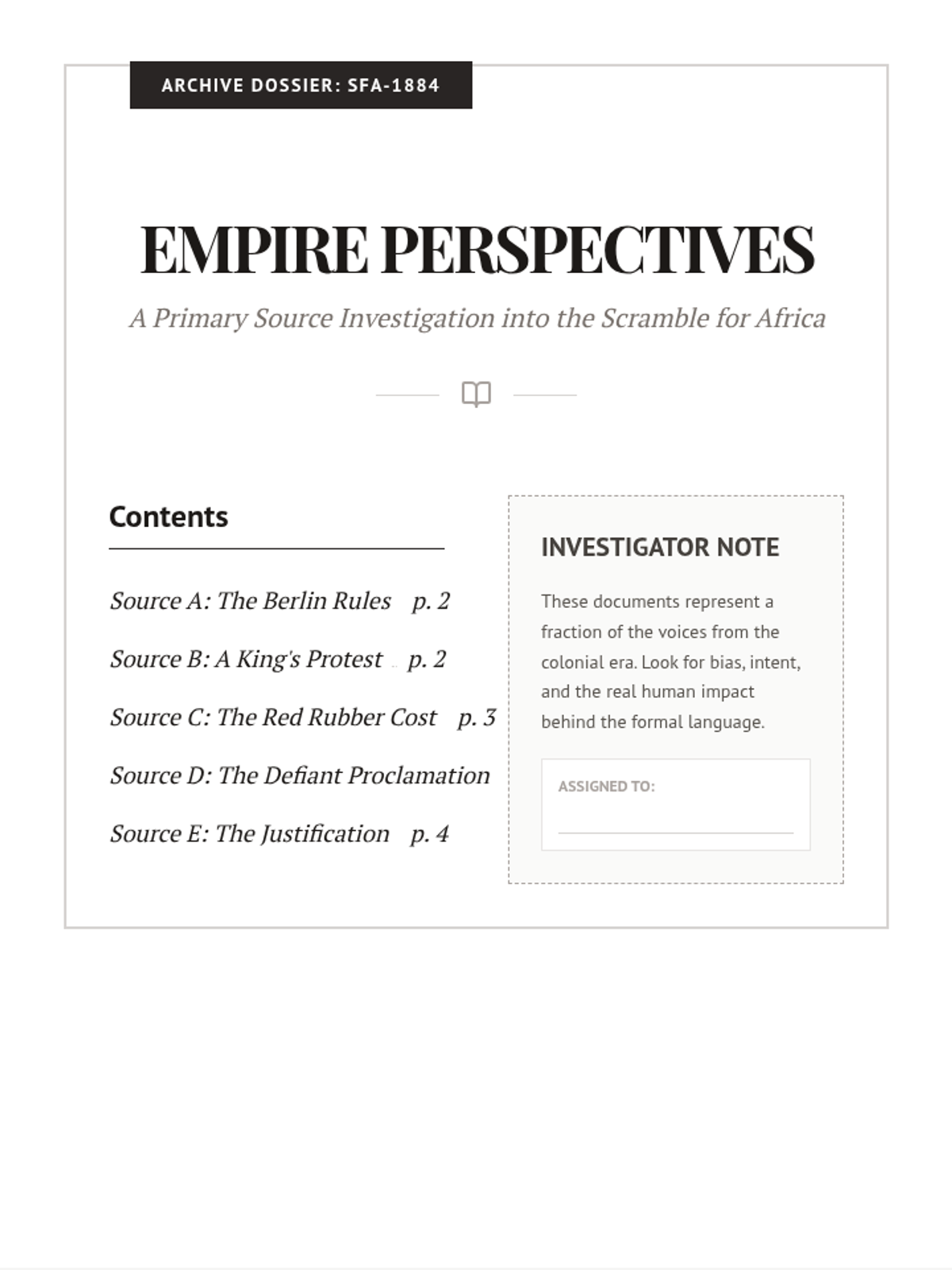
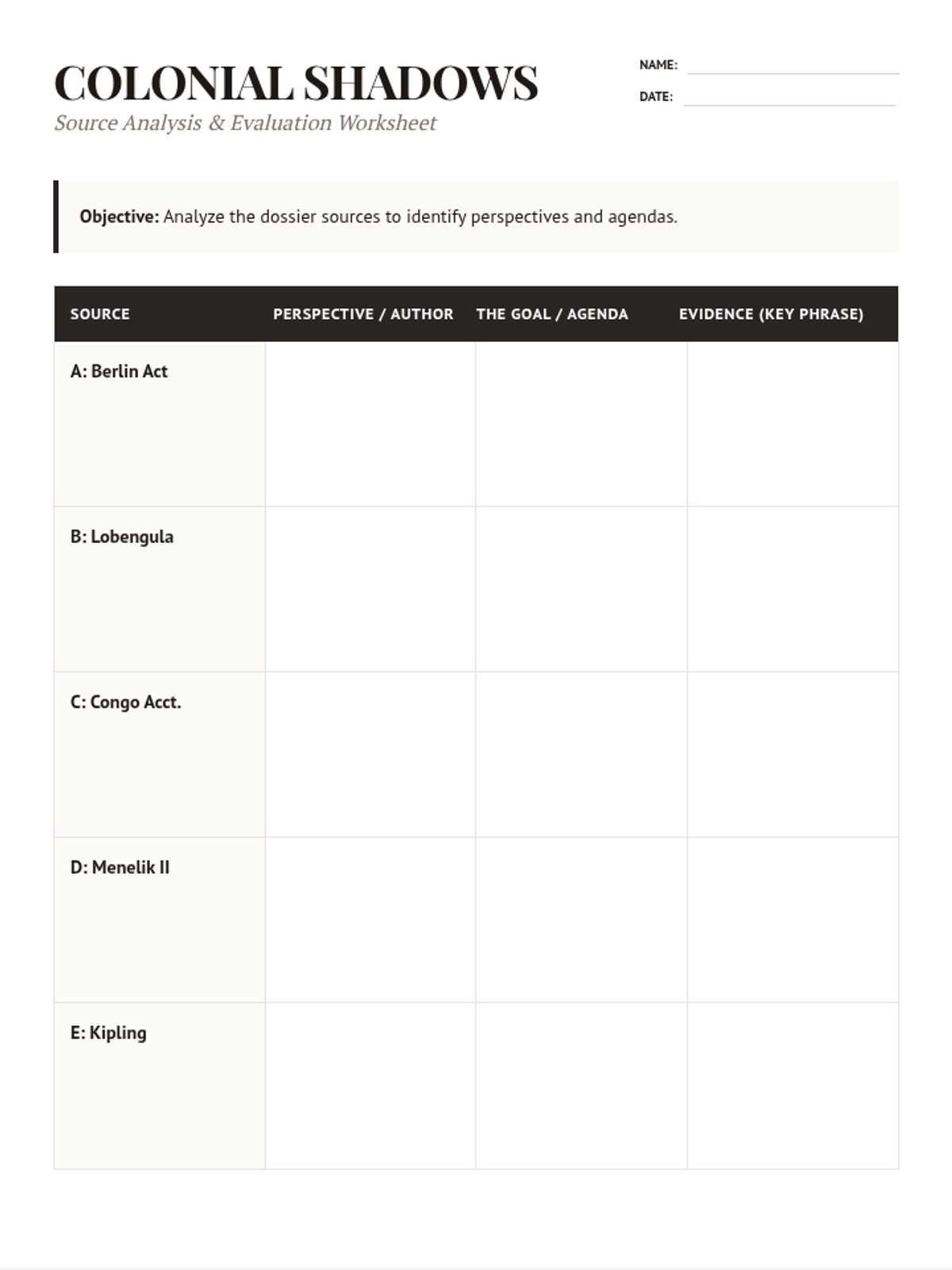
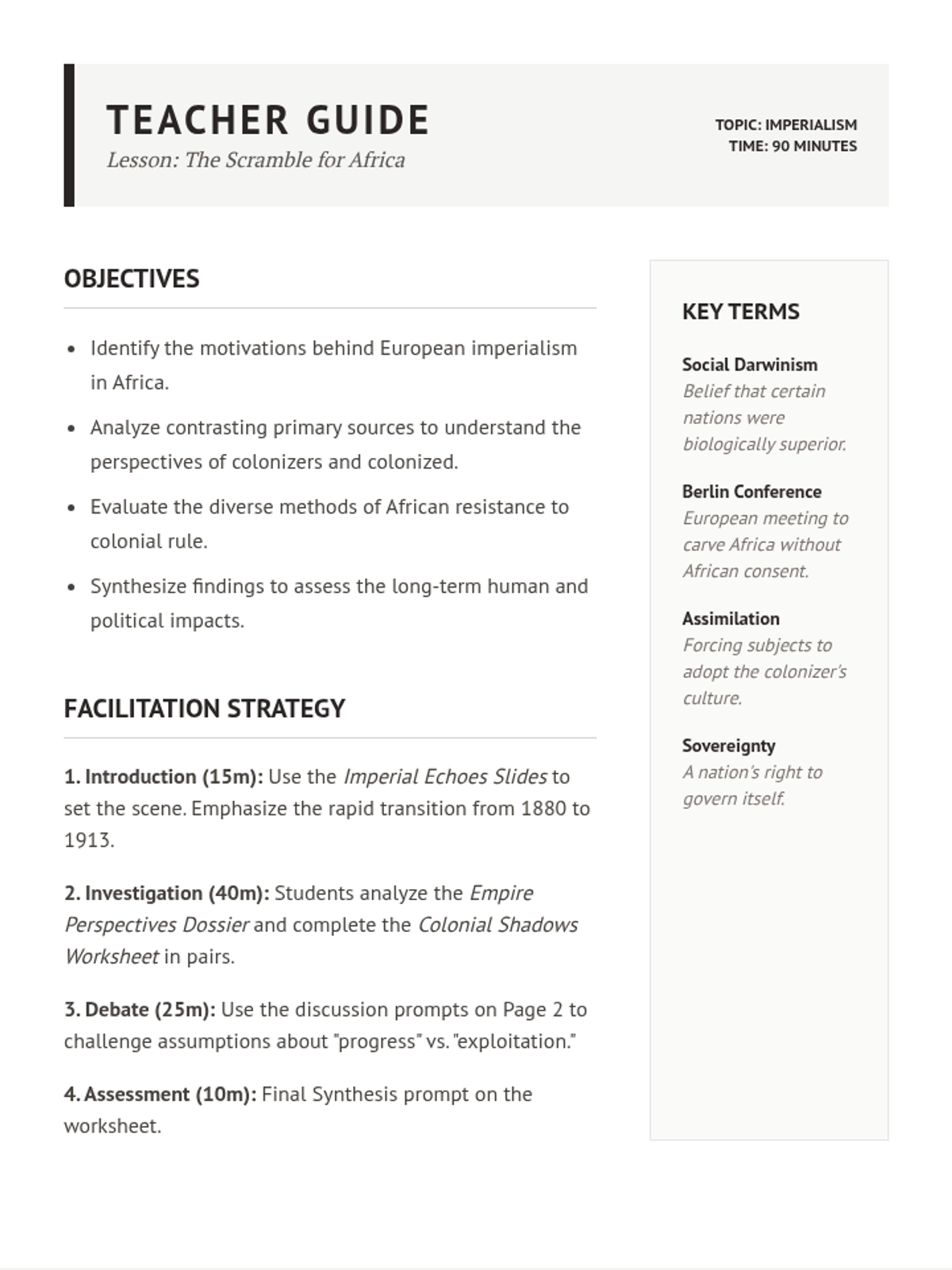
A comprehensive exploration of the European colonization of Africa, featuring diverse primary sources that highlight both imperialist motivations and African resistance. Students will analyze the human, economic, and political impacts of the 'Scramble for Africa'.
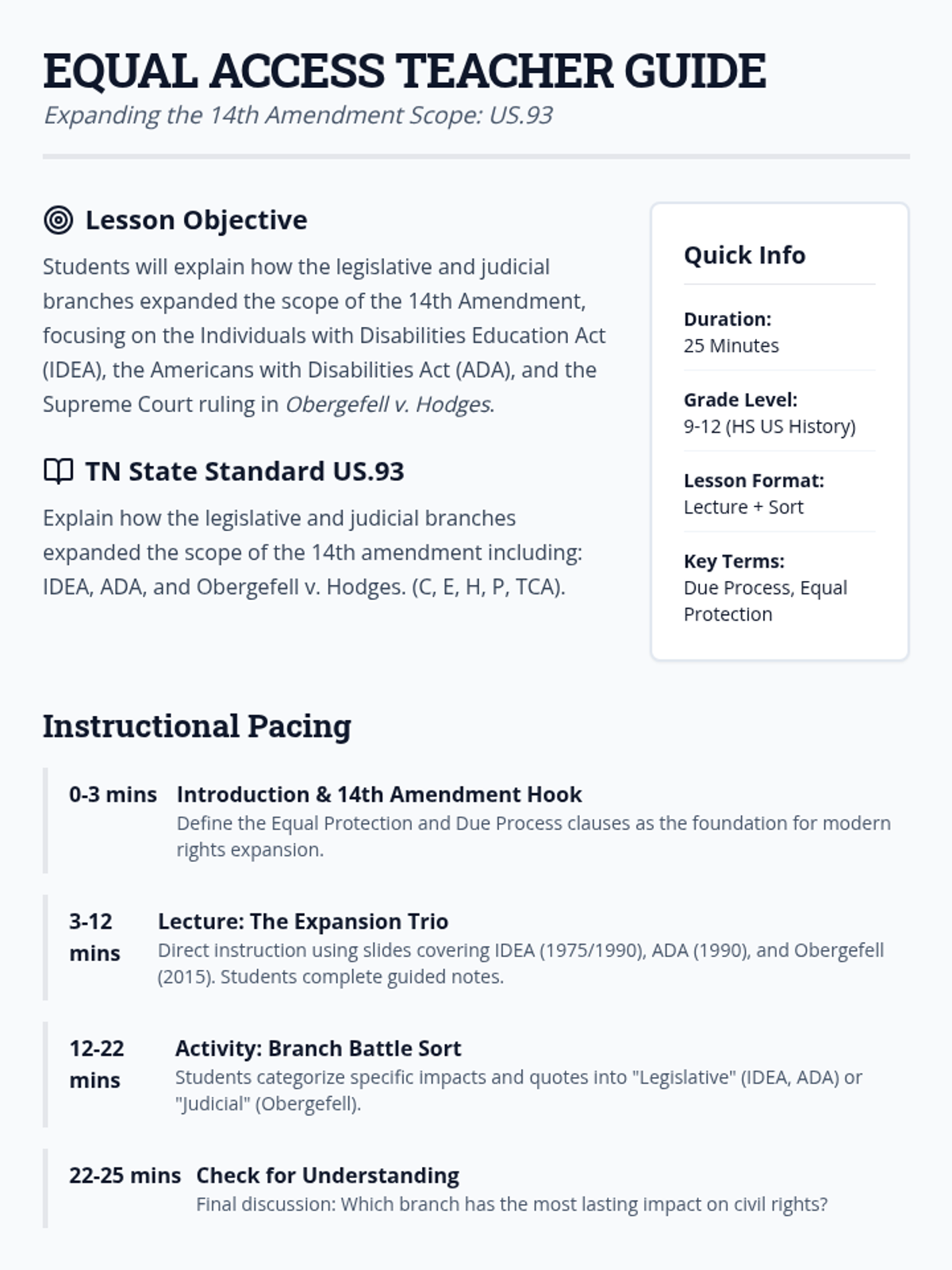
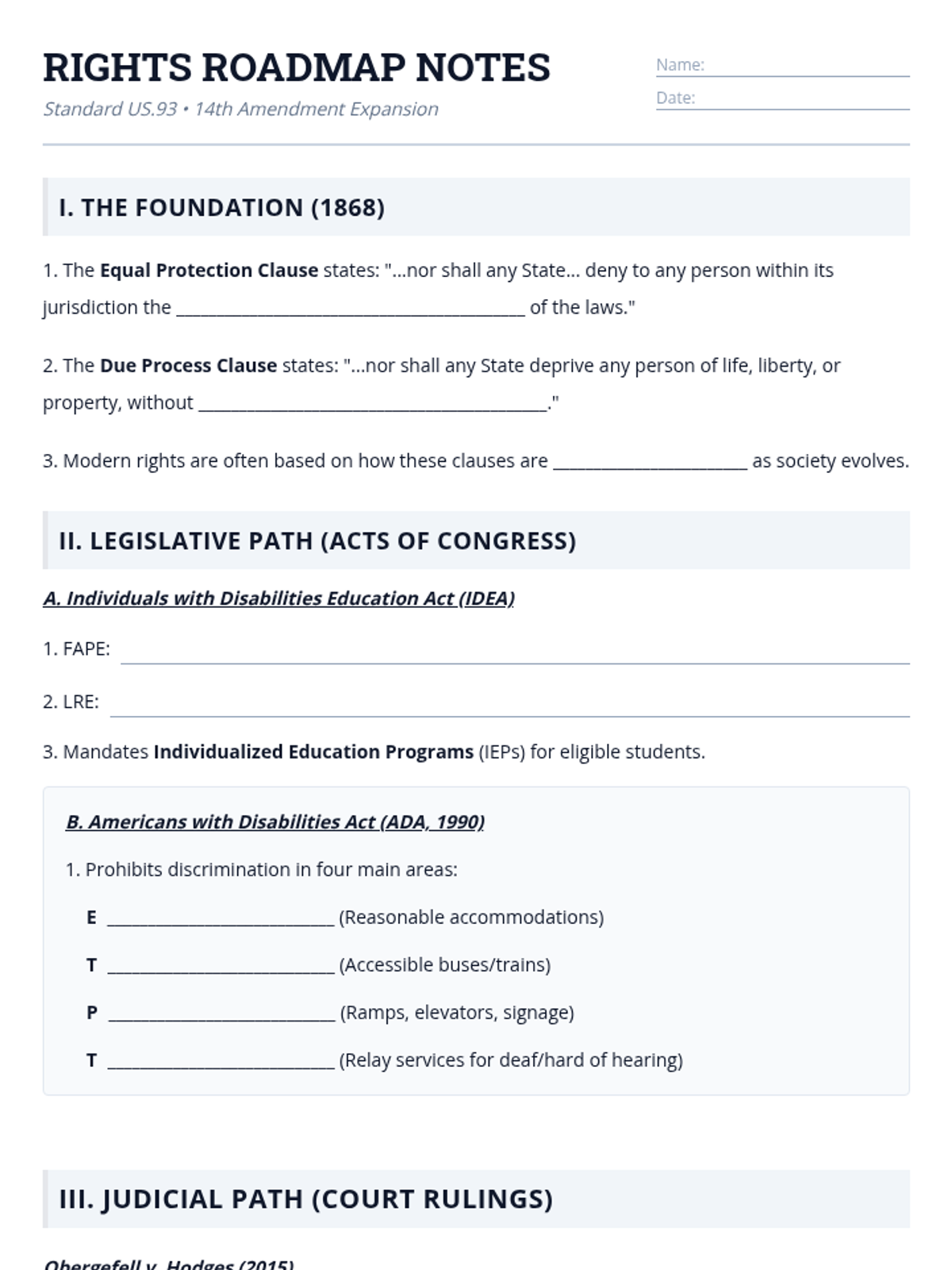
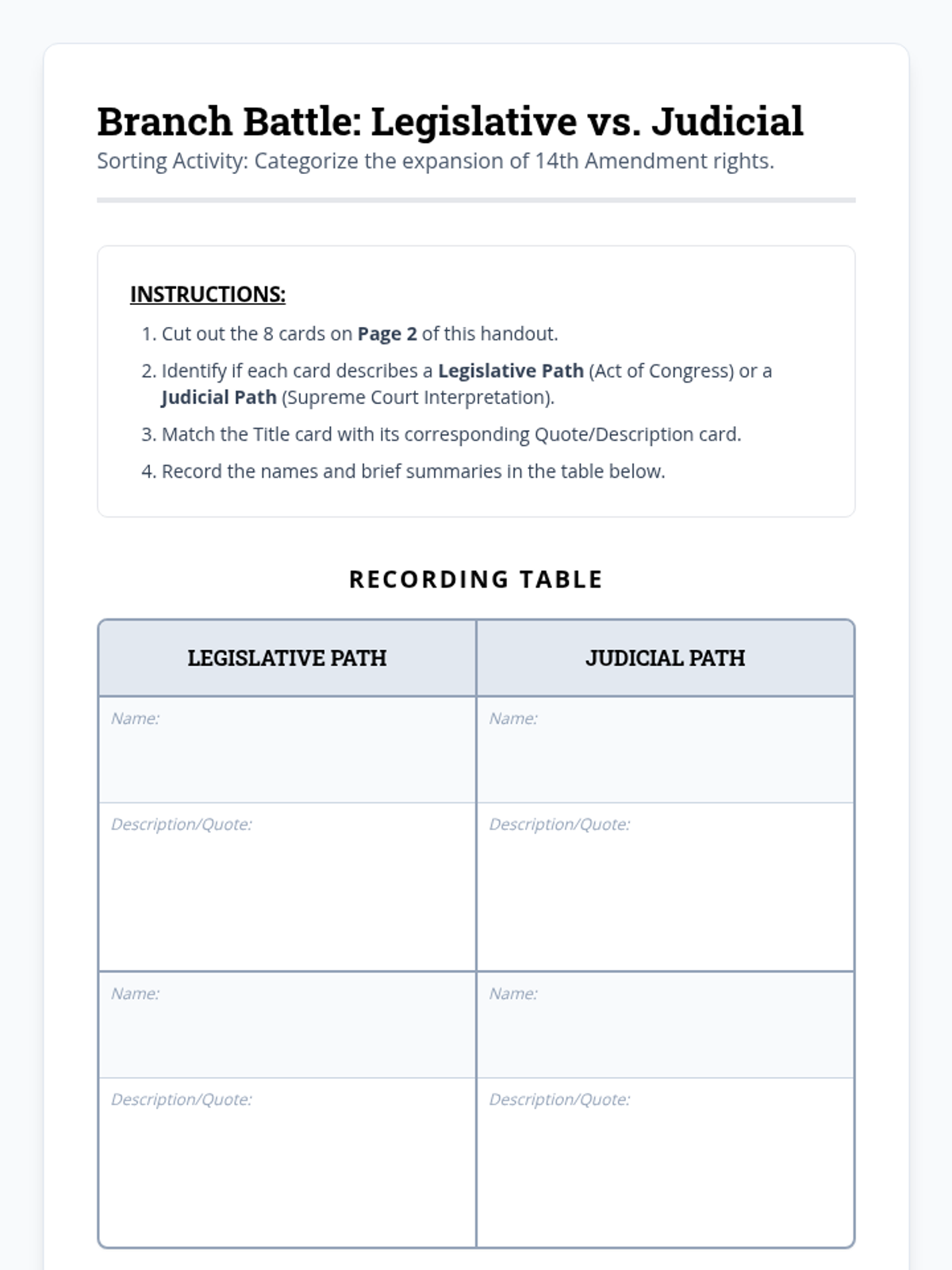
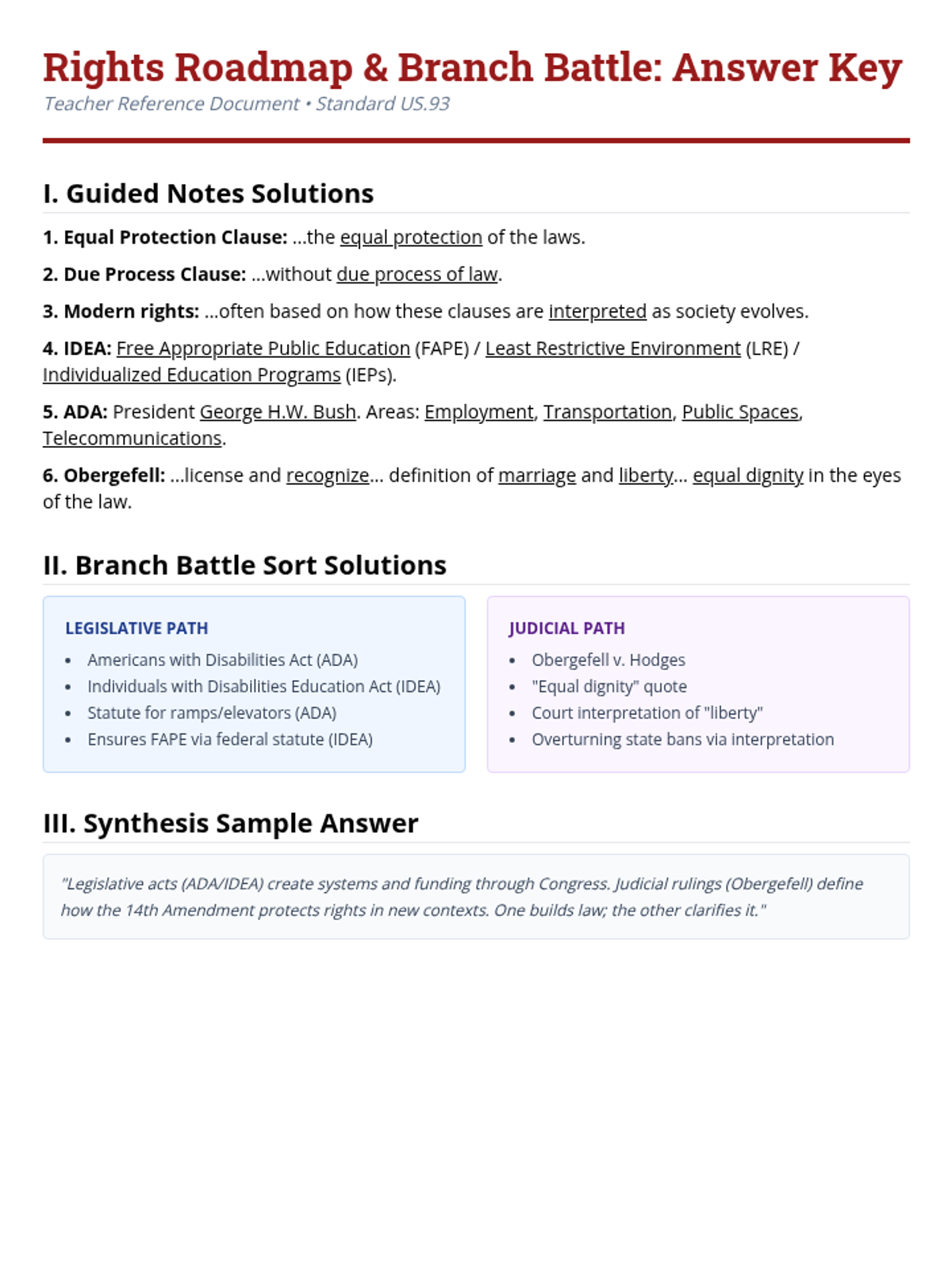
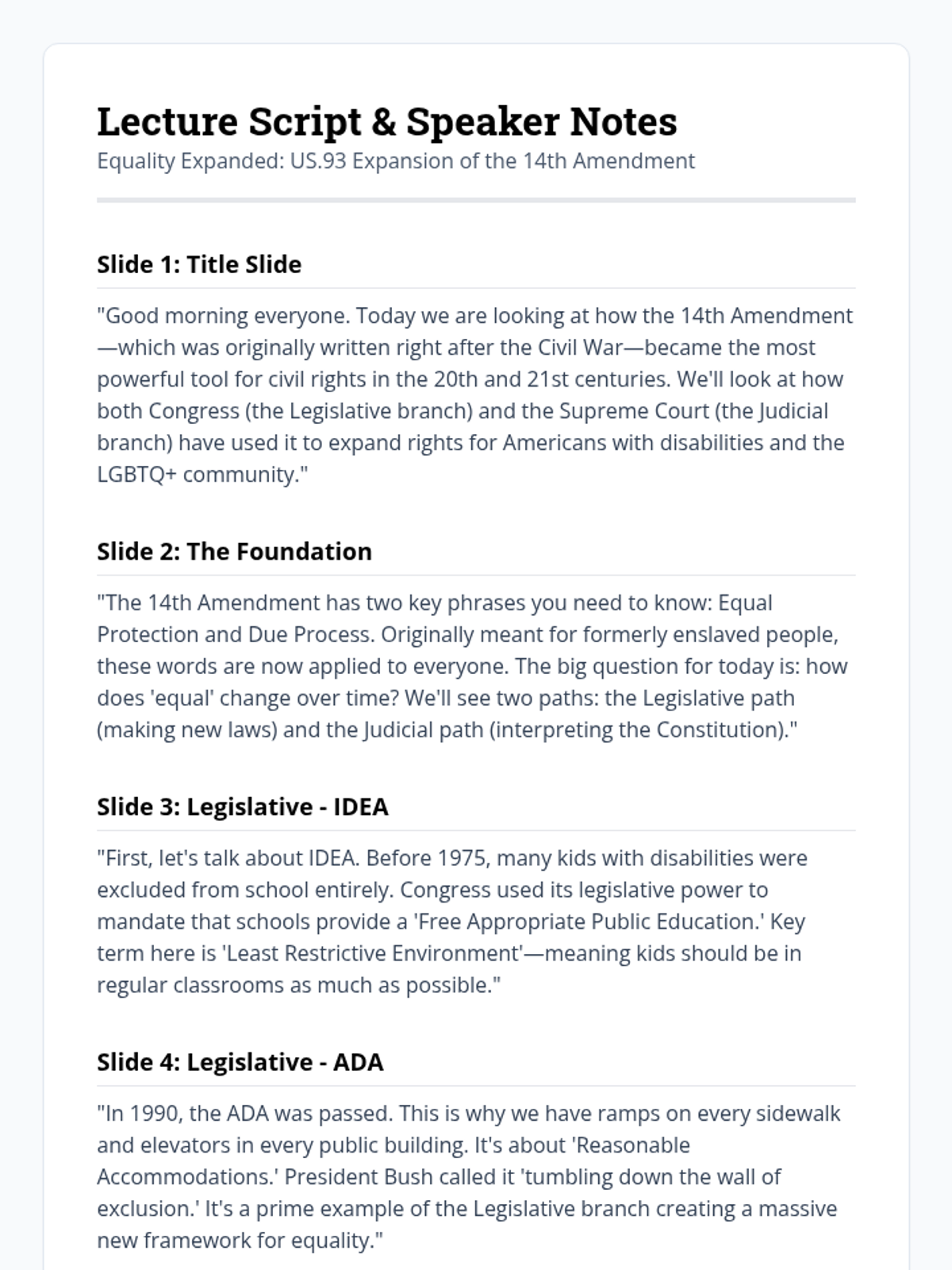
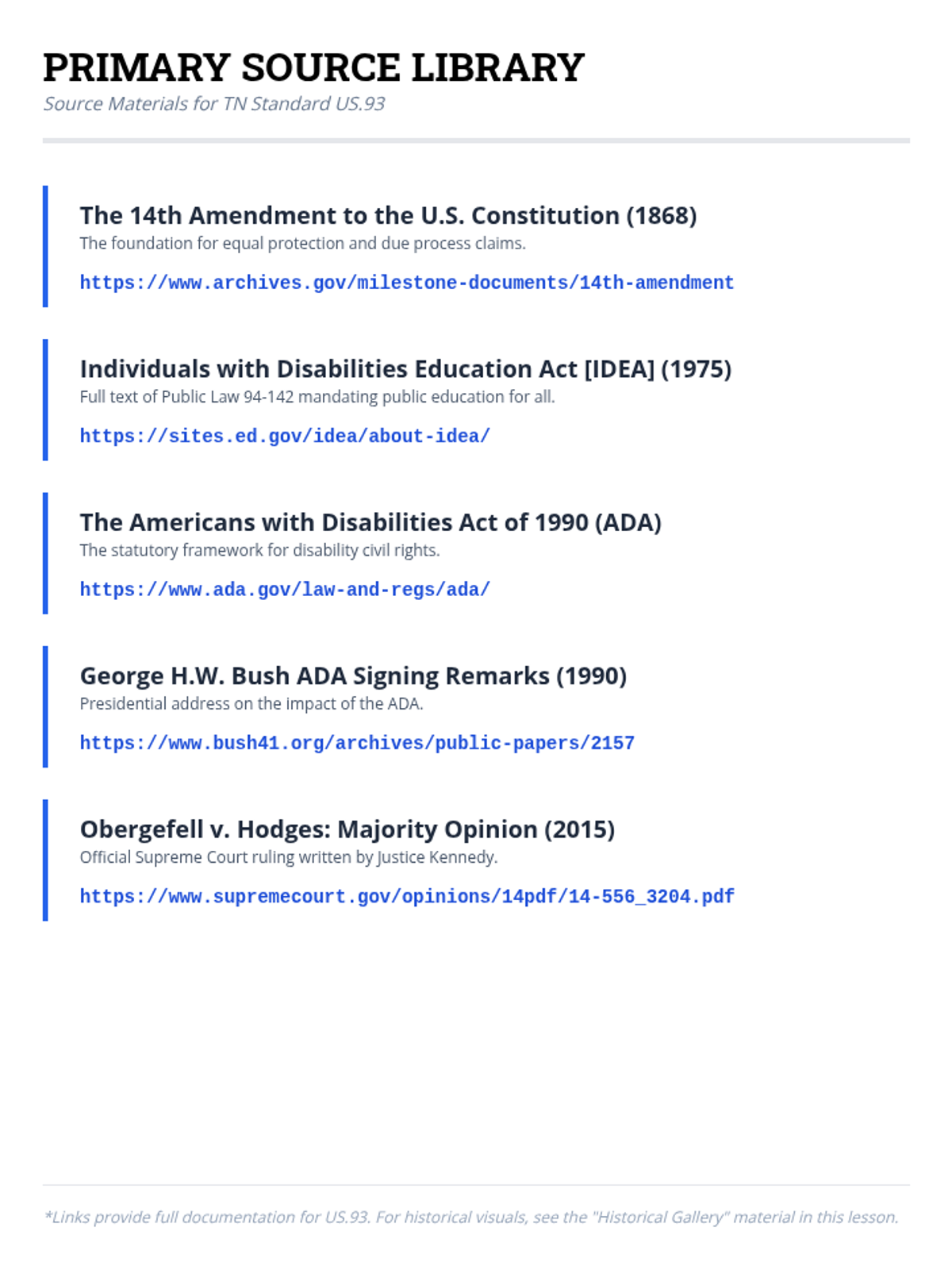
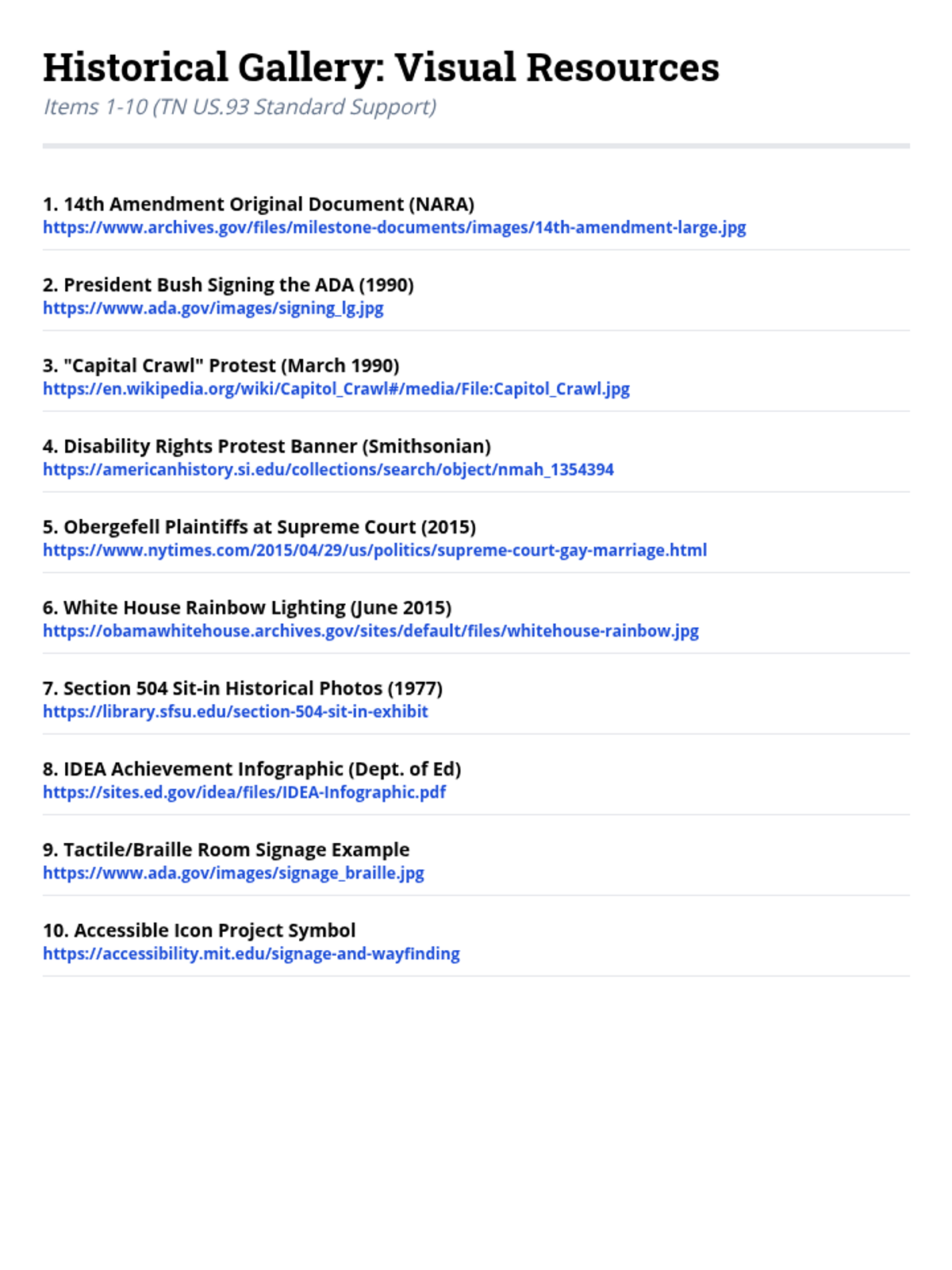
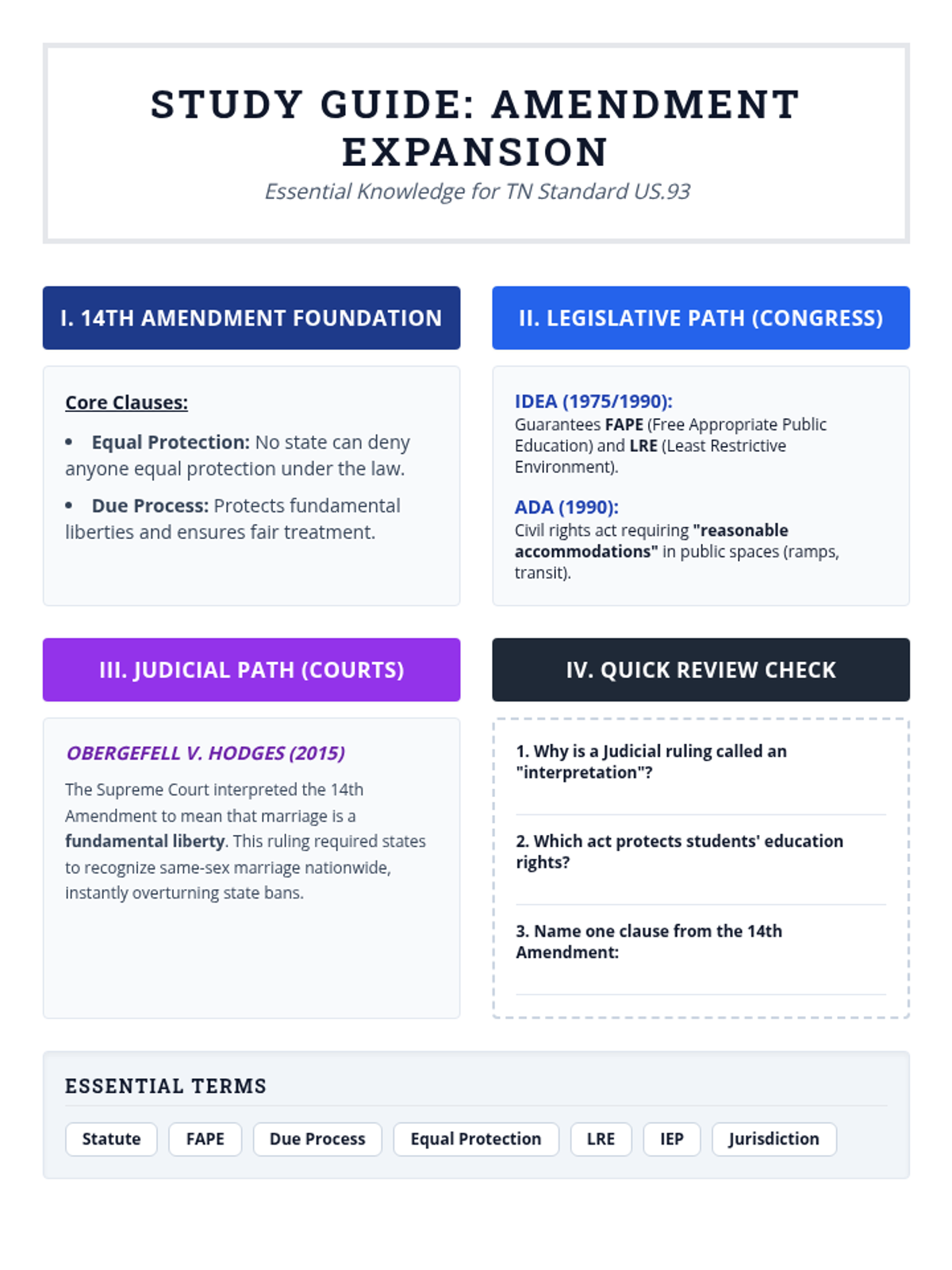
A high-school level exploration of how the 14th Amendment's scope was expanded through legislative acts like the ADA and IDEA, and judicial rulings like Obergefell v. Hodges. Students analyze the roles of different government branches in securing civil rights.
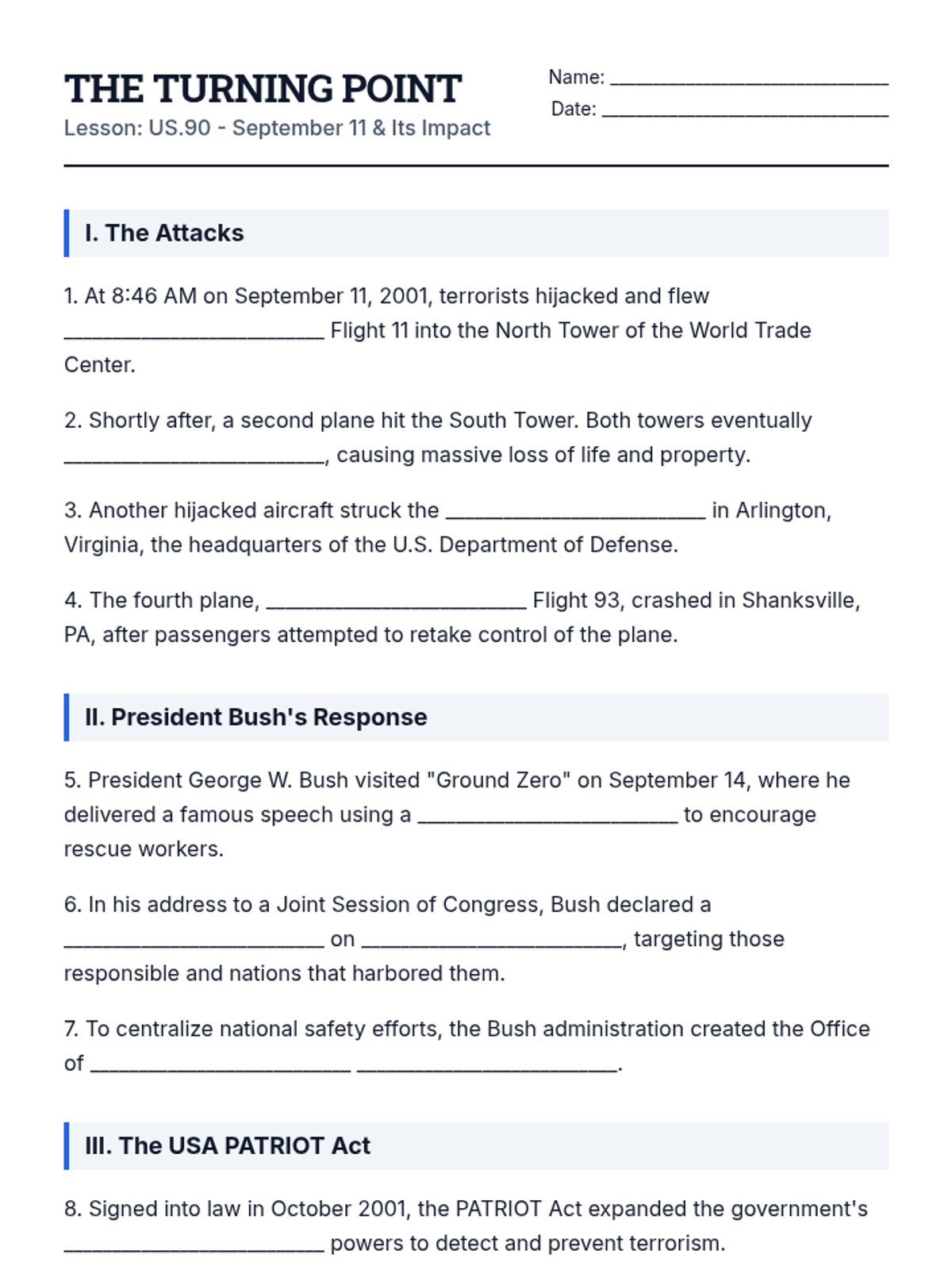
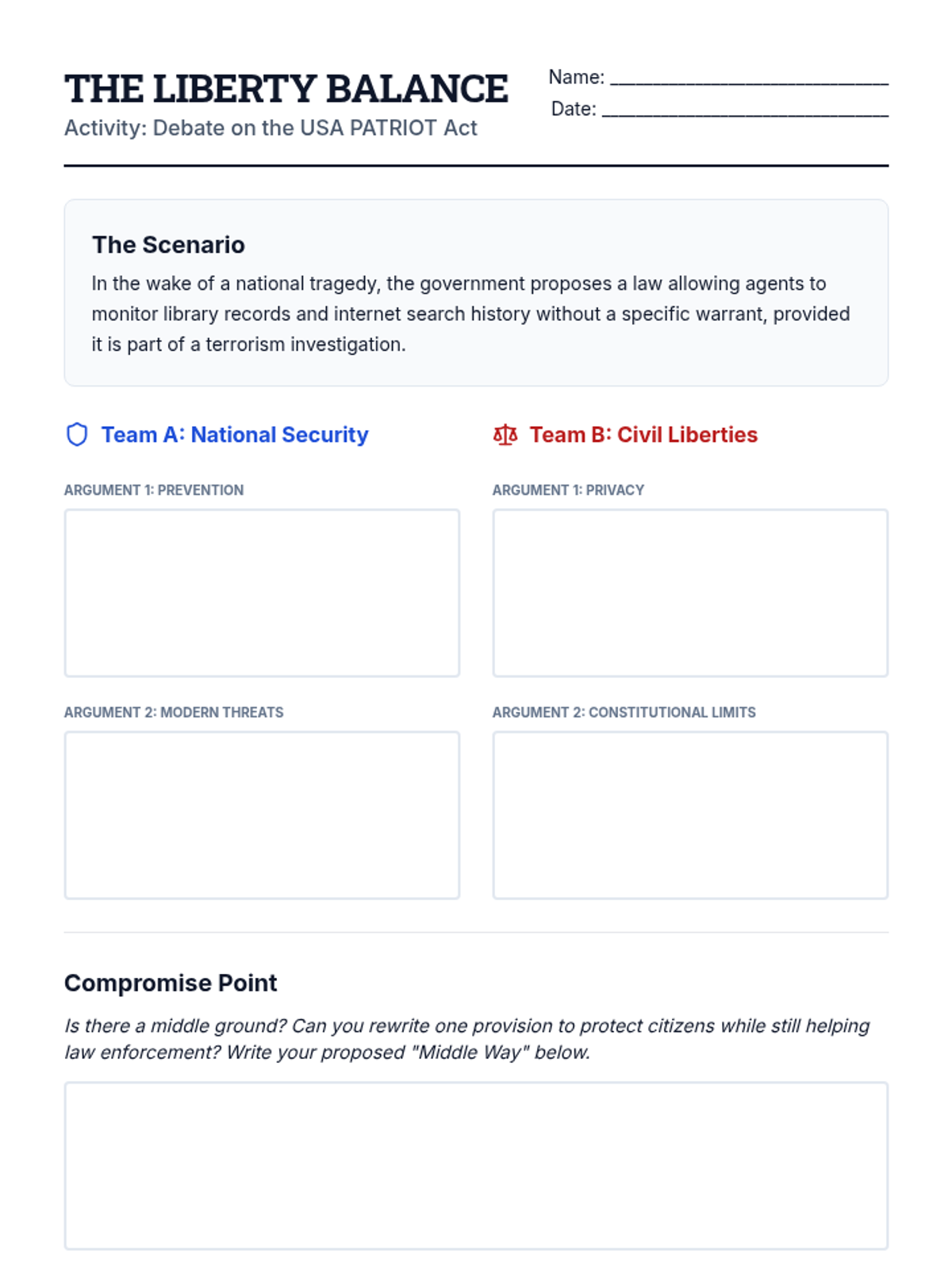
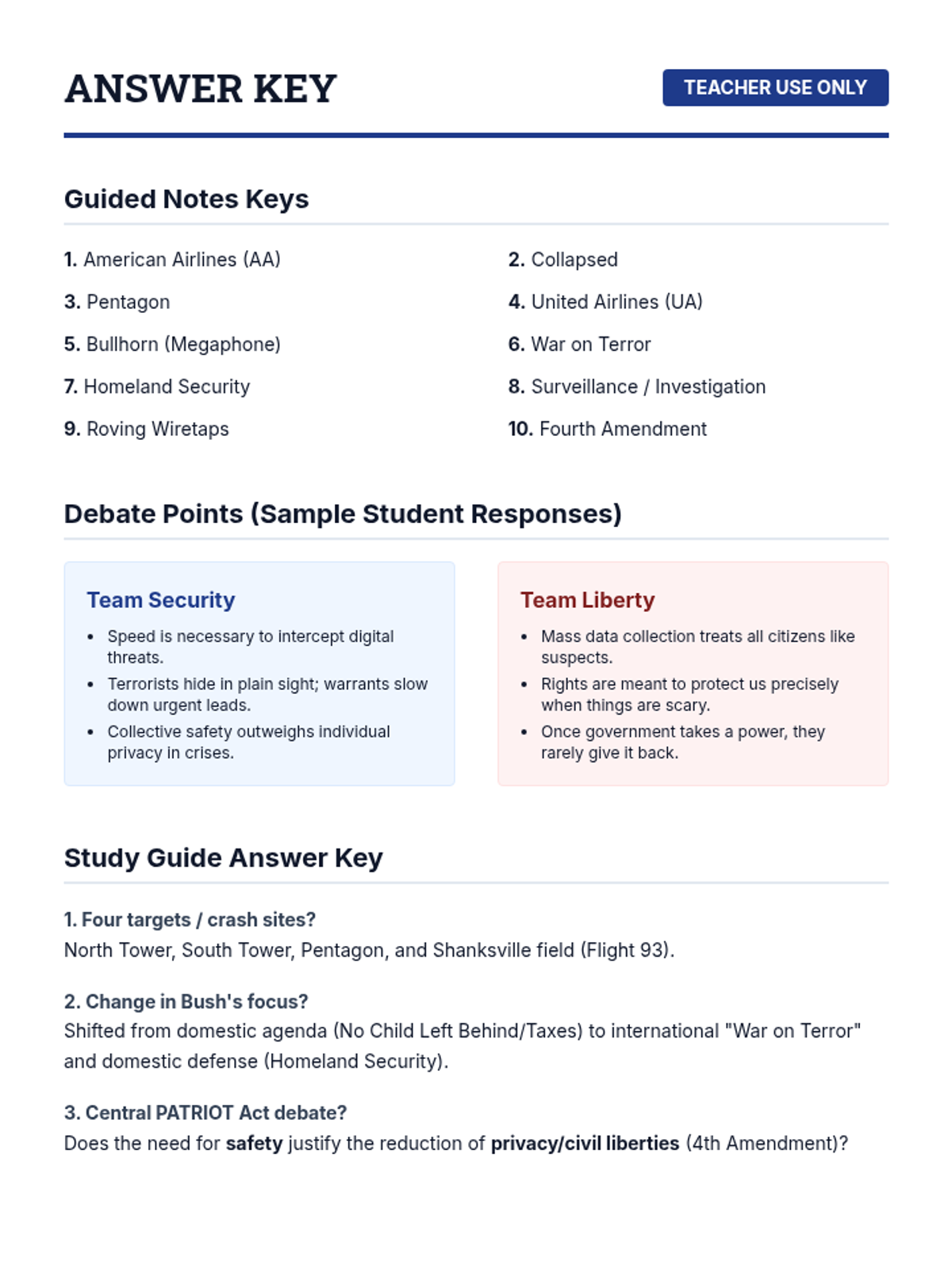
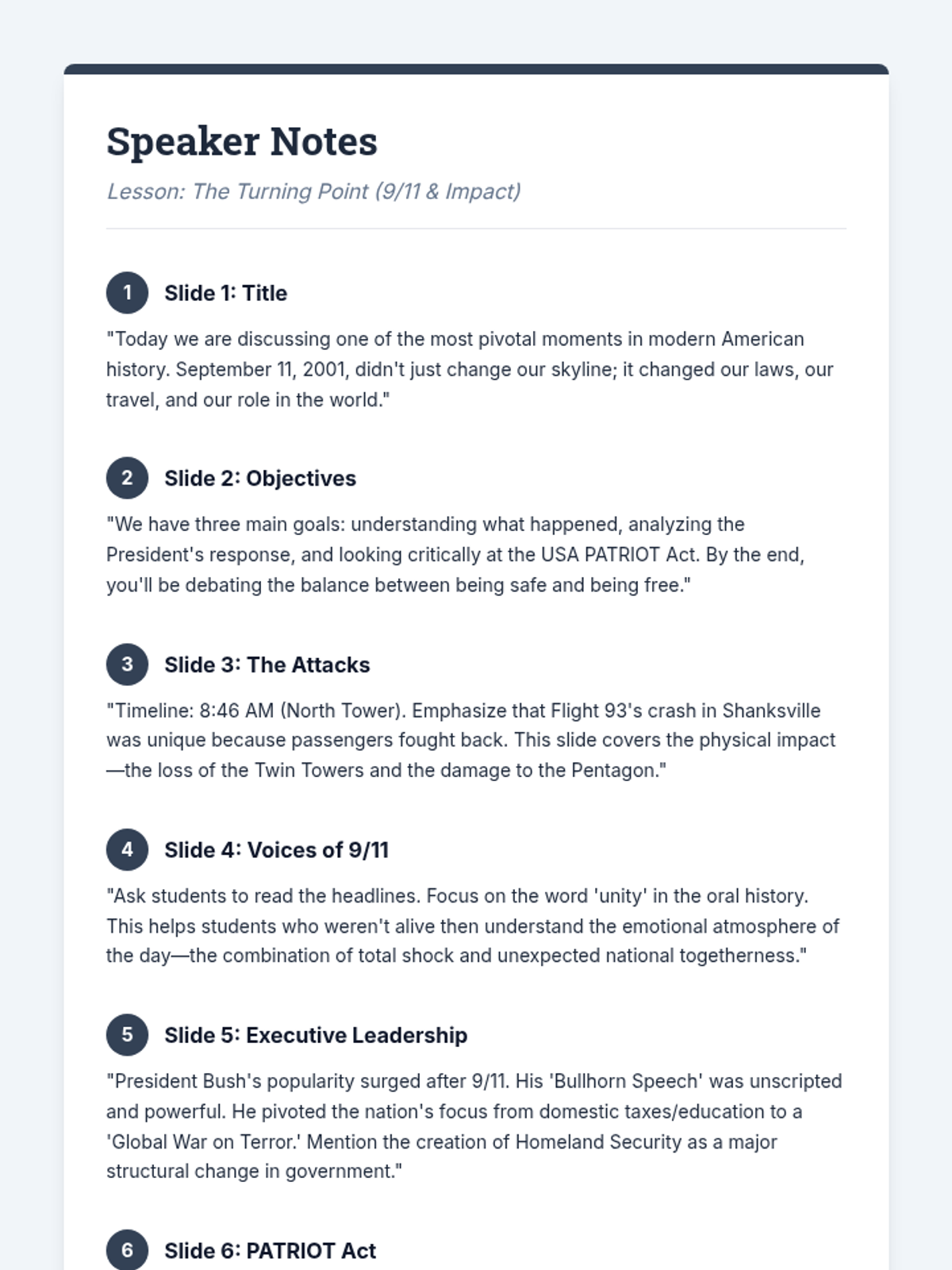
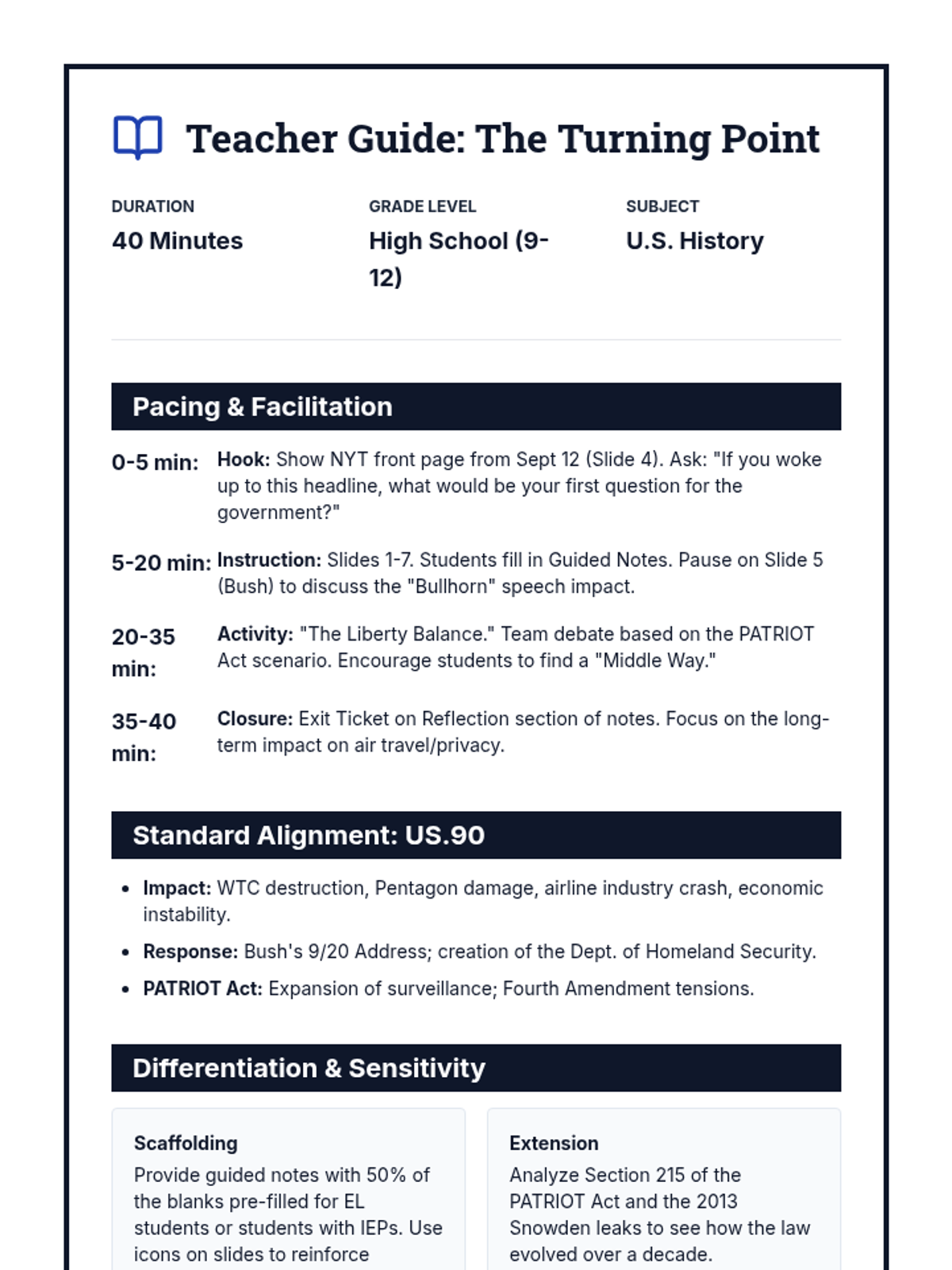
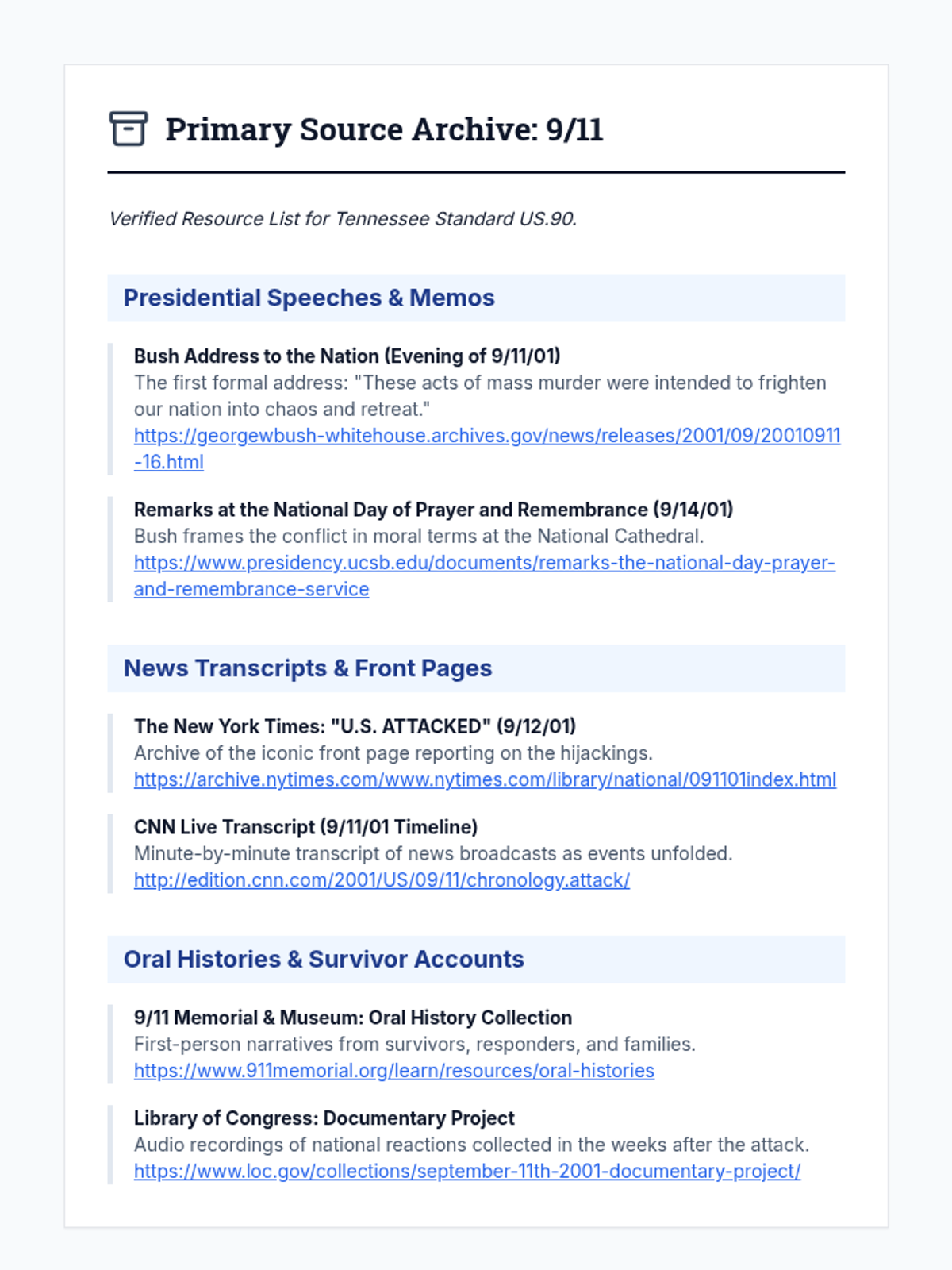
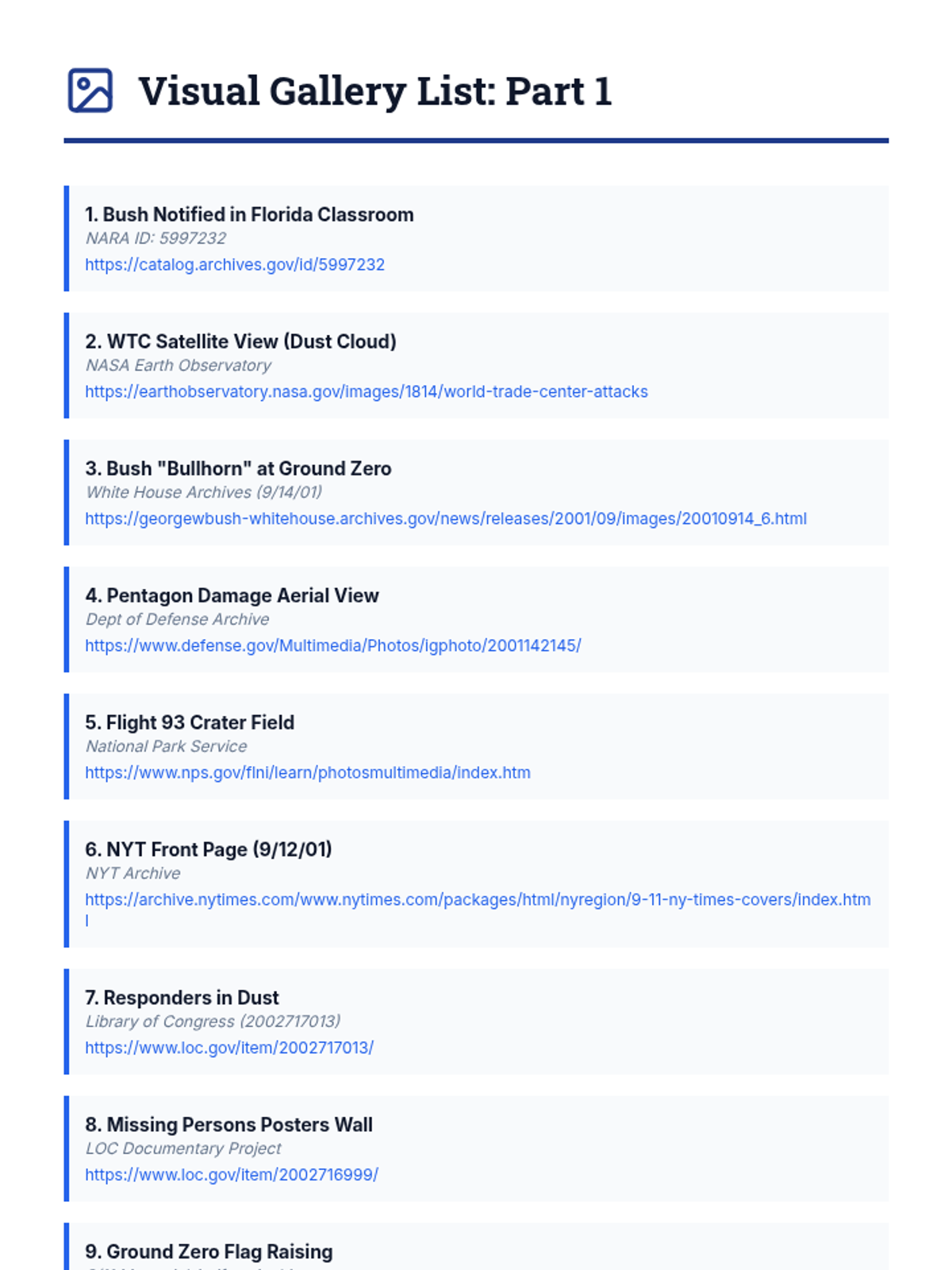
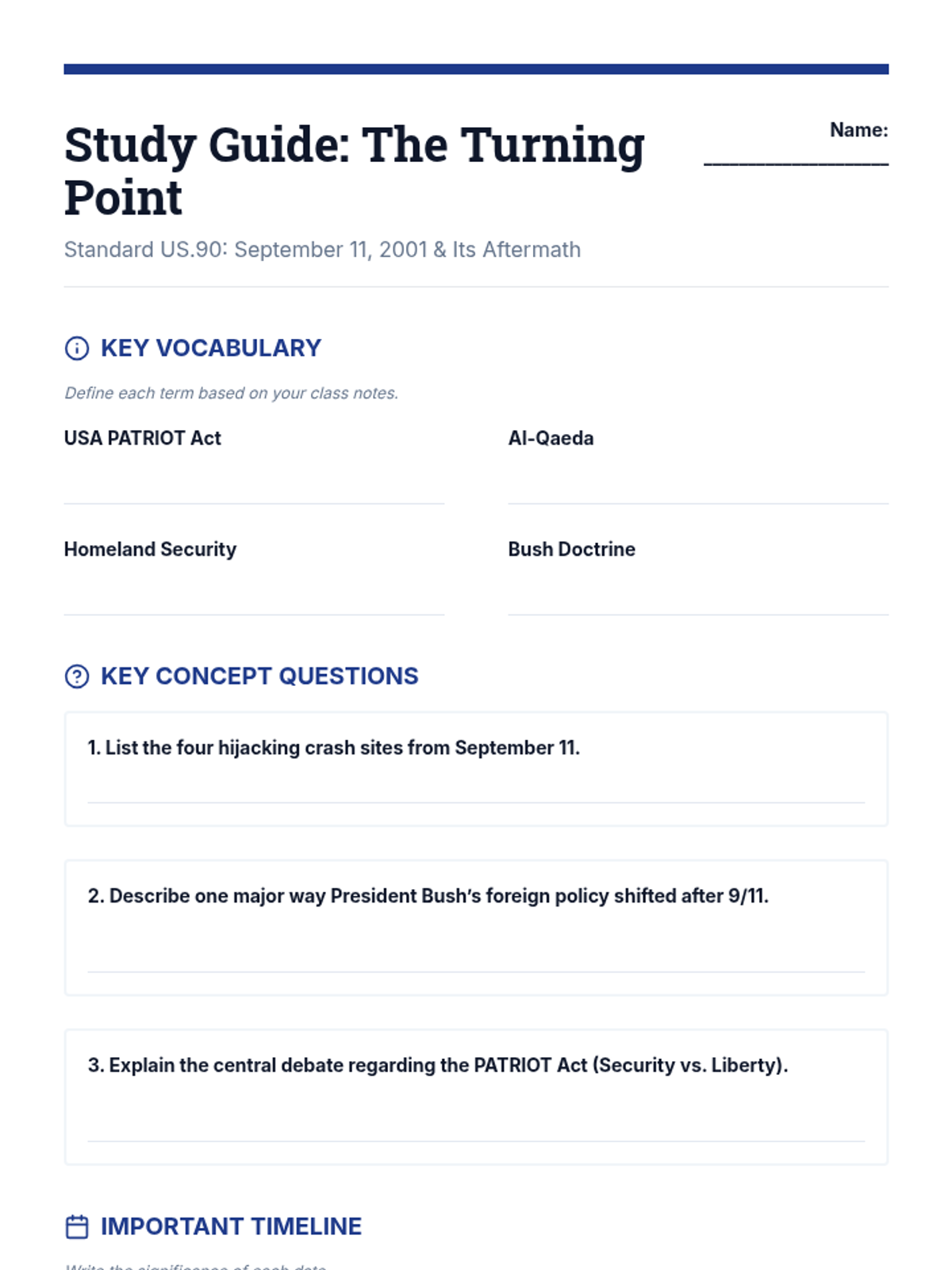
A comprehensive 40-minute lesson on the impact of the September 11 attacks, President Bush's response, and the legislative aftermath of the USA PATRIOT Act, tailored to Tennessee state standards.
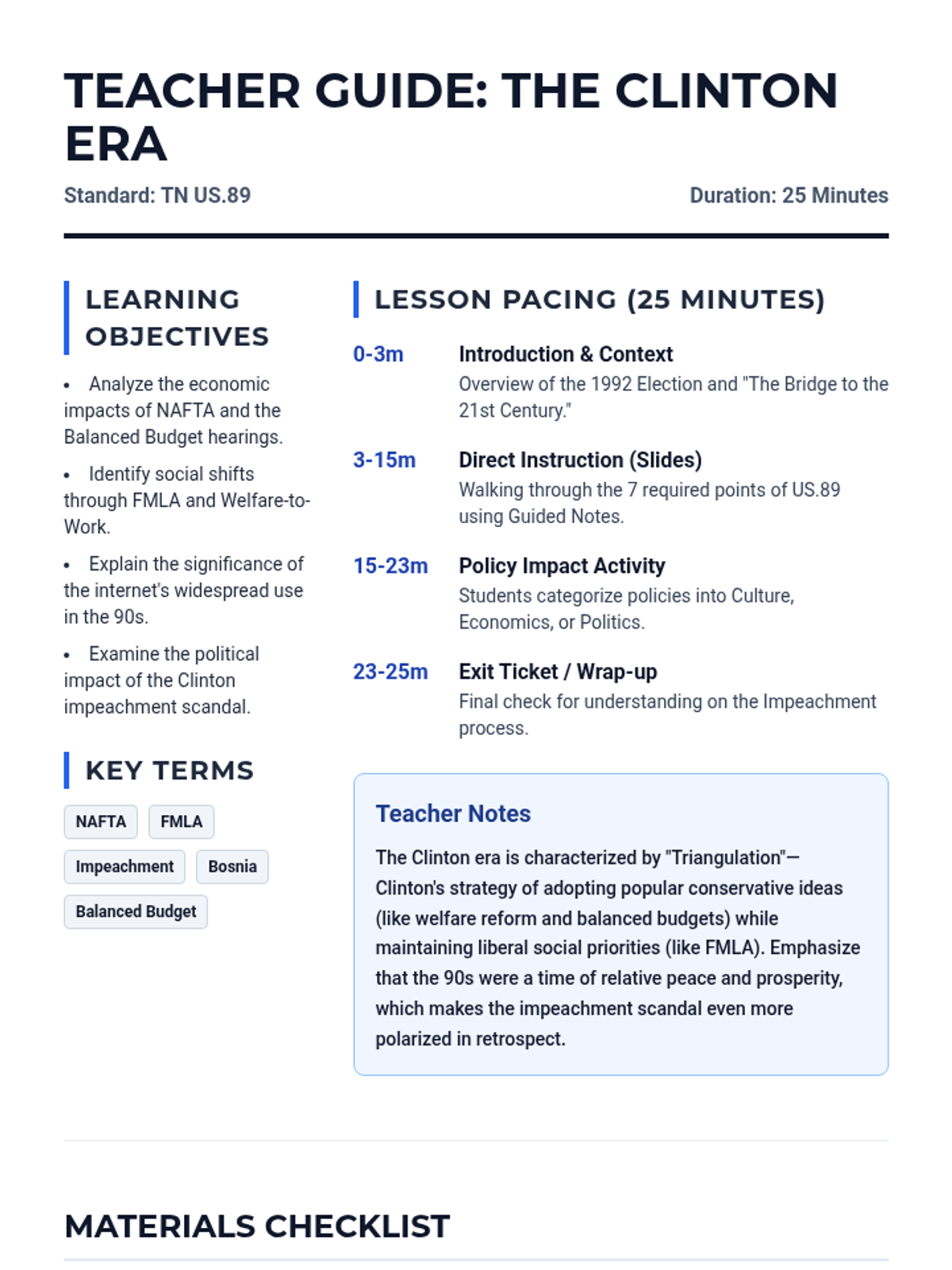
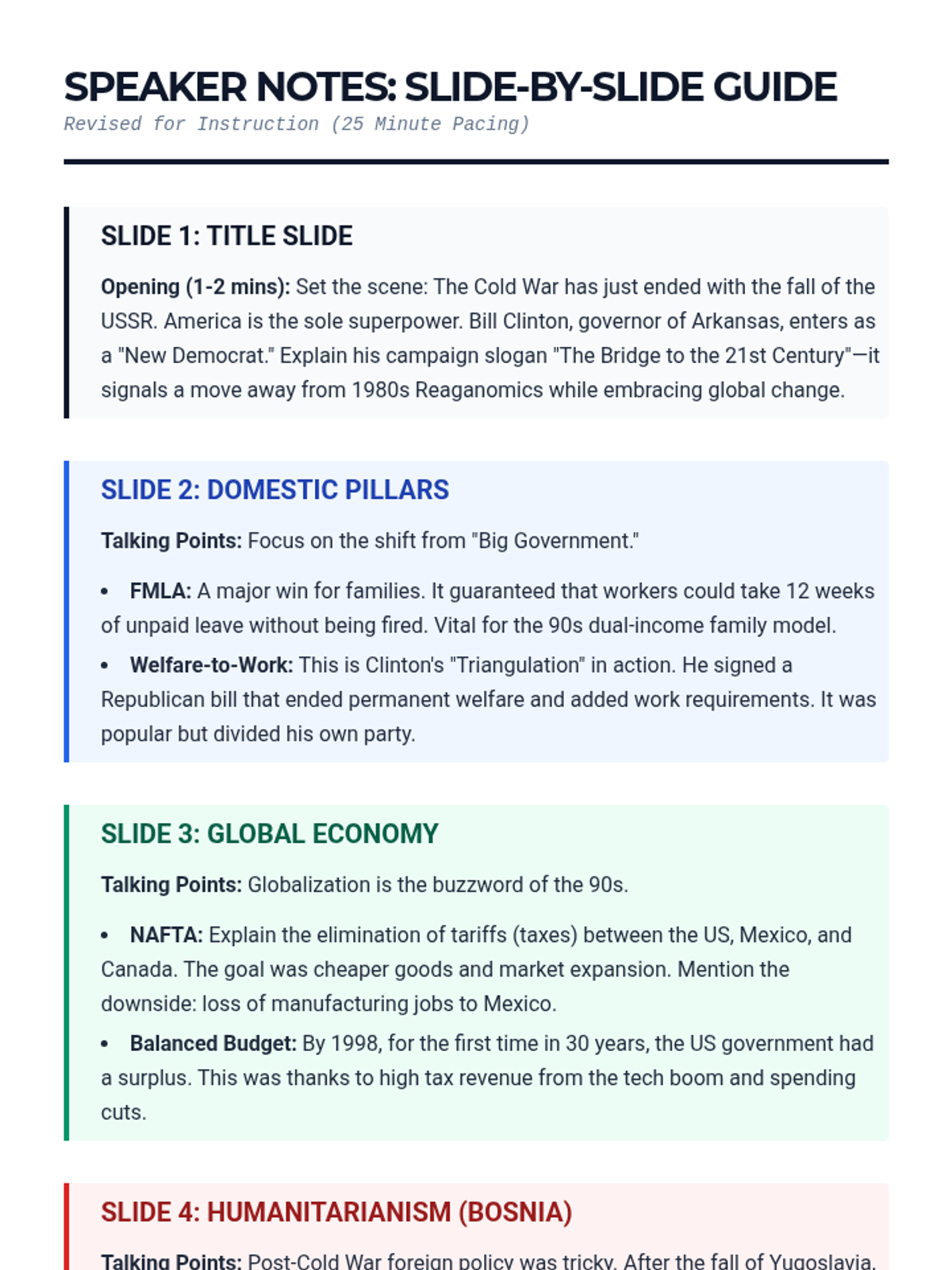
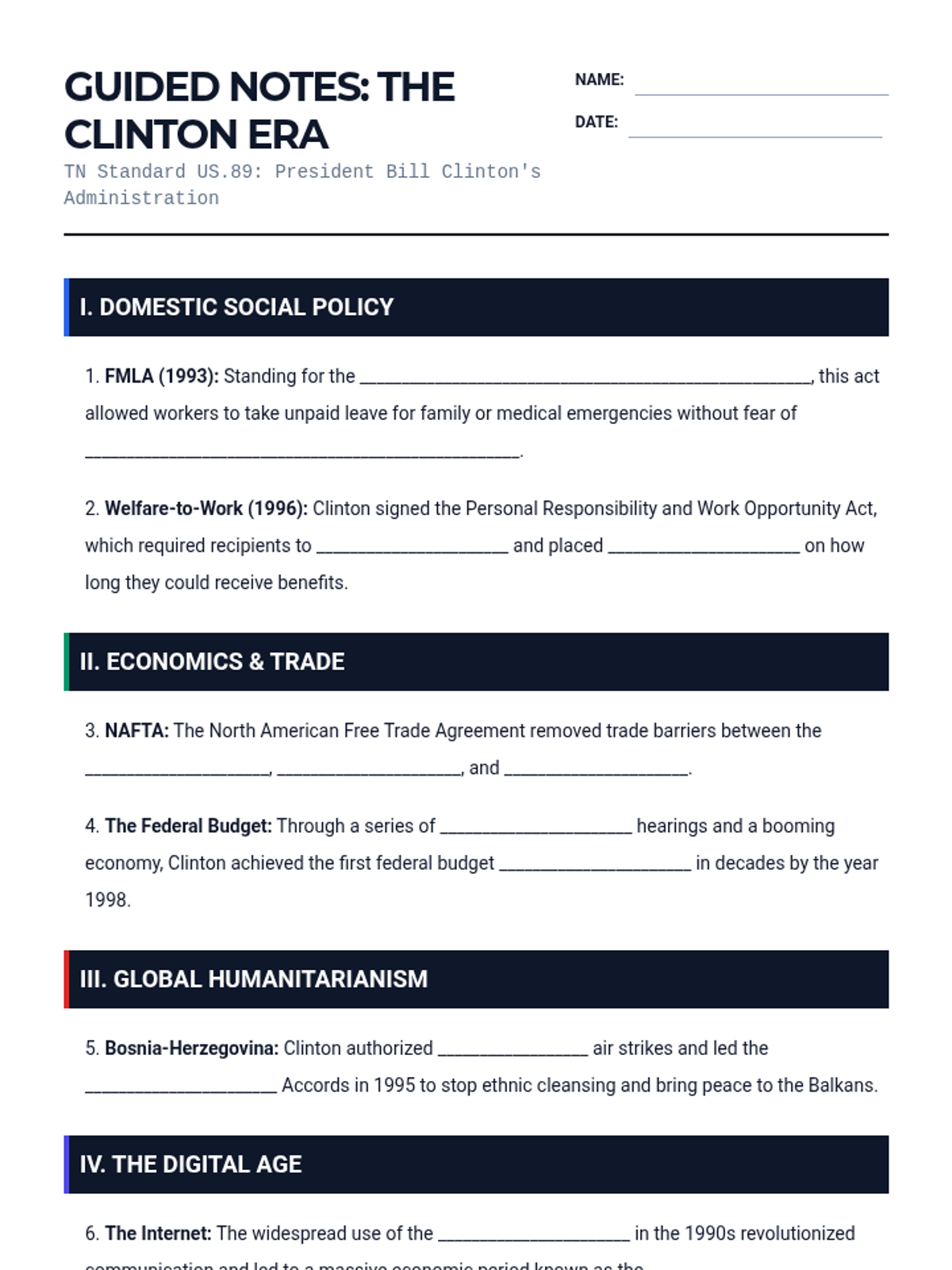
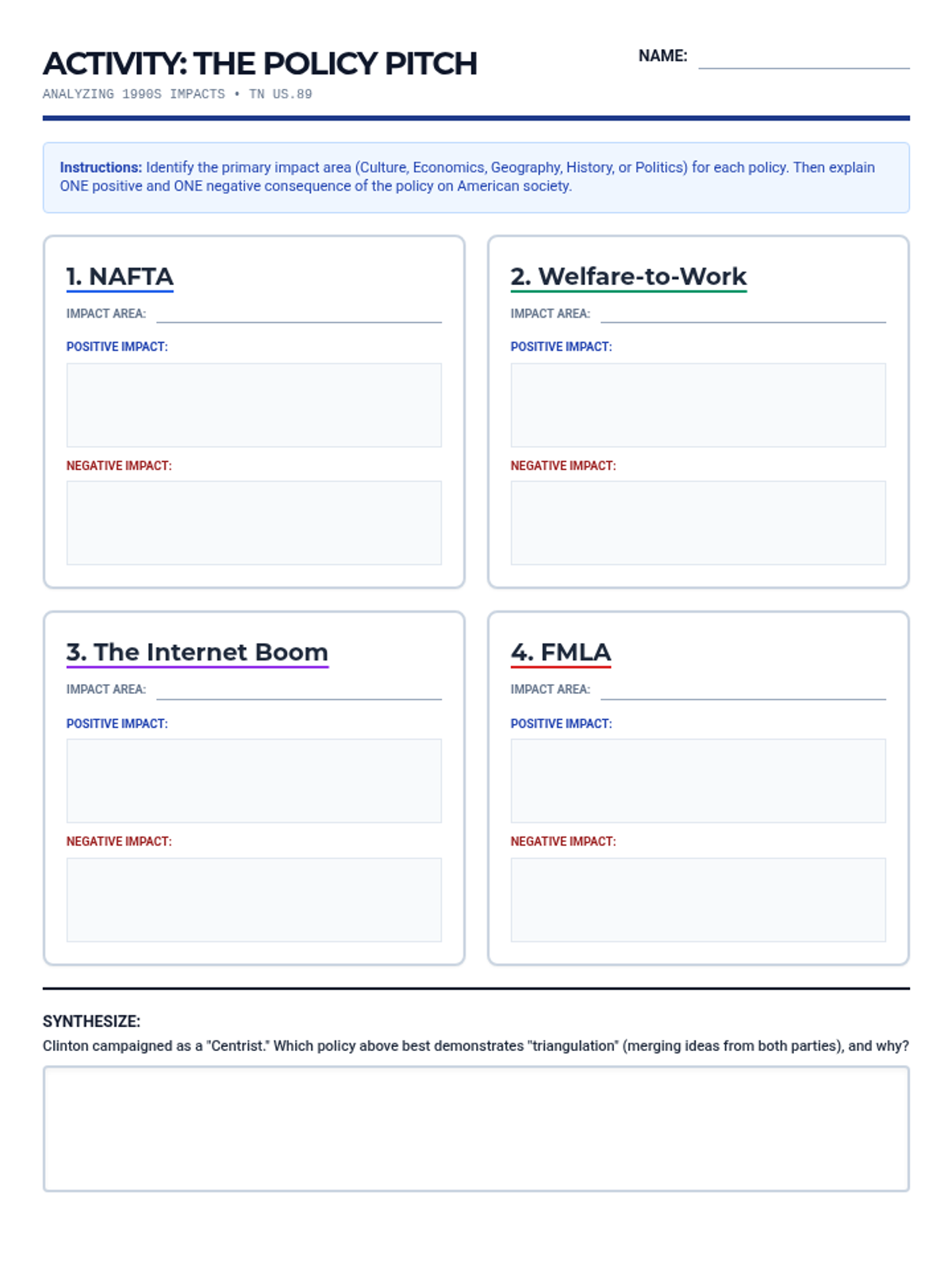
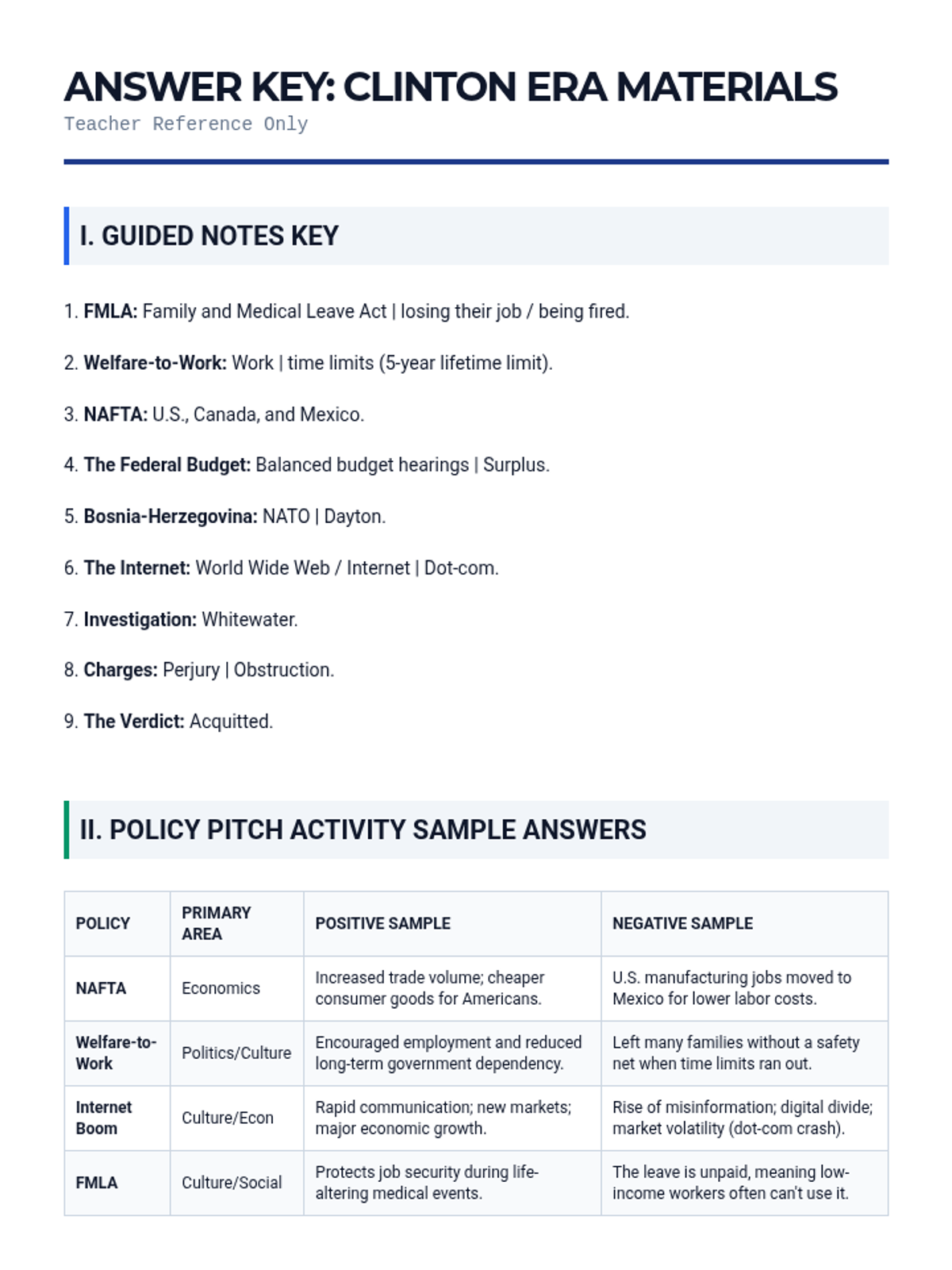
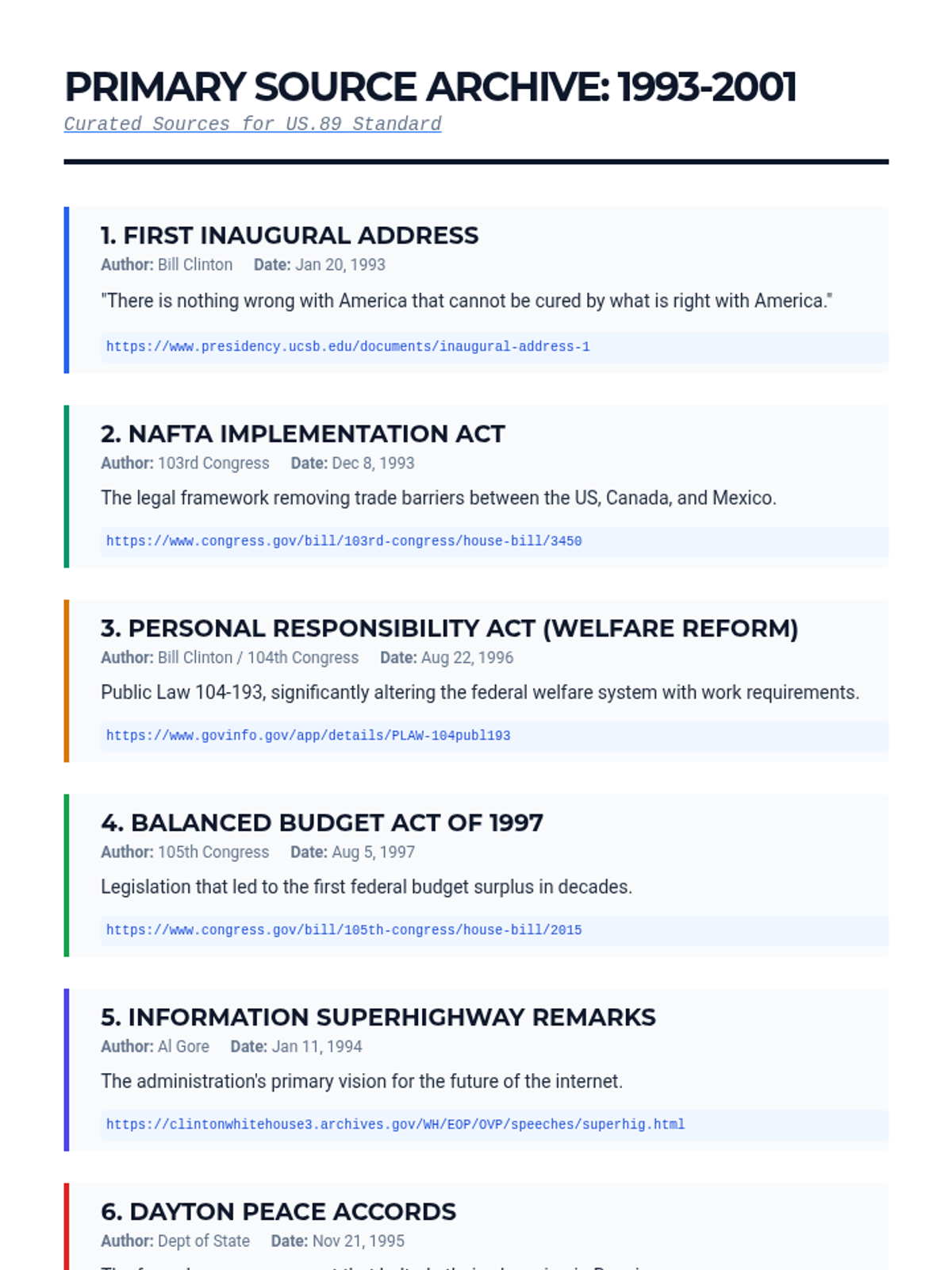
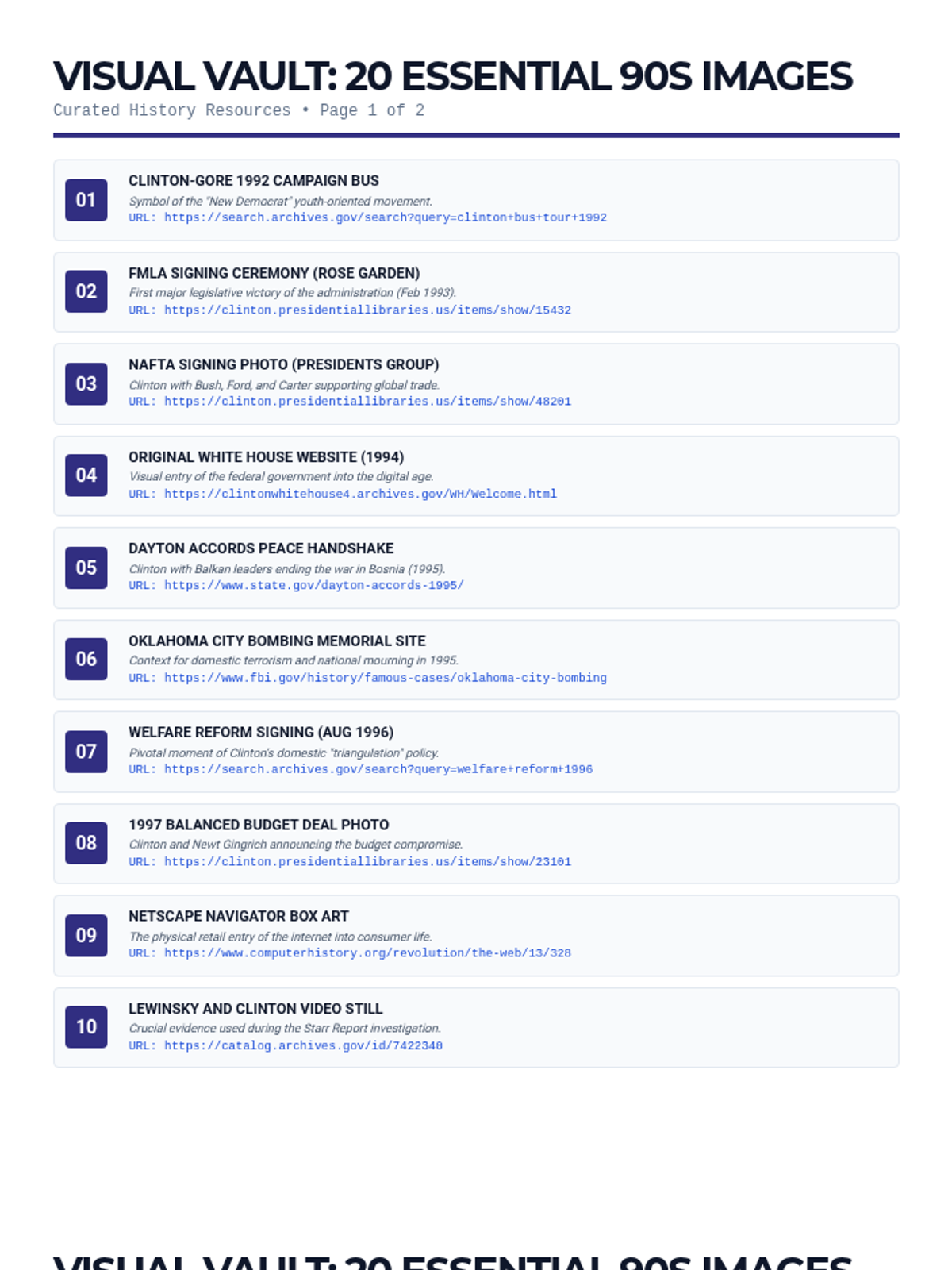
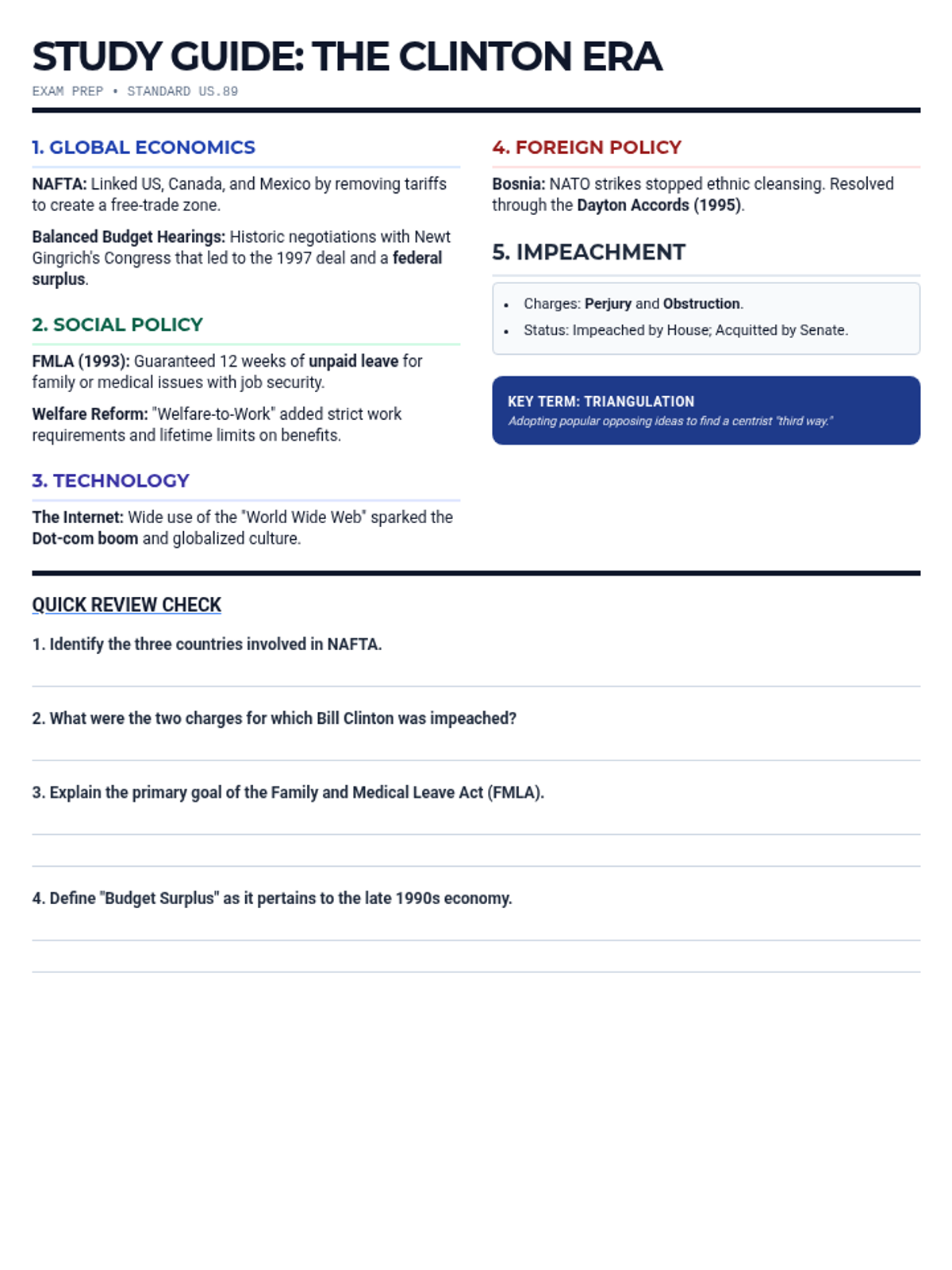
A 25-minute deep dive into the Clinton Administration, covering major domestic policies, foreign interventions, and the technological boom of the 1990s. This lesson addresses TN Standard US.89 through direct instruction and a policy-impact activity.
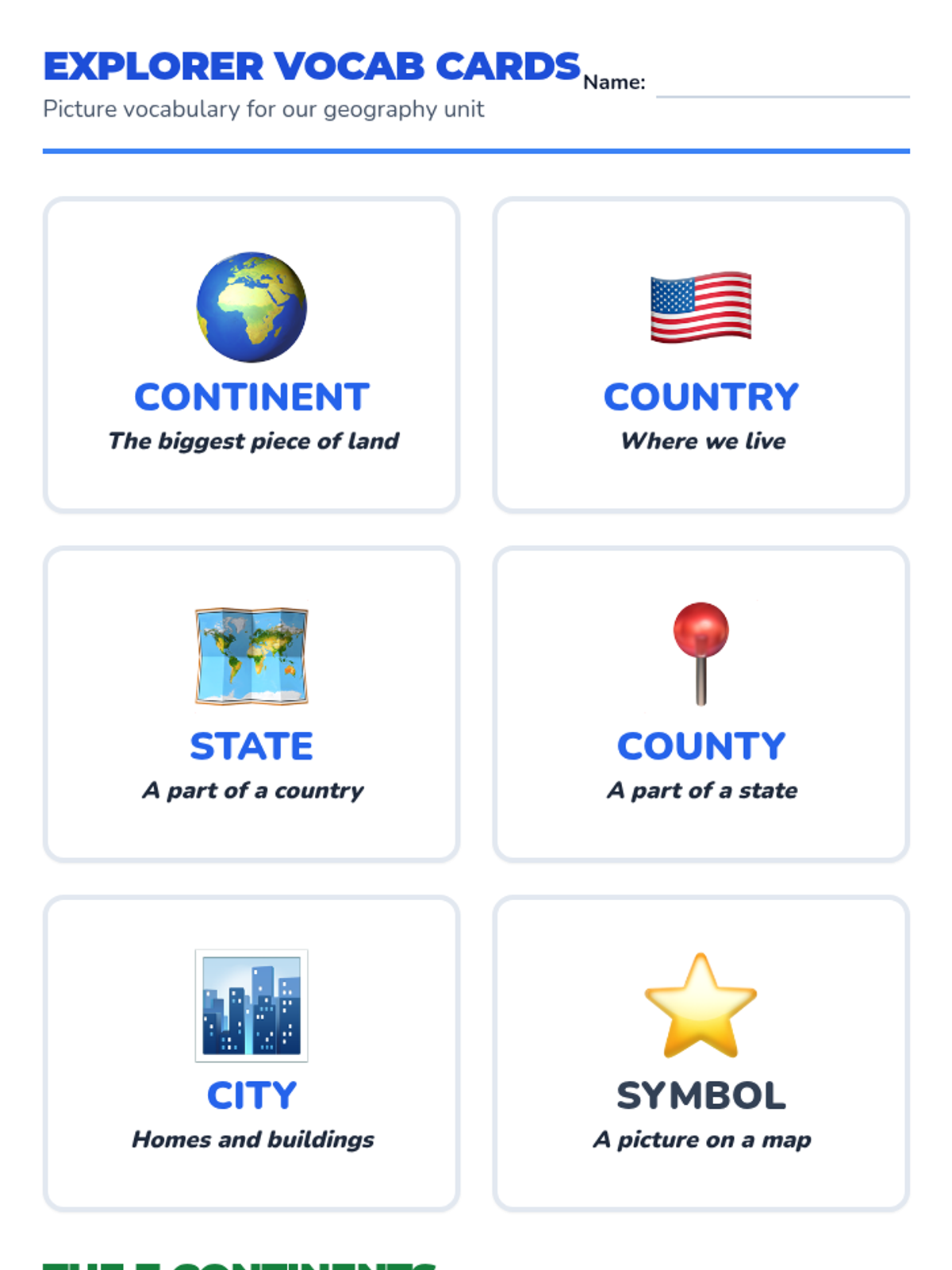
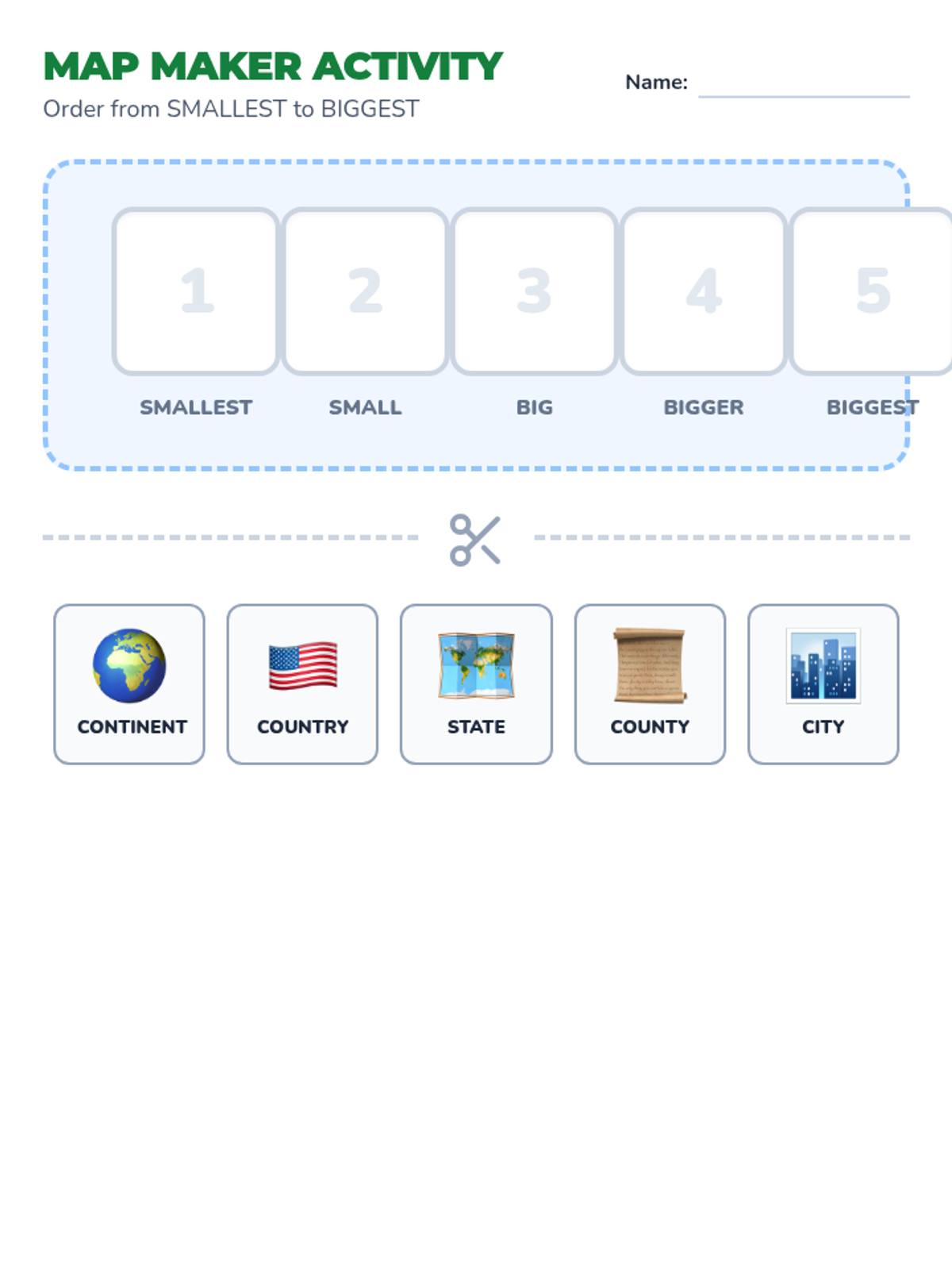
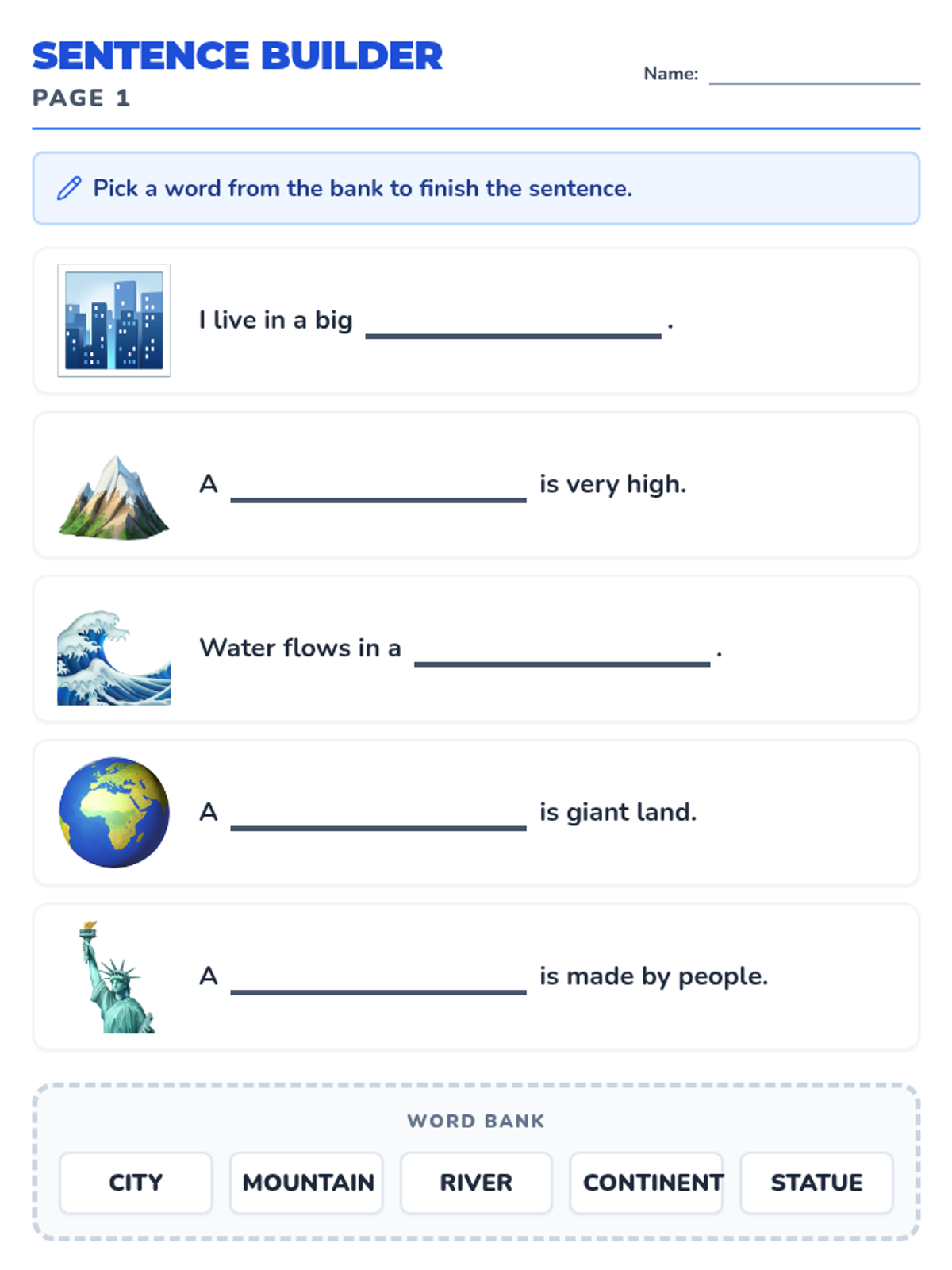
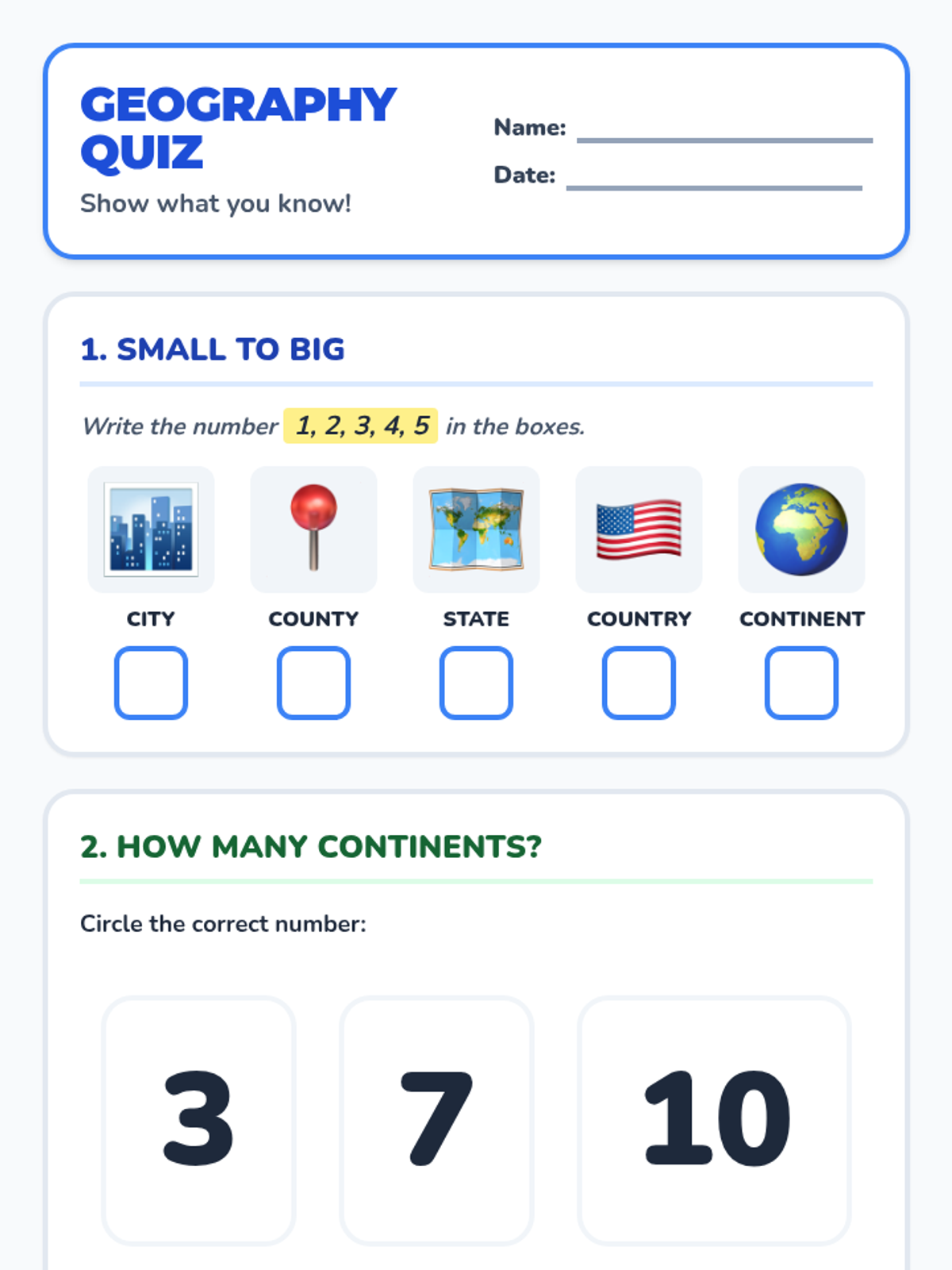
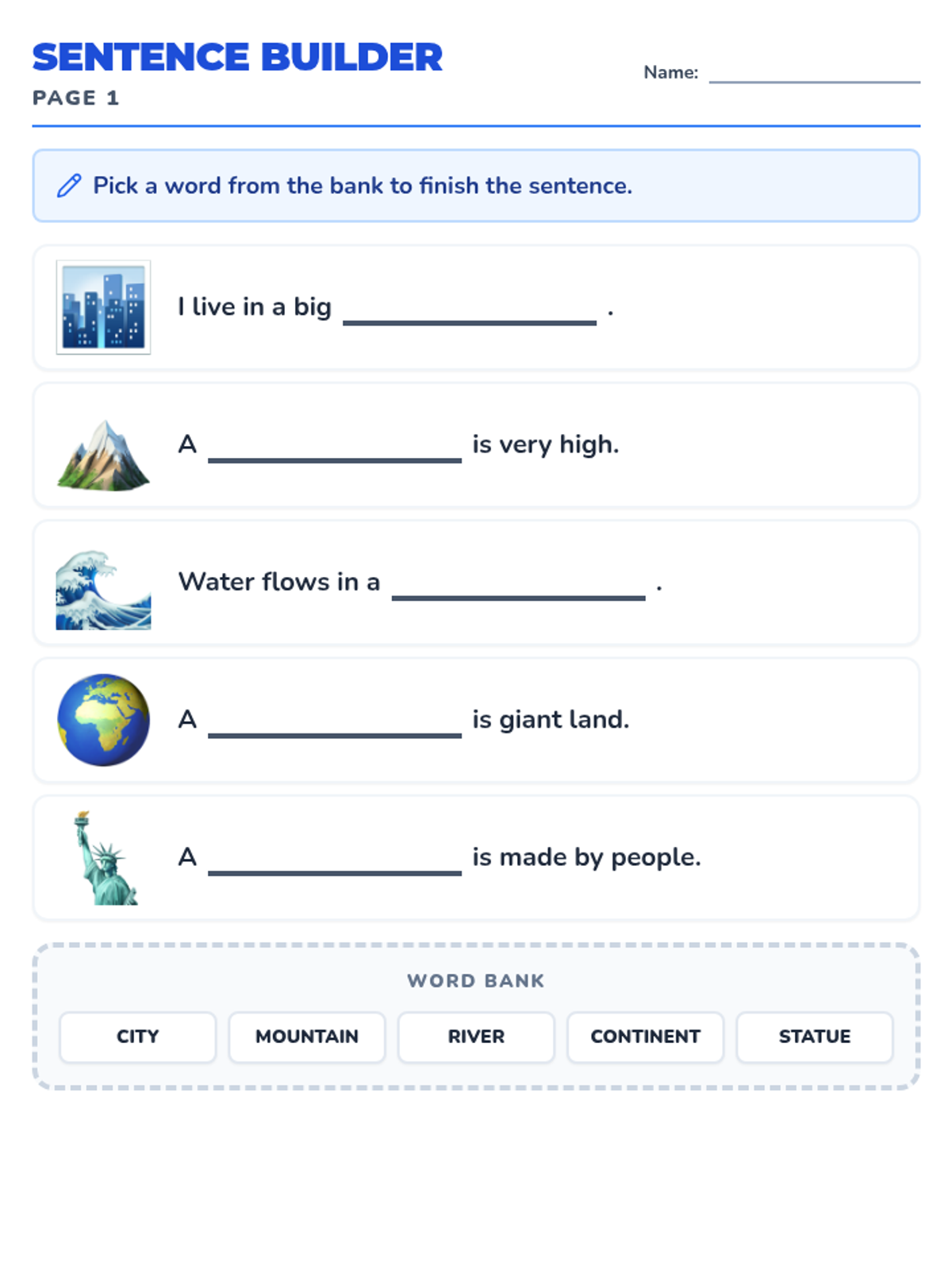
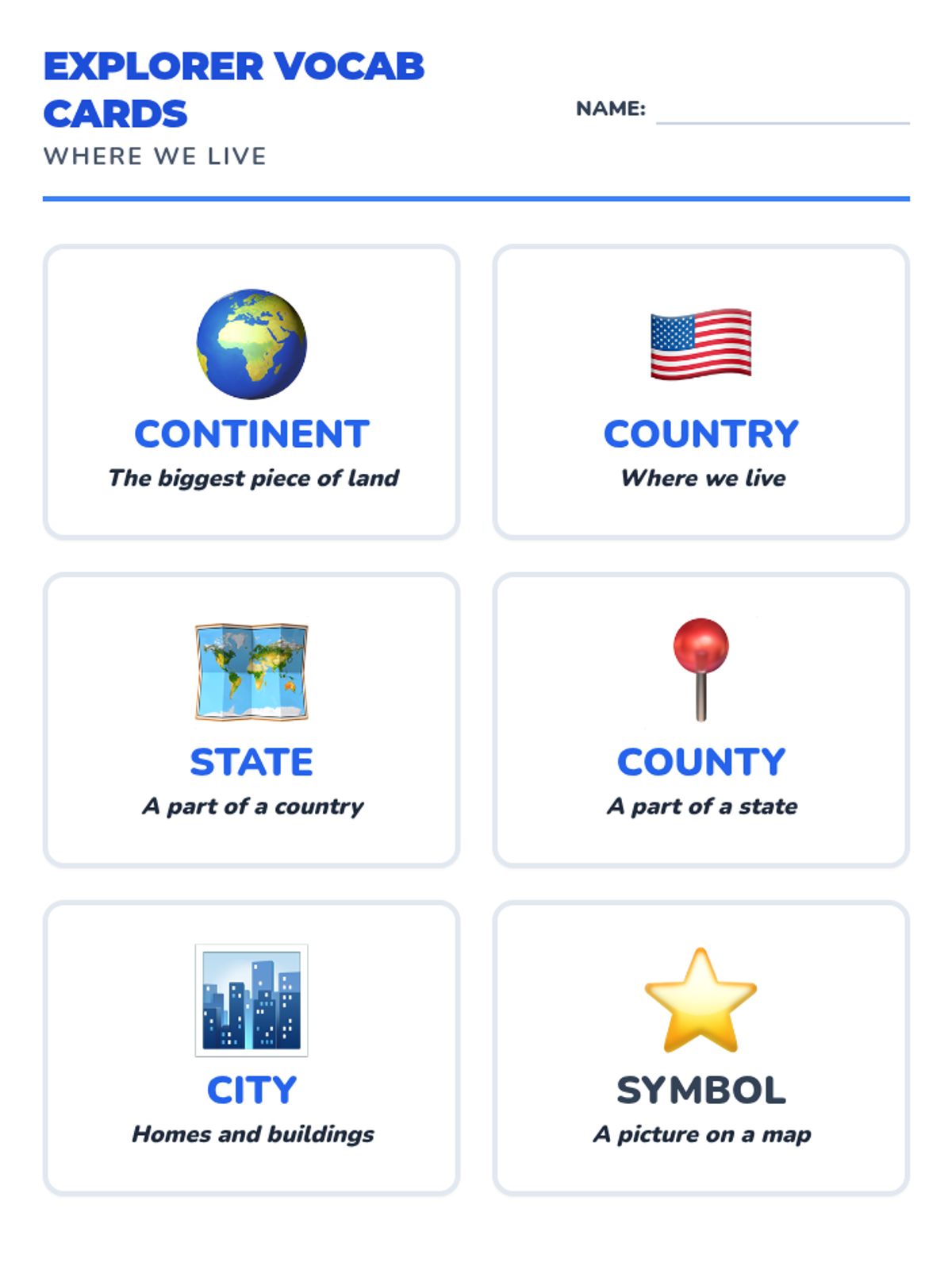
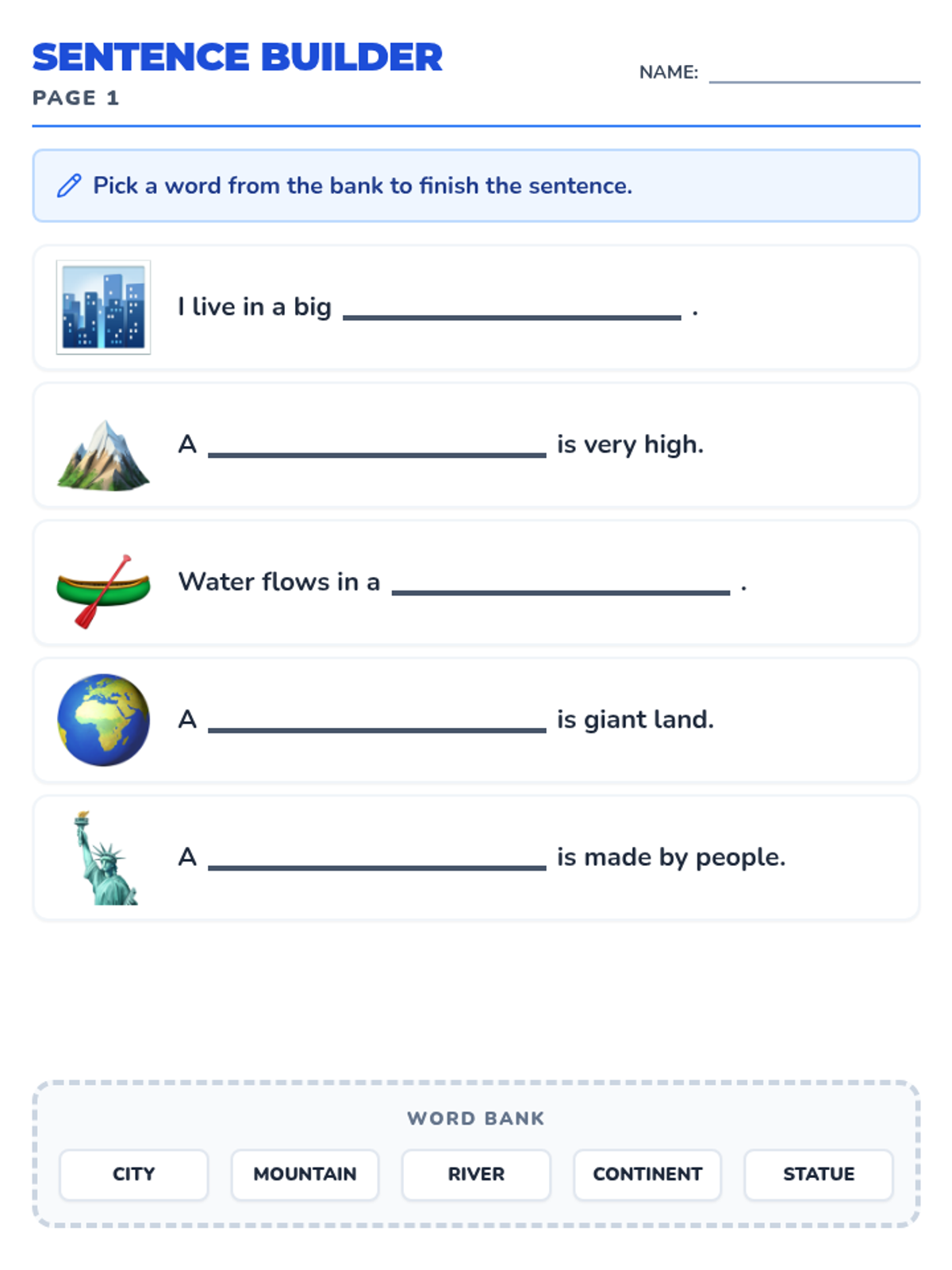
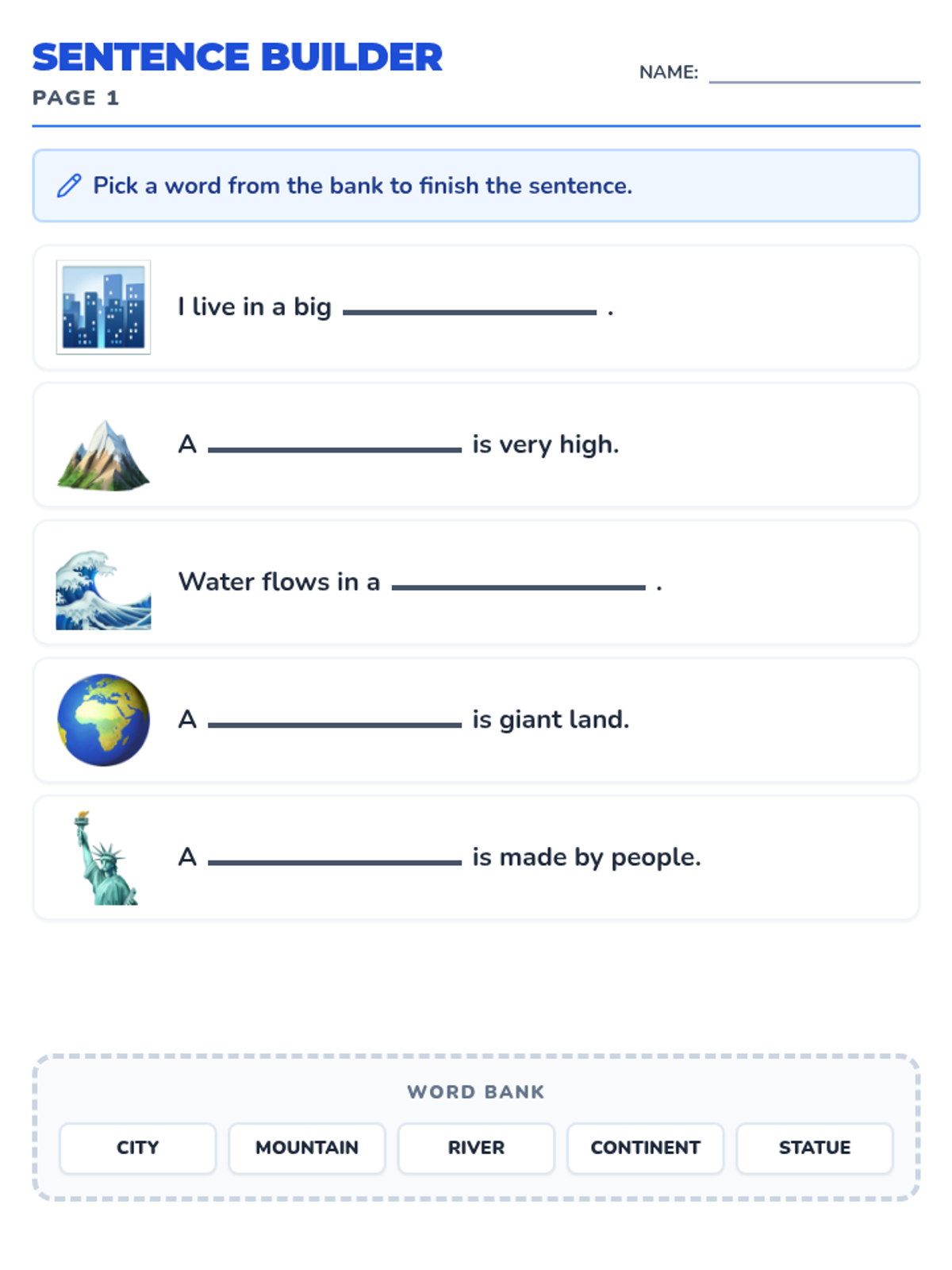
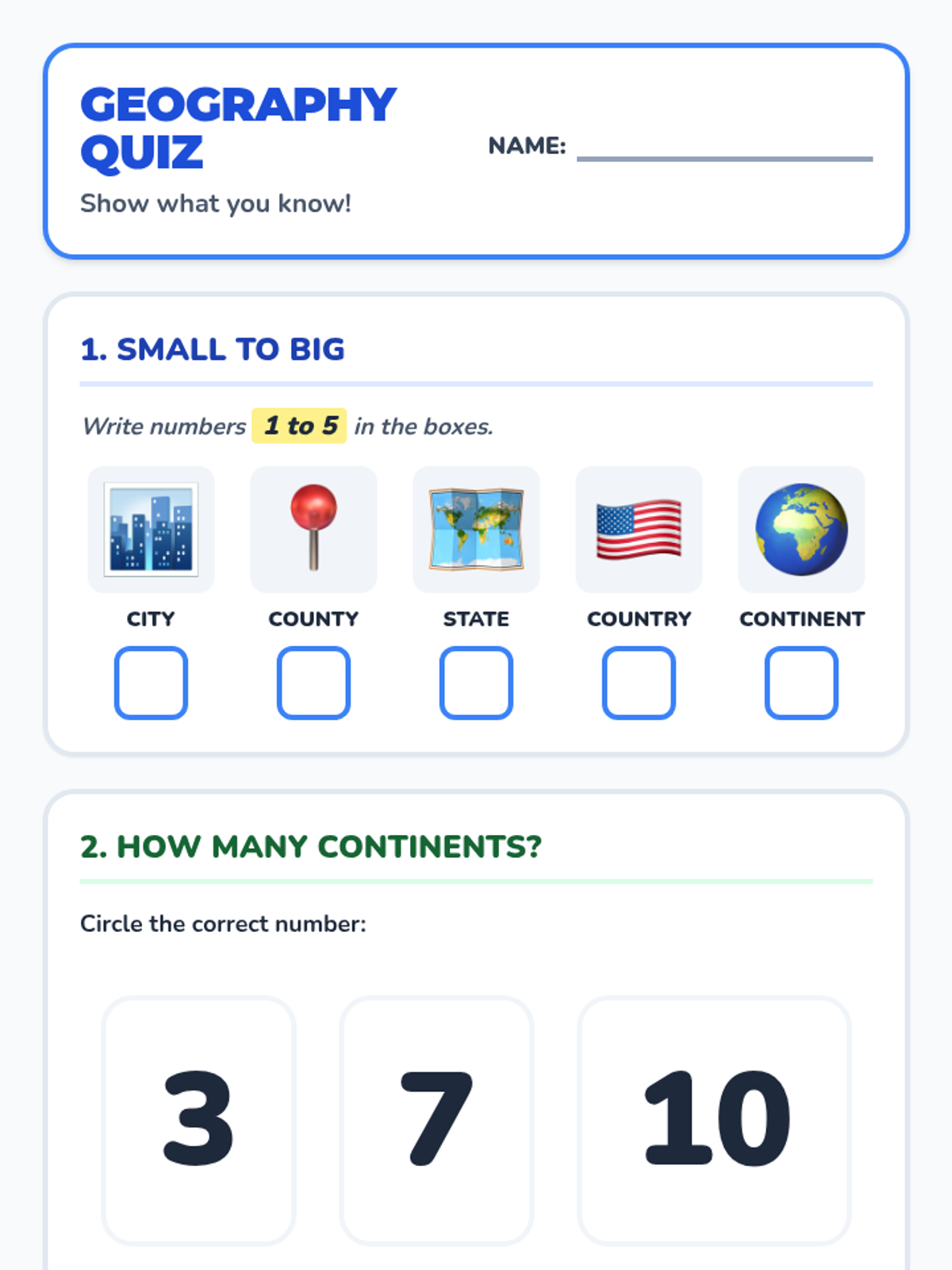
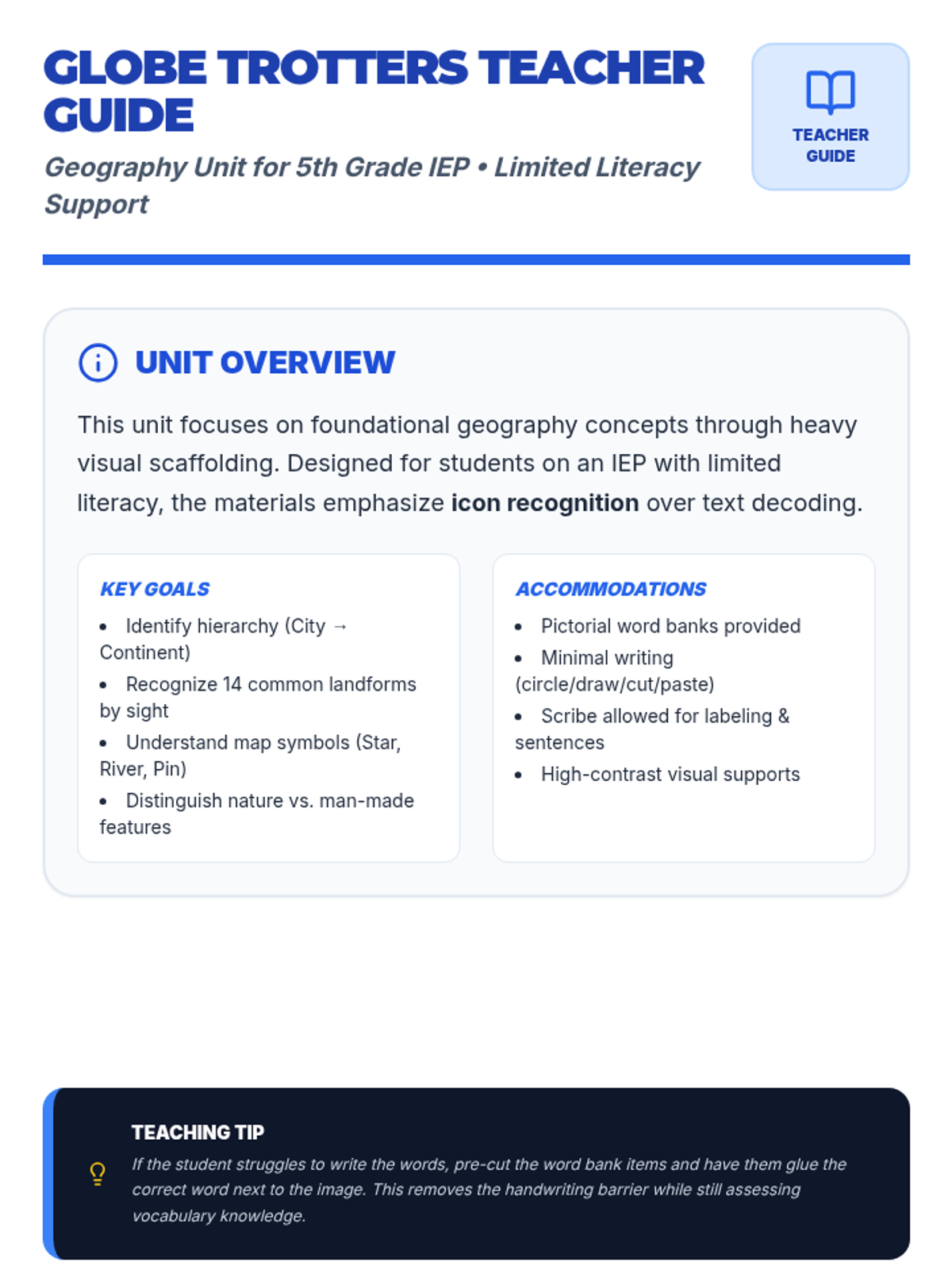
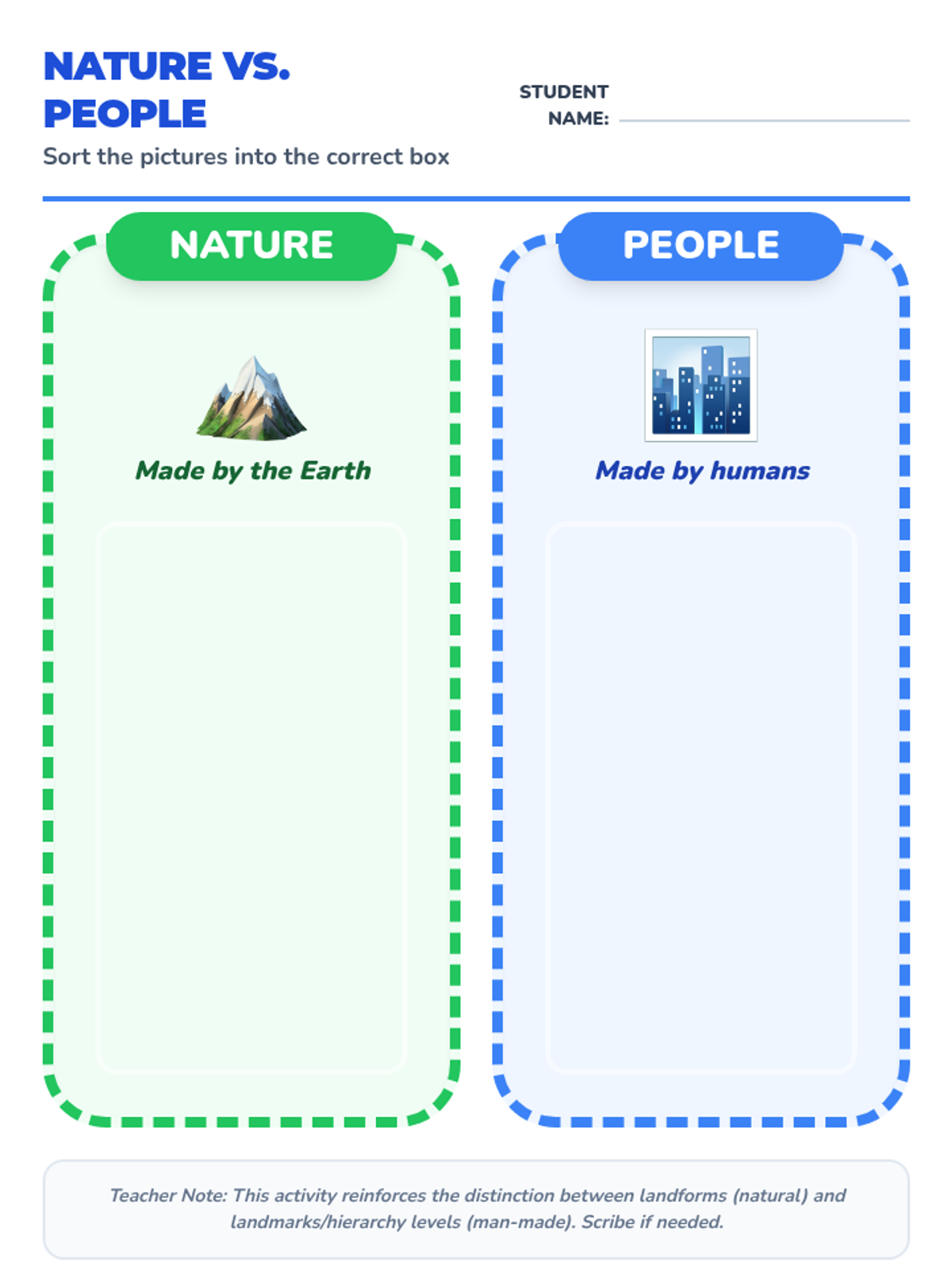
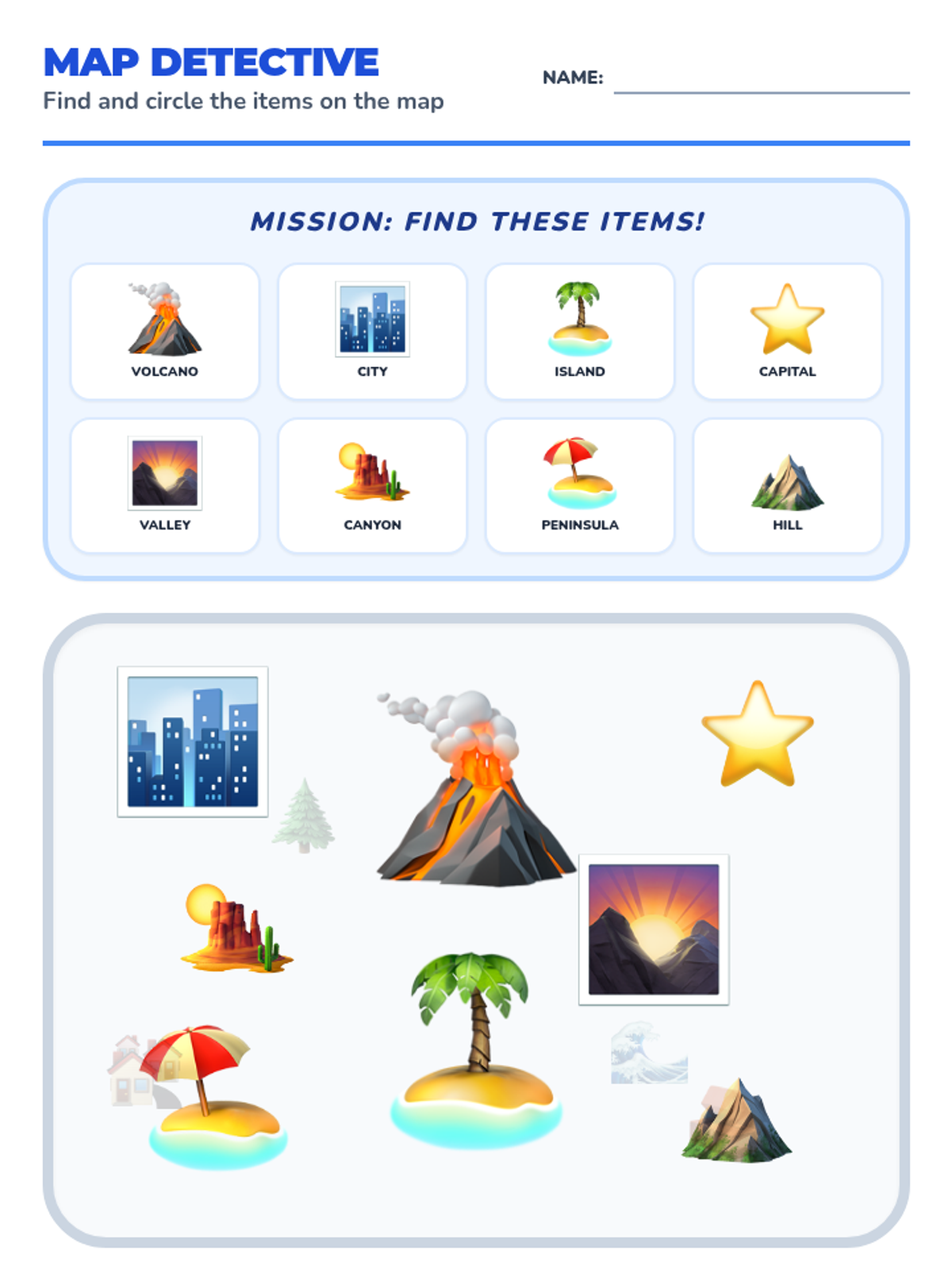
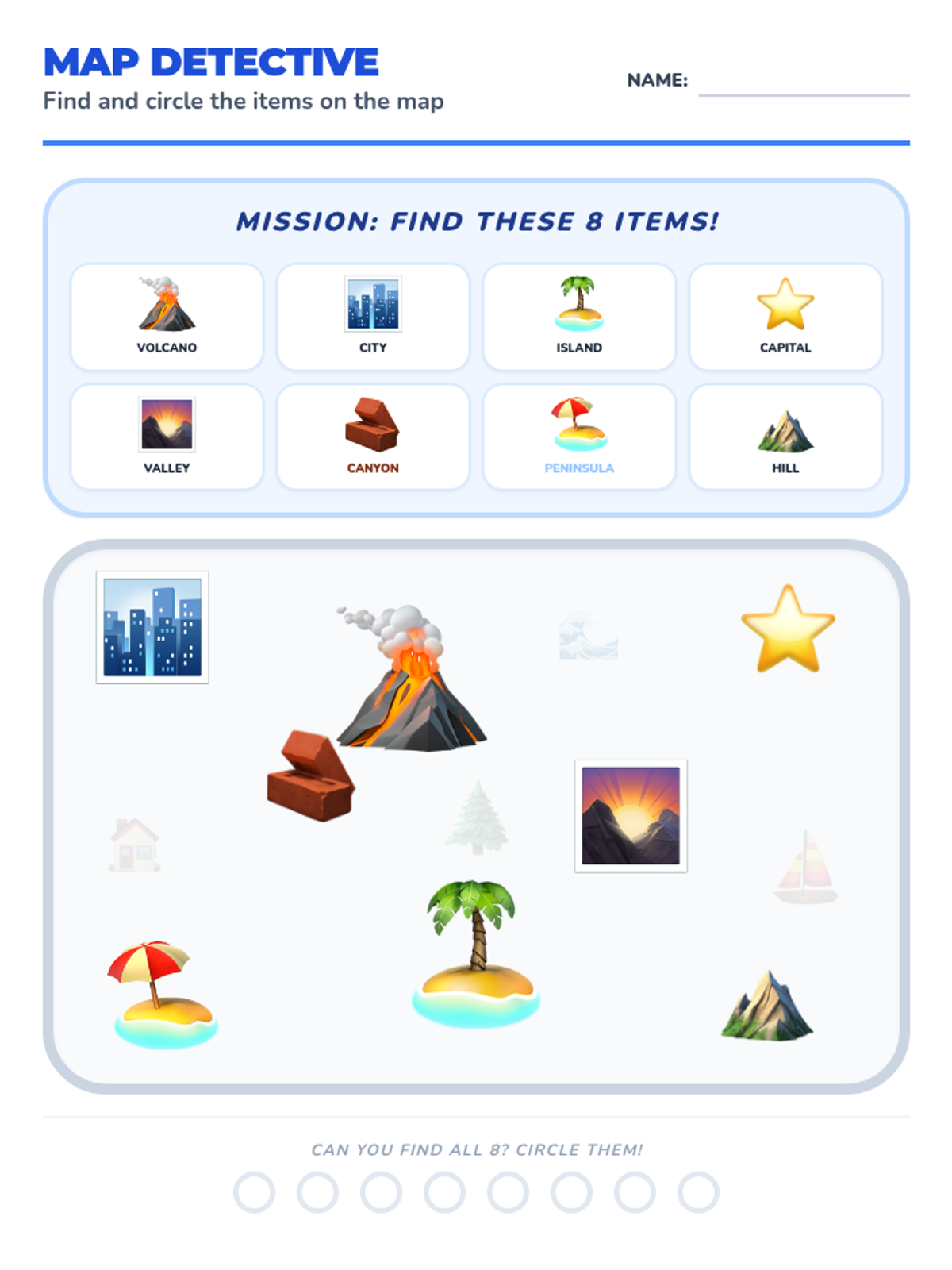
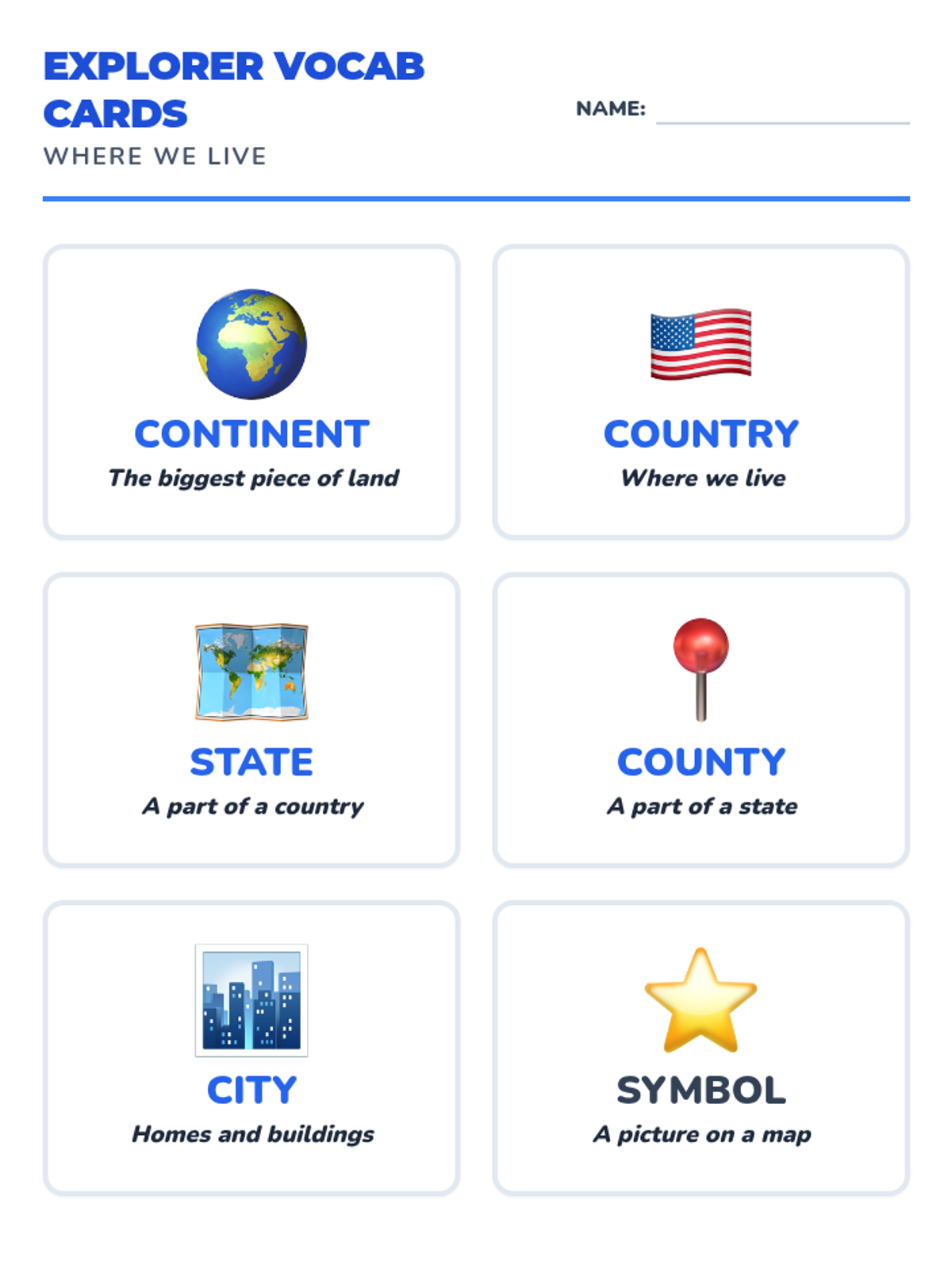
A visual-heavy lesson introducing map symbols, the hierarchy of place from city to continent, and major landforms and landmarks around the world.
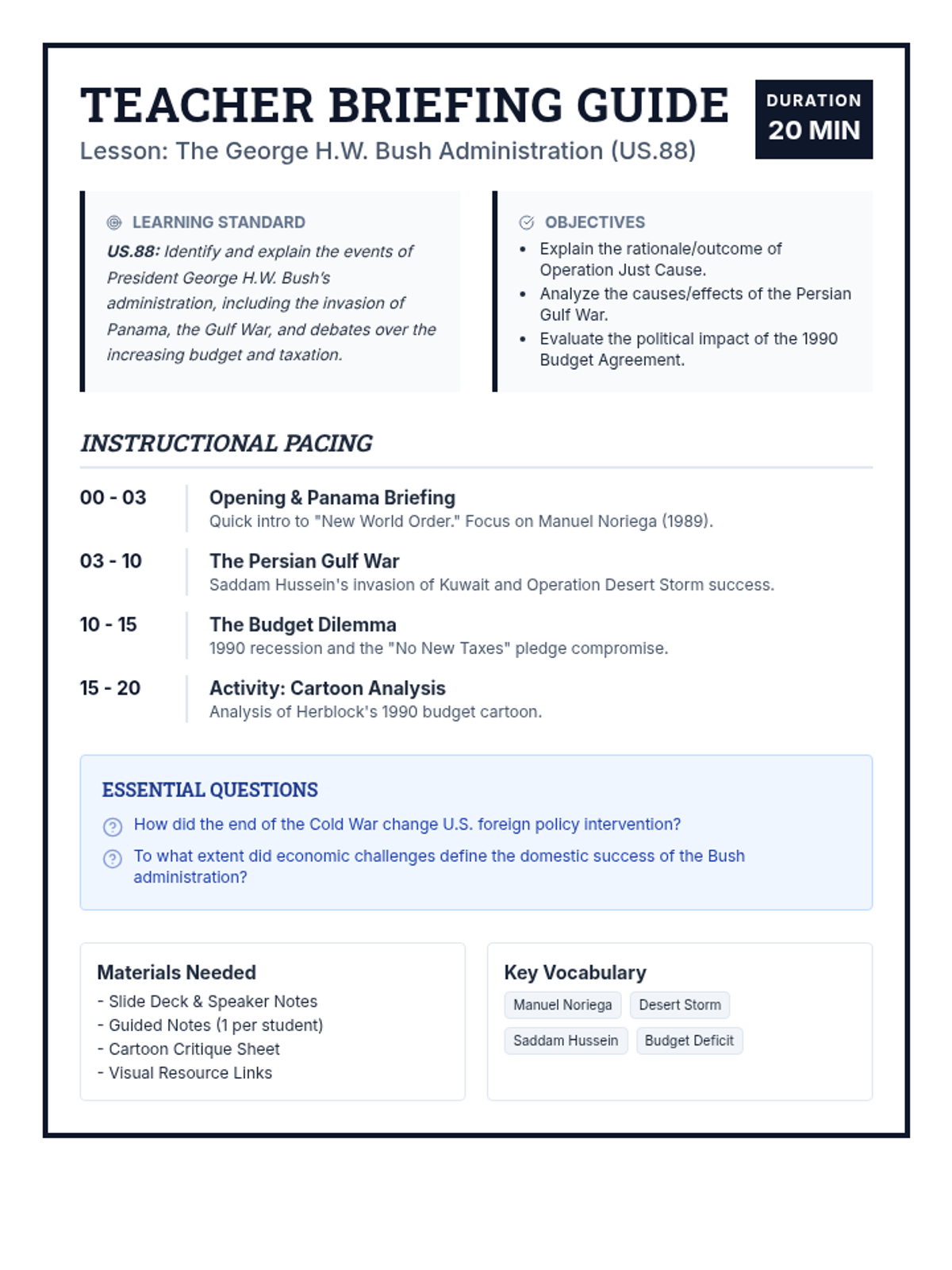
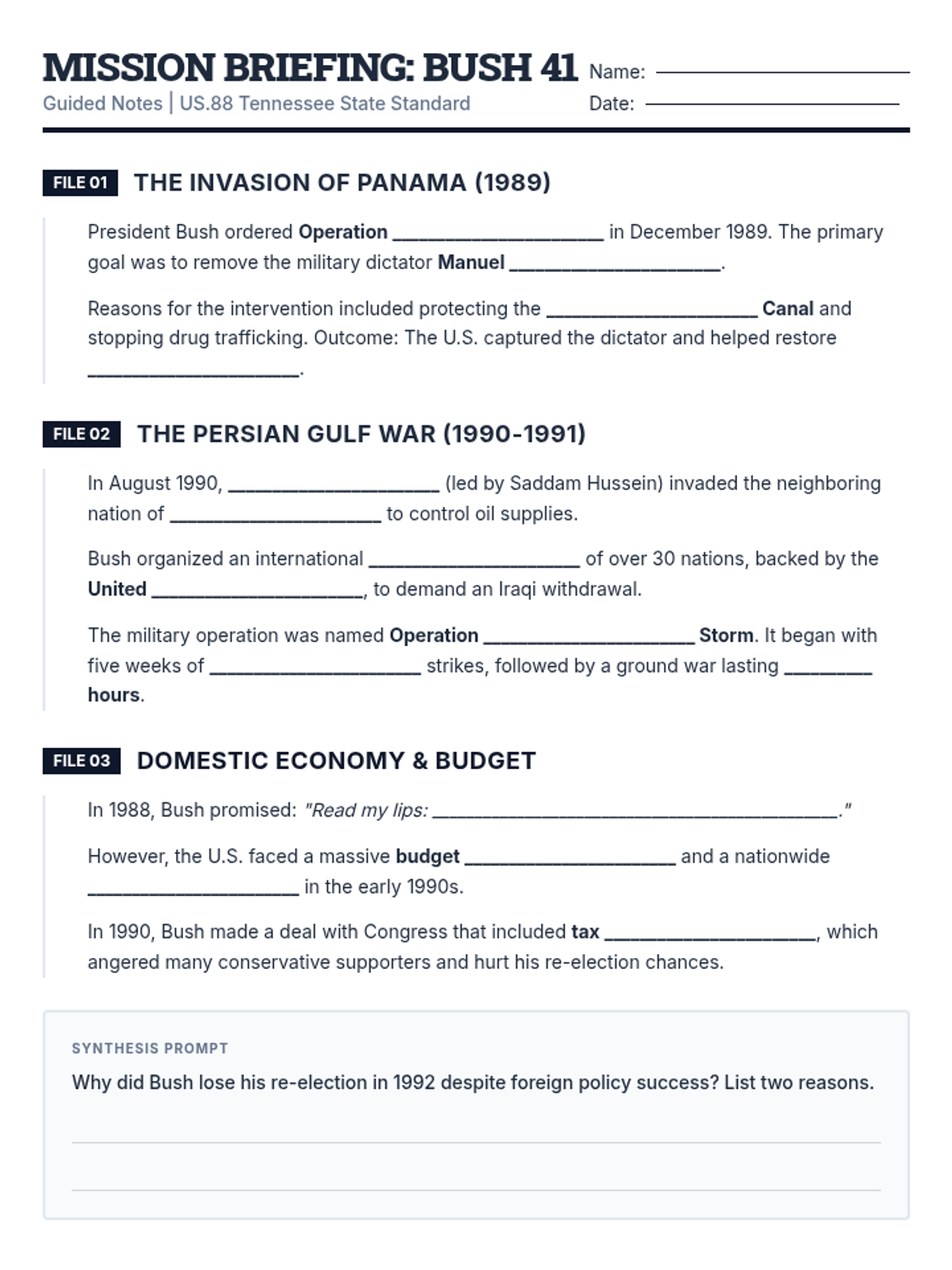
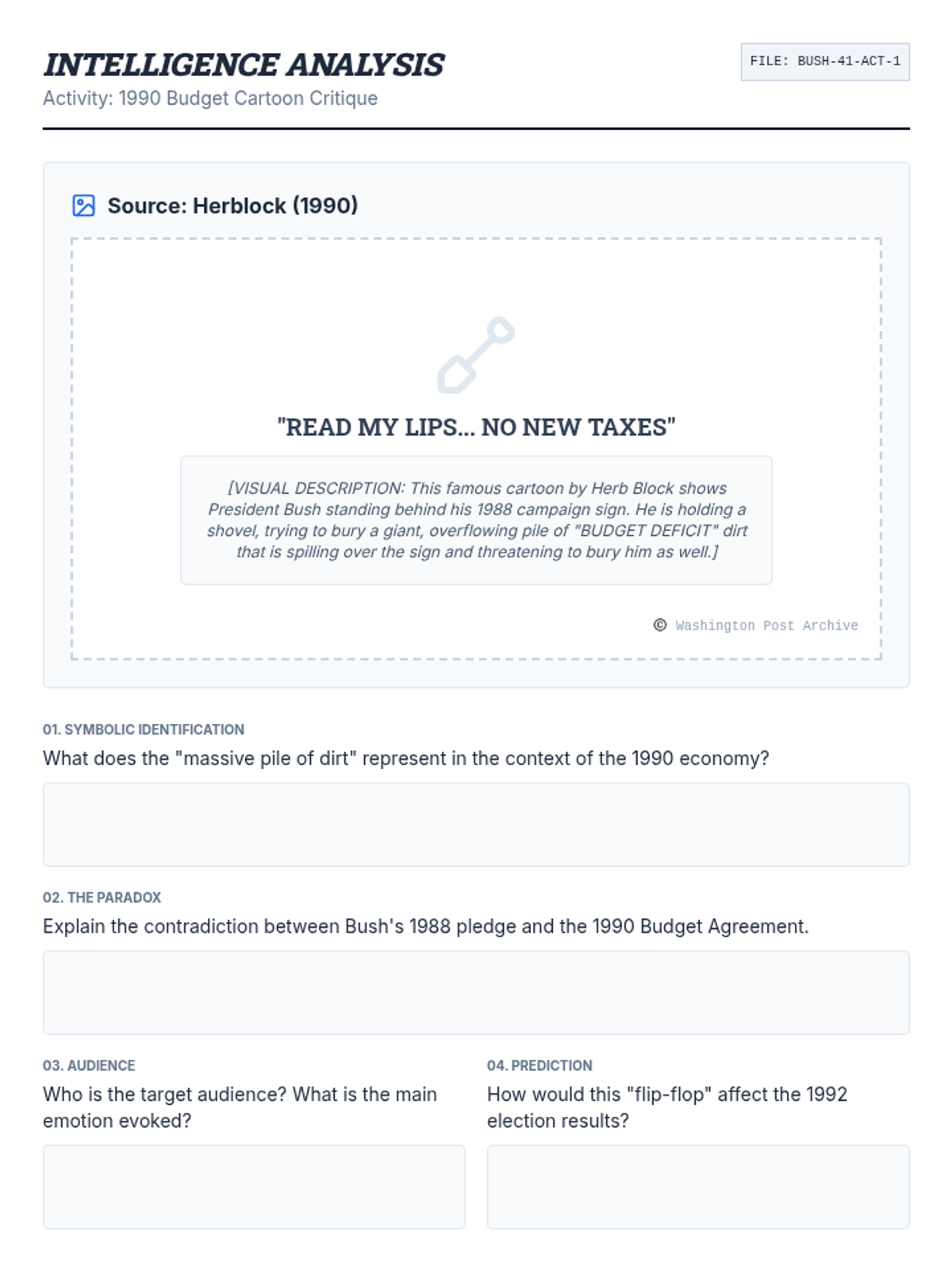
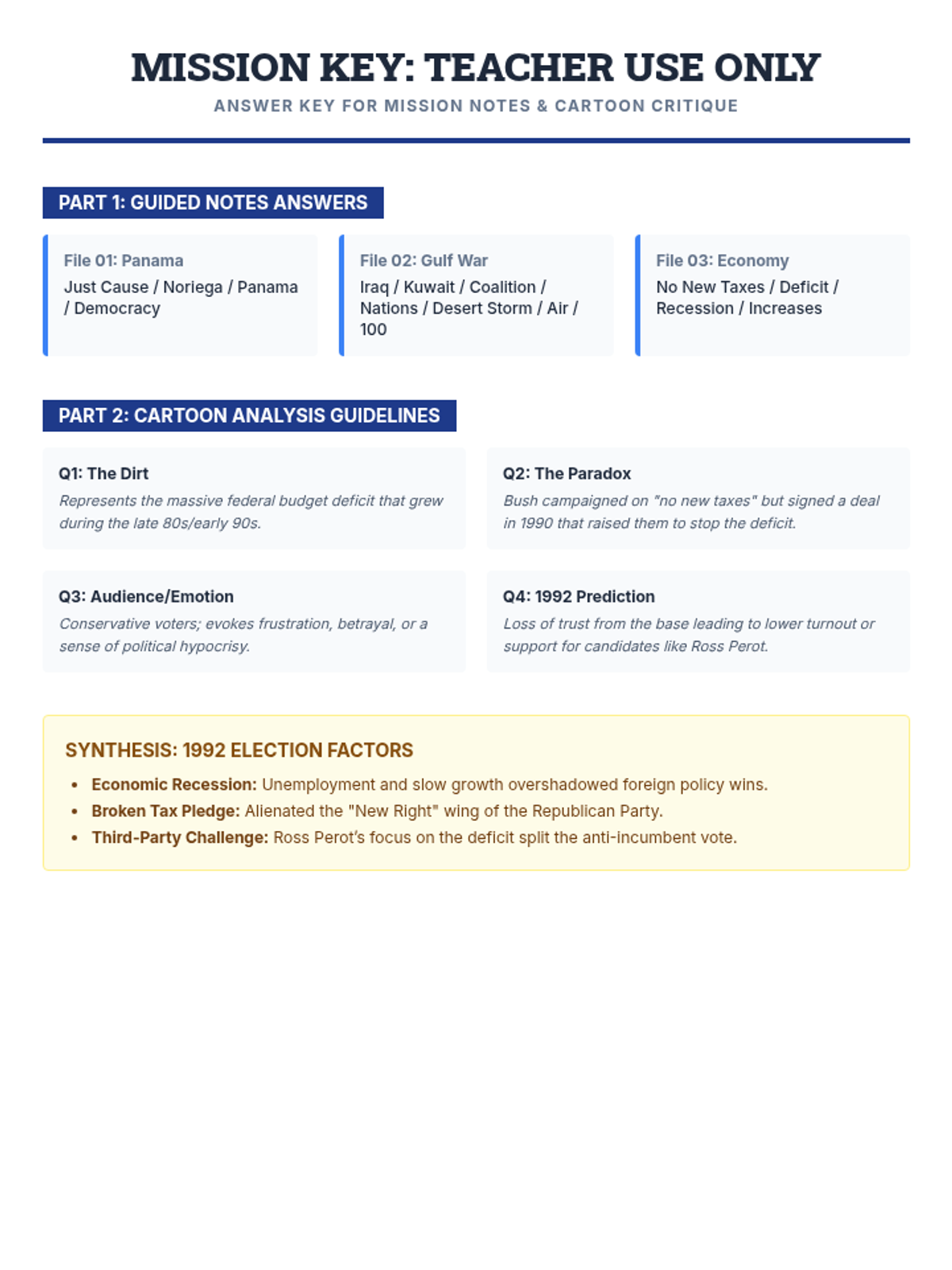
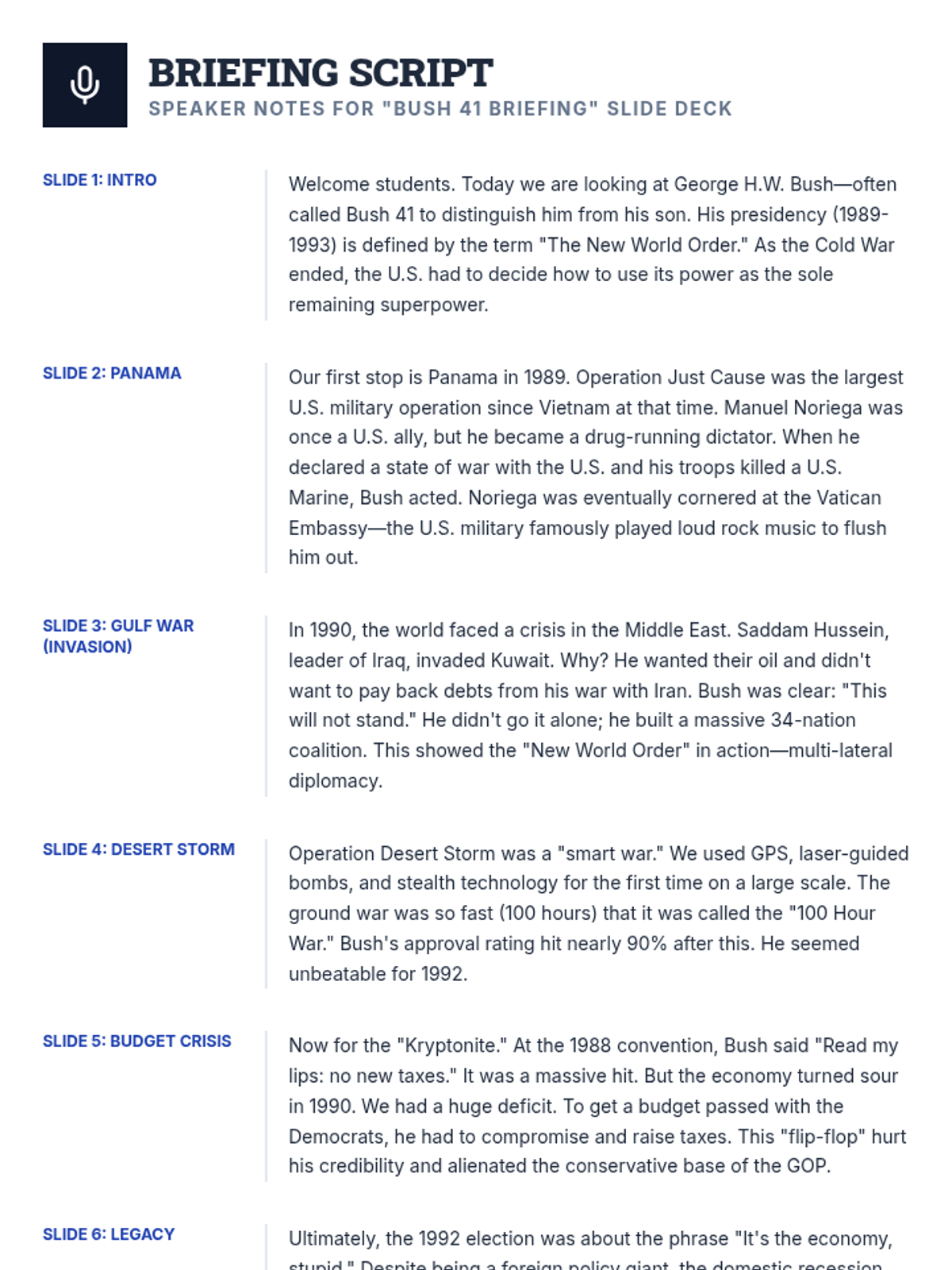
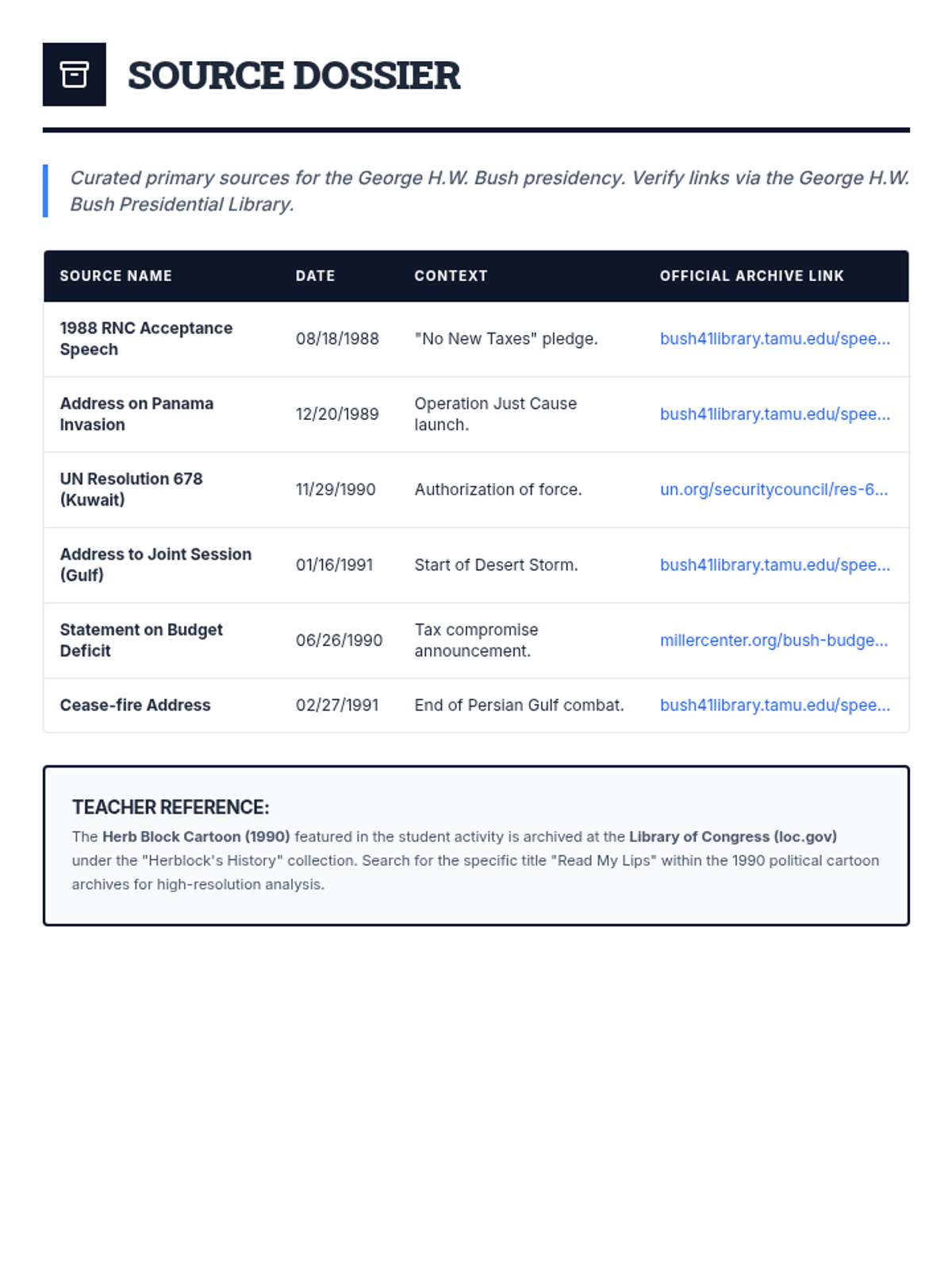
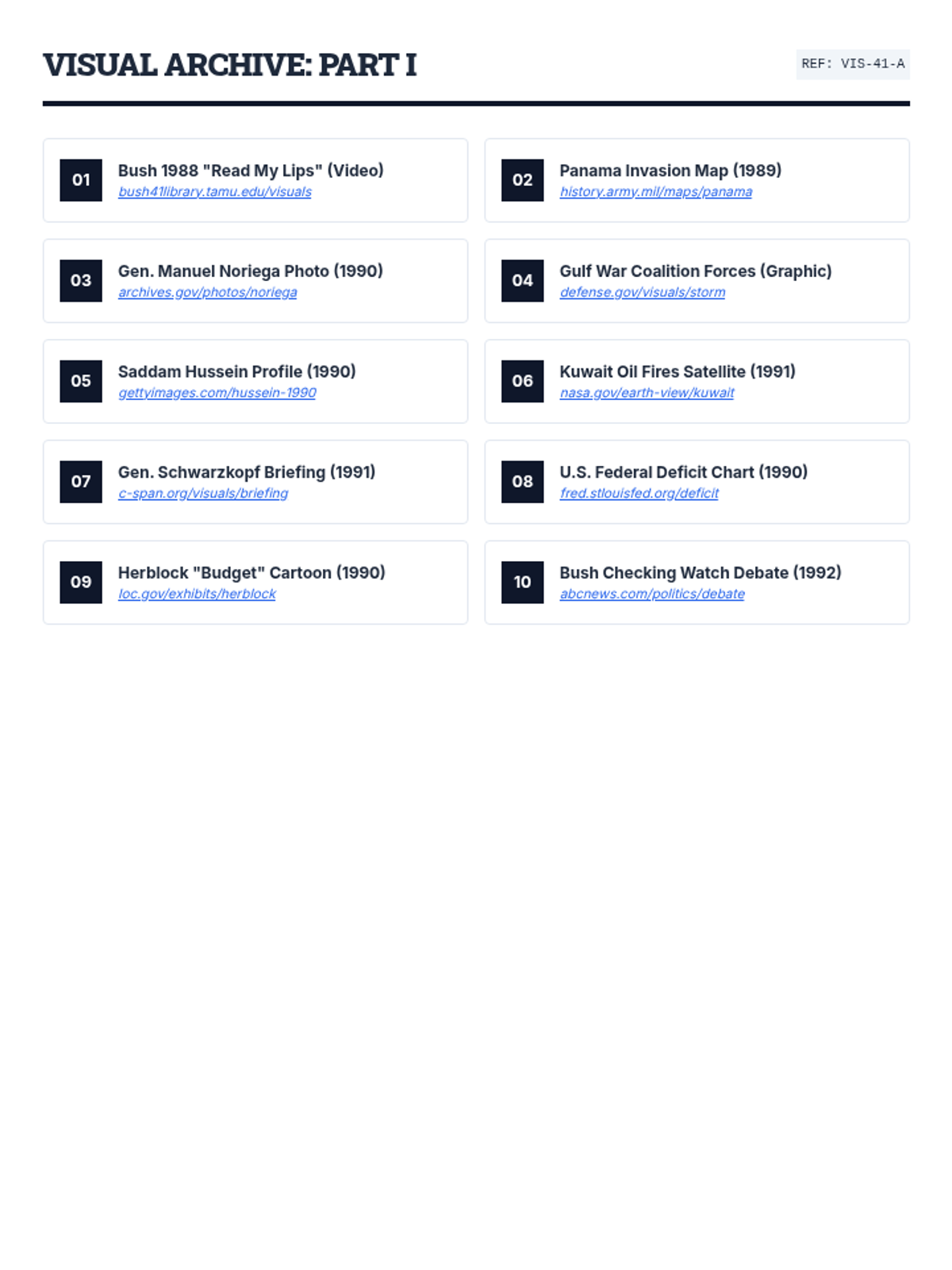
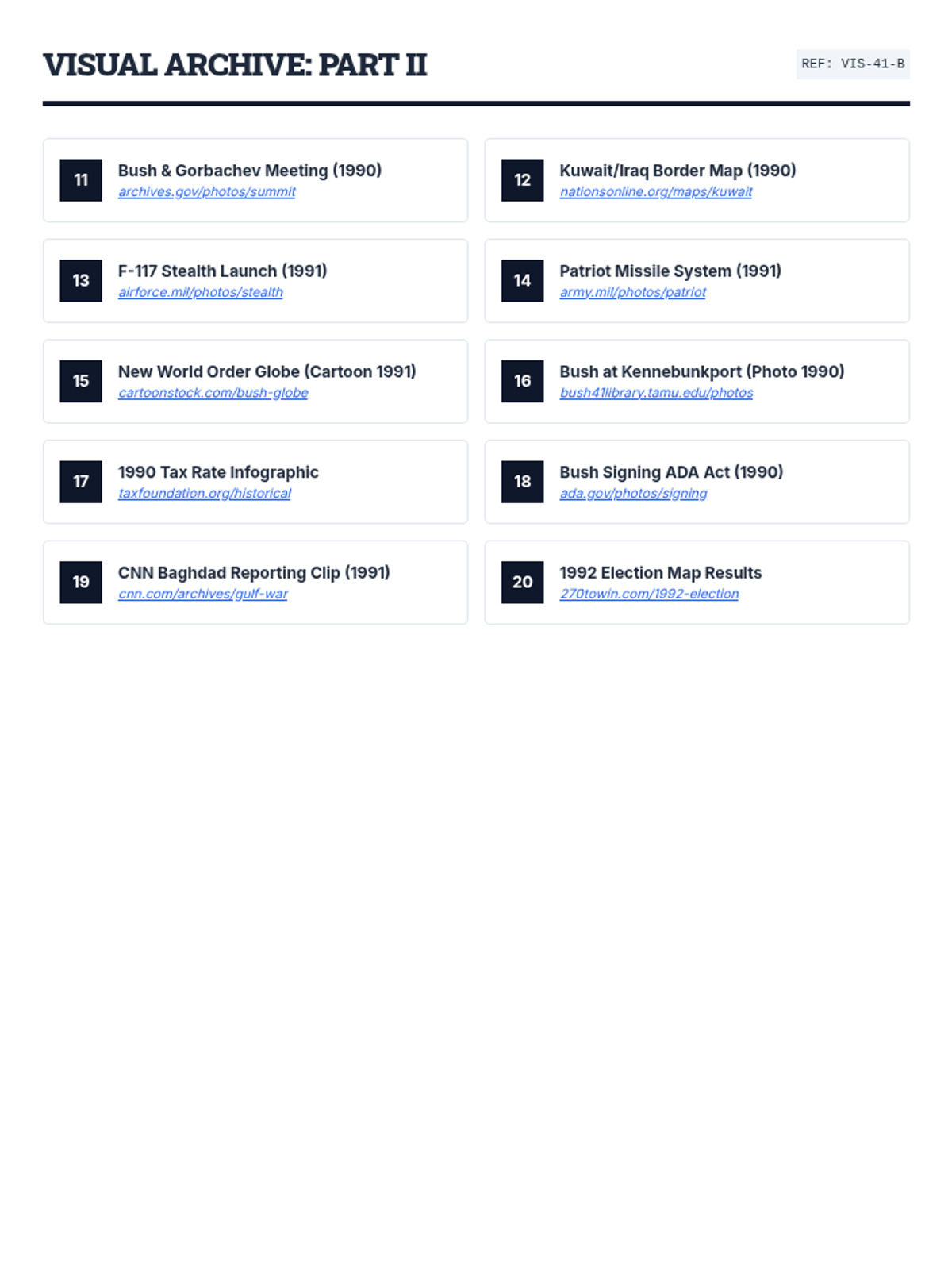
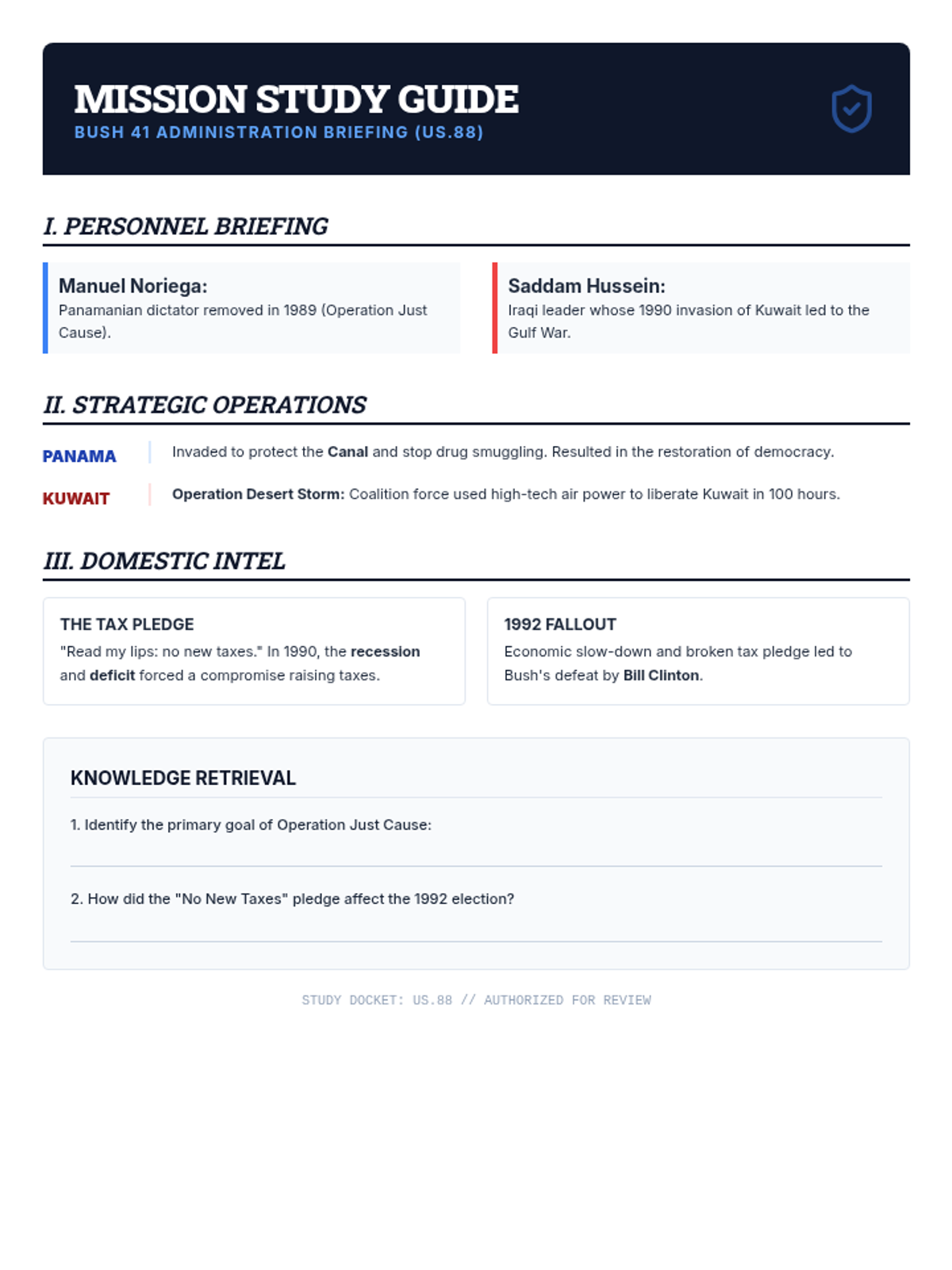
A focused 20-minute lesson covering the George H.W. Bush administration, specifically the invasion of Panama, the Gulf War, and the domestic budget debates.
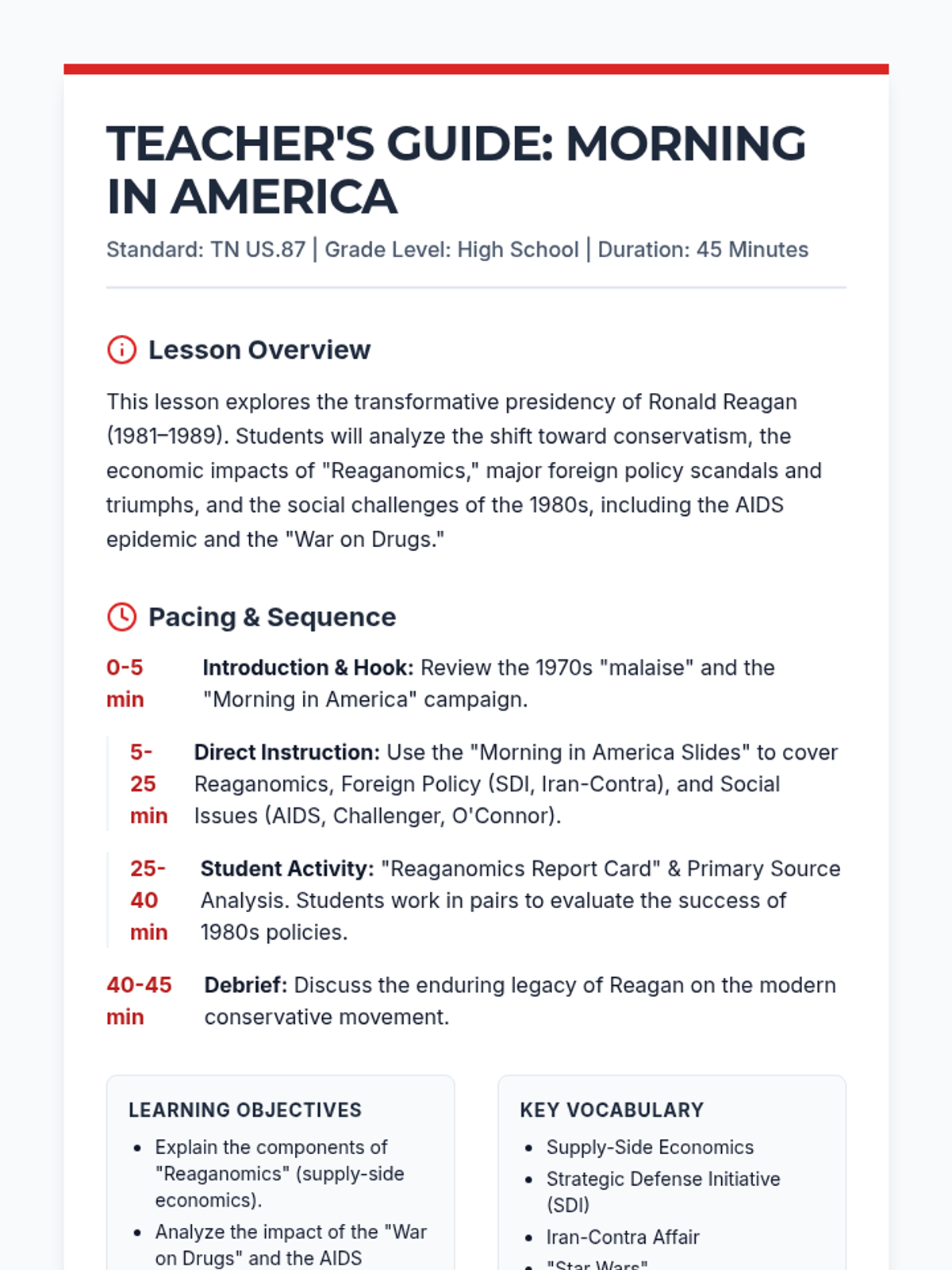
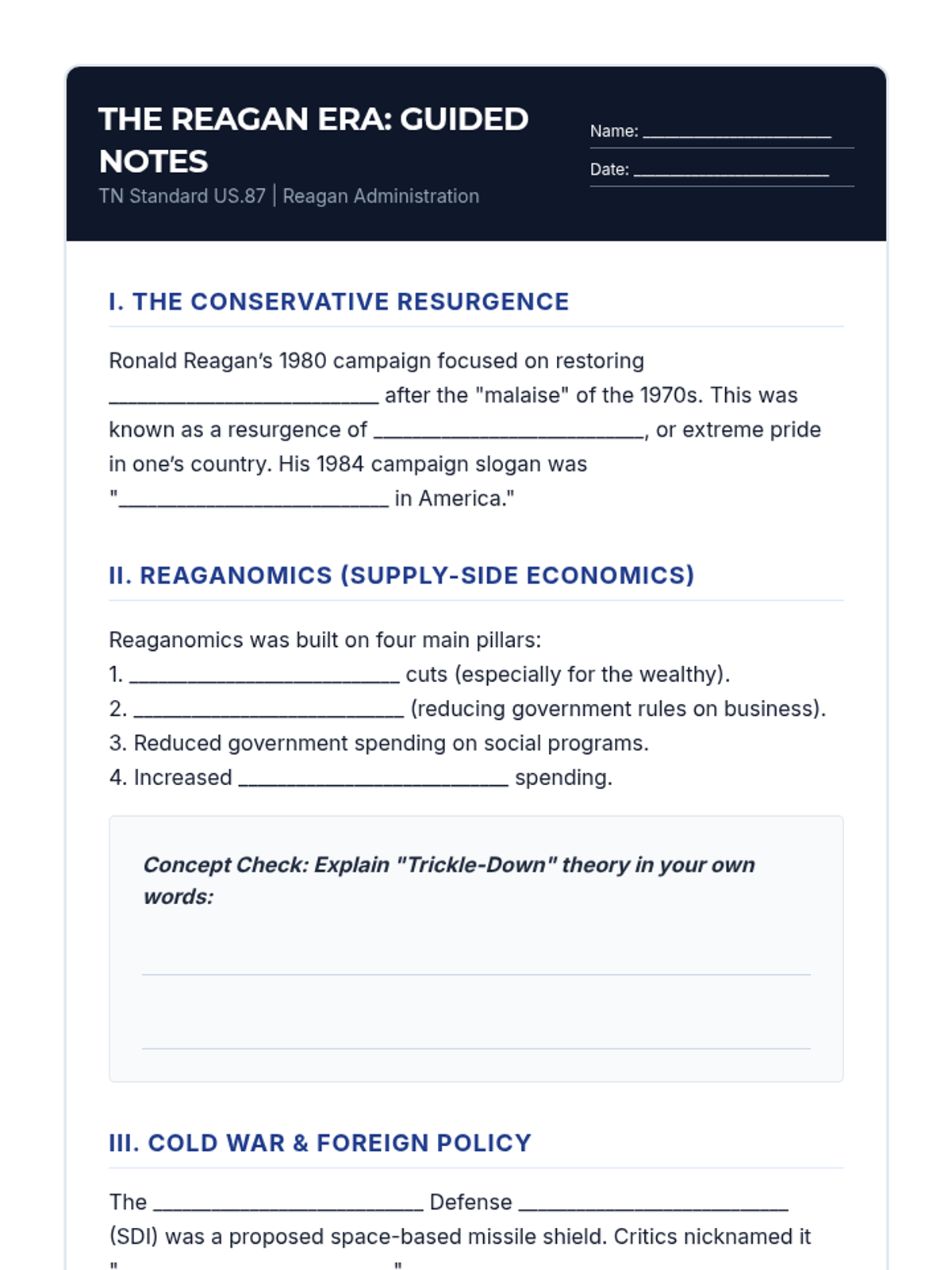
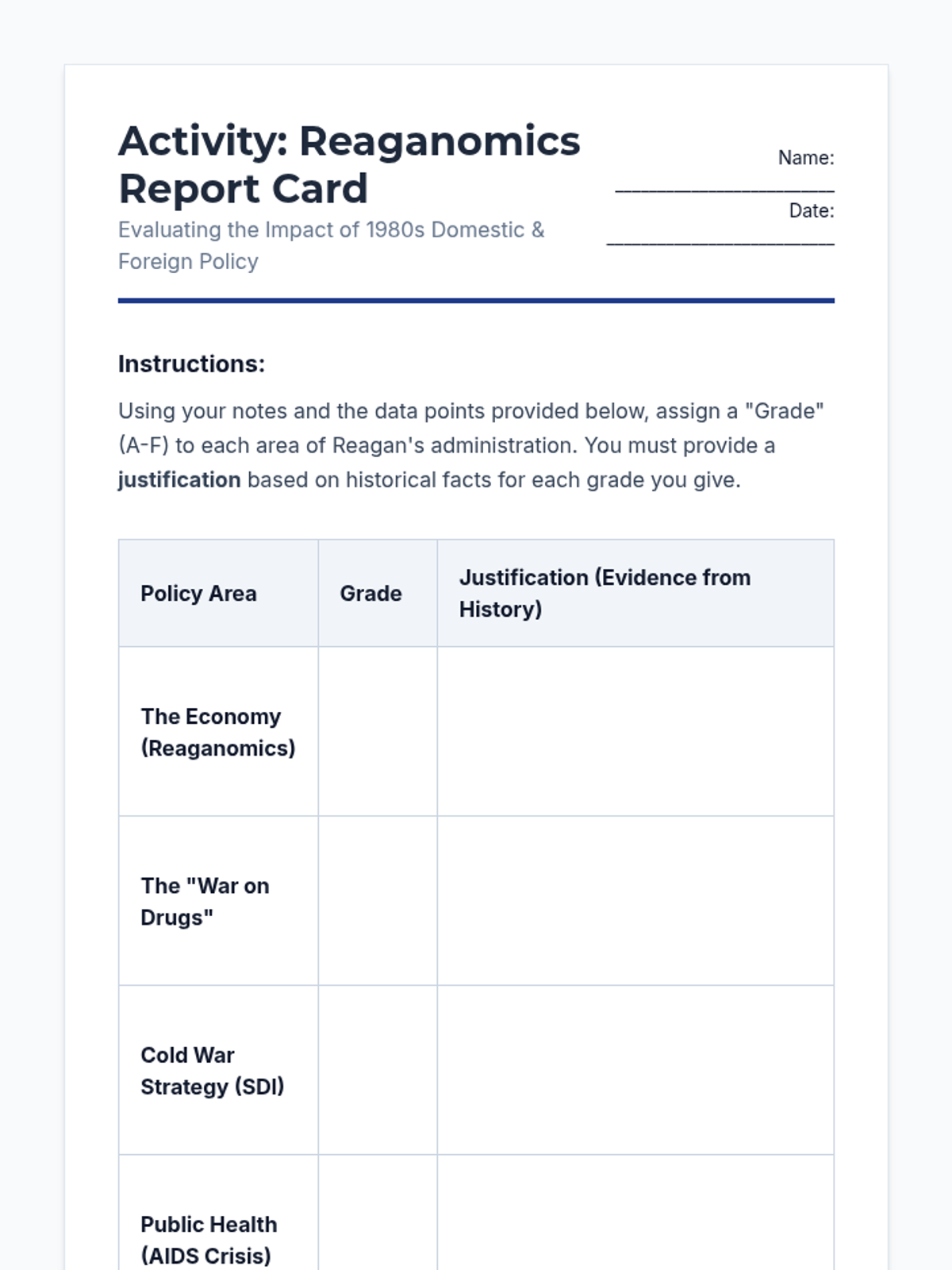
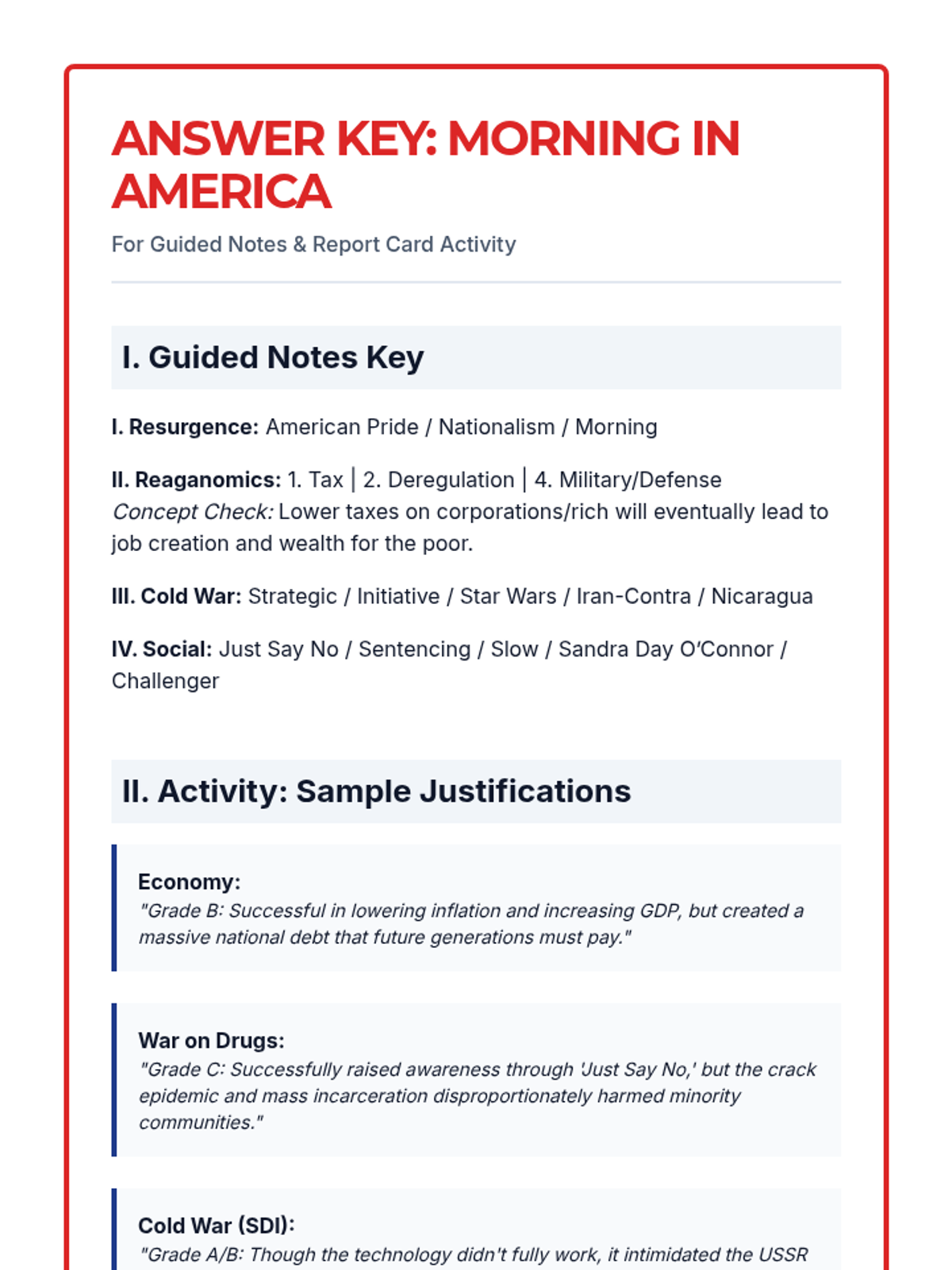
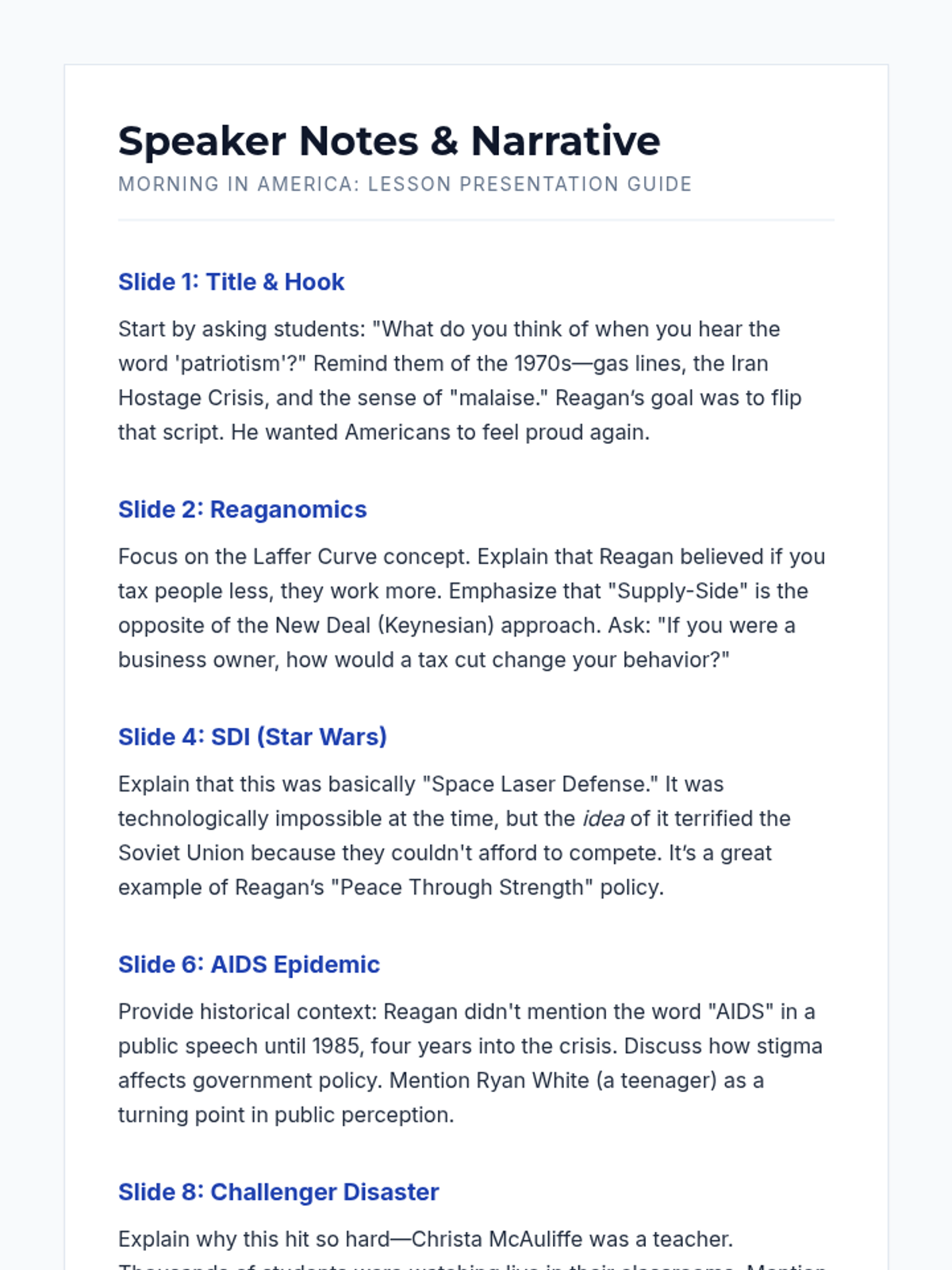
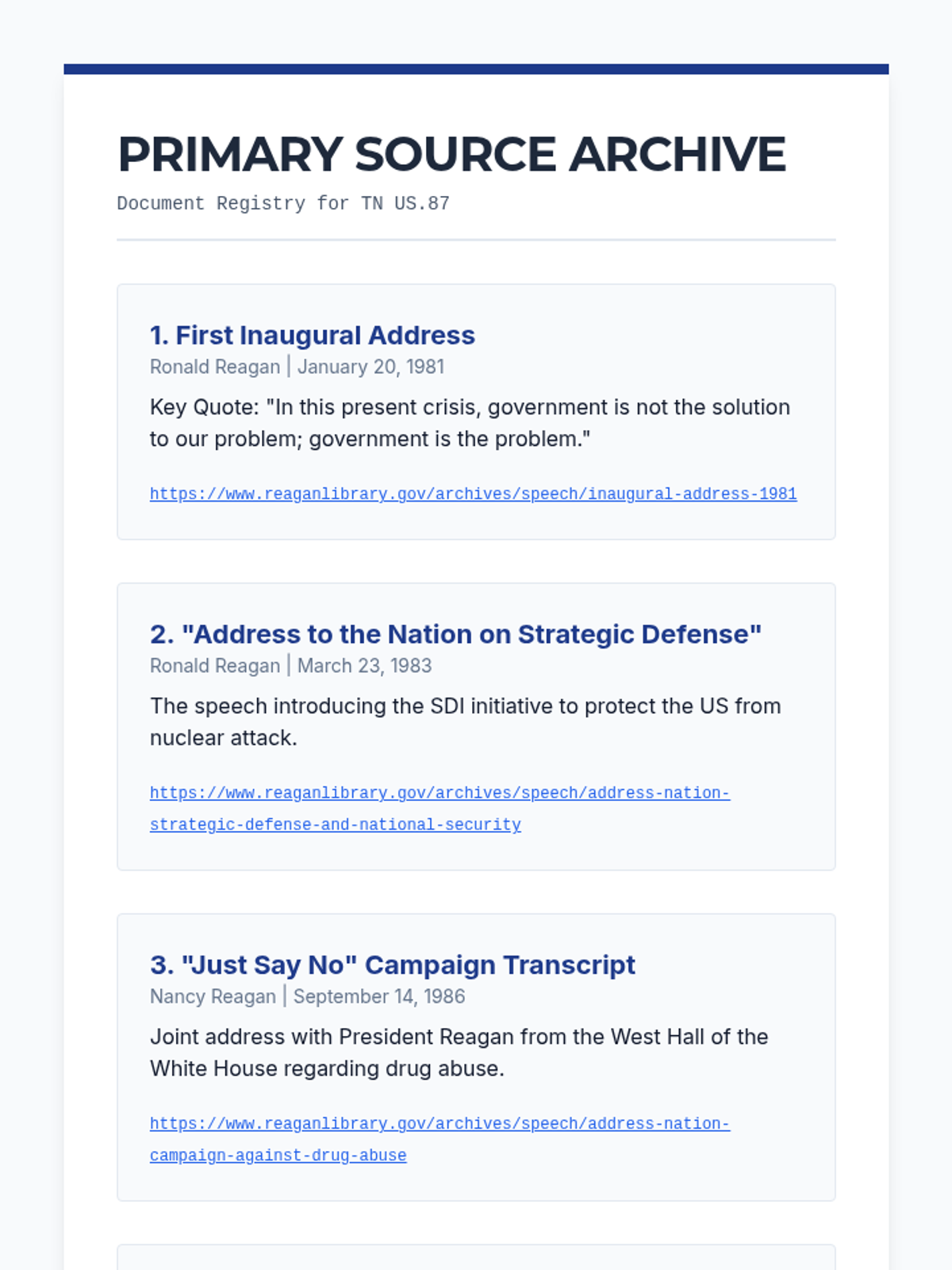
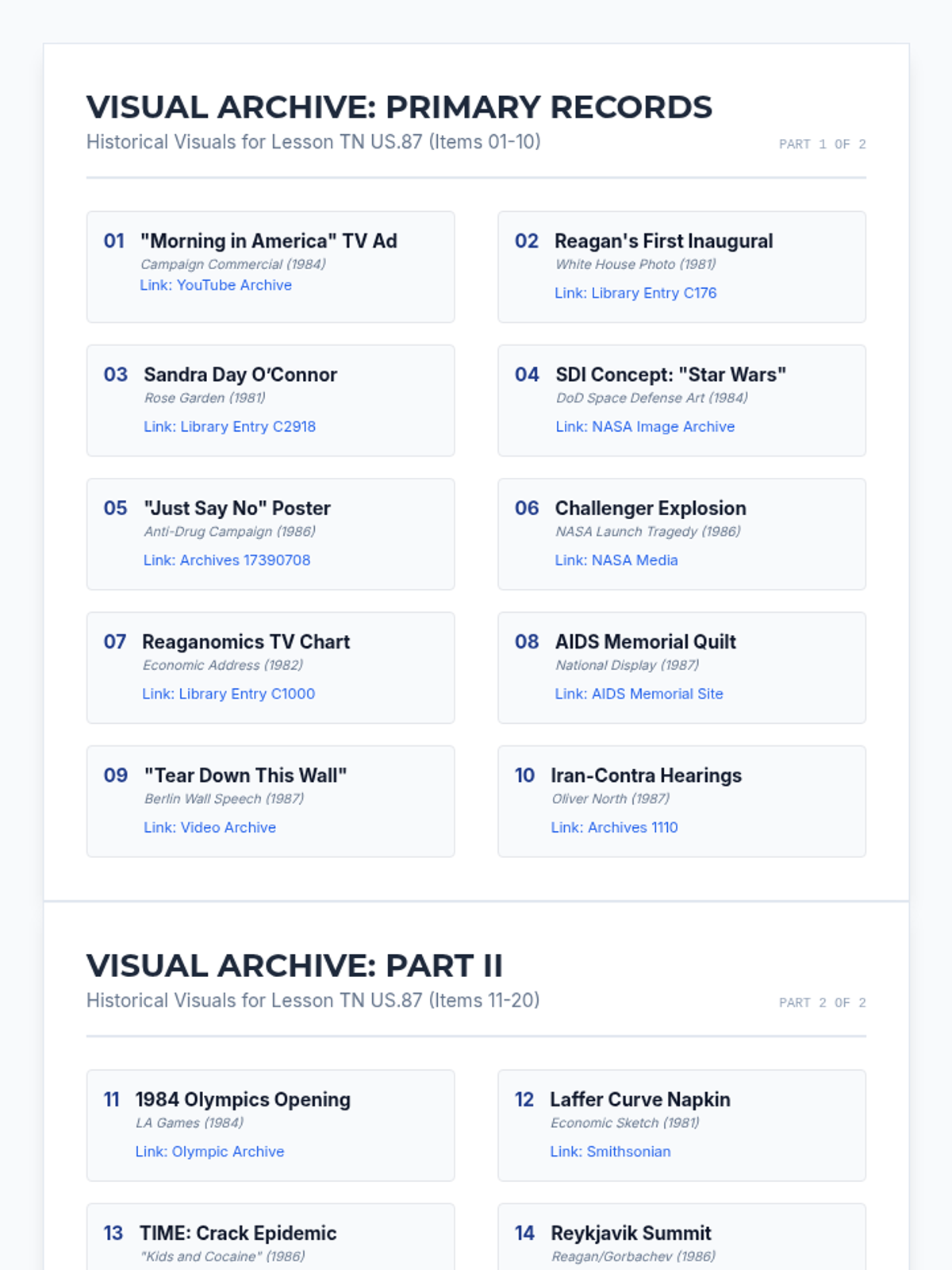
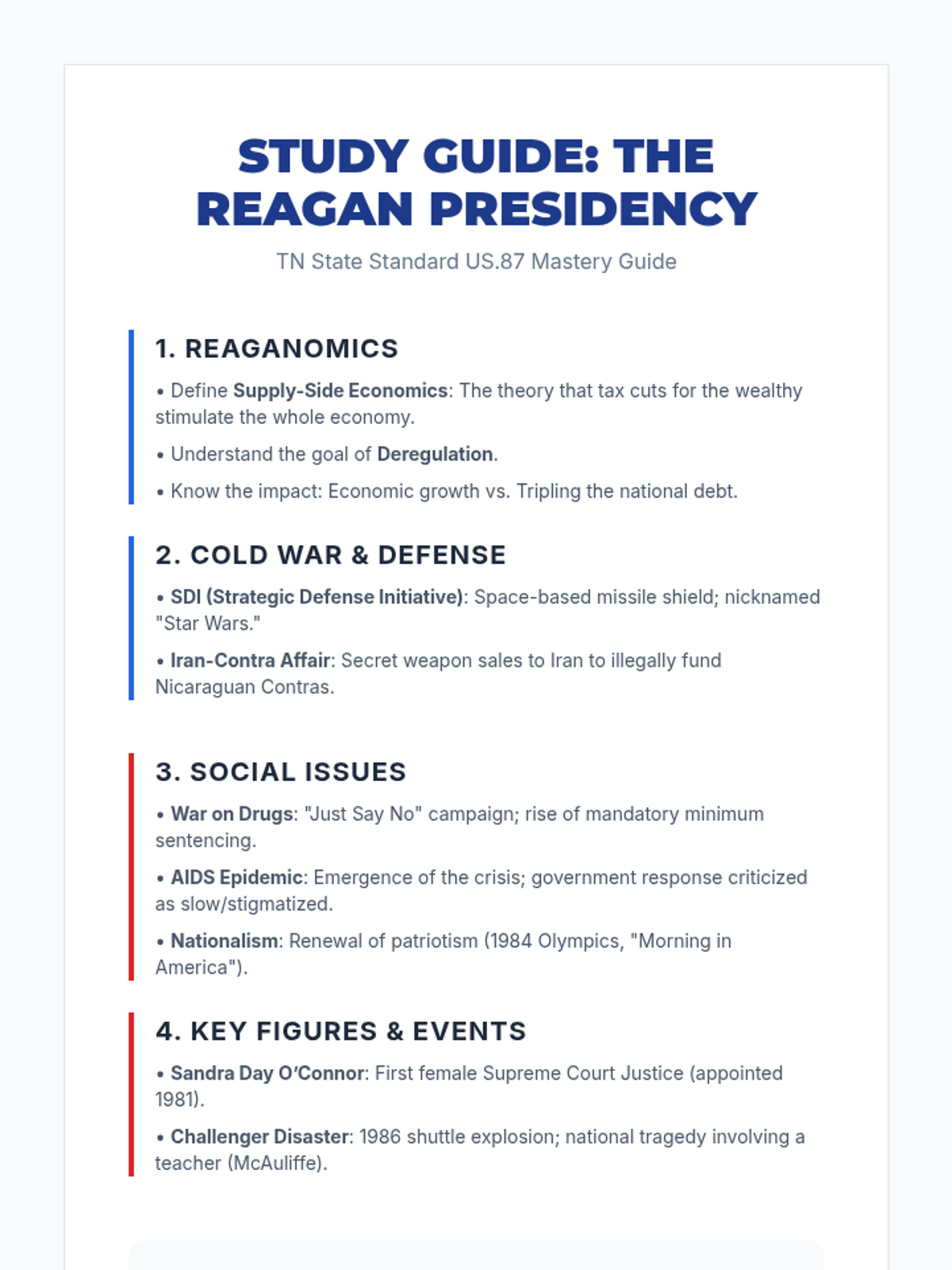
A comprehensive high school history lesson covering the presidency of Ronald Reagan, focusing on Reaganomics, the Cold War, and domestic social issues as aligned with TN Standard US.87.
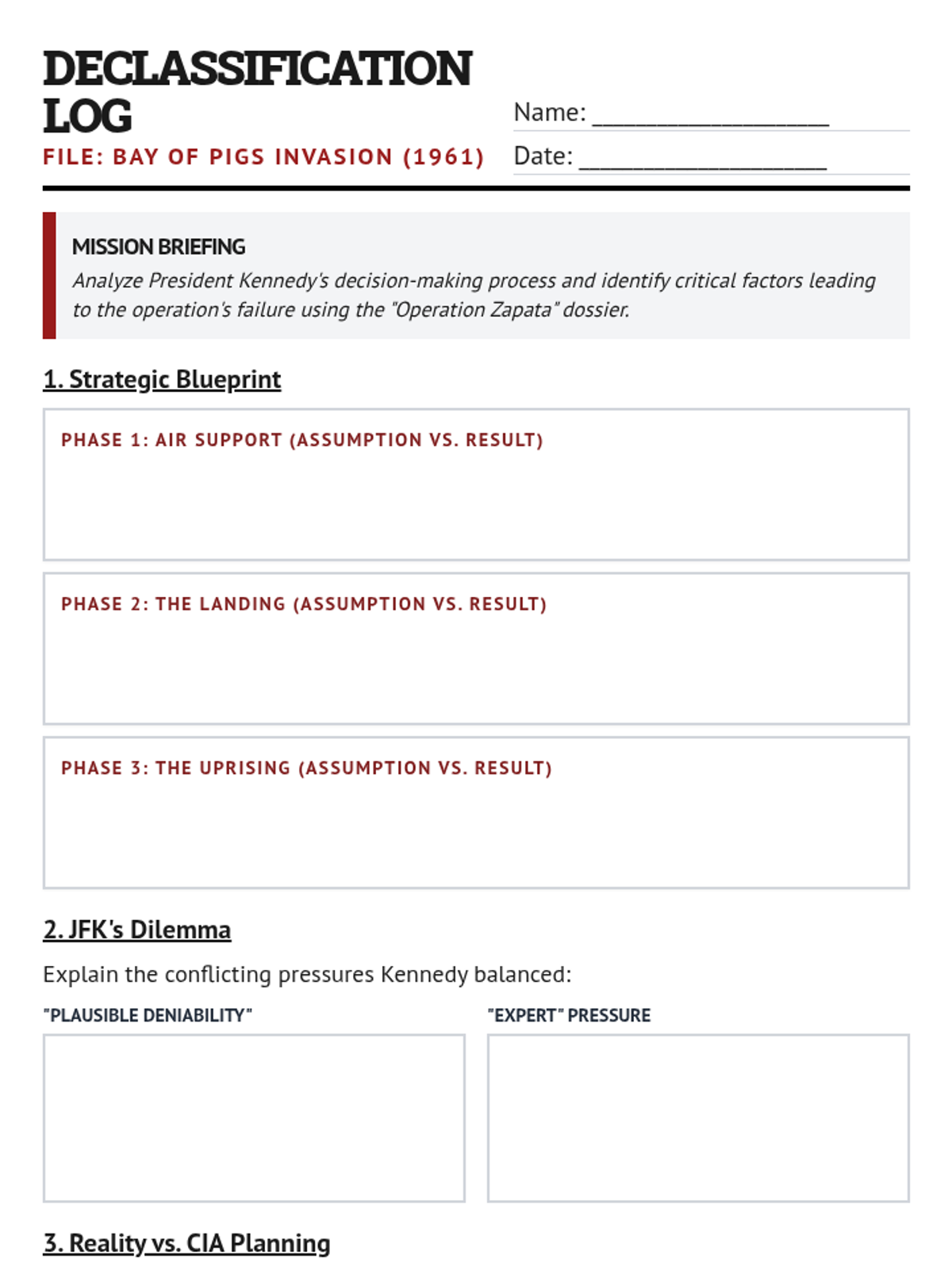
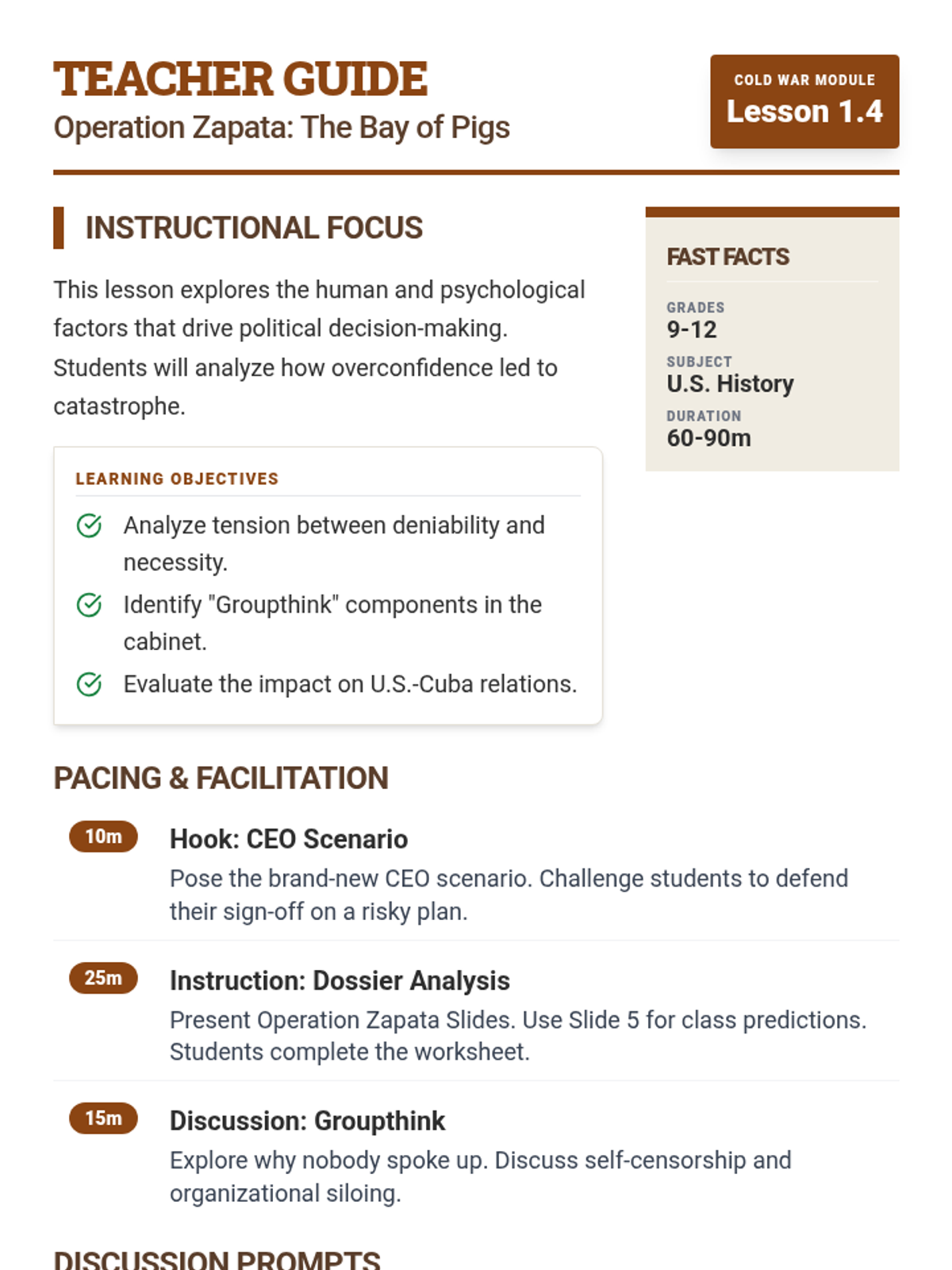
An in-depth look at the Bay of Pigs invasion, focusing on John F. Kennedy's decision-making process, the strategic failures of the CIA-led operation, and the enduring geopolitical consequences of the Cold War crisis.
A lesson introducing the concept of family, its definition, and its importance as a social unit.
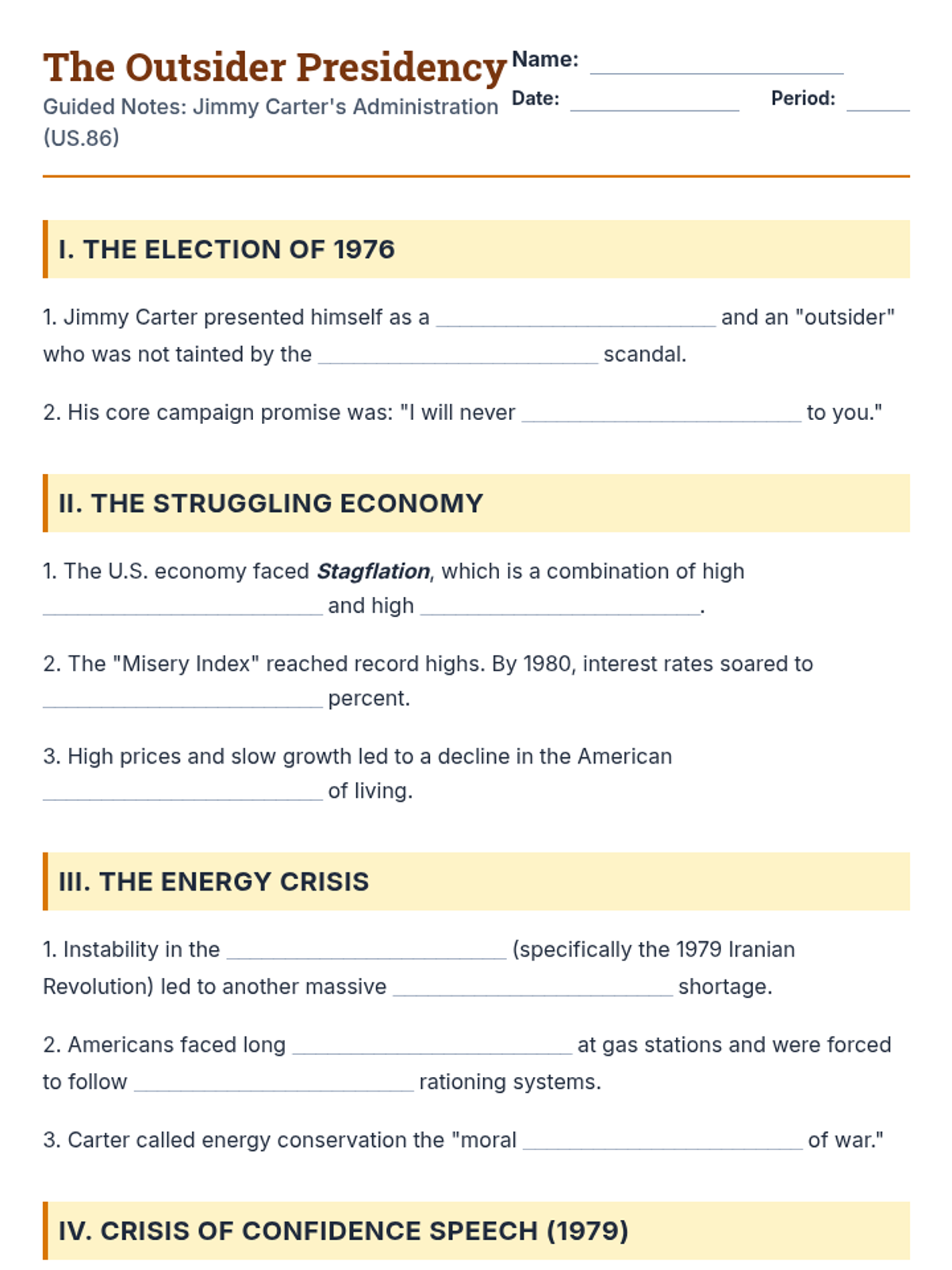
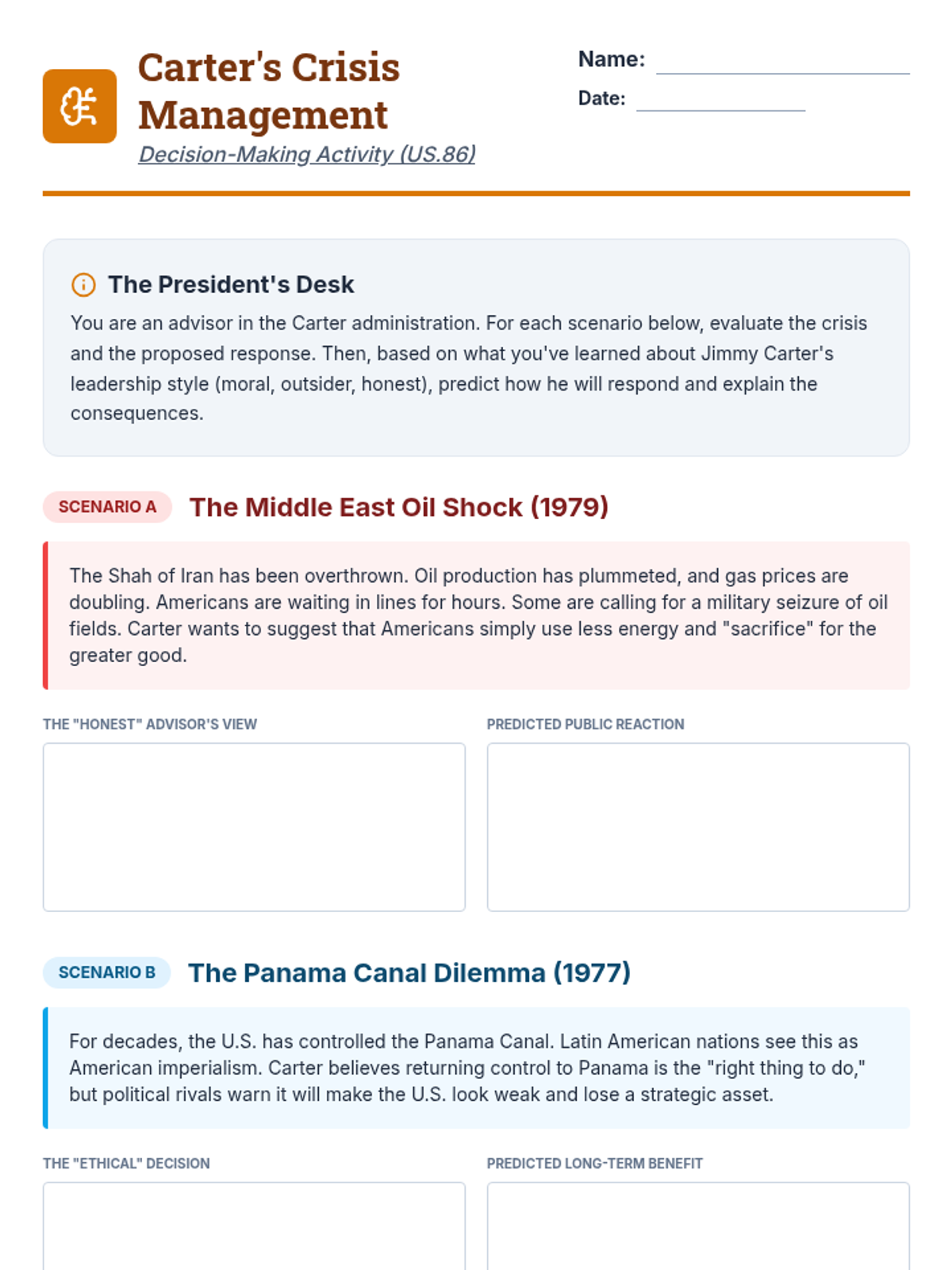
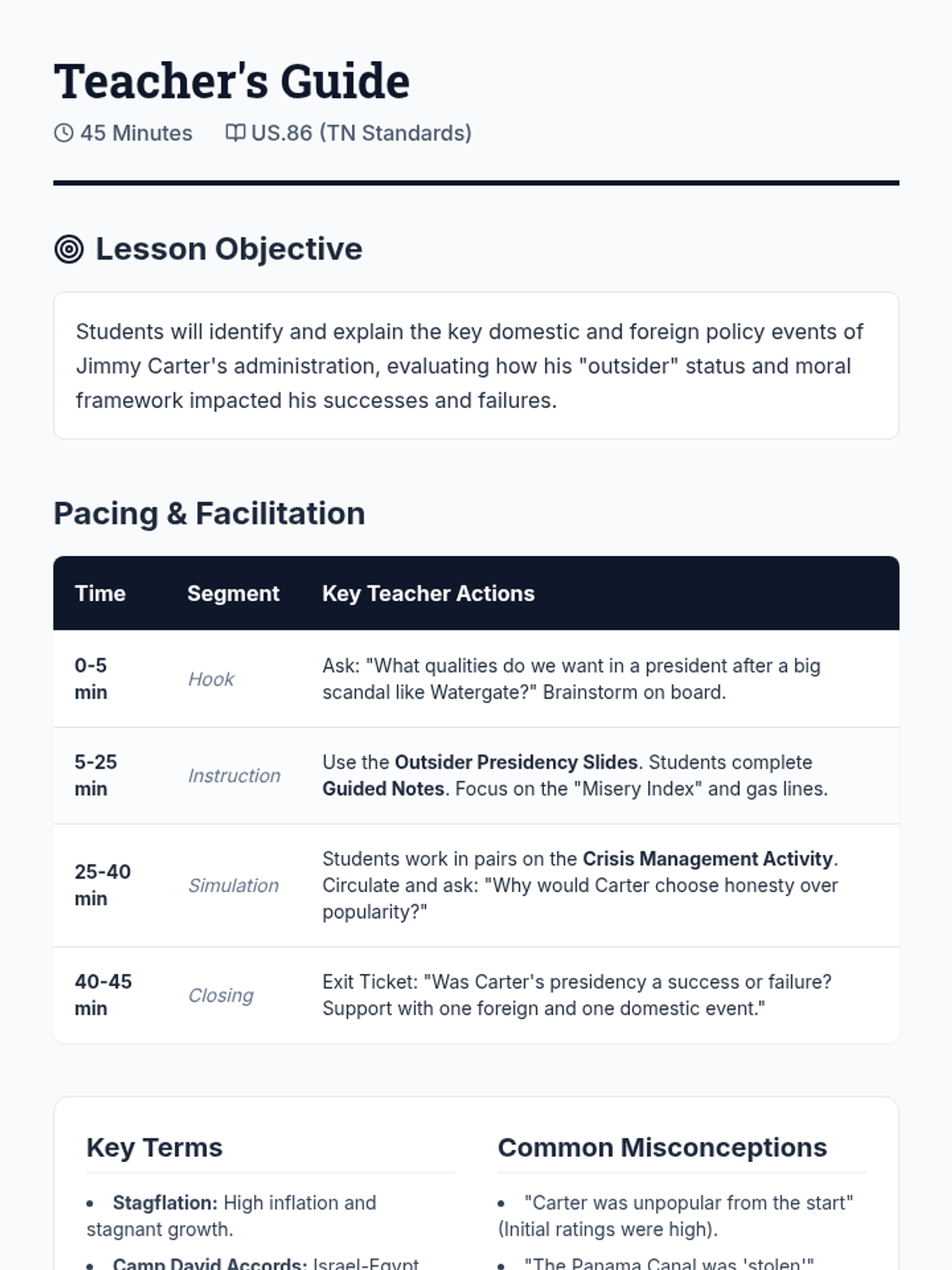
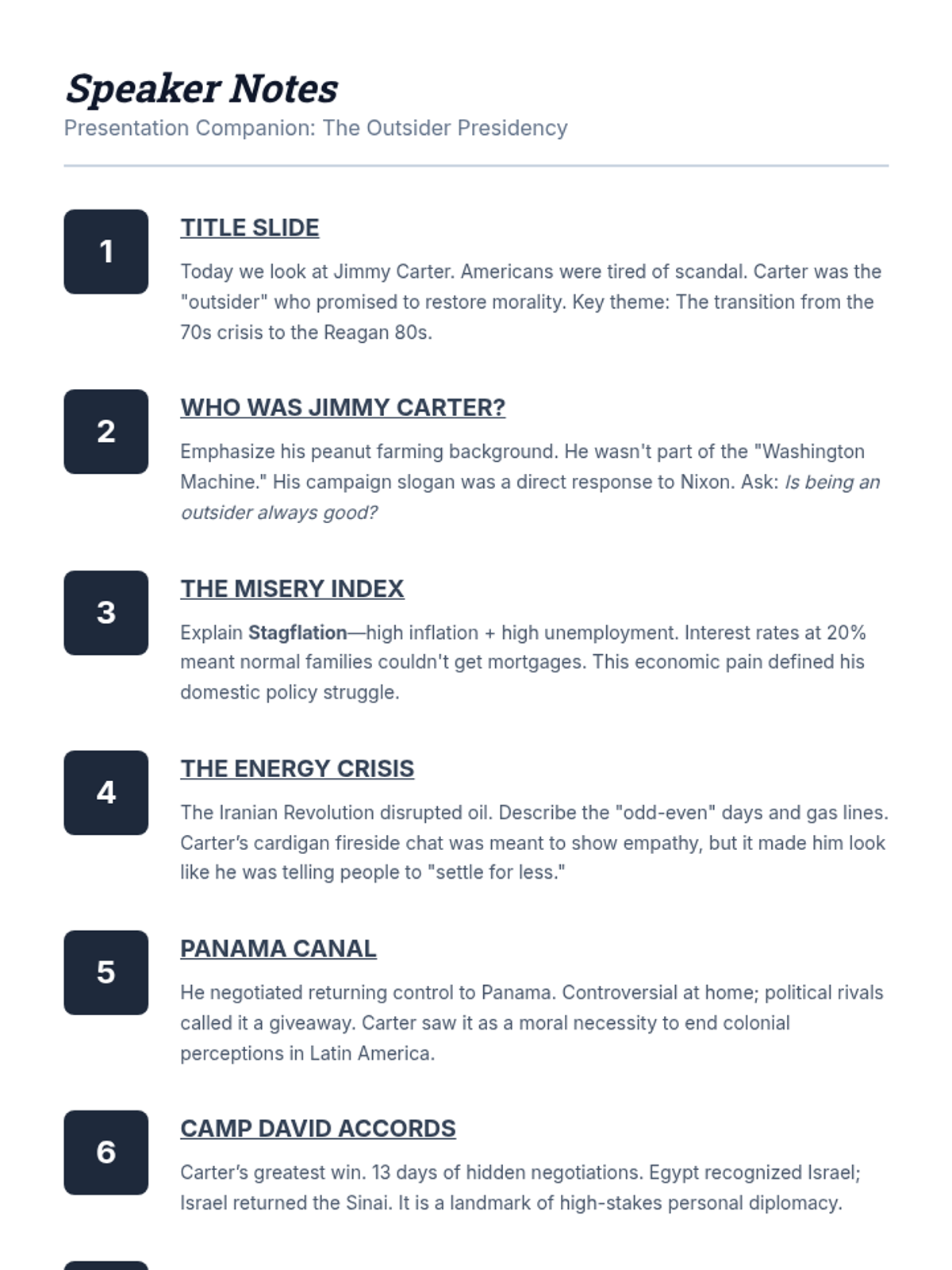
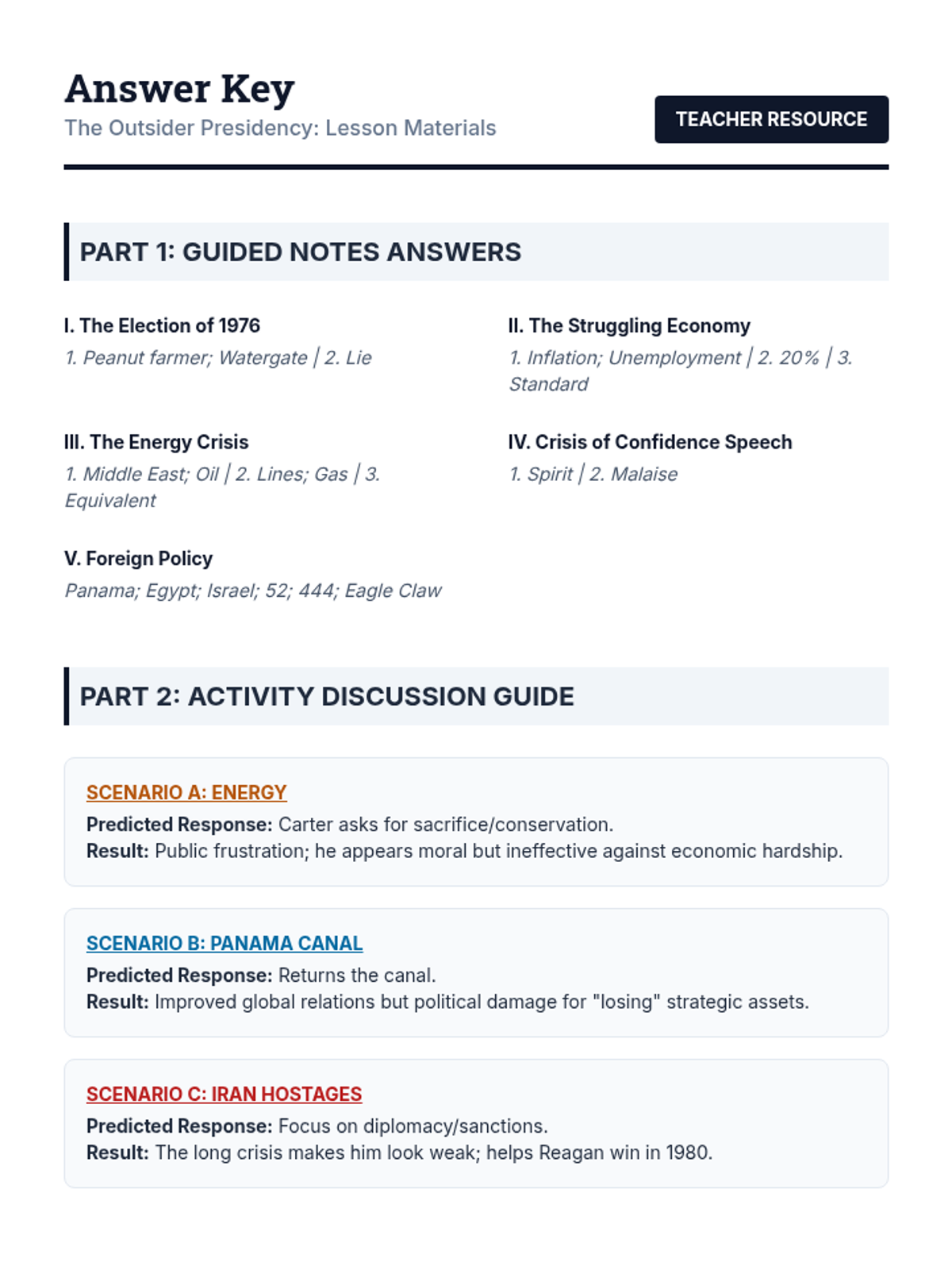
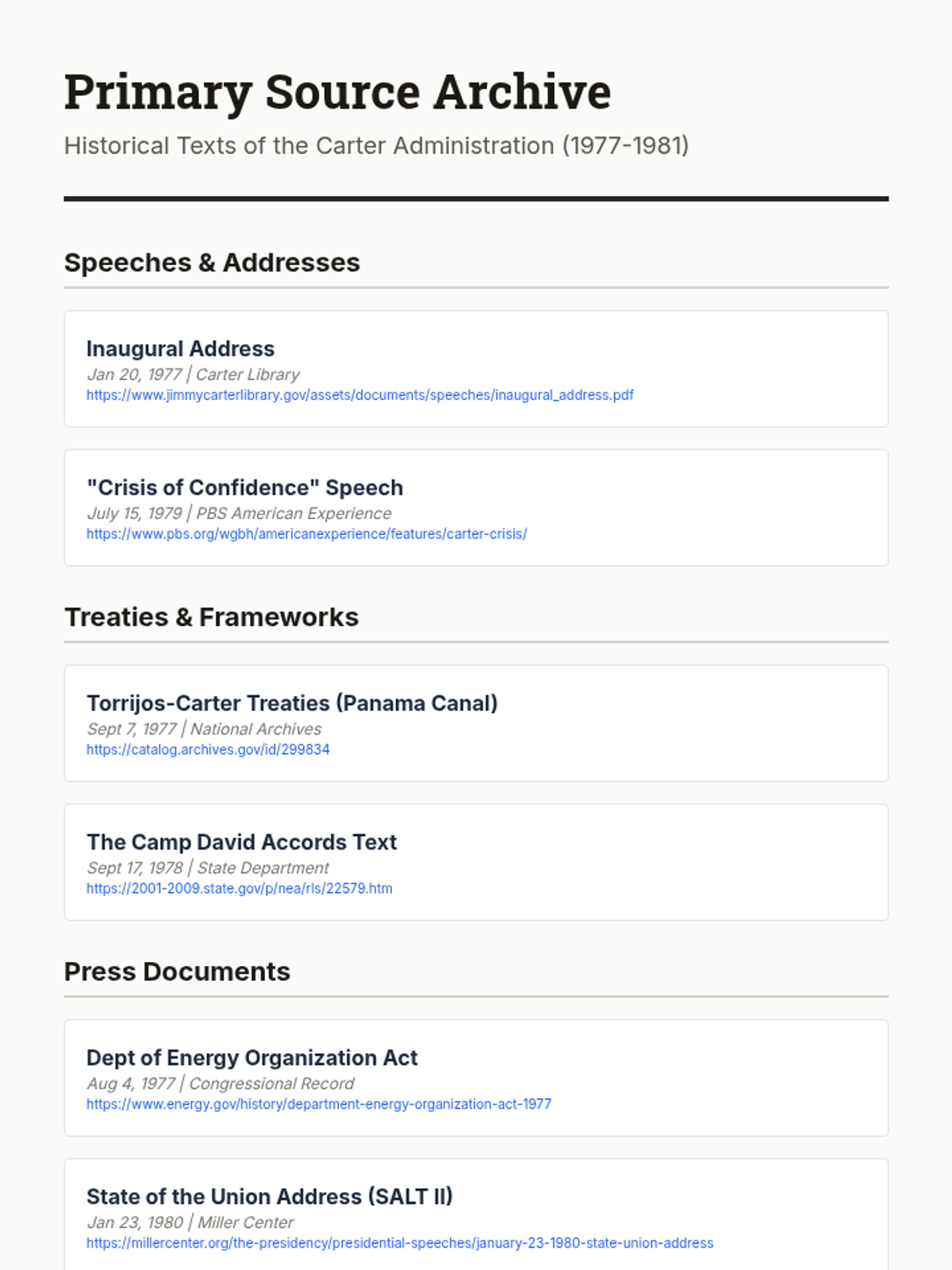
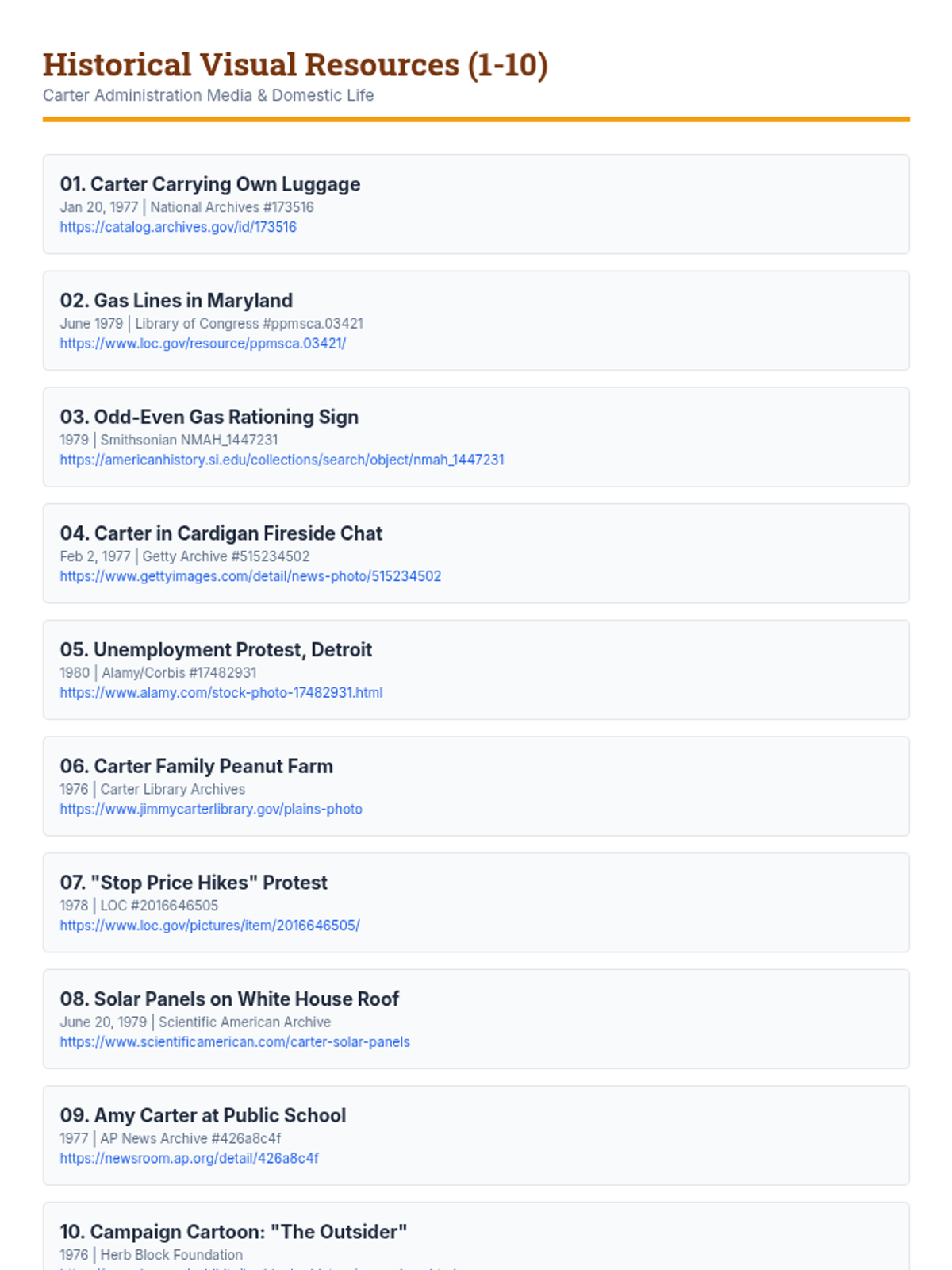
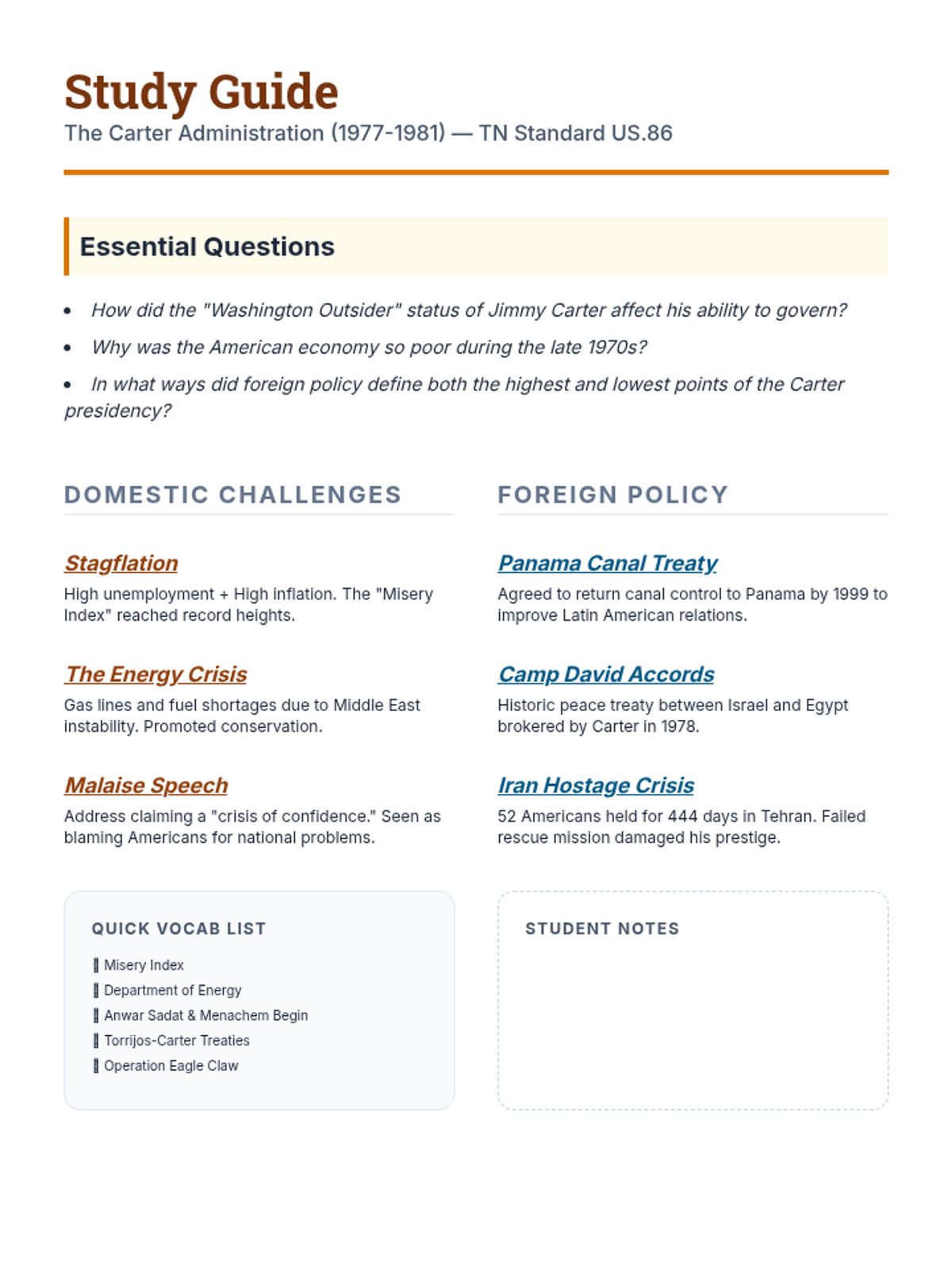
A comprehensive lesson on Jimmy Carter's administration, covering the economic challenges, foreign policy triumphs and failures, and the cultural shift of the late 1970s. Includes slides, notes, activities, and extensive primary/visual resources.
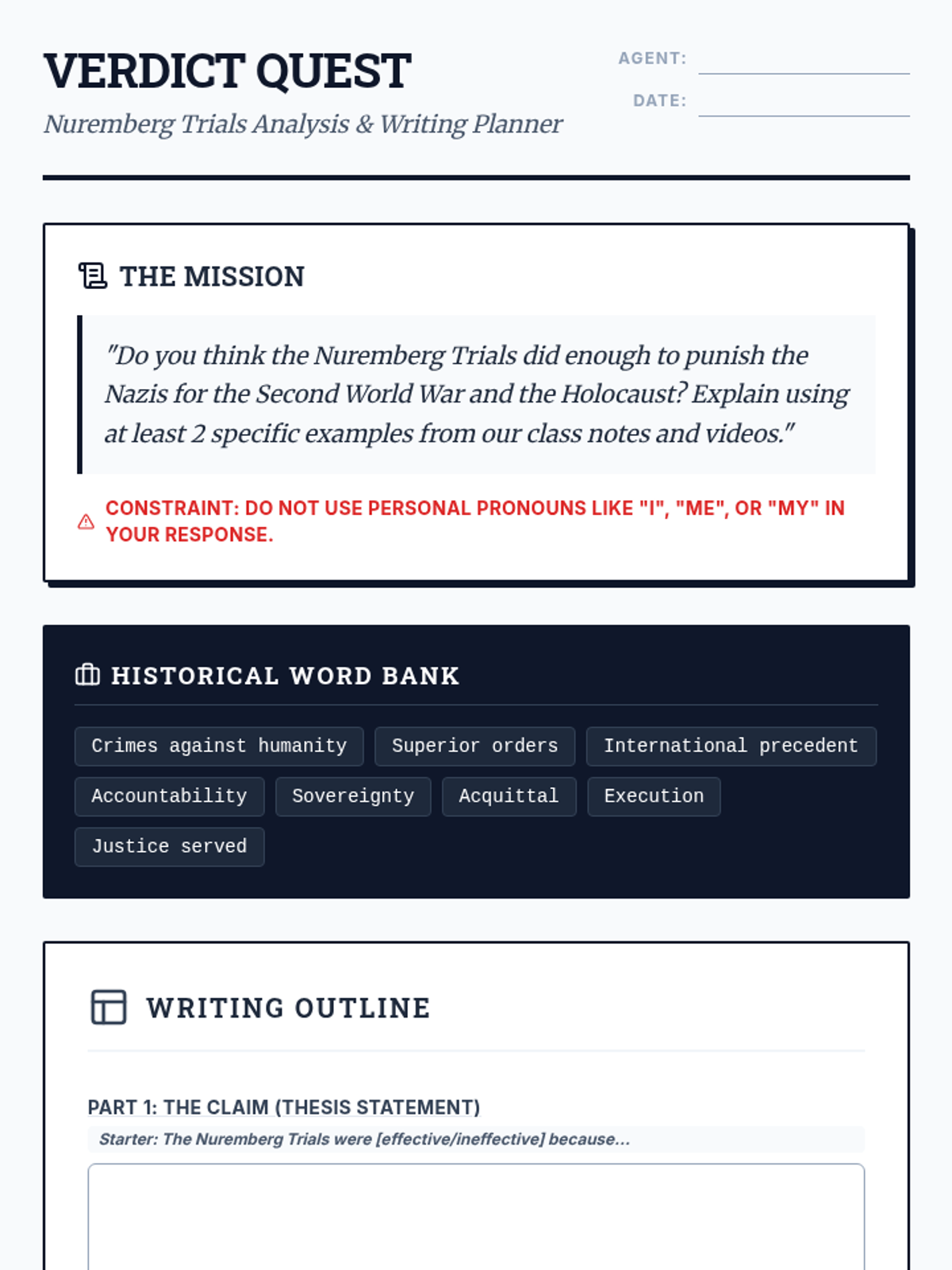
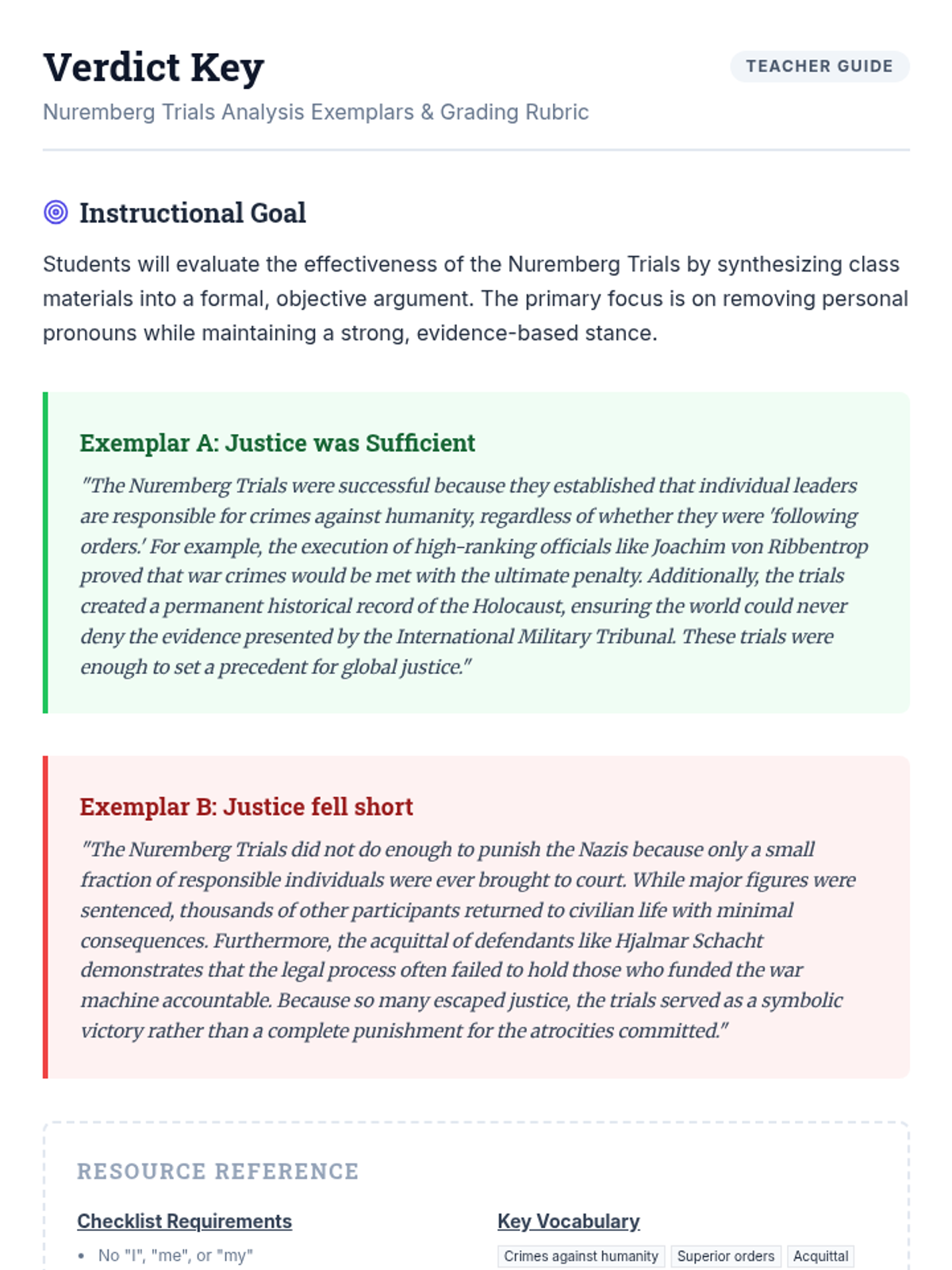
A lesson focused on evaluating the historical impact and adequacy of the Nuremberg Trials through structured writing and evidence-based argumentation.
A comprehensive exploration of America's westward expansion, covering the ideological drive of Manifest Destiny, the industrial feat of the Transcontinental Railroad, and the social movement of the Exodusters.
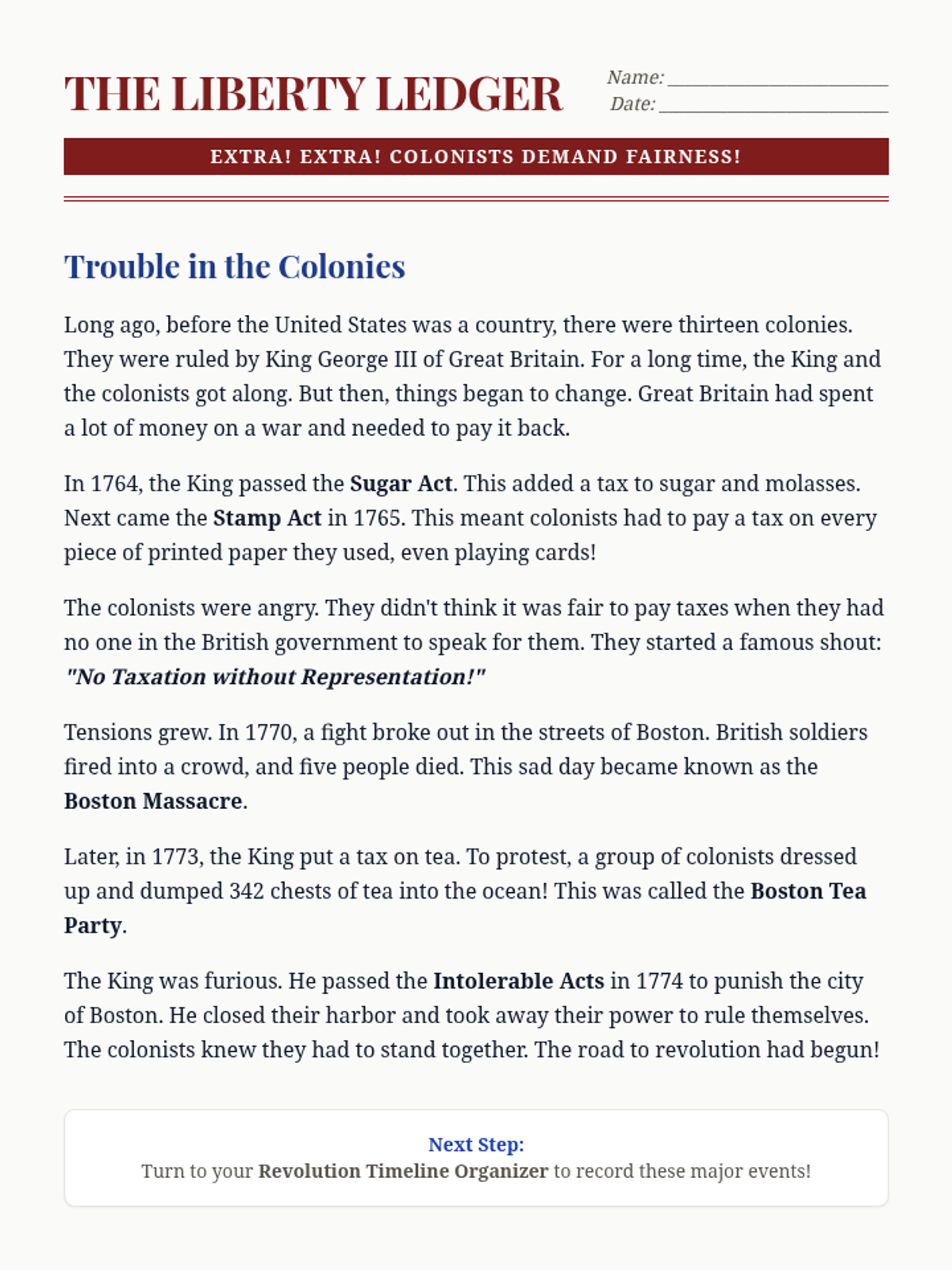
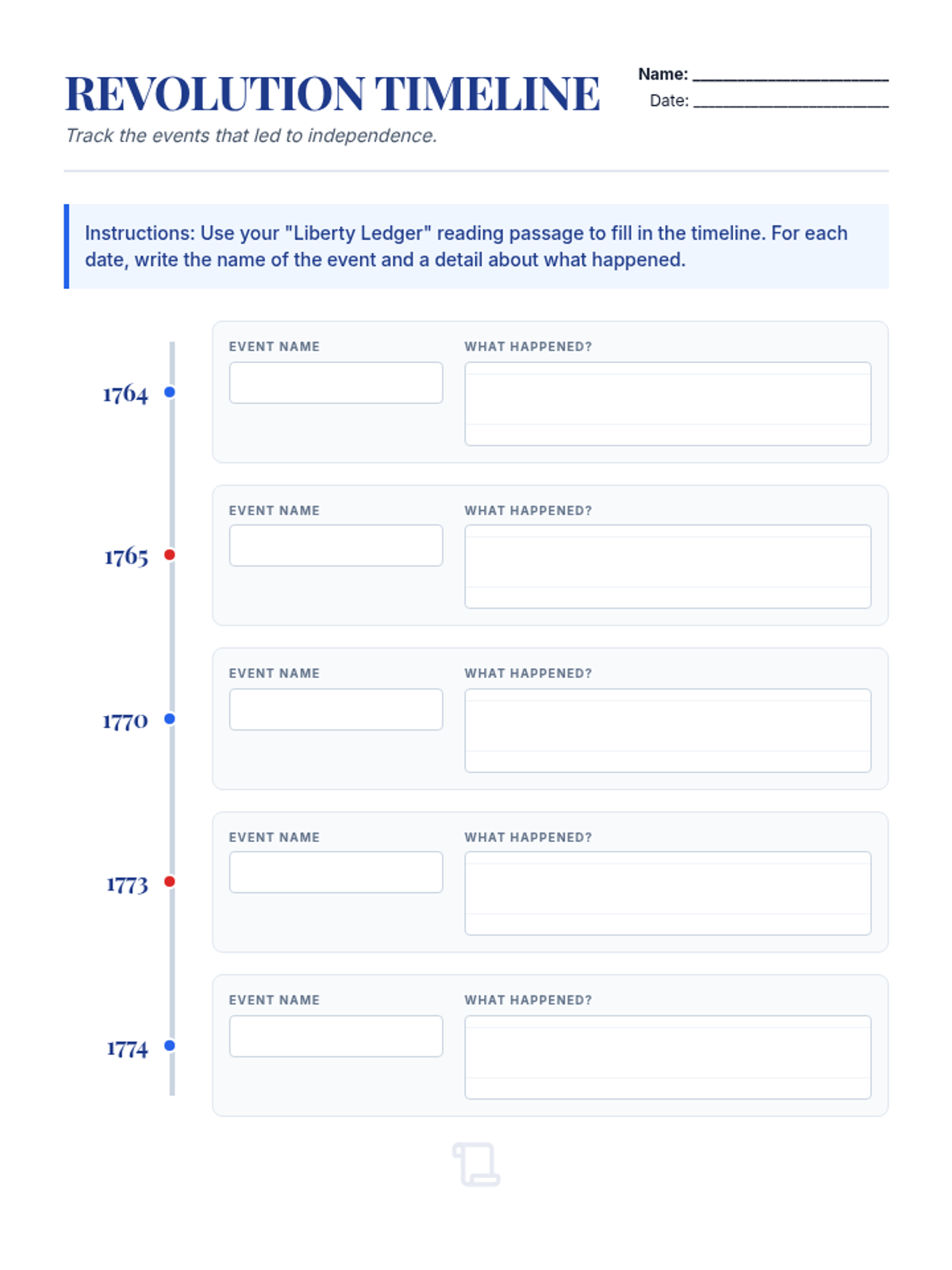
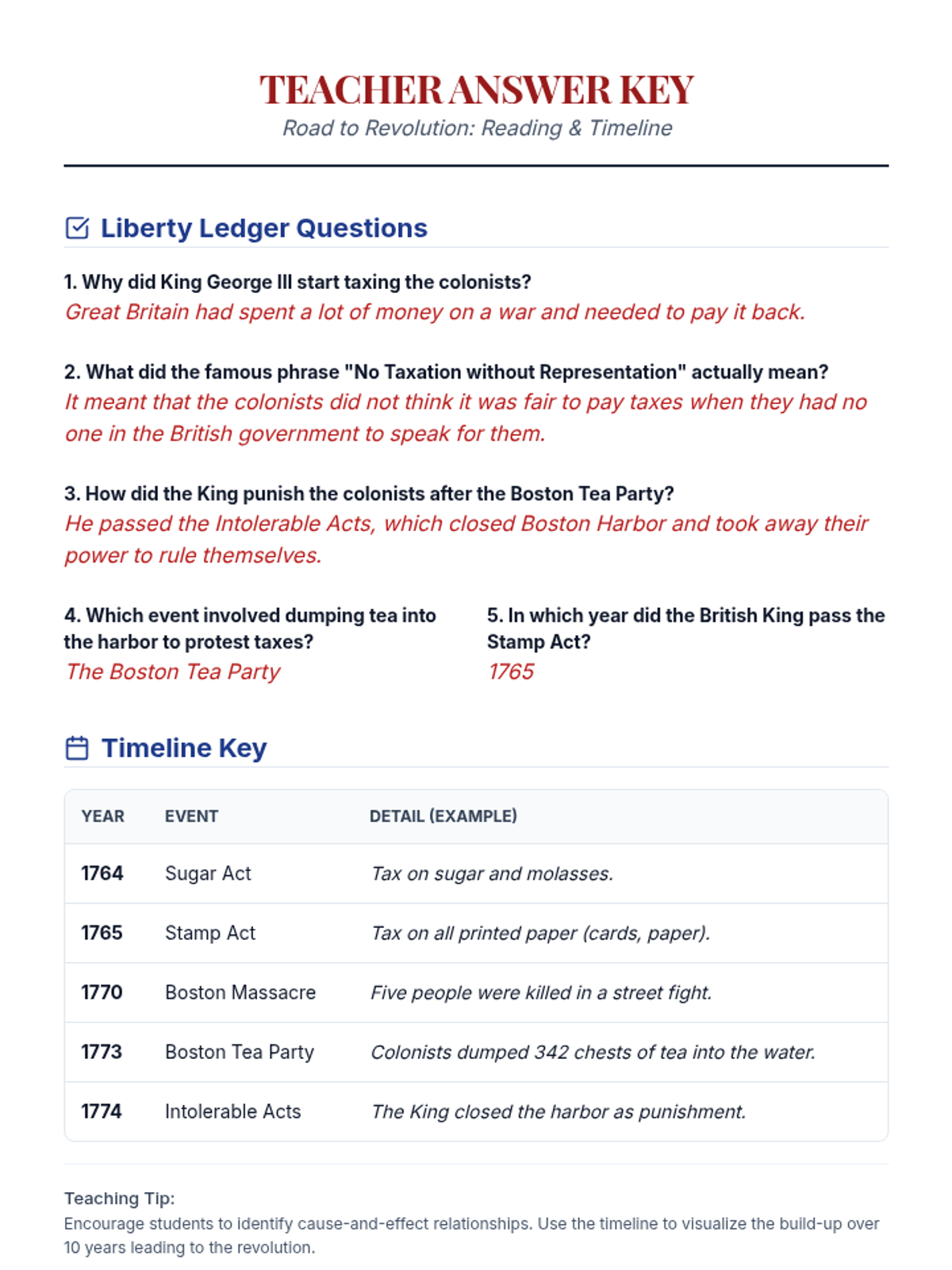
A lesson introducing 3rd graders to the key events that sparked the American Revolution, focusing on the tension between the colonies and Great Britain.
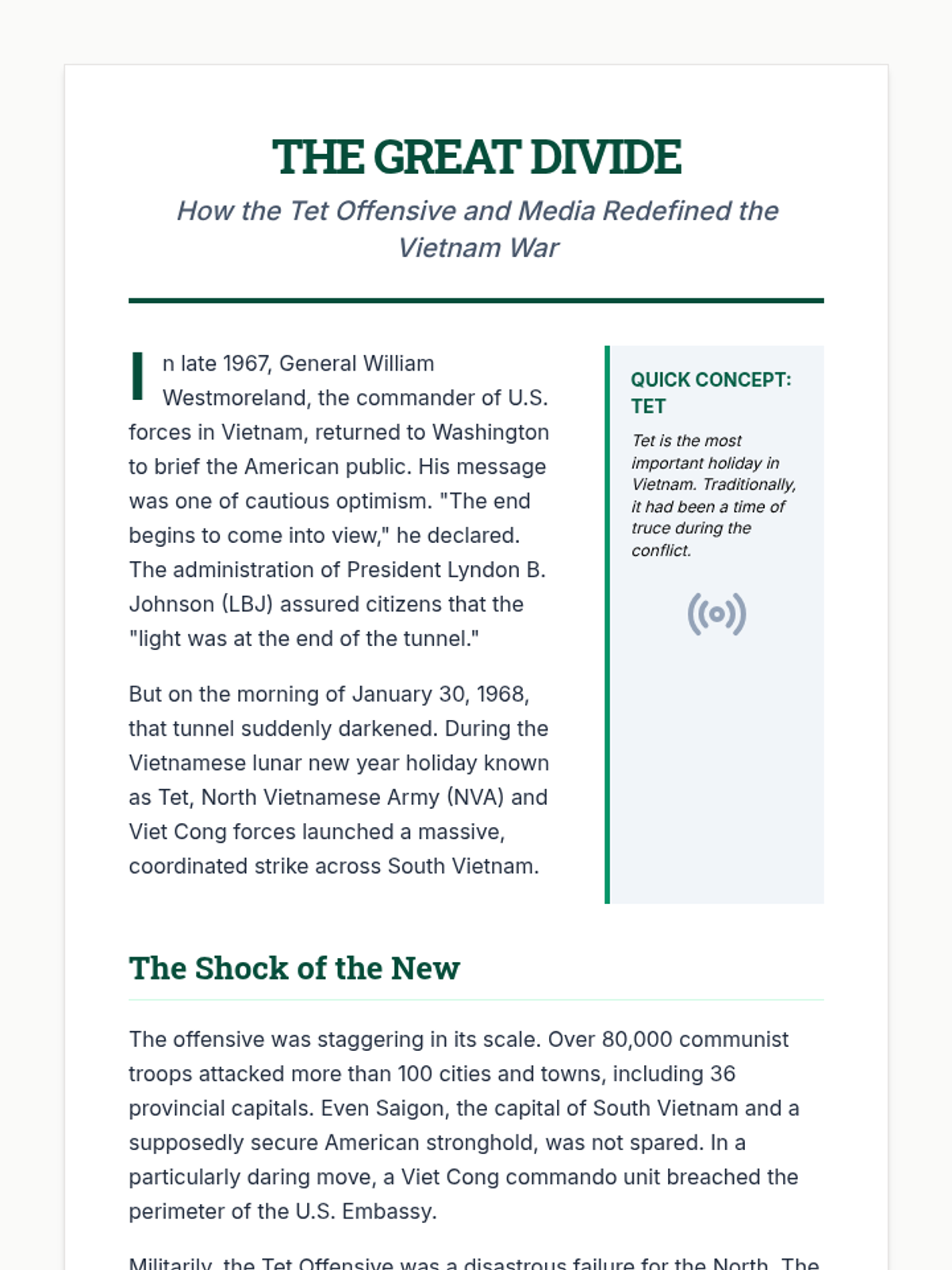
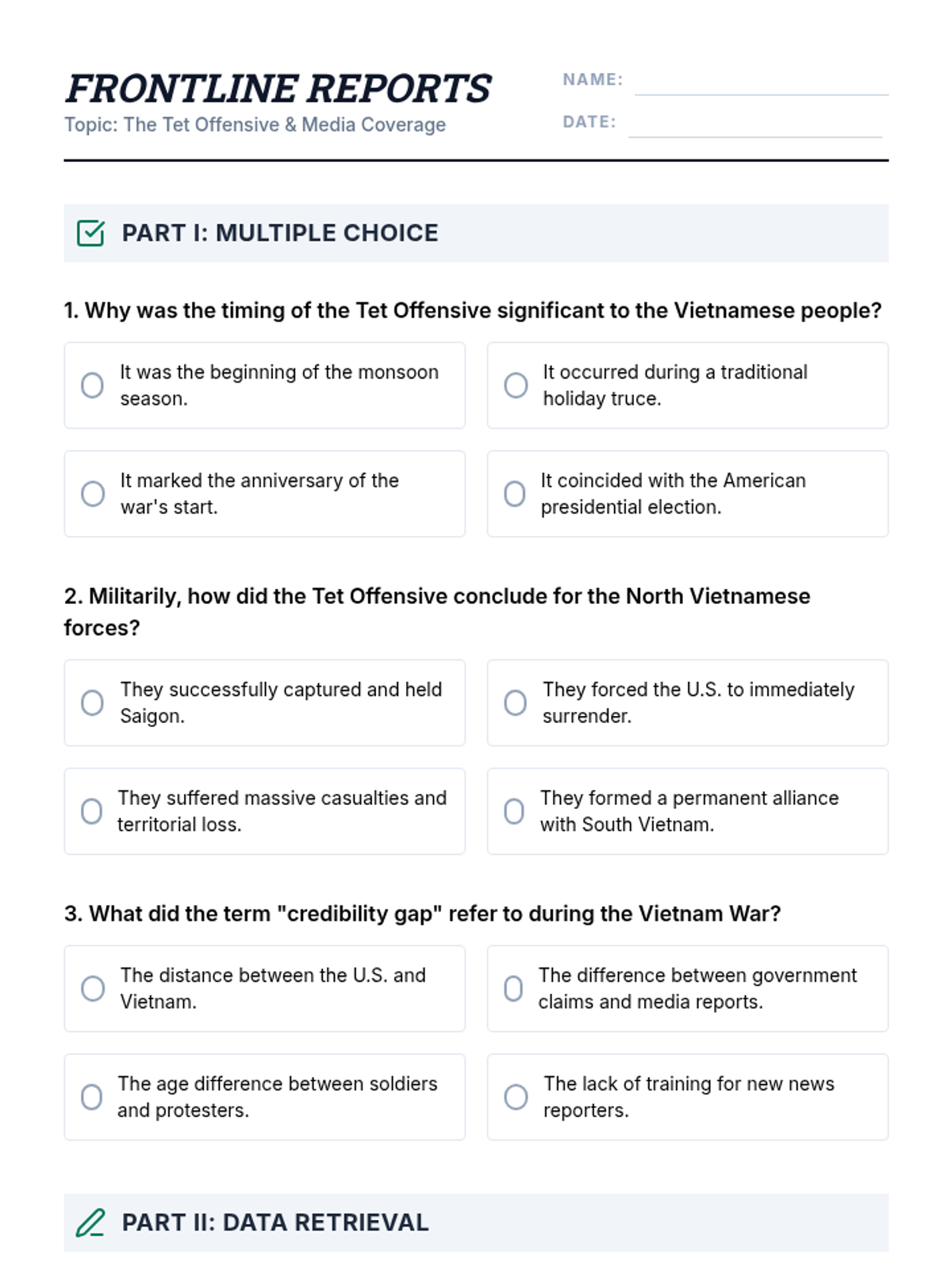
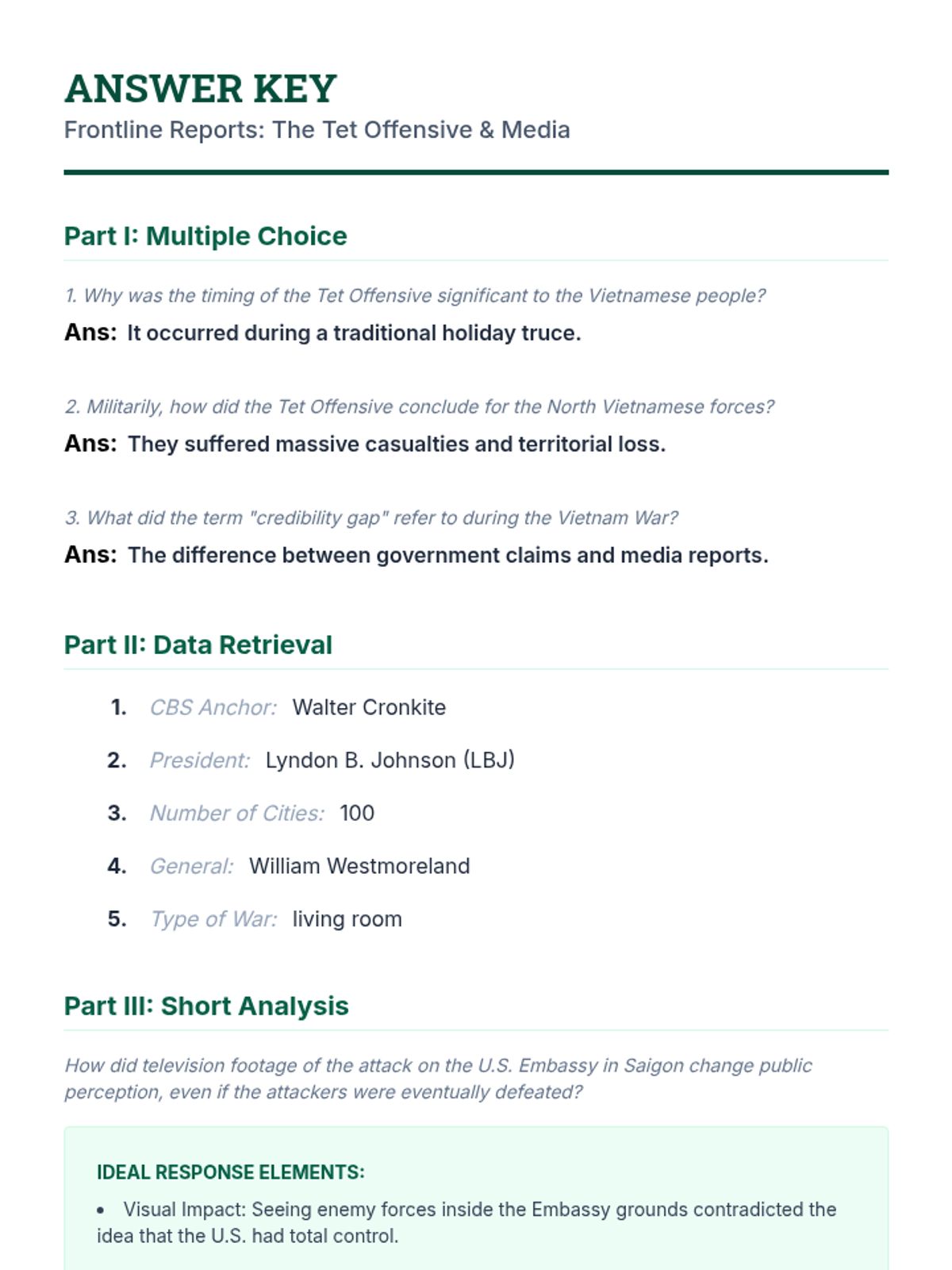
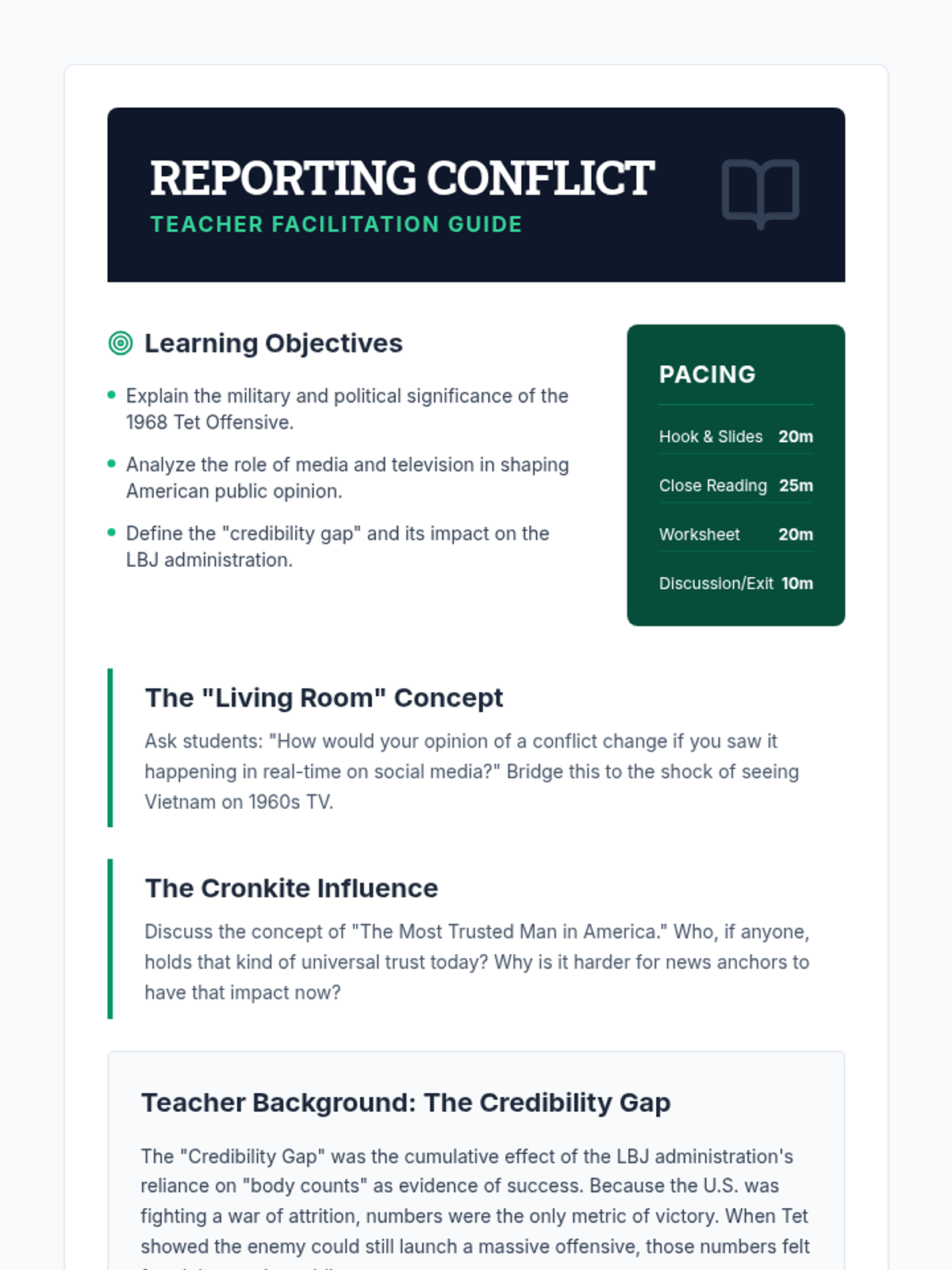
An in-depth exploration of the Tet Offensive and the pivotal role of media coverage during the Vietnam War, examining how the 'Living Room War' changed American public opinion and created a credibility gap.